Remember Bella Hadid’s viral spray-on dress from last year? Well, we now have shoes that are designed the same way.
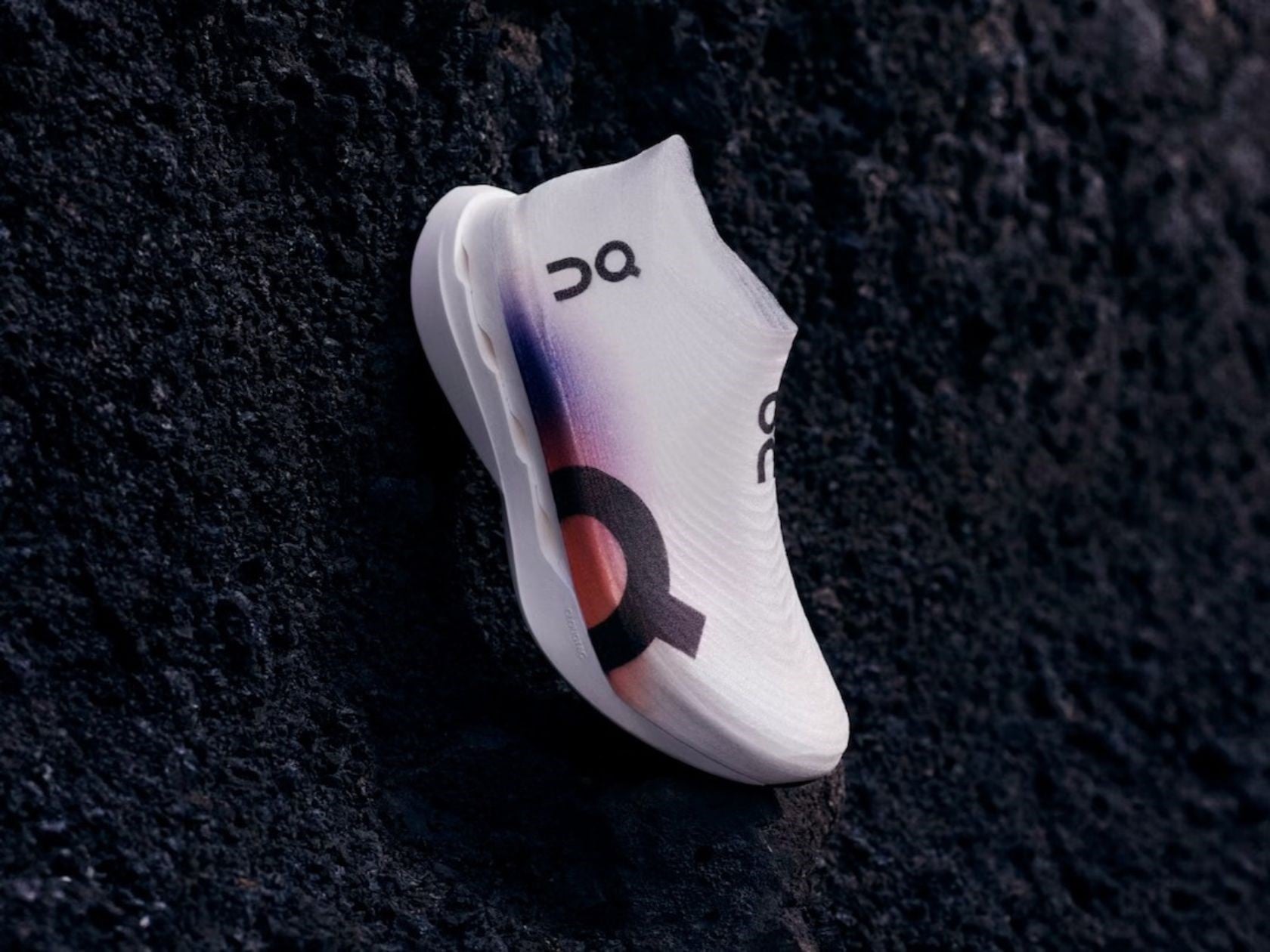
The world of fashion and footwear is a rapidly evolving industry in which heavy treads and bulky materials are becoming relics of the past. Leading the charge into this lightweight future is On, a running technology company, with their groundbreaking new sneaker: the Cloudboom Strike LS. This innovative shoe redefines performance and sets a new standard for environmental responsibility.
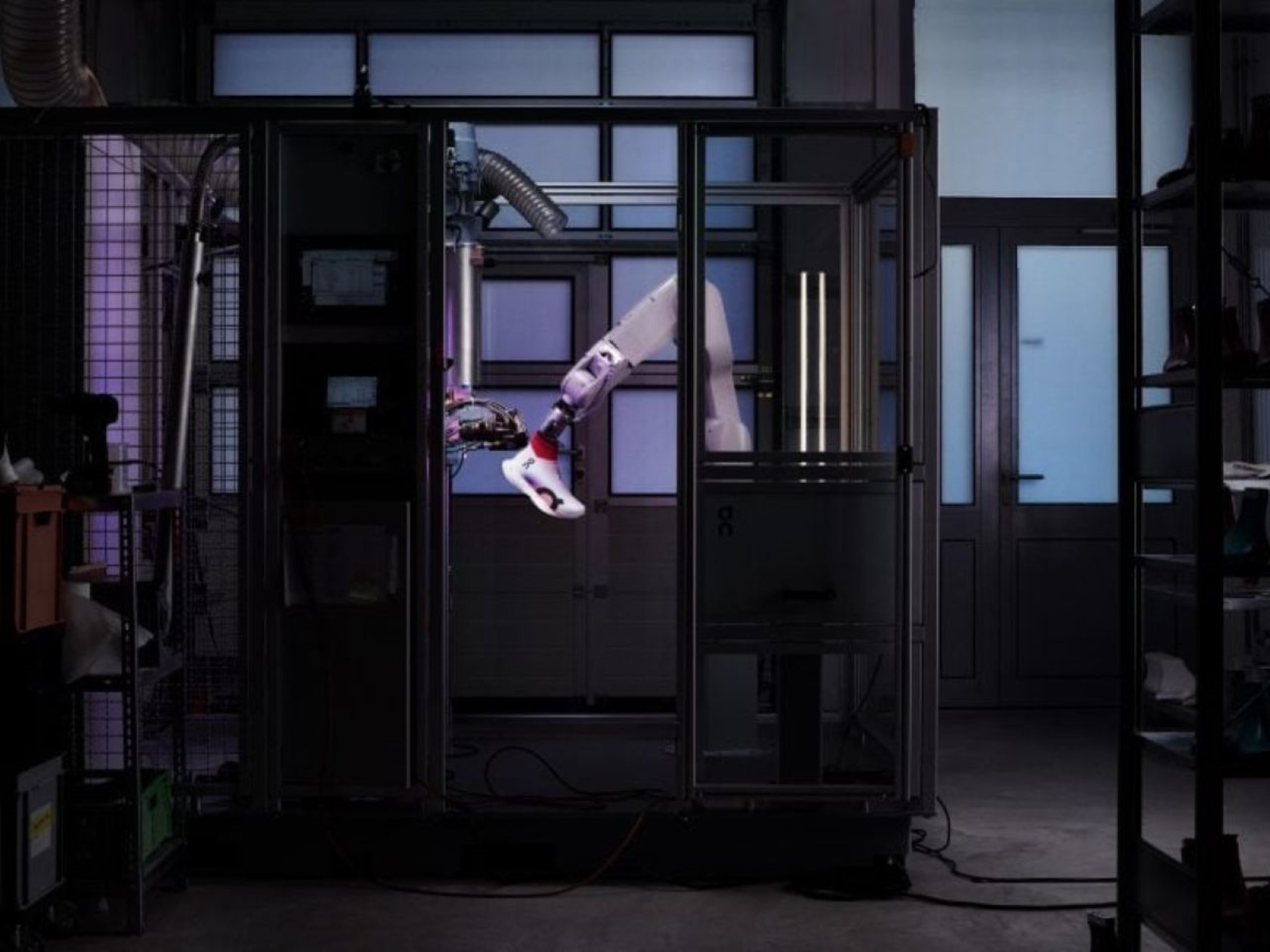
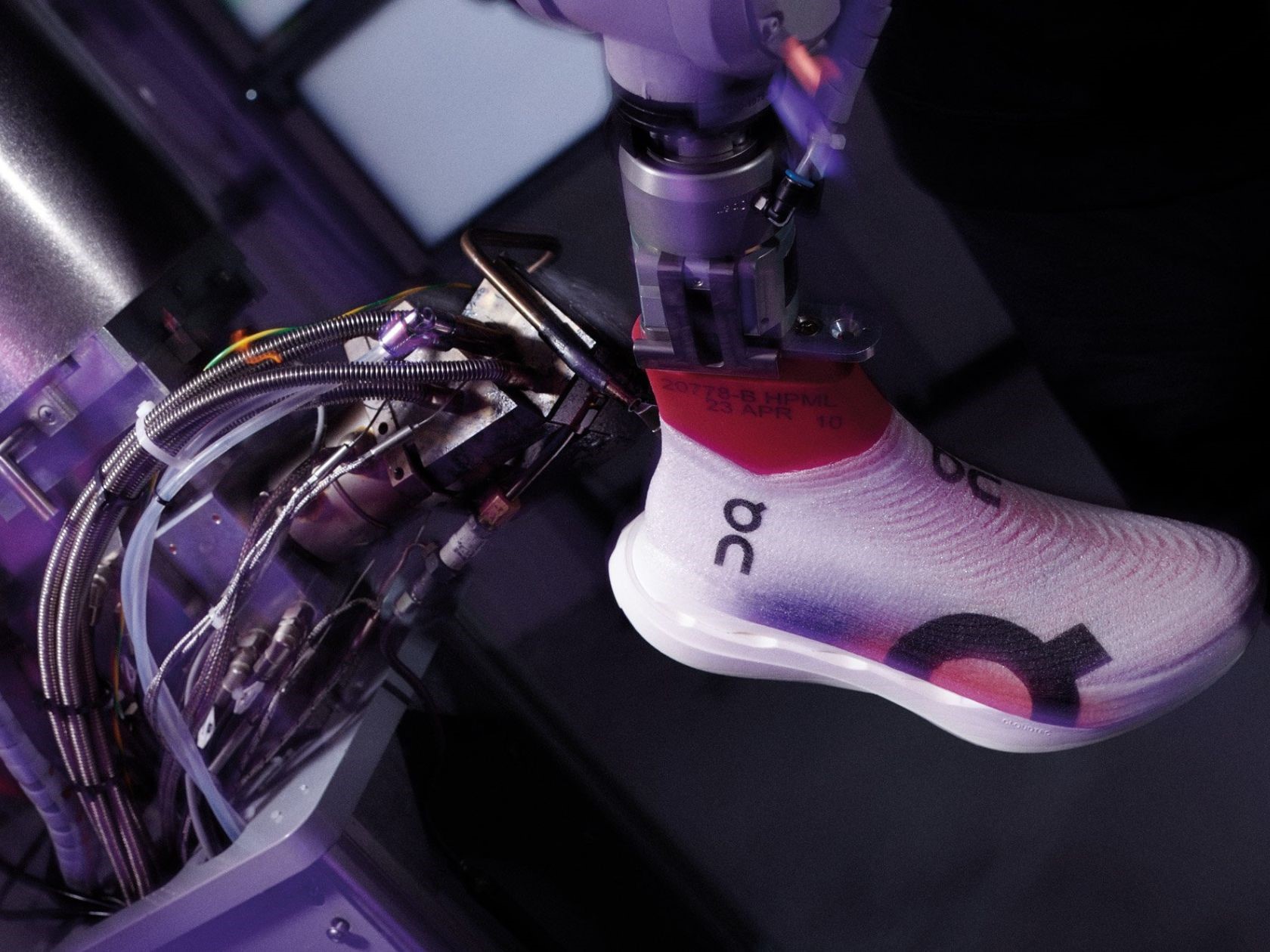
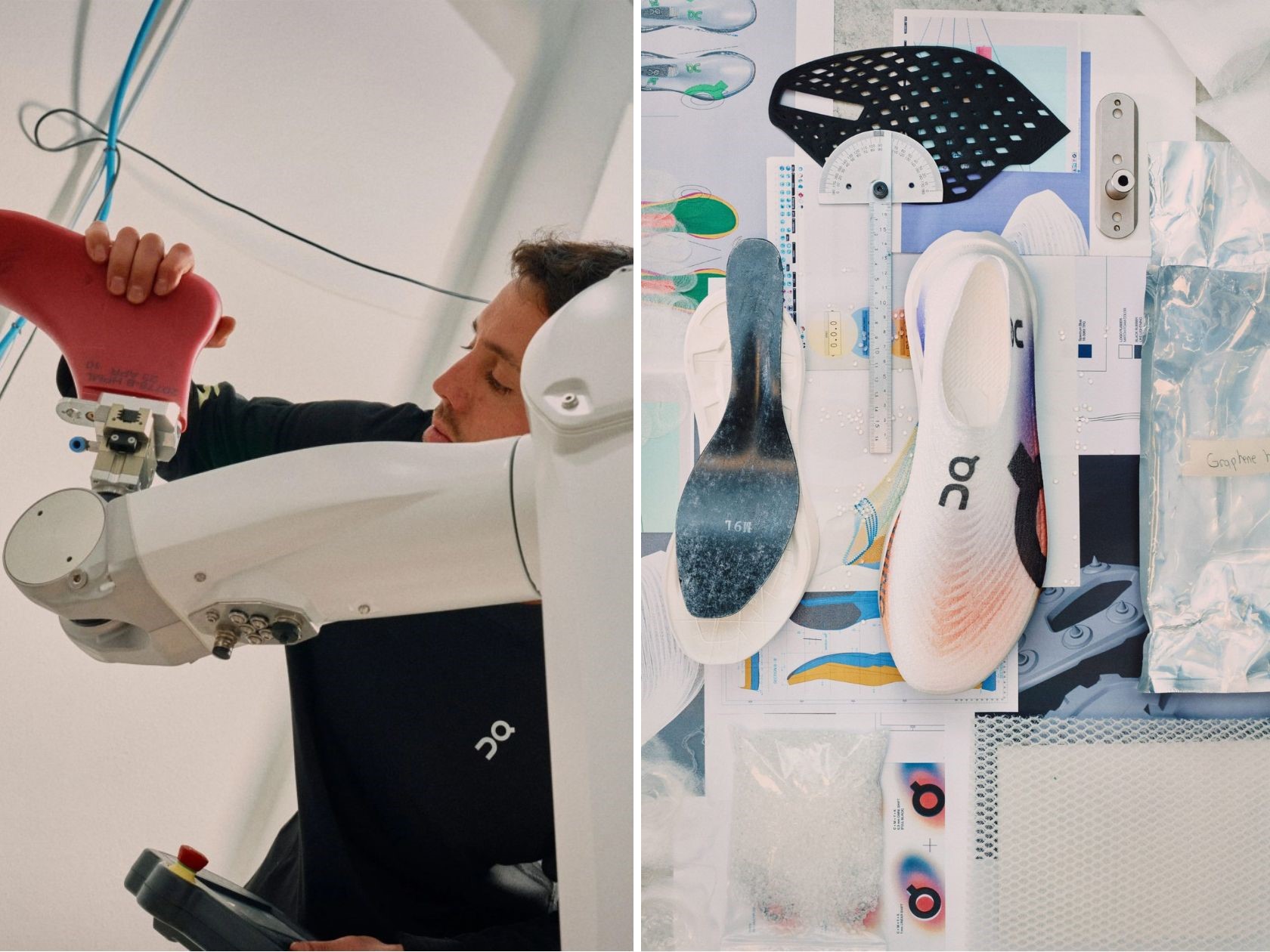
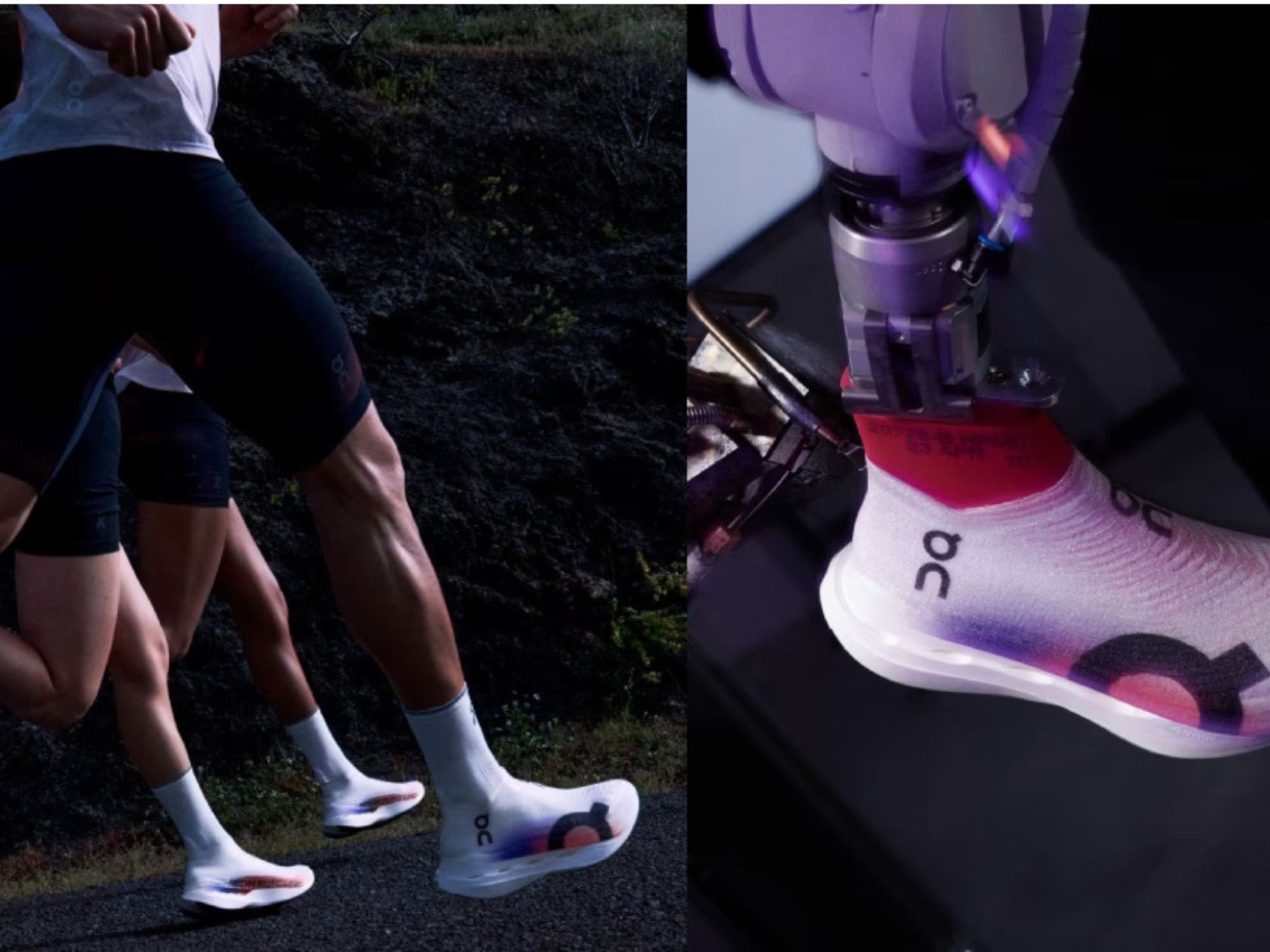
The Cloudboom Strike LS is the first shoe to feature On’s revolutionary ‘LightSpray’ technology. This cutting-edge method employs a robotic arm to spray a single length of thermoplastic filament onto a mold, creating a seamless, one-piece upper. This process is remarkably efficient, taking just three minutes to complete and bypassing traditional manufacturing techniques such as weaving, sewing, and gluing. The result is a shoe that is exceptionally light and environmentally friendly, boasting a 75% reduction in CO2 emissions compared to On’s other models.
Described by the brand as “lighter than humanly possible,” the upper of the Cloudboom Strike LS weighs a mere 30 grams. This feather-light component is seamlessly bonded to a midsole featuring On’s signature hyper foam and a carbon Speedboard, providing excellent energy return and support. The entire shoe weighs just 170 grams, making it the lightest running shoe On has ever produced.
The performance credentials of the Cloudboom Strike LS have already been proven on the world stage. Earlier this year, Kenyan marathon runner Hellen Obiri won the Boston Marathon in a prototype of these shoes. This victory underscores the shoe’s potential to revolutionize competitive running.
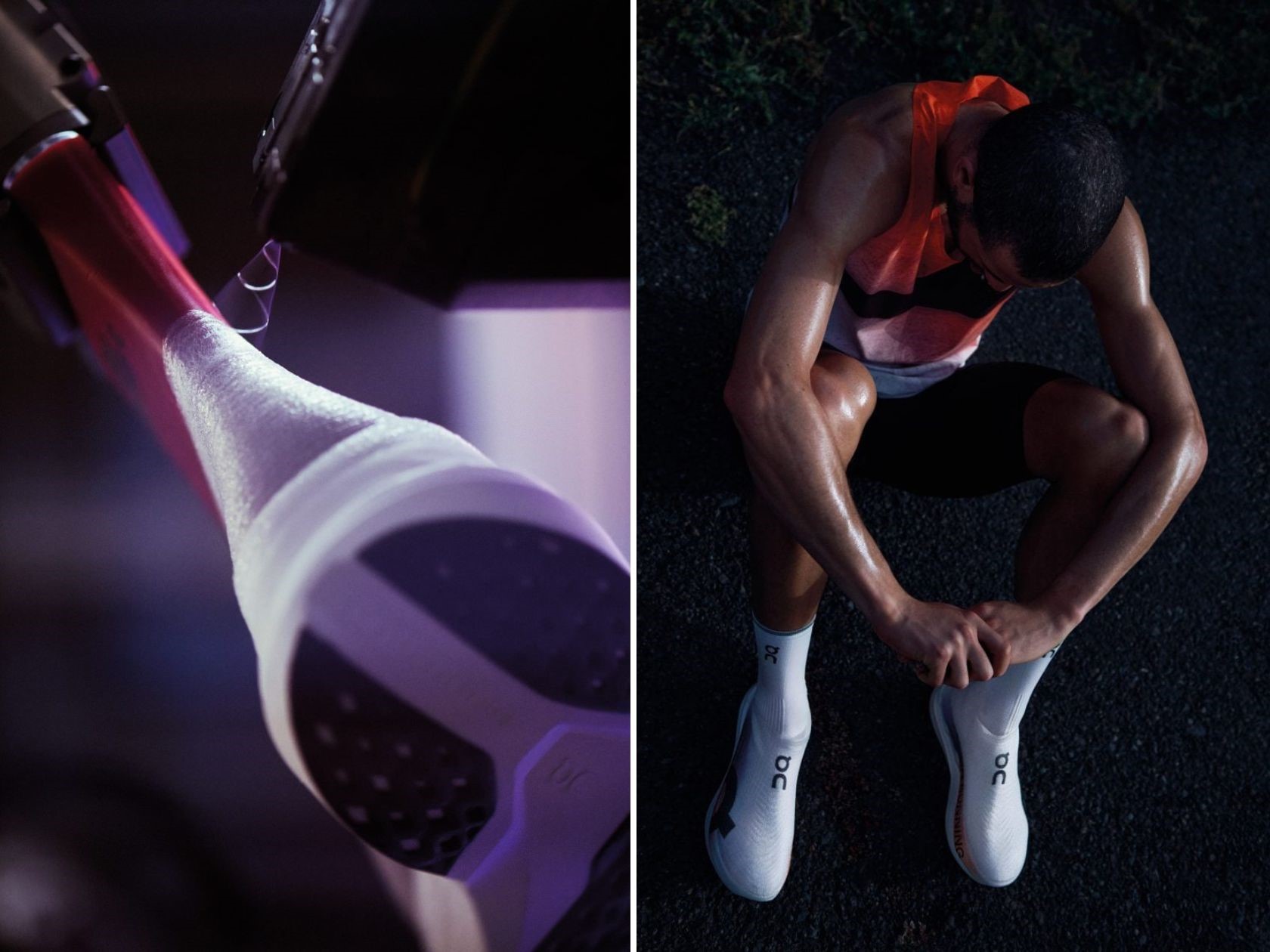
The streamlined manufacturing process of the Cloudboom Strike LS uses far fewer materials, bringing both performance and environmental savings to the forefront. The upper, created by spinning a single 1.5km long filament, forms a mesh-like structure that is breathable, and elastic, and eliminates the need for laces. This design not only offers a seamless, distraction-free fit but also minimizes waste and eliminates the need for glues, significantly reducing the environmental footprint.
Two layers of Helion HF hyperfoam provide high energy return and impact absorption, while a pre-shaped, stiff carbon fiber Speedboard is sandwiched between them for powerful propulsion with every stride. The outsole features maximized traction with increased ground contact in key areas, ensuring optimal performance on race day.
Currently crafted in Zurich, the Cloudboom Strike LS will soon be showcased at a Parisian pop-up during the Olympics. Athletes like Hellen Obiri will demonstrate the shoe’s capabilities, pushing the boundaries of speed and sustainability. With a price tag of US$330, these shoes will also be available for pre-order to the public, offering runners a chance to experience this revolutionary technology firsthand.
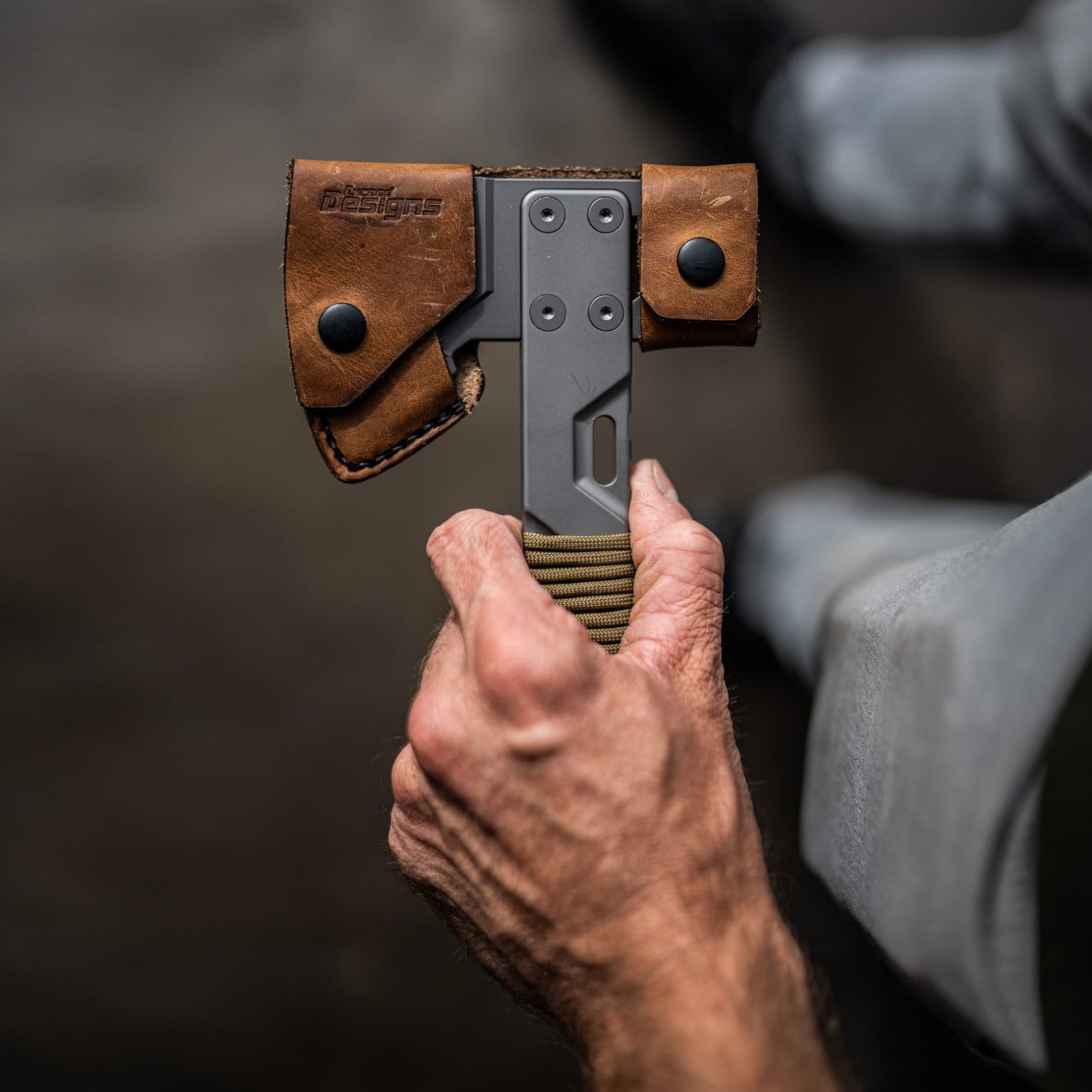
Sure, it’s no Thor’s Stormbreaker, but the HYZER’s handy size and reliable design make it a perfect part of your outdoor or camping EDC. With a highly customizable design that lets you choose the axe head thickness, handle length, and even the color of the grip, the HYZER can be personalized to your liking, whether you need something hefty for felling short trees, or just a light, sharp, maneuverable axe to skin hunted animals and defend yourself in a skirmish.
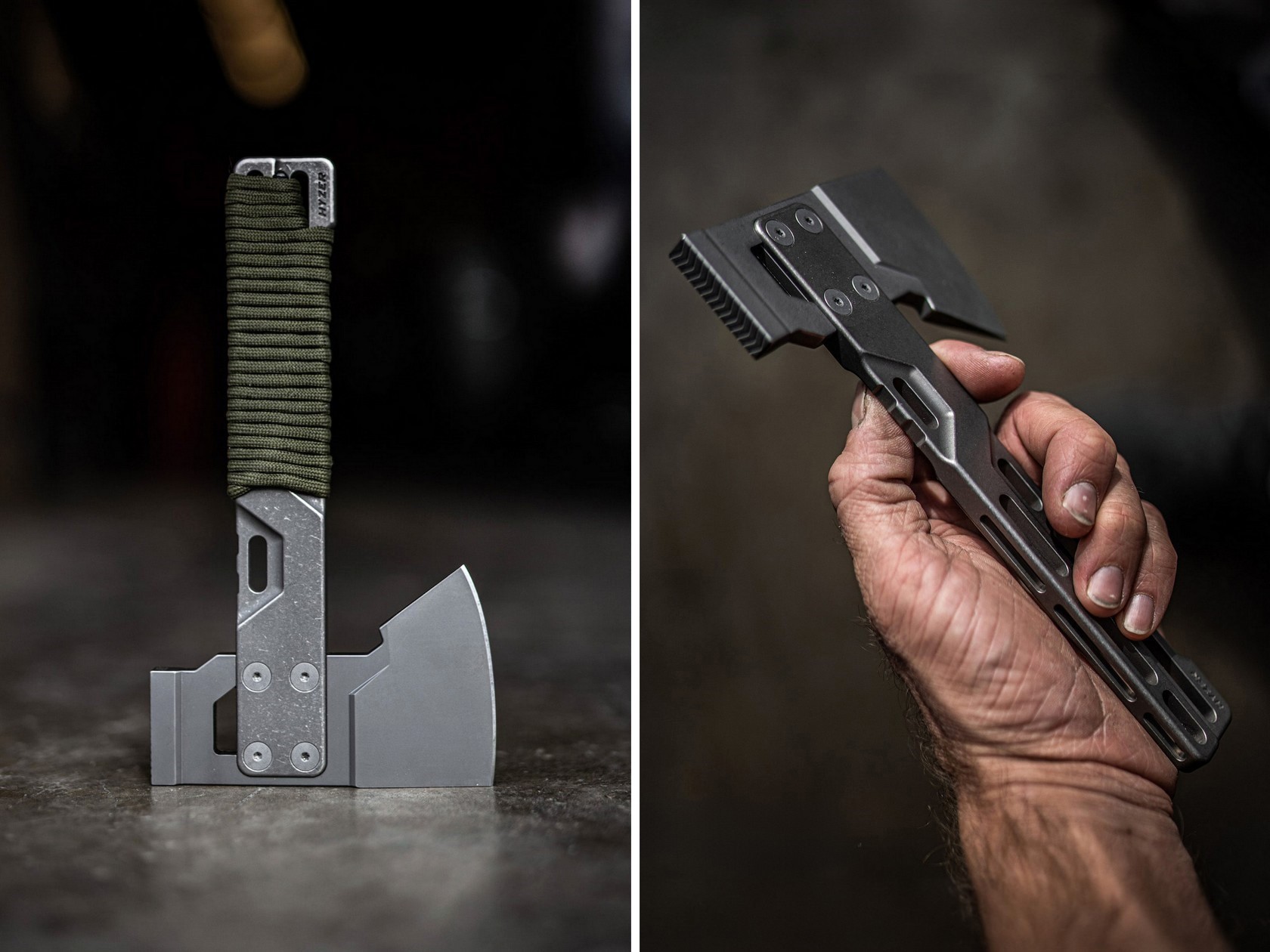
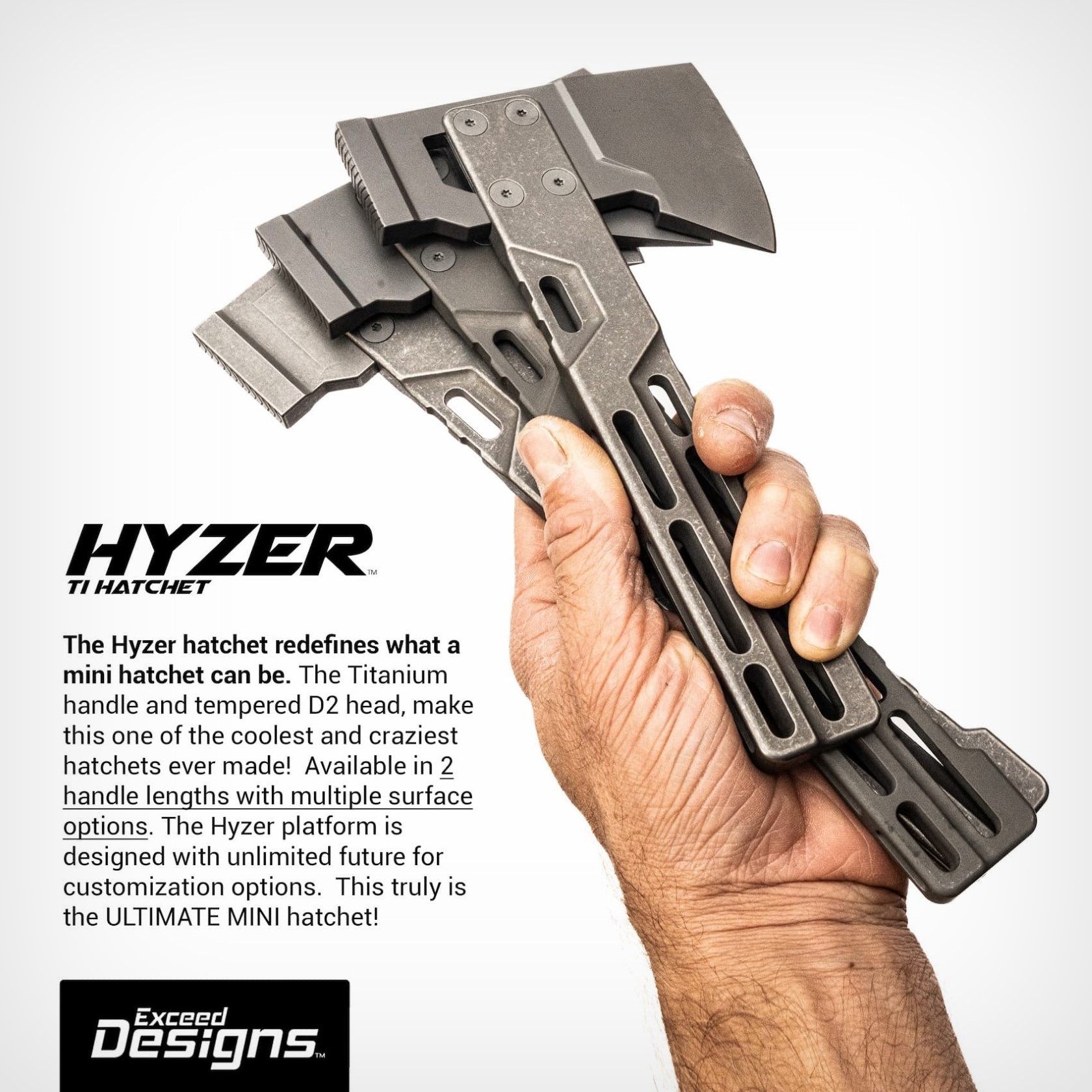
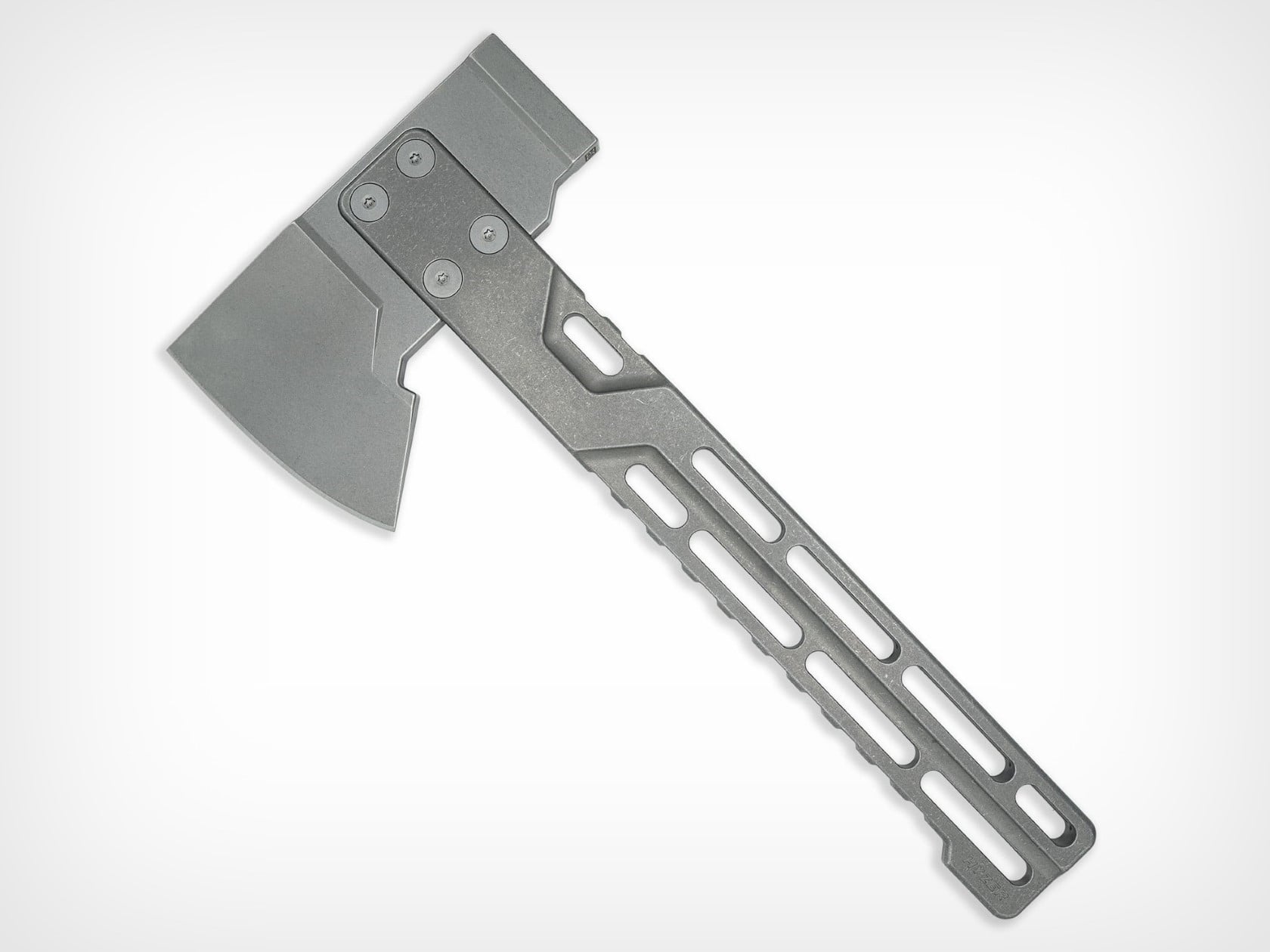
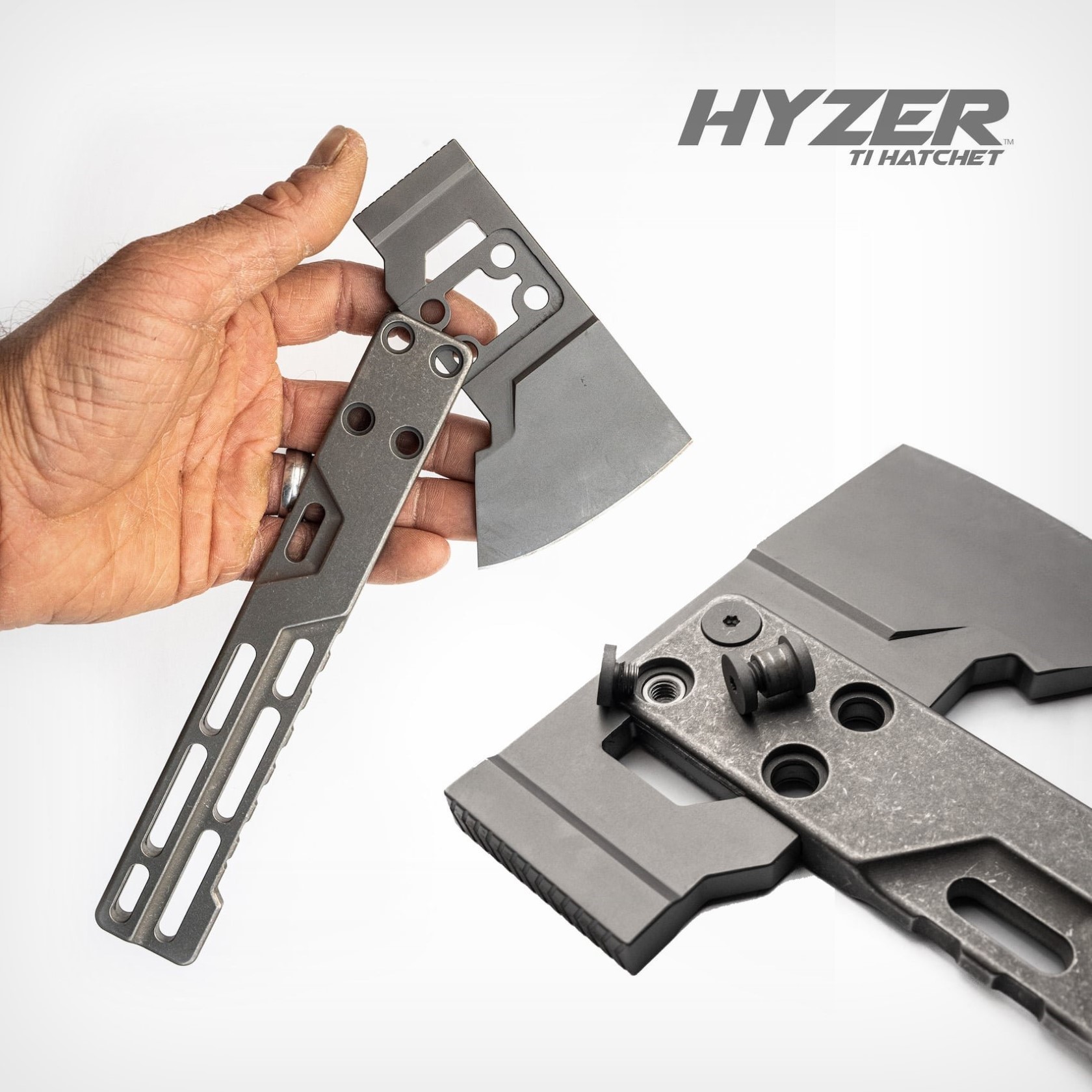
It isn’t often you see hatchets made from titanium. The material, known for its enduring nature, is often seen in smaller EDCs that need strength in a compact form factor. Hatchets, by definition, are large instruments, and can rely on brute force to make their impact. However, the HYZER’s choice of being machined from solid 6AL-4V GR5 titanium sets it apart in a bunch of ways. For starters, the material allows the axe to be a lot lighter and thinner than its steel counterparts. The HYZER features a skeletonized handle that shifts all the weight to the blade on top, allowing you to swing with force. The head, however, comes fashioned from D2 steel, known for its reliability and edge-retention. Heavier than titanium, it shifts the weight to the top which makes the hatchet more efficient.
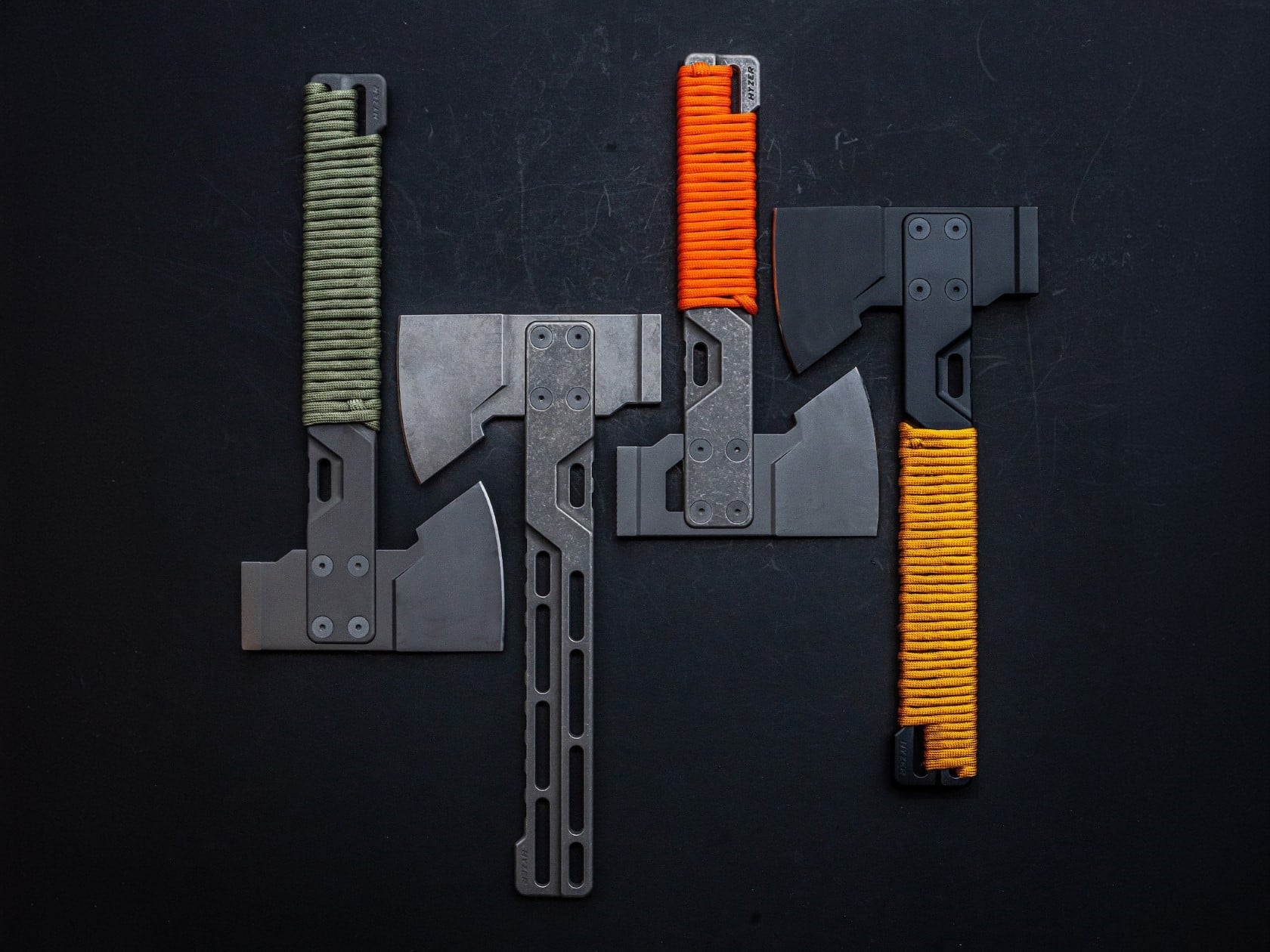
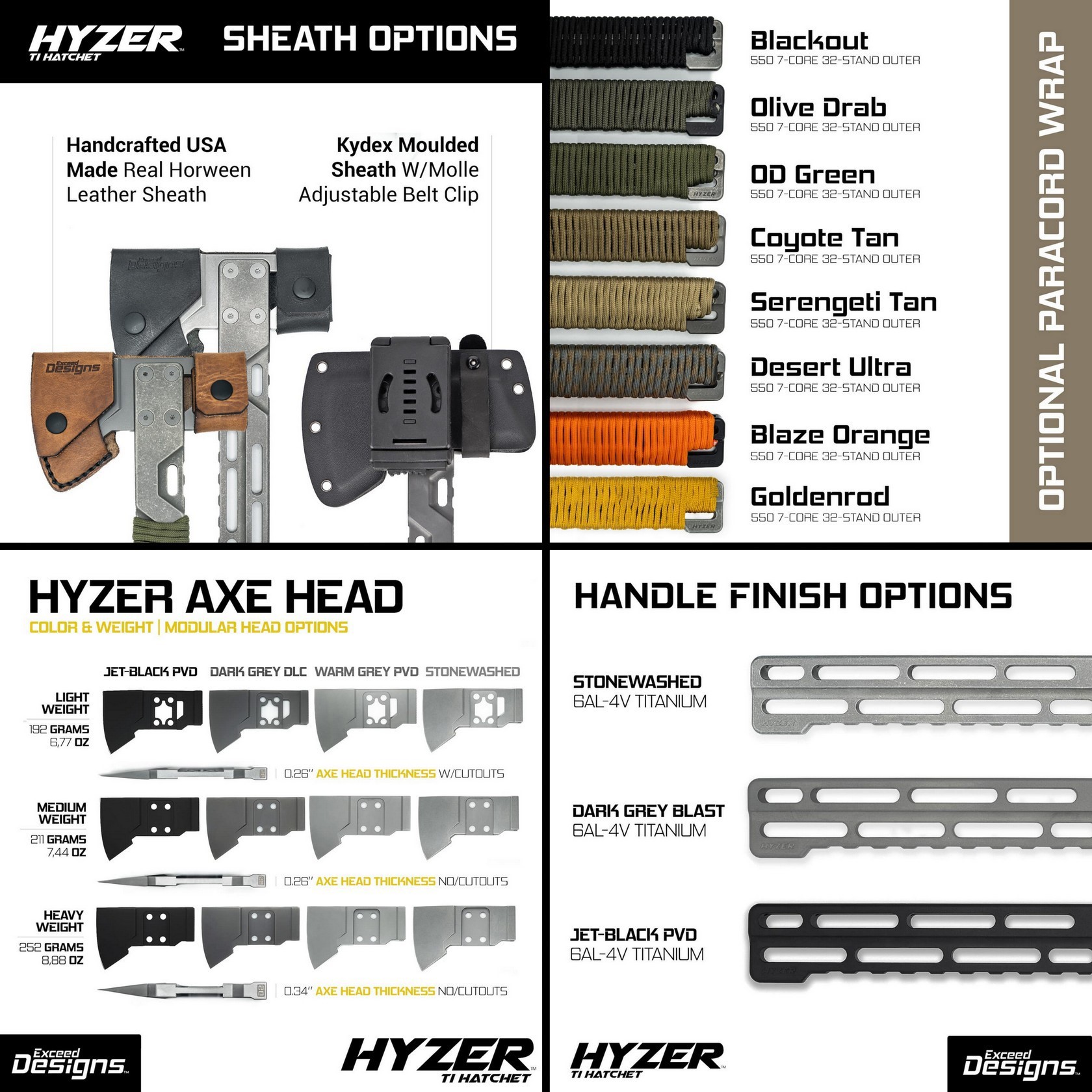
The HYZER comes with a few potential modifications that allow you to personalize your EDC. You’ve got a choice between short and long handle lengths, with the option of either going with the skeletonized handle, or opting for a woven handle that offers a significantly better grip. Similarly, the axe head comes in three weight classes too – a lightweight variant that weighs 6.77 ounces, a medium variant that weighs 7.44 ounces, and the heaviest variant that weighs 8.88 ounces. The heads attach to the handle using four countersunk screws to maintain the HYZER’s flush, sleek design, and can easily be replaced or customized depending on your need.
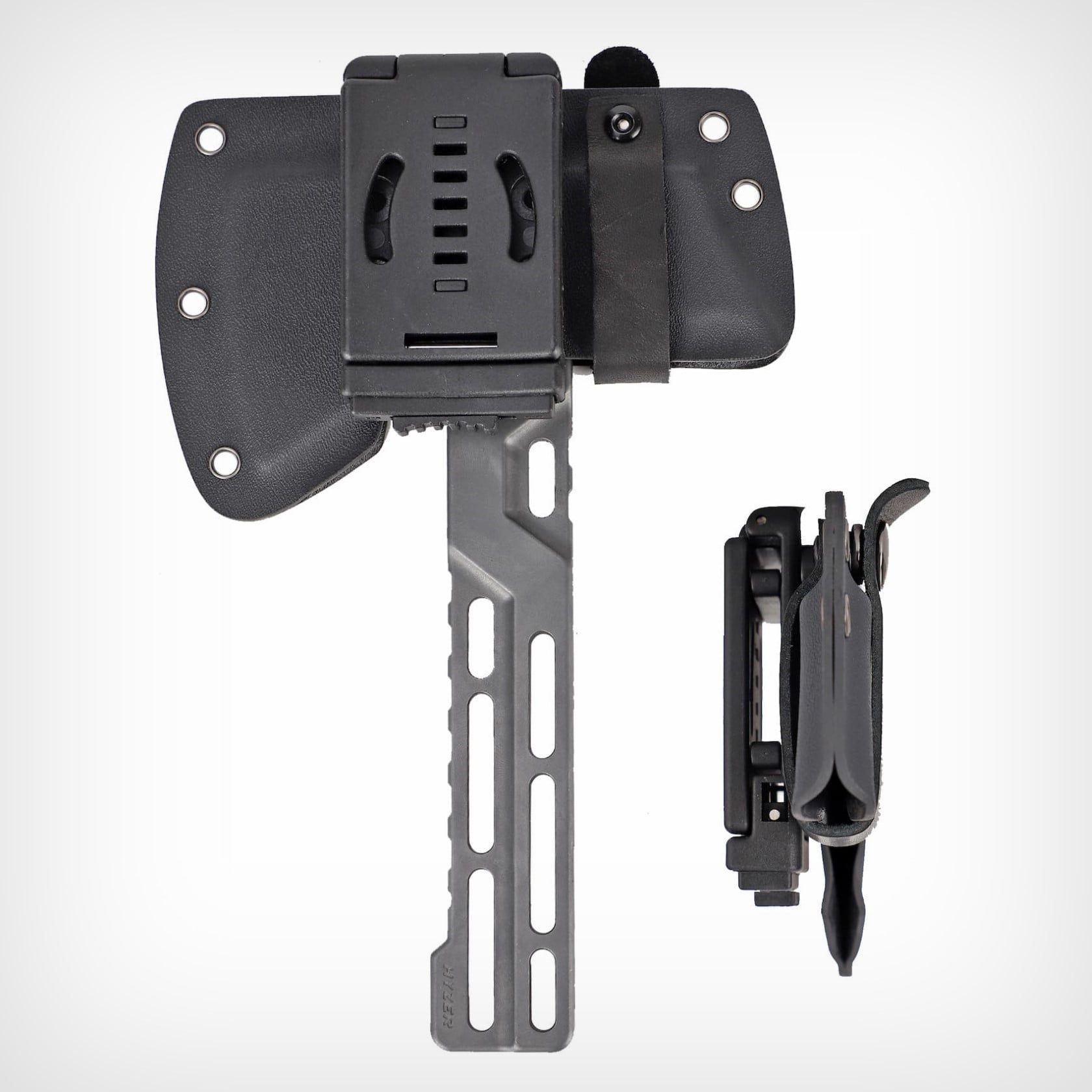
So what would you really need a titanium hatchet for? Well, the HYZER is best suited for adventure and tactical situations. Whether it’s braving the elements in the outdoors, or just old-fashioned survival, the HYZER is quite the sidekick for the job. Depending on your handle, the HYZER Measures either 8.15″ or 9.75″ long, weighing 12.3 or 13.8 ounces. Storing the HYZER is easy thanks to the option of an add-on sheath. Maker ‘Exceed Designs’ offers a classic sheath made from genuine Horween leather, or a molded sheath made from Kydex with an included adjustable belt clip (shown above).
Aside from the various spec customizations, the HYZER also has a few color variants to choose from. The handle comes with a choice between stonewashed, grey, or black PVD finish, while the axe head has four colors to choose from, ranging from stonewashed to two shades of grey, and finally the PVD black variant. If you choose to have your handle wrapped in paracord, there are 8 color options you can choose from, ranging from vibrant to covert.
The HYZER Ti Hatchet starts at $170, with different attachments/modifications being available for an add-on cost. Each hatchet is assembled in USA and comes with a lifetime warranty. The HYZER is limited to just a 500-unit run, so if you’re interested in grabbing one for yourself, head to the Exceed Designs website and snag yourself a hatchet before it’s all gone!
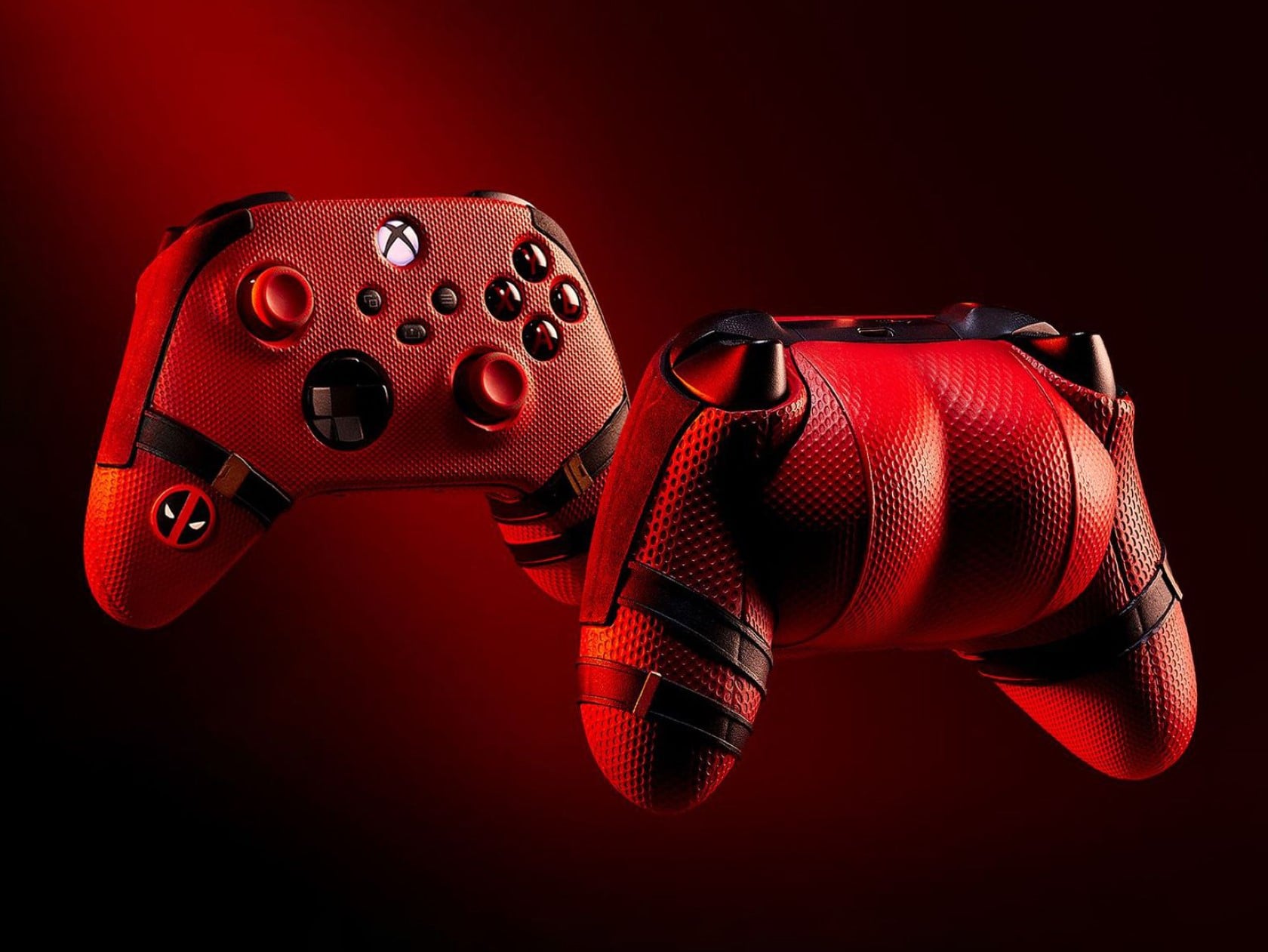
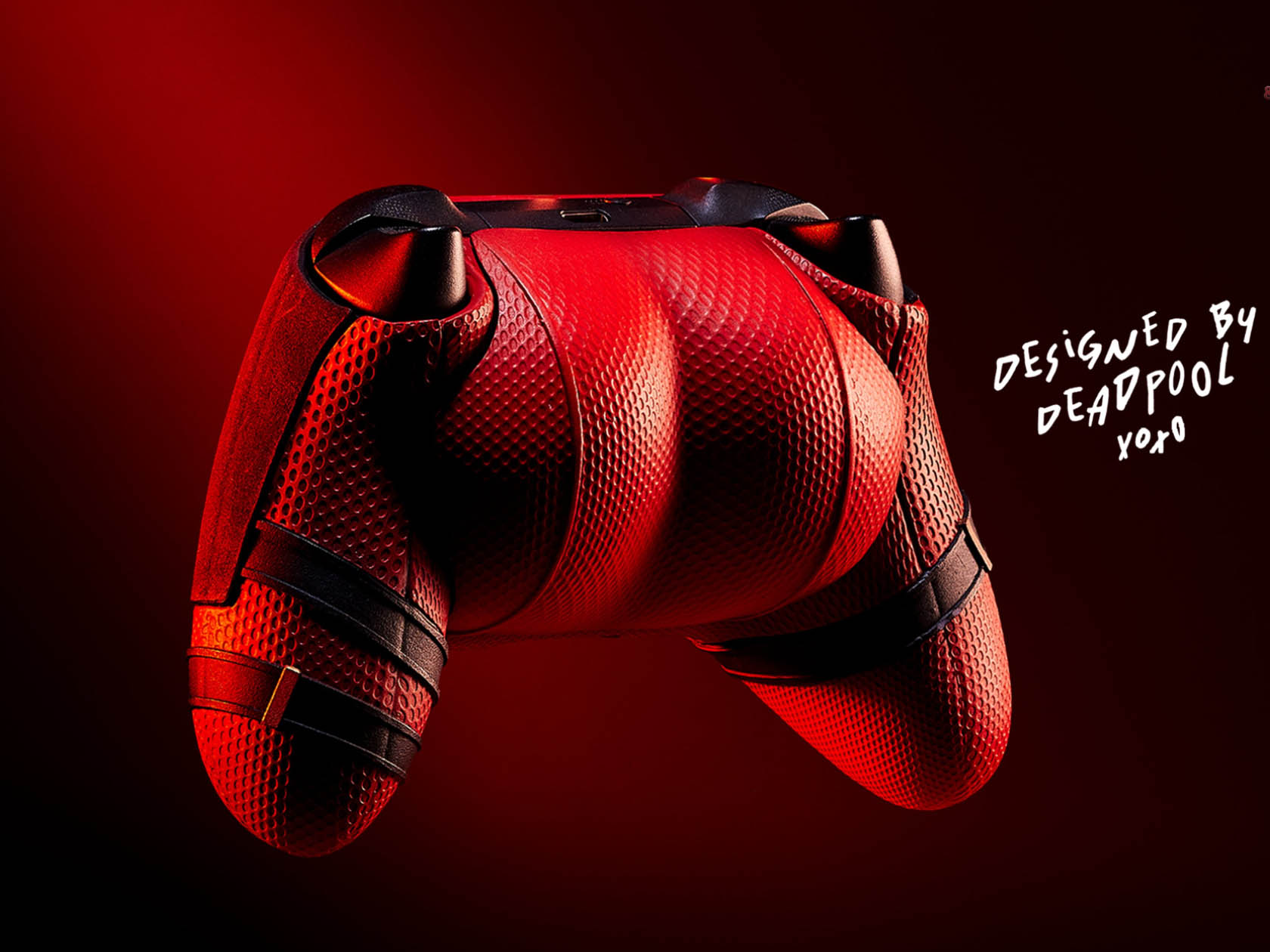
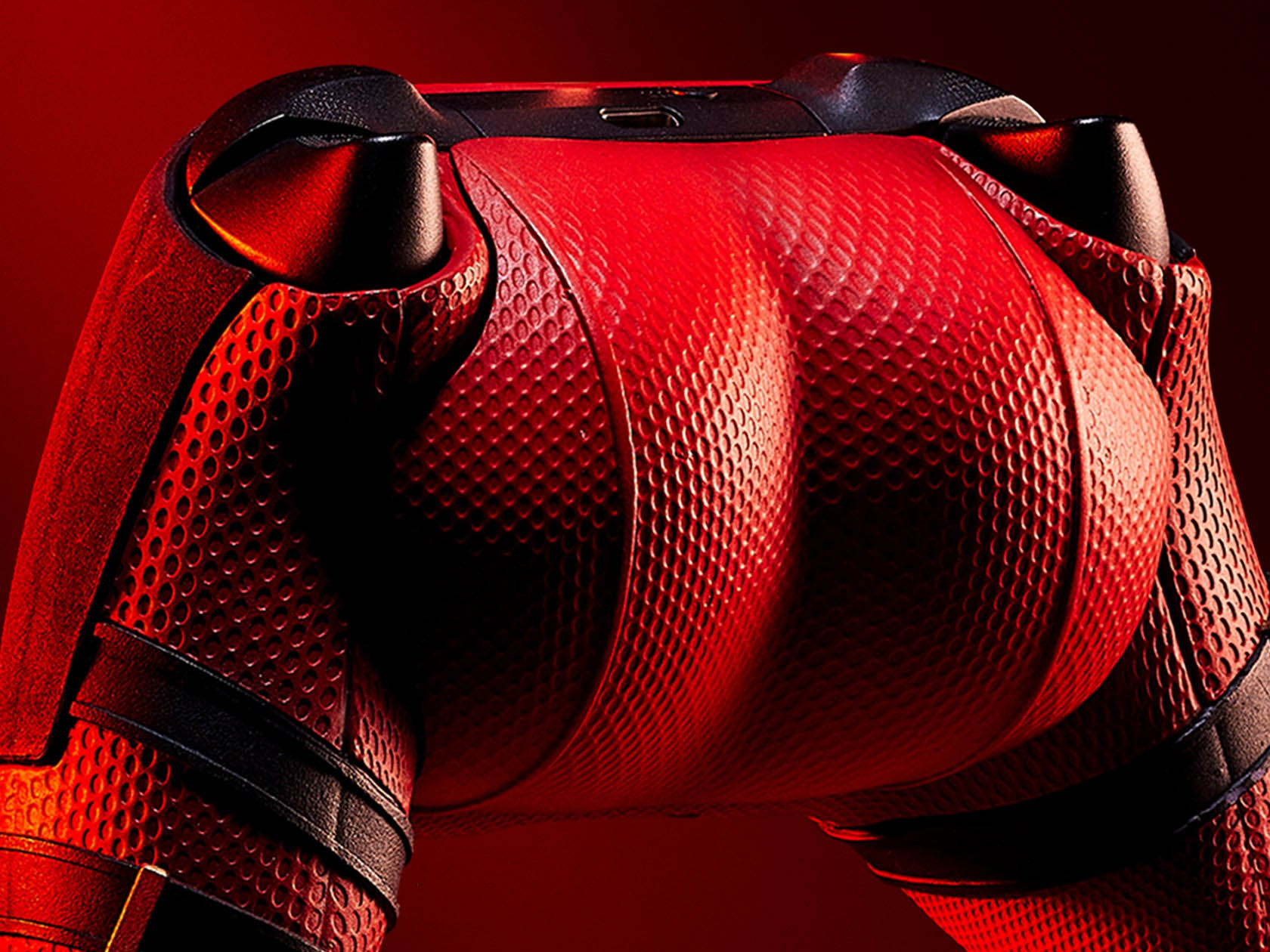
There have been some crazy iterations of Xbox in the popular Xbox Sweepstakes competition and this one doesn’t disappoint either. Themed on the cocky superhero, Deadpool, this Xbox Series X controller has got perfectly rounded butts, and we all know why. The gaming accessory joins the growing number of themed Xbox controllers including Starfield, Porsche and Nike Air Jordan inspired designs.
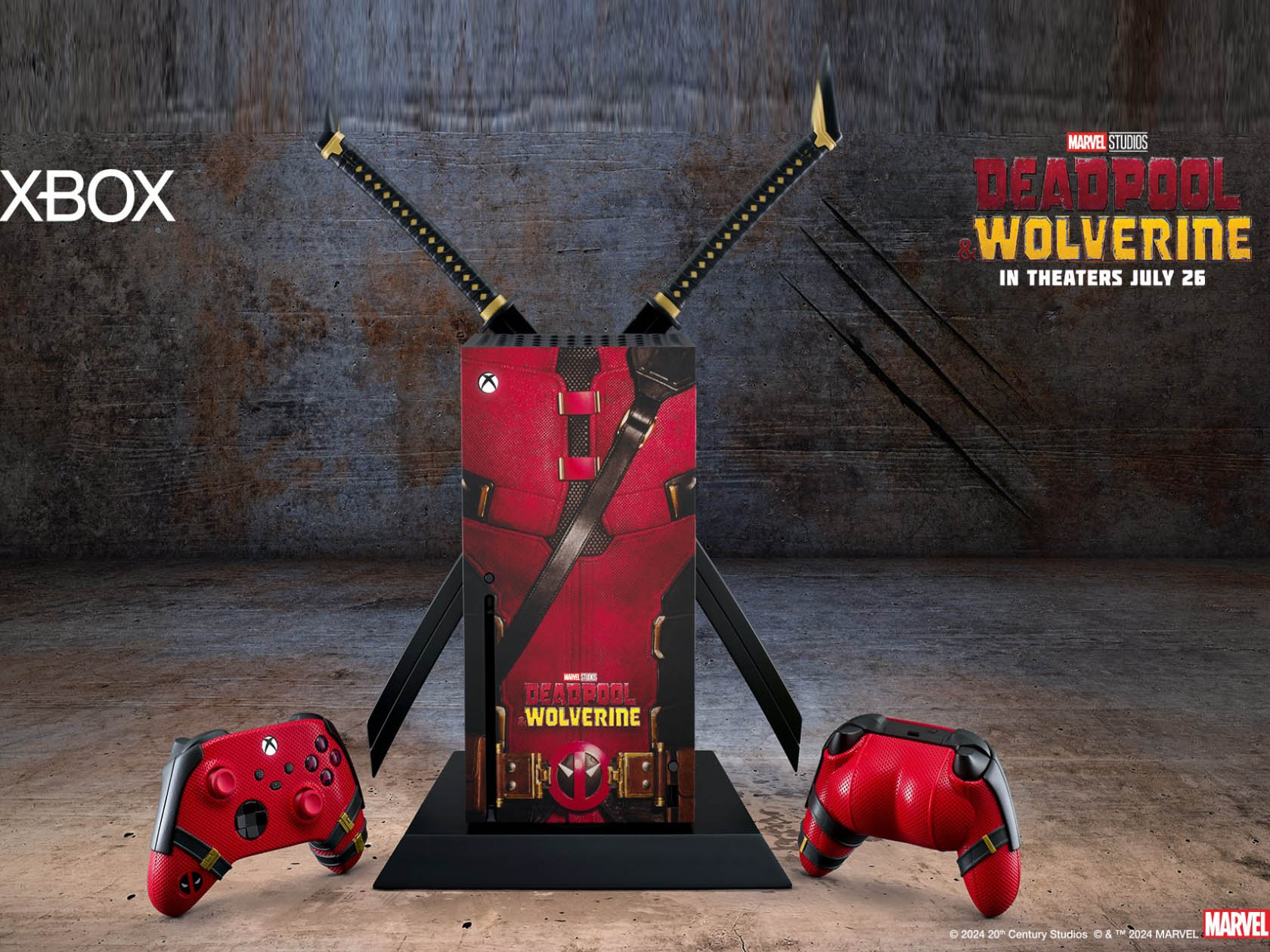
As a part of the competition, one lucky gamer will get the chance to own the custom Xbox Series X console, a themed stand with foam katanas (with Bea and Arthur), and of course, two cheeky controllers themed on Deadpool. This is for promotion of the Marvel Studios’ Deadpool and Wolverine movie hitting theatres on July 26. To be a part of the challenge, one has to be over 18 years of age, follow Xbox on X, and repost the sweepstakes post from July 17 to August 11.
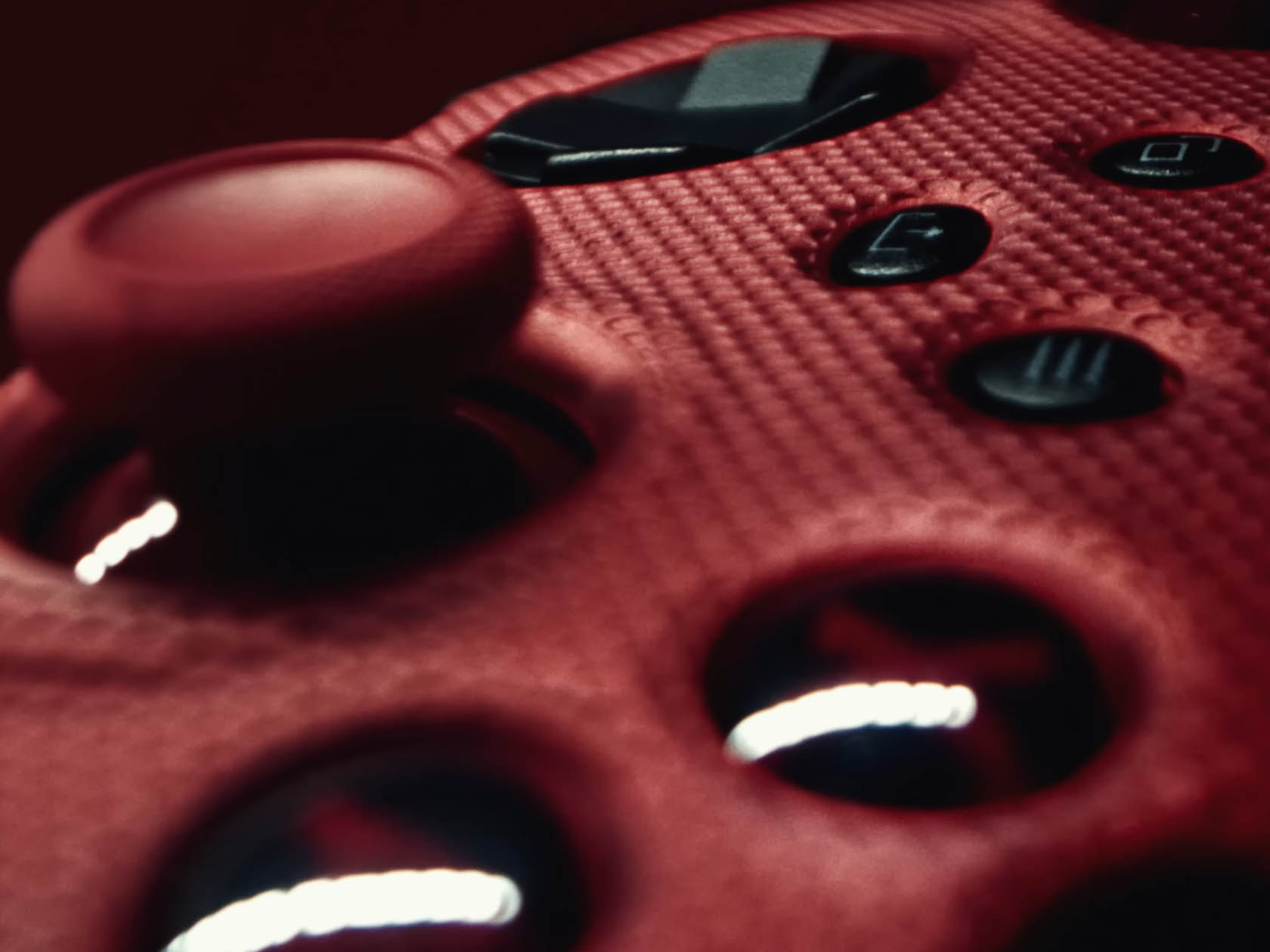
While we could talk of the Series X console with the custom skin, our attention focuses on the perfectly contoured rear of the gamepads dubbed Cheeky Controllers. The front has texture and imprint of the superhero’s thighs adorned with leg holsters and the infamous logo. The themed accessory has a leathery texture to it on both sides, representing the superhero’s costume in the latest movie.
The question though remains, will the controller’s sizeable tush covered in the red and black spandex suit hamper the gaming experience or will it comfort the tense fingers? As far as I think, it should work well for someone with large hands while someone with small hands will find it a tad difficult to grab the rear and register trigger button inputs.
While the Deadpool controller is a one-off gaming accessory that a lucky gaming fanatic will ultimately own, others will get a chance to own cool Deadpool merchandise. The first 1,000 buyers who purchase the Xbox Elite Wireless Controller Series 2 will get a Deadpool controller holder.
Gardening is an extremely therapeutic activity, and though I may not engage in it all the time, the few times that I have, I found it delightful and soothing. Growing, tending to, and being surrounded by plants is intensely satisfying. All your worries slowly fade away, and you are simply enthralled by nature. Indoor gardening has become one of the major trends these days! Plants can truly transform a living space with their gentle presence. They add a touch of green and nature and create a serene and zen atmosphere. But tending to them is not always the easiest task! You must pay special attention to your beloved plants and give them the best care to ensure they grow well. And, we’ve curated a whole collection of product designs to help you with that! From a wearable that lets your plants communicate with you to LG’s latest indoor gardening appliance – these products are all, you need to create a nurturing environment for your plants and ensure they grow beautifully!
1. LG tiiun
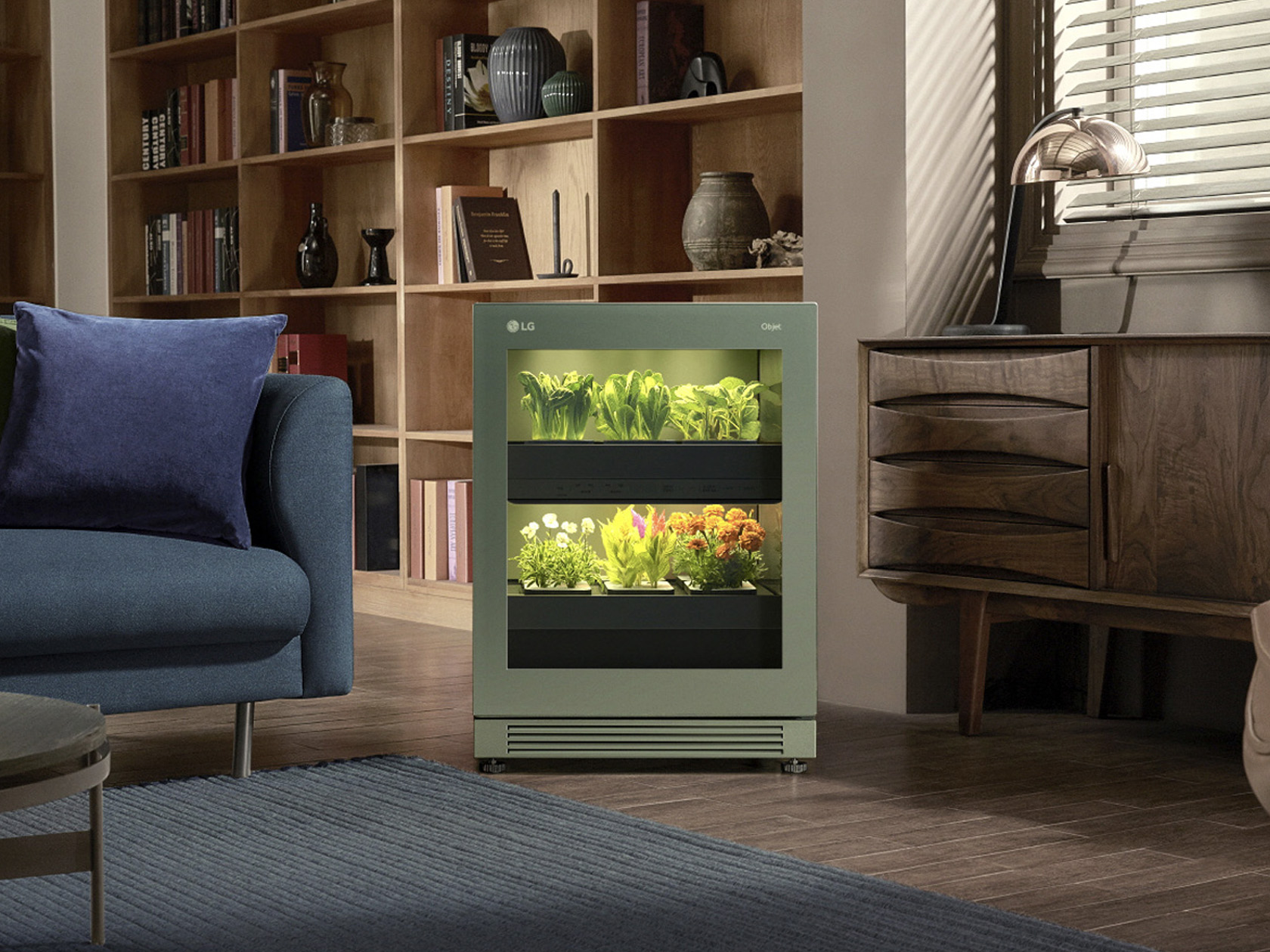
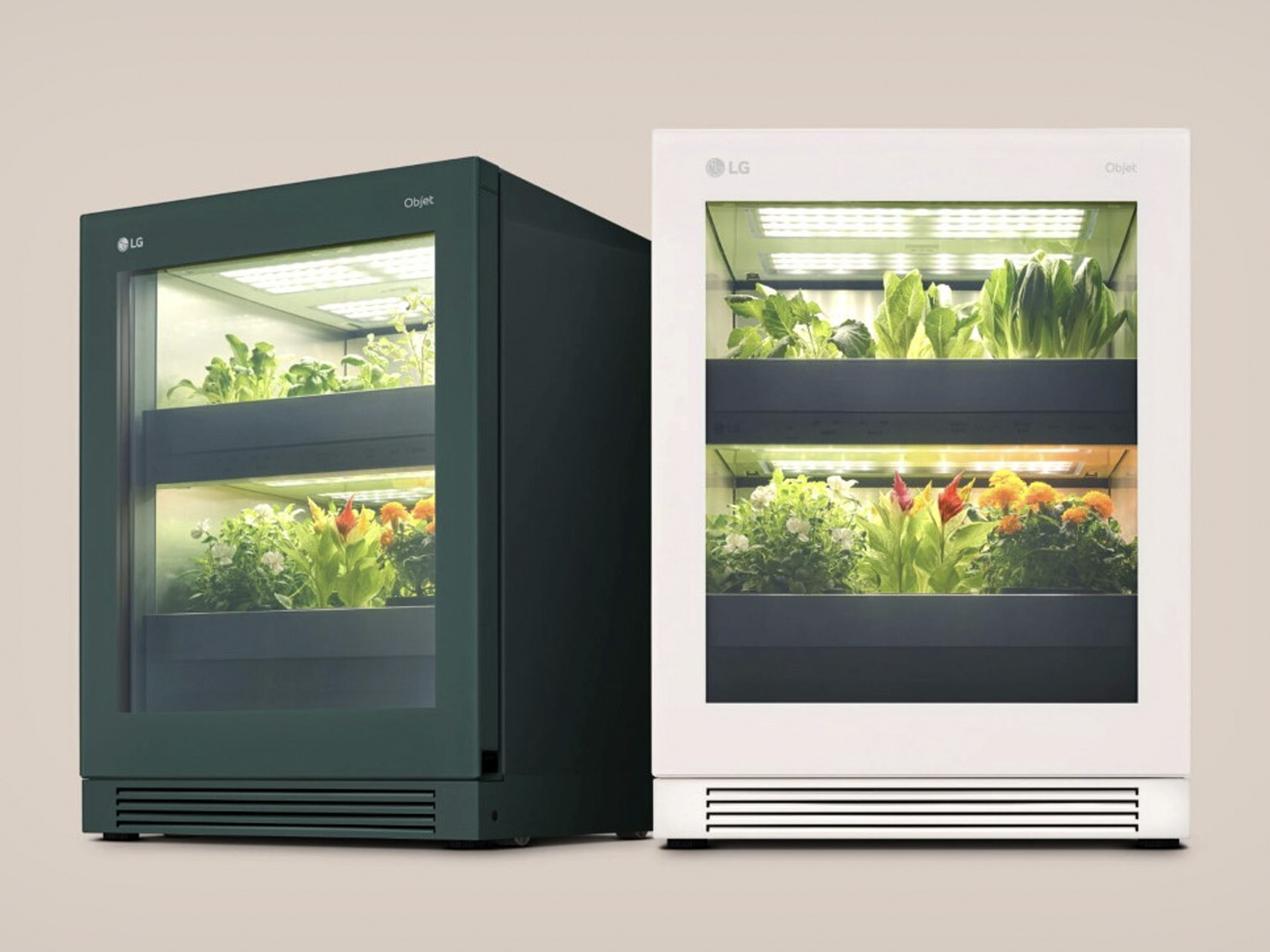
Called the LG tiiun, this unique home appliance allows you to grow your own herbs and veggies. It is an indoor gardening appliance that is sized like a dorm refrigerator and is 3 feet tall. It is equipped with two shelves, which can store up to 6 all-in-one seed packages, and various seed kits. It keeps your veggies super fresh!
Why is it noteworthy?
The LG tiiun is designed to be an all-in-one self-sufficient garden. It creates the perfect microclimate and conditions for your plants to grow successfully. It even replicates light cycles, allowing you to keep the tiiun anywhere in a room without having to stress about whether it has access to sunlight.
What we like
You can grow veggies and herbs in the comfort of your home
Simple and fun experience even if you haven’t gardened before
What we dislike
The form is a bit too bulky for homes with space constraints
2. Grovemade Hardwood Planters
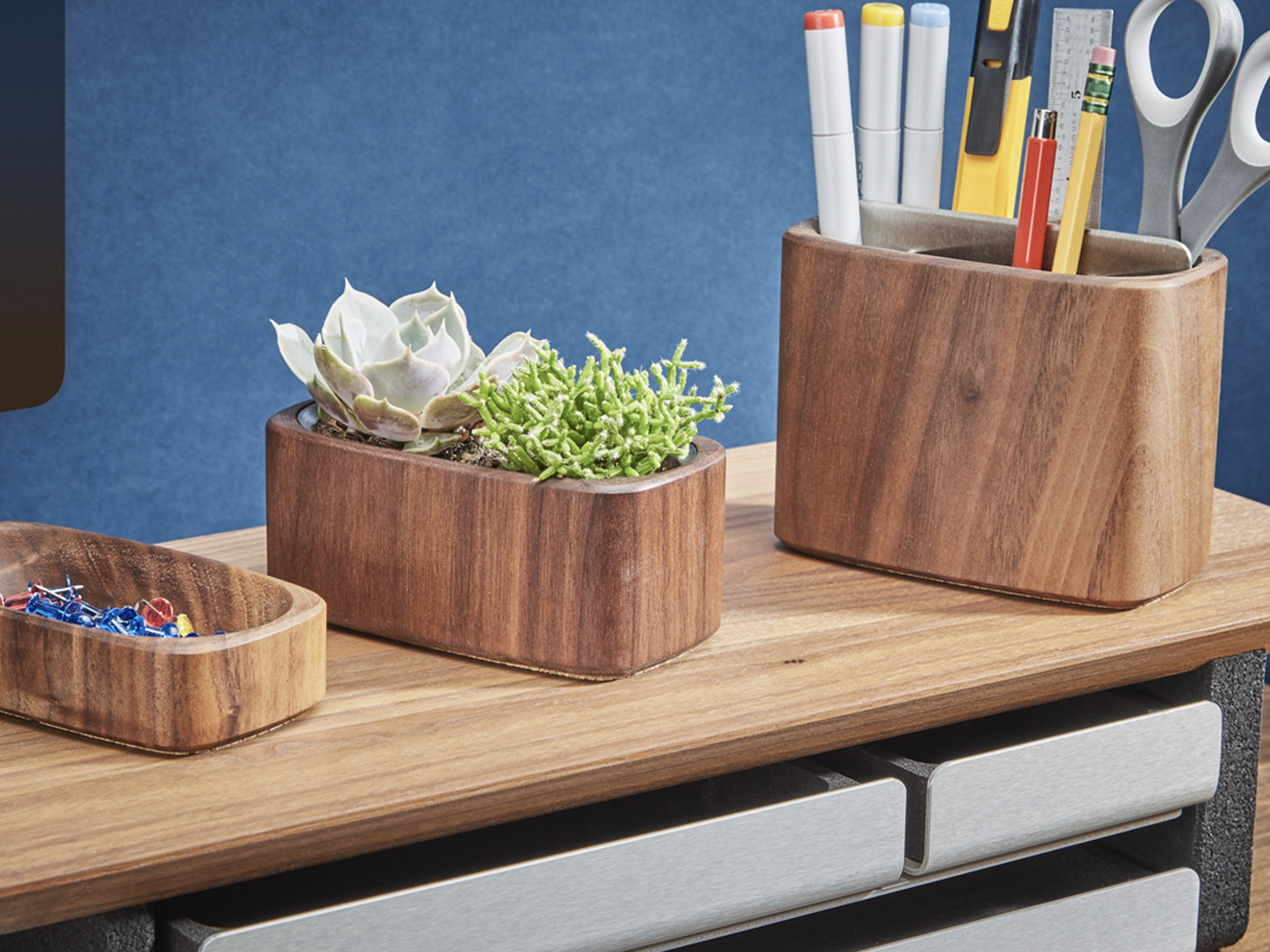
Designed by Grovemade, these cups, planters, and dishes are created the old-school way and have been carved from solid maple or walnut. The planters are pretty functional, adding a touch of green to your work desk, while also being quite aesthetically pleasing. The planters score high on looks and utility.
Why is it noteworthy?
The various pieces are hand-sanded and finished with a clear vegetable-based oil that highlights the natural warmth, elegance, and beauty of the wood. The collection includes cups, dishes, and planters in a variety of different woods
What we like
The planters are available in a wide range of metal and material options
What we dislike
The aesthetics are a bit mundane and boring
3. Green Hideaway Chair
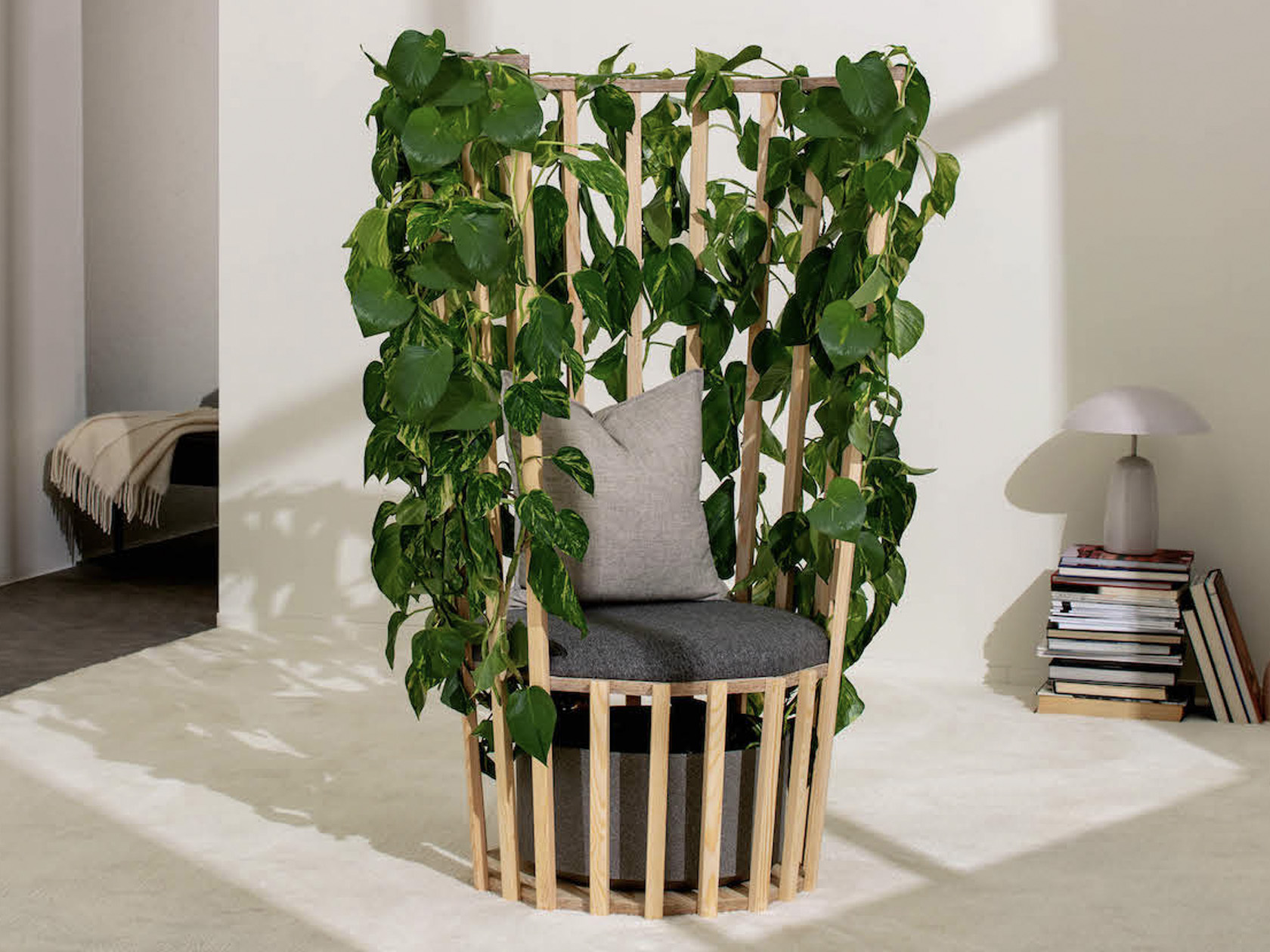
Named the Green Hideaway Chair, this DIY living plant chair is designed by Stockholm-based studio Front/ in collaboration with European DIY chain HORNBACH and its creative agency HeimatTBWA. This lovely chair lets you connect with nature, adding some green to your home, without actually leaving your house.
Why is it noteworthy?
DIYers of all skill levels can build this simple chair, as it is accompanied by illustrated, step-by-step instructions, a template, and a whole list of tools and materials needed. Everything is simply spelled out for you.
What we like
Makes nature accessible to you in your own home
What we dislike
A bulky and space-consuming design, so you need to make sure you have sufficient space to add it to your home
4. ACQUAIR
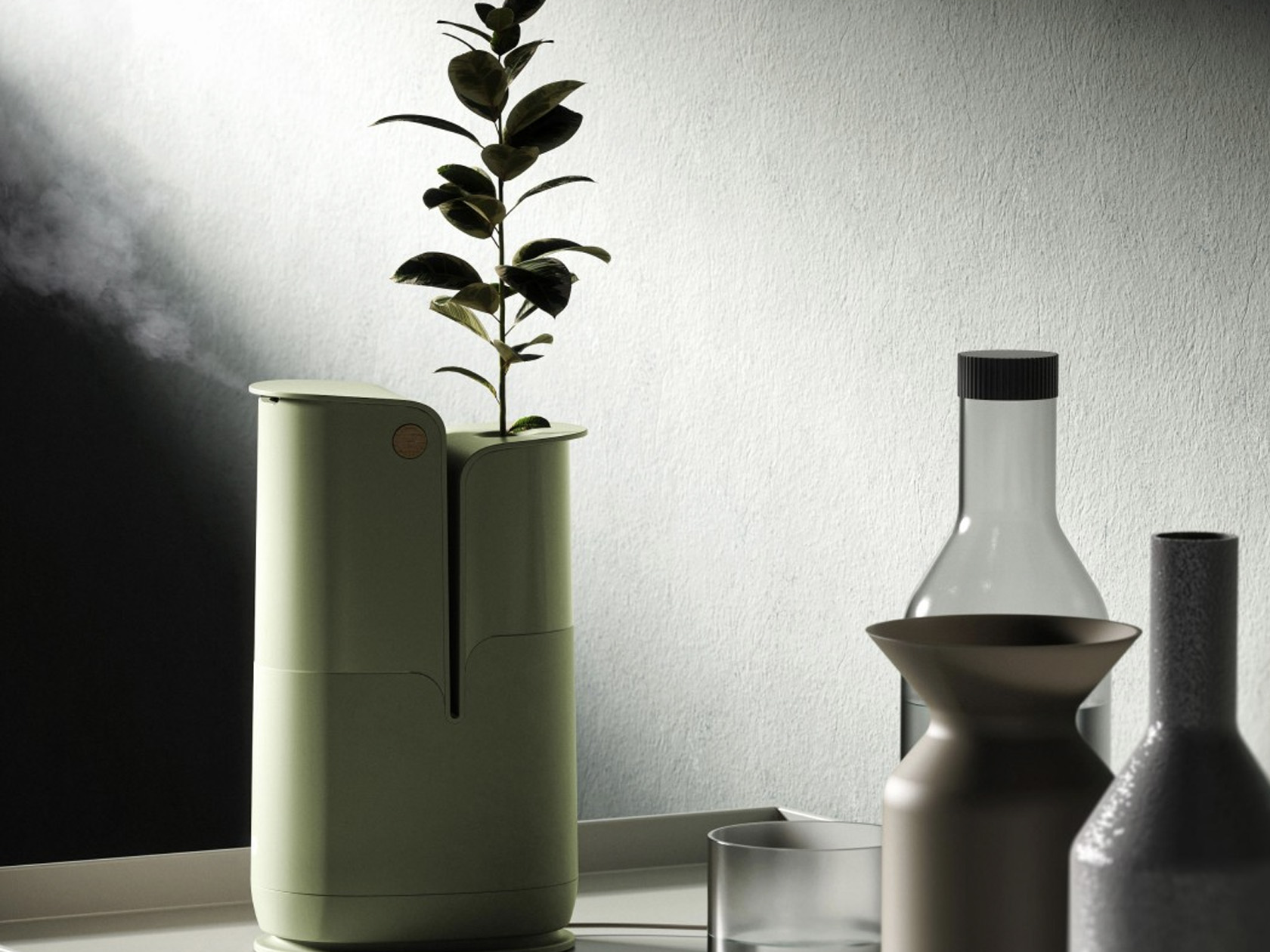
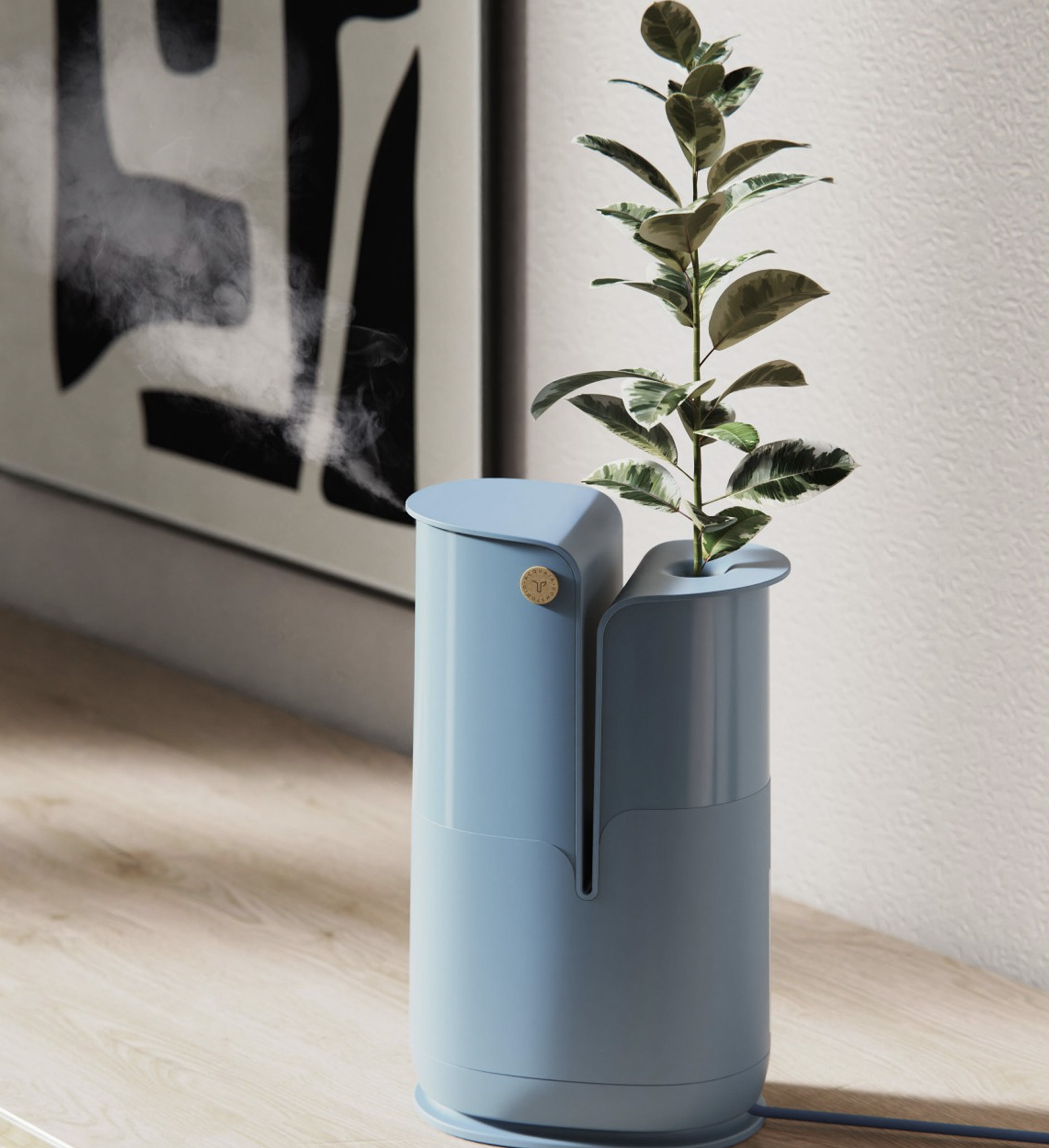
Meet the ACQUAIR design – a smart humidifier and air purifier which merges technology and nature in an aesthetic and good-looking design. ACQUAIR is essentially two products in one – it is a smart humidifier and a pot for a single-stem plant. Both the parts share the same water tank that nourishes the plant, and sprays moisturized mist.
Why is it noteworthy?
The spray is determined through sensors, and by adjusting the mist depending on the temperature and the amount of humidity. Human intervention isn’t needed except to refill the tank every once in a while.
What we like
The humidifier also has aesthetic value, it serves as a simple yet elegant pot
What we dislike
The concept isn’t detailed enough to show us how the device’s features keep the plants alive beyond just water
5. Ocean Sun Plant Light
Called the Ocean Sun Plant Light, this design is more than just your ordinary USB-powered work light. As the name suggests, it is equipped with a calibrated set of LEDs that radiate a light similar to the light from the sun. It is created for indoor plants which don’t get a lot of natural light.
Why is it noteworthy?
The Ocean Sun Plant Light offers your plants the right spectrum of light to facilitate photosynthesis and foster growth. But unlike the sun, it features a compact size, and can fit into the palm of your hand! It has a sleek and small form with a precisely machined aluminum outer shell.
What we like
Features high-end flicker-free LEDs
Compact, easy-to-carry form
What we dislike
We are unsure how well plants would grow in this light
6. Planpet
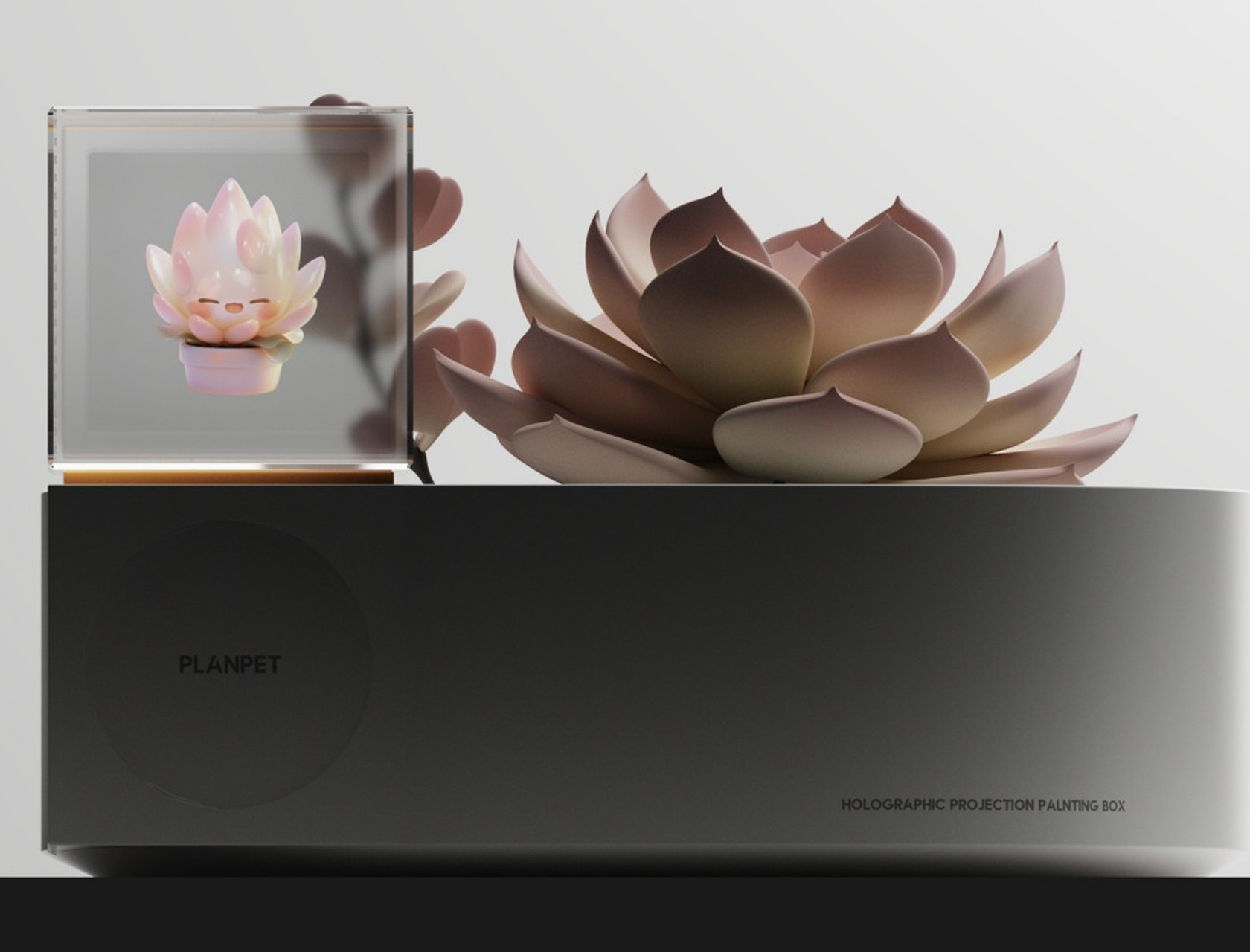
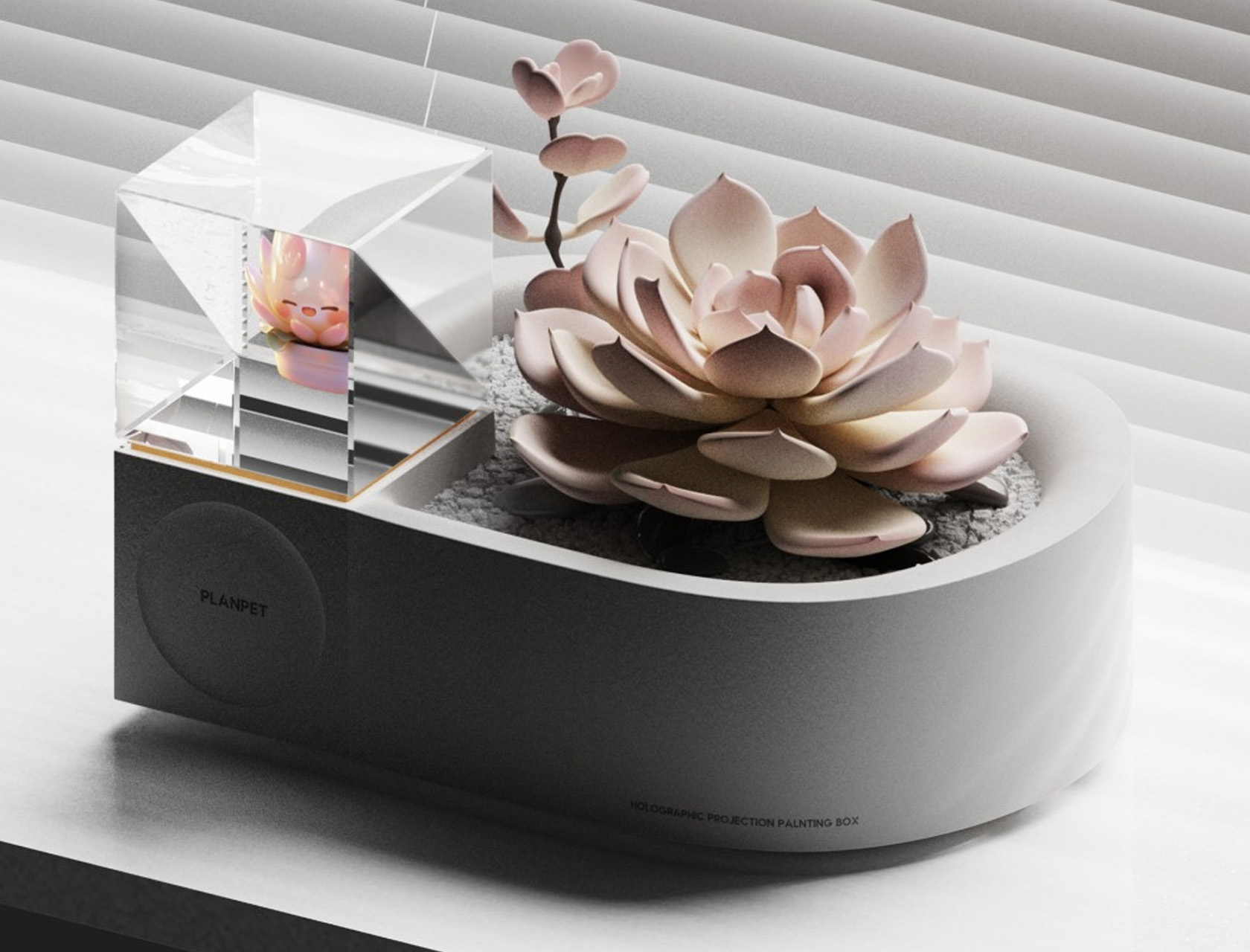
Meet Planpet – a smart plant pot concept that builds a personal connection between humans and plants. The design offers the plant a face and changes the way we see it. It features a glass cube on one end, with an actual hole for the plant. The cube isn’t some excessive feature, but it is a holographic display.
Why is it noteworthy?
The holographic display features a miniature 3D representation of the plant, and it actually has an expressive face. The user can pick a virtual character, which perfectly resembles the type of plant being put in the pot. The virtual plant can also change facial expressions based on real-time soil, and environment analysis.
What we like
The plant reacts when you give it light or water, or if you forget to look after it
What we dislike
It’s a conceptual design, so we are unsure how well it will translate into a tangible product
7. Paradise
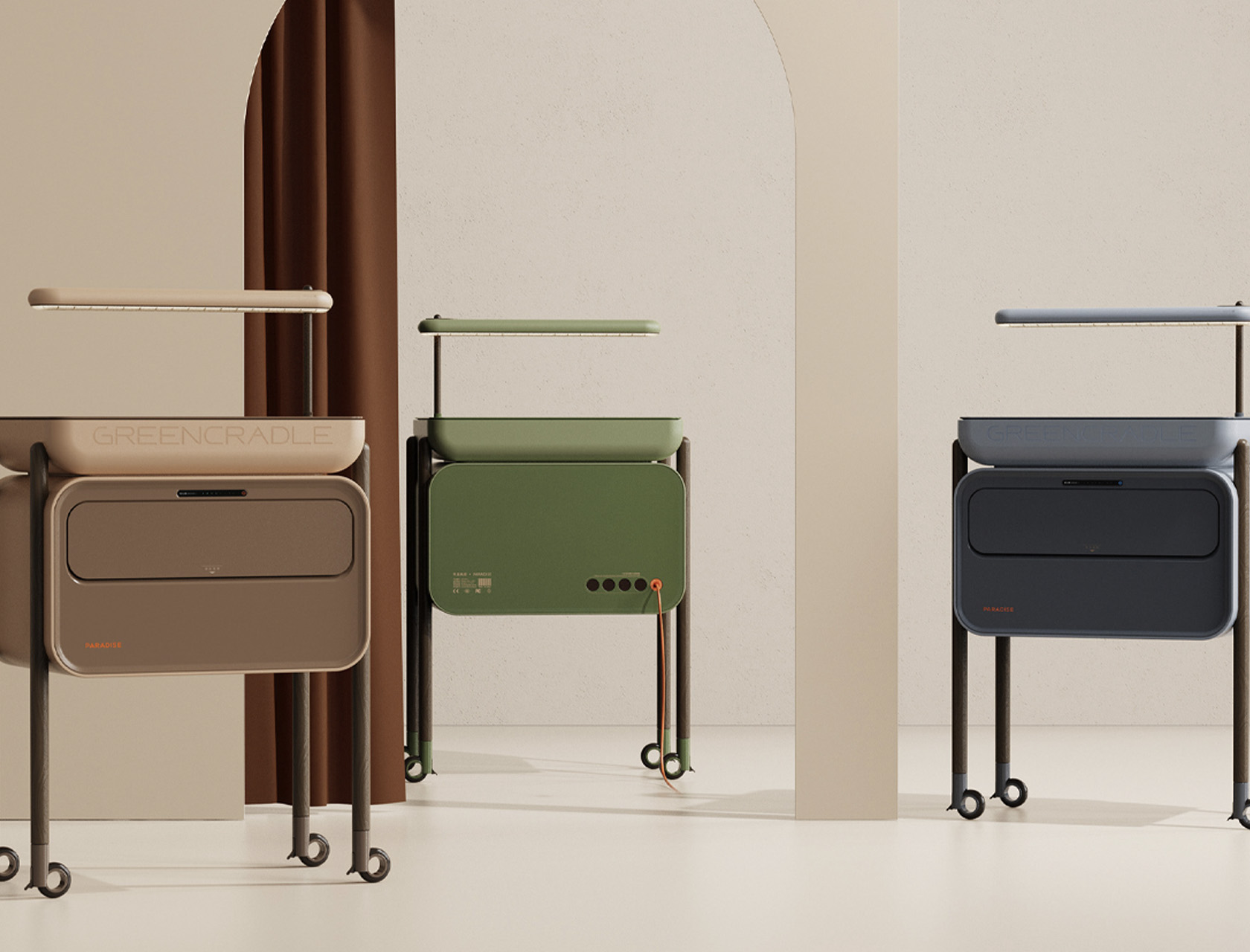
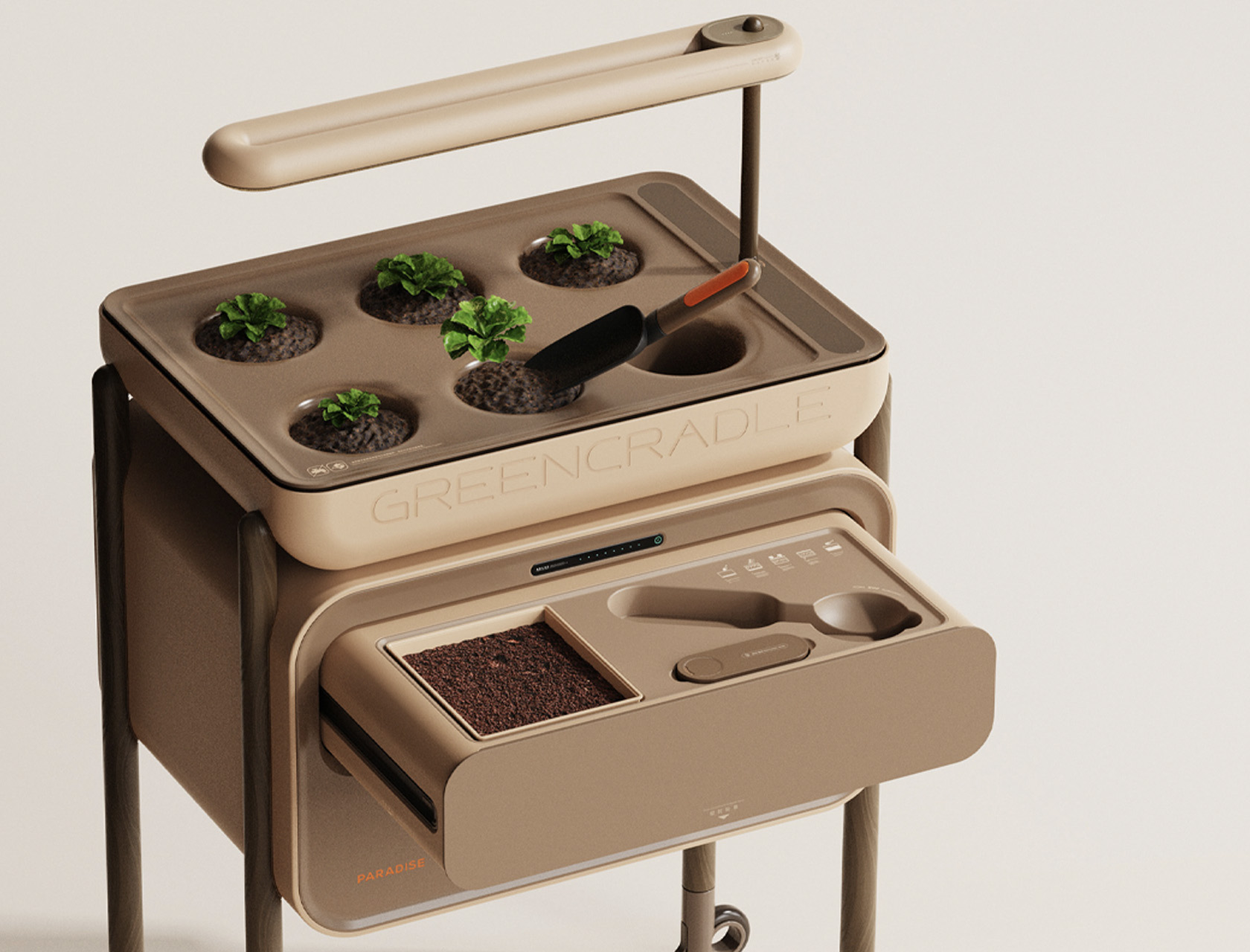
Named Paradise, this automated plant cultivator and compost bin is designed to reduce domestic waste. It is equipped with integrated technology, prompting users when the plants need to be looked after. It looks like a rolling cart and includes modular pieces that work well together to offer optimal conditions for growing plants.
Why is it noteworthy?
Paradise was designed by Robin Akira, and it is intended to be a household plant cultivator with integrated compost bins and an odor-sealing lid to reduce the domestic waste produced in our homes.
What we like
Integrates greenery into our interior spaces
An odor-sealing lid
What we dislike
Could be messy to have such a product in our indoor living space
8. Kosumi’s Wall Organizer and Mess-Free Planter
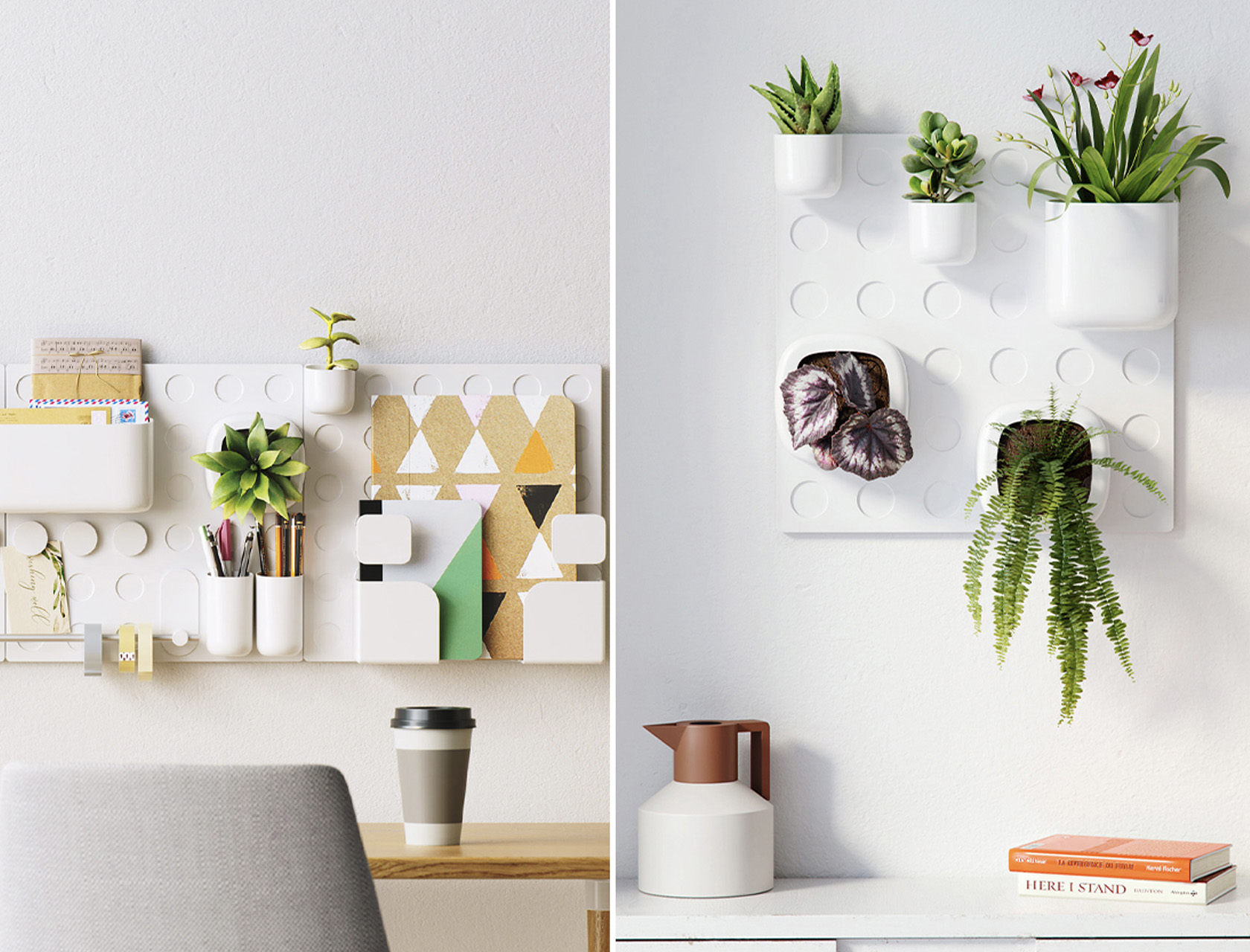
Kosumi’s Wall Organizer and Mess-Free Planter can be assembled like LEGO building blocks. It features base grids that can be attached to the walls with 3M strips, which need hardware or tools in the process. You form the basic grid on the chosen vertical surface, and then you can stock it with over 20 different modules.
Why is it noteworthy?
The multi-functional and organizational WFH design helps you create your own wall organizer and planter, allowing you to build a magnetic and modular garden that can be mounted on any vertical surface.
What we like
Impressive storage space
Entirely recyclable
What we dislike
We’re not too sure how long the plants would last in such an ecosystem
9. Jungle
Named Jungle, this intriguing planter is designed by Poland-based KABO and PYDO design studio. You can hang the planter from the ceiling, allowing it to function as a semi-flush mount light fixture. This good-looking indoor garden is inspired by the form of biophilic design.
Why is it noteworthy?
Jungle is made up of a few parts, and its true beauty lies in its simplicity. Jungle features a bulbous, capsule-shaped centerpiece, and it is designed to be a half-planter and half-light fixture. It is capsule-shaped and radiates a warm golden light which is diffused with an opaque body.
What we like
It features a simple form which allows the beauty of the plants to shine through
Radiates a soft and soothing light
What we dislike
You need to stand on a stool or small ladder to water the plants
10. BioCollar
Called the BioCollar, this wearable is designed by students at the Copenhagen Institute of Interaction Design. It helps build empathy between the wearer and the connected plant. Once the wearable is connected to a piece of hardware that goes into the planter, it helps you understand the plant’s needs better through some real-time feedback.
Why is it noteworthy?
It is designed to be a component of a larger system called the BioPermit – which is a service that utilizes the collar to test if prospective plant buyers are good caregivers. It is a speculative system, and it is designed to convert plant needs into real-time haptic feedback.
What we like
Lets the plant easily communicate its needs to you
With Google officially announcing the “Made by Google” event on Aug. 13, excitement is high for the new Pixel lineup. This year, Google is shaking things up by revealing the Pixel 9 and 9 Pro series earlier than usual, likely aiming to capture attention before the expected iPhone 16 launch in September.
Designer: Google
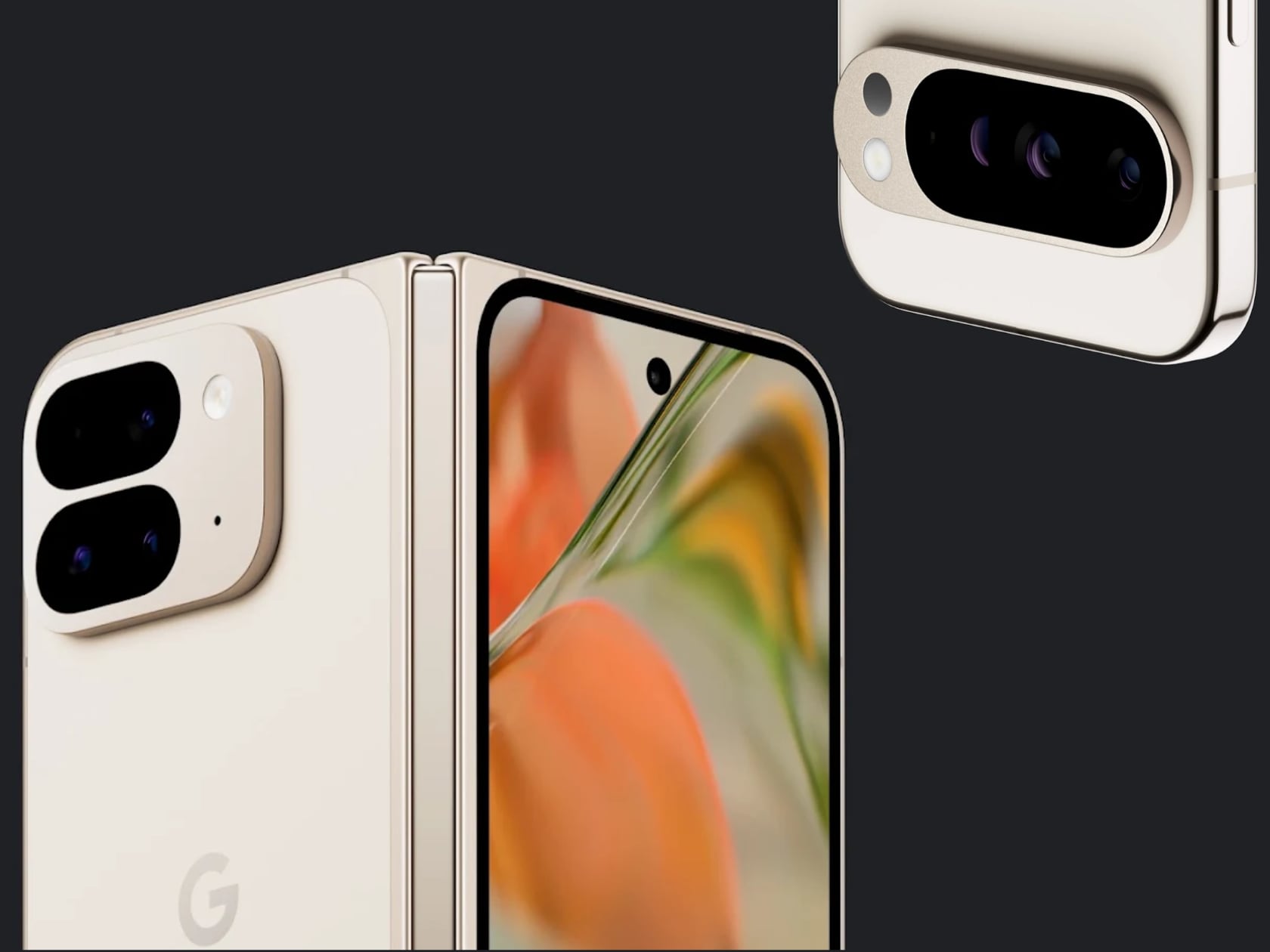
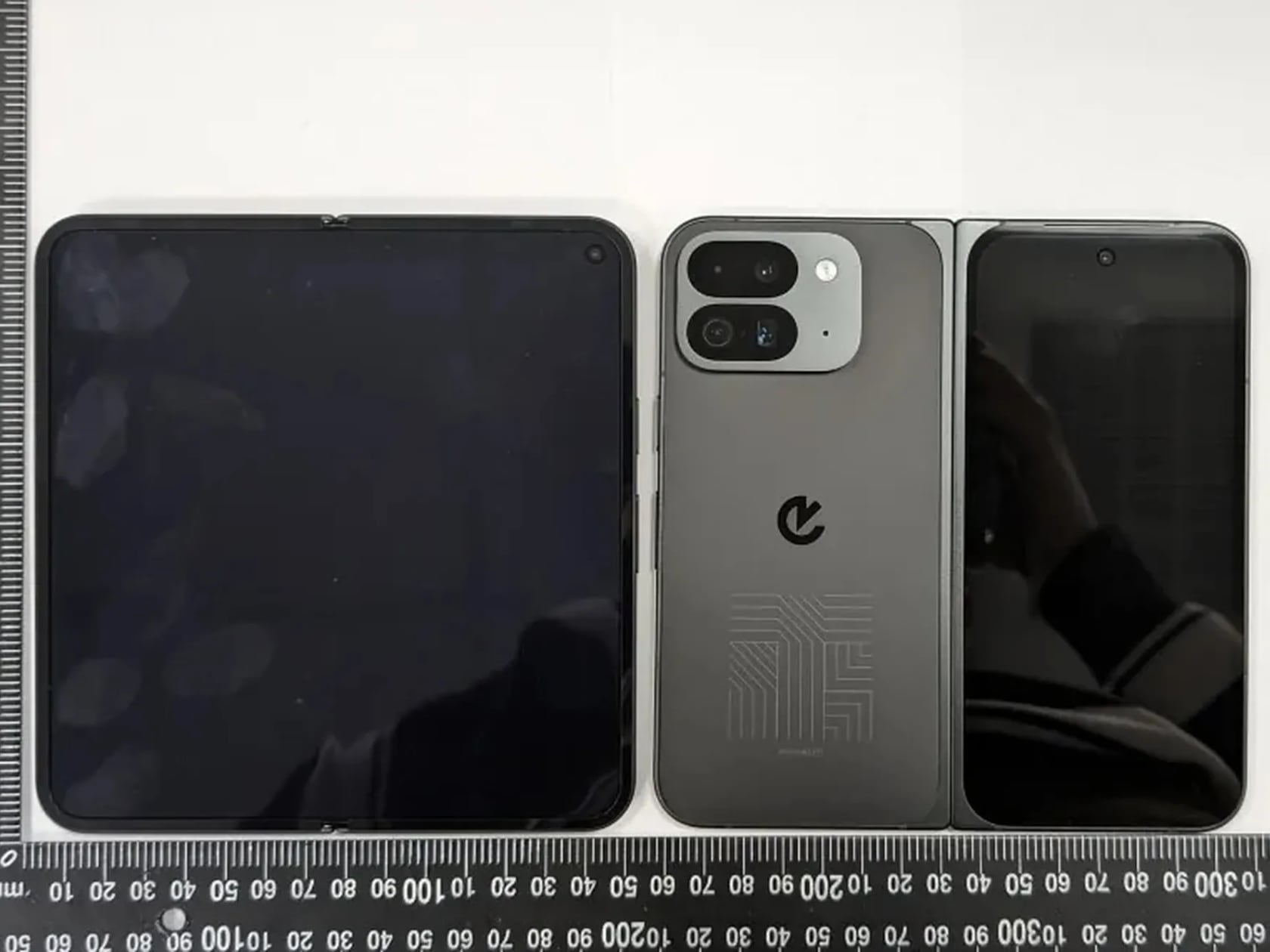
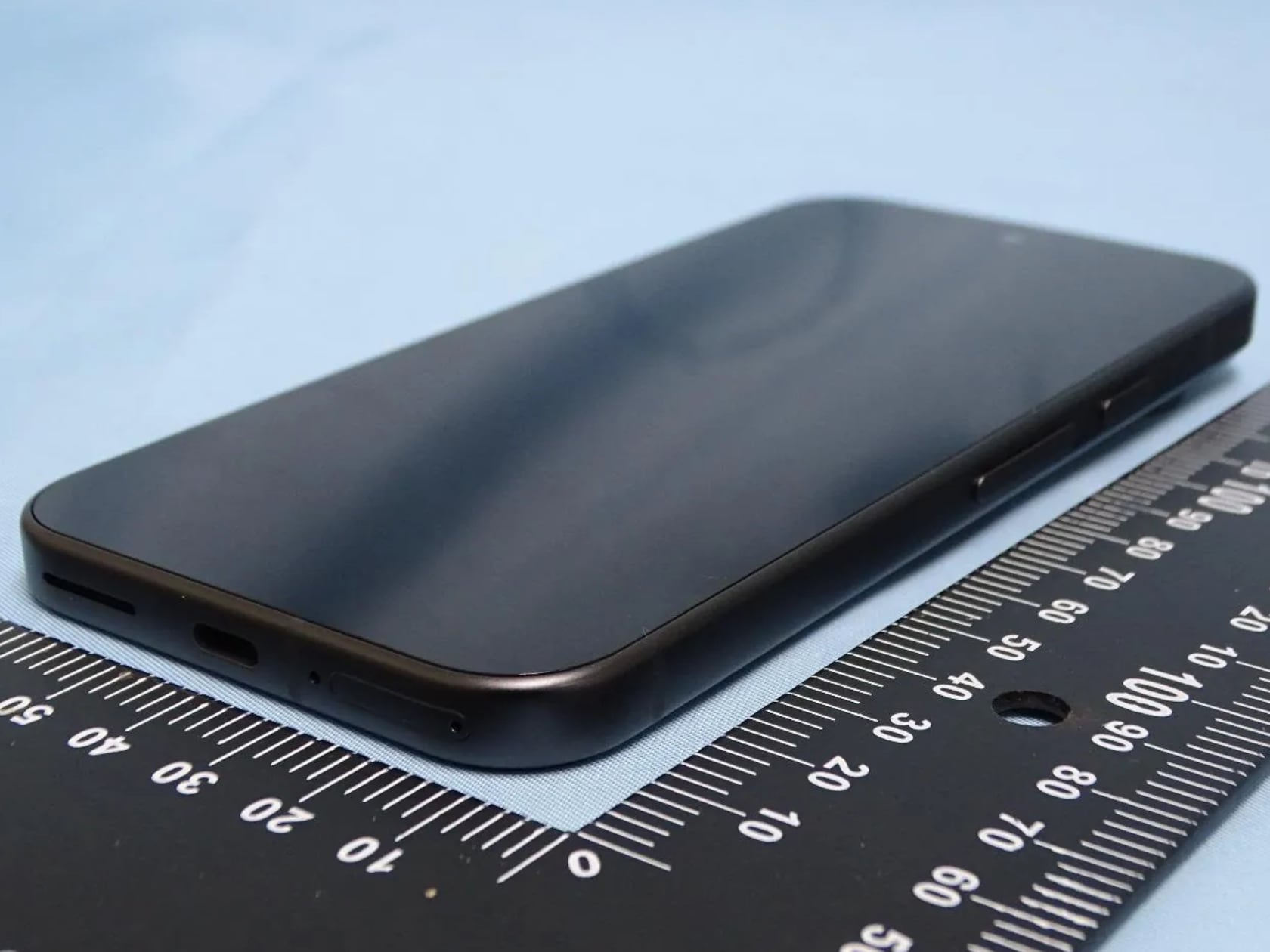
In addition to the Pixel 9 Pro, Google is also unveiling the Pixel 9 Pro Fold, accompanied by a Gemini-linked teaser video. While leaks have provided glimpses of these devices, Google’s announcement finally puts to rest any speculation about their appearance and names. The teaser video highlights the double-stacked lenses on the rear camera module and the exterior screen and hinge design.
The Pixel 9 Pro Fold marks a noticeable change from its predecessor. It adopts a taller and narrower profile than the original’s short and wide passport-style form factor. This new design aligns more closely with devices like the OnePlus Open, offering a larger, more practical outer display that enhances usability.
One of the most striking changes is removing Google’s signature camera bar. The first-generation Pixel Fold featured a prominent, elongated camera bar, while the Pixel 9 Pro Fold opted for a new, more streamlined camera housing. This redesign provides a cleaner aesthetic and ensures the phone remains stable when laid flat.
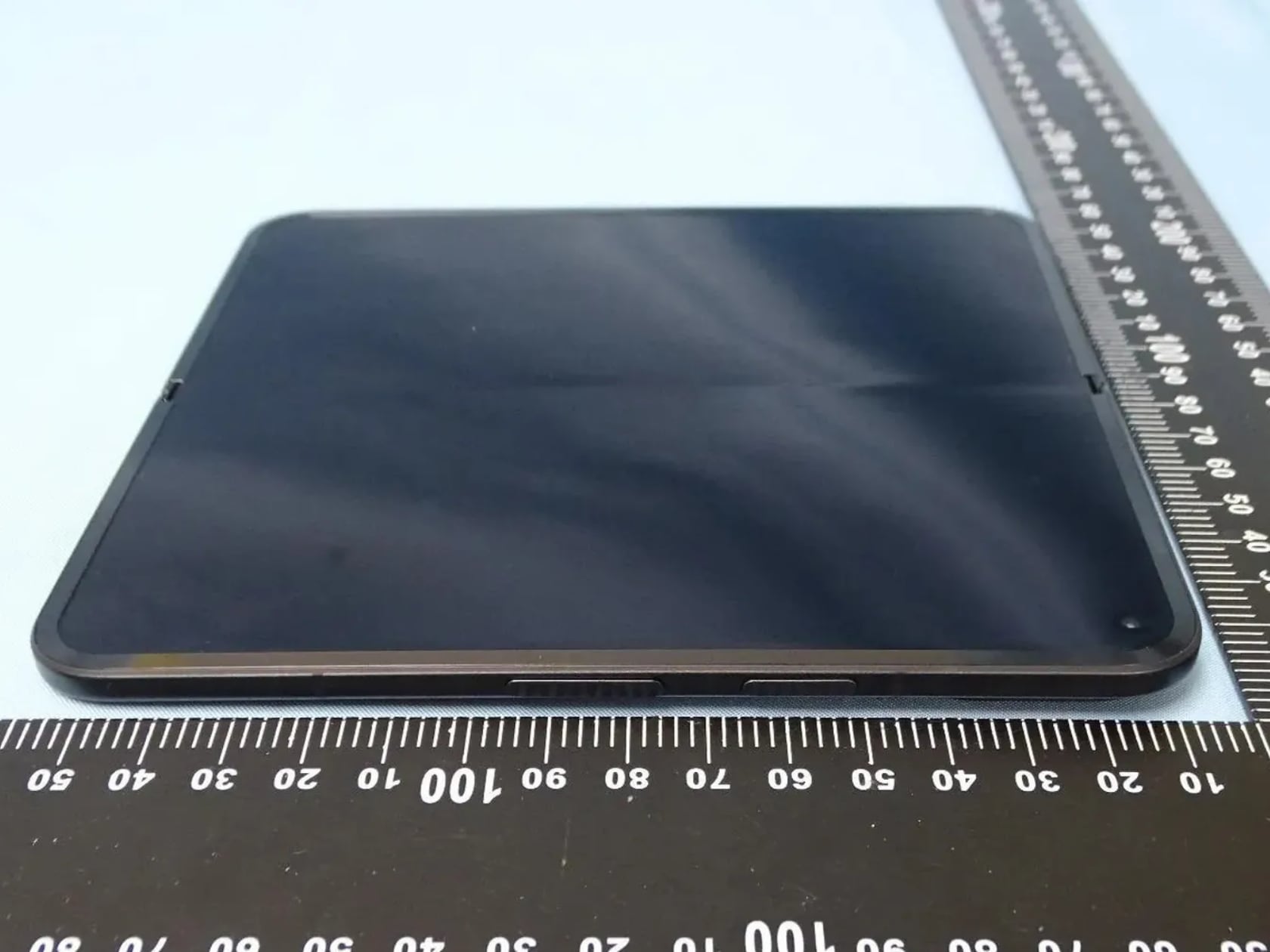
Examining the new model’s inner display, there’s still a noticeable crease, although it appears less prominent. The screen ratio has shifted to a taller and narrower format, with slimmer bezels for a more modern look. However, this change includes an inner camera cutout on the upper-left part of the display instead of being part of the bezel, which might not please everyone.
The first-generation Pixel Fold’s short and wide design made it a great one-handed device despite its weight. However, its cover screen was often too wide to comfortably hold for extended periods. In contrast, the new Pixel 9 Pro Fold’s taller form factor should enhance ease of use and portability.
A potential concern with the new model is its slightly smaller battery capacity of 4,560mAh compared to the first Fold’s 4,727mAh. Given that the original wasn’t known for its battery longevity, this reduction might raise some concerns. However, Google’s latest Tensor processor promises efficiency gains that could help mitigate this issue.
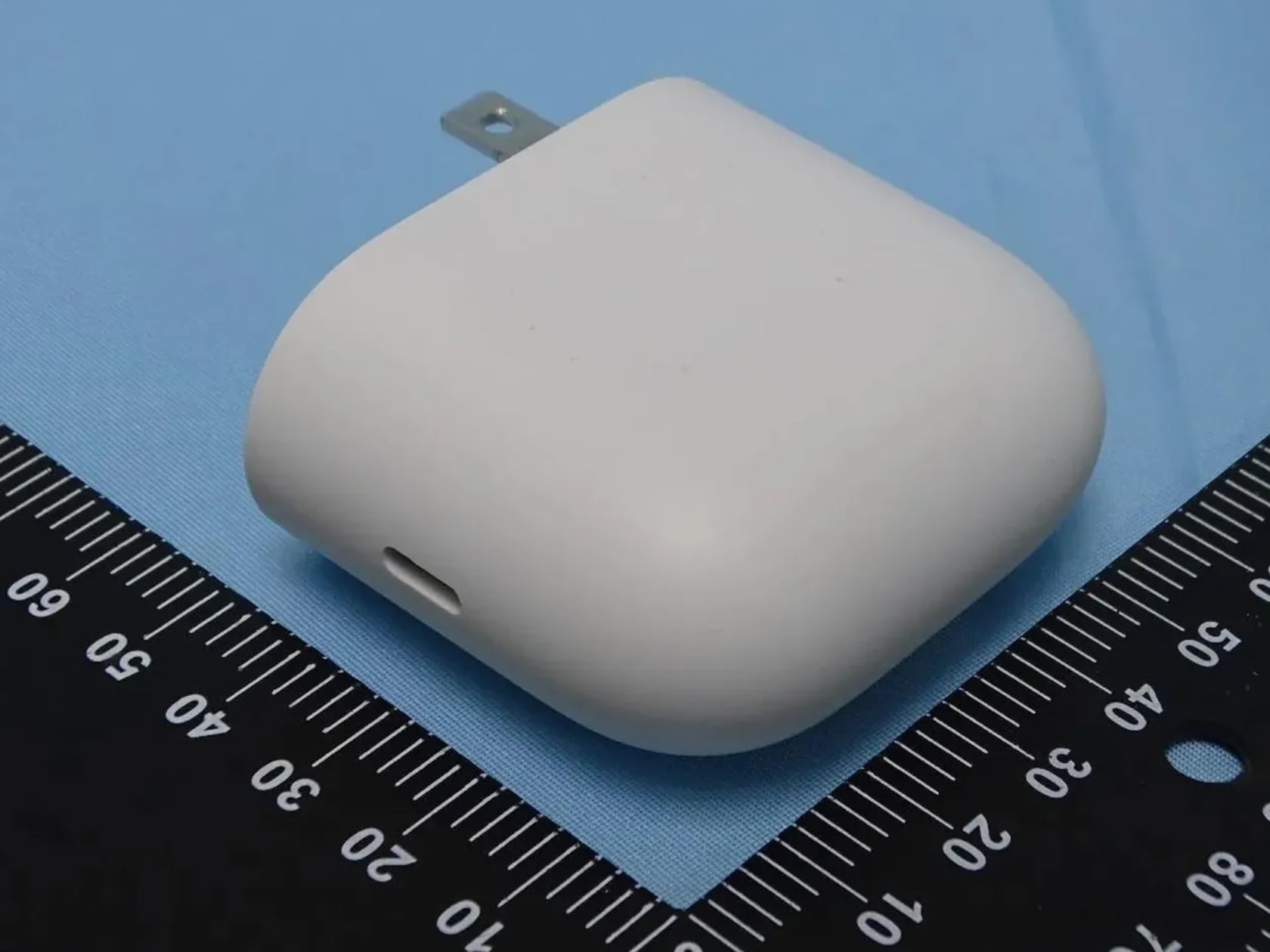
Alongside these design changes, the Pixel 9 Pro Fold has a new 45-watt USB-C charger. This new charger, which sports a more rounded design than its predecessors, is part of Google’s effort to improve charging speeds and overall user convenience.
Having used the first-generation Pixel Fold extensively, I can attest to its decent quality despite its drawbacks, such as dim screen brightness, subpar speakers, and limited app optimization. With the Pixel 9 Pro Fold, Google can address these issues and deliver a more refined and competitive product.
The Google Pixel 9 Pro Fold represents a significant step forward in design and functionality. By transitioning from the unique but bulky passport form factor to a more practical and user-friendly design, Google is making strides to compete more effectively in the foldable phone market. We’ll have to wait and see how Google plans to structure the pricing this time, but here’s hoping the new model looks impressive and delivers on performance and user experience.
Calling all design visionaries and hardware enthusiasts! The “World Capital of Hardware,” Yongkang, China, is hosting the 19th International Industrial Design Competition for Hardware Products. This prestigious event, now in its 19th year, throws open its doors to a global audience, offering a unique platform to showcase your design talent and potentially revolutionize the hardware industry.
With a rich heritage in metalware and a thriving modern hardware sector, the city fosters a collaborative environment where design and industry converge. The competition itself boasts a remarkable history. Since its inception in 2006, it has served as a bridge between international design talent and China’s hardware powerhouse. Past editions have seen entries from close to 30 countries, fostering a dynamic exchange of ideas and propelling design-driven advancements in the hardware landscape.
This year’s competition is all about hardware that makes a difference. Organizers are looking beyond aesthetics, seeking entries that demonstrate not just cutting-edge design, but also significant commercial and social value. The ultimate goal? Products that can seamlessly integrate into Yongkang’s robust manufacturing infrastructure. These innovative designs have the potential to propel not just the city’s hardware industry, but the global market as well.
Open to All: The competition welcomes submissions from a wide range of participants. Whether you’re a budding design student, a seasoned design professor, a well-established design agency, a leading company, or a freelance designer with a groundbreaking idea – the 19th International Industrial Design Competition for Hardware Products wants to hear from you.
Dual Award Tracks: The competition features two main tracks, each catering to specific design goals:
The Golden Star Product Award: This prestigious award recognizes designs with exceptional commercial and social potential. Ideally, these entries should be well-suited for rapid and efficient manufacturing within Yongkang’s established ecosystem. The jury will be looking for designs that are not just innovative but also commercially viable, with the potential to disrupt the market and make a positive social impact.
The Creative Sub-Category Competitions: These delve deeper into specific hardware product areas, offering a more focused platform for designers. This year’s sub-categories include:
Quickly-Assembled Houses: Designs that prioritize functionality, sustainability, and ease of construction in prefabricated housing solutions.
Sports Leisure Vehicles: The future of bicycles, e-scooters, or other recreational vehicles could be in your hands.
Health Cups and Pots: Designs that promote healthy living through innovative features in drinkware and cookware.
Rehabilitation Care Products: This sub-category seeks designs that improve accessibility and functionality for assistive devices.
Fitness Equipment: Push the boundaries of exercise routines with creative and effective fitness equipment designs.
The Creative Sub-Category Competitions are co-organized with prominent local manufacturers in Yongkang. This unique collaboration ensures a direct line from design concept to real-world application. Your design, if chosen, could be fast-tracked for production and potentially reach a global audience.
Lucrative Prize Pool: Showcasing your talent and design vision at this global competition can be incredibly rewarding. The 19th International Industrial Design Competition for Hardware Products boasts a staggering total prize pool exceeding $498,900 USD. This makes it a significant opportunity to not only gain recognition for your work but also potentially launch a successful design career.
The deadline for submissions is October 10th, 2024. Don’t miss this chance to be part of a global design movement! Head over to the competition website to register and unleash your design vision on the world stage. Here’s also a look at the Gold and Silver winners from last year’s International Industrial Design Competition for Hardware Products.
Gold Prize – Caregiver
About the size of a travel case, the Caregiver is a foldable chair and inflatable bathtub combo that can be wheeled around. Designed for caregivers (hence the name), the chair folds open to allow senior citizens to sit comfortably in the seat, while a lower flat-pack container houses an inflatable bathtub. When the senior needs bathing, they just sit in the chair, while the bathtub inflates around them. The chair then lowers into the tub, allowing caretakers to bathe their elderly patients. When everything’s done, the chair lifts up, the patient gets out and gets dressed, and the caretaker can drain the water before folding everything back to its compact, portable size.
Silver Prize – Orthopedic Robot Surgery System
Using a combination of precision robotics, minimal incisions, and radiation, this orthopedic robot helps bring quality surgery experiences and healthcare to millions of patients. A dynamic duo of a vision robot and an execution robot, these two machines work in tandem, with the kind of accuracy and pin-point precision that even human hands can’t achieve. This enables seamless surgeries, allowing doctors to monitor the process throughout while the machine executes things perfectly.
Silver Prize – Pocket Stove
It just feels wonderful seeing some good old-fashioned clever design thinking! Meet the Pocket Stove, a foldable little number that opens out into a portable stove for camping. The entire device comes with a two-part design that splits along the middle, with one part becoming the stove itself, and the other plugging onto a gas tank. When you’re done, the stove element plugs into the bottom of the gas connector, and the three fins of the stove fold upwards, turning into a capsule that can be carried around anywhere you go.
Kia’s unveiling of the Concept PV5 and PV7 marks a major milestone in electric vehicle development, targeting a 2025 release. These models blend modern aesthetics with practical design, catering to diverse urban transport and logistics needs. The PV5 and PV7 are designed with both scalability and versatility in mind, making them perfect for various business applications, from passenger transportation to cargo delivery.
Designer: KIA
The PV5’s exterior features sleek, aerodynamic lines and a striking two-tone color scheme that conveys a futuristic and professional look. Large, seamless windows enhance visibility and contribute to the high-tech aesthetic, while the minimalist front design with integrated LED headlights adds a touch of sophistication. The vehicle is available in three body types: Basic (Passenger), Van (Delivery), and Chassis Cab, providing flexibility for businesses that require different configurations. The Basic model prioritizes comfort and space, featuring wide double doors and a flat floor to maximize interior room. It is ideal for urban passenger transport, including taxis and ride-sharing services.
KIA Concept PV5-R
Inside, the PV5 offers a spacious and innovative environment. Ergonomic seats can be configured in multiple ways to meet various needs, and they fold flat to provide additional storage space when necessary. The minimalist dashboard has a digital display that integrates all essential functions, offering the driver a streamlined and efficient interface. Sustainable materials used throughout the interior contribute to a luxurious feel and reflect Kia’s commitment to eco-friendly design. The large touchscreen display in the center console ensures easy access to navigation, entertainment, and vehicle settings, enhancing the connected driving experience. The flat floor design of the electric platform further enhances versatility and space efficiency, making it easier for passengers with mobility issues or those carrying heavy cargo to enter and exit the vehicle.
Kia Concept PV5 Basic (Passenger)
The PV5’s Van (Delivery) model is tailored for the transportation of small and medium-sized cargo, featuring ample storage space and wide rear doors for easy access. This model is particularly suited for service industries and delivery businesses, offering a reliable and efficient solution for urban logistics. The Chassis Cab variant offers maximum flexibility, allowing businesses to customize the vehicle for specific needs, such as mobile workshops or specialized service vehicles.
The PV7, a larger sibling in Kia’s PBV lineup, extends these innovations with greater cargo space and advanced features tailored for more extensive transport needs. Both models reflect Kia’s dedication to pushing the boundaries of electric vehicle design, offering practical solutions for various commercial uses. The PV7 builds on the versatility of the PV5, providing more room and possibly additional configurations to meet diverse business demands.
Kia Concept PV5 Van Interior
Kia Concept PV7 is Kia’s second PBV and boasts the largest cargo space in the lineup.
Kia’s PV5 and PV7 concepts also hint at future advancements with the planned PV5-R model, incorporating autonomous driving technology. This innovation promises to enhance the appeal of PV5 and PV7 across various industries, offering a modern and efficient solution for urban mobility.
Kia Concept PV5 Basic (Passenger) is a perfect solution for urban passenger transportation such as taxis, ride hailing/sharing, and vehicles for people with disabilities.
Overall, Kia’s PV5 and PV7 concepts represent a significant step forward in the electric vehicle market. Their versatile designs, scalability, and focus on passenger comfort and cargo space position them to meet the diverse needs of businesses and individuals. The anticipated 2025 release marks an exciting milestone for Kia as it continues to innovate and lead in the electric vehicle sector.
When Dyson Zone headphones with a visor for beaming fresh air into your nose were released a couple of years ago, we were taken aback by the idea. Although the prospective buyers didn’t show much affinity towards the unconventional ANC cans costing $1,000, we knew Dyson was working under wraps to reclaim lost glory in the headphones segment. They were poised to take the heat to Sony 1000XM5, Bose QuietComfort Ultra, Apple AirPods Max, Bowers & Wilkins PX7, and Sennheiser Momentum 4 Wireless.
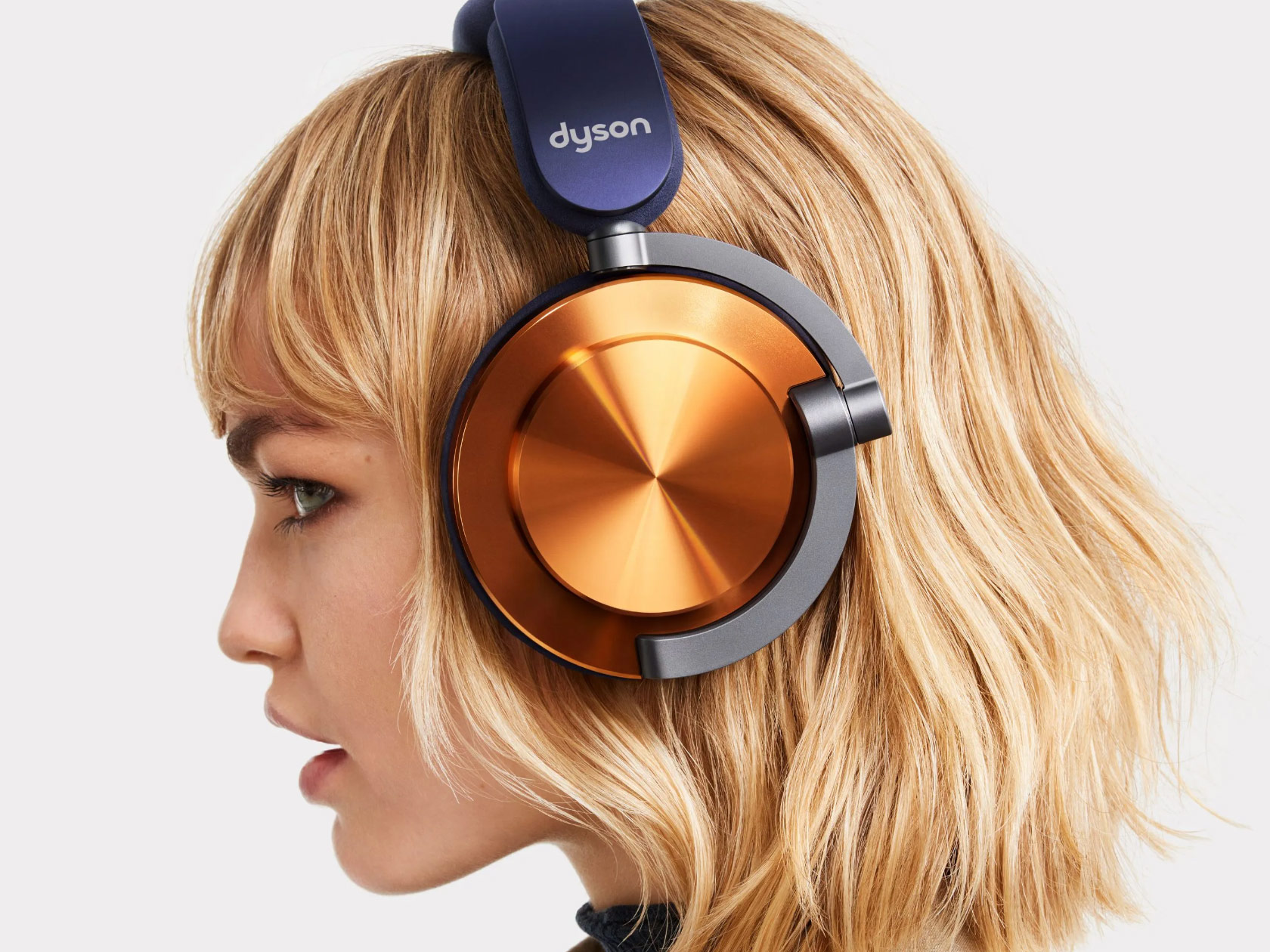
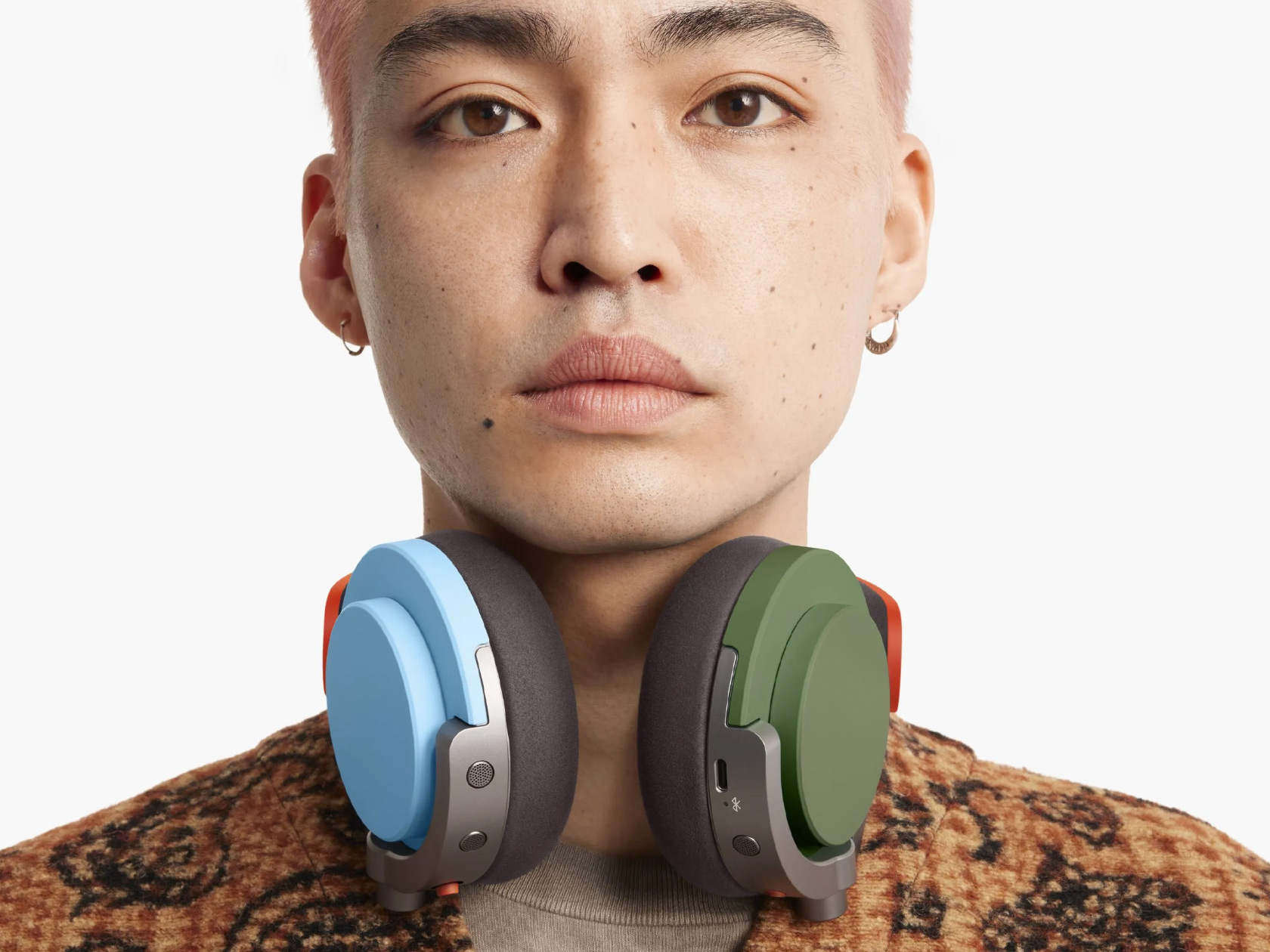
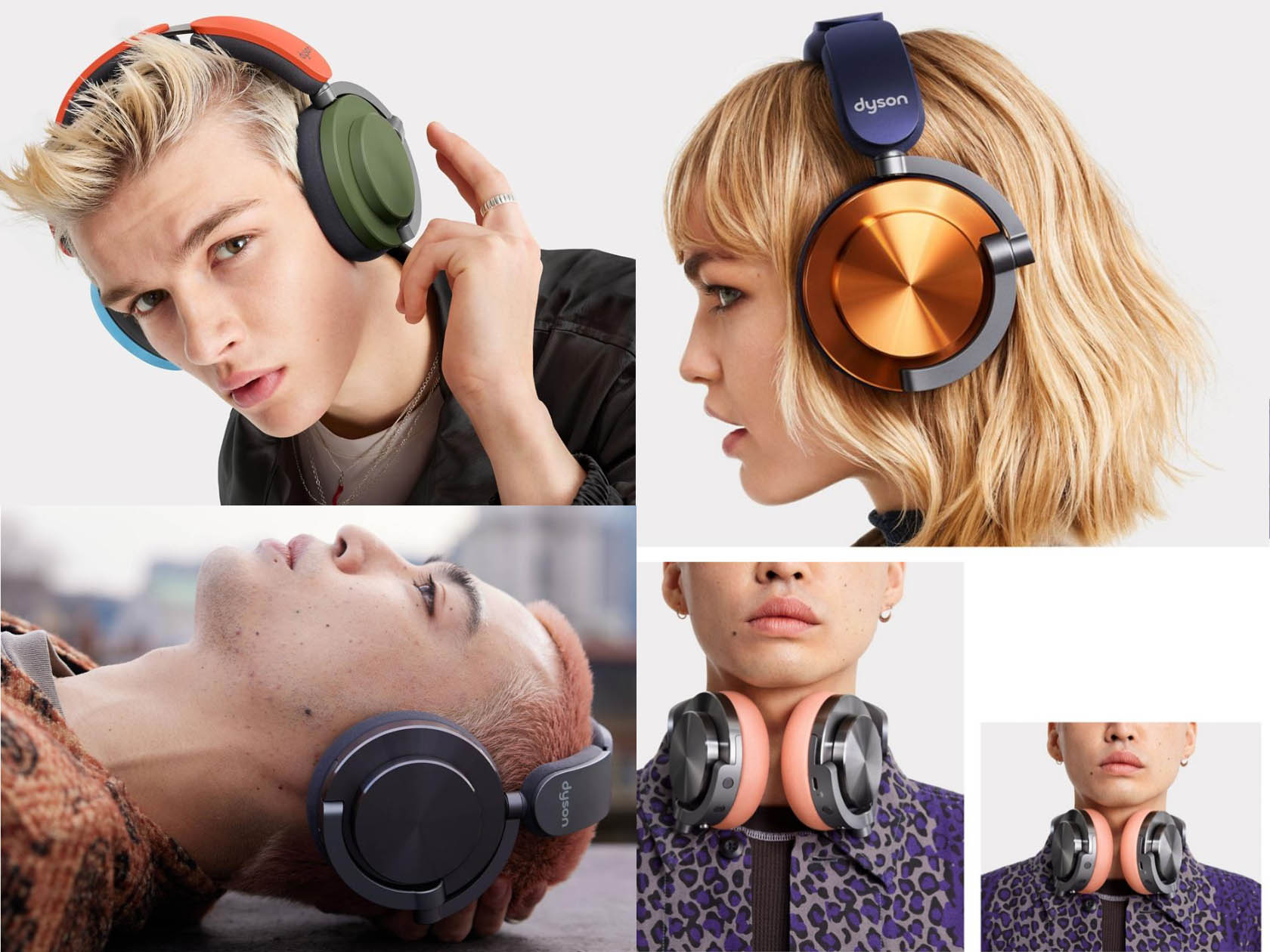
This time the UK-based consumer tech giant has come up with a more conventional pair of headphones that are ultra-customizable. Meet the Dyson OnTrac headphones that tout class-leading ANC performance akin to the QuietComfort Ultra and AirPods Max. Audio quality is also the USP just like B&W PX7 or Momentum 4 Wireless. Priced at the upper end of the consumer tech segment, the cans have enough meat to pack a punch.
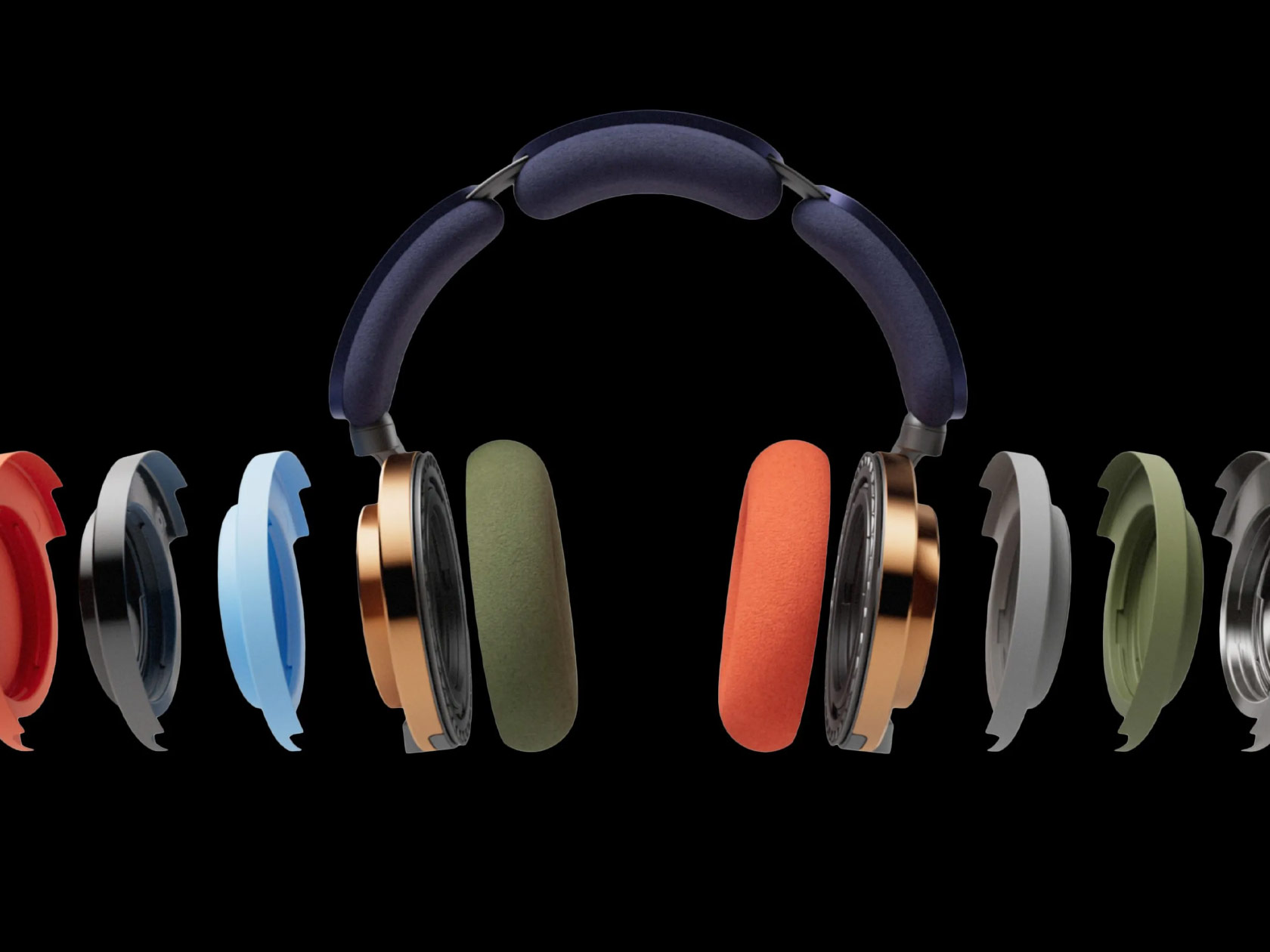
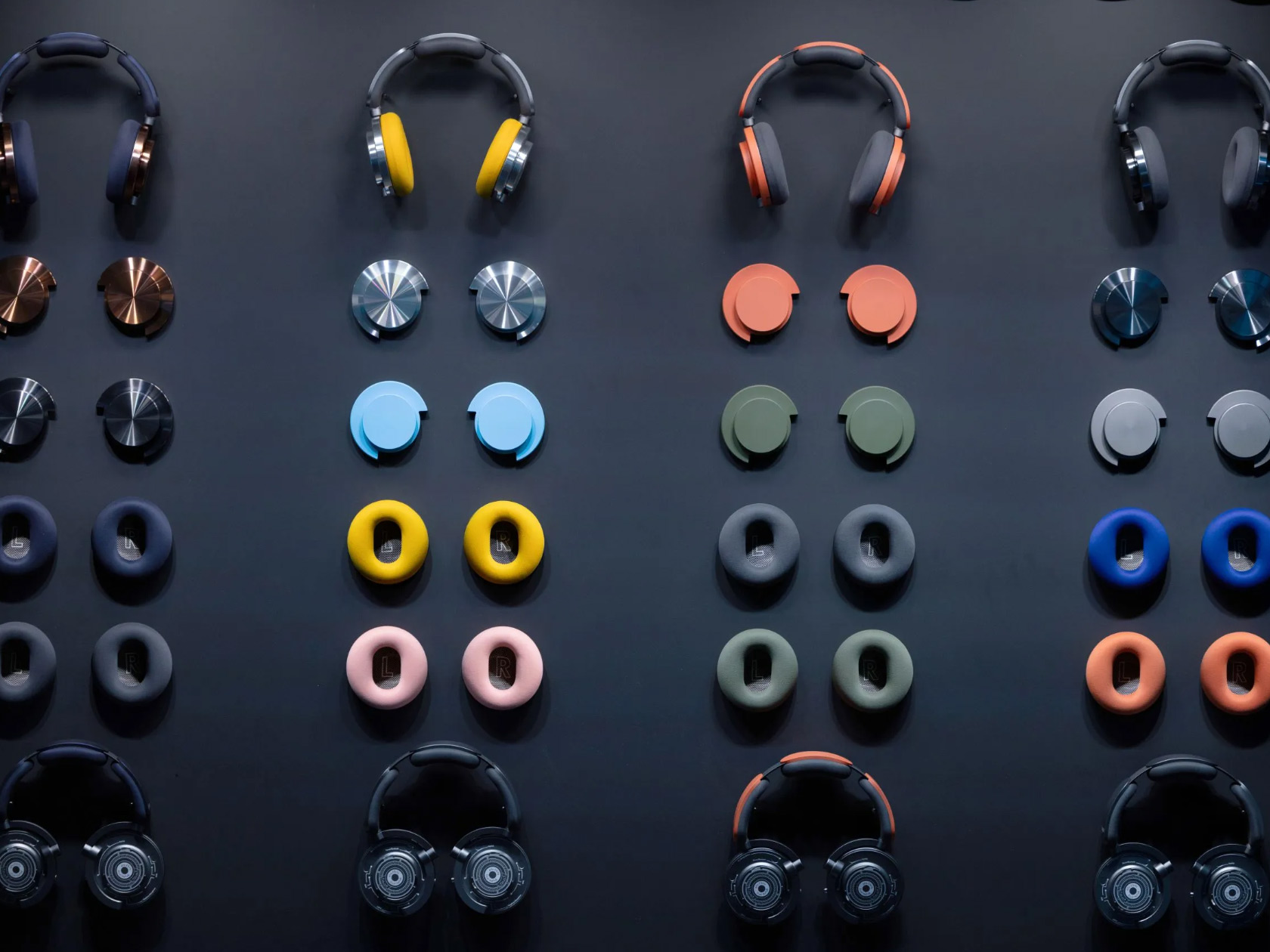
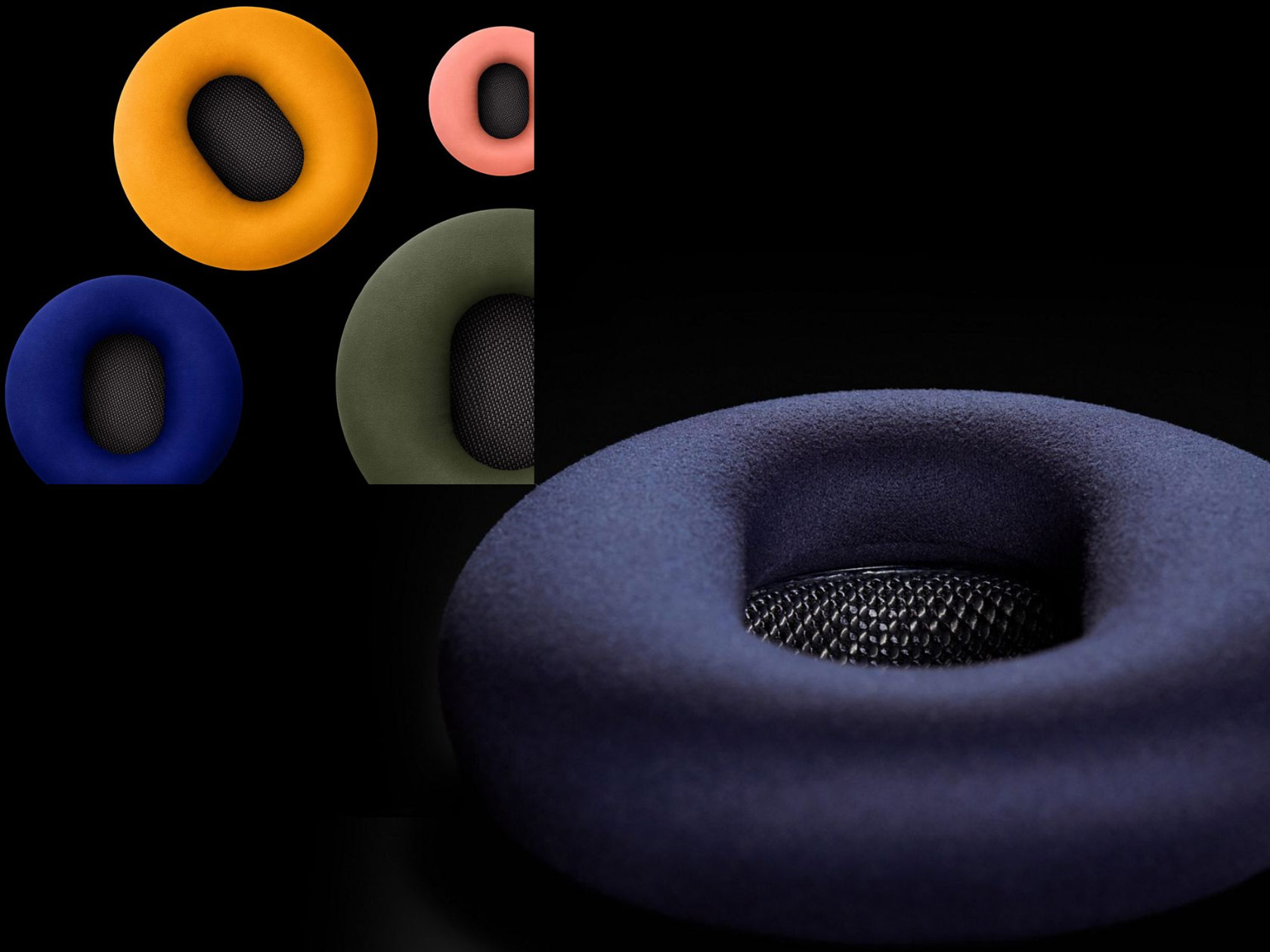
The color customization of the headphones makes them stand out from the crowd with more than 2,000 possible combinations of the interchangeable outer cap covers and ear cushions made out of ultra-soft microfiber material. This is on top of the 4 basic color options in different material choices including CNC Copper, CNC Aluminium and CNC Black Nickel. OnTrac will also come in a special Ceramic Cinnabar version draped in a painted finish with a ceramic feel.
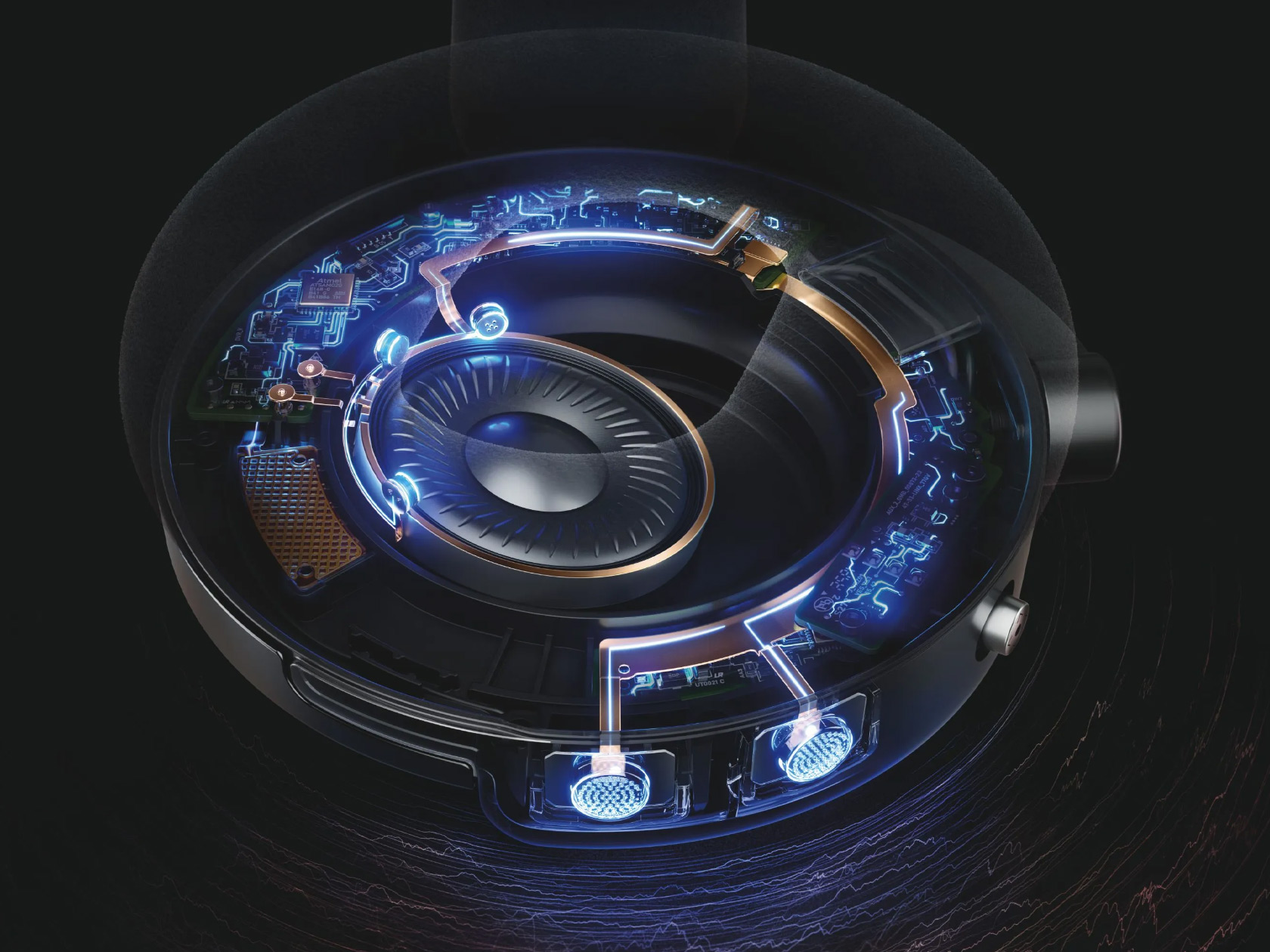
The headphones have an eight-microphone system capable of 40 decibels of reduction in unwanted sound courtesy of the 384,000 sound sampling per second. Good sound quality is a priority for the creators of the headphones, hence, the OnTracs feature 40mm drivers to reproduce the frequencies as intended by the artist. The frequency range of 6Hz to 21,000Hz makes you feel the rumble of sub-bass without muffling things and the highs are crystal clear. The Bluetooth codecs supported include SBC, AAC and the newer LHDC version.
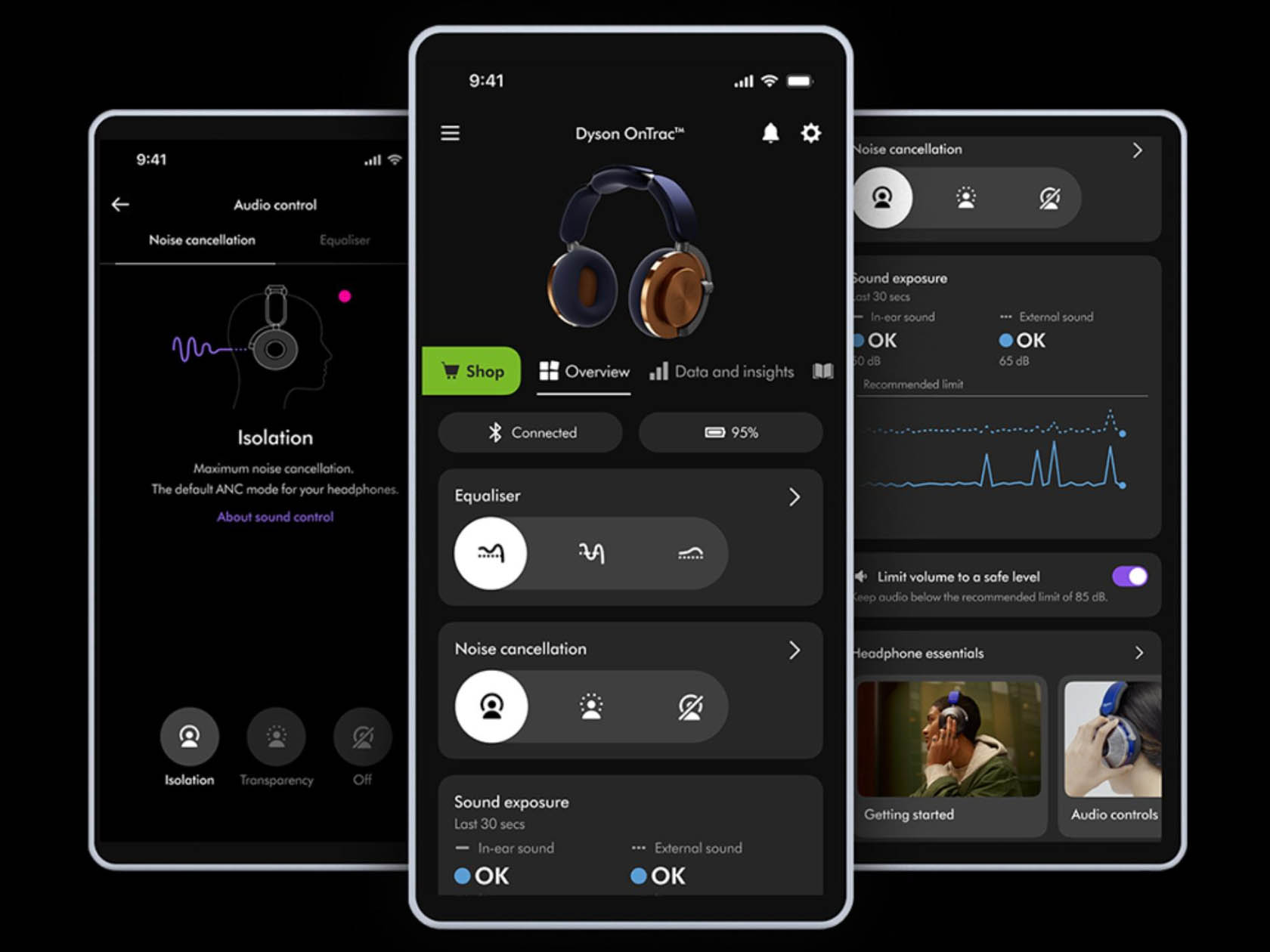
The superior performance of the ANC doesn’t take a toll on the battery as Dyson promises 55 hours of impressive backup with Active Noise Canceling turned on. A charge of half an hour will juice them up for around 9 hours of playback. The controls for toggling volume levels, track change and ANC on/off are done with a tactile joystick button on the outside of either cup. Comfort is also important so the multi-pivot gimbal arms ensure the right amount of clamping force to prevent any pressure on the ears.
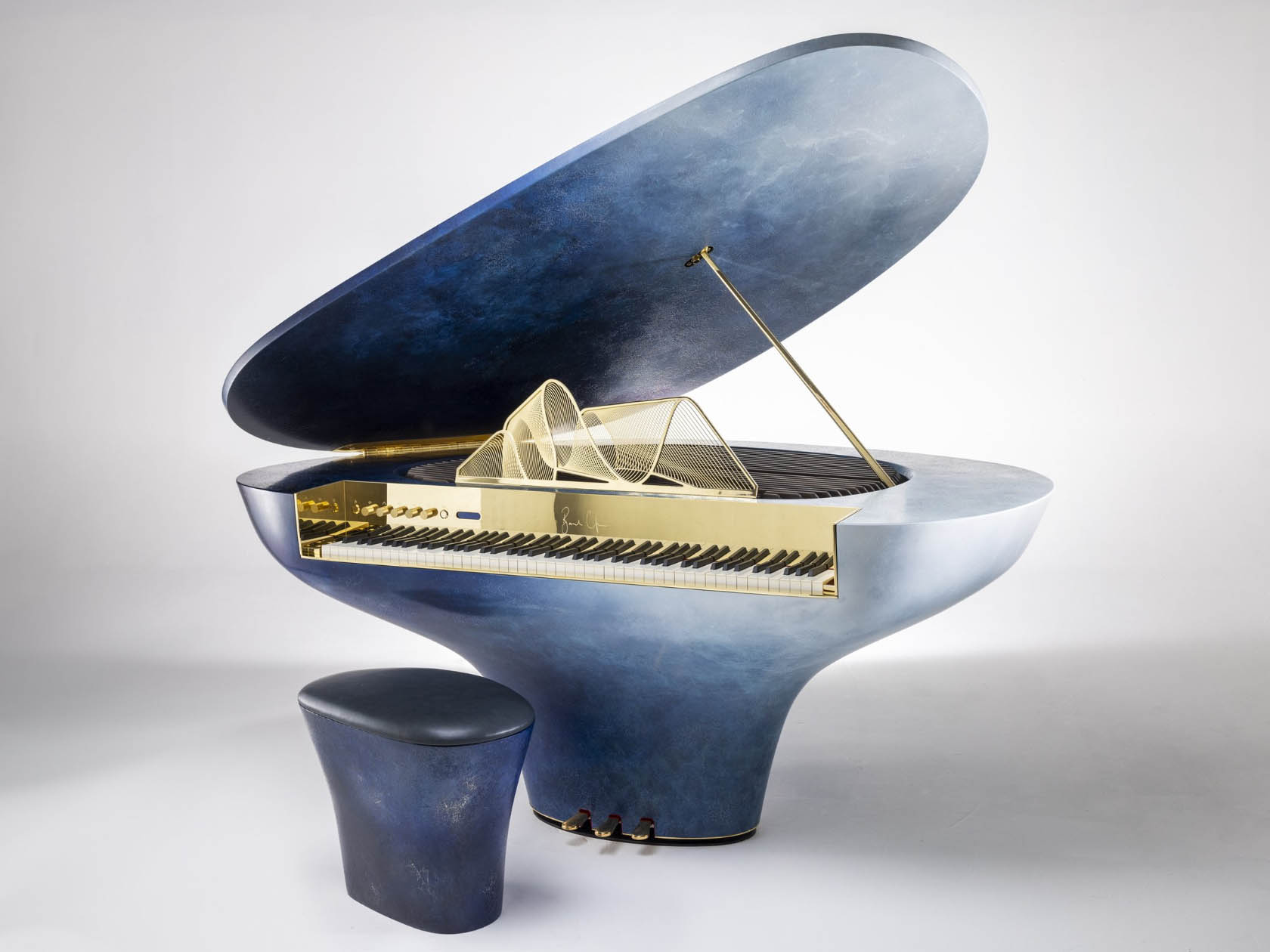
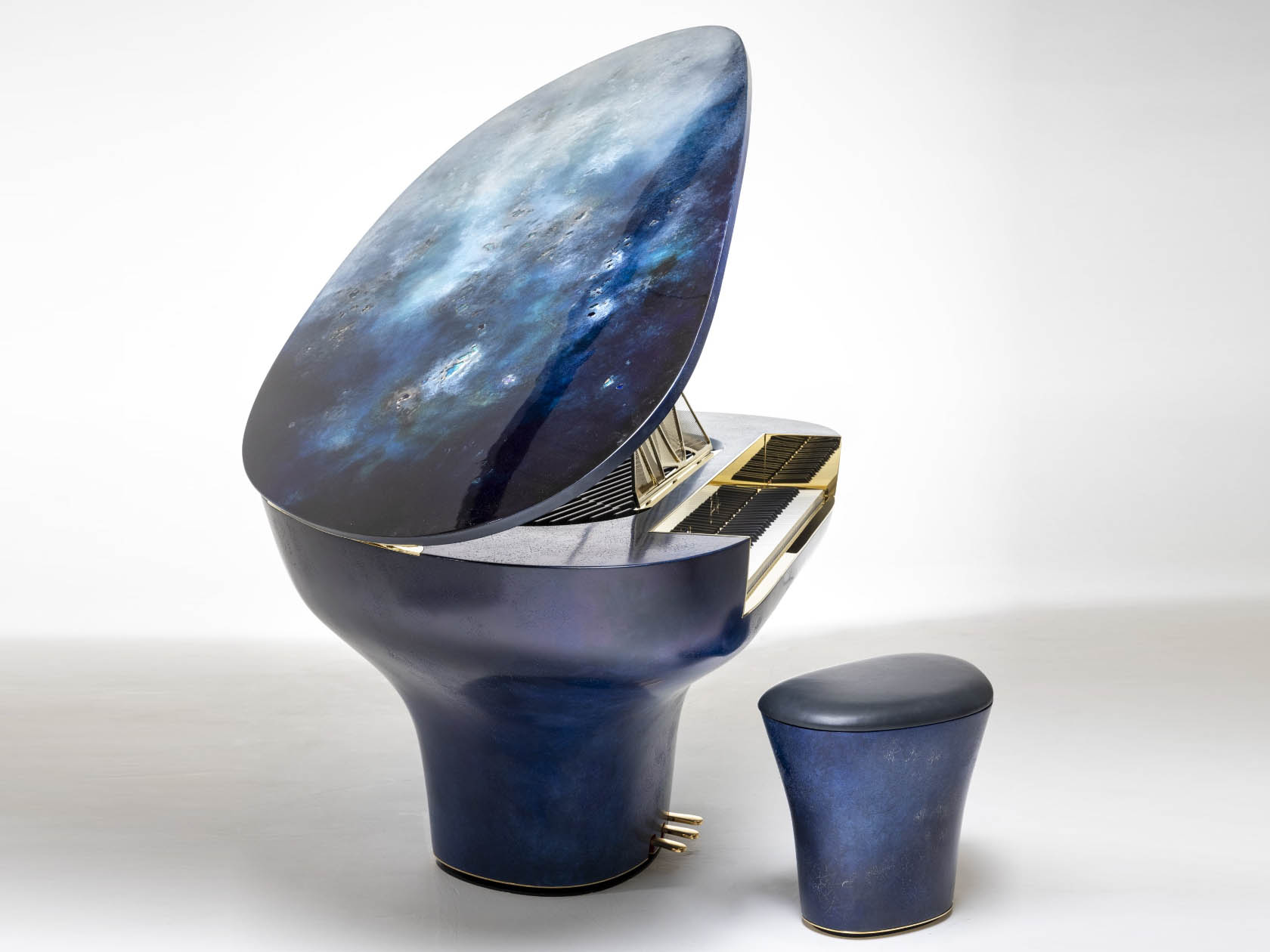
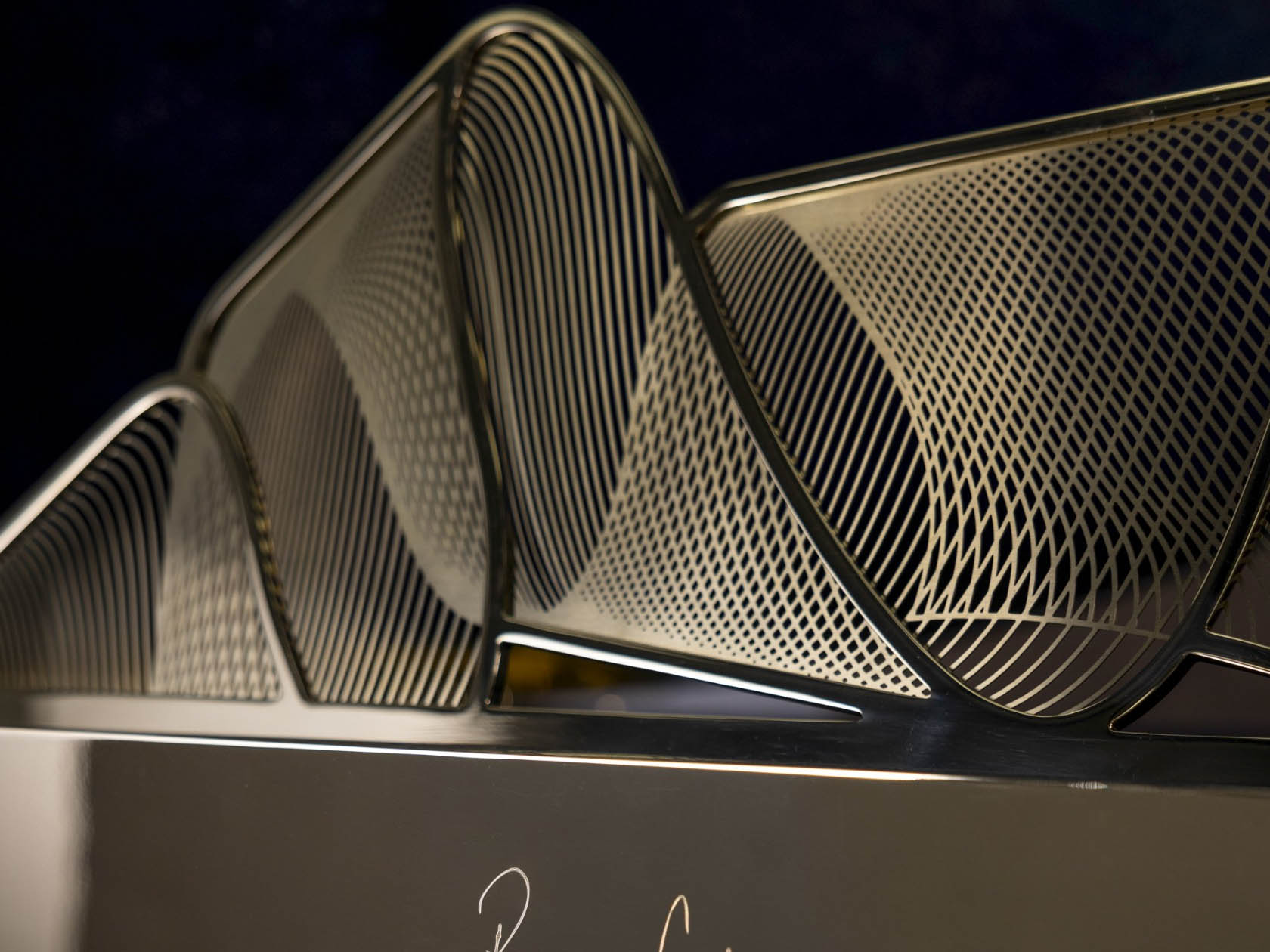
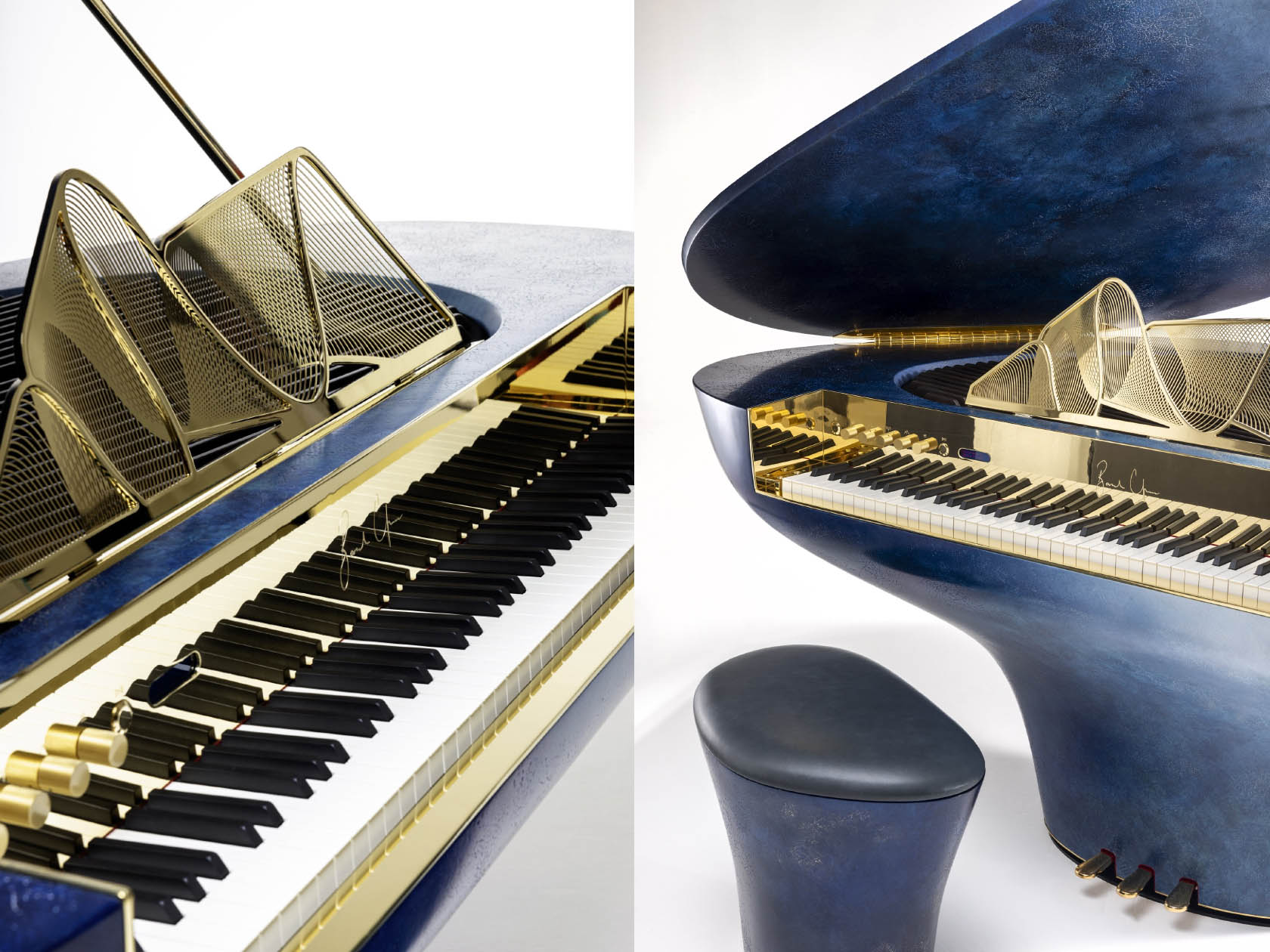
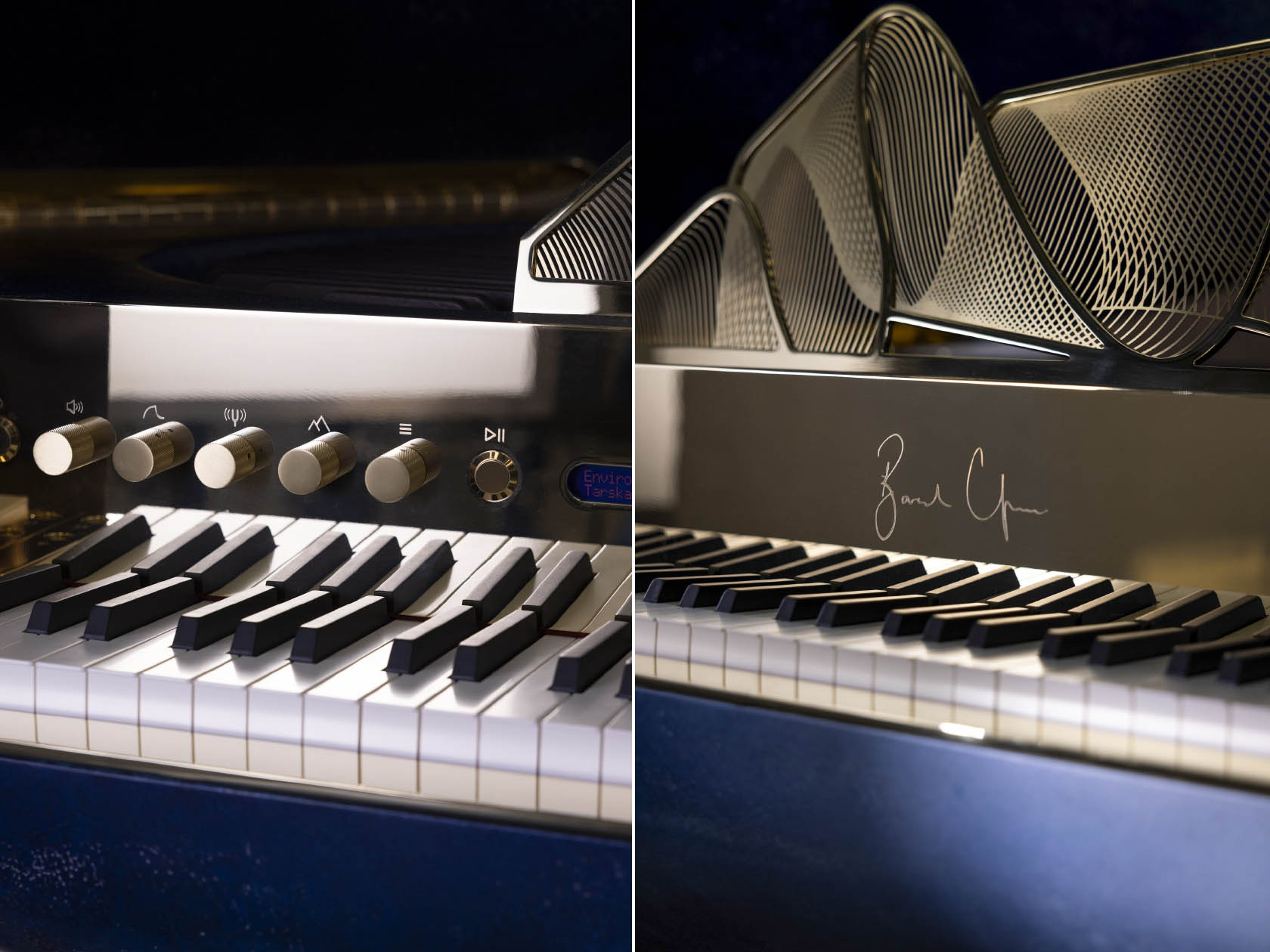
London-based design studio Based Upon is renowned for its out-of-the-box work and their latest creation is marvel on its own. Upgrading the classic piano design to a level that’s worthy of a grand art exhibition, is the Twist/D. A radical piano that breaks all norms for a creative twist.
Previously the studio has collaborated with names like Rolls-Royce and Tiffany & Co. to create collectible pieces which adorn the spaces of the rich and the famous. Building on the success of The Baby edition of five baby grands, this exclusive piece brings the grand expanse of the universe to your living room musical symphony.
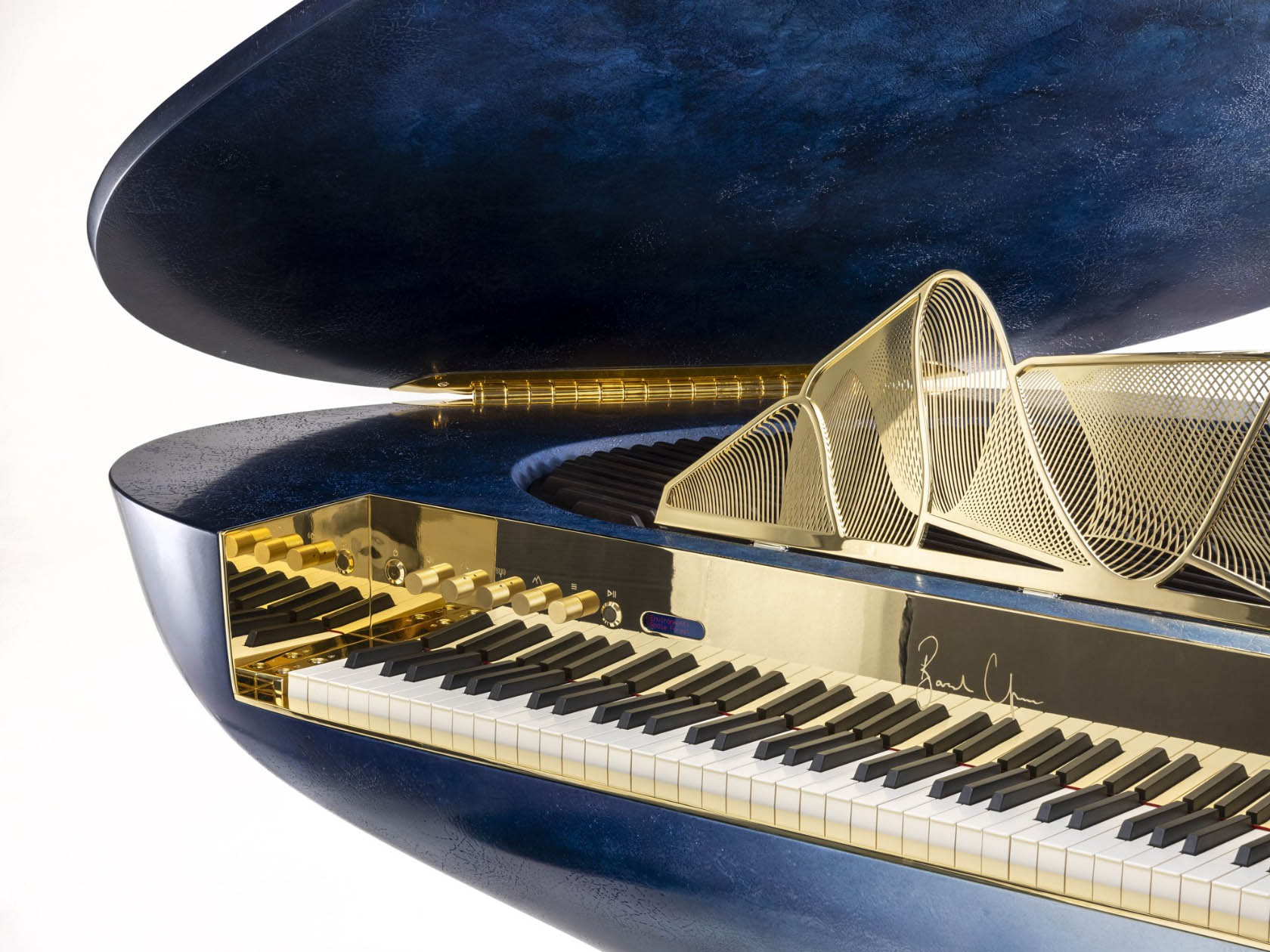
According to Ian Abell, the essence of every piece crafted at the studio focuses on the right balance between functionality and artwork. Ian emphasis that the piano as a subject for them has “always been to create a credible piece of art while preserving the integrity of the instrument.” Twist/D tends to heighten the experience of the player as well as the listener. To everyone’s surprise, the autonomous piano is an amalgam of sculpture and technical features that delivers the touch, feel and sound of an exquisite concert grand.
The musical instrument has a spiralling shape that embodies dynamism of a dancer’s motion. The minimal silhouette of the piano is inspired by the proportions of the Golden Spiral. For the auditory brilliance, there are 12 computer modelled Steinways and Bechsteins from different eras for a vivid tonal qualities. Just like the form of this piano, the sync between strings, cabinet resonance and pedal mechanism of the symphonies is emulated perfectly for a rich sound. So has the integration of Isle of Skye site-specific audio samples that employs impulse response reverb techniques to create signatures of the island subterranean landscape.
Based Upon has managed to craft a musical instrument from advanced material and techniques to create a deep connection with the natural world. Twist/D has a lightweight frame made out of a composite material that makes possible the unconventional shape without compromising the structural integrity. Those keys are made from sustainable ebony and ivory alternatives for an environmentally friendly design. The price of $194,600 is meant to adorn the living rooms of music composers who value the good things in life.
Once upon a Super Bowl Sunday in 1984, Apple unveiled an ad that changed the world. Directed by Ridley Scott, the commercial broke new ground in marketing and technology. As the heroine dashed through a drab, Orwellian world, hurling a hammer to shatter the oppressive image on the screen, viewers were left breathless. The message was clear: the Apple Macintosh was here to break the chains of conformity and ignite the flames of innovation. Forty years later, where is Apple now? The legacy of that revolutionary spirit lives on, not just in Apple’s computers, but right on our wrists.
Designer: Apple
Designer: Seiko
Fast-forward to today and the legacy of that revolutionary spirit lives on, not just in Apple’s computers but right on our wrists. Enter the Apple Watch Ultra, a device embodying the essence of forward-thinking technology. But before we dive into the modern marvel, let’s take a nostalgic trip back to another wrist-worn wonder from the same era: the Seiko UC-2000.
The Seiko UC-2000: A Wrist Revolution in 1984
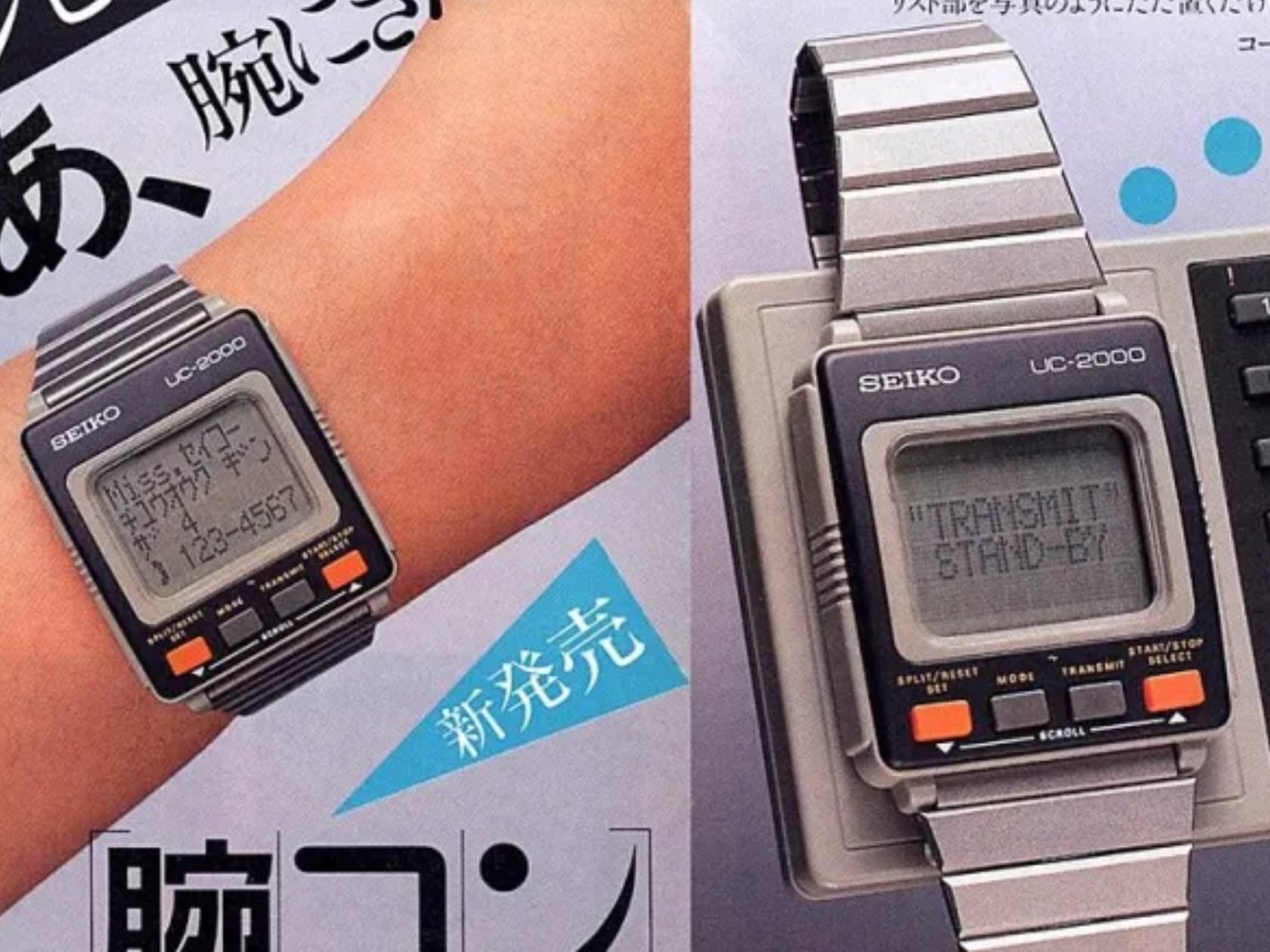
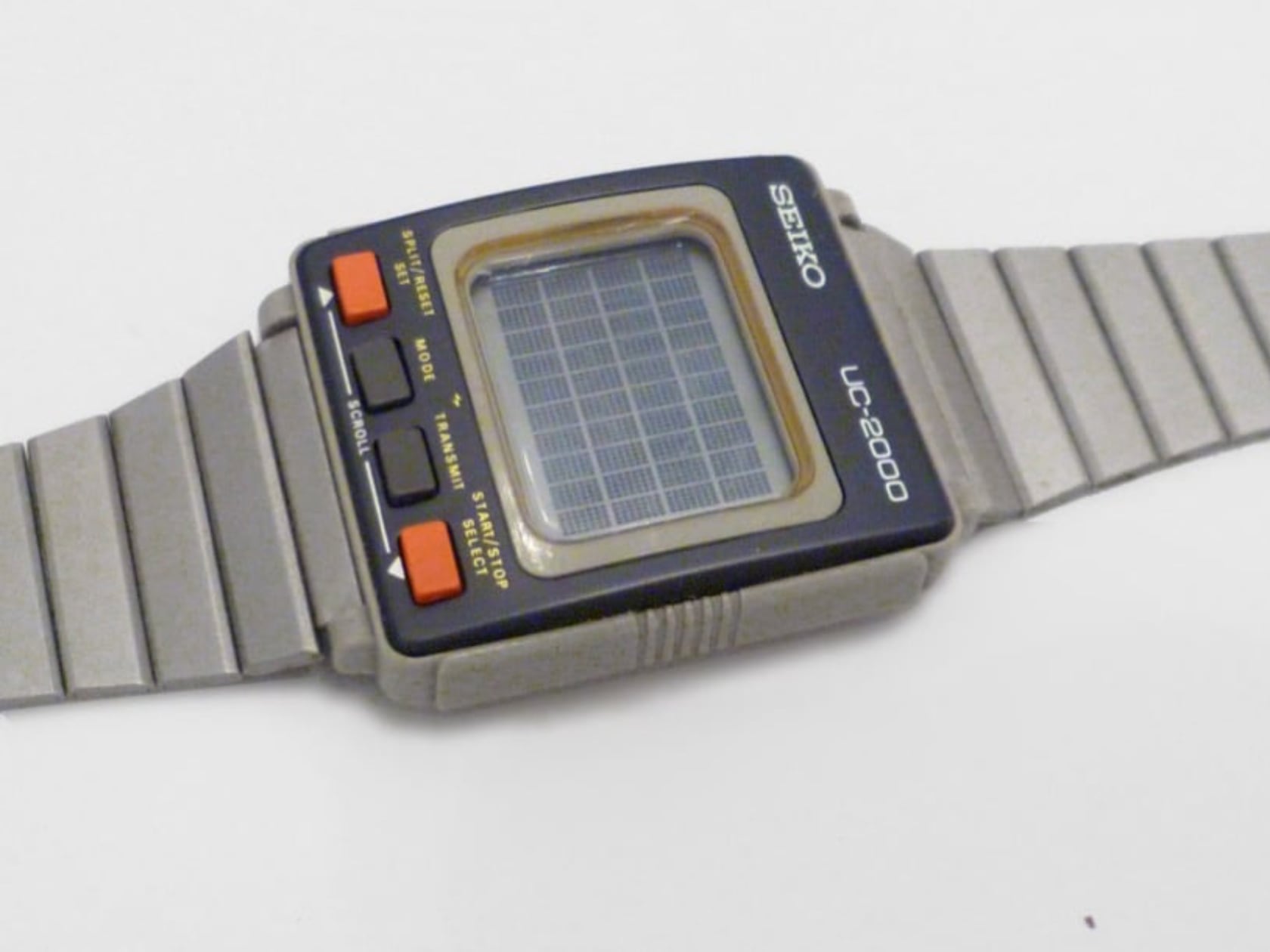
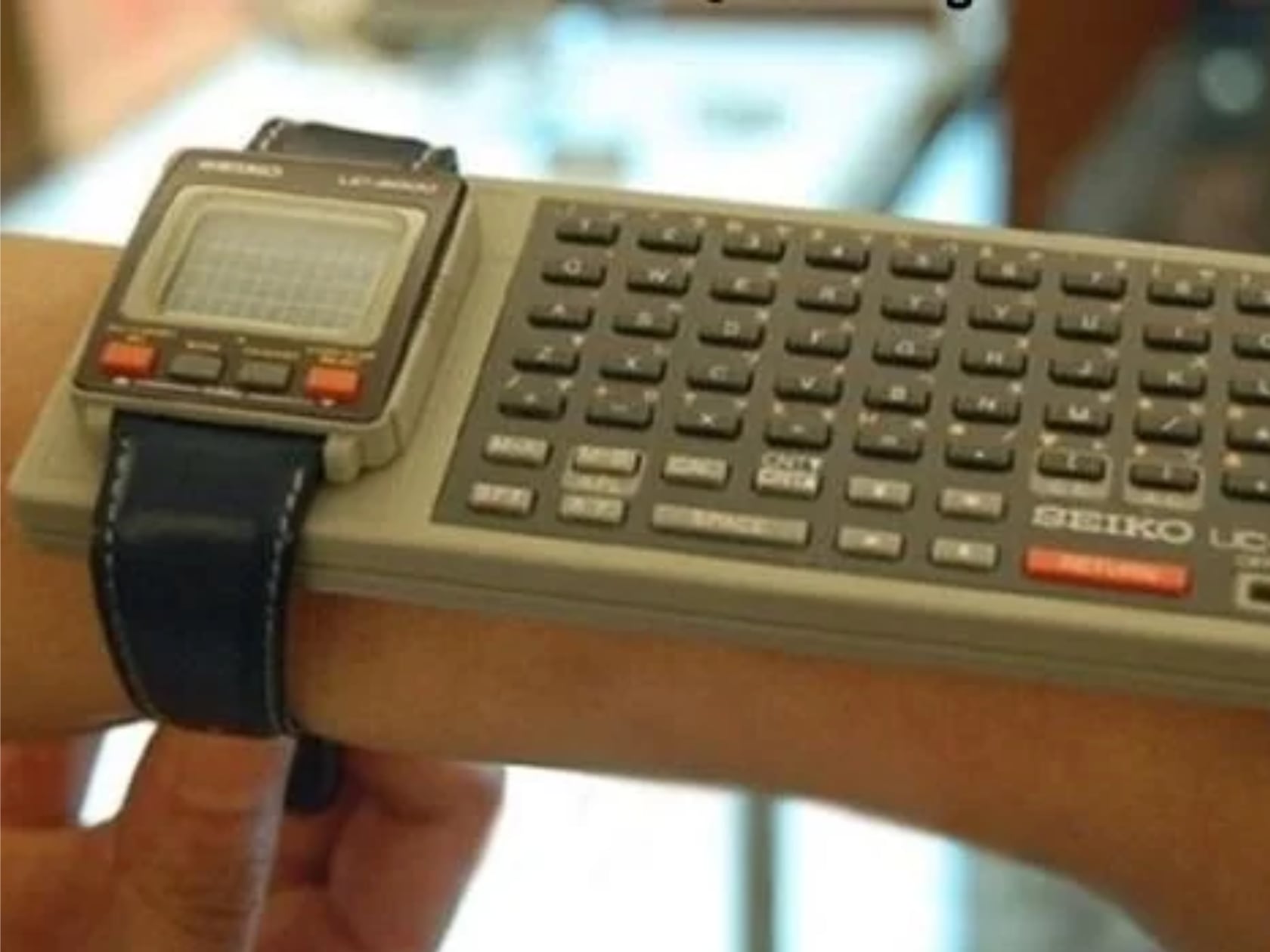
In the same iconic year of 1984, Seiko wasn’t content with just making elegant timepieces. They dared to dream of a wristwatch that could do so much more. Introducing the Seiko UC-2000, a watch that doubled as a personal computer. This gadget had a rectangular LCD screen and a series of buttons and could be paired with a keyboard docking station to perform tasks that were nothing short of magical for its time.
Seiko UC-2000
Imagine programming in BASIC, storing contacts, and managing your schedule, all from a device strapped to your wrist. The UC-2000 was ahead of its time, a pioneering effort in wearable tech. Its design included distinctive orange buttons, adding to its unique appearance and functionality.
Seiko UC-2000 + Keyboard dock
Echoes of the Past in the Apple Watch Ultra
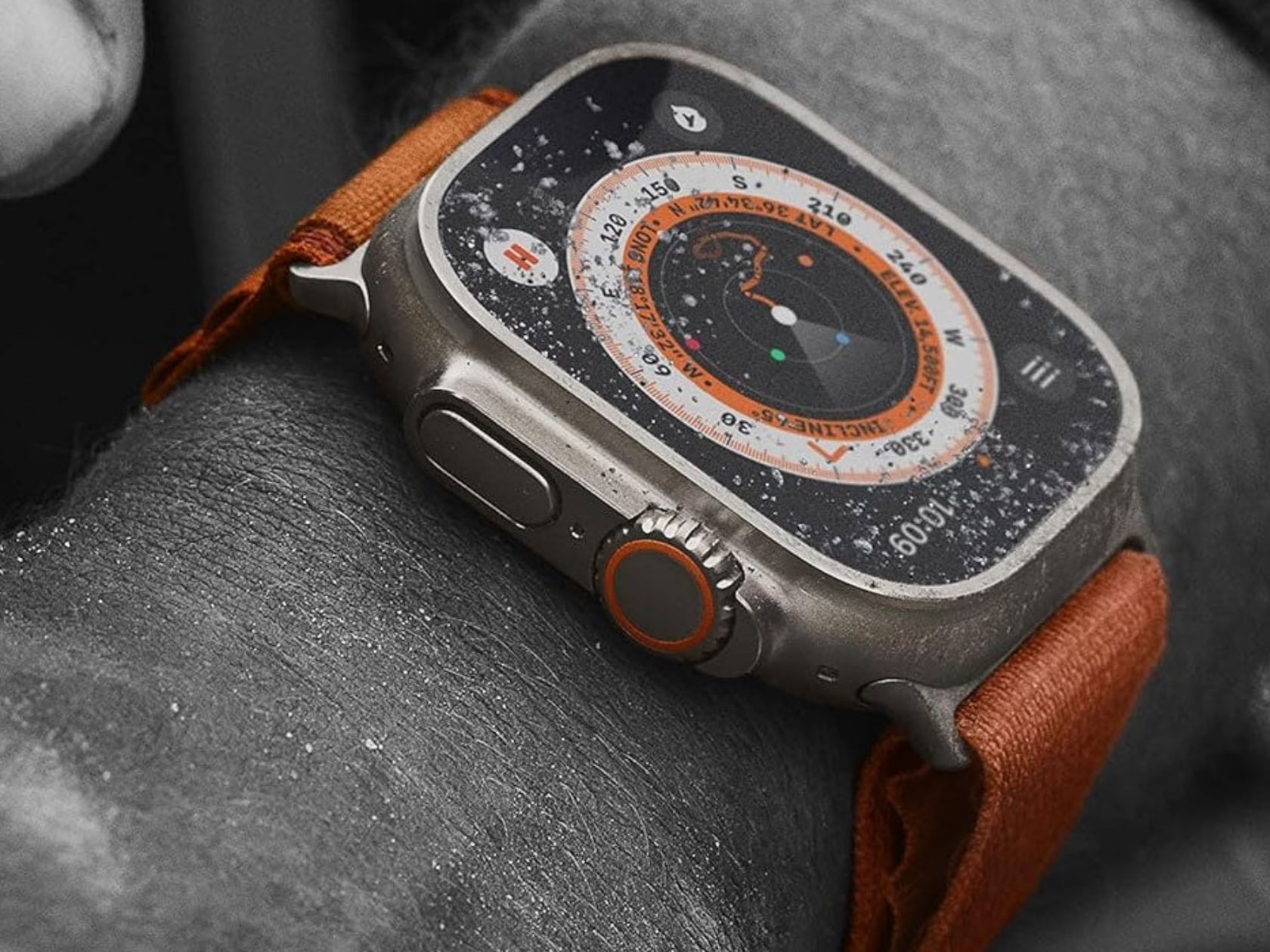
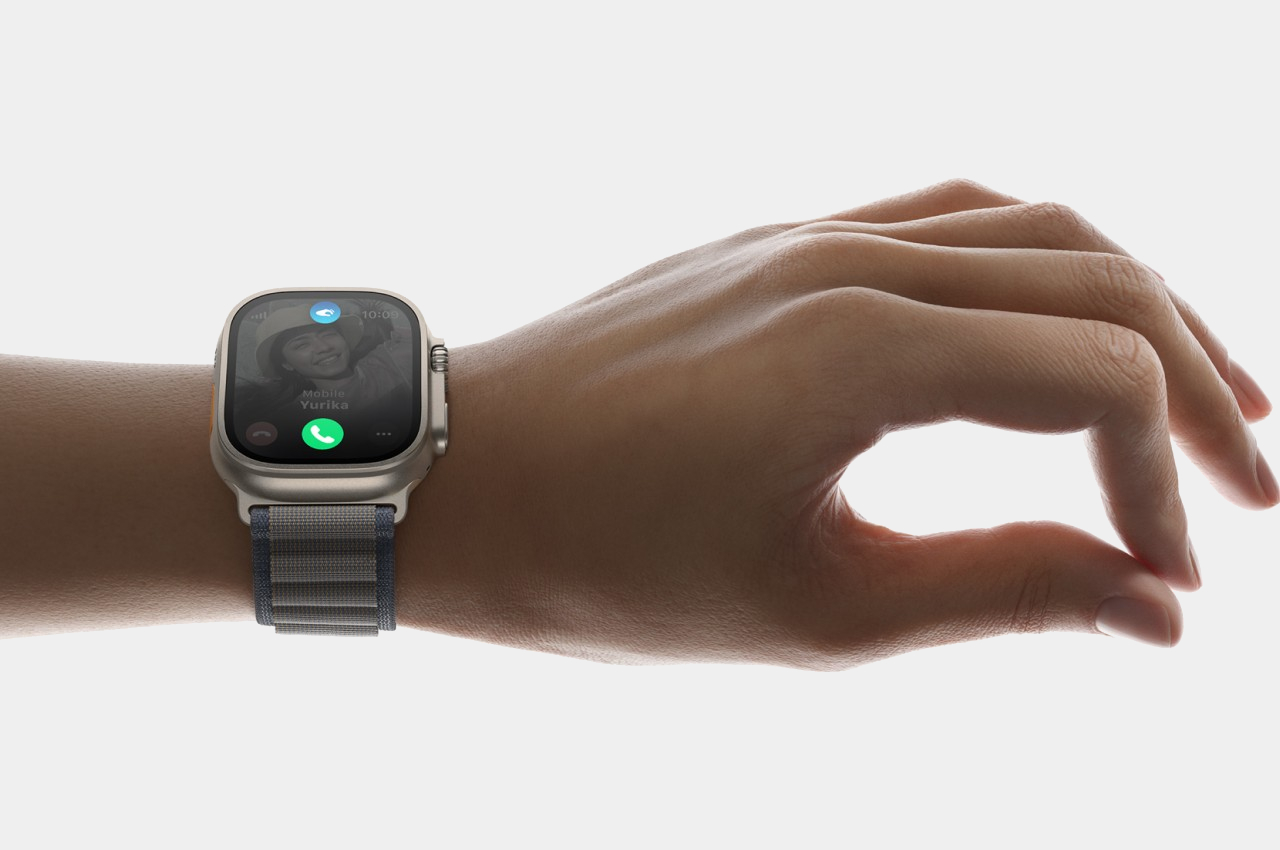
Now, let’s warp back to the present and unwrap the magic of the Apple Watch Ultra. Sleek, sophisticated, and packed with features, it’s everything the Seiko UC-2000 aimed to be and more. The Apple Watch Ultra sports a vibrant OLED display, sophisticated health monitoring tools, navigation aids, and seamless connectivity with the Apple ecosystem. It’s like having a mini-supercomputer on your wrist.
Apple Watch Ultra
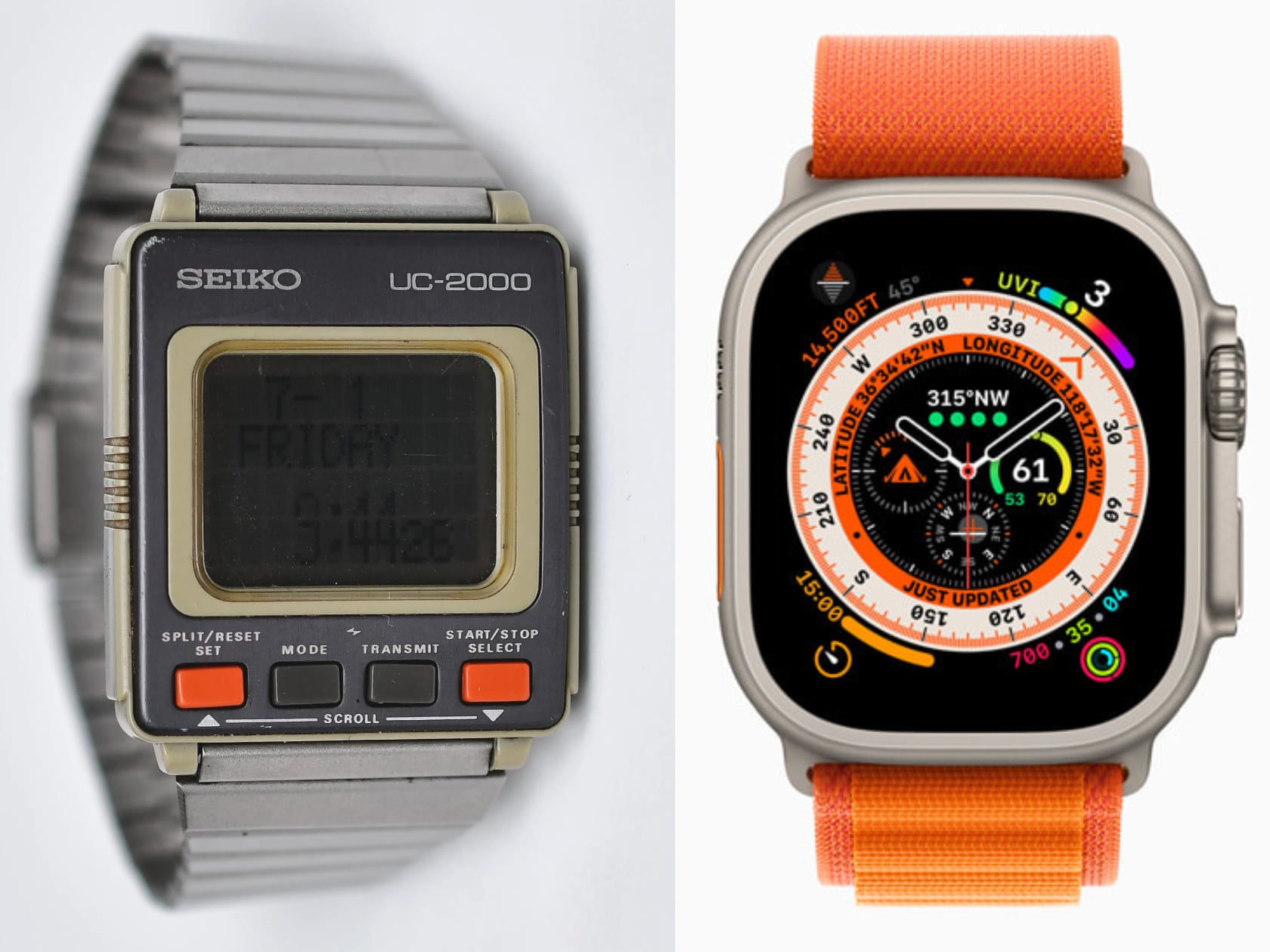
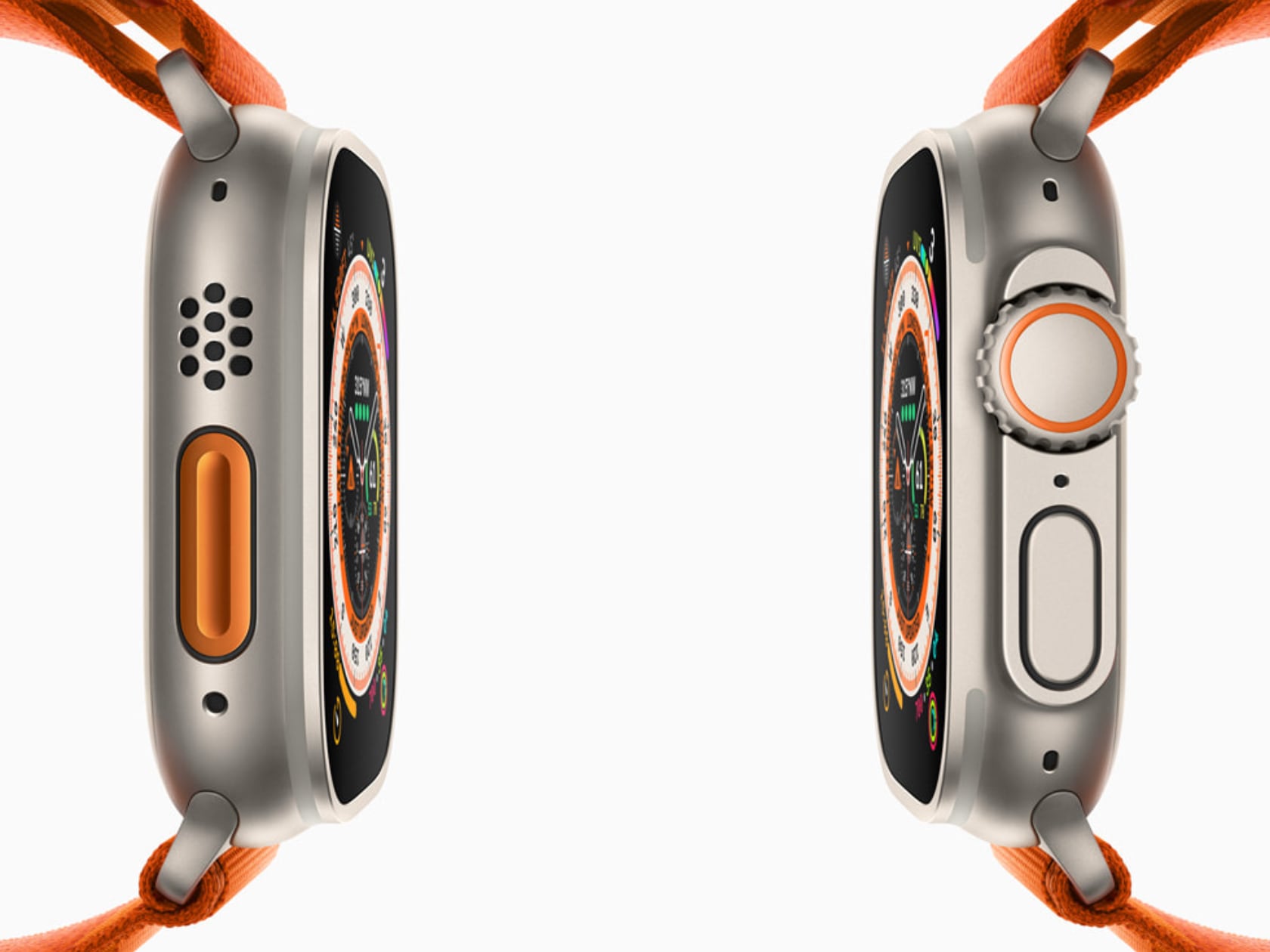
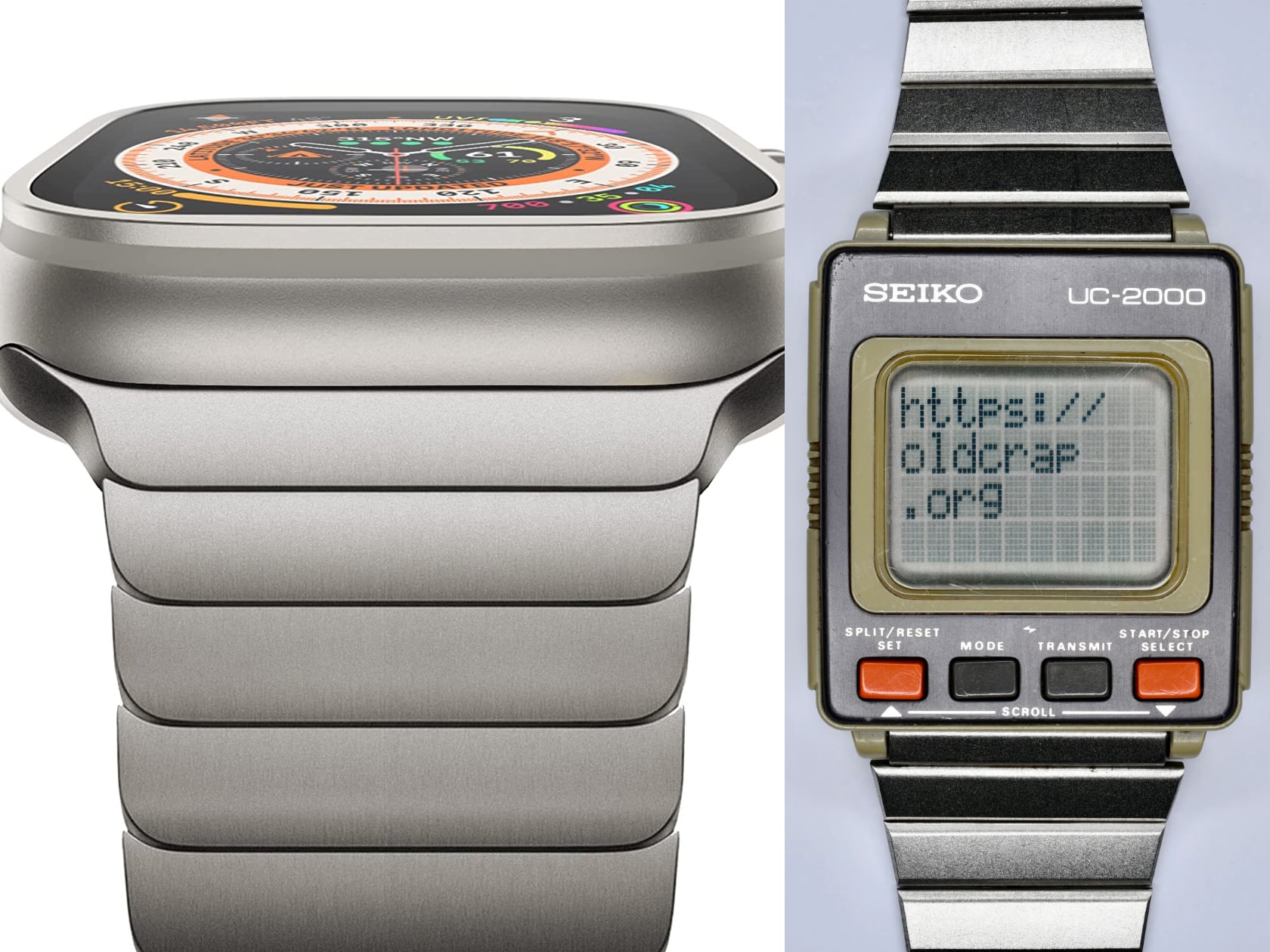
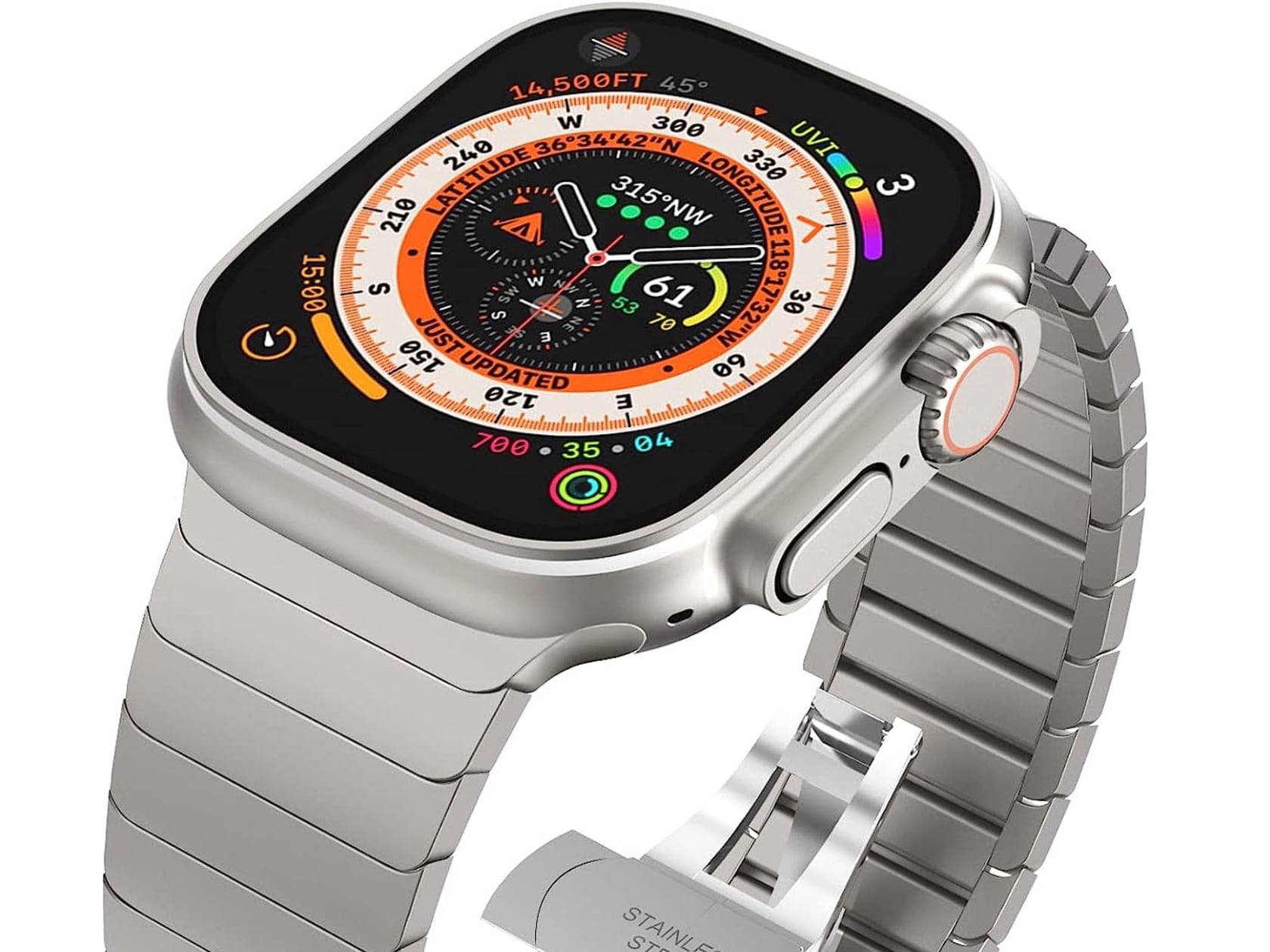
But here’s the kicker: look closely at the design. Notice anything familiar? The Apple Watch Ultra features an orange ring and a striking orange button on the left. This design choice echoes the legacy of wearable tech pioneers like the Seiko UC-2000.
Source: oldcrap.org Seiko UC-2000
Even more striking is the resemblance in the link bracelet design. The Apple Link Bracelet closely mirrors the design of the Seiko UC-2000’s band, with its sleek, segmented links and metallic finish. Both bracelets emphasize a modern, streamlined look, showcasing how timeless design elements continue to influence new generations of technology. Four decades later, the spirit of those early innovations lives on, influencing and inspiring new generations of technology.
Source: oldcrap.org Seiko UC-2000
Link Bracelet for Apple Watch Ultra 49mm Metal Band
The shape of the watches themselves holds a remarkable resemblance. The Seiko UC-2000 and the Apple Watch Ultra feature a rectangular face with rounded edges, a design that enhances aesthetics and functionality. This shape provides a broad, clear display area while maintaining a comfortable fit on the wrist. The Apple Watch Ultra, with its rounded corners and sleek profile, seems like a modern interpretation of the Seiko UC-2000’s design ethos. This continuity in design highlights how certain principles of form and function remain relevant and influential across decades.
Apple Watch Ultra 2
Seiko UC-2000
Bridging Four Decades of Innovation
The journey from Apple’s iconic 1984 ad to the cutting-edge Apple Watch Ultra is a tale of relentless innovation. Apple’s commercial heralded a new era of computing. Similarly, the Seiko UC-2000 took a bold step into the future of wearable technology.
Source: Reddit
Today, as we glance at our Apple Watch Ultras, it’s fascinating to see how far we’ve come. From the pioneering days of the Seiko UC-2000, with its orange buttons and chunky design, to the sleek, multifunctional marvels on our wrists now, it’s clear that the spirit of innovation and rebellion against the ordinary has always been the driving force. From its early days to now, the Apple Watch has evolved into a market leader, becoming the number one selling watch in the world. It’s incredible to see how far we’ve come.
This journey of innovation is mirrored in Apple’s other groundbreaking products. From the revolutionary iPhone and iPad, which redefined how we communicate and consume media, to the Vision Pro, which promises to revolutionize augmented reality. The MacBook and iMac continue to set standards in computing performance and design, illustrating Apple’s dedication to pushing the boundaries of technology across all its product lines.
Apple WWDC 2024: A Theatrical Return to Roots
In 2024, Apple brought back the daring and eye-popping theatricality reminiscent of its 1984 ad. Senior Vice President of Software Engineering Craig Federighi kicked off the event at the Worldwide Developers Conference by parachuting down into the Apple headquarters. This dramatic entrance harkened back to Apple’s roots, showcasing its commitment to breaking the mold and captivating its audience.
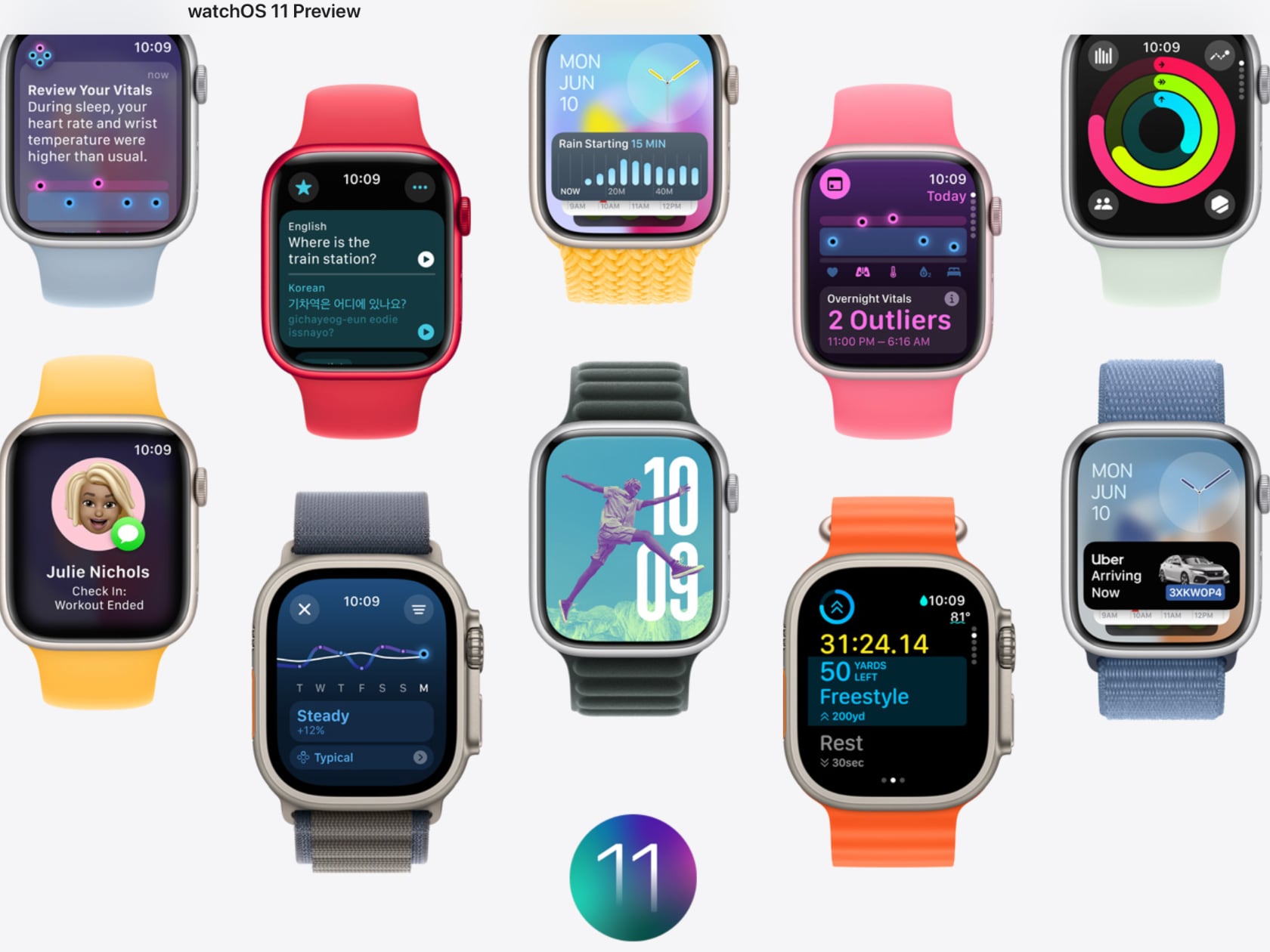
watchOS Public Beta: New Features to Love
watchOS 11 Public Beta
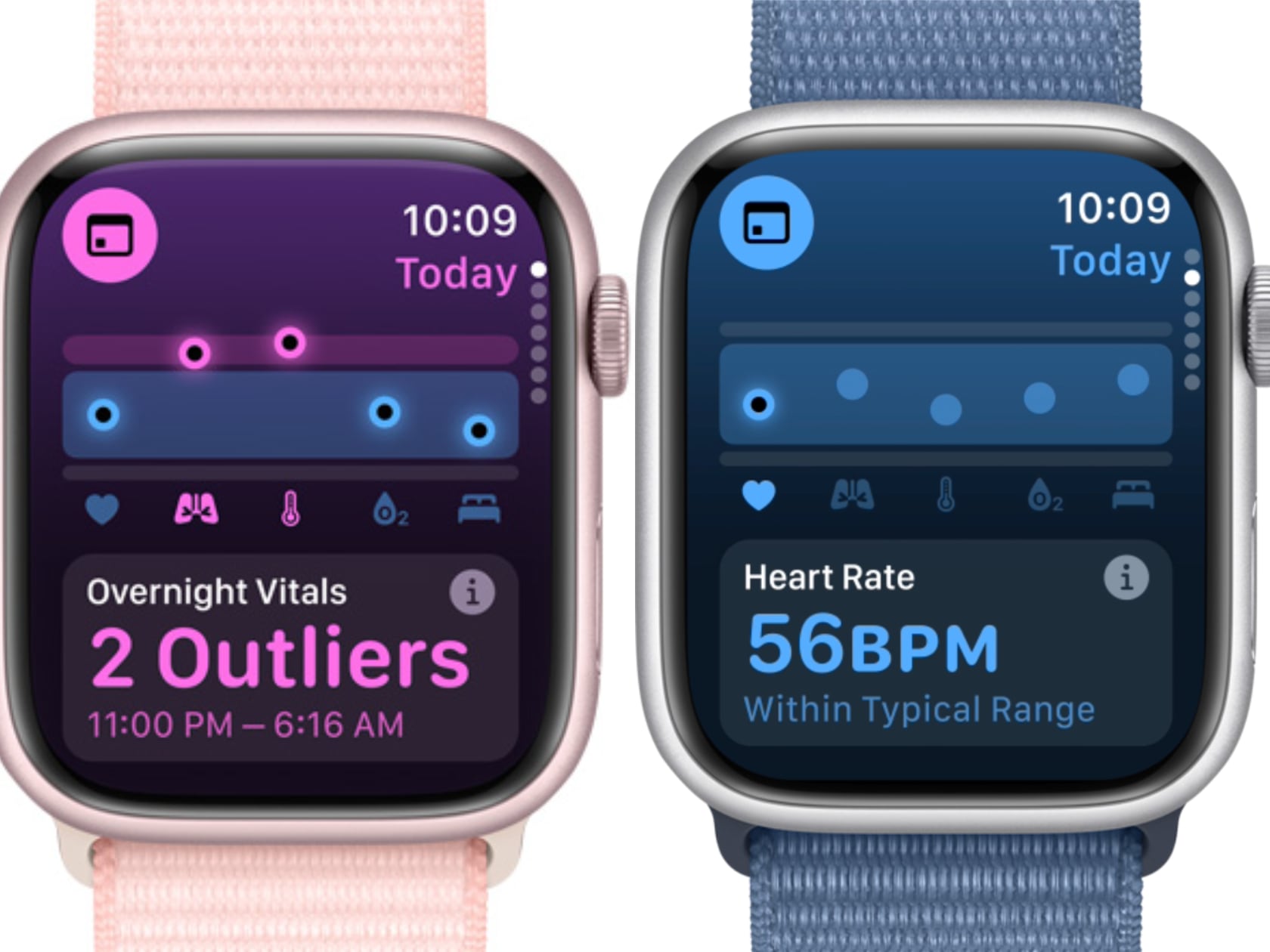
Building on this legacy of innovation, Apple has released the public beta for watchOS 11, packed with features that promise to enhance the user experience significantly. The Vitals app offers users a comprehensive view of their overnight health metrics. By wearing your watch to sleep, you can monitor heart rate, respiratory rate, wrist temperature, blood oxygen levels, and sleep duration. The Vitals app helps establish a typical range for each metric, providing notifications if multiple metrics fall outside this range, with context on possible factors like medications or illness. While traveling in Japan, I became ill, and the Vitals app flagged my vitals as being out of range. It was helpful to see the metrics.
watchOS 11 Vitals
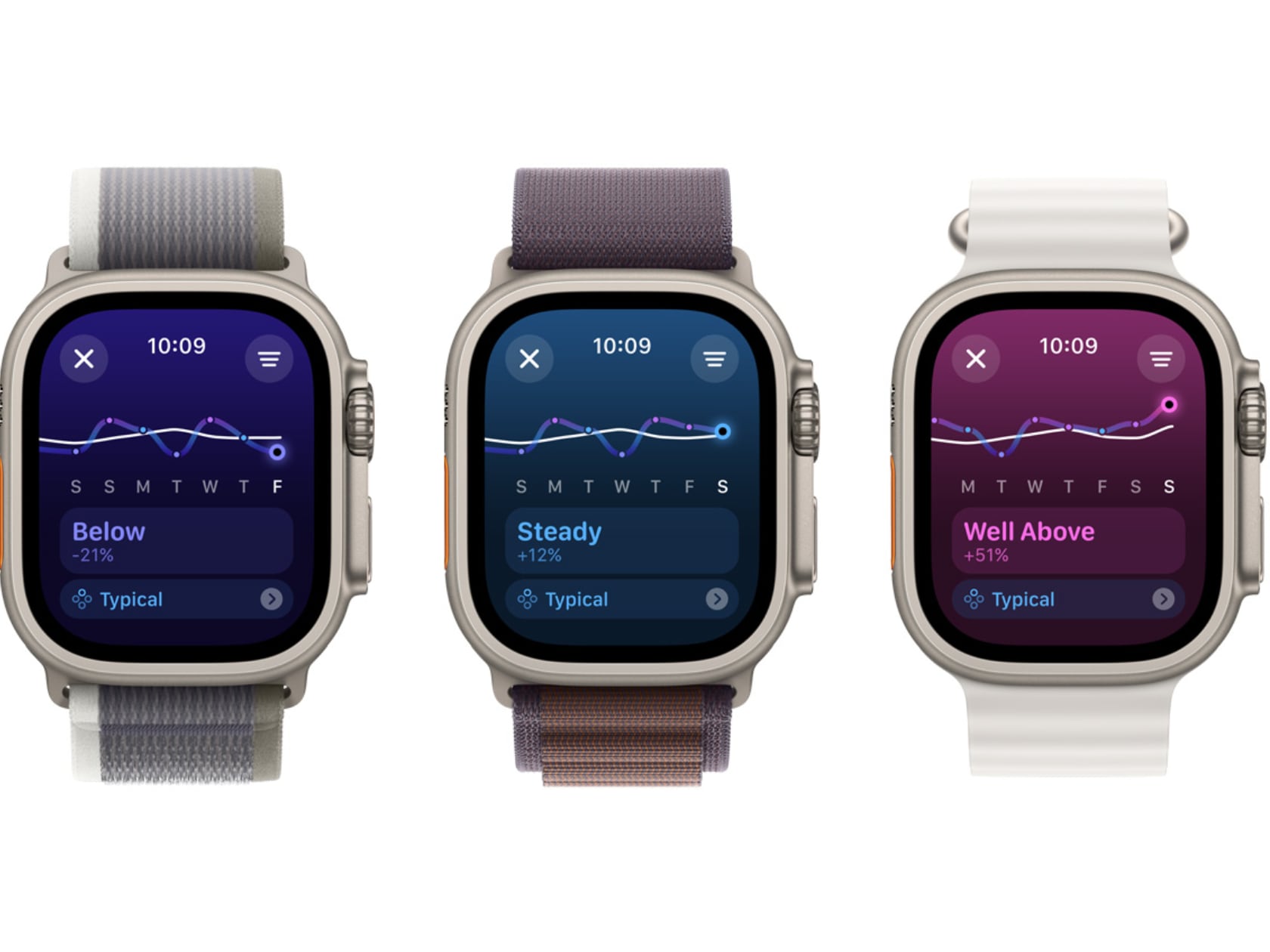
Training Load is another exciting feature, helping athletes see how workout intensity impacts their bodies over time. This tool lets users make informed decisions about their training schedules, especially when preparing for significant events. Enhanced GPS positioning for more workouts and custom workouts for pool swims are also noteworthy additions, providing users with more precise and personalized fitness tracking.
watchOS 11 Training Load
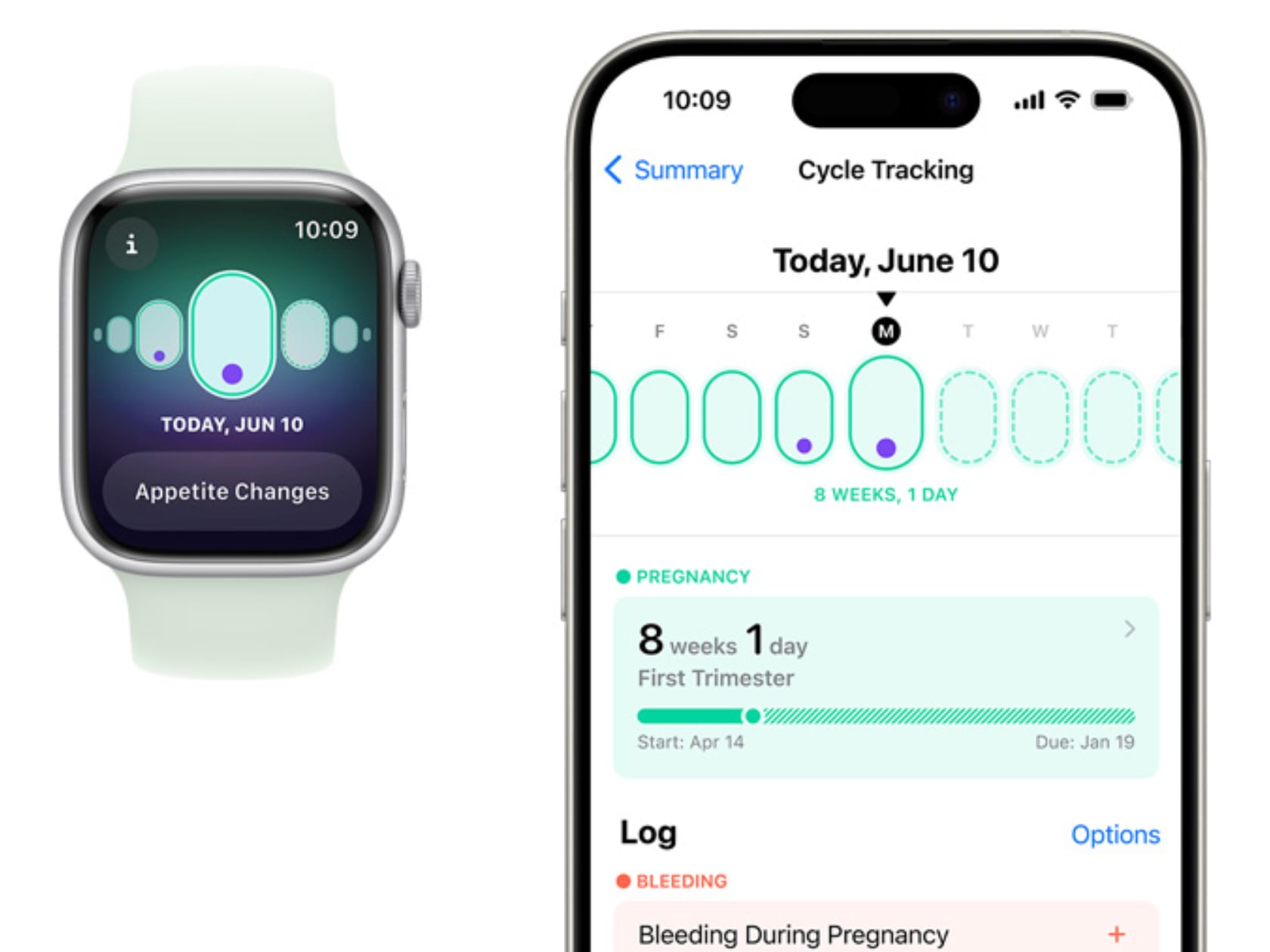
The Photos Face has been redesigned and powered by machine learning to curate the best images from your library for display on your watch. The Cycle Tracking app now includes features tailored for pregnancy, offering gestational age tracking and health recommendations.
watchOS 11 Photos Face
watchOS 11 Cycle Tracking
Smart Stack has become more intelligent, displaying widgets automatically based on time, location, and other factors. Live Activities are supported, and new widgets include severe weather alerts, Training Load, and Photos.
watchOS 11 Smart Stack
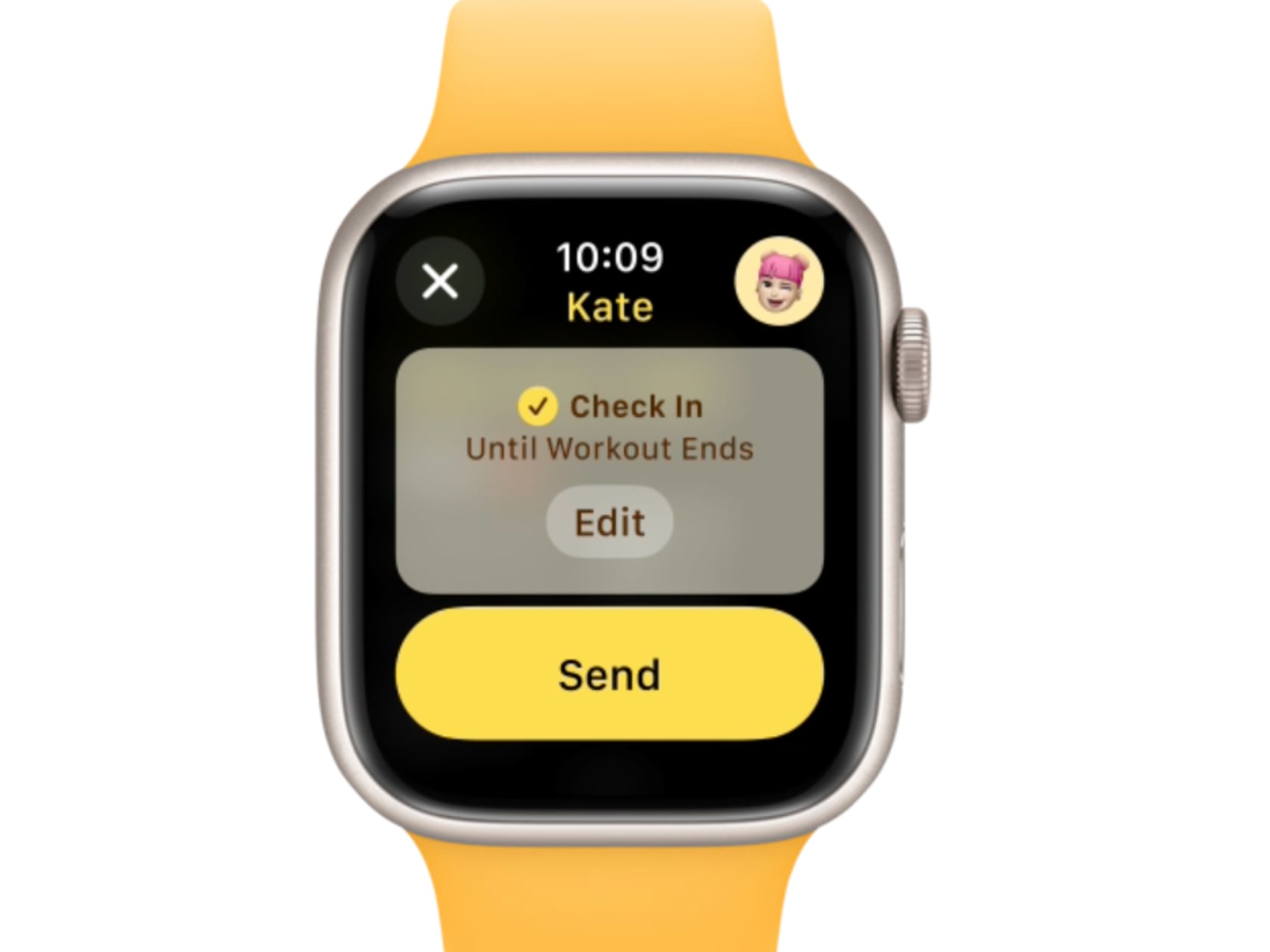
With the new Check-In feature, users can notify friends or loved ones when they arrive at a destination, providing peace of mind. Enhanced GPS positioning, custom pool swim workouts, and a new effort tracking metric for workouts round out the impressive list of new features in watchOS 11.
watchOS 11 Check In
Apple’s ability to captivate and innovate remains as strong as ever, from the bold declaration of the 1984 ad to the thrilling presentations of WWDC 2024. As a 50-year-old tech journalist covering technology for the last three decades, it’s been such a pleasure to have experienced each stage of innovation. I’m excited to see what Apple Intelligence has in store for us over the next few decades.
For those eager to explore the future of wearable technology, try the public beta. However, be cautious—once installed, you cannot roll back to the previous version without shipping the watch to Apple for service. For more detailed information on watchOS 11 features, visit the Apple watchOS 11 preview page.