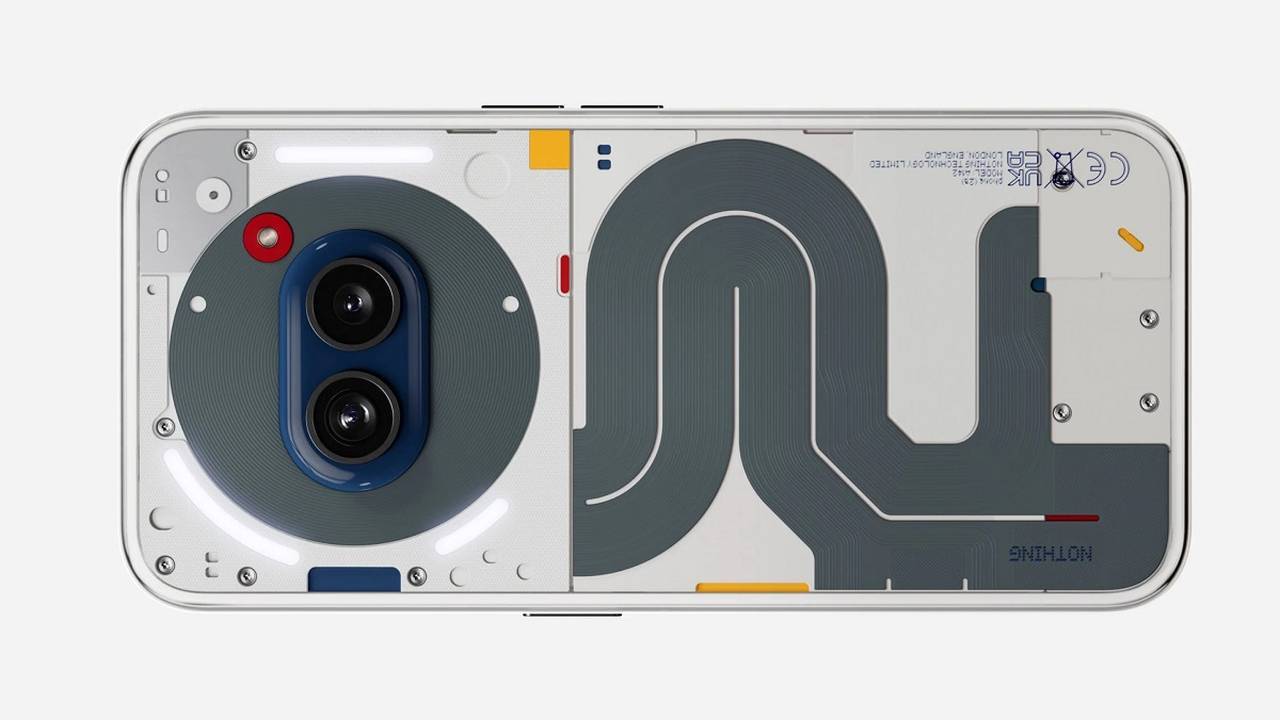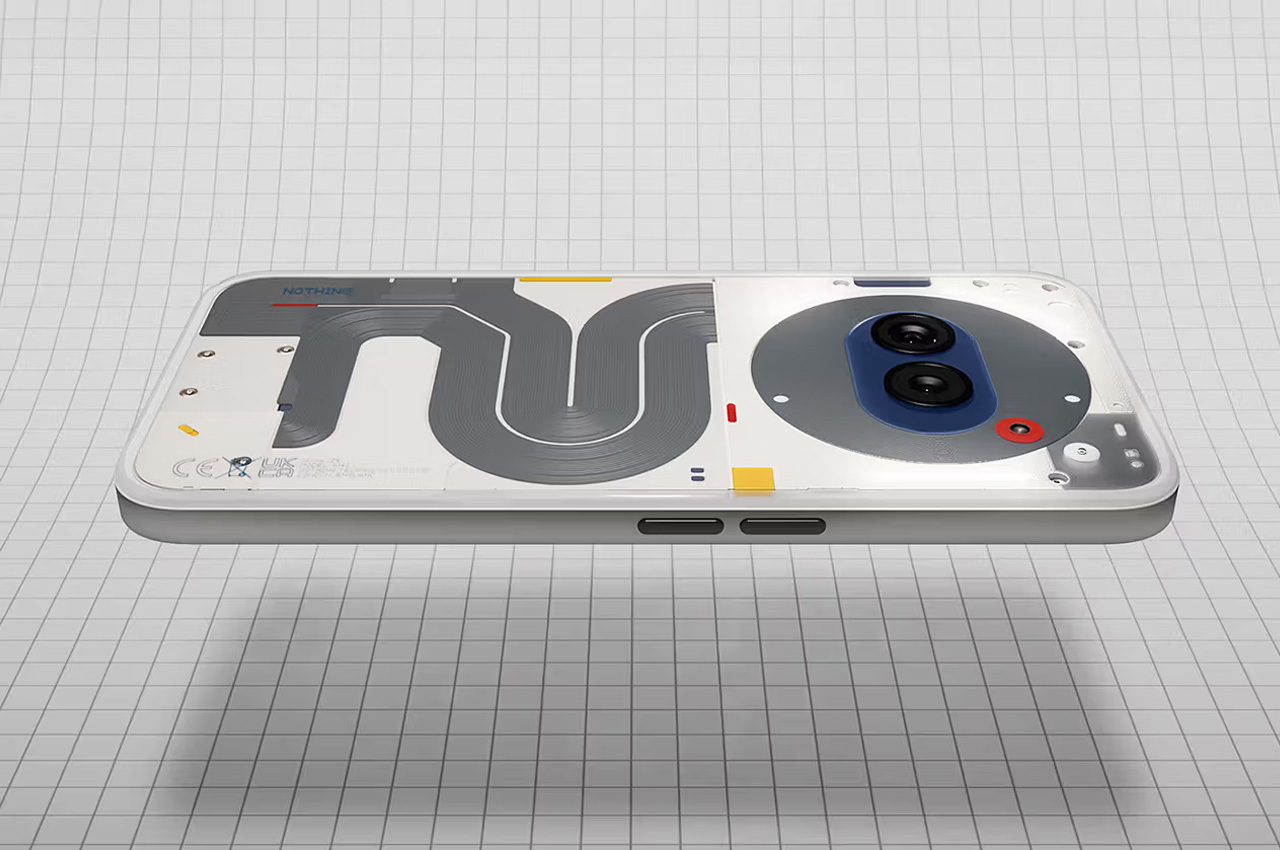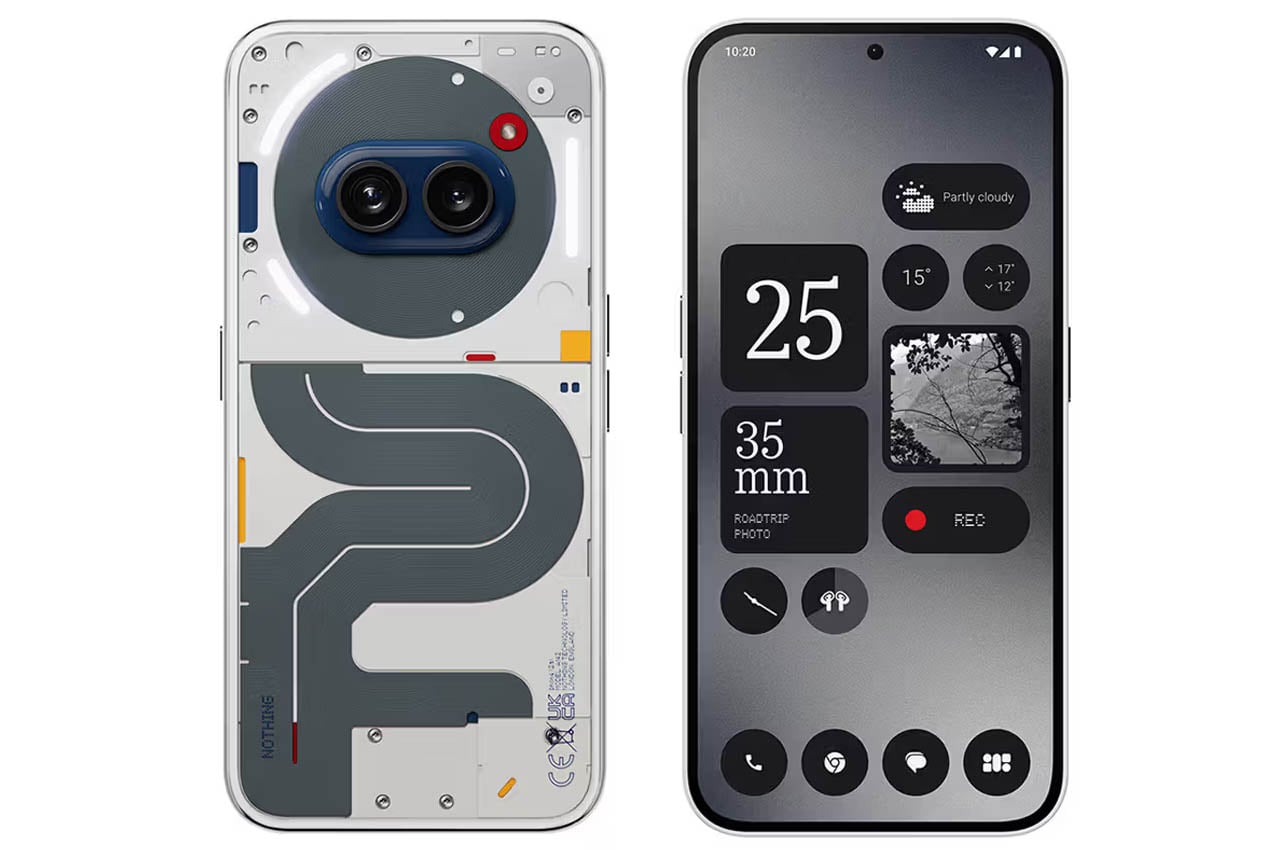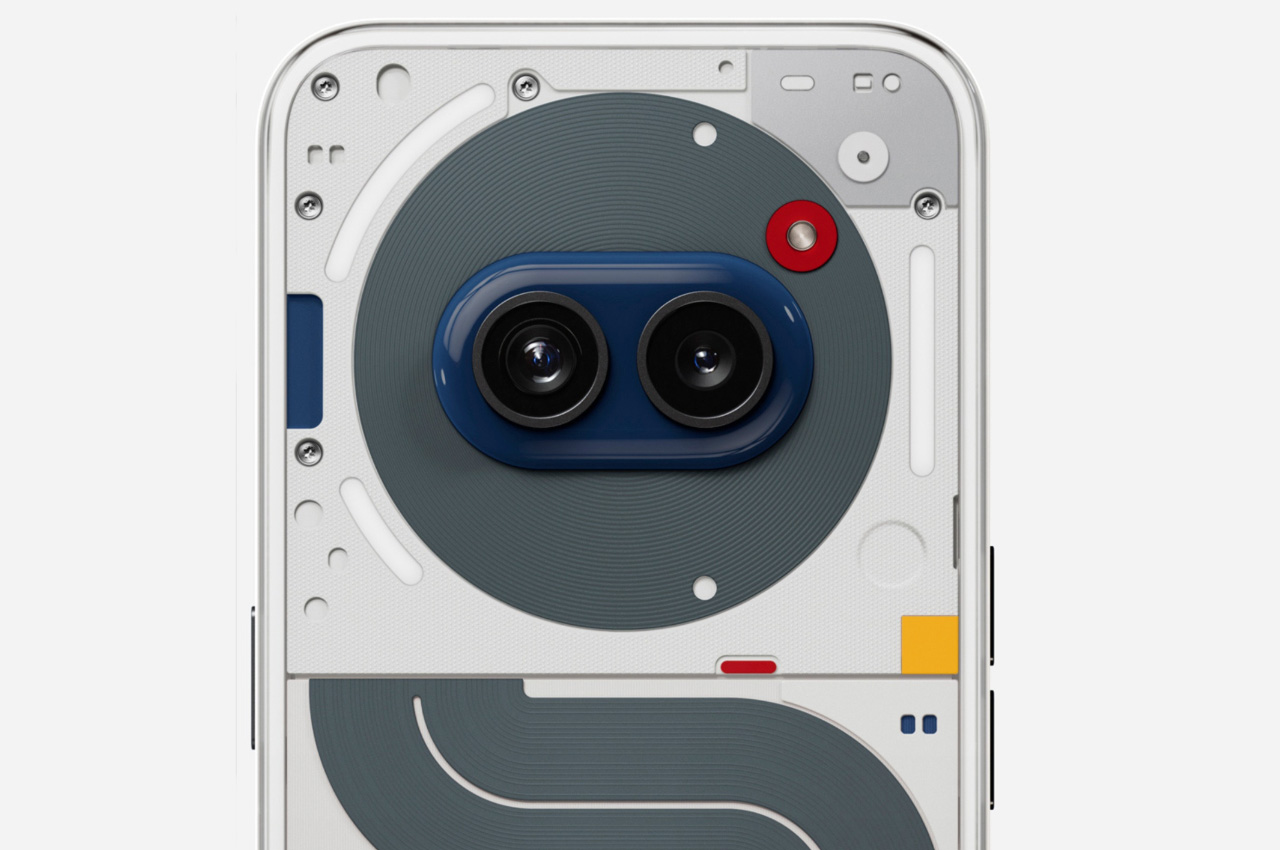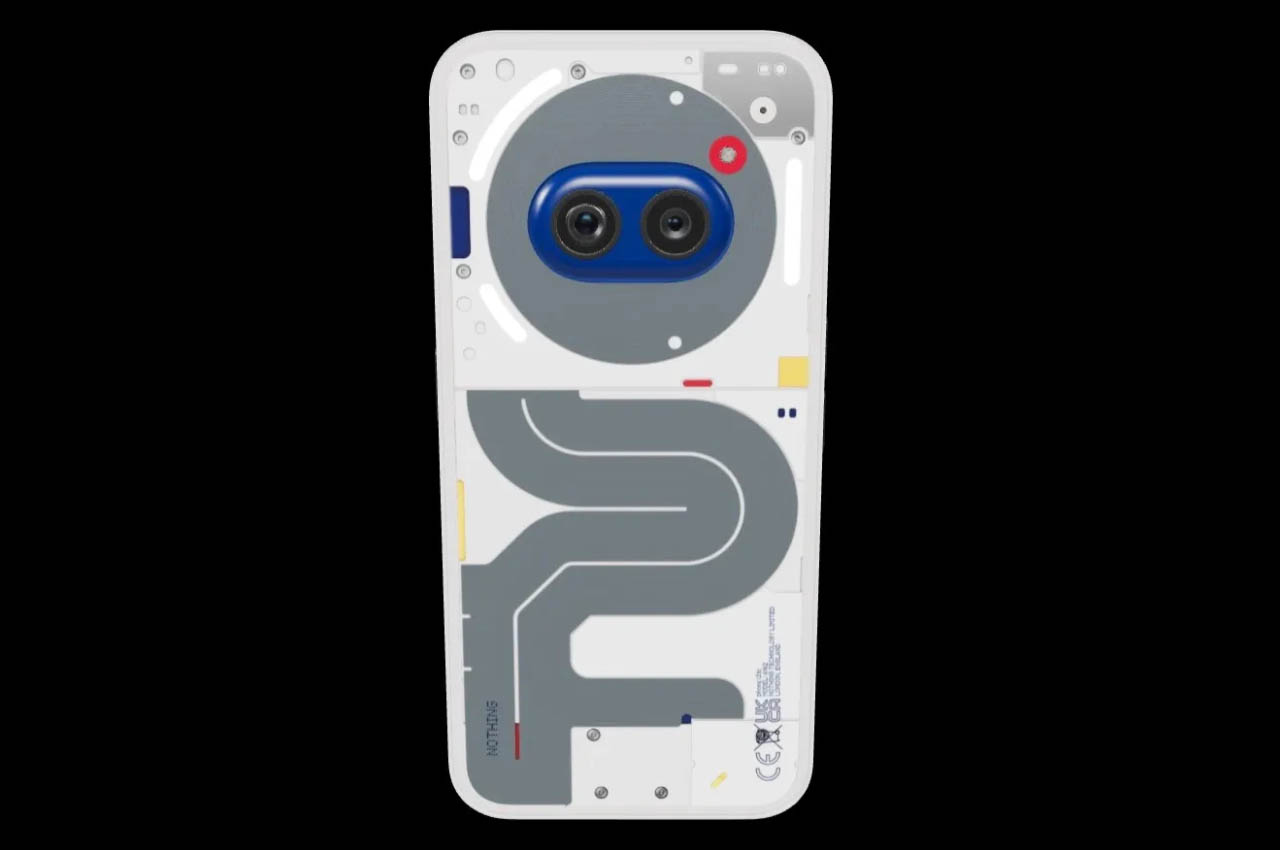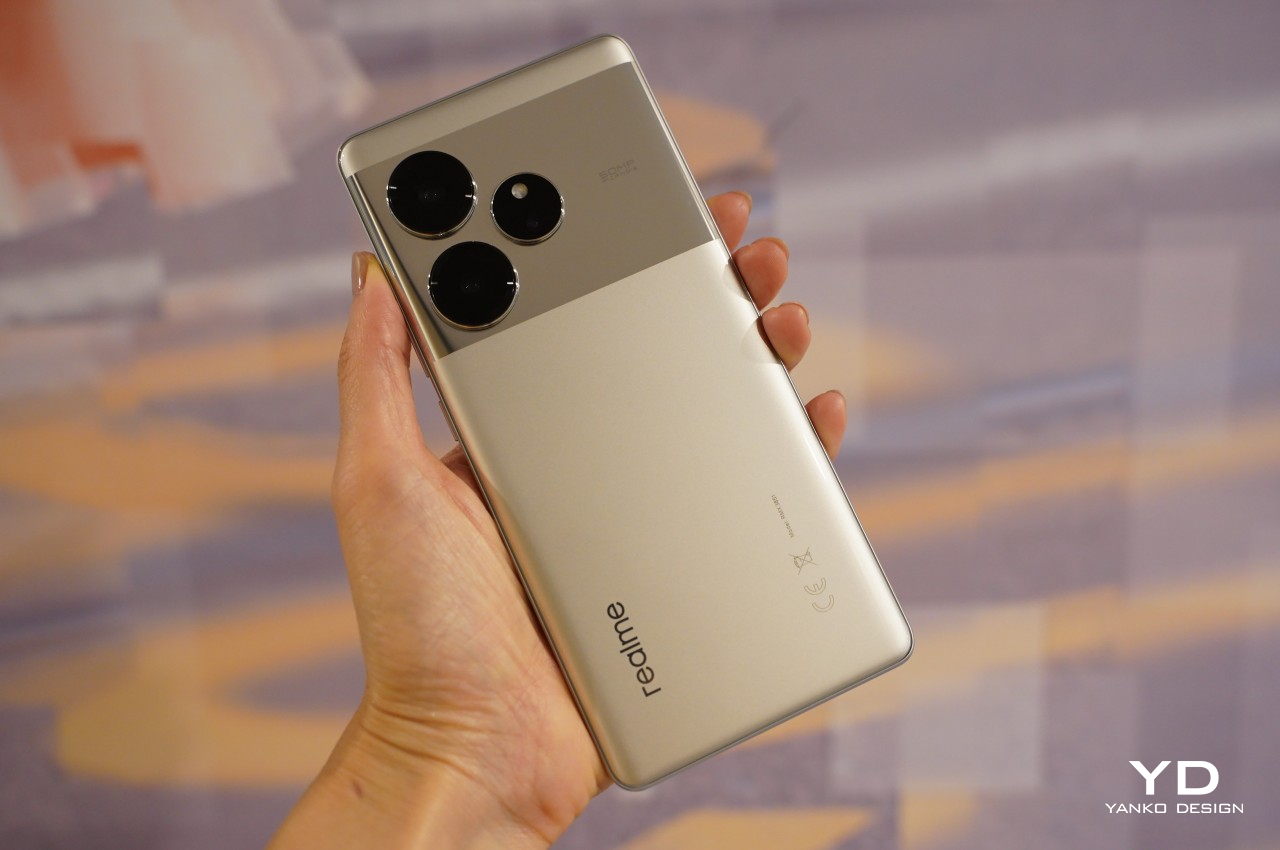
The Rabbit R2 Smartphone seems like the logical next step for the AI hardware company’s future

Smartphones aren’t dead, they’ve just stagnated. Over the years, companies have tried hard to develop ‘the next thing’, experimenting with folding phones, AI wearable pins, and even AR/VR headsets… but here’s what nobody’s realized yet. There’s nothing wrong with the smartphone’s format. It’s just lacking the next big technological leap. And that leap doesn’t mean redesigning the smartphone, it just means making it, well, smarter. After all, Spike Jonze’s film Her shows exactly this – a smartphone with a sentient AI that works flawlessly at interacting and executing tasks.

Rabbit’s first-gen R1 device was arguably the most discussed piece of tech at CES 2024. a surprising feat for a product from an absolutely brand-new company. Every blog, YouTuber, and tech writer seemed to be excited not just by the product’s pitch, but also its design and even its capabilities. Moreover, with its ultra-affordable price tag, the R1 felt like an absolute no-brainer… the only problem was the fact that it was yet another device you needed to carry with you.

Designer: Shreyansh Onial

Make no mistake, the R1 was still a brilliantly designed piece of gear. Crafted by the fine folks at Teenage Engineering, it was a work of art with how adorable, vibrant, tactile, and unmistakably iconic it looked and felt. However, its form factor brought about a few limitations that led a few tech experts to ask the question – why was the R1 an independent device? The answer was simple – making an R1 app wouldn’t be as impactful as designing a dedicated device to handle all your tasks. The trick worked, with the R1 selling out not once, but twice in just the week after CES. However, we aren’t here to talk about the R1… we’re here to ask another important question – what’s the logical next-step?

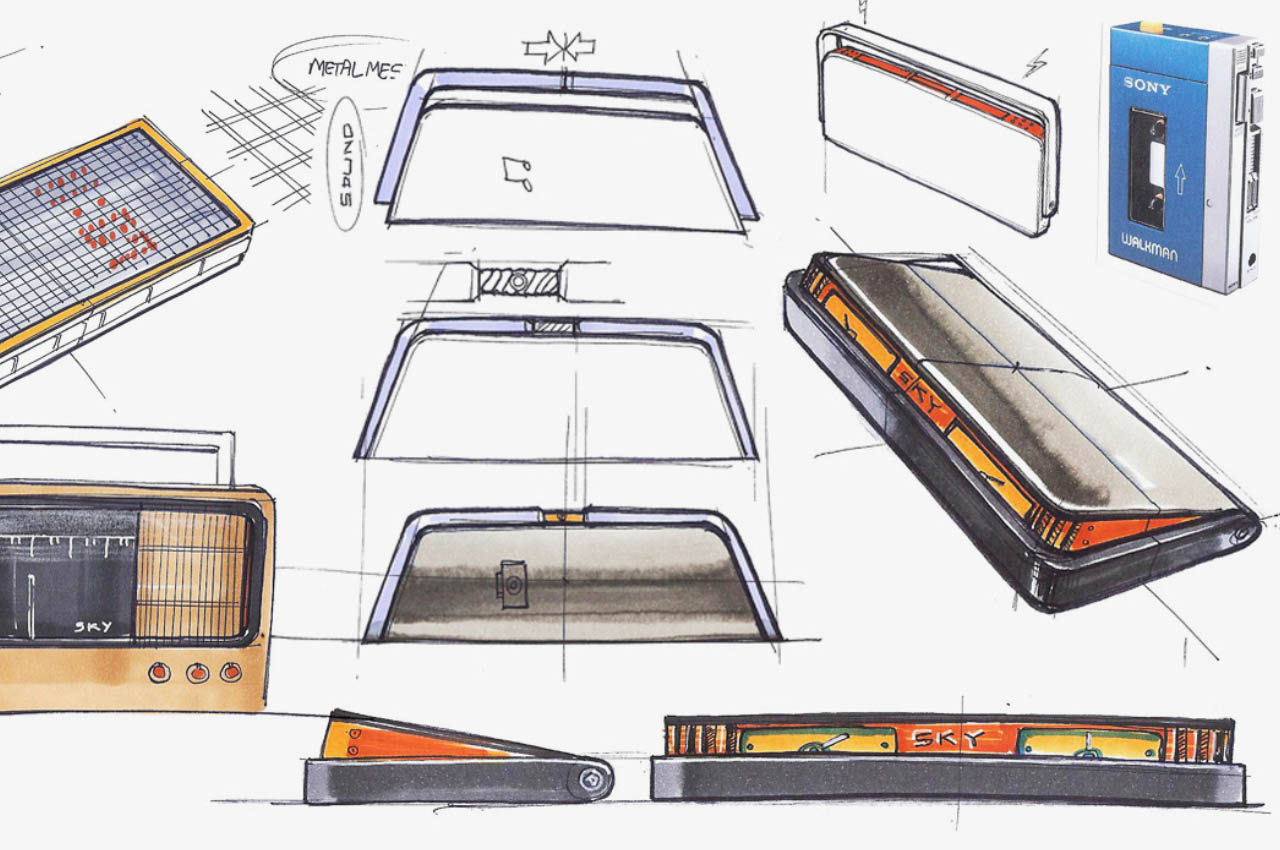
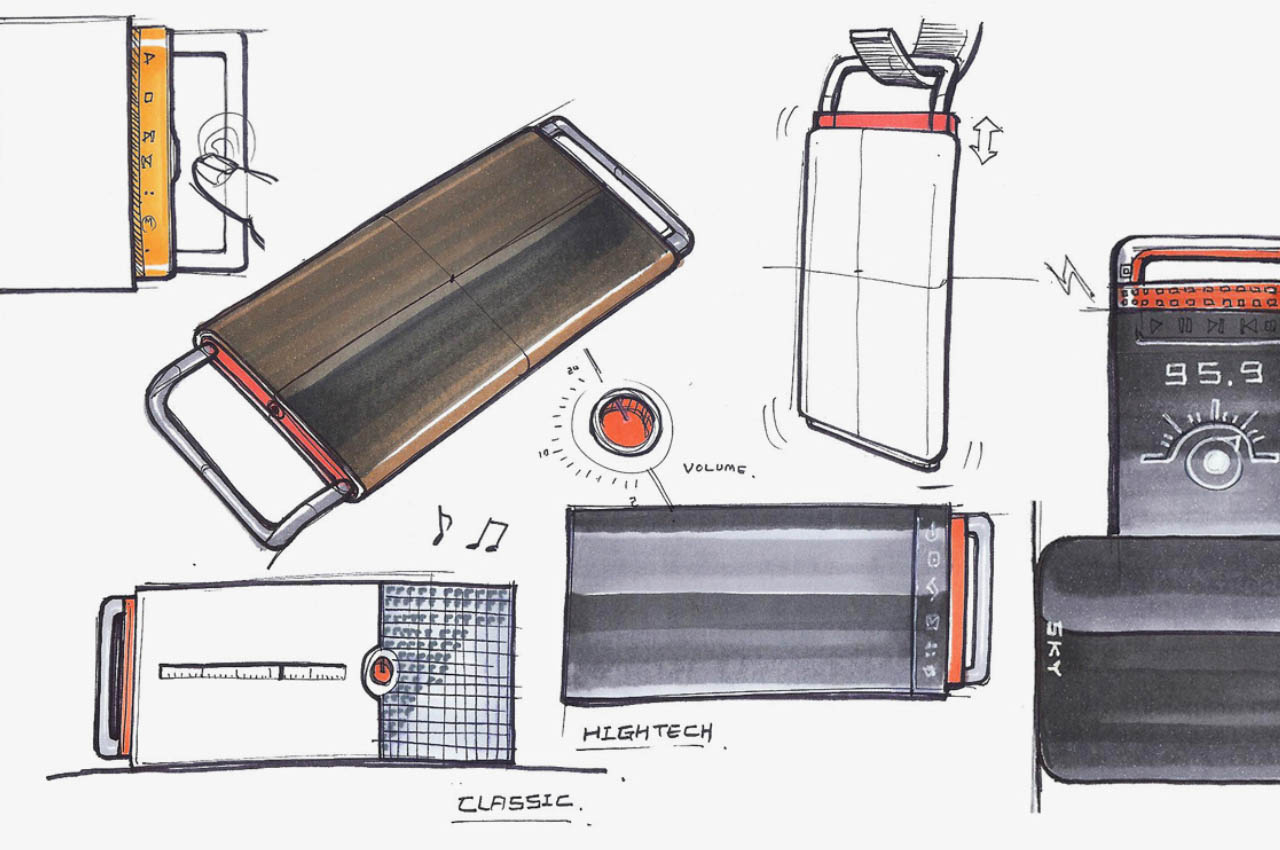
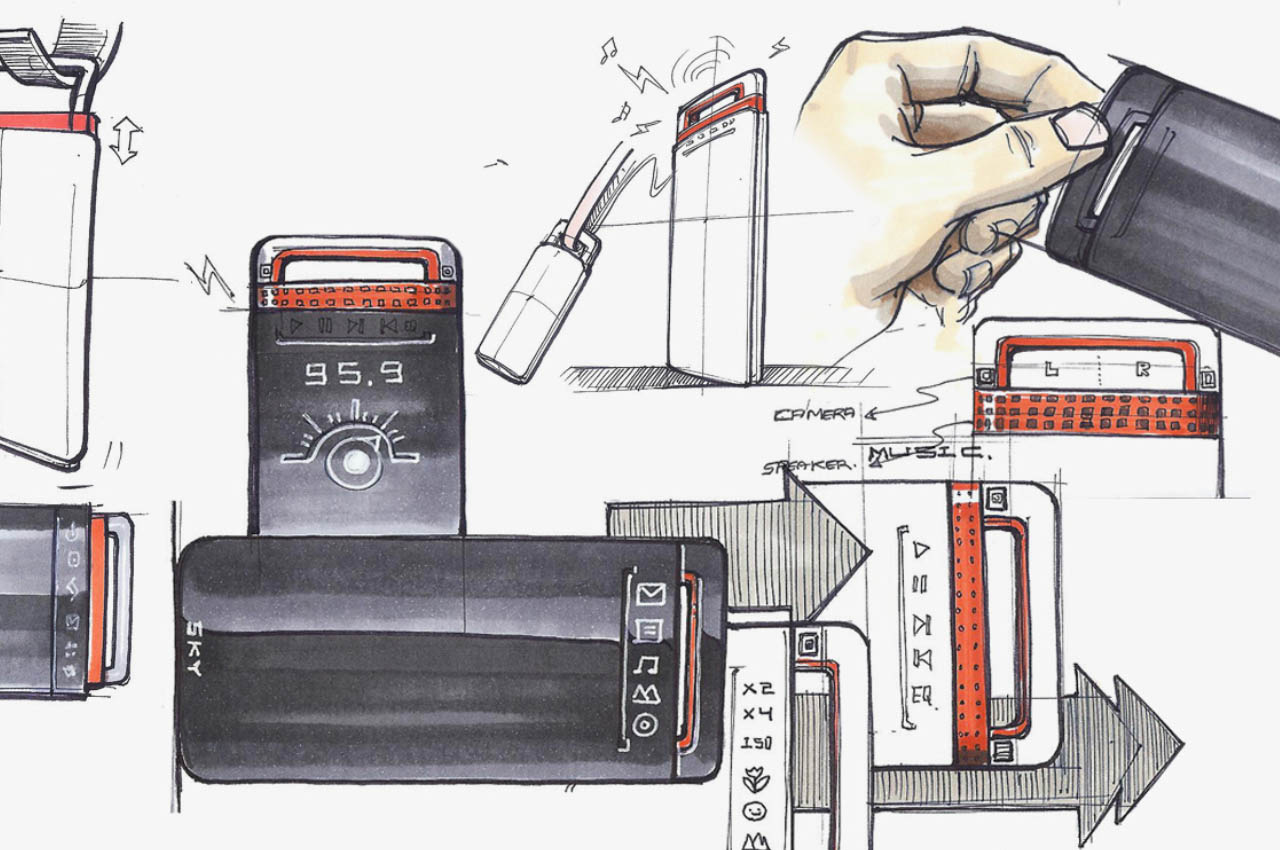
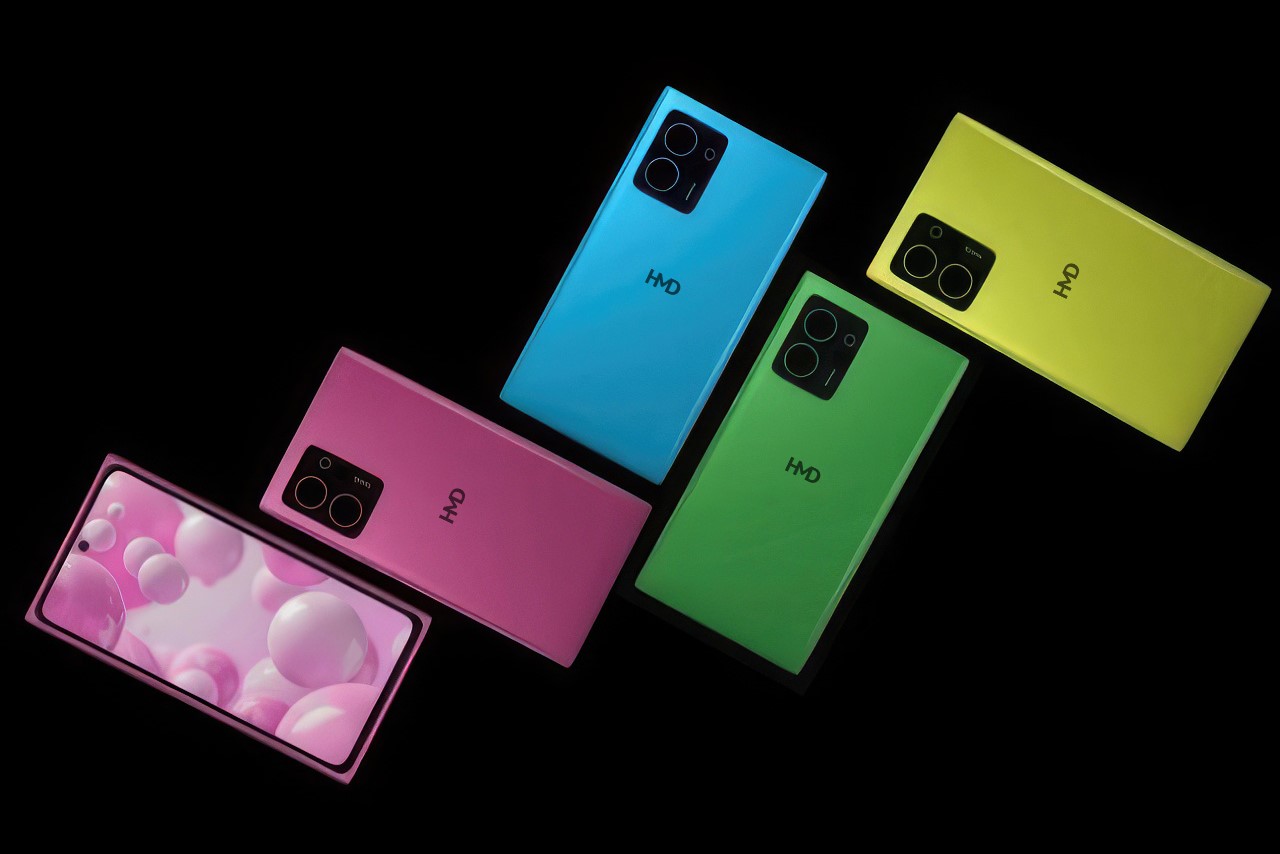
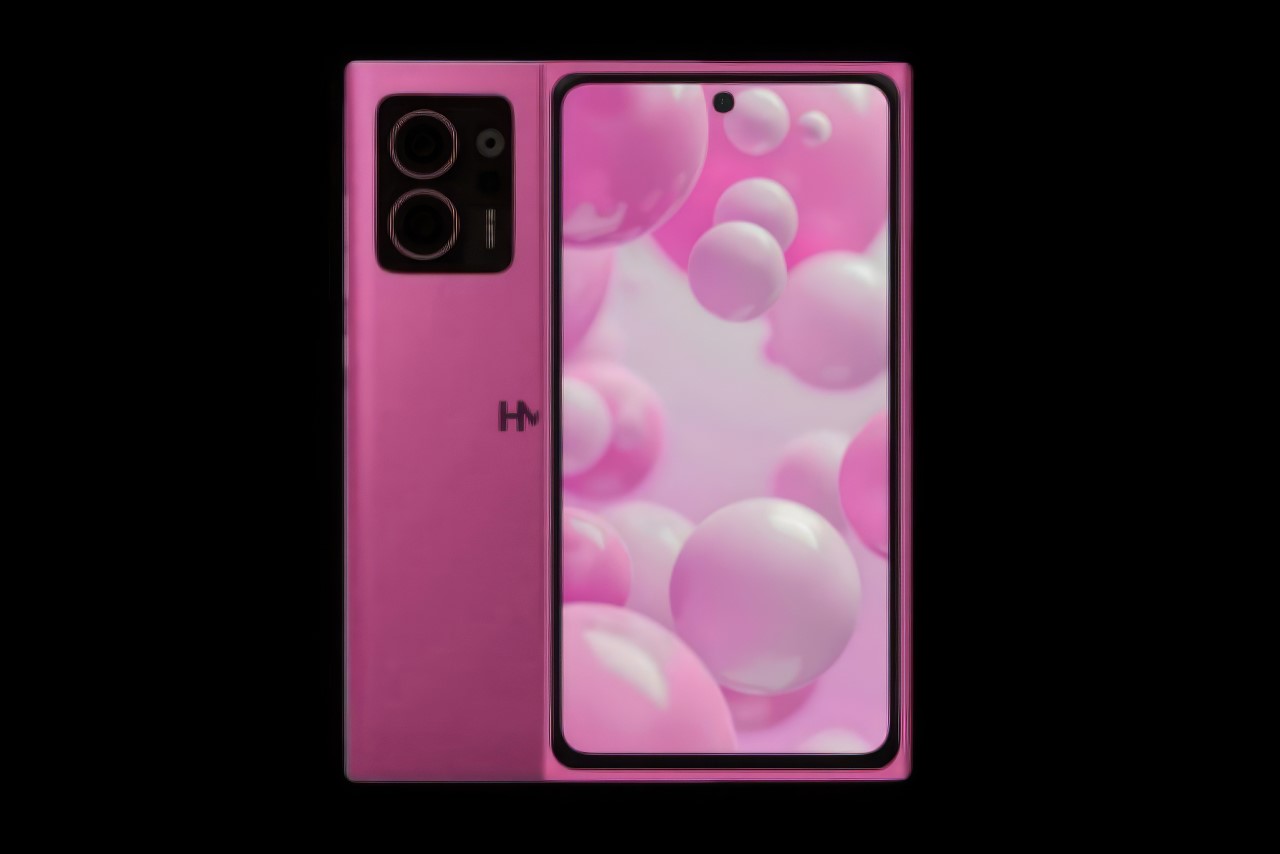
Young designer Shreyansh Onial seems to have just the right answer – a smartphone. Aptly named the Rabbit R2, this concept phone outlines the most sensible future for the Rabbit brand, and for smartphones themselves. Phones for too long have remained dumb devices that can only respond to limited queries like “What’s the temperature?” or “How old is Leonardo Di Caprio’s new girlfriend”, but with the R2 these limits simply get shattered. In 2007, Steve Jobs unveiled the app store, which brought about the biggest change phones had ever seen. With the R2, Rabbit brings that moment back to phones again, offering not apps, but a form of AGI (Artificial General Intelligence).

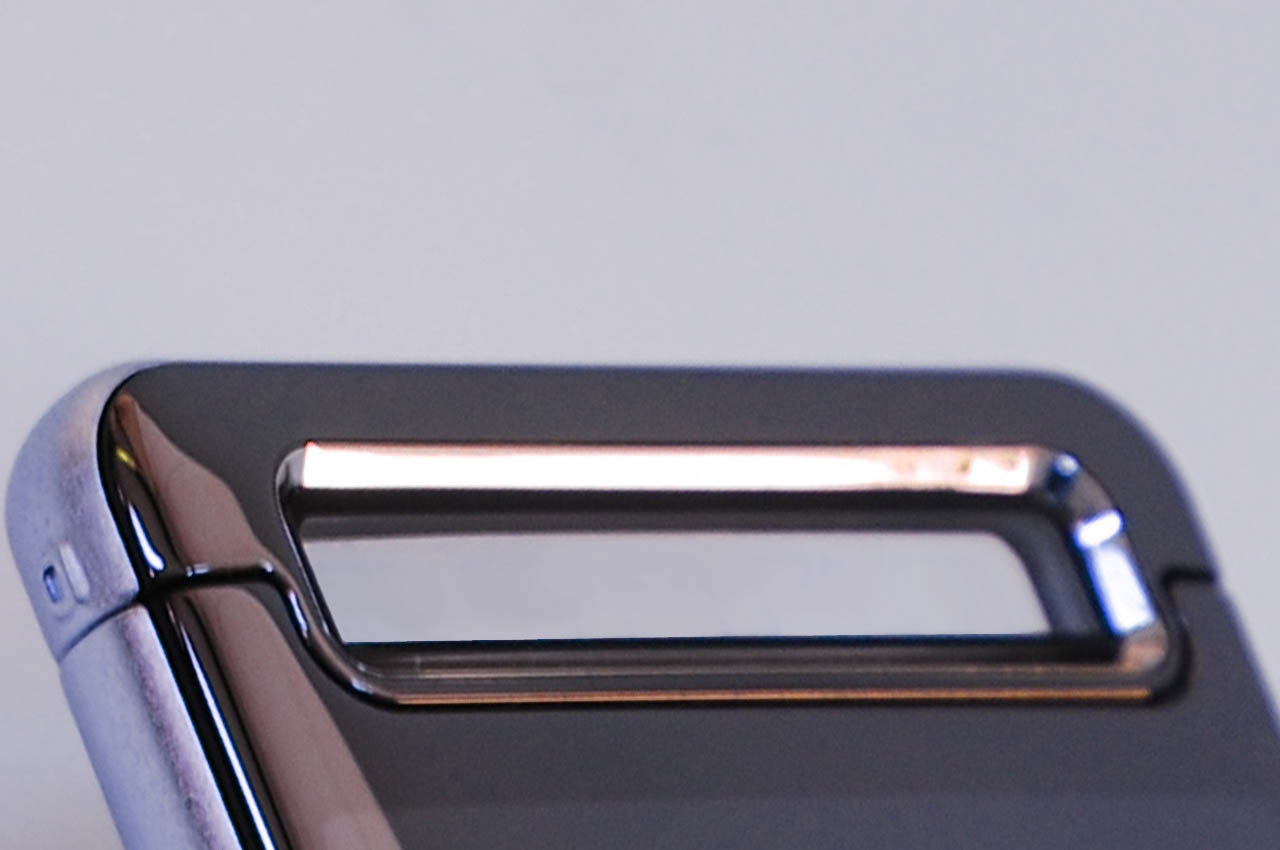
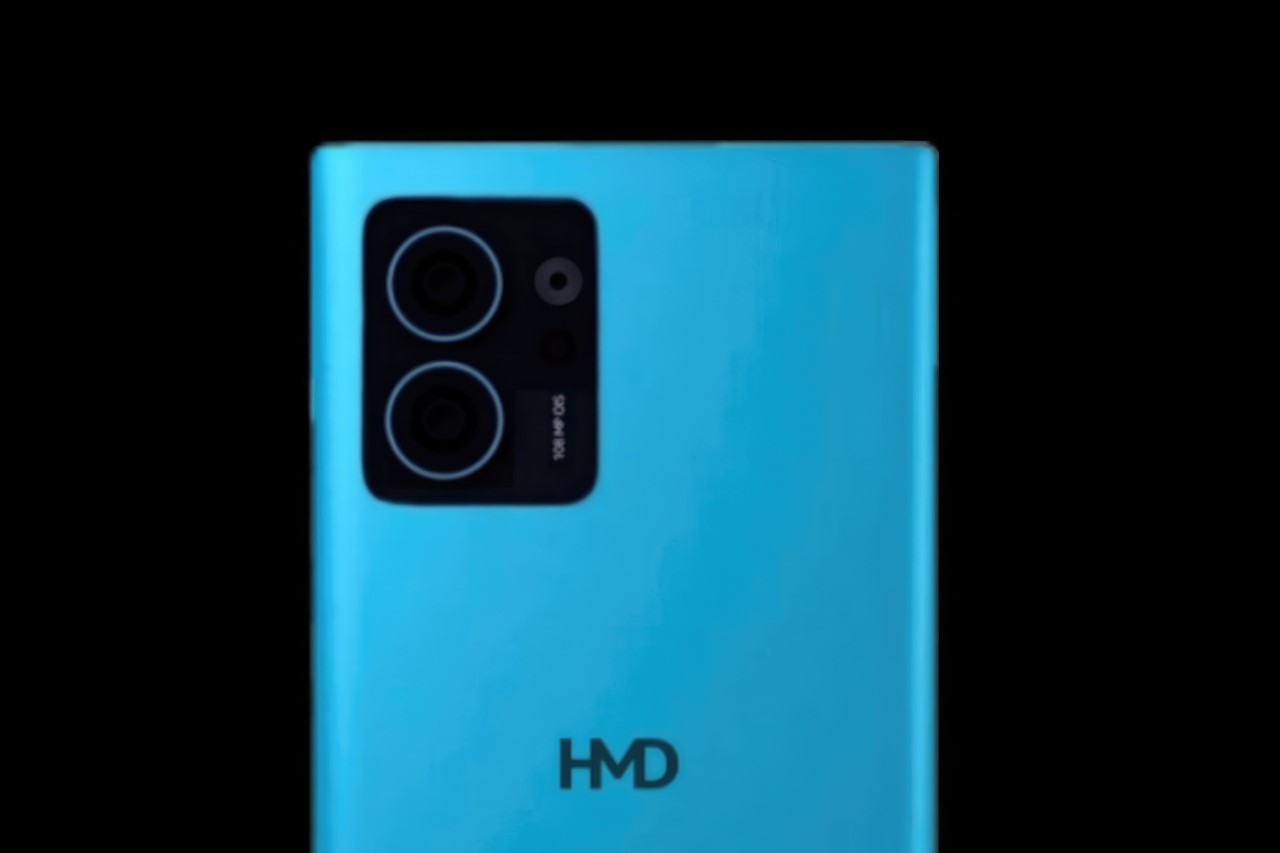
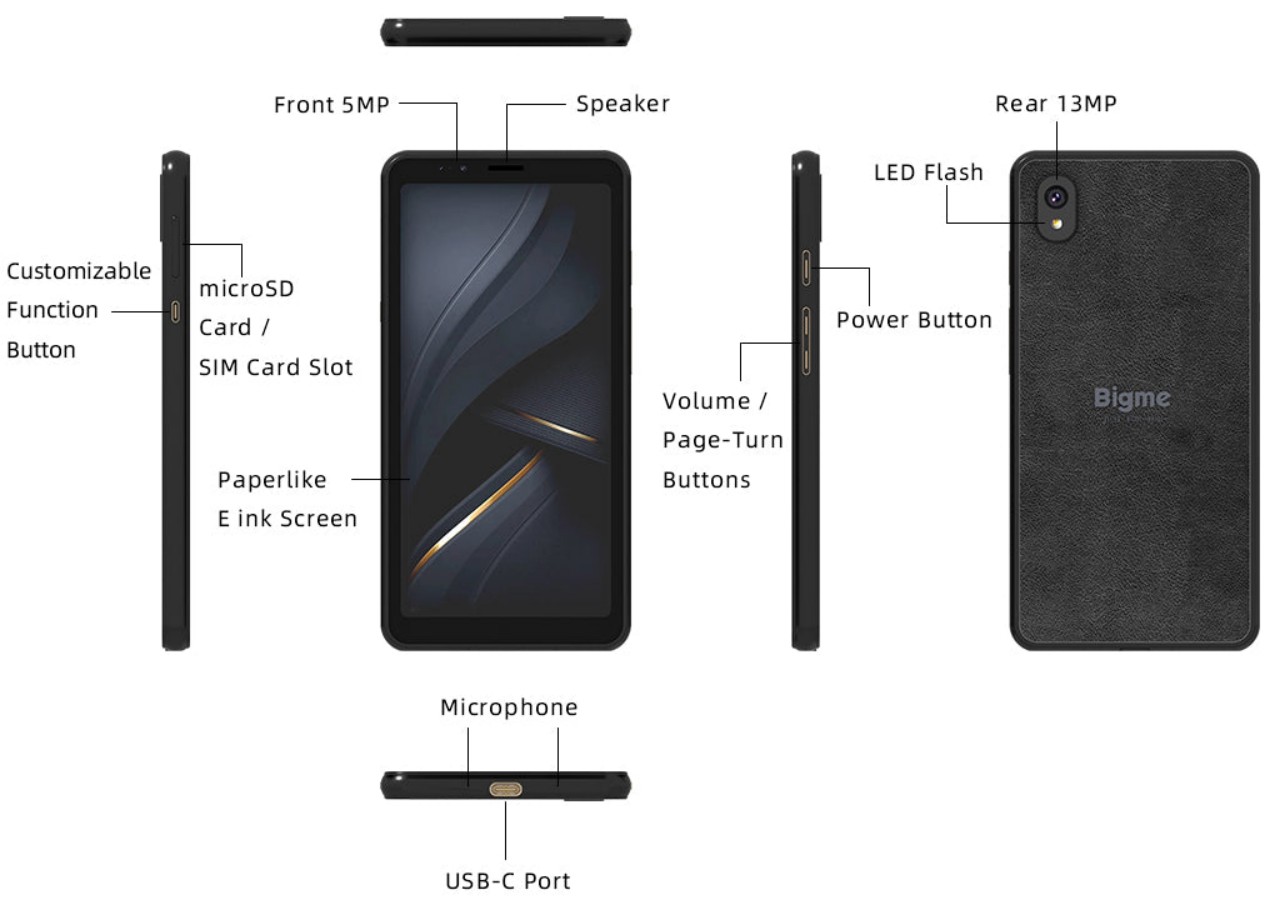
The Rabbit R2 looks like a smartphone, but underneath the surface, it’s so much more. It’s your own virtual assistant that does everything you need it to… while still offering the benefits of a smartphone. It comes with a screen, a camera, a USB-C port, and basic hardware, but also runs the ultra-powerful AI that made the Rabbit R1 so compelling just a few weeks ago.

Now, instead of carrying the R1 along with your phone, the R2 BECOMES your phone. Sure, it outwardly seems like quite a herculean task… but from Shreyansh’s POV (and mine too), a smartphone seems like the next logical step for Rabbit. Not an app, not a headset, not a watch, but a smartphone that offers the best of existing phone tech, alongside the most advanced assistant you’ve ever seen; capable of handling complex tasks simply through verbal cues and intuition. Of course, we’d have to find a new term for the R2 because the term smartphone has already been used to describe existing tech for the past 15 years. I’ll leave that creative endeavor to you…

The post The Rabbit R2 Smartphone seems like the logical next step for the AI hardware company’s future first appeared on Yanko Design.
Galaxy S24 Ultra by Caviar is a luxurious way to mark the Year of the Dragon

Smartphones are quite expensive these days, especially the fully-featured, high-end premium models, but that might still be enough for a few “well-funded” people. Limited Editions are not uncommon in this industry, but nothing says “limited edition” more than an extremely limited number of devices being made with extremely extravagant materials and designs. Luxury brand Caviar has for years been making these kinds of exquisite variations of already pricey smartphones, and Samsung’s latest flagship is unsurprisingly getting the same treatment. With the launch of the Galaxy S24 series so close to the Chinese New Year, the marque took the opportunity to welcome the Year of the Dragon with a special edition that’s laden not just with gold and jewels but with references to the union of East and West that Samsung’s smartphones embody.

Designer: Samsung x Caviar

Just one look at this Caviar interpretation of the Galaxy S24 Ultra and you can already tell it’s far from being ordinary. That golden Korean dragon is no mere painting or sticker but is a highly-detailed bas-relief covered with 24-karat gold. That dragon is seen descending from the top of the phone, in other words, the heavens, and wraps around the analog watch that is at the center of this design.

Yes, there is an honest-to-goodness mechanical watch on this phone’s back, one that boasts a CVR ELT3350A Tourbillon with a manual winding mechanism and 19 stones. This element does add quite a bit of thickness to the phone’s otherwise slim profile, but its novelty and beauty could very well be worth that price. Curiously, the watch is encircled by the 12 signs of the “Western” Zodiac, not the Chinese roster you would expect from a phone that commemorates the Chinese New Year. These symbols, made of enamel on PVD-coated titanium, represent that mix of European and Eastern culture that is representative of Samsung’s own business.

Every inch of this rather elaborate design was made with meticulous attention to detail and symbolism. The three diamonds in the corner not only mimic a constellation but is actually a homage to Samsung’s original logo, the “three stars” from which the company takes its name. The green color of the watch dial might seem like an odd mix to the prevalent gold and black motif, but it symbolizes rebirth and prosperity, which also happens to be the color and theme of the Year of the Wood Dragon.

If the $15,070 price tag isn’t enough to mark this design as something only the elite can afford, the fact that there will only be 24 such devices made will definitely cement that image. The chances of meeting another VIP holding the same phone would be as low as meeting a mythical Korean dragon, but the prestige of owning a rare and enchanting piece of craftsmanship is all that matters to those who will be scrambling to fall in that very short queue.

The post Galaxy S24 Ultra by Caviar is a luxurious way to mark the Year of the Dragon first appeared on Yanko Design.
The Minimal Phone mixes BlackBerry and E Ink to minimize your phone use

As useful as our powerful smartphones might be, they have also become the bane of modern society. Not only are they the source of most of the distractions that bombard our consciousness day in and day out, they also developed this rather odd scenario of paying more attention to a social circle of virtual strangers than to the people physically present around us. It’s practically too late to go cold turkey and turn our backs on smartphones, regardless of whether we actively use social media or not, which is why there have been attempts to distill the experience down to the essentials, both in software as well as in design. The latest attempt at a minimalist phone, literally called The Minimal Phone, puts a rather interesting twist to that idea by marrying the gentle and almost laid-back nature of an E Ink screen with a QWERTY keyboard that’s long been associated with productivity and busyness.

Designer: Andre Youkhan (The Minimal Company)

You’d be forgiven if you looked at this design and presumed it was a variant of the BlackBerry Passport or a shrunken-down old Kindle with a Keyboard (yes, those existed at one point in time) because that is exactly how this device would look like to those who have seen enough of tech history to know these devices. It’s a hardware combination that has been done before, albeit now in a smaller and more modern style, but the purpose is completely different. Rather than encouraging the use of the device, the design is, in fact, ironically meant to make you use the phone even less.

BlackBerry Passport

While E Ink is great for reading text for long periods of time without straining your eyes as much, their low pixel density, low refresh rate, and lack of vibrant colors would make them terrible for the most distracting uses of smartphones, namely social media, videos, and aimless web browsing. The relatively smaller size and square aspect ratio of the display, something familiar to BlackBerry users, is also less conducive to most online content that presumes a tall smartphone screen. The idea behind The Minimal Phone, then, is to still provide the common smartphone experiences but in an environment that would make you want to just get a reply out quickly or search for the correct information and then stop.

Kindle Keyboard

Strangely enough, The Minimal Phone almost does a U-turn by squeezing a QWERTY keyboard into the design, which would normally make typing and productivity easier. That said, typing on a slow E Ink screen can be an infuriating experience and would be contrary to the mindfulness that the phone wants to cultivate. A QWERTY keyboard offers a faster and more pleasant experience so that users can swiftly peck out a post and then put The Minimal Phone back in their pocket.

While the theory sounds reasonable, there is still a lot about the implementation that is unknown at this point, other than having a 4,000mAh battery that’s promised to last around 4 days. There will be a custom Android-based OS that will take advantage of the unique form factor and objectives of the design, but there’s no guarantee that Google Play will make its way to the unconventional device. A crowdfunding campaign set to launch next month will judge whether the concept will strike a chord with people tired of noisy smartphones or if it will be just another forgotten attempt at curbing our tendency to be distracted by every ping and buzz.

The post The Minimal Phone mixes BlackBerry and E Ink to minimize your phone use first appeared on Yanko Design.
OPPO Find X7 Ultra Review: Inching Closer to Photography Perfection

PROS:


  • Distinctive and stylish design with a nice touch of vegan leather

  • Impressive Quad Main Camera output

  • Bright and vibrant display

  • Excellent hardware performance across the board

CONS:


  • Available only in China

RATINGS:

AESTHETICS
ERGONOMICS
PERFORMANCE
SUSTAINABILITY / REPAIRABILITY
VALUE FOR MONEY

EDITOR'S QUOTE:

With four nearly co-equal cameras packaged in a gorgeous design, the OPPO Find X7 Ultra makes real the prophesied smartphone that could rival professional cameras.

Photography has become an important part of the smartphone experience to the point that it could be considered one of the most critical deciding factors in a purchase. Companies have been working left and right to provide an excellent experience, but no matter how good the output is, they still can’t compare with the flexibility of a dedicated camera, especially mirrorless and DSLR cameras. You can only cram so much inside the thin body of a smartphone without either compromising on quality or leaving a distasteful bump on the phone’s back. Technology, however, is starting to catch up with smaller but more powerful sensors and lenses that could really give cameras a run for their money. The OPPO Find X7 Ultra embodies that promise, so we give the smartphone and its cameras a good test to see if it’s worth that large disc on its back.

Designer: OPPO

Aesthetics

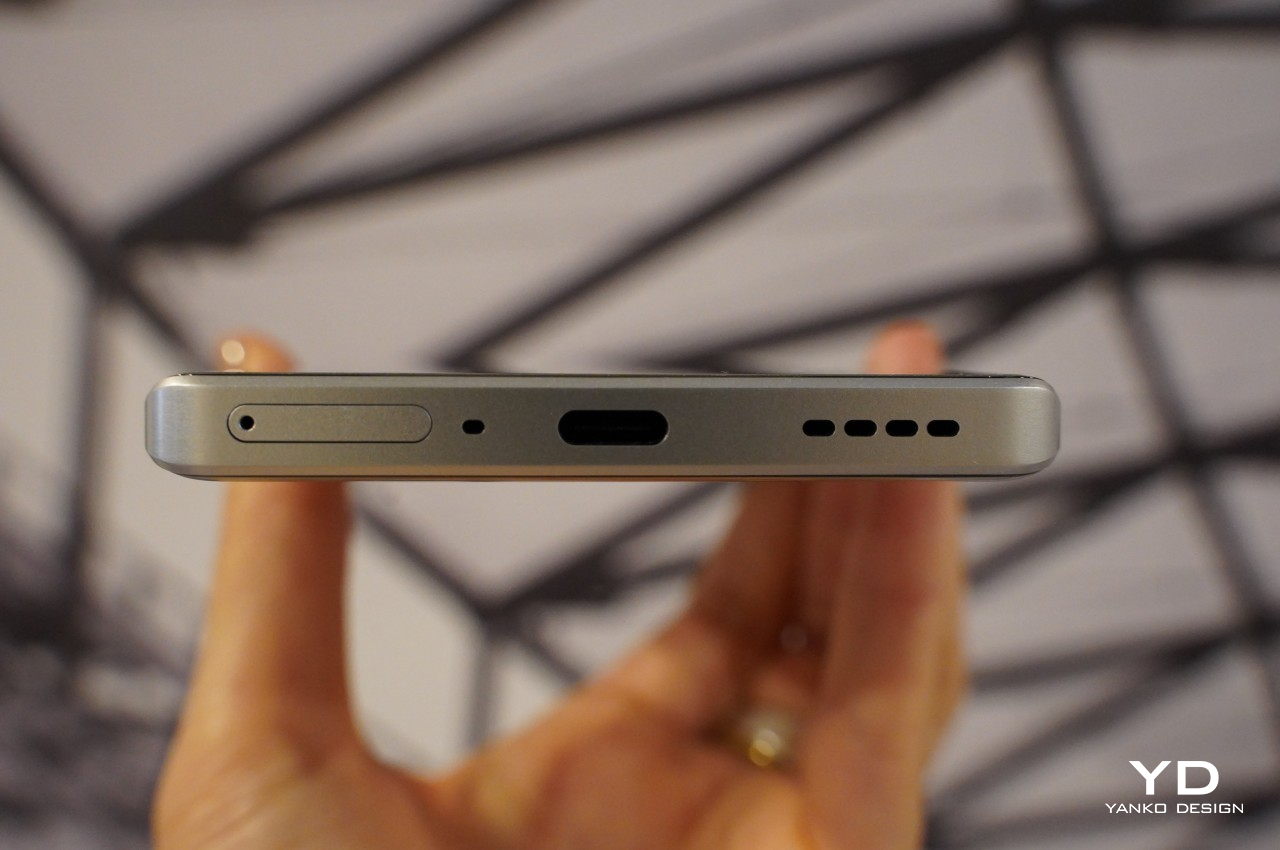
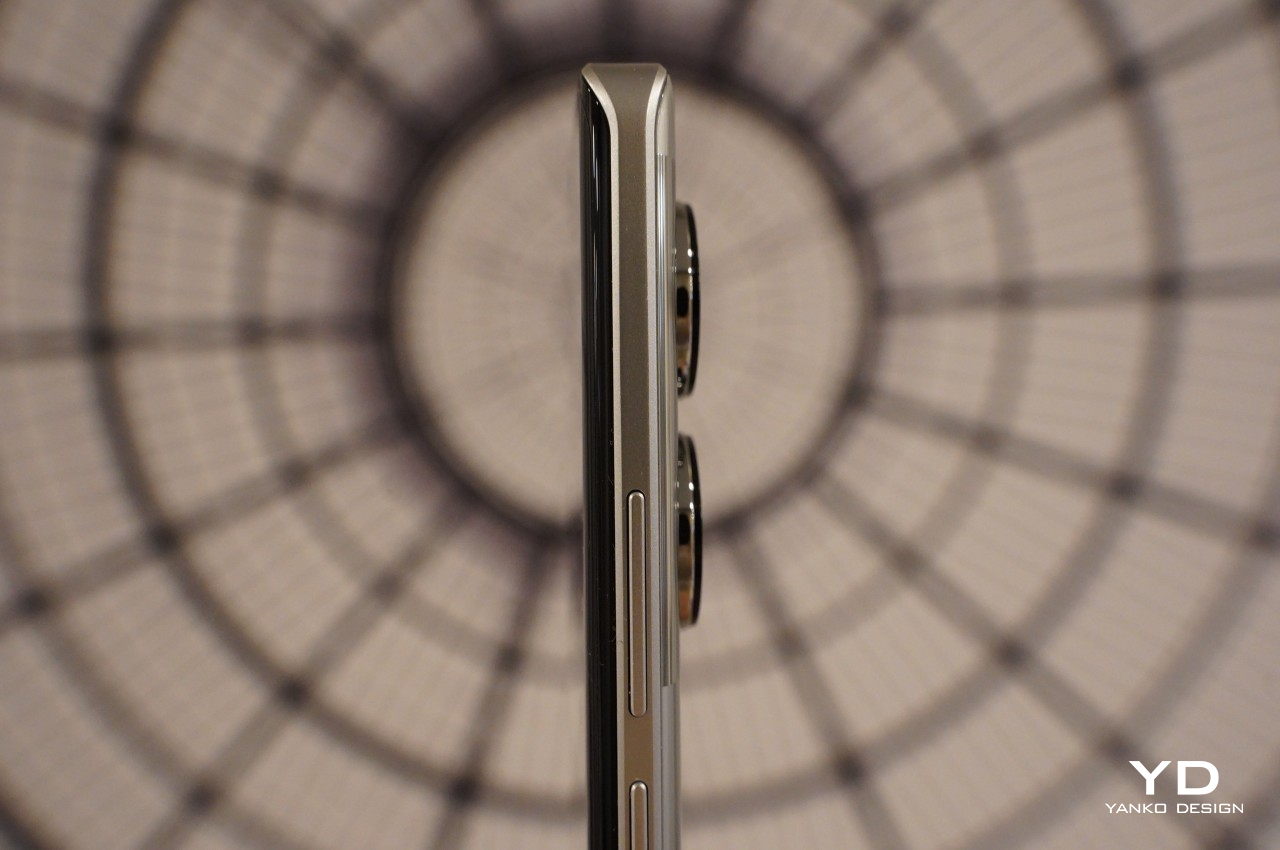
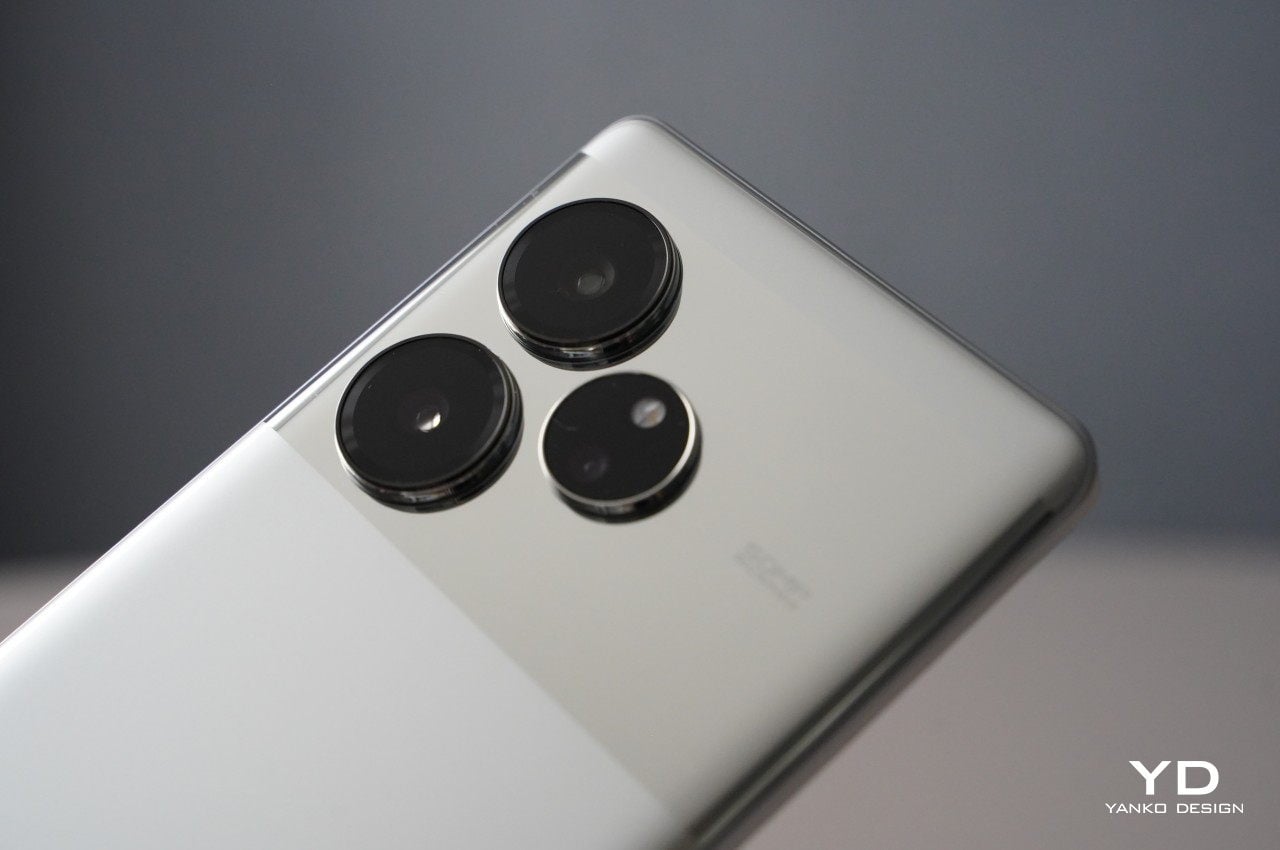
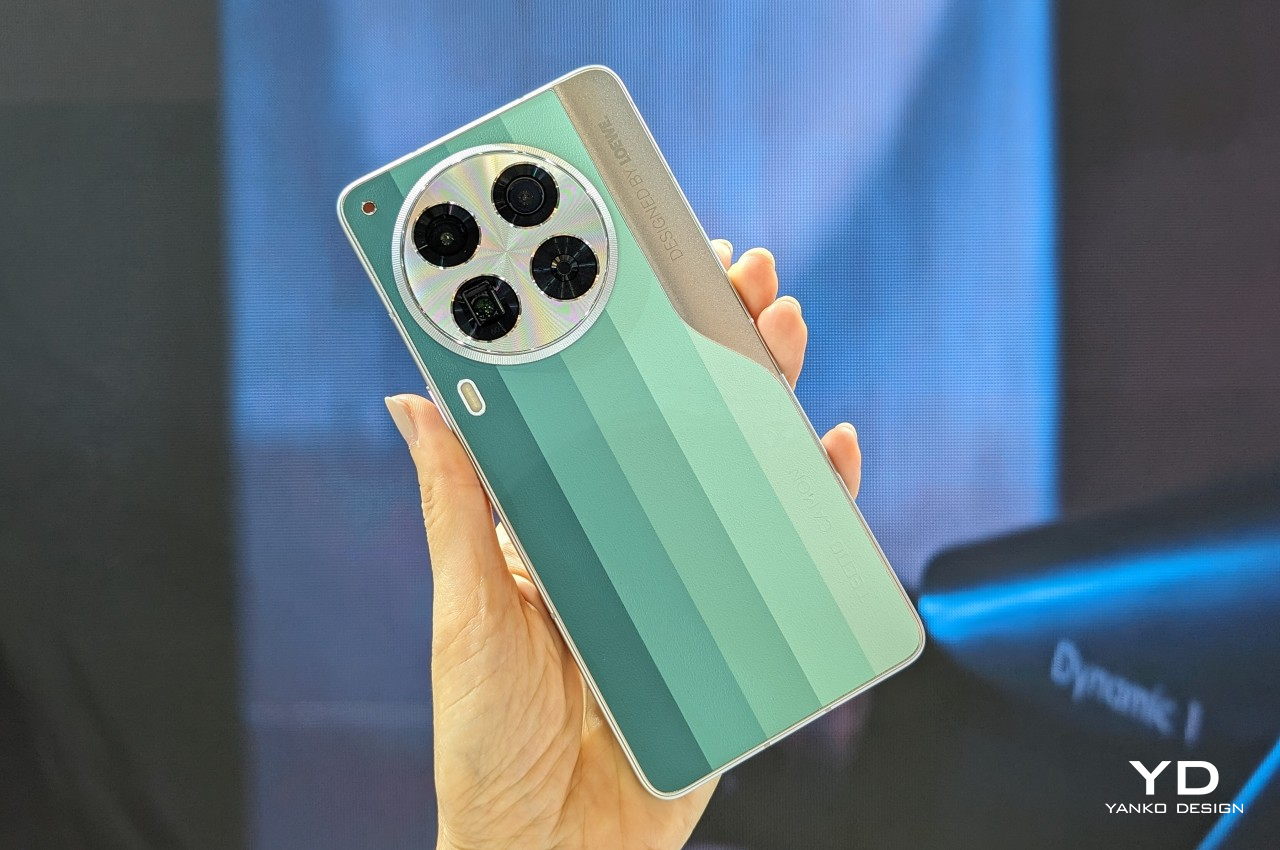
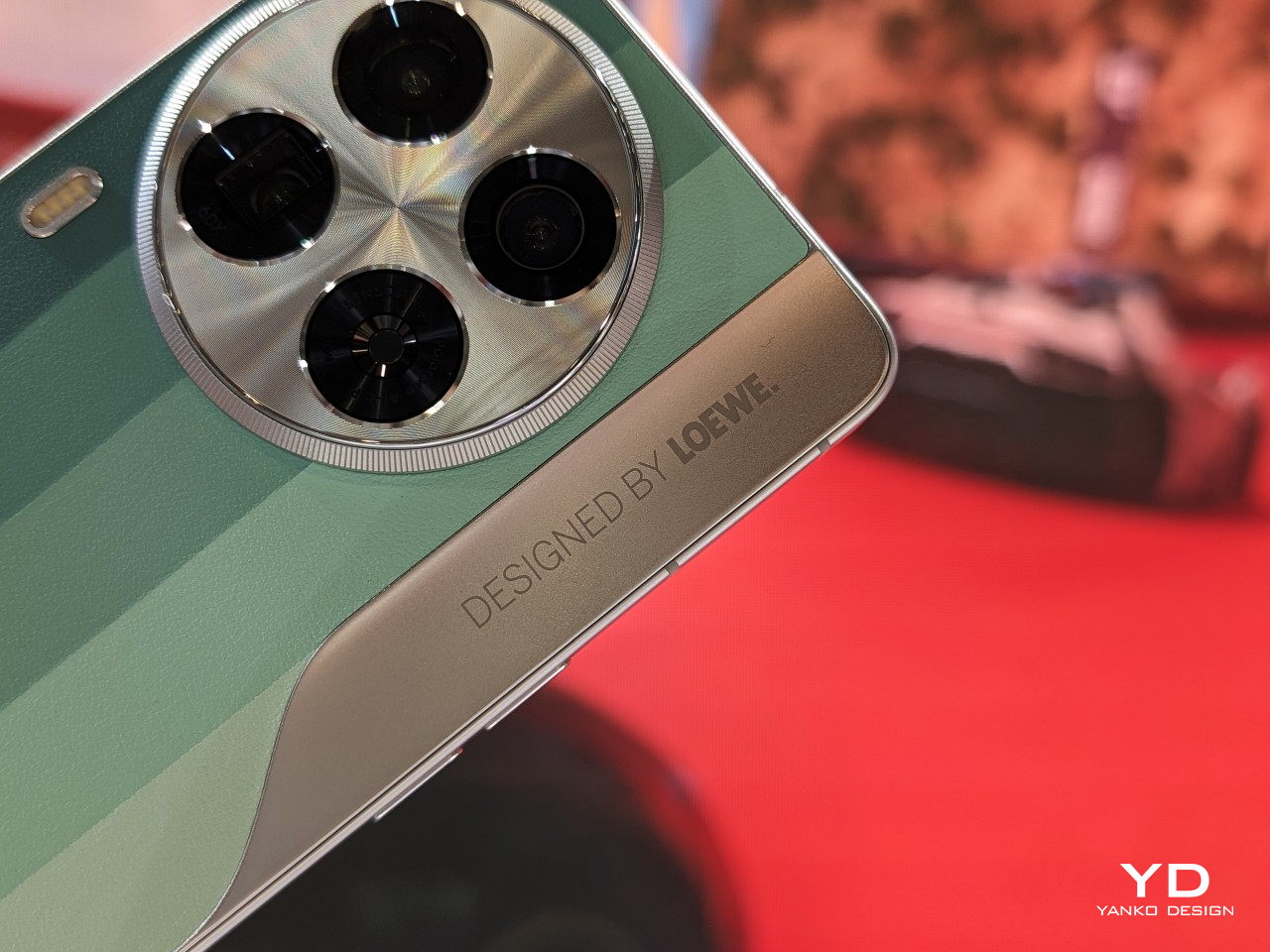
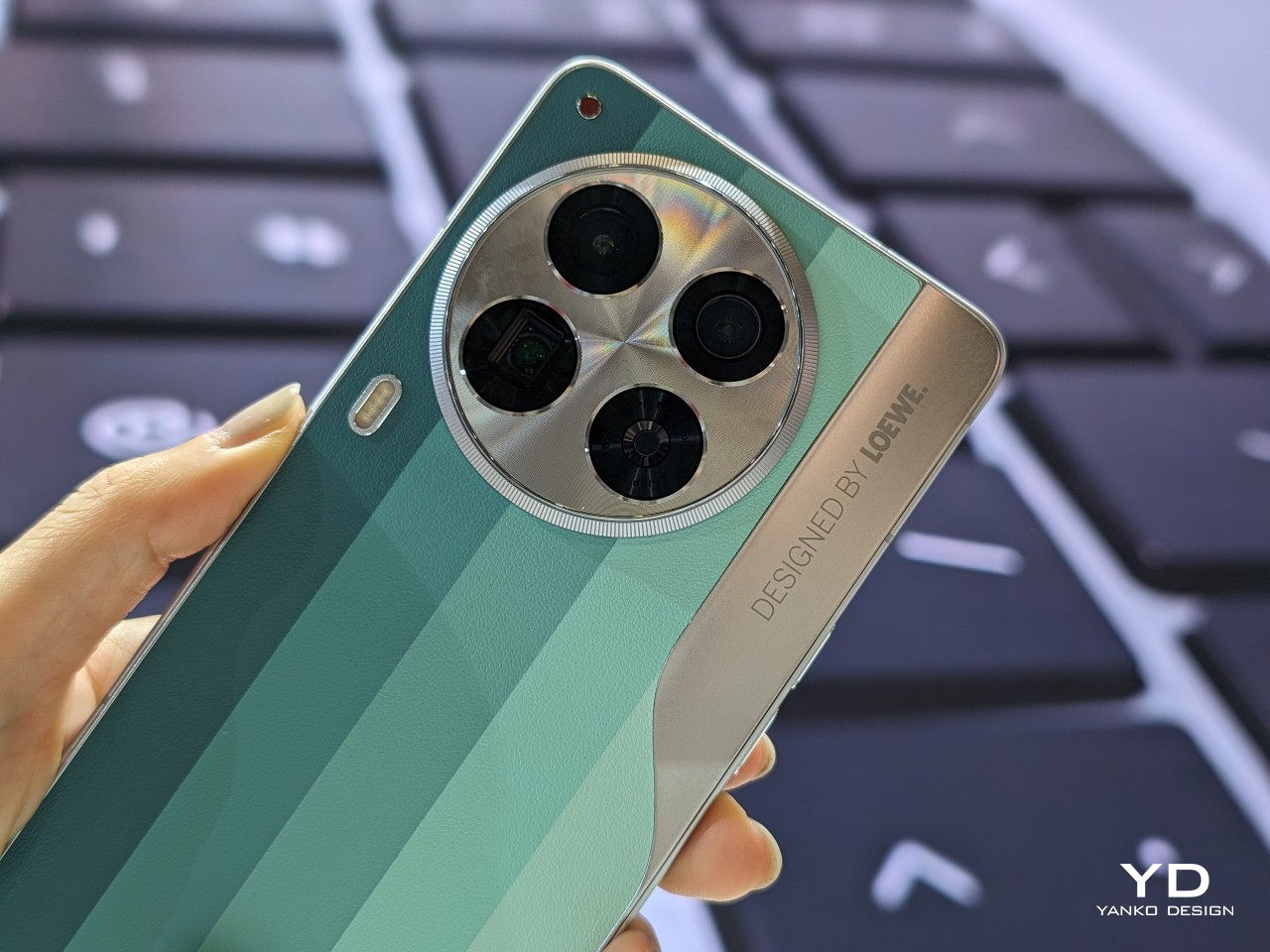
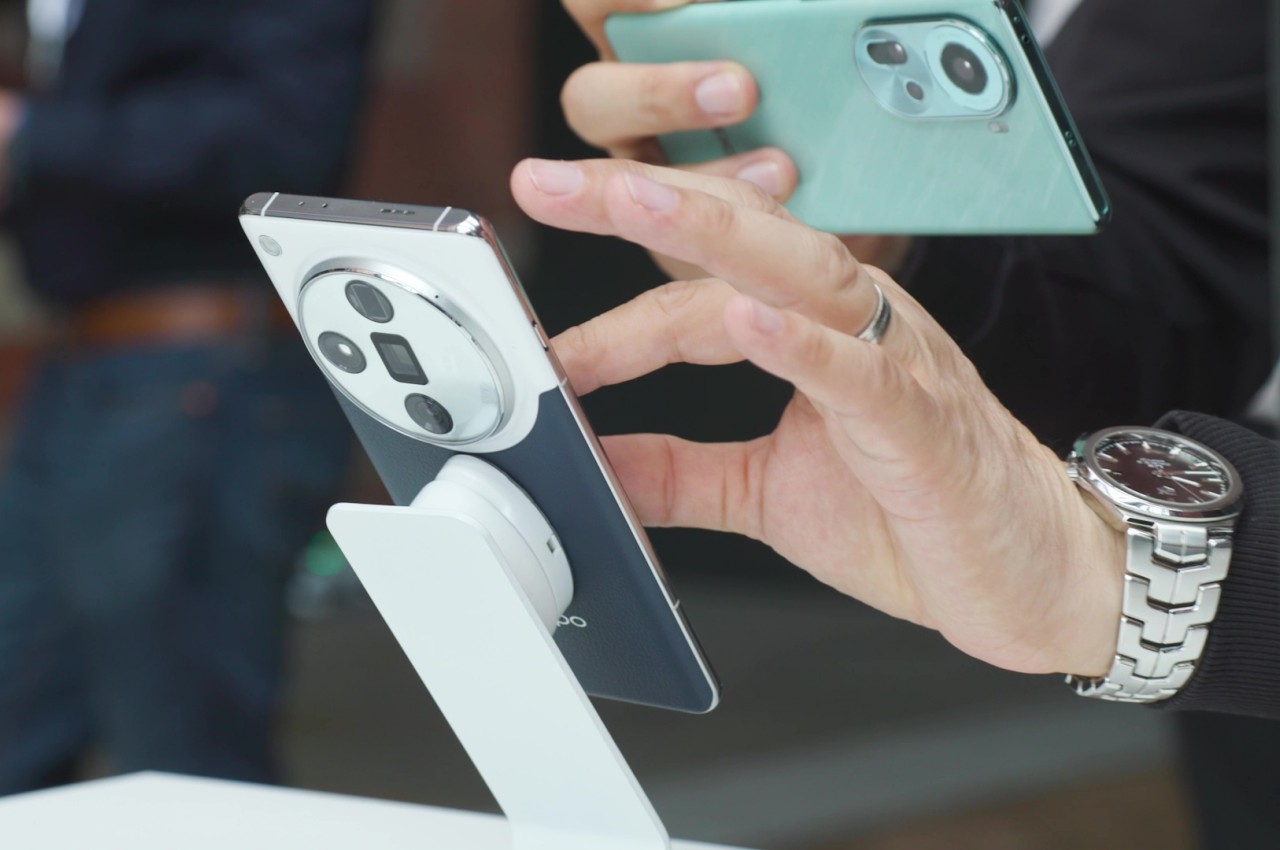
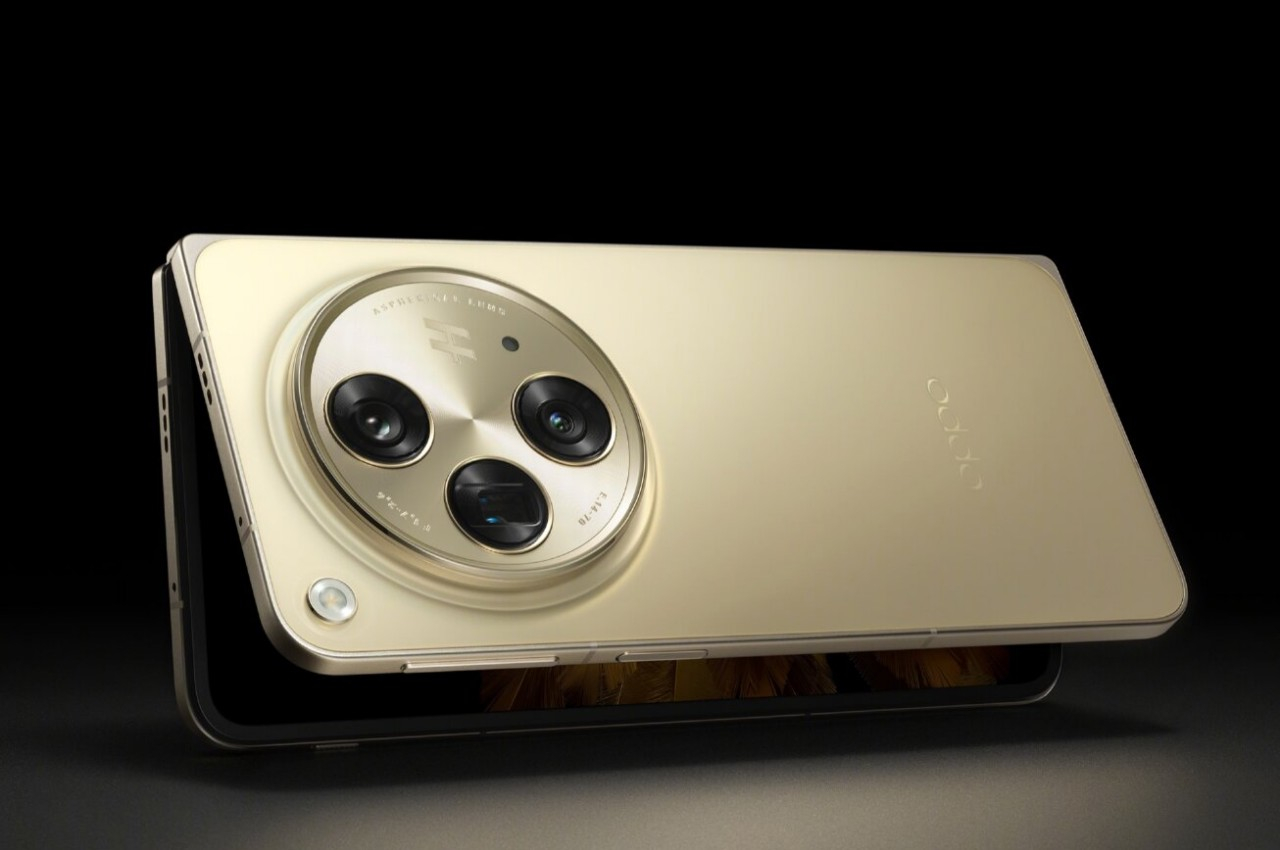
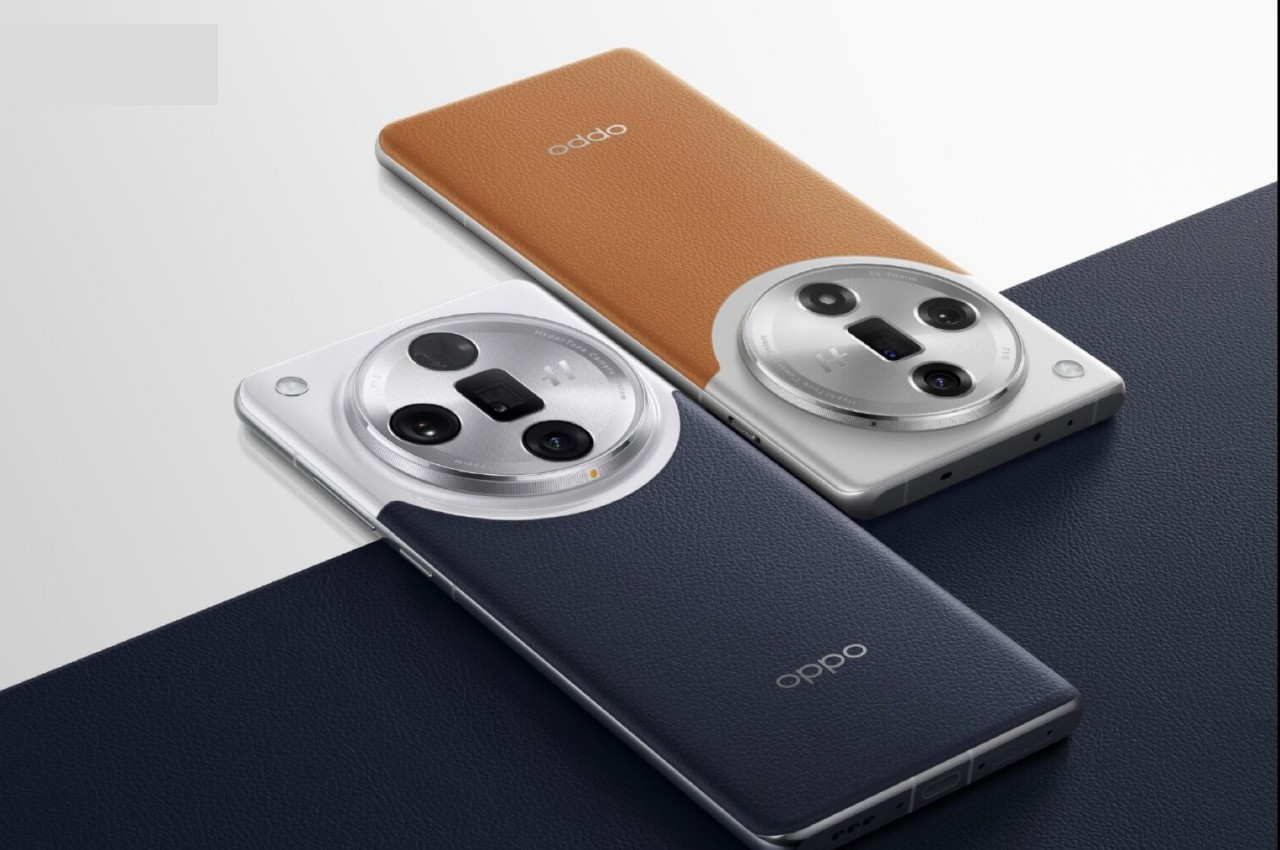
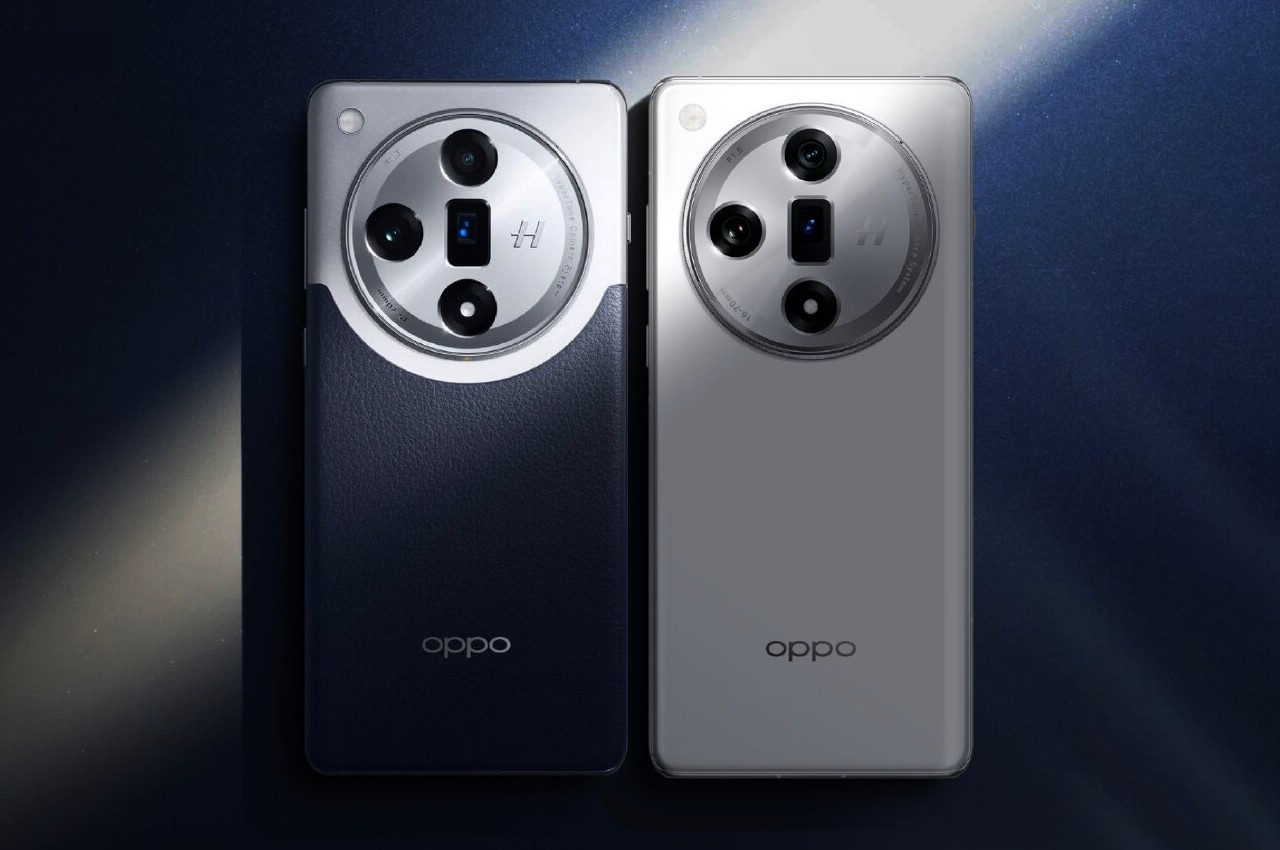
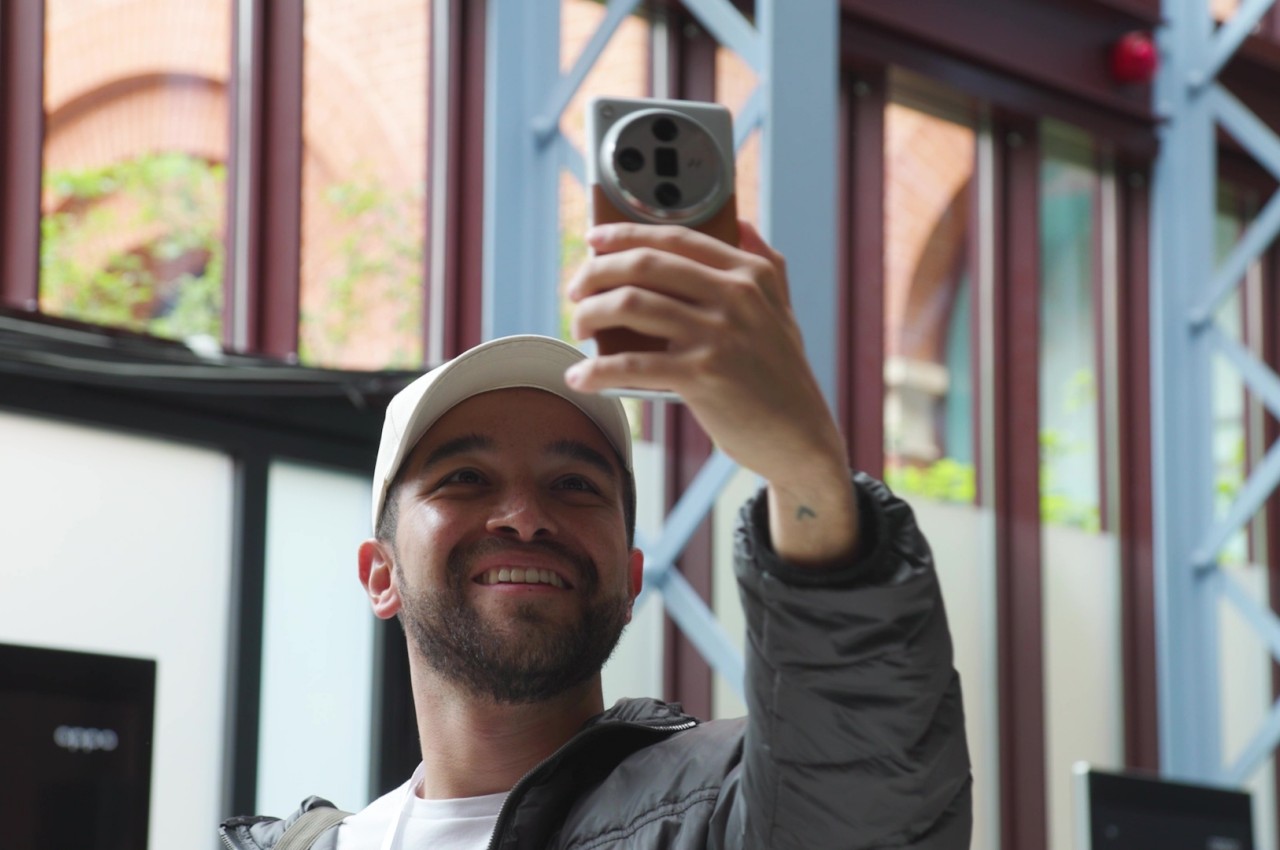
If you’re familiar with OPPO’s premium smartphone line, then the Find X7 Ultra will immediately look familiar. But even if you aren’t, you’re still in for a treat with one of the most beautiful devices to grace the market so far. Just like its predecessor, the Find X6 Pro, it bears a dual-tone color scheme and a large circular camera bump that others have dubbed the “camera Oreo,” though a resemblance with the top of a soda can wouldn’t be off the mark either. It’s a peculiar design, but one that has a reason and actually serves another purpose, intentional or not.

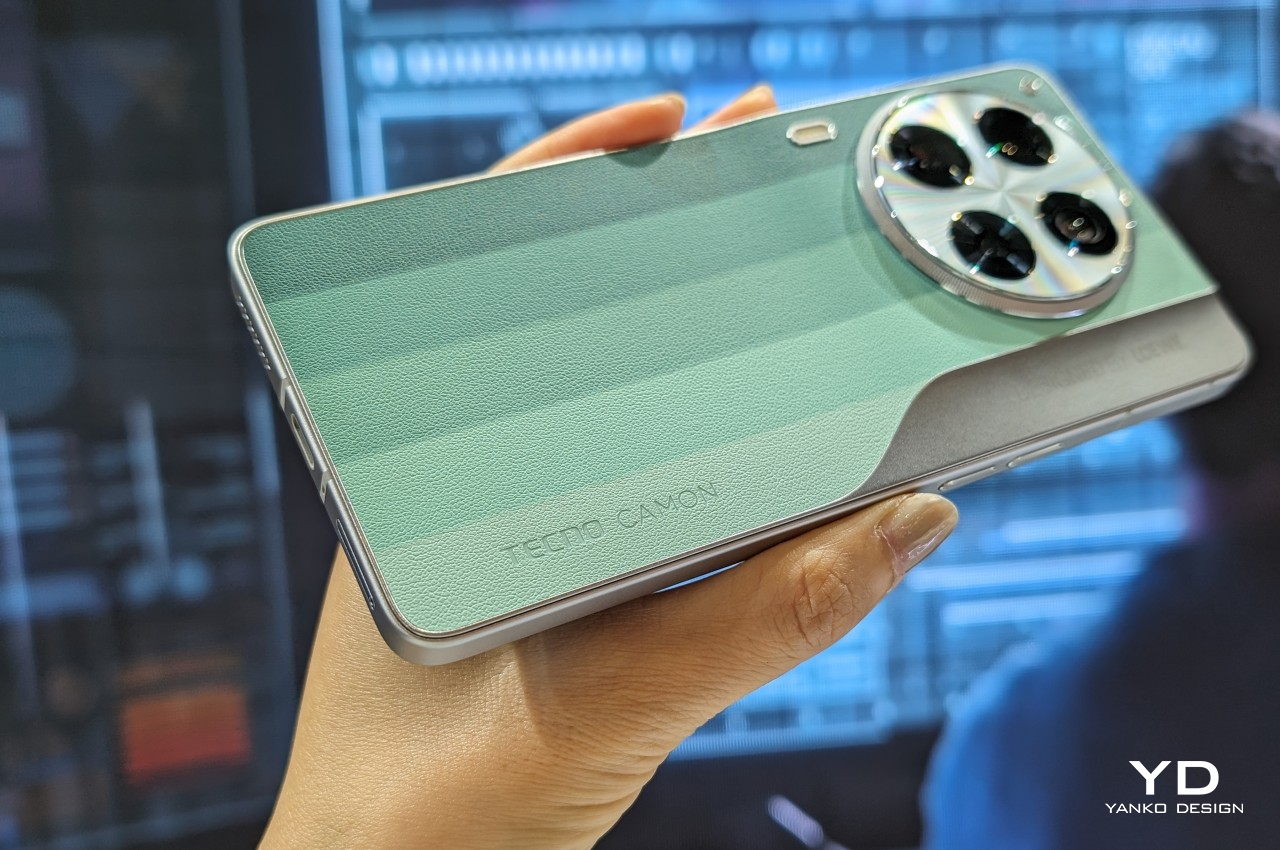
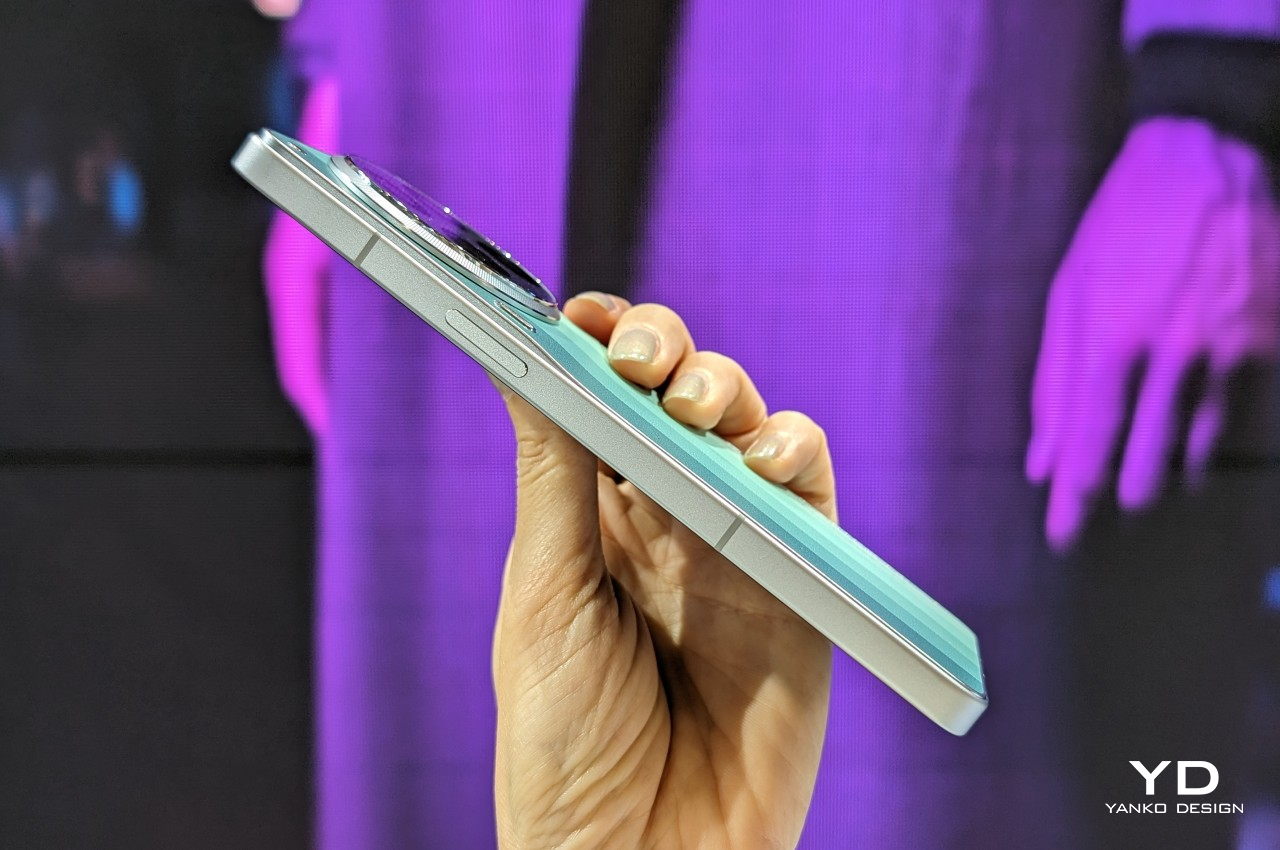
That said, the OPPO Find X7 Ultra isn’t just a rehash of the 2023 flagship. The colored vegan leather that makes up two-thirds of the rear area has a pleasant curve that arcs around the camera at a distance where the two elements intersect. It’s a subtle yet significant change that prevents visual elements from just abruptly cutting into each other. It also has the visual effect of giving the camera Oreo more prominence, with the leather seemingly giving way to this important part of the phone’s design.

The color options for the phone differ in more than just their hues this year, though. Both the Orange and Blue colorways do share a similar design, with the white top of the design looking like a familiar ceramic that OPPO has used in the past. The black colorway, on the other hand, has a few more interesting details, like the stitching on the vegan leather surface. Instead of ceramic, the top looks more like metal but still feels like glass. The mid-frame is also different, using some sandblasted finish that complements the phone’s darker looks.

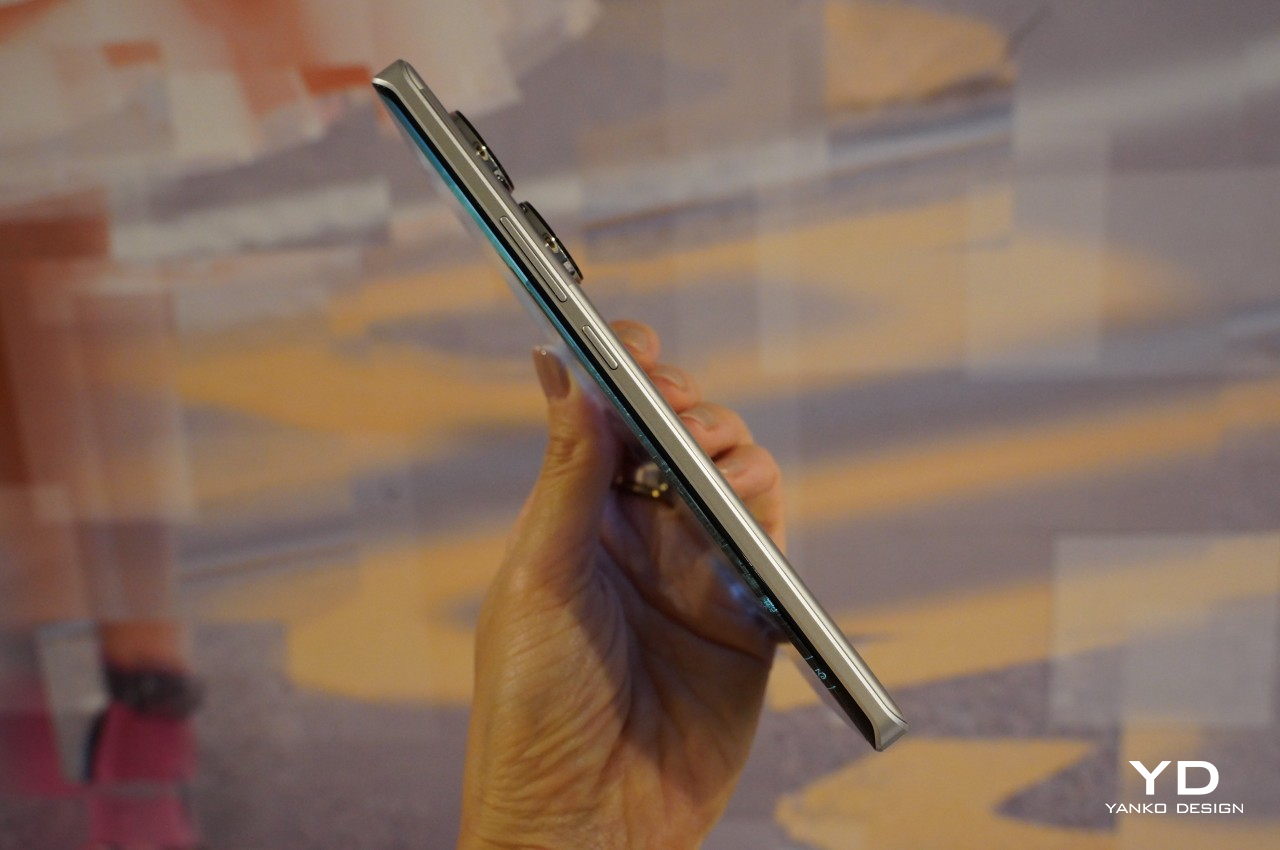
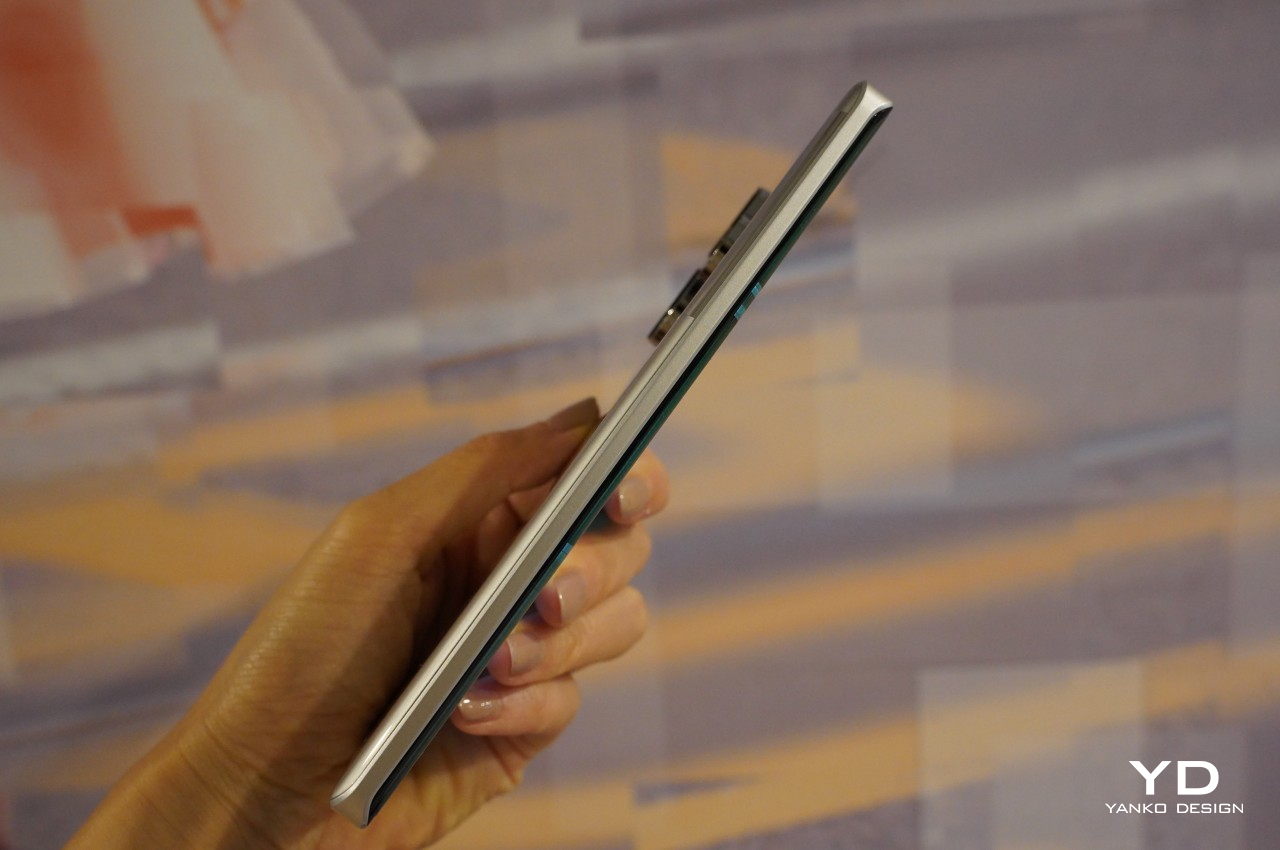
All three do have the same basic design, with a back that curves at the sides toward the edges. On the flip side, the screen is mostly flat but does curve sharply at those same edges, typical of the premium design carried by phones in the past. Admittedly, it’s going to be a divisive design choice, given how flat is back these days. There’s no denying, however, that the OPPO Find X7 Ultra still looks great with this style and probably wouldn’t be as appealing if was completely flat all around.

Ergonomics

The OPPO Find X7 Ultra is a large piece of metal and glass, there’s no getting around that fact. As with any large smartphone, there will be a problem of straining your hand with its weight and making it less comfortable and stable to hold over time. Fortunately, the phone is also unbelievably thin at 9.5mm only, and at 221g, it’s not exactly a heavyweight. It also feels well-balanced and not top-heavy as you might suspect given the size of the camera bump.

Even better, the rest of the phone’s design also contributes to helping secure a more confident grip. The vegan leather, for example, provides enough texture for your skin to grip comfortably. Even that camera Oreo becomes a place where your index fingers can rest when holding up the phone, especially with a ribbed rim that, again, adds texture and friction to stop the phone from slipping out of your hands. You will still have some difficulty reaching higher areas of the screen if you’re holding it in one hand, but other than that, the size of the Find X7 Ultra doesn’t get in the way of an enjoyable experience when using it.

Performance

The OPPO Find X7 Ultra is a premium flagship through and through, which means it also bears the best of the best hardware available in the market to date. That means a Qualcomm Snapdragon 8 Gen 3, 16GB of RAM, and 512GB of storage, right at the top of the list. Suffice it to say, the phone isn’t wanting in terms of silicon power and it blasts through all kinds of tasks, including heavy gaming, without breaking a sweat. Your hands won’t be sweating either thanks to an impressive cooling system. Mind you, it does get a bit warm with heavier loads, but not to the point of making you want to drop it like a hot potato.

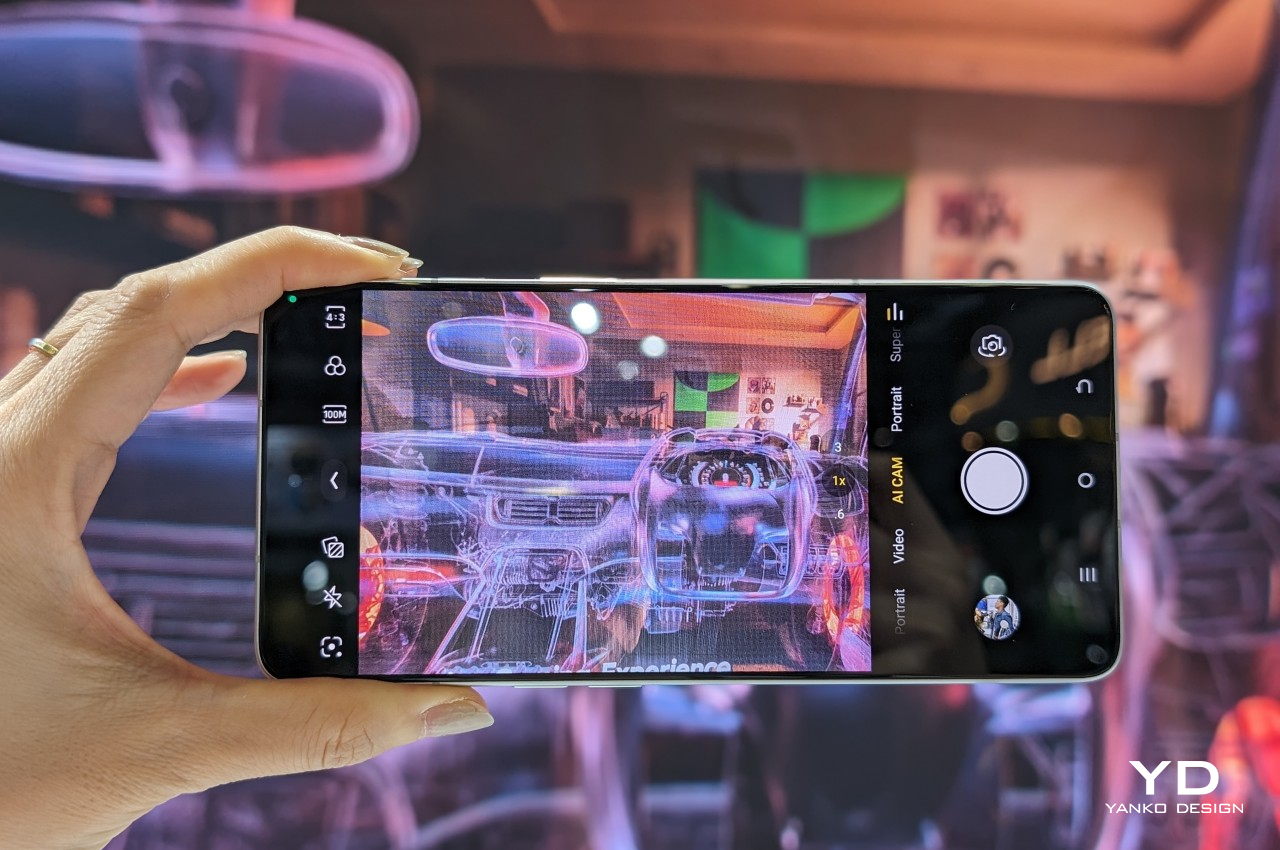
It would be such a shame and a waste if those specs were matched with a mediocre screen and, fortunately, OPPO didn’t fail to impress here either. The huge 6.82-inch LTPO AMOLED display is bright, fast, responsive, and vibrant. It perfectly complements the phone’s luxurious back with an equally gorgeous display that supports the industry-standard HDR10+, OPPO’s own ProXDR, and soon, Google’s new Ultra HDR. Given you’ll want to view the photos you take on this screen, OPPO really needed to make sure that it was up to the task.

OPPO crammed a 5,000mAh battery inside, which is both common yet also mildly disappointing. With all its capabilities, a higher capacity would have been a better choice, but that would have also weighed down the phone considerably. Fortunately, it does last a day on a single charger, at least with constant use, and the super-fast 100W charging is enough to bring it back to full in about half an hour. 50W wireless charging is also plenty fast, which is a rarity in this regard.

Quad Main Camera and HyperTone System

Much of OPPO’s rhetoric revolves around the OPPO Find X7 Ultra’s Quad Main Cameras, and to be fair, it does deserve some praise for pulling off what comes naturally to professional cameras but not to smartphones. DSLRs and mirrorless cameras can easily change lenses when they need a different focal length or field of view while keeping the same high-quality imaging sensor built into the camera. Smartphones, on the other hand, use a different camera for different focal lengths, but due to space and price constraints, also use different sensors that aren’t always up to the task.

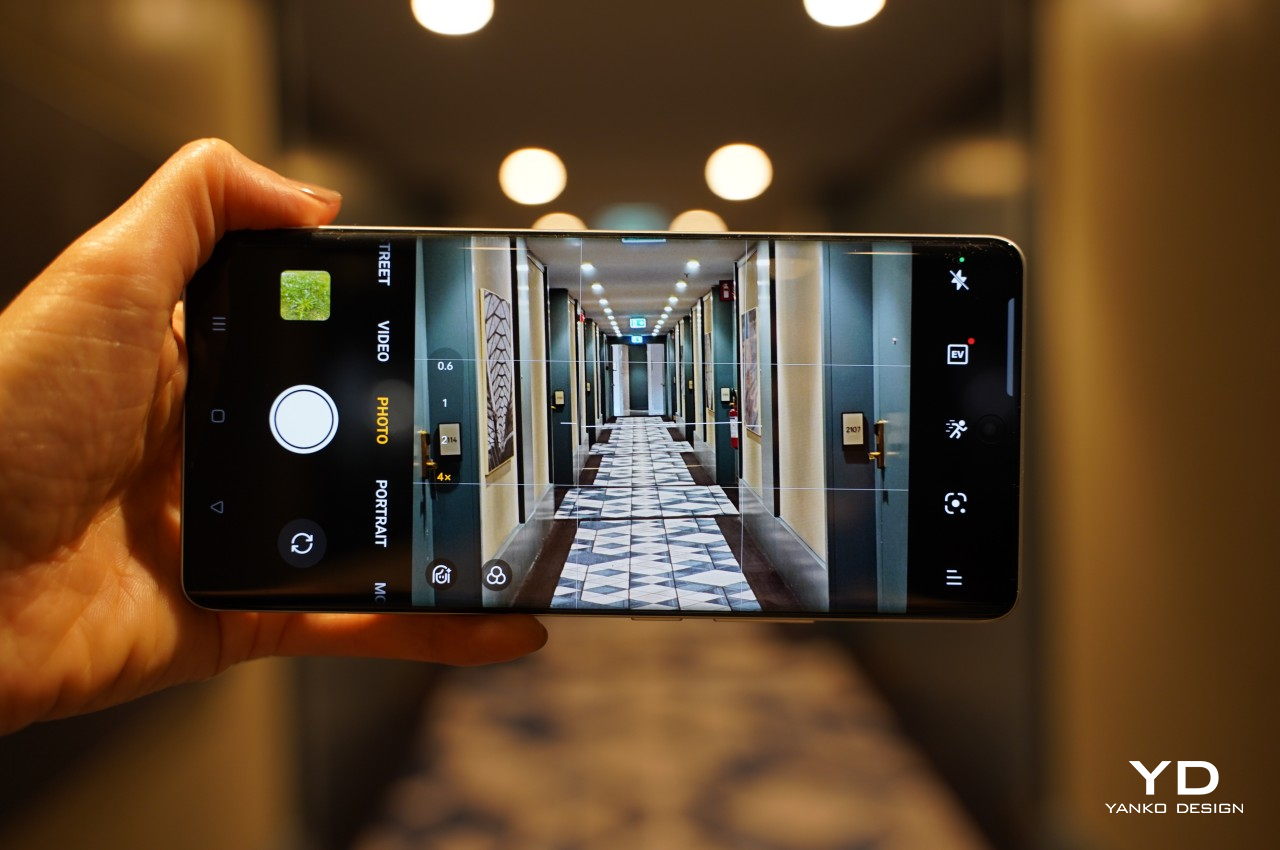
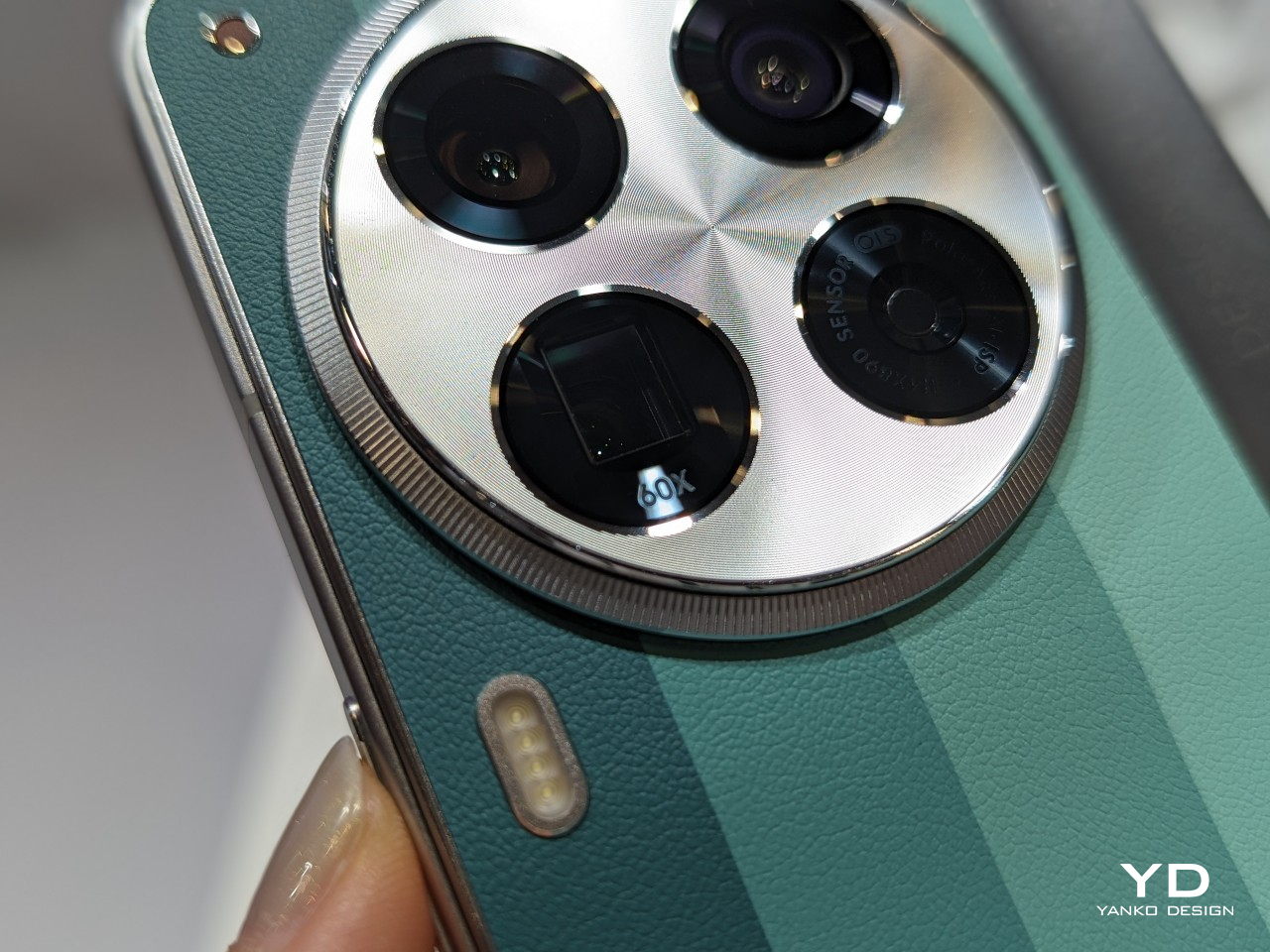
What the OPPO Find X7 Ultra accomplishes is to have four different cameras with different lenses, all of which have 50MP sensors. Yes, these sensors have different sizes and specs and, therefore, different overall quality, but the differences are very marginal at best. No longer do you have to sacrifice quality just to jump from wide to ultrawide to telephoto, nor will you get that jarring effect whenever you switch between cameras.

The phone’s mighty camera roster includes a 1-inch 50MP Sony LYT-900 with a 23mm focal length equivalent, a 1/1.95-inch 50MP Sony LYT-600 ultrawide (14mm equivalent), a 1/1.56-inch 50MP Sony IMX890 3x periscope telephoto (65), and a 1/2.51-inch 50MP Sony IMX858 6x periscope telephoto (135mm). With this set, the OPPO Find X7 Ultra practically covers the whole range of lenses used by photographers, including 10x zoom at 270mm with some computational photography. OPPO’s software also allows users to select more common focal lengths, like 35mm for the wide (main) camera, though it does that with a bit of cropping.

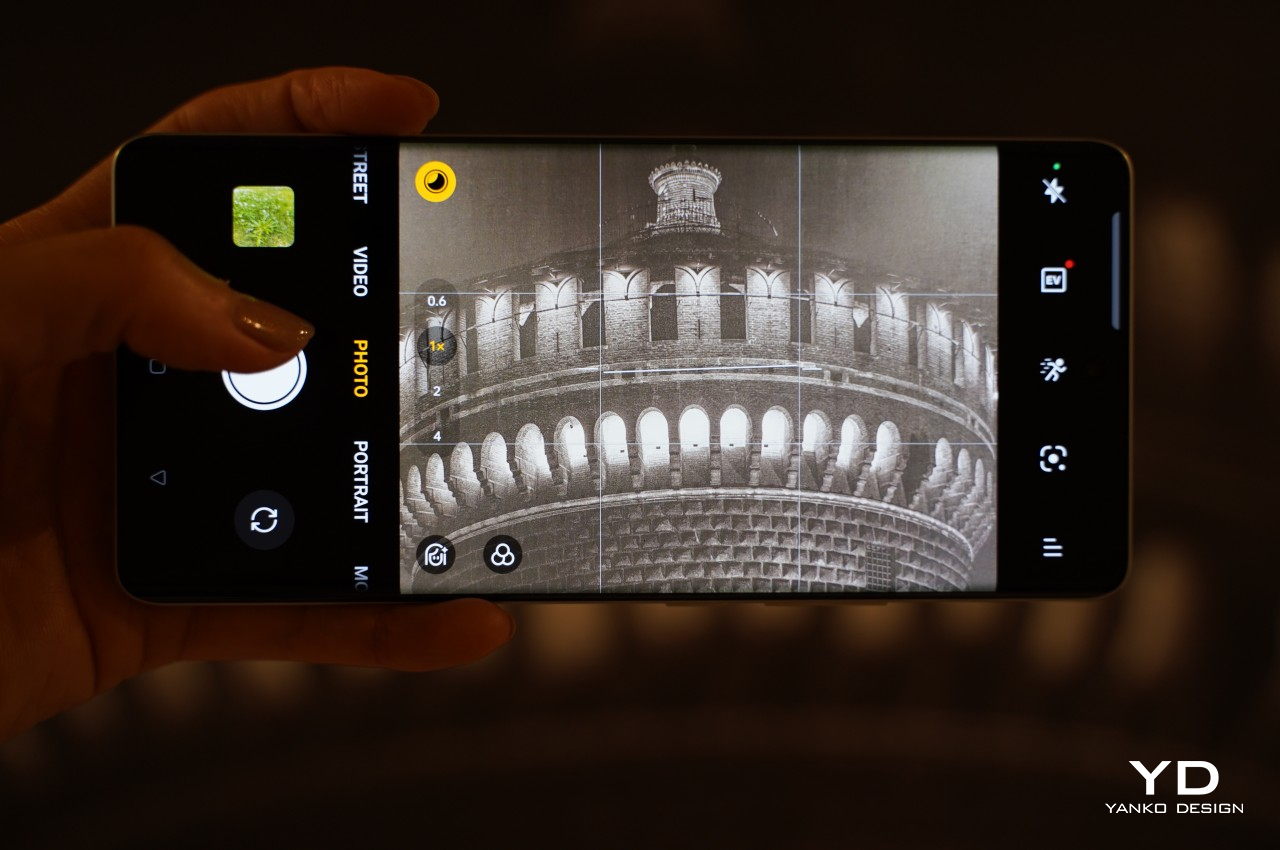
As you might have already noticed with the camera samples, these aren’t just numbers or empty words. OPPO definitely delivered on its promise of professional-quality photos in any field of view, zoom, or even lighting condition. Part of that magic is thanks to its partnership with Hasselblad, which also led to the Computational Photography aspect of its HyperTone camera system. In a nutshell, it tries to avoid oversharpening, overexposure, and other exaggerations that most camera software apply to compensate for poor image quality, resulting in more natural-looking photos you might have never thought came from a smartphone instead of a pro camera.

Sustainability

As one of the world’s top 5 smartphone vendors, OPPO has taken its responsibility for preserving the environment quite seriously. In addition to a few models that made use of recycled or sustainable materials, the company also has a concrete program for reducing the negative impact its business has on the planet. That involves reducing its carbon footprint, optimizing its packaging and logistics, and offsetting its harmful emissions.

Unfortunately, the OPPO Find X7 Ultra itself doesn’t have the clear marks of a sustainable phone. Sure, it uses vegan leather across all models, but that synthetic material isn’t completely environment-friendly either, despite the name. One upside is that the phone is IP68-rated, which is one of the highest dust and water resistance levels for smartphones, promising a mostly durable product that should last you quite a while before you have to throw it away, responsibly, of course.

Value

If you’re anything of a mobile shutterbug, it’s hard not to get excited over the OPPO Find X7 Ultra. Although it’s not going to dethrone an expensive DSLR, it really comes close to it with its HyperTone Quad Main Camera System. And all that imaging hardware is packed into a thin and stylish device that you can also use for more than just taking photos. What’s not to like?

Unfortunately, the product’s value takes a nosedive because of the fact that, as of this writing, OPPO has no plans yet to bring the OPPO Find X7 Ultra to international markets, making it exclusive to a Chinese audience. Yes, you can probably import the phone through other channels, but that won’t change the fact that the version of ColorOS software running on it isn’t made for global users. Yes, you can install Google Play Store unofficially, but that still won’t give you access to some basic platform capabilities you’d expect from international versions of these devices. It’s definitely a shame that such a treasure would be out of reach, and hopefully, OPPO will change its mind very soon.

Verdict

Smartphones are sometimes a victim of their own success, or at least of marketing hype. It wasn’t that long ago when they were said to devour the lower end of professional cameras, but they haven’t managed to surpass the bulkier and more powerful shooters in terms of flexibility and quality. It’s just impossible, given the restraints on design, price, and engineering, so smartphones have to make do with workarounds and software solutions.

The OPPO Find X7 Ultra, however, comes pretty close to that ideal. It still can’t change lenses physically, but it provides almost the same experience through a perfect combination of hardware and software. Of course, it’s not just a digital camera, and it manages to excel in almost every field with very few flaws. It’s tragic that most people won’t be able to experience all of that, though, but hopefully, they will soon be able to get their hands on what could very well be this year’s most beautiful and most capable smartphone camera.

The post OPPO Find X7 Ultra Review: Inching Closer to Photography Perfection first appeared on Yanko Design.
nubia Z60 Ultra Review: Challenging Conventions

PROS:


  • Distinctive boxy design

  • Gorgeous, hole-less screen

  • Large, long-lasting battery

CONS:


  • A bit on the bulky and heavy side

  • "Metallic glass" material attracts dust too easily

RATINGS:

AESTHETICS
ERGONOMICS
PERFORMANCE
SUSTAINABILITY / REPAIRABILITY
VALUE FOR MONEY

EDITOR'S QUOTE:

Taking the road less traveled, the nubia Z60 Ultra's unconventional rectangular design, flawless screen surface, and choice of camera focal lengths are sure to leave a lasting impression on consumers tired of the same old things.

Despite how smartphone manufacturers try to differentiate the designs of their products, most of them still jump on the same trends, like the curved edge screens of the past, today’s flat sides, or camera bumps of different shapes and sizes. The same is true even for features you don’t immediately see, like camera sensors and lenses that everyone is using, just advertised under a different marketing name. It’s almost too easy to just do what everyone else is doing, riding the waves in the hopes of making a large catch as everyone else. Fortunately, there are outliers that dare to take a different path, and the nubia Z60 Ultra easily stands out as a nonconformist, so we take a closer look to see if it has more to offer than just a different yet oddly familiar face.

Designer: nubia

Aesthetics

The design of the nubia Z60 Ultra is admittedly divisive. Some will appreciate a fresh break from the smooth curves of the current breed of smartphones, while others might scoff at the blast from the past. Anyone who still remembers the Sony Xperia of the past might indeed see some resemblance to this late 2023 newcomer, and it’s not exactly a bad light to be in.

The nubia Z60 Ultra is unabashedly flat and angular, giving off an air of maturity and hardness at the same time. Even the camera bump diverges from circles, squircles, and any other round shape found on most smartphones. Two of the three cameras sit on a strip, not unlike the Google Pixel 8’s visor, except it’s also completely flat and more like a thin block stretching across the width of the phone. This boxy aesthetic is going to be subjective, even more so compared to other phone designs, but there’s no denying that it will leave a lasting impression, positive or otherwise.

If the shape and back of the phone are what immediately catch your attention, it will be the large 6.8-inch display that will probably draw you in. Admittedly, it’s not the brightest nor the most colorful panel, but it’s the flawless, unbroken surface of this screen that will really impress you. Under-display cameras (UDC) aren’t exactly novel, but they’re so rarely used that you’d still be surprised to see one up-close. Even better, the nubia Z60 Ultra uses the company’s fifth-generation UDC technology that improves the pixel density of that spot above the front-facing camera. The result is a screen that is full from edge to edge, and thanks to its completely flat surface, also visible and usable in its entirety.

There are different colorways available, including a “Starry Night” that makes no effort to hide its Van Gogh inspiration. nubia introduces an “AG Metallic Glass” material that covers the rear of the phone, and for the most part, it does offer your hand a new sensation that almost feels like metal. Unfortunately, for some reason, it also seems to act as a huge magnet for dust. It may stay free of oily fingerprint smudges, but you’ll still want to put on the included clear case to keep it clean, among other reasons.

Ergonomics

There’s still an ongoing debate on which design is better for your hand and your grip. Curved edges are claimed to be gentler on the skin, but some claim it makes the phone slip more easily from your grasp. Flat edges and sharp angles add a bit more tooth to improve your grip, but there are those who feel uncomfortable with how it bites into their palm. The latter, of course, is what applies to the nubia Z60 Ultra’s sharp figure, and like its design, is going to split camps.

What everyone will agree on, however, is how bulky and heavy the phone feels in your hand. At 8.78mm thick and 246g heavy, it’s definitely going to give your hand a bit of strain when held up for long periods of time. Add that to the phone’s sharp edges, and you might indeed find your hand feeling a bit uncomfortable sooner rather than later, at least with the protective case that makes all those moot. Fortunately, that heft isn’t without good reason, but it’s still something that prospective buyers will need to consider if they prefer phones that are impossibly thin and light instead.

Performance

The nubia Z60 Ultra has been compared to its gaming-focused cousin, the RedMagic 9 Pro, and the comparison isn’t without basis. Both sport top-notch hardware available in the mobile market, starting with the Qualcomm Snapdragon 8 Gen 3 that can be paired with up to 16GB of RAM. In terms of raw performance, the nubia Z60 Ultra is pretty much a gaming phone, sans the bells and whistles like a tiny fan or extra buttons on the edges. In a way, this is the more subdued and stylish version of the RedMagic 9 Pro.

The phone’s extra-large battery definitely supports that use case and then some. Rated at 6,000 mAh, it’s definitely one of the highest capacities in the market today, and while you might not hit that advertised 47-hour uptime with average use, you’ll get pretty close to more than a day’s worth. Charging, however, won’t be blazing fast, given it only supports 80W wired charging, pushing the charging time to a little over 30 minutes. This chunk of power is definitely to blame for the nubia Z60 Ultra’s size and weight, but it’s a price worth paying for those who value battery life over comfort and thin profiles.

It isn’t only in design that the nubia Z60 Ultra bucks the trend. While it does put a heavy emphasis on its cameras like any other flagship smartphone, it’s the details that truly make it unique. In a nutshell, nubia has opted to adopt narrower fields of view compared to most smartphones in an effort to appeal to photography enthusiasts who would be more familiar with these focal lengths.

The main 50MP camera, for example, has that 35mm focal length used by classic camera lenses, which is great for taking sharp photos, especially with a natural bokeh effect. Unfortunately, this field of view will be too narrow for videos that will look cropped at the edges. That’s probably why nubia used an ultra-wide camera with a similar 50MP sensor (though from a different manufacturer) to make the transition to a wider view look more seamless. That said, this ultra-wide camera is also narrower than what you’d find in the market, using an 18mm focal length only.

In practice, the nubia Z60 Ultra’s cameras perform impressively, producing images with rich detail, at least in well-lit environments. The small exception is the 64MP telephoto camera with an equally narrow 85mm focal length, which makes close-up shots less doable. The narrow field of view might find fans among more seasoned photographers, but it is also an odd and awkward detail for those already used to the wider range of camera smartphones, especially when it comes to video recording.

Sustainability

So far, the nubia Z60 Ultra is proving to be quite the nonconformist, embracing designs already eschewed by most manufacturers as well as camera specs more popular among photographers than smartphone users. It would have been even more impressive if nubia also became a rebel and embraced sustainable materials and practices wholeheartedly for this smartphone. Unfortunately, that’s not the case.

In this regard, the nubia Z60 Ultra is pretty typical when it comes to composition, durability, and repairability. It’s your typical mix of plastic, glass, and metal, none of which were made from post-consumer recycled materials, at least none that nubia is telling. The silver lining here is that the phone is IP68 rated, so it’s not going to join the masses of e-waste littering the planet after a slight splash or dive into water.

Value

The nubia Z60 Ultra is a premium flagship through and through, and its extra-large battery, hole-less screen, and pixel-dense camera sensors push it even higher among its peers. For all of that, you’d expect it to cost as much as your next late 2023 or early 2024 high-end handset, but here’s the clincher: it’s almost half that!

While it does start at $599 for a rather modest 8GB of RAM and 256GB of storage, the highest configuration with double that memory is only $779. And it’s not like nubia is a new, unknown, and unreliable brand, so such a price tag is downright crazy. Of course, there’s the matter of being able to buy one in the first place, since nubia isn’t available in all markets, but in those regions it does serve, the nubia Z60 Ultra is bound to make an irresistible proposition to go with its undeniable presence.

Verdict

While there is some wisdom in going with tried and true traditions, it’s never an excuse not to think outside the box. There’s no certainty that you will do better or worse, but what’s certain is that you will make some impact. That’s the kind of legacy that the nubia Z60 Ultra will have with a design that is both fresh yet classic, and features that have a clear purpose, even if it swings away from the mainstream smartphone crowd.

It definitely gets a lot of things right, like its impressive performance, its memorable design, and its blemish-free screen, but it’s far from being perfect. There’s no denying that part of its imposing character is its bulk and weight, and the narrow field of view will probably trip up some mobile shutterbugs. With a head-turning price tag, though, you might be willing to look past these flaws, especially if the flaws are features you actually value. Needless to say, the nubia Z60 Ultra is doing quite a difficult balancing act, and to its credit, it’s doing quite an admirable job in keeping on its toes.

The post nubia Z60 Ultra Review: Challenging Conventions first appeared on Yanko Design.
How much is the Galaxy S24: Is it worth the price

Although it didn’t do so at the recently concluded CES 2024 in Las Vegas, Samsung is still starting the year with a bang with its own Unpacked event. To no one’s surprise, the stars of the show are, of course, the new Galaxy S24 trio, though the much-rumored Galaxy Ring also made a very brief appearance as an unambiguous teaser. Samsung’s early 2024 flagships are bringing the expected upgrades in terms of hardware, but they’re also riding on the AI train in their own, unique way. But with every new Samsung phone also comes the question of whether its price is worth its weight in gold. We take a cursory look at what the Galaxy S24, S24+, and S24 Ultra have to offer to bring you that answer.

Designer: Samsung

What’s New

Of course, there are the customary hardware upgrades you’ll see every year, but there are a few surprise twists here and there. All three, for example, are powered by a new Snapdragon 8 Gen 3 “for Galaxy” chipset that’s marketed as a special flavor designed just for Samsung’s newest darlings. It’s presented as being optimized for hard AI work that we’ll get to later, but the exact performance differences between this and a vanilla Snapdragon 8 Gen 3 are probably going to be subtle.

Also subtle are the slightly larger displays on this year’s generation of Galaxy phones, at least for the Galaxy S24 and Galaxy S24+, and only by 0.1 inches. The Galaxy S24 Ultra’s screen remains the same large 6.8 inches, but the design change is actually greater in some other areas, as we’ll soon see. All three get brighter panels, though, so reading under the sun shouldn’t be a problem if it was before.

While most of the features are similar across the three models, differing mostly in screen size, things take a very different turn when it comes to the cameras. Suffice it to say, the Galaxy S24 and S24+ do not get any meaningful upgrade in terms of camera hardware, while the Galaxy S24 Ultra seems to take one step forward and one step back with at least one of four cameras. One of the two telephoto cameras gets a denser 50MP sensor but halves the optical zoom from 10x to 5x. Samsung assures, however, that the quality of a 10x “hybrid” zoom from that new sensor will just be as good, thanks to some AI tricks, of course.

Bold Direction towards Flat Design

The Galaxy S24 series looks nearly identical to its predecessor at first glance, but once you take a closer look, you will notice some subtle yet important differences. The Galaxy S24 and S24+ now adopt a completely flat design on its front, back, and sides, except for the rounded corners that help it avoid a completely boxy appearance. This refinement, though small, does put it in the same boat as many notable premium smartphones these days, particularly the latest iPhones.

The Galaxy S24 Ultra only changes its screen design, but that actually has the biggest repercussion in this generation. Gone are the curved edges that used to mark high-end flagships, with a screen that’s completely flat across the surface. It gives it a more modern look, at least as far as current design trends go, but the more important consequence is that owners now have full access to the entire screen using the included S Pen. No more avoiding or accidentally sliding off the edges because you can now utilize every single inch and pixel on that large screen.

AI for a Price

With AI still reigning as the buzzword in consumer electronics, it was really only a matter of time before Samsung joined the bandwagon in this industry as well. There are plenty of AI-powered features being advertised on the Galaxy S24 and, to Samsung’s credit, they really do show what the technology can do and how we can harness it for our benefit.

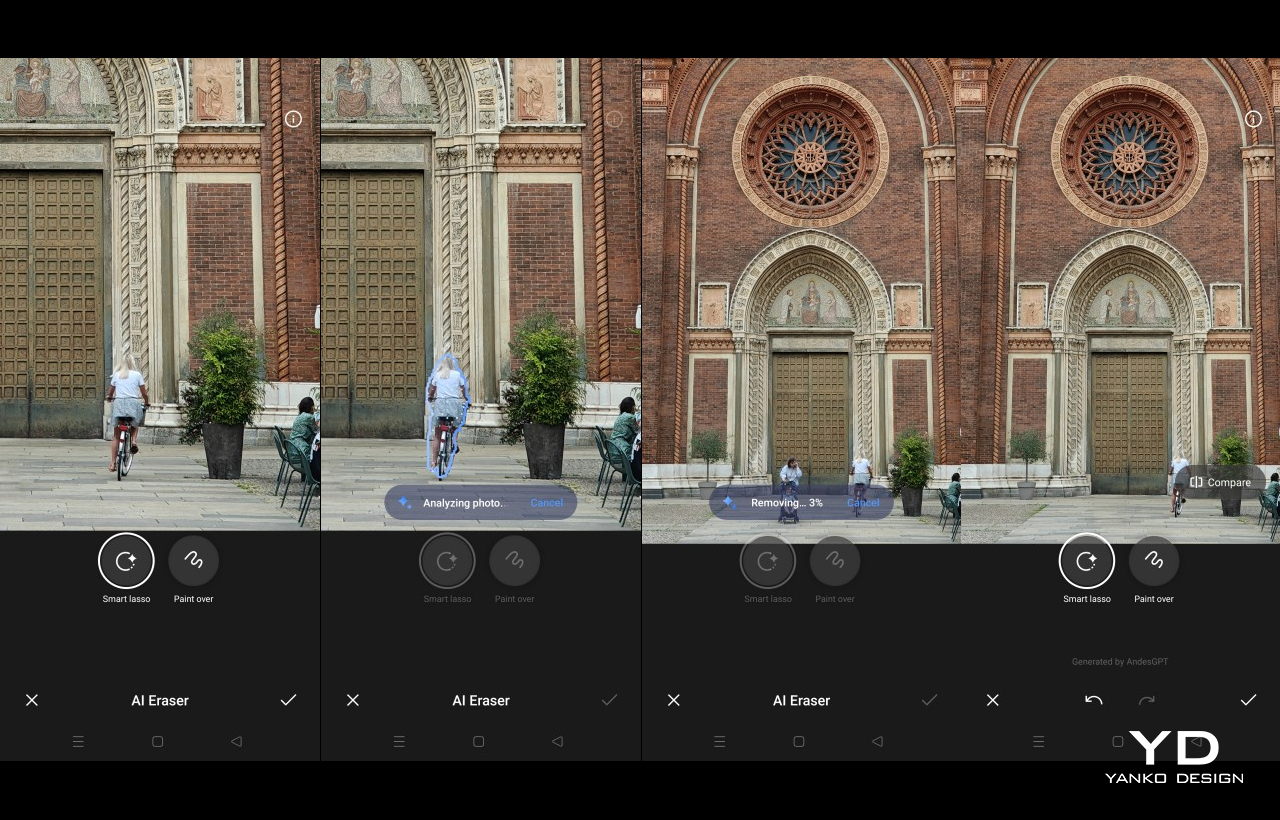
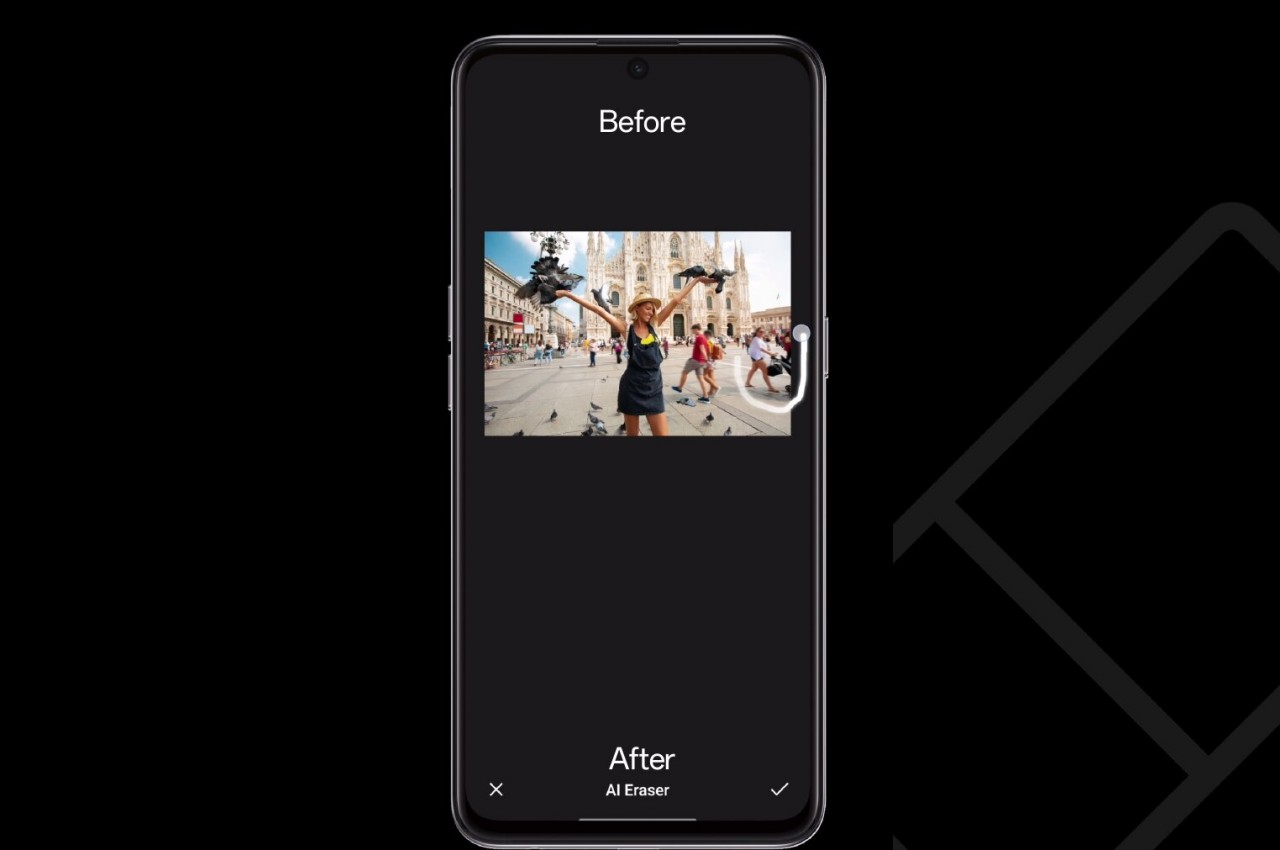
Real-time translations are one of the best examples of this artificial intelligence, and both two-way Live Translate and split-screen Interpreter help break down language barriers when communicating with people around the globe. Samsung Notes also gets an AI-assisted Notes Assist for summaries and template creation, while Voice Recorder gets Transcript Assist for transcribing audio recordings. And, of course, there are also tons of AI-powered image editing features in the Camera and Gallery apps.

There is one particular application of AI that also demonstrates the continued cooperation between Samsung and Google, former frenemies on the Android platform. As the name clearly states, Circle to Search lets you simply draw a circle around an image or even a block of text on your screen to initiate a Google Search.

As useful as these may sound, it seems that Samsung will be taking a rather controversial approach to providing AI features on its gallery phones. Samsung’s suite of Galaxy AI features will apparently be available for free on these devices only until 2025, after which it could charge a subscription fee for using them. It doesn’t exactly state how much that will be or which features will be covered by this limitation, though Google’s Circle to Search and other third-party AI features are most likely going to be exempt. Nothing’s set in stone yet, but this will surely lessen the appeal of relying on these features heavily.

Should you buy it or upgrade?

And now for the most critical part of the decision-making process: the price tags. The Galaxy S24 starts at $799.99 for 8GB of RAM and 128GB of storage, while the Galaxy S24+ will go for $999.99 for 12GB RAM and either 256GB or 512GB of storage. These are pretty much the same launch prices as the Galaxy S23 and S23+, which isn’t surprising considering very little has changed.

The Galaxy S24 Ultra, however, is a chunky $100 higher than last year’s model, now starting at $1,299.99 for 12GB of RAM and 256GB of storage. It’s a considerable price jump, especially when you consider you might be asked to pay for those trendy Galaxy AI features in two years. That new telephoto camera might be partly to blame, among other things.

If you’re looking to jump into the Samsung ecosystem for the first time, then it’s really only a choice between the smaller and more affordable Galaxy S24 and the larger, fully-featured Galaxy S24 Ultra. The Galaxy S24+ might sound like it has the best of both worlds, but it’s actually the opposite. Its only winning grace is the larger screen and battery, both of which will set you back $100 more than the Galaxy S24 but still won’t have the better cameras of the Galaxy S24 Ultra at the very least.

Considering all these, it’s going to be tough to recommend upgrading to any of the three models if you still have a perfectly fine Galaxy 23 or even a Galaxy 22. Even the Galaxy S24 Ultra, with a creator-friendlier flat display, is going to be a hard sell considering it’s also more expensive. The jury is still out on the camera improvements, though it’s probably not going to be too mind-blowing compared to the already decent quartet on the Galaxy S23 Ultra. Of course, if you have a Galaxy S21 series or older, then there’s almost no more doubt about making the jump or not.

The post How much is the Galaxy S24: Is it worth the price first appeared on Yanko Design.
The Twitter (X) Smartphone sports an X-shaped camera and a dedicated rear display for notifications

While the world’s been living on a prayer of a Tesla phone some day, designer Antonio De Rosa had a much better idea – why not build a phone centered around a much more smartphone-centric company? The Object-X is every microblogger’s dream device, with its own dedicated display unit just for Twitter (ahem, X). You can see notifications, browse the app, send tweets, and even access your Tesla right through the rear display. For everything else, a normal front display serves its purpose. Oh, and extra points if you noticed the X-shaped camera bump…

Designer: Antonio De Rosa

Just given the company’s (and its founder’s) trajectory over the past year, the Object-X may not be for everyone, but as a concept and design exercise, it makes for a pretty nifty piece of hardware. It builds on all of Elon’s companies’ most smartphone-centric features, from the social media app to Tesla integration, AI-based computational photography, and even enhanced connectivity thanks to Tesla SpaceLink.

The Object-X sports a 6.9-inch (nice) screen on the front, with a slightly asymmetric design and a sharper corner on the bottom right, with a dedicated X button that doubles as an Action Button, allowing you to do things like fire up the social media app, start your Tesla, or even chat with Grok (X’s ‘free speech’ AI chatbot). No, it probably isn’t made from the same metal as the Cybertruck, but it’s nice to think that maybe this could be possible one day.

The rear display is the Object-X’s most visually iconic feature, giving Twitter-addicts their dedicated supply of the microblogging platform. Although it’s really impossible to get any typing done on that small screen, it’s perfect for browsing tweets, retweeting, checking notifications, and liking tweets from your feed. A sidebar lets you also toggle between Twitter and Tesla applets, so you can also do things like locate your car, auto-park it, unlock it, or even remote-start your vehicle.

If the secondary display didn’t excite you, the quad-cam system probably might. Shaped to look like the X logo, the cameras are augmented by Twitter’s GROK AI that processes the photos to give you great images every time… or at least that’s what designer Antonio De Rosa envisions with the phone. The four cameras cover a wide range of scenarios, while a flash in the middle handles low-light photography.

The Object-X is clearly just a concept phone, but it explores possibilities more than it does feasibility. I doubt most people would trust Musk with a smart device that knows everything about you (no single person deserves all that power), but hey, you never know… the Cybertruck still has 1.9 million preorders as of last year, with no clear delivery in sight. People clearly have money to spare when it comes to Musk’s visions.

The post The Twitter (X) Smartphone sports an X-shaped camera and a dedicated rear display for notifications first appeared on Yanko Design.
SHARGE Icemag Hands-On at CES 2024: A Cool-looking MagSafe Power Bank that Cools your Phone

Touted as the world’s first power-bank with its own turbo-cooling feature, the Icemag power bank keeps itself (and your phone) breezy while charging. An ultra-silent fan moves at speeds of 8000 RPM, actively cooling the battery pack inside while the Icemag wirelessly charges your phone, preventing anything from heating up during the charging process.

Sharge has pretty much solidified its reputation for building some of the most incredible-looking charging equipment of our time. Whether it’s the transparent 170W power bank with its own LED display, or the tiny yet indomitable Flow Mini power bank that’s small enough to blend right into your phone’s design, becoming its dedicated second battery, Sharge’s built a rather wonderful ecosystem of charging gear that’s both powerful and unmistakably eye-catching. The Icemag joins that ecosystem as a first for both Sharge and the world – the 10,000mAh MagSafe battery pack comes with its own active cooling system that pushes hot air out from around the lithium-ion battery, increasing its life and overall efficiency as it charges your phone. It also comes as a rather opportune time, as Apple silently killed its own MagSafe power bank, leaving a void in the marketplace.

Designer: SHARGE

Click Here to Buy Now

The Icemag has the same proportions as Apple’s MagSafe power bank, albeit with that aforementioned cooling system and a whopping 10,000mAh battery that charges your entire phone twice over with enough extra juice left to spare for a third charge. It sports Sharge’s unmistakable aesthetic, with a transparent panel on the front that lets you peer into the electronics inside – namely the lithium ion battery, the PCB, and that active cooling system.

The active cooling system kicks in the second the Icemag is connected to a device (whether through MagSafe or via USB-C cable). The tiny fan outputs an impressive 8000 RPM, helping circulate air within the Icemag to keep the battery actively cooled (rather than relying on a metal heat-sink like other charging apparatus). The fan operates at a deadly silent <25dB, and it was practically inaudible in the buzz and chatter of the CES floor. What was noticeable, however, was the RGB lighting around the fan that changed colors as the Icemag juiced your device. It served as a nice visual indicator of the Icemag’s activity, especially given Sharge’s tech-geek and gamer-centric audience.

The compact power bank snaps satisfyingly onto the back of your MagSafe phone, beginning the charging process instantly. An indicator on the side shows exactly how much power the Icemag’s battery still has, while a USB-C port on the base supports both power in as well as out. This means the USB-C port can be used to charge the Icemag itself or can be used to connect the Icemag to another phone to charge it conventionally (without using the MagSafe wireless charging feature). The Icemag supports pass-through charging too, letting you charge it while it wirelessly juices your smartphone, and as far as charging speeds go, the Icemag’s wireless charging coil outputs a maximum 7.5W. If you want to tap into higher speeds, connecting your phone/device via USB-C gives you an output of 20W, charging your gadgets significantly faster for when you’re in a bind.

The Icemag balances its responsibilities of being handy, eye-catching, and functional rather well. It’s compact for its capacity and weighs just 223 grams (7.9 ounces), allowing it to securely attach to the back of your phone without any problems. The 10,000mAh battery is absolutely perfect for people who blow through their phones during the day, giving you an extra battery that can support your phone multiple times. The transparent aesthetic and active cooling system, however, steal the limelight for the gorgeous nerdy-cool aesthetic they give the Icemag. The term nerdy-cool probably gets used literally in this sense because of the Icemag’s ability to keep itself at manageable temperatures as it charges your phone. I dare you to find a MagSafe power bank that’s as gorgeously functional as this one…

Click Here to Buy Now

The post SHARGE Icemag Hands-On at CES 2024: A Cool-looking MagSafe Power Bank that Cools your Phone first appeared on Yanko Design.
mophie Juice Pack for iPhone 15 revives long-forgotten battery case design

Power banks might be so common and boring these days, but there was a time when people thought they were more trouble than they were worth. Having to fumble around for a battery pack and cable to quickly plug in a phone may sound like too much of a hassle, so mophie, one of the oldest players in this game, came up with an alternative solution a long, long time ago. The battery case was the answer to that problem, making the iPhone “wear” its extra battery at all times. That design, however, hasn’t been seen for years, making you think battery cases have gone extinct. That was almost the case, pardon the pun, until the recent announcement that the mophie Juice Pack is making a comeback, but apparently only for three out of four iPhone 15 models.

Designer: mophie (ZAGG)

When you first hear about it, battery cases sound like the best of both worlds. You get an extra battery to make sure your phone never runs empty, but you also don’t have to juggle with a separate pack like with a normal power bank. That’s theoretically true until you realize just how much that extra power will cost you in other aspects. Especially when you consider that batteries from five years ago were pretty thick despite having low capacities.

With significant improvements in this area, mophie thought it was time to bring its juice pack back to life, offering a battery case for the current generation of iPhones. The basic concept remains the same, with the battery “hiding” inside the sizable case that wraps around the iPhone like a very thick bumper. Of course, it also functions as a protective case, so that rugged and bulky appearance isn’t without its merits.

Like in previous iterations of the juice pack, there are LED dots on the back to indicate just how much charge the case has left. It also supports passthrough USB-C charging, so you don’t have to worry about having to remove the case just to charge the iPhone itself. That said, given the thickness that the battery adds to the back, it shouldn’t be a surprise to learn that it also prevents any sort of MagSafe functionality from working.

The mophie Juice Packs will go for $99.95 for all three iPhone models, though there are different capacities, starting at 2,400 mAh. The iPhone 15 Plus is notably missing from the list, apparently because mophie didn’t want to waste resources on a model that isn’t even selling well. Then again, it remains to be seen how many iPhone users will be willing to bulk up their phones and lose MagSafe compatibility at the same time just for the convenience of not having to plug in a power bank.

The post mophie Juice Pack for iPhone 15 revives long-forgotten battery case design first appeared on Yanko Design.
Regular Phone Cases are Dead… These Phone Stands from TORRAS offer Ultimate Hands-free Ergonomics

It’s 2024, and your phone case should do a LOT more than just protect your phone. The folks at TORRAS believe that too, which is why they’ve been spearheading the ‘phone stand’ movement since as early as 2018. In fact, even renowned global research firm Ipsos has ‘declared’ the phone stand as the next generation of phone cases… and after a 6-year headstart, they’ve labeled TORRAS as the global leader in this domain.

Even though the company has a wide product range, going all the way from phone accessories to neck-worn fans, the phone stand dominated the TORRAS showcase at CES this year (so much so that their booth had a massive phone stand on the front of it too, making it recognizable from a distance). The company launched two new stands this year – the simple yet delightful Lstand, and an improvement on their existing Ostand, now with a rotating ring (called the Ostand R). They also refreshed their neck-worn cooler line with the COOLiFY Cyber, which can now adjust its temperature based on your surroundings, making it the most advanced neck-worn ‘air-conditioner’ on the market!

Designer: TORRAS

Click Here to buy a TORRAS Phone Stand (20% Discount)

The Lstand on the left, and the Ostand R on the right.

The Ostand R is an impressive case given its abilities. For starters, the case has a ring on it that folds flat when not in use, but opens up into an angle-locking stand that can be used in landscape and vertical modes (or even as a ring to support your finger as you hold the phone). Moreover, it rotates on its hubless axis, giving you the ability to position the ring wherever you want, all while still managing to support the iPhone’s MagSafe and wireless charging features.

You also (obviously) get the benefits of a case, with a soft bumper frame around the sides and even the camera bump. The edges have an air cushion that gives your phone even more security from bumps or accidental drops. The frosted polycarbonate back is a great way to show off your phone’s color, while the Ostand R’s colors on the TPU rim and the metallic buttons complement your smartphone from top to bottom.

It isn’t easy building a phone case that has its own stand which rotates, while still maintaining a slim profile… but TORRAS lifted the veil on the Ostand R’s design to show the amount of research and innovation that goes into every detail. A specially designed hinge measures a mere 1.2mm (0.04 inches) thick, but can resist tens of thousands of folds, and can even hold its angle like a laptop hinge (while taking the weight of your phone). The hinge is also accompanied by a hubless rotating element that lets the ring orient however you want it to, giving you the kind of freedom you wouldn’t get with other cases.

A quick breakdown of the Ostand R shows all the innovation gone into its features and details

The Lstand, on the other hand, is for people who want a smooth case with nothing on the back. Research from TORRAS’ customer base showed that while the Ostand was a hot favorite, there were some who liked the appeal of the company’s older stands that were either built into the bottom of the phone, or the sides. To cater to these people, TORRAS built the Lstand, a stand case with a fold-out element around the camera lens. The robust ring adds an extra layer of beefed security to your iPhone camera, but pop it open and it transforms into a nifty stand to rest your phone on.

The two stands, while impressive, come backed by an Ipsos paper that puts Torras at the forefront of the upcoming phone stand trend. Ipsos mentions that the rise of digital nomads and of social media has prompted a lot of people to rely on their phone for staying connected, and entertained. Given that phones are now growing bigger, flatter, and heavier, it’s becoming more and more important to shift focus from merely ‘phone cases’ to phone stands that allow people to hold their phones better, and to rest them on surfaces for work, leisure, and everything in between. Phone cases aren’t going anywhere, because people inherently need to have protective accessories for their expensive smart-devices… but more than 52% of people mention that they want their phone cases to have a hands-free feature, while a staggering 59% mention the need to still maintain a minimalist sleek design. The Ostand R and Lstand (along with Torras’ other stands) maintain these considerations, resulting in smartphone accessories that don’t protect the phone… they enhance the phone’s experience too.
When asked about TORRAS, the Ipsos study revealed: “Through continuous innovation and research and development, TORRAS integrated upgraded protection and portability, restoring the design style of bare phones. At the same time, it pioneers a new design of phone case with the combination of kickstand and magnetic suction, which performs excellently and has won many international design awards, patented innovations, and industry honors, leading the development and progress of the kickstand and magnetic suction phone case products.” They added that “TORRAS is the next generation of phone cases.”

Click Here to take a look at the Ipsos study on the future of Phone Stands

The COOLiFY range also saw some changes with the Cyber, TORRAS’ latest neck wearable. Building on the existing line, the COOLiFY Cyber comes with a larger cooling plate and air ducts, creating a bigger impact. The air ducts blow wind (cold or hot) towards the neck and face, while the cooling plates rely on an electric current that passes through a semiconductor to rapidly cool down. With 3 speed settings to choose from, 3 heat/cool plates, and a total of 36 outlets, the COOLiFY Cyber is the equivalent of wearing an air conditioner on your neck.

The COOLiFY Cyber sports an incredibly slick design that can easily be worn around any neck thanks to its flexible horseshoe-shaped design. It’s made to be lightweight, it charges via USB-C, and from personal experience, it feels a lot like wearing an ice or heat pack around your neck – something you’ll probably appreciate in the harsh summers and winters. The neck’s unique location (near the face and connected to the spine) makes it a perfect spot for something like the COOLiFY Cyber, as its cooling/heating effect can be felt all over you (and not just your neck). The COOLiFY Cyber is slated to launch around March, which is when additional details like battery life and pricing will emerge.

TORRAS even partnered with the Dallas Maverick to create special Mavs-branded merchandise for them and their fans

Click Here to Buy a TORRAS COOLiFY Portable Air Conditioner (20% Off)

The post Regular Phone Cases are Dead… These Phone Stands from TORRAS offer Ultimate Hands-free Ergonomics first appeared on Yanko Design.