Jack Dorsey claims Bluesky is ‘repeating all the mistakes’ he made at Twitter

Just in case there was any doubt about how Jack Dorsey really feels about Bluesky, the former Twitter CEO has offered new details on why he left the board and deleted his account on the service he helped kickstart. In a characteristically bizarre interview with Mike Solana of Founders Fund, Dorsey had plenty of criticism for Bluesky.

In the interview, Dorsey claimed that Bluesky was “literally repeating all the mistakes” he made while running Twitter. The entire conversation is long and a bit rambly, but Dorsey’s complaints seem to boil down to two issues:

  1. He never intended Bluesky to be an independent company with its own board and stock and other vestiges of a corporate entity (Bluesky spun out of Twitter as a public benefit corporation in 2022.) Instead, his plan was for Twitter to be the first client to take advantage of the open source protocol Bluesky created.

  2. The fact that Bluesky has some form of content moderation and has occasionally banned users for things like using racial slurs in their usernames.

“People started seeing Bluesky as something to run to, away from Twitter,” Dorsey said. “It's the thing that's not Twitter, and therefore it's great. And Bluesky saw this exodus of people from Twitter show up, and it was a very, very common crowd. … But little by little, they started asking Jay and the team for moderation tools, and to kick people off. And unfortunately they followed through with it. That was the second moment I thought, uh, nope. This is literally repeating all the mistakes we made as a company.”

Dorsey also confirmed that he is financially backing Nostr, another decentralized Twitter-like service popular among some crypto enthusiasts and run by an anonymous founder. “I know it's early, and Nostr is weird and hard to use, but if you truly believe in censorship resistance and free speech, you have to use the technologies that actually enable that, and defend your rights,” Dorsey said.

A lot of this isn’t particularly surprising. If you’ve followed Dorsey’s public comments over the last couple years, he’s repeatedly said that Twitter’s “original sin” was being a company that would be beholden to advertisers and other corporate interests. It’s why he backed Elon Musk’s takeover of the company. (Not coincidentally, Dorsey still has about $1 billion of his personal wealth invested in the company now known as X.) He’s also been very clear that he made many of Twitter’s most consequential moderation decisions reluctantly.

Unsurprisingly, Dorsey’s comments weren’t well-received on Bluesky. In a lengthy thread, Bluesky’s protocol engineer Paul Frazee said that Twitter was supposed to to be the AT Protocol’s “first client” but that “Elon killed that straight dead” after he took over the company. “That entire company was frozen by the prolonged acquisition, and the agreement quickly ended when Elon took over,” Frazee said. “It was never going to happen. Also: unmoderated spaces are a ridiculous idea. We created a shared network for competing moderated spaces to exist. Even if somebody wanted to make an unmoderated ATProto app, I guess they could? Good luck with the app stores and regulators and users, I guess.”

While Dorsey was careful not to criticize Musk directly, he was slightly less enthusiastic than when he said that Musk would be the one to “extend the light of consciousness” by taking over Twitter. Dorsey noted that, while he used to fight government requests to take down accounts, Musk takes “the other path” and generally complies. “Elon will fight in the way he fights, and I appreciate that, but he could certainly be compromised,” Dorsey said.

Bluesky CEO Jay Graber, who was handpicked by Dorsey to lead Bluesky, also addressed Dorsey's comments, saying the Twitter founder doesn't "fully understand" the work the company is doing. "With all due respect to Jack for having the vision to invest in decentralized protocols, we’ve carried out the work in a way I don’t think he fully understands," she wrote. "Bluesky is structurally open in a way Twitter has never been, but the design of atproto allows it to feel familiar and easy to use."

Update May 10, 2024, 11:50 AM ET: This post has been updated with comments from Bluesky CEO Jay Graber.

This article originally appeared on Engadget at https://www.engadget.com/jack-dorsey-claims-bluesky-is-repeating-all-the-mistakes-he-made-at-twitter-234326121.html?src=rss

Tim Cook rocks an exclusive pair of Nike Air Max 1 ’86s “made on iPad”

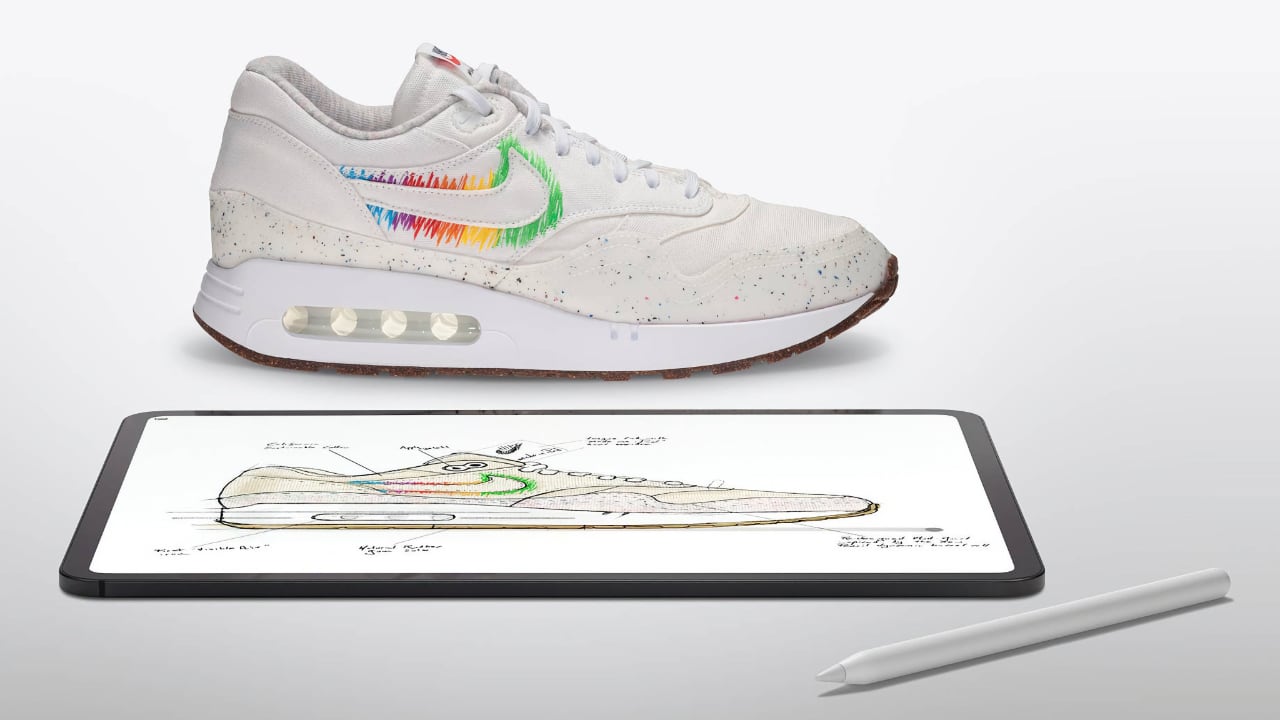
Nike made these exclusive ‘Made on iPad’ Air Max 1 ’86s for Tim Cook

When Apple announced, “Nike made these exclusive ‘Made on iPad’ Air Max 1 ’86s for Tim Cook to celebrate the launch of the new iPads,” calling them exclusive barely scratches the surface. The design of these Nike Air Max 1s immediately grabs your attention. They have an off-white upper that seems to be a blend of synthetic rubber and mesh. The sneaker really stands out with its multicolored Nike Swoosh wrapping around it, displaying a vibrant rainbow spectrum with a textured, paintbrush-like effect.

Designer: Nike

Speckles of color are scattered throughout the white midsole, adding a playful touch to the otherwise minimalist design. The visible air unit in the heel, a signature of the Air Max series, is showcased through a transparent window, offering a glimpse into the shoe’s cushioning technology.

The shoe’s sole sports a speckled brown finish that really pops against the lighter upper. Parked next to the shoe is the latest iPad Pro and the shiny new Apple Pencil Pro, showcasing a sketch of the design. It’s like a little window into how this cool shoe came to life. This sneaker is a piece of art—but also practical too, something Tim Cook might wear every day. For the rest of us? It’s the kind of collector’s item we daydream about scoring.

‘Made on iPad’ Air Max 1 ’86s

The tongue of this Nike Air Max 1 features a special customization. It sports a crisp white label with the iconic Nike logo in blue at the top. Below the logo, a striking red Nike Swoosh catches the eye. The unique touch is the phrase “made on iPad,” scrawled in a casual, handwritten-style font right beneath the Swoosh. This detail highlights the collaboration between Nike and Apple, connecting the sneaker to the creative capabilities of the iPad. It’s a sleek blend of technology and fashion, making this shoe truly one of a kind.

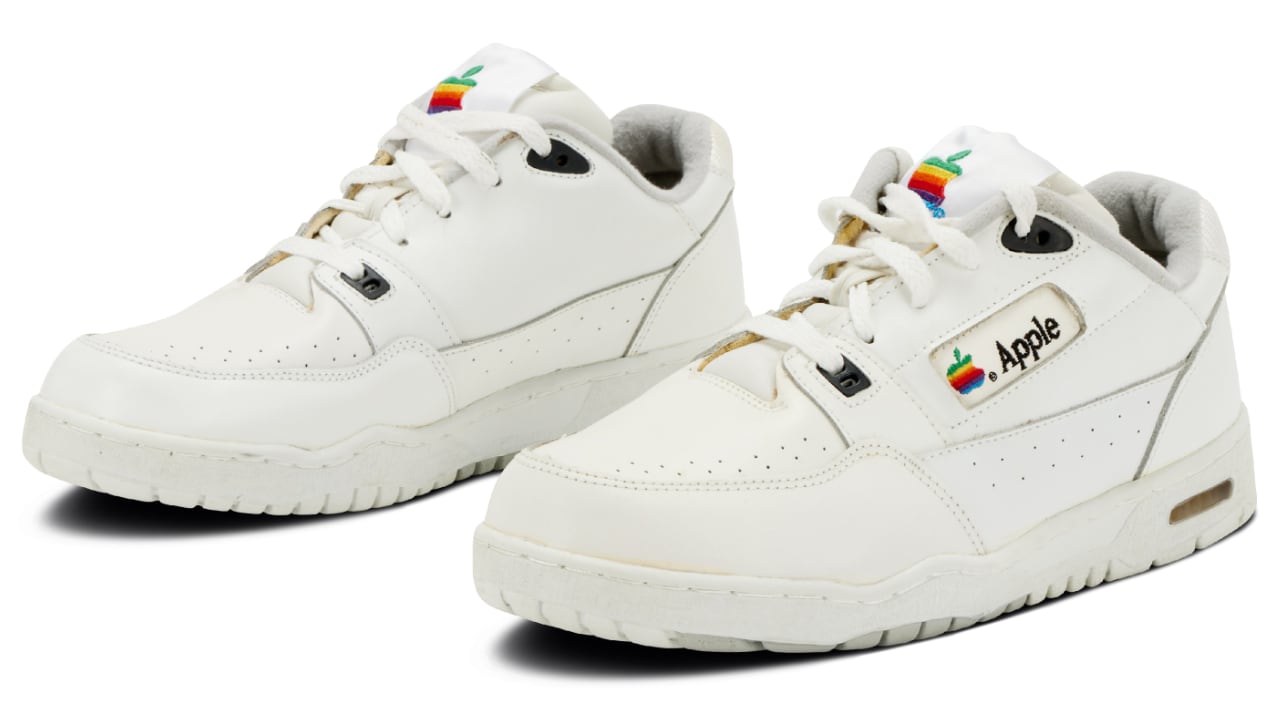
Shifting from the colorful design of the Nike Air Max 1 ’86, let’s explore another uber-rare sneaker with a nostalgic twist. These Omega Sports Apple Computer Sneakers were custom-made for Apple employees and distributed at a National Sales Conference in the mid-’90s. Featuring a predominantly white upper, the old-school rainbow Apple logo on both the tongue and the lateral quarter is a standout detail, adding a splash of color.

Omega Sports Apple Computer Sneakers

Never released to the public, this particular pair of sneakers is one of the most obscure in existence and highly coveted on the resale market. Each pair comes with an alternative set of red laces, enhancing their collectibility. The sneakers bear the style number 8106 and, comically, come with a note that sales are final and not eligible for return.

With prices reaching up to $50,000 USD, these sneakers are among the rarest Apple collectibles. They highlight Apple’s early initiatives to blend technology with lifestyle long before their tech products became global icons.

Circling back to the origin of the Nike Air Max 1, this iconic sneaker first hit the shelves in 1987. It was the first in the Nike Air Max line to feature visible Air cushioning in the midsole. Created by Tinker Hatfield and inspired by the Centre Georges Pompidou in Paris, the Air Max 1 is celebrated for its innovative design that showcases its inner workings, much like Pompidou’s architecture.

Tim Cook wearing a pair of exclusive ‘Made on iPad’ Air Max 1 ’86s

This shoe has become a major favorite in sneaker culture, known for its comfort and the array of colorways it has inspired, such as the striking original red and white. Each version highlights the unique style and enduring appeal of the Air Max 1.

The post Tim Cook rocks an exclusive pair of Nike Air Max 1 ’86s “made on iPad” first appeared on Yanko Design.

Apple apologizes for its tone-deaf ad that crushed human creativity to make an iPad

Apple has reportedly apologized for its tone-deaf “Crush!” ad that sparked a furious backlash with artists, musicians and other creators. AdAge reports that Apple said the video “missed the mark” and has scrapped plans to run the cutesy-turned-cringey commercial on TV.

It’s clear that Apple intended for the ad to serve as a metaphor for all the myriad creative tools one has when they throw down $1,000 or more for a new iPad Pro. Run during Tuesday’s event, the video shows a series of musical instruments and other tools for human expression, including a guitar, drums, trumpet, amplifiers, record player, TV and much more. “All I Ever Need Is You” by Sonny & Cher soundtracks the clip.

Soon, it’s revealed that the objects are all sitting on an industrial crusher, which descends upon the scattered creative instruments, exploding in plumes of satisfyingly colorful smoke. But when the crusher pulls back up, we see that everything was transformed into a shiny new iPad Pro.

Creative objects arranged on a crusher.
Apple

A decade ago, this ad likely wouldn’t have been a big deal. But Apple’s marketers completely whiffed on the context of the moment. The ad comes weeks before Apple will take the stage at WWDC to announce its generative AI features that its investors have been salivating for.

Generative AI, as you may have heard, needs something to train on — and that means humans’ work. It learns from existing content to make algorithmically generated words, pictures, music, voices or who knows what else. It also has the capability to put those same creators — most of whom don’t have cushy jobs at Apple or other Big Five tech companies — out of work as corporations and consumers eagerly adopt the robots destined to put creators on the unemployment line.

Context is everything, and Apple failed spectacularly there. Its ad serves as a pitch-perfect metaphor for generative AI’s potential to crush human creation, turning us all into “prompt artists” who type words into text boxes to replace their years of training and experience. (Granted, generative AI has genuinely exciting applications, too, but much more needs to be made of the society-level chaos it can and will unleash.)

“Creativity is in our DNA at Apple, and it’s incredibly important to us to design products that empower creatives all over the world,” Tor Myhren, Apple VP of marketing communications, told AdAge. “Our goal is to always celebrate the myriad of ways users express themselves and bring their ideas to life through iPad. We missed the mark with this video, and we’re sorry.”

Hey, an apology means something. But we’ll see what tone Apple adopts next month when it rolls out the tools that set the stage for the apology in the first place. Something tells me that train is out of the station and will be plowing forward full steam, no matter how much creativity the company has in its DNA.

This article originally appeared on Engadget at https://www.engadget.com/apple-apologizes-for-its-tone-deaf-ad-that-crushed-human-creativity-to-make-an-ipad-211116524.html?src=rss

Xbox Half handheld gaming console has retractable side panels to hide away buttons and joystick

If recent leaks by trusted tipsters like Jez Corden (Windows Central Managing Editor) are to be believed, then we should see an Xbox handheld gaming console launch in 2026. Insiders have already hinted that the handheld prototype is already in the development stage and Microsoft plans to reveal some details next year or even earlier.

Interestingly, Microsoft recently sent out a survey about the current usage of handheld gaming devices and whether interested candidates are willing to buy one in the next five years. Also, the survey was keen on knowing whether candidates would prefer the ability to stream games via Xbox Game Pass. So, are we finally looking at a Microsoft handheld gaming device that could dethrone Nintendo Switch, Asus ROG Ally, Lenovo Legion Go and Steam Deck from the top spots in market share?

Designer: Banseok Seo

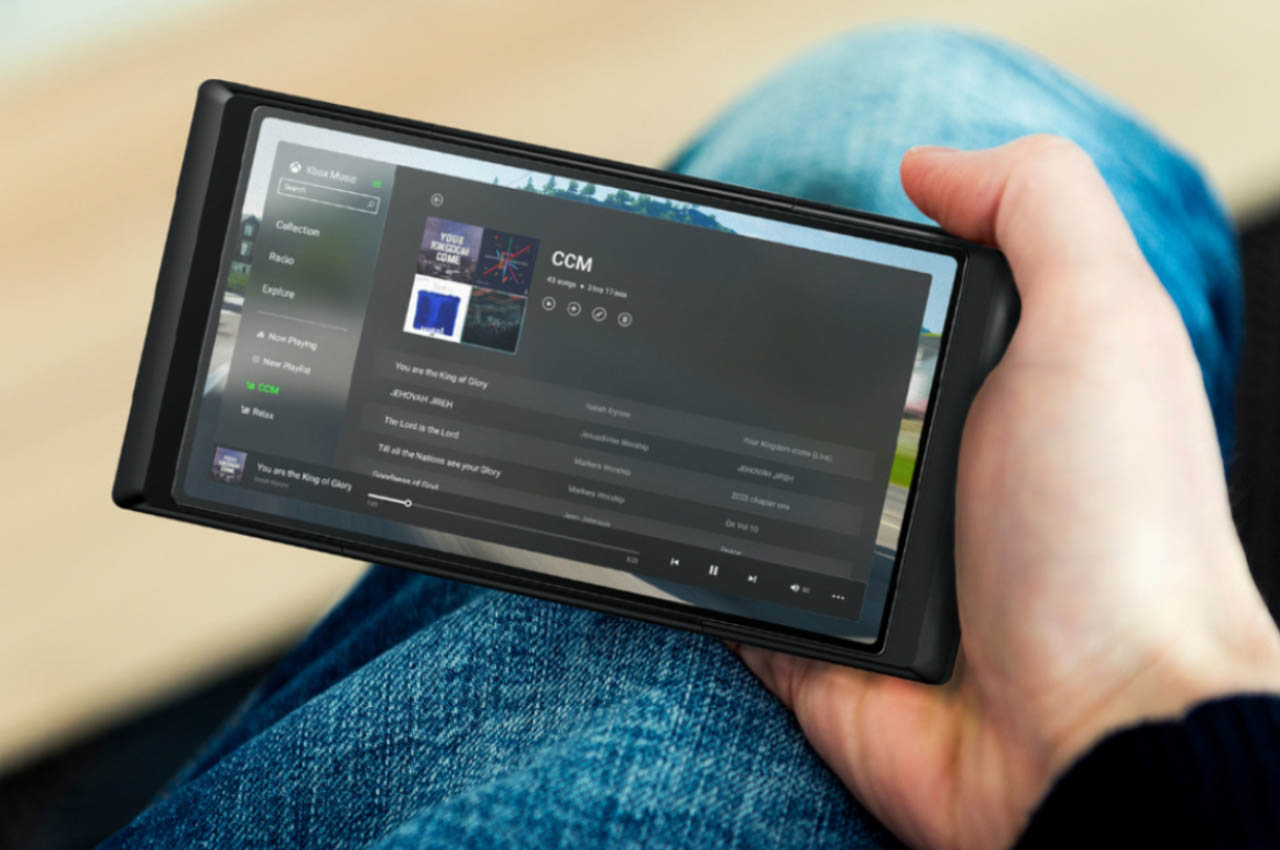
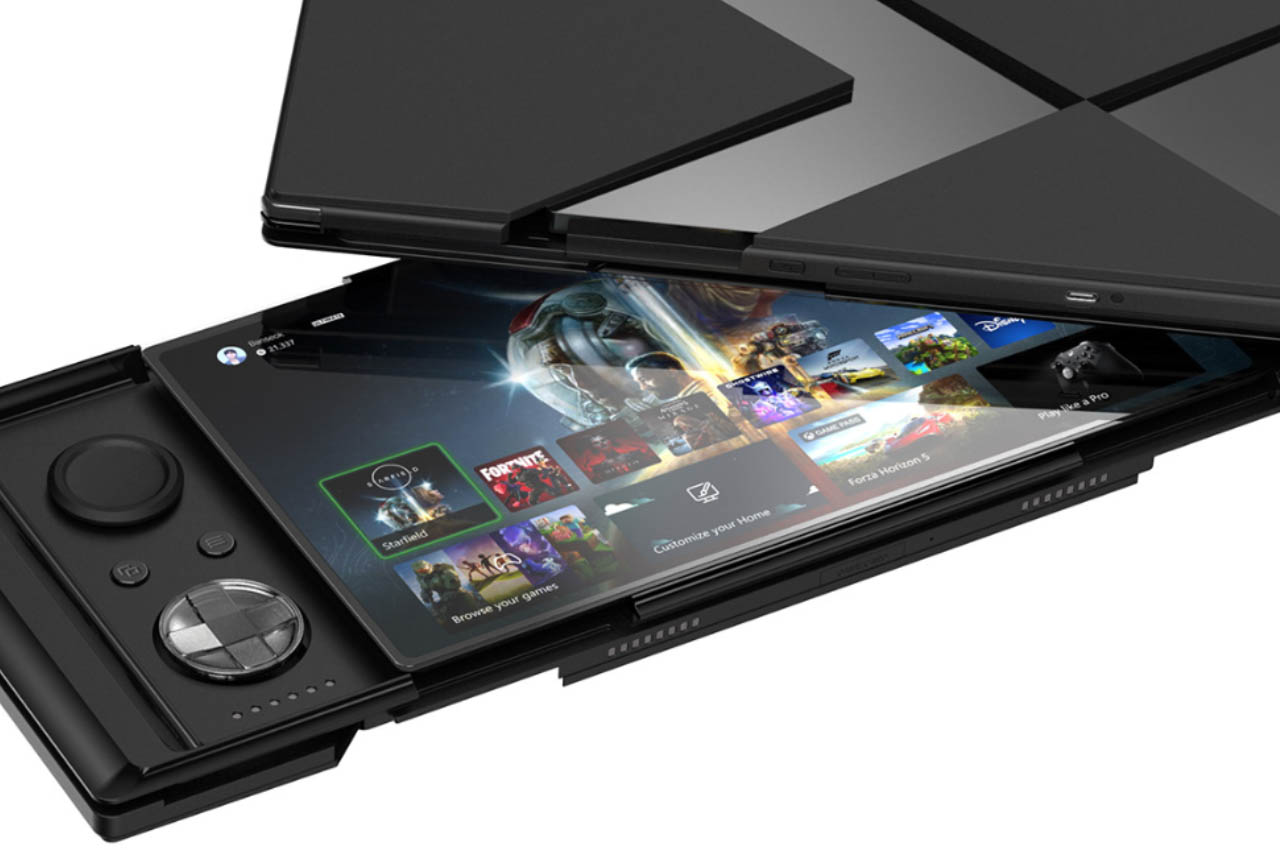
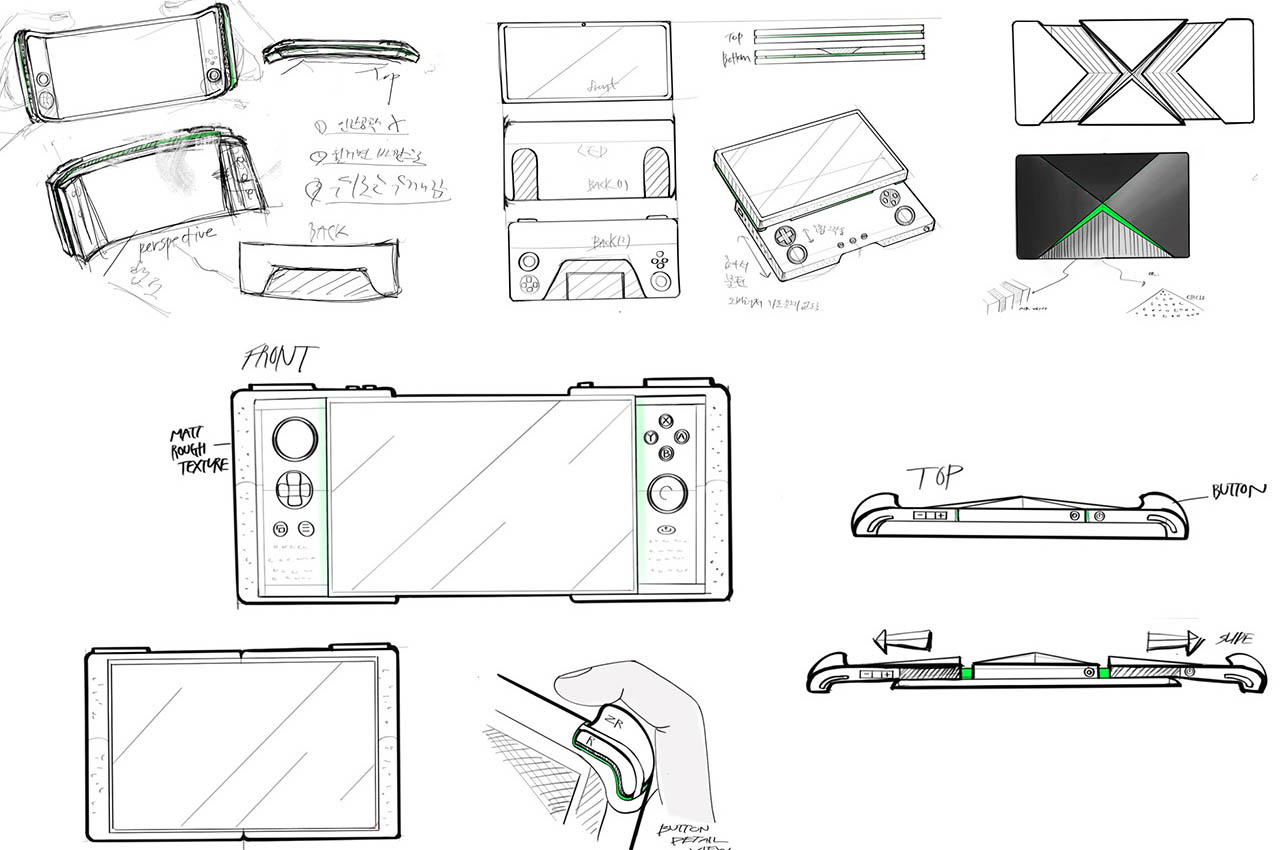
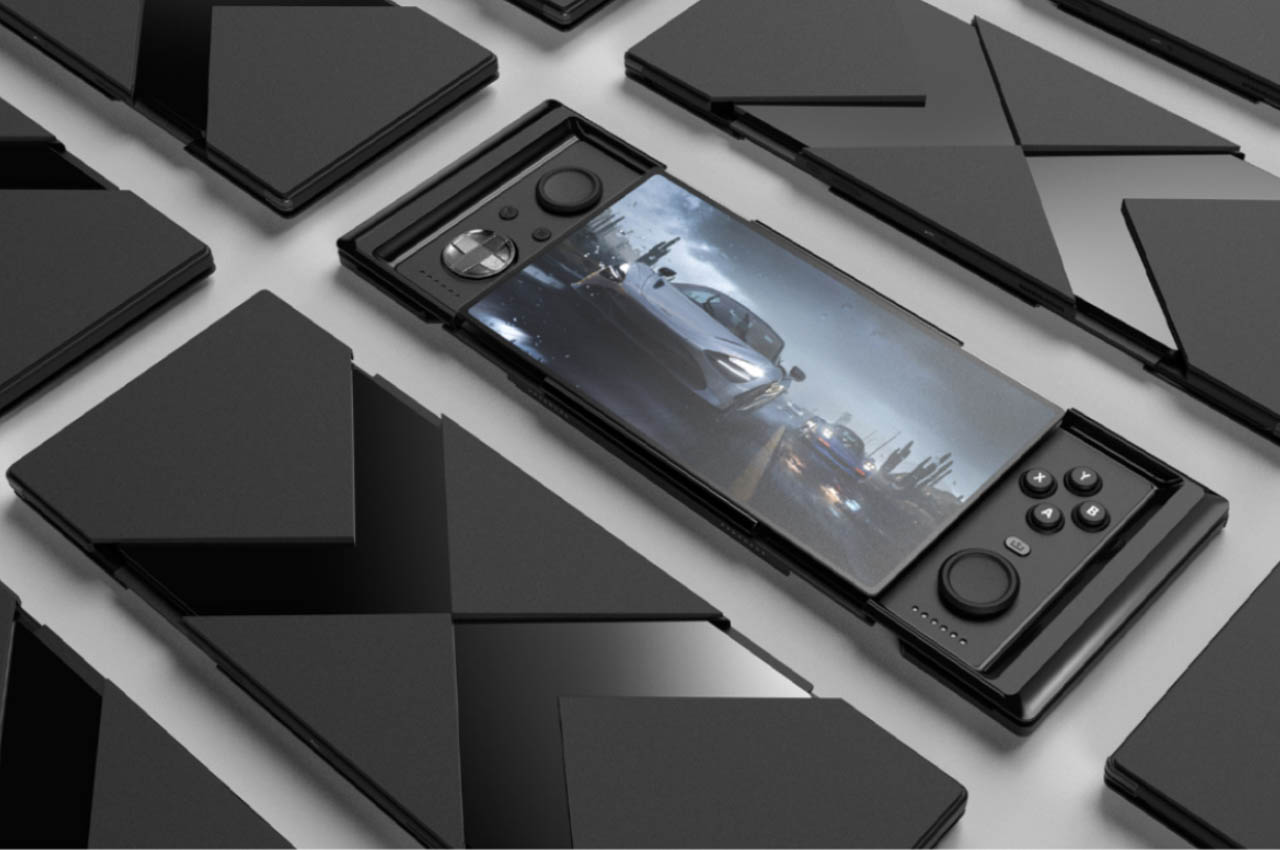
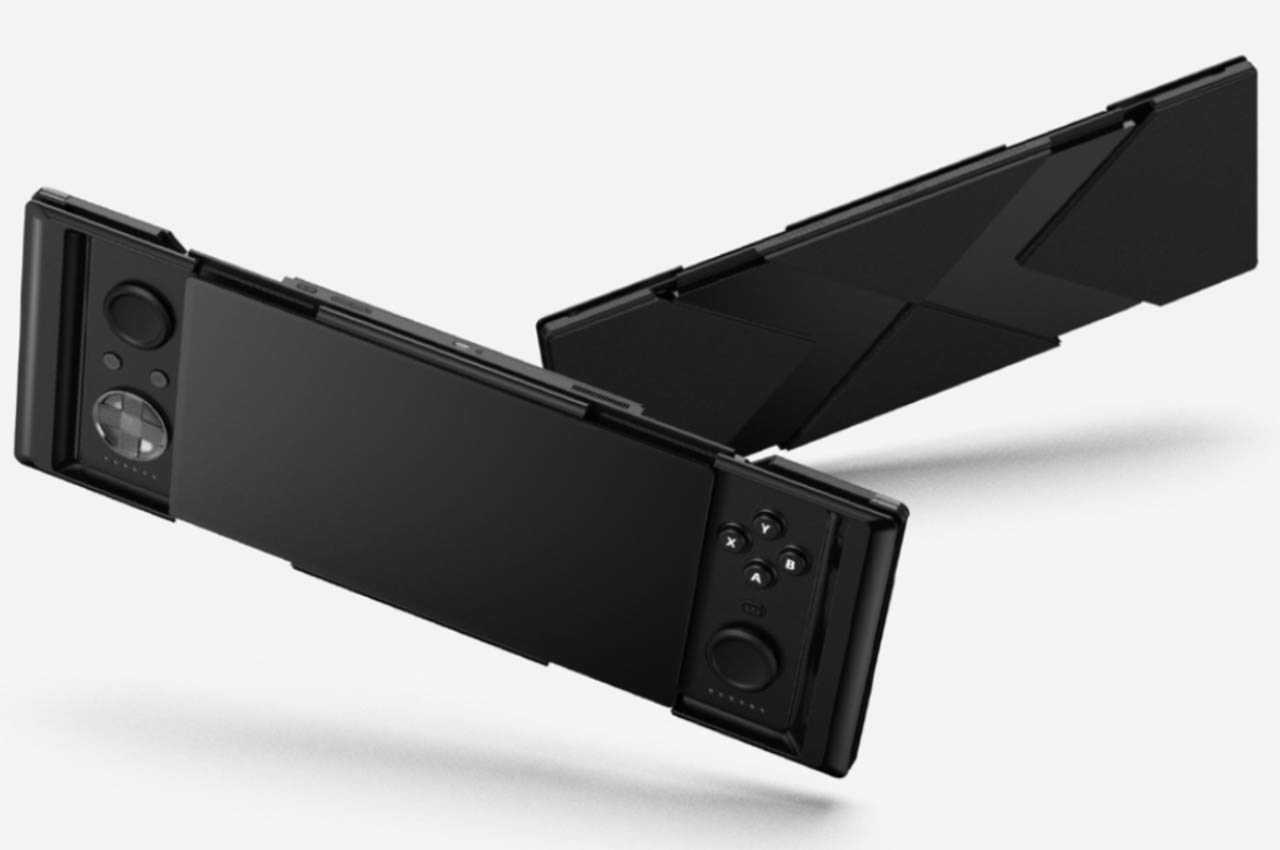
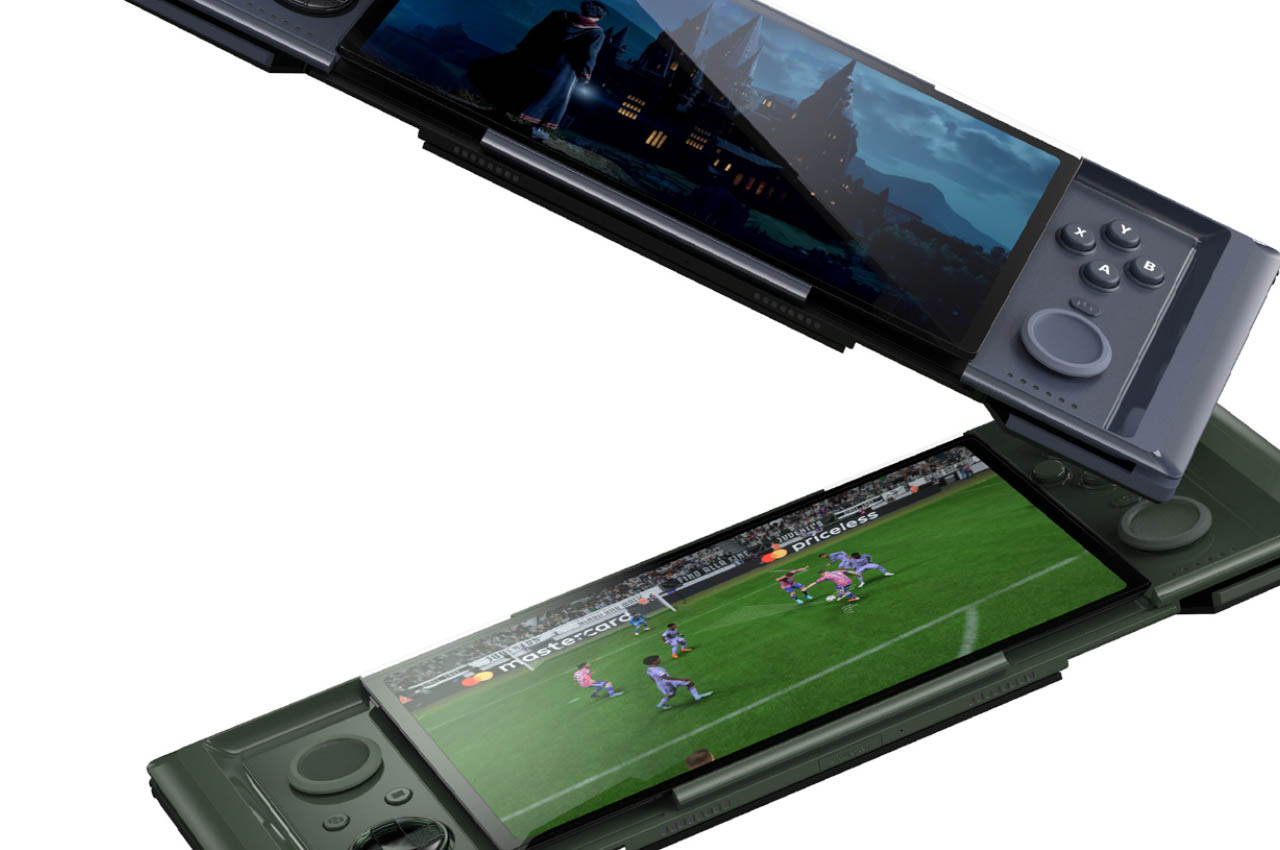
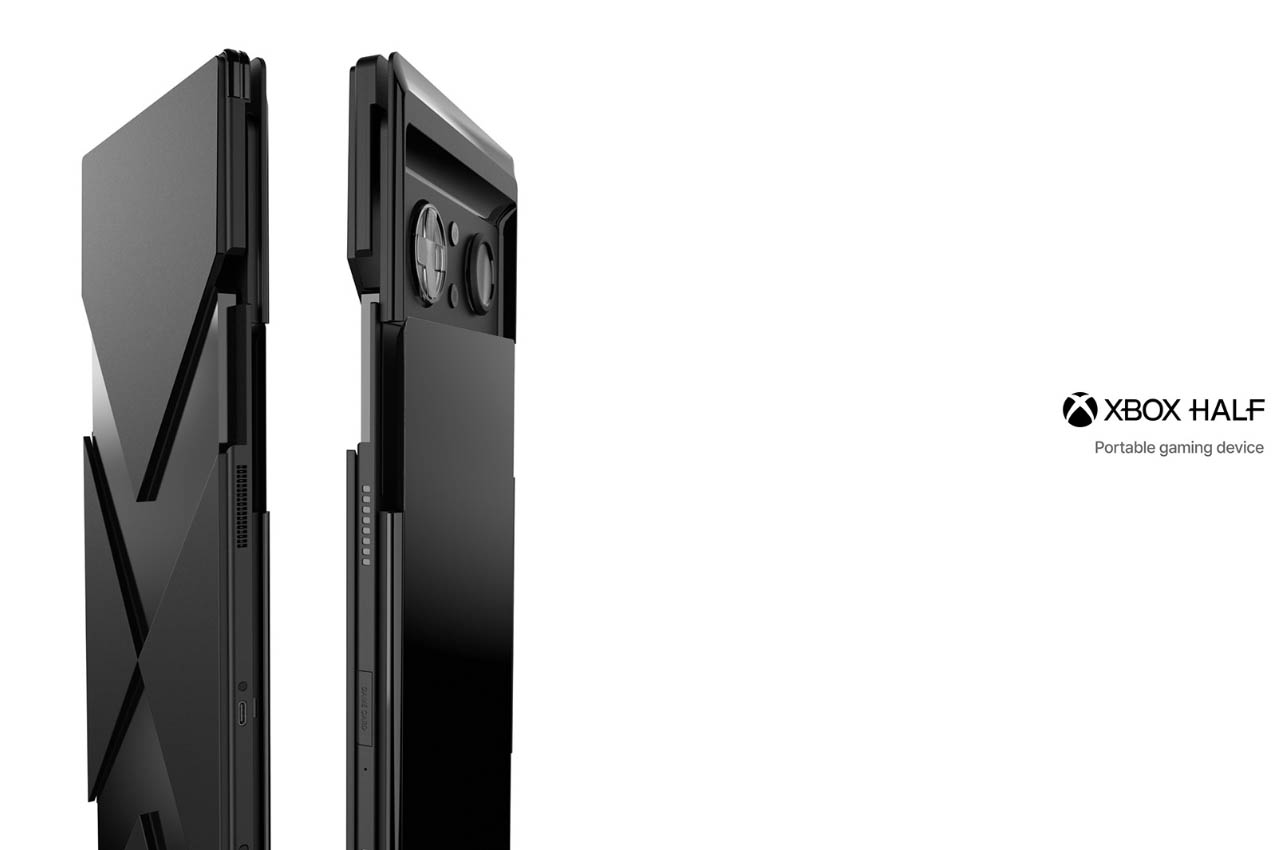
Investing years of R&D in developing gaming consoles is a winning formula for Xbox, Sony and even Nintendo. This applies to handhelds too as manufacturers release gaming devices only after a gap of a couple of years or even more. This concept for an Xbox handheld has a great form factor that Microsoft would be keenly observing for its form factor and functionality. Called the Xbox Half, this portable gaming device stands out from the rest when it comes to ergonomics and function. Just like the PSP, this one is good for gaming, consuming multimedia content, and listening to music.

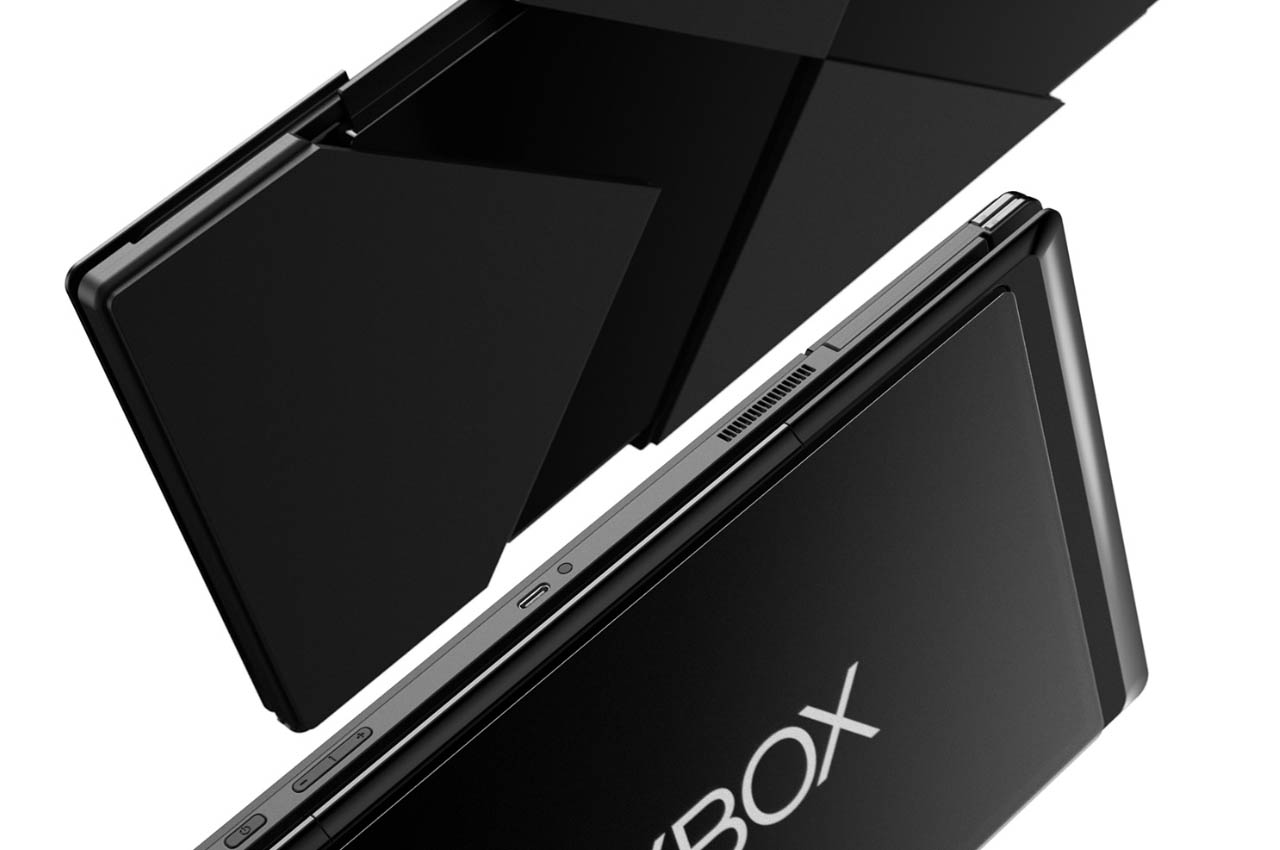
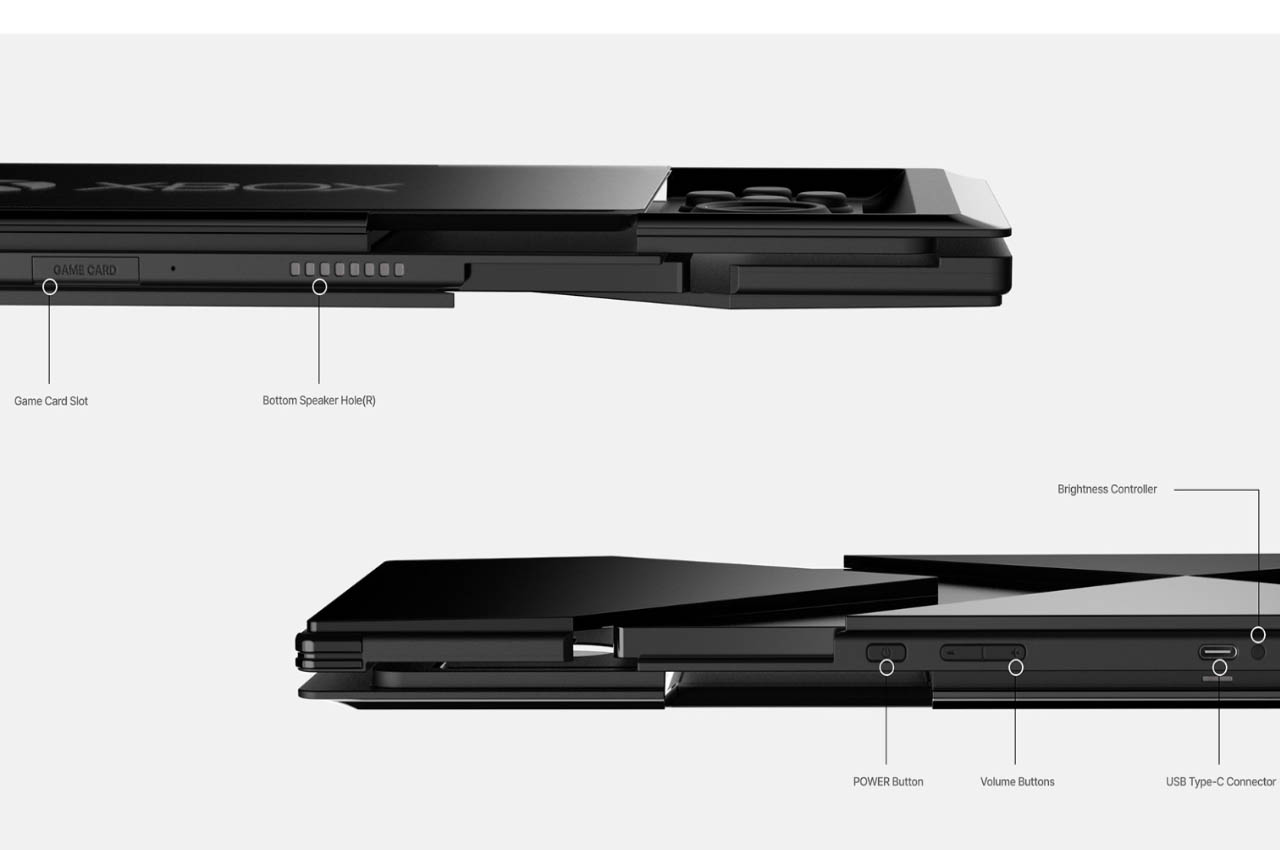
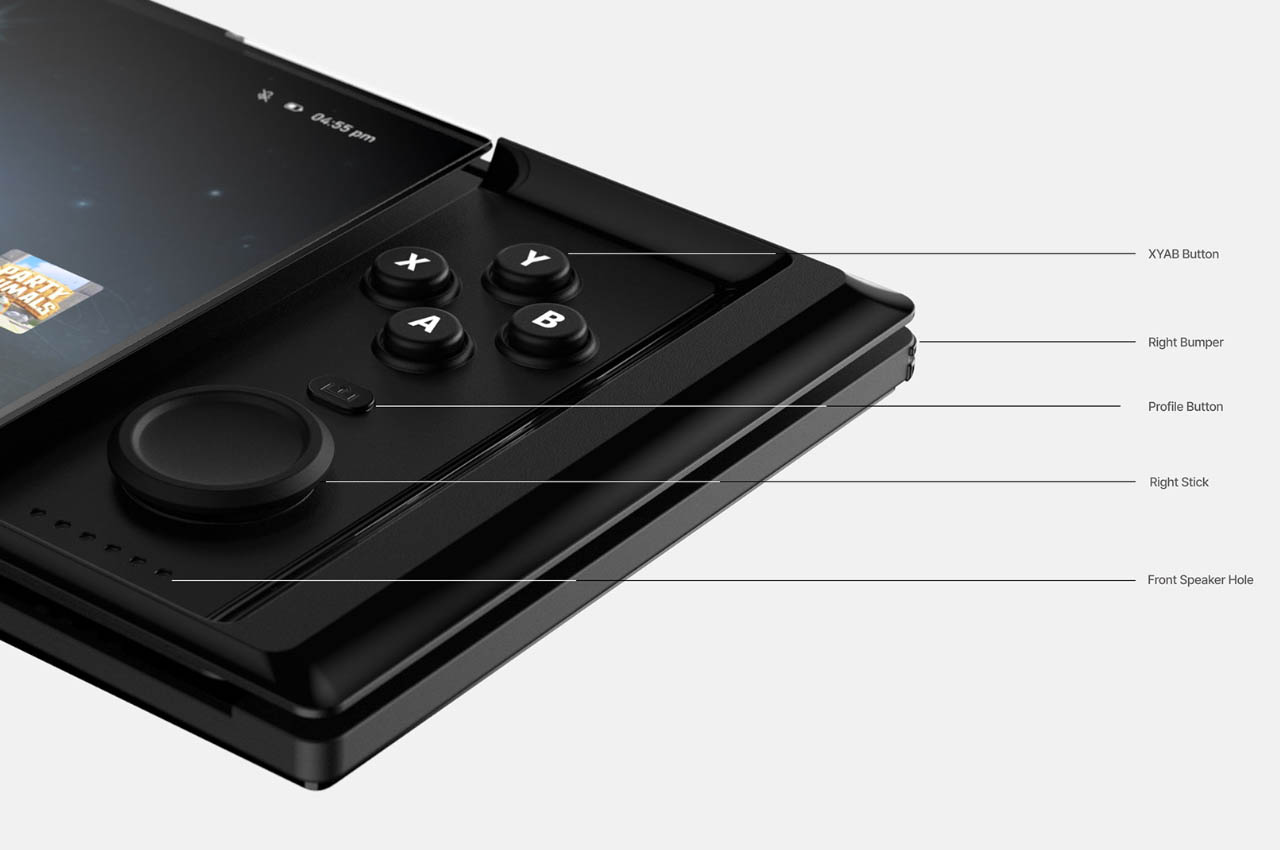
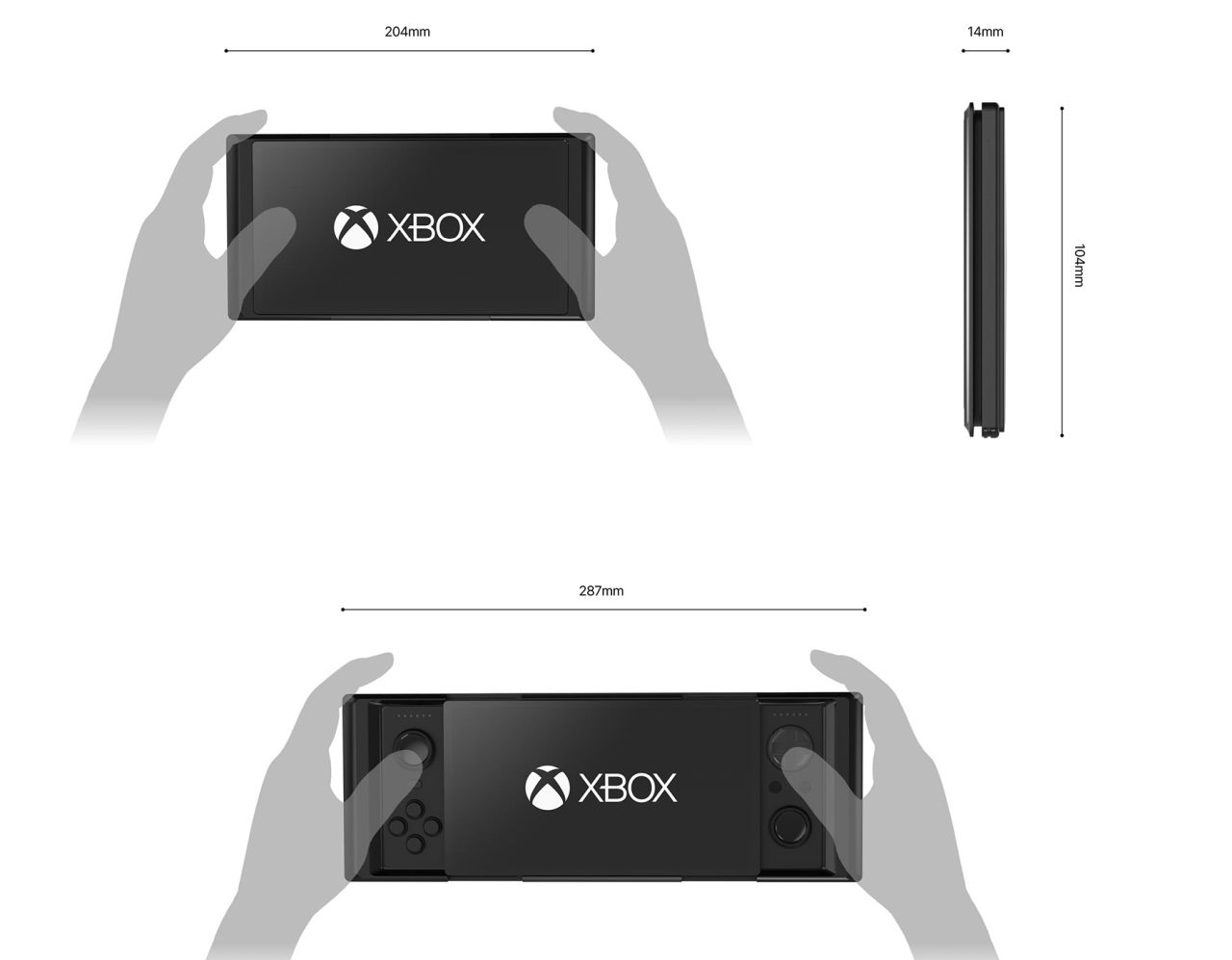
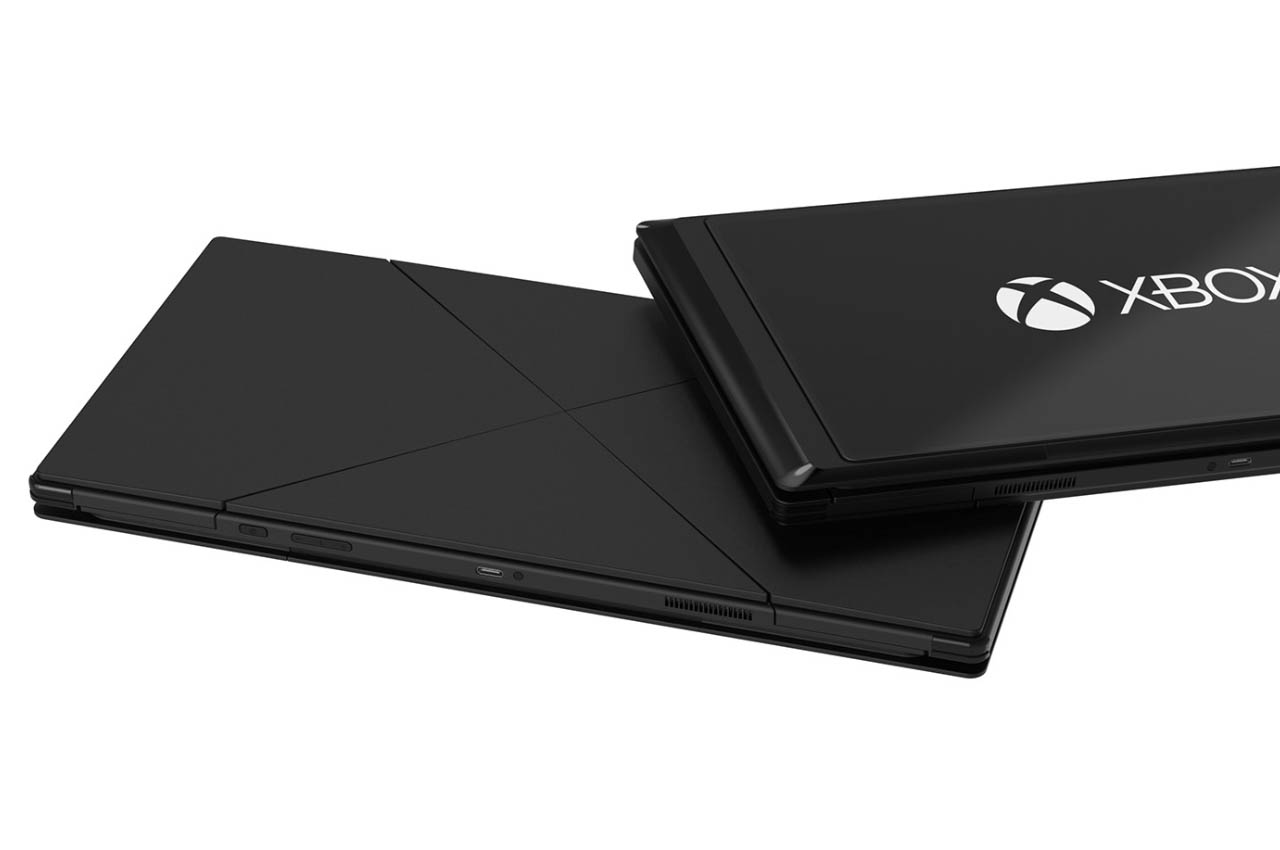
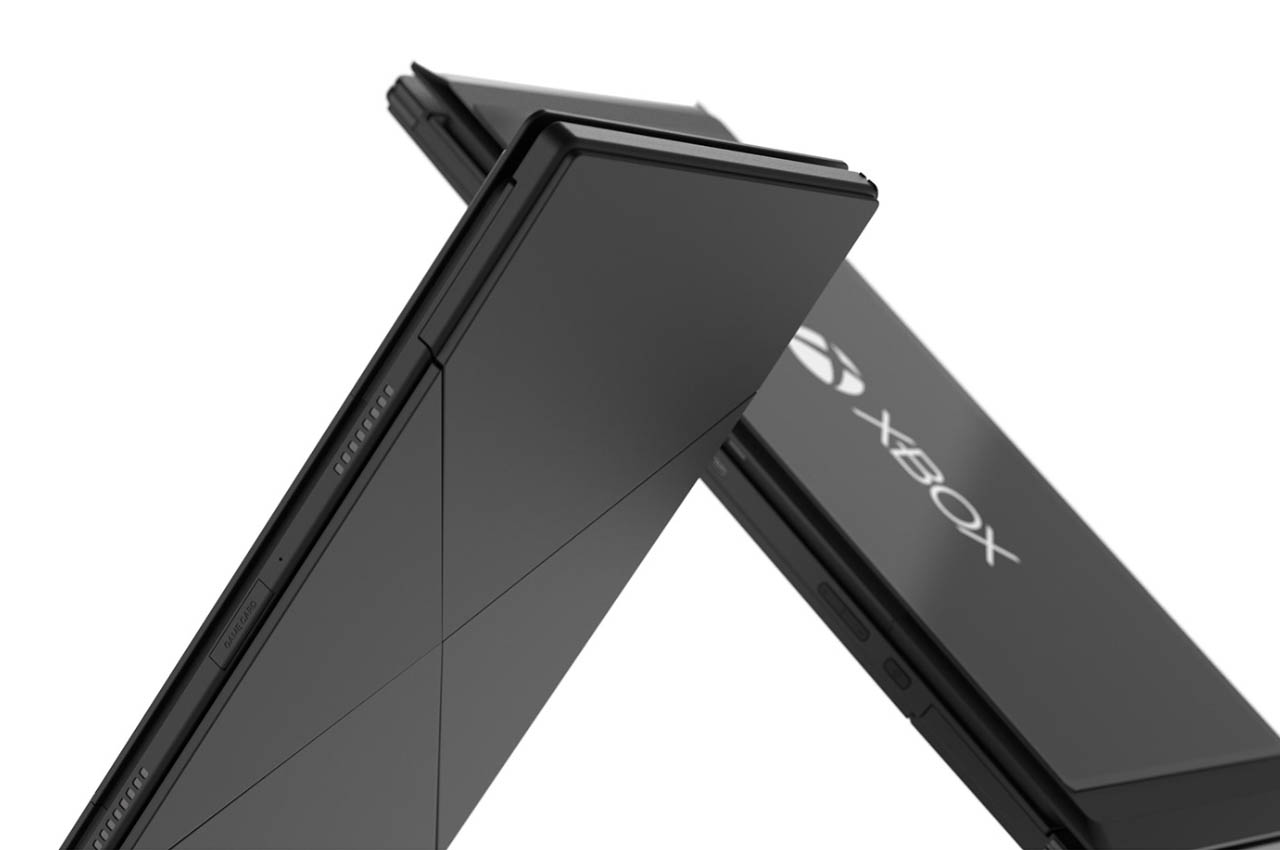
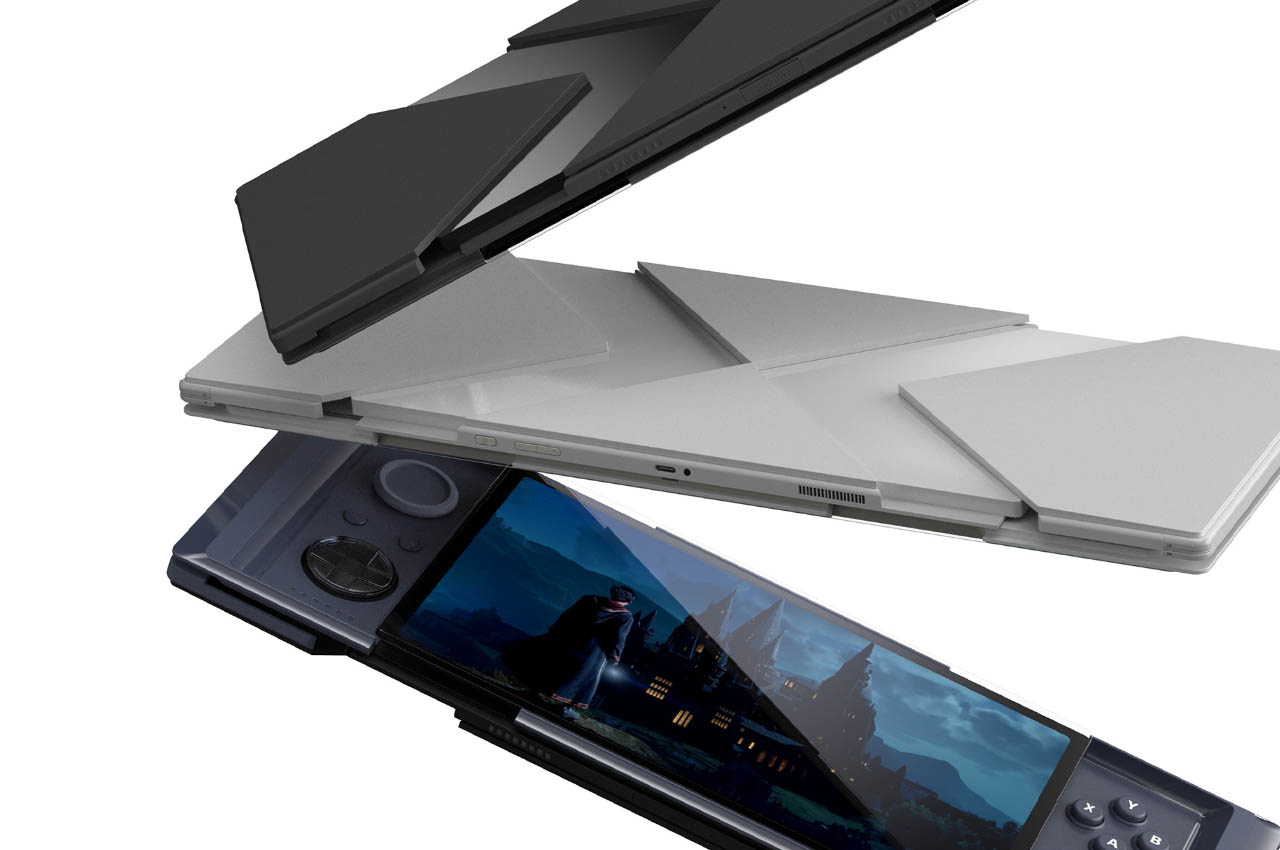
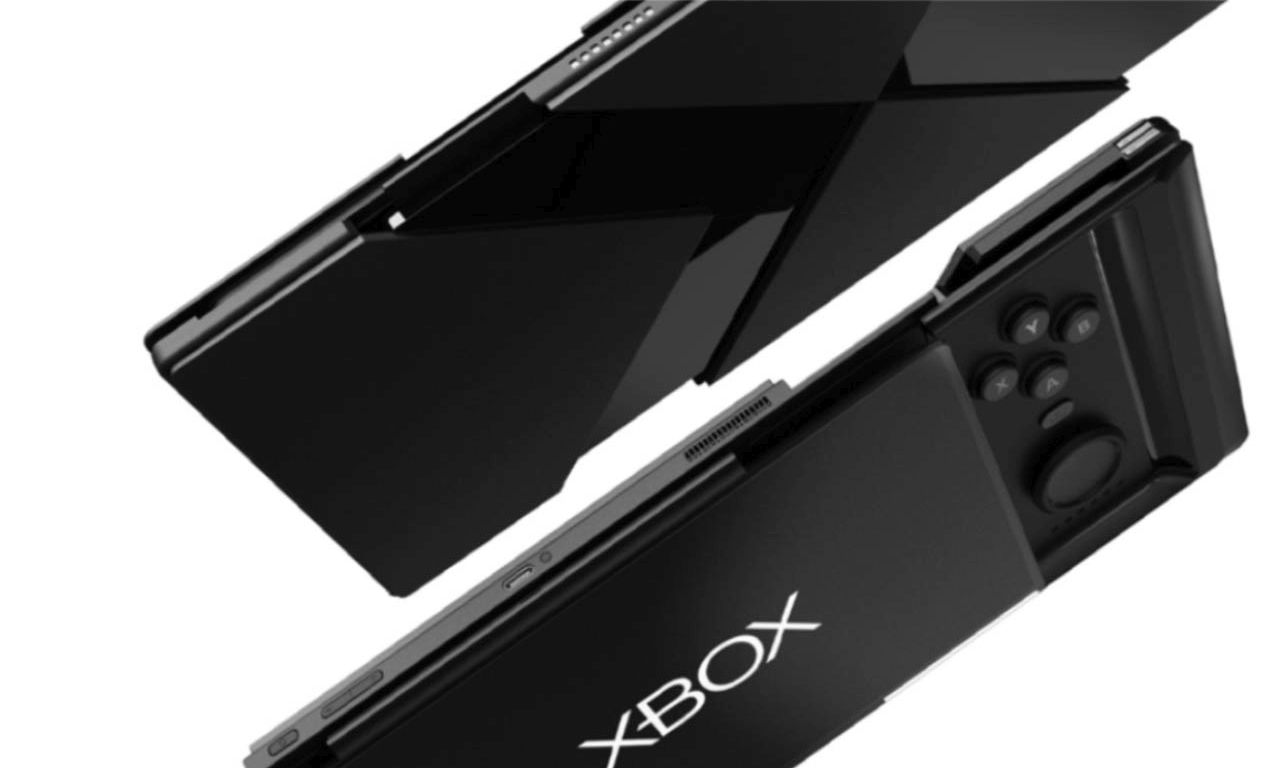
With a retracting beacon of joystick and buttons on both sides, in full-width configuration, the gadget measures 11.30 inches for gaming and a compact mode that conceals them for an 8-inch form factor. This makes the Xbox handheld comfortable and convenient to use. The back panel keeps the brand identity alive as you pull the beacons out the X logo appears. Pretty cool isn’t it? To give distinction to the handheld from the Xbox game console, the buttons and joystick have a muted color hue in black.

Other input buttons including the power button, brightness controller, volume buttons, and the USB Type-C connector and the game slot card lie on the front and rear sides. A lot of thought has been put into conceptualizing the Xbox Half and we are looking forward to seeing what the real thing will look like when finally revealed.

The post Xbox Half handheld gaming console has retractable side panels to hide away buttons and joystick first appeared on Yanko Design.

Get up to $450 off a Google Pixel Tablet when you trade in your old iPad or Android slab

Google has an offer for iPad owners who are curious about the Pixel Tablet. The company has a trade-in promotion that covers at least the cost of the Pixel Tablet for iPad owners — if not more, depending on which model you have. It works with Samsung tablets as well, but those trade-in values are lower. The Pixel Tablet costs $399 (without deals) for 128GB storage and no charging speaker dock.

The promo works with iPads as old as the sixth-generation model from six years ago. For that, Google will give you a surprising $399 — matching the Pixel Tablet’s base cost. That iPad model only cost $329 in 2018, so Google is overpaying by a lot for that one.

However, Google balances that with much worse offers for modern, high-end iPads. For example, the 12.9-inch iPad Pro with M2 chip (2022) only nets $450. Until this week (when the company launched a new iPad Pro and iPad Air), Apple sold that model for $1,099, so we don’t recommend that trade-in price. If you’re done with a high-end iPad from the last few years, you can likely sell it on places like eBay, Craigslist or Swappa for significantly more.

View of the Pixel Tablet on a shelf next to books and oddities.
Sam Rutherford for Engadget

The Pixel Tablet stands out from its Android-running competitors by working with a charging speaker base that lets the device double as a smart display, making it much more versatile. Engadget’s Cherlynn Low thought that part overshadowed its core functionality as a tablet. “As a smart display, the Pixel Tablet mostly shines. It has a useful dashboard, an easy-to-read interface and impressive audio quality,” she wrote in our full review.

The tablet has a 10.95-inch display with a 2,560 x 1,600 resolution (276 PPI) and runs on a Google Tensor G2 chip. It weighs slightly over a pound and is lighter than Android rivals like the Galaxy Tab S8 and OnePlus Pad. Its back has a nano-ceramic coating that gives it a premium, glass-like feeling that you may not expect from a $399 device.

Accessories are where the Pixel Tablet stands out the most. Google’s Pixel Tablet Case, sold separately for $79, has a built-in kickstand that makes the slate more versatile. “What I love about the kickstand-hanger-combo is that it allows you to place the Tablet pretty much anywhere,” Low wrote in Engadget’s review. “So when I want to hang it off a kitchen cabinet to follow along with a recipe video or keep watching Love Is Blind for example, I can. And though the 2,560 x 1,600 LCD panel isn’t as vibrant as the OLED on Samsung’s Galaxy Tabs, it still produced crisp details and colorful images.”

The star accessory is Google’s $129 charging speaker dock, which you can use without removing the kickstand case. This product transforms the tablet into a smart display, potentially voiding the need for other smart home control hubs. The speaker has impressive sound for its size, making it easier to hear its responses if you aren’t right next to it.

Google’s fine print notes that the trade-in value will be finalized after receiving the tablet, and it could be lower if it determines the condition doesn’t match what you selected during the trade-in process. The refund will be processed on the credit card you used to buy the Pixel Tablet (or through Google Store credit if you return your purchase during that time).

Follow @EngadgetDeals on Twitter and subscribe to the Engadget Deals newsletter for the latest tech deals and buying advice.

This article originally appeared on Engadget at https://www.engadget.com/get-up-to-450-off-a-google-pixel-tablet-when-you-trade-in-your-old-ipad-or-android-slab-192718892.html?src=rss

This ‘Foldable’ Security Camera has a hinge that also lets you ‘shut down’ your camera!

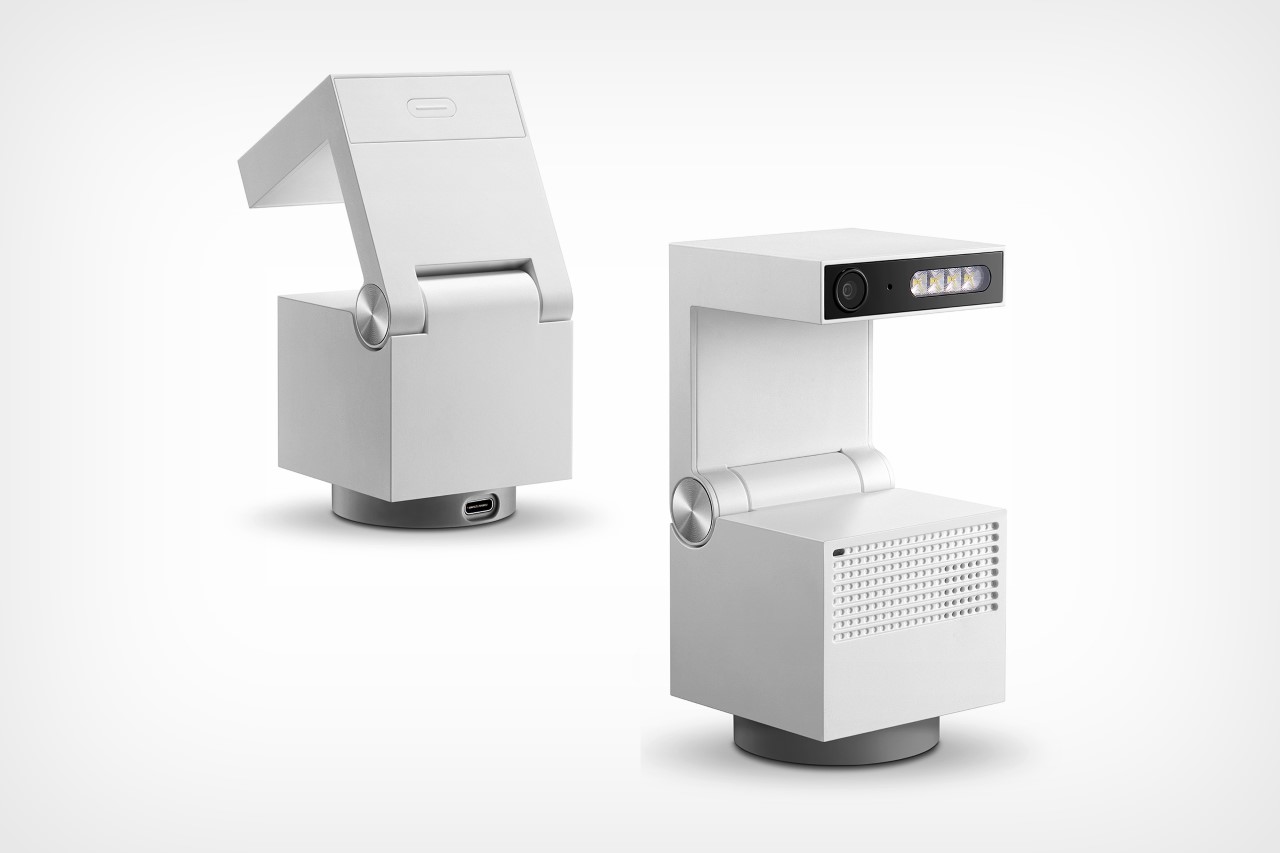
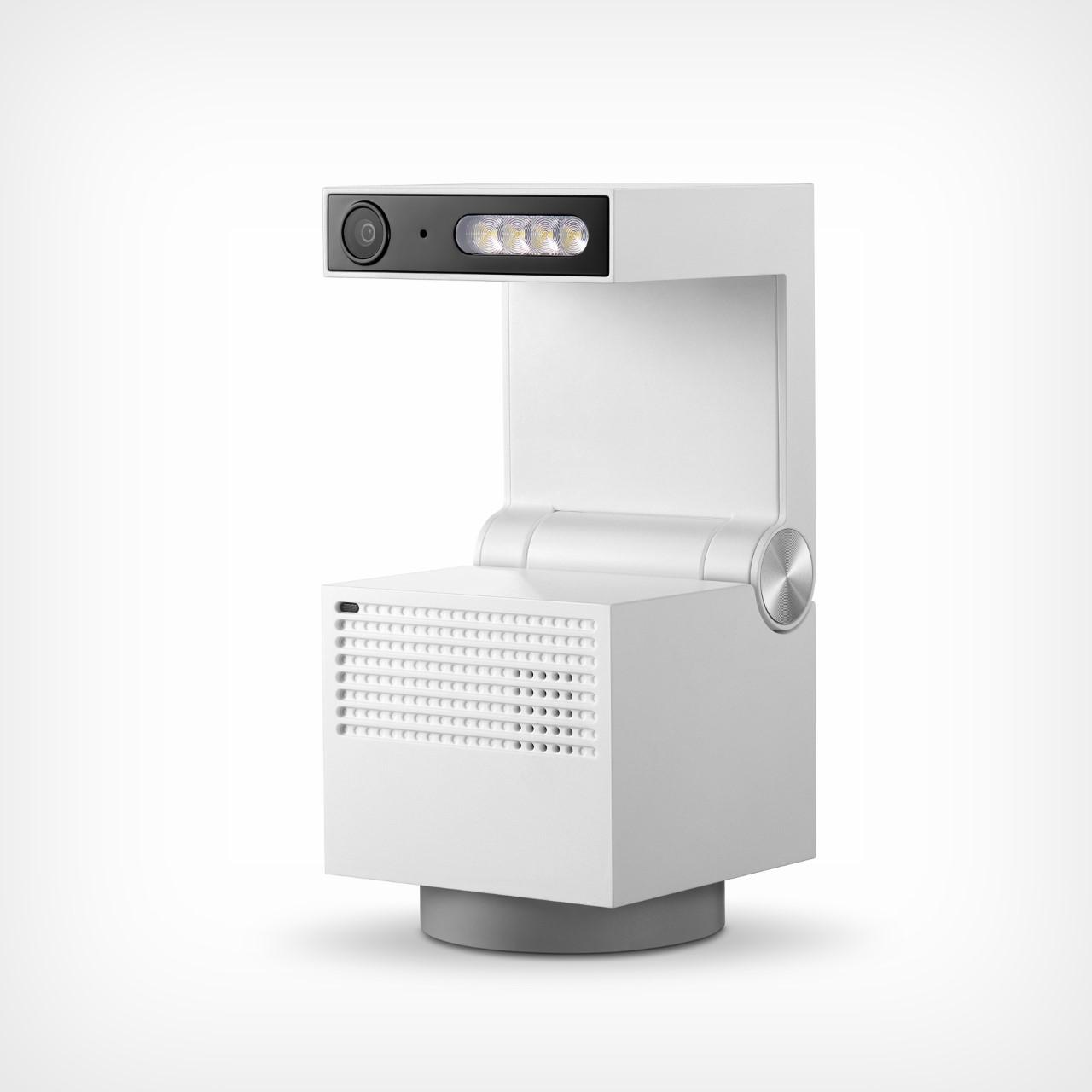
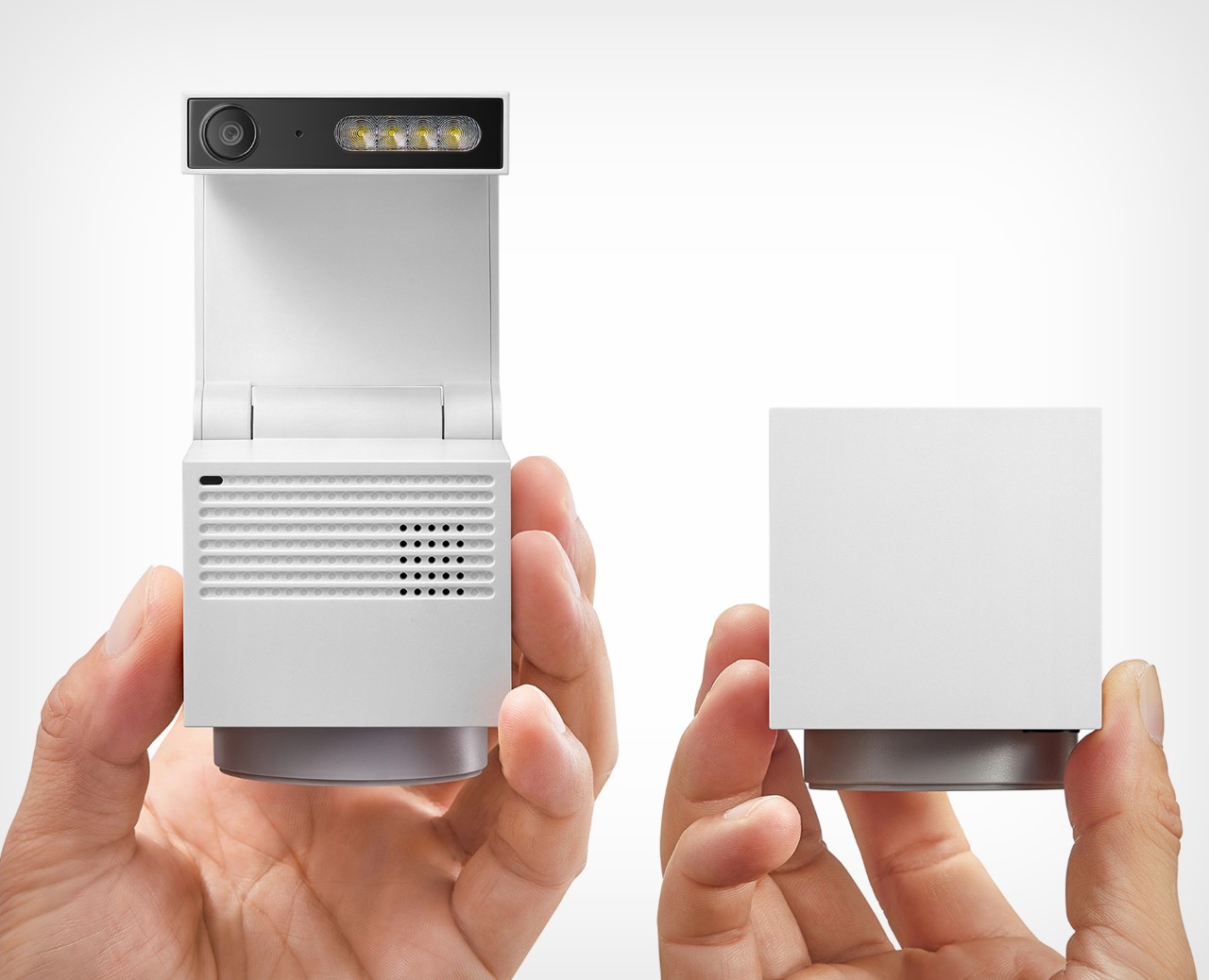
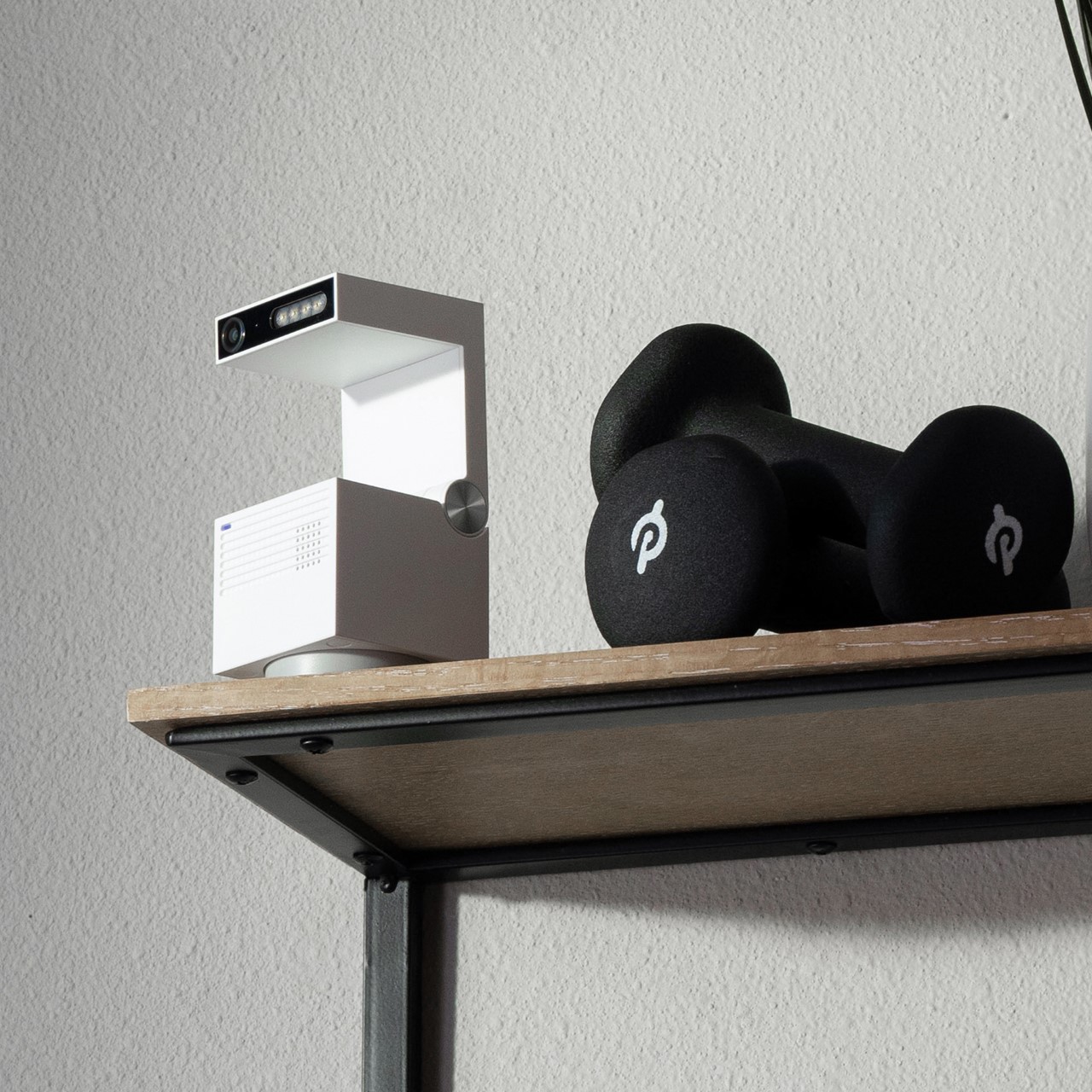
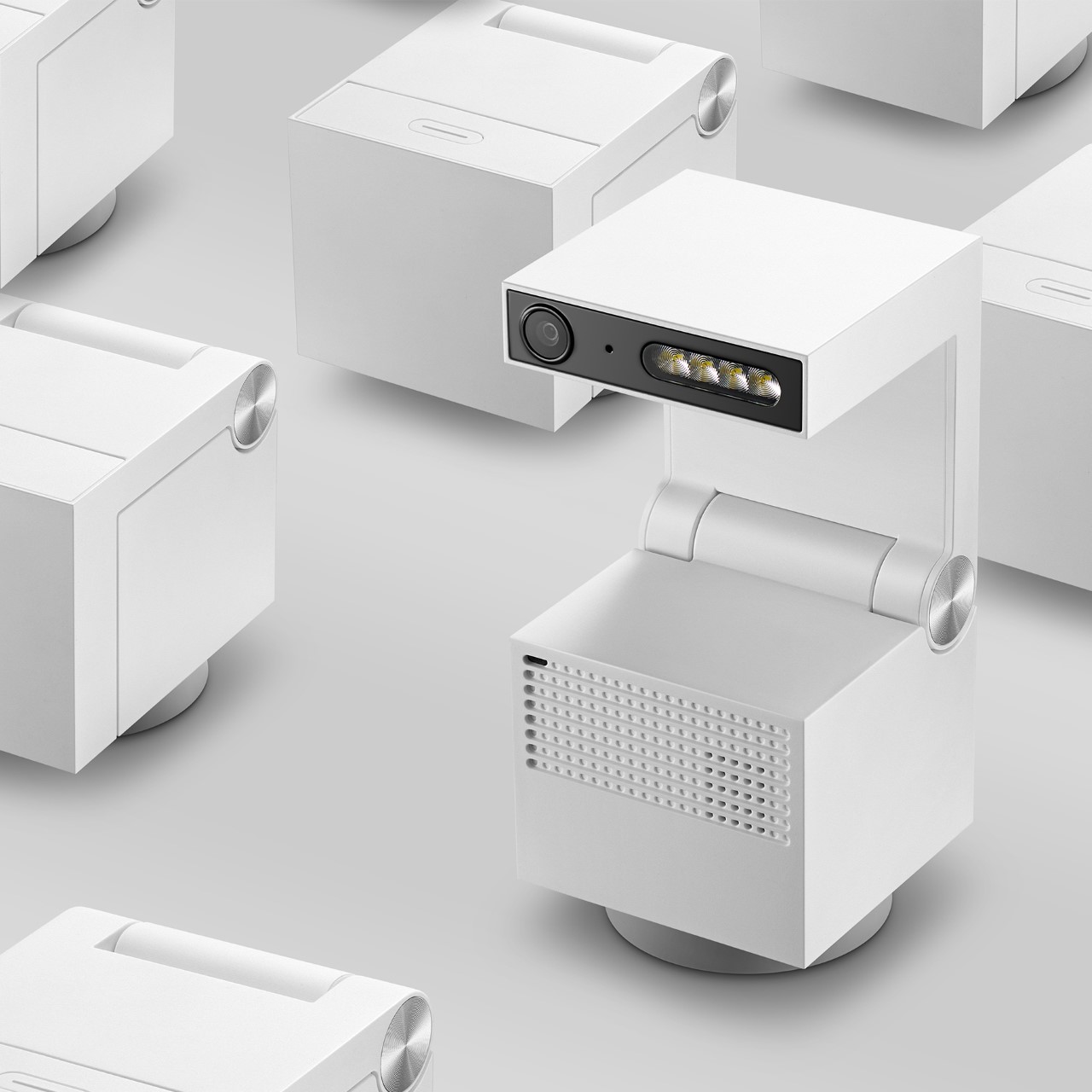
Most cameras follow a simple architecture – they’re either cylindrical shaped, following the traditional shape of camera lenses, or they’re spherical shaped, allowing for 360° rotation. Not that cameras need to be any awkward or unique shape, but it helps when something breaks the mold, creating a design that stands out for being radically unique. Meet the Psync Genie S, a camera that thinks outside the box, by making a camera that quite literally IS a box. With a ‘lid’ that contains the camera lens and the floodlight, the Genie S automatically adjusts itself to face anywhere on a vertical axis, letting it look straight, up, or down. However, the lid also has another feature, it acts as a literal privacy shutter by simply allowing you to ‘shut down’ your camera. Turn the camera off and its lid quite literally closes to have the lens face directly downward, effectively turning the camera off!

Designers: Milian Lu and Duo Li

Drawing inspiration from Bauhaus principles, the Genie S boasts a minimalist aesthetic. Clean lines and geometric shapes prioritize function without compromising style. But the camera’s true innovation lies in its transformable design. Unlike most static security cameras, the Genie S features a unique “Open Box” design that physically transforms based on its operational state. This movement provides instant feedback to users, letting them know whether the camera is active or not. It’s a subtle yet effective detail that enhances the user experience.

Beyond its rather quirky-yet-functional form, the Genie S packs a powerful technological punch. At its heart lies a tiny, custom-developed dual-axis gimbal system. This innovative technology allows for a wide field of view, capturing a significant portion of your space with 350-degree horizontal and 135-degree vertical coverage. Furthermore, the Genie S boasts a crisp 2K resolution with 6x zoom, allowing you to see clear details even when zoomed in on specific areas.

One of the most intriguing features of the Genie S is its “ViewSay” technology. This AI-powered system goes far beyond simple motion detection. ViewSay analyzes and interprets the visual data it captures, providing users with intelligent notifications. Imagine receiving a notification that says “Pet cat playing on the couch” instead of a generic “motion detected” alert. This level of detail allows for a more informed response and peace of mind.

The Genie S prioritizes user control over data privacy. Unlike some security cameras that rely on cloud storage subscriptions, the Genie S offers local storage options (32GB or 64GB). This ensures your data remains private and eliminates any hidden fees associated with cloud storage. Additionally, users can customize motion detection alerts to receive notifications only for specific events, such as people, pets, or vehicles. This minimizes unnecessary alerts and allows you to focus on what truly matters.

The post This ‘Foldable’ Security Camera has a hinge that also lets you ‘shut down’ your camera! first appeared on Yanko Design.

Alienware m16 R2 review: When less power makes for a better laptop

The Alienware m16 R2 is a rarity among modern laptops. That’s because normally after a major revamp, gadget makers like to keep new models on the market for as long as possible to minimize manufacturing costs. However, after its predecessor launched last year sporting a fresh design, the company reengineered the entire system again for 2024 while also limiting how big of a GPU can fit inside. So what gives? The trick is that by looking at the configurations people actually bought, Alienware was able to rework the m16 into a gaming laptop with a sleeker design, better battery life and a more approachable starting price, which is a great recipe for a well-balanced notebook.

There are so many changes on the m16 R2’s chassis it’s hard to believe it’s from the same line. Not only has Alienware gotten rid of the big bezels and chin from the R1, but the machine is also way more portable now. Weight is down more than 20 percent to 5.75 pounds (from 7.28 pounds) and it’s also significantly more compact with a depth of 9.8 inches (versus 11.4 inches before). For some style points, Alienware added RGB lighting around the perimeter of the touchpad. This result is a major upgrade for anyone who wants to take the laptop on the go. It fundamentally changes the system from something more like a desktop replacement to a portable all-rounder.

Critically, despite being smaller, the m16 R2 still has a great array of connectivity options. On its sides are two USB 3.2 Type-A ports, a microSD card reader, an Ethernet jack and a 3.5mm audio socket. Around back, there are two USB-C slots (one supports Thunderbolt 4 while the other has DisplayPort 1.4), a full-size HDMI 2.1 connector and a proprietary barrel plug for power. Generally, I like this arrangement as moving some ports to the rear of the laptop helps keep clutter down. That said, I wish Alienware had switched the placement of the Ethernet jack and one of the USB-C ports, as I find myself reaching for the latter much more often.

While it doesn't have support for HDR, the 16-inch display on the Alienware m16 R2 does have a speedy 240Hz refresh rate.
Photo by Sam Rutherford/Engadget

The m16 R2 has a single display option: a 16-inch 240Hz panel with a QHD+ resolution (2,560 x 1,600). It’s totally serviceable and for competitive gamers, that high refresh rate could be valuable during matches where potential advantage matters. But you don’t get any support for HDR, so colors don’t pop as much as they would on a system with an OLED screen. Furthermore, brightness is just OK at around 300 nits, which might not be a big deal if you prefer gaming at night or in darker environments. But if you plan on lugging this around to a place with big windows or a lot of sunlight, games and movies may look a bit subdued. That said, it’s not a deal breaker, I just wish this model had some other display options like the previous one.

While the m16 R2’s sleeker design is a major plus, the trade-off is less space for a beefy GPU. So unlike its predecessor, the biggest card that fits is an NVIDIA RTX 4070. This may come as a downer for performance enthusiasts, but Alienware said it made this change after seeing only a small fraction of buyers opt for RTX 4080 graphics on the old model. Even so, the R2 can still hold its own when playing AAA titles. In Cyberpunk 2077 at 1080p and ultra graphics, it hit 94 fps, barely behind what we saw from the ASUS ROG G16 (95 fps) with a more powerful 4080. And while the performance gap grew slightly when I turned ray tracing on, the m16 still pumped out a very playable framerate of 62 fps (versus 69 fps for the G16).

One of the biggest benefits of the m16 R2’s redesign is that it allowed Alienware to install a larger 90Wh battery versus the 84Wh pack in its predecessor. When you combine that with components and fans better tailored to the kind of performance this machine delivers, you get improved longevity. On our rundown test, the m16 R2 lasted 7 hours and 51 minutes, which is longer than both the Razer Blade 14 (6:46) and the ASUS ROG Zephyrus G14 (7:29) and just shy of what we got from a similarly specced XPS 16 (8:31). That said, it’s still not as good as the ASUS G16’s time of 9:17. Regardless, the ability to go longer between charges is never a bad thing. Meanwhile, for those who want to pack super light, one of the m16 R2’s USB-C ports in the back supports power input, though you won’t get the full 240 watts like you do with Alienware’s included brick.

As always, the m16 R2 has a light-up version of Alienware's iconic logo on its lid.
Photo by Sam Rutherford/Engadget

For 2024, it would have been so easy for Alienware to give the m16 a basic spec refresh and call it a day. But it didn’t. Instead, the company looked at its customers' preferences and gave it a revamp to match. So despite not having the same top-end performance as before, the R2 is still a very capable gaming laptop with a more compact chassis, improved battery life and a lower starting price of $1,500 with an RTX 4050. Sure, I wish its display was brighter and that there was another panel option, but getting 240Hz standard is pretty nice.

Really, the biggest argument against the m16 R2 is that for higher-specced systems like our $1,850 review unit with an RTX 4070, you can spend another $150 for an ASUS ROG G16 with the same GPU, a brighter and more colorful OLED display and an even lighter design that weighs a full pound less. But for people seeking a well-priced gaming machine that can do a bit of everything, there’s a lot of value in the m16 R2.

This article originally appeared on Engadget at https://www.engadget.com/alienware-m16-r2-review-when-less-power-makes-for-a-better-laptop-174027103.html?src=rss

Hear the Roar of 6 Iconic Lamborghini in Your Living Room with the SL-1200M7B Turntable

Automobili Lamborghini and Technics, both leaders in automobiles and audio equipment, have long upheld traditions of excellence. Each, known for innovation and expertise, continually advances their respective fields. Their collaboration has produced the SL-1200M7B turntable, a product that combines top-tier engineering and design, showcasing the strong capabilities of both brands.

Designer: Technics + Lamborghini
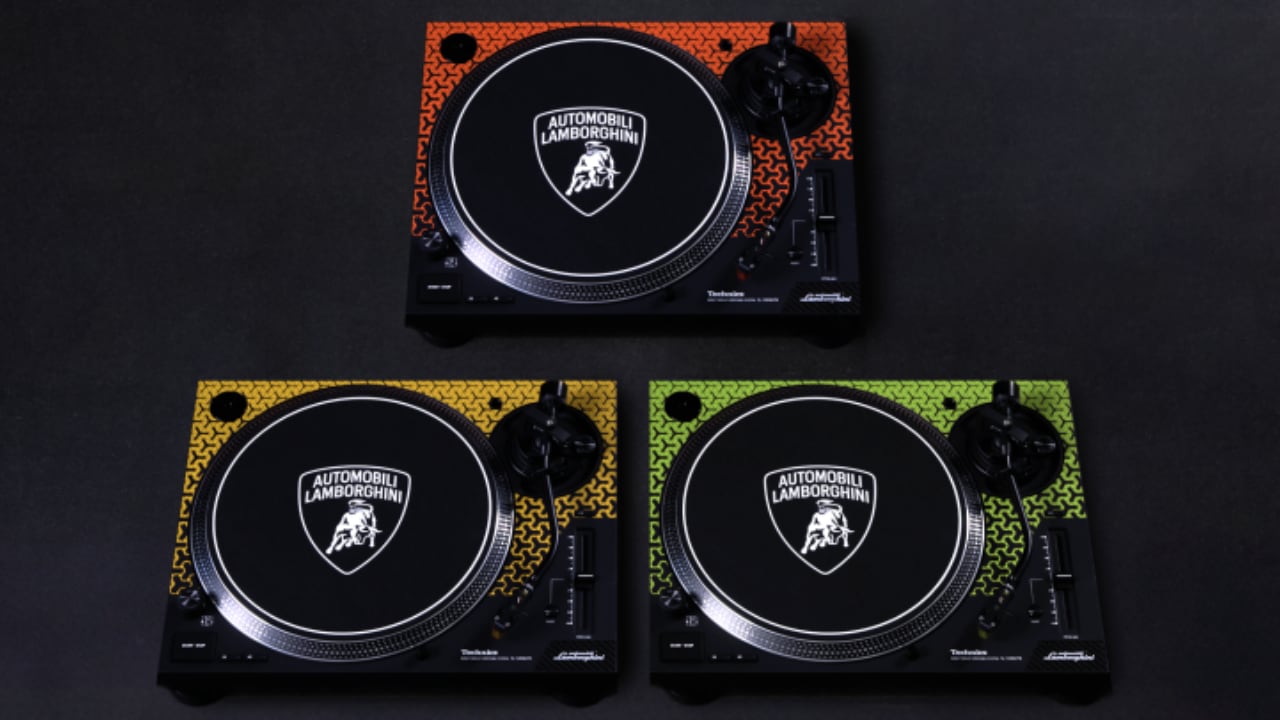
Founded in 1963 by Ferruccio Lamborghini, Automobili Lamborghini set out to create the world’s most beautiful and powerful sports cars. Known for their dramatic designs and thunderous V12 engines, Lamborghini cars quickly became symbols of status and performance. Over the decades, Lamborghini has consistently pushed the boundaries of automotive engineering, achieving a legendary status among car enthusiasts.

On the flip side, Technics, established by Panasonic in 1965, revolutionized the audio industry with its direct-drive turntable technology, first introduced in the early 1970s. This innovation was crucial for DJs, as it provided a more reliable and precise way to mix and scratch records, effectively changing the DJ scene forever. The SL-1200 series, introduced for DJs, is appreciated for its reliability and sound quality, making it a common choice in clubs globally.
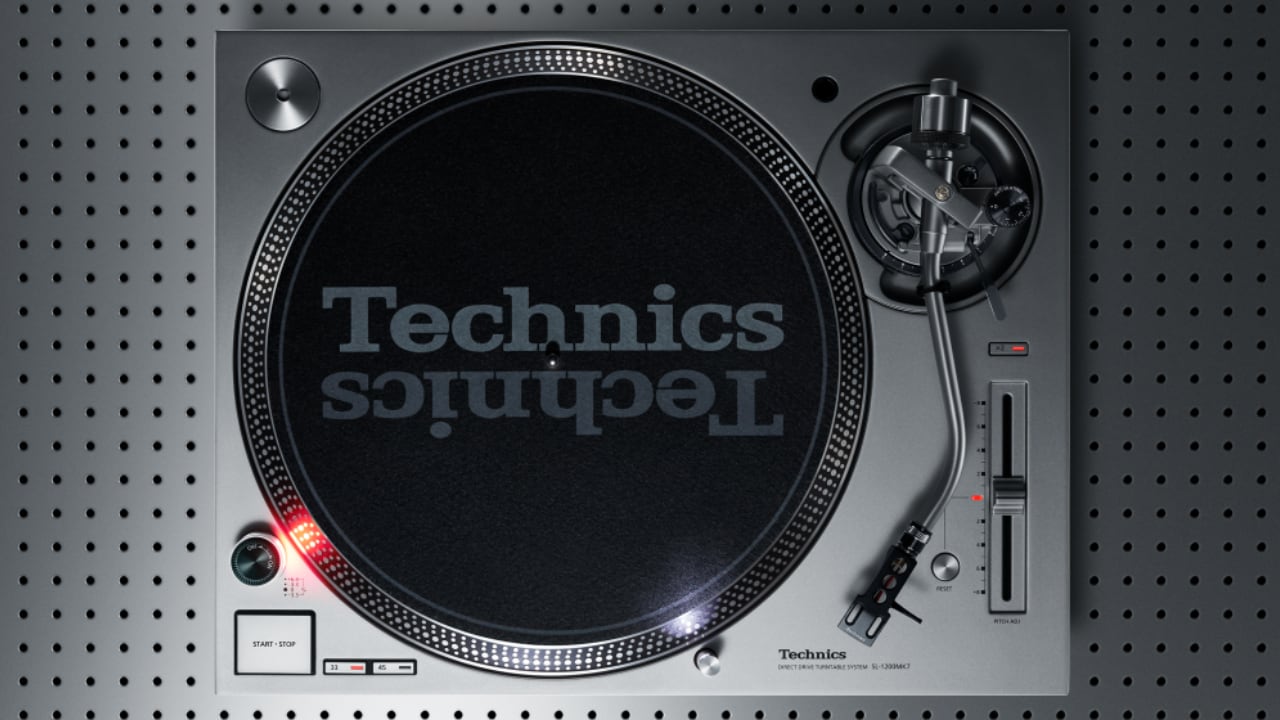
Both brands have continuously evolved, driven by a commitment to innovation and a passion for delivering extraordinary experiences. Their collaboration on the SL-1200M7B turntable represents a blend of cutting-edge audio technology and automotive design flair anchored in their shared heritage. For enthusiasts of both brands, this turntable showcases decades of pioneering history and performance.
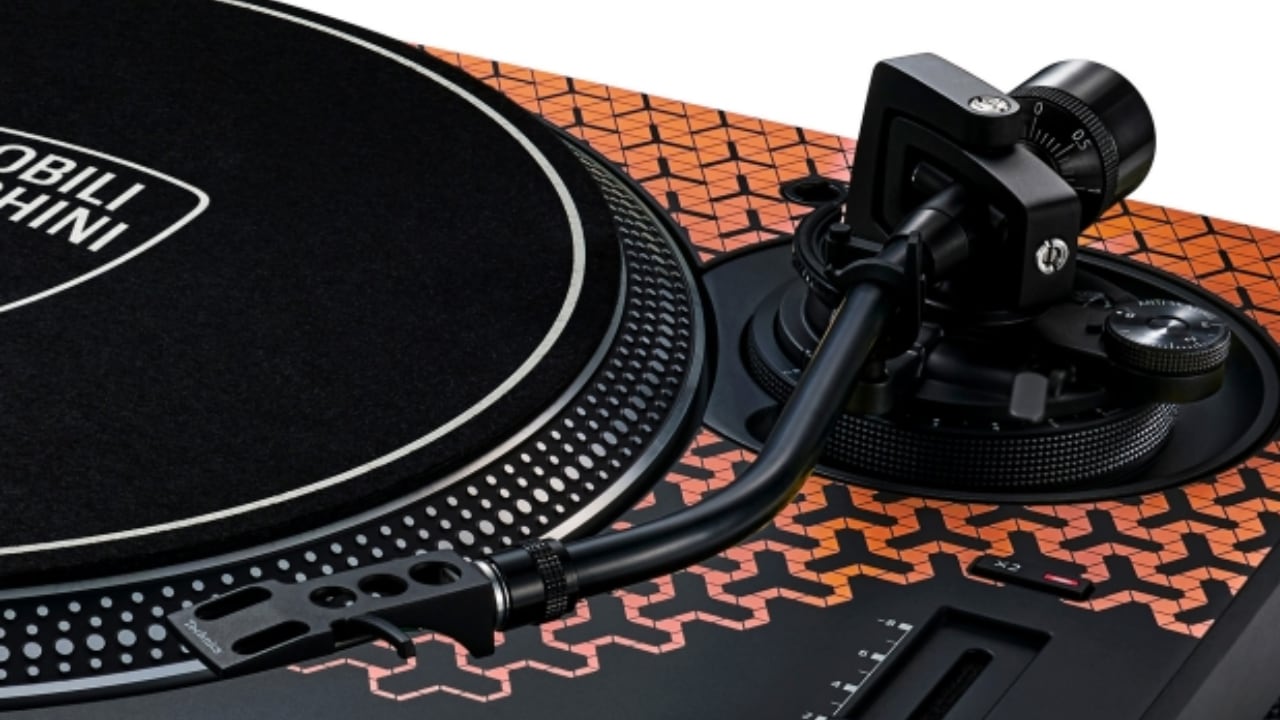
The SL-1200M7B’s tonearm, a key component in the DJ scene for years, provides excellent tracking performance due to its high-precision bearings and superior initial-motion sensitivity.

Firing up the SL-1200M7B goes beyond playing vinyl—it ignites the visceral thrill of a Lamborghini. The turntable includes an exclusive vinyl record featuring the sweet-sounding engine exhaust notes of six iconic Lamborghini V12-engine super sports cars: the 400GT 2+2, Miura SV, 25th Anniversary Countach, Diablo 6.0 SE, Murciélago LP 640, and Revuelto. These sounds mirror the exhilarating sensation of driving a Lamborghini, where every rev feels like the roaring bull comes to life.
This special edition turntable turns each playback into a performance, highlighting Lamborghini’s rich legacy. The picture disc, illustrating the tire of the Revuelto, adds visual drama to the auditory experience. The package is completed with a custom slipmat and stickers featuring the Automobili Lamborghini and Technics logos, enriching its collectible appeal.
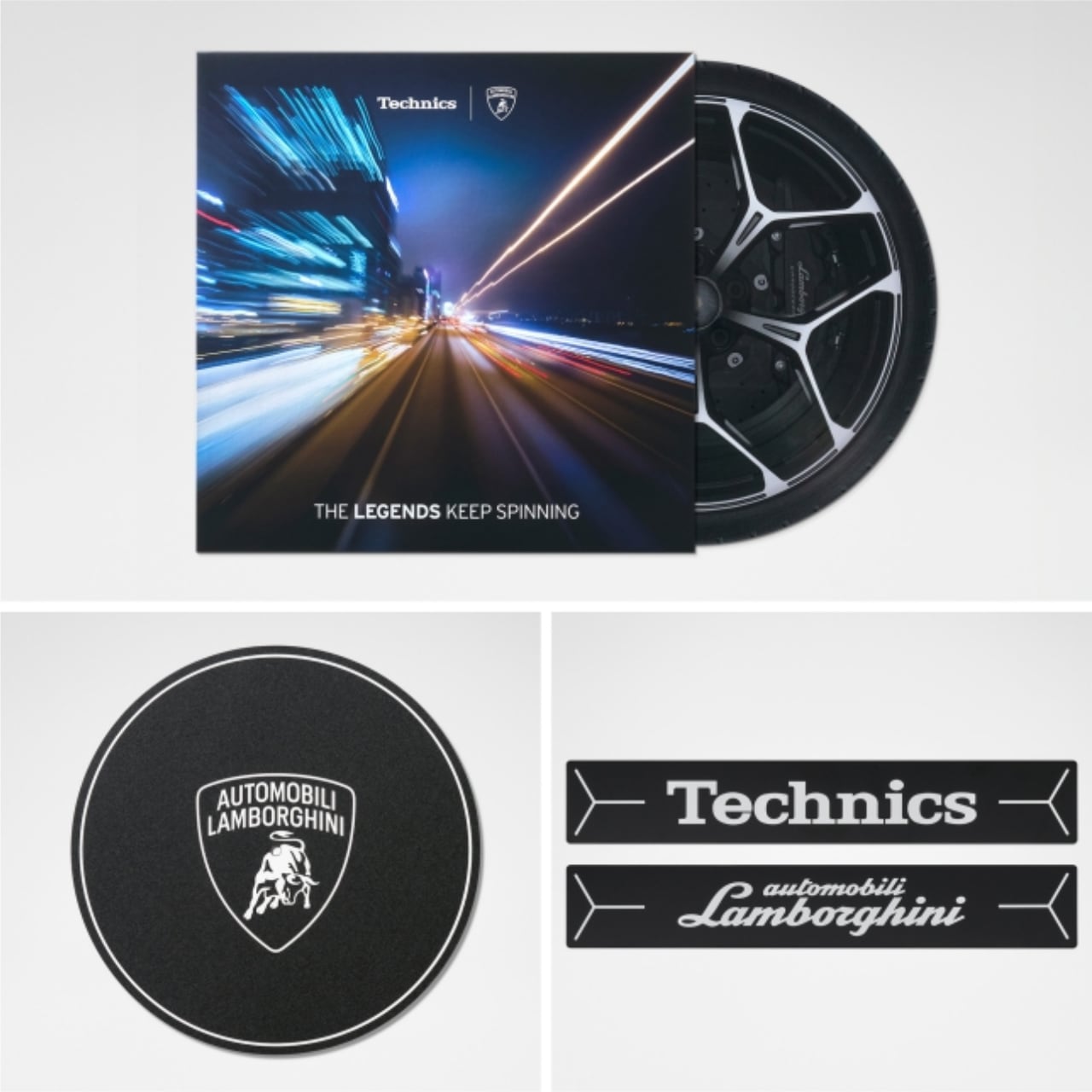
Experience the roar of Lamborghini with Technics’ exclusive gift: a turntable adorned with prestigious logos.

Turning Tables: The SL-1200M7B Combines Top-Notch Audio with Sleek Design

The SL-1200M7B turntable represents a significant leap forward in audio technology, combining Lamborghini’s dynamic flair with Technics’ renowned precision. At its heart is a coreless direct drive motor that provides stable, cogging-free rotation and powerful torque. This feature ensures that DJs can perform without experiencing the interruptions or inconsistencies that can occur with lesser equipment. The motor’s ability to maintain consistent speed under varying loads means that the audio output is always crystal clear and faithful to the original recording.
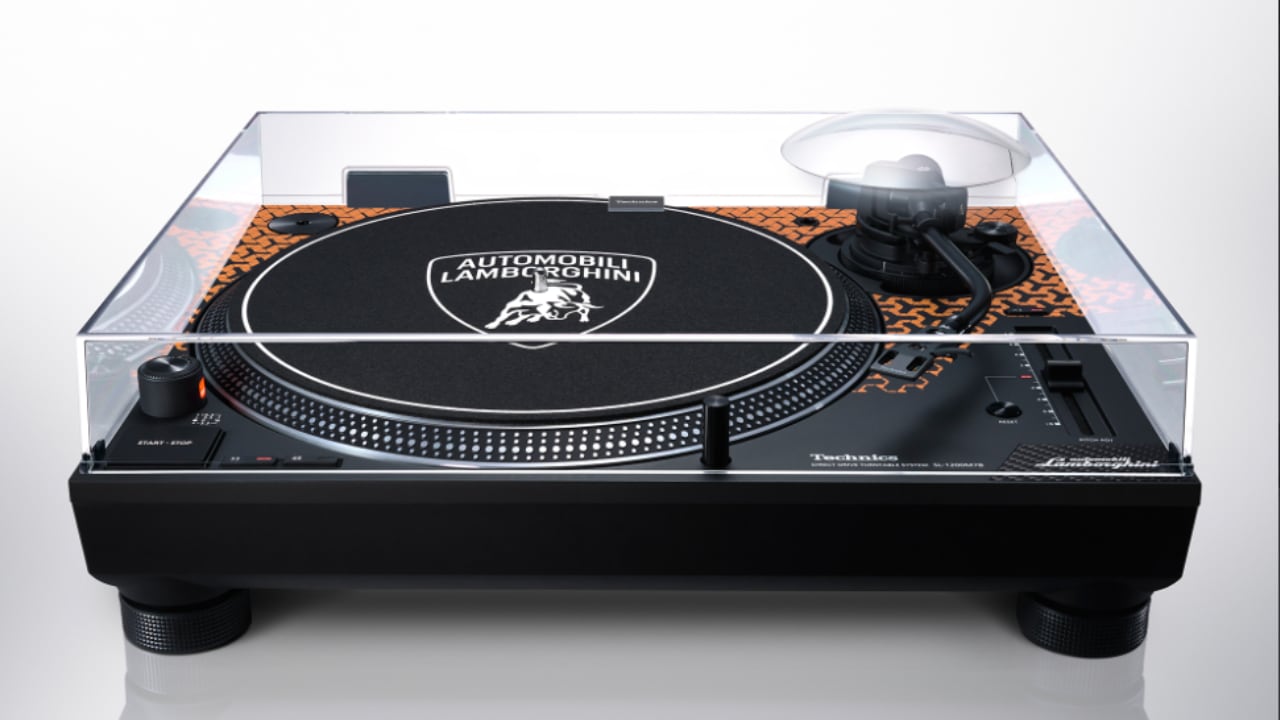
In addition to its robust motor, the SL-1200M7B boasts a highly sensitive tonearm that uses high-precision bearings, surpassing the performance of its predecessors. This tonearm is adept at reading the nuances in vinyl grooves, translating them into audio with minimal error or distortion. Whether it’s old classics or new cuts, this tonearm ensures that every detail of the music is captured and conveyed with exceptional clarity. The ability to track grooves accurately, even during intensive scratching sessions, makes this turntable a reliable choice for DJs who demand the best in their performances.
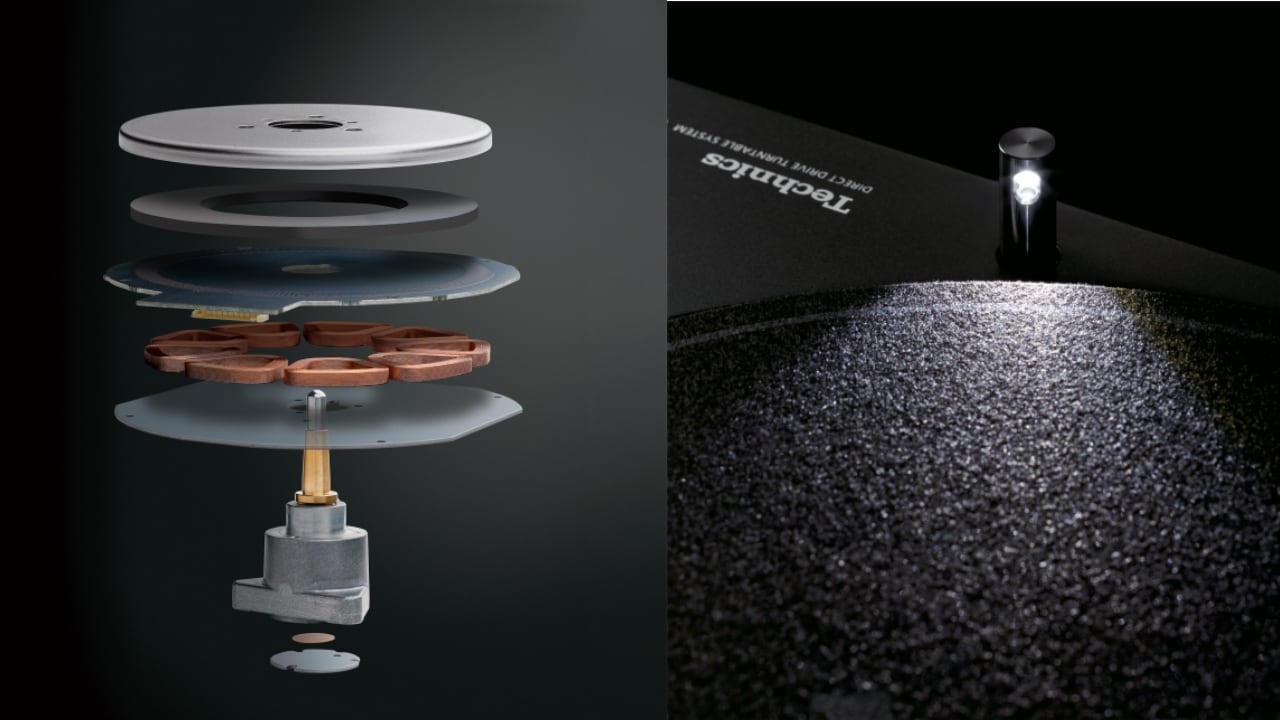
Coreless Direct Drive Motor Achieving Stable Rotation and Stylus Illuminator Featuring a High-brightness and Long-life White LED

Design-wise, the SL-1200M7B does not disappoint, featuring a two-layer structure platter that significantly enhances vibration damping. Together with a high-rigidity cabinet and high-damping insulator, the turntable is virtually immune to external vibrations, preserving sound quality even in high-energy environments. The visual aesthetics are equally compelling, with the design drawing inspiration from Lamborghini’s iconic style. This turntable not only sounds exceptional but also stands as a striking piece of craftsmanship that complements any DJ setup or home audio system.

Let’s Set the Right Tone: Power and Prestige in Lamborghini’s Legendary V12 Lineup

Lamborghini 400GT 2+2 (Introduced: 1966)

Lamborghini 400 GT 2+2

  • Engine: 3.9-liter V12
  • Power Output: 320 horsepower
  • Exhaust Note: Smooth yet robust, with a deep rumble that underscores its grand touring capabilities.
  • Features: This grand tourer blends power with luxury, offering a spacious interior and refined driving experience. It marks a significant early step in Lamborghini’s performance car history.
  • Notable Design Feature: The 400GT 2+2 features a distinctive, elongated front end and sleek, rounded body lines that exude elegance and sophistication, setting it apart as a true classic in automotive design.

Lamborghini Miura SV (Introduced: 1971)
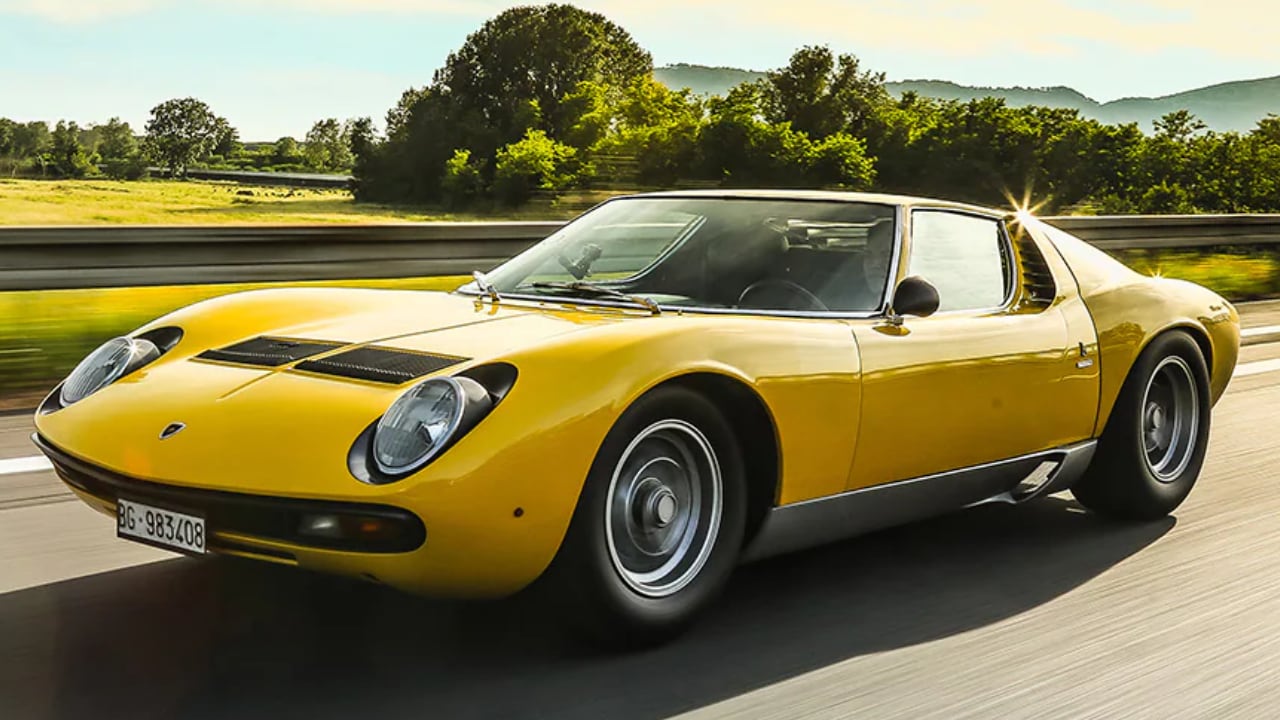
Lamborghini Miura SV

  • Engine: 4.0-liter V12
  • Power Output: 385 horsepower
  • Exhaust Note: Sharp and intense, the Miura SV’s sound is as dramatic as its appearance, with a high-pitched roar that crescendos rapidly with acceleration.
  • Features: This is the pinnacle of the Miura line, with technical refinements for improved handling and a more powerful engine setup.
  • Notable Design Feature: The Miura SV is renowned for its revolutionary rear mid-engine, rear-wheel-drive layout that significantly improved the car’s balance and handling, making it a trendsetter for sports cars. Its striking “eyelash” headlight surrounds became one of its most distinctive and iconic visual elements.

Lamborghini 25th Anniversary Countach (Introduced: 1988)
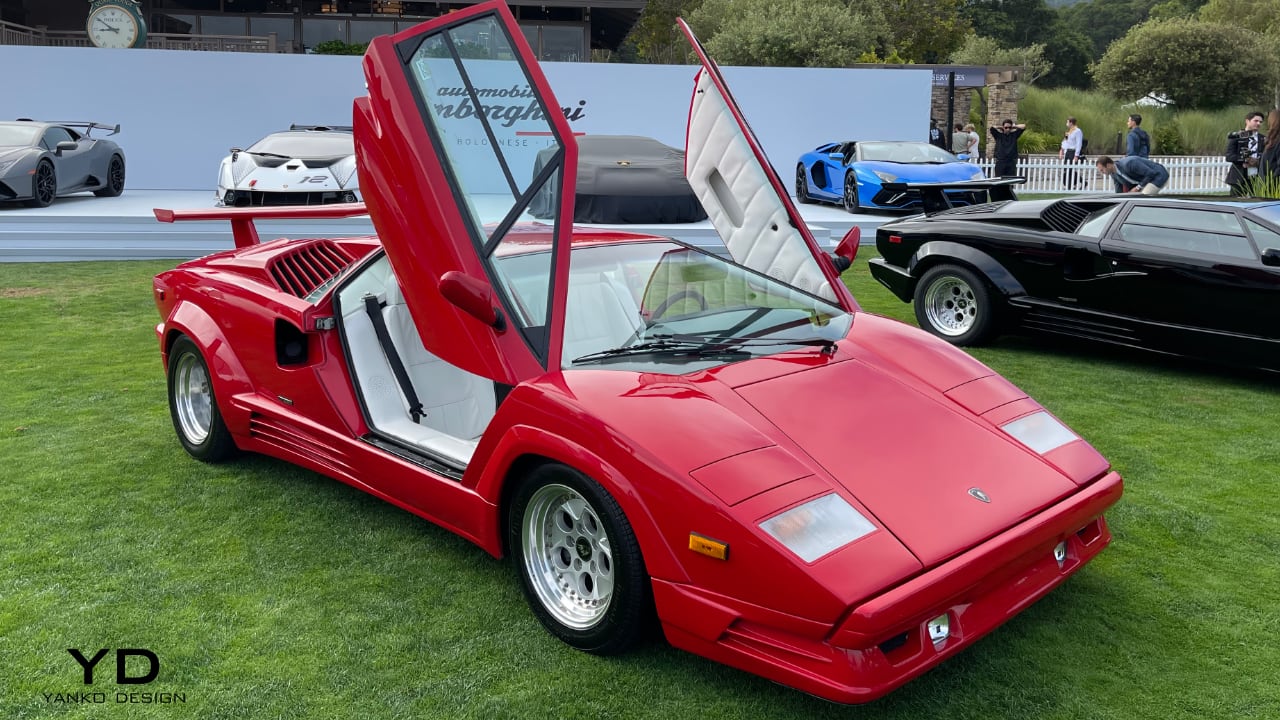
  • Engine: 5.2-liter V12
  • Power Output: 455 horsepower
  • Exhaust Note: Aggressive and loud, the Countach’s exhaust bellows with a raw, mechanical intensity that is unmistakable.
  • Features: Introduced to celebrate 25 years of Lamborghini, this model sports aesthetic and functional enhancements, maintaining the Countach’s iconic status.
  • Notable Design Feature: The 25th Anniversary Countach features distinctive scissor doors, a hallmark that became synonymous with Lamborghini’s image of exotic performance and dramatic flair. This edition accentuated the model’s wedge-shaped, sharply angled design, further solidifying its presence as a symbol of 1980s automotive extravagance.

Lamborghini Diablo 6.0 SE (Introduced: 2001)

  • Engine: 6.0-liter V12
  • Power Output: 550 horsepower
  • Exhaust Note: Deep and powerful, the Diablo’s roar is commanding with a clear, thunderous pitch that signals its formidable power.
  • Features: Among the most powerful Diablos, featuring advanced engineering for improved stability and an ultra-modern look.
  • Notable Design Feature: The Diablo 6.0 SE features a distinctive wedge-shaped body that is both aerodynamic and aggressively styled. Its sharp, angular lines and gullwing doors accentuate its appearance, making it instantly recognizable as a symbol of 90s supercar design.

Lamborghini Murciélago LP 640 (Introduced: 2006)

Lamborghini Murciélago LP 640

  • Engine: 6.5-liter V12
  • Power Output: 640 horsepower
  • Exhaust Note: Overwhelmingly ferocious, the Murciélago’s exhaust has a guttural growl that turns into a piercing scream at high revs, embodying the beast it is named after.
  • Features: Known for its raw power, the Murciélago LP 640 offers advanced aerodynamics and a robust frame, enhancing speed and performance.
  • Notable Design Feature: The Murciélago LP 640 features iconic scissor doors that rise up and forward when opened, a hallmark of Lamborghini’s most exclusive models. This dramatic door design not only adds to the visual impact but also reflects the car’s bold, aggressive nature.

Lamborghini Revuelto (Introduced: 2022)
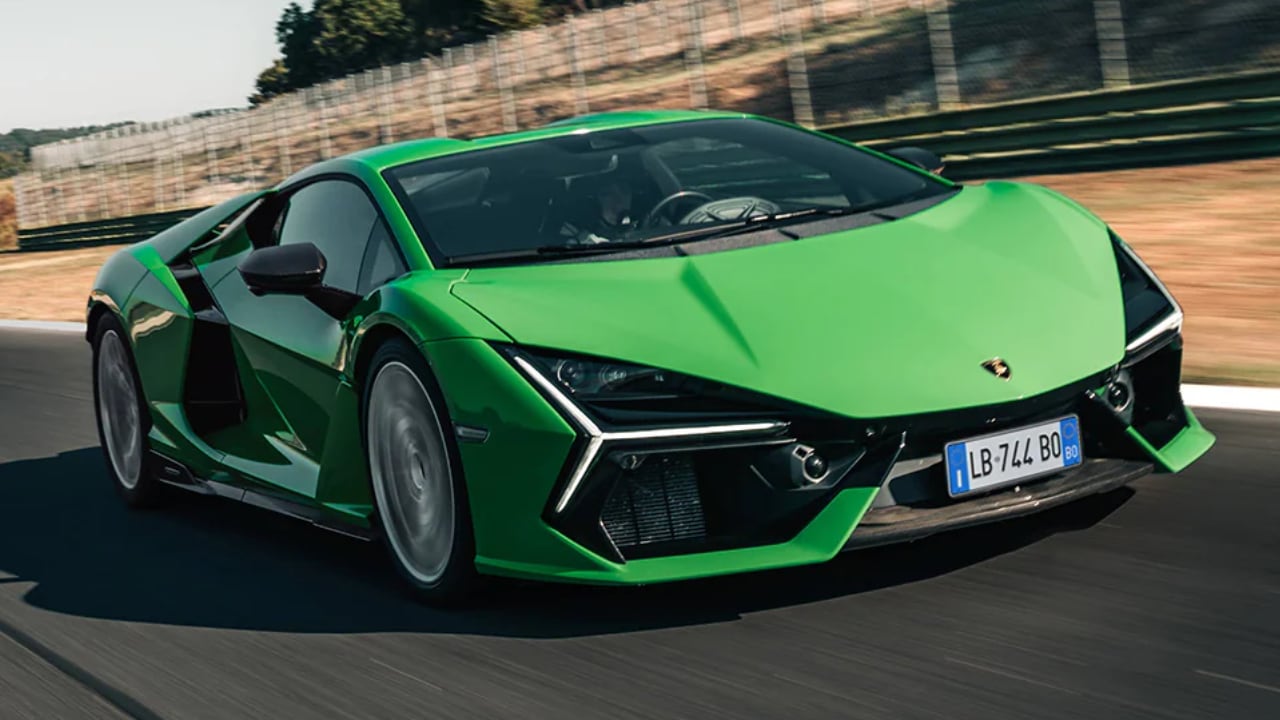
Lamborghini Revuelto

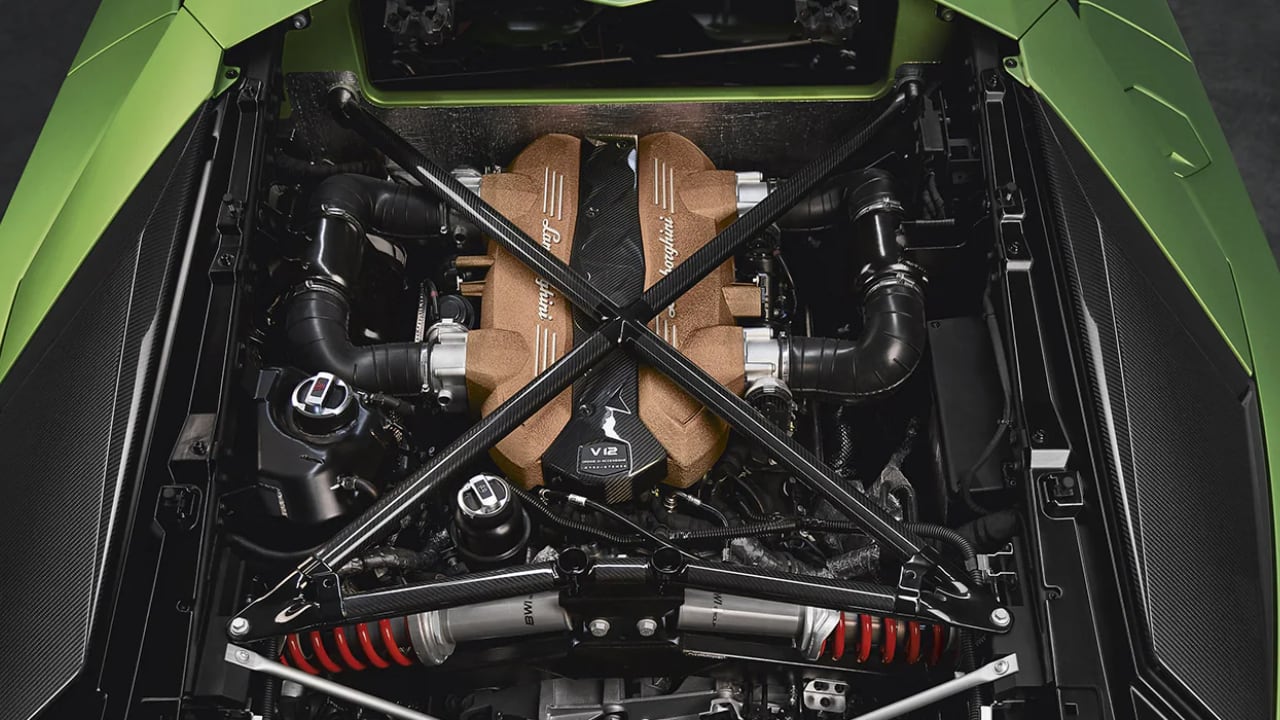
  • Engine: Latest V12 hybrid technology
  • Power Output: Unspecified, but includes electric boost
  • Exhaust Note: A complex symphony of traditional V12 bellow blended with the whir of electric motors, offering a glimpse into the future of hybrid sports cars.
  • Features: Combining classic V12 engine power with electric motors, the Revuelto showcases Lamborghini’s innovation towards more efficient and high-performing hybrids.

Lamborghini Revuelto 1001-HP Hybrid V-12

  • Key Notable Design Feature: The Revuelto features a cutting-edge aerodynamic design with active elements that adjust to enhance performance and efficiency dynamically. The exterior incorporates sharp lines and an aggressive stance, embodying Lamborghini’s modern design ethos while optimizing airflow to reduce drag and improve handling at high speeds.
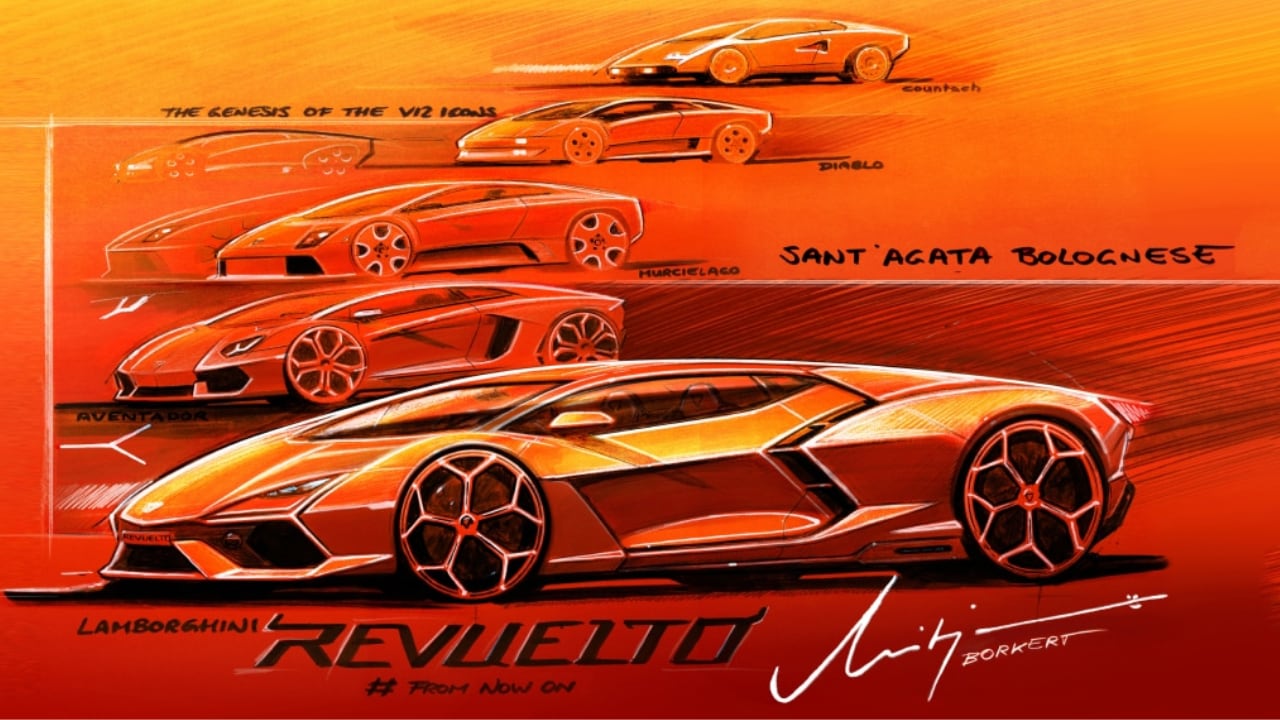
Lamborghini Revuelto

Each of these models showcases Lamborghini’s evolution in automotive design and performance, with their distinctive exhaust notes playing a crucial role in defining the visceral driving experience they offer.

The post Hear the Roar of 6 Iconic Lamborghini in Your Living Room with the SL-1200M7B Turntable first appeared on Yanko Design.

Netflix and Roblox team up for a digital theme park that’s heavy on corporate synergy

Netflix and Roblox have teamed up for a digital theme park with activities pulled from the streamer’s many popular franchises. Netflix Nextworld is an area within Roblox that’s currently in early access. The company says the experience is “all about bringing fans to the entertainment they love.”

To that end, Nextworld features activities based on Stranger Things, One Piece, Cobra Kai and even those Zack Snyder Rebel Moon movies that people seem to hate. There’s also an activity based on the upcoming Jurassic World: Chaos Theory cartoon. The whole thing is arranged like a theme park, with mini-games and easter eggs galore.

Some of these games look pretty fleshed out, like the survival horror title Stranger Things: Escape from Hawkins High and the fighting sim One Piece: East Blue Brawls. Regular people can make some really cool stuff on Roblox, so a company with resources like Netflix should really raise the bar.

There are also a bunch of shorter experiences, like an online version of the game show Is It Cake? in which, well, people try to guess if something is cake. We aren’t sure how that one will work since none of it is cake. It’s just pixels and code. 

Playing these games and exploring the park nets users collectibles and wearables from various shows, which are then used to decorate a private space called a Fan Pod. Some of these collectibles include a Demogorgon plushie head and the iconic One Piece flag. 

The Streamship's Tudum Theater.
Netflix

Finally, there’s something called the Streamship, which is a shared space to watch Netflix content. The company says this “home base within Nextworld” will provide “social features” and include events like “premieres and viewing parties.”

Netflix Nextworld is now in early access and is available on any console that supports Roblox, in addition to mobile and PC/Mac. The streamer does say the theme park will feature plenty of surprises, so let’s hope for a mini-game based on the driving crooner.

This article originally appeared on Engadget at https://www.engadget.com/netflix-and-roblox-team-up-for-a-digital-theme-park-thats-heavy-on-corporate-synergy-171944923.html?src=rss

Nintendo is done paying Elon Musk for X integration

Nintendo has apparently had enough of X’s (Twitter’s) API fees. The Mario maker said on Wednesday that starting on June 10, direct integration from the Switch’s image album to Elon Musk’s Nazi-curious platform will no longer work. With Nintendo’s departure, all three major console makers have pulled the plug on native screen-sharing to X.

X’s official gaming account posted a bizarre, downright Orwellian response that ignores its central role in the Mario maker’s exit. “Our partnership with Nintendo remains strong, and we are working together to ensure a smooth transition for all users,” @xGaming posted at the end of its nonchalantly misleading reply to Nintendo’s announcement. “We will continue collaborating with partners to bring new and exciting experiences to our global gaming community.”

Ironically, X’s built-in reader context feature filled in the omitted subtext. “This is in direct response to X changing their API,” the user-generated context says. “Specifically, X is charging companies upwards of $40,000 or more per month to access its API. Sony’s PlayStation and Microsoft’s Xbox already removed integration with X last year.”

Wired first reported last year that access to the cheapest Enterprise API plan for The Dumpster Fire Formerly Known As Twitter starts at $42,000 monthly. Higher tiers can allegedly cost $125,000 and $210,000 per month. Microsoft led the charge when it said the Xbox was abandoning Musk’s API plan in April 2023, while Sony held its nose and stuck it out until November.

The $42,000 (or more) monthly cost may not sound like much to these well-heeled mega-corporations, but apparently, even they have their limits. After all, quick screen-sharing to social channels is a marketing feature from a corporate perspective. If their accountants look at the analytics, weigh them against Musk’s fees and see it isn’t paying off, they’ll do what profit-driven entities do and reduce the overhead. But hey, at least X’s “partnership with Nintendo remains strong.”

Of course, you can still post Switch screenshots to Musk’s hellscape; it just has extra steps now. You can send Switch album images to your phone wirelessly or transfer them to your PC using a USB cable, and then post them manually. Nintendo says integrated Facebook sharing is still enabled but warns that it could be discontinued later.

This article originally appeared on Engadget at https://www.engadget.com/nintendo-is-done-paying-elon-musk-for-x-integration-165704399.html?src=rss