The Biden administration is tackling the monumental task of making America’s industrial freight system more environmentally friendly. The White House said on Wednesday that it aims to have 30 percent of industrial truck sales produce zero emissions by 2030 and 100 percent by 2040.
In addition to those non-binding targets, the White House is meeting on Wednesday with stakeholders from the commercial vehicle, shipping and infrastructure industries to help execute its agenda. The roundtable is designed to advance the Biden Administration’s goal of “supercharging the buildout of the infrastructure necessary to make a zero-emissions freight ecosystem a reality in the United States.”
Unsurprisingly, the freight industry uses a lot of energy and produces a lot of pollution to match. Bloombergnotes that the transportation sector emits about 29 percent of US greenhouse gas emissions, and freight (including shipping, trucking and trains) makes up about a third of that figure. So, you can ballpark that the American freight industry is responsible for roughly 10 percent of the country’s carbon emissions.
As part of the election-year rollout, the Biden Administration plans to ask the public to comment on charging infrastructure for heavy-duty vehicles, signaling that the specifics of the plan aren’t yet finalized. The White House wants to avoid a fragmented industrial EV charging system without a universally agreed-upon standard. The industry has seemingly settled on Tesla’s NACS as the de facto choice in the lightweight consumer sector.
Alongside the newly announced industrial goals, the Biden Administration’s Environmental Protection Agency (EPA) is opening up about $1 billion in Inflation Reduction Act (IRA) funding to replace Class 6 and 7 vehicles (school buses, garbage trucks and delivery trucks) with electric equivalents.
The IRA requires that at least $400 million of that funding goes to local communities hit the hardest by industrial pollution. The White House says 72 million Americans live near truck freight routes and bear the brunt of their short-term output. Sadly but unsurprisingly (given the nation’s history), people of color and those from low-income households are most likely to be heavily affected by high environmental toxin levels.
The White House’s goals are admirable, given the urgency of the global climate crisis and the freight industry’s role. However, one significant problem remains: These are voluntary, non-binding resolutions that could — and, given public comments, almost certainly would — be undone by a second Trump Administration, should the serial napper return to office next year. As with many other aspects of the nation’s and world’s future, US voters will decide the outcome this November.
This article originally appeared on Engadget at https://www.engadget.com/the-white-house-wants-a-zero-emission-freight-industry-by-2040-180401537.html?src=rss
Parents throughout the country just breathed a sigh of relief at the prospect of allowing more screen time for their kids that doesn’t revolve around some really loud and annoying YouTube dude. PBS just launched a new free ad-supported channel called PBS Retro, as reported by The Wrap. As the name suggests, this is a repository for all of your favorite edutainment classics from the 1980s, 1990s and beyond. The nostalgia is strong with this one.
PBS Retro is available via The Roku Channel, which is a streaming service on smart TVs and, of course, Roku devices. The 24/7 channel airs all of the shows you’re likely picturing right now, including Reading Rainbow and Mister Rogers’ Neighborhood. You’ll also be able to introduce your kids to Thomas and Friends, Zoboomafoo and Kratt's Creatures, among others. It’s a collection of old-school classics.
This isn’t the only PBS-adjacent channel available on Roku’s platform. It’s home to other ad-supported channels like PBS Antiques Roadshow, Antiques Road Trip, PBS Food, Julia Child and PBS Nature. There are also plenty of PBS-related channels available via subscription, including PBS Masterpiece, PBS Kids, PBS Living, PBS Documentaries and PBS America. Some of these are available on Hulu+ Live TV.
PBS may become an even bigger fixture in the free ad-supported streaming television (FAST) space in the future. The organization says it's in the “early days of experimentation” with a goal of making PBS content “available in new places.” It will “continue to consider additional opportunities” if these FAST channels increase revenue and brand awareness. In the meantime, Mister Rogers’ Neighborhood makes for some mighty fine ASMR.
This article originally appeared on Engadget at https://www.engadget.com/pbs-retro-is-a-new-fast-channel-playing-just-the-classics-173125500.html?src=rss
I love a well-designed and functional lighting design with some aesthetic value. But besides these three holy grails, it also helps if the light is portable, and can be carried around with you wherever you go. Besides that, a well-designed lighting fixture should not only have the ability to illuminate any living space but also add that extra oomph factor! I mean, of course, we need them to see in the dark, but as highly functional as they should be, a lighting fixture also needs to be aesthetically pleasing, adding an attractive and visually soothing element to any space it is placed in. And an excellent lighting design that we feel ticks all the checkboxes is the Grasp Portable Lamp by Thomas Albertsen for Frandsen.
Designed for the TV show Denmark’s Next Classic, the Grasp portable lamp by Danish brand Frandsen features an innovative and unique rechargeable bulb. After it debuted on the reality TV competition, where it was one of the best lighting designs, Frandsen picked up the lighting piece.
Frandsen was impressed by the ‘exceptional potential’ of the design, and hence decided to pick it up. The lamp features a refined metal form that comprises two cones – one for the base, and one for the lampshade. The two cones are connected via a thin and curving road that also makes up the body and the handle of the lamp. The portable lamp has a clean and minimalist visual appeal, while also serving as a functional and highly practical design with a water resistance rating, which makes it a great fit for both the indoors and the outdoors. It also features a base that sits well on both smooth and not-so-smooth surfaces.
“I wanted to make a portable lamp capable of illuminating a table where people gather, enveloping the surroundings in a warm, intimate ambiance, casting a magical aura in the otherwise dark spaces,” said Albertsen.
The lamp’s bulb which is called the Frandsen One functions as a source of light and power unit for the lighting design. So you don’t need to recharge the whole lamp, you can simply remove the bulb, and replace it with a fully charged spare bulb.
At CES this January, startup Rabbit unveiled its first device, just in time for the end of the year of the rabbit according to the lunar calendar. It’s a cute little orange square that was positioned as a “pocket companion that moves AI from words to action.” In other words, it’s basically a dedicated AI machine that acts kind of like a walkie talkie to a virtual assistant.
The people at Rabbit have been paying close attention to the aftermath of the Humane AI Pin launch and reviews. It was evident in founder and CEO Jesse Lyu's address at an unboxing event at the TWA hotel in New York last night, where the company showed off the Rabbit R1 and eager early adopters listened rapturously before picking up their pre-orders. Engadget's sample unit is on its way to Devindra Hardawar, who will be tackling this review. But I was in attendance last night to check out units at the event that industry peers were unboxing (thanks to Max Weinbach for the assistance!).
What is the Rabbit R1?
As a refresher, the Rabbit R1 is a bright orange square, co-engineered by Teenage Engineering and Rabbit. It has a 2.88-inch color display built in, an 8-megapixel camera that can face both ways and a scroll wheel reminiscent of the crank on the Playdate. The latter, by the way, is a compact gaming handheld that was also designed by Teenage Engineering, and the Rabbit R1 shares its adorable retro aesthetic. Again, like the Humane AI Pin, the Rabbit R1 is supposed to be your portal to an AI-powered assistant and operating system. However, there are a few key differences, which Lyu covered extensively at the launch event last night.
Rabbit R1 vs Humane AI Pin
Let's get this out of the way: The Rabbit R1 already looks a lot more appealing than the Humane AI Pin. First of all, it costs $199 — less than a third of the AI Pin's $700. Humane also requires a monthly $24 subscription fee or its device will be rendered basically useless. Rabbit, as Lyu repeatedly reiterated all night, does not require such a fee. You'll just be responsible for your own cellular service (4G LTE only, no 5G), and can bring your own SIM card or just default to good old Wi-Fi. There, you'll also find the USB-C charging port.
The R1's advantages over the Pin don't end there. By virtue of its integrated screen (instead of a wonky, albeit intriguing projector), the orange square is more versatile and a lot easier to interact with. You can use the wheel to scroll through elements and press the button on the right side to confirm a choice. You could also tap the screen or push down a button to start talking to the software.
Now, I haven’t taken a photo with the device myself, but I was pleasantly surprised by the quality of images I saw on its screen. Maybe my expectations were pretty low, but when reviewers in a media room were setting up their devices by using the onboard cameras to scan QR codes, I found the images on the screens clear and impressively vibrant. Users won’t just be capturing photos, videos and QR codes with the Rabbit R1, by the way. It also has a Vision feature like the Humane AI Pin that will analyze an image you take and tell you what’s in it. In Lyu’s demo, the R1 told him that it saw a crowd of people at “an event or concert venue.”
Cherlynn Low for Engadget
We’ll have to wait till Devindra actually takes some pictures with our R1 unit and downloads them from the web-based portal that Rabbit cleverly calls the Rabbit Hole. Its name for camera-based features is Rabbit Eye, which is just kind of delightful. In fact, another thing that distinguishes Rabbit from Humane is the former’s personality. The R1 just oozes character. From the witty feature names to the retro aesthetic to the onscreen animation and the fact that the AI will actually make (cheesy) jokes, Rabbit and Teenage Engineering have developed something that’s got a lot more flavor than Humane’s almost clinical appearance and approach.
Of all the things Lyu took shots at Humane about last night, though, talk of the R1’s thermal performance or the AI Pin’s heat issues was conspicuously absent. To be clear, the R1 is slightly bigger than the Humane device, and it uses an octa-core MediaTek MT6765 processor, compared to the AI Pin’s Snapdragon chip. There’s no indication at the moment that the Rabbit device will run as hot as Humane’s Pin, but I’ve been burned (metaphorically) before and remain cautious.
I am also slightly concerned about the R1’s glossy plastic build. It looks nice and feels lighter than expected, weighing just 115 grams or about a quarter of a pound. The scroll wheel moved smoothly when I pushed it up and down, and there were no physical grooves or notches, unlike the rotating hinge on Samsung’s Galaxy watches. The camera housing lay flush with the rest of the R1’s case, and in general the unit felt refined and finished.
Most of my other impressions of the Rabbit R1 come from Lyu’s onstage demos, where I was surprised by how quickly his device responded to his queries. He was able to type on the R1’s screen and tilted it so that the controls sat below the display instead of to its right. That way, there was enough room for an onscreen keyboard that Lyu said was the same width as the one on the original iPhone.
What’s next for the Rabbit R1?
Rabbit also drew attention for its so-called Large Action Model (LAM), which acts as an interpreter to convert popular apps like Spotify or Doordash into interfaces that work on the R1’s simple-looking operating system. Lyu also showed off some of these at the event last night, but I’d much rather wait for us to test these out for ourselves.
Lyu made many promises to the audience, seeming to acknowledge that the R1 might not be fully featured when it arrives in their hands. Even on the company’s website, there’s a list of features that are planned, in the works or being explored. For one thing, an alarm is coming this summer, along with a calendar, contacts app, GPS support, memory recall and more. Throughout his speech, Lyu repeated the phrase “we’re gonna work on” amid veiled references to Humane (for instance, emphasizing that Rabbit doesn’t require an additional subscription fee). Ultimately, Lyu said “we just keep adding value to this thing,” in reference to a roadmap of upcoming features.
Hopefully, Lyu and his team are able to deliver on the promises they’ve made. I’m already very intrigued by a “teach mode” he teased, which is basically a way to generate macros by recording an action on the R1, and letting it learn what you want to do when you tell it something. Rabbit’s approach certainly seems more tailored to tinkerers and enthusiasts, whereas Humane’s is ambitious and yet closed off. This feels like Google and Apple all over again, except whether the AI device race will ever reach the same scale remains to be seen.
Last night’s event also made it clear what Rabbit wants us to think. It was hosted at the TWA hotel, which itself used to be the head house of the TWA Flight Center. The entire place is an homage to retro vibes, and the entry to Rabbit’s event was lined with display cases containing gadgets like a Pokedex, a Sony Watchman, a Motorola pager, Game Boy Color and more. Every glass box I walked by made me squeal, bringing up a pleasant sense memory that also resurfaced when I played with the R1. It didn't feel good in that it's premium or durable; it felt good because it reminded me of my childhood.
Whether Rabbit is successful with the R1 depends on how you define success. The company has already sold more than 100,000 units this quarter and looks poised to sell at least one more (I’m already whipping out my credit card). I remain skeptical about the usefulness of AI devices, but, in large part due to its price and ability to work with third-party apps at launch, Rabbit has already succeeded in making me feel like Alice entering Wonderland.
This article originally appeared on Engadget at https://www.engadget.com/rabbit-r1-hands-on-already-more-fun-and-accessible-than-the-humane-ai-pin-163622560.html?src=rss
It’s easy to drag Google for this but it’s not entirely in the company’s hands. The tech giant is working closely with the UK’s Competition and Markets Authority (CMA) to ensure that any tools it implements to replace the cookie’s tracking and measurement capabilities aren’t anti-competitive. These tools are known collectively as the Privacy Sandbox and Google says it has to wait until the CMA has had “sufficient time to review” results from industry tests that’ll be provided by the end of June.
Google’s Privacy Sandbox has stirred up some controversy in recent years. The proposed tools have drawn complaints from adtech companies, publishers and ad agencies, on the grounds that they are difficult to operate, don’t adequately replace traditional cookies and give too much power to Google. To that end, the company said that it recognizes “ongoing challenges related to reconciling divergent feedback from the industry, regulators and developers.” This is another reason given for the delay until next year.
The CMA isn’t the only regulatory agency giving the side-eye to the current iteration of these Privacy Sandbox tools. The UK-based Information Commissioner’s Office drafted a report that indicated these tools could be used by advertisers to identify consumers, as suggested by the Wall Street Journal.
Those in the ad industry want to see cookies given the heave-ho, despite complaints about Privacy Sandbox. Drew Stein, CEO of adtech data firm Audigent, told Engadget that it’s time for Google “to deliver on the promise of a better ecosystem” by implementing its plans to eliminate third-party cookies.
The CMA, on the other hand, has indicated a willingness to keep third-party cookies in play, particularly if Google’s solution does more harm than good. Craig Jenkins, the CMA’s director of digital markets, recently said the organization would delay implementation of Privacy Sandbox tools if “we’re not satisfied we can resolve the concerns”, as reported by Adweek. We’ll see what happens in 2025.
This article originally appeared on Engadget at https://www.engadget.com/google-has-delayed-killing-third-party-cookies-from-chrome-again-155911583.html?src=rss
The bill that will force a sale or ban of TikTok in the United States is now law. President Joe Biden signed a package of foreign aid bills that included the “Protecting Americans from Foreign Adversary Controlled Applications Act,” one day after the legislation was approved by the Senate.
In a statement, TikTok said it would challenge the law in court, which could delay an eventual sale or ban. “This unconstitutional law is a TikTok ban, and we will challenge it in court,” the company said. “We believe the facts and the law are clearly on our side, and we will ultimately prevail. The fact is, we have invested billions of dollars to keep U.S. data safe and our platform free from outside influence and manipulation. This ban would devastate seven million businesses and silence 170 million Americans.”
The law gives TikTok’s parent company ByteDance, which is based in China, up to a year to sell the app to a new owner. If the company fails to divest, then TikTok will be banned from US app stores and web hosting services.
Unlike previous attempts to force a sale or ban of the app, the “Protecting Americans from Foreign Adversary Controlled Applications Act,” had overwhelming bipartisan support and was able to move through Congress with remarkable speed. The original version of the bill, which called for a six-month window to divest, passed the House in March, just days after it was introduced. An updated version, which allows up to 12 months for a divestment, passed over the weekend.
In a video shared on TikTok, CEO Shou Chew called it a “disappointing moment” for the company. “Make no mistake, this is a ban on TikTok and a ban on you and your voice,” he said. “It's actually ironic because the freedom of expression on TikTok reflects the same American values that make the United States a beacon of freedom.”
This article originally appeared on Engadget at https://www.engadget.com/joe-biden-signs-the-bill-that-could-ban-tiktok-in-the-united-states-154106950.html?src=rss
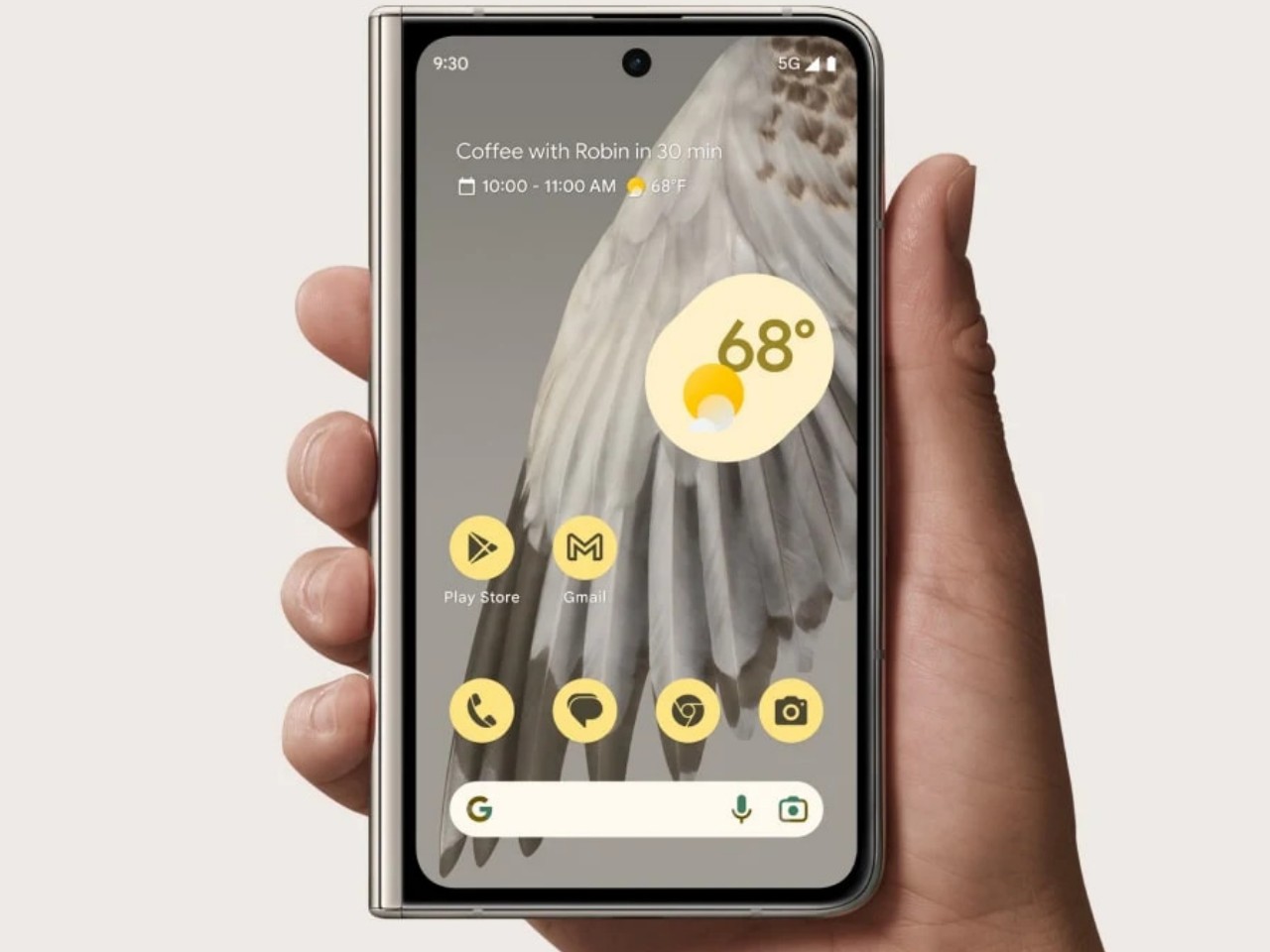
Despite developing an operating system that’s used on a variety of devices and computers, Google has practically snubbed anything other than a smartphone. It’s notorious for having a love-hate relationship with tablets, for example, so it was a bit of a surprise that Google would launch its own foldable device. Perhaps even more surprising is how it might actually release a second-gen foldable phone. Given its pedigree, the next Google foldable is definitely going to pique people’s curiosity, whether it will be called the Pixel Fold 2 or the Pixel 9 Pro Fold. Judging from what we’ve been hearing so far, this foldable phone will be undergoing several significant changes, though not all of them might appeal to Pixel fans and onlookers alike.
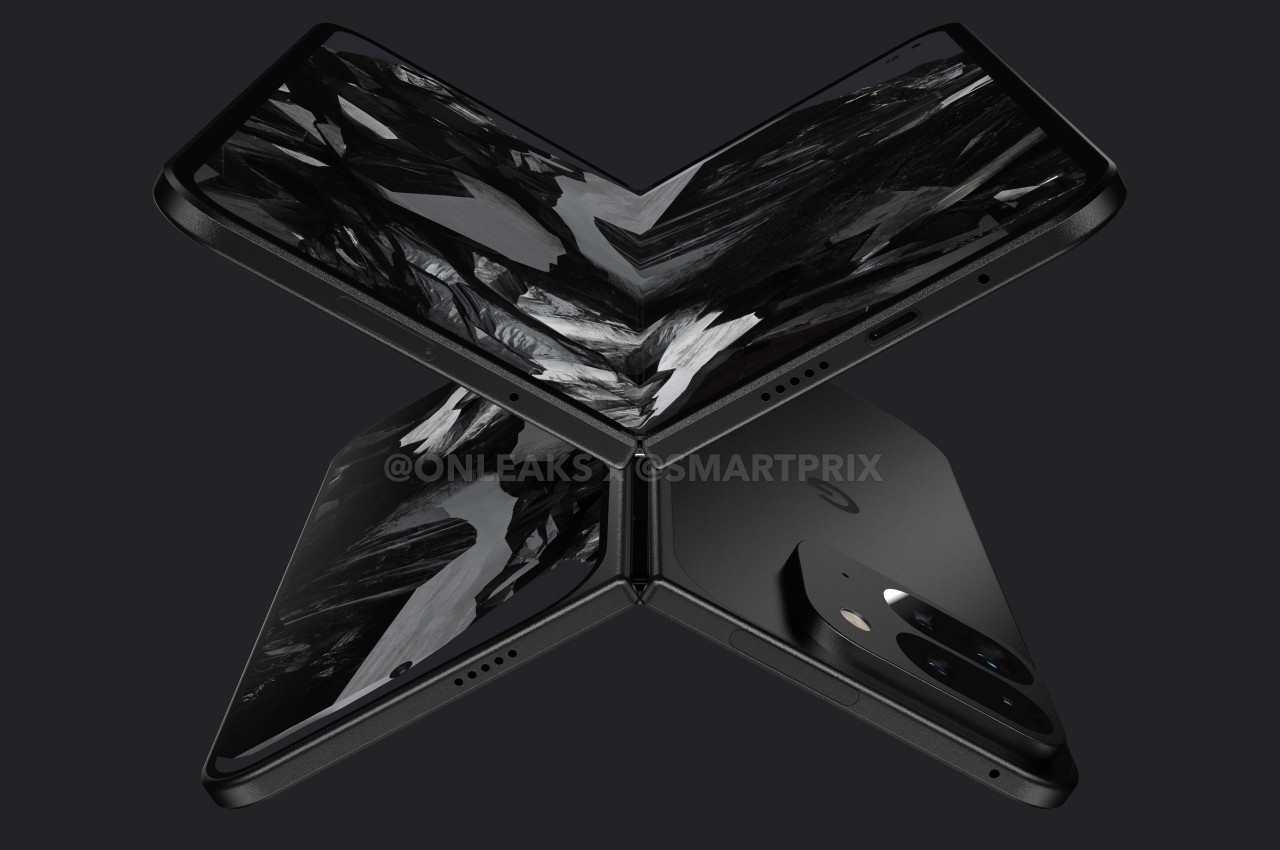
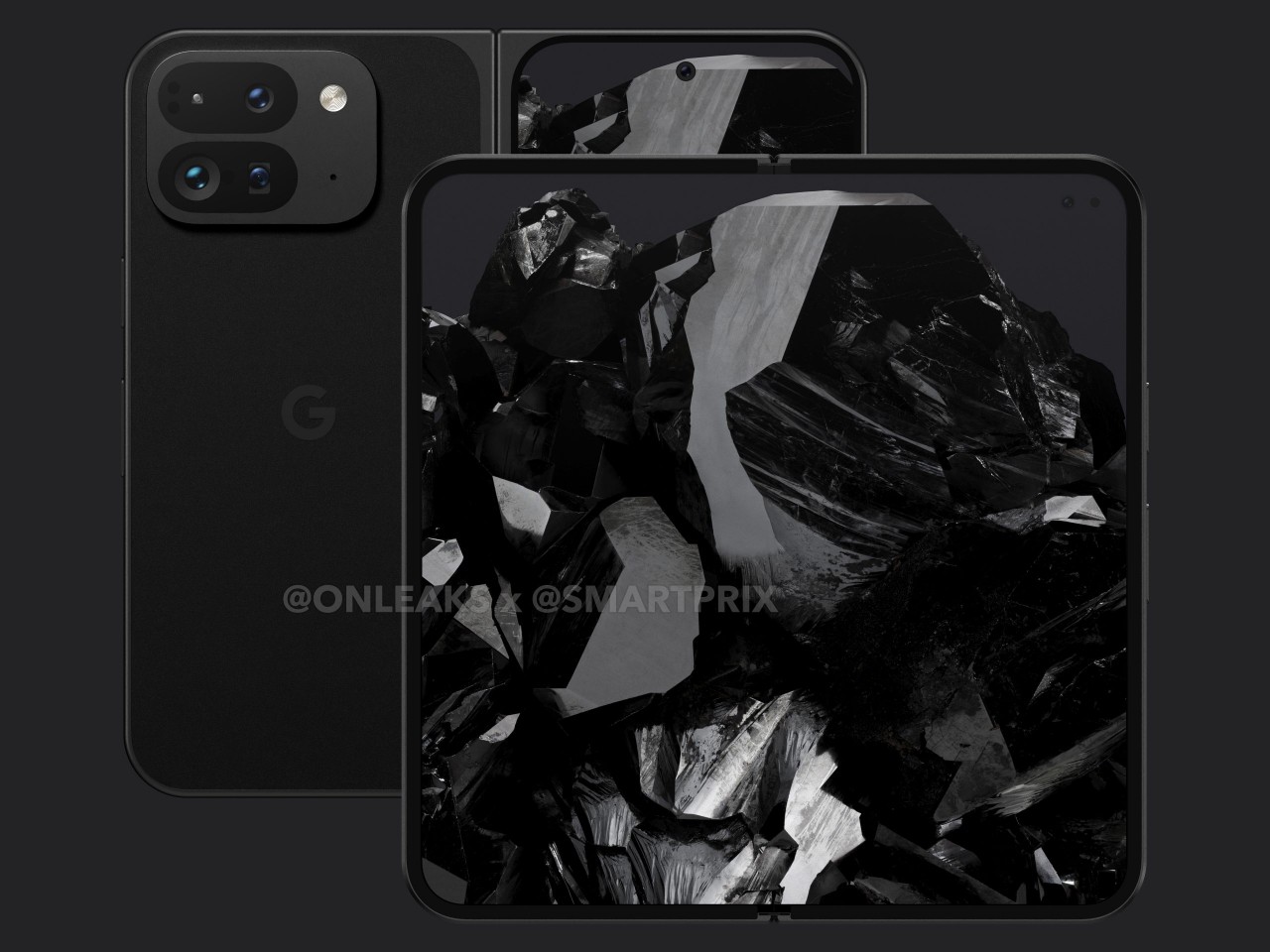
For three generations since the Pixel 6 in 2021, Google seemed to have settled on a signature design that, unusual as it may have been, gave its phones a unique personality. It seems, however, that Google has gotten tired of that look and will be moving to a different design for the Pixel 9 series. For better or for worse, that change is apparently happening to the foldable version of the Pixel as well, but not in the same way as leaks and renders would have it.
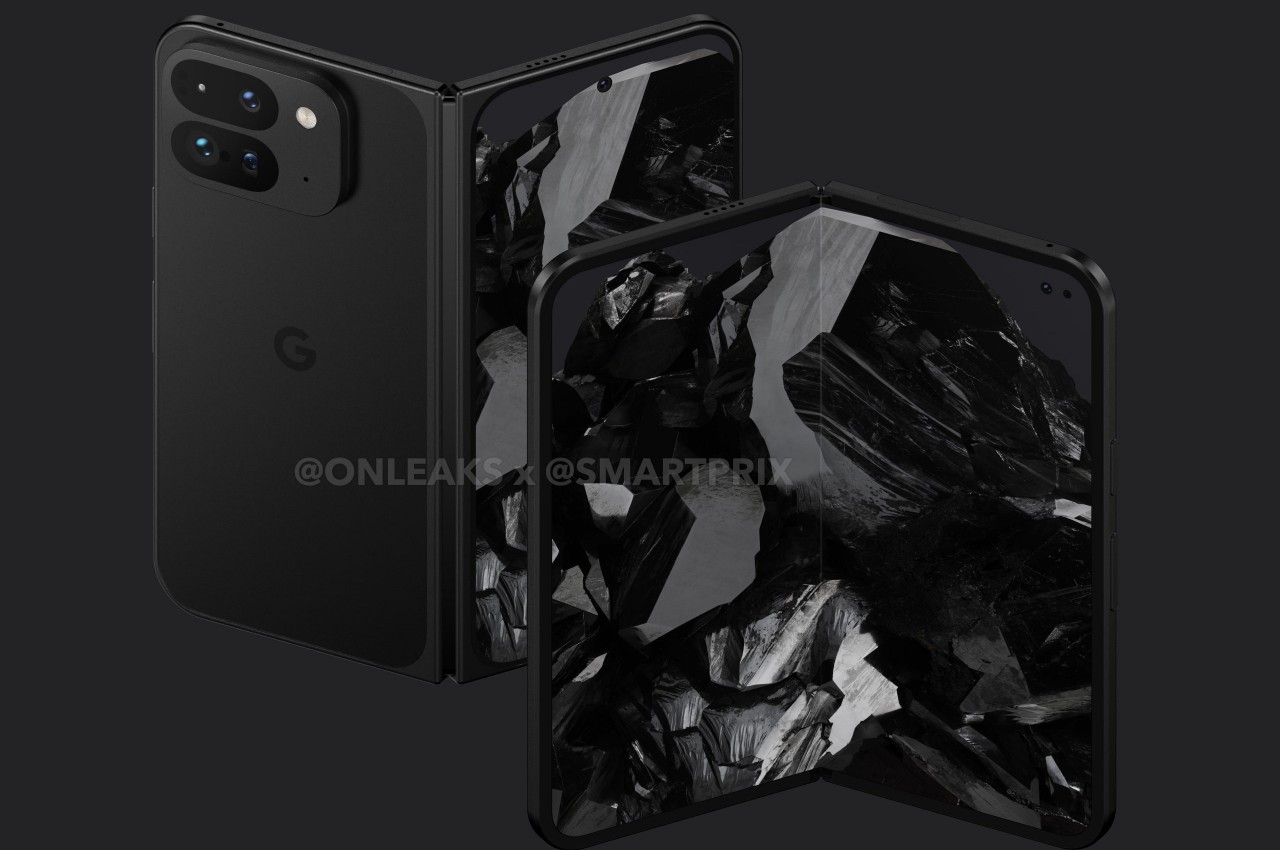
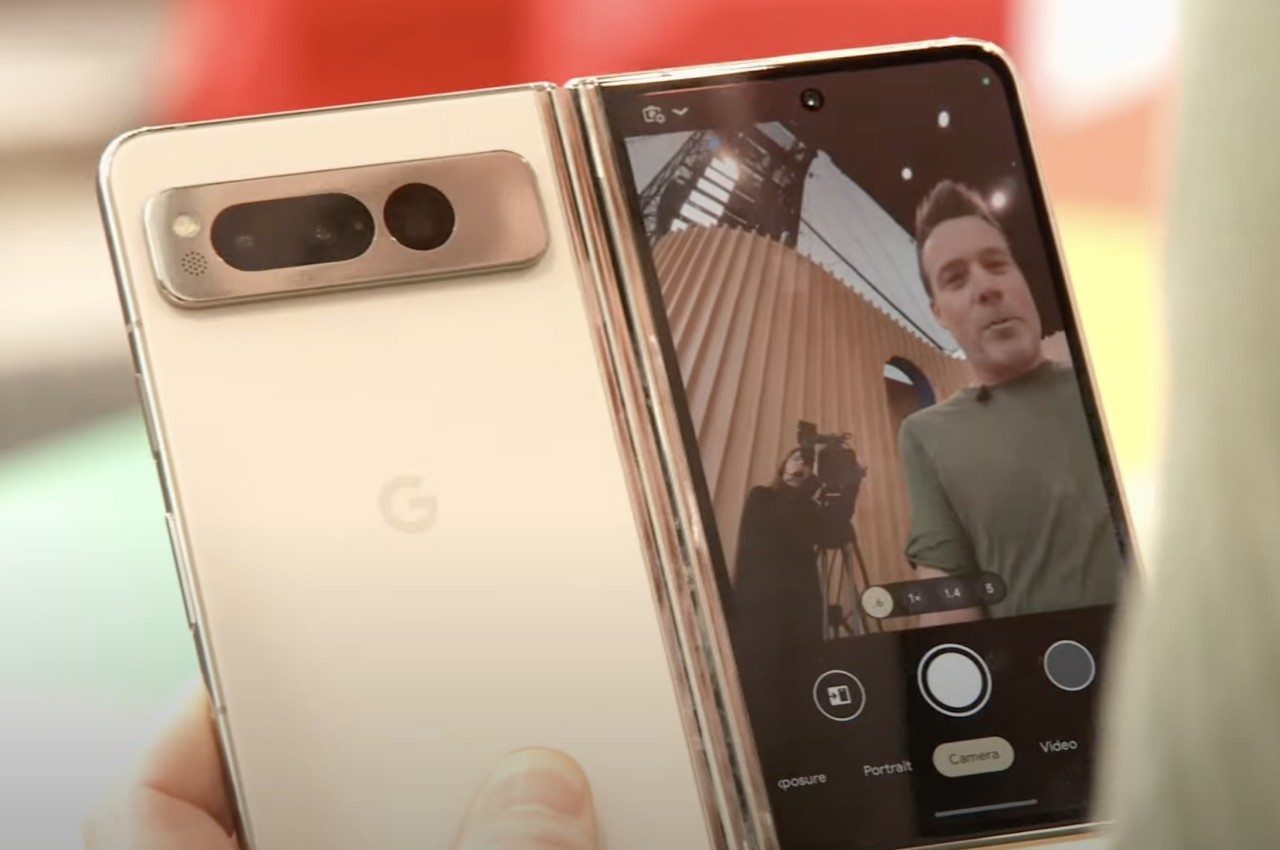
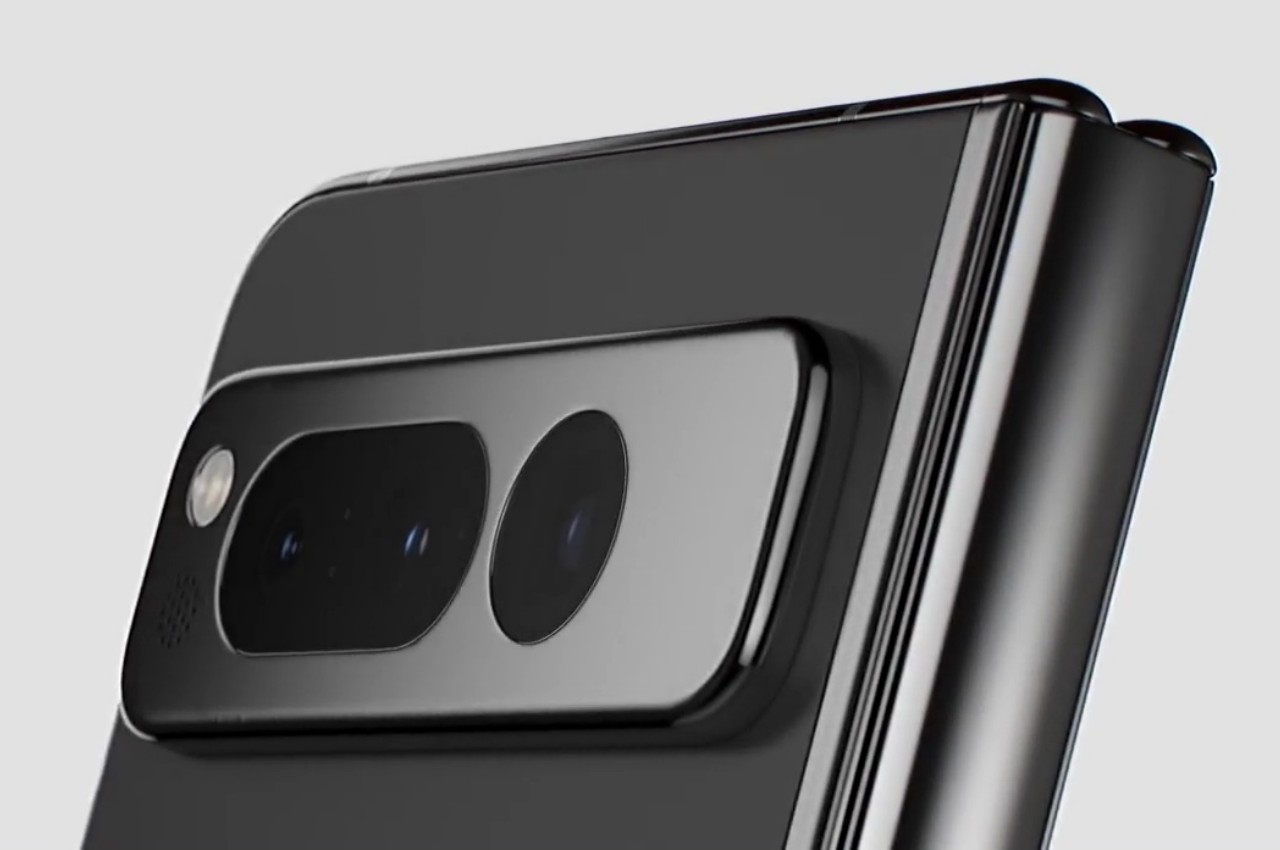
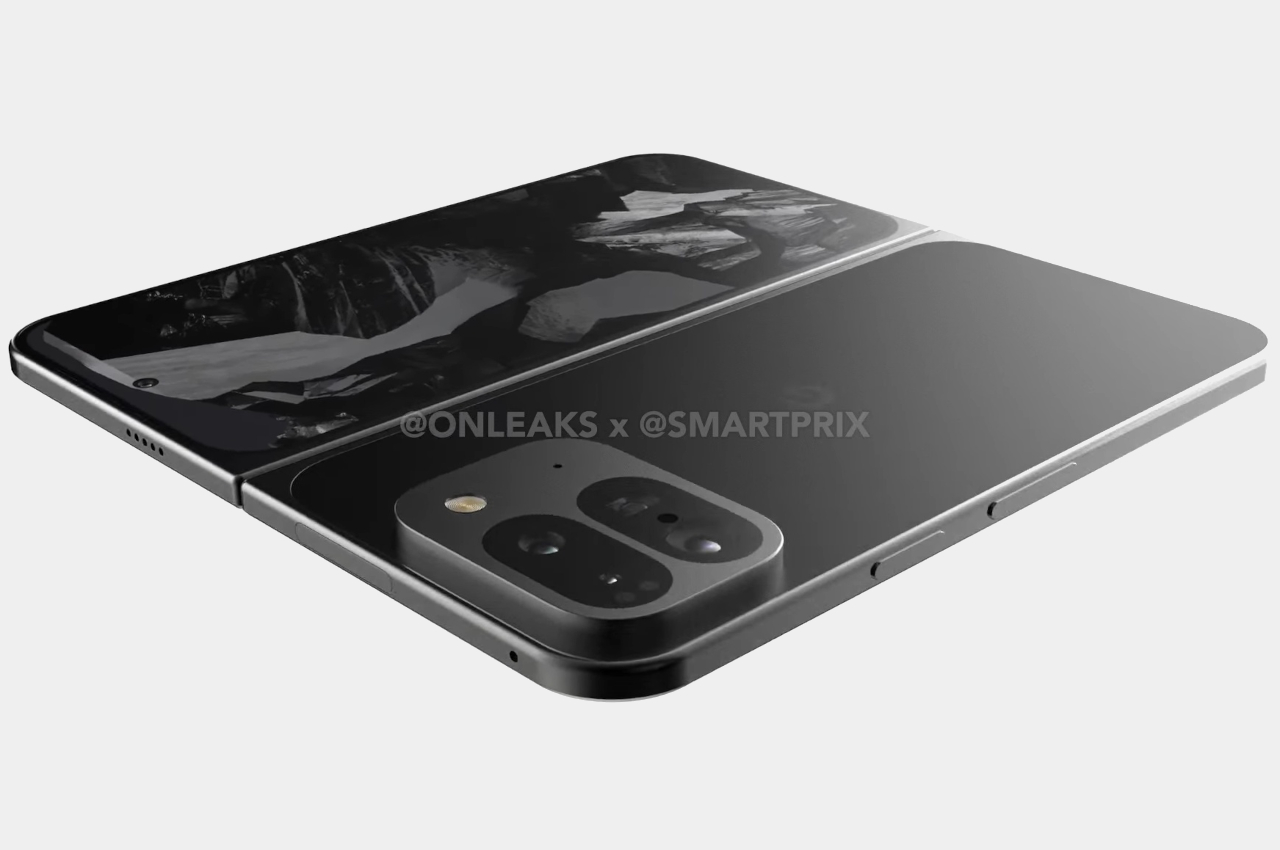
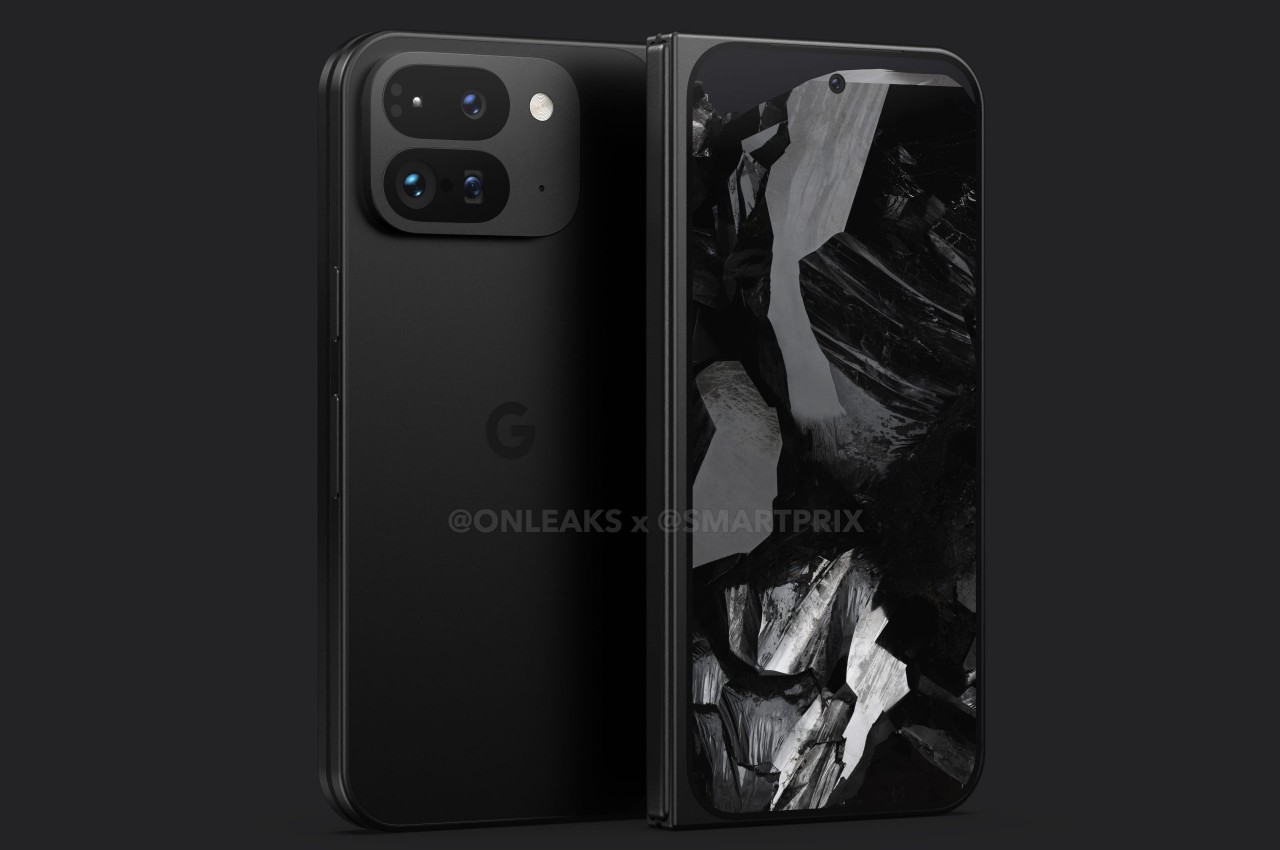
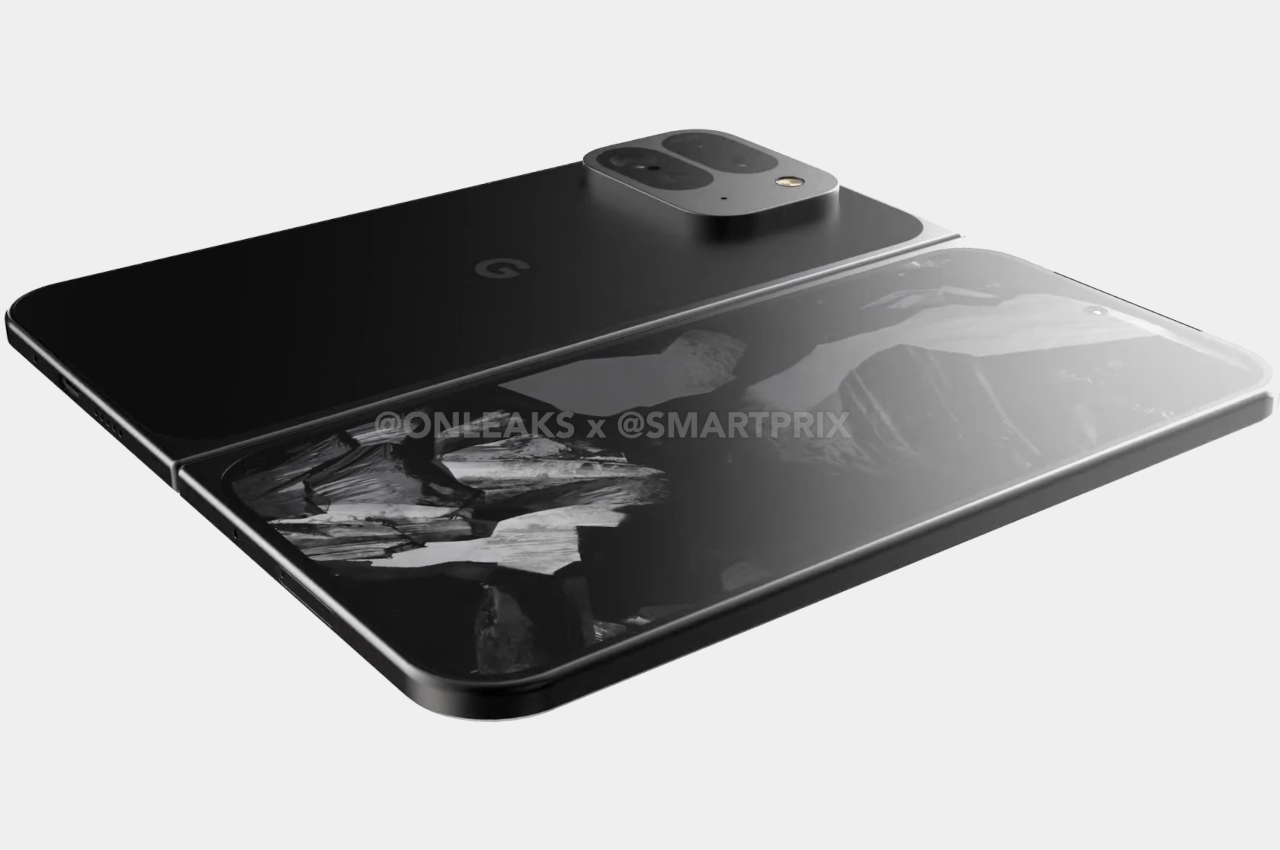
The camera bump, which was a horizontal bar across the width of the Pixel Fold’s “back,” has now been reduced to a more conventional rectangle. But unlike the ones you’d see on other smartphones, Google opted for an odd horizontal layout, with black pill-shaped markings that hold the actual camera lenses. It’s definitely an unusual design, but unlike the current “visor” shape, many might find it visually unappealing.
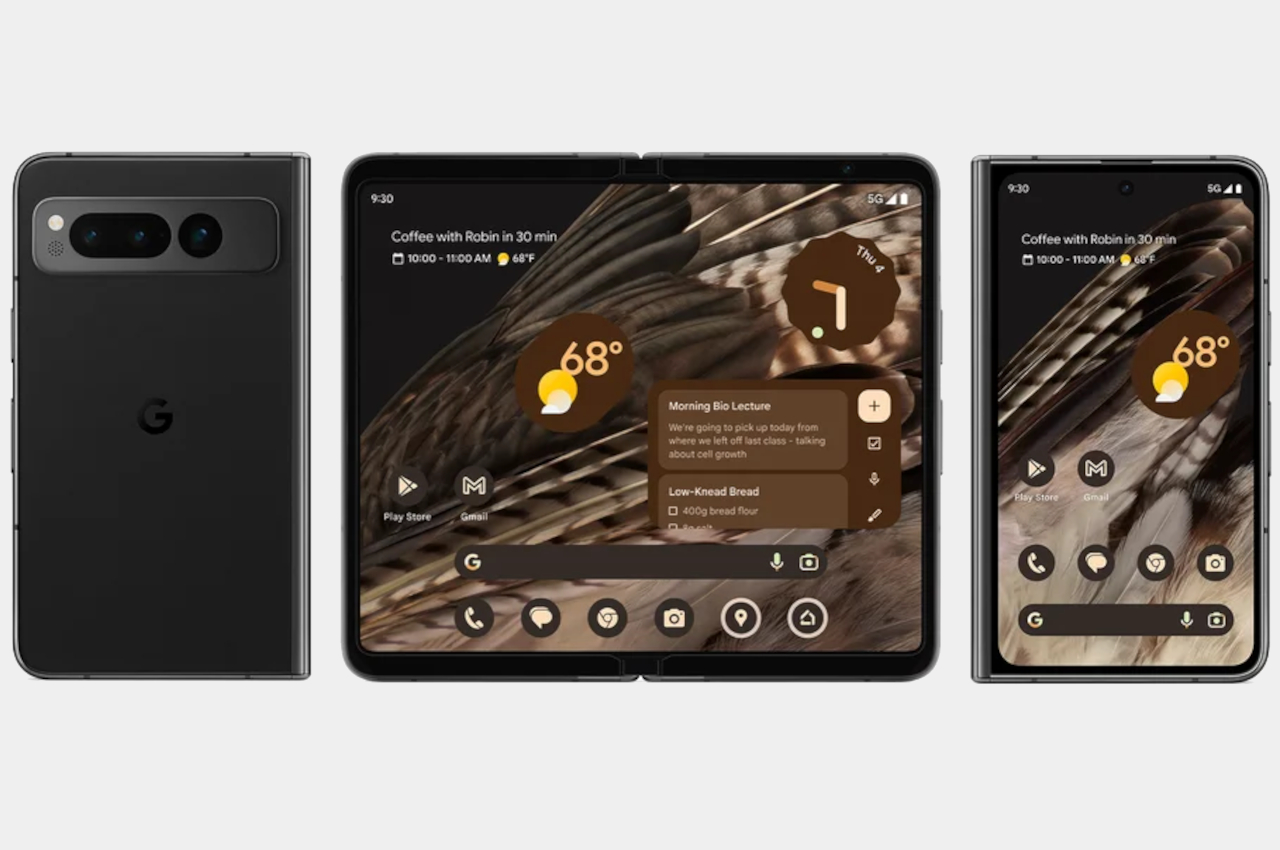
Fortunately, there will be even more important design changes in store for the Pixel Fold 2 (or Pixel 9 Pro Fold), though they might be a bit more subtle. According to rumors and at least one leaked prototype, the next Google foldable will have an outer screen that is taller than its predecessor, yielding an unfolded shape that is more square than the first Pixel Fold as well. Whereas the Pixel Fold had a rectangular shape that resembled a small notebook, the Pixel Fold 2 could be more like a minuscule iPad mini.
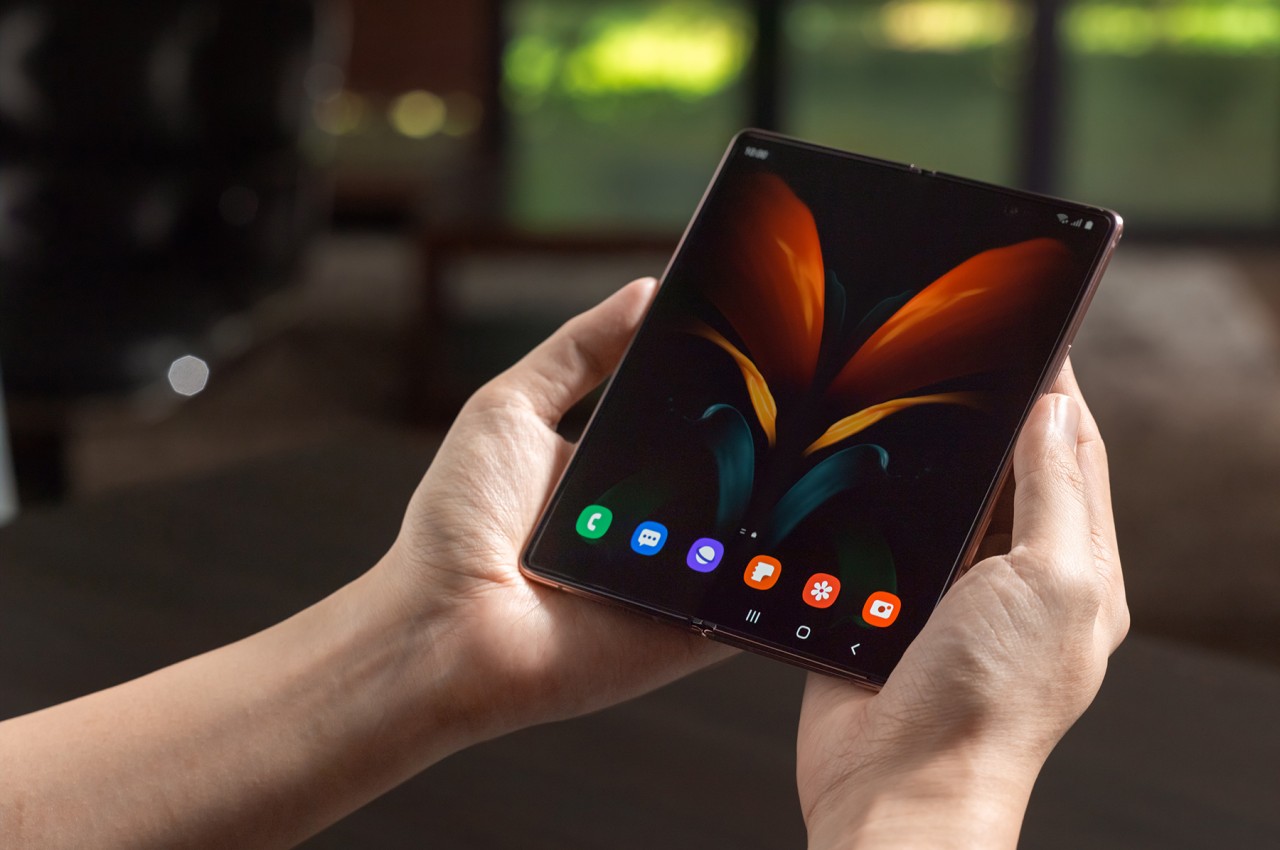
This change in screen aspect ratios isn’t just cosmetic and will have important usability implications. It won’t be as tall and narrow as the Samsung Galaxy Z Fold 5, which is notorious for being almost unusable as a regular phone, but it could make it a bit more awkward to use the Pixel Fold 2 in folded form, at least with a single hand. Those who loved the current wider design of the Pixel Fold might be disappointed, but those who missed using a 16:9 phone will welcome this change.
Samsung Galaxy Z Fold 2
Samsung Galaxy Z Fold 2
Samsung Galaxy Z Fold 2
Google Pixel Fold 2: Specs and Software
With the change in screen aspect ratios come changes in screen sizes as well, and everyone will probably love what’s rumored so far. The Pixel Fold 2/Pixel 9 Pro Fold is expected to have bigger screens on both sides, though there is some agreement on the exact sizes. Some claim that the external Cover Screen will be 6.4 inches and the main foldable screen will be 7.9 inches, while another source uses 6.29 inches and 8.02 inches for those same screens, respectively. Either way, it will still be a significant size boost compared to the current Pixel Fold’s 5.8-inch exterior and 7.6-inch interior displays.
As far as the hardware is concerned, Google might debut a new Tensor G4 on the Pixel Fold 2, a very big leap from the Tensor G2 on the OG Pixel Fold. Details on this new processor are still extremely slim at this point, but you can expect significant performance improvements, especially on Google’s favorite AI features. Uncharacteristically, Google might also be extra generous and give the Pixel Fold 2 as much as 16GB of RAM, something that even the Galaxy Z Fold 6 isn’t expected to have.
There seems to be some disagreement on which version of Android the Pixel Fold 2 will ship with, but that mostly depends on when the foldable device will actually launch. It could go with Android 14, which is the current version in circulation, or it could delay it to coincide with the release of Android 15. Pushing the Pixel 9 Pro Fold’s launch to the end of the year might sound unreasonable, but there might be one very good reason for doing so. Android 15 betas have revealed that Google implemented improvements to the behavior of apps on foldable phones, something that its Pixel Fold badly needed.
Google Pixel Fold 2: Cameras
It’s a bit surprising that there hasn’t been any news on the kind of cameras that the Pixel Fold 2 will bear. The new camera design on the back may look like Google was making room for an additional camera, but the lack of news in that department suggests otherwise. In short, the new Pixel Fold may still be using the exact same three sensors as the current model, with some additional lenses for focusing or maybe a thermal sensor for taking temperatures. It wouldn’t be unheard of for Google, since it prefers to rely on software solutions to improve image quality.
Another big camera design change will be the internal selfie camera which used to sit on the Pixel Fold’s ugly thick bezels. According to leaks and renders, the Pixel Fold 2 will do away with those atrocities, which means there’s a need to move the camera to a different place. The consensus is that it will take the form of an under-display camera similar to the Galaxy Z Fold, but it’s also possible Google will opt for a simpler solution that has a traditional punch-hole cutout for the camera.
Google Pixel Fold 2: Price and Release Date
Although the Pixel Fold 2, or Pixel 9 Pro Fold, will be advertised as an upgrade, it doesn’t seem like a huge generational leap if not for the difference in design and the new Tensor G4 processor. As such, it’s probably only reasonable to expect that the price tag won’t go higher than the $1,800 that the first Pixel Fold launched with. At the same time, it’s also not expected to go lower than that either.
As for its launch date, that could depend on whether Google wants to delay it to sync with Android 15’s release. If it’s fine with having it run Android 14 out of the box, it could follow the same schedule last year that saw the Pixel Fold hit shelves in June. Otherwise, we might be looking at an October date after Android 15 goes gold. Either way, we’ll definitely find out more next month when Google reveals the real deal at I/O 2024.
Google Pixel Fold 2: Final Thoughts
The first Pixel Fold was definitely a surprise for Google fans. It managed to carry some of the personality of the Pixel design language to a foldable phone, along with Google’s blessed flavor of the Android user experience. At the same time, however, it really failed to stand up to other options in the market, and its very thick bezels were a big turn-off for more design-conscious consumers.
Fortunately, the Pixel Fold 2 will be improving on those pain points, but it raises the question of whether it’s actually enough or if they’re the right changes to make. The screens will be larger and have thinner bezels, but Google is also moving away from an aspect ratio that was praised by some reviewers as one of its winning traits. The camera design will definitely be divisive, especially if it doesn’t bring significant improvements to the camera system anyway. While the Pixel Fold 2, or Pixel 9 Pro Fold, will catch the attention of Pixel fans and market watchers, it might not end up being the big hit that Google wants it to be, creating a self-fulfilling prophecy of low sales that will lead to the early demise of Google’s foldable phone line.
Valve has closed a loophole in Steam's refund policy that effectively allowed players to beat a game before its official release date and get their money back. The company has long had a policy in place whereby users could refund a game, no questions asked, as long as they haven’t played for more than two hours within 14 days. Until now, the refund policy was far more lenient for games in early access or advanced access, but Valve has nipped that in the bud.
"When you purchase a title on Steam prior to the release date, the two hour playtime limit for refunds will apply (except for beta testing), but the 14-day period for refunds will not start until the release date," Valve's updated policy reads, as noted by IGN. "For example, if you purchase a game that is in Early Access or Advanced Access, any playtime will count against the two-hour refund limit. If you pre-purchase a title which is not playable prior to the release date, you can request a refund at any time prior to release of that title, and the standard 14-day/two-hour refund period will apply starting on the game’s release date."
Early access enables players to try an incomplete version of a game. It’s helpful for developers as they can take feedback from players and use that to improve their project before ramping up the marketing campaign ahead of the official release. Supergiant famously used this strategy to tremendous success with Hades(and is perhaps looking to repeat that trick with the sequel). But a game can remain in early access for years. Under the previous policy, players could put many hours into an early access game and still claim a refund on Steam.
As for advanced access, that relates to playing a full version of a game before its proper debut. It's pretty common for publishers to sell a deluxe edition of a game that lets players dive in a few days early. However, Steam made it possible for someone to beat a game in advanced access and get their money back before the standard version was available to everyone.
Now, the two-hour time limit applies to games in early access and advanced access. There's also a new advanced access label to make it clear when a game offers that.
There is one other key issue with the otherwise generous two-hour refund policy that Steam hasn't fully addressed, however. It's notuncommon for players to roll credits on very short games, typically indie titles, and then get their money back. That leaves the game's developer and publisher out of pocket.
This article originally appeared on Engadget at https://www.engadget.com/steam-closes-an-early-access-loophole-in-its-refund-policy-150003143.html?src=rss
The Tesla Model 3 Performance EV is a testament to the company’s unwavering commitment to pushing the boundaries of electric vehicle technology and design. This groundbreaking model incorporates a host of advanced features and innovations that set it apart from its predecessors and competitors alike. From its innovative Noise, Vibration, and Harshness (NVH) improvements to […]
Are you seeking to simplify your daily routines and boost your overall productivity? If you find yourself pondering the best ways to efficiently manage your array of personal and professional duties, look no further than Microsoft To Do. This powerful task management application provides a comprehensive solution tailored for both Windows and Mac users, ensuring […]