This Wasp-Inspired 3D-Printer Is Making Homes To Tackle The Housing Deficit Problem In Colombia

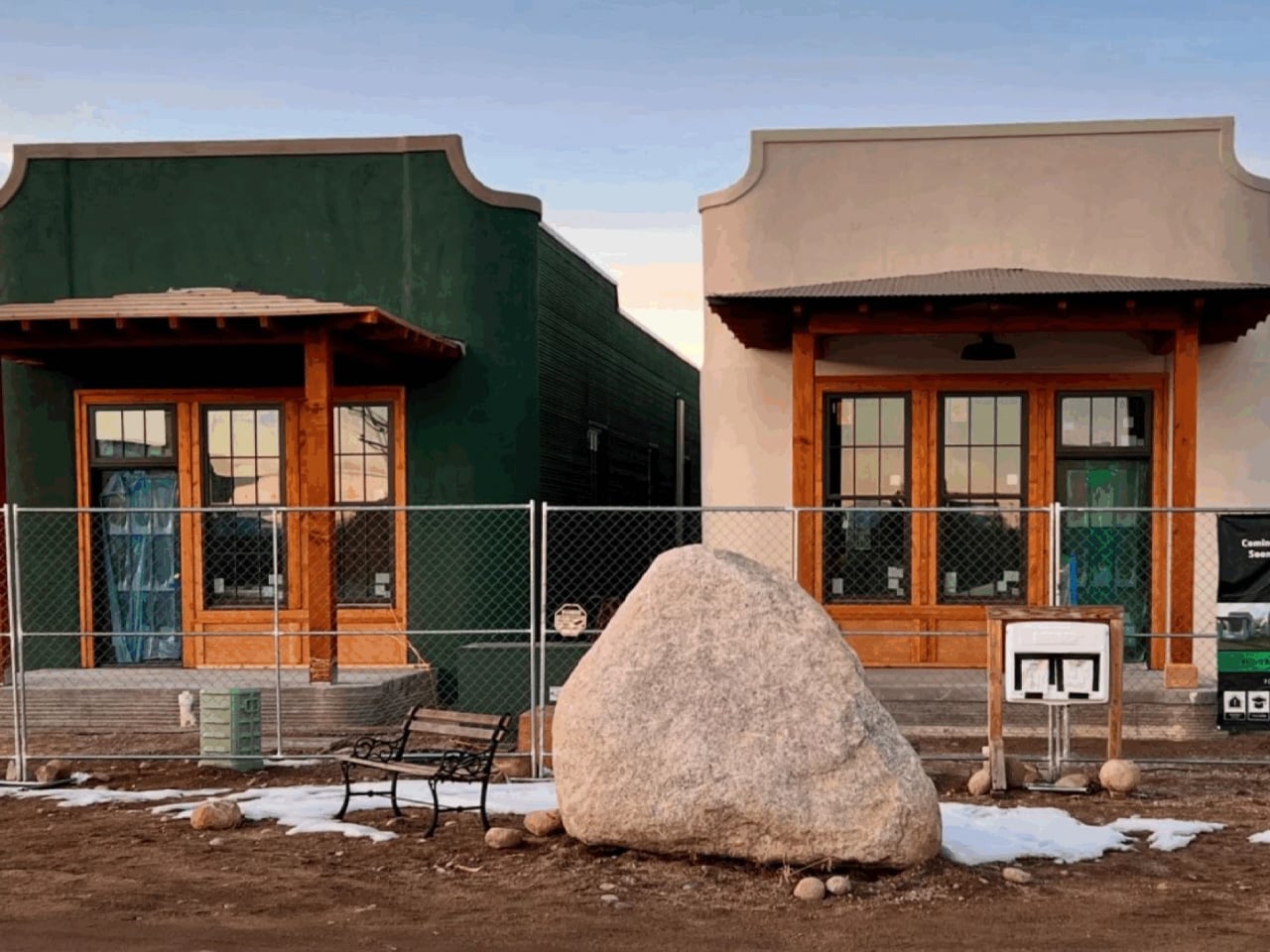
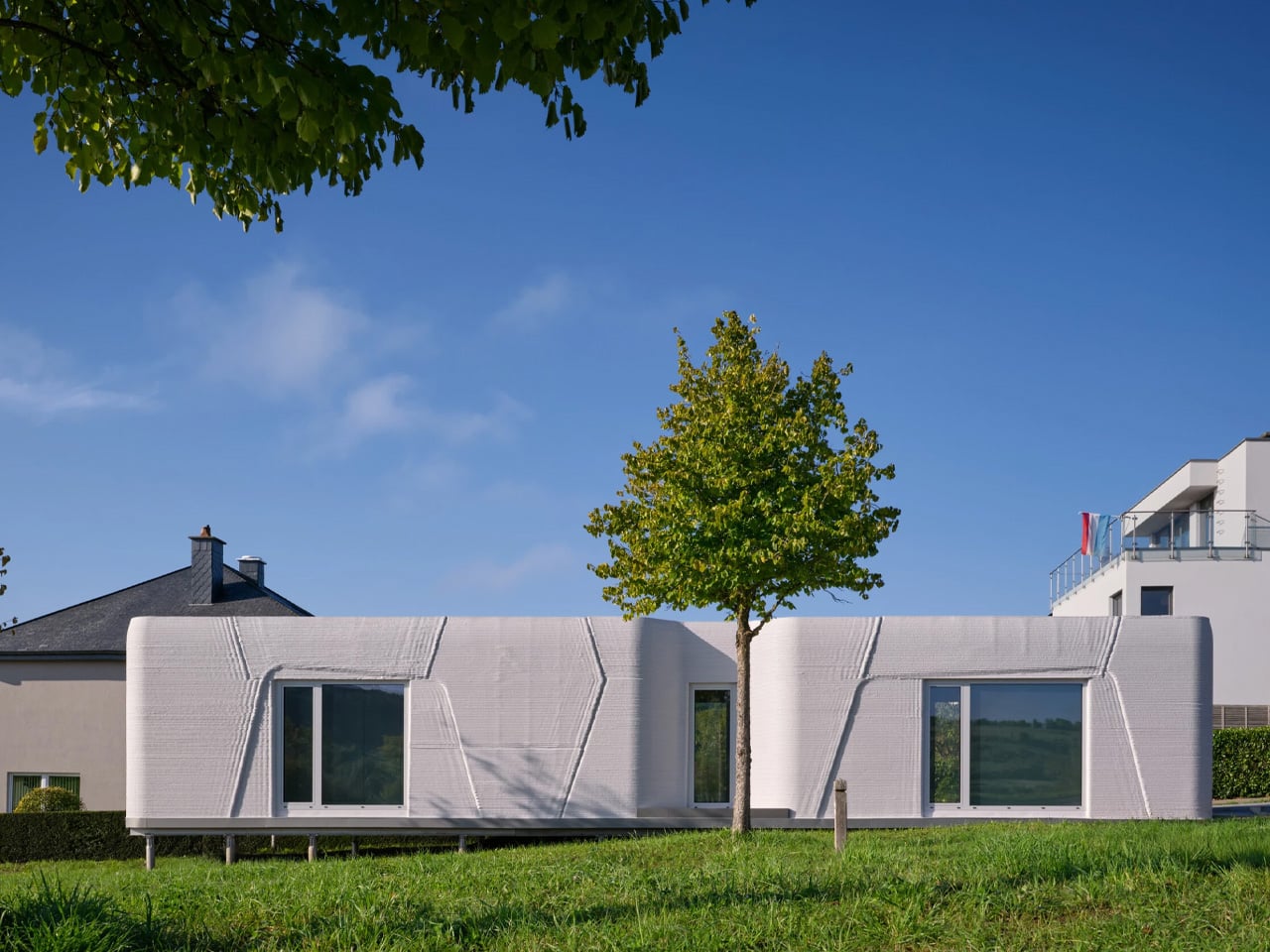
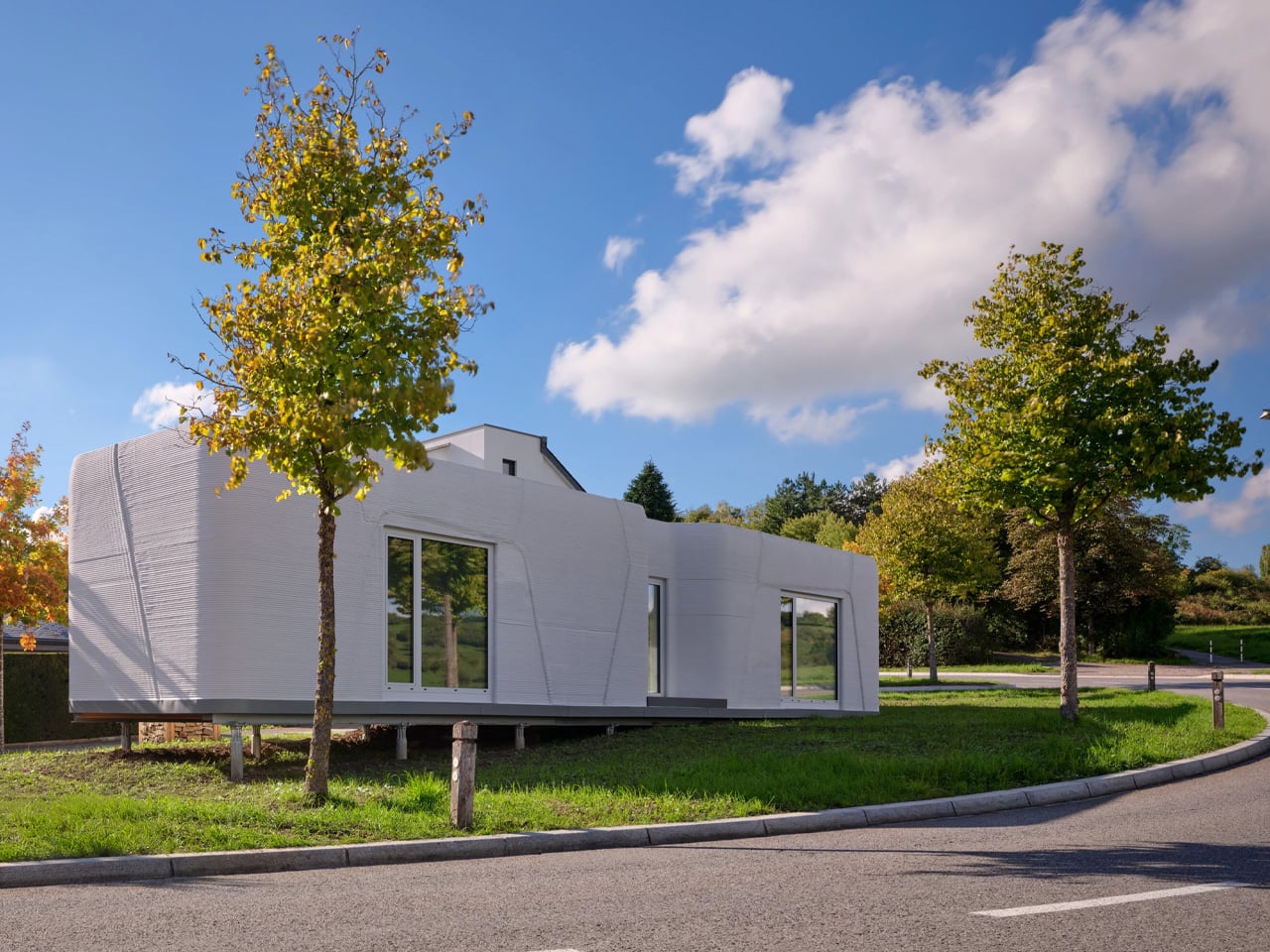
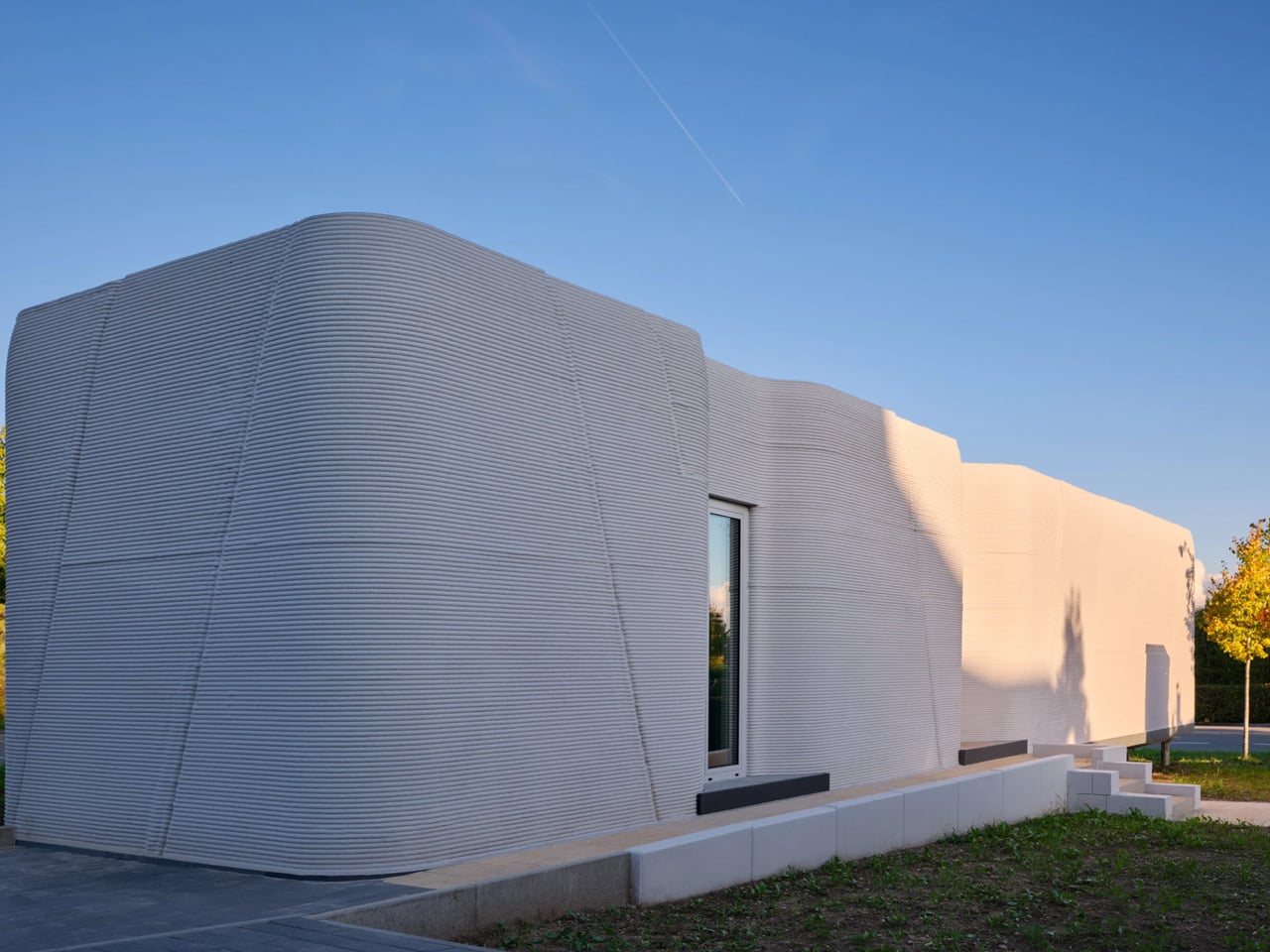
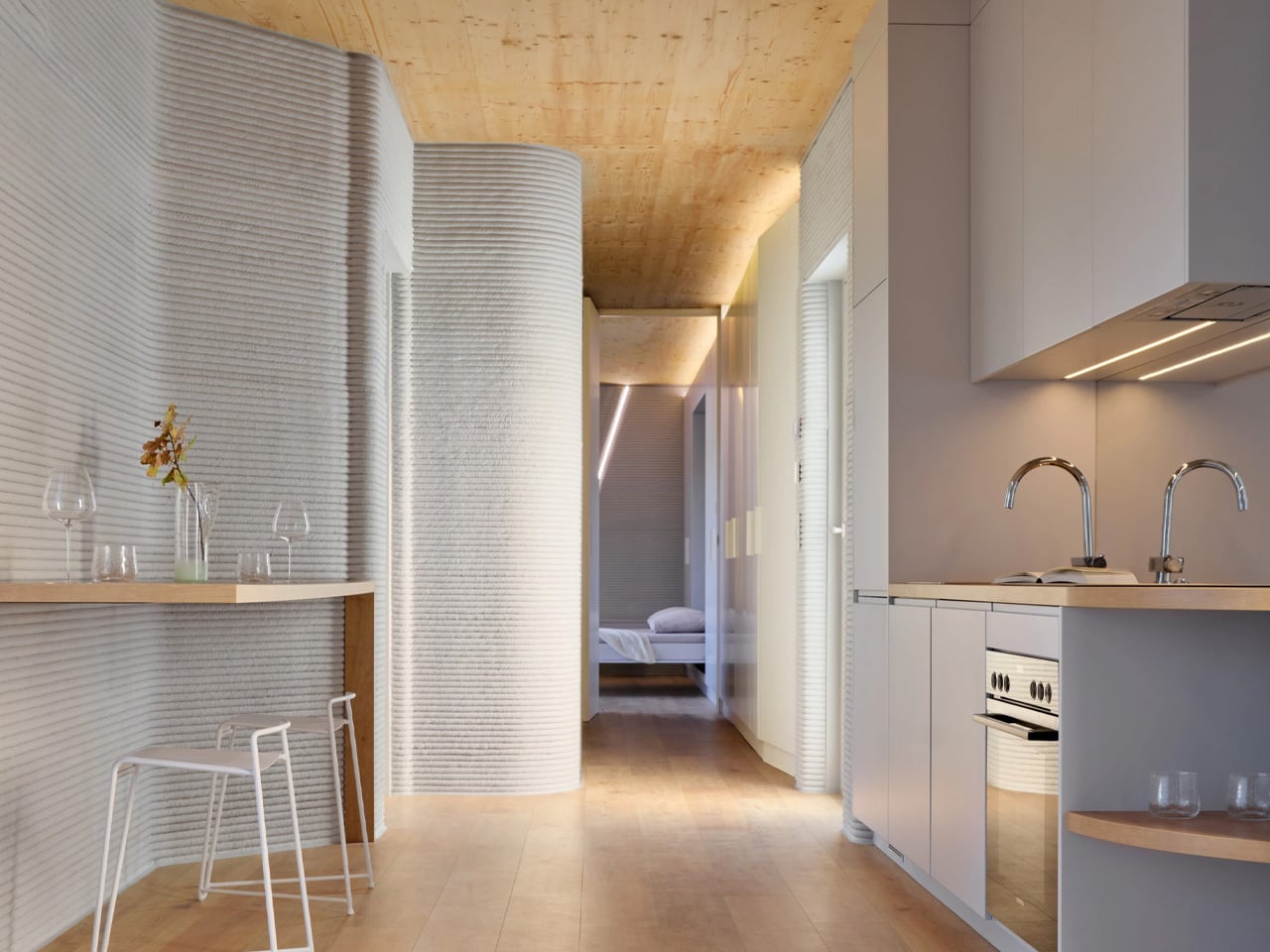
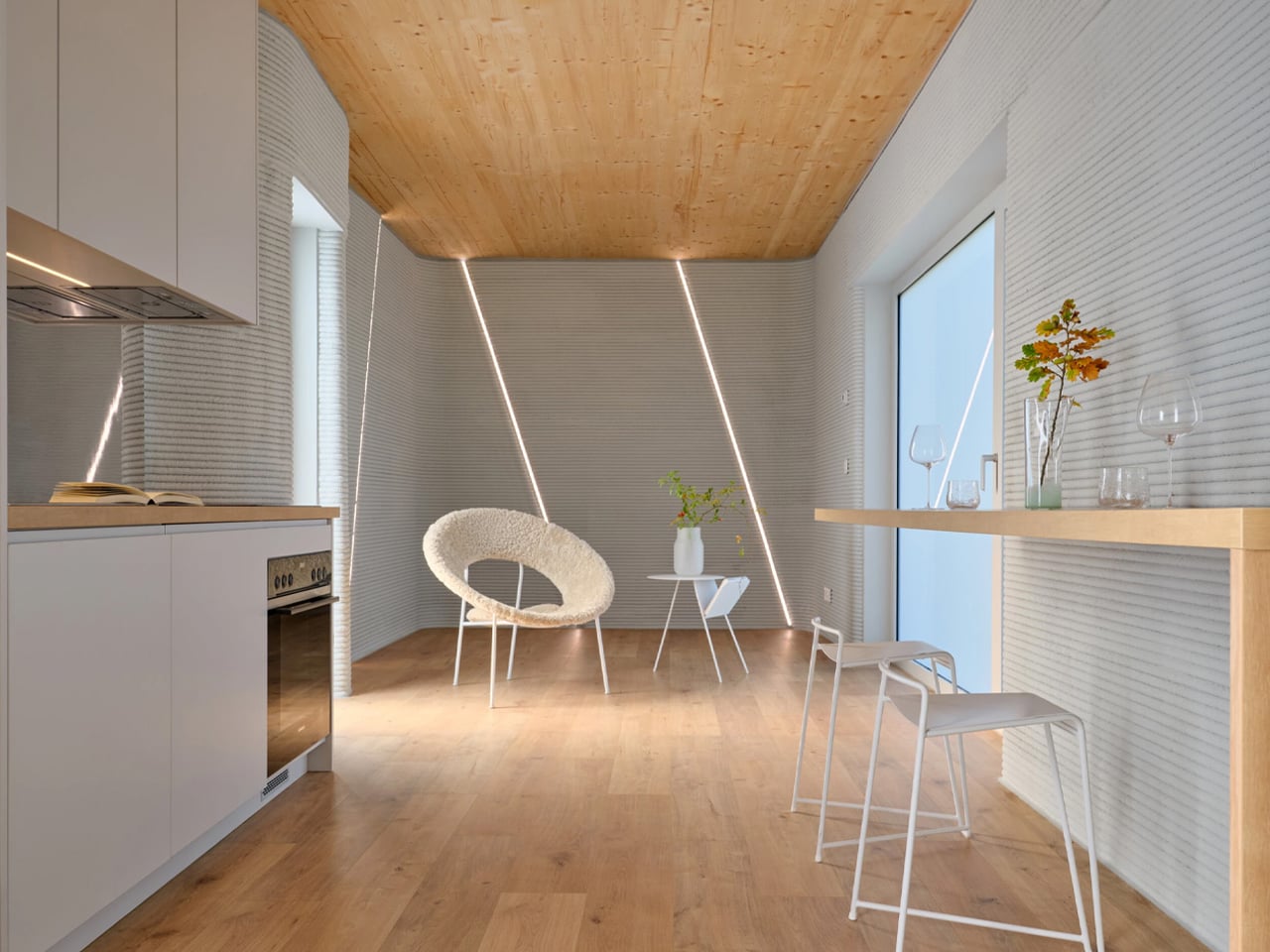
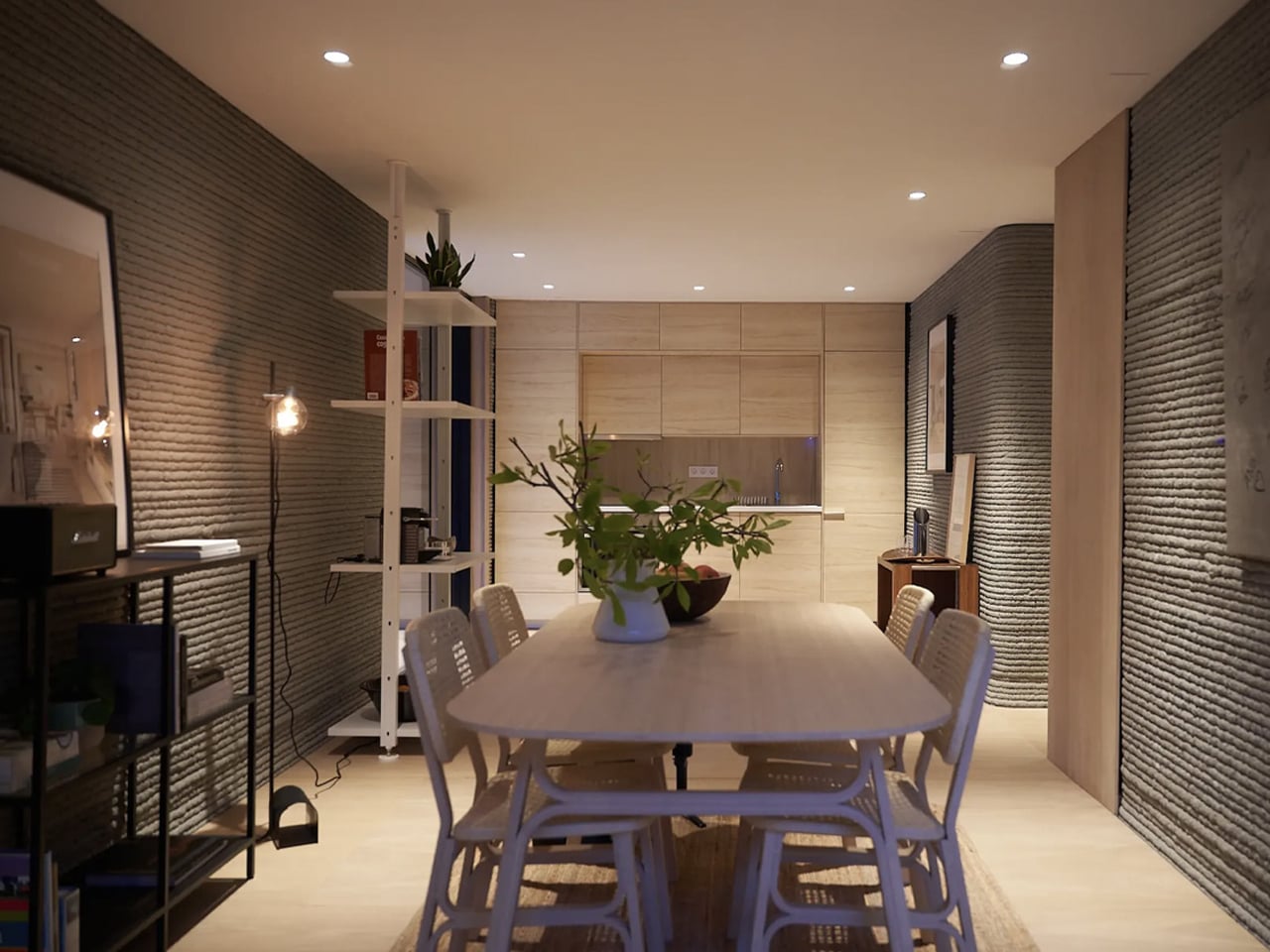
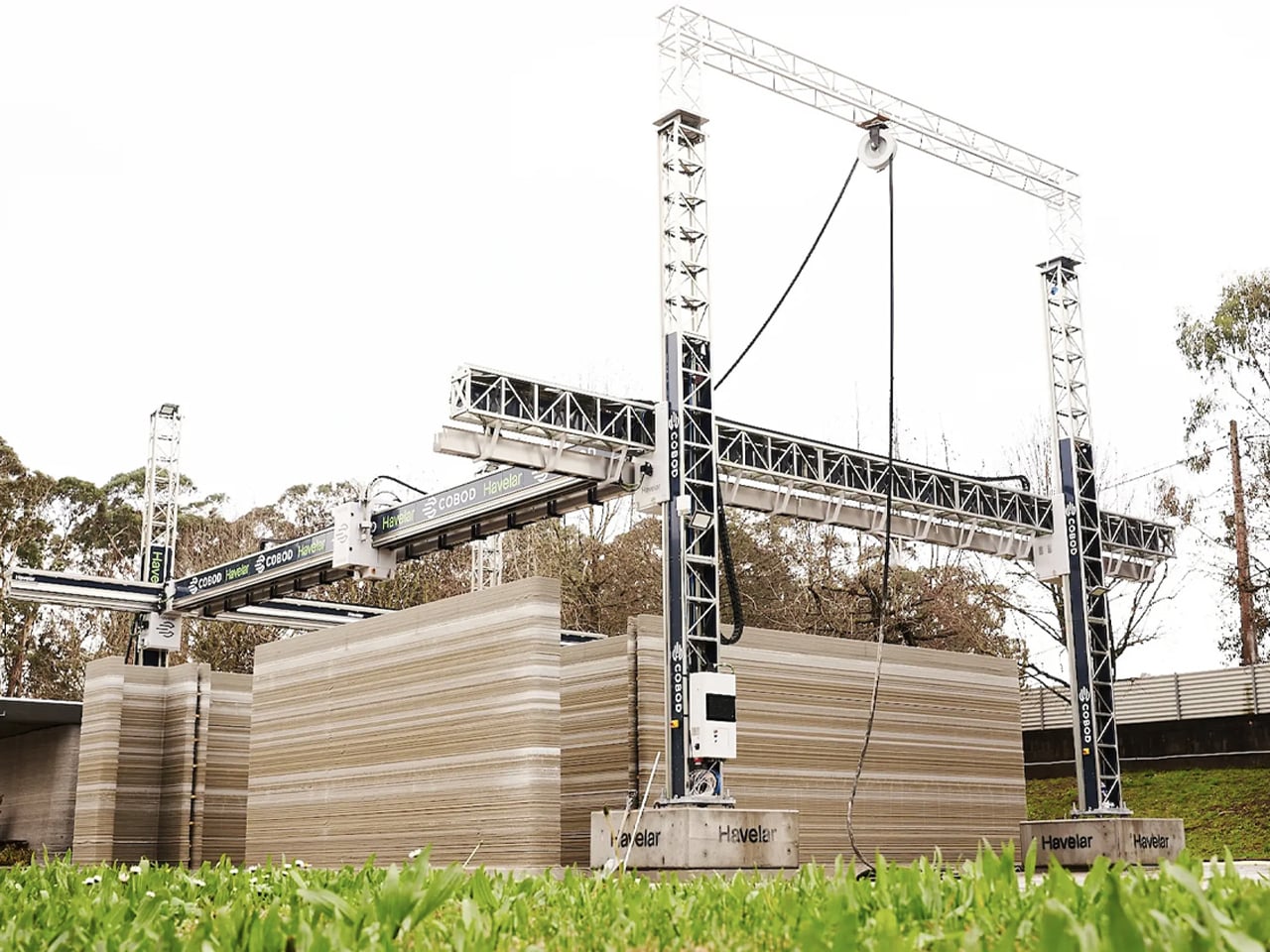
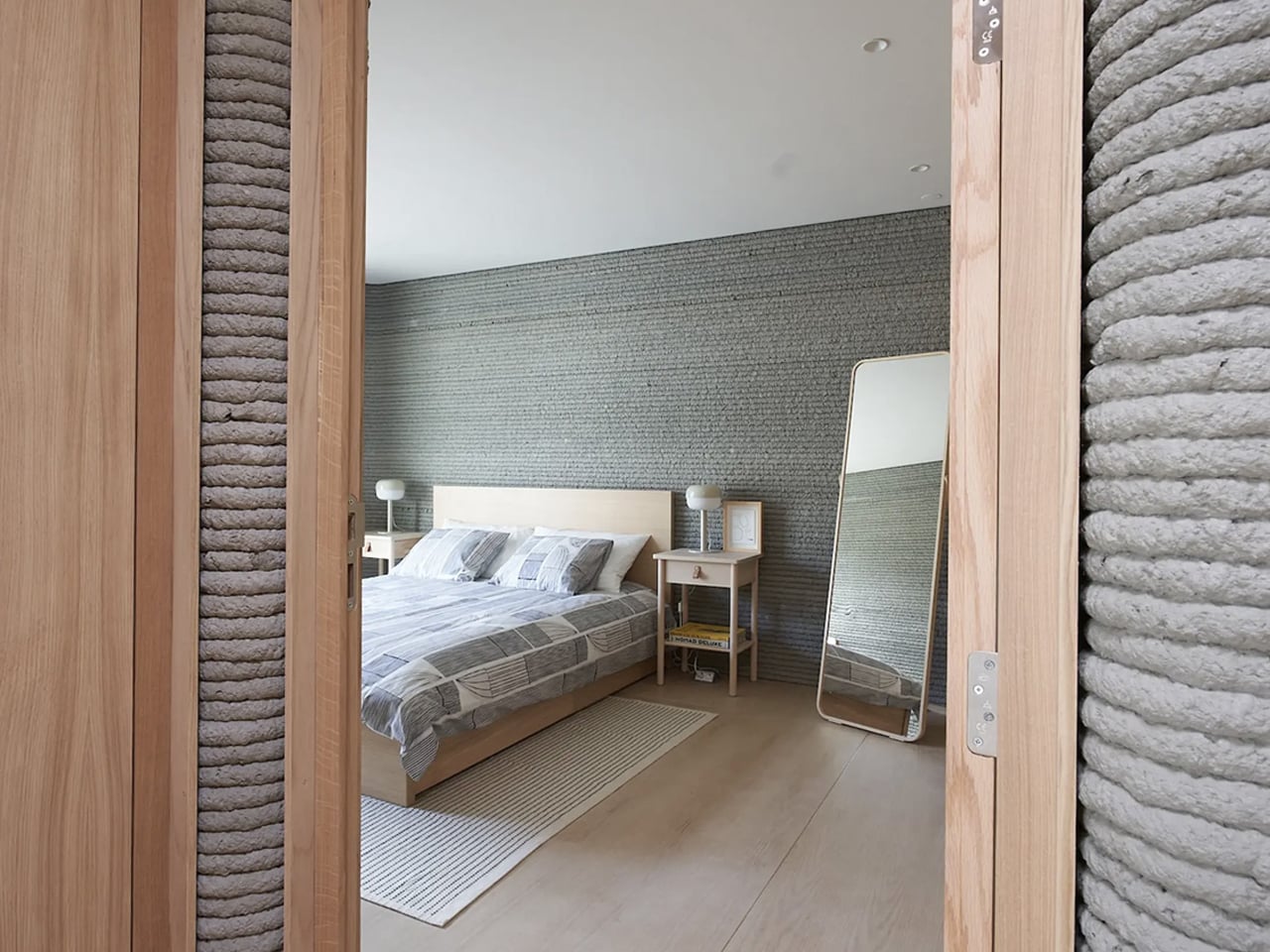
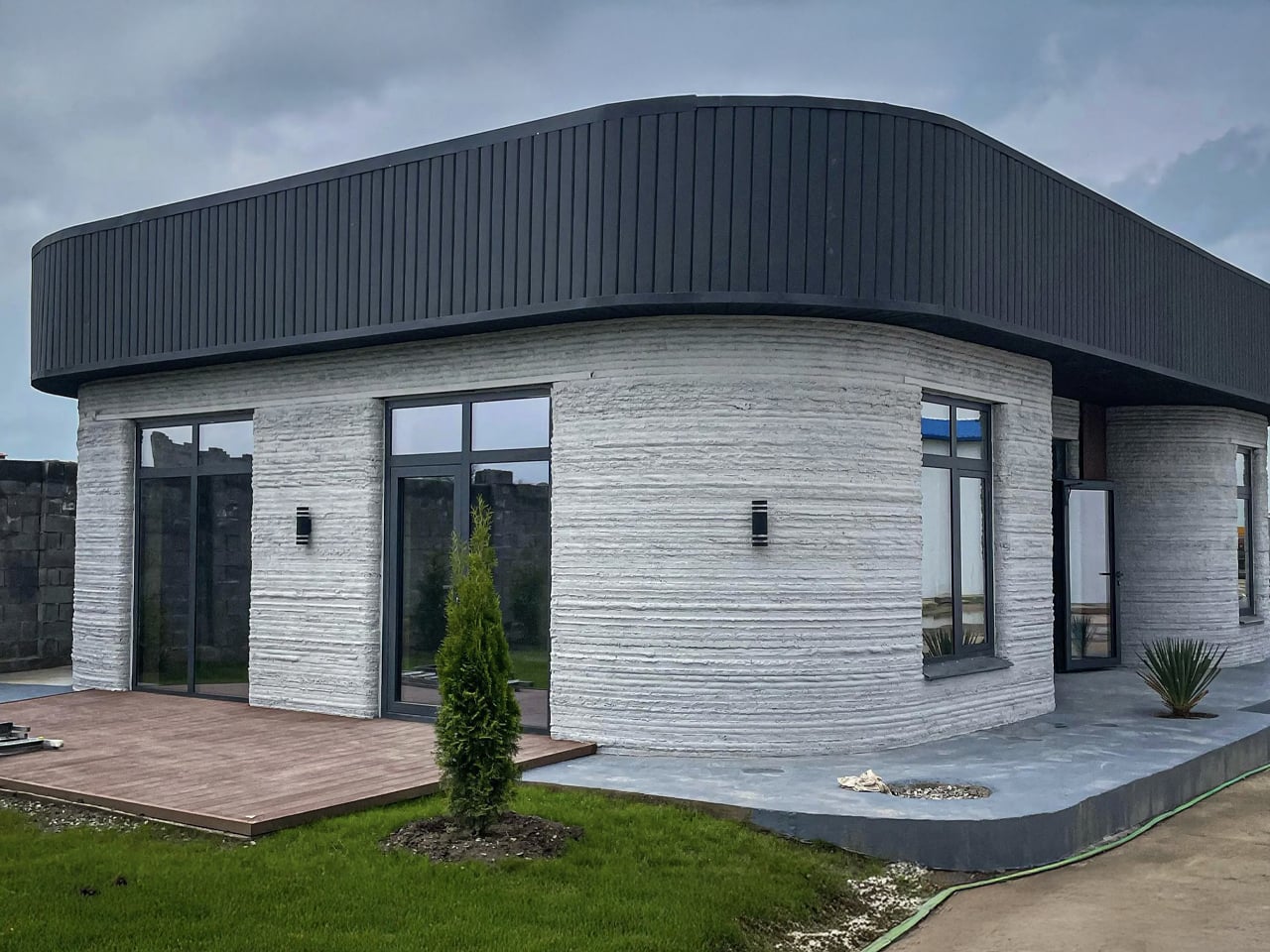
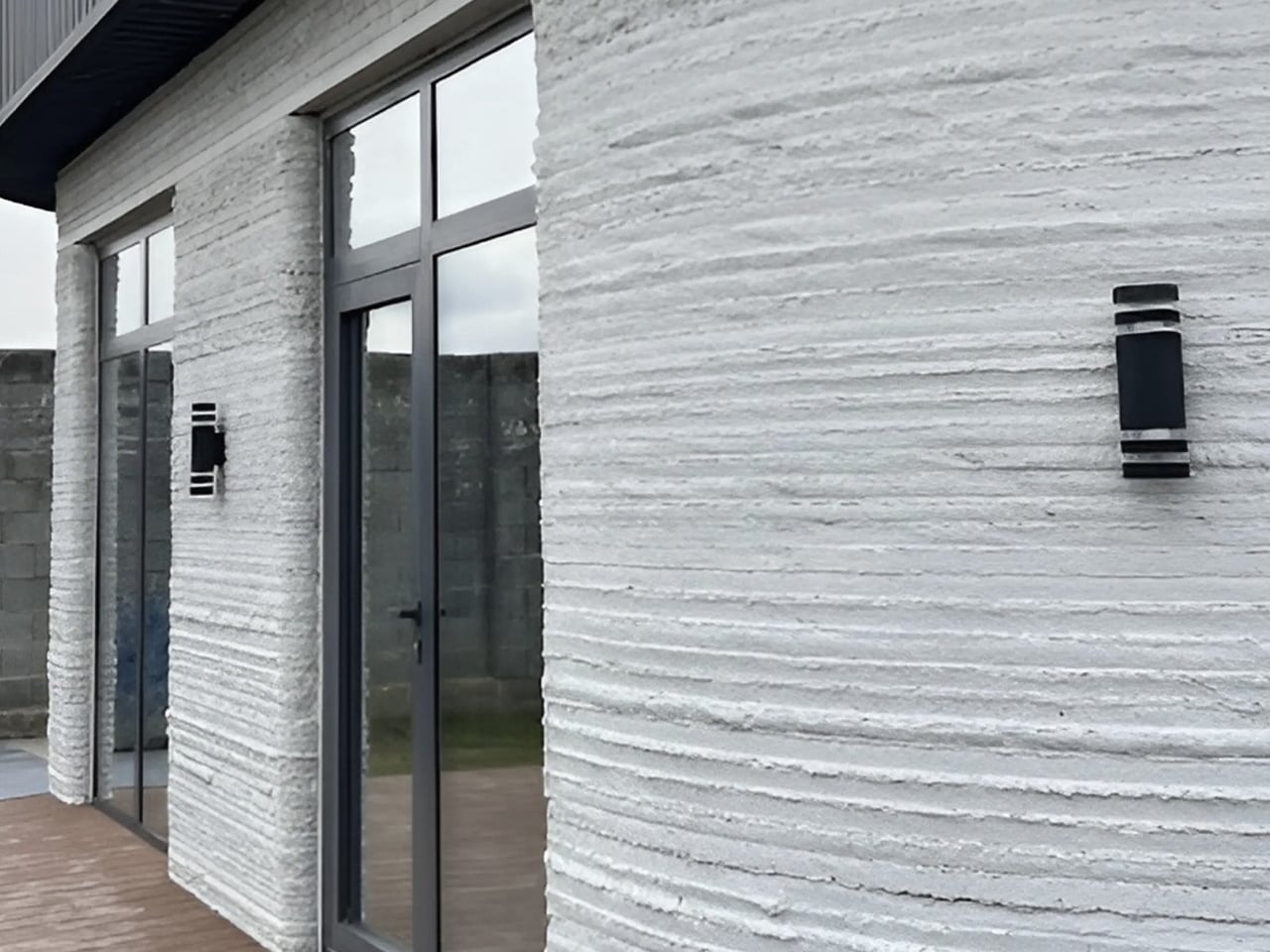
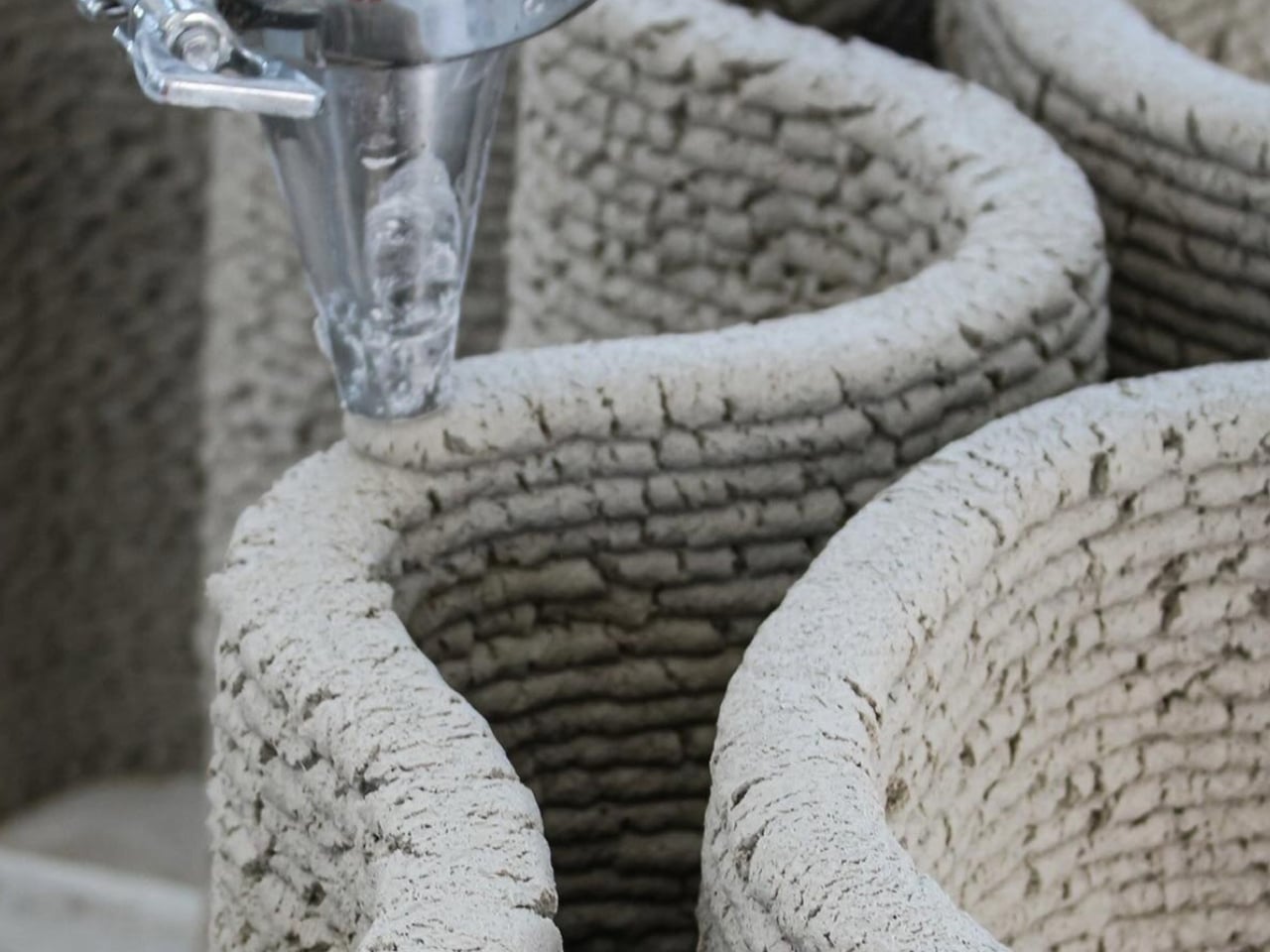
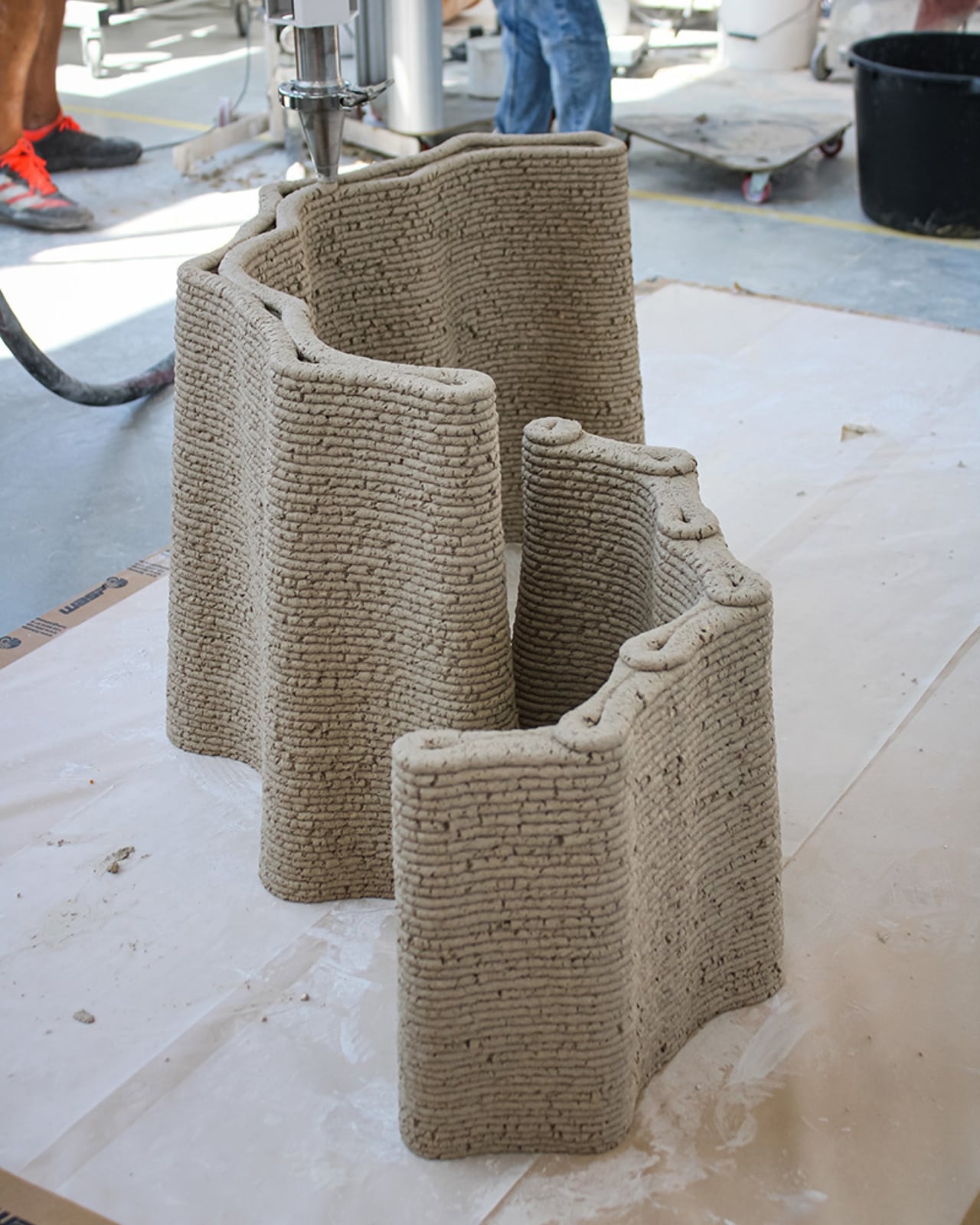
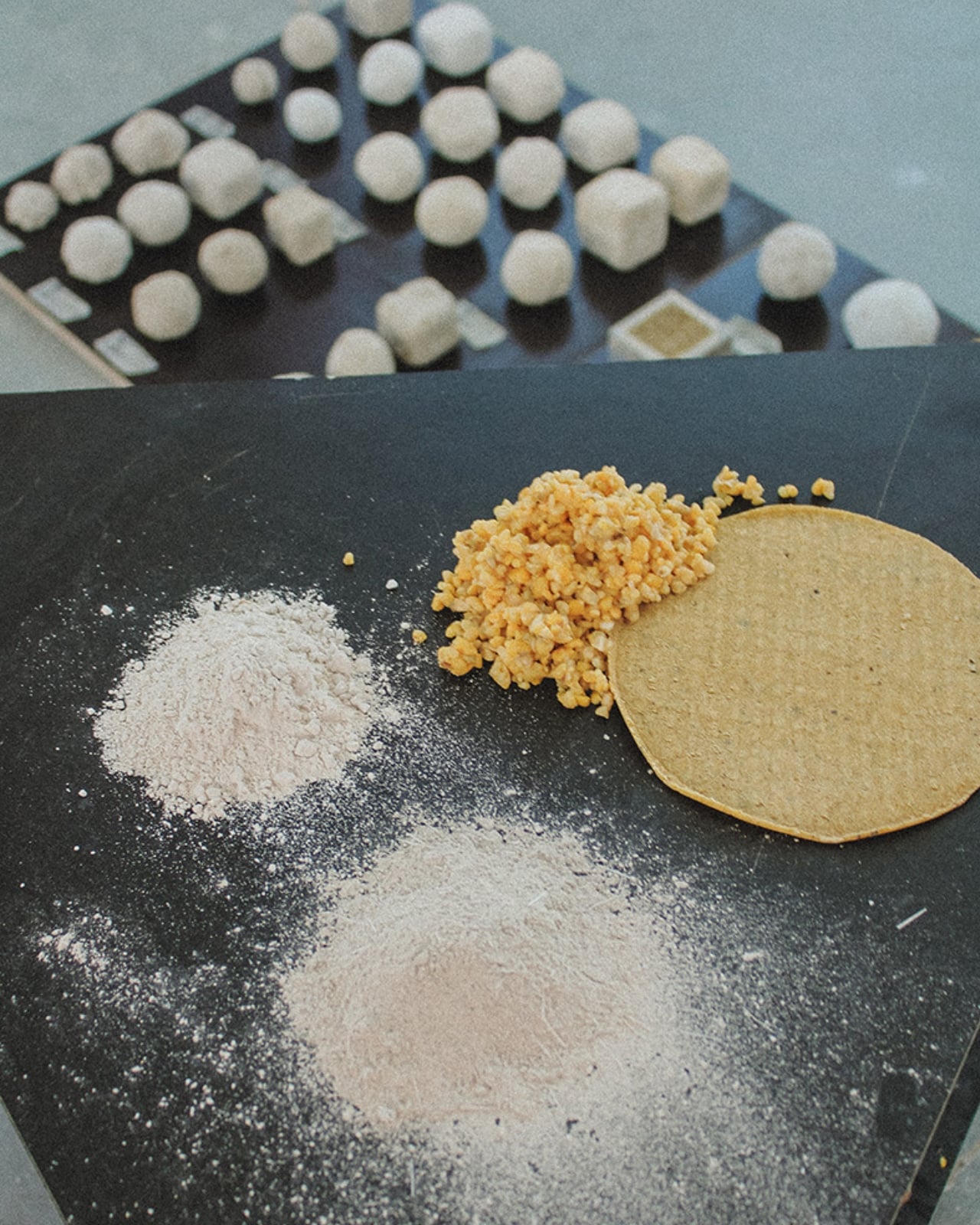
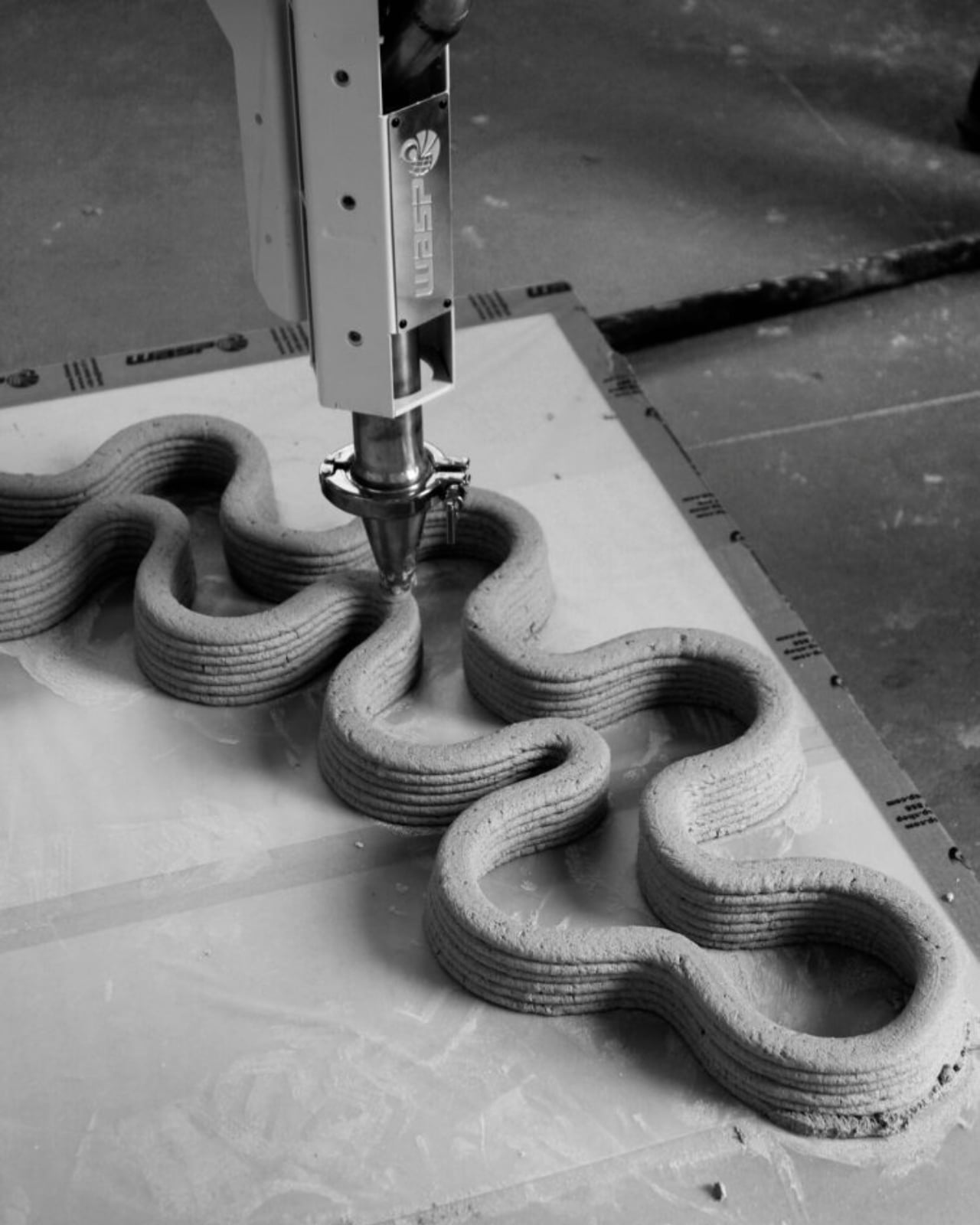
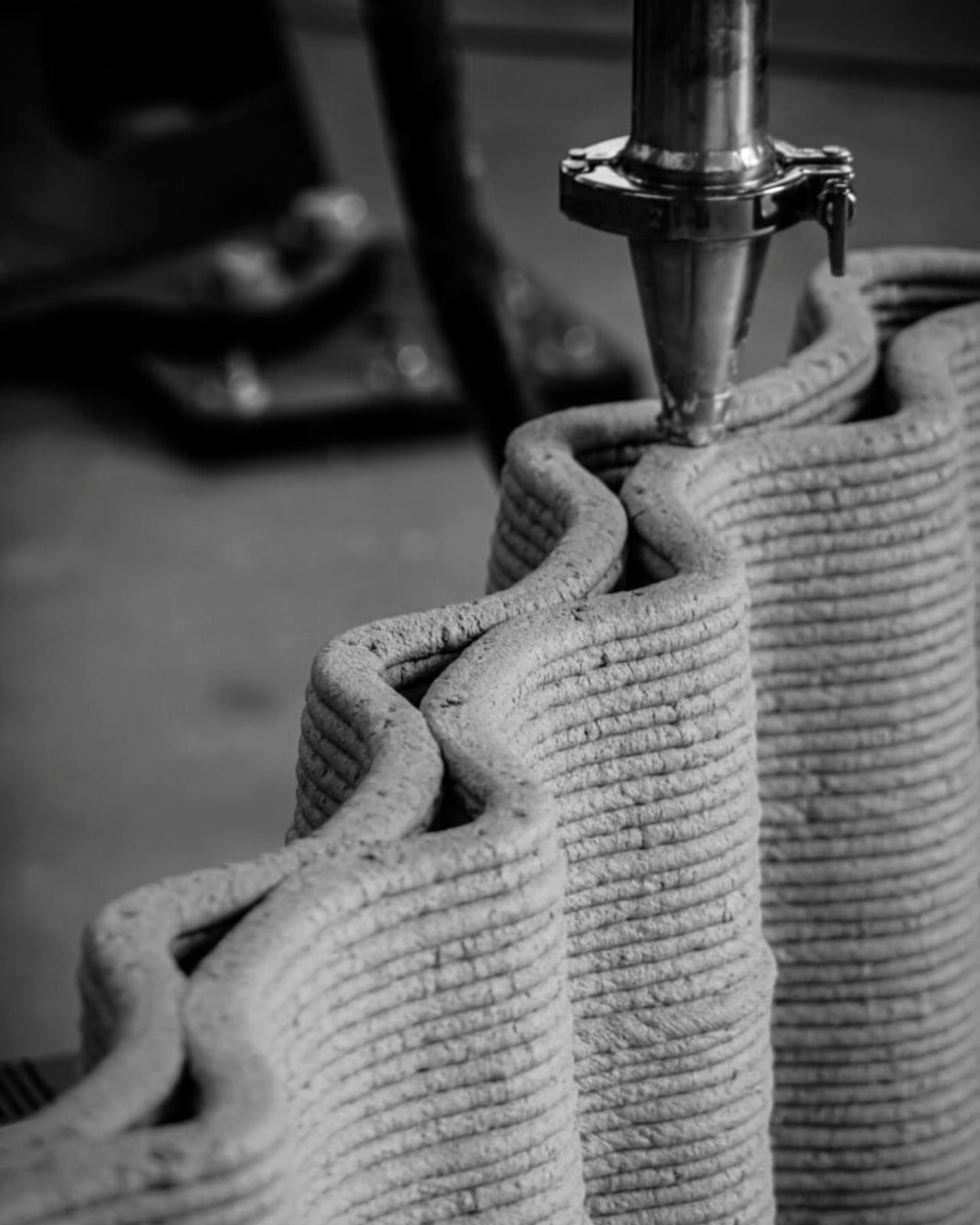
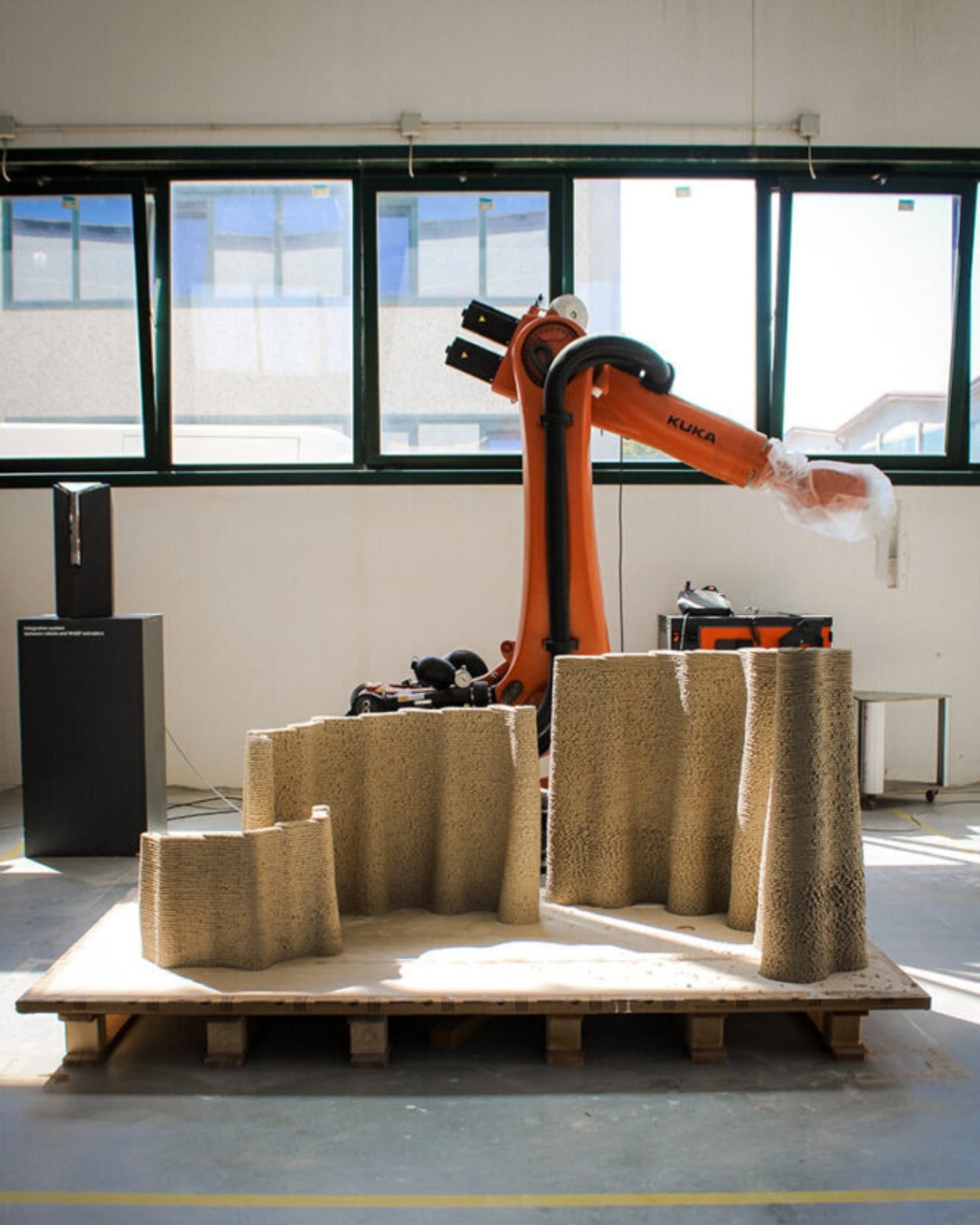
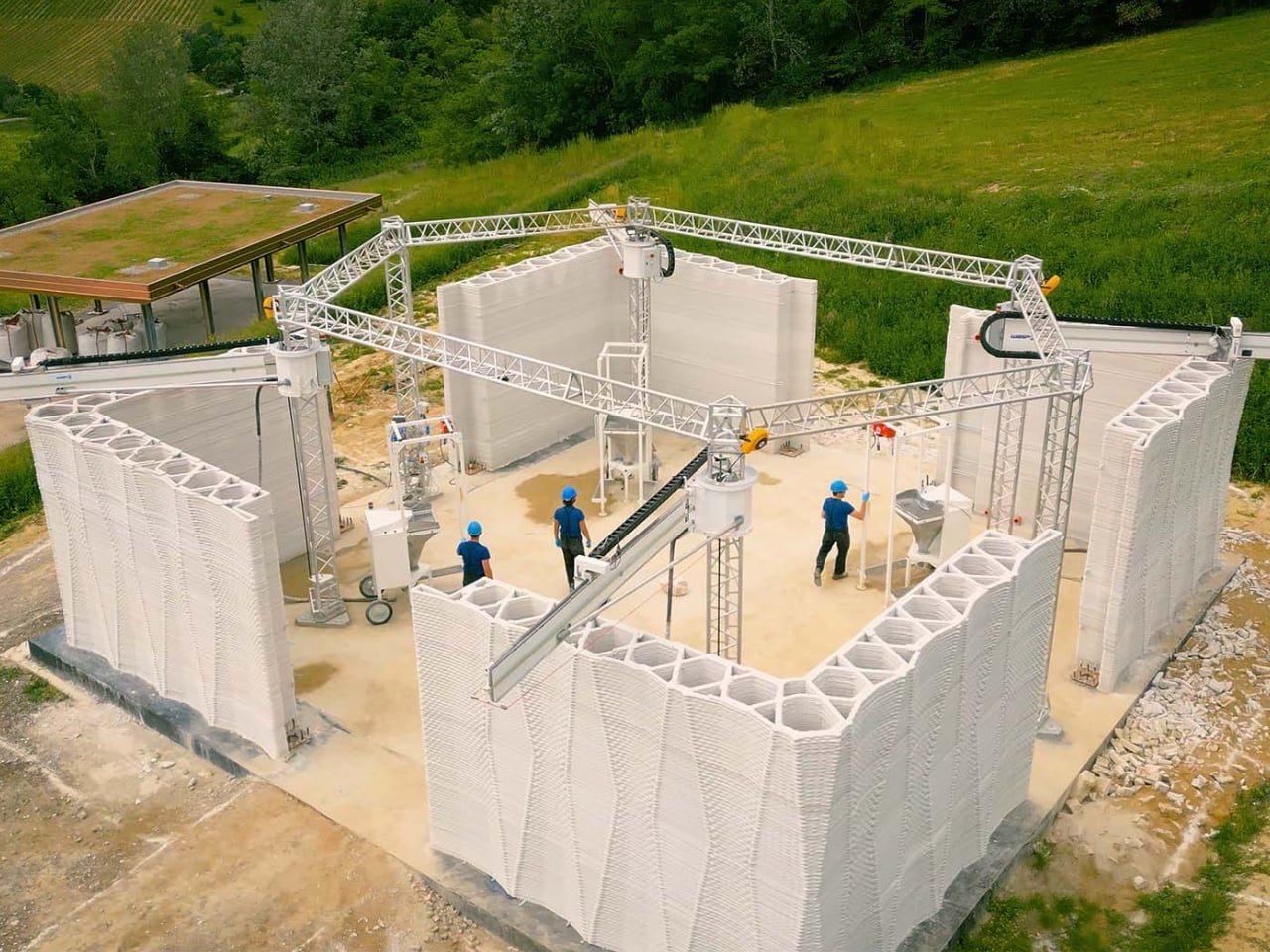
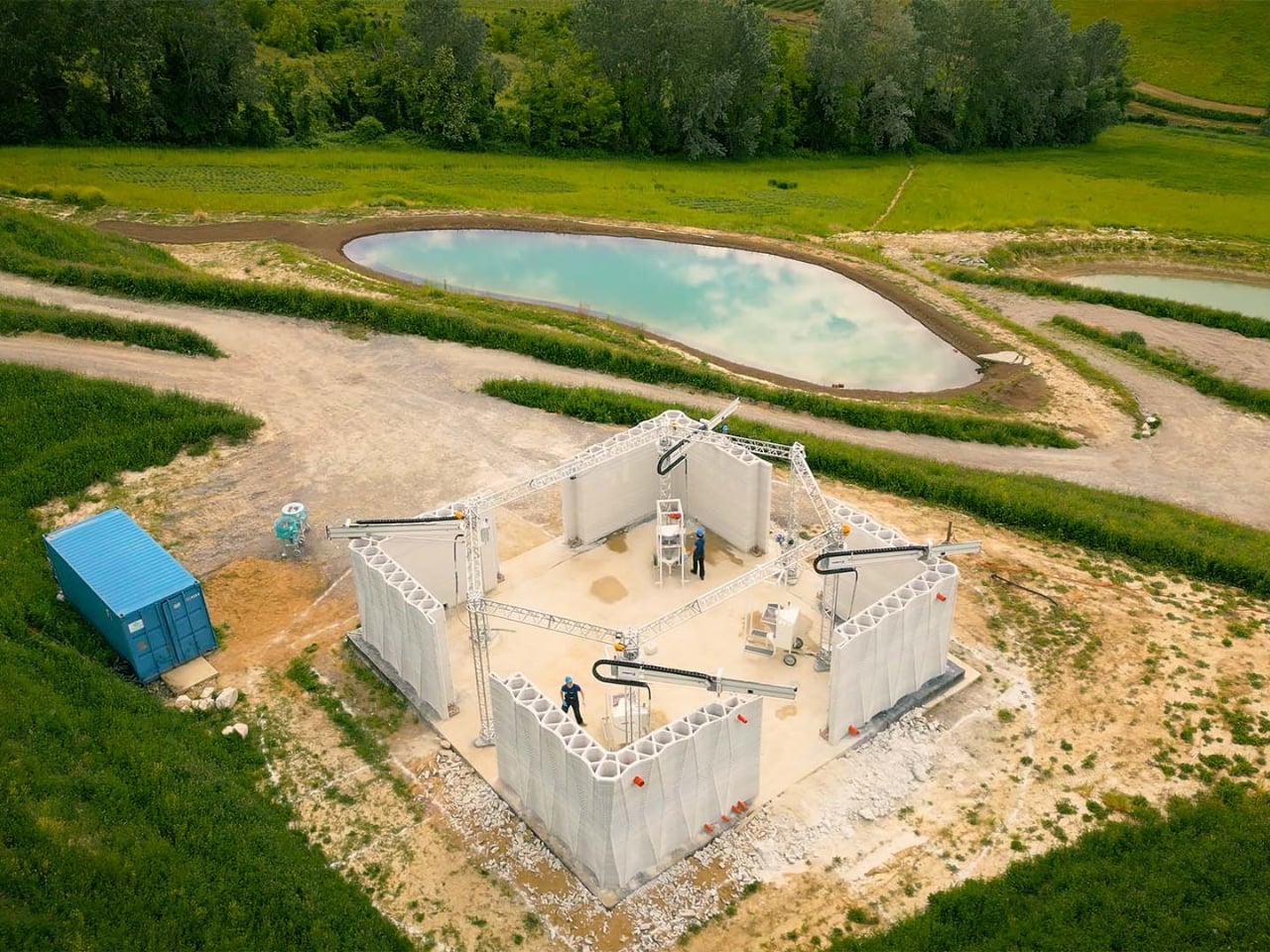
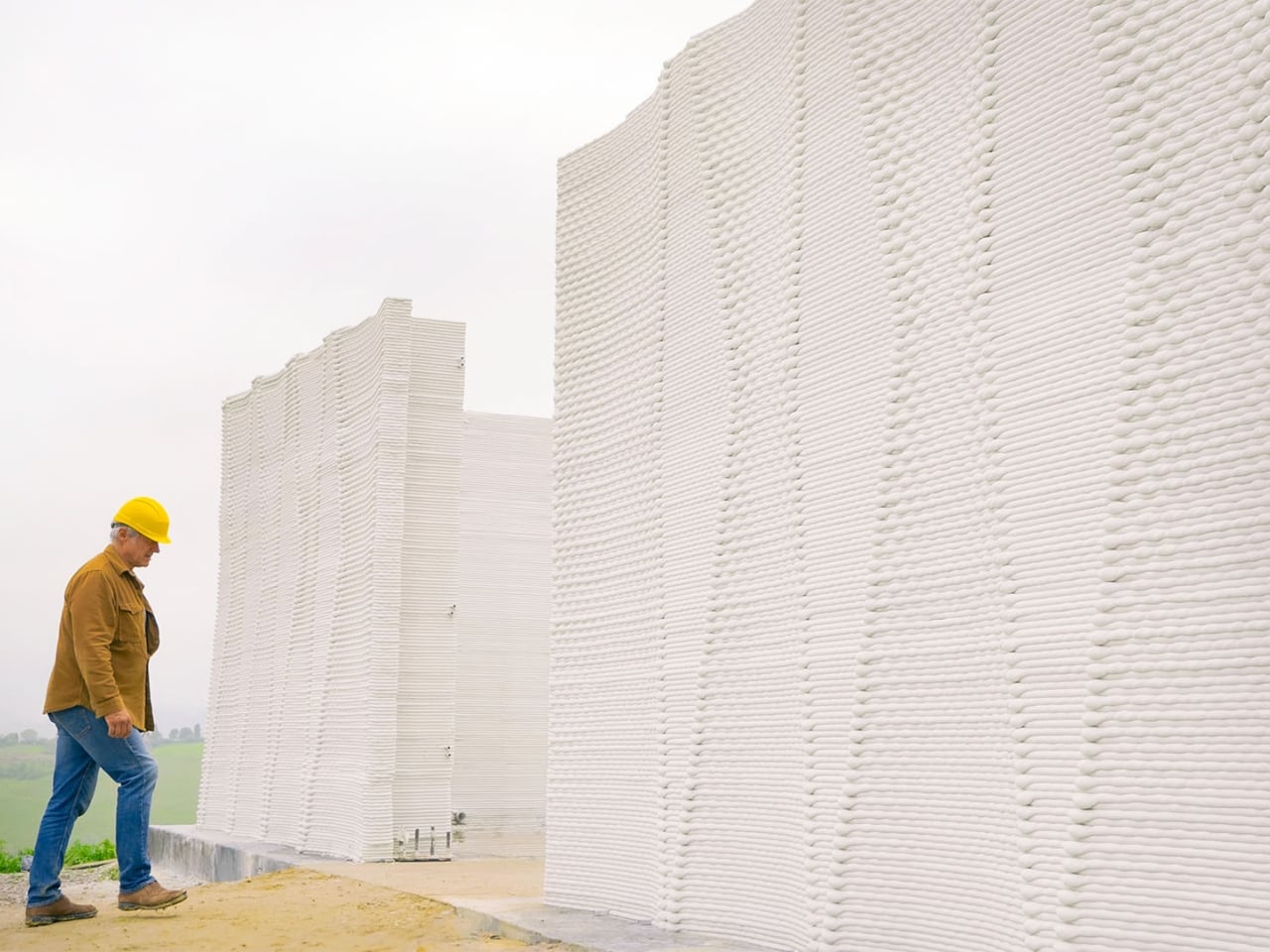
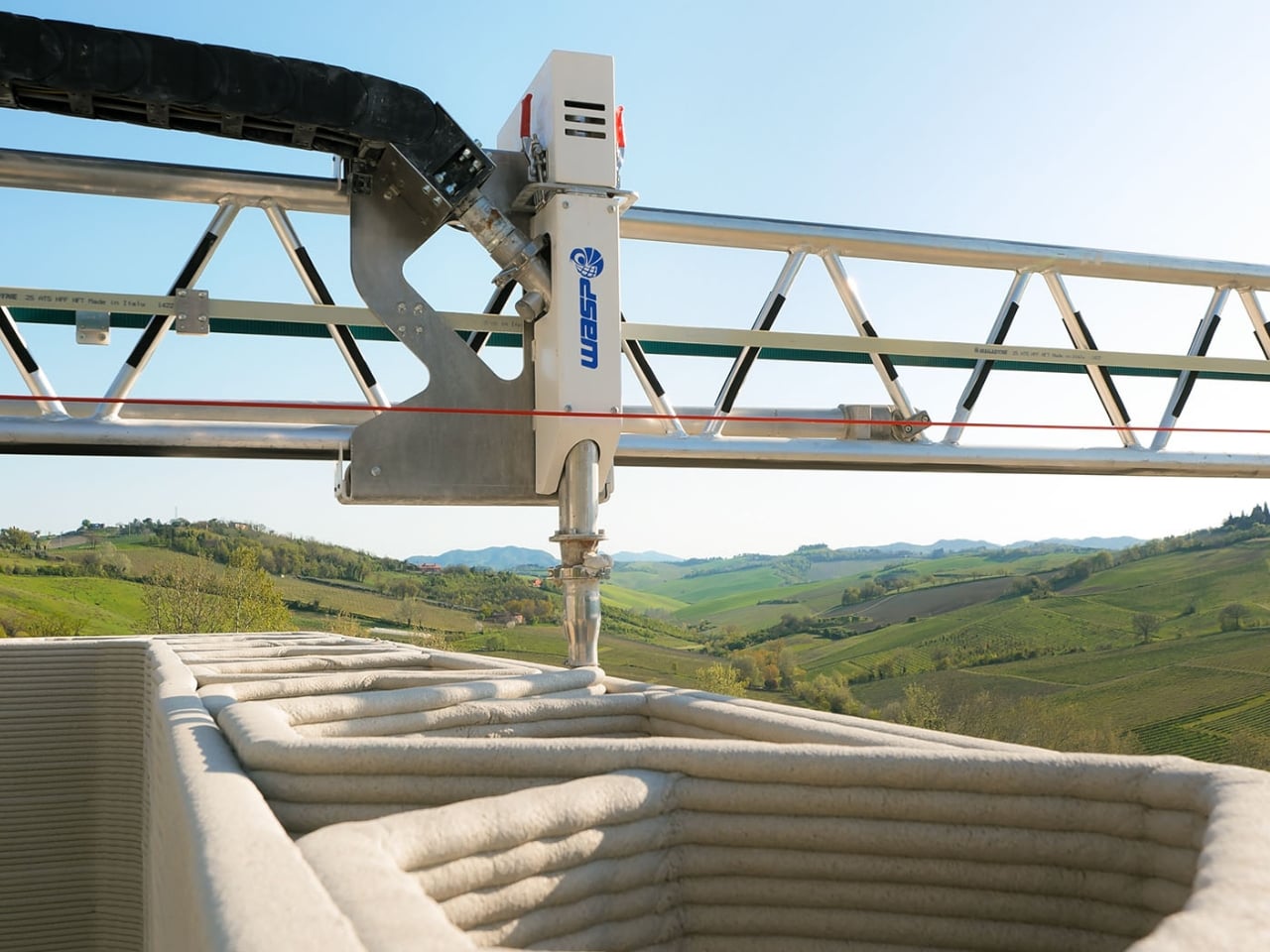
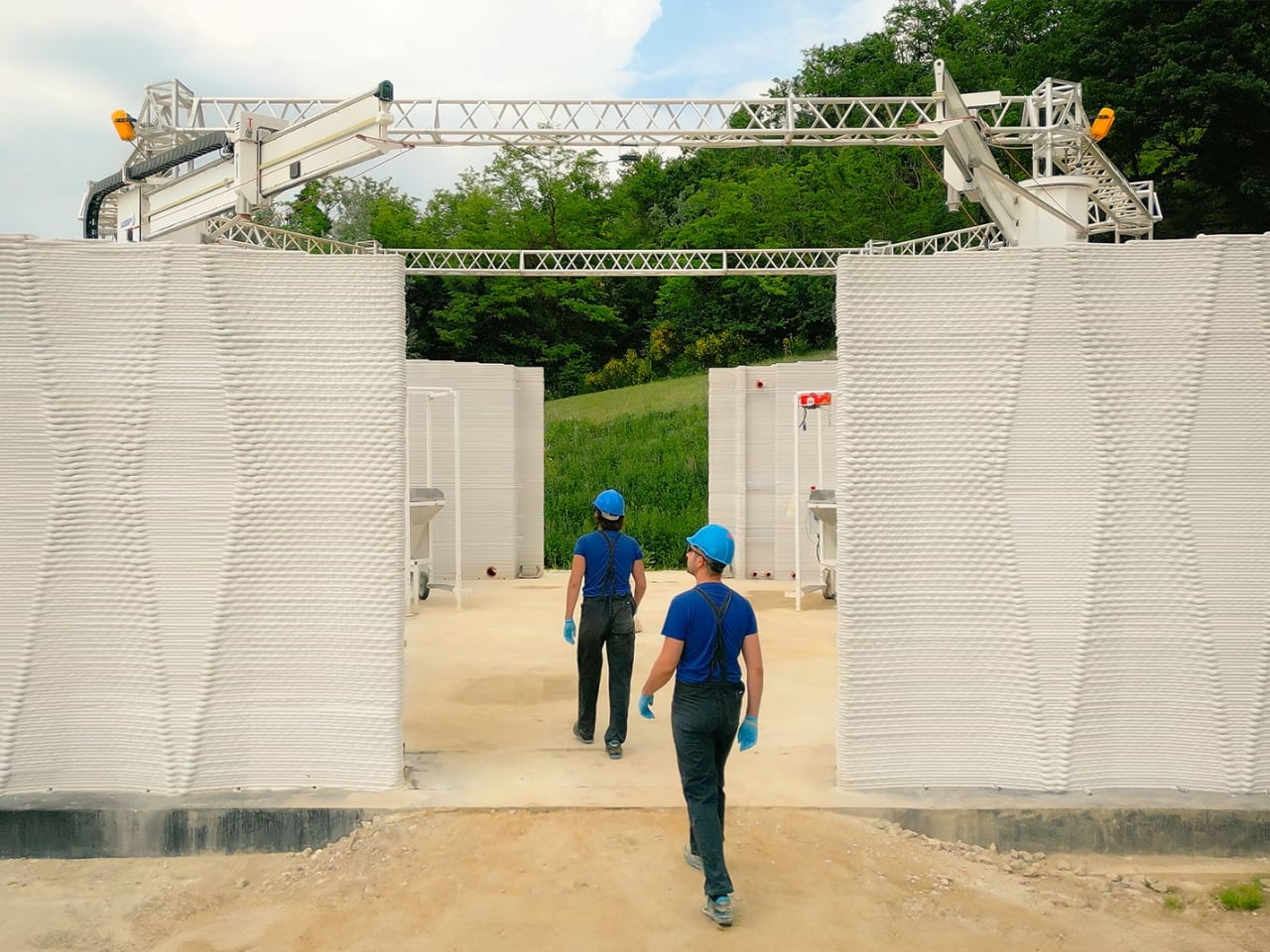
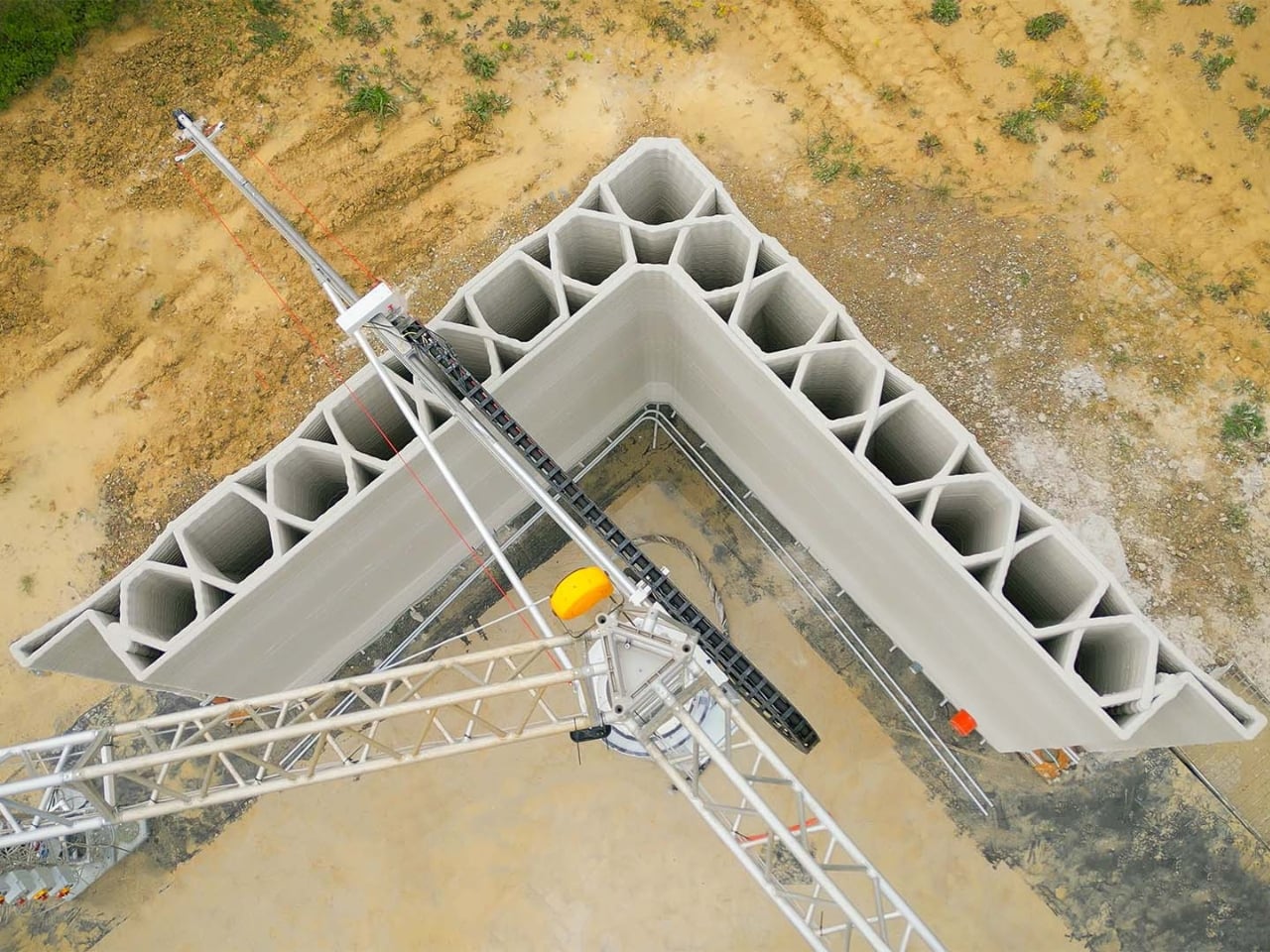
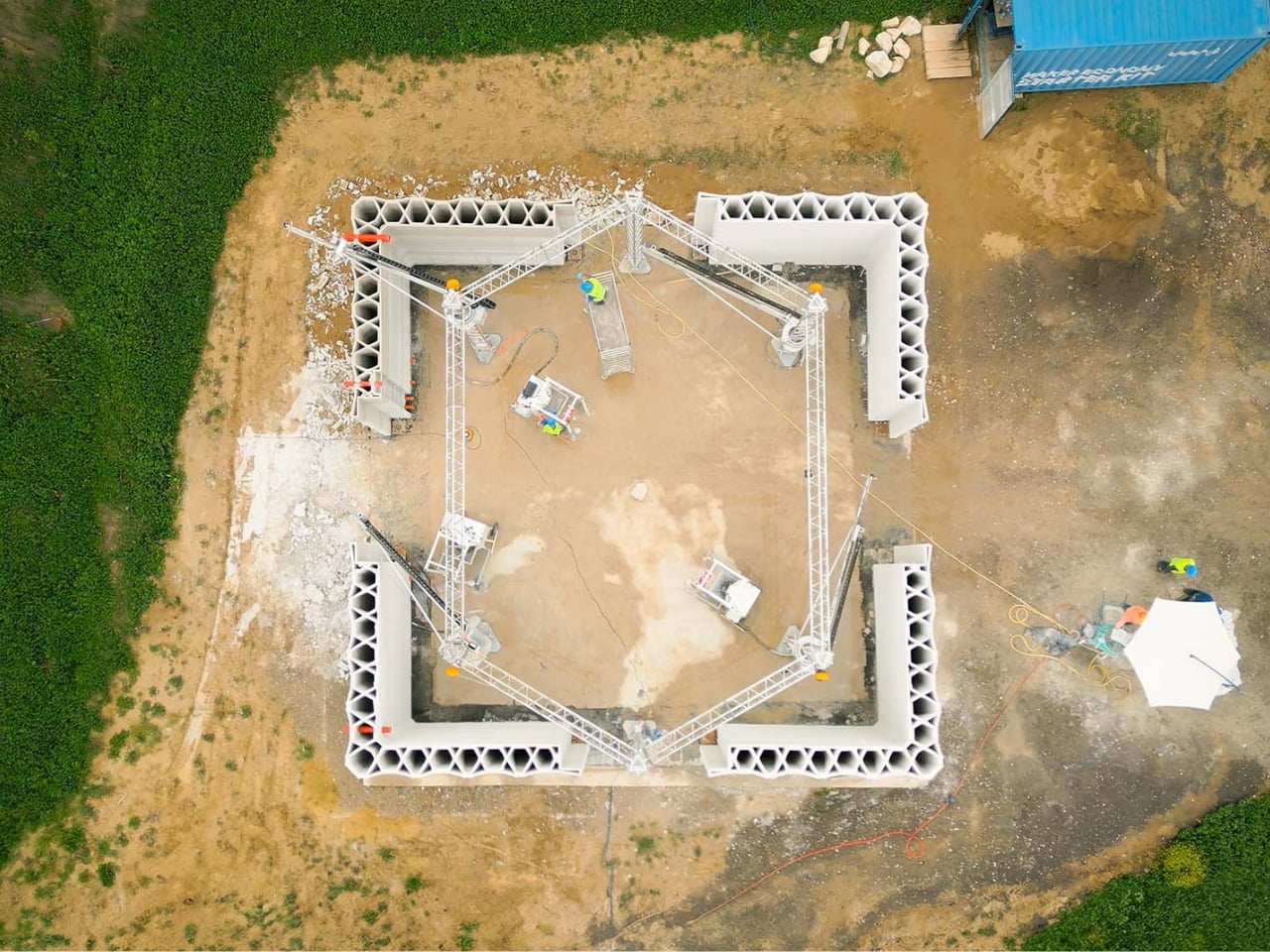
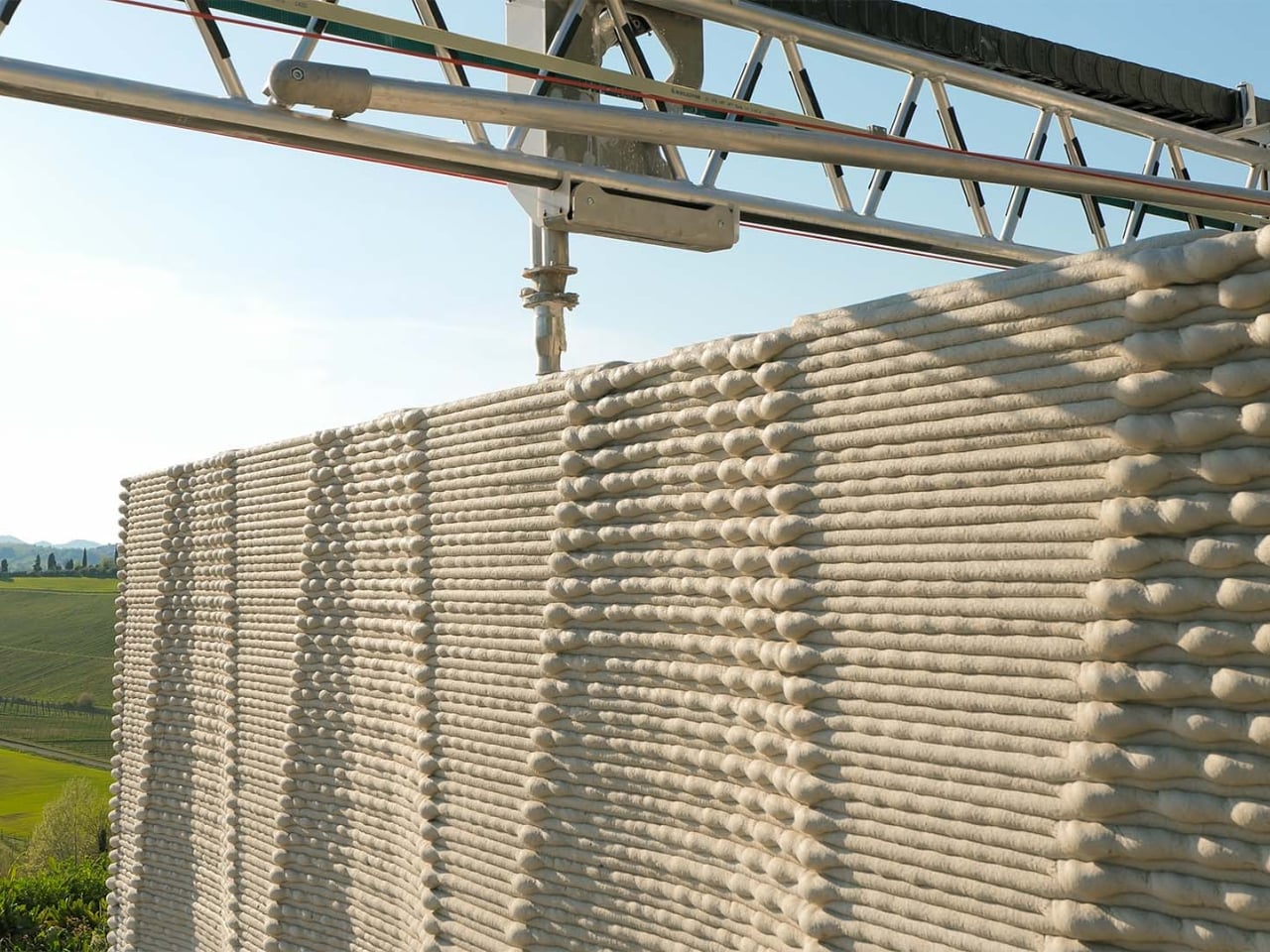
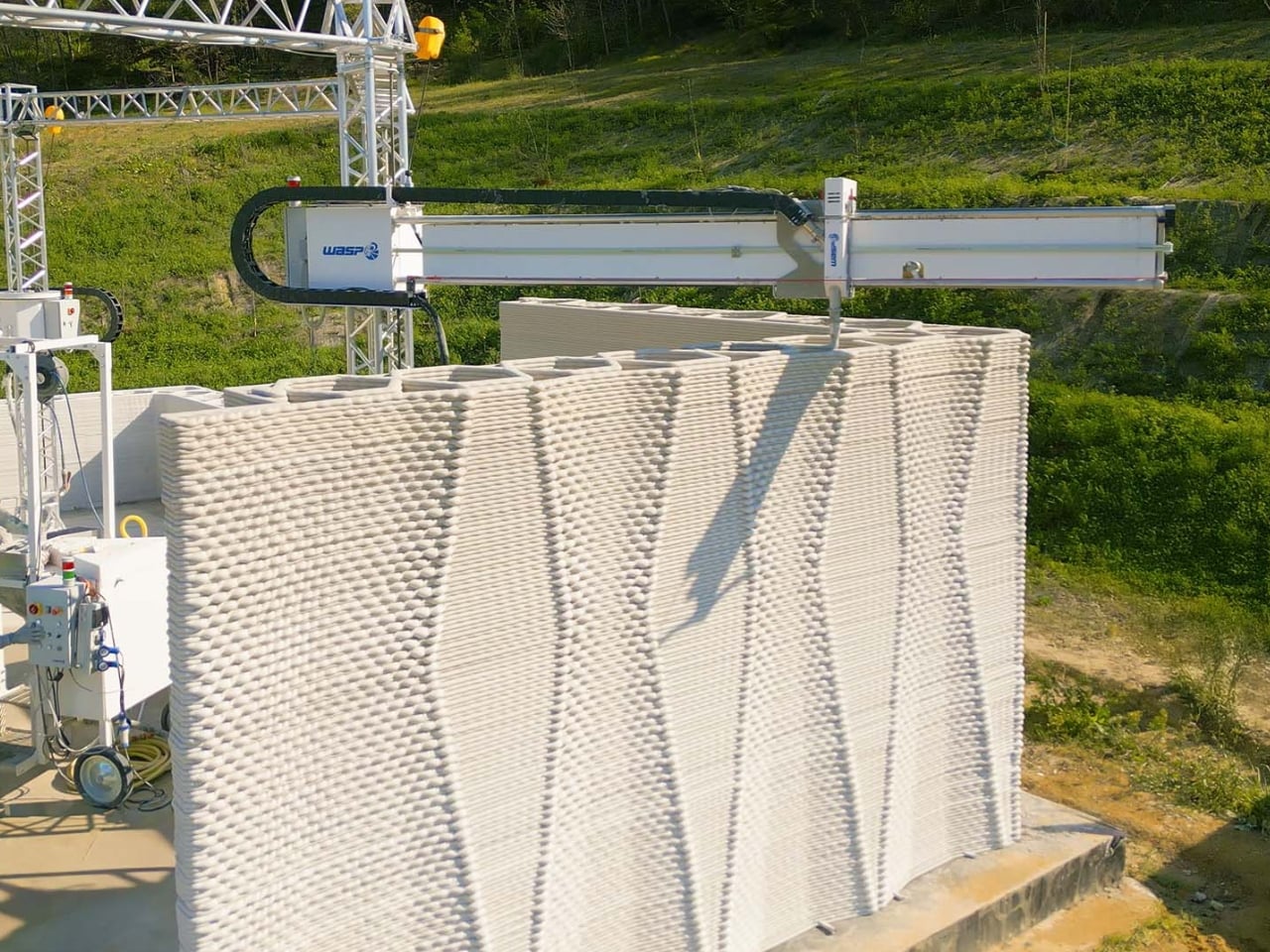
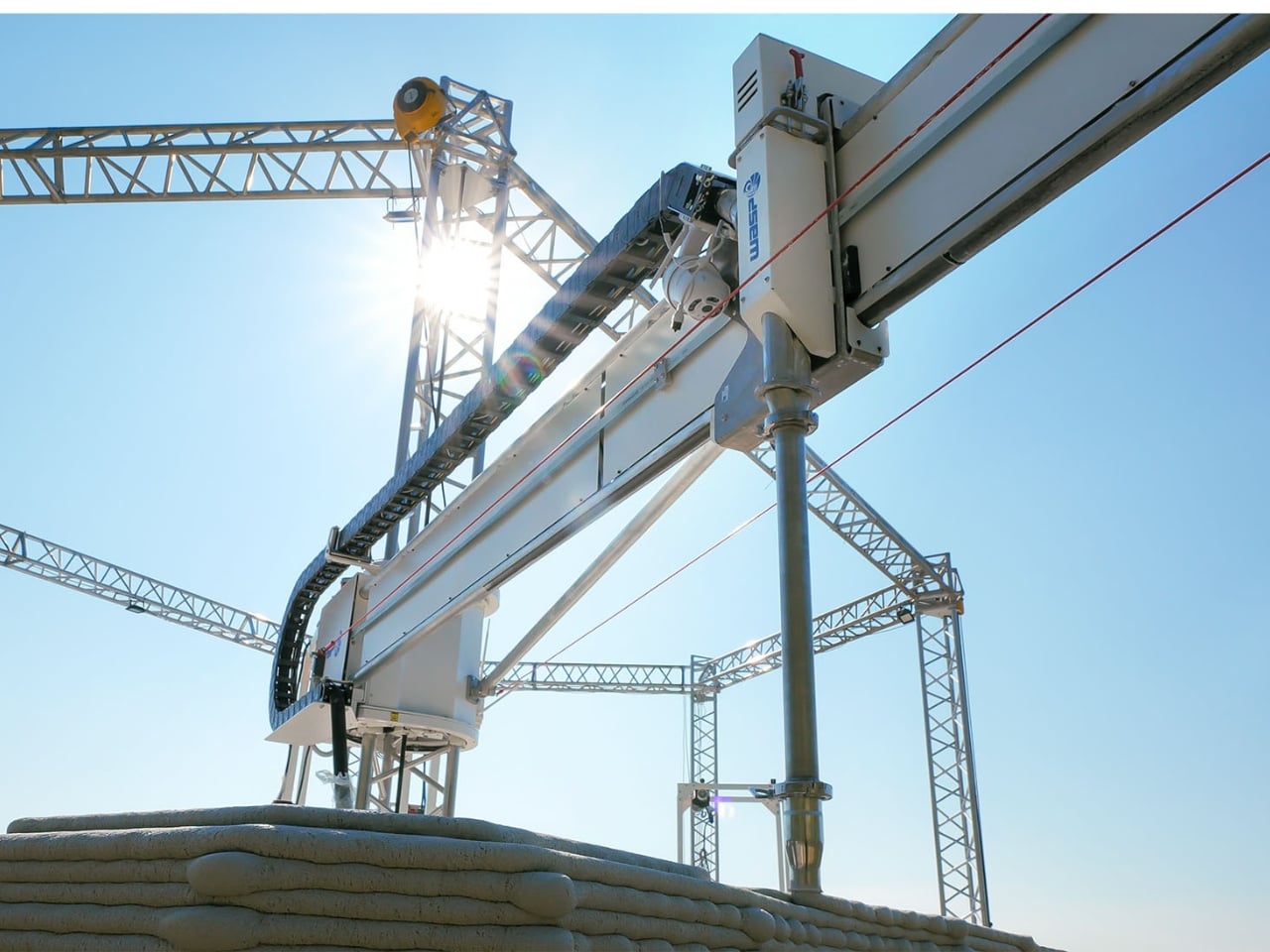
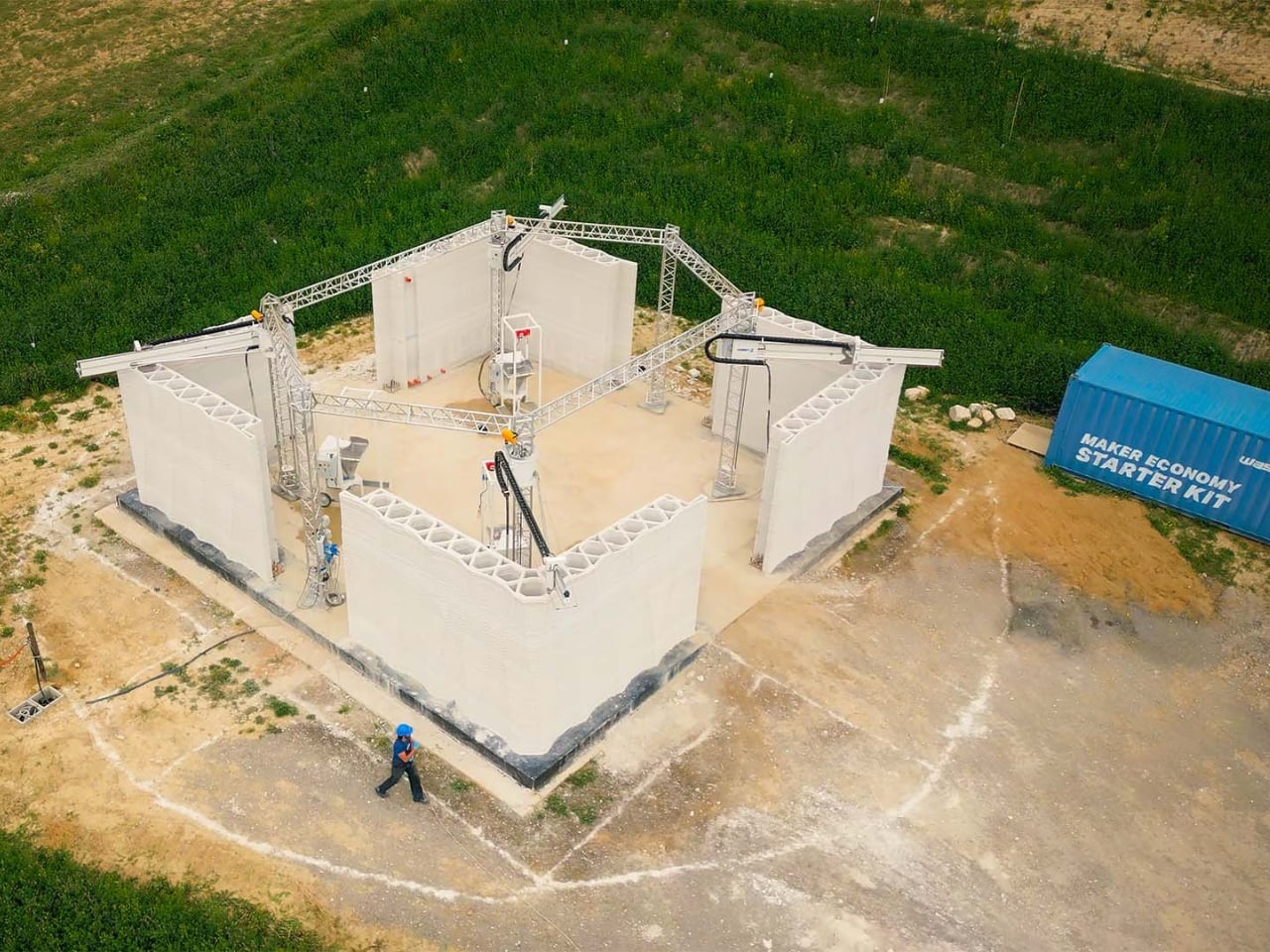
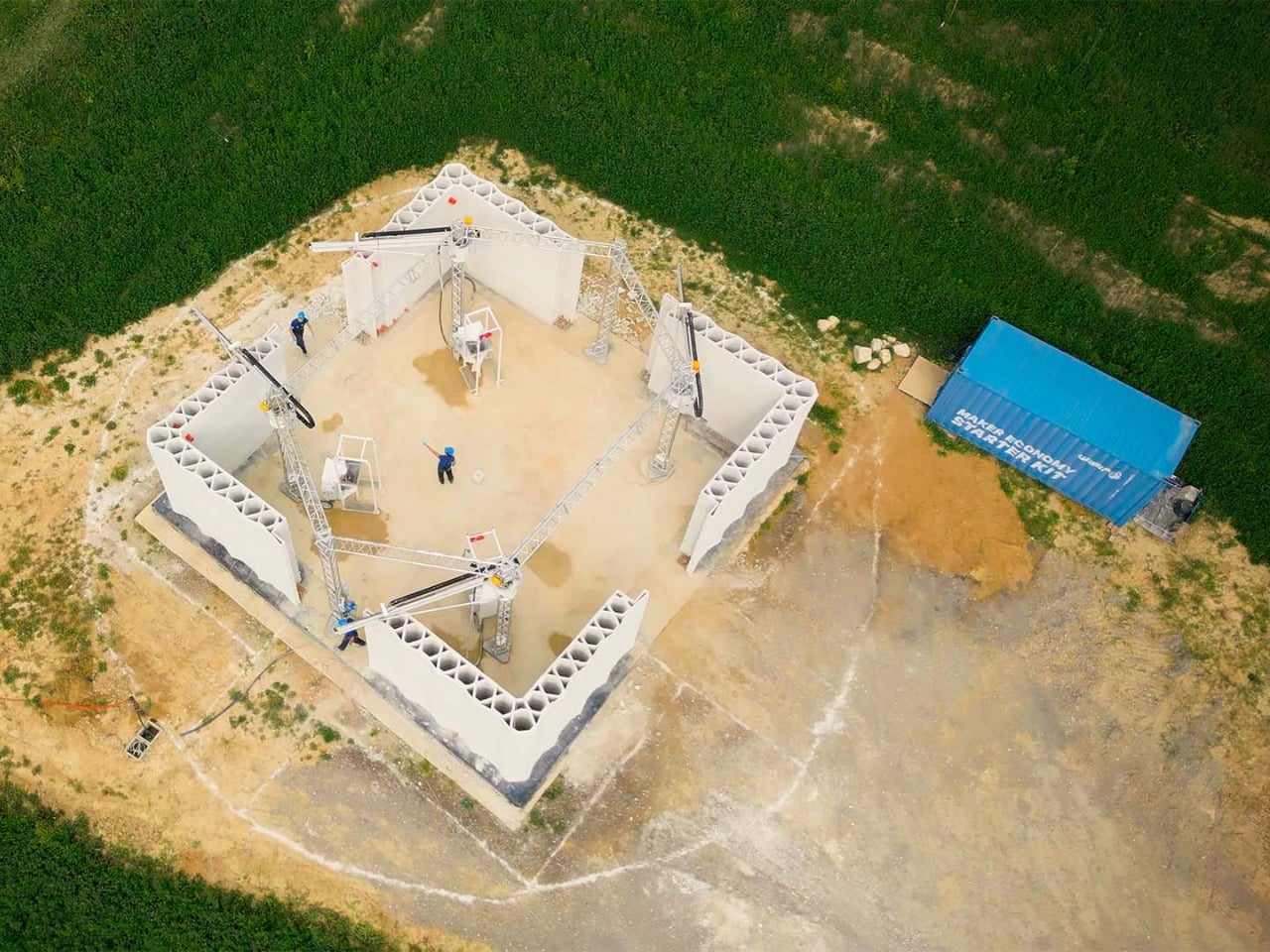
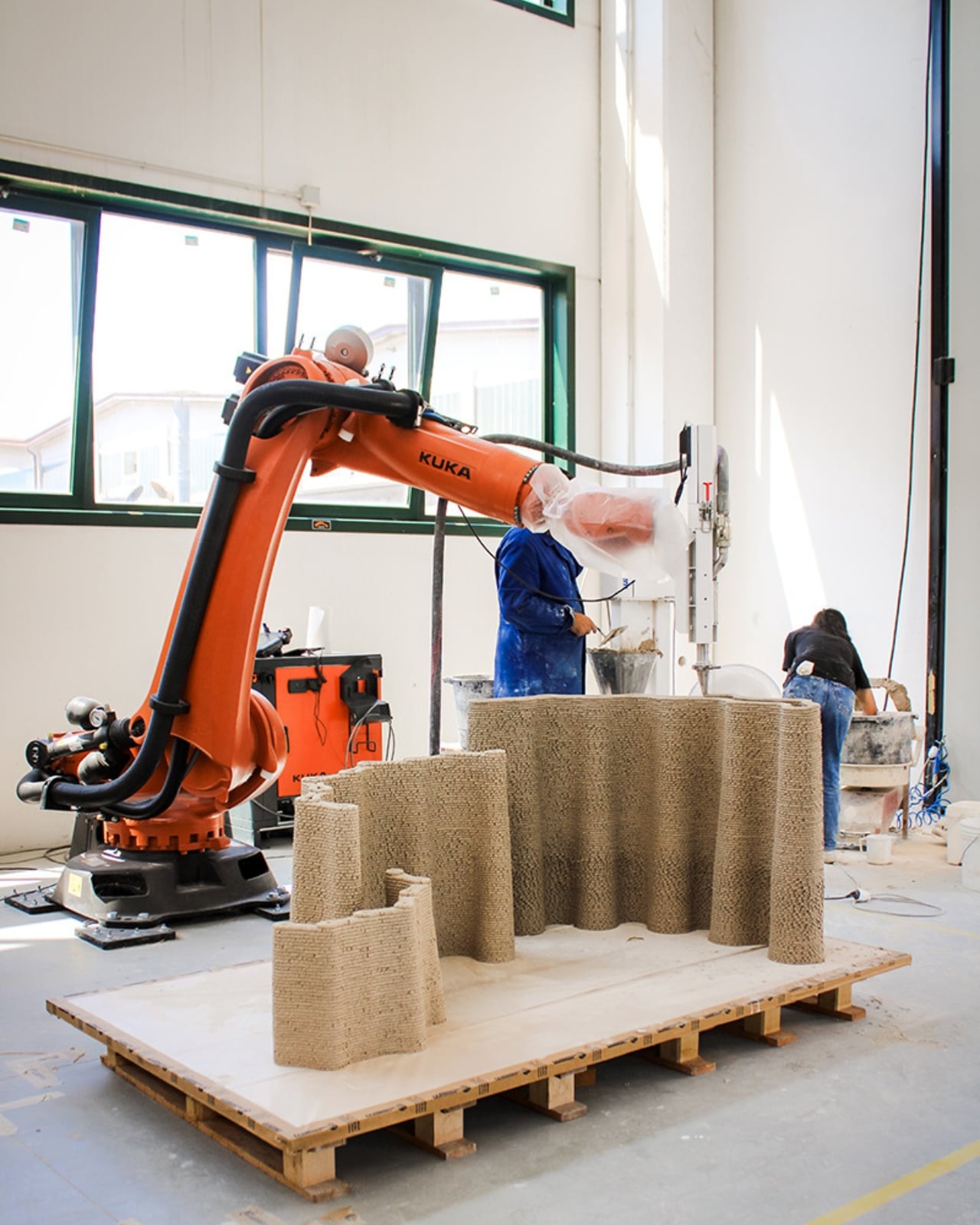
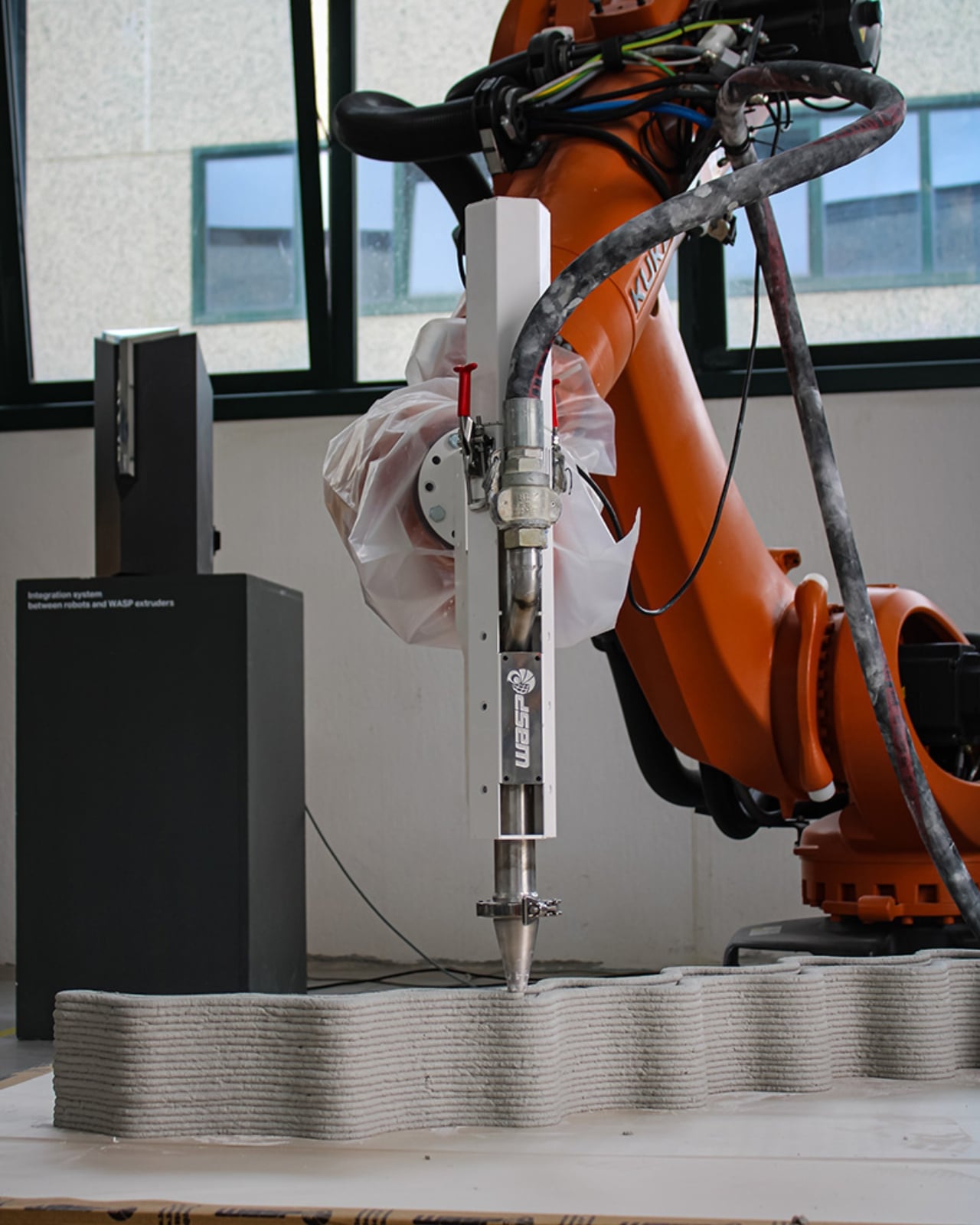
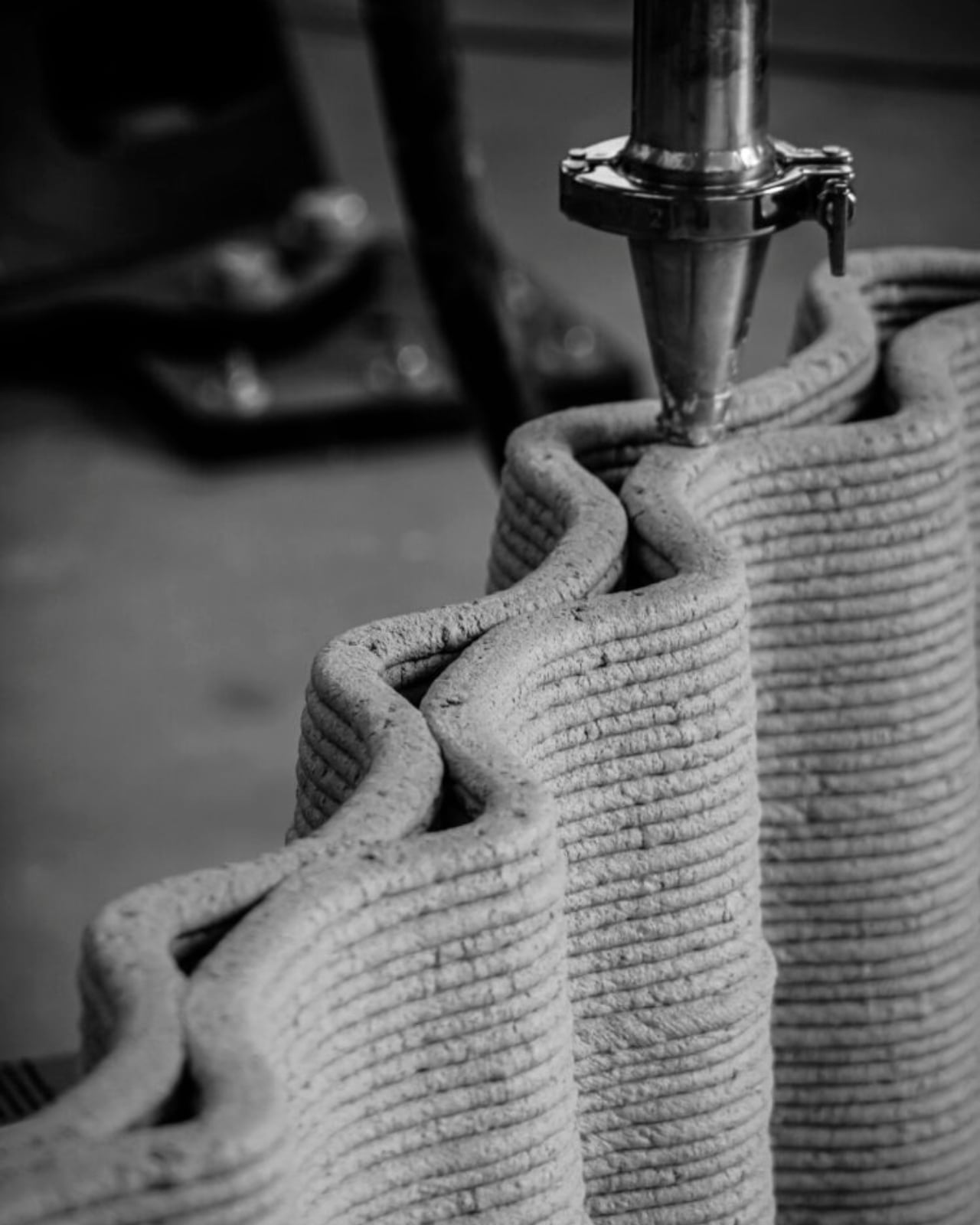
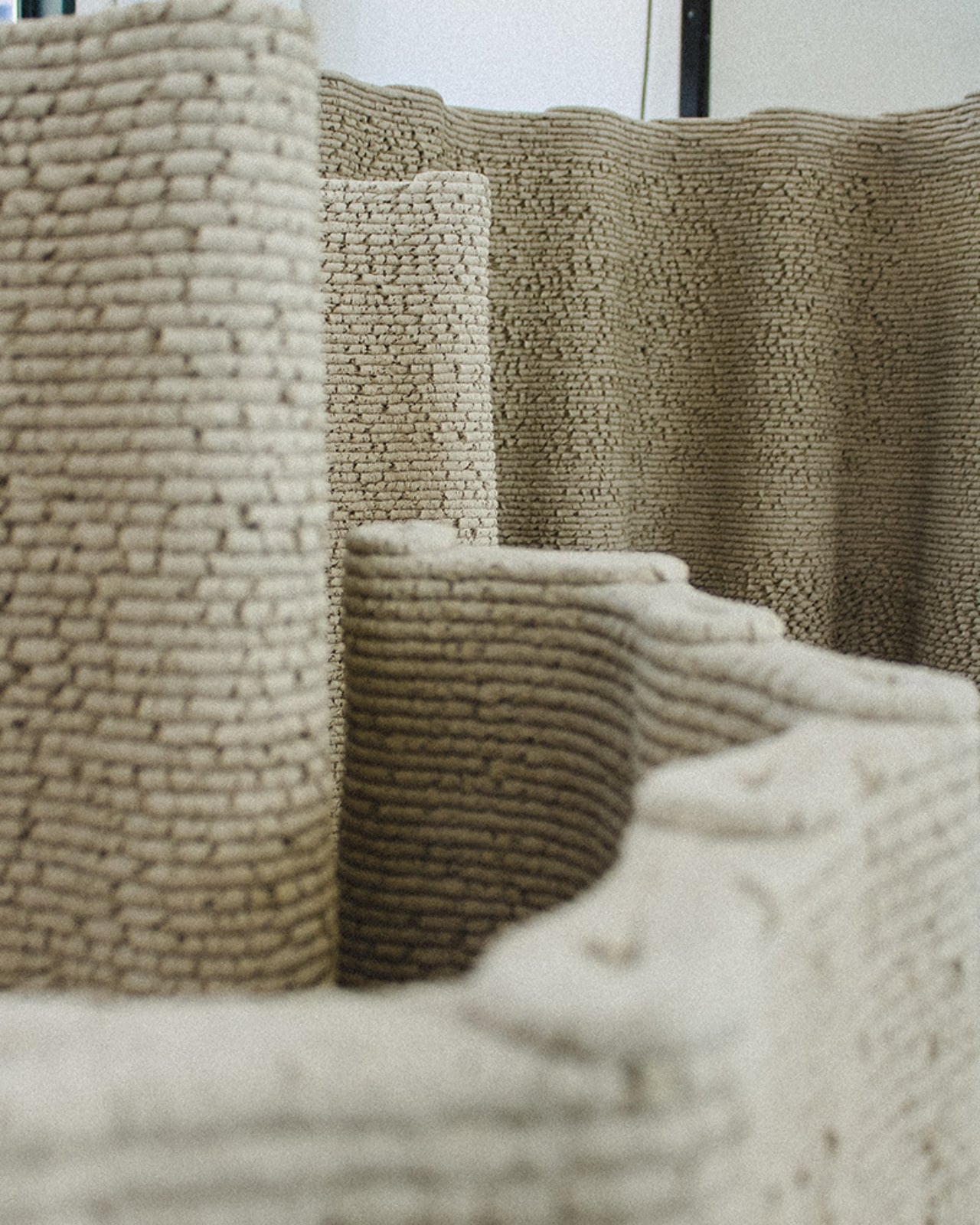
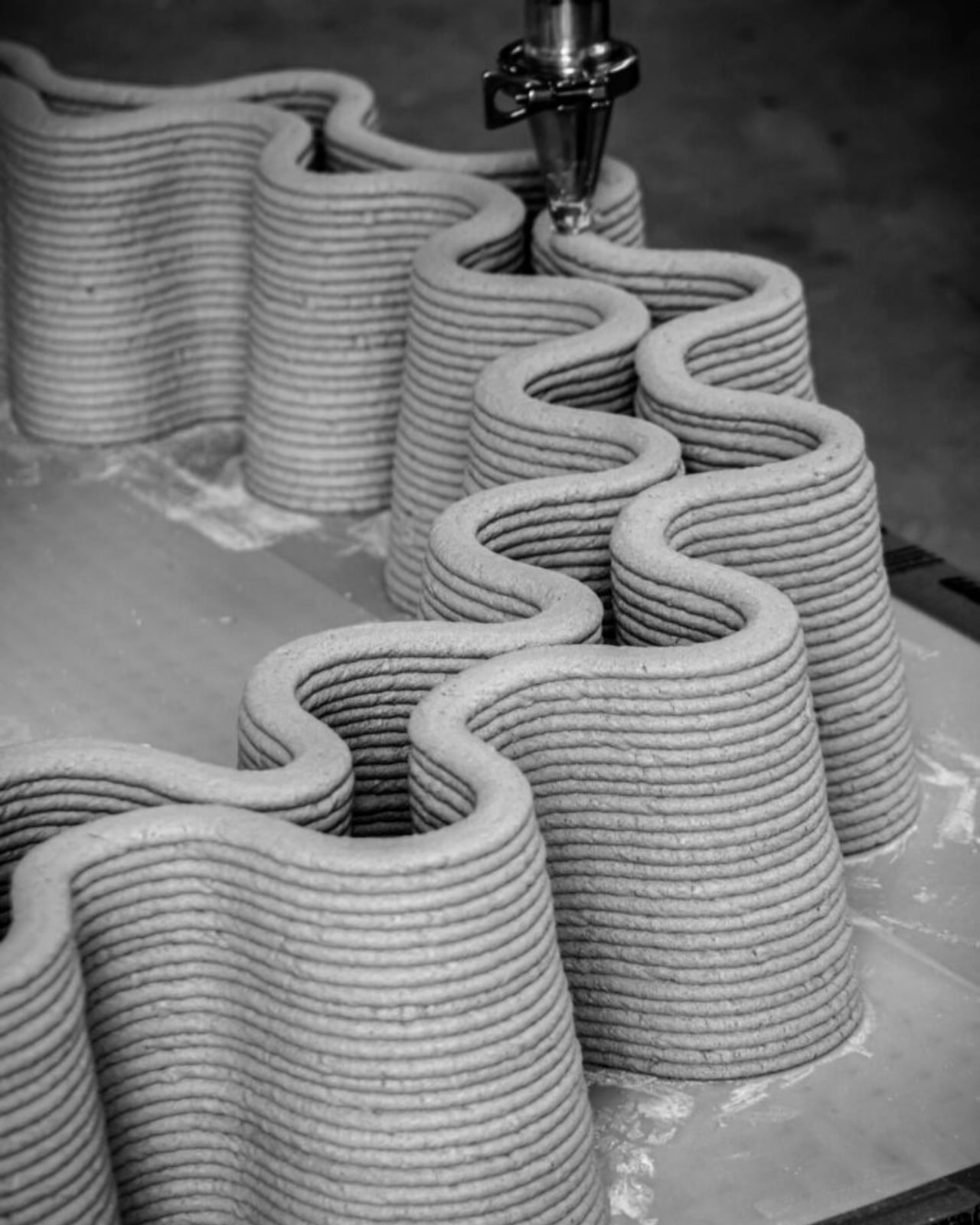
Dubbed the CRANE WASP, this 3D printer is also known as “the infinity 3D printer”. The impressive printer utilizes locally sourced clay, mud, or cement to 3D-print affordable homes. The printer even uses agricultural waste as aggregate to build homes. Currently, this system is being employed to construct some much-needed housing in Colombia.

Designer: United Nations Development Program (UNDP)

The United Nations Development Program (UNDP) recently purchased a Crane WASP to build affordable and effective homes in Colombia. The homes are built using local soil and resources. The printer is priced at around US$180,000, which is no small amount. Currently, more than a quarter of Columbian households are suffering from a lack of decent housing – an estimated 3.7 million. Two of three families who do have homes aren’t in great condition either, since the dwellings are subpar and need structural improvements. By utilizing locally sourced soil, the UN won’t need to bring in expensive materials from other lands. This tactic is bringing down costs significantly.

The Crane WASP ( World’s Advanced Saving Project) draws inspiration from the Mason Wasp – a little yet hard-working insect that uses mud to make its own nests. The UNDP intends to install the printers in challenging terrains, where it is difficult to set up expensive and conventional equipment. This equipment would have limited access as well. The Crane WASP is complemented by the local soil, and both work excellently to build homes for the impoverished or homeless.

The post This Wasp-Inspired 3D-Printer Is Making Homes To Tackle The Housing Deficit Problem In Colombia first appeared on Yanko Design.
3D Printed CMF Phone 1 cases thrive in the phone’s innovative modular design

The dream of the modular smartphone proposed by the likes of Project Ara and the LG G5 might have failed to become lasting reality, but there is more than one way to actually implement a modular design. Unveiled just last month, the CMF Phone 1 by Nothing tackled the problem from a different angle, one that didn’t change the smartphone design formula too much while still kicking the doors wide open for modular accessories. It’s not surprising that there was a sudden burst of creativity trying to take advantage of this new platform, and thanks to 3D printing, we can behold some of the rather curious ideas creators have when pushing the possibilities of this modular system to the extreme.

Designers: w1utree, BuildBryce, Kaburuk

To be clear, the CMF Phone 1 itself isn’t modular, but its removable back cover invites all kinds of modular accessories and attachments. As long as you can screw it on the back of the phone and retain its usability, everything is fair game. Those accessories can range from simple loops and stands to bottle openers and miniature Nerf guns. As long as you can 3D print it, anything’s possible.

1

The Modular Sliding System, for example, has a creative design that integrates three sliding modules that can be a pen, an SD card holder, and even a comb. The top and bottom sliding modules unfortunately have to be curved to take into account the position of the screws on the CMF Phone 1’s back. Switching out modules is quite simple, and there’s plenty of room for other tools that you might want to always have in your pocket all the time.

The Brick Case is a bit less ambitious but even more creative, and yes, it practically turns the CMF Phone 1 into one large LEGO-like brick. At first glance, it might seem like a cosmetic design only, putting a LEGO scene on the back of your phone when that can only be appreciated or used if the phone is placed face down on a table. With some imagination and design work, however, it might be possible to 3D print functional modules as well, like one that puts a pad of sticky notes on the back of your phone.

1

Coming completely out of the left field, the Foam Dart Launcher turns the CMF Phone 1 into a toy. It’s pretty much a one-shot mini Nerf gun, used to surprise friends or colleagues. It obviously has no practical benefit, but it does demonstrate the wide range of possibilities offered by the simple yet ingenious modular design of the CMF Phone 1.

The post 3D Printed CMF Phone 1 cases thrive in the phone’s innovative modular design first appeared on Yanko Design.
This featherweight 3D-printed gaming mouse weighs just 16 grams

Imagine a mouse so lightweight it feels like featherweight – literally an extension of your hand for endless gaming on your PC. The Optimum Zeromouse V35 mouse could take the crown of being the lightest gaming mouse out there at just 16 grams. Optimum, who is a well-known PC maker and shooter, intends the user to use this as a shell for the Razer Viper V2 Pro, but can be used individually as well.

The 3D-printed shell of the mouse has supergrips for ergonomic comfort and lesser hand strain when gaming for long periods. There are no side scroll buttons or DPI selectors to reduce overall weight. Ultra-light credentials of the accessory and the supergrips make it well suited for action shooting games because of the low-tension aiming experience.

Designer: Optimum

The lightweight unibody frame is made using Selective Laser Sintering (SLS) using nylon PA12 material which has a very high tensile strength. Thus, the compact peripheral doesn’t compromise on structural integrity since the crossbar support and the deeper grooves at contact points make it highly durable and stable. While the mouse won’t turn you instantly into a Top 500 Overwatch player or a Radiant Valorant, just like the best running shoes won’t turn you into the best runner on the planet!

According to Optimum Tech, who designed this featherweight mouse for gaming, when switching back to any other gaming mouse after using the Zeromouse V35, the difference is very clear. The fact that it weighs almost half as any other mouse, gives the player a tactical advantage in movement, even if it is by milliseconds in close matches that can be the difference between winning and losing.

The peripheral priced at $70 takes a detour from the set conventions with a very raw form. Somewhat comparable to a speed record car that has everything fluffed out and only the essentials for performance retained. A mouse doesn’t have to be heavy or ergonomically challenged which is exactly what V35 offers in a compact form. How the next proposed versions of this mouse will evolve will be interesting to see. For now this peripheral is what the gaming community will be zooming in on.


The post This featherweight 3D-printed gaming mouse weighs just 16 grams first appeared on Yanko Design.
Mesmerizing 3D printed lamp has a maze-like design that is never repeated

3D printing is a truly revolutionary technology that blasted open the floodgates of creativity and design. It gave almost everyone a powerful tool to realize their dreams and experiment with their ideas. These machines also made it easier to have more flexibility in the execution of designs, like adding an element of randomness to each output. That’s the kind of uniqueness that each of these Maze Lamps brings to your room, catching your attention with its unique lines and snaking paths, creating a play of light and shadow even when the lamp is turned off.

Designer: Stijn van Aardenne

Most people probably think of 3D printers as extras large boxes that sit on desks, applying layer upon layer of melted plastic to complete a small shape. In reality, there are different kinds of 3D printers and different types of printing, and while the most popular machines are designed for use by individuals or small businesses, it didn’t take long for industrial-grade ones to pop up. This kind of printer offers a bit more flexibility in terms of movement and can cover a wider area as well.

The Maze Lamp design takes advantage of this capability by having an industrial 3D printer lay out the lines over a rotating axis. Normally, what you’d get is a cylindrical shape that looks like it was made from a spindle of extra-large spaghetti as the plastic material coils around and around the slowly spinning base. But if you move the nozzle forward, backward, and sideways while it spins, you can create more interesting patterns that look like the lines of a maze. Stack those lines on top of each other and you get a three-dimensional maze on a cylinder.

What makes this process even more special is that the pattern of these lines is random. No two Maze Lamps will ever have the same design, making each piece a one-of-a-kind item. For programmers and designers, this kind of procedurally generated pattern adds a unique characteristic to every iteration. As a bonus, the material used by the 3D printer is made from plastic shredded from discarded refrigerator doors, giving our own waste a beautiful new lease on life.

Thanks to the three dimensional patterns printed around the core, the Maze Lamp entices viewers whether the light is on or not. The light shining from the casts an eerie glow, almost like some otherworldly artifact found hidden in some ancient Aztec temple. On its own, the lamp becomes a sculptural art piece, not unlike a totem that represents the aesthetics and the technology of civilization that made it.

The post Mesmerizing 3D printed lamp has a maze-like design that is never repeated first appeared on Yanko Design.
Wolverine-themed Xbox Controller with Claws pairs perfectly with its ‘Cheeky’ Deadpool counterpart

Just last week, Microsoft announced a limited-edition Deadpool-themed Xbox controller with a bright red design and a less-than-conventional ergonomic design, if you know what I mean. Let’s just say that biblically accurate controller had curves in all the right places, and was exactly as hilariously audacious as its inspiration, the merc with a mouth. The biggest problem was that the controller was limited to just 2 units, which would be gifted to the winner of a Twitter (or X) competition… and the second biggest was that there wasn’t a Wolverine controller to match. However, 3D artists at Do3D have solutions for both of those problems.

Meet the unofficial Wolverine Xbox Controller, complete with a yellow body and even three Adamantium claws appearing outward from behind the controller. Designed to pair perfectly with its Deadpool counterpart, this controller actually comes as a set of 3D files you can buy and 3D print on your own.

Designer: Do3D

The Wolverine-themed controller augments the controller’s body in a similar way to its Deadpool counterpart. An attachment fixes to the back, providing a themed take on the handheld unit. In Deadpool’s case, it was a rather cheeky little attachment… however, Wolverine’s controller has his signature back-of-the-fist with three Adamantium claws emerging from within. The attachment is purely cosmetic, and doesn’t affect the grip or gameplay at all. The controller’s body, on the other hand, comes with a diamond plate-inspired texture, along with the wolverine whisker pattern on the front in black.

The controller isn’t available as is, but Do3D is selling detailed 3D files for those looking to print the parts. Once printed (and painted), you can simply disassemble the outer plastic housing of your existing Xbox controller and replace it with this one, provided the print is 100% accurate and without any errors or flaws. We recommend going for ABS, known for its durability… but a PLA filament should work just as well too. You may have to do some additional spray-painting work to make the controller look exactly as shown in the renders here.

The best part is that Do3D is even selling an unofficial version of Microsoft’s Deadpool controller, which you can similarly buy and 3D print. Both the Deadpool and Wolverine controllers can be used with or without their magnetic attachments, and while individual files cost $19, you can buy the combo for just $29 on Do3D’s website and print as many controllers as your heart desires.

The post Wolverine-themed Xbox Controller with Claws pairs perfectly with its ‘Cheeky’ Deadpool counterpart first appeared on Yanko Design.
Icon Announces Plans to 3D-Print High-End Luxurious Homes In Texas, USA

Acclaimed 3D-printed architecture firm Icon has developed its cutting-edge technology to a whole new level with its latest creation – a high-profile luxury housing development in Texas. They’ve transformed their technology into a mainstream construction method, from a niche proposition. At the start Icon only focused on low-budget dwellings, but now it is making a move to bigger and luxurious 3D-printed homes.

Designer: Icon

Called the Wimberly Springs Project, this luxurious development is located in a neighborhood of the same name. It is about 40 miles south of Austin, Texas. The project will include eight residences, and each home will contain four or five bedrooms, and will occupy almost 4,000 sq ft of floor space. The homes will be designed by Icon and Bjarke Ingels Group and will consist of four available floor plans that will be quite spacious and free-flowing.

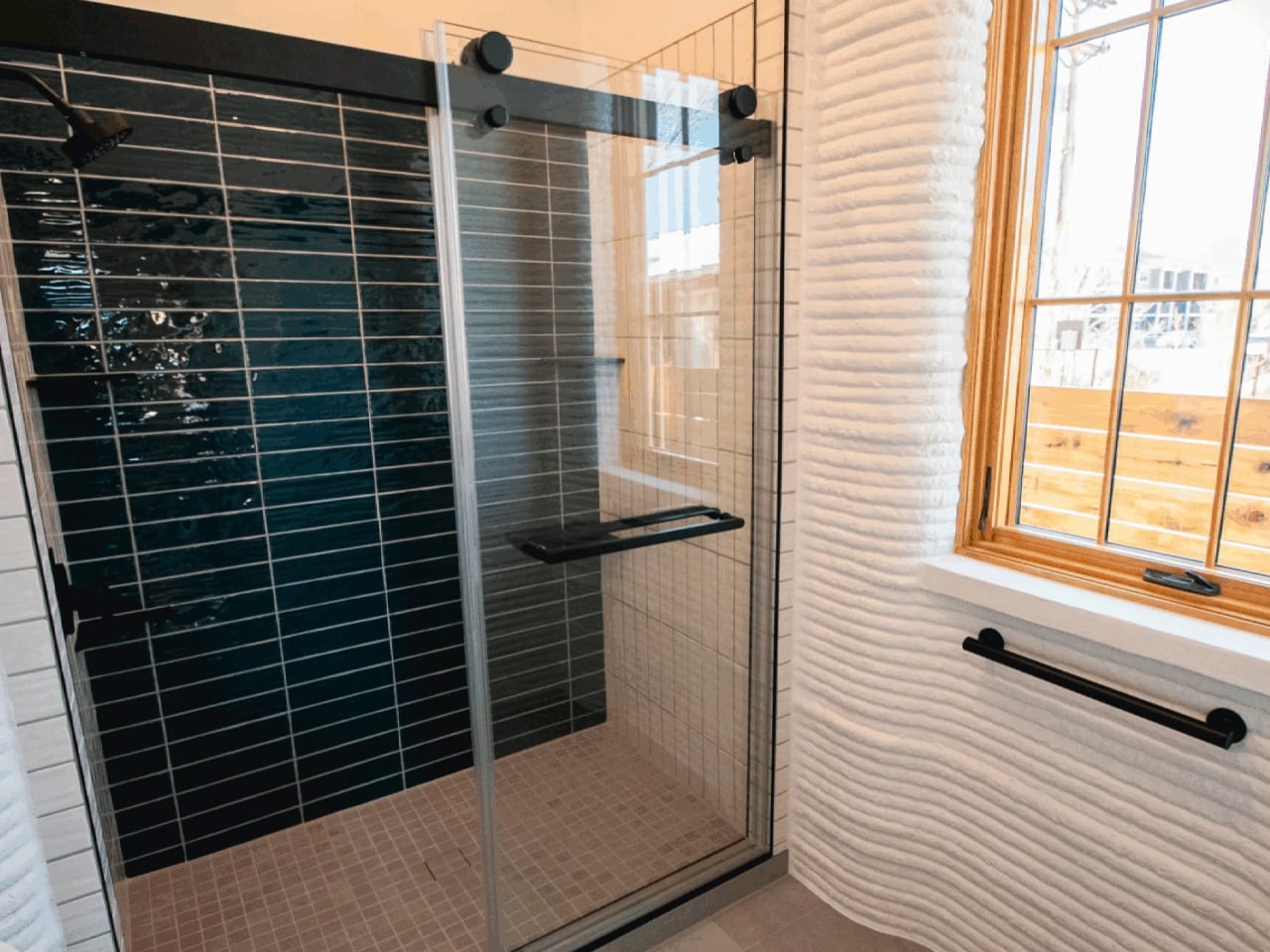
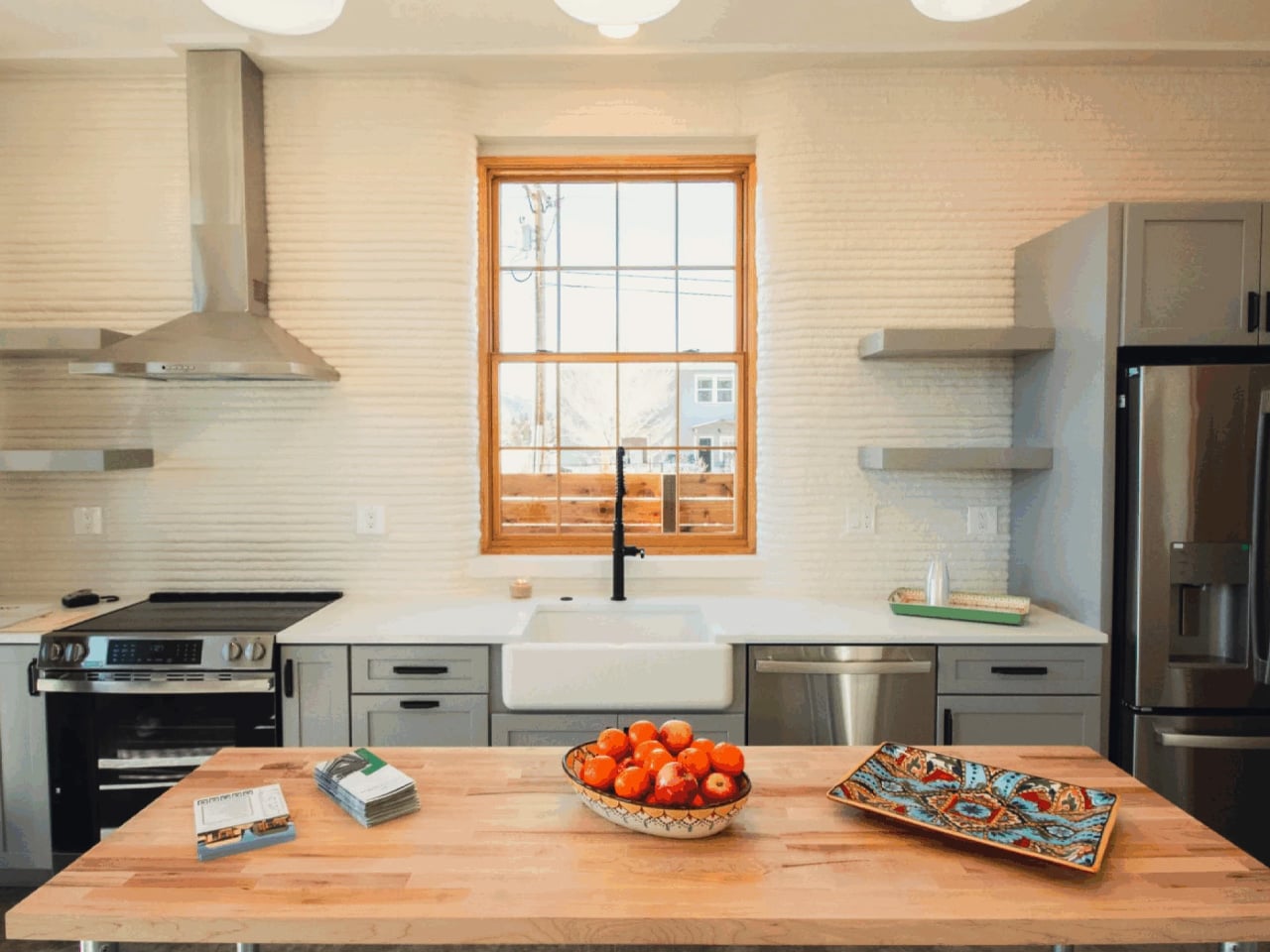
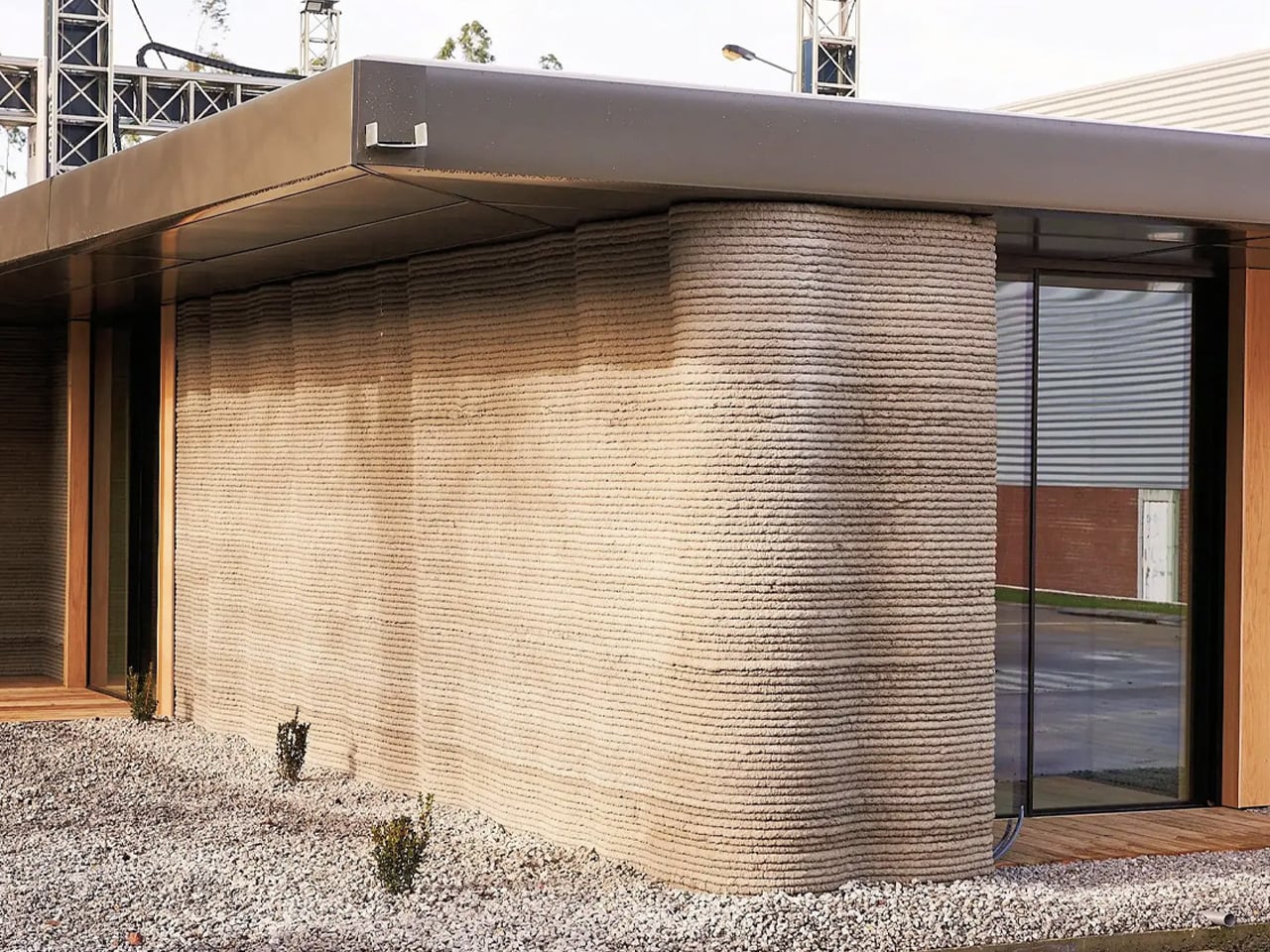
The open homes will feature muted colors, and the renders showcase the ribbed walls that signify this is a 3D-printed project. The homes will also include floor-to-ceiling windows, quartz countertops, stainless steel appliances, and freestanding soaking tubs in the washroom.

“Located in the Wimberley Springs neighborhood, the innovative homes are three miles [4.8 km] from the Wimberley town center and minutes from hiking trails, swimming holes, wineries, golf courses, esteemed restaurants, retail, home decor, garden shops, and more,” said Icon. “The picturesque, quaint community of Wimberley is near the pecan tree-lined Cypress Creek. Whether homebuyers are seeking a serene retreat or a family-friendly community, Wimberley Springs is the ideal place to call home.”

We don’t know when the homes will be fully constructed, but the work is currently ongoing. The construction process for the project is the same as previous 3D-printed house projects we’ve seen. A massive 3D printer will print out the basic shall of each resident on-site, emitting a cement-like mixture out of a nozzle in multiple players. Human builders will then complete the roof, windows, and any other features required. The homes will be durable to high winds, and have amazing thermal performance.

The post Icon Announces Plans to 3D-Print High-End Luxurious Homes In Texas, USA first appeared on Yanko Design.
Wave-Shaped Data Center Is Europe’s Biggest 3D-Printed Building Constructed In Only 140 Hours

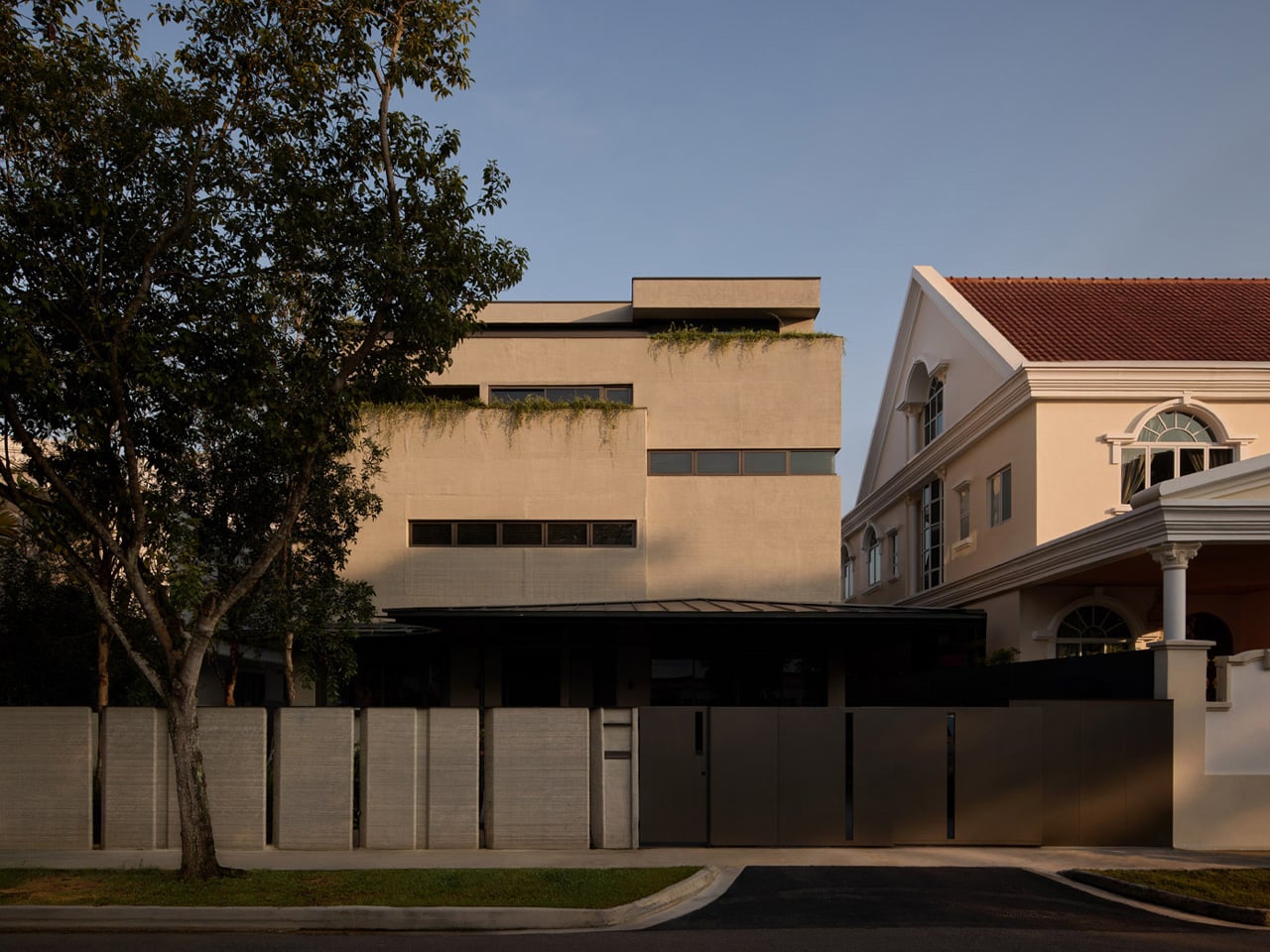
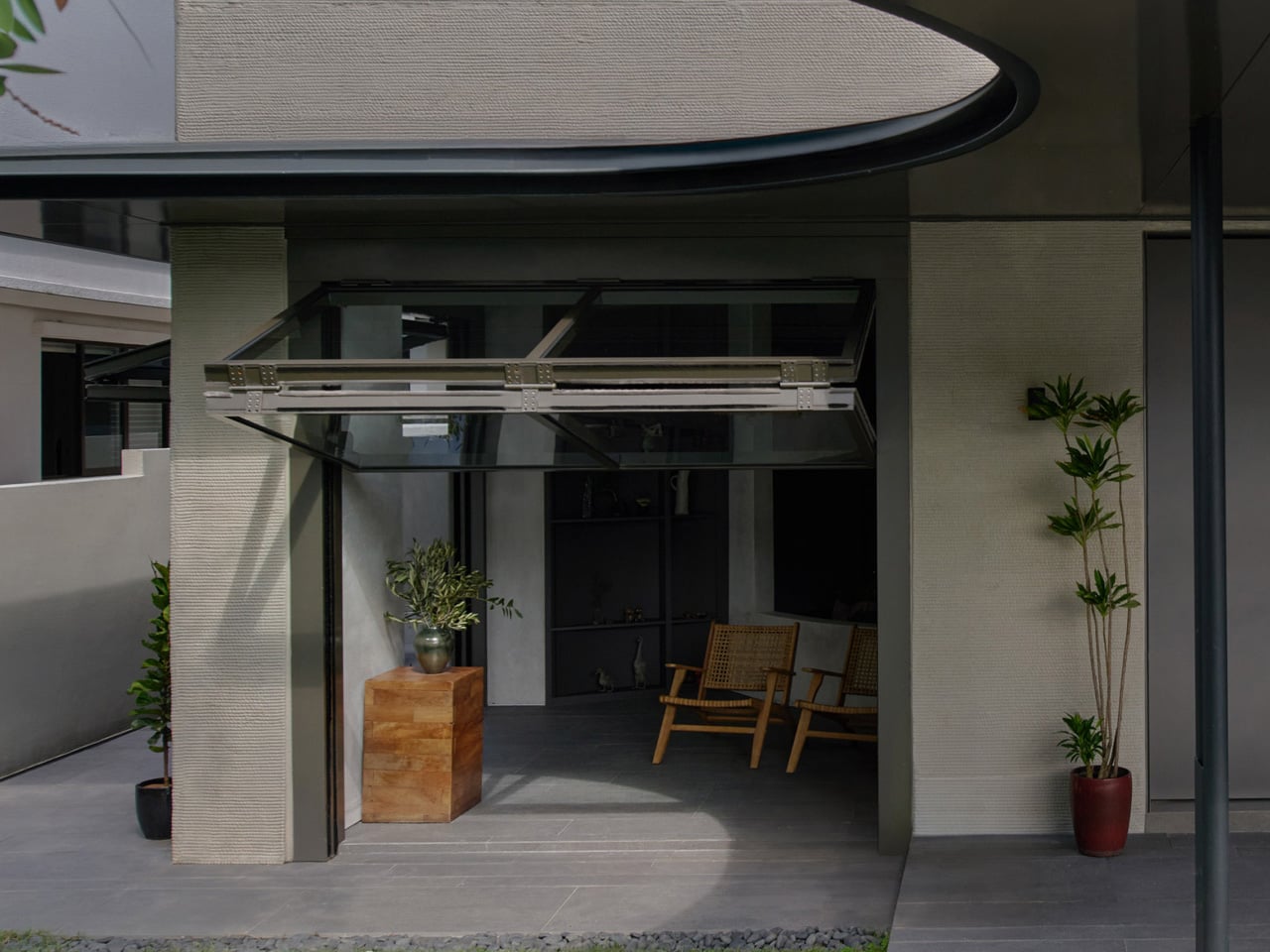
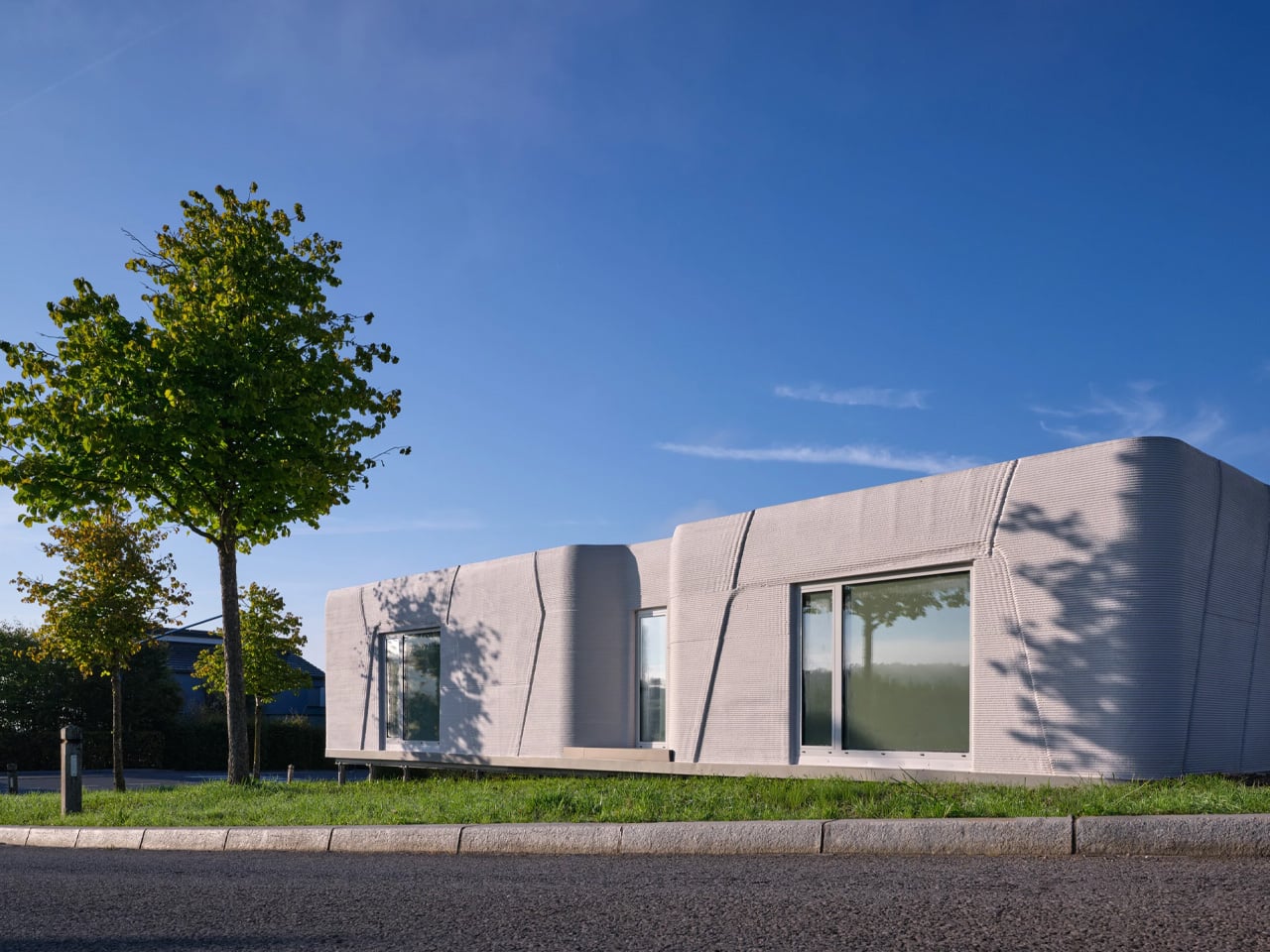
Located in Heidelberg, the Wave House is designed to be a new data center in the urban heart of Germany. Designed by SSV and Mense Korte, and built by Peri 3D Construction for the developer KrausGruppe, the Wave House was 3D-printed, adding an element of style and personality to the rather mundane arena of cloud-computing infrastructure. The end result is Europe’s largest 3D-printed building! The building measures 6600 sq ft and has a rather unique appearance, in an attempt to draw attention and make it unlike the typical 3D-printed structures we come across.

Designer: SSV, Mense Korte & Peri 3D Construction

“Due to the typical absence of windows and large openings in all or the main areas of data centers, for safety and other reasons, data centers tend to look quite dull and uninspiring,” said a press release by COBOD. “As long as such data centers are placed far outside the cities this problem is perhaps of less concern, but the trend towards making data centers more in the vicinity of the users and therefore locate them in suburban areas and cities has created a need to make the data centers more visually appealing.

This issue was resolved by imparting the walls with an innovative wave design, which also lends the building its name. The fascinating waves could not have been built using traditional construction methods, hence 3D-printed technology was adopted, to support creative and design freedom while producing the walls.

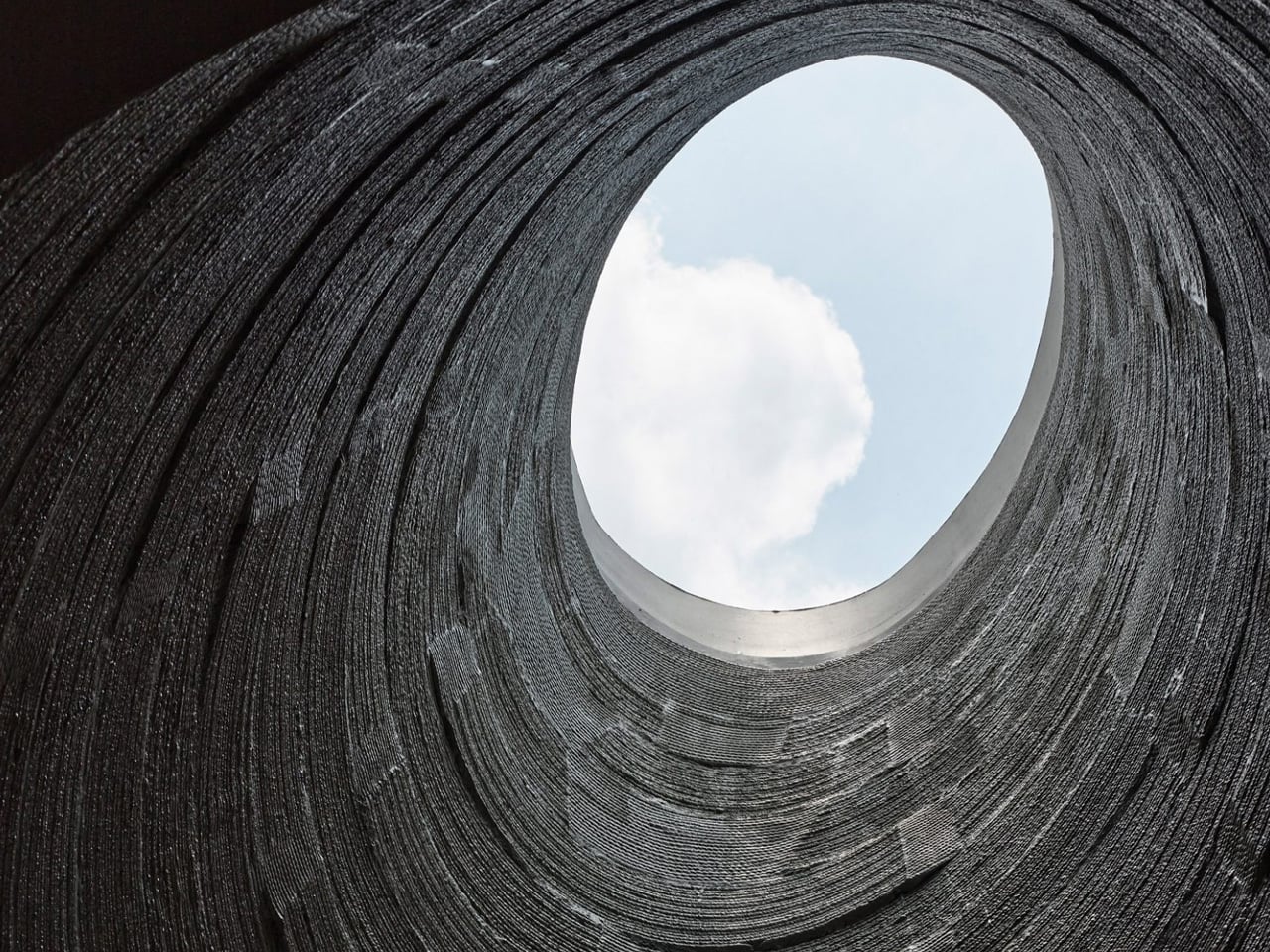
The construction process of the Wave House is similar to other 3D-printed projects we’ve come across. It was printed using a single COBOD BOD2 printer, the same model that has been utilized to build other 3D-printed buildings of importance. The printer extrudes a recyclable cement-like mixture in layers via a nozzle. This is done at a rate of 43 sq ft per hour to create the exterior walls which have a length of 177 ft, a width of 35 ft, and a height of 29.5 ft.

The entire printing process involved around 140 hours, after which, finishing touches were added to the project by humans. These touches include the doors, roof, lighting, as well as the wiring and gear needed for a data center well-connected to the internet. A robotic painter by Deutsche Amphibolin-Werke was utilized to paint the interiors of the building. How cool!

The post Wave-Shaped Data Center Is Europe’s Biggest 3D-Printed Building Constructed In Only 140 Hours first appeared on Yanko Design.
The TATAMI ReFAB PROJECT Is A Product Of Fusing Japanese Traditions With 3D-Printed Sustainability

At the prestigious Salone Del Milano 2023 in Milan, Italy, the design lab HONOKA showcased their innovative TATAMI ReFAB PROJECT furniture series. This project, conceived by a team of forward-thinking product designers, leverages advanced manufacturing techniques like 3D printing to breathe new life into traditional Japanese tatami mats. The result is a fusion of heritage and cutting-edge technology that reintroduces the essence of tatami into contemporary living spaces.

Designer: HONOKA LAB

Tatami mats have been a staple of Japanese interiors for centuries, renowned for their aromatic qualities, humidity regulation, and odor reduction capabilities. HONOKA’s project aims to integrate these traditional benefits into modern furniture design. By blending recycled tatami with biodegradable plastic, they have created a sustainable material that is both adaptable and durable. This innovative composite can be 3D printed into a variety of functional and decorative home products, embodying the future of artisanal design while retaining a distinct connection to Japanese culture.

One of the key highlights of this project is its commitment to sustainability. Traditional tatami production often results in significant material waste, with nearly half of the plant-based material discarded. Honoka addresses this issue by recycling tatami waste and combining it with biodegradable plastic, significantly reducing the environmental impact. This material is not only eco-friendly but also versatile, allowing designers to explore new aesthetic possibilities and create unique forms that enhance modern living spaces.

The collection features several distinctive pieces that exemplify the versatility and beauty of the tatami-resin composite:

SORI and MUKURI:

These knitted tatami-resin furniture pieces reinterpret traditional Japanese shapes and textures through 3D printing. The unique structure of these items offers moderate transparency and varying visual expressions depending on the viewing angle. They are sturdy enough to support glass and other heavy materials, making them ideal for dining tables.

CHIGUSA:

Inspired by the traditional Japanese “Sen-suji” pattern, this stool combines multiple 3D-printed parts. The vertical pattern of the elastic and durable tatami-mixed resin provides a resilient and comfortable seating experience.

TABA:

A lighting fixture designed to resemble bundled grass, TABA uses a dripping technique in its 3D printing process. The tatami-mixed resin diffuses light beautifully, with light spilling through the gaps in its branches, creating a soft, natural ambiance.

TACHIWAKI:

This self-standing basin, inspired by the Japanese “Tachiwaki” pattern, features multiple stripes created by varying the purging speed of the 3D printer. Its water-resistant nature makes it suitable for innovative bathroom designs.

YOCELL:

A stool that draws from the traditional Japanese “Asanoha” pattern, it uses the layer marks of the 3D printer to create unique visual effects by aligning them in different directions. The modular shape makes it sustainable even for transportation and packaging.

AMI:

Combining the aesthetics of traditional Japanese 2D weaving with modern 3D printing, the AMI stool and lampshade feature intricate designs created by dripping resin from the air. The resulting pieces change their expression based on the viewing angle.

KOHSHI:

This lattice-like vase is reminiscent of Japanese architecture and allows for flexible plant arrangements, inspired by the art of Ikebana. This design has such a lightweight aesthetic, making any room feel airy. It’s perfect for minimalistic homes.

The post The TATAMI ReFAB PROJECT Is A Product Of Fusing Japanese Traditions With 3D-Printed Sustainability first appeared on Yanko Design.
3D printed ceramic cooling tower takes inspiration from termite mounds

They say everything in nature has a purpose for existing, even if their existence is a nuisance to us humans. Scavengers, for example, are nature’s janitors and recyclers, putting dead things to good use. Even termites, whose presence is often a death sentence for homes and structures, are important to the ecosystem, and they can apparently serve as artful inspiration as well. Maybe not the termites themselves but the complex tunnels they create inside their mounds. These patterns are actually meant to facilitate airflow, which makes it the perfect reference for a man-made cooling solution that brings natural design and technology together to create a more sustainable solution to hot temperatures.

Designer: Rameshwari Jonnalagedda

There has been some interest in alternative cooling solutions, especially those that don’t consume too much electricity or none at all. Traditional techniques, particularly evaporative cooling that makes use of clay pots or pipes, have gained a lot of traction, especially because they can become decorative pieces inside modern homes. That said, the old methods don’t exactly scale well to today’s climate, room sizes, and needs, so designers have to think a bit outside the box to come up with a better solution to fit modern needs.

TerraMound looks to termites for one part of the solution, particularly how their shapes exemplify high surface-area-to-volume ratios, meaning how much surface area there is in a compact space. Surface area is one of two critical elements in an evaporative cooler, and that is made possible by utilizing complex geometric patterns that look like artistic versions of termite mounds. Such a design would be impossible to do en masse by hand, which is where 3D printing comes in and where the project’s uniqueness really shines.

The other critical element to this type of cooling solution is porosity, which is why clay is the preferred material for this kind of cooler. Clay is also not a typical 3D printing material, which is what makes this ceramic cooler design even more special. This method can eventually be extended to large-scale 3D printing technologies, allowing the quick and easy production of facade panels, walls, and other structures that not only look beautiful but can also help improve airflow in buildings.

As a cooler, TerraMound isn’t completely passive, as it has a fan at the bottom to draw air upwards. A planter sits on top as a source of water that trickles down the desktop cooling tower, utilizing the absorbent properties of the terracotta clay to help the evaporation process. It also acts as a distinctive and beautiful piece of table decoration, one that you wouldn’t have guessed was inspired by something we humans consider to be pests.

The post 3D printed ceramic cooling tower takes inspiration from termite mounds first appeared on Yanko Design.
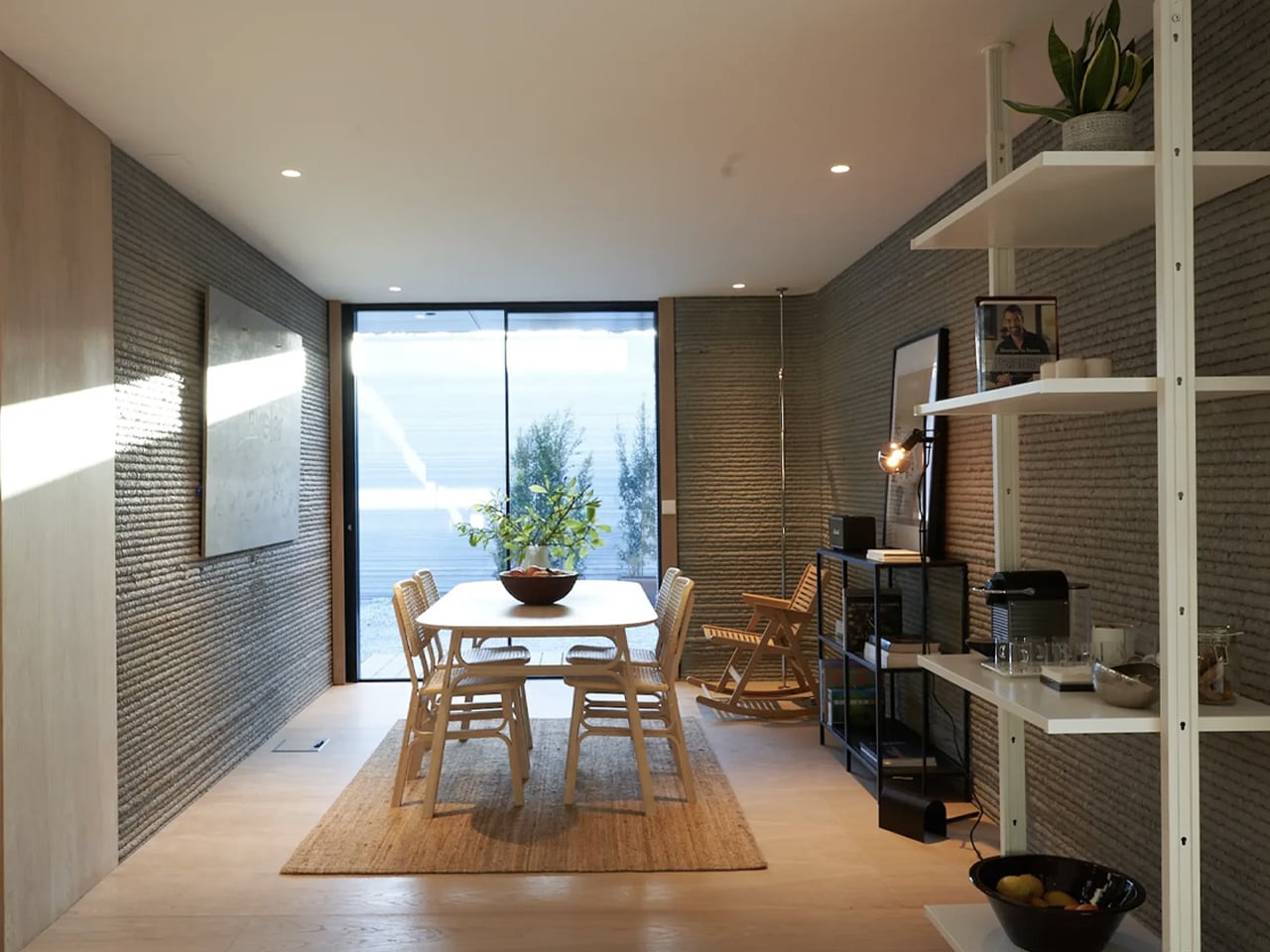
This Pocket-Friendly Home In Kazakhstan Is 3D-Printed In Just Five Days

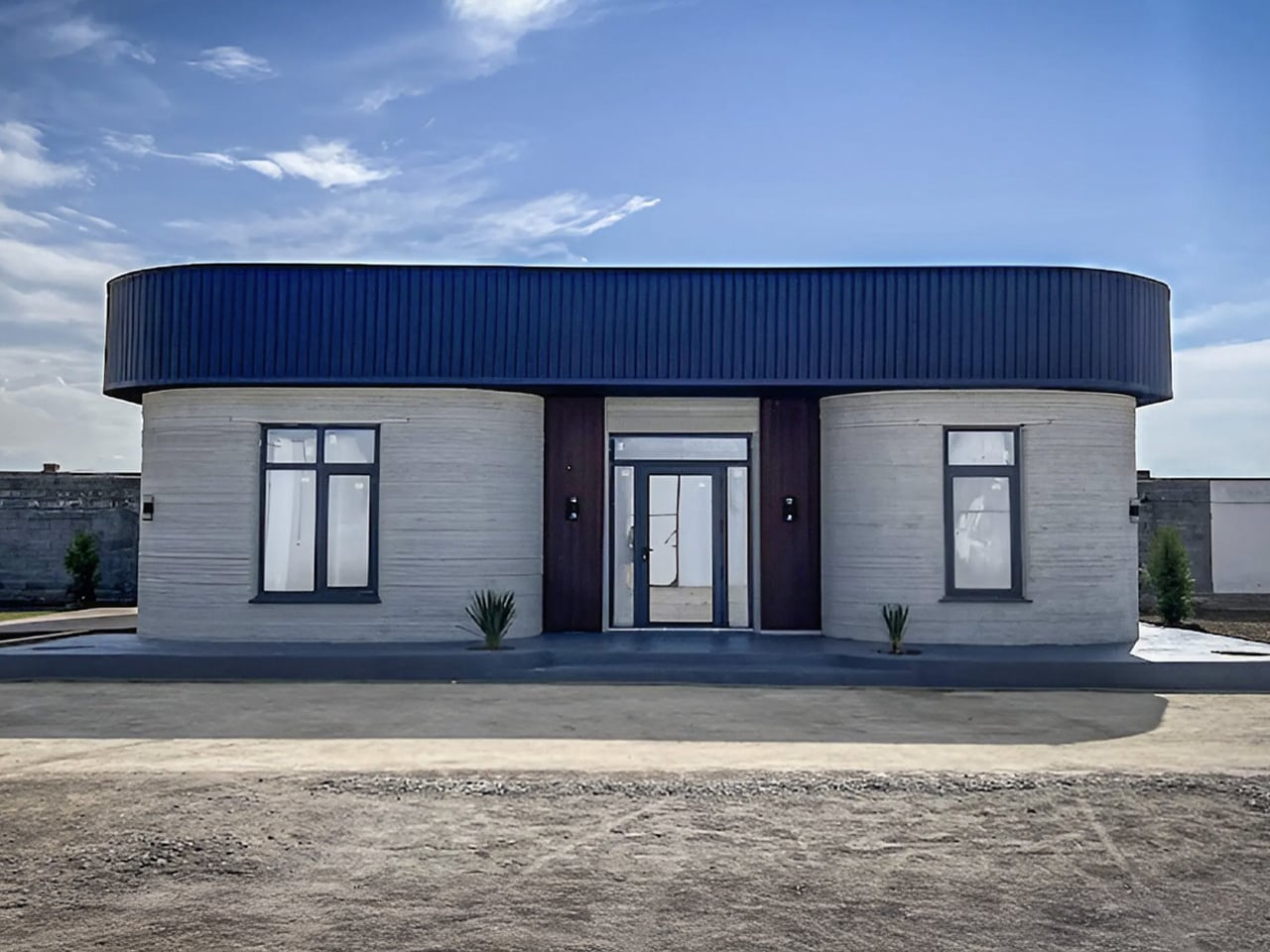
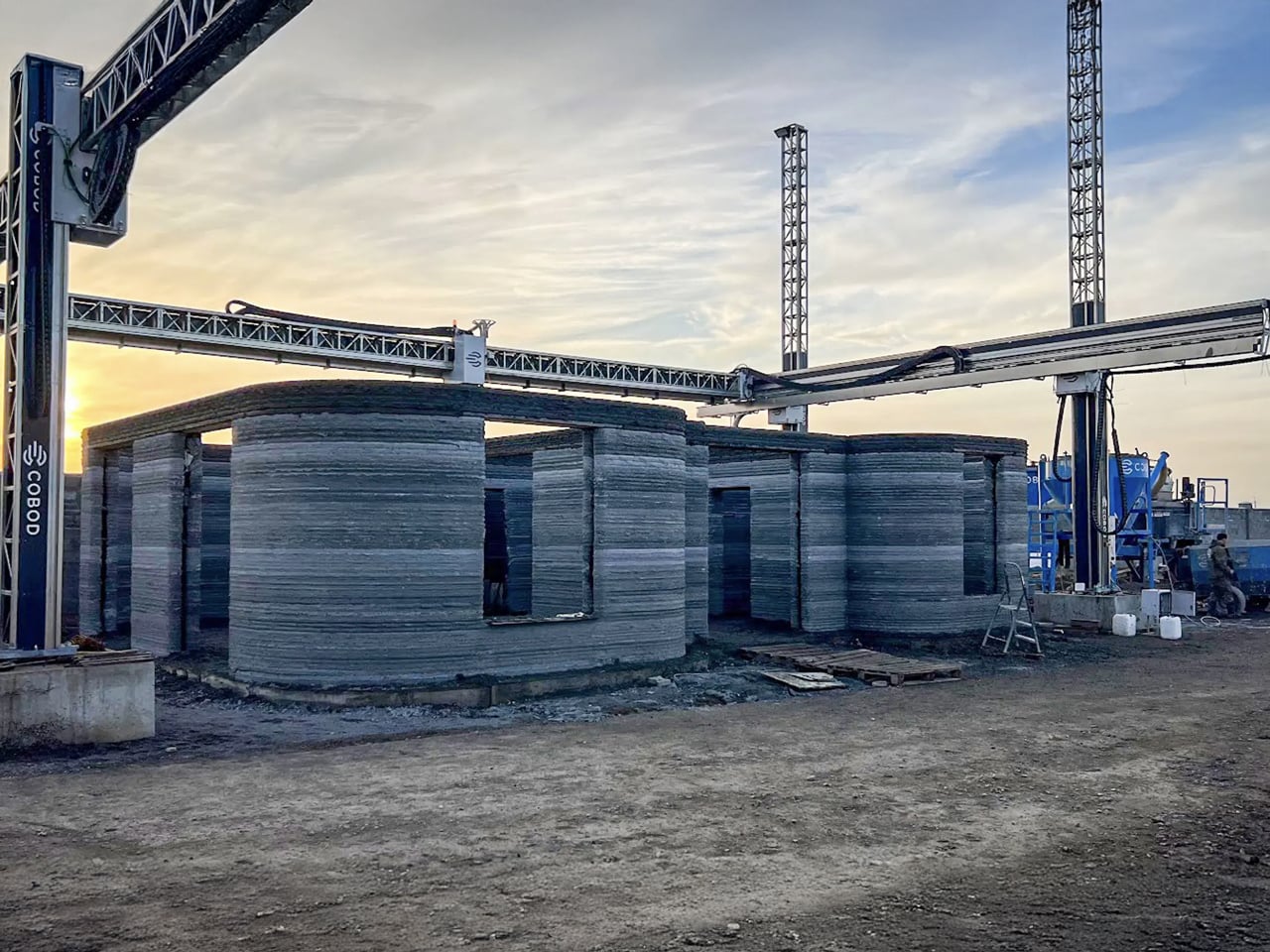
Designed by BM partners and 3D-printed using one of COBOD’s BOD2 models, this unnamed home in Almaty, Kazakhstan is deemed as Central Asia’s first 3D-printed house. The home is designed to withstand extreme weather conditions and seismic areas. It is irrefutable proof that 3D-printed homes can handle such challenging situations. And what’s even more interesting is that the home can be printed in five days, while also being cheaper than a conventional home.

Designer: BM Partners x COBOD

To print the walls of the home, the COBOD 3D printer ejected a cement-like mixture in multiple layers from a nozzle, much like typical 3D-printed architecture. But, a very strong cement-like mix was utilized, since Almaty has very strict seismic regulations. This mix can withstand extreme weather conditions and even an earthquake up to 7.0 on the Richter scale.

“To enhance the building’s structural integrity, BM Partners used a special strong concrete mix with a compression strength of almost 60 MPa (8,500 PSI), substantially exceeding the 7-10 MPa (1,015-1,450 PSI) typical of conventional brick and stone used in Kazakhstan,” said COBOD. “This mix, comprising locally sourced cement, sand, and gravel enhanced with the D.fab admixture, a joint development of COBOD International and Cemex, allows for customized concrete formulations tailored to regional needs. Considering Kazakhstan’s extreme climate conditions, varying from minus 57 to plus 49 degrees Celsius (minus 70.6 to plus 120 degrees Fahrenheit), the building incorporates expanded polystyrene concrete as insulation for the walls, enhancing both the thermal and acoustic performance of the wall.”

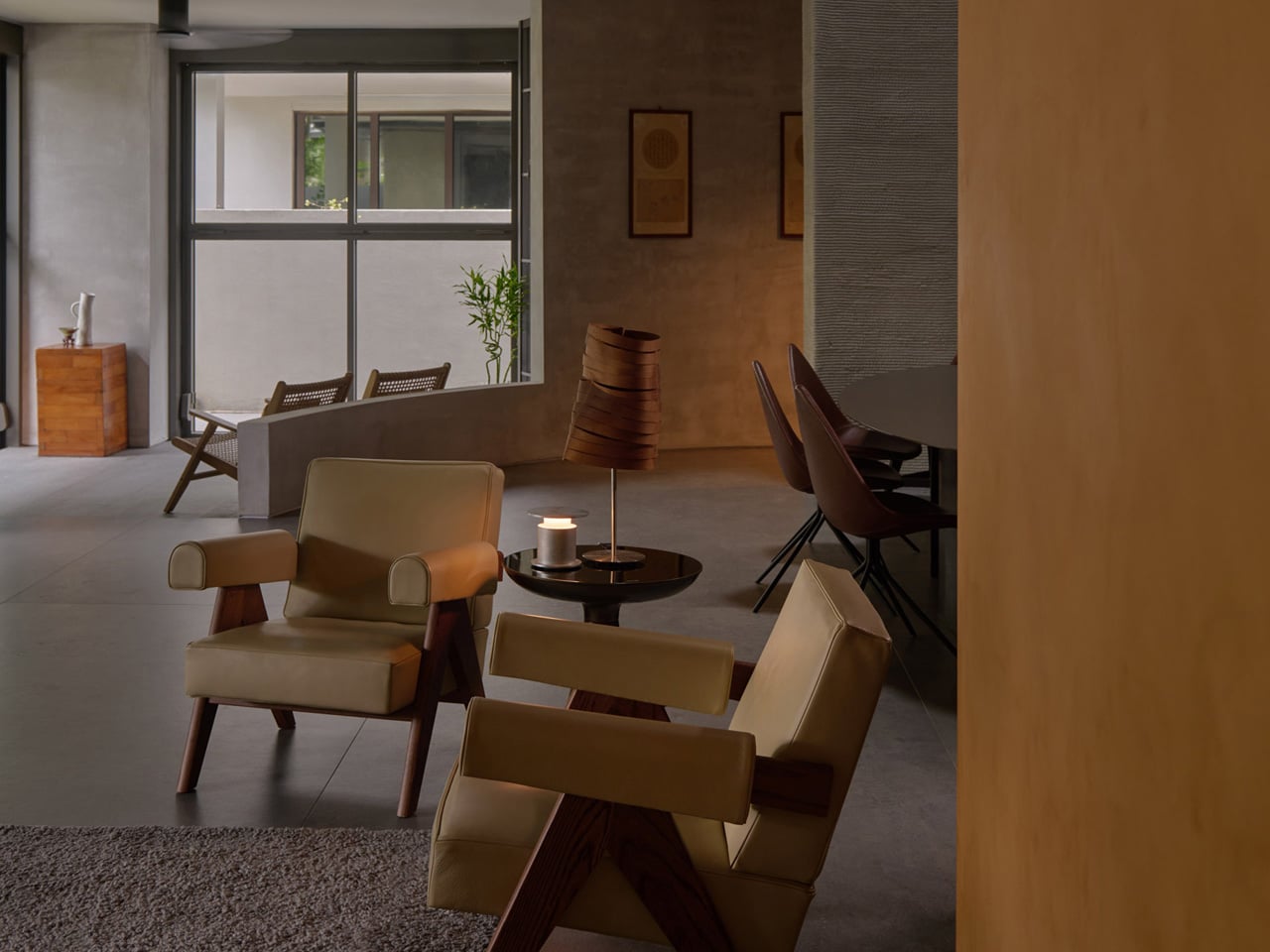
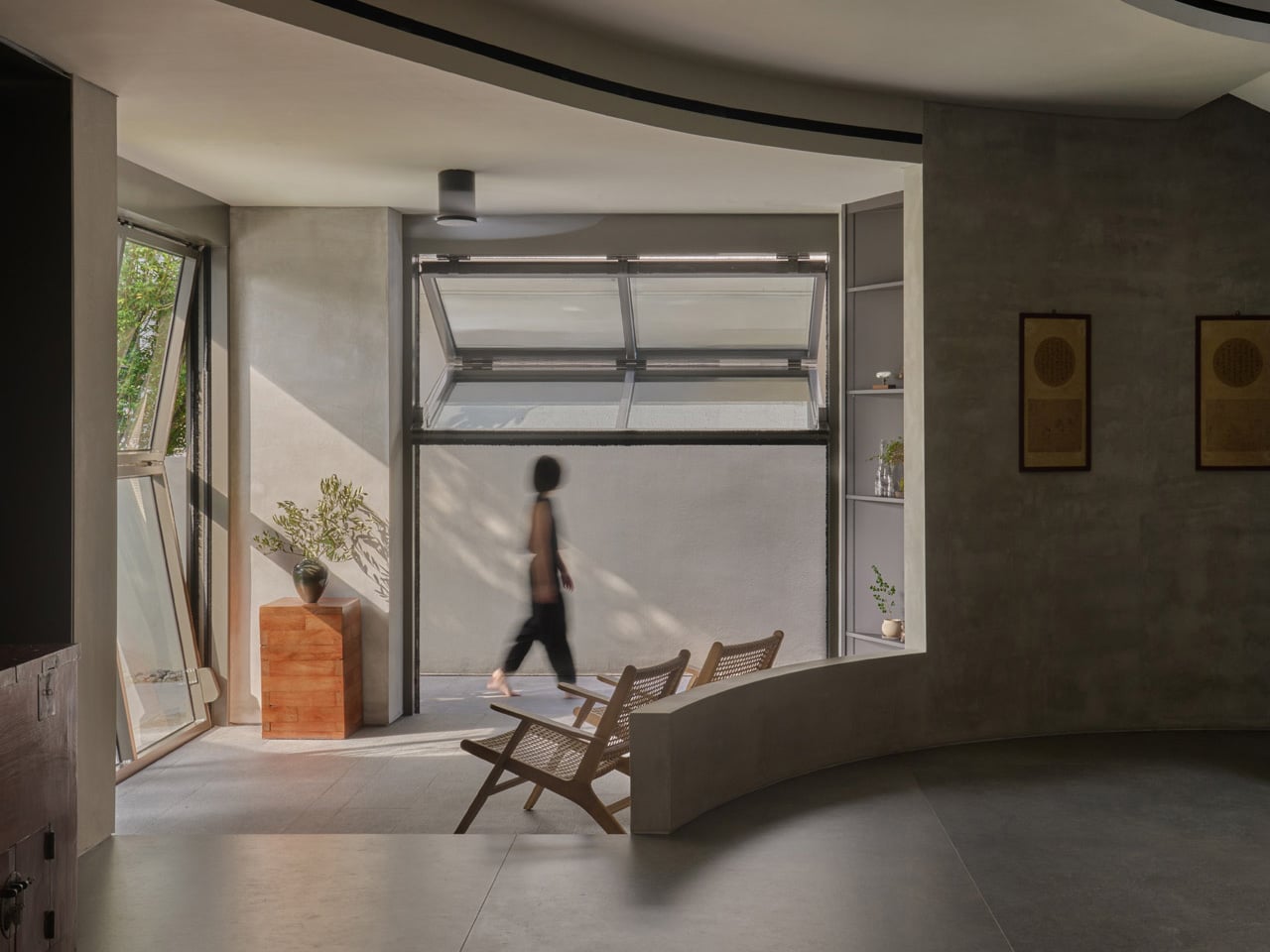
Once the cement-like mixture has been extruded, and the walls have been constructed, human builds add doors, windows, and furniture to the home. The whole process from the printer setup to the installation of the future takes around two months. The end result is an interior space with a floor area of 100 sq m, all located within on floor. The home has a simple and uncomplicated layout, amped with generous glazing, and a spacious living room. The home perfectly showcases the expansive capabilities of 3D-printed construction. The home is currently priced at roughly US$21,800 making it much cheaper than the cost of average local homes.

The post This Pocket-Friendly Home In Kazakhstan Is 3D-Printed In Just Five Days first appeared on Yanko Design.