Downsizing 101: How to Declutter Your Life Before Moving Into a Tiny Home

Moving into a tiny home represents more than just a change in living space; it’s a lifestyle transformation. The idea of downsizing can be both thrilling and daunting. For design enthusiasts and those committed to creative living, this process provides a unique opportunity to curate a space that’s both functional and beautiful. Drawing from experience and expertise, this guide delves into practical, design-forward strategies to help you declutter effectively and thoughtfully.

01. Start with Intention

Downsizing requires a mindful approach, especially when transitioning to a tiny home. Begin by envisioning how you want your new space to function and feel. Prioritize elements that serve dual purposes and contribute to your desired ambiance. This step sets a clear direction and makes the decluttering process more manageable.

For instance, consider the role of each item in your home. Does it serve a functional purpose? Does it add aesthetic value? Items that meet both criteria should be prioritized. This intentionality helps in creating a space that’s not just smaller but more curated and harmonious. An intentional design mindset ensures that every piece in your tiny home adds to the overall quality of life, making your new living environment both efficient and inspiring.

02. Embrace Multi-Functional Furniture

In a tiny home, every piece of furniture must work hard. Multi-functional furniture is key to maximizing limited space without sacrificing comfort or style. Look for pieces that offer multiple uses, such as a sofa bed, a fold-out desk, or a dining table with built-in storage.

A great example is the use of a Murphy bed, which folds up against the wall when not in use, freeing up valuable floor space. Similarly, ottomans with hidden storage compartments can serve as seating, storage, and even a coffee table. These smart solutions allow you to maintain a clean, uncluttered space while still having all the functionality you need.

The beauty of multi-functional furniture lies in its ability to adapt to your needs. By investing in these versatile pieces, you create a dynamic living environment where each item plays a crucial role in enhancing your space’s usability and aesthetic appeal.

03. Incorporate Built-In Storage

Built-in storage solutions are a tiny home’s best friend. They help keep the space organized and clutter-free, ensuring that everything has its place. Custom built-ins can be integrated into walls, stairs, and even furniture, providing seamless storage options that don’t intrude on your living area.

Consider installing built-in shelves in nooks and crannies that would otherwise go unused. Staircases can double as drawers, and benches can hide compartments underneath their seats. These built-in solutions not only save space but also add a touch of custom craftsmanship to your home.

The key to effective built-in storage is customization. Tailor these solutions to fit your specific needs and the unique dimensions of your tiny home. This personalized approach ensures maximum efficiency and adds a bespoke element to your living space, making it uniquely yours.

04. Maximize Vertical Space

When floor space is limited, think vertically. Maximizing vertical space is essential in a tiny home, and it can be achieved through creative shelving, hanging storage, and lofted areas. This approach helps keep your belongings accessible while maintaining an open and airy feel.

Vertical storage can take many forms. Floating shelves, pegboards, and hanging baskets are excellent for storing kitchen utensils, tools, and even plants. Lofted areas can serve as additional sleeping quarters or cozy reading nooks. By utilizing the full height of your space, you expand your storage capacity without crowding your living area.

An often-overlooked aspect of vertical storage is the aesthetic element. Vertical arrangements draw the eye upward, creating the illusion of a taller, more spacious room. This visual trick can make your tiny home feel much larger than it is, enhancing both functionality and design.

05. Adopt a Minimalist Aesthetic

A minimalist aesthetic is perfectly suited for tiny homes. It focuses on simplicity, clean lines, and a restrained color palette, creating a serene and uncluttered environment. This design approach not only makes your space feel larger but also promotes a sense of calm and order.

Start by decluttering ruthlessly. Keep only the essentials and items that bring you joy. Choose furniture with sleek designs and avoid ornate details that can overwhelm a small space. Neutral colors and natural materials, such as wood and stone, enhance the minimalist look and add warmth to your home.

Minimalism doesn’t mean your space has to be devoid of personality. Instead, it encourages you to be selective about what you include. Each piece should have a purpose and contribute to the overall aesthetic. This thoughtful curation creates a cohesive and inviting environment, making your tiny home a stylish sanctuary. Remember, minimalism isn’t for everyone. If you can find ways to creatively (and aesthetically) store your belongings, then maximalism may just be your style!

The Transformer Table seats anywhere from 2 to 12 people thanks to a clever expanding design

06. Select Timeless and Versatile Pieces

In a tiny home, every piece of furniture and decor must earn its place. Opt for timeless and versatile items that can adapt to various functions and styles. This approach ensures that your space remains relevant and functional as your needs and tastes evolve.

Consider investing in classic furniture designs that never go out of style. Pieces like a well-crafted wooden dining table or a sleek mid-century modern chair can anchor your space and provide long-term value. Versatile items, such as nesting tables or stackable chairs, offer flexibility and can be easily reconfigured to suit different occasions.

Choosing timeless and versatile pieces also reduces the need for frequent replacements, contributing to a more sustainable lifestyle. This focus on quality over quantity aligns with the principles of minimalism and enhances the longevity of your space.

07. Implement Creative Storage Hacks

Innovative storage solutions are essential in a tiny home. Creative hacks can help you organize your belongings efficiently and keep your space clutter-free. These solutions often involve repurposing everyday items or thinking outside the box to find new uses for existing spaces.

Magnetic strips, for example, can be used to store metal kitchen utensils or tools, freeing up drawer space. Pegboards offer customizable storage options for everything from craft supplies to office equipment. Hidden compartments in furniture or behind walls provide discreet storage for valuables.

Another effective hack is the use of hooks and racks. Install them on doors, walls, or even the ceiling to hang items like bikes, bags, and coats. These small changes can significantly increase your storage capacity without compromising on style or space.

08. Use Natural Light to Your Advantage

Natural light is a powerful tool in making a small space feel larger and more inviting. Designing your tiny home to maximize natural light can transform your living environment, making it brighter and more cheerful.

Large windows, skylights, and glass doors are excellent ways to bring in more light. Reflective surfaces, such as mirrors and glossy finishes, can help bounce light around the room, enhancing its brightness. Light-colored walls and furnishings also contribute to a more open and airy feel.

To make the most of natural light, keep window treatments minimal. Sheer curtains or blinds that can be easily pulled back allow maximum light to enter while providing privacy when needed. This approach not only brightens your space but also connects the indoors with the outdoors, creating a sense of expansiveness.

09. Personalize with Art and Textiles

Even in a minimalist tiny home, there’s room for personal touches. Art and textiles are excellent ways to add warmth, color, and personality to your space without overwhelming it. Carefully selected pieces can reflect your unique style and make your home feel truly yours.

Opt for artwork that resonates with you and complements your overall design. A few well-chosen pieces can make a significant impact. Similarly, textiles like rugs, cushions, and throws add texture and comfort. Choose natural materials and patterns that enhance your minimalist aesthetic.

When selecting art and textiles, think about their placement and scale. In a small space, it’s crucial to strike a balance between adding interest and maintaining an open feel. Grouping smaller pieces together or opting for one large statement piece can create a cohesive look.

10. Eco-Friendly and Sustainable Choices

Downsizing offers an excellent opportunity to adopt more eco-friendly and sustainable living practices. By choosing sustainable materials and products, you contribute to a healthier environment and create a more responsible living space.

Opt for furniture made from reclaimed wood or other sustainable materials. Incorporate energy-efficient appliances and fixtures to reduce your carbon footprint, rely on solar energy to help save costs while utilizing renewable energy. Efficient LED lighting, low-flow faucets, and energy-saving kitchen appliances are all excellent choices. Additionally, consider incorporating green elements like plants, which improve air quality and add a touch of nature to your home.


Moving into a tiny home requires thoughtful planning and intentional design choices. As you downsize, focus on quality over quantity that will enrich your life while allowing you to turn your home into an extension of your personality.

In the end, downsizing to a tiny home isn’t just about reducing your physical footprint—it’s about simplifying your life and creating a space that reflects your values and supports your lifestyle. With these tips and a little creativity, you can make your tiny home a haven of comfort, style, and efficiency.

Also Read: Ten Things They Don’t Tell You About Tiny Homes

The post Downsizing 101: How to Declutter Your Life Before Moving Into a Tiny Home first appeared on Yanko Design.

Design Nightmares: Why the Yeezy Foam Runners and Crocs Echo Storm Will Ruin Father’s Day

This Father’s Day, you might think grabbing a pair of Yeezy Foam Runners or Crocs Echo Storm for your dad is a great idea, swayed by the hype. These shoes have captured attention with their unconventional looks and odd materials. The Yeezy Foam Runners resemble something out of a sci-fi movie, while the Crocs Echo Storm attempt to combine casual comfort with rugged features. Despite their popularity, these shoes are far from being the ideal gift for your dad. Here’s why.

Design: Kanye West
Design: Crocs

This Father’s Day, you might think grabbing a pair of Yeezy Foam Runners or Crocs Echo Storm for your dad is a great idea, swayed by the hype. These shoes have captured attention with their unconventional looks and odd materials. The Yeezy Foam Runners resemble something out of a sci-fi movie, while the Crocs Echo Storm attempt to combine casual comfort with rugged features. Despite the buzz around them, these shoes are far from being the ideal gift for your dad. Here’s why.

2024 Yeezy Foam RNNR Sand

At first sight, the Yeezy Foam Runner is hard to ignore. Its bizarre, futuristic design, with a single-piece construction riddled with numerous cutouts, looks more suited for a space expedition than everyday wear. Made from EVA foam and algae, it’s marketed as an environmentally friendly shoe. But let’s be honest: the shoe looks ridiculous. The unique design might catch the eye of fashion-forward individuals, but it’s unlikely to appeal to someone who values comfort and practicality.

Yeezy Foam Runner ‘MX Granite’

The Foam Runner’s single-piece EVA construction lacks the necessary support and cushioning that traditional sneakers offer. For a dad who needs comfortable footwear for long periods, this shoe is a disaster. Its lack of traditional support structures and minimalistic design mean it’s not built to last. The Foam Runner might quickly wear out, especially under conditions that require more rugged footwear.

Even the so-called environmental benefits are questionable. Yeezy promotes the use of sustainable algae and EVA foam, but the production process is energy-intensive. The shoe’s manufacturing involves significant use of molds and high energy consumption, which might negate any environmental advantages. Plus, recycling EVA is complicated, making the shoe less eco-friendly than it appears.

The numerous cutouts in the Foam Runner might improve breathability, but they also expose the foot to the elements. This makes the shoe impractical for different weather conditions or more demanding activities. For a dad who needs versatile and protective footwear, the Foam Runner is a poor choice.

ECHO STORM CLOG “CIRRUS”

The Crocs Echo Storm attempts to be both a comfortable casual shoe and a rugged outdoor shoe but fails at both. Its bulky design is clunky and lacks the flexibility of traditional sneakers. This can be problematic for dads who need a shoe that adapts to various activities throughout the day. The Echo Storm’s material, while durable, feels overly bulky and less flexible compared to traditional sneakers. Moreover, the style of Crocs, despite their wide recognition, might not align with your dad’s fashion sense, making them an unwelcome gift.

Crocs Echo Storm
Kelp

When it comes to gift-giving, especially on Father’s Day, practicality and comfort should come first. Your dad would likely appreciate a gift that fits his daily needs over a trendy but impractical fashion statement. The Yeezy Foam Runner and Crocs Echo Storm might look interesting, but they don’t provide the comfort, durability, or versatility that a great pair of shoes should offer.

Recommended Alternatives for Your Dad

When selecting the perfect pair of shoes for your dad this Father’s Day, consider options that combine comfort, support, and a touch of style. Here are a few recommendations that prioritize practicality and everyday wear:

New Balance 990v5

The New Balance 990v5 offers a blend of comfort and classic style, making it a solid choice for dads who spend a lot of time on their feet. The upper is crafted from a combination of pigskin and mesh, providing a breathable and durable construction. This material choice ensures that your dad’s feet stay cool and comfortable, even during extended wear. The dual-density foam collar adds comfort and support around the ankle, reducing the risk of blisters and discomfort.

New Balance Men’s 990v5

In terms of support and stability, the 990v5 features ENCAP midsole technology, which combines lightweight foam with a durable polyurethane rim. This setup offers cushioning and stability, making it suitable for daily activities. The design is versatile enough to pair with both casual and slightly dressier outfits, making it a practical addition to any wardrobe. Whether your dad is running errands or heading out for a casual dinner, the New Balance 990v5 provides comfort and style.

Brooks Ghost 14

For the active dad, the Brooks Ghost 14 provides a comfortable and reliable option. This running shoe features DNA LOFT midsole technology, which offers a soft feel underfoot without compromising responsiveness. The Segmented Crash Pad, an integrated system of shock absorbers, ensures smooth transitions from heel to toe, reducing the impact on joints and enhancing overall comfort.

Brooks Men’s Ghost 14 Neutral Running Shoe

The Ghost 14’s upper is made from engineered mesh, which offers breathability and a secure fit. This design adapts to the shape of the foot, preventing slippage and enhancing stability. The lightweight construction of the shoe makes it suitable for various activities, from running and walking to casual outings. Additionally, the Brooks Ghost 14 is built with durable materials that withstand daily use. For dads who enjoy staying active, whether through running, walking, or other physical activities, the Brooks Ghost 14 is a dependable choice.

Asics Gel-Kayano 28

The Asics Gel-Kayano 28 is a good option for dads who need extra support and stability. This shoe features FlyteFoam Propel technology in the midsole, providing a responsive bounce with each step. The Dynamic DuoMax Support System enhances stability without adding unnecessary weight, making the Gel-Kayano 28 comfortable for both casual and athletic wear. The Gel cushioning in the heel and forefoot offers shock absorption, protecting the joints and reducing the risk of injury.

MEN’S GEL-KAYANO 28 MK

The Gel-Kayano 28 also includes Trusstic System technology, which reduces the shoe’s weight while maintaining its structure. The engineered mesh upper offers a flexible and breathable fit, adapting to the shape of the foot and providing support where needed. Whether your dad enjoys running, walking, or just needs a reliable everyday shoe, the Asics Gel-Kayano 28 combines support, comfort, and durability.

Merrell Moab 2 Ventilator

For the adventurous dad who loves the outdoors, the Merrell Moab 2 Ventilator is a practical choice. This hiking shoe is designed with a breathable mesh upper and supportive suede leather overlays, ensuring durability and ventilation. The shoe’s contoured footbed features zonal arch and heel support, providing comfort on rugged terrain. The Merrell air cushion in the heel absorbs shock and adds stability, making the Moab 2 Ventilator suitable for long hikes and outdoor activities.

Merrell Men’s Moab 2 Vent Hiking Shoe

The Vibram TC5+ outsole offers traction and stability, allowing your dad to confidently navigate various terrains. The protective rubber toe cap shields against trail debris, adding durability. The Moab 2 Ventilator’s sturdy construction and comfortable design make it a reliable choice for any outdoor enthusiast. Whether hiking in the mountains or exploring local trails, this shoe ensures your dad’s feet stay comfortable and supported throughout his adventures.

Clarks Desert Boots

The Clarks Desert Boots are perfect for dads who prefer a polished, classic look. These boots, originally designed in the 1950s, have remained a style icon due to their simplicity and elegance. Crafted from premium suede or leather, the Desert Boots offer a refined appearance that can easily transition from casual to semi-formal settings. The crepe sole provides cushioning, making them comfortable for extended wear, while the natural materials used in construction promote breathability and foot health.

DESERT BOOT EVO BEESWAX LEATHER

Known for their durability, these Clarks Desert Boots feature a two-eyelet lace-up design that ensures a secure fit. The high-quality materials used in both the upper and sole promise longevity, making them a reliable choice. Versatile enough to pair with jeans, chinos, or even dress pants, these boots are a practical addition to any wardrobe. For dads who appreciate timeless style and comfort, the Clarks Desert Boots are an excellent choice.

Nike Air Monarch IV

The Nike Air Monarch IV is a versatile sneaker that combines durability and comfort, making it perfect for dads with an active lifestyle. This shoe features a leather upper that provides support and a classic look. The full-length encapsulated Air-Sole unit offers cushioning, ensuring comfort during various activities, from workouts to casual outings. The solid rubber outsole provides traction on multiple surfaces, enhancing the shoe’s durability and versatility.

Nike Air Monarch IV AMP

The Air Monarch IV’s design is both functional and stylish, with a timeless athletic appearance that suits a range of activities. Whether your dad is heading to the gym, taking a walk, or running errands, this shoe provides the necessary support and comfort. The cushioning and supportive fit make it ideal for long hours on the feet, ensuring that your dad stays comfortable and confident throughout the day. For a reliable, all-purpose sneaker, the Nike Air Monarch IV is a top contender.

These detailed options cater to different needs and preferences, ensuring you can find the perfect pair of shoes that offer comfort, support, and style for your dad this Father’s Day.

The post Design Nightmares: Why the Yeezy Foam Runners and Crocs Echo Storm Will Ruin Father’s Day first appeared on Yanko Design.

Apple Intelligence’s Impact: 5 Apps to Go, 8 to Coexist

Apple’s philosophy centers on creating innovative, user-friendly products that offer exceptional functionality and seamless integration within its ecosystem. This approach often leads to the obsolescence of third-party products and services, either by building better alternatives, offering new features for free, or leveraging its market influence to set new standards, such as eliminating the 3.5 mm audio jack.

Numerous examples highlight how Apple’s innovative approach has rendered other products redundant. The iPod revolutionized music listening, diminishing the need for MP3 players like the Creative Zen and the Sony Walkman. The iPhone, with its exceptional camera technology, effectively replaced compact digital cameras like the Canon PowerShot and Nikon Coolpix. Standalone GPS devices like the Garmin Nuvi and TomTom Go became less relevant with the advent of the iPhone’s built-in GPS and Apple Maps. Furthermore, the elimination of the 3.5 mm headphone jack in favor of wireless solutions like AirPods set a new standard for audio connectivity.

At WWDC 2024, Apple introduced Apple Intelligence, a new AI-driven initiative that further extends its ecosystem’s capabilities. This development is set to impact a range of existing third-party apps and services.

Products and Services Apple Will Definitely Kill Off

1. Sleep Tracking Apps

Sleep Cycle, Pillow

Replaced by: Vitals App with Sleep Tracking

watchOS 11 Vitals & Training Loads

The Vitals app in watchOS 11 enhances the Apple Watch’s health monitoring capabilities, especially in sleep tracking. This app provides detailed insights into sleep patterns, quality, and overall health metrics, integrated seamlessly with Apple’s health ecosystem. Features like tracking sleep stages, monitoring heart rate during sleep, and offering personalized recommendations aim to replace third-party sleep tracking apps like Sleep Cycle and Pillow. Users are likely to prefer the convenience and accuracy of an in-built solution that works harmoniously with other Apple services.

Apple’s strategy of integrating essential health features directly into its devices reflects its commitment to offering a comprehensive user experience. This approach simplifies health monitoring for users and reduces the need for external applications, consolidating more functions within the Apple ecosystem.

2. Password Management Tools

LastPass, 1Password

Replaced by: Apple’s New Passwords App

The Passwords app, announced at WWDC 2024, consolidates all password management functions into a single, secure location. This app includes features such as password storage, passkeys, and verification codes, and all are synced across Apple devices through iCloud. By providing an integrated solution, Apple ensures a seamless and secure experience, reducing the reliance on third-party password managers like LastPass and 1Password.

Leveraging Apple’s robust security measures, the Passwords app offers users a trustworthy alternative. Its deep integration with the Apple ecosystem makes it a more convenient choice for users, likely leading to a migration away from standalone third-party password management tools.

3. Traditional SMS and Basic Messaging Services

Traditional SMS, WhatsApp

Replaced by: iMessage with RCS Support

The integration of RCS (Rich Communication Services) support in iMessage with iOS 18 marks a significant enhancement in messaging capabilities between iPhones and Android devices. This update improves media sharing quality, group chat functionalities, and the overall reliability of messaging. The comprehensive features of RCS, coupled with the seamless integration of iMessage across Apple’s ecosystem, are set to reduce the relevance of traditional SMS and diminish dependency on third-party messaging apps like WhatsApp.

RCS support bridges the gap between iPhone and Android users, providing a cohesive messaging experience. This enhancement aligns with Apple’s goal of creating a feature-rich environment, making third-party messaging services less necessary.

4. Calculator and Math Apps

PCalc, MyScript Calculator

Replaced by: Native Calculator App in iPadOS

iPadOS 18 introduces a native Calculator app, addressing a long-standing omission. This app includes advanced features like Math Notes for handwritten calculations and graphing, making it a comprehensive tool for basic and complex mathematical tasks. The integration of such functionalities directly into iPadOS will render third-party calculator apps like PCalc and MyScript Calculator redundant.

Designed to meet a wide range of user needs, from simple arithmetic to advanced graphing, the new Calculator app enhances the utility of the iPad, particularly for educational and professional use. This move reflects Apple’s dedication to offering integrated, high-quality tools, eliminating the need for additional third-party applications.

5. Grammar and Writing Assistance Apps

Grammarly

Replaced by: Apple Intelligence Writing Tools

The introduction of system-wide writing tools in Apple Intelligence significantly enhances the writing experience across Apple’s ecosystem. These tools provide advanced grammar and spelling checks, style suggestions, and contextual recommendations, directly integrated into Apple’s apps like Notes, Mail, and Messages. This comprehensive integration offers a seamless experience that can render third-party grammar and writing assistance apps like Grammarly unnecessary for many users.

Apple’s focus on improving writing capabilities through advanced AI highlights its strategy to incorporate essential productivity features natively. This move simplifies the user experience and also leverages the power of AI to provide intelligent, real-time writing assistance across all Apple devices.

Products and Services That Will Co-Exist

I suspect that Apple’s latest advancements in AI-driven features and services are set to coexist alongside established third-party products and services due to unique features and broader compatibility. Despite significant enhancements in Siri with the integration of Apple Intelligence and ChatGPT, Google Assistant and Amazon Alexa will remain relevant due to their extensive integration across diverse ecosystems. Similarly, while the Photos app in iOS 18 introduces sophisticated AI editing tools, professionals will continue to rely on Adobe Lightroom and Premiere Rush for their advanced capabilities.

Apple’s fitness and wellness upgrades in the Health app offer personalized coaching and detailed tracking, yet dedicated enthusiasts may stick with specialized apps like MyFitnessPal and Fitbit for their unique features and community support. Meanwhile, Safari’s AI Highlights and Smart Summaries enhance the browsing experience, but the cross-platform versatility of Google Chrome, Microsoft Edge, and Arc Browser will maintain their popularity.

Apple’s approach underscores a balance between advancing its ecosystem and preserving the relevance of third-party innovation, ensuring a cohesive yet flexible user experience.

6. Personal Assistants

Potentially Co-Existing Product: Google Assistant, Amazon Alexa

Enhanced by: Siri with Apple Intelligence

Siri is set to receive a significant upgrade with the integration of ChatGPT and Apple Intelligence, enhancing its conversational capabilities and functionality. However, Google Assistant and Amazon Alexa will continue to coexist due to their broader compatibility across various devices and ecosystems.

Google Assistant and Amazon Alexa have established themselves across a wide array of smart home devices and third-party products. Despite Siri’s advancements, the existing user base and extensive integration of Google Assistant and Alexa ensure their continued relevance. Users invested in these ecosystems may prefer the versatility and features of these assistants.

7. Photo and Video Editing Software

Potentially Co-Existing Products: Adobe Lightroom, Adobe Premiere Rush

Enhanced by: Photos App with AI Editing Features

The Photos app in iOS 18 introduces AI-driven editing tools, allowing users to make complex edits through written or spoken commands. While this significantly enhances editing capabilities for casual users, professional photographers, and videographers may still rely on advanced features offered by Adobe’s specialized software like Lightroom and Premiere Rush.

Adobe’s software provides advanced color correction, detailed image manipulation, and comprehensive video editing tools for professional needs. While Apple’s Photos app will cater to a broad user base, professionals seeking precise control will continue to use Adobe’s robust suite of tools.

8. Fitness and Wellness Apps

Potentially Co-Existing Product: MyFitnessPal, Fitbit

Enhanced by: Fitness and Wellness Features in Apple Health

Apple’s enhanced fitness and wellness features in its Health app offer personalized coaching and detailed tracking, attracting many users. However, dedicated fitness enthusiasts may continue using specialized apps like MyFitnessPal and Fitbit for their unique features and community support.

MyFitnessPal and Fitbit provide comprehensive platforms with social features, advanced analytics, and extensive integration with various fitness devices. These elements create a community and support system that goes beyond simple tracking. The specialized features of these third-party apps ensure their continued coexistence alongside Apple’s offerings. Additionally, the new Vitals app is designed to work exclusively with Apple Watch, ensuring other apps remain safe for now.

9. Web Browsers with Built-In AI

Potentially Co-Existing Products: Google Chrome, Microsoft Edge, Arc Browser

Enhanced by: Safari with AI Highlights and Smart Summaries

Safari’s new AI-driven features, such as Highlights for key information discovery and smart summaries, will enhance the browsing experience for Apple users. However, Google Chrome, Microsoft Edge, and the Arc Browser will remain popular due to their cross-platform compatibility, extensive features, and unique offerings.

Chrome and Edge are favored for their extensive ecosystem integration, browser extensions, and performance across different operating systems. Arc Browser, with its quirky and innovative features, provides a distinct user experience that appeals to those seeking something different in their web browsing. While Safari’s improvements will appeal to Apple users, the necessity for a browser that functions seamlessly across multiple platforms ensures that Chrome, Edge, and Arc retain their strong user base.

10. Handwriting and Note-Taking Apps

Potentially Co-Existing Products: Evernote, Microsoft OneNote

Enhanced by: Notes App with Smart Script and Collapsible Sections

The Notes app in iPadOS 18 includes Smart Script, enhancing the fluidity and legibility of handwritten notes, and new organizational features like collapsible sections. While this will attract many users within the Apple ecosystem, Evernote and OneNote will continue to be preferred by users who need cross-platform compatibility and advanced organizational features.

Evernote and OneNote offer extensive capabilities for note-taking, organization, and collaboration across various devices and operating systems. These apps provide flexibility and functionality essential for many professionals and students, ensuring their continued relevance alongside Apple’s enhanced Notes app.

11. Language Translation Apps

Potentially Co-Existing Products: Google Translate, Microsoft Translator, ChatGPT

Enhanced by: Translate App with Improved Features

Apple’s Translate app is set to receive enhanced capabilities, offering better real-time translations and integration with other Apple services. Now available on Apple Watch and capable of offline use, it provides a seamless translation experience for users on the go. However, Google Translate, Microsoft Translator, and ChatGPT will remain relevant due to their broader language support and cross-platform availability.

Google Translate and Microsoft Translator are reliable tools for language translation. They support a wide range of languages and integrate with various platforms. These apps provide features such as offline translation, conversation mode, and integration with other productivity tools. ChatGPT, with its advanced natural language processing capabilities, offers real-time, context-aware translations and conversational support. The comprehensive features and cross-platform compatibility of these apps ensure their continued coexistence alongside Apple’s offerings.

12. Navigation Systems

Potentially Co-Existing Products: Waze, Garmin

Enhanced by: Apple Maps with Enhanced Features

Apple Maps continues to evolve with new features such as curated hikes, offline navigation, and enhanced real-time information. These updates improve its usability, but Waze’s community-driven approach and Garmin’s specialized navigation systems for specific industries will ensure their continued relevance.

Waze offers real-time, community-driven updates on traffic and navigation, while Garmin provides specialized navigation solutions for outdoor activities and professional use. These unique features ensure that both Waze and Garmin remain valuable options alongside the improvements in Apple Maps.

13. Advanced AI Assistants

Potentially Co-Existing Product: Gemini, ChatGPT

Enhanced by: Apple Intelligence

Apple Intelligence represents a significant advancement in AI technology, emphasizing privacy and security within the Apple ecosystem. Unlike Gemini and ChatGPT, Apple Intelligence is designed to ensure user data remains private and secure, reflecting Apple’s commitment to user privacy. Apple vows never to sell your data, nor does it allow platforms like ChatGPT or Gemini to use your data without stringent protections.

Apple Intelligence offers a range of features, from personalized recommendations and advanced automation to seamless integration with Apple devices and services. What sets it apart is its robust privacy framework. Any time Apple Intelligence needs to interact with ChatGPT or Gemini for additional data, it ensures user data is anonymized and secured through Apple’s network of secure pipelines. This guarantees that your personal information remains confidential, protecting your privacy at every interaction.

ChatGPT and Gemini, while powerful in their capabilities, often rely on user data to enhance their services, which can raise concerns about data privacy and security. Apple’s approach to Apple Intelligence mitigates these concerns by implementing stringent data protection measures. The anonymization process involves stripping any identifiable information from user data before it is processed by external AI platforms. This ensures that your personal details are never exposed or exploited.

Moreover, Apple Intelligence leverages on-device processing whenever possible, further enhancing privacy. By performing many AI computations directly on your device, Apple reduces the need to transmit data over the internet, minimizing potential exposure to external threats. This approach not only safeguards your data but also enhances the speed and responsiveness of AI interactions.

The integration of Apple Intelligence within the Apple ecosystem ensures a cohesive and secure user experience. Whether you are using it on your iPhone, iPad, or Mac, you can trust that your data is handled with the utmost care and protection. Apple’s steadfast commitment to privacy makes Apple Intelligence the safest choice for users who value their data security.

Conclusion

Apple’s new AI-driven features and services introduced at WWDC 2024 are set to disrupt several third-party products, particularly in areas like sleep tracking, password management, messaging, grammar and writing assistance, calculator apps and even AI. However, many existing products and services will continue to coexist with Apple’s offerings due to their unique features, cross-platform compatibility, and established user bases. This balanced approach highlights Apple’s strategy of enhancing its ecosystem while still allowing room for third-party innovation.

The post Apple Intelligence’s Impact: 5 Apps to Go, 8 to Coexist first appeared on Yanko Design.

What Apple’s WWDC got right… and what Google’s I/O got wrong

Exactly ten years ago, Google co-founder Sergey Brin jumped out of an airplane and parachuted down into a live event to present Google I/O. Cut to 2024, and Google arguably had one of the most yawn-inducing I/O events ever… but Apple, on the other hand, hat-tipped Brin by having senior VP of Software Engineering Craig Federighi jump out of a plane and parachute down into the Apple headquarters, kicking off the Worldwide Developer’s Conference (WWDC) event. If you were fortunate enough to sit through both Google’s I/O event for developers, and yesterday’s WWDC, chances are you probably thought the same thing as me – How did Google become so boring and Apple so interesting?

Google’s Sergey Brin skydiving into the I/O event wearing the radical new Google Glass in 2014

The Tale of Two Keynotes

Practically a month apart, Google and Apple both had their developer conferences, introducing new software features, integrations, and developer tools for the Android and Apple OS communities respectively. The objective was the same, yet presented rather differently. Ten years ago, Google’s I/O was an adrenaline-filled event that saw a massive community rally around to witness exciting stuff. Apple’s WWDC, on the other hand, was a developer-focused keynote that didn’t really see much involvement from the Apple consumer base. Google popularized the Glass, and unveiled Material Design for the first time, Apple, on the other hand, revealed OSX Yosemite and iOS 8. Just go back and watch the keynotes and you’ll notice how vibrant one felt versus the other. Both pretty much announced the same things – developer tools, new software versions, feature upgrades within first-party apps, and a LOT of AI… but Google’s I/O got 1.8 million views on YouTube over 3 weeks, and Apple’s WWDC sits at 8.6 million views in just one day. (As of writing this piece)

How Apple held the attention

Broadly, having seen both events, I couldn’t help but describe them differently. Google’s keynote seemed like a corporate presentation. Apple’s keynote felt like an exciting showcase. The language was different, the visuals were different, but most importantly, the scenes were different too. Google’s entire I/O was held in person, while Apple did have an in-person event, but the keynote was televised, showing different environments, dynamic angles, and great cinematography. Both events were virtually the same length, with Google’s keynote being 1 hour and 52 minutes long, while Apple’s was 1 hour and 43 minutes. Honestly, after the 80-minute mark, anyone’s mind will begin drifting off, but Apple did a much better job retaining my focus than Google. How? Well, it boiled down to three things – A. a consumer-first approach, B. simplified language, and C. a constant change of scenery.

Notice Apple’s language throughout the presentation, and you’ll see how the entire WWDC rhetoric was user-functionality first, developer-feature second. Whether it was VisionOS, MacOS, iOS, WatchOS, iPadOS, or even TV and Music, Apple’s team highlighted new features that benefit all Apple users first, then mentioned the availability of SDKs and APIs to help developers implement those features in their apps too. One could argue that a Worldwide Developer Conference should inherently be developer-first, but hey, developers are going to watch the keynote regardless. The fact that 8.6 million people (mostly Apple users) watched the WWDC keynote on YouTube shows that Apple wanted to make sure users know about new features first, then developers get their briefing. The fact that a majority of viewers were users also boils down to Apple’s language. There was hardly any technical jargon used in the Keynote. No mention of how many teraflops are used by Apple’s GPUs while making genmojis, what version number Sequoia is going to be, or what Apple Intelligence’s context window is, or whether it’s multimodal. Simple language benefits everyone, whether it’s a teenager excited about new iMessage features, a filmmaker gearing to make spatial content using iPhones or Canon cameras, or a developer looking forward to building Apple Intelligence into their apps. Even Apple Intelligence’s user-first privacy features were explained in ways everyone could understand. Finally, Apple’s production quality helped visually divide the keynote into parts so the brain didn’t feel exhausted. All the different OS segments were hosted by different people in different locations. Craig Federighi and Tim Cook made multiple appearances, but shifted locations throughout, bringing a change of scenery. This helped the mind feel refreshed between segments… something that Google’s in-person keynote couldn’t benefit from.

Where Google dropped the ball

A keynote that’s nearly 2 hours long can be exhausting, not just for the people presenting but also for the people watching. Having the entire keynote on one stage with people presenting in person can feel exactly like an office presentation. Your mind gets exhausted faster, seeing the same things and the same faces. Google didn’t announce any hardware (like they’ve done in past years) to break the monotony either. Instead, they uttered the word AI more than 120 times, while being pretty self-aware about it. The lack of a change of scenery was just one of the factors that made Google’s event gather significantly fewer eyeballs.

Unlike Apple’s presentation, which had a very systematic flow of covering each OS from the more premium VisionOS down to the WatchOS, Google’s presentation felt like an unplanned amalgamation of announcements. The event was broadly about three things – Google’s advancements in AI, new features for users, and new tools for developers – but look at the event’s flow and it feels confusing. I/O started with an introduction where Pichai spoke about multimodality and context windows, then progressed to Deep Mind, then to Search (a user feature), then Workspace (an enterprise feature), then Gemini (a user feature again), then Android (which arguably was supposed to be the most important part of the event), and then to developer tools. An Android enthusiast wouldn’t be concerned with DeepMind or Google Workplace. They might find Search interesting, given how core it is to the Google experience, but then they’d have to wait through 2 more segments before the event even GOT to Android. Search and Gemini are highly intertwined, but they weren’t connected in the keynote – instead, there was an entire 13-minute segment on Workplace in between.

If all that wasn’t fatiguing enough, Google’s I/O tended to lean into technical jargon describing tokens, context windows, and how the multimodal AI could segment data like speech and videos, grabbing frames, finding context, eliminating junk data, and providing value. There was also a conscious attempt at showing how all this translated into real-world usage, and how users could benefit from this technology too, but not without flexing terms that developers and industrial-folk would understand.

Although it’s natural to read through this article and conclude that one company did ‘a better job’ than another company, that isn’t really the case. Both Apple and Google showcased the best they had to offer on a digital/software level. However, the approach to these keynotes has changed a lot over the last 10 years. While Google’s I/O in 2014 had a lot of joie de vivre, their 2024 I/O did lack a certain glamor. Conversely, Apple’s WWDC had everyone at the edge of their seat, enjoying the entire ride. Maybe you got tired towards the end (I definitely did mid-way through the Apple Intelligence showcase), but ultimately Apple managed to deliver a knockout performance… and that’s not me saying so – just look at the YouTube numbers.

The post What Apple’s WWDC got right… and what Google’s I/O got wrong first appeared on Yanko Design.
WWDC 2024: New Apple Intelligence From the Core

Apologies for today’s Sneakers Sunday feature being replaced, but there’s a compelling reason: Apple’s special event, WWDC 2024, is taking place tomorrow. Given the significance of this event, I’ll be attending WWDC to provide firsthand insights and experiences. The keynote begins at 10 a.m. PT (1 p.m. ET) on Monday, June 10, and I’ll be on the ground for two days to dive deeper into the announcements and hopefully experience some of the new features Apple will unveil.

Apple Park Steve Jobs Theatre

WWDC holds a special place for Apple and the entire tech community. It’s an annual gathering where developers come to learn, network, and gain insights directly from Apple’s engineers and executives. For Apple, it’s a platform to showcase their latest innovations and set the tone for the year ahead. For developers, it’s an invaluable opportunity to get hands-on experience with new tools and technologies that will shape the apps and services they create. And for end users, WWDC often hints at the future capabilities of their devices, offering a glimpse into the enhancements and features that will soon be at their fingertips.

The anticipation surrounding WWDC isn’t solely about the big reveals; it’s about the entire ecosystem Apple has built. From beta testing new versions of iOS, macOS, watchOS, and more, to understanding the deeper integration of software and hardware, WWDC is a comprehensive showcase of Apple’s vision. The joy of beta testing is something that many tech enthusiasts look forward to every year. It’s a chance to experience the cutting-edge developments before they are officially released, and to contribute feedback that helps refine the final product. This iterative process of development, testing, and feedback is crucial in delivering the polished, user-friendly experiences that Apple is known for.

Tomorrow’s WWDC promises to be particularly exciting due to the speculations and rumors that have been swirling for months. From AI advancements to the integration of new technologies in their operating systems, Apple is expected to make several significant announcements. The focus on AI is especially intriguing, with rumors suggesting that Apple will introduce a range of new AI-driven features across its platforms. The term “Apple Intelligence” has been floated, hinting at features like voice memo transcriptions, enhanced search capabilities, and a more conversational Siri. The integration of AI is expected to be subtle yet impactful, enhancing the user experience in ways that feel intuitive and seamless.

In recent years, the tech industry has seen a surge in AI developments from companies like OpenAI, Microsoft, Samsung, and Google. Apple’s response to this trend will be closely watched, as the company has traditionally taken a more measured approach to integrating new technologies, prioritizing user privacy and security. The upcoming announcements are expected to reflect this philosophy, with a focus on on-device AI processing. This approach not only enhances performance but also reinforces Apple’s commitment to privacy, ensuring that user data remains secure.

While the prospect of new hardware always generates excitement, it’s the software updates that are the true highlight of WWDC. The introduction of new operating system versions for iPhone, iPad, Mac, and Apple Watch will set the stage for the next generation of apps and services. The iPad Pro M4, with its advanced capabilities, is a prime example of the kind of device that will benefit from these updates. Developers and users alike are eager to see how Apple and third-party developers will leverage the hardware to create new, innovative experiences.

The Importance of WWDC for Apple, Developers, and Consumers

WWDC is a cornerstone event for Apple, providing a platform to unveil its latest software advancements and to set the strategic direction for the coming year. For developers, WWDC is a goldmine of information, offering detailed sessions on new APIs, frameworks, and tools that will empower them to create more sophisticated and powerful apps. This event is crucial for keeping the developer community engaged and informed, fostering innovation, and ensuring that Apple’s ecosystem continues to thrive.

For consumers, WWDC is equally important. The announcements made at the event often translate into new features and improvements that enhance the everyday use of their devices. Whether it’s a new operating system with improved functionality, enhanced security features, or entirely new apps, the ripple effect of WWDC is felt across the user base. The excitement generated by WWDC stems from the promise of better, more integrated experiences that make technology more useful and enjoyable.

The Joy of Beta Testing

One of the most exciting aspects of WWDC for many tech enthusiasts is the opportunity to beta test new software. Apple’s beta programs for iOS, macOS, watchOS, and other platforms allow users to experience the latest features before they are officially released. This early access provides a unique opportunity to explore new functionalities, discover bugs, and provide feedback that can help shape the final product.

Beta testing isn’t just about getting a sneak peek at new features; it’s about being part of the development process. Users who participate in beta testing contribute valuable insights that help Apple refine its software, ensuring that the final release is as polished and user-friendly as possible. This collaborative approach underscores Apple’s commitment to delivering high-quality experiences that meet the needs and expectations of its users.

Analysis of Expected Announcements

This year’s WWDC is expected to be rich with announcements that will shape the future of Apple’s ecosystem. The emphasis on AI, particularly on on-device processing, is likely to be a major theme. Apple’s approach to AI, dubbed “Apple Intelligence,” is expected to bring a host of new features designed to enhance productivity and user experience. These include voice memo transcriptions, faster search capabilities, and a more conversational Siri.

Apple Siri

Siri’s at the heart of Apple’s AI strategy. The assistant is poised for a major upgrade, potentially becoming more context-aware and capable of handling multi-step tasks. Imagine asking Siri to create a GIF from a set of photos and send it to one of your contacts in a single command. This evolution is expected to make Siri a more powerful digital assistant, aligning it with advancements seen in other AI systems. The integration of AI isn’t limited to iOS. macOS and watchOS are also expected to receive significant updates that incorporate AI capabilities. For example, macOS may see enhancements that improve multitasking and productivity, while watchOS could introduce new health and fitness features powered by AI. The Apple Watch, already a leader in wearable technology, could become even more indispensable with these new capabilities.

In addition to AI, there are rumors that Apple is working with OpenAI to integrate advanced language models into its operating systems. This collaboration could lead to more sophisticated natural language processing features, enhancing the way users interact with their devices. Although previous reports suggested that Apple was also in talks with Google about incorporating its Gemini AI system, it appears that these discussions may not have resulted in a partnership.

Another area of focus at WWDC is expected to be customization and accessibility. With iOS 18, users may gain more control over the appearance and layout of their Home Screen, allowing for greater personalization. Accessibility features, such as Eye Tracking on iPad and iPhone and Live Captions on VisionOS, will likely be highlighted, reflecting Apple’s ongoing commitment to making its products accessible to everyone.

The Role of Security in AI and On-Device Processing

Security has always been a cornerstone of Apple’s philosophy, and this is especially true when it comes to AI. By processing AI tasks on-device, Apple can ensure that user data remains secure and private. This approach minimizes the need to send data to the cloud, reducing the risk of exposure to potential security breaches. It also aligns with Apple’s broader strategy of maintaining user trust by prioritizing privacy in its product designs.

The integration of on-device AI processing will allow Apple to offer advanced features without compromising security. For example, AI-powered features like voice memo transcriptions and enhanced search can be processed locally on the device, ensuring that sensitive information remains secure. This approach not only enhances performance but also reinforces Apple’s commitment to privacy, a key differentiator in an industry where data security is increasingly a concern.

New Hardware and Software Updates

While new hardware announcements are always exciting, it’s the software updates that truly steal the show at WWDC. The introduction of new versions of iOS, macOS, watchOS, and other operating systems will set the stage for the next generation of apps and services. These updates are expected to bring a host of new features and improvements that will enhance the user experience across Apple’s ecosystem.

The iPad Pro M4, with its advanced capabilities, is a prime example of the kind of device that will benefit from these updates. With the new software, developers will have the tools they need to create innovative apps that leverage the hardware’s full potential. From productivity enhancements to new creative tools, the possibilities are endless.

Apple M4 Chip

WWDC 2024 promises to be a landmark event for Apple and its community of developers and users. The focus on AI and on-device processing highlights Apple’s commitment to innovation while maintaining its core principles of privacy and security. The joy of beta testing, the anticipation of new software updates, and the excitement of potential hardware announcements all contribute to the unique allure of WWDC. As we look forward to the keynote and the days that follow, the tech world eagerly awaits the next chapter in Apple’s ongoing story of innovation and excellence.

Don’t miss out on our coverage from the “mothership.” Be sure to check back tomorrow and Tuesday for Yanko Design’s in-depth analysis and updates straight from WWDC 2024.

The post WWDC 2024: New Apple Intelligence From the Core first appeared on Yanko Design.

Top Design Innovations from Computex 2024: Where Technology Meets Aesthetics

One of the world’s biggest computer-centric tech expos has just ended and, unsurprisingly, a lot of the rhetoric revolved around AI. But if you walk around the showroom floor, another theme quickly becomes evident in the midst of new products as well as some not-so-new wares. Consumer tastes have evolved once again, even among those who would embrace the label of being a gamer. Design is no longer just a feature for the few but an important part of a product’s DNA. We’ve seen quite a wide range of designs across an equally wide range of products, from the eccentric to the elegant. Here are some of the most notable designs to grace our paths at Computex 2024 in Taiwan, showcasing not just the trends but also the innovations in the computing industry.

Cool Computing: PC Case Designs

Desktop computers have evolved from uninspiring towers to smoldering workstations with over-the-top lighting to a smorgasbord of designs that cater to a variety of tastes and interests. Computex 2024 is a glowing testament to not only the changes in design trends but also to the extent that some manufacturers will go to in order to appeal to their loyal fans.

ADATA XPG Invader X

Designer: ADATA

Winner of an iF Design Award, the ADATA XPG Invader X values transparency in more ways than one. Its clear front and side panels let you marvel at the neatly arranged components that power this gaming beast, including the tubes and RGB-lit fans that keep the box operating at maximum efficiency. Equally interesting, however, is the chassis’s ESG-compliant design, utilizing post-consumer recycled plastics and upgrade-friendly components. It’s a stylish, eco-friendly computer that tries to offset the carbon emissions of your gaming lifestyle.

Cooler Master Mecha Cases

Designer: Cooler Master

Who said computers needed to come in the form of boxes? Cooler Master definitely didn’t. With designs that come in the form of a robotic shark and a giant mechanical sneaker, these PC cases shatter expectations and misconceptions about how our computers should look like. And as hardware becomes smaller even as they become more powerful, it’s only a matter of time before these become the standard rather than the outlier.

PNY Aftershock Bubble Tea PC

Designer: PNY x AftershockPC

Electronics and liquids don’t mix but it becomes a mind-blowing mystery when you see the two together. And now, we don’t mean liquid cooling. From the makers of ramen-themed desktop towers, this Bubble Tea PC will have you not only scratching your head but also craving a cup of boba. Instead of a sugary and milky drink, however, it’s a luscious-colored coolant that has faux tapioca balls swirling around as it keeps your cool-looking PC thermally cool. This collab between PC maker PNY and case designer Aftershock isn’t a joke either but a fully functional gaming PC that’s ready to put a new spin on your cravings.

Power In Your Hands: Handheld Gaming PCs

While there are plenty of AI-toting laptops scattered around Computex this year, they are hardly the only computers vying for attention. Gaming handheld PCs are pushing the envelope not only in performance in a small form factor but also in terms of design. There’s definitely plenty of room for experimentation, and there are a few that have caught our attention and fancy.

ADATA XPG Nia

Designer: ADATA

An unexpected contender from a brand better known for its memory and data storage hardware, the XPG Nia focuses on the aspects often left out in the wake of specs and benchmarks. A tilting screen, for example, can drastically improve the comfort of staring at a handheld computer for long periods of time, while upgradable RAM in addition to upgradable storage gives the device a longer life than even some of the smartphones we have today.

ASUS ROG Ally X

Designer: ASUS ROG

The ASUS ROG Ally X is a fine example of refinement over sensational changes. The base design remains the same, but the subtle and sometimes invisible improvements deliver an almost totally different experience that’s a step above in terms of usability. Best of all, however, ASUS isn’t removing the OG ROG Ally from the market just yet, leaving consumers with the choice between affordability and power.

MSI Claw 8 AI+

Designer: MSI

The MSI Claw A1M was an odd one when it came out, but the Claw 8 AI+ cements the manufacturer’s position in the young handheld gaming PC segment. With newer, AI-friendlier hardware comes significant improvements that are necessary for such a small gaming device. It’s still rather unique in its use of Intel silicon, and it will live or die by that commitment. Its design, however, is also enough to make it a noteworthy contender in this fast-growing arena.

ZOTAC ZONE

Designer: ZOTAC

ZOTAC is another new contender, one that has its sights set on the name that started it all: the Steam Deck. While it resembles this progenitor in some aspects, the ZOTAC ZONE tries to take the design where Valve seems reluctant to go. Better hardware and configurable controls will sing to the hearts of many gamers, but the steep price tag could be a major deterrent as well.

Material Matters: Aesthetic and Sustainable Designs

Design innovation doesn’t just have to come from wild new forms or combinations of ideas. Even the materials used for products can have a notable positive effect on the user experience, especially when they delight not just the eyes but also other senses like touch. Bonus points if they also benefit the environment, ensuring there will still be a planet for consumers to live on.

ASUS Ceraluminum

Designer: ASUS

Laptop users are becoming more and more design-conscious. Even those who don’t tend to personalize the backs of their laptops want it to be something that will leave a lasting positive impression on bystanders, not to mention on themselves. Combining the durability of metal with the luxury of ceramic, ASUS’s new Ceraluminum material subtly elevates the laptop from a technological product to an art object. First used on the new ASUS Zenbook S 16, this material exudes beauty that you not only see but also feel every time you touch the laptop or lift its lid.

TECNO CAMON 30 Series LOEWE Design Edition

Designer: TECNO

Paying homage to both coffee lovers and environment-conscious consumers, TECNO and LOEWE designed a back cover material that gives waste coffee grounds new life. Using an equally eco-friendly process, this more sustainable material gives the TECNO CAMON 30 Series LOEWE Design Edition a distinctive appearance and texture that easily sets itself apart from the crowd. Plus, the use of color blocking also marks the phone with a modern style to fit the discerning tastes of modern consumers.

Creative License: Tools for Designers

All these wonderful designs don’t just pop out from thin air. Someone has to make them, from initial ideation to prototyping to manufacturing. Designers and creators naturally need tools that can meet the growing complexities of their work, and Computex definitely has quite a few in store for them.

Acer SpatialLabs Eye 3D Camera

Designer: Acer

Spatial computing, mixed reality, and the metaverse require a special kind of content, one that breaks free from the confines of flat, 2D space. Even in video meetings and live selling streams, 3D objects are becoming more in demand, offering not just viewers but also presenters new ways to connect and communicate. Acer’s new SpatialLabs Eye 3D camera tries to democratize that process, effectively giving anyone the ability to capture, record, and stream any real-world 3D object as a digital copy.

ASUS ProArt PZ13 Detachable Laptop

Designer: ASUS

As computers become more powerful and geographical boundaries become shorter, content creation can no longer be confined to a desk in an office or room. The ASUS ProArt PZ13 gives designers, artists, engineers, and everyone in between that kind of flexibility with its portable and detachable design. What makes this 2-in-1 computer different is that it’s part of the new breed of Windows computers running on the latest Qualcomm Snapdragon X chip, promising improved performance and, of course, on-device AI capabilities.

Power to the User: Empowering Gamers and Creators

One thing that gamers, creators, and power users have in common is their need for power, both literally and figuratively. The ability to customize not only their experience but also the appearance of their equipment goes a long way in giving them the confidence to get their job done, and these designs definitely deliver that with a touch of pizzazz!

ASUS Project DALI E Ink Cover Laptop

Designer: ASUS

E Ink is no longer just for eBook readers. Now that it has color and is being used in signage, the eye-friendly and power-efficient display technology is finding its way to the most unexpected places, like the back of this laptop concept. Project DALI turns the laptop cover into a canvas for users of all walks of life to express themselves or simply have a different design every day if they want. All without draining the battery even when the laptop isn’t running.

ASUS ROG Mjolnir Portable UPS

Designer: ASUS ROG

Nothing scares a gamer or designer more than losing power in the middle of an intense playing or working session. Uninterruptible power supplies are a staple for these people, but if you’ll be getting one, why settle for a boring box when you can have one of the most powerful weapons in the universe? Shaped after the mythological hammer of Thor, the ROG Mjolnir is a power station with an attitude and, more importantly, the power and features to actually match.

Cooler Master MasterHUB Modular Stream Kit

Designer: Cooler Master

A typical computer keyboard has 87 to 101 keys or more, but sometimes even those aren’t enough for content creators, streamers, gamers, and advanced computer users. When you have to remember a bunch of keyboard shortcuts that differ from program to program, you’re putting a heavy burden on your mind that could be used for actual creative thinking instead. This modular MasterHUB stream kit and control center not only offers the power of programmable buttons but also lets you decide how you want those controls to be arranged and look.

The post Top Design Innovations from Computex 2024: Where Technology Meets Aesthetics first appeared on Yanko Design.
Why Onitsuka Tiger MEXICO 66 SD Sneakers are the Ultimate Choice for Style and Comfort

The Onitsuka Tiger MEXICO 66 SD shoes perfectly blend classic style and modern flair, making them an exciting choice for anyone who wants to step up their sneaker game. These shoes come in various colors, so there’s something for everyone, but let me tell you why I picked the green ones—they’re just too cool to pass up.

First off, let’s talk about the color. The MEXICO 66 SD in green features a striking mix of green, red, and yellow on a creamy white background. The green and red stripes on the sides really pop, giving the shoes a vibrant, sporty look without being over the top. They’re like a burst of energy for your feet!

Premium Materials and Superior Comfort

The upper part of the shoe is made from high-quality goat leather. This means they’re soft, comfy, and tough enough to handle daily wear and tear. The leather gives them a premium feel, so you can easily rock these sneakers for different occasions, whether heading to a casual hangout or a more stylish event. Goat leather is known for its softness and flexibility, making it an excellent choice for shoes that need to be durable and comfortable.

Onitsuka Tiger MEXICO 66 SD: ColorsBIRCH/GREEN

One of my favorite features is the OrthoLite liner. This plush insole offers incredible cushioning and support, making these shoes super comfortable for all-day wear. Here’s the kicker: these are the first pair of sneakers I’ve found that are perfect for going sockless. I’m unsure if this is by design or an unintended feature, but the MEXICO 66 SD ticks all the boxes for sockless comfort. First, the liner is designed to keep your feet comfortable all day, making it feel like you’re walking on clouds. The antimicrobial properties of the OrthoLite insole also help keep your feet fresh and reduce odor, which is especially important when you’re going sockless.

The soft goat leather upper is another critical factor. It’s gentle on your feet, reducing the risk of blisters and discomfort often resulting from going sockless. The interior lining is smooth and supportive, preventing the sidewalls from wrinkling or crumbling, which can be a significant issue with other sneakers. The overall design and material choices make these shoes a dream to wear with no-show socks or none at all. The leather molds to your foot over time, enhancing the fit and comfort with each wear, making these shoes an excellent long-term investment for your wardrobe.

Real-World Durability and Versatility

Onitsuka Tiger MEXICO 66 SD: ColorsBIRCH/GREEN + Onewheel Pint X

I don’t baby these shoes, and they remain looking great after all kinds of use. Whether it’s sessions on the rowing machine, yard work, or riding around on my Onewheel, these shoes handle it all. On the Onewheel, the flat soles are perfect. They allow me to feel the board, make tiny adjustments quickly, and maintain balance effortlessly. The minimalist design also makes them my go-to shoes for driving. The soles offer an excellent pedal feel, making driving a more connected experience.

If you’re spending almost $200 on these shoes, they must look good and perform well in different situations. The durable materials and robust construction ensure they withstand rough and frequent use. After all these activities, from intense workouts to outdoor chores, the MEXICO 66 SD still looks fresh and stylish. The combination of a comfortable fit, excellent support, and sturdy build makes them versatile enough to handle any challenge while maintaining their sleek appearance.

Detailed Craftsmanship and Versatile Colorways

The branding on these shoes is spot-on. The Onitsuka Tiger logo is perfectly placed on the tongue, heel, and top eyelet. The tongue has the classic red label with the Onitsuka Tiger name, and there’s a cool yellow tab on the heel with the Tiger logo. These little touches add to the overall style and make the shoes easily recognizable.

Another highlight is the rubber sole. It’s designed to provide excellent grip and stability, so you won’t have to worry about slipping, no matter where you are. Plus, the low-profile design keeps the shoes looking sleek and modern, making them a versatile addition to your wardrobe. The tread pattern on the sole ensures reliable traction, whether navigating city streets or taking a casual hike.

Let’s explore some details that make these shoes stand out. The stitching and paneling are top-notch, adding durability and a touch of flair. The precise stitching reinforces the shoe’s structure and showcases the quality of craftsmanship. You can tell a lot of thought went into making these shoes as durable as they are stylish. The multi-panel construction enhances the shoe’s durability and provides flexibility, ensuring each step is comfortable and natural.

From a top-down view, the laces are threaded through metal eyelets, ensuring a secure fit. The high-quality laces stay tied, so you won’t have to worry about them coming undone during your day. This practical feature keeps the sporty look intact while making the shoes perfect for everyday wear. The metal eyelets also add a touch of sophistication, complementing the shoe’s overall design.

The back of the shoe features crisscrossing stripes around the heel, adding depth and texture. The yellow heel tab isn’t just for looks—it’s a handy pull tab that makes putting on these shoes a breeze. Every detail has been considered to ensure these shoes are functional and fashionable.

While I chose the green design because it’s my favorite color, the MEXICO 66 SD line offers many other fabulous colorways. There’s the classic navy blue and white combo, which is timeless and versatile. If you want to make a bold statement, the vibrant yellow with black stripes is sure to turn heads. For a more minimalist look, the all-white version is sleek and sophisticated. Dark navy is another excellent option, providing a rich tone that pairs well with various outfits.

Onitsuka Tiger MEXICO 66 SD: ColorsWHITE/DIRECTOIRE BLUE

Other excellent options include beige and brown for a natural, earthy vibe and a sporty white base with blue and red stripes. Check out the beige design with green or orange stripes if you want something unique. There’s even a beige version with brown and green accents, adding a subtle yet distinctive touch.

Each colorway has the same high-quality leather upper and OrthoLite liner for comfort and durability. The variety of colors means you can find a pair that perfectly fits your style. Whether you’re out for a casual day or need reliable shoes for light activities, the MEXICO 66 SD delivers performance and style. These shoes are a fun and exciting choice for anyone looking to add a versatile, stylish sneaker to their collection.

Historical Value and Iconic Design

The MEXICO 66 line carries a rich history that dates back to the origins of the Onitsuka Tiger brand. Onitsuka Tiger was founded in 1949 by Kihachiro Onitsuka with the mission to promote health through sports. The brand quickly gained a reputation for its innovative designs and high-quality footwear.

Kihachiro Onitsuka, Founder of Onitsuka Tiger, circa 1953

The original MEXICO 66 debuted in 1966 and was introduced ahead of the 1968 Mexico City Olympics. It was the first shoe to feature the now-iconic Onitsuka Tiger stripes, symbolizing the brand’s commitment to quality and performance. Athletes worldwide wore the MEXICO 66, and it became a staple in both the sports and fashion industries.

Olympian runner Abebe Bikila woree Onitsuka as his official shoes
Uma Thurman wearing Onitsuka Tiger in Kill Bill Vol. 1

Popular colorways of the original MEXICO 66 included classic combinations like white with blue and red stripes, navy with white stripes, and yellow with black stripes. These designs provided functionality for athletes while offering a stylish option for everyday wear.

The MEXICO 66 SD continues this legacy, incorporating modern materials and technology while staying true to the original design elements. The shoe’s classic silhouette and contemporary features make it a timeless piece that honors its historical roots while appealing to today’s fashion-forward crowd. The blend of heritage and innovation in the MEXICO 66 SD ensures that it remains a relevant and beloved choice for sneaker enthusiasts worldwide.

The post Why Onitsuka Tiger MEXICO 66 SD Sneakers are the Ultimate Choice for Style and Comfort first appeared on Yanko Design.

Top 10 Apple Products We Wish Existed – But Probably Never Will

As incredible as Apple’s products almost always are, there’s always a sense of mystery around their catalog. Unless leaks confirm the launch of a product, there’s always a will-they-won’t-they discussion about things like a folding iPhone, an Apple Car, or up until recently, an Apple VR headset (which did eventually get launched at WWDC last year). This discussion is fueled by one undeniable fact – when Apple enters an industry, it makes a grand entrance. Everything Apple does, it does with great intent and decades of hidden innovation. So it only makes sense to want Apple to enter more industries and disrupt them. Here’s a look at a few product categories that fit well within Apple’s catalog, and even though it makes absolute sense for Apple to design these products (and I’m sure they’d do a stellar job), Apple is probably never going to consider making them. From drones to e-bikes to even printers, here are 10 products everyone wishes Apple made… but Apple probably won’t.

01. Apple Drone

The first-ever drone we saw from Apple actually made its appearance in the company’s iPhone 14 Pro keynote. The video showed a rather crude-looking drone engineered to fly with the iPhone 14 Pro Max mounted on it, relying on the iPhone’s camera system to capture footage. We later learned that the drone was entirely made in-house by Apple’s engineers… so why not make one for us regular consumers too? Imagine a drone rivaling the ones from DJI and Parrot, using a state-of-the-art camera system taken from Apple’s latest iPhones. An object-avoidance LiDAR system taken from the iPhones and iPads, and a 3-axis gimbal so advanced, it helps Apple make better motorized stabilizers for their phone cameras. It’s no secret that DJI’s three product lines – their Osmo cameras, gimbals, and their drones – all benefit from advancements in each other’s domains. A truly symbiotic system that helps create great products. I don’t see why Apple couldn’t do the same.

02. Apple Arcade Gaming Controller

Apple has a gaming service, a game-ready tablet that has better rendering capabilities than some laptops, and Apple also has a spatial reality headset that’s perfect for games, but lacks a controller input. It just makes absolute sense for Apple to launch a gaming controller that works in tandem with all their devices, helping you play/test all sorts of games, whether it’s on Unity or on Apple Arcade. Here’s yet another thought. What if you could remove the control part of the controller from its ergonomic case and use it like an Apple TV or Nintendo Wii-style remote? All speculative of course, but not without reason. Apple’s tech offering severely lacks a gaming controller, and if Apple is serious about gaming, it just makes sense.

03. Apple MovePod Wireless Speaker

You know what else also makes sense? Being able to take your music on the go. Both of Apple’s speakers – the HomePod and the HomePod Mini are wired, tethered devices that don’t have batteries of their own, and can’t be carried around with you. Ironically enough, Apple’s released quite a few wireless portable speakers under its Beats by Dre sub-brand… so why not just launch an unchained HomePod that you can travel with? An orb-shaped device with a handle (sort of like the Devialet Mania) occurs to me as the most obvious bet. Instead of relying on AirPods to listen to music on the go, this wireless speaker gives you the thump of a HomePod, but on the beach, at parties, on a terrace, in a backyard, or even a campsite. Obviously you couldn’t call it HomePod anymore, so something like the MovePod made sense as just a naming ritual.

04. Ergonomic Magic Mouse

The Magic Mouse sucks. It charges horribly, hasn’t been redesigned in years, and it’s an ergonomic nightmare. In fact, it’s so bad to hold that people have even designed grips for the Magic Mouse that make it more comfortable to grasp. Needless to say, an ergonomic Magic Mouse doesn’t exist, but it desperately needs to. The current slim mouse is perfect for travel, but let’s be honest, nobody chooses mice based on their travel-ability. So here’s an appeal to Apple to just make a slightly chunkier Magic Mouse that’s better to hold while working, because that’s really what a mouse is for… working.

05. Apple Printer

MKBHD once said that if there was one gadget he wished Apple designed, it would be the printer. Current printers are the absolute worst. They’re complicated, they jam, they’re a nuisance to configure, and their software are more complex than they need to be. Printers and their user experiences definitely need a major rehaul, and if there’s one company anyone trusts to do a better job, it’s Apple. That being said, Apple probably doesn’t see much sense in a printer. It makes world-class computers for professionals, it dominates the pro-res display market, and printers are an incredibly niche item. Sure, Steve Jobs could have probably launched one in the iMac G3 days when printing was absolutely essential – but printers aren’t a household essential anymore. Want to read documents or preview artwork, use an iPad. That being said, the world definitely deserves a GOOD printer that shows all companies how it’s supposed to be done.

06. Apple e-Bike

Everyone was expecting an Apple Car, but alas, it wasn’t meant to be. The Apple Car was supposed to be Tim Cook’s effort at building an all-encompassing self-driving vehicle (he didn’t even want a steering wheel in it) with nothing but comfortable seating and infotainment. The car would boost Apple’s self-driving algorithms, but ultimately it was a way of pushing Apple’s services like Apple TV, CarPlay, Apple Music, etc. The Apple Car would ultimately lock horns with multiple giants in the field, Tesla, GM, Ford, the works… so why not enter a field that hasn’t seen much (or any) competition from the big automotive giants? An Apple e-bike would be a great transition into automobiles, it would help Apple understand riders, refine its maps service, and even boost their battery technology. All that could LATER be carried into EVs. Not to mention, the absolute lack of competition… but that’s something Apple has always avoided because it views its competition as a proof of a healthy market. That’s why it waited for Samsung to launch a Watch first, and for Meta, Microsoft, and dozens of other companies cut their teeth on AR/VR before launching the Vision Pro.

07. Apple HomeCam Security Camera

Apple prides itself on privacy and security on a software level – so why not on a hardware one too? The Apple HomeCam would be a perfect smart camera to keep in your house for an added layer of security. It would tie in perfectly with Apple HomeKit’s smart home dashboard, plus, imagine being able to have instant FaceTime calls with your house to check if everything is okay. A smart speaker was Apple’s first step in entering the home, a smart camera would be the logical next step. Yes, I was tempted to call this the Vision Cam but decided HomeCam was a better bet!

08. Apple Ring

Of all the products in this list, the most likely seems to be the Apple Ring, and for two reasons – the first, the Apple Watch is a great health wearable but it doesn’t have a battery that lasts weeks, and the second, Samsung is gearing up to launch their Galaxy Ring too, validating the market space. Ring wearables are great for a bunch of reasons – they don’t have screens so there’s really no distraction with notifications and whatnot, but more importantly, the lack of a screen means a MUCH better battery life. People can wear rings everywhere, and unlike a watch where you can only wear one on your wrist (you’d look stupid if you wore two watches), you can actually pair a health-tracking ring with other jewelry for something that’s sleek yet functional. Rumor has it that Apple’s been considering adding a ring to their portfolio, but then again, a lot of it hinges on how successful Samsung’s own efforts are. Besides, would you really want to wear an Apple Watch and an Apple Ring together? Seems like overkill, no?

09. Apple TV Projector

Probably more of a wishlist item than anything, the Apple TV Projector would be Apple’s first foray into projectors. The company already makes the Apple TV box that brings the company’s TV service to televisions. Wouldn’t it be great if they made a projector that could turn your wall into a theater, and fill your room with loud, balanced audio coming directly from the projector itself? Obviously, the projector would have to be an ultra-short throw (UST) one, because who really places projectors 10 feet away from walls anymore? I’d pay good money for a 4K UST Apple TV projector with the service built-in, along with a year of Apple TV+. Pair it with Apple Arcade’s gaming controller from earlier on in this article and you’ve got yourself a stellar immersive gaming rig.

10. Apple WiFi Router

Another area that Apple should enter is the wireless and cellular service business. Just like Apple entered the payments business to fix something that was broken, the company can enter the carrier business to provide high-speed internet to your homes at a fraction of the cost, and with all of Apple services baked in. Imagine paying a single fee for your internet and iCloud storage, and even getting your cellular plan as a bonus. Here, we’ve imagined an Apple WiFi router that broadcasts high-speed internet to every corner of your home, with a built-in VPN that protects user data because Apple cares for privacy. We threw in an Apple NAS (Network Attached Storage) too, so that your iCloud can live in your home instead of on a server in a different state or country.

Did I miss anything? What else do you think Apple should release? Or rather, which product category desperately requires Apple’s magic touch?

The post Top 10 Apple Products We Wish Existed – But Probably Never Will first appeared on Yanko Design.
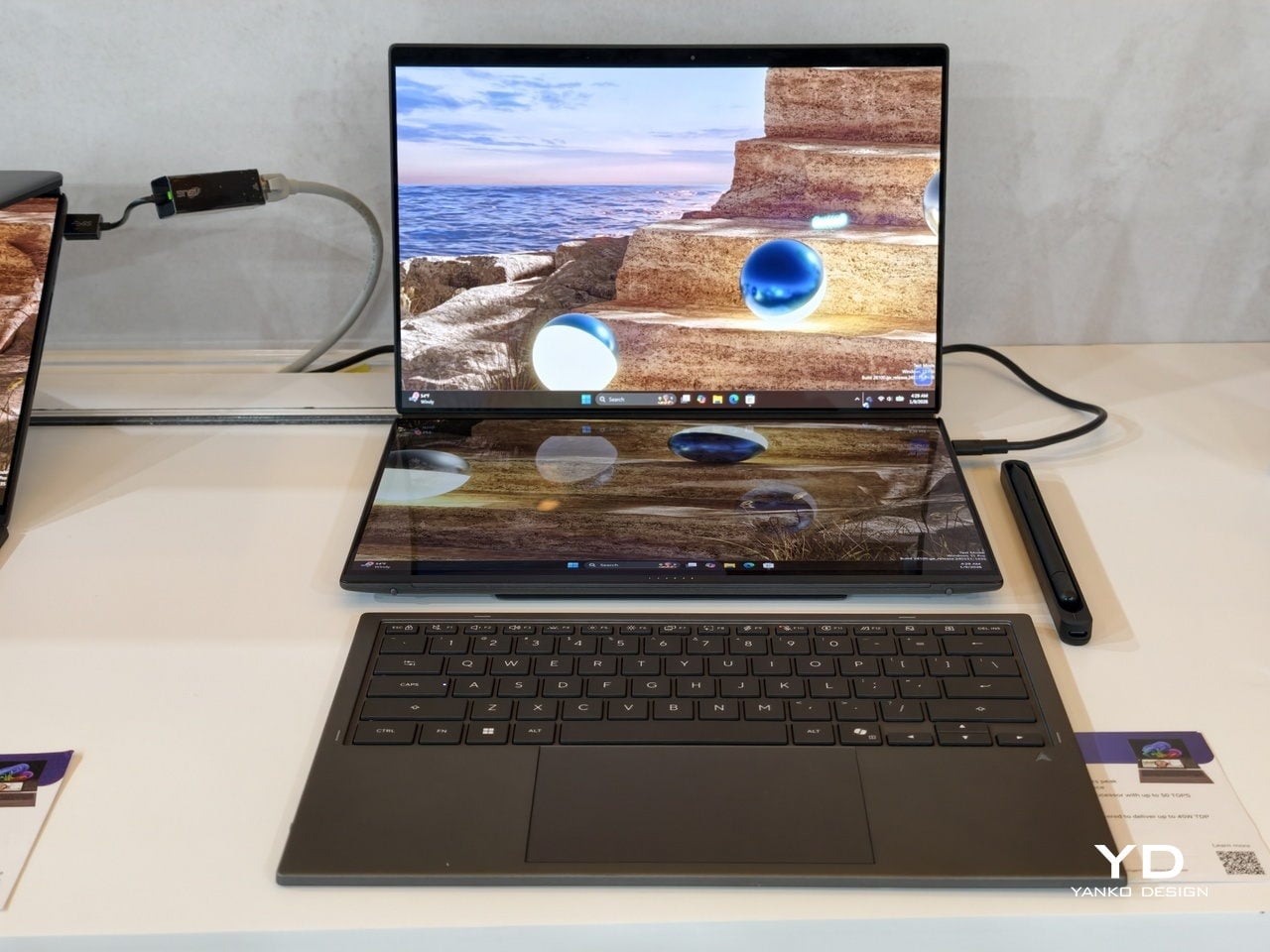
How Repairable Phones Benefit the Environment, Consumers, and Business Alike

Once upon a time, mobile phones weren’t the fragile and replaceable devices they are today. Sure, they were still expensive during their period, but accidentally dropping one didn’t always mean the end. Replacement parts, officially or unofficially, were easy to come by and the actual process of repairing these phones didn’t require a degree. But as mobile phones turned into powerful yet complicated smartphones, much of the repairability of the past also got thrown out the window. Granted, very few consumers will dare to open up their iPhones or Pixels on their own, so why is there a lot of noise these days about having the ability to repair yours? As it turns out, the ability to repair smartphones more easily benefits not just the planet or buyers but even the phone brands themselves.

Designer: Fairphone

Right to Repair

Part of the rhetoric around the smartphone repair situation involves the general Right to Repair movement. As the name implies, it is pushing for legislation, policies, and awareness that would allow owners, as well as third-party businesses, to repair the products that they have bought. It might come as a surprise given how it seems to go against common sense, but the situation with electronics, which includes smartphones, basically disallows anyone but the company and its authorized service centers from opening up and repairing these products. Although it’s not an accurate comparison, it would be like being forbidden from repairing the dress or furniture, requiring you to go to the boutique or shop you bought them from to have them fixed.

Designer: Apple (via iFixit)

To be fair, smartphones are complex beasts, and opening them up risks further damaging the device. Companies also have the obligation to protect their intellectual property from snooping eyes, but that isn’t a blanket reason to design phones to be nearly impossible to repair. iFixit, one of the biggest proponents of this Right to Repair movement for consumer electronics, has reached a middle ground with companies, providing official repair guides and a store for buying replacement parts so that anyone with the skill and courage can do it, whether they’re the owner or a small repair business.

Repairable Phones Are Sustainable Phones

Legal arguments aside, proponents of making smartphones more repairable often appeal to the harmful effects the current state of business has on the planet. The number of smartphones made and shipped every year has probably already exceeded the population of the world, which raises the question of what has happened to these devices over the years. While manufacturers do have programs for sending them your old or broken phones for proper disposal, just how many people actually make the effort to do that? More often than not, they simply stow old phones until they’re forgotten or, worse, mindlessly throw them in the trash so that these non-biodegradable objects ultimately end up in landfills.

Designer: Fairphone

Smartphones aren’t immortal or invincible, of course, but the longer we can keep using them, the longer they’ll stay out of the trash. Truth be told, the biggest reason why people change phones isn’t because of the latest trends but because their old ones have become nearly unusable. A cracked screen, bloated or failing batteries, or a broken charging port are the most common causes, so being able to change these easily helps keep electronic waste down to a minimum and for longer periods of time.

Repairable Phones Save You From Stress

There are definitely people who switch to the latest and greatest models after just two years or sooner, but the majority of users would like to keep their phones for years as long as they’re still usable. It isn’t as much about fondness for the device as the stress of switching to a new one. Even with all the advancements in cloud storage, backups, and phone transfers, people still experience loss and stress when their phones no longer work and have to switch to a new one, often from scratch.

Designer: HMD Global

You still should back up your phone and its data regularly, of course, but improving these devices’ repairability lessens or shortens the anxiety and stress that owners experience. Your phone goes empty in less than a day? Simply change the battery and it’s as good as new. USB charging port feel loose and unreliable? Swap it out for a new one and be on your way. It also saves people from the stress of an unplanned major expense, especially when they can get a better model when the time really comes for them to upgrade.

Repairable Phones Are Good Business

Being able to repair smartphones easily might save consumers money and give small repair shops some business, but manufacturers and their shareholders will probably see it more as a revenue loss. After all, the longer people hold on to their old phones, the less they will buy new ones. Unfortunately, there is definitely some truth to that, which is why even big phone companies hesitate to encourage self-repairs or third-party services. It is, however, an outdated mentality that no longer reflects the reality of our present. Even Apple is realizing that profits are no longer coming just from outright hardware sales but also from software, services, and other sources. It’s definitely high time for these brands to be creative in how they can make more money without busting people’s wallets or killing the planet.

Designer: Samsung

Manufacturers can, for example, profit from selling those replacement parts, but that also needs to be done in moderation. Recent news on this front demonstrates not what to do, which is to make those parts too expensive to the point that it becomes less economical to repair the phone in the first place. iFixit announced it is cutting ties with Samsung for that very reason, with parts beyond the reach of most people anyway.

Companies also need to see repairable phones from a different angle, particularly in how they actually reduce their operational costs and waste. They can cut down on the production of surplus units, keeping their stocks tight. This, in turn, reduces their reliance on costly materials that are either hard to acquire, harmful to the environment, or might even be controversial for being conflict materials. It forces companies to rethink their business, which is currently unsustainable both in the environmental sense as well as the economic sense, driving innovation that could hopefully create a greener tomorrow for its customers.

The post How Repairable Phones Benefit the Environment, Consumers, and Business Alike first appeared on Yanko Design.

Unveiling the Popularity of On Cloud Shoes: Why Everyone Loves Them

The meteoric rise of On Cloud shoes in the athletic footwear market is attributed to their revolutionary CloudTec technology, offering soft cushioning and energy return combined with lightweight and stylish designs. These shoes provide exceptional versatility across various terrains, making them suitable for road running, trail running, and everyday wear. Strategic partnerships with high-profile athletes and a solid commitment to sustainability through initiatives like the Cyclon program and CleanCloud technology further boost their appeal. My family’s personal experiences with the durability and comfort of On Cloud shoes underscore their exceptional craftsmanship and high-quality materials, solidifying their reputation as a trusted choice for performance and casual use.

Designer: On + Roger Federer

Technology Making Every Step Feel Like a Cloud

CloudTec technology sets On Cloud shoes apart from other running shoes. Imagine stepping on tiny, soft clouds every time you walk or run. That’s the magic of CloudTec! This innovative technology is at the heart of every On Cloud shoe, providing runners and walkers with an outstanding comfort and performance experience. 

When you look at On Cloud shoes, you’ll notice the distinctive “cloud” pods on the bottom. These hollow pods act like tiny bubbles. As you walk or run, these pods compress and squish down, making your landing soft and gentle, like stepping on a cushion. This is especially noticeable in models like the On Cloud 5 and the Cloud X, where the pods are designed to absorb impact effectively, reducing the strain on your feet and legs.

Cloud X 3 Training Shoe (Women)

But the magic doesn’t stop there. After the pods compress during your landing, they quickly bounce back to their original shape when you push off with your toes for your next step. This bounce gives you a little extra spring in your step, helping you move forward more quickly. This feature is particularly beneficial in On Cloudflow, a shoe runners favor for its responsive and energetic feel during fast-paced runs.

On CloudFlow

CloudTec’s ability to provide soft landings and bouncy takeoffs makes it unique. Traditional running shoes might feel hard or stiff when you land, but CloudTec ensures that every step is cushioned. At the same time, the bounce helps you propel forward, enhancing your performance without compromising comfort. The Cloudflyer model, designed for stability and support, showcases how CloudTec can adapt to different running needs while offering that cloud-like feel.

This technology enhances both comfort and performance. For example, the Cloudswift features CloudTec combined with Helion super foam, providing a smooth, comfortable ride with excellent energy return. Whether training for a marathon or just enjoying a leisurely walk, the soft landings protect your joints, while the responsive takeoffs boost your performance.

On Helion Superfoam

Lightweight and Minimalist Design Allows For Speed and Agility in Every Step

In addition to their innovative CloudTec technology, On Cloud shoes are renowned for their lightweight and minimalist design. This design philosophy is perfect for modern runners who value speed and agility. On Cloud shoes are built to be incredibly light, using materials that reduce weight without sacrificing support or durability.
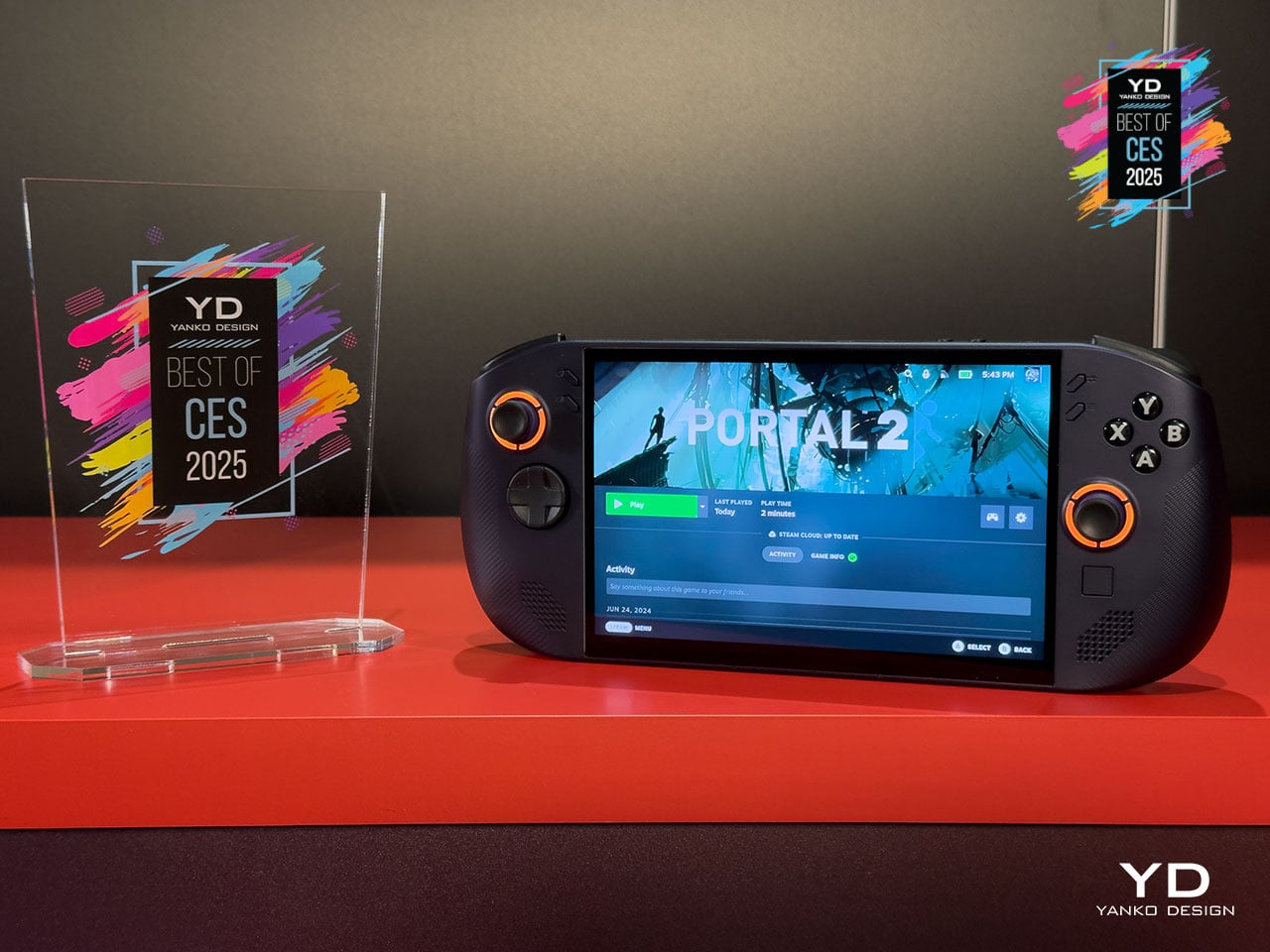
For instance, the On Cloud 5 is one of the lightest models in the lineup, making it ideal for everyday wear and casual runs. Its minimalist design means that it lacks the bulky, heavy materials found in traditional running shoes, allowing runners to feel faster and more agile. This lightness doesn’t come at the expense of support, as each shoe is carefully engineered to provide the stability and structure needed for a comfortable run.

On Cloud 5

The aesthetics of On Cloud shoes also play a significant role in their popularity. They come in various stylish colors and sleek designs, appealing to those who want their running shoes to look as good as they feel. The Cloud X, for example, offers a range of vibrant color options that stand out whether you’re running in the park or walking around town. The attention to design detail extends to small features like reflective decals for added visibility and a tiny Swiss flag on the rear of the right shoe, showcasing their Swiss heritage.

Depending on where you live and the local climate, you might prefer the waterproof versions of On Cloud shoes. Models like the Cloudventure Waterproof are designed to keep your feet dry during wet weather runs. While these waterproof versions gain a little weight and sacrifice some breathability, they provide excellent protection against the elements, ensuring your socks and feet stay dry, which can make a big difference in comfort and performance during a rainy run.

The lightweight construction and eye-catching design make On Cloud shoes functional and fashionable. Whether you prefer the bold colors of the Cloudflow or the classic look of the Cloud, there’s a design to match every style. This blend of performance and aesthetics ensures that On Cloud shoes remain a top choice for runners and casual wearers.

Versatility Across All Terrain Lets You Conquer Roads and Trails Alike

Transitioning to the versatility of On Cloud shoes, it’s evident that they are designed to handle a variety of terrains, both on and off the trails. This adaptability is a key factor in their widespread popularity among runners and outdoor enthusiasts. Whether you’re pounding the pavement, navigating rocky trails, or enjoying a mix of both, On Cloud shoes have got you covered.

Cloudventure Peak 3

Models like the Cloudventure are specifically engineered for trail running, offering excellent grip and stability on uneven surfaces. The aggressive outsole design ensures that you maintain traction, even on slippery or loose ground. The Cloudventure’s durable construction and protective features make it ideal for tackling rugged terrain, providing confidence and support with every step.

For those who prefer road running, the On Cloudstratus offers a smooth and stable ride on paved surfaces. Its double layer of CloudTec cushioning absorbs impact effectively, making long runs on hard surfaces more comfortable. The Cloudstratus also features a responsive Speedboard that enhances your stride efficiency, making it a favorite for distance runners.

Cloudstratus 3

But the flexibility of On Cloud shoes extends beyond running. The Cloudultra is perfect for those who enjoy a mix of activities, from trail running to hiking to casual wear. Its adaptable design and superior comfort make it a great choice for any outdoor adventure. Whether you’re exploring new trails or simply walking around town, the Cloudultra provides the support and cushioning you need.

Cloudultra 2

This versatility ensures that On Cloud shoes are not confined to a single type of activity or terrain. They are built to transition seamlessly between different environments, making them a reliable choice for outdoor pursuits. With On Cloud shoes, you can confidently tackle any adventure, knowing that your footwear is designed to perform, no matter where your journey takes you.

The Influencer Effect and Celebrity Endorsements: Boosting Popularity

Another significant factor contributing to the popularity of On Cloud shoes is the influence of celebrities and social media endorsements. Strategic partnerships with well-known athletes and influencers have significantly boosted the brand’s visibility and popularity. The involvement of notable tennis players in product development showcases On’s commitment to performance and innovation.

Roger Federer, a co-entrepreneur and investor in On since 2019, plays a significant role beyond mere sponsorship. He collaborates closely with the company’s founders and product development teams, bringing his extensive experience and insights to enhance On’s products and marketing strategies. This partnership began organically when Federer was seen wearing On shoes, leading to a deeper involvement due to shared values and a passion for innovation. One notable outcome of this collaboration is “THE ROGER” series, a tennis-inspired sneaker line that combines Swiss engineering with Federer’s input to deliver high performance and comfort.

On and Roger Federer

Federer’s involvement was a strategic move that paid off significantly. He spent 20 days in the lab with the On team, developing the pro tennis shoe to meet his high standards. This hands-on approach allowed Federer to contribute directly to the design and functionality of the shoes, ensuring they met the demands of professional athletes.

The limited edition Roger Centre Court 0-Series On sneaker

Building on Federer’s influence, On has recently signed world No. 1 Iga Świątek and American rising star Ben Shelton. Świątek, a three-time Grand Slam champion, is the first female tennis player to join On. She will wear On’s tennis shoes and apparel and contribute her ideas to developing new products tailored to athletes’ needs. Świątek’s endorsement aligns with On’s core values and commitment to supporting top-tier athletes.

Ben Shelton, known for his athleticism and power, also joins On as the brand’s first male tennis player. His early success, including reaching the quarterfinals at the Australian Open and winning the Japan Open, underscores his potential. Shelton’s partnership with On allows him to grow with a company making significant strides in the tennis world.

These endorsements highlight On’s strategy to integrate athlete feedback into their product development, ensuring their offerings meet the highest performance and innovation standards. This approach enhances On’s reputation in the sports industry and helps them create products that resonate with both professional athletes and everyday users.

Commitment to Sustainability

On Cloud’s commitment to sustainability is a core aspect of its brand identity, driving innovation in product design and corporate practices. The company has implemented several groundbreaking initiatives to reduce its environmental footprint and promote a circular economy.

One of the flagship sustainability projects is the Cyclon program, which exemplifies On’s dedication to circularity. This program offers high-performance gear designed to be fully recyclable. A prime example is the Cloudneo shoe, which is made from over 50% castor beans. Instead of purchasing the shoe outright, customers subscribe to it. When the shoes are worn out, they return them to On, where the materials are recycled into new products. This model reduces waste and ensures that materials are continually reused, aligning with the principles of a circular economy. The Cyclon-T, a performance tee made with over 90% bio-based materials, is another product in this line, showcasing On’s commitment to renewable resources.

In addition to the Cyclon program, On has developed CleanCloud technology, which transforms carbon emissions into high-performance materials. The Cloudprime shoe is a notable product from this initiative, featuring an EVA foam sole made with 51% CO2. This innovative approach captures carbon emissions, converts them into ethanol, and transforms them into various materials used in footwear and apparel. This process helps reduce atmospheric CO2 and sets a new standard for sustainable material production in the industry.

On Running also focuses on sustainable production practices across its entire product line. The company is working towards eliminating petrol-based materials and replacing them with fossil-free alternatives. The CleanCloud fabric in their Pace collection incorporates 20% recycled carbon emissions, demonstrating how On integrates sustainability into its apparel line.

Moreover, On has launched re-commerce platforms like Onward to extend the lifecycle of its products. This initiative allows customers to return used gear, which is then refurbished and resold, reducing waste and promoting a culture of reuse. On’s commitment to sustainability is further evidenced by its ongoing efforts to improve the production processes of its core technologies, such as the Speedboard, to minimize waste and emissions.

On Speedboard

By integrating sustainable practices into every aspect of their business, from material selection to production and end-of-life recycling, On Running addresses the environmental impact of their products and leads the industry in eco-friendly innovation. This holistic approach ensures that On’s products meet the highest performance standards while supporting a more sustainable future for the planet.

Exceptional Craftsmanship and Quality Materials

On’s dedication to exceptional craftsmanship and the use of high-quality materials sets it apart in the athletic footwear industry. This commitment is evident in its advanced technologies, sustainable practices, and user experiences, which speak volumes about the brand’s reliability and performance.

From my own experience, On Cloud shoes have consistently delivered on their promise of comfort and durability. I own a pair of On Cloud 5 Waterproof shoes, which have served me well in various weather conditions. Initially, these shoes provided excellent waterproofing and support during my runs, keeping my feet dry and comfortable even in wet conditions. Over time, as they transitioned from my go-to running shoes to my yard shoes, their durability continued to impress me, showcasing the long-lasting quality of On’s materials and construction.

My wife shares a similar appreciation for On Cloud shoes. She primarily wears the Cloud 5 model for her daily activities and workouts. The lightweight design and superior cushioning of the CloudTec technology make them her preferred choice for short runs and long walks. The breathability and comfort provided by these shoes have enhanced her overall experience, making them an indispensable part of her active lifestyle.

Our 13-year-old daughter is also a fan of On Running. She owns a pair of On Cloud 5 All Terrain and proper tennis shoes, perfect for her adventurous spirit. Whether she’s running on trails or competing in tennis matches, these shoes provide the necessary grip and stability to keep her safe and comfortable. The stylish design also appeals to her, making them a hit among her friends and peers.

Between the three of us, we own seven pairs of On Running shoes, each serving a unique purpose yet all sharing the same high quality and performance standards. The variety in On’s lineup—from specialized tennis shoes to versatile all-terrain options—ensures that every family member can find a model that fits their needs.

On Cloud’s exceptional craftsmanship and use of high-quality materials are reflected in the positive experiences my family and I have had with their products. From the durability of the Cloud 5 Waterproof shoes to the comfort of the Cloud 5 and the versatility of the All Terrain model, On Running has proven to be a reliable and preferred brand in our household.

The post Unveiling the Popularity of On Cloud Shoes: Why Everyone Loves Them first appeared on Yanko Design.