Odd modular game controller gives Xbox players with disabilities a helping hand

It’s about time that gaming companies and studios realize that there are people who would love to play their games and use their consoles but are hindered because of one physical disability or another. Accessibility has only recently been an advertised feature of games and gaming hardware, and it might take a while before it actually becomes a standard in the industry. Thankfully, major companies are leading the accessibility charge, giving birth to accessibility devices that may look weird but give all gamers, even those perfectly capable ones, incredible powers to enjoy games the way they want them. Take for example this newly announced Xbox-certified accessibility controller that almost looks like a small alien swarm thanks to its modular design.

Designer: ByoWave

For gamers with physical disabilities that relate to their hands or fine motor control, the typical game controller or keyboard, despite their ergonomic designs, is sometimes impossible to use. Thankfully, there has been an increased interest in developing more accessible control devices, spearheaded by the Xbox Adaptive Controller in 2018 and followed by the Sony Access Controller, previously dubbed “Project Leonardo,” last year. Of course, there are more than just two ways to design for accessibility, and ByoWave’s Proteus Controller is just the latest to turn heads with its unconventional mechanism and innovative idea.

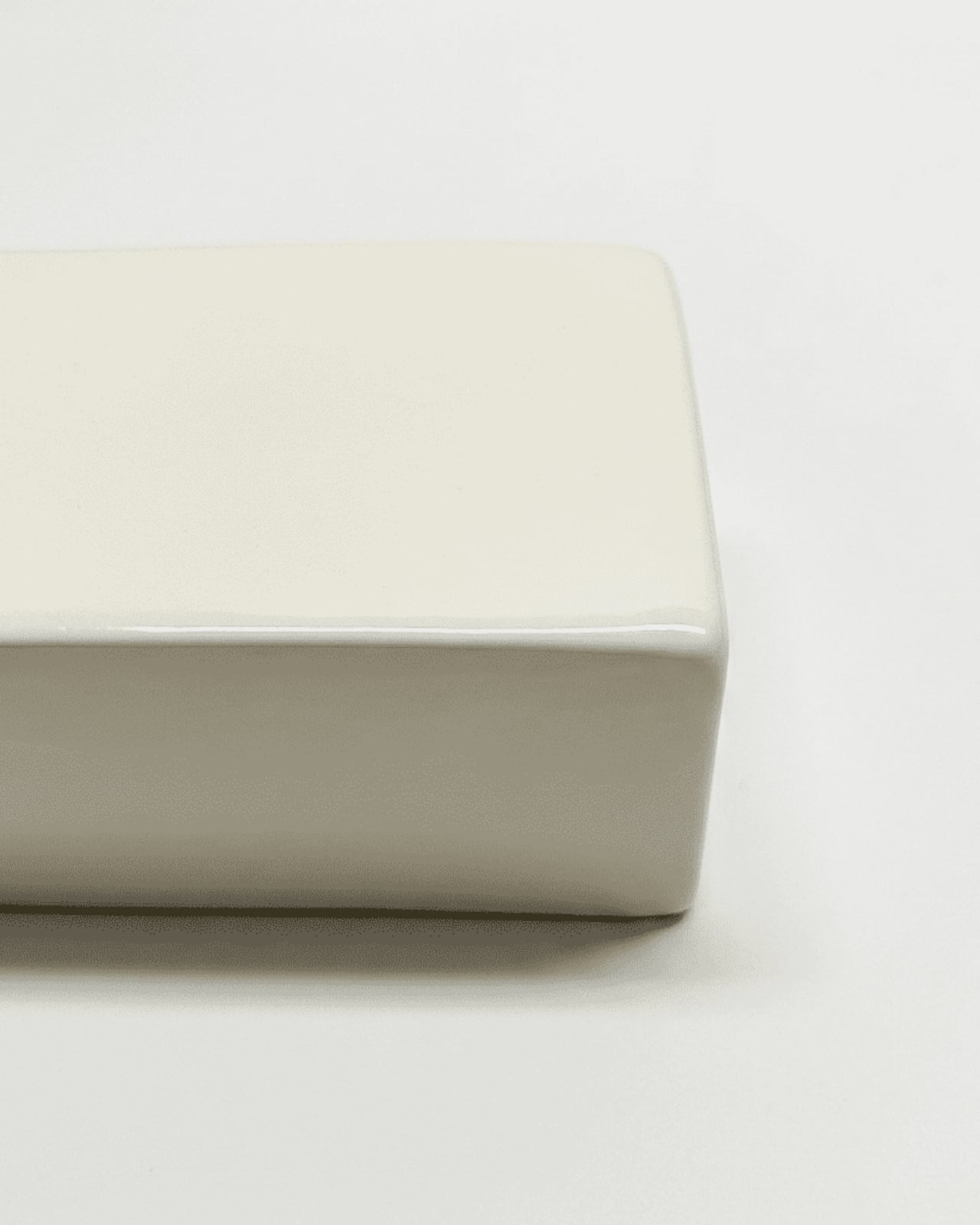
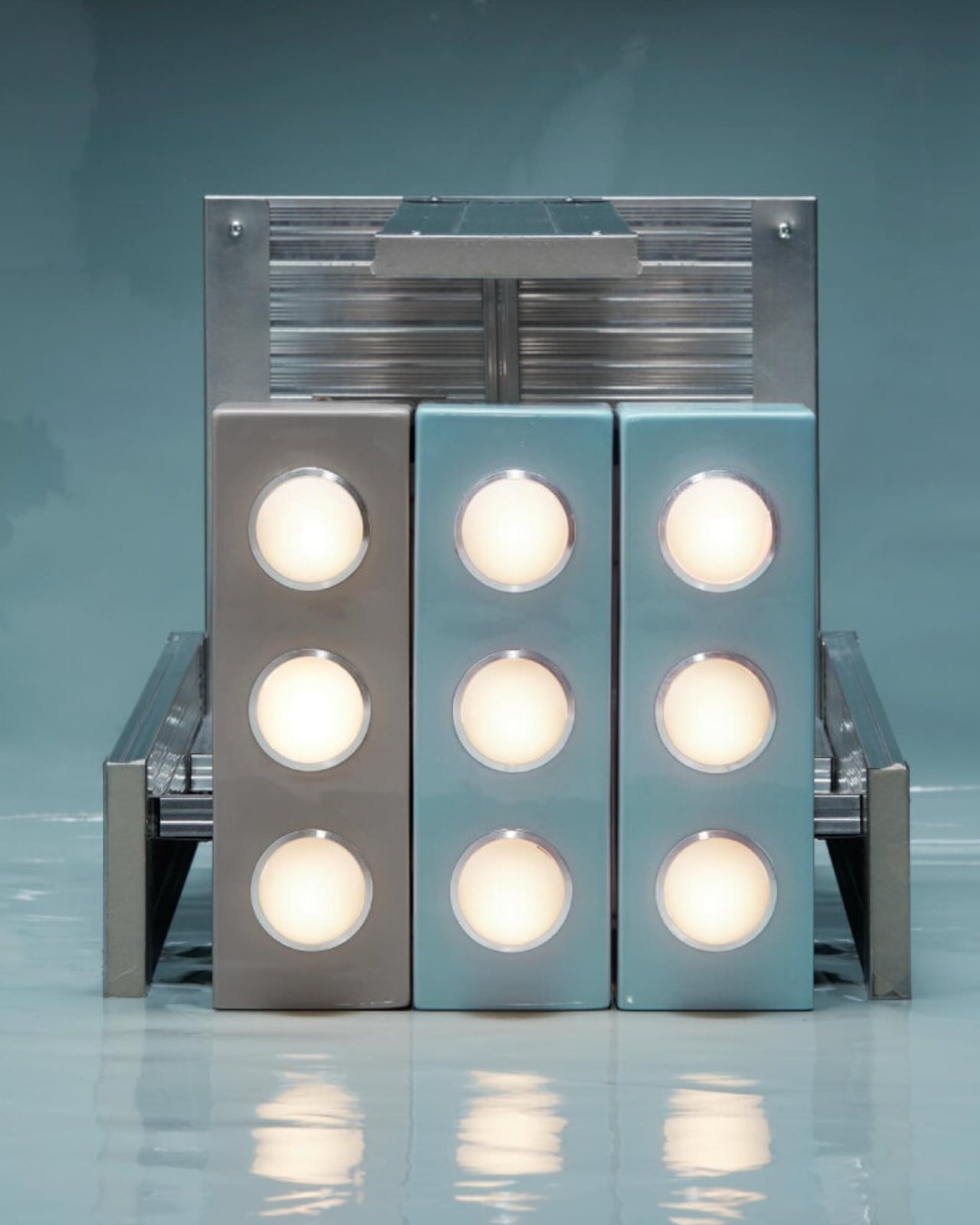
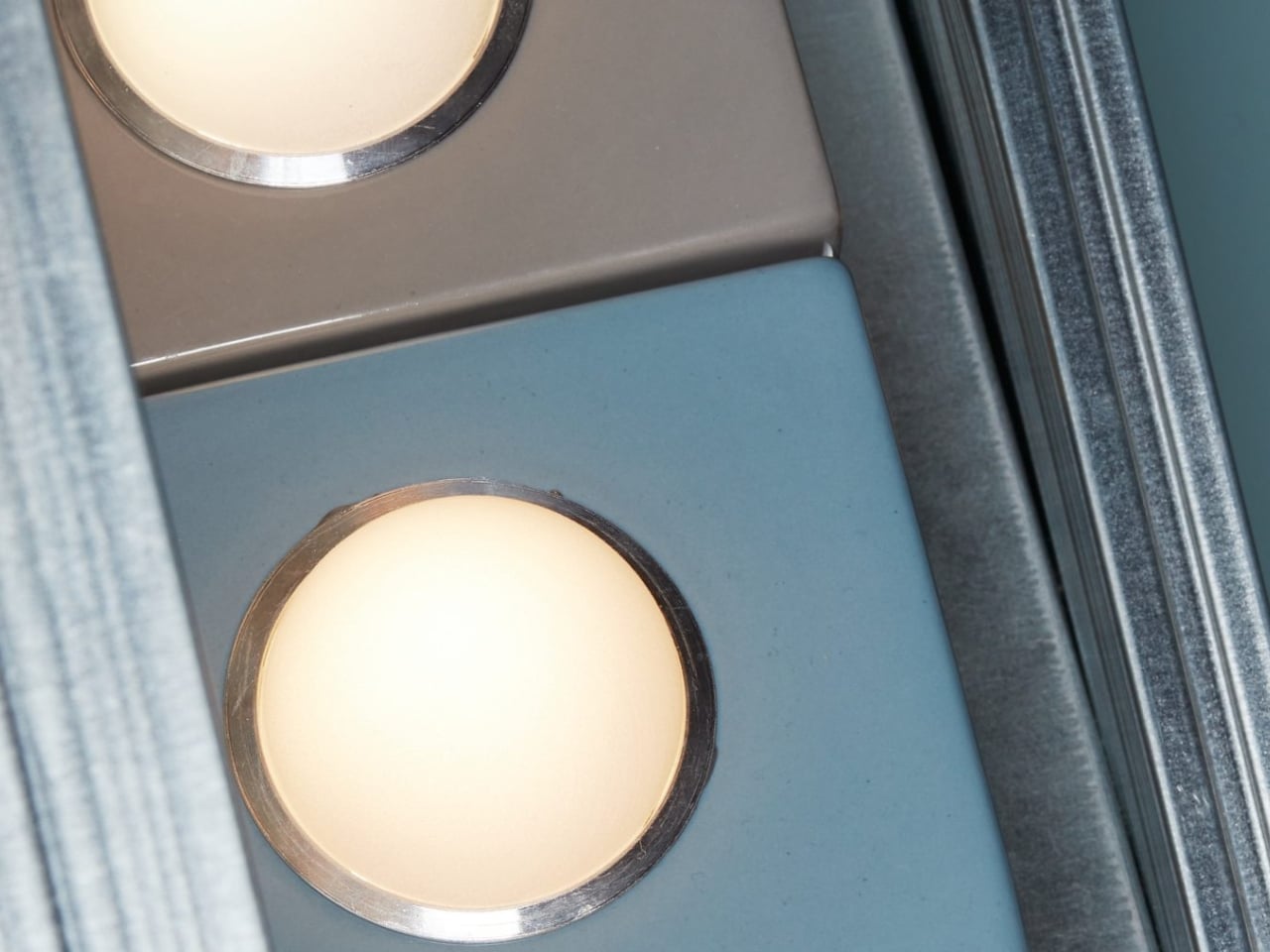
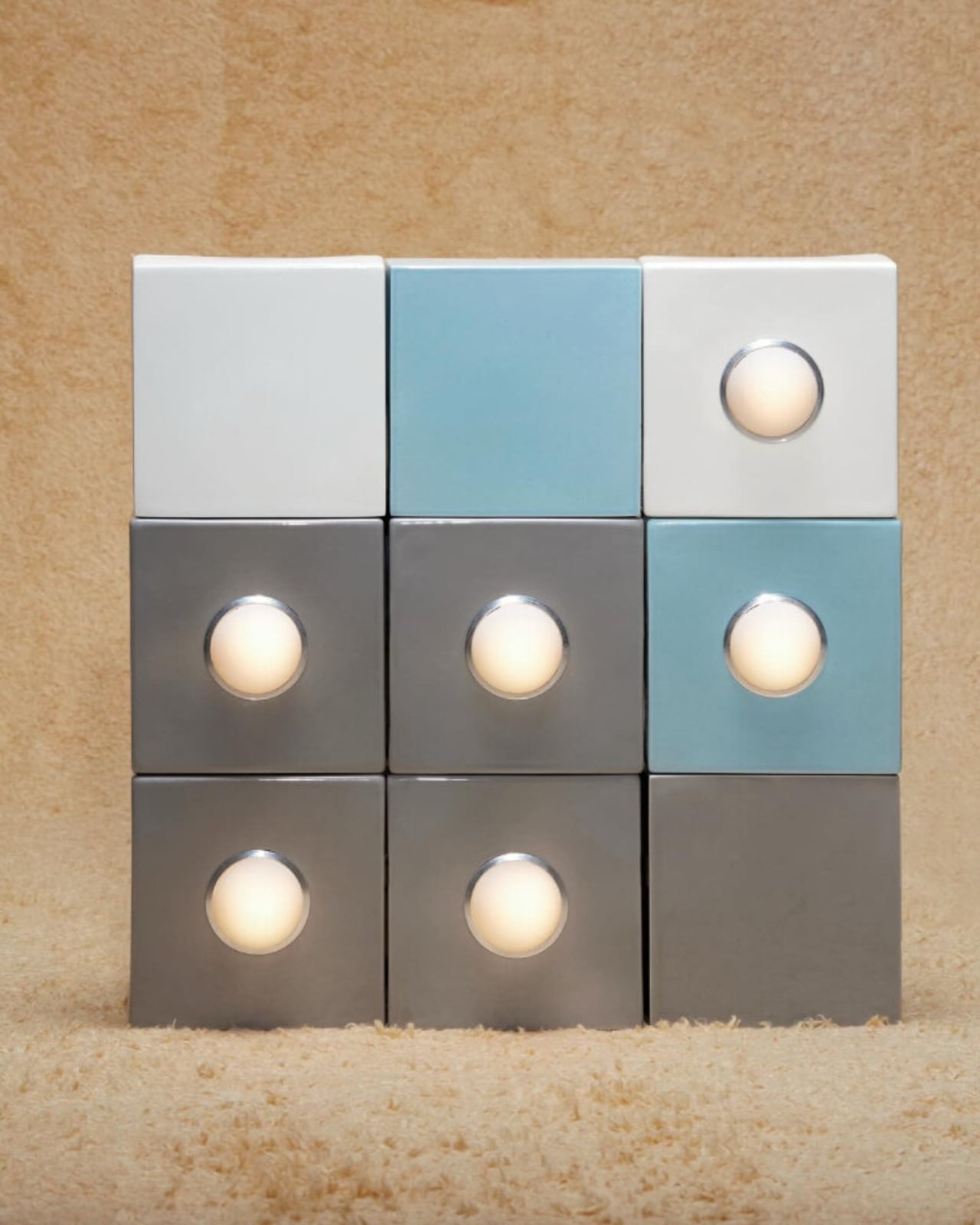
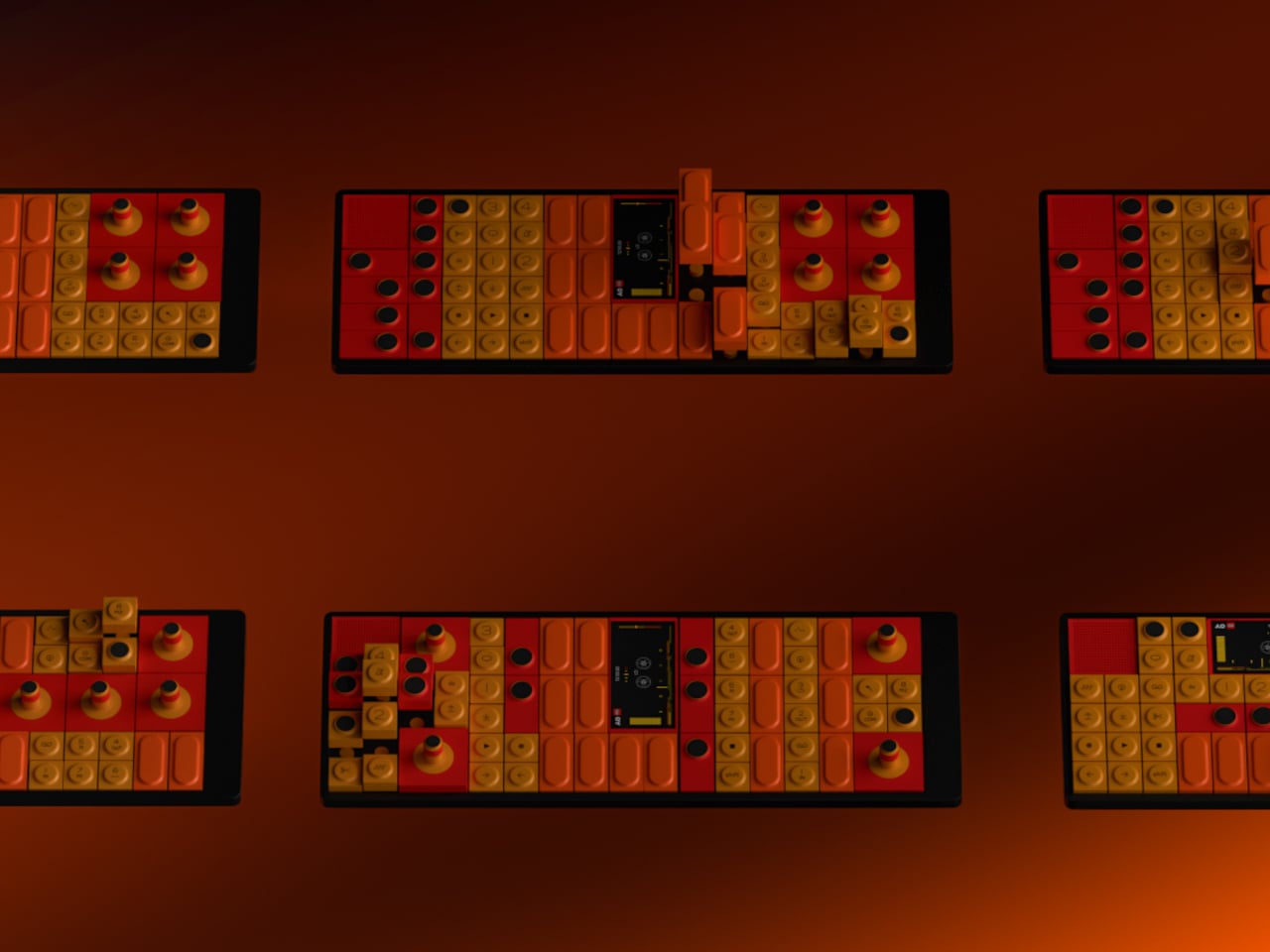
In a nutshell, the Proteus Controller is made up of small, rounded cubes with some faces that can be changed to be a button, a D-Pad, a joystick, and more. These cubes can then connect to each other to form different shapes that cater to the needs of the gamer. It can, for example, be a single, curving stack that you can hold like a joystick, a 2×2 grid that you can mash like arcade buttons on a table, or even a conventional gamepad layout with the right accessories and connectors. It can support over a hundred such configurations and LED lighting combinations, letting the user decide how they want to play depending on their circumstances.

Of course, the controller is primarily designed to address the needs of gamers with disabilities, but it’s not hard to see how this will be popular with almost any gamer, especially those on the Xbox platform. The sheer number of options and combinations is mind-blowing, and some might even just make new controller designs just for the fun of it. It’s a clear example of how accessible design actually benefits everyone, and gamers will probably be excited for the arrival of the Proteus accessibility controller in the fall, especially given its starting price of $299.

The post Odd modular game controller gives Xbox players with disabilities a helping hand first appeared on Yanko Design.

Space-saving bookends double as a modular wireless speaker system

We seem to always be running out of space on our desks. Any free area that we get often quickly becomes occupied by a new thing, a tool, or a book, that we can always justify as necessary. And then there are purely decorative items that, while not serving any practical function, serve to put us in a good mood. Sadly, those reasons don’t remove the fact that they still take up precious space that could have been used for other things. Cutting down on the amount of “stuff” on your desk is one possible solution to this conundrum, but another is to use multi-functional products that serve more than one purpose, like these rather aesthetic bookends that are actually speakers in disguise.

Designer: Liam de la Bedoyere

If there are two things that are standard on a modern desk, it would be books and speakers. The former is often essential for work, even if just for appearance’s sake, while the latter is necessary to keep our minds sane with our favorite music and podcasts. They might even be necessary for the video meetings that are becoming more common these days. Naturally, these things will need some space on your desk, so why not combine them in a way that still retains each product’s identity while also bringing a fresh twist to their designs?

The Beat Bookends concept does exactly that by transforming bookends into two parts of a speaker system. Specifically, the triangular shapes that sit on either end of a row of books act not only as stable structures to keep your reading materials upright but also serve as front-firing speakers. Although it probably would have been enough to just have two wireless speakers performing this function, the design concept actually includes one or two more speakers for an even better audio experience.

The bookend speakers are actually just the “satellite” speakers, and a rectangular block serves as the main unit you connect to. This piece can stand in the middle of your row of books to add a bit of variety to the composition, or it can even be placed anywhere else to set up a spatial audio arrangement of sorts. Another rectangular speaker block can even be added to the mix for an even louder and more distributed audio output.

What’s interesting about the Beat Bookends concept is that it isn’t limited to actually being used as bookends only. With a flexible building block concept, you can mix and match pieces and arrange the speakers in different ways, even if you don’t have books to stand on your desk or shelf. You can combine the speakers in more interesting arrangements to provide not only audio but also a bit of decoration on your desk, hitting two birds with a single stone.

The post Space-saving bookends double as a modular wireless speaker system first appeared on Yanko Design.

Modular media player concept brings iconic Winamp design to the physical world

With almost everyone owning a smartphone these days, the need for dedicated media players has plummeted significantly. That’s not to say they’ve completely disappeared, especially those types that can be placed and displayed on desks or shelves. The retro design craze has breathed new life into old products like turntables, but these aren’t the only designs from bygone ages that deserve to be rediscovered. Some of these old-school designs come from the digital realm, where some software have achieved near immortality thanks to their distinctive user interfaces. Winamp is one of those iconic faces when it comes to music player applications, and this concept turns that into an actual device that, just like the digital original, can somewhat be configured to suit your needs and moods.

Designer: Eslam Mhd

By modern standards, the original design of the Winamp media player app is clearly outdated, but it remained a darling until recently because of its flexibility. It supported using different skins to personalize the software’s appearance, which naturally led to hundreds of designs, some of which might even make you want to gouge out your eyes. At the very least, Winamp followed a LEGO-like design where you can move parts of the app around or even remove them completely, depending on your needs.

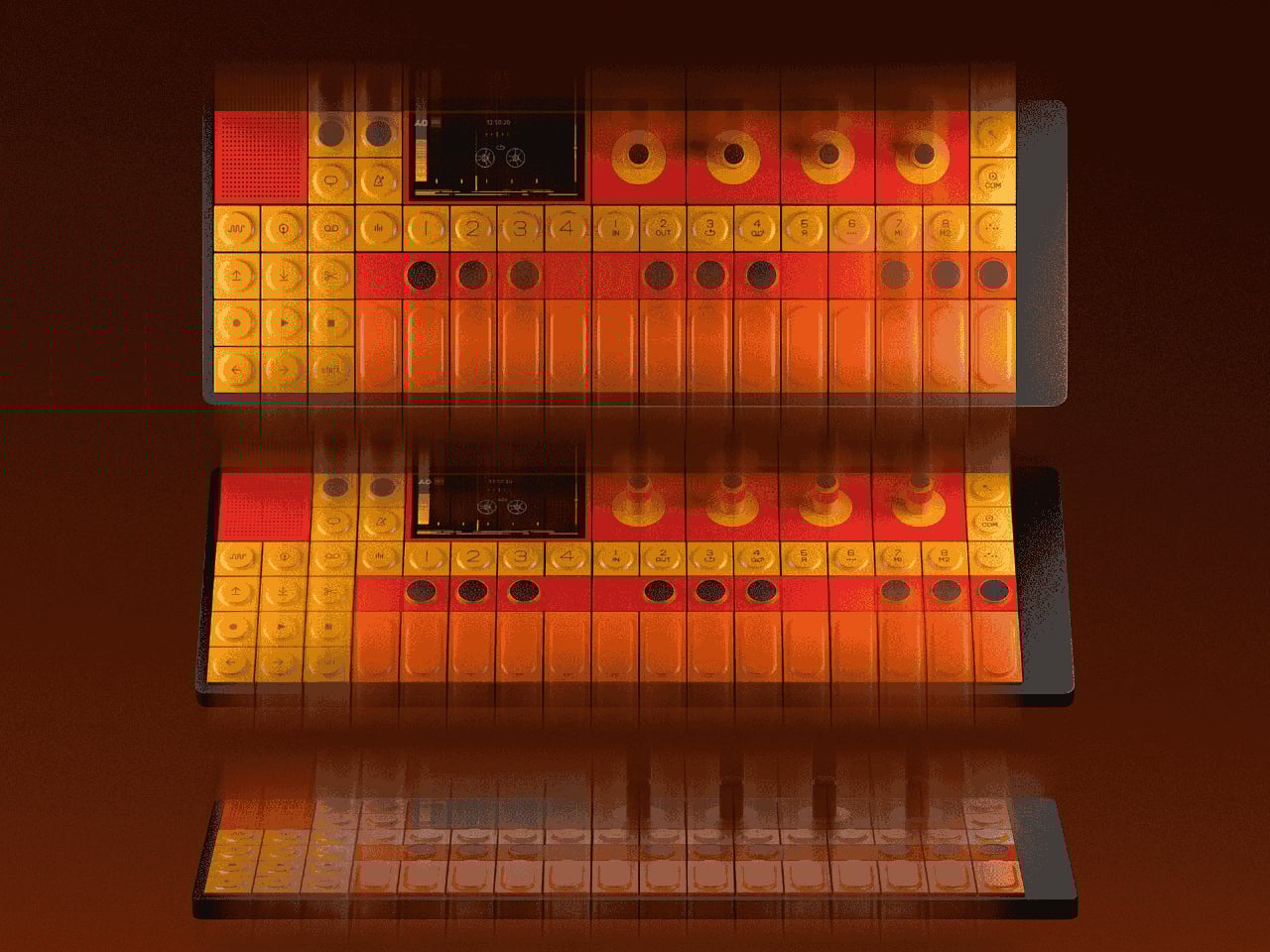
This concept design for a device of the same name follows the latter aspect of Winamp’s design, particularly the ability to move its three main panels around or even leave one out. Like the original Winamp, the media player device has a component for the actual media controls with a single-line display for the current music, one for the equalizer, and another for displaying album art and the playlist. All three can be stacked together for a tall device that is propped up on a desk using the built-in kickstand of the equalizer. Or you can switch them around leaving only two components visible, as long as the equalizer is there to act as the base.

1

You can, for example, only have the media controls and the equalizer if you don’t mind not seeing the list of tracks and the album art. Or if you already have a fixed equalizer setting, you can put either the media player or the album display above it and then snap the other component in front of the equalizer to hide it. You can even show only the media player itself, with the other two hiding behind it. These components connect using strong magnets, so no rewiring is needed to make instant changes to the combination. And at the end of the day or if you want to take the device with you, you can simply collapse all the components in a sandwich and carry it around.

What’s interesting about this particular design is that it uses physical controls like sliders and buttons instead of simply employing a touch screen to offer the same interface. It’s like reverse skeuomorphism, where the digital user interface mimics the appearance and behavior of physical controls. Of course, this more physical design means you don’t get to use skins anymore, but it’s a small price to pay for such an intriguing device.

The post Modular media player concept brings iconic Winamp design to the physical world first appeared on Yanko Design.
Sustainable and minimalist desk tray collection lets you mix and match to your needs

Desk trays are an indispensable part of any organization system, and their designs vary wildly to meet different needs and aesthetic tastes. While wooden desk accessories are not uncommon, the most standard materials used for these products are often virgin plastics that, given the volume of their use, spell trouble for the planet. Fortunately, a few designs nowadays do try to utilize recycled or even upcycled materials to ease the burden on the environment, but good design doesn’t have to stop there. This concept, for example, seems to check all the right boxes by offering not only a sustainable solution with a beautiful minimalist design but also one that lets you combine pieces as you see fit or use them solo in different places as needed.

Designers: Hoyeon Shin, Seokhyoun Han, Joae Kim, Yeongha Kim, Zoae Kim for Haus Bari

Truth be told, this design is actually four separate products sharing a similar DNA. One design, however, can’t meet all the needs of all users, so rather than make a monolithic product that wastes space and materials, this series of trays simply offers four unique designs that can be used for a variety of purposes, including in places that don’t involve work tables and stationery.

All four pieces share the same thin square platform, but that’s pretty much where the similarities end. One “block”, for example, has a fixed cylinder that can be used for holding writing instruments, tools, or maybe even flowers. Another has a circular indentation that invites you to place a mug or glass on it, though it can also fit small items such as an AirPods charging case. The tray with a wavy surface can be a bed for pens and pencils without having them jumbled up together. The fourth member has a simple flat surface, but flip it over and you will behold the Bari branding underneath. It can also function as another coaster thanks to that circular groove again.

The trays use diatomaceous earth, a sustainable material that is gaining popularity among product designers. It also gives the tray a textured appearance that resembles rough, unpolished stone, making the minimalist products look a little more visually interesting. It also makes it possible to place wet or damp objects on top of the tray, such as sponges or even soap, thanks to the material’s moisture resistance and self-drying properties.

1

Although each of these trays functions as an independent unit, you can also combine them as a single organization system where you have free reign over how they are arranged. You can have them for a line, put them in a grid, or spread them out all over the desk. Of course, you’re not limited to just one of each piece, either, and can form an army of trays and containers ready to keep your mess at bay. It’s an admittedly simple solution to desk and life organization, but one that offers beauty and flexibility in a package that tries to reduce its negative impact on the environment.

The post Sustainable and minimalist desk tray collection lets you mix and match to your needs first appeared on Yanko Design.
Modular cork stool concept offers sustainable seating by turning into a bench

Sitting is an important part of our daily lives, so it’s not unusual to see different kinds of seating furniture around places where people stay or pass through. Unfortunately, it’s hard to predict when you’d need a single chair or a multi-person bench, so spaces tend to either put multiple chairs together or have a few benches and force people to sit together. That strategy does work, at least until the situation changes and you need to change seats, which often means buying new seats and discarding the old ones. This minimalist stool concept tries to offer a more sustainable solution that helps reduce waste by turning two stools into a single bench and back again, depending on the need.

Designers: Erika Avery, Stu Cole

The requirements for a stool, chair, or bench are pretty simple. At the very least, it needs to be stable enough to support the weight of a human person sitting on it without toppling over or collapsing. Comfort is, of course, ideal, but some designs seem to forego that in exchange for other capabilities. It’s arguable that the “unknown” stool concept is one of these designs, though its modular nature leaves that open to interpretation and implementation.

The core element of this concept is the sturdy column made of cork, a sustainable and easily acquired material. It’s a single cylinder that makes up the center of the stool, but its secret lies in a smaller circle that connects to a removable seat with a hole in its center. It’s a simple system that requires no screws, extra parts, or complex mechanisms, which means maintenance, repair, and replacement will be just as simple as well.

That seat can, in theory, be anything, though the simple shapes of a square and a circle immediately come to mind. However, that doesn’t limit it to a single symmetrical shape either, since you can have a long rectangular seat with holes on each end, forming a bench when set on top of two cork columns. In fact, the design of the actual furniture is determined by the shape of that removable seat, and it can be as simple or as complex as needed.

The concept doesn’t exactly define what the seat has to be made of, so it can use wood, metal, plastic, or any other material. It can be bare or it can have some cushioning or upholstery to add a bit of comfort. More importantly, the seats can be changed, repaired, or replaced without throwing away the cork core, or vice versa. It’s a simple yet effective design that limits the waste of fixed chairs and stools while leaving the door open for combinations that deliver what’s needed at any given time.

The post Modular cork stool concept offers sustainable seating by turning into a bench first appeared on Yanko Design.
Modular instant camera concept offers a new way to create and share memories

The Polaroid brand has become synonymous with instant cameras that are experiencing a renaissance these days. But while the retro fever has people printing out square format photos again, the designs of these modern instant cameras left some things to be desired. Yes, they recreated the feeling of holding a large and chunky camera, but they might have done it too perfectly to meet the needs and tastes of today’s mobile photographers and creators. Smartphones offer more flexibility and features but at the expense of that authentic instant camera experience. This product concept tries to bring the best of both worlds together through a design that can adjust to your needs rather than the other way around.

Designers: Daphne Hernández, Paola García Higuera, Gonzalo Barba, Ricardo Zerón, Ximena Bravo Barreto, George Gonzalez, Cristian Tovar

The earliest modern instant cameras try to stay faithful to the Polaroid design by eschewing modern conveniences like LCD screens and photo editing prior to printing. On the opposite end of the spectrum, portable photo printers try to provide the same instant printing experience without requiring a separate camera from the one you already have in your pocket. But while smartphones offer a lot of powerful photo editing features, many people find the camera user experience a bit artificial or even forced because of the design of the phone and the connotations that come with it.

The Polaroid DUO concept solves this duality by ironically embracing it. It splits the instant camera into two distinct parts: the camera module and the printer. The camera is a small, lightweight square reminiscent of action cameras that you can attach or hang anywhere so that you’re ready to take photos or record videos anytime. The compact design, which includes a touch screen on the back to tweak the photos’ properties after the fact, offers a more engaging and fun way to take photos without being too conspicuous or flashy like a smartphone.

You can use the camera module on its own and print the photo later, or you can slot it into the larger printer module to make it behave exactly like a traditional instant camera. You don’t lose any of the functionality, however, since you can still access that touch screen. What you get, instead, is a unique character and the experience of holding a fun-looking chunky box up whenever you want to capture the moment and print out the memory right then and there.

Polaroid DUO is definitely an intriguing concept, one that makes you wonder why no one has implemented it yet. It combines the powerful functionality of smartphones with the elements of fun from instant cameras in a way that doesn’t sacrifice one for the other. There might be some implementation details that will need to be ironed out, but most of the technologies needed to make this design a reality are ripe for the picking.

The post Modular instant camera concept offers a new way to create and share memories first appeared on Yanko Design.

Modular speaker concept creates an immersive audio experience anywhere

Portable wireless speakers are becoming quite ubiquitous these days as a way to enjoy your favorite music anywhere you are, whether you’re outside or just in another room. In exchange for their portability, however, the quality of the sound these speakers produce is less impressive compared to bigger and more stationary equipment found at home. It would be nice if you could have the best of both worlds, enjoying an audio system that follows you around the house without missing a beat. You could try to buy multiple wireless speakers and hope they can be connected to each other, or you can hope that this peculiar speaker system concept becomes a reality, allowing you to pick up one or two speakers from their base as easily as you would pick up your takeout meal.

Designers: Junwoo Kim, Yoonjeong Lee, Heeyeol Yang, Jaehoon Jeong

For an audio experience to be considered truly immersive, it has to sound like it’s coming from all around you. More specifically, the right sounds have to come from the correct direction rather than equally from all directions. Making this possible with a single speaker or even a pair of headphones is possible but difficult to accomplish, requiring sophisticated algorithms and precise control to create the illusion of surround sound. Of course, you could set up a surround sound system in your entertainment den, but then that magic only takes effect in that room.

TakeOut is an LG-inspired concept for a modular speaker system that lets you design your own audio space in a snap. At its core is a 360-degree soundbar that tries to bring the sound to you wherever you are in the room by blasting it in all directions. But when you push down on one of the circles on the top of the soundbar, a short cylindrical wireless speaker pops up. It’s not a completely independent speaker and it works in tandem with the soundbar, but its most important feature is that you can take it anywhere with you in the house.

This portability means that you can set up your audio experience just the way you want it, whether you’re listening in the same room or elsewhere. Need to go to your home office for a while? Just pop out one of the speakers and let the music follow you there. You can also create your surround sound setup in a flash by positioning the four “sub-speakers” around the room, though that doesn’t necessarily mean that the system will know which sound needs to come from which speaker.

While the design of TakeOut is quite interesting, there might be some practical issues with it as well. For one, the concept doesn’t clarify if the individual speakers can be used separately from the soundbar or if they’re completely dependent on it. If it’s the latter, it also means that the speakers won’t function properly if they ever go out of range of the soundbar or if the data can’t reach them because of obstacles like walls. Those details, however, could actually be ironed out with some features that don’t take away anything from the spirit of this modular and immersive audio system.

The post Modular speaker concept creates an immersive audio experience anywhere first appeared on Yanko Design.
Modular gaming console concept embraces all types of playing styles

Handheld gaming devices are becoming more popular these days, though due to their portable and handheld nature, most of them cater to only one style of playing. These devices pretty much have game controllers split into two halves that flank a big display. Not all games are best played that way, though, but it’s almost impossible to support all kinds of input methods in a single device. That’s what made the modular design of the Nintendo Switch quite popular, but it still revolved around the same controller design. This concept for a modular gaming handheld tries to push the envelope a bit further, allowing different input methods and playing styles by simply swapping out buttons, joysticks, and knobs.

Designer: Bukvity Lorisz

There once were only two ways to play video games, one with a keyboard and mouse and another with gamepads. With the arrival of smartphones, a third, gesture-based style was added to the mix. It’s almost impossible for a single device to support all those, at least not without attaching external peripherals, but some designs try their best to do so. GPD and AYA, for example, have a few designs that add a mini keyboard to the device, but that’s more for sending brief messages rather than playing with a keyboard and mouse.

The LUMI DREAMSTATION-02 concept puts a different spin on the idea of a flexible gaming device that can embrace different playing styles instead of sticking to a single one. Yes, it doesn’t have a QWERTY keyboard, but it’s not impossible to add something like it after the fact. That’s because the biggest pull of this design is a flexible modular system that lets you mix and match different controls as the need arises.

The LUMI DS-02 is admittedly a weird-looking device compared to any gaming handheld. It has a large square screen, which means it won’t match any existing game aspect ratio, and right below it sits the controller section with two square areas for the modular controls. One side looks like a D-Pad with four separate buttons arranged in a cross while the other side has buttons and knobs. It’s not hard to imagine that many games aren’t going to be easily controlled with a knob or dial, but you can swap those out with a joystick, a regular D-Pad, another set of buttons, and more. The idea is that you can change the controls to suit the game, not the other way around.

1

The controller section itself can be detached and the screen propped up on a table, similar to the design of Nintendo Switch. This opens the console to even more use cases, like two players using the same console with different controllers. As interesting as this design might seem, it will still depend on how comfortable those controls will be and how easy it will be to swap them around. Regardless, it’s definitely a notable idea, one that tries to be more inclusive, especially if you can substitute more accessible controls for those with physical disabilities.

The post Modular gaming console concept embraces all types of playing styles first appeared on Yanko Design.
Meet the wall-mounted modular organizing system that’s even more flexible than IKEA’s pegboards

There was a Seinfeld episode from back in the day where Jerry’s date (a wardrobe designer) proposed a radical idea for Jerry’s closet. Instead of shelves and rods, what if the entire closet was just hooks? Hundreds of hooks everywhere for you to hang all your clothes on – a radical concept when it comes to fashion, but practically speaking, just a wardrobe version of the popular pegboard. Pegboards gained popularity in the DIY community for people who wanted to mount their workshop tools on one vertical surface, having them accessible just when you needed them. The clever idea soon was converted into something more home-friendly by IKEA with their own version, named SKÅDIS. However, IKEA’s pegboard still had limitations – you could only use products from the IKEA ecosystem with the SKÅDIS, but moreover, the SKÅDIS wasn’t designed for every possible use-case. That’s where Wallwerx comes in. Wallwerks presents a pegboard-based system that can be used for pretty much everything, from holding workshop tools to jars of M&Ms. It’s modular, flexible, easy to use, and the best part, you don’t even need a pegboard – the Wallwerx attachments can even mount right into any wall. Use it in your kitchen, garage, living room, study, or even in the bathroom – if you need vertical storage, Wallwerx pretty much has you covered.

Designer: Mark Zalme

Click Here to Buy Now: $69 $119 ($50 off). Hurry, only 12/20 left!

Whether you’re a DIY enthusiast, a crafting maven, a culinary whiz, or a gaming aficionado, Wallwerx seamlessly integrates into your space. It was created by Mark Zalme, a DIY aficionado who found himself getting increasingly frustrated with not having his tools accessible while working in his garage. Realizing that pegboards were great but had their limitations, Zalme designed Wallwerx, a series of pegboard-compatible attachments designed to hold pretty much every object under the sun. What’s more? Unlike traditional pegboard attachments, the Wallwerx system is strong and secure, ensuring items stay put, yet can be easily relocated if desired. The best part, they worked with standard pegboards, but even if you didn’t have one, you could simply attach Wallwerx to any regular wall or drywall. Wallwerx brought a certain Seinfeld-level radical thinking to all types of storage, allowing you to turn practically any vertical surface into a storage area.

From the pantry + kitchen…

To the workspace!

Use it in your gameroom.

And your creative space.

Wallwerx can be split into its two crucial parts – a baseplate that plugs onto pegboards or attaches onto walls, and a series of attachments that mount onto the baseplate, giving you hooks/hangers/clips to store practically anything you need. Installing Wallwerx is a breeze, requiring just two simple steps. Attach the baseplate to your desired surface, twist on your preferred attachments, and voilà – your personalized organization system is ready to go. The Wallwerx baseplate is a cleverly designed little gizmo that plugs into standard pegboards, but even has the option of being drilled into concrete walls or drywalls. Once the baseplate’s been installed, simply twist on or off the attachment of your choice.

*Pegboard not required for assembly. Baseplates can be drilled into any wall or door. Just twist and remove the attachment, then relocate it to any baseplate.

The attachments are where Wallwerx’s flexibility gets put on display. Most traditional pegboards only let you hook stuff onto the pegboard’s perforations. Wallwerx comes with a series of storage attachments that make it perfect for the garage, workshop, closet, or even the kitchen. Hooks let you hang or rest objects, while looped holders give you the ability to secure other items. Wallwerx also offers a set of clips that let you plug in 4oz, 8oz, and 16oz jars, allowing you to store food like dry pasta/candy/spices, stationery like pencils/pens or tiny bits and bobs like screws/dowels/bolts. This flexibility makes Wallwerx perfect for pretty much any kind of room… and the fact that you can simply unplug an attachment means endless upgradability, modularity, and flexibility.

Wallwerx is designed and manufactured in the US using high-strength plastic that’s durable enough to hold all sorts of equipment. Given that pegboards are most commonly found in garages and workshops, the plastic baseplate and attachments are designed to be sturdy, secure, and failproof. They’re also easy to clean, making them perfect for greasy garages or even kitchens where things can get a tad messy sometimes. Designed for a variety of uses, Wallwerx is conveniently bundled in different kits, and can be customized with à la carte attachments. The Home Kit, featuring 168 different elements, is perfect for organizing a workbench or craft table. The Werxshop kit, with 256 pieces, is ideal for bringing order to your garage or entire craft room. You can even grab yourself a metal pegboard, just in case IKEA’s plastic pegboards aren’t your style.

Click Here to Buy Now: $69 $119 ($50 off). Hurry, only 12/20 left!

The post Meet the wall-mounted modular organizing system that’s even more flexible than IKEA’s pegboards first appeared on Yanko Design.
A Modern Multifunctional Hanger That Can Be Used For Shirts As Well As Sarees

Design is an ever-evolving stream, innovation often stems from addressing everyday challenges. The KOI Cloths Hanger PD1 is a testament to this principle, as it sets out to tackle the inconveniences associated with traditional clothes hangers. Recognizing the limitations of bulky and non-portable designs, the KOI Hanger introduces a clean, minimal, and modular approach, redefining the way we organize our wardrobes.

Designer: ADHITHYA VISHNU M

Traditional clothes hangers, while serving their basic purpose, have long been associated with a lack of portability and impractical bulkiness. Recognizing this shortcoming, the creators of KOI set out to redefine the clothes hanger, envisioning a product that not only serves its fundamental purpose but also aligns with the contemporary lifestyle where convenience and versatility are paramount.

The KOI Clothes Hanger emerges from a design brief that prioritizes innovation and user-centricity. Focusing on modularity and portability, the objective was to create a clothes hanger that seamlessly integrates into the lives of individuals who prioritize convenience, versatility, and style in their wardrobe organization. The result is a sleek and minimalistic design that addresses the drawbacks of traditional hangers while introducing a range of features that cater to the modern user.
This hanger boasts a clean and minimalistic aesthetic that aligns with modern design sensibilities. Its modular design allows for easy assembly and disassembly, promoting hassle-free use. The primary body and head attachment interlock seamlessly through a snaplock mechanism, ensuring a secure and effortless connection between the male and female components. This not only enhances the user experience but also adds a touch of sophistication to the product.

At the heart of this hanger is its innovative snaplock mechanism. The primary body and head attachment fit together with precision, providing a reliable and user-friendly solution for various applications. This mechanism not only ensures a secure connection but also simplifies the process of assembling and disassembling the hanger, offering users a hassle-free experience.

One of the standout features is its universal attachment. Part A’s male component and Part B’s female counterpart ingeniously fit together via the versatile snaplock mechanism. This design not only guarantees a secure connection but also provides users with the flexibility to choose multiple orientation options. The KOI Hanger adapts to diverse needs and configurations, making it a versatile solution for various wardrobe setups.

This Hanger goes beyond conventional expectations by introducing a saree attachment (An Indian traditional garment). This innovative addition allows users to hang a variety of clothes, including shawls, ties, scarves, and more. The saree attachment, with its option for multiple orientations, transforms into an all-in-one component, catering to the diverse wardrobe needs of users.

The KOI Cloths Hanger stands as a testament to the power of innovation in addressing everyday challenges. By reimagining the traditional clothes hanger, KOI has not only created a practical solution but also introduced an element of style and versatility to the realm of wardrobe organization. As we embrace a future where design meets functionality seamlessly, this Hanger sets a new standard for what a clothes hanger can be.

The post A Modern Multifunctional Hanger That Can Be Used For Shirts As Well As Sarees first appeared on Yanko Design.