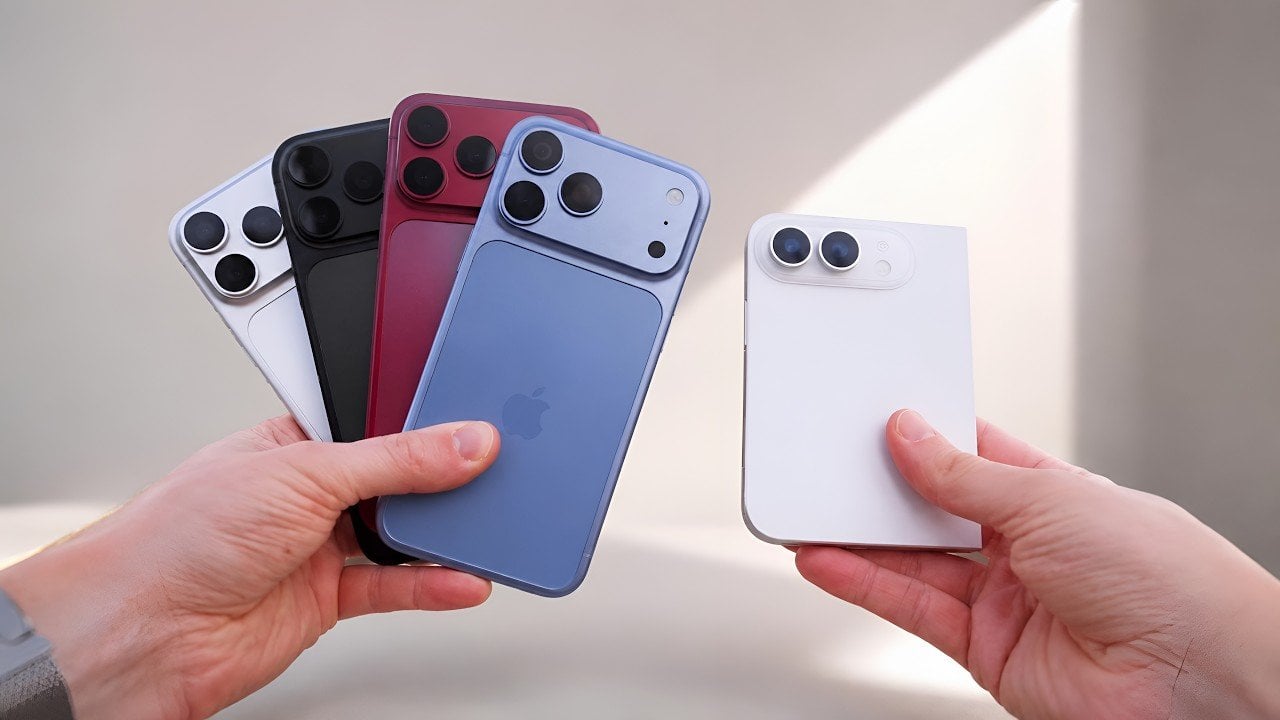
Recent leaks have revealed exciting details about Apple’s upcoming iPhone Fold Ultra and iPhone 18 Pro models. From bold design innovations to significant performance upgrades, these insights offer a closer look at Apple’s vision for its next-generation devices. Here’s a detailed breakdown of the most noteworthy updates. Innovative Design and Features The iPhone Fold Ultra […]
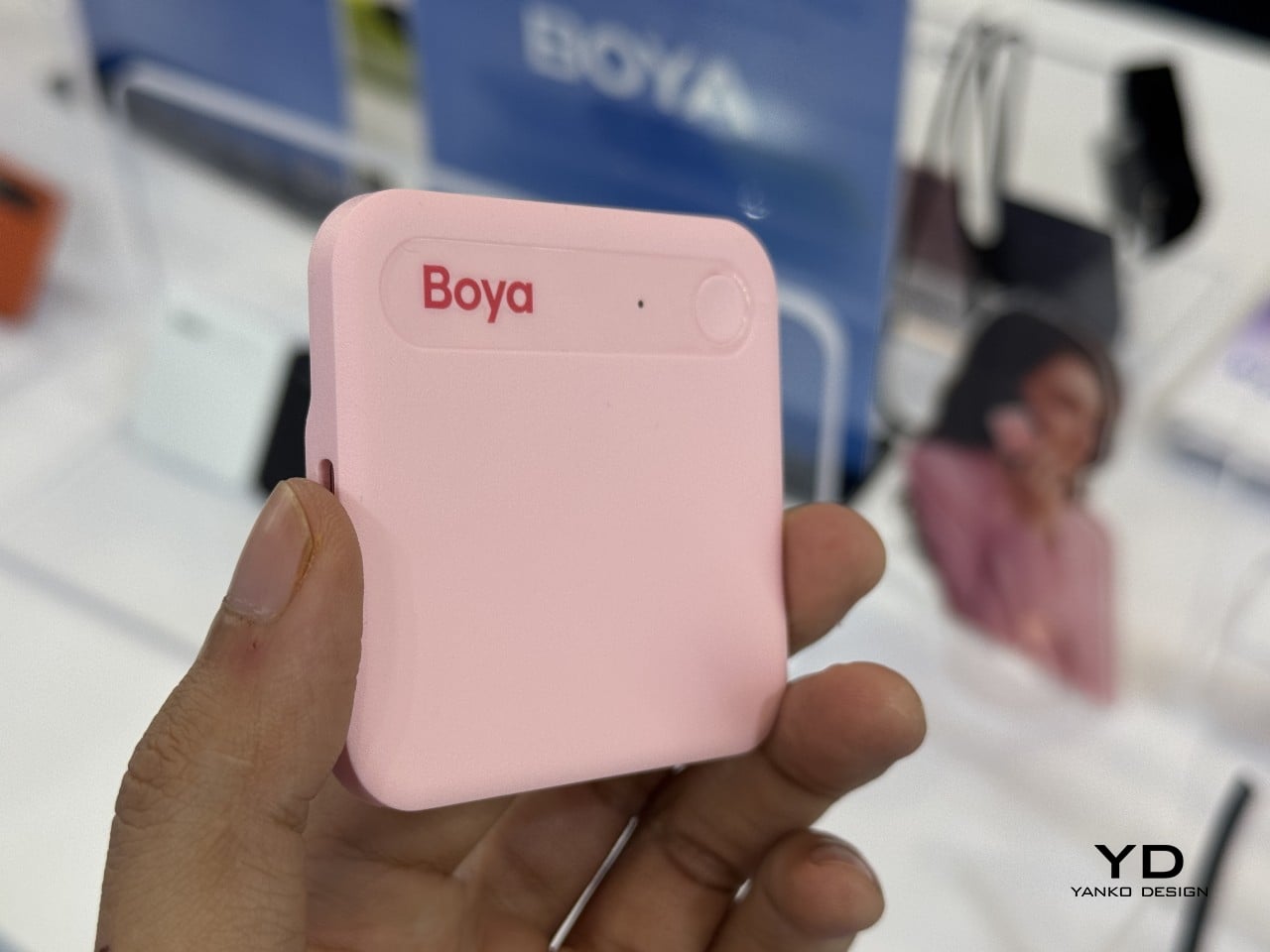
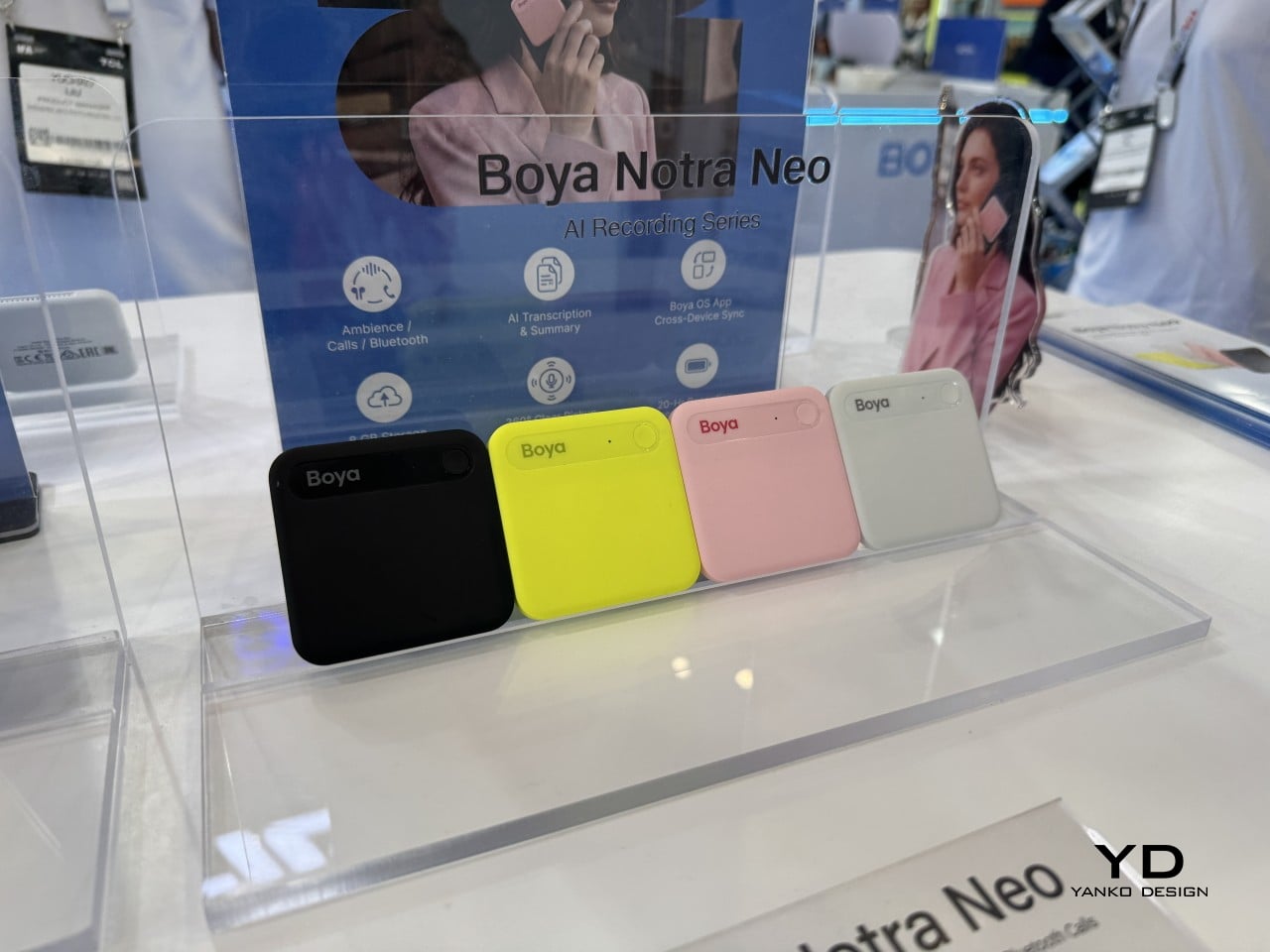
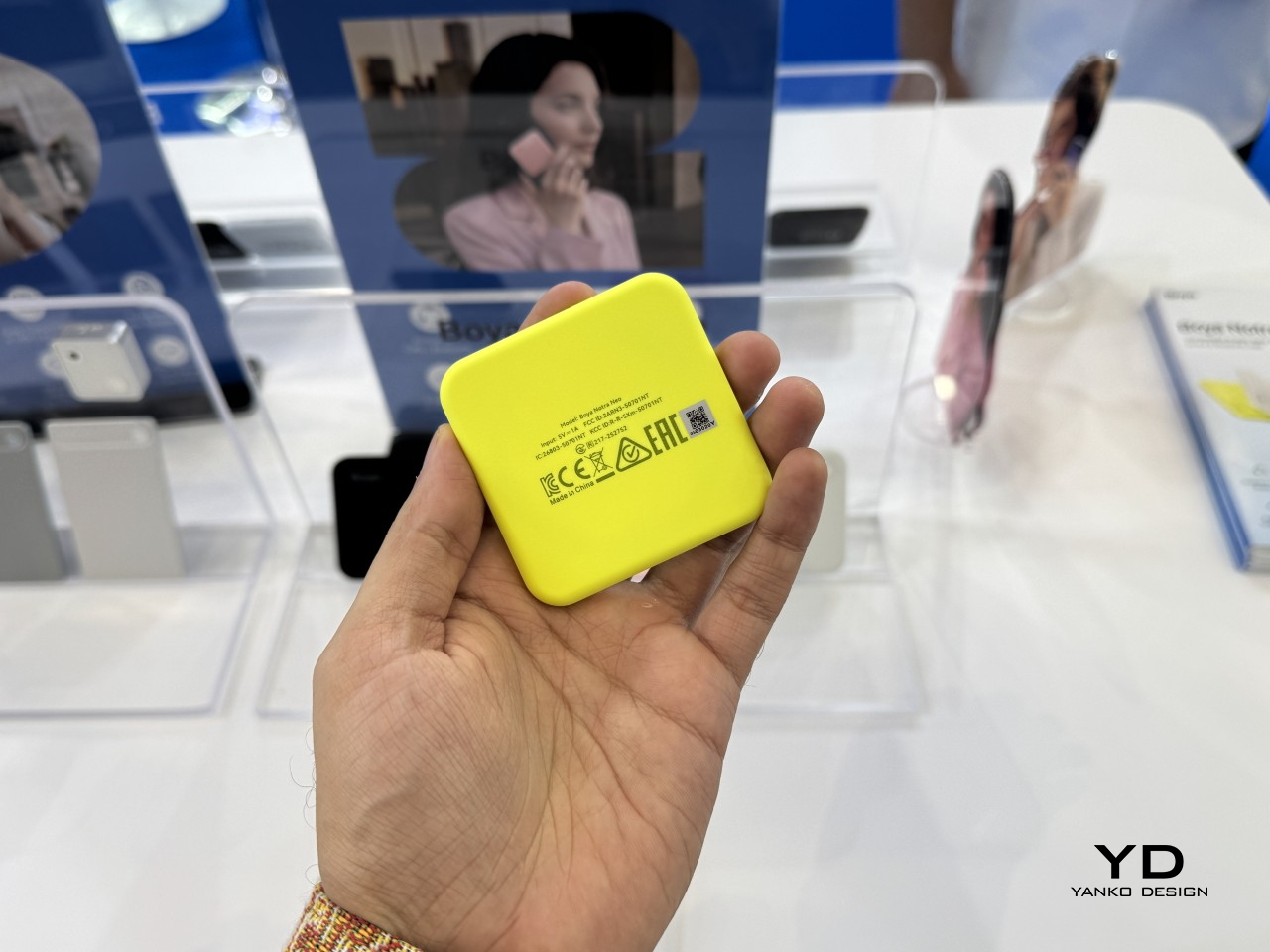
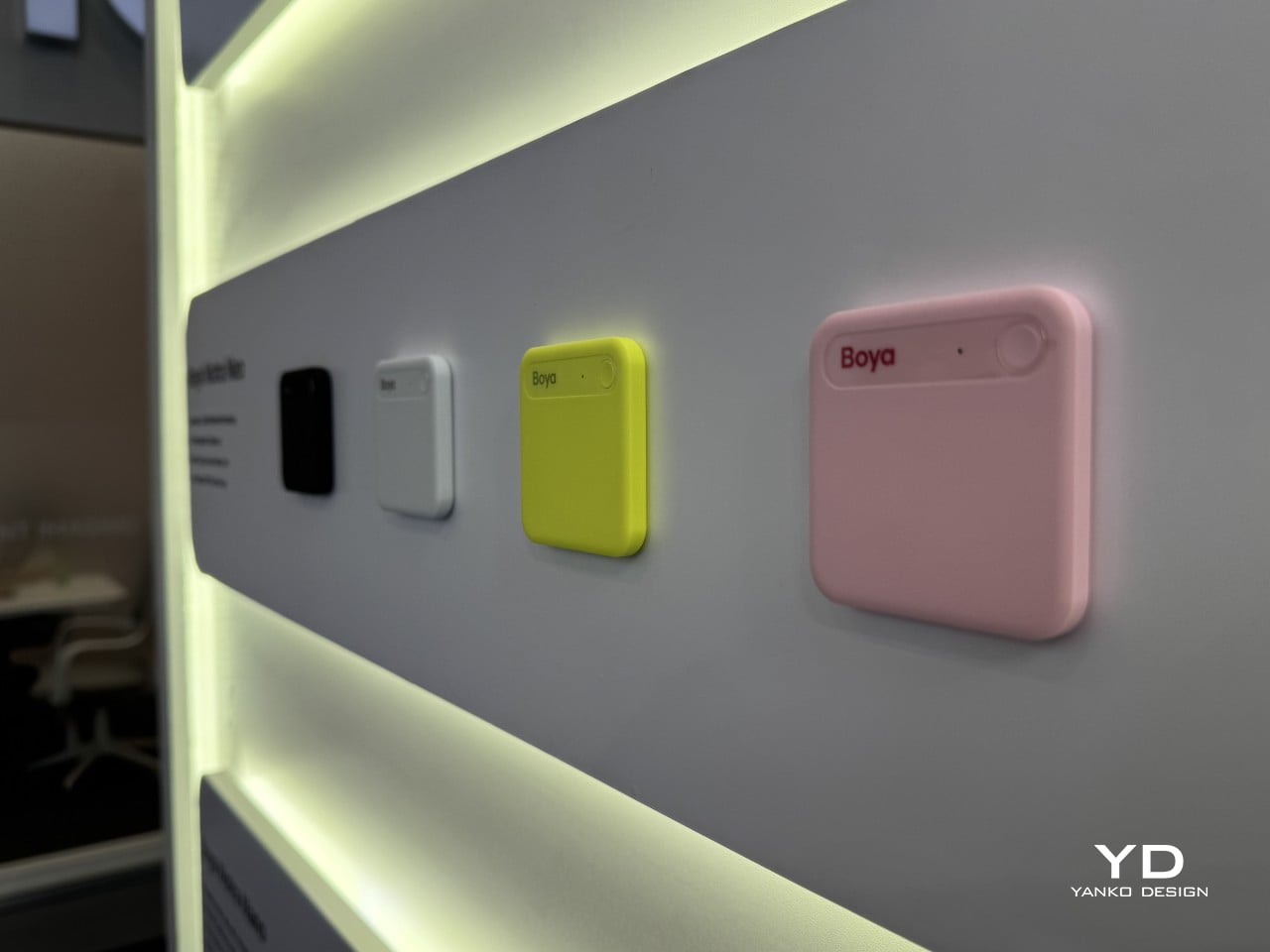
Conversations rarely stay in one place. A lecture bleeds into a study session over Bluetooth earbuds, and a work call turns into a video meeting minutes later, details slipping through in the shuffle. The Boya Notra Neo, the brand’s second-generation AI note taker, was built around this. It senses whether you’re in a classroom, on a call, or listening through headphones, and adjusts how it records without you touching anything.
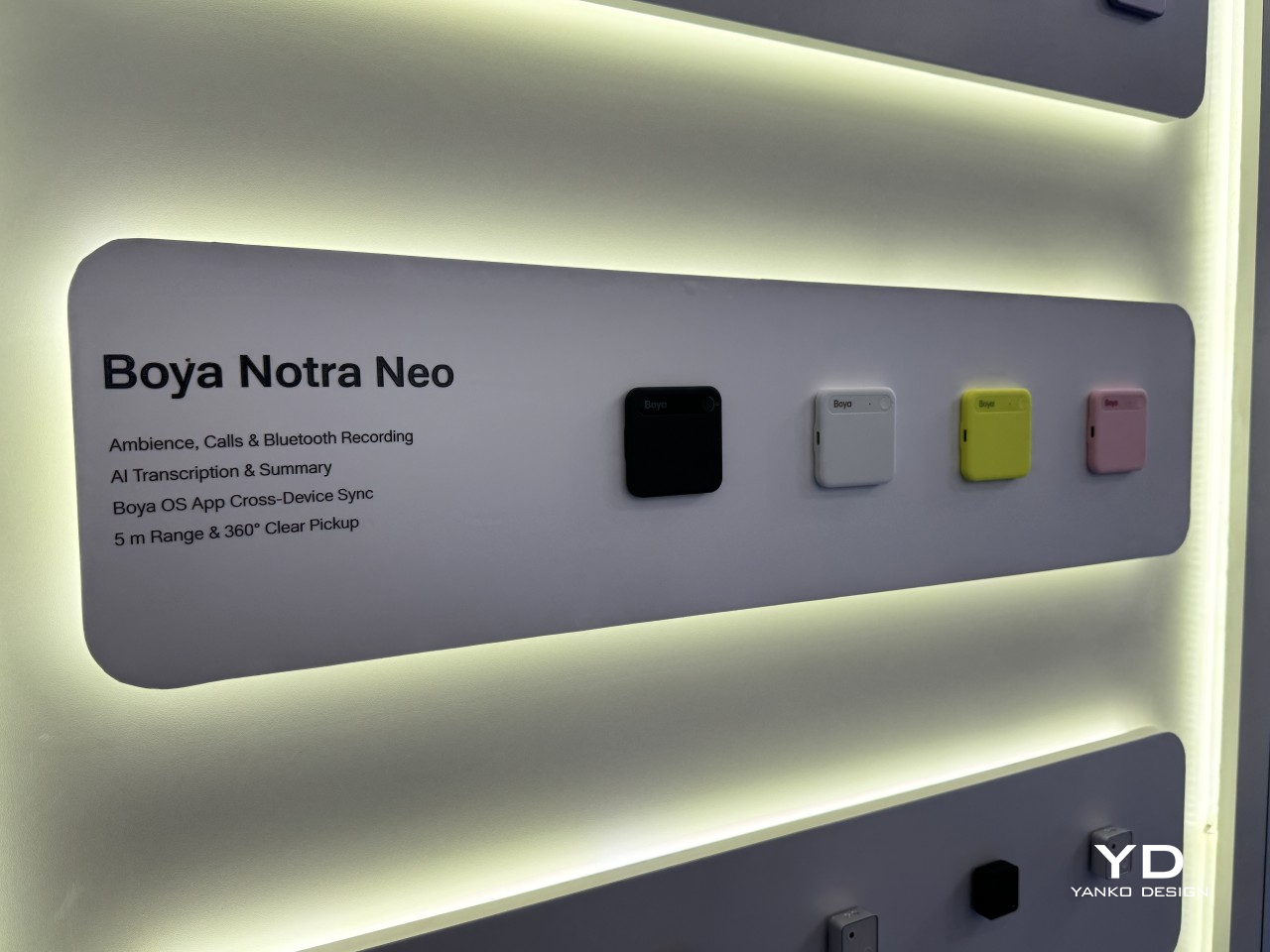
That kind of adaptability is the real design story here. Notra Neo runs on three recording modes, Ambient, Phone Call, and Bluetooth, switching between them automatically based on how you’re using the device. Most multi-mode gadgets hand that decision back to the user, which defeats the purpose of having options in the first place. Boya’s approach removes the extra step, letting the device read the room instead.
Ambient Recording covers the face-to-face moments, lectures, meetings, interviews, and group discussions where the microphone needs to pick up a whole room, not just the person holding the device. Boya built in 16 feet (5m) of clear 360-degree pickup, enough range to sit at the back of a seminar hall or the far end of a conference table and still catch every word clearly.
Phone Call Recording does what it says, capturing calls without any extra setup. Bluetooth Recording is the more interesting mode, catching audio that flows through connected devices rather than through open air. That covers online classes, virtual meetings, and video interviews, the kind of conversations that happen entirely through a headset. It’s the mode that acknowledges how much communication now happens through a pair of earbuds instead of a room.
Once something’s recorded, Notra Neo transcribes it into text across more than 140 languages and dialects, tagging who said what. That speaker labeling matters more than it sounds; anyone who’s tried transcribing a group discussion knows how quickly it turns into a wall of unattributed text. For multilingual classrooms or international teams, that same feature means reviewing a conversation doesn’t depend on catching every word the first time.
Transcripts are just the raw material, though. Notra Neo’s AI turns those recordings into summaries, to-do lists, mind maps, and insights, plus more than 60 templates suited to different kinds of conversations. A lecture becomes a set of revision notes instead of hours of audio to relisten to. A meeting turns into a list of decisions and follow-ups. A customer call becomes something worth referencing later.
There’s also AI Search, letting you ask for specific information instead of scrubbing through hours of audio, useful for pulling up a decision from a meeting weeks back or a quote from an old interview. Everything lives inside the Boya OS app and web platform, staying synced across devices, with exports available in multiple formats: audio, text, and mind maps, so content moves easily into whatever workflow someone already uses.
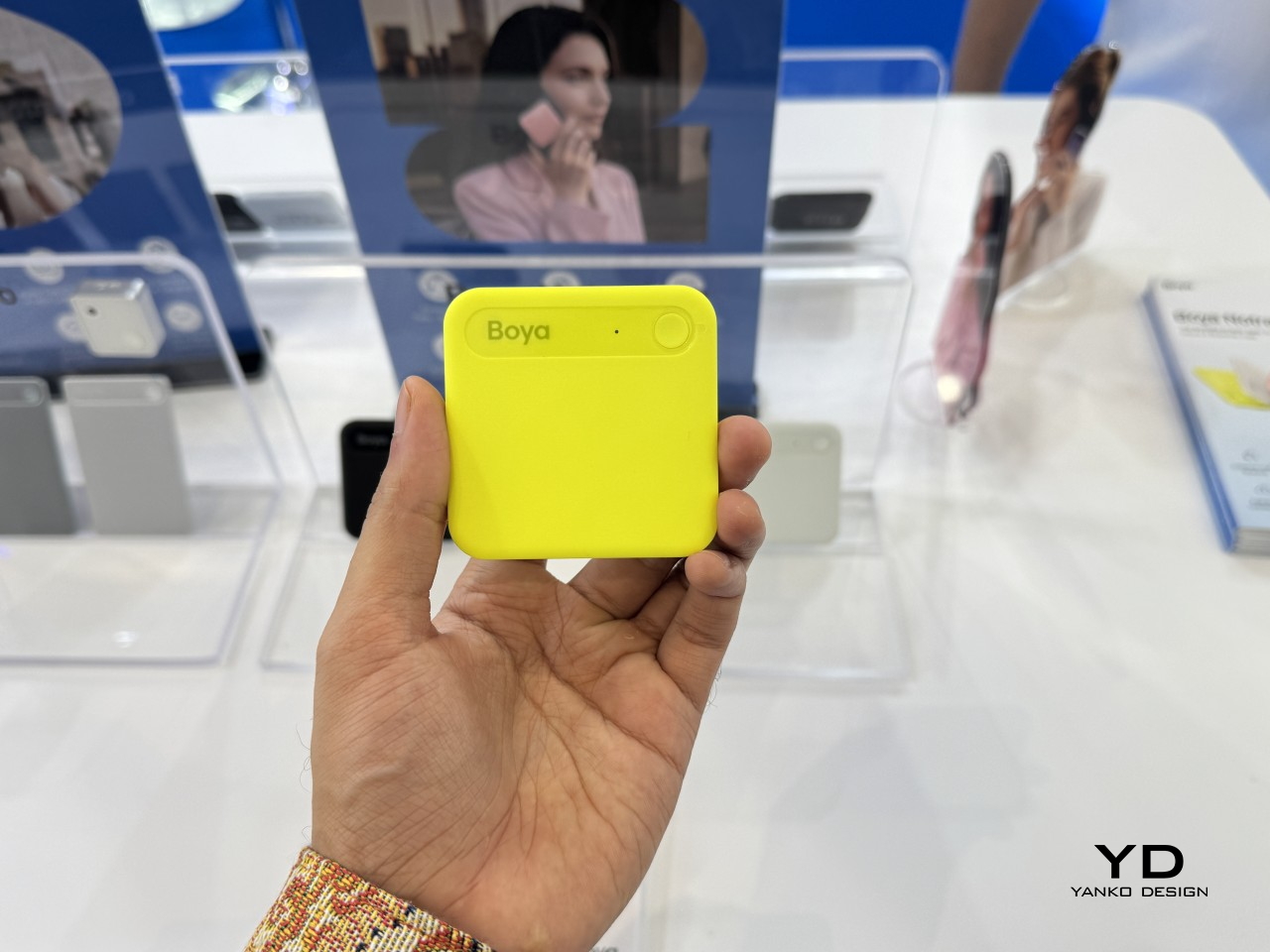
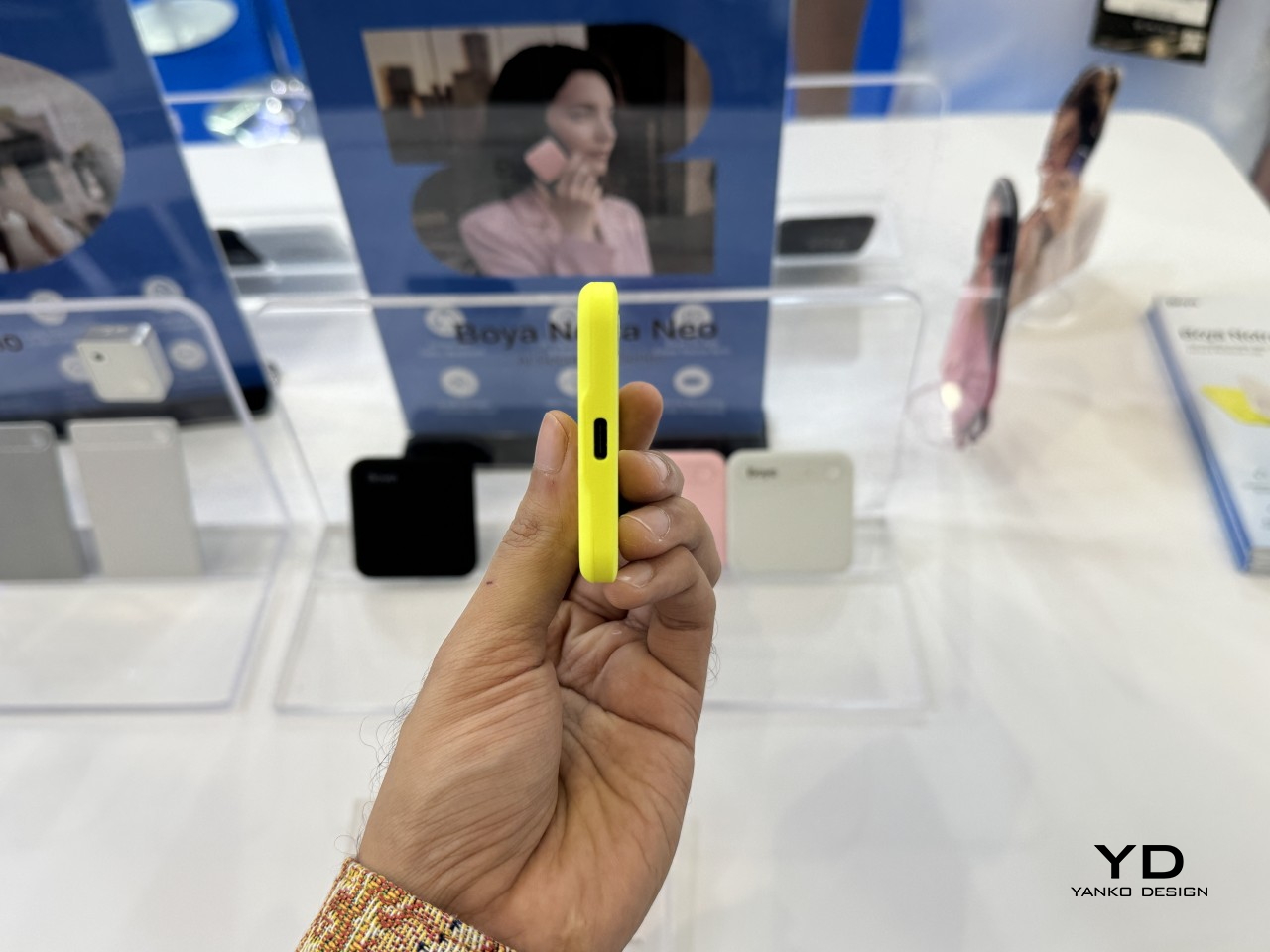
None of this works if the hardware can’t keep up day to day. Notra Neo offers up to 20 hours of continuous recording and 8GB of built-in storage, enough to sit through a full semester of lectures or a multi-day conference without hunting for an outlet. The body stays compact enough to slip into a pocket or a pencil case, easy to carry without a second thought.
What stands out about the Notra Neo isn’t a single feature but the decision to build a recorder around actual habits instead of asking people to change theirs. Boya will officially bring the device to IFA 2026 in Berlin this September, following a second-generation approach that trims complexity rather than adding more of it. Fewer settings to manage, more attention left for the conversation, which was the point all along.
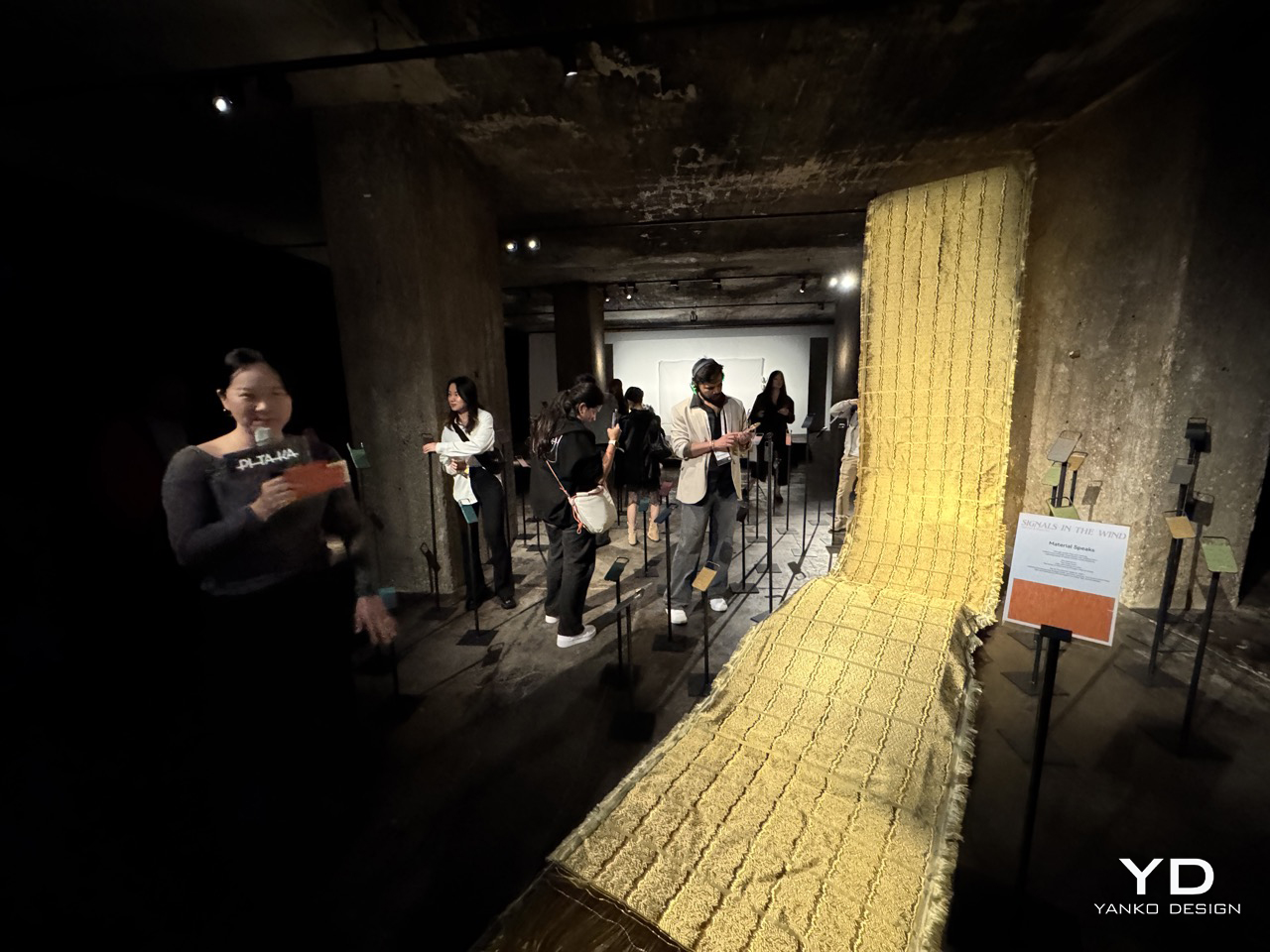
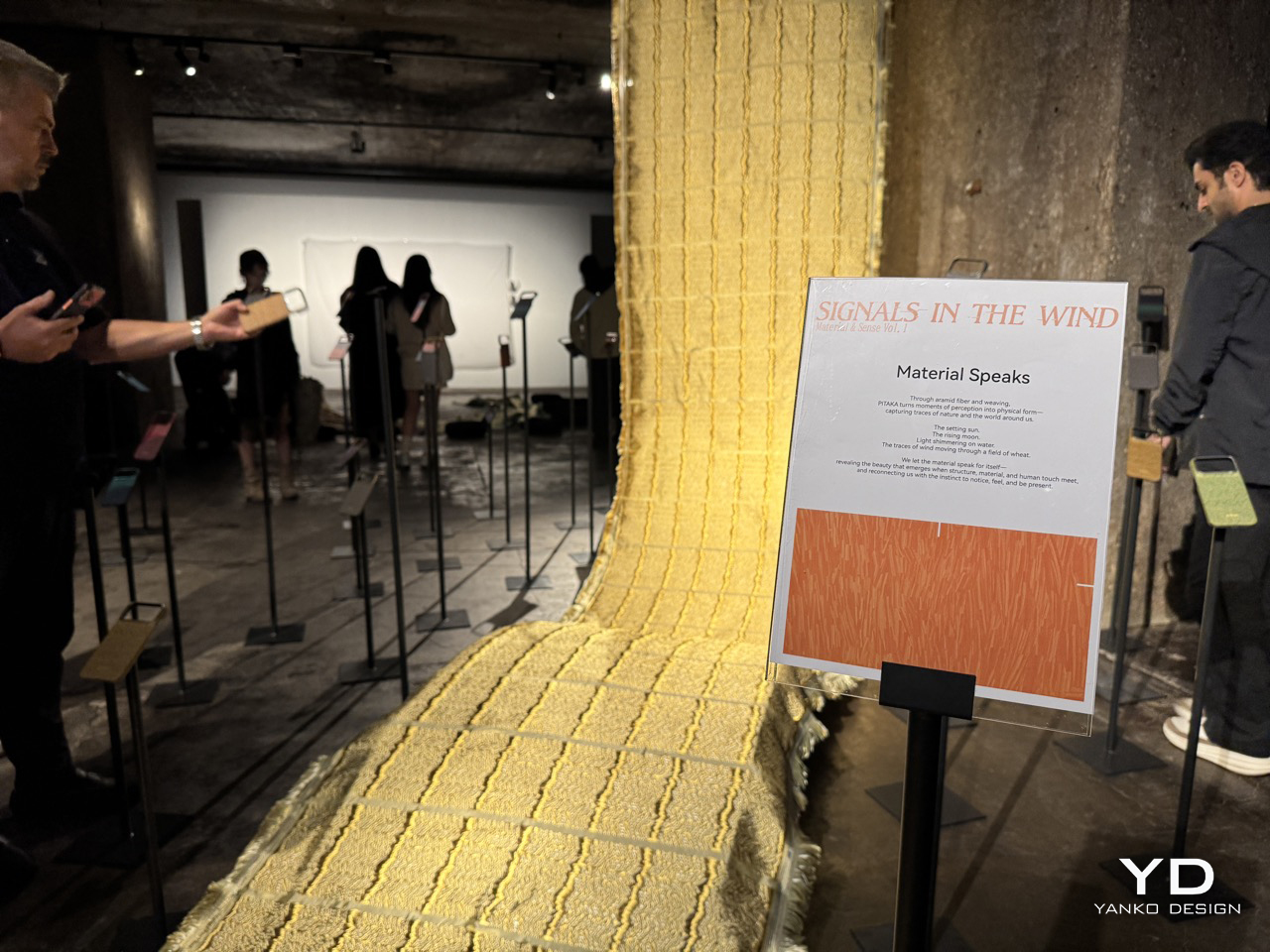
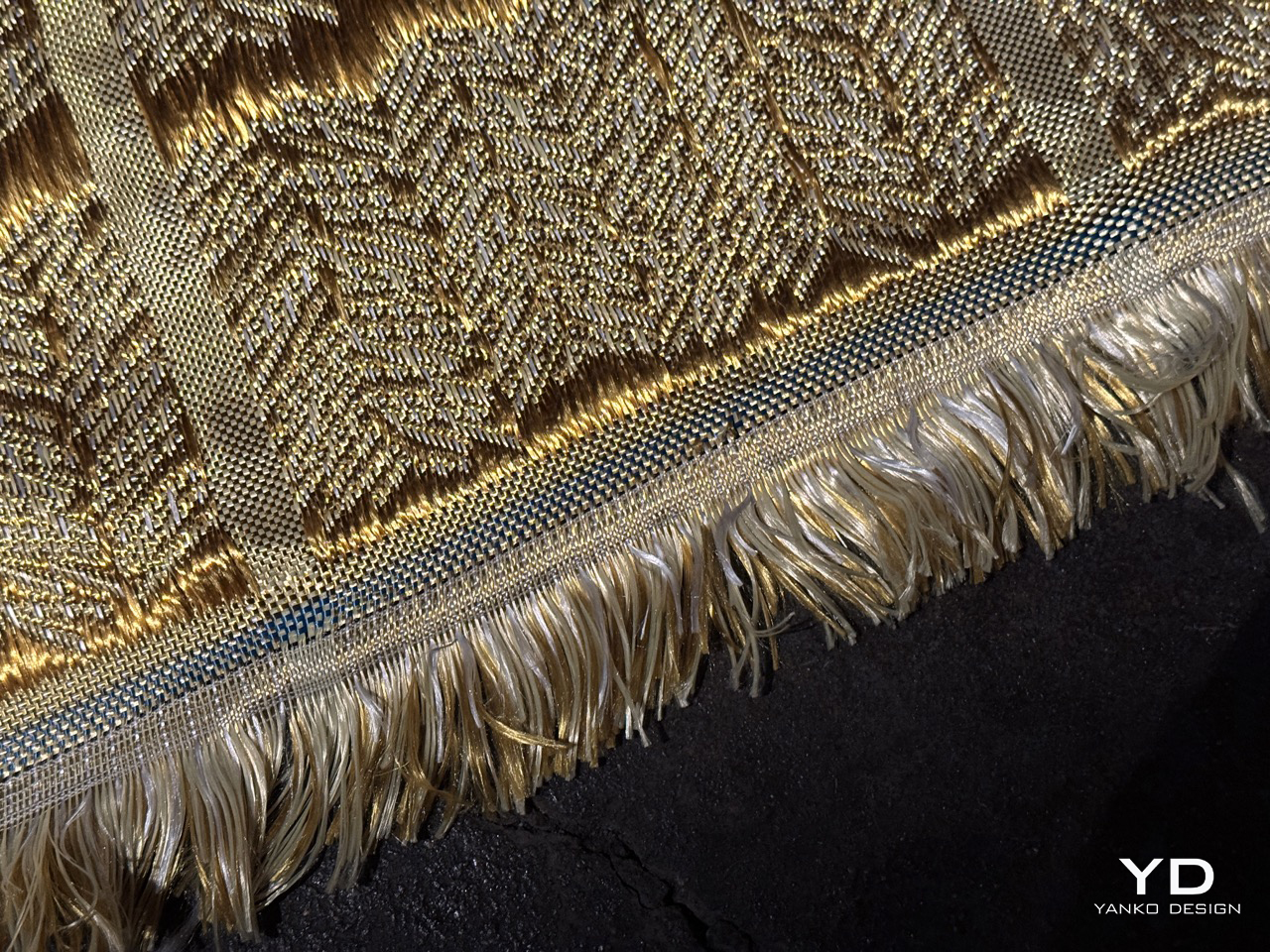
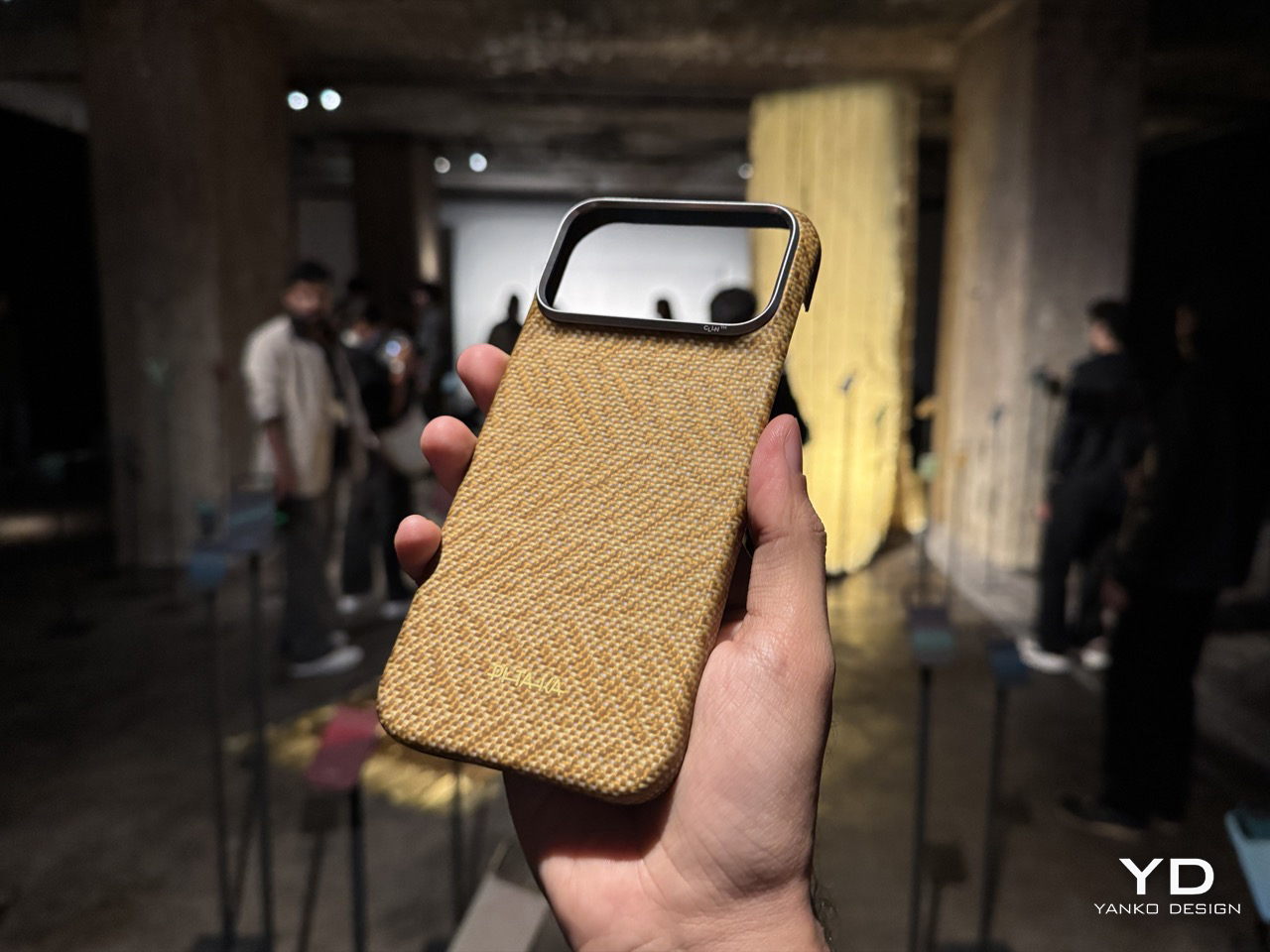
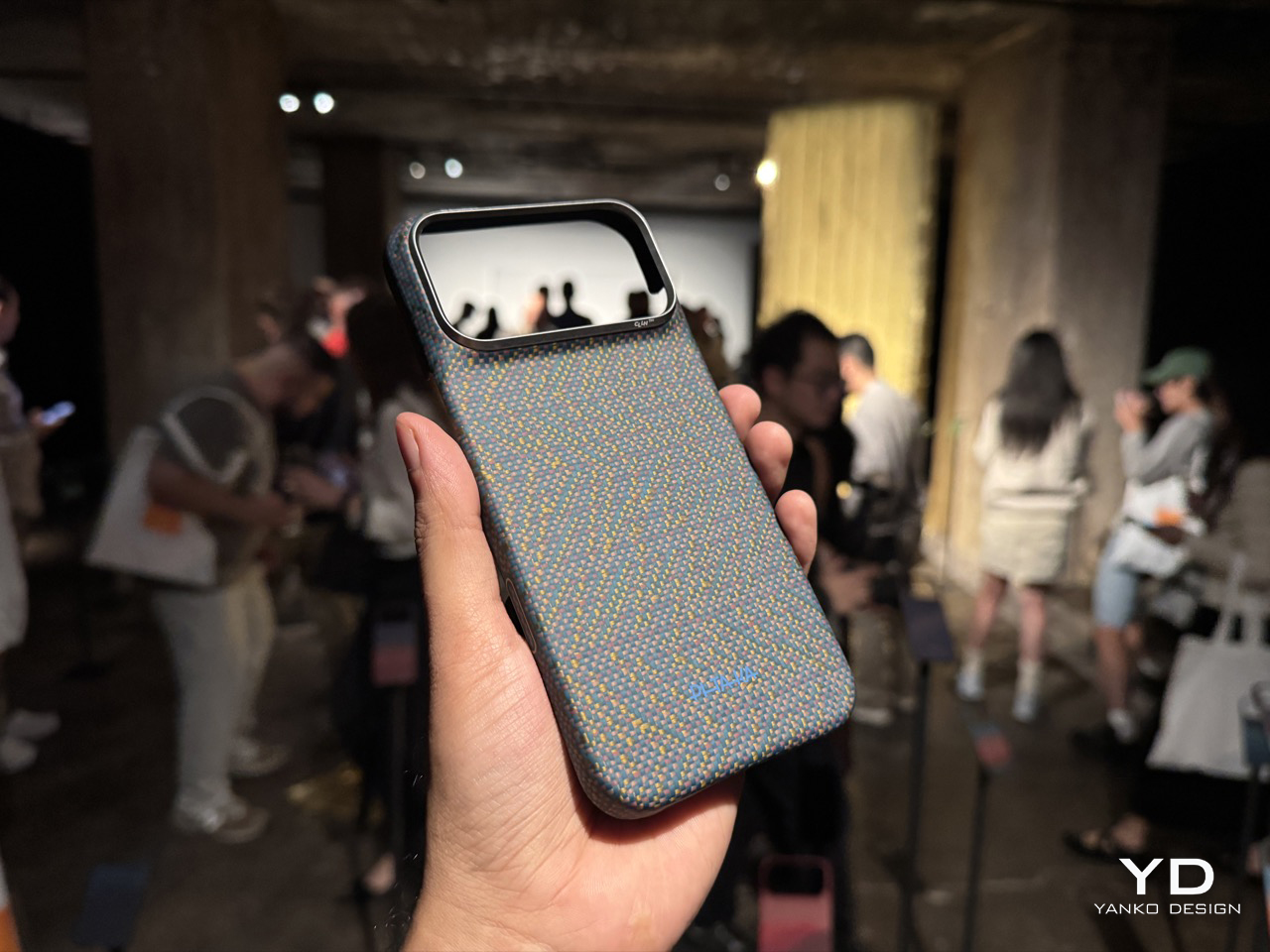
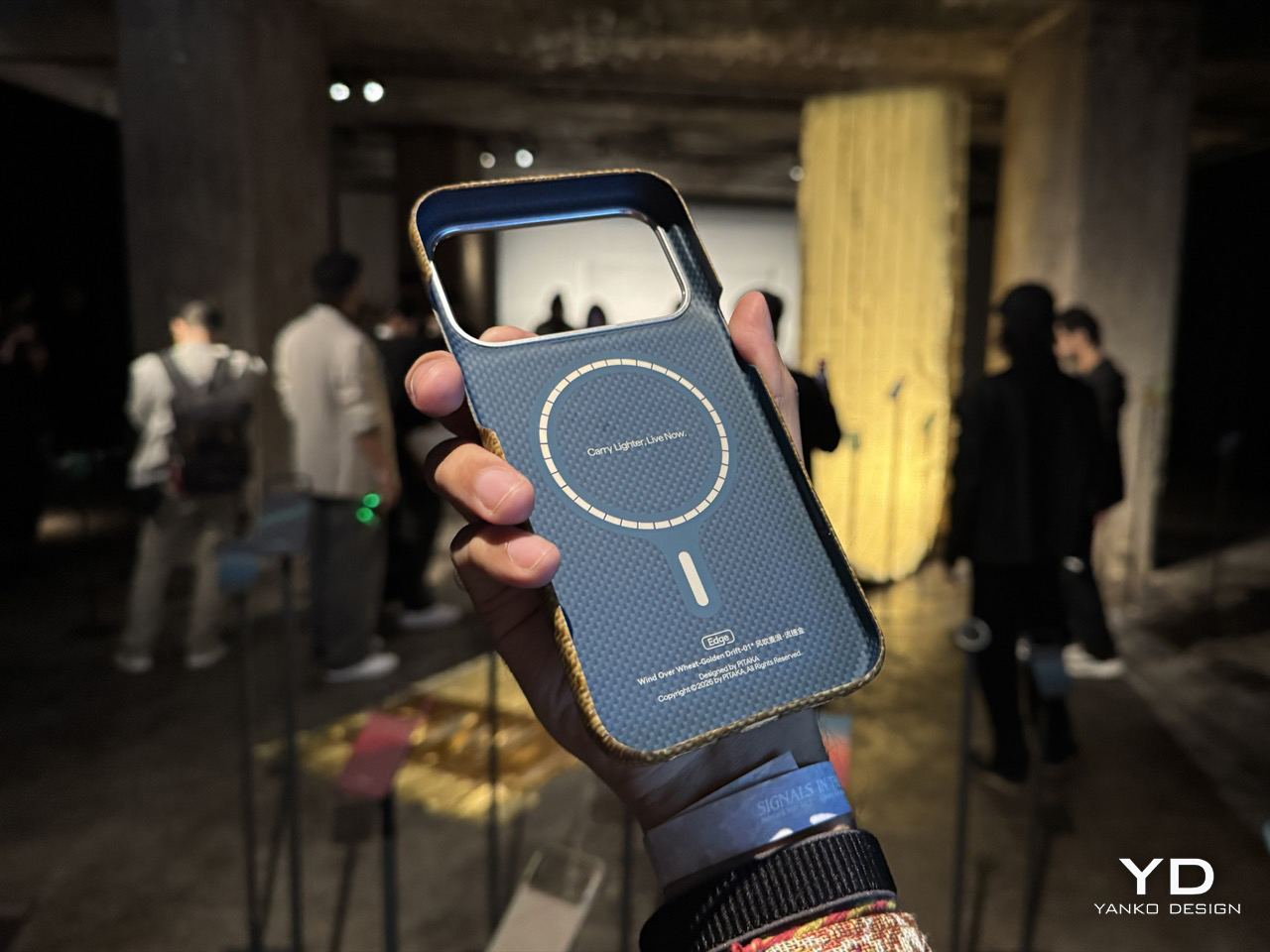
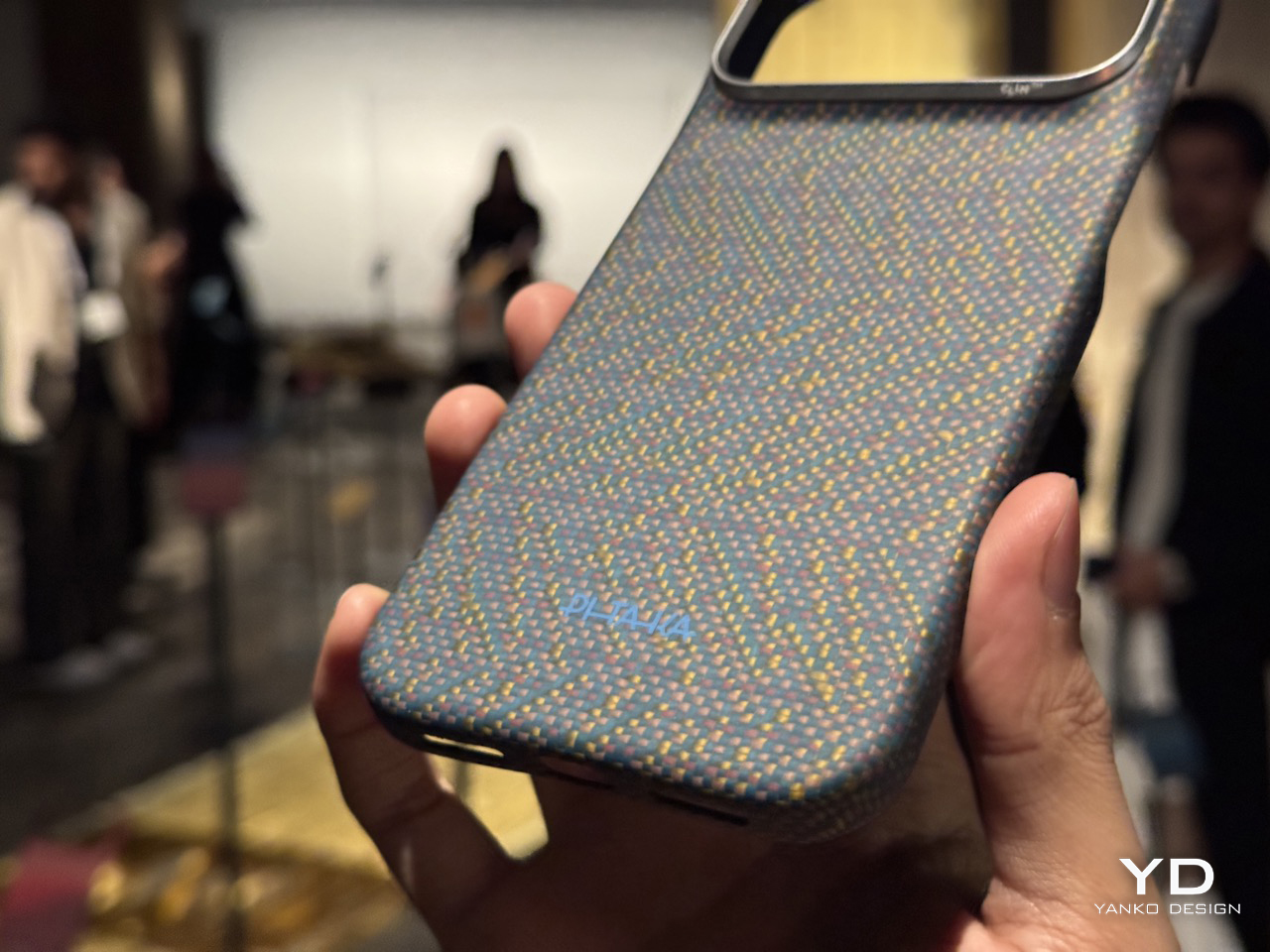
There is a long gold tapestry cascading down a concrete bunker wall in Berlin right now, and it feels nothing like what it is actually made of. Run your hand across it and your brain says silk. Your eyes say wheat field caught mid gust. Neither answer is correct. What you are actually touching is aramid fiber, the same aerospace grade material that shows up in body armor and fighter jets, rated at up to five times the strength of steel by weight. PITAKA spent 10,000 plus hours figuring out how to make something this tough feel this soft, and the payoff is standing right there on the wall.
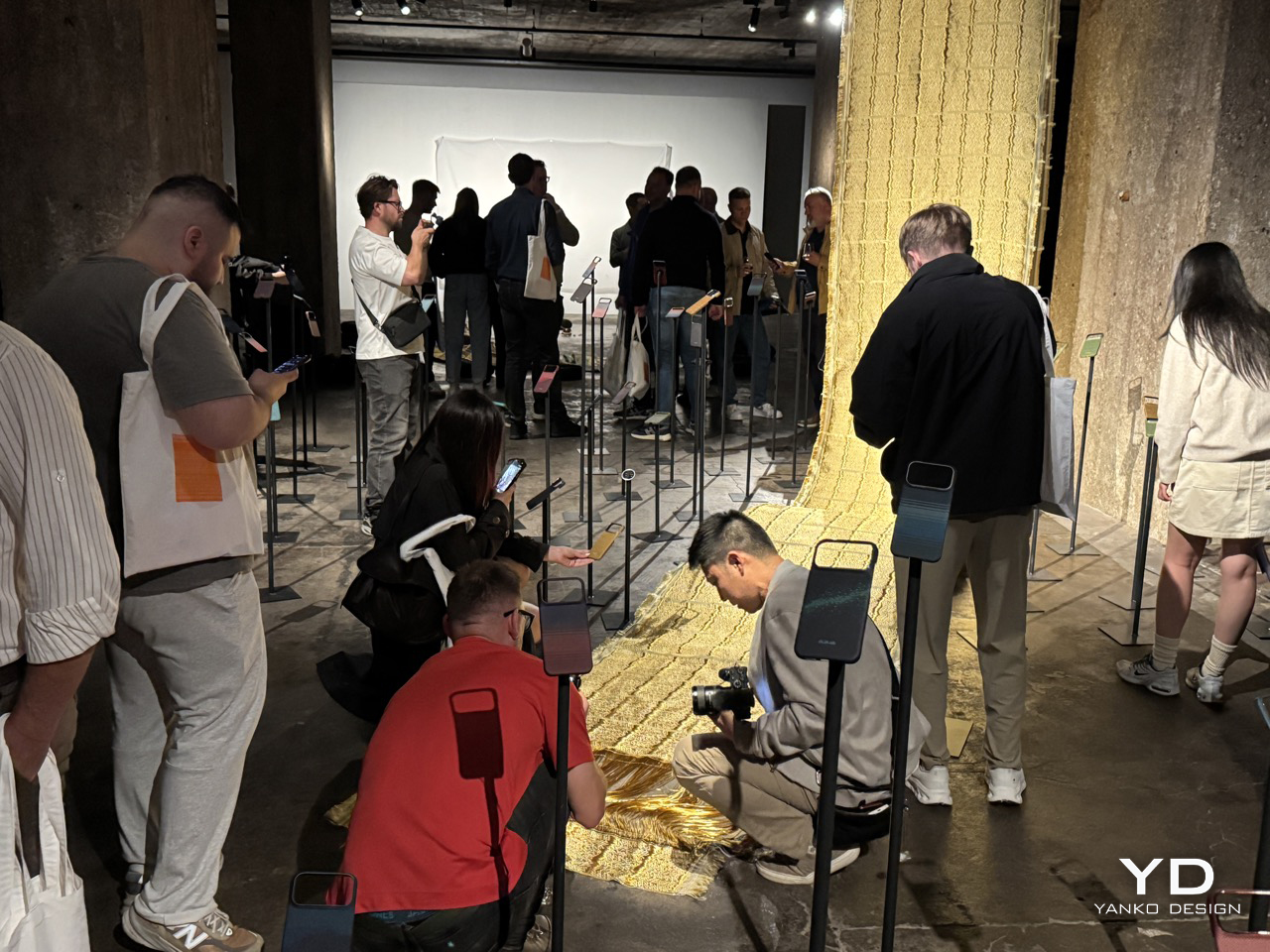
This was the setting for Signals in the Wind, PITAKA’s first ever solo brand event, held during IFA week at The Feuerle Collection. The whole night revolved around one new case collection called Wind Over Wheat, and honestly, once you have felt the tapestry, the name stops sounding like marketing copy and starts making a lot more sense.
The venue choice alone deserves its own article.. Feuerle is a converted WWII telecommunications bunker with two meter thick walls, the kind of building that was engineered to survive things silk never has to think about. PITAKA filled that stripped back concrete shell with almost nothing except the tapestry, a handful of case displays mounted on slim black stands, and a soundscape by Berlin based composer Temple Rat, built from field recordings of wind moving through wheat. The cases themselves stood at uneven heights along the walk, which sounds like a small styling choice until you realize it is doing exactly what real wheat does in a field, growing unevenly, catching light differently depending on how the wind hit it that day.
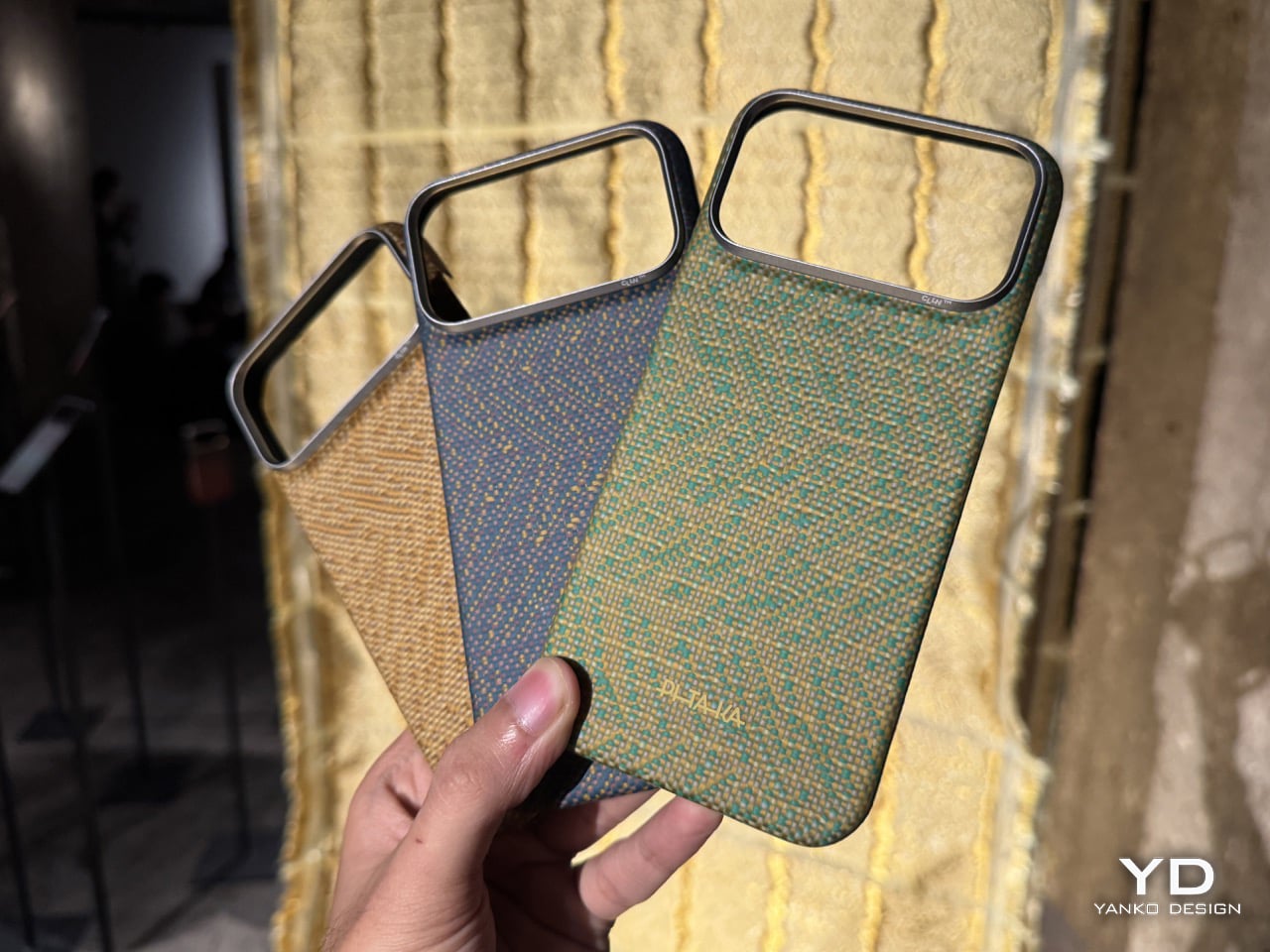
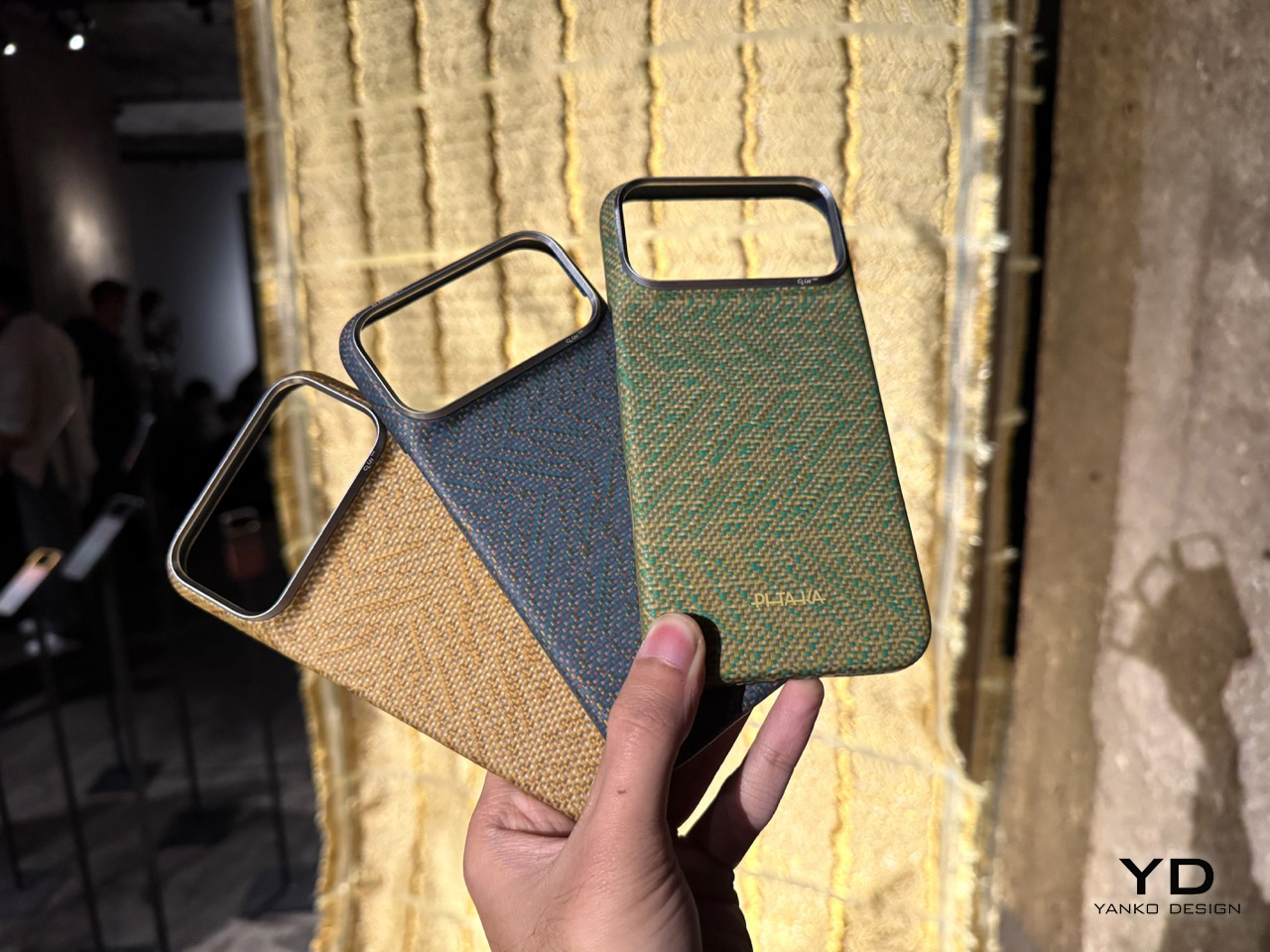
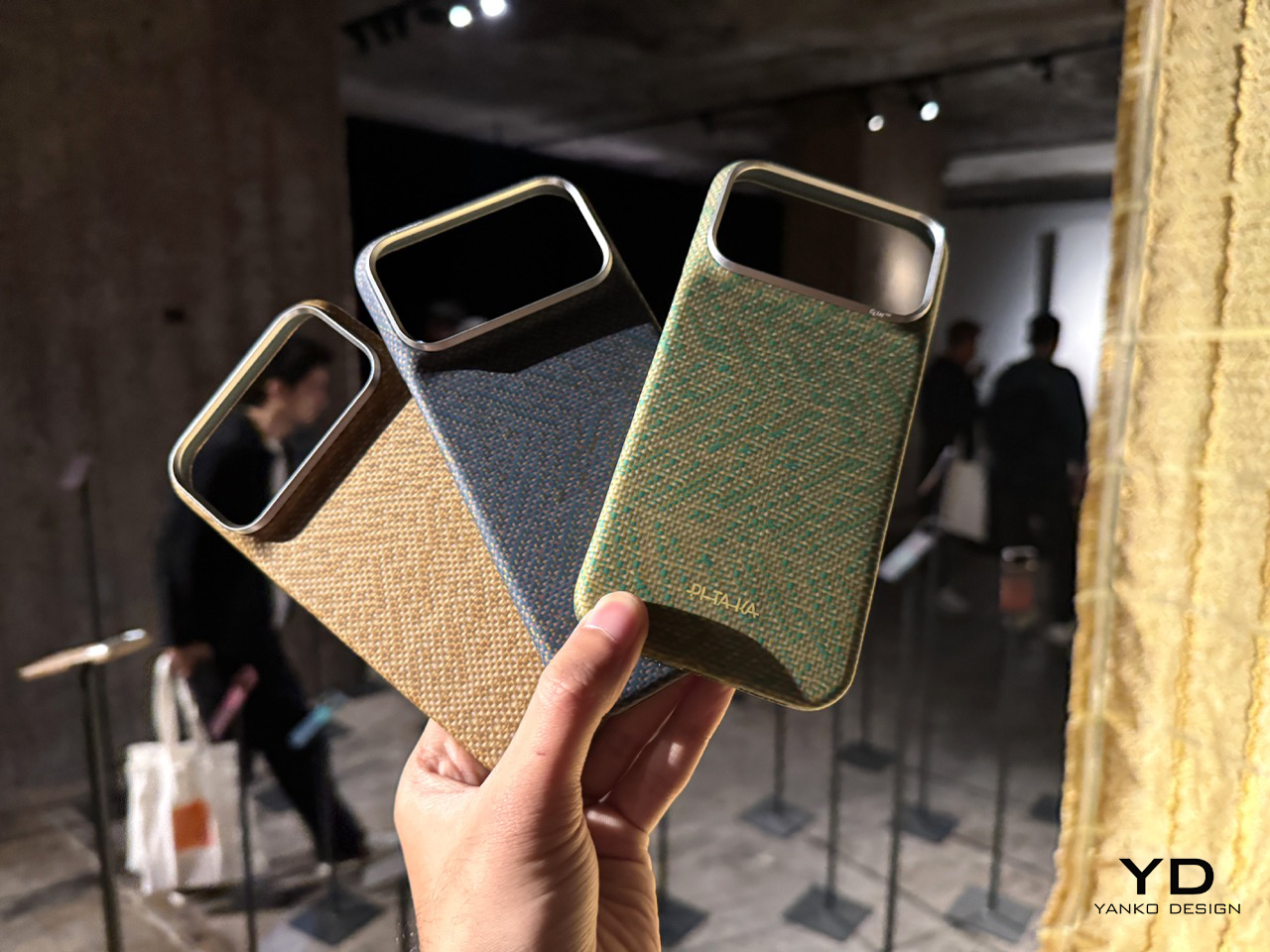
Wind Over Wheat comes in three finishes, each named like a tiny poem. Golden Drift is wheat under full sun. Surging Awn is younger wheat still gathering strength. Berlin Nocturne is the same field fading into night, a nod to the city hosting the whole thing. All three are built using Trace Form, PITAKA’s new technique that intentionally lets certain fibers stray from their programmed path, so the texture ends up looking a little different every single time. Less assembly line, more happy accident.
Then the night ended in the best possible place. Guests moved up from the bunker’s underground galleries to Feuerle’s terrace, which turned out to have its own patch of tall, wheat like grasses growing right there in the open air. It is the kind of detail you cannot plan around unless you got extremely lucky with venue selection, and it closed the loop on the whole theme in a way no projector or soundscape could. Standing on a rooftop with real grass swaying next to a case built to mimic that exact motion is a pretty satisfying way to end an event about materials and perception.
Wind Over Wheat’s limited Trace Form Edition launches September 17, with pre-orders opening September 9th. If you are at IFA Berlin this week, PITAKA’s main booth is in Hall 5.2, Booth 209.
An accessory dwelling unit forces a kind of honesty most homes never require. Every object either earns its spot within days, or it becomes clutter nobody chose. Four hundred square feet leaves no room for anything that does only one job, so the objects that make it into an ADU need to work harder than furniture ever had in a house with room to spare. That pressure produces better design, not worse living.
We chose these five picks because each replaces more than one ordinary object with a single, considered choice. None of them try to shrink themselves to fit a small footprint. Instead, they consolidate, clearing counters, corners, and floor space that a compact home cannot spare. That consolidation is the real trick behind an ADU that lives twice its actual size, and it starts with getting sleep, sound, waste, space, and light right.
1. Divoom FlowToo
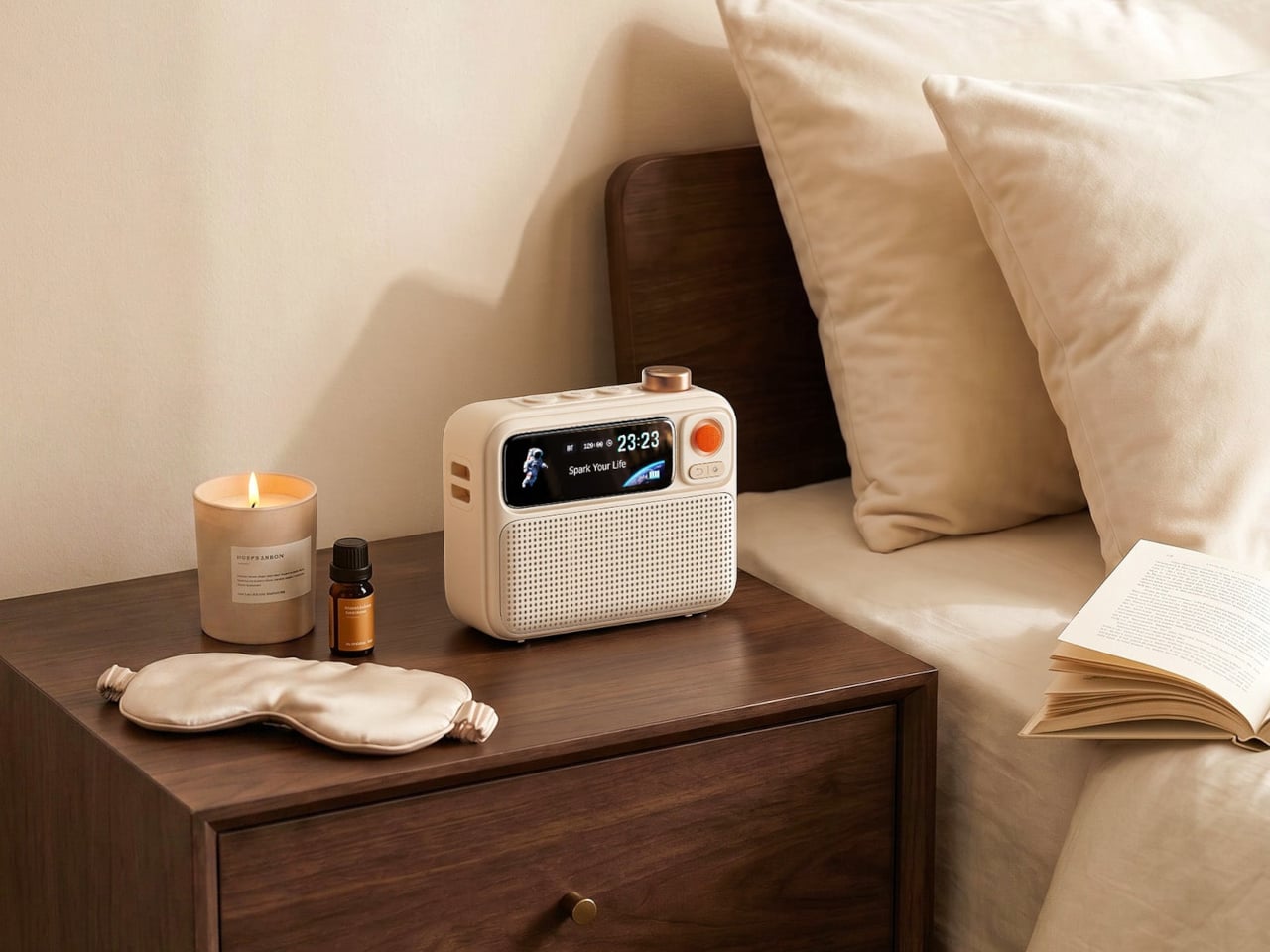
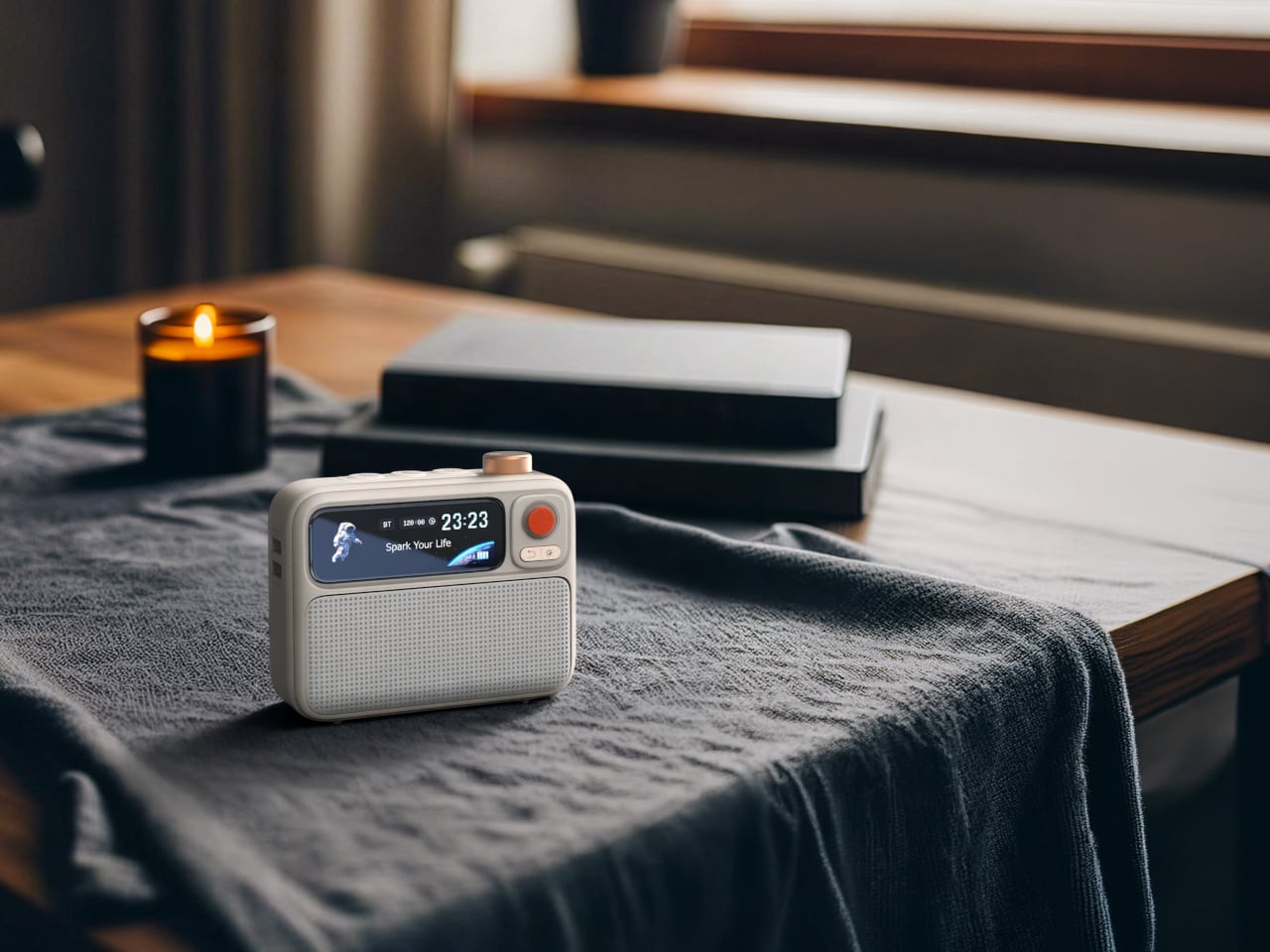
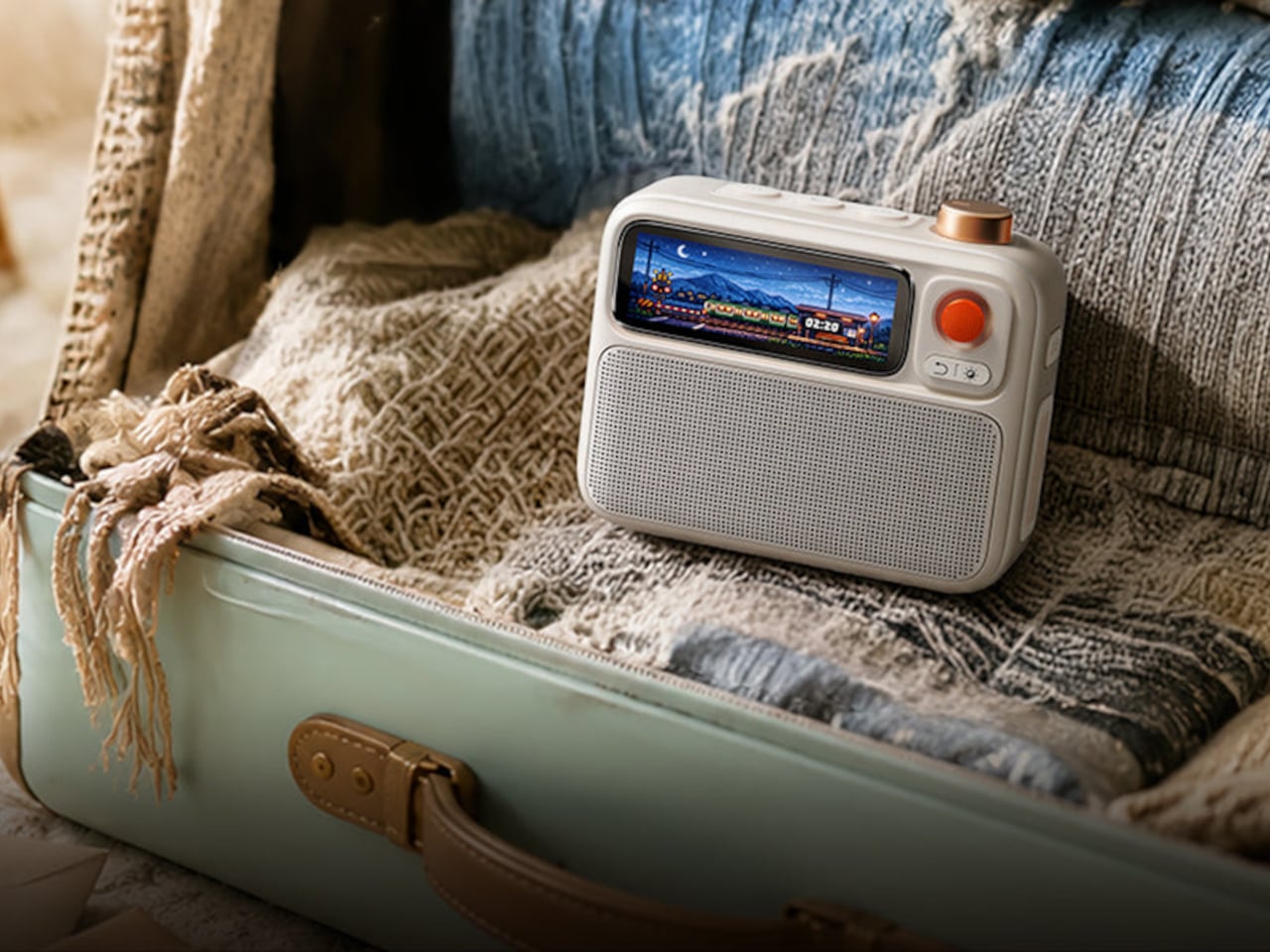
A nightstand in a compact ADU usually ends up carrying a phone charger, a white noise machine, and a separate alarm clock, each one stealing inches a small bedroom cannot spare. The FlowToo folds all three into a single rounded unit roughly the size of a coffee mug, running a genuine 10W amplifier and 45mm driver rather than the thin courtesy speaker most alarm clocks settle for. For you, that means one purchase clears an entire corner of your nightstand instead of three.
The 2.26-inch display cycles through clock faces, music visualizers, and sleep animations, while the wake system builds gradually with rising light and natural sound instead of a jarring tone. In a home where the bedroom and living area often share the same open air, consolidating that whole routine into one $99.99 object changes how the first minutes of your morning actually feel. More than 90 built-in soundscapes mean the same unit that wakes you can also help you fall asleep the night before.
What we like
Combining a speaker, white noise machine, and alarm clock into one unit clears real space off a small nightstand
The gradual wake sequence with rising sound and light noticeably improves the first minutes of the morning
What we dislike
Full customization depends on the Divoom app, which adds a step for anyone who prefers physical controls
At 10W, the sound fills a bedroom comfortably but will not carry through an open-plan layout
2. ClearFrame Speaker CD Player
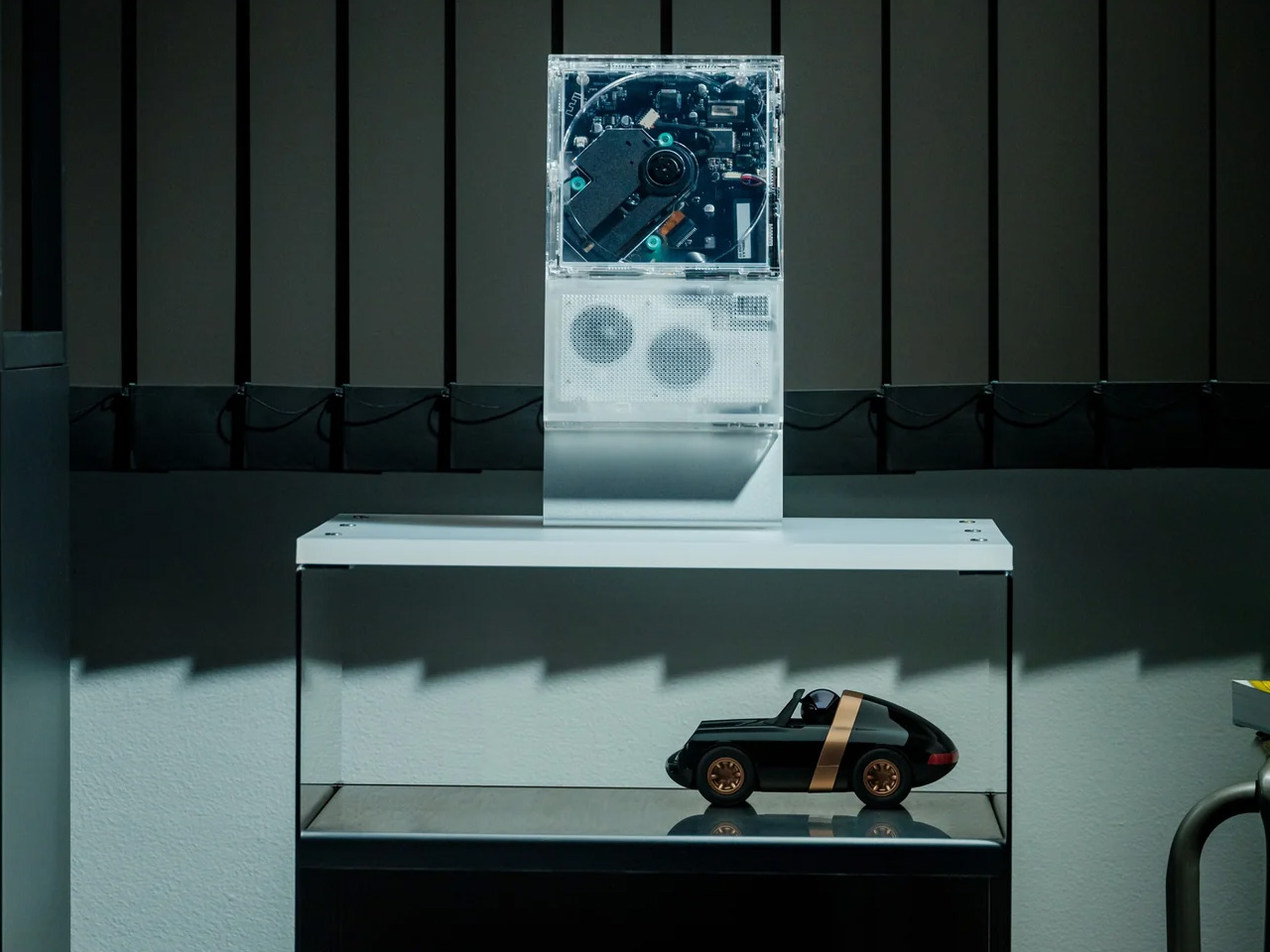
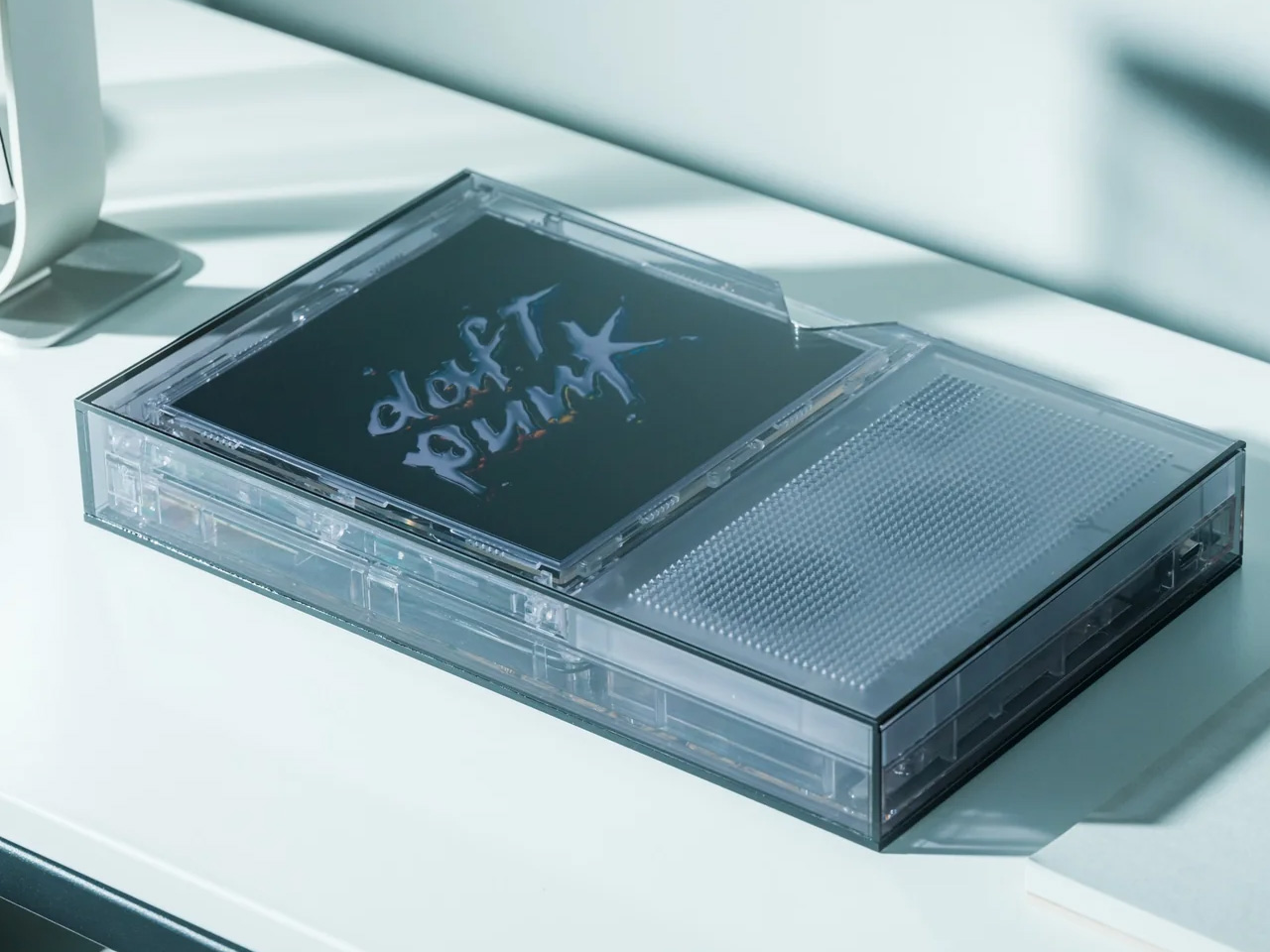
Most audio gear tries to disappear into a room, quietly doing its job somewhere out of sight. The ClearFrame does the opposite, putting its transparent body and spinning disc on full display, which matters in a small space where every object carries visual weight. Slide your album art into the lyric card tray, and it becomes shelf art between plays, or leave it out and let the mechanism itself be the decoration. For you, one object now does the job of both a stereo and a piece of art.
The newer speaker version solves the one real limitation of the original by building a 40mm driver directly into the frame, so there is no separate Bluetooth speaker competing for counter space. At just over a pound and the size of a hardcover book, it moves easily from a shelf to a nightstand, giving you three ways to listen depending on what the room and the moment allow. That kind of flexibility matters more in 400 square feet than it ever would in a house with a dedicated media room.
The built-in speaker removes the need for a second audio device taking up counter space
Watching the disc and mechanism through the clear body turns a simple CD into a small piece of kinetic art
What we dislike
The transparent casing shows fingerprints easily and needs regular wiping to stay looking its best
Battery life through the built-in speaker runs shorter than through wired or Bluetooth output
3. Yamazaki Home Tower Step Trash Can
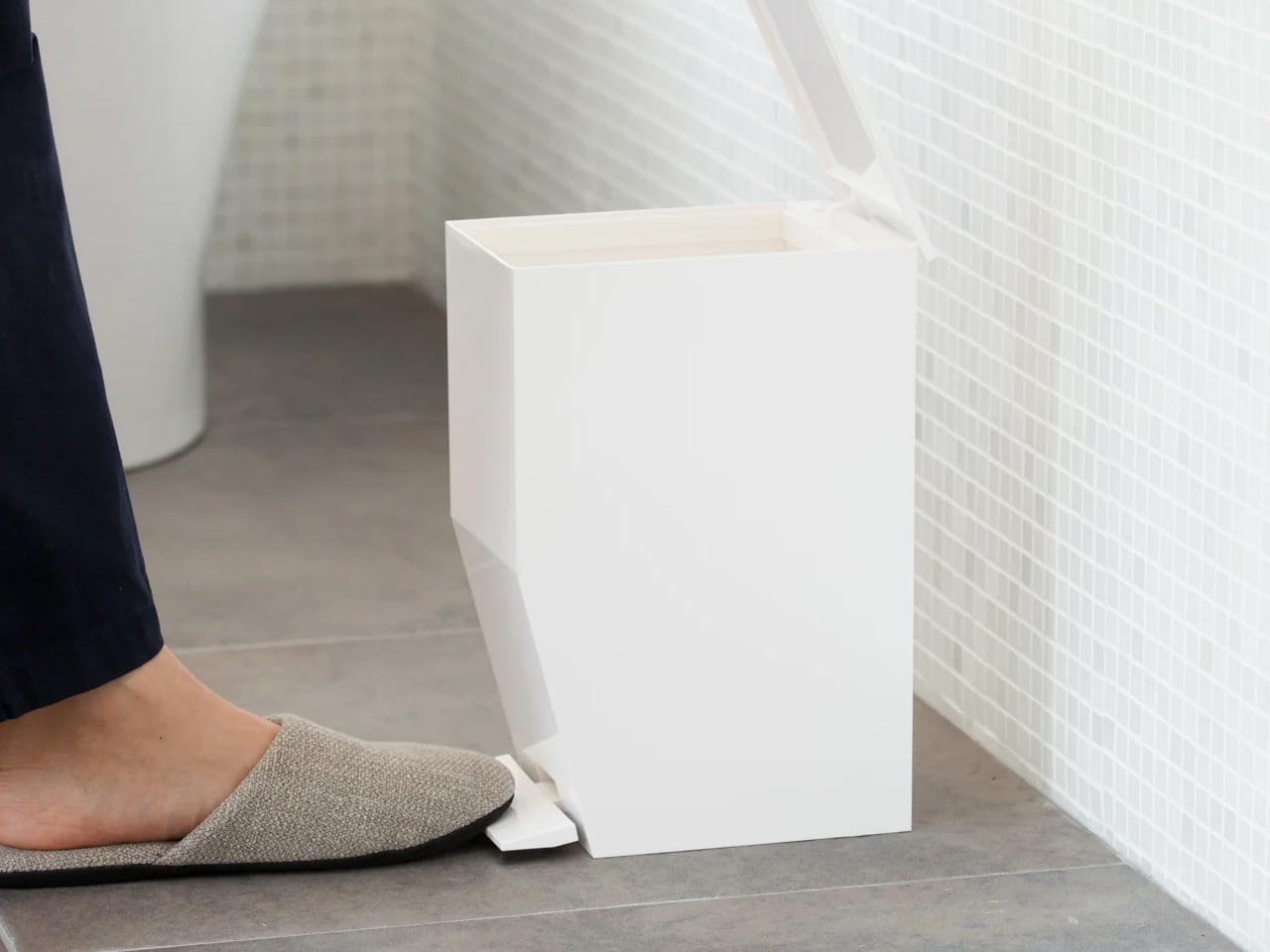
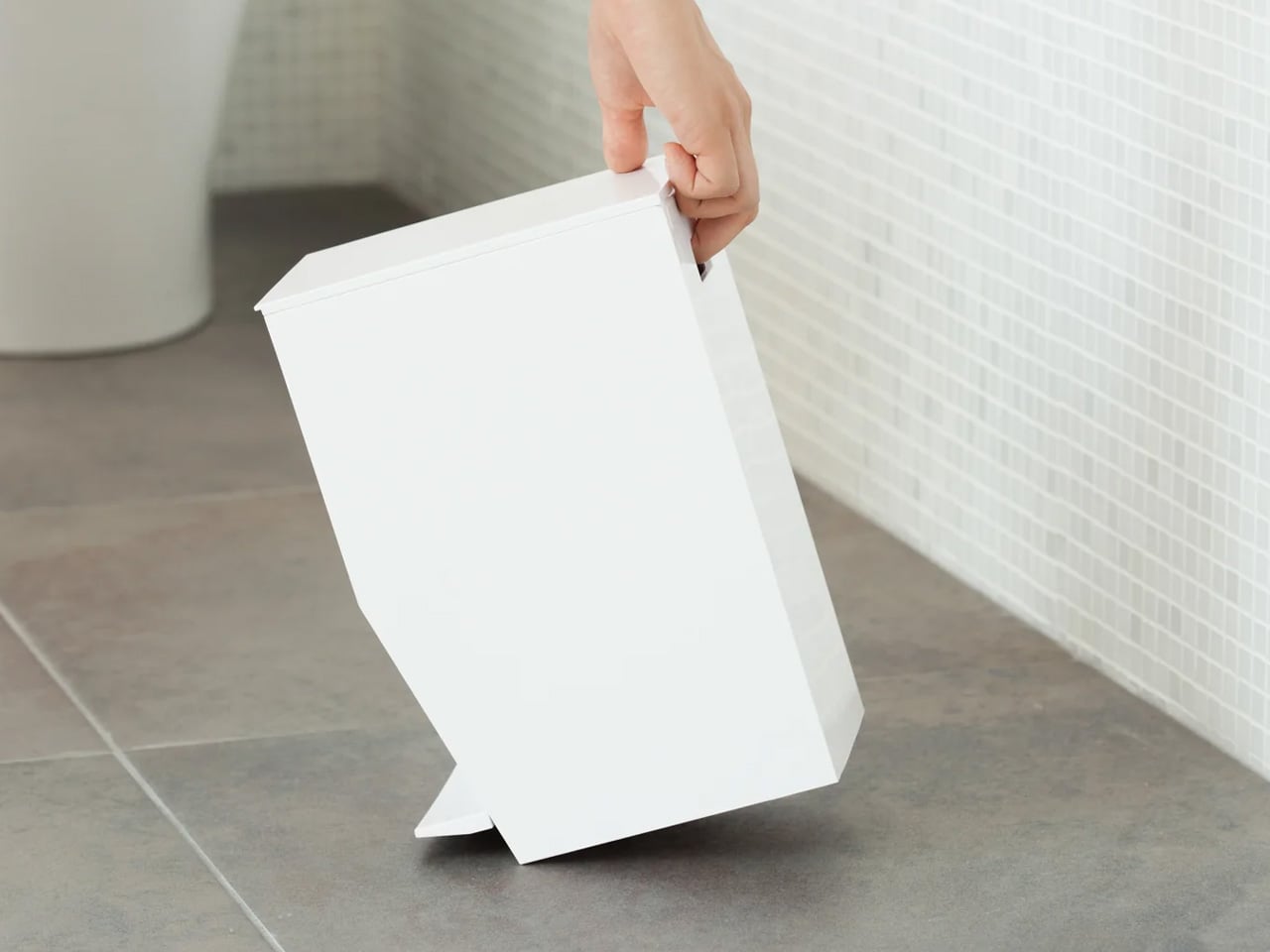
A trash can rarely gets design attention because it rarely needs any, except in an ADU, where it sits in full view beside the toilet or under a counter with nowhere to hide. This one solves that with a step-open lid that keeps your hands off the surface entirely and a one-gallon footprint slim enough to fit corners most bins would refuse. For you, that means the least glamorous object in the room stops looking like an afterthought and starts looking chosen.
An inner ring holds the liner in place without visible plastic showing at the rim, so even a mundane daily task feels considered rather than accumulated. A built-in handle at the back makes emptying it a single motion, and the matte resin body in white or black matches almost any interior without asking the room to accommodate it. In a floor plan with no spare inches to negotiate, that quiet consistency between form and function is worth more than it sounds.
What we like
The step-open lid means no touching a handle with dirty hands, a small but real hygiene upgrade
At just over 10 inches tall, it fits tight corners most trash cans are simply too wide for
What we dislike
The one-gallon capacity means more frequent emptying than a standard kitchen-sized bin
The liner ring requires a specific bag size to sit cleanly against the rim
4. Expand Furniture Expanse Inverse Murphy Bed
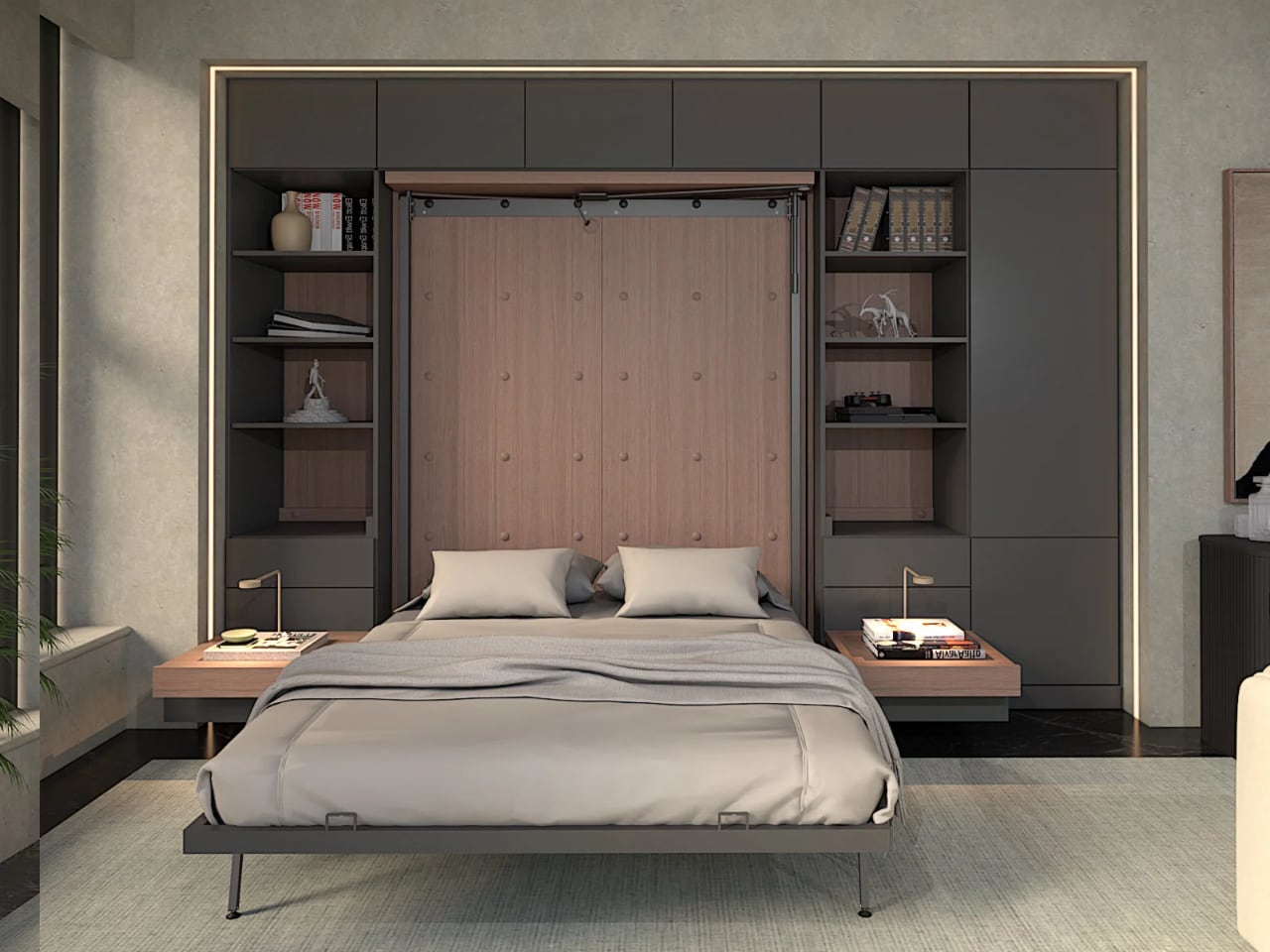
Nothing on this list reclaims more square footage than a bed that vanishes into the wall, and the Expanse Inverse solves the one complaint that has followed Murphy beds for decades. Instead of mounting near the ceiling and demanding a wall completely free of windows or art, it mounts at headboard height, which means it can go almost anywhere in your ADU without dictating the rest of the layout around it. For you, that means the room you sleep in tonight can become the room you work or host in tomorrow.
Left down, it reads as a normal wood bed rather than a folding mechanism trying to hide itself, and it fits a queen mattress up to 11 inches thick with five years of coverage on the hardware. Two people can install it in about five hours, and once it is mounted, the same 400 square feet that held a bedroom in the morning holds a living room by afternoon. That single transformation does more for how a small home feels than almost anything else you could buy.
What we like
Mounting at headboard height frees it from the window and wall clearance restrictions that limit traditional Murphy beds
It looks like a normal bed when lowered, with none of the visible mechanism that usually gives away a fold-away frame
What we dislike
The price point sits well above a standard bed frame, asking for real commitment upfront
Installation takes roughly five hours with two people, so this is not a same-day setup
5. Infinite Solas Lamp
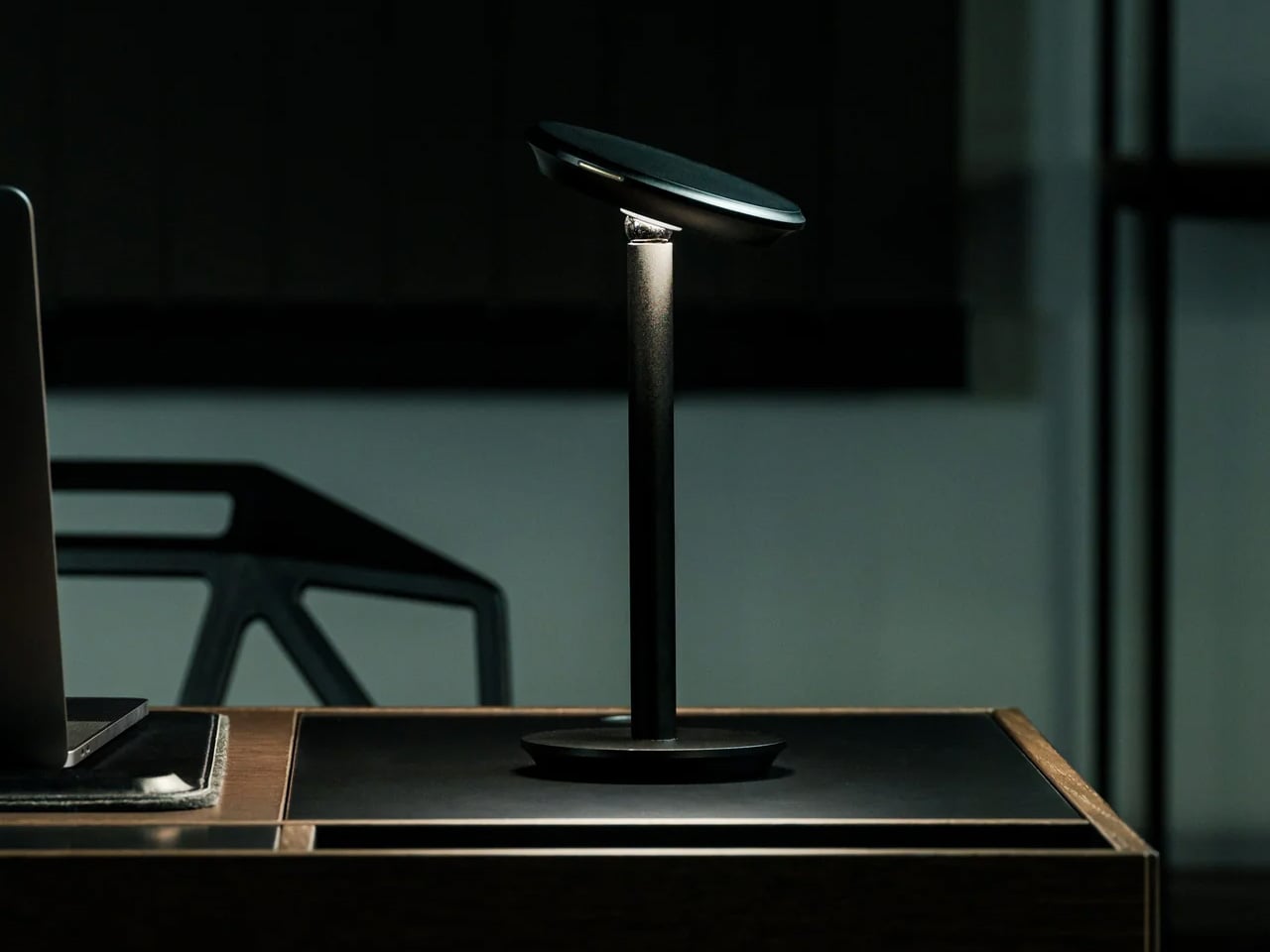
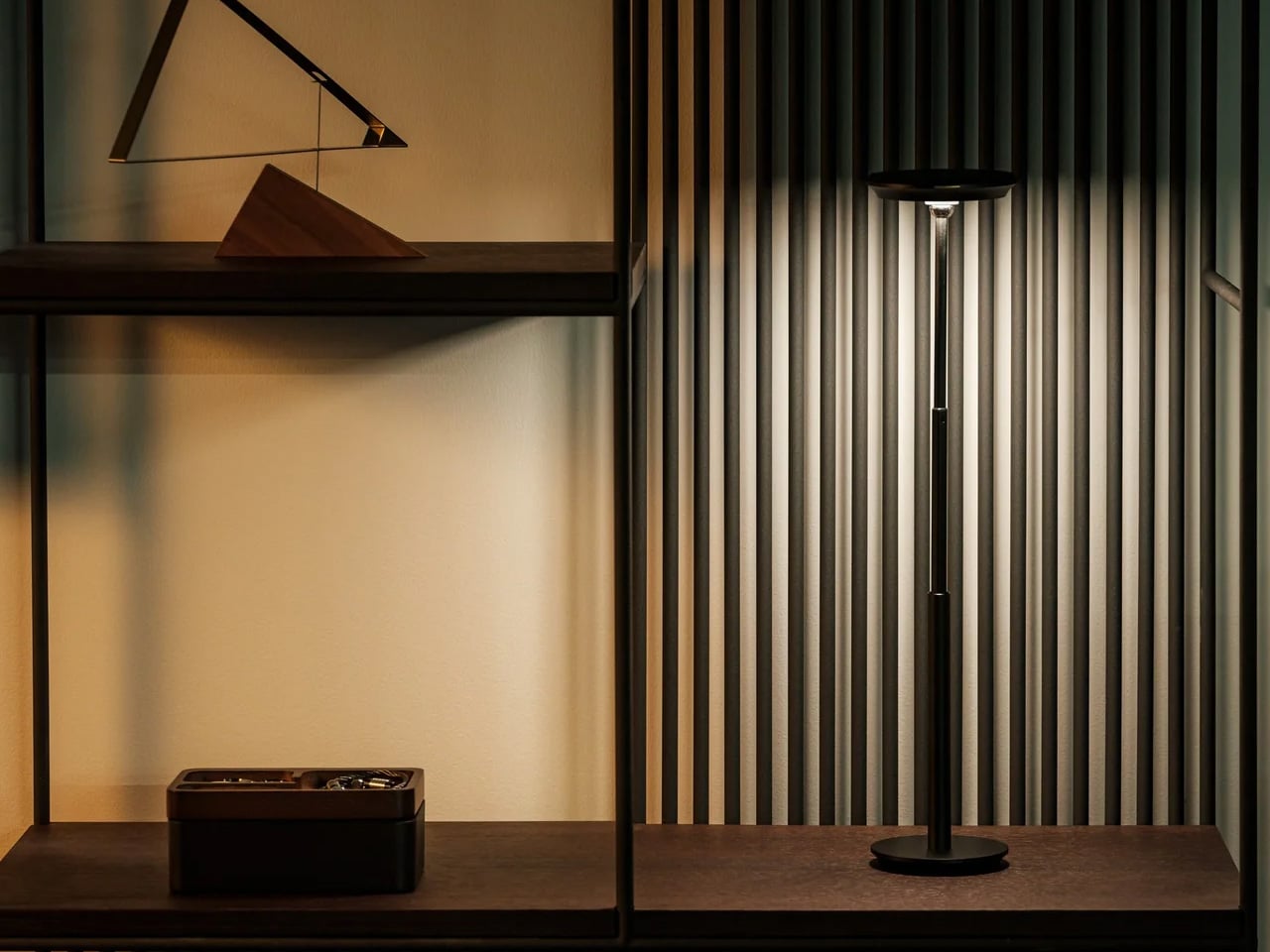
Koki Sato built this lamp around a simple observation that most lighting ignores: the kind of light you need shifts constantly through the day, while almost no fixture adjusts with it. The column extends from 8.9 to 19.7 inches with no fixed stops, and a magnetic ball joint head swivels freely without ever moving the base. For you, that means one lamp does the job that would normally require two or three fixed fixtures scattered around a corner that has to serve as a reading nook, desk, and dinner table depending on the hour.
Because it runs cordless on a battery lasting up to 70 hours at low brightness, you are never chasing an outlet or routing a cable across a room that cannot spare the visual clutter. A single touch shifts the color temperature from a cool 4000K down to a warm 2500K, and the magnetic head detaches entirely to become its own portable light when the evening moves somewhere else. In a small home, that kind of range removes the need for a whole shelf of separate lamps.
The continuous height adjustment and detachable head mean one lamp genuinely replaces two or three fixed ones
Battery life stretching up to 70 hours at low brightness means it rarely needs to sit near a wall
What we dislike
At $325, it asks for real commitment rather than an impulse buy
It is not a smart lamp, so anyone wanting app control or scheduling will not find it here
Five Objects, One Honest Floor Plan
None of these five accessories try to make an ADU feel bigger through illusion or clever paint tricks. Each one works by removing something the room used to need three or four separate objects to accomplish, and that reduction is what actually changes how the square footage feels day to day. A considered nightstand, a display-worthy CD player, a trash can that disappears into its corner, a bed that gives back the whole floor, and a lamp that replaces the rest.
Put together, they cover sleep, sound, waste, space, and light, the five biggest demands a compact home makes of its owner. None of them ask the room to compromise on style to earn its function, and none of them were included because they simply fit the theme. Four hundred square feet starts to live like a thousand the moment every object inside it is doing real work, and that is exactly what this list was built to prove.
Bluetooth is a common setting that's typically always on in modern phones, but this feature may be leaving your phone open to a rather significant issue.
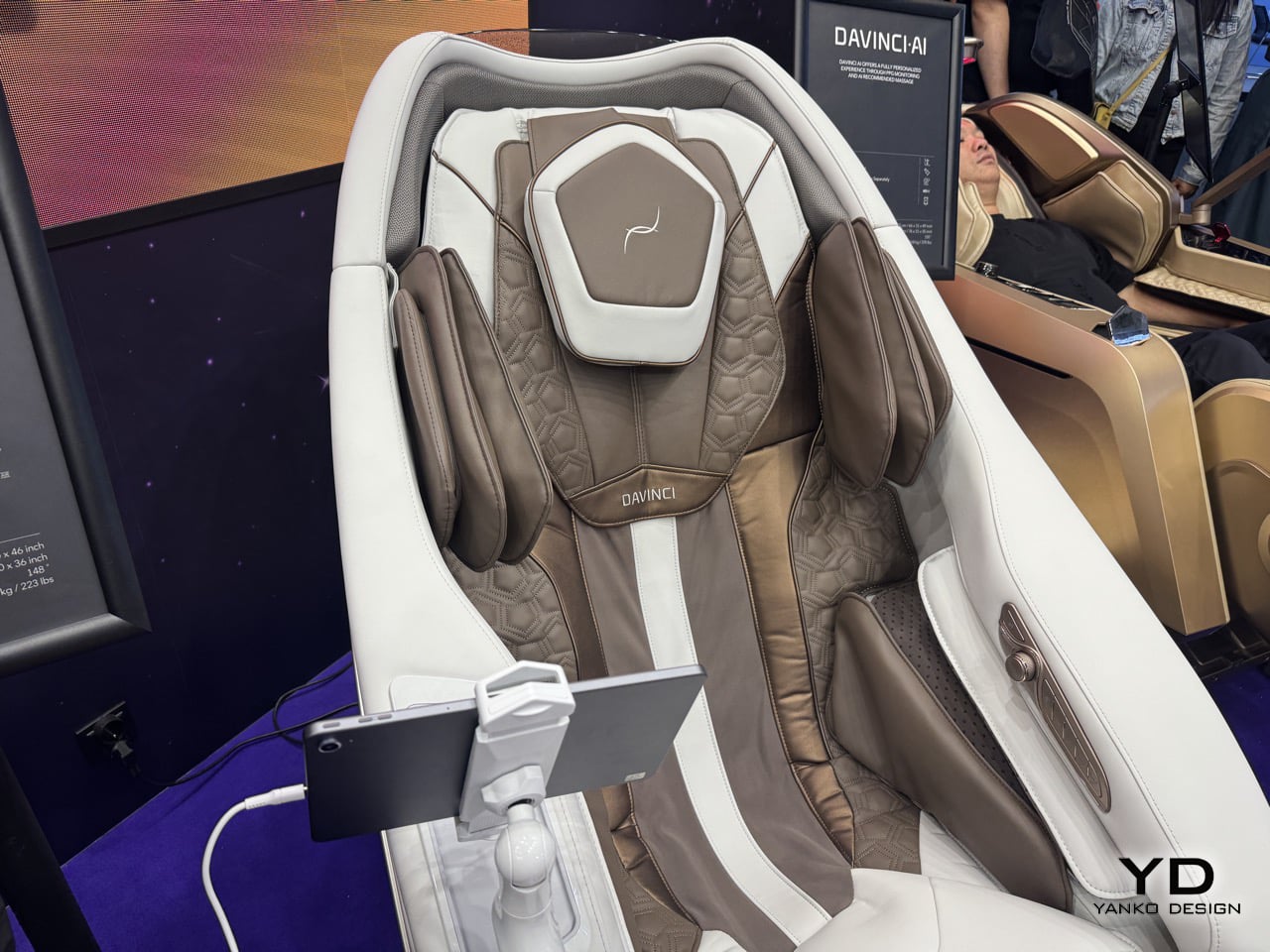
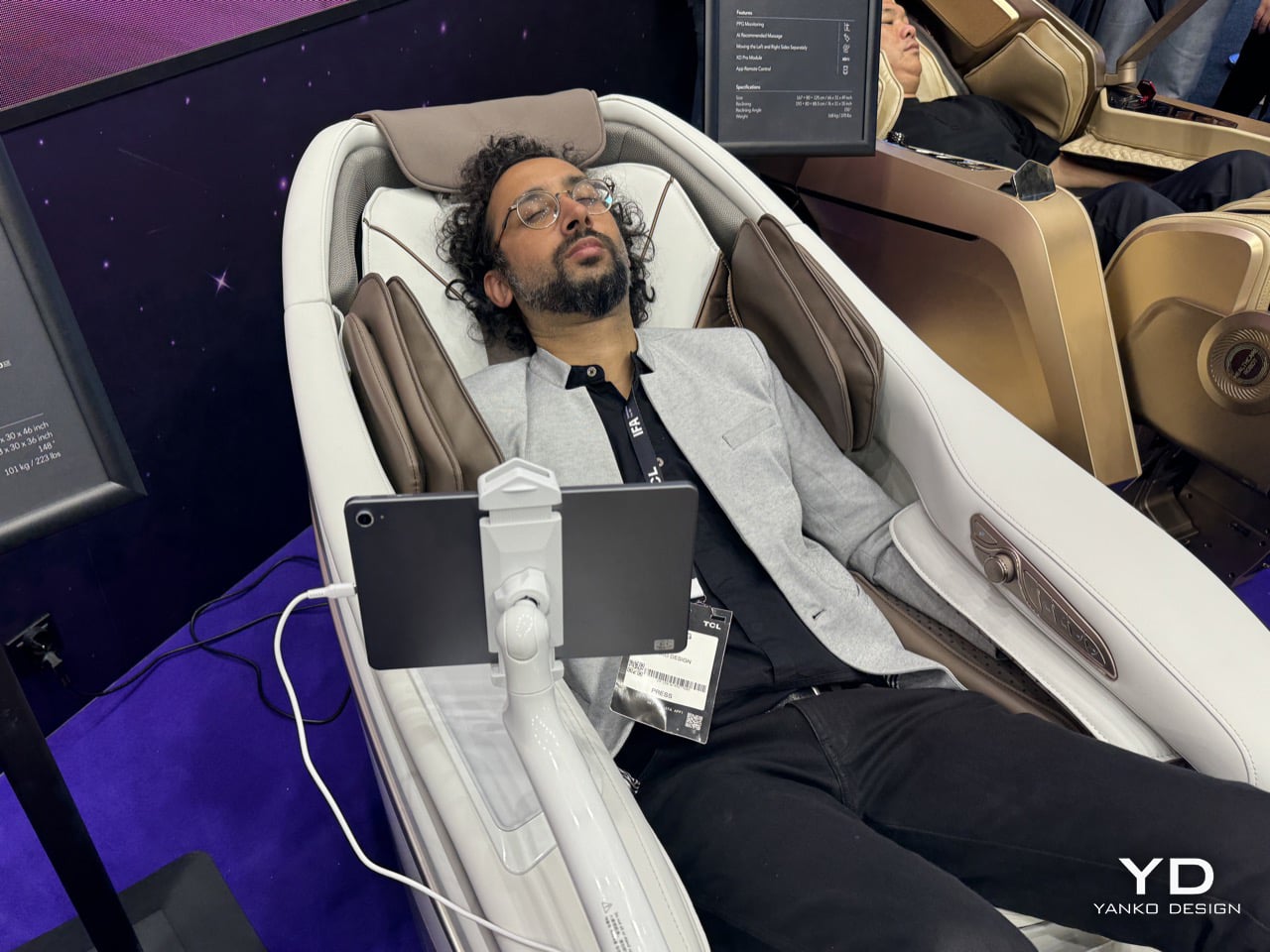
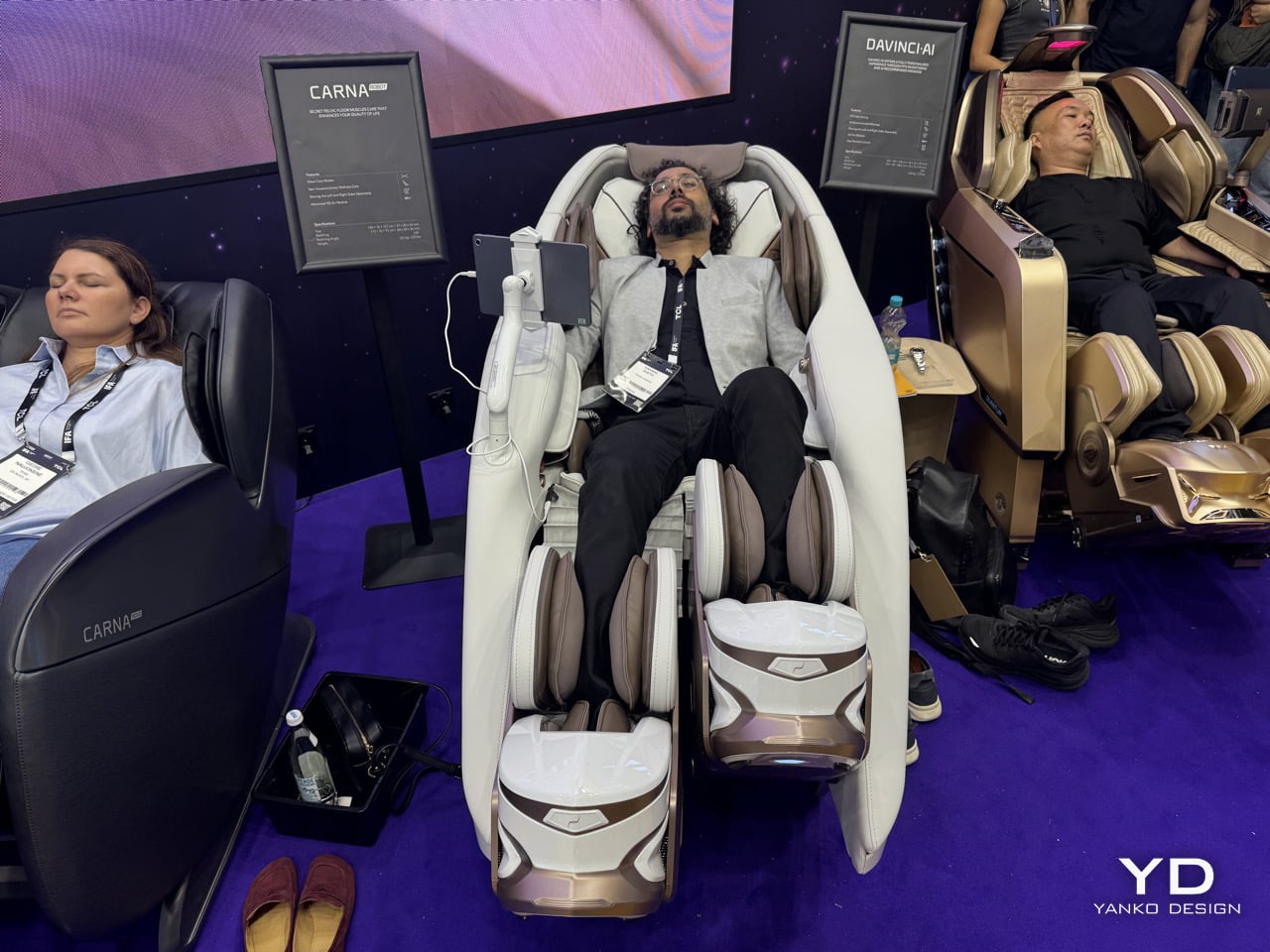
Somewhere out there is a bingo card of jobs AI would come for, and I guarantee nobody had masseuse on it. AI has already eaten its way through a scary chunk of the low-level workforce, copywriting, junior coding, customer support scripts, even the guy behind the wheel in some cities now. But there was always this quiet assumption that a good deep tissue rubdown needed actual human hands, actual human judgment, someone who could feel where the knot was and adjust on the fly. That felt safe. Untouchable, even. Then I walked into Bodyfriend’s booth at IFA 2026, sat down in a chair, and casually talked my way into the best massage of the show. Apparently the human-to-human touch job just got automated too.
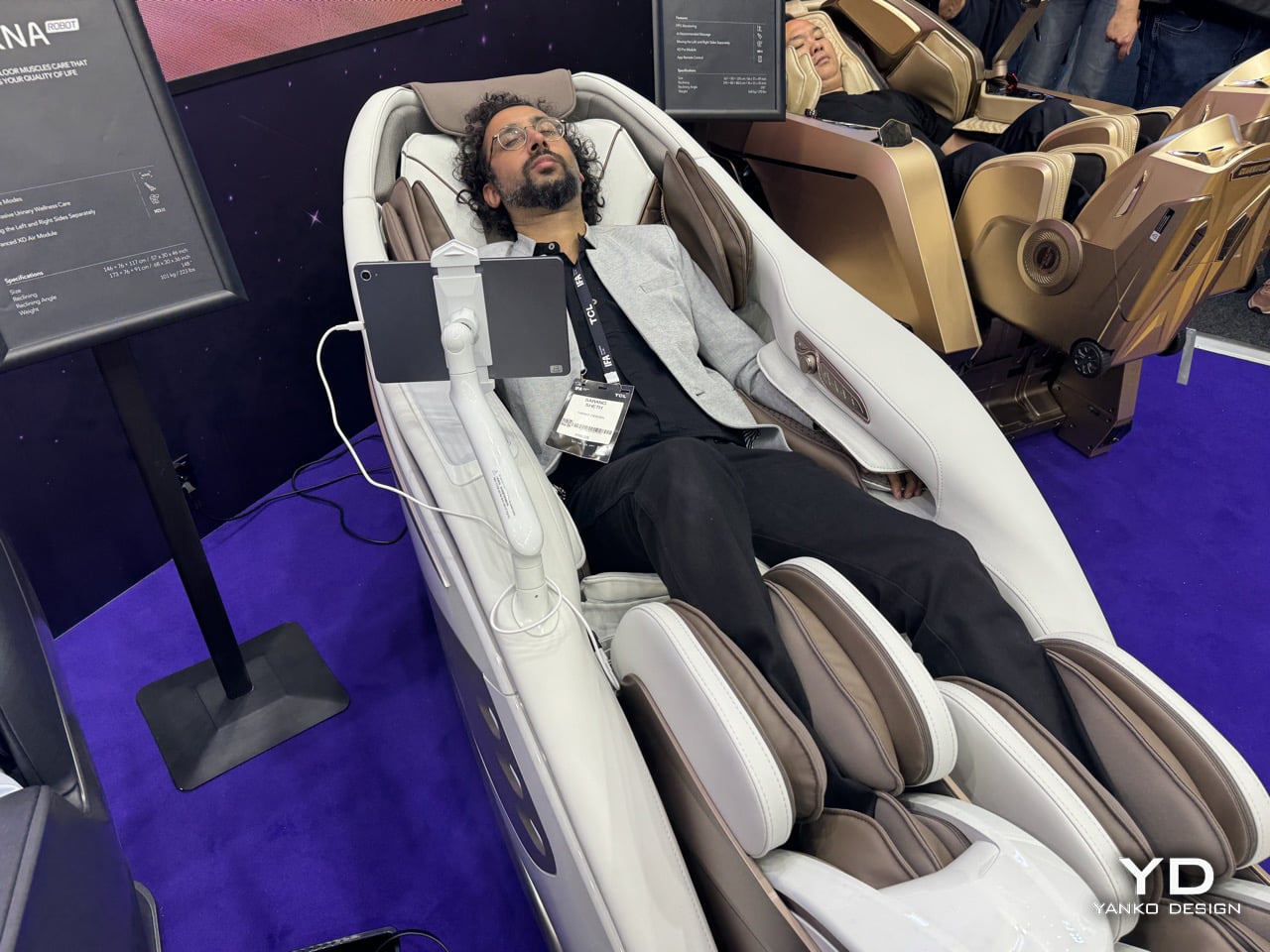
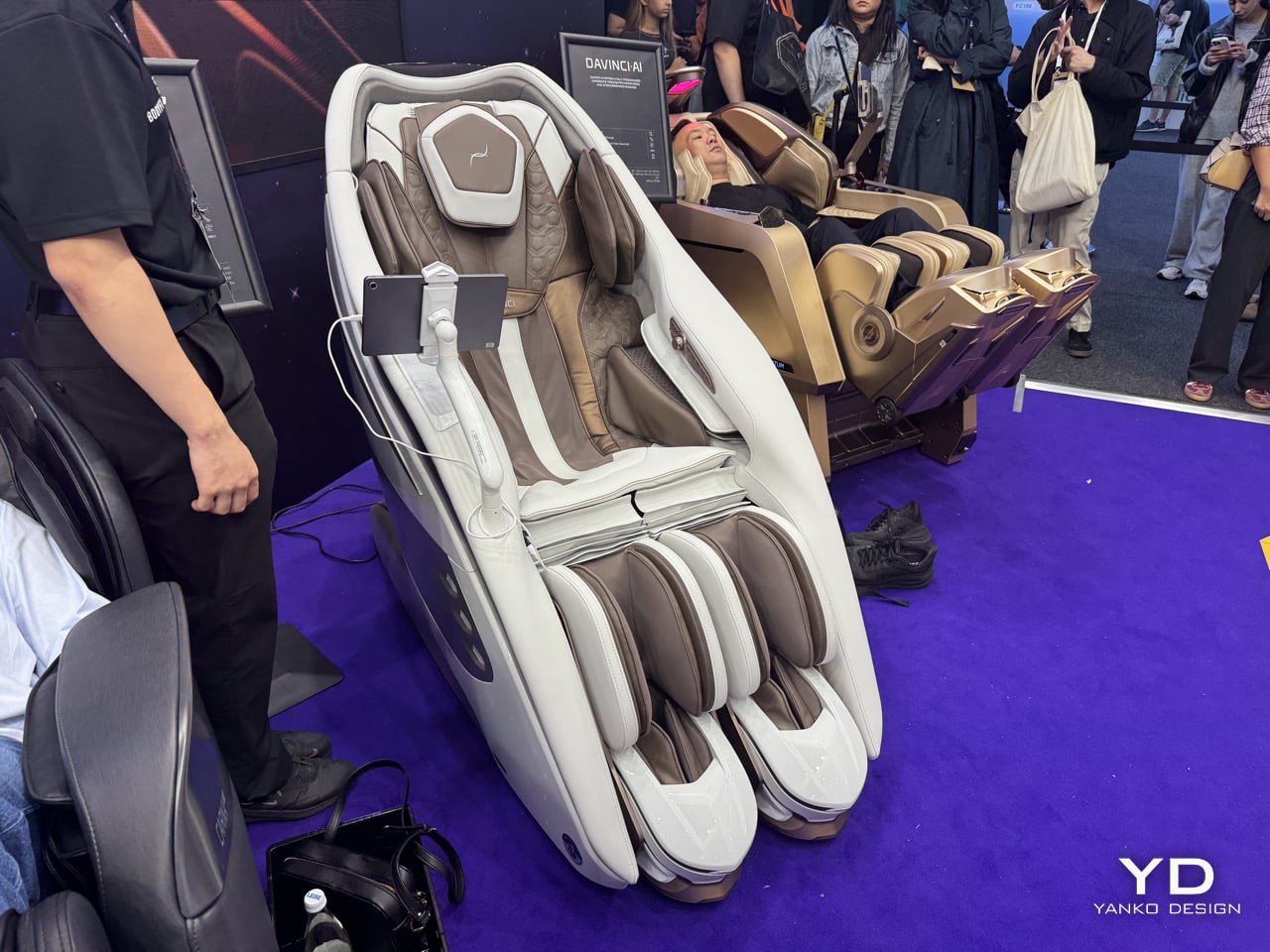
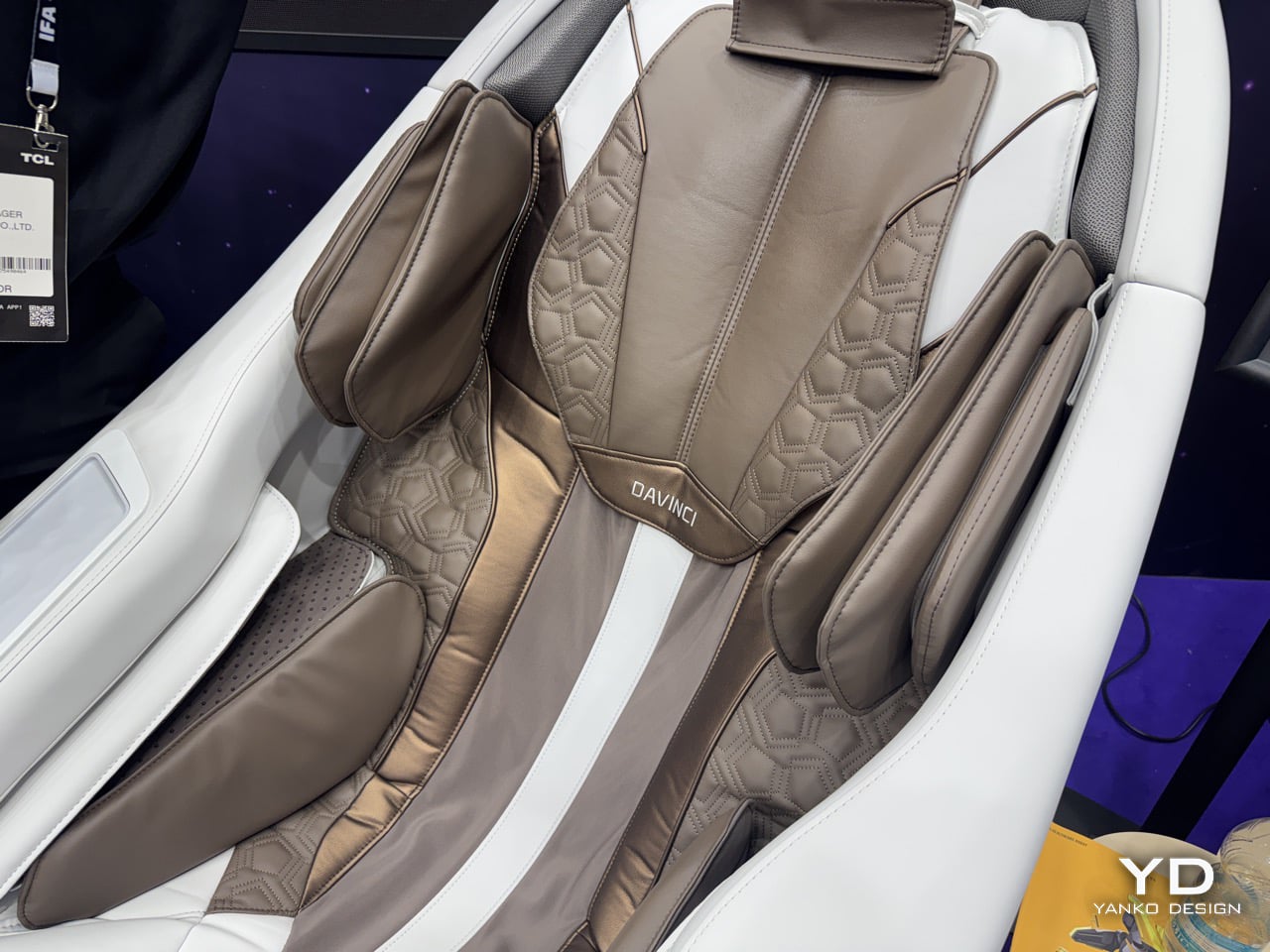
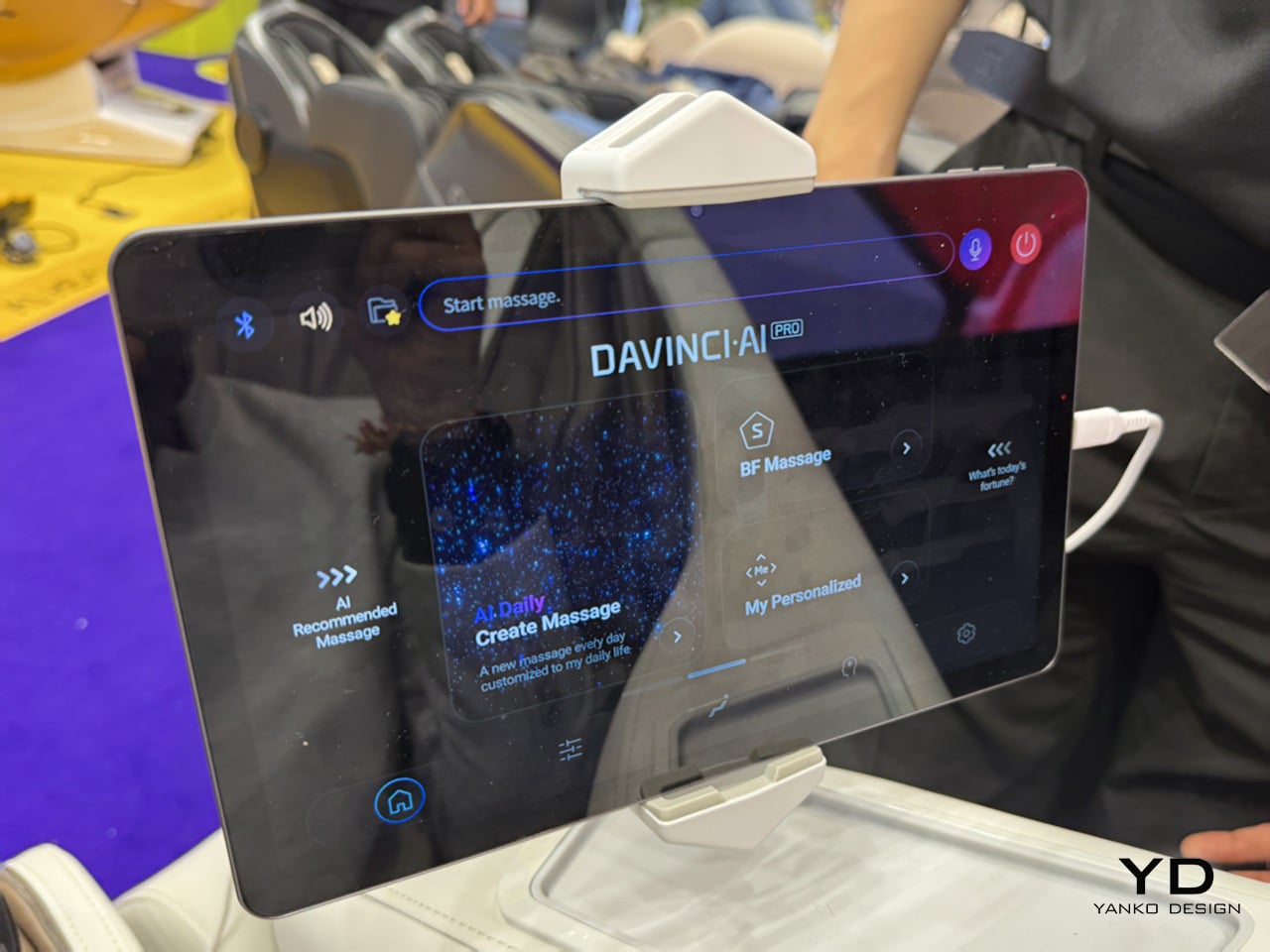
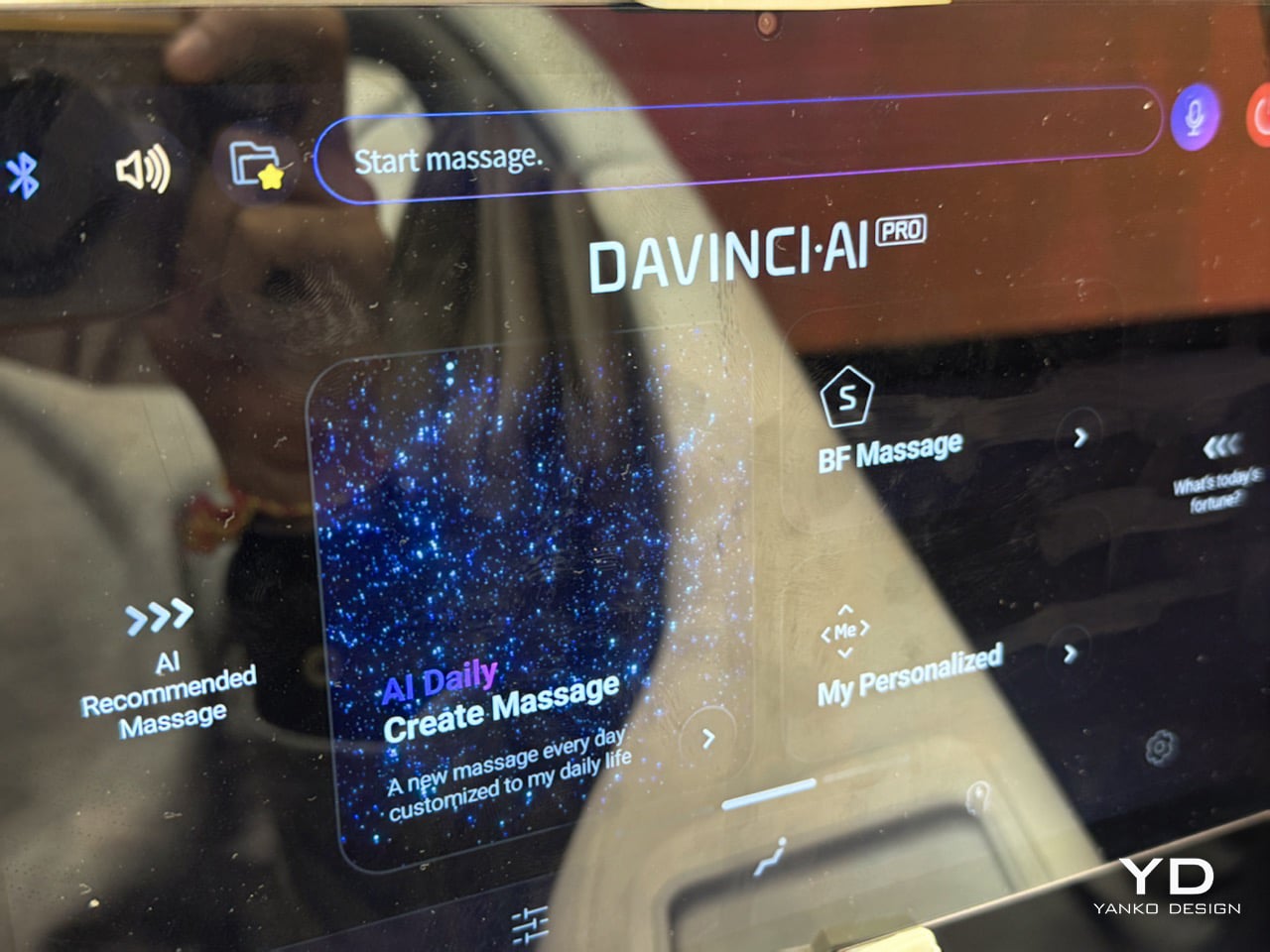
The chair was Bodyfriend’s DaVinci AI, running the same generative AI Bodyfriend had just unleashed in Seoul days before IFA, badged DaVinci AI Pro. Instead of picking from a shelf of presets, it listens to plain language and builds a massage from scratch, mixing 134 basic blocks across body zones, pressure, and duration. Bodyfriend puts the theoretical combinations in the trillions, and having felt the difference, I believe the math. A PPG sensor in the hand massager also reads heart rate, heart rate variability, and blood oxygen in real time, so the chair responds to your actual state, not just your words. I did not know any of this walking in. I just knew I was tired, sore, and willing to talk to a chair like it owed me something.
Designer: Bodyfriend
I had clocked around 15,000 steps that day, running on trade show coffee and basically nothing else, and my feet and shoulders had reached the point of open rebellion. I sat down, and instead of hunting for a remote, I just talked to the tablet mounted on the armrest. “Hey Buddy,” I said, “give me a strong foot massage, and also help relieve tension in my neck and shoulders.” Within about a minute it had built something specifically for that, working my feet, shoulders, and spine while leaving my hands completely alone, because I never asked for them. When I got a flicker of FOMO and asked it to include a hand massage too, it recalibrated on the spot rather than restarting from zero. Talking to it felt closer to briefing a person than operating a machine.
The DaVinci name carries some real design pedigree behind it. Bodyfriend’s earlier DaVinci models were developed with Italdesign, the Turin studio behind decades of concept and production cars for names like Lamborghini and Bugatti, and that automotive language shows up in the chair’s sculpted shell and the confidence of its proportions. This year’s leap is less about the shell and entirely about what is happening inside it. Where the original DaVinci used bioelectrical impedance analysis to profile your body composition, the AI Pro generation swaps that for conversational intelligence, a shift from measuring you passively to actually listening to you. It is the difference between a chair that studies your body and one that takes instructions from it.
Bodyfriend’s booth this year also carried the 733, a wearable healthcare robot that took home an IFA Innovation Award honor for independently guiding your arms and legs through stretching and standing assistance, proof this is a company betting hard on robotics well beyond the living room recliner. Against that backdrop, DaVinci AI reads less like a gimmick and more like the company’s flagship idea about where home wellness tech goes next. We covered Bodyfriend’s Quantum robotic chair at IFA 2024 and called it a bodygasm in leather and Bang & Olufsen sound. DaVinci AI trades some of that theater for something quieter and arguably bigger: a chair that finally understands what you are asking for, in your own words, on the first try.