Most utility knives live in junk drawers until you need to open a box. You dig out something with a flimsy plastic slider, a rattling blade, and a body that feels like it costs exactly one dollar. They are treated as disposable, even though you use them constantly for packages, tape, and workshop tasks. There is room for a small knife that feels as considered as the rest of your desk or carry.
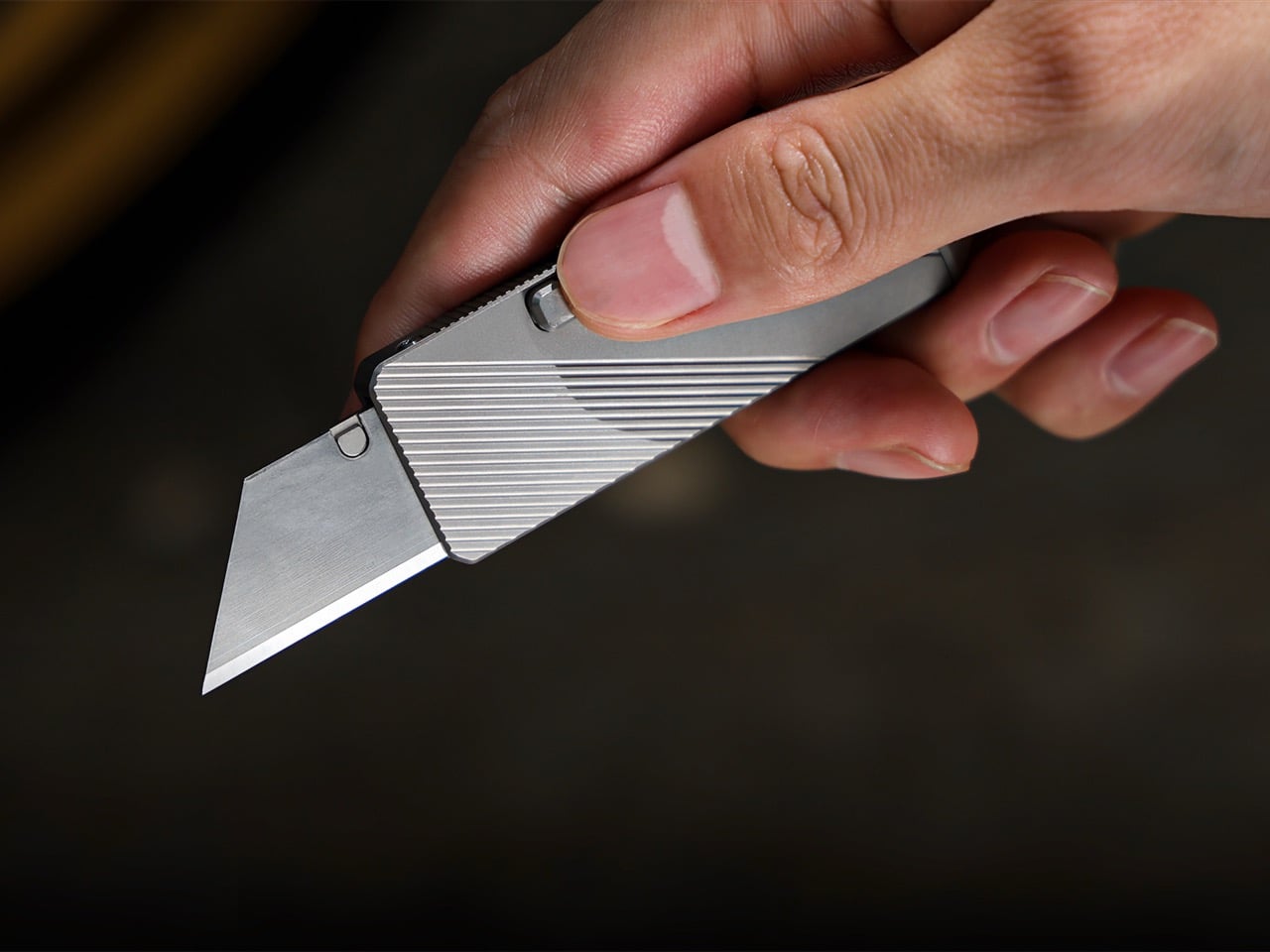
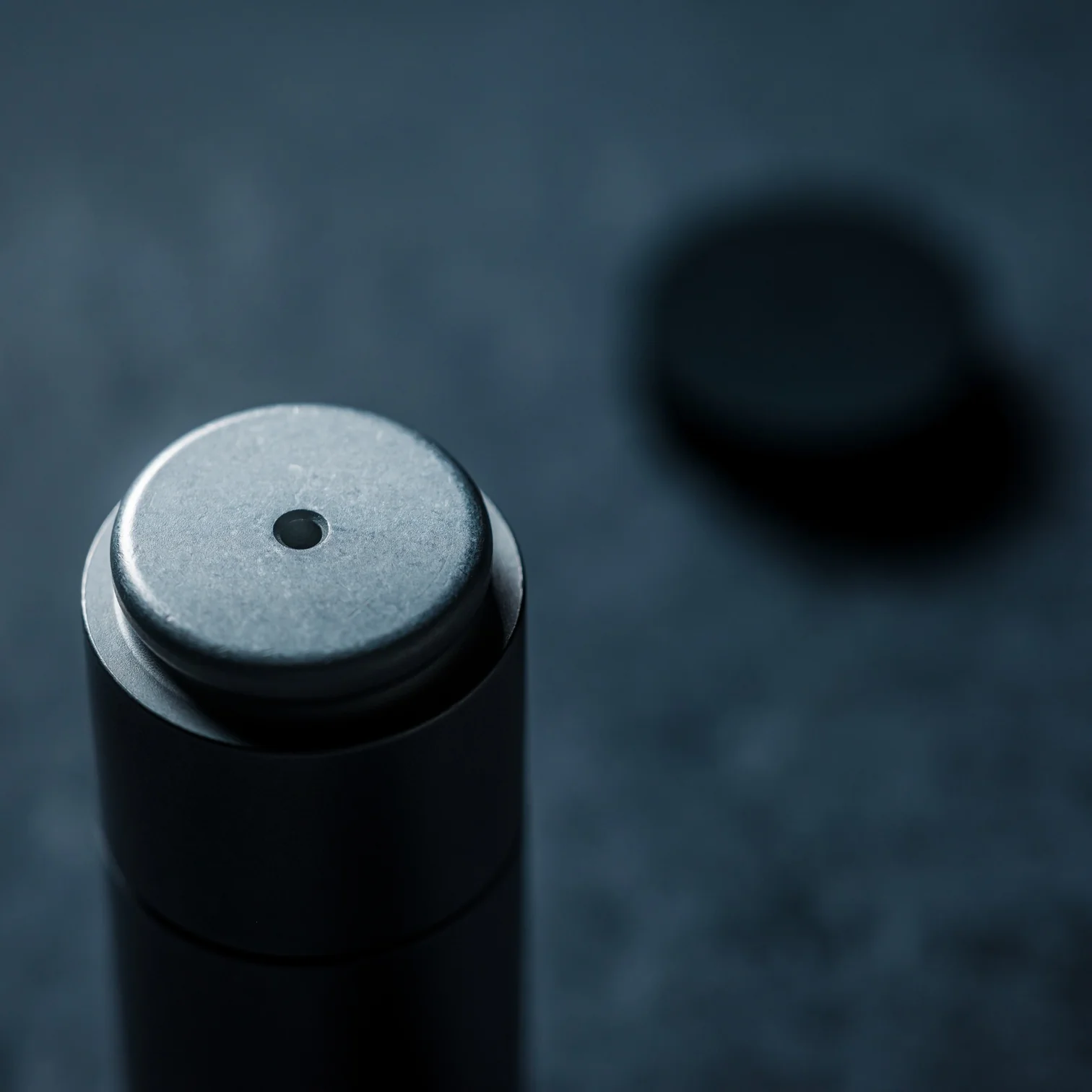
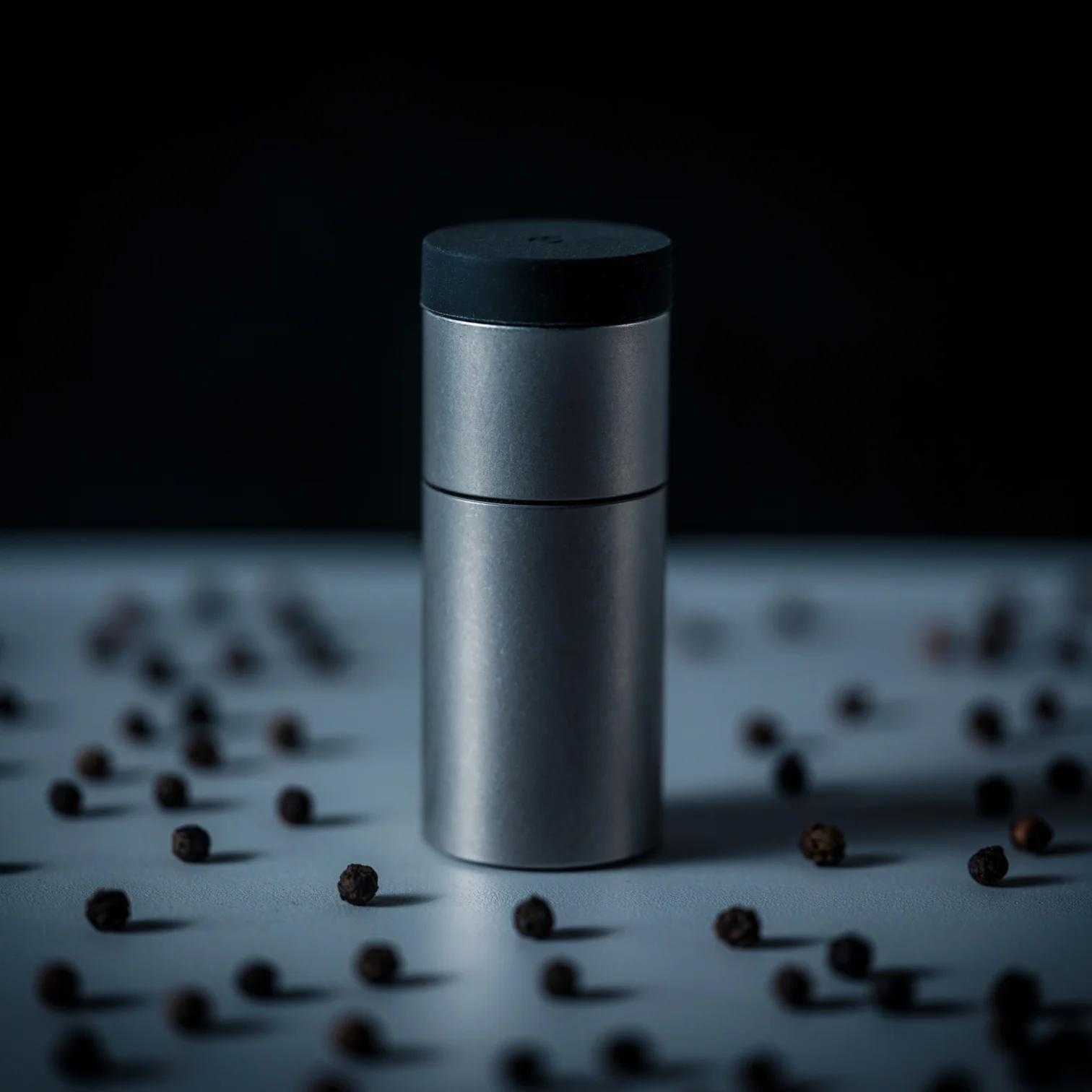
BQ S1 is a compact gravity-slide utility knife built around a simple intention: a tool that looks clean, feels natural, and works flawlessly. The flat, CNC-machined metal body hides a gravity-assisted blade mechanism inside, with no aggressive tactical styling or gimmicks. It is designed to make everyday cutting feel deliberate rather than disposable, turning deployment into a motion that is actually satisfying instead of frustrating.
The S1 uses a gravity-assisted slide mechanism instead of a traditional linear slider. A sideways thumb swipe makes the internal plates pivot, and the blade glides out under its own weight, then locks securely in place. The motion and sound are tuned to feel instinctive and precise, creating a satisfying click and slide rather than a sticky, two-handed struggle with a plastic track that catches every time.
The body is machined from aluminum or titanium with tight tolerances, giving you sharp exterior lines, smooth chamfered edges, crisp blade guides, and defined side texture for grip. The layout is lefty-friendly, with every angle and surface shaped to enhance control, comfort, safety, and precision. It feels equally natural in either hand when cutting cardboard, trimming tape, or opening packages at your desk or in a workshop.
A bright red safety lock sits at the top, offering tactile feedback when engaged and making it obvious when the blade is secured. The compact 80mm length, lightweight build, and reinforced lanyard hole make it easy to carry on a keychain, in a pocket, or clipped to a bag. It is small enough to disappear when not in use, solid enough that you do not worry about it falling apart.
The S1 uses standard utility blades you can find almost anywhere, steel, tungsten-coated, or ceramic, with no proprietary refills. Blade changes are handled by a simple slide button sequence: slide to release, swap the blade, slide back, done. That choice keeps running costs low and makes it easy to keep a sharp edge without hunting for special cartridges or depending on a single supplier.
Opening deliveries, cutting packing tape, trimming cardboard for prototypes, these are small routine tasks that most people handle with whatever dull knife is within reach. The BQ S1 is designed to turn those moments into clean, precise actions where the blade extends smoothly, locks with confidence, and cuts without tearing or snagging. It is not trying to be a survival knife or a fidget toy, just a well-made cutter.
For people who care about the details of the tools they touch every day, a utility knife that feels cool to use instead of something you hide in a drawer starts to make sense. The gravity-slide motion, the CNC-machined body, the red safety lock, and the universal blade compatibility all add up to a tool that quietly earns its place in your pocket or on your keychain, not because it does anything wildly different, but because it does everyday things better.
Most utility knives live in junk drawers until you need to open a box. You dig out something with a flimsy plastic slider, a rattling blade, and a body that feels like it costs exactly one dollar. They are treated as disposable, even though you use them constantly for packages, tape, and workshop tasks. There is room for a small knife that feels as considered as the rest of your desk or carry.
BQ S1 is a compact gravity-slide utility knife built around a simple intention: a tool that looks clean, feels natural, and works flawlessly. The flat, CNC-machined metal body hides a gravity-assisted blade mechanism inside, with no aggressive tactical styling or gimmicks. It is designed to make everyday cutting feel deliberate rather than disposable, turning deployment into a motion that is actually satisfying instead of frustrating.
The S1 uses a gravity-assisted slide mechanism instead of a traditional linear slider. A sideways thumb swipe makes the internal plates pivot, and the blade glides out under its own weight, then locks securely in place. The motion and sound are tuned to feel instinctive and precise, creating a satisfying click and slide rather than a sticky, two-handed struggle with a plastic track that catches every time.
The body is machined from aluminum or titanium with tight tolerances, giving you sharp exterior lines, smooth chamfered edges, crisp blade guides, and defined side texture for grip. The layout is lefty-friendly, with every angle and surface shaped to enhance control, comfort, safety, and precision. It feels equally natural in either hand when cutting cardboard, trimming tape, or opening packages at your desk or in a workshop.
A bright red safety lock sits at the top, offering tactile feedback when engaged and making it obvious when the blade is secured. The compact 80mm length, lightweight build, and reinforced lanyard hole make it easy to carry on a keychain, in a pocket, or clipped to a bag. It is small enough to disappear when not in use, solid enough that you do not worry about it falling apart.
The S1 uses standard utility blades you can find almost anywhere, steel, tungsten-coated, or ceramic, with no proprietary refills. Blade changes are handled by a simple slide button sequence: slide to release, swap the blade, slide back, done. That choice keeps running costs low and makes it easy to keep a sharp edge without hunting for special cartridges or depending on a single supplier.
Opening deliveries, cutting packing tape, trimming cardboard for prototypes, these are small routine tasks that most people handle with whatever dull knife is within reach. The BQ S1 is designed to turn those moments into clean, precise actions where the blade extends smoothly, locks with confidence, and cuts without tearing or snagging. It is not trying to be a survival knife or a fidget toy, just a well-made cutter.
For people who care about the details of the tools they touch every day, a utility knife that feels cool to use instead of something you hide in a drawer starts to make sense. The gravity-slide motion, the CNC-machined body, the red safety lock, and the universal blade compatibility all add up to a tool that quietly earns its place in your pocket or on your keychain, not because it does anything wildly different, but because it does everyday things better.
Japan has always understood what the rest of the world is only now discovering: small spaces don’t mean small lives. As tiny homes continue gaining momentum globally, Japanese designers are leading the charge with accessories that do more with less. These aren’t just space-savers. They’re thoughtfully engineered pieces that transform limitations into possibilities, proving minimalism can be both functional and beautiful.
The tiny home movement demands intelligent design. Every object must earn its place, which means multifunctionality isn’t a bonus—it’s essential. Japanese creators have mastered this philosophy through decades of living in compact urban dwellings, and now their innovations are reshaping our understanding of home essentials. From collapsible kitchen tools to multi-purpose devices, these seven accessories embody the spirit of doing more while owning less.
1. RetroWave 7-in-1 Radio
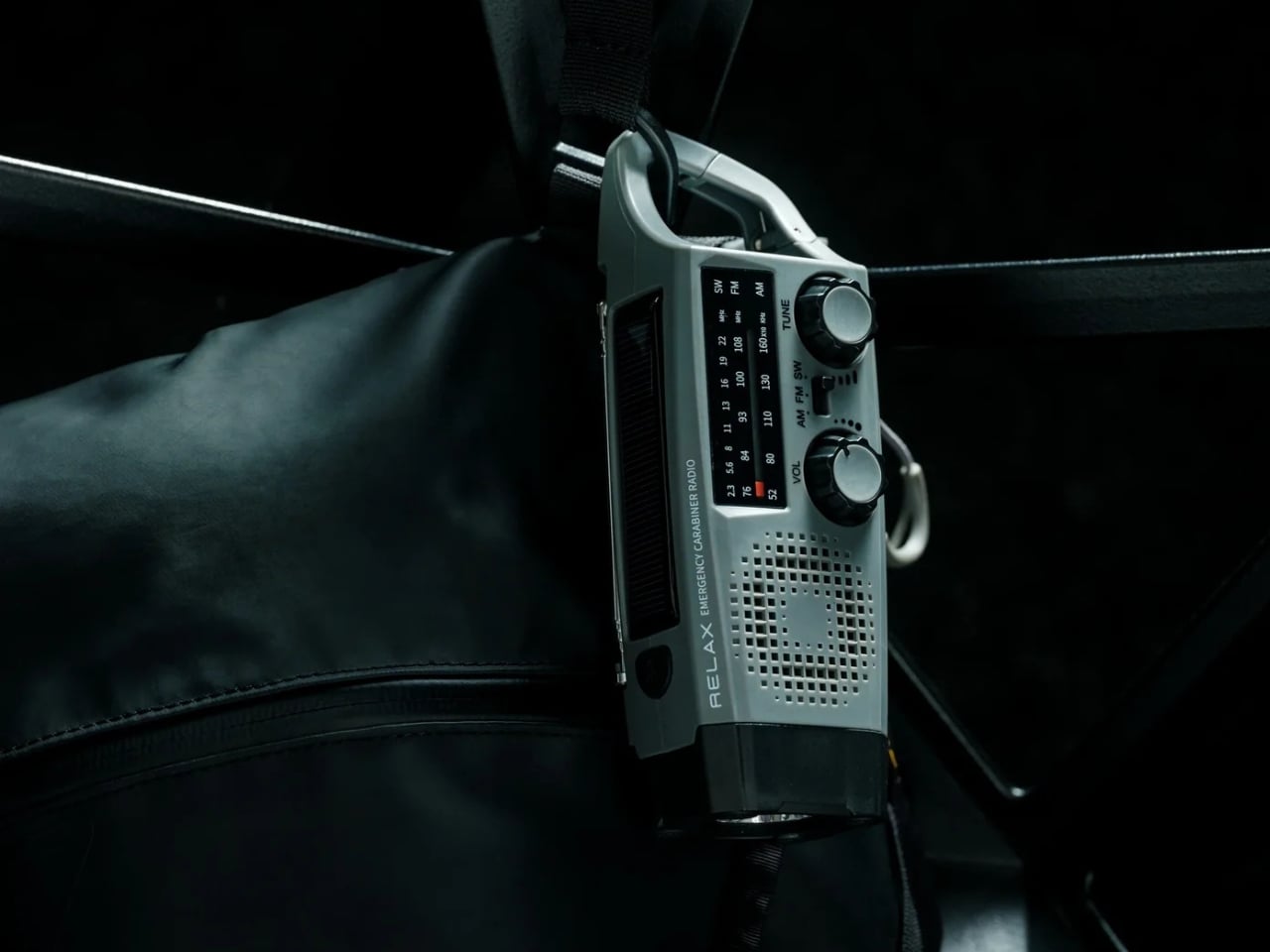
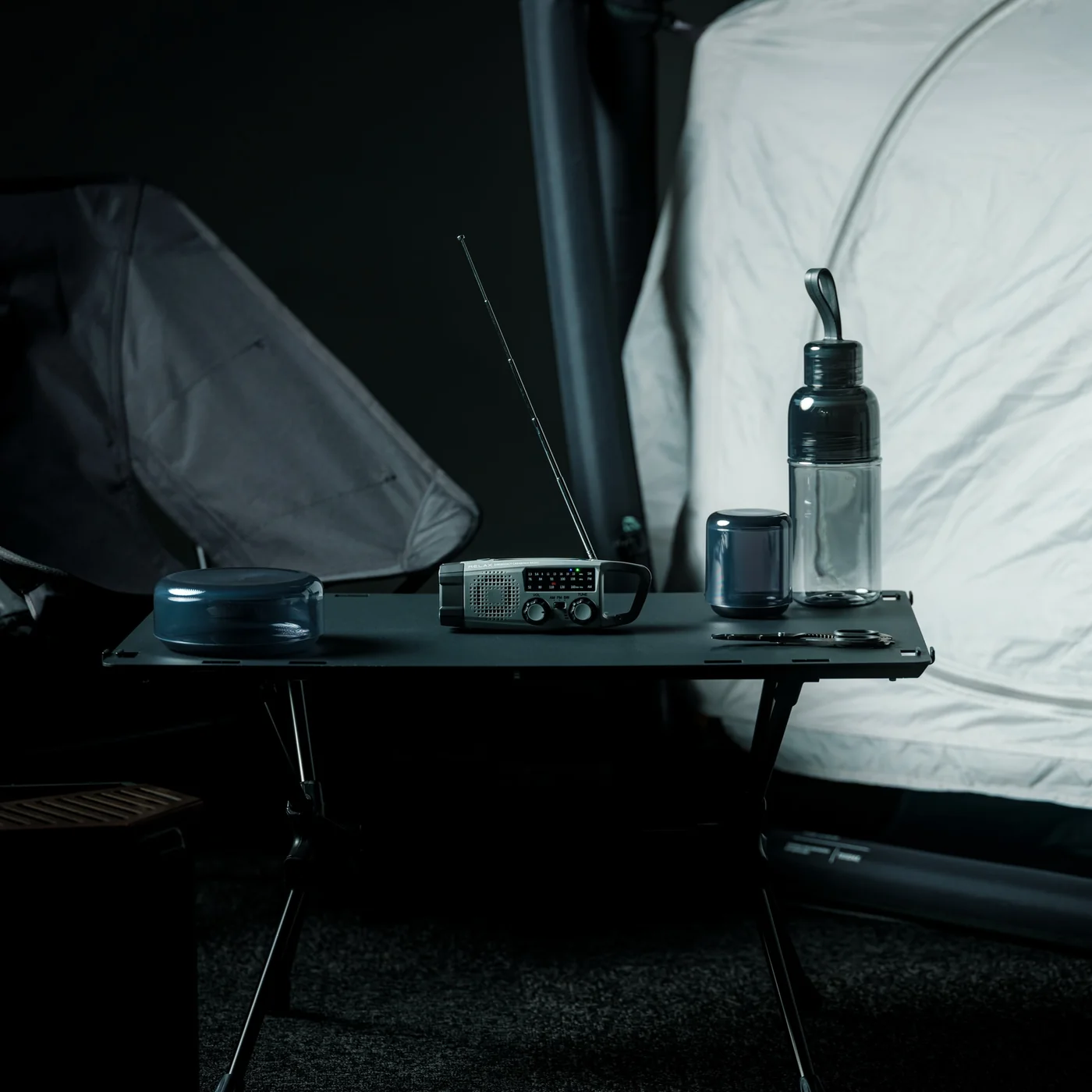
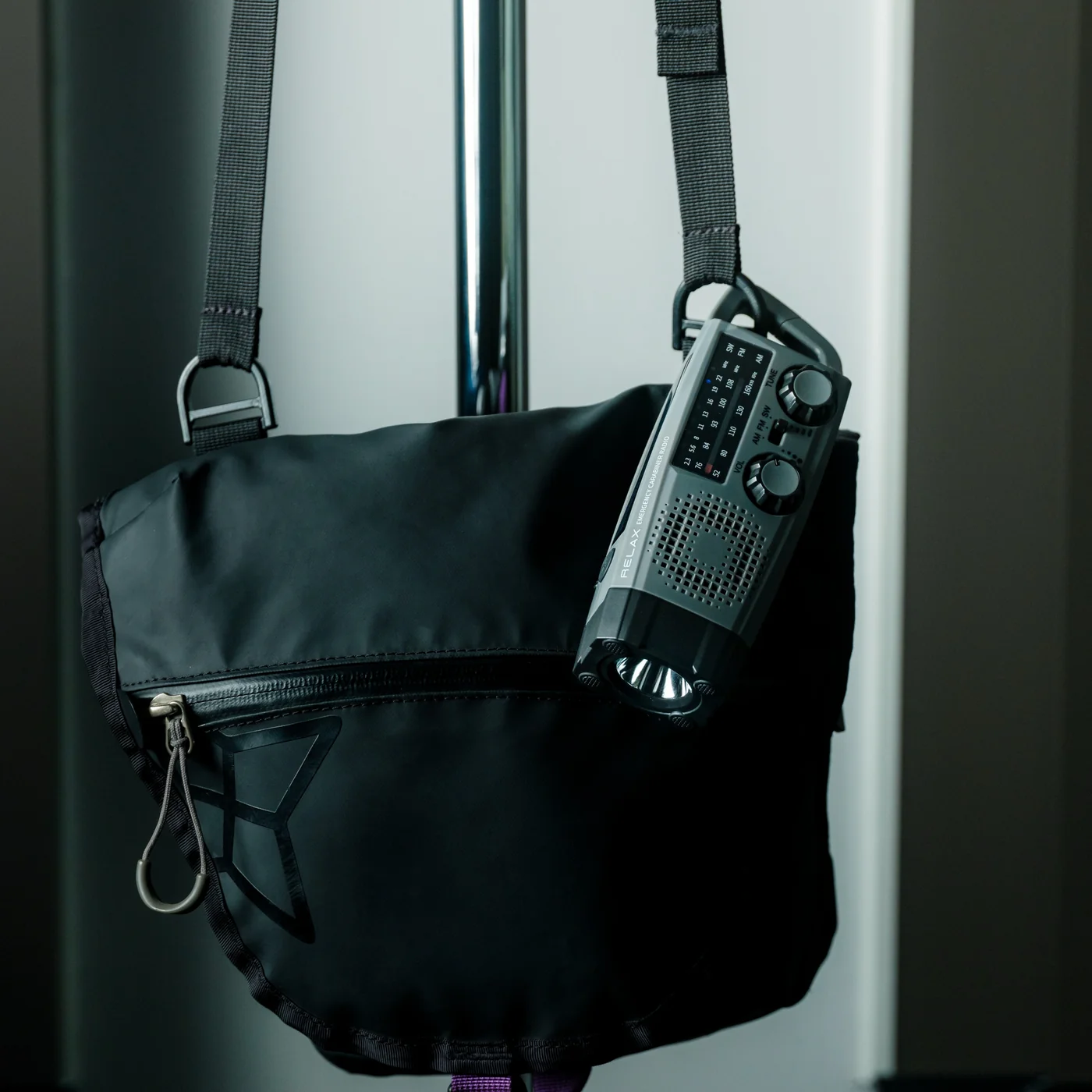
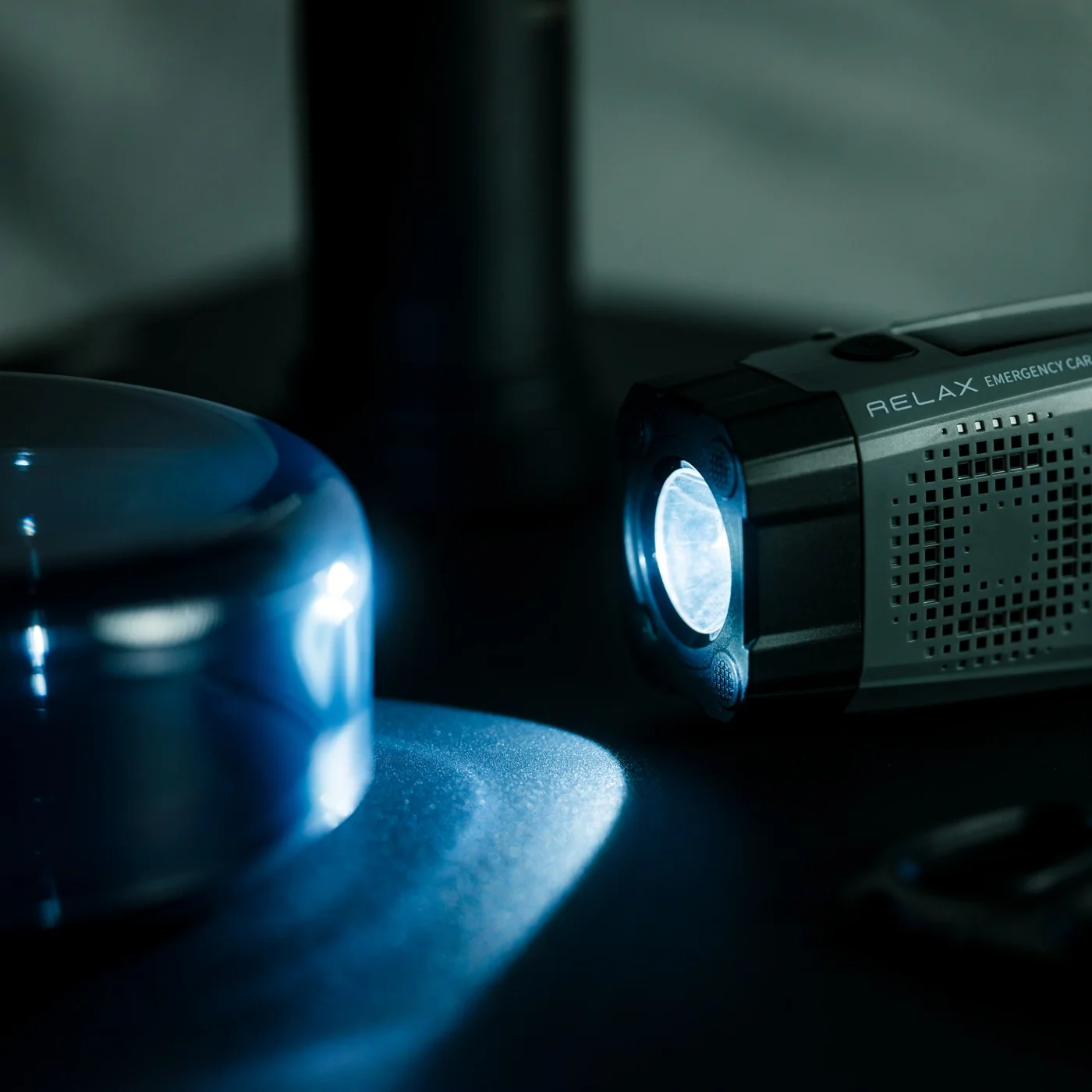
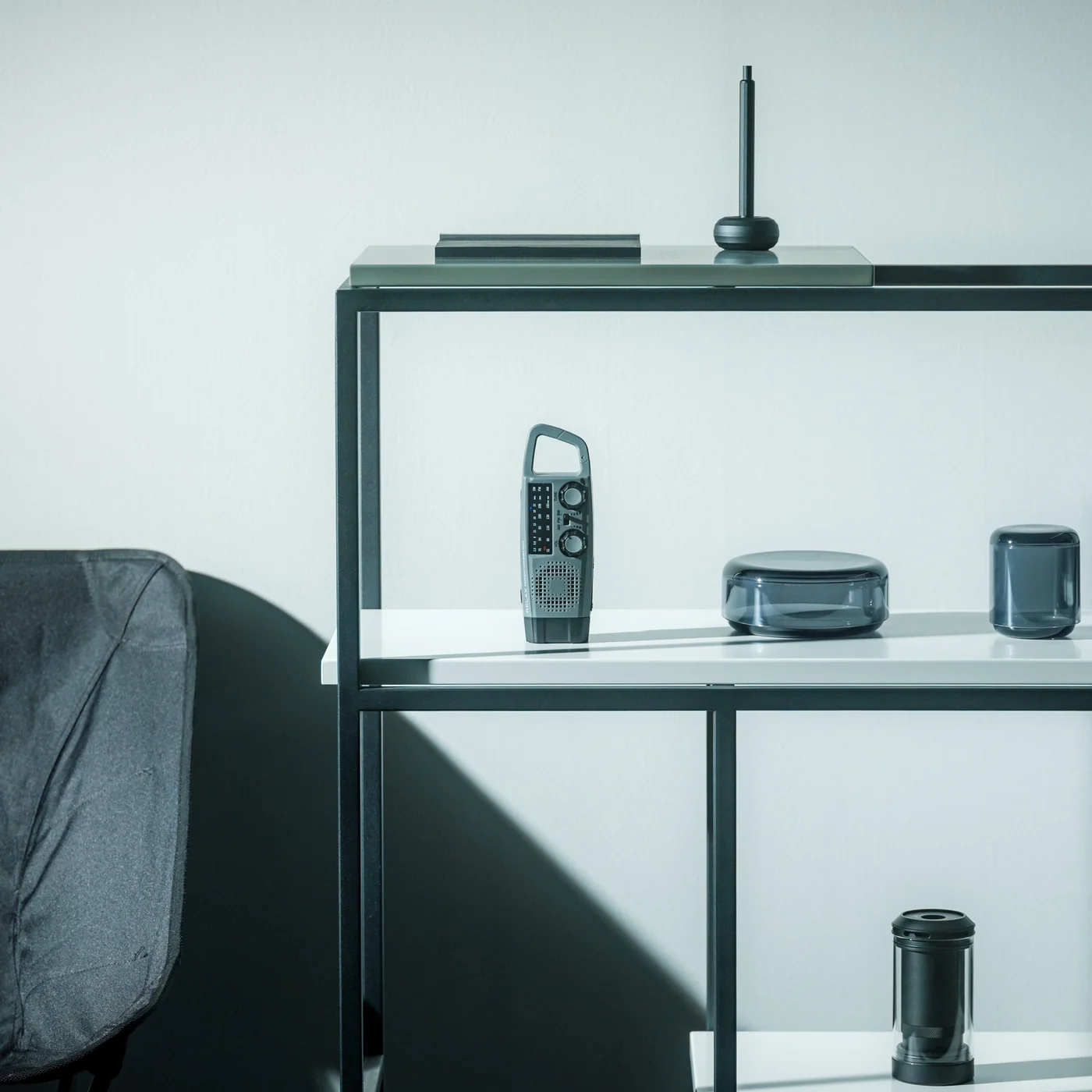
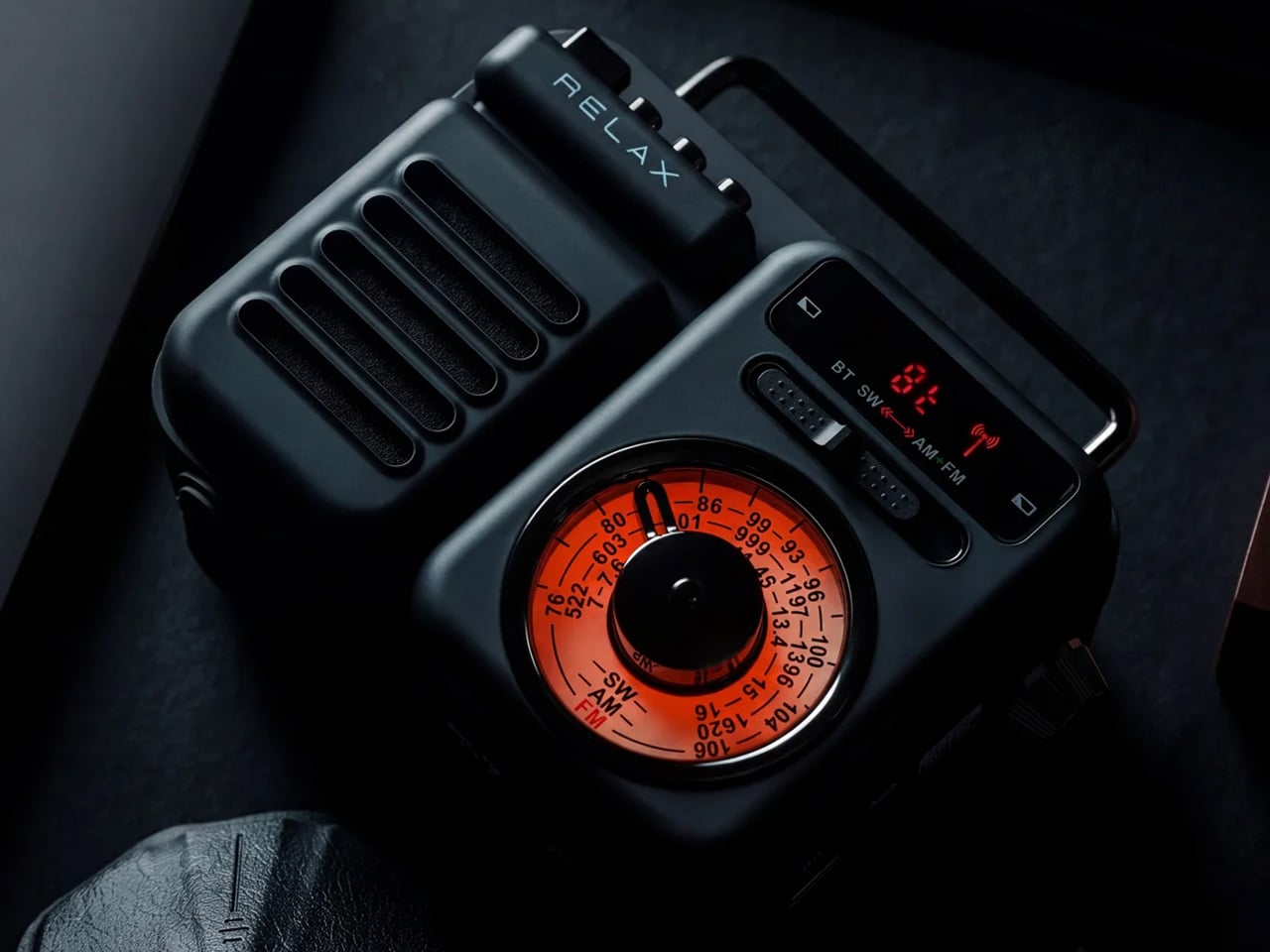
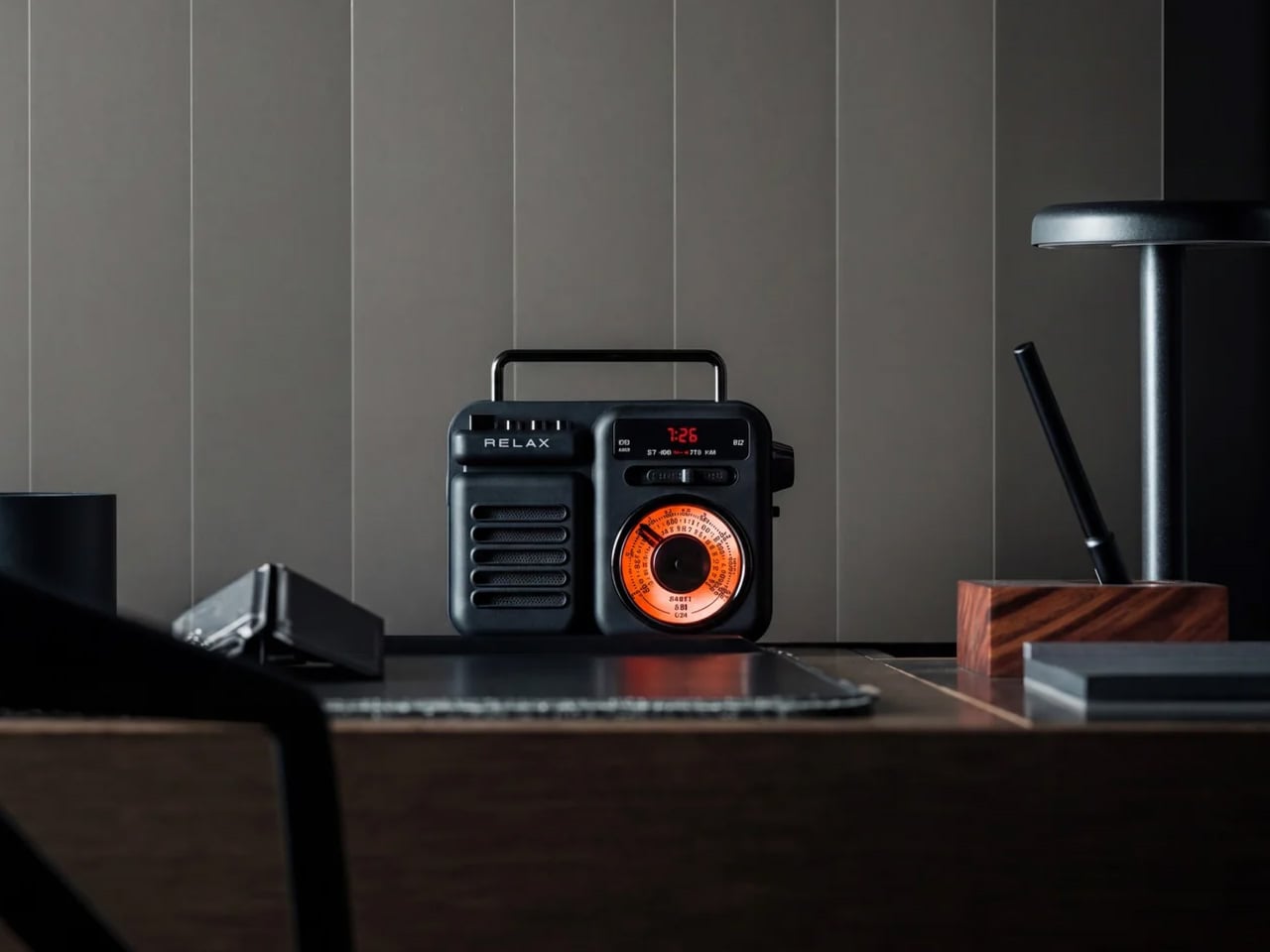
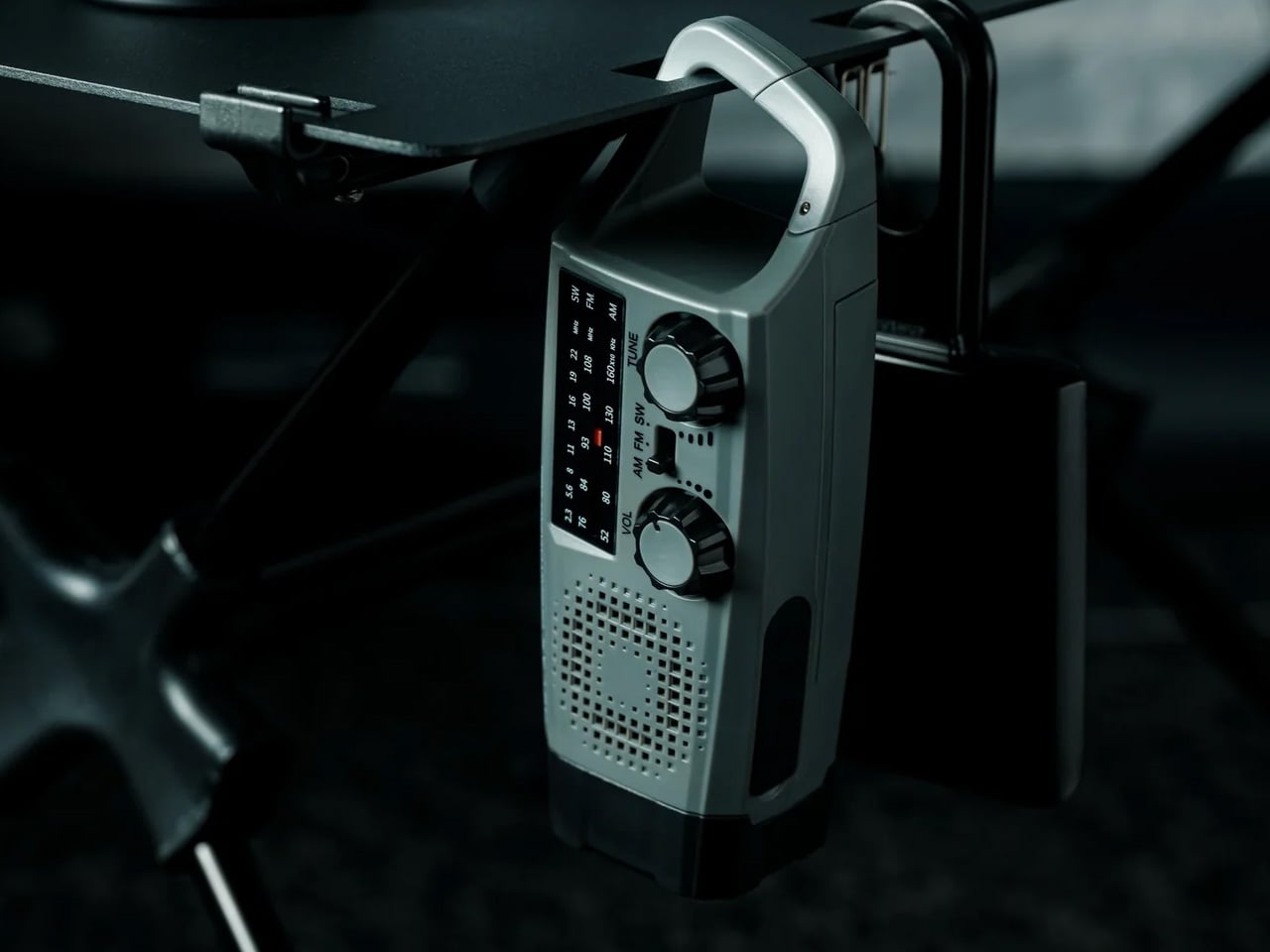
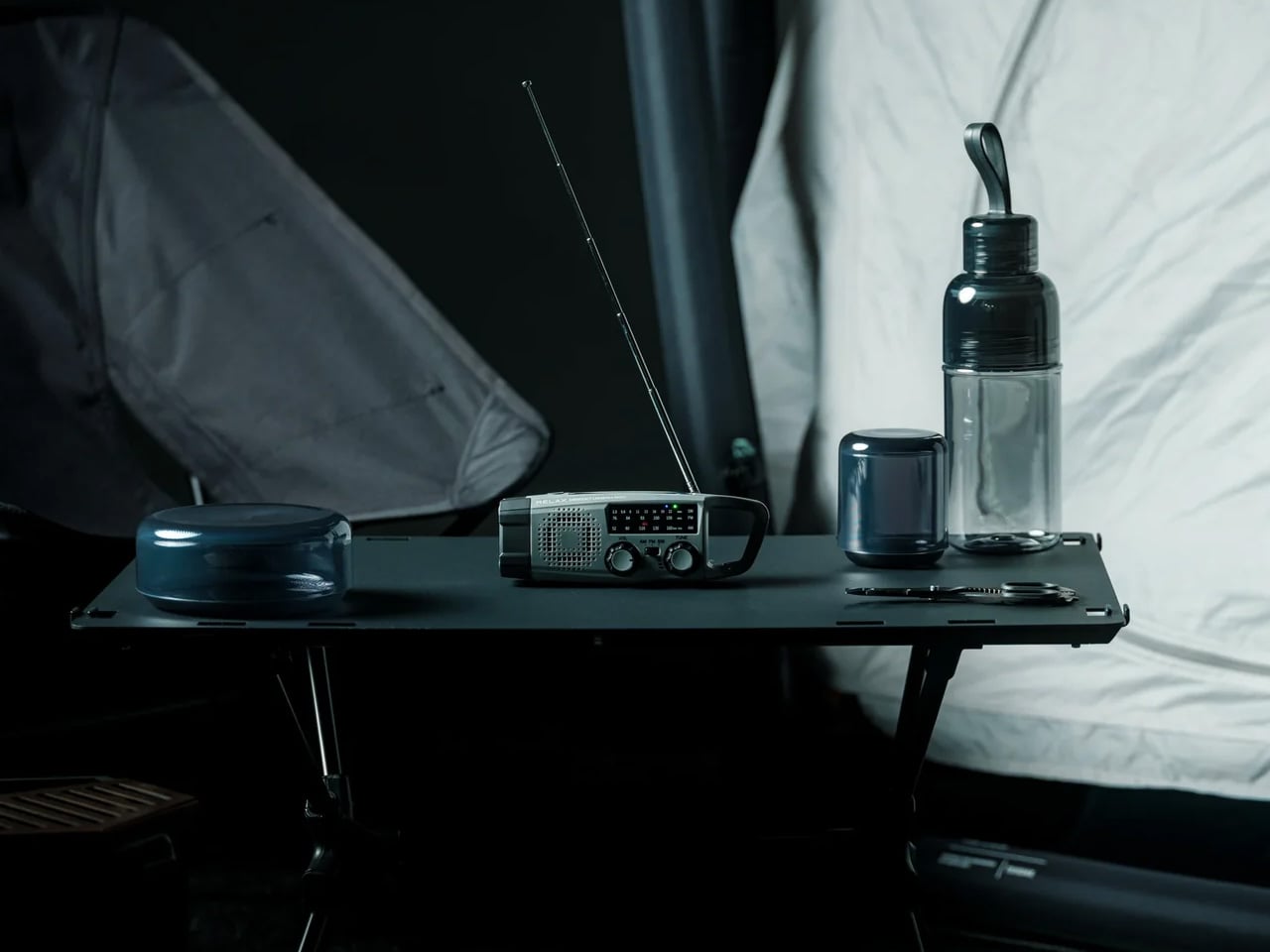
The RetroWave proves that nostalgia and practicality can coexist beautifully. This compact radio channels vintage Japanese aesthetics through its tactile tuning dial and clean lines, but beneath that retro exterior lies serious modern functionality. It streams Bluetooth audio, plays MP3 files from USB or microSD cards, tunes into FM/AM/SW broadcasts, and moonlights as a flashlight, power bank, SOS alarm, and clock. For tiny home dwellers who need every item to pull double duty, this seven-function device eliminates the need for separate gadgets cluttering precious counter space.
Emergency preparedness becomes effortless when your entertainment system doubles as survival equipment. The hand-crank charging and solar panel mean you’re never stranded without power, whether you’re off-grid by choice or circumstance. The design language speaks to Japanese minimalism while respecting analog traditions, creating something that feels equally at home on a shelf or in a bug-out bag. This isn’t about choosing between form and function—the RetroWave delivers both in a footprint smaller than most standalone speakers.
The hand-crank and solar charging eliminate battery anxiety completely
Seven genuine functions mean seven other devices you don’t need to own
Bluetooth streaming bridges analog aesthetics with contemporary listening habits
The compact size fits anywhere without announcing its emergency capabilities
What We Dislike
The retro dial might slow down precise station tuning for some users
Solar charging works best with direct sunlight, limiting indoor recharging speed
2. 8-in-1 EDC Scissors
Who decided that multitools need to be bulky? These palm-sized scissors challenge that assumption with a sleek design that conceals eight different functions. The oxidation film finish creates a handsome matte black aesthetic while adding rust resistance, making these as durable as they are compact. Scissors, knife, lid opener, can opener, cap opener, bottle opener, shell splitter, and degasser live within a 5.1-inch frame that disappears into drawers, pockets, or tiny kitchen organizers. For homes measured in square feet rather than square meters, this consolidation matters.
The genius lies not in cramming tools together but in thoughtful integration. Each function works without compromise, maintaining the precision you’d expect from dedicated implements. Japanese design philosophy shines through the restraint—there’s no unnecessary bulk, no gratuitous features. The black coating transforms utilitarian metal into something you’ll want visible on your counter rather than hidden away. When your kitchen barely fits a cutting board, having a toolbox that fits in your palm becomes genuinely liberating.
Eight tools occupy the space that one normally would
The oxidation coating adds durability while looking sophisticated
Palm-sized dimensions make storage effortless in any tiny space
The design proves multitools can be elegant, not just practical
What We Dislike
A smaller size may require more grip strength for tougher jobs
The integrated design means you can’t use two functions simultaneously
3. Iron Frying Plate
JIU eliminates the awkward dance between stovetop and table by making the pan your plate. This mill scale steel frying surface comes with a detachable wooden handle that releases with one hand, transforming cookware into servingware instantly. The 1.6mm-thick construction distributes heat beautifully while remaining light enough for comfortable handling. Rust-resistant and uncoated, it arrives ready to use straight from the box. For tiny homes where kitchen storage is measured in inches, losing the need for separate serving dishes creates genuine breathing room.
The philosophy goes deeper than saving space. Eating directly from what cooked your food connects you to the meal in ways china plates never could. The rustic appeal of seared proteins still sizzling on steel brings restaurant energy into the smallest kitchens. Japanese craftsmanship shows in the details—the stick-resistant surface that needs no chemical coatings, the balanced weight distribution, the seamless transition from flame to table. This isn’t about making do with less. It’s about recognizing that sometimes one exceptional piece beats two mediocre ones.
The detachable handle transforms the cooking vessel into a serving dish instantly
Mill scale steel develops character and improves with use over time
No chemical coatings mean healthier cooking and easier maintenance
Eliminating separate plates cuts storage needs and dishwashing time
What We Dislike
Metal retains heat longer, requiring careful handling after cooking
The uncoated surface needs proper seasoning and care to maintain performance
4. Pop-Up Book Vase Edition 4
Flowers deserve drama, and this pop-up book vase delivers it in the most space-efficient package imaginable. Crack the cover to reveal three-dimensional vase cutouts that transform flat pages into sculptural vessels. Edition 4 introduces gray, yellow, and green designs with varied shapes that offer fresh perspectives—literally, since flipping the book upside down completely changes your arrangement’s presentation. Made from natural pulp with water-resistant coating, these aren’t decorative props but functional vases. When not in use, they collapse to book thickness and slide onto shelves beside actual reading material.
The concept challenges what vases must be. Traditional ceramic versions demand dedicated storage even when empty, sitting idle between floral moments. This innovation shrinks that footprint to nearly nothing while expanding creative possibilities. Each page offers a different aesthetic, meaning one item provides three distinct looks. The whimsy feels intentionally Japanese—playful yet purposeful, artistic yet practical. For tiny homes where every object must justify its existence, a vase that disappears when not needed while offering multiple design options, becomes genuinely valuable.
Three vase designs in one item triple your decorating options
Book-flat storage means it virtually disappears between uses
The water-resistant coating makes it genuinely functional, not just decorative
Upside-down orientation adds creative flexibility to arrangements
What We Dislike
Paper construction requires gentler handling than ceramic alternatives
The pop-up mechanism may weaken with extremely frequent opening and closing
5. Obsidian Black Mini Grip Tongs
Precision matters when space is tight, and these mini tongs deliver restaurant-level control in a fraction of the size. Available in 4.9-inch and 7-inch lengths, they’re crafted from SUS821L1 stainless steel—twice as strong as standard SUS304, allowing thinner, lighter construction without sacrificing durability. The obsidian black finish elevates them beyond mere utensils into objects worth displaying. Whether plating delicate appetizers, flipping shrimp, or arranging Instagram-worthy presentations, these tongs put professional deftness into compact packages that suit tiny kitchens where every drawer inch counts.
The size proves liberating rather than limiting. Standard tongs feel cumbersome when you’re maneuvering in tight spaces or handling small portions, but these scaled-down versions match the reality of cooking for one or two in condensed quarters. The corrosion-resistant steel ensures longevity that justifies the investment, embodying the Japanese principle of buying quality once rather than cheap replacements repeatedly. Their sculptural appearance means they can hang on exposed rails without looking utilitarian—important when tiny homes often blur kitchen and living spaces into single rooms.
The compact size offers precision impossible with full-length tongs
Superior steel strength allows elegant thinness without compromising durability
The black finish looks intentional on open storage and exposed racks
Lightweight construction reduces hand fatigue during detailed plating work
What We Dislike
Shorter length means less distance from heat sources during cooking
The specialized size might not suit those who prefer standard dimensions
6. Heritage Craft Unboxing Knife
Opening packages becomes an aesthetic experience with this circular cutter carved from solid aluminum. Inspired by Paleolithic hand axes, the design reimagines ancient tools through modern machining that leaves wave-like patterns across the surface. These aren’t just decorative—they provide a secure, non-slip grip. The tapered form and striking appearance transform a mundane task tool into a desk object worth displaying prominently. For tiny homes where every visible item contributes to the overall aesthetic, this cutter earns its spot through beauty and mystery rather than hiding shamefully in drawers.
The symbolism runs deeper than surface appeal. Using metal instead of stone represents human evolution in physical form—a daily reminder that tools can be thoughtful rather than thoughtless. The raw, handcrafted quality contrasts beautifully with mass-produced plastic alternatives while taking up minimal space. Japanese design philosophy shines through the balance of form and function, creating something that inspires even during routine tasks. When you’re opening the constant stream of packages that tiny home living often requires, why not do it with something that brings joy rather than just utility?
The sculptural form justifies prominent display rather than drawer storage
Ancient inspiration creates conversation-worthy design with genuine depth
Wave patterns provide functional grip while enhancing visual appeal
Aluminum construction balances durability with comfortable weight
What We Dislike
The artistic form might feel less intuitive than traditional box cutter shapes initially
The premium design comes at a higher price than basic alternatives
7. Slim Fold Dish Rack
This collapsible dish rack shrinks from 14 inches to 1.2 inches in one second flat. The patent-pending spring mechanism makes deployment and collapse equally effortless, transforming substantial drying capacity into pocket-sized storage. Its minimalist construction provides ample ventilation and accommodates plates, utensils, and cookware of various sizes without bulk. Dishwasher-friendly and easy to clean, it works equally well in permanent tiny homes or mobile camping setups. When counter space measures in precious square inches, reclaiming 14 inches of depth the moment dishes dry becomes genuinely transformative.
The innovation addresses a persistent tiny home frustration: bulky essentials that can’t be eliminated but consume disproportionate space. Traditional dish racks squat permanently on counters, monopolizing real estate even when empty. This design respects that dishes need drying without demanding permanent territorial claims. The spring system proves Japanese engineering at its finest—sophisticated mechanism, simple operation, reliable performance. The ability to pocket the rack when collapsed opens possibilities for RV living, boat galleys, and other extreme space constraints where every item must justify not just its function but its physical footprint.
One-second deployment and collapse eliminates fussy setup procedures
The collapsed 1.2-inch profile fits virtually anywhere, including large pockets
Generous 14-inch expanded size accommodates a full meal’s worth of dishes
Dishwasher compatibility makes maintenance effortless and thorough
What We Dislike
The spring mechanism requires occasional inspection to maintain smooth operation
Lighter construction may shift under heavier cookware without stabilization
Making Space for What Matters
These seven accessories represent more than clever design. They embody a philosophy that tiny living advocates have embraced: abundance comes from quality, not quantity. Each piece eliminates multiple lesser items while adding functionality and beauty. The Japanese influence is evident not in exotic aesthetics, but in thoughtful problem-solving that respects both space and user experience. These aren’t compromises forced by limited square footage but genuinely superior solutions.
The tiny home movement continues growing because it promises freedom from excess, not deprivation. Smart accessories like these make that promise tangible. They prove small spaces can accommodate full lives when every object pulls its weight. Whether you’re downsizing deliberately or maximizing what you have, these compact essentials demonstrate that intelligent design creates spaciousness regardless of actual dimensions. The trend isn’t really about tiny homes at all. It’s about intentional living, and these seven pieces show exactly what that looks like.
Zastava Arms USA doesn’t put their name on just anything. The firearms manufacturer built its reputation on rifles that perform under pressure, and their latest collaboration with Tekto Knives seems designed to carry that legacy into everyday carry territory. The F4 Echo folding knife arrives with S35VN steel, button lock mechanics, and design details that reference Zastava’s rifle heritage. At $199.99, it positions itself as a collector’s piece that still claims serious utility credentials.
Tekto has been steadily building credibility in the tactical knife space, with Yanko Design covering their OTF automatics and folding models over the past two years. Their collaborations tend to bring recognizable names from adjacent industries, and Zastava’s involvement signals an attempt to bridge firearm aesthetics with blade functionality. Three colorways launch simultaneously: Serbian Red G10, American Walnut G10, and Tactical Black G10, giving all EDC fans something to look forward to.
That choice of S35VN steel is the first real indicator they’re serious about building a flipper as strong and reliable as the Zastava brand itself. They could have stuck with D2 and priced this at $150, but the upgrade to a Crucible powdered steel shows they’re aiming for the enthusiast crowd. S35VN isn’t just about holding an edge longer; its real-world benefit is corrosion resistance. You can carry it all day without worrying about humidity turning your blade into a rust-spotted mess. This choice elevates the F4 Echo from a simple co-branded product to a genuinely competitive tool. It’s a smart move that demonstrates Tekto is listening to the market’s demand for better materials without jumping straight to exotic steels that would double the price.
The move to a button lock is a significant step up from the liner locks found on some of their earlier folders. Button locks provide a strong, reliable lockup and make for incredibly smooth one-handed closing, which is a huge quality-of-life improvement for anyone who actually uses their knife throughout the day. Tekto also describes the flipper action as “deliberate,” which suggests they’ve tuned the detent for controlled deployment rather than a snappy, aggressive action. For a tool with tactical roots, that makes a lot of sense; you want the blade to appear exactly when you intend it to, without any ambiguity.
The G10 handle scales provide plenty of traction, and the machined patterns create a visual link to Zastava’s firearm furniture that’s undeniably clever. The colorways are a smart bit of market segmentation too. Serbian Red is clearly for the Zastava die-hards, American Walnut appeals to a more traditional outdoorsman aesthetic, and the tactical black is for everyone else. It’s a thoughtful approach that shows they understand their audience isn’t a monolith. The design feels cohesive, like a genuine partnership rather than a simple logo slap.
Tekto’s shipping the F4 Echo with their standard deep-carry pocket clip and a pouch, which is table stakes at this price point. They’re advertising 24-hour shipping, which feels fairly radical, but if you’re really keen to get a pair in your hands fast, it’s better than placing an order for Thanksgiving and receiving your EDC by Christmas. The F4 Echo has all the right ingredients to be a standout piece: a proven blade steel, a popular and functional lock, and a design story that connects with a passionate firearms community. And even though the knife carries the Zastava brand, it isn’t just for true-blue Zastava fans. Tekto is betting that the combination of premium S35VN steel, a robust button lock, and the unique Zastava branding will appeal to users who want something different. It’s a collector’s piece with the heart of a workhorse.
When the CRKT Provoke first appeared, its morphing mechanism felt like a revelation. The design, which borrowed its kinematics from the way a jungle cat’s claws extend from its paws, was a jolt of fresh energy for an EDC world growing tired of endless flippers and predictable OTF switchblades. TiGo’s SyncraBlade now takes that same philosophy of complex, purposeful motion and applies it to the humble utility knife, creating something that feels just as revolutionary. The parallel linkage system that deploys the blade isn’t just visual theater, though it certainly delivers on that front. It is a direct solution to the finger-in-the-way problem that every traditional folder presents.
Watching the SyncraBlade extend is like observing a miniature precision machine at work. Two articulated arms move in perfect synchronization, carrying the blade forward along dual rails while maintaining its orientation. The entire assembly is milled from titanium, with every pivot point and linkage visible through strategic cutouts in the handle. This transparency isn’t accidental; TiGo designed a tool that wears its mechanical complexity proudly, appealing to anyone who appreciates clever engineering as much as practical function. The fact that it uses standard replaceable razor blades only reinforces its credentials as a tool meant for serious, everyday use.
The mechanism itself is a classic four-bar parallel linkage, a system engineers have used for centuries in industrial machinery (although maker TiGo likes to call it their ‘SyncraSlide’ mechanism). The blade carrier slides forward on a set of internal rails, but its motion is driven by those two external articulating arms. This setup ensures the blade extends in a perfectly linear path, keeping the cutting edge safely away from your hand throughout the entire deployment. Single-handed operation is effortless, and because the blade never folds, there’s zero risk of it accidentally closing on your fingers. Basically, clever engineering that solves a safety issue while looking gorgeous and feeling absolutely addictive. Looking at it will remind you of how a cat’s claws deploy from within their paws. At this scale, the SyncraBlade is roughly the same size (and probably even caliber) as a tiger’s claws – which sounds about as badass as the knife is designed to be.
That entire intricate assembly is machined from Grade 5 titanium, which explains the sharp, angular lines and confident feel. This isn’t your standard stamped-metal utility cutter. The choice of Ti-6Al-4V gives it an incredible strength-to-weight ratio, so while it feels substantial, it won’t weigh down your pocket. Closed, it measures a compact 115mm long and weighs in at 118 grams, putting it right in the sweet spot for everyday carry. The bead-blasted finish gives it a subtle, non-reflective quality that highlights the milled textures on the handle and linkage arms. Every surface feels deliberate, designed for both aesthetic appeal and functional grip.
The titanium handle encases a cleverly integrated standard user-replaceable utility blade that’s both sharp and interchangeable, making it a perfect choice for brutal functionalists who hate the idea of ‘blade maintenance’. This completely sidesteps the hassle of sharpening and lets you maintain a factory-sharp edge with a simple swap. A fresh blade is always sharper and more precise than a hand-sharpened one, which is exactly what you want for delicate tasks like opening packages or trimming materials. The blade change mechanism appears straightforward, secured by a single screw, so you can pop in a new one in seconds without any specialized tools. It’s a practical decision that grounds the futuristic design in real-world usability.
The way the blade ejects is visually addictive, sure. But it’s also safer than your average flipper. A flipper blade often uses a torsion spring, which causes the blade to arc out and stop in its open position. If there’s no spring-loaded action, the blade almost always requires two hands to open and close – or at best, one hand with a bit of a struggle. If you’ve ever pulled out a sofa-bed, you know that a well-made parallel linkage can be activated with just a single hand. The SyncraBlade encourages that level of ease, allowing you to both deploy as well as shut the blade with a single thumb-motion. This is also safer because the blade’s edge never really comes in the path of your hands. A folding blade’s curved path means you need to move your fingers out of the way while opening and closing the blade – the SyncraBlade’s parallel linkage eliminates that need entirely. Grip the knife exactly how you used to, the blade never comes in contact with your skin – making it reliable to deploy in the dark, or even in any situation without having to look down at your knife.
The functionality doesn’t stop with the blade. Tucked into the tail end of the handle is an integrated pry bar and a wire-gate carabiner clip. These aren’t afterthoughts; they’re seamlessly incorporated into the titanium body. The pry bar is robust enough for light-duty tasks that would destroy a knife tip, like scraping or opening paint cans. The carabiner provides a secure attachment point for a keychain or belt loop, making it easy to keep accessible. There’s even a hidden bottle opener integrated into the frame, making this tiny beast perfect for the outdoors, whether you’re camping, hunting, or dare I say, on a tactical mission.
All these features are packed into a frame that is surprisingly ergonomic. When closed, it’s a dense, fidget-friendly rectangle of titanium. Once the blade is deployed, the articulated linkage arms naturally form a finger guard, creating a secure and comfortable grip. The milled texturing on the handle provides excellent traction, ensuring the tool won’t slip even when you’re applying significant force. The entire design feels balanced and intuitive in the hand, a testament to how much thought went into the relationship between the mechanism and the user experience.
And the knife is designed for everyday use with quite literally zero compromise. The titanium build makes it devilishly durable. It’s corrosion-proof by default, doesn’t rust or oxidize, can be dropped from a hundred feet or be run over by a car without any sign of wear and tear. It’s water-resistant, and if you’re a part of a small section of people who are sensitive to certain materials, titanium is hypoallergenic by nature. The blade is the only replaceable part, which means you can simply ditch it for a sharper one if the old one dulls or breaks. And if you’re traveling, just pack the blade separately and you’ve got a TSA-friendly EDC that can attach to your backpack, belt loop, or sit in your pocket.
The SyncraBlade doesn’t entertain any fluff – it comes in a single natural color (none of that anodized or PVD coated nonsense), and the most you can do to personalize your knife is have it custom-engraved. I’d have appreciated a tritium slot on the sides, but that’s me being pedantic – especially considering the knife costs a mere $129 (discounted from its $201 price tag), and ships free globally starting May this year.
Remember when technology felt magical instead of invisible? When gadgets had personality, and your favorite album came with artwork you could actually hold? The ’90s gave us tactile experiences that today’s sleek minimalism often forgets. Now, designers are bringing back the spirit of that era with products that blend nostalgic forms with modern capabilities. These aren’t dusty relics pulled from storage bins. They’re reimagined essentials that capture what made the ’90s special while delivering the performance we expect in 2026.
Millennials grew up straddling two worlds: an analog childhood and a digital adulthood. These seven products speak directly to that experience, offering familiar shapes and rituals wrapped in contemporary functionality. From music players that look like mixtapes to flame lamps crafted with instrument-making techniques, each piece proves that nostalgia and innovation make better partners than we realized. Whether you’re rebuilding your retro haven or just want technology that sparks joy instead of anxiety, these designs deliver that perfect balance.
1. Samsung AI OLED Cassette and Turntable
Samsung Display dropped two conversation starters at CES 2026 that blur the line between tech demo and actual product you’d want in your living room. The AI OLED Cassette takes the classic tape deck silhouette and transforms it into a smart speaker with two tiny 1.5-inch circular OLED displays sitting exactly where those spinning reels used to hypnotize you. The left screen handles playback controls while the right displays a digital waveform that dances with your music. Both screens respond to touch, so you can skip tracks or adjust settings without fumbling for your phone.
The Turntable goes bigger with a 13.4-inch circular OLED touchscreen that mimics an actual vinyl record player. This isn’t just about displaying album art. The screen becomes an ambient art piece, showing visuals that match your playlist’s mood. Picture hosting friends while your turntable displays swirling colors that sync with jazz or geometric patterns that pulse with electronic beats. The AI integration suggests new music based on what you play, learning your taste over time. These aren’t production models yet, but they showcase where display technology could take us when designers stop making everything a black rectangle.
What We Like
The cassette’s standalone functionality means you can discover and control music without an external device.
The touch-sensitive displays offer direct interaction that feels intuitive despite the retro packaging.
AI-powered recommendations built into the device eliminate the need for phone connectivity.
The turntable’s 13.4-inch display transforms any room into a visual experience.
Ambient visuals that match your music create an atmosphere impossible with traditional speakers.
These remain concept devices without confirmed production plans.
Pricing would likely put them in premium territory beyond typical smart speakers.
The cassette’s small 1.5-inch display might prove difficult for detailed control.
Relying on AI recommendations could frustrate users who prefer manual curation.
The turntable’s large circular display demands significant surface space.
Without physical media playback, purists might question calling it a turntable.
2. Harmony Flame Fireplace
Real fire indoors sounds risky until you see how this brass lamp handles it. Craftsmen who typically make musical instruments apply those same meticulous techniques to create a safe fireplace that fits on your dining table or patio. The brass box burns bioethanol, an eco-friendly fuel that produces actual flames without smoke, odor, or the mess of traditional fireplaces. Light reflects off the polished brass surface, creating shifting patterns as the flames dance. This turns functional lighting into moving art that changes throughout the evening.
The connection to musical instrument craftsmanship shows in the details. Each lamp gets hand-finished, ensuring the brass develops its signature warm glow. Bioethanol burns clean enough for indoor use while providing the psychological comfort of genuine fire. No installation means you can move it wherever the mood takes you. The flame’s unpredictable movement offers something screens can’t replicate: organic beauty that never repeats itself. This addresses a specific ’90s memory: when gathering around fire pits or candles created natural gathering spots before everyone retreated to separate screens.
Handcrafted by musical instrument makers ensures premium build quality.
Bioethanol fuel burns clean without smoke or unpleasant odors.
Safe for indoor use brings real fire into spaces traditional fireplaces can’t reach.
No installation required means portable ambiance anywhere you want it.
The brass surface creates mesmerizing light reflections as flames move.
Eco-friendly fuel choice aligns with modern environmental consciousness.
What We Dislike
Bioethanol fuel requires ongoing purchases, unlike electric alternatives.
Open flames still demand attention and caution around children or pets.
The brass construction places it in a higher price bracket.
Fuel consumption costs add up with regular use.
Limited heat output makes it more about ambiance than warmth.
Brass requires occasional polishing to maintain its signature shine.
3. RetroWave 7-in-1 Radio
This radio looks like something you’d find in a ’90s camping supply catalog, but its capabilities extend far beyond FM stations. Seven functions pack into one device: Bluetooth speaker, MP3 player, AM/FM/shortwave radio, flashlight, clock, power bank, and SOS alarm. That combination addresses both daily listening and emergency preparedness, making it relevant whether you’re hosting a backyard party or riding out a power outage. The retro aesthetics make it attractive enough to keep visible instead of buried in an emergency kit.
Bluetooth connectivity lets you stream modern playlists while the USB and microSD slots enable offline playback. The shortwave radio capability feels especially ’90s, when scanning international stations offered a window into distant cultures. Hand-crank and solar charging mean it works when the grid doesn’t. The built-in flashlight and SOS alarm complete the emergency features. This versatility reflects the ’90s ethos of multipurpose tools before planned obsolescence became standard. One device replacing seven separate gadgets creates less clutter while ensuring you’re covered for various scenarios.
Seven functions in one device reduce clutter and redundancy.
Hand-crank and solar charging provide power independence.
Shortwave radio access connects you to international broadcasts without the internet.
Bluetooth and MP3 playback bridge nostalgic form with modern features.
Emergency SOS alarm and flashlight add genuine safety value.
The nostalgic design makes it attractive for daily display.
What We Dislike
Multiple functions mean compromises compared to specialized devices.
Hand-crank charging requires significant effort for limited power.
Solar charging depends on the weather and sunlight exposure.
The retro aesthetic might feel too utilitarian for some home styles.
Shortwave reception quality varies dramatically by location.
Seven functions create a learning curve for optimal use.
4. Perpetual Orrery Kinetic Art
This mechanical solar system model channels the elegance of 18th-century European craftsmanship into a desktop sculpture that never stops moving. Inspired by grand orreries that once graced aristocratic libraries, this version uses intricate mechanisms similar to sophisticated wristwatches to recreate planetary orbits. Planets circle the sun at their relative speeds while the moon goes through visible phases. Even the Tempel-Tuttle comet makes its elliptical journey, appearing periodically like its celestial counterpart.
The kinetic aspect transforms this from static decoration into living art. Watching planets trace their paths provides the same meditative quality as observing aquarium fish, but with educational value built in. The mechanical movement connects to ’90s educational toys that made learning tangible rather than screen-based. Every gear and orbit gets carefully calibrated, turning astronomy into something you can observe daily at arm’s reach. The brass and metal construction gives it substantial weight and permanence, qualities often missing from modern tech gadgets designed for planned replacement.
The premium craftsmanship commands a significant investment.
Delicate mechanisms require careful handling and placement.
Dust accumulation on moving parts needs occasional attention.
The large footprint demands dedicated display space.
Mechanical complexity means difficult repairs if something breaks.
Some might find it too ornate for minimalist aesthetics.
5. Side A Cassette Speaker
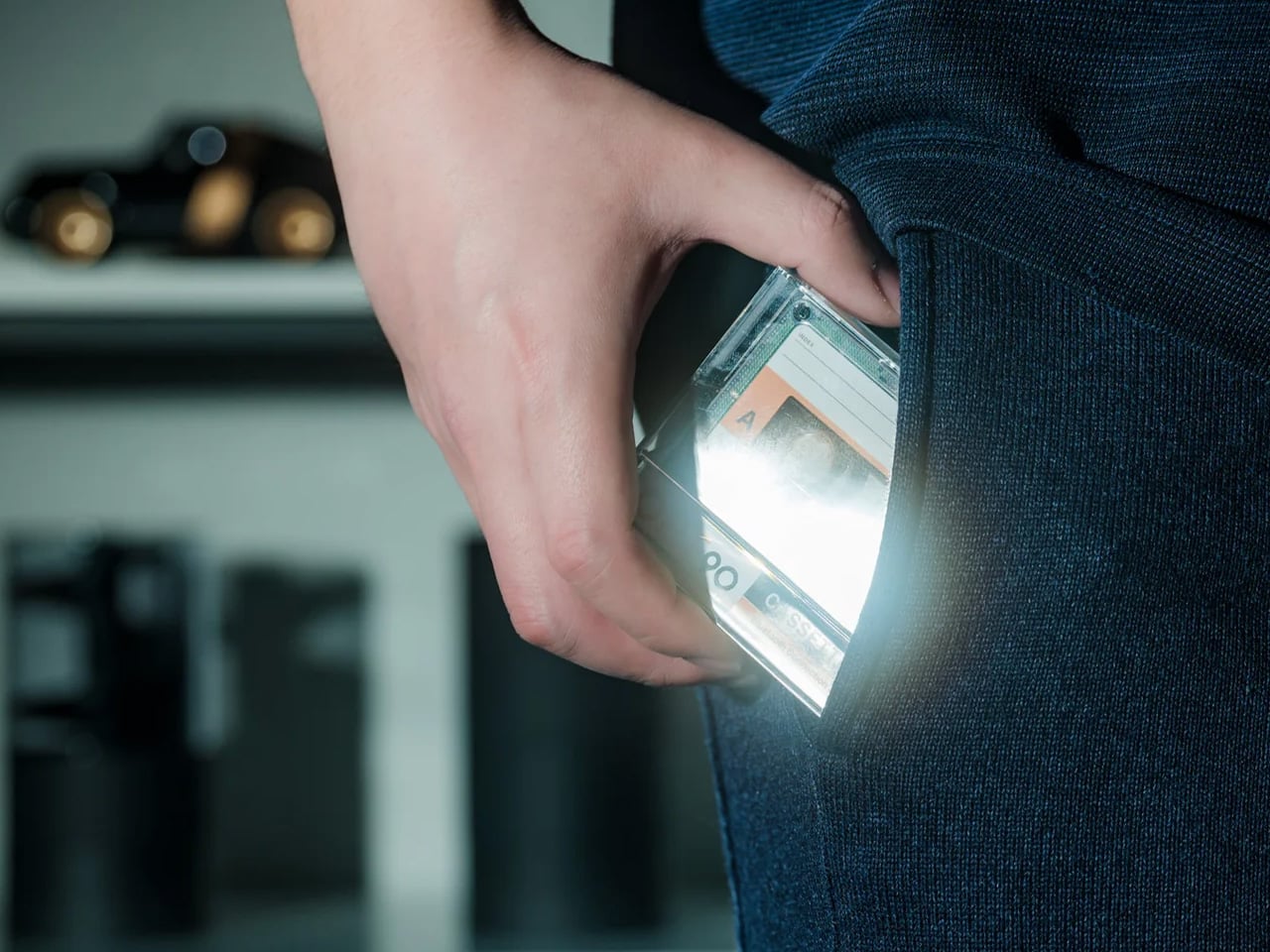
This Bluetooth speaker disguises itself as a transparent mixtape, complete with Side A labeling and visible “reels” inside the clear shell. The cassette shape isn’t just cosmetic nostalgia. It comes with a clear case that doubles as a display stand, letting you prop it up like you once displayed your most treasured mix. Bluetooth 5.3 handles wireless connectivity while a microSD slot allows offline playback of MP3 files. The sound tuning deliberately evokes the warm, slightly compressed character of actual tape playback rather than clinical digital precision.
At under fifty dollars, this hits the sweet spot between genuine functionality and affordable nostalgia. The transparent shell reveals internal components, mimicking see-through electronics that defined ’90s youth culture. You can actually read the Side A label, adding to the mixtape illusion. The compact size fits easily in bags or pockets, making it practical for travel or outdoor use. This succeeds because it doesn’t try to be an audiophile device. It embraces the cassette’s original purpose: sharing music you love in a format that carries emotional weight beyond pure fidelity.
The transparent shell and Side A label nail the mixtape aesthetic.
Bluetooth 5.3 provides reliable wireless connectivity.
microSD playback works offline without phone dependency.
Warm sound tuning captures cassette character instead of sterile precision.
The clear case converts into a functional display stand.
Under fifty dollars makes it an impulse purchase or an easy gift.
What We Dislike
The small size limits bass response and overall volume.
Tuned warmth might frustrate those wanting a flat frequency response.
The microSD slot only accepts MP3 format, not lossless files.
Battery life likely won’t match larger speakers.
The novelty factor might wear off after initial excitement.
Compact dimensions mean less impressive sound than larger alternatives.
6. Portable CD Cover Player
This device solves a problem streaming services created: what do you look at while listening to music? It plays audio CDs while displaying the album artwork in a dedicated pocket, reuniting the visual and auditory experience that made physical media special. The built-in speaker and rechargeable battery mean it goes anywhere, but the minimalist design also makes it worthy of permanent display. You can even mount it on the wall, turning it into a rotating art gallery that changes with your listening mood.
The combination of portability and display functionality sets this apart from typical CD players. Album artwork wasn’t just decoration in the ’90s. It provided context, told stories, and often became iconic imagery tied to the music itself. This player acknowledges that streaming thumbnails can’t replace holding a jewel case while listening to a new album for the first time. The built-in speaker eliminates setup complexity. Just insert a CD, position the artwork, and press play. That simplicity reflects the ’90s plug-and-play mentality before every device demanded app downloads and account creation.
Dedicated artwork display reunites visual and audio elements of albums.
Built-in speaker provides true portability without additional equipment.
A rechargeable battery eliminates cord clutter for placement flexibility.
Wall mounting capability transforms it into a rotating art display.
Minimalist design works as decoration even when not playing.
Playing physical CDs forces intentional listening instead of endless skipping.
What We Dislike
CD collections take up storage space; streaming eliminates.
Built-in speaker quality likely can’t match dedicated audio systems.
The format limits you to CDs you actually own or purchase.
Wall mounting requires an additional bracket sold separately.
Physical media scratches and degrades over time.
Younger users might not own any CDs to play.
7. Invisible Shoehorn
This stainless steel shoehorn with transparent stand brings utilitarian elegance to something usually hidden in closets. The long handle eliminates back strain when putting on shoes, a small relief that compounds over the years of daily use. The polished steel surface glides smoothly without snagging socks or stockings. When placed in its clear acrylic stand, the shoehorn becomes sculptural, looking nothing like its typical function. It hides in plain sight as an attractive decoration rather than an obvious utility.
The transparent stand concept reflects ’90s fascination with revealing function through form. See-through electronics, skeleton watches, and visible mechanics all shared this philosophy: showing how things work makes them more interesting. A shoehorn seems mundane until you consider how many people strain their backs daily because they don’t have one handy. The long stainless steel construction ensures durability measured in decades rather than years. This represents the opposite of disposable culture: buying something once and using it daily for life.
The long handle protects lower backs from repeated strain.
Polished stainless steel prevents sock snags and tears.
The transparent stand creates a sculptural display from mundane objects.
Durable construction ensures decades of reliable use.
Unique aesthetic makes it acceptable for visible placement.
The smooth surface glides effortlessly for easy shoe wearing.
What We Dislike
The minimalist aesthetic might be too subtle for those wanting obvious function.
Stainless steel shows fingerprints and requires occasional cleaning.
The transparent stand adds bulk compared to wall-mounted options.
Higher price point than basic plastic alternatives.
The long design requires dedicated storage or display space.
Some might find the “invisible” concept pretentious for a shoehorn.
Bringing It All Together
These seven products share a common thread beyond ’90s aesthetics: they make technology feel approachable again. Each one prioritizes tactile interaction and visible personality over disappearing into seamless ecosystems. You can actually touch controls, see mechanisms working, and display these devices proudly instead of hiding them. That philosophy defined ’90s product design before everything became black glass rectangles designed to vanish into backgrounds.
Millennials bridge generations that experienced distinct technology eras. These products honor that position by combining familiar forms with modern capabilities. Whether you’re streaming through a cassette speaker or watching planets orbit on your desk, you’re participating in design that values presence over absence. The ’90s taught us that objects could spark joy and conversation. These seven products prove that the lesson still resonates in 2026, offering alternatives to invisible technology that serves function while sacrificing soul.
Most screwdrivers and multi-tools do their job but feel generic, with rubbery handles, loud colors, stamped metal, and no reason to carry them unless you have to. Modern life involves low-level tension, loose screws on glasses, small repairs, idle hands in long meetings, and the constant search for something to occupy fingers without annoying everyone nearby. MAGICDRIVE is aimed at people who want a tool that matches their EDC mindset rather than just filling a slot in a toolbox they rarely open.
MAGICDRIVE is a precision-machined titanium ratchet screwdriver that tries to be a tool, a toy, and a small piece of mechanical art in one body. It is engineered for real performance, with a CNC-machined ratchet, foldable angles, and modular bit holders, but also designed for lifelong delight, something you might leave on a desk or carry in a pocket organizer because you enjoy using it, not just because you need it when something breaks.
The ratchet mechanism is a fully CNC-machined assembly in titanium, brass, and ceramic bearings, with no injection-molded or stamped parts, built around a classic mechanical design. Every component is individually machined and mechanically interlocked, delivering smooth, solid clicks, strong torque transfer, and the promise of zero wobble and long-term reliability. The knurling is also CNC-machined, grooves cut rather than pressed, giving a confident grip that feels secure without being abrasive during longer sessions or repeated use.

The foldable body locks into 0°, 45°, and 90° positions with a push-button system. Straight-line mode is for rapid spinning and quick turns, 45° mode adds control and comfort, and 90° mode turns the compact driver into a small lever for stubborn screws and awkward angles. Torque testing measured up to 7.9 N·m in 90-degree mode with the 1/4-inch holder installed, which is more than most screws can take before they strip or fail.
The modular bit system lets you swap between a standard 6.35mm (1/4-inch) bit holder and a 4mm precision bit holder using a magnetic quick-swap interface. The 1/4-inch mode is the workhorse, fully compatible with common bits, extension bars, and socket adapters, likely the configuration you use most for everyday screws, small repairs, and workshop tasks where full ratchet engagement and smooth mechanical feedback matter during tightening or loosening.
The 4mm module is for micro jobs and delicate hardware, eyeglasses, small electronics, cameras, watches, keyboards, and calibration tasks where control is more important than torque. This mode intentionally skips the ratchet to give fingertip finesse, and MAGICDRIVE’s compact form makes it feel closer to a surgical instrument than a bulky driver when you are working on tiny fasteners that need gentle, precise turns without stripping delicate threads.
The quick-swap bit holder is held by a strong magnetic interface designed to avoid accidental separation or rattling during carry. The magnets are mechanically sealed by CNC-machined caps instead of just glued, preventing glue fatigue and loose parts over time. This reinforces the theme that the tool is built for long-term reliability, not just initial impressions or the first few months of use before parts start failing.
The balanced spinner top with a brass core is designed for silent, satisfying spins when there is nothing to fix. It offers a moment of focus without clicks or noise, and three tritium slots in the top make the driver easy to find in low light while adding a subtle glow when it spins. It is a small piece of kinetic art that turns idle moments into something more intentional, quieter than clicking a pen and more deliberate than scrolling through a phone.
The Grade 5 titanium body, brass spinner core, and N56 magnets avoid coatings pretending to be metal. Three finishes are available: satin silver, beadblast matte grey, and PVD black, and the brass develops patina over time. The hex-based modular ecosystem includes pen and knife modules and an aluminum bit-holder magazine with a ruler and storage, framing MAGICDRIVE as a platform that can grow with an EDC setup rather than a single-purpose tool that sits in a drawer.
MAGICDRIVE is meant to live beside a favorite knife, pen, or watch, not buried in a drawer. Sometimes you pick it up to fix something, sometimes just to feel the machining under your thumb or spin the top during a long call. It is a screwdriver that treats function and feeling as equally important, turning small interruptions and small repairs into chances to enjoy a beautifully made object. For people who care about the tools they carry and the rituals that fill the gaps between bigger tasks, MAGICDRIVE reads less like a gadget and more like a small, well-resolved piece of everyday gear that earns its place in a pocket or on a desk.
January arrives with its familiar promise of renewal, and your work-from-home setup deserves the same attention as your fitness goals or morning routines. The desk where you spend eight hours daily becomes more than furniture—it transforms into the command center of your productivity, creativity, and professional presence. After months of accumulated cable chaos, scattered pens, and makeshift arrangements, the new year offers the perfect excuse to reimagine your workspace with intention.
The right desk accessories don’t just organize; they elevate your entire work experience through thoughtful design and purposeful engineering. These five pieces represent the intersection of form and function, where premium materials meet clever problem-solving. From levitating pens that spark creative breaks to monitor stands that finally solve the Mac mini placement puzzle, each accessory addresses a specific pain point while adding visual sophistication to your desk landscape.
1. Alogic Aspekt Omni Fold Stand
Apple’s Mac mini has always been a spatial enigma—too beautiful to hide away, yet too awkward to display properly. The little computing powerhouse typically ends up pushed to the side with cables sprawling in every direction, never quite integrating into your desk aesthetic. Alogic spotted this design gap and responded with the Aspekt Omni Fold Stand, a monitor stand that elegantly solves the Mac mini placement problem by building its home directly into the base.
The engineering here feels revelatory in its simplicity. Rather than creating another shelf or separate mount, Alogic carved a precision groove into their premium monitor stand specifically calibrated for the M4 Mac mini. This transforms your setup into a modular iMac where computer and display unite visually while remaining independently upgradeable. The stand eliminates cable clutter by centralizing your hub, while the aluminum construction matches Apple’s design language perfectly. Starting your year with this level of spatial organization creates a foundation for everything else on your desk.
What We Like
Transforms the Mac mini and monitor into a cohesive all-in-one aesthetic.
Precision-engineered groove prevents the computer from sliding or shifting.
Centralizes cables and ports for a cleaner desk appearance.
Premium aluminum construction matches Apple product quality.
What We Dislike
Specifically designed for the Mac mini limits universal appeal.
Premium materials result in a higher price point than basic stands.
2. FoldLine Pen Roll
Digital tools dominate our workflows, yet the ritual of putting pen to paper remains irreplaceable for sketching ideas, signing documents, or journaling thoughts. The FoldLine Pen Roll recognizes this enduring need and transforms pen storage from utilitarian afterthought into an intentional design object. Crafted from a single piece of Italian leather, this isn’t merely a case—it’s a portable writing station that unfolds into a defined work surface wherever you land.
The origami-inspired geometry creates natural compartments without stitching or partitions. Your pens nestle into folded leather channels that prevent rattling and scratching; even metal-bodied instruments remain separated and protected. Opening the roll becomes a small ceremony that signals transition into focused work mode, whether you’re at a café table or hotel desk. The leather develops character through use, aging beautifully while maintaining structure. Resetting your desk for January means honoring analog tools with the same design consideration you’d give your laptop or monitor.
Single-piece Italian leather construction ensures durability and elegance.
Unfolds into a stable tray that defines a workspace on any surface.
Natural folding system protects pens without scratches or noise.
Compact form travels easily in bags without adding bulk.
What We Dislike
Leather requires occasional conditioning to maintain suppleness.
Limited capacity suits curated pen collections rather than large inventories.
3. ClearMind Kendama
Desk accessories typically focus on productivity optimization, but sustained focus requires deliberate breaks that refresh your mind without derailing concentration. The ClearMind Kendama from Tokyo Kendama introduces a physical skill toy to your workspace, offering three-minute mental resets between video calls or during creative blocks. This traditional Japanese toy—a wooden handle connected to a ball—challenges hand-eye coordination while providing satisfying tactile feedback that screens simply cannot deliver.
Tokyo Kendama recalibrated the classic design specifically for modern desk use. Larger cups make landing tricks more achievable, building confidence rather than frustration during brief breaks. The bearing system minimizes string twists, maintaining smooth operation throughout the day. The balanced weight distribution creates precise movements that feel meditative rather than chaotic. Keeping the ClearMind Kendama within reach establishes a healthier relationship with breaks, replacing endless phone scrolling with intentional physical engagement that genuinely refreshes your attention span for the next task.
Physical skill development provides genuine mental breaks from screens.
Larger cups and recalibrated balance increase success rates for beginners.
The bearing system prevents string tangles during extended use.
Compact desktop footprint requires minimal space when not in use.
What We Dislike
The initial learning curve may frustrate users seeking immediate gratification.
Wooden construction shows wear marks from repeated trick attempts.
4. OrigamiSwift Folding Mouse
Laptop trackpads serve their purpose, but precision work demands a proper mouse—a truth that becomes problematic when your workspace shifts between home office, coffee shops, and coworking spaces. The OrigamiSwift Folding Mouse solves this portability paradox by delivering full-size comfort and control in a device that collapses completely flat. Inspired by origami’s transformation principles, this Bluetooth mouse adapts to your location rather than forcing workspace compromises.
The folding mechanism activates in under half a second with a simple flip, springing the mouse to life immediately. At just 40 grams, it disappears into your bag or pocket until needed, yet the ergonomic shape feels substantial and natural during extended work sessions. The design acknowledges that January resolutions often include workspace flexibility—maybe you’re committing to working from different environments or finally embracing that digital nomad dream. OrigamiSwift ensures your tools match your ambitions, providing desktop precision regardless of where you unfold your laptop.
Folds completely flat for effortless transport in any bag.
Full-size ergonomic comfort prevents hand fatigue during long sessions.
Instant 0.5-second activation from folded to functional state.
Ultra-lightweight 40-gram construction adds negligible travel weight.
What We Dislike
The folding mechanism represents a potential long-term durability concern.
Bluetooth connectivity requires occasional battery recharging.
5. Levitating Pen
Every desk needs a conversation piece that transcends pure utility, an object that sparks curiosity and provides momentary wonder during grinding workdays. The Levitating Pen achieves this through magnetic engineering that suspends the pen vertically in mid-air without batteries or electronics. The precision-machined pedestal creates a magnetic field perfectly calibrated to balance the pen, transforming a writing instrument into a kinetic sculpture that commands attention on any desk surface.
Manufactured using CNC machining with tolerances under 0.1mm—the same facility producing Apple products—this pen demonstrates obsessive attention to detail. The Swiss-made ballpoint cartridge ensures writing performance matches the engineering spectacle. Beyond aesthetics, the levitating mechanism serves a practical purpose: taking brief mental breaks by spinning the pen, watching its hypnotic wobble for thirty seconds before returning refreshed to your task. Starting January with this level of design consideration signals your commitment to a workspace that inspires rather than merely functions.
Swiss ballpoint cartridge delivers a smooth, professional writing experience.
Spinning motion provides meditative micro-breaks during intensive work.
What We Dislike
The pedestal requires permanent desk space that cannot be repurposed.
Premium manufacturing process results in significant investment cost.
Resetting Your Workspace Intentionally
The desk accessories you choose reveal your priorities and shape your daily experience more than most people realize. These five pieces represent different facets of the modern work-from-home reality: spatial organization, analog appreciation, mental refreshment, location flexibility, and design inspiration. Each addresses specific pain points while elevating your workspace beyond pure function into something that genuinely sparks joy during those long January afternoons.
Resetting your desk for the new year isn’t about buying everything at once—it’s about identifying which aspect of your current setup drains energy rather than creating it. Maybe you’re drowning in cable chaos around your Mac mini, or perhaps you’re scrolling through your phone during breaks when your mind needs actual engagement. Start with the accessory that solves your most persistent frustration, then build from there as your workspace evolves throughout the year.
The usual night-vision experience involves green haze, grainy silhouettes, limited reach, and a red IR glow that gives you away the moment you turn on the illuminator. Most systems force you to choose between contrast and color, or between seeing far and staying invisible. The trade-offs are familiar enough that people who work or roam in the dark have learned to accept them, settling for monochrome when they need range or giving up clarity when they need stealth.
Night Storm X3 is aimed at people who move through the dark for work or passion and need more than a toy flashlight for their eyes. It is a binocular-style night-vision system that promises native 4K full-color imaging down to 0.0001 lux (10 times better than the previously industry-leading SONY Starvis), visibility out to 1,500m, and an invisible 950nm IR beam, all fused by a 20 TOPS AI engine in a rugged IP65 housing designed for long nights.
The Night Storm X3 is built around a ground-breaking architecture of not just one, but two proprietary 1-inch night vision CMOS sensors branded Luma-X and Chroma-X. One is a monochrome sensor that locks onto structure and edges in near-zero light, the other is a color sensor that pulls real color from light levels lower than starlight. The AI Neural Brain fuses them at the sub-pixel level, so you get both sharp contrast and natural color in a single 4K stream.
To understand what 0.0001 lux actually means, consider that a single candle at one meter is roughly one lux. By 0.001 lux, that glow is barely visible from 100m, and at 0.0001 lux it disappears to the naked eye. The Night Storm X3 still pulls full-color detail at that level, paired with optics tuned for a 13-degree field of view and 8x digital zoom, with minimal noise and interference thanks to its powerful AI imaging processing.
That optical system lets you scan valleys, fence lines, or shorelines up to 1,500m away. The narrow field of view, f/1.4 aperture, and 42mm focal length give you reach and detail rather than a wide panorama, which makes sense for tracking distant subjects or monitoring large open areas where you cannot physically move closer without being noticed or disturbing the scene.
Older 850nm IR systems throw a visible red glow that is easy to spot and can spook animals or reveal your position. The Night Storm X3 uses a boosted 950 nm infrared system that stays invisible to humans and nearly undetectable to most animals. It provides powerful monochrome visibility up to 1,500m in 0-lux conditions, with four adjustable brightness levels to tune illumination and stay hidden.
The Pro model adds a built-in laser range finder that measures distance, angle, and drop up to 1,500m with a digital crosshair. Pair that with true 4K video and 52 MP stills, saved straight to a TF card at full resolution, and the X3 becomes a documentation tool. For professional night photographerx and animal observers, the built in LRF helps pin point distance of the objects down to the accuracy of centimetres, greatly enhance the overall performance and situation awareness. You can track animal patterns, log security incidents, or review what happened in a search corridor after the fact.
The 5,100 mAh battery and efficient NPU give you up to 24 hours of operation with IR off, enough to cover an entire night without swapping cells. The close-to-eye viewfinder feels more like binoculars than a screen at arm’s length, reducing fatigue during long sessions. The IP65 rating and -20 to 50 degree operation keep it running when you are out in harsh conditions for hours.
Built-in Wi-Fi and the DVX app let you stream, capture, and review footage from a phone, and TF card support up to 512GB gives you room for long sessions. Illuminated controls, audible alerts, a tripod mount, and a tactical light with constant and strobe modes slot into existing workflows without forcing you to reinvent how you work or carry extra accessories.
Night Storm X3 brings together dual sensors, AI fusion, stealth IR, and industrial design into something that feels like a serious tool rather than a gadget. It is built around the needs of people who spend long stretches in the dark and need color, range, and confidence. For anyone who has run out of battery mid-watch, squinted at grainy green footage, or been given away by a glowing IR emitter, the Night Storm X3 reads less like an incremental upgrade and more like the kind of gear that quietly changes what you can do when the sun goes down.
Book clubs thrive on intention, and 2026 is calling for a refresh. The ritual of reading together deserves more than cramped corners and harsh overhead lighting. Creating a dedicated reading nook transforms your literary habits from scattered moments into meaningful experiences. These five essentials blend form with function, turning any space into an inviting sanctuary where pages turn naturally, and conversations flow.
The best reading nooks aren’t about excess. They’re about selecting pieces that enhance comfort while celebrating the act of reading itself. From ambient lighting that sets the perfect mood to clever tools that keep your place without damaging precious spines, each element serves a purpose. These designs honor the tactile joy of physical books while adding visual interest that makes your reading corner a destination worth visiting daily.
1. Bookish Bookmark
Every dedicated reader knows the frustration of trying to keep a book open while juggling a cup of tea or taking notes. The Bookish Bookmark solves this age-old problem with elegant simplicity. This transparent acrylic paperweight curves naturally to hold pages open without forcing the spine into unnatural positions, respecting the integrity of your favorite volumes while keeping them accessible.
The genius lies in its transparency. Unlike traditional paperweights that obstruct text, this bookmark disappears visually while doing its job. You can read straight through it without interruption, making it perfect for those moments when you need both hands free to sketch ideas or reach for snacks during intense book club discussions. The book-shaped design adds a meta touch that book lovers will appreciate.
The curved design respects the natural form of books, preventing spine damage that can devalue collectible editions.
The transparent material means no more awkward repositioning to read past an opaque weight.
It eliminates the need for makeshift solutions like coffee mugs or phones that can leave marks or cause spills.
The dedicated design shows thoughtfulness toward the reading experience itself.
What We Dislike
Acrylic resin can scratch over time with rough handling, potentially affecting its clarity.
The transparency that makes it functional also makes it easy to misplace on cluttered surfaces.
It works best with standard-sized books, leaving oversized art books or tiny pocket editions without ideal support.
The minimalist design lacks personalization options for readers who enjoy expressive accessories.
2. Anywhere Use Lamp
Lighting makes or breaks a reading environment. The Anywhere Use Lamp brings warmth and flexibility to your reading nook with its mushroom-inspired portability. Six high color rendering LEDs cast a soft glow that’s bright enough for comfortable reading without the harshness of overhead lights. The modular design means you can reposition it instantly, following natural light throughout the day or moving between rooms.
Battery power changes everything for the reading nook design. Four AA batteries free you from outlet proximity, letting you claim any corner as your literary retreat. The tactile satisfaction of pressing anywhere on the lamp’s cap to cycle through four brightness levels adds a sensory element to your reading ritual. Choose between black, white, or the new Industrial edition with its deliberately imperfect metal base that celebrates authentic character.
The portable design using AA batteries liberates your reading nook from electrical constraints.
Warm LED lighting reduces eye strain during extended reading sessions while creating an inviting ambiance.
The haptic feedback from adjusting brightness adds satisfying physicality to the experience.
Modular construction allows easy disassembly for transport to outdoor book club meetings or weekend retreats.
What We Dislike
Battery replacement creates ongoing costs and environmental considerations compared to rechargeable options.
The compact size limits coverage area for larger reading spaces or group gatherings.
AA batteries add weight that slightly contradicts the portable promise.
The minimalist aesthetic, while elegant, offers limited decorative personality for eclectic spaces.
3. Pop-Up Book Vase
Reading nooks benefit immensely from living elements. The Pop-Up Book Vase brings nature into your literary space with whimsical charm. This clever design opens like a storybook to reveal three-dimensional vase cutouts that hold fresh flowers. Three different vase designs within one book format mean you can refresh your display without purchasing new pieces, simply by turning pages to reveal new arrangements.
Natural pulp construction with water-resistant coating protects against spills while maintaining an organic aesthetic. The vase can be positioned normally or flipped upside down for dramatically different perspectives, encouraging the kind of creative thinking that enriches book discussions. Flowers add color, fragrance, and vitality to reading spaces, creating sensory layers that make settling in with a book feel truly special.
Three distinct vase designs provide variety without clutter, perfect for small spaces.
The pop-up mechanism delights visitors and adds conversation-starting visual interest.
Natural materials align with sustainable living values while complementing book aesthetics.
Fresh flowers improve air quality and mood, both beneficial for focused reading and lively discussions.
What We Dislike
The water-resistant coating requires careful maintenance to prevent degradation over time.
Structural integrity depends on proper setup, making it less intuitive than traditional vases.
Page-turning mechanisms can weaken with frequent repositioning, limiting design changes.
The creative format takes up more surface area than conventional cylindrical vases.
4. Fire Capsule Oil Lamp
Ambient lighting elevates reading from routine to ritual. The Fire Capsule Oil Lamp provides up to 16 hours of continuous illumination from its 80ml capacity, creating a serene atmosphere that invites longer reading sessions. The precision-engineered lid keeps the glass chimney dust-free, maintaining crystal clarity that showcases the living flame. This isn’t just functional lighting—it’s a centerpiece that transforms your reading nook into a sanctuary.
The included aroma plate expands functionality beyond illumination. Add essential oils to infuse your space with scents that enhance focus or relaxation during reading sessions. Paraffin oil burns clean and odorless, creating a safe ambiance for both novice and experienced users. The cylindrical form stacks beautifully for storage, while the protective drawstring pouch makes it portable for outdoor book club gatherings, where you can use insect-repelling oils.

The generous 16-hour burn time supports marathon reading sessions and extended book club meetings.
Clean-burning paraffin oil eliminates the smoke and odor concerns that candles present near books.
The aroma plate feature creates multi-sensory reading experiences that deepen immersion.
Stackable design solves storage challenges while the included pouch enables outdoor literary adventures.
What We Dislike
Open flame requires vigilant supervision, especially in homes with children or pets.
Paraffin oil represents an ongoing expense and requires dedicated storage space.
The glass chimney, while beautiful, introduces fragility that demands careful handling.
Flame lighting lacks the instant convenience of electric options for quick reading sessions.
5. StillFrame Headphones
Modern reading encompasses multiple formats. The StillFrame Headphones honor audiobook listeners and those who prefer ambient soundscapes while reading physical books. At just 103 grams, they vanish physically while delivering substantial audio through 40mm drivers that create an expansive soundstage. The design splits the difference between in-ears and over-ears, offering comfort for the 24-hour battery life that powers all-day listening.
The retro-inspired geometry references the CD era when albums demanded dedicated attention, making these headphones philosophically aligned with focused reading. Active noise cancelling creates isolation for deep concentration, while transparency mode maintains environmental awareness for shared spaces. This adaptability serves book club members who alternate between private reading and group discussions, supporting both modes with a simple tap.
The 24-hour battery life eliminates charging anxiety during long reading days or travel.
Featherlight construction at 103 grams prevents the fatigue associated with heavier headphones.
Dual-mode functionality adapts to changing environments without requiring different devices.
The wide soundstage enhances audiobook narration and creates immersive atmospheres for background music during reading.
What We Dislike
The premium design comes with corresponding pricing that may stretch book club budgets.
On-ear style can cause discomfort during extremely extended wear despite light lightweight.
The aesthetic, while striking, demands commitment to a specific design language.
Bluetooth connectivity introduces another device to charge and maintain in your reading ecosystem.
Building Your 2026 Reading Ritual
These five essentials work together to create reading environments that honor literature. The combination addresses lighting from multiple angles, supports the care of physical books, introduces natural elements, and acknowledges evolving consumption formats. Investing in a dedicated reading space signals a commitment to your book club goals, transforming intentions into daily practices that last throughout the year.
Quality tools enhance experiences worth repeating. When your reading nook becomes genuinely inviting rather than merely functional, returning to it feels effortless. These designs demonstrate that thoughtful curation matters, that small details compound into significant improvements. Your 2026 book club goals deserve this foundation, where every element serves both purpose and pleasure in equal measure.