Google, Amazon, and Sonos All Redesigned Their Smart Speakers, Except Apple

Between 2017 and 2021, Amazon’s devices division burned through over $25 billion, with Alexa and Echo hardware at the center of almost every bad quarter. The logic had always been that the hardware was just the entry point, a subsidized gateway to a much larger commercial relationship with the customer. But the gateway proved harder to monetize than expected. Alexa stayed useful but shallow. Echo devices multiplied without ever feeling essential. By the mid-2020s, the smart speaker category had the atmosphere of a bet that had come in wrong, expensive, underperforming, and quietly being maintained rather than championed. These fabric-covered cylinders became kitchen furniture, occasionally summoned for timers and weather forecasts, rarely inspiring anyone to rethink the room they lived in.

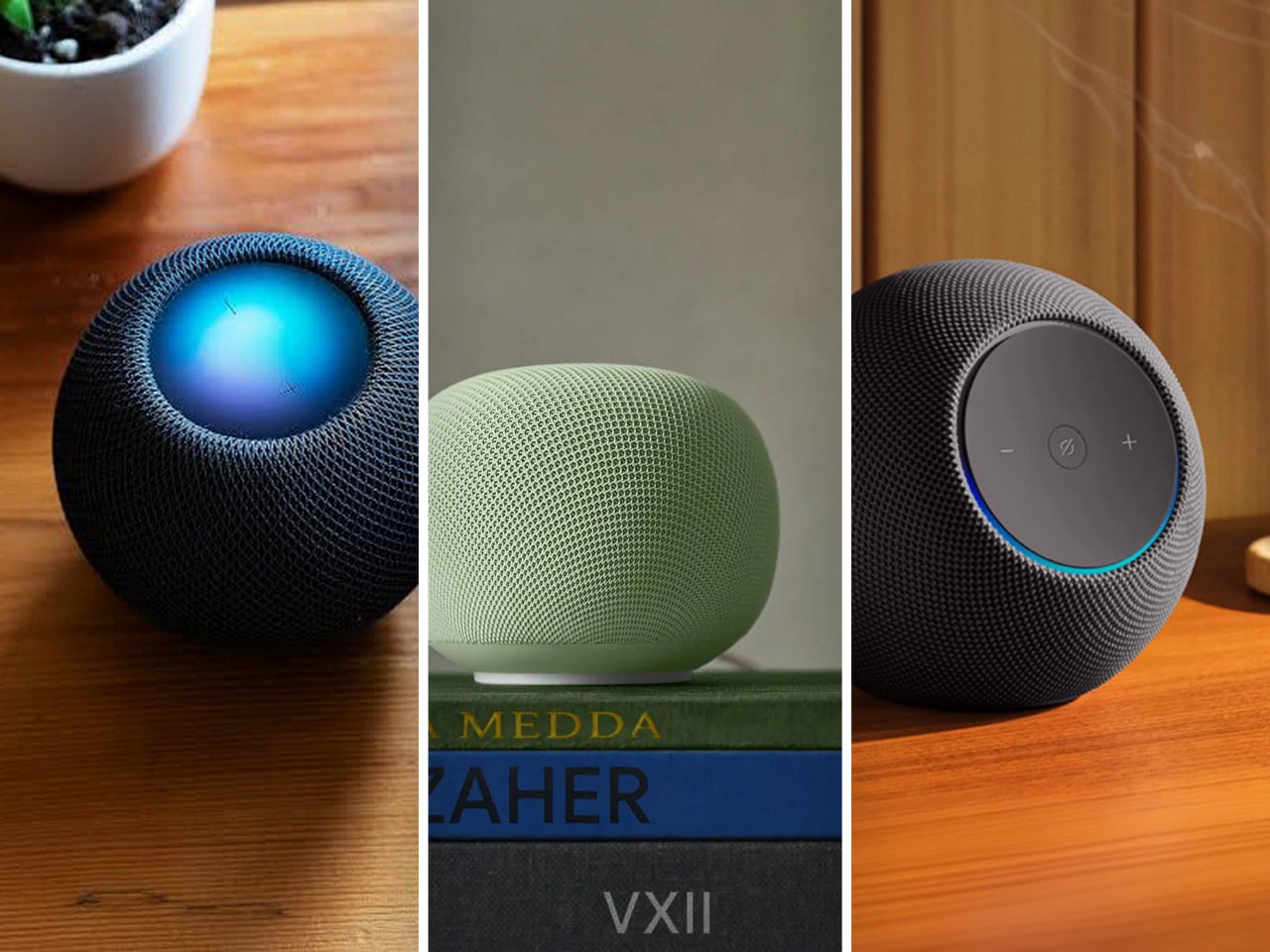
That atmosphere is lifting in 2026. Google, Amazon, and Sonos are each arriving with hardware that reflects a completely different set of priorities: softer silhouettes, AI that understands context, and audio that adapts to a space rather than simply occupying it. The smart speaker is being redesigned from the object outward, and the convergence across three separate companies suggests something closer to a category-wide correction than a coincidence of product cycles. The one company yet to offer a visible answer to this moment is Apple. It has the custom silicon, the acoustic engineering, and the design heritage to lead this reset. So far, it has chosen to watch.
The freeze began around 2020, right after the category normalized itself into oblivion. By that year, every major player had established its smart speaker lineup: a small version, a premium version, and often a screen-equipped version. Google had the Nest Audio and Nest Mini. Amazon had refined the Echo and Echo Dot into cheap, competent appliances. Apple had shipped the HomePod mini and repositioned the original HomePod as a premium but niche play. The market was saturated, the designs were settled, and the pace of innovation slowed to the rhythm of assistant software updates rather than genuine hardware rethinks. For half a decade, the smart speaker became something people bought once and forgot about. The category was not dead, but it had stopped asking interesting questions about itself.

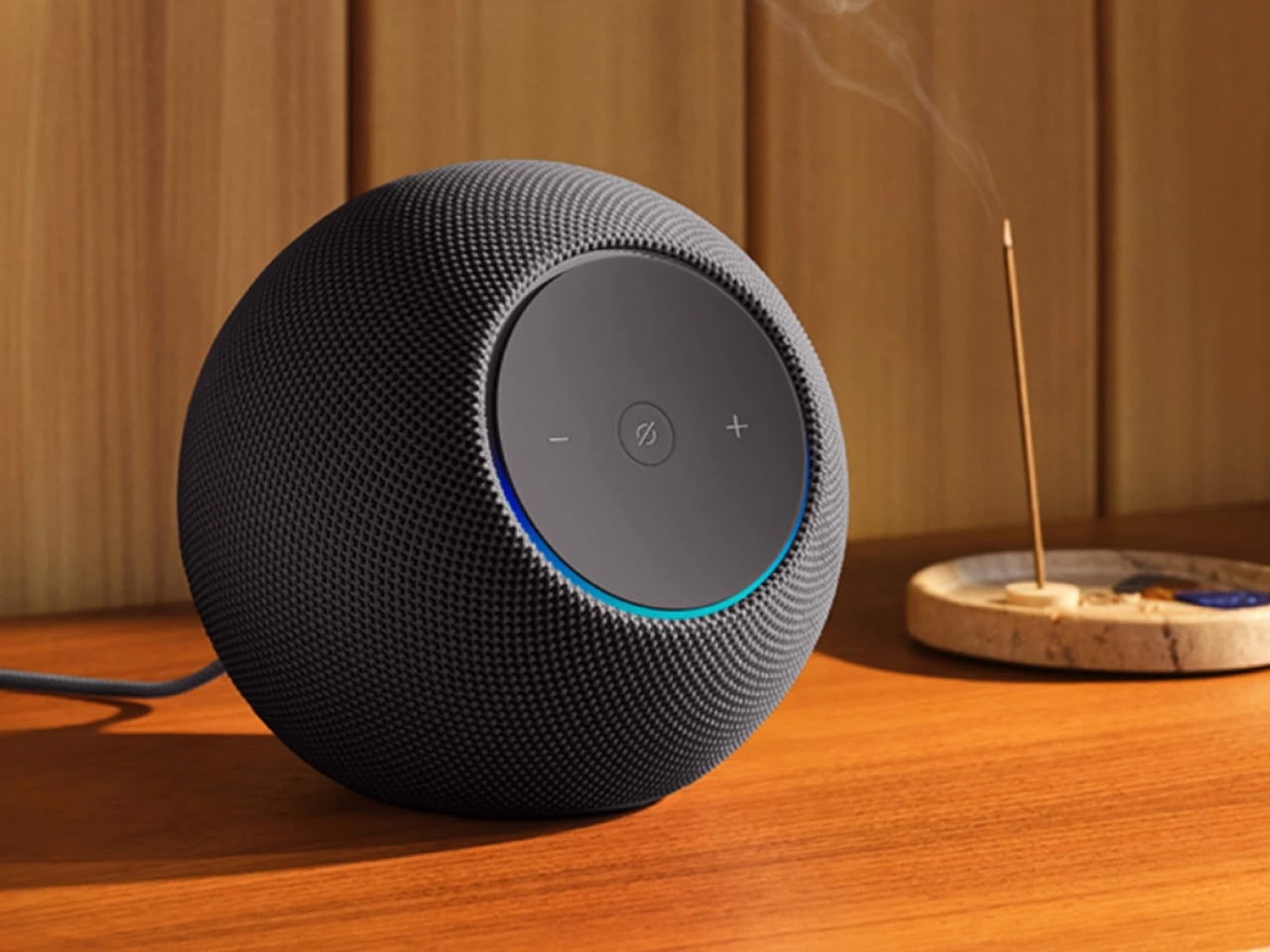
What is happening now feels like an answer to questions the industry spent years avoiding. The new generation is defined by a shared visual and behavioral language that cuts across competitive lines. Fabrics are softer, volumes are lower, edges are gentler. Google’s latest Home Speaker trades the aggressive branding and hard plastic of earlier models for something that reads more like a domestic object than a gadget. Amazon rebuilt four Echo devices from scratch for its Alexa+ platform, including the new Echo Dot Max and Echo Studio, both of which prioritize touch-first controls and room-blending forms. Sonos pushed the Play and Era 100 SL into the same softer, more architectural territory. These are not coincidental choices. They reflect a collective decision that the smart speaker should feel native to the home, a piece of the room’s fabric rather than an intrusion into it.
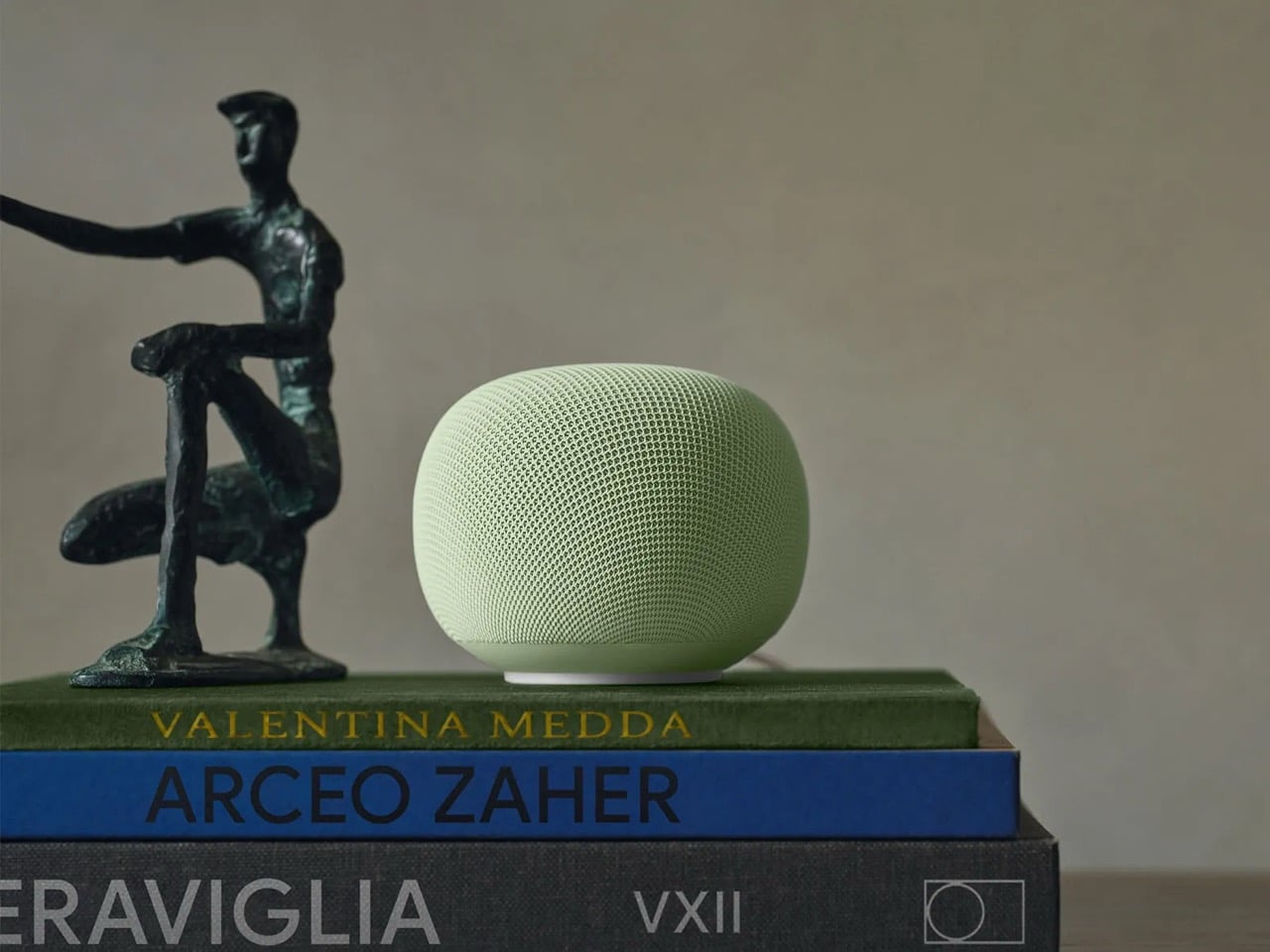
The surface redesign only works because the internal proposition has changed too. The smarter pitch in 2026 is about behavior, not specs. AI assistants are becoming more conversational, more capable of understanding context, and in many cases more locally responsive without needing constant cloud reliance. On-device processing means faster reactions and more natural interactions. Room-aware audio tuning means the speaker adapts its output to the acoustics of the space it occupies, rather than blasting a fixed profile into every environment. The result is a device that feels less like a tool you command and more like a presence that integrates into how you use a room. That shift from command-and-response to ambient intelligence is what separates this generation from everything that came before it.

Apple’s absence from this wave is conspicuous, and it lands differently now than it might have two years ago. The company has not publicly joined the 2026 reset in any visible way. Its HomePod and HomePod mini remain comparatively static in a market that is suddenly showing signs of genuine motion. That gap would be easier to dismiss if Apple were not also in the middle of a larger hardware leadership transition. Johny Srouji, who has led Apple’s silicon engineering since 2015, was promoted to Chief Hardware Officer in April 2026, taking control of not just chips but batteries, cameras, sensors, and the full stack of core hardware technologies. Alongside John Ternus, who oversees hardware engineering as Senior Vice President, Srouji is now reshaping Apple’s product roadmap from the silicon up. That internal realignment suggests Apple is rethinking what it builds and why at a structural level, which makes the HomePod silence feel less like neglect and more like a strategic pause.
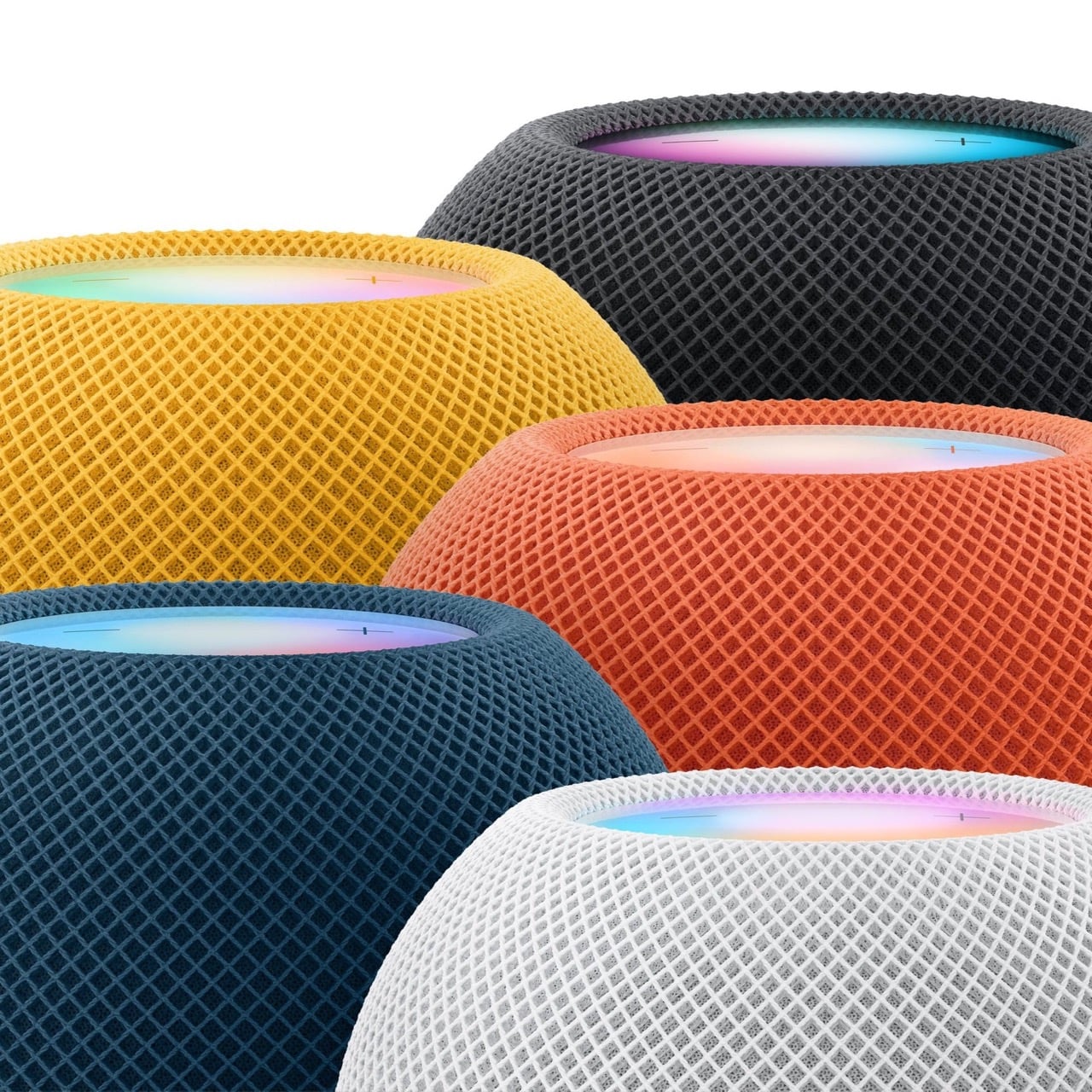
The question is what that pause means for the smart speaker itself. Apple could be deciding that the category remains secondary to other home devices in its hierarchy, or it could be planning a response that reflects the new leadership’s priorities in ways the current HomePod line does not. If Apple ships a more intelligent, more room-aware, more visibly rethought HomePod in the next twelve months, it will validate the broader industry thesis that smart speakers really are resetting around AI behavior and domestic presence. If it does not, then Apple may be signaling that it sees the smart speaker as a solved accessory category rather than a serious frontier worth heavy investment.

Either way, Apple’s eventual move will tell us more than just what the company thinks about voice assistants. It will reveal whether the smart speaker has genuinely earned a second act or whether the current wave of redesigns from Google, Amazon, and Sonos turns out to be the industry’s last serious attempt to make these devices matter. The category spent years being useful without being essential. The new generation is trying to close that gap. Apple’s decision to join that effort, or not, will be the clearest indication yet of whether the bet is finally worth taking seriously.

The post Google, Amazon, and Sonos All Redesigned Their Smart Speakers, Except Apple first appeared on Yanko Design.
This Japanese Key Ring Has One Press, No Coil, And Zero Need For Your Thumbnail

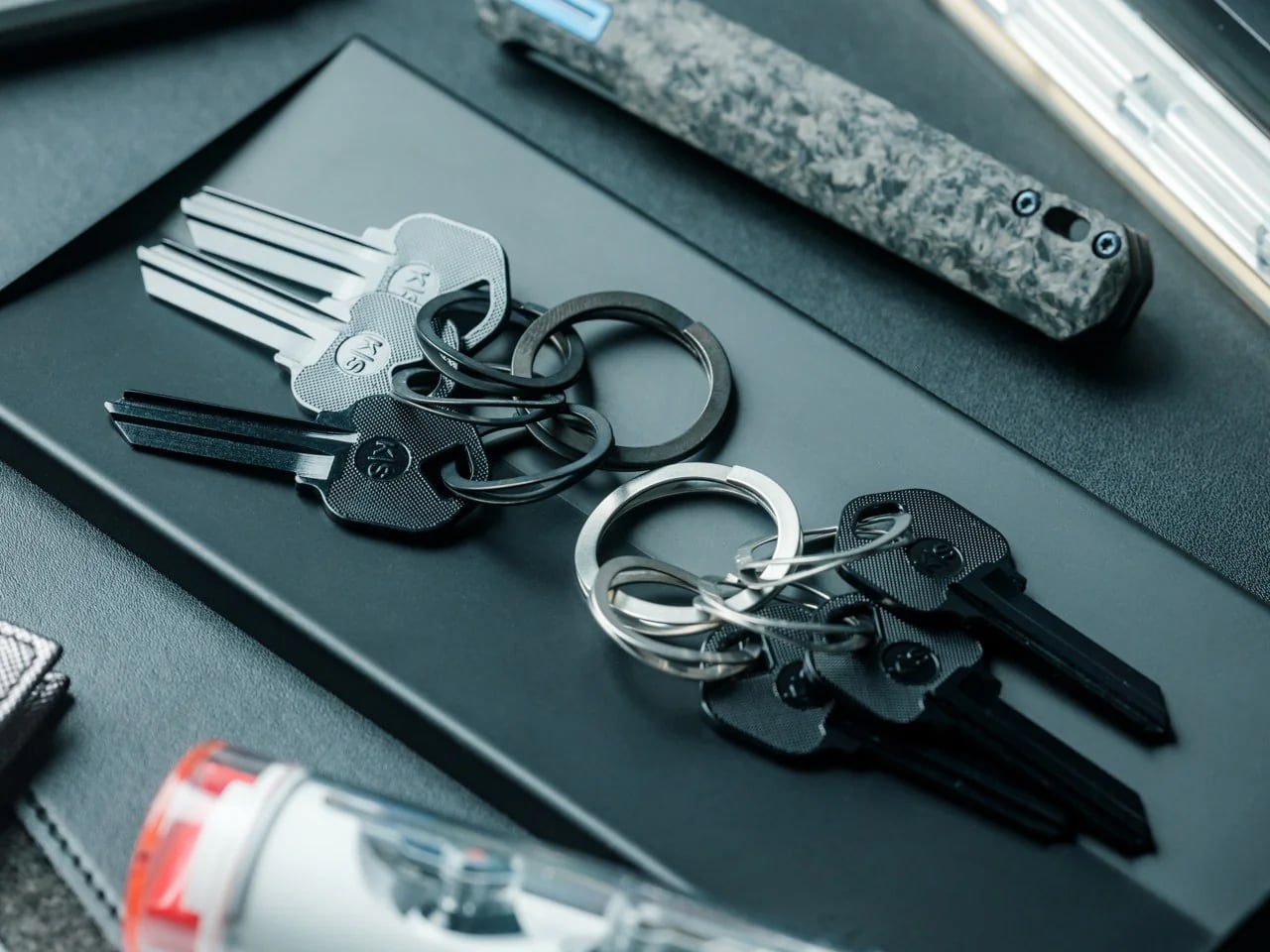
The EDC community has, over the past decade, upgraded nearly everything it carries. Wallets went from leather bricks to carbon fiber cardholders. Pens became precision instruments. Knives became an art form. Notebooks became rituals. The one item nobody touched was the key ring – because most key rings are inherited, not chosen. They arrive with a car purchase, a spare apartment key, or a hotel checkout, and they stay for years without ever being questioned. In fact, the maximum you change is the decoration on the keychain, and break a nail in the process. The Painless Key Ring from Yanko Design is built specifically for that oversight.

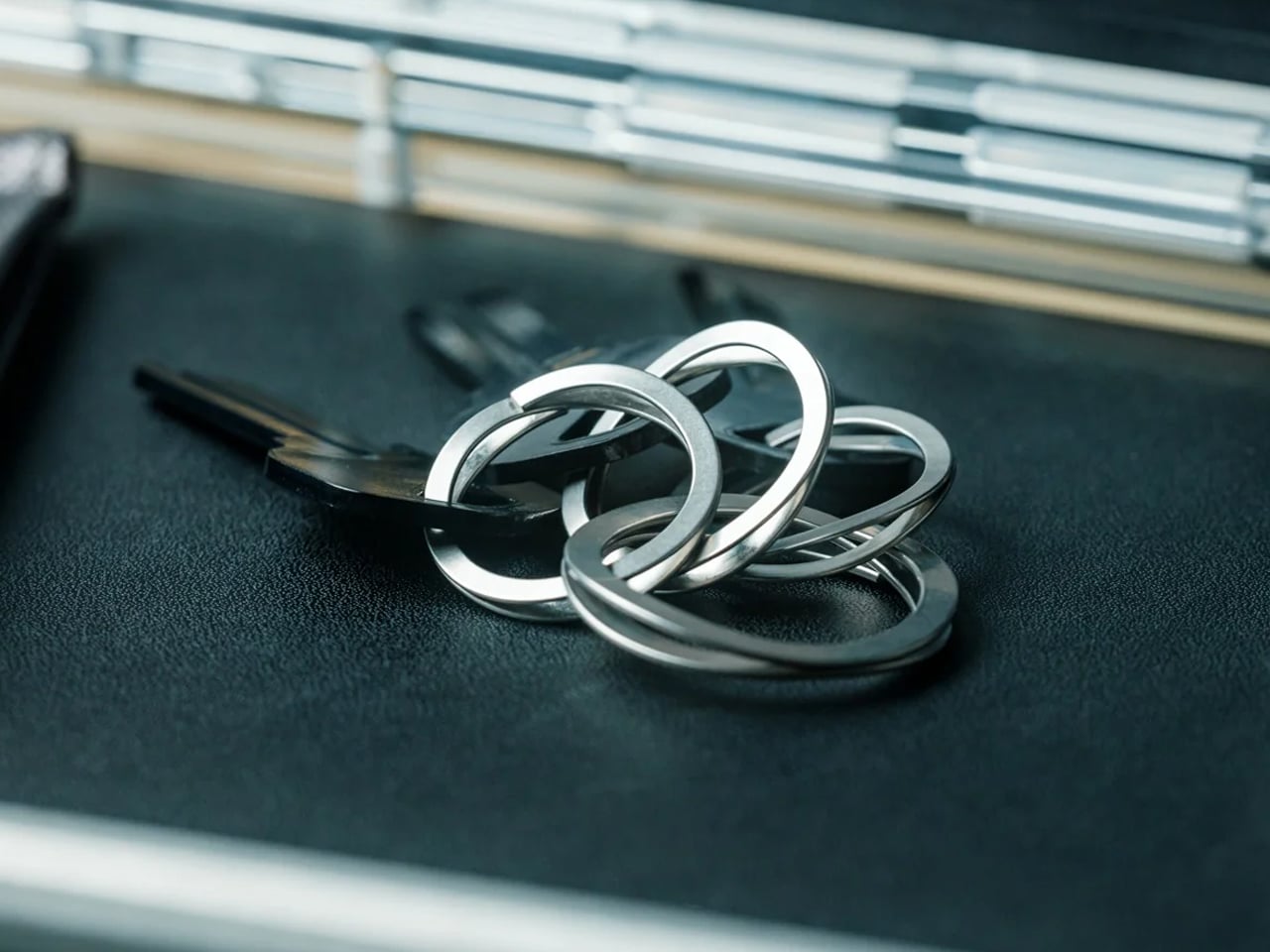
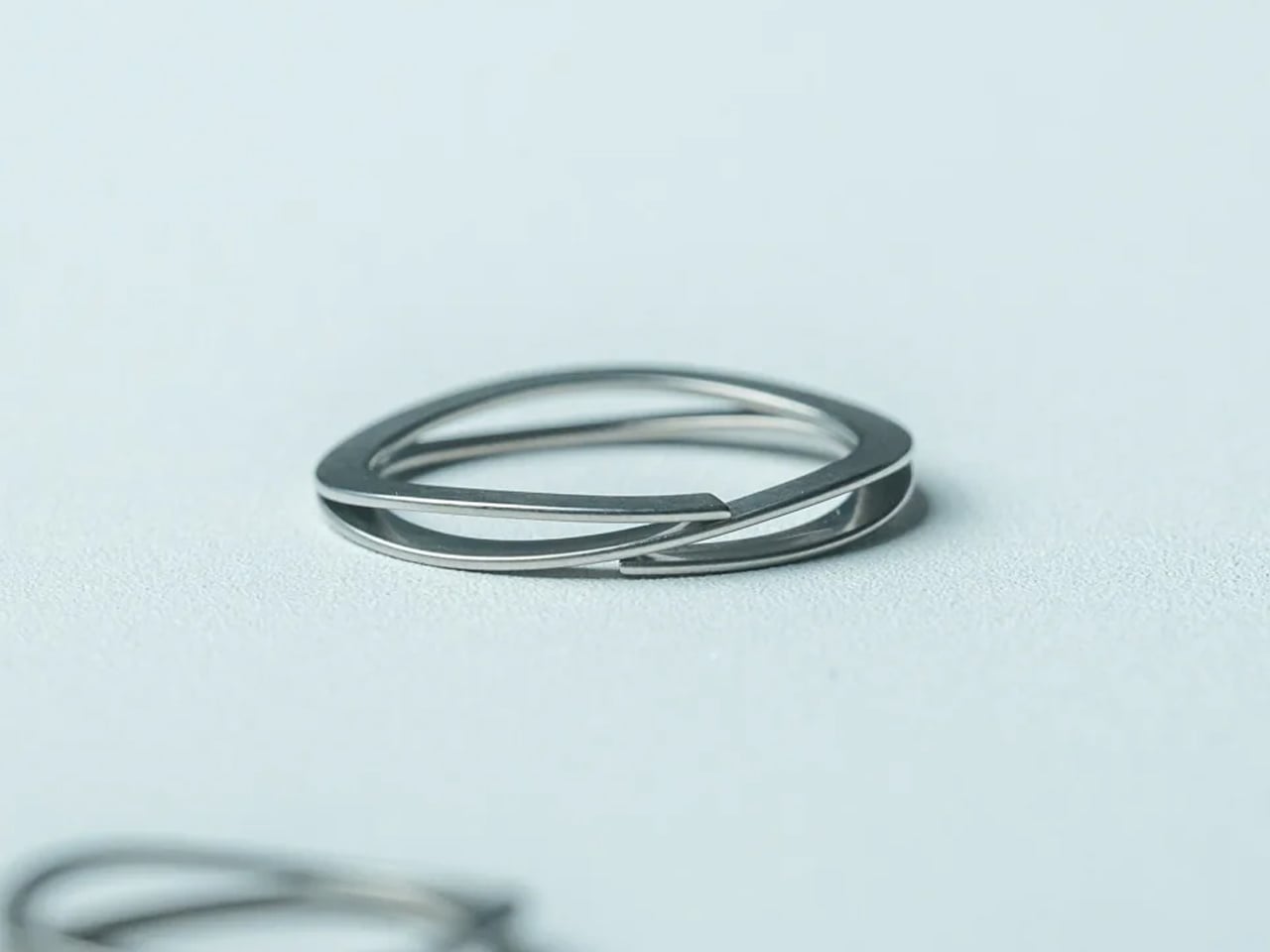
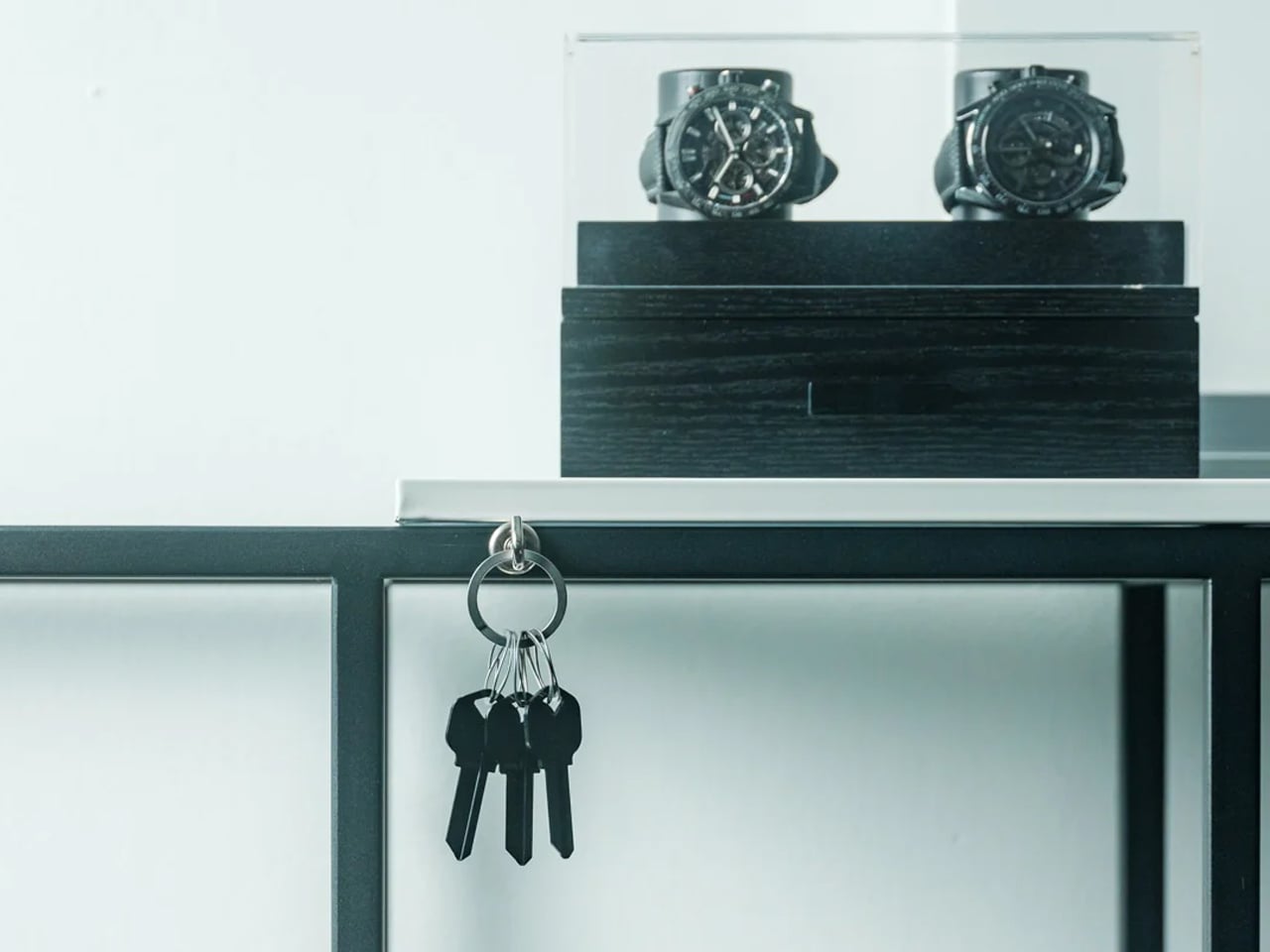
It uses a wave spring mechanism instead of the double-coiled split ring that has dominated keychains for over 130 years. Press the release, the ring opens. Let go, it closes. No gap to find, no coil to fight, no thumbnail to sacrifice. At $29, it is the last piece of a considered carry that most people still have not upgraded.

Click Here to Buy Now: $29.00

The Painless Key Ring replaces a mechanism that has not meaningfully changed in over 130 years – and the moment you press it open, you will understand why that matters.

One Press, A Different Keychain

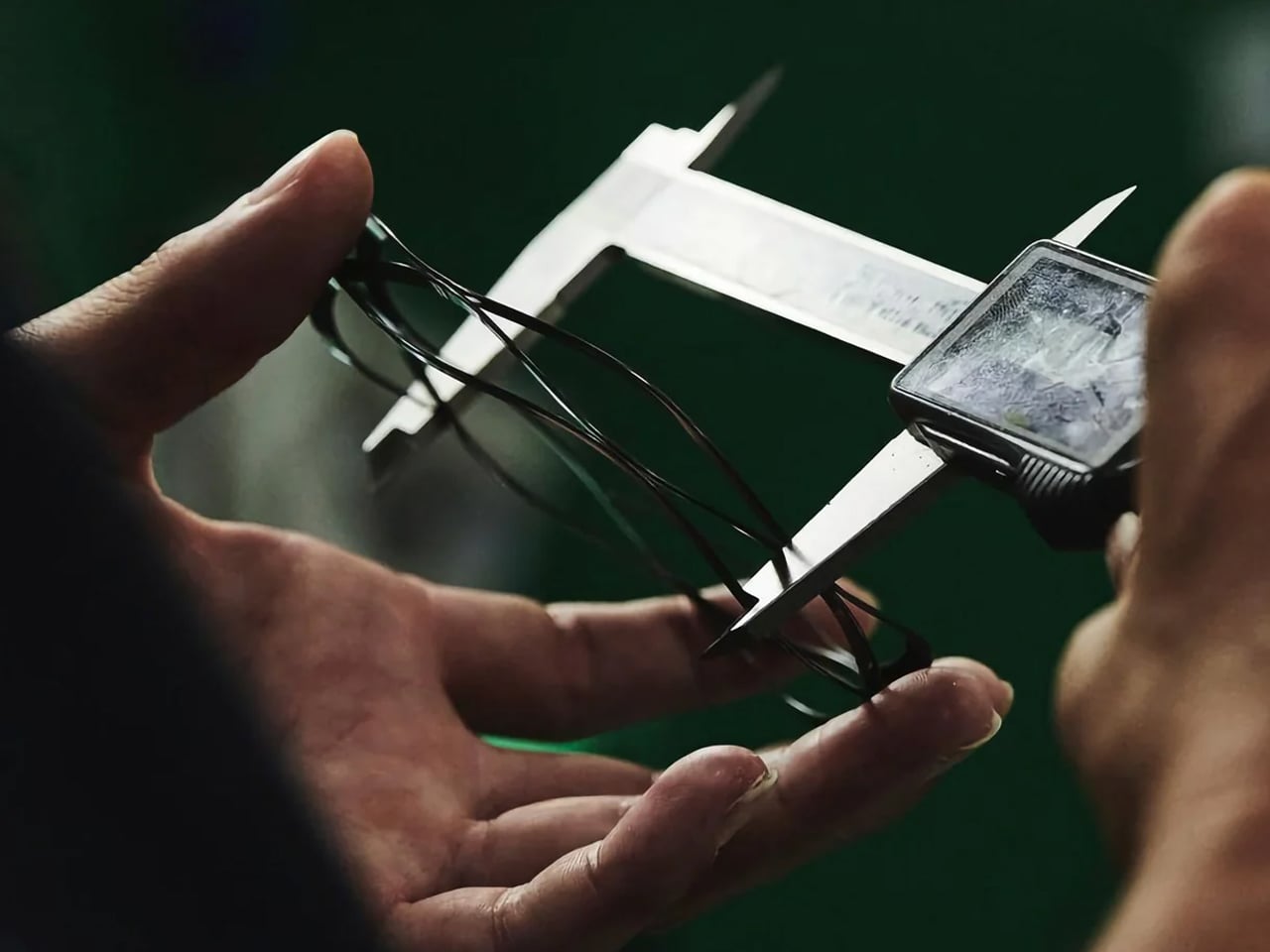
The wave spring is the engineering story at the center of this ring. Where a traditional split ring requires you to find the gap in the coil, work a fingernail or coin underneath it, and pry it open one agonizing millimeter at a time, the Painless Key Ring opens the moment you press the release point. Let go, and it closes with the same clean tension that holds your keys secure throughout the day. There is no gap to find, no coil to fight, and no nail to sacrifice. The motion is immediate, deliberate, and completely controlled.

The result is not just faster – it is fundamentally different. Keys slide on and off cleanly, without resistance, without the micro-damage that repeated split-ring prying inflicts on key stems over time. For anyone who swaps keys regularly – between an office badge, a rental car, a gym locker, or a new apartment – the difference in daily time alone justifies the switch.

Built for the Pocket That Has Everything Else Figured Out

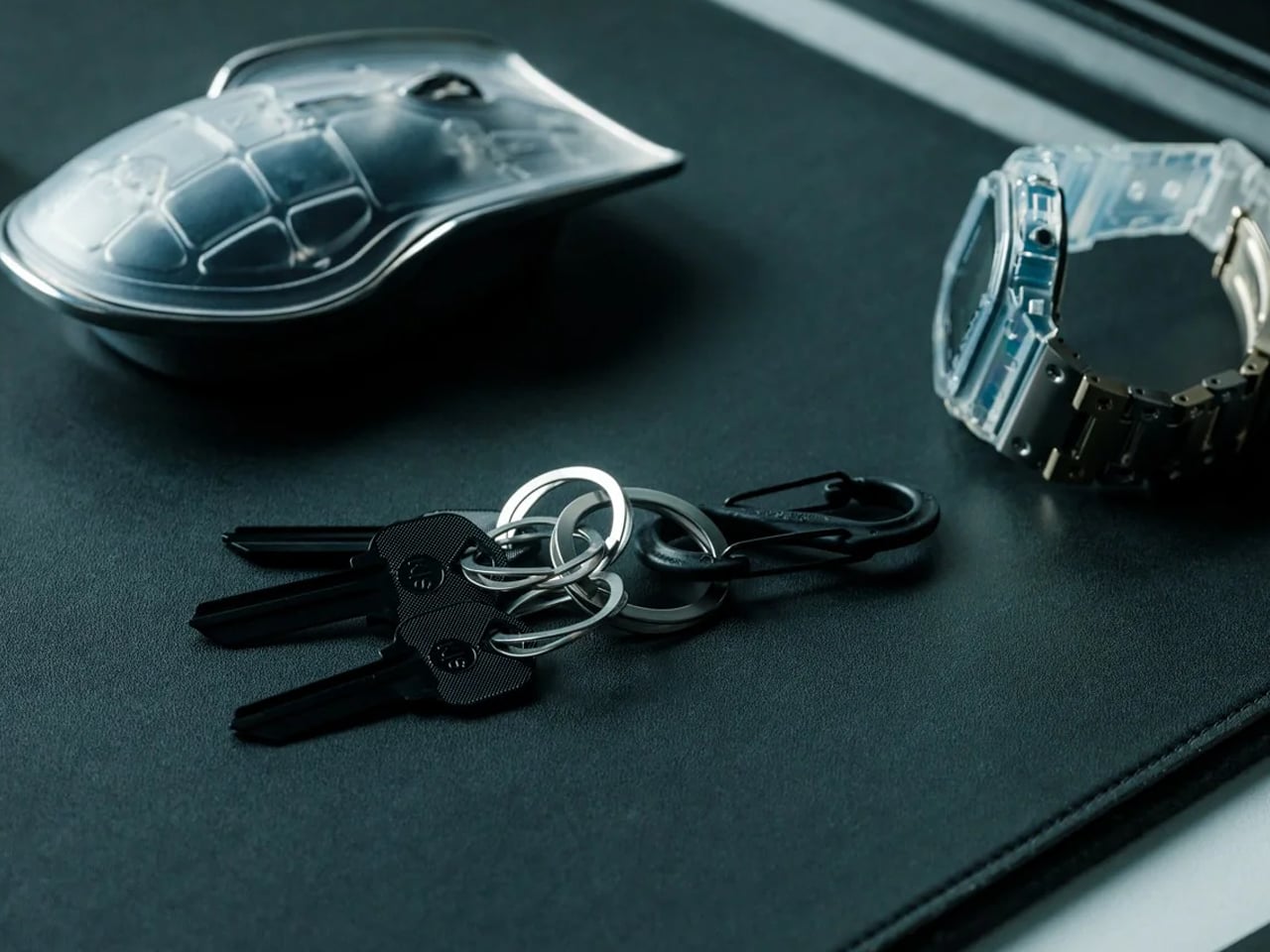
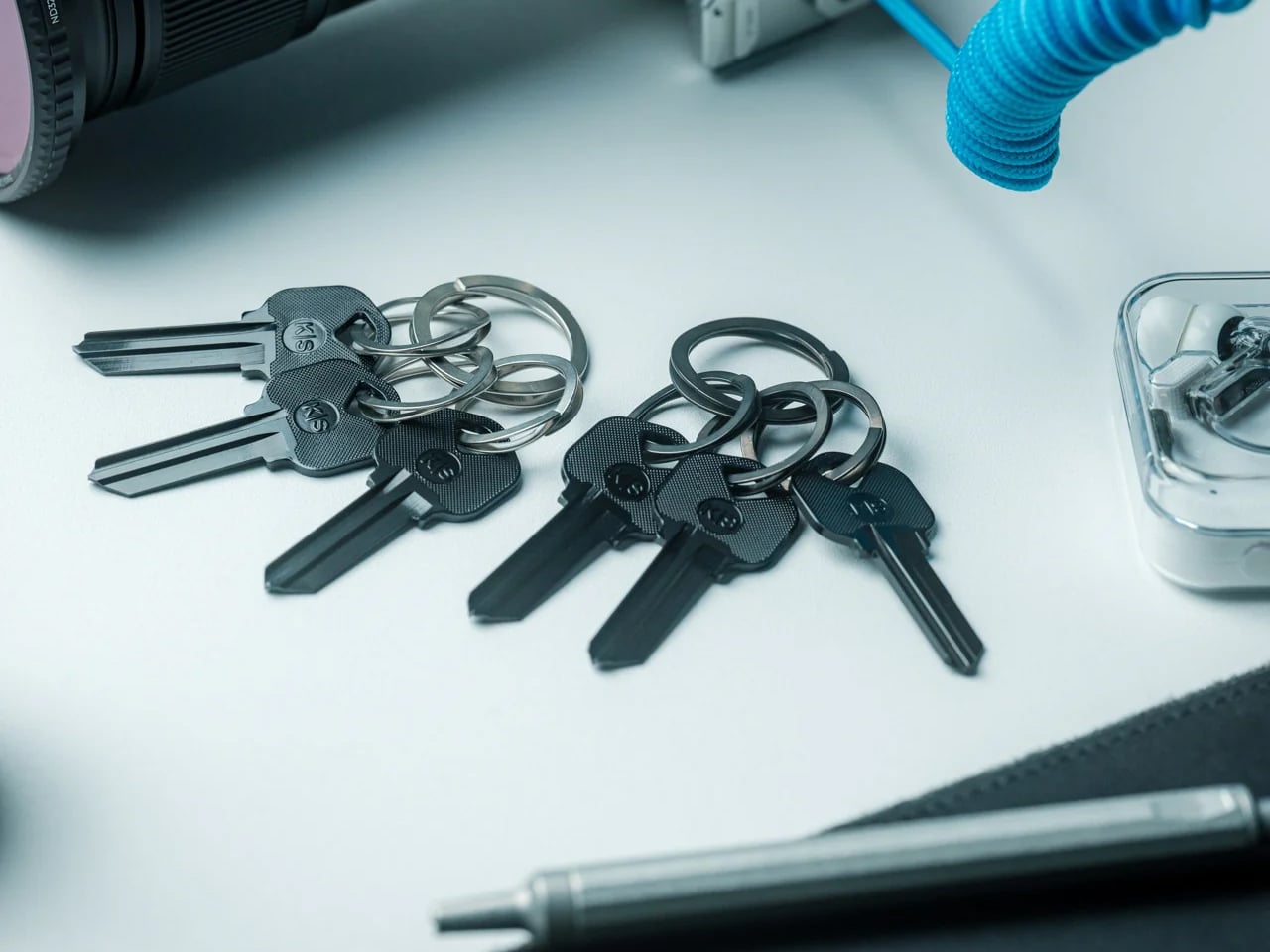
The Painless Key Ring is slim, lightweight, and flat enough to disappear into a pocket without announcing itself through the fabric. It comes in Silver and Black, and each set at $29 includes one large ring and three smaller ones for modular grouping, with configuration options available up to $65. Nothing about the form overreaches. The profile is restrained in the way considered EDC hardware tends to be – present only in the hand, invisible everywhere else.

The build matches the premise. Wave spring construction handles the daily abuse a keychain absorbs – pockets, concrete drops, car ignitions, repeated pressings – without compromising the release action over time. This is not a piece of hardware designed to photograph well and degrade in six months. It is designed to outlast the question of whether you should have bought it.

What We Like

  • Wave spring opens on a single press point – no gap to find, no coil to pry, no coin or tool required; keys on and off in under two seconds, every time, without exception
  • Modular set design includes one large and three smaller rings, allowing keys to be grouped logically and swapped between rings without any additional hardware or effort
  • Slim, flat profile sits against the pocket without bulk, jangle, or the key-cluster silhouette that announces itself through light fabric
  • Build quality that outlasts the question of whether you should have bought it – wave spring construction holds its action through the friction, drops, and repeated pressings that daily carry demands
  • US availability with sets starting at $29 – the right price point for the last EDC upgrade most people have not made yet, with Silver and Black finishes that hold alongside a considered kit

What We Dislike

  • Only a few units currently available, which makes this a limited purchase rather than a reliably restocked item
  • Individual rings cannot be purchased separately, which means replacing a single ring from the set requires buying a new set entirely rather than sourcing the one piece you need

The Key Ring That Fixes What You Stopped Noticing

The Painless Key Ring does not fix a problem most people knew they had. It reveals one. Once you press open a wave spring ring and feel a key slide on in under two seconds, the split coil that has been in your pocket for years – possibly decades – feels exactly like what it is: a 130-year-old mechanism you were never given a reason to question until now.

For the EDC-minded, it is the final overlooked piece of a considered carry, finally resolved. For everyone else, the Painless Key Ring is a $29 correction to a daily friction point so familiar it stopped registering as friction at all. Either way, once it earns its place on your keychain, the old ring is not going back.

The post This Japanese Key Ring Has One Press, No Coil, And Zero Need For Your Thumbnail first appeared on Yanko Design.
A 1960s Lounge Chair That Still Feels Like a Future Artifact

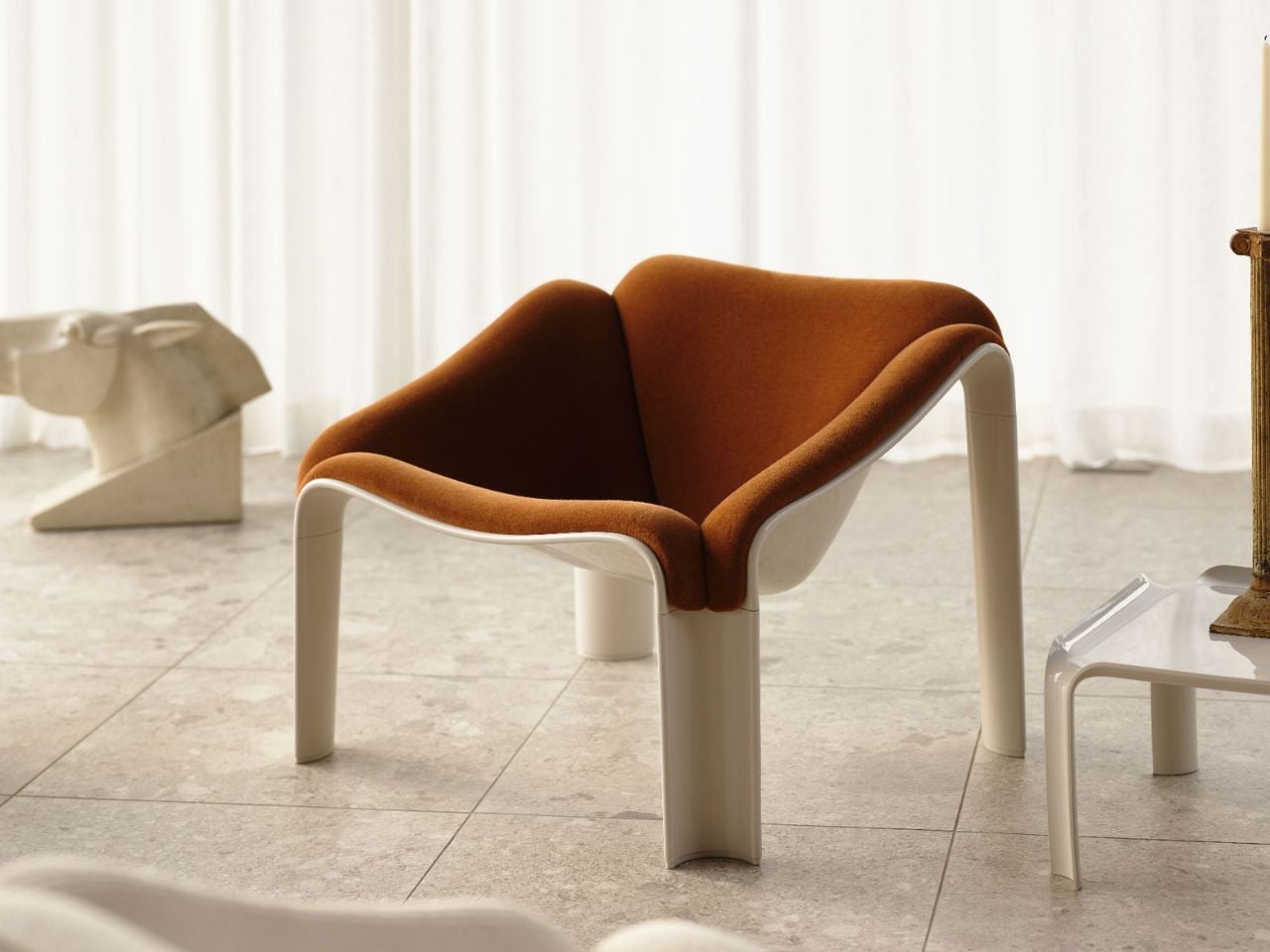
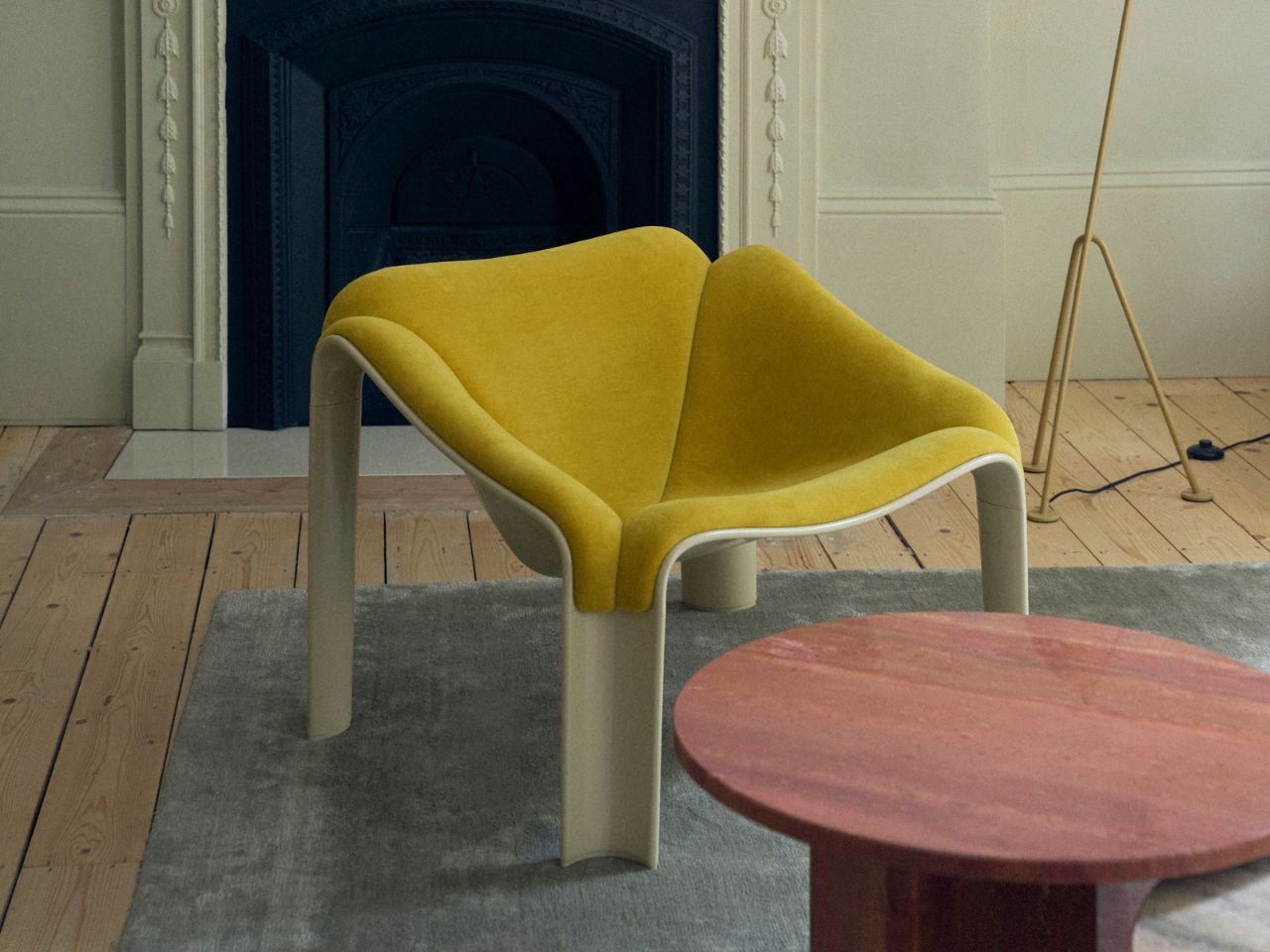
Some pieces of furniture explain themselves immediately. Others ask you to slow down for a second. Pierre Paulin’s F300 Lounge Chair belongs to the second category. Originally designed in the late 1960s and now reissued by GUBI, the chair still has the strange, magnetic presence of an object that refuses to behave like conventional seating.

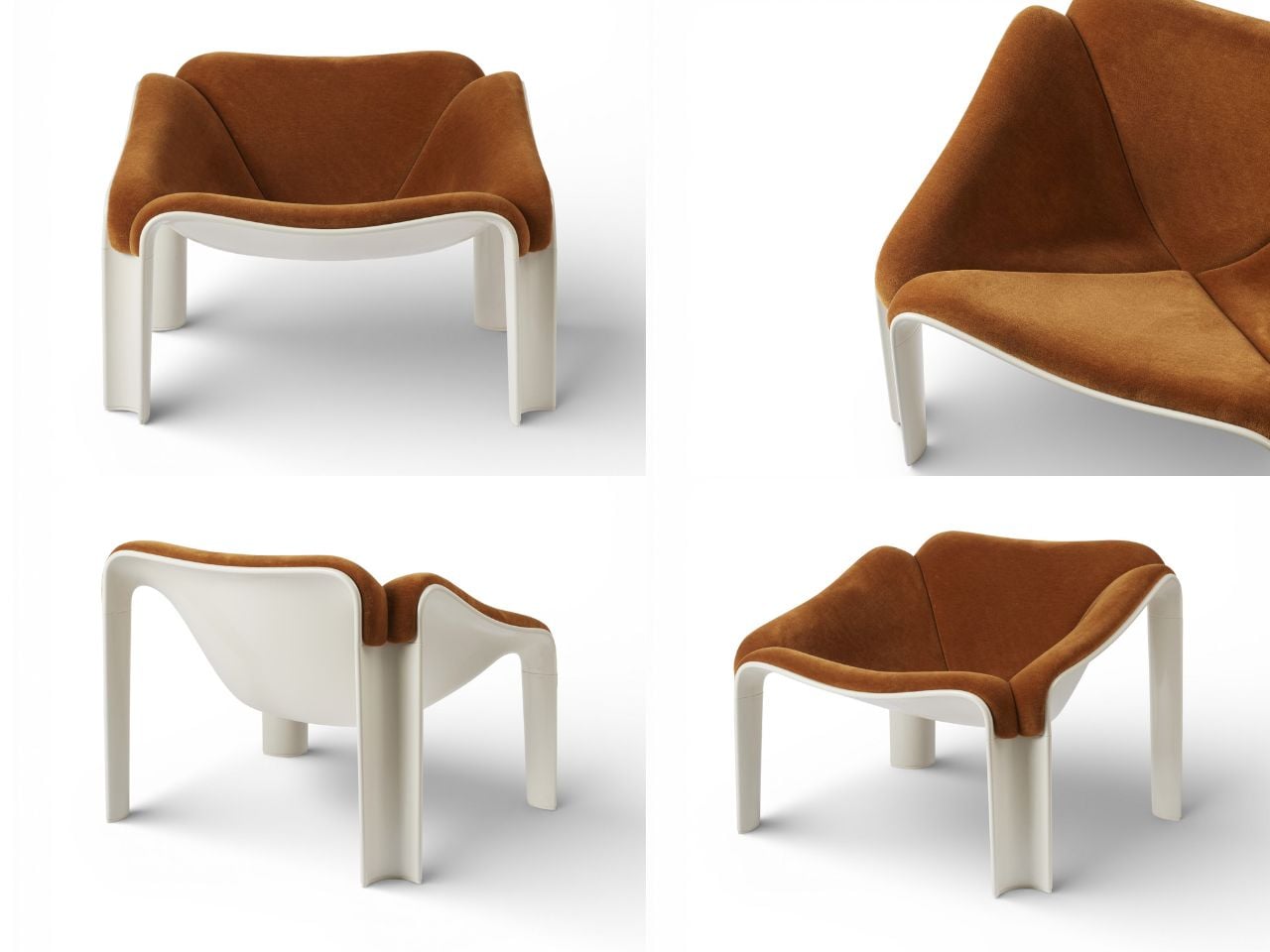
At first glance, the F300 looks almost poured into existence. Its body is a single, continuous form, low to the ground and generous in width, with no obvious separation between seat, back, or base. There are no legs to visually interrupt the silhouette, no hard frame, no decorative detailing. Just a smooth, sculptural sweep that seems to shift depending on where you stand. From one angle, it feels futuristic. From another, it looks relaxed, almost playful. That tension is where much of its charm lives.

Designer: GUBI

Paulin designed the chair during a period when furniture was beginning to loosen up. Domestic life was changing, and so was the way people wanted to sit, gather, lounge, and move through interiors. The F300 captures that cultural shift beautifully. It does not dictate posture. It does not tell the body to sit upright, stay centered, or behave. Instead, it gives the sitter permission to settle in however they want. You can lean back, turn sideways, curl your legs beneath you, or stretch out with a book nearby. The chair works less like a fixed seat and more like a landscape for the body.

That sense of openness is what makes the F300 feel so current, even decades after its original release. Many lounge chairs are designed around comfort, but comfort often comes with bulk or visual heaviness. Paulin managed to avoid that. The F300 is roomy without feeling clumsy, expressive without being loud, and sculptural without becoming precious. It has the confidence of a design icon, but it still feels approachable enough to be used every day.

For the reissue, GUBI has preserved the original geometry while updating the chair’s material composition for contemporary use. The new shell is made from HiREK, an engineered polymer that incorporates recycled industrial plastic. This change gives the chair a stronger, more durable body while keeping the uninterrupted surface that defines its character. It also makes the piece more resistant to UV exposure and outdoor conditions, allowing the F300 to move beyond the living room and into terraces, patios, poolside settings, and open-air spaces.

That material update is important because it does not treat the chair as a museum piece. Instead of freezing Paulin’s design in the past, GUBI allows it to continue living. The reissue respects the original idea while making it more useful for how people live now: across indoor and outdoor spaces, in homes that are more fluid, informal, and less bound by traditional room categories.

The F300 has also been relaunched alongside Paulin’s matching T877 side table. Together, the two pieces create a shared visual language of curves, openness, and ease. The table feels like a natural companion rather than an accessory, echoing the chair’s soft, sculptural logic without competing with it. Placed together, they form a small island of leisure: a place for a drink, a book, a long conversation, or no agenda at all.

What makes the F300 compelling is not only its shape, but the attitude behind it. It suggests that design can be bold without being uncomfortable, experimental without being alienating, and relaxed without disappearing into the background. More than half a century after Paulin first imagined it, the chair still feels fresh because it was never simply about style. It was about freedom: freedom of posture, freedom of use, and freedom from the rigid expectations of what a lounge chair should be.

The post A 1960s Lounge Chair That Still Feels Like a Future Artifact first appeared on Yanko Design.
This Leaked $300 LEGO Poké Ball Is the Most Ambitious Pokémon Set Yet, and It Opens Into an Entire World

Polly Pocket understood something most toys missed. The magic was never the doll, it was the reveal, that little hinged compact snapping open to expose a bedroom, a beach, or a ballroom shrunk down to thumbnail scale. You held an ordinary object in your palm, and then it unfolded into somewhere you wanted to live. Kids in the nineties were obsessed, and the format quietly seeped into everything since, from music boxes to those tiny terrarium necklaces that keep showing up on my feed. The appeal is ancient and reliable. A sealed shell always feels like it might be hiding a whole world, and cracking it open rewards you every time.

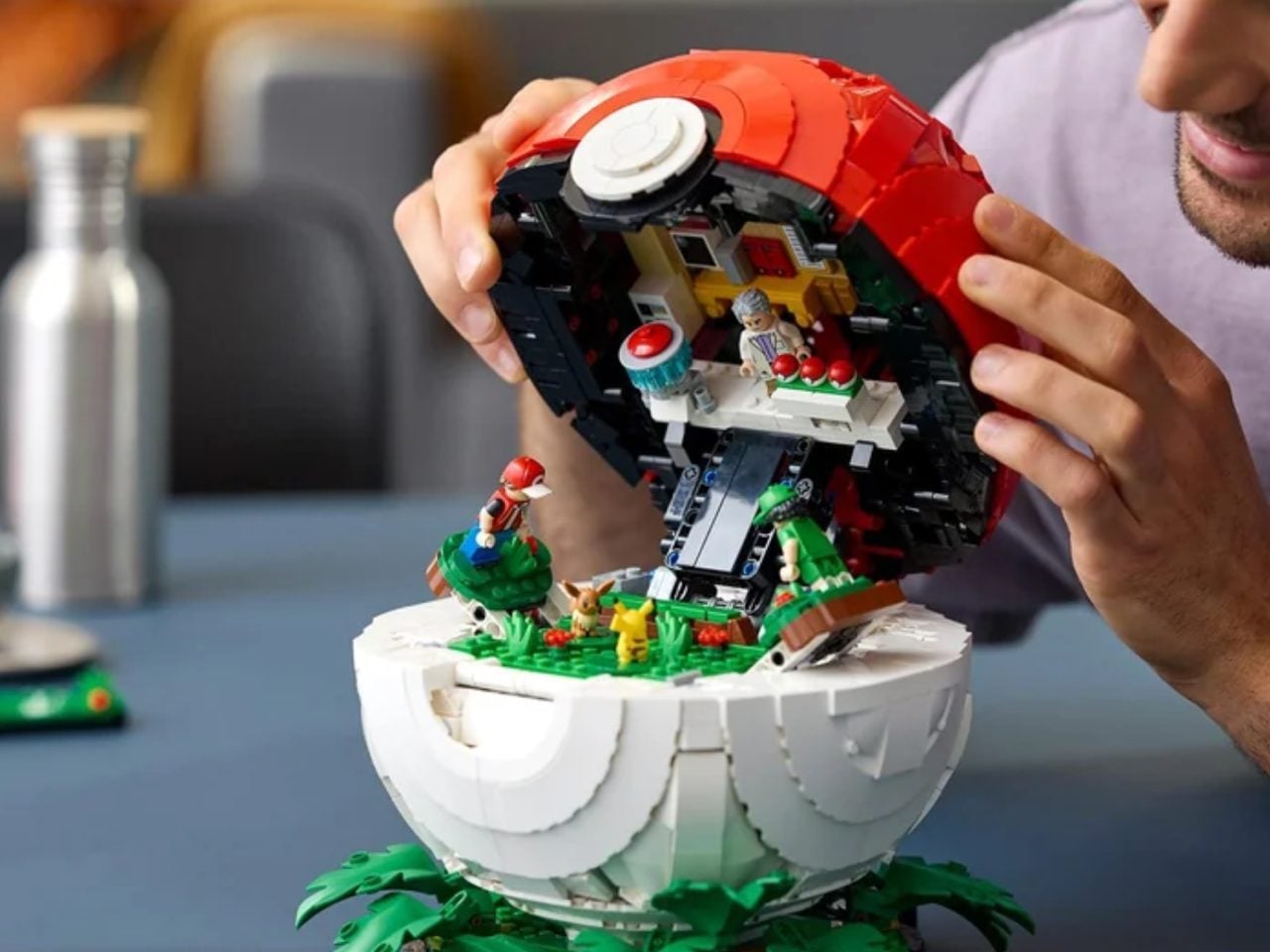
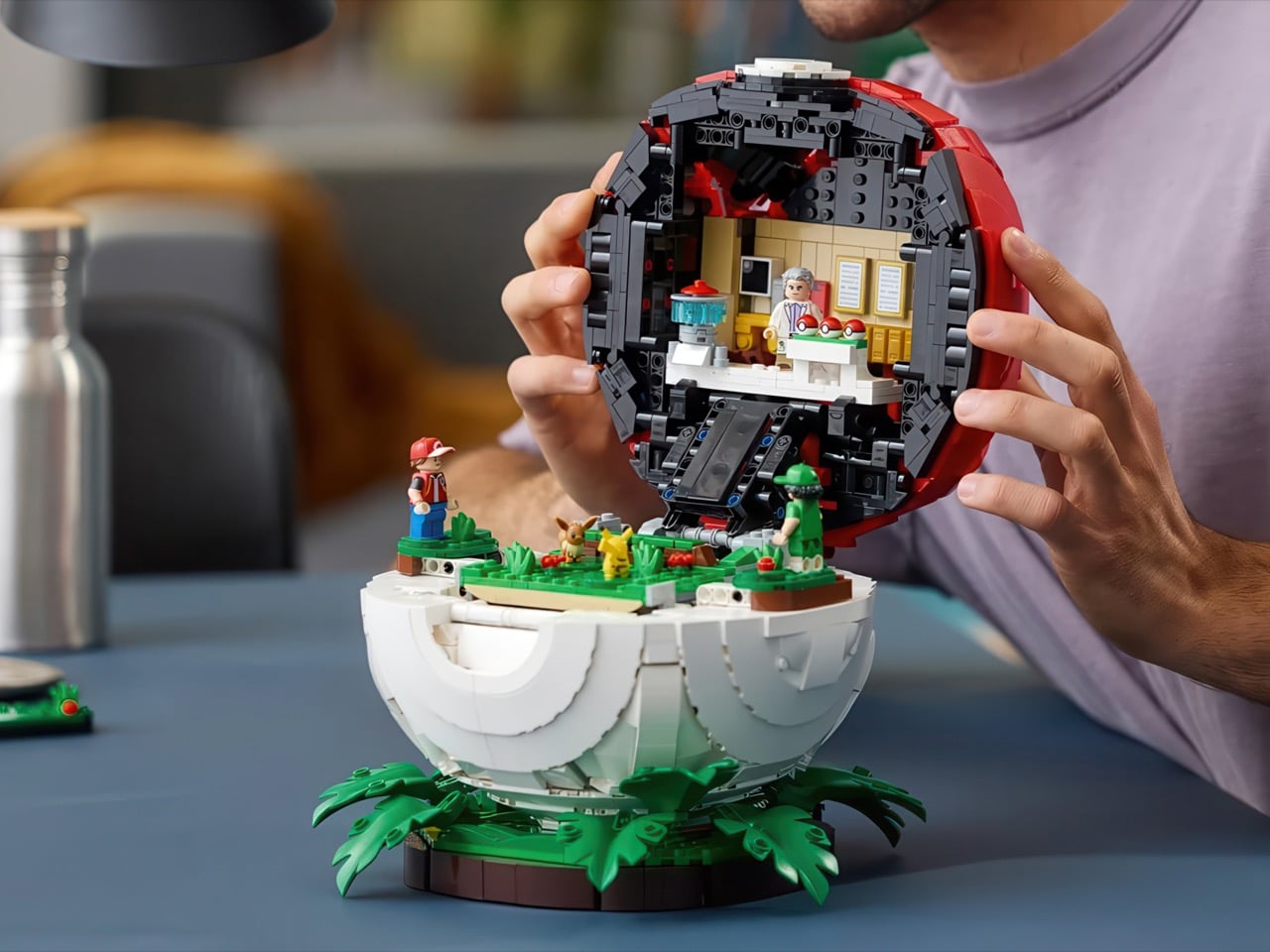
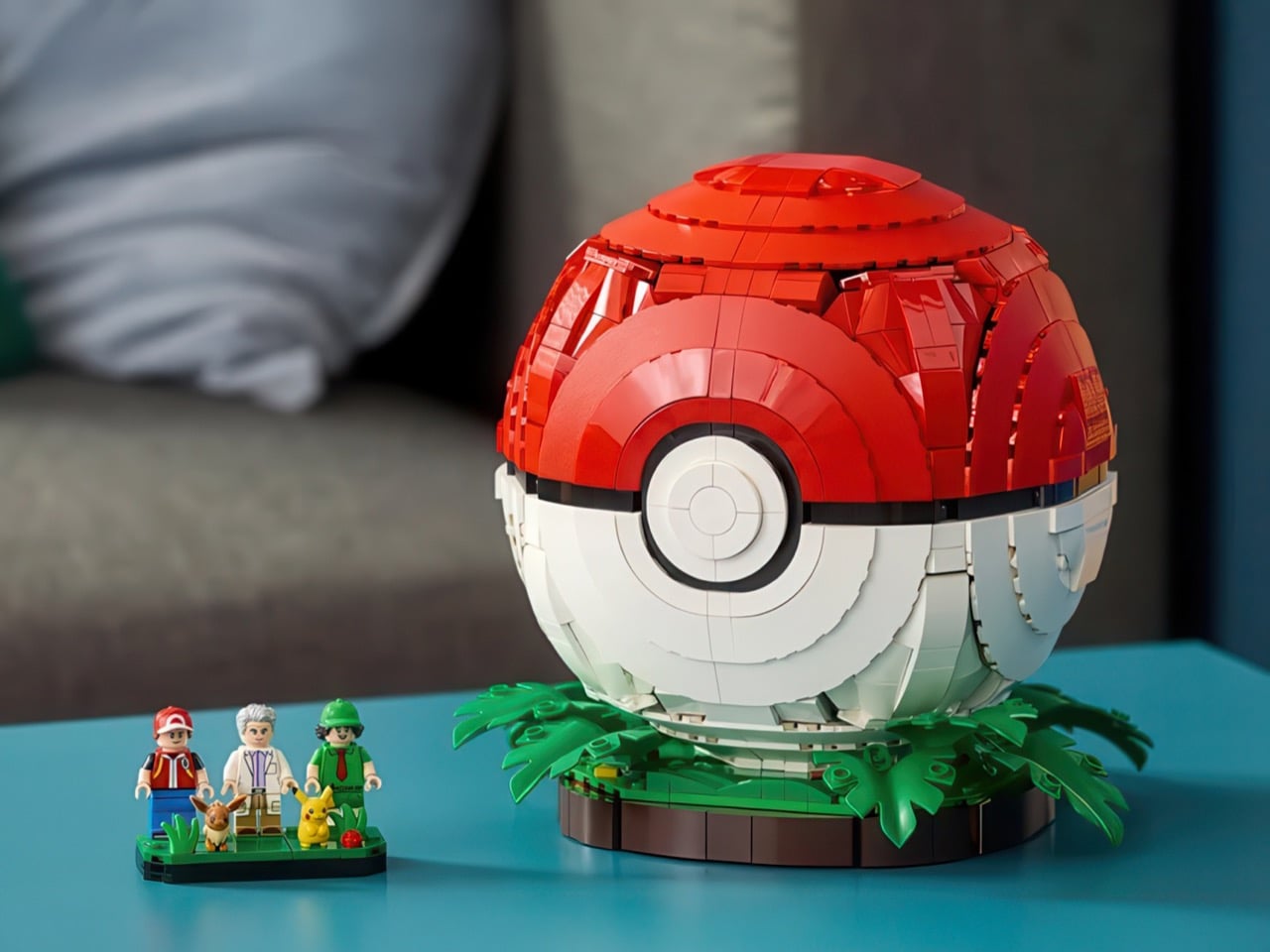
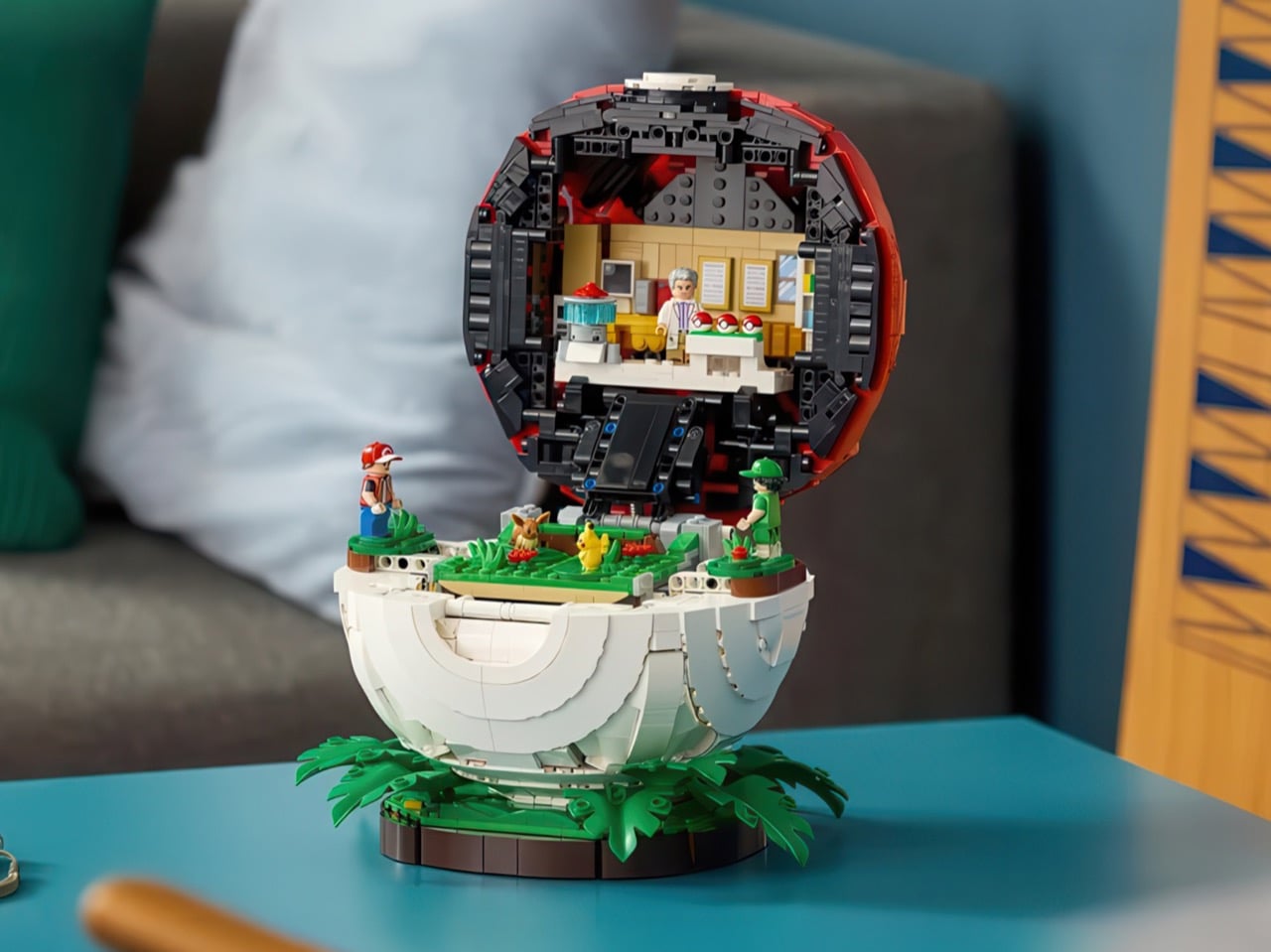
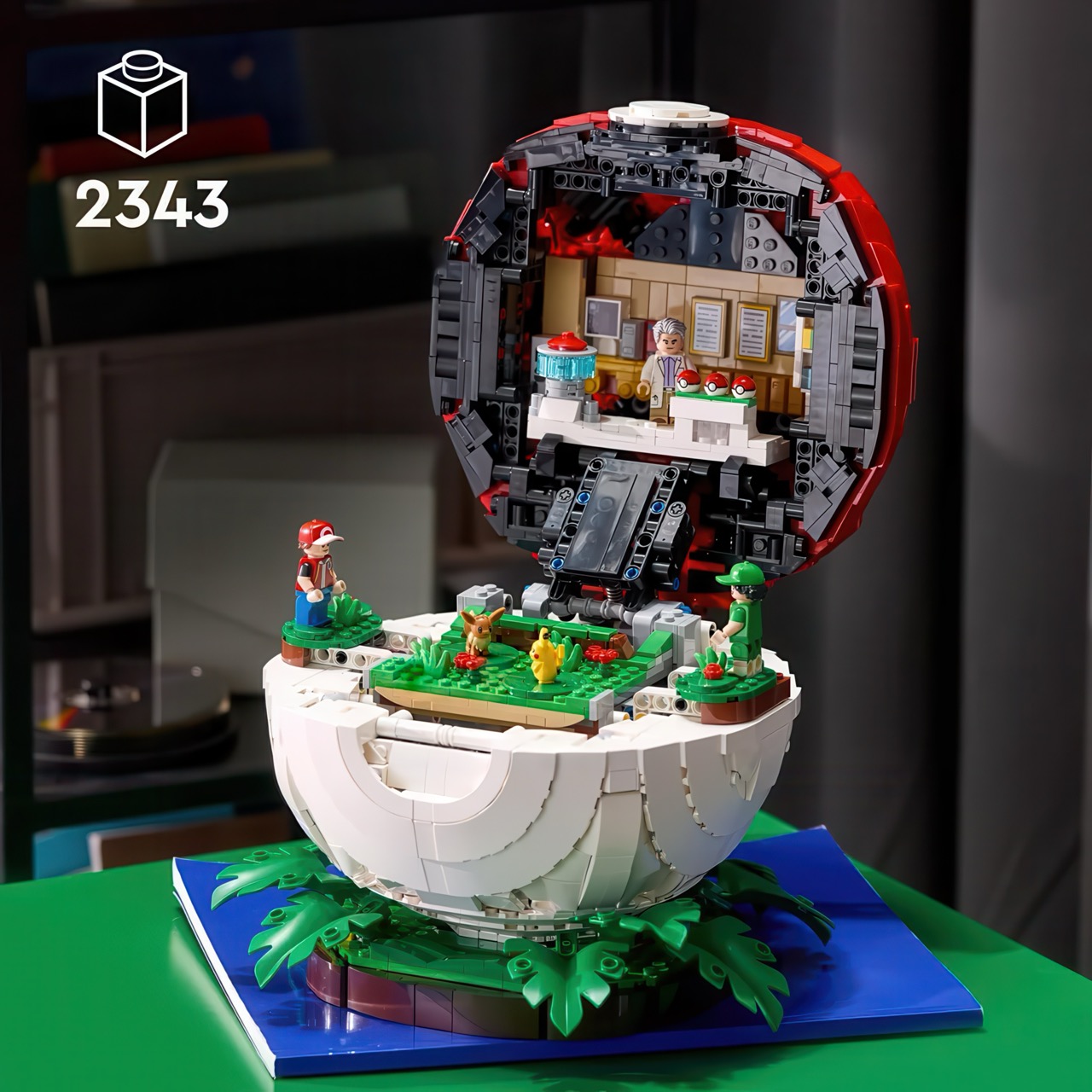
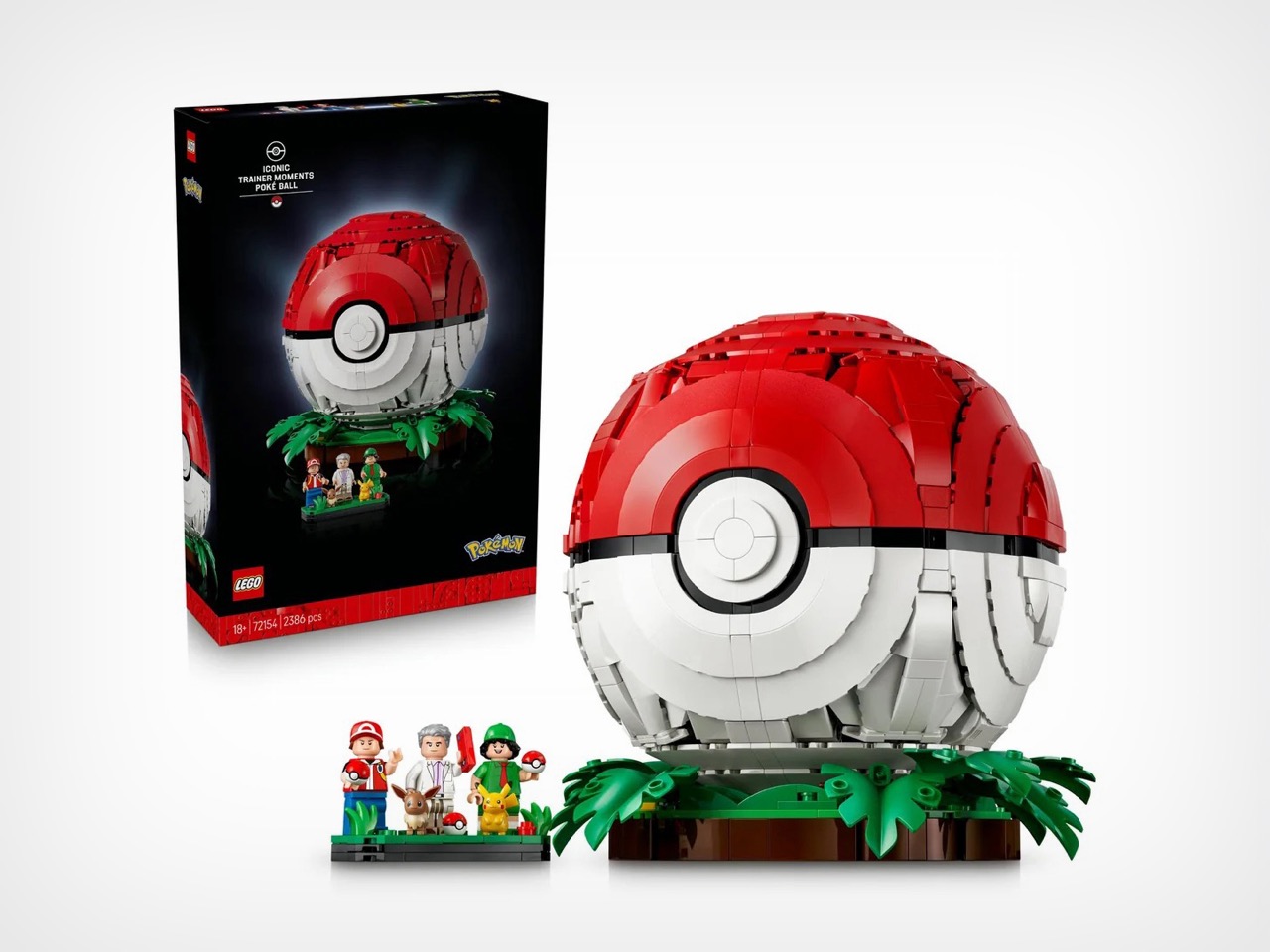
Somebody at LEGO has finally applied that exact logic to a Poké Ball, and the images doing the rounds suggest it was worth the wait. I want to be upfront here, because this one has not been officially announced. It surfaced through leaked imagery via the r/Legoleak community, catalogued as set 72154 and titled “Iconic Trainer Moments: Poké Ball.” What the pictures show is a sealed red-and-white sphere that splits cleanly at its equator, the top dome cradling Professor Oak’s laboratory and the lower bowl opening onto a grassy battle clearing where a Pikachu squares off against an Eevee. One object, two folded worlds, and a build that finally makes the Poké Ball do the thing it always promised.

Designer: LEGO

The two halves are arranged with proper storytelling logic, which is my favourite thing about it. The top dome is where every journey starts, Oak’s lab rendered in warm yellow brickwork with three starter Poké Balls lined up on a white counter and the professor himself standing ready to ruin your afternoon with an impossible choice. The lower bowl is the payoff, an actual battle mid-scene on a bed of bright green, with your trainer on one raised platform and a rival in a green cap on the other. Open it top to bottom and you are basically replaying the opening arc of the first game in cross-section.

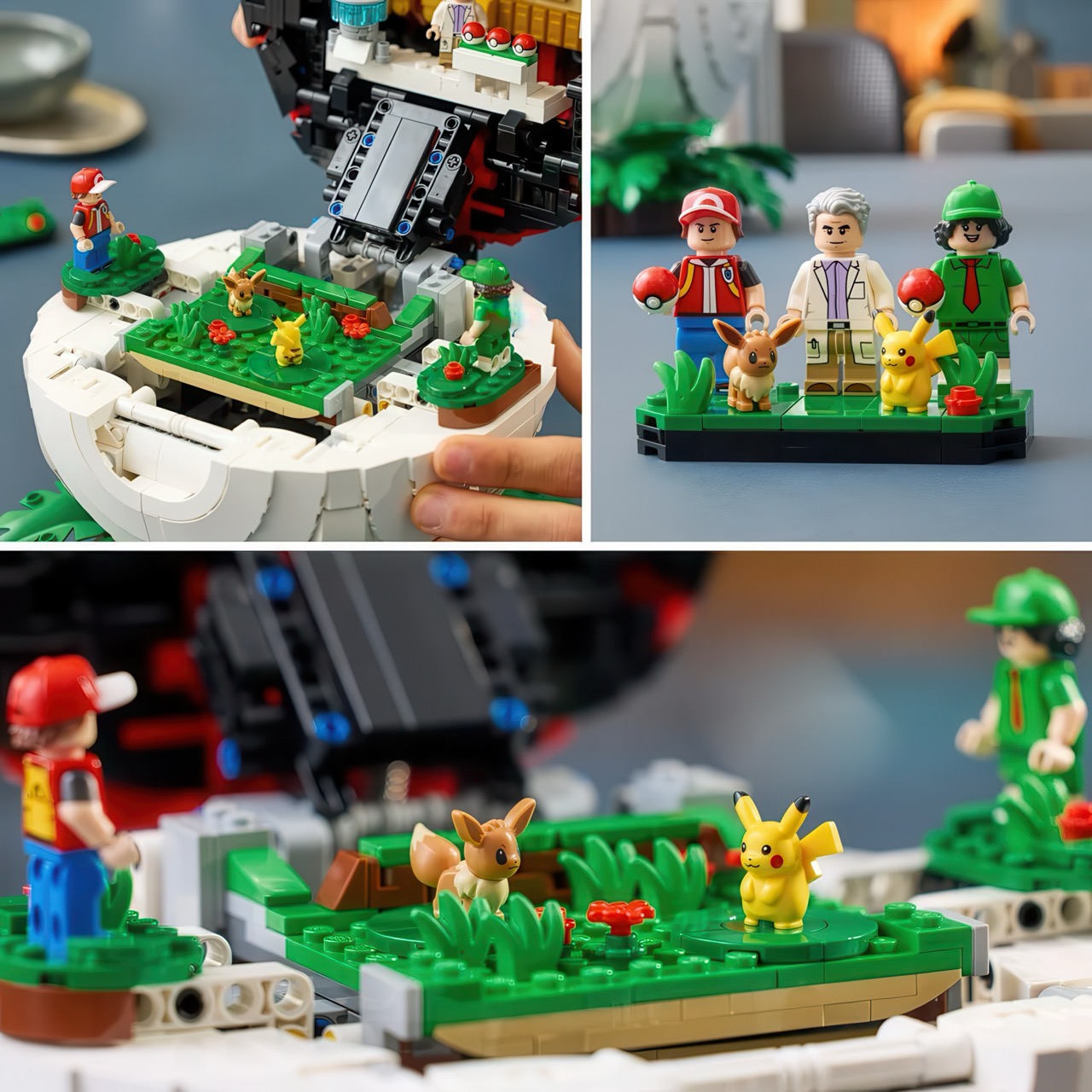
Down in the lower bowl, the battlefield is built on a raised green platform with rounded studs standing in for grass tufts, tiny red flowers dotting the field, and enough negative space around it that the two minifigures genuinely feel like they are facing off across an arena. The first-ever LEGO Pokémon set to feature actual minifigures, this one has Red in his signature cap and red jacket, Professor Oak in his lab coat with a swoop of grey hair, and a Picnicker in green, alongside brick-built Pikachu and Eevee figures that surfaced in earlier leaks.

The whole thing reportedly runs to 2,343 pieces, though the leaks quibble between 2,339 and 2,386, the sort of pre-announcement wobble that usually settles by launch. That sphere is clearly doing a lot of the structural lifting, given how much of the count never makes it into the diorama you actually want to stare at.

LEGO has not confirmed any of this yet, so treat the details as pencil rather than ink, but the noise points to a first of October release at a fairly hefty $299.99, which would make it one of the priciest Pokémon sets yet. It was apparently pushed back from an August date over production issues, while the rest of the summer wave held firm. My one wish, assuming the reveal lands as expected, is a satisfying, deliberate hinge on that equator seam, because a build like this lives or dies on how good the open-and-close reveal feels in the hand. Get that right, and it is an easy centrepiece.

The post This Leaked $300 LEGO Poké Ball Is the Most Ambitious Pokémon Set Yet, and It Opens Into an Entire World first appeared on Yanko Design.

Nothing Ear (3a) boasts built-in audio recording, smarter ANC, and 42-hour battery life for just $99

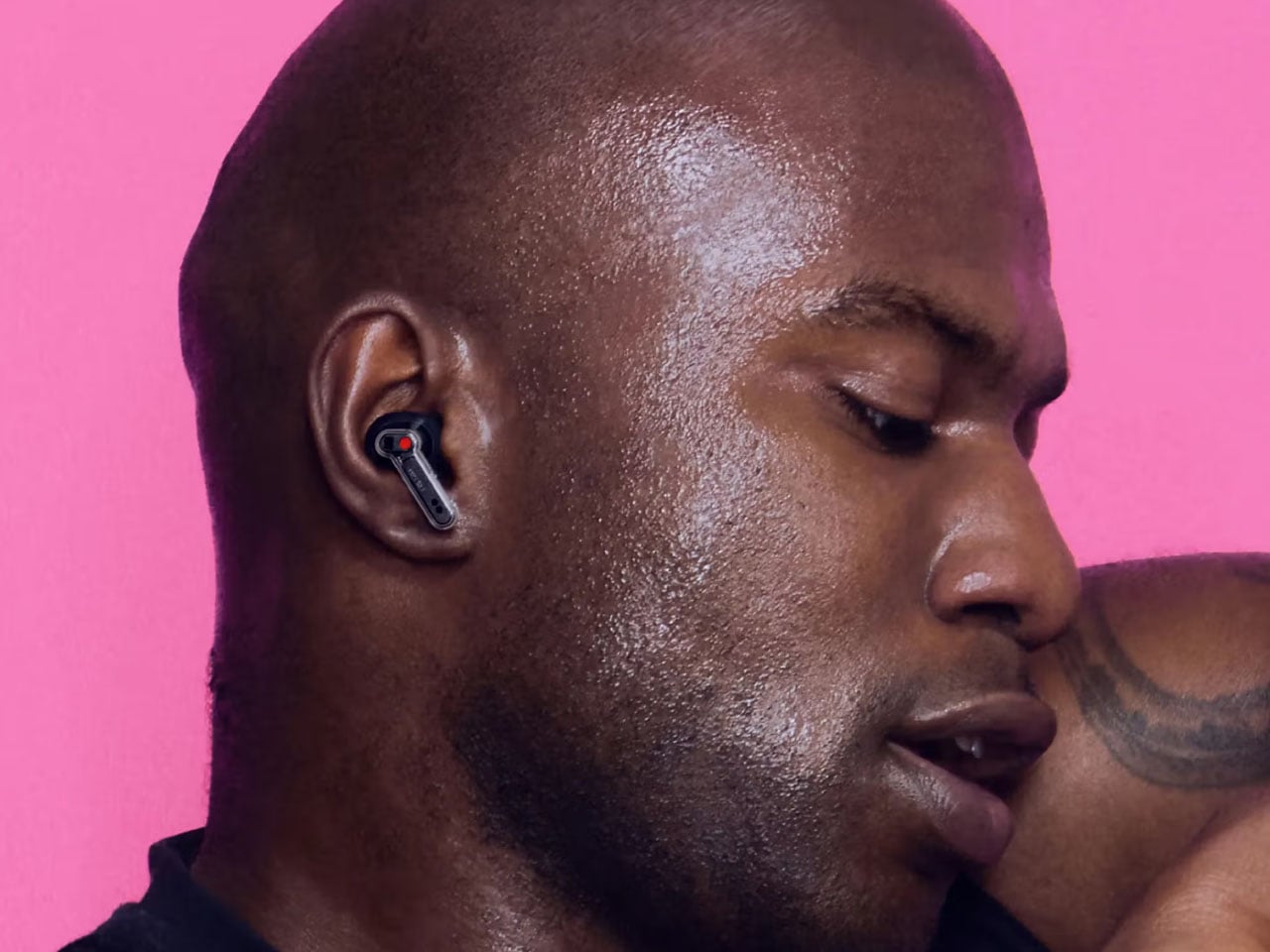
Most wireless earbuds are designed to disappear into your daily routine. The Nothing Ear (3a) does the opposite. While the pair of buds brings the expected upgrades in sound quality, active noise cancellation, and battery life, the most compelling feature isn’t about listening at all. Instead, it’s about capturing the moments you want to remember. Whether that’s a brilliant idea during a meeting, an important takeaway from a lecture, or a favorite quote from a podcast.

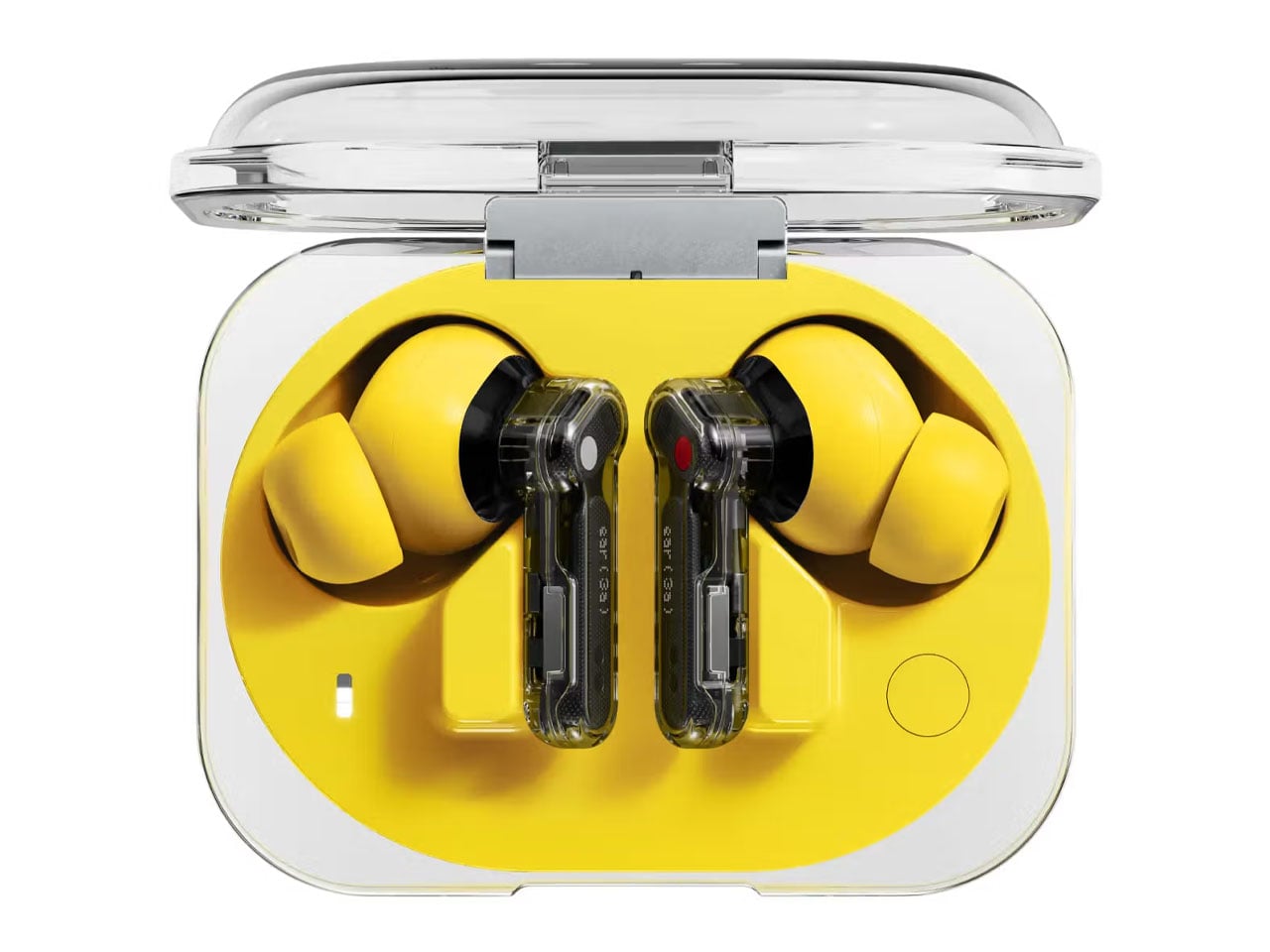
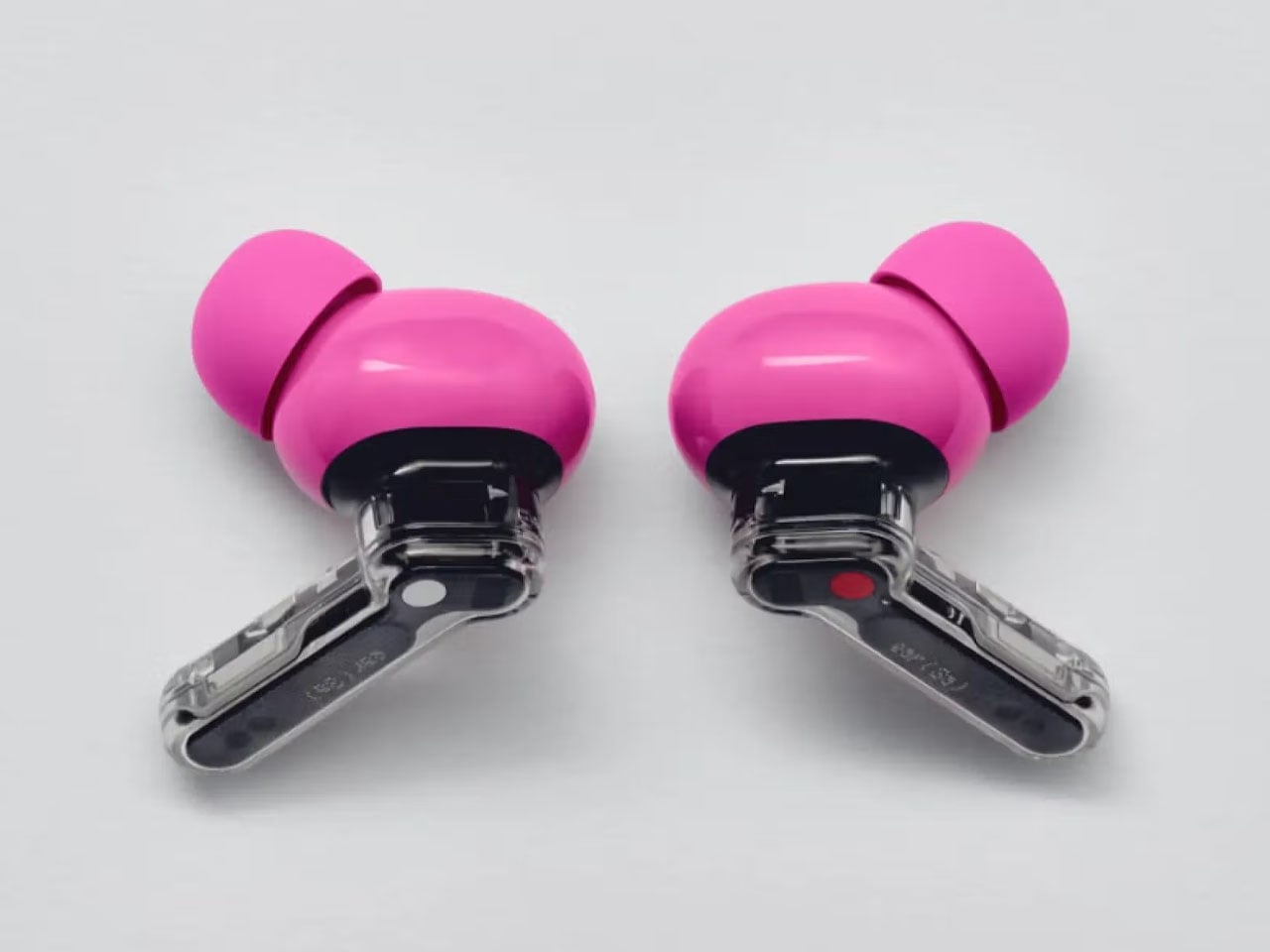
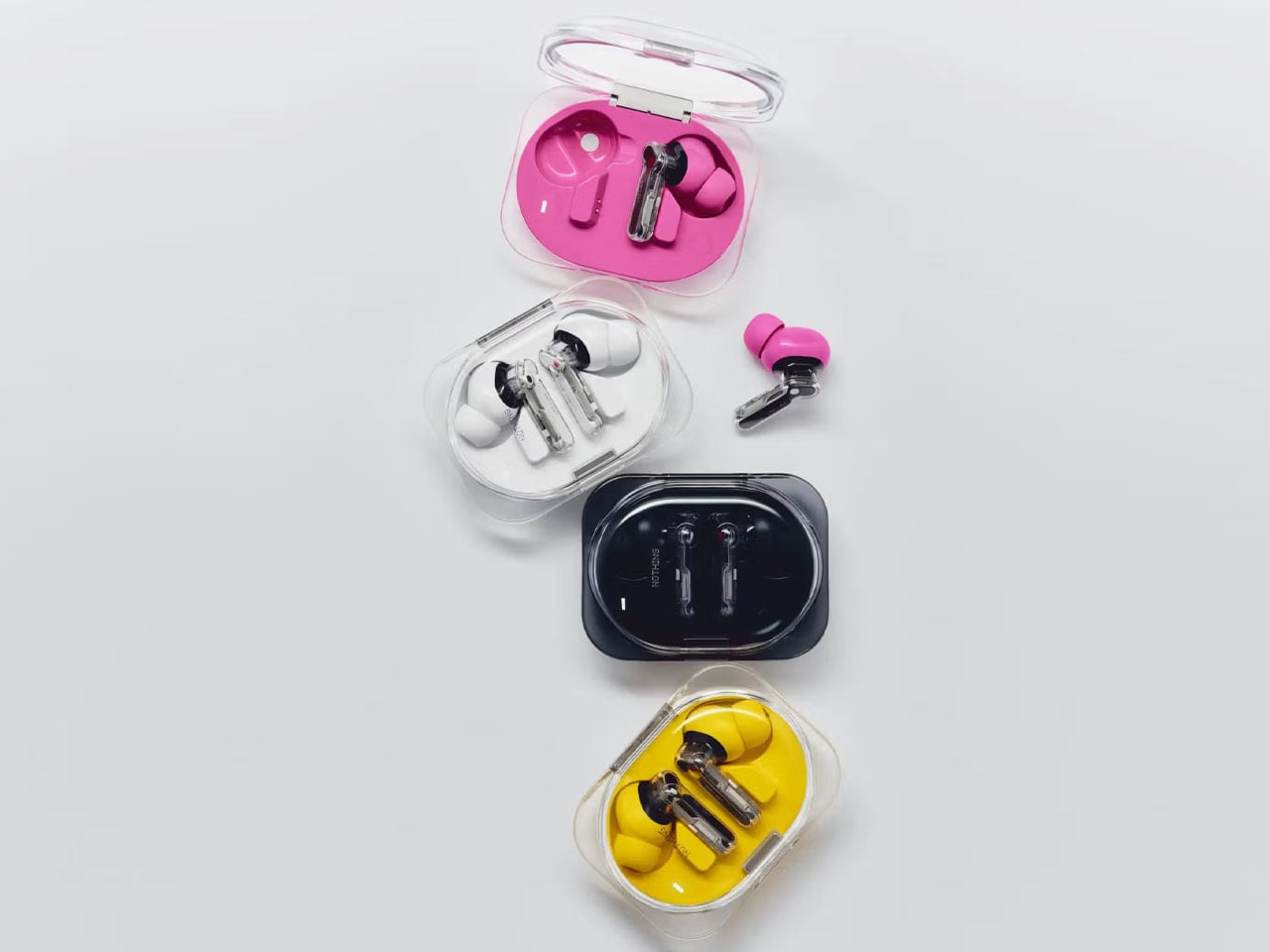
Priced at $99, the Ear (3a) is sandwiched right between the budget-focused Ear (a) and the flagship Ear (3), bringing several premium features to the affordable segment without losing the transparent design language that has become Nothing’s signature. From improved ANC and Hi-Res audio support to thoughtful software additions, the Ear (3a) feels less like an incremental refresh and more like a pair of earbuds designed to be genuinely useful throughout the day.

Designer: Nothing

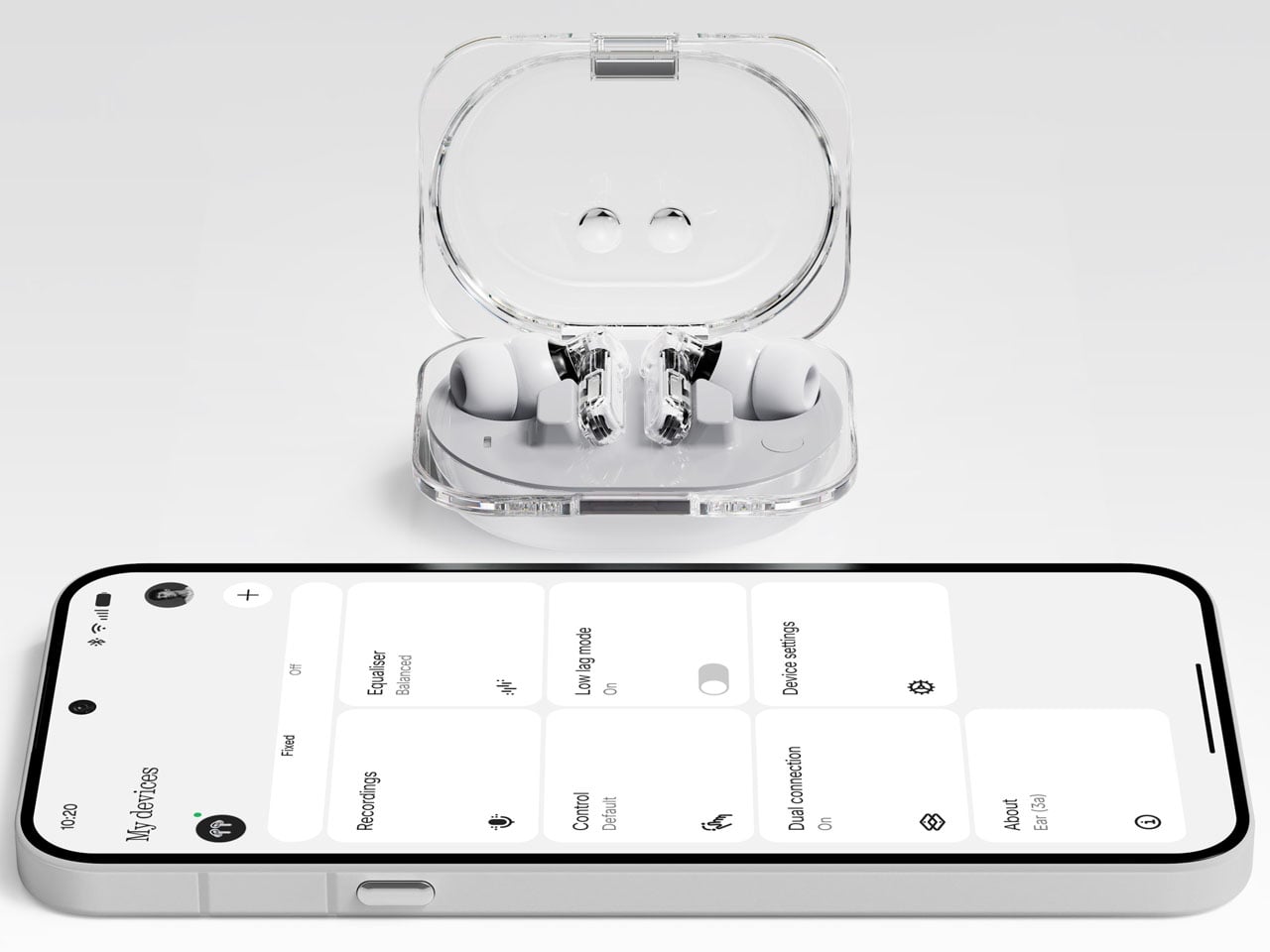
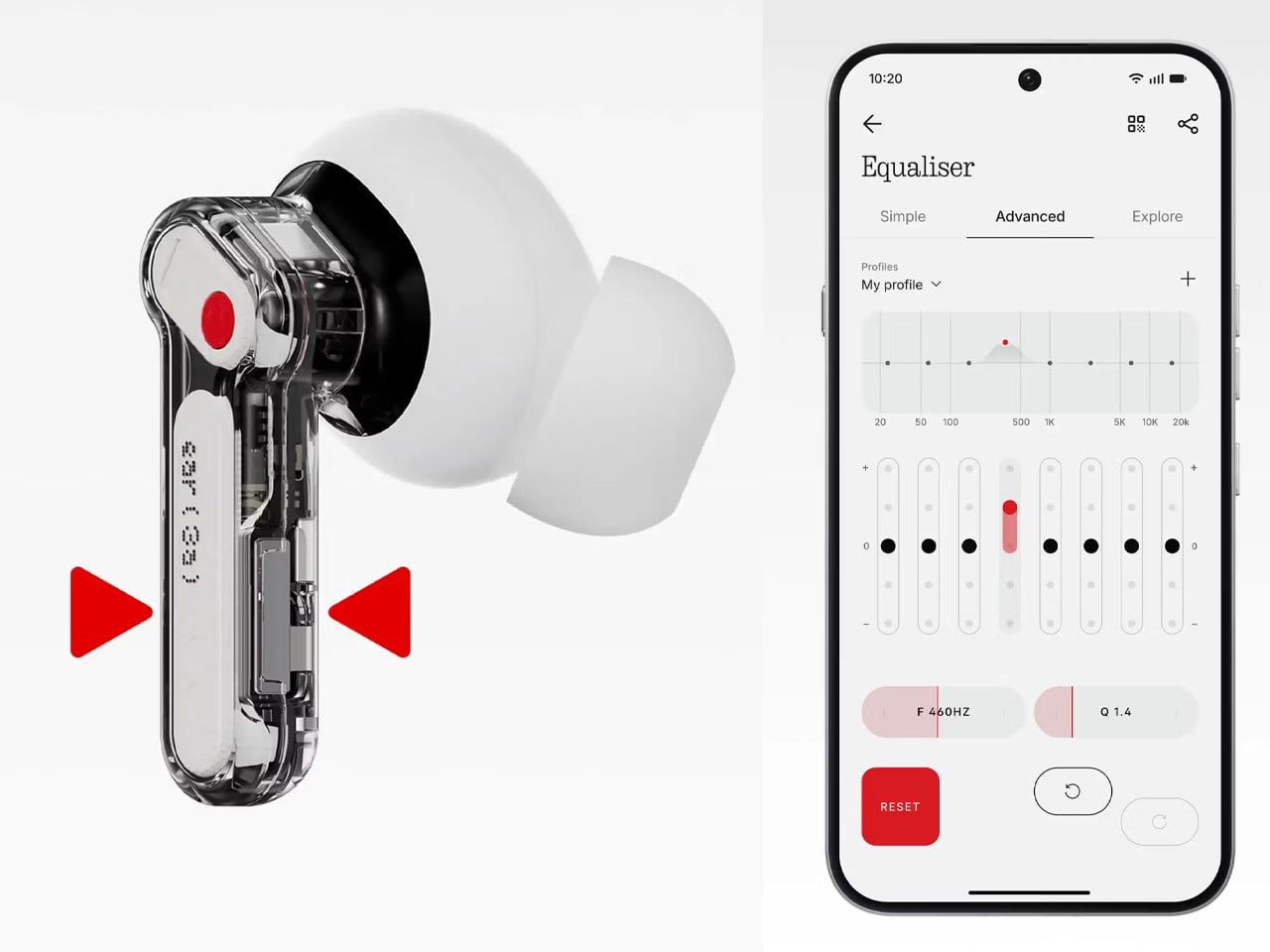
The biggest addition is Audio Snapshot, a feature powered by 32MB of onboard flash storage built into the earbuds. By pinching both earbuds simultaneously, users can instantly save short audio clips. These recordings automatically sync with the Nothing X app, where they can be edited, shared, and transcribed. The earbuds also support up to two hours of native phone calls and meeting recording, complete with audible notifications that let everyone know when recording begins. This is an uncommon capability in this price range and one that extends the earbuds’ usefulness well beyond music playback.

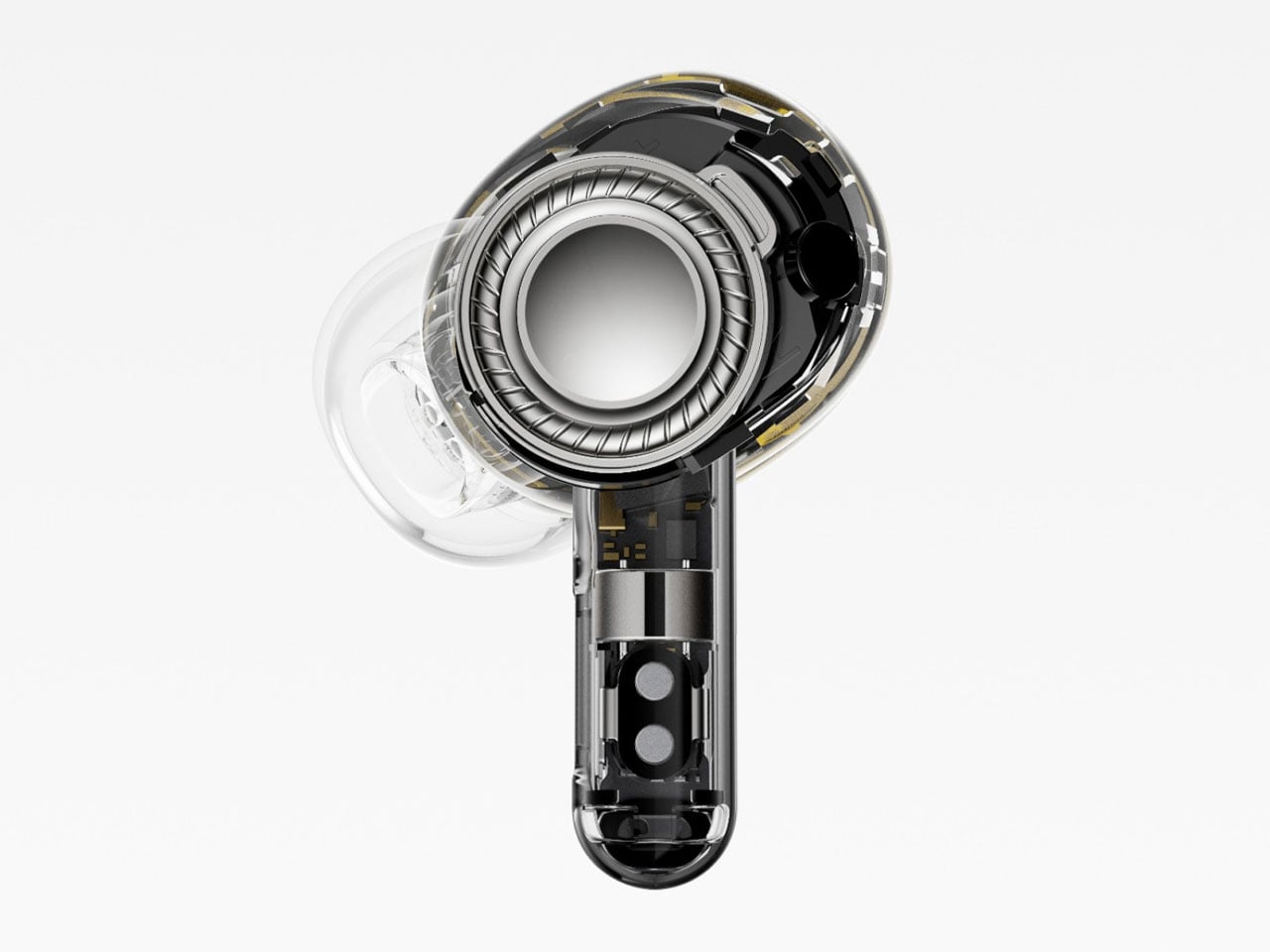
Nothing has also refined the listening experience with new 12mm dynamic drivers that deliver deeper bass while maintaining clarity across the frequency range. Support for Hi-Res Audio Wireless and LDAC allows compatible Android devices to stream higher-quality audio, while an expanded eight-band equalizer offers greater control for users who prefer to fine-tune their sound profile. Whether the preference is bass-heavy tracks or a more balanced signature, the earbuds provide enough flexibility to suit different listening styles.

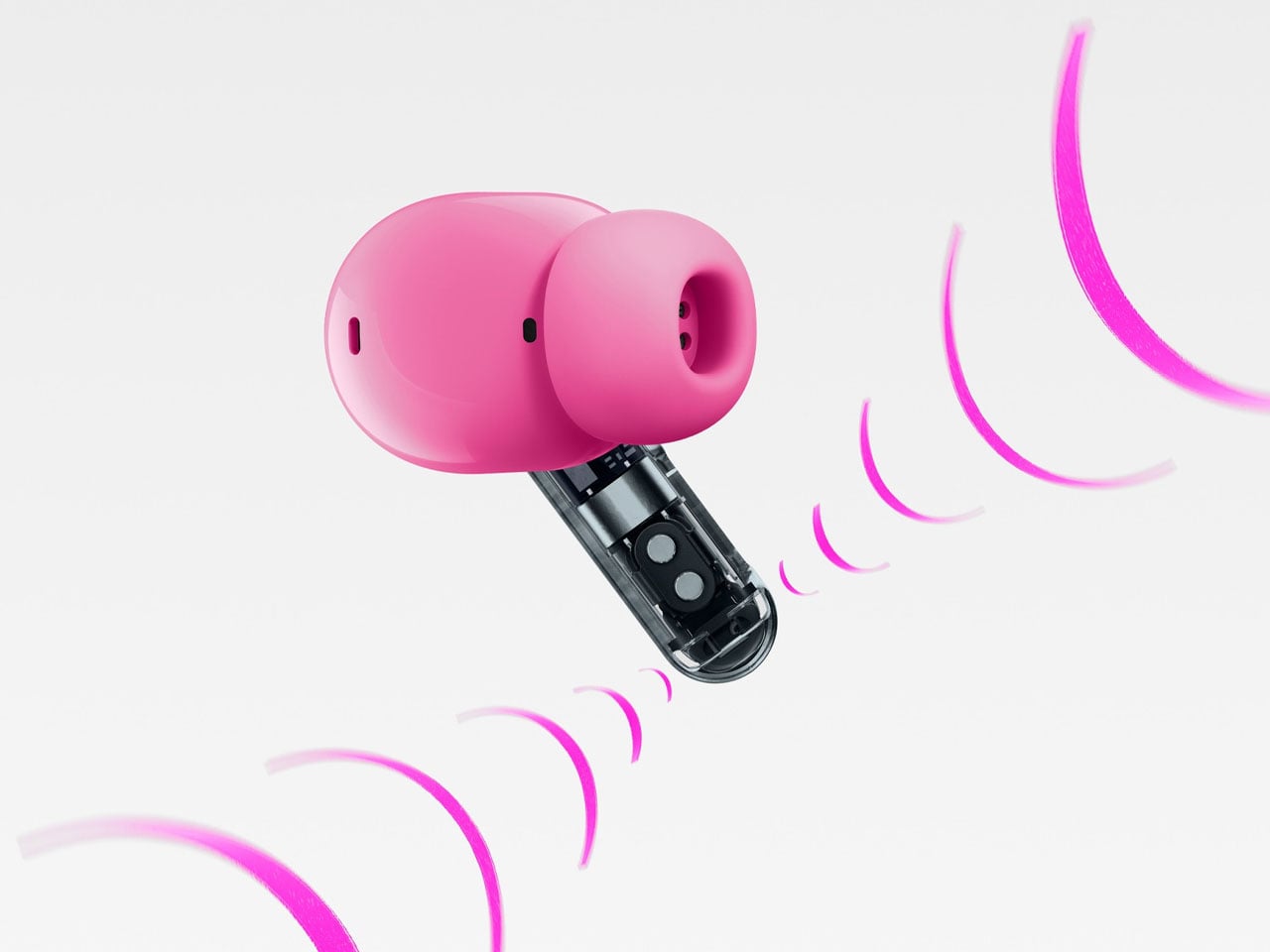
Active noise cancellation has also received a noticeable boost. The Ear (3a) delivers up to 45dB of ANC across a wider frequency range, with Nothing claiming roughly 17 percent better performance than its predecessor. Clear Voice technology improves call quality by making speech easier to understand in noisy surroundings, while the inclusion of an extra-small ear tip size helps accommodate a wider range of users and enhances passive noise isolation. The IP54 rating for dust and splash resistance also makes the earbuds suitable for commuting and workouts.

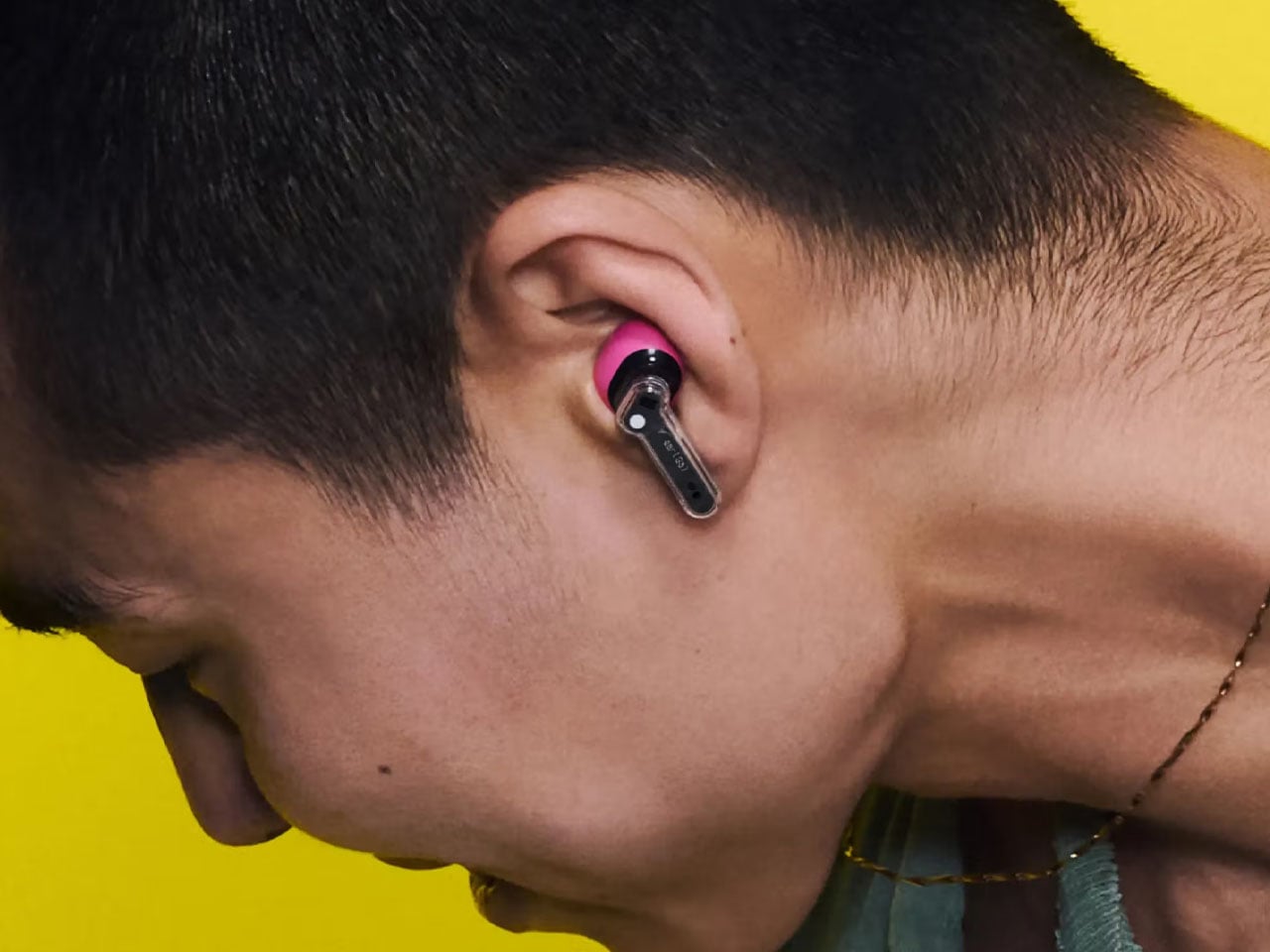
Battery life remains one of the Ear (3a)’s strongest selling points. The earbuds offer up to 10 hours of playback on a single charge with ANC turned off, while the charging case extends total listening time to as much as 42 hours. Even with noise cancellation enabled, users can expect up to 25 hours of combined playback. A quick five-minute charge delivers approximately an hour of listening time, and Bluetooth 6.0 with dual-device connectivity makes switching between a phone, tablet, and laptop effortless.

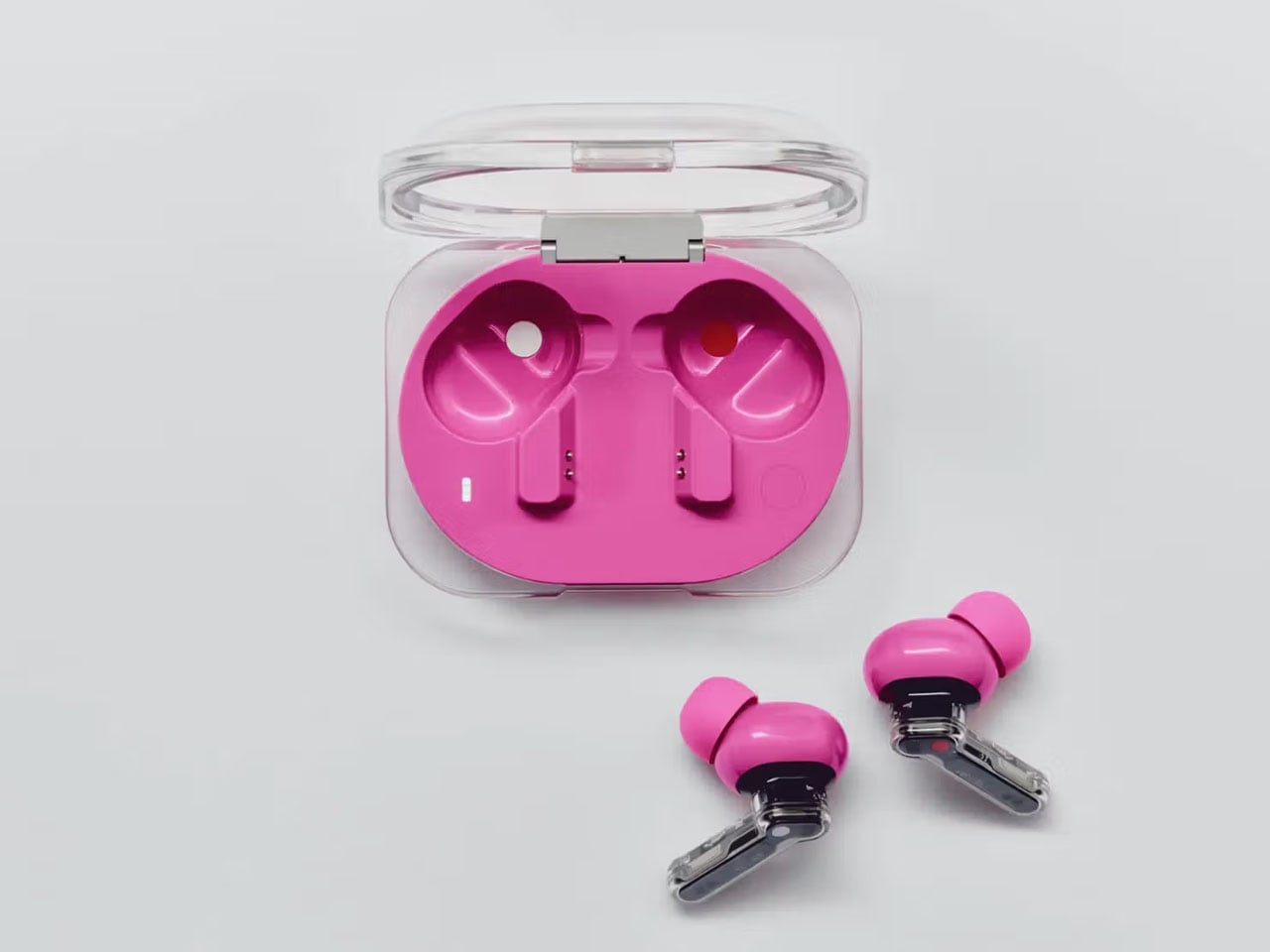
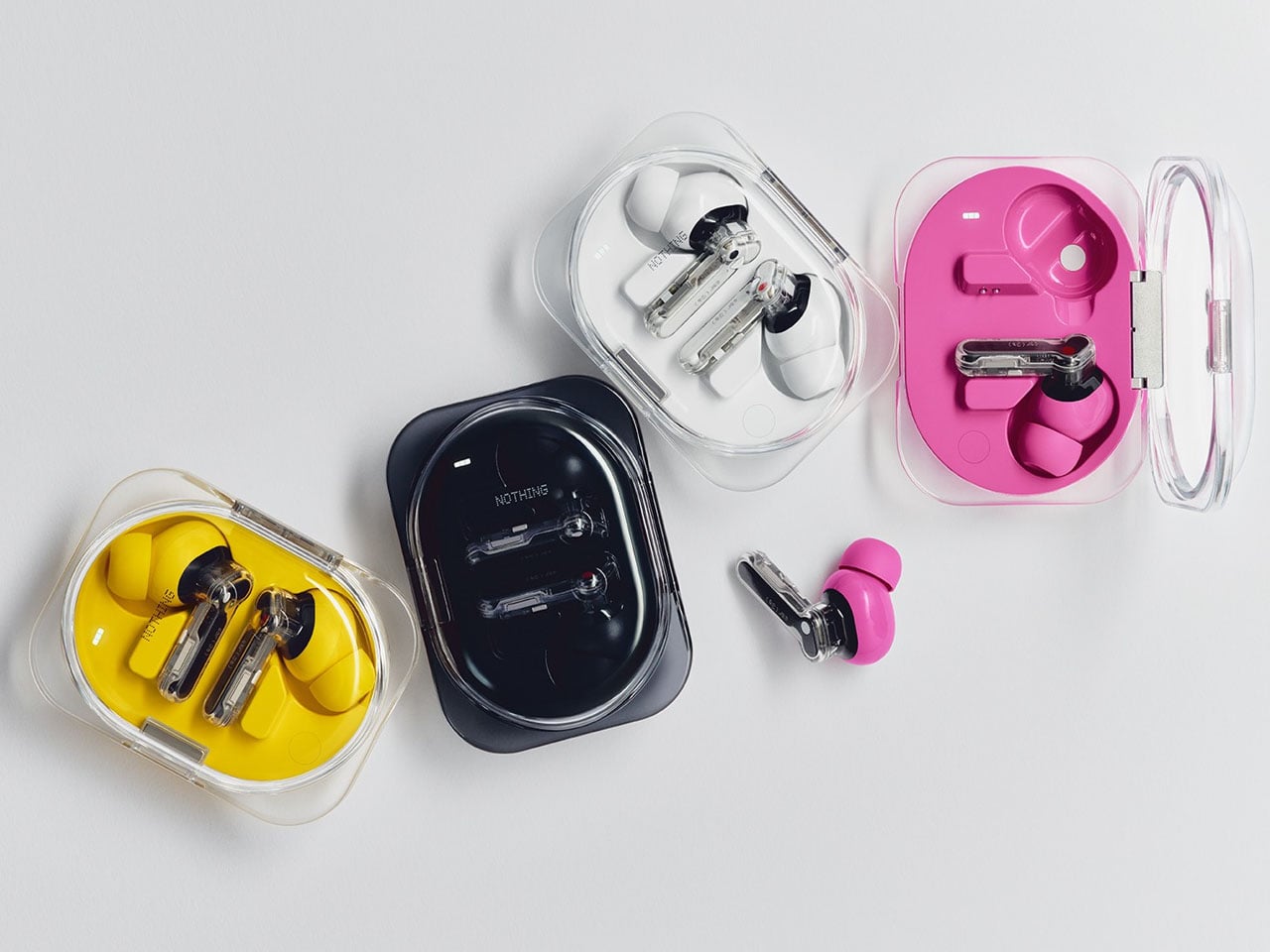
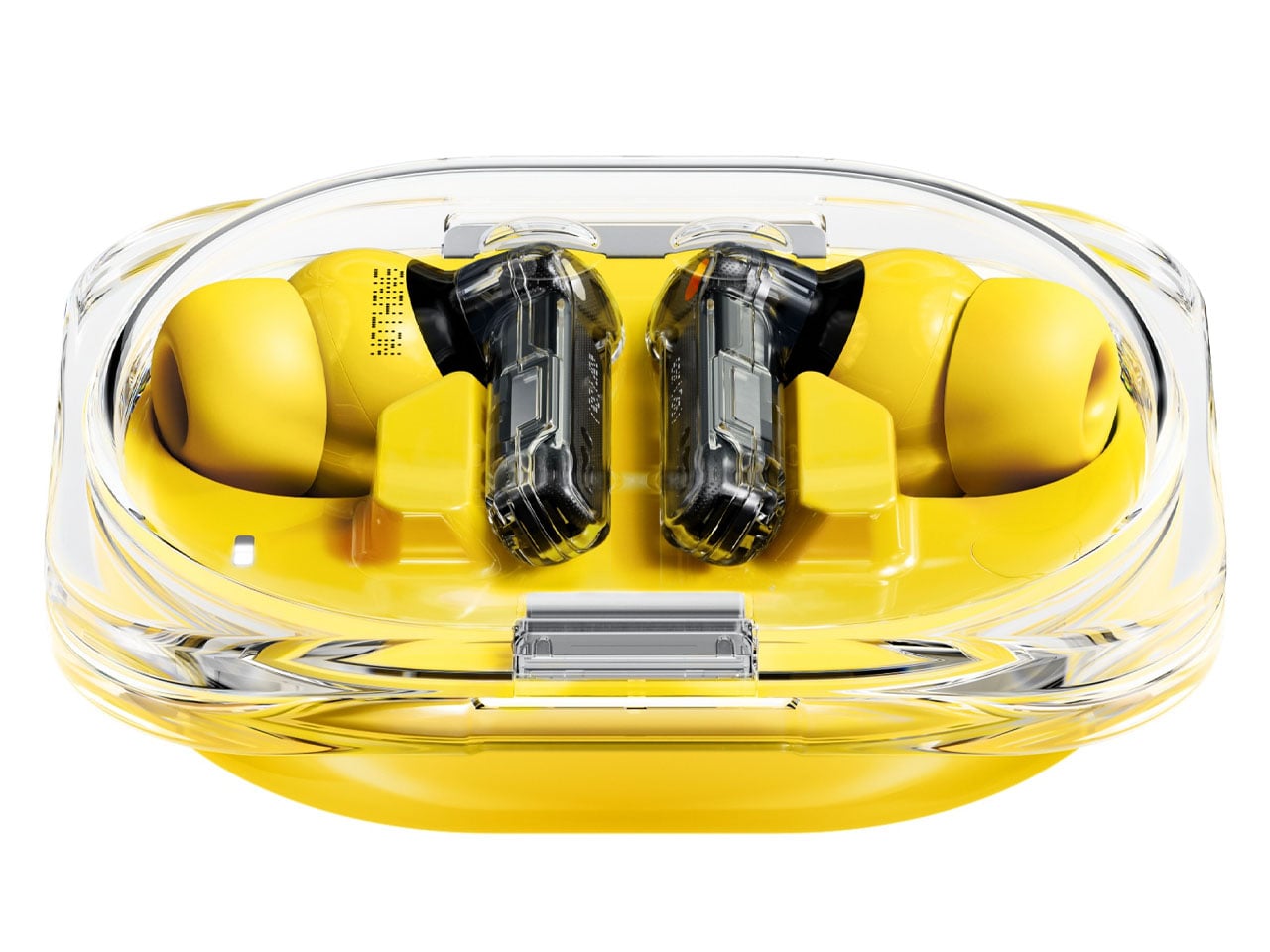
The earbuds arrive in attractive pink and yellow, along with the standard black or white colorway. In the package there’s a new XS ear tip size for users with very small ears. Rather than relying solely on incremental hardware improvements, Nothing Ear (3a) introduces features that make wireless earbuds more practical throughout the day. That’s an undeniable USP at a price tag under $100. Nothing has also released the highly anticipated Phone (4b), which we’ll cover shortly, so stay tuned!

The post Nothing Ear (3a) boasts built-in audio recording, smarter ANC, and 42-hour battery life for just $99 first appeared on Yanko Design.