This Japanese Nail Clipper Was Built by a 117-Year-Old Blade Maker & Cuts Cleaner Than Anything in Your Bathroom

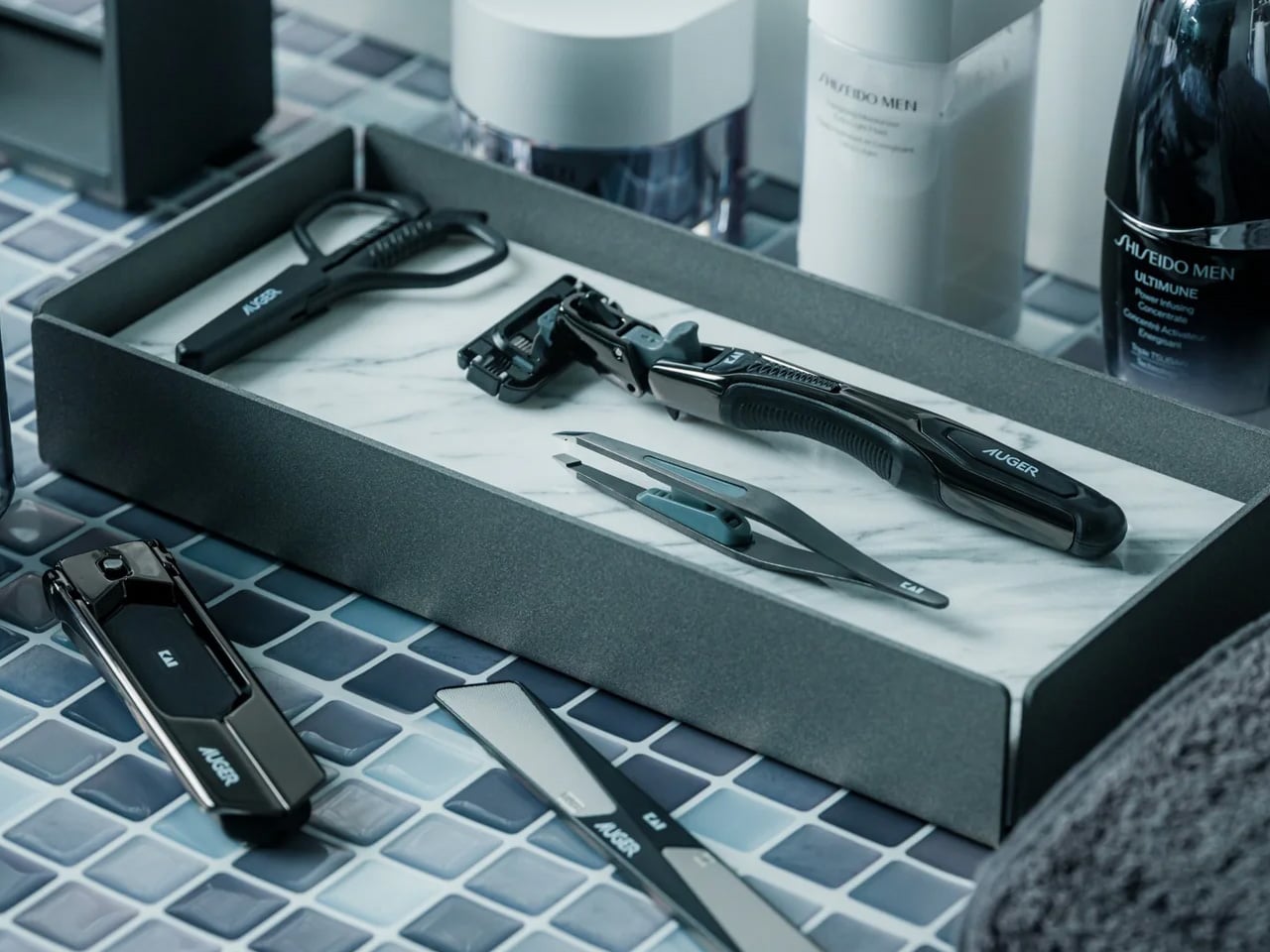
Most nail clippers are an afterthought. Picked up at a pharmacy checkout, tossed in a drawer, forgotten until needed. The Auger PrecisionLever Nail Clipper belongs in a different conversation entirely. Designed by Shogo Ochiai and developed by Kai Corporation, Japan’s blade-making authority since 1908, it brings over a century of cutting expertise to the smallest grooming tool most men never think twice about.

What makes it worth the attention is not just the credentials behind it. It is how a single mechanical decision — a patented rotating lever that shifts the pivot closer to the blade — changes the entire experience. Thicker nails clip cleanly in one press. The motion is smooth and quiet. The result is precise and controlled. At 67 grams and 86 millimeters, it disappears into a dopp kit and reappears every time as the best tool in it.
Click Here to Buy Now: $50.00

One Lever, A Smarter Cut

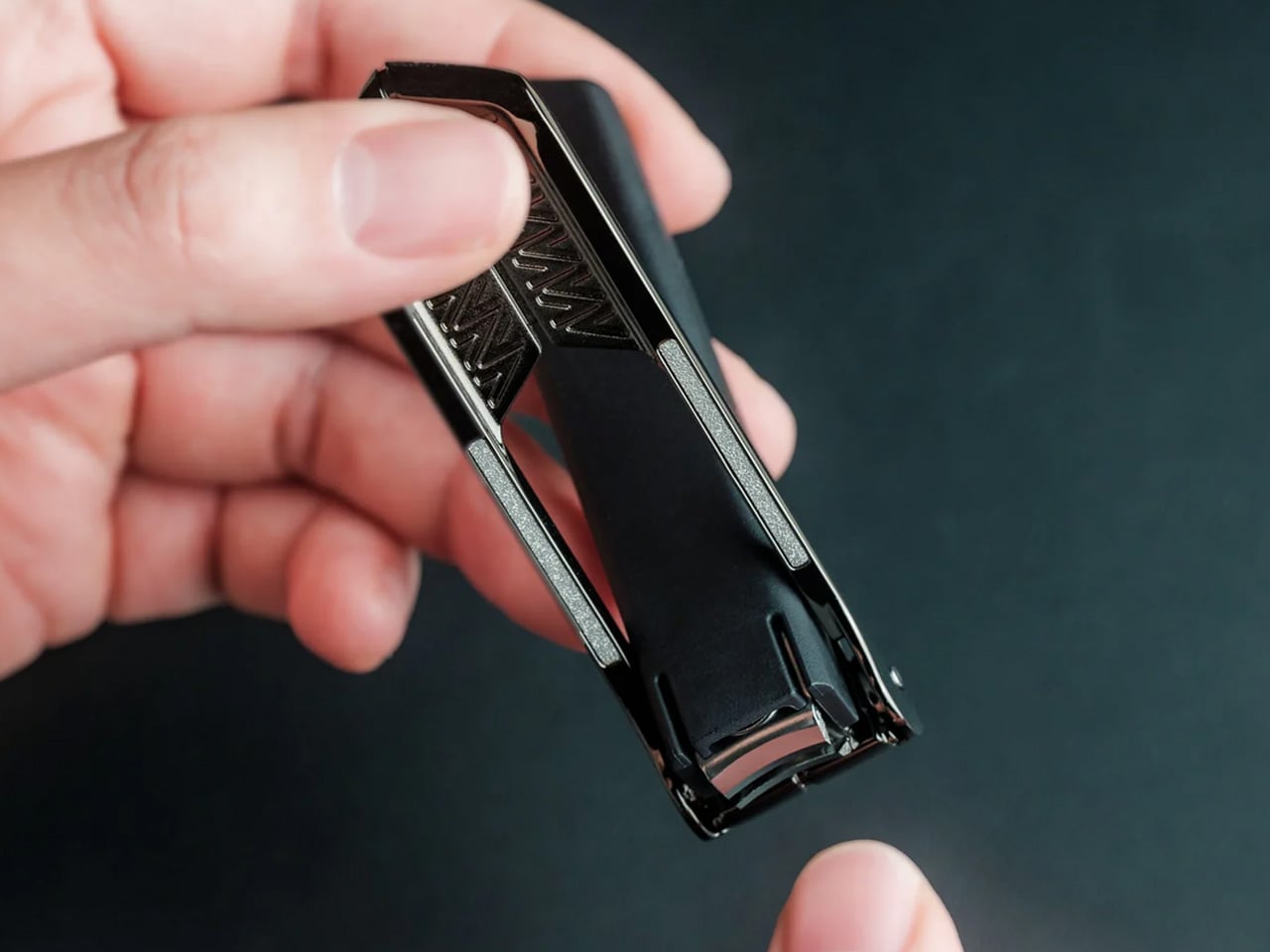
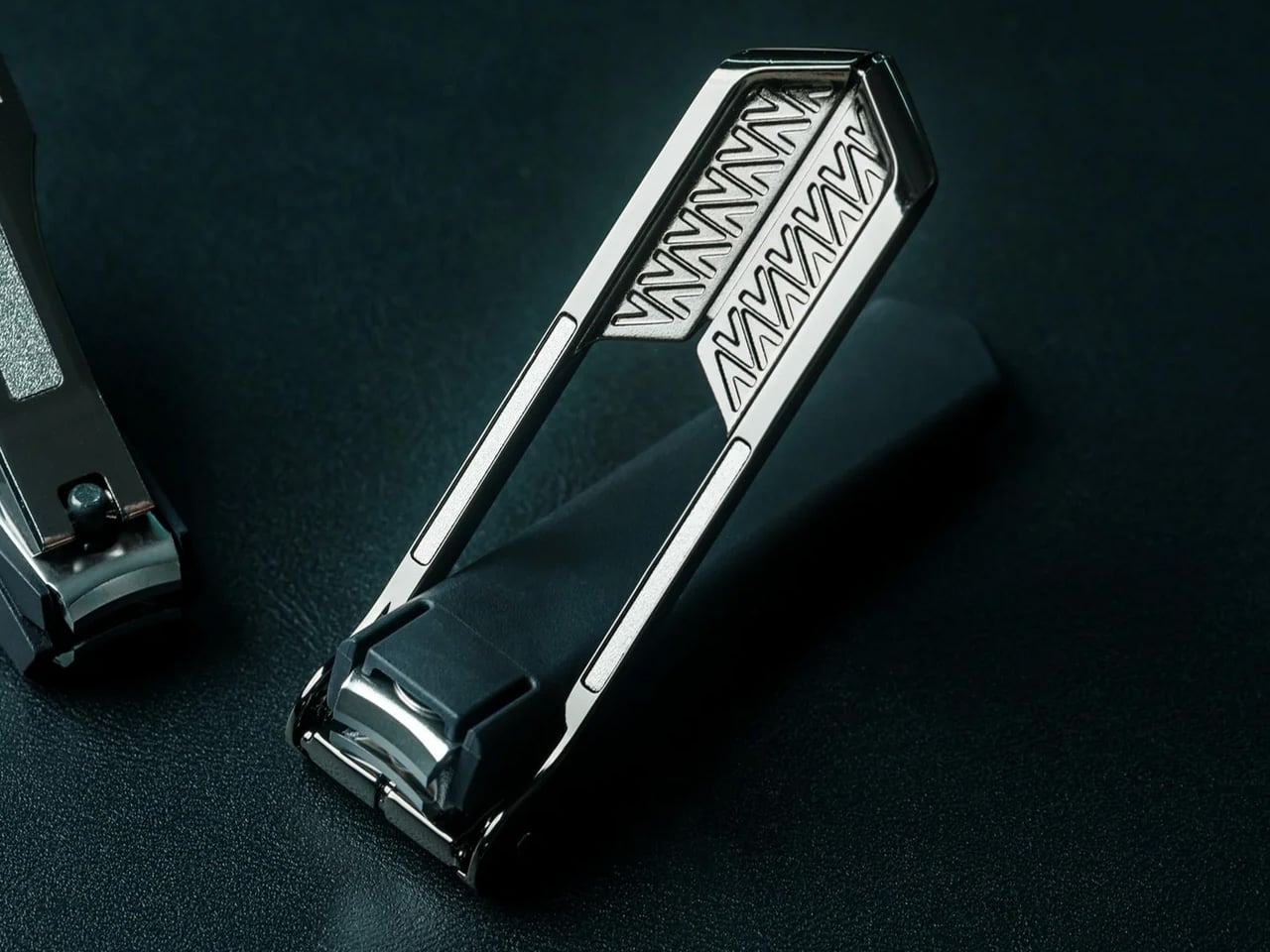
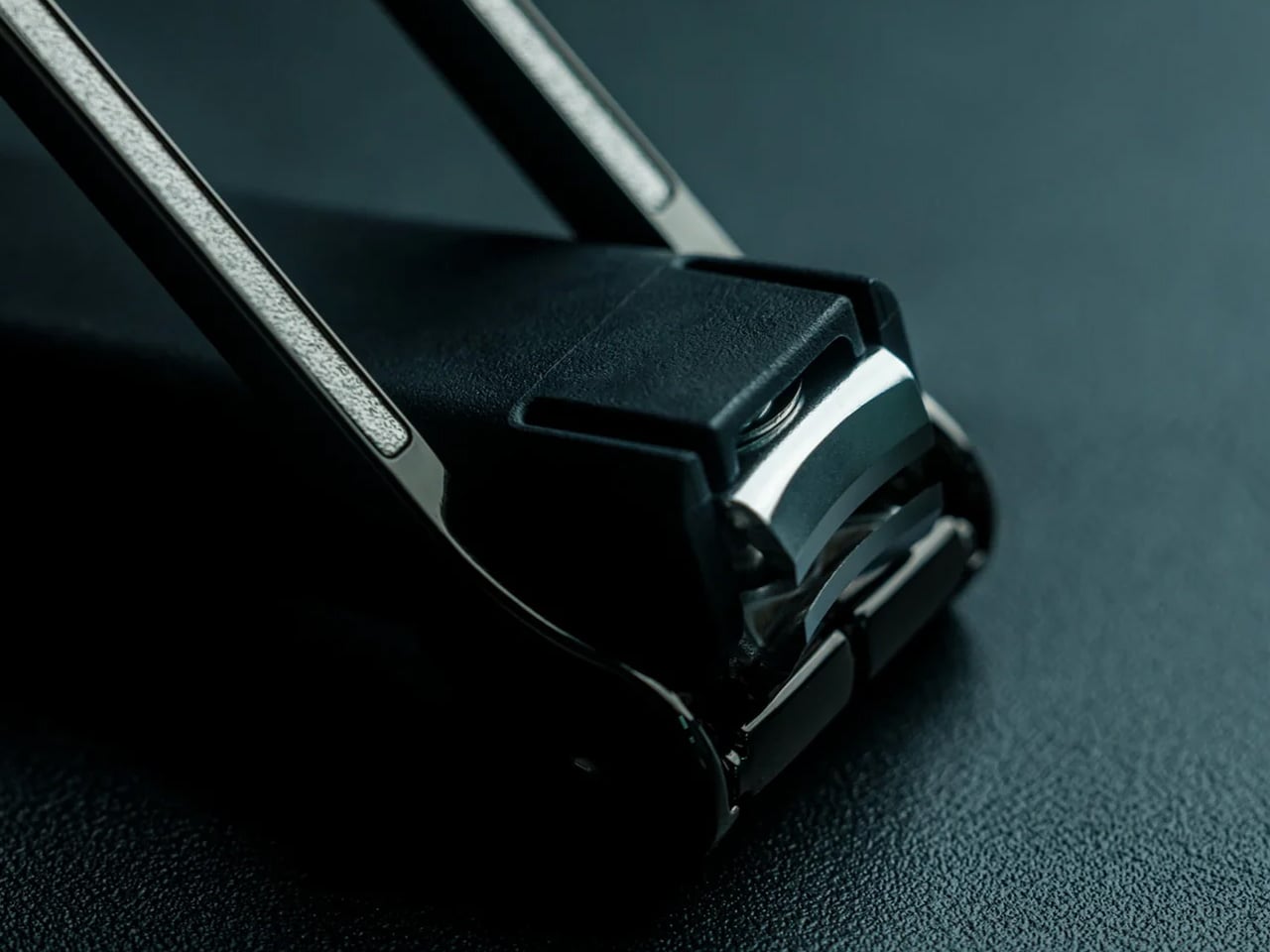
The rotating lever is the engineering story at the center of this clipper. By moving the pivot point closer to the blade, it optimizes pressure distribution across the entire cutting surface, which means less effort from the hand and a cleaner result on the nail. Where standard clippers require force and often leave a split or a rough edge, the PrecisionLever delivers a single, deliberate cut without tearing or jagging. The blades are 420 stainless cutlery steel, the same category of steel used in quality kitchen knives.

The motion itself reflects Kai Corporation’s century-long understanding of how a blade should behave. Smooth on the press, clean on the release, quiet throughout. No jolts, no clicks, no resistance that makes you second-guess the angle before you commit. It is the kind of tool that makes a routine task feel settled and intentional rather than rushed and functional, which is a distinction most grooming tools at this price point never manage to make.
Built for the Details That Show

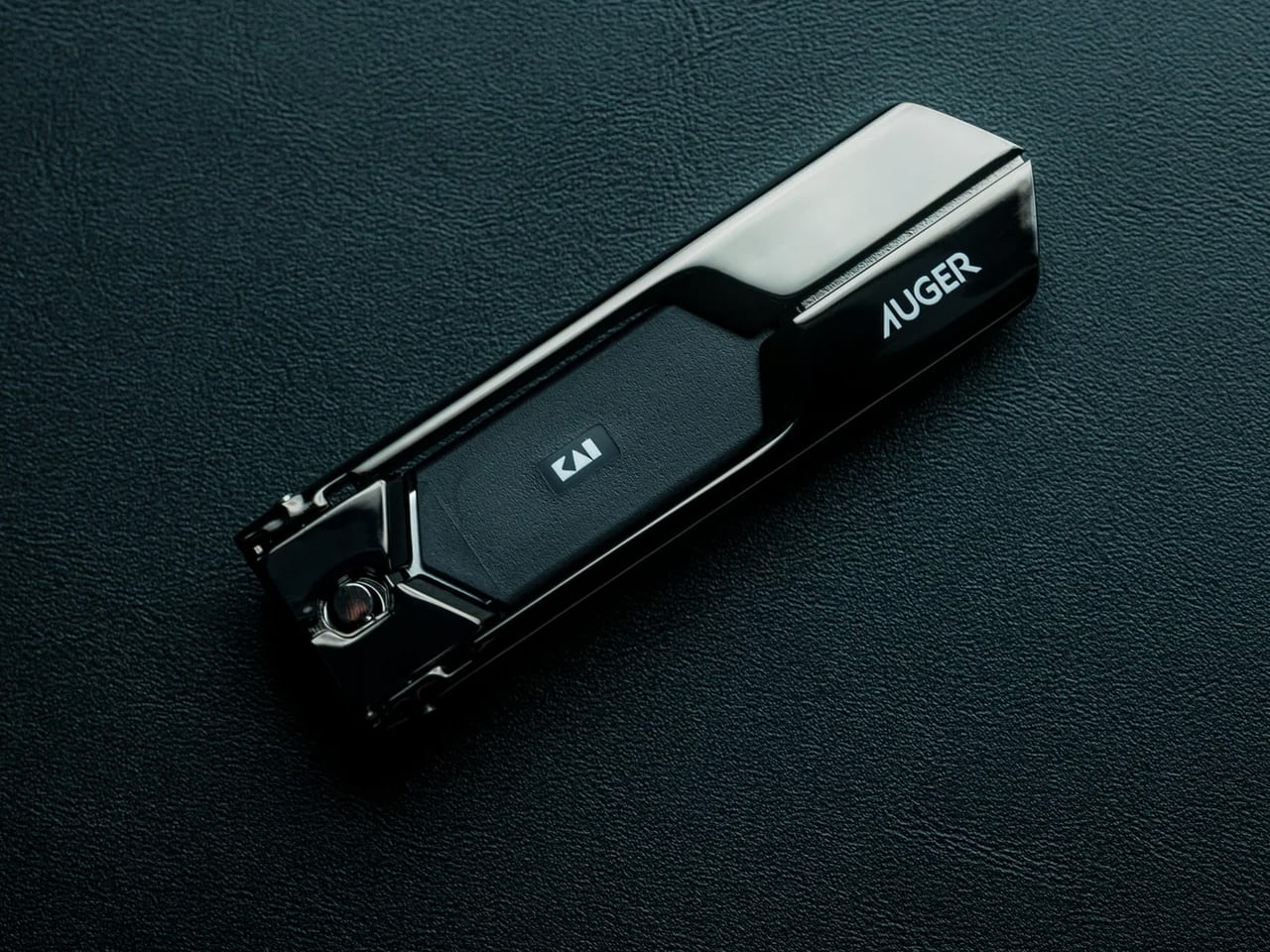
At 86 millimeters, the PrecisionLever sits in the hand without feeling flimsy or oversized. The zinc die-cast lever carries a plated finish that holds up over time without losing its appearance, and the stainless filing surface built into the body means one tool handles the full task. The thermoplastic stopper keeps clippings contained, which is a small detail that matters more in practice than it sounds on paper.

Shogo Ochiai designed the form around the idea that grooming tools should perform as well as they look. The weight is deliberate — 67 grams is enough to feel stable without adding bulk to a travel bag. The proportions are restrained. Nothing about the design overreaches or decorates for the sake of it. It is a tool that communicates precision before you even press down, and then confirms it the moment you do.
What We Like

  • Patented rotating lever shifts the pivot closer to the blade, delivering cleaner cuts on thick nails with significantly less effort than a standard clipper mechanism
  • 420 stainless cutlery steel blades slice without tearing or splitting, the same material standard used in quality kitchen cutting tools
  • 67g weighted body at 86mm feels stable and intentional in the hand without adding any real bulk to a travel kit or drawer
  • Built-in stainless filing surface means the tool is complete on its own, no separate file needed
  • Developed by Kai Corporation, a Japanese blade-making house with over 117 years of cutting expertise behind every design decision

What We Dislike

  • Only 3 units currently available, which makes this a limited purchase rather than a reliable restock situation
The Smallest Tool That Changes the Most

The Auger PrecisionLever Nail Clipper does not fix a problem most men know they have. It reveals one. Once you clip with a blade engineered by over a century of Japanese cutting expertise, the pharmacy clipper in the back of your drawer feels exactly like what it is — a compromise you never had to keep making. That is the quiet authority of a tool designed with genuine precision behind it.

For the detail-oriented, it is a Kai Corporation product carried by a designer who understood that grooming tools deserve the same intentionality as anything else in a considered kit. For everyone else, it is a fifty-dollar upgrade to a daily routine that your hands will make visible every single day. Either way, once it earns its place in the drawer, nothing else comes close.
The post This Japanese Nail Clipper Was Built by a 117-Year-Old Blade Maker & Cuts Cleaner Than Anything in Your Bathroom first appeared on Yanko Design.


This Hidden London Home Lives Behind a Garden Wall – And It’s Pure Genius

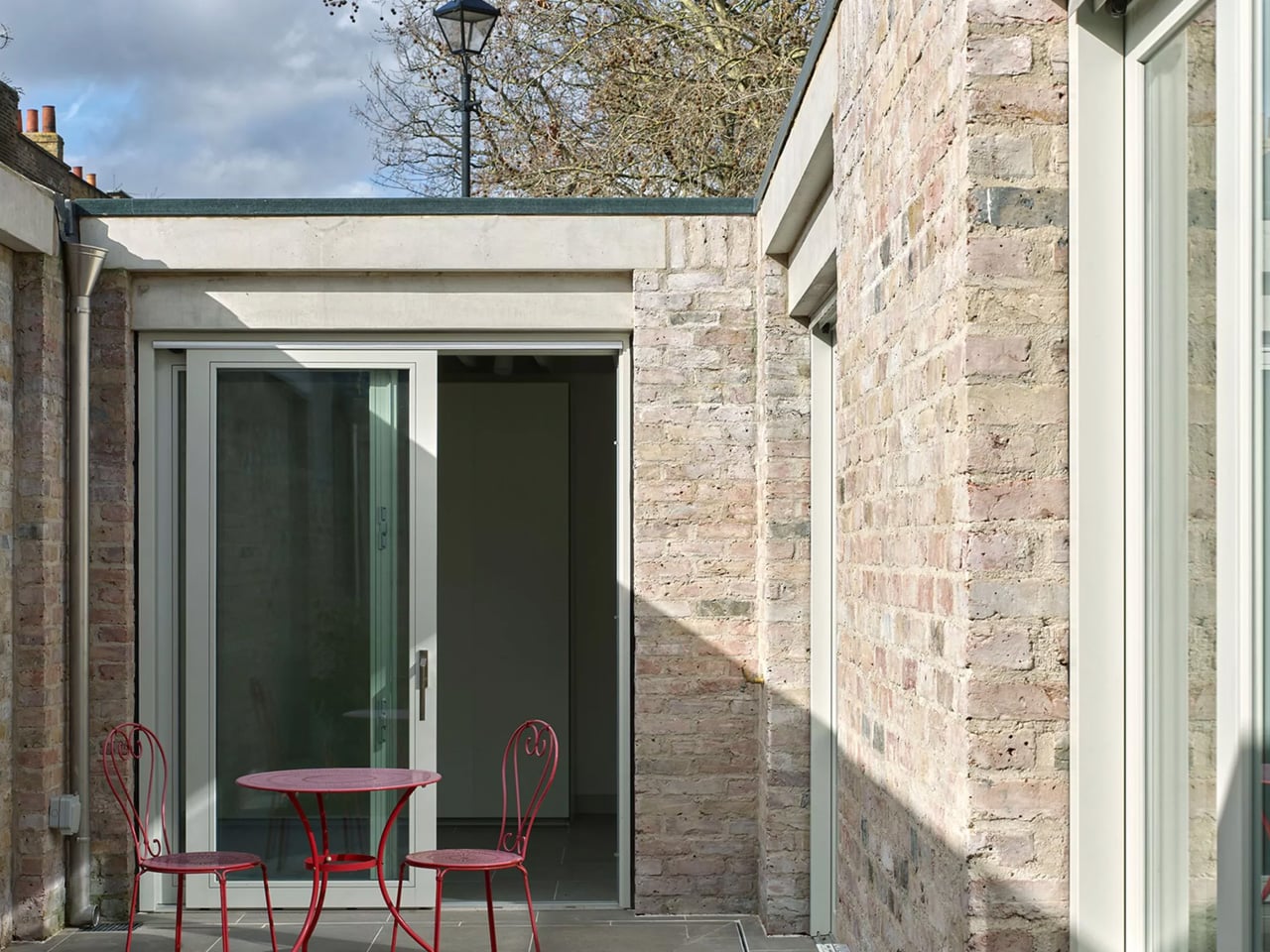
Just past the southeast corner of Cleaver Square in Kennington, south London, sits a weathered brick wall with a painted timber gate. From the street, it looks like nothing more than a garden boundary — unremarkable, quiet, entirely in keeping with the 18th-century square around it. Step through the gate and the story changes completely.

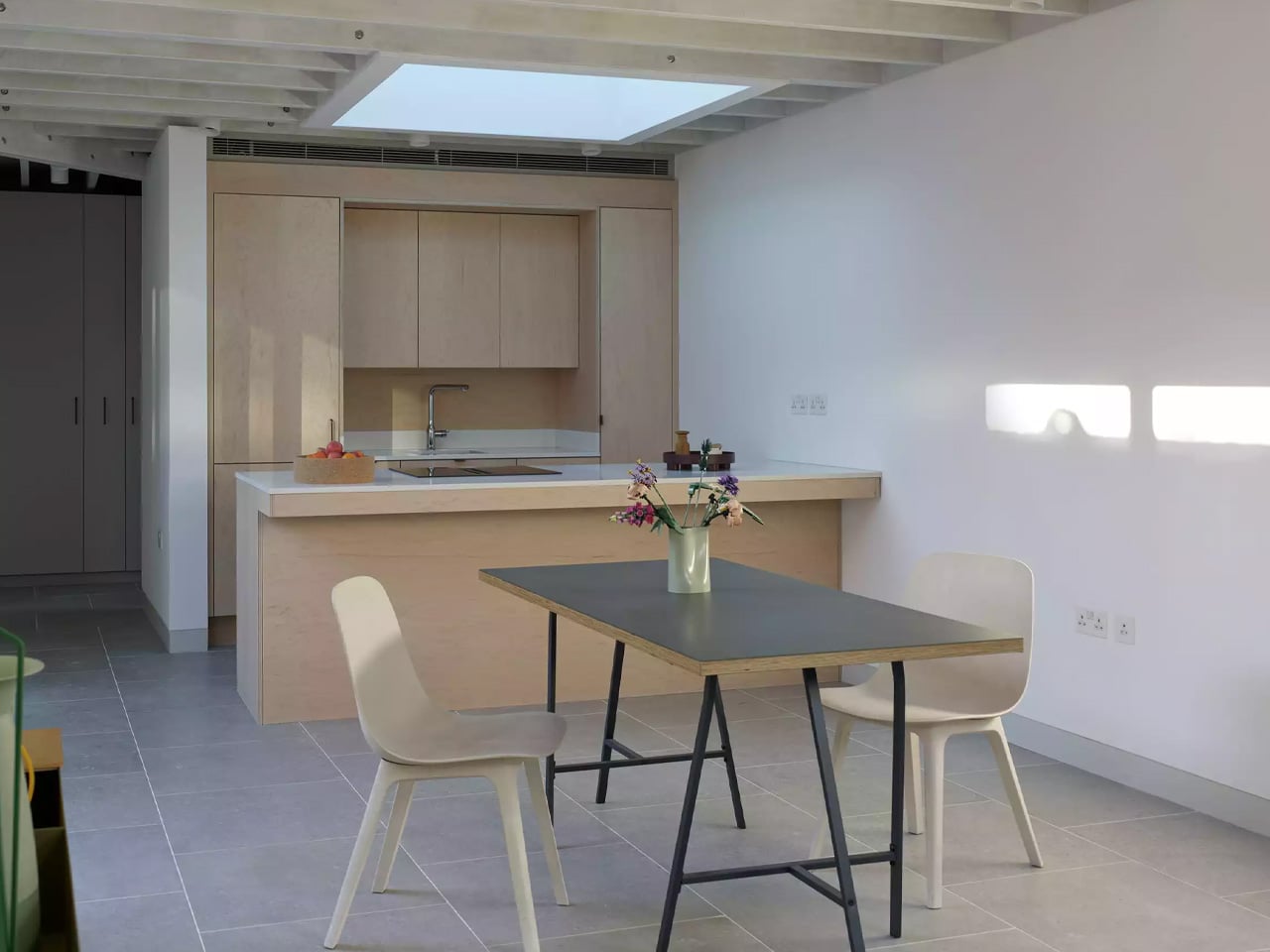
Behind it is the Walled Courtyard house, a single-storey, two-bedroom home designed by London-based architecture studio Inglis Badrashi Loddo (IBLA). It is the first new house built on Cleaver Square in over 175 years — and it was designed to be invisible.

Designer: IBLA

The site, a modest 63 square metres, was formerly a car park. It once formed part of the walled garden of the Grade-II listed Georgian townhouse that sits adjacent to it. The owners of that townhouse commissioned IBLA to design a separate, accessible dwelling on the land — compact, light-filled, and historically sensitive.

IBLA didn’t fight the enclosure. They embraced it. The boundary walls were reconstructed using a combination of salvaged and new London stock brick, deliberately left without windows so the exterior reads as one continuous garden wall. Inside, those same walls are washed in lime-mortar paint, pulling light inward and immediately shifting the atmosphere. “The site is very compact, completely enclosed and inward-looking — our main goal was to create a bright and light-filled home that felt expansive and generous, despite the constraints,” said IBLA director Kim Loddo.

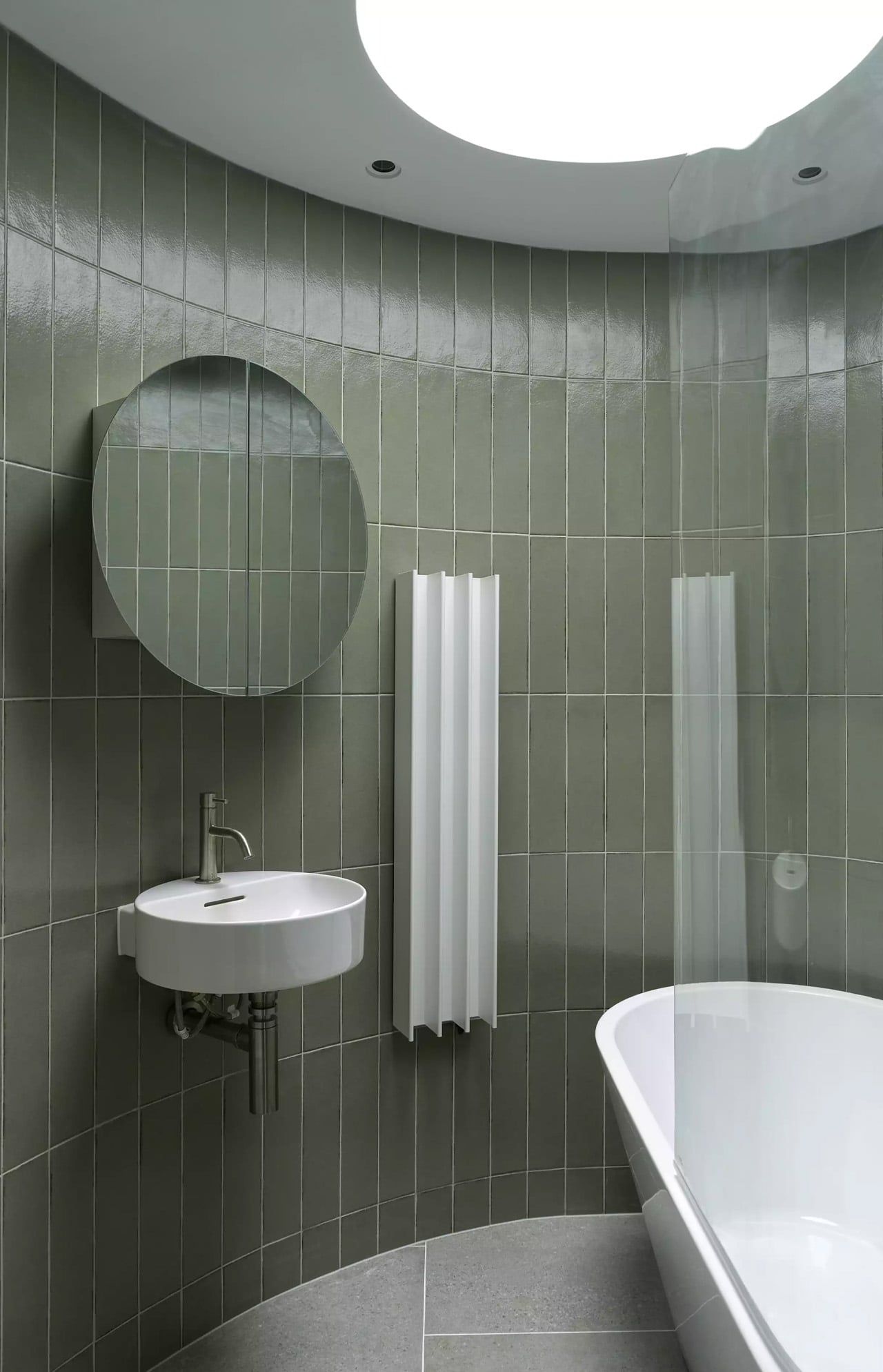
The layout unfolds around a central courtyard garden, with every main room connected to it through full-height sliding glass doors. The main bedroom and ensuite occupy the western end, with long sightlines running through to the kitchen and dining area at the centre. There, custom plywood cabinetry sits beneath a skylight that keeps the space bathed in natural light through the day. To the east, an adaptable room serves either as a second bedroom or a reading snug. The main bathroom, tucked into the curved corner of the site, is lit from above by a circular skylight.

A neutral palette runs throughout — white walls, whitewashed exposed timber roof joists, and grey porcelain flooring — with pocket doors that slide cleanly into wall recesses to keep sightlines open. The joists, as Loddo notes, do real structural work while lending the ceilings an honest rhythm.

For sustainability, the home relies on an air-source heat pump, underfloor heating, high-performance insulation, and a sedum roof that quietly completes its environmental credentials. What IBLA has built here is a masterclass in restraint. A home that holds its history close, hides from the street entirely, and reveals itself only to those who pass through the gate.

The post This Hidden London Home Lives Behind a Garden Wall – And It’s Pure Genius first appeared on Yanko Design.
Tadao Ando’s Watch Has a Leaf for an Hour Hand

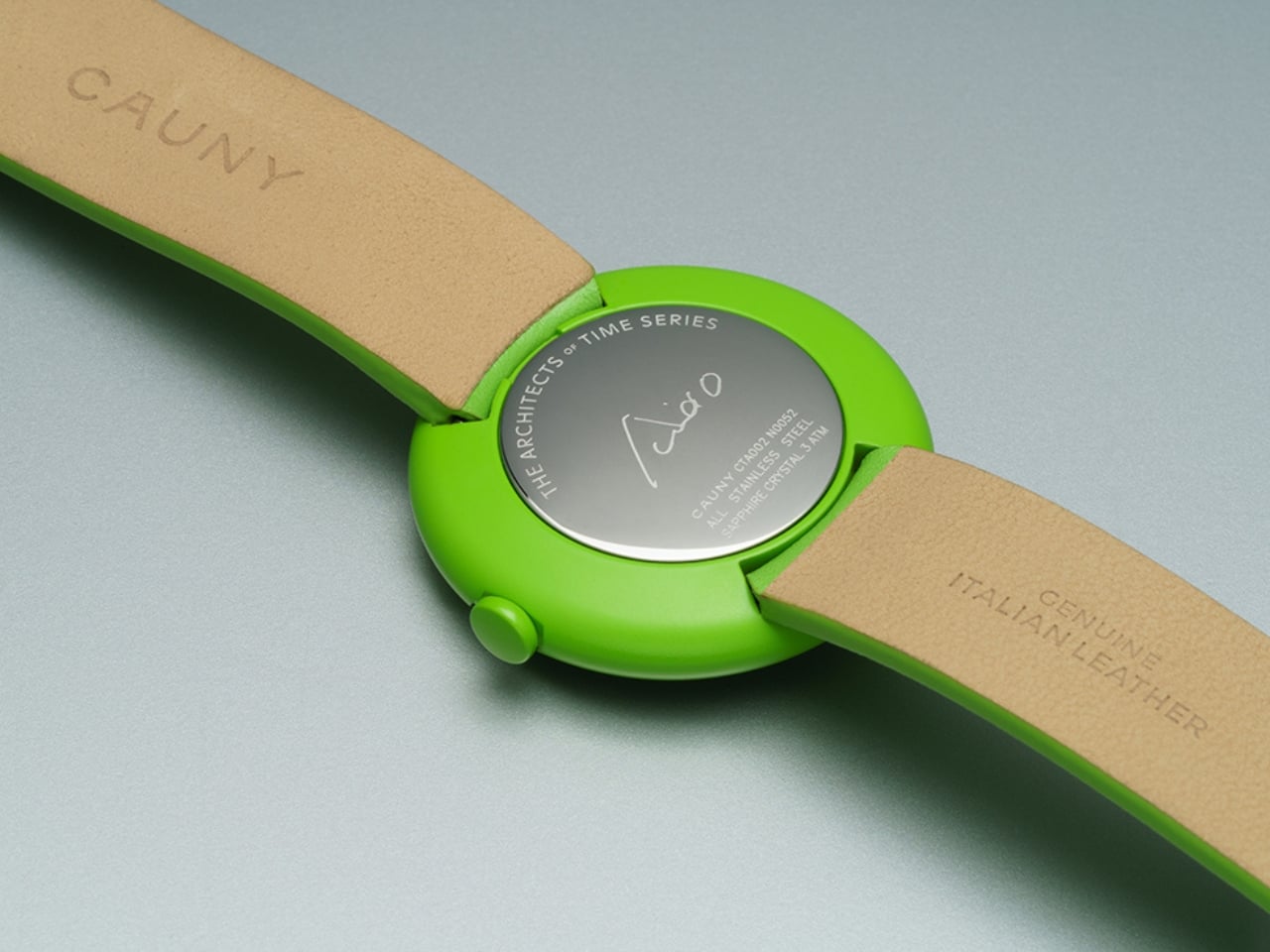
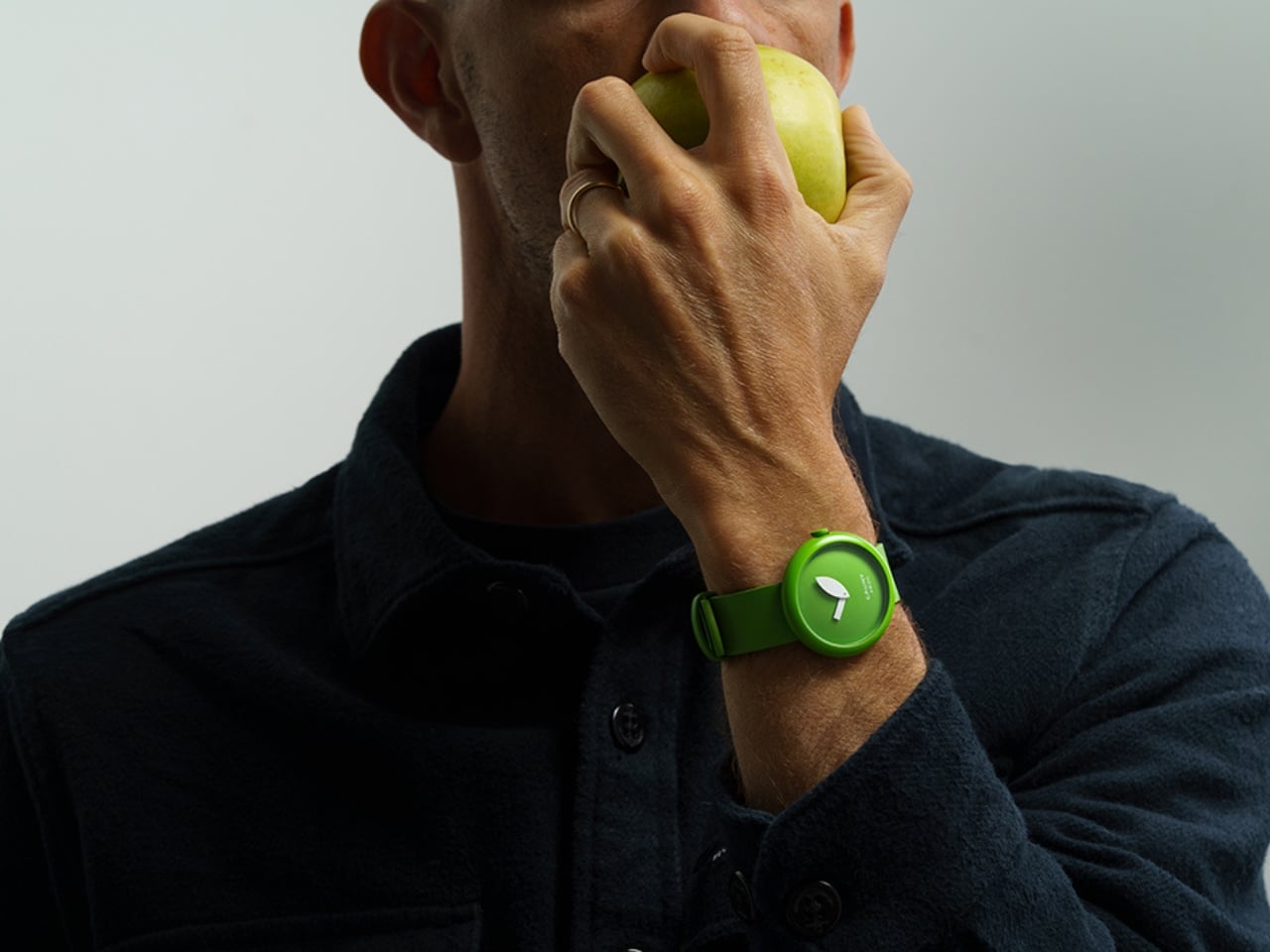
Tadao Ando is 83 years old, has won the Pritzker Prize, and has designed homes for Beyoncé, Kim Kardashian, Giorgio Armani, and Kanye West. His buildings are studied in universities around the world. His name alone tends to end conversations because there really isn’t much left to say after it. So when Cauny, the historic Swiss watch brand, approached him to design a timepiece as part of their Architects of Time series, the reasonable expectation was something severe, something stripped to its bones, maybe a slab of grey with hands. What nobody expected was an apple.

The Cauny Ando is built around a single, oddly poetic idea. For years, Ando has placed green apples outside his buildings. Not as decoration, not as a quirky signature move, but as a visual metaphor tied to Samuel Ullman’s poem Youth, which holds that youth “is not a stage of life, but a movement of the heart.” An apple, unripe and bright, carrying that same tension between potential and arrival. Ando has even created a giant green apple sculpture that has traveled internationally, including to the Museum SAN in Wonju, South Korea. The fruit has been part of his personal philosophy long before it became a dial color. And that’s the thing about this watch. The concept didn’t begin in a design studio. It began in a worldview.

Designer: Tadao Ando

Ando himself described it plainly: “This watch reflects the spirit of the green apple, unripe, a little sour, yet full of promise.” He went on to say it “honors those who keep moving forward, not because they’ve arrived, but because they still believe in the light ahead.” For a man who taught himself architecture through books and independent study, no formal degree, no architecture school, and then built one of the most recognizable careers in the field purely from persistence, those words carry real weight. This isn’t brand storytelling. It reads like something he actually believes.

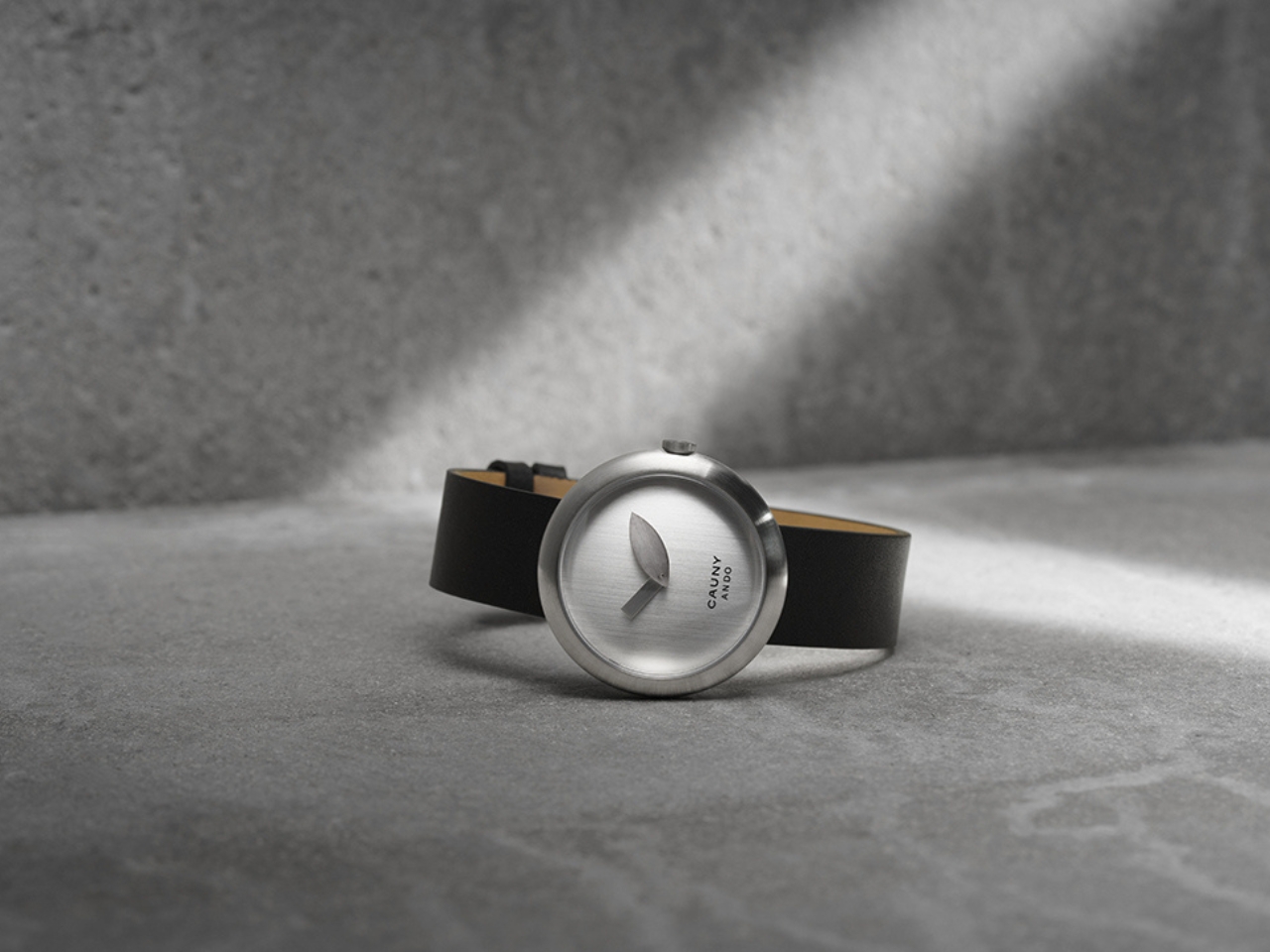
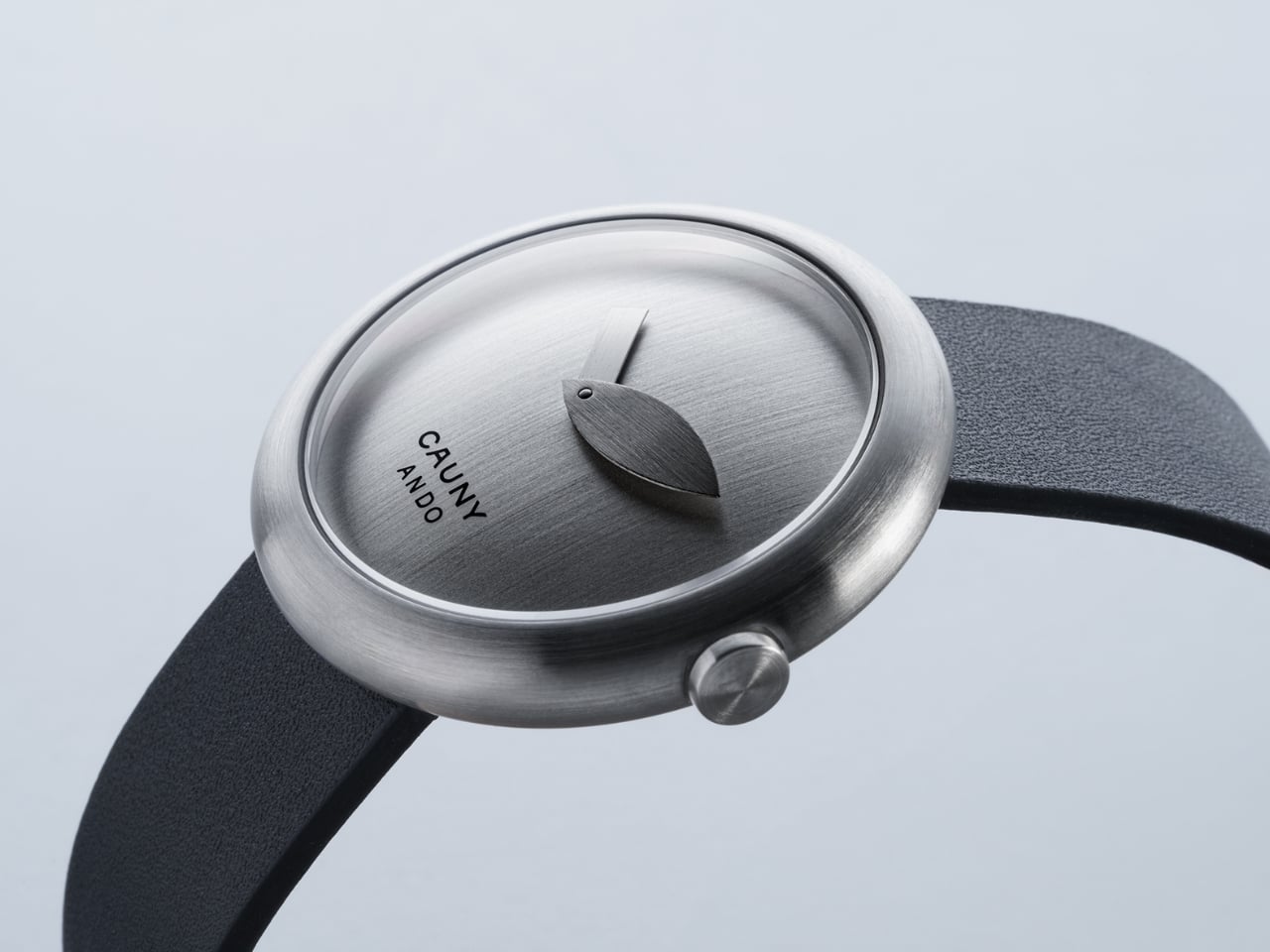
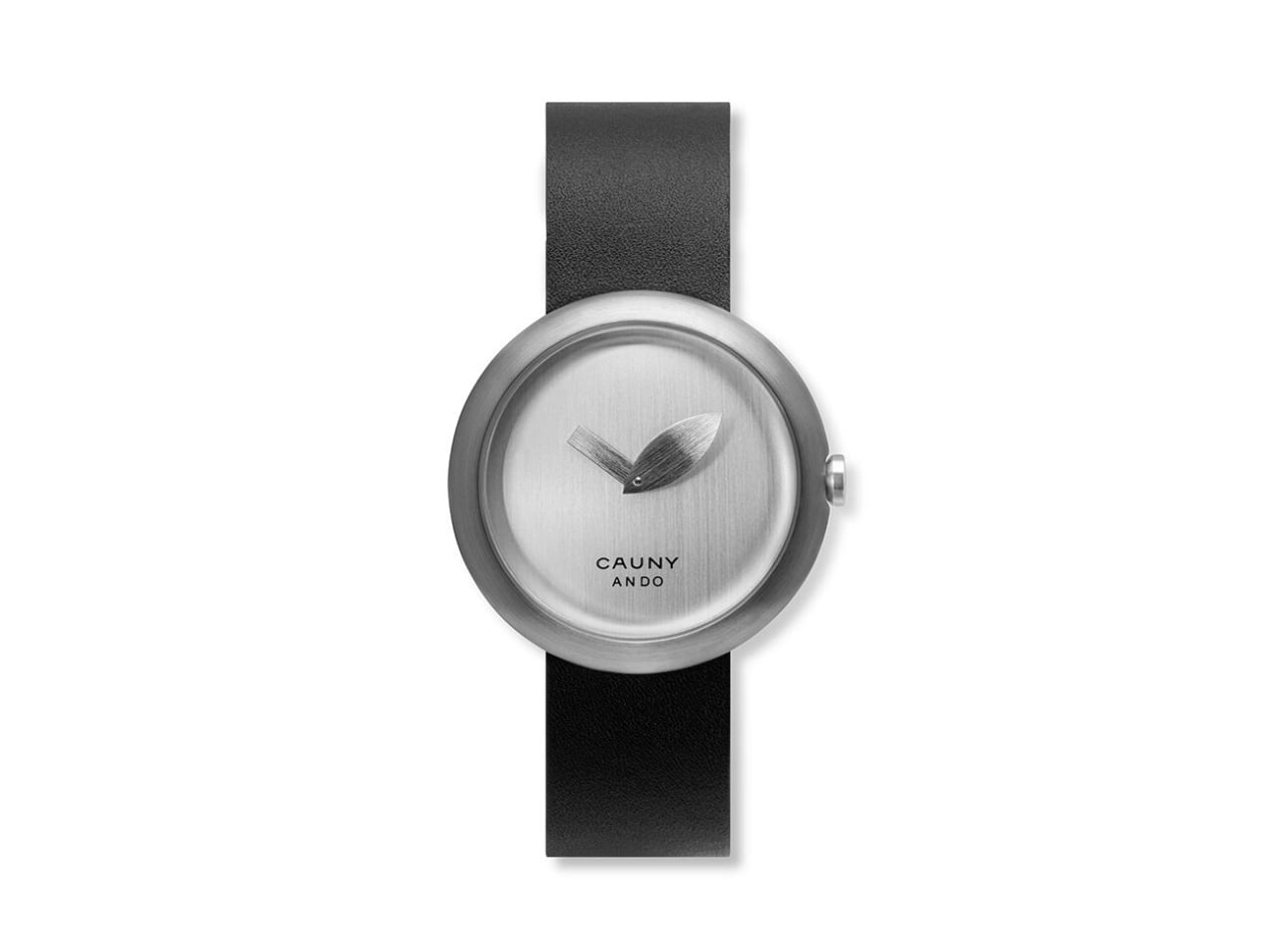
The watch comes in two versions. Ando Green, the more immediately striking of the two, wears that signature apple color on the dial, complete with a leaf-shaped hour hand that makes you pause the first time you notice it. It’s playful in a way that Ando’s buildings rarely are, which makes it more interesting, not less. The second version, in brushed steel, takes its cues from the exposed concrete Ando is so associated with, quiet and structural, the kind of piece you’d wear without needing anyone to recognize it.

Both run at 37.5mm, a size that works across genders and wrists without making a fuss about it. The quartz movement keeps things accessible rather than precious, and that feels intentional. Cauny has always occupied an interesting space in watchmaking, serious enough in craft but never trying to compete with the Swiss giants on their own terms. Pairing with architects rather than watchmakers has been a deliberate strategy, and it has produced consistently unusual results. Their Architects of Time series has previously included Eduardo Souto Moura and Rafael Moneo, both Pritzker laureates, suggesting the brief is less about watches and more about translating architectural thinking into something you can wear on your wrist.

With Ando, that translation feels particularly successful because the philosophy was already portable. He wasn’t adapting his aesthetic to a new medium. He was applying a belief he has been carrying around for decades, and it shows.

The broader conversation around design objects crossing disciplines gets exhausting sometimes. Not every collaboration deserves the attention it gets, and not every architect should be designing sneakers or fragrances. But occasionally, something lands right. Occasionally, the person behind the object has something genuine to say, and the object becomes a vehicle for that, rather than just a merchandise extension of a famous name.

The Cauny Ando lands right. It’s quiet without being boring, conceptual without being alienating, and rooted in something real. The green apple on your wrist isn’t a brand gimmick. It’s a reminder from a man who has spent his entire life proving that arriving is never the point.

The post Tadao Ando’s Watch Has a Leaf for an Hour Hand first appeared on Yanko Design.
Bugatti’s one-off W16 Mistral Blanc Éternel is a 1,578-HP hypercar wrapped in royal porcelain

For Bugatti, one-off commissions have long been an opportunity to blur the line between automotive engineering and collectible art. From the porcelain-adorned Veyron L’Or Blanc to today’s bespoke Sur Mesure creations, the French marque has repeatedly demonstrated that its hypercars can be canvases for extraordinary craftsmanship. The new W16 Mistral Blanc Éternel continues that legacy while serving as one of the most distinctive tributes yet to Bugatti’s legendary W16 engine.

Created as a one-of-one commission through Bugatti’s Sur Mesure personalization program, the Blanc Éternel reunites the automaker with Königliche Porzellan-Manufaktur Berlin (KPM), the historic porcelain manufacturer it first partnered with in 2011 for the Veyron Grand Sport L’Or Blanc. Rather than revisiting the flowing cobalt-blue artwork that defined the earlier car, Bugatti has embraced a contemporary interpretation inspired by the digital modeling process behind its latest hypercars.

Designer: Bugatti

Finished in Brilliant White, the W16 Mistral performance roadster is wrapped in intricate hand-painted black graphics that resemble the digital wireframe of a 3D CAD model brought to life. Instead of functioning as decorative stripes, the intersecting lines reveal the invisible geometry that shapes the roadster’s sculpted bodywork, creating a visual effect that shifts depending on the viewing angle. Every line was individually masked and painted by hand, underscoring the painstaking craftsmanship required to transform a digital design language into a physical work of art.

Bugatti Design Director Frank Heyl said the objective was never to recreate the celebrated Veyron L’Or Blanc. Instead, the team wanted to “move the idea forward,” reflecting how Bugatti’s creative process has evolved while preserving the spirit of its earlier collaboration with KPM. As he explains, Blanc Éternel represents “the beginning and culmination” of the W16 era, connecting Bugatti’s past and present through a shared appreciation for craftsmanship, innovation, and timeless design.

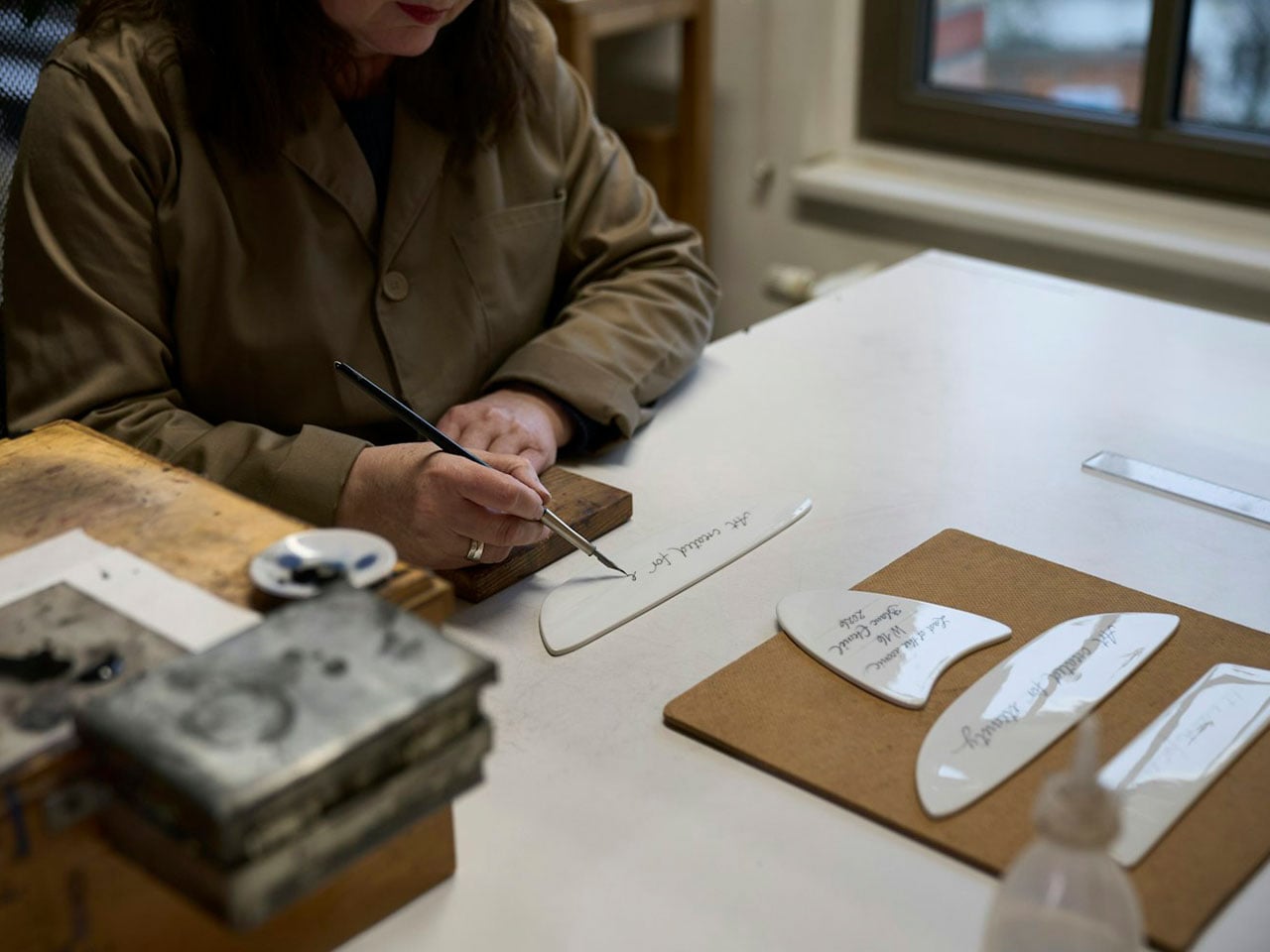
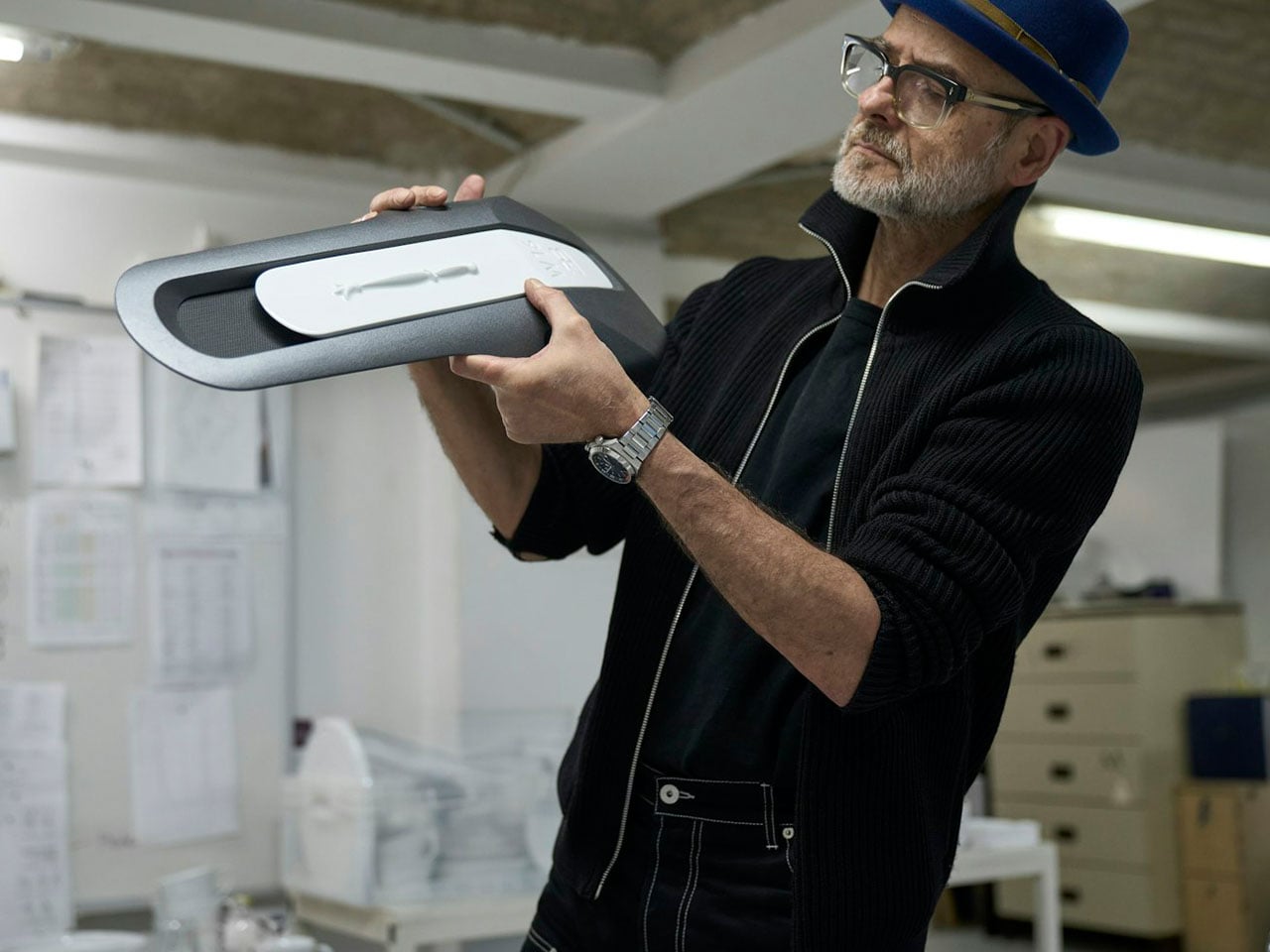
Porcelain remains at the heart of the project, but its application extends far beyond decorative accents. Handcrafted by KPM artisans, the material appears on the iconic EB emblem, the fuel and oil filler caps, the gear selector, window controls, speaker grilles, center console, and engine cover inserts. The cabin also features a delicate porcelain sculpture of Rembrandt Bugatti’s famous Dancing Elephant, reinforcing the artistic heritage shared between the two historic brands. Because porcelain shrinks considerably during firing, every component required meticulous engineering to ensure a flawless fit once completed.

The interior continues the exterior’s graphic theme with white leather upholstery overlaid by the same hand-painted black pattern. To achieve this, Bugatti developed an entirely new process that allows paint to bond with leather while maintaining the durability expected from a road-going hypercar, ensuring the intricate artwork withstands years of use without compromising quality.

Beneath the artistic exterior lies the engineering masterpiece that defines every W16 Mistral. The open-top hypercar is powered by Bugatti’s quad-turbocharged 8.0-liter W16 producing 1,600 PS (1,578 horsepower), making it the final roadster to showcase the brand’s iconic 16-cylinder engine before Bugatti transitions to its new hybrid V16 era with the Tourbillon. Limited to just 99 examples, the Mistral was already destined to become one of Bugatti’s rarest models, but the one-off Blanc Éternel occupies an even more exclusive space.

Subtle finishing touches, including Blanc Éternel lettering beneath the active rear wing, complete a commission that feels as much like a gallery piece as a hypercar. More than simply celebrating exclusivity, the W16 Mistral Blanc Éternel demonstrates how centuries-old porcelain craftsmanship, modern digital design, and one of the greatest automotive engines ever built can come together in a farewell worthy of Bugatti’s W16 legacy.

The post Bugatti’s one-off W16 Mistral Blanc Éternel is a 1,578-HP hypercar wrapped in royal porcelain first appeared on Yanko Design.
Smart Glasses Could Transform Sports. But There’s a Trust Deficit.

For centuries, a pair of glasses has been one of the most socially innocent objects a person can wear. They exist in one of two lanes: as a quiet medical tool for correcting vision, or as a deliberate fashion statement, an accessory as personal as a watch. In either role, tool or ornament, they are fundamentally passive. They sit on the face, and in return for their service or their style, society grants them a kind of ambient trust. Smart glasses were designed to borrow that trust. They slip into the familiar silhouette of eyewear, hijacking the social permission we’ve granted them, hoping we won’t notice the difference.

But that’s the thing, isn’t it? The moment that quiet, passive object gains the ability to see, record, and communicate on its own, the social contract shatters. It stops being a corrective lens or a simple accessory and becomes a question mark. And in the high-stakes world of professional sports, that question is no longer theoretical. In the Indian Premier League, one of the most-watched cricket leagues on the planet, it has been answered with a firm ‘no.’ The league’s advisory body recently banned smart eyewear from all restricted match-day areas as reported by Indian Express, not because they might help a player see better, but because their ability to discreetly communicate threatens the very integrity of the game. It’s the first major institutional line drawn in the sand, a clear signal that what makes smart glasses so compelling, their seamless, discreet power, is exactly what makes them so threatening to an environment built on trust.

Which makes the current scoop from the FIFA World Cup all the more interesting. This year, cameras attached to referees have been delivering something genuinely compelling: a first-person view from the center of the match, fast, intimate, and unlike any angle a traditional broadcast camera can offer. FIFA has partnered with Lenovo to stabilize the footage, reportedly reducing blur and shakiness by up to 50%. The result is a piece of wearable camera tech that audiences have embraced without a second thought. And the reason it works has nothing to do with the stabilization algorithm or the resolution. It’s because everyone knows exactly what it is, what it records, and who controls the output. The ref cam is sanctioned intimacy, an invitation behind the official’s gaze with the entire institution of the sport standing behind it.

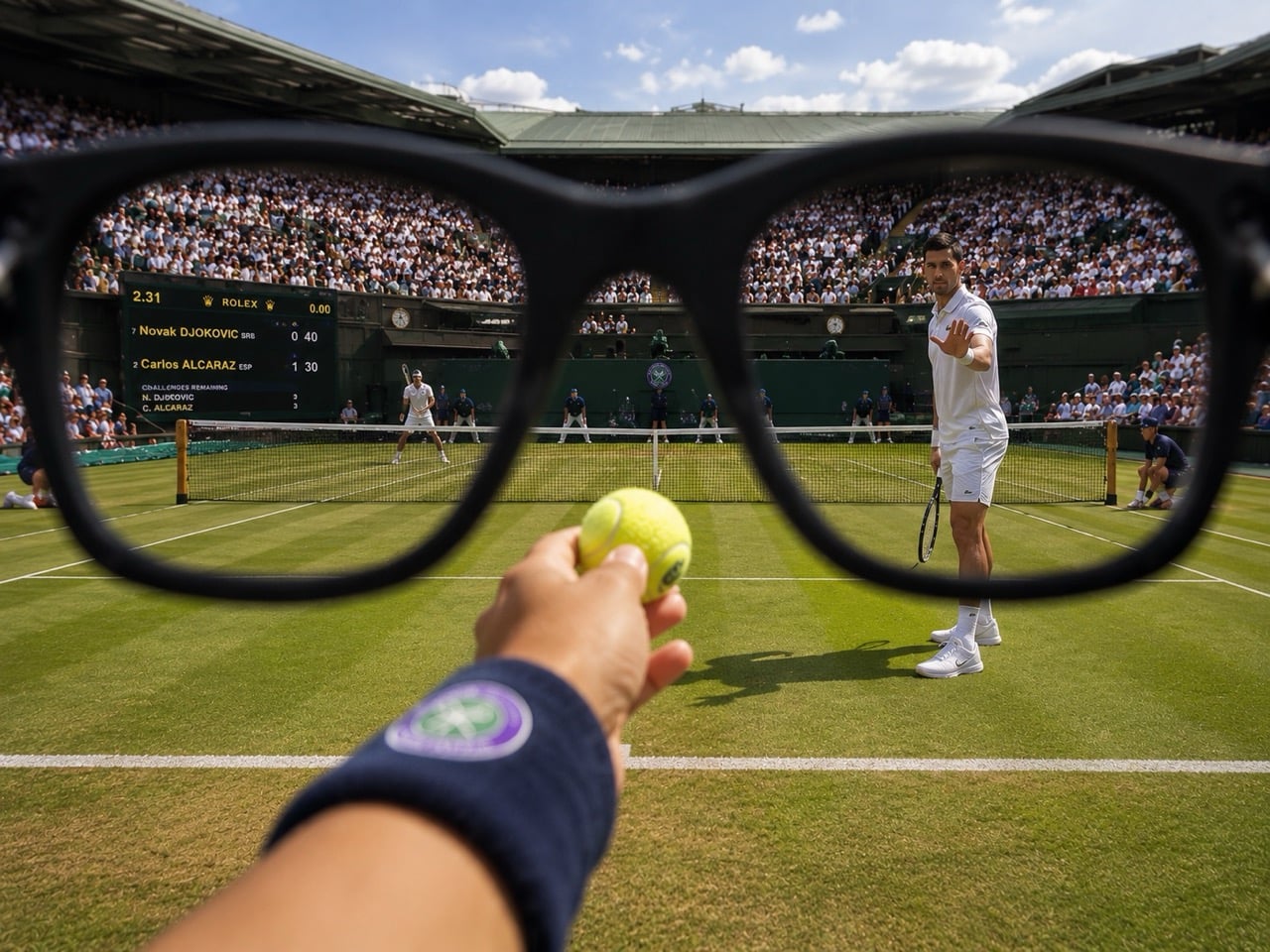
The problem has never really been head-worn cameras. GoPros have existed for more than twenty years, and nobody writes angry op-eds about them, because a GoPro announces itself the way a tourist in neon shorts announces themselves. Gloriously, almost aggressively obvious about what it is and what it’s doing. The same logic applies to the FIFA ref rig: dedicated broadcast hardware, sanctioned by the league, feeding a known output to a known destination. Smart glasses are slipperier. Their design philosophy actively works against that legibility, optimized to look like ordinary eyewear while quietly carrying camera, microphone, and communication capabilities underneath. That gap between appearance and function is exactly where trust evaporates.

Silicon Valley has spent years selling the idea that the best interface is the one that disappears. Ambient computing, seamless experiences, invisible technology. It’s a seductive design philosophy, and in most consumer contexts, it’s probably the right one. But sports may be quietly proving the opposite. In a high-stakes, heavily monetized environment where betting markets move in real time, the most valuable technology is often the least ambiguous. Leagues don’t just need devices that work; they need devices that can be understood at a glance, audited, regulated, and explained. The IPL’s concern isn’t really about what smart glasses are doing today. It’s about what they could be doing, invisibly, in a dressing room, on a pitch, in a dugout. Seamlessness, in that context, isn’t a feature. It’s a liability.

None of this means smart glasses have no future in sports. They might, just not in their current form. The ref cam points toward a version of wearable vision technology that could genuinely work: purposeful, controlled, institutionally transparent, and designed to communicate its function rather than conceal it. Soccer officials in other leagues are already using similar cameras for post-match performance reviews, a quiet but meaningful step toward something bigger. The path from there to a trusted live-match tool, however, runs directly through a design problem. Smart glasses need to stop borrowing the social invisibility of ordinary eyewear and start building their own visual language, one that tells players, officials, and leagues exactly what the device is, what it records, and who is watching. Until then, the trust deficit isn’t a policy issue. It’s a design failure, wearing a very familiar frame.

The post Smart Glasses Could Transform Sports. But There’s a Trust Deficit. first appeared on Yanko Design.