This DIY AI Astronaut Looks Like a Desk Toy Until You Ask It Questions

Most DIY AI gadgets are bare boards and wires, or at best a 3D-printed box, and that clashes with the idea of leaving them on a shelf or side table. Even clever builds end up looking like projects rather than finished objects. D. Creative’s tiny AI robot is a counterexample, a chatbot built inside a toy astronaut that looks like decor first and a smart assistant second, making it actually display-worthy.

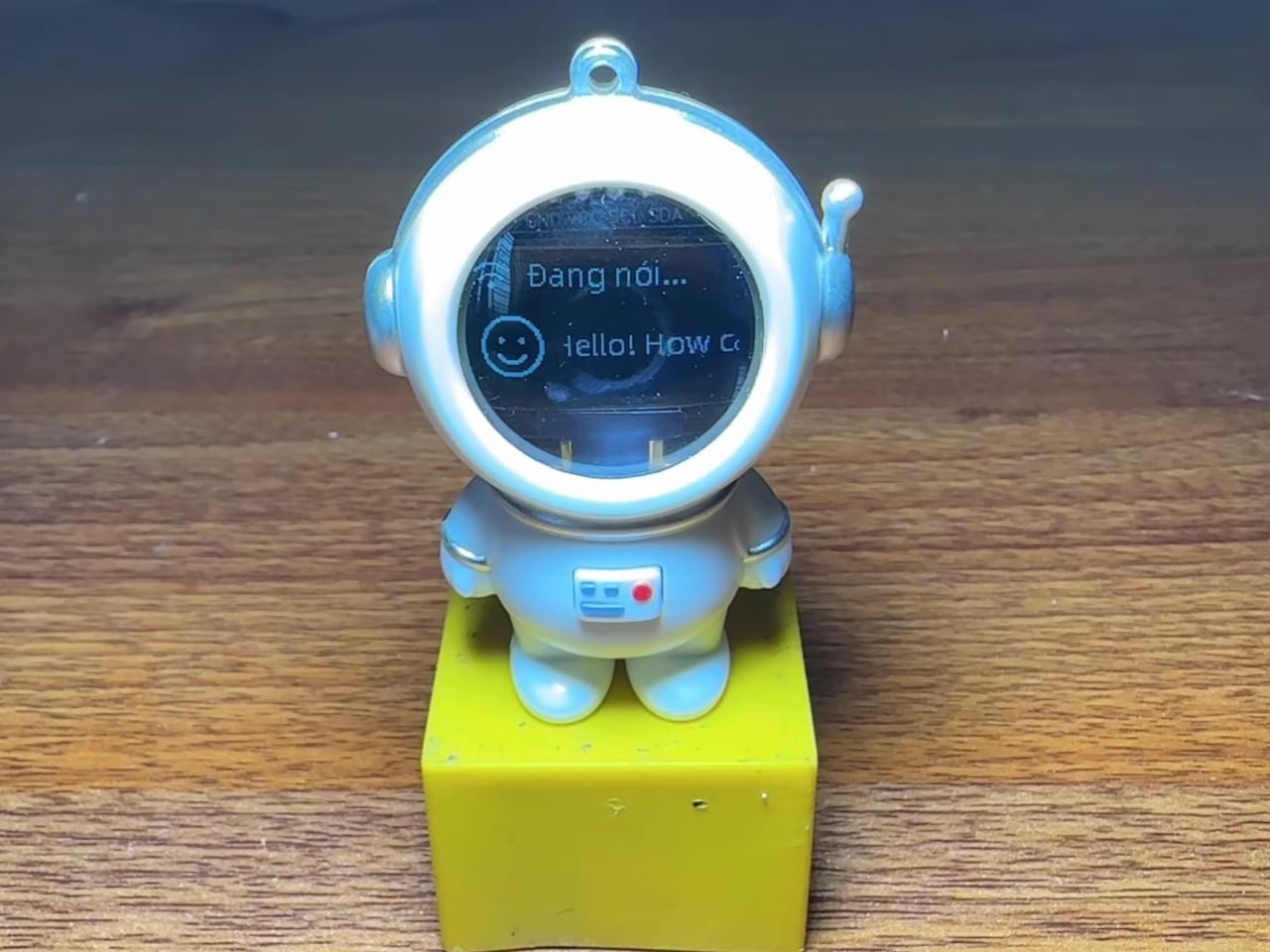
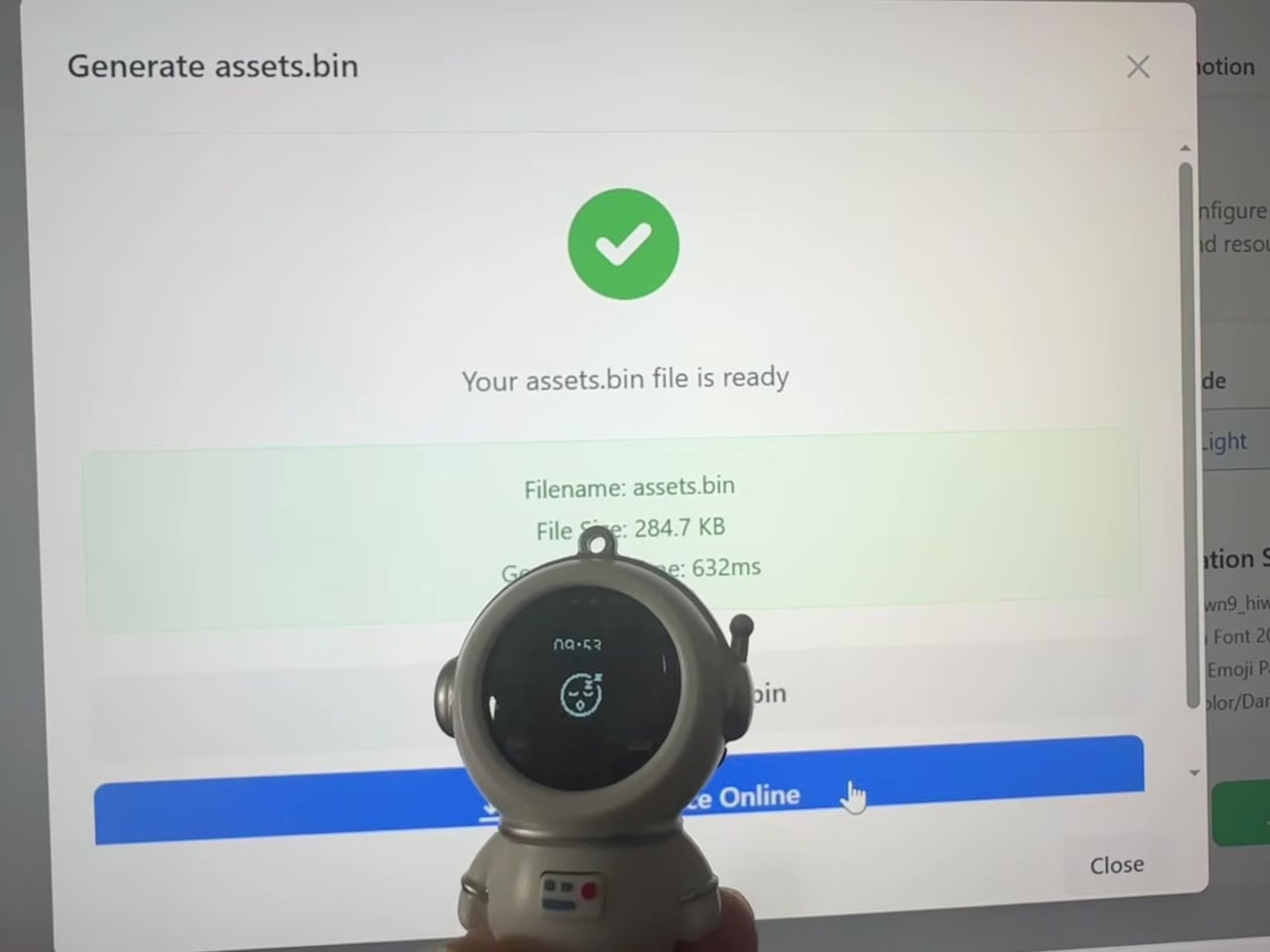
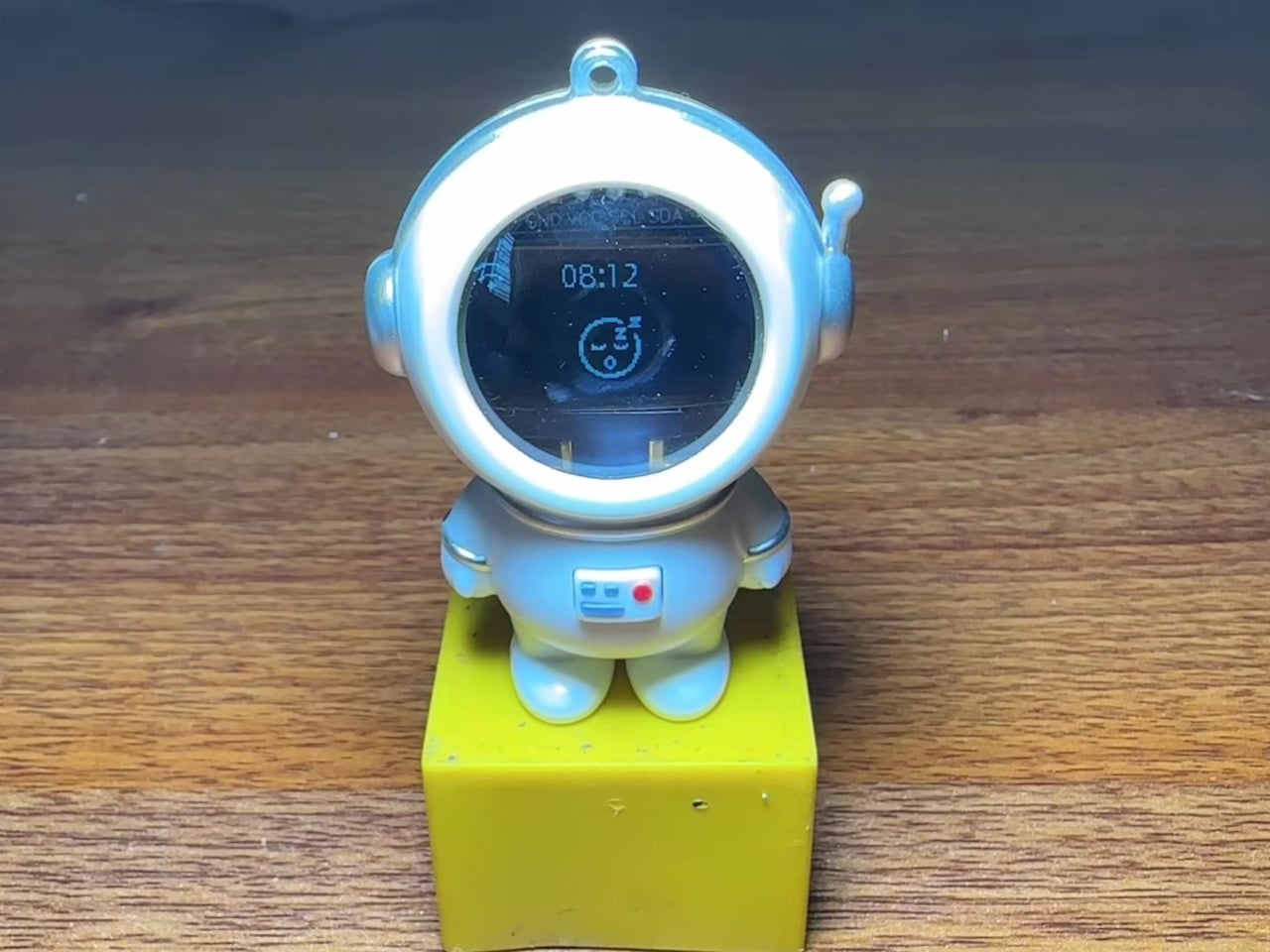
The basic concept is a small astronaut figurine that you can talk to, which talks back using a cloud LLM. All the electronics, ESP32-S3, mic, amp, speaker, battery, and OLED, are hidden inside the toy shell, so on a desk it reads as a cute space figure until it lights up and answers a question or starts blinking to show it is listening.

Designer: D. Creative
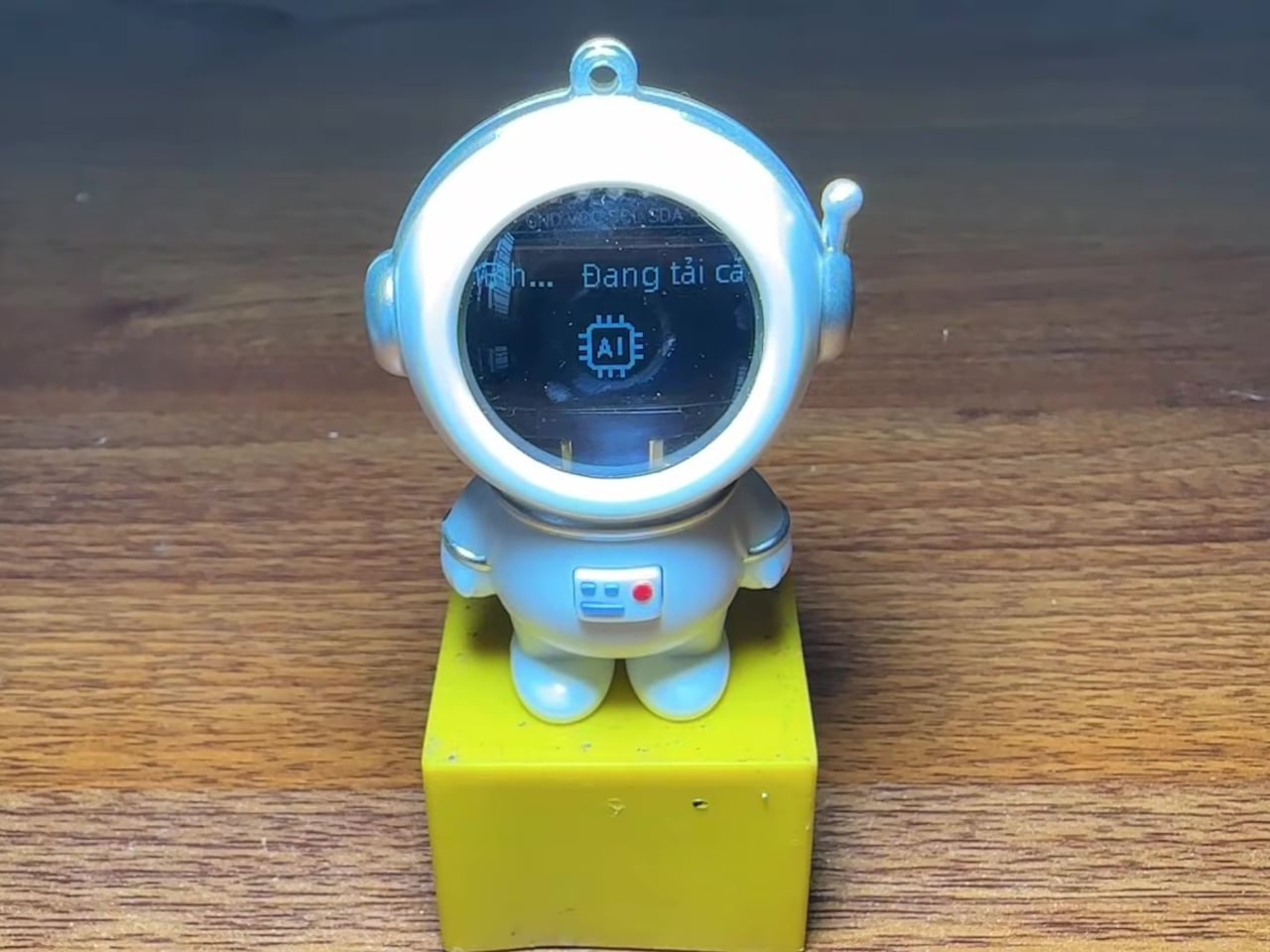
The internals pack tightly. An ESP32-S3 Super Mini acts as the brain, a digital I²S microphone hears you, a matching I²S amplifier and tiny speaker reply, and a 300 mAh battery with a charging board keeps it running. The 0.96-inch OLED is tucked into the helmet as the robot’s face, giving the AI a place to look back from when you address it or ask for help.
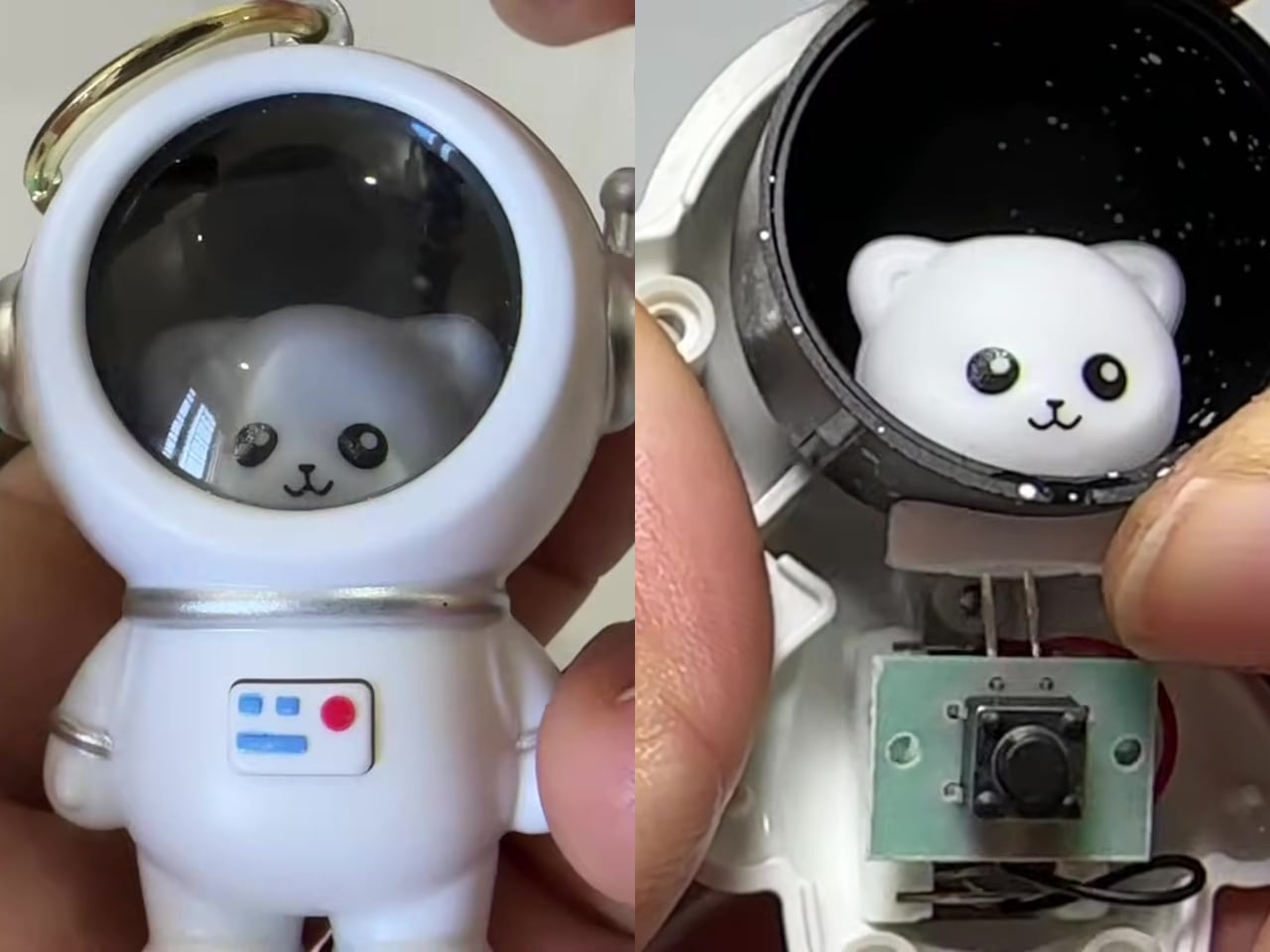
The builder gutted a light-up astronaut toy, drilled a few holes for buttons and a USB port, and then packed the new hardware inside before closing it back up. This is not a 3D-printed shell but an existing object repurposed, which keeps the proportions and charm of the original toy while hiding the complexity and making the result feel less like a gadget and more like a character.
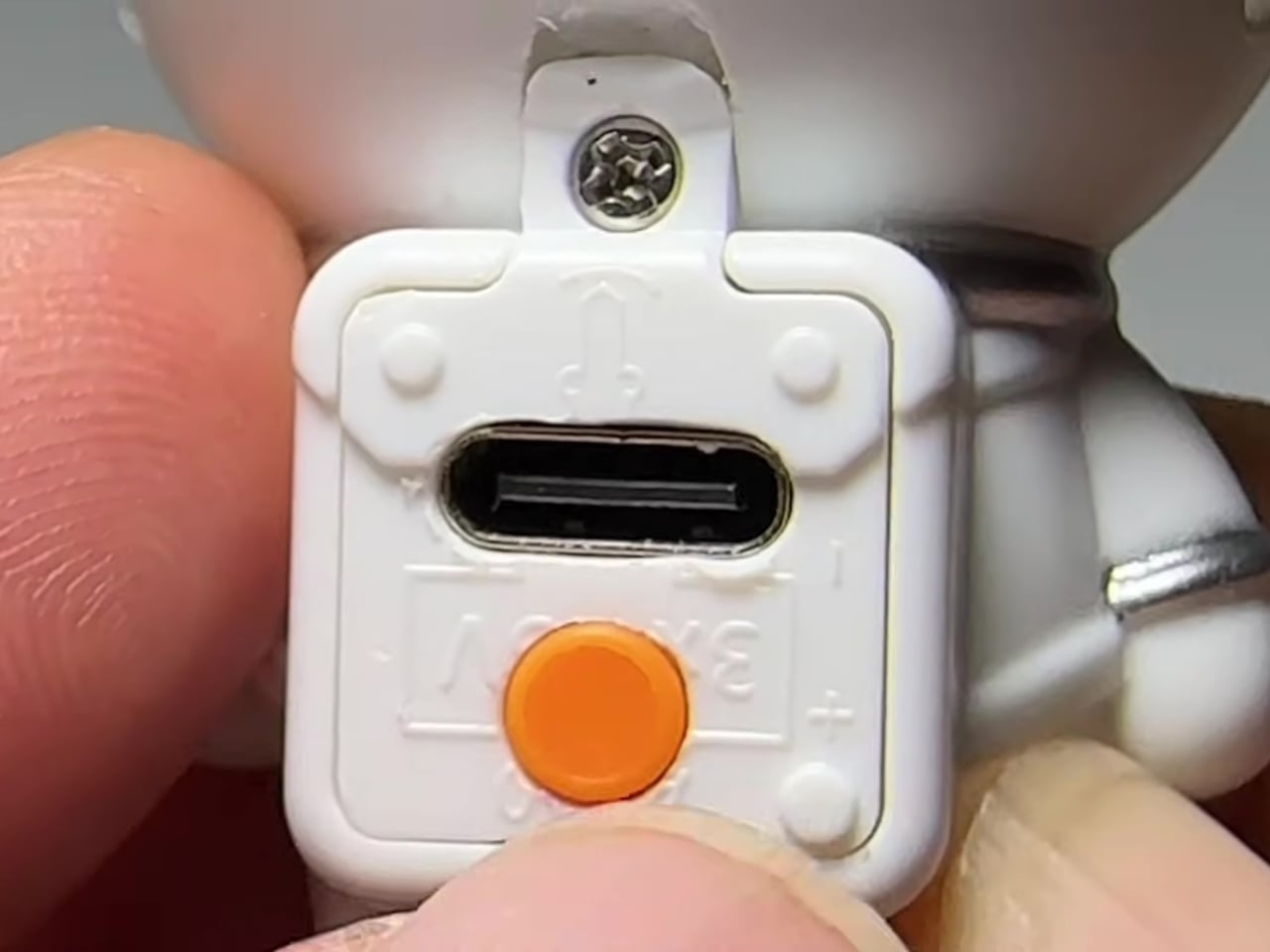
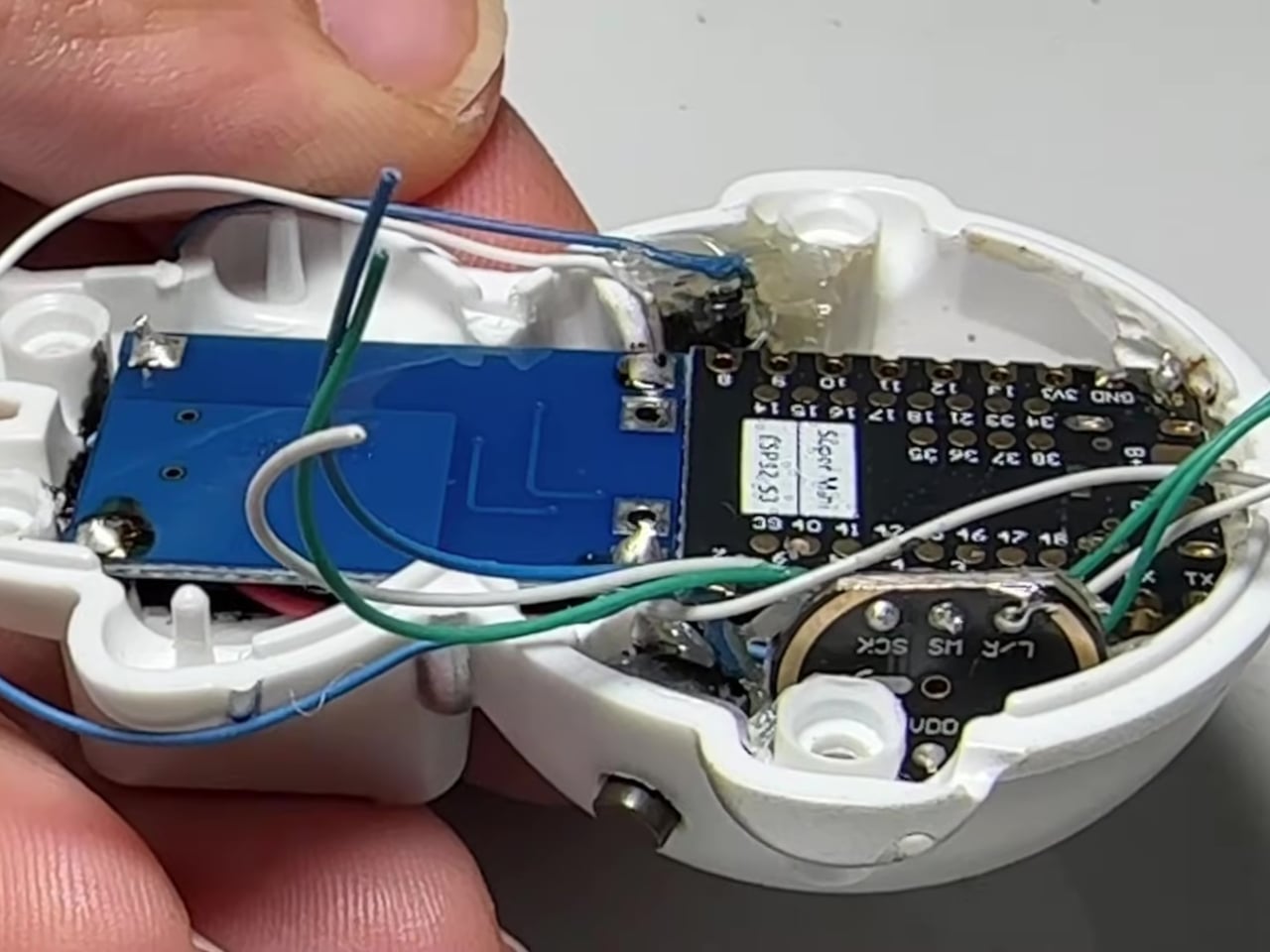
The interaction loop is straightforward. You speak, the mic captures your voice, the ESP32 sends it over Wi-Fi to a speech-to-text service and then to the Qwen3 LLM, the response comes back as text, and a text-to-speech engine turns it into audio for the speaker. The astronaut’s OLED changes expression to show when it is listening, thinking, or ready to answer, turning a text exchange into something more animated.
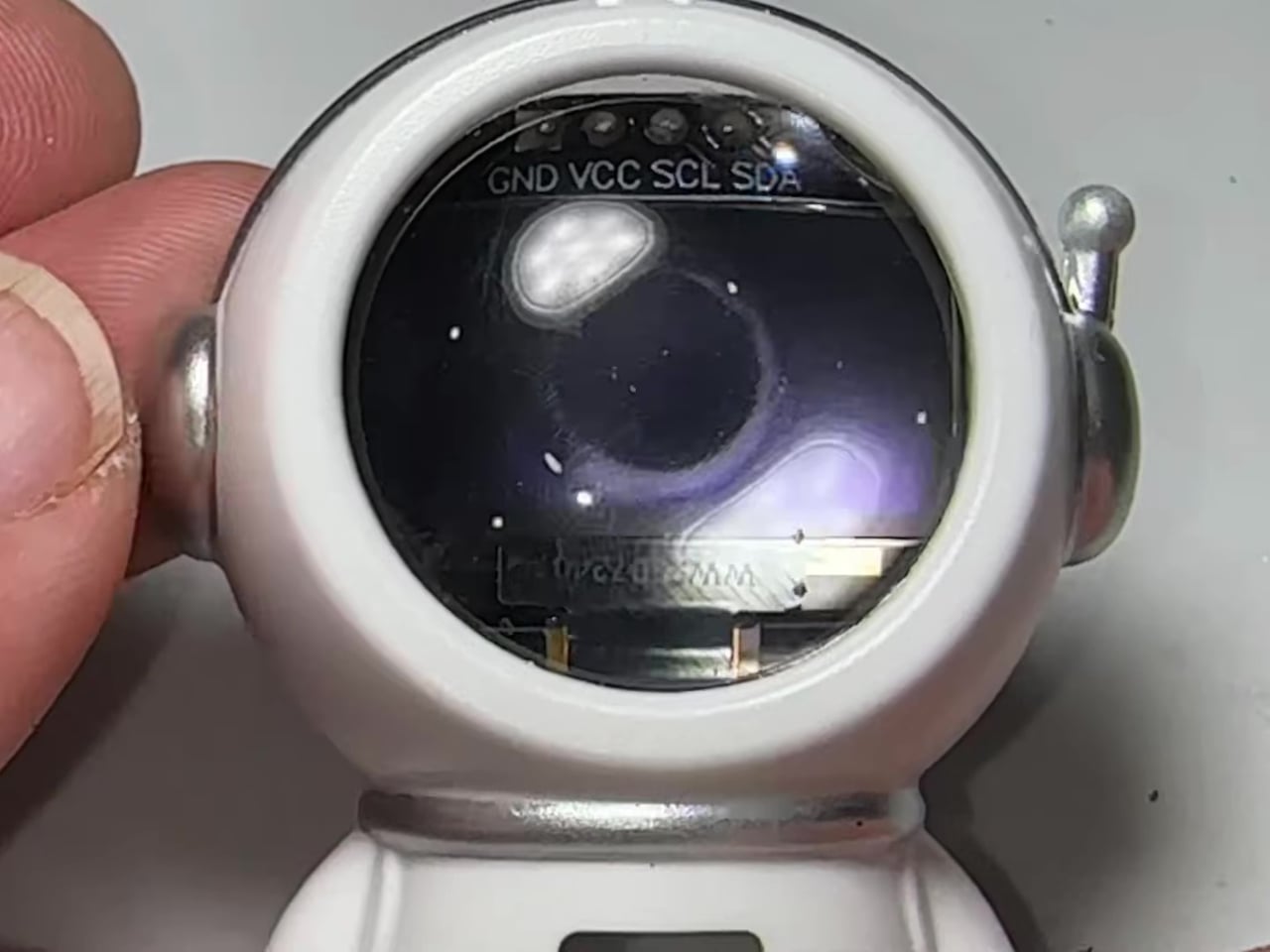
Putting the same kind of chatbot you might use in a browser into a toy astronaut changes the relationship. The presence of a body, a face, and a fixed spot on your desk makes the assistant feel more like a little character you share space with, and less like a disembodied voice that lives somewhere in the cloud and has no opinion on where it sits.
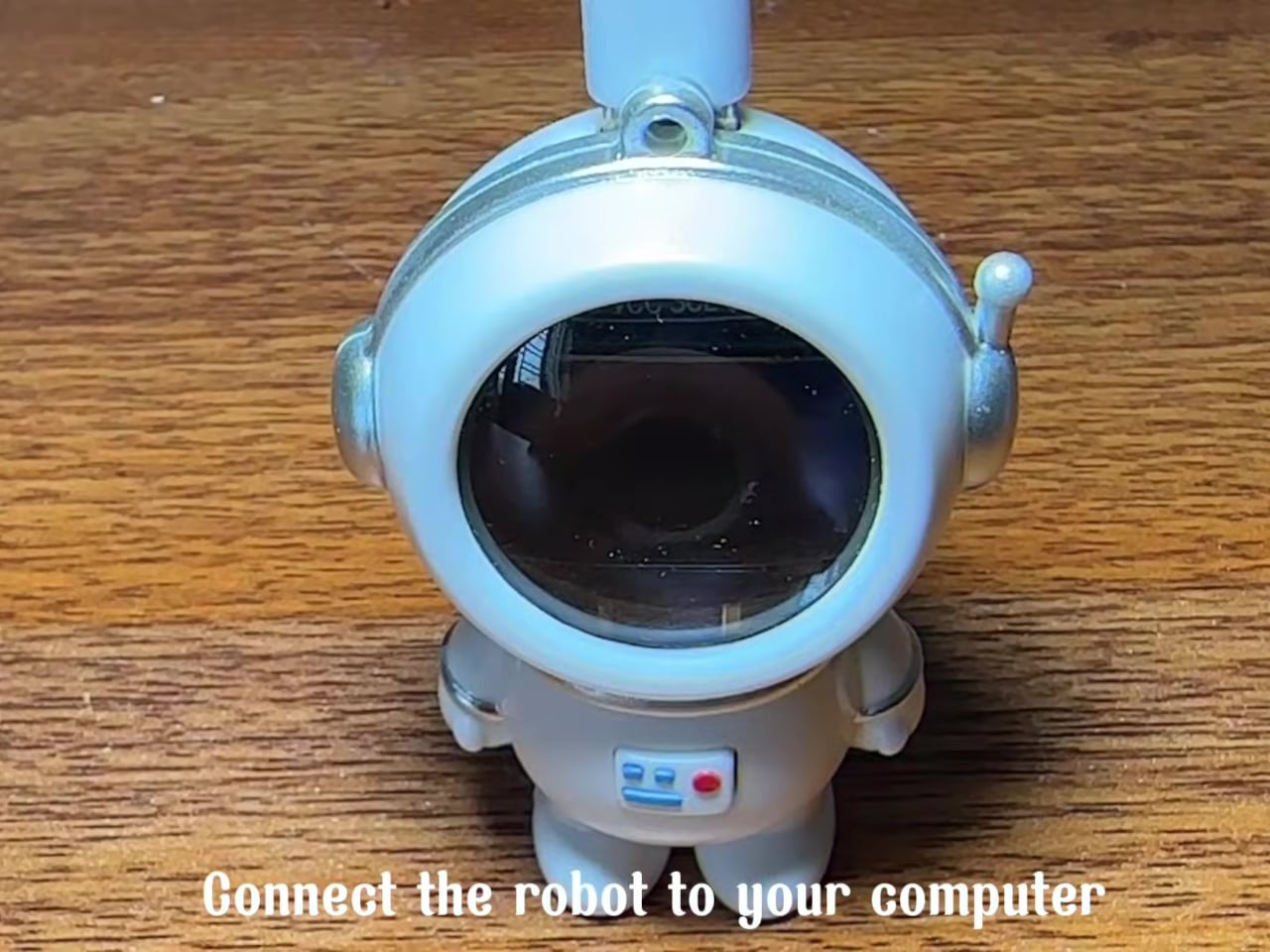
This project hints at a pattern other makers can borrow, taking familiar objects and quietly giving them new capabilities instead of always starting from scratch. A tiny AI astronaut that fits into a home without looking like a project points toward a future where more of our everyday decor hides small, conversational brains, and where the line between toy and tool gets pleasantly blurry, with AI companions that feel more like friends than appliances waiting for commands.
The post This DIY AI Astronaut Looks Like a Desk Toy Until You Ask It Questions first appeared on Yanko Design.

Tech-savvy YouTuber builds a cardboard airplane with detachable landing gear

The Wright Brothers changed the course of history when they took the first ever flight on December 1903. Their biplane, crafted from wood and fabric, had a rudder for yaw control, wing warping for roll control, and front elevators for pitch control. The first flight lasted for just 12 seconds, driven by the custom 12-horsepower engine and propellers.

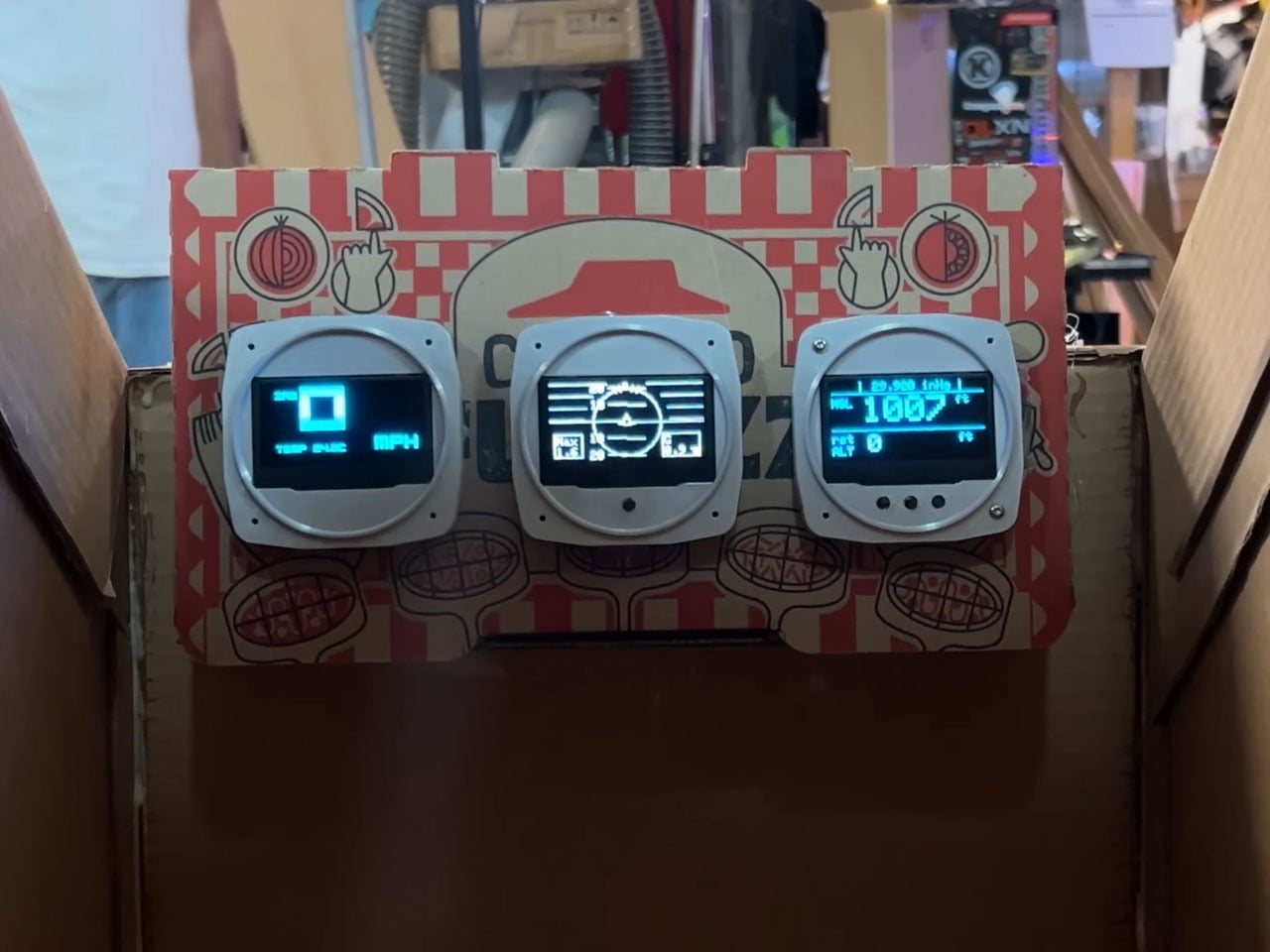
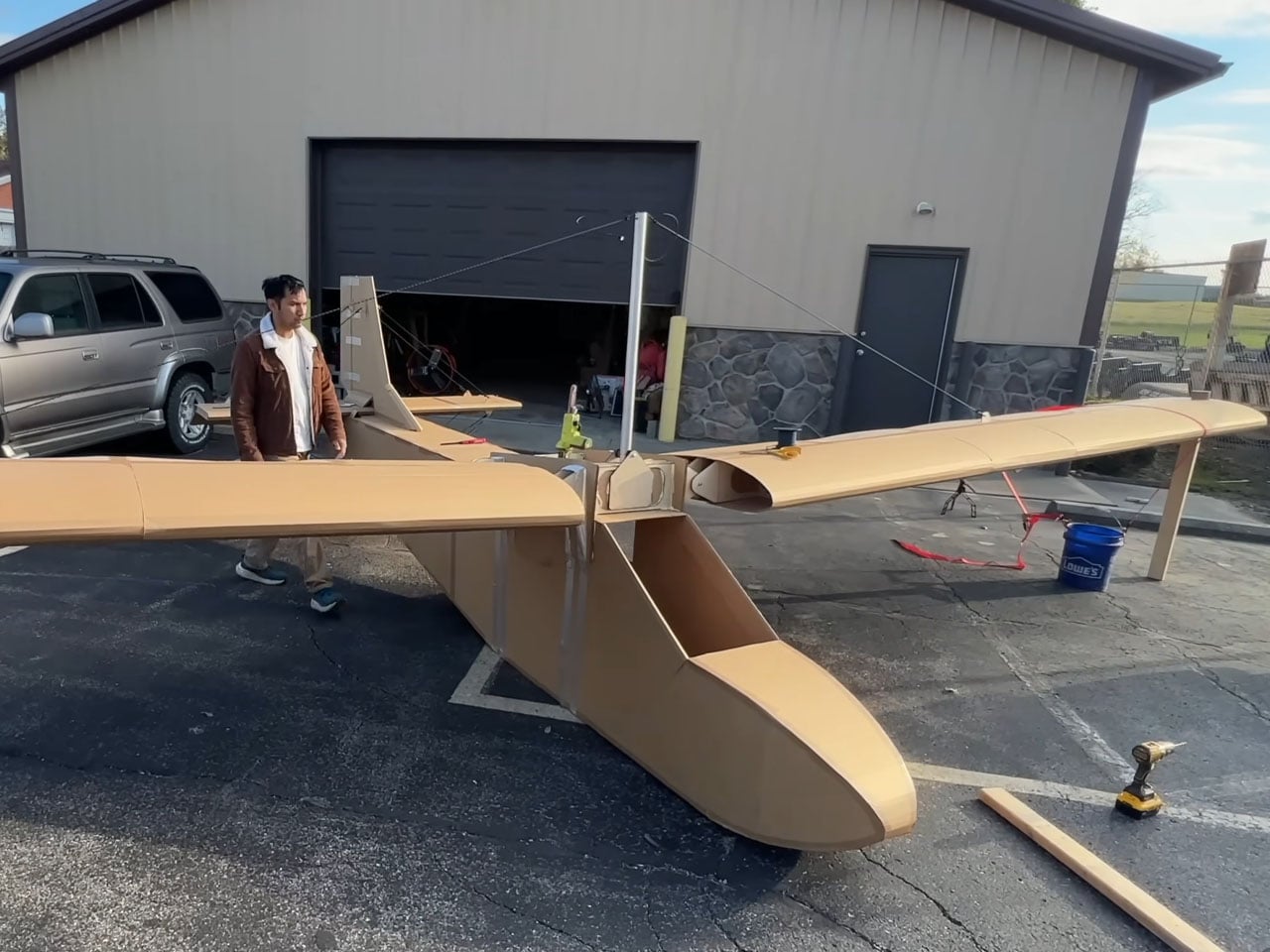
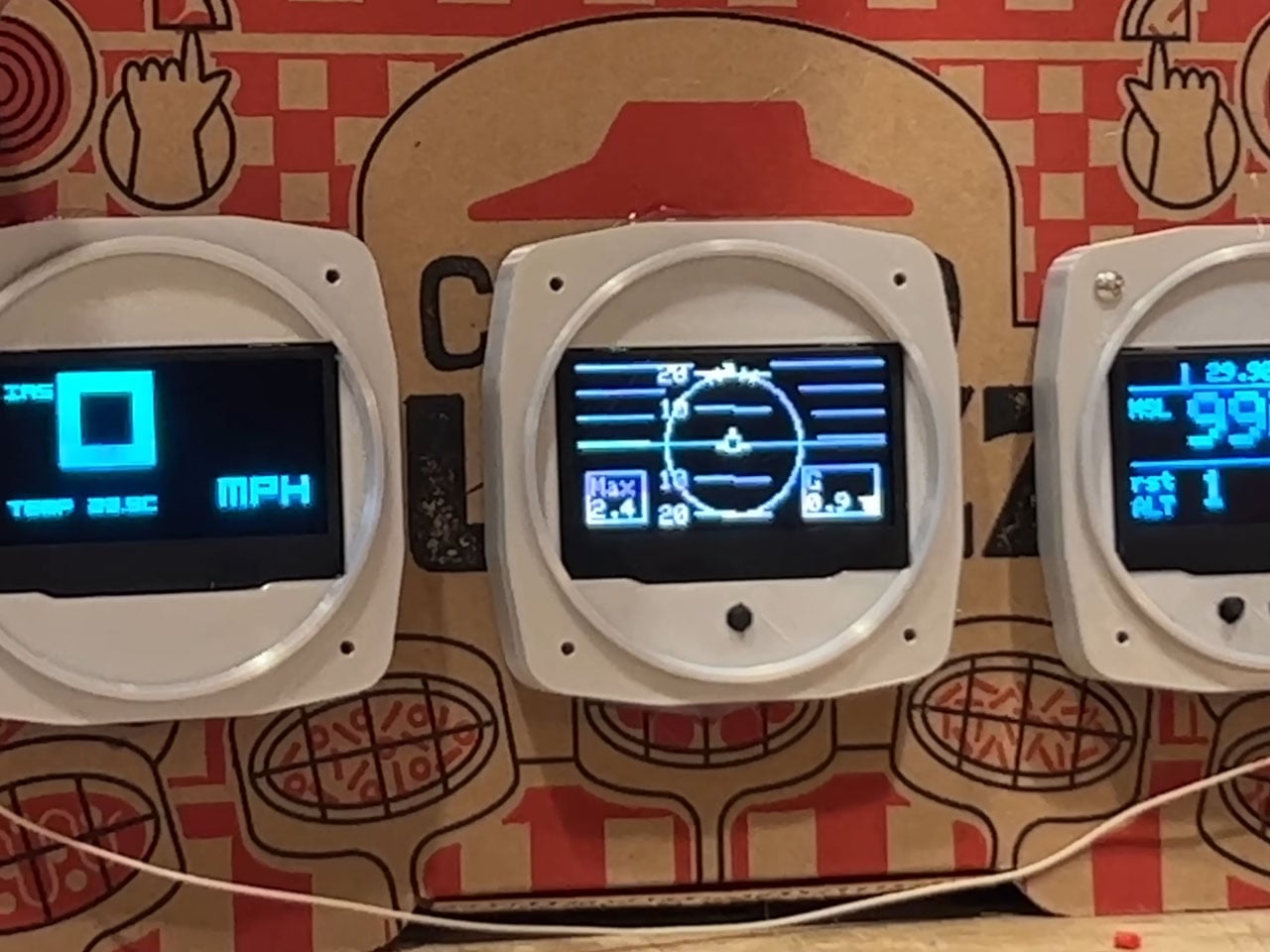
The aviation industry has come a long way since that decisive event, and it’s always good to have a similar nostalgic feel again. Peter Sripol, along with his team, has built a cardboard airplane that has plywood-structured wings (just like the Wright Brothers’ airplane) and is capable of flying one person with ease. Interestingly, the DIYer uses a Pizza box to fit in the altimeter, air speed gauge, and the attitude indicator. According to his estimation, the plane is a giant shipping box, given that it has around 95 percent cardboard parts, which in itself is a feat.

Designer: Peter Sripol

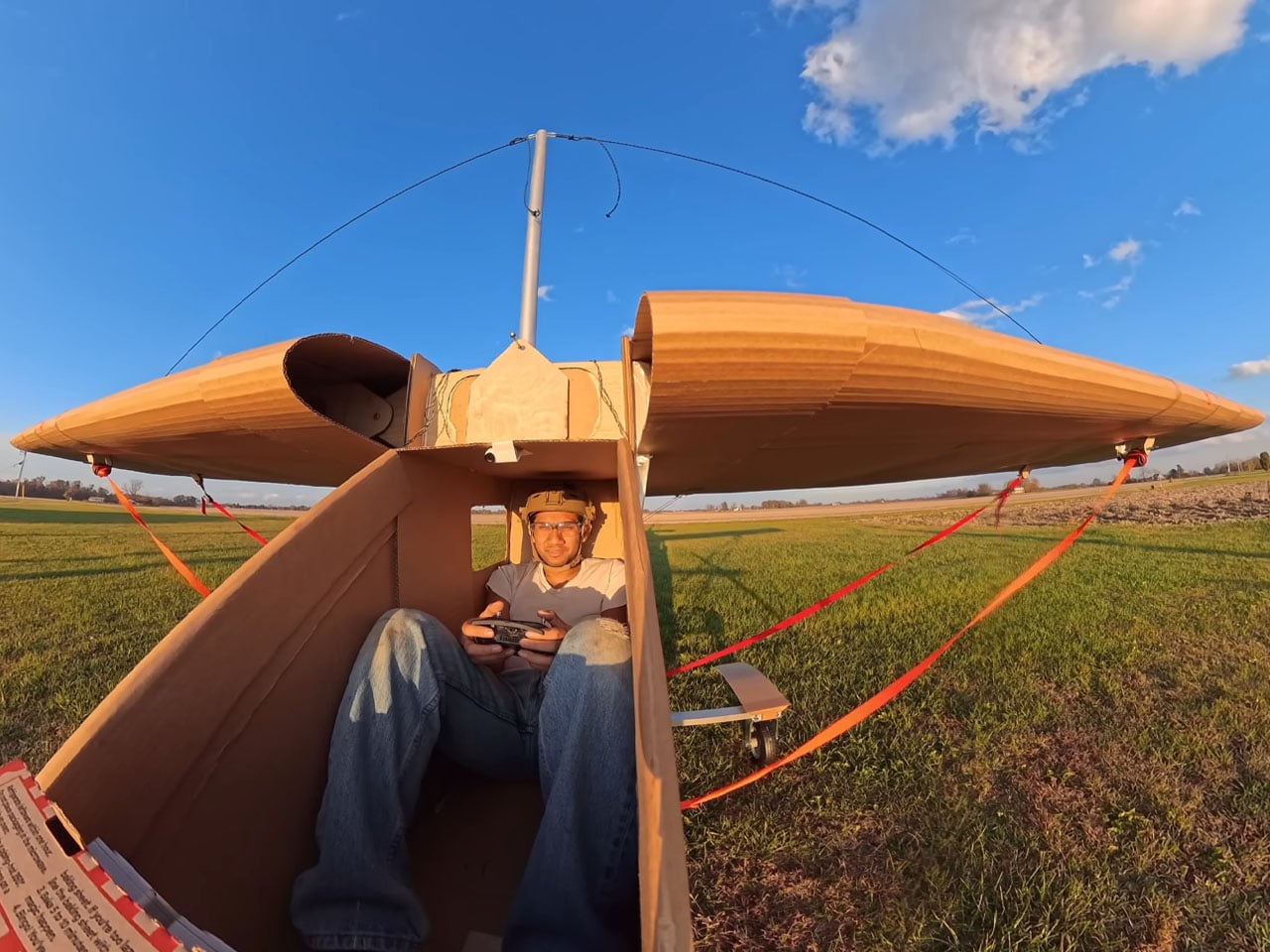
The shape of the fully assembled airplane is just like any other double-propeller plane that’s commercially produced. It is narrower on the tail end and wider near the seating section for aerodynamic efficiency. Just that it’s not as polished and fine-tuned since it is just a prototype for now. After putting together the fuselage, wings, and the custom-made wheel assembly that ejects once the thing is airborne to shed extra weight, Peter drove around the plane in taxing mode to check if all the basics are working fine. The wheels seemed to drag a little, and the batteries powering the thing were not enough for the flight speed.

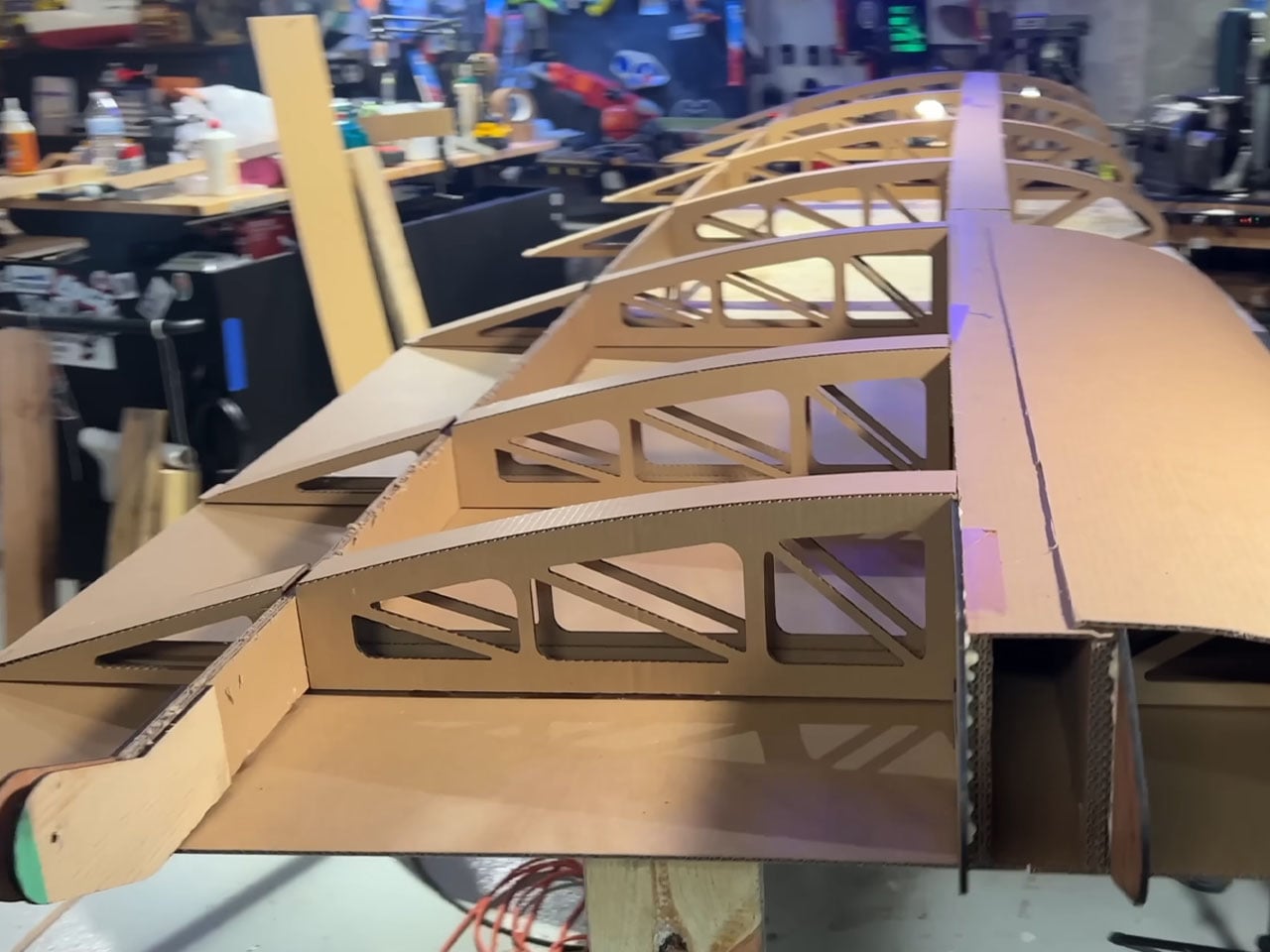
After fixing the initial kinks, he managed to get off the ground a few feet, but as soon as the landing gear assembly detached, the cardboard airplane flew for a few feet and veered off course to land abruptly. Coming back to the design, the corrugated cardboard parts of the plane are glued together for structural integrity. There are small cutouts on the sides and on the front to have a clear view. The DIY project is in work, and the maker plans to install the controls on the sides and the rudder pedals on the floor. For now, Peter uses the wireless controller to actuate the inputs for the drive and flight tests. Fitting the flight controls inside is going to be touch-and-go, given that there is only one entry and exit opening on the plane from the front. The tail section has folded cardboard skins that take the shape of the stabilizers, elevator, and rudder.

The wing is the most challenging section to build, as during flight, cardboard is not the most ideal material due to its low compression tolerance, hence the small plywood plates embedded inside the wing structure. For a secure embodiment, the wings are attached to the fuselage with bolts and reinforced cardboard doublers. The electric motors for propulsion are mounted on the reinforced cardboard structure, while the batteries, speed controls, and the messy wiring are housed inside the fuselage. We’ll have to wait for a few weeks, when the next video arrives, and hopefully Peter will take flight in this DIY cardboard airplane.

The post Tech-savvy YouTuber builds a cardboard airplane with detachable landing gear first appeared on Yanko Design.
Music-reactive LED Christmas tree turns holiday decor into an interactive display

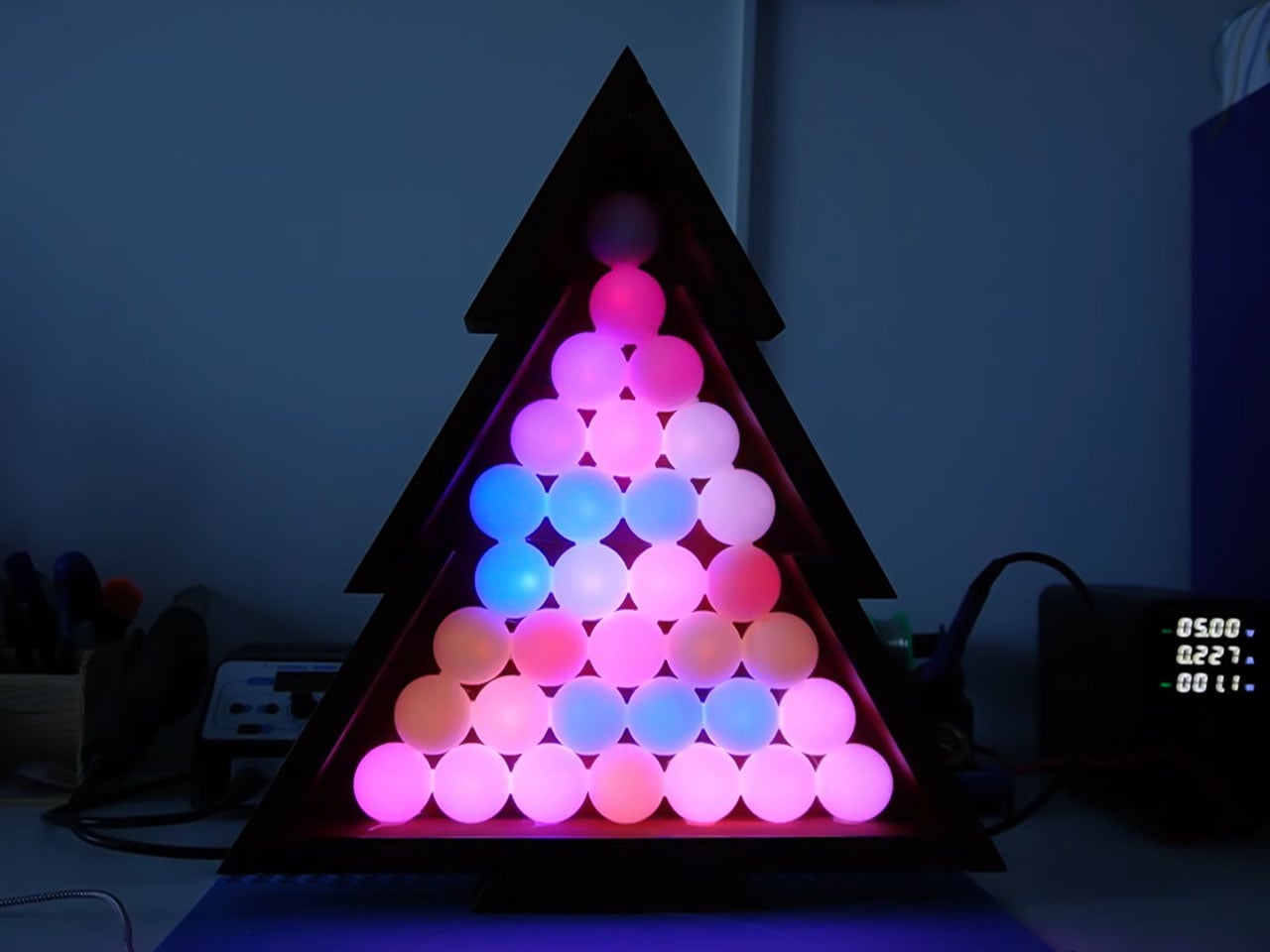
Holiday lighting has long relied on repeated patterns and static effects, but this music-reactive LED Christmas tree brings a new dimension to seasonal decor by turning sound into visual effects. The project is a simple wooden frame with off-the-shelf LEDs and an audio sensor to create a festive display that animates in real time with sound. Built around an ESP32 microcontroller running the open-source WLED software, the assembly combines woodworking, basic electronics, and wireless configuration into a project that is both instructive and visually striking.

The core of this DIY is an ESP32-D1 mini microcontroller, chosen for its built-in Wi-Fi, processing capability, and compatibility with WLED, a flexible lighting control platform. WLED runs on the ESP32 and provides a web-based interface for configuring LED lighting effects, colors, and patterns without requiring deep coding knowledge. In this tree, WLED’s audio-reactive mode analyzes sound input and drives the LED effects so that the lights flash, pulse, and change in response to music playing nearby. A small INMP441 digital microphone module is wired to the ESP32 to capture ambient audio, enabling this interaction between the physical decorations and sound.

Designer: DB Making

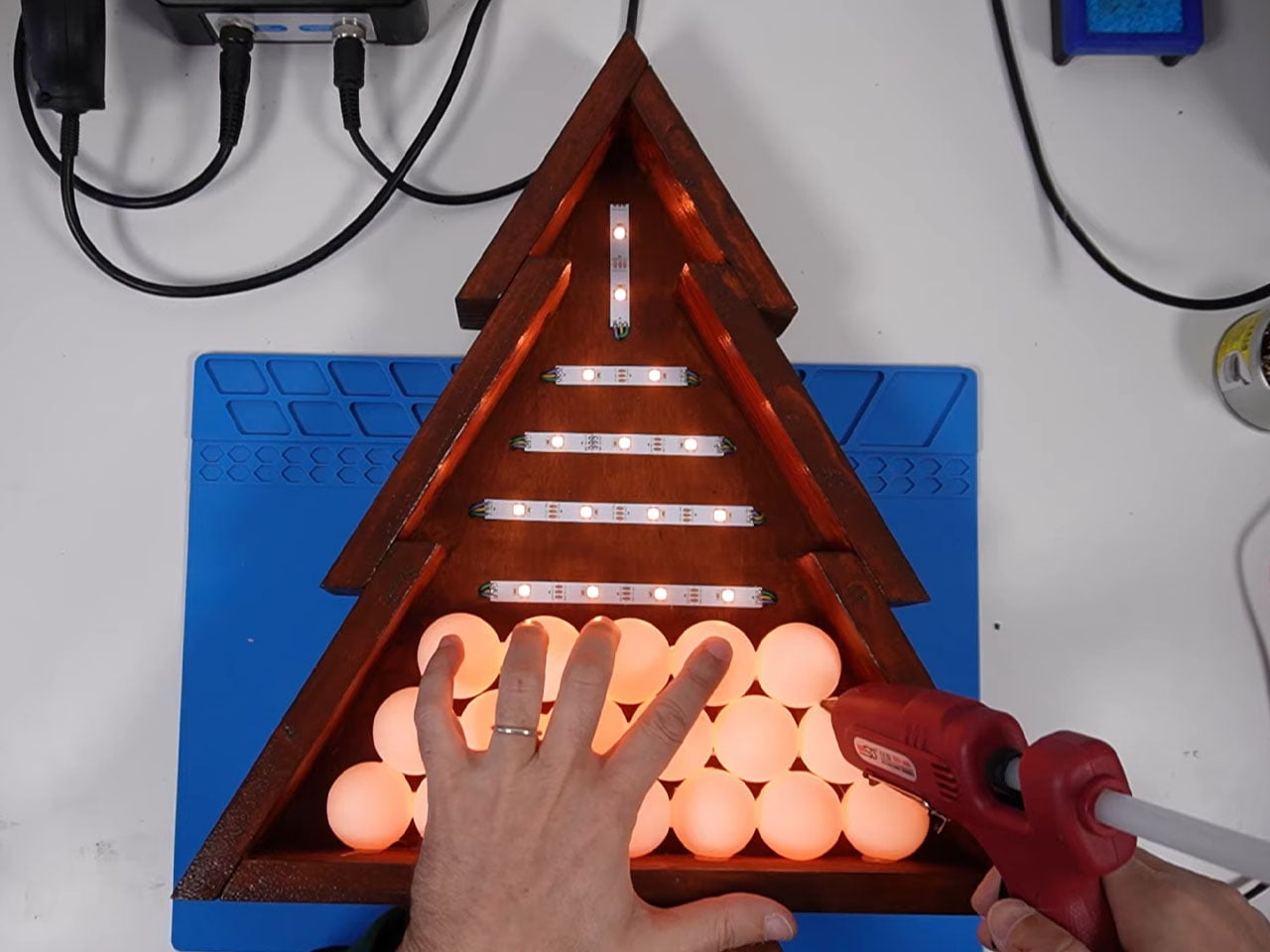
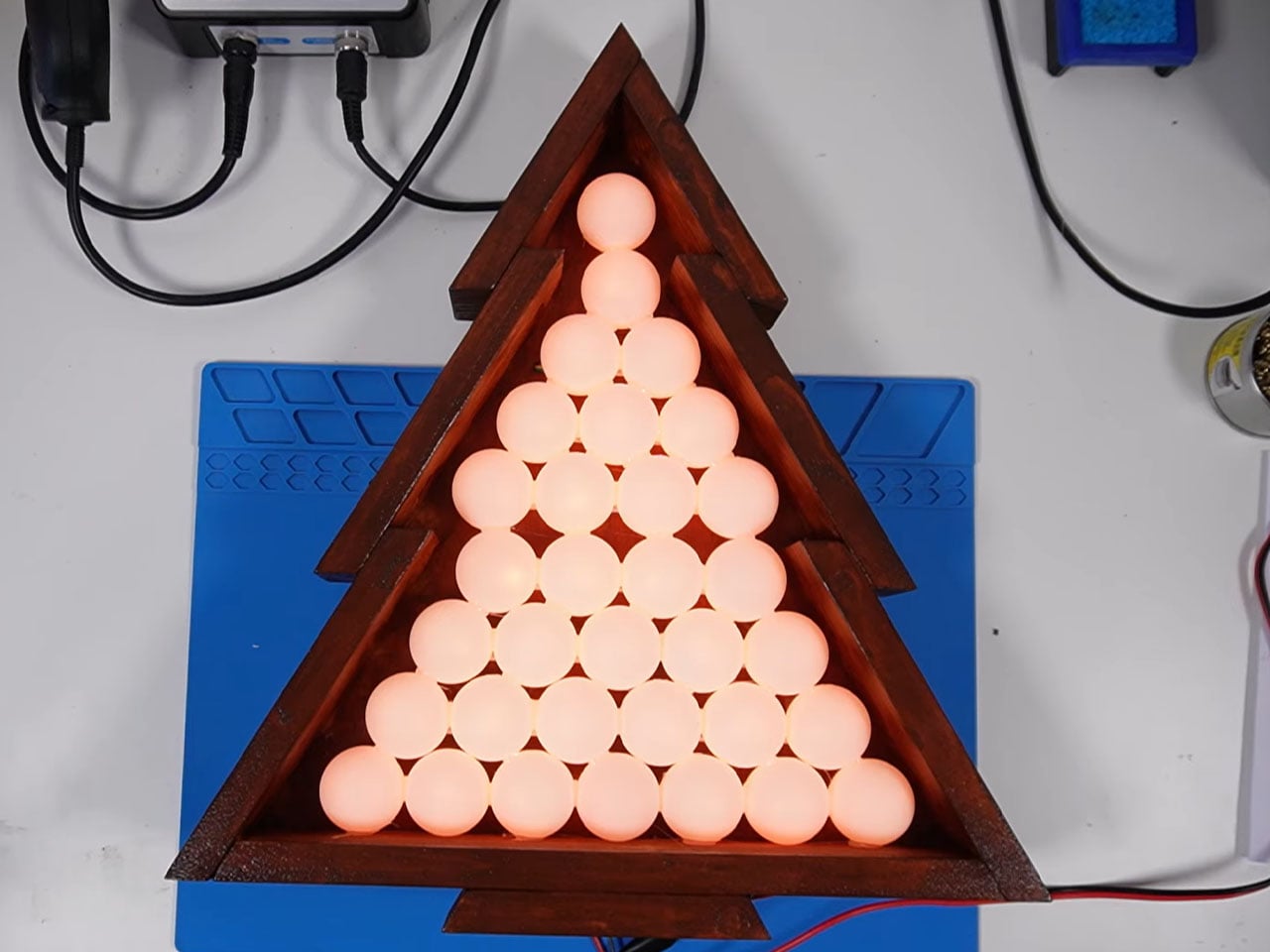
Structurally, the tree is made from common materials. A wooden frame cut into the triangular silhouette of a Christmas tree serves as the backbone. Addressable WS2812B LED strips are mounted along this frame, arranged to expose each LED through a round opening in a corresponding ping-pong ball acting as the light diffuser. These balls soften and spread the light emitted by each LED, creating a uniform glow rather than pinpoint beams. A 3D-printed jig assists in cutting consistent openings in the balls, which are then glued in orderly rows to complete the tree’s face.

Electronic assembly happens on a small perfboard, where the ESP32, microphone module, power connector, and LED strip connector are soldered together. Wiring the LEDs to follow the correct data flow direction and securing the controller board in a neat enclosure ensures reliable operation. Once built, a 5V DC supply powers the tree, and the ESP32 is connected to a computer or network to install WLED firmware via the official web installer. Within WLED’s setup interface, users enter Wi-Fi credentials, set the total number of LEDs, assign the correct data pin, and enable audio-reactive settings along with microphone parameters.

After configuration, the tree’s lighting can be controlled from a smartphone or computer, allowing owners to adjust brightness, choose effects, or simply enjoy music-responsive visuals. The sound-reactive mode responds to ambient audio captured by the microphone, translating beats and rhythms into dynamic light patterns that bring an interactive element to holiday decorations.

Beyond its immediate festive appeal, the project provides a learning platform for hobbyists seeking hands-on experience with microcontrollers, programmable lighting, and real-time sensor integration. By using off-the-shelf components and open-source software, builders can expand or modify the design. This can be done by increasing the number of LEDs, experimenting with alternative diffuser materials, or adding networked effects.

The post Music-reactive LED Christmas tree turns holiday decor into an interactive display first appeared on Yanko Design.

This 500-Million-Year-Old Nautilus Shell Is Now a Speaker

The Sazae Radio was a Japanese novelty radio built into a turban shell, sold by lottery in 2016 with just 100 units available for 8,350 applicants. The odds were 83.5 to one. Losing that lottery left a maker named hide-key with a simple choice: accept the disappointment or build something better. The DIY pivot turned into the Steampunk Nautilus, a haptic speaker project that takes a similar idea and pushes it considerably further.

The choice was a nautilus shell, a living fossil that has barely changed in 500 million years. Discovering that its English name matched Jules Verne’s submarine sealed the decision. The goal became not just a speaker, but a piece of audio art with three rules: steampunk-kintsugi repair, where metal celebrates the shell’s imperfections, conservation-minded reversibility, where every adhesive can be removed with acetone, and a haptic drive that turns the shell itself into a vibrating diaphragm.

Designer: hide-key

Early experiments failed. A massive sea snail shell refused to vibrate, too thick and heavy for a small exciter to drive. The nautilus, by contrast, worked immediately. Its thin, lightweight structure, built for buoyancy, behaves like a violin body or speaker cone, with internal ribs adding resonance without mass. The project quietly became a study in bioacoustics, where shell biology dictated whether the fossil could sing, and heavy shells behaved like bricks.

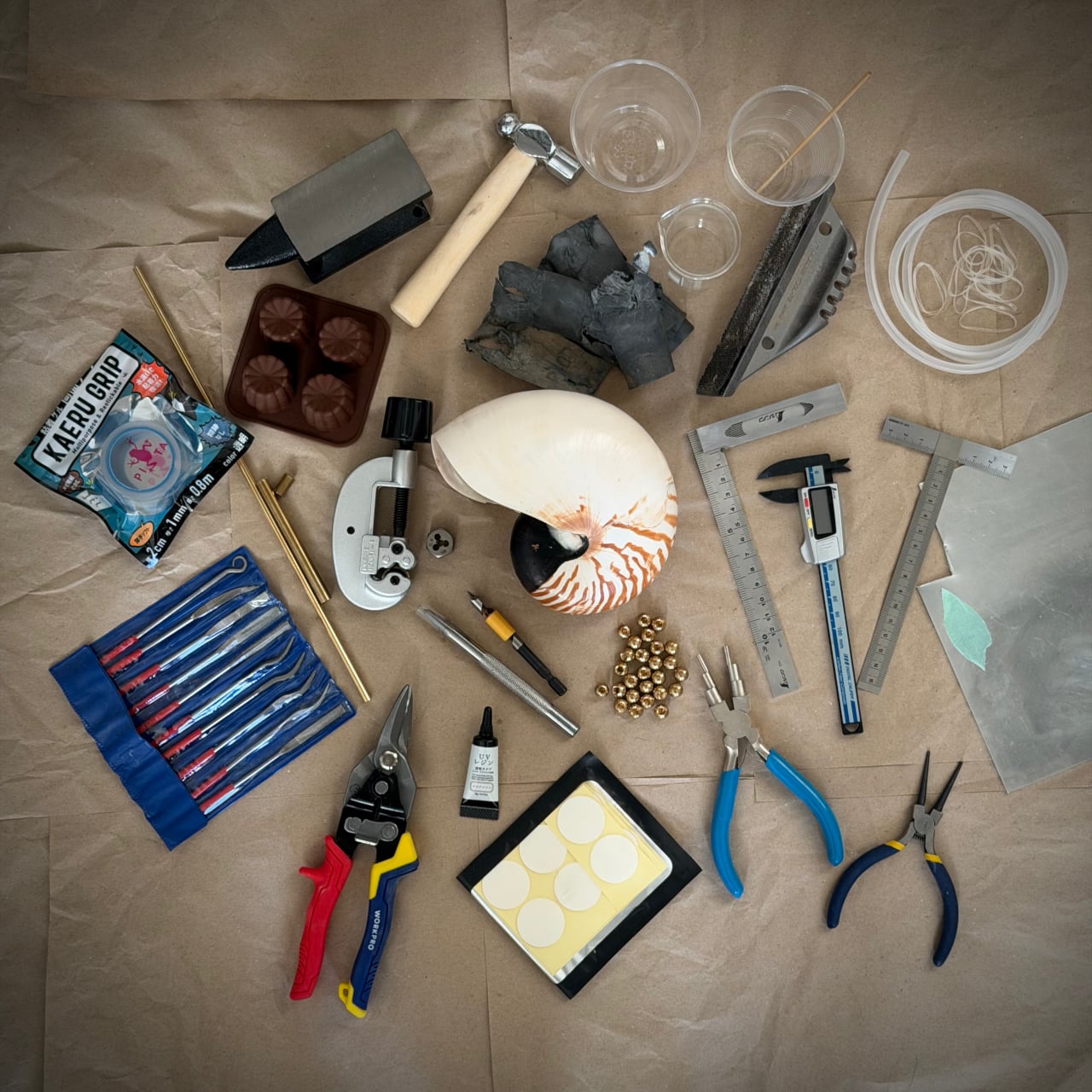
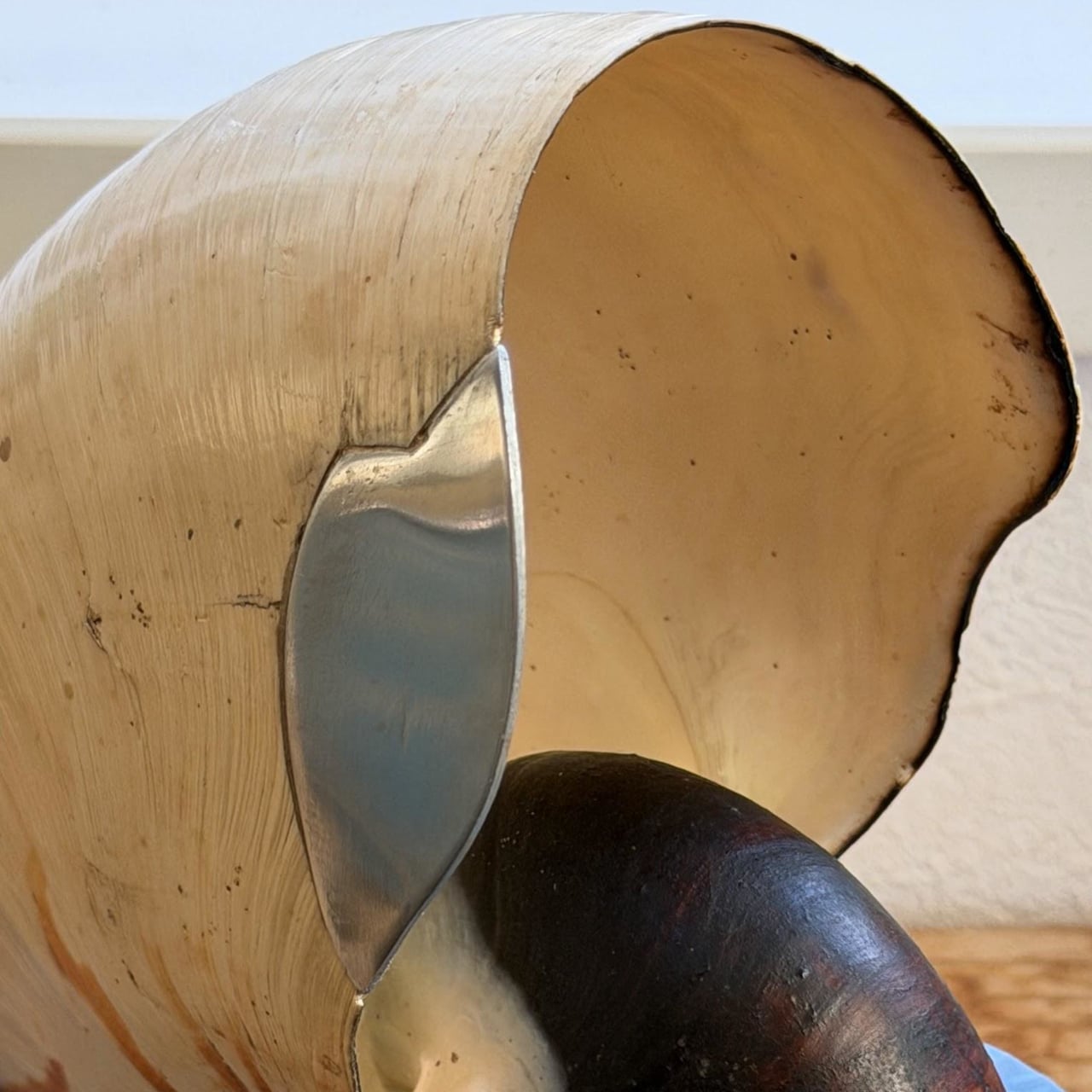
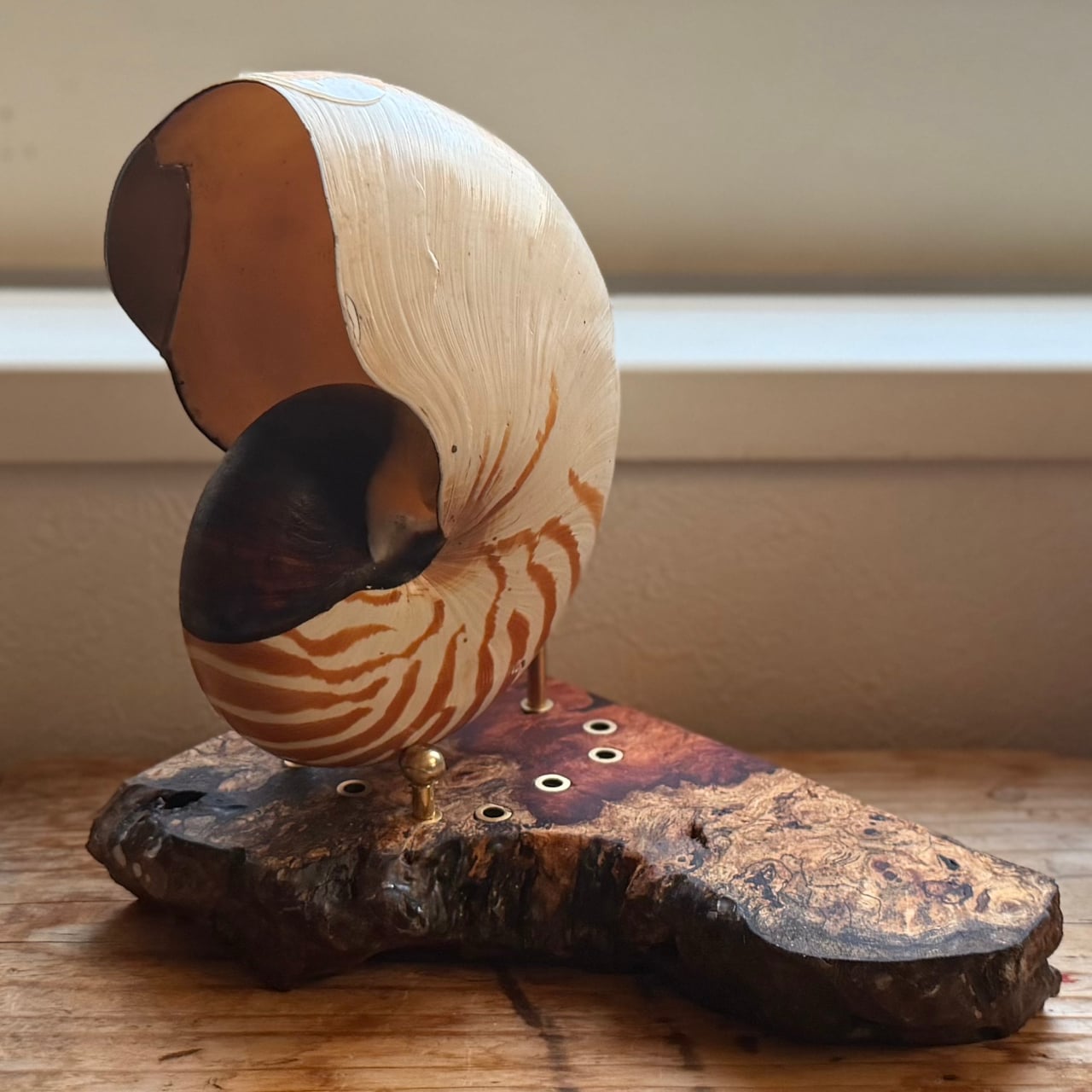
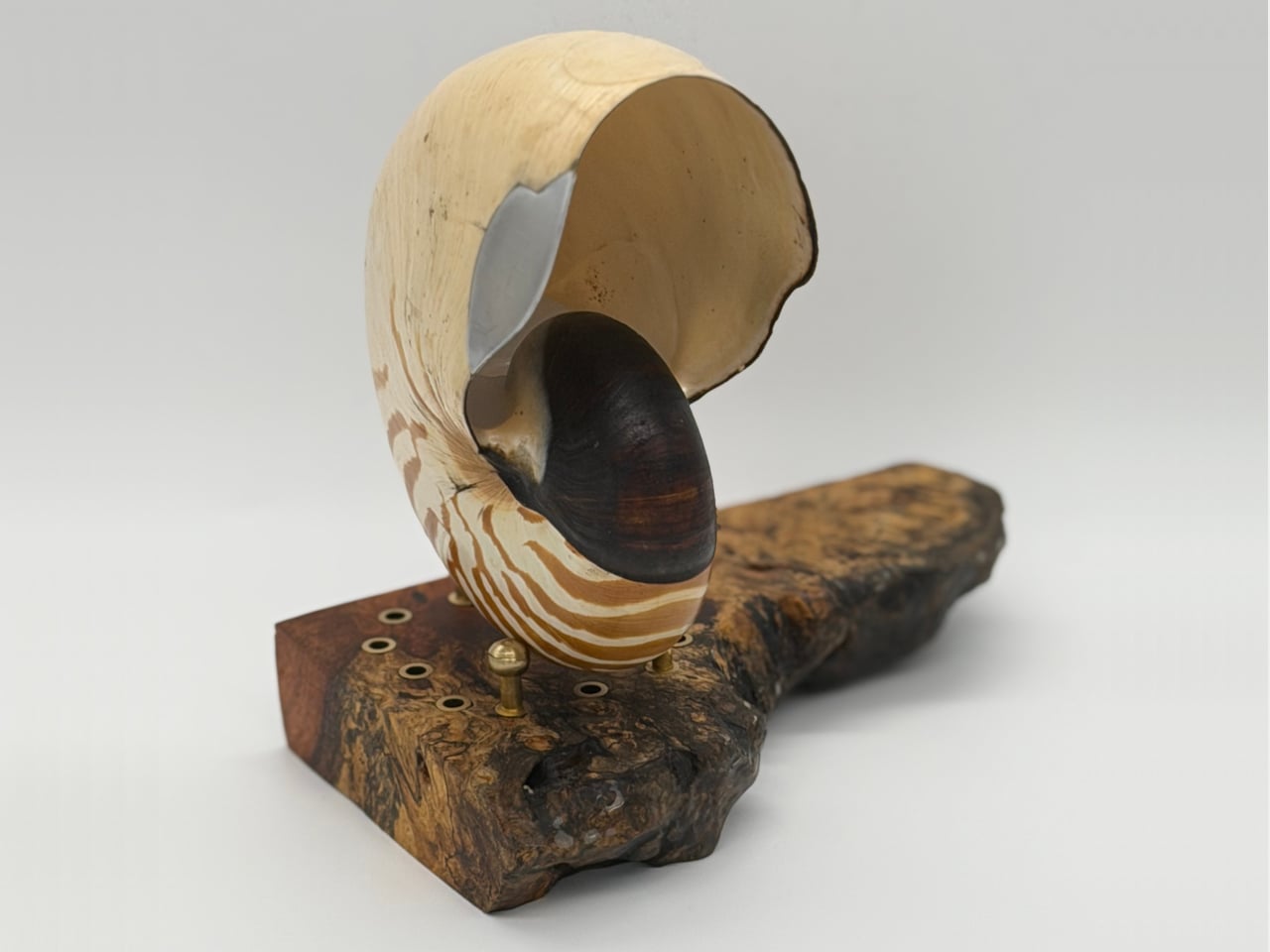
The build starts with a chipped shell and leans into the damage. The broken area is traced, and a 1.2 mm aluminum sheet is hammered and filed to match the organic curve, polished to a mirror, and attached with cyanoacrylate and brass-colored epoxy putty. All adhesives were chosen so they can be removed with acetone, leaving the shell intact underneath. Reversibility was treated as a hard constraint, respecting the specimen while giving it a new function.

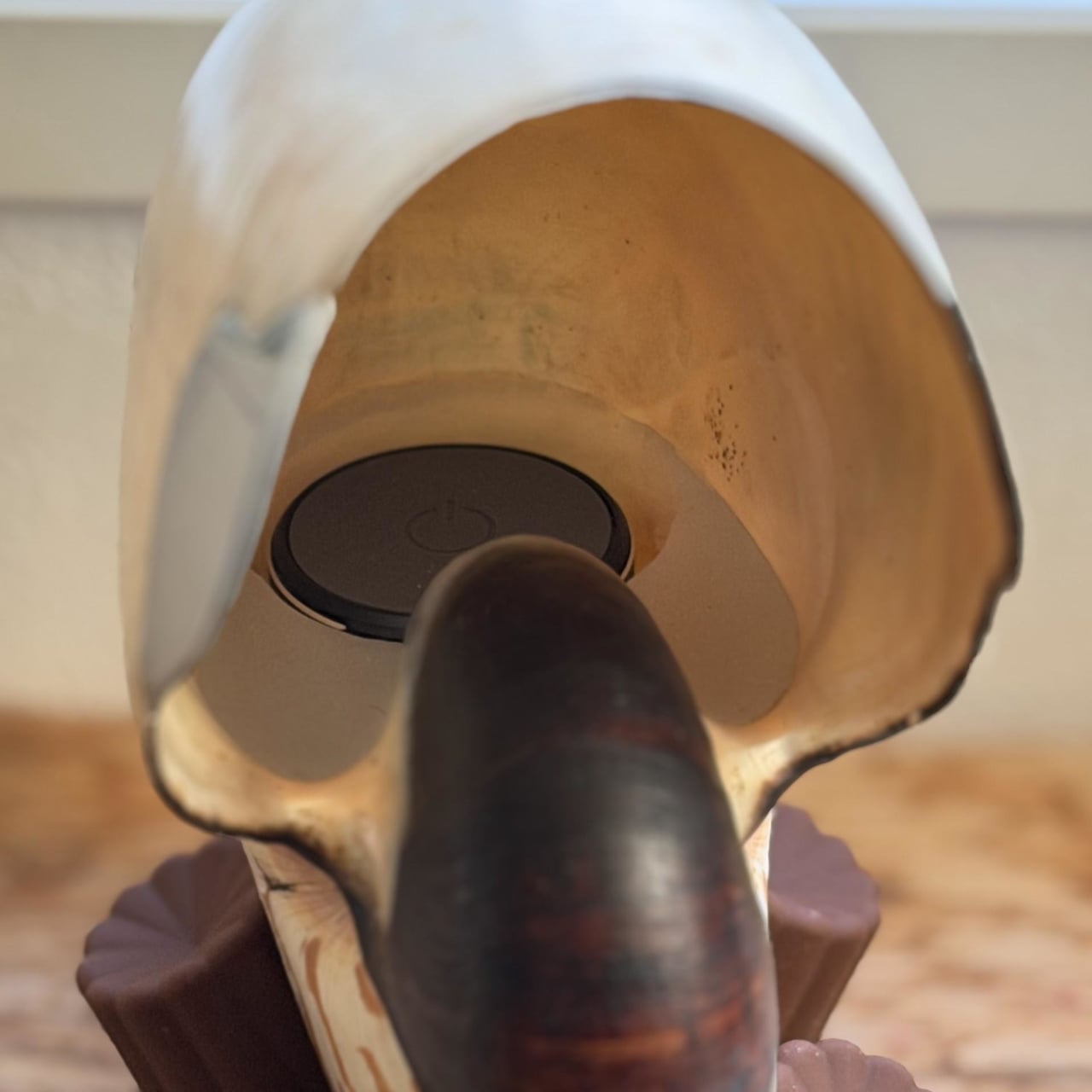
The haptic core moved from a boring internal speaker to a vibration exciter mounted in a custom silicone cartridge that fits the shell’s living chamber. Water displacement measured the volume at just 50 cc, and Shore 15A silicone was poured to create a perfect seat. A transparent hair band acts as a hidden pull tab, and a silicone cap hides the exciter and diffuses its faint blue LED into a heartbeat-like glow deep in the spiral.

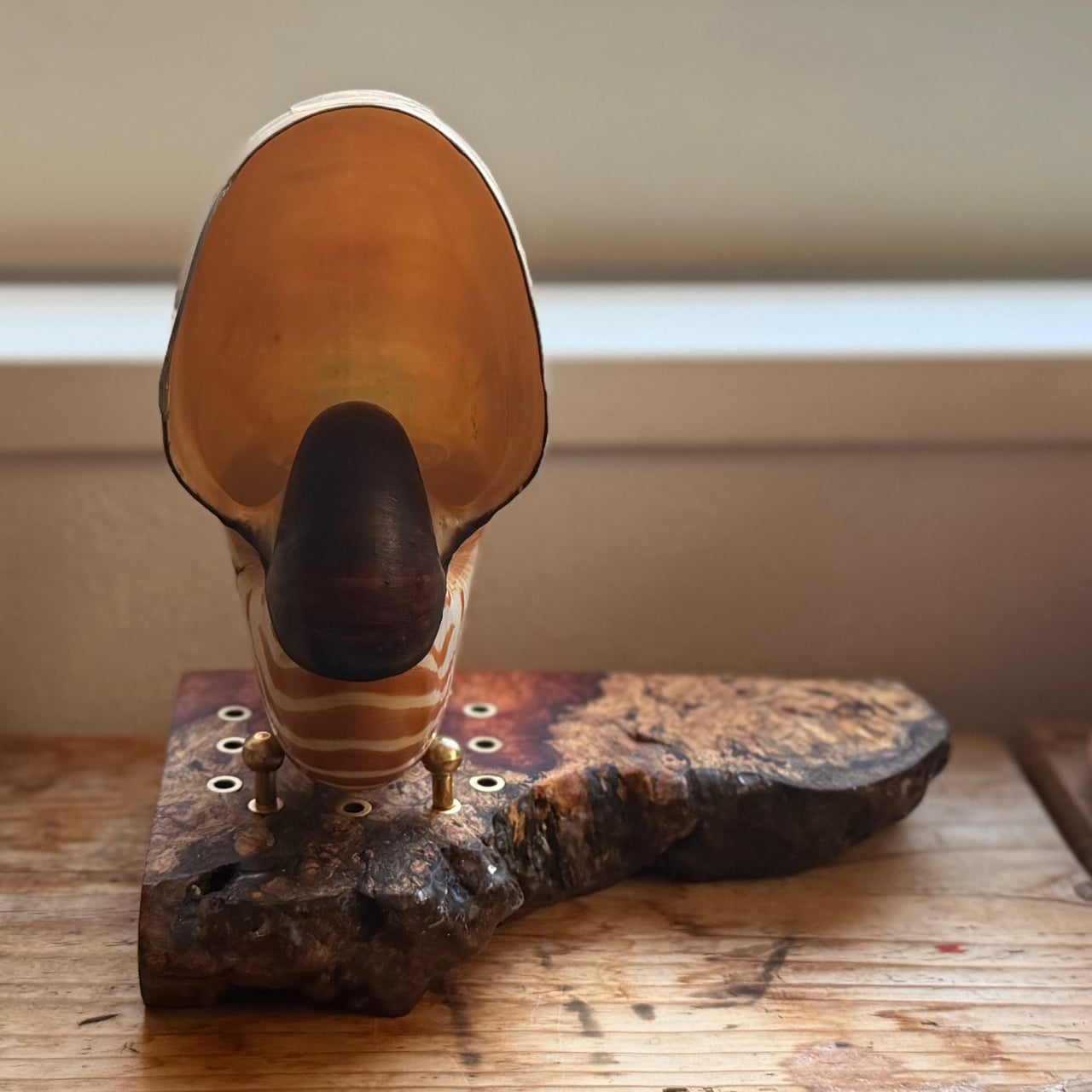
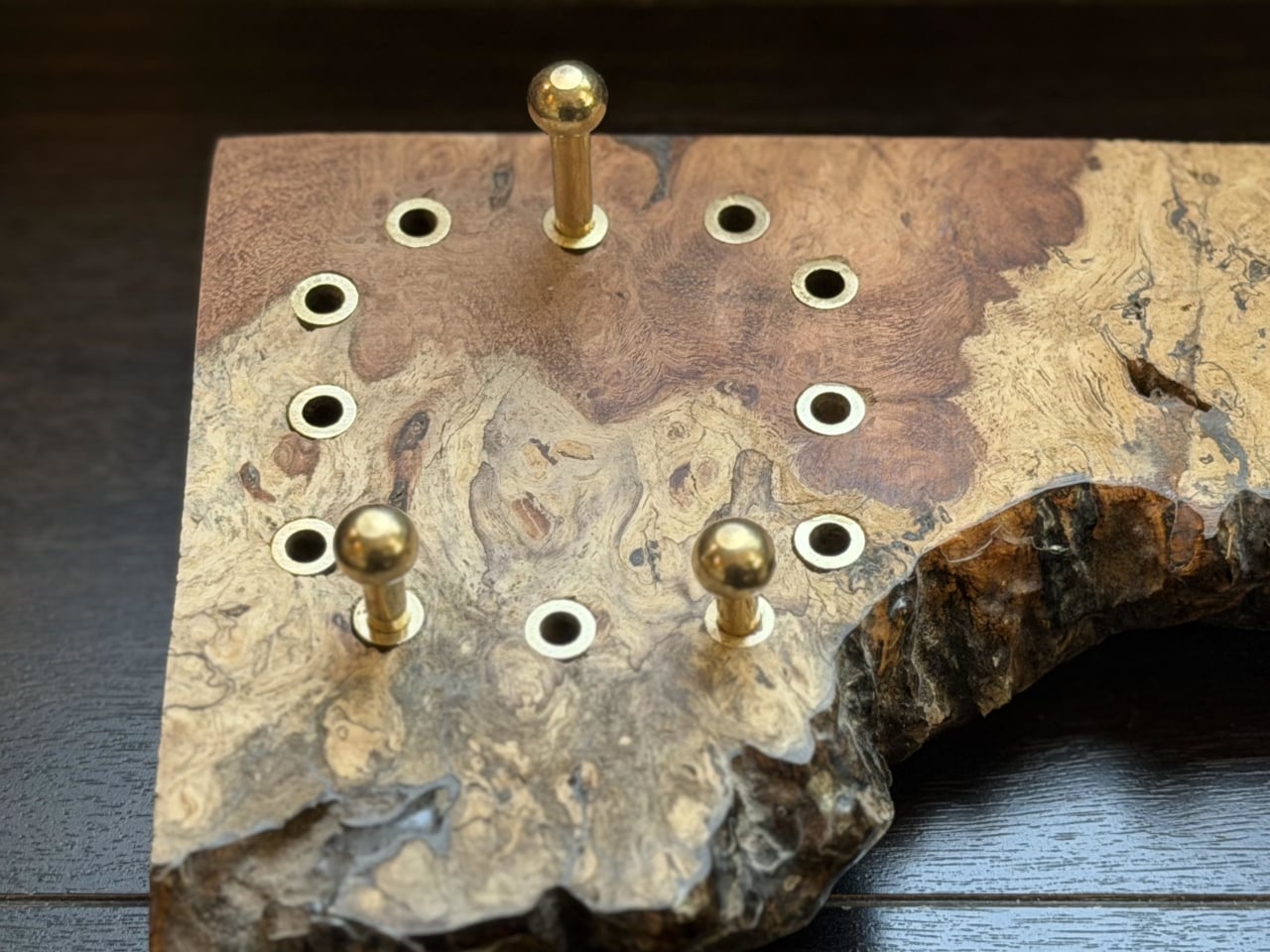
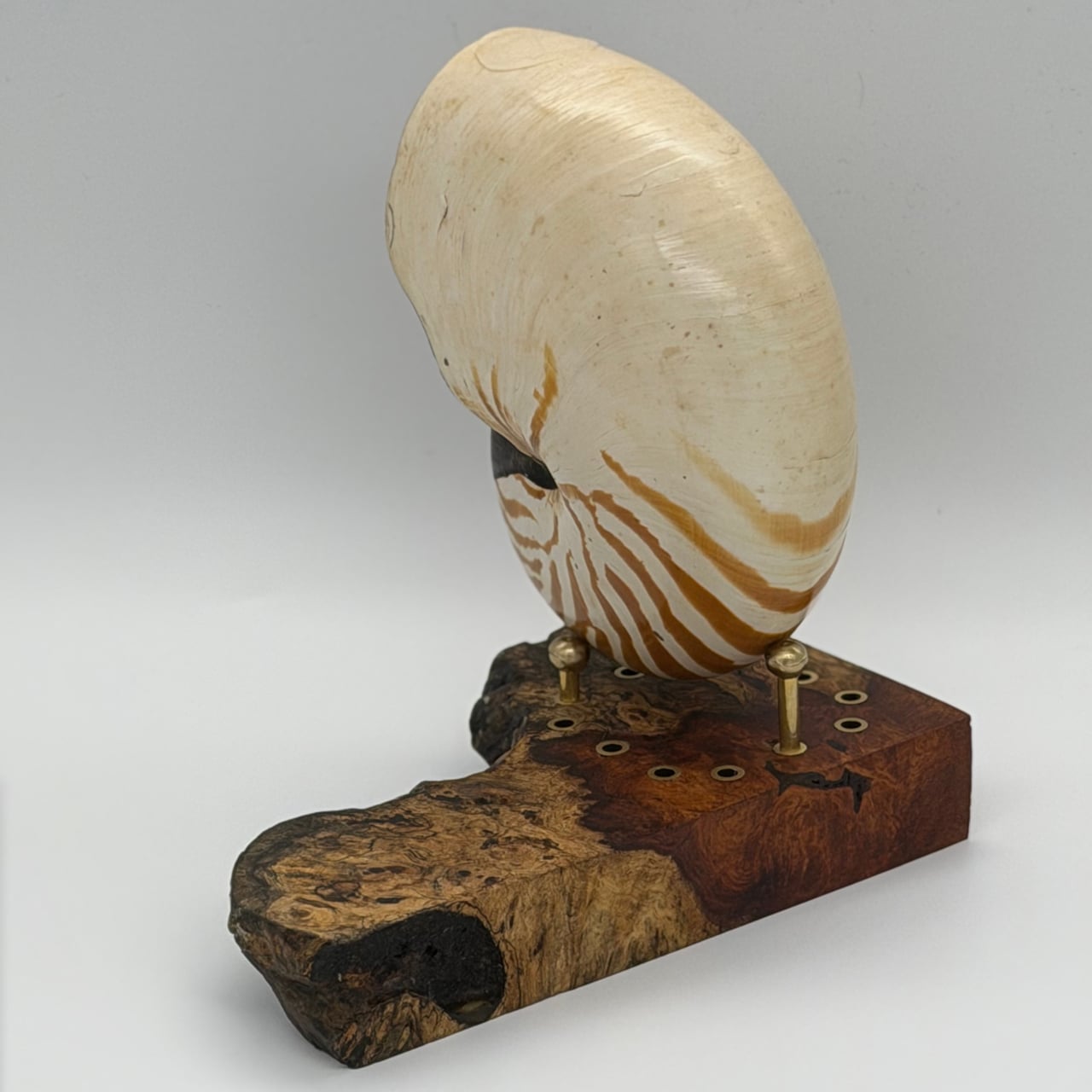
The base is a Quince burl chosen for its red, white, and black grain that echoes the shell’s pattern. A Magic Circle layout of brass bushings lets the shell’s angle be changed by moving three brass pillars. Threaded brass rods with ball nuts support the shell, and a drop of soft UV resin on each contact point prevents buzzing, making the heavy fossil appear to float while staying mechanically quiet.

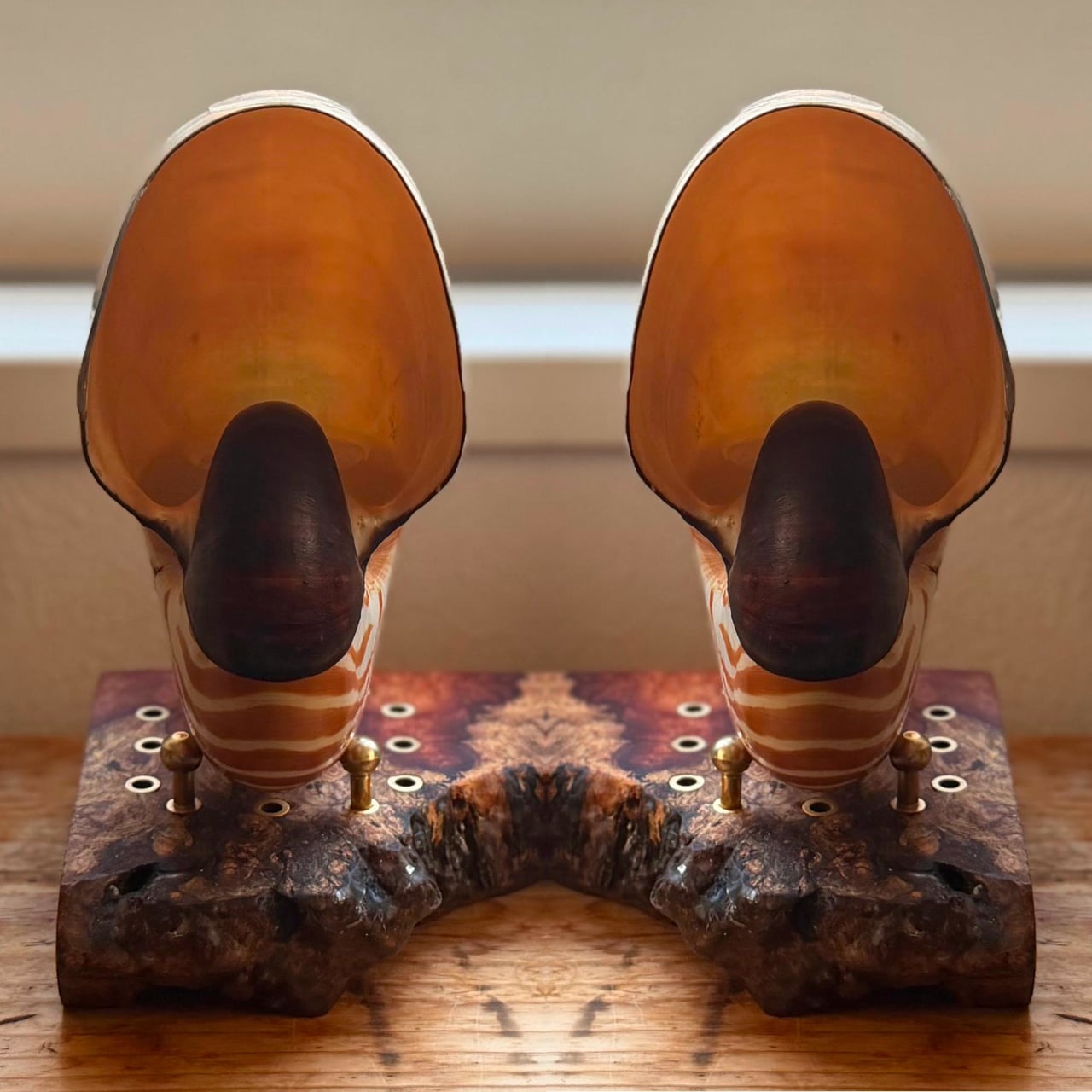
Three hidden modes emerge. Holding the shell in your hands for bone-conducted haptic listening, shifting the exciter between internal and external mounts to change the sound from lo-fi radio to a sharper, more direct tone, and the dream of a stereo pair if a second shell appears. The Steampunk Nautilus turns a broken specimen into a reversible, vibrating instrument that asks you to feel the music as much as hear it, turning disappointment from a lottery into something tactile, strange, and surprisingly beautiful.

The post This 500-Million-Year-Old Nautilus Shell Is Now a Speaker first appeared on Yanko Design.
This 500-Million-Year-Old Nautilus Shell Is Now a Speaker

The Sazae Radio was a Japanese novelty radio built into a turban shell, sold by lottery in 2016 with just 100 units available for 8,350 applicants. The odds were 83.5 to one. Losing that lottery left a maker named hide-key with a simple choice: accept the disappointment or build something better. The DIY pivot turned into the Steampunk Nautilus, a haptic speaker project that takes a similar idea and pushes it considerably further.

The choice was a nautilus shell, a living fossil that has barely changed in 500 million years. Discovering that its English name matched Jules Verne’s submarine sealed the decision. The goal became not just a speaker, but a piece of audio art with three rules: steampunk-kintsugi repair, where metal celebrates the shell’s imperfections, conservation-minded reversibility, where every adhesive can be removed with acetone, and a haptic drive that turns the shell itself into a vibrating diaphragm.

Designer: hide-key

Early experiments failed. A massive sea snail shell refused to vibrate, too thick and heavy for a small exciter to drive. The nautilus, by contrast, worked immediately. Its thin, lightweight structure, built for buoyancy, behaves like a violin body or speaker cone, with internal ribs adding resonance without mass. The project quietly became a study in bioacoustics, where shell biology dictated whether the fossil could sing, and heavy shells behaved like bricks.

The build starts with a chipped shell and leans into the damage. The broken area is traced, and a 1.2 mm aluminum sheet is hammered and filed to match the organic curve, polished to a mirror, and attached with cyanoacrylate and brass-colored epoxy putty. All adhesives were chosen so they can be removed with acetone, leaving the shell intact underneath. Reversibility was treated as a hard constraint, respecting the specimen while giving it a new function.

The haptic core moved from a boring internal speaker to a vibration exciter mounted in a custom silicone cartridge that fits the shell’s living chamber. Water displacement measured the volume at just 50 cc, and Shore 15A silicone was poured to create a perfect seat. A transparent hair band acts as a hidden pull tab, and a silicone cap hides the exciter and diffuses its faint blue LED into a heartbeat-like glow deep in the spiral.

The base is a Quince burl chosen for its red, white, and black grain that echoes the shell’s pattern. A Magic Circle layout of brass bushings lets the shell’s angle be changed by moving three brass pillars. Threaded brass rods with ball nuts support the shell, and a drop of soft UV resin on each contact point prevents buzzing, making the heavy fossil appear to float while staying mechanically quiet.

Three hidden modes emerge. Holding the shell in your hands for bone-conducted haptic listening, shifting the exciter between internal and external mounts to change the sound from lo-fi radio to a sharper, more direct tone, and the dream of a stereo pair if a second shell appears. The Steampunk Nautilus turns a broken specimen into a reversible, vibrating instrument that asks you to feel the music as much as hear it, turning disappointment from a lottery into something tactile, strange, and surprisingly beautiful.

The post This 500-Million-Year-Old Nautilus Shell Is Now a Speaker first appeared on Yanko Design.

This 500-Million-Year-Old Nautilus Shell Is Now a Speaker

The Sazae Radio was a Japanese novelty radio built into a turban shell, sold by lottery in 2016 with just 100 units available for 8,350 applicants. The odds were 83.5 to one. Losing that lottery left a maker named hide-key with a simple choice: accept the disappointment or build something better. The DIY pivot turned into the Steampunk Nautilus, a haptic speaker project that takes a similar idea and pushes it considerably further.

The choice was a nautilus shell, a living fossil that has barely changed in 500 million years. Discovering that its English name matched Jules Verne’s submarine sealed the decision. The goal became not just a speaker, but a piece of audio art with three rules: steampunk-kintsugi repair, where metal celebrates the shell’s imperfections, conservation-minded reversibility, where every adhesive can be removed with acetone, and a haptic drive that turns the shell itself into a vibrating diaphragm.

Designer: hide-key

Early experiments failed. A massive sea snail shell refused to vibrate, too thick and heavy for a small exciter to drive. The nautilus, by contrast, worked immediately. Its thin, lightweight structure, built for buoyancy, behaves like a violin body or speaker cone, with internal ribs adding resonance without mass. The project quietly became a study in bioacoustics, where shell biology dictated whether the fossil could sing, and heavy shells behaved like bricks.

The build starts with a chipped shell and leans into the damage. The broken area is traced, and a 1.2 mm aluminum sheet is hammered and filed to match the organic curve, polished to a mirror, and attached with cyanoacrylate and brass-colored epoxy putty. All adhesives were chosen so they can be removed with acetone, leaving the shell intact underneath. Reversibility was treated as a hard constraint, respecting the specimen while giving it a new function.

The haptic core moved from a boring internal speaker to a vibration exciter mounted in a custom silicone cartridge that fits the shell’s living chamber. Water displacement measured the volume at just 50 cc, and Shore 15A silicone was poured to create a perfect seat. A transparent hair band acts as a hidden pull tab, and a silicone cap hides the exciter and diffuses its faint blue LED into a heartbeat-like glow deep in the spiral.

The base is a Quince burl chosen for its red, white, and black grain that echoes the shell’s pattern. A Magic Circle layout of brass bushings lets the shell’s angle be changed by moving three brass pillars. Threaded brass rods with ball nuts support the shell, and a drop of soft UV resin on each contact point prevents buzzing, making the heavy fossil appear to float while staying mechanically quiet.

Three hidden modes emerge. Holding the shell in your hands for bone-conducted haptic listening, shifting the exciter between internal and external mounts to change the sound from lo-fi radio to a sharper, more direct tone, and the dream of a stereo pair if a second shell appears. The Steampunk Nautilus turns a broken specimen into a reversible, vibrating instrument that asks you to feel the music as much as hear it, turning disappointment from a lottery into something tactile, strange, and surprisingly beautiful.

The post This 500-Million-Year-Old Nautilus Shell Is Now a Speaker first appeared on Yanko Design.
DIY Lo-Fi Cassette Machine turns Bluetooth streaming into a living, analog kinetic sculpture

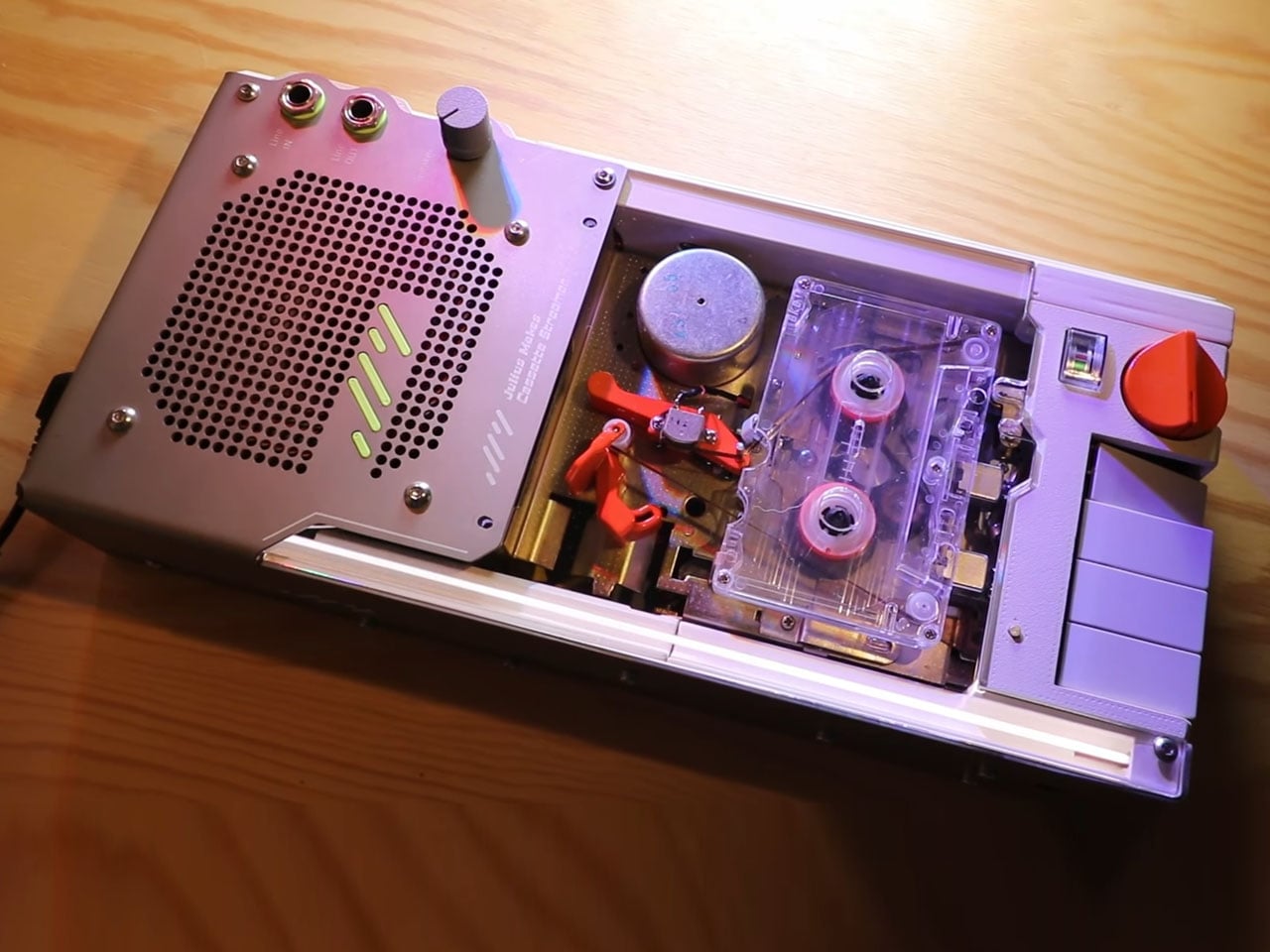
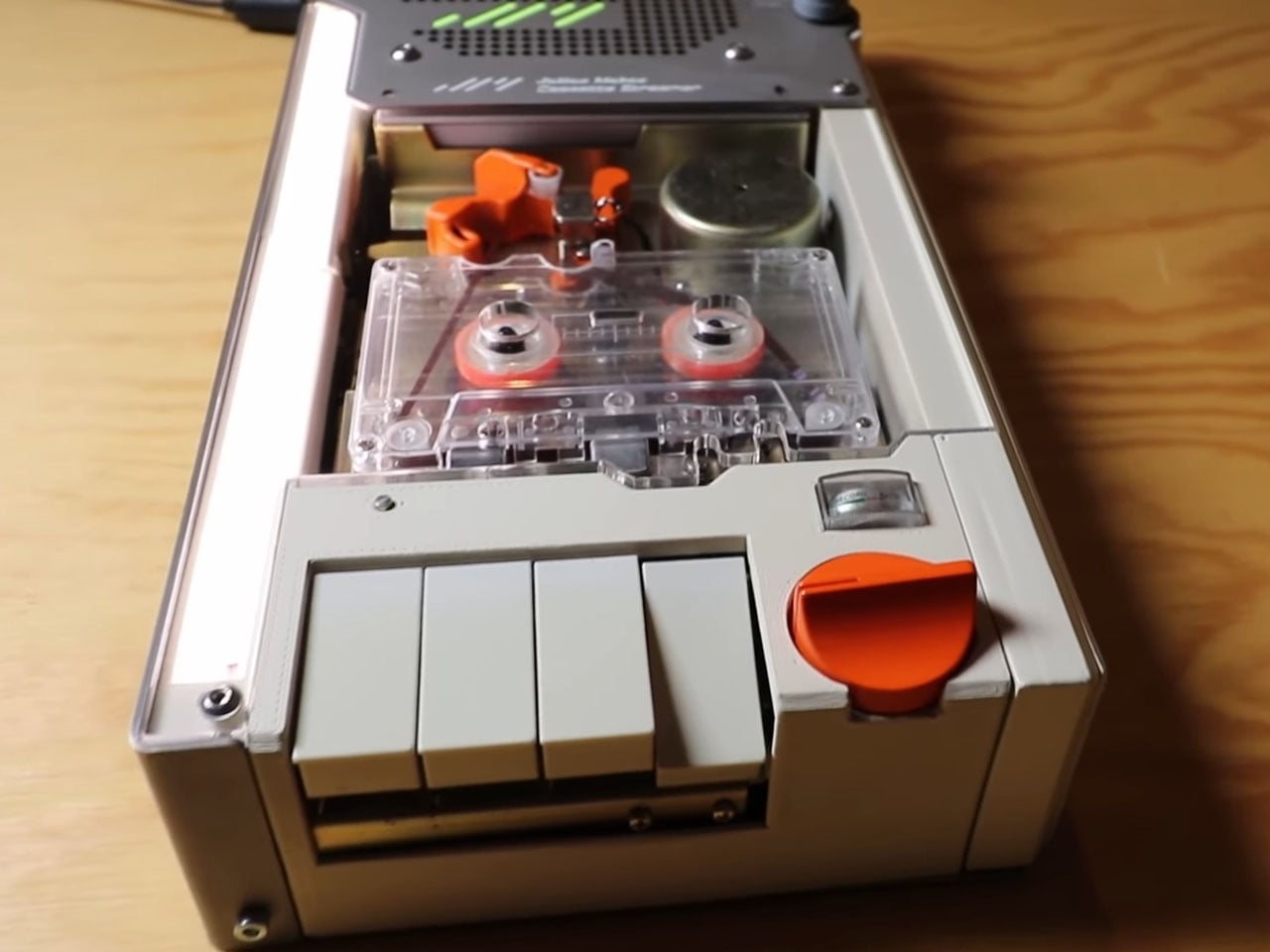
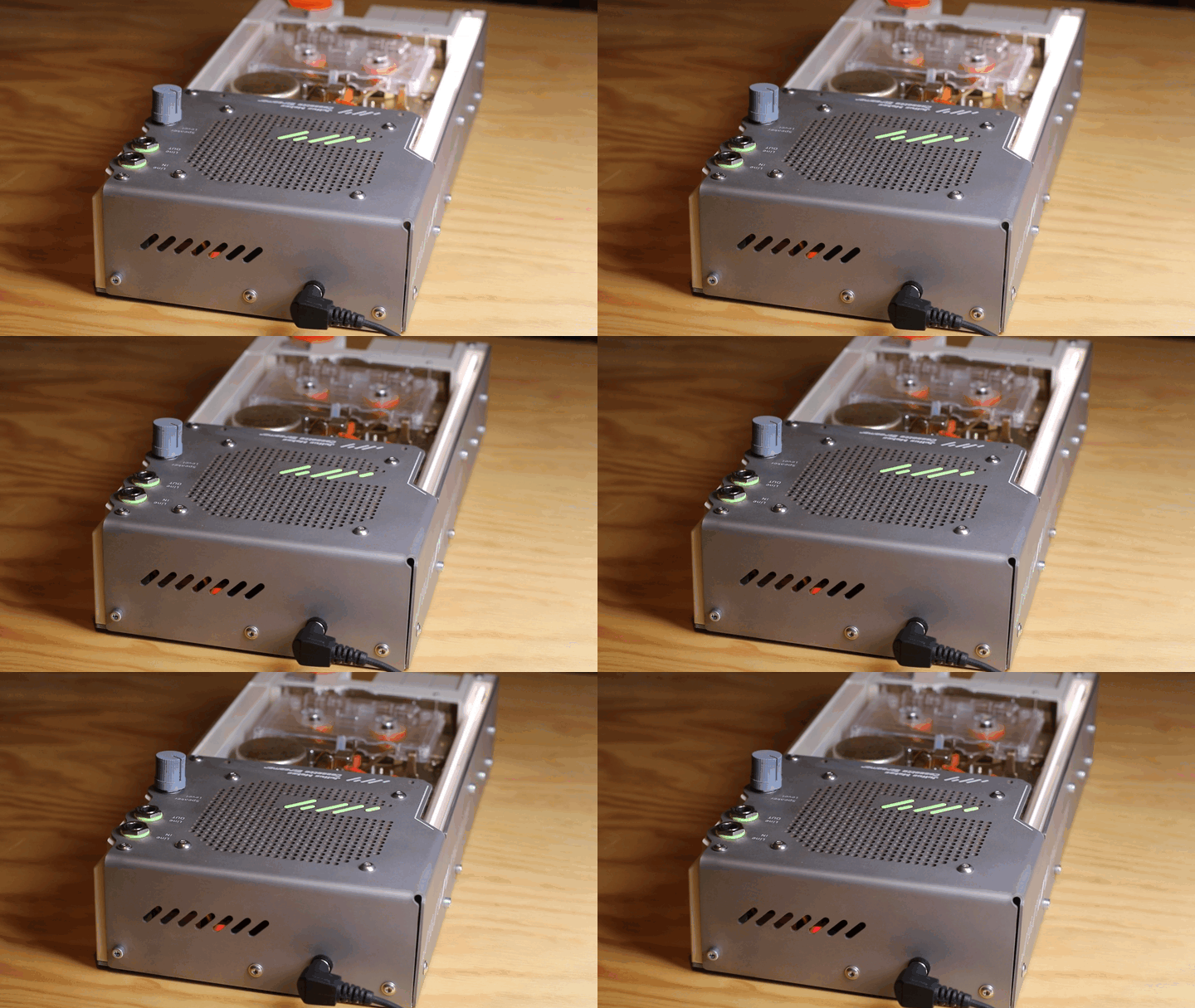
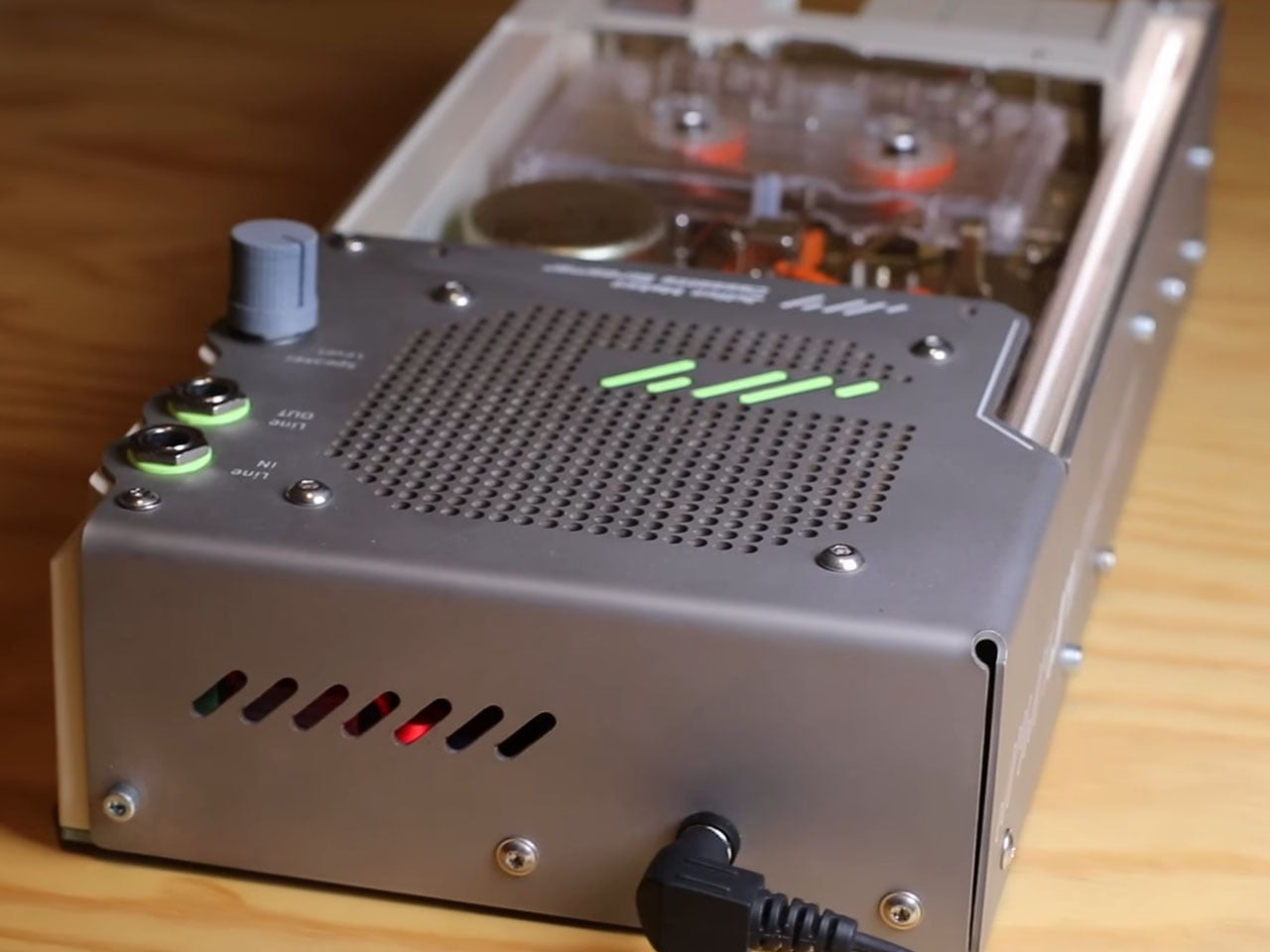
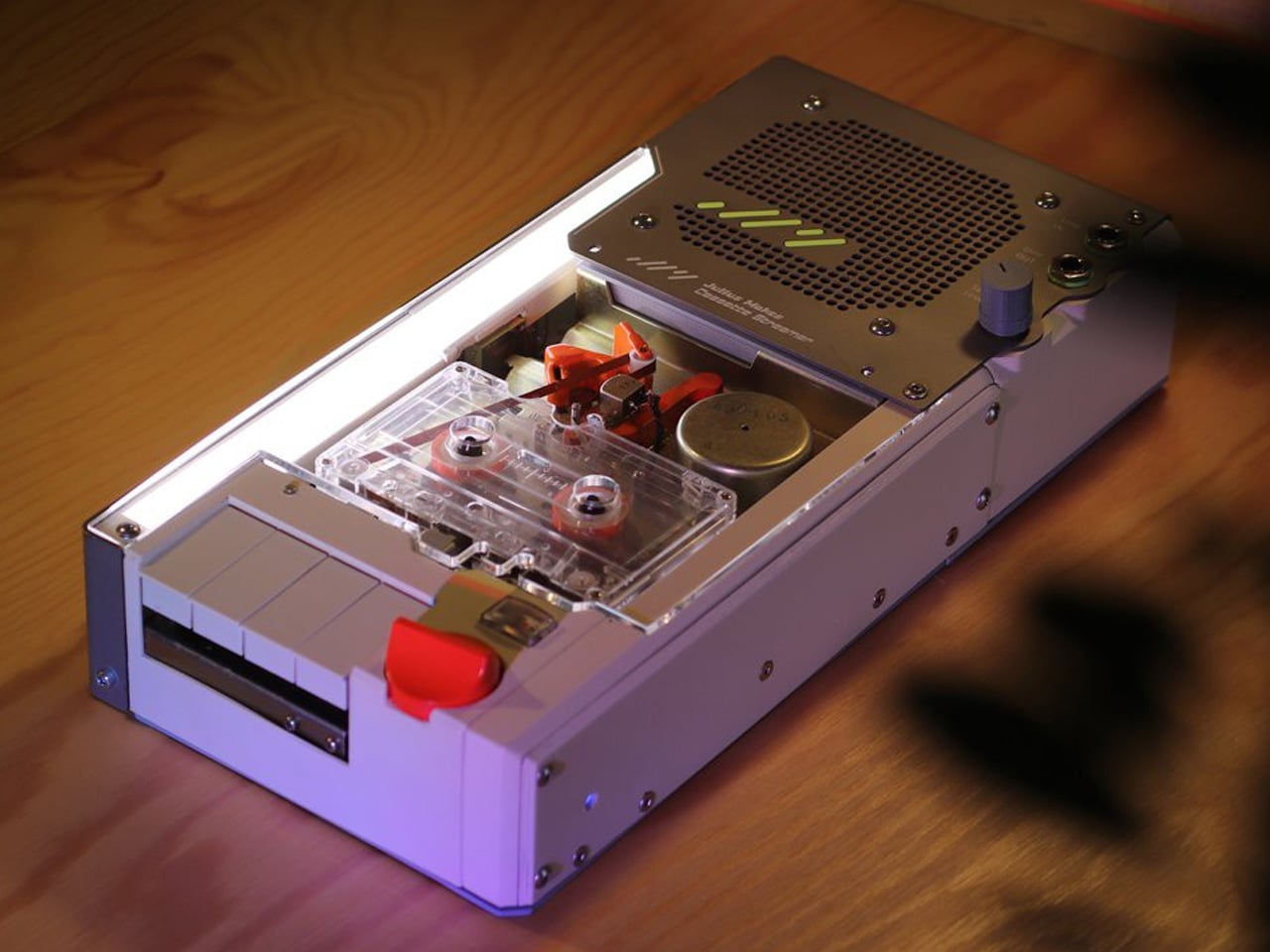
This Lo-Fi Cassette Machine feels like something pulled straight from an alternate timeline—one where streaming never erased the tactile magic of analog media. It takes the quiet charm of a vintage cassette deck, stretches the tape into a kinetic sculpture, and fuses it with modern Bluetooth convenience to create an experience that’s as visual as it is sonic. The moment you see the exposed tape gliding across acrylic panels and the fluorescent VU tube pulsing to the beat, the build instantly recalls the nostalgic futurism that makes retro tech so irresistibly alive.

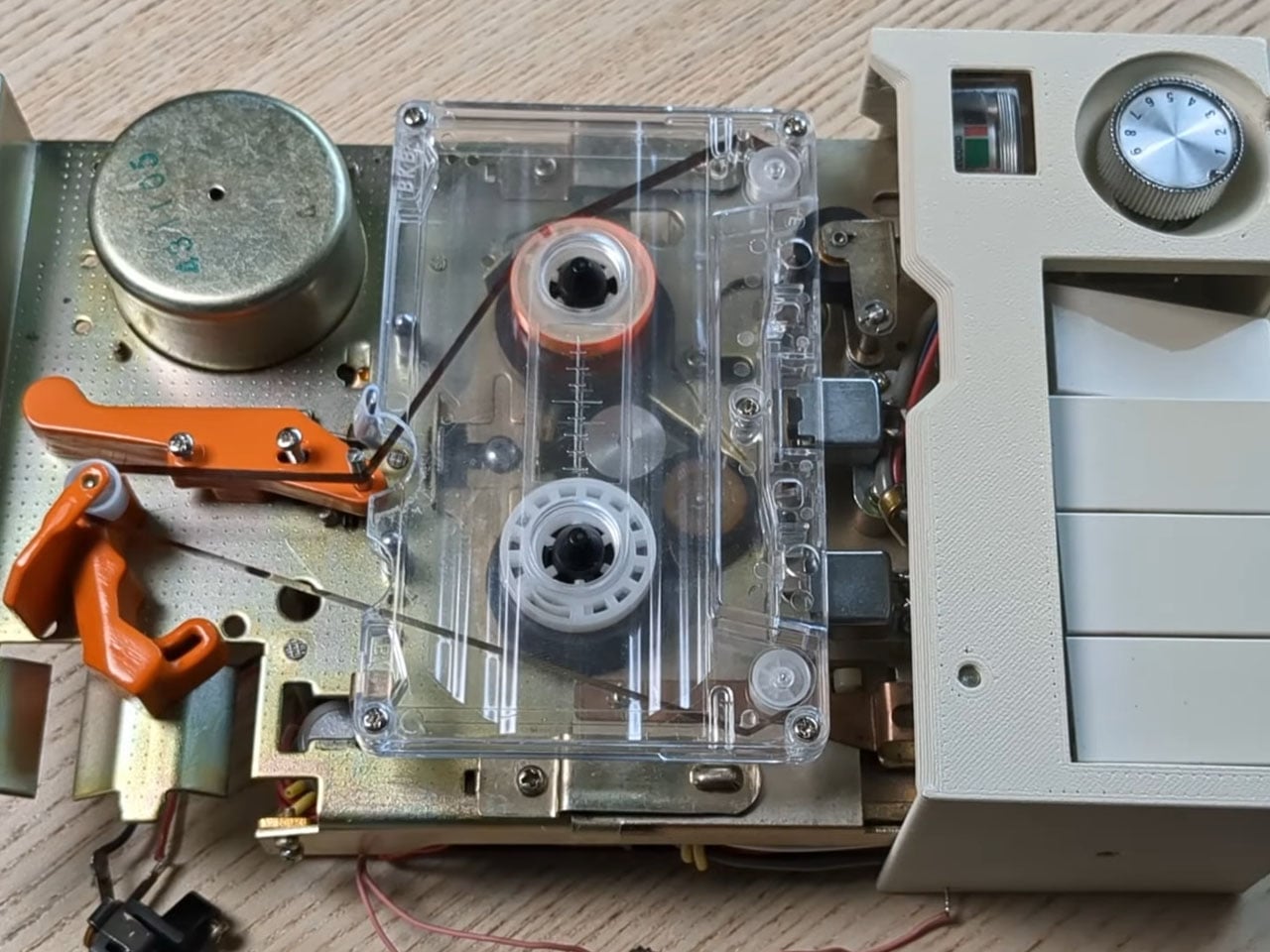
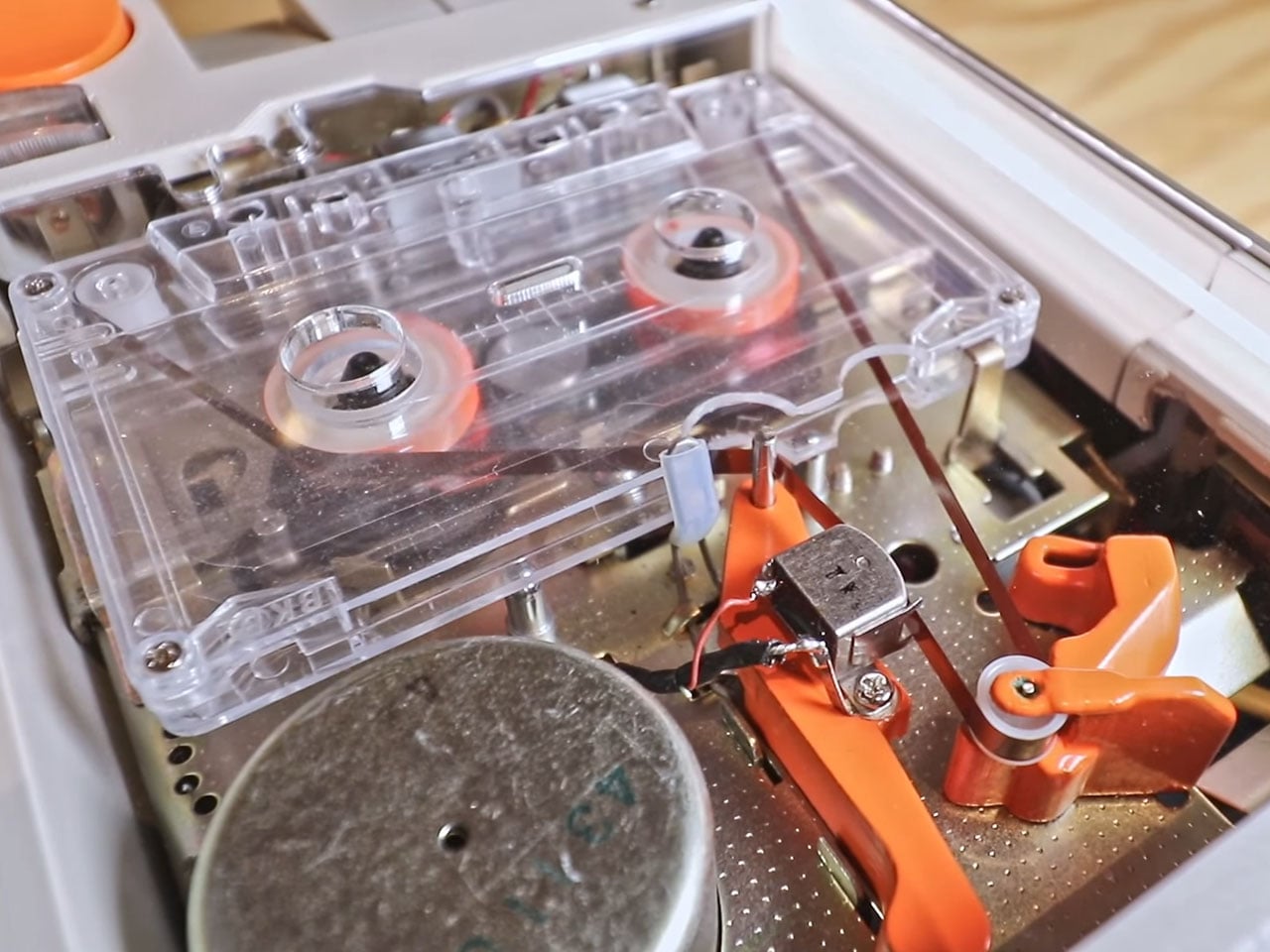
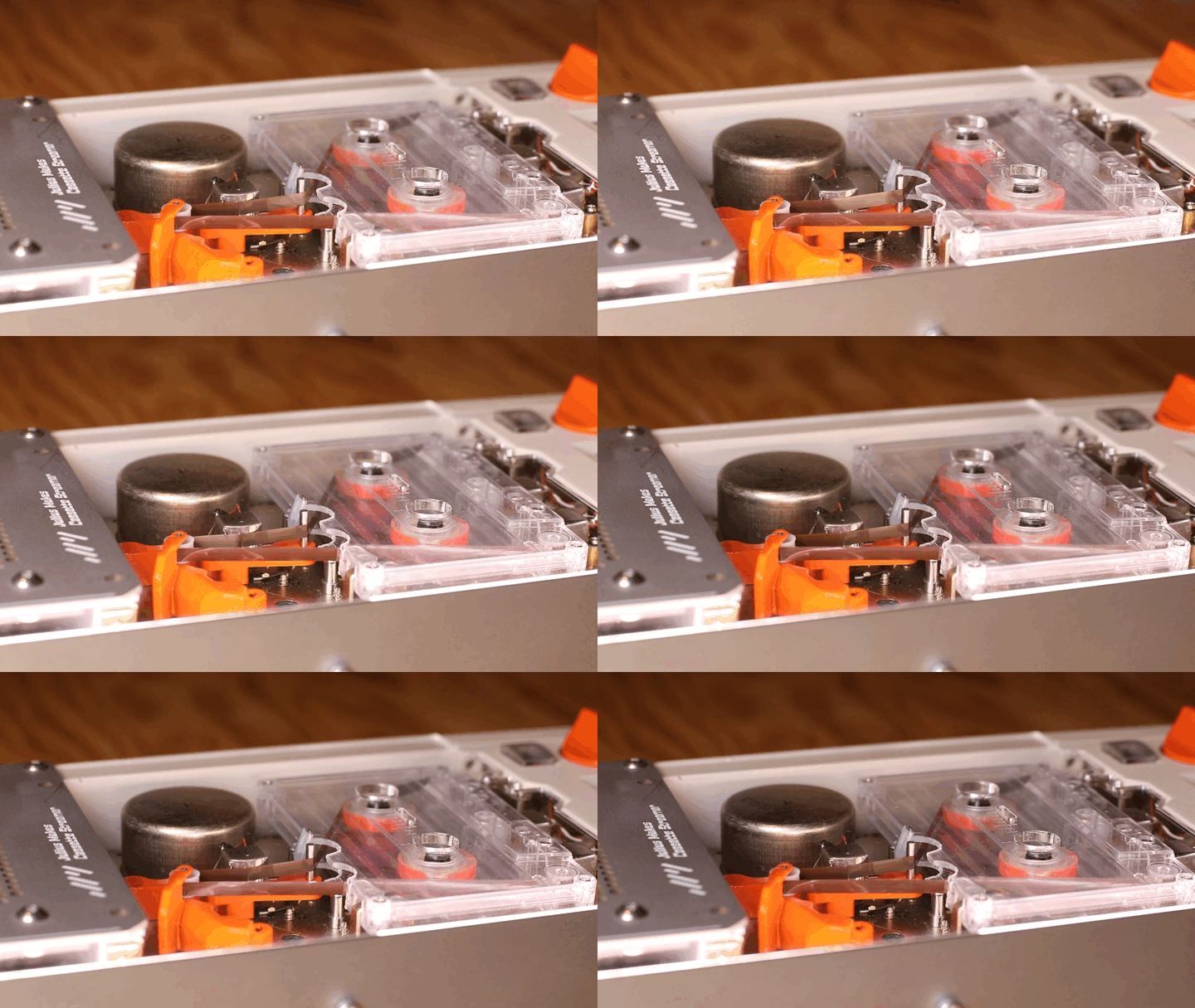
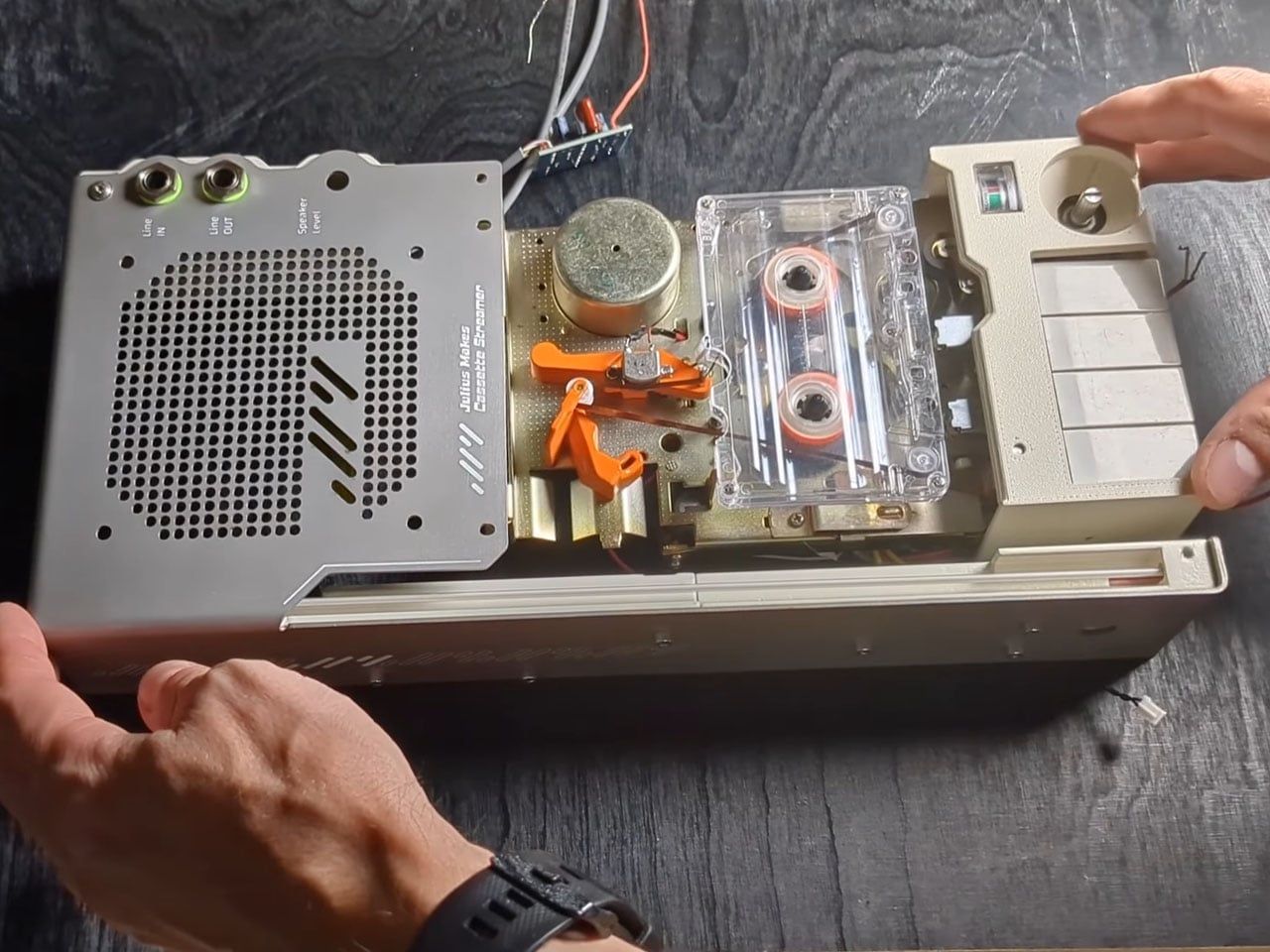
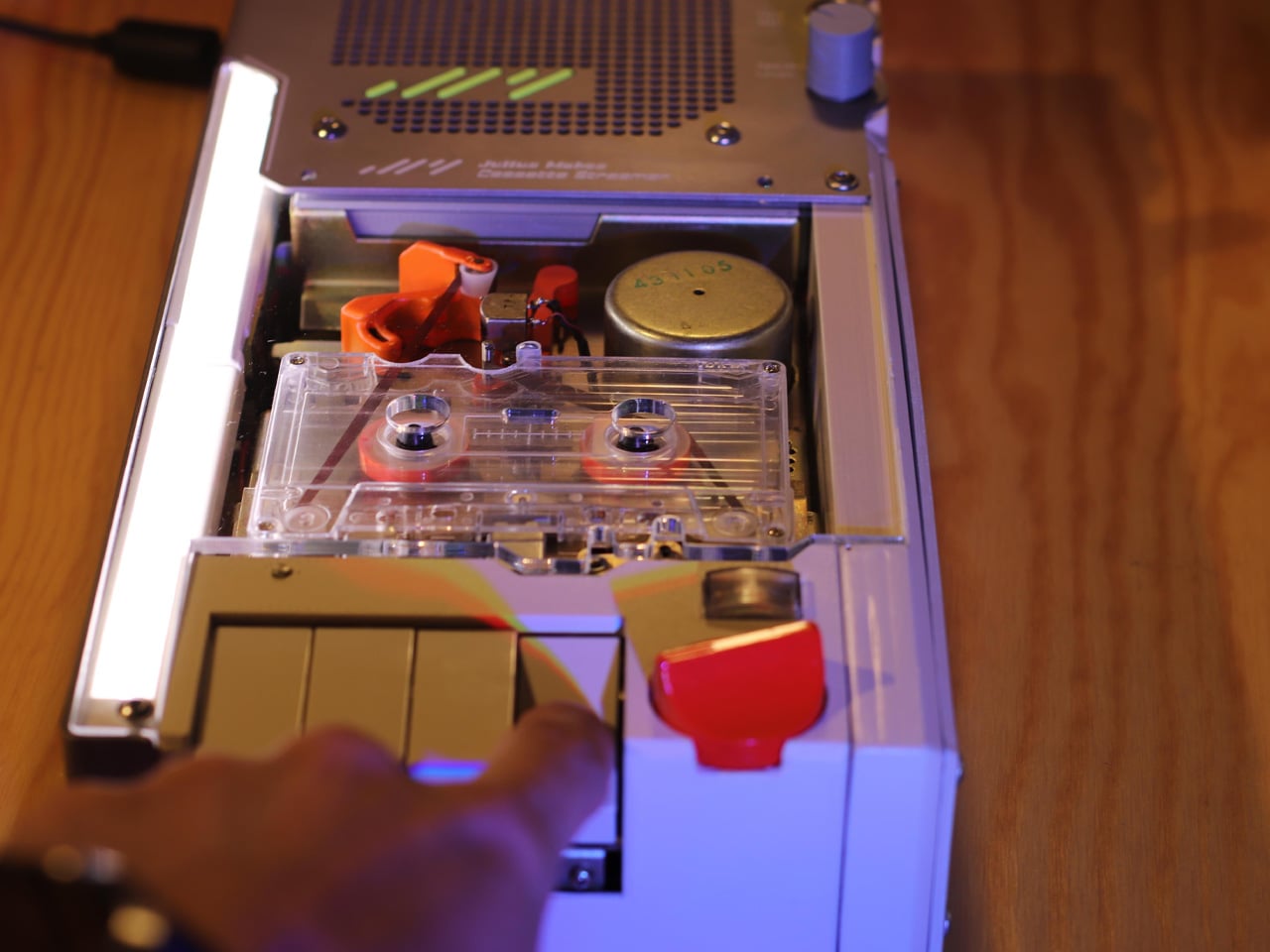
At its core, this DIY creation is more than a typical Bluetooth speaker. Julius Curt engineered a fully analog tape loop recorder and player with Bluetooth input, custom electronics, and a striking stainless-steel enclosure. Instead of playing streamed music directly, the device first records the Bluetooth audio onto a continuous loop of magnetic tape. The tape then travels through the playback mechanism before delivering sound through an integrated amplifier and speaker. This process infuses the music with the warm saturation, gentle hiss, and subtle pitch fluctuations that define lo-fi tape character, giving familiar digital tracks a tangible, analog soul.

Designer: Julius Makes

Magnetic tape formats, such as compact cassettes, once dominated personal audio, prized for their portability and DIY spirit. They faded from mainstream use as digital formats and streaming services rose to prominence. Yet, they have maintained a cult resurgence among audiophiles and makers who appreciate their physicality and imperfections. Curt’s project taps into this resurgence by exposing every moving part, turning what is usually hidden into the centerpiece of the experience.

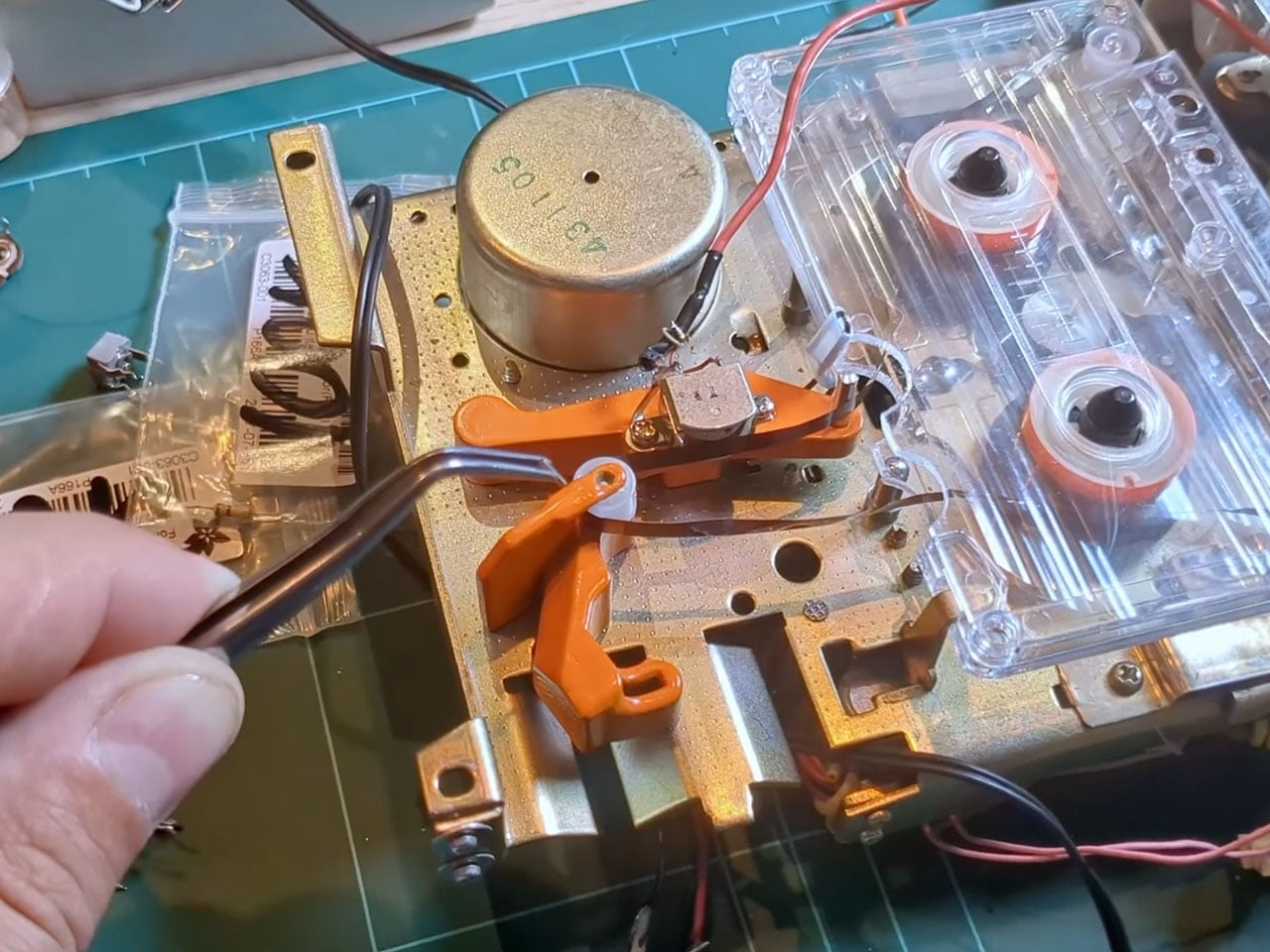
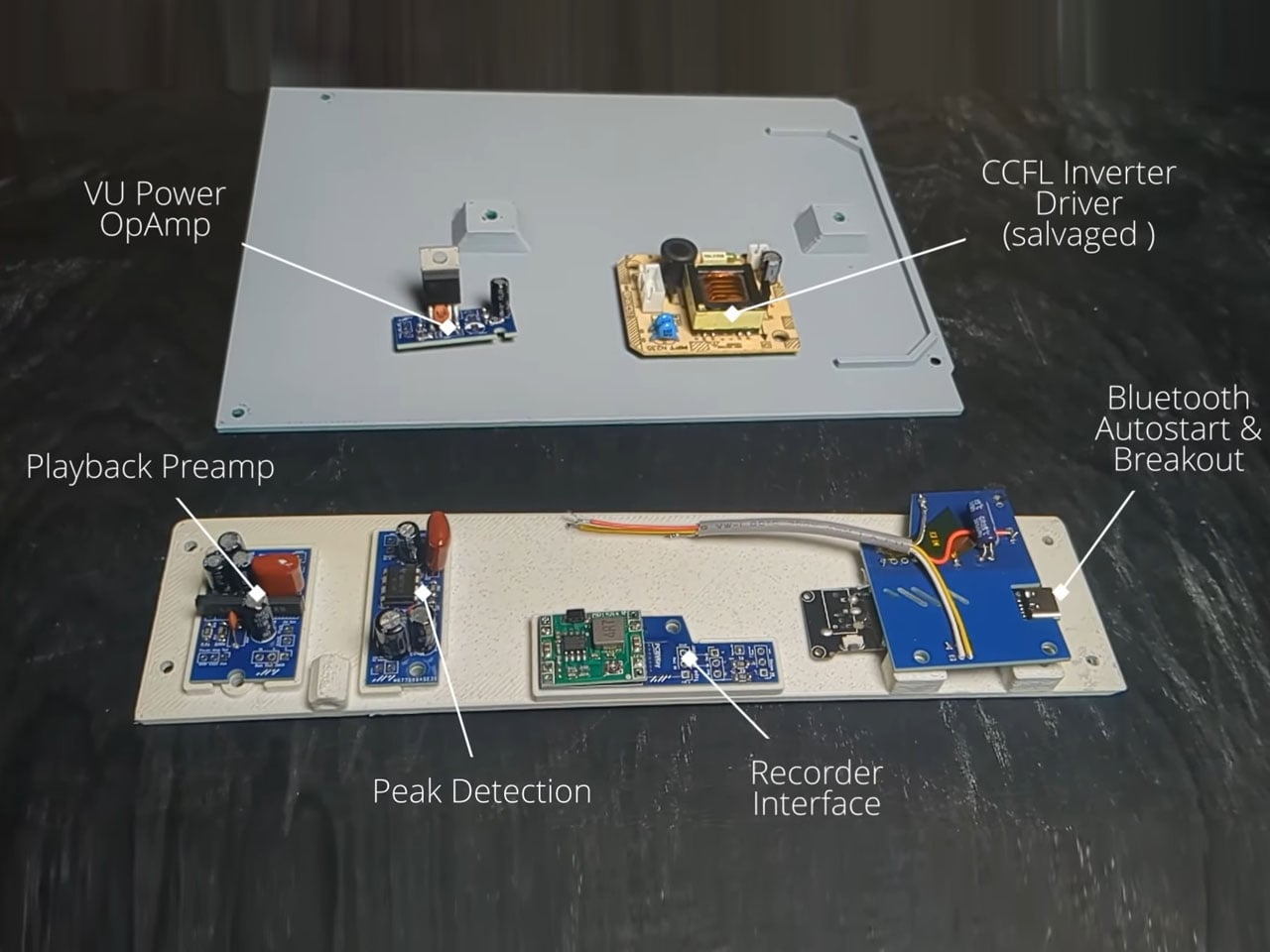
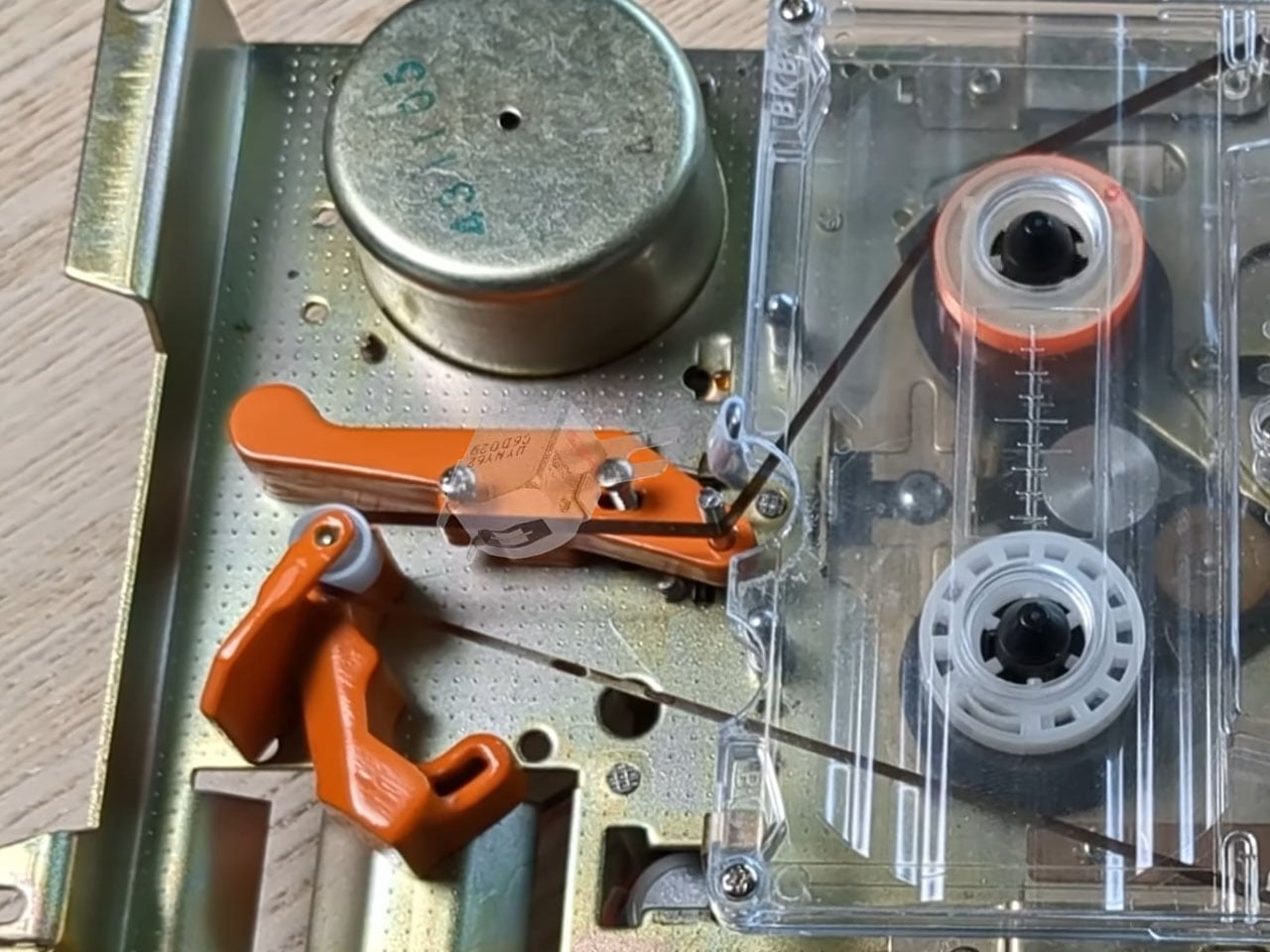
The construction blends salvaged and custom components. An old cassette deck forms the foundation, but it is repurposed to drive a looped tape rather than a standard cassette reel system. Custom printed circuit boards designed in KiCad house the Bluetooth module, analog op-amps, and a TDA2030 amplifier, while a reclaimed cold-cathode fluorescent lamp serves as an analog VU meter that visually dances with the audio signal. The housing combines laser-cut acrylic, 3D-printed elements, and sheet-metal work, reflecting a high degree of craftsmanship.

Using the system is simple and engaging. After pairing a Bluetooth device and starting music playback, there is a brief delay—typically around three seconds—while the streamed signal is recorded onto the tape loop and then read back. Once the loop engages, listeners hear their chosen tracks transformed by the analog circuitry and tape path, complete with the characteristic warble and texture that tape enthusiasts seek out.

Beyond its technical novelty, the Lo-Fi Cassette Machine invites reflection on how we interact with sound. Modern streaming prioritizes clarity and convenience, often at the expense of emotional engagement with the medium. This one-off creation takes the opposite route with its unique approach, and that’s what I love.

The post DIY Lo-Fi Cassette Machine turns Bluetooth streaming into a living, analog kinetic sculpture first appeared on Yanko Design.
Timeless rotary phone reborn as modern AI-powered companion that plays music

Who can forget the charm of rotary phones that were a lifeline in the early ’90s and ’80s? Their iconic mechanical dialling wheel with finger holes, solid build quality, and the unique clicking sound. Everything inside the machine was mechanical and wired on the inside to make communication possible. Even after their technical innovation was surpassed by mobile phones, the appeal of these robust dialers was not forgotten.

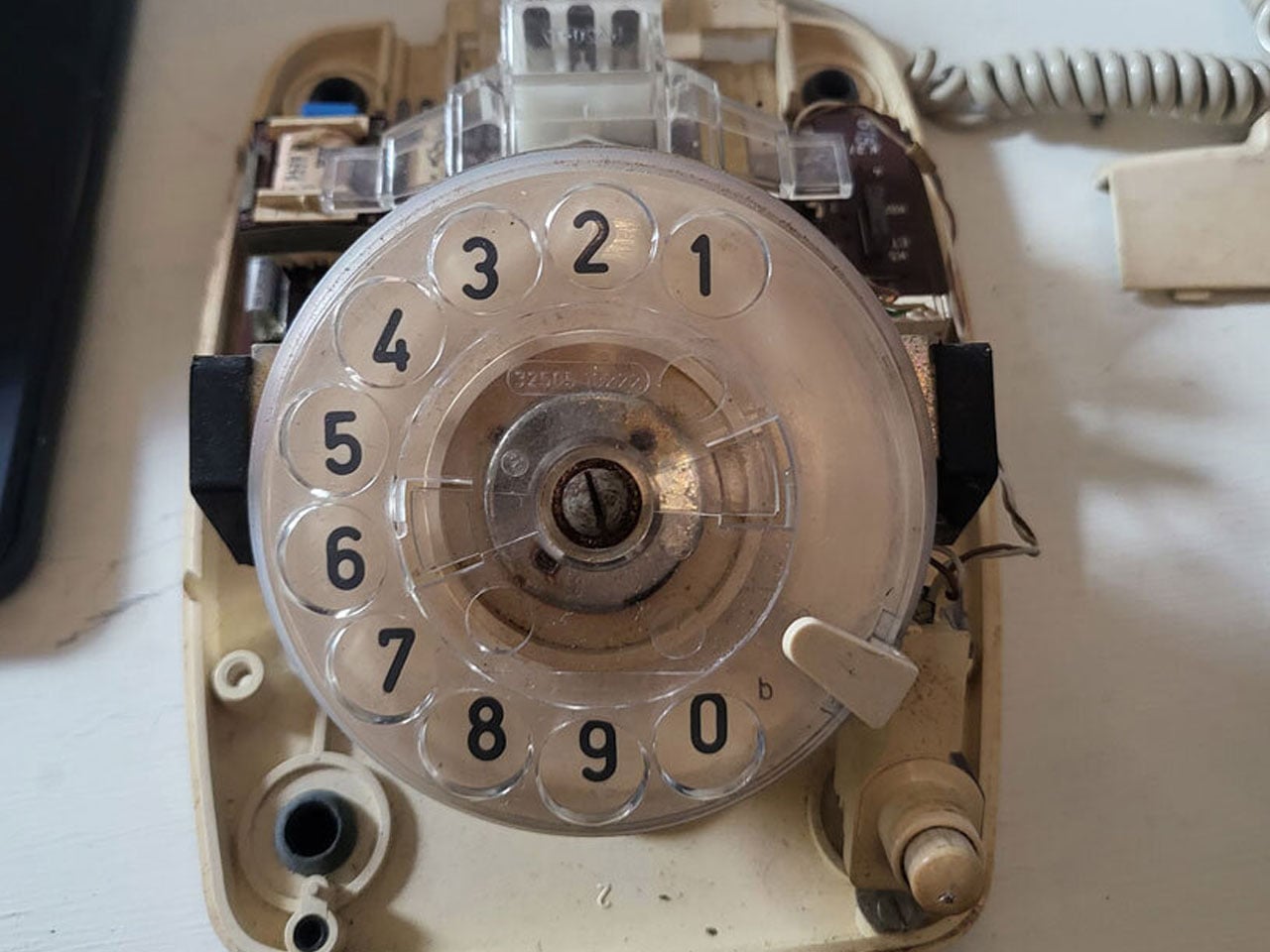
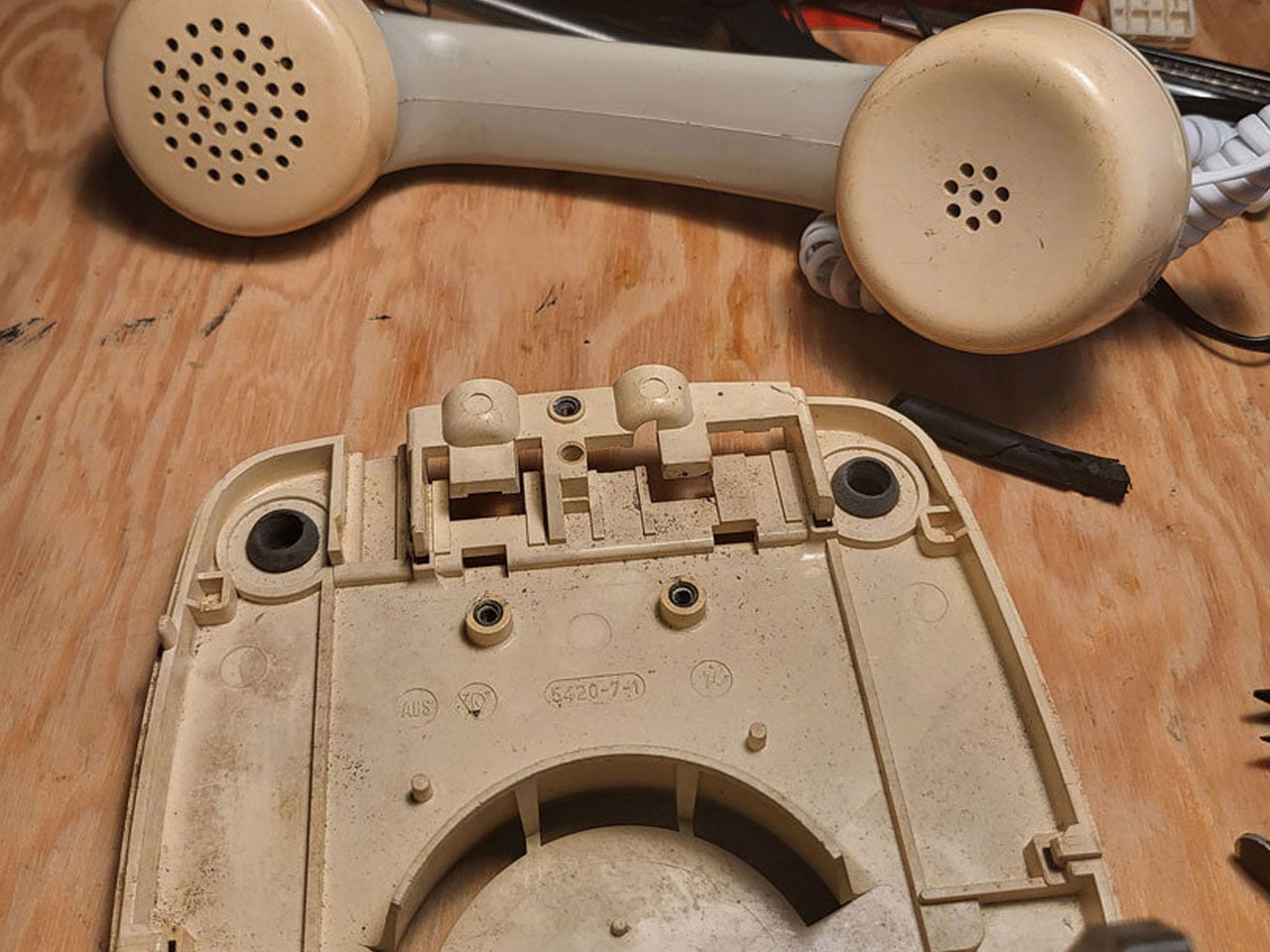
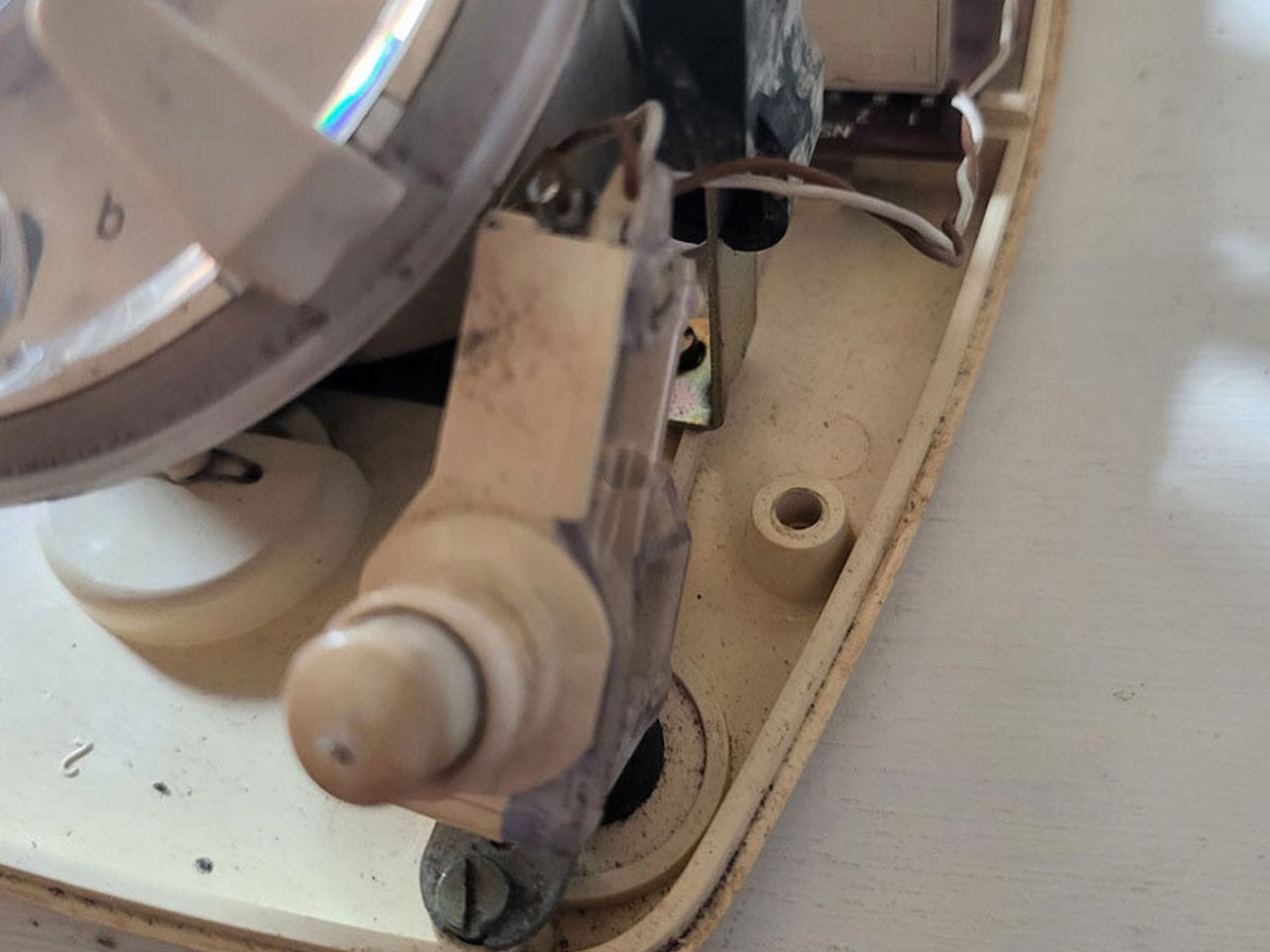
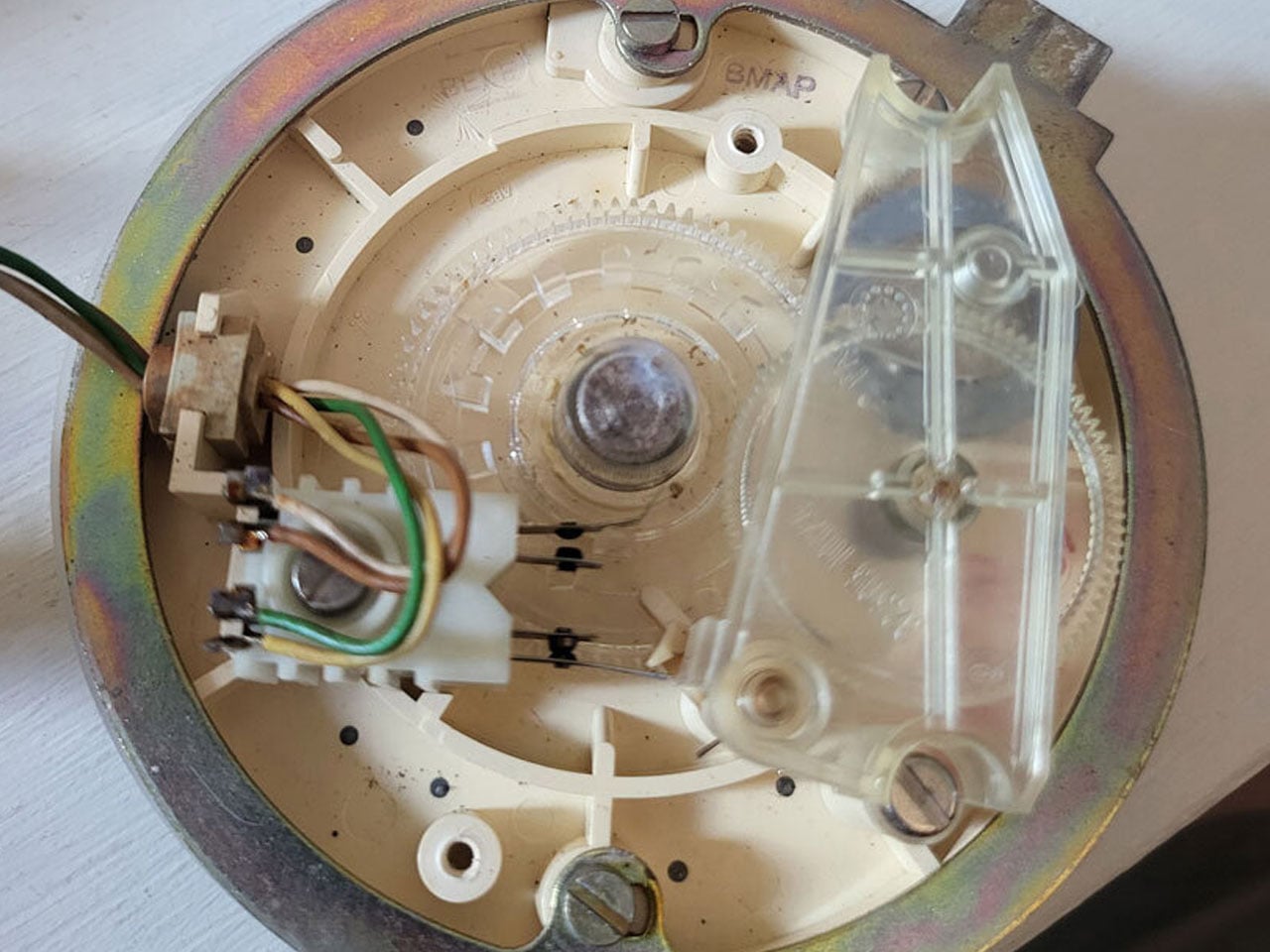
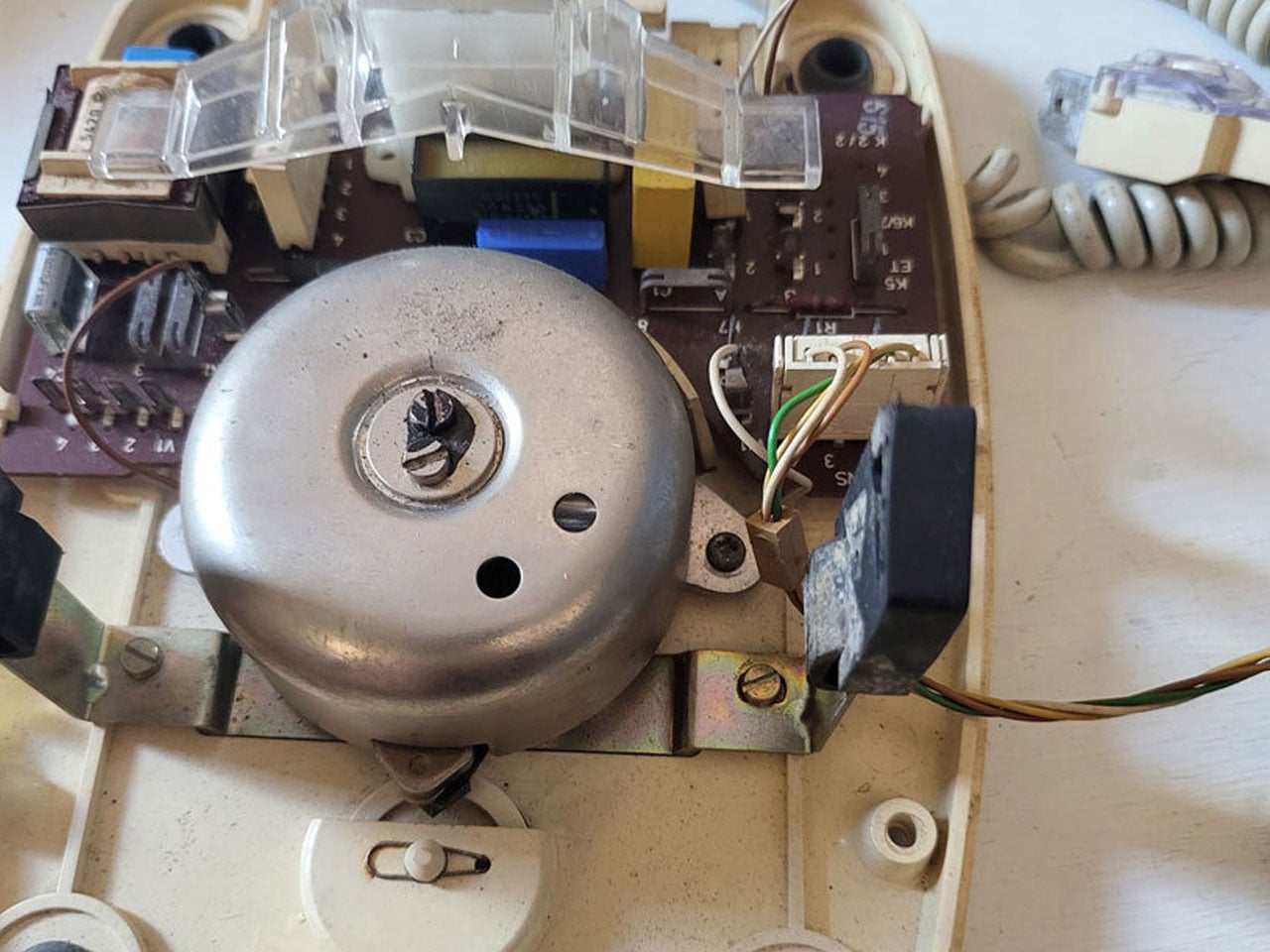
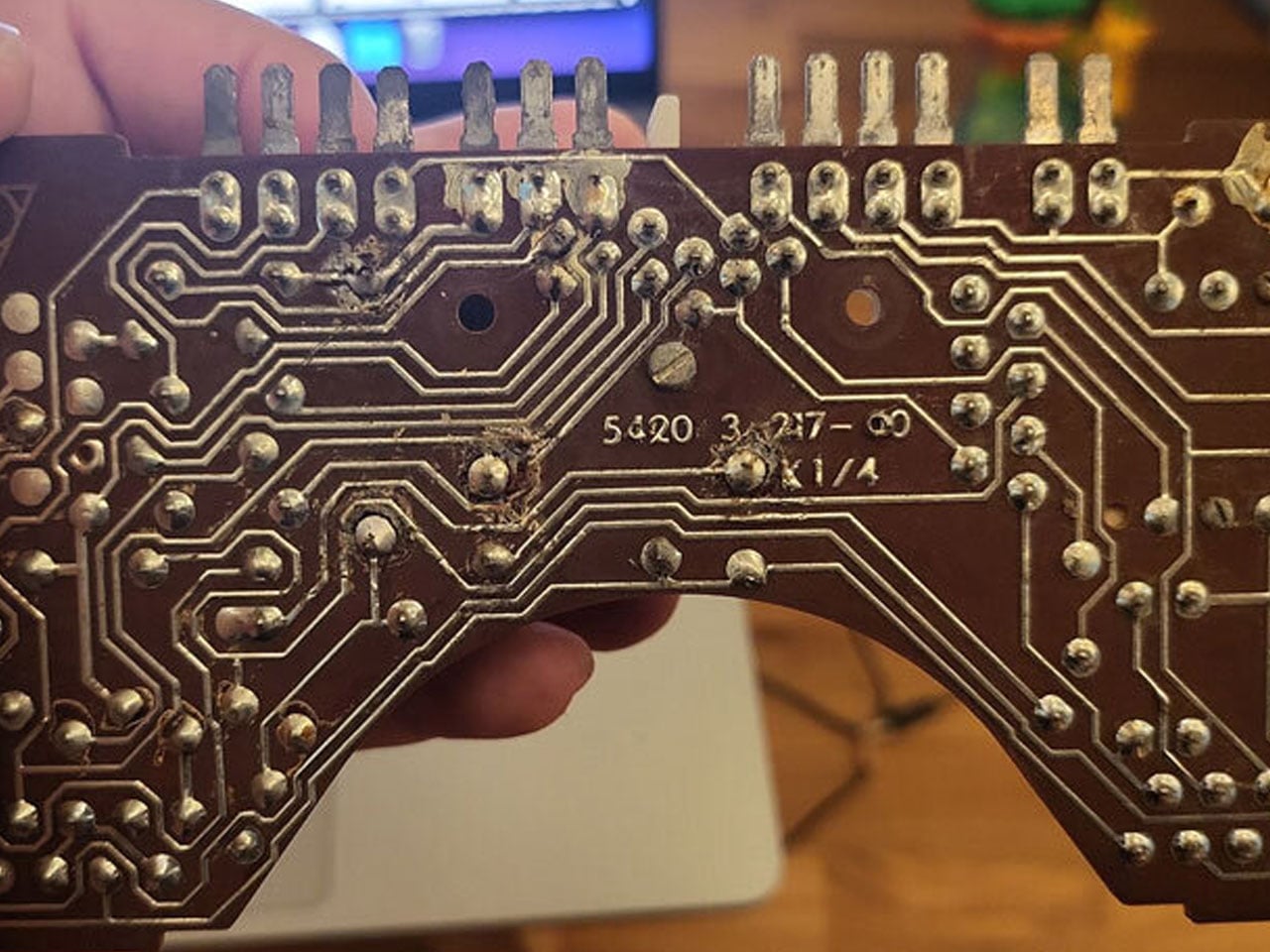
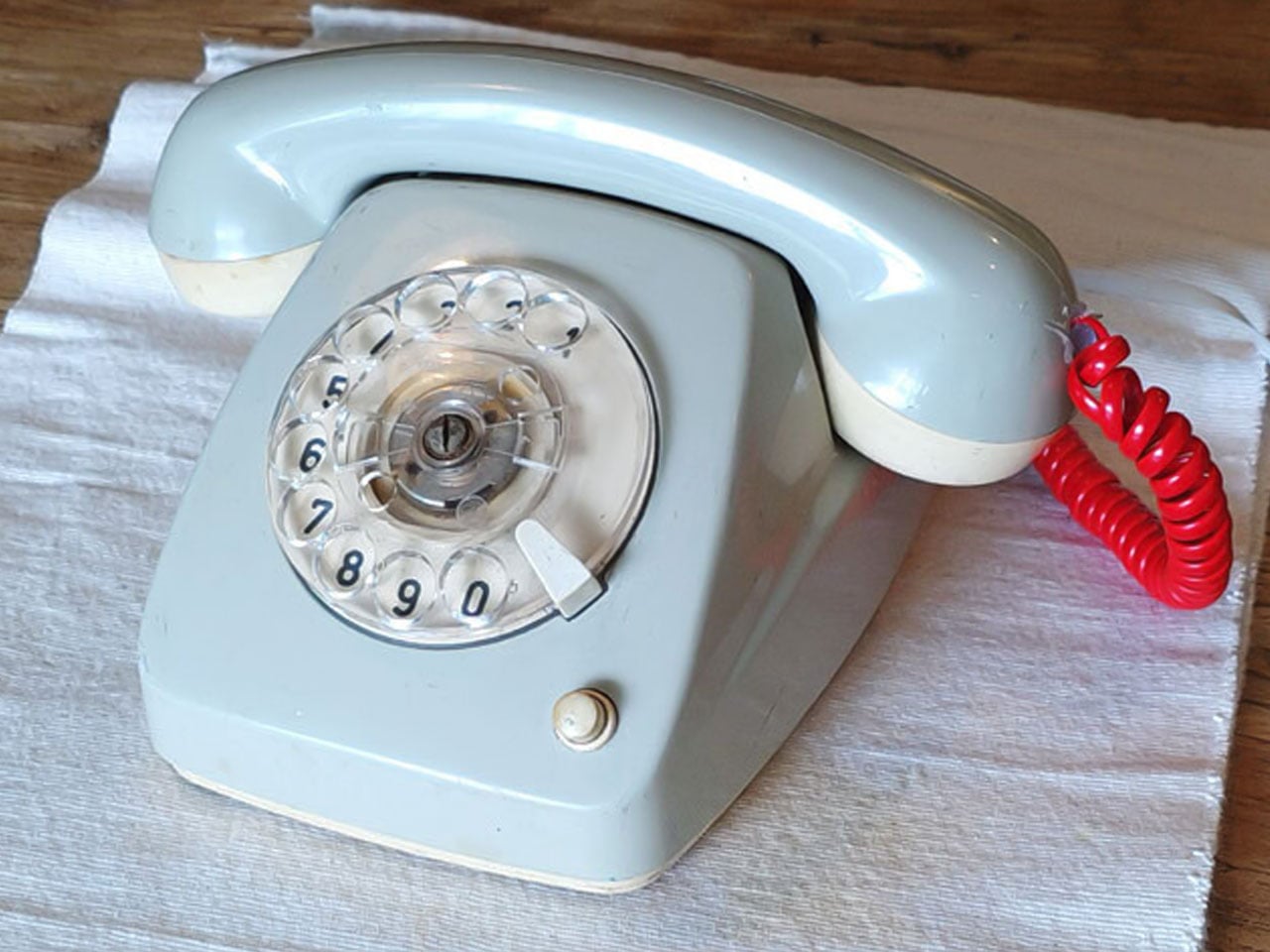
A recent re-imagining of this nostalgic device by designer Nico Tangara, who’s impressed us with the Self-Snoozing Alarm Clock shows how enduring designs can bridge analog heritage and modern digital convenience. Tangara’s project revives a vintage rotary telephone, carefully restoring original components while removing outdated elements such as the high-voltage bell and corroded wiring, to make space for low-voltage digital hardware.

Designer: Nico Tangara

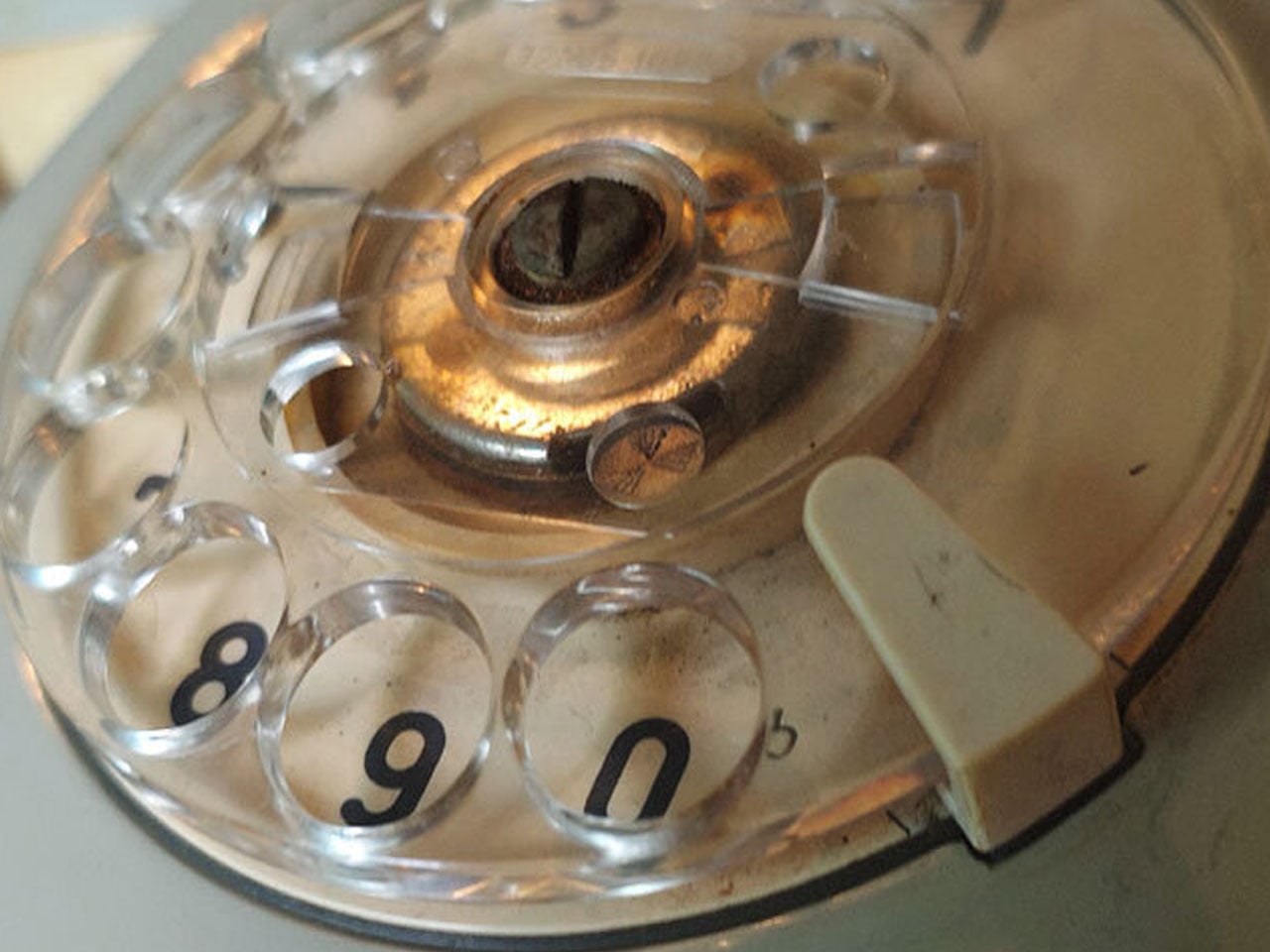
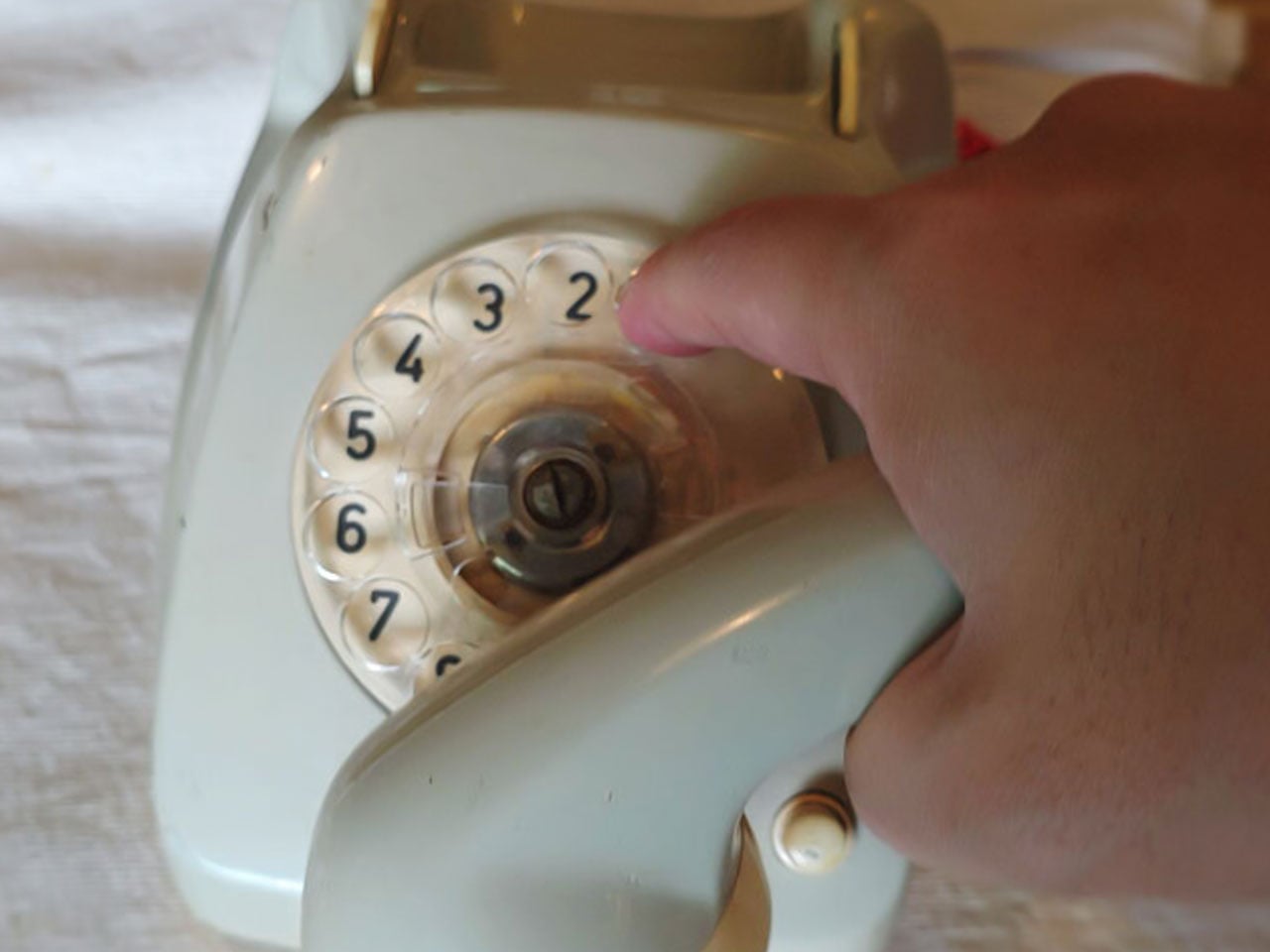
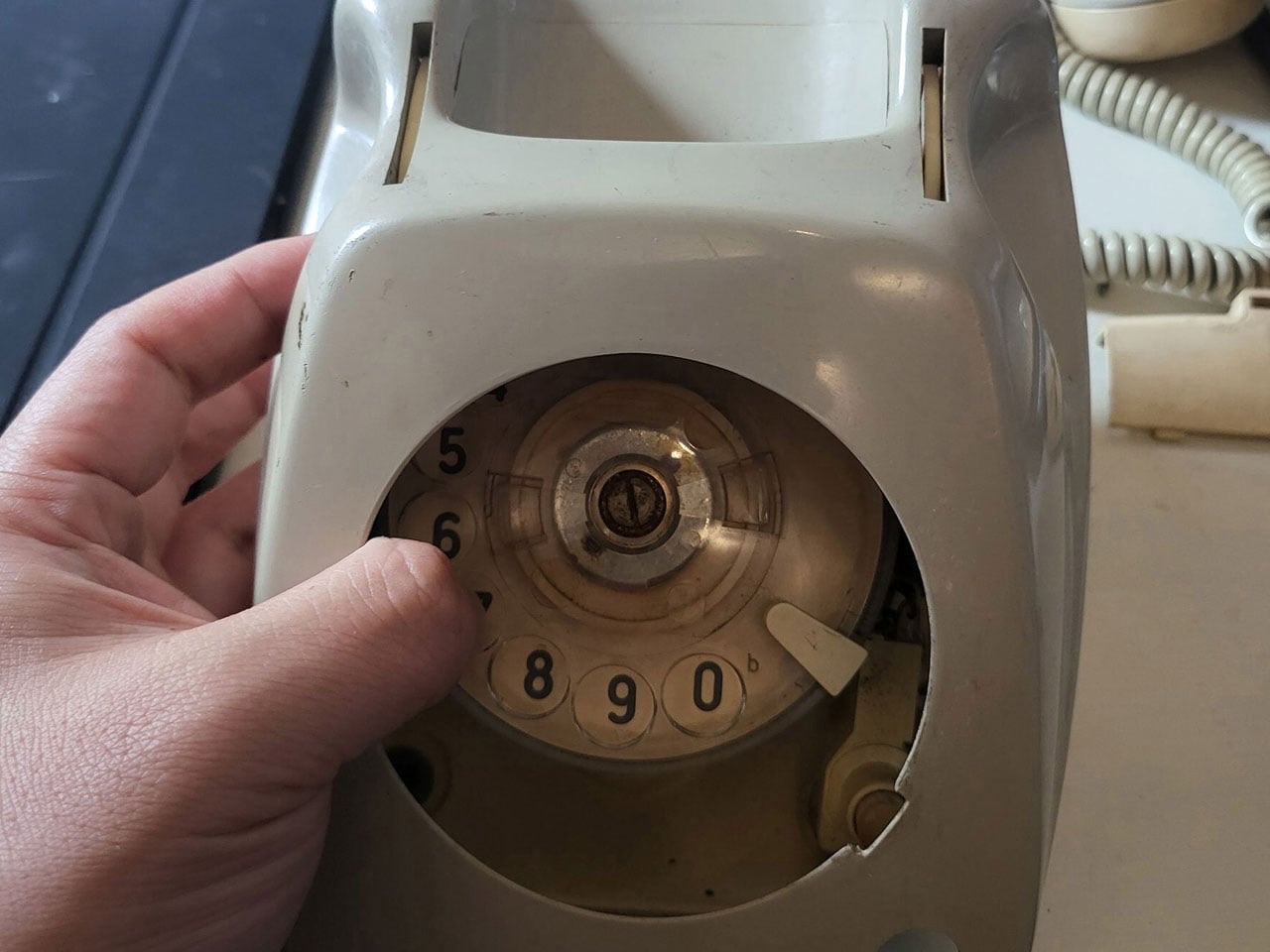
At the heart of the redesign is the original rotary dial, preserved as the primary input mechanism. Rather than simply dialing phone numbers, each pulse created by turning the dial is translated into a digital signal. This allows the dial’s mechanical action to control contemporary digital functions. The transformed device blends vintage form with modern intelligence. On the inside, a small single-board computer, which was initially a Raspberry Pi 4, was later swapped for a Raspberry Pi 2 for lighter loads, handles the digital processing. The original speaker and microphone are replaced with improved audio components connected via a USB sound card, ensuring clearer playback and compatibility with the new system.

Beyond its physical transformation, the device gains new functionality: it operates as both a music player and an AI-powered voice interface. By integrating a voice-based model (e.g., ChatGPT), speech-to-text transcription (via Whisper), and text-to-speech output (via Google TTS), the retro telephone can respond to voice commands, play music, and offer interactive voice chat. Interestingly, it can do it all while preserving the tactile nostalgia of rotary dialing phones.

The project demonstrates how old objects can find new life when design respects their identity while embracing innovation. By retaining the rotary dial, handset cradle logic, and the device’s physical essence while embedding modern electronics, the hybrid telephone becomes more than a novelty. It becomes a functional link between eras, and I’m sure people will absolutely love the idea.

In doing so, the designer’s work suggests that the past need not be discarded. Instead, elements of design that once felt obsolete can offer fresh value when rethought for contemporary contexts. The resulting hybrid device stands as a tribute to the charm of mechanical telephony and an example of how thoughtful design can merge tradition with modern technology. Perhaps the ideal starting point for budding DIYers who want to create something out of the ordinary.

The post Timeless rotary phone reborn as modern AI-powered companion that plays music first appeared on Yanko Design.
Trace Line Clock Uses a Single Hand to Sketch Time as a Moving Line

Clocks are one of the oldest design playgrounds, and yet most of us still live with the same two-hand layout we grew up with. Designers keep trying to find new ways to visualize time, sometimes at the cost of instant readability. The Trace Line Clock is a small desk piece that connects hours and minutes with a single, constantly changing line, turning the familiar dial into something that feels a little more like a drawing.

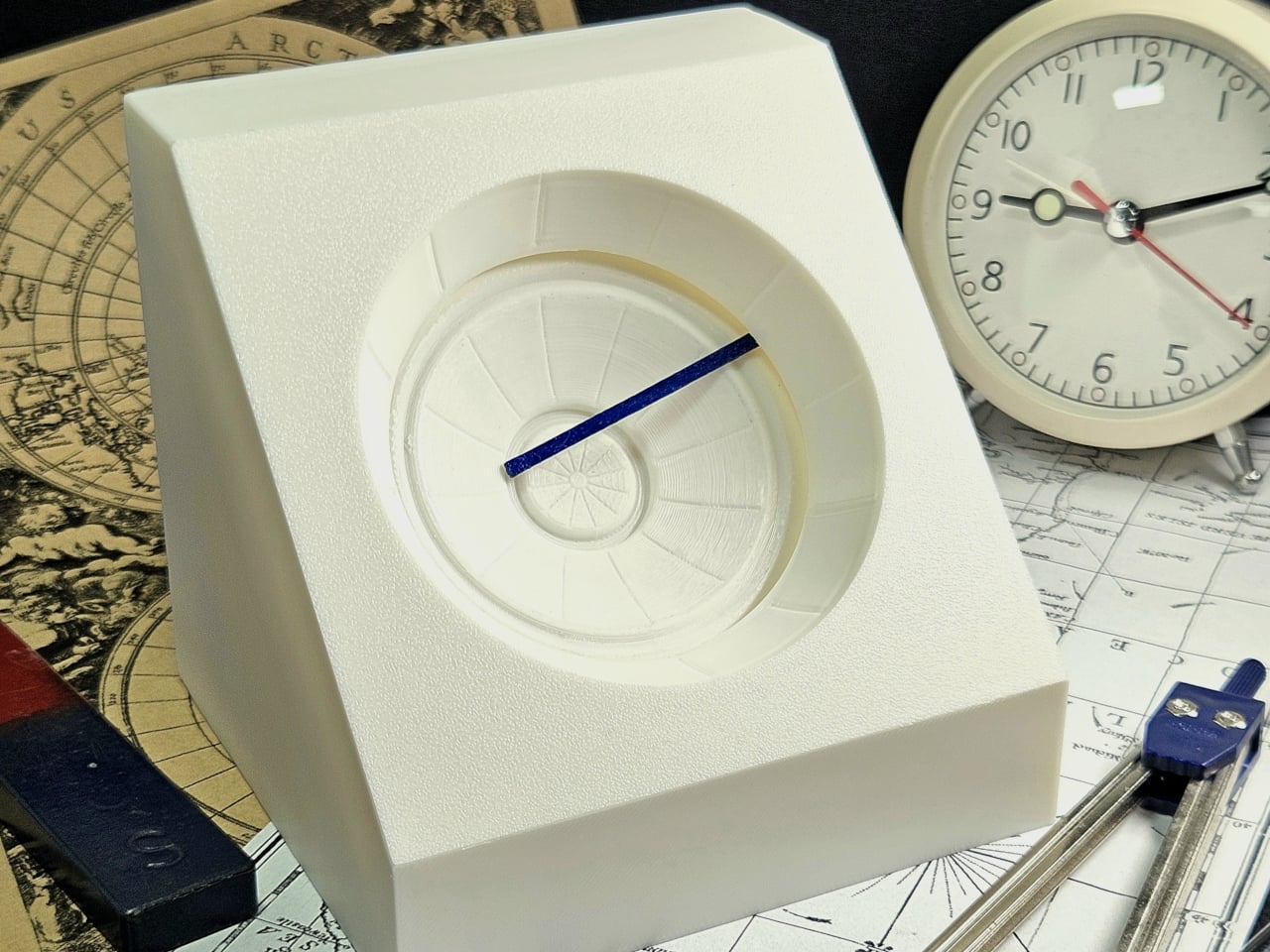
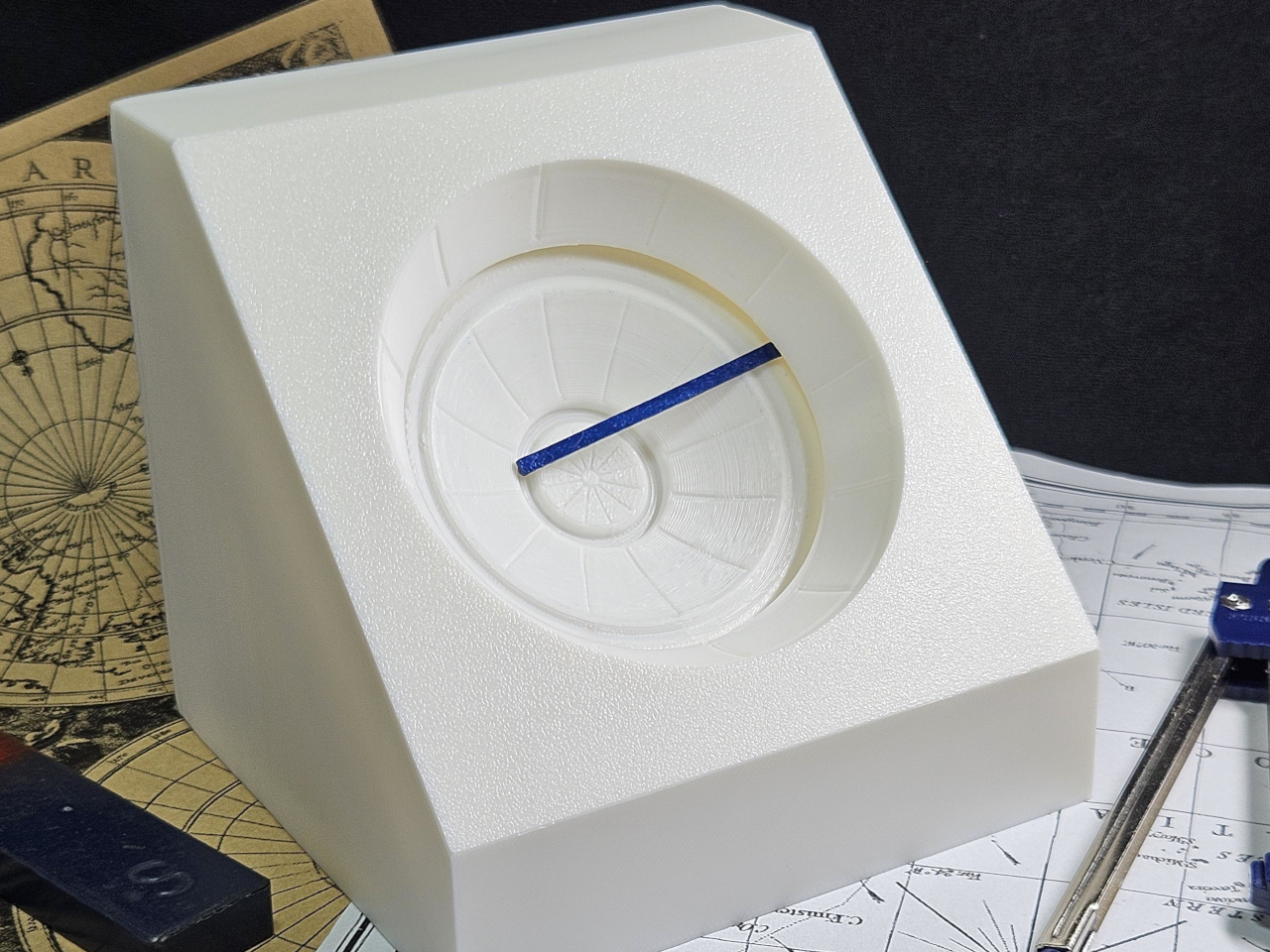
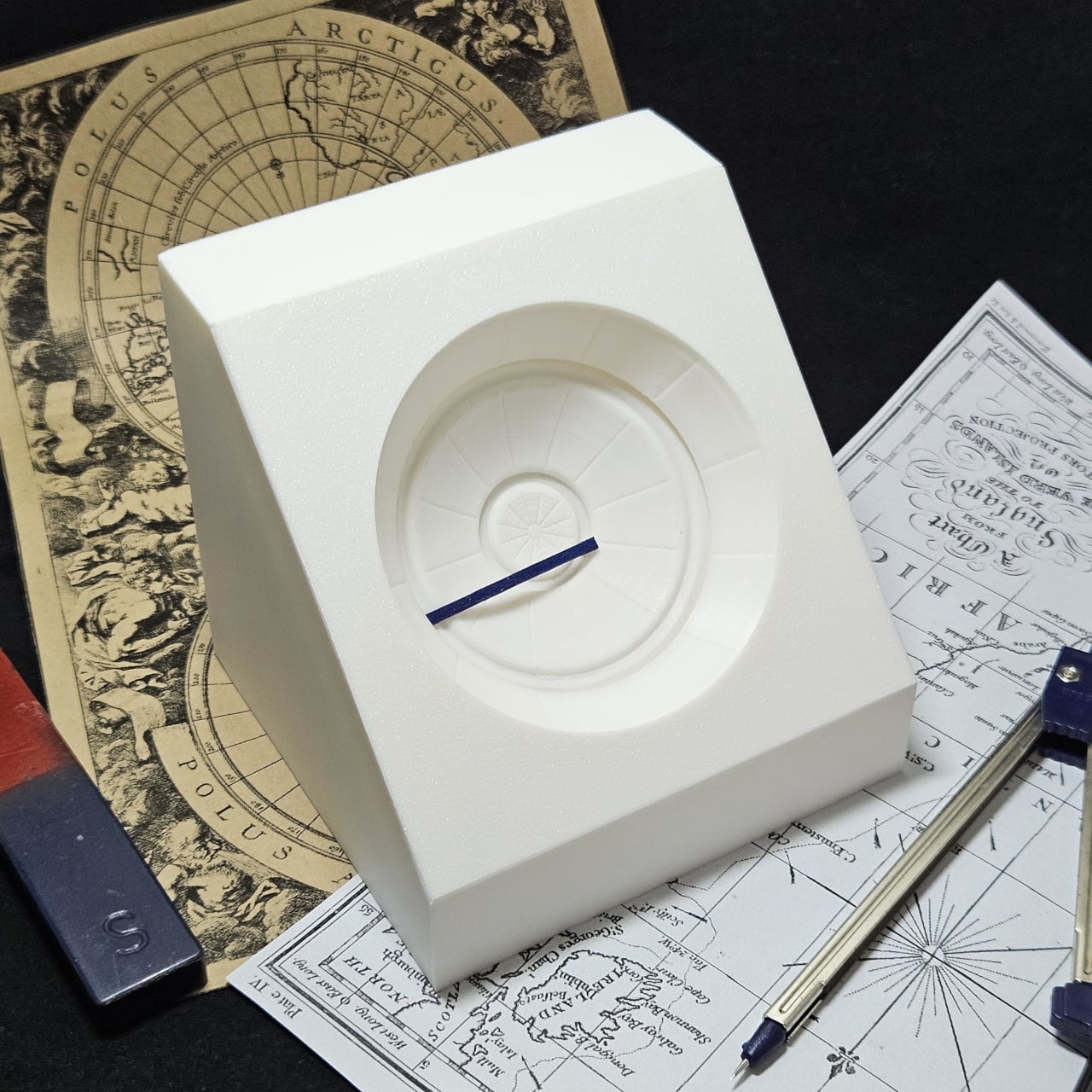
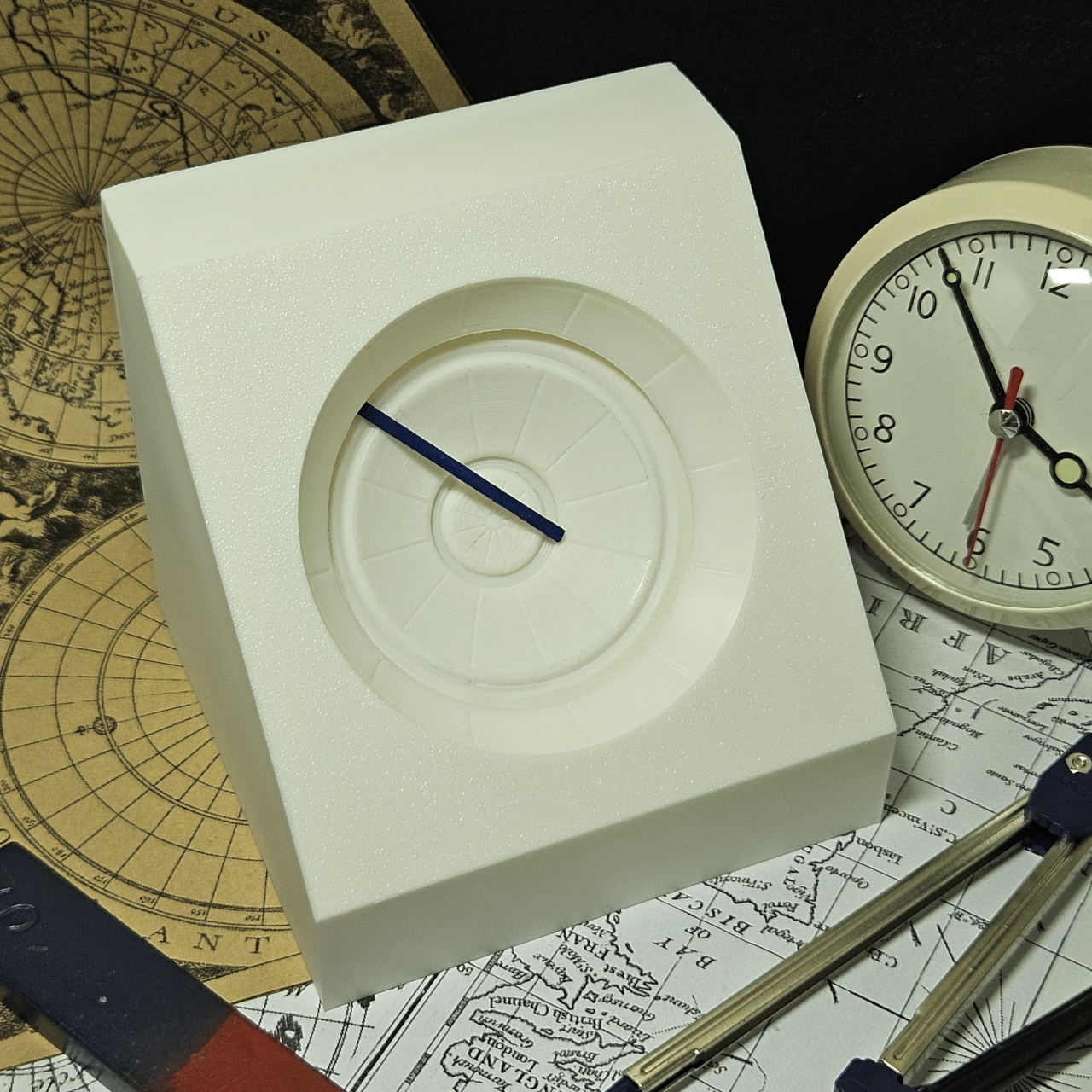
The Trace Line Clock is a minimal, 3D-printed desk clock by Hye-jin Park that uses one continuous hand to show both hours and minutes. The inner end of the line rides an inner circle for the hour, while the outer end rides an outer circle for the minute. As time passes, the line’s angle and length shift, so every glance shows a new geometric relationship between the two.

Designer: Hye-jin Park

The physical form is a white, wedge-like block that leans back slightly, with a circular recess on the front. Two concentric tracks are cut into that circle, and a single colored line spans between them. There are no numerals, logos, or extra markings, just the circles and the hand. It reads more like a small piece of graphic sculpture than a typical clock, especially on a clean desk.

The inner tip of the line points to the hour on the inner track, while the outer tip points to the minute on the outer track. It’s not as instant as glancing at a bold wall clock, but it’s also not inscrutable. With a moment’s attention, you can read it reasonably well, and the payoff is that you also get a little geometric drawing that changes every minute instead of just numbers.

Because the minute end moves faster than the hour end, the line is always stretching, shrinking, and rotating. The clock doesn’t just tick; it sketches. Checking the time becomes a small moment of noticing how the hand has reconfigured itself, not just a quick number grab. It’s the kind of object that rewards a second look rather than a drive-by glance at your phone or wrist.

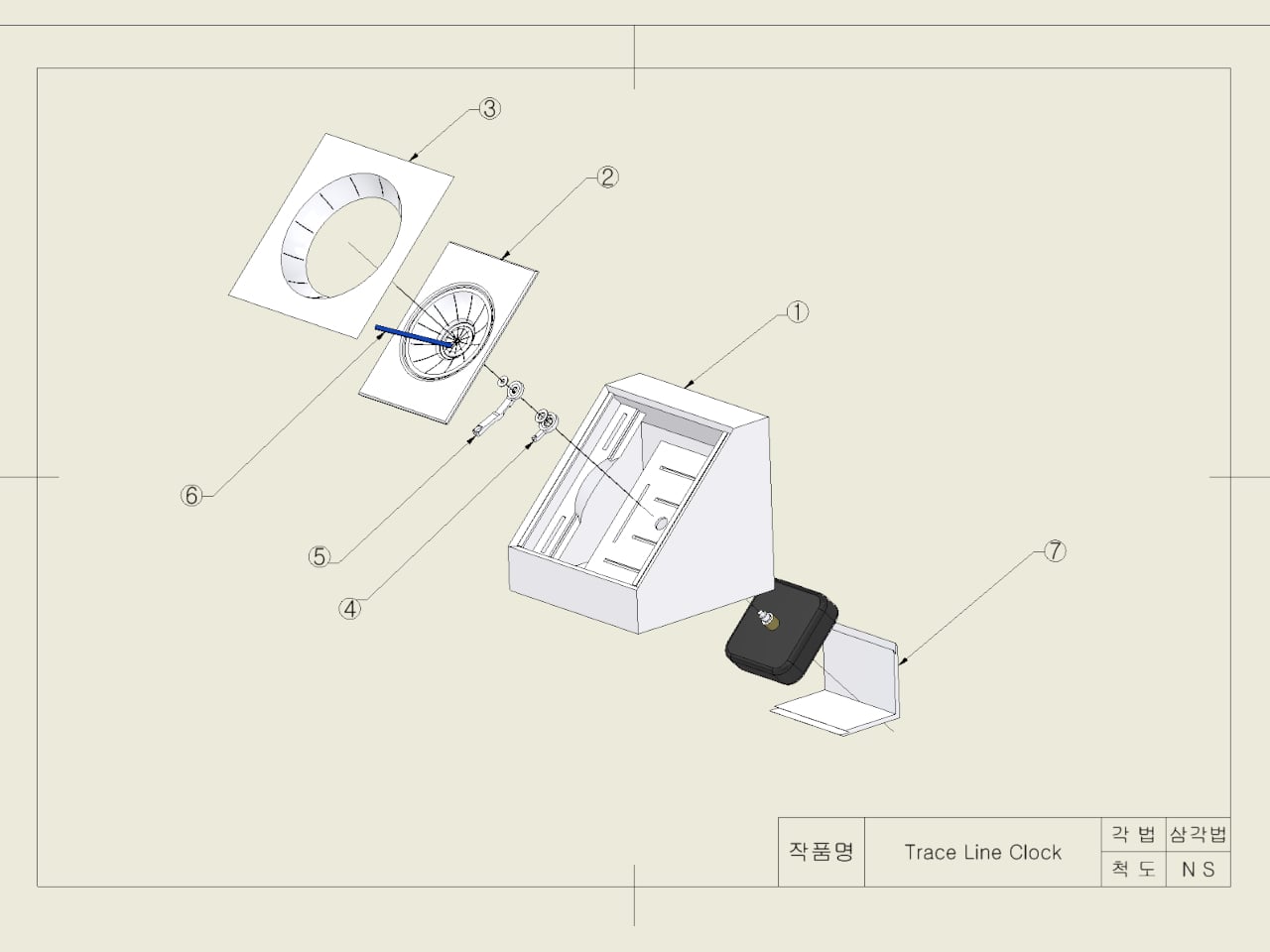
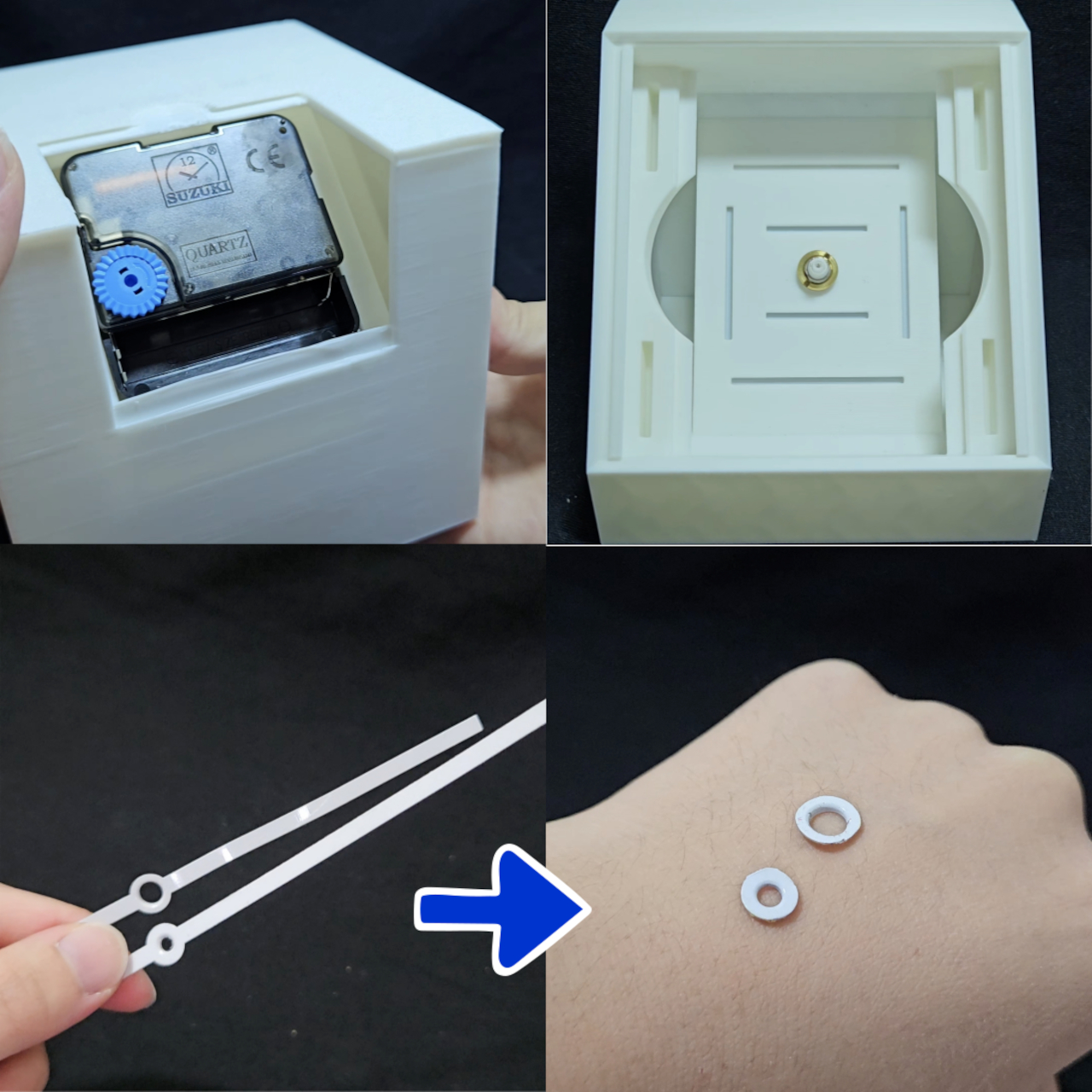
The clock hides a standard movement and two internal hands behind the face, using magnets to couple them to the visible line. The front stays clean and uninterrupted, with the hand floating in the recess. The choice of a single accent color for the line against the white body keeps the focus on the changing geometry, not on branding or ornament that would clutter the composition.

The Trace Line Clock is not the tool you buy if you need to read the time from across the room in half a second. It’s a small, thoughtful piece for a desk or shelf where you don’t mind spending an extra beat to parse it. In return, it turns time into a quiet, evolving graphic that feels more like a living diagram than a static display.

The post Trace Line Clock Uses a Single Hand to Sketch Time as a Moving Line first appeared on Yanko Design.
DIY Coffee Sand Table Turns a Living Room Surface Into Moving Art

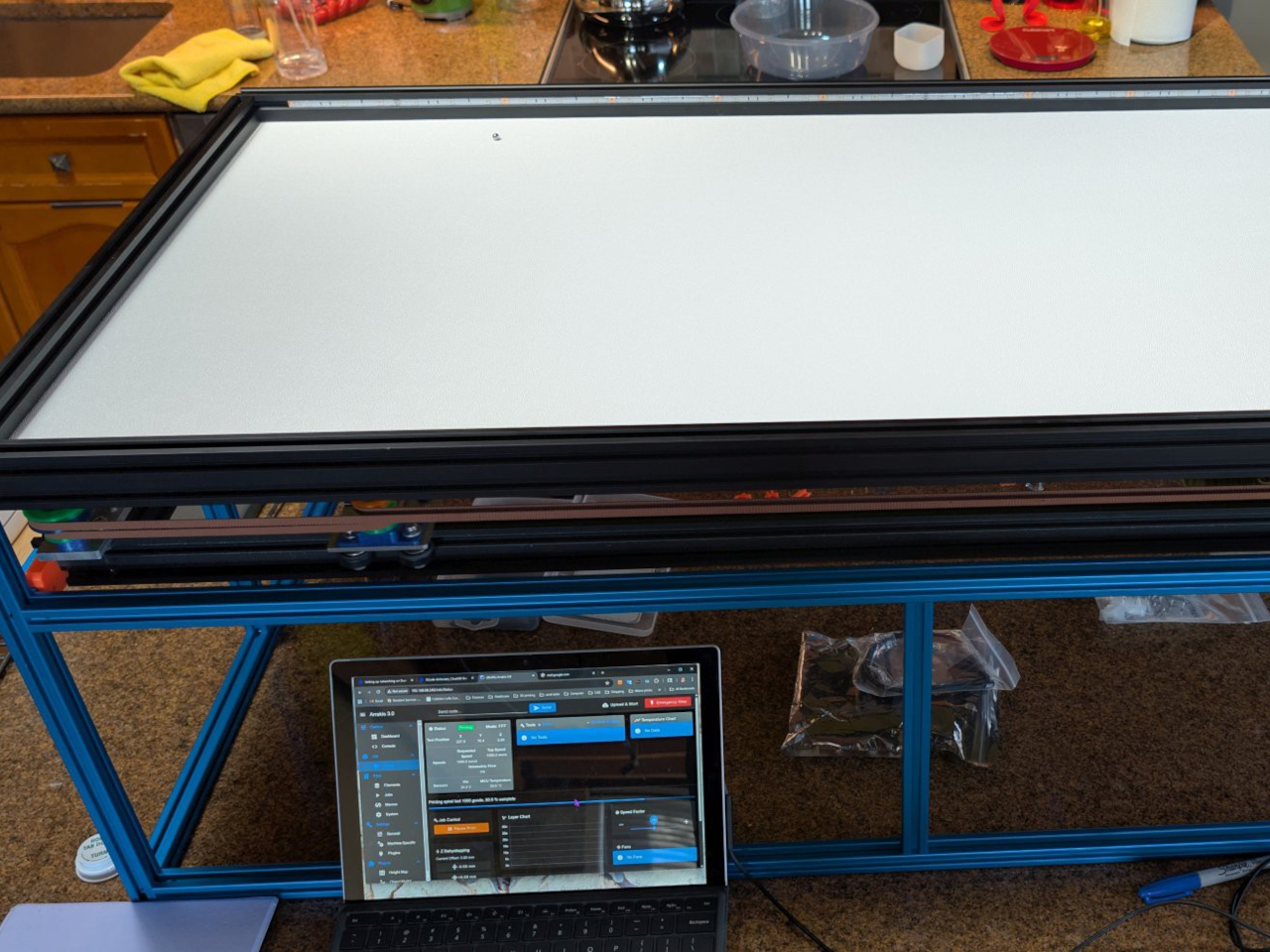
Most coffee tables are static slabs of wood, glass, or stone, maybe with a stack of books on top that never gets read. There’s a growing fascination with kinetic sand tables that draw patterns under glass, turning a surface into something alive. Arrakis 3.0 is a DIY coffee table that brings that idea into a more compact, furniture-friendly form you can actually live with in a normal apartment instead of a gallery.

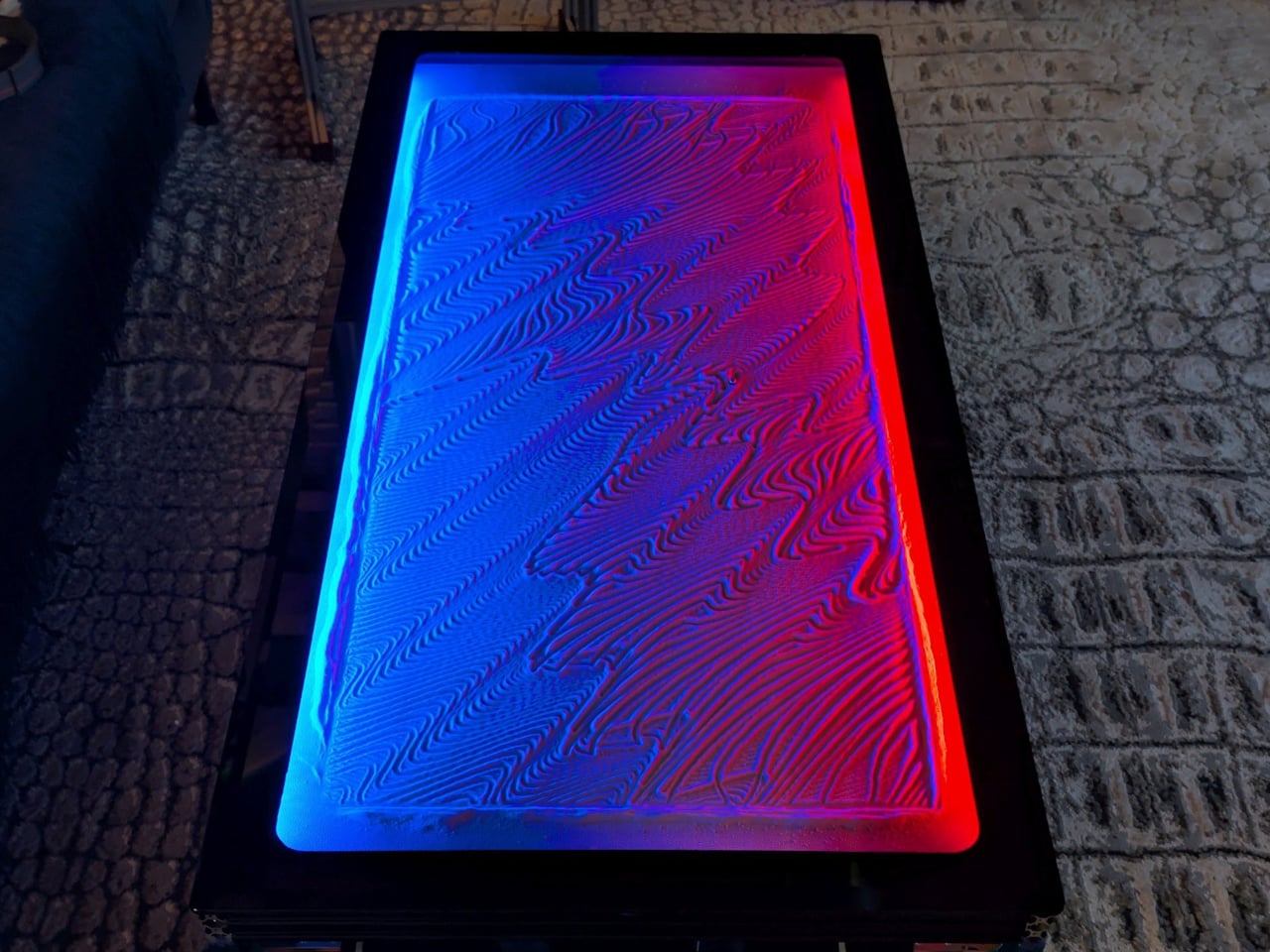
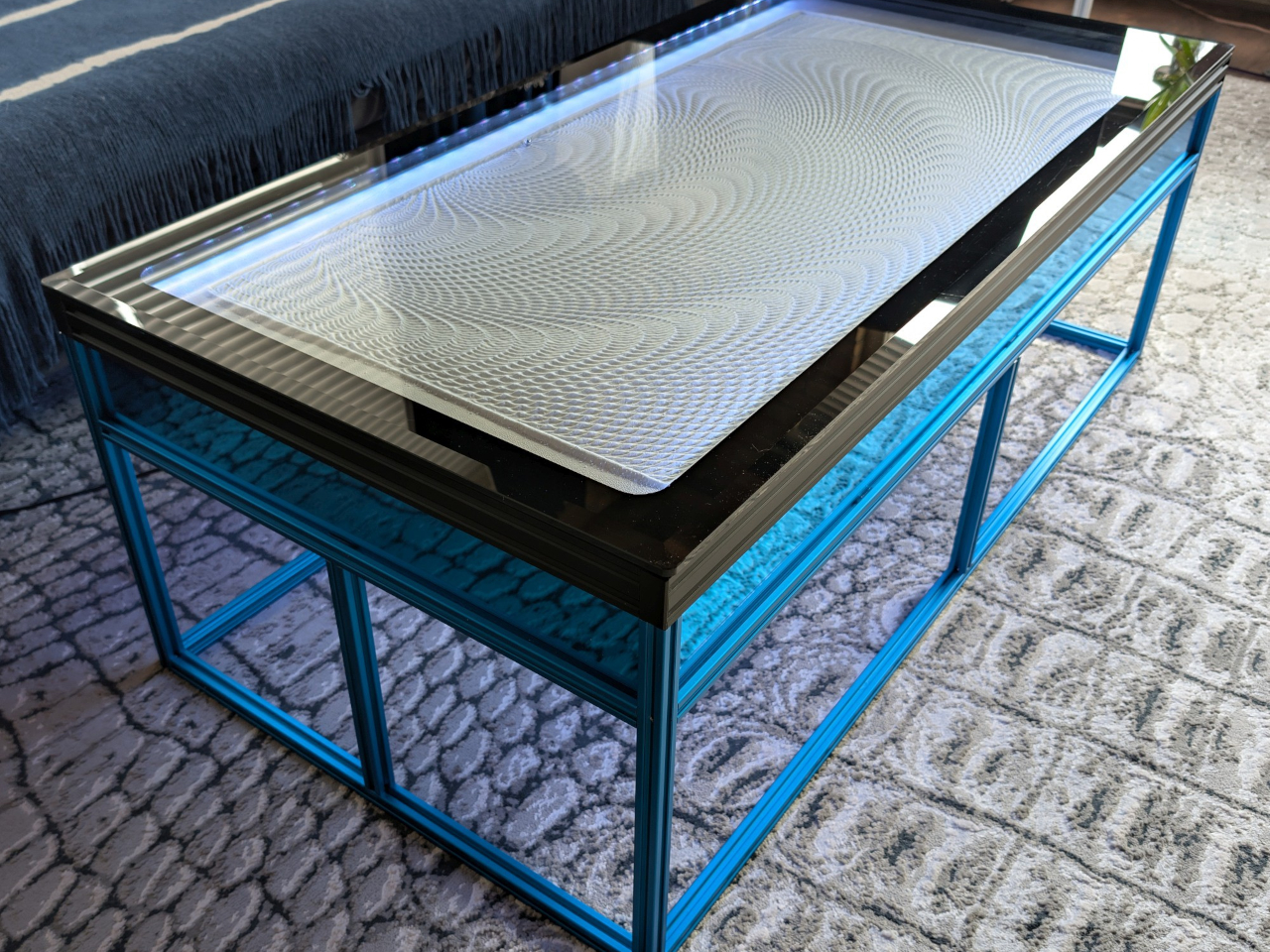
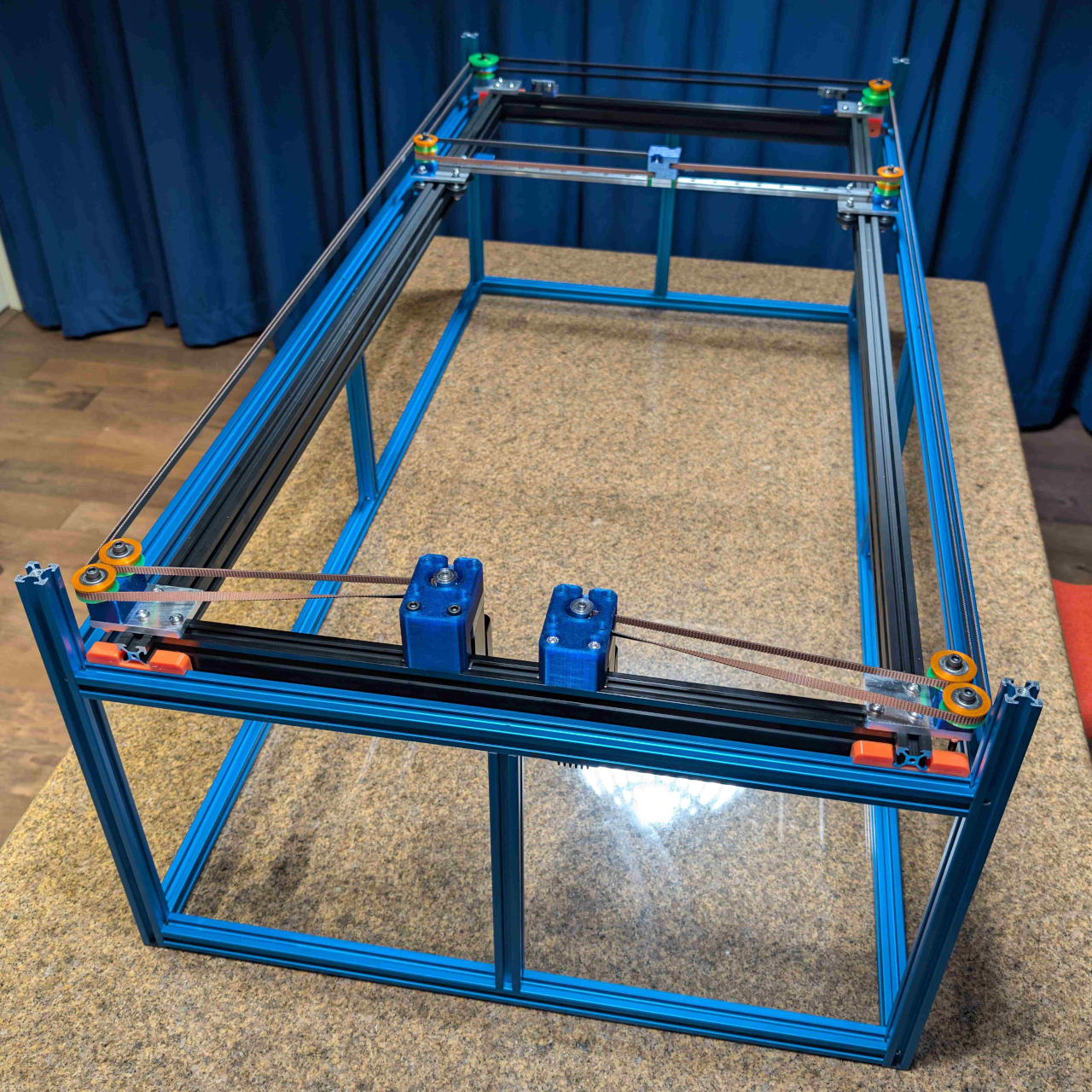
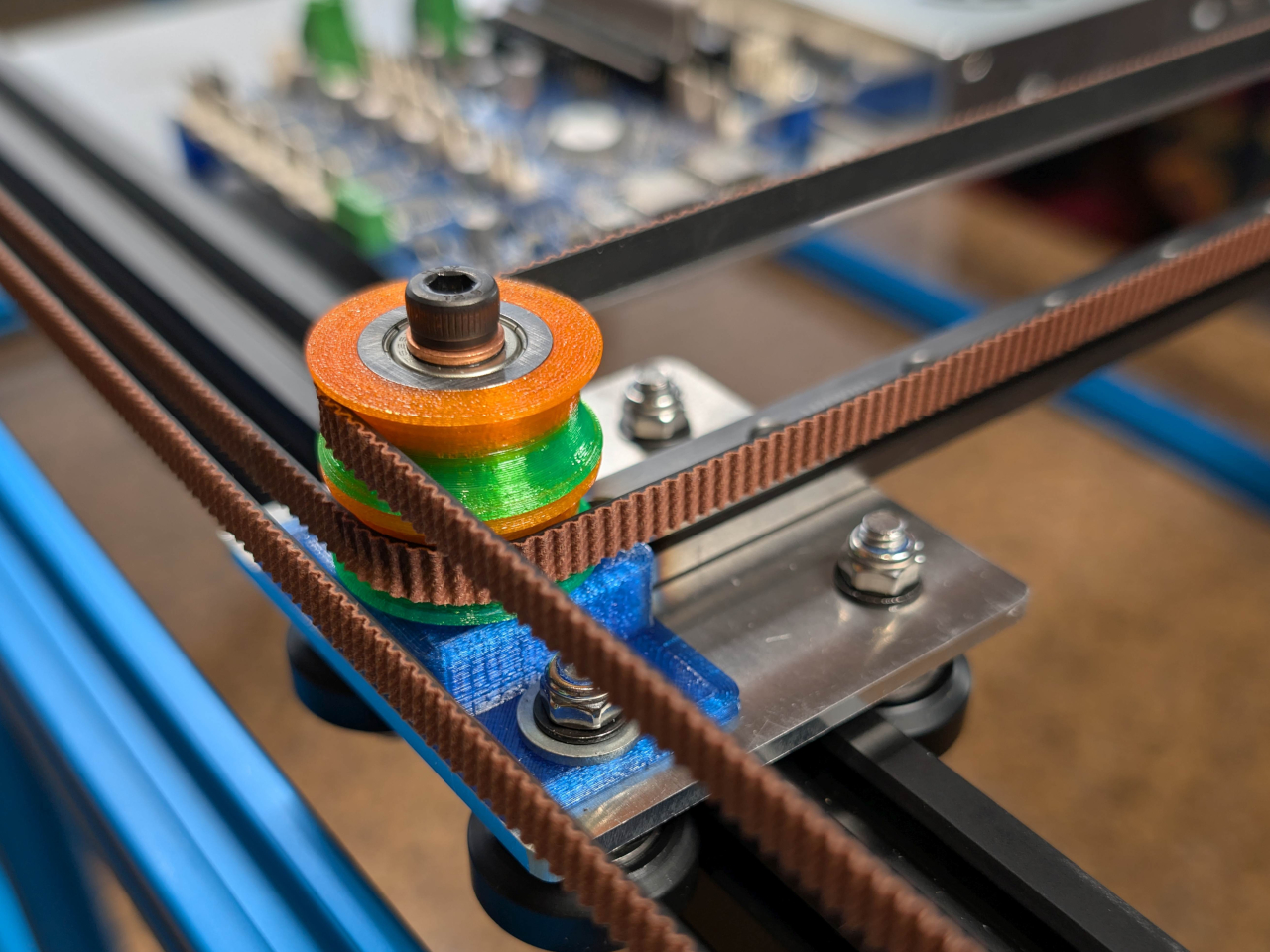
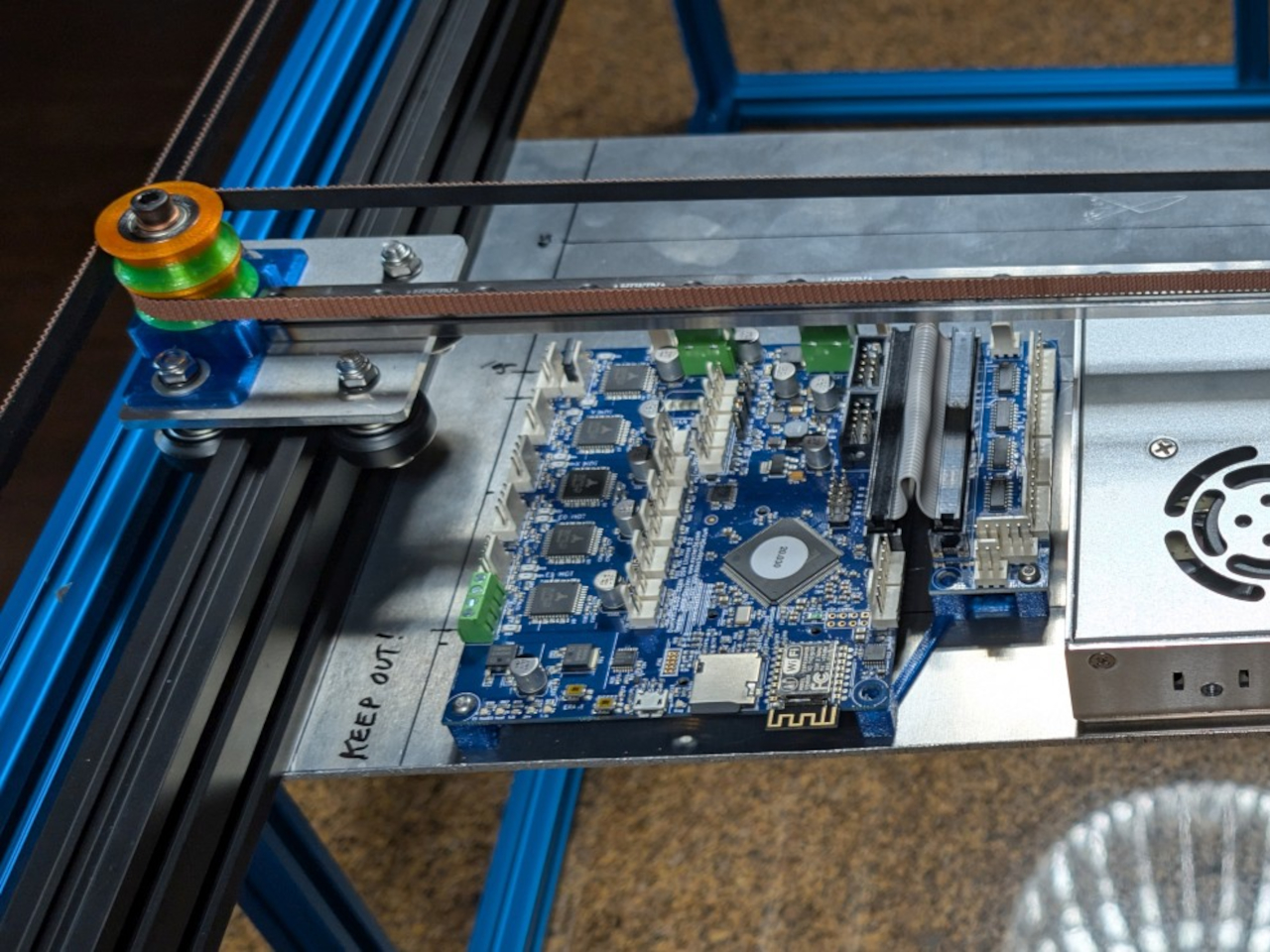
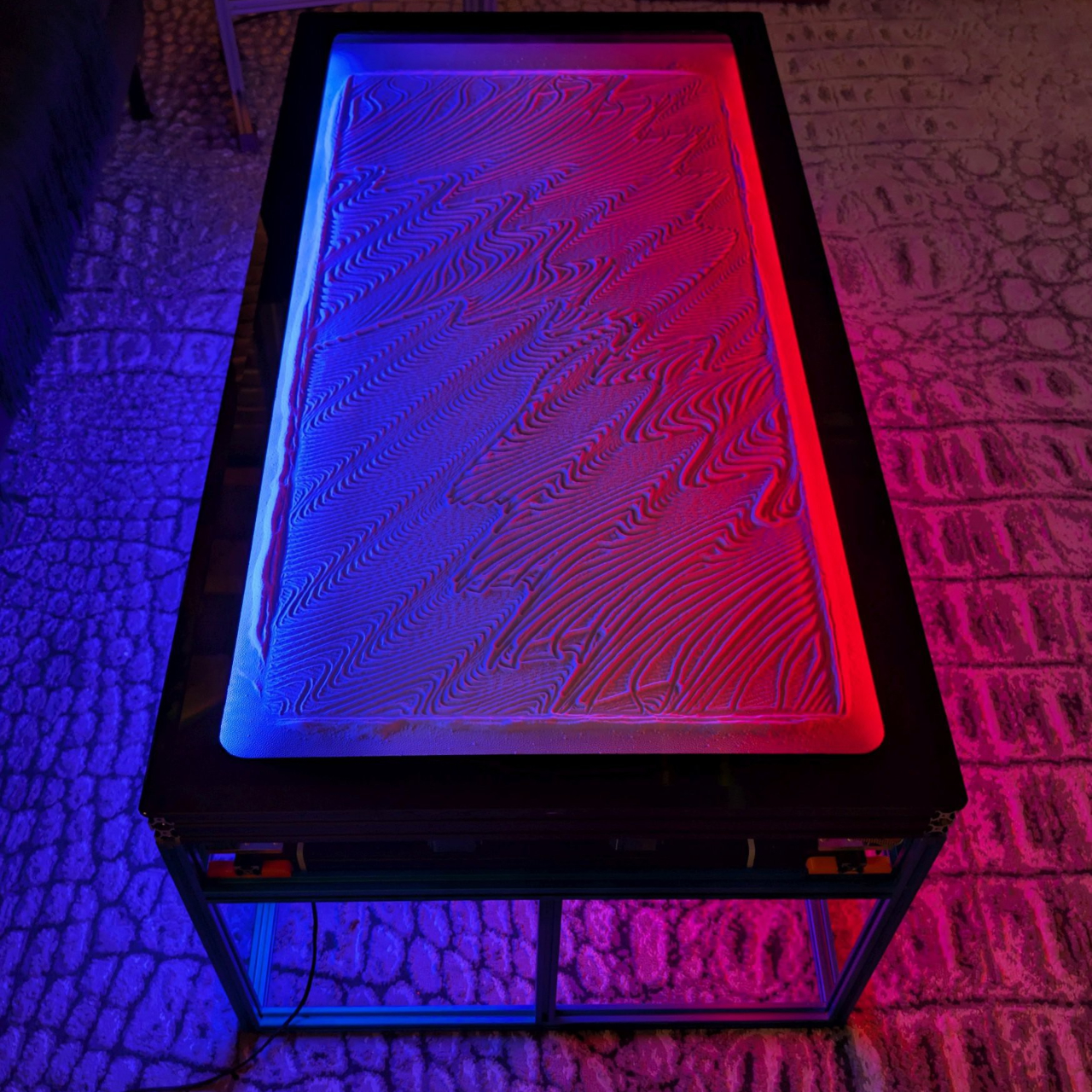
Arrakis 3.0 is the latest iteration of Mark Rehorst’s sand table experiments, this time designed from the start as a practical coffee table. Under a standard 24-by-48-inch glass top, a steel ball slowly traces patterns in a bed of white sand, guided by a hidden mechanism. From above, all you see is a glowing sandbox under glass, constantly redrawing itself while your coffee sits on top.

Designer: Mark Rehorst

A blue anodized aluminum frame forms the table’s skeleton, supporting a black anodized sandbox that sits neatly inside it. The sand rests on a white base, so the patterns read clearly through the glass. A beveled glass top with a black border floats above, hiding the LEDs from direct view and making the whole thing read as a finished piece of furniture rather than a lab rig you’re still tweaking.

RGB LED strips tucked into the sandbox edges wash the sandbed in color, while additional strips under the frame cast a soft glow onto the floor. In a darkened room, the table becomes a low, luminous object, with the ball’s path slowly emerging and fading. The combination of blue frame, black sandbox, white sand, and colored light gives it a clear visual identity without feeling loud or desperate for attention.
Light blue mirrored acrylic panels fill the gaps in the frame, reflecting the LEDs and sandbed while hiding the mechanical guts. They’re centered in the slots with clear silicone edging, so they sit cleanly and don’t rattle. From the side, you see a band of soft reflection rather than belts and pulleys, which helps the table feel more like intentional furniture and less like an exposed machine.
The ball moves slowly enough that you don’t watch it like a screen, but you notice that the pattern is always changing when you glance down. Over the course of an evening, lines accumulate, overlap, and get erased as new designs start. It’s closer to having a mechanical fireplace or aquarium than a gadget, something that quietly animates the room without demanding attention every five seconds.

Arrakis 3.0 shows how DIY can cross into design territory. By tightening the footprint, standardizing the glass, and wrapping the mechanism in a coherent color and light story, this version feels less like a project and more like a piece you’d actually want to put your coffee on. The moving patterns and soft glow give it a presence that changes the room without overwhelming it.

The post DIY Coffee Sand Table Turns a Living Room Surface Into Moving Art first appeared on Yanko Design.