Travel adapters and USB hubs have always been a necessary evil for anyone working on the go. You need the ports, but you definitely don’t want the mess of cables tangling in your bag or the clunky rectangle of plastic taking up desk space. Most hubs solve the functionality problem while creating new ones, giving you dongles that dangle awkwardly or adapters so bulky they block adjacent ports. Heck, some of them are so ugly you’d rather hide them under your laptop than let anyone see what you’re working with.
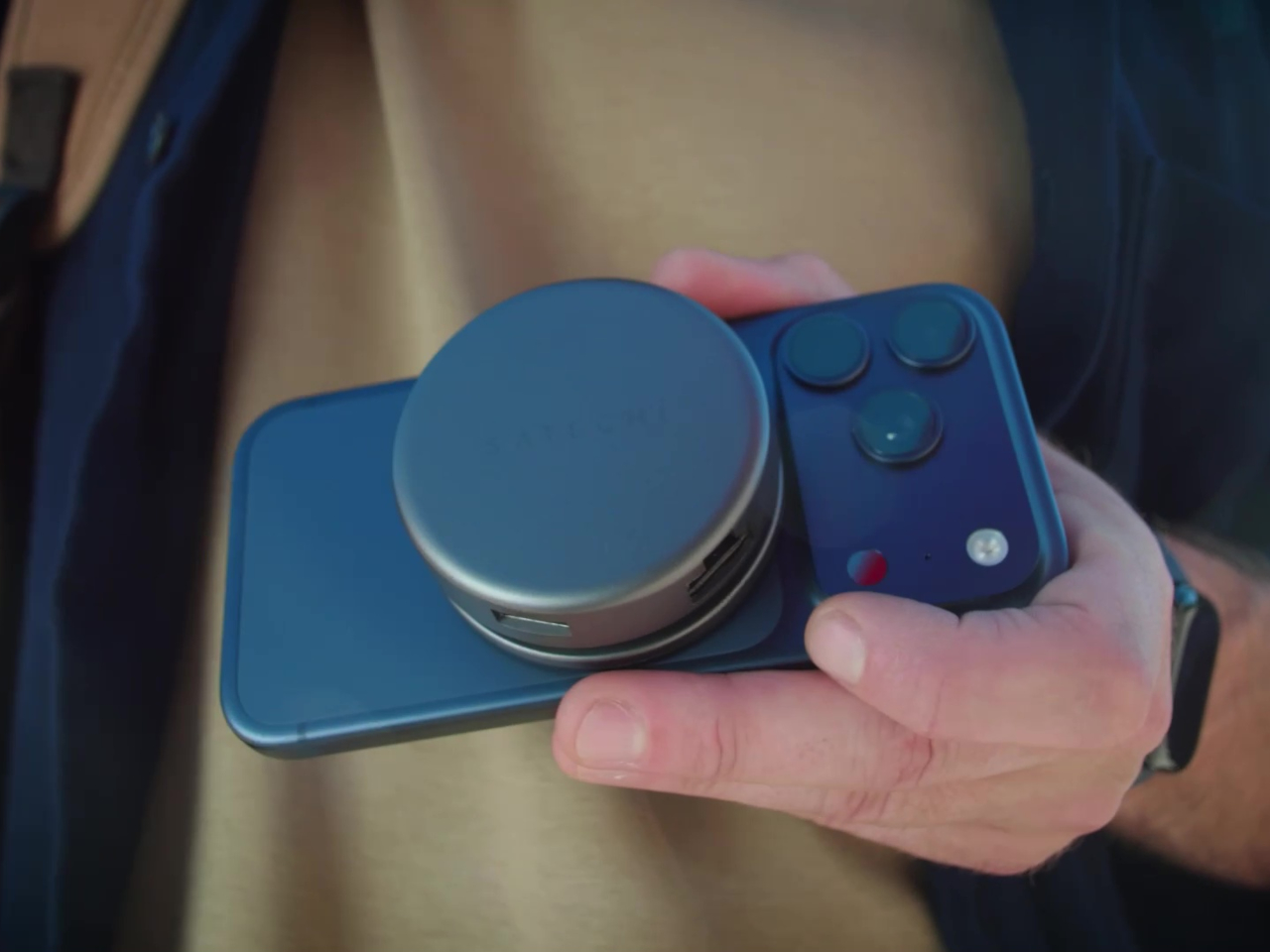
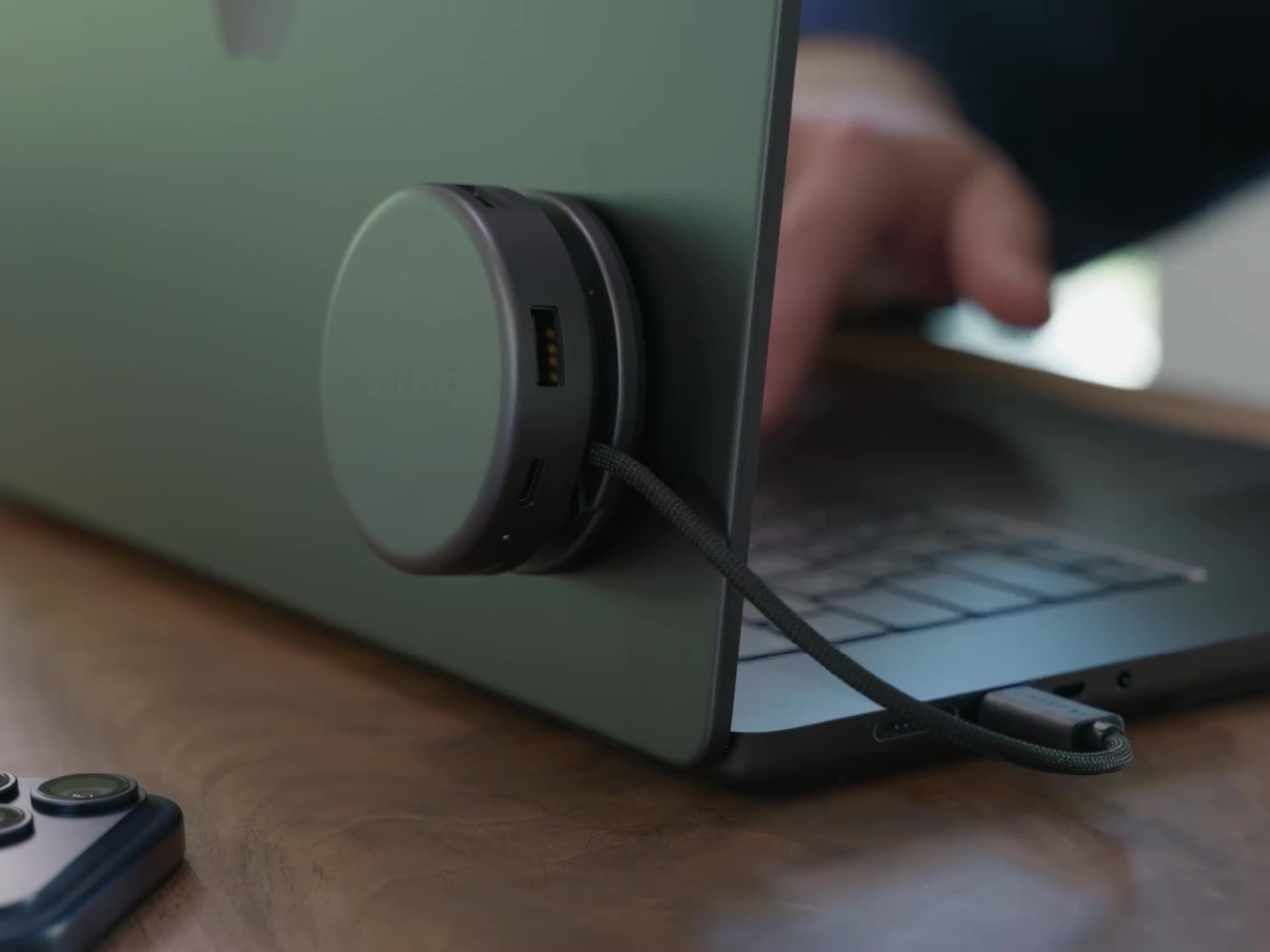
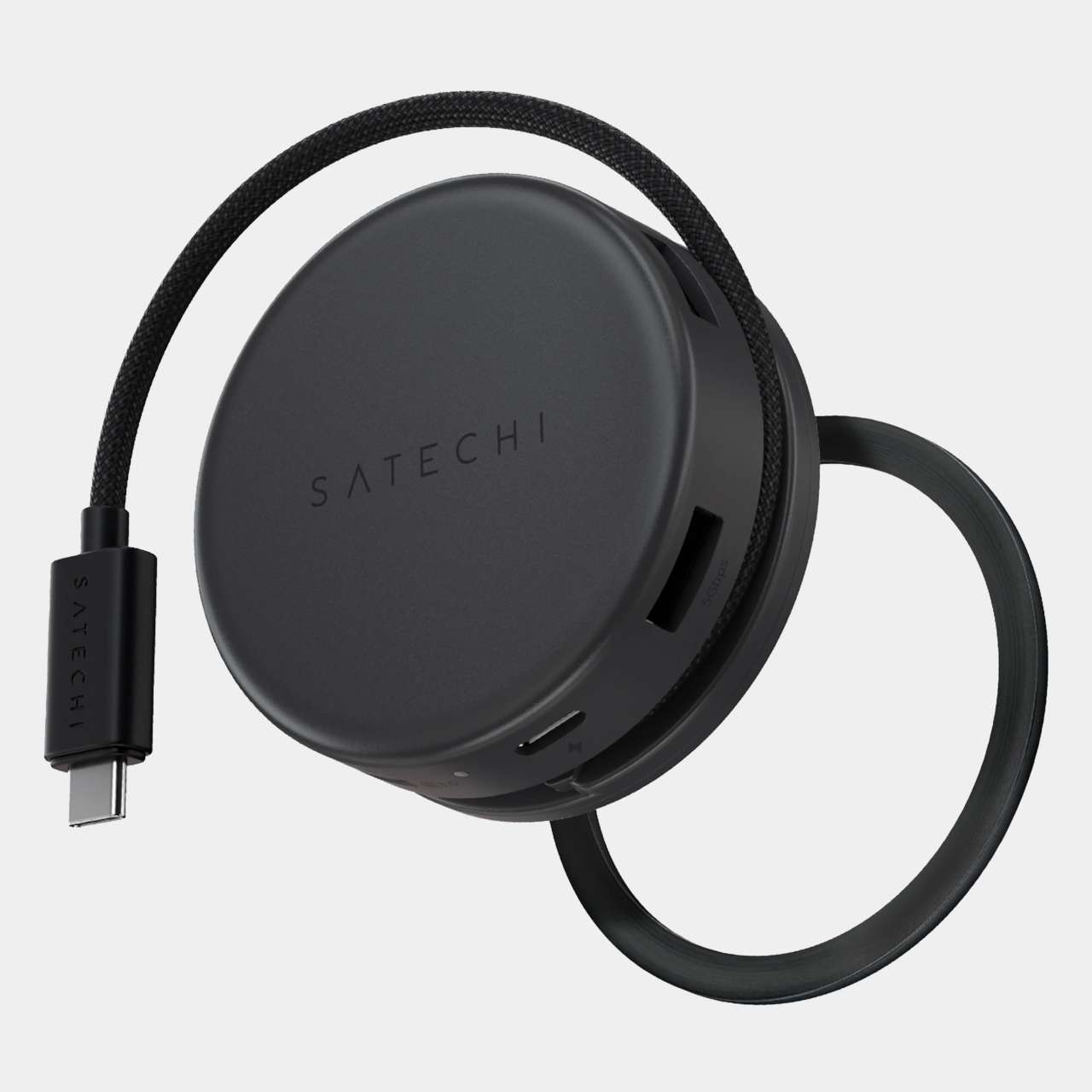
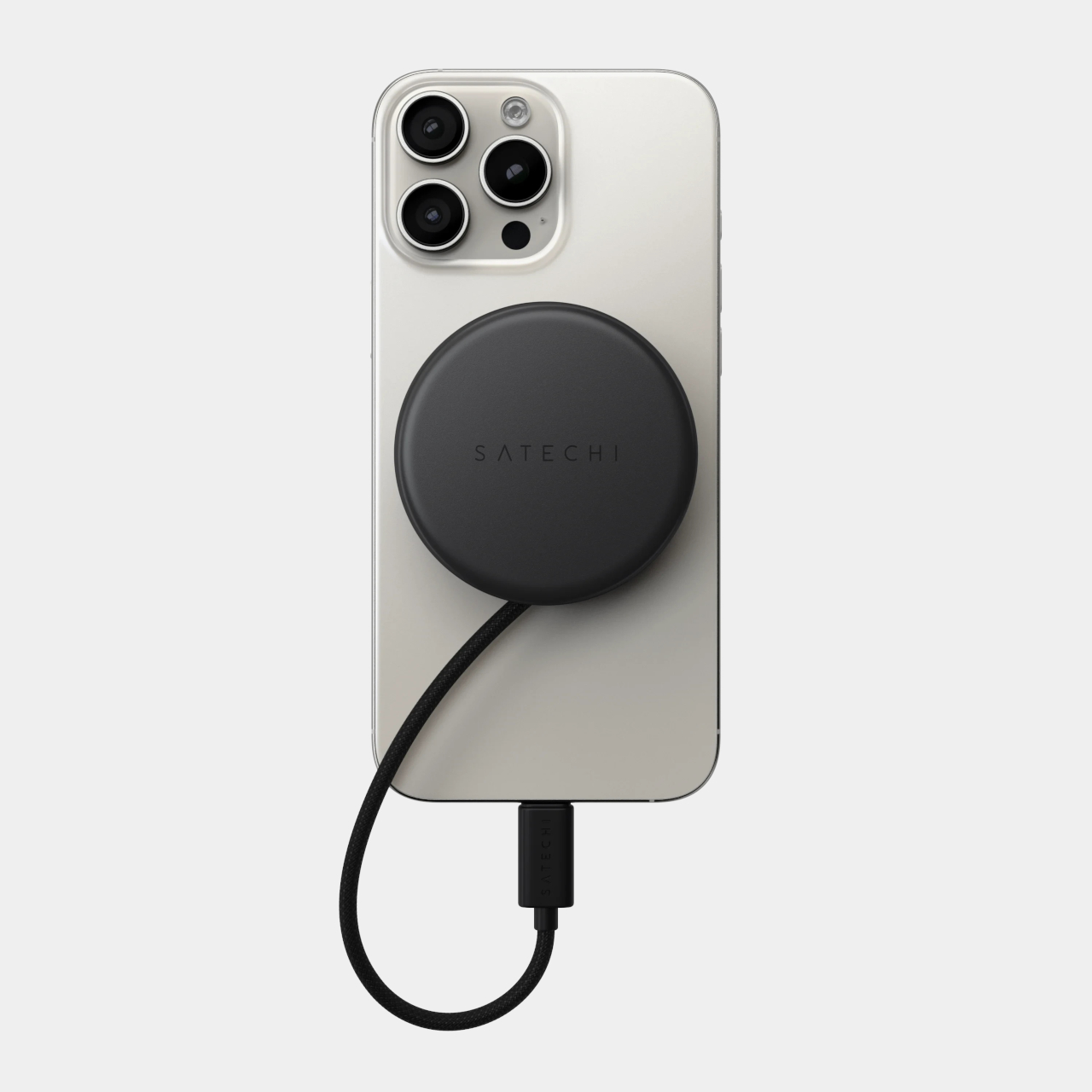
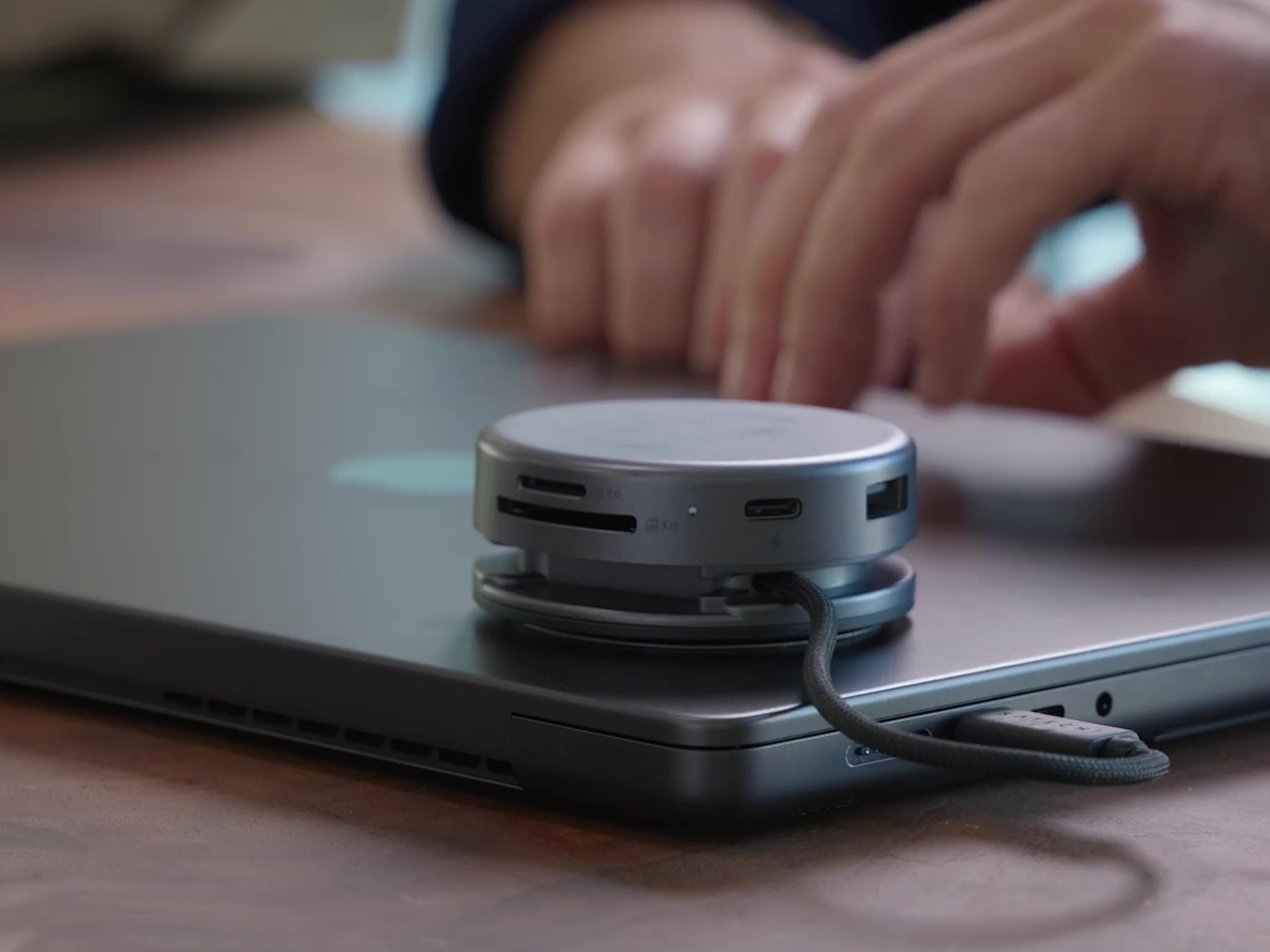
Satechi’s OntheGo 7-in-1 Multiport Adapter takes a different approach, packing seven essential ports into a compact, round design that actually looks like something you’d want to carry around. The real trick is how it handles cables and portability. Instead of a short, rigid cable that forces the hub to sit awkwardly next to your device, this one uses a coiled, braided USB-C cable that retracts neatly around the base when not in use, keeping everything tidy and tangle-free.
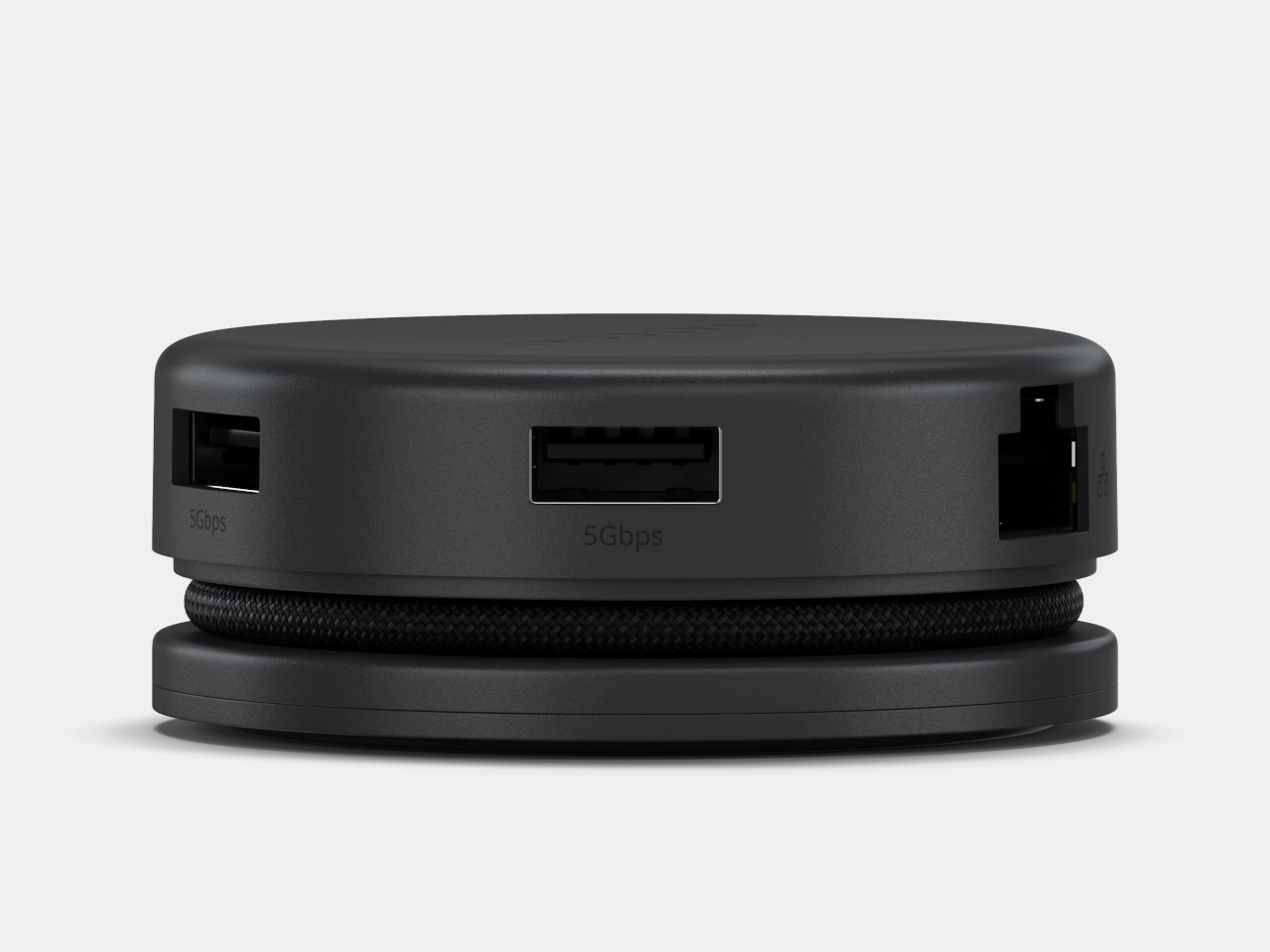
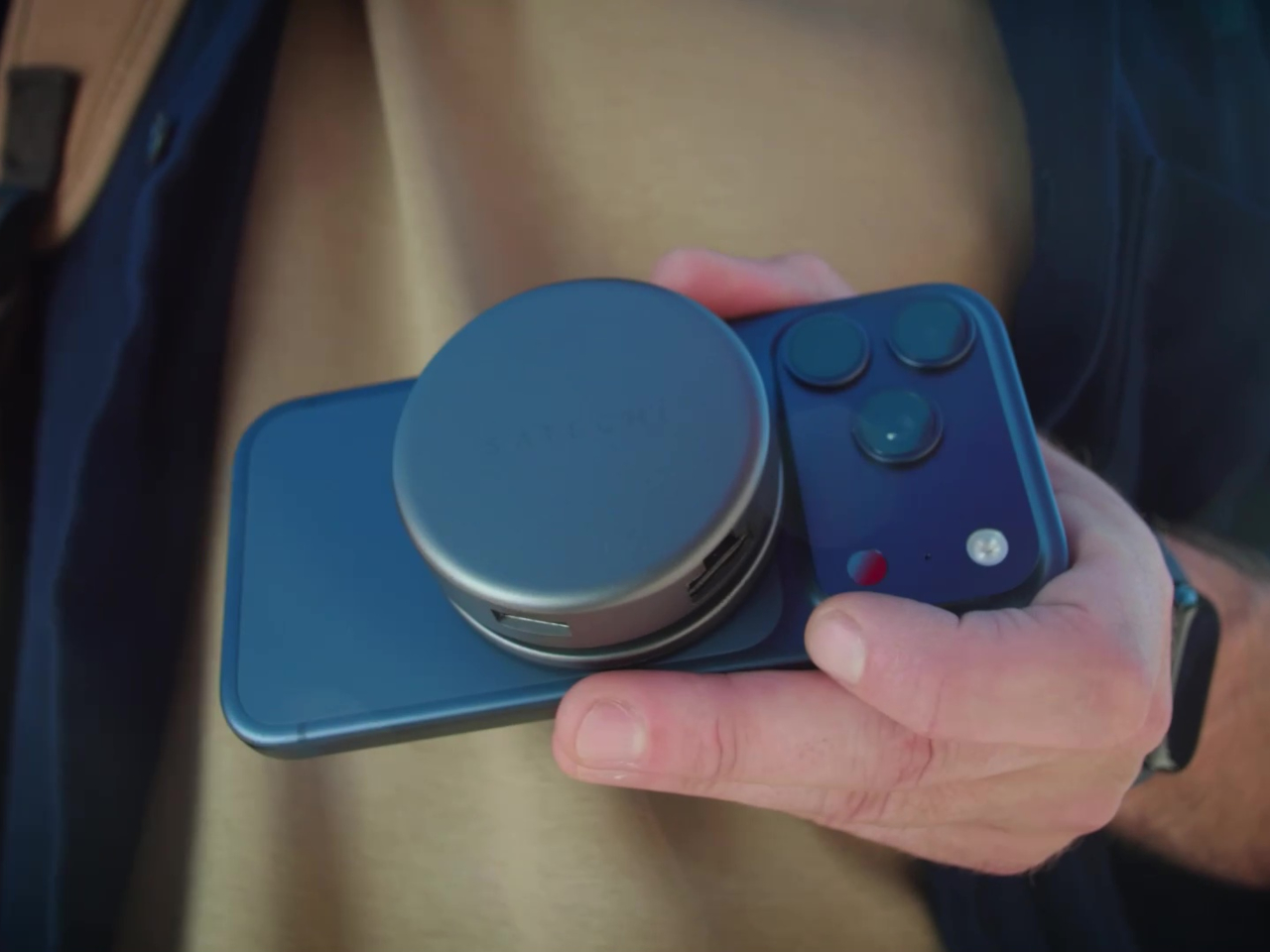
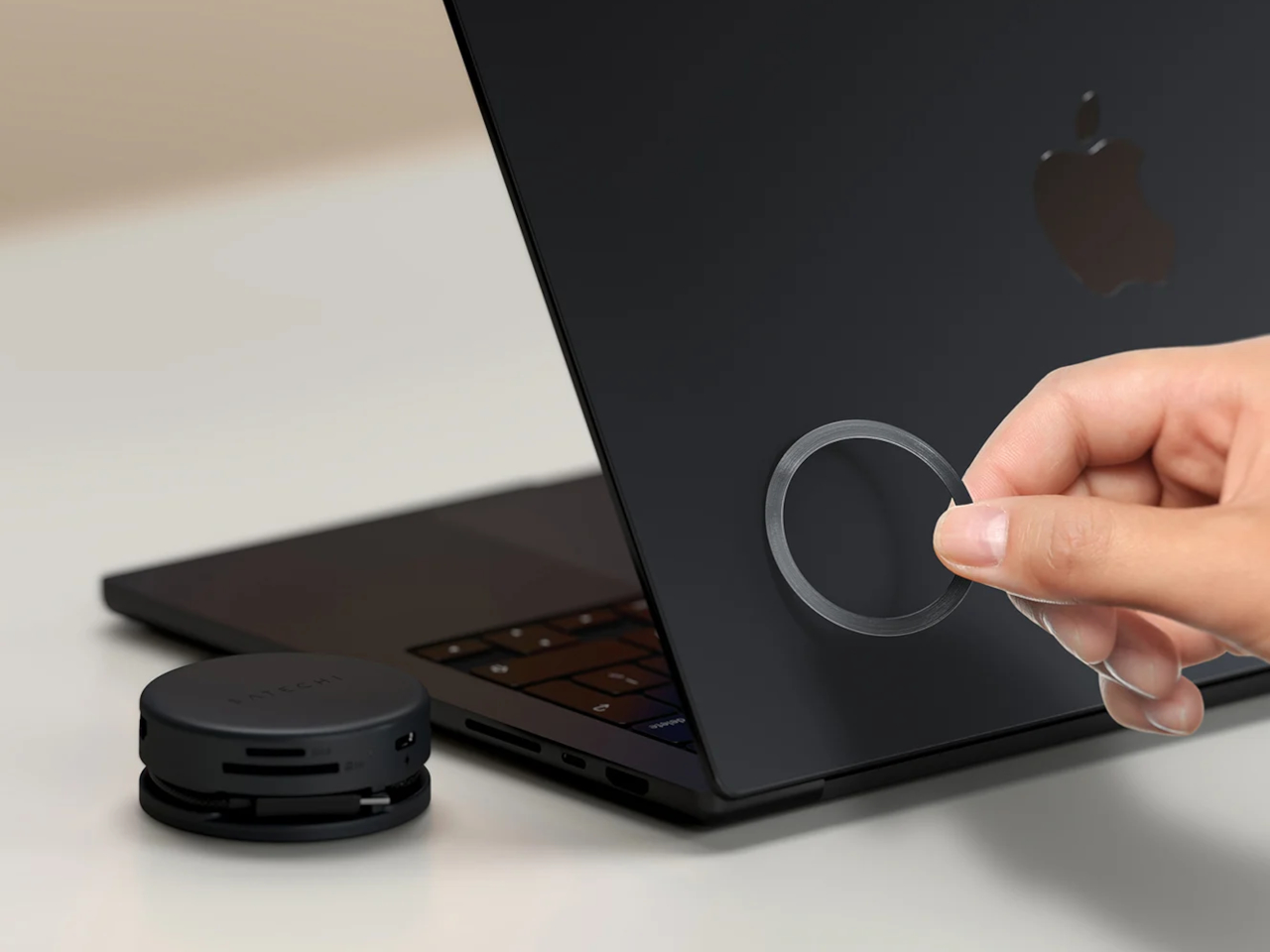
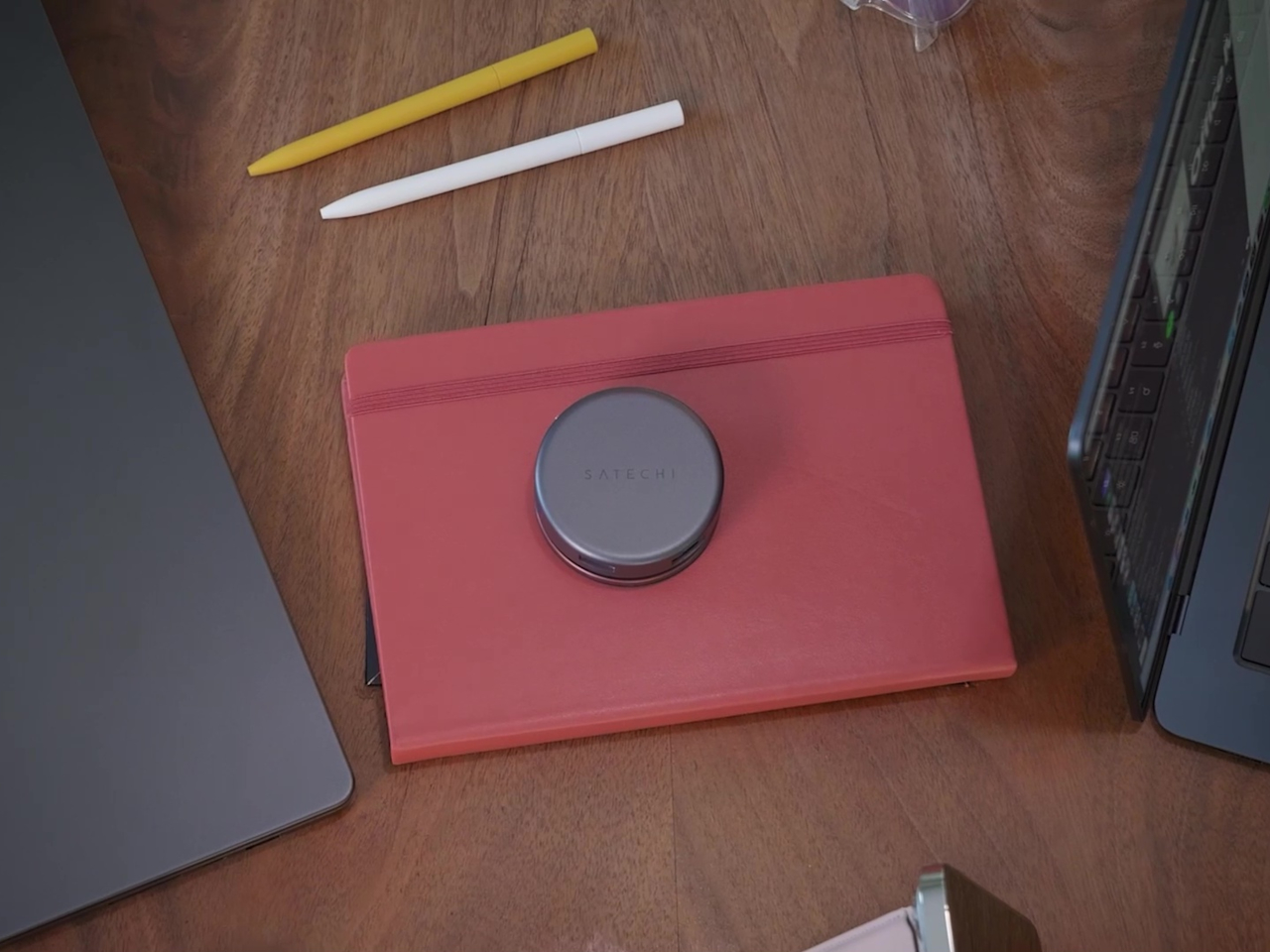
The adapter itself is a matte black puck measuring just 2.6 inches across and one inch thick, small enough to fit in your pocket next to an AirPods case. Subtle Satechi branding sits embossed on the top, while the edges feature knurled grips that make it easy to handle. The ports wrap around the perimeter, including HDMI for displays up to 4K at 60Hz, gigabit Ethernet for reliable wired connections, two USB-A ports running at 5Gbps, and slots for both SD and microSD cards supporting UHS-I speeds up to 104MB/s.
Of course, there’s also USB-C Power Delivery that accepts up to 100W input and delivers up to 80W output, so you can charge your laptop while using all the other ports. That’s particularly useful when you’re working from a coffee shop or airport lounge and need to plug in everything at once without running out of power halfway through your tasks.
What makes the OntheGo adapter feel genuinely clever is the magnetic mounting. It snaps directly onto MagSafe iPhones, or you can stick the included adhesive ring onto the back of any tablet or laptop to create a magnetic surface. That means the hub stays attached to your device when you pack it away, eliminating the usual hunt through your bag for a missing adapter. It’s a small detail, but one that makes the whole experience feel more intentional.
At $59.99, the OntheGo sits between cheap adapters that barely work and premium options that cost twice as much. For anyone tired of tangled cables and bulky hubs cluttering their bag, that’s a reasonable price for something that actually fits how people work these days. The fact that it magnetically sticks to your devices and stores its own cable means you might actually stop losing dongles in the depths of your backpack for once.
For decades, the gospel of good design was chanted in a simple two-part harmony: form and function. An object had to look good, and it had to work well. But a third, more urgent verse has been added to the chorus in recent years: impact. Today, truly exceptional design must also be responsible design. It has to account for its lifecycle, its materiality, and its effect on the world it inhabits. This evolution in thinking is a necessary one, pushing creatives to solve for more than just aesthetics and ergonomics. It demands a deeper consideration of the entire ecosystem a product touches, from its origin as raw material to its eventual end of life.
This very philosophy is captured with pointed clarity by the mantra behind Uniq’s new Arden line: “Carry Light, Tread Lighter.” The phrase itself serves as a new mission statement for the gear we integrate into our lives. “Carry Light” speaks to the classic tenets of user-centric functionality and minimalist appeal, the tangible feeling of a well-balanced, unobtrusive tool. “Tread Lighter,” however, addresses the critical demand for sustainability, framing each bag not merely as an accessory, but as an artifact of a more conscious era in product design. It’s a compelling narrative that warrants a closer look at the hardware itself to see if the promise holds up.
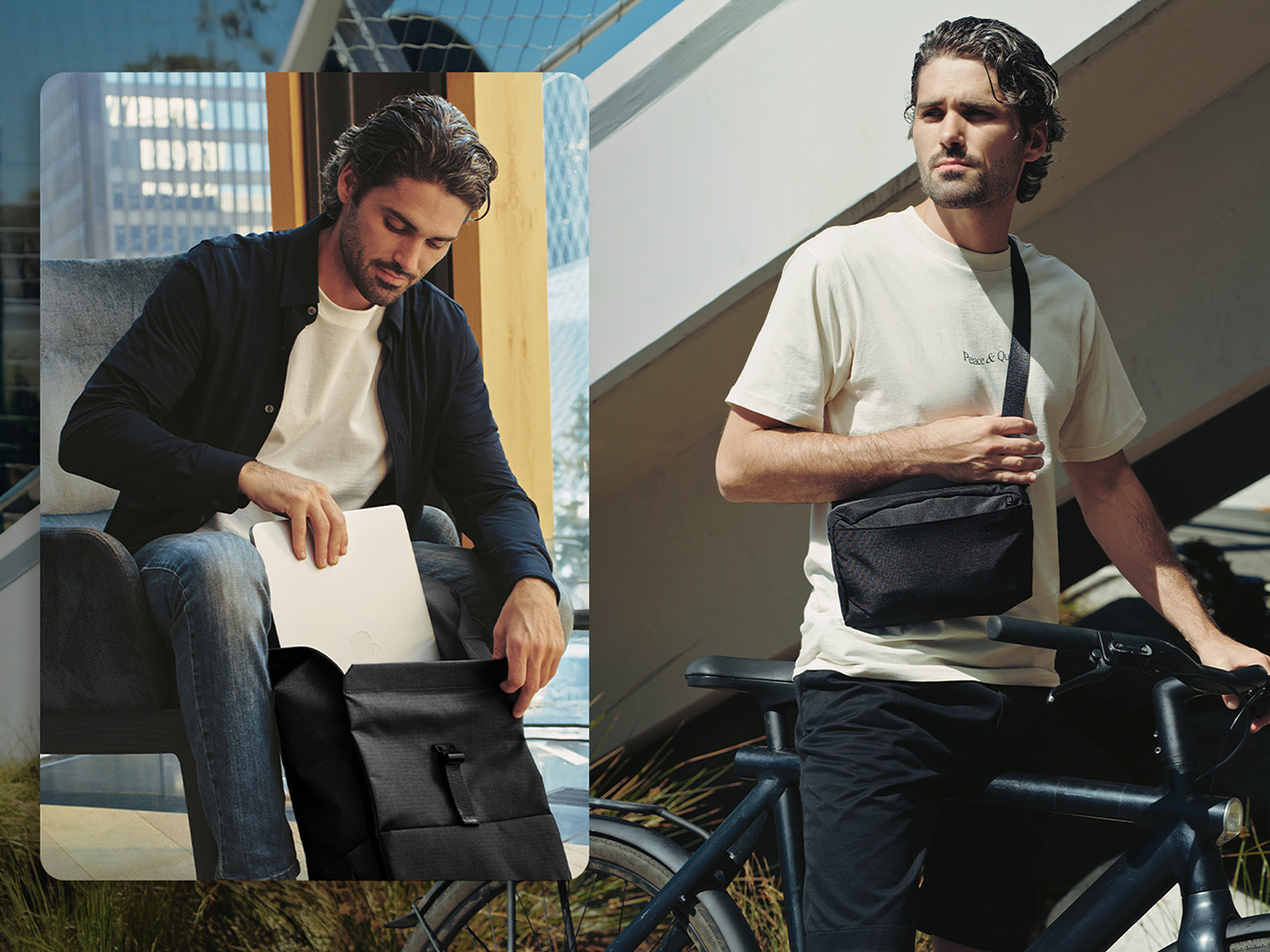
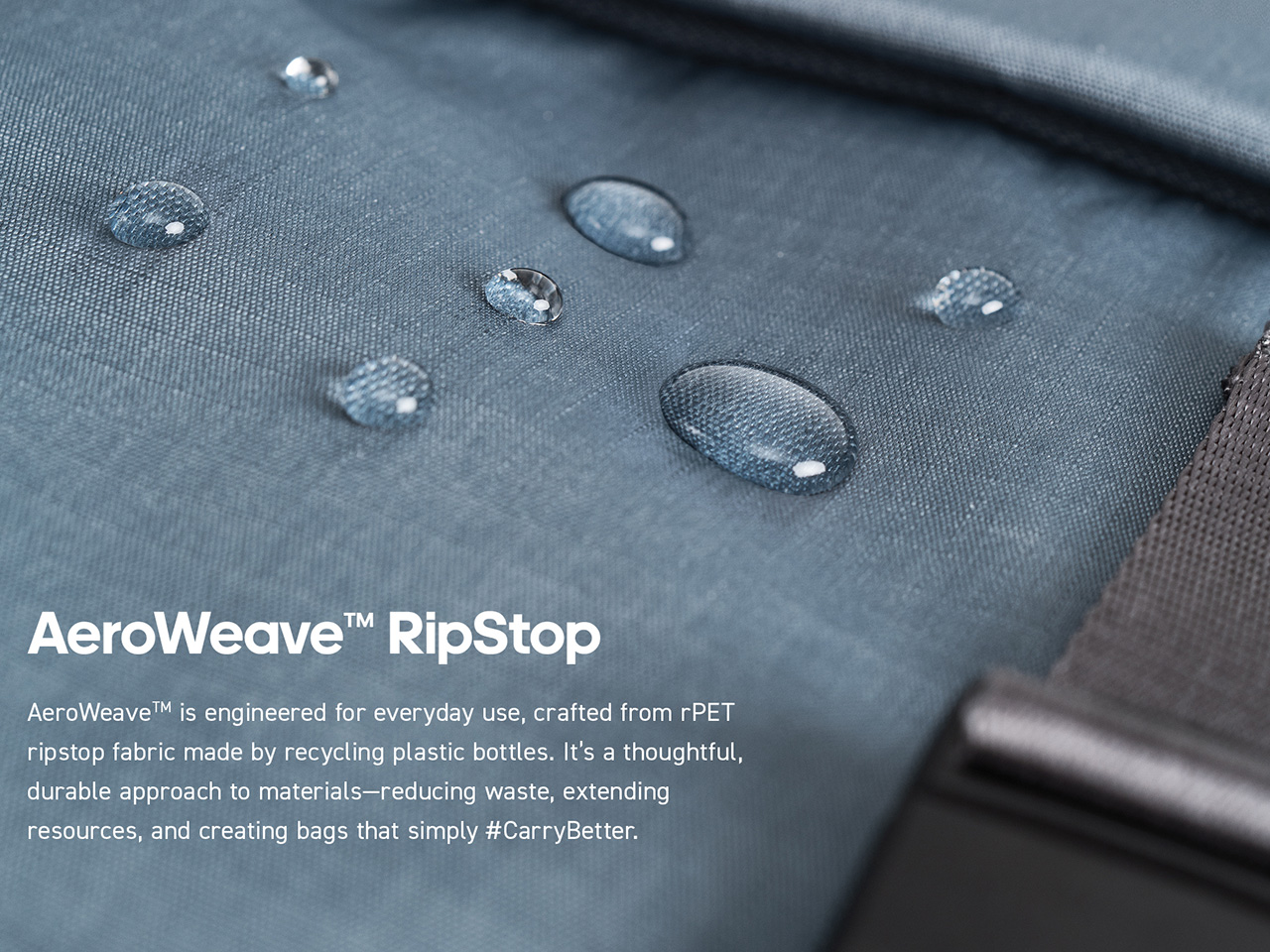
First in the lineup is the Arden Backpack, an 18-liter pack aimed squarely at the urban professional who rejects the bulky, over-engineered look. It presents a slim, almost architectural profile that hides its generous capacity well. The material story here is central; the entire shell is crafted from a water-resistant rPET ripstop fabric. This means recycled plastic bottles are woven into a durable material with a grid pattern that prevents small tears from becoming catastrophic failures. Inside, the organization is logical, not excessive. A deep, padded sleeve secures a 15-inch laptop, while a few hidden pockets and a magnetic key tether handle the small essentials without demanding you memorize a complex schematic of compartments.
This is a bag that understands its context. A luggage pass-through strap is a non-negotiable feature for anyone who travels, and its inclusion here signals an awareness of the modern workflow, which often blurs the line between the daily commute and a cross-country flight. The backpack’s design feels intentional, a direct counterpoint to bags that scream for attention with countless molle straps and attachment points. Instead, the Arden focuses on quiet competence. It’s for the person who values a clean aesthetic and wants their gear to be a silent partner, reliably performing its function while carrying a lighter environmental weight. It’s a thoughtful execution that respects both the user’s needs and their principles.
Arden Sling Bag
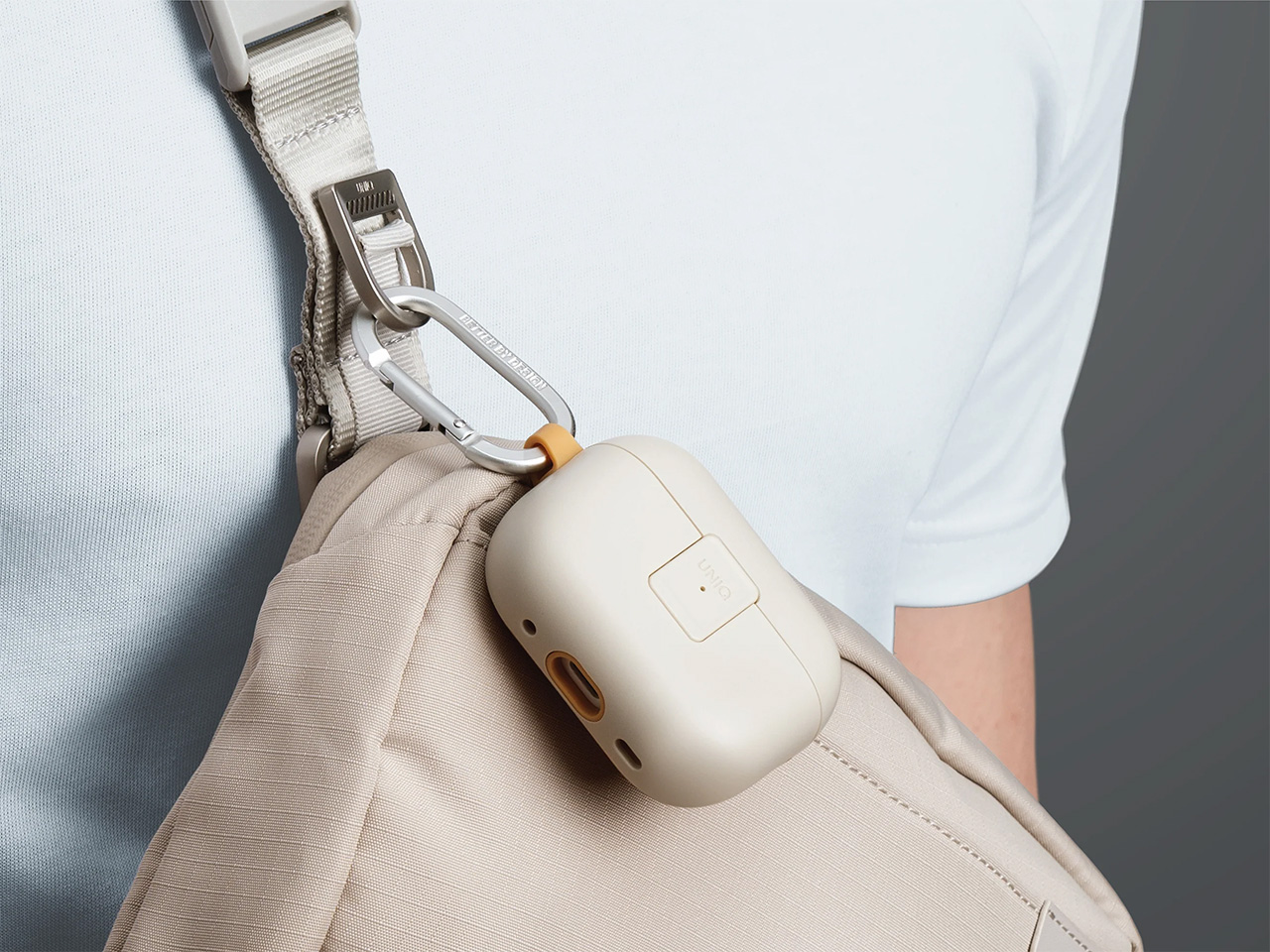
Not every day calls for a full pack. For essentials-only missions, the collection scales down its thinking into a much smaller, nimbler form factor: the Arden Sling Bag. At a compact 2-liter capacity, this is a piece designed for maximum mobility. It’s large enough to accommodate an iPad Mini, a wallet, and a phone, making it a perfect companion for navigating crowded city streets, running quick errands, or traveling where you want your valuables secured to your front. The same durable and eco-conscious rPET ripstop material makes a return, offering protection from an unexpected drizzle.
The sling’s cleverness is in its details. An anti-theft zipper provides a subtle but welcome layer of security, while a quick-release magnetic buckle makes for a satisfyingly fluid on-and-off experience. What really elevates its utility is the detachable strap, allowing the bag to convert from a crossbody sling into a tech pouch you can toss into a larger piece of luggage. This duality transforms it from a single-purpose bag into a versatile component of a larger travel system. It’s a smartly designed piece for the minimalist who has their everyday carry dialed in, proving that a smaller footprint can apply to both physical size and ecological impact.
Arden Tote
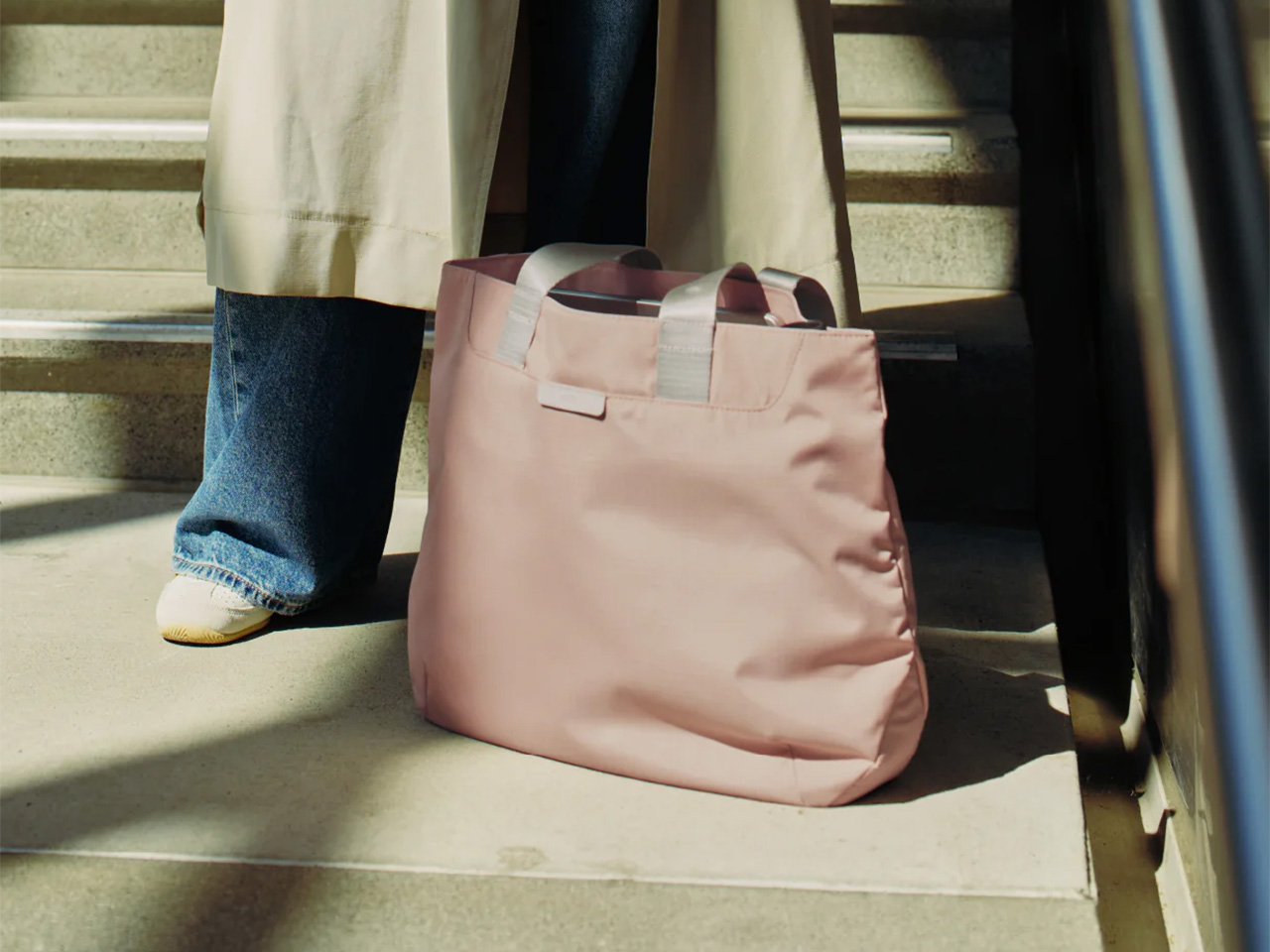
Rounding out the collection is the Arden Tote, a 16-liter bag that tackles one of the most persistent frustrations with the classic tote design. Finally, here is a tote that does not immediately collapse into a puddle of fabric the moment you set it down. Its structured walls give it the ability to stand on its own, making it far easier to load, unload, and access its contents. This simple structural integrity completely changes the user experience, turning a notoriously chaotic bag into an organized and dependable carry-all. It’s a prime example of how a small design intervention can solve a huge usability problem that most other brands simply ignore.
Inside, the tote subverts the “bottomless pit” stereotype with seven distinct compartments, including a padded sleeve for a 15-inch laptop. The magnetic key tether, a signature of the Arden line, ensures your keys are always within reach. Crafted from the same recycled ripstop material, the tote is both resilient and water-resistant, ready to handle everything from a day at the office to a trip to the farmer’s market. It’s built for the person who needs the open-top accessibility of a tote but demands the intelligent organization of a proper work bag, embodying a solution that is both practical and philosophically sound.
The Arden collection successfully translates its core mantra into three distinct, high-performing pieces. They are available now across the full lineup, each in multiple colorways that cover a broad spectrum from understated neutrals to subtle pops of color. The Backpack comes in Nocturne Blue, Driftwood Beige, and Black, offered in both 18L ($89.90) and 24L ($99.90) sizes. The Sling Bag, priced at $45.90, is available in Midnight Black, Driftwood Beige, Nocturne Blue, and Blush Coral (sometimes listed as Pink). The Tote Bag rounds out the series at $65.90 with its 16L capacity in Driftwood Beige, Black, and Blush Coral. All three bags ship with a one-year limited warranty that covers defects in materials and workmanship, with the option to extend to two years when you register the product using its serial number through Uniq’s official site.
Living room gaming has always meant choosing between the simplicity of consoles and the raw power of PCs. Consoles offer plug-and-play convenience with hardware that fits neatly under your TV, but you’re locked into their ecosystems and performance limits. Gaming PCs deliver the horsepower and flexibility, but they’re often noisy, bulky, and require enough desk space to house a small village. Valve’s original Steam Machine experiment tried bridging this gap back in 2015, but awkward controllers and limited adoption meant the idea fizzled out before it could catch on.
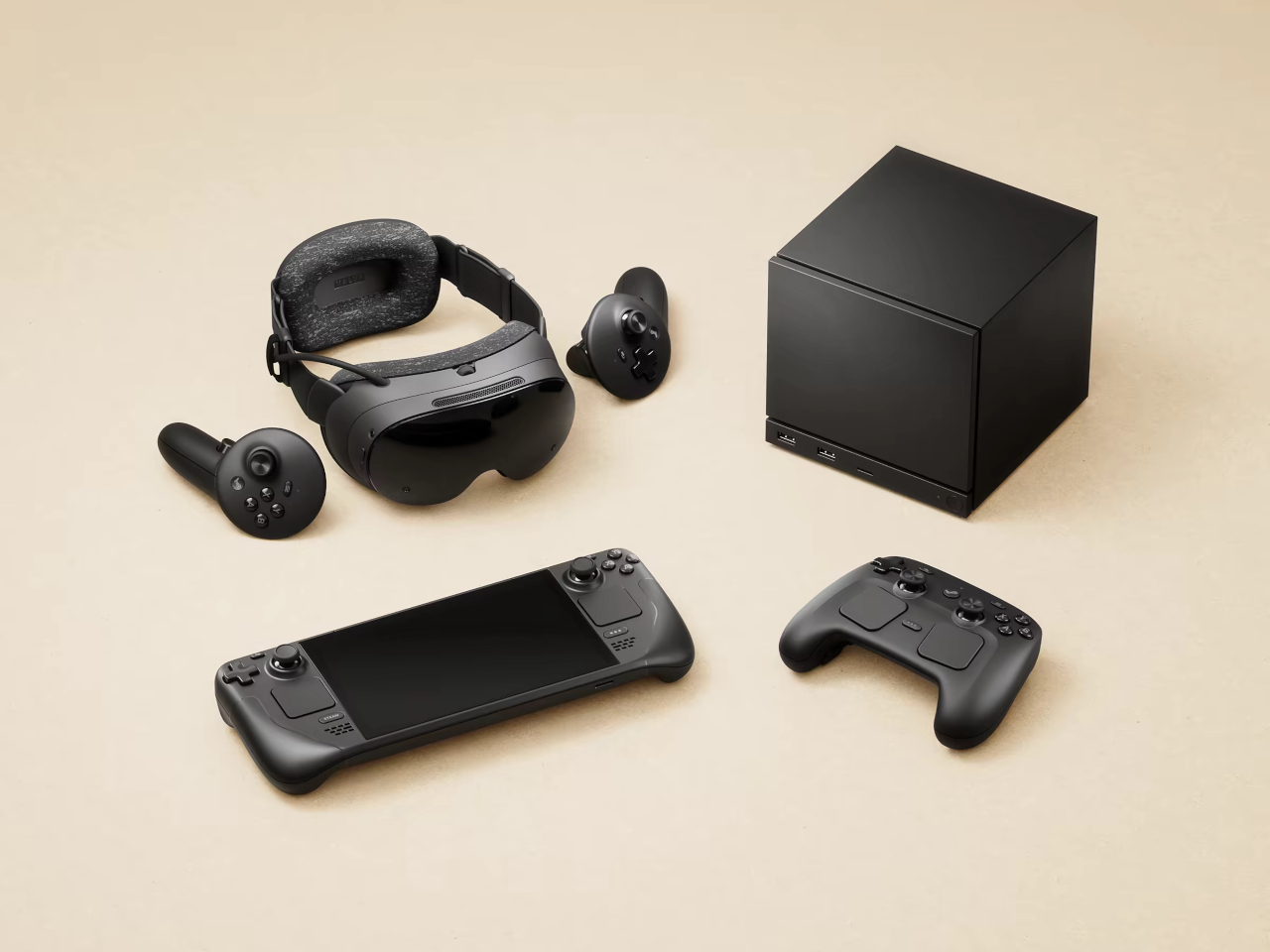
Now Valve is trying again, and this time the pieces actually fit together. The new Steam Machine and Steam Controller arrive in early 2026 as part of a broader hardware ecosystem that includes the Steam Deck and Steam Frame VR headset. These aren’t just updated versions of old ideas; they’re built on years of learning from the Steam Deck’s success, with designs that finally deliver on the promise of powerful, flexible PC gaming in a package your living room won’t reject.
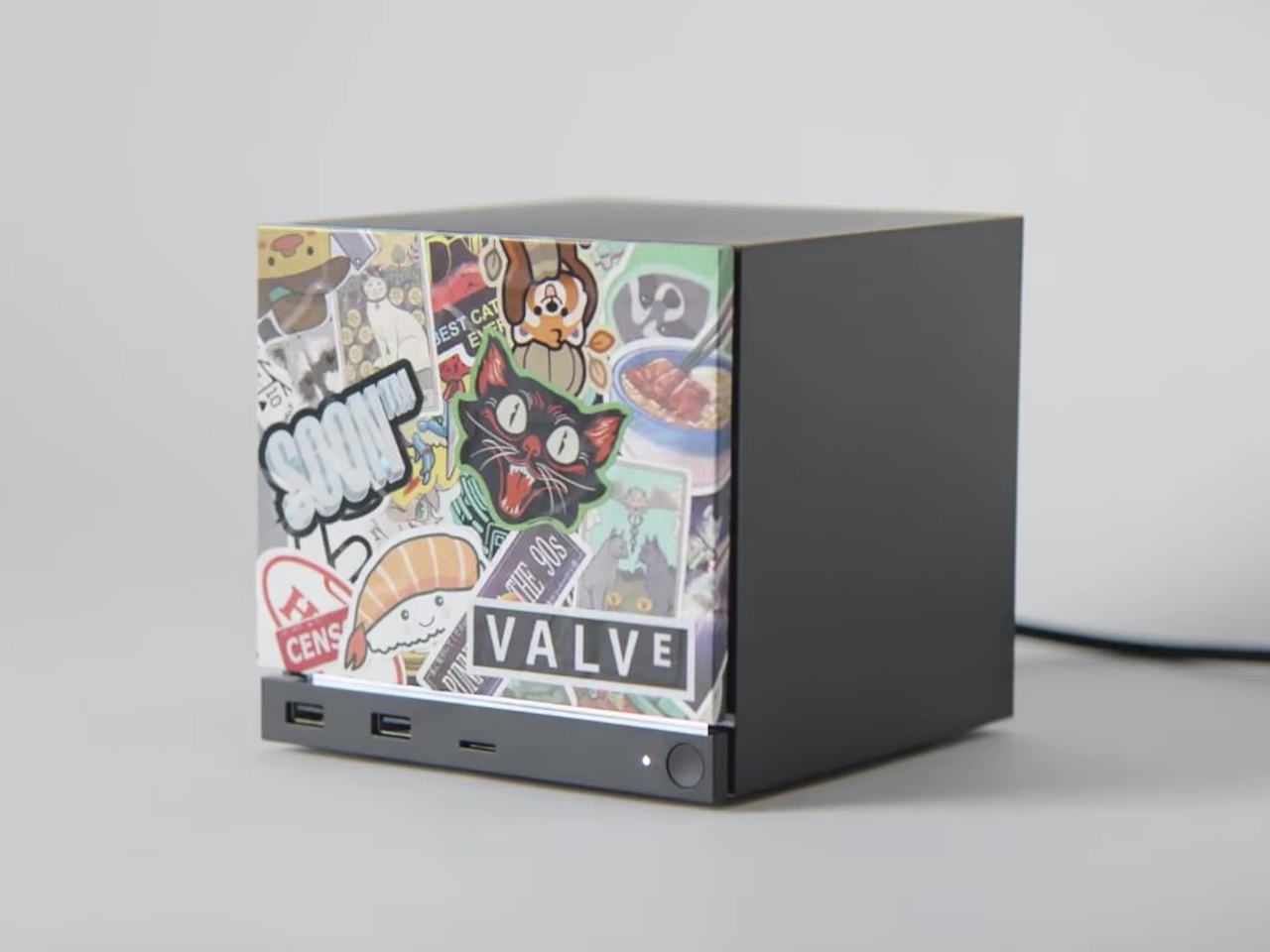
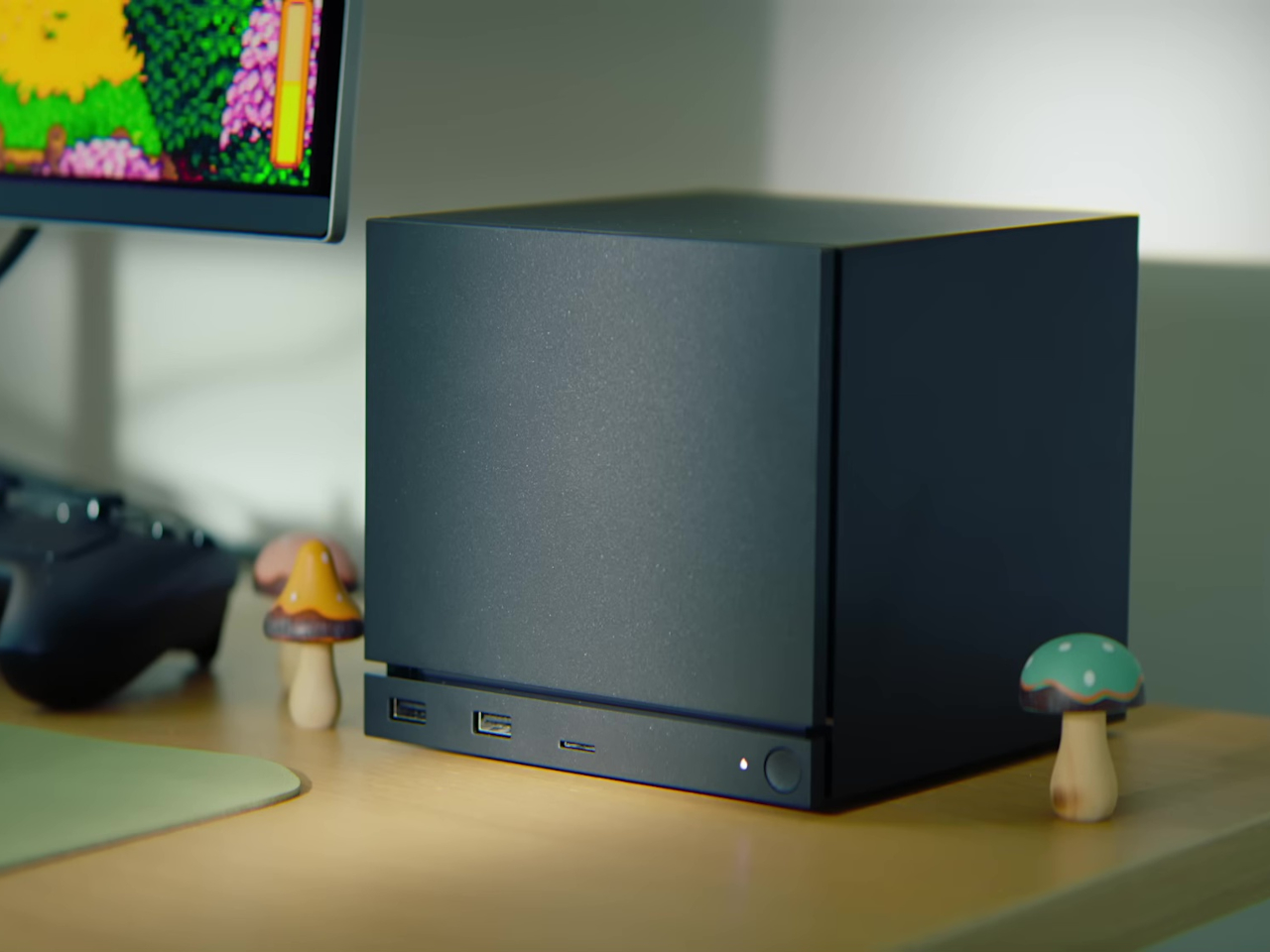
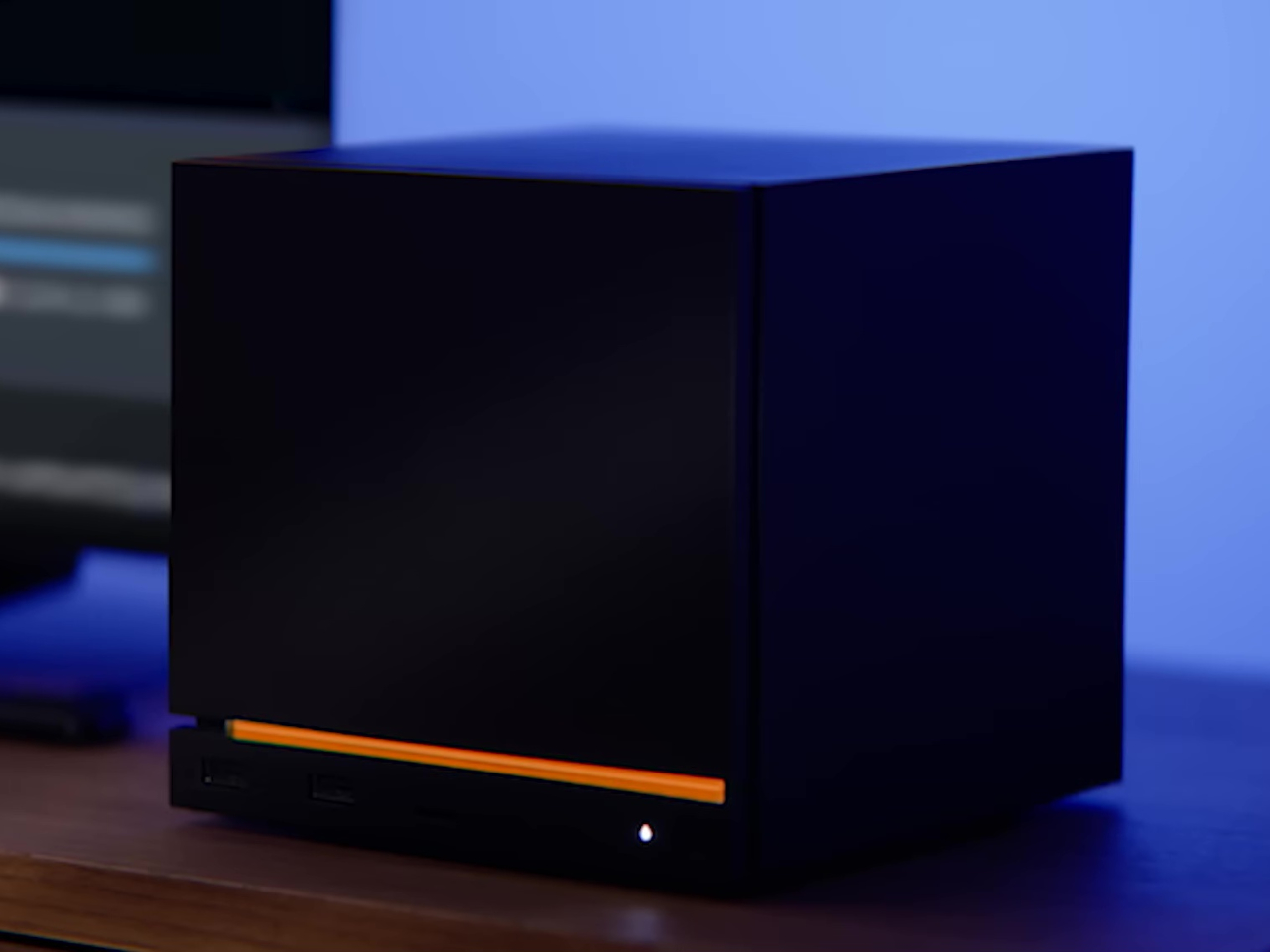
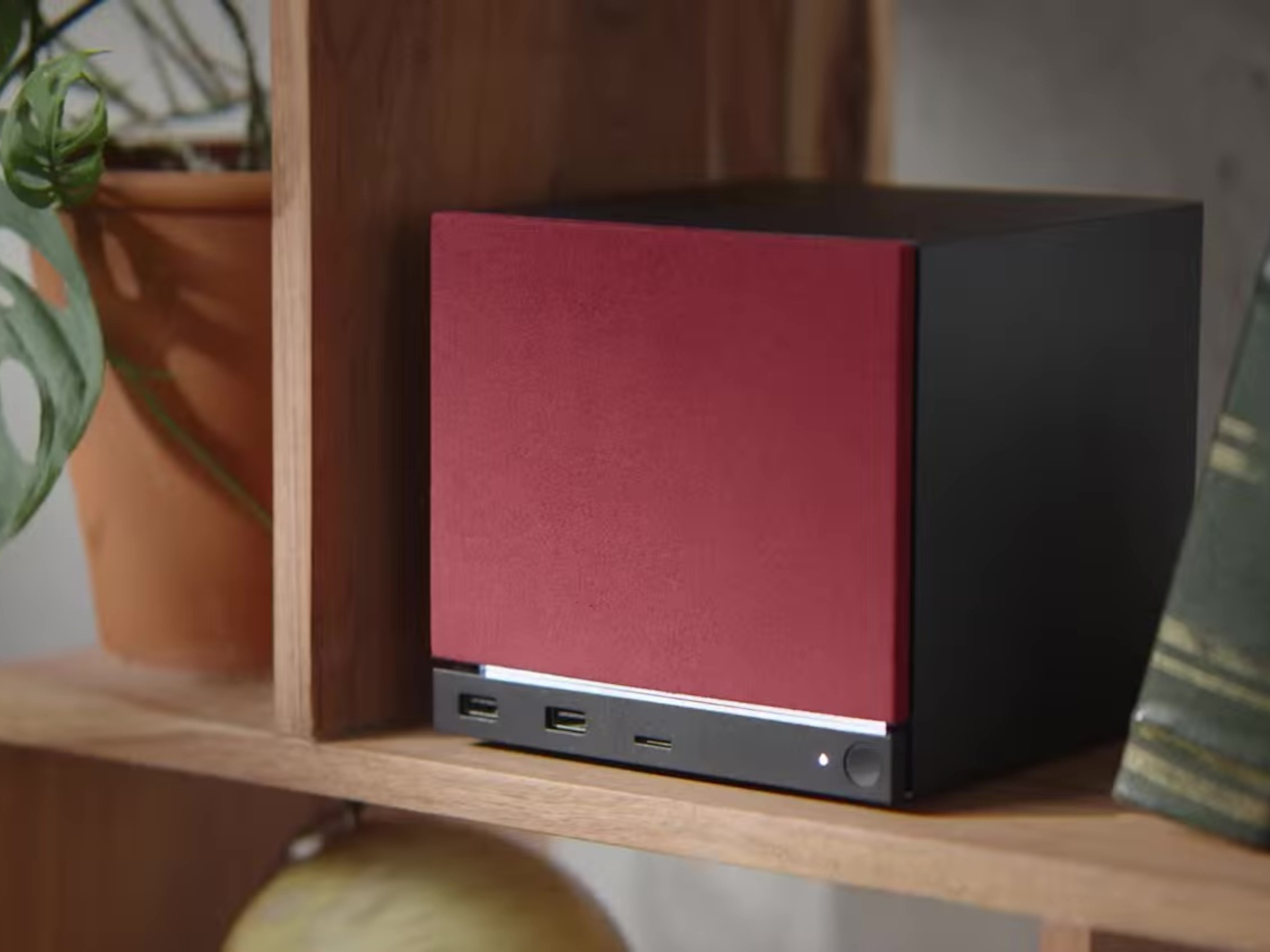
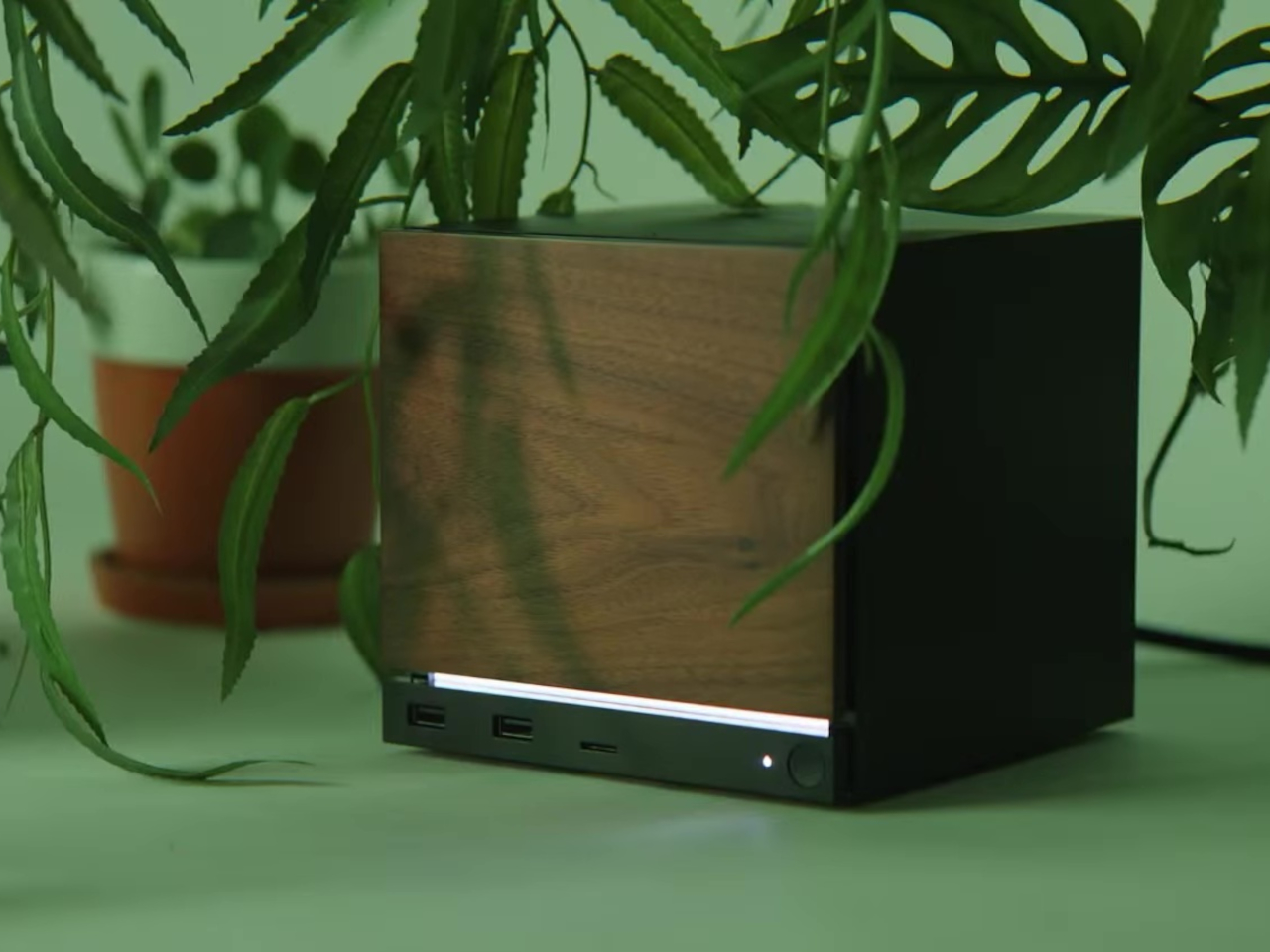
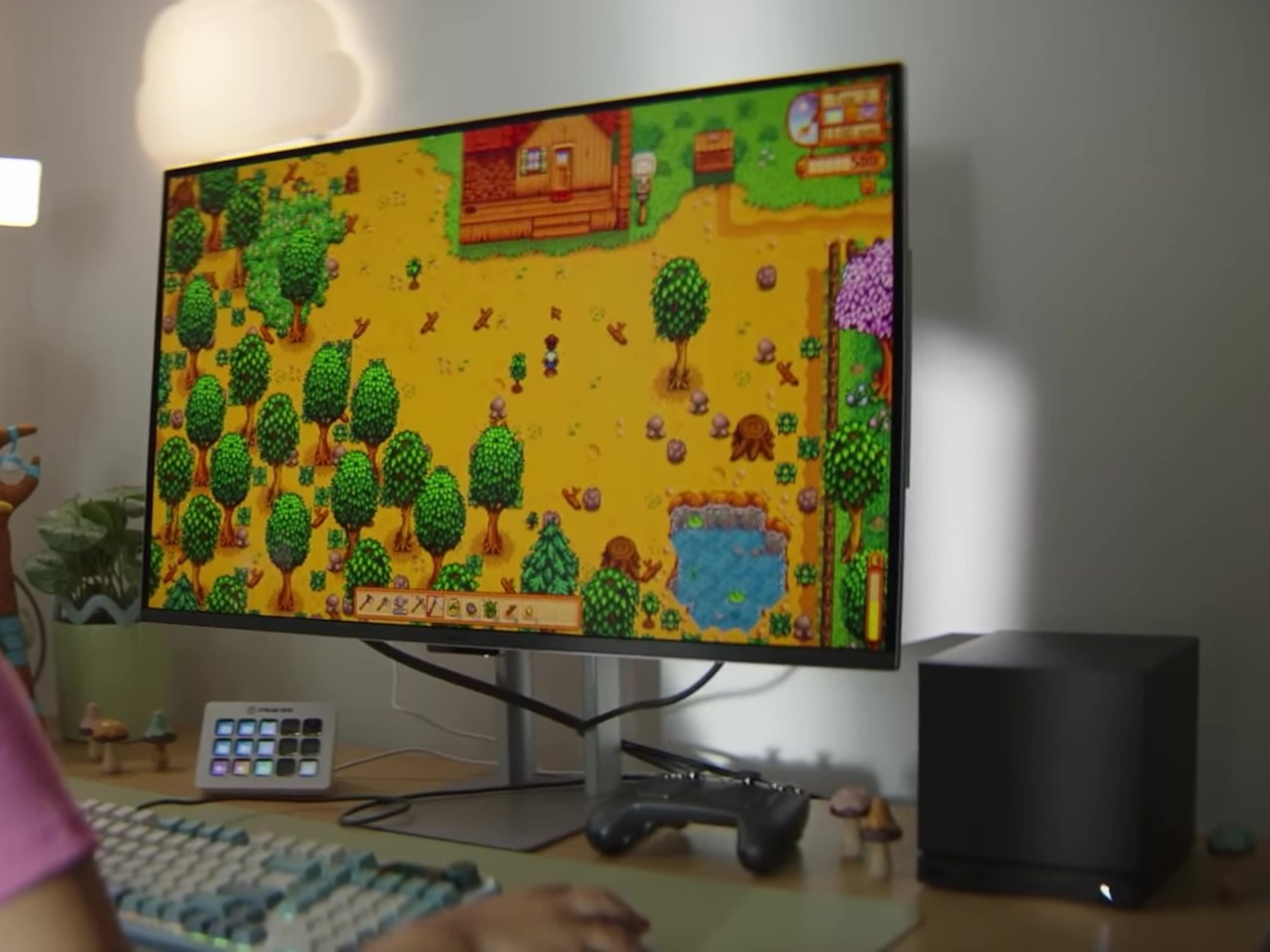
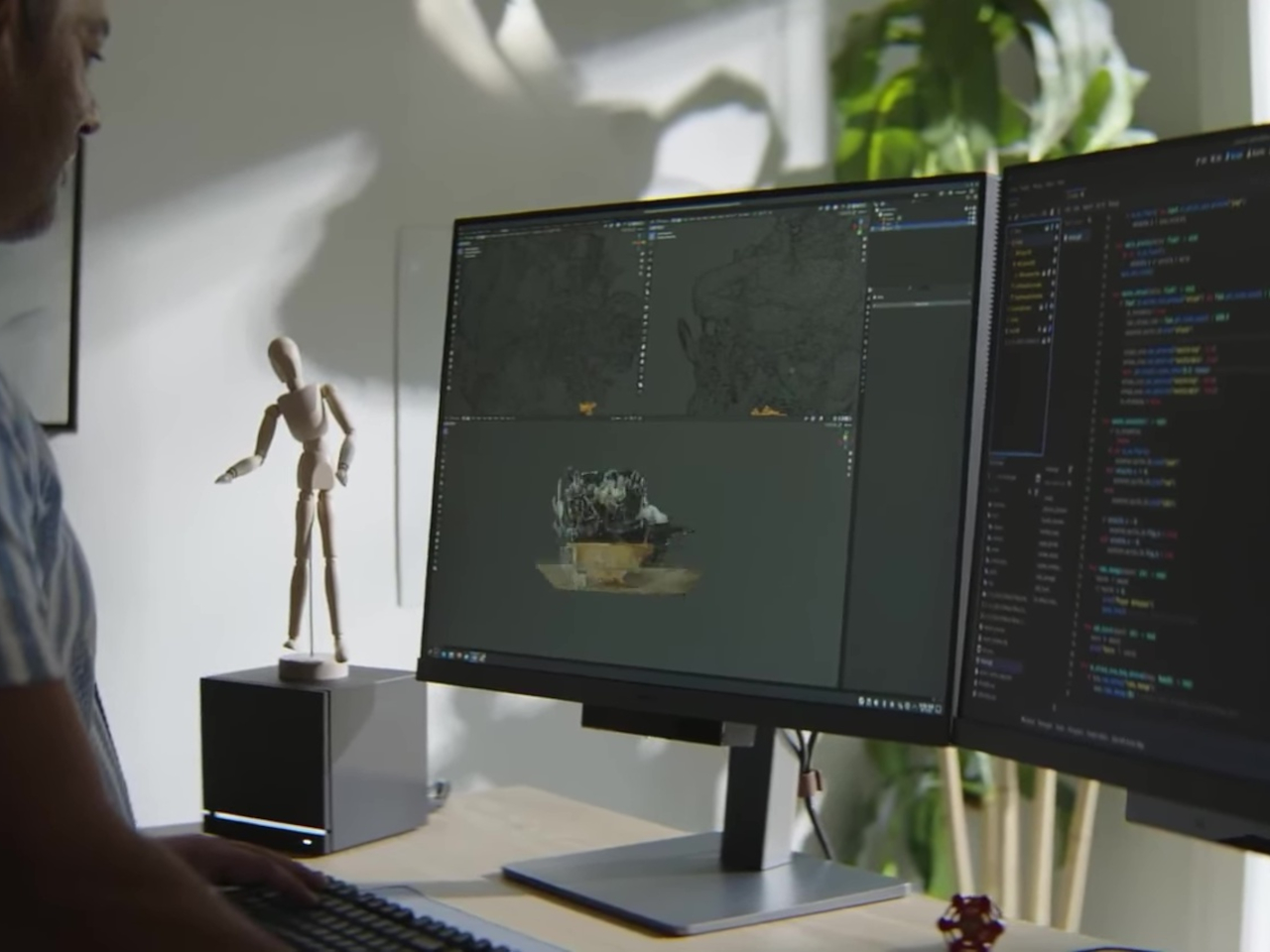
The Steam Machine packs desktop-class gaming into a cube that’s roughly six inches on each side. The matte black enclosure features a magnetically swappable front faceplate and a customizable LED strip that displays system status, download progress, or whatever color gradient suits your mood. It’s a minimalist design that hides pretty impressive hardware, including a semi-custom AMD Zen 4 CPU and RDNA3 GPU capable of 4K gaming at 60fps with FSR enabled. Valve claims it’s over six times more powerful than the Steam Deck, which should handle most AAA titles without breaking a sweat.
Inside, you get 16GB of DDR5 RAM plus 8GB of dedicated VRAM, with storage options of either 512GB or 2TB NVMe SSDs. Both models include microSD expansion if you need even more space. The internal power supply means no bulky external brick cluttering your entertainment center, and the whole thing runs whisper-quiet even under load. Valve designed the cooling system to handle demanding games without turning your living room into a wind tunnel, which is a thoughtful touch for something meant to sit in plain sight.
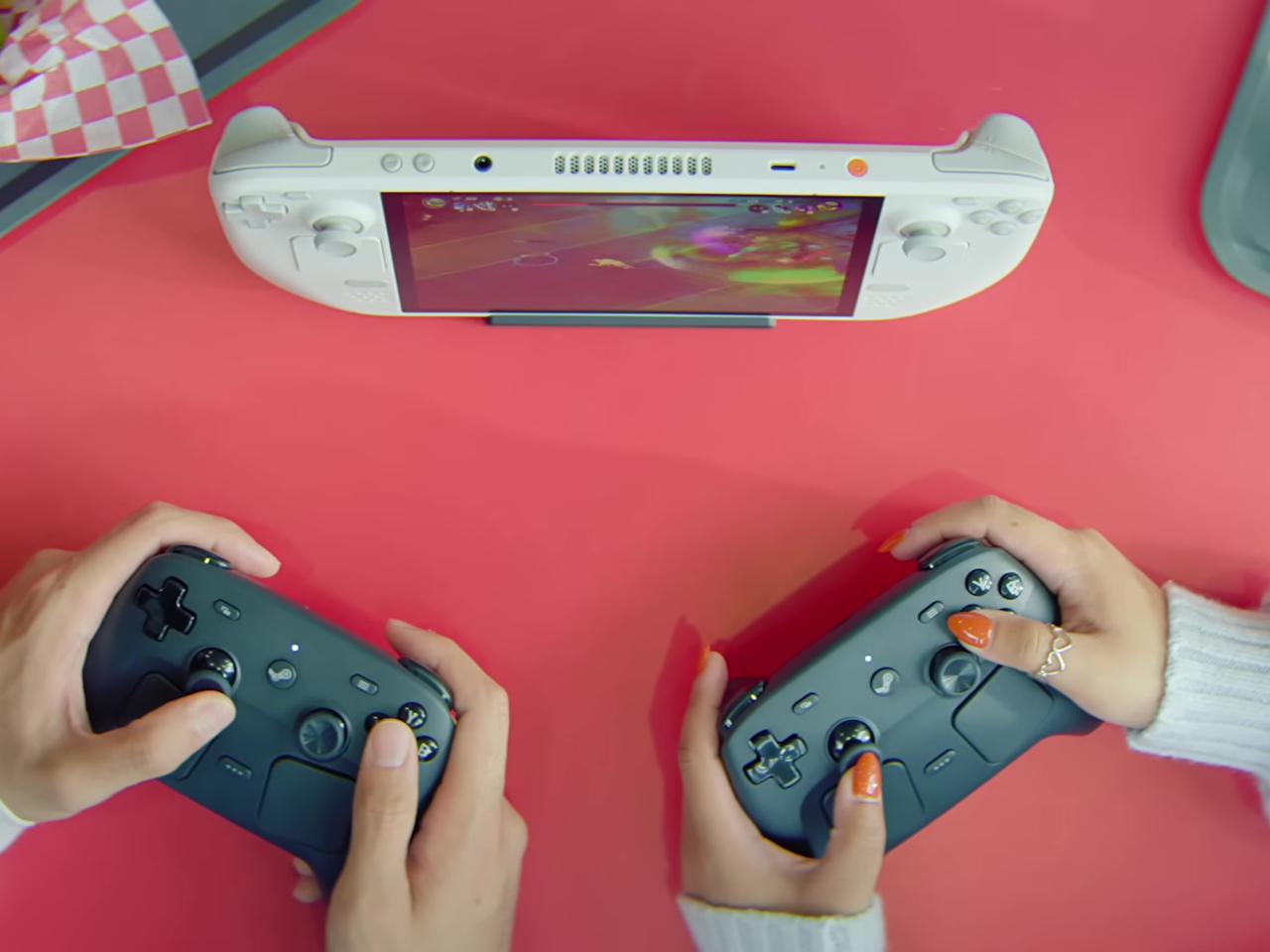
The I/O situation is refreshingly generous. You get DisplayPort 1.4 and HDMI 2.0 outputs for connecting to TVs or monitors, with support for resolutions up to 8K at 60Hz or 4K at 240Hz, depending on which port you use. There are five USB ports total, split between the front and back, plus Gigabit Ethernet and Wi-Fi 6E for connectivity. The Steam Machine also has a built-in wireless adapter that pairs directly with up to four Steam Controllers, letting you wake the system from your couch without fumbling for a keyboard.
Of course, the Steam Machine runs SteamOS, the same Linux-based operating system that powers the Steam Deck. The interface is designed for controllers rather than mice, with fast suspend and resume that works like a console. That said, it’s still a PC underneath, so you can install whatever apps or operating systems you want. Valve isn’t locking you into anything, which feels like a rare bit of freedom in hardware that’s otherwise pretty locked down these days.
Steam Controller
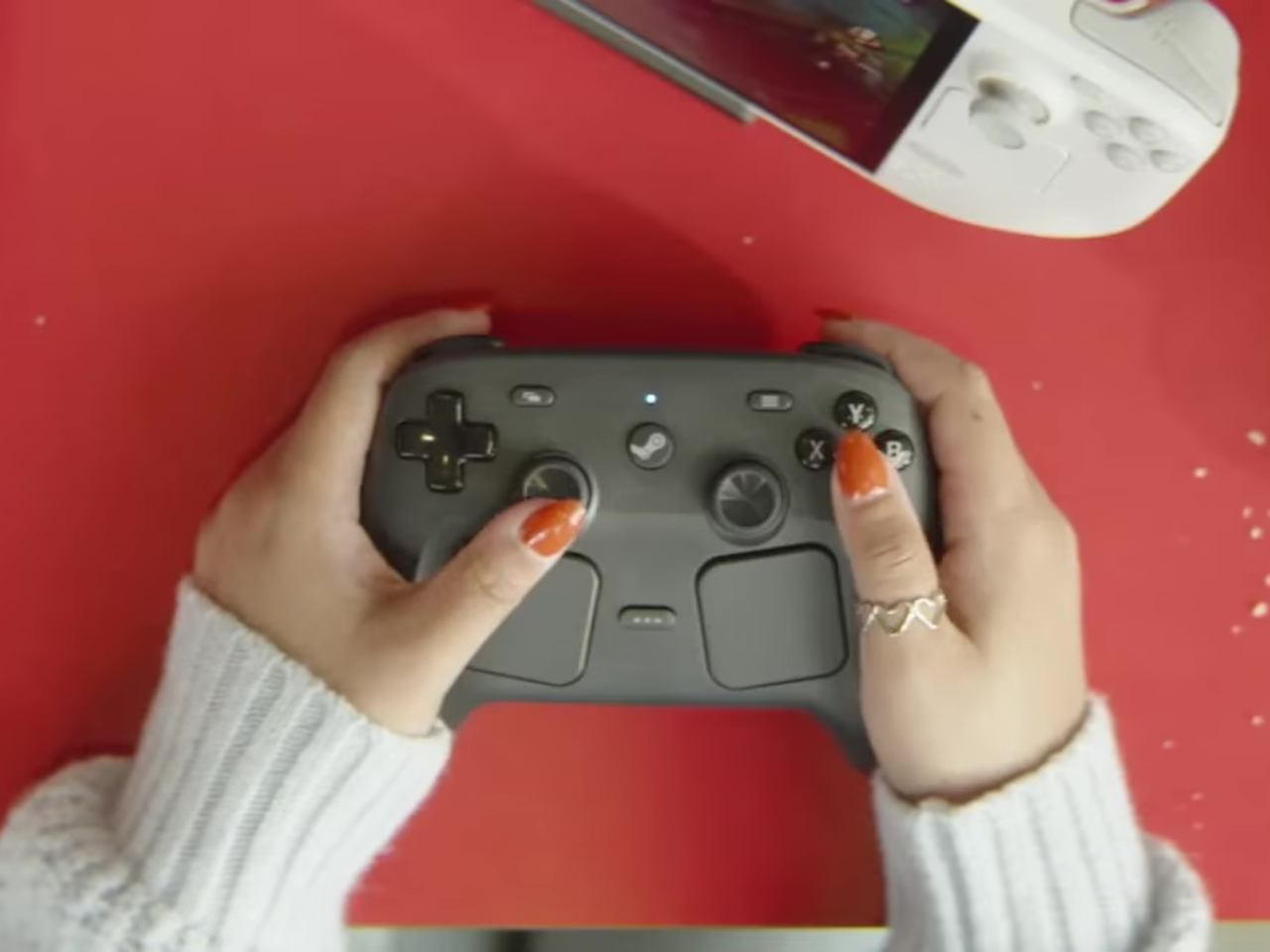
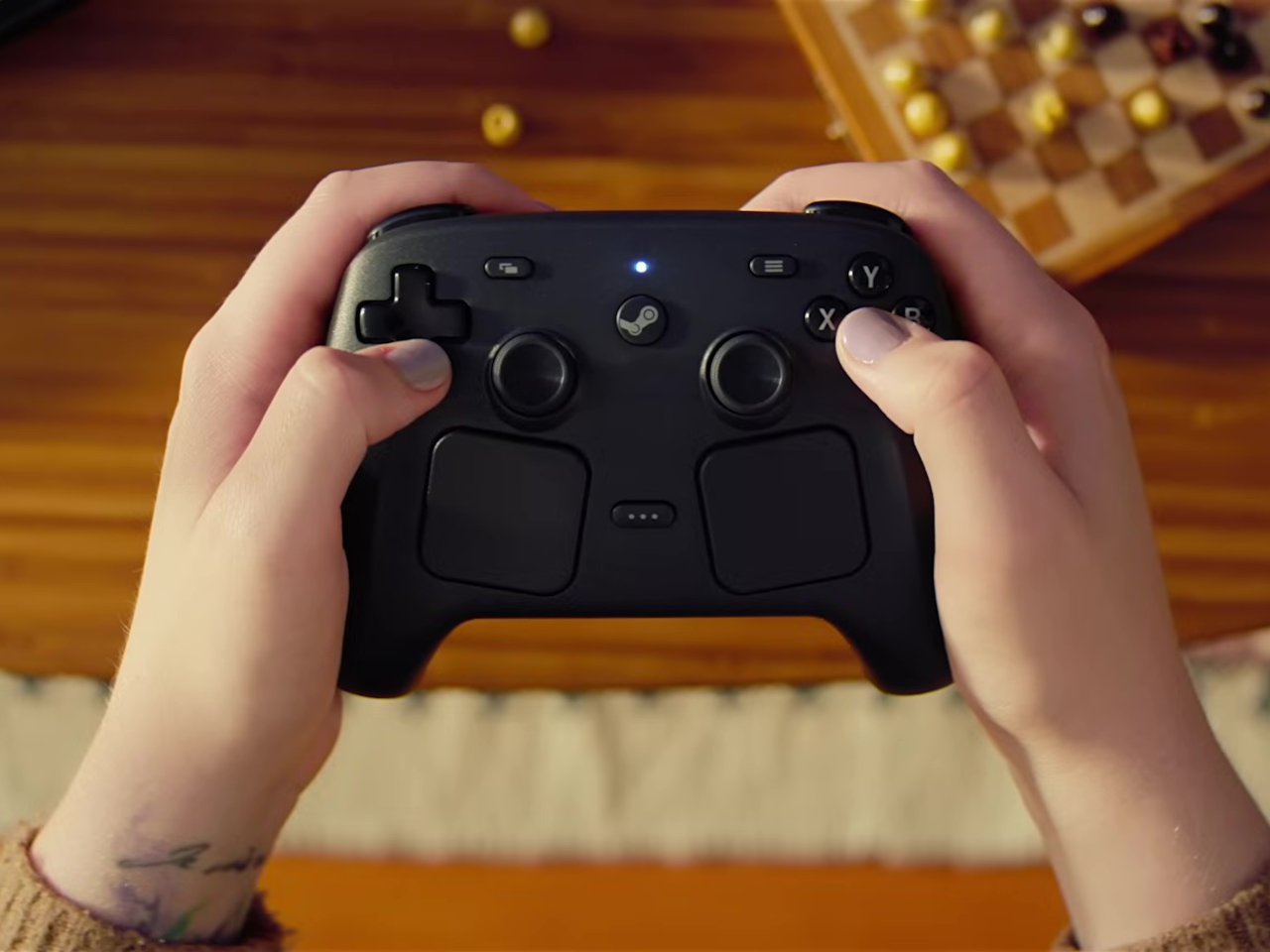
The new Steam Controller takes everything Valve learned from the Steam Deck’s controls and packages it into a standalone gamepad. The layout is familiar if you’ve used a Steam Deck, with two full-size magnetic thumbsticks, dual square trackpads, and all the standard buttons you’d expect. The thumbsticks use TMR technology for better durability and responsiveness, and they support capacitive touch for enabling motion controls. The trackpads are pressure-sensitive and include haptic feedback, making them viable for games that normally require a mouse.
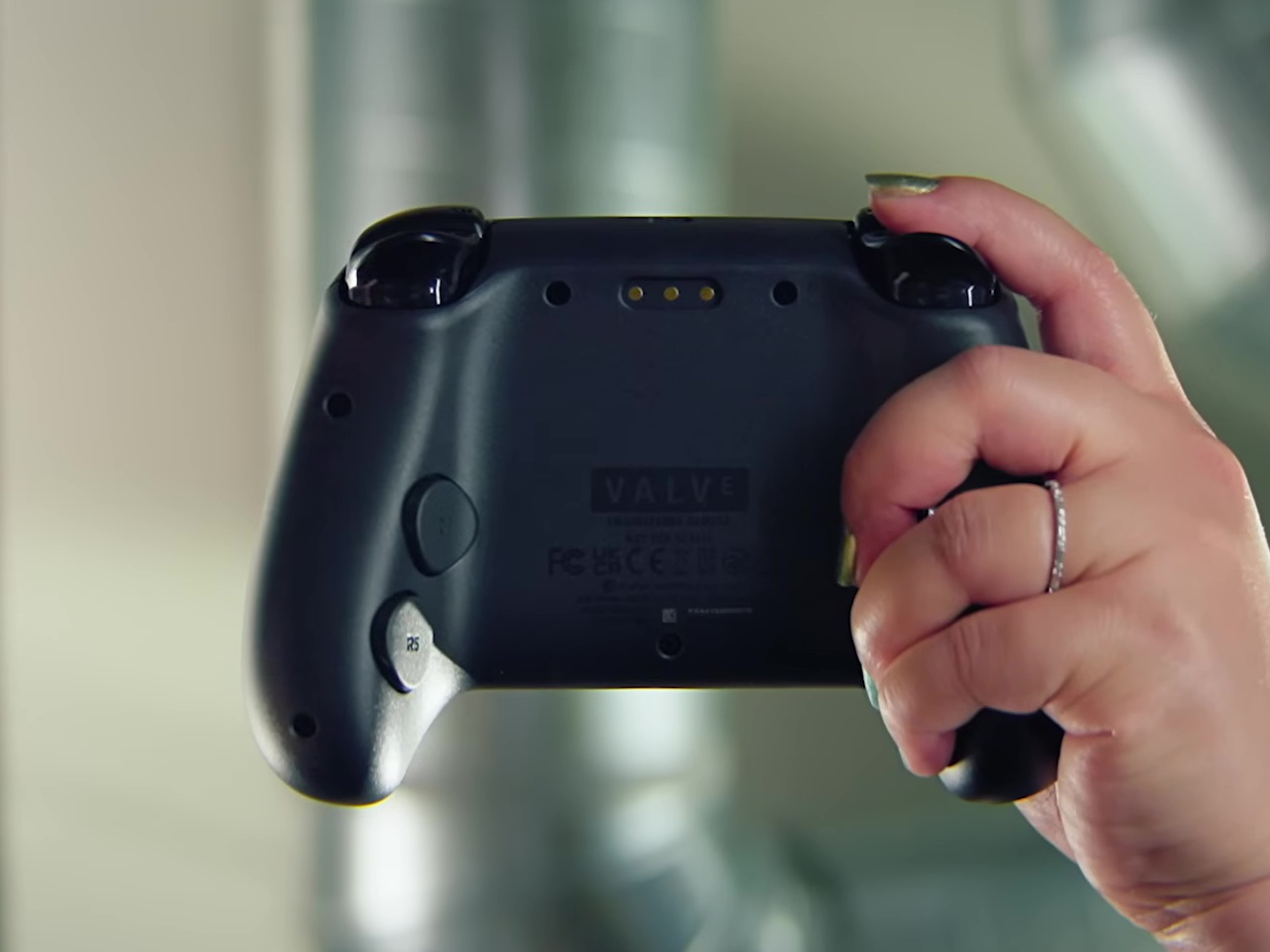
What sets this controller apart are the extras. Four assignable grip buttons sit on the back, letting you map additional controls without taking your thumbs off the sticks or pads. There’s also a feature Valve calls Grip Sense, which uses capacitive sensors along the handles to enable gyro aiming when you hold the controller and disable it when you let go. It’s a small detail that makes aiming in shooters feel more natural without requiring you to toggle a button every time you want precision.
The controller connects via a dedicated wireless puck that doubles as a magnetic charging dock. The puck uses a 2.4GHz connection with about 8ms latency, which is noticeably faster than Bluetooth and feels snappy during gameplay. You can also connect via Bluetooth or USB-C if you prefer, and the 8.39Wh battery is rated for over 35 hours of play. One puck can handle up to four controllers, which makes local multiplayer setups pretty straightforward.
Customization runs deep thanks to Steam Input, which lets you remap every button, adjust sensitivity, and tweak haptics to your liking. Community configurations are available from day one, so you can load presets for thousands of games or build your own and share them. The controller also works across Valve’s entire ecosystem, from PCs and laptops to Steam Deck and the new Steam Machine, with infrared LEDs that let the Steam Frame VR headset track it for mixed-reality gameplay.
Valve’s hardware lineup is expanding into a proper ecosystem rather than just scattered experiments. The Steam Machine and Steam Controller arrive as the cornerstones of that vision, offering power and flexibility without forcing you to choose between the simplicity of consoles and the openness of PCs. Whether that’s enough to pull gamers off the couch and away from their PlayStations remains to be seen, but the pieces are finally in place.
Losing your wallet ranks somewhere between forgetting your keys and realizing you left the stove on in terms of minor panic attacks. The sinking feeling when you pat your pockets and find nothing but lint is pretty much universal, yet most tracking solutions require bulky add-ons that won’t fit properly or make your wallet noticeably thicker. AirTags work great for bags and keychains, but stuffing one into your wallet feels like carrying a small hockey puck between your cash and cards.
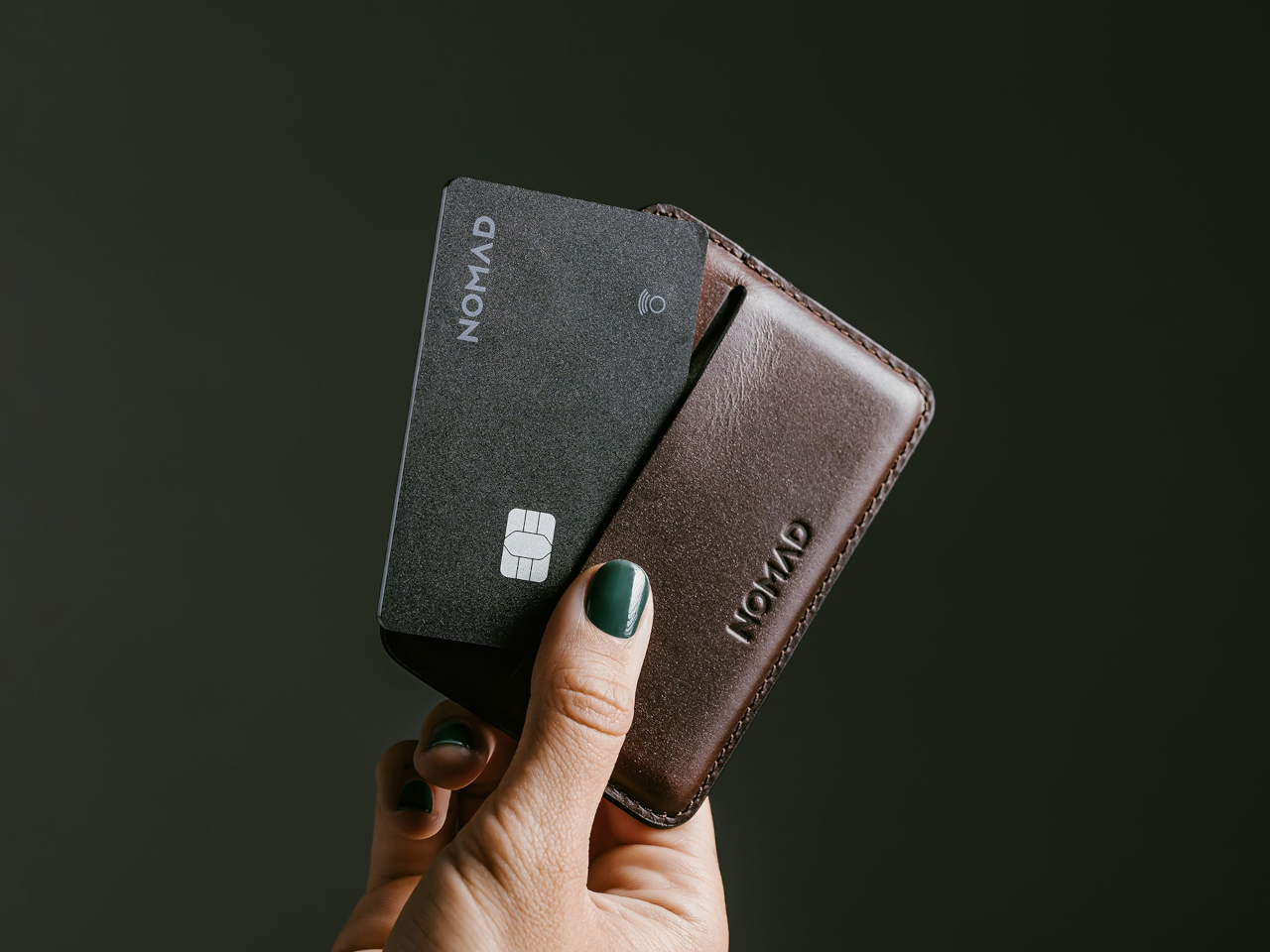
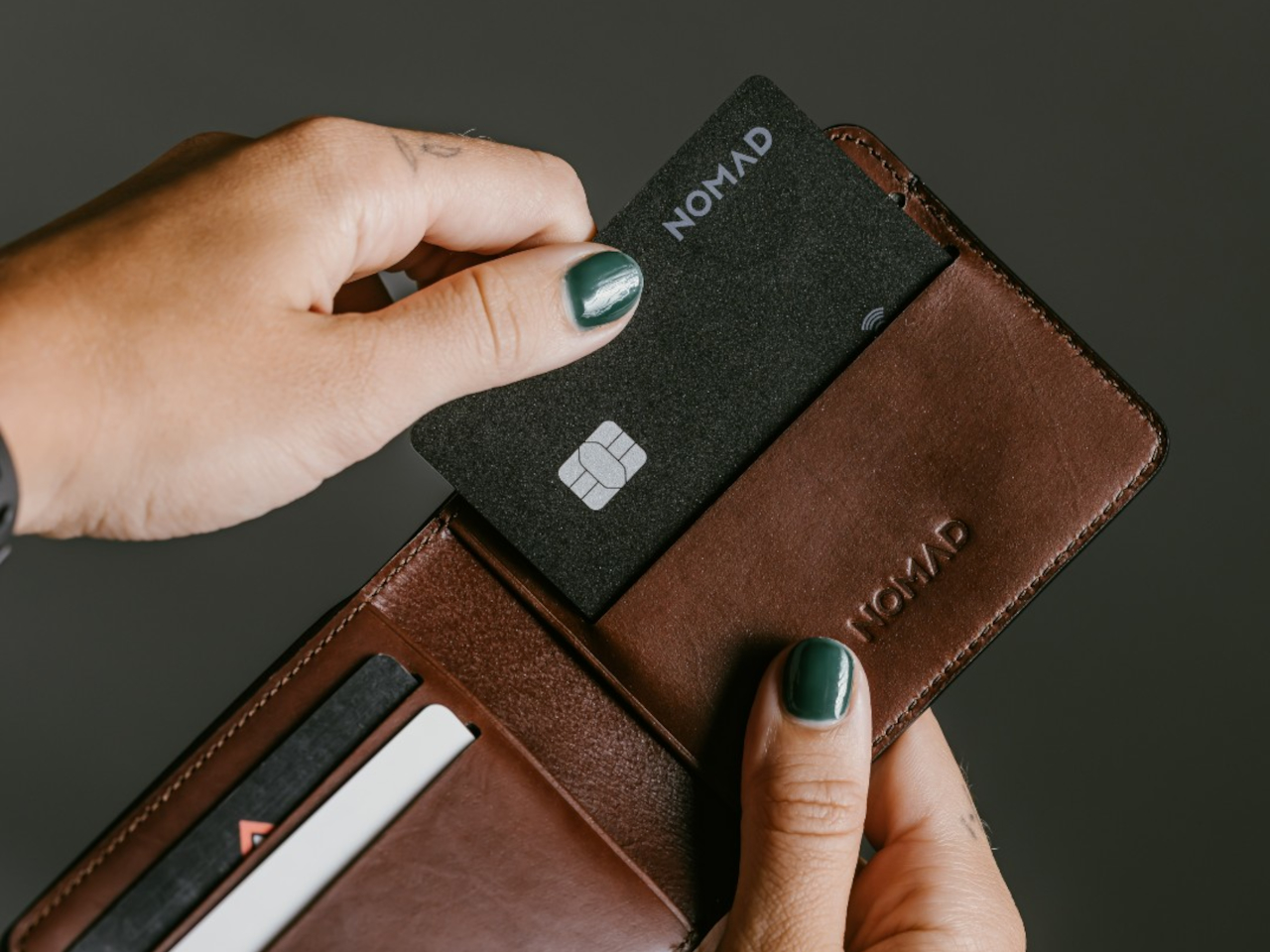
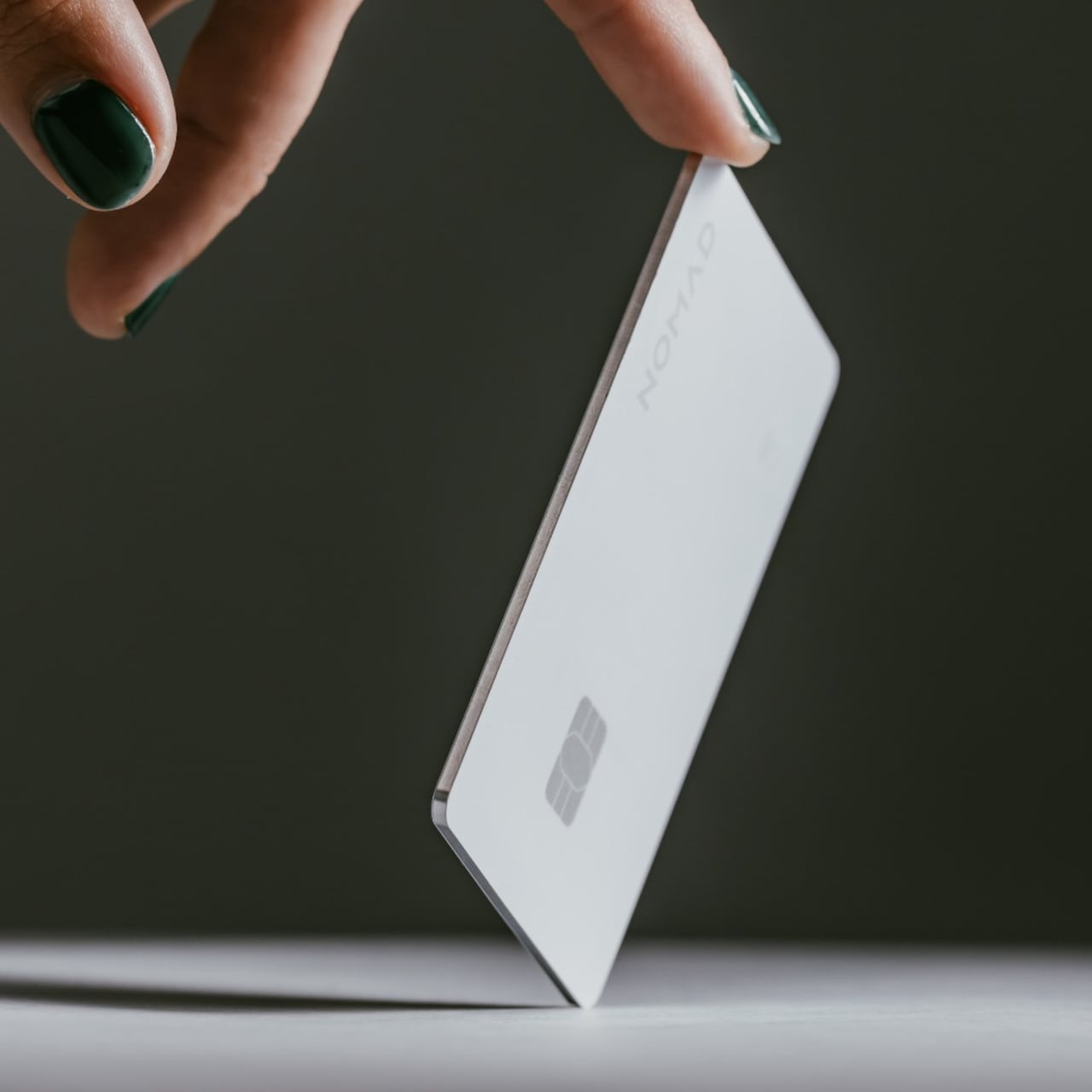
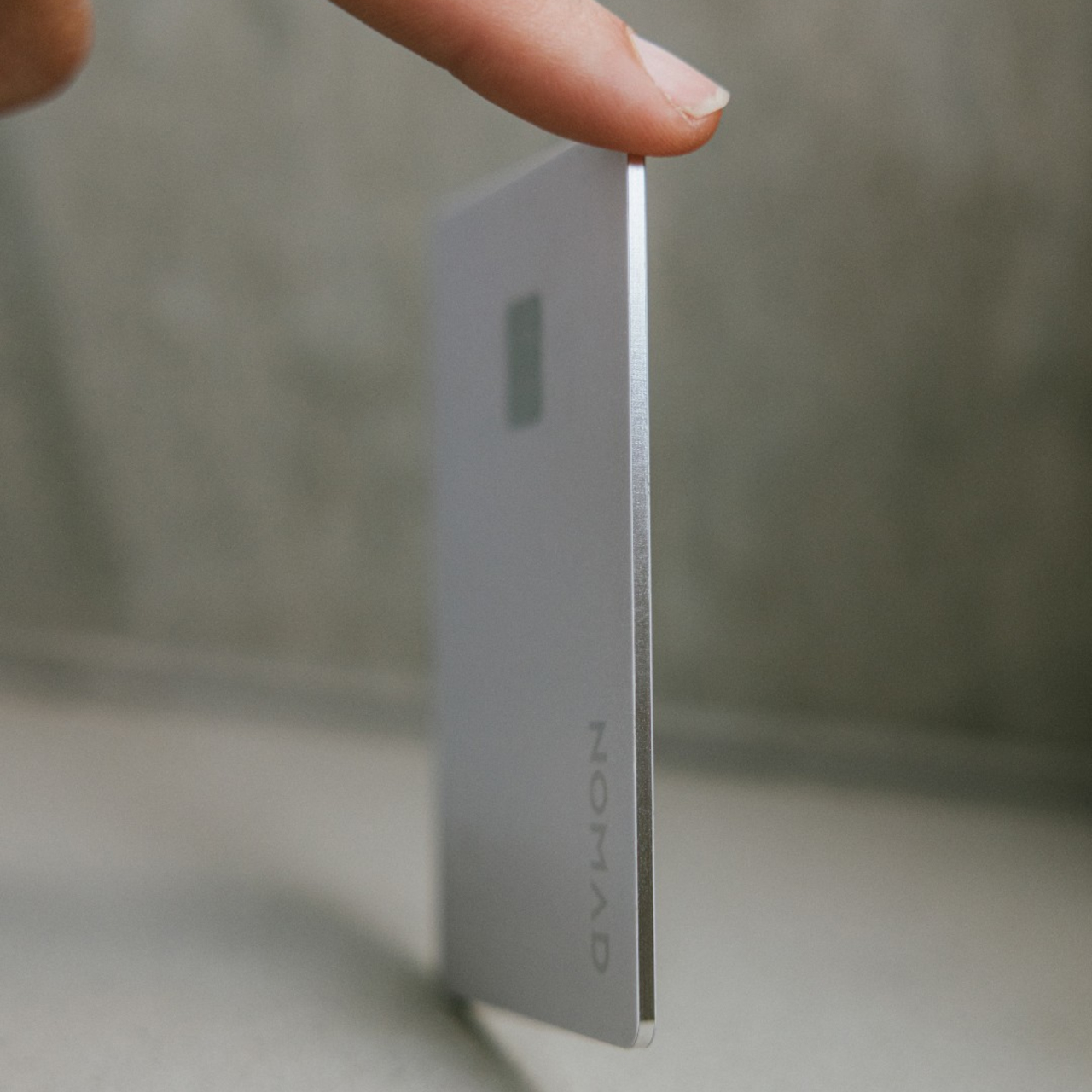
Nomad’s Tracking Card Pro solves this by fitting Apple Find My technology into something that looks and feels exactly like a premium metal credit card. At just 2.5mm thick, it’s three times slimmer than an AirTag and slides into any wallet without adding noticeable bulk. The real achievement is cramming a rechargeable battery and wireless charging into that thin form, then making it last up to 16 months on a single charge.
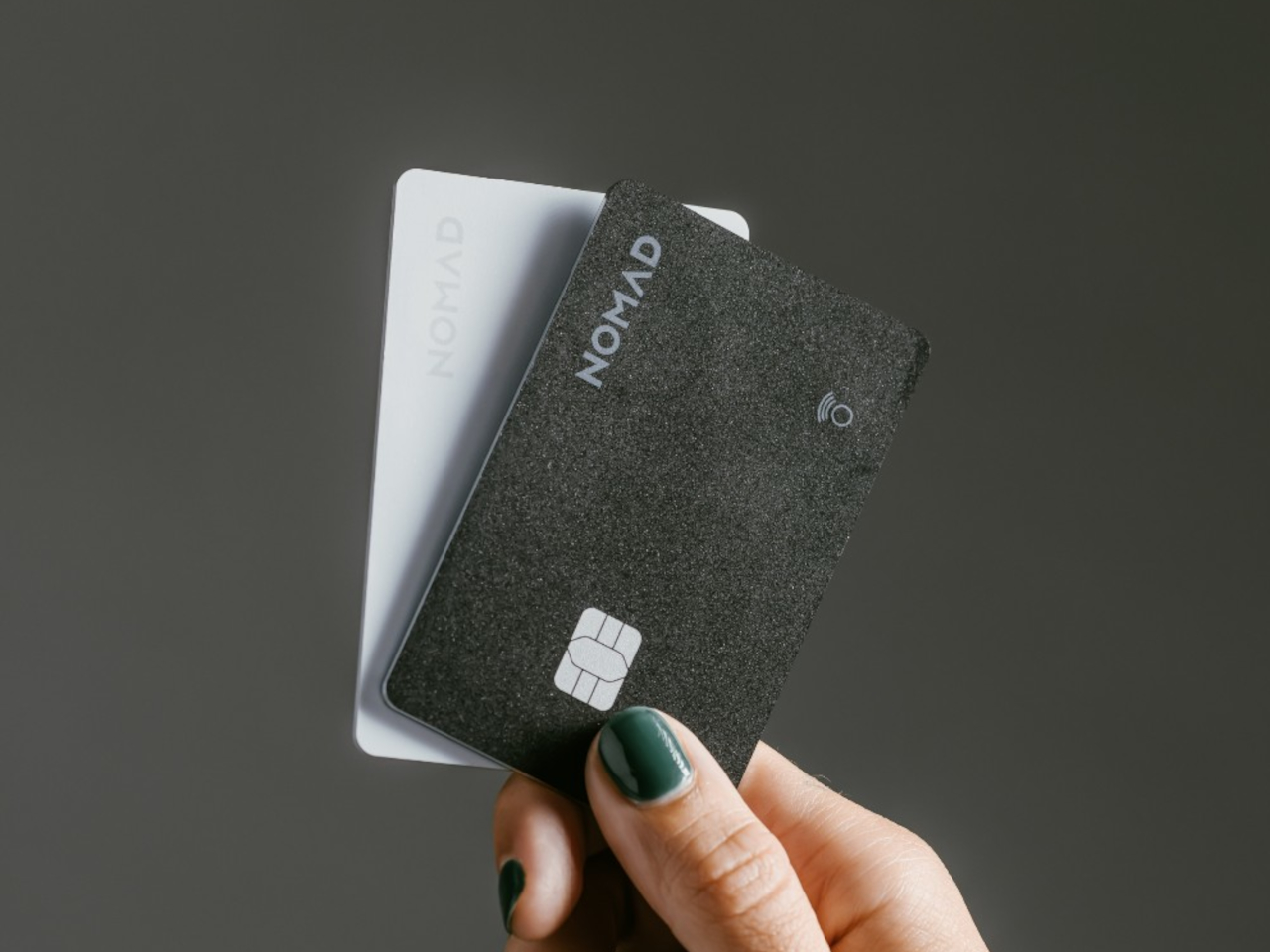
The card itself is deceptively simple. A polycarbonate and aluminum body with a matte black or white finish, subtle Nomad branding on top, and a small chip icon that mimics what you’d see on an actual credit card. There’s a wireless charging symbol near the bottom and a tiny LED indicator that lights up when charging, but otherwise it’s designed to blend in completely with your other cards.
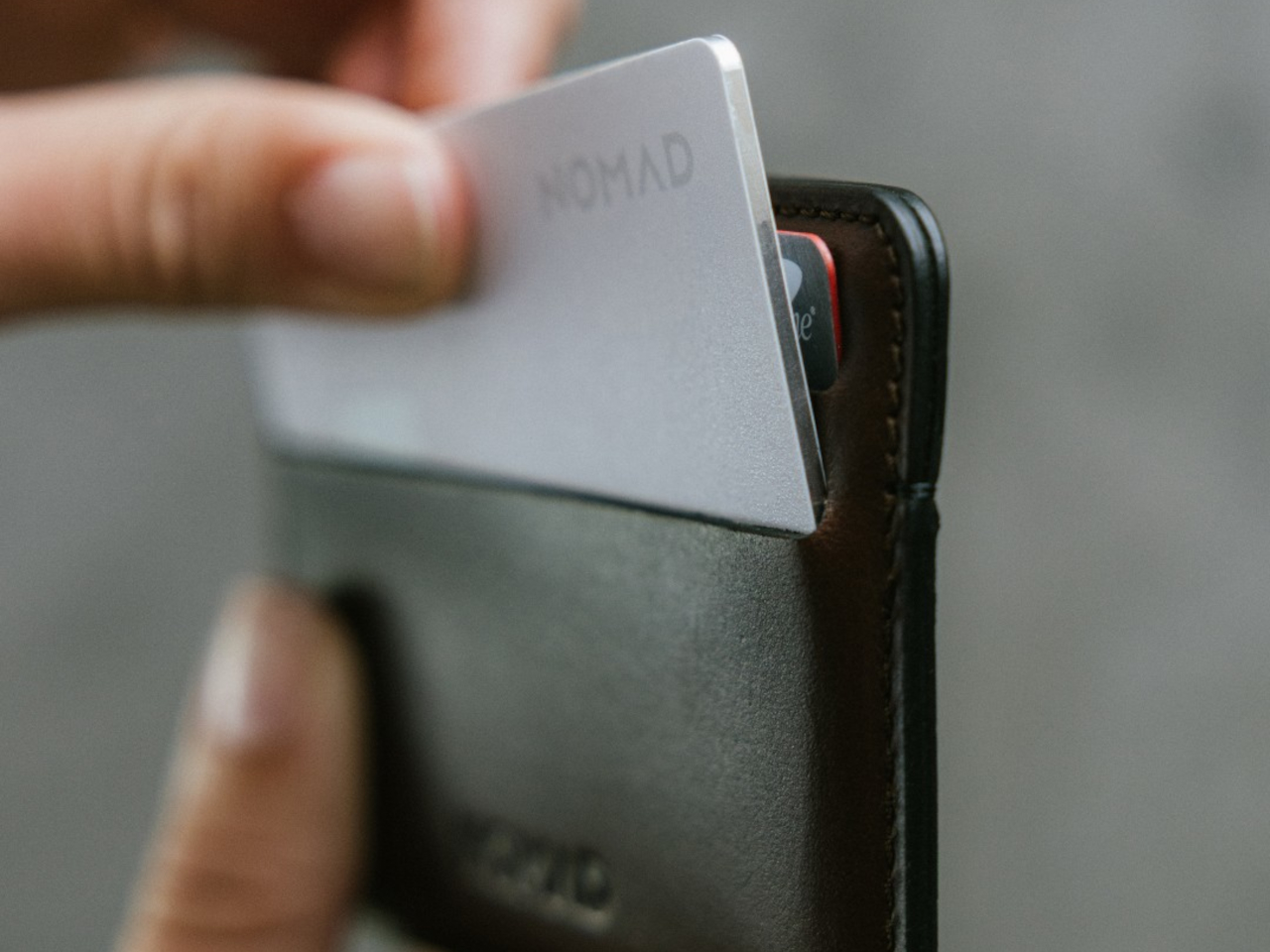
Charging happens wirelessly on any Qi or MagSafe pad, and Nomad claims you can even charge it through leather wallets without removing the card. That’s actually pretty handy for something you’re meant to leave in place and forget about until you need it. Heck, the IPX7 waterproof rating means the occasional spill or rainstorm won’t kill it, which is reassuring for something that lives in your pocket most of the time.
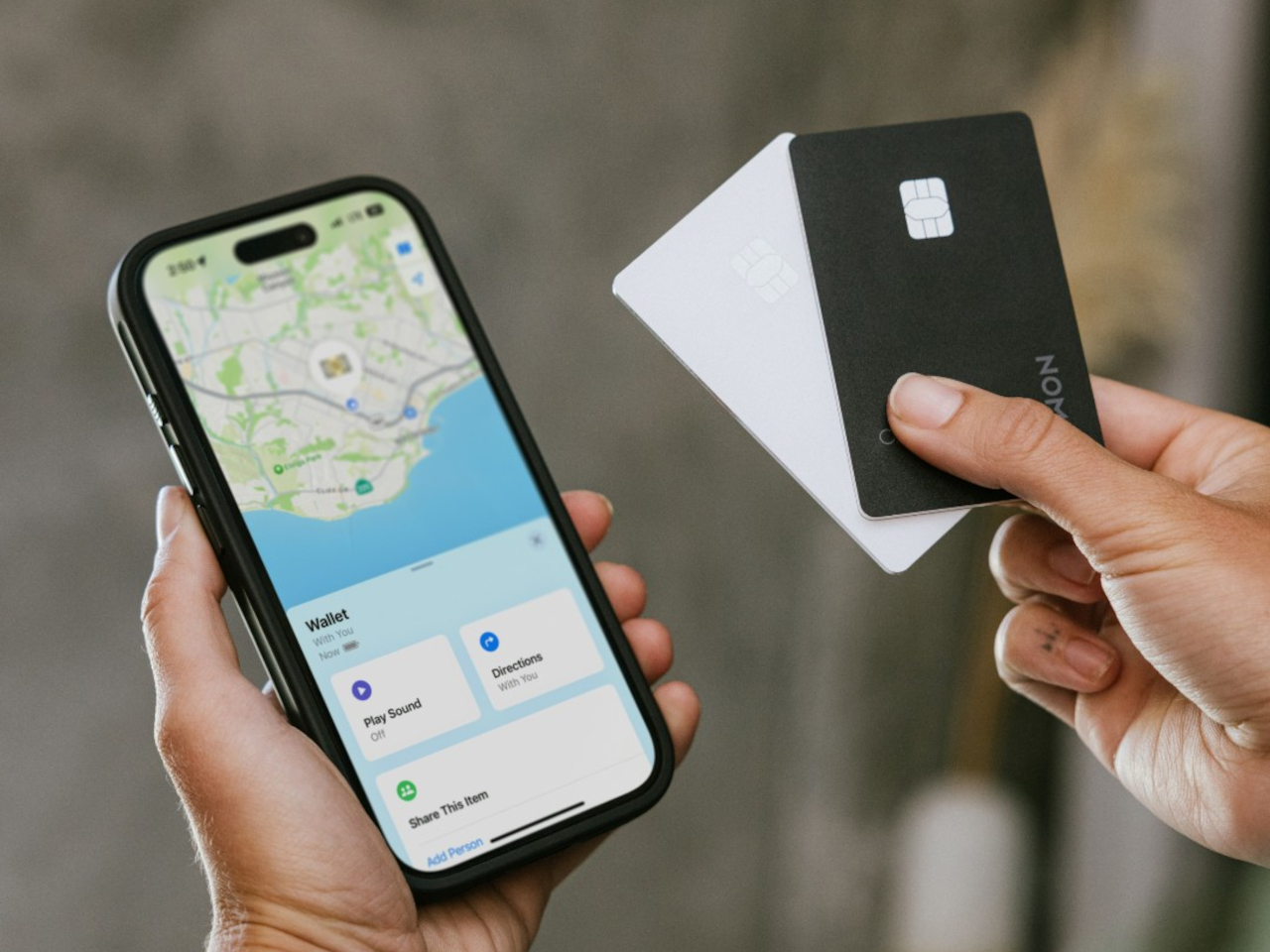
Setup is straightforward if you’ve ever used an AirTag. Pop open the Find My app, add the Tracking Card Pro, and name it whatever you want. From there it works like any other Find My device, pinging nearby Apple devices to report its location. The global network means your wallet can be tracked almost anywhere someone with an iPhone happens to be.
Of course, the slimness comes with trade-offs. The card is about as thick as two credit cards stacked together, so it does take up a slot in your wallet. The audio alert for locating the card works but isn’t particularly loud, so you’ll want to be relatively close when triggering it. That said, the primary use is tracking via the Find My app anyway, where you can see the card’s location on a map. If you want an even thinner option, the 1.3mm Slimca HERE 2 Tracker Card can even charge via USB-C despite its super-thin profile.
At $39, the Tracking Card Pro sits between cheap alternatives that barely work and premium options that don’t offer much extra. It’s currently on preorder with shipments expected by mid-January, and there’s a discount if you buy multiple cards. For anyone who’s ever spent an afternoon tearing apart their house looking for a wallet, or worse, realized it’s gone while standing in line at checkout, that’s probably money well spent.
Power strips live beneath desks or behind furniture where nobody has to look at them. Black plastic housings with rows of identical outlets do their jobs without offering anything visually interesting or worth displaying. They’re purely functional objects designed to disappear, which works fine until you’re building a desk setup where aesthetics matter as much as keeping devices charged, and everything ends up looking generic and forgettable.
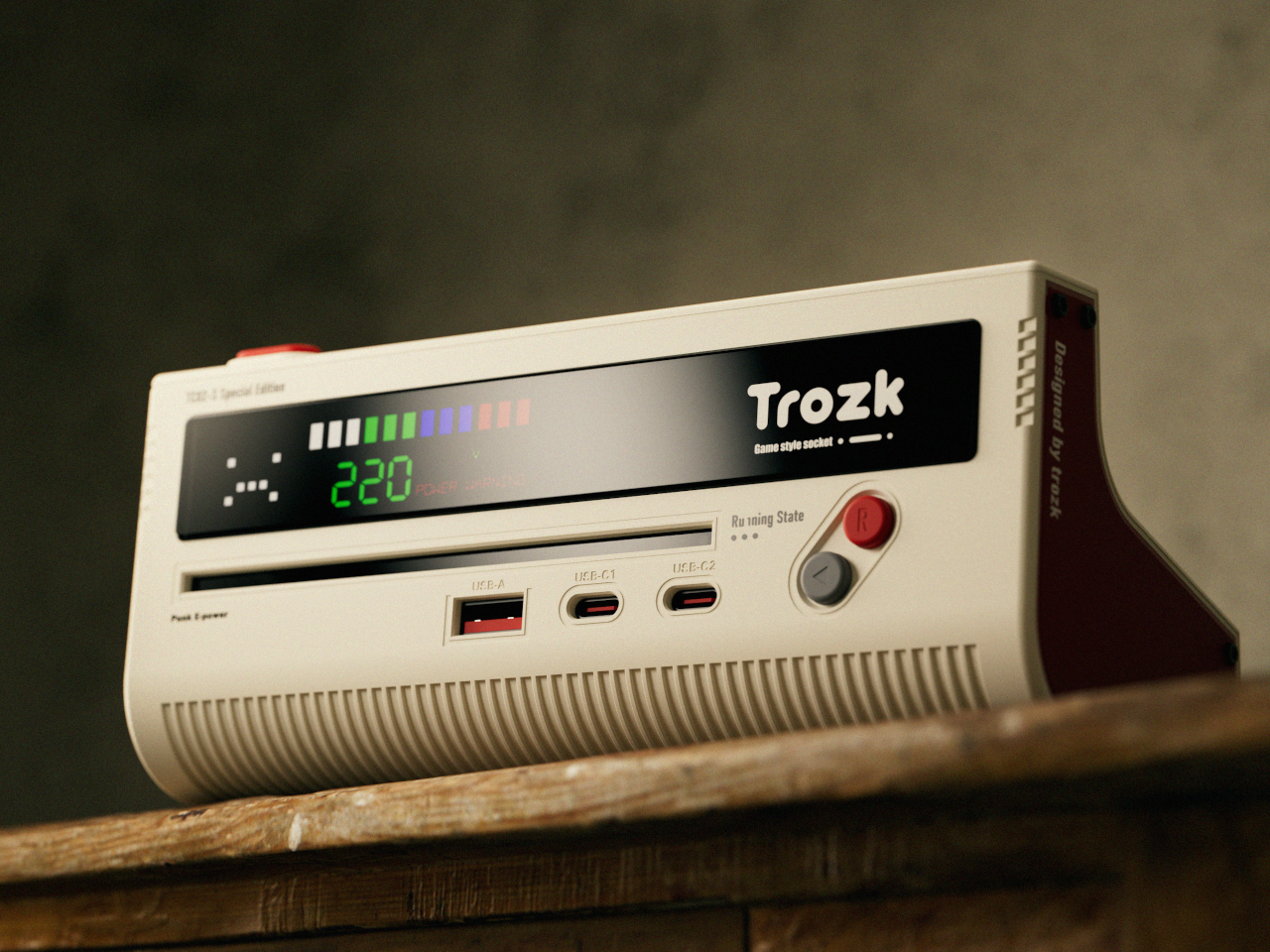
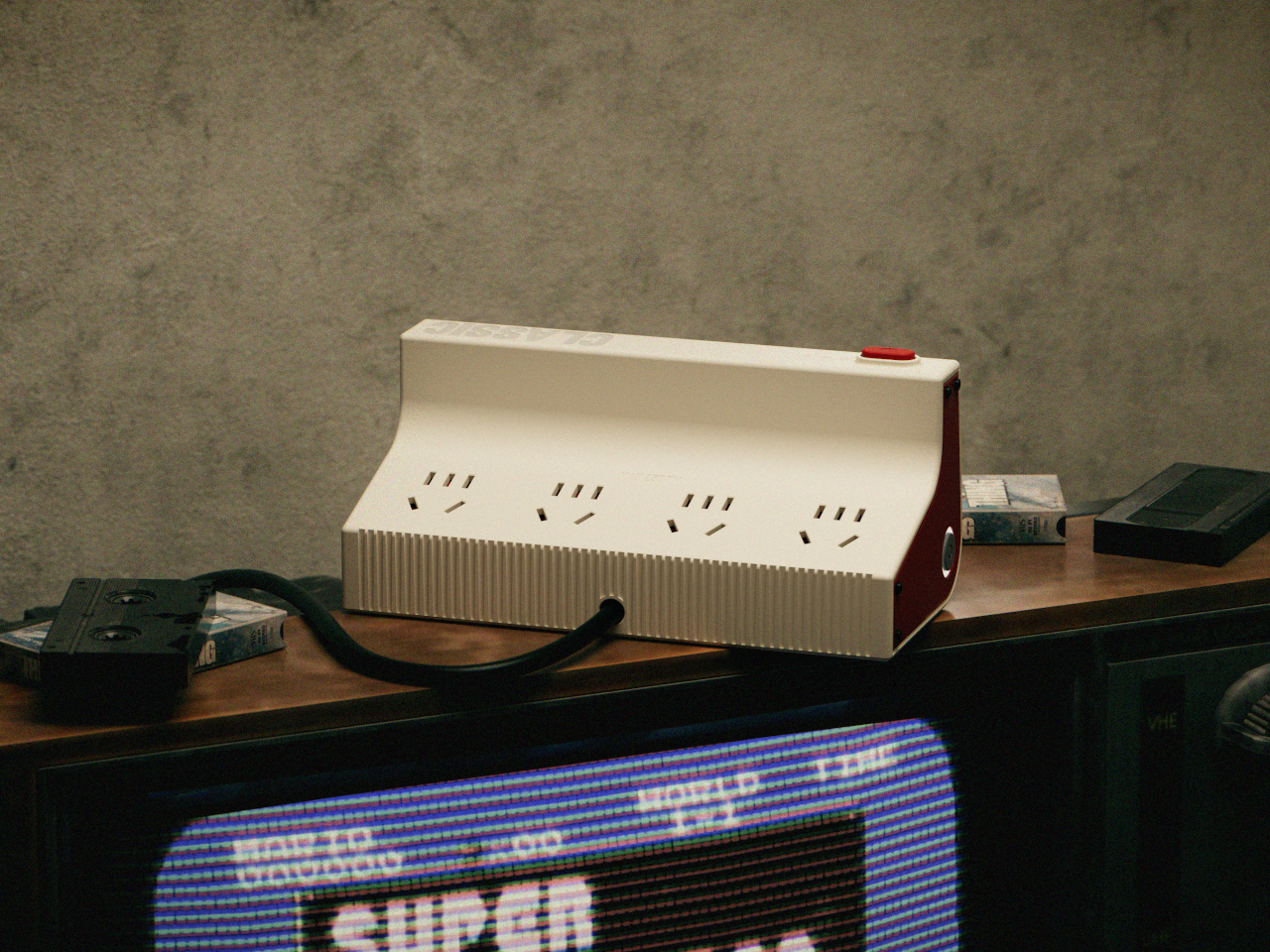
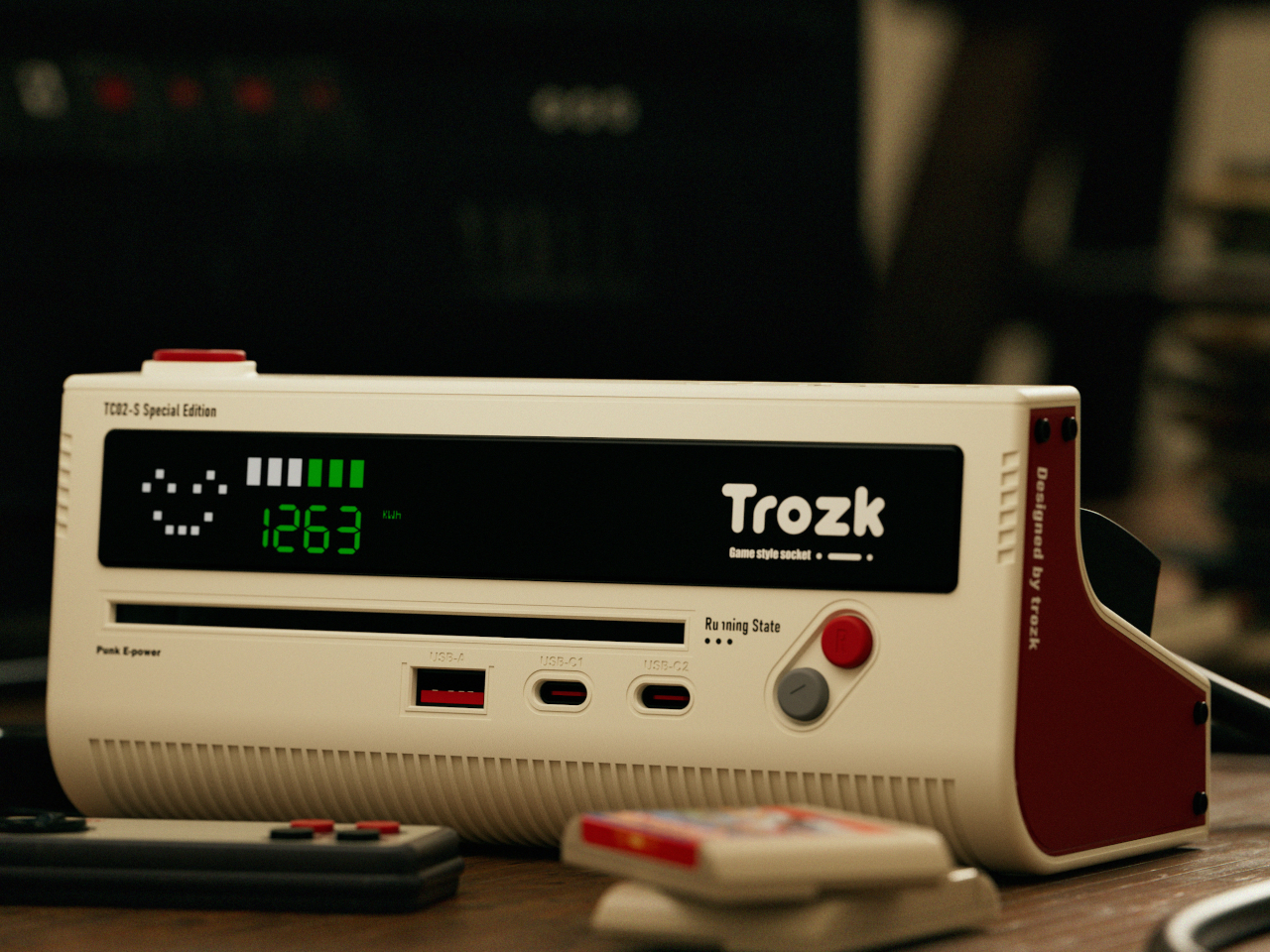
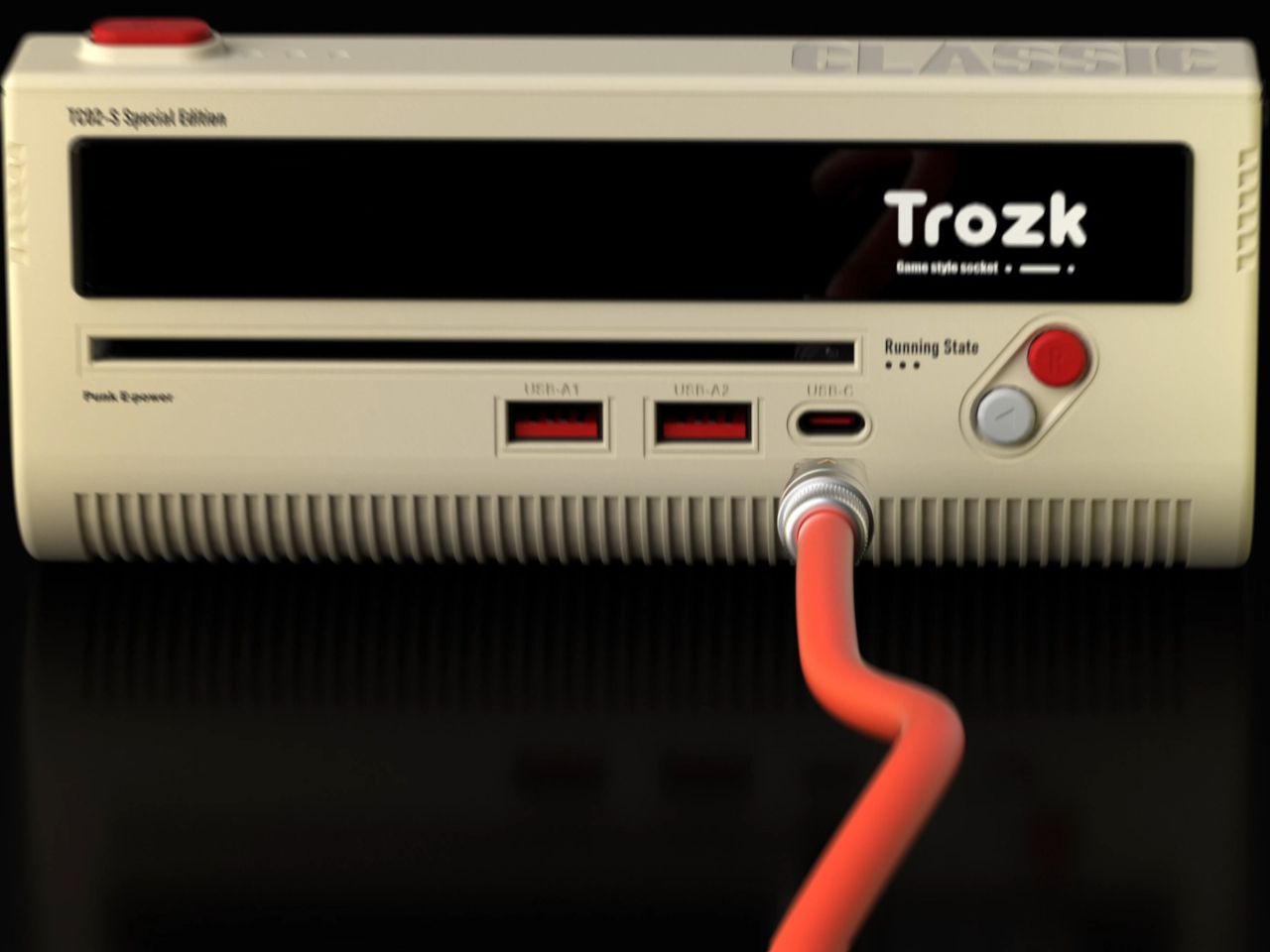
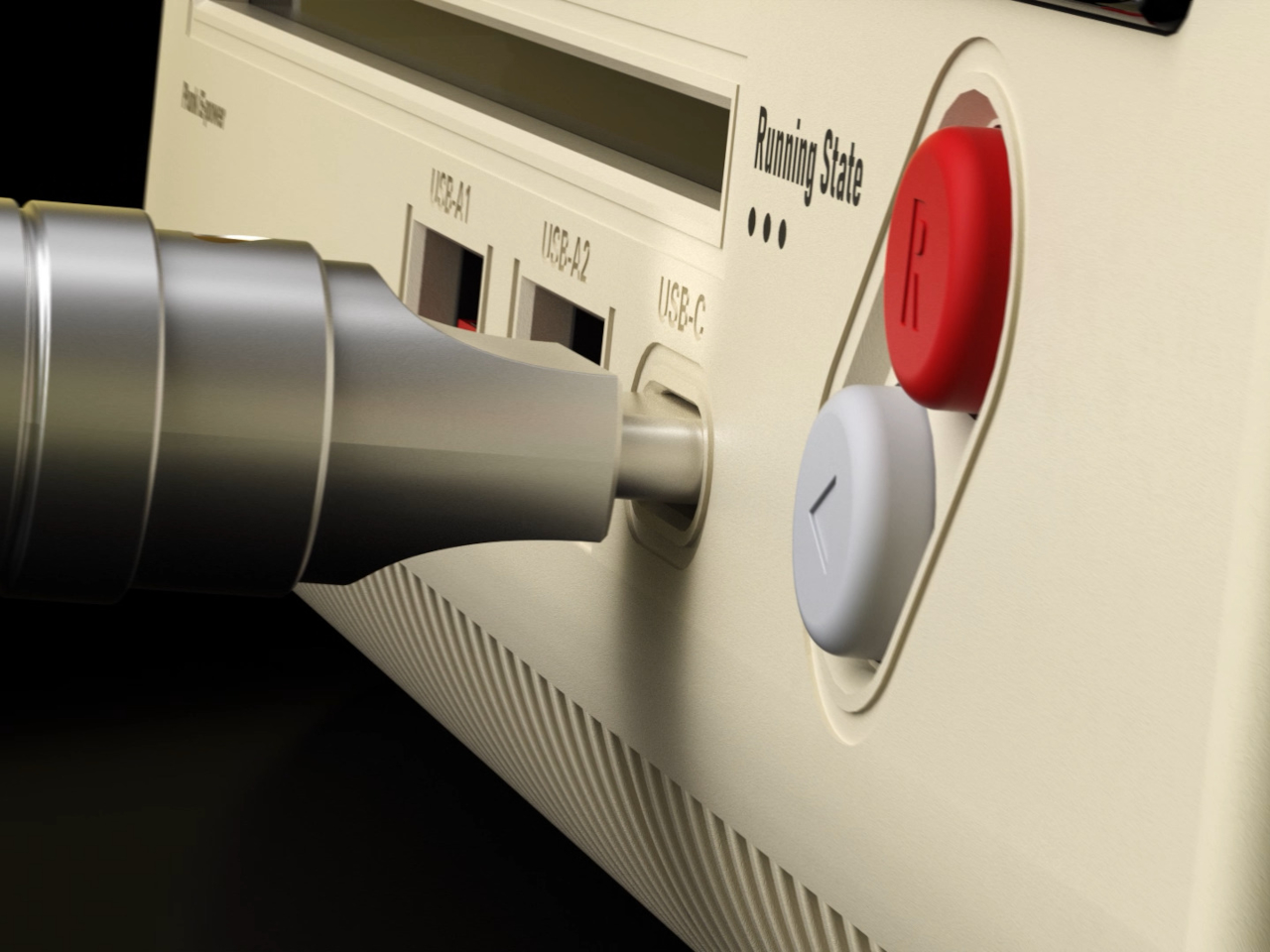
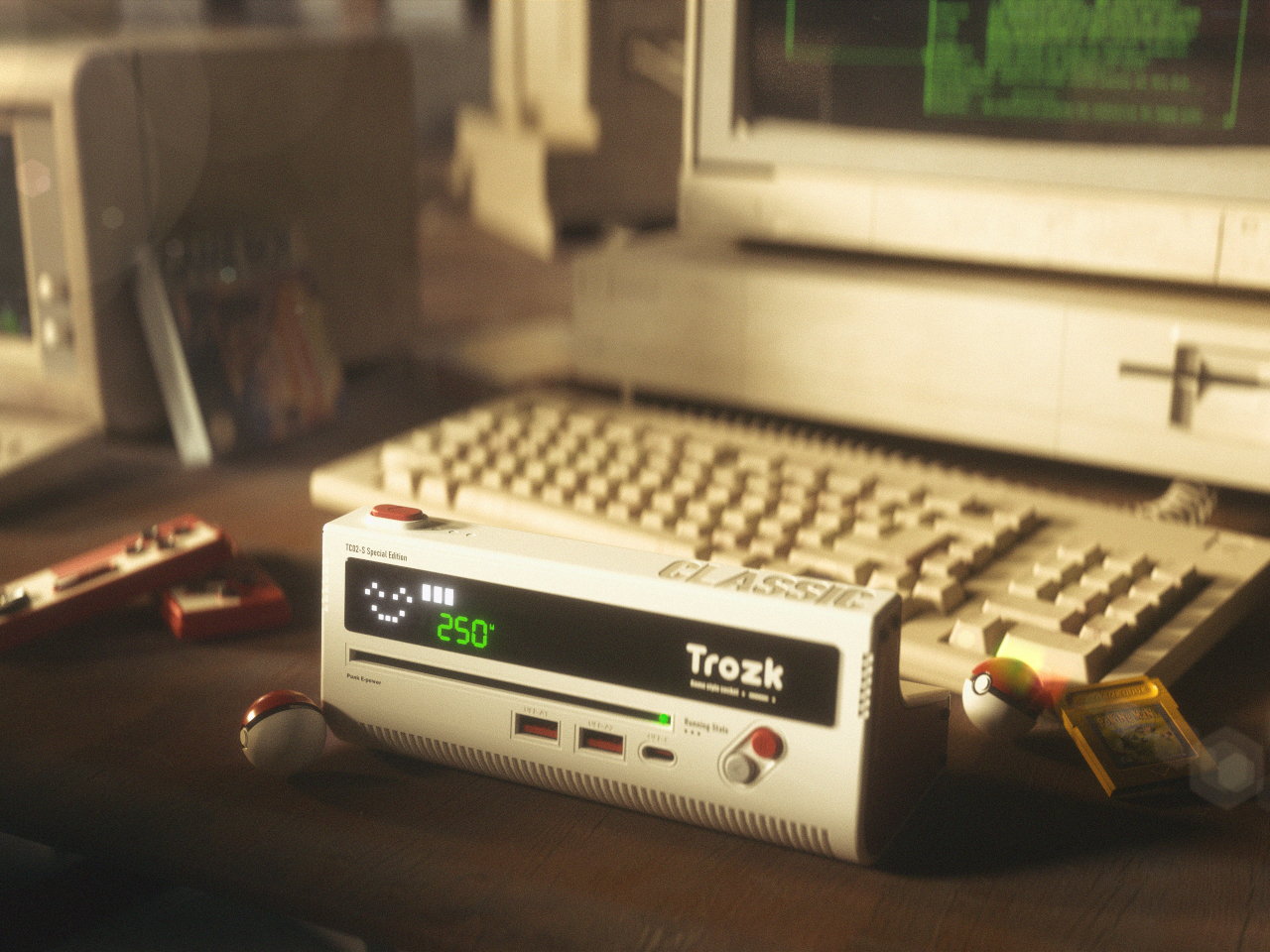
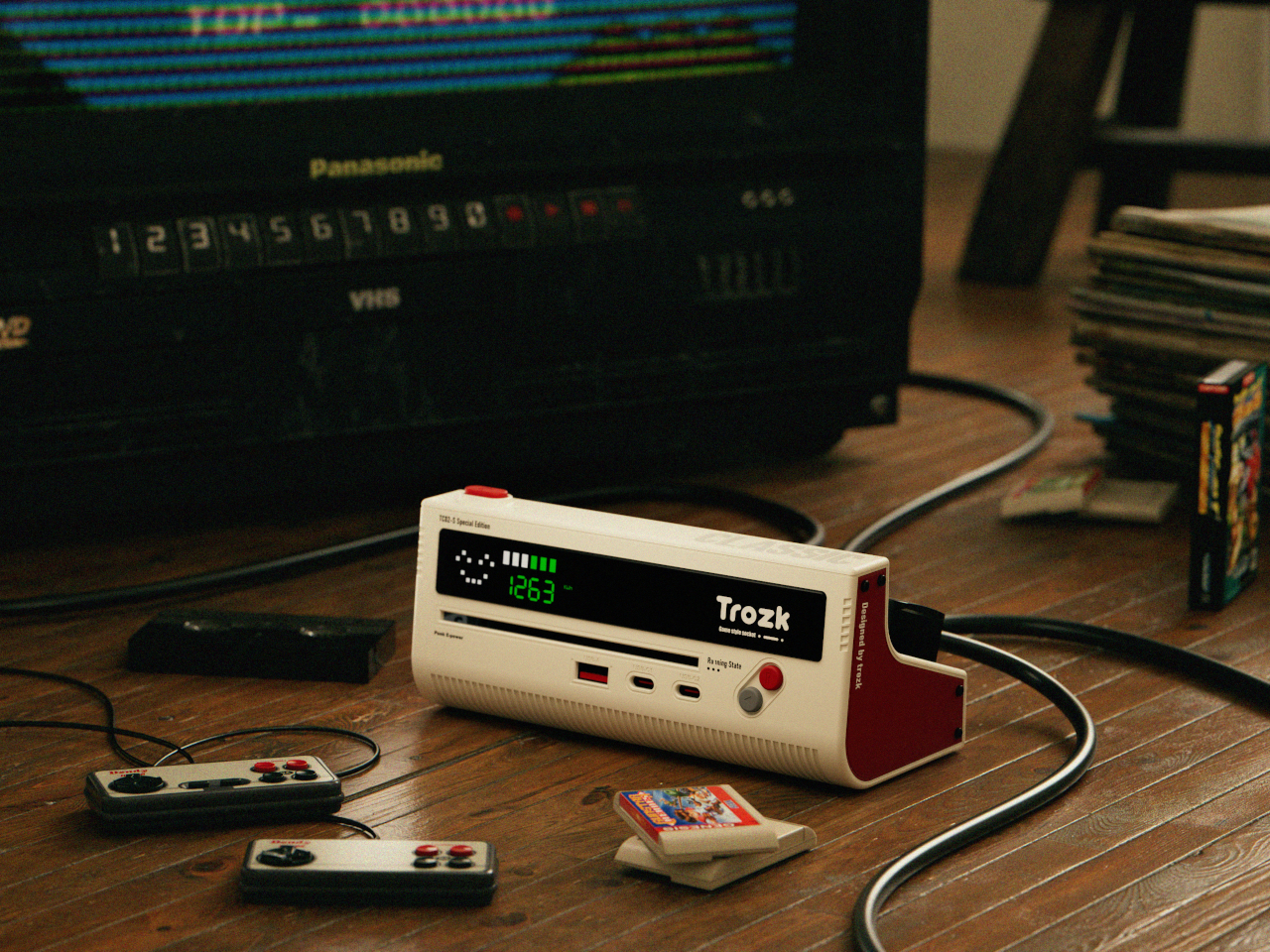
The Trozk Game Style Socket recreates the Nintendo Famicom console as a functional charging station, bringing the red and white color scheme and design language from 1983 directly onto modern desks. Instead of hiding, this power strip sits visibly where it becomes a conversation starter about childhood gaming memories while handling the practical work of powering laptops, phones, and whatever else needs electricity. The nostalgia hits immediately for anyone who remembers cartridge-based gaming.
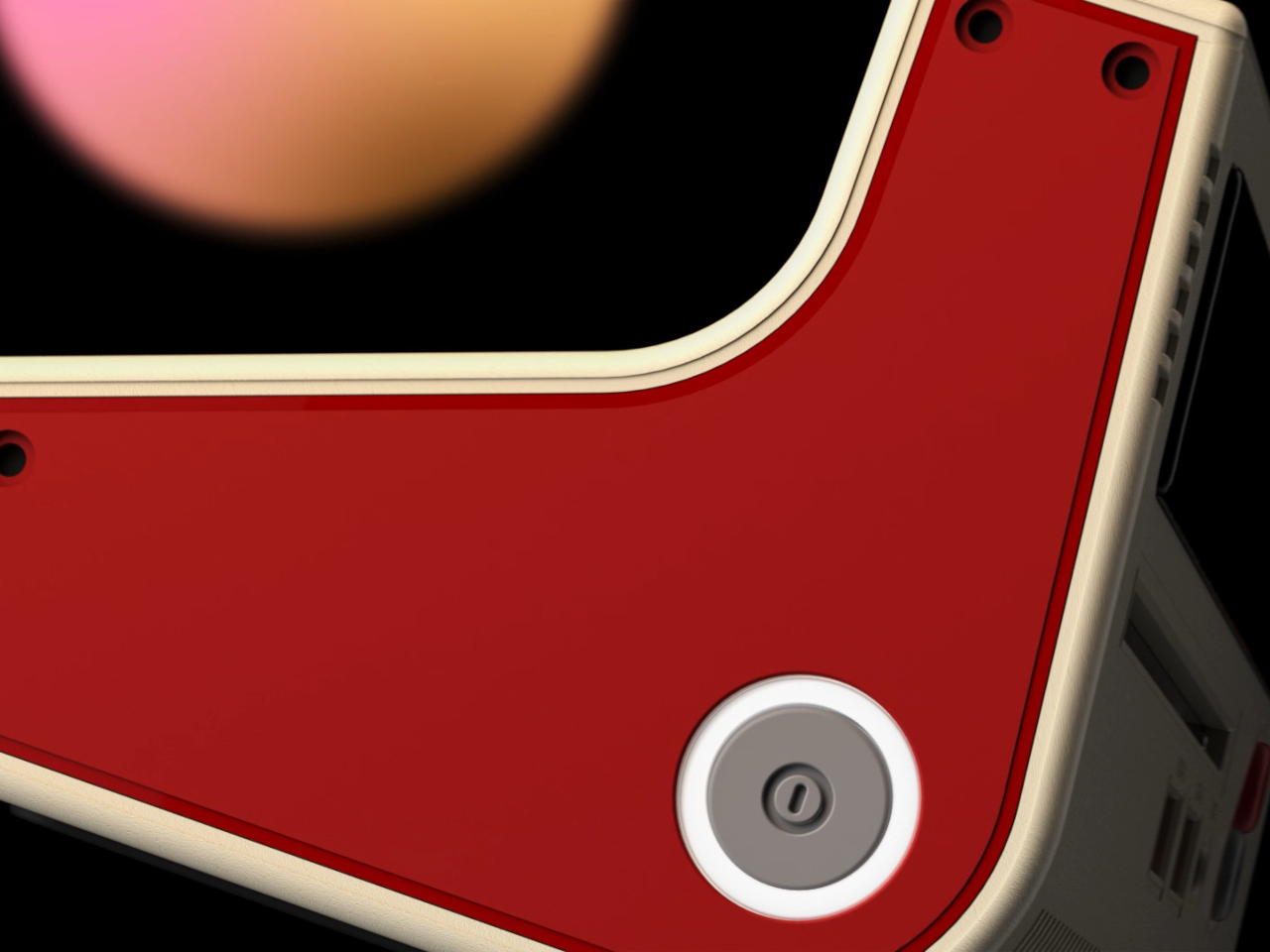
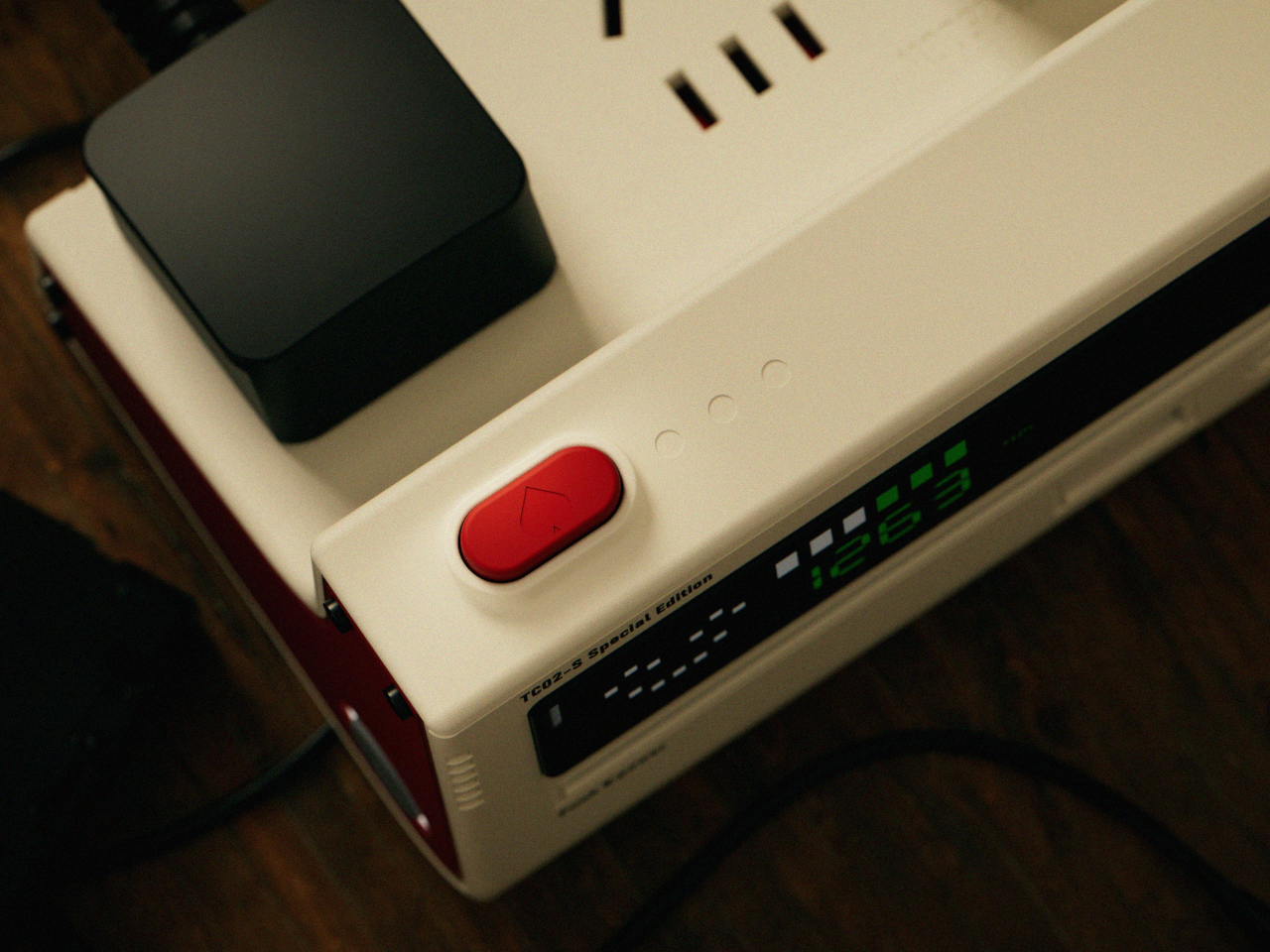
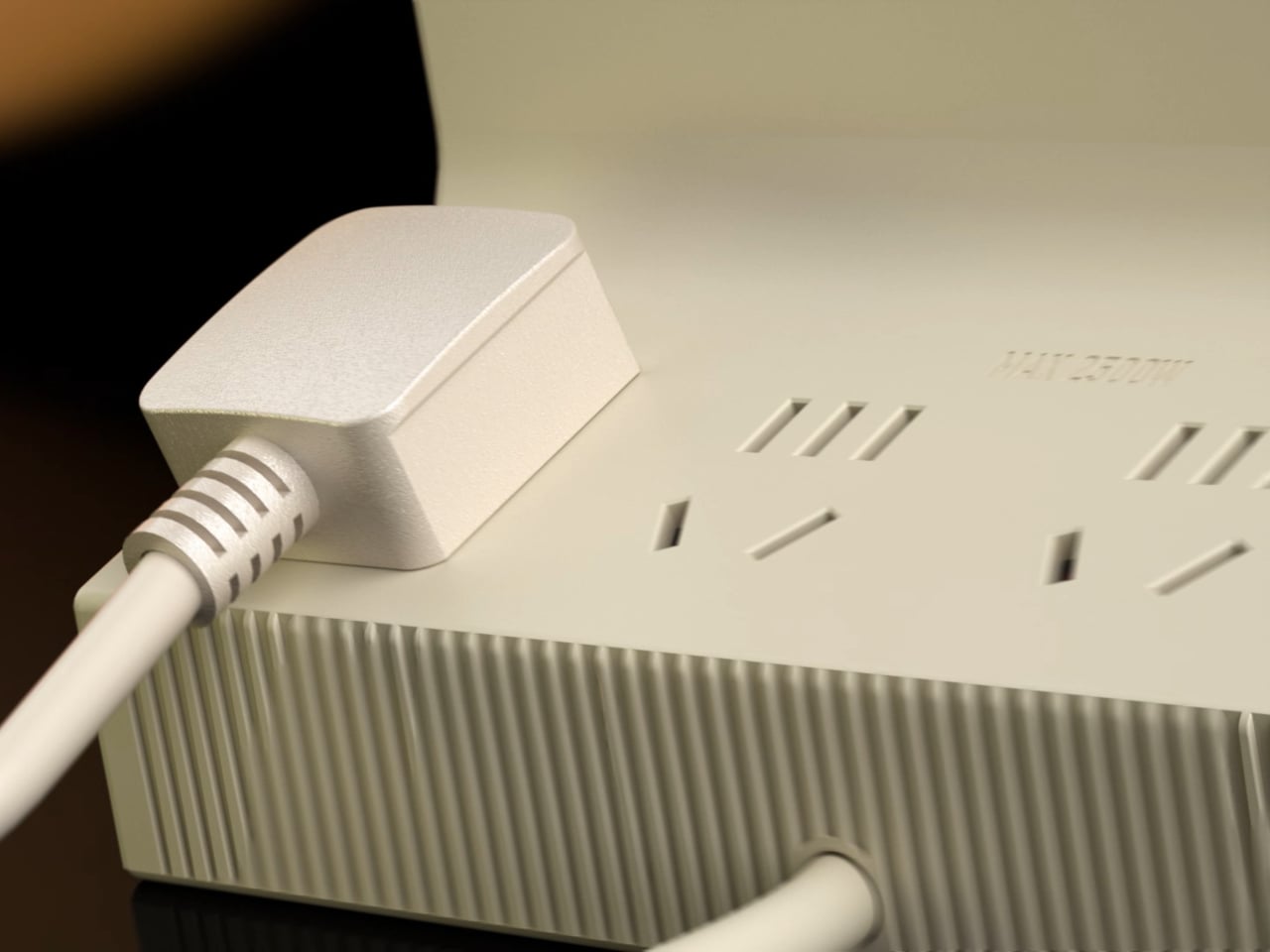
The body follows the Famicom’s rectangular shape with rounded edges and cream-colored plastic accented by deep red panels. Vertical ridges run along the sides like ventilation grilles from the original hardware. A large red power button sits on one side, positioned exactly where you’d expect a console’s main switch. The whole thing commits fully to looking like a game system from four decades ago instead of just borrowing surface details.
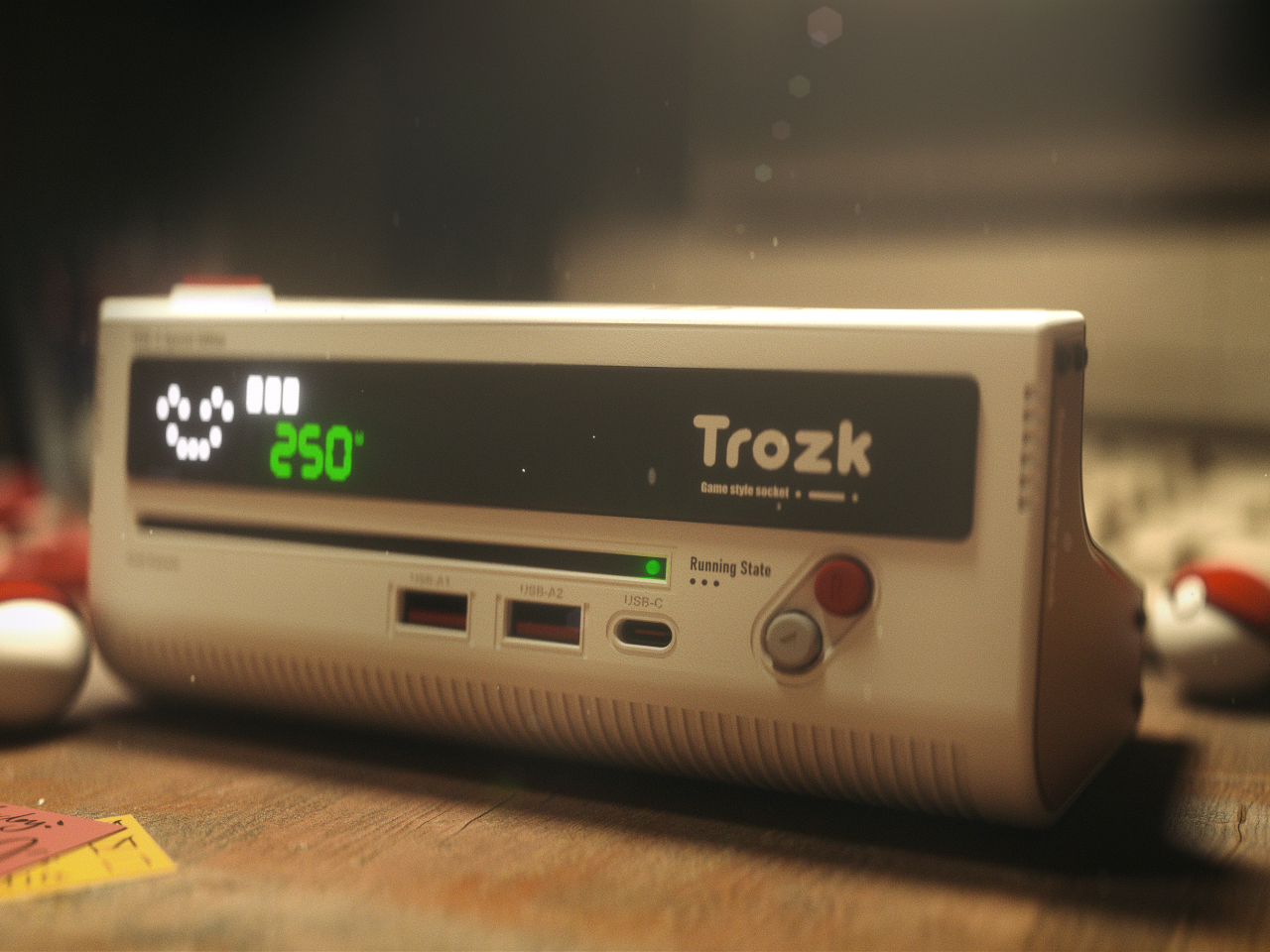
The front panel displays a pixel-style LED screen showing voltage, current draw, and operational status through green numbers and colored bar graphs pulled straight from early arcade interfaces. Small smiley face icons and retro graphics appear alongside the readings, making functional information feel playful. The screen provides genuinely useful data about power consumption while looking like something that should be showing your high score instead.
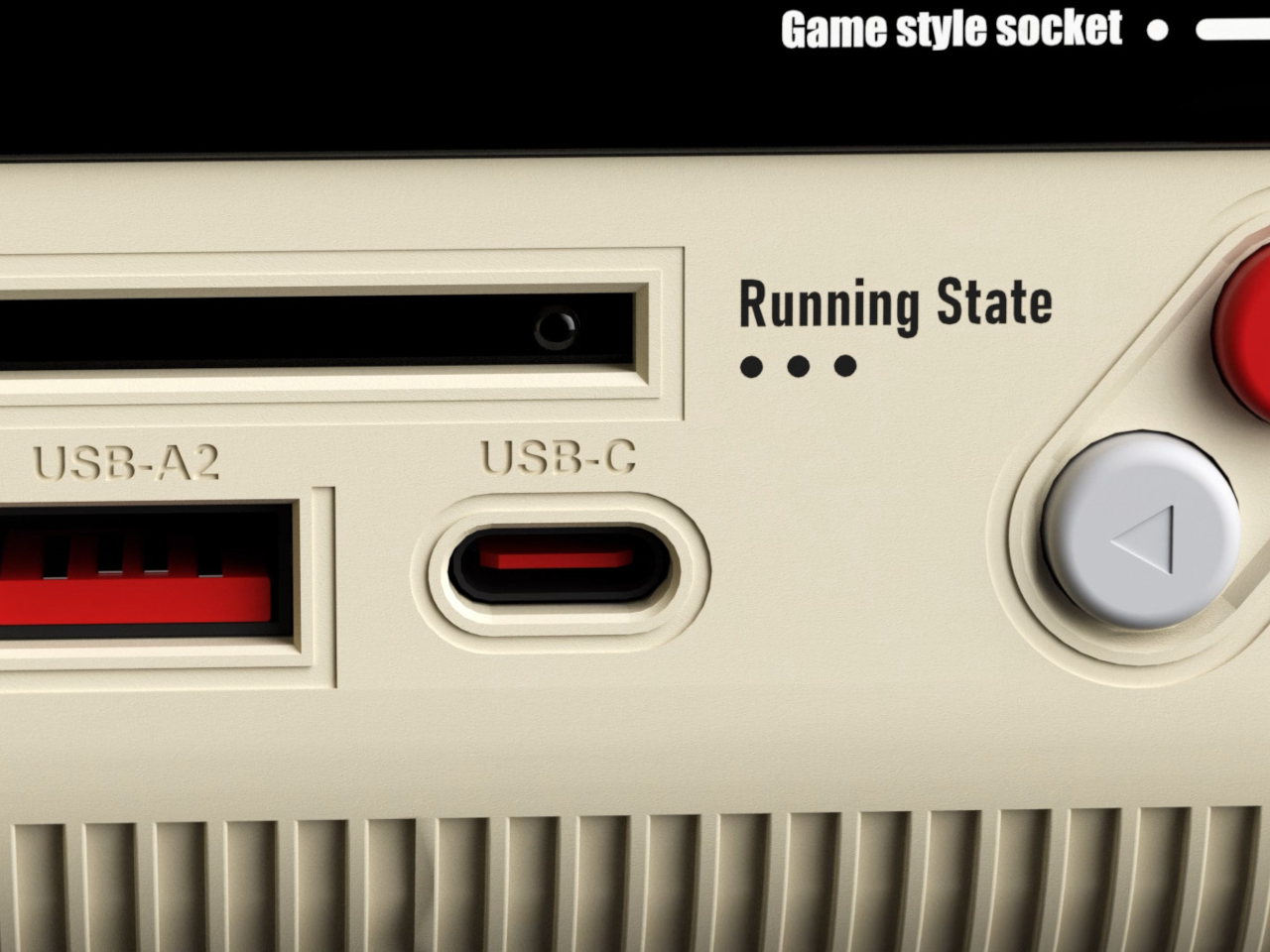
Multiple AC outlets cover the top and rear surfaces alongside two USB-A ports and one USB-C port for fast charging. The layout spaces everything out enough that bulky adapters don’t block neighboring outlets. The USB-C handles modern quick-charge protocols, while the AC sockets accept different plug types depending on your region. Everything you’d typically plug into a standard power strip works here, just with significantly more personality surrounding it.
Tactile buttons along the front feel satisfying to press like actual controller buttons instead of mushy switches that typical power strips use. The plastic housing looks and feels substantial rather than cheap. Internal construction visible in assembly diagrams shows thoughtful engineering with proper component spacing and secure mounting for all electrical elements. Surge protection and safety features likely come standard, though specific certifications aren’t detailed.
The socket works best on desks where the retro gaming aesthetic adds character to setups that would otherwise look like every other workspace filled with identical black rectangles. It organizes charging needs while referencing shared cultural memories. The Trozk Game Style Socket treats charging as an opportunity for design that carries emotional weight, making daily device management slightly more joyful for anyone who appreciates objects that tell stories.
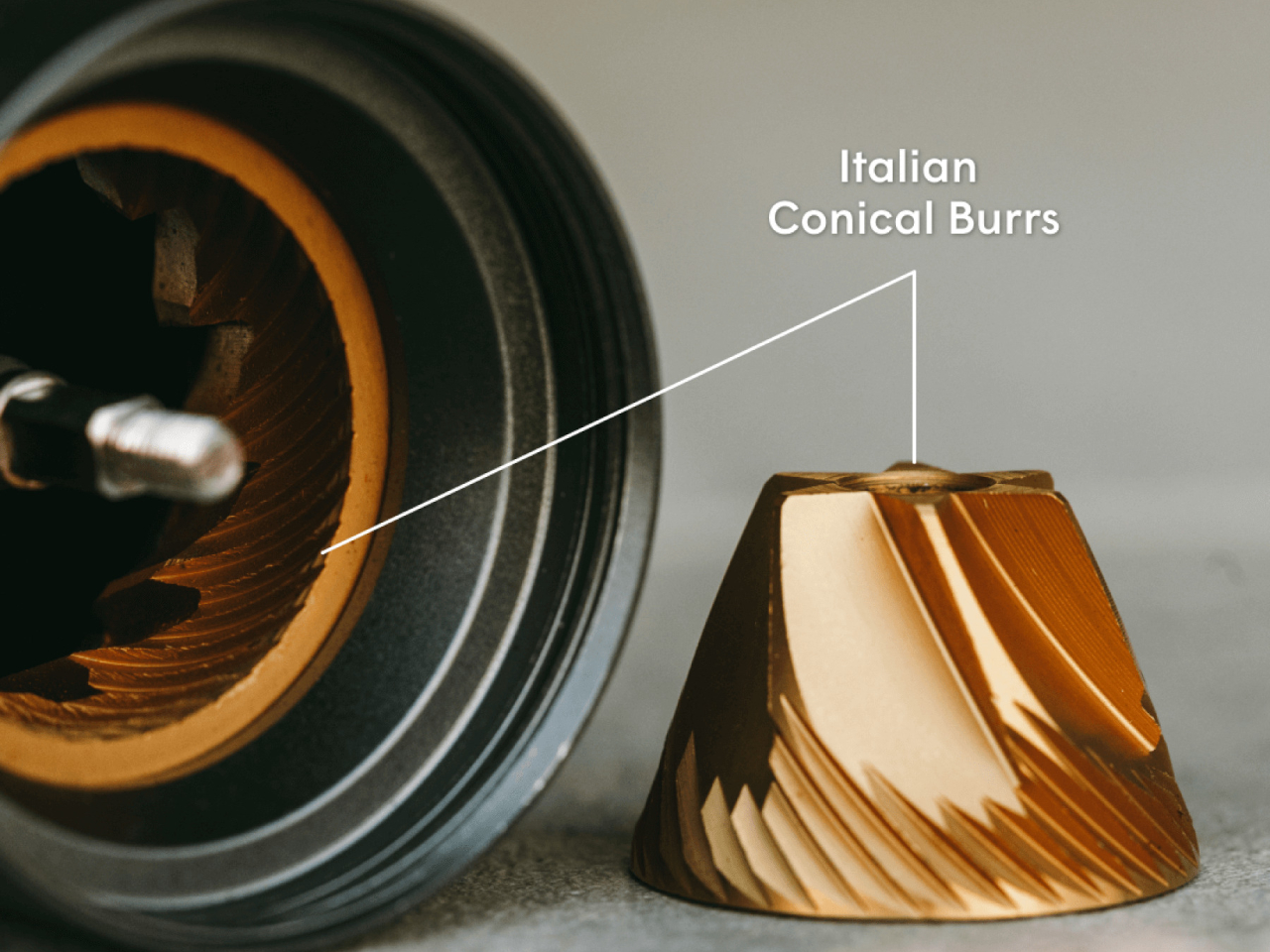
Manual grinders designed for travel usually give up something important to stay portable. Compact versions use cheaper burrs that grind unevenly, producing bitter coffee no matter how carefully you brew it. Premium grinders with Italian burrs deliver consistent results but end up too bulky for backpacks, forcing you to choose between bringing mediocre equipment or leaving the grinder at home and buying pre-ground beans that taste stale before the bag even opens.
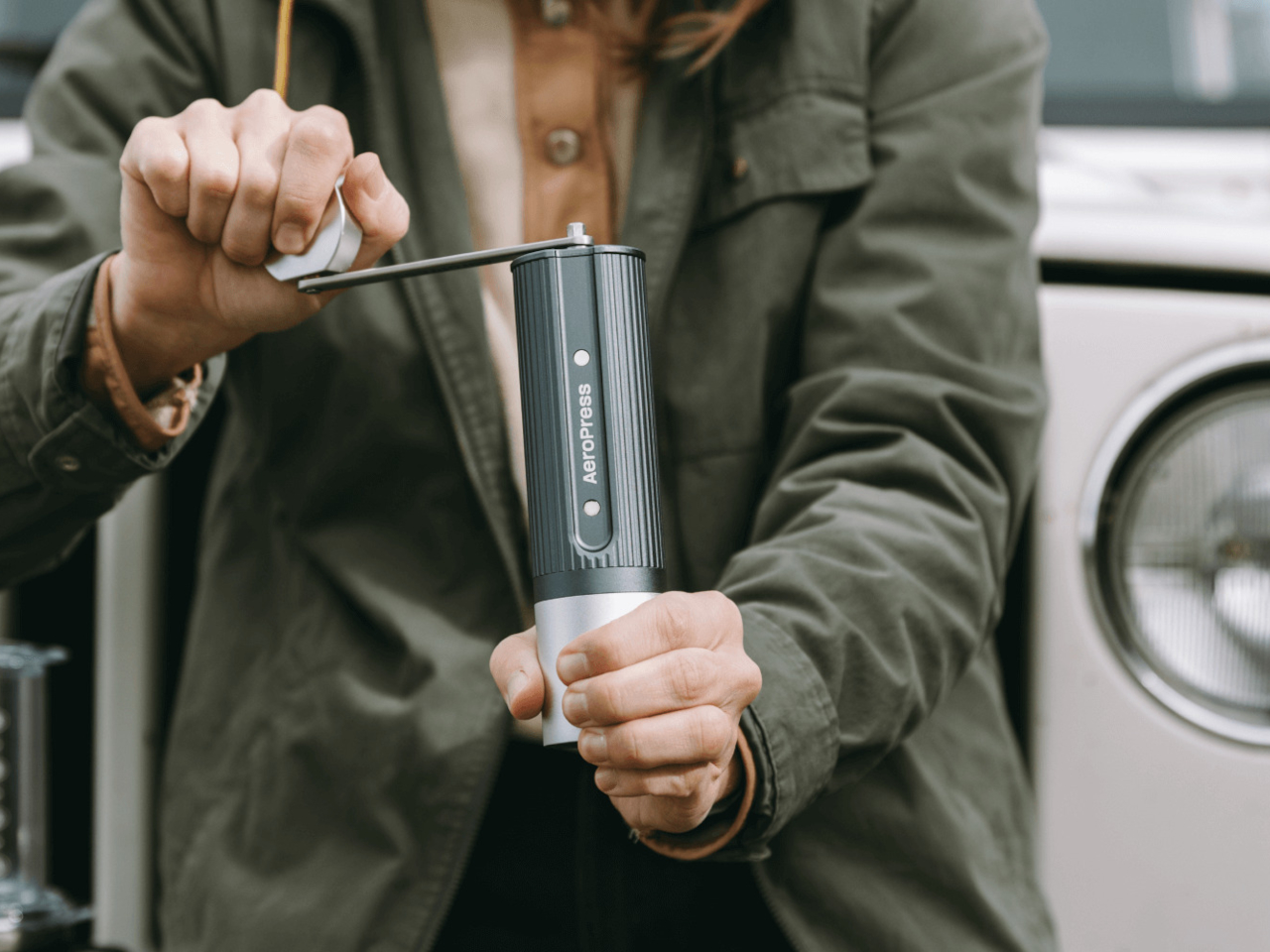
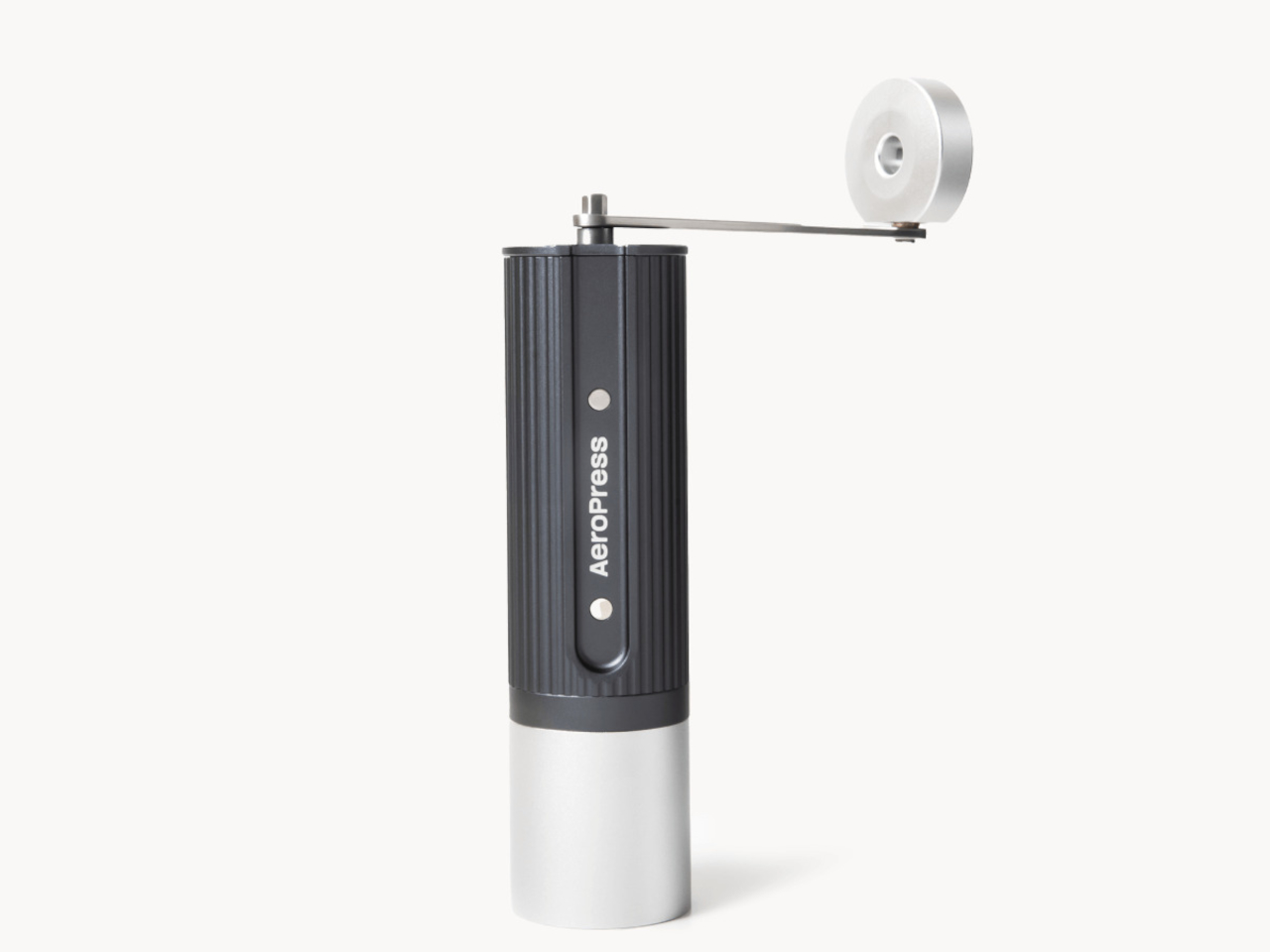
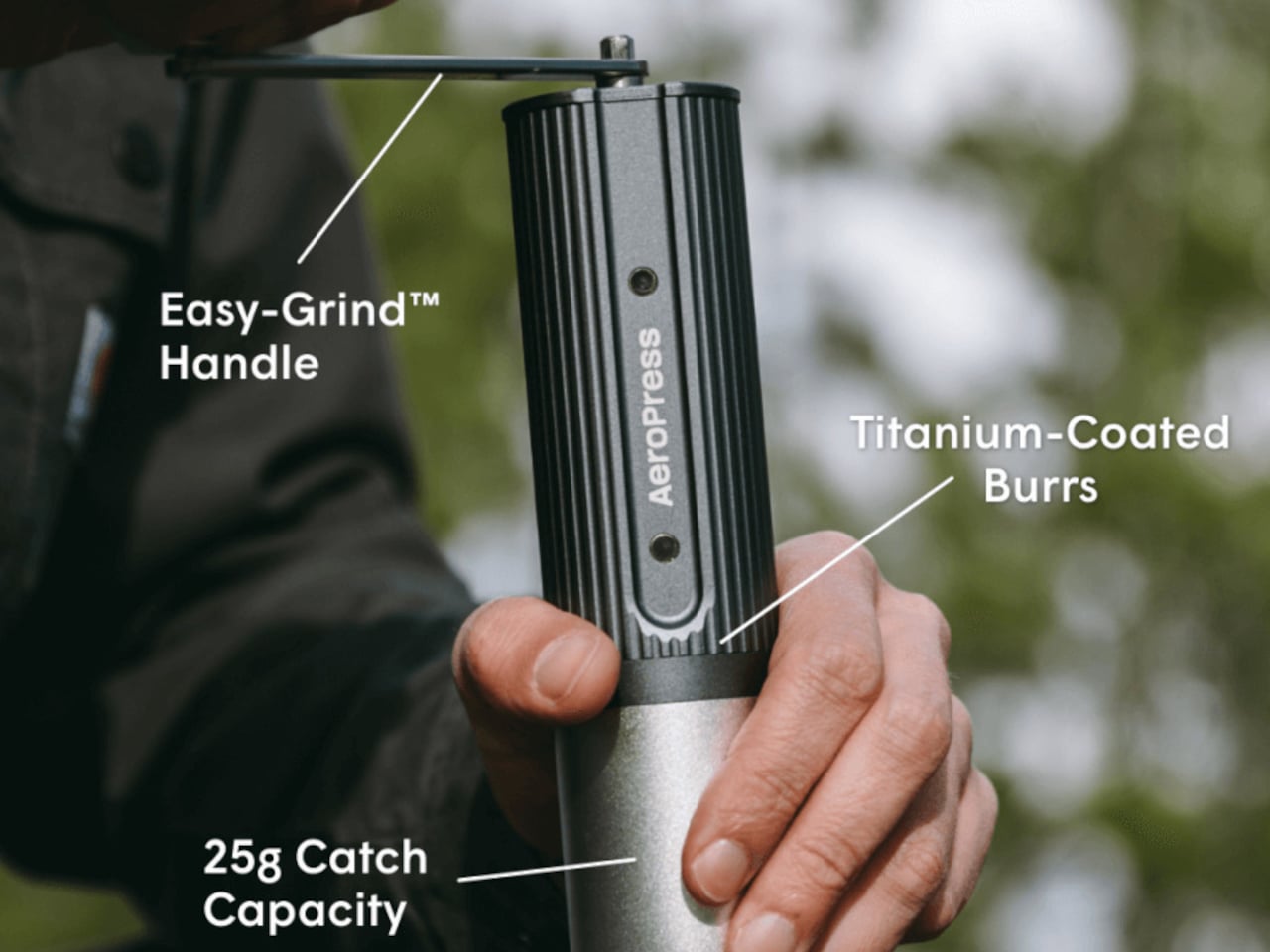
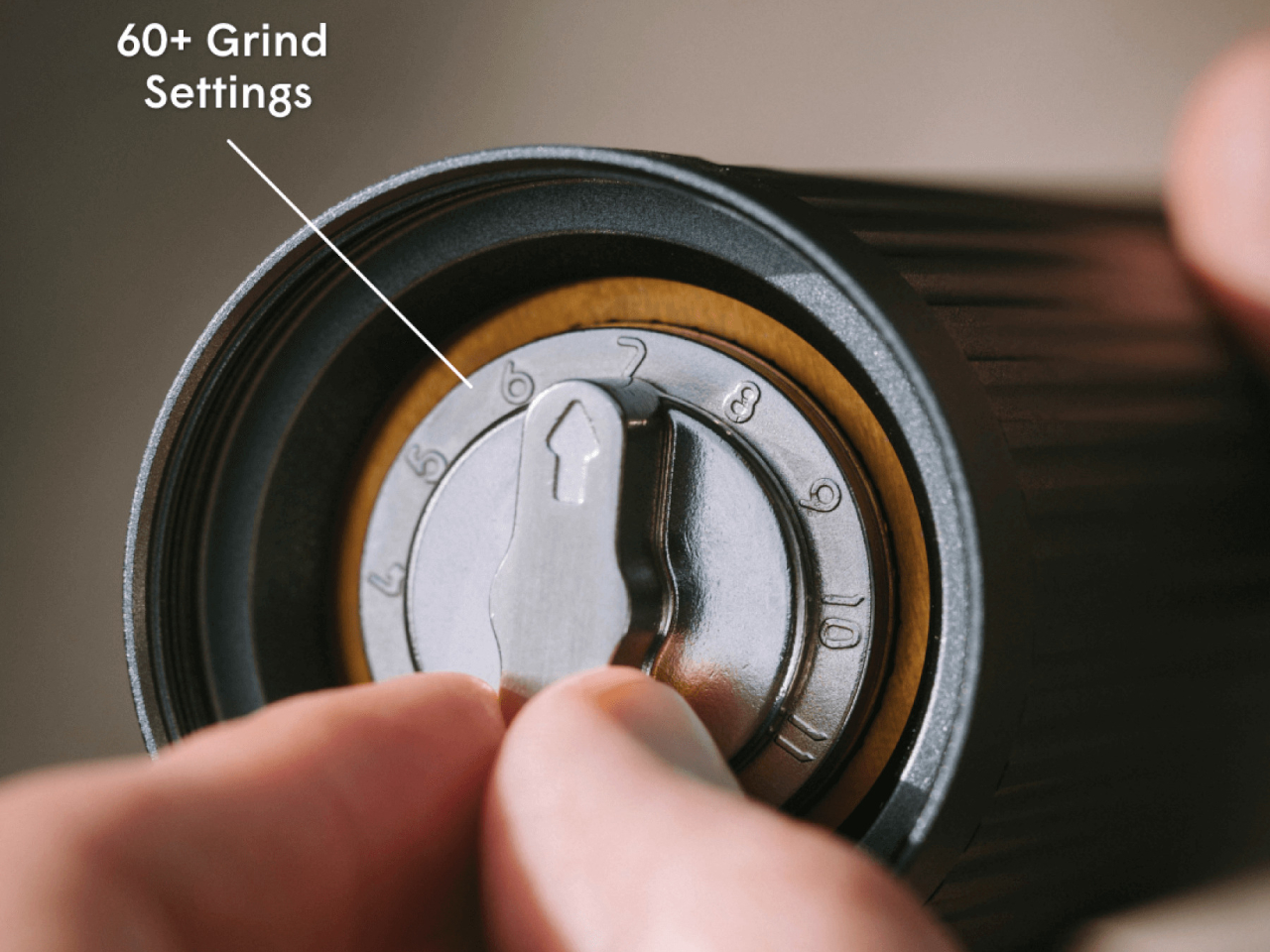
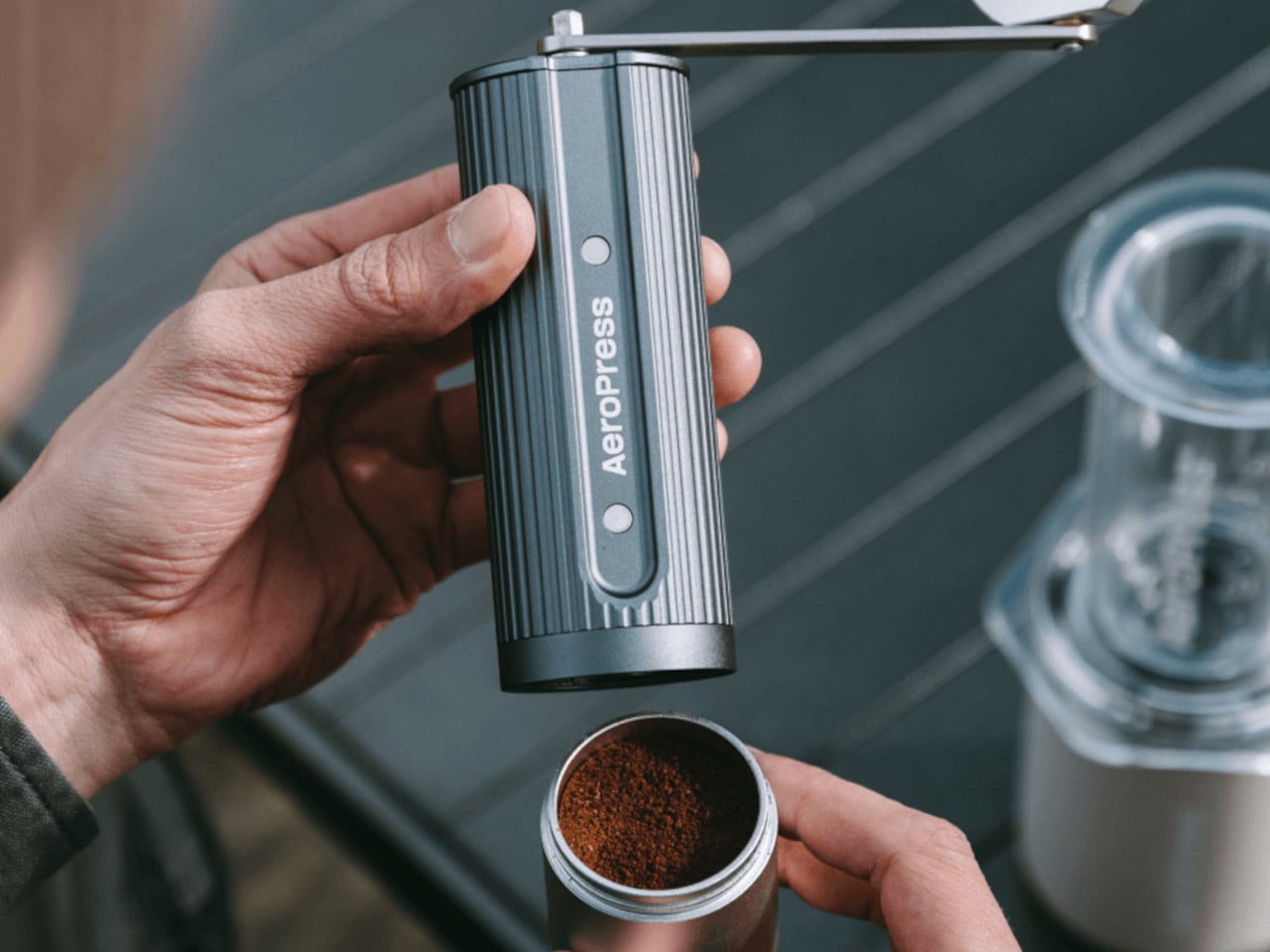
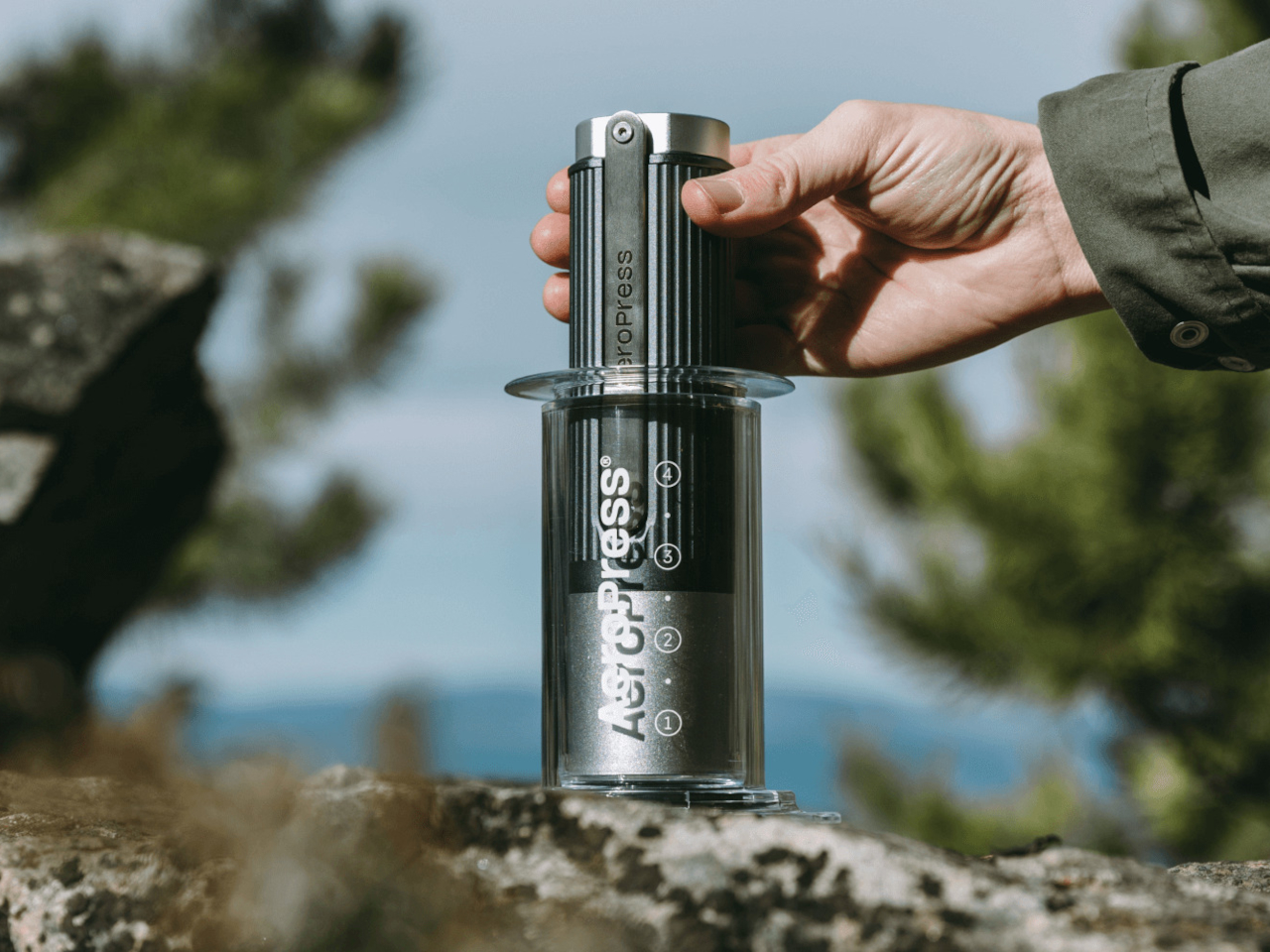
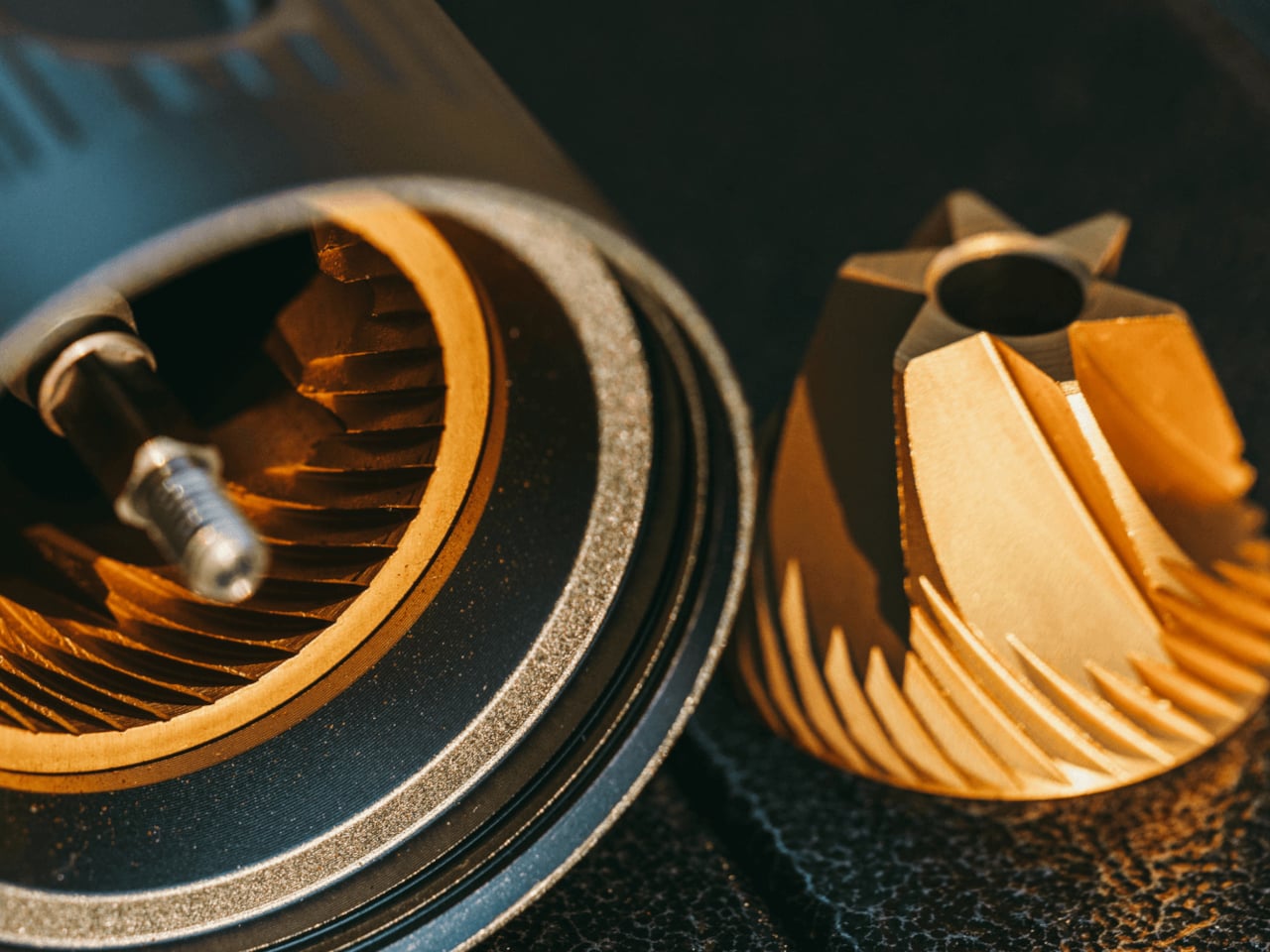
AeroPress’s new manual grinder fits completely inside the AeroPress plunger without any parts sticking out or requiring disassembly beyond detaching the magnetic handle. Italian titanium-coated burrs handle everything from espresso-fine to French press coarse across sixty distinct settings. The all-metal construction weighs enough to feel serious without becoming awkward to pack alongside other camping gear or travel essentials that compete for limited bag space.
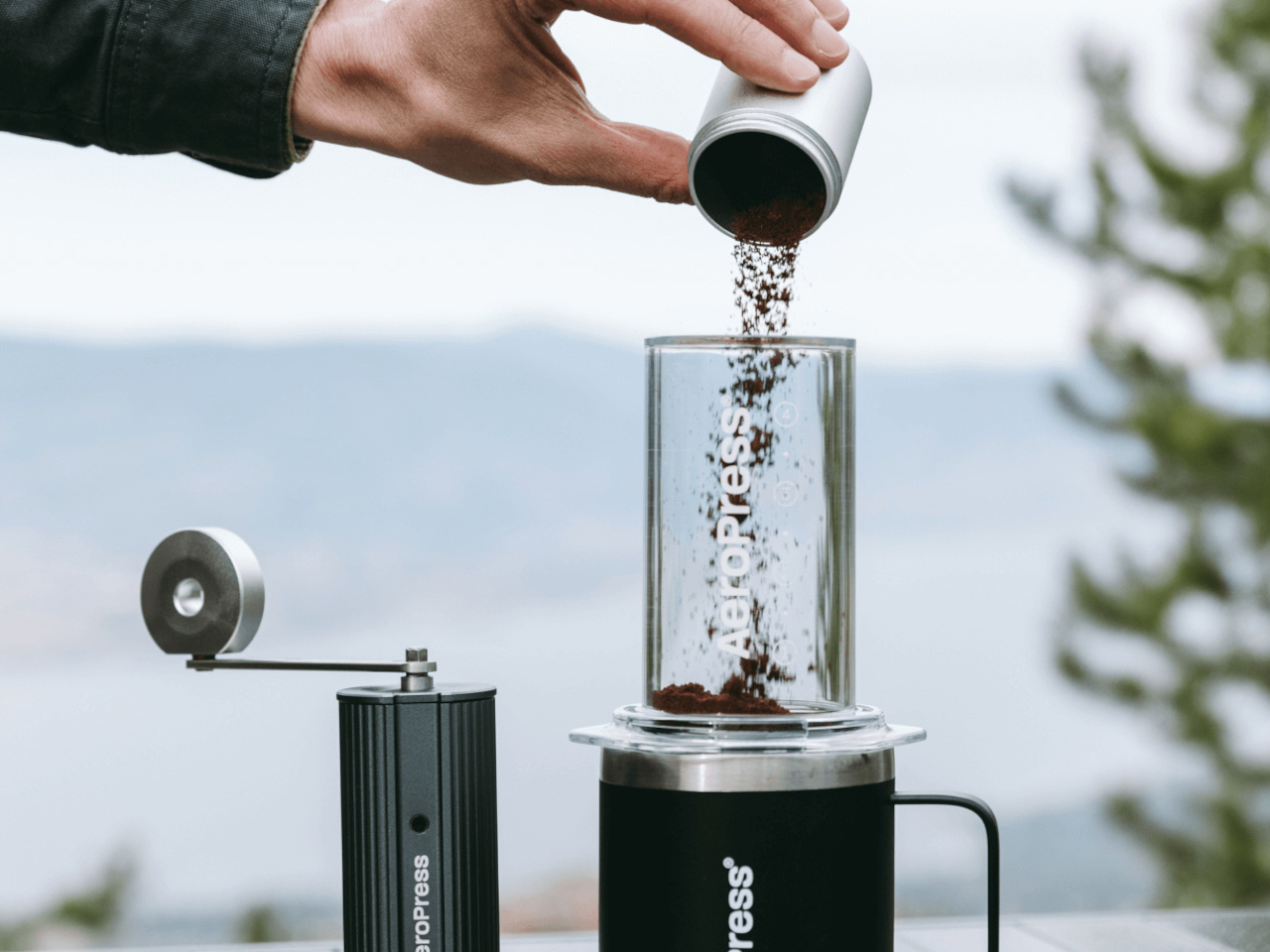
The body uses knurled aluminum with vertical ridges that provide grip when your hands are cold or slightly damp from washing beans. Dark gray metal keeps it looking professional instead of cheap. The catch holds twenty-five grams, which matches single-dose brewing perfectly and eliminates the waste that comes from grinding more coffee than you actually need for one cup or pot.
Grind adjustment happens through a numbered dial that clicks between sixty settings spanning the full range from powder-fine espresso to chunky cold brew. The grinder ships preset to medium-fine, which works immediately for AeroPress without fiddling with settings first. Twist coarser for French press. Dial finer for moka pot or espresso. The changes happen quickly without tools or confusing calibration steps that make adjusting grind size feel like solving a puzzle.
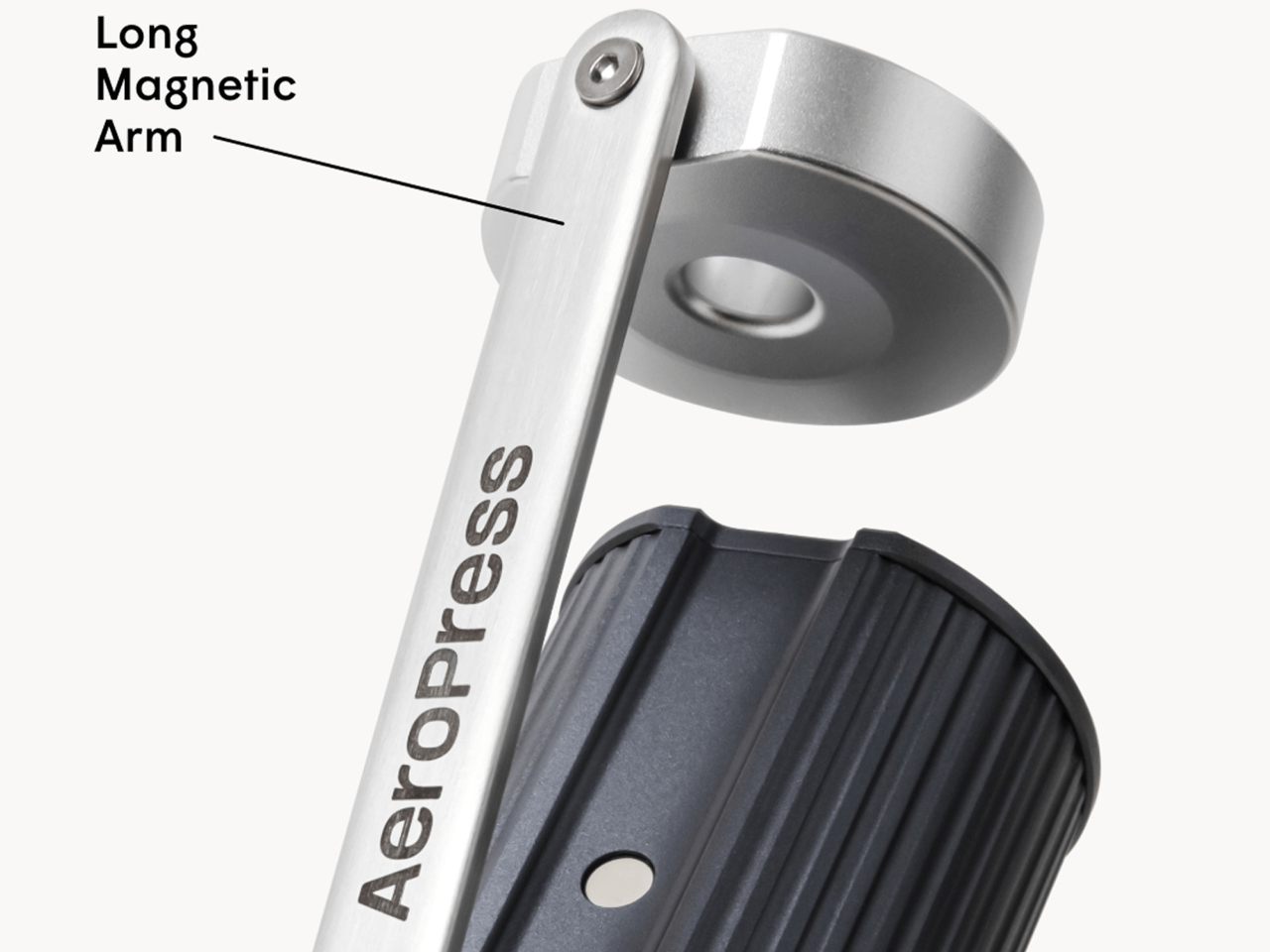
The handle attaches magnetically when you’re grinding and slides into a groove along the body when you’re done, where magnets hold it flat against the metal surface. This lets the entire grinder collapse into a cylinder that fits inside the AeroPress plunger without anything jutting out awkwardly. Pull it out, snap the handle on, grind your beans, and brew using two pieces of gear that nest together the whole trip.
Dual bearings inside the crank mechanism keep grinding smoothly enough that your arm doesn’t tire halfway through processing a full dose. The long handle provides leverage that makes each rotation easier compared to compact grinders with short cranks that require more effort and more turns to process the same amount of beans. This matters early mornings when you’re not fully awake yet or outdoors when cold air makes everything feel harder.
Cleaning requires no tools beyond the included brushes that sweep out residual grounds from the burr chamber and catch. The all-metal construction handles temperature swings and outdoor conditions better than grinders with plastic parts that crack when cold or warp inside hot cars. The lifetime warranty on the burr set suggests AeroPress expects this grinder to last years of regular use without degrading performance.
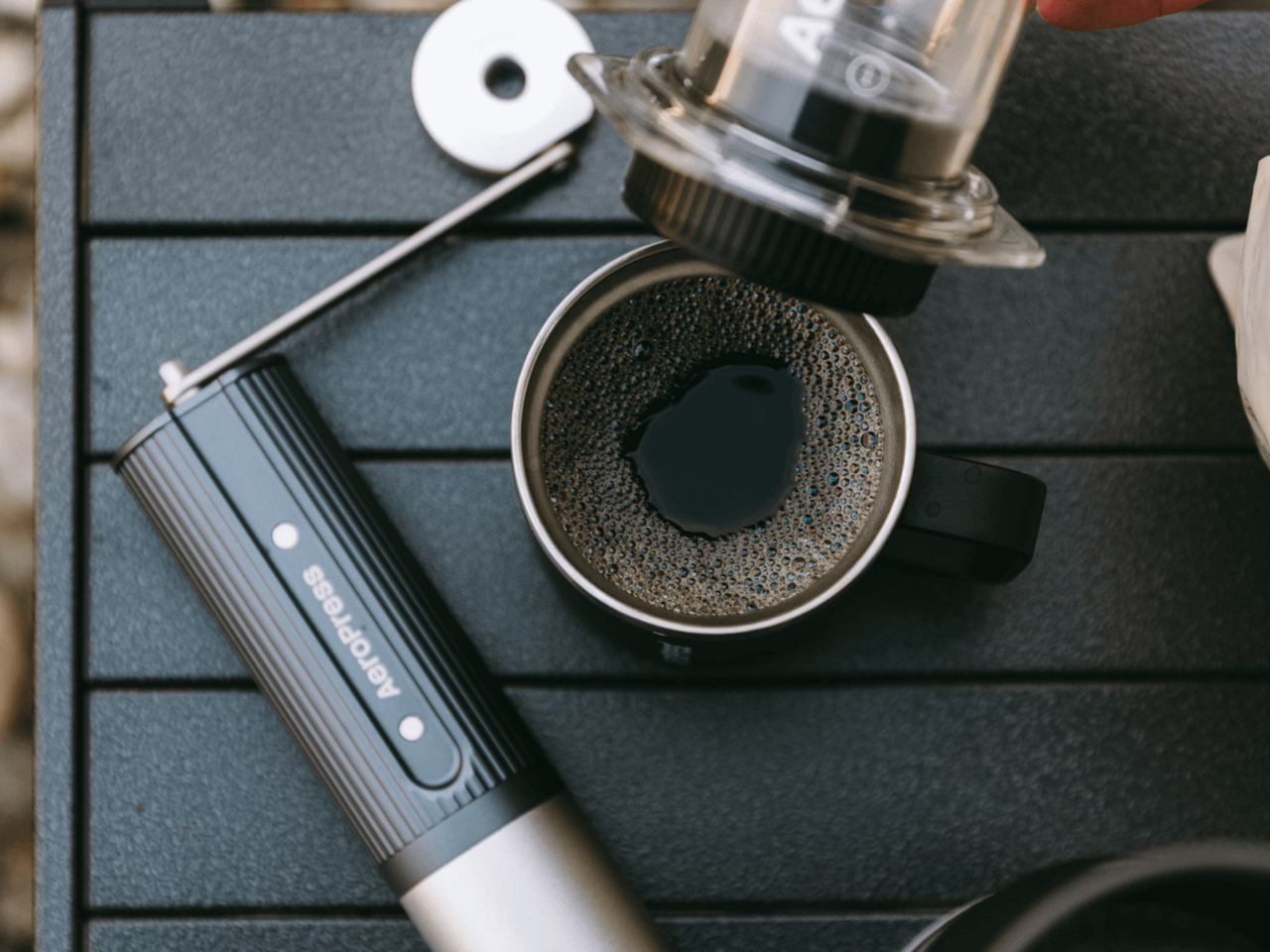
The grinder extends what AeroPress does well into the grinding stage, giving users who already trust the company’s brewers a matching tool that shares the same design priorities around portability, build quality, and making excellent coffee. The combination of premium burrs, thoughtful engineering, and genuine compactness makes it one of the few manual grinders that actually delivers on portability claims without compromising the grind consistency serious coffee brewing demands daily.
Your workspace doesn’t have to be a sterile collection of black rectangles and generic gadgets. The most interesting people surround themselves with objects that spark conversations, evoke emotions, and reflect their unique perspective on the world. These ten exceptional tech accessories prove that functionality and personality can coexist beautifully.
Each piece on this list transforms routine interactions with technology into moments of genuine delight. They’re the kind of accessories that make visitors pause, smile, and ask, “Where did you get that?” More importantly, they remind us daily that our spaces should inspire us, not drain us.
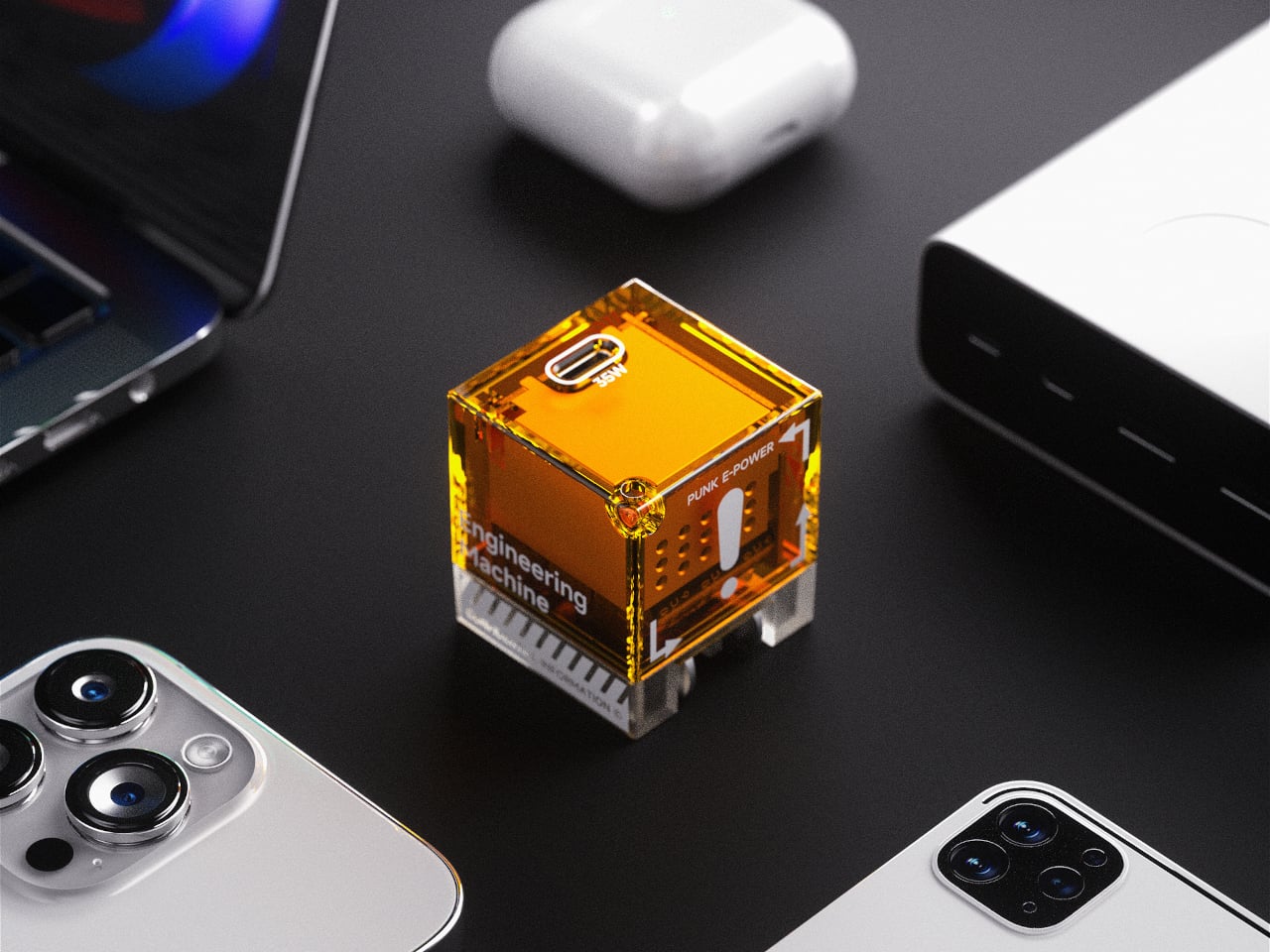
Power adapters typically disappear into cable chaos, forgotten until desperately needed. Trozk’s Infinity Stone chargers flip this relationship entirely, transforming charging into a collectible experience that Marvel fans genuinely want to display. Each cube captures light like genuine gemstones, with translucent shells that seem to glow from within when catching desk lamp illumination.
The genius lies in making something utilitarian genuinely beautiful. Six different stone colors create a collectible series that encourages completion, turning mundane power delivery into treasure hunting. These aren’t just pretty faces either—each adapter delivers legitimate 35W fast charging through advanced GaN technology, proving that exceptional design doesn’t require performance compromises.
What we like
• Transforms everyday charging accessories into displayable collectibles.
• Delivers genuine 35W fast charging performance with modern GaN efficiency.
What we dislike
• Premium pricing significantly exceeds standard charger costs.
• Marvel theming may not appeal to users preferring subtle aesthetics.
2. OrigamiSwift Mouse
Portable mice traditionally sacrifice comfort for compactness, creating cramped experiences that leave your hand aching after extended use. OrigamiSwift solves this fundamental compromise through ingenious origami-inspired engineering that delivers full-sized ergonomics while folding completely flat. The transformation happens in milliseconds, springing from storage to workspace readiness almost magically.
This represents thoughtful design at its finest—understanding that mobile professionals need both portability and comfort without choosing between them. The mouse fits naturally in your palm during use, then disappears into laptop bags or pockets when traveling. Every interaction feels intentionally crafted, from the satisfying snap of deployment to the precise tracking across any surface.
• Provides full-sized ergonomic comfort while folding completely flat for storage.
• Sub-second deployment makes it instantly ready whenever needed.
What we dislike
• The mechanical folding system may experience wear with intensive daily use.
• Higher cost compared to traditional compact travel mice.
3. Gboard Dial Version Concept Keyboard
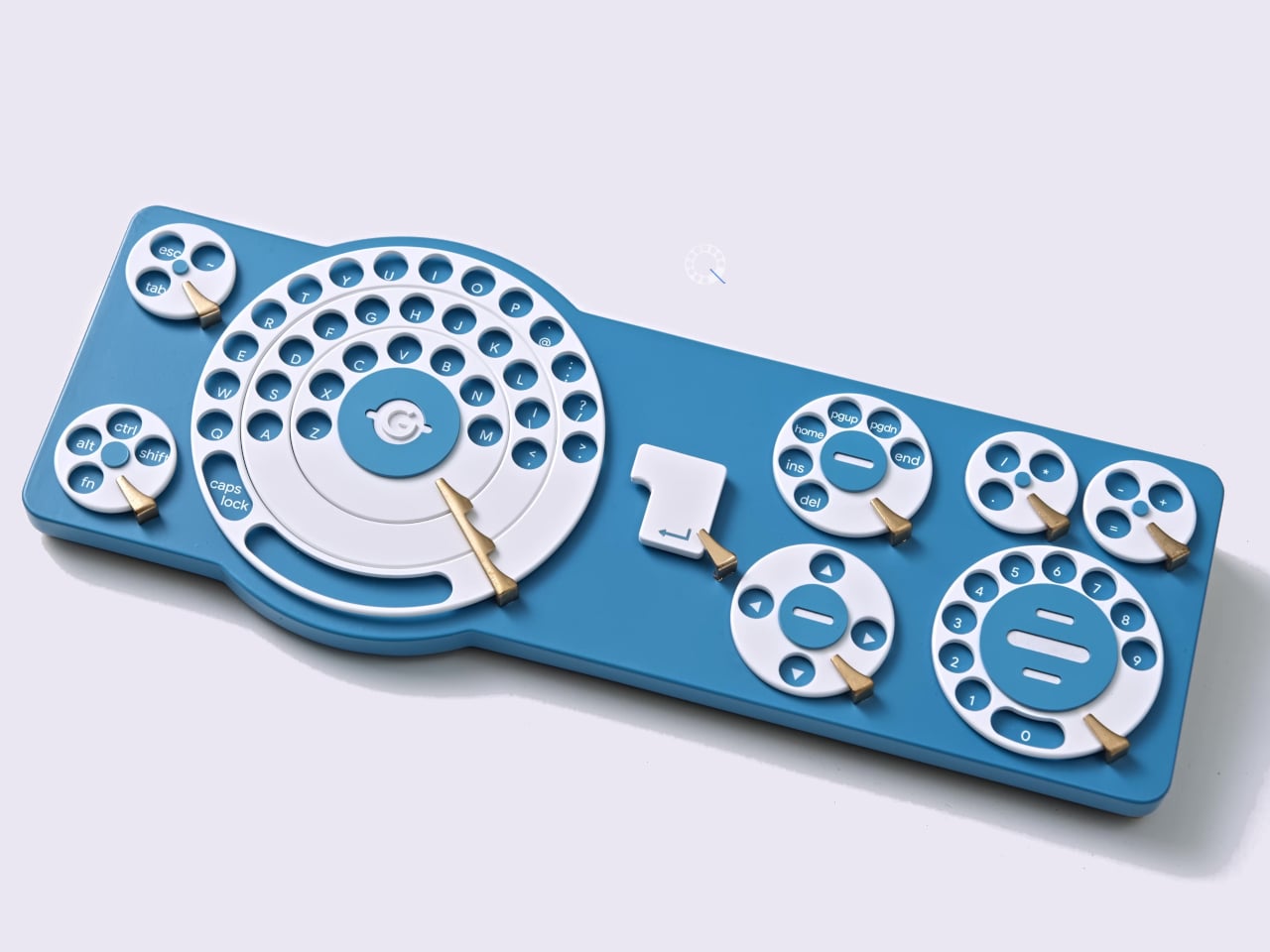
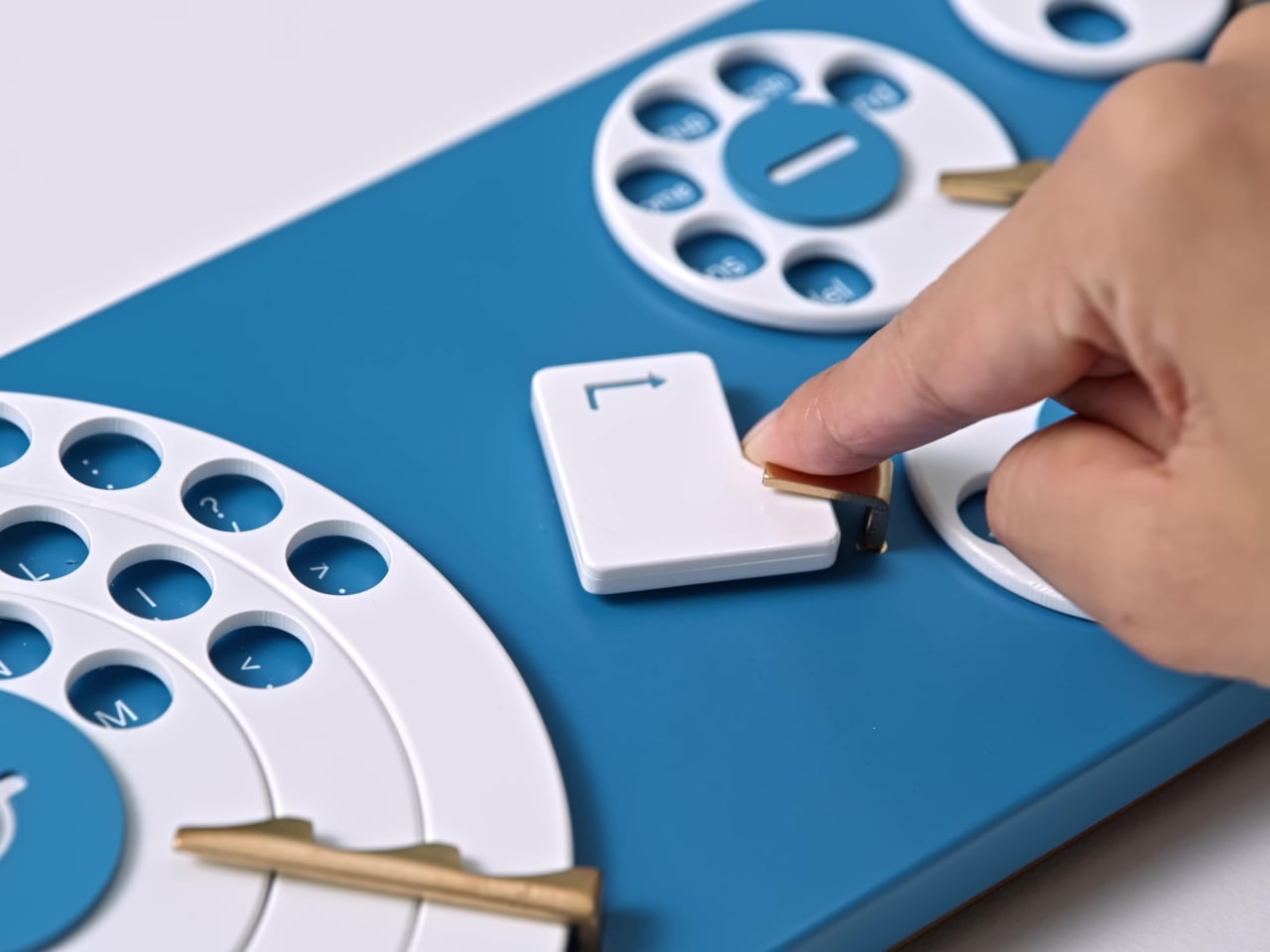
Some design experiments exist purely to make you reconsider fundamental assumptions, and Google Japan’s dial keyboard succeeds spectacularly. This delightfully absurd concept replaces key pressing with rotary phone mechanics, turning text input into a nostalgic ritual. Users insert fingers into vintage-style holes, rotating to select characters while enjoying the satisfying “jiko-jiko” grinding sounds of mechanical precision.
The three-layer dial structure claims faster input speeds, though productivity clearly isn’t the primary goal here. This keyboard exists to spark smiles, generate conversations, and remind us that technology doesn’t always need to optimize for efficiency. Sometimes the best innovations simply help us rediscover joy in everyday interactions with our devices.
What we like
• Creates a unique conversation piece that challenges conventional input methods.
• Nostalgic mechanical sounds provide a meditative, deliberate typing experience.
What we dislike
• Likely much slower than traditional keyboards for practical work tasks.
• Conceptual nature means commercial availability remains uncertain.
4. Minions-Themed Wi-Fi Routers
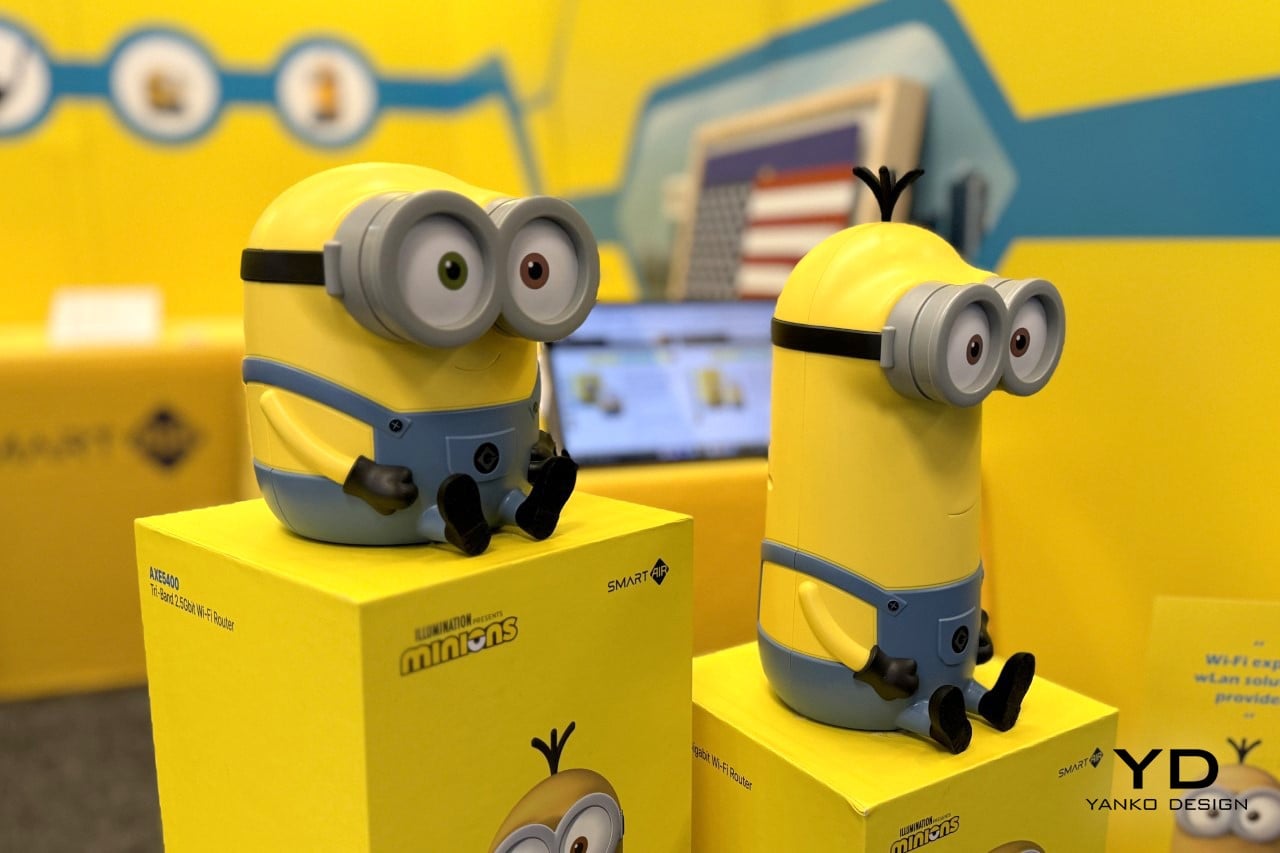
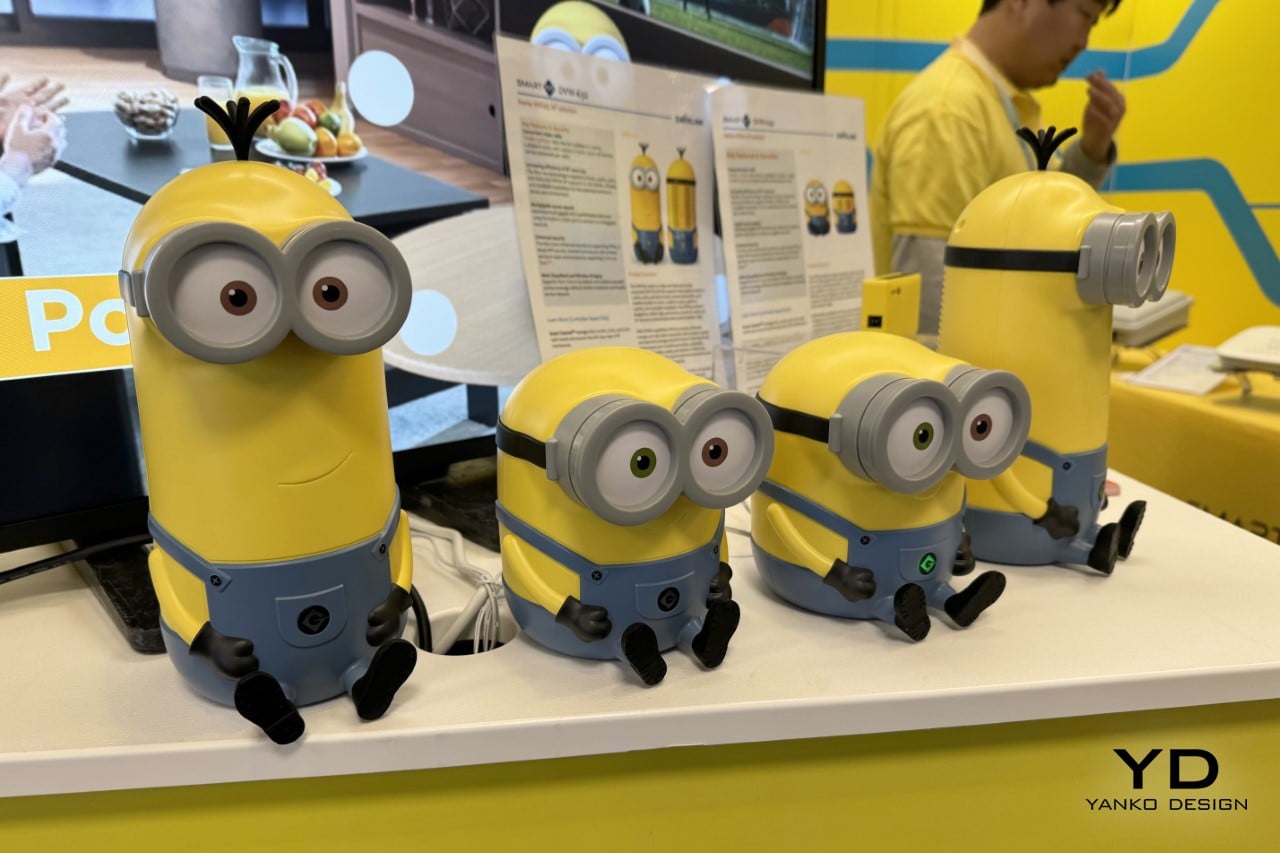
Network equipment usually hides in closets and cabinets, forgotten until connection problems arise. These Minion-themed routers celebrate connectivity infrastructure, transforming essential but invisible technology into cheerful desk companions. Bob and Kevin’s designs aren’t just cosmetic—shorter Bob handles dual-band networking while taller Kevin manages triple-band frequencies, including cutting-edge 6GHz connectivity.
The character selection reflects genuine technical differences, creating functional storytelling that makes networking specs memorable. Mesh capabilities eliminate dead zones throughout your home, ensuring every corner maintains strong connectivity for 8K streaming or competitive gaming. These routers prove that essential technology can bring personality to spaces without sacrificing performance.
What we like
• High-performance mesh networking with comprehensive multi-band frequency support.
• Character theming makes typically hidden networking equipment genuinely enjoyable.
What we dislike
• Playful aesthetic may clash with sophisticated or minimalist interior design.
• Licensed character branding typically commands premium pricing over generic alternatives.
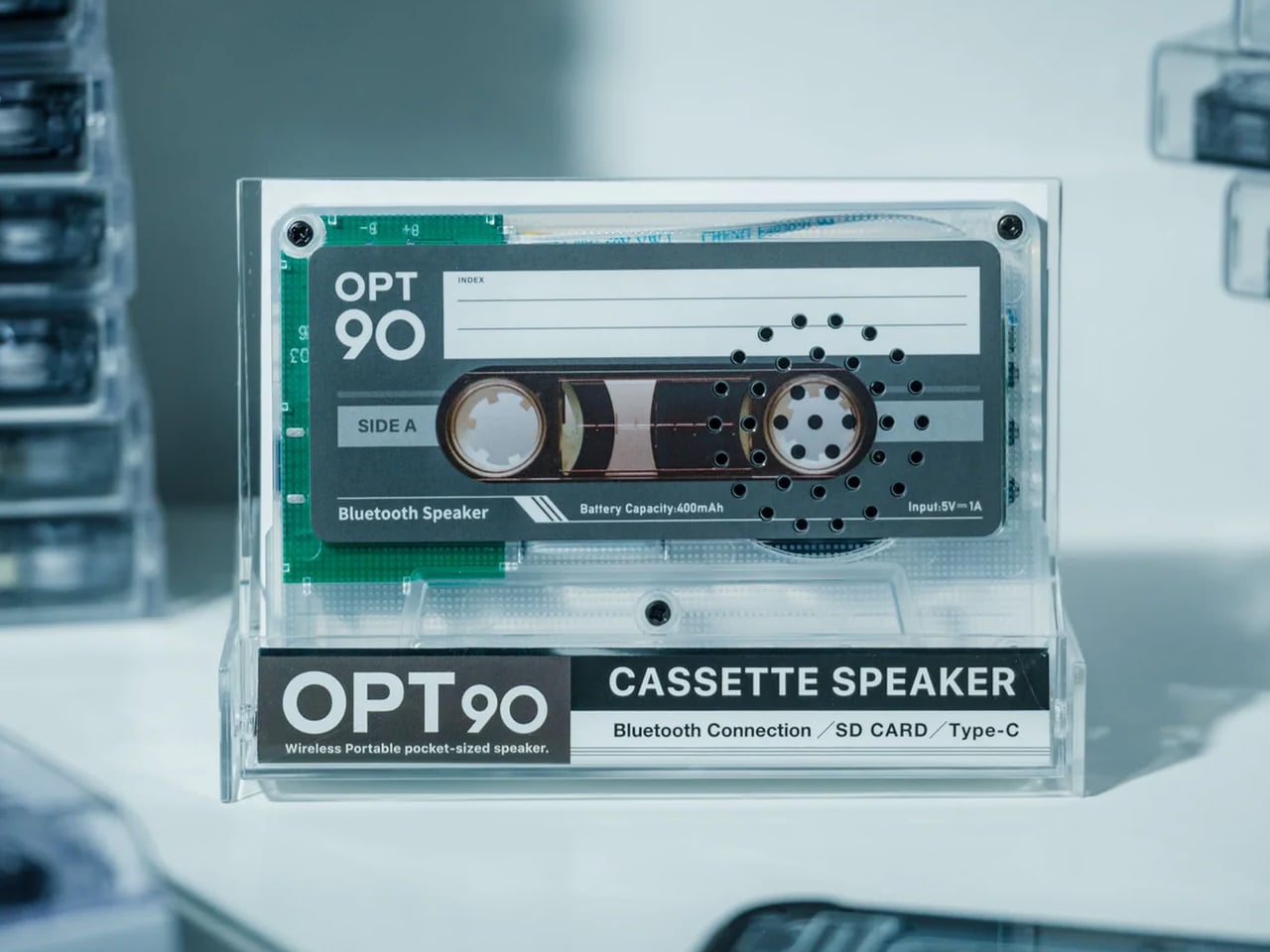
5. Side A Cassette Bluetooth Speaker
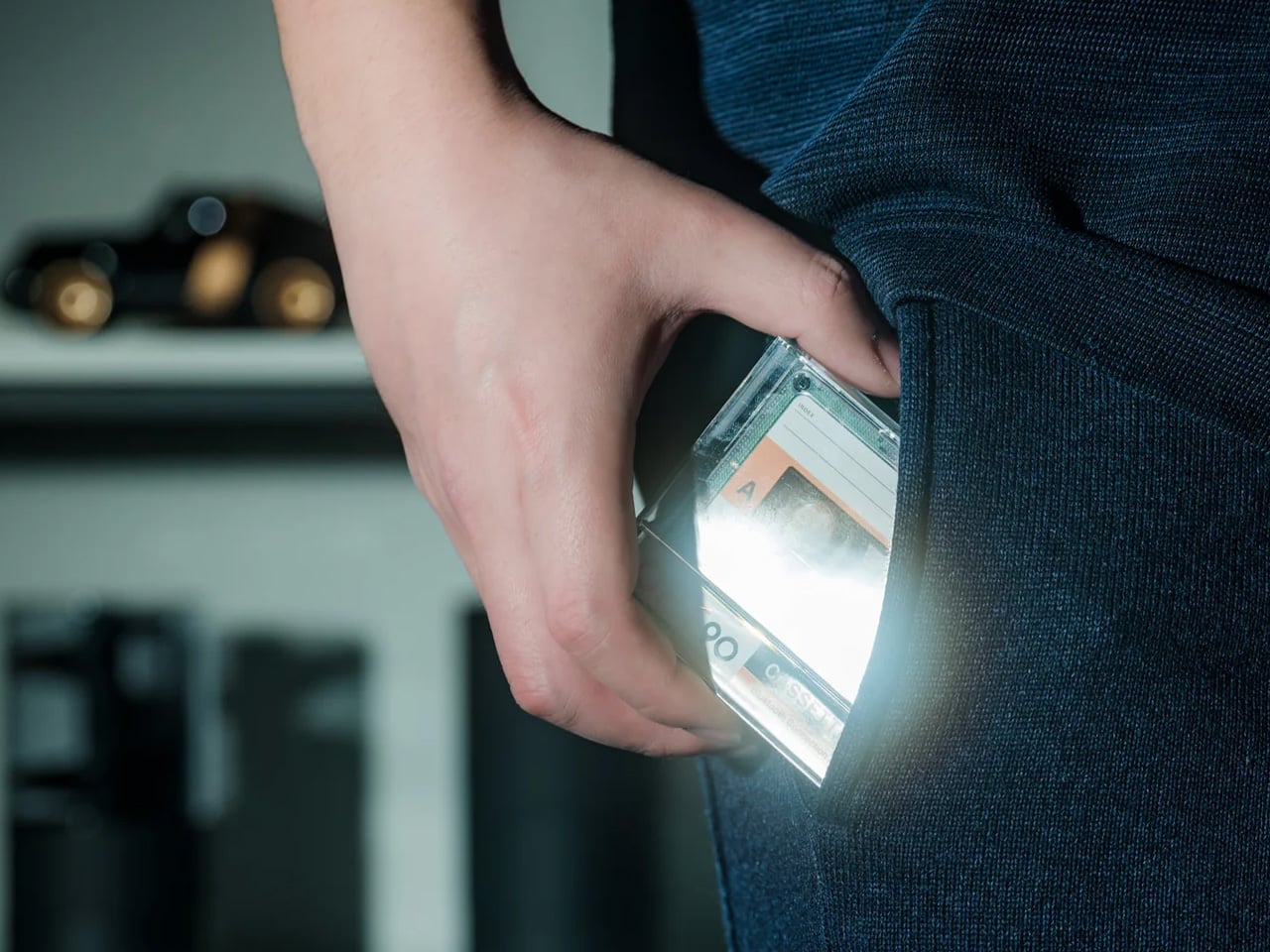
Nostalgia products often prioritize appearance over functionality, creating beautiful objects that disappoint when actually used. This cassette speaker nails both dimensions perfectly, delivering authentic mixtape aesthetics with genuinely useful modern features. The transparent shell and Side A labeling create instant recognition, while Bluetooth 5.3 connectivity provides reliable wireless audio that sounds surprisingly warm for such compact dimensions.
The clear case doubles as a display stand, transforming any shelf into a mini music museum. MicroSD card support enables offline playback, letting you curate actual digital mixtapes without streaming dependencies. This clever design bridges decades of music technology, honoring analog heritage while embracing contemporary convenience.
• Authentic cassette design combined with modern Bluetooth 5.3 wireless connectivity.
• MicroSD card support enables offline playback without internet streaming requirements.
What we dislike
• Compact dimensions naturally limit maximum volume output and bass response.
• Retro aesthetic appeals primarily to specific generational demographics.
6. XDOBO BMTL Mushroom Bluetooth Speaker
Audio equipment tends toward aggressive, angular designs that announce their presence loudly. This mushroom speaker takes the opposite approach, bringing organic whimsy to tech-heavy environments while delivering surprisingly robust sound quality for its diminutive size. The design immediately evokes forest floors and fairy tales, creating instant warmth wherever it’s placed.
Despite its compact footprint, the speaker produces full, rich audio that reviewers consistently praise for clarity and balance. The form factor encourages creative placement—nestled among books, perched on nightstands, or clustered with plants for a woodland aesthetic. This speaker proves that audio equipment can integrate naturally into living spaces rather than dominating them.
• Limited room-filling capabilities compared to larger, traditional speaker designs.
• Whimsical appearance may not suit minimalist or professional workspace aesthetics.
7. Corsair iCUE 5000X RGB Tempered Glass Case
Desktop computers traditionally hide components behind opaque panels, treating internal hardware as purely functional elements. The iCUE 5000X flips this philosophy completely, featuring four tempered glass panels that transform your build into an illuminated sculpture. Smart RGB lighting responds to music, temperatures, or gaming events, creating a dynamic room ambiance that extends far beyond the desktop.
Cable management systems ensure clean aesthetics match the technical showcase, while the included RGB fans provide both cooling performance and customizable lighting effects. This case supports high-end builds without compromising display potential, accommodating large graphics cards and multiple fans while maintaining pristine sightlines. Modern front panel I/O, including USB-C, keeps connectivity current with contemporary device requirements.
• Glass panels require frequent cleaning to maintain a pristine, fingerprint-free appearance.
• Premium materials and lighting features command significantly higher pricing.
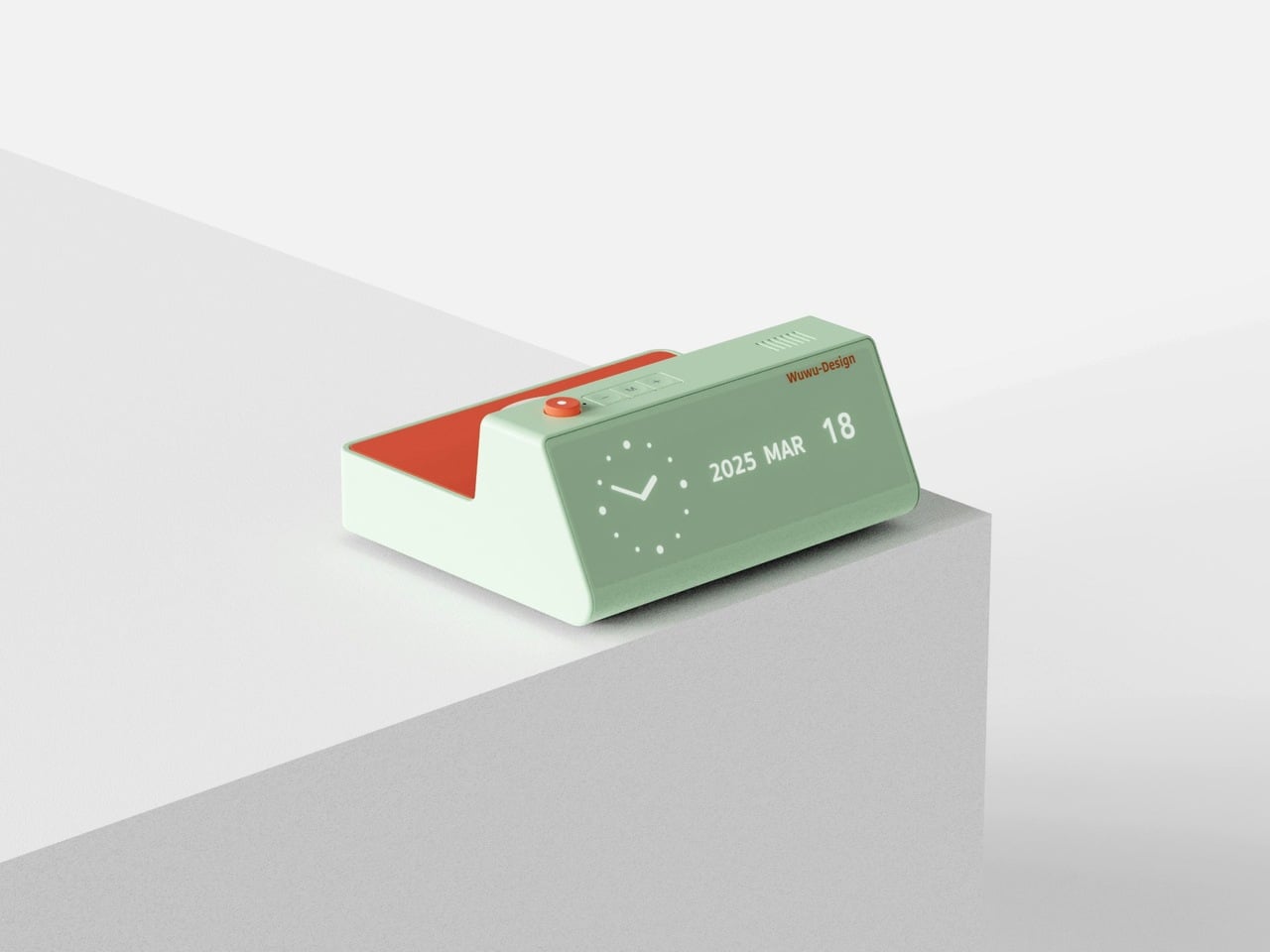
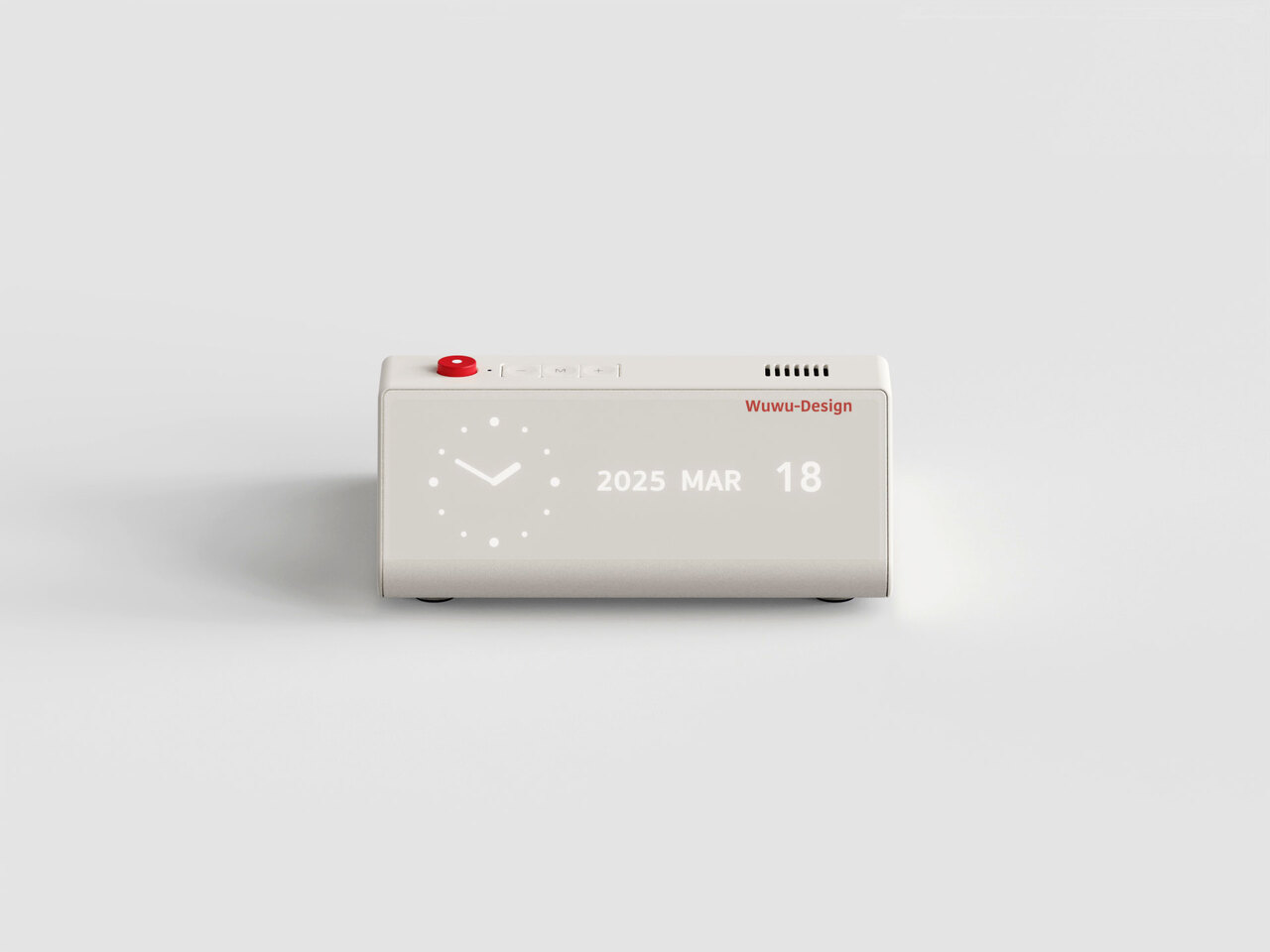
8. Dieter Rams-Inspired Desk Clock with Wireless Charging
Digital displays typically compete for attention through brightness and animation, creating visual noise that disrupts workspace tranquility. This Braun-inspired clock takes the opposite approach, embedding time and date information so subtly into the matte surface that they appear almost ghostly. The asymmetrical layout breaks conventional clock design while maintaining perfect balance.
Wireless charging integration eliminates cable clutter without compromising the clean aesthetic that makes this piece special. The design philosophy prioritizes essential functions while removing everything superfluous, creating a timeless appeal that won’t feel dated in five years. This clock proves that the best technology often involves thoughtful subtraction rather than feature addition.
• Seamlessly integrates essential functions without creating visual clutter or distraction.
What we dislike
• Subtle display design may challenge readability from certain viewing angles.
• Wireless charging compatibility is limited by specific phone dimensions and case thickness.
9. InkyPi E-Paper Productivity Display
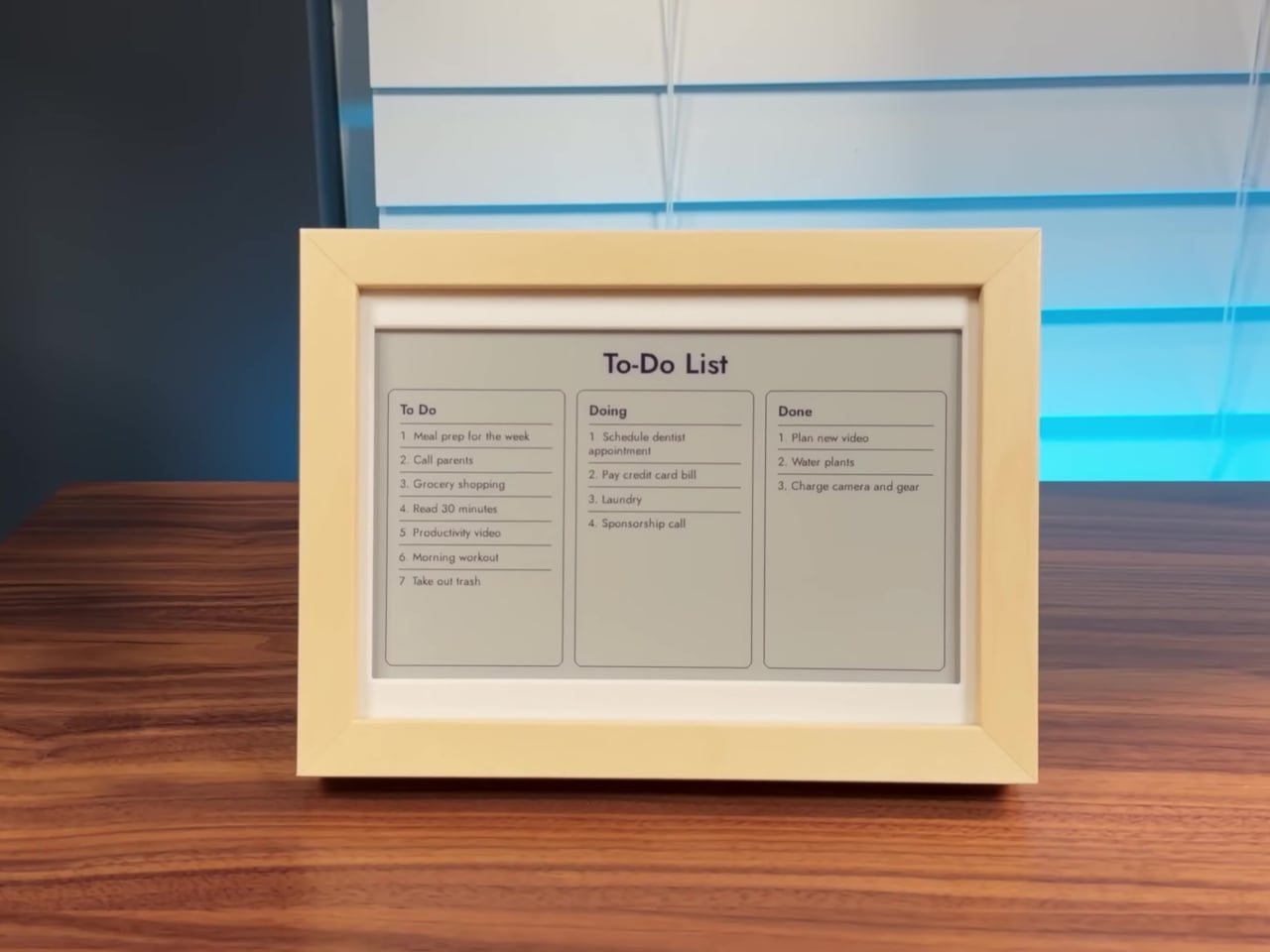
Digital productivity tools often create more distraction than focus, bombarding users with notifications and visual noise. The InkyPi display takes a fundamentally different approach, using E-ink technology to create calm, always-on information that never glows, flickers, or demands attention. Housed in a simple picture frame, it resembles desk art more than technology.
The Raspberry Pi Zero foundation enables complete customization for specific workflow needs while consuming minimal power throughout the day. Open-source design means endless possibilities for displaying to-dos, calendar events, weather information, or progress tracking. This project proves that the most effective productivity tools often embrace simplicity over feature complexity.
What we like
• E-ink technology provides distraction-free, always-visible information without eye strain. • Open-source foundation enables complete customization for individual productivity workflows.
What we dislike
• DIY assembly requirements may challenge users without basic technical skills.
• Slow E-ink refresh rates are unsuitable for dynamic or frequently updating information.
10. LEGO Brick Wireless Charging Platform
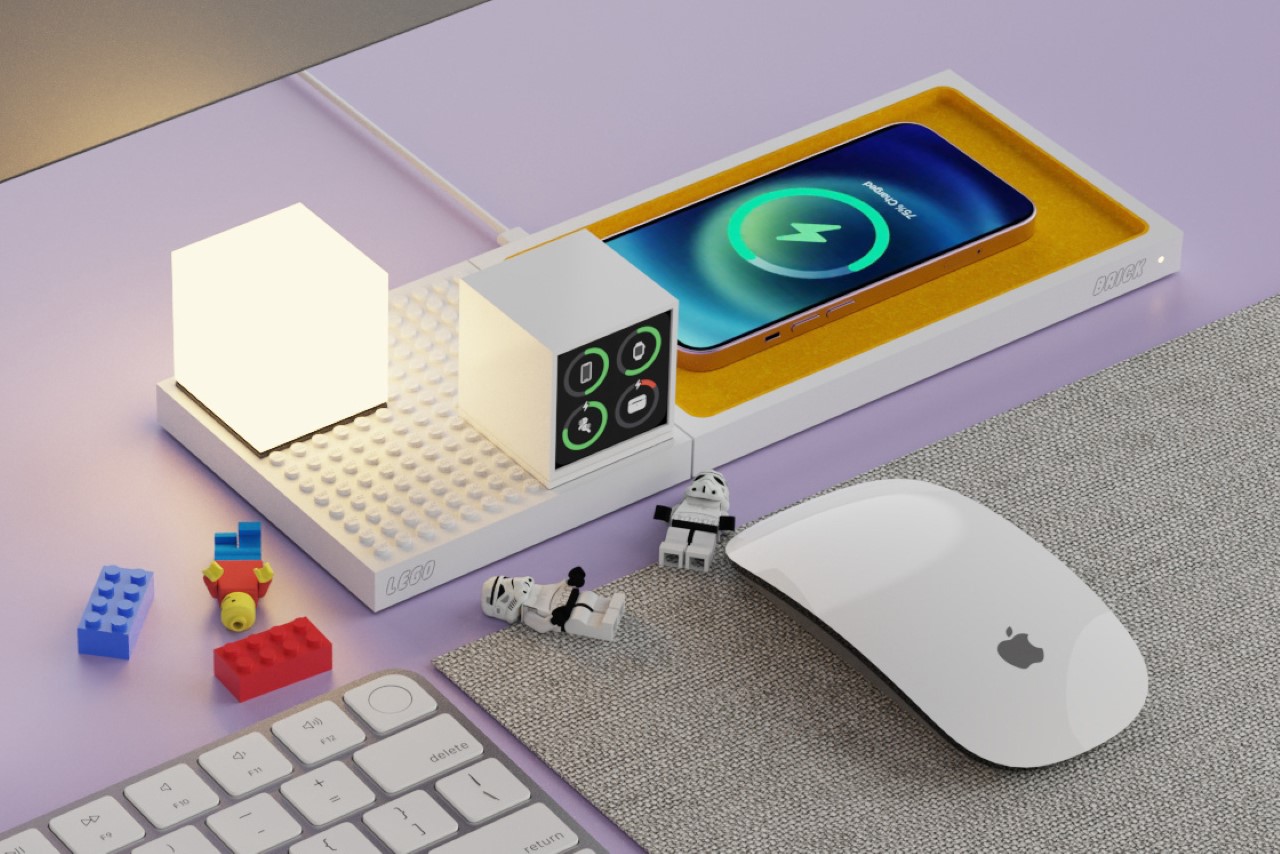
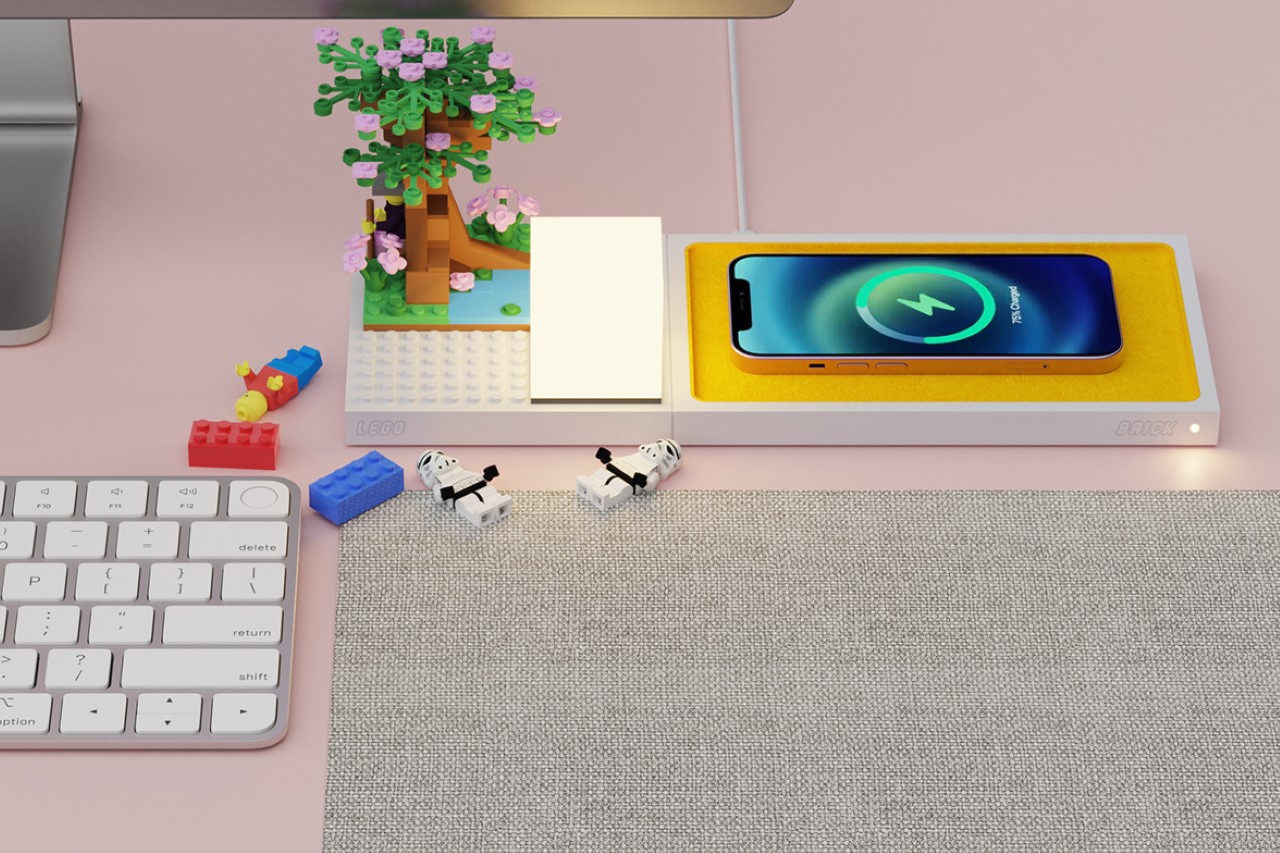
Wireless charging pads typically serve single purposes, providing power delivery without additional functionality or personality. This LEGO-inspired charging platform transforms power delivery into a creative playground, featuring modular docking areas for accessories, lighting, and actual brick building. The concept celebrates modularity that appeals equally to tech enthusiasts and brick builders.
Hidden coils power connected modules without additional cables, while the square platform provides dedicated space for displaying building skills or docking essential accessories. The design bridges childhood creativity with adult functionality, proving that the best tech accessories can nurture playfulness alongside productivity. This platform shows how familiar building concepts can revolutionize everyday technology interactions.
• Hidden power coils eliminate cable clutter while supporting multiple connected modules.
What we dislike
• Fan-made concept design means limited availability and uncertain commercial production.
• Building block compatibility may not appeal to users preferring streamlined aesthetics.
Tech Accessories That Tell Your Story
These ten accessories prove that technology can enhance our spaces emotionally as well as functionally. They remind us that the best designs don’t just solve problems—they bring joy to daily interactions, spark conversations, and reflect the personalities of the people who choose them. Each piece transforms routine tech use into moments of genuine delight and connection.
In a world of increasingly generic technology, these pieces celebrate the human desire to surround ourselves with objects that truly resonate. They show that functionality and personality aren’t opposing forces but complementary elements that create richer, more meaningful relationships with our digital tools and the spaces they inhabit.
Water bottles rarely carry meaning beyond their function. Most exist purely to hold liquid, stay cold, and survive daily wear without much thought given to what they represent or how they make you feel. They’re tools that disappear into routines, useful but forgettable, designed for efficiency rather than connection. Few products in this category attempt to add narrative or emotional weight to something as ordinary as staying hydrated throughout the day.
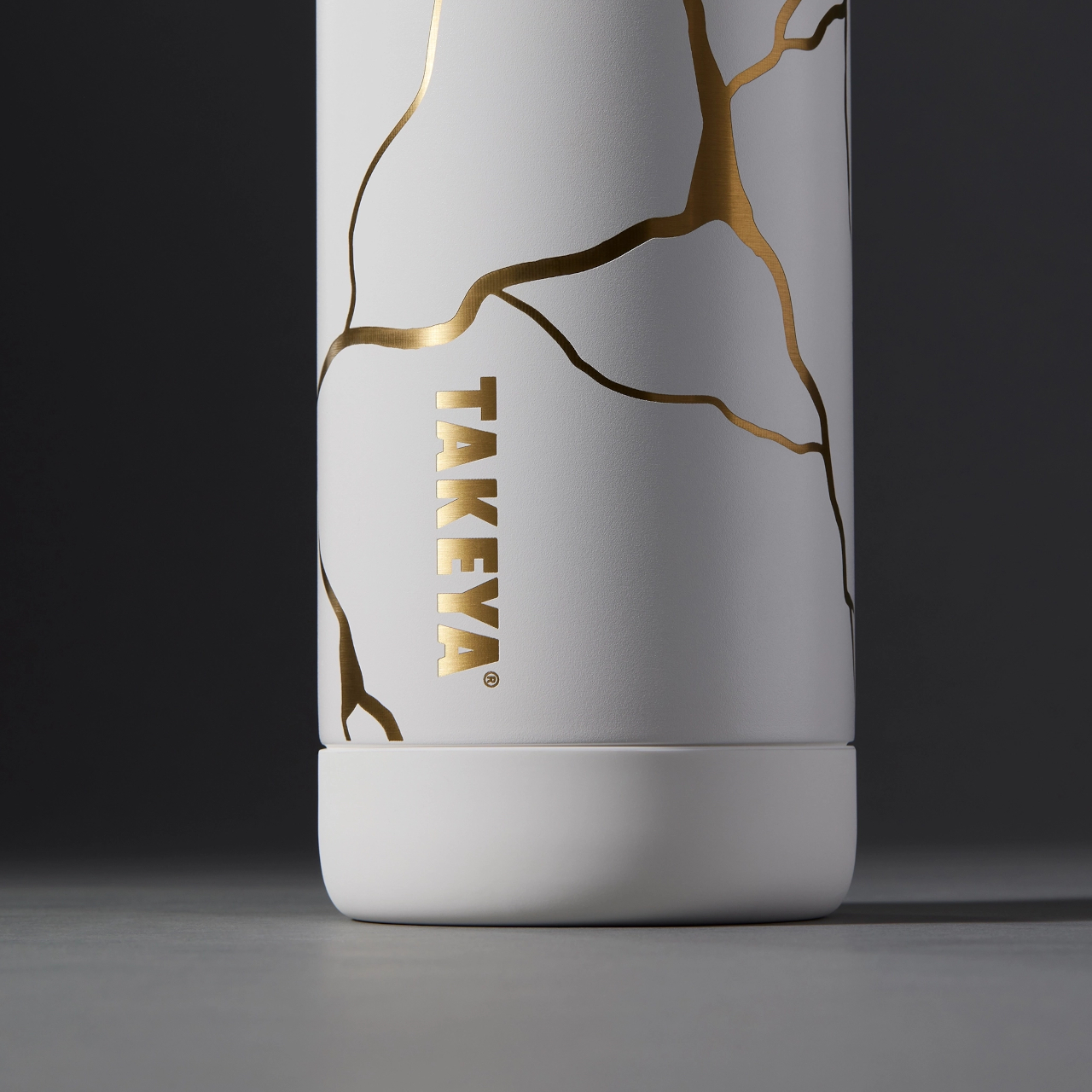
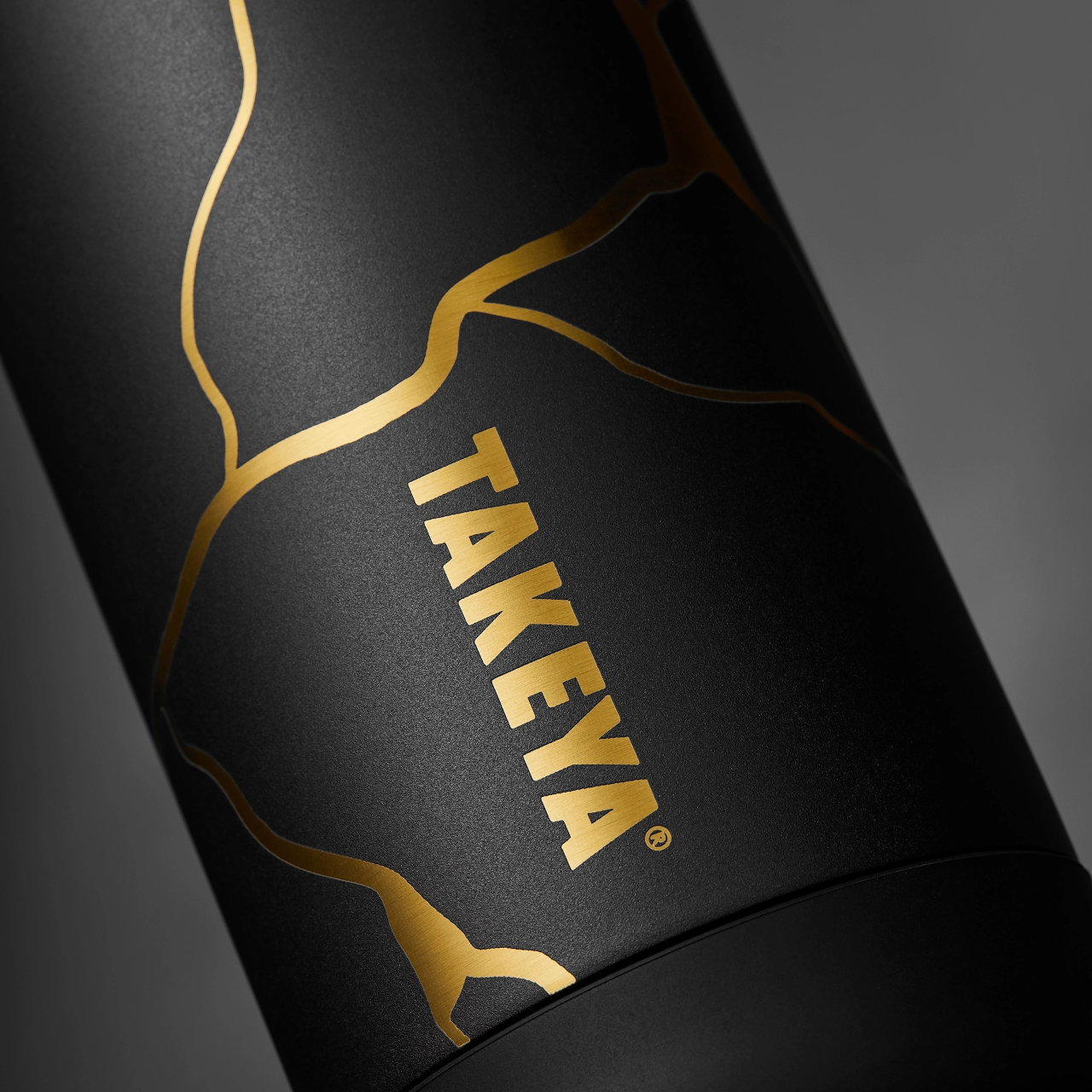
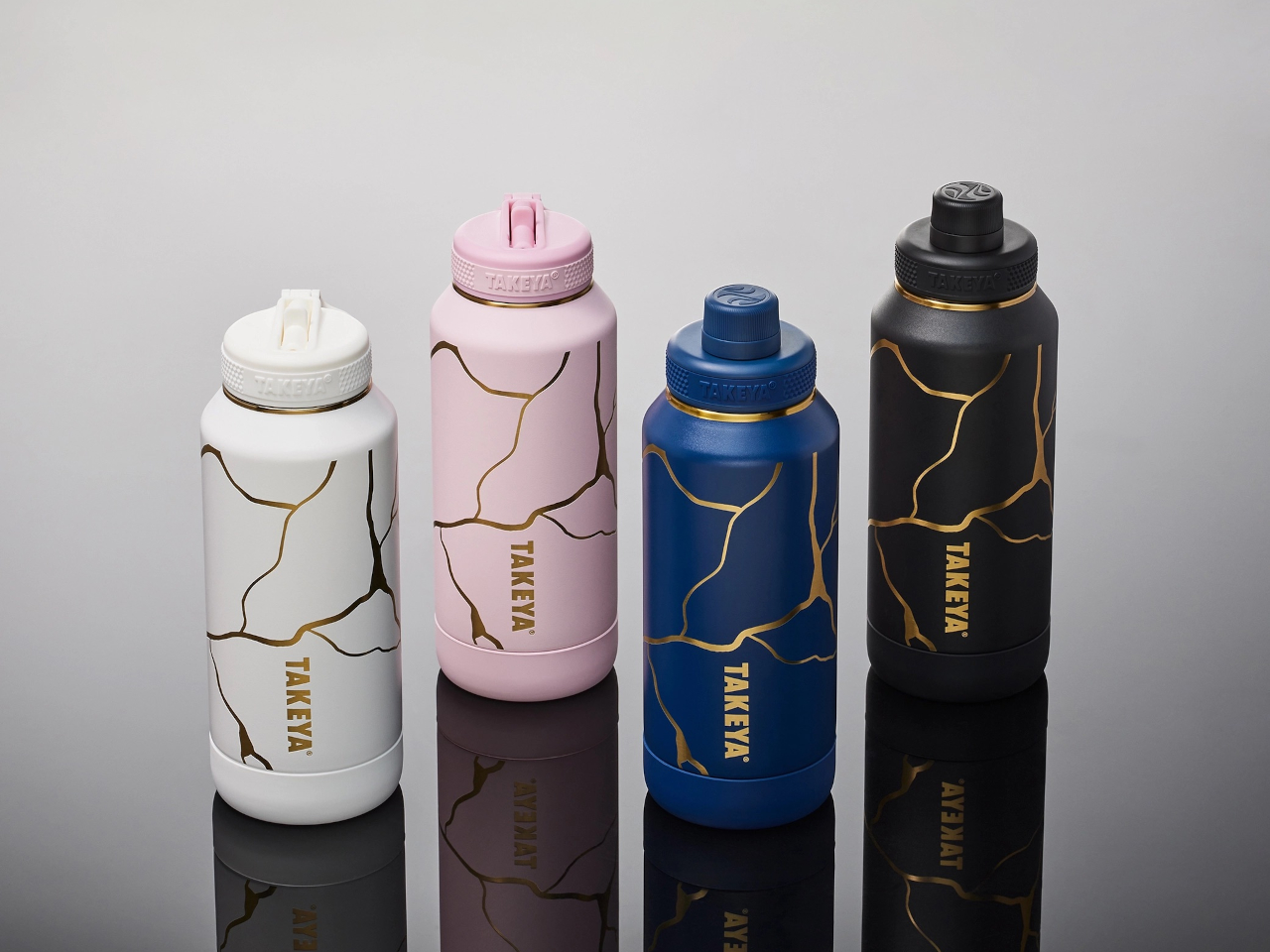
The Takeya Kintsugi Collection draws from the Japanese art of repairing broken ceramics with gold, a practice that treats fractures as features worth highlighting rather than flaws to hide. Instead of concealing damage, Kintsugi transforms cracks into golden seams that tell stories of resilience and renewal. The collection applies this philosophy to water bottles through gold-accented crackle patterns that wrap around the surface, turning each one into a small meditation on strength found through imperfection.
Gold lines branch across the matte finish in patterns that catch light differently depending on angle and movement. The effect feels deliberate rather than decorative, like each bottle carries its own history of breaks and repairs even though they arrive new. The visual reference works because it doesn’t just borrow aesthetics but commits to the underlying philosophy.
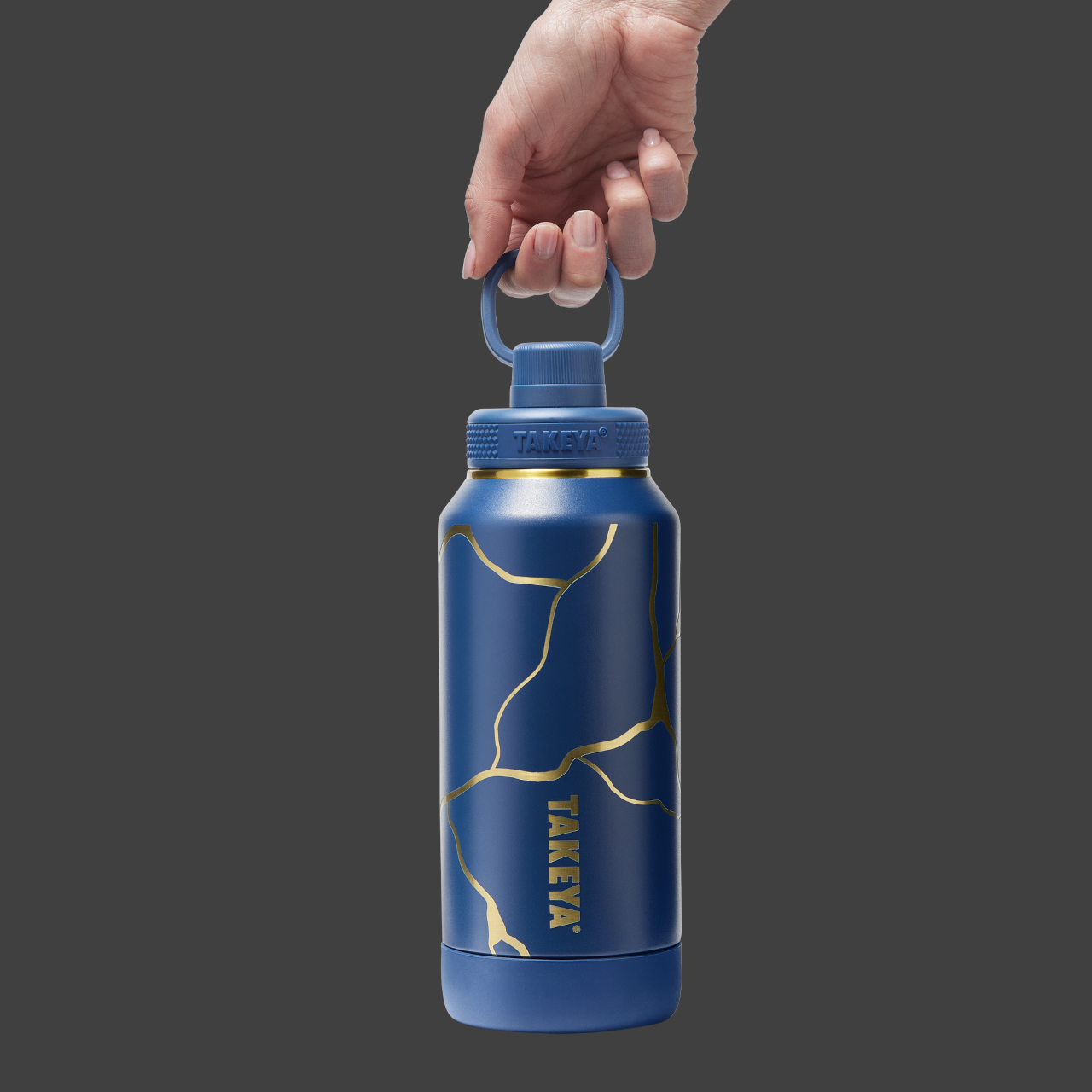
Four colorways offer different personalities while maintaining the same gold crackle treatment. Blanc presents soft and minimal. Rose adds warmth through its blush tones. Bleu Marine brings depth and boldness. Noire creates dramatic contrast where gold lines feel most pronounced against the matte black surface. Each color changes how the Kintsugi pattern reads visually, giving the same design language multiple emotional registers depending on what resonates personally.
The bottles hold meaning beyond their appearance through how they’re built to withstand actual use. Triple-wall insulation keeps water cold for thirty-six hours, which matters during long days when refilling isn’t convenient. The silicone bumper protects against drops and impacts that inevitably happen when objects get carried everywhere. These protective features align with the Kintsugi metaphor perfectly, the bottle is designed to endure damage gracefully rather than pretend damage won’t occur.
Using the bottle becomes a small daily ritual that carries more weight than typical hydration. The gold lines serve as visual reminders that imperfection doesn’t diminish value but can enhance it when embraced intentionally. Every scratch or ding the bottle accumulates over time adds to its story rather than detracting from its appearance, which inverts how we typically think about wear and aging in consumer products.
The Kintsugi Collection makes hydration feel less mechanical and more mindful by connecting a simple daily act to a philosophy that’s survived centuries. The bottles function as practical tools while serving as small, portable reminders that strength often comes from what we repair and carry forward rather than what remains pristine and untouched.
Losing your wallet, passport, or bag is a universal frustration that can turn a busy day or a big trip into a scramble of retracing steps and hoping for a miracle to happen in your favor. Most tracking cards promise peace of mind, but end up bulking up your wallet like a small pebble wedged between your cards or running out of battery just when you need them most during critical moments when losing something could ruin your plans.
The Slimca HERE 2 is a rethink of what a tracker card can be for modern life and daily carry needs. At just 1.3mm thick, it’s as slim as a credit card, bends without breaking under pressure, and works with both Apple Find My and Android Find Hub seamlessly across platforms. It’s a tracker designed to disappear into your daily life completely until you need it, then spring into action when it matters most.
Imagine rushing through airport security, your mind on deadlines and gate changes, when you realize your wallet isn’t in your pocket anymore. That sinking feeling hits, but your phone buzzes with an alert from the Slimca HERE 2, telling you exactly where you left it. No panic, no frantic backtracking through three terminals—just a quick glance at your phone and a confident walk back to the checkpoint where you set it down.
Slimca HERE 2 is crafted from mirror-finish 304 stainless steel, giving it a premium look and the resilience to flex up to 15 degrees without snapping under pressure from daily use. Slip it into a wallet slot next to your debit cards, tuck it behind your passport in a travel pouch, or drop it in a bag’s hidden pocket, and it vanishes completely without a trace. No bulge, no awkward fit, just seamless integration with your essentials.
Unlike plastic trackers that crack or warp over time from repeated stress, HERE 2’s steel body shrugs off pressure from sitting on hard surfaces, bending when you squeeze into tight spaces, or getting jostled in crowded subways during rush hour. The minimalist face features a single button for playing a sound when you need to locate it, a charging light for battery status, and subtle gold or silver branding that keeps the look clean and timeless.
One of the biggest innovations of the Slimca HERE 2 is the USB-C port ingeniously integrated into its 1.3mm frame, allowing for easy, direct charging with any standard cable you already own for other devices. A single charge lasts up to five months, and the battery supports 100 cycles. The rechargeable design and stainless steel construction make Slimca HERE 2 a sustainable choice for conscious consumers who care about reducing waste while ensuring that their tracker is always ready for the next adventure.
Slimca HERE 2 is one of the only tracker cards to support both Apple Find My and Android Find Hub networks, so you’re covered no matter what phone you use or switch to in the future. Pair it with your device in seconds, and you’ll get instant notifications if you leave your wallet or bag behind at a coffee shop, plus the ability to play a sound to help you find it when it’s nearby but hidden.
For travelers who’ve had their luggage separated from them, students who lose their wallets between classes, and anyone who values peace of mind without carrying bulky gadgets, HERE 2’s blend of durability and discretion solves real problems elegantly. The tracker becomes invisible until the moment you need it, then delivers exactly what you need without fuss or complicated apps. And when you do need to bring it out, the HERE 2’s mirror-polished steel and impossibly slim profile make it as much a design object as a tech accessory worth showing off.
Portable chargers occupy that weird space between essential and forgettable, living in bags until phones hit red battery warnings. Most focus exclusively on capacity and charging speed while looking like every other rectangular black slab available. They serve their purpose well enough, keeping devices alive through long days, but they offer nothing beyond that single function and tend to blend into the background of everyday carry items.
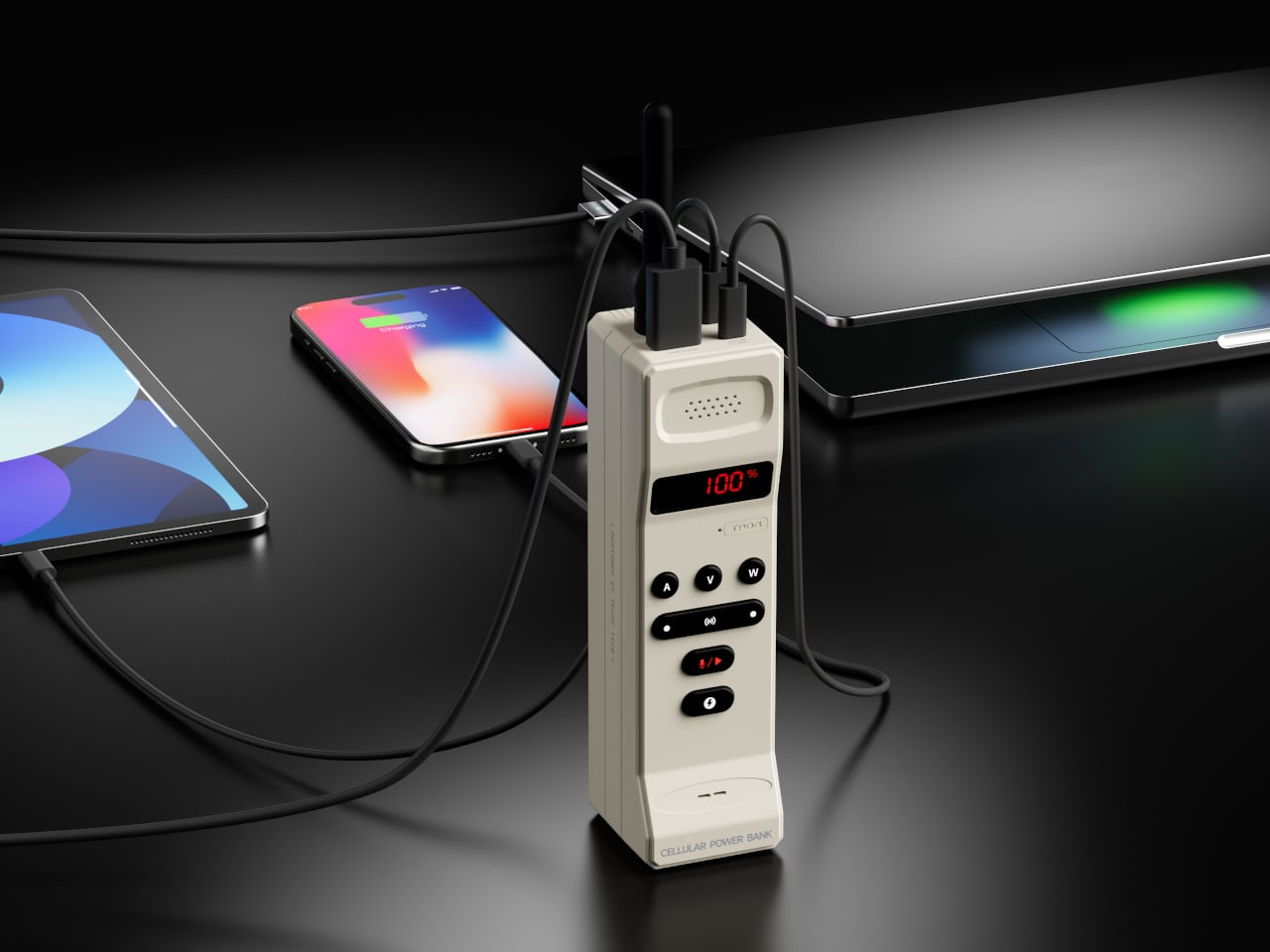
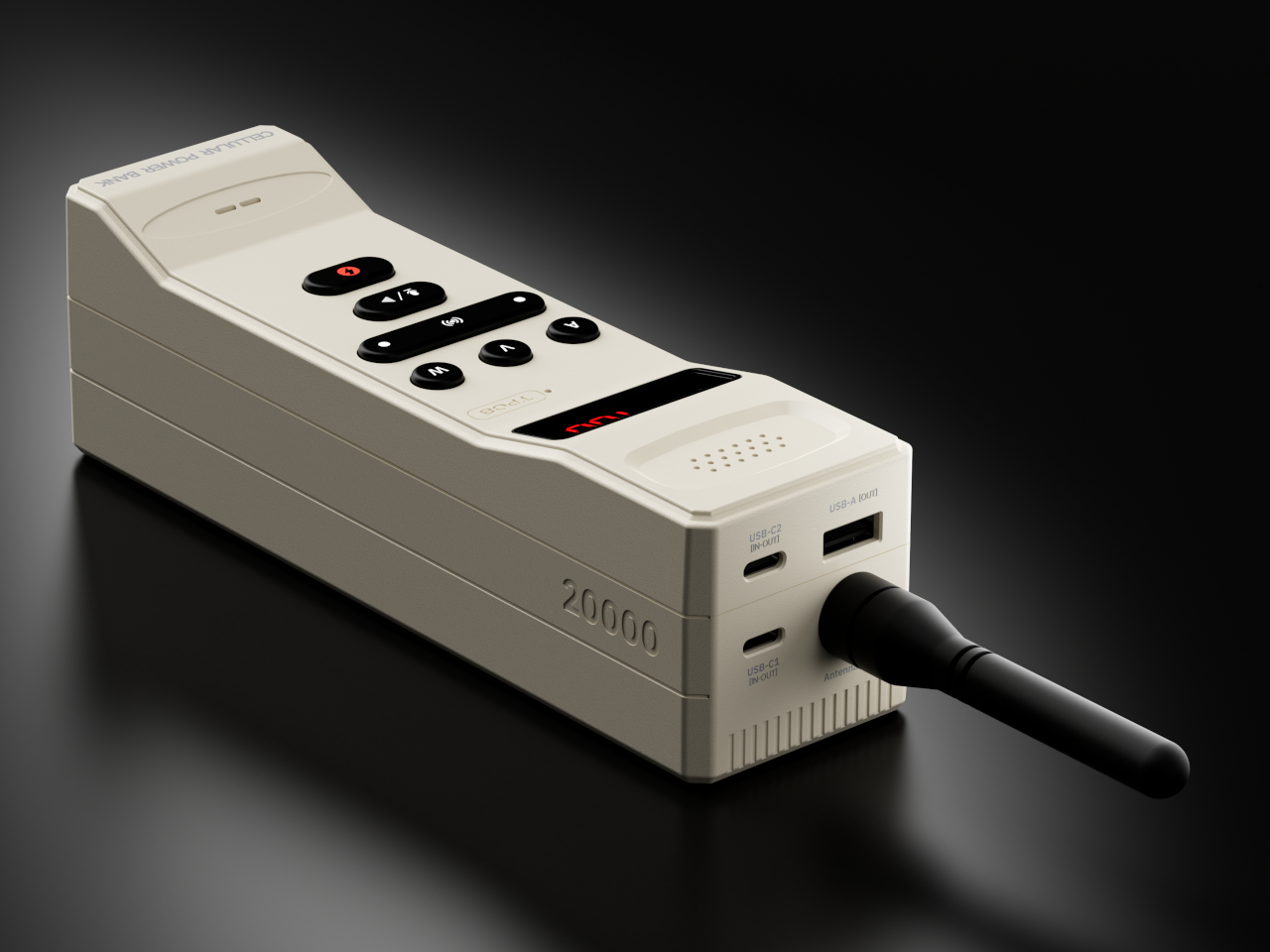
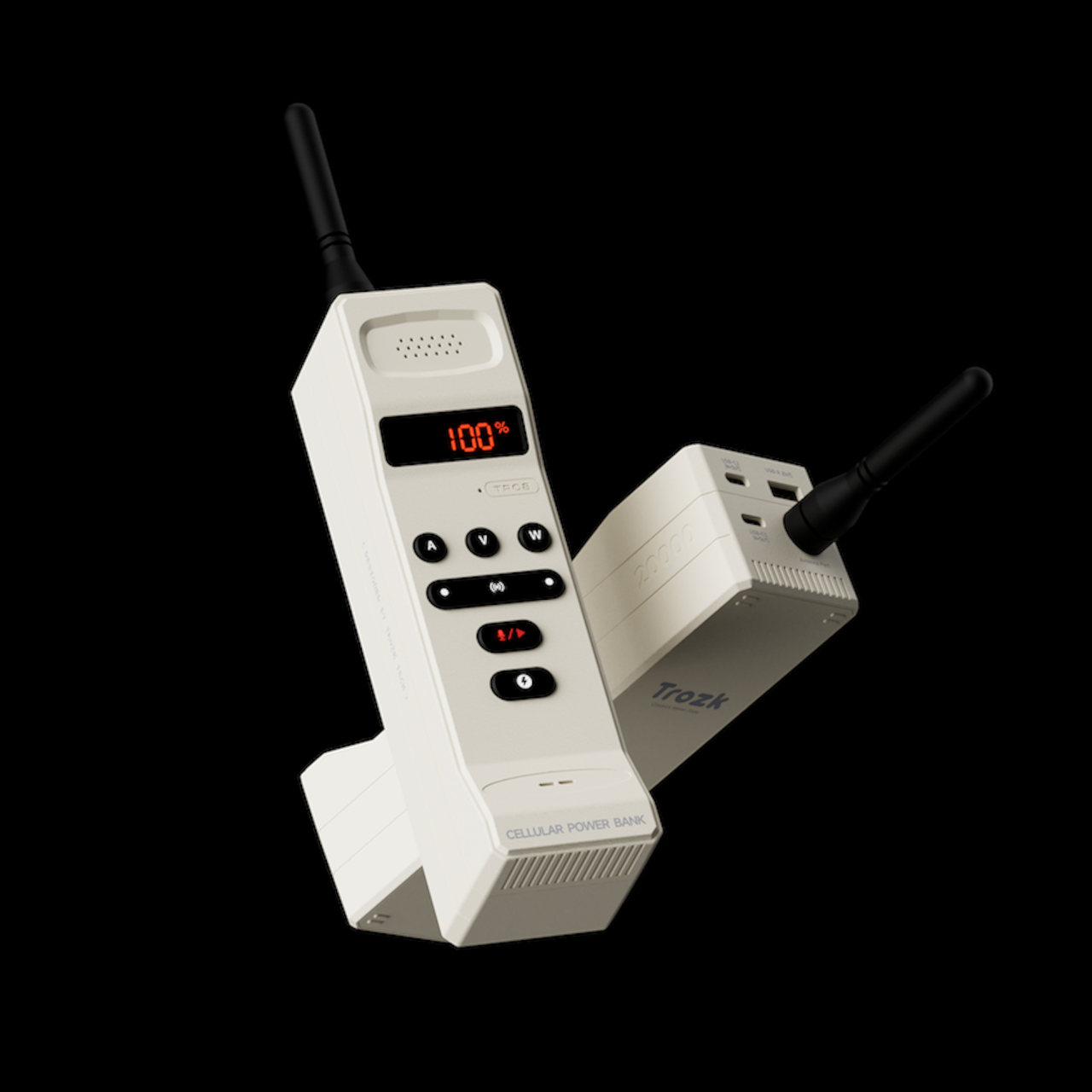
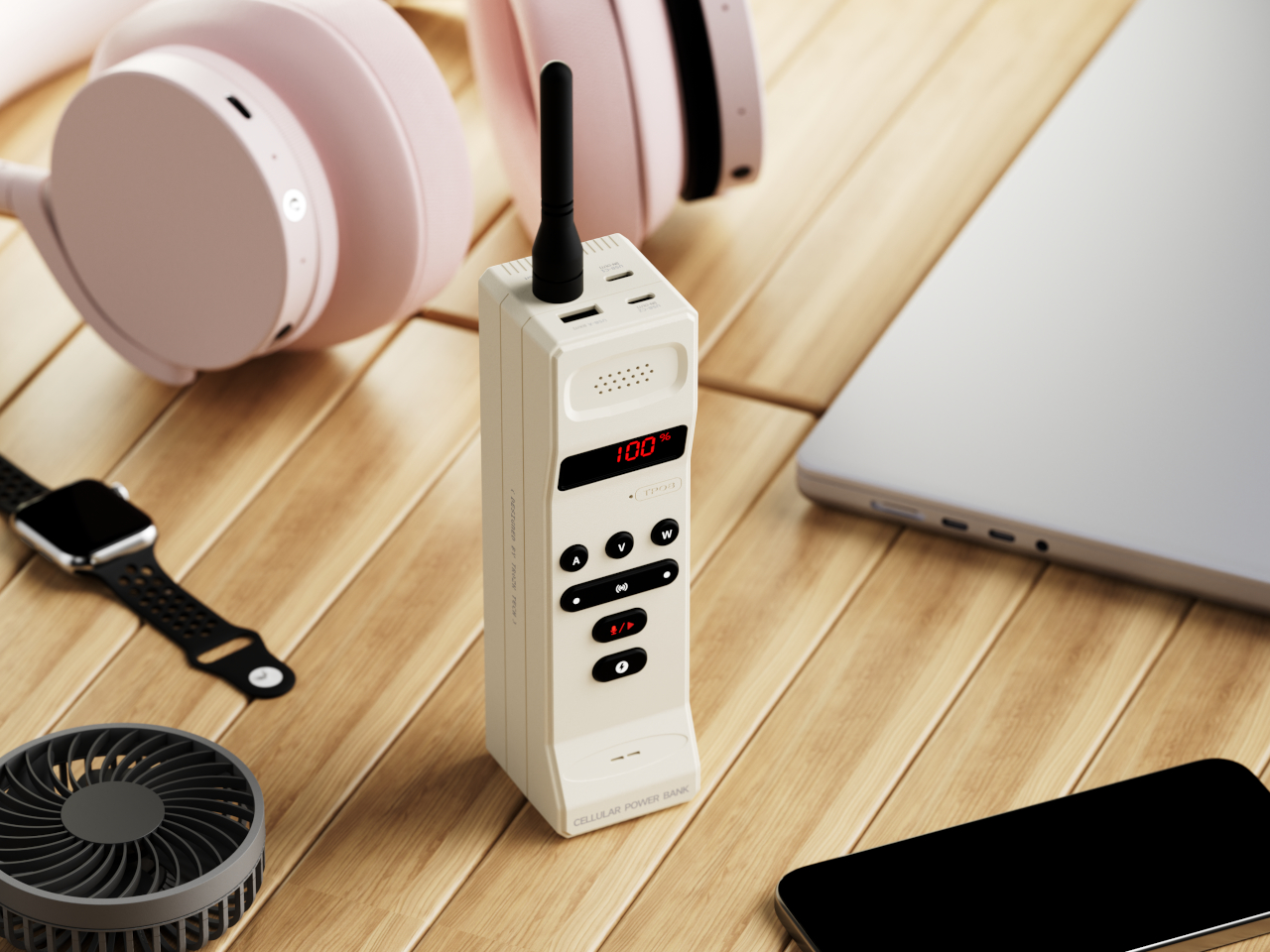
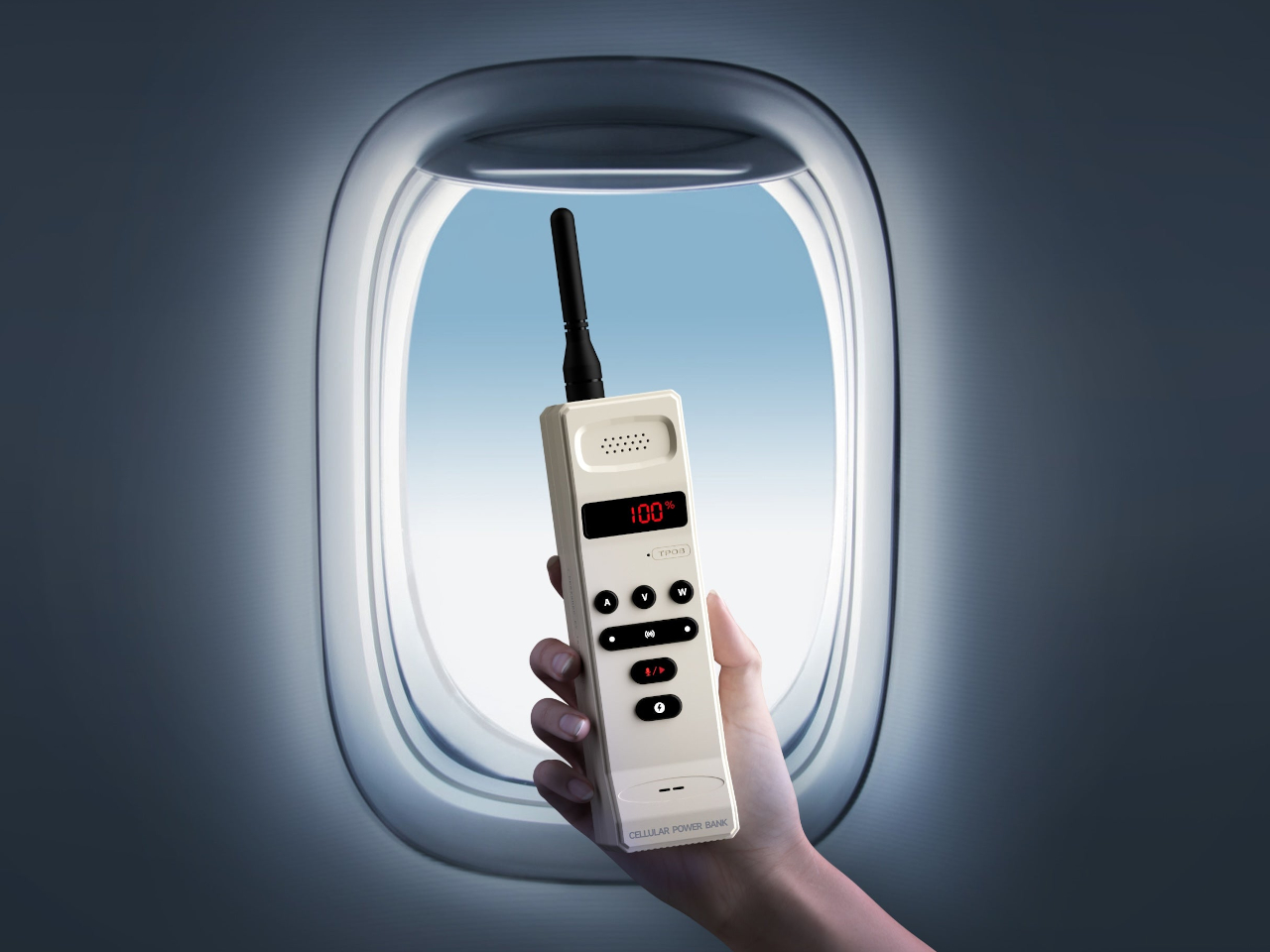
The Trozk Walkie Talkie Power Bank combines a 20,000mAh battery with a built-in walkie-talkie and wraps everything in a design that recreates the iconic Motorola DynaTAC brick phone from the 1980s. The result is a charger that handles modern fast charging while enabling actual radio communication between units, all while looking deliberately bold and retro enough to spark conversations wherever it appears.
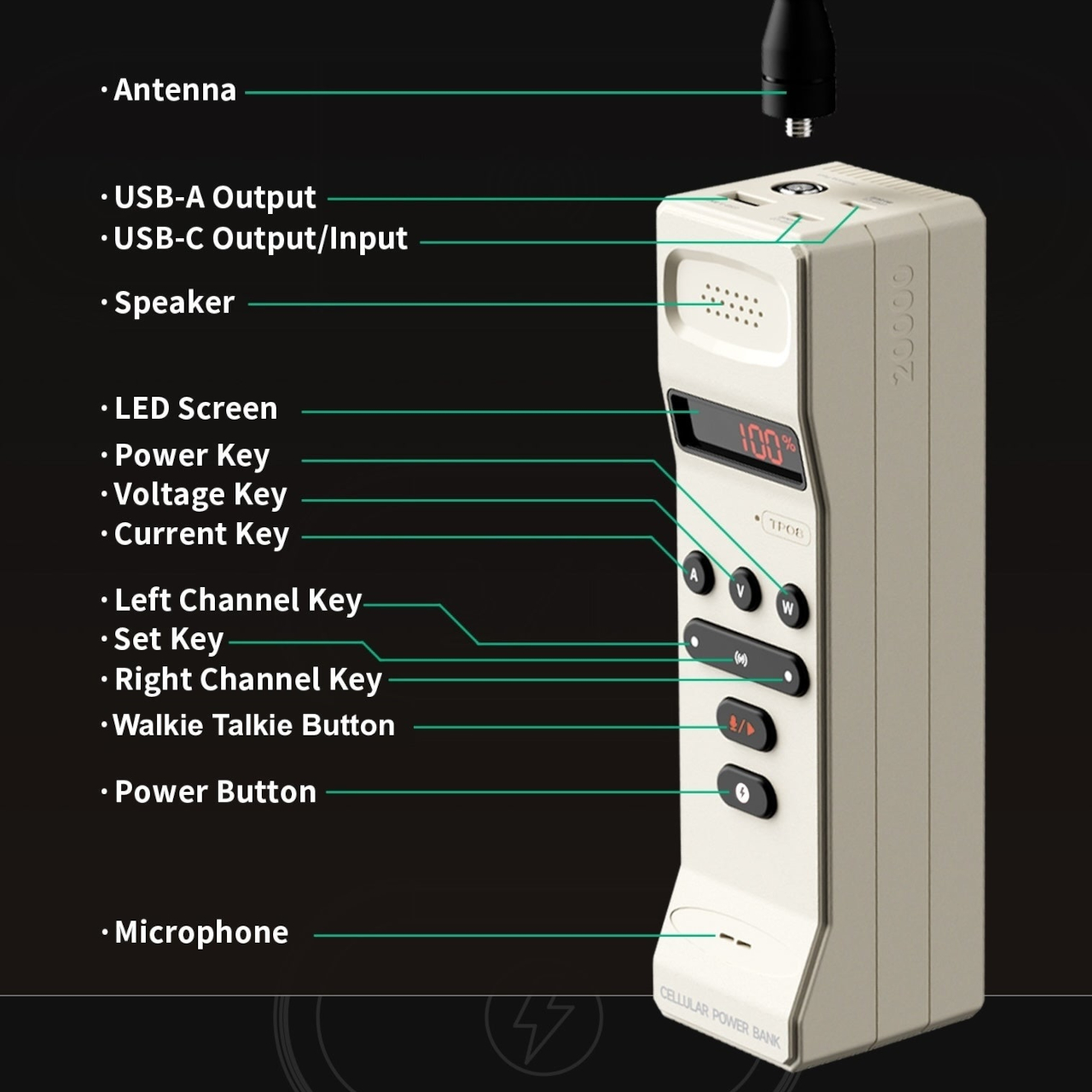
The brick phone form commits completely to the reference, including a removable antenna, tactile buttons arranged like a vintage keypad, and a red LED display showing battery percentage in real time. Available in white with black and red accents, the power bank is substantially larger and more visually striking than typical portable chargers, which makes it feel more like a statement piece than a forgettable accessory that hides in pockets.
Two USB-C ports and one USB-A port allow simultaneous charging of three devices at a maximum combined output of 165W, while a single port can deliver 140W through PD3.1 fast charging for power-hungry laptops. The device distributes power intelligently based on what’s connected, automatically adjusting output to match requirements without needing manual settings or complicated menus to navigate through before charging starts.
The walkie-talkie function enables direct voice communication between two units through built-in radio frequency, working across multiple regions including the United States, Europe, Australia, Japan, Taiwan, and China. Press the walkie-talkie button and speak, and the other unit receives immediately. This becomes genuinely useful during camping trips, hiking with separated groups, or anywhere cell reception fails but coordination still matters for safety or convenience.
A voice recorder mode captures memos or conversations directly onto the device in retro style, adding another function beyond charging and communication that makes the power bank more versatile. The LED display cycles between battery percentage, voltage readings, and current draw depending on which button gets pressed, providing real-time information about how devices are charging and how much power remains available.
Four electric-vehicle grade battery cells provide the 20,000mAh capacity while ensuring durability that outlasts cheaper cells prone to faster degradation over charge cycles. The power bank meets airline safety regulations for carry-on luggage, making it suitable for air travel without concerns. The tactile buttons and clear LED display remove the need to check charging status through phone apps or complicated interfaces.
The Trozk Walkie Talkie Power Bank handles practical charging requirements while looking deliberately different from standard portable batteries. It brings retro aesthetics, built-in communication, and high-capacity fast charging together in ways that make keeping devices alive during travel, outdoor activities, or daily routines feel slightly more interesting than plugging into yet another anonymous black rectangle.