5 Best EDC Knives Under $100 That Rival $200 Blades

Spending $200 on a pocket knife used to be the unofficial threshold between serious carry and serious compromise. That math has quietly shifted. A new generation of EDC blades is closing the gap between boutique craftsmanship and accessible pricing through smarter material choices, unconventional deployment mechanisms, and design thinking that prioritizes daily function over heritage markup. Premium steel, titanium frames, and ceramic bearing pivots no longer demand premium prices to be worth carrying.

These five knives prove the point, each one doing something a $200 blade would be proud of, at a fraction of the cost. They span micro titanium folders, gravity-activated mechanisms, premium Japanese steel, and desk-ready utility systems. The spec sheets read like knives nobody told about their own price tags. Whether you’re a daily carry purist or just getting started, this list changes what you expect from a budget blade.

1. ScytheBlade

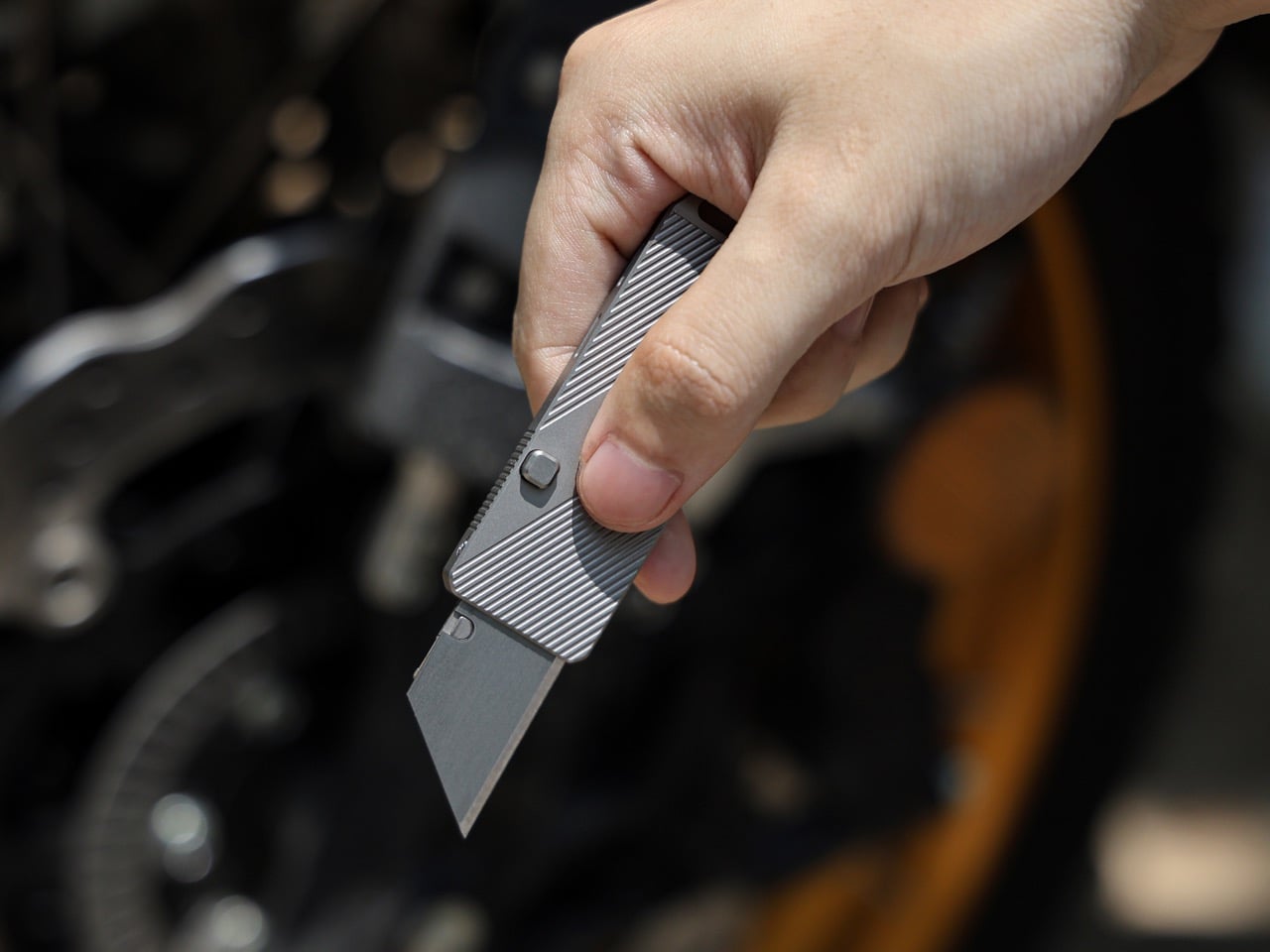
The curved blade of a scythe doesn’t seem like an obvious choice for pocket carry, but the ScytheBlade makes it work through radical miniaturization. This titanium EDC knife borrows the Grim Reaper’s iconic profile and shrinks it down to something resembling a tiger claw, creating a blade shape that looks dangerous because it genuinely is. At just 46mm when deployed, it challenges the idea that effective cutting tools need generous proportions, and the curve concentrates force in ways straight blades simply cannot match in this size class.

Titanium construction keeps the ScytheBlade at just 8 grams while delivering strength that feels disproportionate to its footprint. The material brings natural corrosion resistance without demanding constant maintenance, which matters enormously when you’re carrying something this small through varied conditions. You won’t notice it clipped to your pocket until the moment you need it — then that curved blade profile becomes immediately relevant. For anyone who values a knife they’ll genuinely forget is there until it isn’t, this is that knife.

What We Like:

  • Titanium build delivers extraordinary corrosion resistance at 8 grams
  • Curved blade geometry concentrates cutting force efficiently

What We Dislike:

  • 46mm deployment limits the utility for heavier-duty tasks
  • Unconventional profile requires an adjustment period for users accustomed to straight blades

2. CraftMaster EDC Utility Knife
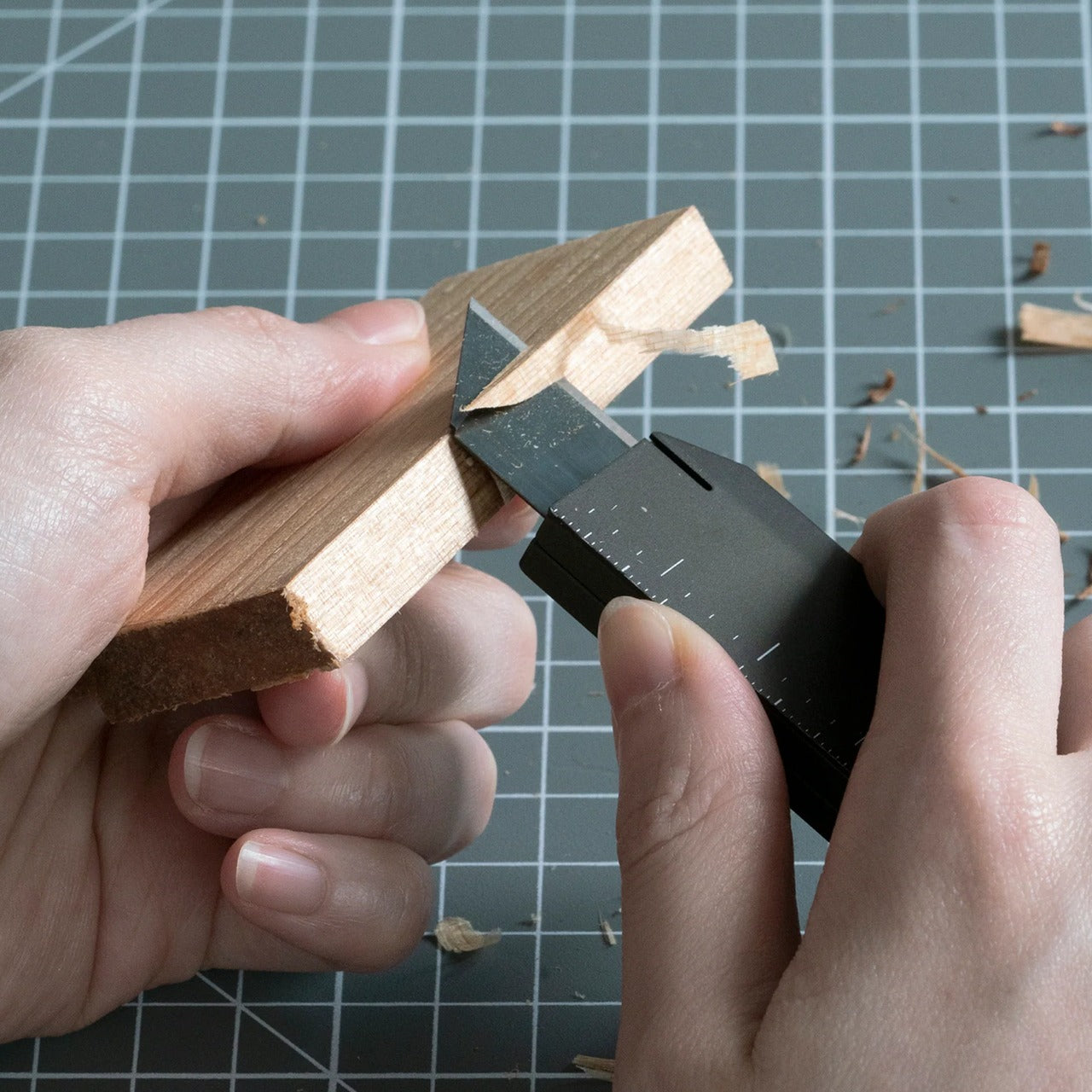
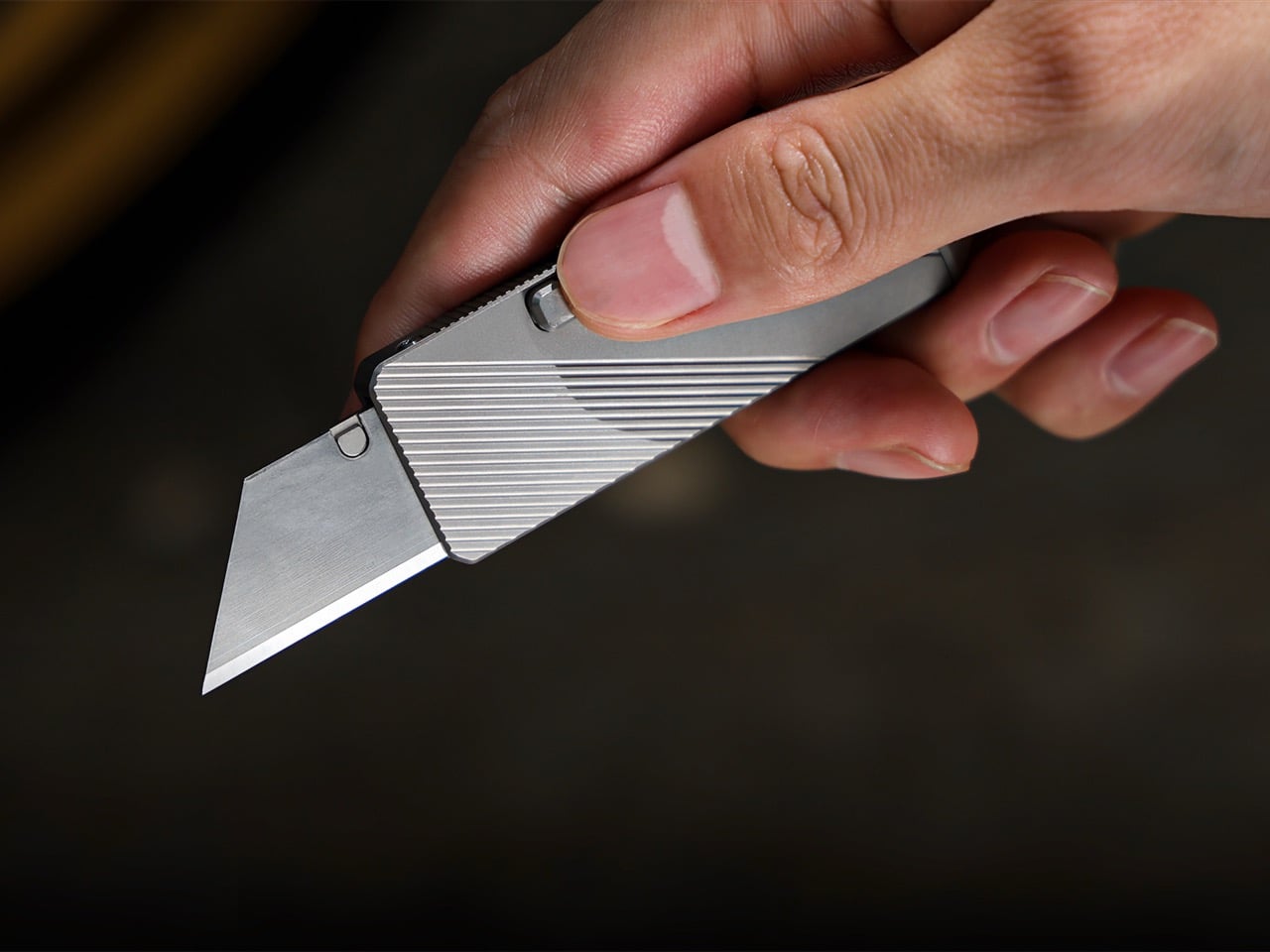
The CraftMaster reframes what a utility knife can look like, sitting on your desk or clipped inside your bag. Its clean metallic form and 8mm profile give it the presence of a precision instrument rather than a disposable box cutter, and the tactile rotating knob that deploys the OLFA blade adds a satisfying deliberateness to every draw. At 4.72 inches long, it sits comfortably in hand, and the magnetic back that docks its companion metal scale turns this into a system rather than just a single tool — the kind of considered pairing that usually costs considerably more.

The scale does real work. Dual metric and imperial markings, a raised edge for easy lifting off flat surfaces, and a built-in blade-breaker to snap off dull edges without hunting for a separate tool — every detail earns its place. The 15° curvature on the ruler protects your fingers during cuts, and the 45° inclination geometry handles box opening without risk to whatever’s inside. The OLFA blade system means you’re never stuck waiting for a replacement — just snap and carry on.

Click Here to Buy Now: $80.00

What We Like:

  • Magnetic scale docking system turns a single knife into a dual-tool carry setup
  • OLFA blade replacement system keeps long-term maintenance costs minimal

What We Dislike:

  • The utility blade format limits versatility outside of cutting and scoring tasks
  • The 8mm profile, while slim, may feel rigid compared to traditional folding knives

3. CIVIVI Vision FG (C22036-3)
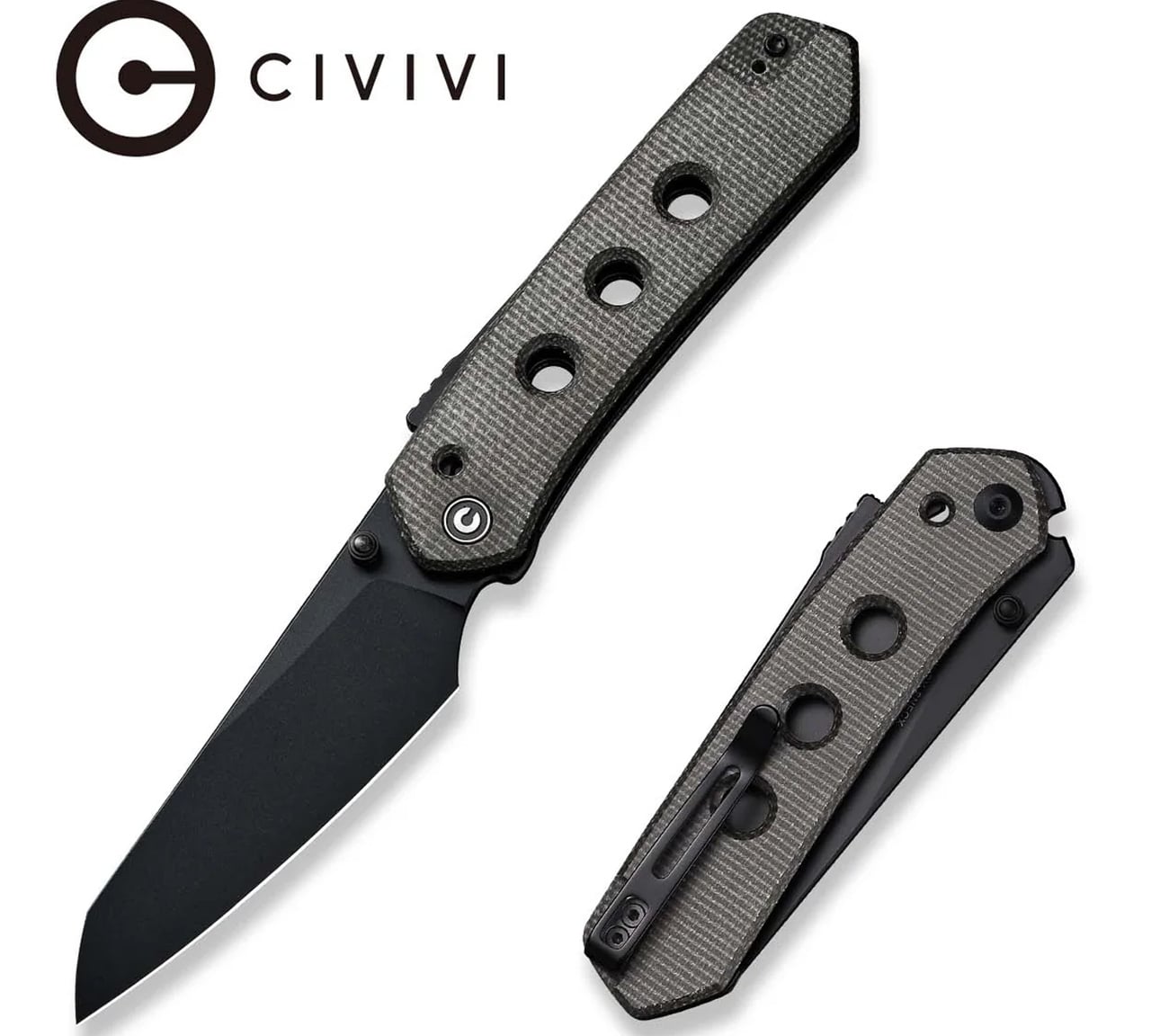
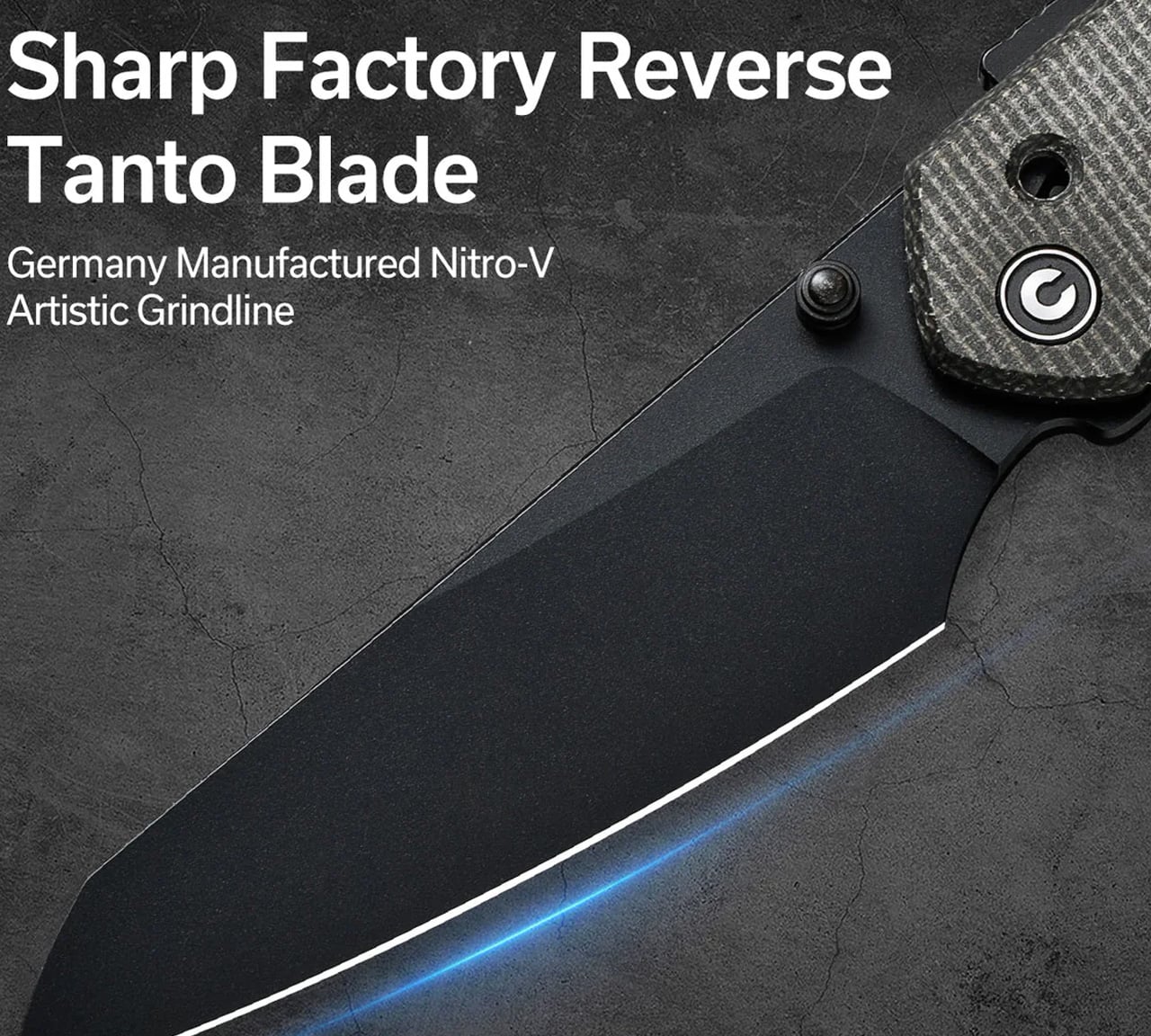
The CIVIVI Vision FG is what happens when a production knife takes fit and finish seriously at a price point that has no business supporting either. Designed by Snecx Tan, the reverse tanto Nitro-V blade hits 59–61HRC hardness and wears a flat grind that slices cleanly through almost anything you put in front of it. The caged ceramic ball bearing pivot opens with the kind of effortless arc typically reserved for knives costing twice as much, and the Superlock mechanism snaps into place with a confidence that feels overbuilt in the best possible way. At $79.90, this knife is genuinely difficult to rationalize not owning.

The dark green canvas Micarta handle is one of the most tactile grip materials in production knives at this price — it warms to the hand, develops character with use, and grips without feeling aggressive. A 4.45-inch closed length keeps carry unobtrusive, while the tip-up, ambidextrous pocket clip accommodates left and right-handed carry with equal practicality. Stainless steel liners, a black backspacer, and 3mm blade thickness round out a build specification that reads like a list from a knife twice the Vision FG’s price.

What We Like:

  • Nitro-V at 59–61HRC delivers excellent edge retention for daily use
  • Caged ceramic ball bearing pivot and Superlock mechanism punch well above this price tier

What We Dislike:

  • Canvas Micarta requires occasional cleaning to maintain its surface texture
  • 4.07 oz carry weight is noticeable compared to lighter polymer-handled alternatives

4. Cubik

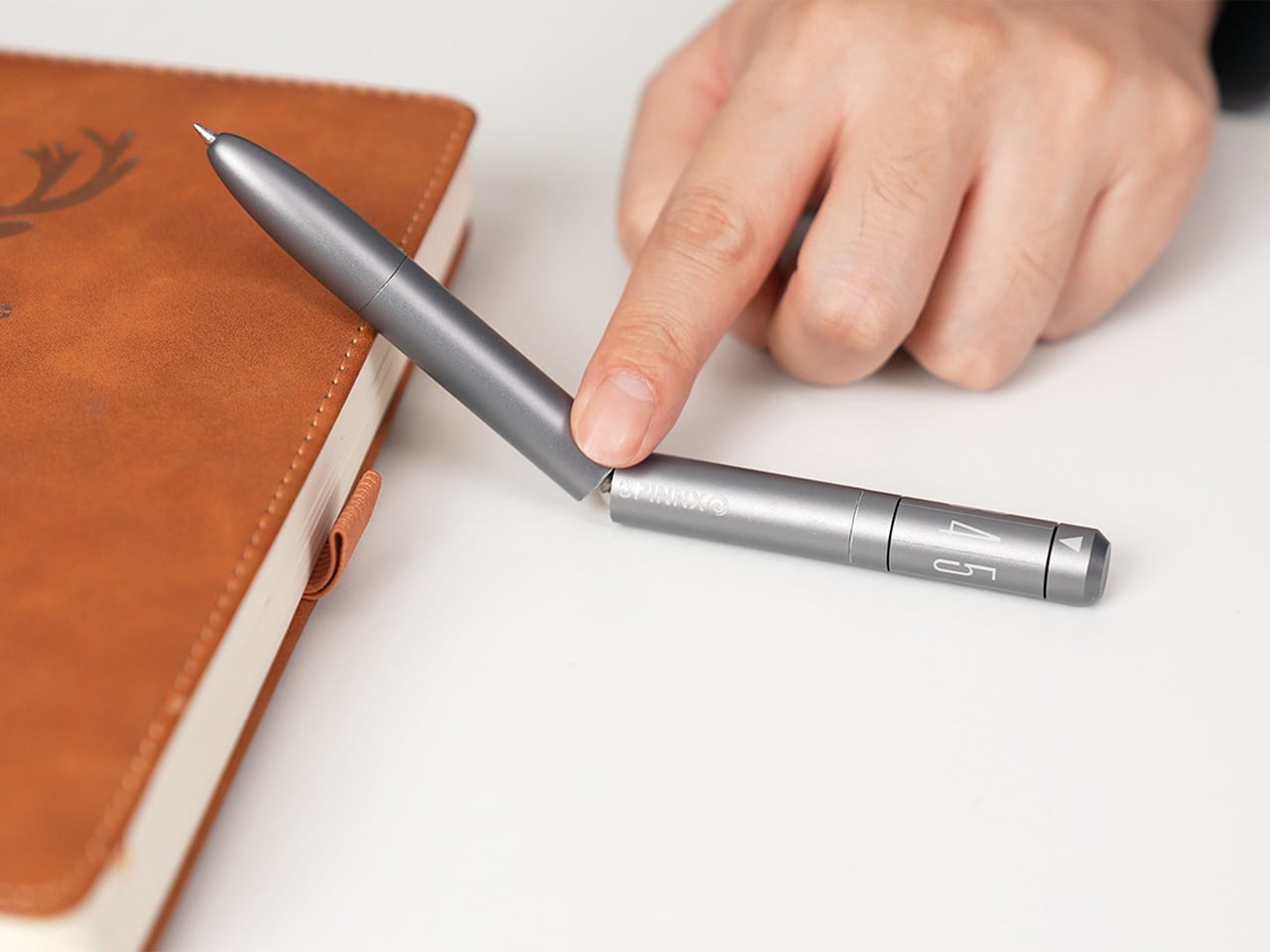
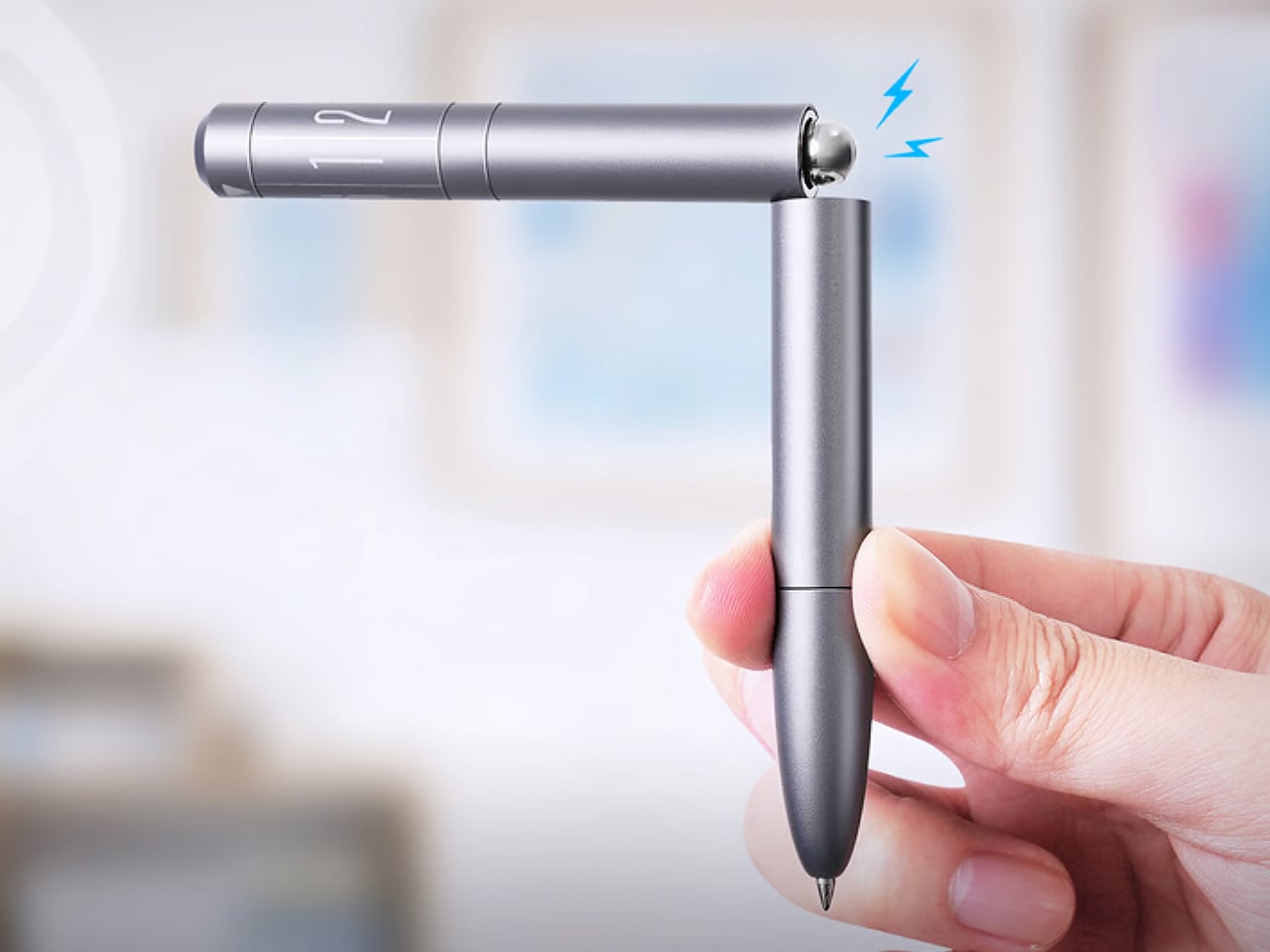
Knife designers typically rely on springs, flippers, or complex bearing systems to deploy blades, but the Cubik throws all of those conventions aside in favor of gravity. Press the trigger, tilt the knife downward, and the blade casually emerges. Release the trigger, and it locks securely in place. This elegantly stripped-back mechanism eliminates springs that rust, bearings that fail, and maintenance routines that accumulate over time. The Cubik works with physics rather than fighting it, and the result is a folder that feels more intuitive to use the longer you carry it.

The satisfying simplicity doesn’t compromise capability. The Cubik locks solidly enough to pierce hardwood, proving that mechanical restraint and functional strength are not at odds. The tungsten carbide glass breaker integrated into the rear of the handle transforms what reads like a gentleman’s folder into a legitimate emergency tool — a detail that elevates the Cubik from interesting to genuinely useful across situations you hope never to face. When most EDC knives chase complexity through layered features, the Cubik finds its edge by stripping away everything unnecessary.

What We Like:

  • Gravity-activated deployment eliminates springs and bearings that degrade over time
  • Tungsten carbide glass breaker adds genuine emergency utility without compromising the carry profile

What We Dislike:

  • Gravity deployment requires a deliberate wrist motion that takes some practice to master quickly
  • The novel mechanism means fewer aftermarket parts and service options compared to traditional folders

5. Spyderco Delica 4 (Gray FRN, VG-10)
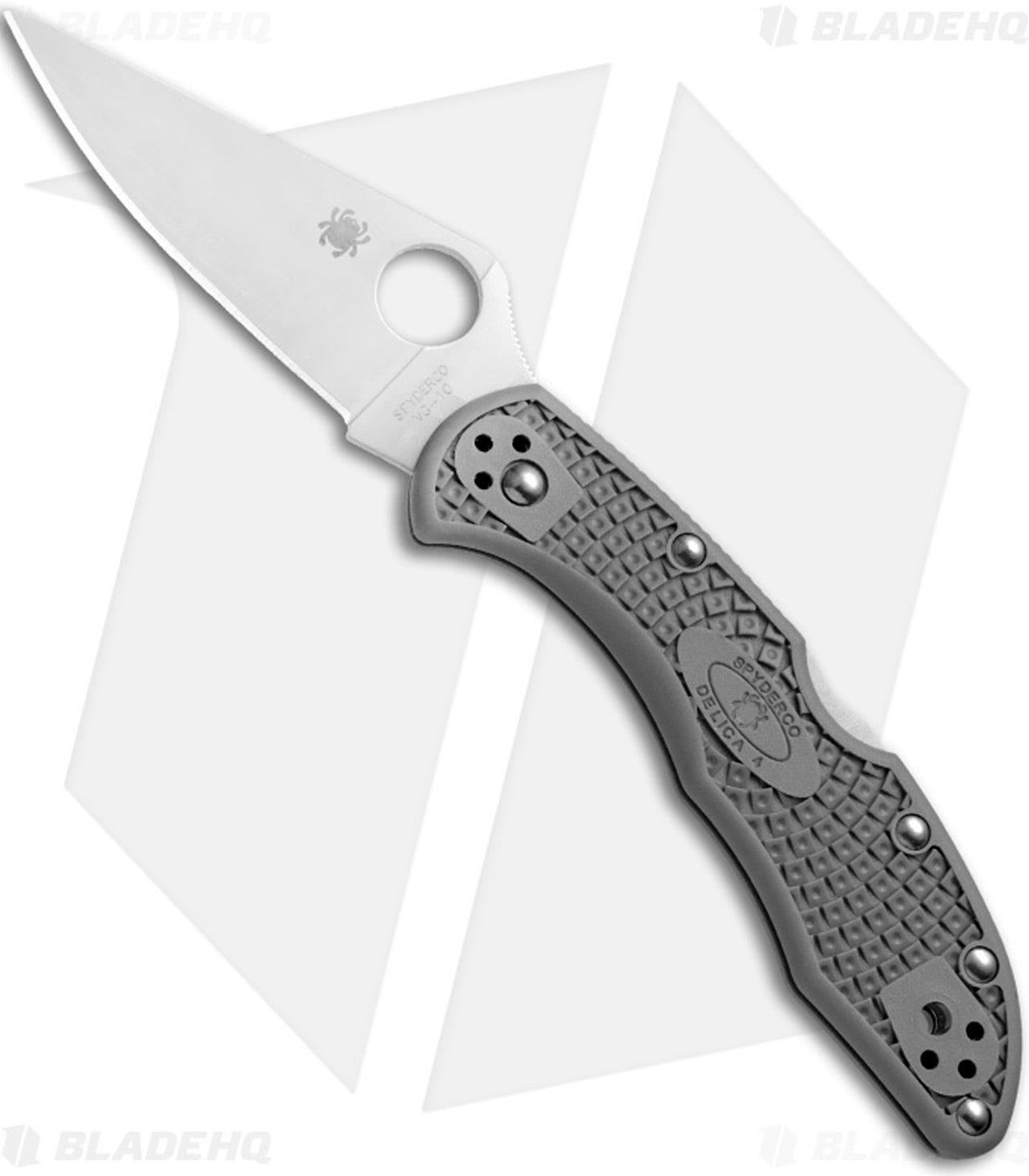
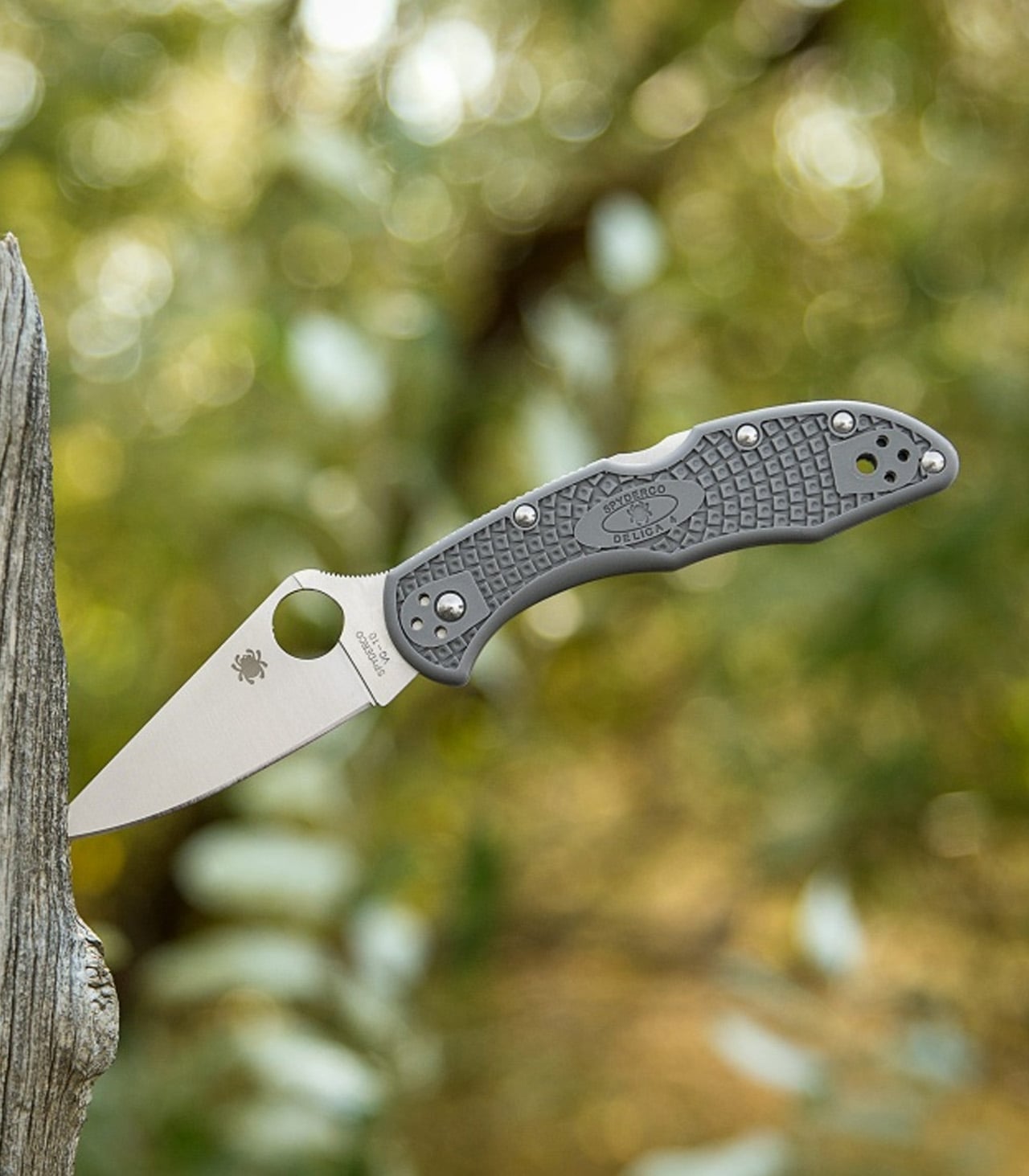
Few EDC knives have logged as many pocket miles as the Spyderco Delica 4, and the gray FRN flat-ground version remains the clearest argument for why. At $99, it sits at the very ceiling of this list’s price range and earns every dollar through a blade specification that refuses to make concessions. The full-flat ground VG-10 steel from Seki-City, Japan, slices with a thinness behind the edge that most production knives at twice the price don’t manage, and the phosphor bronze washers at the pivot produce a blade action that feels tuned rather than assembled. Ambidextrous thumb hole opening makes deployment effortless regardless of which hand reaches for it.

The FRN handle with Bi-Directional Texturing earns its keep in wet or cold conditions, where smooth handles become liabilities. Skeletonized stainless steel liners keep total weight down without compromising the frame’s integrity, and the four-way reversible pocket clip — tip-up and tip-down for both right and left carry — makes the Delica genuinely accommodating of how different people actually carry knives. Screw construction throughout means cleaning and adjustment take minutes. The Delica 4 has been in continuous production because nothing has replaced what it does at this price.

What We Like:

  • Full-flat ground VG-10 from Seki-City delivers premium slicing performance at a production price
  • Four-way reversible clip and ambidextrous thumb hole make this genuinely accommodating for any carry preference

What We Dislike:

  • The lockback mechanism requires two hands to close safely, which is a limitation in one-handed situations
  • FRN handle lacks the premium feel of G-10 or Micarta handles at comparable price points

The Takeaway

What each of these knives shares is a refusal to treat price as a ceiling on design ambition. The ScytheBlade rethinks what a folding blade profile can be and miniaturizes it into titanium. The CraftMaster turns a utility knife into a precision desk instrument with a magnetic accessory system. The CIVIVI Vision FG brings ceramic bearings, Nitro-V steel, and canvas Micarta together at a price that undercuts its own specification.

The Cubik trusts gravity to do the work springs typically handle, then adds a glass breaker for good measure. The Spyderco Delica 4 has simply been right for long enough that it no longer needs to prove anything. None of them cost $200. All of them think as they can. The best EDC knife isn’t necessarily the most expensive one — it’s the one you always reach for without thinking twice.

The post 5 Best EDC Knives Under $100 That Rival $200 Blades first appeared on Yanko Design.
5 Genius Designs Every Coastal Home Needs Before Hurricane Season 2026

Hurricane season doesn’t announce itself with a calendar invite. It builds quietly offshore, gathers speed, and by the time a named storm is tracking toward your zip code, the window for thoughtful preparation has already closed. For anyone living within reach of a coastline, the months between now and June 1st aren’t a countdown — they’re a design problem. What gear do you actually trust when the power is out, the roads are flooded, your signal has dropped, and your phone is sitting at 8%?

The smartest coastal preparedness kits aren’t built around bulk. They’re built around precision. Tools that work without electricity. Radios that function when networks collapse. Lights that require no batteries, no charging, no maintenance. Blades that deploy on physics rather than springs that quietly corrode in salt air. What follows are five designs that solve real coastal emergencies without adding clutter to your go-bag or guilt to your preparation plan.

1. NoxTi Titanium Tritium Keychain Light

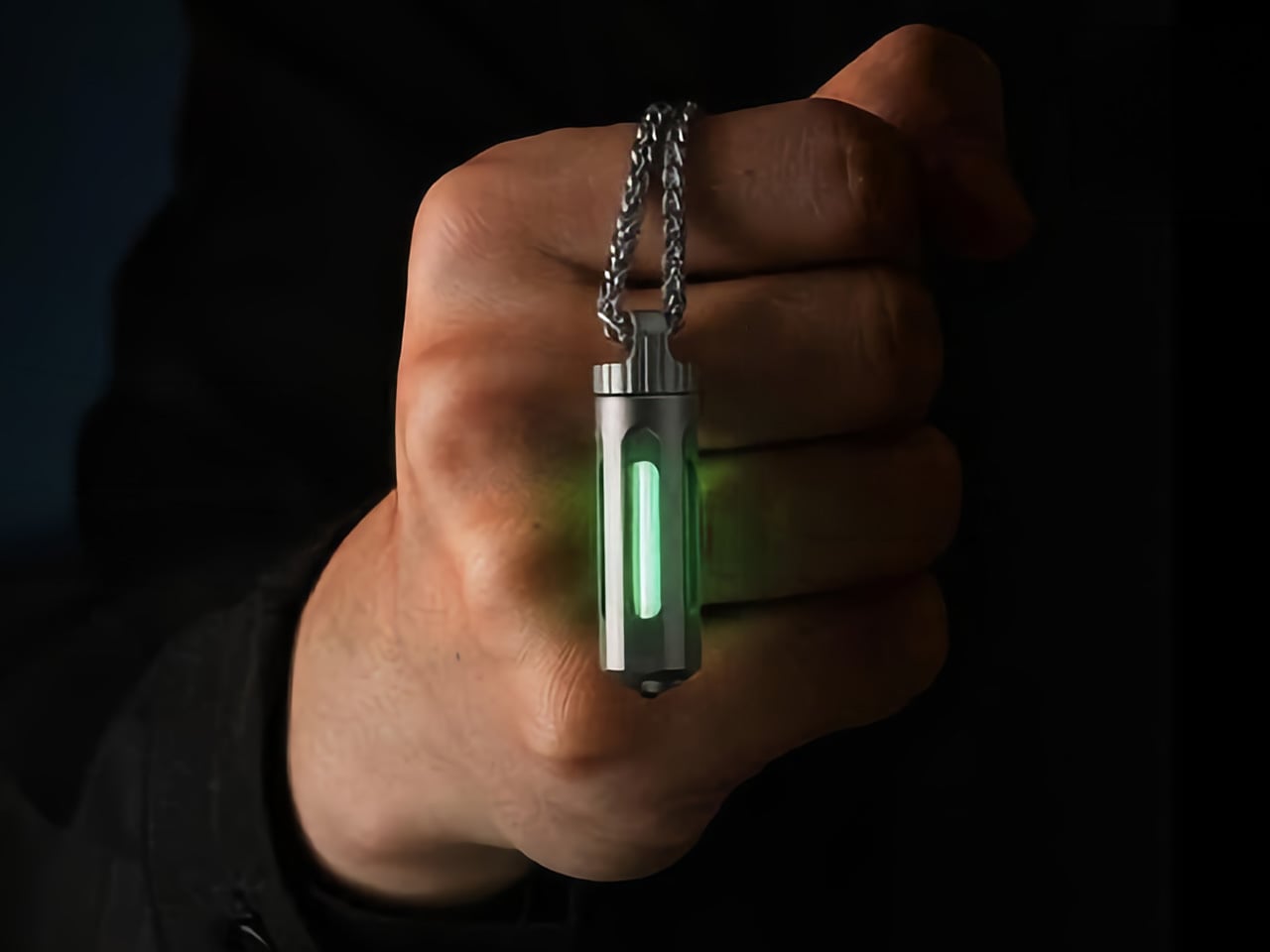
Tritium is a hydrogen isotope with a 12.3-year half-life. As it decays, beta particles strike a phosphor coating and produce continuous light — no battery, no charging, no maintenance required. The same physics used in emergency exit signs and military watches is packaged into the NoxTi: a 45mm Grade 5 titanium cylinder weighing 10.7 grams that glows reliably for 25 years. For coastal homeowners facing multi-day outages, that guarantee is worth more than any lumen count.

The tritium vial sits inside a precision quartz tube with 92% light transmission, held inside a CNC-machined body that resists salt-air corrosion. A ceramic glass breaker at one end handles vehicle-escape emergencies — one of the most critical scenarios during coastal flooding. When the vial dims after two decades, you push it out and slide in a replacement. Six color options, two titanium finishes, tritium pricing from $45.

What We Like

  • 25 years of passive illumination powered entirely by material physics, with zero maintenance
  • Ceramic glass breaker turns an everyday keychain accessory into a genuine flood-escape tool

What We Dislike

  • The glow is intentionally faint — it orients you in the dark, it doesn’t light a room
  • Tritium is regulated in certain countries, worth confirming before you order

2. RetroWave 7-in-1 Radio

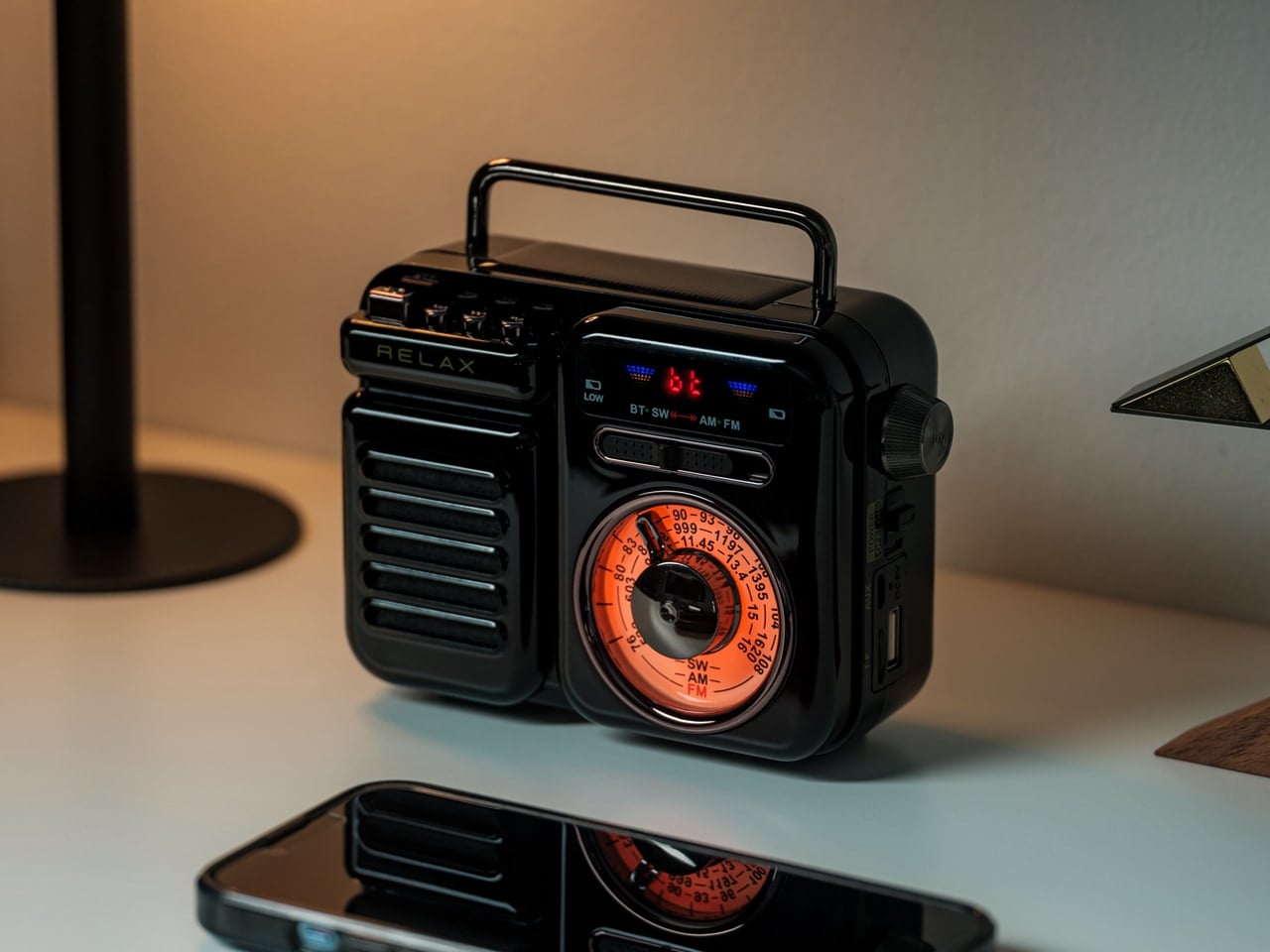
When a hurricane makes landfall, cell towers flood, lose power, or get overwhelmed. The RetroWave 7-in-1 Radio receives AM, FM, and shortwave broadcasts — infrastructure that operates completely independent of internet providers and remains live when everything digital has collapsed. Shortwave is the detail that separates it from a novelty: international emergency transmissions reach you even when every local tower in your county is offline.

Beyond its radio identity, the RetroWave functions as a Bluetooth speaker, MP3 player, LED flashlight, SOS alarm, hand-crank generator, and solar charging unit. That crank-plus-solar pairing is the decision that makes it genuinely coastal-ready. During a multi-day outage with no infrastructure in sight, a radio that generates its own energy isn’t a clever feature — it’s the only communication device in the room still working.

Click Here to Buy Now: $89.00

What We Like

  • Hand-crank and solar charging mean it never fully runs out of operational power
  • Shortwave reception works completely independent of the internet and cellular networks

What We Dislike

  • Seven integrated functions mean a single point of failure affects the entire device
  • The retro aesthetic may cause buyers to underestimate it as decor rather than serious emergency hardware

3. Edgelet SpearEdge Titanium Folder

Hawks don’t cut with force — they cut with geometry. Their curved talons guide material naturally into the cutting path while the arc concentrates force exactly where it needs to land. That principle is what Edgelet has brought into the SpearEdge: a 66.3mm titanium folder with a hawk-talon blade profile built for the pull-cut motions your hand already makes naturally. Through cordage, packaging, and emergency sheeting, it demands less effort than a straight edge in a high-stress moment.

The finger ring adds slip resistance when handles are wet — a coastal reality worth designing around from the start. The titanium body resists the salt-air corrosion that quietly destroys conventional carry gear over a coastal season, and the open keyring slot at the tail means tool-free attachment to any go-bag loop.

Click Here to Buy Now: $32 $50 (35% off). Hurry, only a few left!

What We Like

  • Hawk-talon geometry reduces pull-cut effort through cordage and wet materials under pressure
  • Full titanium construction resists the salt-air corrosion that degrades conventional coastal carry gear

What We Dislike

  • The curved blade profile is a specialist shape — it won’t feel as universal as a straight edge for every task

4. TriBeam Camplight

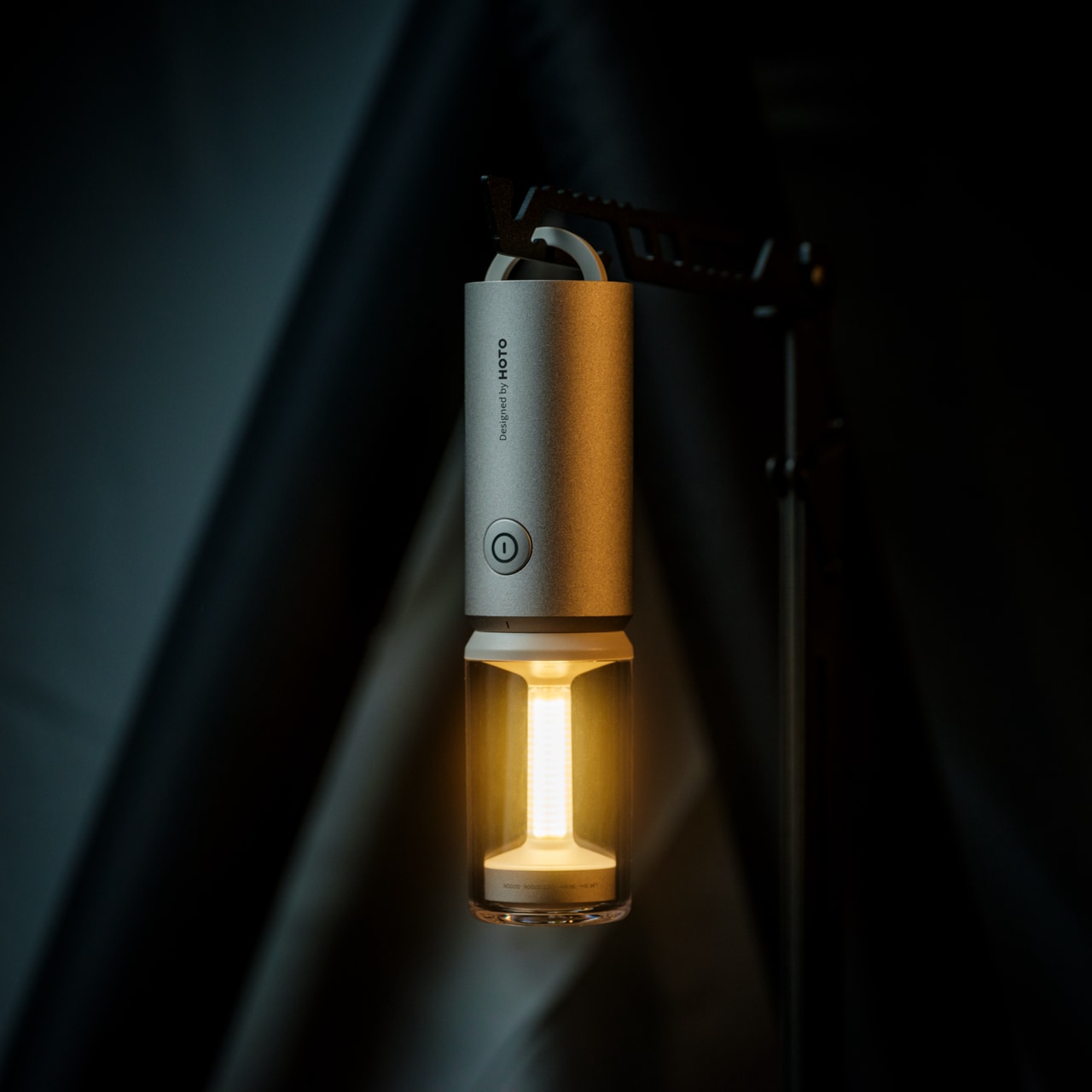
Most emergency lighting treats light as binary. The TriBeam Camplight approaches illumination the way good design should — with modes built to match the moment. A 5-lumen ambient glow for navigating interiors without destroying night vision. A diffused camping mode for shared spaces. A focused 180-lumen beam for moving through flooded exteriors or searching in the dark. All three live inside a 12.8cm, 135-gram form factor that disappears into a jacket pocket without negotiation.

The TriBeam’s coastal value is its coherence across the full arc of a storm event. Ambient light for the final hours before landfall, flashlight mode for immediate tasks during the storm, and a 50-hour battery life that outlasts the extended outages that follow a major hurricane without a single recharge. It earns a permanent shelf position long before the season arrives, which is precisely the kind of preparedness tool that actually makes it out the door.

Click Here to Buy Now: $65.00

What We Like

  • Three distinct modes adapt fluidly across pre-storm, during-storm, and post-storm scenarios
  • 50-hour battery life comfortably outlasts most extended post-hurricane power outages in coastal zones

What We Dislike

  • 180-lumen maximum output is solid for camp-scale use but limited for long-distance emergency signaling
  • Single-button mode cycling may slow down switching for users who need to change modes quickly under pressure

5. Cubik

Most EDC knives fail the coastal environment test quietly. Springs corrode. Bearing systems fill with salt residue. The Cubik solves this at the mechanical level: press the trigger, tilt the knife downward, and gravity deploys the blade. Release, and it locks solid. No springs, no bearings, no hidden pivot mechanisms accumulating salt. In a marine environment, removing every rust-prone component isn’t minimalism — it’s engineering honesty applied to a real problem.

The blade locks solidly enough to pierce hardwood, proving that restraint and functional strength aren’t at odds. The tungsten carbide glass breaker integrated into the rear handle adds a vehicle-escape capability inside a format most people would read as a refined daily carry — the same critical function the NoxTi covers from the keychain end. Two glass breakers across a coastal kit means redundancy, which is the structural principle every good preparedness strategy is built around.

What We Like

  • Gravity deployment eliminates springs and bearings — the primary corrosion vulnerabilities in any coastal carry knife
  • Tungsten carbide glass breaker adds a high-stakes vehicle-escape function inside an unassuming daily carry format

What We Dislike

  • Gravity deployment requires a learned wrist motion that takes deliberate practice to make instinctive under stress
  • The stripped-back mechanism may read as feature-light to buyers who equate knife quality with mechanical complexity

The Best Coastal Kit Is the One You’ll Actually Carry

Preparedness fails most often not because people lack the right gear, but because the right gear never made it into the bag. These five designs earn permanent carry not by stacking features, but by removing the ones that fail under salt air, dead batteries, and sustained pressure. The best coastal kit isn’t the most expensive — it’s the one built around tools you trust completely before the season ever starts.

Hurricane season 2026 begins June 1st, and the window for deliberate preparation is narrower than it feels from the other side of spring. Each tool on this list solves a specific coastal failure mode — lighting without electricity, communication without infrastructure, cutting without corrosion, illumination without recharging, and emergency signaling without a signal. Put them together, and you have a kit that performs at the precise moment every conventional backup stops working.

The post 5 Genius Designs Every Coastal Home Needs Before Hurricane Season 2026 first appeared on Yanko Design.
5 Clever Lighting Designs That Actually Deserve to Be the First Thing You Notice in a Room

Most rooms treat lighting as an afterthought. A fixture goes on the ceiling, a floor lamp fills a corner, and the result is illumination without real personality; technically functional, completely forgettable. The lamps that actually change a room belong to a different category entirely. They’re worth looking at before you’ve switched them on, with forms that say something specific about how light should behave and how a space should feel.

These five designs earn that standard. Some rethink where light is allowed to exist. Others change their function with a single physical gesture. A few carry material quality that improves over time rather than fade. None of them are lamps you choose because something needs filling. They’re the kind of objects that make everything else in the room feel like it’s working harder just by being there.

1. Flying Moon & Sun

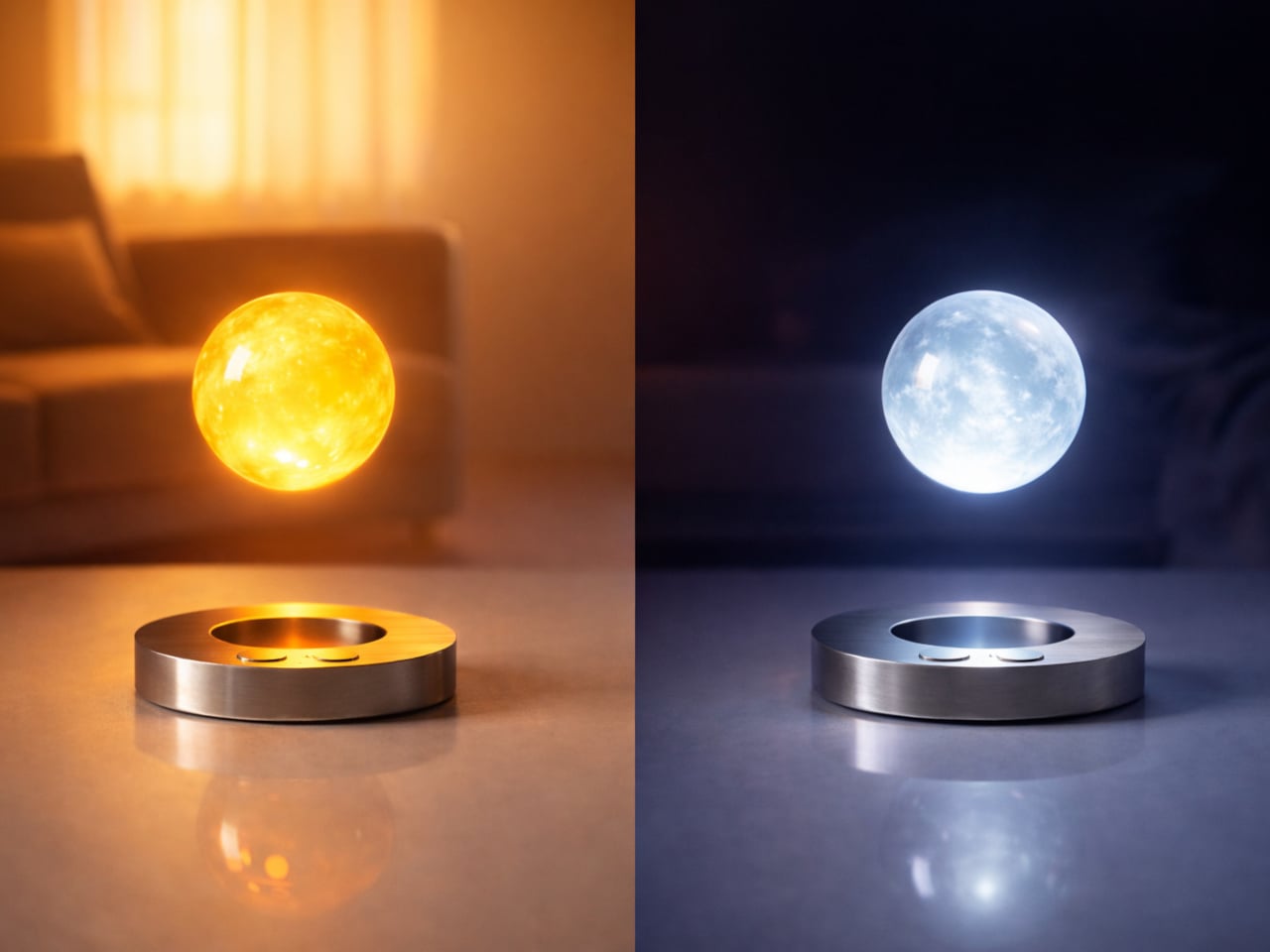
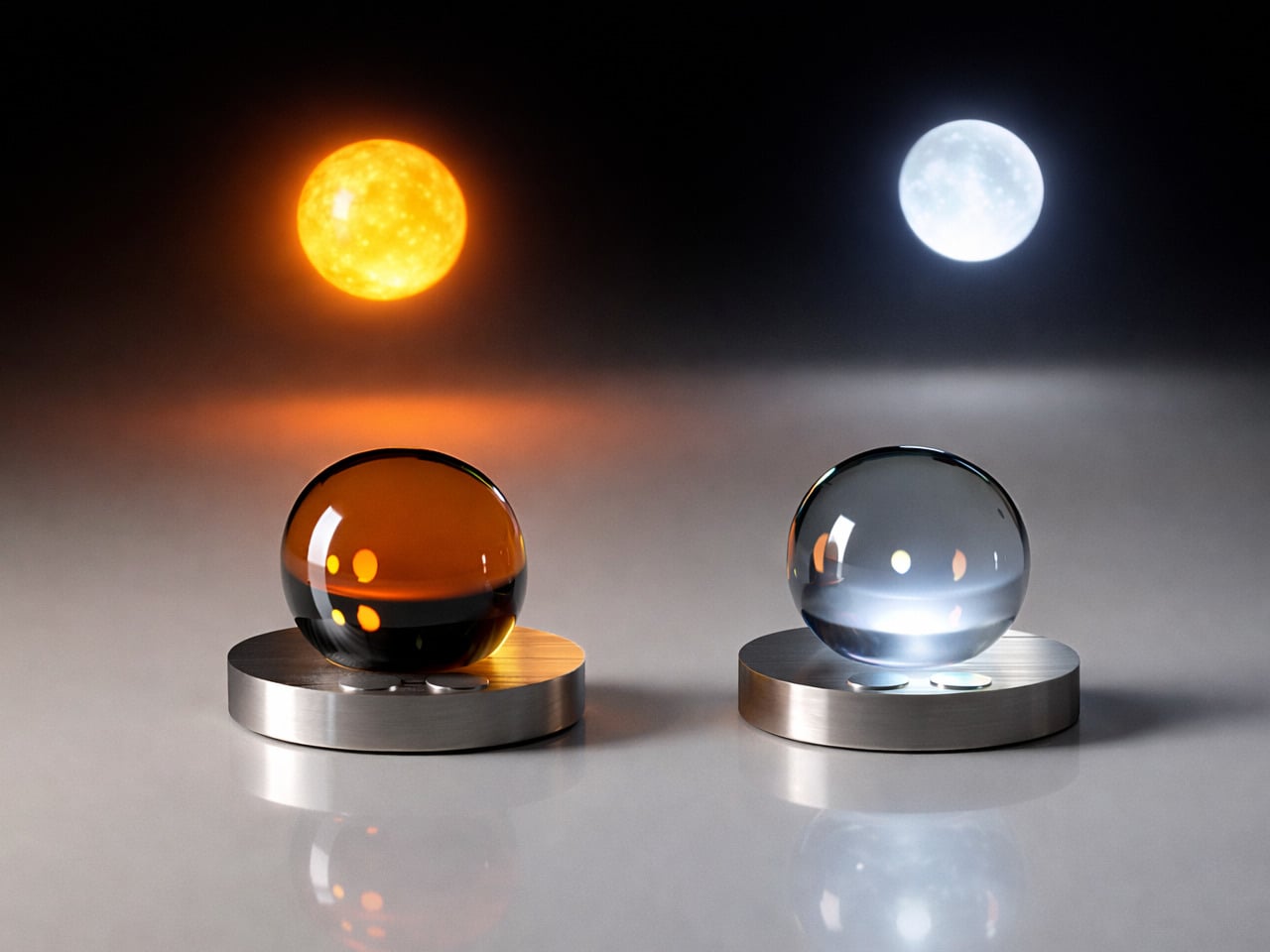
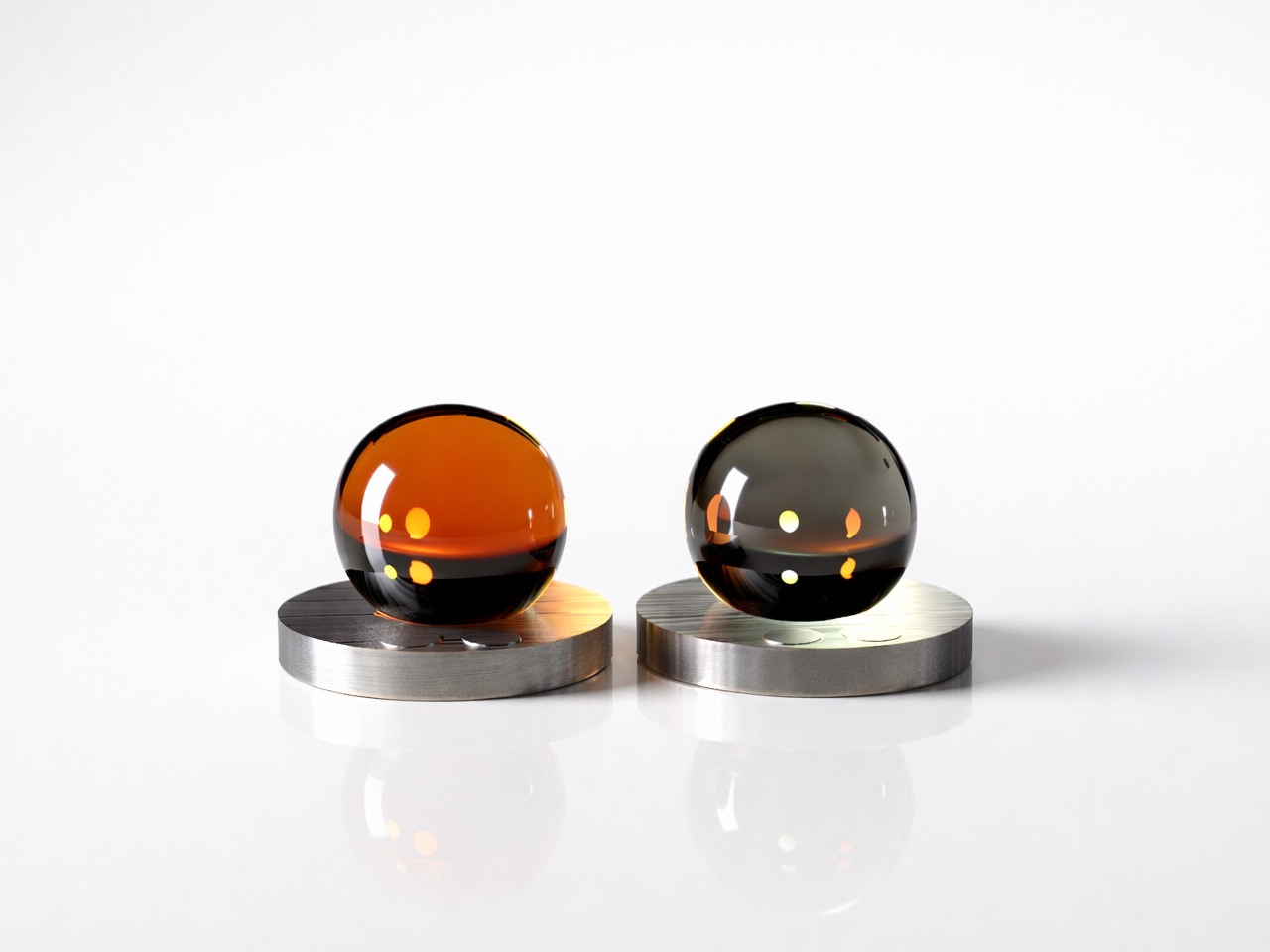
Ivana Nedeljkovska’s Flying Moon & Sun flips the usual assumption about lighting — instead of walking toward the light, the light walks toward you. The concept takes shape as two glass orbs, one in warm amber drawn from the energy of the sun and one in cool frosted blue that mirrors the moon’s quieter character. Each levitates above a brushed circular metal base through magnetic force, that floating quality expressing the central idea: a light that doesn’t need to be anchored anywhere in a room.

Living with it means giving up the idea that a room’s light is fixed and neutral. The amber orb suits an evening wind-down or a reading session, anywhere overhead lighting handles the mood badly. The cool blue shifts the atmosphere entirely, bringing a calm ambient quality that works differently in a bedroom than it does in a living room. For anyone tired of reaching for a switch, this concept points clearly in a direction worth following.

What We Like

  • Dual orbs deliver two distinct lighting characters — warm amber and cool blue — without any additional hardware
  • Levitation through magnetic force gives it a presence no cord-tethered or wall-mounted fixture can replicate

What We Dislike

  • Currently a concept design and is unavailable to purchase
  • Real-world performance around battery life, sensor accuracy, and magnetic durability remains untested

2. Anywhere-Use Lamp

The Anywhere Use Lamp is one of the few portable lamps that actually looks like it belongs in a room. The mushroom silhouette is clean and minimal, available in black, white, and an Industrial edition with a scratch-detailed metal base that reads as honest material character rather than decoration. Six high color rendering LEDs produce a warm, soft glow calibrated toward mood over task — a distinction most battery-powered lamps in this category never bother to consider.

Running on four AA batteries, it disassembles flat enough to slide into a bag and sets up wherever you carry it. Pressing any edge of the cap cycles through four brightness levels with a satisfying tactile click — a detail that makes the lamp genuinely pleasurable to use every day. For a dinner table without an outlet nearby, a reading corner mid-renovation, or a patio gathering that deserves better than a string of bulbs, it places the right quality of glow exactly where it’s needed.

Click Here to Buy Now: $149.00

What We Like

  • Fully modular and battery-powered — complete location freedom with no outlet planning required
  • Tactile click feedback on each brightness cycle is a deliberate sensory detail that elevates daily use above anything else in its portable category

What We Dislike

  • Standard AA batteries require ongoing replacement, adding a recurring cost that a built-in rechargeable option would eliminate
  • The mushroom silhouette, while clean, is familiar enough in this market to lack the full visual distinction the Industrial edition’s scratched base brings

3. Fire Capsule Oil Lamp


The Fire Capsule is an oil lamp in a cylindrical glass form, and it works because everything has been reduced to exactly what the object needs. A precision-engineered lid keeps the chimney clean between uses. An 80ml capacity delivers up to 16 hours of continuous light — enough for a full dinner or a slow evening without refilling. An included aroma plate lets you layer scent alongside the glow, turning the lamp into a multi-sensory presence on any surface it occupies.

The flat-topped design allows multiple units to stack cleanly, and paraffin oil with insect-repelling properties extends its usefulness outdoors — on a patio, a terrace, or any table where atmosphere and comfort both belong on the list. For a dining setup that already has overhead light and simply needs something warmer at eye level, the Fire Capsule handles it without consuming space you can’t spare. A drawstring pouch makes it as easy to carry as it is to use.

Click Here to Buy Now: $90.00

What We Like

  • A 16-hour burn time from a single fill makes it a genuinely practical choice for extended gatherings, not just decorative use
  • The aroma plate adds a scent layer most lamps never attempt, turning a light source into a full atmosphere object

What We Dislike

  • Paraffin oil requires regular restocking, and the insect-repelling outdoor variant may need sourcing through specialist retailers
  • The glass chimney, while protected by the lid between uses, requires careful handling when packing for travel

4. JAL

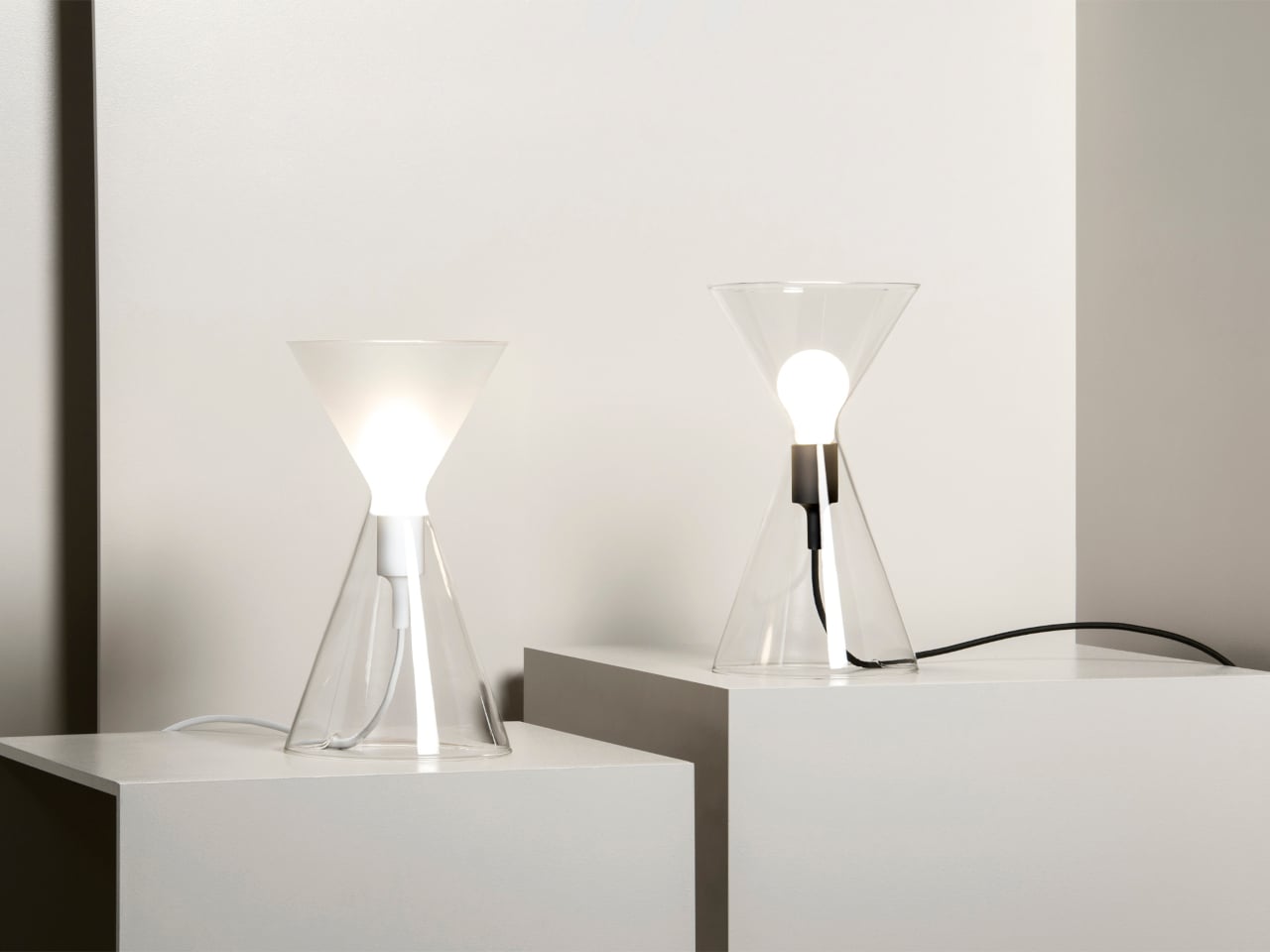
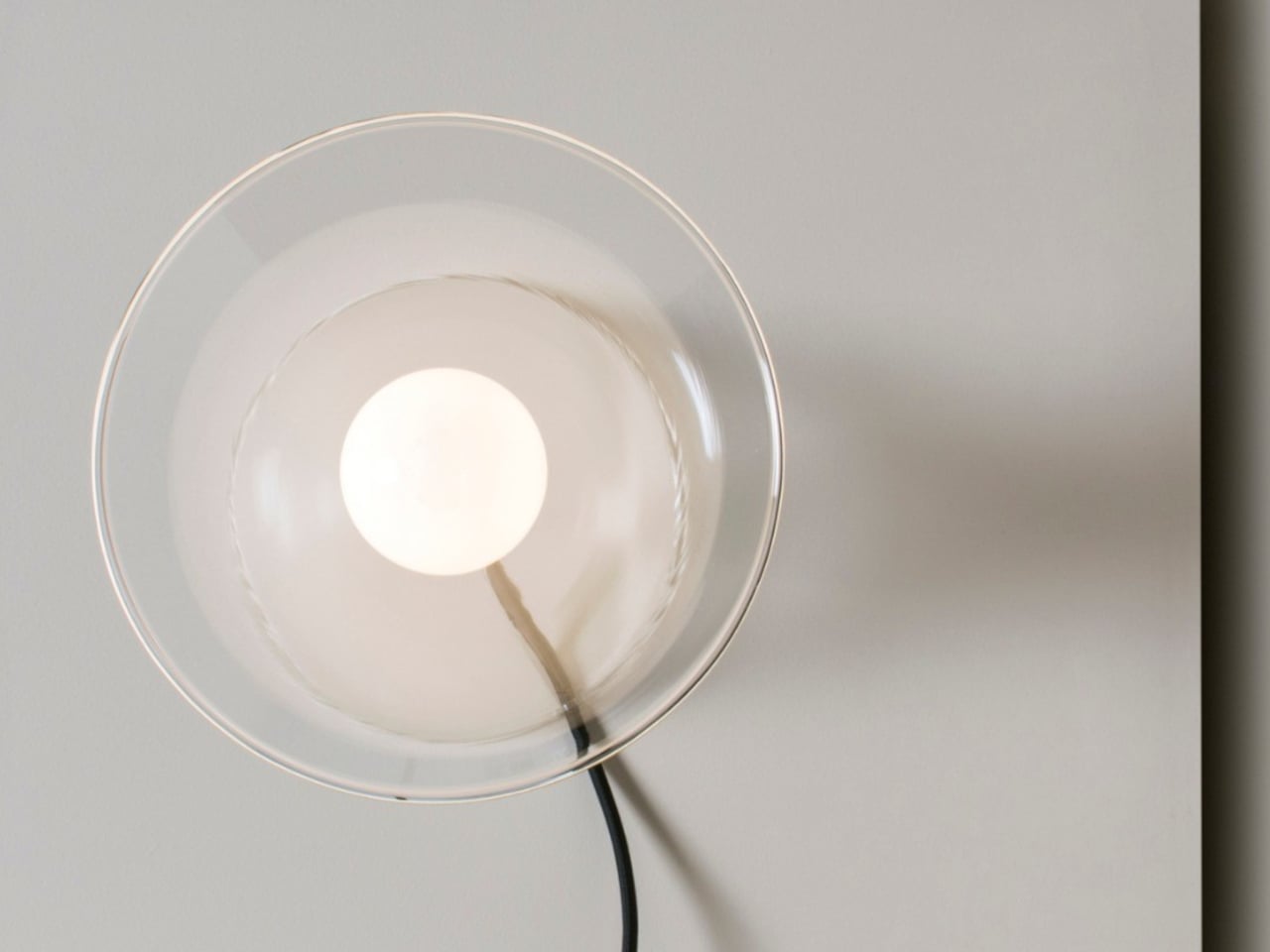
JAL is built from two glass cones joined tip to tip in a form that reads immediately as an hourglass. The bulb sits inside this sealed geometry and appears to float in mid-air — a quality that gives the lamp real presence before you’ve considered what it actually does. Available in transparent or frosted glass with a colored cable as the only other visible element, the form does all the work. It belongs on a sideboard, a console, or a bedside, and holds that position without competing with anything around it.

The more you interact with it, the more considered it reveals itself to be. Place the lamp with the bulb facing upward, and it behaves like a conventional table lamp, sending light toward the ceiling. Flip it so the bulb faces downward, and it becomes a softer source that pools light onto the surface below — closer to a glowing object than a reading companion. One rotation, two completely different functions, no settings required.

What We Like

  • Flipping the lamp changes its function entirely with a single physical gesture — no apps, dimmers, or remote controls involved
  • The hourglass form holds its own as a visual object even when it’s switched off

What We Dislike

  • All-glass construction requires careful handling with no obvious protection during storage or transport
  • The colored cable adds character but limits neutral styling options for more minimal setups

5. Harmony Flame Fireplace

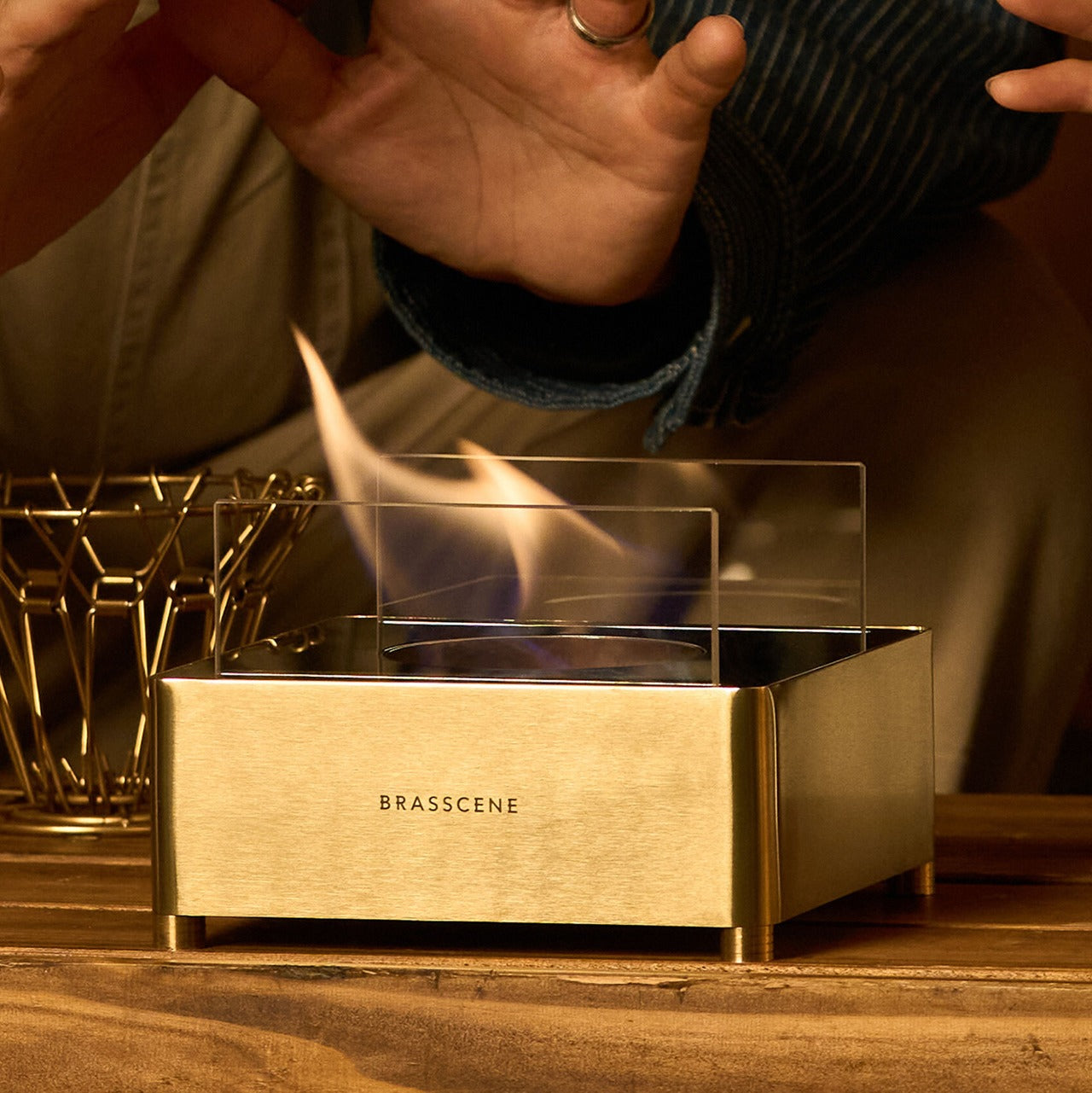
The Harmony Flame Fireplace is made by craftsmen who build brass musical instruments, and that connection is visible in the finish and felt in the weight of the object. It burns bioethanol that is odorless, smokeless, and clean enough for indoor use, and the flame plays against the reflective brass interior in a way that creates a shifting, living quality of light no bulb can replicate. Shadows move on the surrounding walls. The room feels different. No installation, no wiring, no planning — you fill it and the space changes.

Brass develops a patina over time that makes the object more interesting rather than less — a quality that cheaper materials never manage and most design objects don’t survive long enough to demonstrate. For a dining table that earns its centerpiece through material presence rather than novelty, or an outdoor setting that deserves something more honest than a string of lights, the Harmony Flame Lamp delivers with real authority. It’s also the one on this list that people are most likely to ask about by name.

Click Here to Buy Now: $240.00

What We Like

  • Hand-crafted brass construction develops genuine character over time, giving it depth no manufactured alternative can match
  • Bioethanol burns without odor or smoke, making an open indoor flame genuinely practical — rare in a lamp this well-made

What We Dislike

  • An open flame requires standard fire safety awareness and isn’t suitable for unsupervised use around young children or pets
  • Bioethanol fuel is not universally stocked and may require a specialist supplier, depending on your location

The Right Lamp Changes Everything Else

Good lighting doesn’t announce itself — it changes how a room feels before you can explain why. These five designs each do something specific: one proposes a new relationship between light and movement, one turns a single rotation into a full shift in function, and one brings the right quality of warmth to wherever the evening happens to be. None of them are objects you choose simply because a corner needed filling.

One works through scent as much as one does through light. One earns its presence through material quality that only improves with time. Another proposes a concept so specific it makes every fixed lamp feel like a missed opportunity. You don’t need all five. But the right one changes how the rest of the room reads — and that’s what separates a lamp worth noticing from one that simply occupies space.

The post 5 Clever Lighting Designs That Actually Deserve to Be the First Thing You Notice in a Room first appeared on Yanko Design.
5 Best EDC Drops for April 2026 That Are Actually Worth the Pocket Space

Pocket real estate is non-negotiable. Every gram you carry should earn its spot — by solving a problem you actually face, doing it better than what’s already in your rotation, or pulling off both without adding the kind of bulk that defeats the purpose of carrying light. April delivered a focused set of drops that clear that bar across the board.

The drops include a tool built on a patent that predates the first World War, a carabiner that turns an AirTag into proper hardware, a collaboration piece that turns Japanese wave motifs into functional grip texture, and a flashlight that rethinks how a carry light should deploy. None of these is an impulse purchase. They’re the work of people who thought seriously about what an object owes the person carrying it.

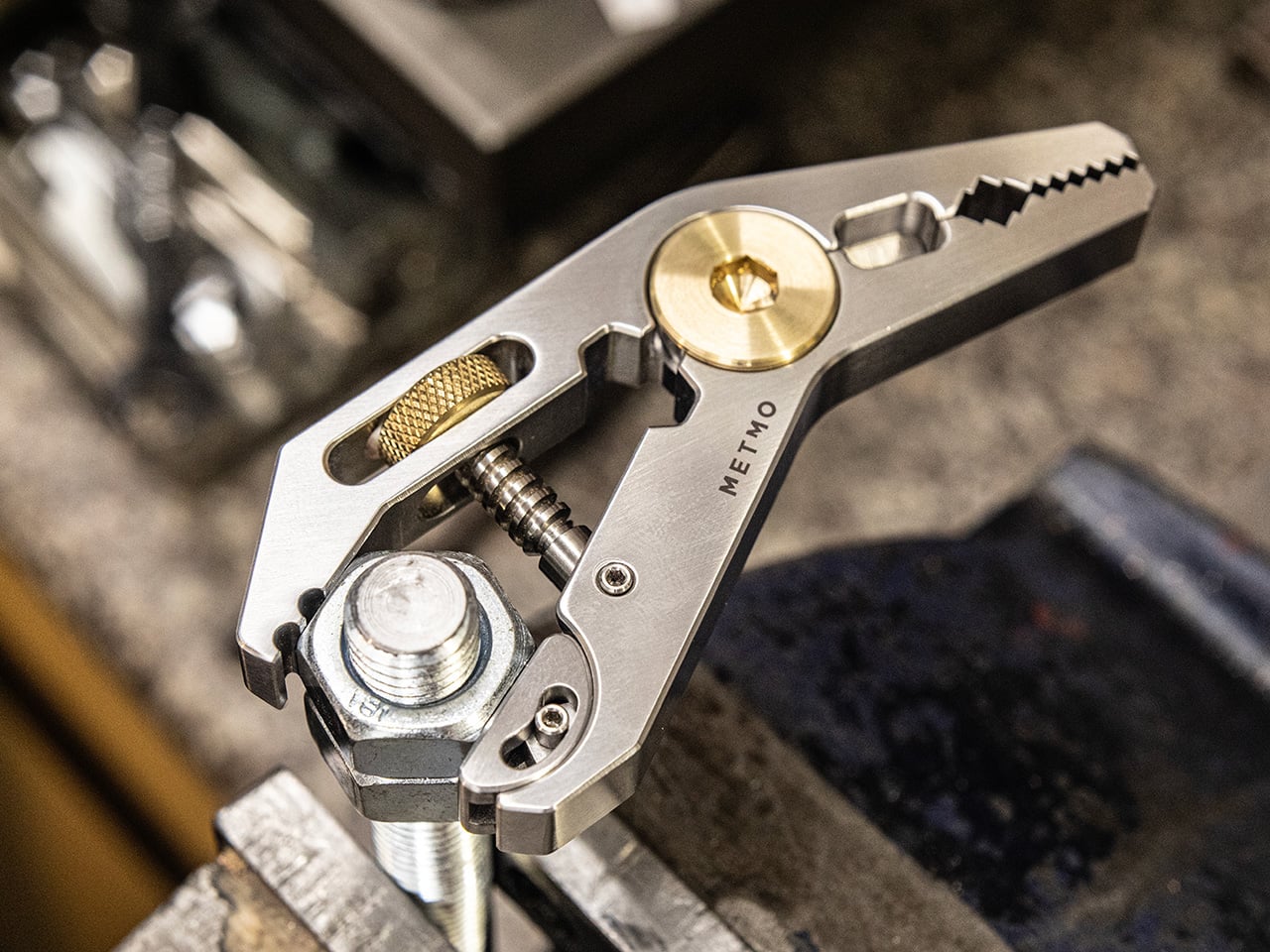
1. MetMo Pocket Grip — A 1913 Patent, Finally Fulfilled

The Pocket Grip is proof that the best ideas don’t expire — they wait for the manufacturing era that can do them justice. MetMo pulled a 1913 Anderson patent from near-total obscurity and rebuilt the concept from scratch using CNC machining and modern metallurgy. The double-ended, central-pivot architecture that made the original mechanically clever is still the structural engine here, but the tolerances, surface finishing, and material quality are generations ahead of what Anderson’s era could produce. It doesn’t feel like a revival. It feels like the tool is arriving for the first time, fully formed.

What keeps it from becoming a novelty is the design discipline packed into every surface. The central pivot, a structural requirement in the 1913 concept, is machined to serve as a 1/4-inch hex drive for standard bits. The jaws split into distinct functional zones: a chomping area for raw grip, dedicated geometry for round and flat objects, and a nipping point for edge work. Nothing is decorative. Every millimeter carries a job, which is a genuinely rare quality in a category that usually trades specificity for the appearance of versatility.

What We Like

  • CNC precision transforms a century-old mechanical concept into a tool that performs to modern standards
  • Jaw geometry, divided into distinct zones, removes the clumsy generalism of traditional multi-tool pliers

What We Dislike

  • The central-pivot format will feel unfamiliar to anyone who’s built habits around conventional plier-style tools
  • Specialized architecture means it won’t replace a full multi-tool on extended technical trips

2. AirTag Carabiner — Aerospace-Grade Metal for Your Most-Forgotten Gear

The problem with most AirTag holders isn’t the tracker — it’s the housing. Plastic shells and rubber sleeves cheapen what should feel like a permanent fixture in your carry system. This Duralumin composite carabiner takes a different position entirely, using a material cleared for aircraft, spacecraft, and marine environments to do a job most people hand off to a keyring loop. The result is a carabiner that snaps onto a bag strap, bike frame, or umbrella handle and genuinely disappears into the hardware without looking like an afterthought.

What makes it worth calling out specifically is the handcrafted construction and the material choices available at checkout. Duralumin keeps the weight negligible while delivering structural integrity that synthetic alternatives simply can’t match at this scale. Untreated brass and stainless steel variants let you match the finish to what’s already on your keychain or bag without compromising the function. The AirTag sits cleanly inside the carabiner body, turning a tracker that would otherwise rattle around a pocket into something secured, accessible, and built to last well beyond the device it’s carrying.

Click Here to Buy Now: $149.00

What We Like

  • Duralumin construction brings aerospace-grade material standards to an everyday carry accessory without adding perceptible weight
  • Multiple finish options in brass and stainless steel let it integrate into an existing carry system rather than clash with it

What We Dislike

  • AirTag is not included, meaning the full cost of the setup requires accounting for Apple’s tracker price separately
  • Carabiner-style attachment won’t suit minimalist setups where a slim keyring profile is a priority

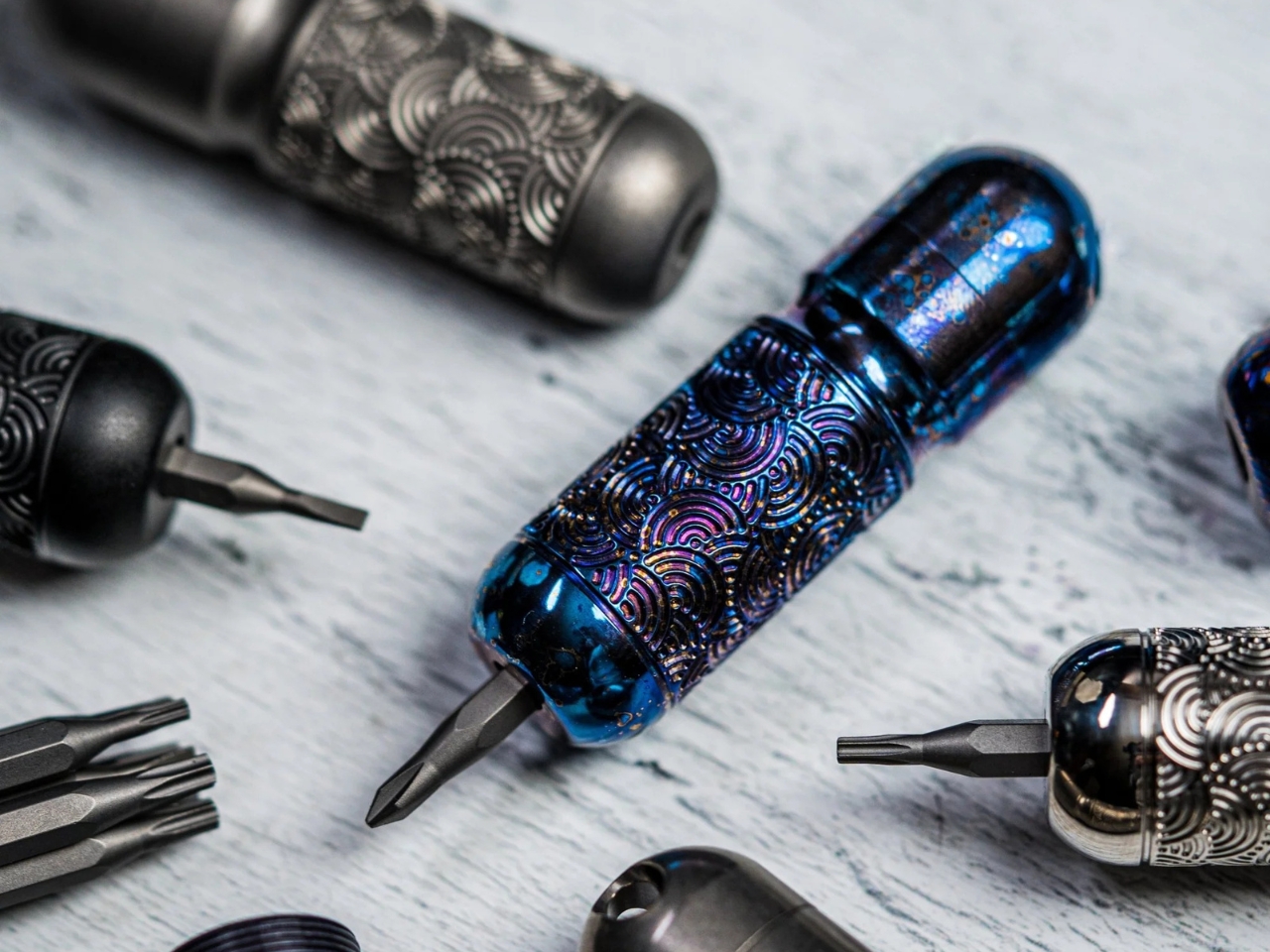
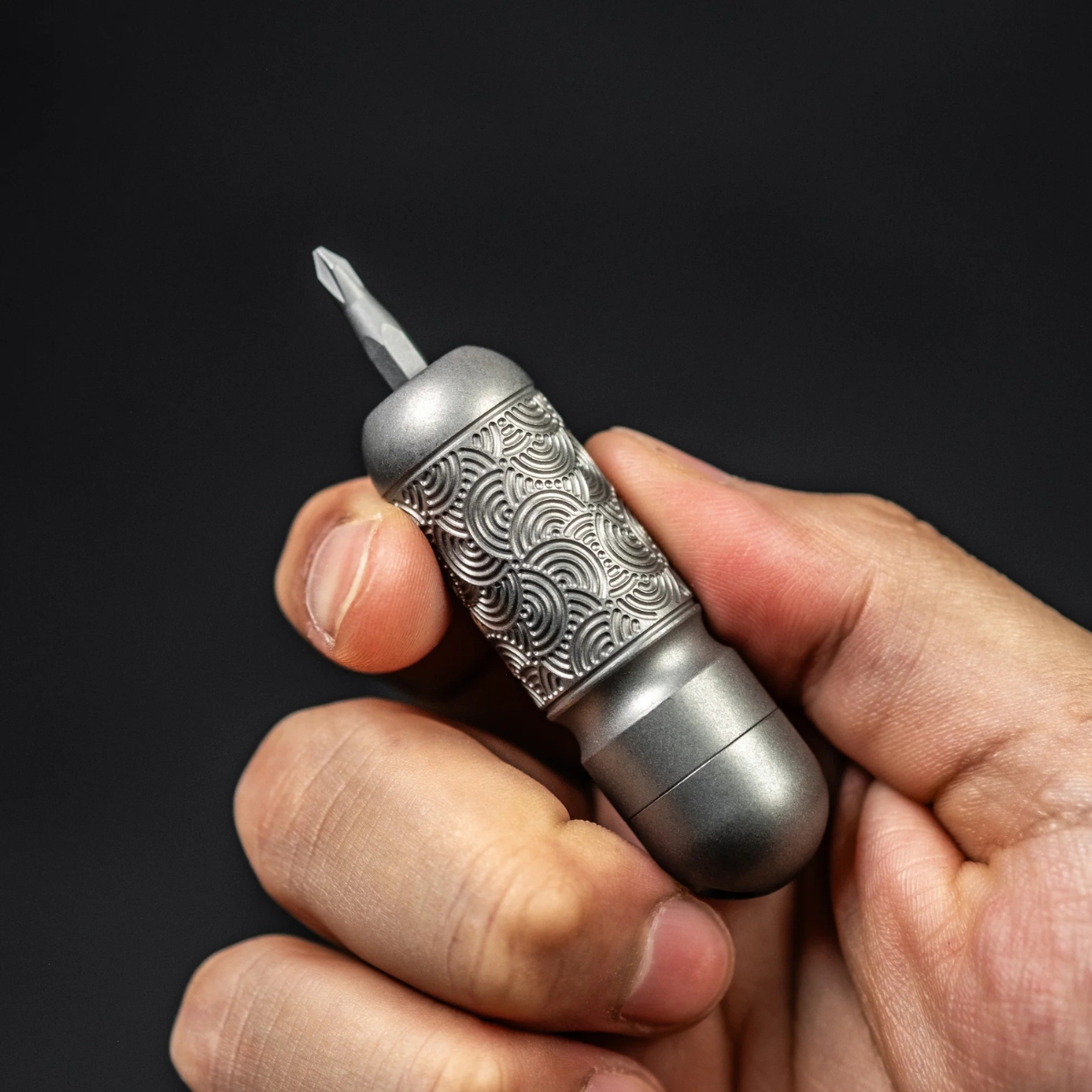
3. Audacious Concept x URBAN Tool XS — Chaos Seigaiha Edition

The collaboration between Audacious Concept and URBAN EDC produced something the limited-edition tool market rarely manages — a piece that’s genuinely better because of its design, not just more expensive because of its branding. The titanium body is milled with the Chaos Seigaiha pattern, a Japanese wave motif that reads immediately as art on a shelf. Hold it, and the texture resolves into a real grip surface, tactile enough to prevent slip under pressure without being rough against pocket fabric or a keychain ring. Lightweight, corrosion-resistant, and built to outlast most objects you’ll carry alongside it for the next decade.

Inside the body, a neodymium magnetic core holds seven micro bits in place and releases them cleanly on demand. The selection covers Phillips and flathead sizes, which handle the practical scope of most small-scale fastener work — eyeglass adjustments, consumer electronics, and pocket gear maintenance. Bit retention is tight enough that nothing rattles loose in a jacket pocket, but the swap is smooth and one-handed. For something designed to live on a keychain, the functional depth is serious enough to make reaching for a larger screwdriver feel unnecessary for anything outside heavy-torque work.

What We Like

  • The Seigaiha milling functions simultaneously as a visual identity marker and a genuine grip surface
  • Magnetic core bit retention secures seven micro bits without adding measurable weight to the titanium body

What We Dislike

  • Limited-edition status means supply is finite, and secondary market pricing will reflect that quickly
  • Micro bit format won’t satisfy tasks requiring full-size driver torque or a longer shaft reach

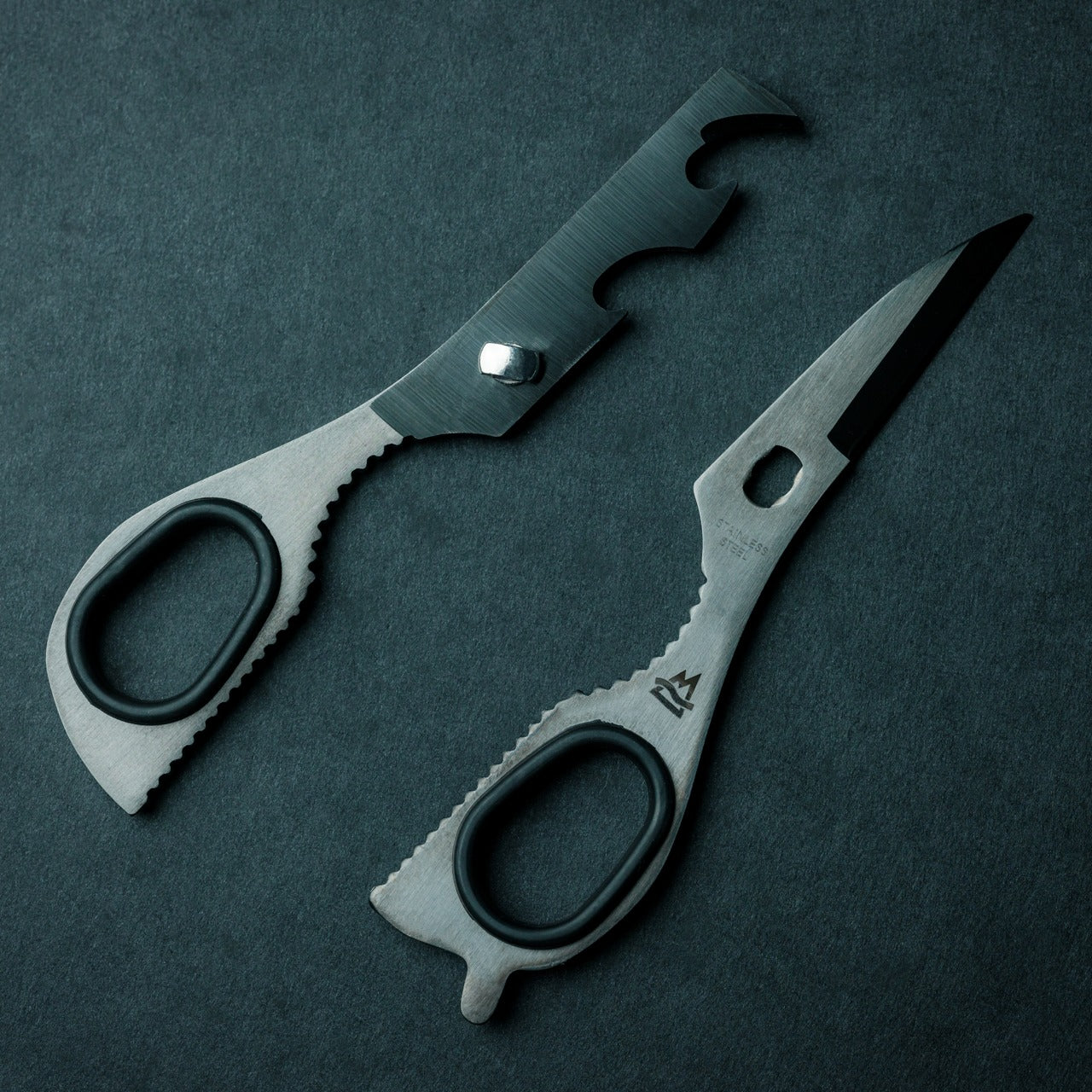
4. 8-in-1 EDC Scissors — The Tool That Benefits From Being Underestimated

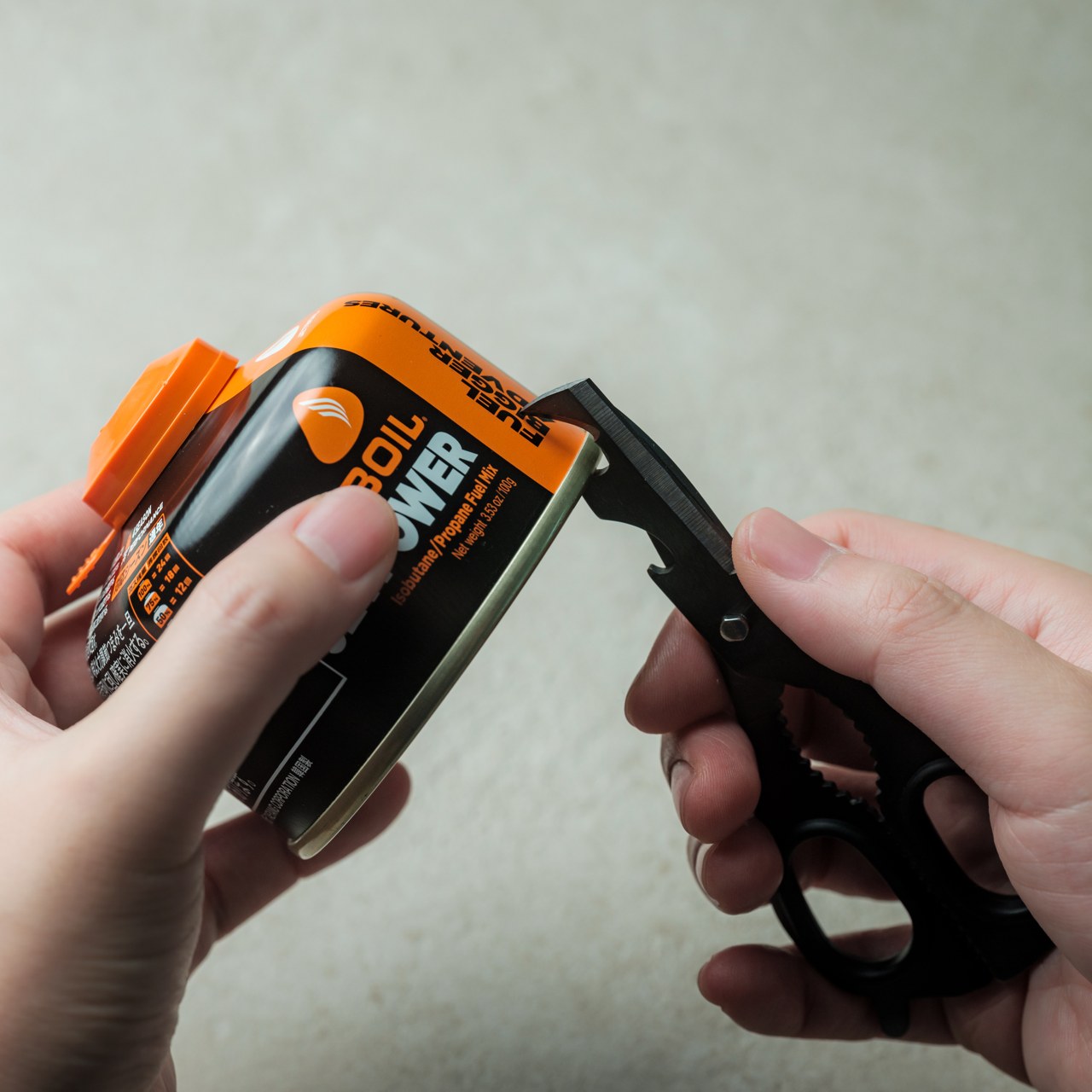
The instinct to dismiss a palm-sized pair of scissors is exactly what makes this carry piece a reliable surprise. At 13 centimeters, it disappears into a zipper pocket or bag compartment without registering as weight or bulk — but the eight integrated tools inside that frame cover a range of everyday situations that most dedicated items can’t individually match. Scissors, knife, lid opener, can opener, cap opener, bottle opener, shell splitter, and degasser. The oxidation film finish resists rust and gives the whole object a clean matte black profile that holds its look through daily contact and pocket friction without complaint.

Where compact multi-tools often make you feel the engineering compromises in your hand, these scissors stay intuitive throughout. The scissors work like scissors. The openers work without awkward repositioning or a three-step learning process. The geometry is uncomplicated, and the execution is clean, which matters more than mechanical cleverness when you’re opening a can at a campsite or dealing with packaging without a workspace. This is the kind of tool that earns its spot precisely by disappearing into the carry and only surfacing when it’s actually needed.

Click Here to Buy Now: $59.00

What We Like

  • 13cm form factor fits cleanly into zipper pockets and bag compartments without displacing other carry items
  • Eight functions without mechanical complexity keep the tool immediately usable under real-world time pressure

What We Dislike

  • Compact size limits leverage, meaning heavier cutting tasks will push past what the scissors can comfortably handle
  • First-time users need a short adjustment period to locate each function quickly without looking

5. Olight Baton 4 Premium Edition — The Flashlight That Figured Out Deployment

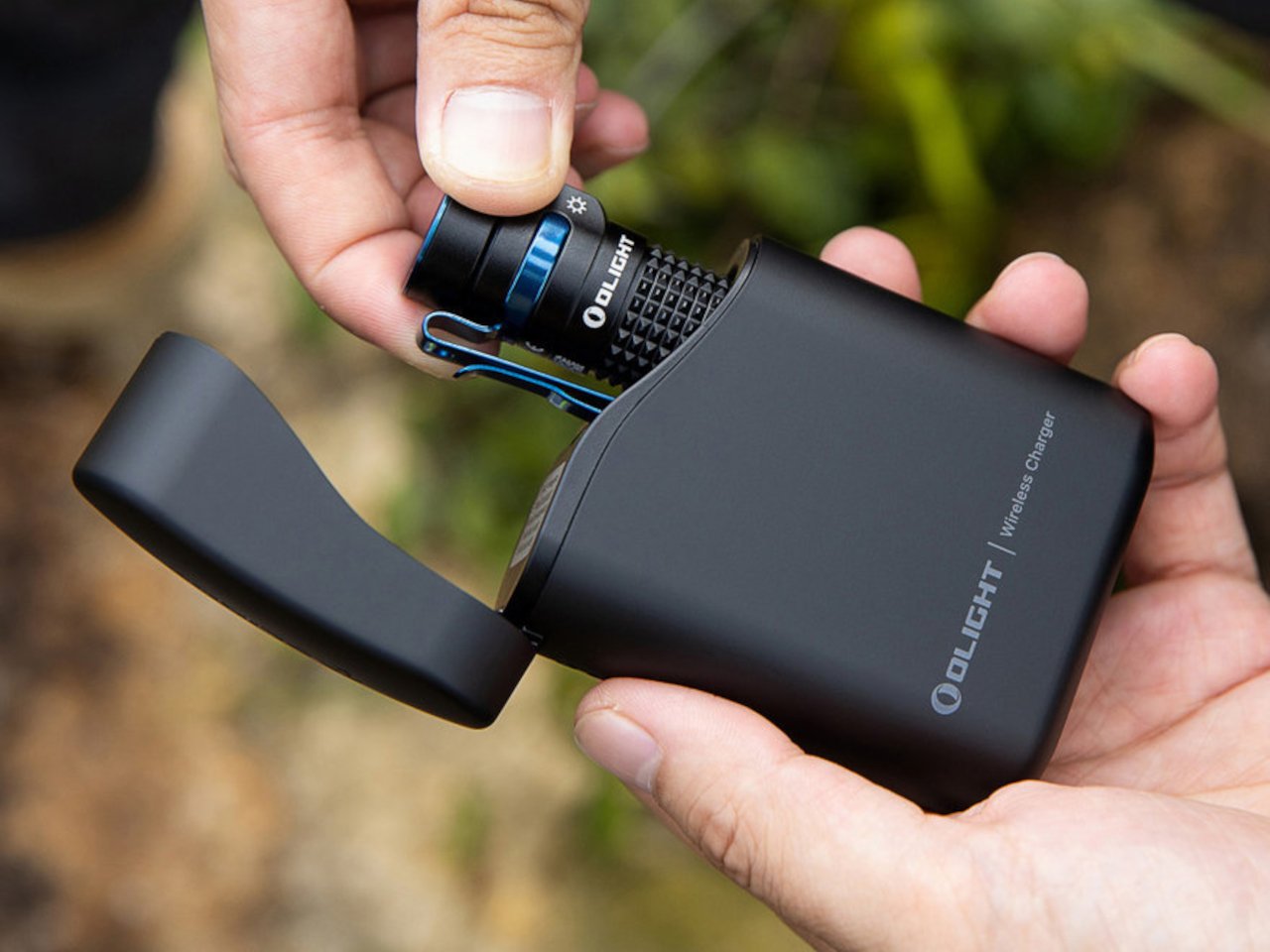
The 5,000mAh flip-top charging case is the real innovation here, and it changes how a flashlight behaves as an EDC item in a way that’s easy to underestimate until you use it in the dark. Flip the cover, press the side button, and 1,300 lumens activate while the light stays seated and secured inside the case. That one design decision removes the most persistent friction point in carry lighting — the fumble of finding, pulling, and orienting the flashlight when time actually matters. The case fits jacket pockets and pack hip belts without issue, keeping the light charged and immediately accessible across a full day of use.

The Baton 4 flashlight itself delivers 1,300 lumens at a 170-meter throw from a cylinder compact enough to stop registering as a presence after the first few carries. LED indicators display brightness level and remaining battery without guesswork, which becomes meaningful on longer backcountry trips where runtime management is part of staying prepared. One-handed case operation keeps the other hand free on technical terrain. The case charges other compatible Olight models, which adds genuine ecosystem value for anyone already carrying their hardware. For the output-to-size ratio it delivers, this is a difficult flashlight to argue against at any level of the carry conversation.

What We Like

  • Flip-top case enables immediate one-handed light activation without removing the flashlight from its housing
  • Case charges multiple compatible Olight models, turning one accessory into a multi-device carry solution

What We Dislike

  • Premium pricing places it well above the entry-level EDC flashlight bracket, narrowing its practical audience
  • The charging case adds volume that won’t suit ultra-minimalist or slim front-pocket carry configurations

The Best EDC Gear Doesn’t Ask for Attention — It Just Performs

What connects these five drops isn’t price point or category — it’s intentionality. Each one reflects a design process where the question wasn’t “what can we add?” but “what does this object actually owe the person carrying it?” That shift in thinking is what separates a tool worth carrying from one that looks convincing in product photography but quietly disappears from rotation after the first week. April’s strongest EDC offerings share that quality, and it shows.

The carry conversation has matured past the spec sheet arms race. Lumen counts, blade counts, and material callouts matter less than how an object behaves in the hand at the moment it’s needed. The MetMo earns its pivot. The RetroWave earns its seven roles. The Baton 4 earns its case. When gear is designed with that level of accountability, it doesn’t just fill pocket space — it justifies every square centimeter of it.

The post 5 Best EDC Drops for April 2026 That Are Actually Worth the Pocket Space first appeared on Yanko Design.

5 Best Gifts of April 2026 for the Person Who Already Has Everything (That They’ll Actually Display)

Finding a gift for someone who already has everything is less a shopping problem than a design problem. The question is not what they are missing — they have likely found the answer and already bought it. The real question is what kind of object earns a permanent, visible place in their space. Something they set down and never want to store away. Something that changes how a room actually feels.

This April, five objects have made a strong case for exactly that kind of staying power. Each carries a distinct personality — some earn their place through material quality, the weight of brass or natural wood grain pushing through pigment. Others earn it through a clever reimagining of something familiar. A few earn their place through ritual. None are impulse buys, and all are built for people who aren’t easily impressed.

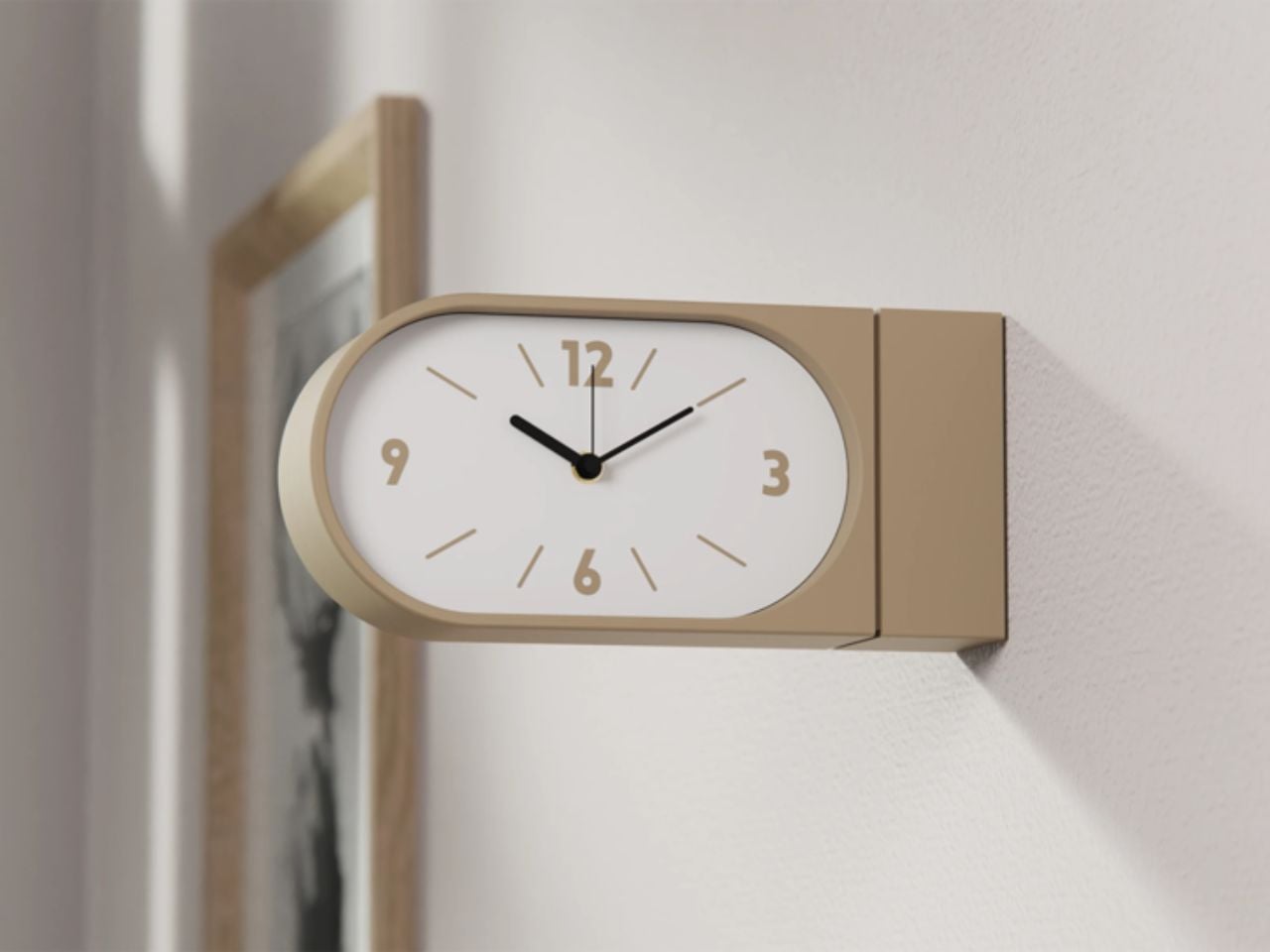
1. Perch Double-Sided Wall Clock

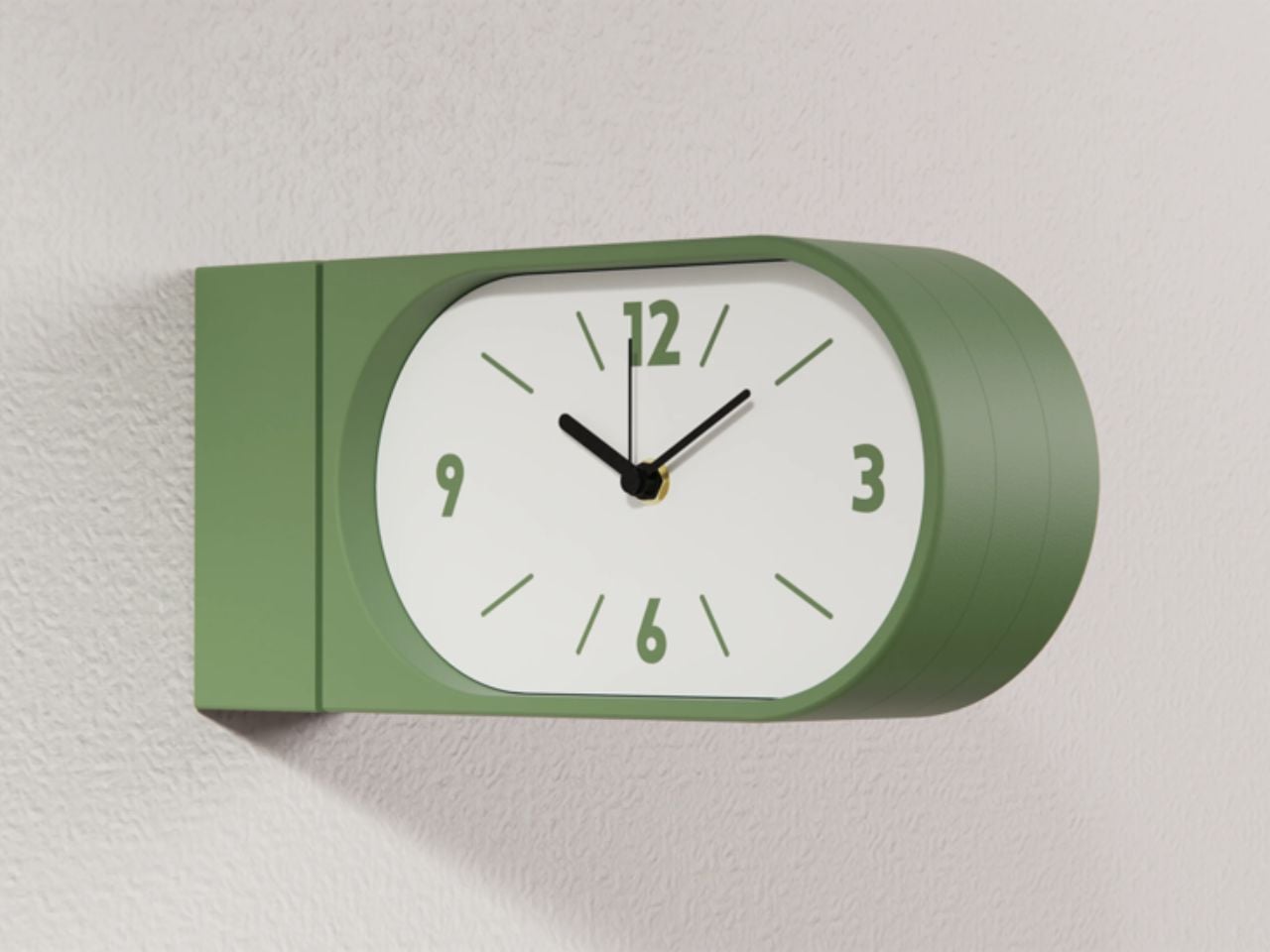
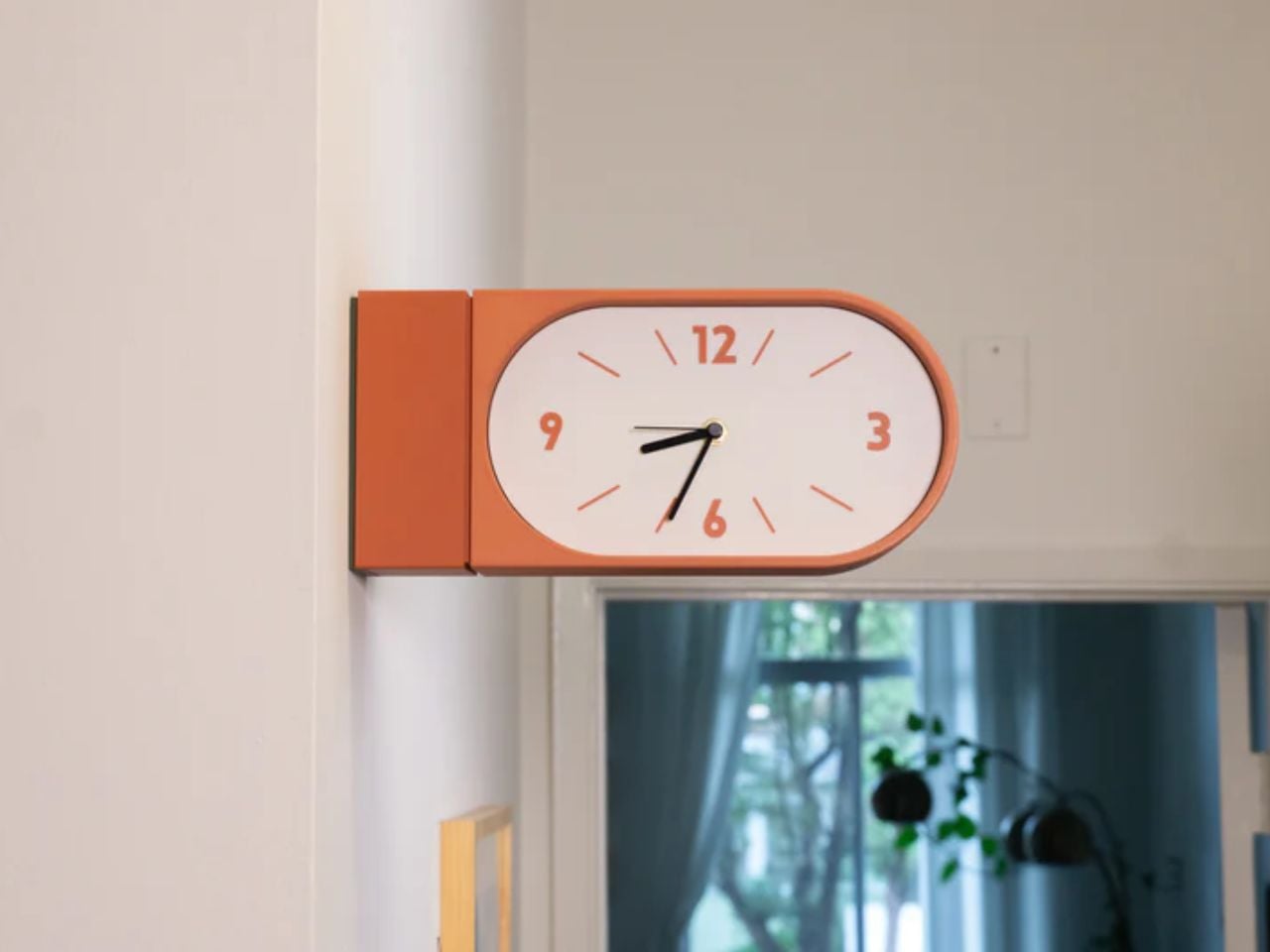
Most wall clocks are passive. They sit flat against a surface and wait to be glanced at from a single fixed position — a design that assumes you always approach from the same direction and that time only needs to be readable when you happen to be standing in the right spot. The Perch clock rethinks that assumption entirely. By extending out from the wall and displaying time on both faces, it becomes part of how you actually move through a room rather than something you consult only when facing the right way. Walk into a space, pass through a corridor, glance back as you leave — time is always within sight.

The visual language leans into restrained warmth rather than the clinical precision that often defines minimalist design. Available in three colors, the Perch holds a quiet presence without demanding attention. There is also something unmistakably reminiscent of vintage railway clocks in its silhouette — those objects that once shaped shared, public notions of time and movement. Functionally, it runs on two AA batteries and hangs from a simple bracket that allows it to be lifted off cleanly when the batteries need changing. No wiring, no complicated installation. Living with it is entirely effortless, and effortless is exactly the quality that makes something worth keeping on the wall for years.

What We Like:

  • Readable from both directions, making it genuinely useful in corridors, open-plan rooms, and pass-through spaces
  • Requires no wiring — two AA batteries and a simple bracket keep installation and maintenance completely straightforward

What We Dislike:

  • The bracket system may require specific wall types or additional anchoring for a fully stable hang
  • Only three colorways available, which may not suit every interior palette or design preference

2. Harmony Flame Fireplace

No LED strip or ambient bulb has ever replicated what a real flame does to a room. The Harmony Flame Lamp is a handcrafted brass bioethanol fireplace built using the same techniques applied when making brass musical instruments — and that level of craft is immediately apparent the moment you hold it. Place it at the center of a dining table or carry it to a patio and the flame catches and reflects across the polished surface, casting a living play of light and shadow that shifts with every movement of air. It transforms whatever surface it sits on into something worth gathering around.

The fuel is eco-friendly bioethanol, which burns without producing odor or smoke, making it fully safe to use indoors without ventilation or installation of any kind. There is nothing to wire, nothing to mount, and no complicated process to get it going. For someone with a strong sense of how their space should feel, this is the kind of object that earns its placement not on a back shelf, but at the center of the table where it can do exactly what it was designed to do. The craftsmanship alone justifies where it ends up.

Click Here to Buy Now: $240.00

What We Like:

  • Burns odorless and smokeless bioethanol fuel indoors without any ventilation or installation requirements
  • Handcrafted by brass instrument makers, giving it a material quality and finish that is immediately apparent

What We Dislike:

  • Requires bioethanol fuel that needs to be sourced and replenished separately as an ongoing consumable cost
  • An open-flame product that may not be suitable for homes with young children or pets

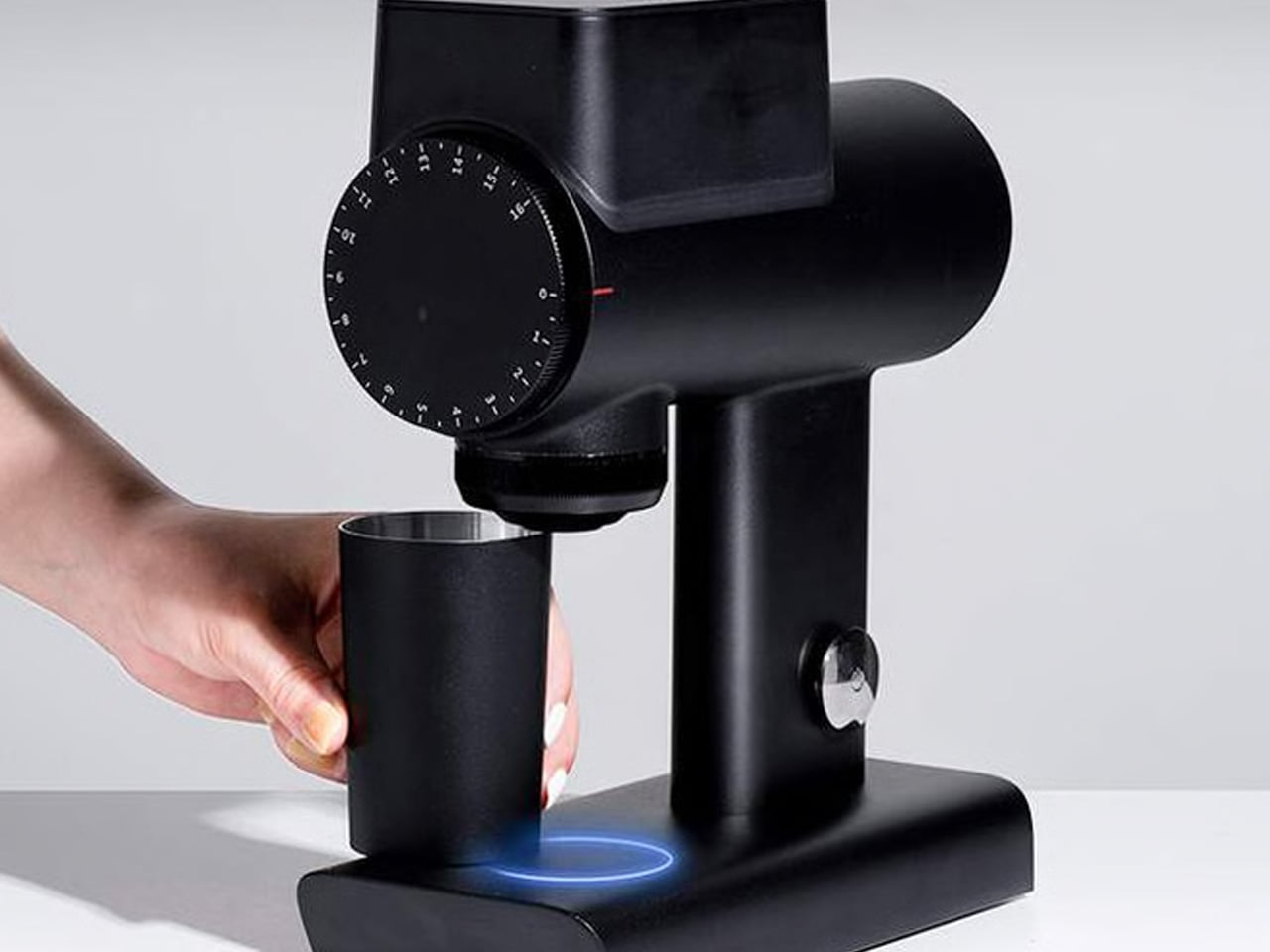
3. Timemore Electric Coffee Grinder


For the person who already takes their coffee seriously, the Timemore Electric Grinder is the kind of upgrade that changes the entire shape of a morning. Its patented 078 Turbo Burrs feature three layers of teeth that deliver fast, consistent grinding while meaningfully reducing the fine particles that accumulate in a cup and dull its flavor. A sensory brushless motor handles the work without vibration, using PID control and Hall components to maintain stability and precision across every grind. It does not simply produce ground coffee. It makes the whole process feel like it was properly thought through.

Two burr configurations mean it adapts to different brewing methods without compromise. The 078S flat burrs deliver the fine, high-uniformity grind that espresso demands, while the Turbo burrs handle pour-over with equal confidence. A patented rotary knocker clears stubborn fines from the grinder spout with a single turn — a small feature that makes a genuine difference at six in the morning. The magnetic bean lid keeps things sealed and tidy between uses. For someone who already has the kettle, the scale, and the dripper lined up on the counter, this is the final piece of the setup they have been quietly looking for and will be glad to leave on full display.

What We Like:

  • Two interchangeable burr options handle both espresso and pour-over brewing styles without needing a second machine
  • The brushless motor and rotary knocker deliver a level of precision and cleanliness that surpasses most standard electric grinders

What We Dislike:

  • The dual-burr system and technical setup may be more involved than casual coffee drinkers are looking for

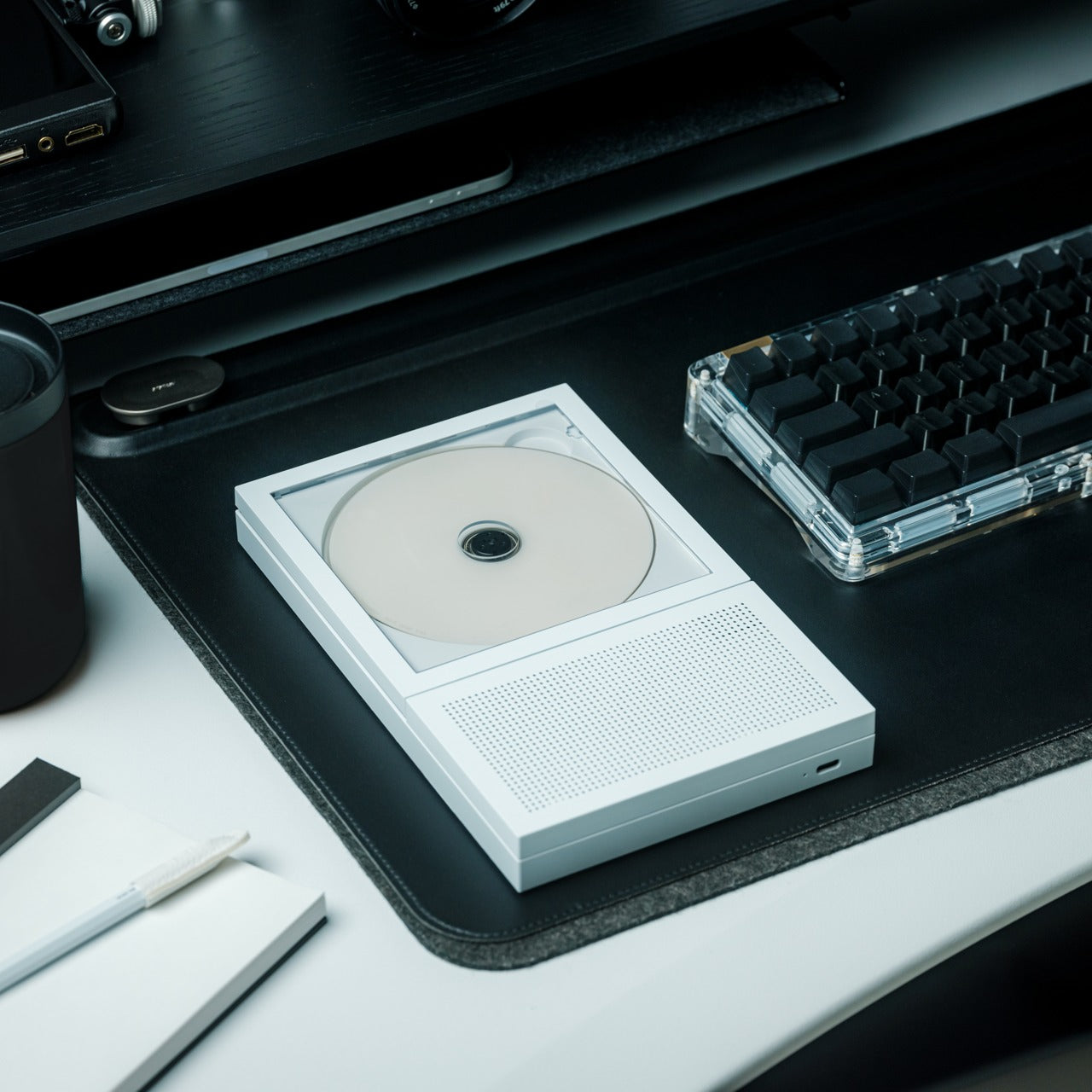
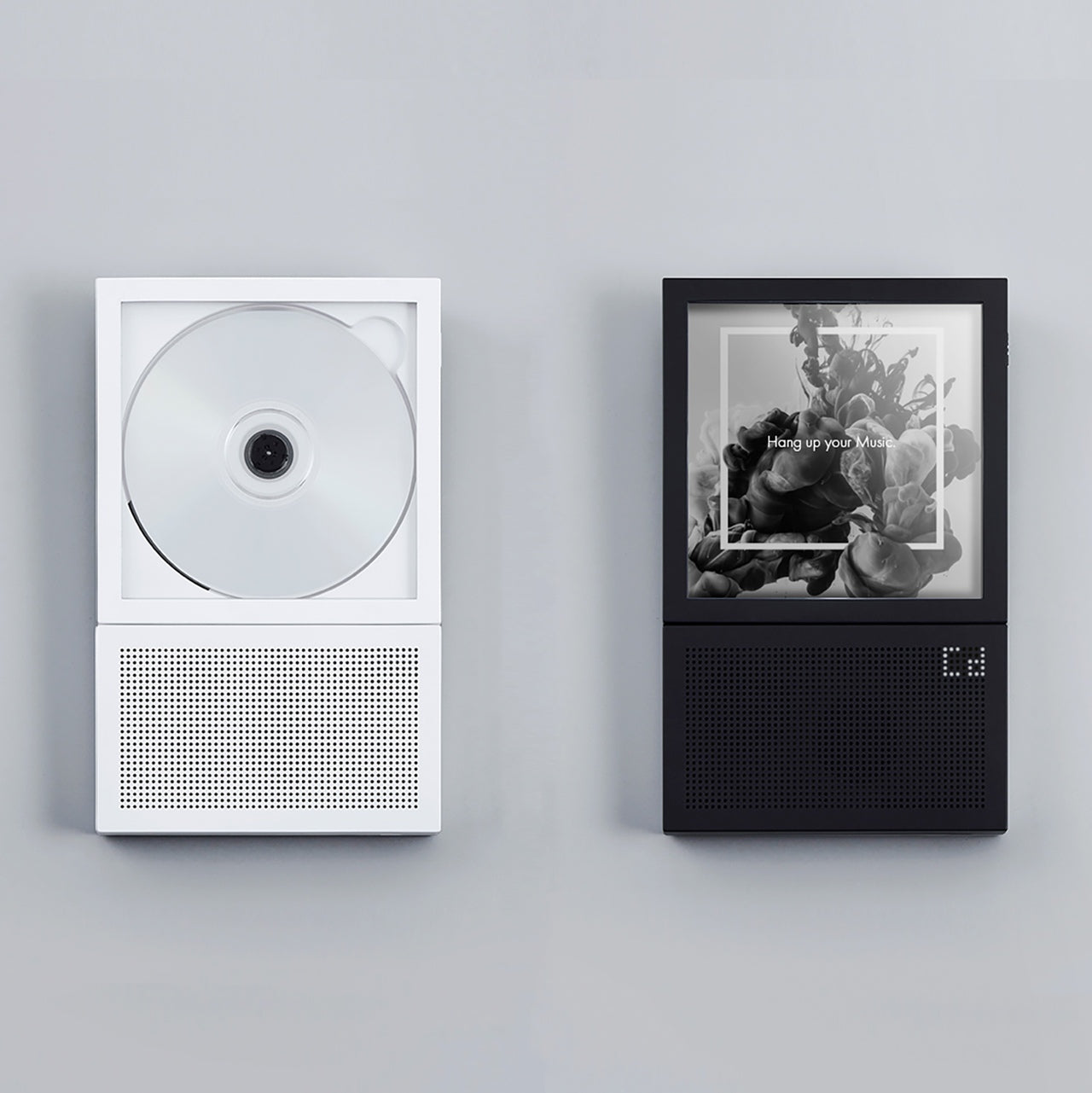
4. Portable CD Cover Player

The CD player should not still feel this relevant in 2026, and yet this one earns it entirely through a single, genuinely clever idea. The Portable CD Cover Player has a transparent front pocket that displays the album’s jacket art while the music plays — turning a listening device into a small, rotating gallery piece. Whether it is sitting on a shelf, resting on a desk, or hung on the wall using the optional bracket, it gives physical music a visual presence and a context that streaming has never been able to offer. That visibility is precisely the point, and it lands.

The design is clean and minimal, built around the conviction that visual and audio experience belong together rather than being treated as separate acts. A built-in speaker and rechargeable battery untether it from any power source, meaning it moves with you — to a different room, to a balcony, to wherever the afternoon takes shape. For someone who still collects CDs, inherited a catalog worth rediscovering, or simply believes that an album cover is a piece of art that deserves to be seen while being heard, this is the object that makes analog listening feel deliberate and considered rather than merely nostalgic.

Click Here to Buy Now: $199.00

What We Like:

  • Displays album jacket art while playing, merging audio and visual experience into a single displayable object
  • Rechargeable battery and built-in speaker allow it to be placed or carried anywhere without wired speakers or a power source

What We Dislike:

  • The wall mount bracket is sold separately, which adds to the total cost for those wanting to display it as a wall-hung piece
  • Limited to CDs only, which may be a drawback for listeners who have fully transitioned to streaming or vinyl formats

5. Lito Classic Book Lamp

The Lito Classic does not announce what it is. Sitting on a shelf or a side table, it reads exactly like a hardcover book — considered and quiet, unremarkable until someone picks it up or opens the cover and finds a sculptural lamp inside. That moment of recognition is built into the design, and it is the kind of detail that works at a dinner table, on an outdoor terrace, or in a corner of a living room that needed one more thing to feel complete. It goes wherever the atmosphere needs it most and carries its own presence without trying.

The 2026 collection introduces British Racing Green, Navy Blue, and Vibrant Red, each finished in a way that lets the natural wood grain push through, giving every piece a texture that feels crafted rather than manufactured. Lito has earned both the Red Dot and Good Design awards, and The New York Times described it as “a gift that amazes.” With an eight-hour battery life and a form that holds its visual appeal whether the light is on or off, it is one of those rare objects that earns its place from every angle — lit or closed, given or kept on the shelf indefinitely.

What We Like:

  • Disguised as a hardcover book, it functions as a striking decorative object on any shelf even when switched off
  • Red Dot and Good Design award winner with an eight-hour battery life for fully portable, untethered use

What We Dislike:

  • The book format means it can blend into a crowded shelf and be overlooked, which reduces some of its potential visual impact
  • Sits at a premium price point that places it at the higher end of what most people would consider a casual or spontaneous gift

The Verdict

The best gifts for someone who has everything are not necessarily the most expensive or the most technically sophisticated — they are the ones that fit naturally into a life and earn a visible, permanent place in the room. Objects that feel worth setting out rather than storing away after the first week of novelty fades.

The Perch clock becomes part of how you move through a space. The Harmony lamp turns a table into a reason to gather. The Timemore makes the counter worth showing off. The CD player gives physical music a home it has never quite had. And the Lito sits patiently on a shelf pretending to be a book until someone opens it and everything shifts. April 2026 has some genuinely considered options for the person who seems to have everything. These five are the ones worth wrapping.

The post 5 Best Gifts of April 2026 for the Person Who Already Has Everything (That They’ll Actually Display) first appeared on Yanko Design.
Forget Taking Notes — These 5 Genuis Tools Do It Better Than Your Brain Ever Could

The meeting ends. The ideas fade. The action items that felt so clear twenty minutes ago are now a blur of half-remembered phrases scrawled in a margin you’ll never look at again. Note-taking has been a productivity staple for decades. Yet, most people are still terrible at it — not because they’re disorganized, but because the tools they’ve been handed have never really matched how the brain works under pressure, in flow, or during creative momentum.

These five tools take a different approach. Some are physical, some are digital, and one sits somewhere elegantly in between. What they share is a willingness to rethink the ritual from scratch: whether that means flipping a desk whiteboard to reveal a second surface, whispering a half-formed idea into your earbuds mid-walk, or letting a handwritten time cue trigger its own reminder automatically. Note-taking doesn’t have to be a discipline you fail at. These are the tools that prove it.

1. Note

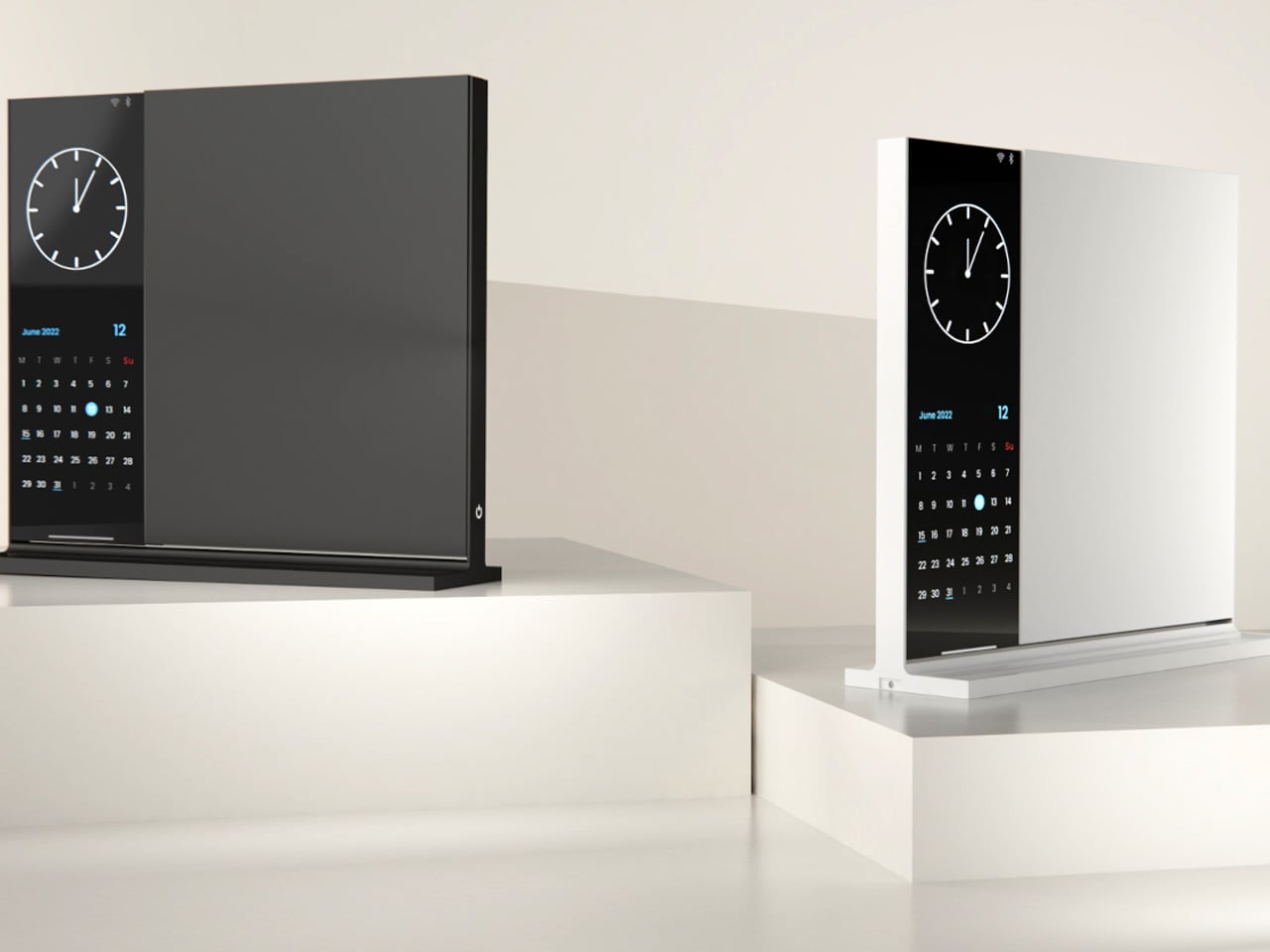
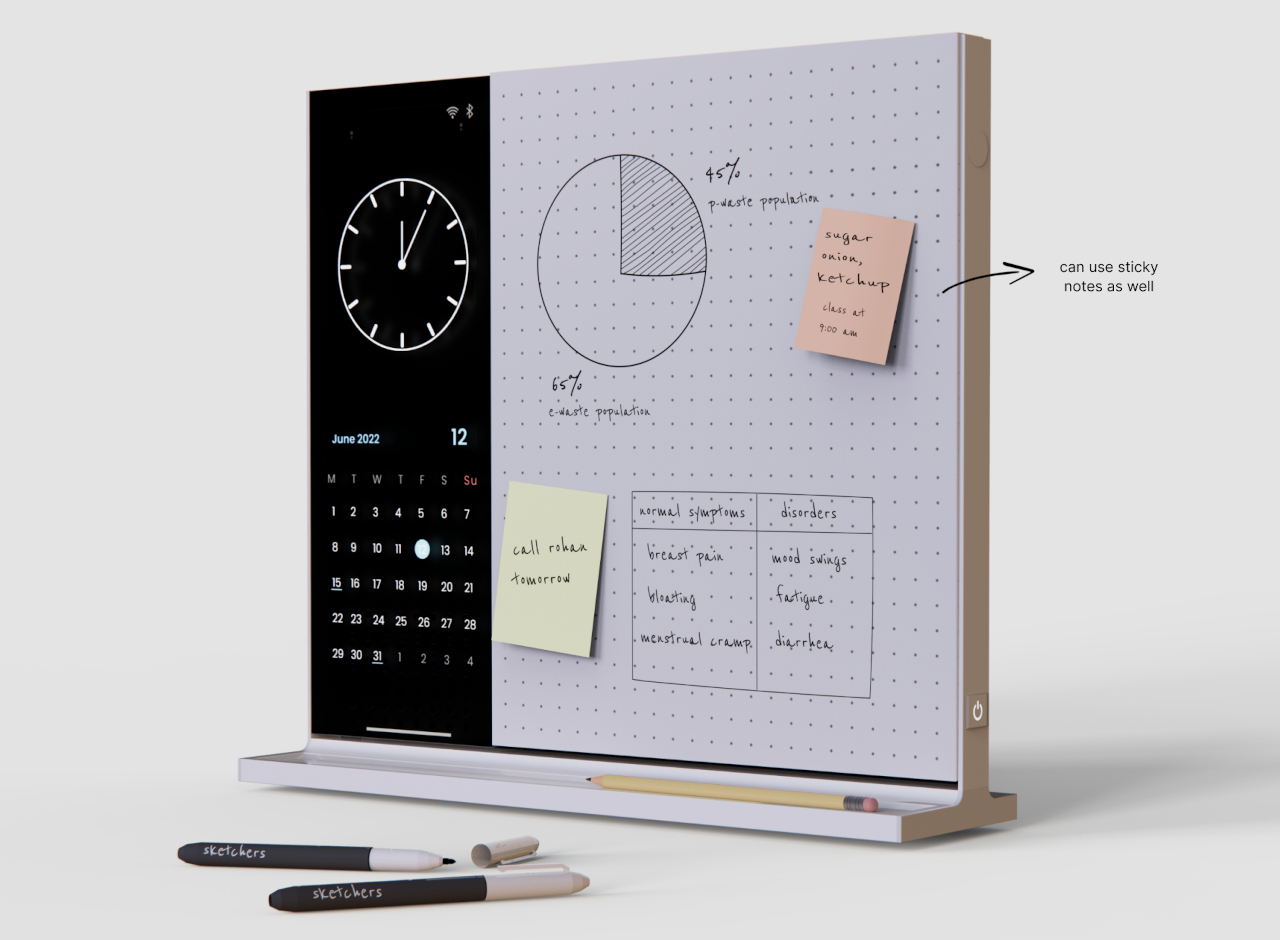
The Note desk whiteboard is exactly what it sounds like, and that restraint is the point. A small vertical slate designed for the kind of thinking that doesn’t need to last: quick diagrams, passing ideas, calculations that only need to survive the afternoon. It sits on your desk without drama, works without setup, and erases with a single cloth wipe. For anyone who has stared at a page of old notes and wondered why they kept them, the appeal is immediate. Temporary thinking deserves a temporary surface.

What earns Note a place on this list beyond the obvious is the flip mechanism. The whiteboard rotates to reveal a second surface, doubling your working space without claiming any extra desk real estate. One side can carry a dotted grid for structured diagrams and spatial thinking, while the other stays plain for freeform notes. The vertical format also accepts sticky notes directly on the surface, so you’re never locked into one method. A quick wipe resets everything, and you’re back to a blank slate without the guilt of wasted paper or the overhead of an app.

What we like

  • The double-sided flip mechanism gives you twice the working surface while keeping the desk footprint identical
  • Accepts sticky notes directly on the board, so you can blend methods without committing to just one

What we dislike

  • Notes are entirely temporary, meaning anything worth keeping still needs to be photographed or transferred before you wipe
  • The vertical format may feel unnecessary for people whose thinking is already fully digital

2. HiNotes 3.0

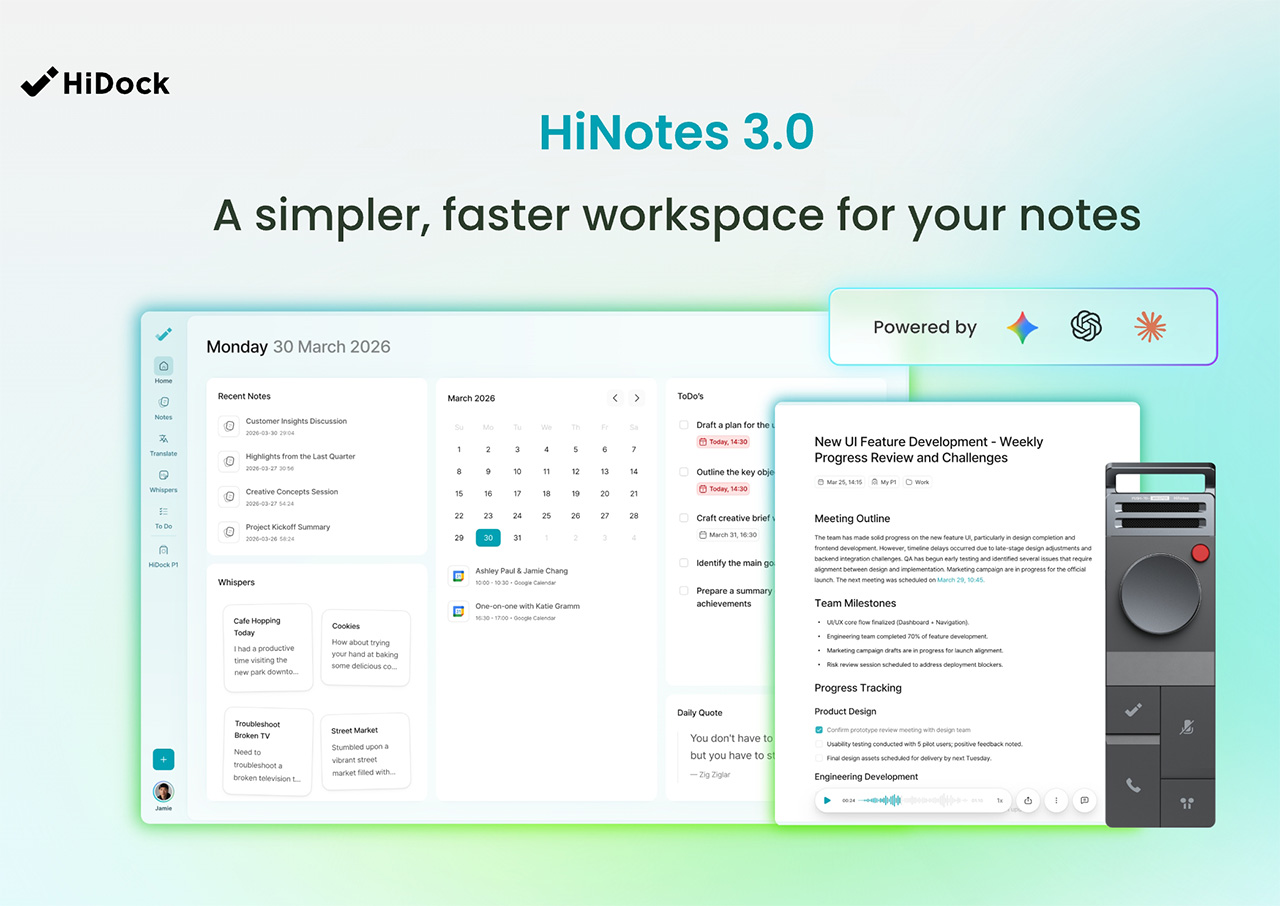
Most meeting tools solve the easy part. They record, they transcribe, and they deliver a summary you’ll skim once and never open again. HiNotes 3.0 is built around what happens after that. The HiDock P1 hardware works through your own earbuds with no bots, no awkward announcements, no friction at the point of capture. As founder Sean Song puts it, the real productivity crisis was never about recording: “We have built some of the most sophisticated recording and transcription technology in history, and we are still leaving meetings with a list of things we never act on.” HiNotes is an attempt to fix the silence that follows.

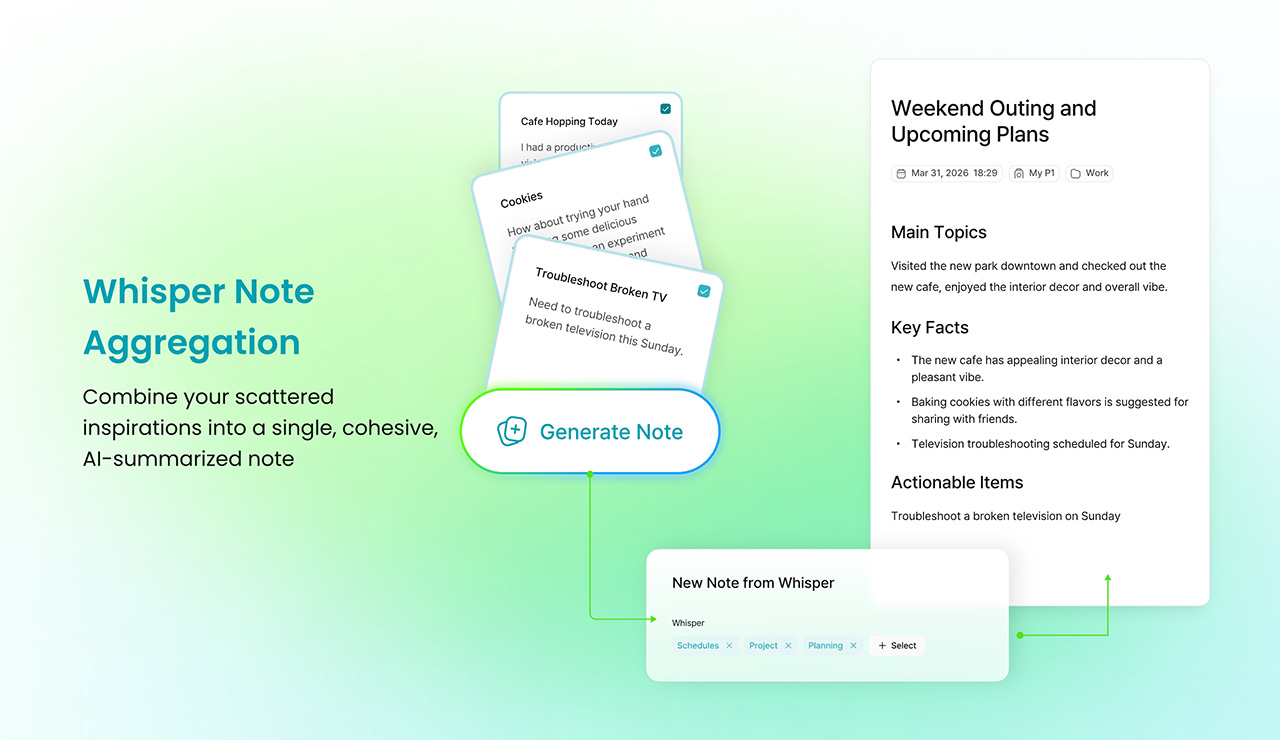
Where HiNotes 3.0 genuinely separates itself is in two places: context and capture on the move. Action items come with the original conversation attached, not just a stripped-down to-do. The transcript lives behind a dedicated button in each note, expandable inline so you can cross-reference the AI output against what was actually said. Speaker labels are editable after the fact. And Whisper Notes handles the other end of the problem entirely: a low-friction way to voice-record ideas wherever they arrive, pulling scattered recordings from across the day into a single coherent summary. Seven frontier models, including GPT, Claude Sonnet, and Gemini Pro, are switchable per meeting, because different content asks for different kinds of intelligence.

Explore HiNotes 3.0 Here

What we like

  • Whisper Notes captures ideas on the move with zero friction, solving the single biggest gap that every other meeting tool leaves open
  • Per-meeting model switching gives users real control over how their content gets synthesized, rather than burying a single default choice

What we dislike

  • The full feature set requires the HiDock P1 hardware, which adds a meaningful cost above the software alone
  • Seven model options, while genuinely useful, may feel like unnecessary complexity for users who want one reliable tool and nothing more

3. Almo

Almo starts from one quietly brilliant question: what if your handwritten notes could set their own reminders? The premise sounds minor until you’ve lost track of a time-sensitive idea because writing it down felt like enough. Almo reads the time you scrawl next to a note and sets a gentle alert automatically, with no menus, no switching apps, no separate alarm to configure. It respects the ritual of writing by hand while adding the one layer of intelligence that handwriting has always lacked. The result is a device that feels less like a gadget and more like a natural extension of how most people already think.

The hardware is designed to live on a desk without demanding attention. A sturdy kickstand and a magnetic back mean it can sit upright on a surface, attach to a metal cabinet, or move between both throughout the day. The dedicated pen clips magnetically to the top, so it’s never missing when you need it. Writing and erasing feel immediate and light, which matters more than it sounds. A note-taking device that creates friction is one you quietly stop reaching for. Almo removes that excuse with a form that stays out of your way until the moment it needs to be useful.

What we like

  • Automatic reminders triggered by handwritten time cues remove a step that most people skip, which is the very step that causes ideas to go unfollowed
  • The magnetic pen attachment solves a persistently annoying problem with stylus-based devices in a way that feels genuinely considered

What we dislike

  • As a concept design, production availability remains uncertain, and the final version may differ from what has been shown
  • Handwriting recognition accuracy depends on legibility, which could limit reliability for fast writers or people with naturally loose handwriting

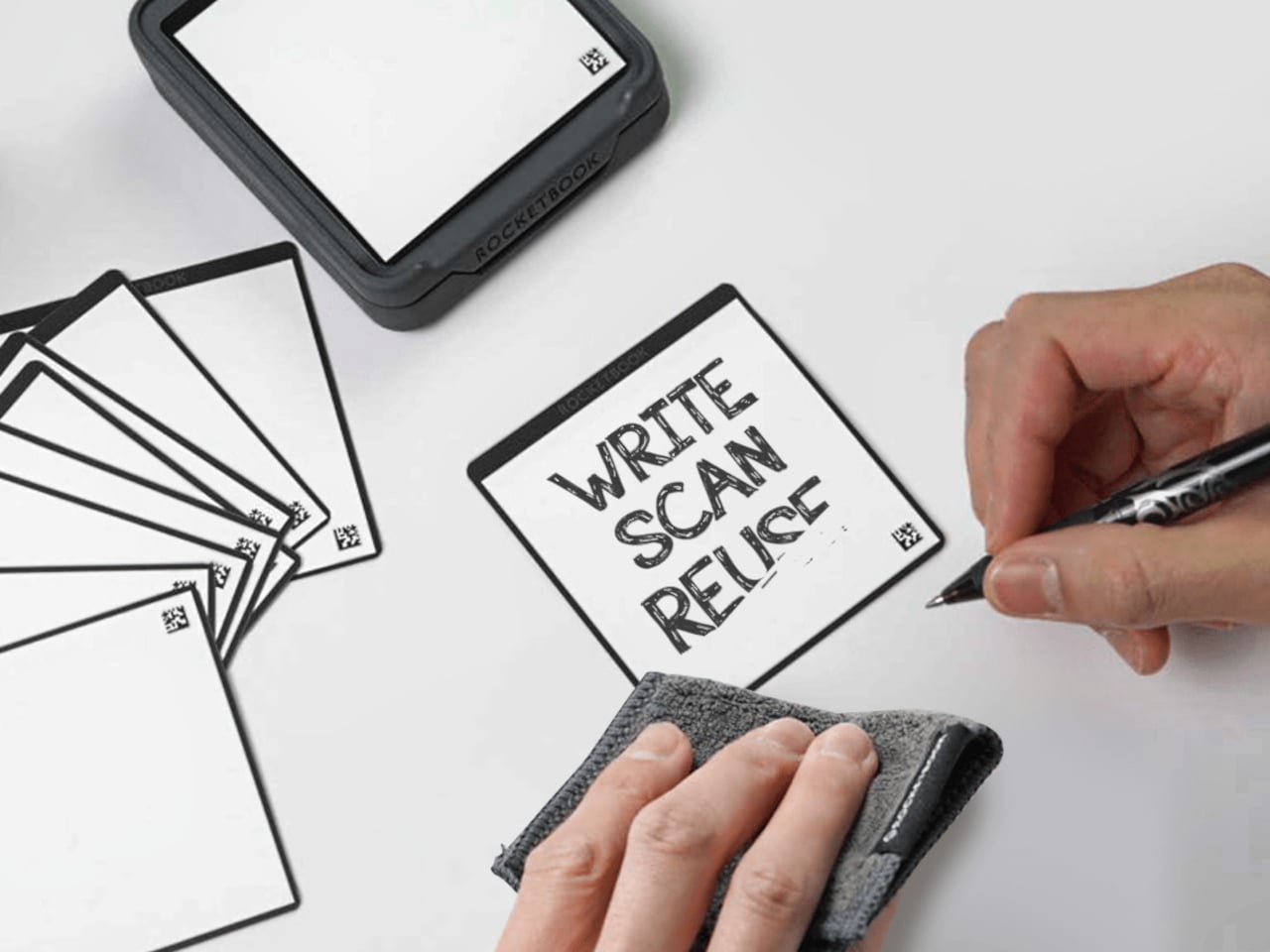
4. Rocketbook Reusable Sticky Notes

The sticky note is one of the most quietly brilliant office inventions ever made. Small, repositionable, and readable wherever you place it, it solves a spatial problem that digital tools have never fully replicated. The Rocketbook version keeps everything that works about the format and fixes the one thing that doesn’t: waste. Using the same whiteboard-like paper surface that Rocketbook has built its name on, these sticky notes wipe clean, hold their adhesive across multiple uses, and work in every situation where you’d reach for a regular one. The familiar format does most of the heavy lifting, and Rocketbook doesn’t get in its way.

The size itself is doing real design work here. Because sticky notes are small, the reusable format doesn’t feel like a compromise or a replacement for something better. You still get the spatial flexibility of rearranging your thinking across a wall, a whiteboard, or a monitor frame. The hoarding problem disappears too: one pad replaces the rotating stack of barely-used sheets that most people accumulate and eventually discard in bulk because the adhesive has given out. Sustainability and function are pointing in the same direction, which is rarer in stationery than it should be.

What we like

  • The reusable adhesive retains its stickiness across multiple uses, unlike standard sticky notes that degrade and lose grip over time
  • The small format preserves the spatial flexibility that makes sticky notes worth using, rather than scaling up into something that changes the whole behavior

What we dislike

  • The whiteboard surface requires a compatible marker rather than any pen, which introduces a small but real dependency into an otherwise simple system
  • Erasing requires a damp cloth, a noticeable shift from the instant-disposal habit that most sticky note users have spent years building

5. Personal Whiteboard

There is a version of note-taking that doesn’t need to be precious. No archiving, no syncing, no formatting decisions. Just a surface to think on and a way to clear it when you’re done. The Personal Whiteboard Notebook is built precisely for that kind of thinking: compact enough to carry anywhere, works with any standard whiteboard marker, and resets completely clean when you need it to. The object makes no claims beyond what it is. It gives fast, temporary thinking the right kind of home, and it does it without asking for anything complicated in return.

What makes the notebook more considered than it first appears is how the cover functions. It acts as an eraser, a built-in stand, and a storage pocket, so the entire system travels as a single self-contained unit. The Mag Force system doubles as a handle for the cover and a holder for the marker pen, keeping everything tight and within reach. Snap a photo before you wipe, and your notes move to wherever you need them without the board ever needing connectivity of its own. It is portable thinking fully resolved, in a format that fits in a bag without negotiation.

Click Here to Buy Now: $49.00

What we like

  • The multi-functional cover as eraser, stand, and storage pocket means the entire system is contained in one slim, travel-ready object
  • Compatible with any standard whiteboard marker, so there is no proprietary dependency keeping you tied to a specific brand or refill

What we dislike

  • The single-surface format limits working space compared to double-sided or larger alternatives if your thinking runs long
  • Cloud backup depends entirely on the user remembering to photograph before wiping, which is easy to forget in the middle of a fast-moving session

The Best Tool Is the One That Gets Out of Your Way

The brain is genuinely bad at holding onto things under pressure. Meetings, momentum, ideas that arrive mid-walk — they all create cognitive load that makes reliable recall harder than it feels in the moment. Research suggests that nearly 44% of action items go unexecuted after meetings, not because people lack the intention, but because the tools designed to help have been solving the wrong problem entirely. These five objects aim for the actual gap: the distance between capturing something and doing something with it.

None of them asks you to become a better note-taker. That’s what makes them worth paying attention to. The best productivity tools are the ones that disappear into how you already work, removing friction at exactly the right moment without adding new habits on top. Whether that means a wipe-clean surface on your desk or an AI that reads context back to you after the room empties, the logic is the same: less distance between the thought and what happens next. That’s not laziness. That’s design working the way it’s supposed to.

The post Forget Taking Notes — These 5 Genuis Tools Do It Better Than Your Brain Ever Could first appeared on Yanko Design.
5 Coffee Gadgets & Tools Every Pour-Over Obsessive Is Quietly Adding to Their Morning Ritual Right Now

Pour-over coffee has never been a casual pursuit. It asks attention, patience, and a genuine interest in the variables between a bag of beans and a great cup. That commitment tends to attract a certain kind of person: someone who reads grinder reviews the way others read menus and talks freely about bloom times and water ratios. For that person, the morning ritual isn’t just caffeine. It’s a practice.

What makes that practice worth exploring right now is the quality of tools available to support it. Design and technology have both raised the bar considerably, making it easier to get consistently excellent results at home without sacrificing the ritualistic qualities that make pour-over worth pursuing in the first place. These five gadgets represent the best of what’s quietly finding its way into the routines of pour-over devotees right now.

1. xBloom Coffee Machine

No coffee machine on the market right now does more to close the gap between home brewing and the work of a trained barista than the xBloom. Designed by former Apple employees and dubbed the “Tesla of Coffee Machines,” it identifies, grinds, dispenses, brews, and pours your coffee entirely on its own. It uses RFID-tagged xPods, sourced from top roasters around the world, to recognize each bean’s specific profile and apply the exact grind size, water temperature, and spiral pour pattern required to extract it properly. The nanofilm instant heater brings water to temperature with precision, and the kinematic spout delivers it in a controlled, consistent flow onto the coffee bed. The result is a pour-over calibrated not just to your taste but to the specific character of the bean in your pod, every single time.

The machine operates across three distinct modes: Autopilot, which handles the entire process hands-free from scan to serve; Copilot, which lets you use your own beans and customize every variable through the companion app; and FreeSolo, which gives you complete manual control via the onboard dials. Inside, it packs a 48mm conical burr grinder, an integrated scale with 0.1g resolution, and a 700ml water reservoir alongside direct plumbing support for higher-volume use. The build is metal throughout, with a compact footprint that sits comfortably alongside high-end kitchen equipment. For a pour-over devotee who wants the precision of craft without the daily labor of pulling it off manually, the xBloom doesn’t feel like a shortcut. It feels like the most intelligent version of the ritual available.

What we like:

  • Fully automated pour-over with RFID bean recognition that adjusts grind, water temperature, and spiral pour pattern to the specific coffee in the pod
  • Three distinct brewing modes accommodate everything from total hands-free automation to fully manual pour-over control for when you want to stay involved

What we dislike:

  • The premium price point is a significant investment that will give casual or budget-conscious drinkers pause before committing
  • The Autopilot mode performs best within the proprietary xPod ecosystem, which adds a recurring cost to the overall experience

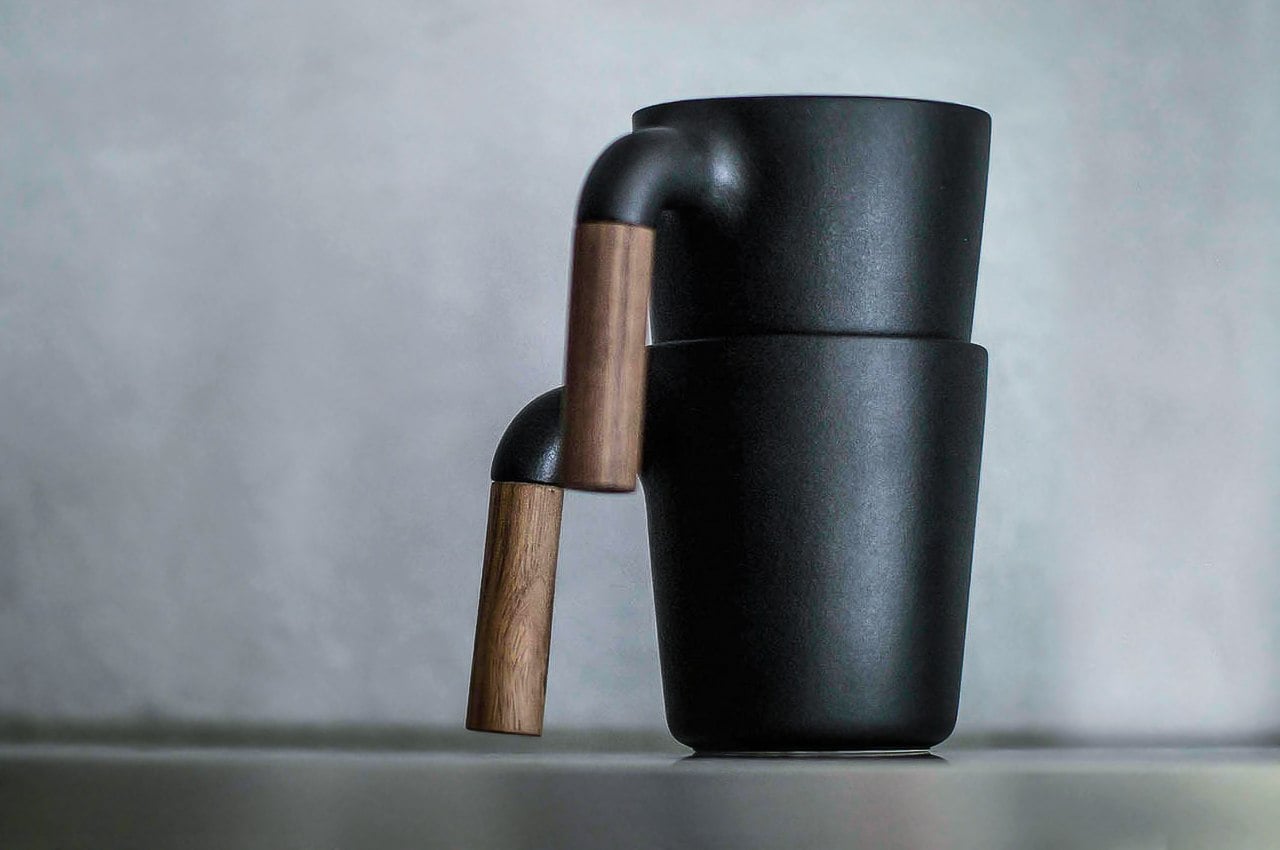
2. Ceramic Cup

The mug you drink from is part of the experience, and the MUGR Ceramic Cup understands that in a way most drinkware simply doesn’t. Its exterior takes visual cues from cast iron, giving it a quiet, grounded presence on any surface. At closer range, the Japanese ceramic body reveals itself as something far more refined: smooth against the lips, satisfying in the hand, and carrying the kind of material honesty that sets it apart from the ceramic mugs most people have stacked in their cabinets. At 350ml, the capacity is precisely right for a focused pour-over serving. The wooden handle adds warmth without visual noise, and the overall silhouette carries enough restraint to make the coffee it holds the clear focal point of the moment.

There’s something worth considering in the choice of vessel for pour-over coffee. The process itself is intentional: you’re measuring, timing, and pouring with care, so the cup receiving that work should reflect some of that seriousness. Ceramic is the ideal material here. It retains heat at a measured rate, doesn’t absorb or impart flavor, and rewards the kind of slow, present drinking that pour-over tends to inspire. The MUGR occupies a space that generic mugs can’t. It’s an object with enough considered design to elevate the experience without becoming precious or impractical. The earthy tones and Japanese ceramic texture create a visual and tactile language that feels cohesive, unhurried, and completely right when paired with a freshly brewed cup.

Click Here to Buy Now: $60.00

What we like:

  • Japanese ceramic construction delivers a satisfying tactile quality with a cast iron-inspired aesthetic that complements any thoughtfully designed brew station
  • At 350ml, the capacity is ideally sized for a single deliberate pour-over serving, making every cup feel properly portioned

What we dislike:

  • Hand wash only care instructions make it a more demanding choice for anyone who relies on a dishwasher for daily cleanup
  • It cannot be microwaved, which narrows its functional range to its primary role as a dedicated coffee vessel

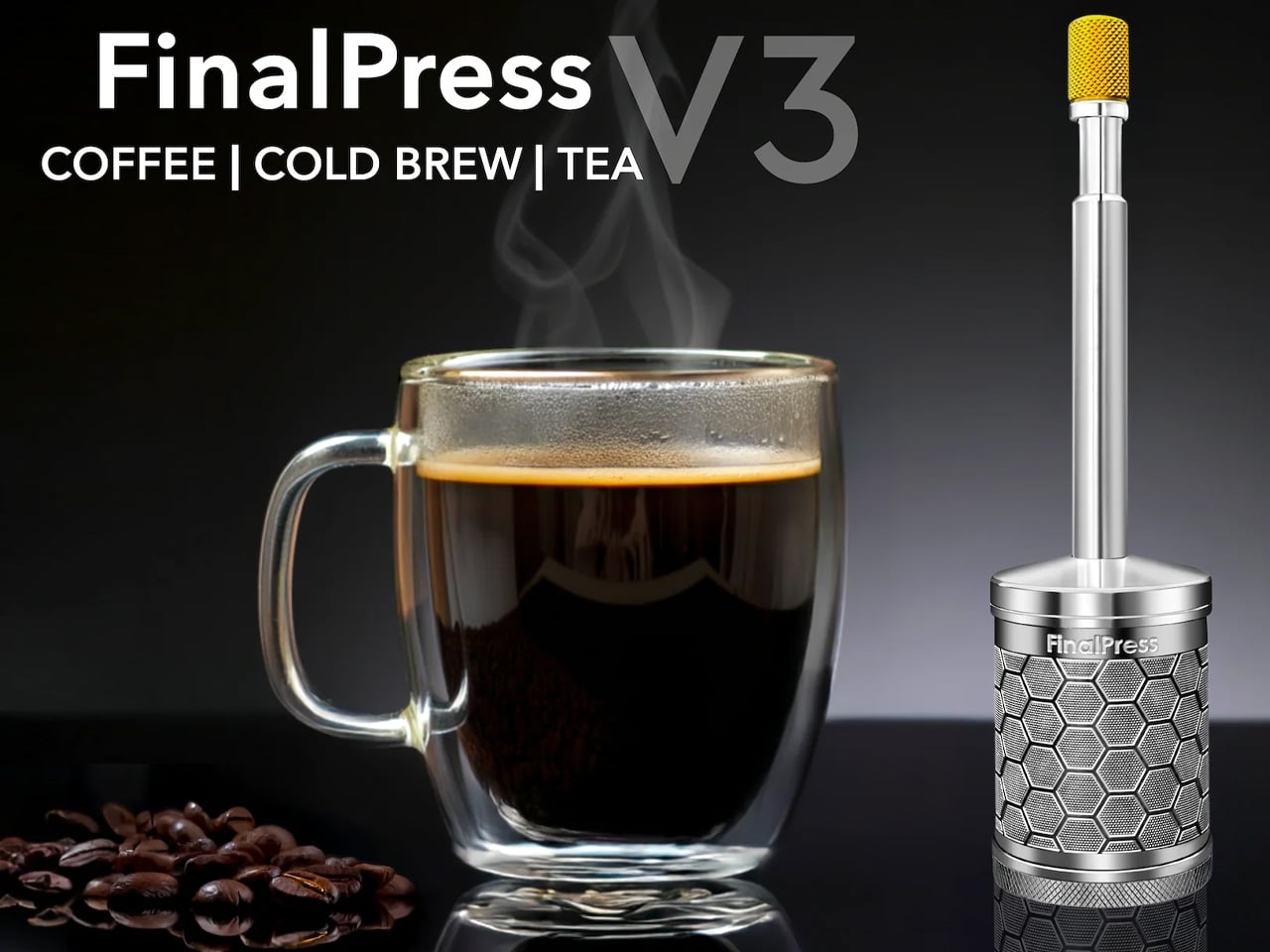
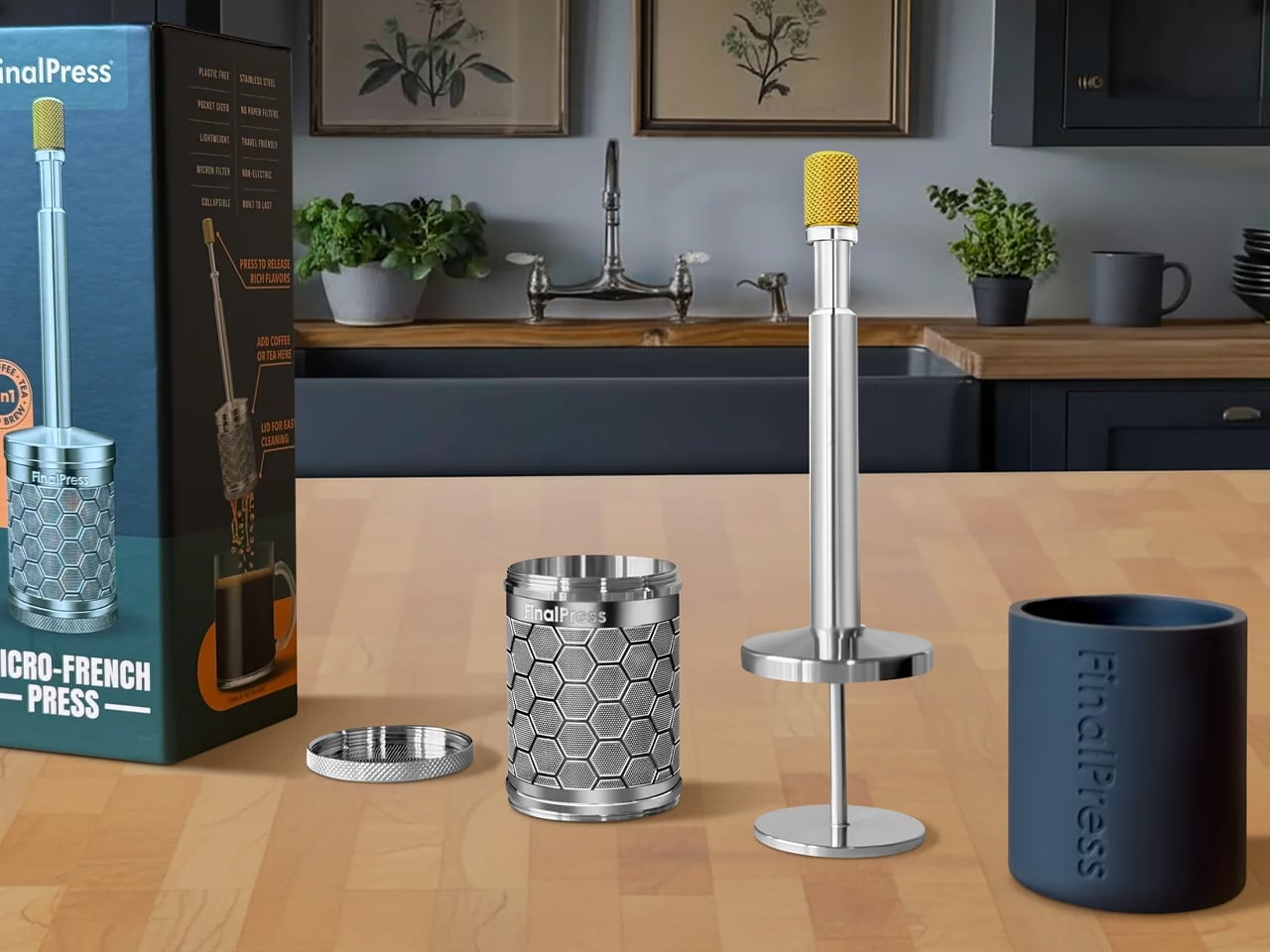
3. FinalPress V3

The FinalPress V3 proves that great coffee doesn’t require an elaborate setup, just a well-engineered one. It measures 1.3 x 6.5 inches, weighs 3.6 oz, and brews a full-flavored cup in under two minutes. CNC machined from solid 304 stainless steel, it’s plastic-free and built to resist rust, warping, bending, and cracking indefinitely. The brewing process is stripped back to its essentials: add grounds, stir, wait, then press. A patented plunger system pushes water through a 200-micron super-fine filter, extracting flavor with more nuance and clarity than any other portable brewer in its size range. There are no paper filters to buy, no pods to source, and no capsules to discard. What you end up with is a tool that respects your coffee and your time in equal measure.

Where the FinalPress becomes genuinely impressive is in its 3-in-1 brew capability. Hot, iced, and cold brews are all achievable with the same compact tool, making it as relevant at a hotel room desk as it is at a campsite or your home counter between longer brewing sessions. The plastic-free stainless steel construction means no material compromise and no flavor contamination from plastic contact with your brew. For pour-over devotees who travel and refuse to accept substandard coffee as the cost of mobility, the FinalPress compresses a real brewing philosophy into its smallest and most portable form yet, without sacrificing any of the quality that made the practice worth caring about in the first place.

What we like:

  • Ultra-portable at just 3.6 oz and entirely plastic-free, with solid 304 stainless steel construction built to last indefinitely without rust or warping
  • Brews hot, iced, and cold coffee using the same tool with no paper filters, pods, or capsules required

What we dislike:

  • There is a short learning curve in getting the press technique right to avoid over-extraction, especially when starting out
  • The single-serve capacity makes it less practical when you need to brew for more than one person at a time

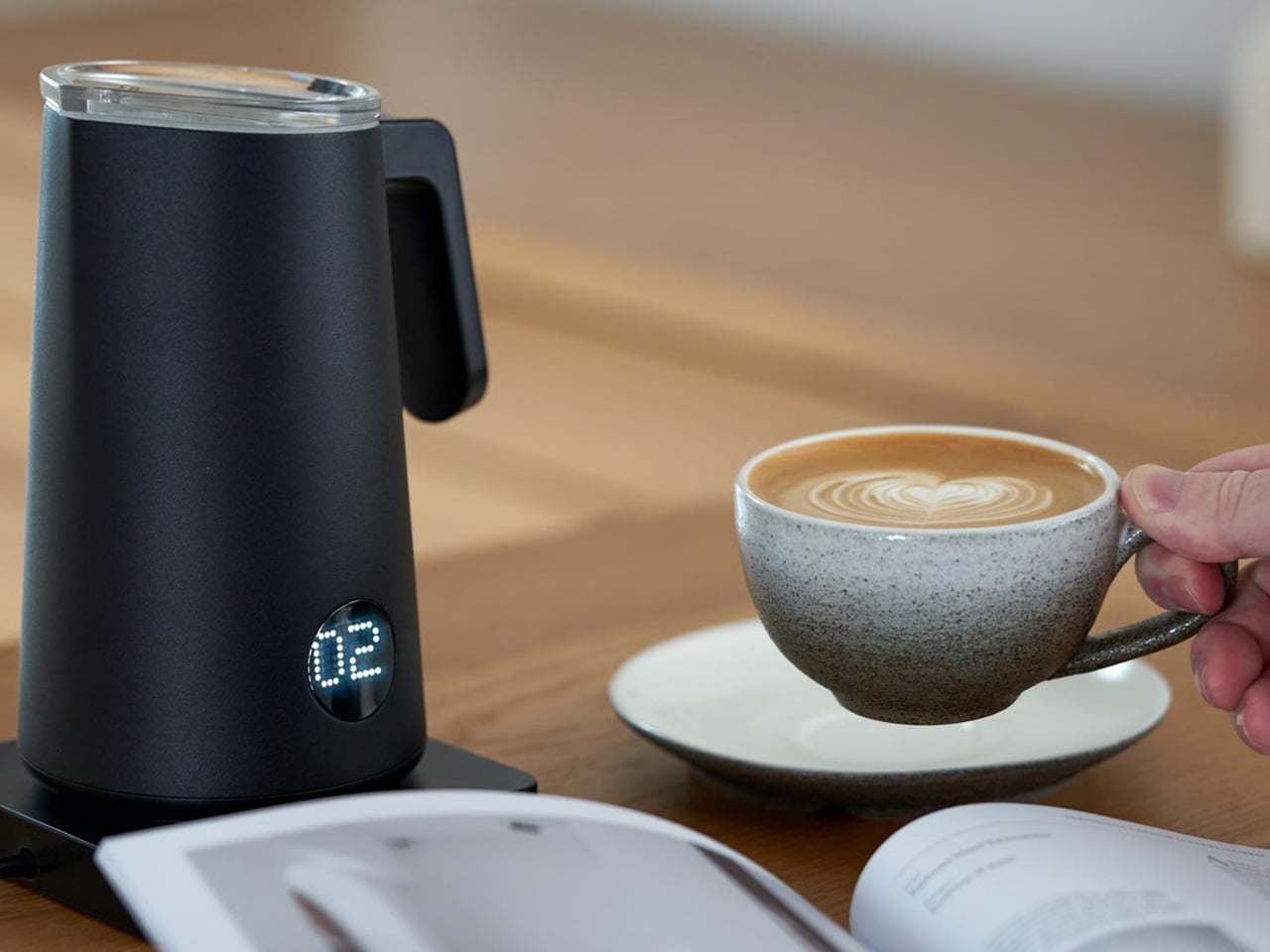
4. NanoFoamer PRO

The NanoFoamer PRO addresses a very specific problem with a very precise solution: producing genuine microfoam at home without the equipment, training, or noise of a commercial espresso setup. For pour-over drinkers who want to occasionally cross into latte territory without compromising on quality, it removes every barrier to doing it properly. The appliance heats and foams milk simultaneously, timing its process to sync with an espresso pull so that your shot and your foam arrive ready at the same moment. The crema stays intact, the foam is fine and velvety rather than large and airy, and the result looks and tastes like something a trained barista handed you. For a home setup, this is a notable achievement, and it happens without requiring any of the manual skills that professional foaming normally demands.

The distinction between microfoam and standard frothed milk matters more than it may first appear. Conventional frothers create large, unstable bubbles that float above the espresso rather than integrating with it. The NanoFoamer PRO produces the fine-textured, glossy foam that makes latte art achievable and milk-based drinks genuinely enjoyable rather than merely acceptable. For a pour-over obsessive with an espresso machine already sitting on the counter, this is the component that completes the home setup in a way it couldn’t before. The workflow is clean, both elements finish at the same time, and the pour goes exactly as intended. The NanoFoamer PRO earns its counter space not by demanding attention but by quietly doing the most technically demanding part of the job better than anything else available.

What we like:

  • Produces professional-grade microfoam by heating and foaming milk simultaneously, timed to sync perfectly with an espresso pull
  • The streamlined workflow ensures espresso crema and milk foam are ready at the same moment, with no compromise to either element

What we dislike:

  • Designed as a companion to an espresso machine rather than a standalone appliance, which limits its role in a strict pour-over-only setup
  • Pour-over purists who never incorporate milk will find minimal daily utility in adding this to an otherwise black-coffee-focused morning routine

5. Three-Cup Handblown CHEMEX

The handblown CHEMEX occupies a rare category among coffee equipment: it’s a brewing tool that also qualifies as a genuine work of art. Each piece is individually crafted by skilled glassblowers in Croatia using traditional European techniques, meaning no two are exactly alike. The borosilicate glass construction meets laboratory-grade standards, delivering complete flavor neutrality while comfortably withstanding the thermal shock of repeated hot water pours. Paired with CHEMEX Bonded filters, the system removes oils, bitterness, acidity, and sediment to produce a coffee with clarity and cleanliness that neither a French press nor a standard drip machine can approach. The result is a cup that lets the bean speak for itself, completely unobstructed by the residual compounds that other brewing methods leave behind.

Beyond its brewing performance, this CHEMEX invites a different kind of relationship with the ritual. The polished wood collar and leather tie are both functional and beautiful: they insulate the vessel during handling and add a warm material contrast to the cool transparency of the glass. Brewing with it is a slow, deliberate process, and the object rewards that pace. Each pour looks considered, each session takes on a ceremonial quality that machine-made glass simply doesn’t generate. The small-batch production behind each handblown piece adds to that sense: this is not mass-market equipment, and it doesn’t feel like it. For pour-over devotees who want their brew station to reflect the same level of care they bring to every cup, the handblown CHEMEX is the most visually and functionally complete answer available.

What we like:

  • Individually handblown by skilled glassblowers in Croatia, combining borosilicate precision with a one-of-a-kind artisan aesthetic that makes each piece genuinely unique
  • The polished wood collar and leather tie provide practical heat protection while adding a considered, elegant material contrast to the glass body

What we dislike:

  • The glass construction is inherently fragile and requires thoughtful handling and careful storage to avoid breakage over time
  • The three-cup capacity may feel limiting for households where multiple people want coffee from the same vessel at the same time.

The Ritual Is Only as Good as the Tools Behind It

The morning ritual of a pour-over devotee is, at its core, a commitment to paying attention. Every gadget on this list honors that commitment in a different way: some by removing friction, some by elevating the sensory experience, and others by making excellence achievable in the places and moments where it matters most. Pour-over culture has moved beyond a niche. It’s a serious practice, and these are the tools reflecting how seriously people are choosing to take it.

Building a great brew station doesn’t happen in one purchase. It happens gradually, through the accumulation of objects that each serves a real purpose and earn their place. Whether the xBloom’s automated precision speaks to you, or the quiet beauty of a handblown CHEMEX does, the principle is the same: start with what resonates, use it well, and let the ritual build from there. The best cup you’ve ever made is probably still ahead of you.

The post 5 Coffee Gadgets & Tools Every Pour-Over Obsessive Is Quietly Adding to Their Morning Ritual Right Now first appeared on Yanko Design.
5 Best Camping Gadgets So Smartly Designed in 2026 They’re Making Your Old Gear Look Embarrassing

Most camping gear has a comfort zone. The headlamp that handles a calm evening walk but dims to nothing at 2 a.m. in a downpour. The multifunction knife that covers seven tasks adequately, but none of them particularly well. The tent that goes up in 20 minutes on a sunny afternoon and collapses when conditions escalate. This gear doesn’t fail dramatically. It fails quietly, exactly when you need it most.

What’s shifted in 2026 is the quality of the design questions being asked before a prototype gets built. Why does satellite communication still require a brick-sized device? Why does a camp light force you to choose between functional and atmospheric? Why does a rooftop tent feel like flat-pack furniture after a long drive? These five designs answer those questions—and make everything you’ve been carrying feel like last year’s problem.

1. O-Boy Satellite Smartwatch

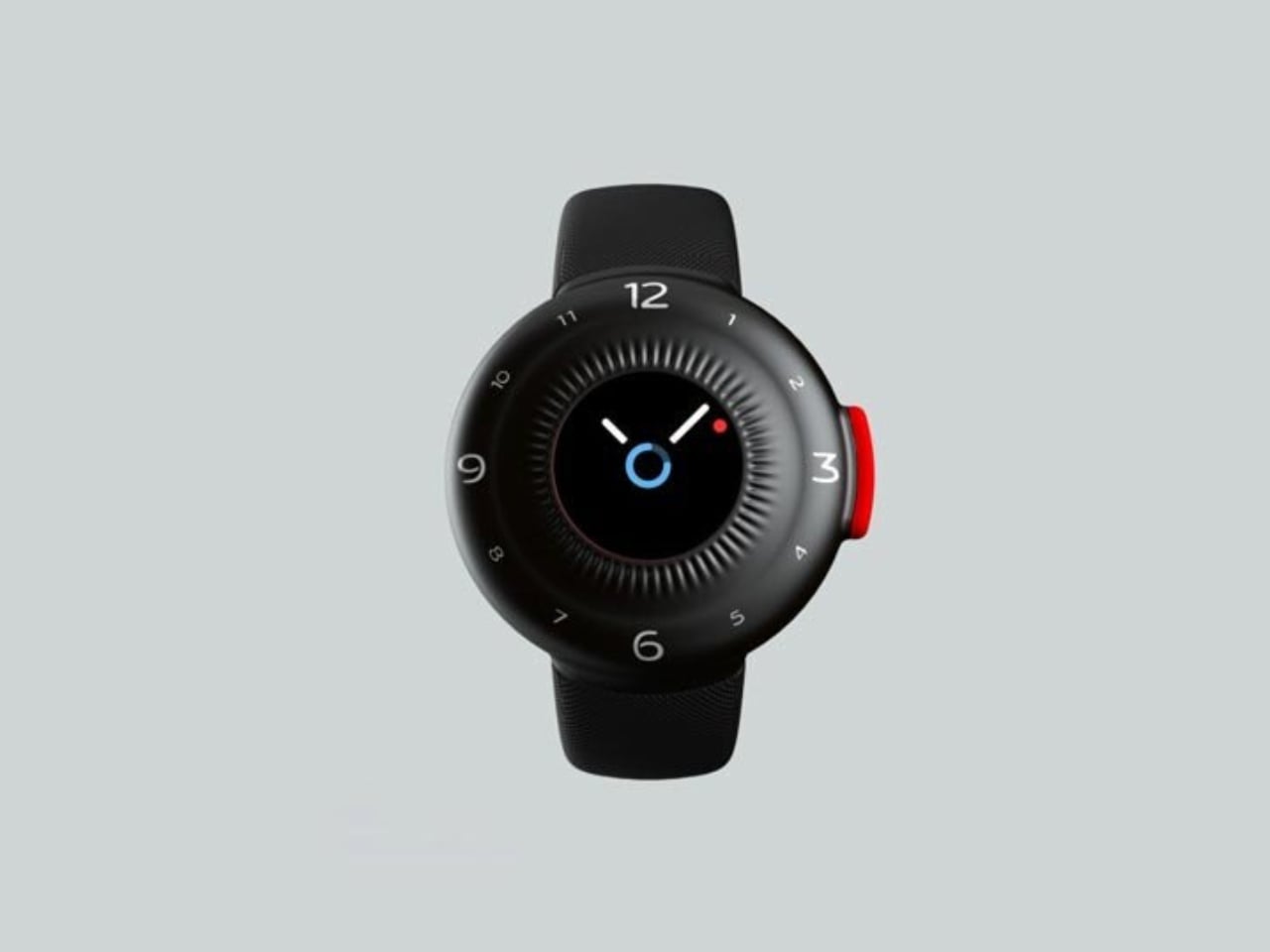
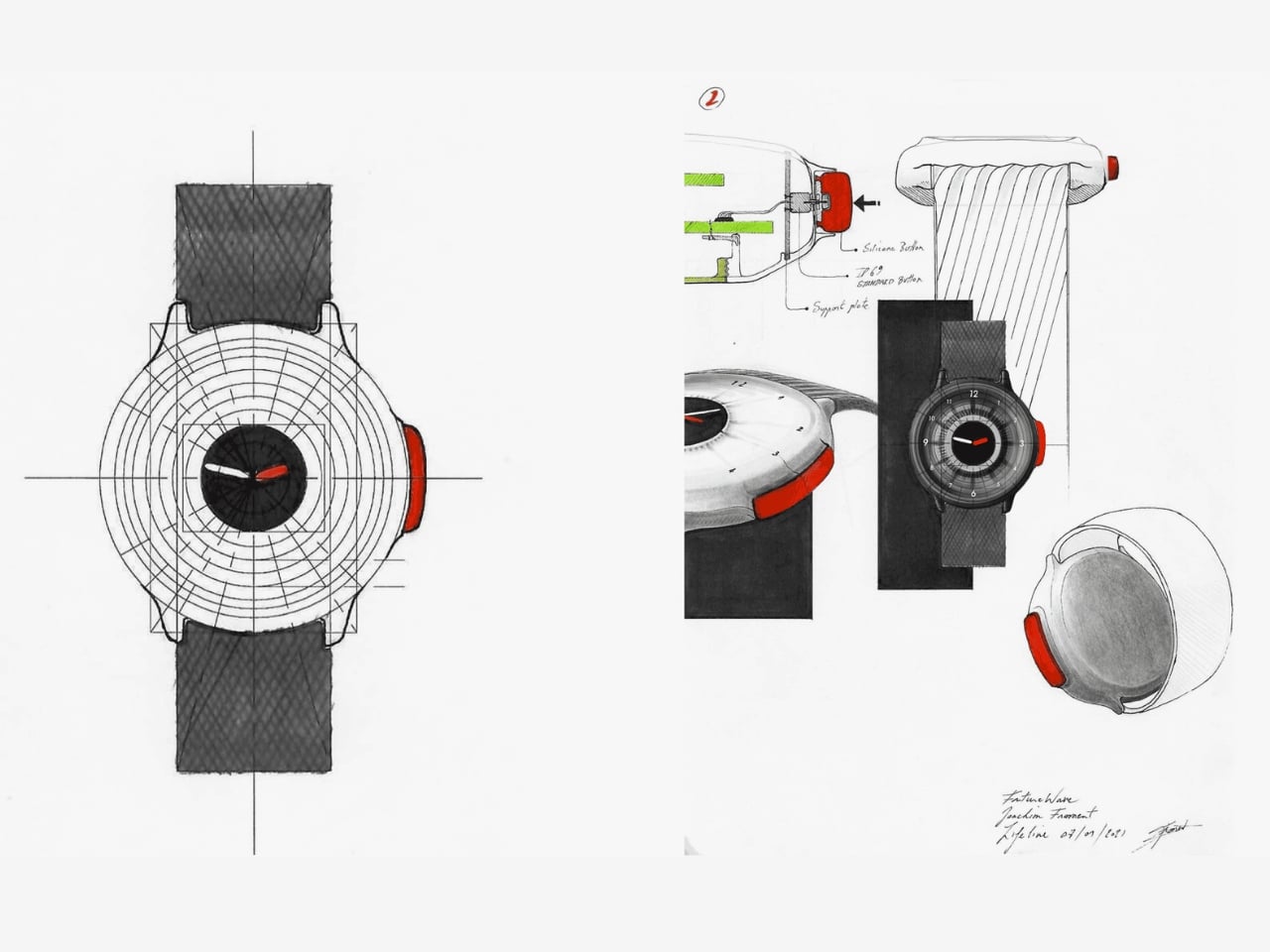
The smartwatch category has spent years optimizing for convenience—step counts, sleep scores, app notifications. What it hasn’t done particularly well is keep you alive when you’re three ridgelines deep with no signal and no backup plan. Developed by Brussels-based design studio Futurewave, O-Boy is a satellite-connected smartwatch built for emergencies in places where mobile networks simply don’t exist. Mountains, open ocean, remote job sites. In those environments, O-Boy transmits an emergency alert directly through satellite communication, bypassing terrestrial infrastructure entirely.

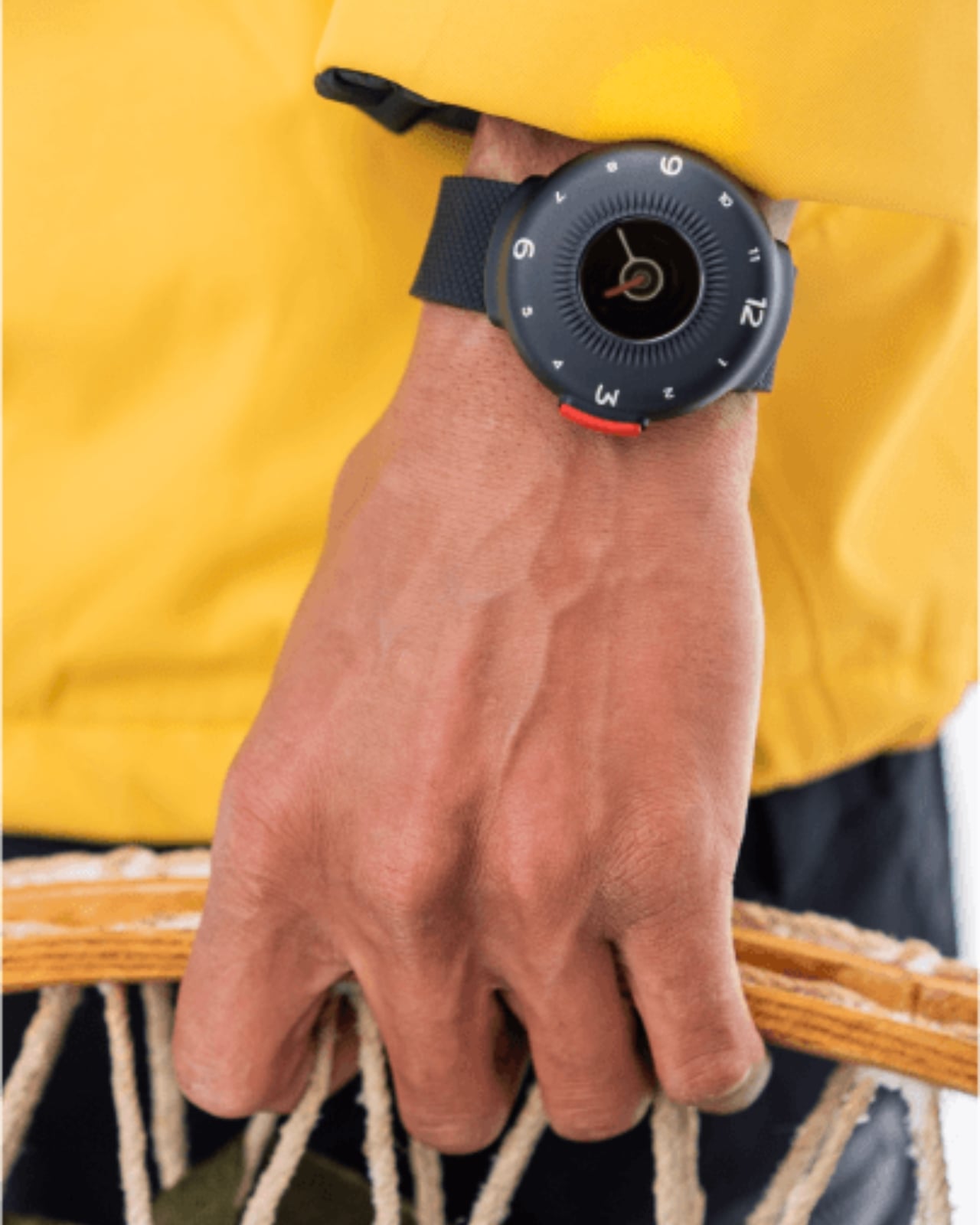
Getting satellite communication hardware into a wearable form factor is not a simple engineering problem. Futurewave brought together product designers, electronics engineers, and antenna specialists, rethinking the assembly process from how conventional wearables are built. The result reads as deliberate and utilitarian without veering into tactical-for-tactical’s sake territory. A large red button on the case transmits the SOS signal. O-Boy strips out heart rate sensors, notifications, and fitness tracking entirely, showing only the time. Everything else exists to save your life when nothing else can.

What we like

  • Works via satellite when phones, GPS beacons, and radios all fail
  • One clear purpose: SOS button, time display, water and impact resistance — nothing more, nothing less

What we dislike

  • Still a concept with no confirmed pricing, timeline, or availability
  • No health tracking or notifications — a safety device, not a daily smartwatch

2. RetroWave 7-in-1 Radio

There was a time when all a radio needed was a solid signal and a satisfying click of the dial. No apps. No algorithms. The RetroWave 7-in-1 Radio arrives with that same energy, wrapped in retro Japanese-inspired design and a tactile tuning dial that recalls the best of analog broadcasting. Beneath the aesthetic, it covers seven functions: FM, AM, and shortwave reception, Bluetooth streaming, MP3 playback via USB or microSD, a built-in LED flashlight, an SOS alarm, and a power bank.

When the power cuts, the apps glitch, or you simply want music without the algorithm deciding what plays next, this is the device that still works. Hand-crank charging and a solar panel keep it running when outlets disappear. The clock and alarm give you one more reason to leave your phone in the bag. At $89, the RetroWave replaces four separate devices in a single, beautifully considered package. For a campsite, an emergency kit, or a kitchen windowsill, it simply does the job.

Click Here to Buy Now: $89.00

What we like

  • Seven functions at $89 replace a speaker, flashlight, emergency radio, and power bank in one device
  • Hand-crank and solar charging work with zero outlets, zero connectivity required

What we dislike

  • Larger footprint than a modern portable speaker — noticeable on weight-conscious carriers
  • Hand-crank charging demands real effort exactly when your energy reserves are lowest

3. Delacour Multi-Use Axe Machete

The Woodman’s Pal has been clearing trails and supplying soldiers since 1941, when the US Army adopted it almost immediately after its introduction. The Delacour machete multitool takes that foundational geometry—hook blade paired with a primary cutting edge—and delivers it at $56 in 3Cr13 stainless steel at 4mm. For light clearing, campsite work, and trail use, that steel is a reasonable trade. Corrosion resistance is prioritized over edge retention, a sensible call for a tool that regularly lives in wet, demanding conditions.

The visual language diverges from austere utility. An aggressively textured red nylon grip reads more as a consumer outdoor product than a working tool, and lightening holes punched through the blade add visual complexity without a clear balance rationale. The kit includes camo wrap tape, a paracord coil, and a dual-sided whetstone, rounding the Delacour out as an entry-level survival package rather than a single, precisely considered implement. For campers who want capability and a full kit without the premium price, it delivers exactly that.

What we like

  • Hook-plus-blade geometry handles clearing, chopping, and campsite work without a separate axe
  • Complete kit at $56 — whetstone, paracord, and wrap tape all included

What we dislike

  • 3Cr13 steel struggles under the heavy chopping loads its blade geometry invites
  • Consumer aesthetic undercuts its credibility as a long-term, serious-use tool

4. TriBeam Camplight

Most camping lights make you choose. Functional or atmospheric — rarely both, and rarely from the same device. The TriBeam Camplight refuses that trade-off. This award-winning design delivers three distinct modes — camping, ambient, and flashlight — controlled by a single intuitive button. Brightness adjusts from a gentle 5 lumens for reading inside a tent to a focused 180-lumen beam for trail navigation. At 135 grams and 12.8 centimeters tall, it disappears into pockets and packs until the exact moment you need it.

The TriBeam runs up to 50 hours on a single charge at its lowest setting, covering most weekend trips without needing to recharge. A detachable magnetic lampshade converts direct light into diffused warmth, and a hidden handle tucks away until you need to hang it from a tent loop, branch, or pack strap. IPX6 water resistance handles rain without complaint. USB-C charging keeps it compatible with power banks already in the kit. At $65, it earns back its price by replacing multiple single-purpose lights entirely.

Click Here to Buy Now: $65.00

What we like

  • Three modes in 135 grams — no need for a separate task and ambient lights
  • 50-hour runtime on low eliminates recharging anxiety on most multi-day trips

What we dislike

  • Single-button cycling forces you through unwanted modes to reach the right one
  • A magnetic lampshade can detach unexpectedly without careful packing

5. Air Cruiser

Traditional rooftop tents carry a hidden time tax. Arrive at the site, unfold the shell, thread the poles, stake the perimeter — half the evening is gone before you’re actually settled in and looking at stars. The Air Cruiser removes that entirely. Built around Air Frame technology by Cinch, this self-assembling tent inflates without a single pole in the system. Open size reaches 83 by 51 by 57 inches, delivering record-breaking headroom and 360-degree views that no pole-supported rooftop structure can replicate.

The cover is heavy-duty 600D polyoxford with PVC coating and PU5000mm waterproofing, meaning it handles serious weather without compromise. The 2-inch high-density foam mattress includes a detachable peachskin thermal cover for colder conditions. Any-car compatibility removes the locked-in roof rack constraint most rooftop tents impose. Closed, it packs to 55 by 38 by 10 inches — compact enough to clear most parking structures. For anyone who camps regularly and has run out of patience with the setup ritual, every arrival finally feels like an arrival.

What we like

  • Air Frame setup eliminates poles — faster and simpler than any traditional rooftop tent
  • Pole-free structure delivers 360-degree views that no conventional rooftop tent can match

What we dislike

  • Inflatable frame carries a puncture risk that a solid pole system simply doesn’t have
  • Combined mattress and ladder weight over 18 lbs requires careful vehicle load compatibility checks

Good Gear Changes the Trip Before It Starts

The best camping gear earns its keep before you leave the driveway — in how it packs, in what it removes from the problem list, in how little you have to think about it when conditions shift. What these five designs share is that quality of intention. Each one took a familiar category, asked a harder question about what it should actually do, and built something that genuinely answers it well.

Whether it’s a watch that works when your phone can’t, a light that handles both the practical and the atmospheric, or a tent that sets itself up before you’ve unloaded the cooler, the common thread is design that truly earns its weight. 2026’s best camping gear is quiet in its confidence. It doesn’t announce itself. It simply works, exactly when and how you need it to. The bar has moved.

The post 5 Best Camping Gadgets So Smartly Designed in 2026 They’re Making Your Old Gear Look Embarrassing first appeared on Yanko Design.
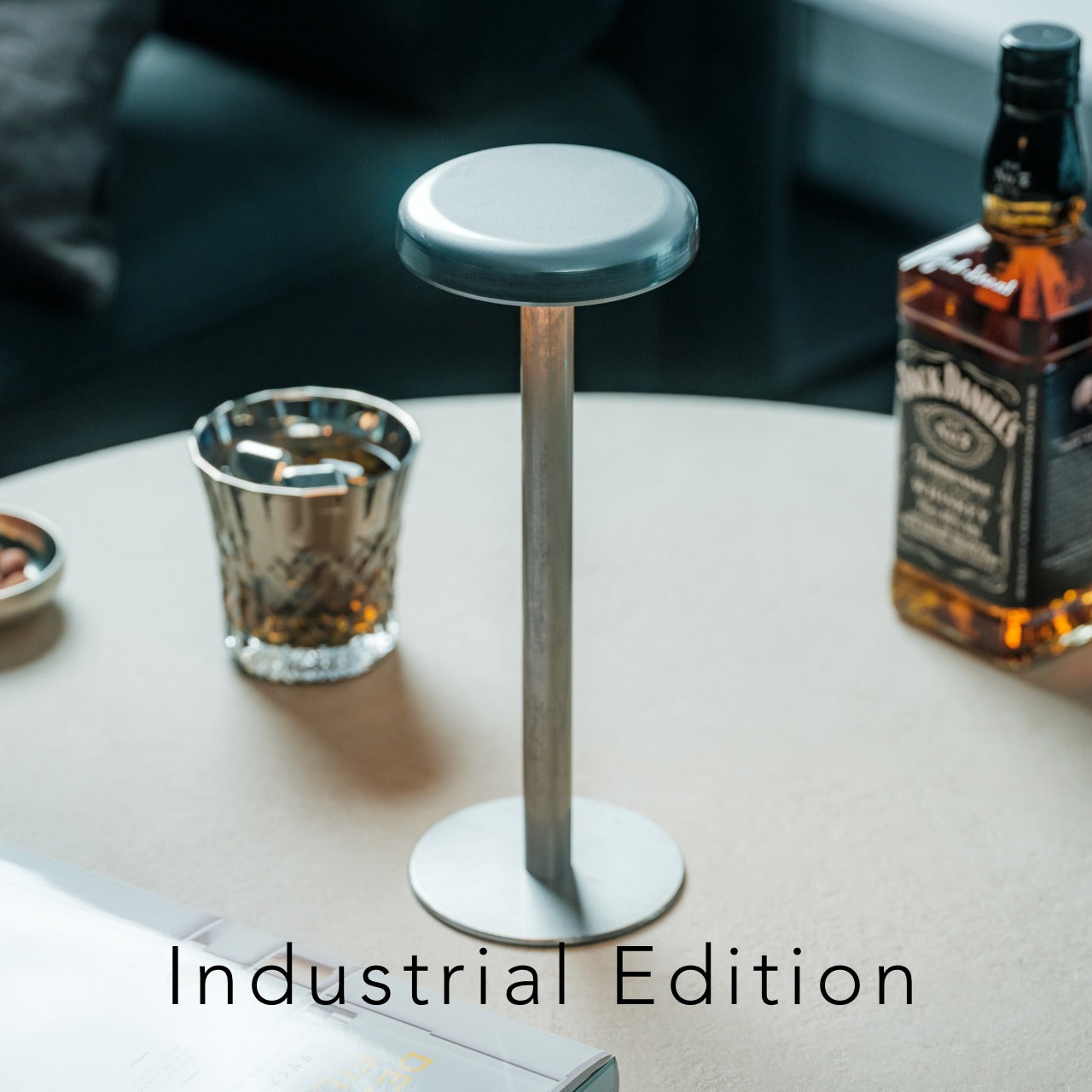
5 Best Design Tools That Take You From the First Sketch to the Finished Prototype

The design process has always lived between two worlds: the rough immediacy of a hand-drawn line and the precision of a finished object you can hold. What changes the game is not having more tools, but having the right ones at each stage. The five picks here form a complete creative pipeline, moving from the first mark on paper to a physical object that exists in the world, one you can turn over in your hands, show to a client, or give to a manufacturer with confidence.

What makes this lineup unusual is its range. A fidget-friendly pen sits alongside a crowdfunded filament recycler. A magnetic clipboard shares editorial space with a professional OLED drawing tablet. That breadth is intentional. Great design does not happen at one point in the process; it accumulates across all of them. These are the tools that make every stage worth showing up for, and worth doing well. Each one earns its place at the desk.

1. SPINNX Magnetic Modular Pen

Every designer knows the restless hands that accompany deep thinking – the pen rolling between knuckles, the cap snapping and unsnapping, the absent-minded clicking that somehow keeps ideas moving. SPINNX, built by WEIWIN from aerospace-grade titanium, takes that instinct seriously and turns it into a fully engineered creative tool. The pen separates into three magnetic modules, each delivering a distinct tactile sensation: a crisp snap when the modules connect, a spring-loaded ball click in the middle, and a dice-style spinner top that rotates through rhythmic mechanical detents with ceramic bearing smoothness. With over fifty claimed configurations, the pen offers a whole palette of physical feedback, letting a designer find the specific sensation their brain needs to stay locked in and keep the ideas flowing. When it is time to actually put something on paper, the pen tip deploys through a smooth twist mechanism, and WEIWIN’s proprietary Super Refill offers up to six times the writing life of a standard refill – meaning the tool that sparks the idea is equally capable of capturing it.

For designers who spend long hours at a desk moving between sketching and problem-solving, the SPINNX functions less like a novelty and more like a cognitive companion. The acoustic and tactile response of each magnetic separation was engineered as an intentional product feature, treated with the same design attention as the geometry itself – similar to how luxury car designers obsess over the sound of a closing door. The optional Maglev Pen Stand extends this philosophy further, using magnetic levitation to hold the pen upright as a kinetic desk sculpture, turning even a moment of pause into an engaging physical interaction. Available in four finishes, SPINNX makes a compelling case that the best design tool is one that works with a designer’s restless, creative mind rather than against it.

What We Like

  • The fidget experience is genuinely intentional – the acoustic response, the weight distribution across modules, the ceramic bearing in the dice spinner – every tactile detail makes it one of the rare tools that genuinely supports the restless, nonlinear way creative thinking actually works.
  • It earns its place at a designer’s desk as both a sketching tool and a thinking tool and the twist-deploy pen tip and the high-endurance proprietary refill ensure it never compromises on its core function.

What We Dislike

  • The proprietary refill is a closed-system gamble, which is a real long-term reliability concern for a product positioned as a premium daily carry.
  • A three-part pen is a three-part losing opportunity – lose one module on a busy studio desk or in a bag, and the entire fidget system feels incomplete.

2. Creality Filament Maker M1 and Shredder R1

The Creality Filament Maker M1 and Shredder R1 sit at the end of the design pipeline and change what the end of the pipeline actually means. The R1 takes failed prints, support structures, and material scraps and breaks them down into reusable fragments. The M1 then takes those fragments or fresh virgin pellets and extrudes them into new filament with precise temperature control, stable extrusion performance, and a consistent diameter output. Every part of this happens on a single desktop system, without sending material waste anywhere else. The loop closes on the desk, which is where design has always worked best.

What makes the M1 and R1 specifically relevant to designers rather than makers alone is the degree of material authorship the system opens up. Custom color blending, scent additives, and texture variations move filament from a commodity you order to a creative variable you control. A studio working on sensory design, branded packaging prototypes, or experimental material research now has a desktop tool that matches that level of ambition. The system currently supports PLA and PETG, with ABS, ASA, and PC compatibility in development. It is available to back on Indiegogo now, with shipping expected in June 2026. For designers who have always wanted to own the full process, the M1 and R1 are the closest that ownership has ever been to a desk.

Click Here to Buy Now

What We Like

  • The closed-loop system converts failed prints and material scraps into fresh filament, directly reducing both studio waste and material cost
  • Custom color and additive blending give designers creative authority over the material itself, not just the form it produces

What We Dislike

  • Material support is currently limited to PLA and PETG, with broader compatibility still in development

3. Wacom MovinkPad Pro 14

The Wacom MovinkPad Pro 14 is the bridge between a physical sketch and a refined digital file, and it treats that role with genuine seriousness. Built on Android 15 OS, it operates as a fully self-contained creative workstation with no laptop, no cables, and no setup required beyond picking it up. The 14-inch OLED display delivers the color accuracy and contrast that design work actually demands, and the Wacom Pro Pen 3 brings the line quality and pressure sensitivity that feels continuous with the analog tools earlier in the process. It does not feel like a compromise between precision and portability. It feels like both are resolved into a single object.

For designers who move between studio, site, and client-facing environments, the portability argument is real rather than aspirational. Being able to sketch a revision in a meeting room, render a concept on a flight, or present live work from a single device without a cable in sight changes how quickly creative decisions can be made and acted on. It runs on Android 15, which means the software you use needs to be compatible with that ecosystem. For designers whose workflow is already built around compatible applications, that is a non-issue. For those whose toolkit lives entirely in desktop environments, it is worth checking before committing.

What We Like

  • Android 15 OS makes it a fully standalone device with no laptop dependency, built for designers who work across multiple locations
  • The 14-inch OLED display delivers the color accuracy and contrast that professional design work requires, not just adequate screen performance

What We Dislike

  • Android ecosystem compatibility means not all desktop-first professional design software will be available or optimally supported
  • At the premium price point, it is a significant investment for designers who already own a dedicated drawing setup

4. Bambu Lab A1 Mini Combo

The Bambu Lab A1 Mini Combo is where the design moves off the screen and becomes something you can hold. Its full-auto calibration system removes the manual tuning that used to make 3D printing feel like a separate technical skill set, letting designers focus entirely on what they are making rather than how the machine is behaving. The Combo version adds AMS-powered multi-color material handling, supporting up to four filament colors in a single print run. That capability meaningfully expands what a prototype can communicate, covering not just form but material differentiation, color intent, and spatial relationships between components.

Noise output sits below 49 decibels in silent mode, quiet enough to run in a shared studio without drawing attention to itself. The compact footprint integrates into a desk setup without claiming its own corner of the room, and one-click MakerWorld integration streamlines going from a digital file to a running print without a technical detour. The A1 Mini Combo occupies the specific moment in the design pipeline where intent becomes form, and it handles that transition with the kind of efficiency that makes iteration feel fast rather than laborious. For a designer prototyping regularly, fast iteration is the whole point.

What We Like

  • Full-auto calibration removes the technical barrier to producing a physical prototype quickly and without manual intervention
  • Multi-color AMS printing expands what a prototype can communicate well beyond form alone

What We Dislike

  • Build volume is smaller than full-size Bambu Lab models, which limits the scale of what can be prototyped in a single print run
  • The AMS hub accessory required to connect additional material units is sold separately, adding to the effective total cost

5. MagBoard Clipboard

The MagBoard Clipboard is what a notebook looks like when a designer strips away everything that gets in the way of thinking. A hardcover body paired with a magnet and lever mechanism binds up to 30 loose sheets of paper with no ruling, no margins, and no fixed format to work around. You add pages when you need them, remove them when you do not, and reorder them entirely when the thinking shifts. That structural neutrality is genuinely rare in stationery, and it turns out to be the most useful quality a tool at this stage of the process can offer.

Its hardcover construction means it works while you are standing. In a client meeting, on a site visit, mid-conversation with a collaborator, wherever the information is, the MagBoard can be there with you. The surface resists water and cleans easily, which matters in the kind of environments where actual work gets done rather than where it is presented. At $45, it sits at a price point that feels considered: low enough to use without treating it like a precious object, high enough to signal that the design itself was taken seriously. It is the kind of tool that disappears into the process, which is exactly what it should do.

Click Here to Buy Now: $45.00

What We Like

  • The magnet and lever mechanism binds up to 30 loose sheets with no imposed format, ruling, or sequence to work around
  • Hardcover construction makes it fully usable while standing, wherever the work demands you to be

What We Dislike

  • Thirty sheets exhaust faster than a bound notebook during intensive ideation or research sessions
  • No integrated storage for pens or accessories, so they travel separately

The Best Design Process Is the One You Can See All the Way Through

What connects these five tools is not a shared product category but a shared philosophy. Each one removes a specific friction from the design process: disorganized color, a rigid notebook format, studio dependency, manual calibration overhead, and disposable materials. Taken together, they describe a workflow as considered as the work it produces. No tool here asks you to compromise on the stage it owns. That consistency across the full pipeline is what makes them work as a set rather than a random assortment.

The best design tools do not make design easier in a way that simplifies it. They make the hard parts worth doing. From the first mark with the Pen Fan to the closed material loop of the Creality M1 and R1, every tool here earns its position in the process. The gap between the first sketch and the finished prototype has always been where the real design work happens. These five tools close it.

The post 5 Best Design Tools That Take You From the First Sketch to the Finished Prototype first appeared on Yanko Design.
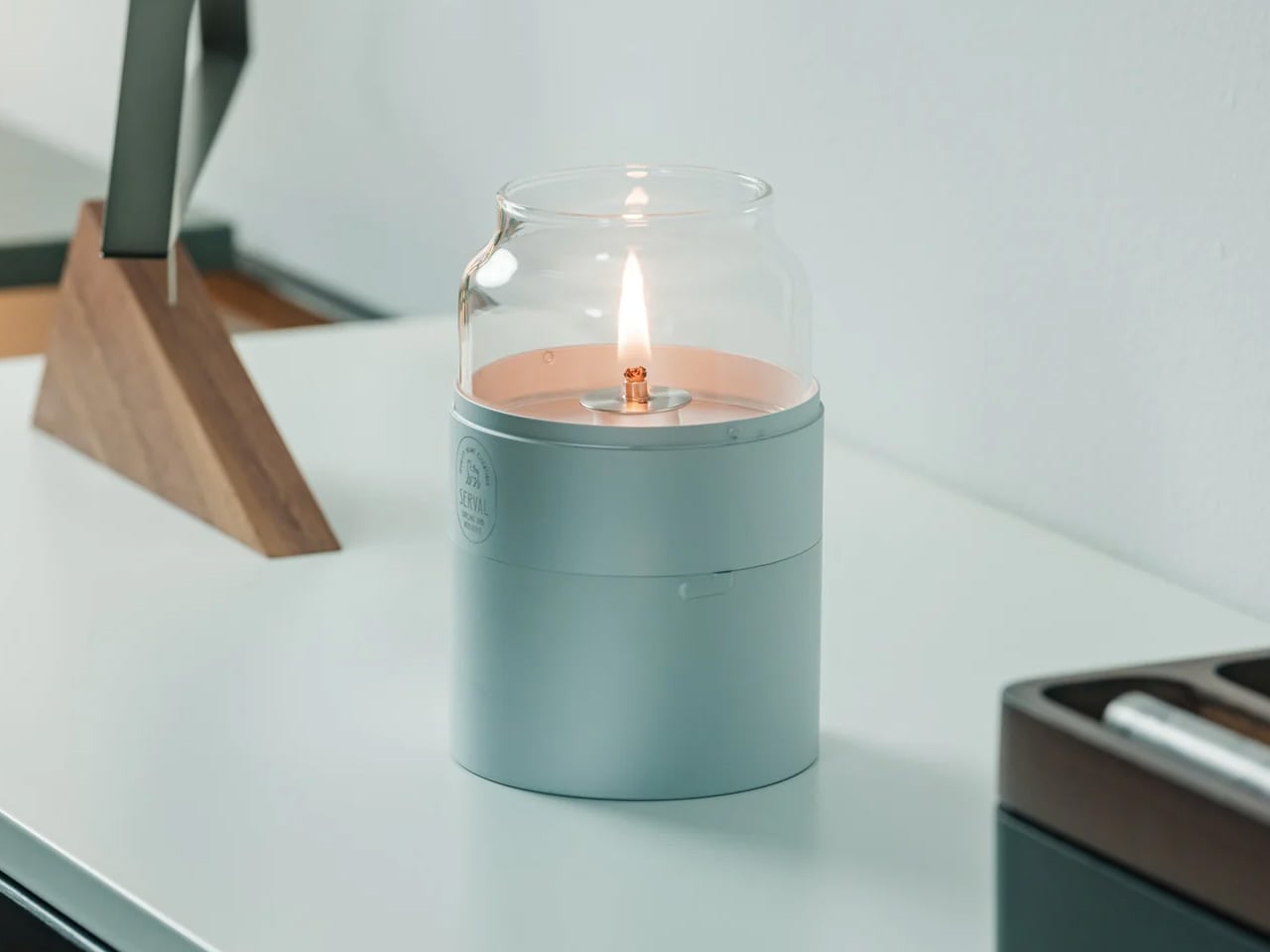
5 Best Design Tools That Take You From the First Sketch to the Finished Prototype

The design process has always lived between two worlds: the rough immediacy of a hand-drawn line and the precision of a finished object you can hold. What changes the game is not having more tools, but having the right ones at each stage. The five picks here form a complete creative pipeline, moving from the first mark on paper to a physical object that exists in the world, one you can turn over in your hands, show to a client, or give to a manufacturer with confidence.

What makes this lineup unusual is its range. A fidget-friendly pen sits alongside a crowdfunded filament recycler. A magnetic clipboard shares editorial space with a professional OLED drawing tablet. That breadth is intentional. Great design does not happen at one point in the process; it accumulates across all of them. These are the tools that make every stage worth showing up for, and worth doing well. Each one earns its place at the desk.

1. SPINNX Magnetic Modular Pen

Every designer knows the restless hands that accompany deep thinking – the pen rolling between knuckles, the cap snapping and unsnapping, the absent-minded clicking that somehow keeps ideas moving. SPINNX, built by WEIWIN from aerospace-grade titanium, takes that instinct seriously and turns it into a fully engineered creative tool. The pen separates into three magnetic modules, each delivering a distinct tactile sensation: a crisp snap when the modules connect, a spring-loaded ball click in the middle, and a dice-style spinner top that rotates through rhythmic mechanical detents with ceramic bearing smoothness. With over fifty claimed configurations, the pen offers a whole palette of physical feedback, letting a designer find the specific sensation their brain needs to stay locked in and keep the ideas flowing. When it is time to actually put something on paper, the pen tip deploys through a smooth twist mechanism, and WEIWIN’s proprietary Super Refill offers up to six times the writing life of a standard refill – meaning the tool that sparks the idea is equally capable of capturing it.

For designers who spend long hours at a desk moving between sketching and problem-solving, the SPINNX functions less like a novelty and more like a cognitive companion. The acoustic and tactile response of each magnetic separation was engineered as an intentional product feature, treated with the same design attention as the geometry itself – similar to how luxury car designers obsess over the sound of a closing door. The optional Maglev Pen Stand extends this philosophy further, using magnetic levitation to hold the pen upright as a kinetic desk sculpture, turning even a moment of pause into an engaging physical interaction. Available in four finishes, SPINNX makes a compelling case that the best design tool is one that works with a designer’s restless, creative mind rather than against it.
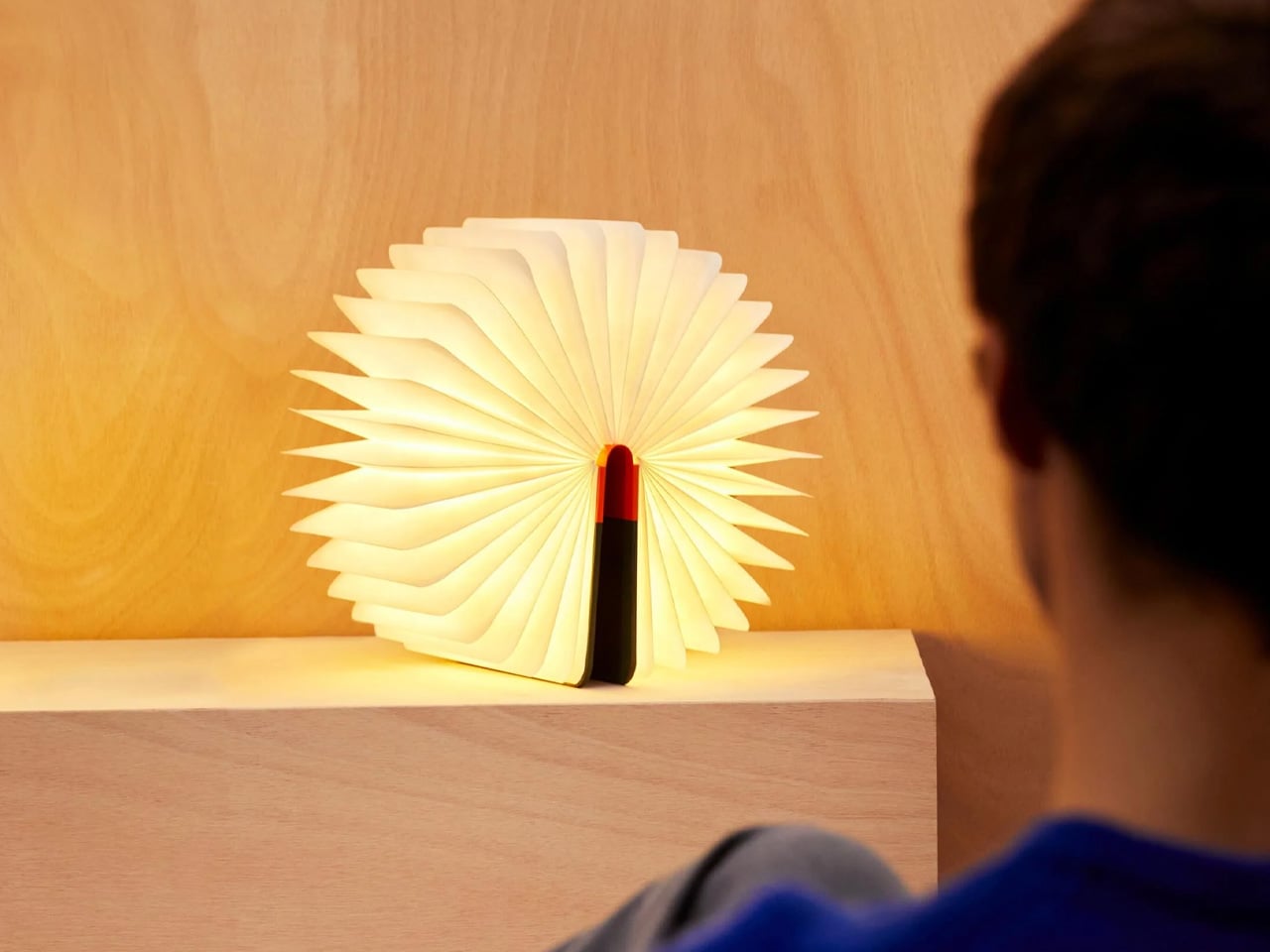
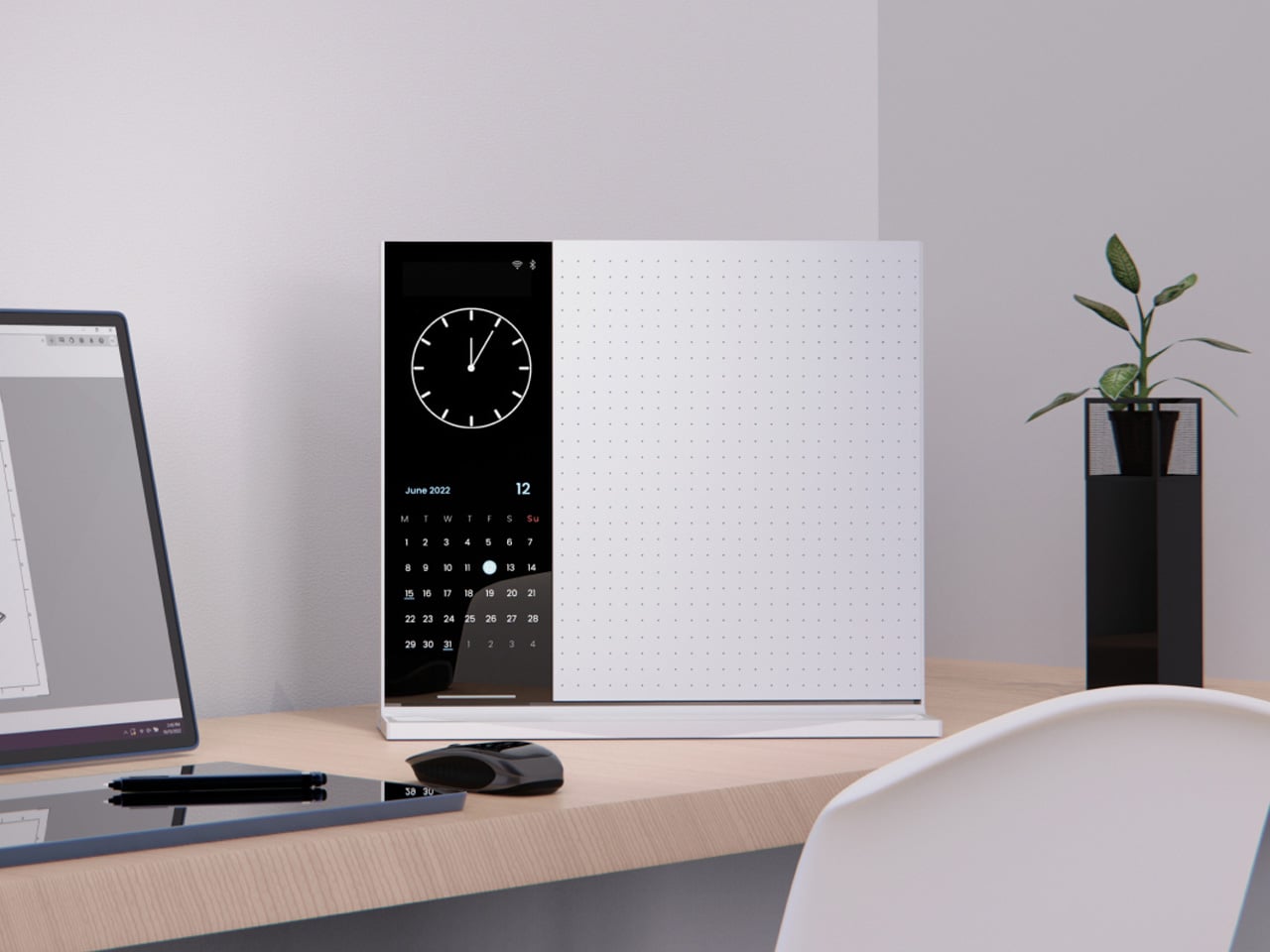
What We Like

  • The fidget experience is genuinely intentional – the acoustic response, the weight distribution across modules, the ceramic bearing in the dice spinner – every tactile detail makes it one of the rare tools that genuinely supports the restless, nonlinear way creative thinking actually works.
  • It earns its place at a designer’s desk as both a sketching tool and a thinking tool and the twist-deploy pen tip and the high-endurance proprietary refill ensure it never compromises on its core function.

What We Dislike

  • The proprietary refill is a closed-system gamble, which is a real long-term reliability concern for a product positioned as a premium daily carry.
  • A three-part pen is a three-part losing opportunity – lose one module on a busy studio desk or in a bag, and the entire fidget system feels incomplete.

2. Creality Filament Maker M1 and Shredder R1

The Creality Filament Maker M1 and Shredder R1 sit at the end of the design pipeline and change what the end of the pipeline actually means. The R1 takes failed prints, support structures, and material scraps and breaks them down into reusable fragments. The M1 then takes those fragments or fresh virgin pellets and extrudes them into new filament with precise temperature control, stable extrusion performance, and a consistent diameter output. Every part of this happens on a single desktop system, without sending material waste anywhere else. The loop closes on the desk, which is where design has always worked best.

What makes the M1 and R1 specifically relevant to designers rather than makers alone is the degree of material authorship the system opens up. Custom color blending, scent additives, and texture variations move filament from a commodity you order to a creative variable you control. A studio working on sensory design, branded packaging prototypes, or experimental material research now has a desktop tool that matches that level of ambition. The system currently supports PLA and PETG, with ABS, ASA, and PC compatibility in development. It is available to back on Indiegogo now, with shipping expected in June 2026. For designers who have always wanted to own the full process, the M1 and R1 are the closest that ownership has ever been to a desk.

Click Here to Buy Now

What We Like

  • The closed-loop system converts failed prints and material scraps into fresh filament, directly reducing both studio waste and material cost
  • Custom color and additive blending give designers creative authority over the material itself, not just the form it produces

What We Dislike

  • Material support is currently limited to PLA and PETG, with broader compatibility still in development

3. Wacom MovinkPad Pro 14

The Wacom MovinkPad Pro 14 is the bridge between a physical sketch and a refined digital file, and it treats that role with genuine seriousness. Built on Android 15 OS, it operates as a fully self-contained creative workstation with no laptop, no cables, and no setup required beyond picking it up. The 14-inch OLED display delivers the color accuracy and contrast that design work actually demands, and the Wacom Pro Pen 3 brings the line quality and pressure sensitivity that feels continuous with the analog tools earlier in the process. It does not feel like a compromise between precision and portability. It feels like both are resolved into a single object.

For designers who move between studio, site, and client-facing environments, the portability argument is real rather than aspirational. Being able to sketch a revision in a meeting room, render a concept on a flight, or present live work from a single device without a cable in sight changes how quickly creative decisions can be made and acted on. It runs on Android 15, which means the software you use needs to be compatible with that ecosystem. For designers whose workflow is already built around compatible applications, that is a non-issue. For those whose toolkit lives entirely in desktop environments, it is worth checking before committing.

What We Like

  • Android 15 OS makes it a fully standalone device with no laptop dependency, built for designers who work across multiple locations
  • The 14-inch OLED display delivers the color accuracy and contrast that professional design work requires, not just adequate screen performance

What We Dislike

  • Android ecosystem compatibility means not all desktop-first professional design software will be available or optimally supported
  • At the premium price point, it is a significant investment for designers who already own a dedicated drawing setup

4. Bambu Lab A1 Mini Combo

The Bambu Lab A1 Mini Combo is where the design moves off the screen and becomes something you can hold. Its full-auto calibration system removes the manual tuning that used to make 3D printing feel like a separate technical skill set, letting designers focus entirely on what they are making rather than how the machine is behaving. The Combo version adds AMS-powered multi-color material handling, supporting up to four filament colors in a single print run. That capability meaningfully expands what a prototype can communicate, covering not just form but material differentiation, color intent, and spatial relationships between components.

Noise output sits below 49 decibels in silent mode, quiet enough to run in a shared studio without drawing attention to itself. The compact footprint integrates into a desk setup without claiming its own corner of the room, and one-click MakerWorld integration streamlines going from a digital file to a running print without a technical detour. The A1 Mini Combo occupies the specific moment in the design pipeline where intent becomes form, and it handles that transition with the kind of efficiency that makes iteration feel fast rather than laborious. For a designer prototyping regularly, fast iteration is the whole point.

What We Like

  • Full-auto calibration removes the technical barrier to producing a physical prototype quickly and without manual intervention
  • Multi-color AMS printing expands what a prototype can communicate well beyond form alone

What We Dislike

  • Build volume is smaller than full-size Bambu Lab models, which limits the scale of what can be prototyped in a single print run
  • The AMS hub accessory required to connect additional material units is sold separately, adding to the effective total cost

5. MagBoard Clipboard

The MagBoard Clipboard is what a notebook looks like when a designer strips away everything that gets in the way of thinking. A hardcover body paired with a magnet and lever mechanism binds up to 30 loose sheets of paper with no ruling, no margins, and no fixed format to work around. You add pages when you need them, remove them when you do not, and reorder them entirely when the thinking shifts. That structural neutrality is genuinely rare in stationery, and it turns out to be the most useful quality a tool at this stage of the process can offer.

Its hardcover construction means it works while you are standing. In a client meeting, on a site visit, mid-conversation with a collaborator, wherever the information is, the MagBoard can be there with you. The surface resists water and cleans easily, which matters in the kind of environments where actual work gets done rather than where it is presented. At $45, it sits at a price point that feels considered: low enough to use without treating it like a precious object, high enough to signal that the design itself was taken seriously. It is the kind of tool that disappears into the process, which is exactly what it should do.

Click Here to Buy Now: $45.00

What We Like

  • The magnet and lever mechanism binds up to 30 loose sheets with no imposed format, ruling, or sequence to work around
  • Hardcover construction makes it fully usable while standing, wherever the work demands you to be

What We Dislike

  • Thirty sheets exhaust faster than a bound notebook during intensive ideation or research sessions
  • No integrated storage for pens or accessories, so they travel separately

The Best Design Process Is the One You Can See All the Way Through

What connects these five tools is not a shared product category but a shared philosophy. Each one removes a specific friction from the design process: disorganized color, a rigid notebook format, studio dependency, manual calibration overhead, and disposable materials. Taken together, they describe a workflow as considered as the work it produces. No tool here asks you to compromise on the stage it owns. That consistency across the full pipeline is what makes them work as a set rather than a random assortment.

The best design tools do not make design easier in a way that simplifies it. They make the hard parts worth doing. From the first mark with the Pen Fan to the closed material loop of the Creality M1 and R1, every tool here earns its position in the process. The gap between the first sketch and the finished prototype has always been where the real design work happens. These five tools close it.

The post 5 Best Design Tools That Take You From the First Sketch to the Finished Prototype first appeared on Yanko Design.