Most shelves are either heavy, hard to move between rooms, or destined to clash with your evolving style as tastes change over time and seasons shift. For anyone who loves to rearrange their space frequently, collect new objects, or simply keep things fresh with seasonal updates, traditional furniture just doesn’t keep up with the pace of modern life and changing interior preferences that come with growth and discovery.
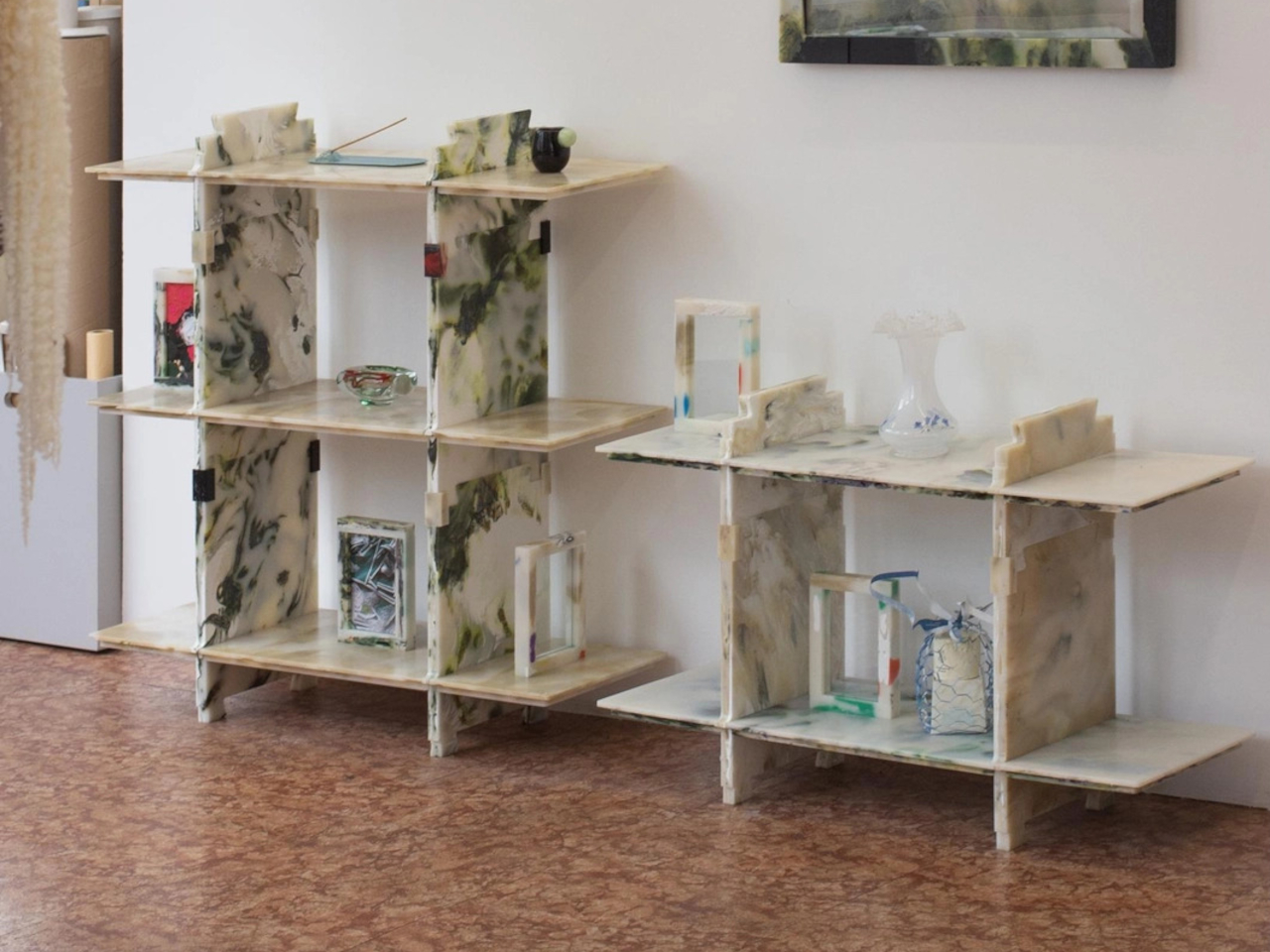
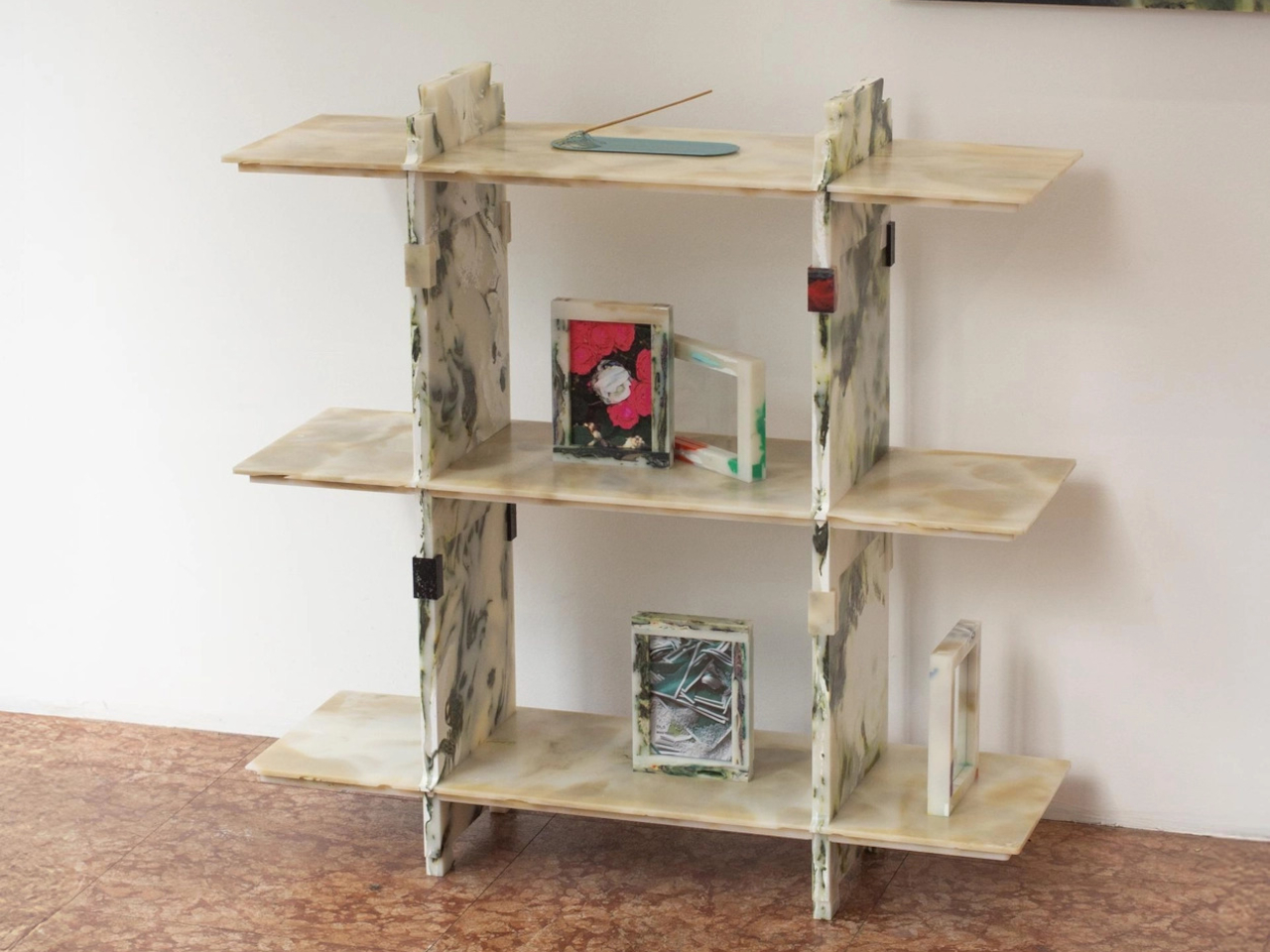
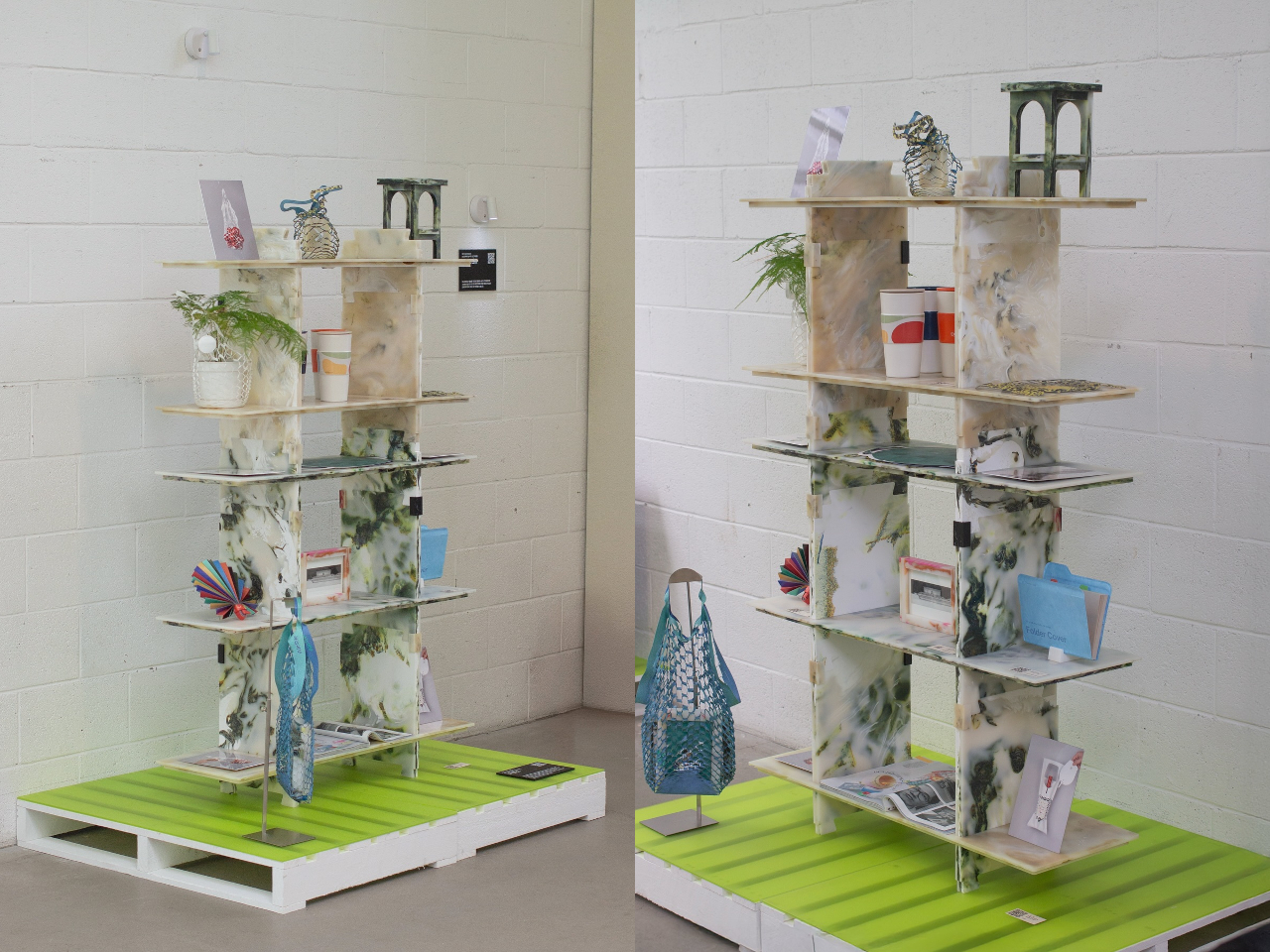
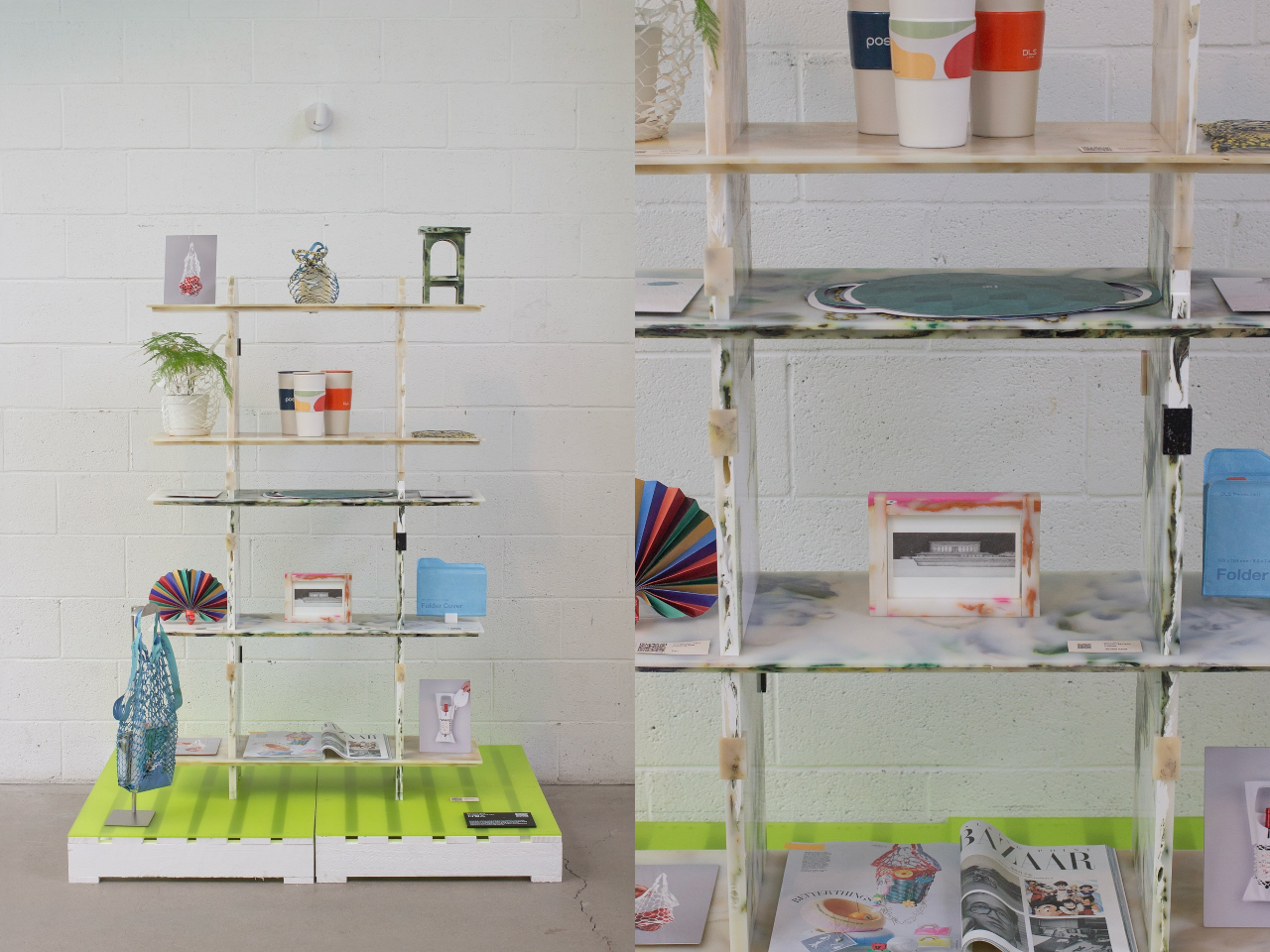
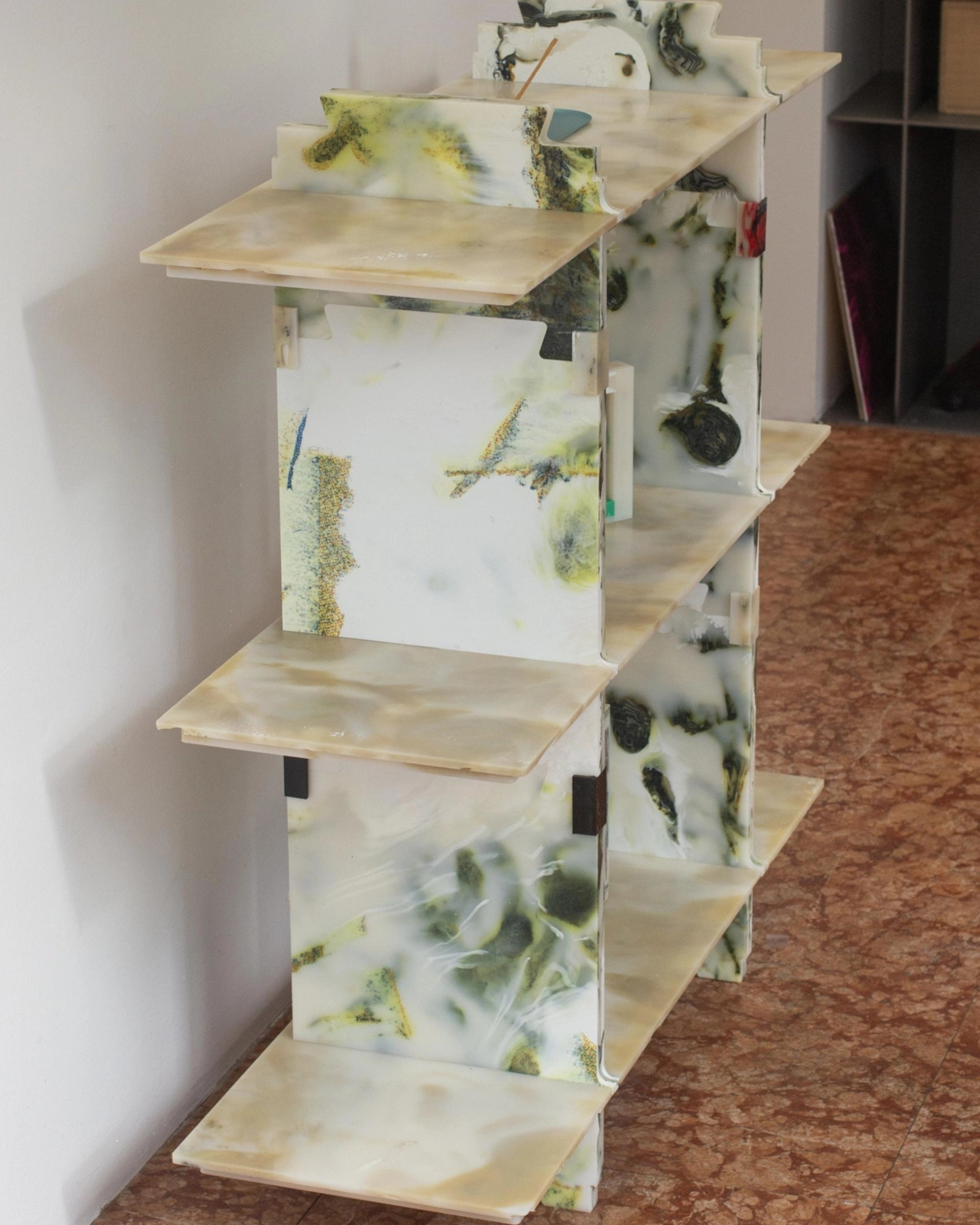
The Plastic Marble Display Shelf, from DLS World Official and WOULD YOU LOVE Seoul, offers a different approach to home storage and display needs. Made from upcycled Tyvek byproducts and designed to be as flexible as LEGO blocks for intuitive assembly, it’s a shelf that adapts to your life, not the other way around. The system’s modularity and material innovation make it stand out from conventional shelving solutions.
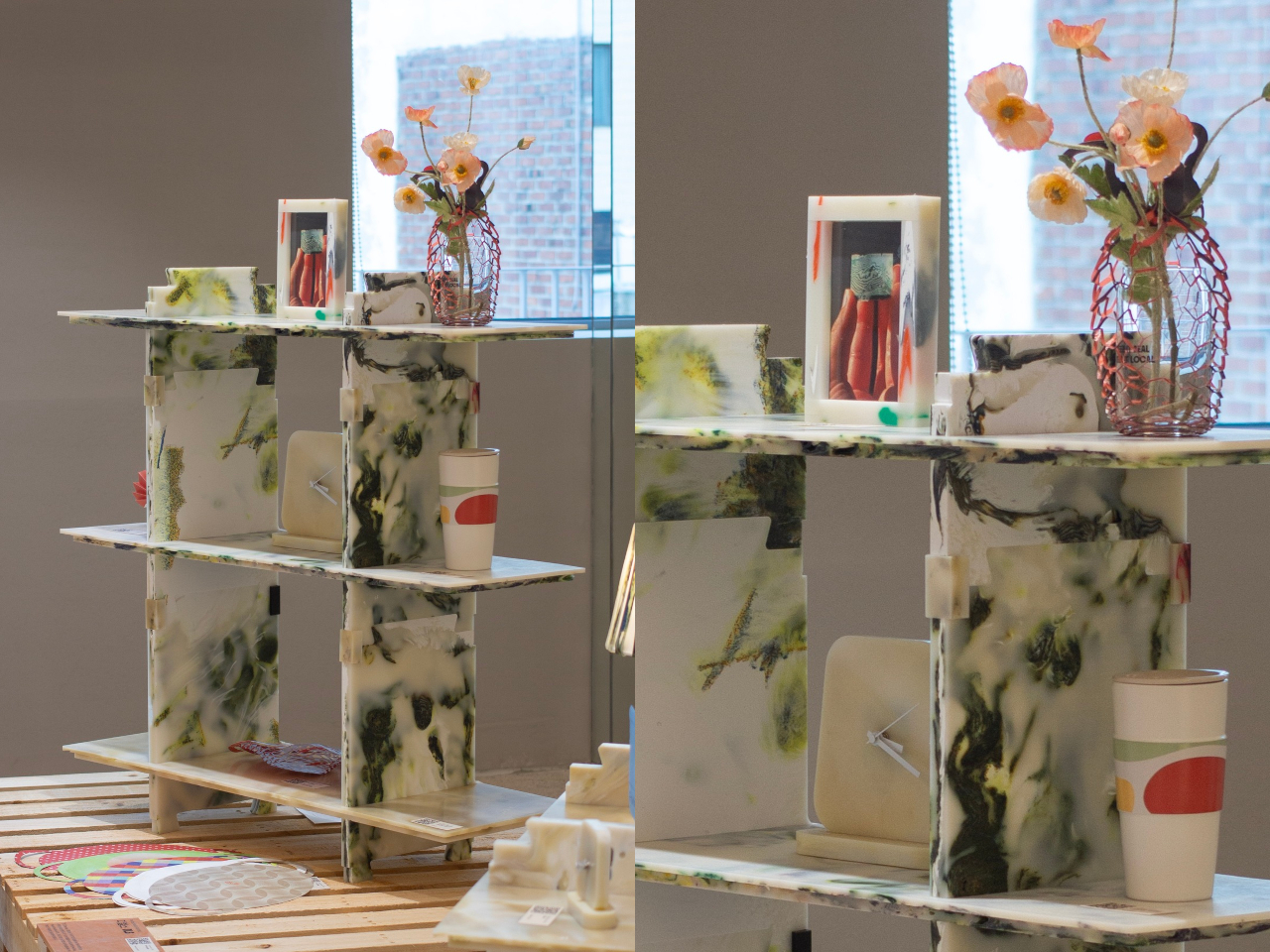
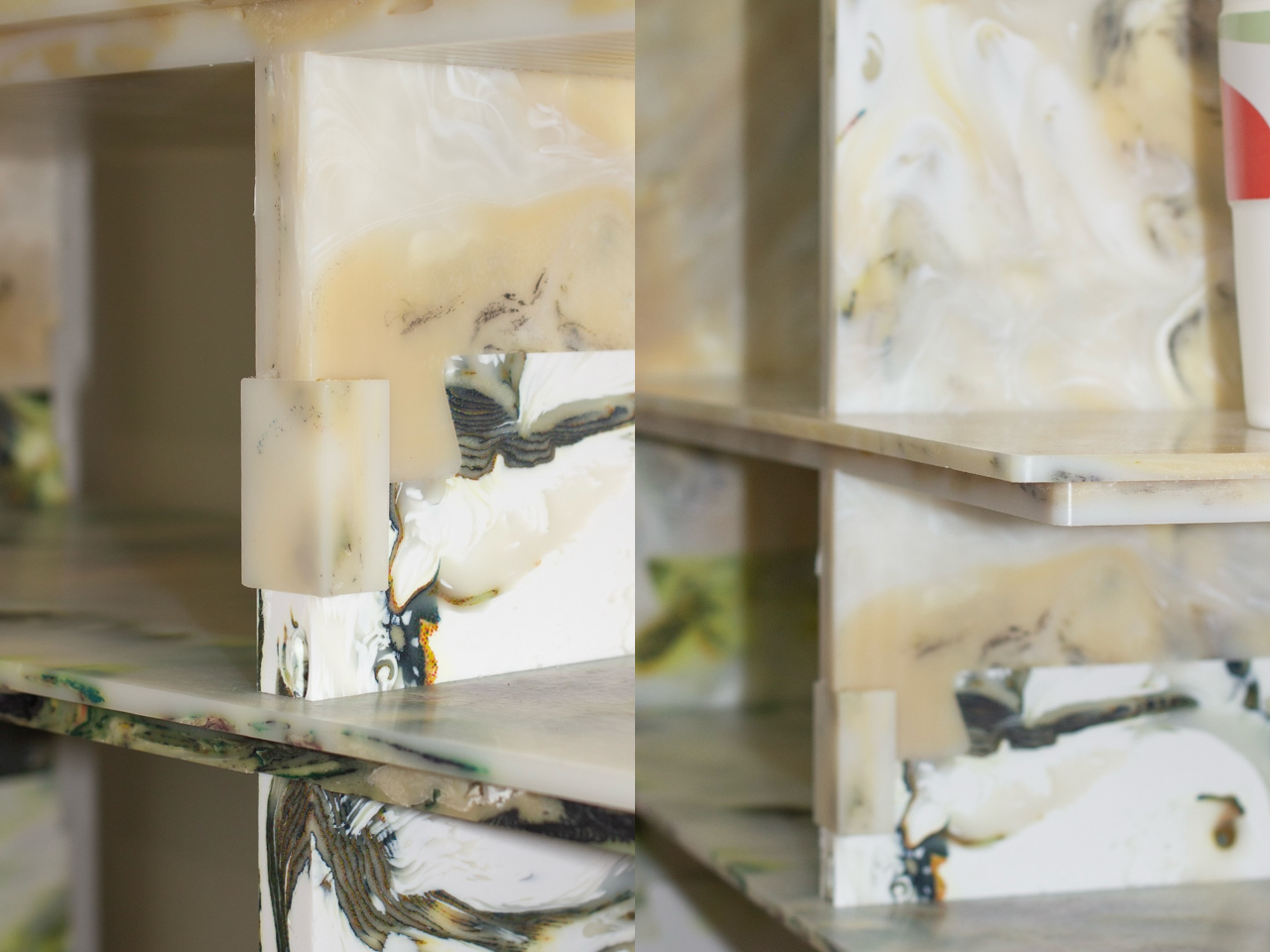
The secret is plastic marble, an upcycled material with swirling, marble-like patterns and a glossy, watery finish that catches light beautifully throughout the day. Each panel is visually unique, with colors and translucency that play with ambient and natural light to create a sculptural presence in any room. Unlike printed laminates or vinyl wraps, the marble effect is a natural result of the upcycling process itself.
The material gives the shelf a premium look while keeping it lightweight and genuinely eco-friendly throughout its lifecycle from production to disposal. The translucent quality and depth add visual interest that changes depending on viewing angle and lighting conditions throughout the day. What would otherwise be industrial waste becomes something you’ll actually want to display prominently in living rooms, bedrooms, or creative studios.
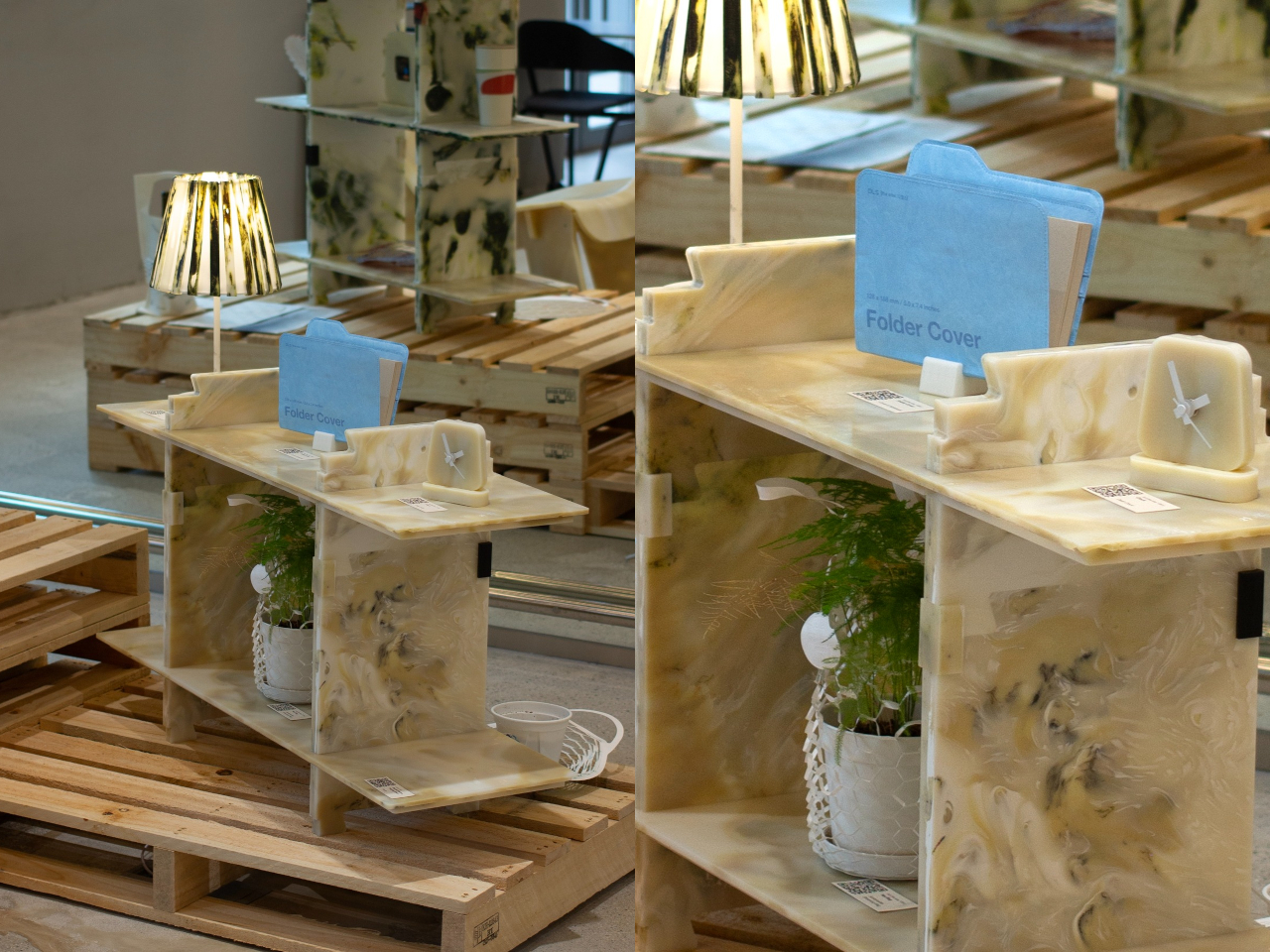
The shelf’s concise clip joint system means you can assemble, disassemble, or reconfigure the entire structure in minutes without any tools or adhesives required whatsoever. Stack modules vertically for a traditional bookshelf, build a wide display for collectibles, or create a custom asymmetrical shape for your specific space. The panels and joints are made from a single material, simplifying future recycling efforts when the shelf reaches end of life.
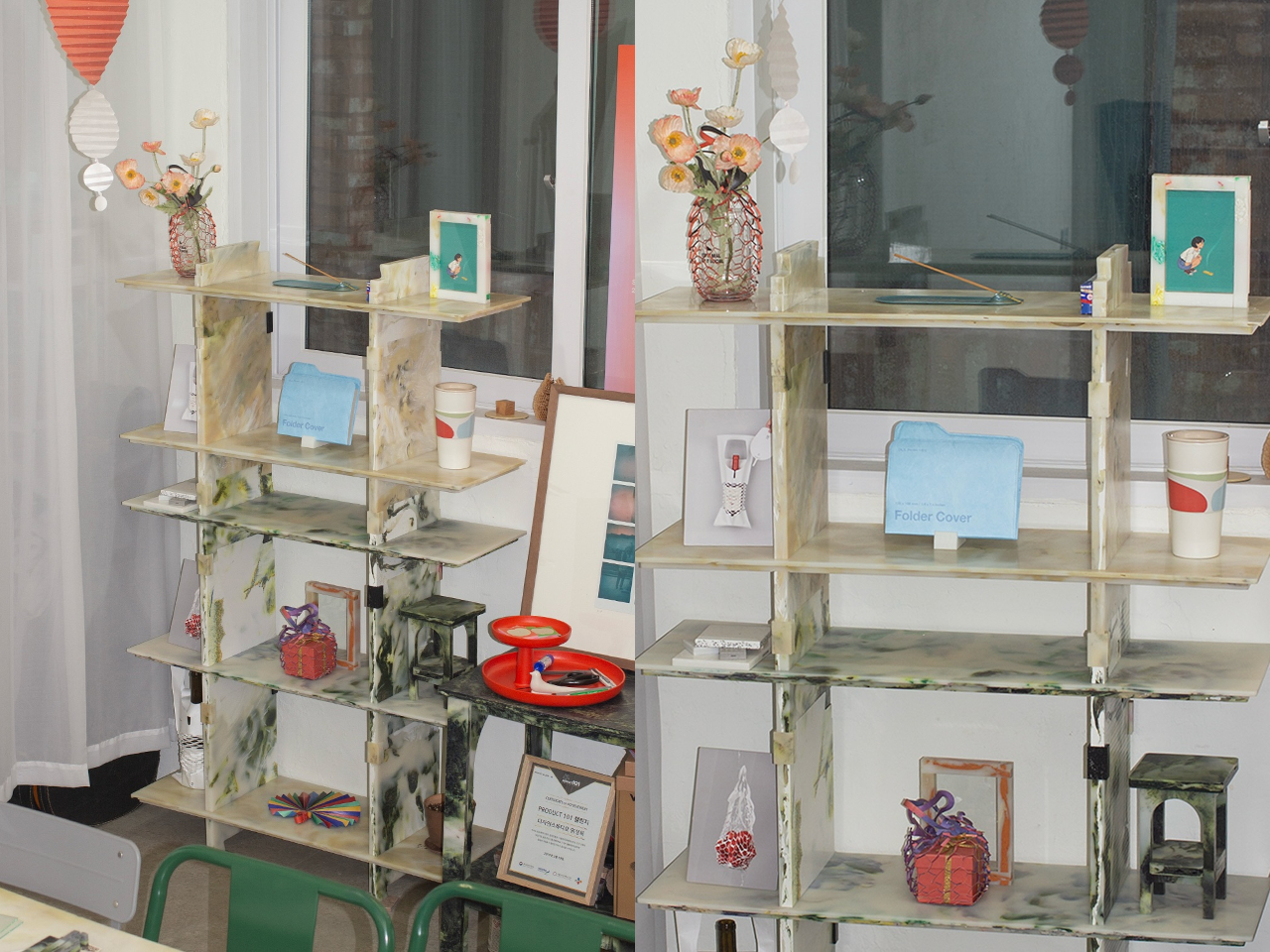
When you want a change in layout or need to move to a new space entirely, just unclip sections and rebuild in different configurations. The flexibility encourages experimentation with arrangements throughout seasons or as your collection of books, plants, and objects grows. The modular nature means you can start small and add modules over time as your needs and budget evolve.
Whether you’re displaying books, plants, art prints, or collectibles, the Plastic Marble Display Shelf adapts to your specific needs and aesthetic preferences without limitations. Its clean lines and minimalist silhouette blend with posters, photos, and objects to create curated gallery walls. The system’s flexibility makes it perfect for small apartments, creative studios, or retail spaces where storage needs to grow and change frequently.
By transforming Tyvek byproducts into a desirable, durable material with a distinctive visual character that rivals traditional materials, the shelf redefines what upcycled plastic can be beyond basic function. The design discovers new value in discarded materials while offering genuine beauty and practical flexibility for modern living spaces that demand both sustainability and style without compromise or apology.
Although we see dozens of computer keyboard designs these days, the basic layout of the device hasn’t changed since the very first model came out. Even if you consider variants of the QWERTY standard like AZERTY or Dvorak, the standard has remained the same over the years, which means carrying over most of the usability and ergonomic problems that were there from day one. The “10 key” numeric keypad, for example, is always on the right side, with a bias towards right-handed people.
That’s not exactly a problem for TKL or “Ten Keyless” keyboards, but that does mean buying a separate numpad that doesn’t integrate well with the rest of the keyboard, both functionally and aesthetically. This keyboard concept takes a shot at solving that long-standing handedness problem and its solution is to let you design your keyboard layout to your needs and preferences.
Designer: Alexey Prokopenko
It’s easy enough to just buy a TKL keyboard and a numpad separately, allowing you to arrange the two as you see fit. That, however, only works for that combination, and even then it’s not always a pretty sight. The visual and functional disconnect between these products can also have a subtle effect on our subconscious, just like how clutter or disjointed styles can trigger our minds in ways we don’t realize.
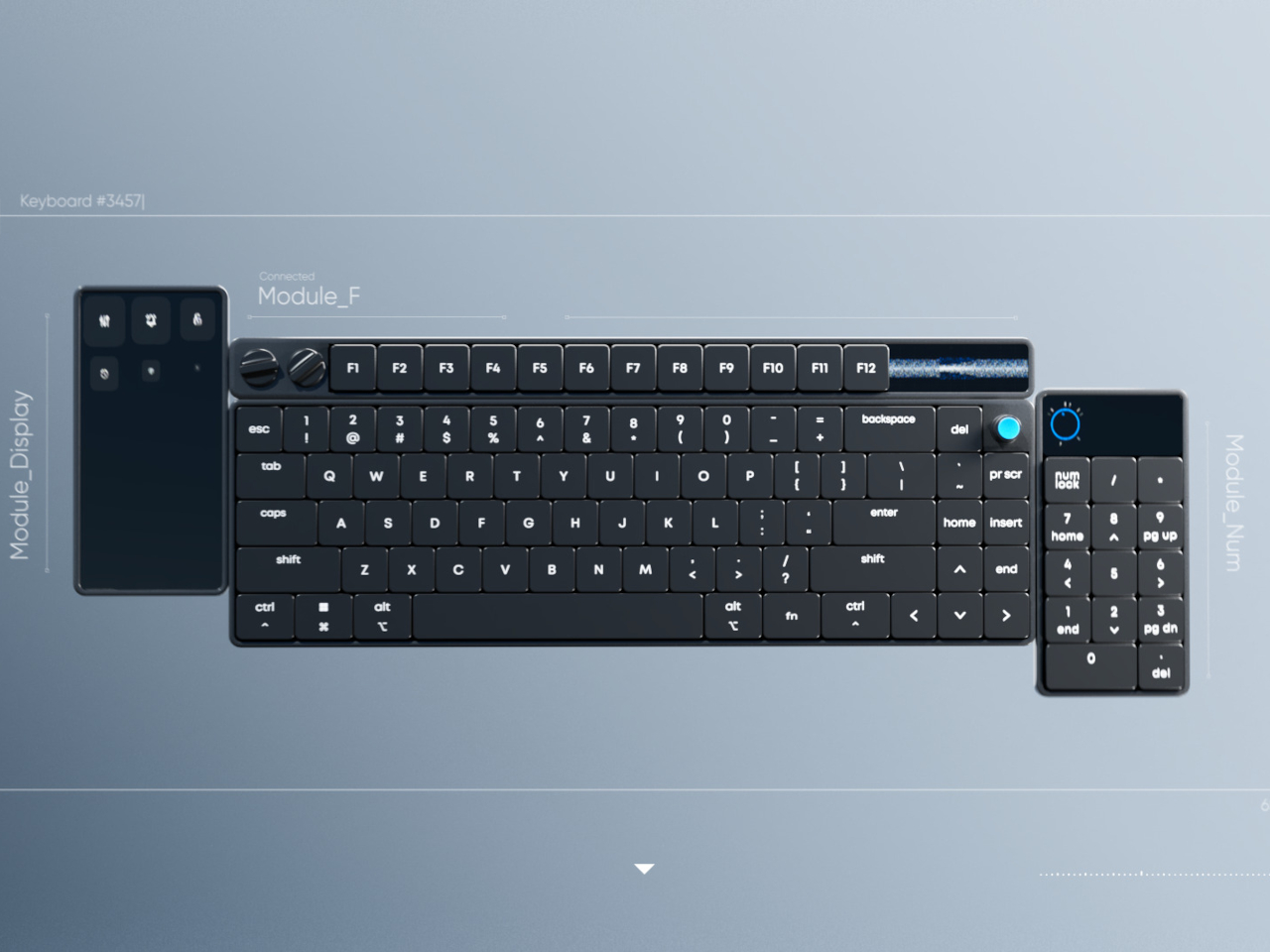
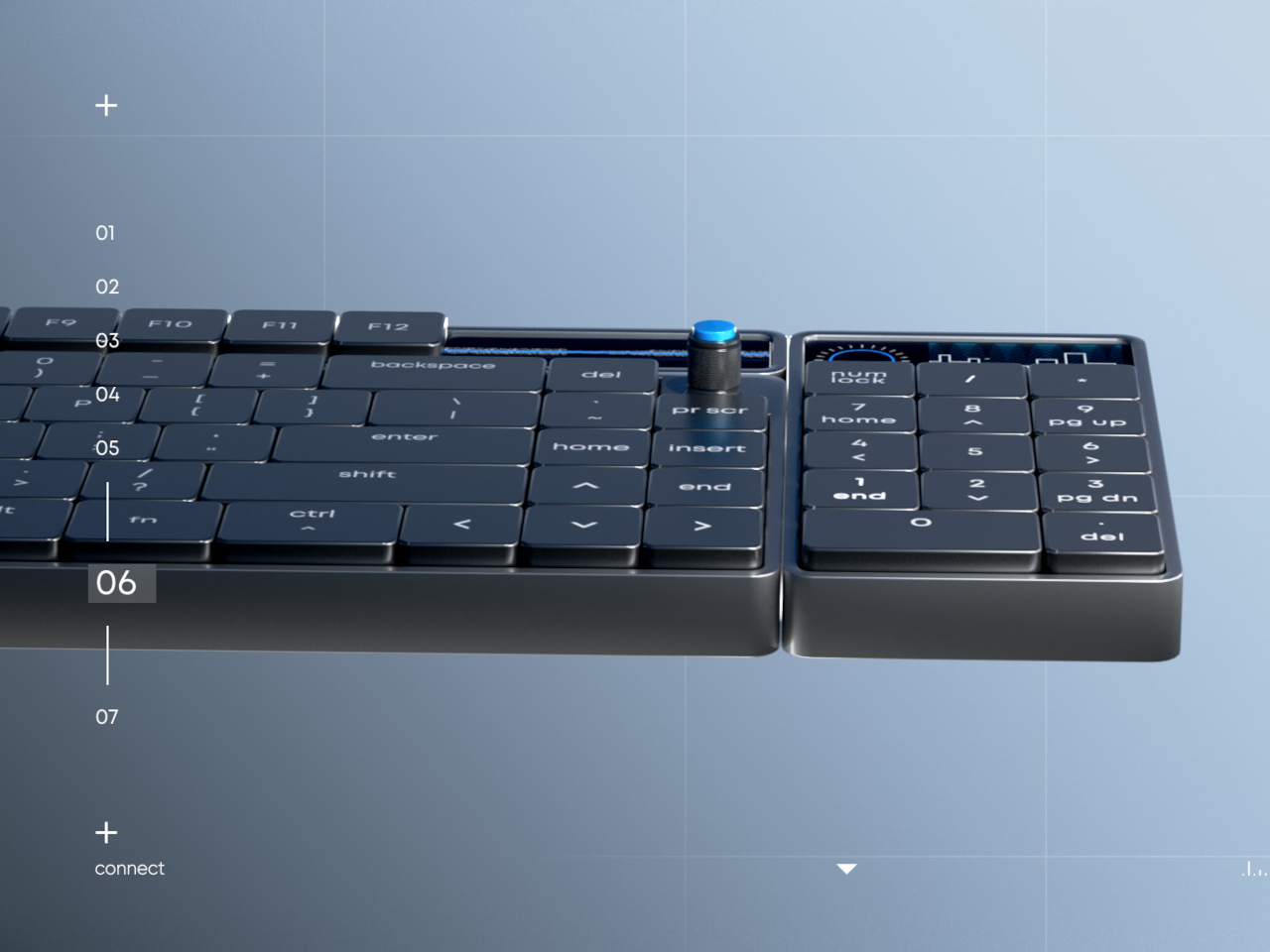
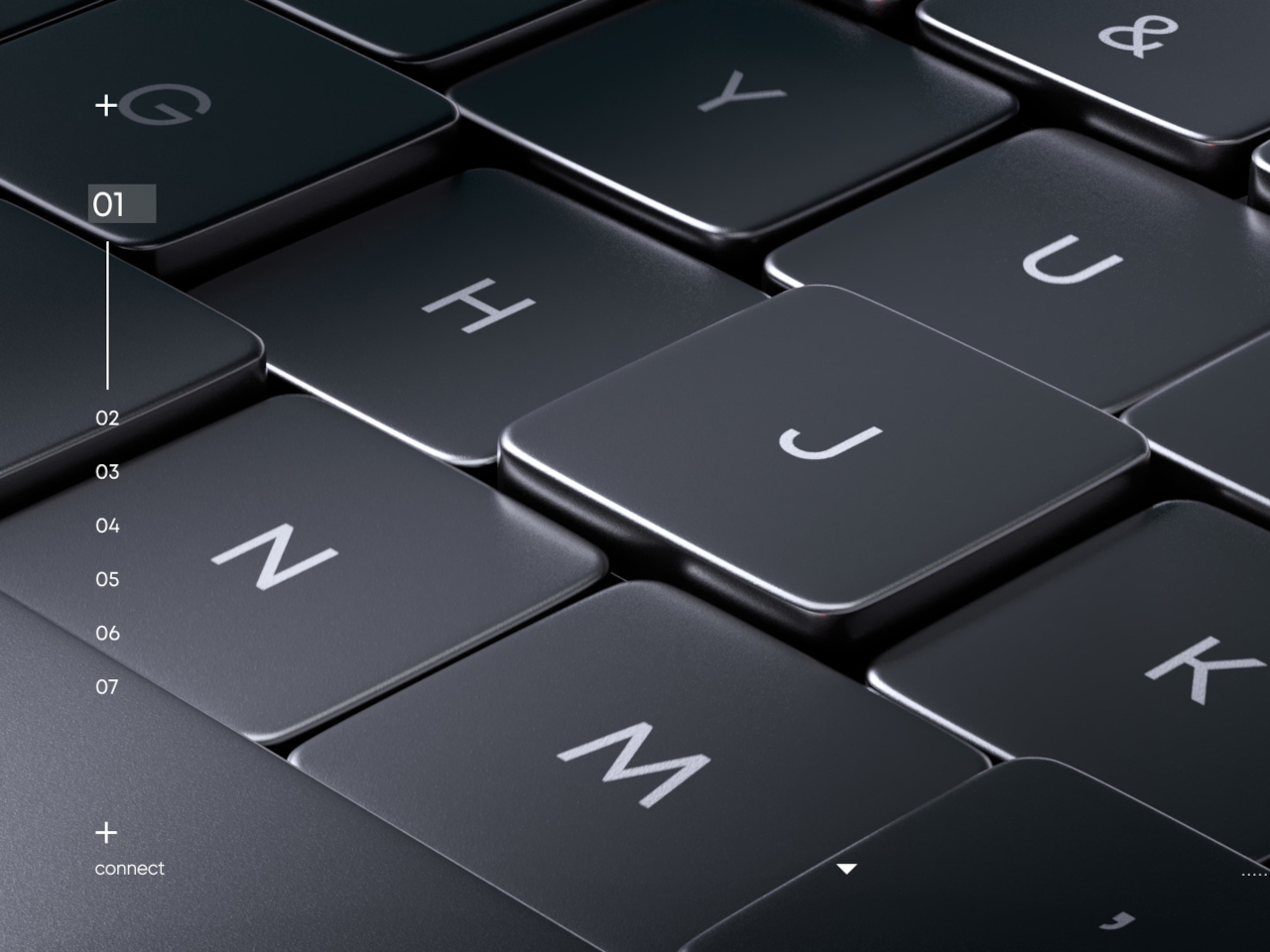
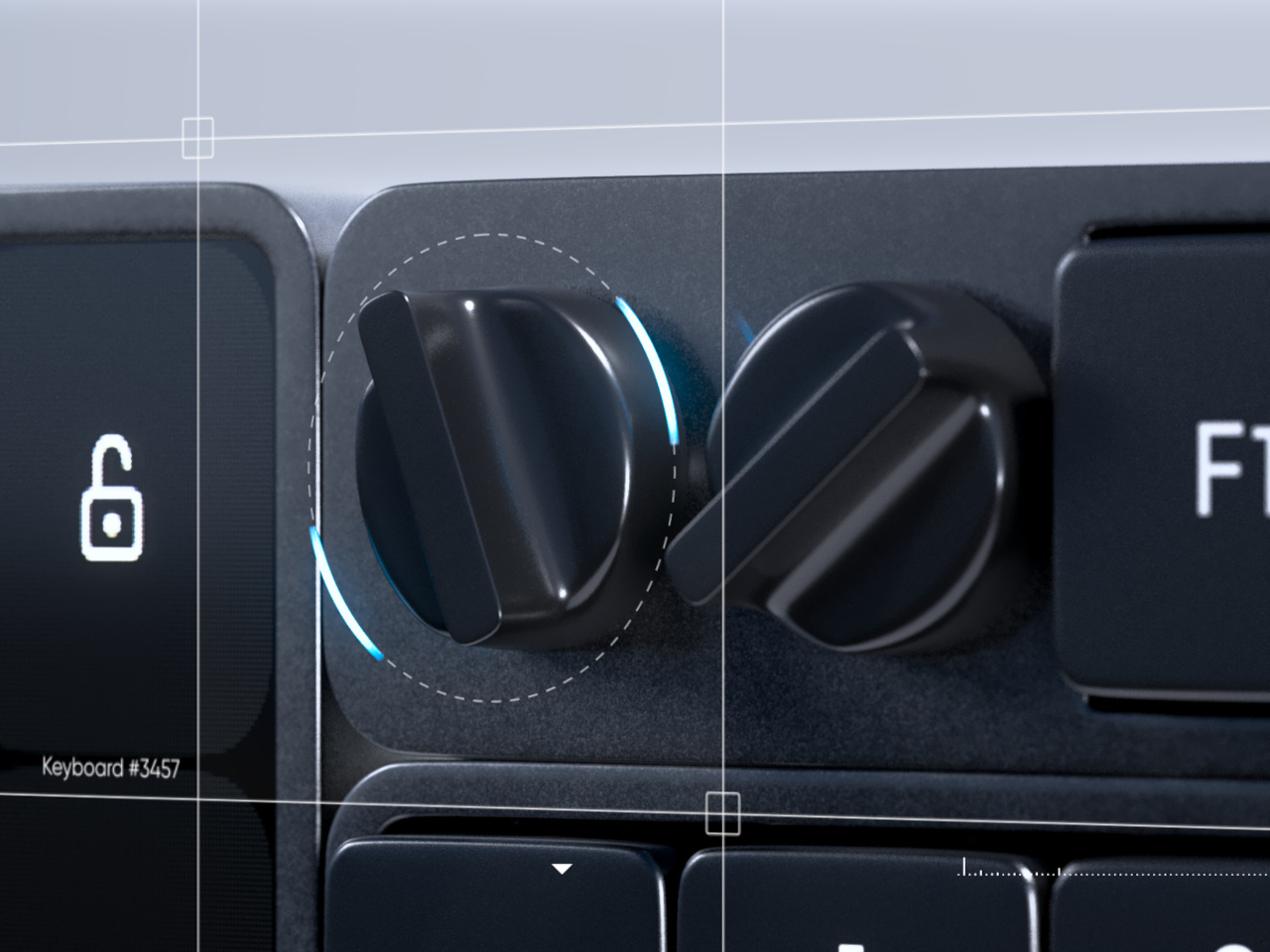
A modular design like the Connect concept helps solve this problem. In a nutshell, you can place a numpad module to the right or left of the “main” TKL keyboard in a way that physically connects the pieces. Since they’re from the same system, they also share the same aesthetic, which is a matte black in this case.
Of course, the beauty of a modular system is the flexibility it offers. Not only can you switch the position of the numpad on either side on a whim, you can also connect something else there or have a different module on the opposite end simultaneously. You can, for example, have a trackpad or a macro keyboard on either side. The choice is totally yours and can be changed dynamically depending on your work, need, or mood.
If there’s one oddity to this design concept, it would be that the function key row is also an optional module. Granted, some Bluetooth keyboards actually exclude this row, forcing users to make complicated keystrokes to activate the functions. In this case, however, removing that row would create an imbalance when a module is attached to the left or right side of the keyboard. Most people will probably prefer to have that function row there all the time anyway, making it a bit of an unnecessary design detail.
Stationery remains essential, adapting to global trends like sustainability, and minimalism, and bridging the gap between digital and analog domains. With technological advancements, stationery for school and office settings is progressing towards smarter, sustainable products, transforming traditional items into symbols of productivity and creativity. This transformation underscores a fusion of innovation and timeless design, enhancing how students approach their studies and how office workers manage their tasks efficiently.
Explore the transformative trends shaping the future landscape of stationery, traditional office supplies, and educational tools.
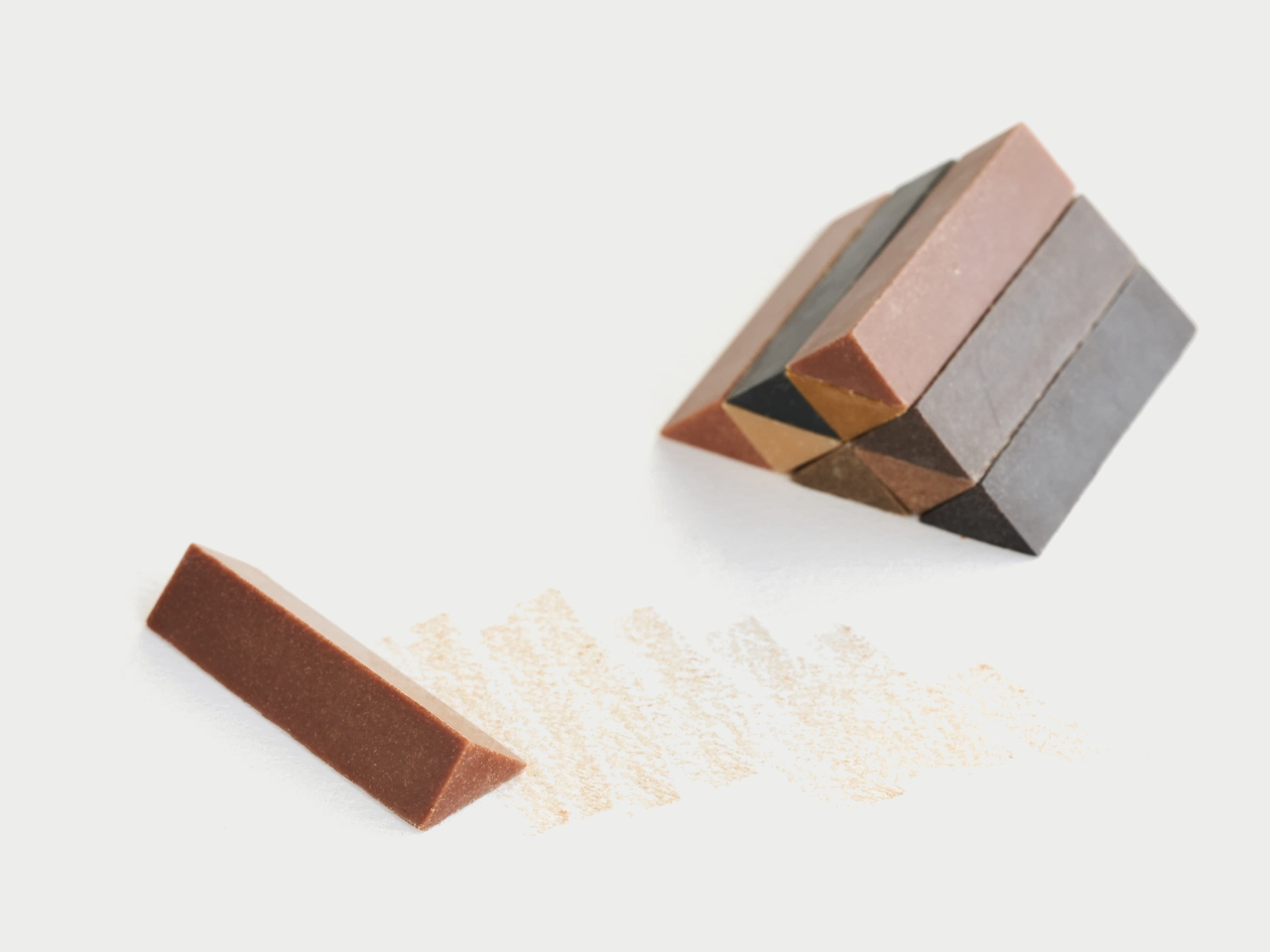
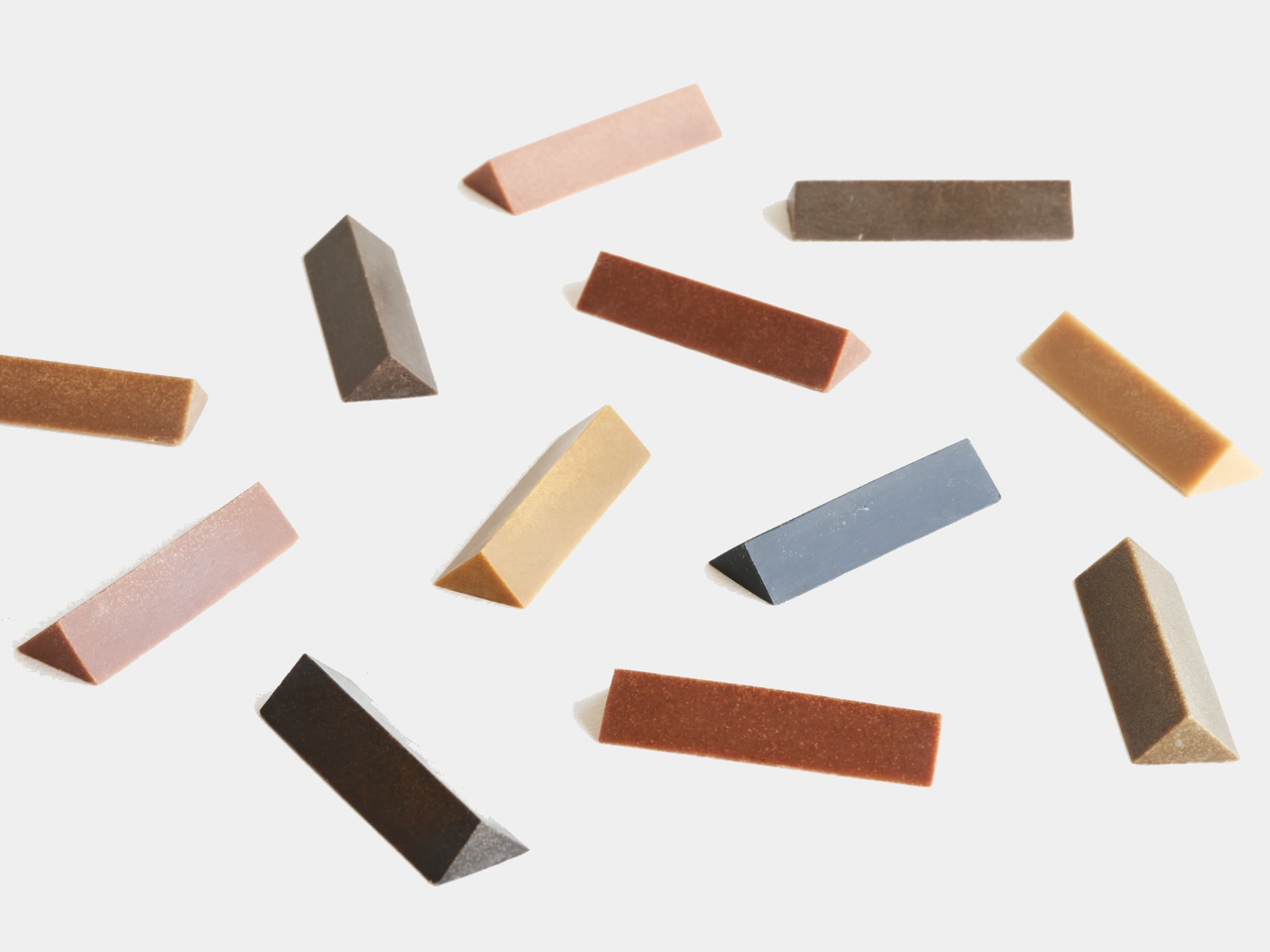
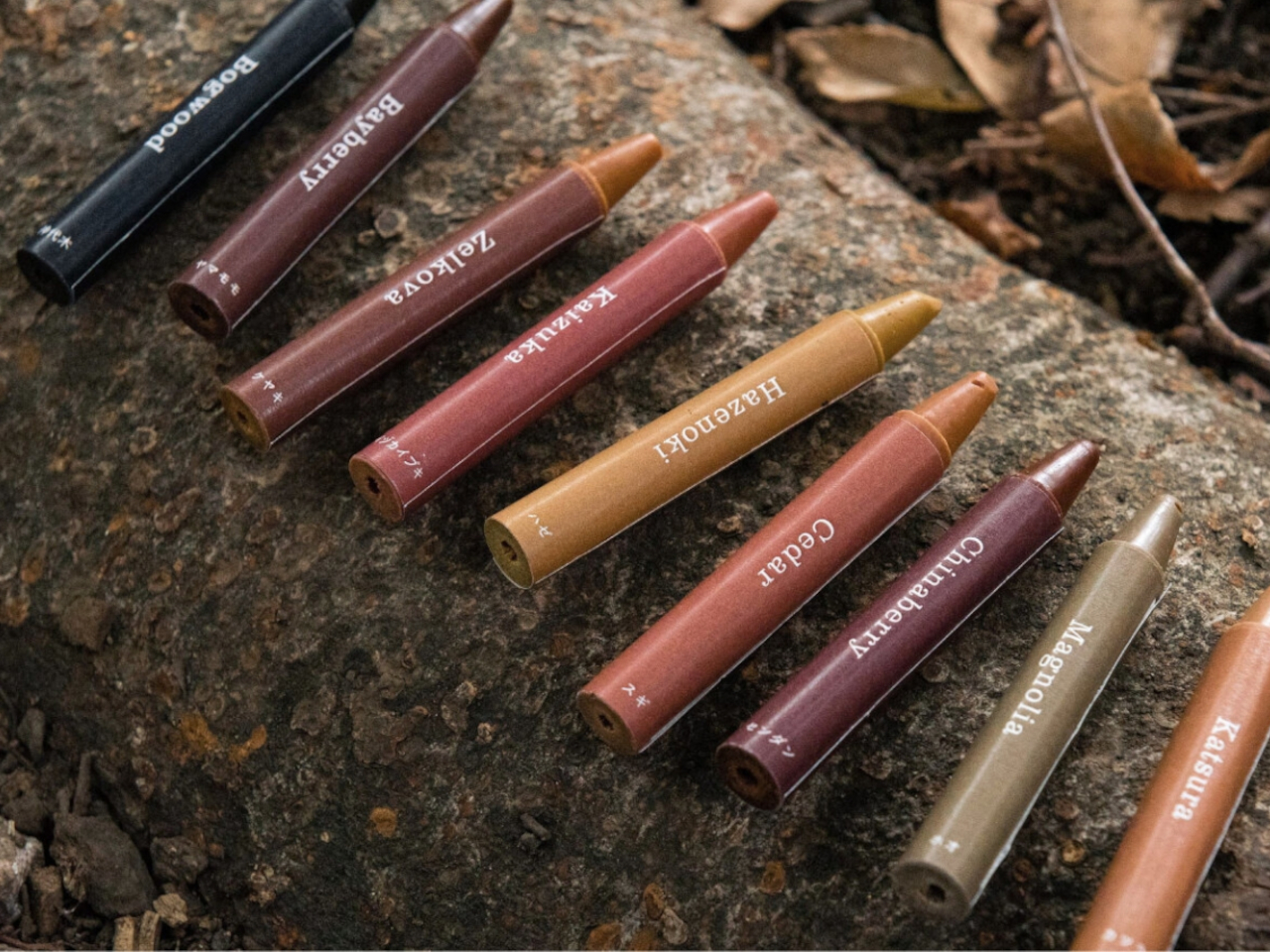
Wood is typically associated with brown, but different tree species produce various colors. In Japan, Forest Crayons uses pigments from recycled forest trees to create crayons, mixed with wood, rice wax, and rice oil. Each color, such as the magnolia’s light green or fungus-stained wood’s deep turquoise, reflects the tree species and growth conditions. The set includes ten colors: Bayberry, Bogwood, Cedar, Chinaberry, Cypress, Hazenoki, Katsura, Kaizuka, Magnolia, and Zelkova. This project, endorsed by the Japanese Forest Agency, promotes a renewed appreciation for Japan’s forests.
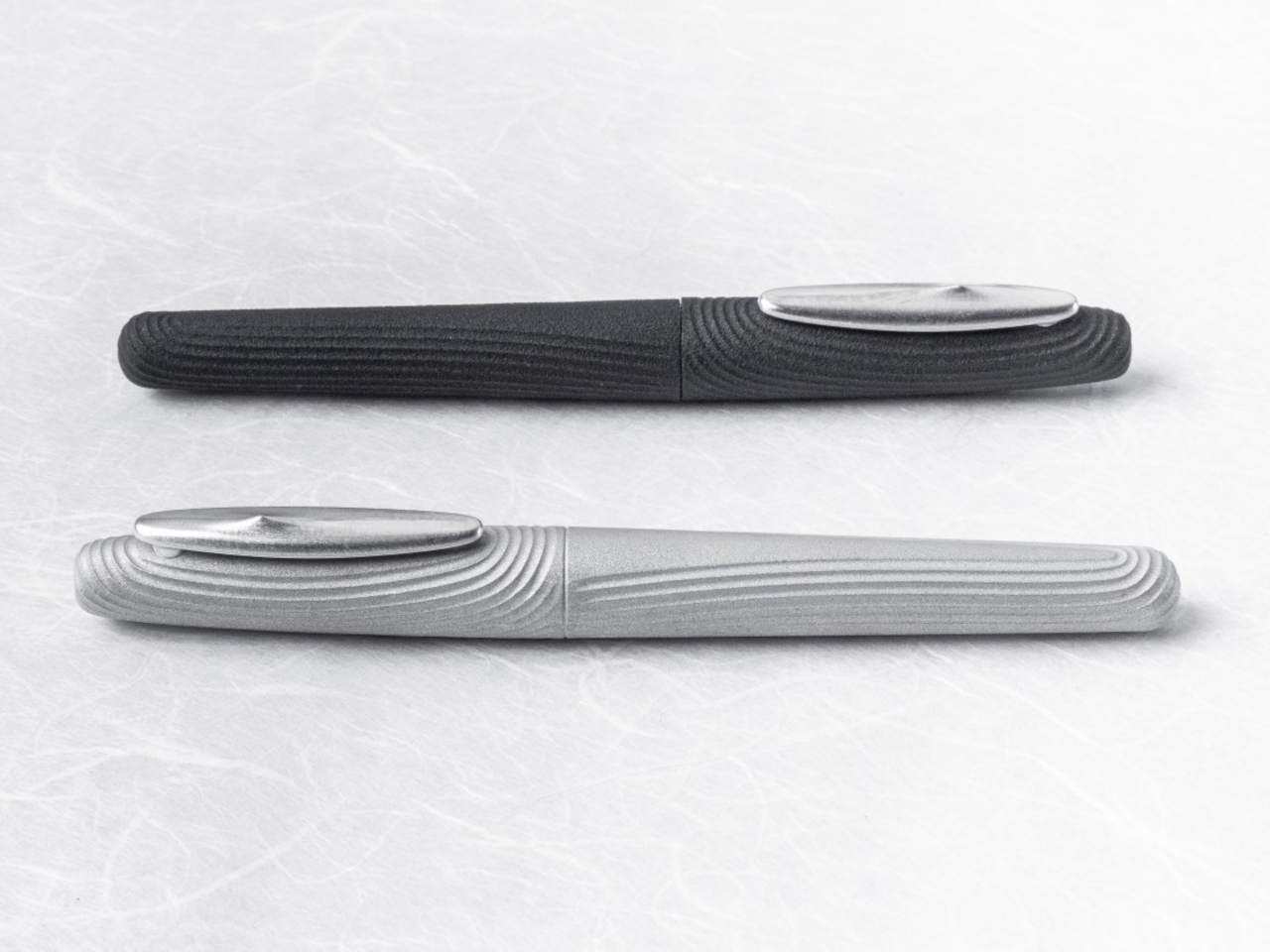
Pens usually signify productivity and creativity, but the Zen Pen, a unique Japanese-made writing instrument, aims to evoke calm through its design and texture. Inspired by Zen gardens, it features 3D-printed grooves and an off-center, smooth clip, mimicking the sand and stone elements. Crafted by skilled Japanese artisans using modern 3D printing and milling, the Zen Pen provides a soothing tactile experience, promoting mindfulness and tranquility. This makes it an ideal tool for students, helping them stay focused and calm while writing and studying in a school environment.
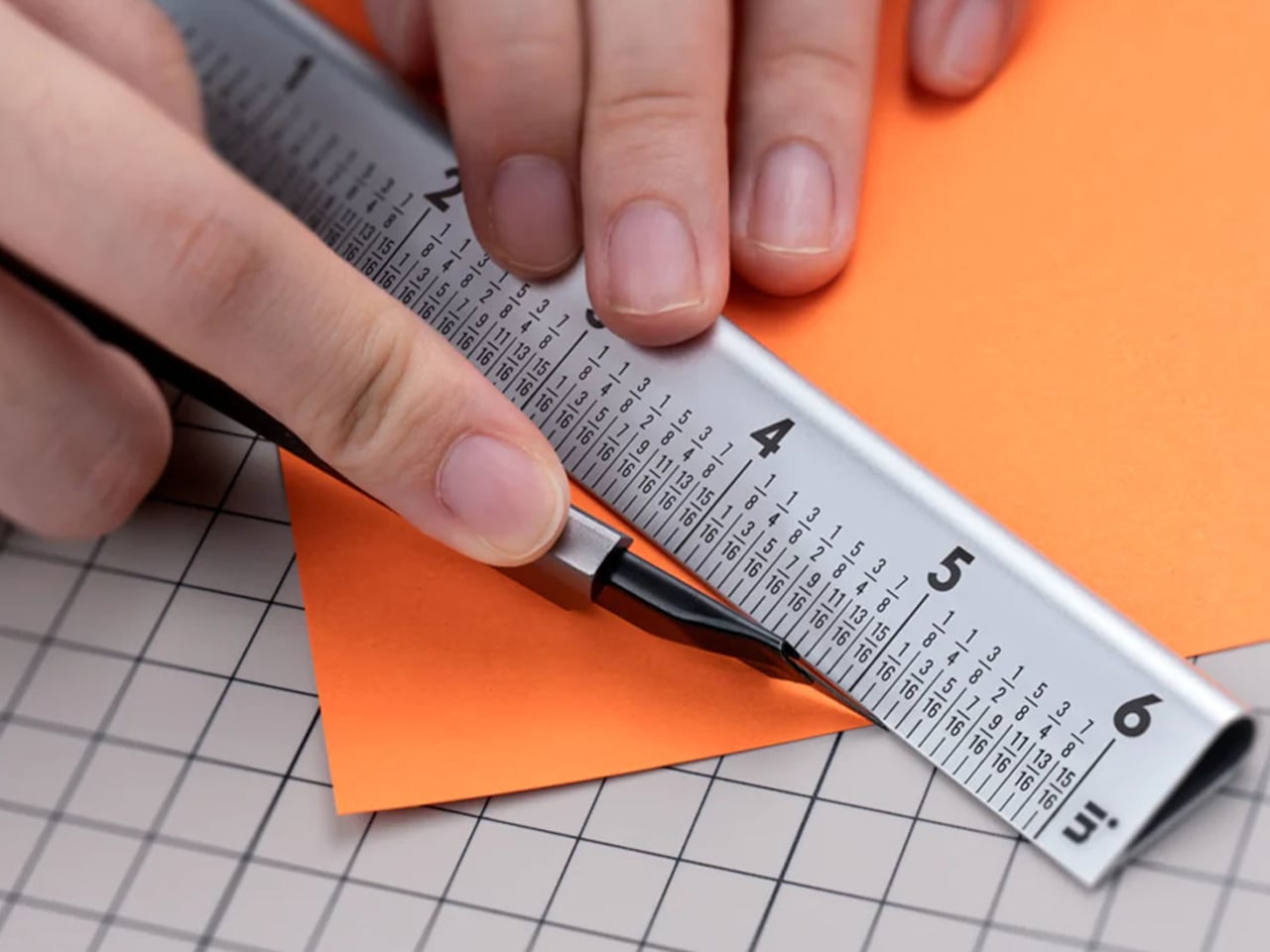
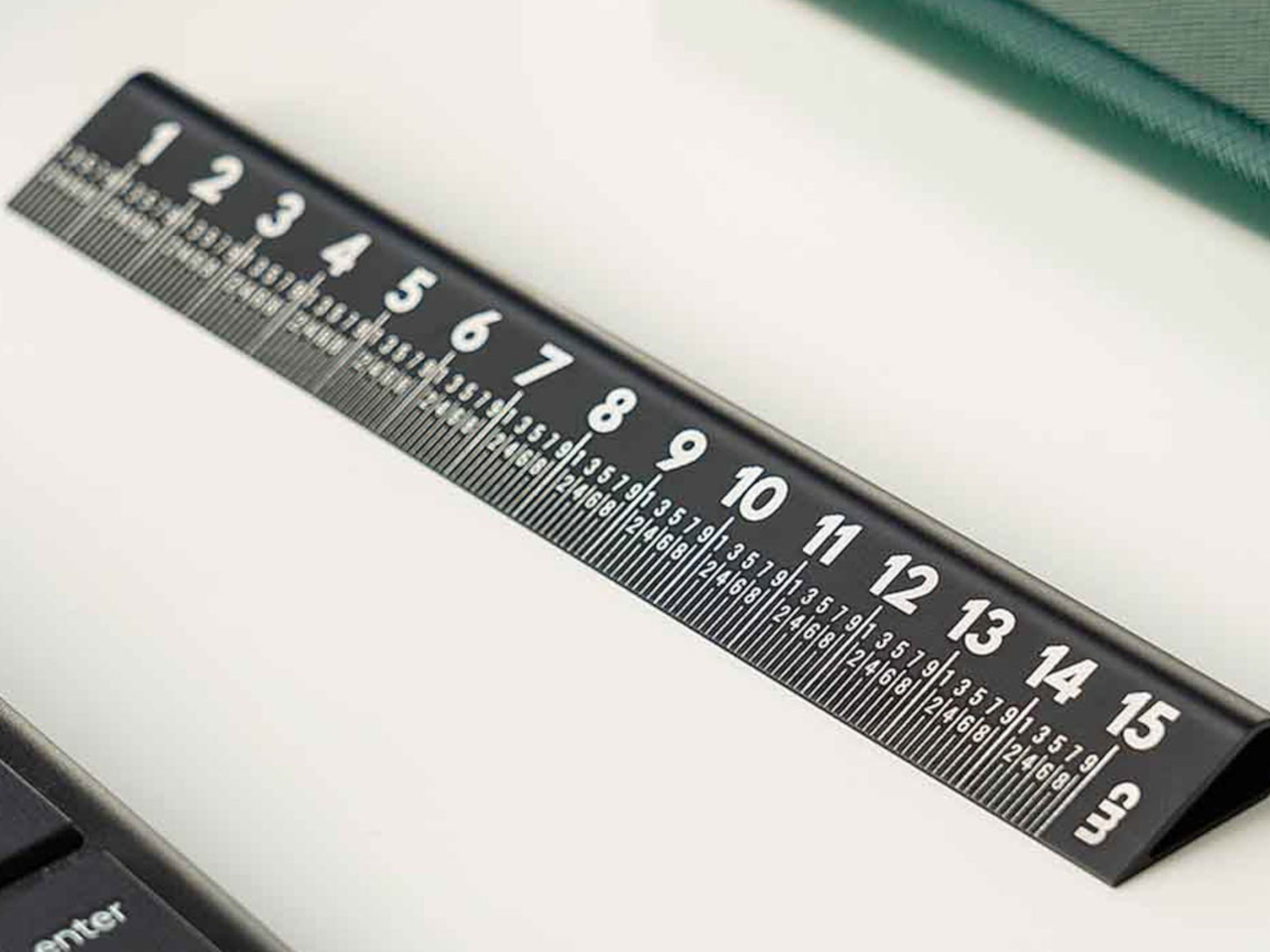
The 25° Ruler sets new standards in precision and durability, crafted from aerospace-grade aluminum and featuring laser-engraved markings for long-lasting accuracy. Available in sizes ranging from 6 to 20 inches and various vibrant colors, its ergonomic 25° angle enhances usability by placing measurements conveniently along the bottom edge. A teardrop design ensures safety and ease of use, while dual-sided markings cater to metric and imperial units, starting from zero to ensure precise measurements.
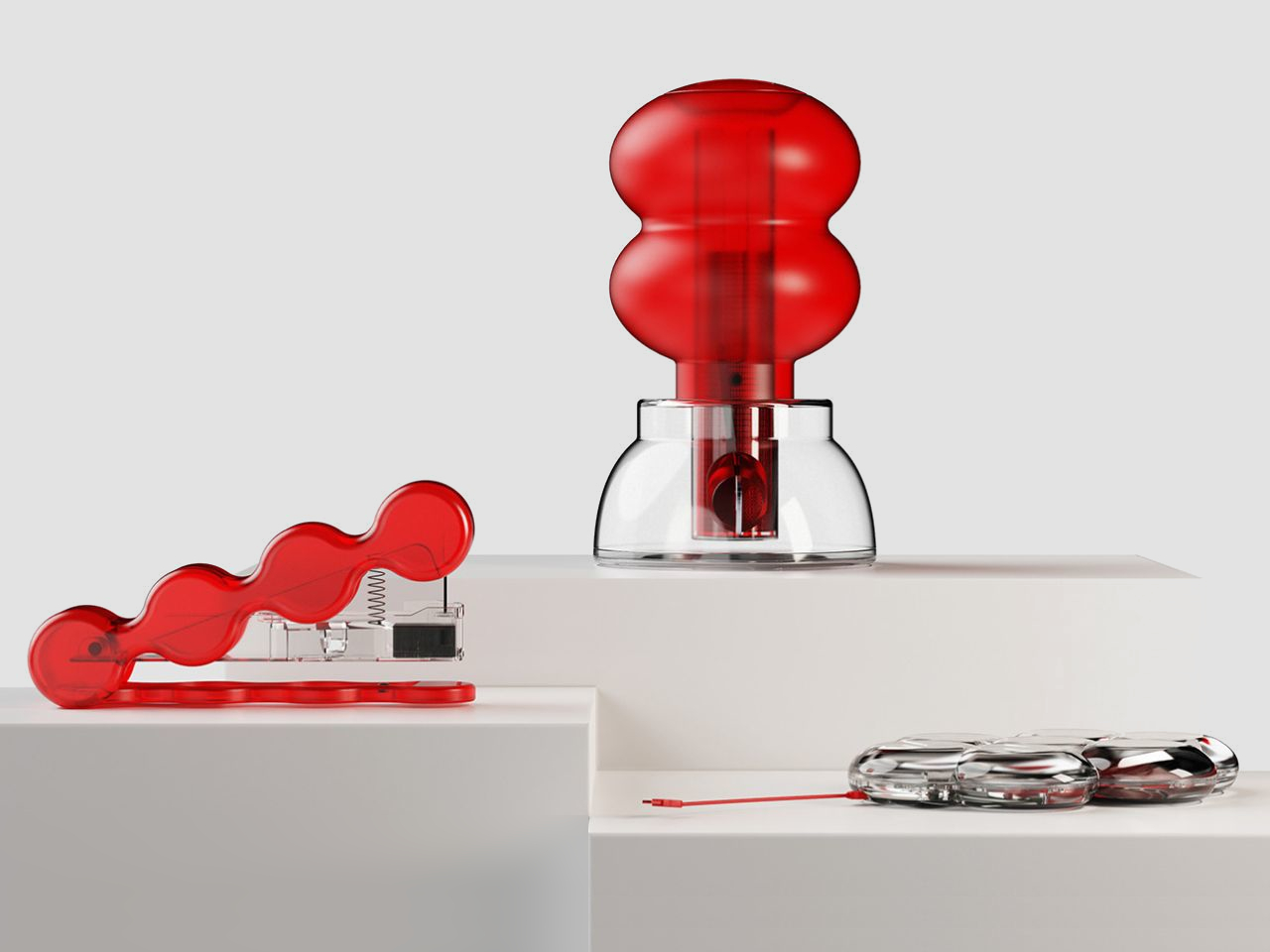
Royi Stationery offers innovative supplies that tell stories of honesty and introspection. Their transparent staplers and hard disks prompt reflection on deeper values, inspired by timeless narratives like the tale of the naked king. These products encourage a meaningful connection with stationery tools, inviting users to see beyond surface appearances and appreciate the wisdom embedded in everyday objects.
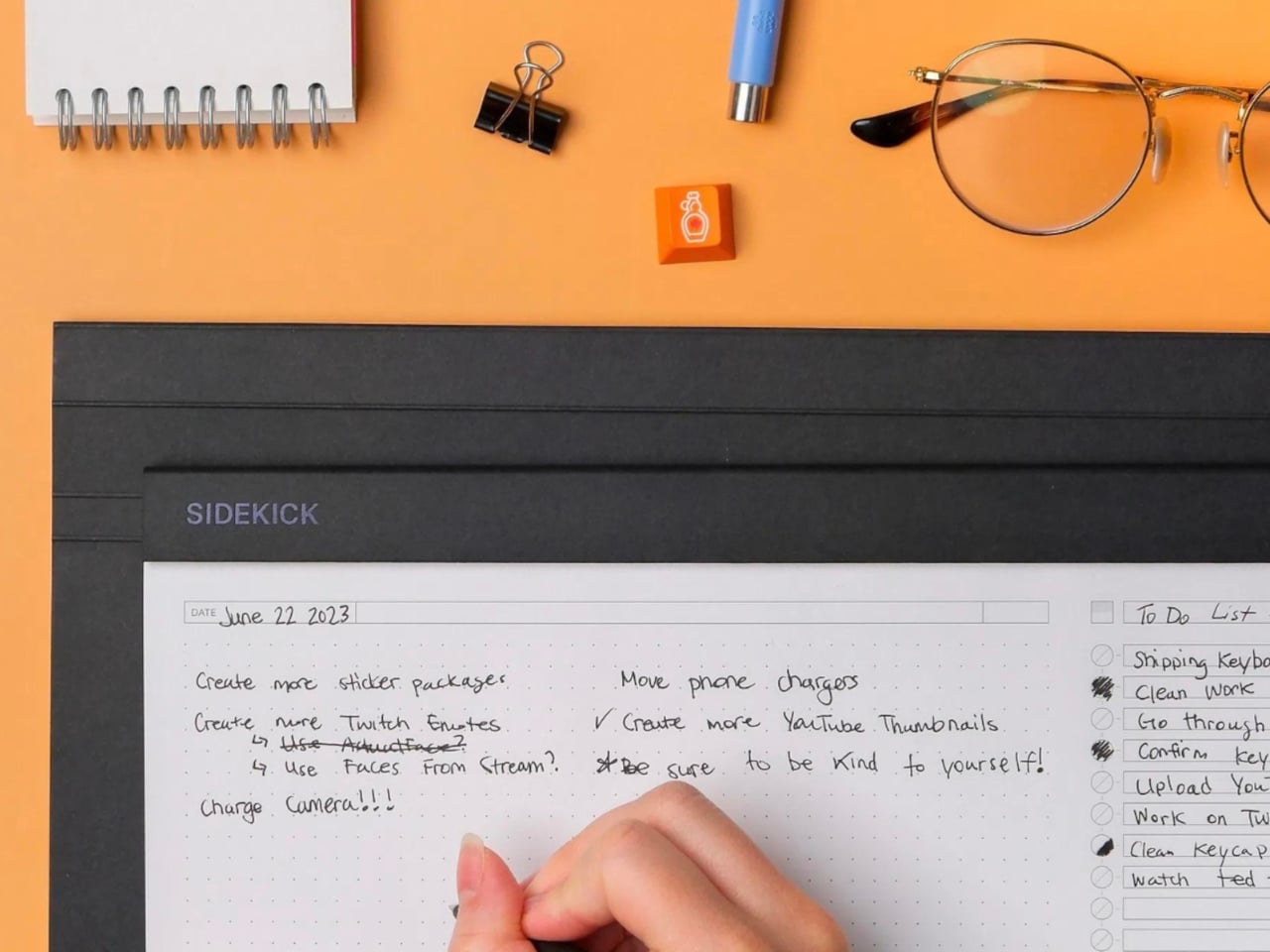
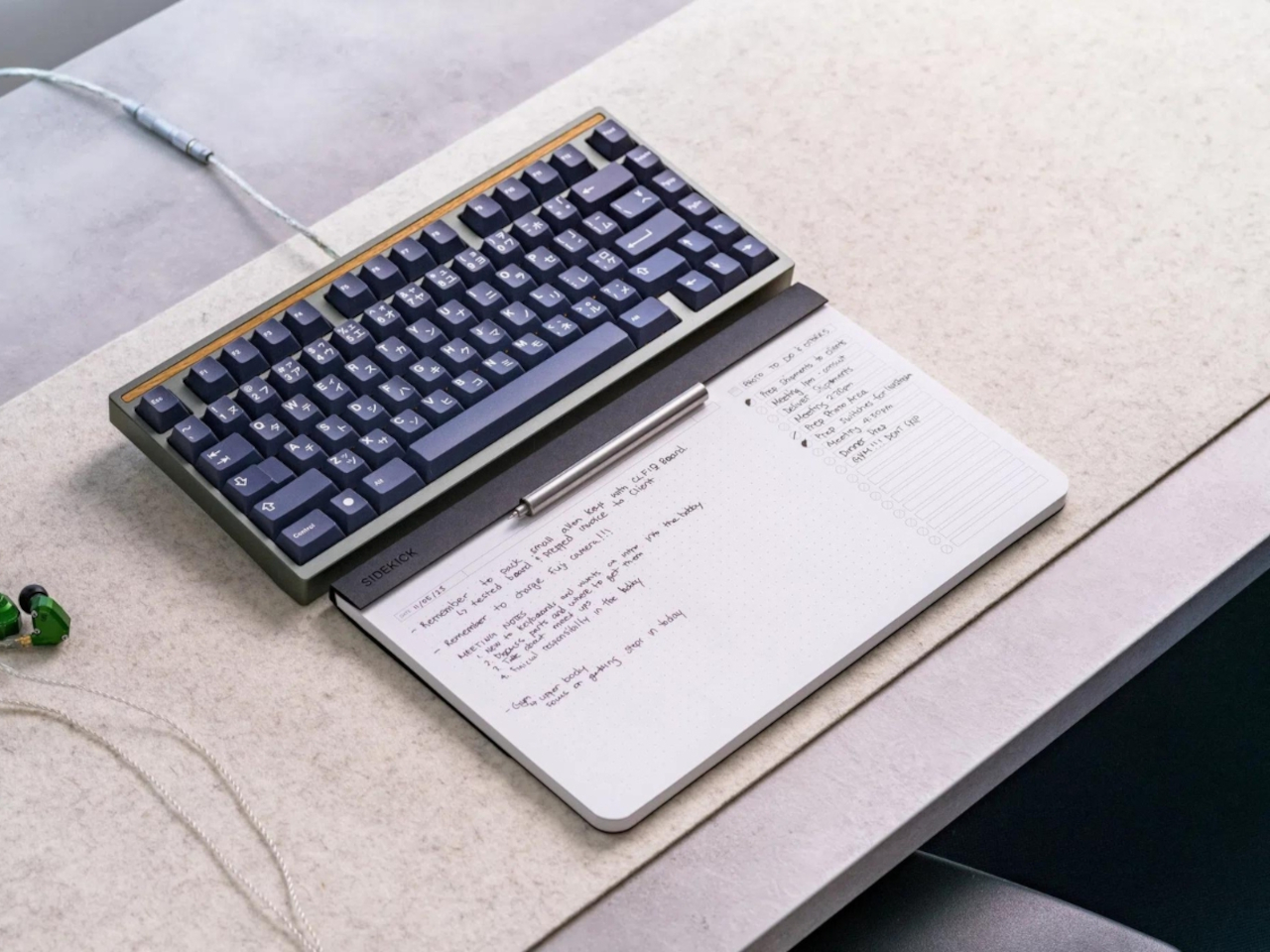
The Sidekick Notepad blends digital efficiency with analog charm, ideal for users who embrace a digital-analog hybrid workflow. Featuring 60 tear-away pages of Munken Lynx paper and a cover made from recycled coffee cups, it includes sections for notes, to-do lists with checkboxes, and a date section. Perfect for quick note-taking during meetings or daily tasks, it offers practicality and sustainability in one compact design.
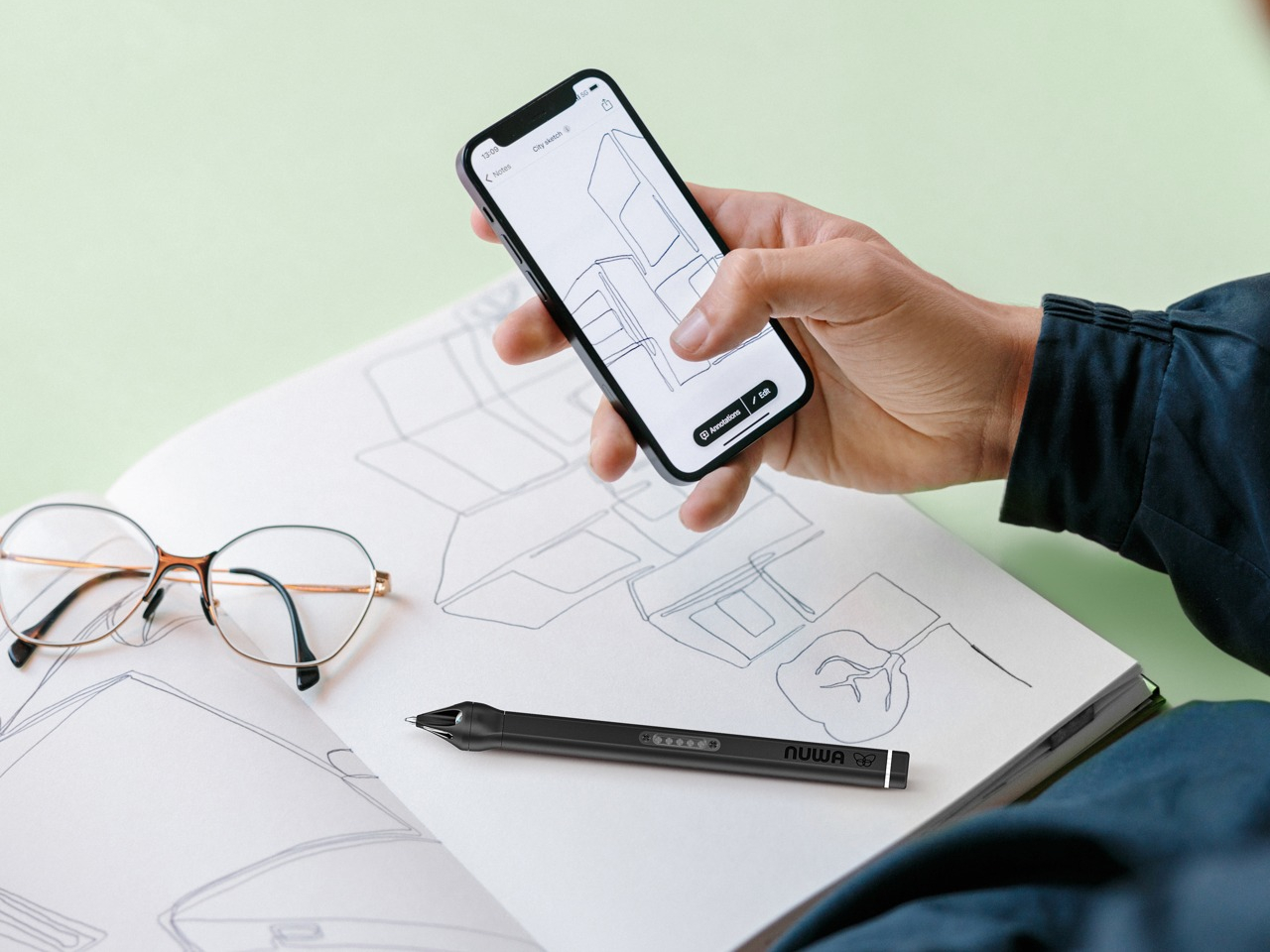
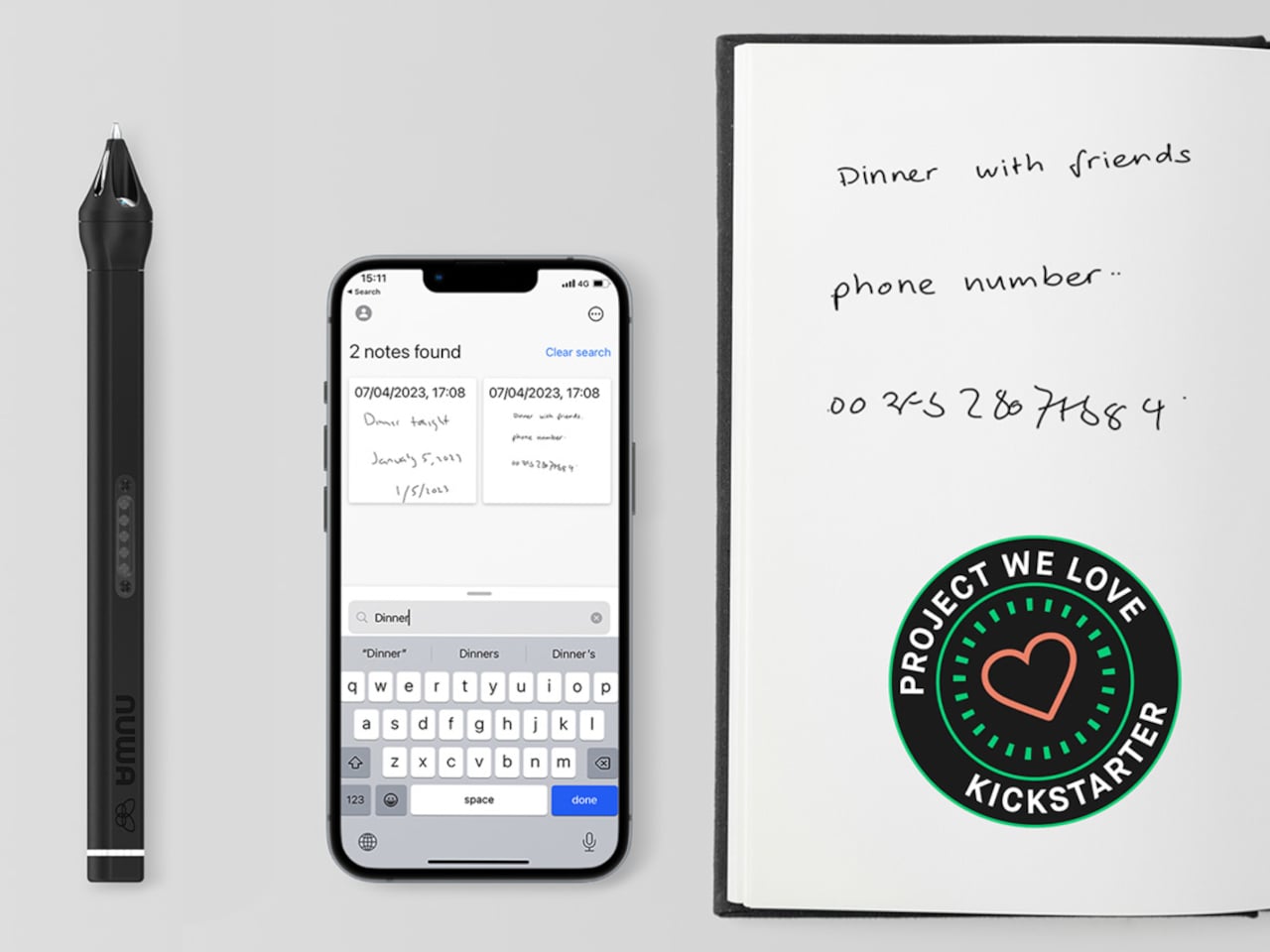
The Nuwa Pen is an AI-powered ballpoint that bridges the gap between handwritten charm and digital efficiency. This innovative pen uses a TRIDENT imaging system and AI to effortlessly convert your scribbles on any paper into searchable digital notes. With 2GB of built-in memory, rapid charging, and compatibility with the Nuwa Pen App for cloud storage, it ensures your ideas are always accessible and organized. Ideal for those who value both the tactile joy of writing and the practicality of digital tools, the Nuwa Pen redefines note-taking versatility.
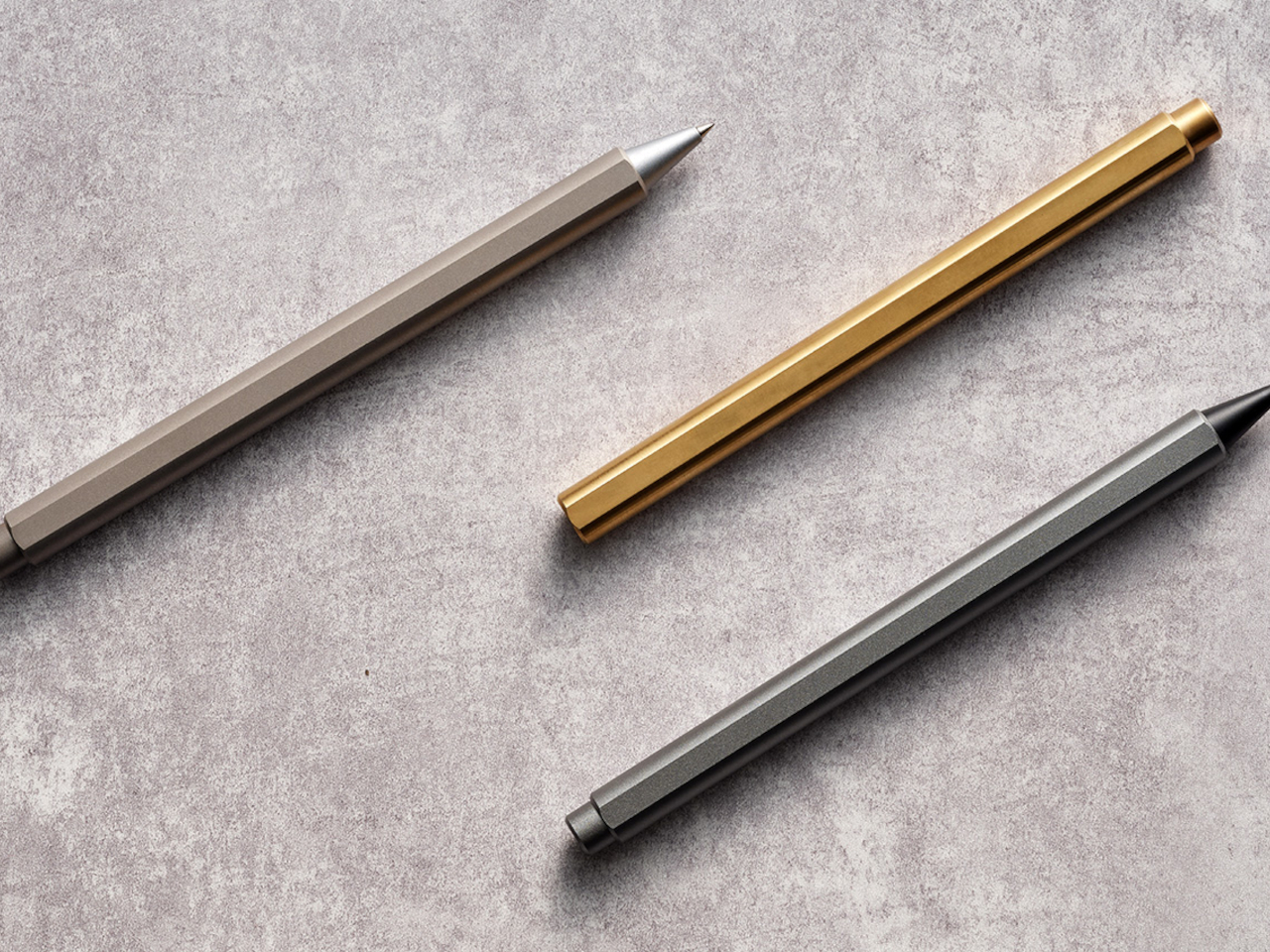
Introducing the stilform FLOW: an award-winning ballpoint pen that merges elegance with innovation. Its magnetic cap retracts the refill with a satisfying click, offering a unique fidget feature. Available in aluminum, brass, or titanium, each variant boasts a sleek, durable design ideal for a luxurious writing experience. The FLOW utilizes recycled materials and is refillable, ensuring longevity while reducing environmental impact. Perfect for those who appreciate fine craftsmanship and functional beauty in their everyday writing tools.
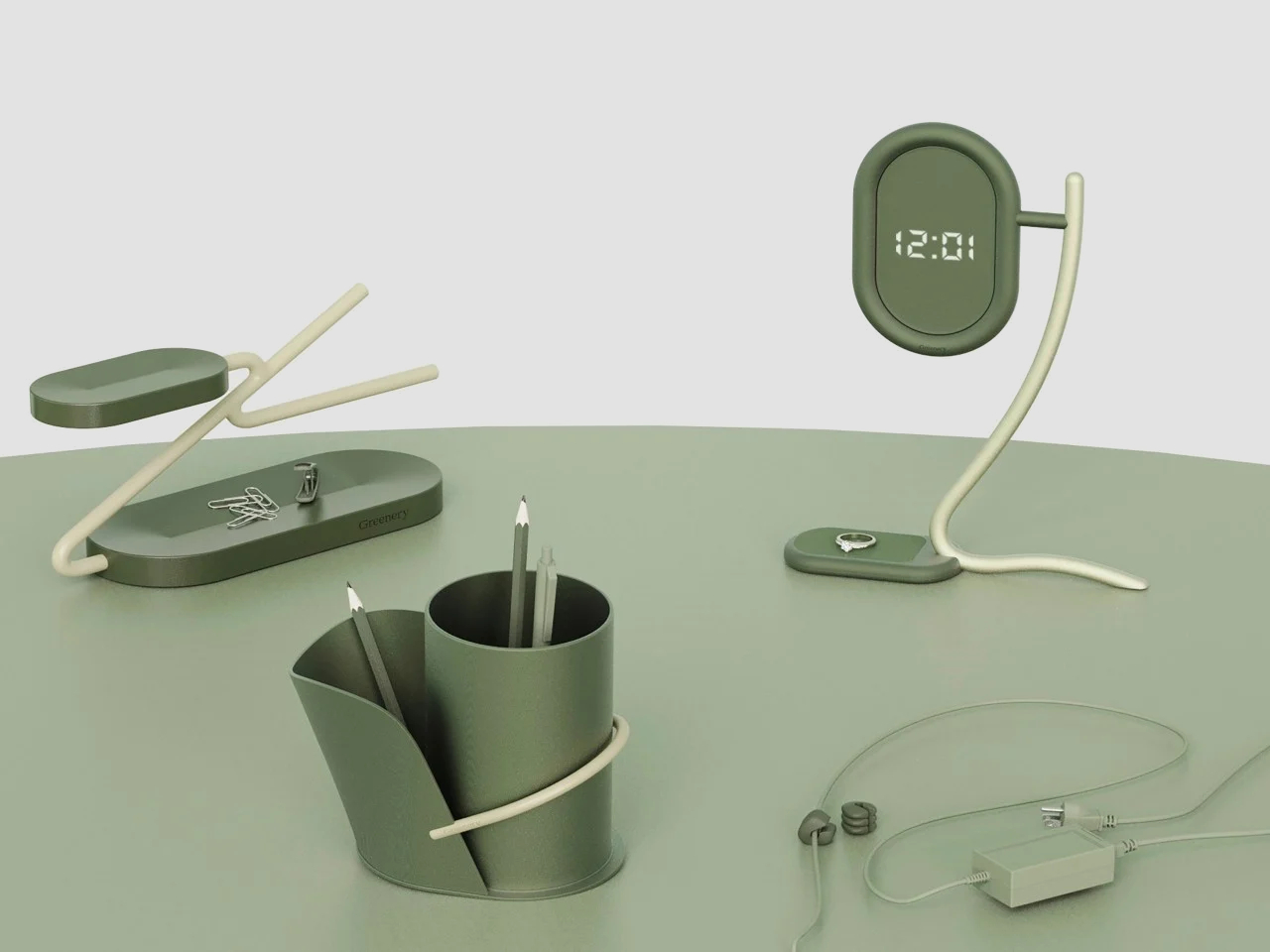
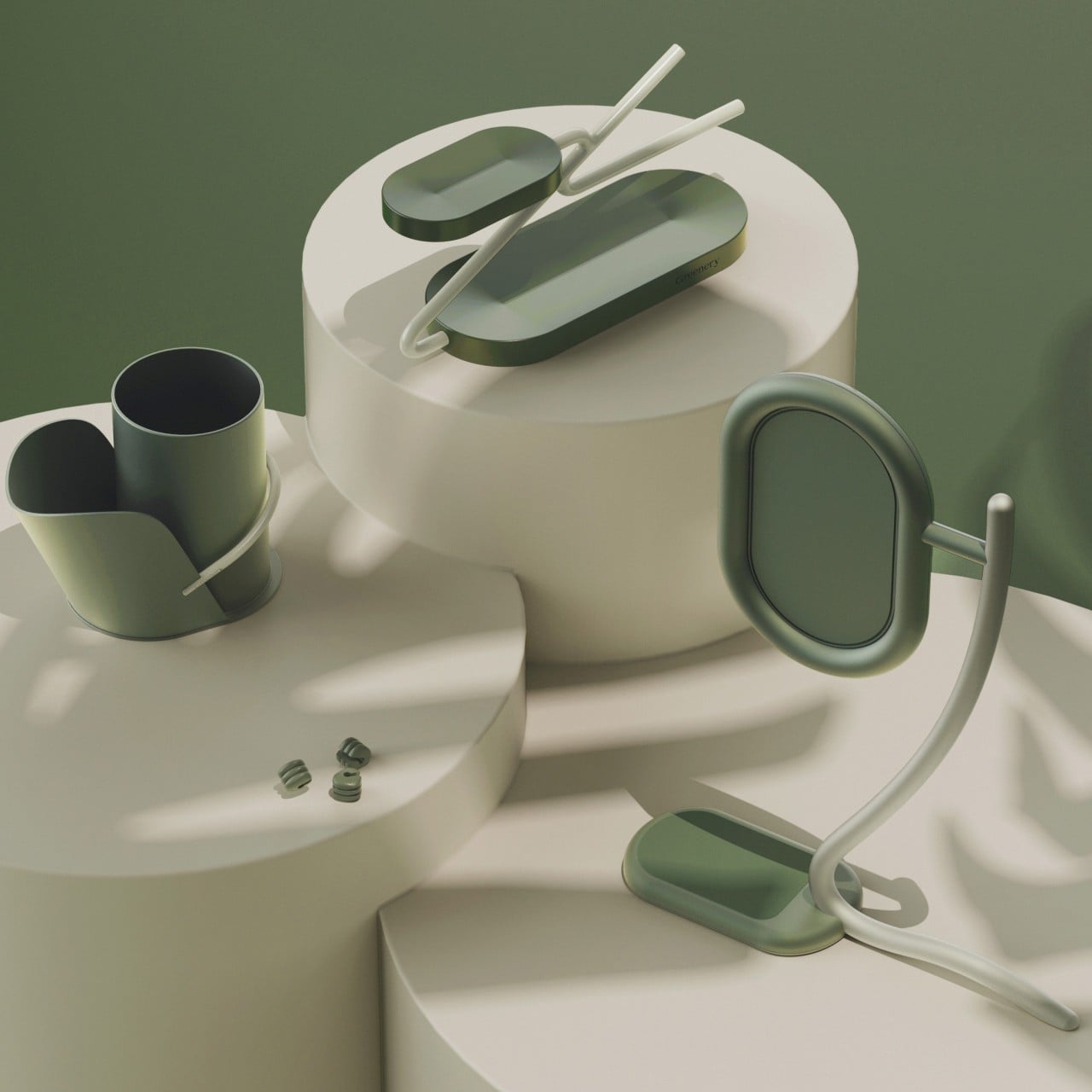
Transform your workspace with nature-inspired accessory designs that merge functionality with aesthetic appeal. The Greenery Pencil Holder mimics bamboo stems with a curved plate for storing pens and pencils. The Greenery Clock features an abstract, leaf-shaped digital display and a flat surface for small items. The Greenery Tray offers horizontal “leaves” for storage and key rings, while the Greenery Cable Holder simplifies cable management with leaf-like circles. These designs bring a touch of greenery to your desk, enhancing both organization and visual appeal.
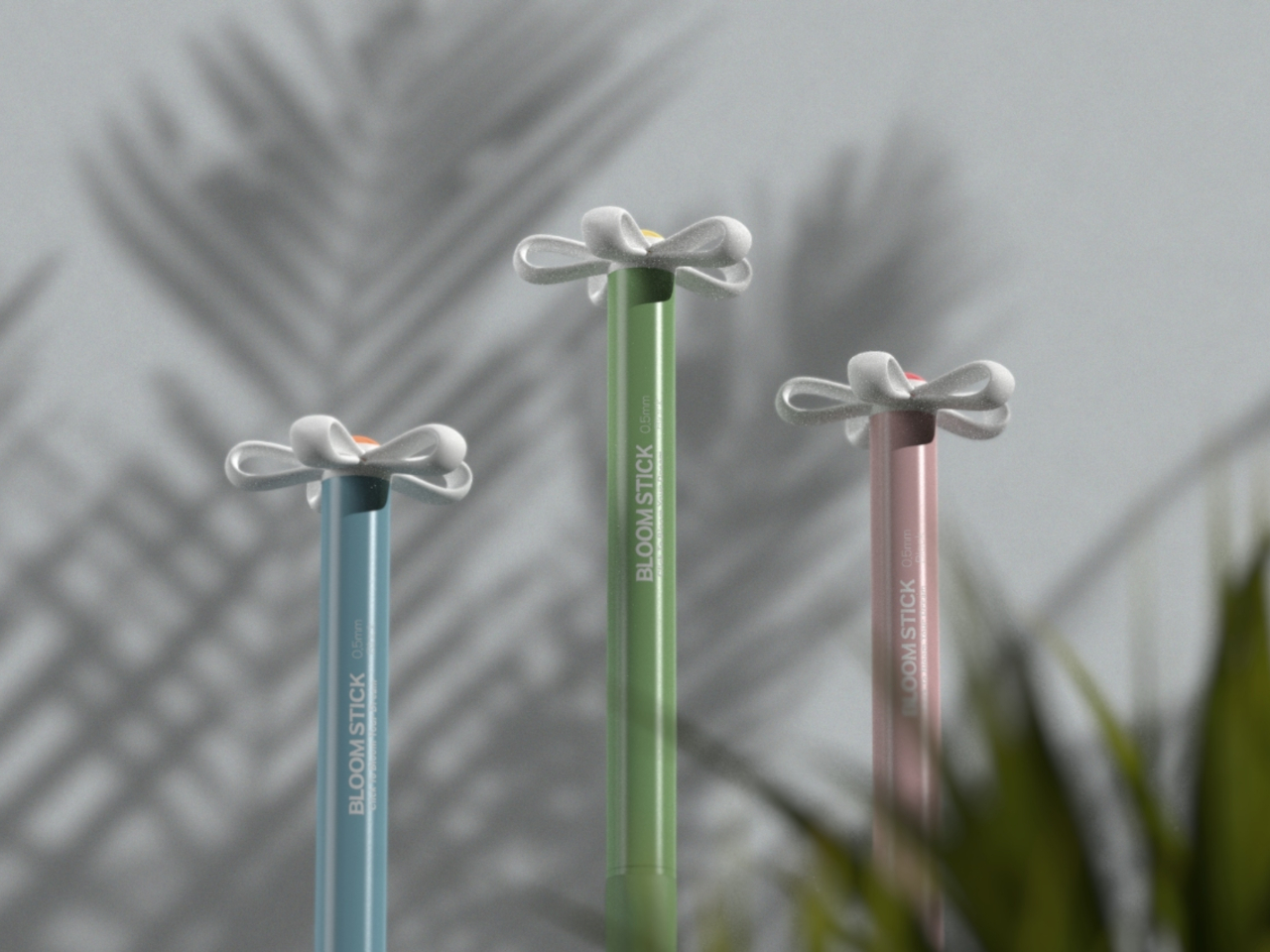
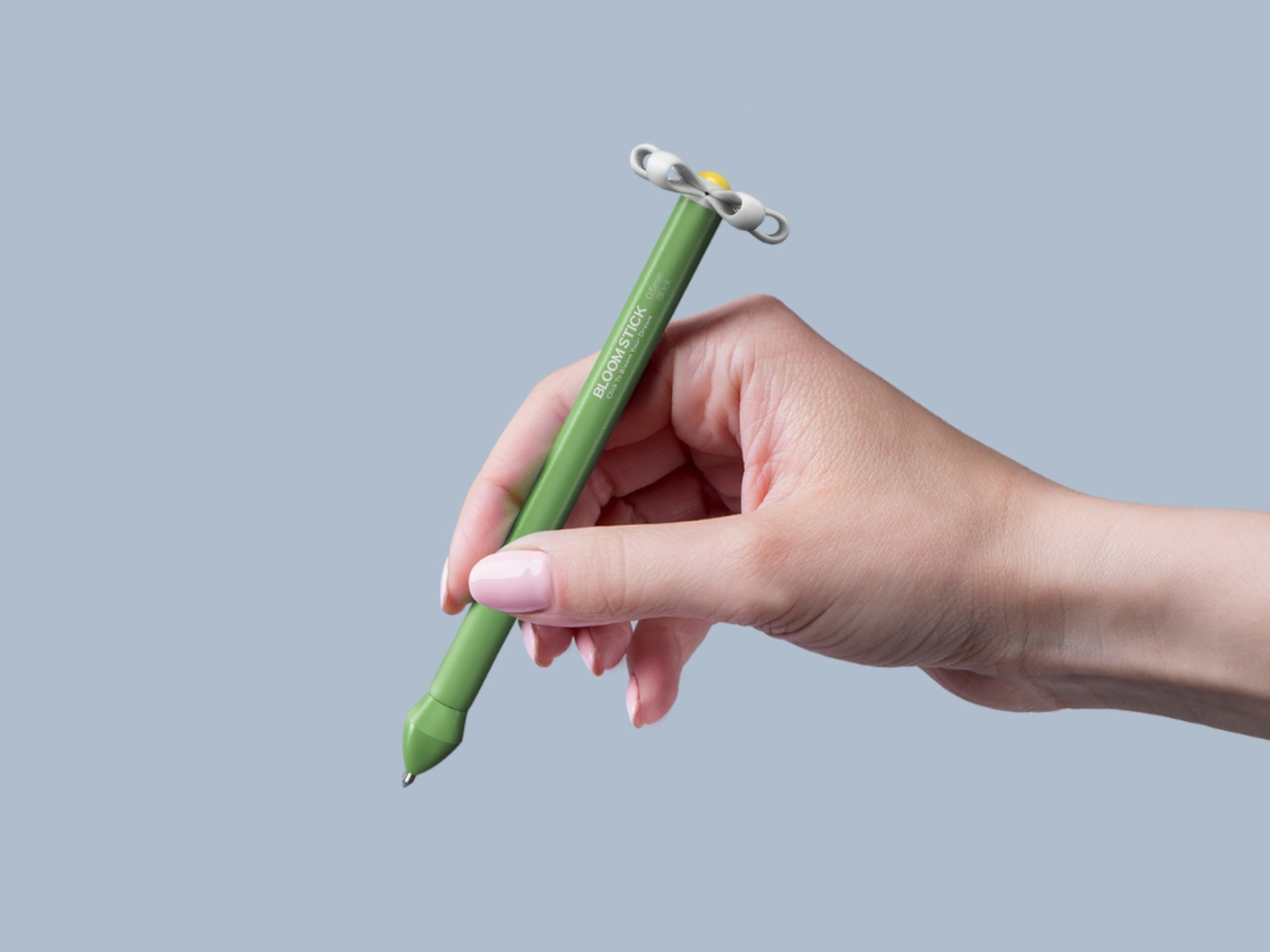
The Bloomstick pen concept is a symbolic tool for journaling dreams comprising of a silicone-covered button that blooms like a flower when pressed, it merges functionality with a decorative touch. Available in green, blue, and pink, this pen adds a whimsical flair to your writing experience. Ideal for collectors and stationery enthusiasts alike, it transforms from a conventional pen into a visually appealing piece that inspires creativity and captures the essence of dreaming.
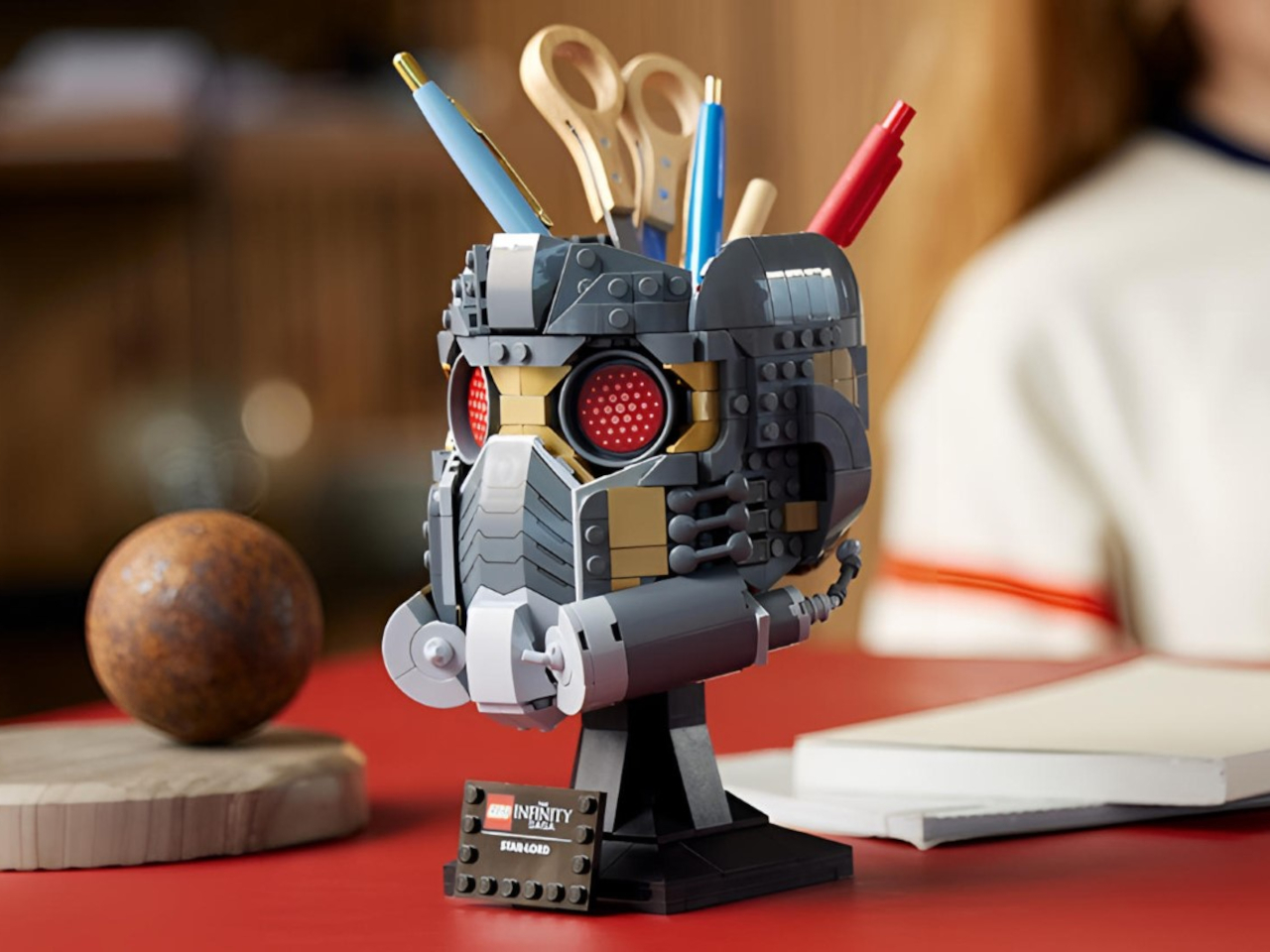
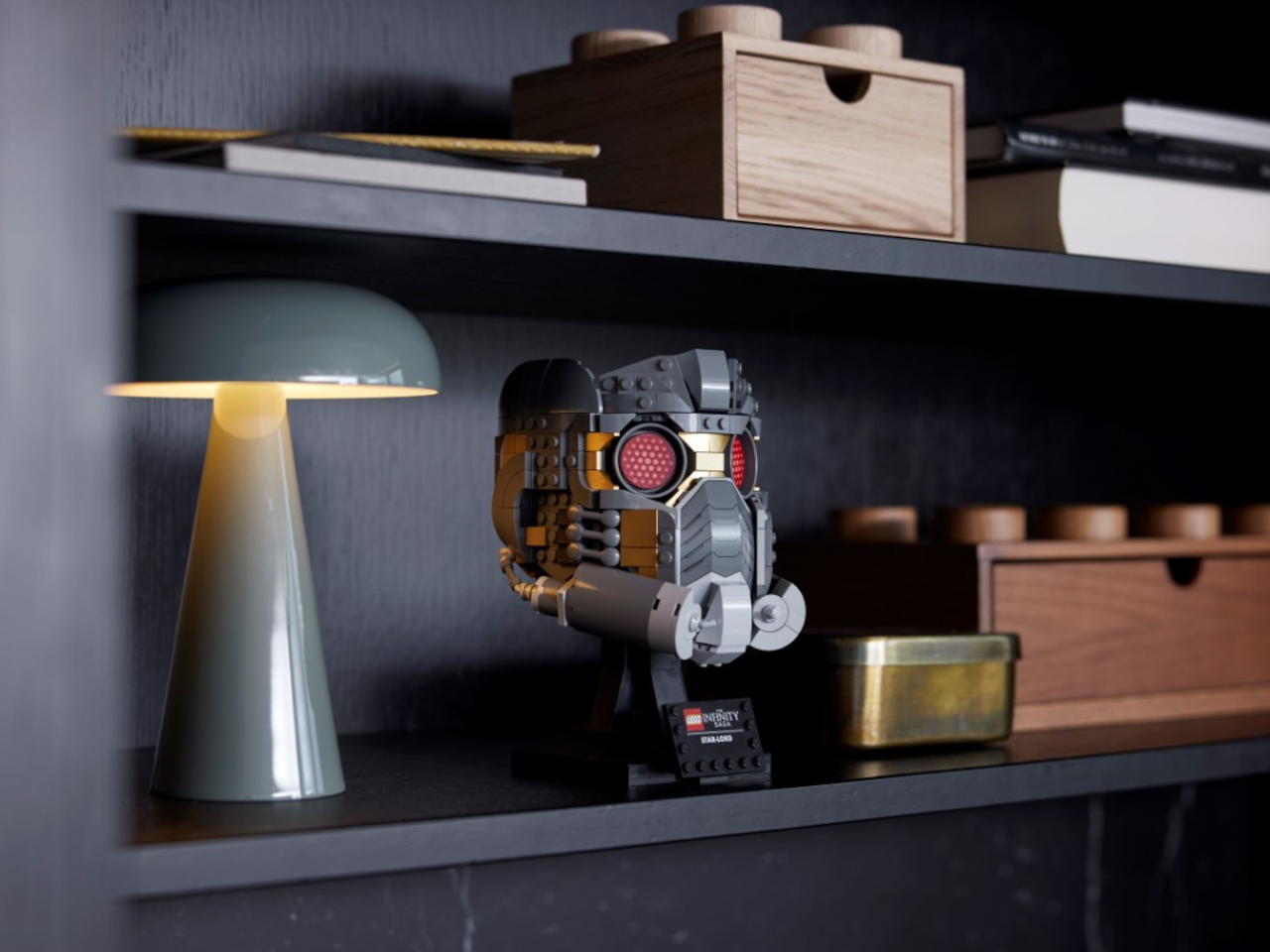
The Star Lord Helmet by LEGO is a functional and visually stunning addition to their Infinity Saga series. Standing 7 inches tall with 602 pieces, it faithfully recreates the iconic headgear from Guardians of the Galaxy Vol. 3. Ideal for ages 18 and up, it features intricate details like red-tinted eyepieces and lifelike breathing valves. Beyond its collectible appeal, this build serves as a practical stationery holder and pen stand, offering storage for essentials in its hollow interior.
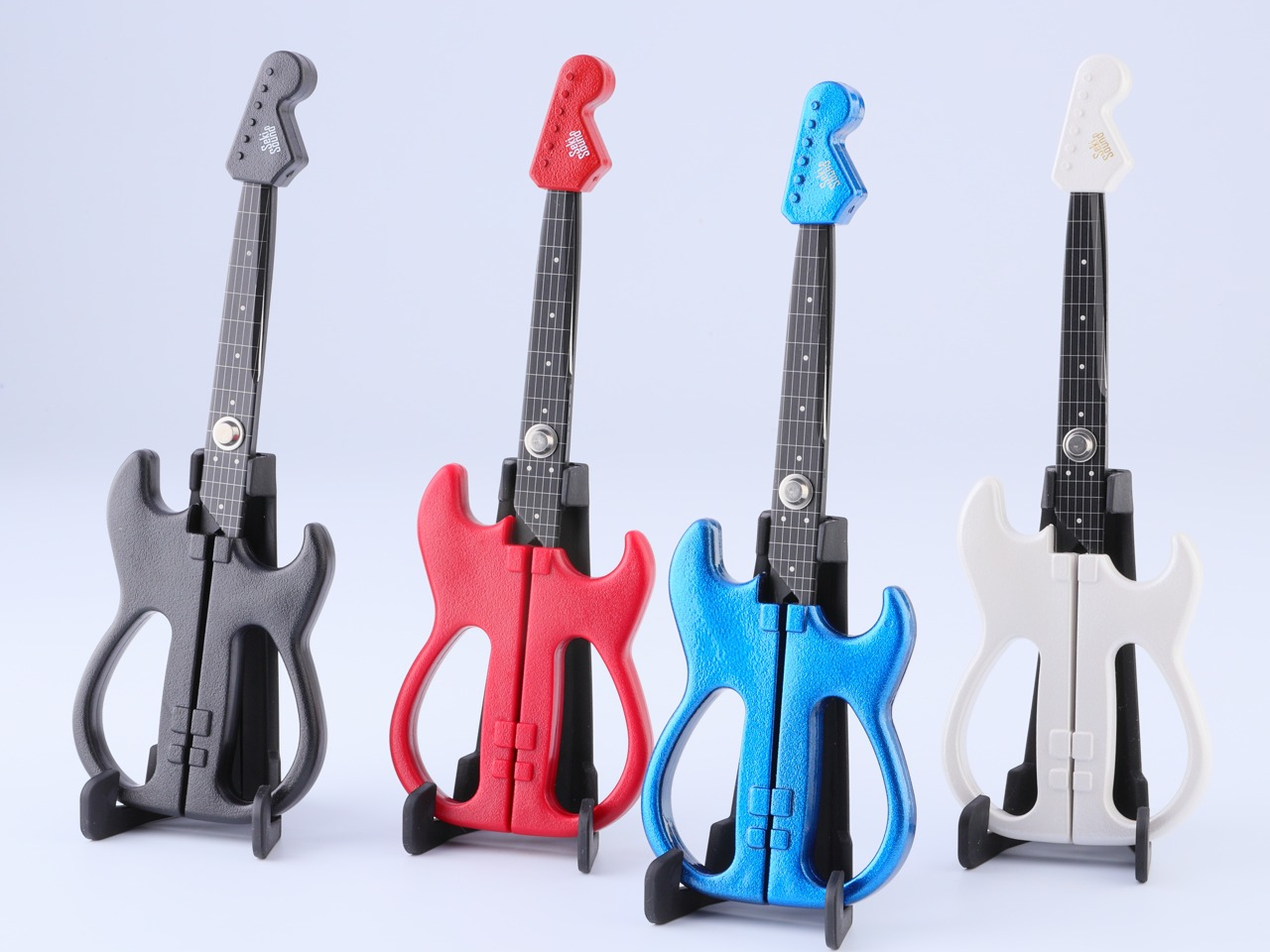
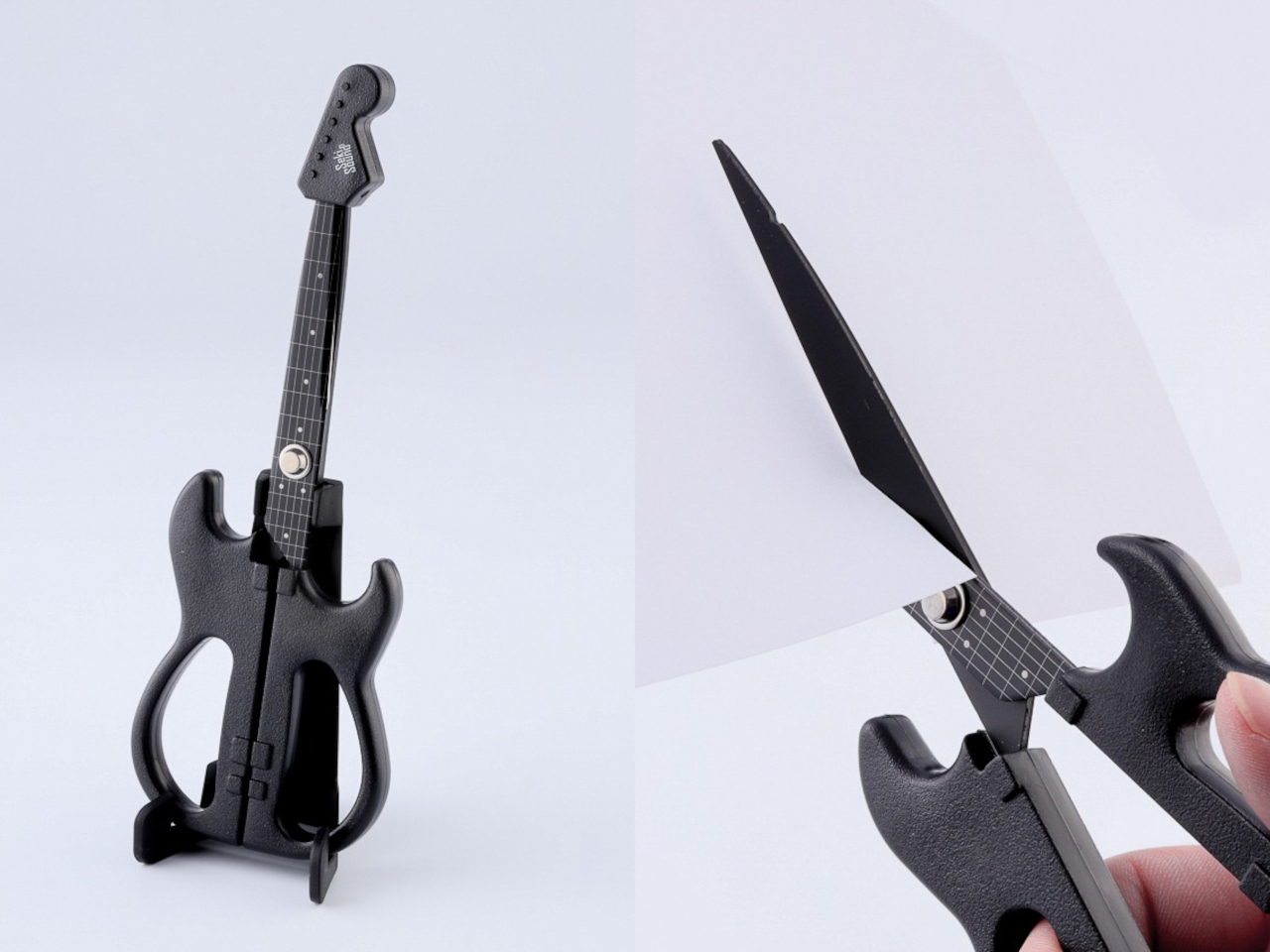
These Seki Sound scissors are more than just tools—they’re a playful homage to iconic electric guitars. Inspired by precision craftsmanship from Seki, Japan, renowned for cutlery excellence, they feature authentic details like guitar strings and frets. Designed to cut through paper, vinyl, and tape effortlessly, they’re as sharp as they are stylish, with a protective cap that doubles as a guitar head. Perfect for adding a touch of creativity and functionality to your workspace, these scissors are a must-have for design enthusiasts and music lovers alike.
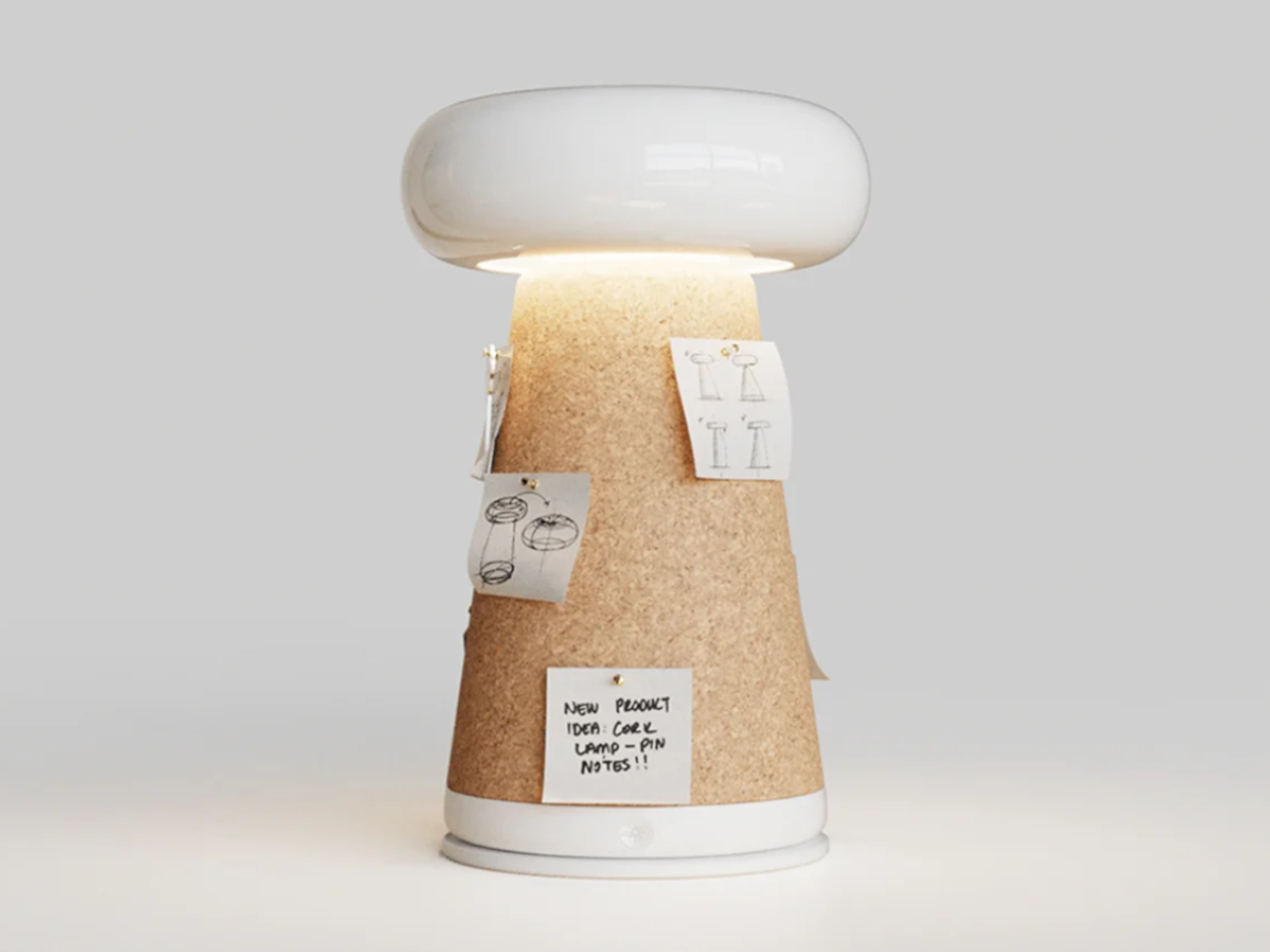
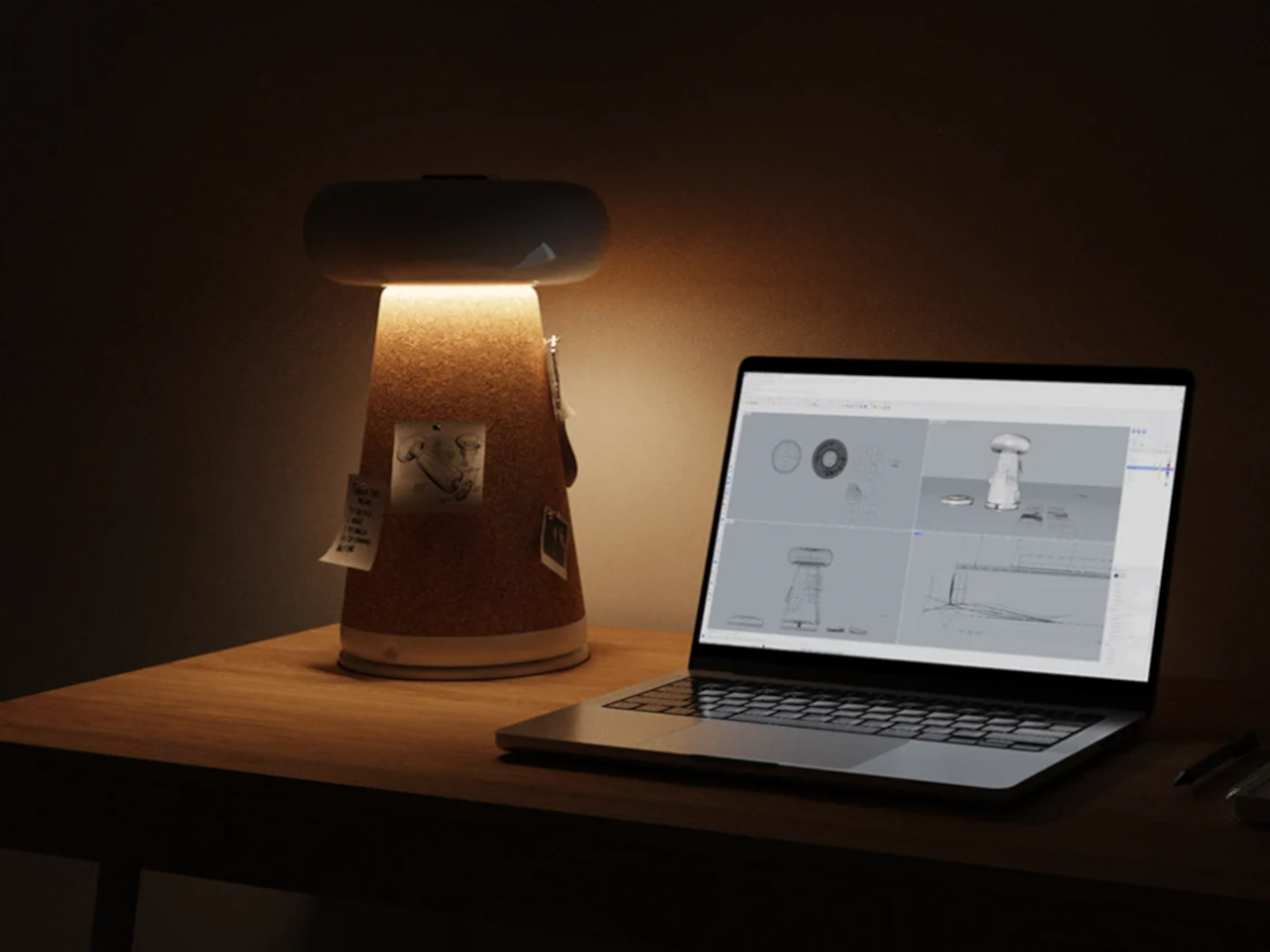
The sPINmemo lamp reimagines traditional lighting with its innovative design that combines practicality and personalization. Featuring a rotating cork body for pinning notes and photos, this lamp promotes creativity and organization while offering storage space on its ceramic head. Crafted for both functionality and aesthetic appeal, it ensures optimal illumination and blends seamlessly into any workspace or living area. Ideal for those who value minimalism and versatile home decor solutions, the sPINmemo lamp enhances both lighting and personal expression.
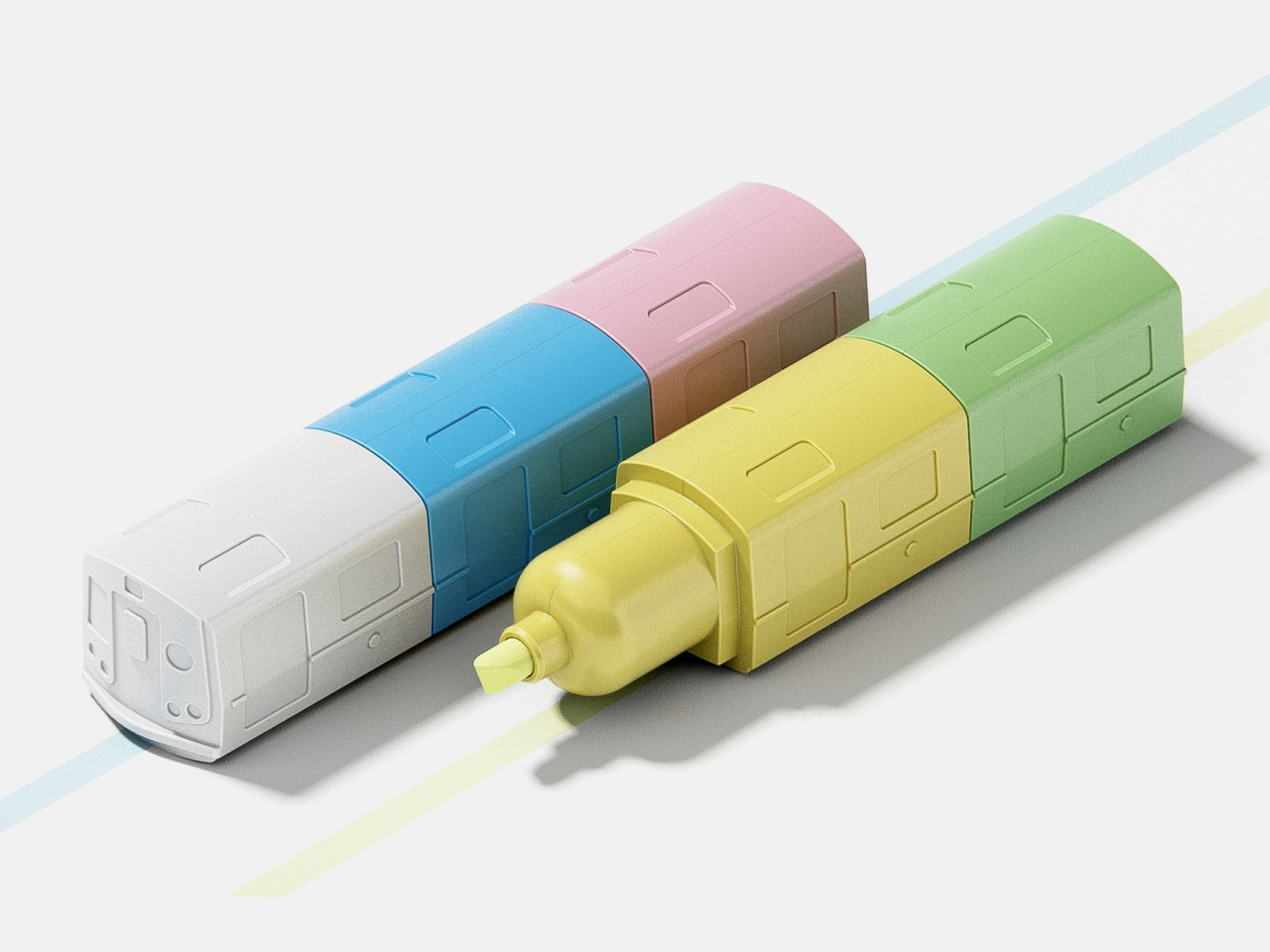
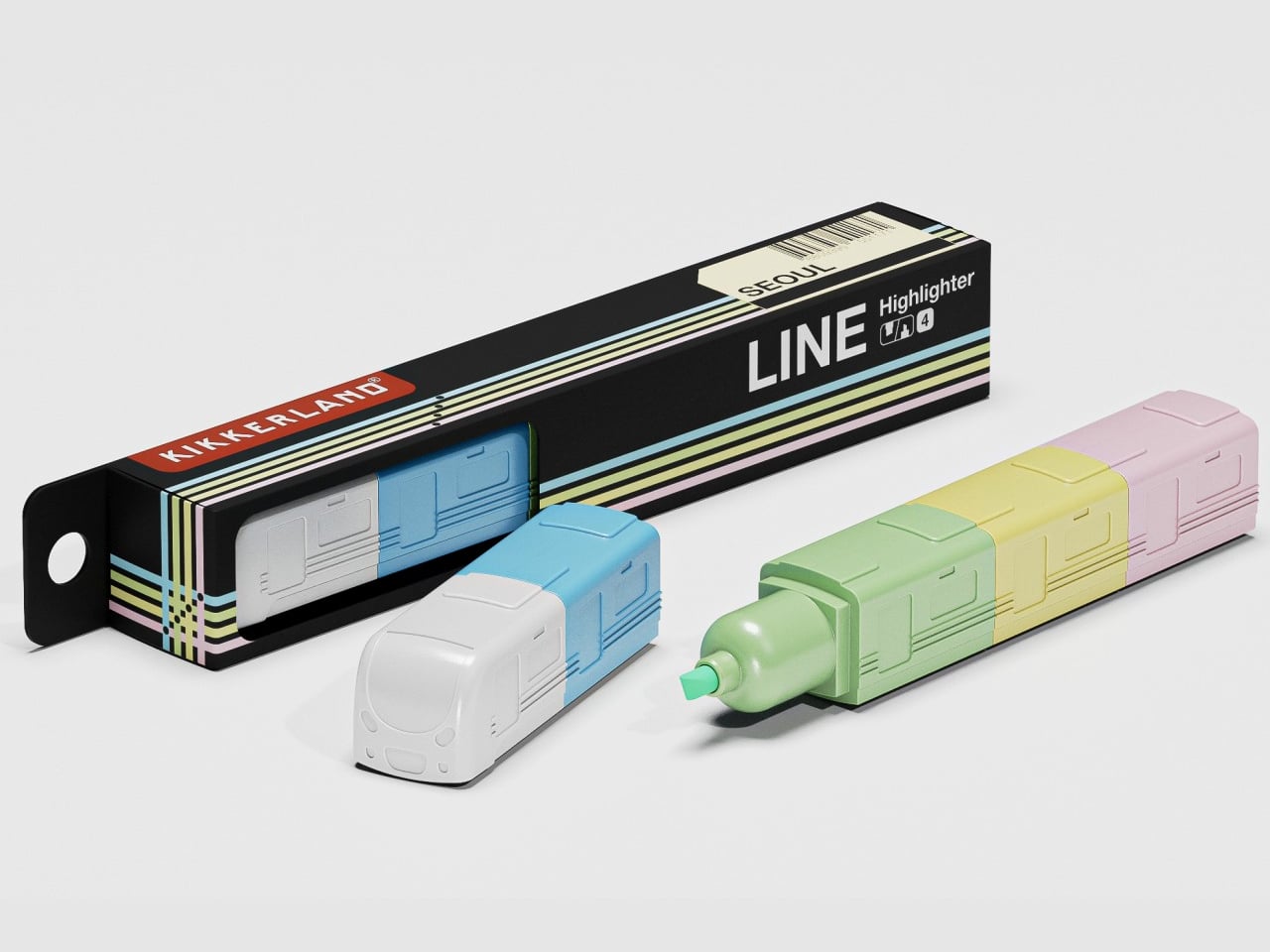
This innovative highlighter draws inspiration from East Asia’s train systems, featuring a modular design reminiscent of train cars. Each segment serves as a different color highlighter, allowing for easy interchangeability and reducing the need for multiple units. Its ergonomic shape and sustainable potential, including refillable cartridges, set it apart in stationery design. LINE’s creative approach not only enhances functionality but also offers a fresh and enjoyable user experience, bridging utility with a playful modular design inspired by transit systems.
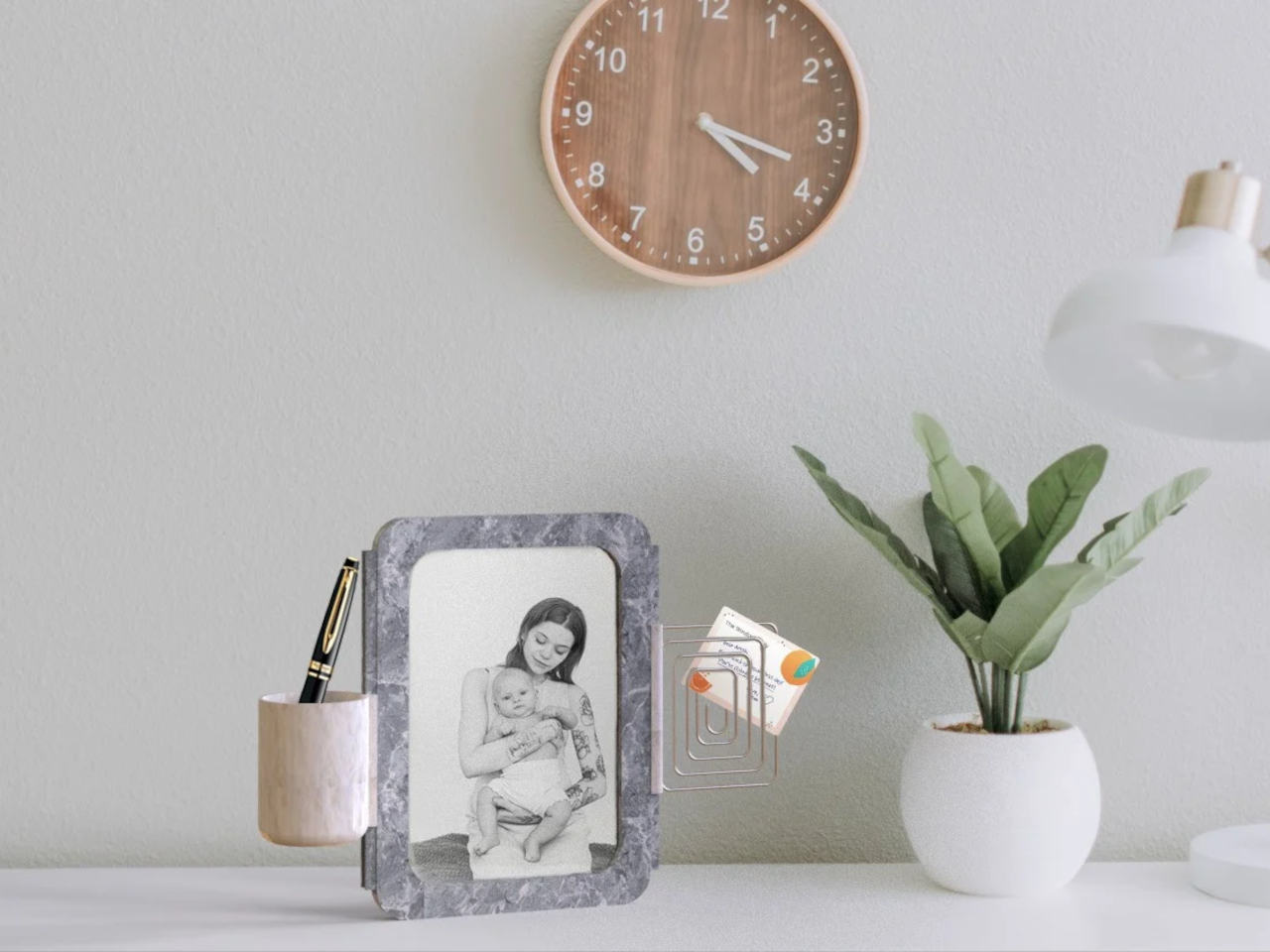
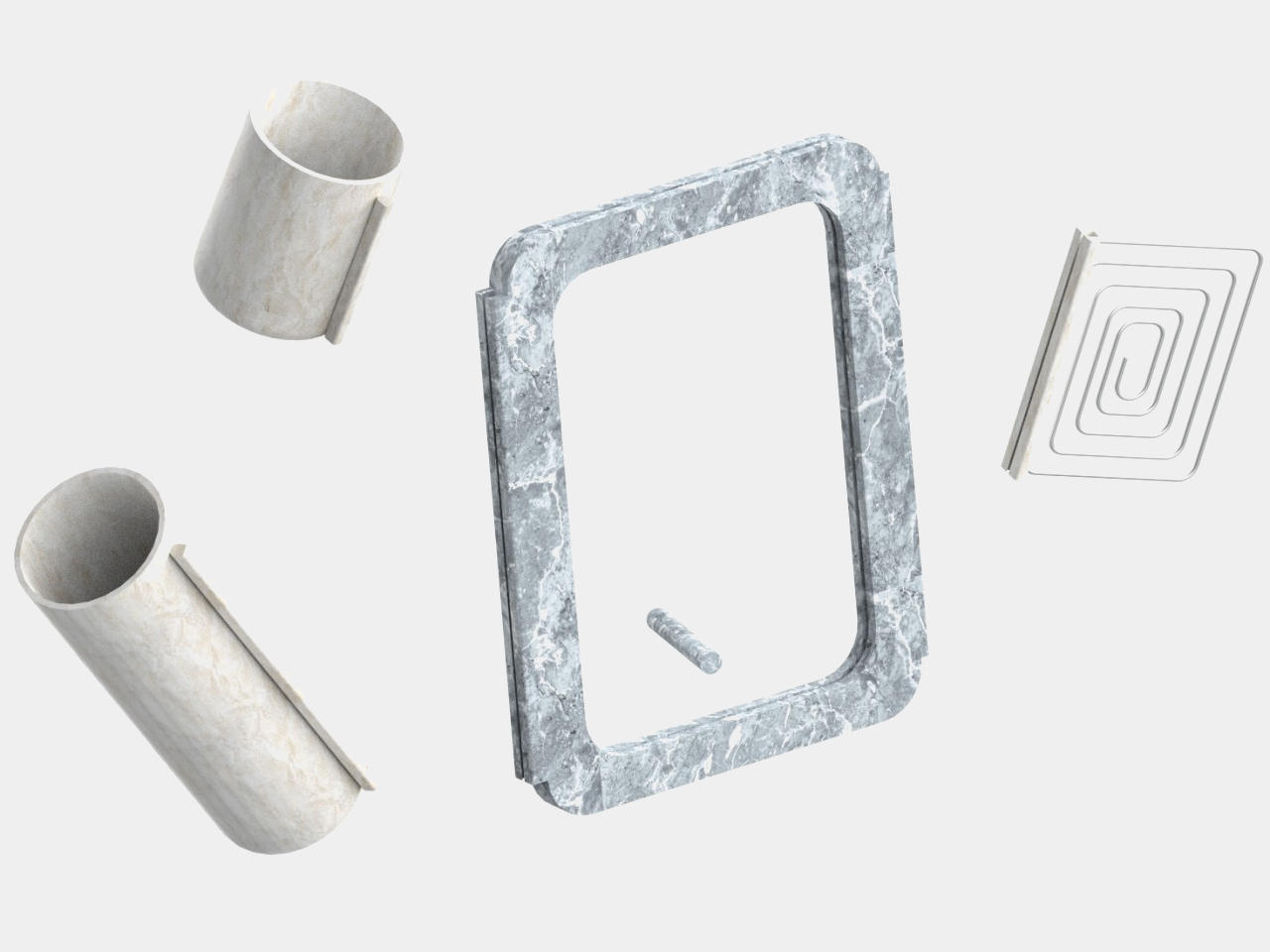
The MEMORABLE picture frame integrates a sophisticated marble design with modular functionality, featuring a unique rail system. This allows users to attach various modules like a pen holder, small vase, or note holder, enhancing both organization and personalization in your workspace. Crafted for durability and aesthetic appeal, MEMORABLE blends timeless elegance with practical modular design, making it ideal for displaying cherished memories while doubling as versatile desk storage.
The stationery landscape is transforming into a vibrant blend of sustainability, innovation, and artistic expression, revolutionizing how we approach work, study, and creative assignments.
Handheld gaming devices are quite the fad these days, especially now that major PC makers have all joined the bandwagon. Although we’re reaching a point where all internal specs are becoming identical, there’s still a variety of designs and features available. Just like laptops, however, these designs are fixed and you can only select from what others have already made.
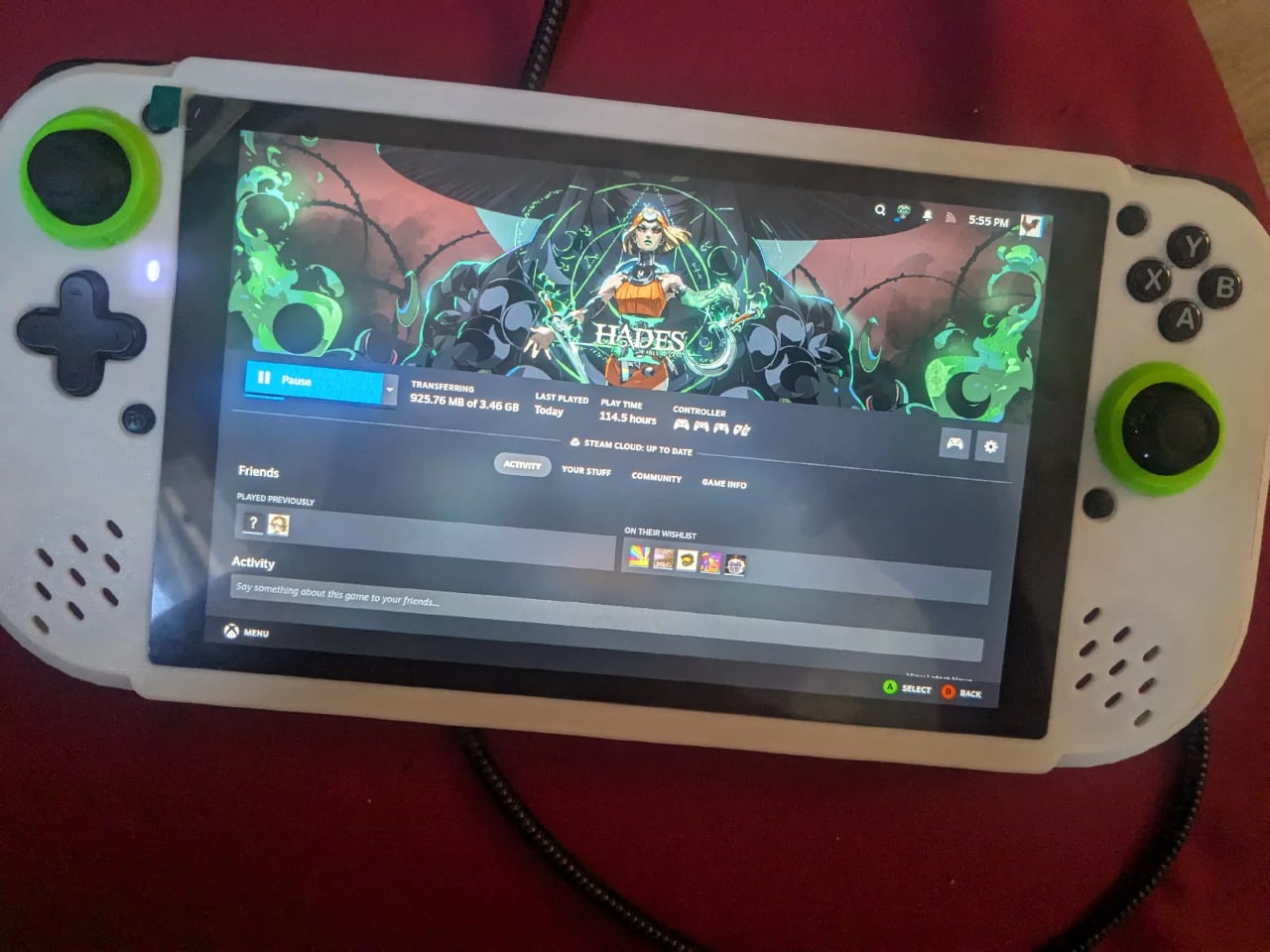
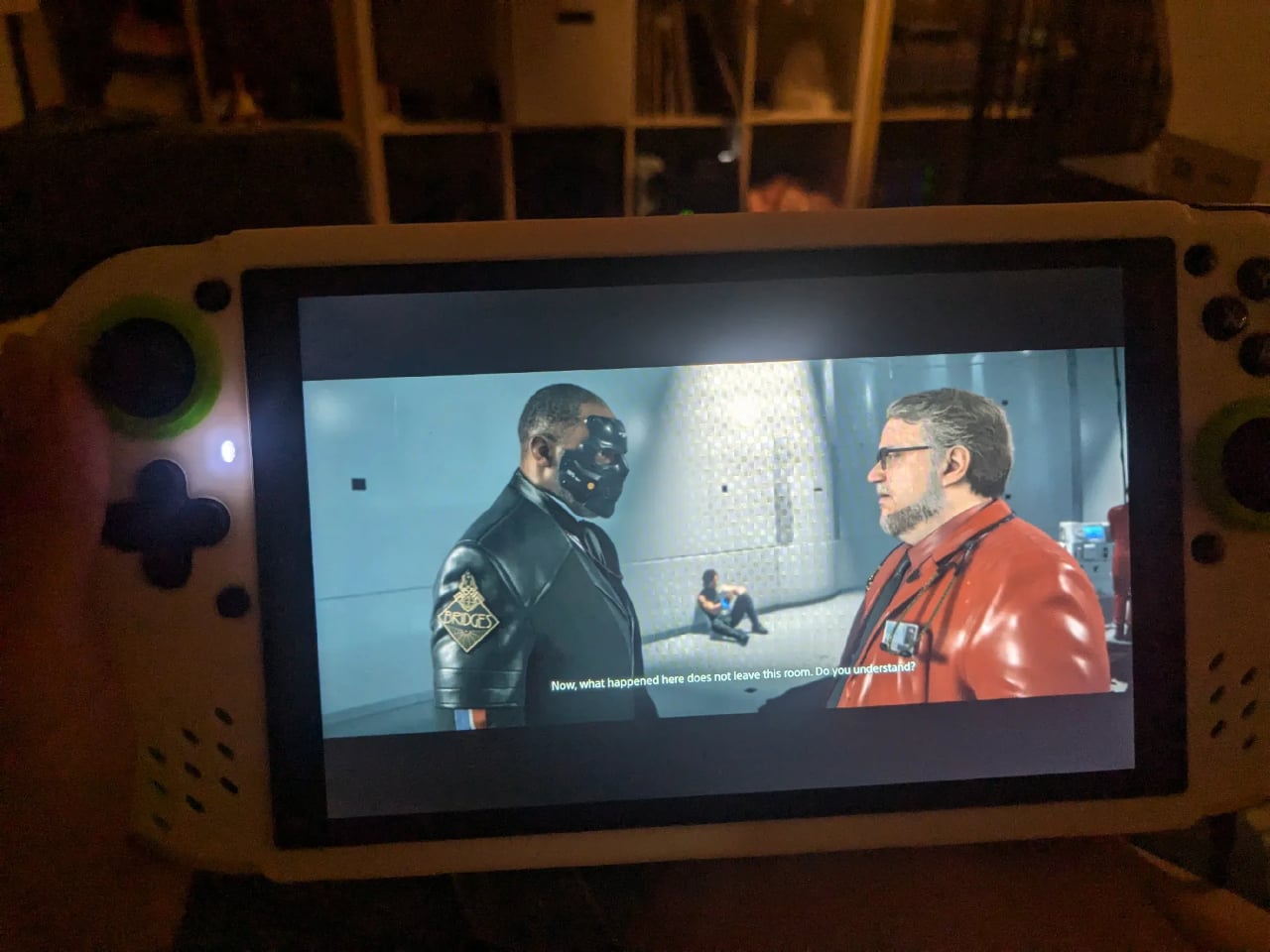
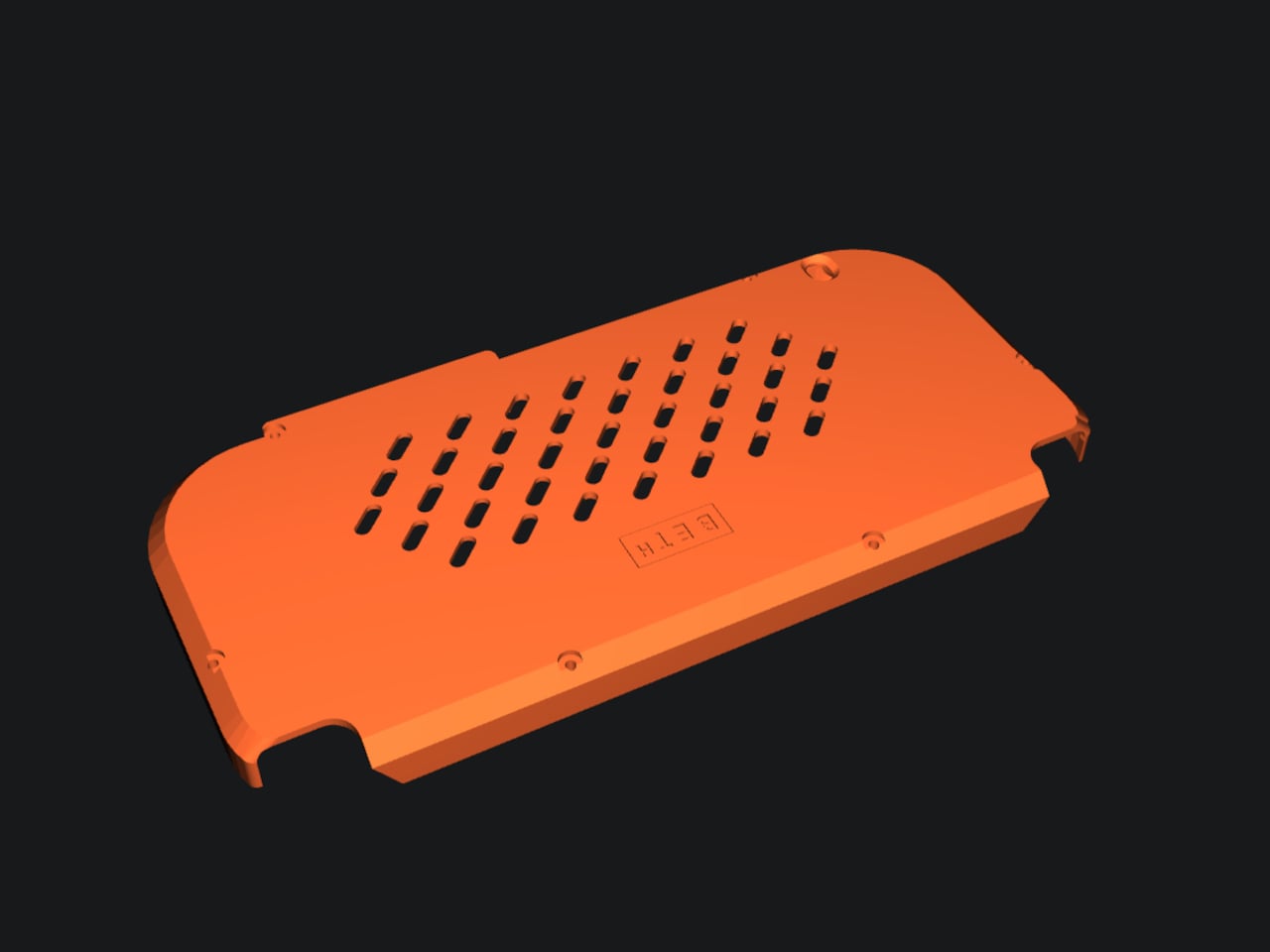
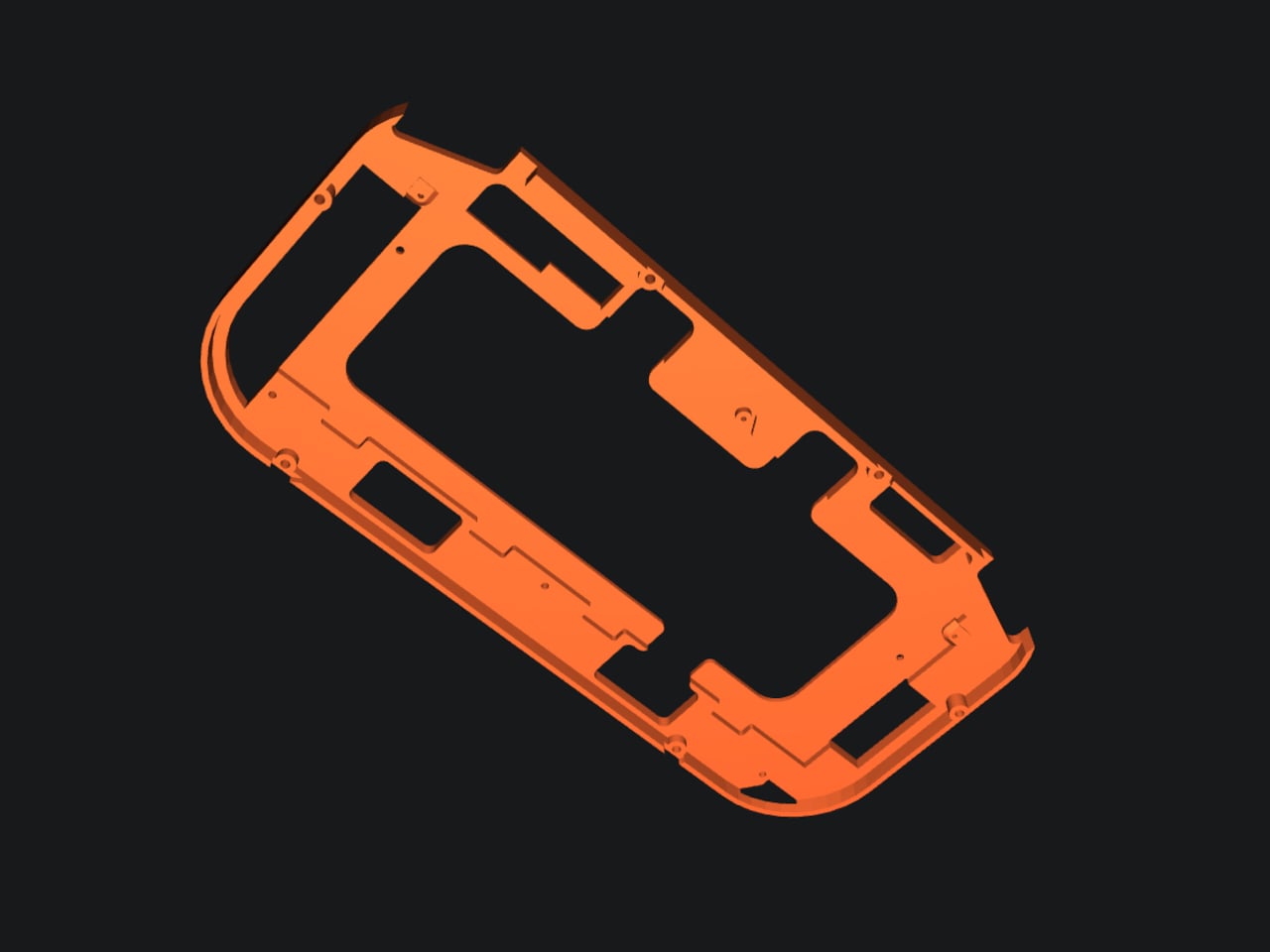
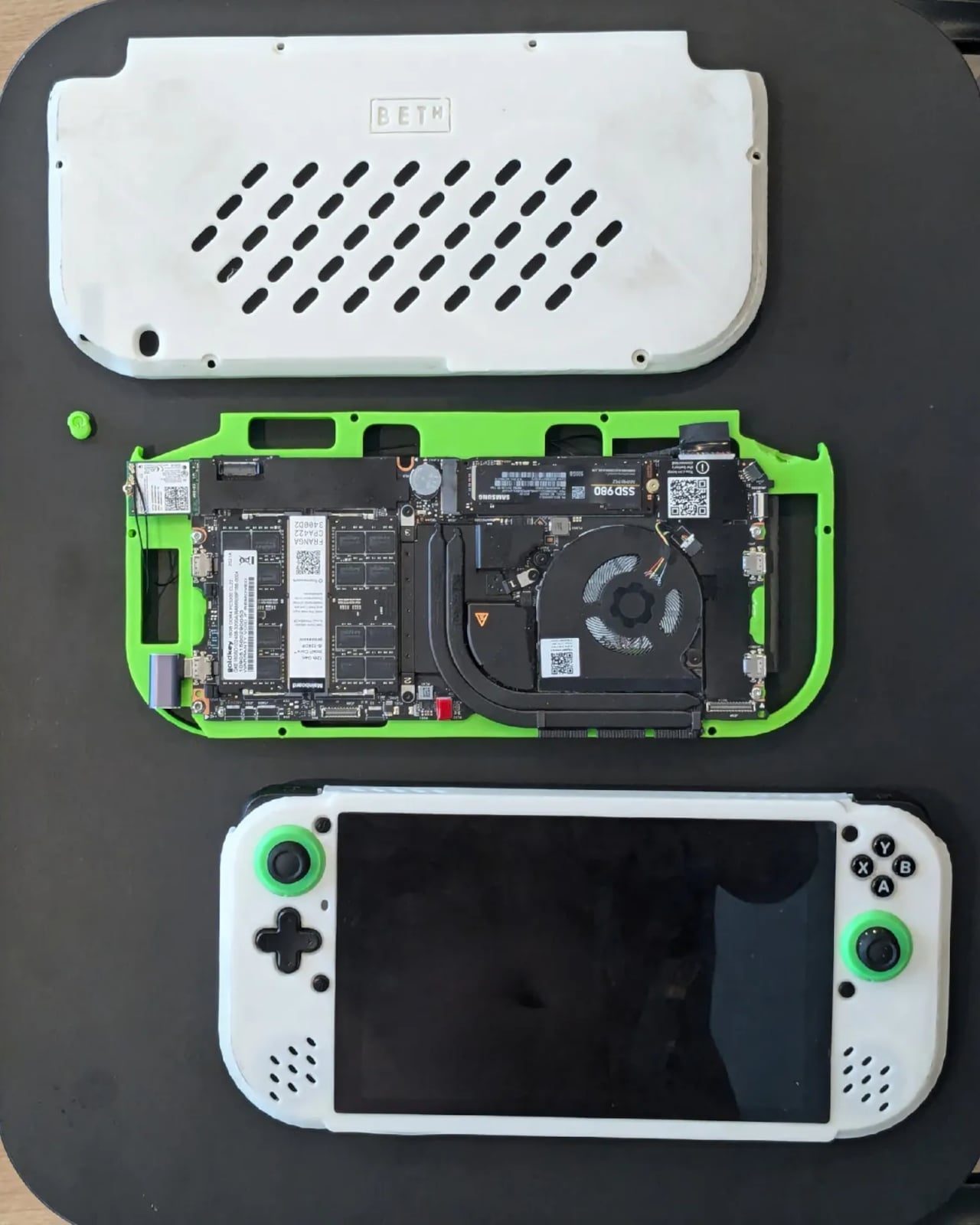
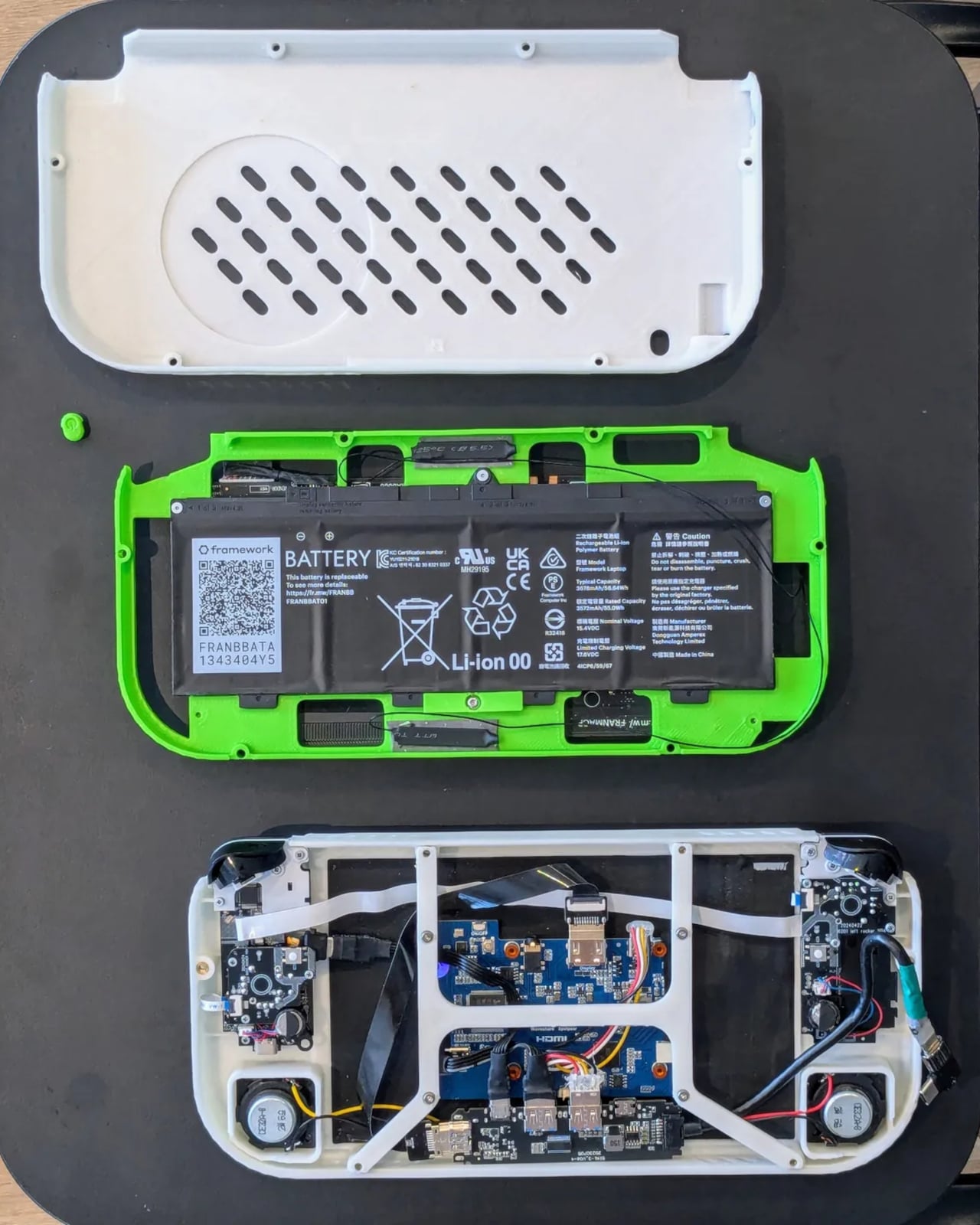
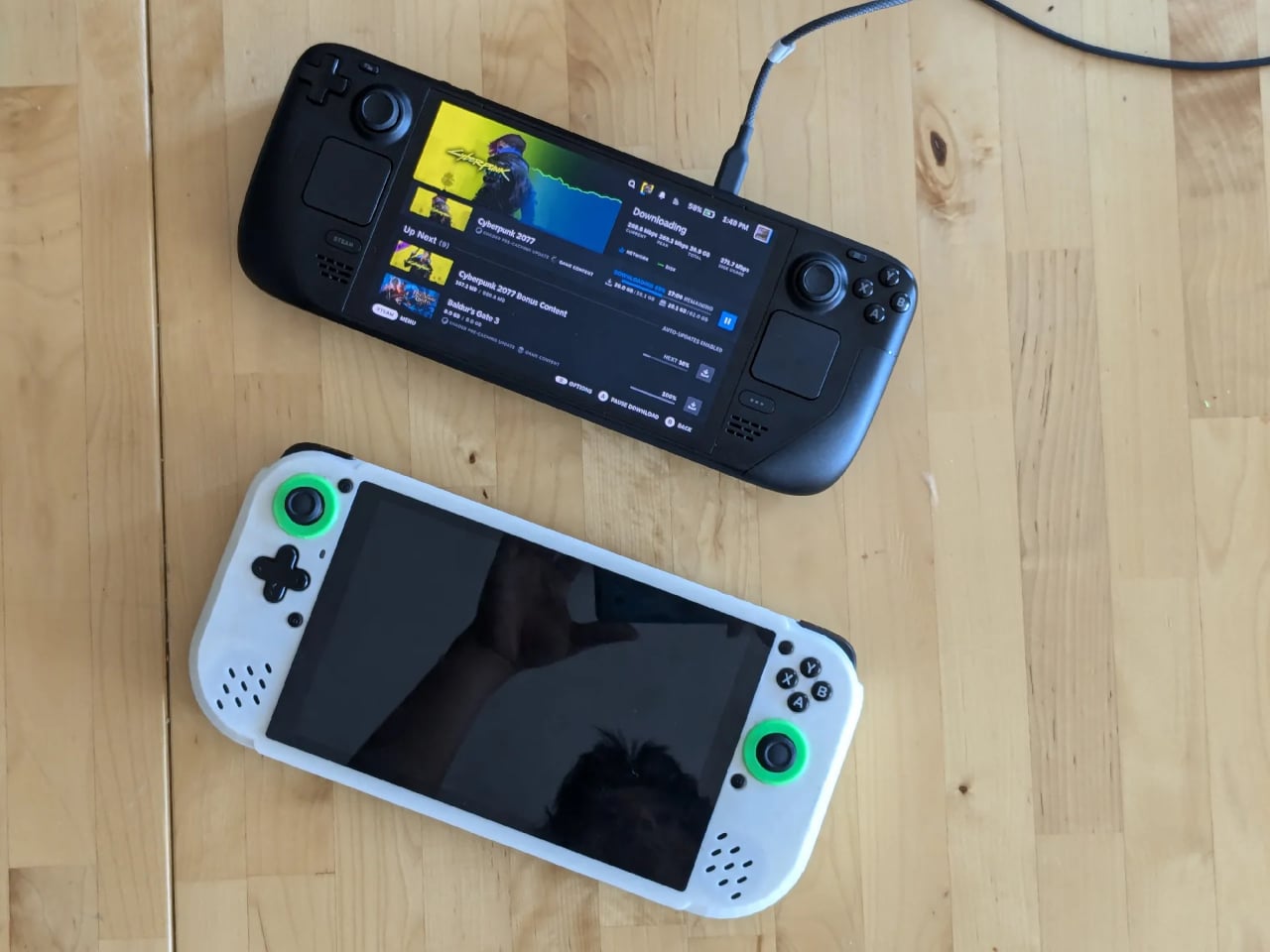
Embodying the spirit of desktop computers, this latest DIY project enables you to build your own Steam Deck clone, presuming you have the parts and skills to assemble one. Unlike other configurations, however, this isn’t relying on some low-power computer like the Raspberry Pi but instead leans on the power provided by a modular laptop design.
There is no shortage of mods and projects to build custom handheld PCs, whether for gaming or light computing, but the majority of these use small but under-powered single-board computers or SBCs. These are cheap, easy to cram into small shells, but will hardly be able to play any games outside of retro emulators. The problem is that there isn’t an SBC powerful enough to support that use case.
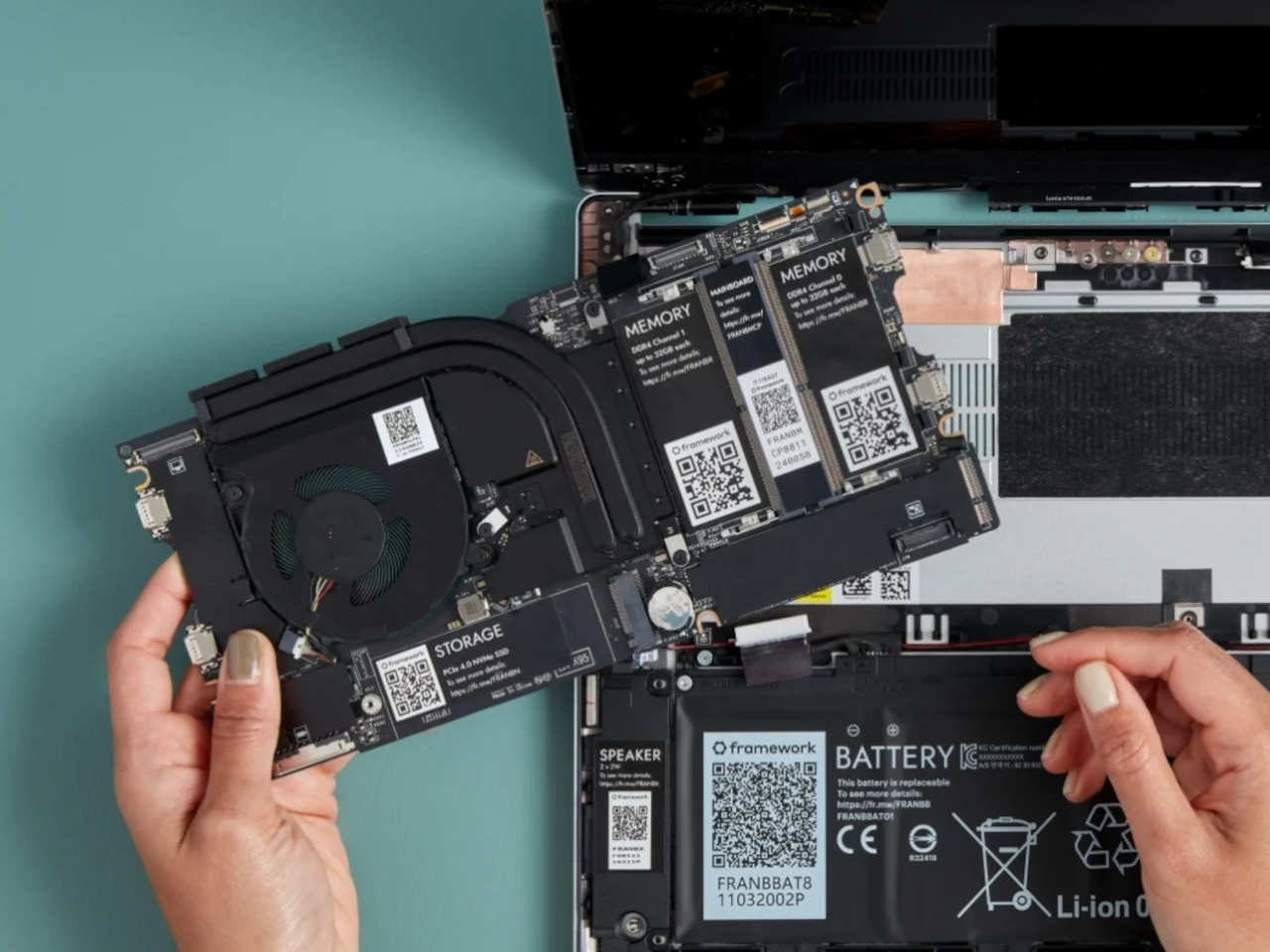
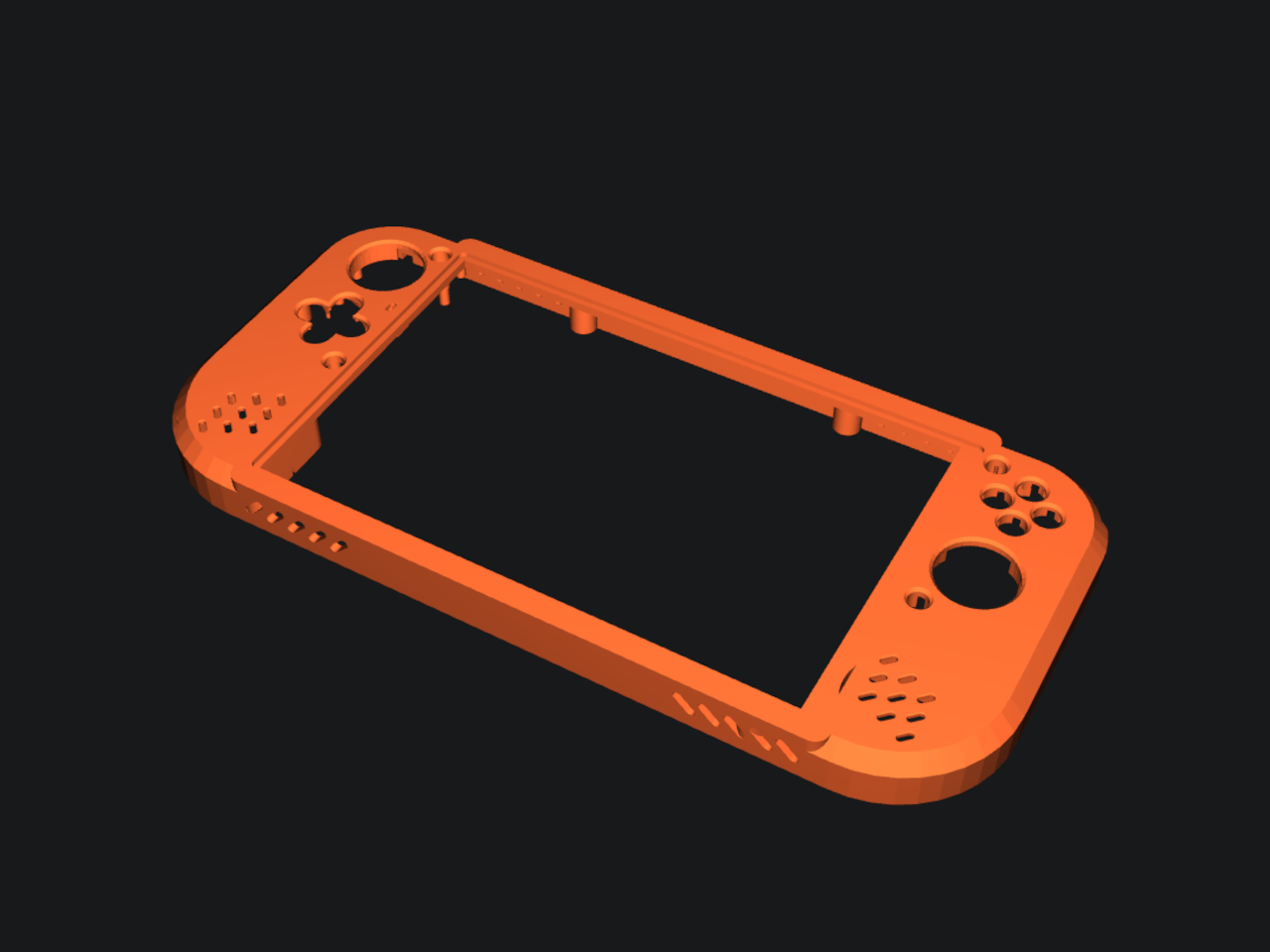
That’s where the Framework modular laptop comes in. Thanks to its modular design, it is possible to actually purchase the mainboard of such a powerful computer, and the 13-inch variant happens to be an adequate size to stuff inside a 3D-printed gaming handheld shell. Although it doesn’t exactly have gaming-worthy specs, it’s still powerful enough to run some AAA games with low settings.
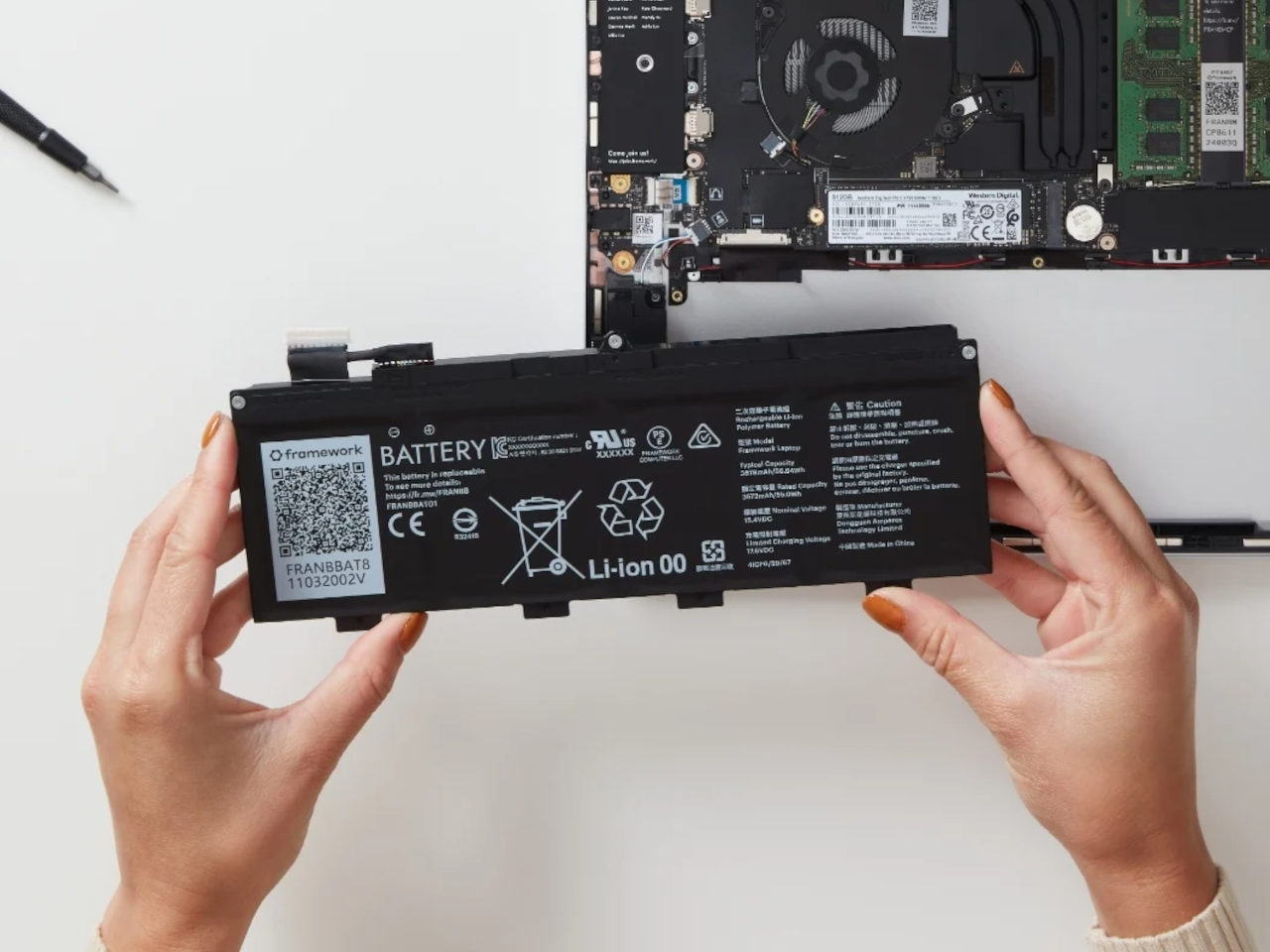
The Beth Deck, which is the name for this hot new build-it-yourself handheld PC, doesn’t stop there. It also uses a matching Framework 13 battery and many off-the-shelf parts. Everything that can’t be bought can be 3D printed, and the claim is that you barely need to solder anything. You could almost say it’s like playing with LEGO, except with computer parts instead of bricks.
It’s not the perfect handheld design, of course, since the Framework 13 mainboard isn’t designed for that purpose. It does, however, reveal the possibilities available with such a modular component available for as low as $199. It might even inspire other designs that customize not just the appearance but also the controls. After all, if you can easily make a Steam Deck clone, why stop at being just a Steam Deck clone?
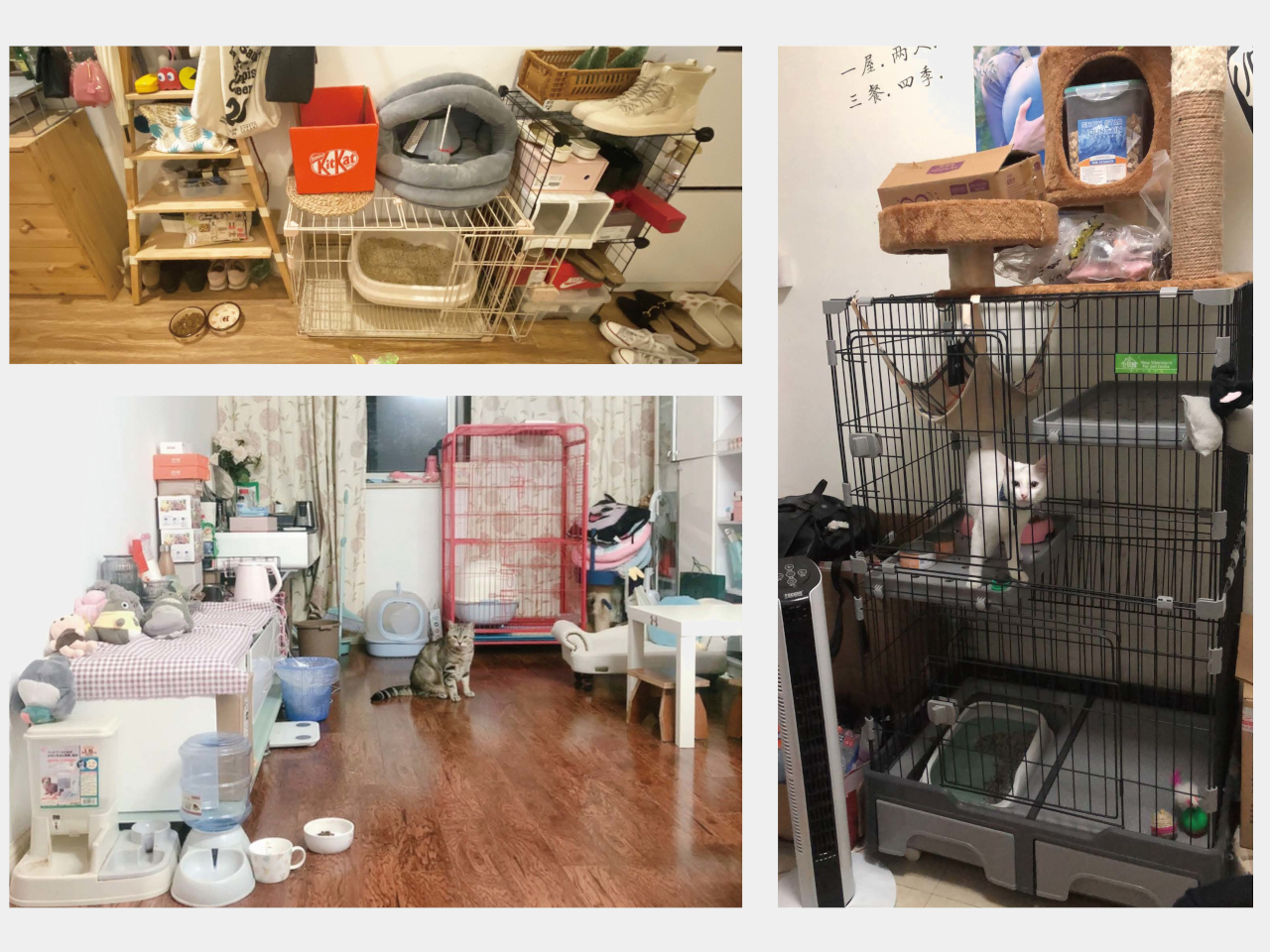
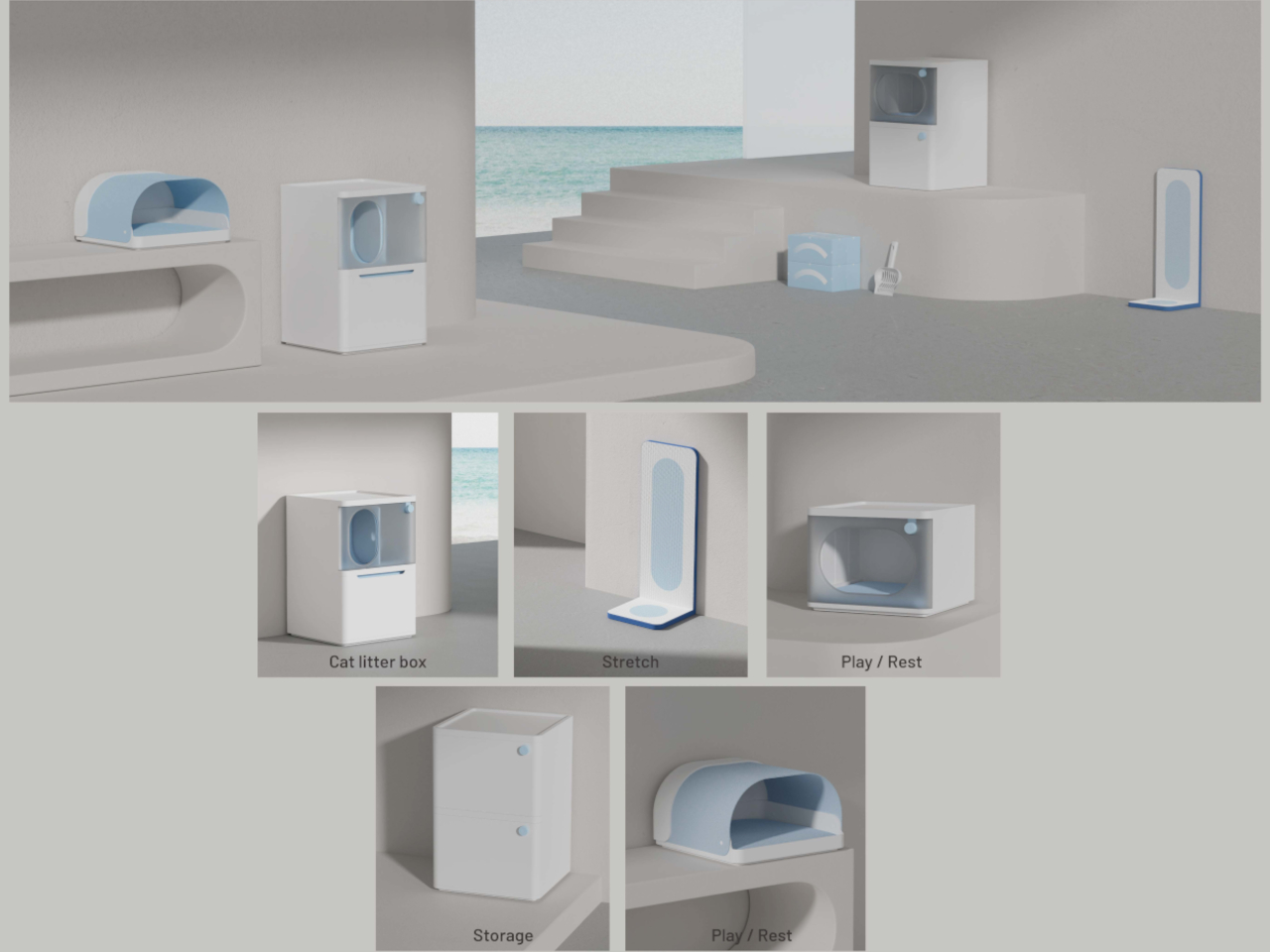
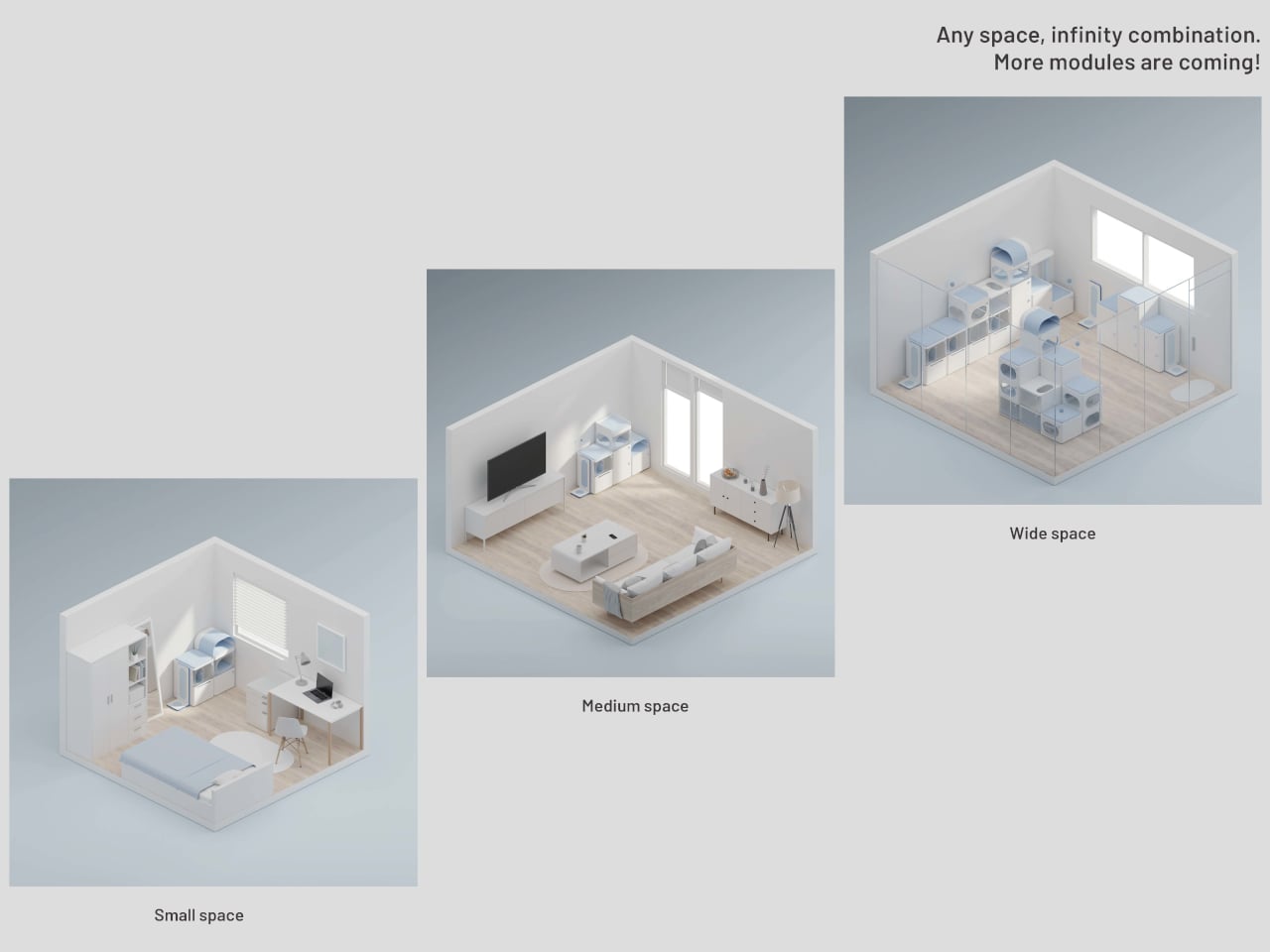
People these days are adopting more and more pets, sometimes more than their homes can accommodate. Dogs might have no problems staying in outdoor doghouses, but domesticated felines tend to prefer indoor accommodations. Of course, there’s no shortage of furniture for cats, ranging from litter boxes to scratching posts to climbing trees. The problem is that the majority of them are all designed to take up space on the floor, which leaves less room for human furniture. Just like how humans realize they have plenty of unused vertical space, this cat furniture concept grows upward rather than sideways to let you comfortably accommodate one or more furry felines, even if you don’t have much space for yourself either.
Vertical furniture is definitely becoming a trend as we realize how precious little floor space we actually have. Unfortunately, that’s only part of the solution, because just like floor space, the vertical situation in our homes can change as well. Unlike regular furniture, however, vertical designs often have a fixed height and configuration, preventing us from easily rearranging these pieces of furniture.
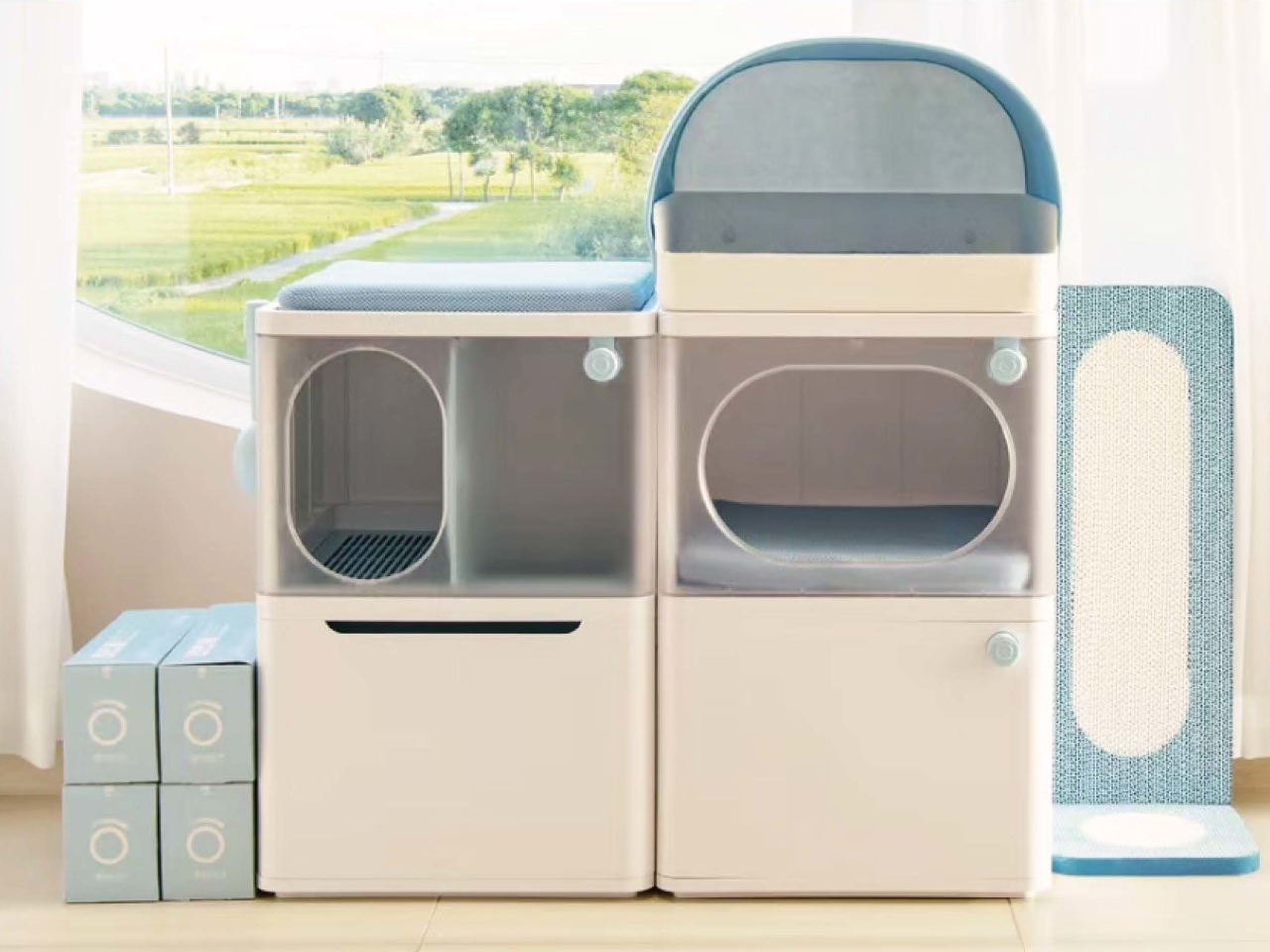
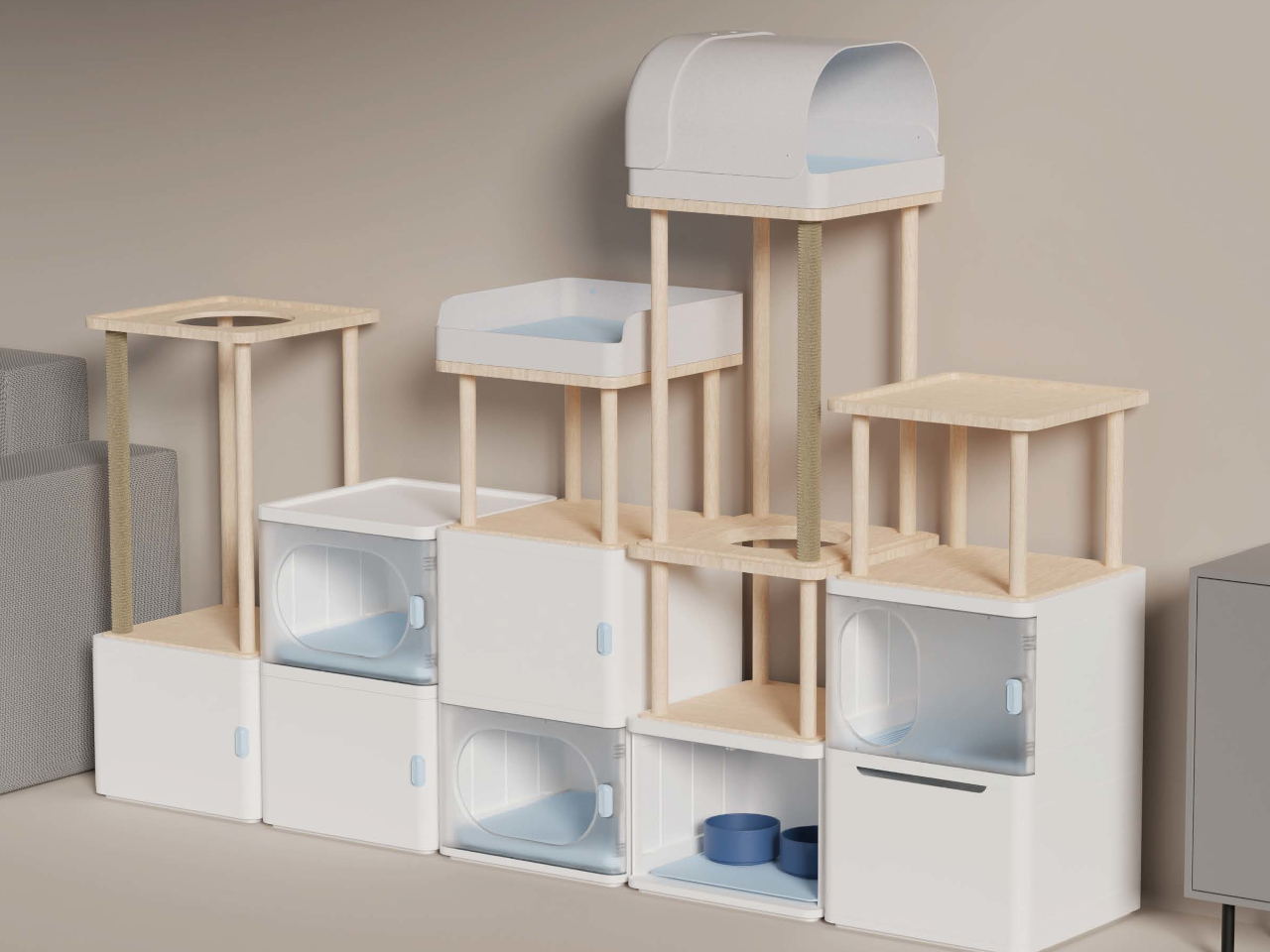
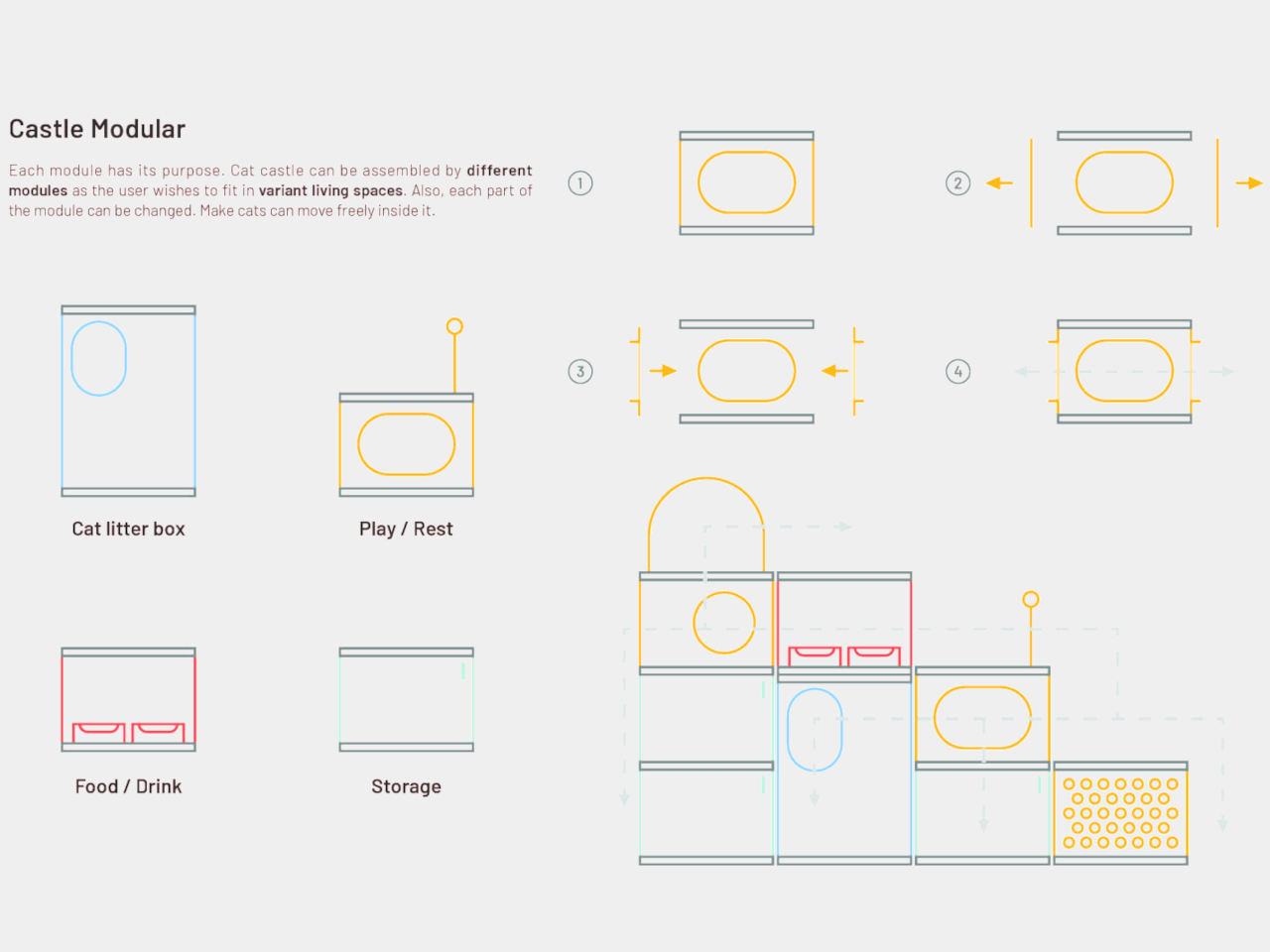
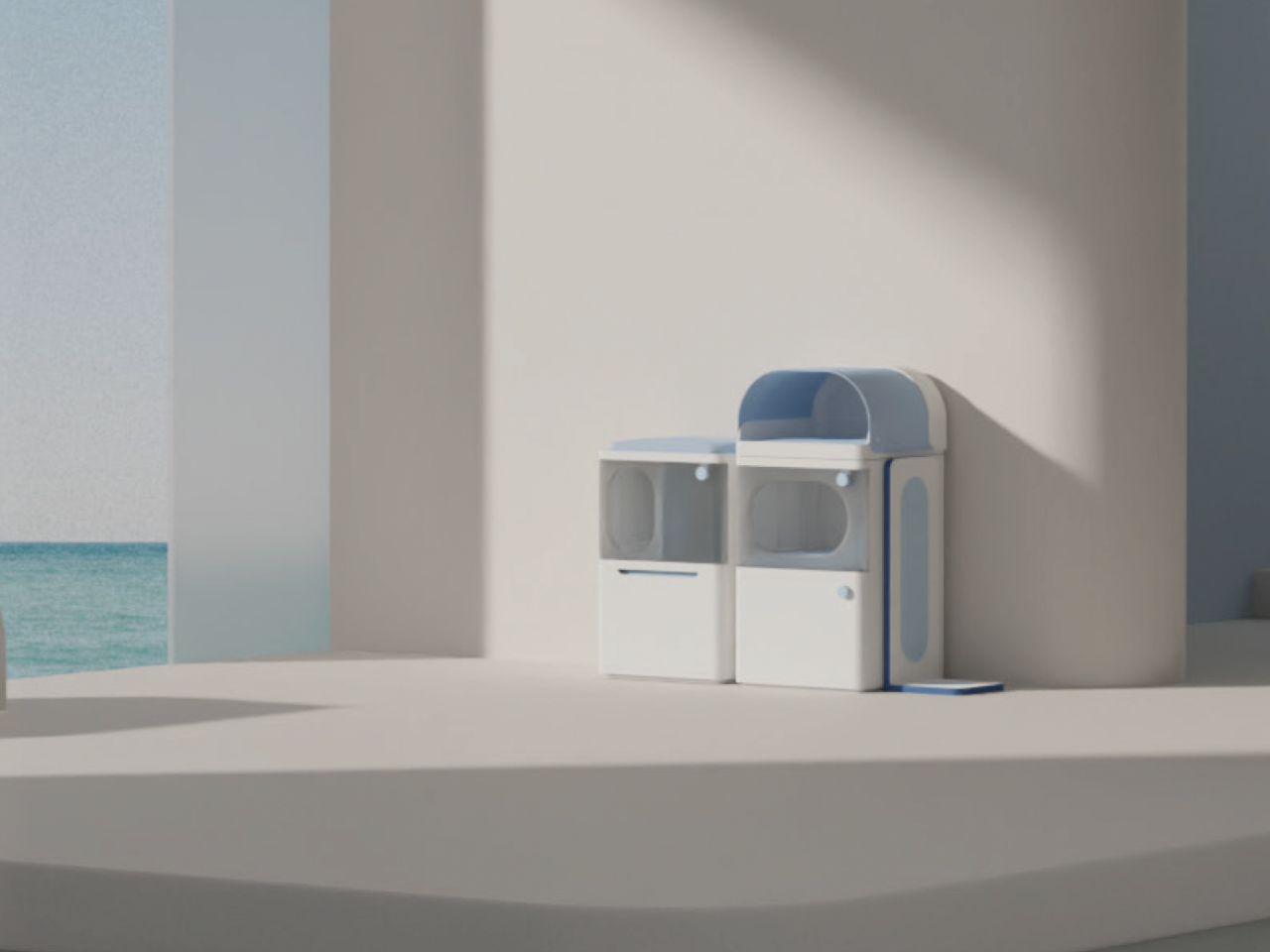
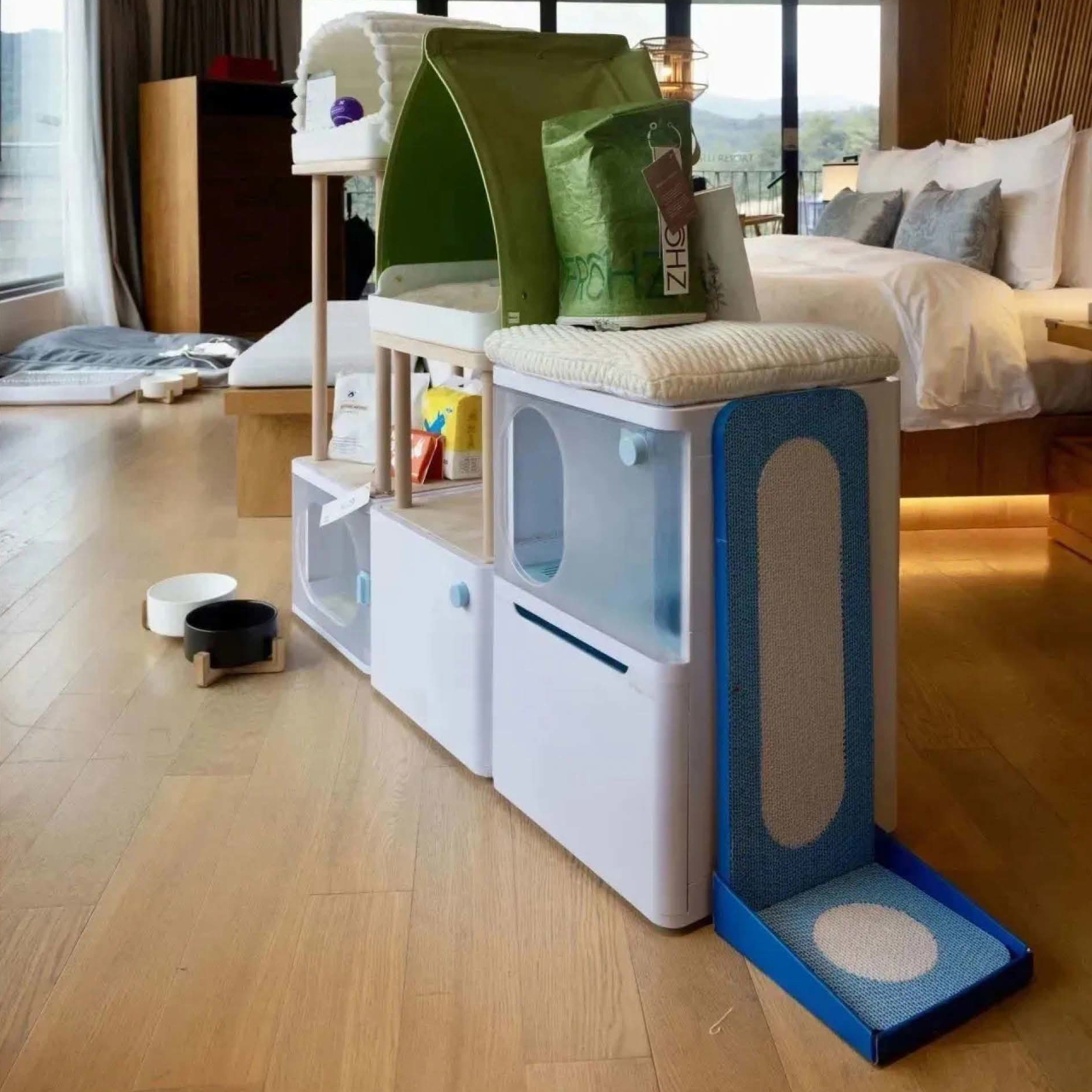
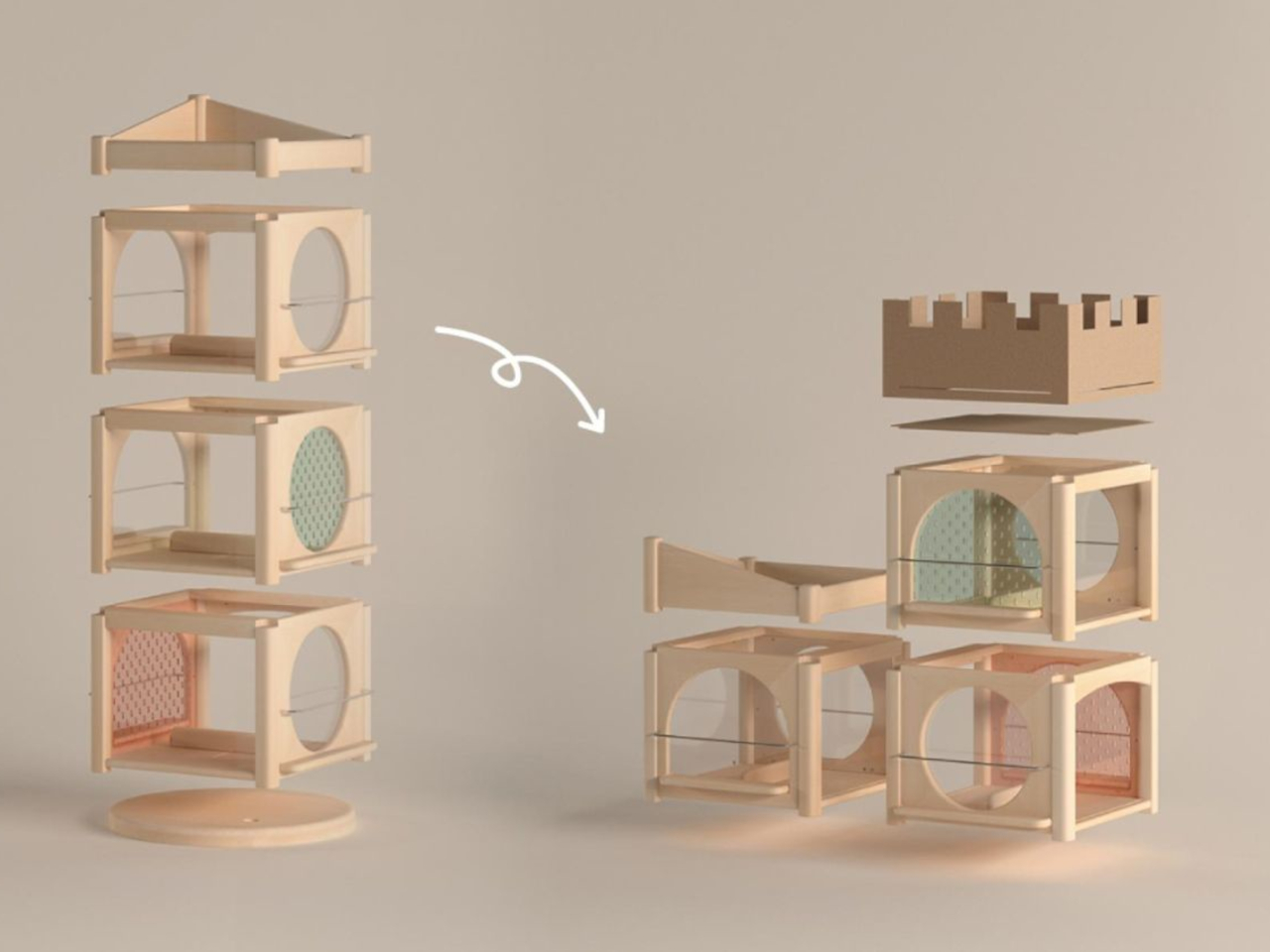
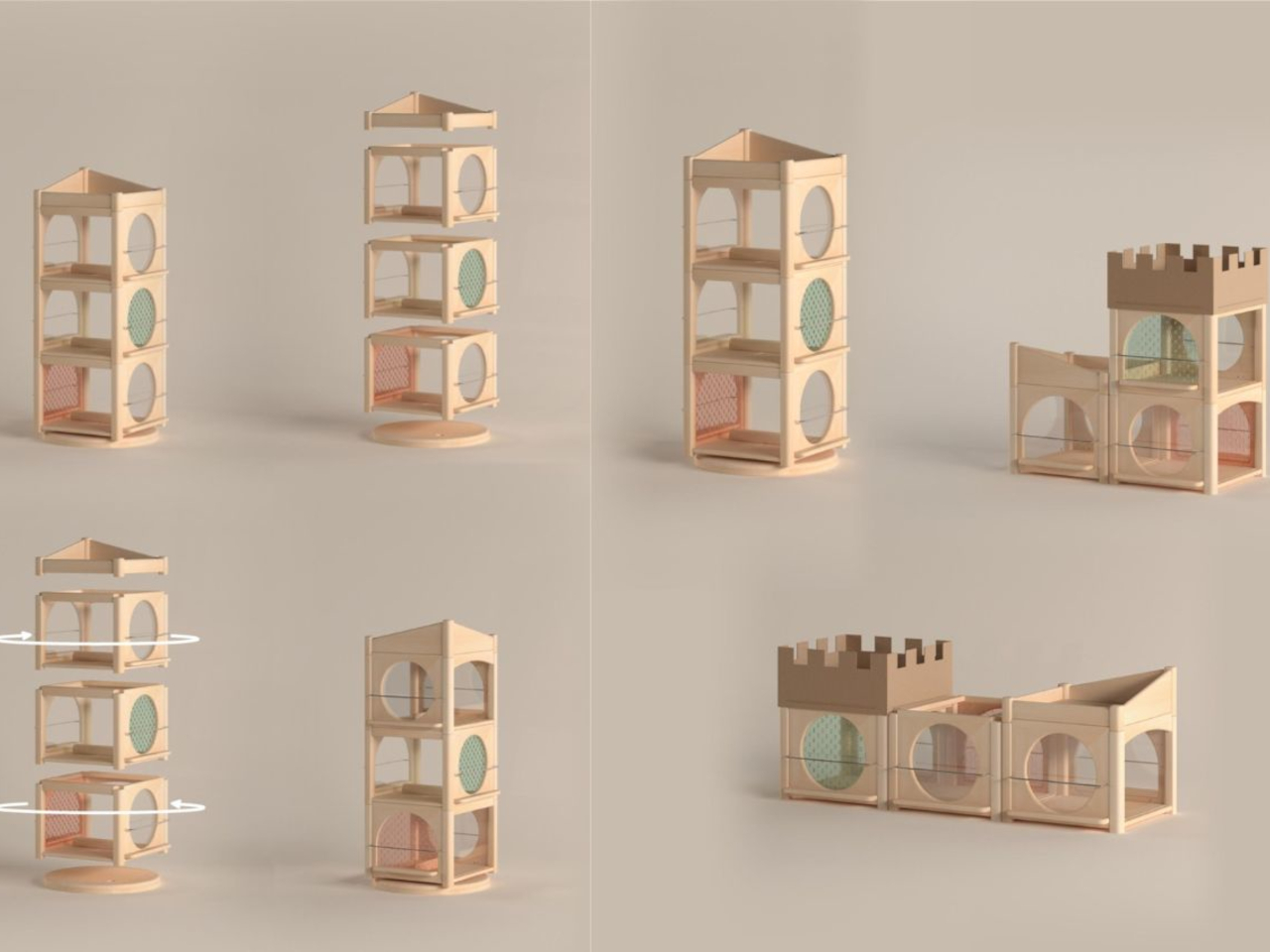
FROHZ Cat Castle is a design concept that solves both those problems with a simple modular design. The furniture system is made of five pieces that can be freely rearranged as needed. Of course, they have certain limits given their fixed shapes, but you can, in theory, combine them in many ways without permanently committing to a particular configuration.
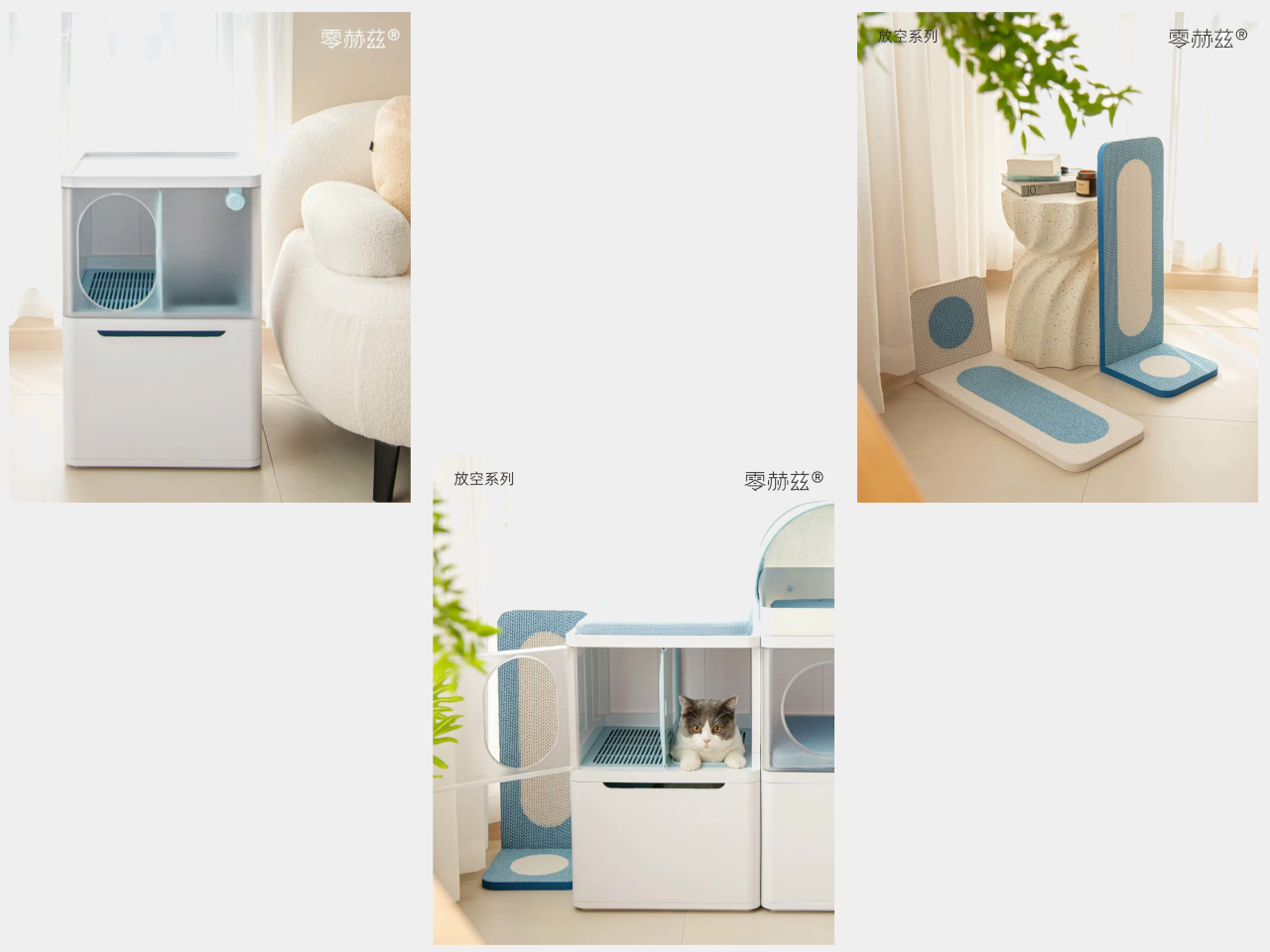
The largest part of the modular furniture system is the cat litter box, a tall cabinet with two doors at the top, one of which has an oval opening for the cat to crawl into. A “Play/Rest” box has a slightly similar design, except it’s a simpler and smaller box designed only to be a resting spot. An even simpler version of this is an arched structure with openings at the front and the back. There’s also an L-shaped scratching “post” and a simple storage box to keep kitty toys and accessories.
Arranging these pieces is as simple as stacking them on top of each other or putting them side by side, with some connectors to keep them from easily falling apart from the cat’s movement. The open-ended design even allows for more than one piece of each type to accommodate more than one feline in the house. And should the number of pets you own increase or decrease, you can quickly add or remove modules as needed. You might even be able to challenge yourself to come up with a creative design, one that would truly make your cat feel like a king or queen in its own castle.
Home and commercial design trends are ever-changing, with modular furniture as the popular choice for the interiors. Its versatility and practicality make it ideal for maximizing space, particularly in compact offices and urban apartments. With flexible and customizable features, modular pieces can be arranged to suit different needs, like providing a guest bed, setting up a home office, incorporating multiple workstations, or organizing storage solutions. Take a look at these modular furniture design trends that are gaining traction in 2024.
Minimalism is a prevailing influence in furniture design, often characterized by sleek designs and light wood tones. These pieces feature clean lines and sophisticated aesthetics, contributing to a sense of openness, sleekness, and tranquility within the overall decor.
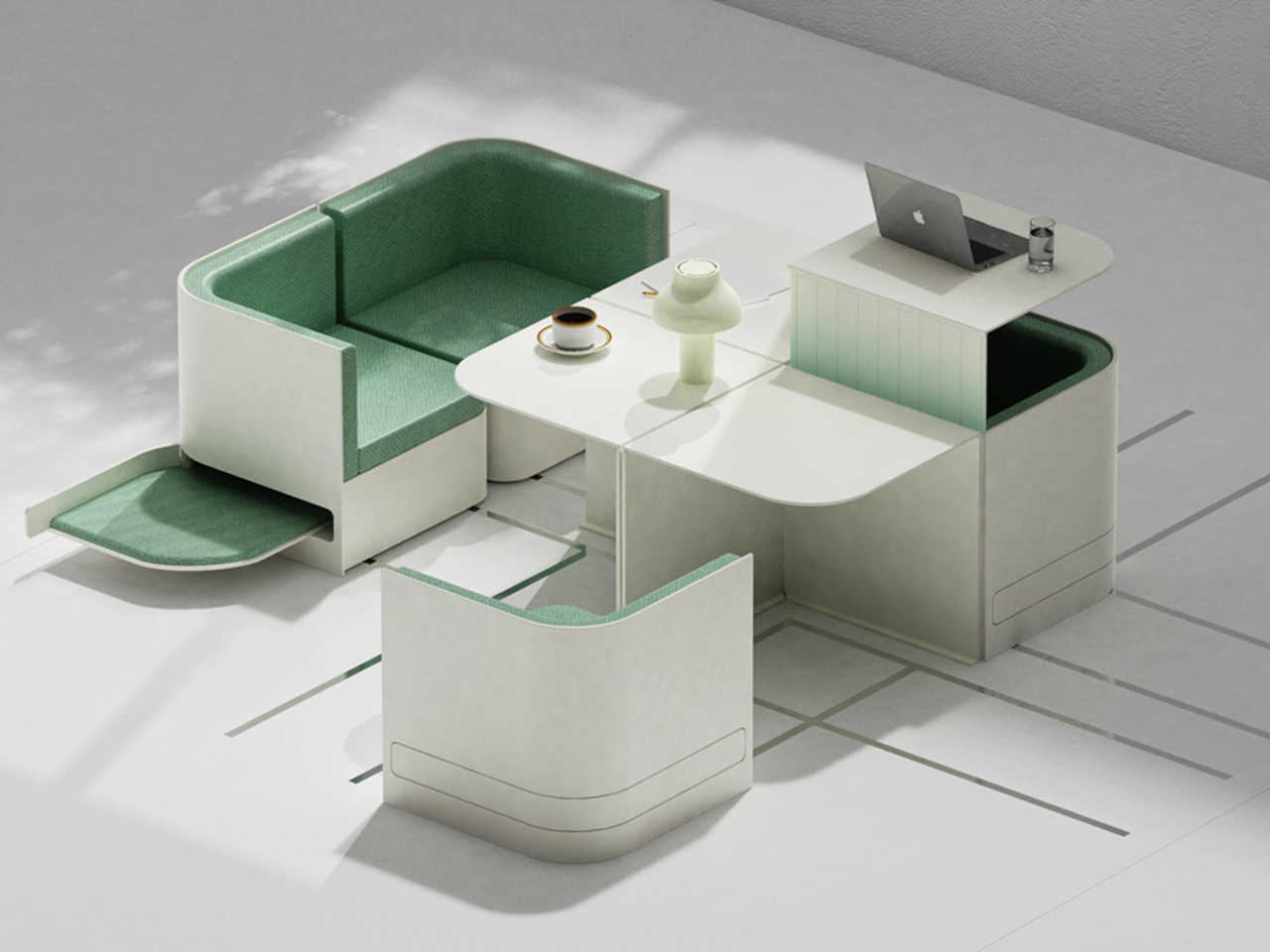
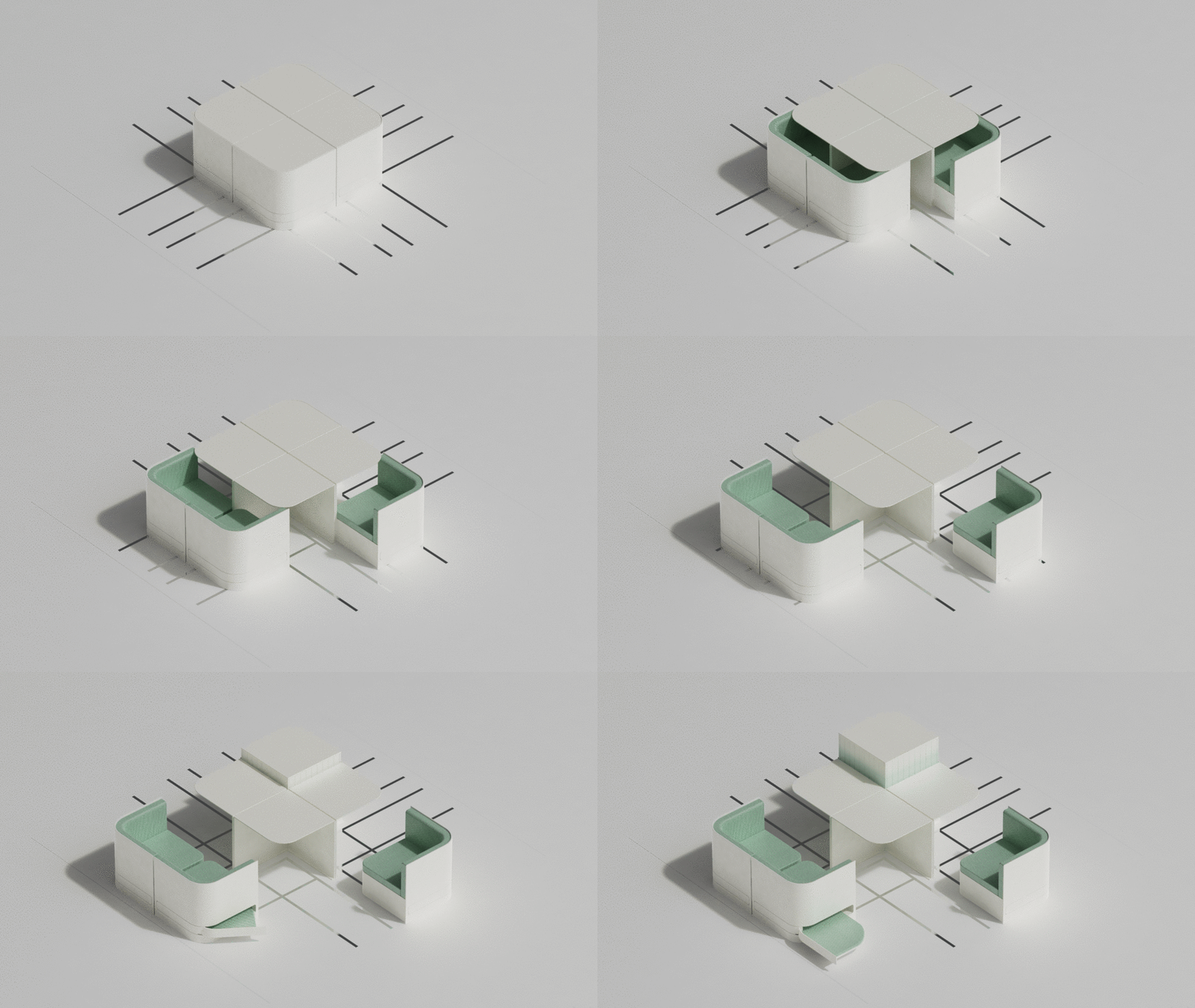
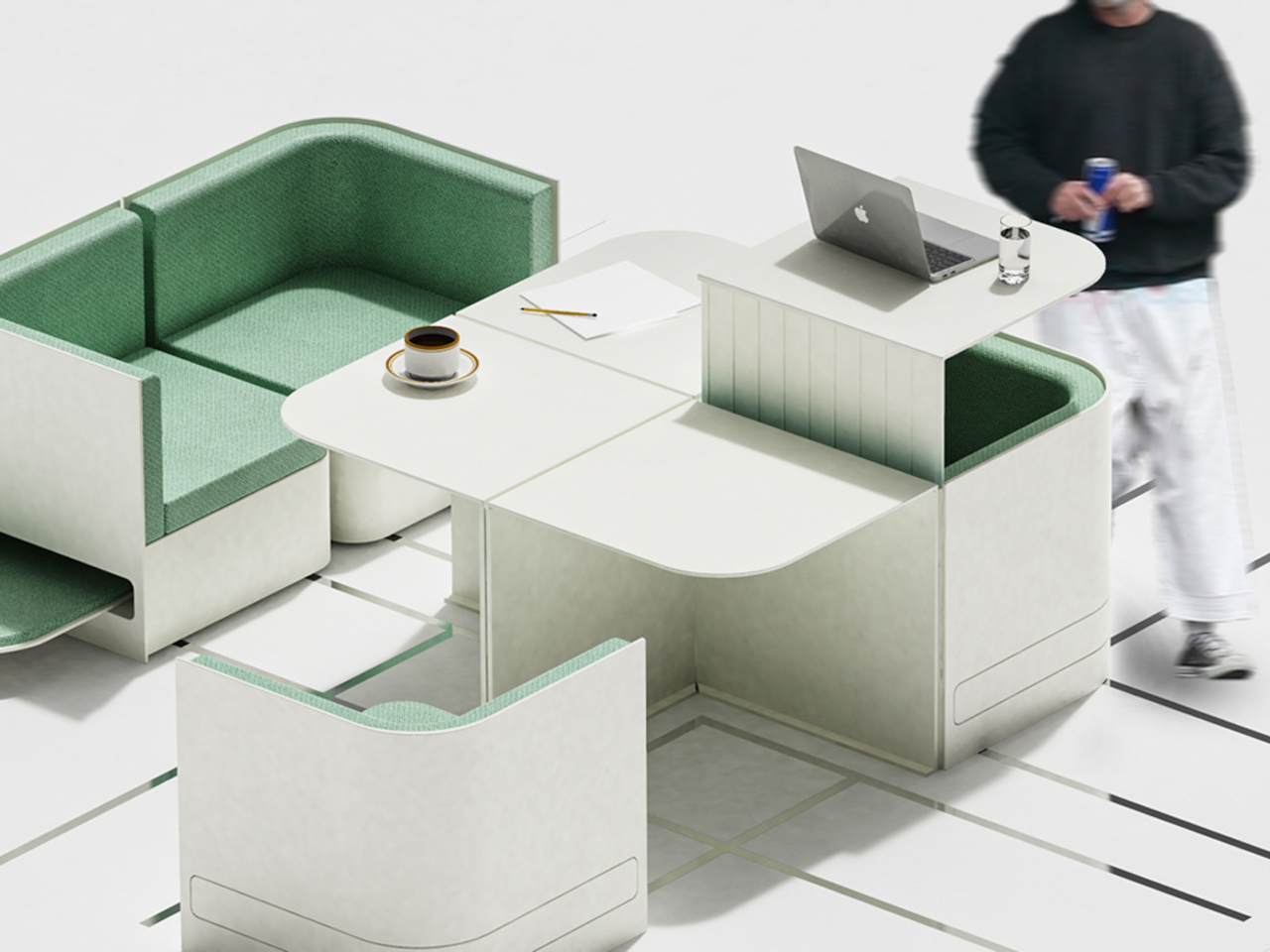
Square to Square is a versatile furniture concept featuring an innovative sliding grid system. Initially serving as a table or ottoman, it seamlessly transforms into a dining table or workspace setup. Each quadrant contains hidden pull-out shelves and integrated cushioned booths, all powered by an internal sliding grid system. With its space-saving design and multifunctional capabilities, Square to Square is the perfect solution for modern living spaces.
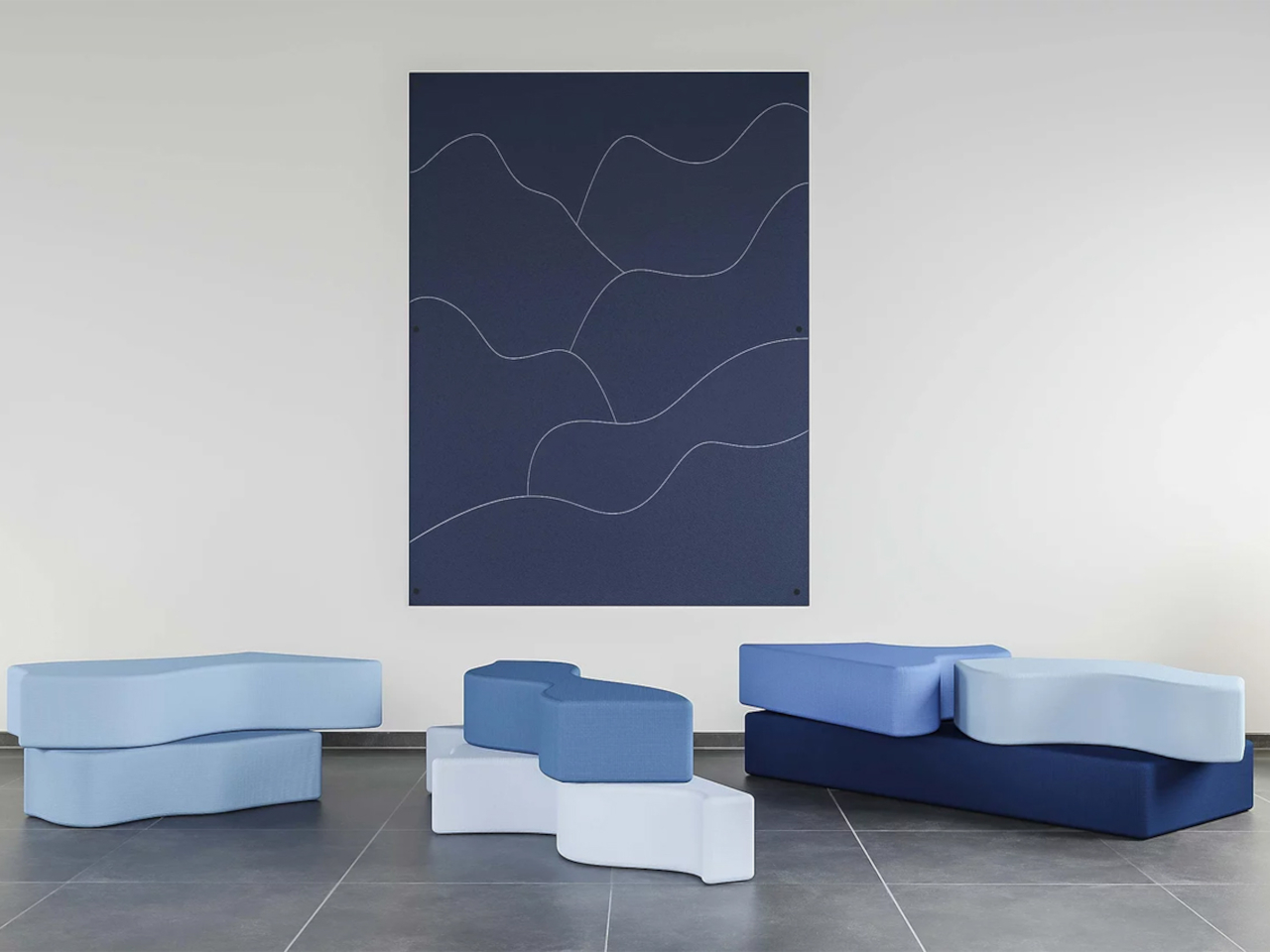
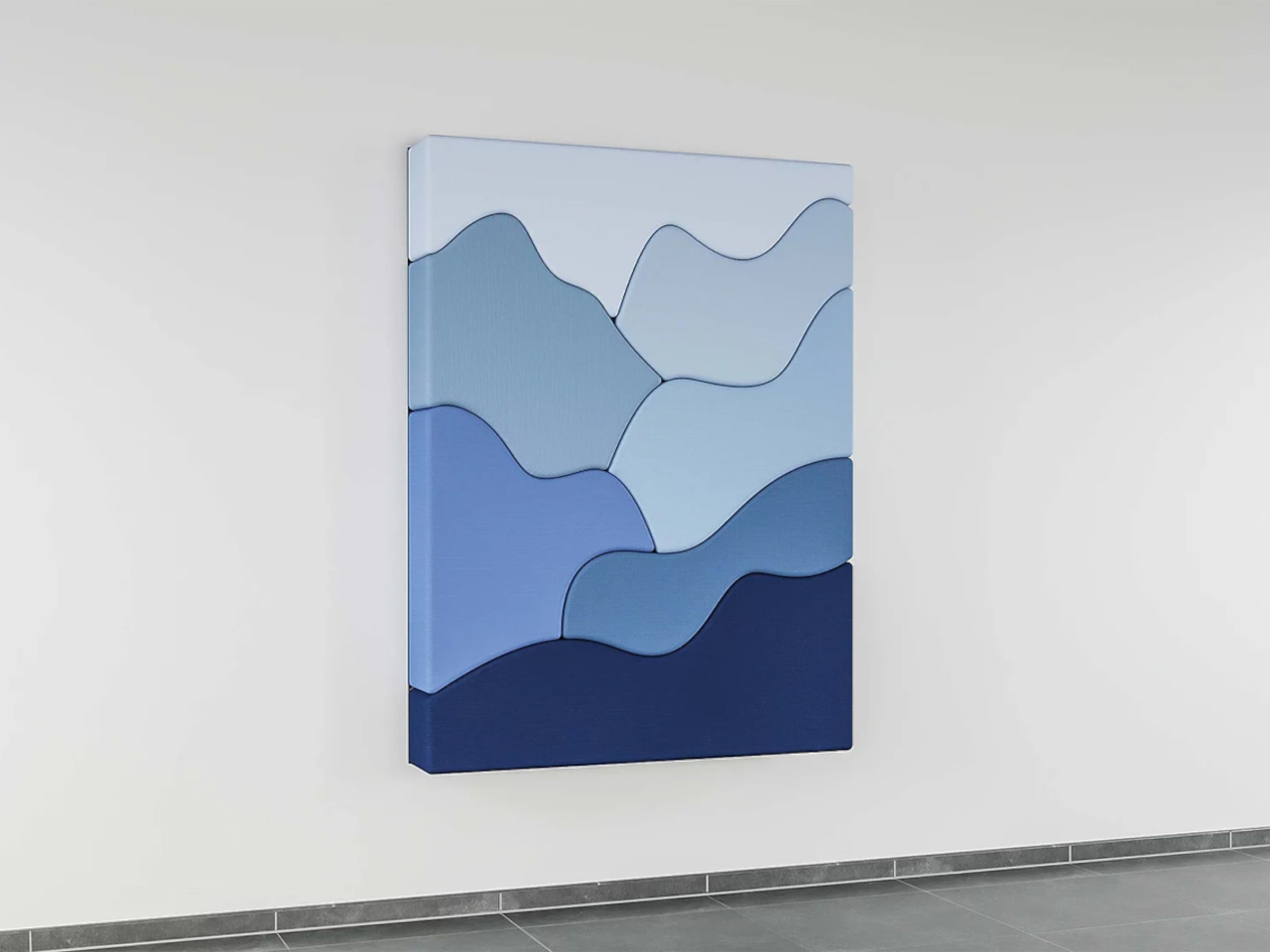
The Summit Sofa by Mousarris is a dual-purpose modular furniture design that seamlessly combines functionality with minimalist artistry. With integrated magnets, the curved cushions can be rearranged to form different sofa configurations or displayed as wall art on the magnetic board. This innovative piece offers endless versatility for tiny living spaces without compromising on style.
2. Use of Sustainable Materials
Modular furniture follows sustainable practices and utilizes materials like oak and bamboo for easy replacement in case of damage. Other sustainable materials include FSC-certified wood, recycled plastic, and low-emission finishes, meeting the growing demand for modular furniture while maintaining ethical sourcing practices.
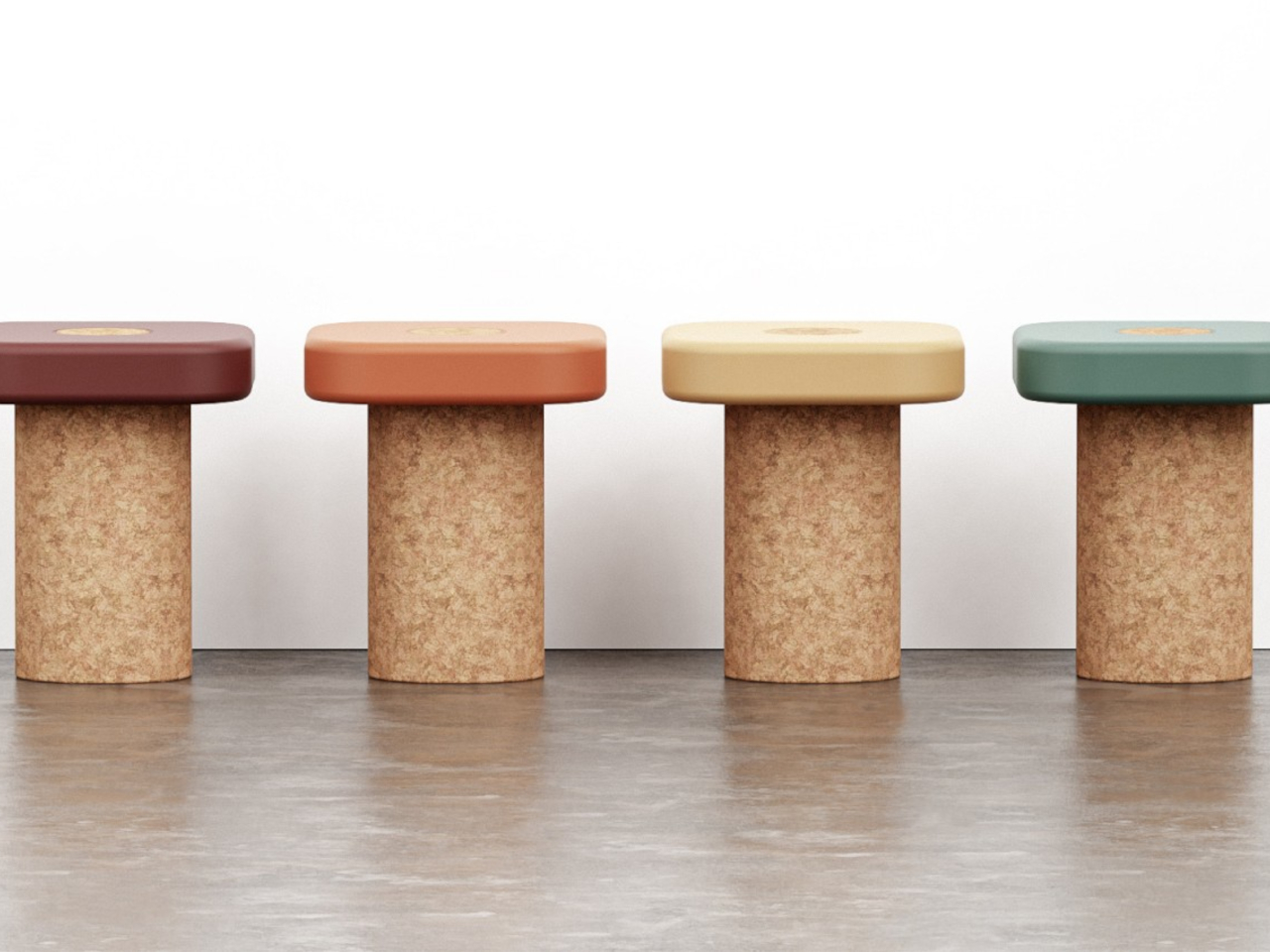
The modular cork stool concept offers a sustainable solution by converting two stools into a single bench, reducing waste. Made from sturdy cork, it features a simple design with removable seats, allowing for easy maintenance and customization. With versatile seating options and minimal environmental impact, it’s an innovative solution for adaptable seating needs.
3. Multifunctional Design
With the diminishing square footage of urban residences, today’s modular furniture emerges as a versatile solution, effortlessly transitioning between various functions to maximize space efficiency in compact homes.
The rotating picture book rack for 1200 books is a versatile modular bookshelf designed to ignite your child’s imagination while providing practical storage solutions. With adjustable height options and innovative shape designs, this furniture piece grows with your child, promoting safety and adaptability. Crafted from sustainable materials and featuring plug-in acrylic panels, it not only reduces environmental impact but also enhances color perception and light interaction. Compatible with expansion accessories, it offers customization and personalization, making it an ideal addition to any child’s space offering exploration, and endless adventures in imagination.
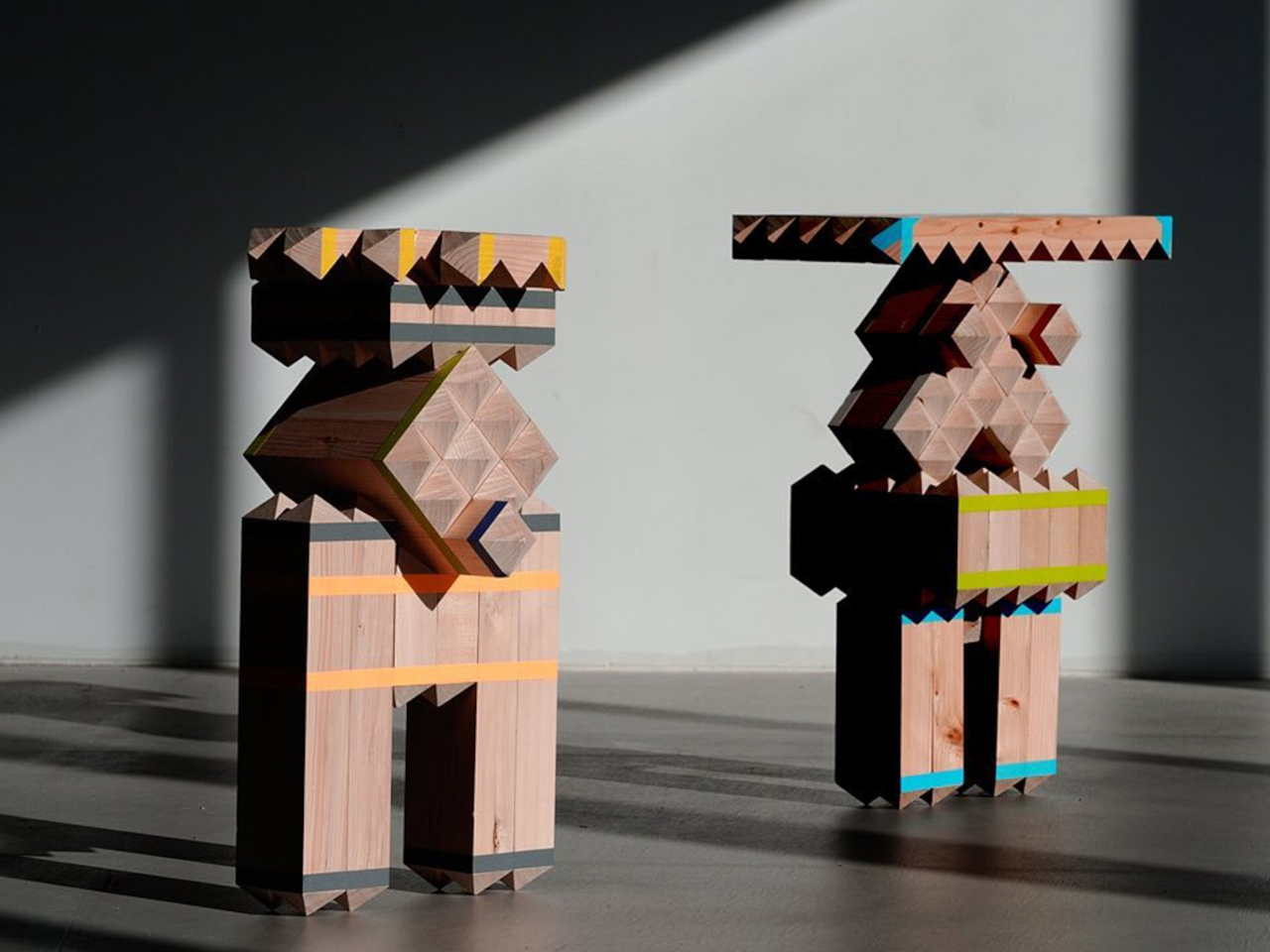
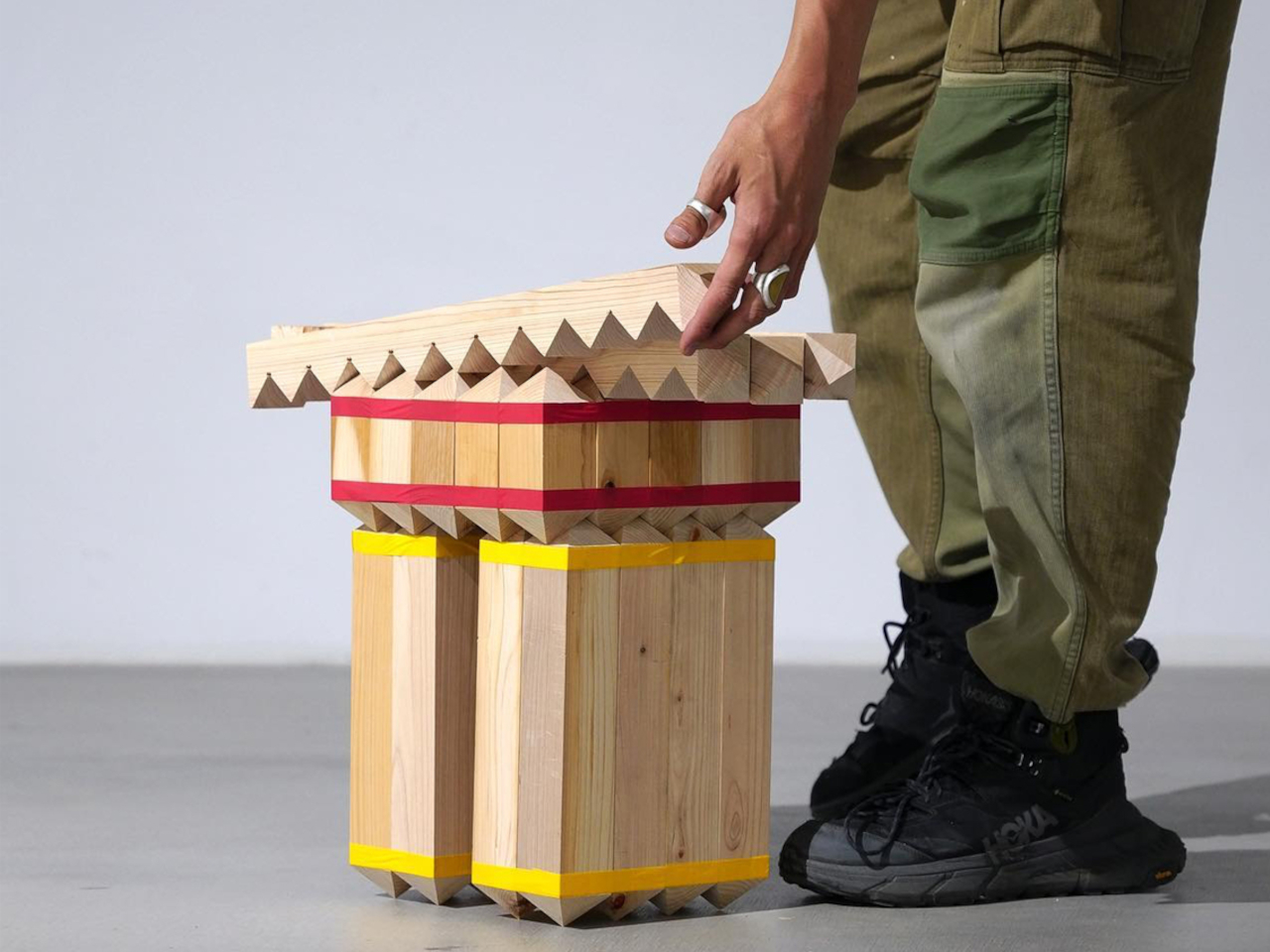
Deku is a modular furniture system by Takuto Ohta, featuring wooden planks with pyramid-shaped edges that interlock at 45-degree angles. Inspired by Japanese riverbank stone piles, Deku offers versatile configurations, from tabletops to benches, with colorful masking tape adding a playful touch. Ohta’s intuitive design process prioritizes human instinct, resulting in furniture that emerges naturally from the interaction with materials, tapping into our primal desire for play and exploration.
4. Available with Flexible Options
They offer flexible options that let users arrange and dismantle them to suit individual needs. For instance, a storage ottoman can serve multiple purposes, a Murphy bed folds down from the wall, a flexible sofa can be configured in various ways, and modular shelving can expand or contract.
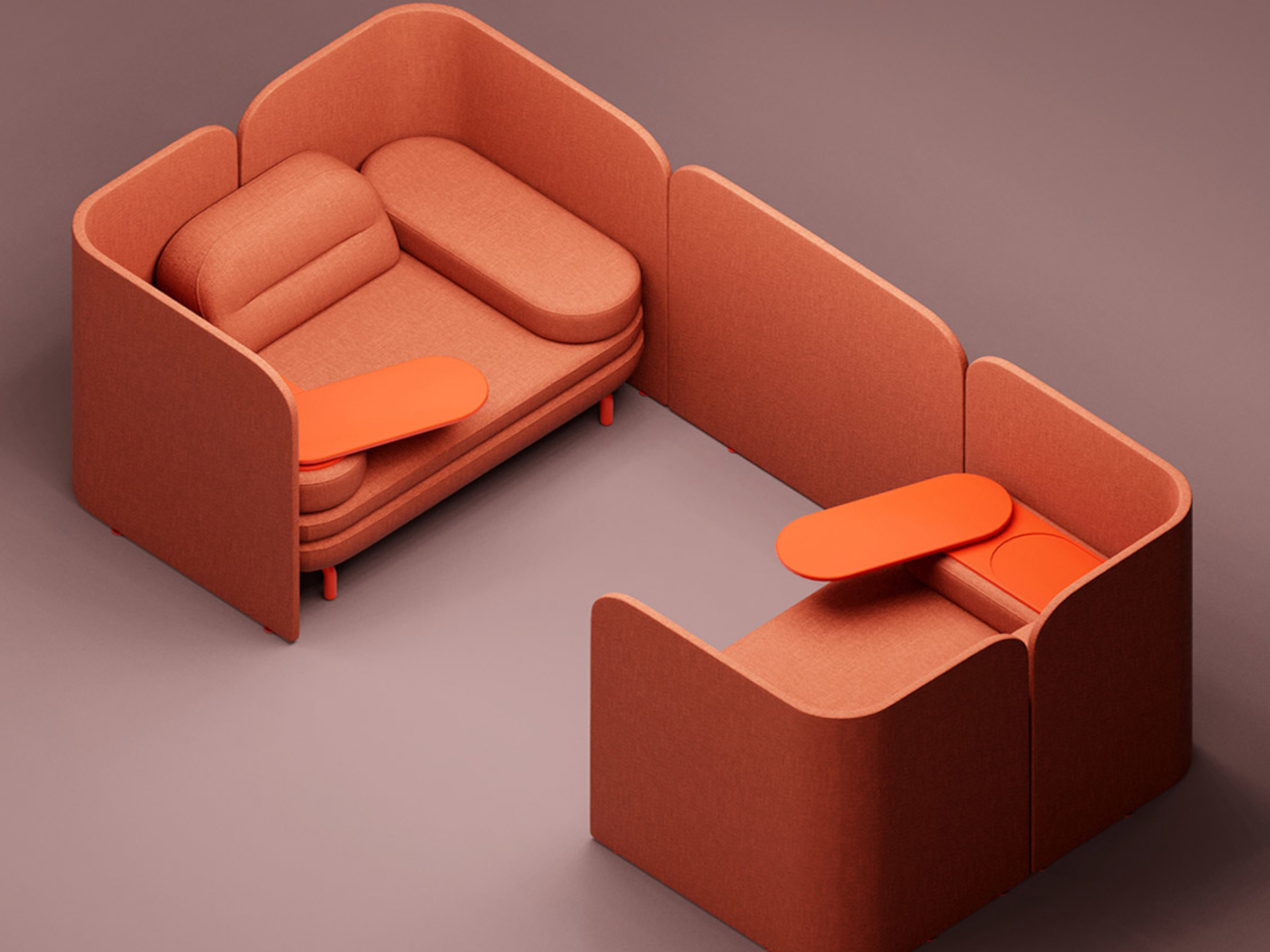
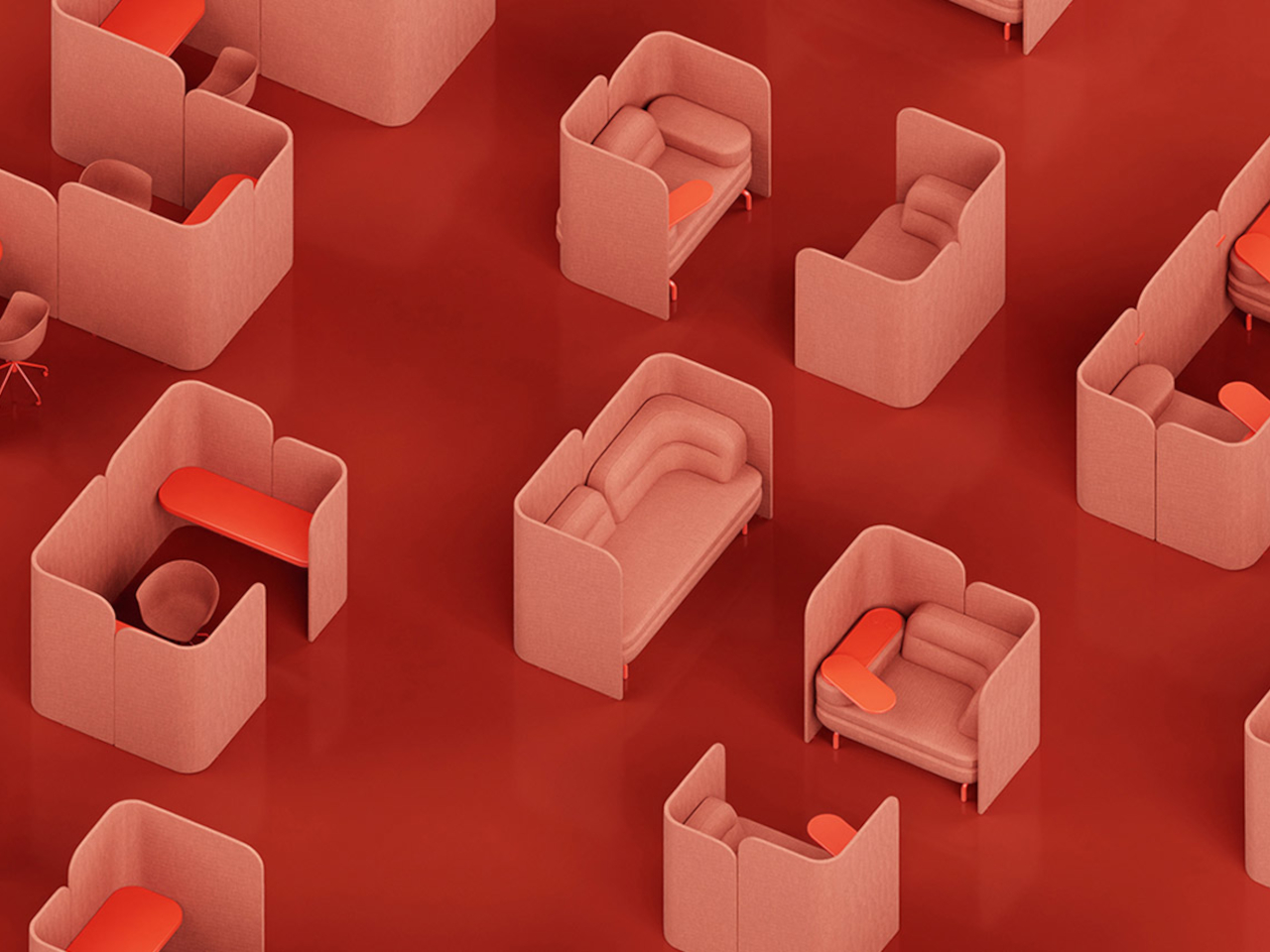
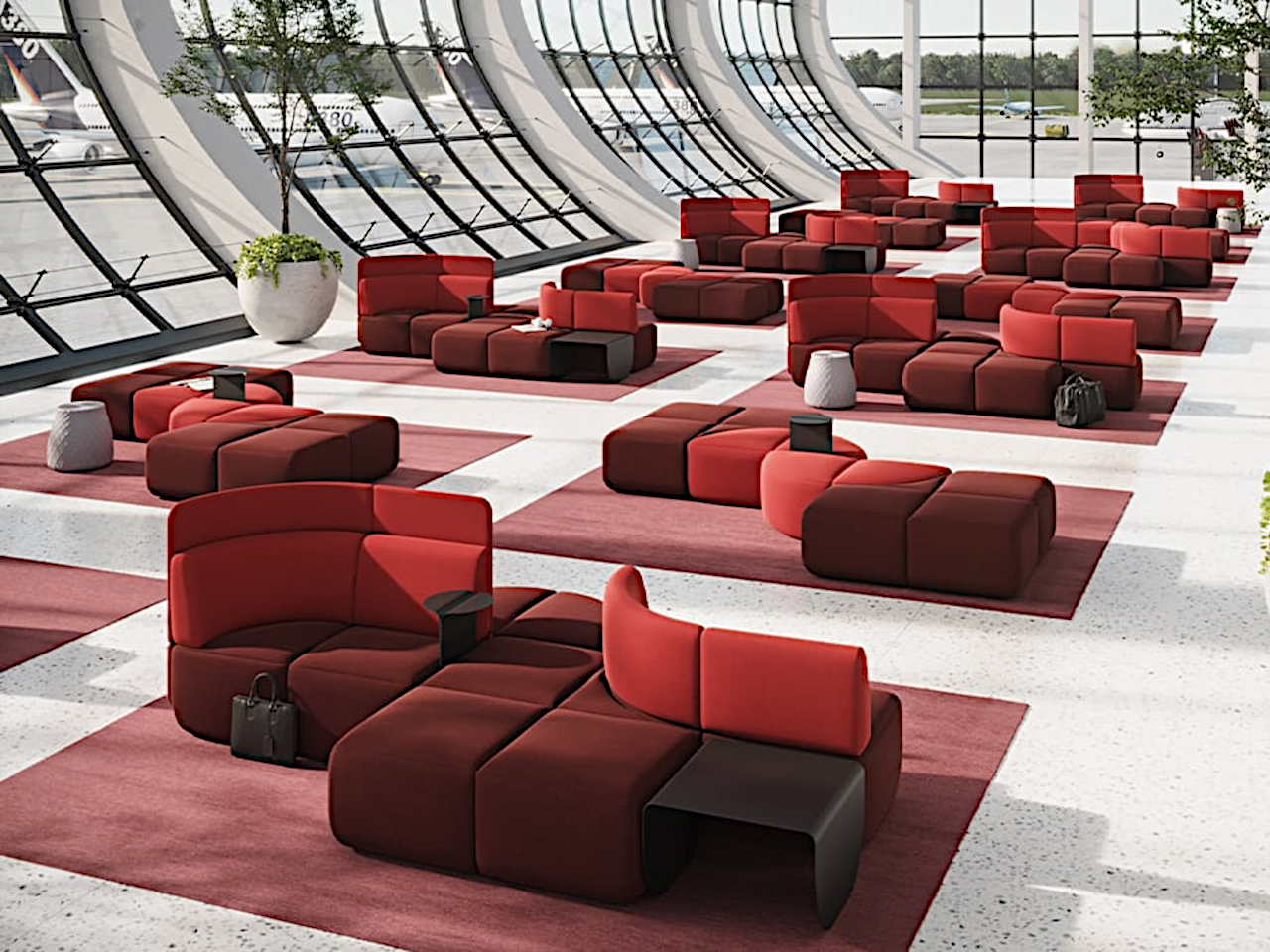
The Futo, is a sustainable modular seating solution designed for the privacy-conscious post-pandemic workforce. Crafted by designer Dymitr Malcew, Futo offers flexible configurations for private work zones and collaborative meetings without extensive rebuilds. With its soft upholstered design and vibrant color options, Futo blends comfort and functionality to optimize performance and well-being in modern office environments.
As companies return to office settings, individuals are adjusting to in-person interactions. Summit, a modular furniture system, aids this transition with its versatile geometric design. Comprising five modules, it can be configured for various needs, from meetings to casual gatherings. With built-in charging outlets and inviting colors, Summit offers comfort and functionality in a minimalistic design, ideal for modern workspaces.
5. Budget-Friendly Designs
Modular furniture is budget-friendly and affordable, making it an excellent choice for furnishing a home, especially a rented apartment. Its easy-to-dismantle design also makes it convenient to move to different locations.
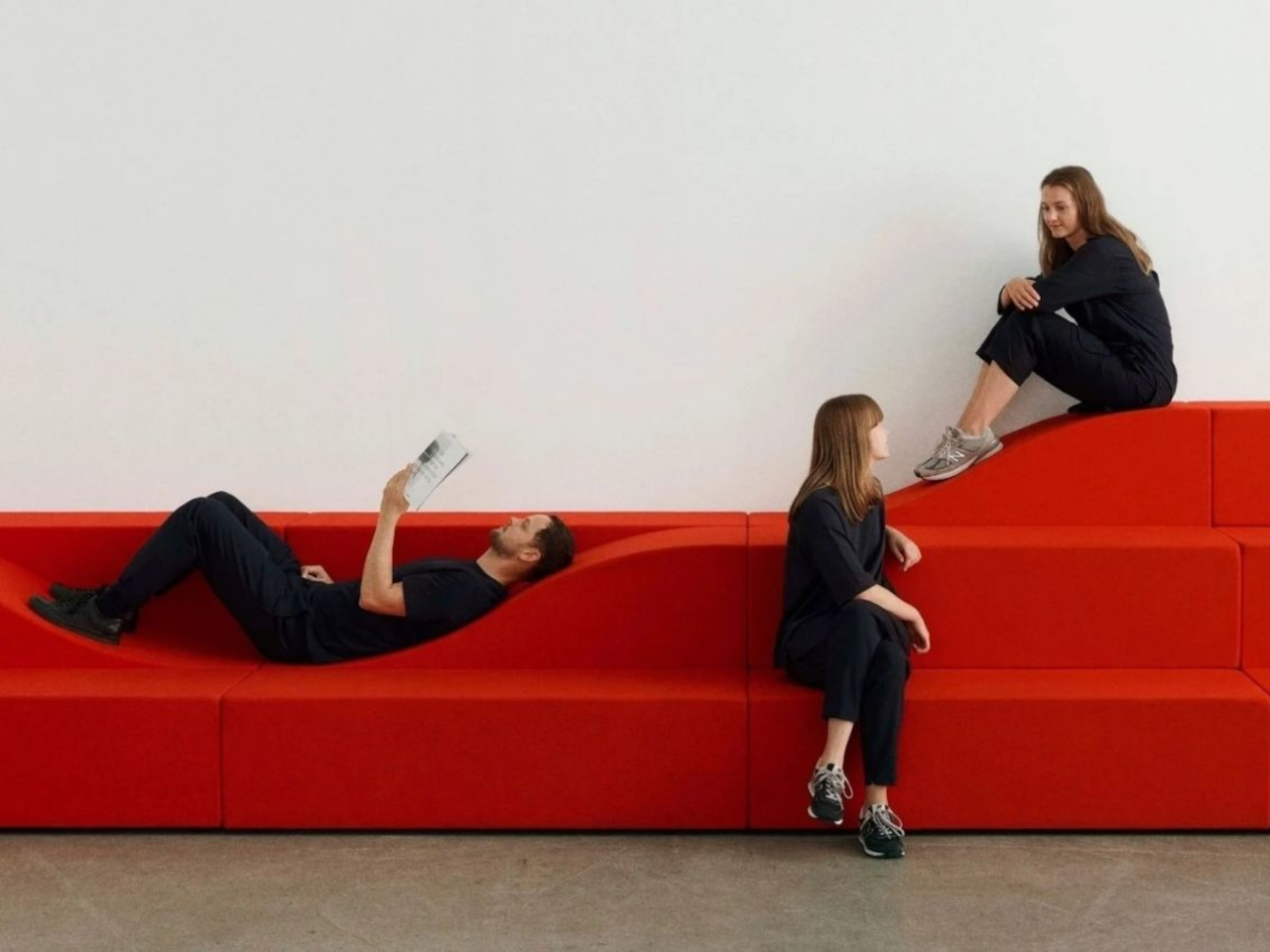
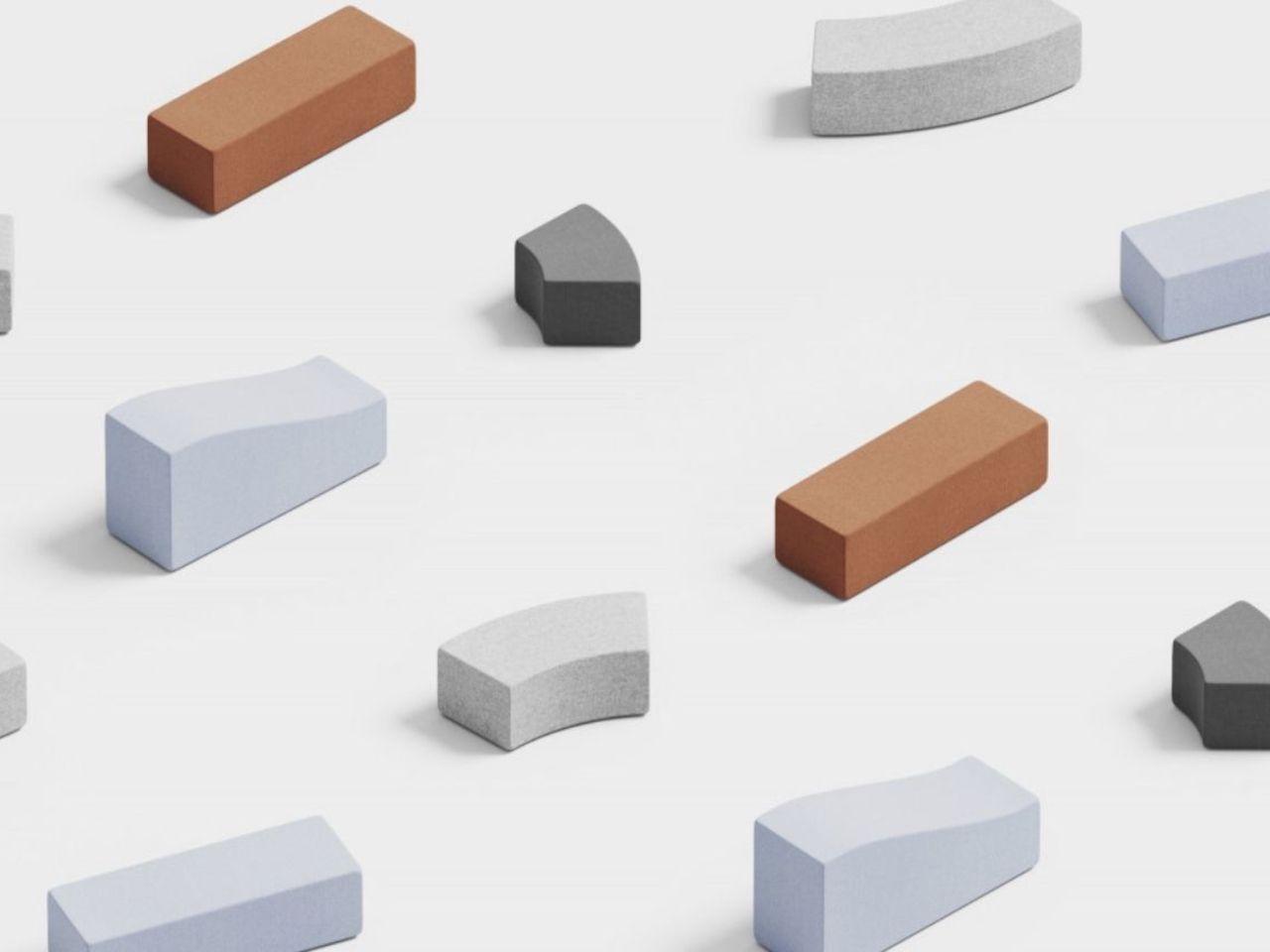
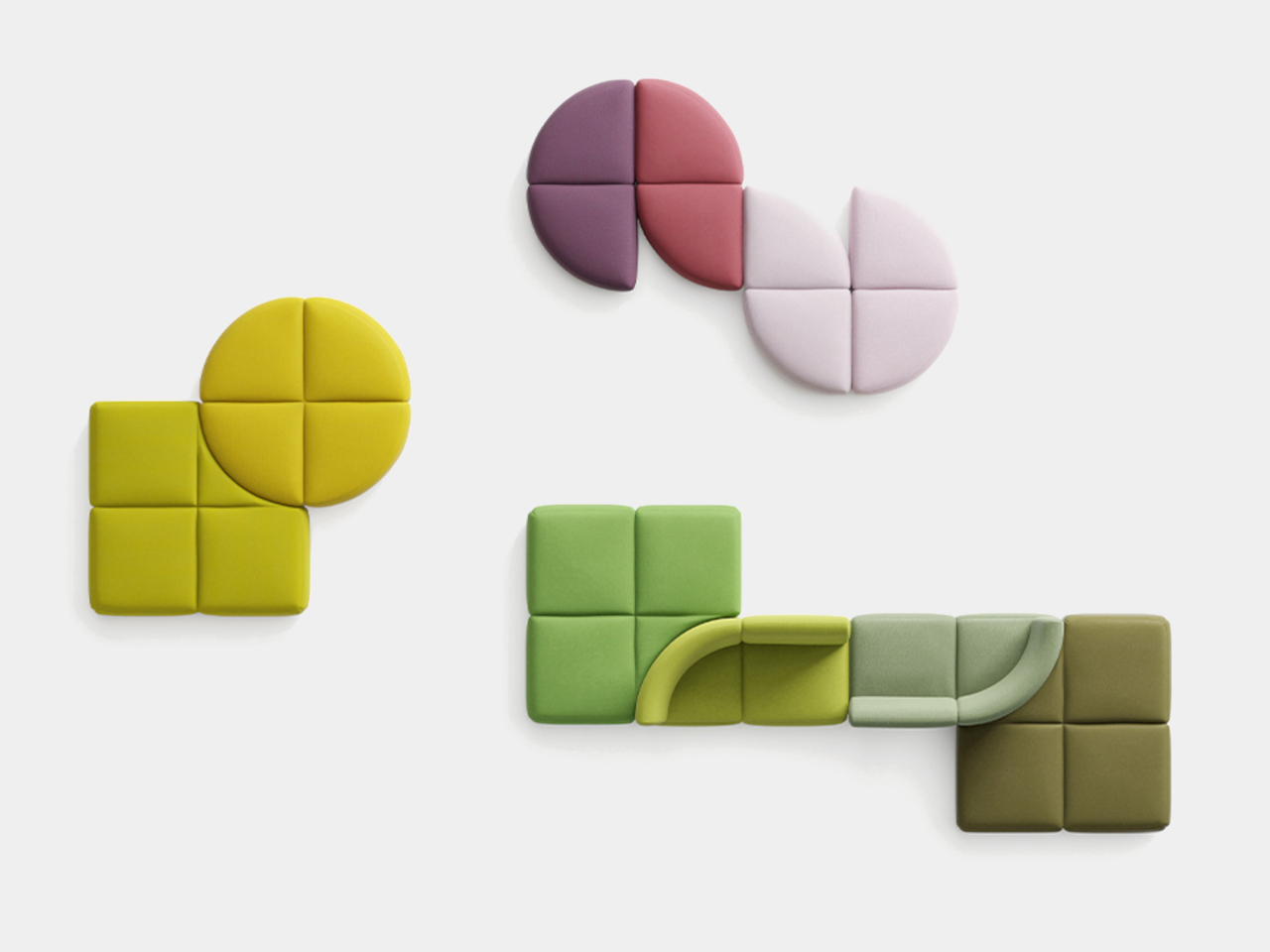
Len Furniture collaborated with the National Gallery of Victoria to create a customizable collection inspired by Bauhaus principles and Alma Siedhoff-Buscher’s work. Featuring plush, knitted sofa pieces that seamlessly curve into one another, the collection encourages workspace play and social interaction. Embracing Bauhaus’ geometric tendencies, the furniture mimics the movement and integration of children’s maritime toy blocks, offering versatile and dynamic arrangements. With endless possibilities for customization, this collection celebrates skilled craftsmanship and design innovation.
6. Integration of Technology
Nowadays, with the rise of smart homes, technology is being integrated into modular furniture. This includes built-in USB ports, wireless charging pads, and integrated speakers, seamlessly combining functionality and convenience.
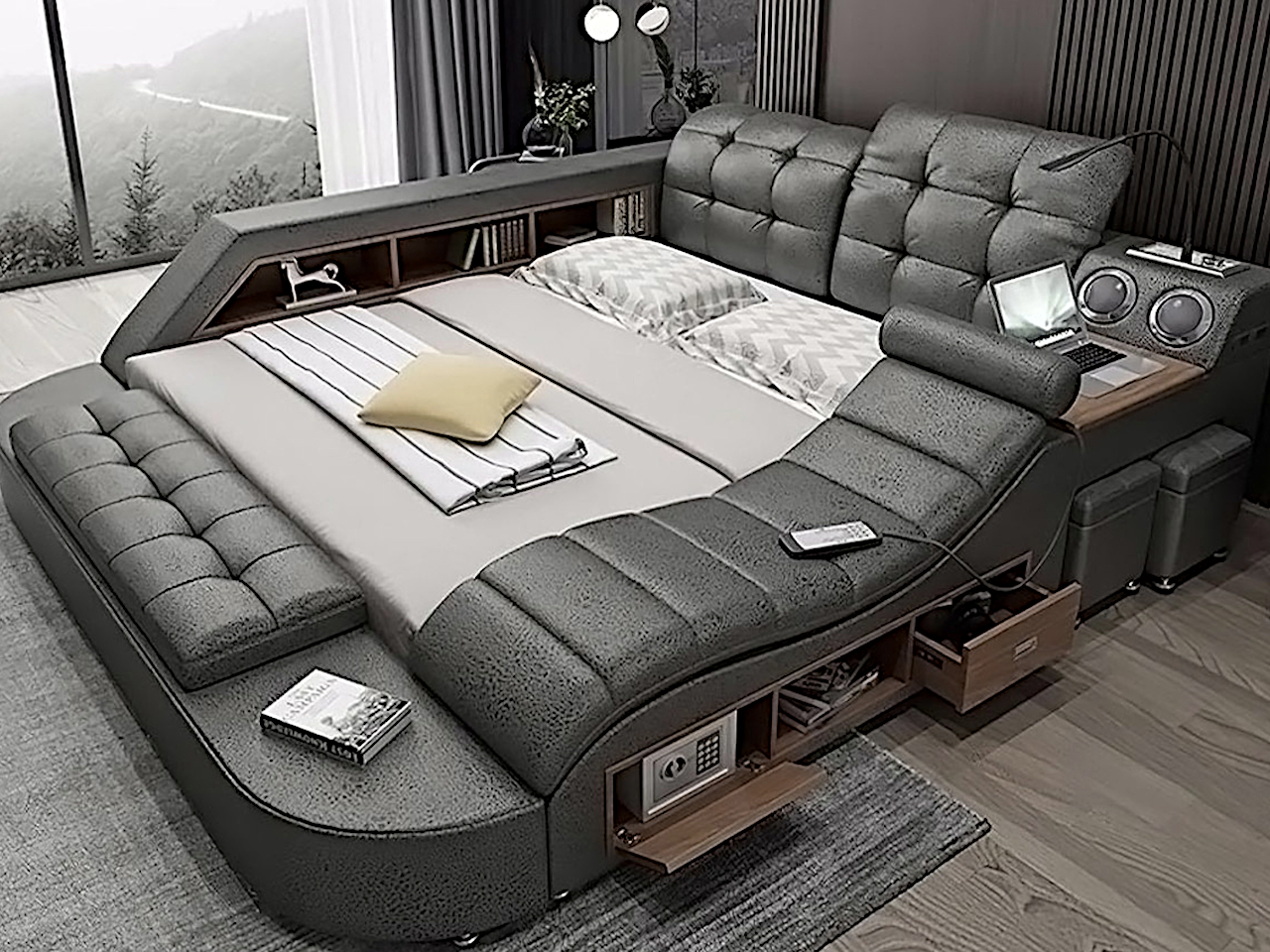
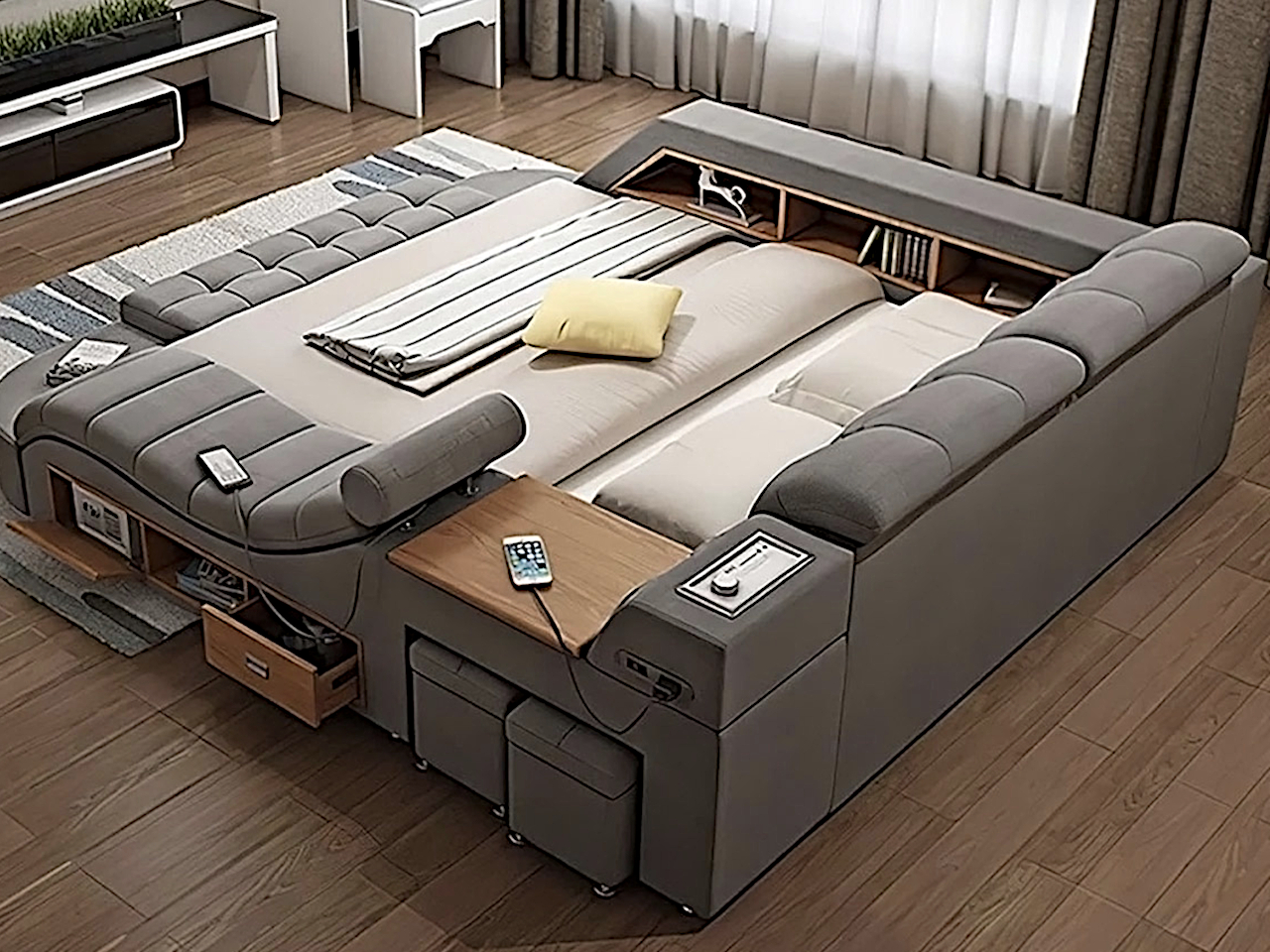
This bed offers everything you need for relaxation right within its frame. It features an integrated reclining massage chair with a remote, a built-in Bluetooth speaker, a bookshelf, a reading lamp, an air cleaning system, device charging ports, a foot-stool with extra storage, and a pop-up desk for WFH, Netflix, or reading. The sound system includes an SD card slot, an auxiliary port, and a USB port. Plus, it has a password-protected safe box for storing your valuables.
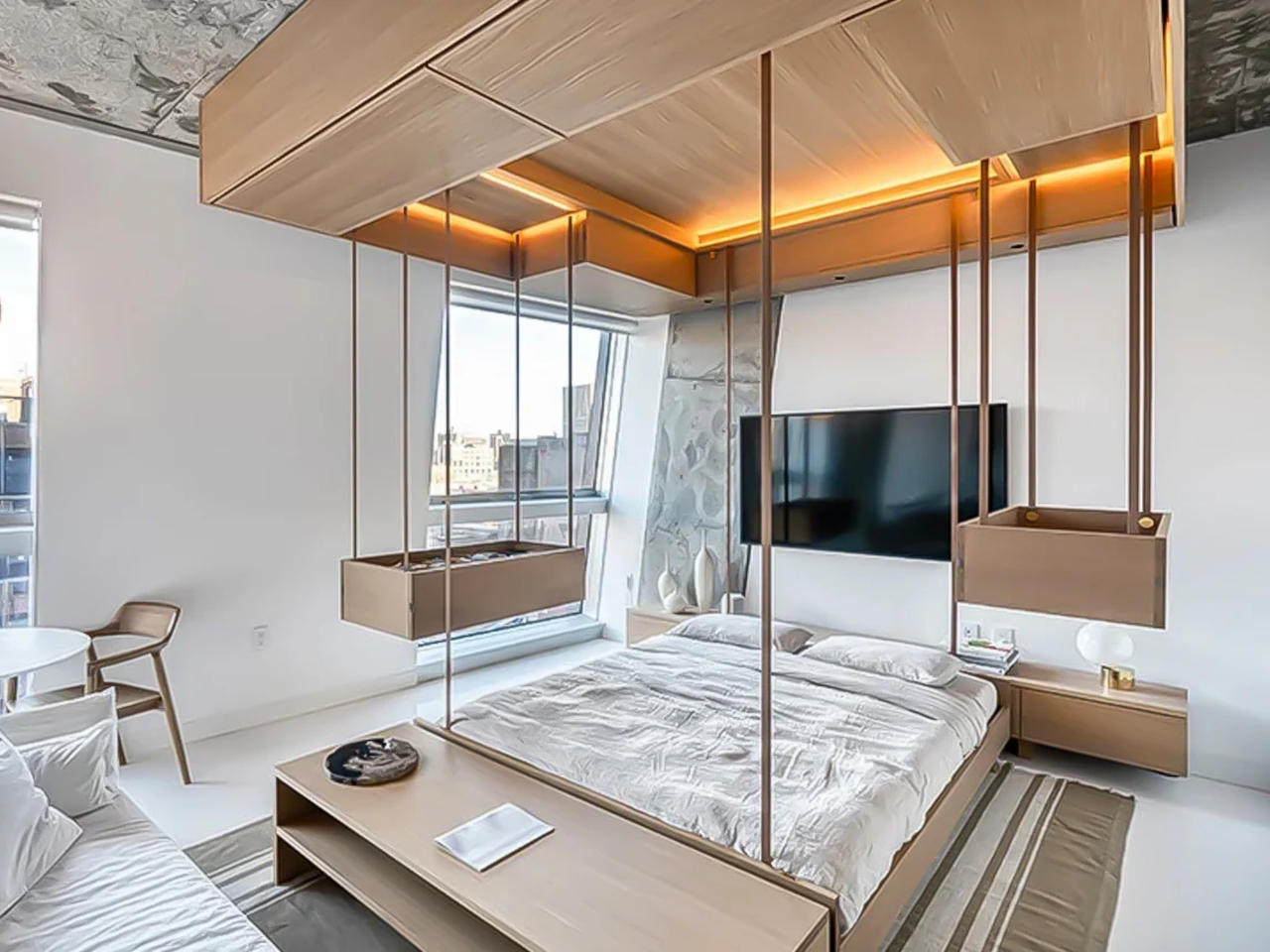
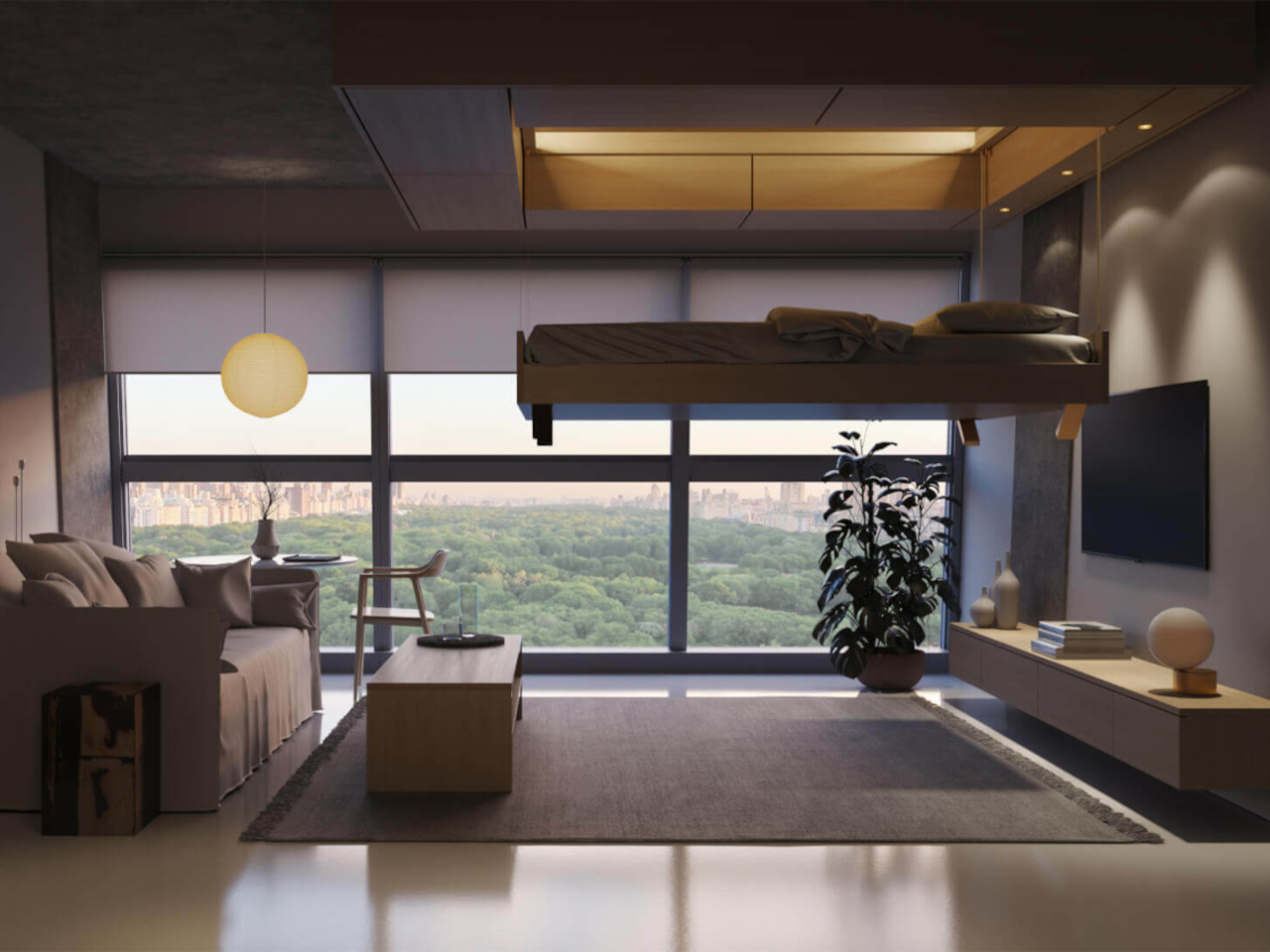
In East Harlem, ‘The Smile’ apartment complex by BIG features innovative smart furniture systems from Bumblebee Spaces. These modular units, including storage, beds, workspaces, and wardrobes, seamlessly ascend and descend from the ceiling, optimizing living space. Controlled by voice commands and programmed settings, the furniture adapts to residents’ needs. Crafted from wood, it adds warmth to the industrial aesthetic of the decor. ‘The Smile’ offers a mix of market-rate and affordable apartments, showcasing the future of urban living.
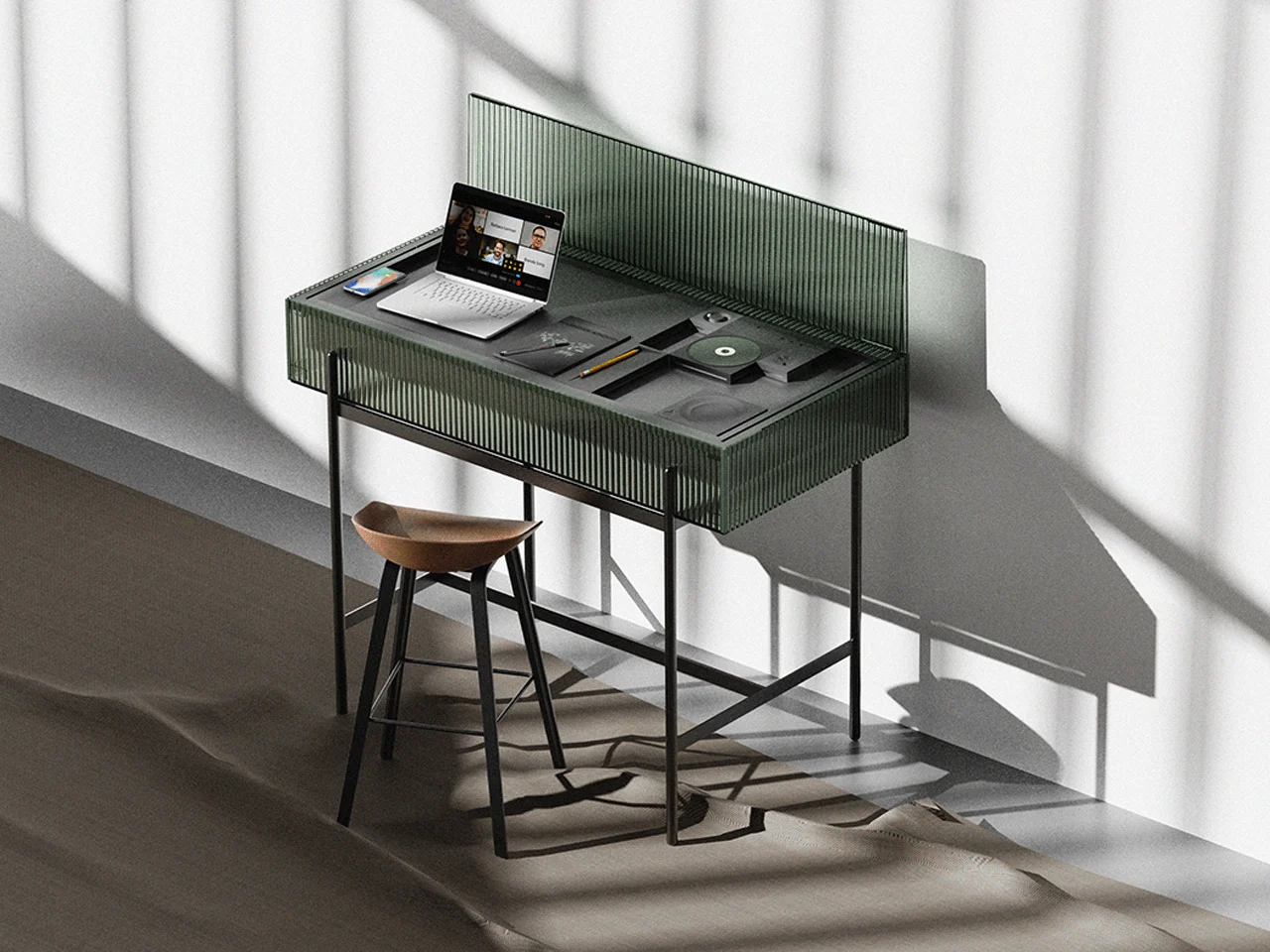
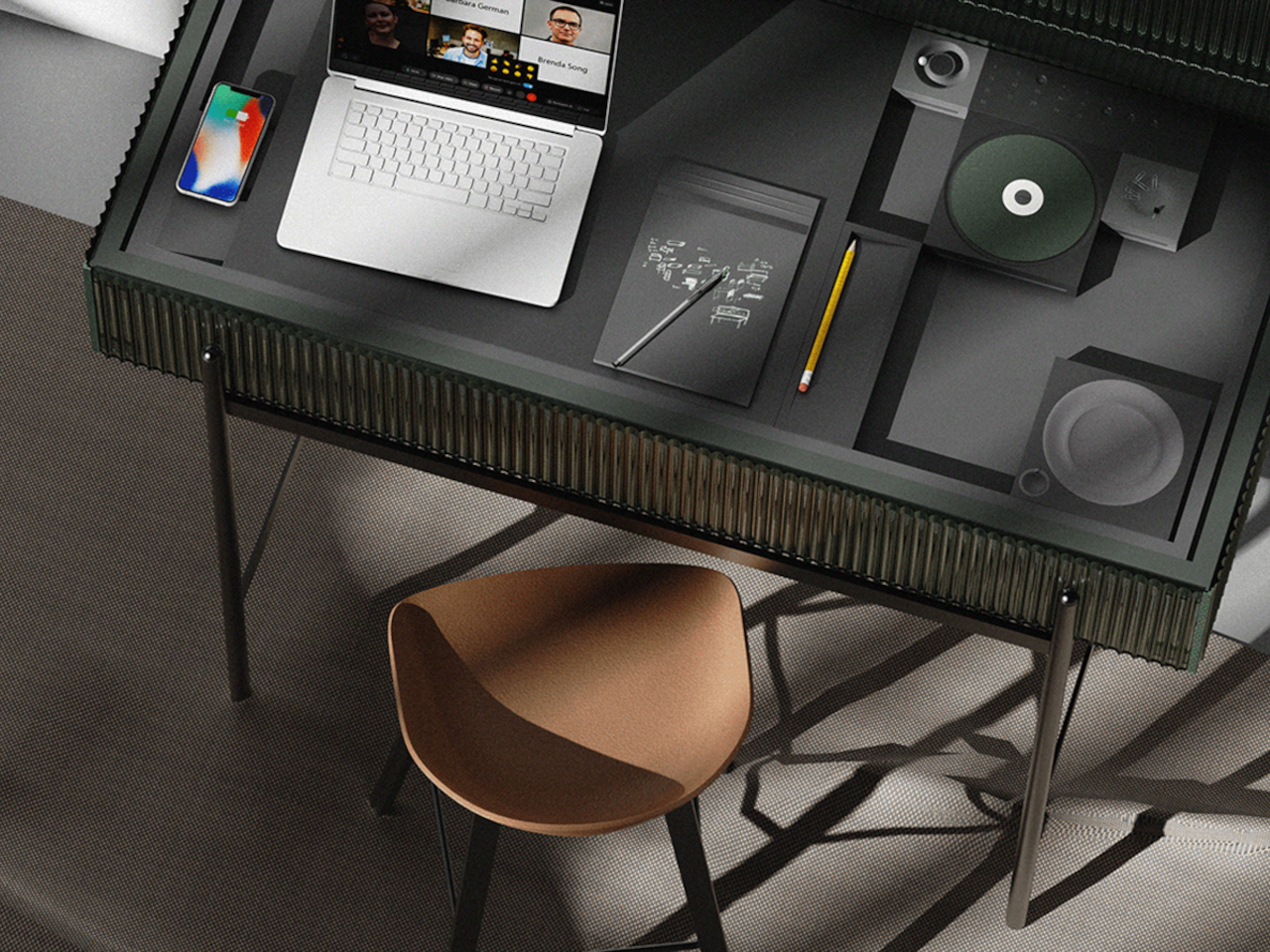
The Layout desk merges work and play seamlessly, featuring a modular design with entertainment and work modules. Designed by Juwon Kim, Jiwon Song, and Eunsang Lee, its translucent, sea green exterior catches the eye, while practical features like a foldable upper cover for privacy and a front display panel for widgets enhance functionality. Inside, various modules including light controllers, phone chargers, and music players offer convenience and versatility, ensuring an optimal workspace for both productivity and leisure.
7. Focus on Outdoor Furniture
Modular furniture isn’t just for indoors; it works great outside too. Homeowners can set up flexible seating in gardens, patios, and balconies, making outdoor spaces feel like an extension of their indoor living areas.
Uuma is a portable fiberglass table-chair combo designed by industrial designer Gökçe Nafak. This stackable unit offers convenience for both indoor and outdoor workspaces, seamlessly transitioning from the home office to the garden. Crafted for durability and portability, uuma’s customizable components make it easy to assemble and disassemble. With its adjustable features and sleek design, uuma provides comfort and efficiency wherever one chooses to work.
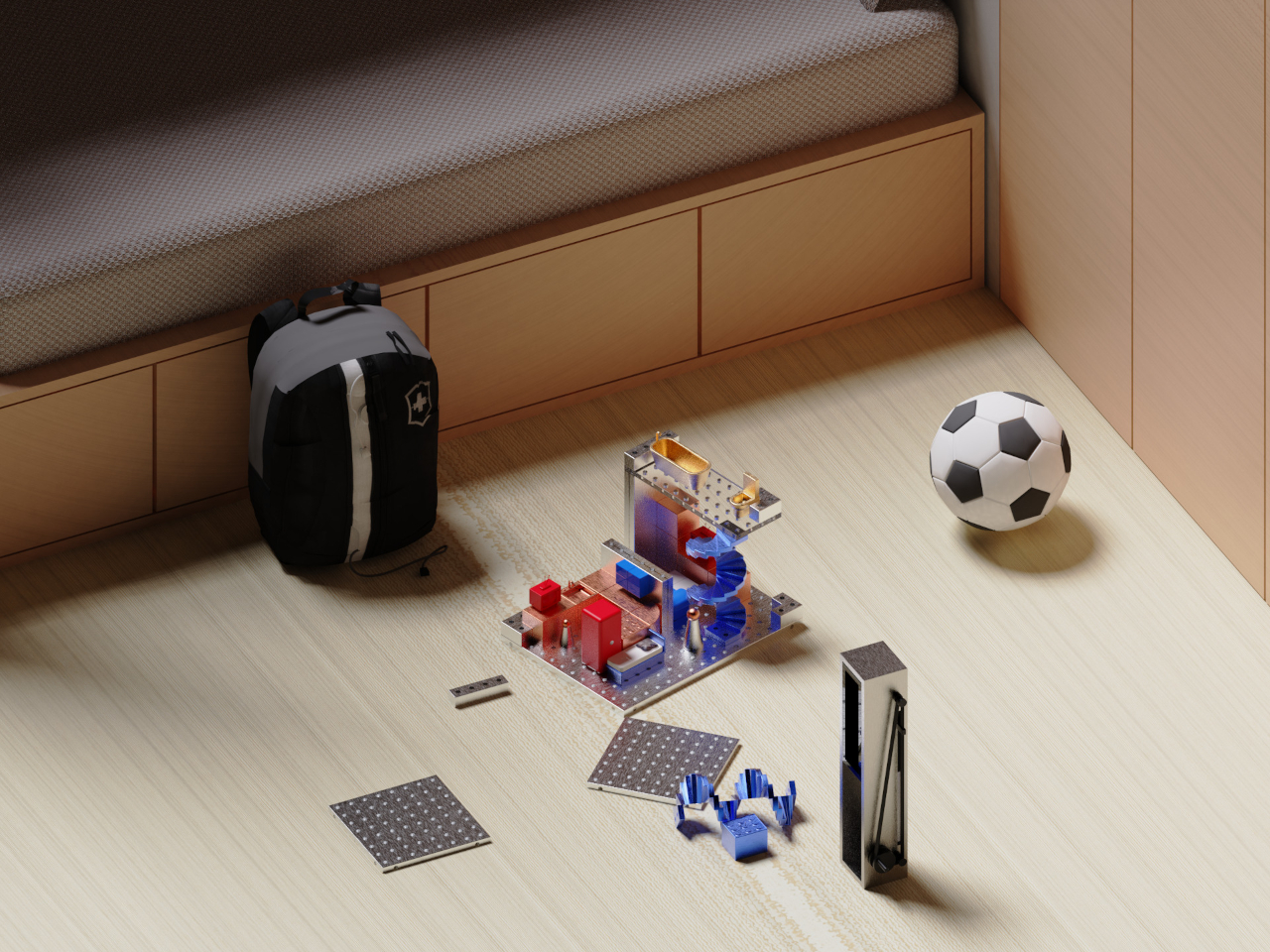
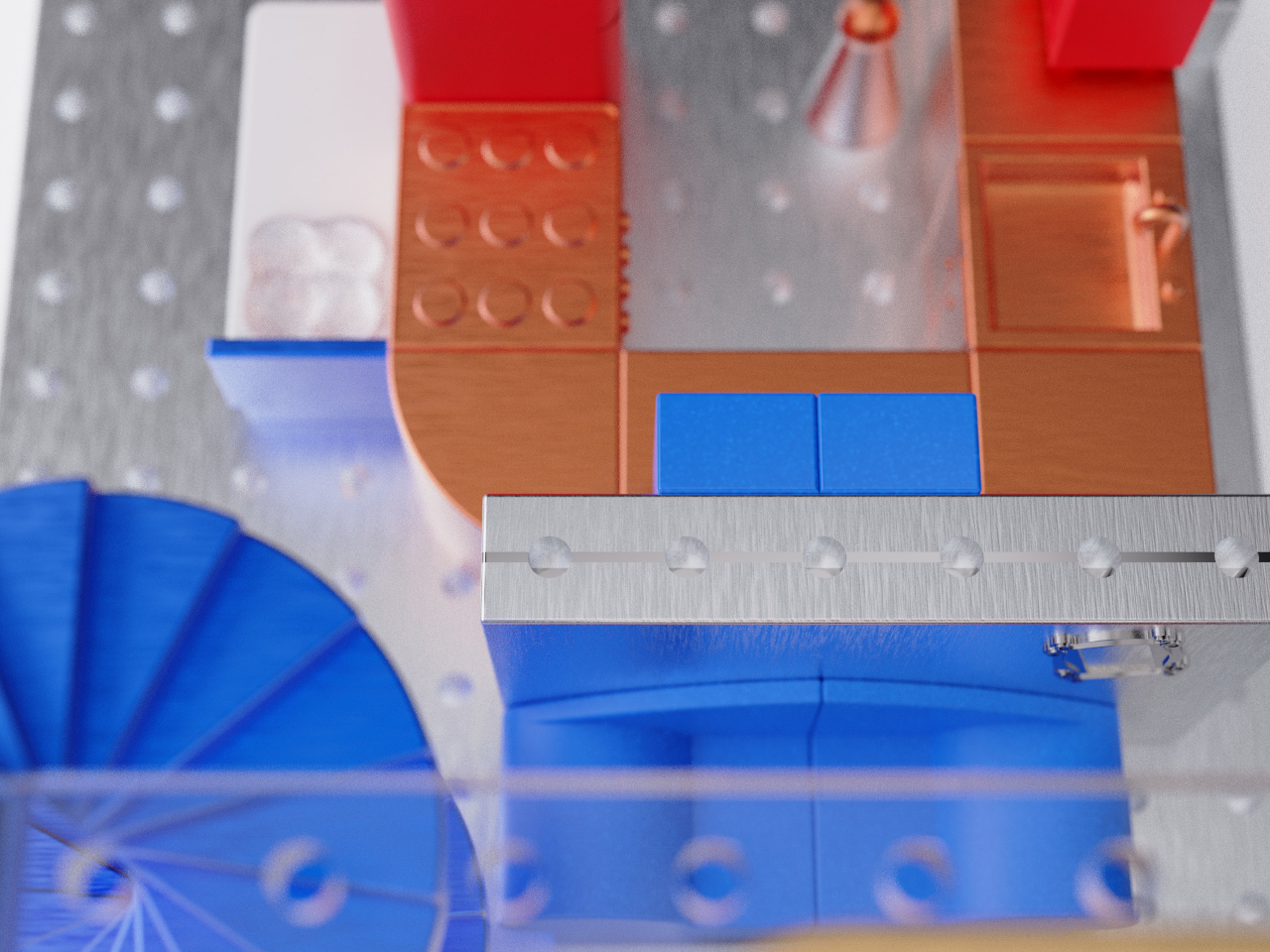
It’s pretty amazing how many things you can make if you’re given the right tools and materials. LEGO blocks have inspired creativity and shaped minds for generations in the physical world, while sandbox games like Minecraft have pulled the same feat in the digital world. These two creative platforms, in turn, have inspired many other toys and experiences that try to bring this freedom of creation to other designs. This particular design concept, for example, has a similar vibe to LEGO but caters to the young and young at heart who want to build their ideal doll houses.
LEGO blocks started out as literal block-shaped pieces that you could combine in different ways to create structures, animals, vehicles, and anything your mind can imagine. More specialized pieces came later on that somewhat deviated from squares and rectangles, including wheels and gears, but the overall aesthetic remained the same. The same is true with the game Minecraft, where you can build almost anything imaginable, such as a primitive computer, but still look blocky overall.
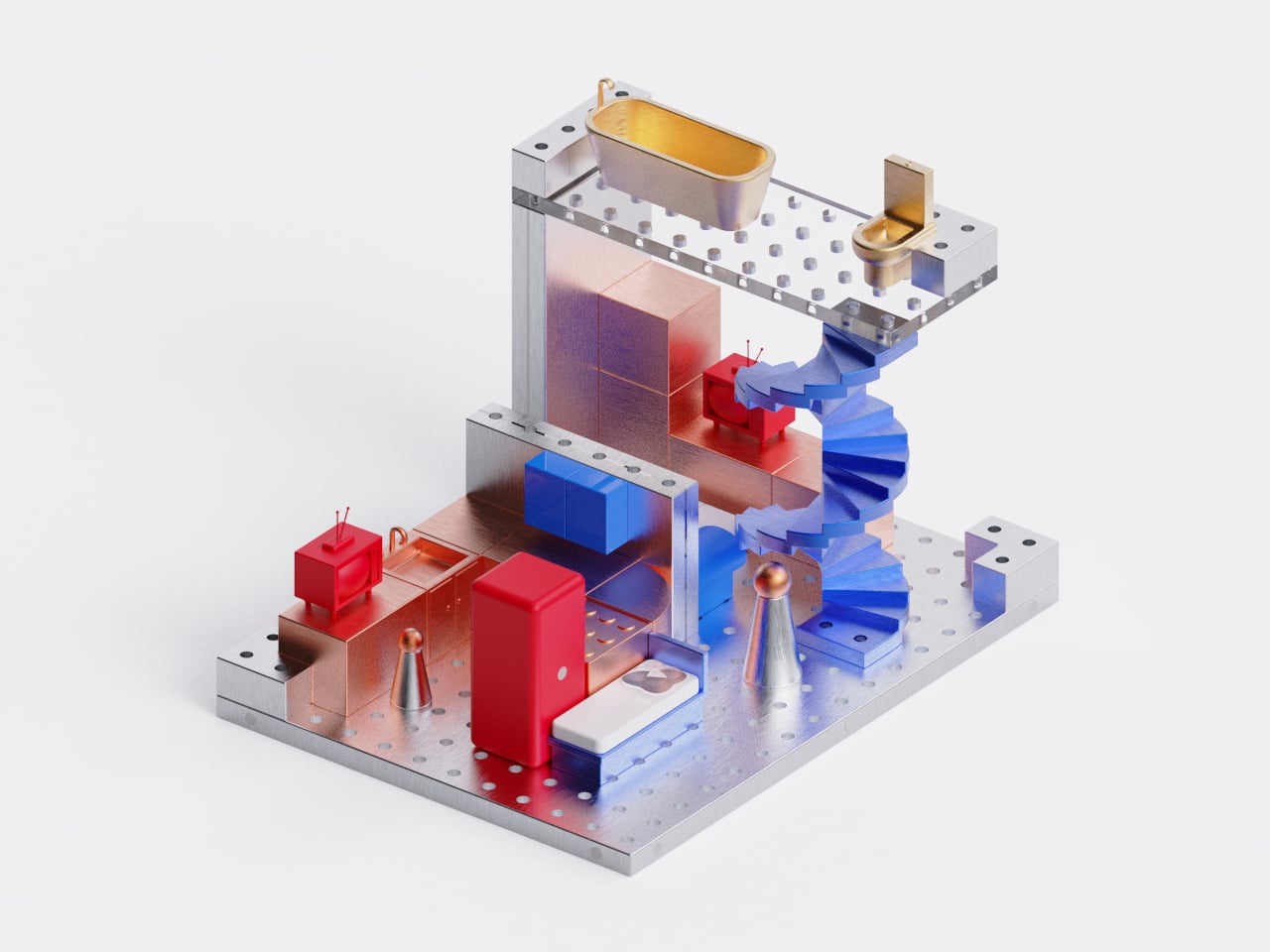
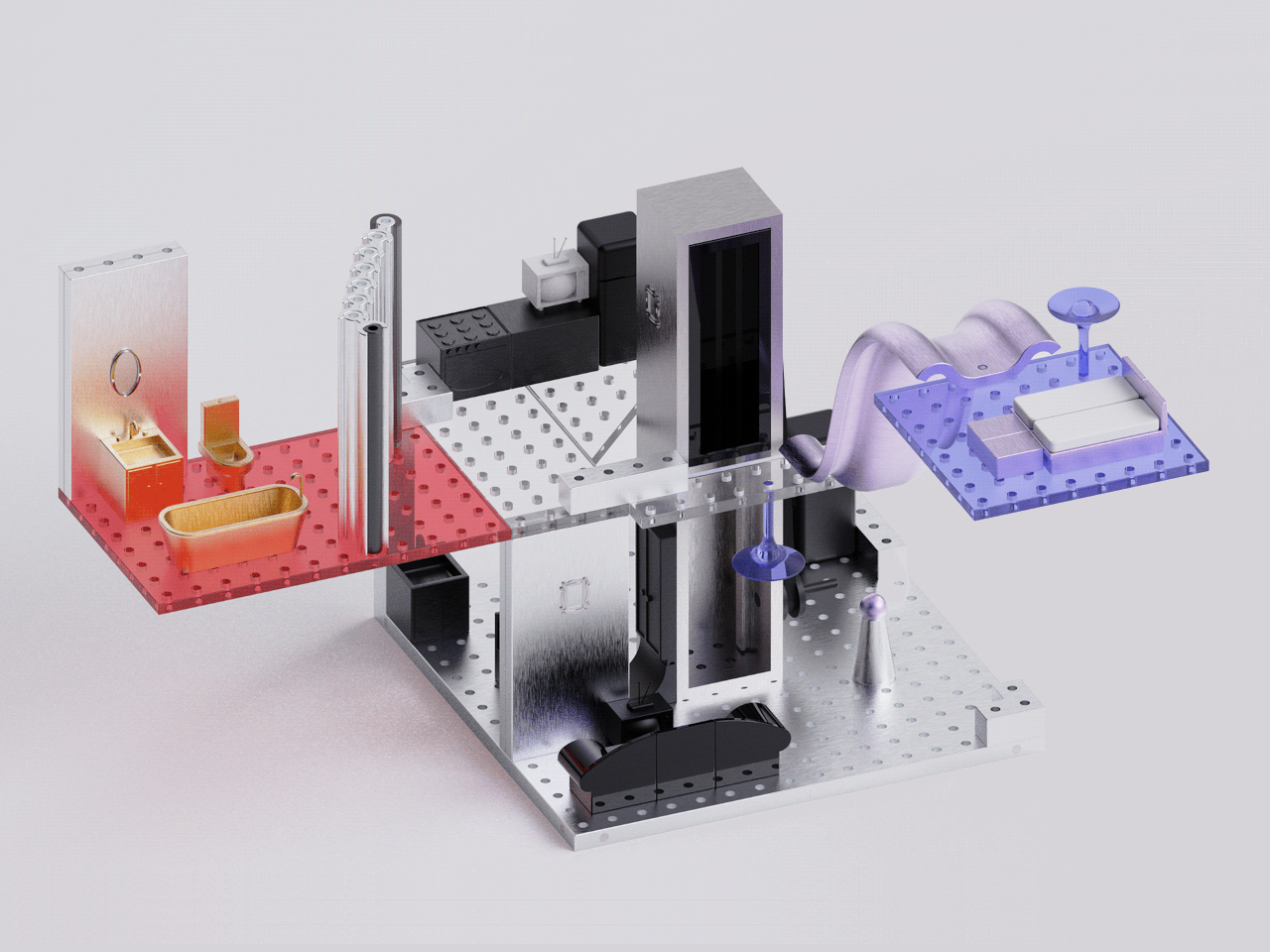
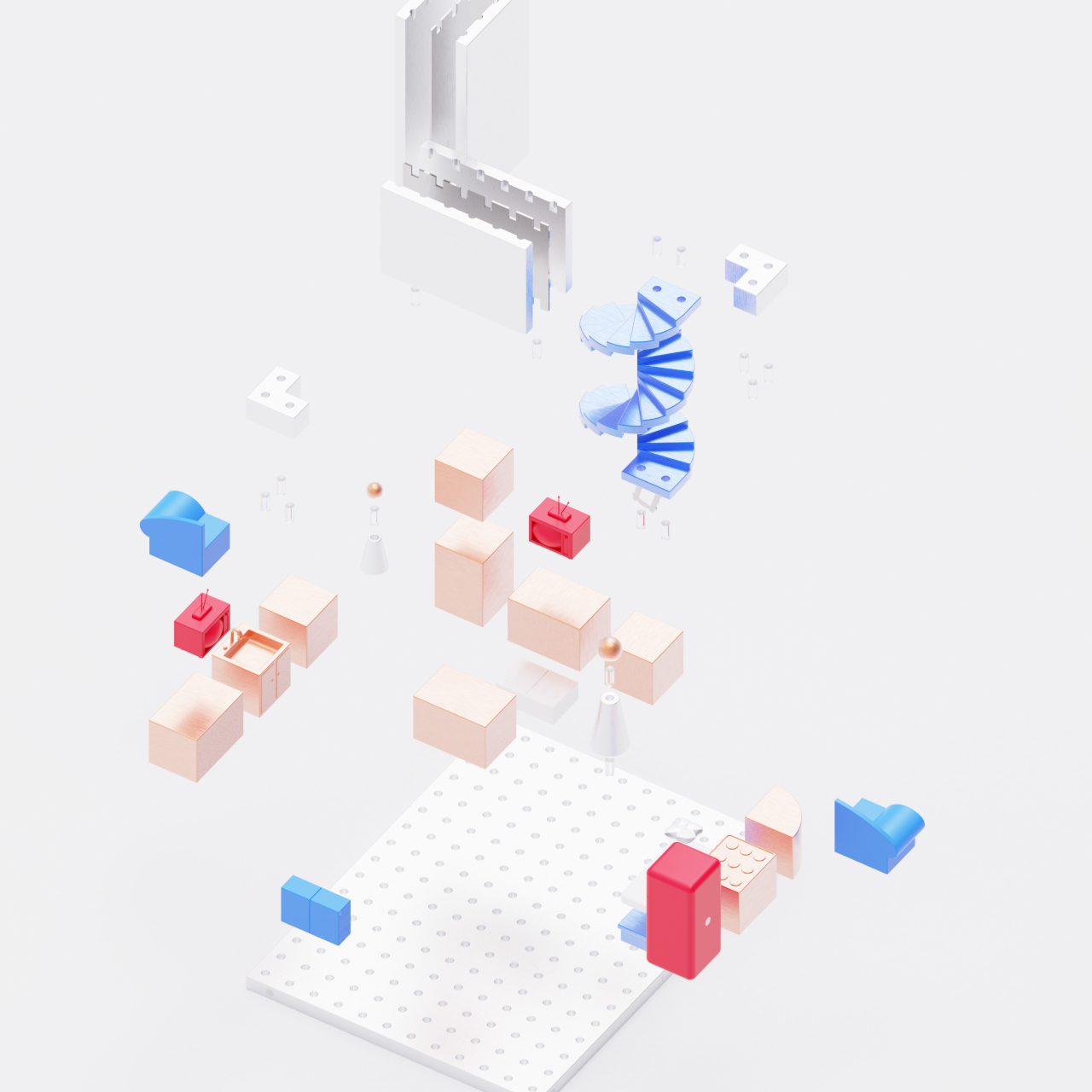
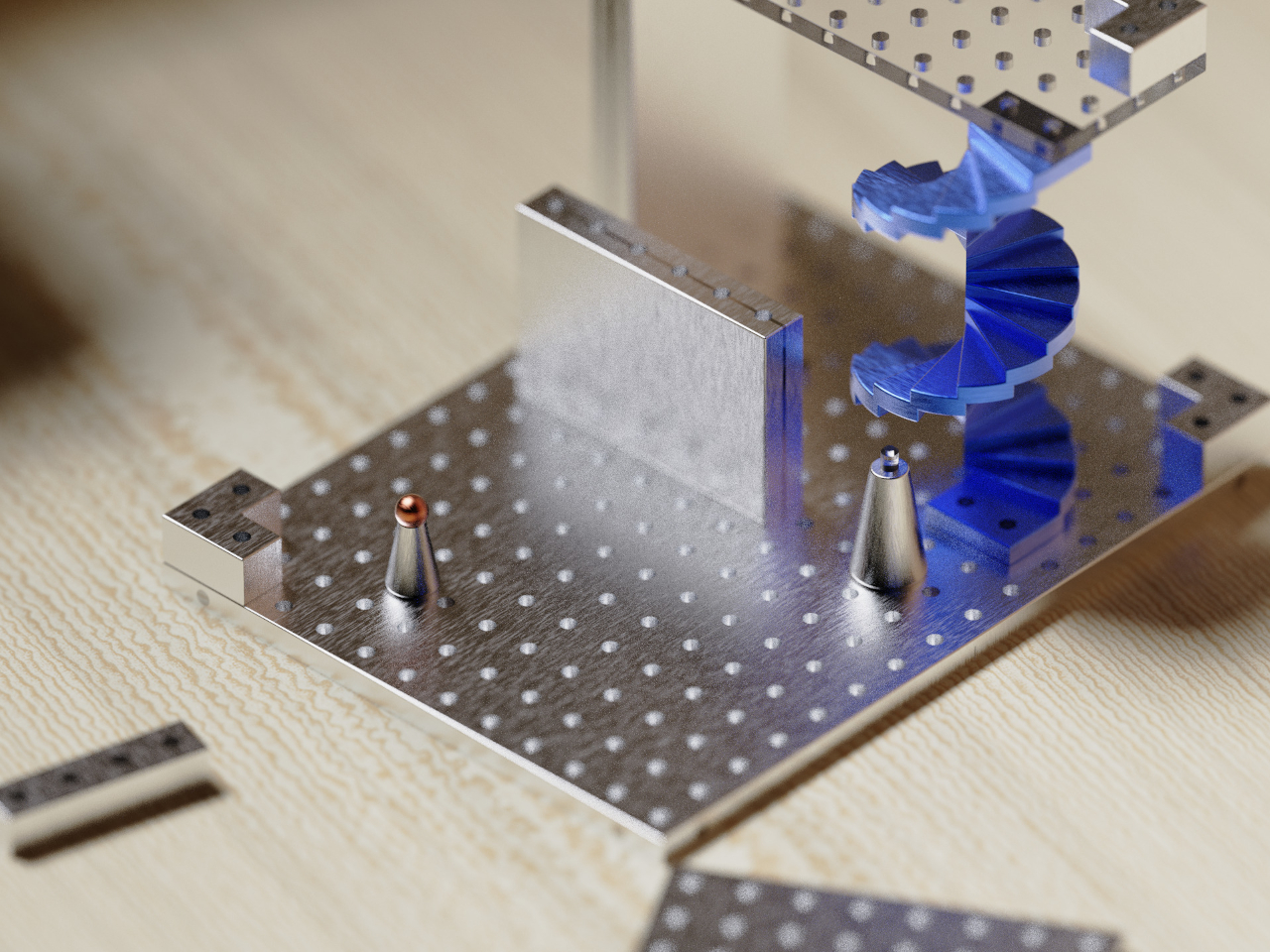
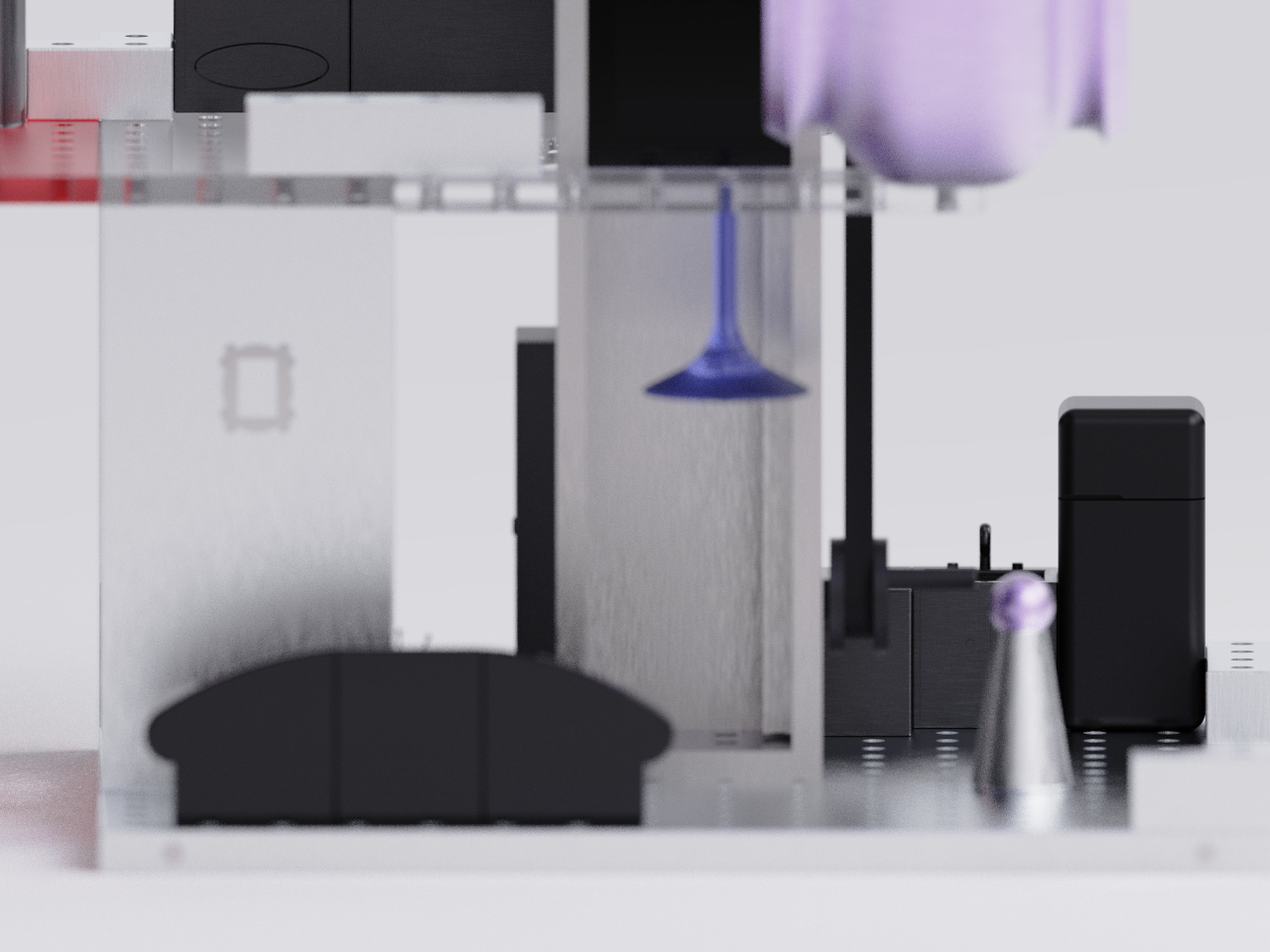
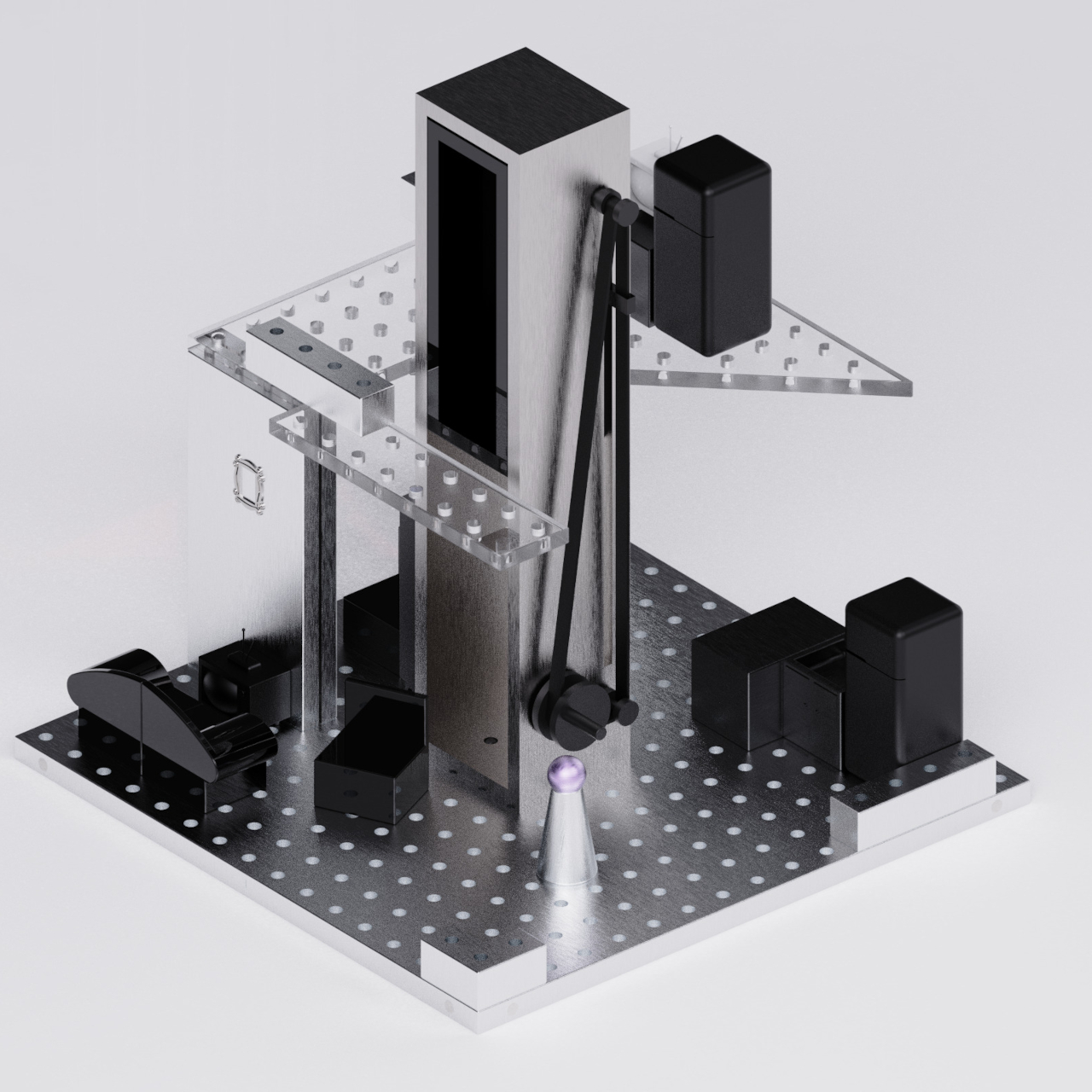
BLUID-IT is a design concept that tries to expand those shapes to allow for more expressive combinations. The goal, however, isn’t just to build anything but to build dollhouses specifically. There are already plenty of dollhouses, most of them designed for kids, that allow a bit of customization, but you can only use what comes with the package, or maybe buy some additional accessories. And almost all of them revolve around a specific theme or style.
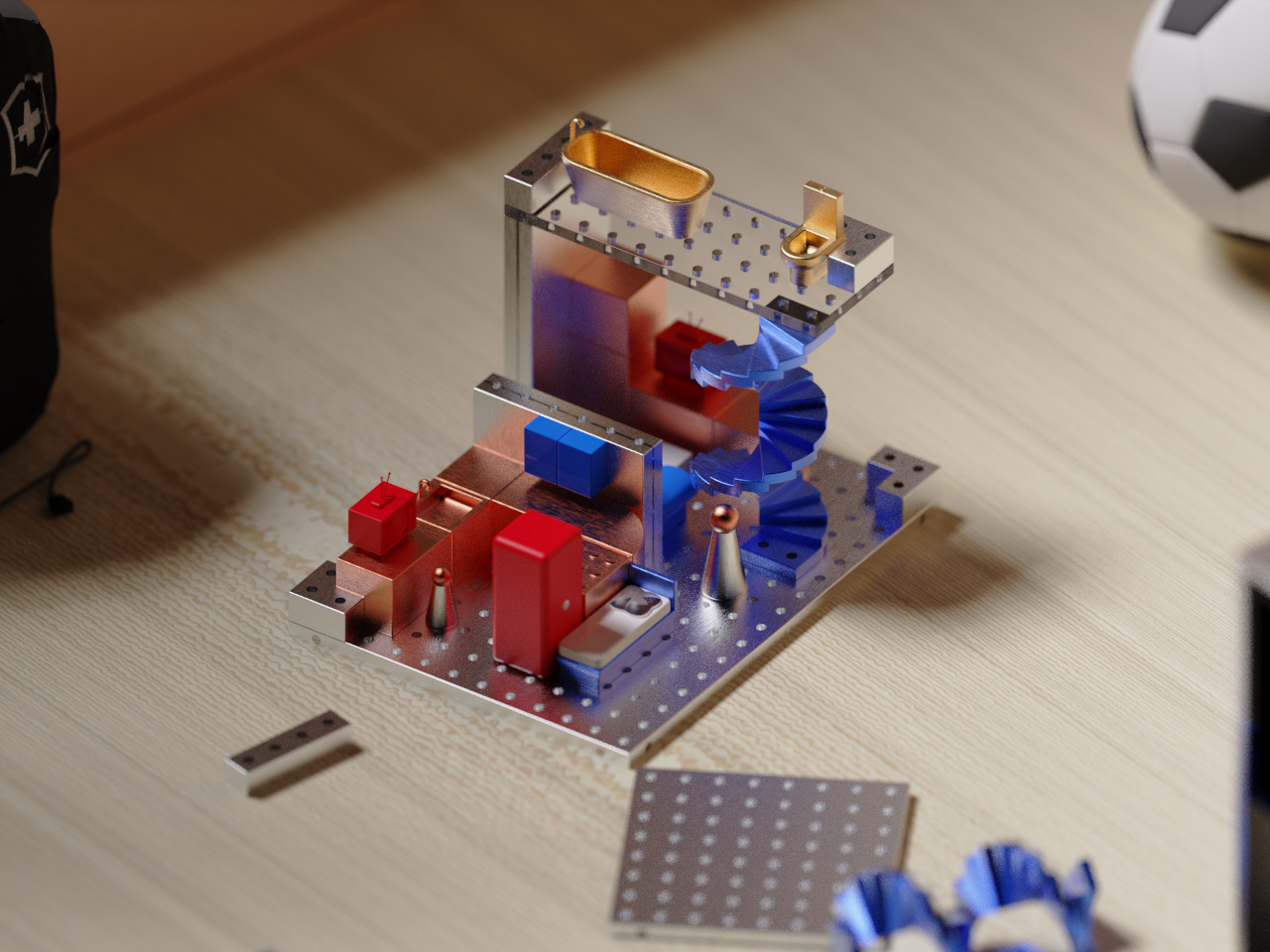
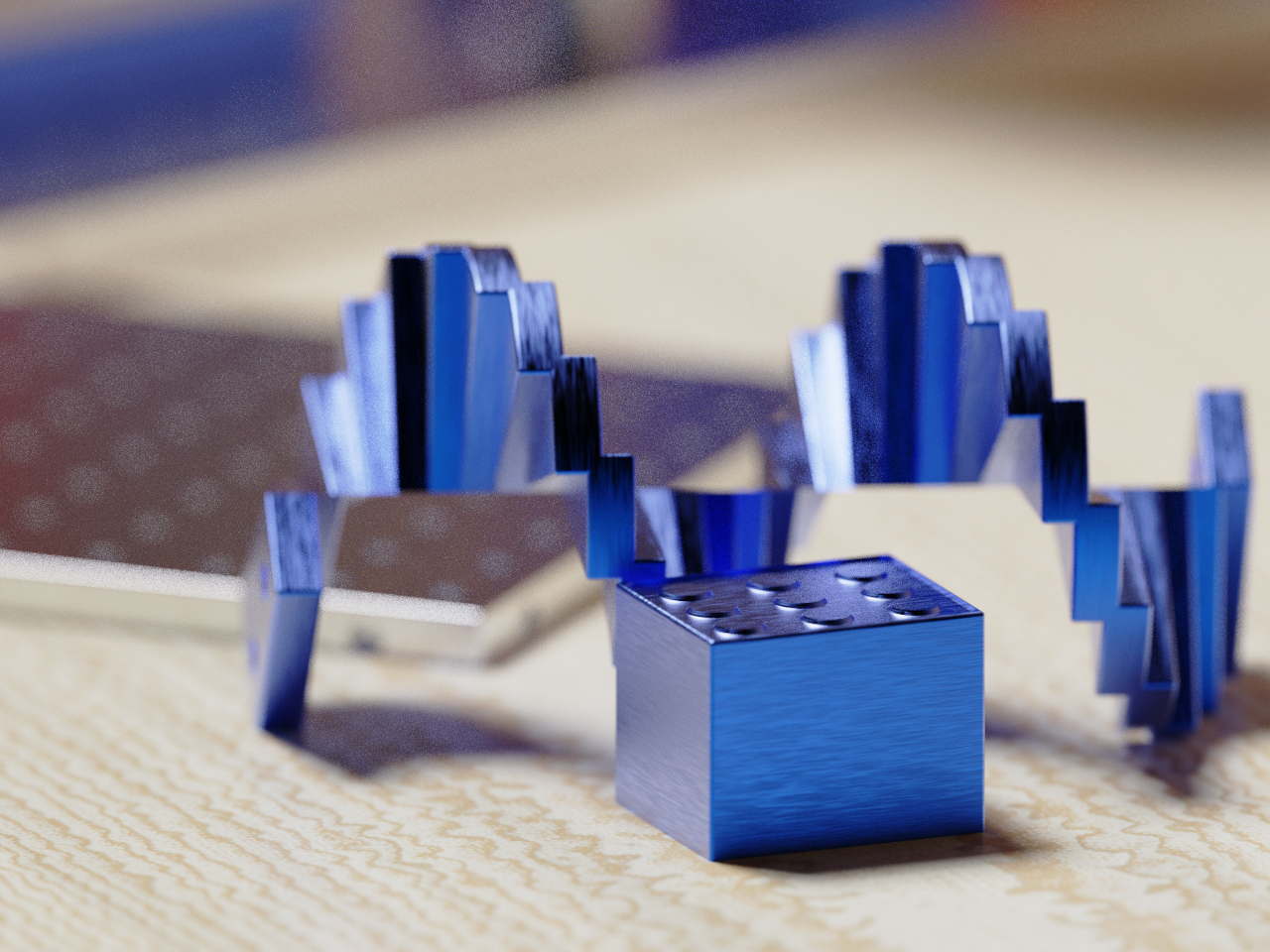
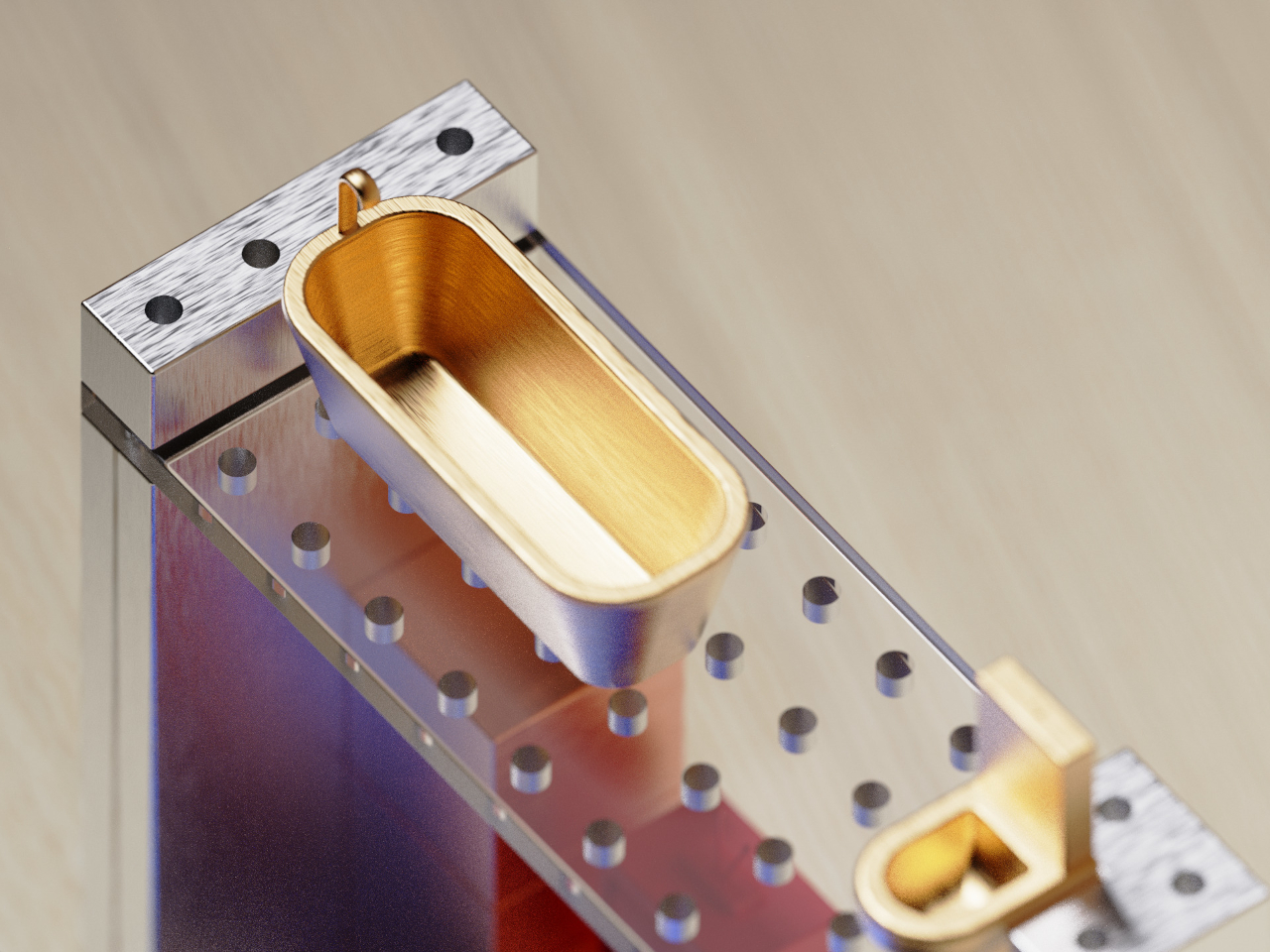
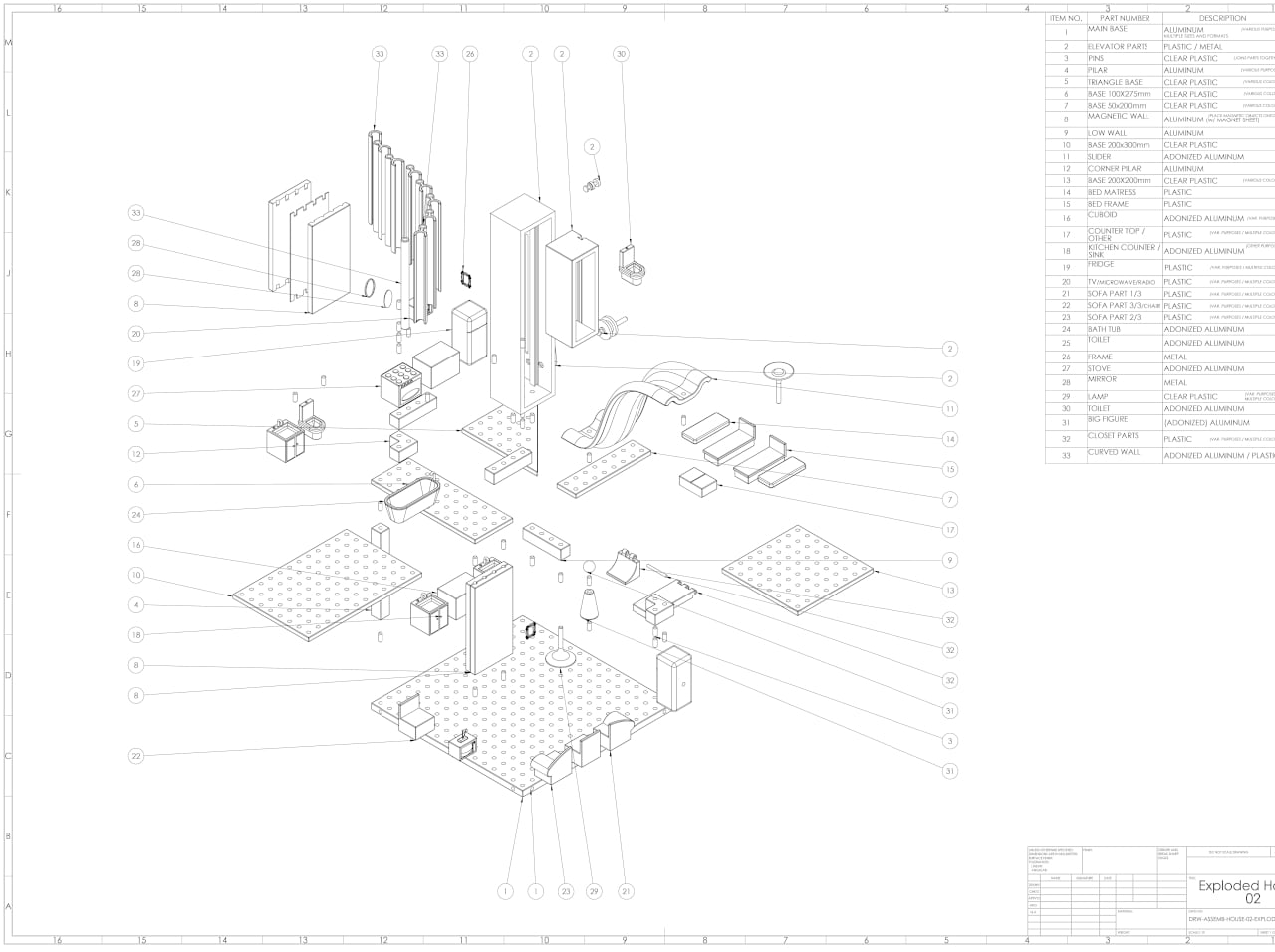
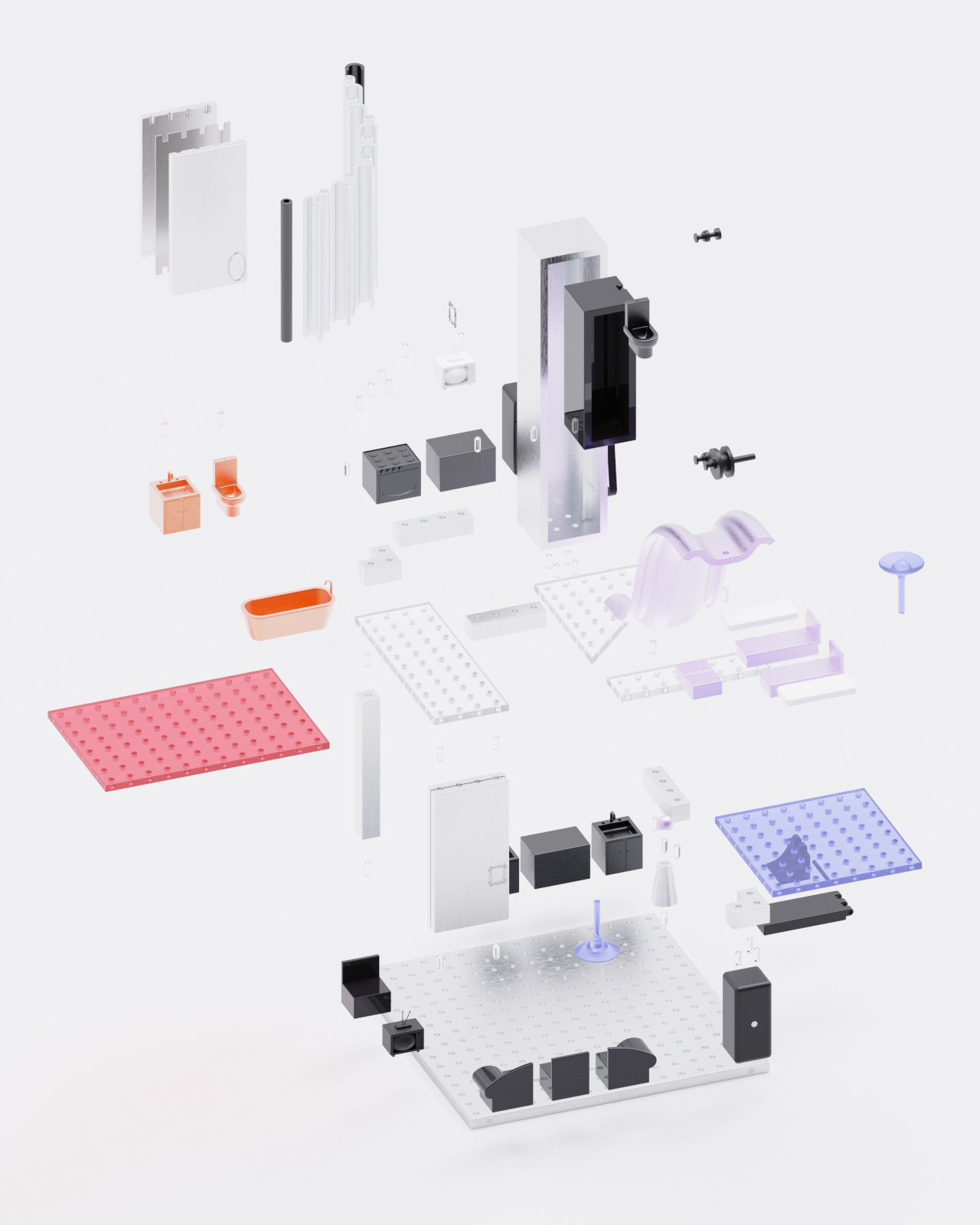
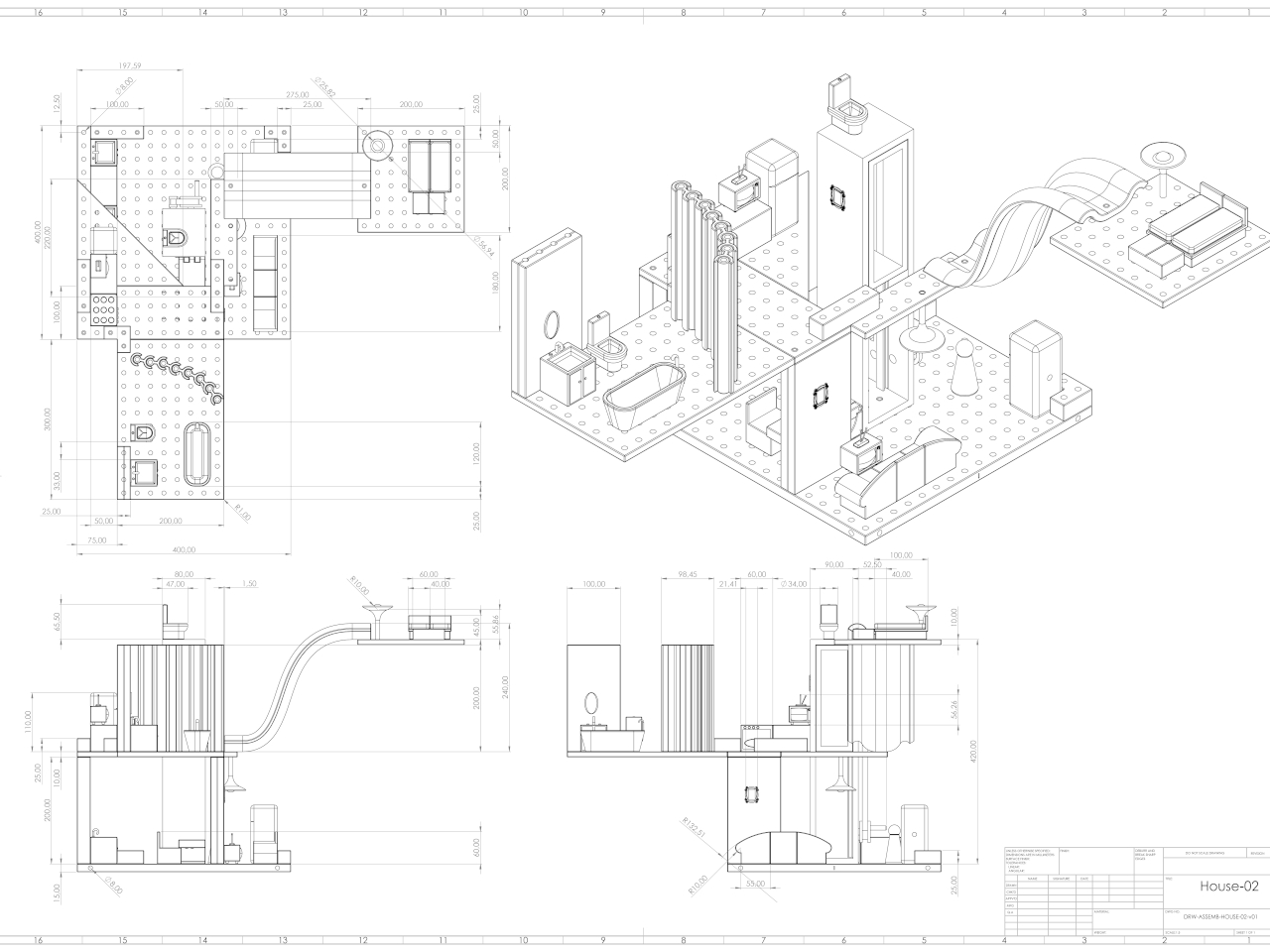
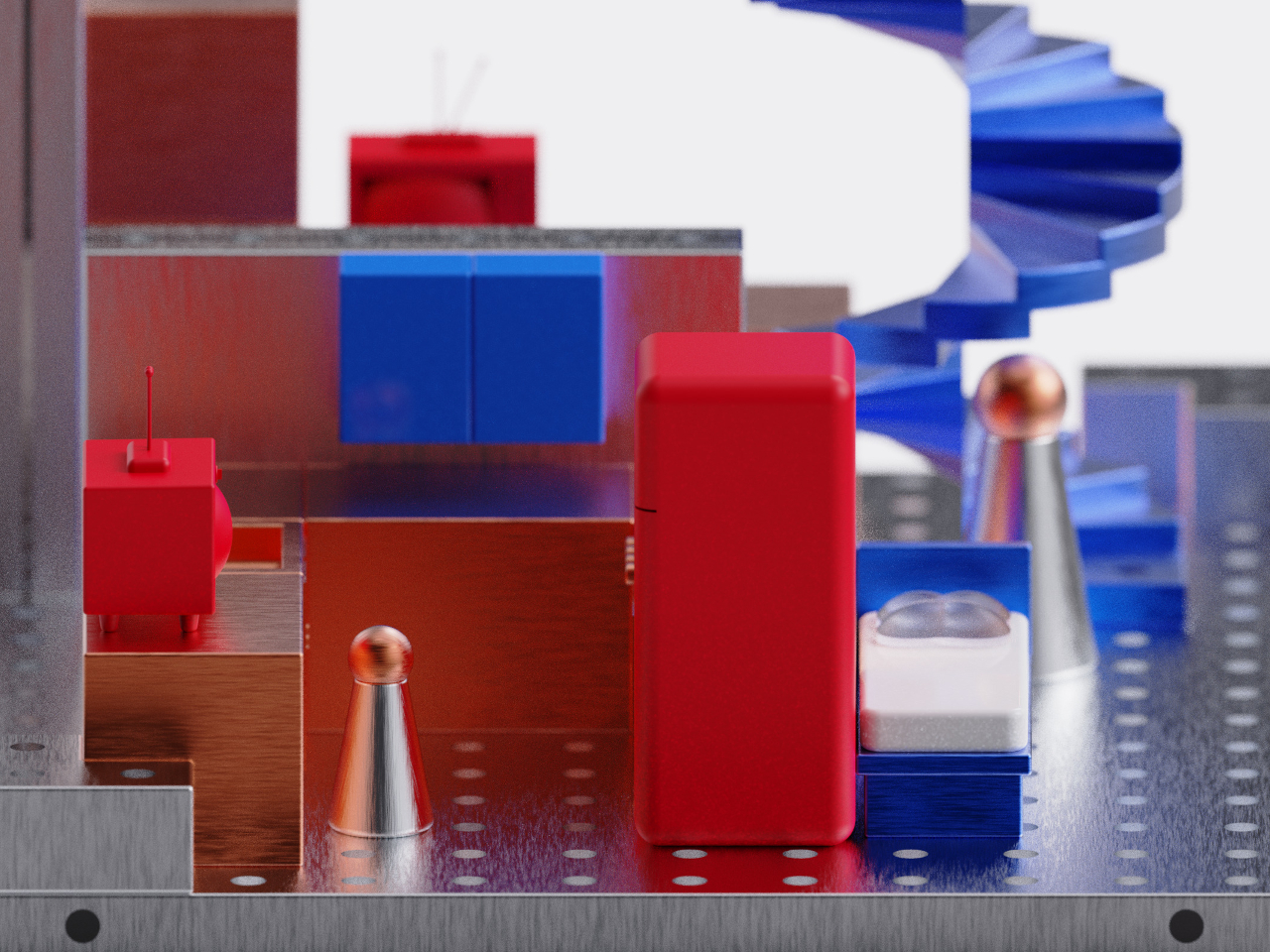
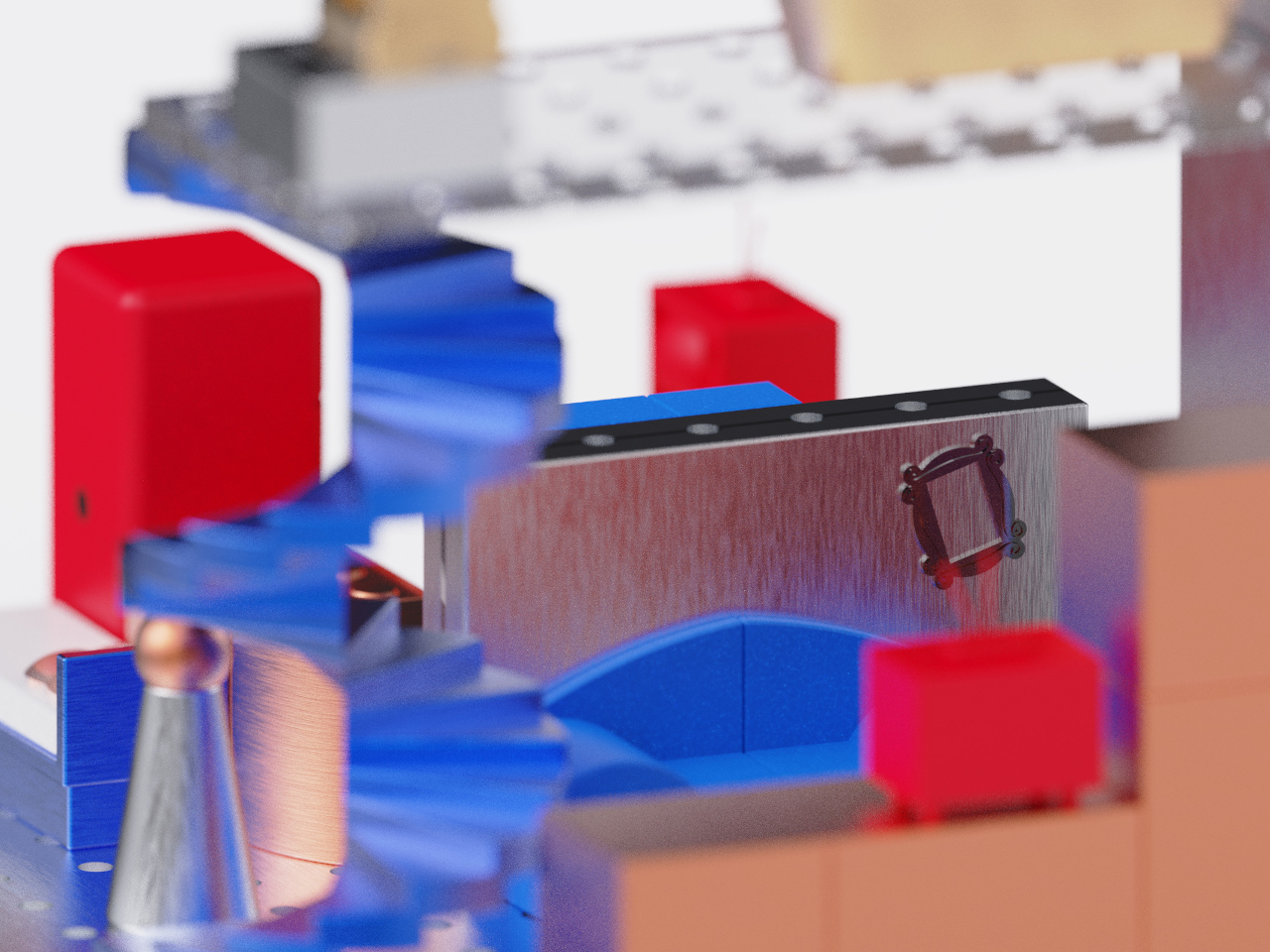
But what if you had hundreds of small objects to choose from, ranging from pillars to spiral staircases to magnetic walls? You can, in theory, build almost any house interior possible, one that can even span more than just a single level. No two houses would be identical, unless you intentionally copied, of course, allowing greater freedom in designing the perfect living space for miniature people.
It’s not completely free-form, though. The aluminum platforms and walls have perforations where you can insert tiny walls, furniture, and other pieces. This makes the design easier to use for younger audiences, giving them some guidelines to follow. It may even be useful as a tool for interior designers or architects, giving them a quick and easy way to create models for their desired arrangements as well.
Desks don’t always have to be fancy and maximalist. Sometimes, all we need it to do is to hold our stuff while working or studying and to have space to put all the things we need while we’re doing that. Some desks are also designed to help you focus on what you need to do. Some are also created to add a bit of color or joy to the room you’re in so you won’t get bored while you’re doing what needs to be done.
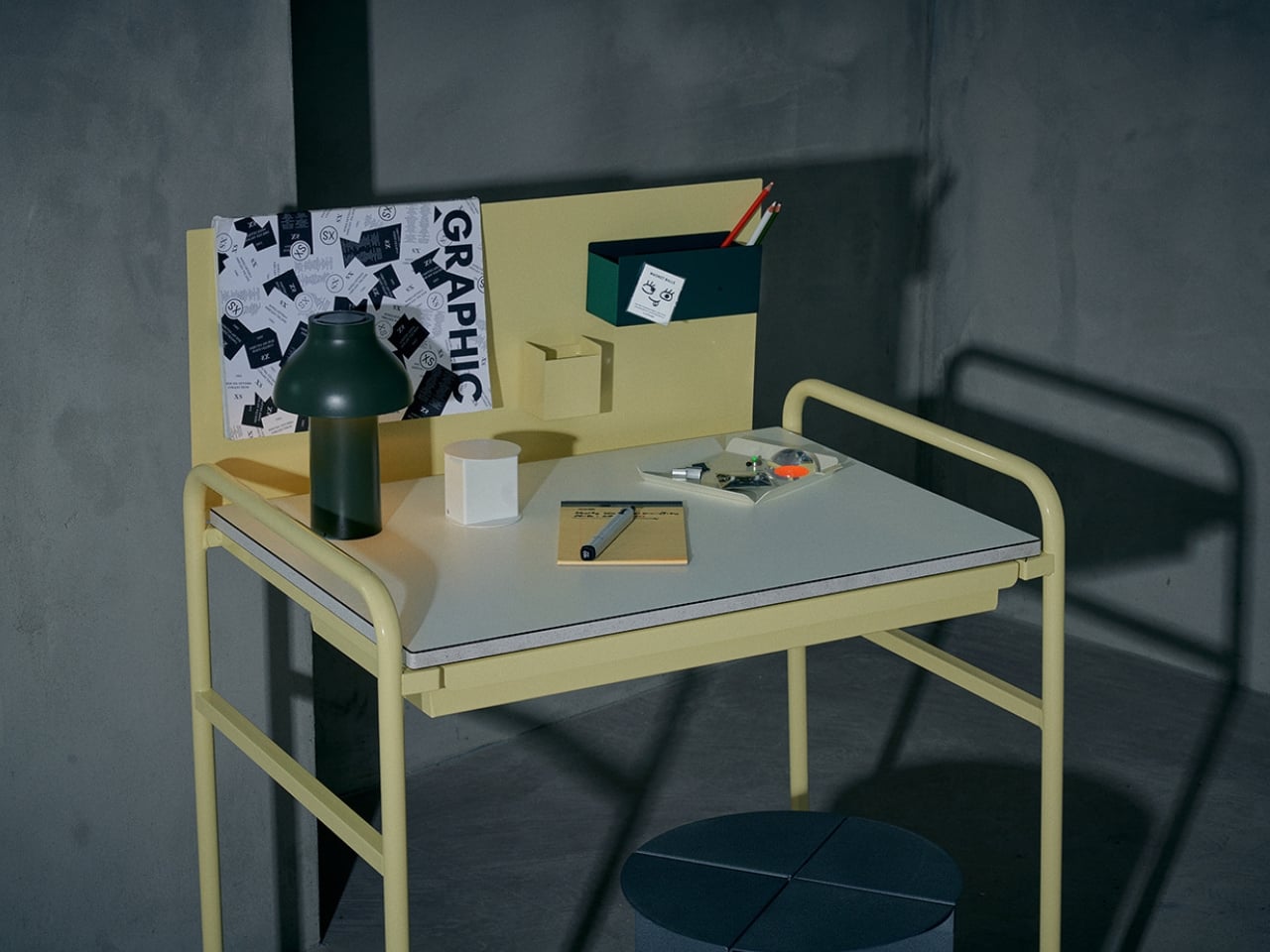
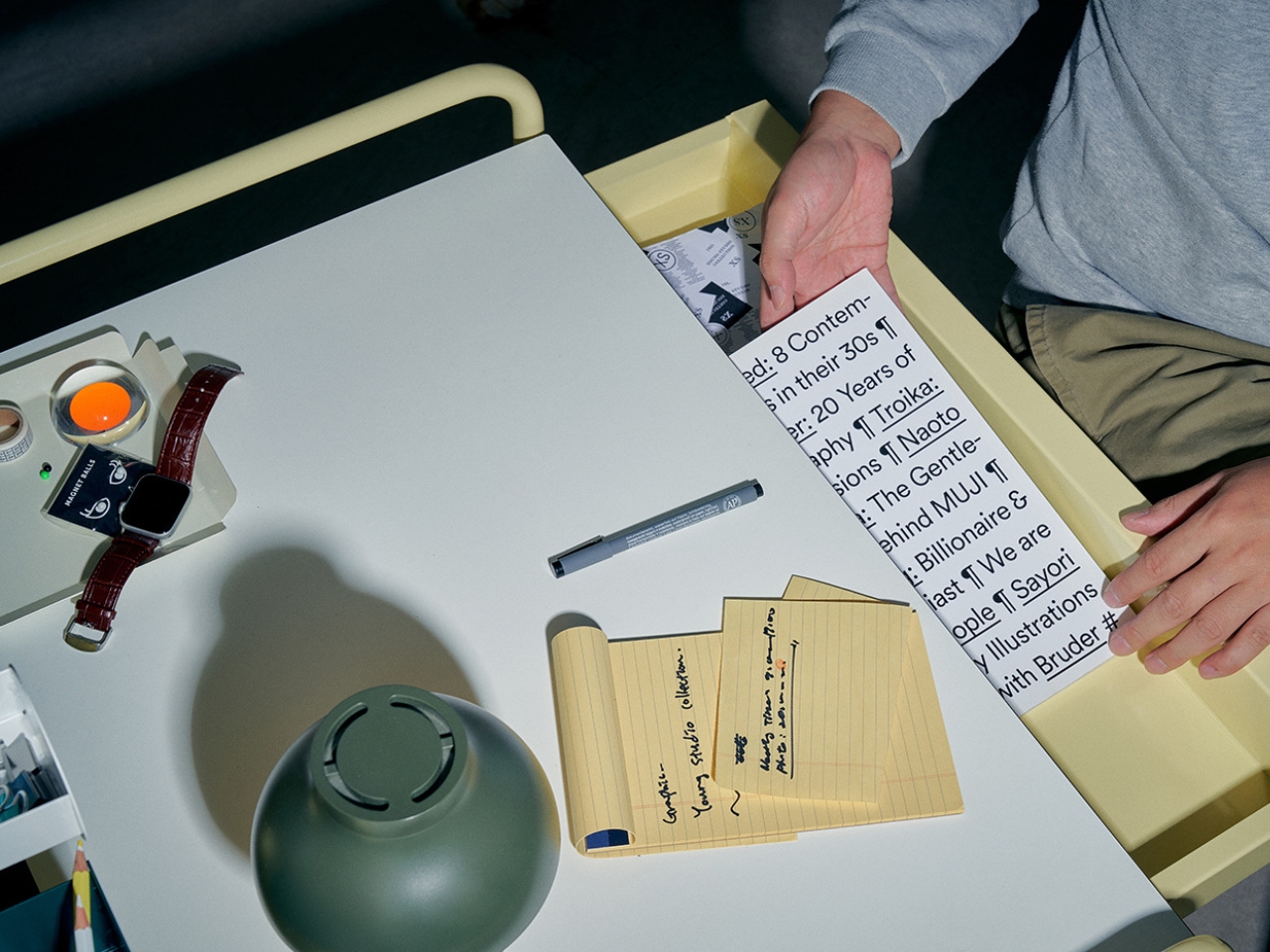
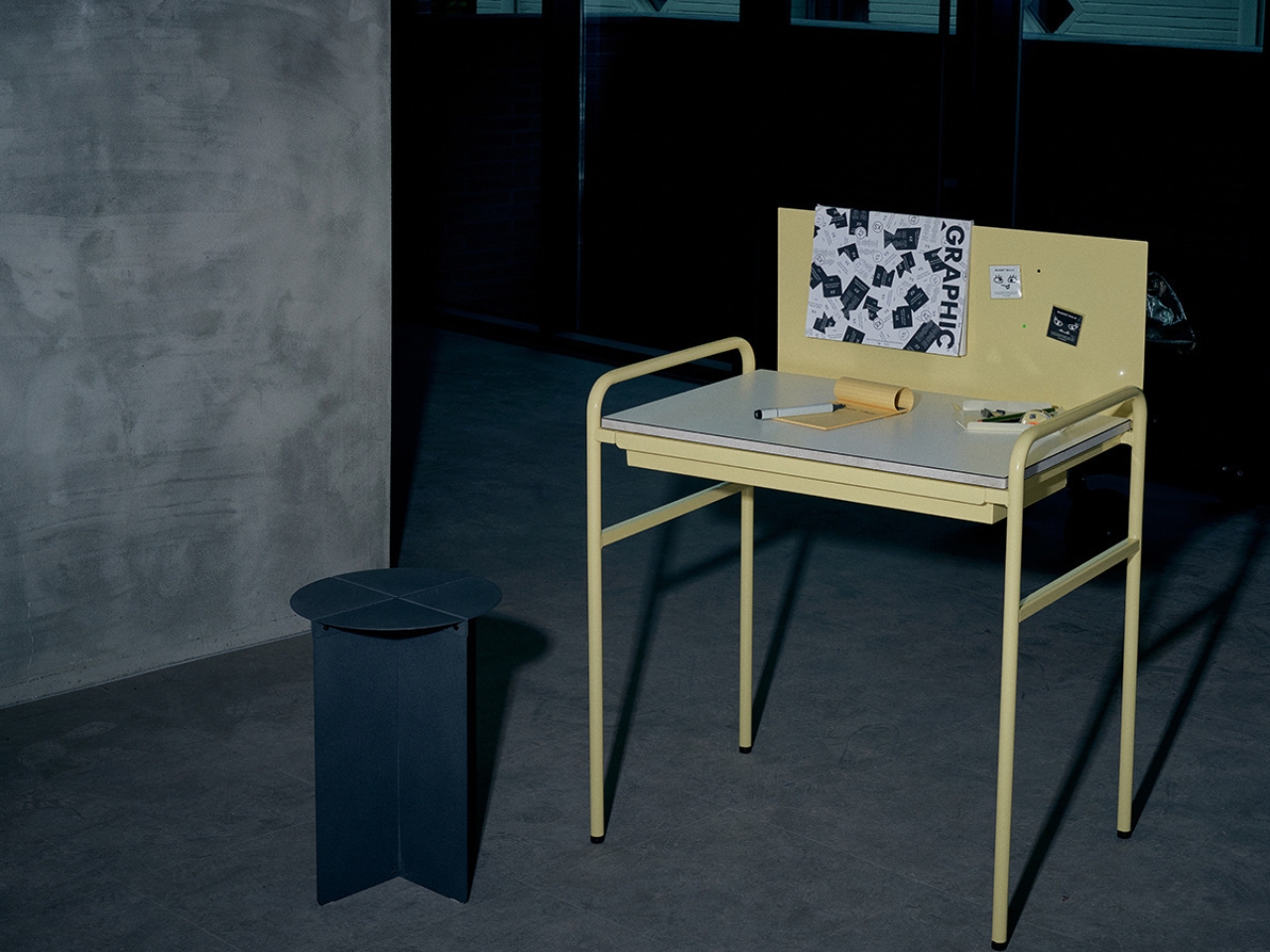
A Single Desk is just what its name says it is. It is a desk that was developed by a design company with a furniture company. It was created to have an “interior point” in a room so that one person will be able to work or study properly without being distracted by other people who may also be in the room with them. It is uncomplicated and minimalist with a splash of color thrown into it so that it also looks good even if it may be that simple.
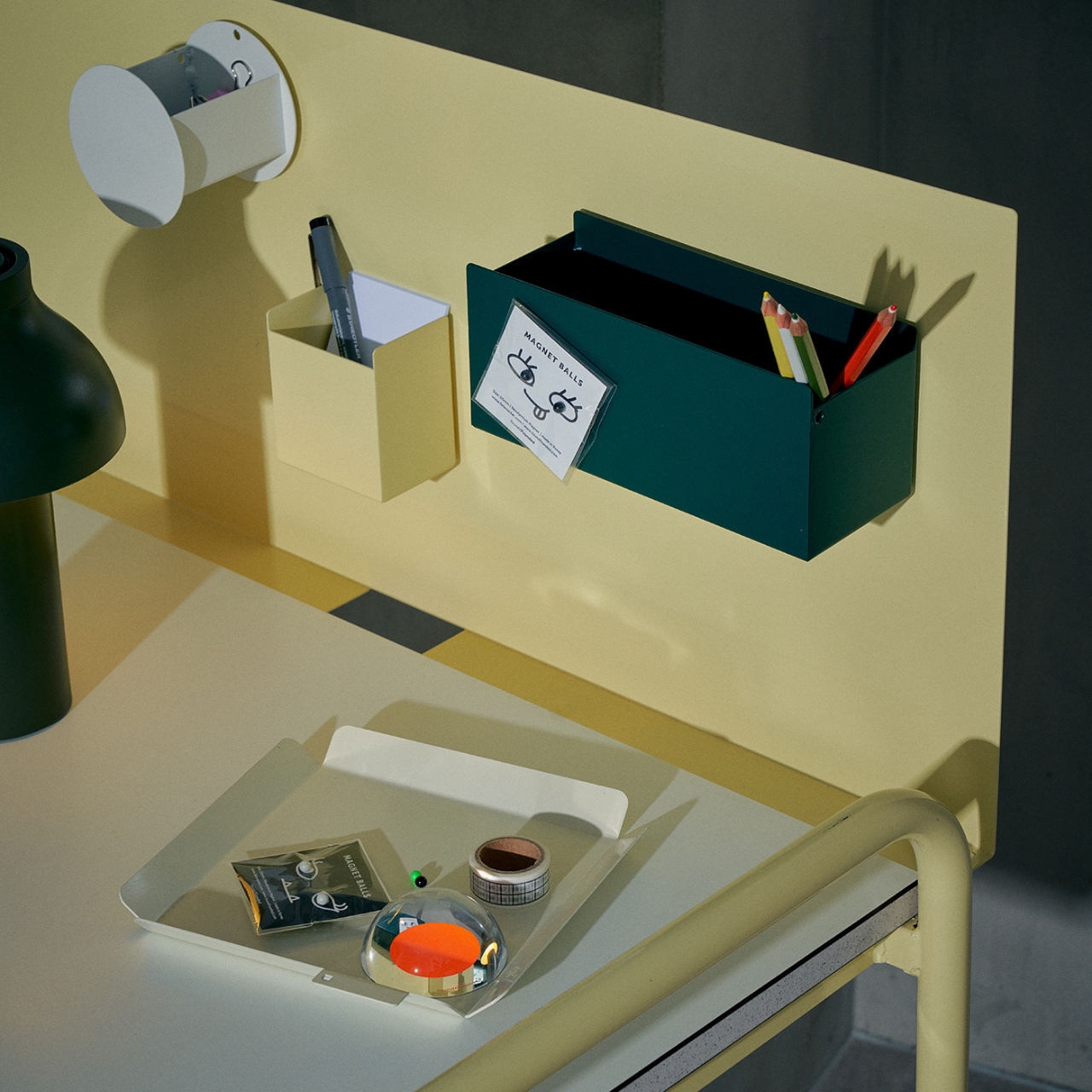
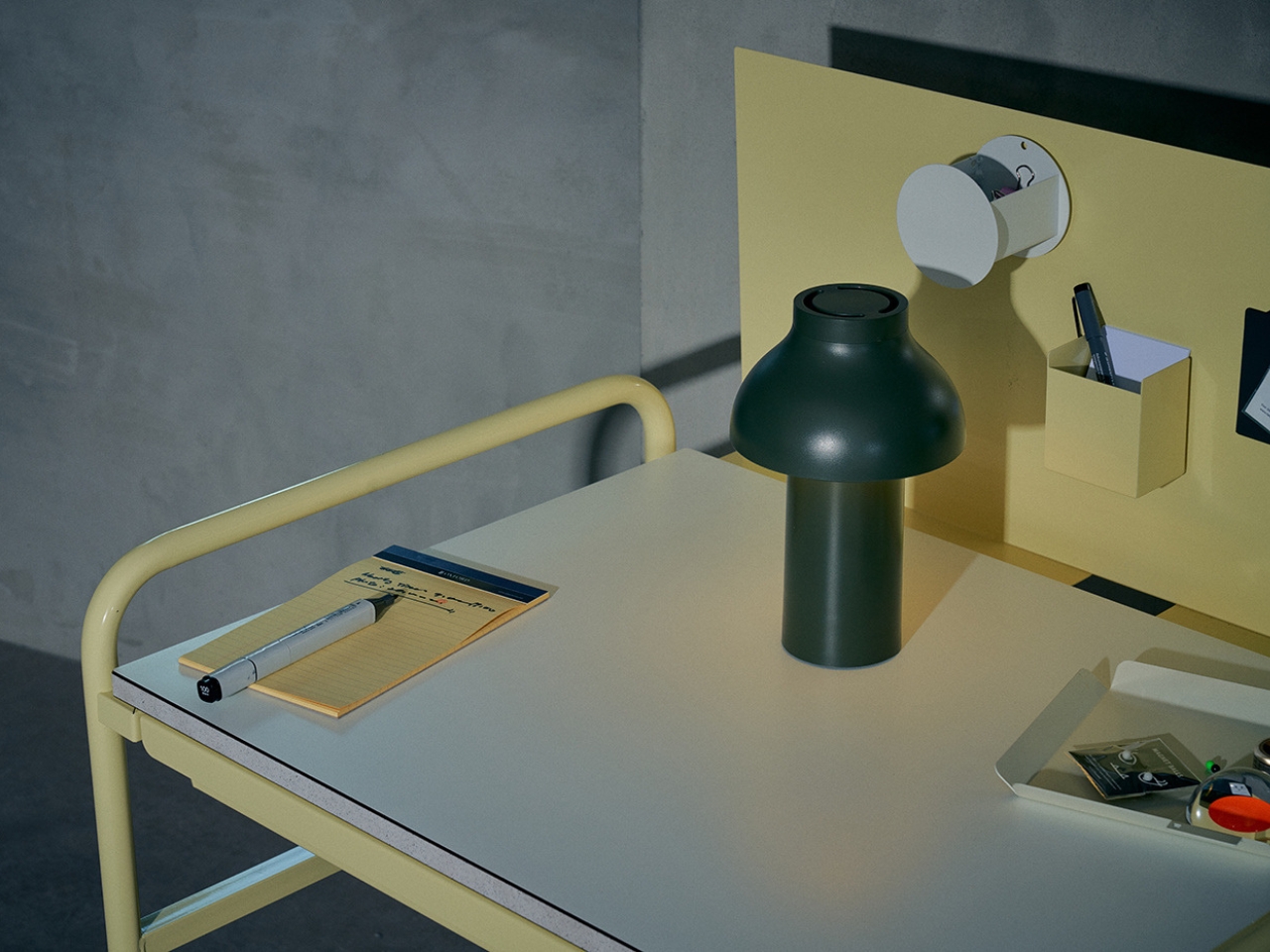
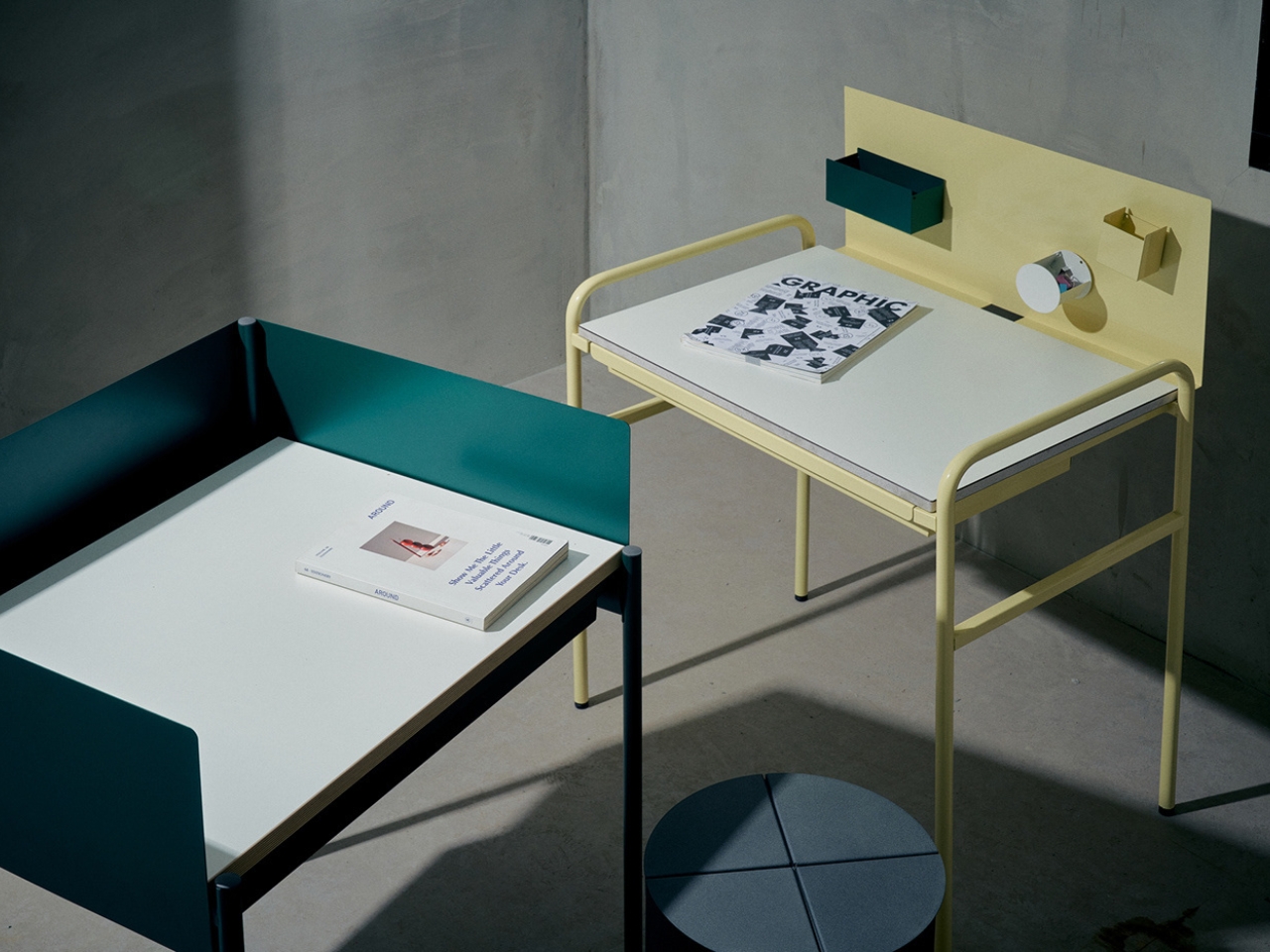
The focal point of this piece of furniture is the colorized iron screen sitting in front of the user. It can be used as a note board or to attach storage items that are magnetized. It also serves to obscure the view of the user or the people around them so that they will be able to focus. There’s also a thin drawer underneath to put other stuff you’d want to not place on top of the table as well as space on the tablet itself for your laptop, supplies, decorations, etc.
The sample shown of A Single Desk has a yellow color for the frame and iron screen but probably it will also come in other pastel or similar colors. It is also probably easy to assemble as it has a pretty simple design. It should be perfect for those going for a minimalist aesthetic and may have just a few items placed on their desk.
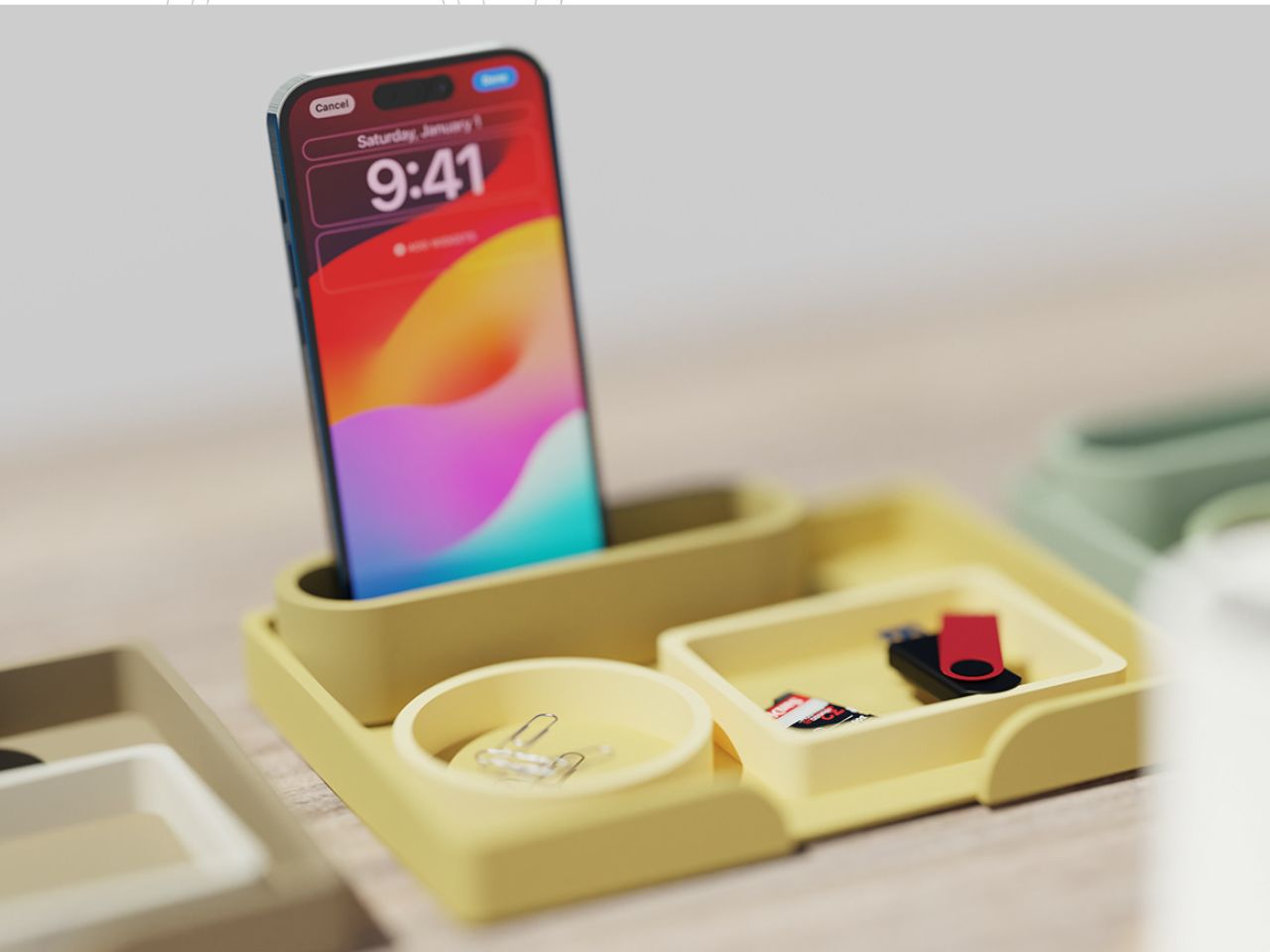
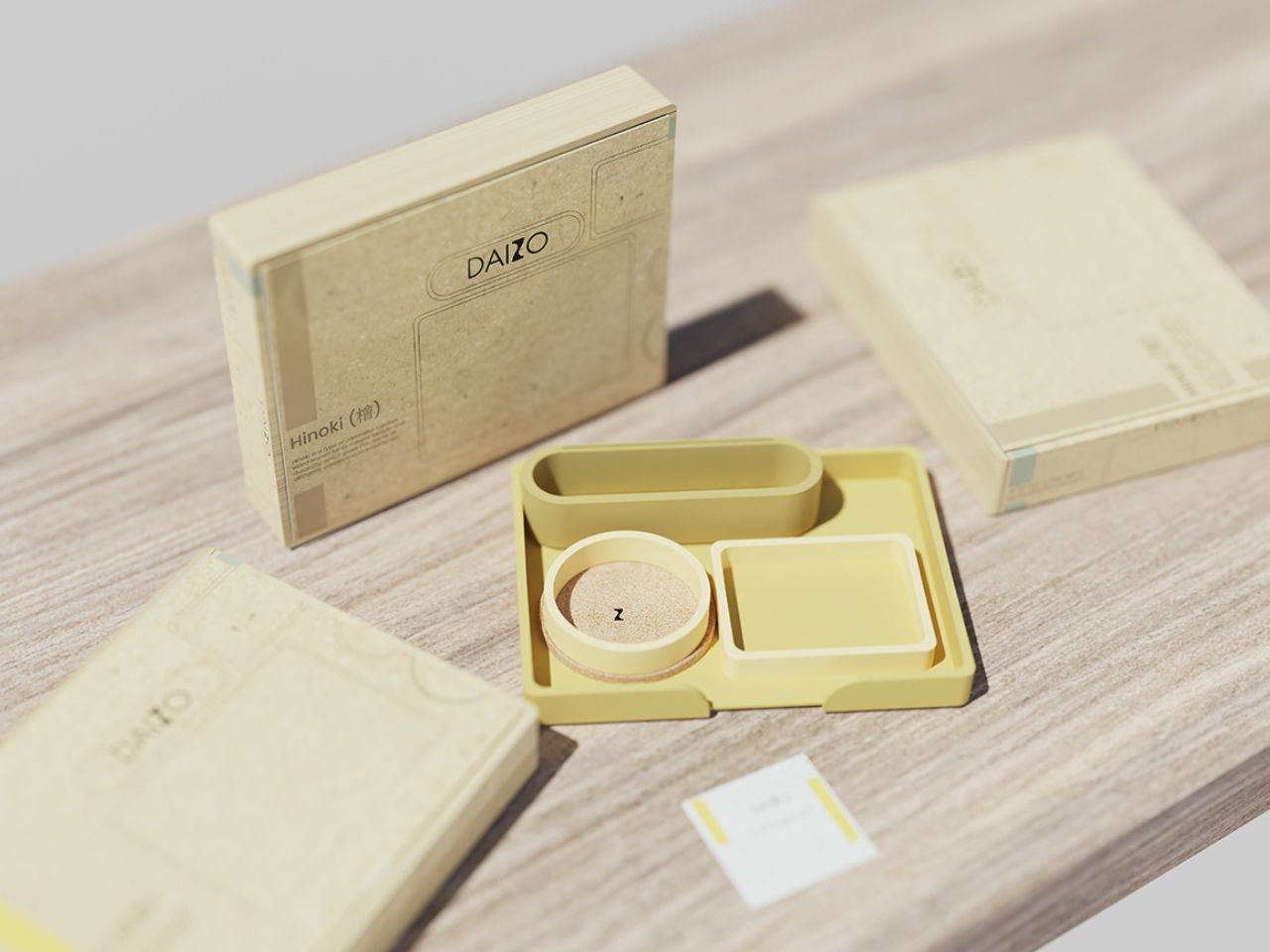
Sustainability is becoming a crucial part of our daily lives nowadays, and Daizo stands at the forefront of eco-friendly innovation. With their focus on sustainable design and materials, Daizo brings us the Daizo Desk Organizer, a product that not only helps keep your workspace tidy but also supports the planet.
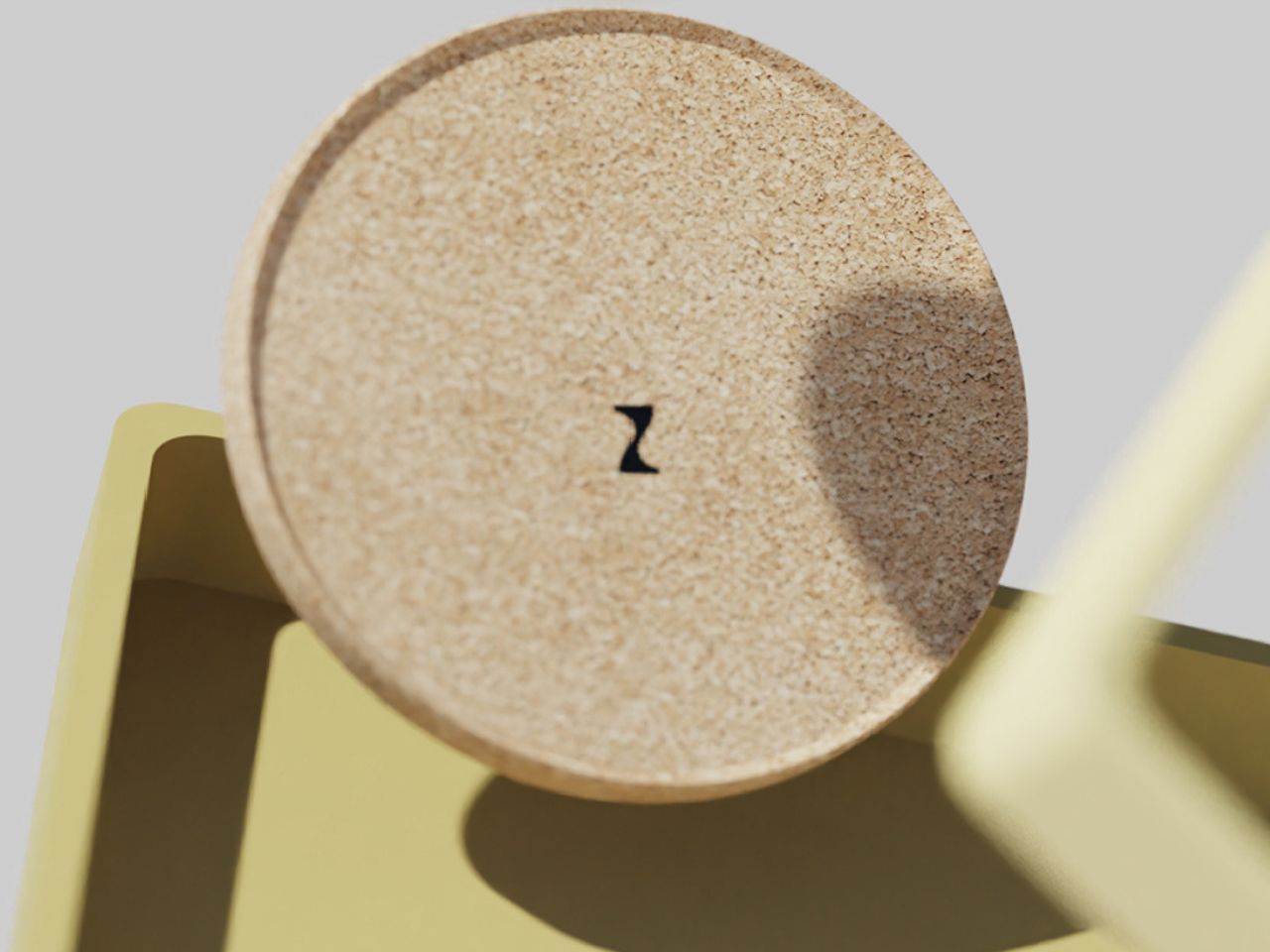
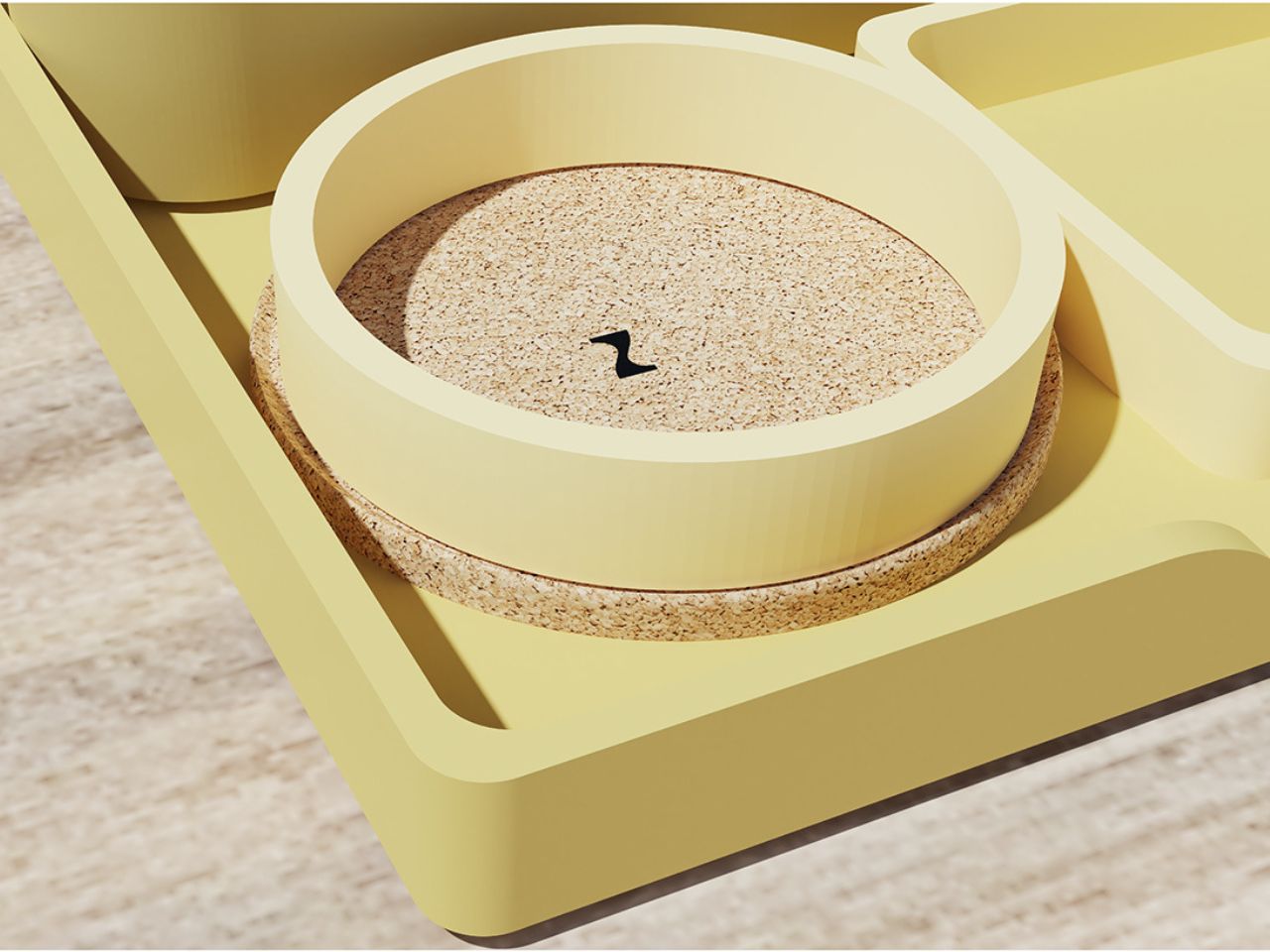
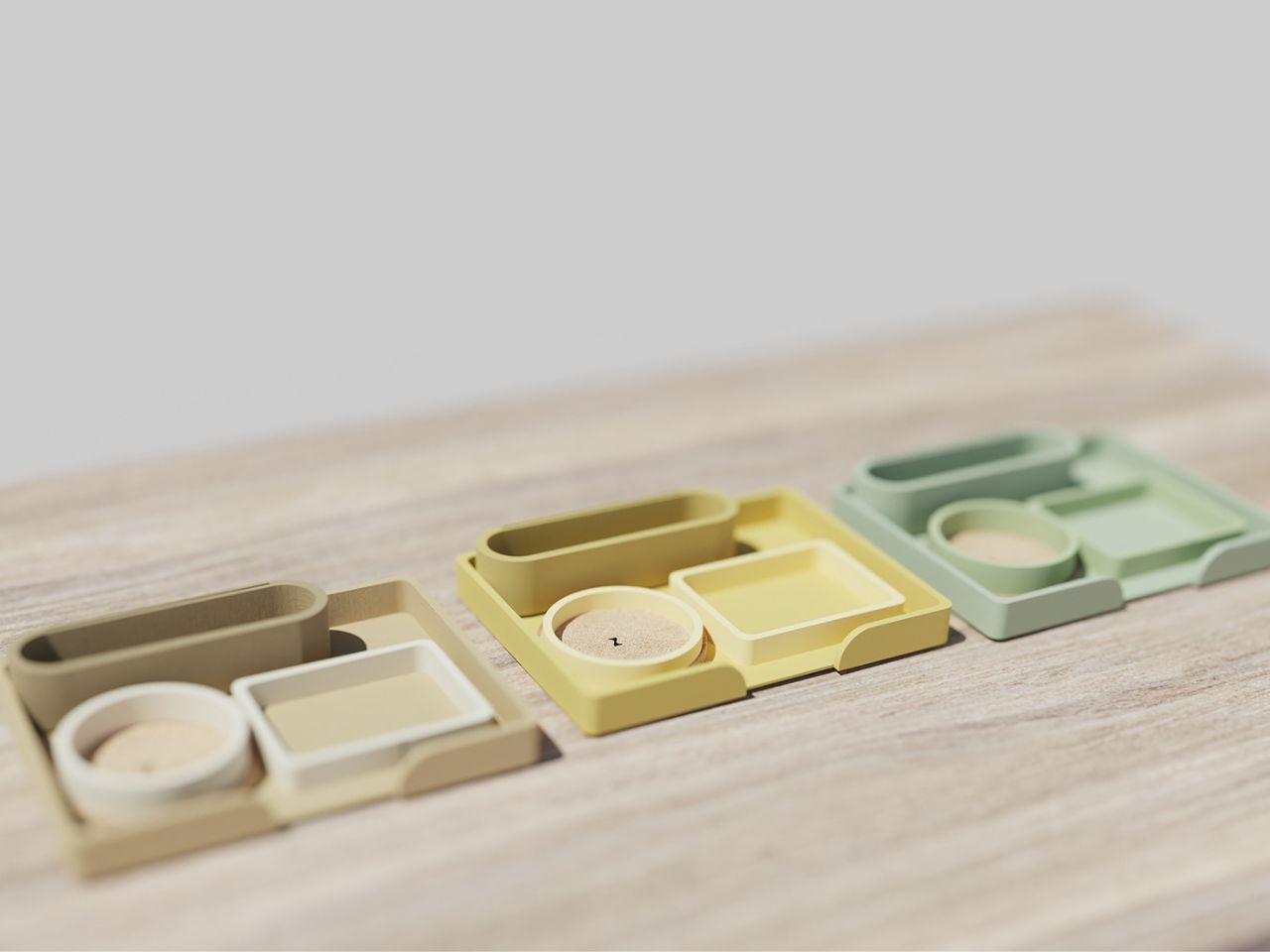
The Daizo Desk Organizer is a shining example of how single products together can shape a sustainable future at large, made from recycled plastic PLA, a biodegradable and renewable resource. By using eco-conscious materials like recycled plastic bottle caps and cork, Daizo ensures that each organizer contributes to reducing landfill waste and minimizing the demand for virgin resources.
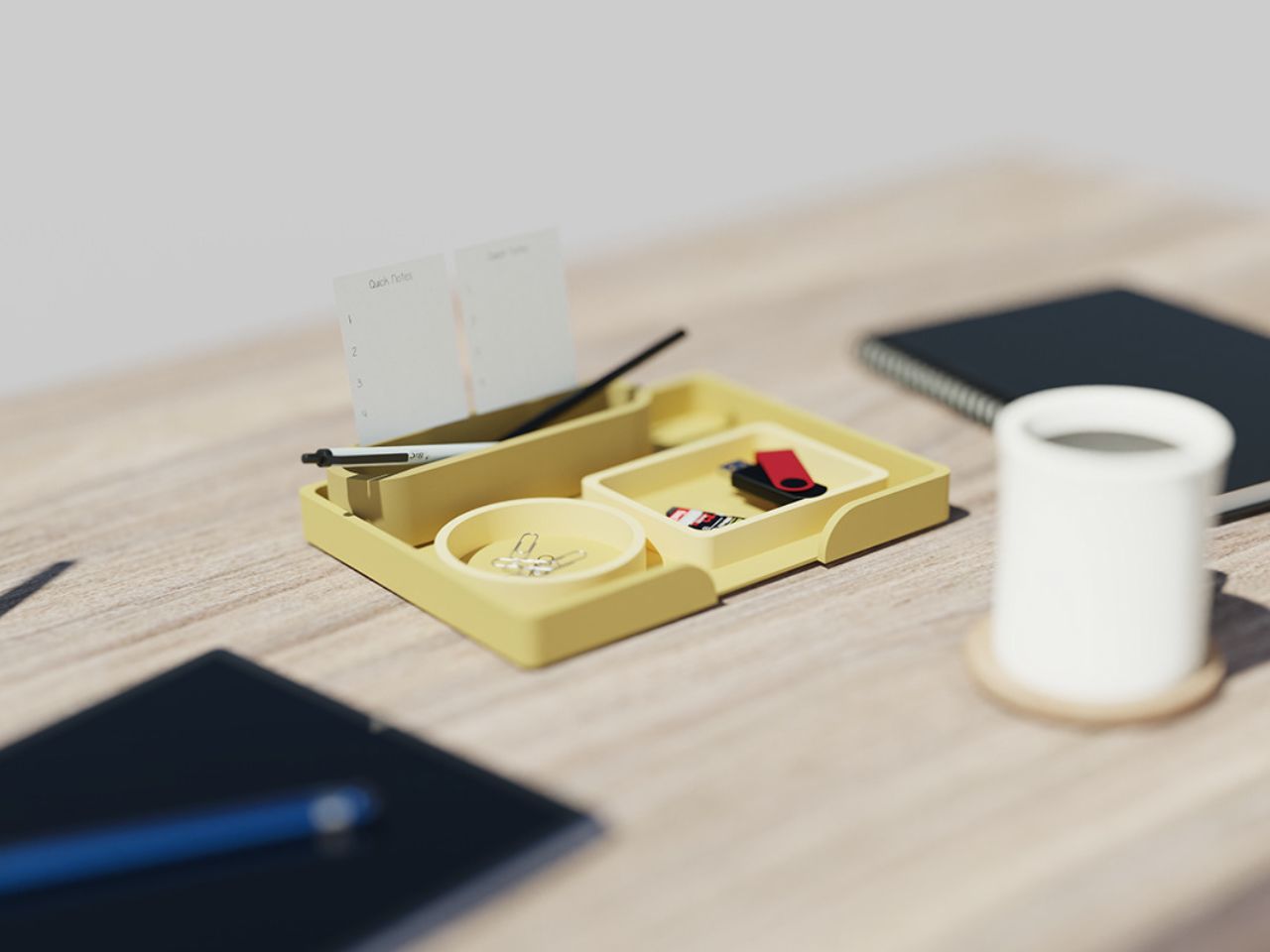
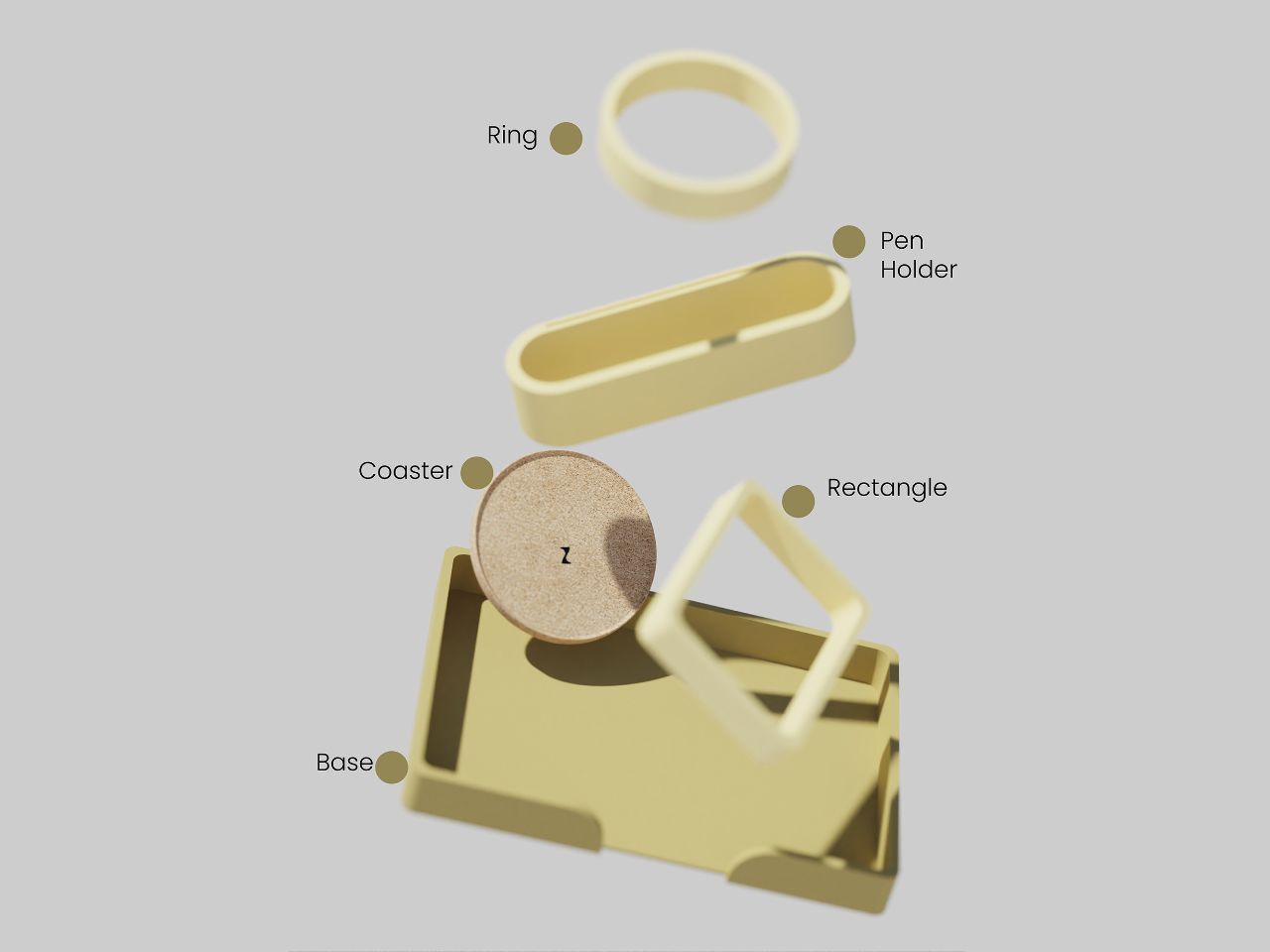
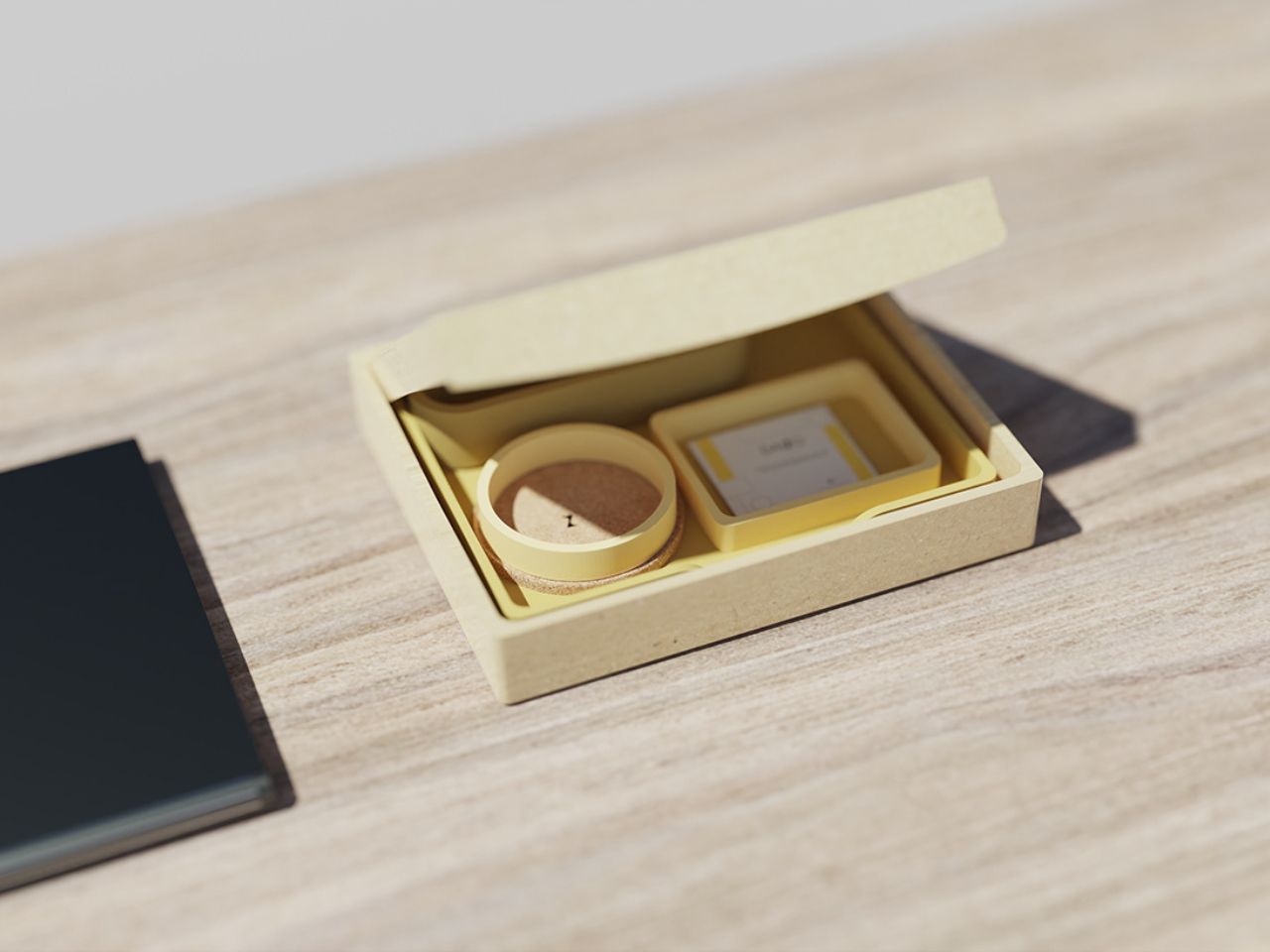
One of the standout features of the organizer is its compact yet highly functional design. Created to optimize small desk spaces, this organizer boasts a unique jigsaw puzzle structure with customizable sections, allowing users to arrange their desk tools in shapes that fit their needs. This flexibility transforms an ordinary desk into a more personalized, clutter-free environment, enhancing both productivity and creativity.
And as every desk warrior knows, coffee is an essential part of a productive workday. Daizo has thoughtfully integrated a built-in coaster, ensuring your coffee or drink has a designated spot while protecting your desk from spills. It’s a small but crucial detail that shows Daizo understands the real-world needs of its users.
Beyond its eco-friendly credentials, the organizer is a powerful tool for boosting productivity. A clean and organized workspace reduces distractions, helping you stay focused on the task at hand. It also promotes creativity, as a clear desk can lead to a clear mind, giving you the freedom to brainstorm and solve problems without feeling overwhelmed by clutter.
Moreover, the Daizo Desk organizer encourages healthy work habits. Maintaining an ergonomic setup and keeping your workspace clean, can prevent common issues like poor posture, eye strain, and general discomfort that often arise from cluttered, disorganized desks.
Many professionals today face challenges in keeping their workspaces organized. Limited desk space, combined with the need to store essential items, often results in clutter that hinders productivity. Daizo addresses this problem head-on with a product that is not only compact but also aesthetically pleasing. Unlike other desk organizers, which often sacrifice functionality or design, Daizo strikes a perfect balance between both.
In addition to keeping your desk in order, the Daizo Desk Organizer makes a positive impact on the environment. By using recycled plastic from bottle caps and crafting it into something both beautiful and practical, Daizo contributes to reducing landfill waste. But sustainability doesn’t end there, at the end of its life, the organizer can be recycled again, supporting the circular economy and further minimizing its carbon footprint. Daizo desk organizer is an investment in a healthier planet and a more organized, productive workspace.
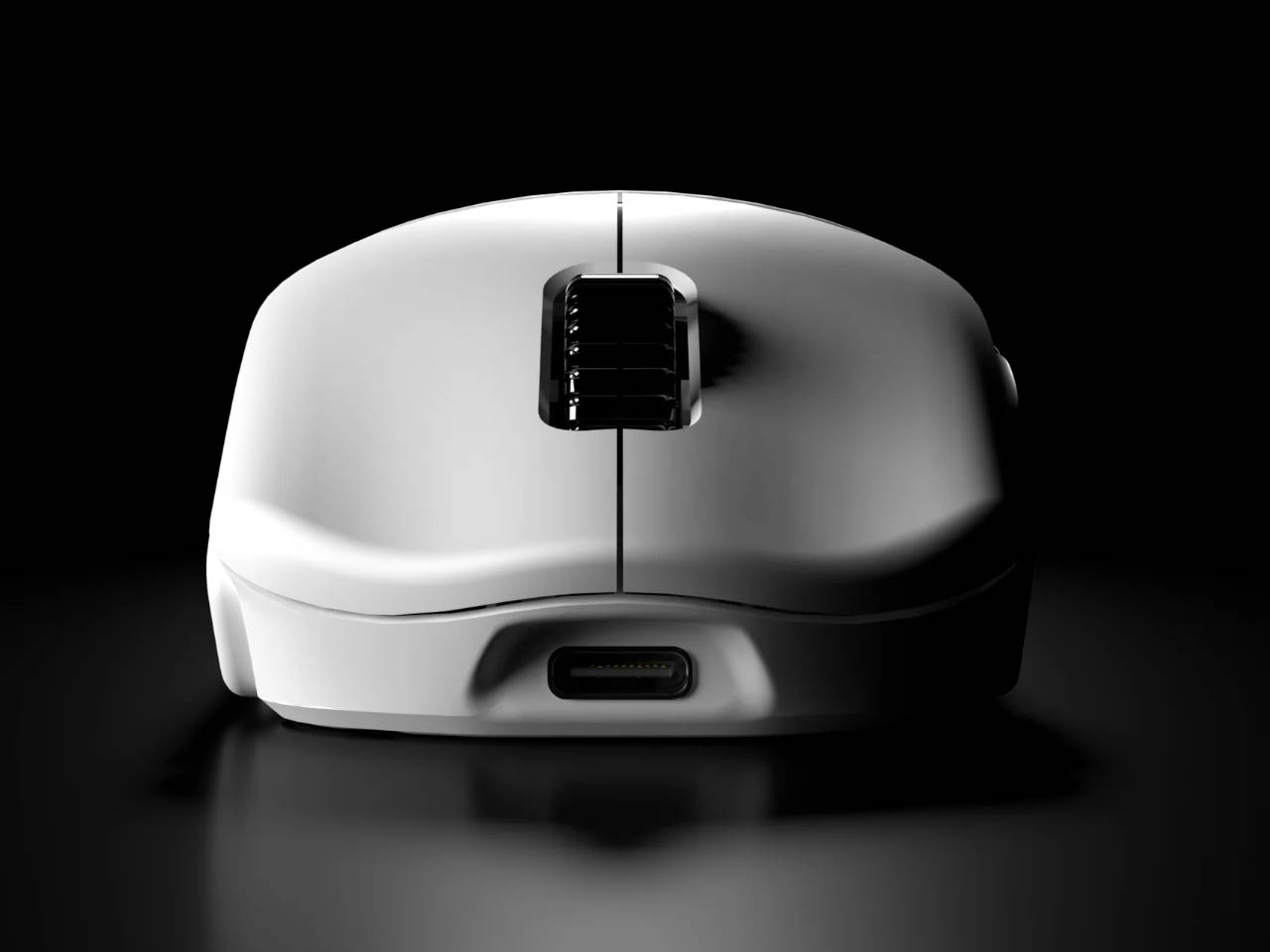
Finding a gaming mouse that can satisfy your every need is pretty hard. It all boils down to modularity and the level of customization the device offers. The best option that pros vouch for is the Mad Catz’s R.A.T. gaming mouse which comes with tons of options when it comes to customizability.
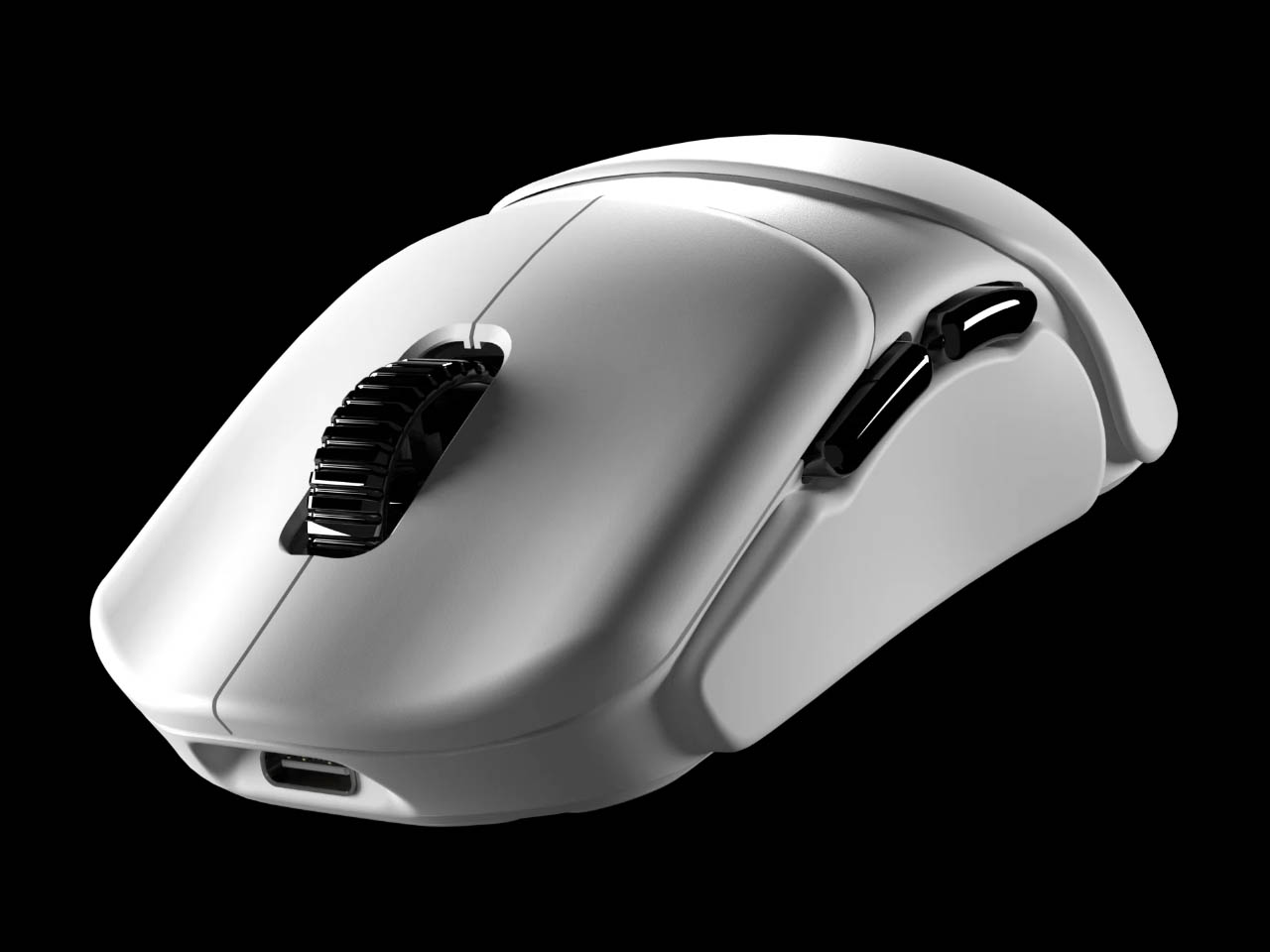
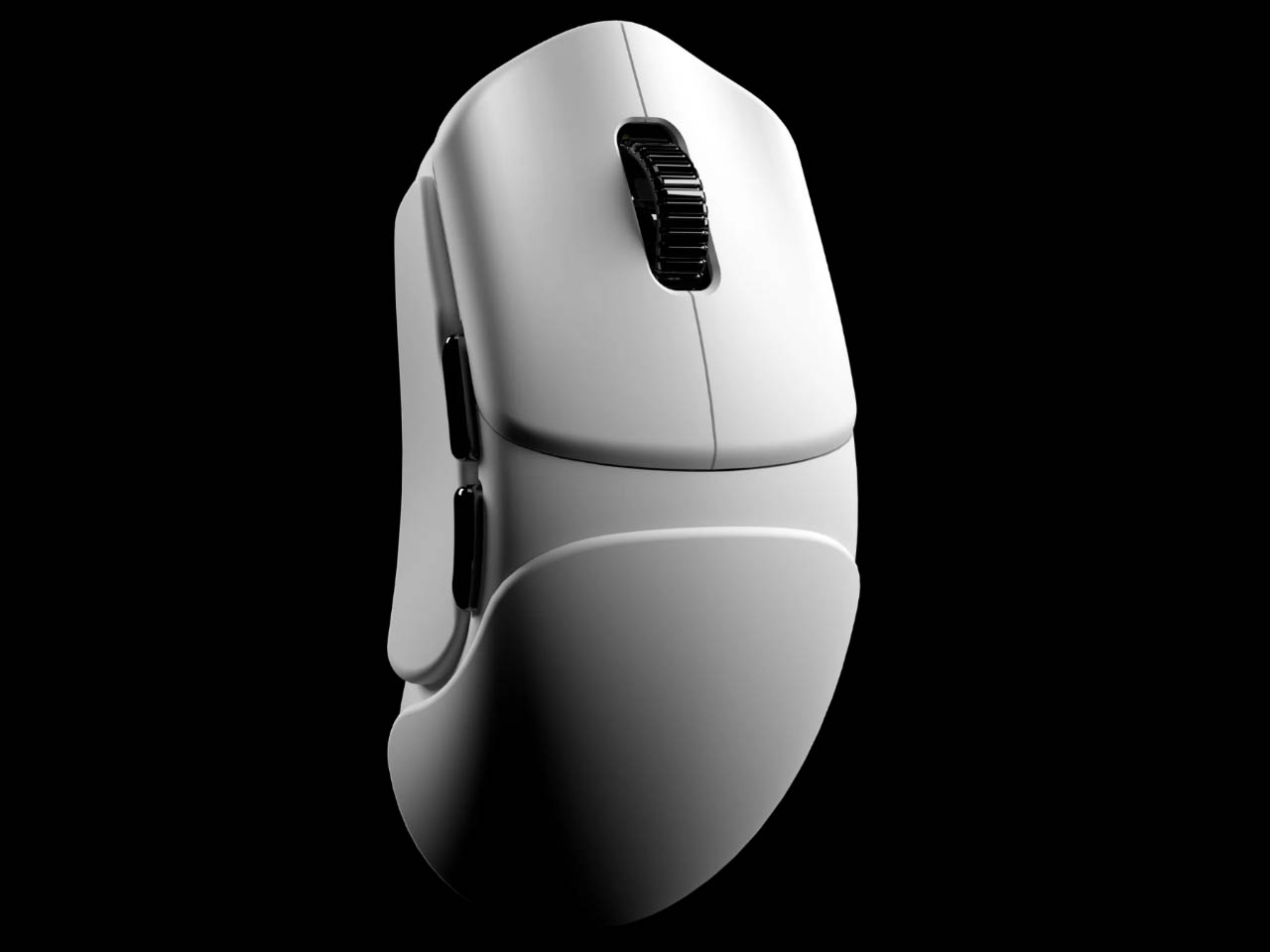
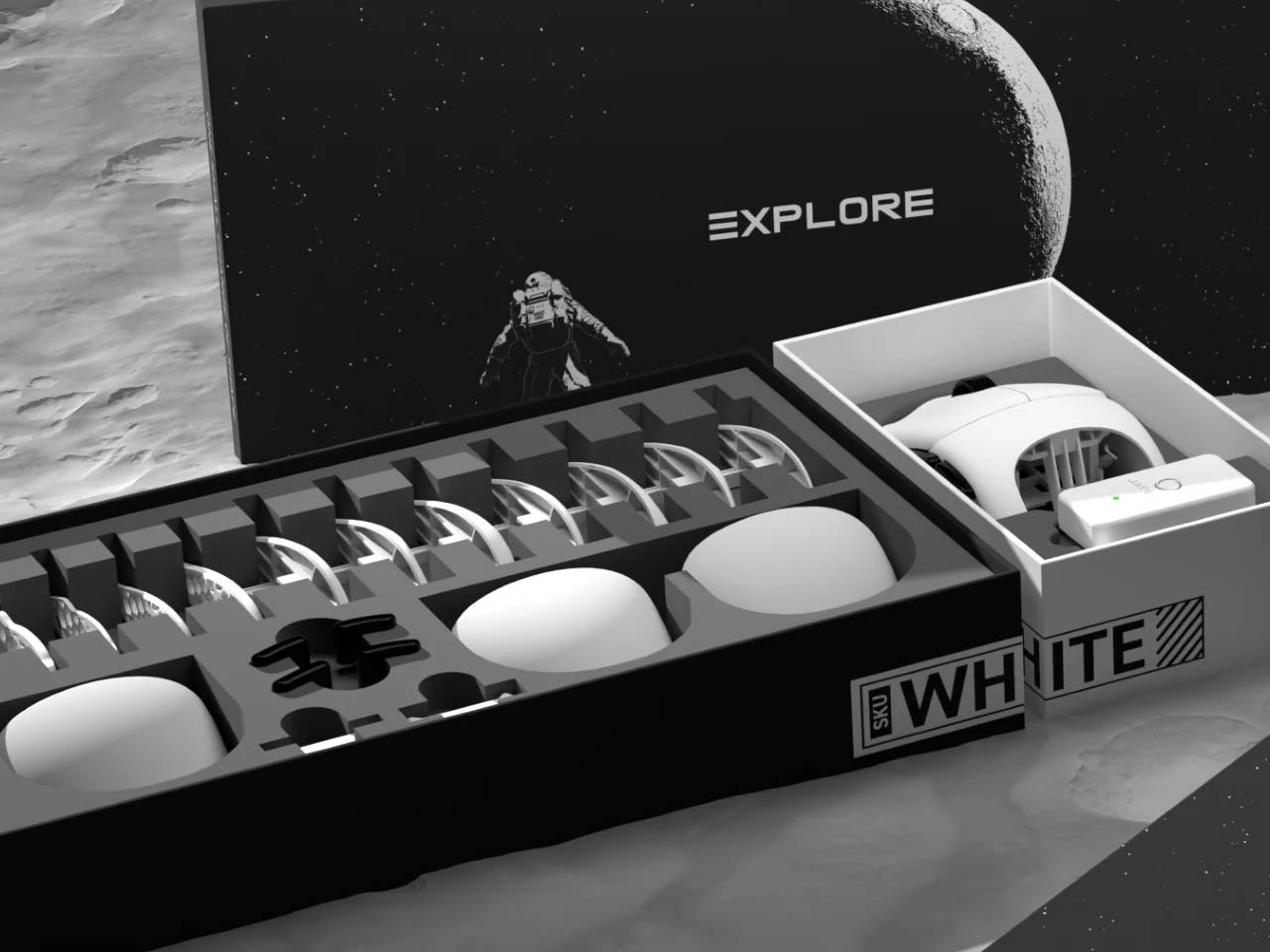
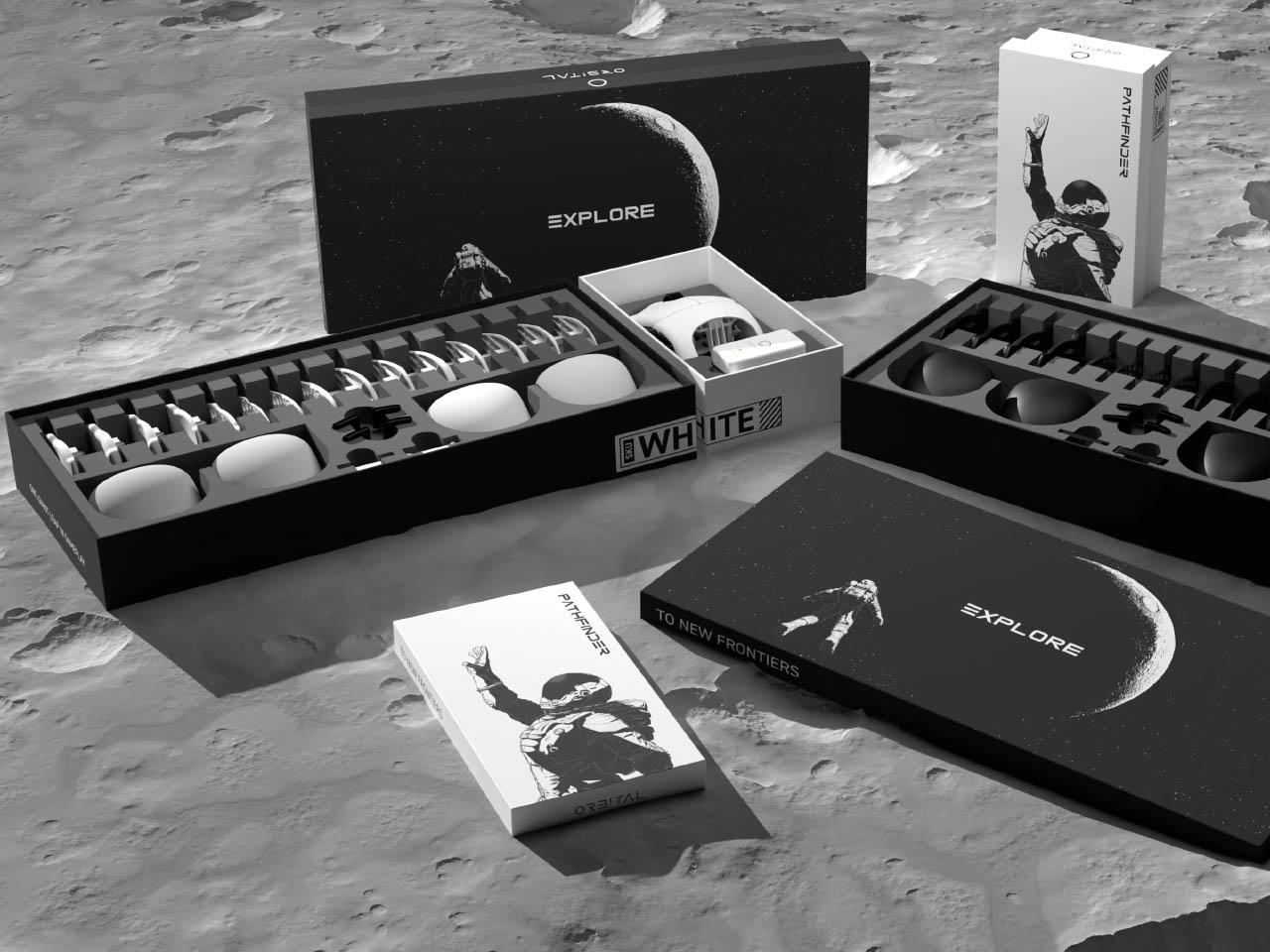
Orbital Works might have just come close to or even bettered this cult-favorite gaming peripheral. The budding startup founded by a group of engineers has developed the Pathfinder mouse that had arrived with the motive to satisfy every gamer out there. This high-performance gaming mouse comes with loads of options, so that every user is comfortable using it for extended periods.
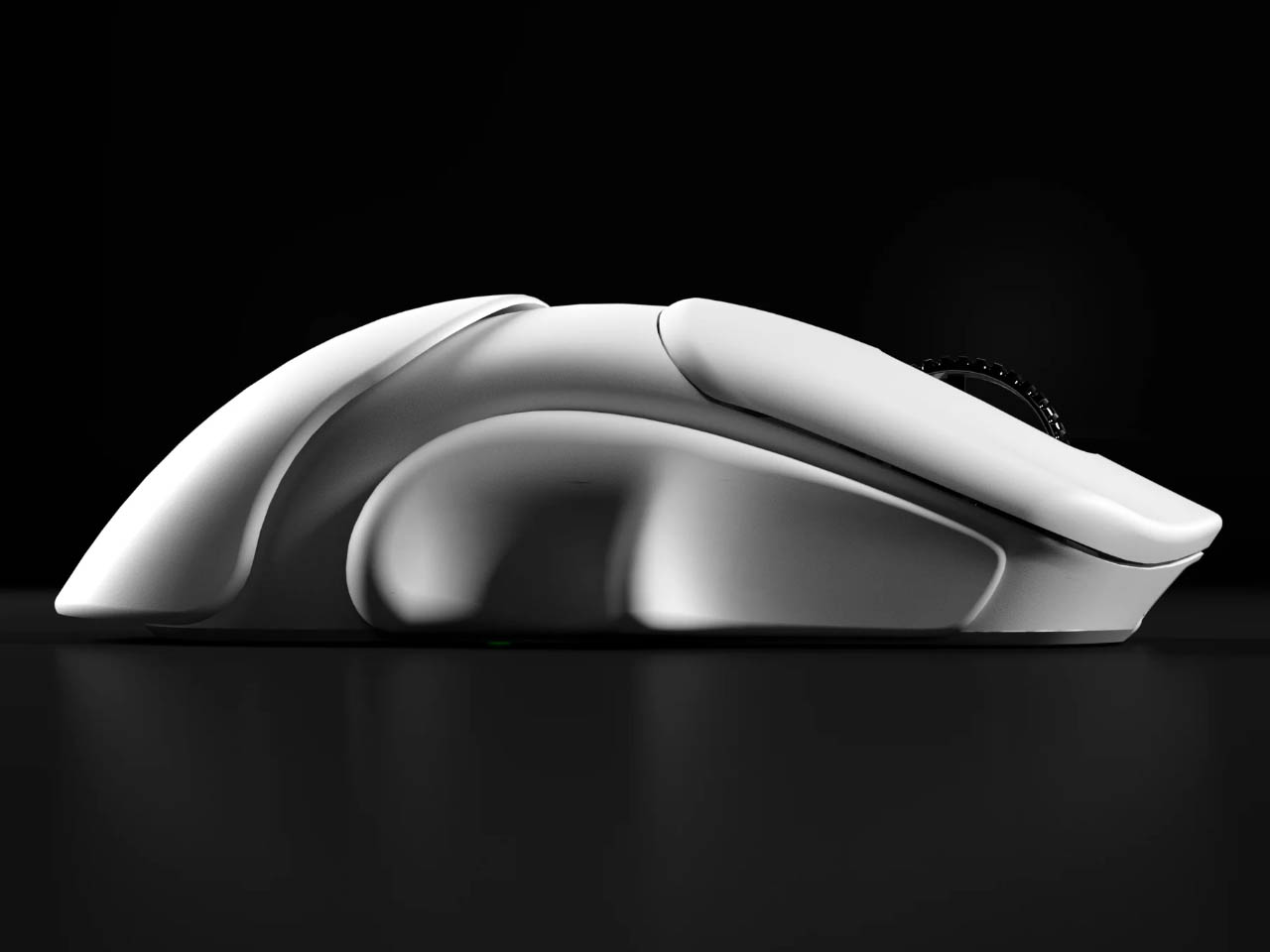
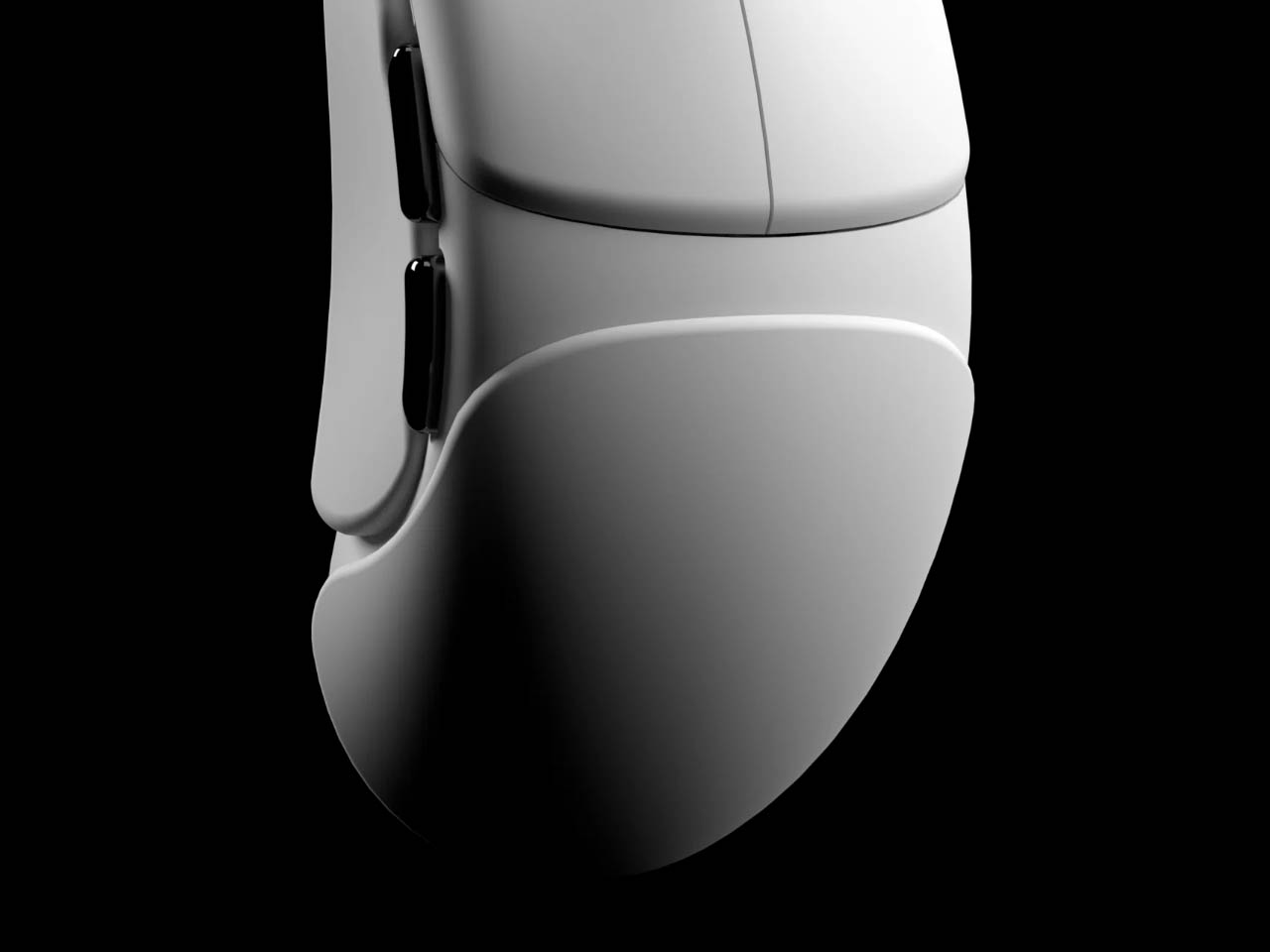
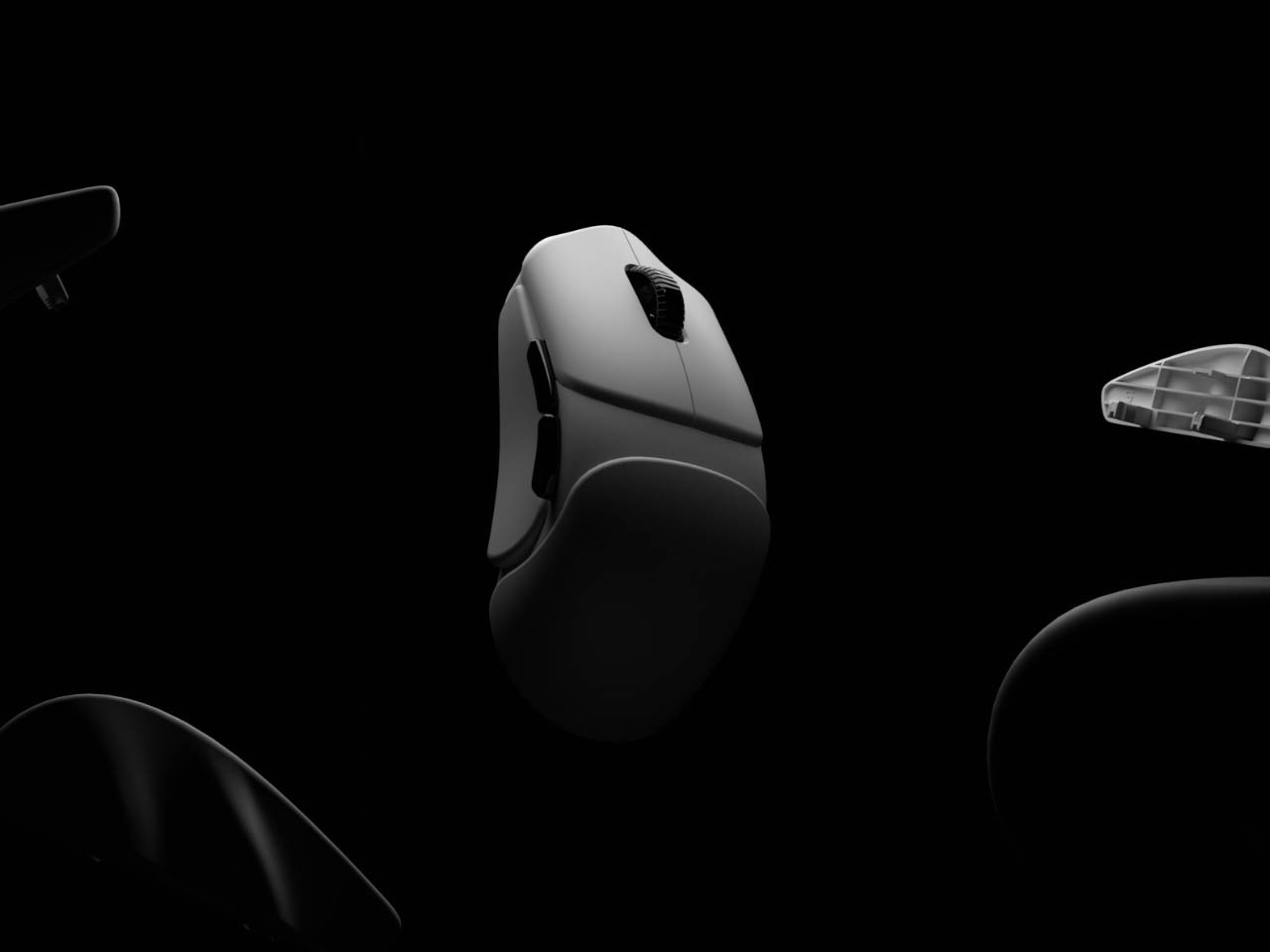
Pathfinder mouse is developed based on hundreds of hand scans and match analysis to make it feel like a second skin, sans any discomfort even after hours of use. According to the makers, this unleashes the true gaming potential and is a breath of fresh air in the peripheral space. The team invested two years in researching the best shape for a FPS mouse and three major grip points were identified when it comes to finger placement. These being the front, center and back along the length of the mouse. That’s why some gamers prefer the sculpted surface for precise control while others go for one having a flat surface for freedom of hand, wrist and finger movement.
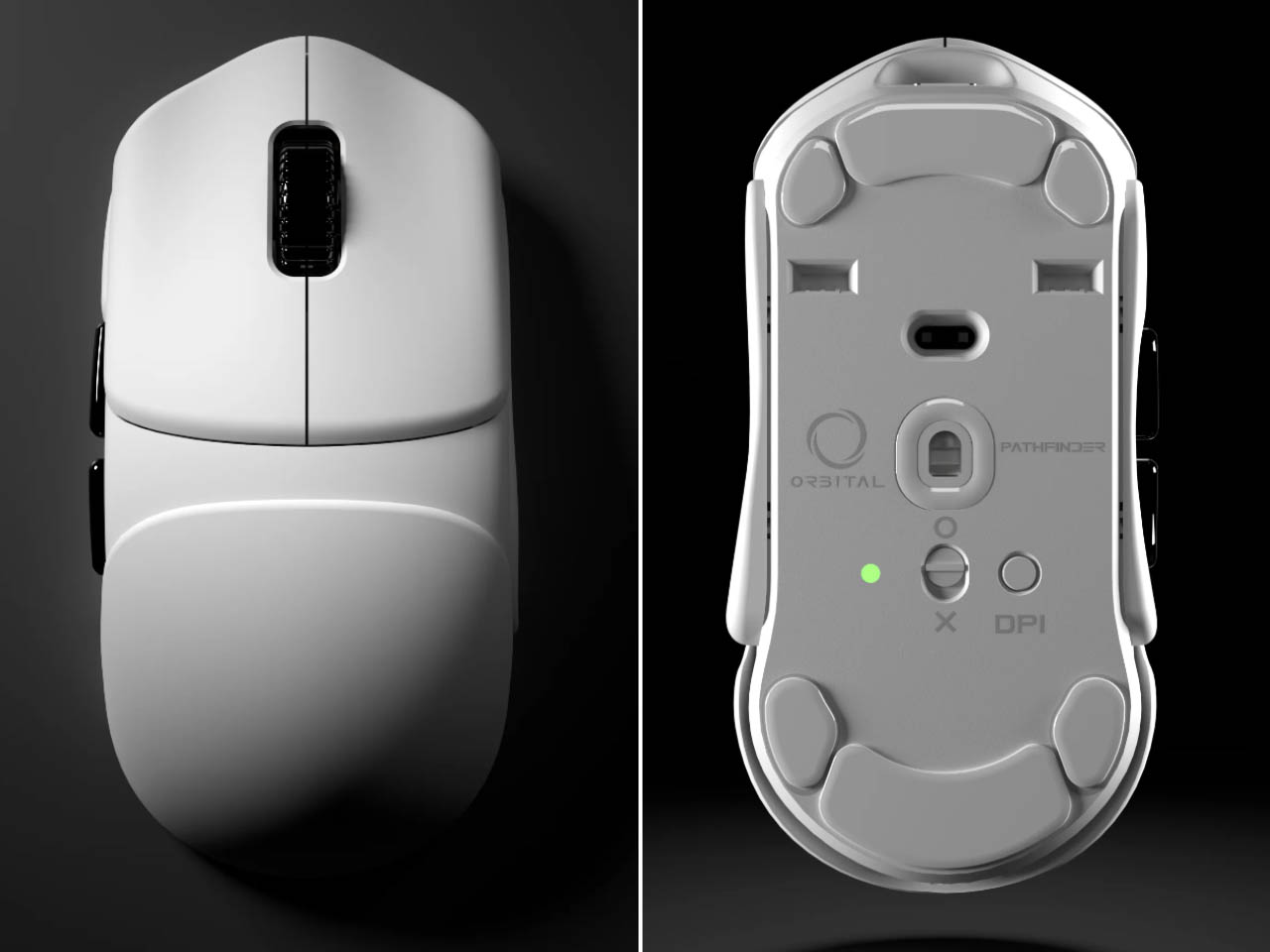
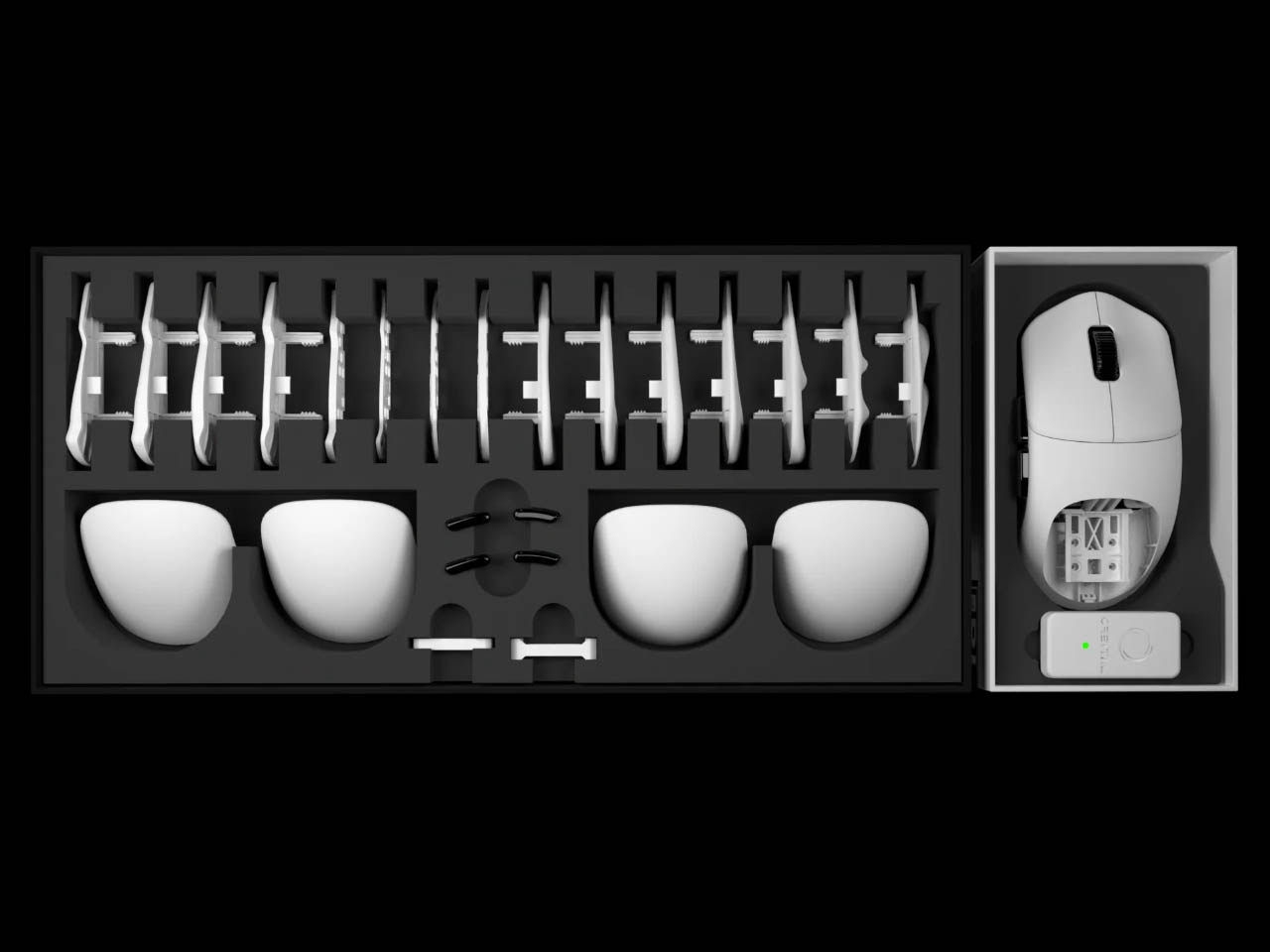
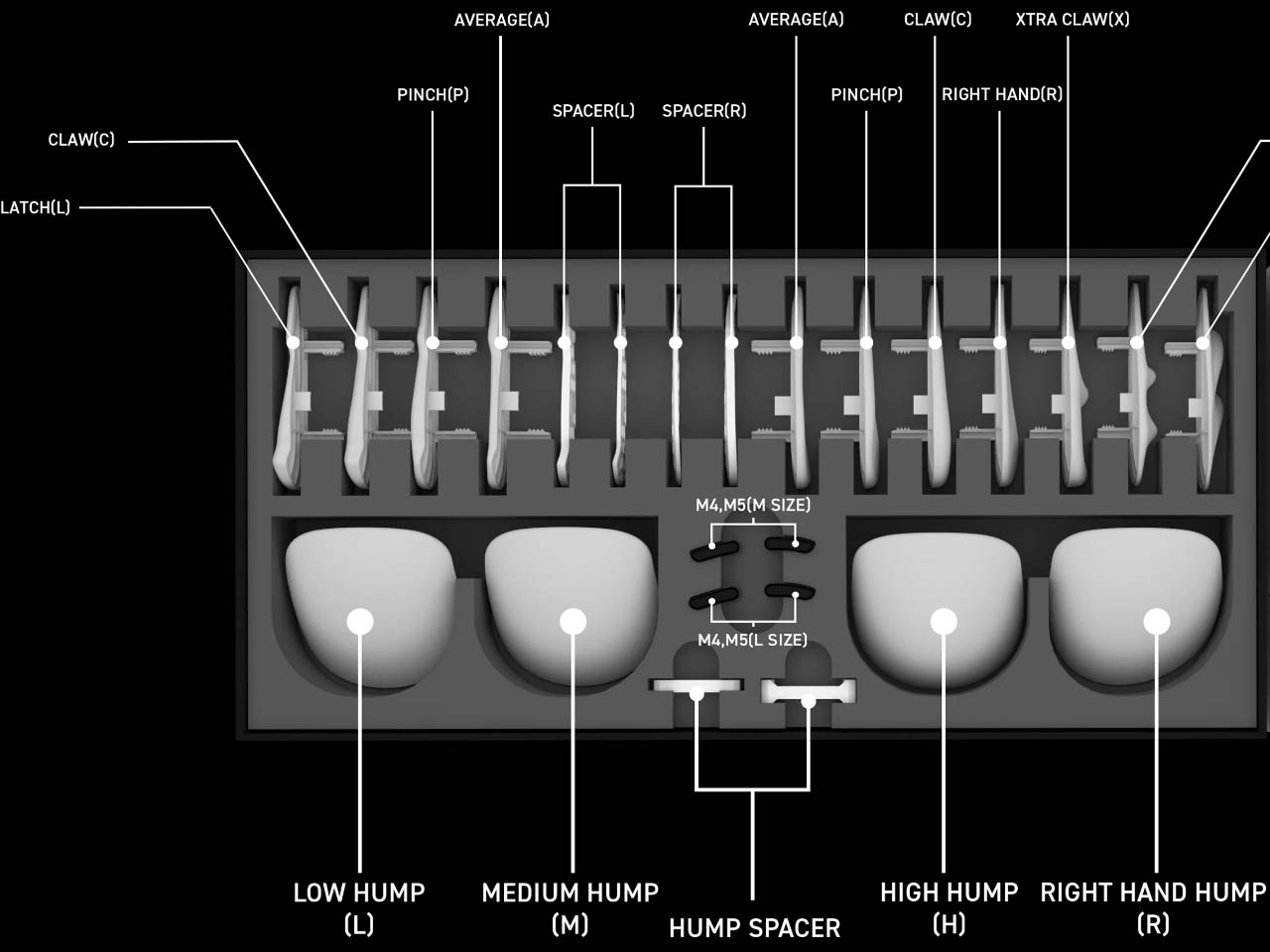
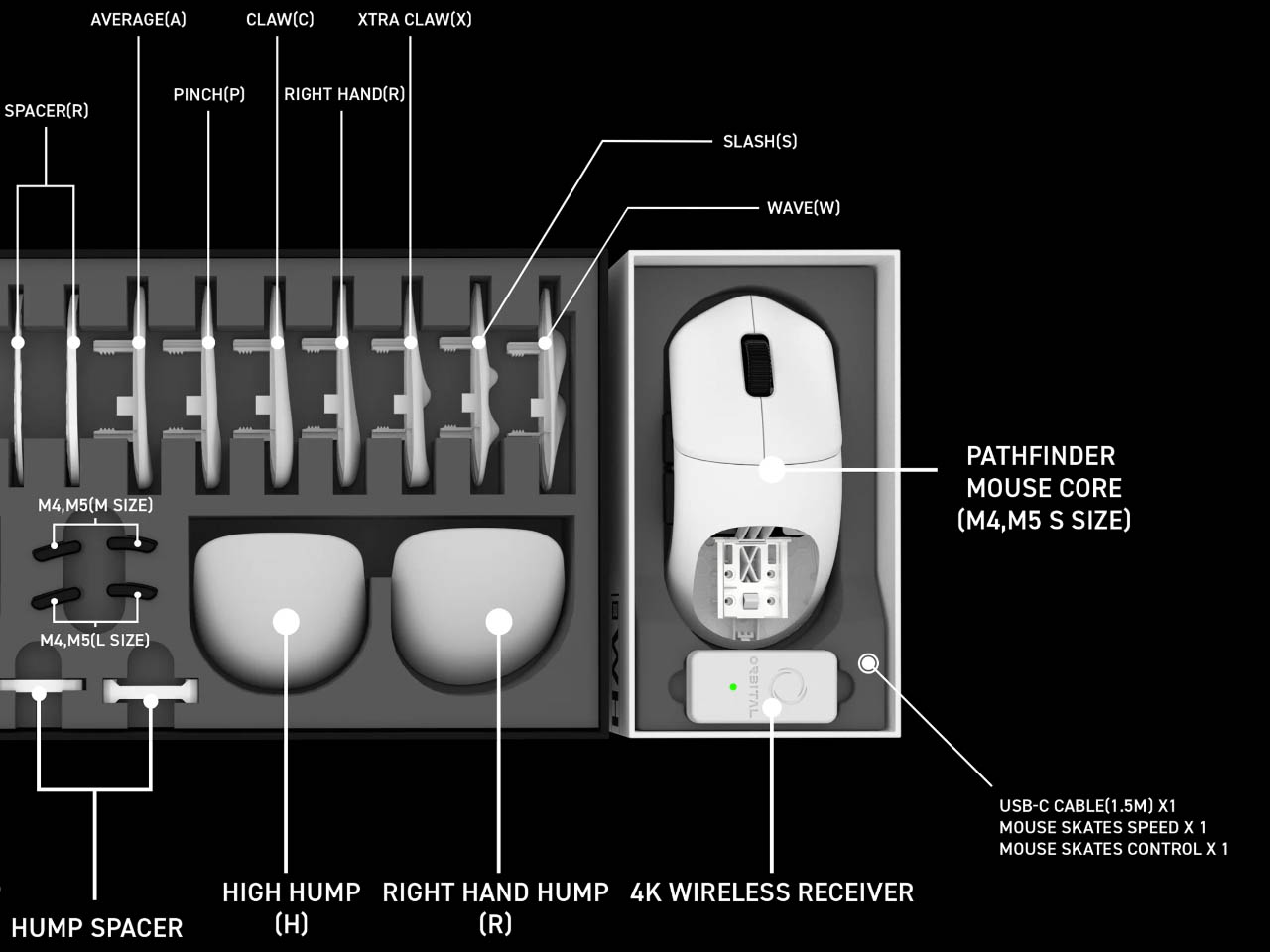
The next step in development was to identify the areas where modularity would yield the best results. For this, the team worked with top FPS gamers and aimers. All this while maintaining lightweight aesthetics and design quality. The result is a mouse with over 2,500 possibilities of configuration. The main configurable elements of the device include a spacer to toggle the width and length, a hump adjustment element for comfortable palm contact and finger placement elements on both the left and right side.
For example, the hump-shaped attachments can have a low, medium, or high hump level. These can further be customized with the use of spacers. Makers claim that the modular mouse is rated for 20,000 cycles of changing shapes which is almost three years, 20 times a day. Practically that would make the mouse last for more than five years even with moderate and low cycle of changes every day. Of course, gamers are intrigued by the hardware prowess of any peripheral, hence, Pathfinder comes with Omron optical switches, a 4000Hz wireless receiver, and PixArt’s PAW3395 sensor.
Orbit Works Pathfinder modular mouse is currently in the prototype stage with parts developed using the 3D-printing technique. We can expect the final product to also come with high-grade 3D-printed parts that last for long. According to the pre-order portal, it will weigh just 53-59 grams +2 grams depending on the configuration chosen. Priced at $189, the modular mouse is the next big evolution in your gaming arsenal and we can’t wait to get hands on one. The Pathfinder mouse is slated to ship in late March 2025, and if you already like the idea, now is the time to get one as the pre-order window closes on 15 October.