Freewrite Wordrunner Counts Words With Clicking Mechanical Wheels

Writers spend more time with their keyboards than any other tool, yet most options are either gaming boards covered in RGB lights or cheap office slabs optimized for cost rather than comfort. Neither category really thinks about what writers actually need, which is a keyboard that can keep up with long sessions without killing your wrists and maybe even help you stay focused when the blank page starts feeling oppressive.

Freewrite’s Wordrunner is a mechanical keyboard built specifically for writing, complete with a built-in mechanical word counter and sprint timer. It works with any device that accepts a USB or Bluetooth keyboard, from laptops and desktops to tablets and phones, and its core features live in the hardware rather than in yet another app or cloud service that you’ll forget to open halfway through your writing session.

Designer: Freewrite

The standout feature is the Wordometer, an eight-digit electromechanical counter with rotating wheels driven by a coreless motor and controlled by an internal microprocessor. It tracks words in real time using a simple algorithm based on spaces and punctuation, stays visible even when the keyboard is off, and can be reset with a mechanical lever to the left of the display. The counter makes a soft clicking sound as the wheels turn, giving you tactile and audible feedback every time you hit a milestone.

The keyboard also includes a built-in sprint timer that lets you run Pomodoro-style sessions or custom writing sprints without leaving your desk. Subtle red and green lights keep you on track, and you can configure the timer to count up or down depending on how you prefer to work. The standard function row has been replaced with writer-centric keys like Find, Replace, Print, and Undo, plus three programmable macro keys labeled Zap, Pow, and Bam for whatever shortcuts you use most.

The typing experience is what you’d expect from a premium mechanical keyboard. High-quality tactile switches, multiple layers of sound dampening, and a gasket mount design deliver what beta testers kept calling “so satisfying.” Each switch is rated for eighty million presses, which should be enough to see you through multiple novels without the keys wearing out. The die-cast aluminum body gives the board a heft and solidity that plastic keyboards can’t match, keeping it planted on your desk no matter how fast your fingers fly.

Tucked into the top right corner is a multi-directional joystick that controls media playback and volume, so you can adjust your music without touching the mouse or breaking flow. Connectivity is equally flexible. The Wordrunner supports wired USB-C and Bluetooth, pairs with up to four devices at once, and switches between them with a keystroke. It works with Windows, macOS, iPadOS, and Android without requiring special software, which means you can move it between machines without reconfiguring anything.

Wordrunner is designed for writers who want their keyboard to be more than a generic input device. It turns progress into something physical with the mechanical word counter, structures writing sessions with the built-in timer, and wraps it all in a solid, retro-industrial chassis that looks like a specialized tool rather than consumer electronics. It’s less about flashy features and more about making the act of writing feel intentional every time you sit down to work.

The post Freewrite Wordrunner Counts Words With Clicking Mechanical Wheels first appeared on Yanko Design.

This E Ink Clock Prints Fortunes and Jokes on Paper Slips

Time usually passes without much fanfare. Numbers flip on your phone screen, the day blurs from morning coffee to evening TV, and most minutes feel interchangeable. Clocks are background objects, functional but forgettable, doing nothing more than reminding you how late you’re running. There’s no ceremony to checking the time, no surprise waiting when you glance at the display. It’s just numbers counting down to whatever you’re supposed to do next.

Houracle by True Angle approaches this differently. Instead of treating time as something that simply ticks away, it turns each minute into a potential moment of delight. The device is part clock, part oracle, with an eco-friendly thermal printer tucked into the top that spits out fortunes, jokes, riddles, or random facts tied to the exact moment you press the button. It’s the kind of thing that makes you want to check the time just to see what happens.

Designer: True Angle

Click Here to Buy Now: $128 $213 (40% off). Hurry, only a few left!

The design is deliberately retro. A boxy, powder-coated aluminum body with rounded edges, a large orange or yellow button on the top, and an e-ink display that looks like a pencil sketch on paper. The screen shows the time and date, the weather for your selected location, and a small prompt inviting you to press print. Five icons along the right edge let you select modes, fortune, fact, joke, riddle, or surprise, each represented by simple graphics.

Press the button and the printer whirs to life, a satisfying mechanical sound as the paper slip emerges from the top. At 7:42 in the morning, it might tell you destiny took a coffee break and suggest making your own magic. At 11:15, it could mention your brain runs on about 20 watts, enough to power a dim bulb or a brilliant idea. The messages feel oddly personal because they’re tied to that specific minute.

What makes this genuinely charming is how the slips accumulate. They end up on the fridge, tucked into notebooks, or shared with family members over breakfast. Heck, you might find yourself printing extras just to see what weird fact or ridiculous joke Houracle generates next. The lucky numbers printed at the bottom add an extra layer of whimsy that completes the fortune cookie vibe without taking itself too seriously.

The e-ink screen plays a bigger role than you’d expect. Unlike the glowing blue displays most clocks use, this one reflects ambient light rather than emitting it. That makes it easier on the eyes, especially at night, and gives the whole device a calming presence. The screen updates when you interact with it, but otherwise sits quietly, blending into the background.

Of course, the whole thing runs on wall power, which means no batteries to replace or USB cables to manage. The aluminum body is built to last, assembled with screws rather than glue. Houracle also uses BPA and BPS-free thermal slips, sourced from a company that plants a new tree or restores kelp in the ocean for every box of thermal rolls purchased. True Angle designed Houracle with sustainability in mind, using recyclable materials and avoiding planned obsolescence.

What’s surprising is how much a simple printed slip can shift your mood. A clever riddle before bed, a dumb joke during a work break, or a strange fact that makes you pause for a second. These aren’t profound moments, but they add small pockets of joy to days that might otherwise feel routine. Houracle captures the anticipation you used to feel when cracking open a fortune cookie.

The device sits on your desk or nightstand, looking unassuming until you press that button and hear the printer activate. Then it becomes something else entirely, a little machine that marks time with paper artifacts you’ll probably keep longer than you should. For anyone who’s tired of clocks that just tell time and do nothing else, that small shift makes all the difference.

Click Here to Buy Now: $128 $213 (40% off). Hurry, only a few left!

The post This E Ink Clock Prints Fortunes and Jokes on Paper Slips first appeared on Yanko Design.

UNO x Formula 1 Card Game Features Exciting New Gameplay With All 10 Teams And 1000+ Collectible Cards

Most licensed UNO decks are basically souvenirs; you play the same game you always have, only this time with movie stills or cartoon faces staring back at you. UNO Elite Formula 1 is aiming for something more ambitious. Mattel is taking the basic UNO framework and wrapping it in a light collectible shell, with Elite Action cards that feature F1 drivers, cars, team principals, circuits, and helmets, and then selling those cards in starter packs and boosters like a stripped down trading card game.

That shift changes what an “UNO edition” even is. Instead of a one and done deck, you get a product you can tune, expand, and personalize around your favorite teams and drivers. It is still approachable enough to throw on the table at a family gathering, but there is a clear nudge toward collecting, tinkering, and even house ruling your way into race weekend formats and team championships. In other words, this is UNO stepping closer to F1’s world of strategy and fandom, without asking players to learn an entirely new game.

Designer: Mattel

On paper, UNO and Formula 1 do not look like natural teammates. One is a simple, almost universal card game you can teach in under a minute; the other is a hyper technical, data obsessed motorsport with a rulebook thick enough to choke a diffuser. UNO Elite Formula 1 is Mattel’s attempt to bridge that gap, not by turning UNO into a simulation, but by layering F1’s personalities and drama onto a ruleset that practically everyone already knows. The result is a deck that plays like classic UNO at its core, but arrives packaged with Elite Action cards and boosters that push it into collectible territory.

The Core Edition Starter Pack gives you a 112 card deck that functions just like the one you already own, but it also includes four booster packs to get you started. Those packs contain a random assortment of the set’s 100 plus unique Elite Action cards. From there, you can buy separate Booster Sets to keep hunting for your favorite drivers or to find rare foil variations, which bring the total number of unique cards in the line to over 1,000. It is a clever way to add the thrill of the chase from trading card games without the intimidating barrier of complex deckbuilding rules.

What this does at the table is make the game modular. You can keep the Elite cards out and play a pure, classic game of UNO. Or you can shuffle in a handful of them to add a little F1 flavor, introducing new actions tied to drivers, teams, or circuits. For dedicated fans, the real fun will be in curating the experience, perhaps creating a deck where only cards from rival teams are included, or running a “constructors championship” where players team up and score points over a whole evening. The game provides the pieces; the players provide the narrative.


This is a smart play from both Mattel and Formula 1, who both acknowledge that their fanbases are passionate and ready for new ways to engage. It is a low friction entry point for F1 fans who might not touch a traditional hobby board game, and it gives UNO a much needed shot of strategic depth and collectibility that could keep it on the table for longer. The success of UNO Elite Formula 1 will ultimately depend on whether players embrace that potential. It is one thing to provide the tools for a deeper experience, but it is another for the community to pick them up and build something truly exciting with them.

The post UNO x Formula 1 Card Game Features Exciting New Gameplay With All 10 Teams And 1000+ Collectible Cards first appeared on Yanko Design.

This Printed-Circuit Sconce Turns Exposed Electronics Into Functional Sculpture

In contemporary lighting, technology is often concealed, hidden behind frosted diffusers, buried in housings, or tucked into recesses where its presence is merely utilitarian. The Printed Circuit sconce by American designer August Ostrow turns this convention inside-out. Instead of disguising the mechanics of illumination, the sconce makes electronics themselves the aesthetic centerpiece, revealing the beauty of a material more frequently associated with industrial devices than interior design.

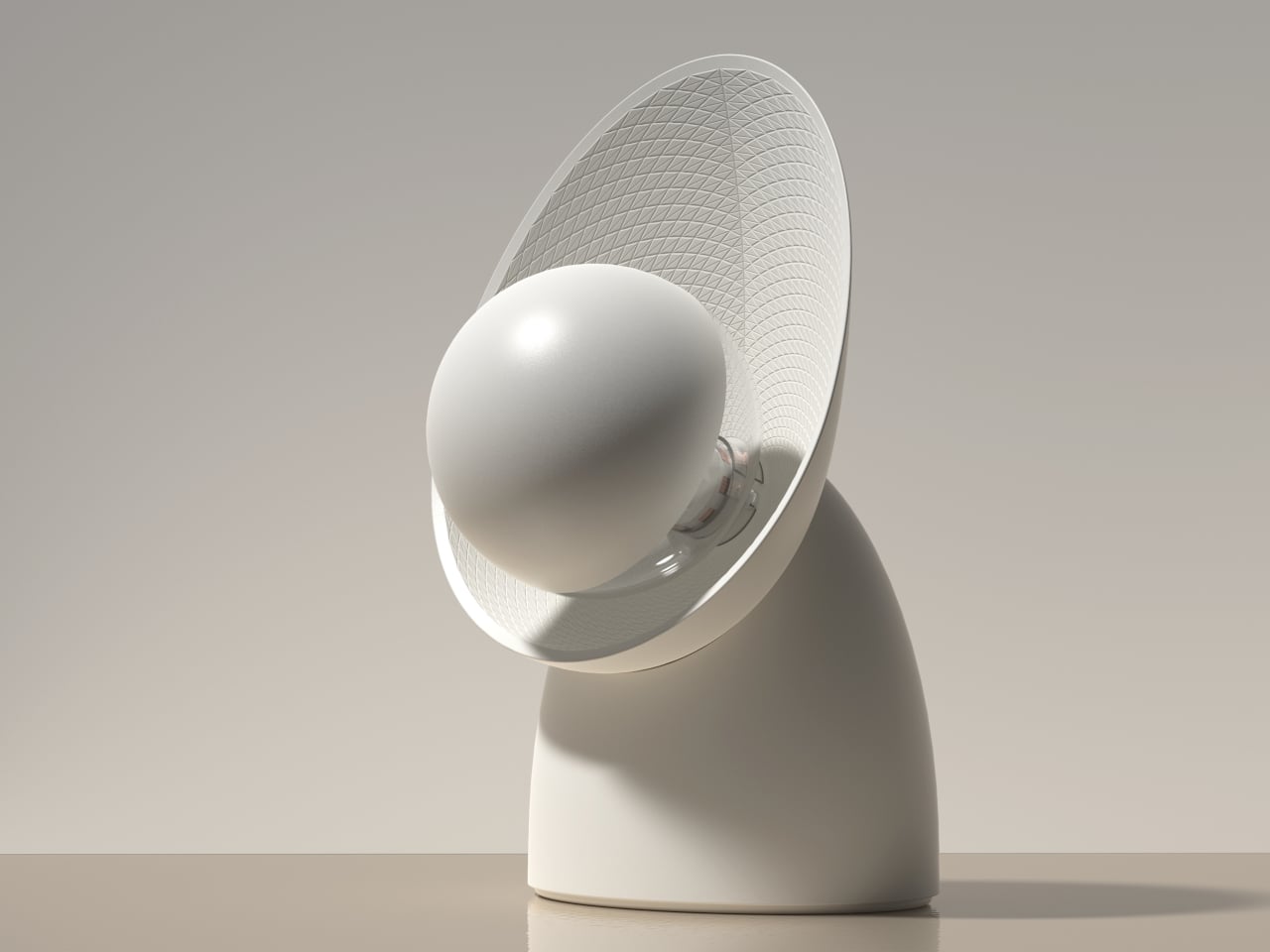
At the core of the sconce is a flexible polyimide printed circuit board, a material prized in the electronics industry for its thermal stability, durability, and ability to bend without losing structural integrity. Commonly found within consumer devices, aerospace components, and advanced industrial systems, polyimide typically remains unseen, functioning behind the scenes as a backbone for electrical pathways. Ostrow repositions this substrate as both shade and light source, allowing the circuitry to take on a sculptural presence within the room.

Designer: August Ostrow

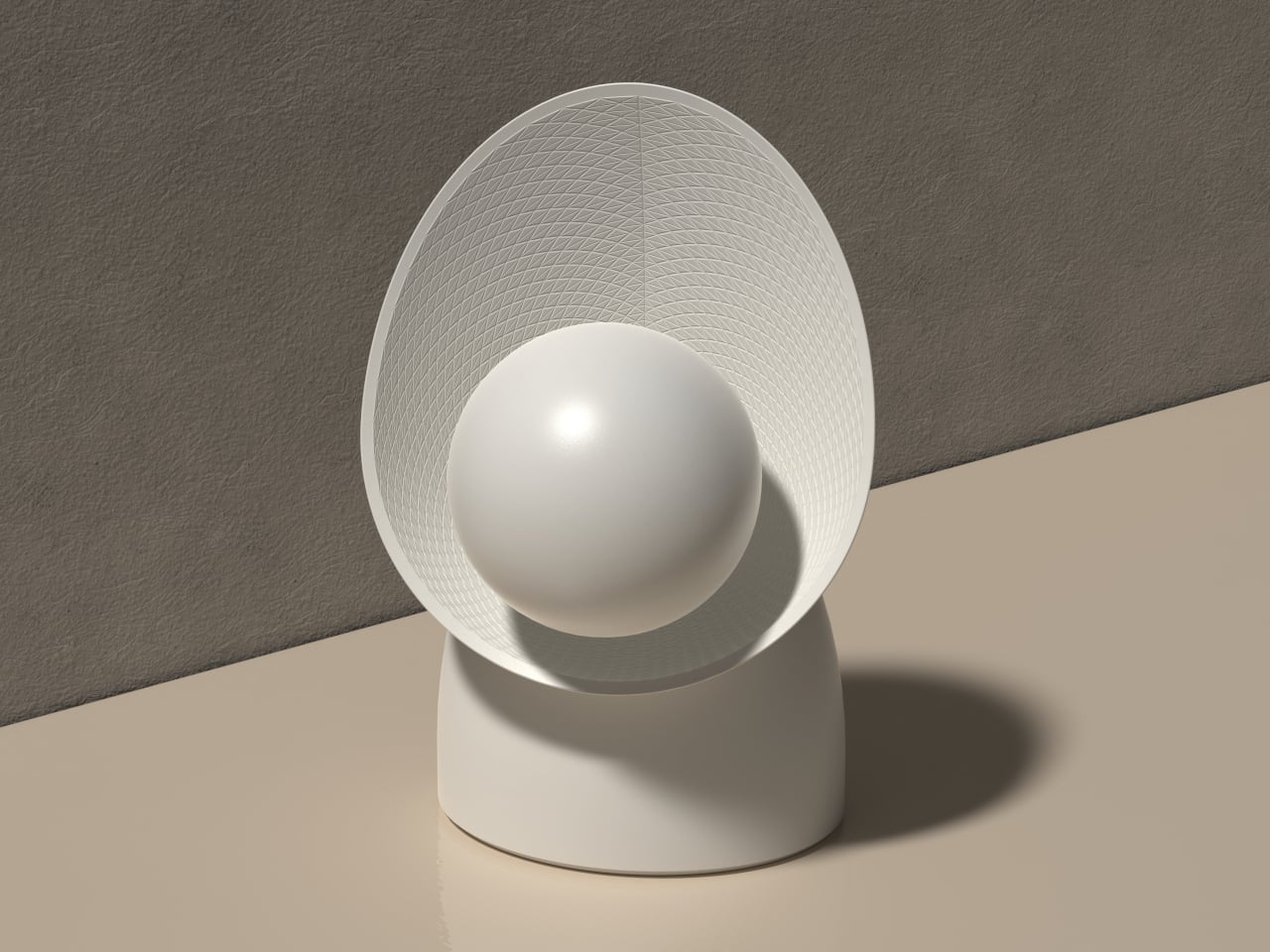
The traces, copper routes, and tactile surface details that usually operate invisibly now become the primary graphic language of the design. When illuminated, these pathways glow softly, revealing an intricate network that is part engineering diagram, part textile-like pattern. The sconce becomes a luminous map of its own function, offering viewers a rare opportunity to see the inner logic of circuitry elevated to decorative status.

This approach aligns with Ostrow’s broader practice of material exploration, challenging expectations of what electronic components can be when removed from their typical contexts. By bending the polyimide board into a gentle arc, the designer leverages its natural flexibility, allowing it to act simultaneously as a structural element, a diffuser, and a carrier for the embedded LEDs. The armature that supports the sconce performs dual duty as well: it physically holds the piece in place while also serving as the conduit for its DC power connection. The result is a clean, integrated assembly where function and form are inseparable.

The Printed Circuit sconce also speaks to a growing movement in industrial and lighting design where designers intentionally expose mechanisms, celebrate raw materials, and reveal inner workings rather than hiding them. The aesthetic of the PCB, once considered too technical or visually chaotic for interior surfaces, is reinterpreted here as refined, graphic, and unexpectedly elegant. The glow of the light accentuates the fine geometries etched into the board, producing an effect that is both futuristic and tactile.

Beyond its visual appeal, the sconce raises interesting questions about the relationship between technology and ornamentation. What does it mean when circuitry, traditionally understood as purely functional infrastructure, becomes decorative? How do our perceptions shift when we encounter electronic materials not as hidden hardware but as expressive, crafted surfaces? The Printed Circuit sconce offers a compelling answer: electronics, when thoughtfully framed, possess a structural and aesthetic richness worthy of display. In celebrating the circuitry rather than concealing it, the design offers a refreshing perspective, one that suggests beauty does not need to be added to technology; sometimes it only needs to be revealed.

The post This Printed-Circuit Sconce Turns Exposed Electronics Into Functional Sculpture first appeared on Yanko Design.
Silva Wood Collection by KFI Studios: Steam-Bent Beech Furniture Designed by Union Design

When solid beech wood flows from floor to backrest in a single steam-bent arc, you’re witnessing KFI Studios push the boundaries of what wood furniture can achieve. Silva, the company’s first fully wood collection, exemplifies material honesty and sculptural restraint.

Designer: KFI Studios

Designed in collaboration with Union Design, Silva rejects the noise of contemporary furniture design in favor of something more enduring: curves that follow the wood’s natural character, finishes that reveal rather than conceal grain patterns, and forms that balance timeless craft with approachable modern sensibility.

A Collection Built on Natural Warmth

Silva includes guest chairs, lounge chairs, stools, and coordinating tables across occasional, standard, counter, and bar heights. The versatility makes it equally at home in workplace lounges, hospitality environments, and social spaces where warmth matters more than clinical precision.

“It’s our first full wood collection, and something we’ve wanted to do for a long time,” says Chris Smith, CEO of KFI Studios. “It’s got that natural warmth and character that makes spaces feel instantly inviting.”

The signature detail defining the collection is that steam-bent rear leg. It flows in a single graceful line from floor to backrest, giving each piece a sculptural quietness that traditional joinery methods simply can’t achieve. The lounge chair in particular pushes wood bending techniques into elegant, continuous arcs that demonstrate what happens when material capability meets design ambition.

Design Details That Honor the Material

Every curve, edge, and contour in Silva was calibrated to highlight beech wood’s natural grain and inherent character. Gently rounded edges on seating pieces create tactile comfort without over-designing. Softly shaped square tabletops offer practical surface area while maintaining the collection’s organic aesthetic language.

“Every curve, edge, and contour was carefully considered to highlight the material, create comfort, and offer a sense of simplicity,” says Jeff Theesfeld, founder of Union Design.

The solid wood construction extends throughout the collection, with subtle engineering details that enhance functionality without compromising aesthetic purity. Guest chairs stack three high for space-efficient storage, making them practical for venues that need flexible seating arrangements. Stools feature chromed steel footrests that add durability and comfort while maintaining visual lightness. Table tops come in two configurations: wood tops with soft edge profiles that emphasize organic warmth, or optional laminate tops with knife edge profiles for environments requiring enhanced durability.

The finish palette expands beyond traditional wood tones into territory that feels distinctly contemporary. Seven stain options include Natural, Timber, Coffee, and Black alongside modern color-drenched hues: Navy, Evergreen, and Clay. These colored finishes don’t obscure the wood grain. They enhance it, letting the material’s natural texture show through while introducing unexpected color depth.

Chairs can be specified with or without upholstered seats. When upholstery enters the equation, KFI Studios offers a wide selection of graded-in textiles or COM options, allowing designers to calibrate comfort and aesthetic expression to specific project requirements.

Silva and the Biophilic Design Resurgence

According to Jeff Theesfeld, Silva arrives at a moment when designers are increasingly prioritizing wellbeing through material choices. Biophilic design, the practice of connecting interior environments to natural elements, continues gaining momentum as research confirms what intuition already suggested: natural materials and calming tactility improve how people experience spaces.

Silva’s all-wood construction, paired with finishes that enhance rather than hide wood grain, brings grounding presence to environments that benefit from nature-inspired warmth. As workplace design evolves beyond stark minimalism and hospitality spaces seek differentiation through material authenticity, collections like Silva offer designers tools to create environments that feel both contemporary and fundamentally human.

The collection represents more than aesthetic preference. It signals a broader shift toward furniture that prioritizes enduring material quality over trend-driven surface treatments, toward forms that respect craft traditions while serving modern spatial requirements.

The post Silva Wood Collection by KFI Studios: Steam-Bent Beech Furniture Designed by Union Design first appeared on Yanko Design.
iPhone ‘Lock Screen Mirror’ feature lets you quickly check your hair/teeth without opening the camera

Never have I seen something so audaciously brilliant I actually summon a CEO to help make it a reality but Tim Cook… if you’re reading this, this lock-screen mirror definitely needs to ship on the next iOS build. Put together by Jakub Zegzulka, an ex-Apple, Meta, and OpenAI fellow, this tiny little feature is perhaps more important than FaceID itself!

How many times have you stepped out for a meeting with friends or for an interview, having no idea what you look like… or whether you’ve got food stuck in your teeth? You unlock your phone, open the camera app, and flip to the front-facing camera to do a quick vibe-check. It’s a 3-step process that absolutely doesn’t need to be a 3-step process. Instead, Zegzulka’s solution involves just long-pressing on the camera icon on the bottom right of your lock screen. That brings up a tiny window emerging off the dynamic island, giving you a quick preview of yourself. You can check your hair, fix your make-up, adjust your specs, run your tongue across your teeth, or just quickly check out that annoying zit that appeared at the wrong place and wrong time.

Designer: Jakub Zegzulka

Zegzulka didn’t outline much, except a quick video demo of this feature on Threads. Although that was enough to gather nearly 2K likes in just over a day. The Lock Screen Mirror isn’t an app. It’s just a quick interaction that lets you open the camera’s viewfinder right on your lock screen for checking your appearance. The tiny circular window is almost exactly the size of a make-up mirror, and the feature is legitimately handy, even for me as a guy who has fairly curly hair that needs to just be ruffled before I step out.

Heck, imagine going an entire hour on a date with spinach stuck in your teeth and them being polite enough to not point out. Instead, you just do a quick check, get that pesky piece of green stuck on your pearly whites, and you’re good to go. It’s such a tiny-yet-life-enhancing feature that Apple could totally ship with their next build. You’re NOT opening your camera app with this lock screen mirror function, just a preview. You could drag your finger up and have the app open like it traditionally does, but a feature like this would probably eliminate the need to, if all you need to do is see if you look good right before you meet your friends, your future boss, or the potential love of your life.

The post iPhone ‘Lock Screen Mirror’ feature lets you quickly check your hair/teeth without opening the camera first appeared on Yanko Design.
Apple’s 3D-Printed Titanium Apple Watch: When Manufacturing Becomes Design Philosophy

Apple’s shift to 3D-printed titanium marks a turning point, not just for wearables, but for how material innovation becomes the foundation for meaningful design change. Every Apple Watch Ultra 3 and titanium Series 11 case now emerges from additive manufacturing using 100 percent recycled aerospace-grade titanium powder. The process cuts raw material consumption in half and saves over 400 metric tons this year alone.

Designer: Apple

The mirrored polish catches light like traditionally forged luxury timepieces. The featherweight durability feels indistinguishable from cases that started as solid titanium blocks. But these surfaces hide a manufacturing revolution that transforms waste into possibility, turning production constraints into design advantages Swiss watchmakers using forged steel never imagined.

The Material Challenge That Changed Everything

Traditional watch case manufacturing works subtractively. Large titanium blocks get machined down until the case emerges, with excess material becoming waste. 3D printing reverses this entirely. Six lasers build each case layer by layer, over 900 times, until the form reaches near-final shape using only what the design actually needs.

“It wasn’t just an idea: it was an idea that wanted to become a reality,” Kate Bergeron, Apple’s vice president of Product Design, explains. The team spent over a decade watching 3D printing mature across industries. Hospitals printed prosthetics. Astronauts manufactured tools aboard the International Space Station. But cosmetic parts at consumer electronics scale remained impossible until Apple solved the titanium puzzle.

The material itself fought back. Titanium powder needs atomization to 50 microns, like sifting ultra-fine sand. But at that scale, oxygen content becomes critical. Too much oxygen, and hitting the powder with lasers risks fireworks instead of precision manufacturing. The materials science team engineered a low-oxygen titanium powder that could withstand six simultaneous lasers without compromising aerospace-grade quality.

Design Unlocked Through Process

The 3D printing breakthrough delivered benefits traditional forging never could. The process enables texture printing in locations previously inaccessible during manufacturing. For cellular Apple Watch models, this solved a critical waterproofing challenge.

Cellular cases require a plastic-filled split to enable antenna functionality. The bonding between metal and plastic determines water resistance performance. 3D printing allowed Apple to print specific textures on the inner metal surface, dramatically improving how plastic bonds to titanium.

For swimmers doing open-water laps, athletes training in downpours, or anyone caught in unexpected rain, that improved bonding translates to confidence the watch survives submersion without compromise. Better waterproofing emerges without adding bulk or sacrificing the slim profile that keeps the watch comfortable through 14-hour days.

“This has now opened up the opportunity for even more design flexibility than what we had before,” Bergeron notes. That flexibility already extended beyond Apple Watch. The new iPhone Air’s USB-C port features a titanium enclosure 3D-printed with the same recycled powder. The incredibly thin yet durable design only became possible through additive manufacturing.

Sustainability as Systems Change

The environmental mathematics tell a compelling story. Apple’s additive process uses half the raw titanium compared to subtractive machining of previous generations. That 50 percent reduction translates to two watches from material previously required for one.

“We’re extraordinarily committed to systems change,” Sarah Chandler, Apple’s vice president of Environment and Supply Chain Innovation, states. “We’re never doing something just to do it once: we’re doing it so it becomes the way the whole system then works.”

This aligns with Apple 2030, the company’s goal to achieve carbon neutrality across its entire footprint by decade’s end. All electricity powering Apple Watch manufacturing already comes from renewable sources like wind and solar. The 3D printing advancement represents another major step toward eliminating waste throughout the production chain.

The process preserves material quality without compromise. Ultra 3 maintains its durability and lightweight form for everyday adventurers. Series 11’s polished mirror finish stays pristine. Both deliver better environmental performance using the same or superior materials compared to traditionally machined cases.

Manufacturing Precision at Scale

Each 3D printer houses a galvanometer with six lasers working simultaneously. Layer thickness must hit exactly 60 microns. A precision squeegee spreads powder at microscopic tolerances. Speed matters for scalability, but precision matters for design standards.

“We have to go as fast as we possibly can to make this scalable, while going as slow as we possibly can to be precise,” Bergeron explains. After printing completes, operators vacuum excess powder during rough depowdering. An ultrasonic shaker removes powder trapped in case interlocks during fine depowdering. A thin electrified wire saws between each case during singulation while liquid coolant manages heat. Automated optical inspection verifies dimensions and cosmetics before cases move to final processing.

The multiyear journey started with demos and proofs of concept. Apple tested 3D printing at smaller scales in previous product generations before committing to this titanium breakthrough. Each incremental step validated the next possibility. The specific alloy composition, the printing process itself, the quality control protocols, all required continuous optimization to meet Apple’s exacting standards.

Design Philosophy Meets Environmental Imperative

What makes this achievement remarkable isn’t just the technical complexity. It’s how Apple made sustainability inseparable from design excellence. The polished titanium finish looks identical whether machined or printed. Performance remains unchanged or improves. Durability meets or exceeds previous generations.

According to Apple, environment is a core value for every team. The 3D printing technology offered material efficiency critical for reaching Apple 2030 goals. But the team refused to compromise aesthetics or functionality to hit environmental targets. Instead, they engineered a solution delivering all three simultaneously.

The manufacturing breakthrough also demonstrates how production constraints can drive design innovation rather than limit it. Printing textures in previously inaccessible locations improved waterproofing. Additive manufacturing enabled thinner, more durable USB-C ports. Material efficiency created new design possibilities instead of restricting existing ones.

“When we come together to innovate without compromise across design, manufacturing, and our environmental goals, the benefits are exponentially greater than we could ever imagine,” Chandler adds. By merging manufacturing efficiency with environmental responsibility, Apple turns sustainability into a creative asset rather than a corporate checkbox.

“We’re only beginning to imagine where additive manufacturing can take us,” Bergeron notes. The 3D-printed titanium Apple Watch cases prove manufacturing processes can become design philosophy. When production efficiency, material sustainability, and aesthetic excellence align, the result transcends simple environmental compliance. It becomes a new standard for what responsible design looks like at scale.

Key Takeaways

Manufacturing becomes design opportunity: 3D printing shifts titanium production from wasteful subtraction to efficient addition, cutting material use by 50 percent while enabling new design possibilities.

Sustainability unlocks features: The additive process allowed texture printing in previously inaccessible locations, directly improving waterproofing performance for cellular models without adding bulk.

Scale meets precision: Apple’s approach sets a manufacturing precedent, proving consumer electronics can achieve millions of identical premium-quality cases through 3D printing with 100 percent recycled materials.

Cross-product innovation: Breakthroughs developed for Apple Watch extended to iPhone Air’s impossibly thin USB-C port, demonstrating how solving constraints for one product unlocks possibilities across entire product lines.

The post Apple’s 3D-Printed Titanium Apple Watch: When Manufacturing Becomes Design Philosophy first appeared on Yanko Design.
This Cat House Grooms With Bionic Tongue Combs and No Electricity

Cat owners know the struggle intimately: fur on every surface, hairballs appearing at the worst moments, and the daily battle of brushing a cat who’d rather do anything else than sit still for grooming sessions. Most grooming tools are either stressful for cats or a constant hassle for humans, and the result is often a home that never quite feels clean, no matter how much you vacuum or sweep throughout the week.

PawSwing Neo offers a different way to keep cats happy and homes fur-free without the usual stress, resistance, or effort from either party. With its bionic cat-tongue grooming system, cozy felt house design, and zero electricity required for operation, it turns grooming into a natural, stress-free part of daily life. No batteries, no motors, no fighting with your cat over a brush they absolutely hate—just feline instinct and clever design working together seamlessly.

Designer: Andrew Tian

Click Here to Buy Now: $179 $289 (39% off). Hurry, only a few left!

Real user feedback from thousands of cat households across more than 48 countries highlights PawSwing’s mind-blowing effectiveness in collecting substantial amounts of fur in just one week. Some owners even describe opening the collection boxes to find surprising amounts of shed hair they didn’t even realize their cats were losing daily. The visible results speak for themselves, with up to 80 percent less fur accumulating on furniture, clothes, and floors throughout the home.

The Neo’s compact, cube-shaped house is crafted from renewable PET felt that’s durable, scratch-resistant, and soft to the touch for comfortable lounging throughout the day. Its lighter weight at 4.8 kilograms and smaller footprint compared to the Pro version make it easy to move between rooms and fit into any living space without dominating valuable floor area or clashing with your carefully chosen furniture and decor.

The adjustable entrance adapts to cats of all sizes, from petite British Shorthairs to fluffy Maine Coons weighing up to 40 pounds, without struggling to fit through. Observation holes cut into the felt sides let curious cats keep an eye on their surroundings from a safe, cozy hideaway, supporting their natural instinct to survey territory from protected spaces. For multi-cat households or shy felines who crave privacy and security during meals, this design creates a personal retreat.

Inspired by the structure of real feline tongues perfected over 11 million years of evolution, the six patented comb modules inside the Neo replicate the hollow, hook-shaped papillae that cats use for grooming across all species from house cats to tigers. As a cat enters or exits through the grooming ring, a spring-loaded kinetic plate powered entirely by the cat’s own movement rotates the combs, delivering a gentle, 360-degree massage without requiring any external power source.

The flexible comb material and golden-ratio bristle design ensure a soothing, familiar sensation that mimics a mother cat’s lick during early kittenhood. This instinctive recognition means even grooming-averse cats who run from traditional brushes often accept and even enjoy the Neo’s gentle touch during their regular visits. The patented combs remove loose fur from root to tip, preventing it from being swallowed during self-grooming or spreading throughout your home like tumbleweeds.

The entire system is non-electric and completely powered by your cat’s natural movement through the grooming ring without requiring any external energy, eliminating the risk of pinching, overheating, or noise that might startle sensitive cats. Fur is collected automatically in dedicated boxes beneath each patented comb module, and all parts are washable with standard cleaning solutions. The simplified four-piece assembly makes setup and maintenance a breeze, even for people who struggle with complicated pet products.

Mealtime becomes a wellness ritual as the Neo’s main food bowl encourages cats to enter, eat in complete privacy, and enjoy a full-body grooming session in one smooth experience that requires no additional effort. The felt exterior doubles as a premium scratching surface for satisfying natural clawing instincts without damaging furniture, carpets, or walls throughout your home. It creates a safe haven for resting, playing, and watching the world from multiple observation points.

PawSwing Neo fits naturally into design-focused homes where pet products typically clash with carefully curated aesthetics and modern furniture choices. The combination of less shedding, fewer hairballs, and happier cats creates a cleaner, more harmonious home environment that doesn’t require constant maintenance, expensive grooming appointments, or daily cleaning sessions that steal time from more enjoyable activities with your feline companions.

Click Here to Buy Now: $179 $289 (39% off). Hurry, only a few left!

The post This Cat House Grooms With Bionic Tongue Combs and No Electricity first appeared on Yanko Design.
AOOSTAR EG02 eGPU Dock Has a Built-In Stand for Your Mini PC

Mini PCs and handheld gaming devices are getting impressively powerful CPUs, but their graphics capabilities still lag behind desktop machines by a wide margin. Integrated graphics can handle everyday tasks and lighter games just fine, but demanding titles or creative work that needs GPU acceleration quickly expose the limitations. External GPU docks have become a popular solution for bridging that gap, letting you plug a desktop graphics card into a compact device whenever you need the extra horsepower.

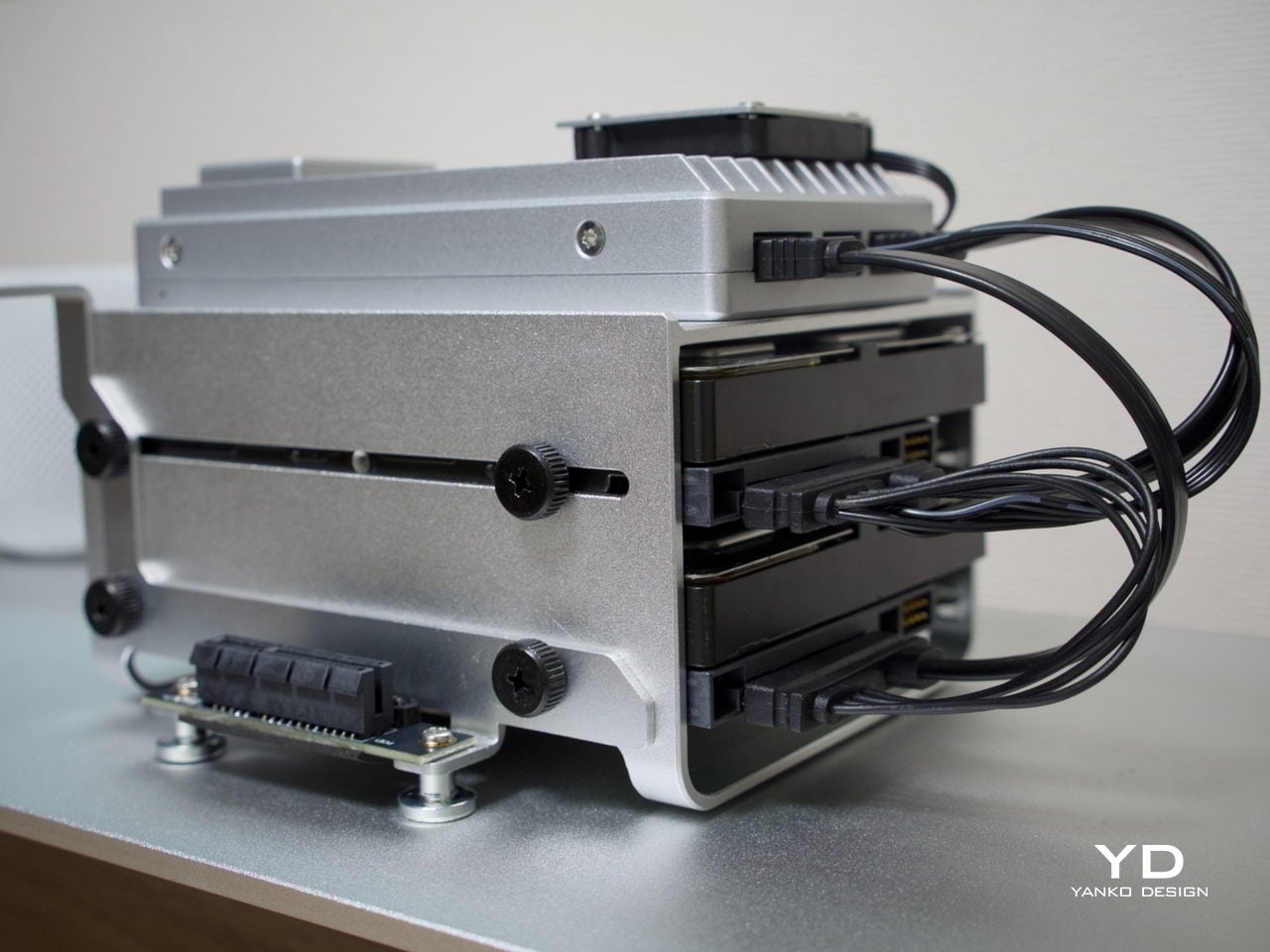
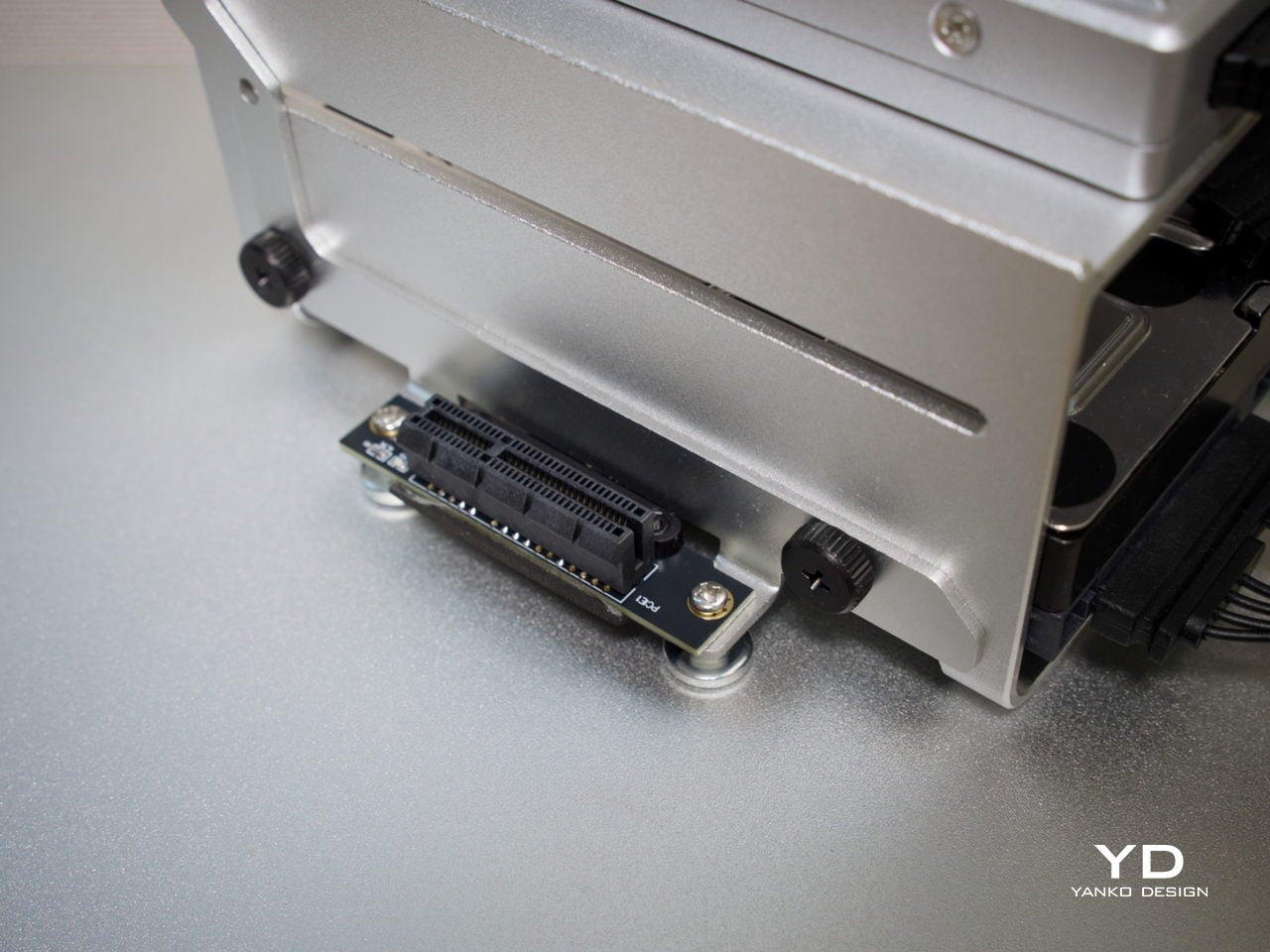
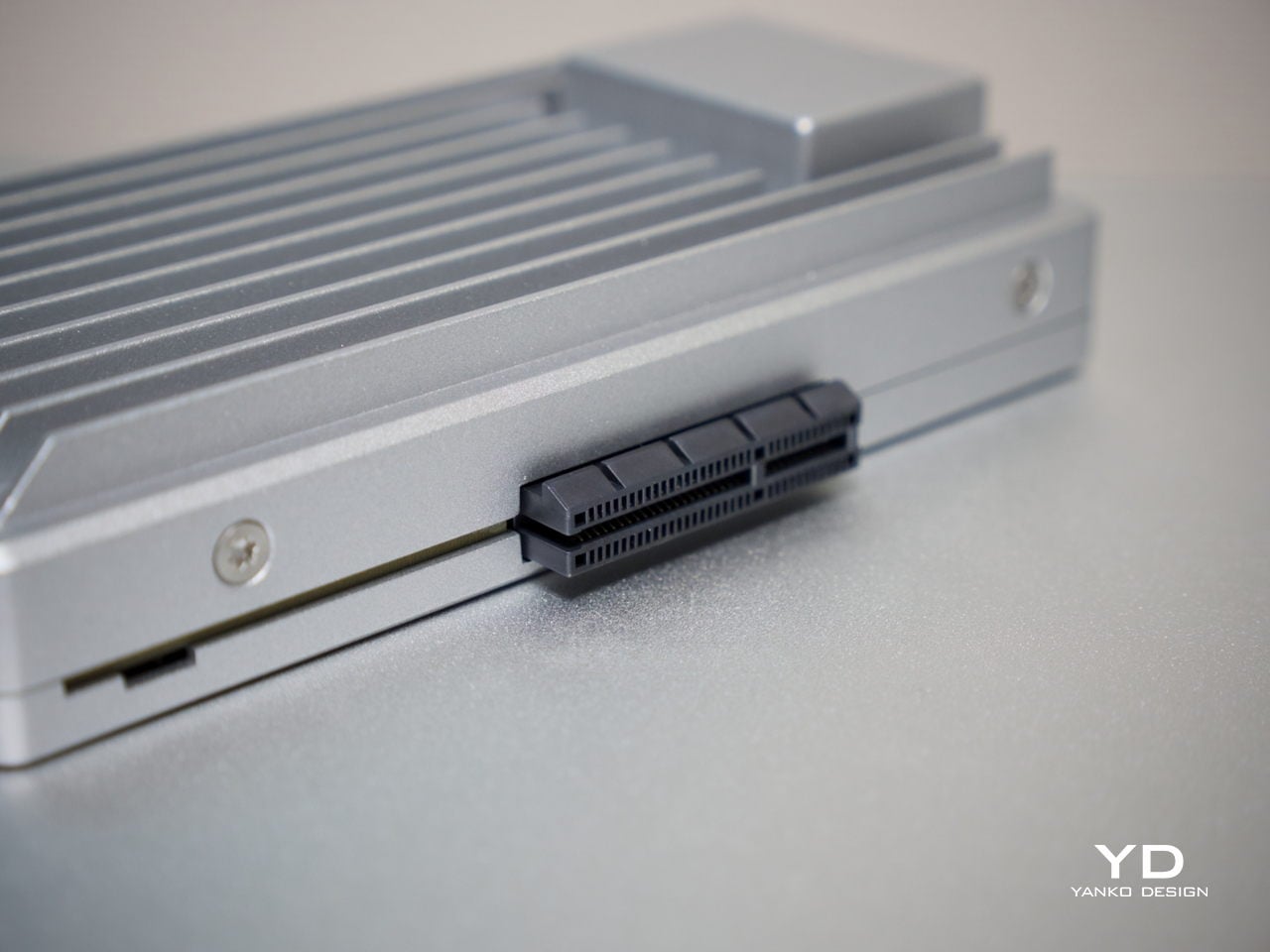
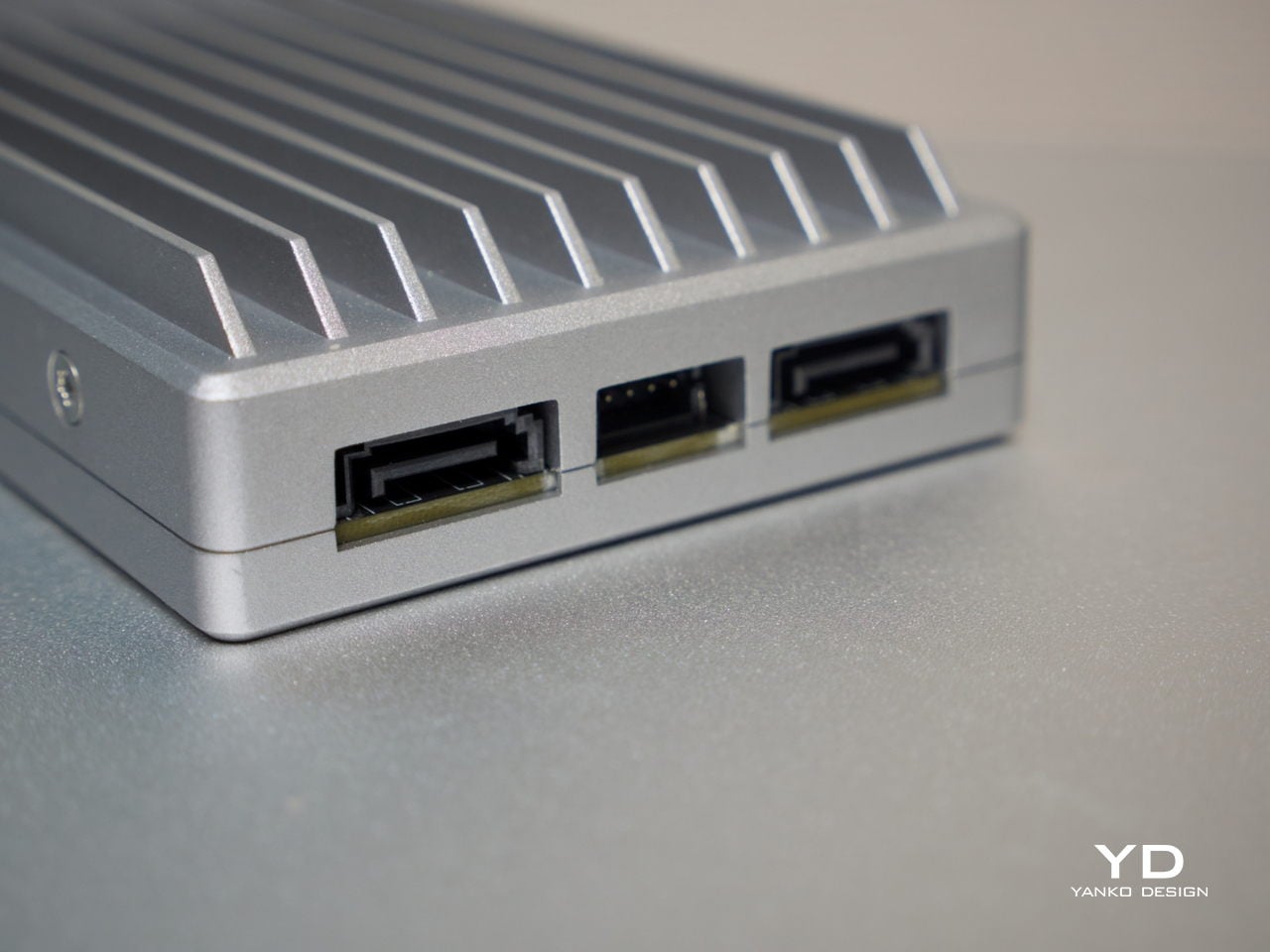
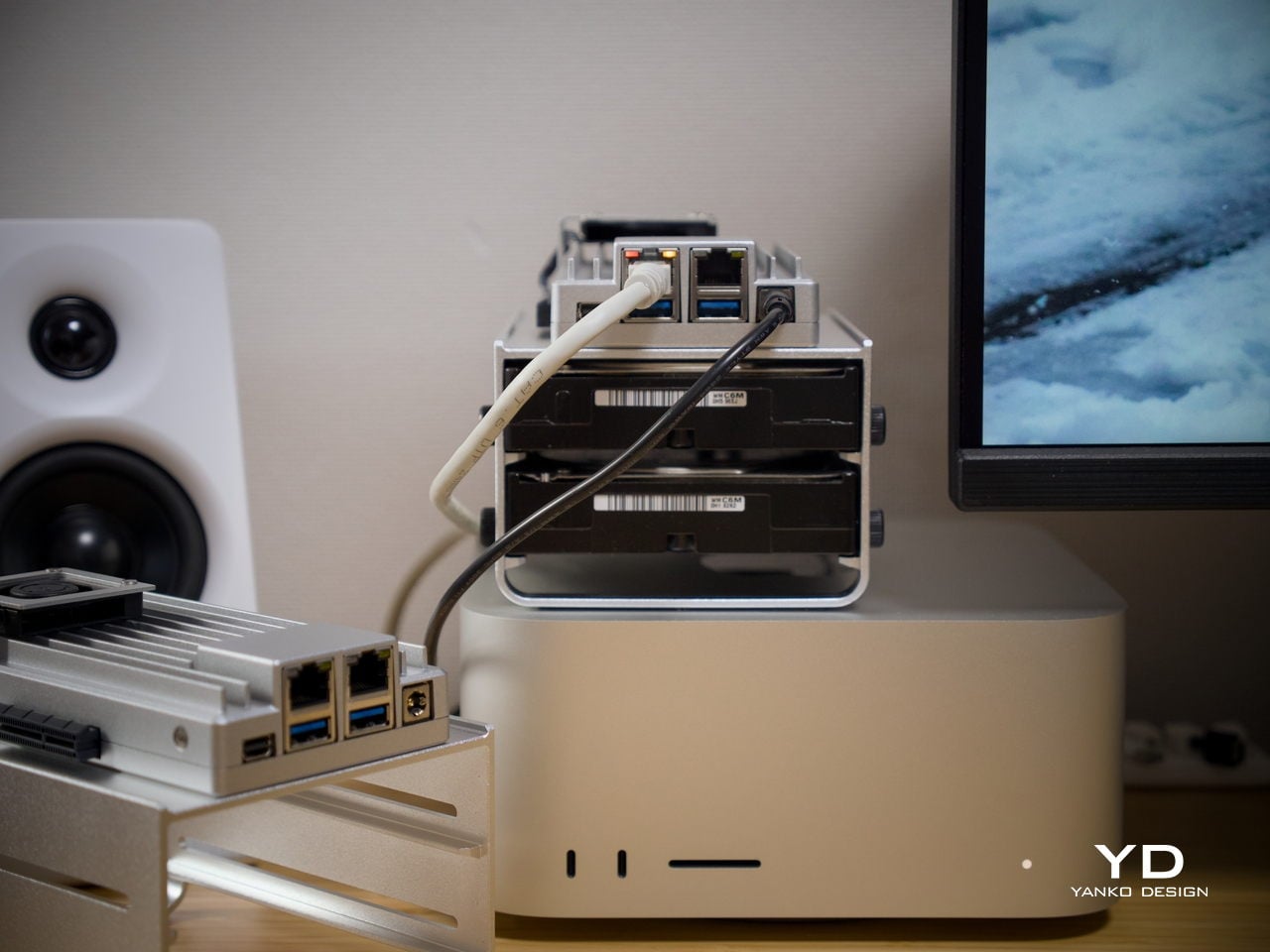
The AOOSTAR EG02 takes a different approach from most eGPU solutions by giving you a barebones platform where you bring your own power supply and graphics card. It’s designed for enthusiasts who use mini PCs, laptops, or handheld gaming devices and want the flexibility to configure their own GPU setup. The dock supports both Thunderbolt 5-class connections and Oculink, covering the two major high-bandwidth paths for connecting external graphics to modern compact computers.

Designer: AOOSTAR

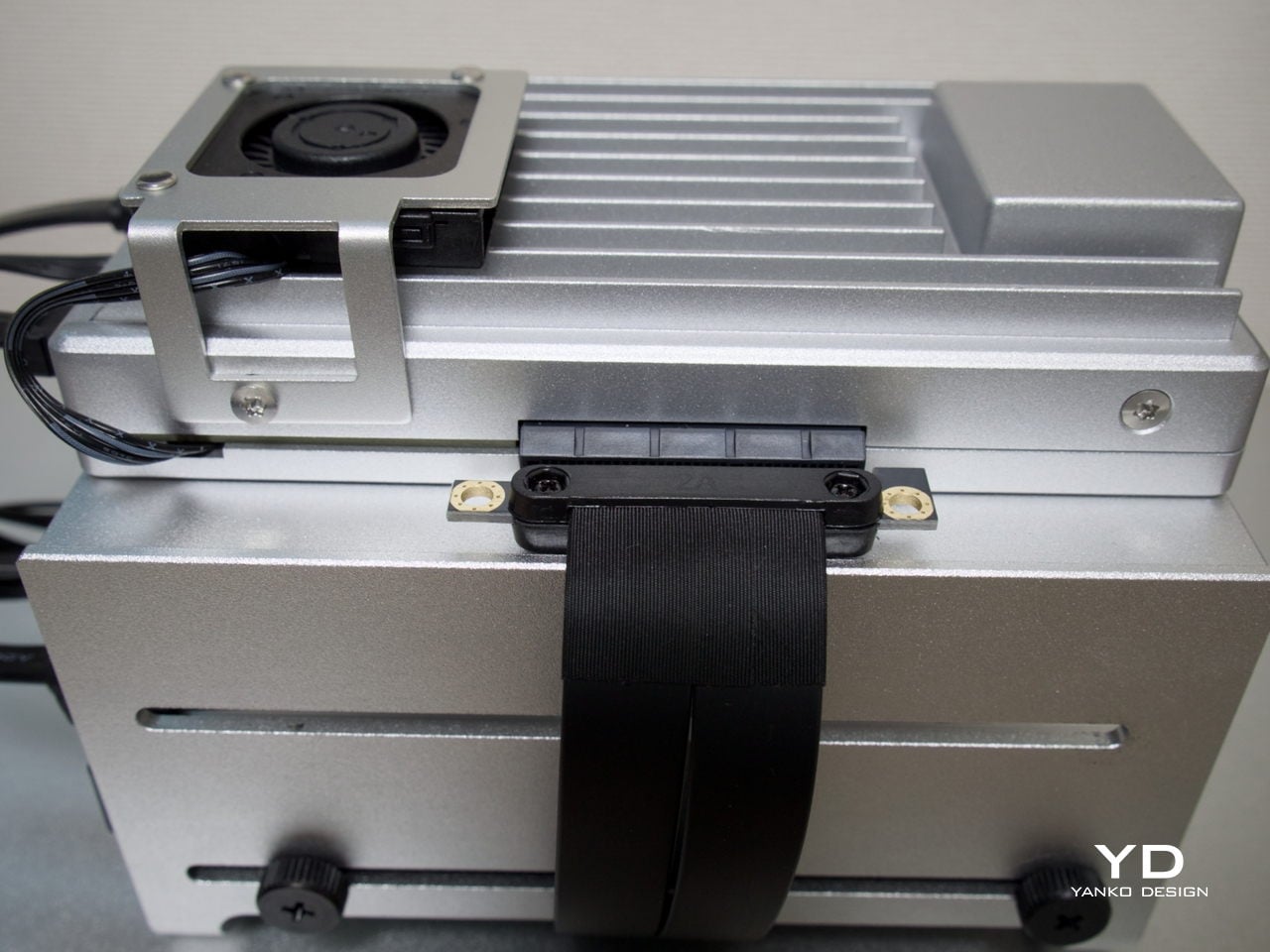
The connectivity story here is worth understanding. Two front-facing USB-C ports deliver Thunderbolt 5-level bandwidth, which works with newer laptops and some handhelds that support the standard. There’s also an Oculink port that exposes a direct PCIe 4.0 x4 link, favored by mini PC users because it offers lower overhead and more consistent performance than Thunderbolt in some scenarios. Having both options means the dock works with whatever connection your host device supports.

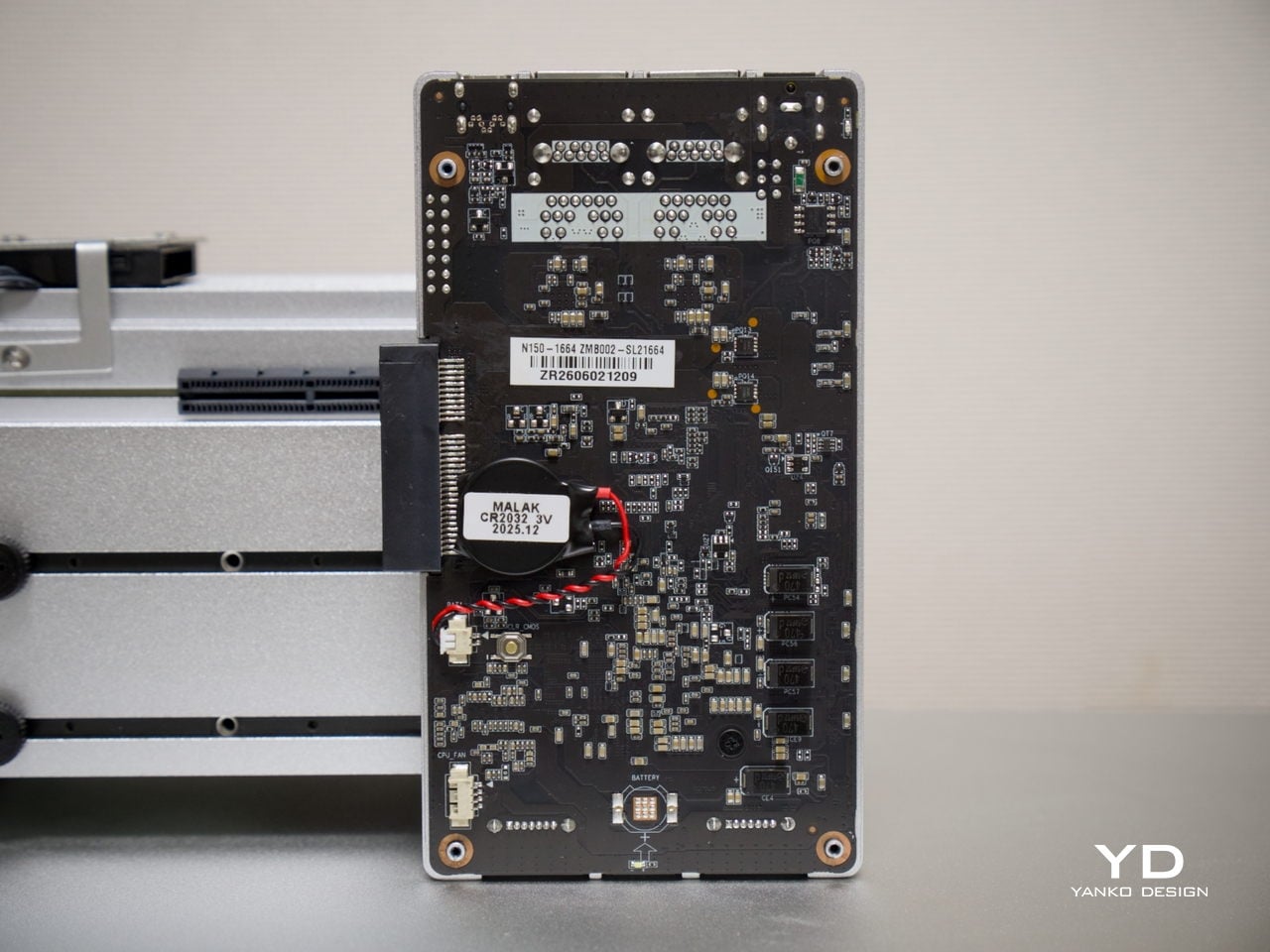
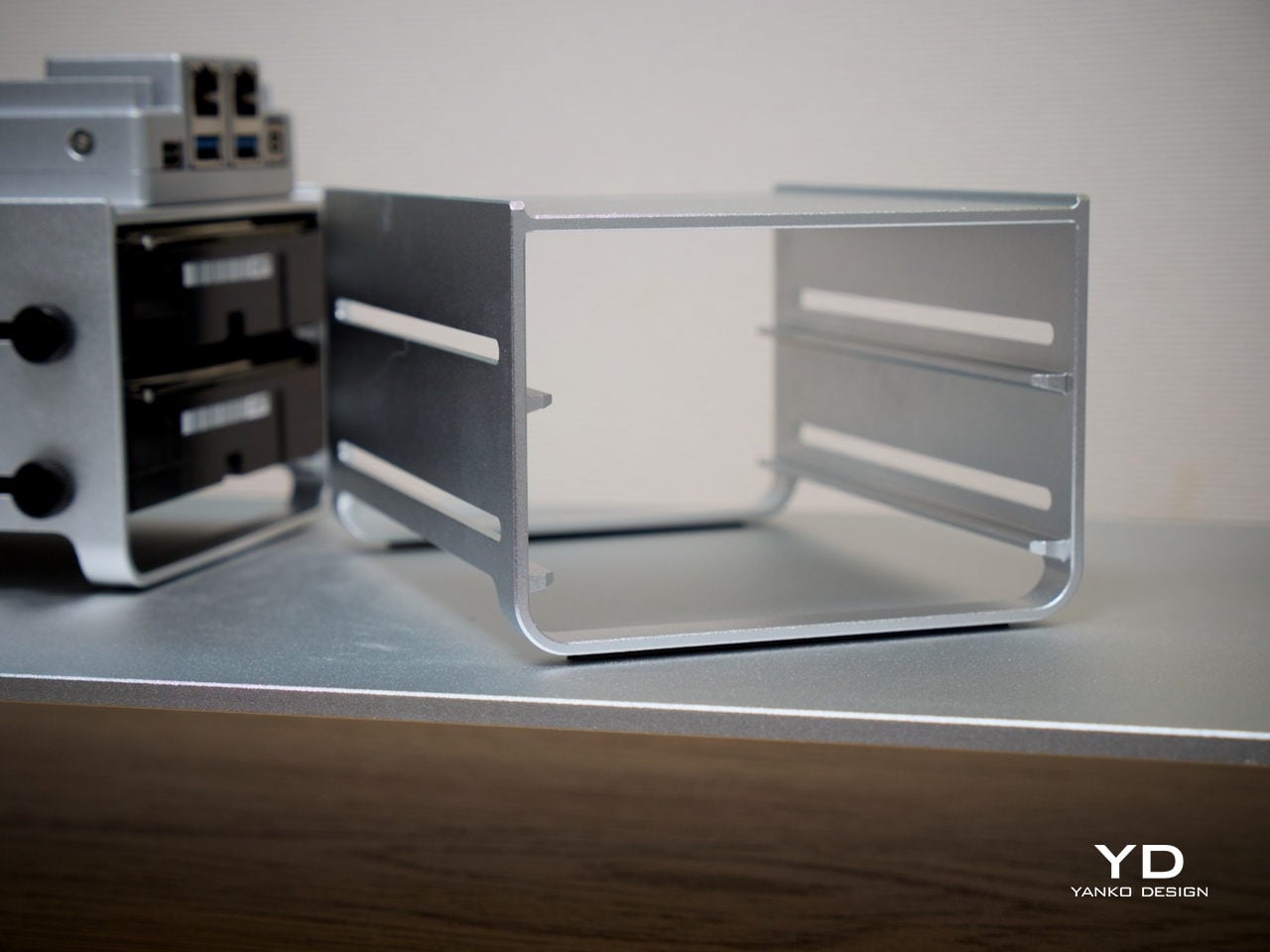
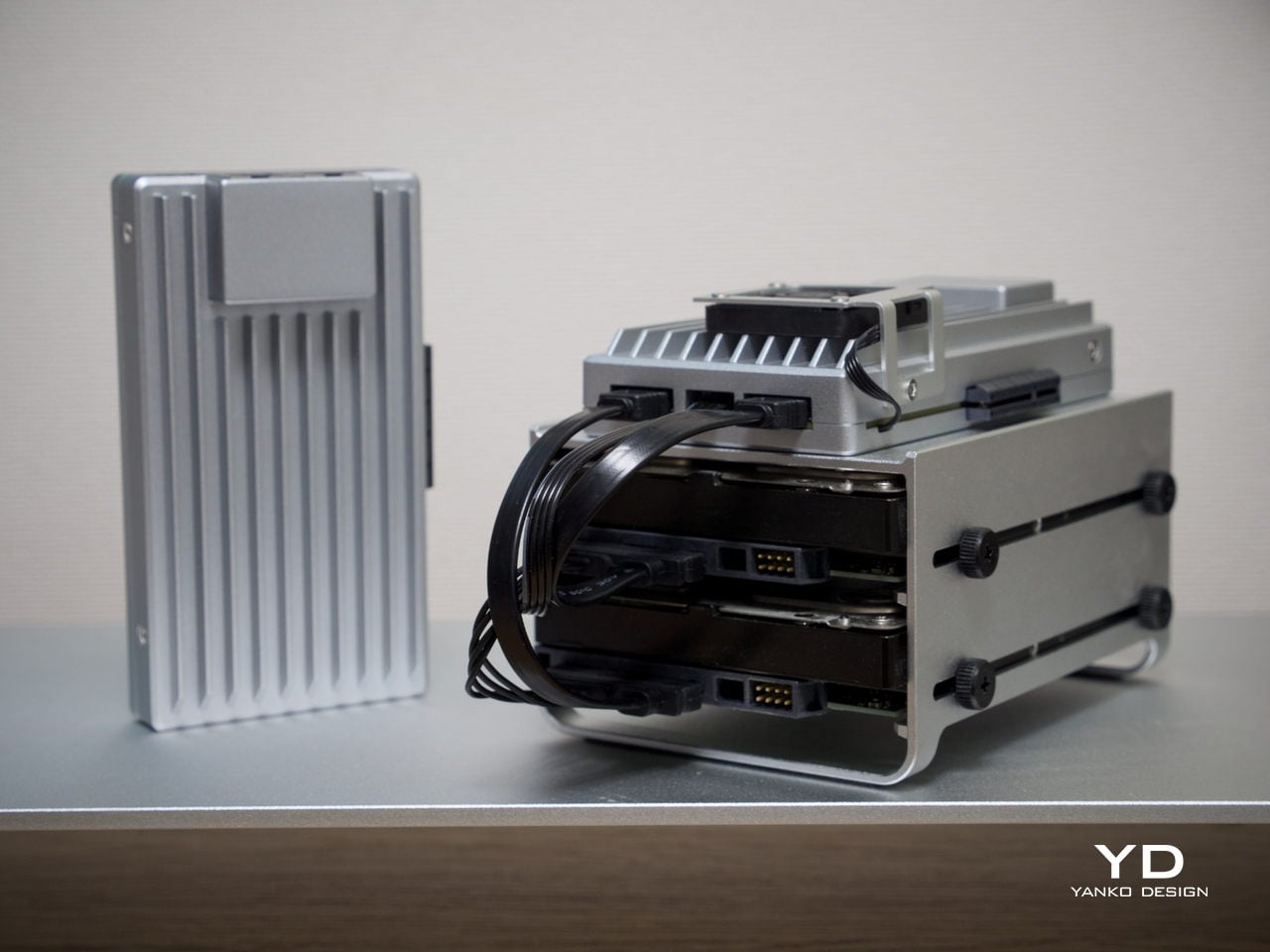
Power comes from whatever ATX or SFX power supply you install in the back of the chassis. That dual-spec support means you can use anything from a compact 600-watt unit to a massive 1000-watt brick, depending on what kind of GPU you’re running. The all-metal chassis features an integrated aluminum frame with an adjustable GPU support arm that slides to match different card lengths, preventing sag and keeping everything stable.

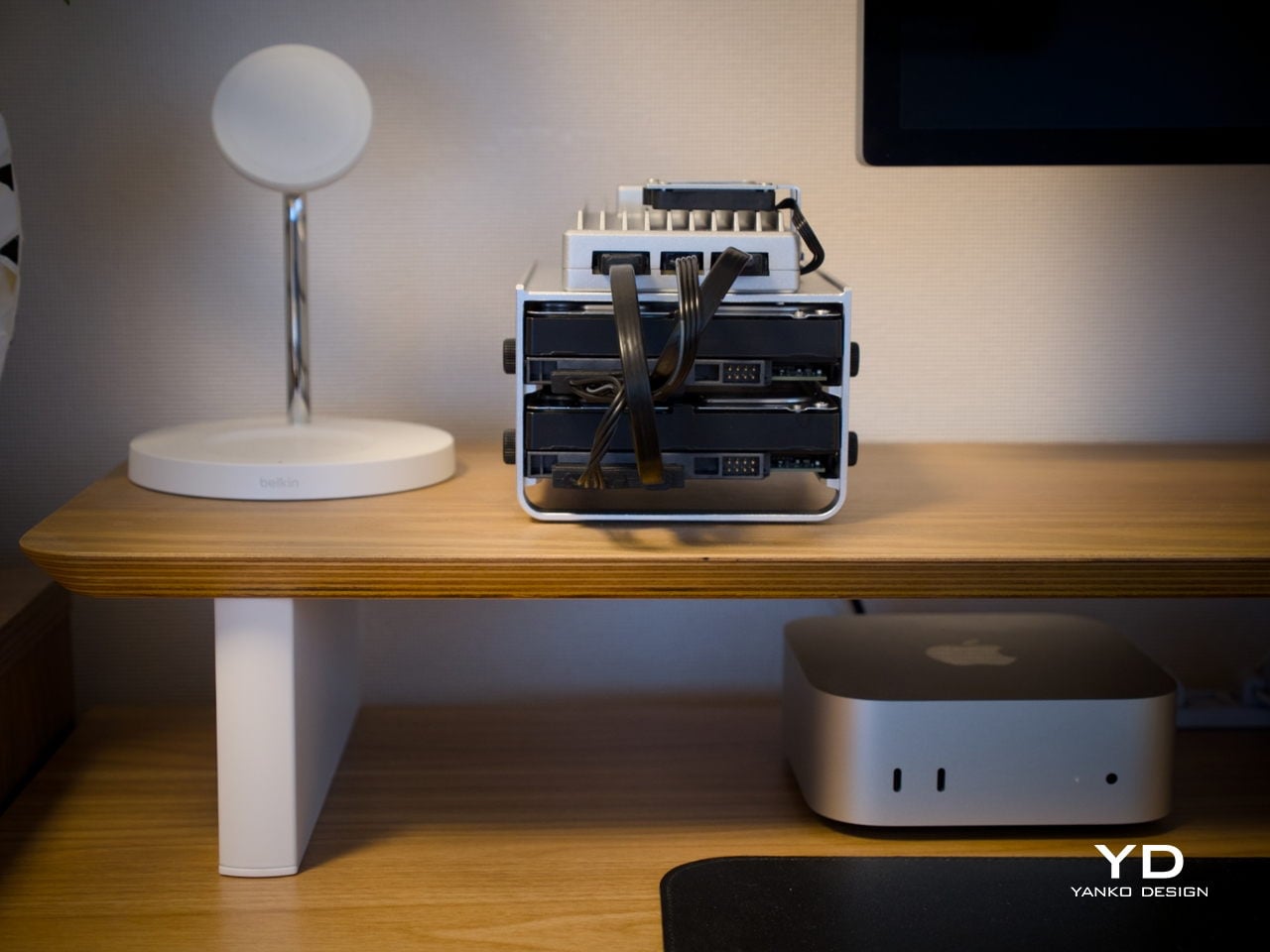
Above the power supply sits a removable stand designed to hold a mini PC, creating a vertical stack where the PSU, mini PC, and GPU all occupy the same footprint. That’s useful if you want a compact all-in-one rig on your desk, but the stand can be detached if your mini PC will live somewhere else, like next to a monitor or tucked behind other gear.

The design encourages tinkering rather than hiding the hardware. In the lifestyle photos, you can see a mini PC perched on top of the dock with cables running to a GPU, or a handheld gaming device plugged in and suddenly pulling power from a full-size desktop card. It’s a modular approach that gives you control over every component and makes upgrades straightforward.

The EG02 is clearly aimed at people who enjoy building and tweaking their setups rather than those looking for a sealed, plug-and-play solution. As computing continues shrinking into handhelds and tiny boxes, a dock like this feels like a natural companion for anyone who still wants desktop-class graphics performance without committing to a full tower that occupies half their desk and costs twice as much.

The post AOOSTAR EG02 eGPU Dock Has a Built-In Stand for Your Mini PC first appeared on Yanko Design.
5 Best Tech Gadgets Of November 2025

November 2025 has delivered some truly groundbreaking tech that pushes boundaries in ways we haven’t seen before. This month isn’t about incremental updates or spec bumps. It’s about rethinking fundamental assumptions around how we interact with our devices. The gadgets making waves right now challenge the status quo of mobile computing, wearable technology, ergonomic design, portable power, and smartphone engineering.

Some are available now, others are concepts that point toward what’s coming, but all of them represent a shift in thinking about what tech can be when designers refuse to accept the limitations we’ve grown accustomed to. These five gadgets stand out not just for their innovation, but for solving real problems that have plagued users for years. They’re the kind of products that make you wonder why nobody thought of this sooner.

1. WELDER Keyboard

Mobile professionals face an impossible equation. Laptops provide adequate computing power but trap you behind a cramped single display. Portable monitors expand your workspace but clutter your bag with extra cables, stands, and fragile panels. Mechanical keyboards deliver typing satisfaction at the cost of carrying yet another device. The WELDER keyboard collapses this sprawling ecosystem into one unified tool that refuses to compromise on any front.

The centerpiece is a 12.8-inch touchscreen mounted directly above a full mechanical keyboard, both housed in precision CNC-machined aluminum. That material choice matters enormously. When the device folds at its 180-degree hinge, the metal construction prevents any flexing that would make typing unstable or damage the display. Close it up and you get a protective shell that safeguards both components during travel, transforming into a sleek aluminum block that looks more premium than most laptops. For a crowdfunded venture to achieve this level of build quality suggests serious engineering capability.

What we like

  • Eliminates the need to carry a separate keyboard and portable monitor.
  • CNC-machined aluminum construction provides exceptional build quality and durability.

What we dislike

  • Crowdfunded status means availability and long-term support remain uncertain.
  • The combined weight of screen and mechanical keyboard may be heavier than ultraportable alternatives.

2. MSI Gaming PC Watch

MSI’s wrist-mounted PC concept makes no pretense of being a conventional timepiece. Subtle hour markings exist almost as an afterthought, while the face reveals a miniaturized computer’s internal architecture. Cooling fans, graphics components, motherboard traces, and processors are fully exposed behind transparent housing. Four side pushers control various functions while the MSI badge sits where you’d normally find a watch crown. This is wearable computing stripped of any attempt at discretion.

The brand already dominates gaming hardware through laptops and desktops that push thermal management, graphics rendering, and RGB aesthetics to extremes. Translating that expertise to wrist-scale computing represents the logical, if audacious, next step. MSI has built a reputation on reliable performance under demanding conditions, which gives this concept more credibility than if a startup proposed it. The promise is immediate access to full computing capability regardless of location, though practical questions around battery life, heat generation, and actual processing power remain unanswered at this conceptual stage.

What we like

  • Showcases visible internal components for a striking aesthetic that appeals to tech enthusiasts.
  • Backed by MSI’s established reputation for durable, high-performance hardware.

What we dislike

  • Actual computing power and practical functionality remain unclear from concept alone.
  • Wrist-mounted form factor raises serious questions about heat dissipation and comfort during extended wear.

3. iRest Adjustable Ergonomic Mouse

Most mice ship with fixed dimensions that work adequately for average hands, while fitting nobody perfectly. iRest Health Science and Technology proposes something radically different with their conceptual mouse featuring app-controlled adjustability. The palm rest integrates two pneumatic cushions that inflate or deflate based on commands from your smartphone. Adjust the air volume, and the mouse physically reshapes itself to match your hand’s exact contours, creating a truly personalized ergonomic profile.

The concept brilliantly identifies a real problem, but stumbles on execution. Pneumatic adjustment requires miniature air pumps that would devastate battery life while adding mechanical complexity prone to failure. Alternative approaches exist that could deliver similar results more elegantly. Moldable silicone shells similar to custom in-ear monitors could work, though those require professional fitting. Mechanical adjustment systems comparable to ergonomic office chairs might provide the customization without electronic complexity. The core insight that ergonomic peripherals shouldn’t force users into standardized shapes remains valuable even if this particular implementation needs rethinking.

What we like

  • App-controlled customization allows precise fitting to individual hand dimensions.
  • Addresses genuine ergonomic needs for users who struggle with standard mouse shapes.

What we dislike

  • The air pump mechanism would significantly drain battery life and add mechanical complexity.
  • Still in concept phase with no clear path to production or retail availability.

4. Portable Magnetic Power Bank

Traditional power banks lock you into carrying a fixed capacity regardless of your actual needs for that day. Quick coffee run where you just need earbuds topped up? You’re hauling 20,000mAh. Week-long trip requiring multiple full phone charges? You’re stuck with whatever single capacity you bought. The Portable Magnetic power bank rejects this inflexibility with a two-piece modular design that adapts throughout your day. The main body provides high-capacity charging for phones and larger devices, while a detachable Energy Capsule handles smaller accessories like wireless earbuds and smartwatches.

Magnetic connection makes the system work. The two units snap together seamlessly when you need maximum capacity, then separate instantly when you want to travel light. No fiddly clips, no cables, no alignment struggles. The magnets ensure perfect contact every time while being strong enough to prevent accidental separation in normal use. You can leave the heavy module at your desk while pocketing just the Energy Capsule for a quick outing, then reunite them for your commute home. It’s flexible power management that finally reflects how people actually move through modern life rather than forcing compromise.

What we like

  • Modular design lets you carry only the capacity you need for different situations.
  • The magnetic connection system provides tool-free attachment without cables or complicated mechanisms.

What we dislike

  • Splitting power across two units may reduce overall efficiency compared to single-cell designs.
  • Magnetic connections could potentially separate accidentally in bags or pockets during movement.

5. Samsung “More Slim” Smartphone

Samsung’s internal development codename reveals its direction clearly. The More Slim follows their S25 Edge, which itself carried the Slim codename during creation. Rather than retreating from ultra-thin smartphone design, Samsung appears committed to pushing dimensional boundaries even further. Engineering challenges multiply exponentially as thickness decreases. Components must be custom-designed for tighter spaces, which dramatically increases manufacturing complexity and cost. Every millimeter shaved requires fundamental rethinking of internal architecture.

The concerning precedent comes from the S25 Edge. To achieve its thin profile, Samsung accepted a dual-camera system without telephoto capabilities and crammed in just a 3,900mAh battery. Those compromises felt severe at the S25 Edge’s premium price point. Going even slimmer logically means accepting additional limitations on battery capacity and camera hardware. Physics imposes constraints that marketing ambition cannot overcome. The ultra-thin phone market certainly exists, but it serves a narrow audience willing to sacrifice functionality for aesthetic minimalism. Samsung clearly believes that the audience is worth pursuing despite the technical and economic challenges involved.

What we like

  • Ultra-slim profile appeals to users prioritizing pocketability and minimalist aesthetic.
  • Samsung’s manufacturing expertise suggests quality execution despite extreme thinness constraints.

What we dislike

  • Likely to feature reduced battery capacity and limited camera capabilities based on S25 Edge precedent.
  • Premium pricing expected despite hardware compromises required to achieve ultra-thin design.
Gadgets That Refuse to Compromise

These five gadgets represent where tech is heading as we close out 2025. What ties them together is a willingness to question established norms. The WELDER asks why keyboards and monitors must be separate. MSI questions whether a watch needs to just tell time. iRest challenges fixed ergonomics. The modular power bank rejects monolithic battery designs. Samsung pushes thinness beyond what seems reasonable.

Not all will succeed commercially. Some are concepts that may never reach production. Others face significant engineering hurdles that could limit their appeal. The value in highlighting these products isn’t predicting which will dominate the market. It’s recognizing that innovation happens when designers refuse to accept inherited constraints. November 2025 delivered gadgets that refuse to play it safe, and that’s exactly what we need.

The post 5 Best Tech Gadgets Of November 2025 first appeared on Yanko Design.