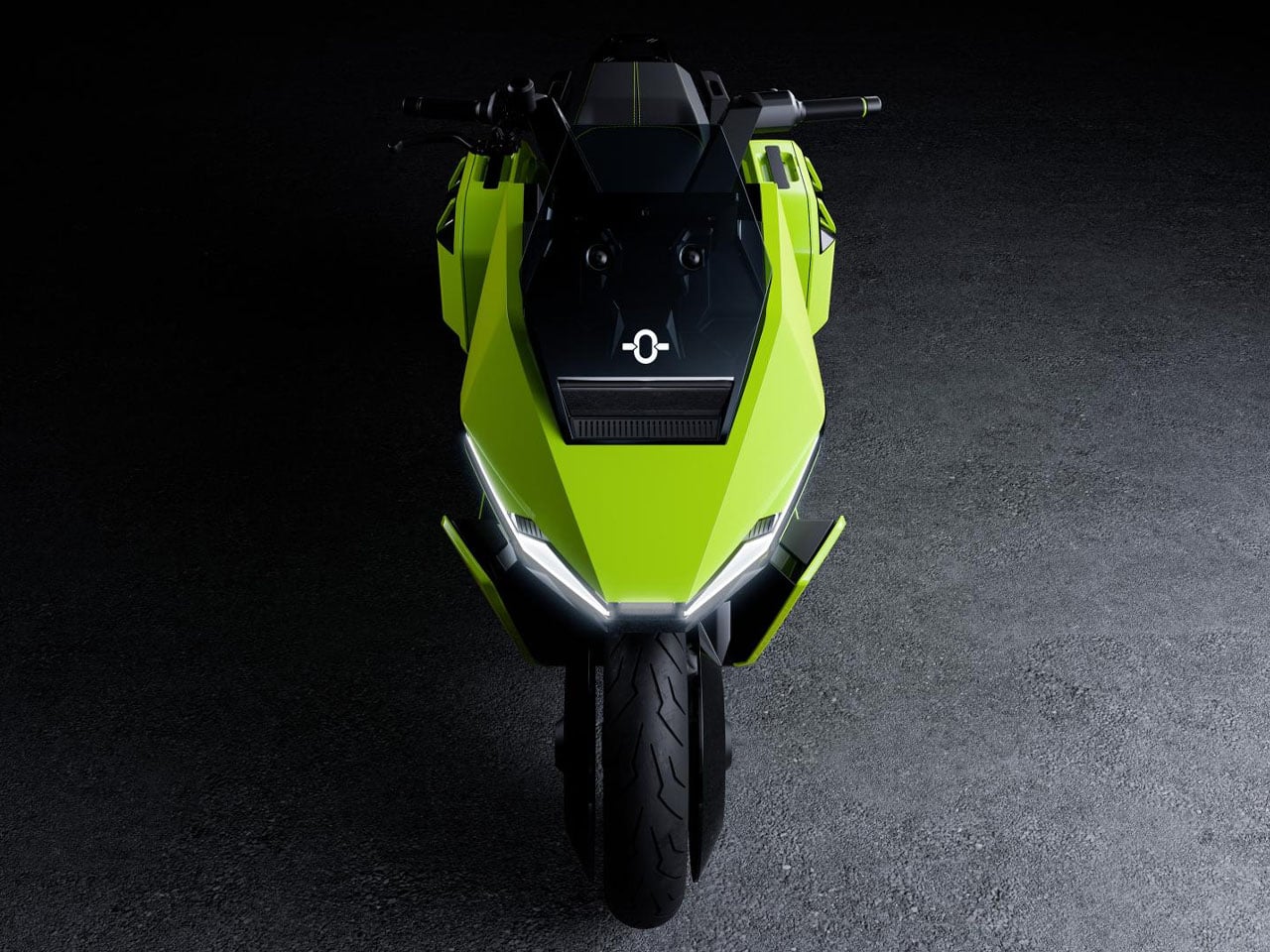
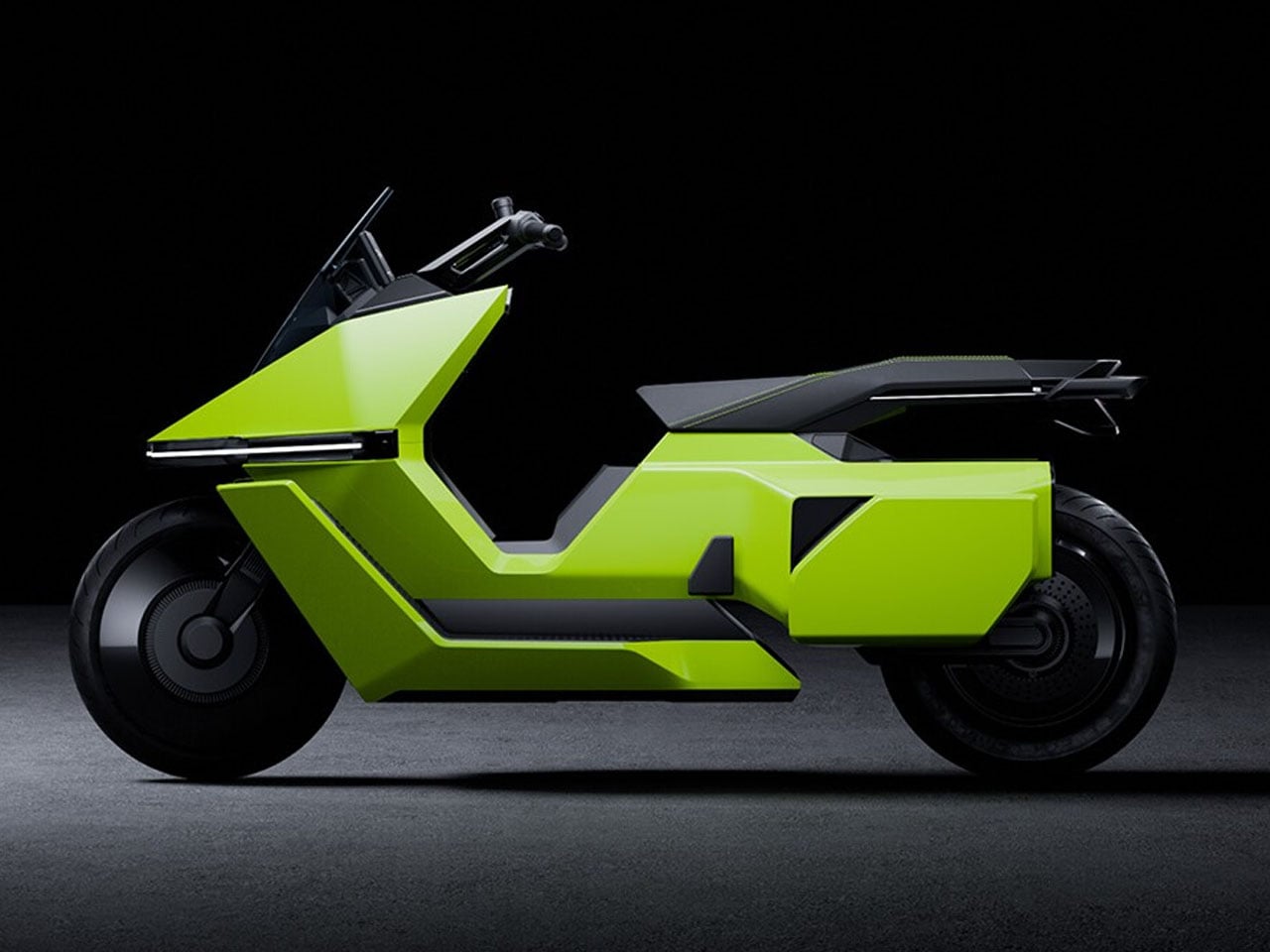
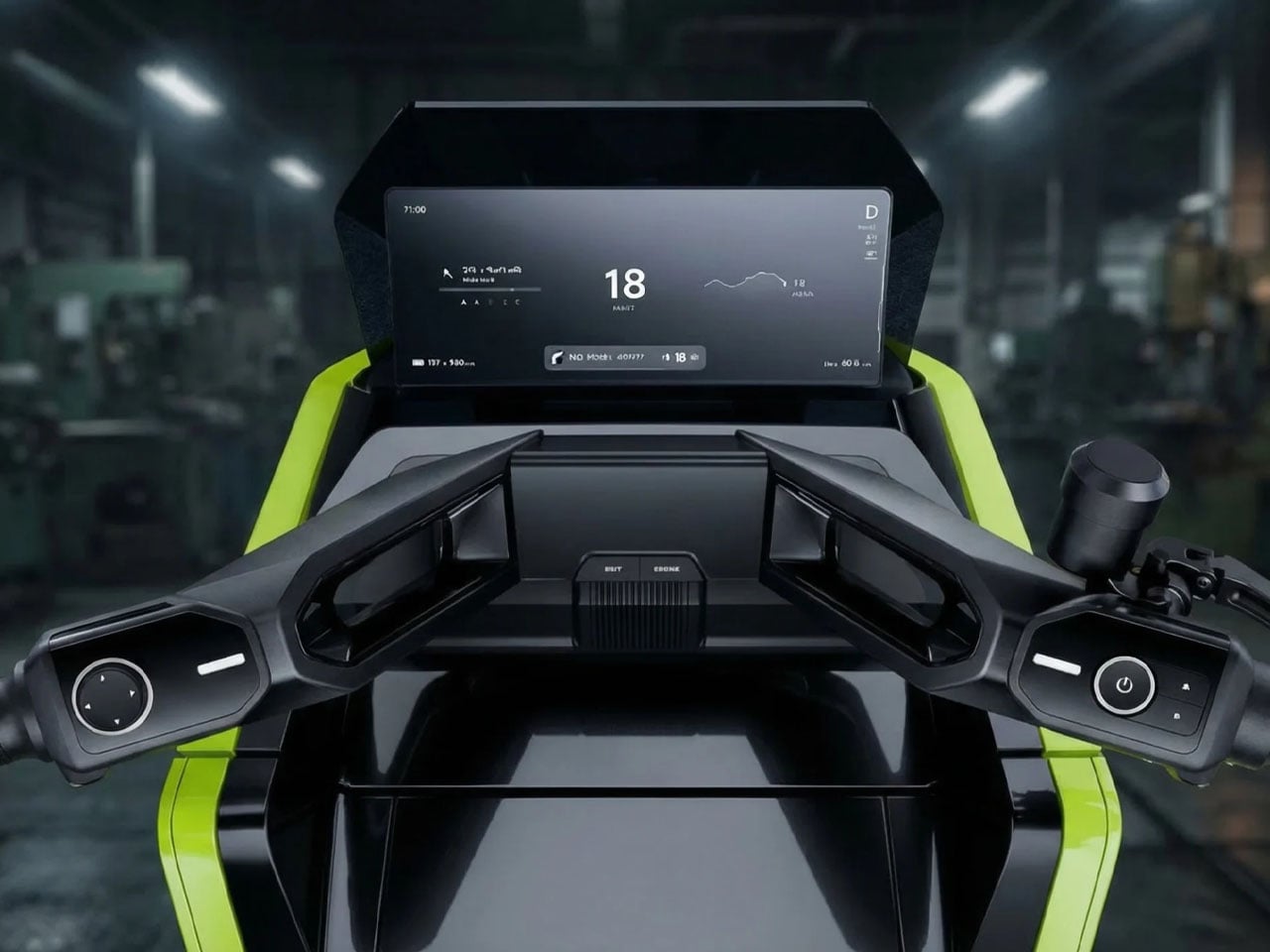
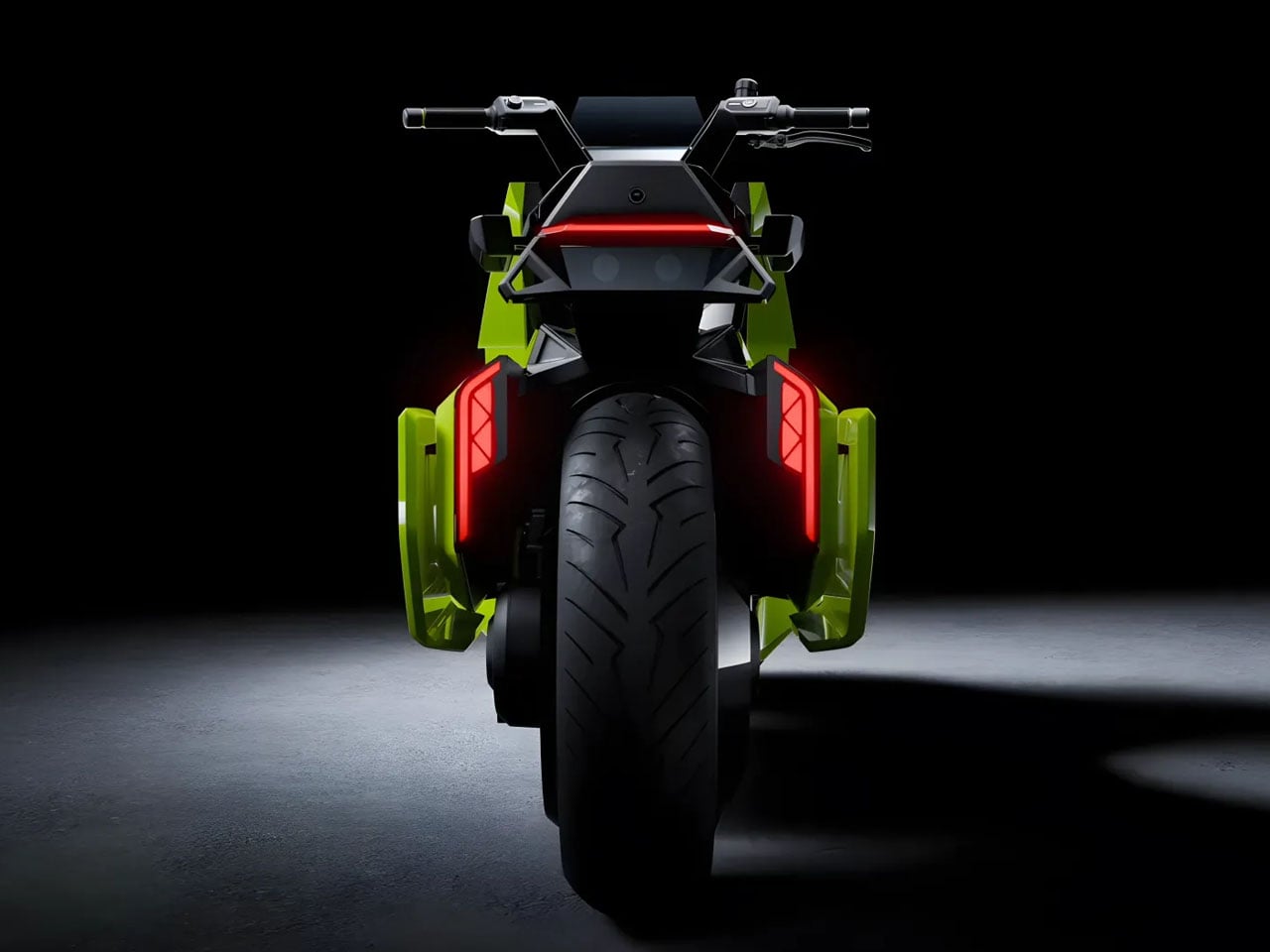
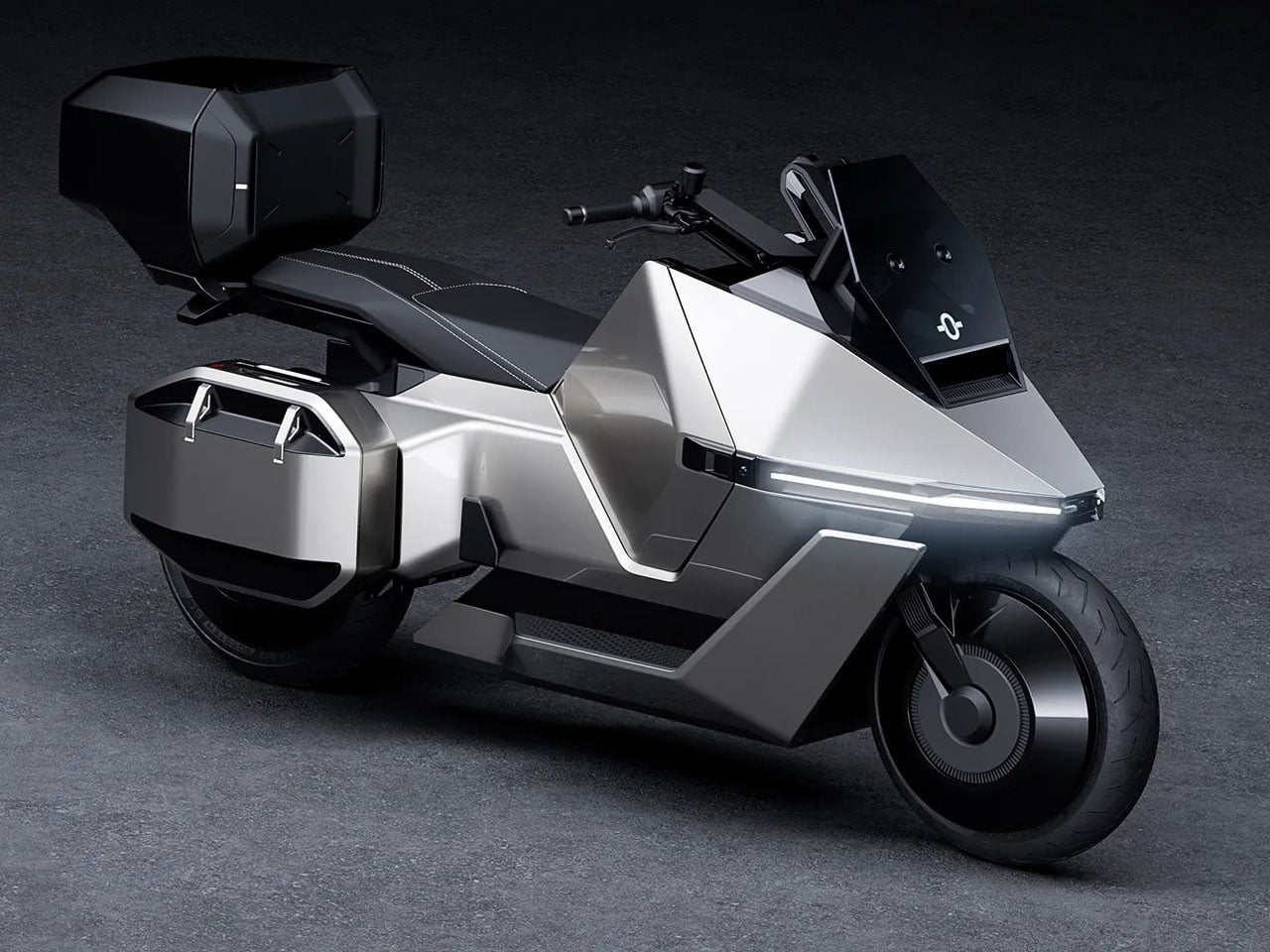
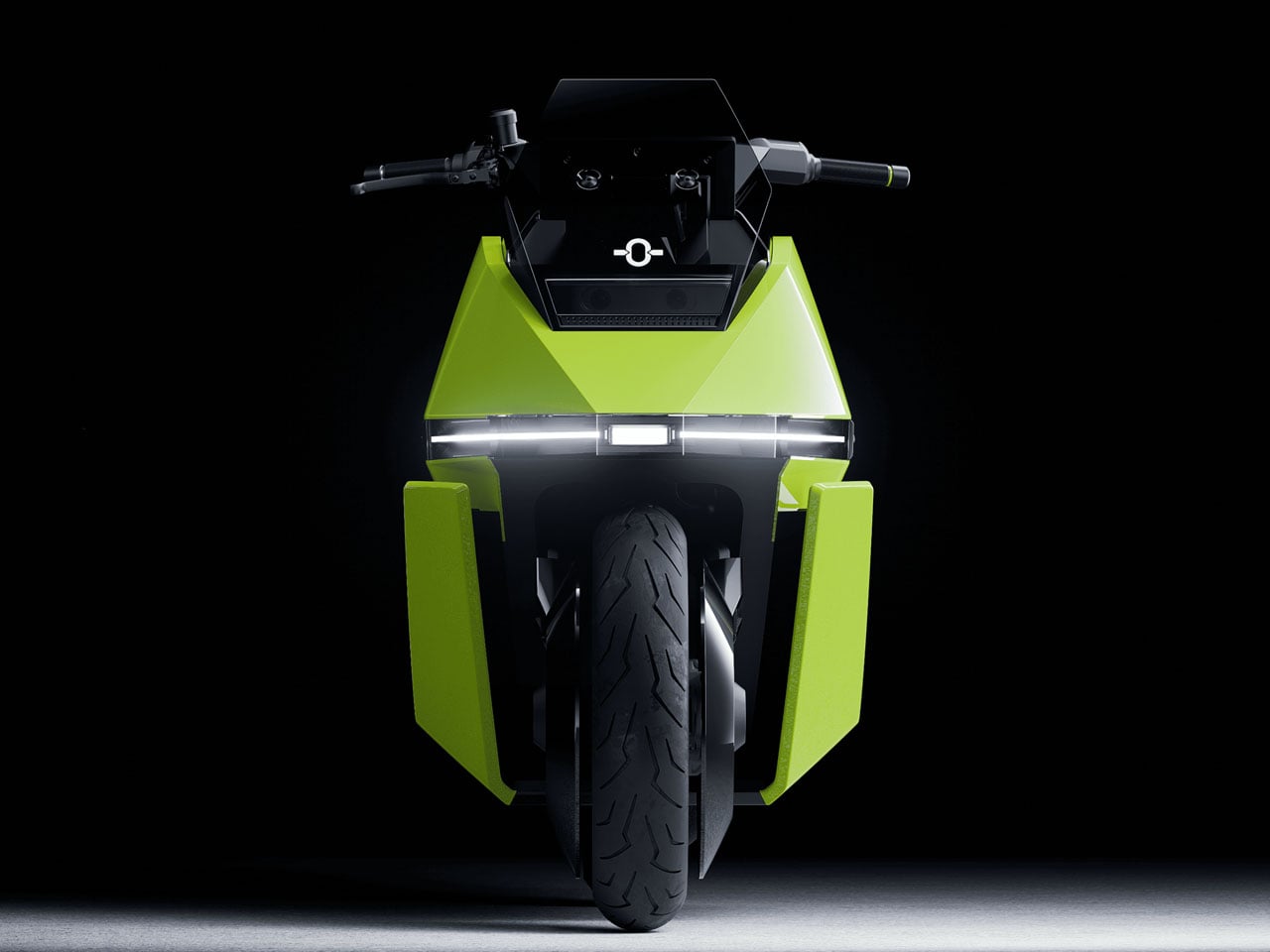
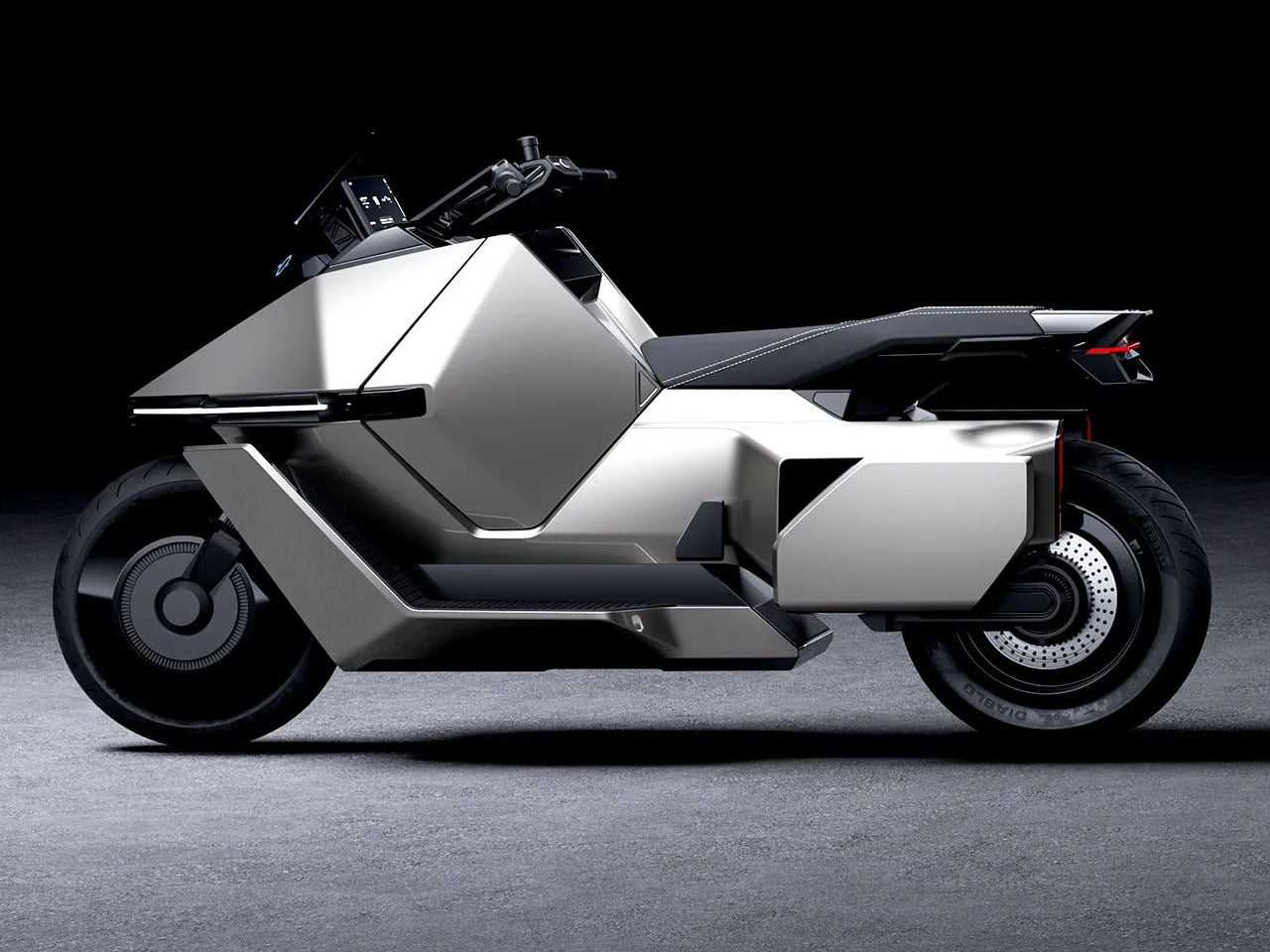
Italjet Roadster 400 is a fighter-jet-inspired scooter all set to redefine urban mobility

When a manufacturer known for daring scooters introduces a new model, you know it’s going to catch your eye. That’s exactly the case with the Italjet Roadster 400, a fresh unveiling from the Bologna-based brand that blends bold styling and serious components. The Roadster 400 is more than a typical urban runabout; it’s a scooter with ambition and personality.

Italjet has framed this model as “more than just a scooter,” as they call it “Art in Motion.” Designed with inspiration from classic silhouettes of the past and fighter jets alike, the Roadster 400 makes a striking statement at first glance. The sweeping lines and sculpted side pods serve as functional cooling ducts that channel air to twin radiators. All these details reinforce the premium feel of the two-wheeler that looks a cross between The Jetsons and the Cyberpunk world.

Designer: Italjet

Underneath its dramatic bodywork lies a trellis frame and a host of high-spec mechanicals. Italjet’s new Dynamic Linkage Articulated Steering (DLAS) replaces the single-arm front end used on the previous Dragster model, and brings more structural precision and visual identity to the front end. The suspension and braking package is equally noteworthy: Öhlins shock absorbers, twin Akrapovič mufflers emerging from the rear, and chunky brake discs behind billet aluminium spoked wheels.

Performance credentials are solid as well. The Roadster 400 features a 394 cc liquid-cooled single-cylinder engine that produces 41.5 horsepower and 30 lb-ft of torque, positioning it squarely in the “maxi-scooter” category rather than entry-level commuter territory. That said, Italjet has yet to reveal the full specs, such as final weight, belt vs chain drive, or the exact dimensions of the two-wheeler.

From a styling perspective, the Roadster 400 exudes an Italian flair, with matte black and bronze paint finishes, multi-textured seat upholstery, red accents, and CNC-machined lever guards featuring integrated LED turn signals, all of which speak to the attention to detail. The side pods (resembling turbine intakes) highlight the aviation inspiration and offer real function, not just flair.

From a utilitarian perspective, the Roadster 400 sits at an interesting intersection. It offers the convenience and lighter licensing benefit of a scooter, yet brings near-motorcycle performance and visual swagger. For buyers who care as much about style and mechanics as they do about practicality, it looks compelling. That said, as with any high-spec model, the trade-offs may lie in maintenance costs, parts availability (especially outside Europe), and service network. The full urban practicality, such as storage and comfort for two, has yet to be detailed by the company.

On the commercial side, Italjet plans to launch the Roadster 400 globally in September 2026 with a price estimate of €7,500 (approximately US$8,650) for markets that pay VAT. The positioning suggests Italjet sees this as a premium offering rather than a budget city scooter. The ride stands out because it doesn’t settle for being anonymous. It channels heritage design, aviation cues, and top-tier components into a scooter form that demands attention. For those seeking something beyond the ordinary commuter ride, this model is worth tracking closely.

The post Italjet Roadster 400 is a fighter-jet-inspired scooter all set to redefine urban mobility first appeared on Yanko Design.

This modular power bank splits in two to match your charging needs throughout the day

In a world where screens rarely go dark and our devices feel like extensions of ourselves, a reliable power source has become almost as essential as the devices it fuels. Yet even after years of iterations, power banks still fall into the same trap; they’re either bulky blocks with too much capacity to carry comfortably, or slim and portable but unable to keep up with a full day’s use. The Portable Magnetic power bank brings a smarter, more adaptable approach to this everyday struggle, one that feels designed for how people actually move through their day.

Rather than locking users into a single capacity or form, this concept introduces a modular, magnetically connected system that lets you choose what you carry. The main body works as a high-capacity unit capable of charging a phone or multiple devices, while a detachable “Energy Capsule” offers a lightweight option for topping up smaller gadgets like earbuds or smartwatches. Together, they form a cohesive all-in-one charging system; apart, they become personalized tools tailored to different needs.

Designer: Hongkun Cha

The intrigue of this approach lies in its simplicity. The two modules snap together magnetically, merging into a single seamless unit when you need more power, and separating instantly when you prefer to travel light. The magnetic connection feels deliberate and intuitive, eliminating the fuss of cables or clips while ensuring both units align perfectly. It’s a design that adapts as quickly as the pace of your day, from desk to commute to travel, offering flexibility that traditional power banks never quite mastered.

Visually, the Portable Magnetic Power Bank maintains a sense of calm precision. Every surface is smooth and uncluttered, avoiding the heavy industrial look most portable chargers carry. The minimal silhouette, clean geometry, and refined finish make it feel more like a lifestyle accessory than a tech gadget. It’s the kind of product you wouldn’t mind keeping visible on a work desk or coffee table. It’s understated yet purposeful!

Functionally, it aims to simplify multi-device charging. With the growing ecosystem of gadgets (phones, watches, earbuds, and beyond), carrying separate chargers for each is both impractical and messy. This concept eliminates that need through modular integration, ensuring one device can meet multiple scenarios. While detailed specifications, such as capacity, charging wattage, or battery chemistry, remain undisclosed, the concept clearly prioritizes versatility over raw numbers, focusing on the user experience instead.

There’s also an emphasis on comfort and balance. Detaching the capsule reduces the weight you hold while still keeping essential power within reach. Attaching it back extends your battery life without adding visual or physical clutter. This fluid adaptability embodies a quiet kind of innovation, one that improves daily usability without reinventing the wheel.

The post This modular power bank splits in two to match your charging needs throughout the day first appeared on Yanko Design.

DIYer builds first 100% solar-powered drone that flies without batteries

It’s not usual for DIYers to step up and experiment with the logic of solar-powered devices as we know it. The ideal generally is to keep it simple. Add solar panels, connect them to a battery system, and power the connected devices. But that’s way too straightforward for Luke Maximo Bell, who runs an eponymous YouTube Channel and already has a Guinness World Record to his credit.

Last year, Luke and his father challenged the record for the fastest drone from Red Bull with their 3D-printed drone. It not only officially surpassed the former’s top speed of 350km/h, but actually bettered it by nearly 50 percent, hitting high speeds of 500km/h (310mph). A record-breaking feat verified by the team at Guinness Book of World Records.

Designer: Luke Maximo Bell

The idea of this new solar-powered drone, based on an X-shaped frame, is not to shatter any records per se, but to experiment with the feasibility of a drone that runs completely on solar power, without any battery attachments. Of course, as you see it, a drone like that would practically have little real-world applications, but it could pave the way for more exploration, certainly. Maybe the kite festival of Jaipur, India, could see ropes tethered to kites mounted with solar panels on them someday.

Jokes apart, Luke as for years had this thought of, what if a drone could fly on solar power alone? And this project is “designed to find that out.” From the video demonstration, the drone looks like nothing more than a flying sheet of solar panels, but it has been successfully tested to fly, which is an achievement.

The idea of the drone is based on two parts, as Luke puts it, the drone itself (comprising antigravity motors residing on 3D printed mounts, propellers, and frame. And the second part being the photovoltaic panels. Both are combined to create this sun-loving drone that keeps airborne as long as the sun shines on it. The 18-inch X-frame of their unique drone is made of carbon fiber tubing, and it features the decisive flight controller installed right at the X intersection of the two frame bars holding the propellers at their ends.

Understandably, the entire contraption has taken Luke hours of jostling through the odds, check out the video above for more details; but he has been able to pull it off. With solar panels and no batteries on board, the drone does take off after a few nervous minutes on 100 percent solar power alone. The flight was a “bit shaky,” Luke says in the video, but it’s “flying,” and the testing was “successful,” he proudly notes.

The post DIYer builds first 100% solar-powered drone that flies without batteries first appeared on Yanko Design.

Harman Kardon Aura Studio 5 revives an iconic design with modern glow and immersive sound

Few brands have successfully merged sound and sculptural elements quite like Harman Kardon. For decades, the New York-based company has treated speakers not merely as audio devices but as design objects. More than just audio accessories, they are pieces that add emotion and visual rhythm to any interior space. From the transparent SoundSticks that became a millennial desktop icon to the elegantly curved Aura series, every release has carried that distinctive harmony of sublime clarity and unique form.

The newly introduced Aura Studio 5 builds on that legacy, reinterpreting Harman Kardon’s classic dome aesthetic for a generation that values both sensory immersion and timeless design. Its combination of audio performance, ambient lighting, and sculptural form positions it not just as a speaker but as an artful centerpiece for modern interiors. In the age of portable sound and smart assistants, the Aura Studio 5 stands apart by focusing on the audio and visual experience. The sculptural speaker is designed to fill a room not only with rich sound but with presence. For longtime admirers of Harman Kardon’s design language, this evolution feels like a thoughtful homage. One that reconnects with the brand’s expressive past while embracing a distinctly modern sensibility.

Designer: Harman Kardon

At first glance, the Aura Studio 5 feels familiar yet freshly refined. The transparent dome remains its signature feature, offering a glimpse of the internal architecture while softly diffusing light. On the Inside, there’s a carefully engineered 360-degree sound system that combines a 25 mm tweeter, six 40 mm mid-range drivers, and a 143 mm subwoofer driven by a powerful 160-watt amplifier. Together, they deliver Harman Kardon’s “Constant Sound Field” experience, balancing acoustics that maintain their character no matter where you sit in the room. With a frequency response from 45 Hz to 20 kHz, the speaker captures both the warmth of low-end depth and the sparkle of treble detail with remarkable precision.

This new model, replacing the Aura 4, introduces a refreshed layer of sensory engagement through its ambient light projection system. Nature-inspired themes like Snowy Fireplace, Sunrise, Blossom, Aurora, and Ocean, cast subtle, dynamic visuals across walls and ceilings, transforming listening sessions into immersive environments. Through the companion Harman Kardon app, users can control lighting effects, adjust brightness, fine-tune the equalizer, install firmware updates, or even link two Aura Studio 5 units for a stereophonic setup.

Modern connectivity keeps the overall experience seamless. Bluetooth 5.4 ensures stable wireless streaming with minimal latency, while the 3.5 mm auxiliary input offers a wired alternative for traditional audio sources. This versatility makes the speaker equally at home in a contemporary living space, creative studio, or office setting. The Aura Studio 5 debuted in Japan at around 46,200 Yen (approximately $300) with sales starting on 13 November. Availability in other markets such as the United States, the United Kingdom, and Europe is expected soon.

The post Harman Kardon Aura Studio 5 revives an iconic design with modern glow and immersive sound first appeared on Yanko Design.

Limited Edition iXOOST Esavox Speaker features a real Lamborghini exhaust to power your sound

If you’ve ever admired the sculpted lines of a Lamborghini supercar and thought, “I wish I could bring that into my living room”, then the new collaboration from iXOOST offers exactly that in audio form. Known for their bold pieces that bridge high-end hi-fi and automotive design, iXOOST ESAVOX Bluetooth speaker system, crafted from real Lamborghini exhaust components and carbon-fibre supercar materials, is designed to blur the line between listening room and showroom.

The ESAVOX isn’t just a styled speaker; it is built around the actual exhaust cover of a Lamborghini Aventador, nestled in a monocoque chassis made from autoclave-cured 3K twill carbon fiber, with hexagonal motifs and sharp edges that echo Lamborghini’s design language.

Designer: iXOOST

Inside this sculptural cabinet lies serious audio hardware: two 1-inch tweeters, two 6.5-inch mid-bass drivers, and a 10-inch down-firing subwoofer, powered by a total output of 640 W amplification. The frequency response extends down to 20 Hz, delivering bass you feel as much as hear. Weighing in at approximately 117 lb and measuring 49 inches x 20 inches x 26 inches, the ESAVOX is clearly not for casual portability but for a dedicated listening space or display garage.

Its styling comes in the iconic Lamborghini palette: Green Gea, Grey Keres Matte, Orange Anthaeus, Red Epona, Blue Uranus and White Siderale. The speaker is produced in a strictly limited run of just 63 units worldwide, which makes it highly desirable.  On the connectivity front, you get Bluetooth 5.0 and traditional RCA inputs, allowing both wireless streaming and classic wired sources. The power supply supports 110–240 V, making it globally deployable.

So what makes this more than just a flashy statement piece? For one, the use of genuine Lamborghini parts and automotive-grade materials lends it a storytelling edge: a carbon fibre monocoque, passive vibration damping (akin to a race-car chassis), and an aesthetic lifted directly from the supercar world. On the other hand, from an audio-engineering perspective, the configuration of large mid/bass drivers plus a substantial subwoofer and dedicated amplification points to real performance ambitions rather than just looks.

That said, its size, weight, price, and niche appeal mean the ESAVOX is designed for a particular buyer: a Lamborghini owner or ultra-luxury audio aficionado who wants a unique ‘hero piece’ for home audio, not someone seeking a practical bookshelf speaker. The iXOOST ESAVOX for Automobili Lamborghini fuses automotive heritage, high-end craftsmanship, and serious audio hardware into a distinctive luxury item. If you have the space, budget and passion for both supercars and high-end sound, this is a conversation piece that delivers both visually and sonically. As ever, buyers should consider installation logistics, room-tuning, and source equipment to make the most of its capabilities.

Automobili Lamborghini ESAVOX is going to be up for grabs in the U.K. via Harrods of London, and also on display at the renowned Knightsbridge store in the pristine Green Gea color. The speaker is priced at £34,999 (approximately $46,000) for which you can buy a Ford Mustang, if you want to go for the real thing.

The post Limited Edition iXOOST Esavox Speaker features a real Lamborghini exhaust to power your sound first appeared on Yanko Design.
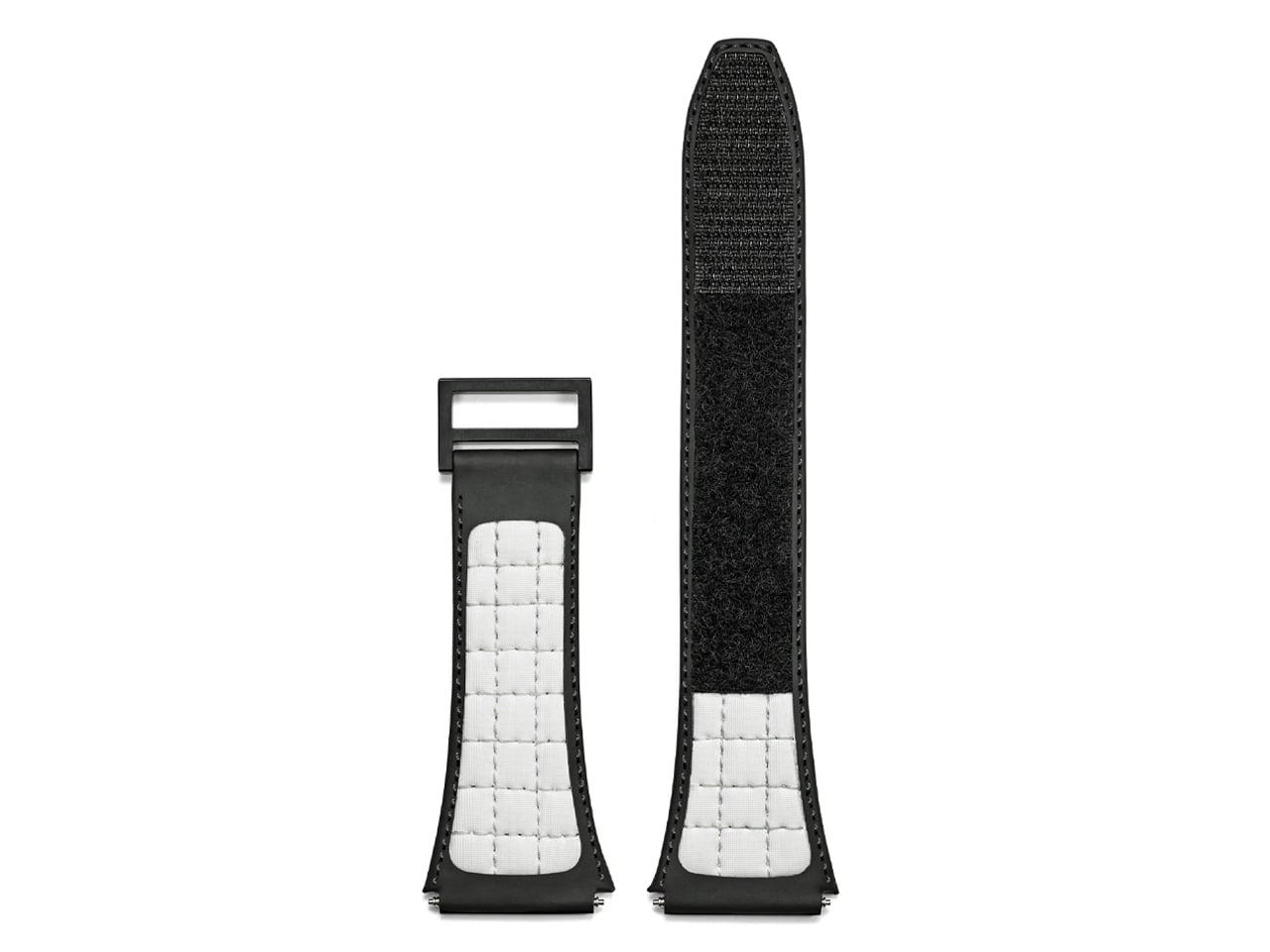
Formula E Gen4 is a 800-horsepower evolution driving electric racing’s future

Electric racing has always been about progress—each generation of Formula E machinery redefining what’s possible for battery-powered performance. From the original Gen1 car that barely completed a race on a single battery to the sleek, aerodynamically advanced Gen3 that pushed 200 mph, every leap has mirrored the rapid evolution of EV technology itself. Now, the newly unveiled Gen4 signals another turning point; one that blends raw speed, cutting-edge control systems, and true sustainability into a single statement of intent for the sport’s future.

Set to debut in the 2026–27 ABB FIA Formula E World Championship, the Gen4 car represents a substantial step forward in both engineering and purpose. It delivers 450 kW (around 603 hp) in race trim and up to 600 kW (over 800 hp) in Attack Mode, nearly 200 hp more than the outgoing Gen3 machine. The boost is complemented by a new permanent all-wheel-drive system, which, unlike the Gen3’s limited use of front-axle regeneration, remains active throughout the race. This not only improves acceleration and grip but also introduces an unlimited traction control system and anti-lock braking for sharper, more consistent handling.

Designer: Formula E

Energy recovery has also been significantly enhanced. The Gen4’s regenerative braking now peaks at 700 kW compared to Gen3’s 600 kW, allowing for faster recharge during races and fewer compromises on pace. Its usable battery capacity rises to 55 kWh from 51 kWh, enabling teams to adopt more flexible strategies while sustaining higher outputs for longer durations. Combined with new aero options, high-downforce for qualifying and low-downforce for race conditions, the car offers tunable performance that better suits diverse circuits and race formats.

Visually and structurally, the Gen4 is sleeker yet more responsible. Built from 100 percent recyclable composites and containing at least 20 %percent recycled material, it reinforces Formula E’s environmental focus. The design is a collaboration between the FIA and Spark Racing Technology, refined with input from manufacturers such as Porsche, Nissan, Jaguar, Stellantis, and Lola, all of whom are integrating lessons from the track into road-going EV programs.

When compared to its predecessor, the Gen4 is more than just a performance upgrade; it’s a philosophical evolution. The Gen3 prioritized efficiency and lightweight engineering, but the Gen4 couples that efficiency with unprecedented power delivery and stability. It bridges the gap between electric precision and traditional motorsport spectacle, pushing top speeds beyond 209 mph while maintaining a smaller carbon footprint than ever before.

As Formula E enters this new era, the Gen4 car embodies the championship’s original promise – to make electric racing not only sustainable but thrilling. The sport is no longer proving that EVs can perform; it’s demonstrating how they can outperform. For fans and engineers alike, the Gen4 marks the moment electric racing stops chasing its combustion past and starts shaping motorsport’s electric future!

The post Formula E Gen4 is a 800-horsepower evolution driving electric racing’s future first appeared on Yanko Design.

Walkabout 26 Max travel trailer impresses with sliding atrium-style ceiling, toy hauling capability

Keystone, one of the major manufacturers of towable recreational vehicles, has grown in the shadows and not had its chance to shine like it would now with the launch of the Walkabout 26 Max: a purpose-built travel trailer that commands your attention. Its bold, adventure-ready design looks formidable on the outside while promising capability and durability on almost all terrains when paired with a strong tow vehicle.

The RV industry has evolved more dramatically than any other in recent years, with many motorhome, trailer, and camper manufacturers rising and fading over time. Founded in 1996 by Cole Davis in Goshen, Indiana, Keystone RV quickly became one of the top manufacturers of towable RVs in North America by the turn of the millennium. Recognizing its success, THOR Industries acquired Keystone in 2001, a move that helped establish THOR as the world’s largest manufacturer of recreational vehicles.

Designer: Keystone RV

Much of THOR’s growth and prominence can be attributed to Keystone’s strong performance, characterized by its lineup of stylish and soulful towable travel trailers, fifth-wheelers, and toy haulers. Now combining the goodness of its previous iterations with the nuances of the American and the Australian RV industries, the Walkabout is feature-packed for a prolonged outing in the wilderness.

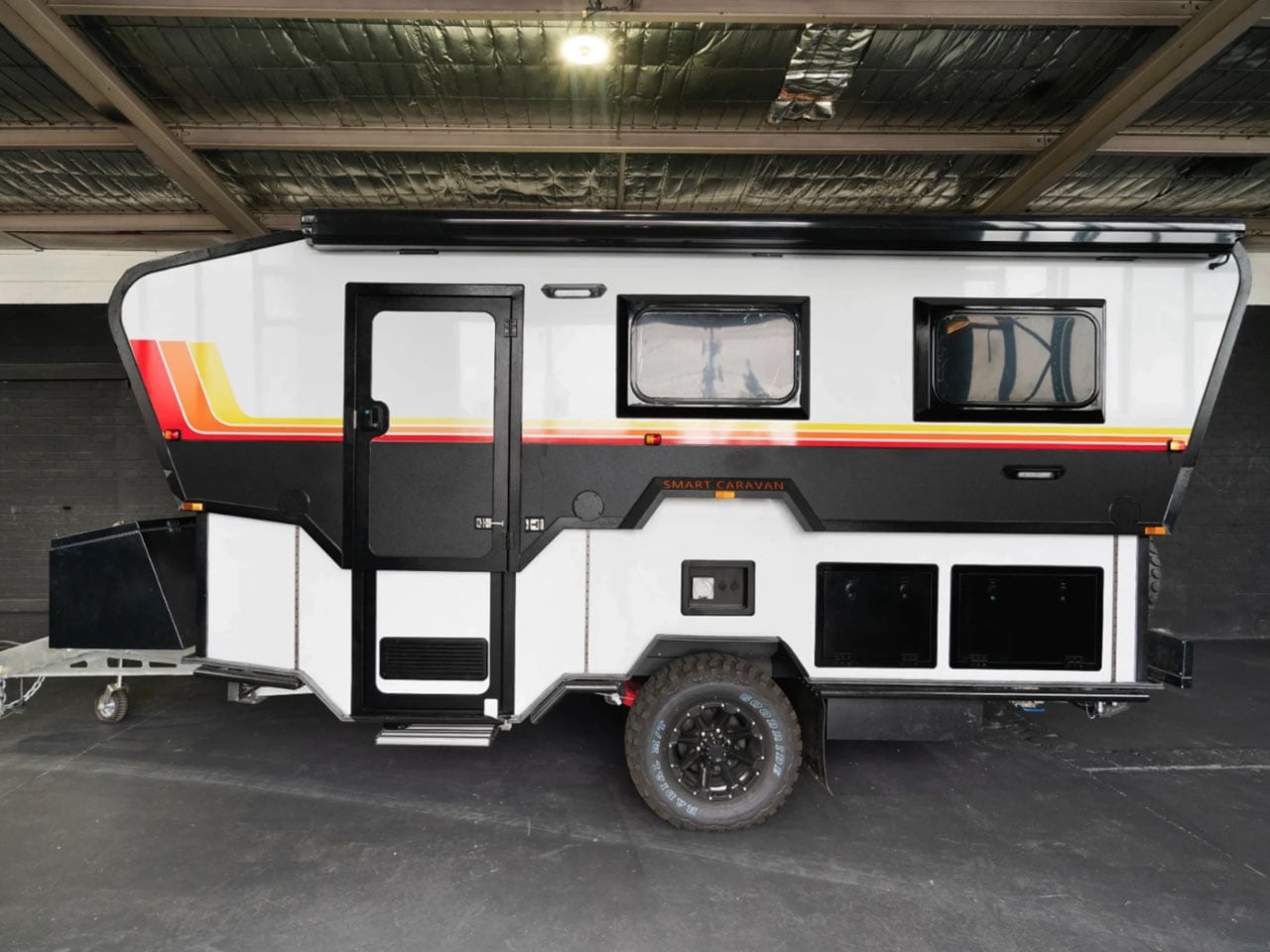
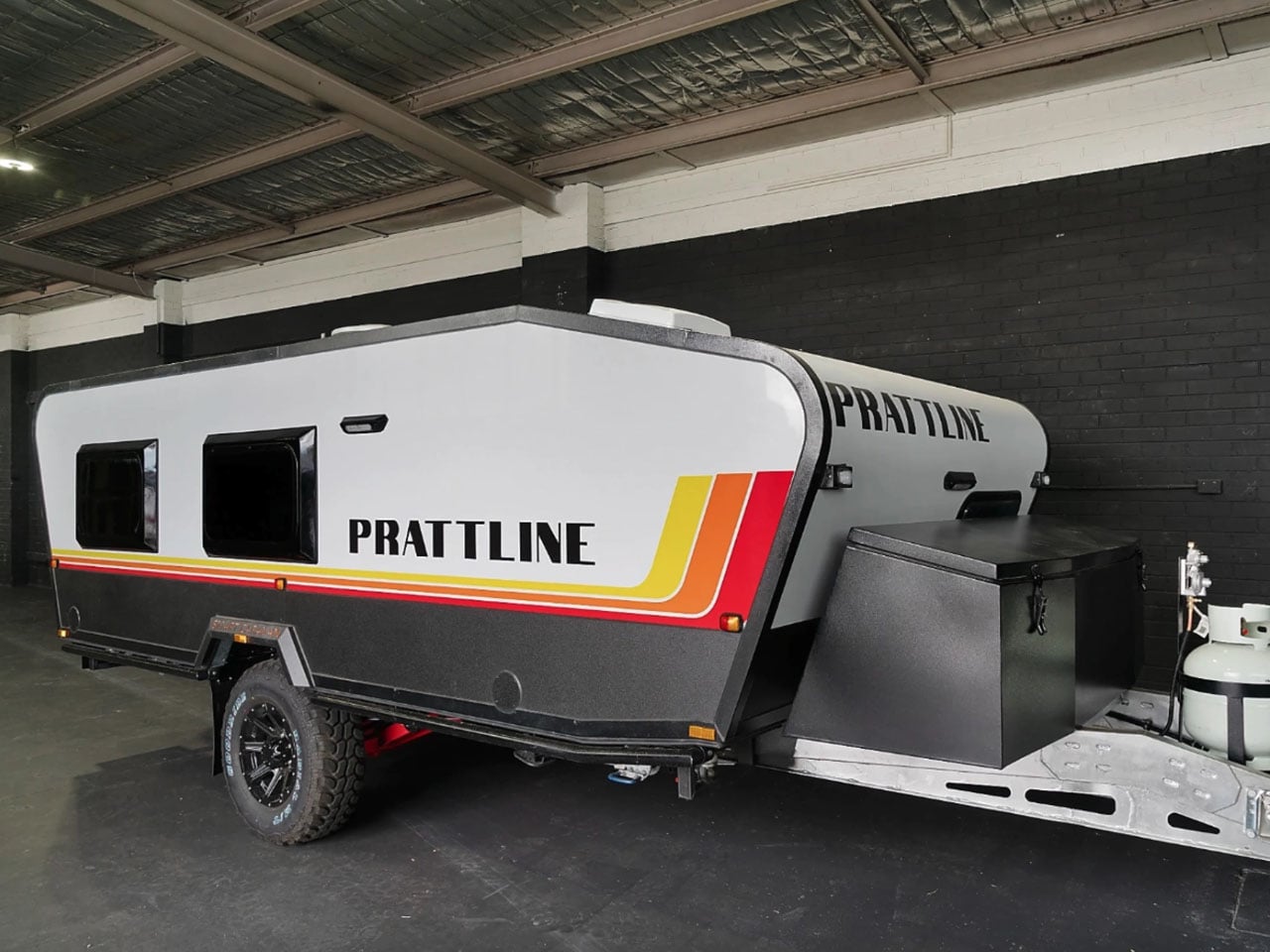
The construction is pretty straightforward. Keystone eliminates wood in favor of aluminum panels, making up a more enticing auto-inspired finish, which elevates the Walkabout from its travel trailer DNA into a flavorful motorhome with ample onboard storage for your gear. Of course, the interior is a breakaway from the industry norm; the exterior is no short of sublime: the trailer home is, it’s safe to say, designed to maximize comfort outdoors and inside.

Starting underneath, the Walkabout is provided with CURT Touring Suspension for a balanced ride on bumpy trails. It rides on 15-inch all-terrain tires and features anti-lock brakes and one-touch 3-point leveling to automatically level the vehicle into position at camp. The 7,000-odd-pound trailer is slapped with panoramic windows around its perimeter and has more natural light and spaciousness flooding into the interior through the atrium-style sliding ceiling above the living area, providing a super, storage-integrated sofa for the whole family and a pair of trapezoid-shaped dinette tables.

While the layout inside is close to your home’s comfort with a full-sized, well-equipped kitchen – comprising workable counter space, a two-burner stove, a residential-sized fridge and storage cabinetry – spacious bathroom, bunk bed, a family-friendly living area, and a master bedroom cordoned off by a sliding double-door, which is perhaps the first of its kind I have seen in a travel trailer.

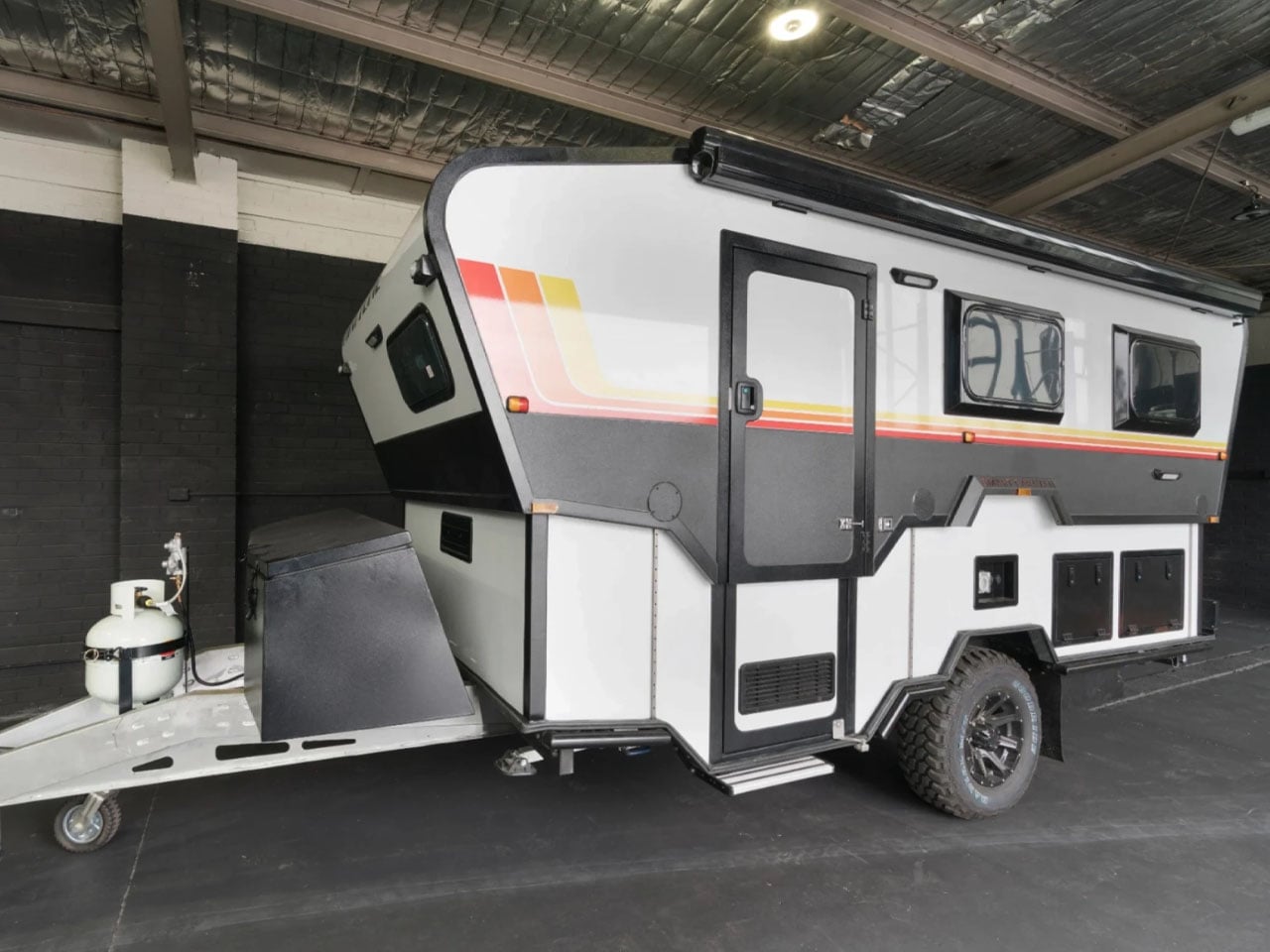
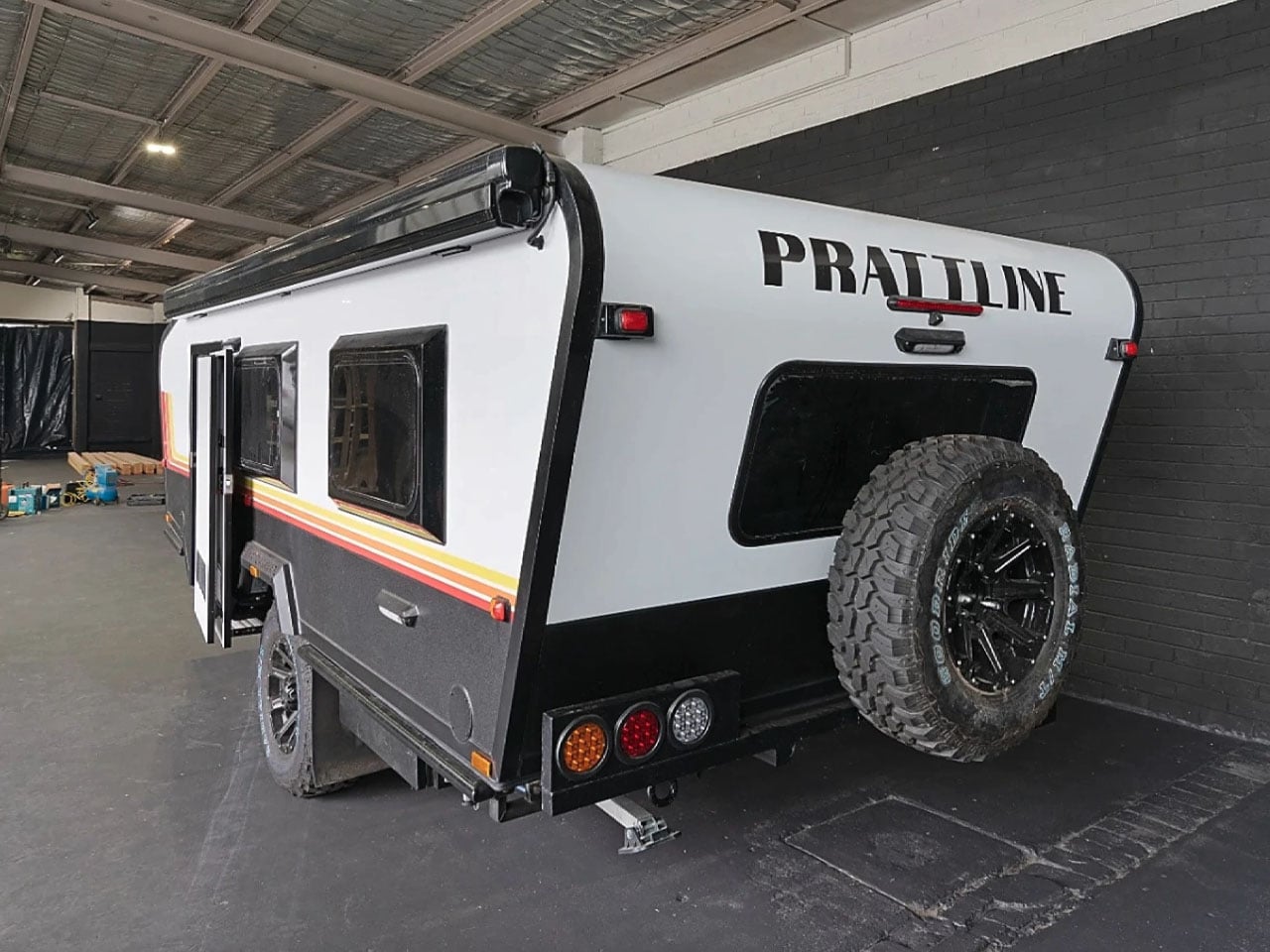
The glossy exterior of the Walkabout is packed with a lot of slide-outs, a toy hauling space in the rear, and a huge pass-through storage bay at the front. It is provided with hooks, stands, and supports for your equipment. An interesting slide-out for your muddy boots and gear alongside an outdoor shower makes cleaning them easy before the next use or storage. To hold the campers out in the fresh air, the trailer also adds an outdoor cooking station with a fold-down worktop. Keystone also puts a spare tire mount on the back and provides an awning and a telescoping ladder for roof access. Capable of being provided with an off-grid-ready add-on, the Walkabout 26 Max starts at $60,000.

The post Walkabout 26 Max travel trailer impresses with sliding atrium-style ceiling, toy hauling capability first appeared on Yanko Design.
More than a backpack, the solar-powered Makeshift Traveler is helping California’s homeless live better

The best part about my job is, I get to see so many interesting products designed for a spectrum of users. While some cater to the elite and embody luxury, others — such as the HomeMore Project’s Makeshift Traveler — truly touch the heart because of the purpose behind their creation. Since the introduction of the first Makeshift Traveler (a backpack, per se; more on it below), the not-for-profit organization behind the creation has delivered upward of 1,200 units to individuals experiencing homelessness in California.

The target with the fourth edition, built in 2025 with enhanced design and new features, is to deliver another 2,000 units across 25 cities in California and counting. The project that started from Tenderloin in San Francisco has, with feedback from unhoused people, reached a point where it’s more than an ordinary backpack. It’s a self-sustaining unit that is designed to provide connectivity, shelter, resources, and assistance to the homeless.

Designer: The HomeMore Project

Conceived with the idea to empower the unsheltered homeless community in California, the Makeshift Traveler backpack, with an integrated solar panel, allows the owner to charge their phone and stay connected. The backpack comes integrated with a 4-watt polycrystalline solar panel connected to an internal 10,000-mAh rechargeable power bank, and allows the user to connect their mobile device through the integrated USB port. The backpack comes with many additional utilities, such as a tent and sleeping bag, and also has an FM radio and flashlight inside the pack, which can be charged directly by the power bank.

The Makeshift Traveler requires almost six hours of sunlight to juice up the internal power bank, which can deliver enough power to charge up to three standard smartphone batteries in one full charge. On overcast days or in areas of less sun, the backpack’s power station is chargeable via a wall charger.

As for the construction, the outer surface of the pack is water and weather-proof and is constructed from recycled plastic bottles. With a solar panel embedded on the top and a rain poncho in the pocket at the bottom, the Makeshift Traveler backpack comes with a urethane-coated nylon pillow that can be puffed by stuffing in a piece of clothing. Along with the utilities, the backpack with an anti-theft zipper also features an ID card, a hygiene kit, a 24 oz water bottle, Bombas socks, and an informational brochure listing 15 local partner services ranging from shelter, mental health services, food distribution, wellness, and more.

Of course, this is not an open market product. You cannot get it off the shelf, but if you’re concerned and interested in donating, you can check out the HomeMore Project’s website. Or if you want to wait and ponder introducing a backpack into your community, you have about a year to do so. The fifth edition of the Makeshift Traveler is on the cusp – to release in 2016 – and it will come with reflectors on the front and rear for better nighttime visibility in the dark.

The post More than a backpack, the solar-powered Makeshift Traveler is helping California’s homeless live better first appeared on Yanko Design.
LEGO unveils APXGP Team Race Car that replicates intricate details of “F1 The Movie”

LEGO has been steadily expanding its Speed Champions lineup, catering to both car lovers and collectors alike. After the success of its Formula-1 Series set, the brand is now shifting gears with inspiration straight from Hollywood. The latest addition is the official LEGO Speed Champions APXGP Team Race Car, a detailed 268-piece set based on F1 The Movie, the highly anticipated racing film starring Brad Pitt as veteran driver Sonny Hayes.

Designed for both motorsport enthusiasts and movie fans, this new release captures the cinematic energy of the fictional APXGP team with remarkable authenticity. The model’s sleek black-and-gold livery mirrors the on-screen race car, accompanied by minifigures of Sonny Hayes and Joshua Pearce, who look impressively lifelike in their race suits and helmets. These tiny yet expressive details, like the reflective visors and printed sponsor logos, help the build feel genuinely tied to the film’s aesthetic.

Designer: LEGO

At first glance, the car may remind fans of previous Speed Champions Formula-1 builds, but the APXGP racer distinguishes itself with refined proportions, wide Pirelli-style tires, and custom decals that add visual depth. The attention to realism extends even to the accessories; builders will find a wrench and remote control, subtle nods to the engineering side of racing. The wrench, in particular, doubles as a handy tool for applying stickers or separating tight bricks—an understated but thoughtful inclusion.

The completed model measures over 8 inches in length, 3 inches in width, and 1.5 inches in height, making it perfectly sized to display on a desk or shelf. Compared to previous Speed Champions F1 releases, this one feels more streamlined and minimalistic, emphasizing aerodynamics and elegance over bulk. LEGO recommends the set for builders aged 10 and up, though it’s clear that adult fans will be among its most eager buyers.

Perhaps the most welcome upgrade here is the addition of the driver minifigures. Earlier Formula-1 Speed Champions sets often skipped them, something fans always found puzzling, given how central drivers are to the sport’s drama. Including Sonny Hayes and Joshua Pearce not only enhances the storytelling potential but also connects this model to the F1 movie universe in a tangible way. Perhaps LEGO will release more movie- and motorsports-inspired sets with minifigures, as was evident from the affordable DeLorean set released last month.

Set to launch in January 2026 for $28, the LEGO Speed Champions APXGP Team Race Car feels like a fitting tribute to the fusion of film and motorsport. It’s sleek, affordable, and full of character, and it’s a must-have collectible whether you’re a Speed Champions devotee, an F1 purist, or just someone who can’t resist a bit of cinematic speed on the shelf.

The post LEGO unveils APXGP Team Race Car that replicates intricate details of “F1 The Movie” first appeared on Yanko Design.

Logitech Alto Keys K98M keyboard offers hot swappable keys in a compact form

Logitech has long been known for reliable, mainstream peripherals that simply get the job done. With the new Alto Keys K98M, the company steps into enthusiast territory, combining its wireless and ergonomic strengths with features usually reserved for boutique mechanical keyboards. Priced at $119, the Alto Keys K98M strikes a careful balance between functionality and aesthetics. It offers a near-full-size layout, hot-swappable switches, and a transparent top shell that feels distinctly premium.

The K98M uses a compact 98-key or “1800-style” layout that retains the number pad and full arrow key cluster while saving desk space compared to standard full-size keyboards. The translucent upper shell paired with a color-matched base, available in graphite, off-white, or lilac

Designer: Logitech

Underneath that sleek casing lies Logitech’s UniCushion gasket-mounted frame, which softens typing impact and reduces vibration for a smoother, more cushioned feel. The board’s PBT keycaps are durable, resistant to shine, and feature translucent legends that let its subtle white backlight pass through elegantly. Measuring roughly 15.8 inches wide, 5.8 inches deep, and weighing about 2.4 pounds, it feels sturdy yet portable enough for hybrid work setups.

At the heart of the K98M experience are Logitech’s new linear “Marble” switches, which can be swapped out easily thanks to its hot-swappable sockets. The keyboard supports Cherry MX-compatible switches, giving users freedom to experiment with different feels and sounds without buying multiple boards. Wireless connectivity is handled through both Bluetooth and Logitech’s Logi Bolt USB receiver, and users can pair up to three devices simultaneously, switching between them seamlessly using dedicated function keys. Despite its mechanical nature, the keyboard boasts an impressive 12-month battery life with the backlight turned off.

Logitech has chosen to keep the lighting simple, opting for a single white backlight rather than RGB, aligning with the keyboard’s clean, minimal aesthetic. Users can customize shortcuts and action keys through Logitech’s Logi Options+ software, though the configuration depth remains more limited compared to enthusiast firmware like QMK or VIA. Still, for most users, the customization on offer is practical and easy to navigate.

Typing on the Alto Keys K98M feels refined and balanced. The UniCushion gasket design introduces a slight bounce, dampening each keystroke and lending the board a satisfying, soft-bottoming sound profile. The included linear switches are light, smooth, and responsive, which makes them ideal for typing or casual gaming. While the chassis is made of reinforced plastic instead of aluminum, the flex it introduces complements the gasket structure rather than feeling cheap. Enthusiasts seeking an all-metal build might find it less premium, but the typing comfort easily compensates.

The Logitech Alto Keys K98M is a well-rounded keyboard that blends Logitech’s trademark reliability with modern mechanical innovation. For writers, coders, creators, or anyone seeking a quiet yet expressive typing companion, it delivers a premium experience in both form and function.
The post Logitech Alto Keys K98M keyboard offers hot swappable keys in a compact form first appeared on Yanko Design.