Peugeot Polygon Concept shatters the rules of modern supermini design

Peugeot’s design portfolio has always balanced compact efficiency with expressive character, but the new Polygon Concept takes that philosophy in a more experimental direction. This compact EV previews the next-generation 208 and signals the French brand’s vision for a future where architecture, materials, and controls are rethought.

Built on a sub-4-meter footprint, the Polygon modernizes the supermini silhouette with bold geometry and a signature lighting design. The familiar three-claw Peugeot motif is reinterpreted as horizontally arranged micro-LED stripes at both the front and rear, giving the car a sharply modern look. Its body features two large butterfly doors, replacing the conventional four-door layout, which is an expressive choice more suited for concept presentation rather than mass production.

Designer: Peugeot

The most radical change is on the inside, where the traditional round steering wheel is replaced by what Peugeot calls the “Hypersquare.” Rather than a solid circular rim, this control interface consists of four pods (one at each corner) that house touch-sensitive controls for media, driving modes, and more. Because the system is steer-by-wire, there is no physical linkage between the control and the front wheels. The steering ratio automatically adjusts for different speeds, becoming more direct at low speeds and more stable at high speeds. This setup also filters out any abrupt road vibrations for a smoother riding experience.

Peugeot replaces its conventional instrument cluster with a micro-LED screen placed behind the steering assembly, projecting information directly onto the windshield in a large, immersive format. According to the company, this design creates a cleaner, more open interior while keeping the driver’s attention focused where it matters.  Sustainability is central to the Polygon. The cabin uses a “forged textile” made from recycled seat upholstery sourced from end-of-life Peugeot vehicles. Seat shells are 3D-printed from recycled R-PET plastic, while their foam cores come as a single molded piece, reducing complexity. Interior paint also incorporates recycled rubber derived from used tires.

Peugeot designed the Polygon with modular, easily replaceable parts. Elements such as the Hypersquare control, seat foam, dashboard surfaces, and wheel covers can all be swapped out, allowing for personalization and potentially longer ownership. The car uses fewer overall components than a typical production vehicle, which simplifies manufacturing and supports a more circular lifecycle. Another tech highlight: the Polygon’s Goodyear tires feature “SightLine” technology, which monitors pressure, temperature, and road conditions and sends that data to the i-Cockpit system in real time.

While Peugeot has not confirmed detailed powertrain specifications, the Polygon is widely understood to preview a forthcoming fully electric version of the 208. The concept aligns with Peugeot’s plan to bring its Hypersquare steering system to production models around 2027. The Polygon Concept is a bold exploration of future small-car design with a combination of steer-by-wire controls, immersive display technology, and sustainable materials. Peugeot proposes a supermini that is not just efficient, but smarter, more modular, and far more expressive than what exists today.

The post Peugeot Polygon Concept shatters the rules of modern supermini design first appeared on Yanko Design.

Bang & Olufsen celebrates 100 years with the Beolab 90 Titan Edition floorstanding speakers

I haven’t seen a speaker with an awkward shape like this. But then, I haven’t seen a lot of things, and that especially includes what’s under the hood of Beolab 90 floorstanding speakers from Bang & Olufsen. For its 100th anniversary, the Danish giant has taken its flagship speaker, stripped it down to its skeleton, and made it to look as striking as it could be with volcanic rocks and aluminum construction. And now I know what with the looks!

Centenary celebrations bring out the best in the iconic brands that have stood the test of time and the change in generations. Arguably, watchmakers are the best at revisiting their iconic timepieces and launching them with charisma and finesse to celebrate their 100th year; furniture makers follow closely. Now, Bang & Olufsen is treading the route with this stunning speaker – if you like what you see i.e., by reimaging its star from a decade ago.

Designer: Bang & Olufsen

The revisited stunner is called the Beolab 90 Titan Edition, and it highlights a raw, textured finish achieved with 65kg aluminum sandblasted using particles from crushed volcanic rock. It is decorated with commemorative laser-engraved details on each speaker fastener and drivers, and forms part of a series of interesting products the brand has designed to commemorate its 100th anniversary.

Bang & Olufsen, earlier this year, launched another sensation: Atelier Limited Edition Art Deco collection comprising Beolab 28 speakers and the Beovision Theatre soundbar. And recently, we were privy to the three special edition pieces. These, if you are unaware, were the gorgeous pair of Beoplay H100 headphones, Beosound A5 portable wireless speaker that charmed with its vintage radio vibes, and the showstopper, the Beosound A9, which flaunted Kvadrat’s Centennial Cadence fabric alongside a natural aluminum ring and brushed legs.

The new Titan Edition floorstanding speakers are fundamentally the most interesting entrant in the brand’s Centennial Collection. By the sight of it, the speakers are a replica of the original Beolab 90. It looks stunning, but really, it’s almost the same speaker with the outer housings removed to showcase the impressive array of drive units, which were earlier in the hiding beneath it.

The angular design and solid aluminum construction make the speakers seem unearthly, but a calm, closer look reveals the magnanimity of their 360-degree design, where no less than 18 premium drivers are firing in different directions to create the most thrilling surround sound in the room. The speakers also feature seven 30mm tweeters, as many 8.6cm midrange drivers, a trio of 21cm side and rear woofers, and the solitary 26cm front woofer.

The Beolab 90 Titan Edition floorstanding speakers are available, but we are short on the pricing information. The Titan Edition will be built to order, so its anyone’s guess that it will be way more expensive than the OG Beolab 90, that’s $185,000 for a set. B&O says four more editions of the Beolab 90 will be released in the coming months, also as part of the centenary celebrations.


The post Bang & Olufsen celebrates 100 years with the Beolab 90 Titan Edition floorstanding speakers first appeared on Yanko Design.

Valve Steam Frame standalone VR headset could be the game changer Industry’s been waiting for

I can recall my experience strapping on a virtual reality headset for the first time. It promised me a new world experience, but the immersive presence was nothing more than stained eyes and a throbbing head. VR headsets have come a long way since then, and now the tech has advanced into a more comfortable and untethered domain. It has advanced beyond requiring cables and now connects to Steam wirelessly. Yes, this is made possible by the Steam Frame: a standalone VR headset that Valve Corporation has just announced silently on its website.

The new Steam Frame is designed to seamlessly connect with both PC and Steam games. You can also play games locally on the VR headset, thanks to an ARM chip onboard. After making its presence felt in the living room gaming scene, the American gaming giant, already recognized for its handheld Steam Deck, is now entering the immersive virtual reality gaming with the Steam Frame, which has been announced alongside the company’s gaming console, called the Steam Machine, and the Steam Controller featuring a cleaner design and a joystick.

Designer: Valve

While the cube-shaped Steam Machine gaming console is created to take on the market dominated by the PlayStation 5 and Xbox. To that accord, it is built compact, but it does not compromise power, which is assured by the custom AMD Zen 4 CPU, RDNA 3 GPU paired with Linux-based SteamOS. We have a detailed report on the gaming console here. Coming back to the Steam Frame, let’s try and understand what the VR headset entails.

The first standalone, wireless Steam VR headset comes with its own hand controller and is designed to handle your entire Steam game library. Whether it’s an immersive VR or no VR game, the standalone headset supports both. Unlike those initial headsets, Steam Frame is designed with comfort and ease of use in mind, and it is powered by an ARM processor for local emulation of PC games as well. For streaming games directly from the computer, Valve provides a 6GHz wireless dongle, which it claims provides low latency and high bandwidth to ensure a smooth game experience.

The headset draws its processing power from a Snapdragon 8 Gen 3 chip onboard, which is paired with 16GB of LPDDR5X RAM. It is available in two storage variants: 256GB or 1TB of UFS internal storage, which can be expanded using a microSD card. The Steam Frame features a rechargeable 21.6Whr battery with 45W fast charging support, and the device runs on SteamOS 3.

Starting off with the Steam Frame is as easy as lifting it up, strapping it around the head, and you’re right into the game. No setup, no wires required. The four high-res monochrome cameras are straight at tracking the headset and its controller, while the 2160 x 2160 LCD panels, one for each eye, with support for up to 144 Hz refresh rate make gameplay smooth and immersive. Thin and light custom pancake lenses provide up to 110 degrees FOV while infrared LEDs on the outside ensure the headset’s tracking right in all light conditions, even in a dark bedroom (letting you play quietly while your partner sleeps undisturbed).

The pricing structure of the Steam Frame VR headset remains unconfirmed at the time of writing, but rumors suggest a tentative $1,000 tag for it. What we know for certain is that the headset will ship in Spring 2026 with a detachable head strap featuring integrated dual-speakers, a battery that keeps it going for up to 40 hours, and its charging port. The 440g headset will support dual-band Wi-Fi 7 and Bluetooth 5.3 for connectivity. One of the biggest selling points of the Steam Frame could be the Steam Frame developer kit program that Valve is offering developers to bring their Android apps to Steam as well.

The post Valve Steam Frame standalone VR headset could be the game changer Industry’s been waiting for first appeared on Yanko Design.

Sony made a PS gaming monitor with a holder for DualSense controller, and you can buy it soon

When you read that headline, you could have two questions: Was it really necessary? And/or, why didn’t someone think of it before? If you think your monitor is doing just fine with the PS5 (like it is for me), you will probably have the answer to the second question. But if you have been following the recent PlayStation, moreover console gaming, updates Sony is making, I am sure you’ll guess why Sony is investing in an official monitor for its game console.

Sony recently dropped the first wireless desktop speakers – Pulse Elevate – to pair with the PlayStation 5. At first, you could presume these speakers matched the aesthetic sophistication of the gaming console, while providing audio quality that serious gamers would demand. That’s true, but now with the follow-up; this dedicated monitor, it all seems like a bigger plan. A plan to create Sony’s own gaming ecosystem that feels like a natural extension of the PlayStation’s futuristic design language.

Designer: Sony

However you feel about it, Sony’s new monitor, ‘designed from the ground up for the PlayStation 5’ demands your attention. Even though it is made specially for the PS5, it can be used with a PC. Highlight, of course, is the integrated charging hook, attached to the monitor stand, which holds and recharges your DualSense wireless controller when you’re not using it. That USB-C cable you have been losing all this time can now go into a safe drawer for good (until you break the holder loose from the monitor that is).

The 27-inch 1440p LCD monitor designed for gaming, per se, was unveiled at PlayStation’s State of Play Japan recently. It features a Quad high-definition (2560 x 1440) IPS screen that offers HDR and Auto HDR Tone Mapping support. The display, Sony affirms, has a refresh rate of 120 Hz when playing games on the PlayStation 5. But with variable refresh support, it can scale that up to 240 Hz with a compatible PC or Mac.

According to the press information, this official PlayStation monitor is slated to be available in the US and Japan sometime in 2026. Sony remains tight-lipped about the pricing for the monitor, which features two HDMI ports, a DisplayPort, a pair of USB Type-A ports, one USB Type-C port, and a 3.5mm audio jack for connectivity. It also has a built-in stereo speaker to make your gaming sessions more intriguing.

Alongside the 27-inch gaming monitor, Sony has also unveiled a PlayStation 5 Digital Edition for Japan only. It will be priced at ¥55,000 (approx. $355) and will begin shipping in Japan from November 21, 2025.

The post Sony made a PS gaming monitor with a holder for DualSense controller, and you can buy it soon first appeared on Yanko Design.

World’s first transparent 4K monitor touts 5,000 nits HDR brightness and adjustable transparency

Why settle for a normal computer monitor when you can get your hands… err… eyes on a transparent computer monitor that’s designed to impress and go easy on your vision? Meet the Phantom. Designed and created by Vision Instruments, Phantom is touted as the world’s first transparent computer monitor.

Yes, there have been iterations of a similar context in the past, but none have really impressed us productively as this one does. The monitor, the company says, “projects your content into real space, merging the digital and physical worlds.” The product is built around similar technology to a head-up display (HUD) used in aircraft or vehicles. It may be an effective way of achieving transparency, but what really sets the Phantom apart is its adjustable transparency. With just a quick setting change between three presets, it can transform from a transparent display into a traditional monitor whenever you like.

Designer: Visual Instruments

As Vision Instruments explains on its website, the Phantom “merges the physical and digital worlds,” allowing users to seamlessly shift focus between the on-screen content and the real world behind it. Unlike traditional monitors, which force you to look away to rest your eyes, the Phantom lets you do so naturally. Doctors recommend that people with long work hours turn away from the screens and look at different things to reduce eye fatigue. With the Phantom, it’s just possible by just gazing through the monitor itself, at least the company wants us to believe it that way.

Whether you buy into that promise or not, some early believers already have. Vision Instruments is now taking preorders for the Founders Edition of the Phantom, limited to just 10 examples worldwide. There is no word on the pricing structure, but we learn that the transparent monitor is likely to ship in the US by the end of 2025, and that three units of the Founders Edition are already booked, at the time of writing.

Before you make up your mind, here’s a brief of the Phantom’s specifications. The monitor features a USB Type-C and an HDMI port to work directly with any computer, mobile device, or gaming system that can connect via these ports. The 24-inch 4K monitor, as mentioned, distinguishes itself from the other transparent options you may have seen by featuring adjustable transparency.

It keeps the background visible through it, and seems to appear like a floating screen in the middle of the room until you choose to toggle the settings, and the screen turns into an opaque monitor, like the one I’m typing this on. This concept of a see-through monitor, Visual Instruments says, “allows you to instantly relax your eyes, anytime you want.” The Phantom further touts a 16:9 aspect ratio, has up to 5,000 nits of peak brightness, and boasts a 100% coverage of the sRGB color space.

The post World’s first transparent 4K monitor touts 5,000 nits HDR brightness and adjustable transparency first appeared on Yanko Design.

Italjet Roadster 400 is a fighter-jet-inspired scooter all set to redefine urban mobility

When a manufacturer known for daring scooters introduces a new model, you know it’s going to catch your eye. That’s exactly the case with the Italjet Roadster 400, a fresh unveiling from the Bologna-based brand that blends bold styling and serious components. The Roadster 400 is more than a typical urban runabout; it’s a scooter with ambition and personality.

Italjet has framed this model as “more than just a scooter,” as they call it “Art in Motion.” Designed with inspiration from classic silhouettes of the past and fighter jets alike, the Roadster 400 makes a striking statement at first glance. The sweeping lines and sculpted side pods serve as functional cooling ducts that channel air to twin radiators. All these details reinforce the premium feel of the two-wheeler that looks a cross between The Jetsons and the Cyberpunk world.

Designer: Italjet

Underneath its dramatic bodywork lies a trellis frame and a host of high-spec mechanicals. Italjet’s new Dynamic Linkage Articulated Steering (DLAS) replaces the single-arm front end used on the previous Dragster model, and brings more structural precision and visual identity to the front end. The suspension and braking package is equally noteworthy: Öhlins shock absorbers, twin Akrapovič mufflers emerging from the rear, and chunky brake discs behind billet aluminium spoked wheels.

Performance credentials are solid as well. The Roadster 400 features a 394 cc liquid-cooled single-cylinder engine that produces 41.5 horsepower and 30 lb-ft of torque, positioning it squarely in the “maxi-scooter” category rather than entry-level commuter territory. That said, Italjet has yet to reveal the full specs, such as final weight, belt vs chain drive, or the exact dimensions of the two-wheeler.

From a styling perspective, the Roadster 400 exudes an Italian flair, with matte black and bronze paint finishes, multi-textured seat upholstery, red accents, and CNC-machined lever guards featuring integrated LED turn signals, all of which speak to the attention to detail. The side pods (resembling turbine intakes) highlight the aviation inspiration and offer real function, not just flair.

From a utilitarian perspective, the Roadster 400 sits at an interesting intersection. It offers the convenience and lighter licensing benefit of a scooter, yet brings near-motorcycle performance and visual swagger. For buyers who care as much about style and mechanics as they do about practicality, it looks compelling. That said, as with any high-spec model, the trade-offs may lie in maintenance costs, parts availability (especially outside Europe), and service network. The full urban practicality, such as storage and comfort for two, has yet to be detailed by the company.

On the commercial side, Italjet plans to launch the Roadster 400 globally in September 2026 with a price estimate of €7,500 (approximately US$8,650) for markets that pay VAT. The positioning suggests Italjet sees this as a premium offering rather than a budget city scooter. The ride stands out because it doesn’t settle for being anonymous. It channels heritage design, aviation cues, and top-tier components into a scooter form that demands attention. For those seeking something beyond the ordinary commuter ride, this model is worth tracking closely.

The post Italjet Roadster 400 is a fighter-jet-inspired scooter all set to redefine urban mobility first appeared on Yanko Design.
This modular power bank splits in two to match your charging needs throughout the day

In a world where screens rarely go dark and our devices feel like extensions of ourselves, a reliable power source has become almost as essential as the devices it fuels. Yet even after years of iterations, power banks still fall into the same trap; they’re either bulky blocks with too much capacity to carry comfortably, or slim and portable but unable to keep up with a full day’s use. The Portable Magnetic power bank brings a smarter, more adaptable approach to this everyday struggle, one that feels designed for how people actually move through their day.

Rather than locking users into a single capacity or form, this concept introduces a modular, magnetically connected system that lets you choose what you carry. The main body works as a high-capacity unit capable of charging a phone or multiple devices, while a detachable “Energy Capsule” offers a lightweight option for topping up smaller gadgets like earbuds or smartwatches. Together, they form a cohesive all-in-one charging system; apart, they become personalized tools tailored to different needs.

Designer: Hongkun Cha

The intrigue of this approach lies in its simplicity. The two modules snap together magnetically, merging into a single seamless unit when you need more power, and separating instantly when you prefer to travel light. The magnetic connection feels deliberate and intuitive, eliminating the fuss of cables or clips while ensuring both units align perfectly. It’s a design that adapts as quickly as the pace of your day, from desk to commute to travel, offering flexibility that traditional power banks never quite mastered.

Visually, the Portable Magnetic Power Bank maintains a sense of calm precision. Every surface is smooth and uncluttered, avoiding the heavy industrial look most portable chargers carry. The minimal silhouette, clean geometry, and refined finish make it feel more like a lifestyle accessory than a tech gadget. It’s the kind of product you wouldn’t mind keeping visible on a work desk or coffee table. It’s understated yet purposeful!

Functionally, it aims to simplify multi-device charging. With the growing ecosystem of gadgets (phones, watches, earbuds, and beyond), carrying separate chargers for each is both impractical and messy. This concept eliminates that need through modular integration, ensuring one device can meet multiple scenarios. While detailed specifications, such as capacity, charging wattage, or battery chemistry, remain undisclosed, the concept clearly prioritizes versatility over raw numbers, focusing on the user experience instead.

There’s also an emphasis on comfort and balance. Detaching the capsule reduces the weight you hold while still keeping essential power within reach. Attaching it back extends your battery life without adding visual or physical clutter. This fluid adaptability embodies a quiet kind of innovation, one that improves daily usability without reinventing the wheel.

The post This modular power bank splits in two to match your charging needs throughout the day first appeared on Yanko Design.
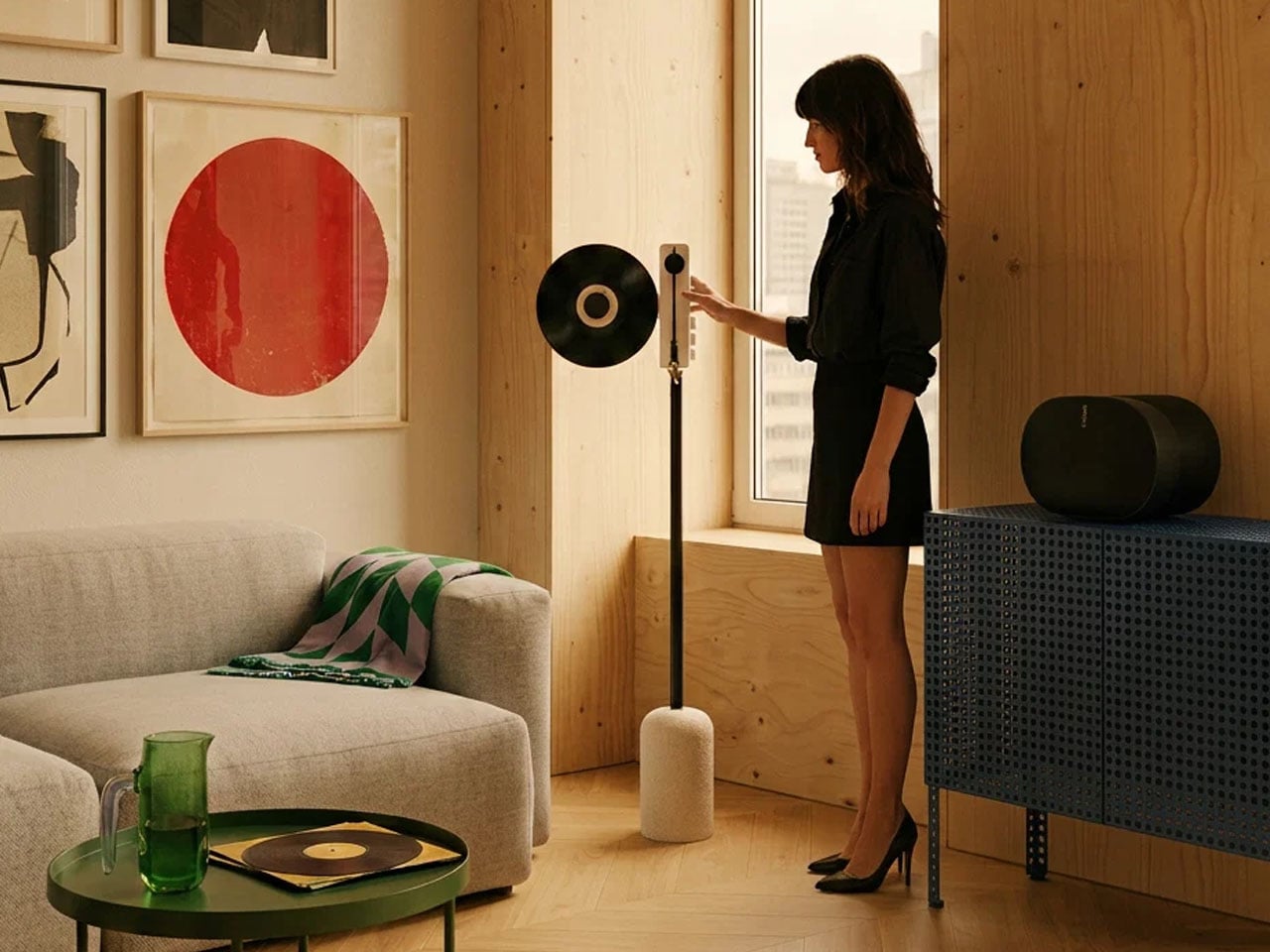
DIYer builds first 100% solar-powered drone that flies without batteries

It’s not usual for DIYers to step up and experiment with the logic of solar-powered devices as we know it. The ideal generally is to keep it simple. Add solar panels, connect them to a battery system, and power the connected devices. But that’s way too straightforward for Luke Maximo Bell, who runs an eponymous YouTube Channel and already has a Guinness World Record to his credit.

Last year, Luke and his father challenged the record for the fastest drone from Red Bull with their 3D-printed drone. It not only officially surpassed the former’s top speed of 350km/h, but actually bettered it by nearly 50 percent, hitting high speeds of 500km/h (310mph). A record-breaking feat verified by the team at Guinness Book of World Records.

Designer: Luke Maximo Bell

The idea of this new solar-powered drone, based on an X-shaped frame, is not to shatter any records per se, but to experiment with the feasibility of a drone that runs completely on solar power, without any battery attachments. Of course, as you see it, a drone like that would practically have little real-world applications, but it could pave the way for more exploration, certainly. Maybe the kite festival of Jaipur, India, could see ropes tethered to kites mounted with solar panels on them someday.

Jokes apart, Luke as for years had this thought of, what if a drone could fly on solar power alone? And this project is “designed to find that out.” From the video demonstration, the drone looks like nothing more than a flying sheet of solar panels, but it has been successfully tested to fly, which is an achievement.

The idea of the drone is based on two parts, as Luke puts it, the drone itself (comprising antigravity motors residing on 3D printed mounts, propellers, and frame. And the second part being the photovoltaic panels. Both are combined to create this sun-loving drone that keeps airborne as long as the sun shines on it. The 18-inch X-frame of their unique drone is made of carbon fiber tubing, and it features the decisive flight controller installed right at the X intersection of the two frame bars holding the propellers at their ends.

Understandably, the entire contraption has taken Luke hours of jostling through the odds, check out the video above for more details; but he has been able to pull it off. With solar panels and no batteries on board, the drone does take off after a few nervous minutes on 100 percent solar power alone. The flight was a “bit shaky,” Luke says in the video, but it’s “flying,” and the testing was “successful,” he proudly notes.

The post DIYer builds first 100% solar-powered drone that flies without batteries first appeared on Yanko Design.
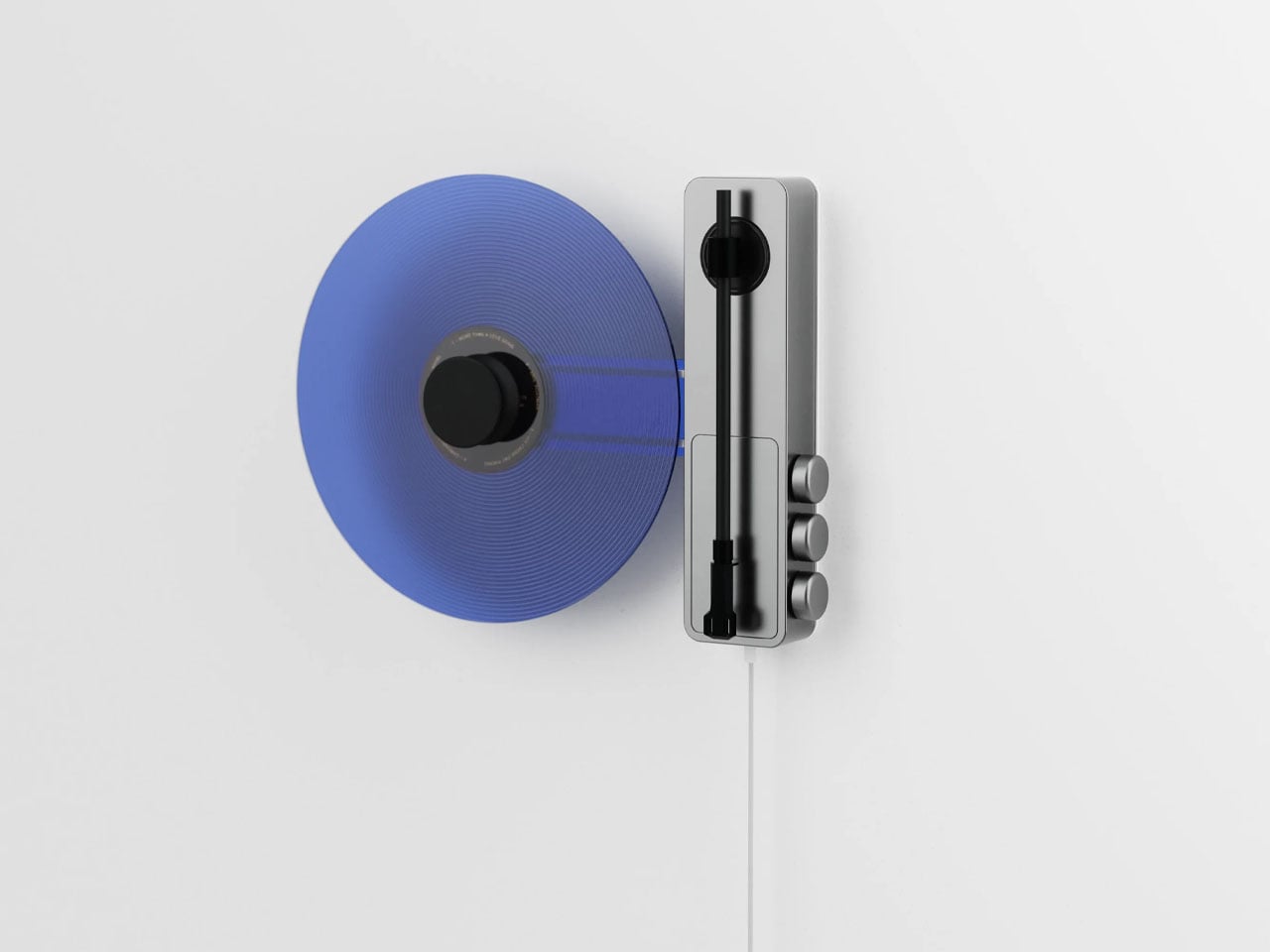
Harman Kardon Aura Studio 5 revives an iconic design with modern glow and immersive sound

Few brands have successfully merged sound and sculptural elements quite like Harman Kardon. For decades, the New York-based company has treated speakers not merely as audio devices but as design objects. More than just audio accessories, they are pieces that add emotion and visual rhythm to any interior space. From the transparent SoundSticks that became a millennial desktop icon to the elegantly curved Aura series, every release has carried that distinctive harmony of sublime clarity and unique form.

The newly introduced Aura Studio 5 builds on that legacy, reinterpreting Harman Kardon’s classic dome aesthetic for a generation that values both sensory immersion and timeless design. Its combination of audio performance, ambient lighting, and sculptural form positions it not just as a speaker but as an artful centerpiece for modern interiors. In the age of portable sound and smart assistants, the Aura Studio 5 stands apart by focusing on the audio and visual experience. The sculptural speaker is designed to fill a room not only with rich sound but with presence. For longtime admirers of Harman Kardon’s design language, this evolution feels like a thoughtful homage. One that reconnects with the brand’s expressive past while embracing a distinctly modern sensibility.

Designer: Harman Kardon

At first glance, the Aura Studio 5 feels familiar yet freshly refined. The transparent dome remains its signature feature, offering a glimpse of the internal architecture while softly diffusing light. On the Inside, there’s a carefully engineered 360-degree sound system that combines a 25 mm tweeter, six 40 mm mid-range drivers, and a 143 mm subwoofer driven by a powerful 160-watt amplifier. Together, they deliver Harman Kardon’s “Constant Sound Field” experience, balancing acoustics that maintain their character no matter where you sit in the room. With a frequency response from 45 Hz to 20 kHz, the speaker captures both the warmth of low-end depth and the sparkle of treble detail with remarkable precision.

This new model, replacing the Aura 4, introduces a refreshed layer of sensory engagement through its ambient light projection system. Nature-inspired themes like Snowy Fireplace, Sunrise, Blossom, Aurora, and Ocean, cast subtle, dynamic visuals across walls and ceilings, transforming listening sessions into immersive environments. Through the companion Harman Kardon app, users can control lighting effects, adjust brightness, fine-tune the equalizer, install firmware updates, or even link two Aura Studio 5 units for a stereophonic setup.

Modern connectivity keeps the overall experience seamless. Bluetooth 5.4 ensures stable wireless streaming with minimal latency, while the 3.5 mm auxiliary input offers a wired alternative for traditional audio sources. This versatility makes the speaker equally at home in a contemporary living space, creative studio, or office setting. The Aura Studio 5 debuted in Japan at around 46,200 Yen (approximately $300) with sales starting on 13 November. Availability in other markets such as the United States, the United Kingdom, and Europe is expected soon.

The post Harman Kardon Aura Studio 5 revives an iconic design with modern glow and immersive sound first appeared on Yanko Design.

Limited Edition iXOOST Esavox Speaker features a real Lamborghini exhaust to power your sound

If you’ve ever admired the sculpted lines of a Lamborghini supercar and thought, “I wish I could bring that into my living room”, then the new collaboration from iXOOST offers exactly that in audio form. Known for their bold pieces that bridge high-end hi-fi and automotive design, iXOOST ESAVOX Bluetooth speaker system, crafted from real Lamborghini exhaust components and carbon-fibre supercar materials, is designed to blur the line between listening room and showroom.

The ESAVOX isn’t just a styled speaker; it is built around the actual exhaust cover of a Lamborghini Aventador, nestled in a monocoque chassis made from autoclave-cured 3K twill carbon fiber, with hexagonal motifs and sharp edges that echo Lamborghini’s design language.

Designer: iXOOST

Inside this sculptural cabinet lies serious audio hardware: two 1-inch tweeters, two 6.5-inch mid-bass drivers, and a 10-inch down-firing subwoofer, powered by a total output of 640 W amplification. The frequency response extends down to 20 Hz, delivering bass you feel as much as hear. Weighing in at approximately 117 lb and measuring 49 inches x 20 inches x 26 inches, the ESAVOX is clearly not for casual portability but for a dedicated listening space or display garage.



Its styling comes in the iconic Lamborghini palette: Green Gea, Grey Keres Matte, Orange Anthaeus, Red Epona, Blue Uranus and White Siderale. The speaker is produced in a strictly limited run of just 63 units worldwide, which makes it highly desirable.  On the connectivity front, you get Bluetooth 5.0 and traditional RCA inputs, allowing both wireless streaming and classic wired sources. The power supply supports 110–240 V, making it globally deployable.

So what makes this more than just a flashy statement piece? For one, the use of genuine Lamborghini parts and automotive-grade materials lends it a storytelling edge: a carbon fibre monocoque, passive vibration damping (akin to a race-car chassis), and an aesthetic lifted directly from the supercar world. On the other hand, from an audio-engineering perspective, the configuration of large mid/bass drivers plus a substantial subwoofer and dedicated amplification points to real performance ambitions rather than just looks.

That said, its size, weight, price, and niche appeal mean the ESAVOX is designed for a particular buyer: a Lamborghini owner or ultra-luxury audio aficionado who wants a unique ‘hero piece’ for home audio, not someone seeking a practical bookshelf speaker. The iXOOST ESAVOX for Automobili Lamborghini fuses automotive heritage, high-end craftsmanship, and serious audio hardware into a distinctive luxury item. If you have the space, budget and passion for both supercars and high-end sound, this is a conversation piece that delivers both visually and sonically. As ever, buyers should consider installation logistics, room-tuning, and source equipment to make the most of its capabilities.

Automobili Lamborghini ESAVOX is going to be up for grabs in the U.K. via Harrods of London, and also on display at the renowned Knightsbridge store in the pristine Green Gea color. The speaker is priced at £34,999 (approximately $46,000) for which you can buy a Ford Mustang, if you want to go for the real thing.

The post Limited Edition iXOOST Esavox Speaker features a real Lamborghini exhaust to power your sound first appeared on Yanko Design.