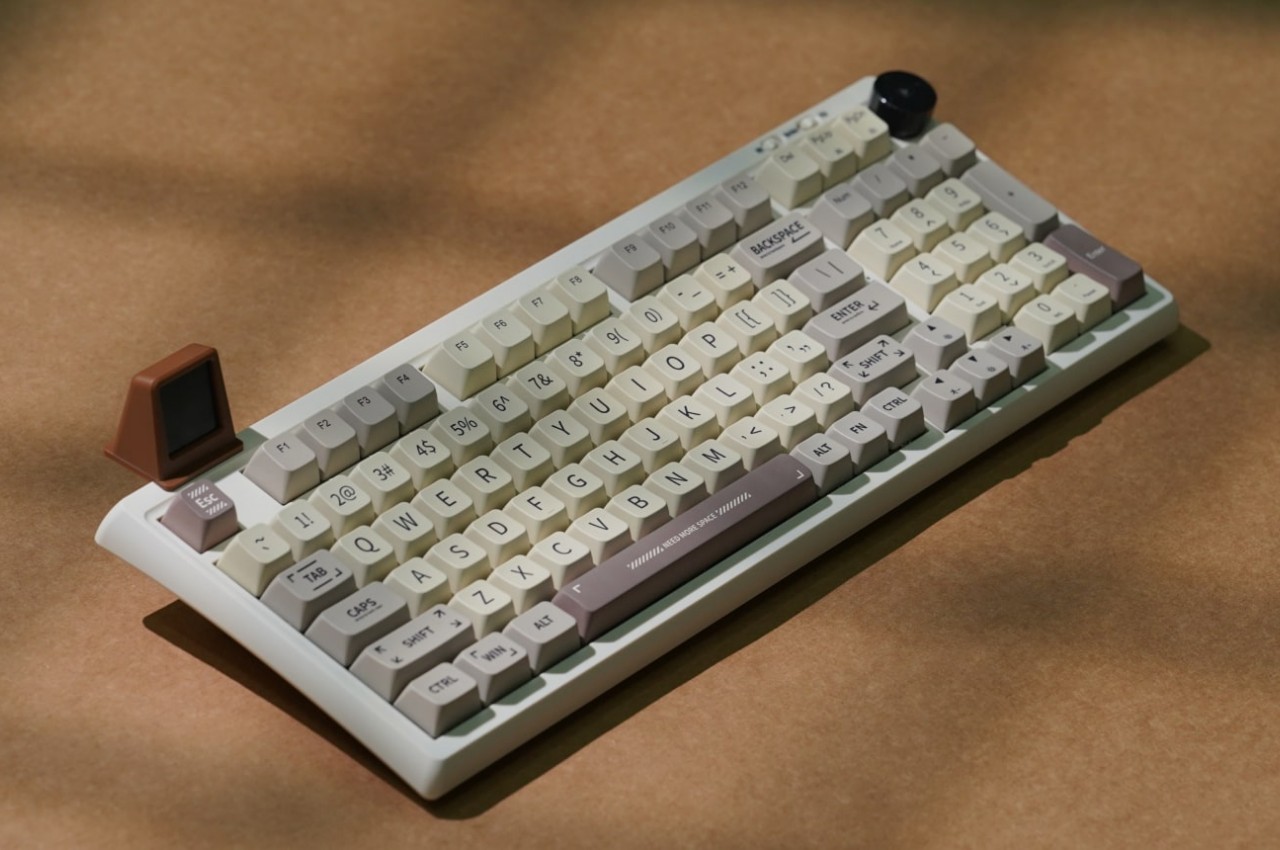
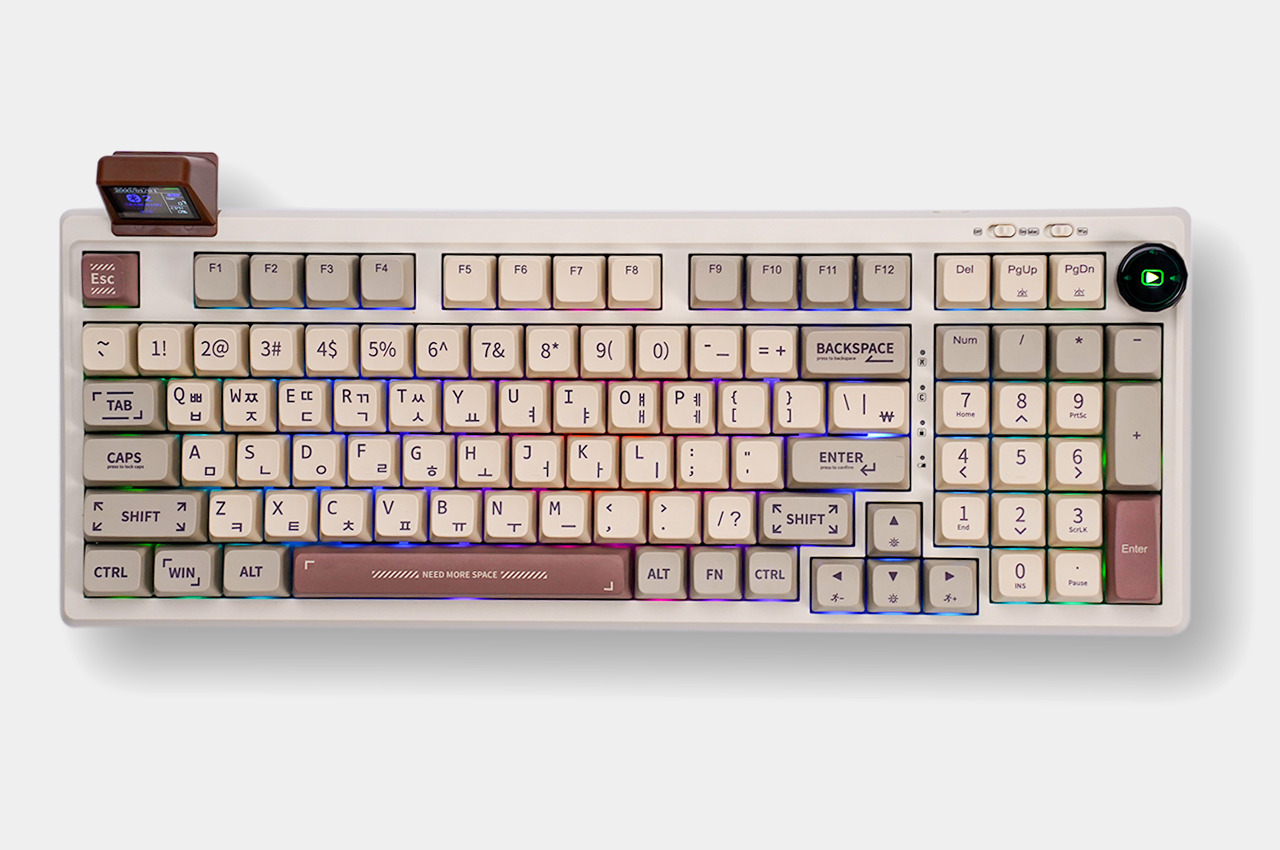
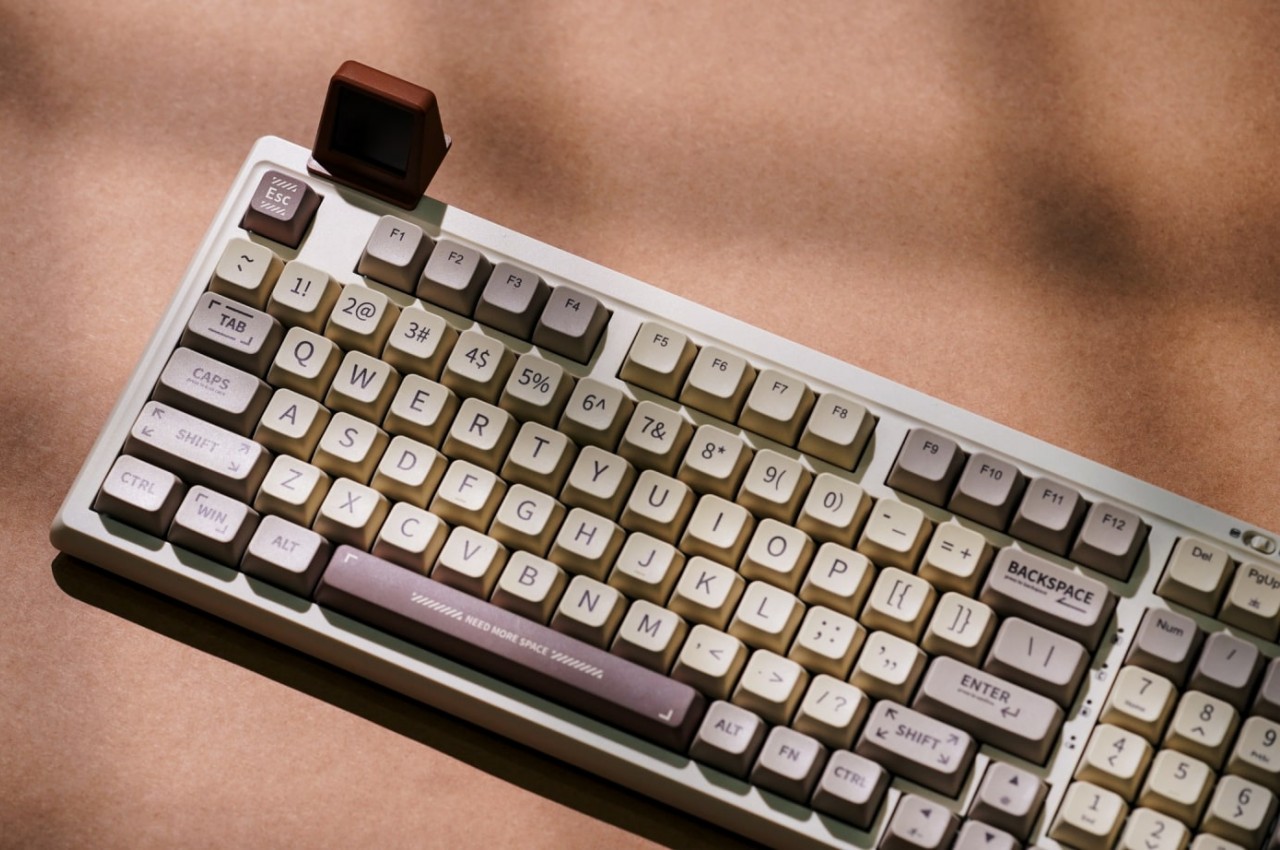
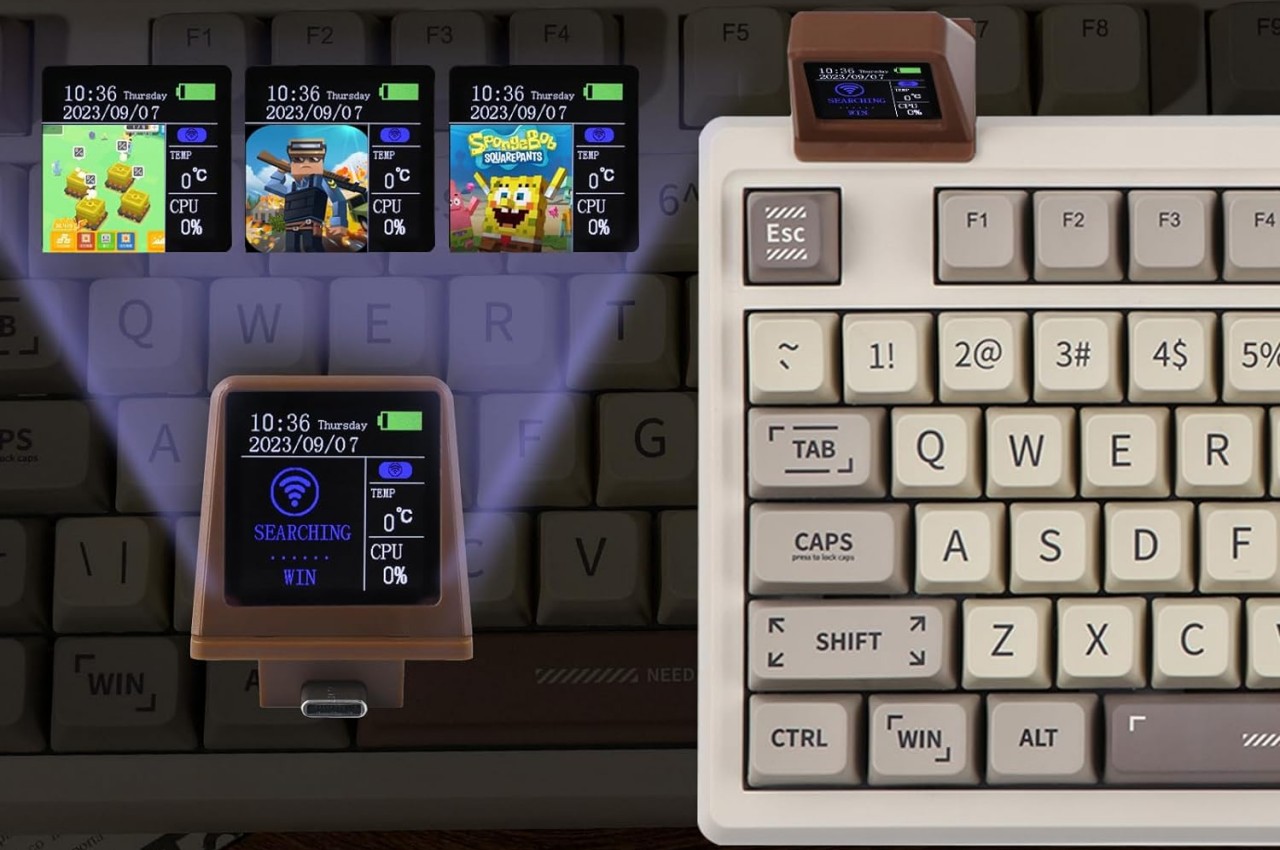
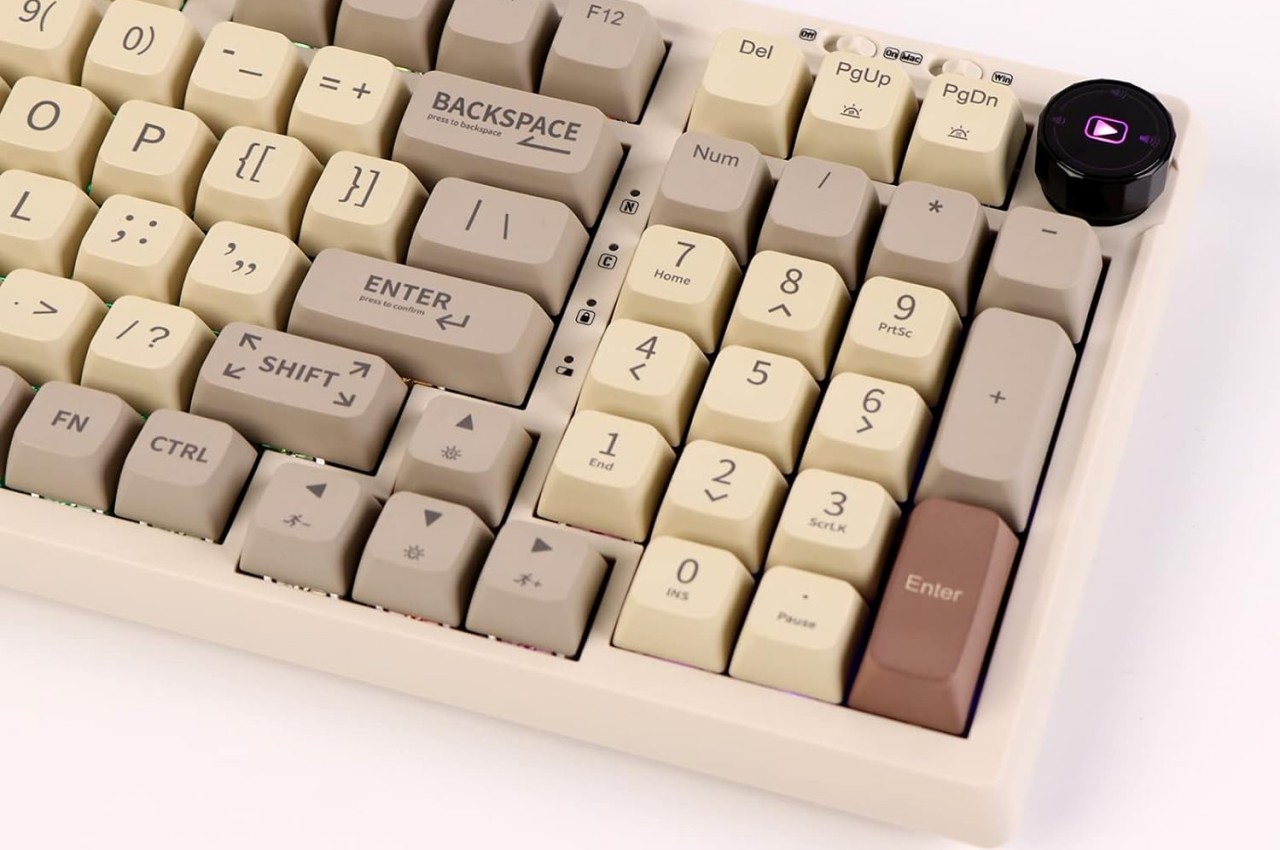
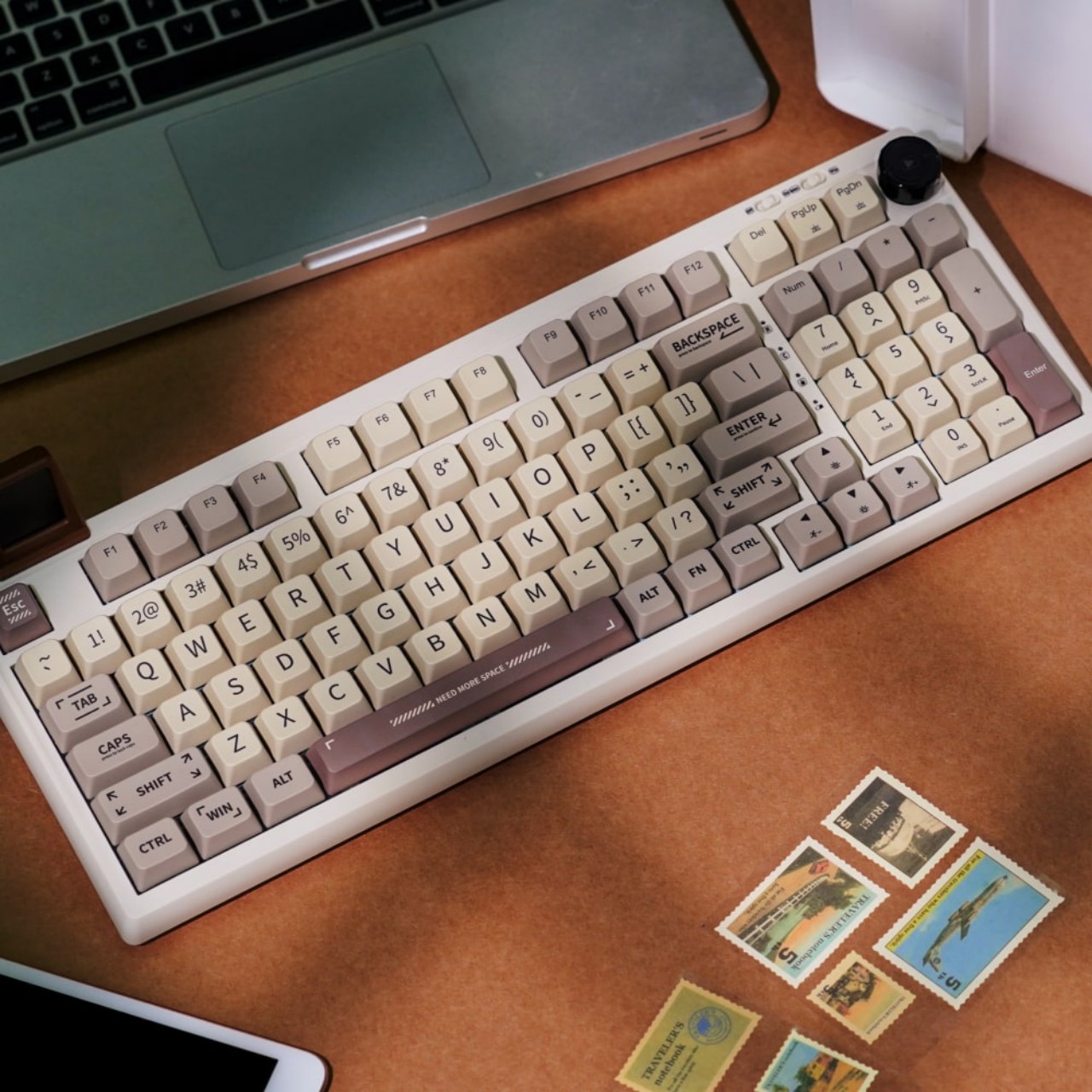
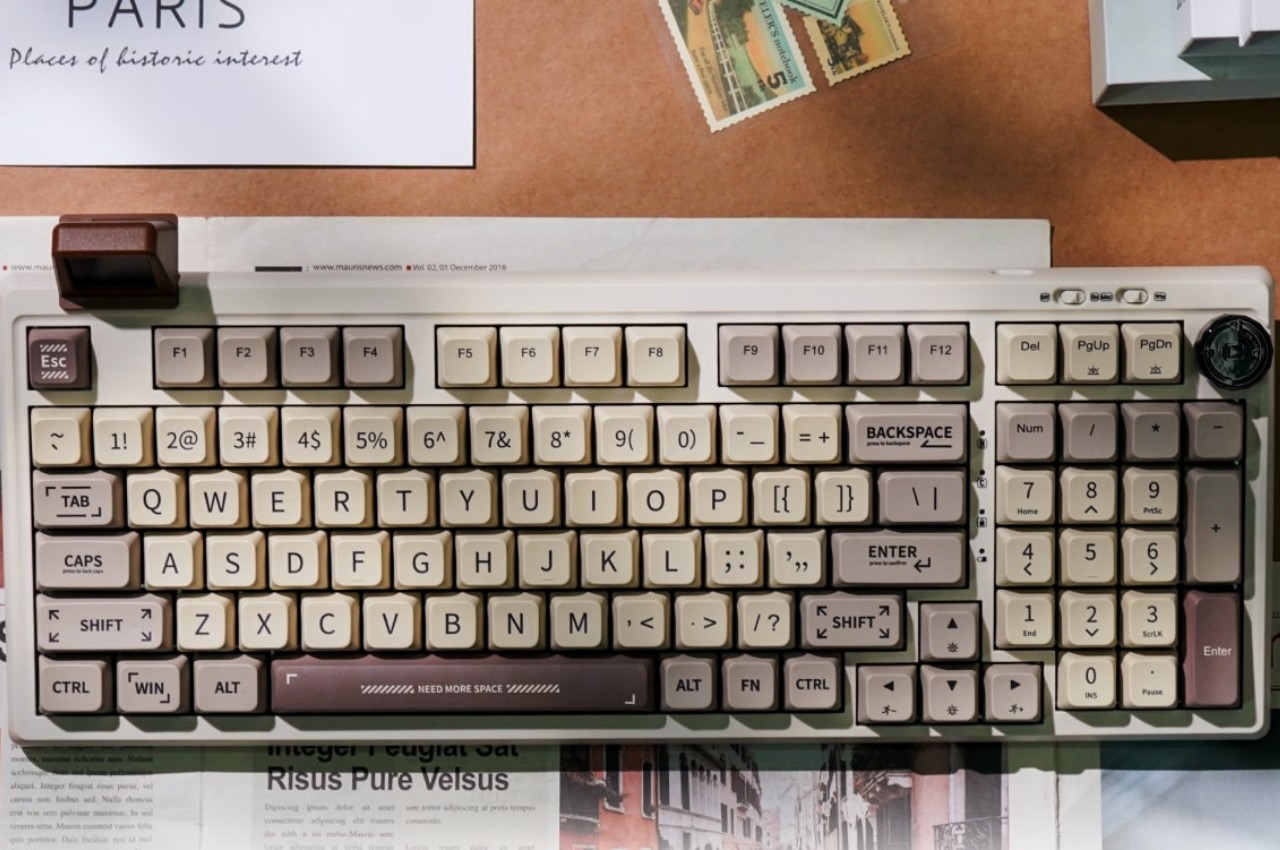
Mechanical keyboards are a dime a dozen these days, all of them promising a better typing experience thanks to more tactile switches. They cover a wide variety of designs, those most seem to swing either towards gamer RGB aesthetics or old-school retro styles. This particular keyboard leans more toward the latter, but that’s not exactly what’s noteworthy about it. What makes it special is that 2.9-inch TV-like mini display in the corner, adding a bit of whimsical flavor to the keyboard. That said, that screen is more than just some fanciful embellishment, as it can add a bit of value to your computing experience even while delivering some fun distractions when you need it.
Keyboards with screens aren’t exactly unheard of by now, especially on laptops. Almost all of these designs, however, use the additional display for productivity purposes, often by providing extra touch controls, a drawing space, or even a small second monitor. Given how small the “mini TV” of the Epomaker RT100 is, it can hardly do those functions, but it still manages to bring a smile to users’ faces, especially with how much they can customize the experience.
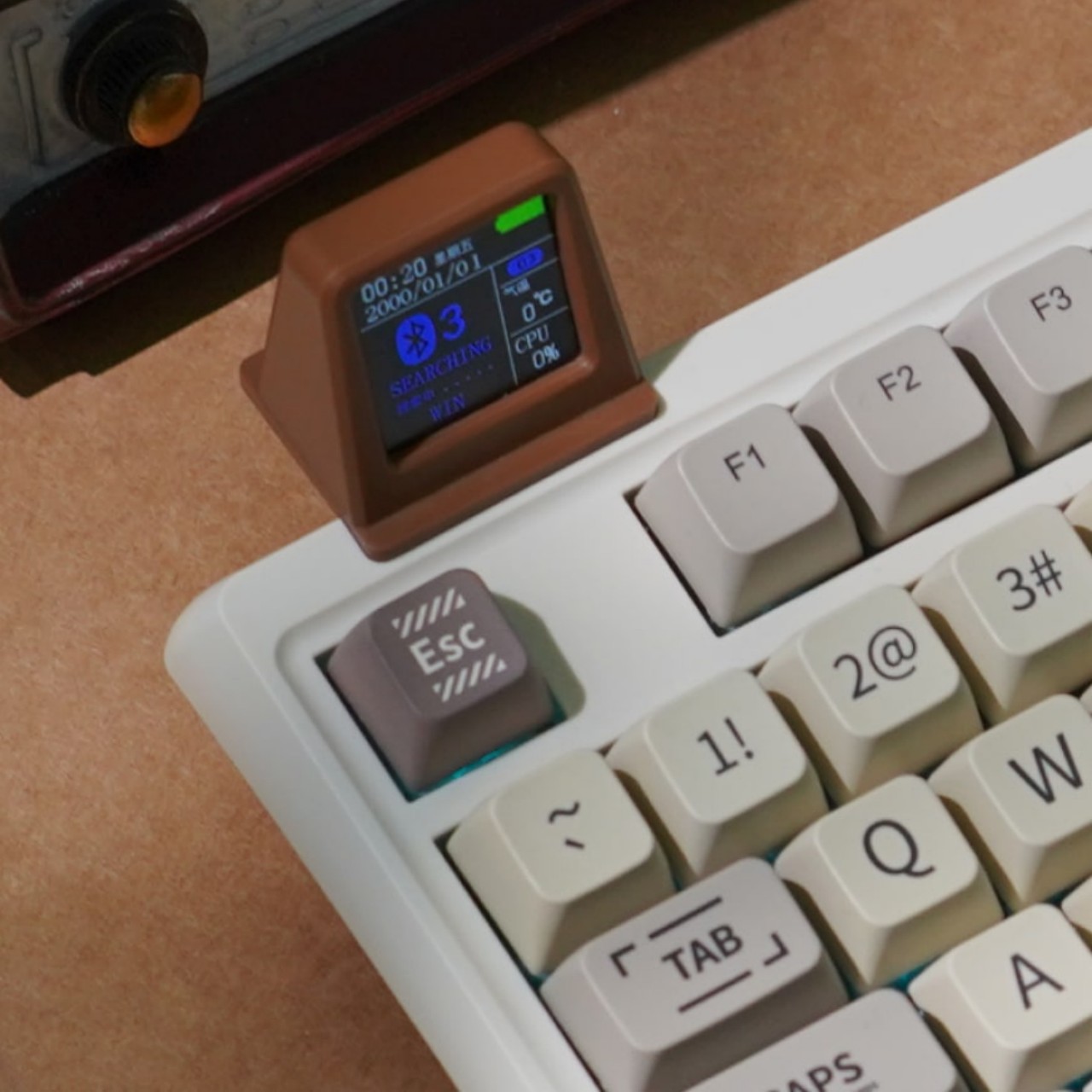
The small 2.9-inch screen, embedded in a detachable trapezoidal prism, sits on the upper left edge of the keyboard. Using Epomaker’s software, that tiny TV can display anything from the time, the weather, an animated image, or even a game of Tetris. It offers a combination of distraction and information that will keep you on your toes while you work. As a bonus, that “TV” is actually removable, which reveals the hidden 2.4GHz wireless receiver for a cable-free connection.
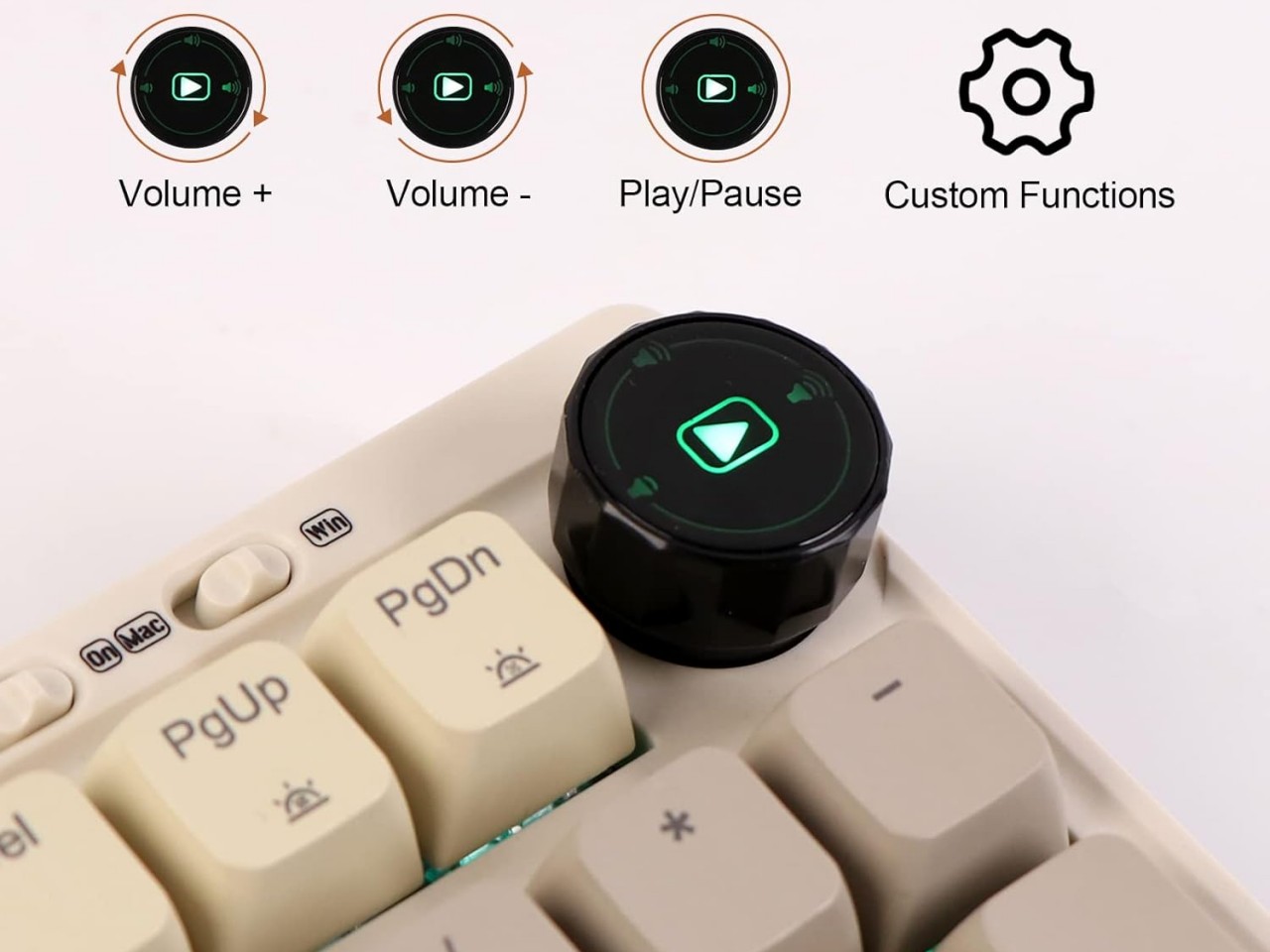
On the more serious side, the Epomaker RT100 has a rather distinctive faceted knob that sits like a black gem on the upper right corner of the keyboard. By default, the physical dial can be used to control media playback, but it can also be programmed for other functions as well. Unfortunately, you can’t change the play icon on the knob’s top to match the function you assign to it.
In all other aspects, this 96-key keyboard is pretty much what you’d expect from mechanical keyboards of its class, including hot-swappable switches and programmable south-facing RGB lighting. The keyboard embraces a chunky aesthetic that calls forth memories or images of decades gone by, making the design feel a little anachronistic in a visually interesting way.
Although Bluetooth item trackers existed long before, Apple really took things up a notch with the AirTags. Of course, what made these small discs really valuable wasn’t just their minimalist design but their use of Apple’s crowd-sourced Find My network. This system basically utilized the large number of iOS devices spread throughout the world to pinpoint the tracker’s location accurately and quickly. It was a long time coming, but Google finally launched its own version of that network, unsurprisingly dubbed “Find My Device,” and soon Android phone owners will also be able to locate lost wallets, misplaced remote controls, stolen bags, or any other items with these upcoming “item finders” designed for every need and purpose.
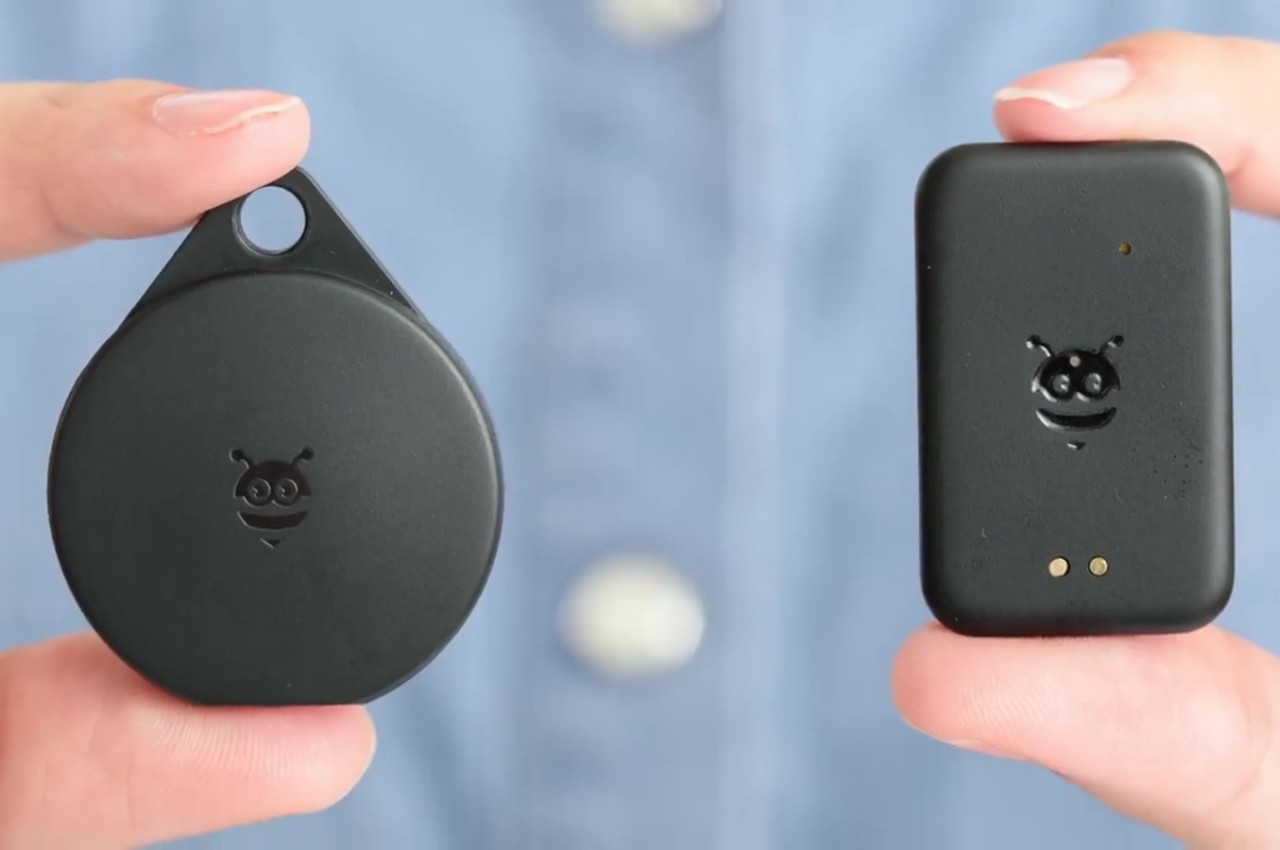
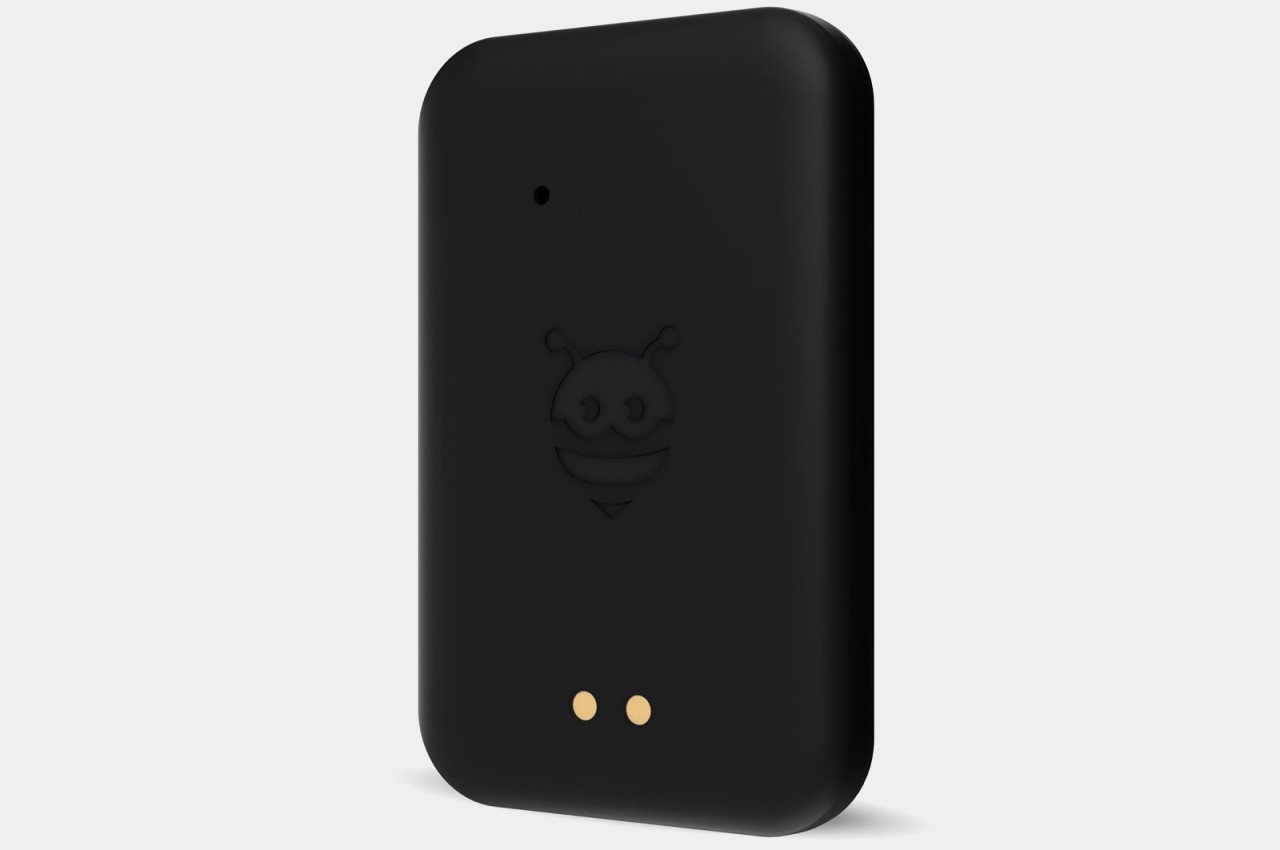
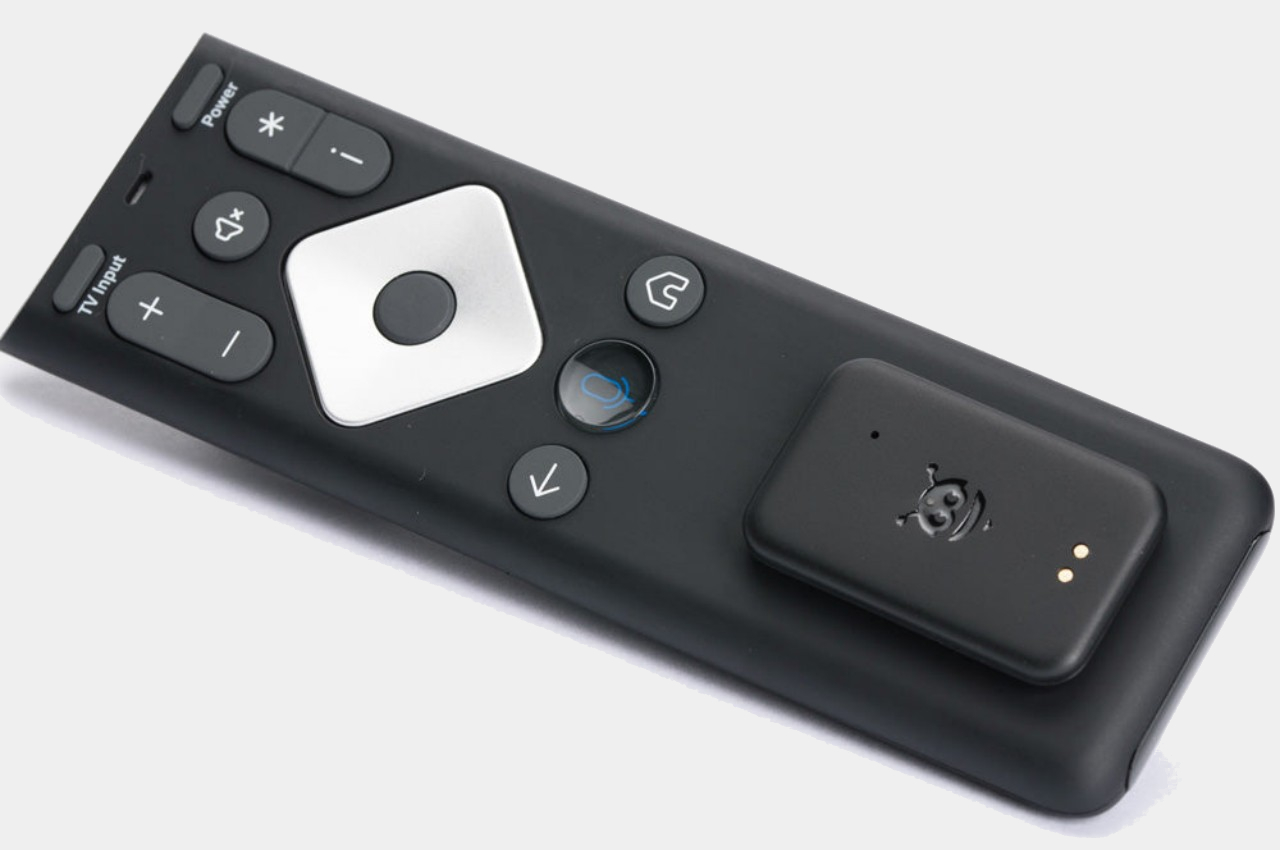
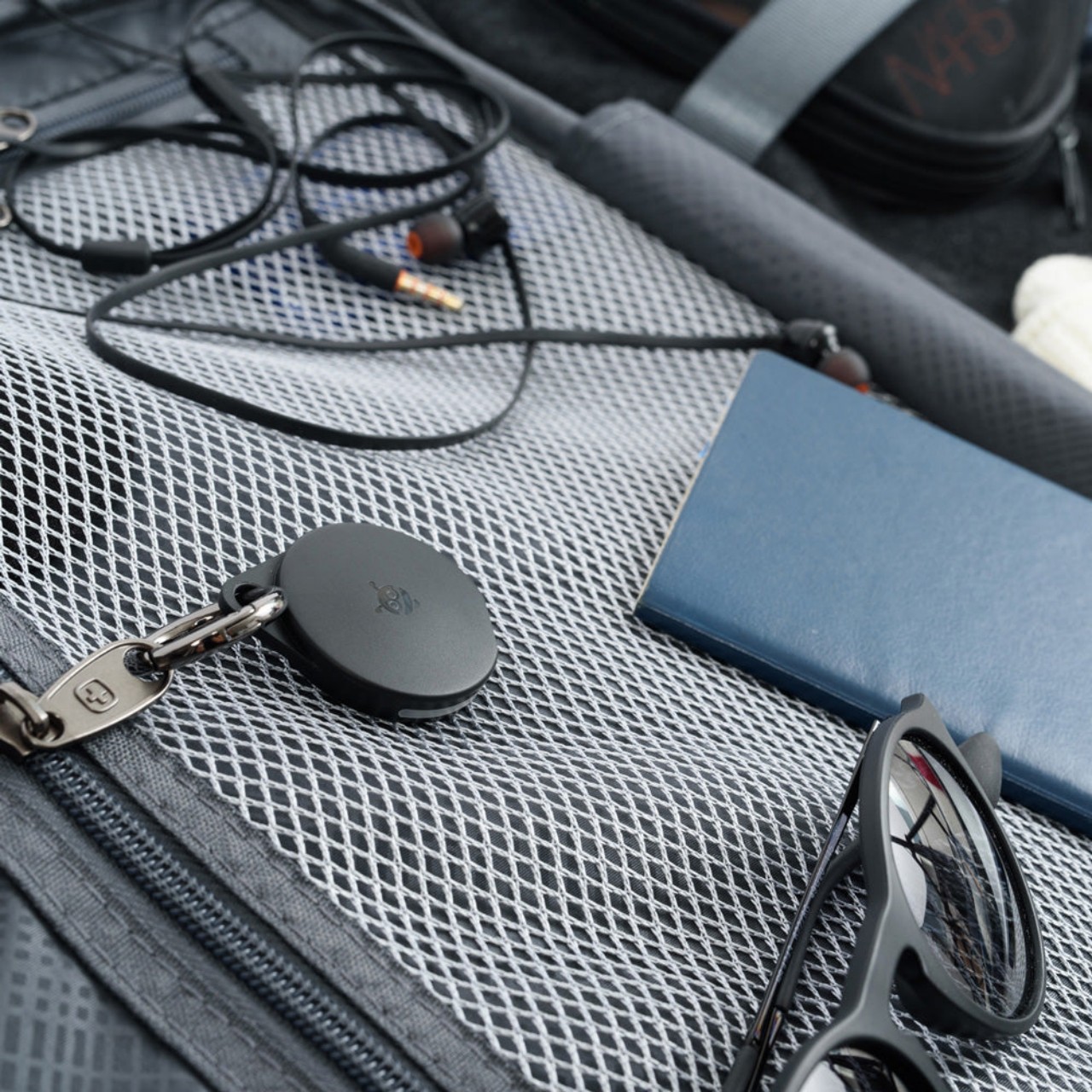
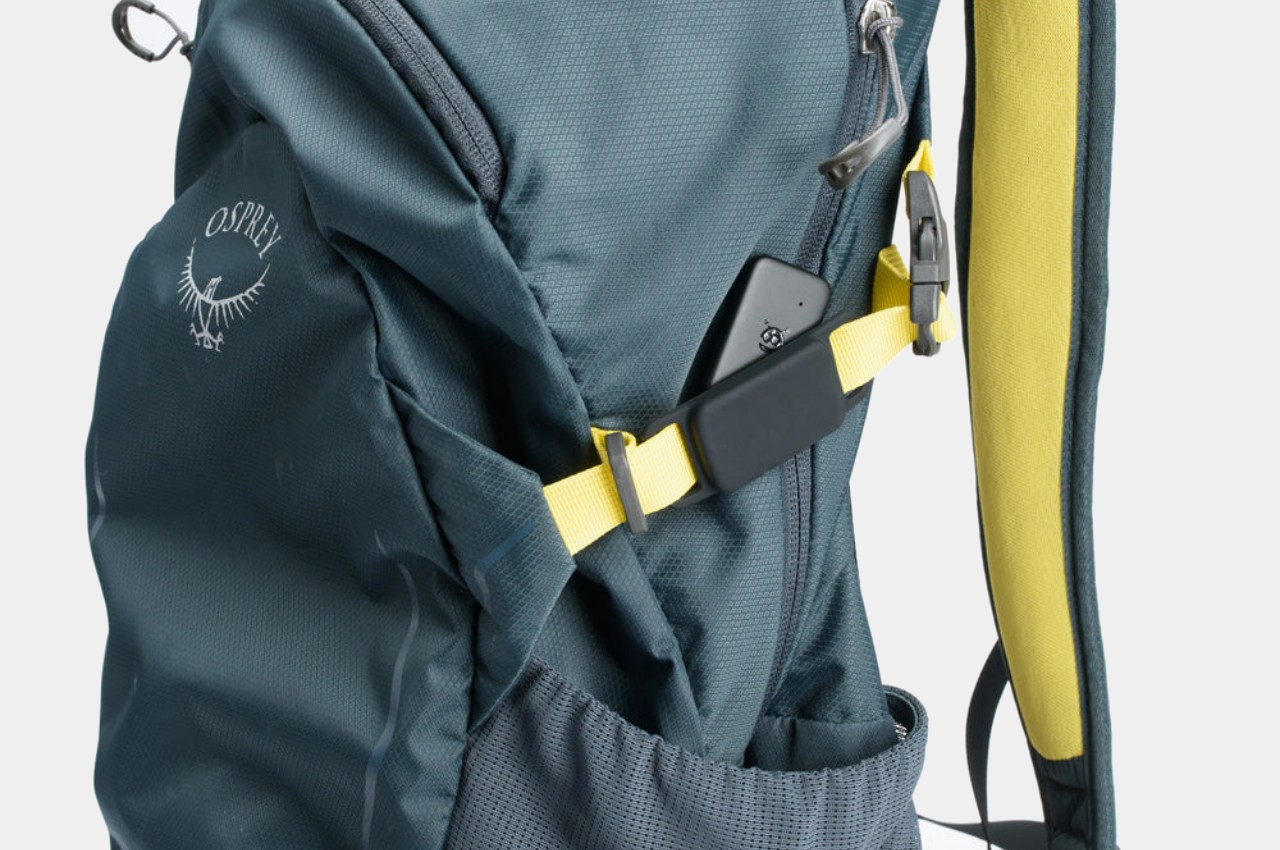
It’s almost a meme about how remote controls tend to get sucked into the black hole that is the living room couch, but having no way to control a TV or entertainment system is no laughing matter. The new Pebblebee Tag for Android makes that problem a thing of the past by letting you stick a thin 40mm x 26mm (1.57in x 1.02in) black rectangle on the remote so that you can easily locate it later, even if it’s buried under cushions and pillows. Given its small size, it’s also trivial to slip this tracker in pockets, bags, and suitcases so that you’ll never accidentally forget them in the coffee shop ever again.
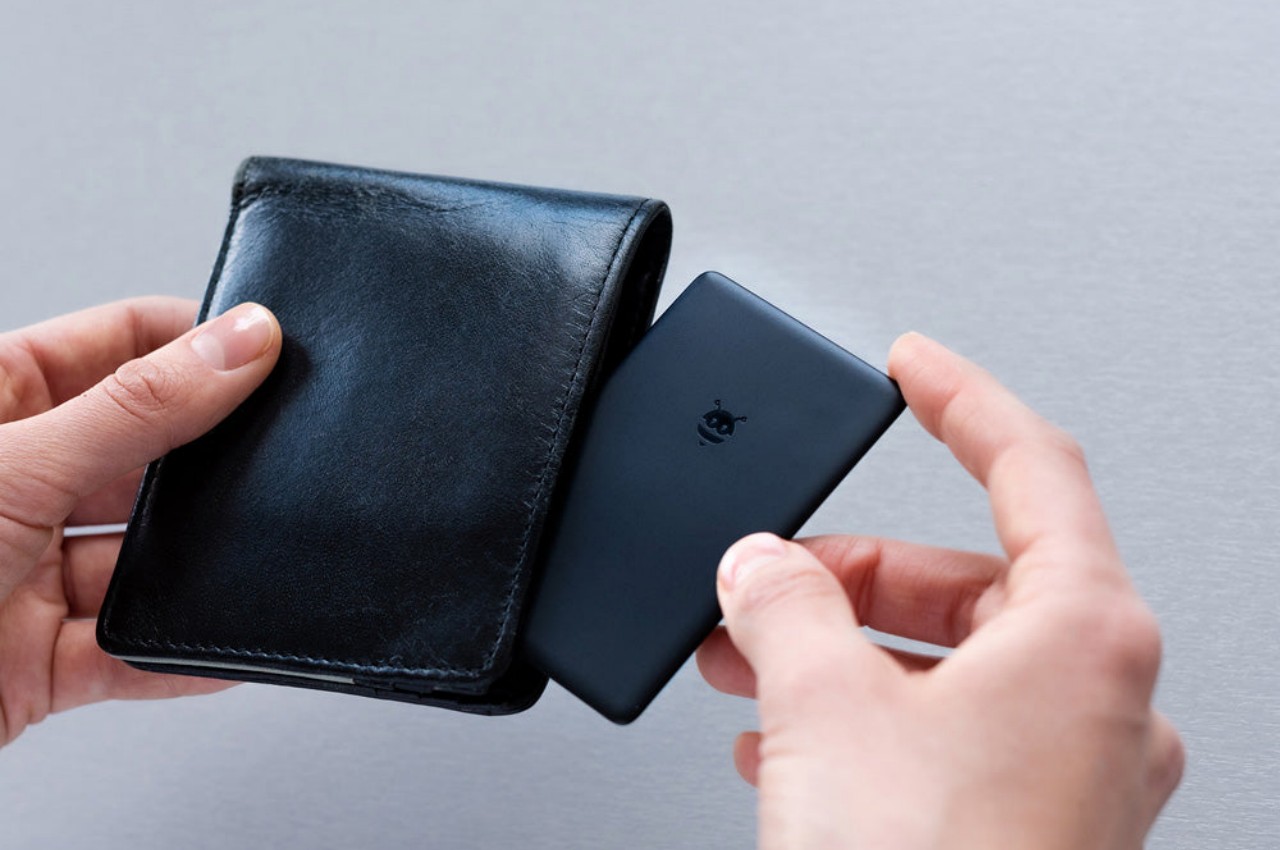
That Tag might be a tad too thick for your wallet, but the Pebblebee Card has you covered on that front. No larger than a credit card, this 2.8mm (0.11in) super-thin tracker promises to save you from the stress and fear of losing one of the most important objects in your life. And just like the Tag, it can be easily used for bags, laptop sleeves, and other slim spaces to give you that same peace of mind.
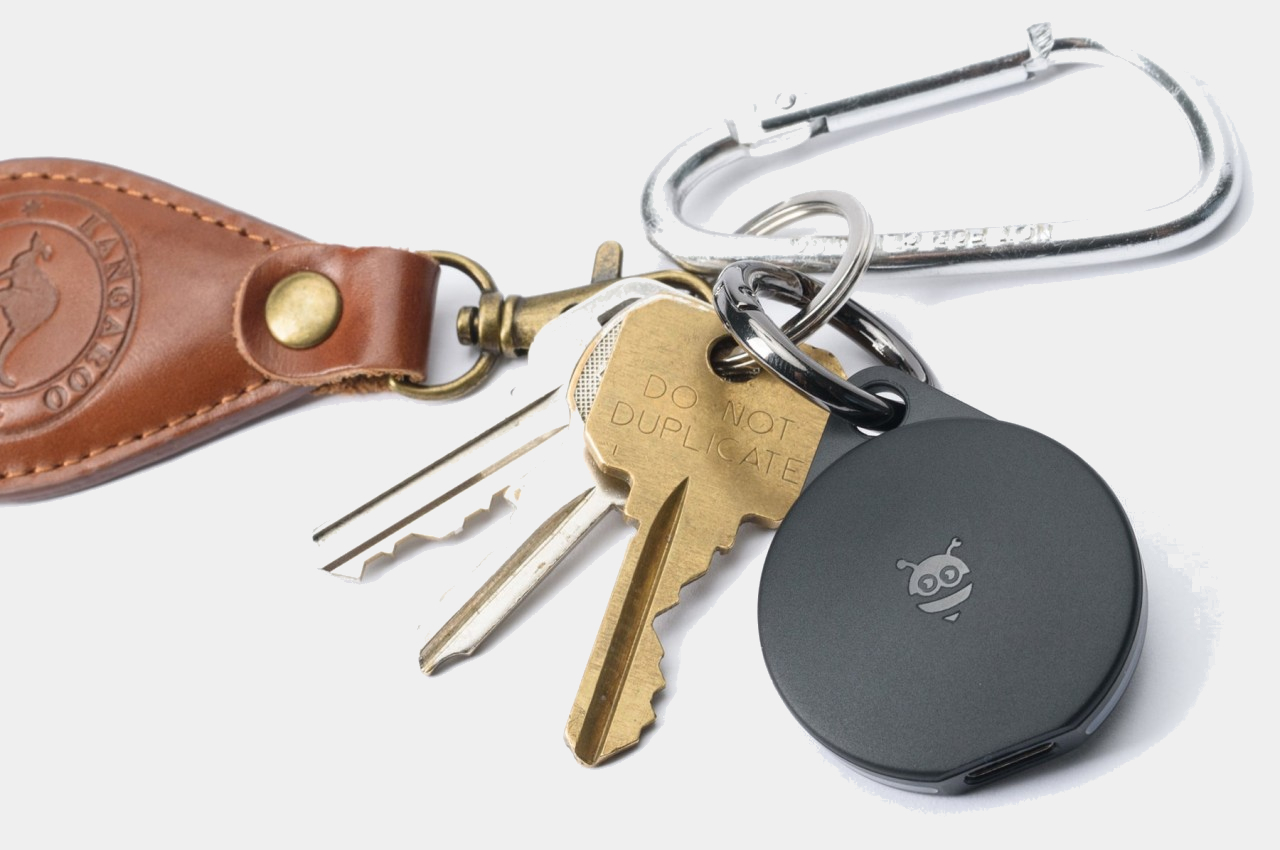
Keys are also often misplaced even at home, turning late mornings into frantic searchers for the small objects that give access to the car or, worse, the door. With a whole that’s perfect for a keyring or carabiner, the Pebblebee Clip makes sure that no item will ever be permanently lost. That includes anything with a hook, a zipper, or a hole that this small circle can attach to without getting in your way, like suitcase zippers or handles, bag straps, and bicycle handlebars.
All three Pebblebee trackers can be charged wirelessly and their batteries can last from 8 to 18 months before you actually need to put it down on the magnetic wireless charger again. With a bright LED and a loud melody, you can easily pinpoint the tracker’s location if it’s nearby, while Google’s new Find My Device network gives you global coverage if it is out of the 300ft Bluetooth range. All trackers are IPX6 water resistant, so you don’t have worry to too much about exposing them to the weather, and their minimalist design makes them fit with almost any object. The trackers also work with Pebblebee’s own mobile app, though they aren’t compatible with Apple’s Find My system.
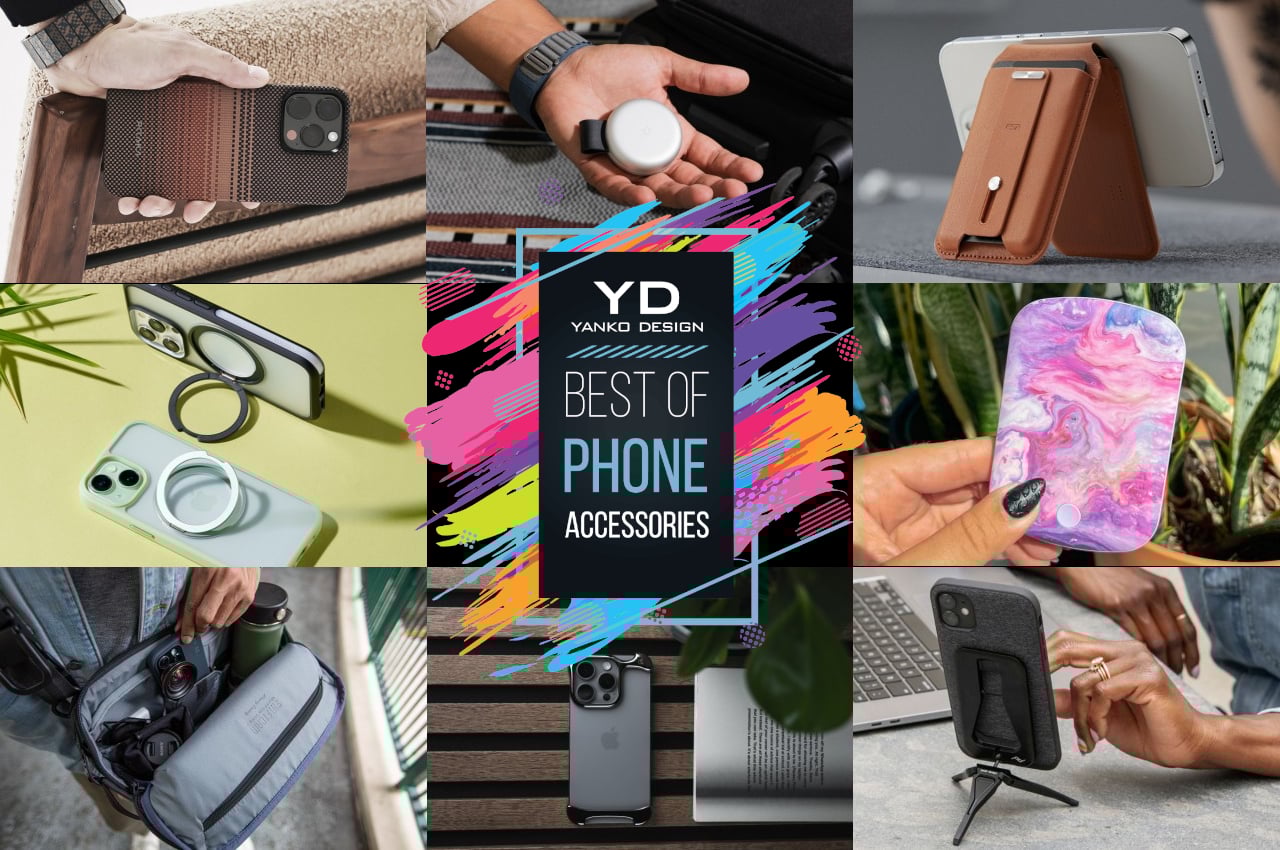
Smartphones are powerful pieces of technology crammed in pocket-sized slabs of metal, glass, and plastic. But while they are indeed capable of impressive feats, they naturally can’t do everything on their own. Smartphones cease to be useful when they run out of battery or, worse, get a cracked screen, and no smartphone can actually stand up without some external support. And while smartphones are made to be beautiful and durable by their manufacturers’ standards, their bare forms might not meet the needs and tastes of all users. Smartphone accessories make up a huge and diverse market, and it’s too easy to drown in the number of choices available for different categories and purposes. To help ease the stress and confusion, we’ve collected this year’s 10 best designs that let you get the most out of your smartphone experience.
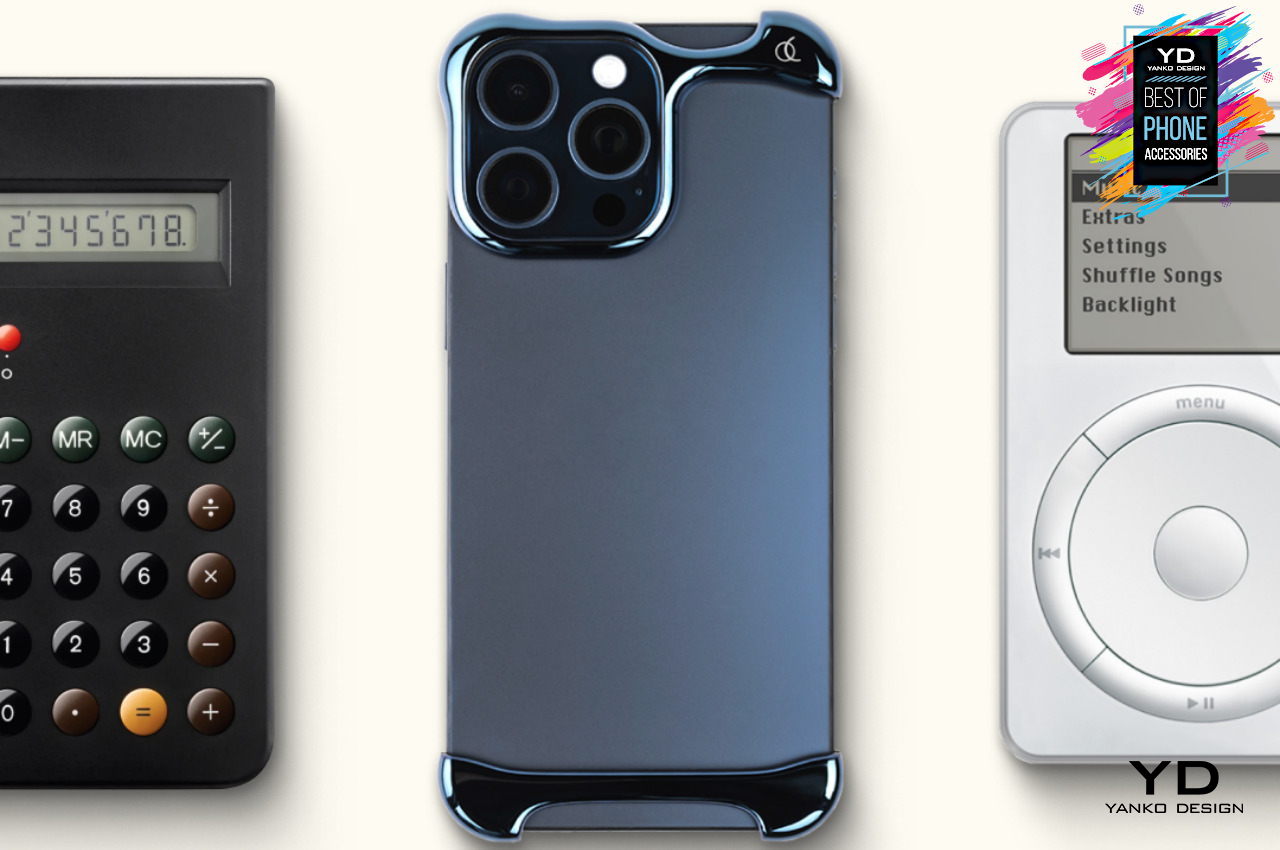
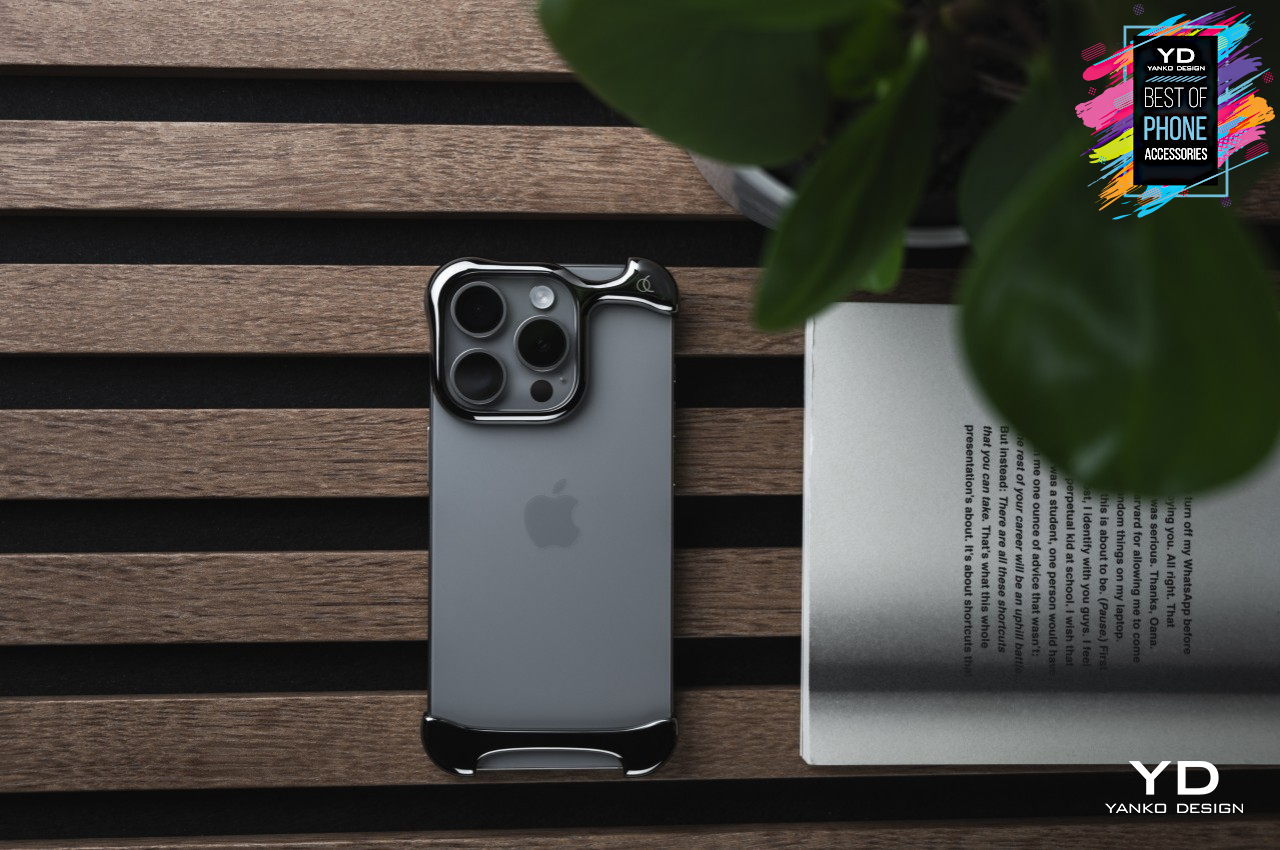
Arc Pulse Bumper Phone Case
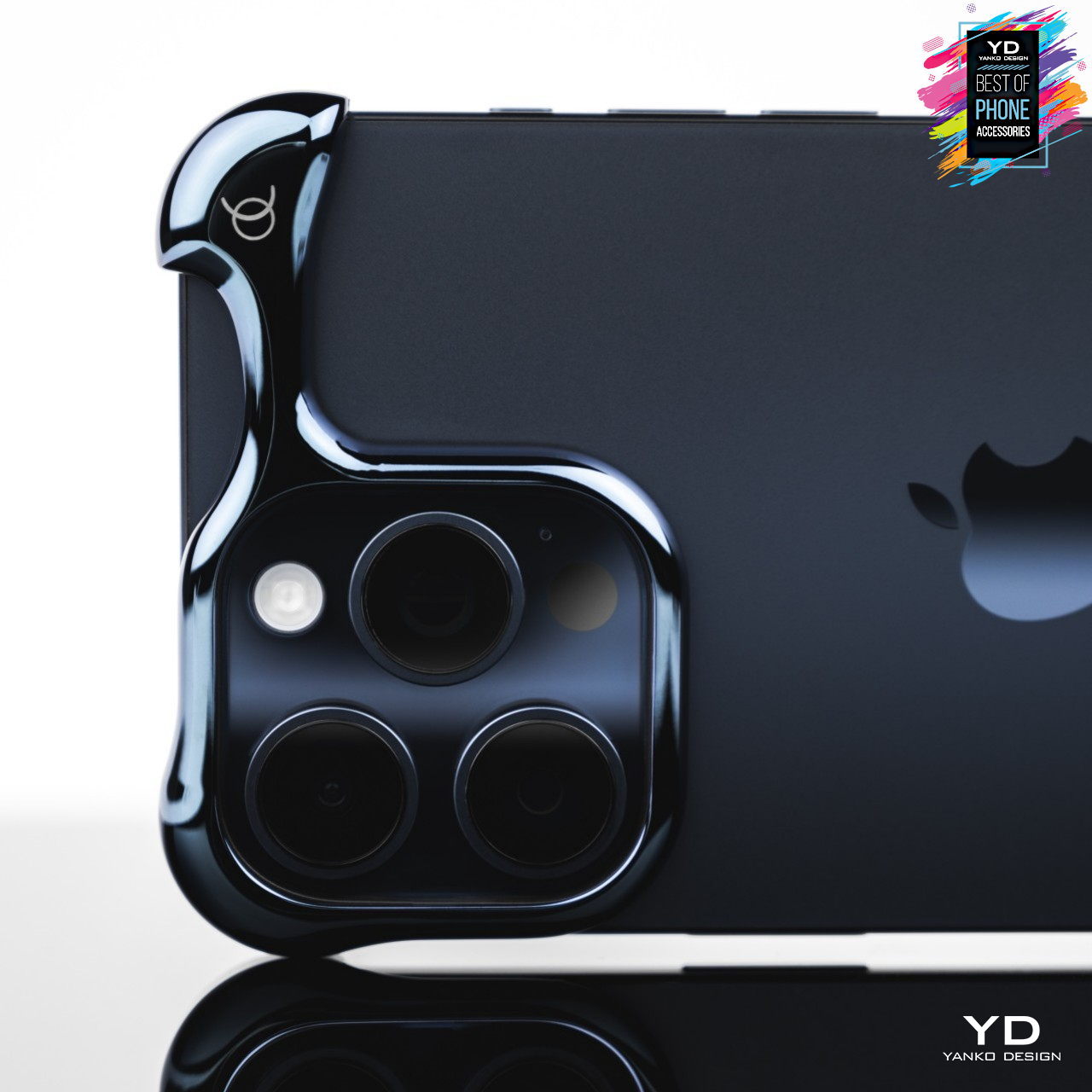
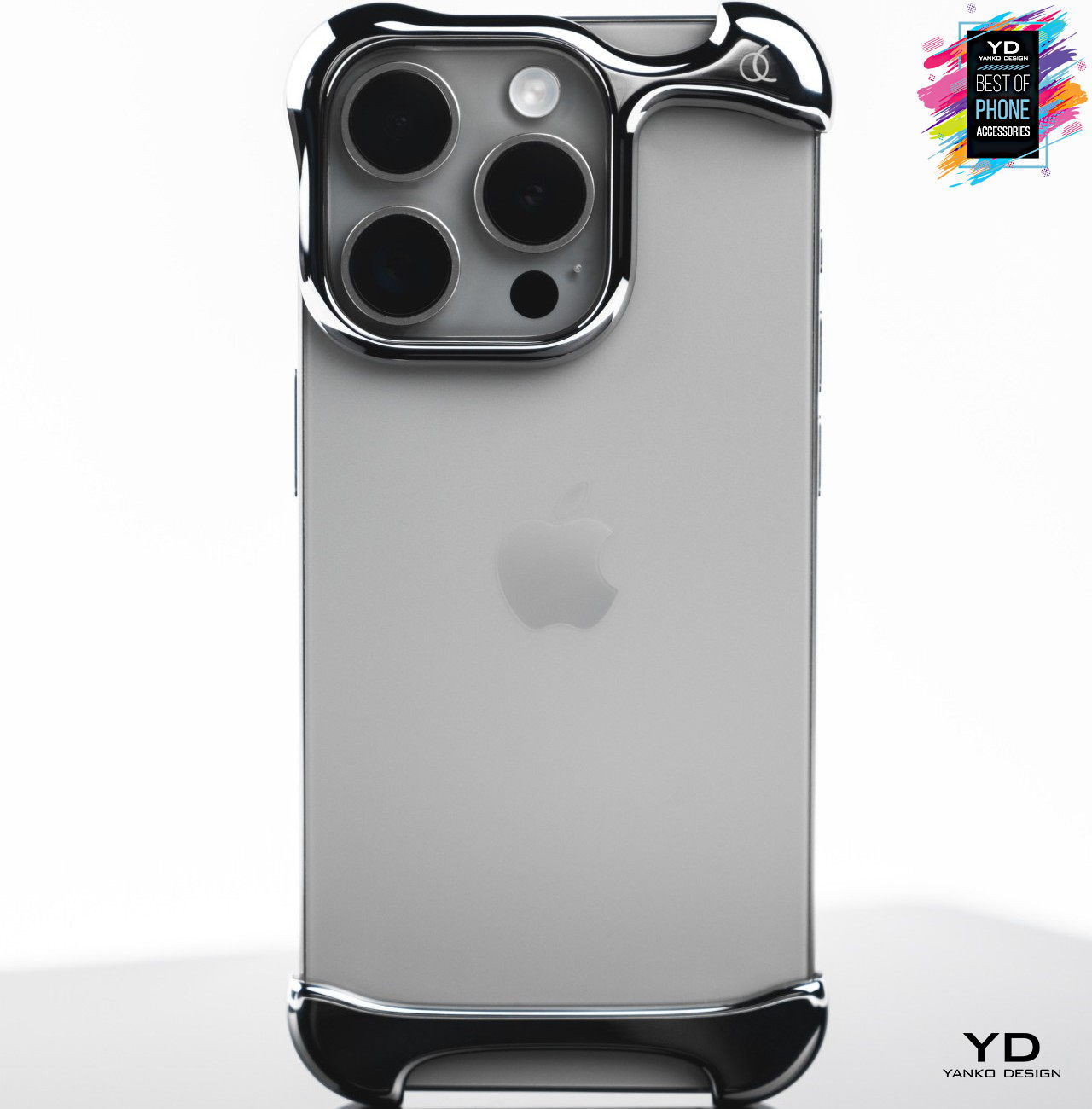
Most smartphone cases sacrifice the device’s innate beauty for added protection. Even clear cases that try to be invisible still make the phone look cheap and unrefined. It may sound like a necessary compromise, but it shouldn’t have to be the case, no pun intended, especially if you have an innovative design that gives you the best of both worlds. With a signature pressure fit, the two pieces of the Arc Pulse slide onto the bottom and top of the smartphone, protecting the most important areas of the device while leaving the rest of the phone’s beautiful design unobscured, just as it was meant to be. Plus, the Arc Pulse’s unique organic design gives your phone more personality, complementing its innate beauty without sacrificing its protection.
Innovative two-piece design protects the phone without ruining its style
Dual-layer shock absorption and distribution ensures total protection from accidents
Lightweight and eye-catching design enhances the smartphone’s aesthetic
Casely Power Pod MagSafe Battery Pack
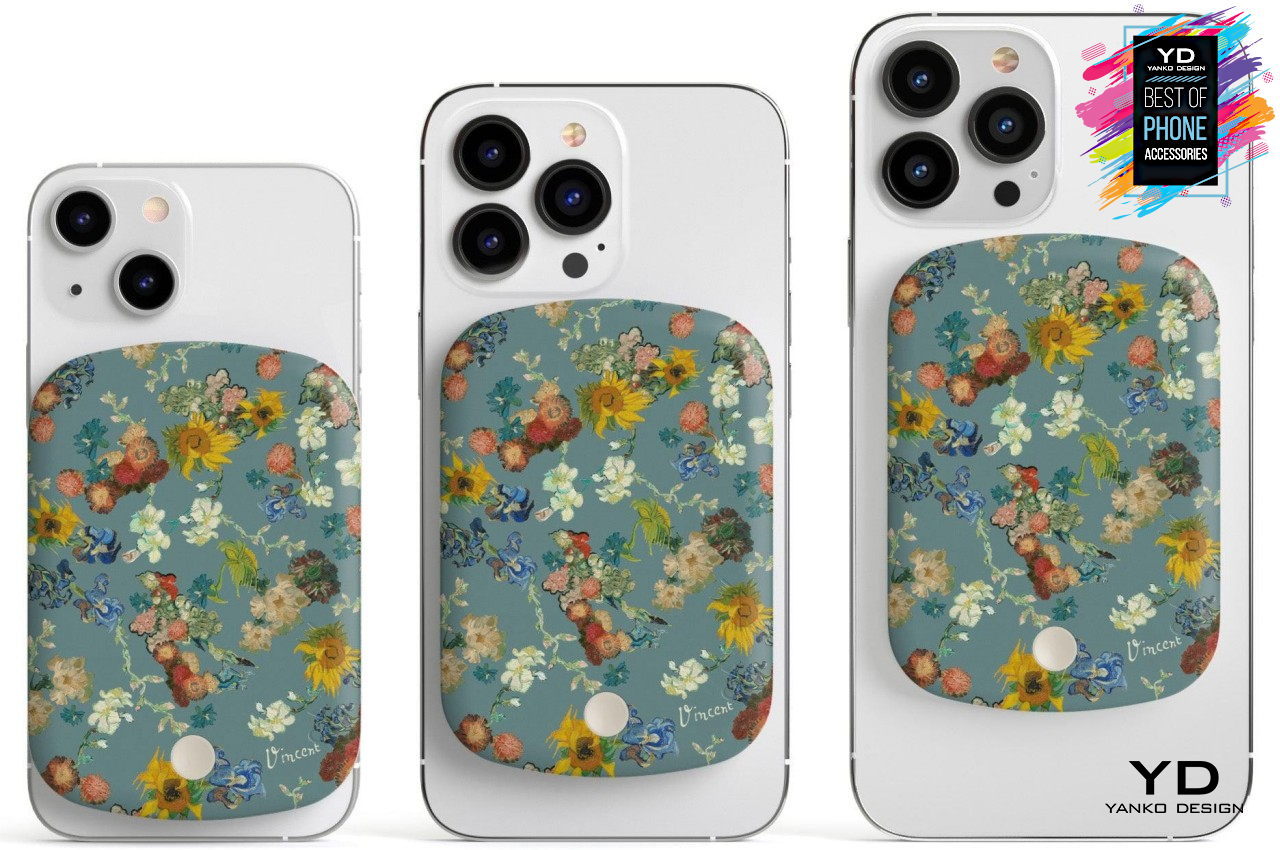
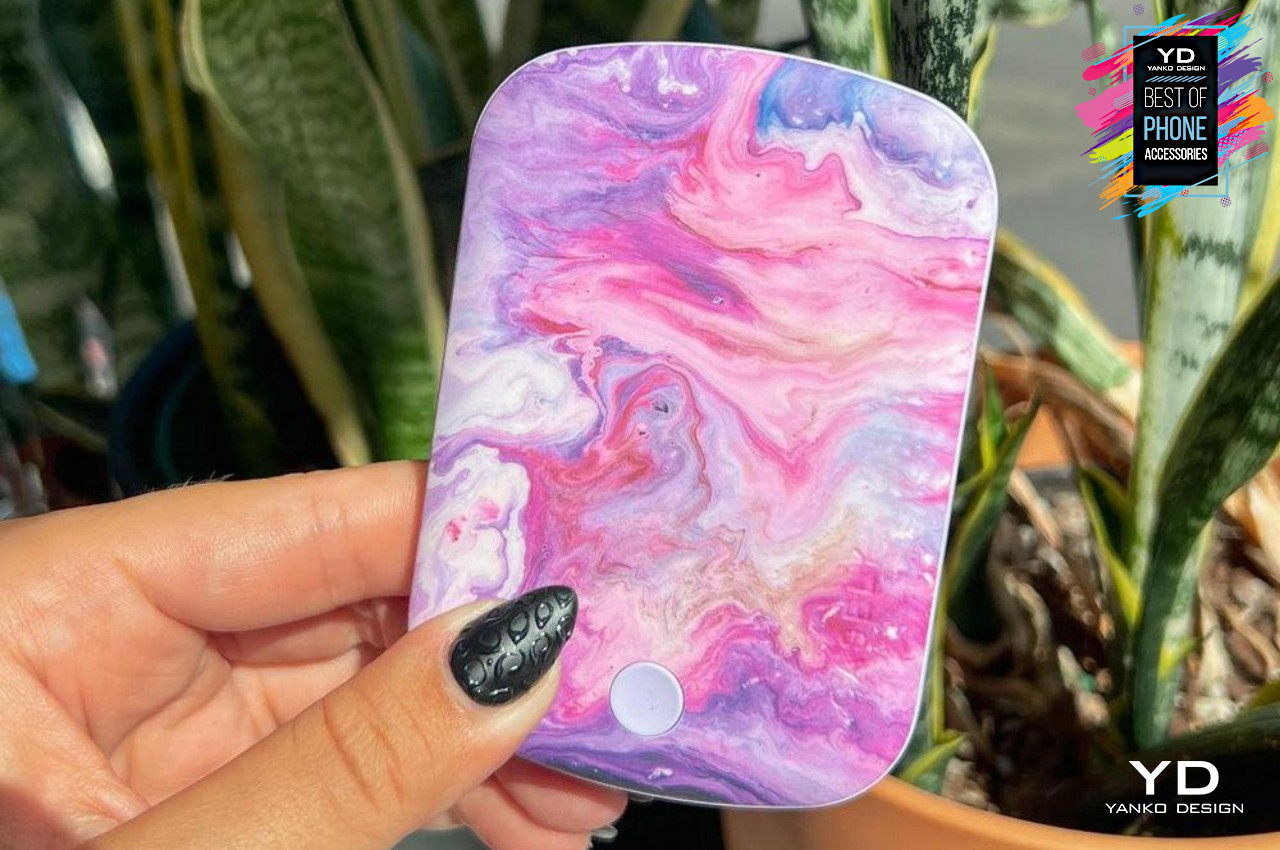
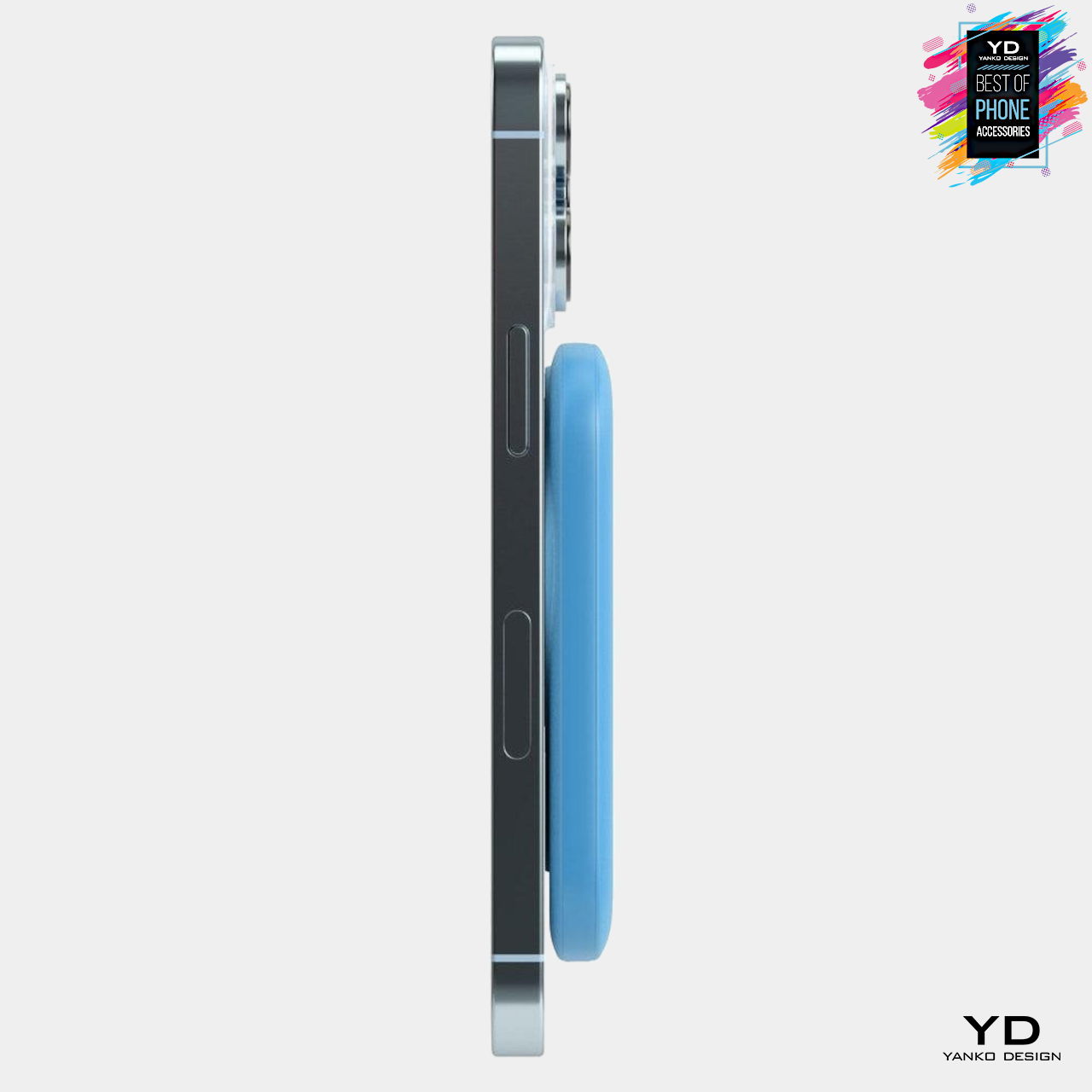
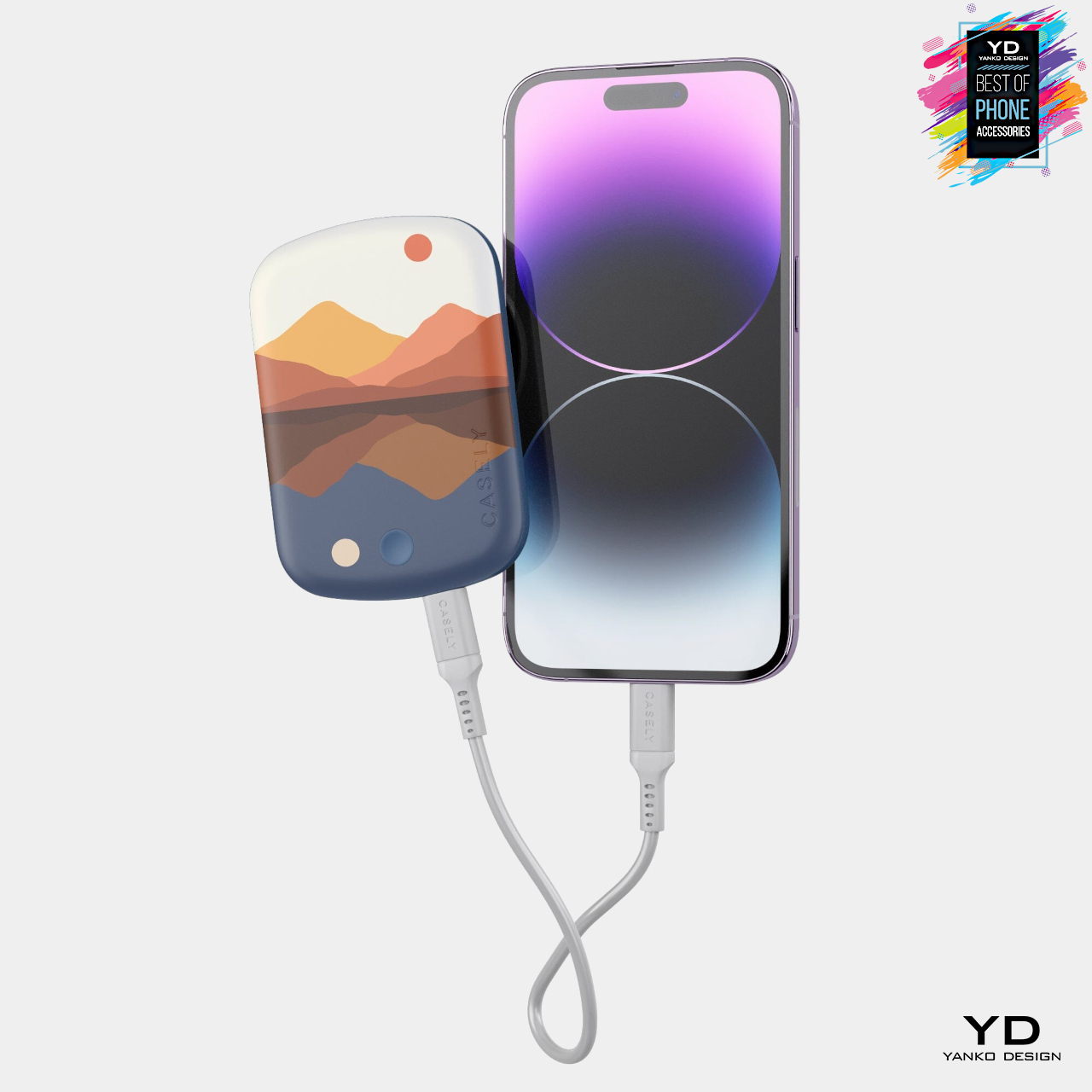
Apple’s MagSafe technology revolutionized the smartphone accessory market, especially when it came to external batteries, a.k.a. power banks. No longer literally tied down by charging cables, these extra batteries are now free to be thinner, smaller, and more expressive as they stick to the back of iPhones. Casely’s line of Power Pod MagSafe Battery Packs takes to the next level with a variety of designs, ranging from minimalist single-color blocks to artistic images, including floral paintings inspired by the great Van Gogh. Of course, these aren’t just pretty faces, as each packs a 5,000 mAh battery that’s good for another 19 hours of uptime, allowing iPhone owners to charge with confidence and in style.
Thin and lightweight for easier handling and portability
Available in a variety of colors and artistic designs
Supports both MagSafe and Qi wireless charging as well as wired USB-C
ESR Geo Wallet Stand (HaloLock)
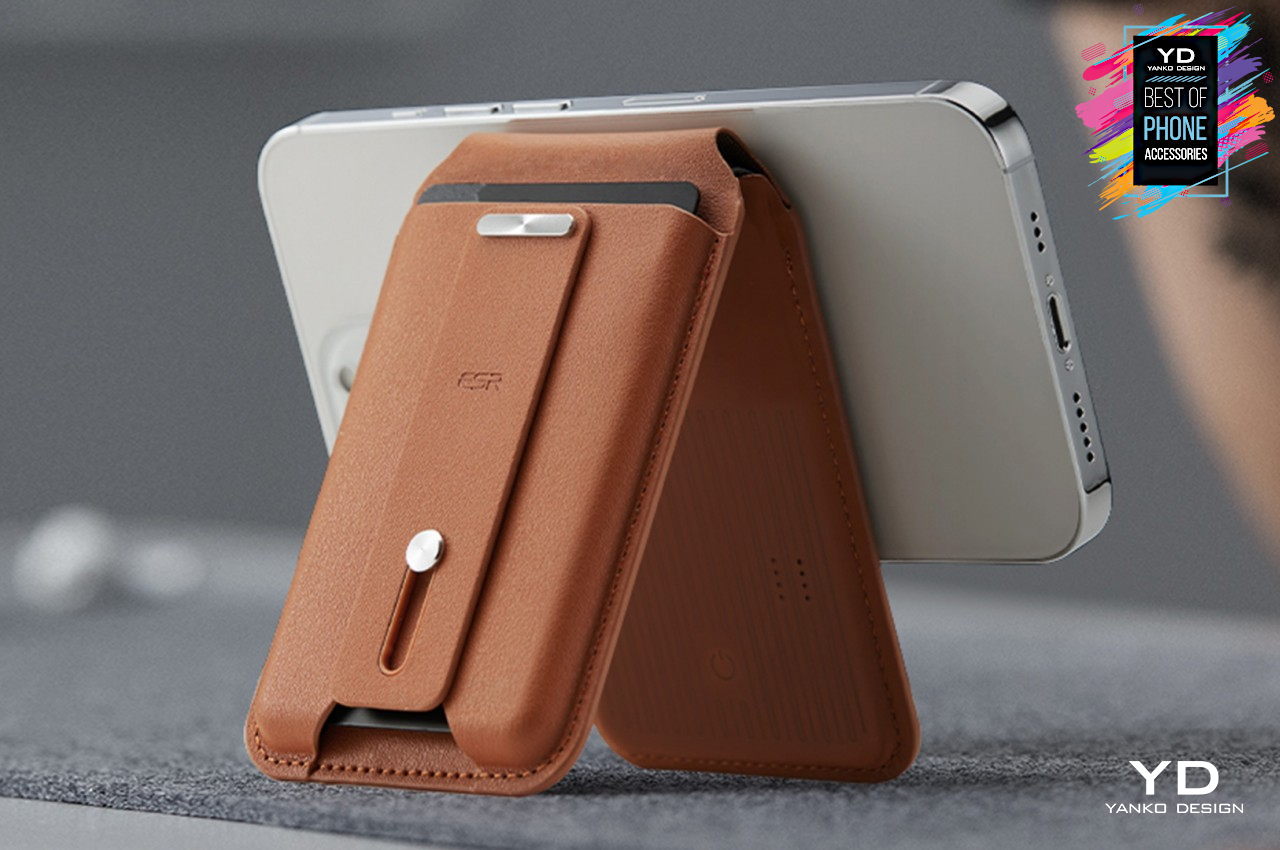
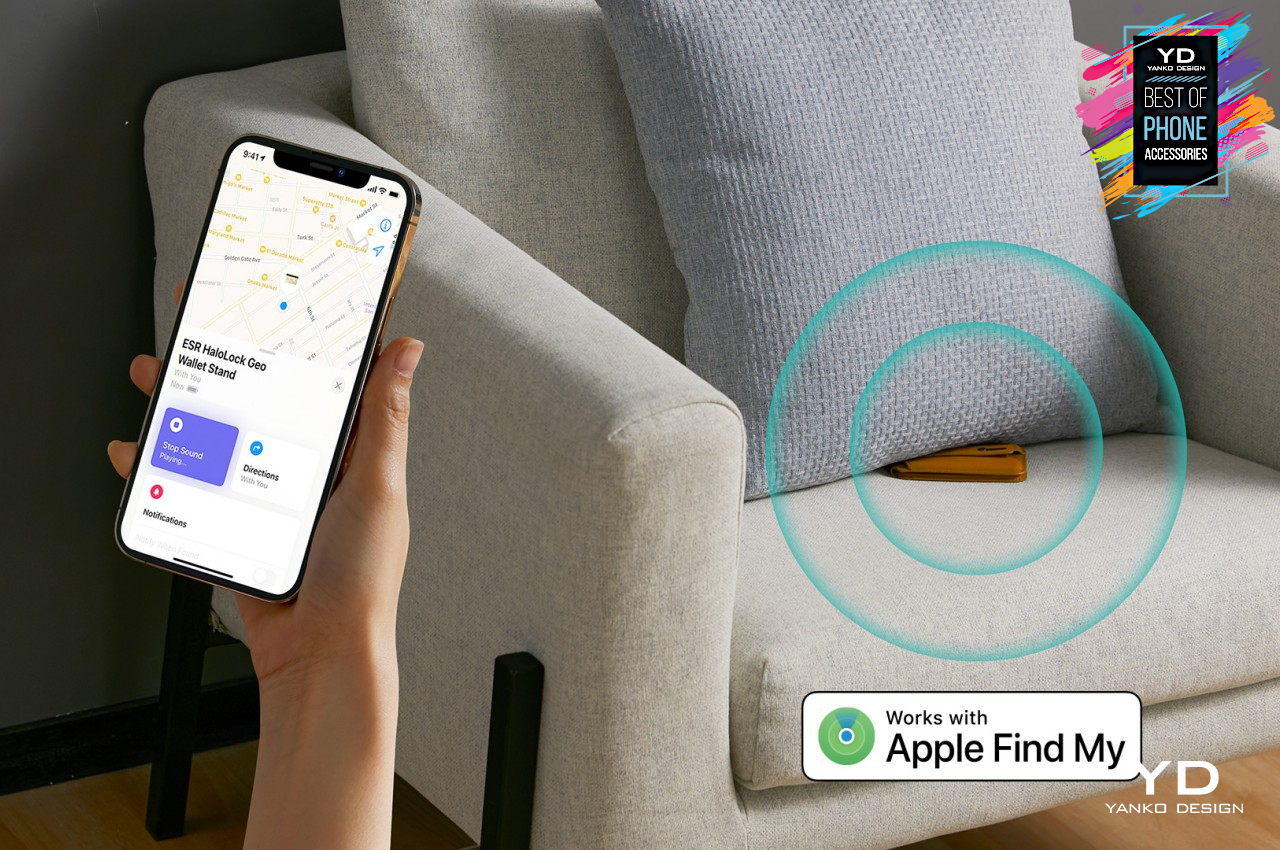
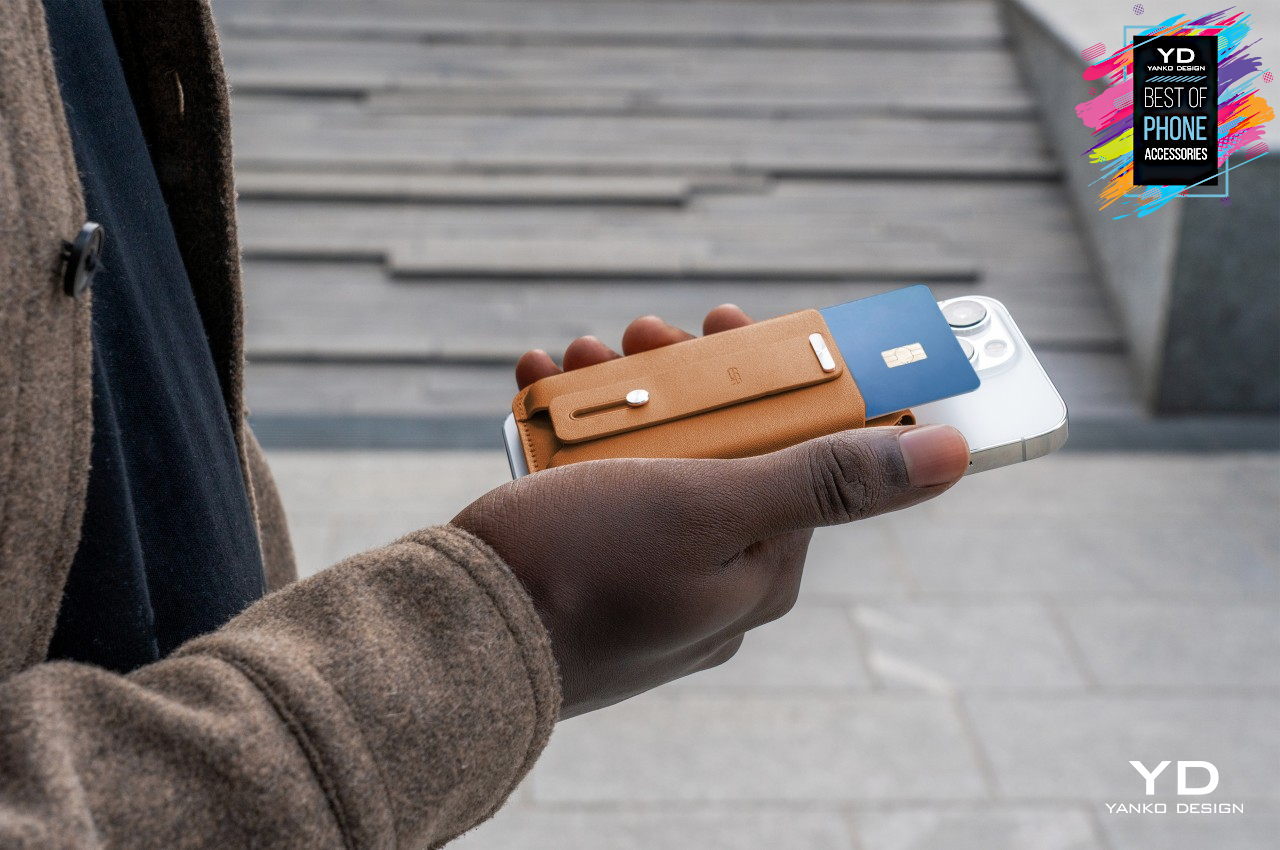
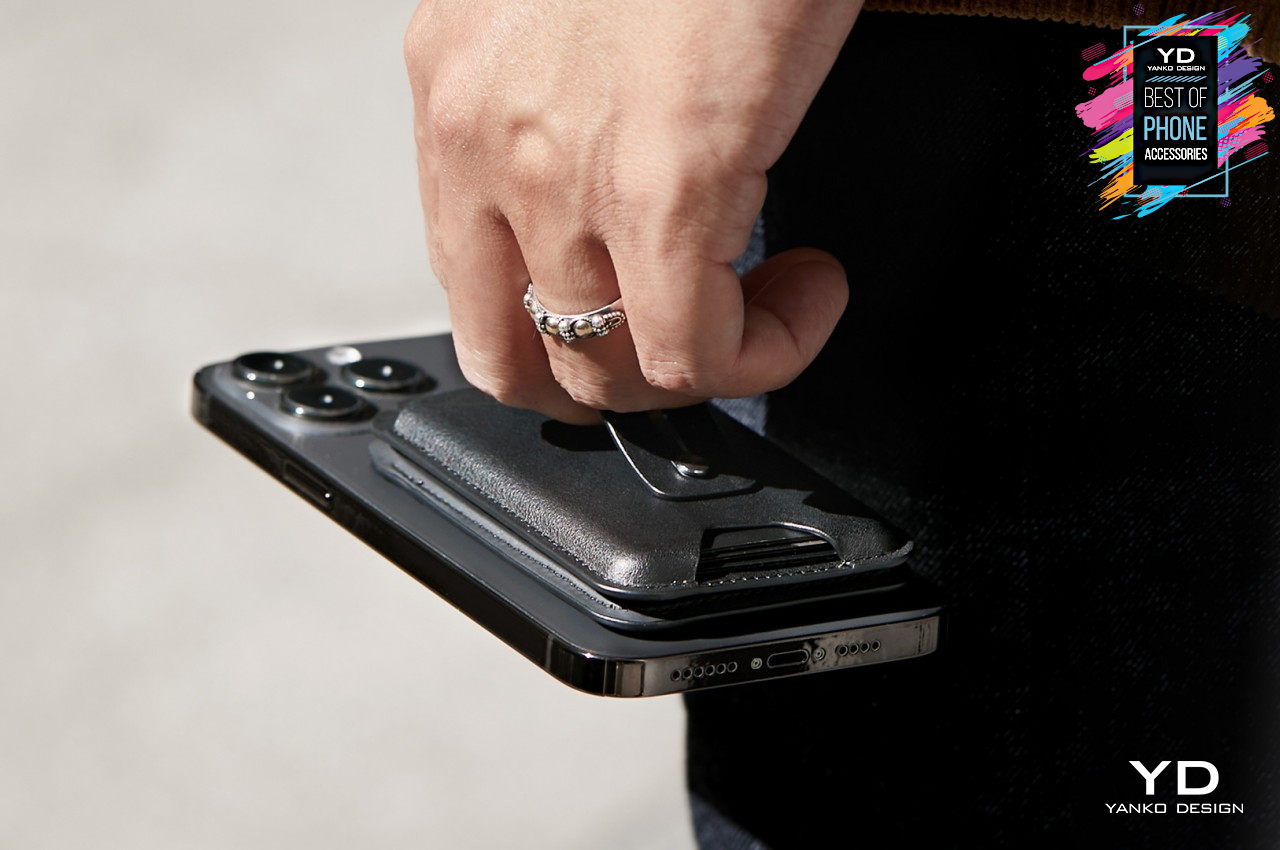
It has become common these days to keep your most used cards on your smartphone, be it through a folio case or, more recently, MagSafe accessories that stick to the phone’s back. After all, you almost always have your phone with you all the time, so you’re unlikely to forget or lose those cards unless you lose your phone, in which case Apple’s My Find network makes locating the device less nerve-wracking. But what if it’s the wallet itself that gets lost without the phone? That’s the stressful problem that the ESR Geo Wallet Stand tries to resolve with its built-in Find My module that uses that same Apple technology to make locating the wallet a breeze. Even better, the handsome MagSafe wallet has a finger loop and a stand, keeping the phone secure in your hand or on a table all the time.
Built-in My Find module to locate it even if not attached to a phone
Multi-functional finger loop and stand for flexibility and convenience
Magnetic holding force of 1,500g that’s twice as strong as official Apple wallets
Nomad Goods 65W Slim Power Adapter
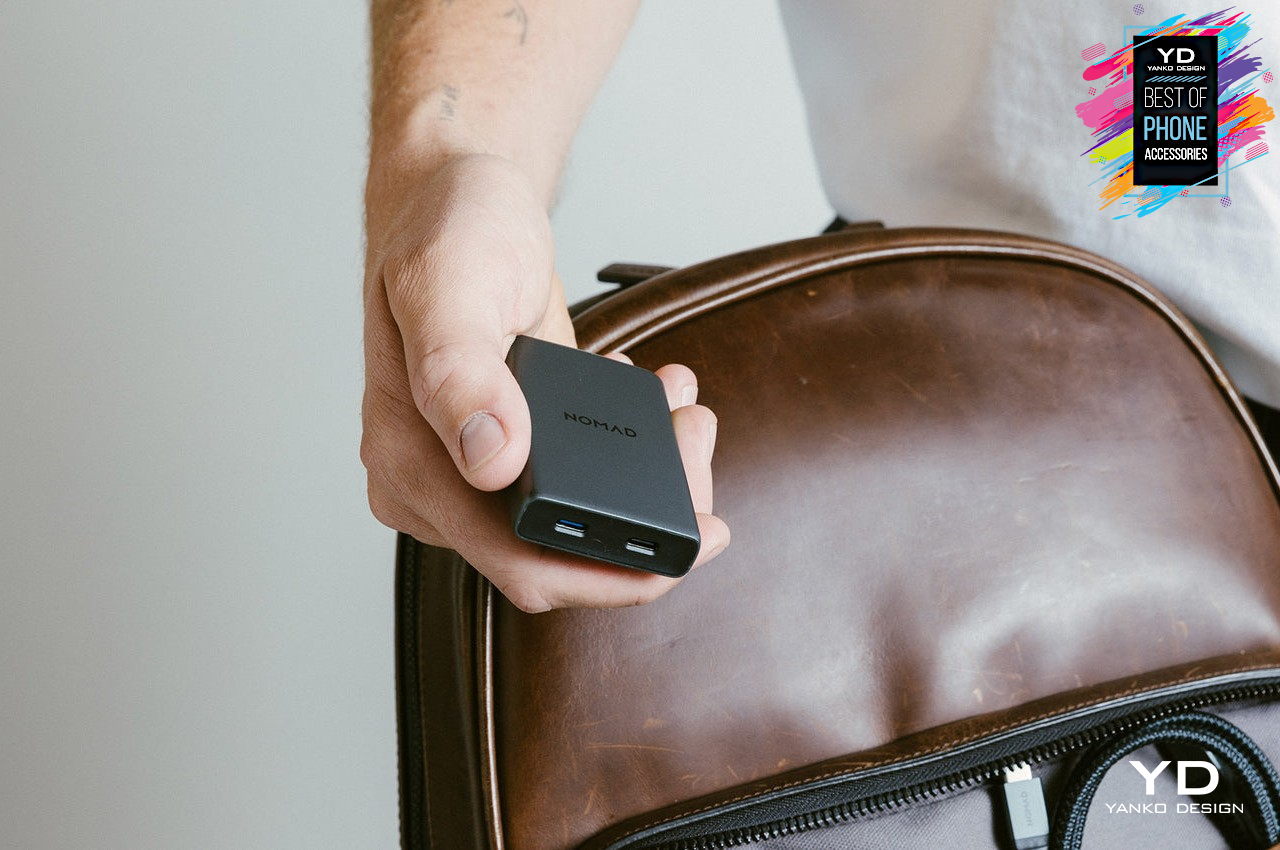
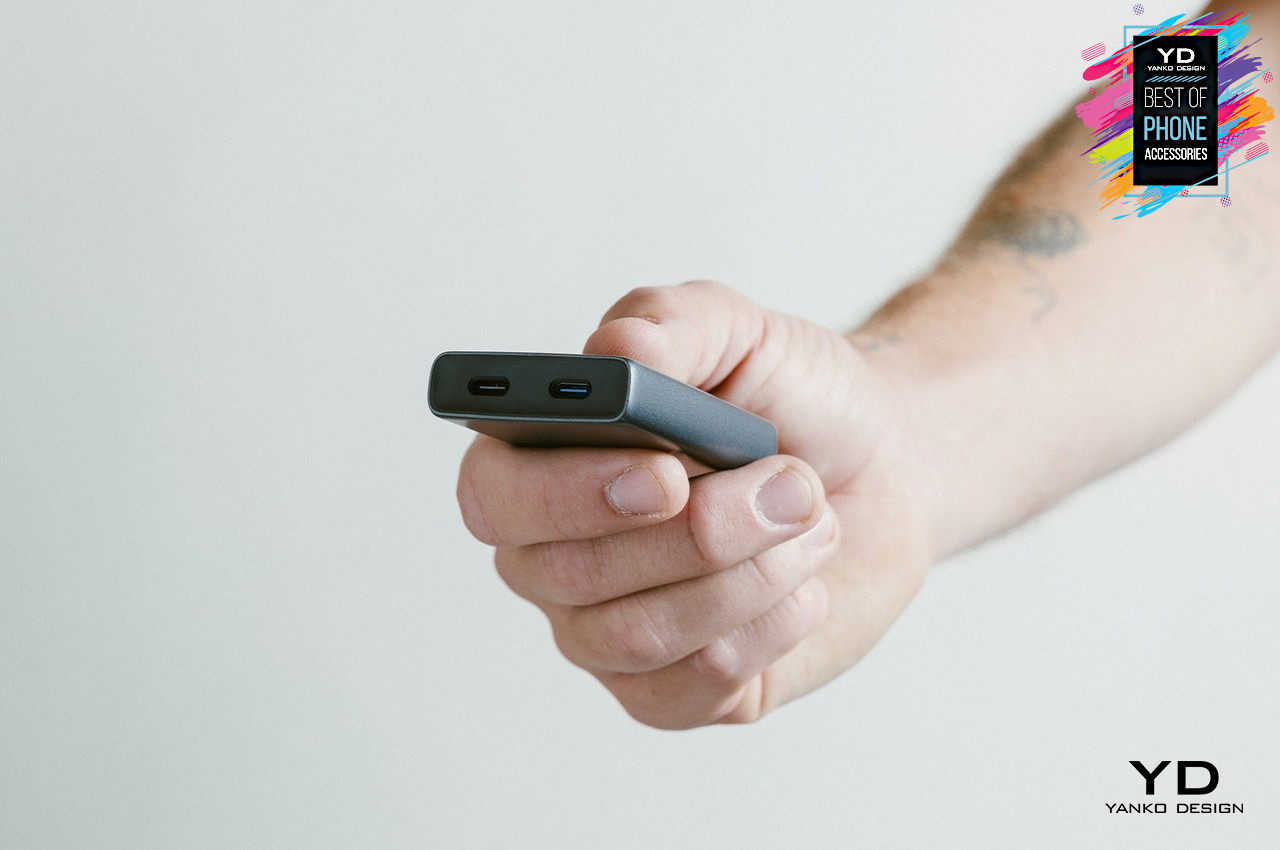
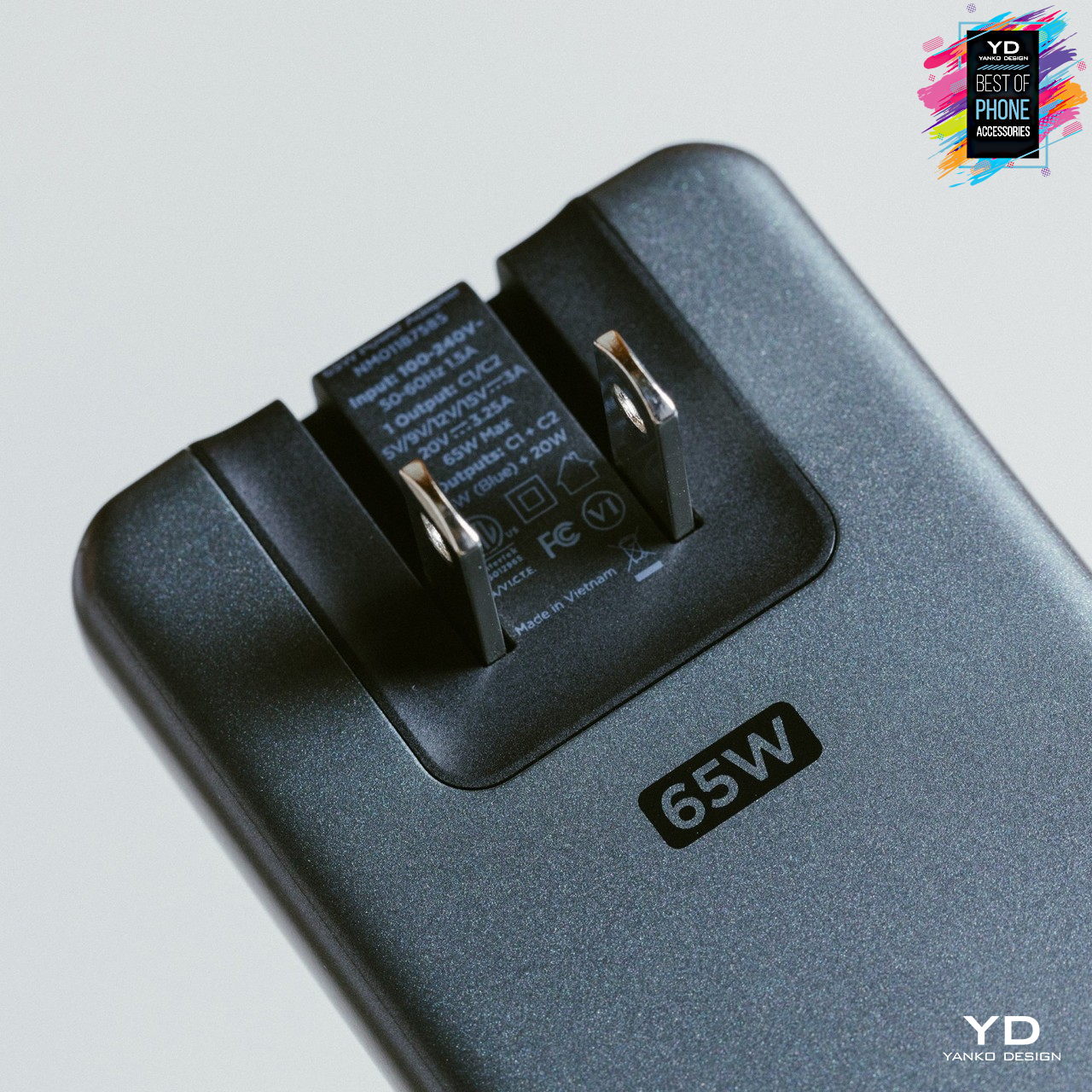
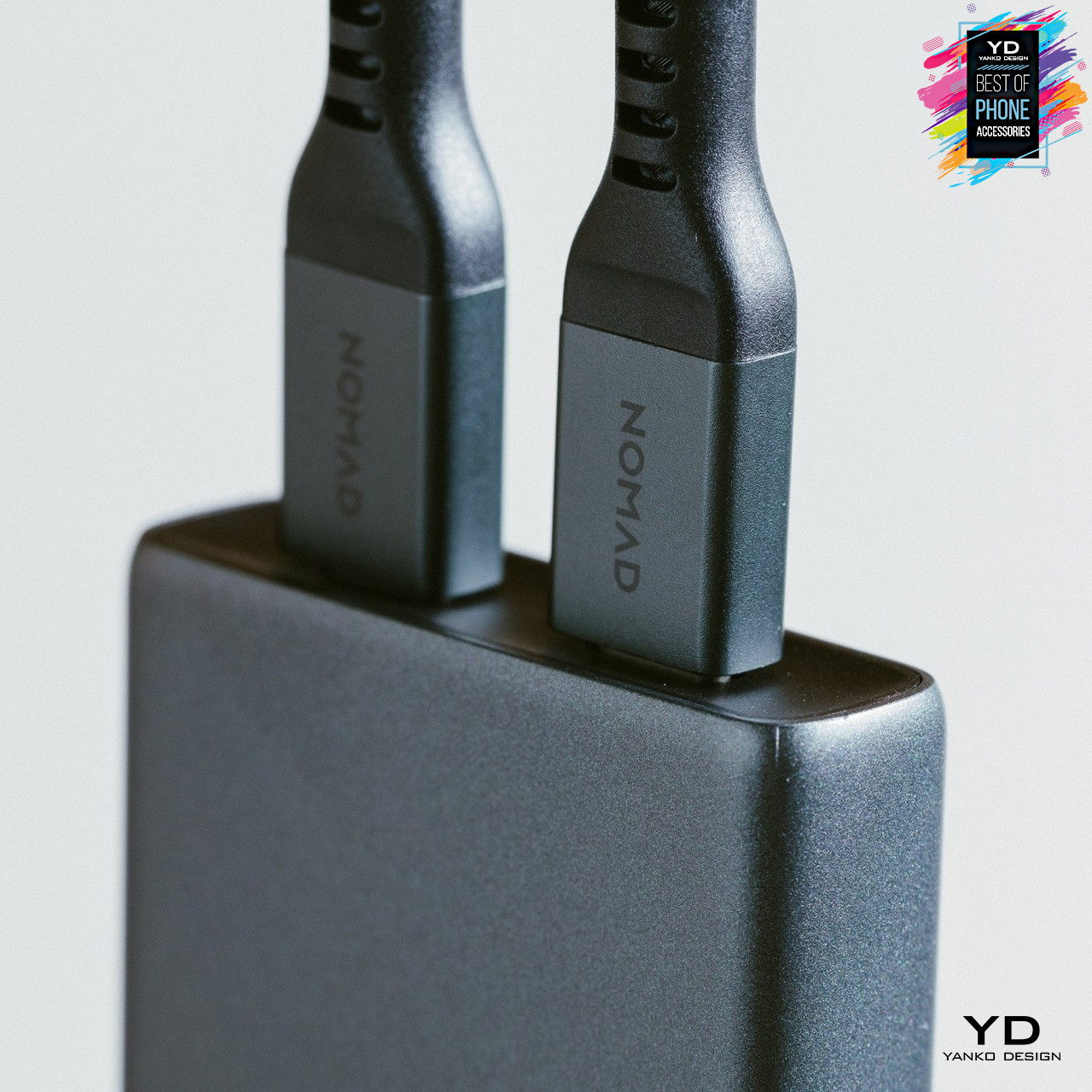
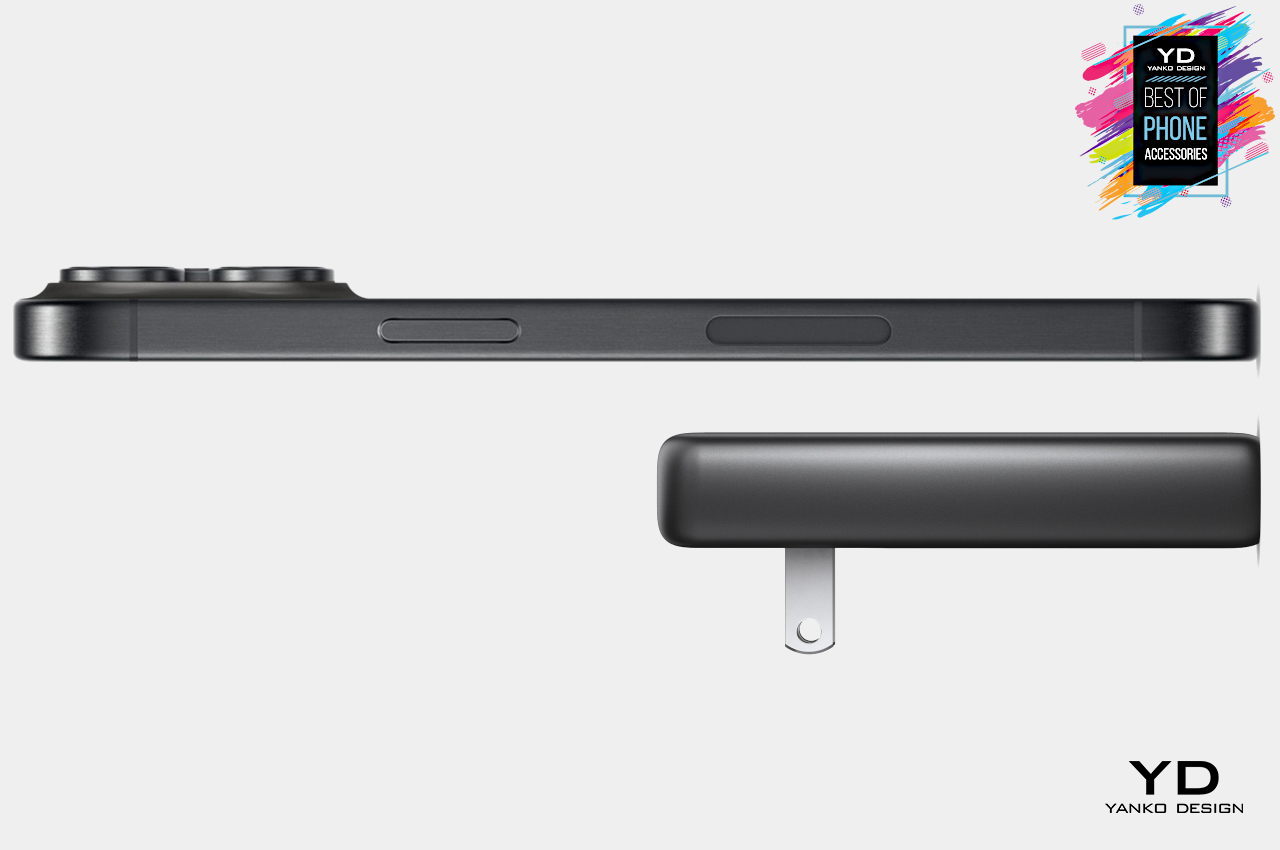
Battery packs and power banks are great for charging on the go, but you might easily hit their limitations unless you carry large and heavy bricks all the time. The faster charging method is still a dedicated charger, though you might find yourself scrambling and fumbling around in your bag to pull out the right one. Nomad Goods’ 65W Slim Power Adapter solves that problem by being the only charger you need, even if you have a MacBook. Its slim profile and small footprint make it easy to quickly drop the charger in your bag or even in your pocket, ready to get you charging the moment you reach a power outlet. It can even charge an M1 MacBook at 45W and an iPhone at 20W at the same time from the same brick, potentially winning you friends by not using up all the available outlets.
GaN technology offers faster, safer, and more efficient charging in a smaller size
Space-efficient compact design with foldable prongs
Can charge a single device at 65W or two devices simultaneously at 45W and 20W
Peak Design Mobile Tripod
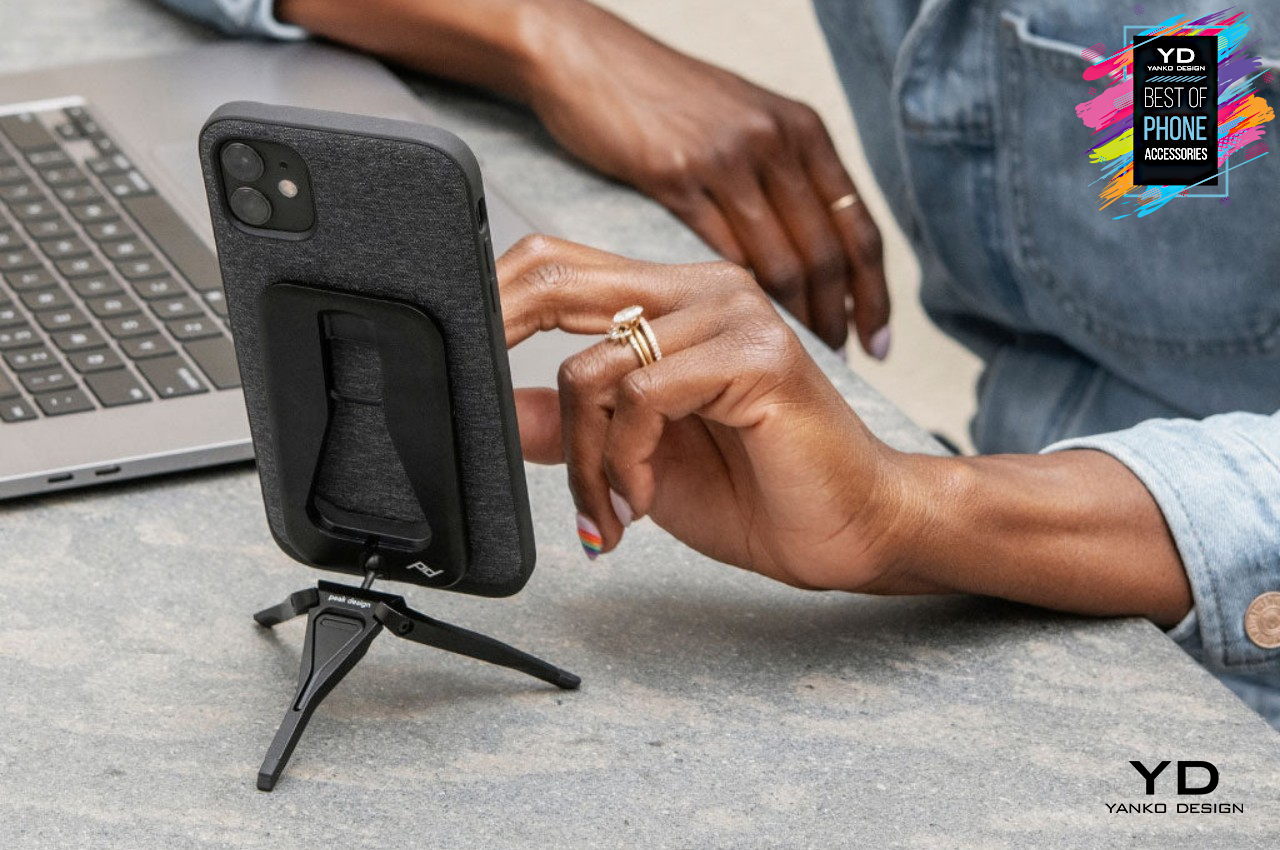
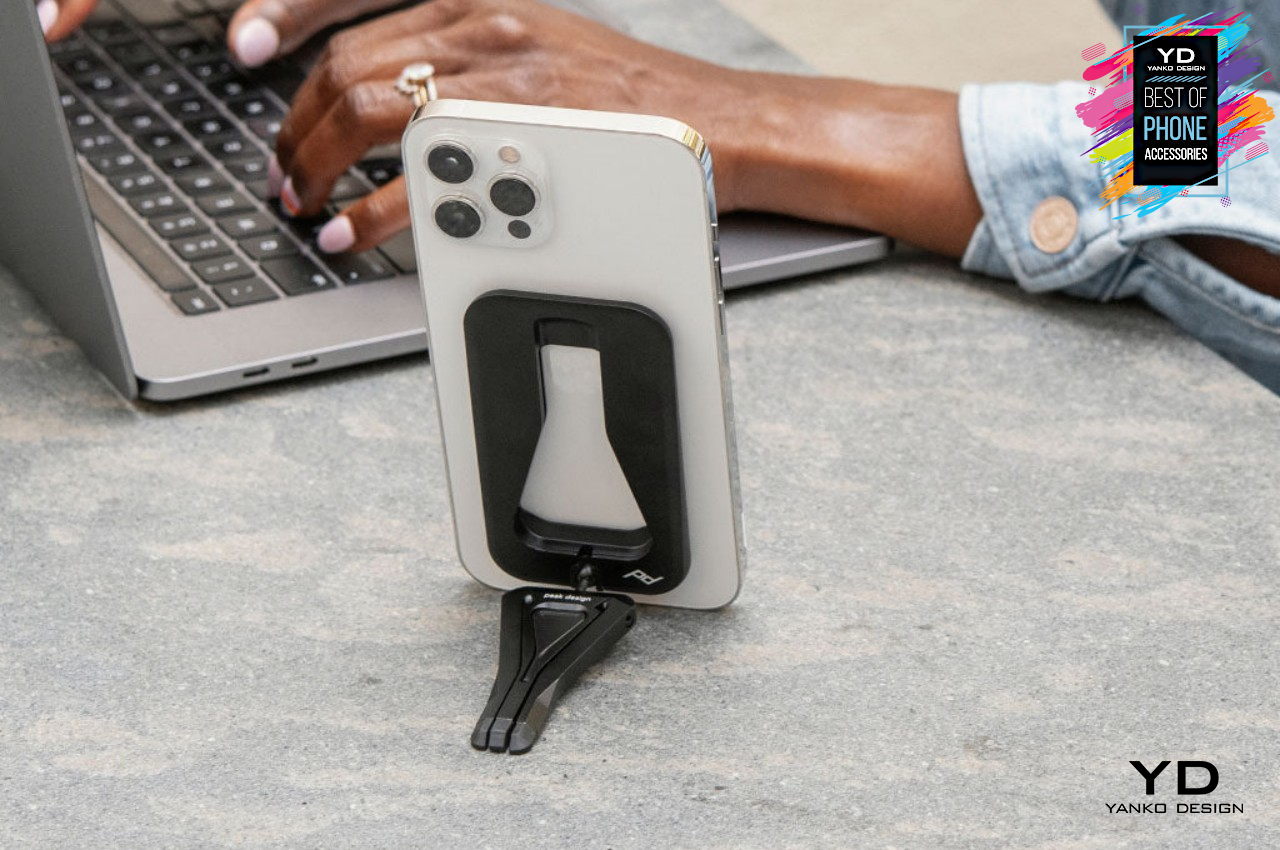
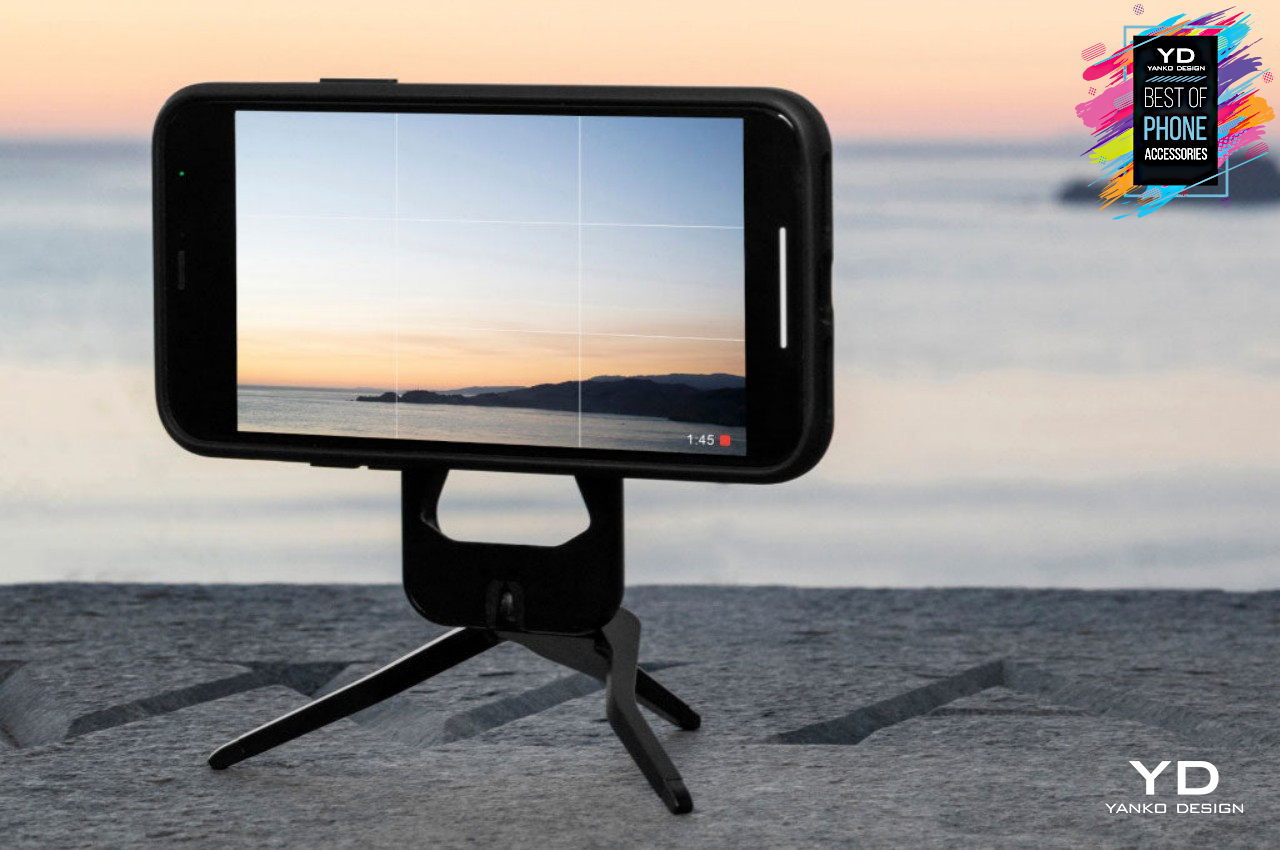
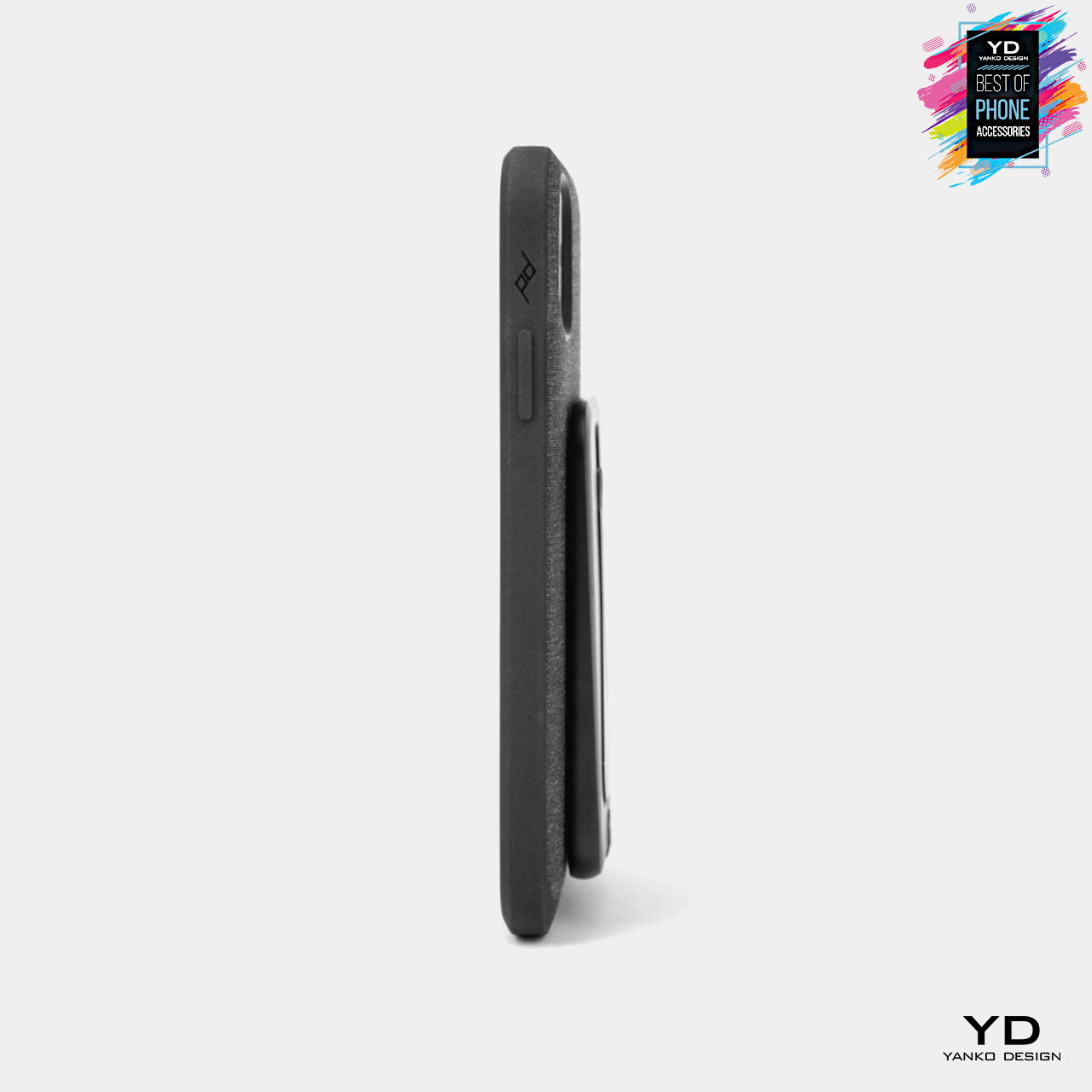
There’s no shortage of ways available today for propping up a phone, whether it’s for watching videos or making video calls, but most of them either lock you to a single angle or a single height. The Peak Design Mobile Tripod, however, offers unprecedented flexibility in how you want to make your iPhone stand, whether using it as a kickstand or setting it up on an adjustable tripod. Best of all, this mobile tripod is so slim and its magnets are so strong that you can simply snap it onto the back of your phone and take it anywhere with you, ready for your next creative endeavor.
Works as a kickstand or tripod, with a ball tension system for adjusting the angle
Ultra-slim 0.5cm profile with an ultra-premium machined and anodized aluminum body
Works with MagSafe phones or any phone with a Peak Design case or Universal Adapter
Pitaka Sunset & Moonrise MagEZ Case 5 For iPhone 15 Series
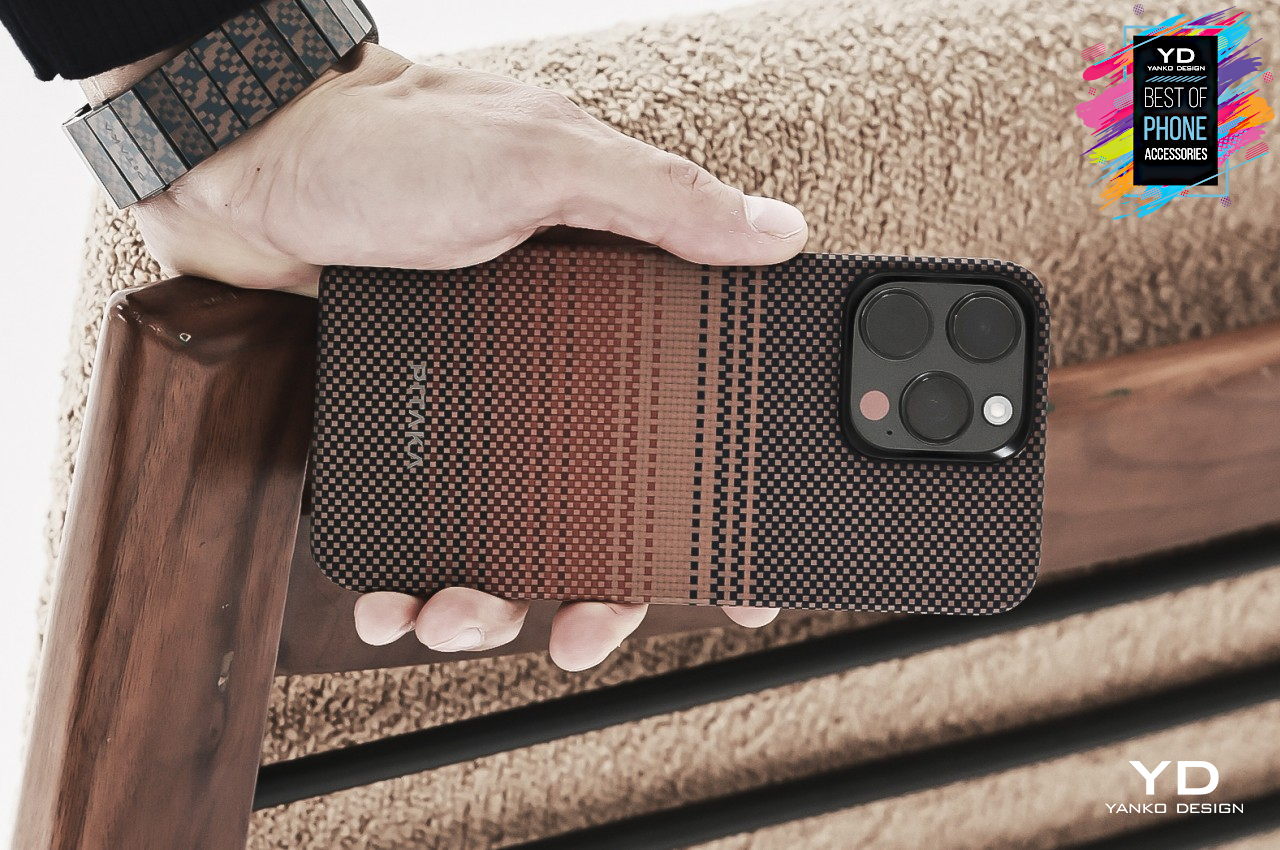
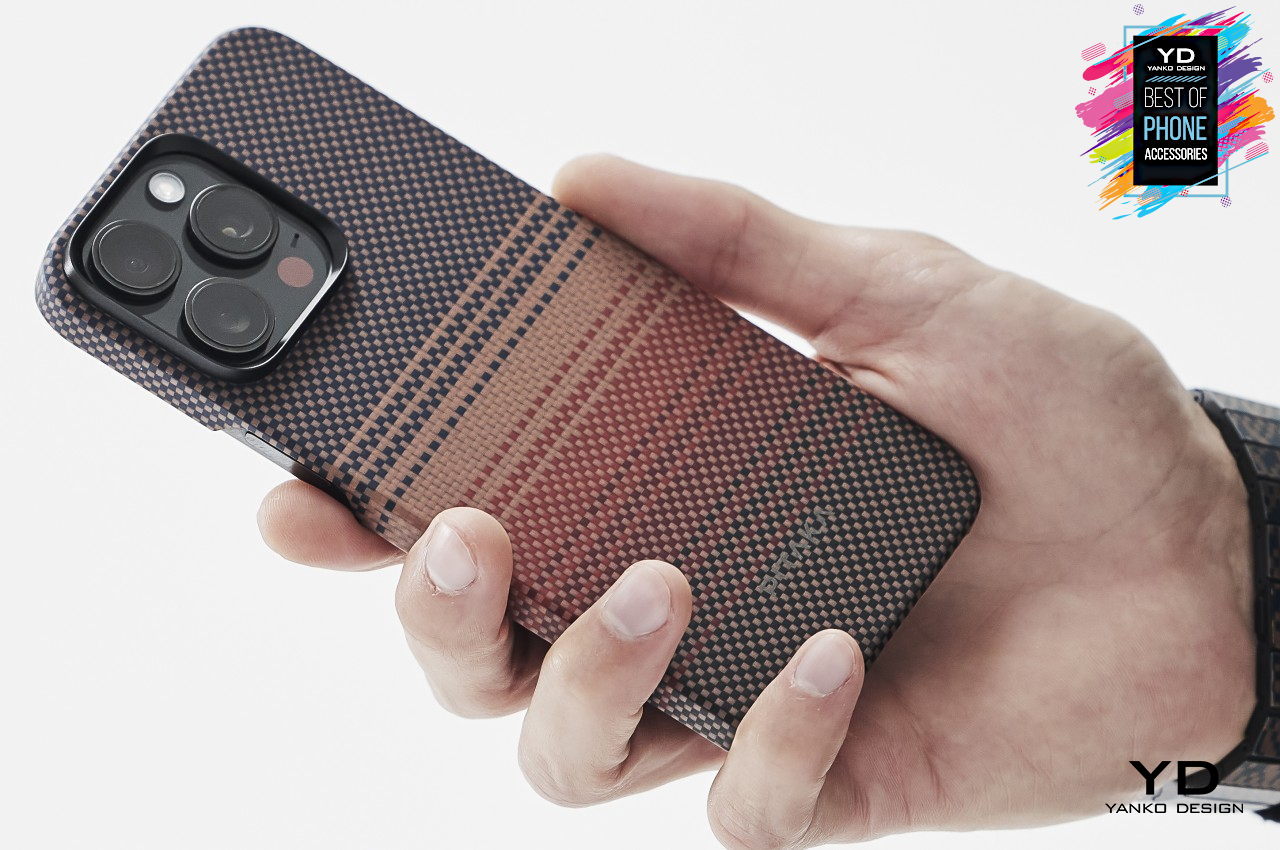
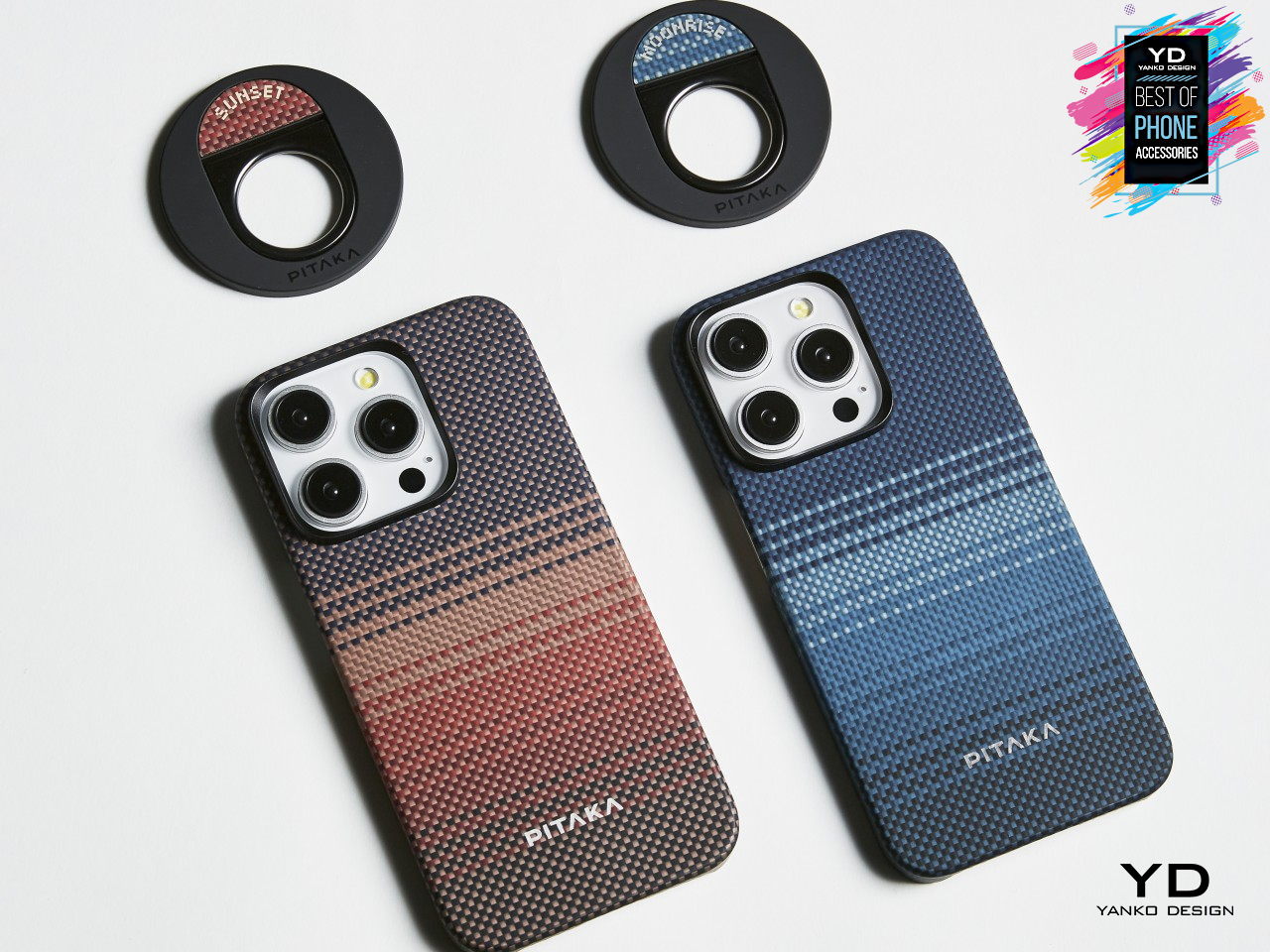
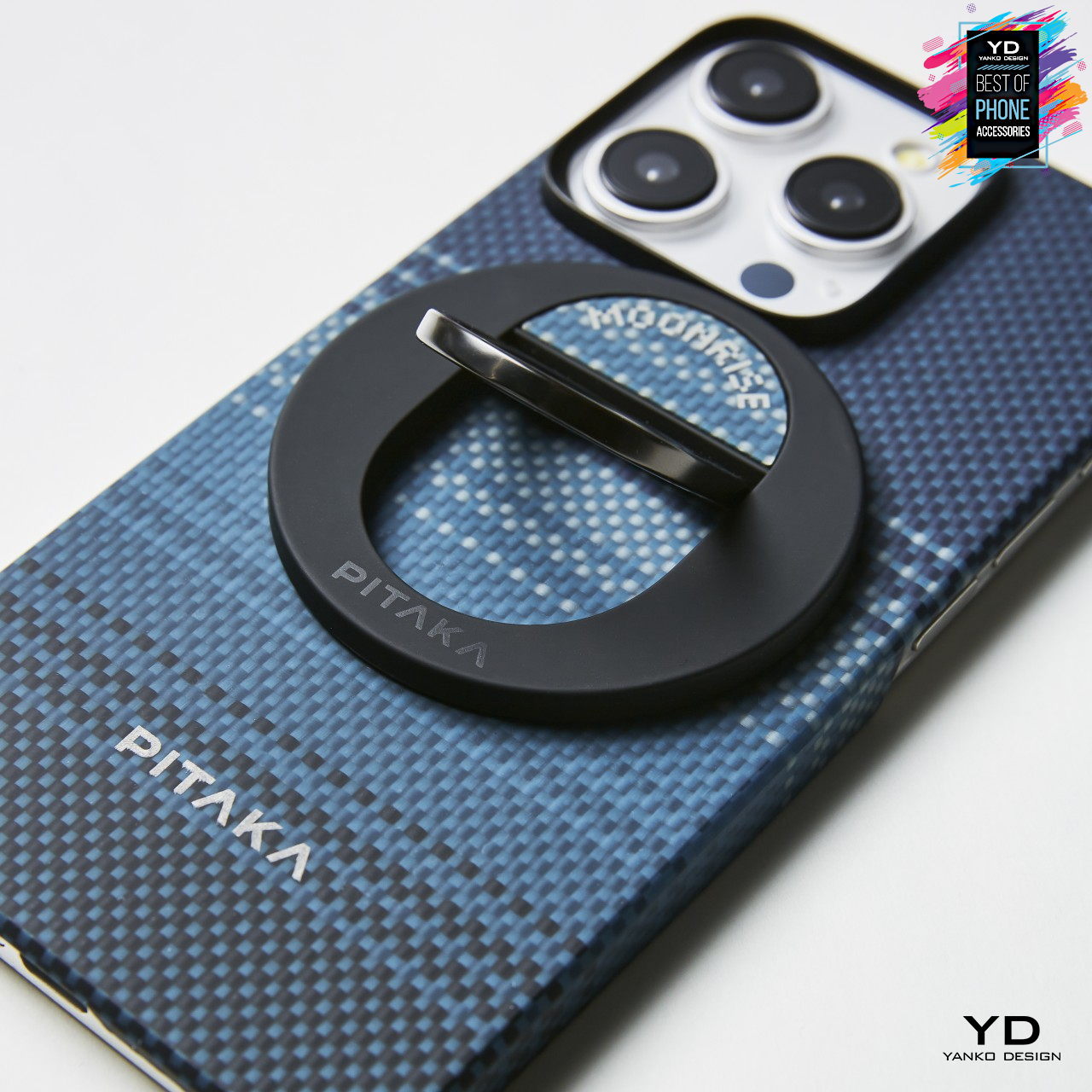
Smartphone cases not only offer added protection, they also allow for personalization and self-expression through a variety of designs. Unfortunately, those advantages come at the price of added bulk to the phone, but Pitaka is proving that it doesn’t have to be the case, no pun intended. Claiming the title of the market’s lightest and thinnest iPhone 15 MagSafe case, the Sunset and Moonrise MagEZ Case 5 adds a distinctive visual and tactile character to the phone thanks to its aramid fiber weaving. Its new Amber Magnet Film glue-free coating allows the case to be extra thin while still providing the conveniences of MagSafe charging and accessories.
Distinctive woven design captures the colors of sunset and moonrise
Incredibly thin and light MagEZ Case 5 construction
MagSafe compatible with the need for additional accessories
ShiftCam Workflow Sling Bag
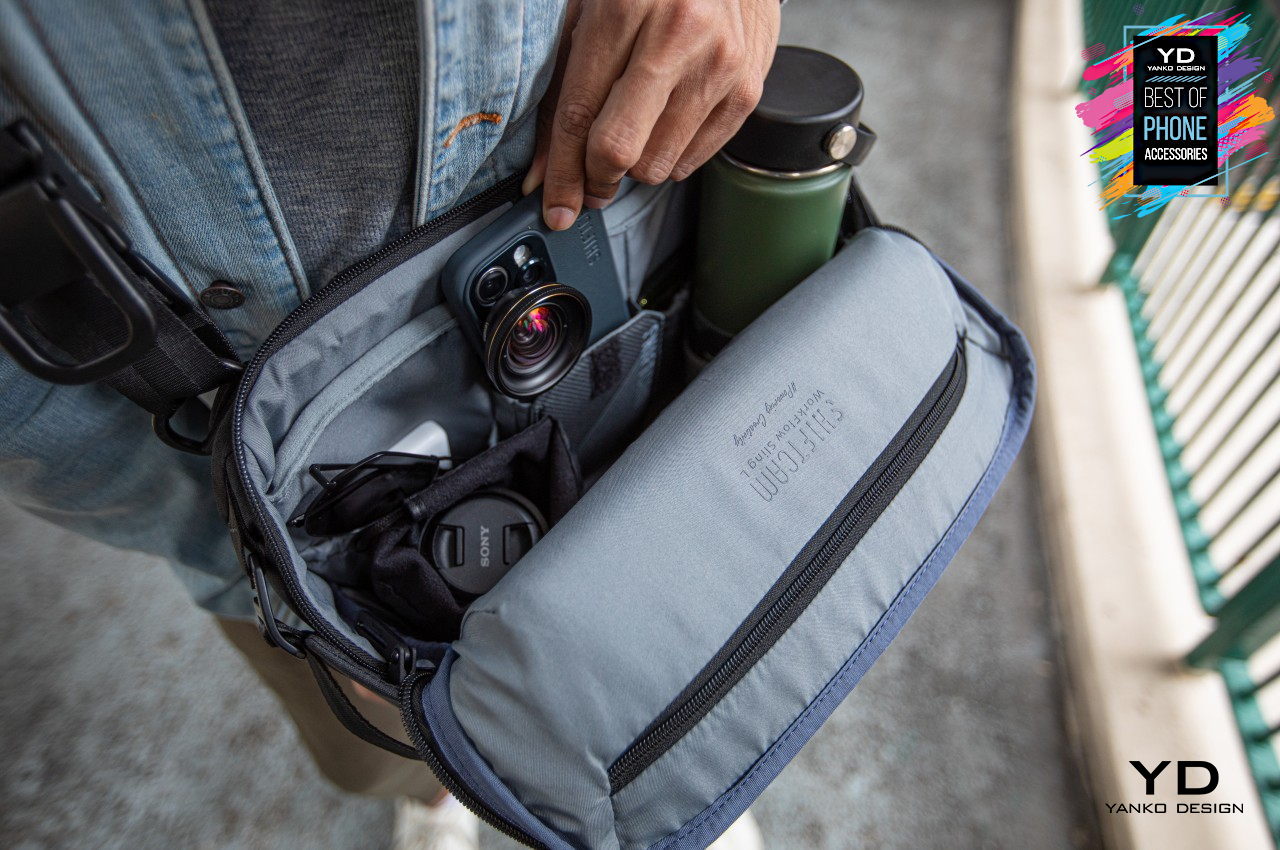
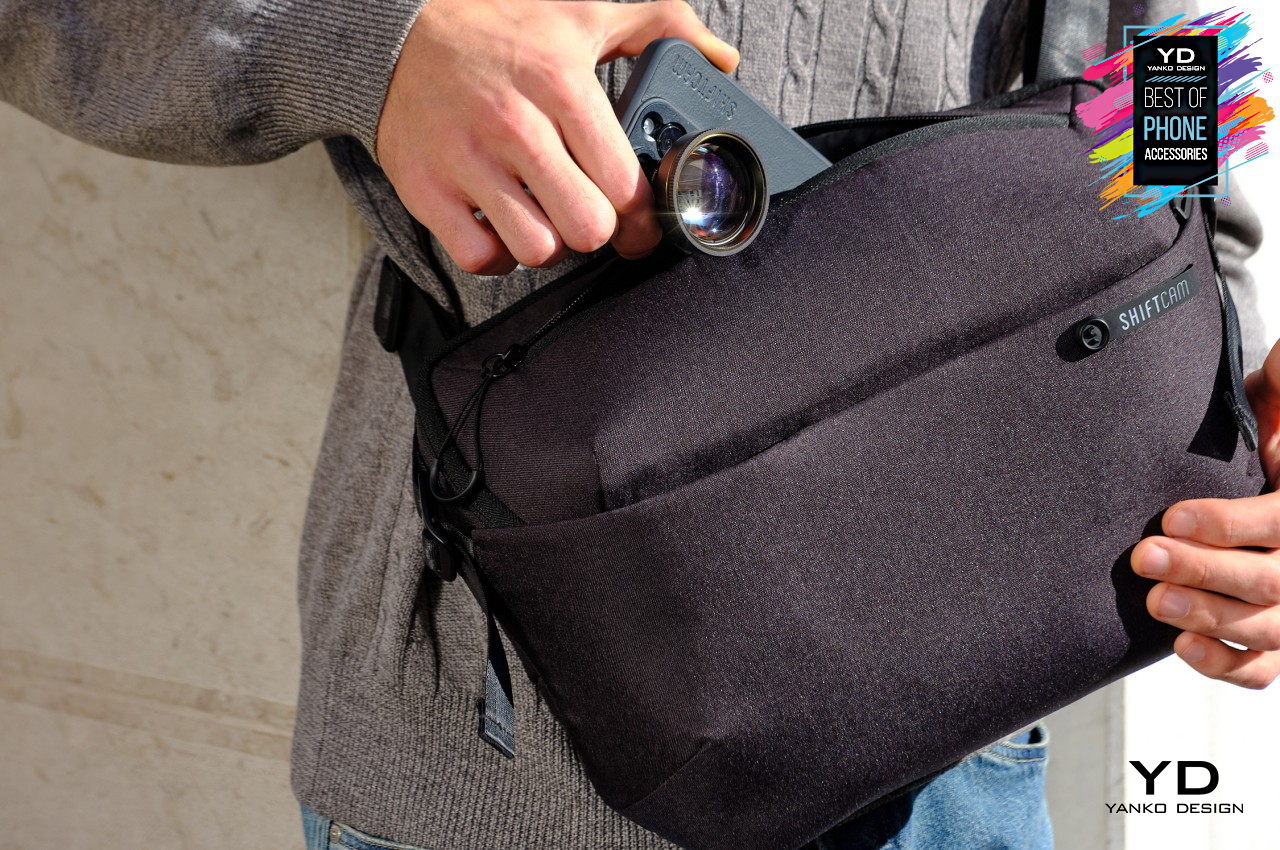
Mobile photography has become a rather serious industry of its own, with a plethora of accessories like lenses and tripods to assist hobbyists and pros alike. Unlike other types of photography, however, smartphone users seem to be lacking a bag dedicated to their craft. The ShiftCam Workflow Sling finally brings that missing piece to the puzzle, offering a product that was specifically designed to cater to mobile shutterbugs, with features like dedicated spaces for lenses and MagSafe phone mounts on the strap and on the bag itself. Of course, its simple yet sleek design, not to mention its premium materials, make it a great sling bag for any purpose and occasion as well.
Specifically designed to support mobile photographers’ workflows
Built-in MagSafe mounts provide hands-free video recording options
Made with premium and durable materials to support mobile lifestyles
Spigen iPhone 15 Slim Armor CS Case
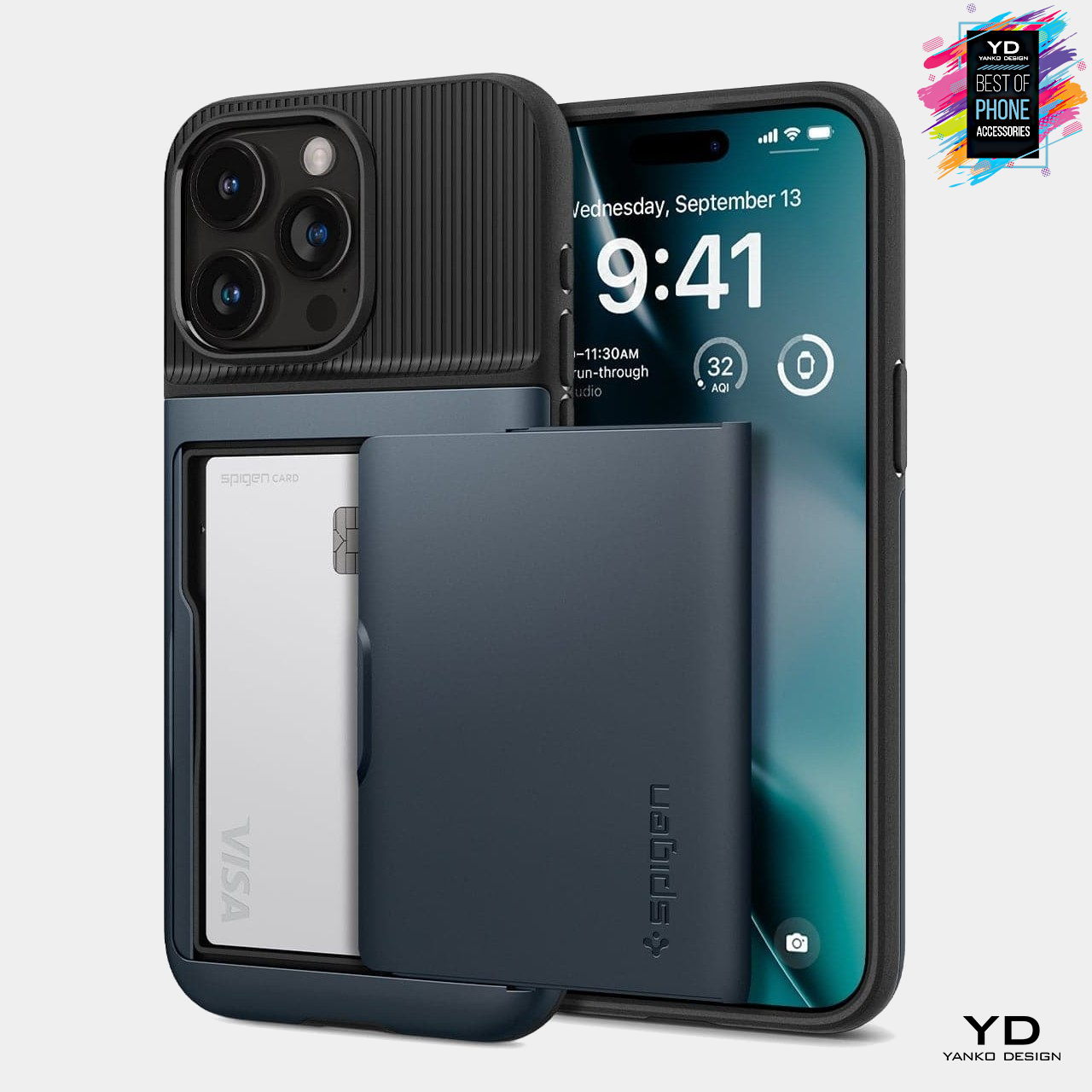
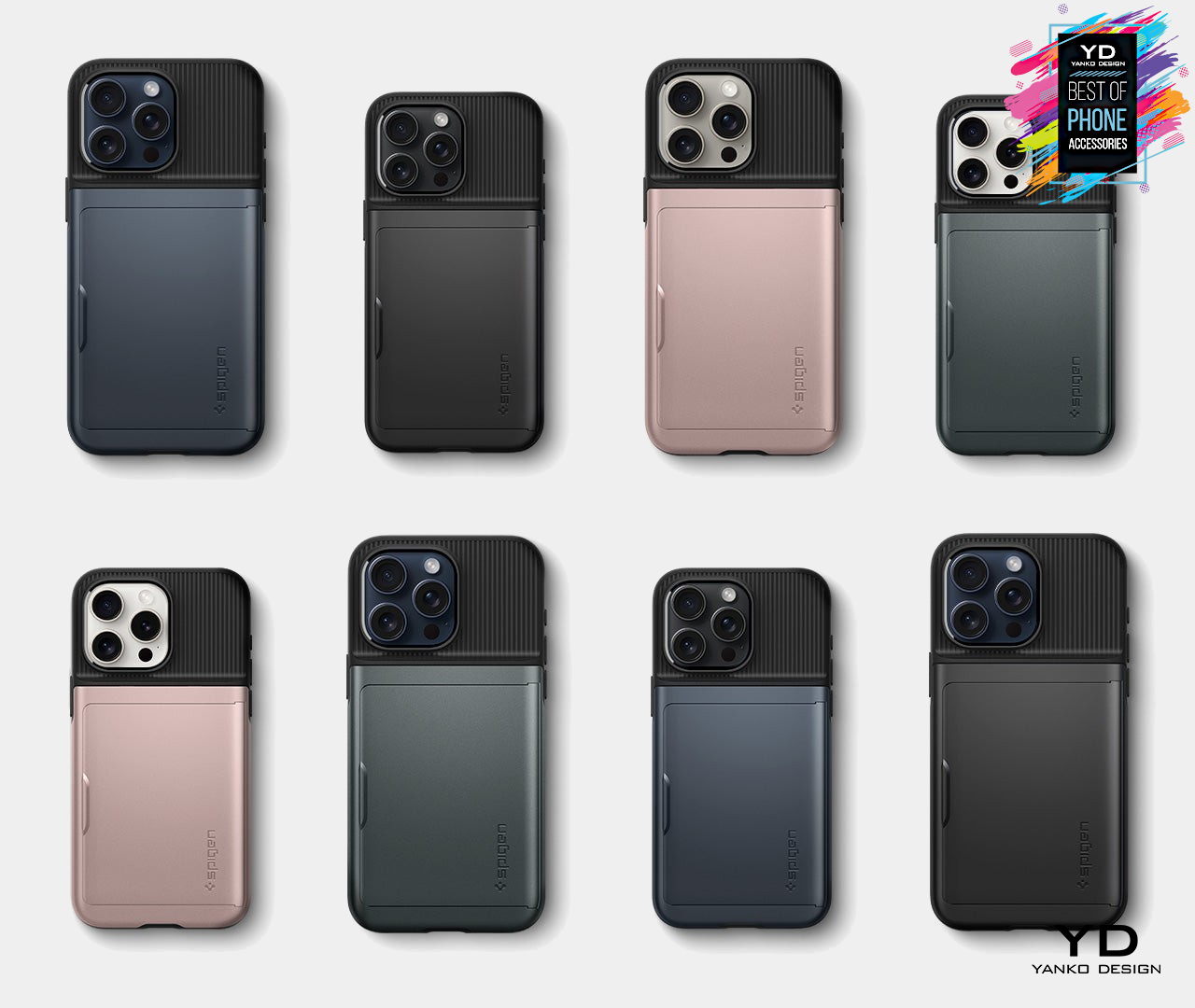
Smartphone cases that let you carry two or three of your most important cards are nothing new, but most of the designs available today place these cards in a very conspicuous hump, sometimes even exposed for everyone to see. Having honed their skills at crafting a variety of case designs for different purposes, Spigen came out with an interesting alternative that hides those cards from view. Almost like revealing treasure behind a sliding secret door, the Spigen Slim Armor CS case for the iPhone 15 manages to hold your most frequently used cards in a hidden pocket without making the case thicker than it should be.
Sliding mechanism cleverly hides two cards until they need to be used
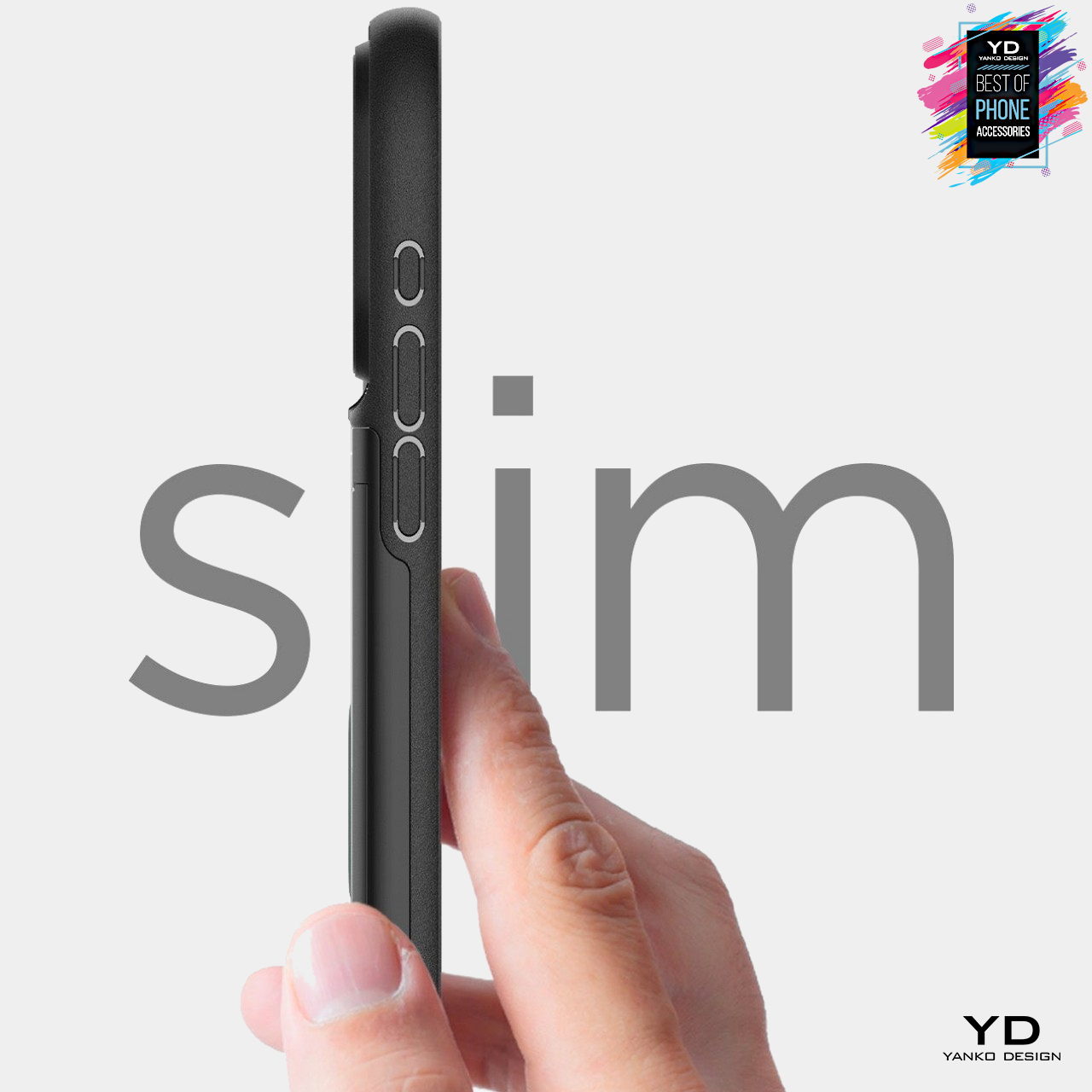
Slim profile with essential protection against scratches and drops
Simple, elegant two-tone design
TORRAS Ostand R iPhone Case with Rotating Ring Stand
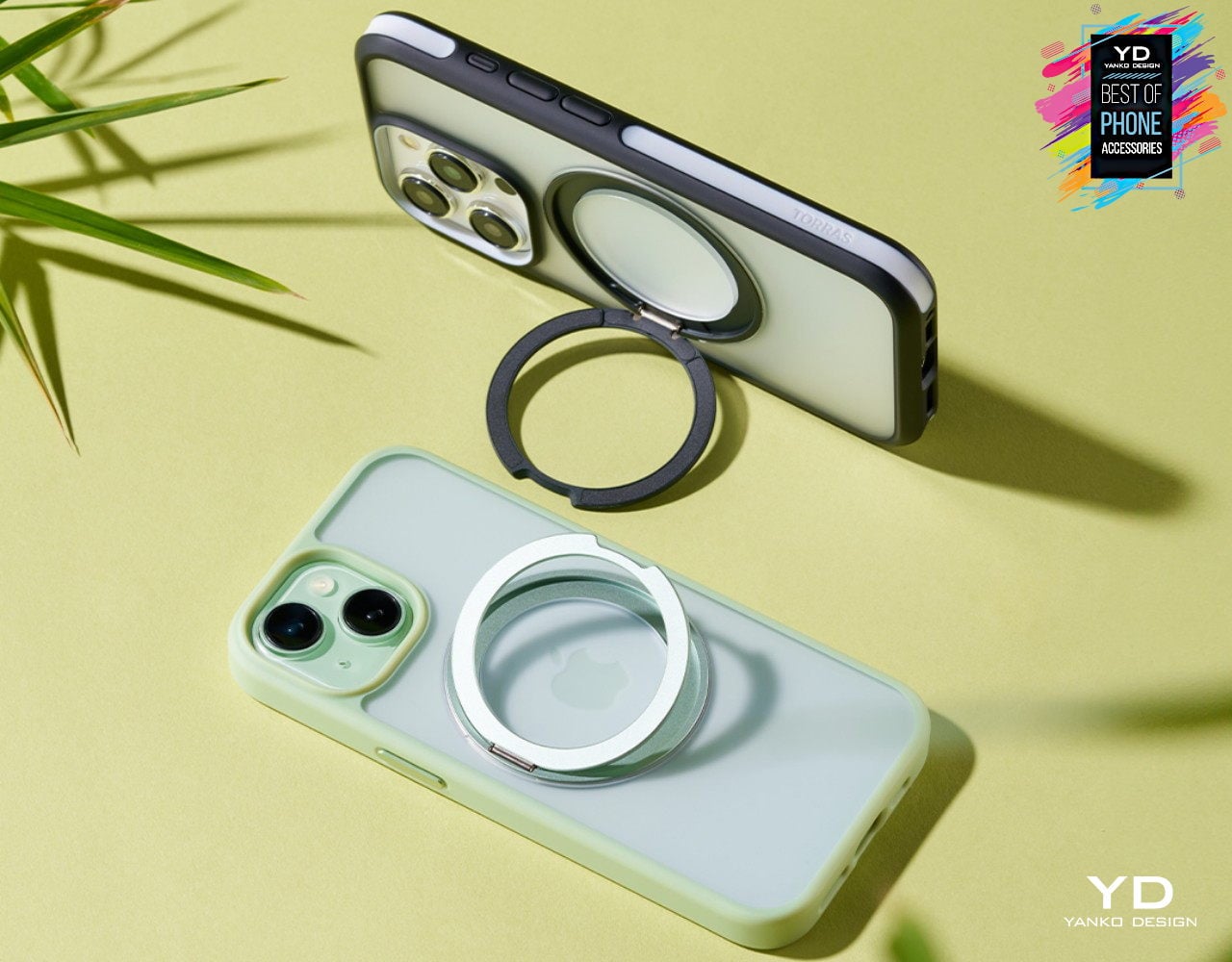
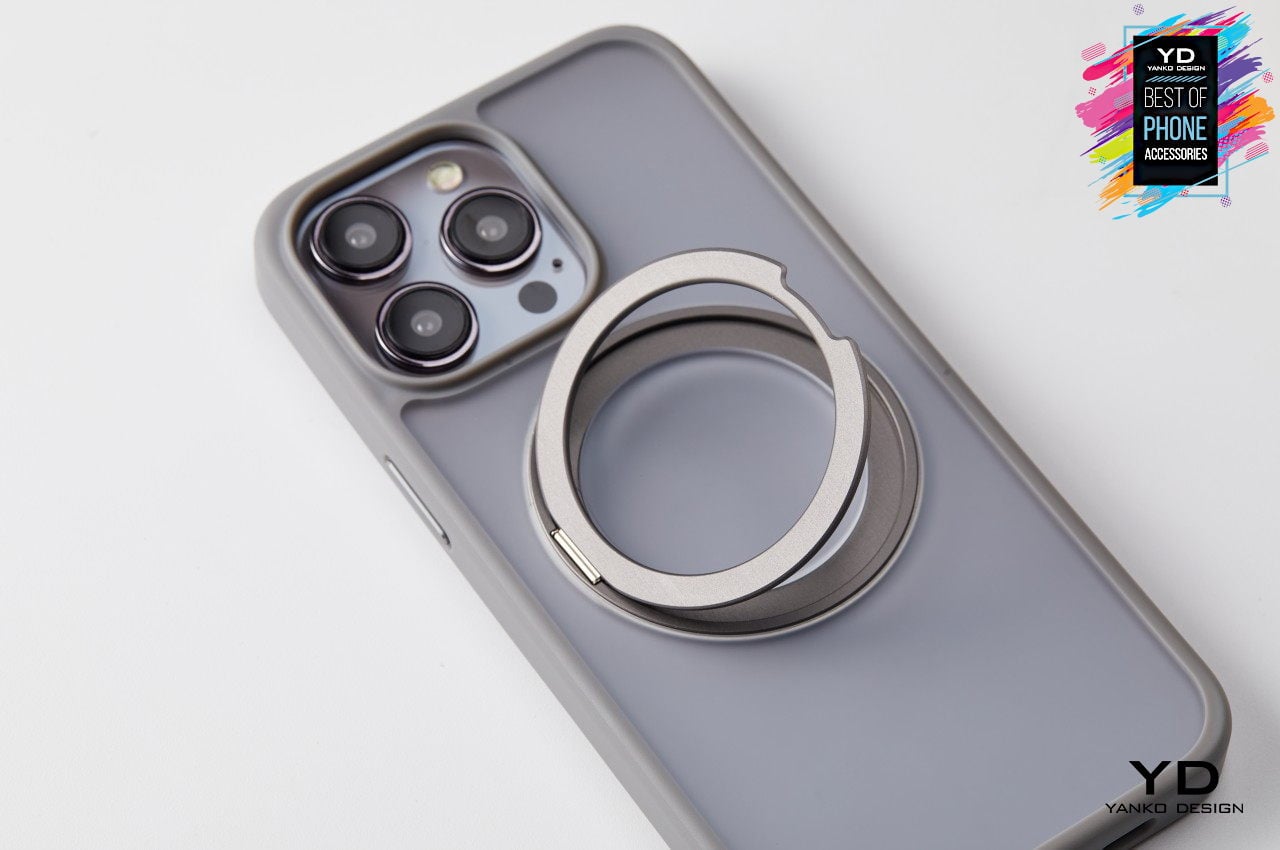
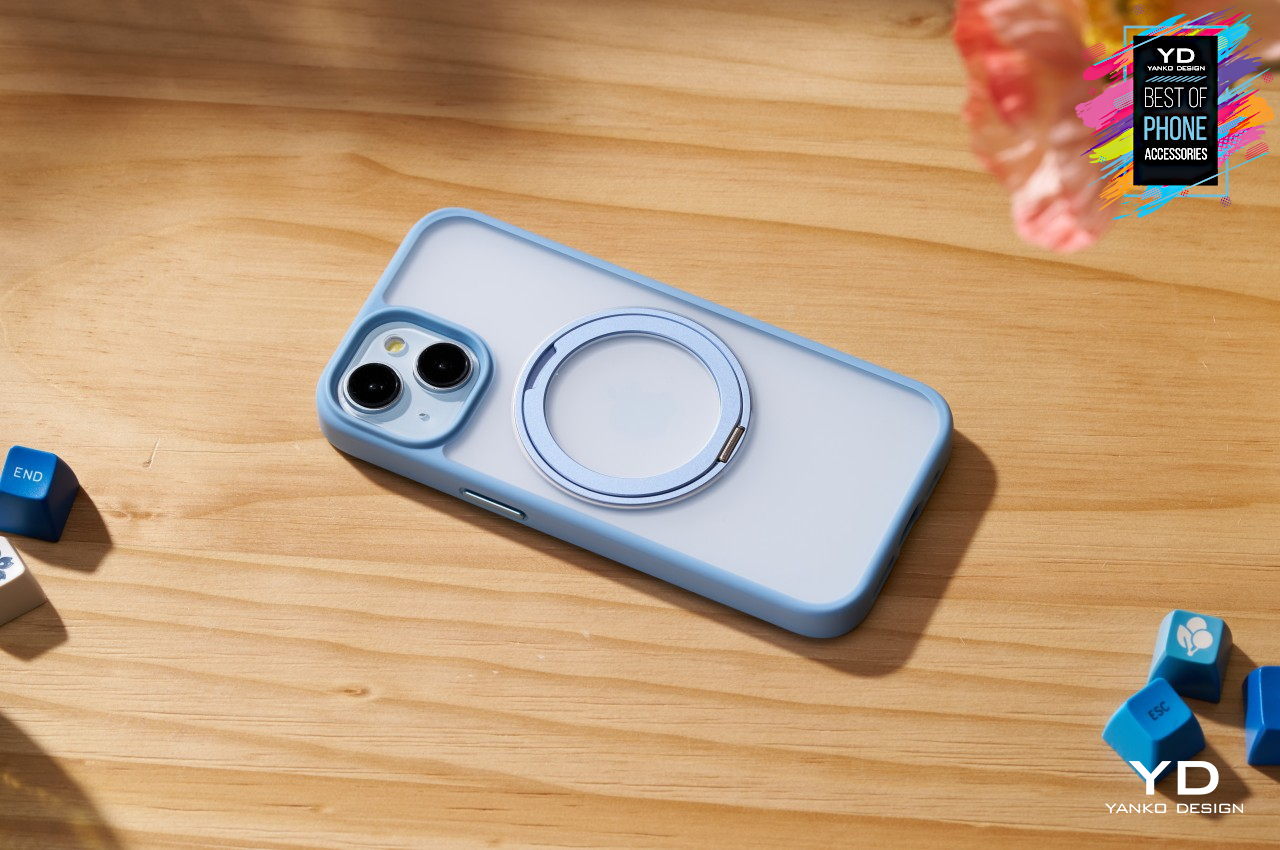
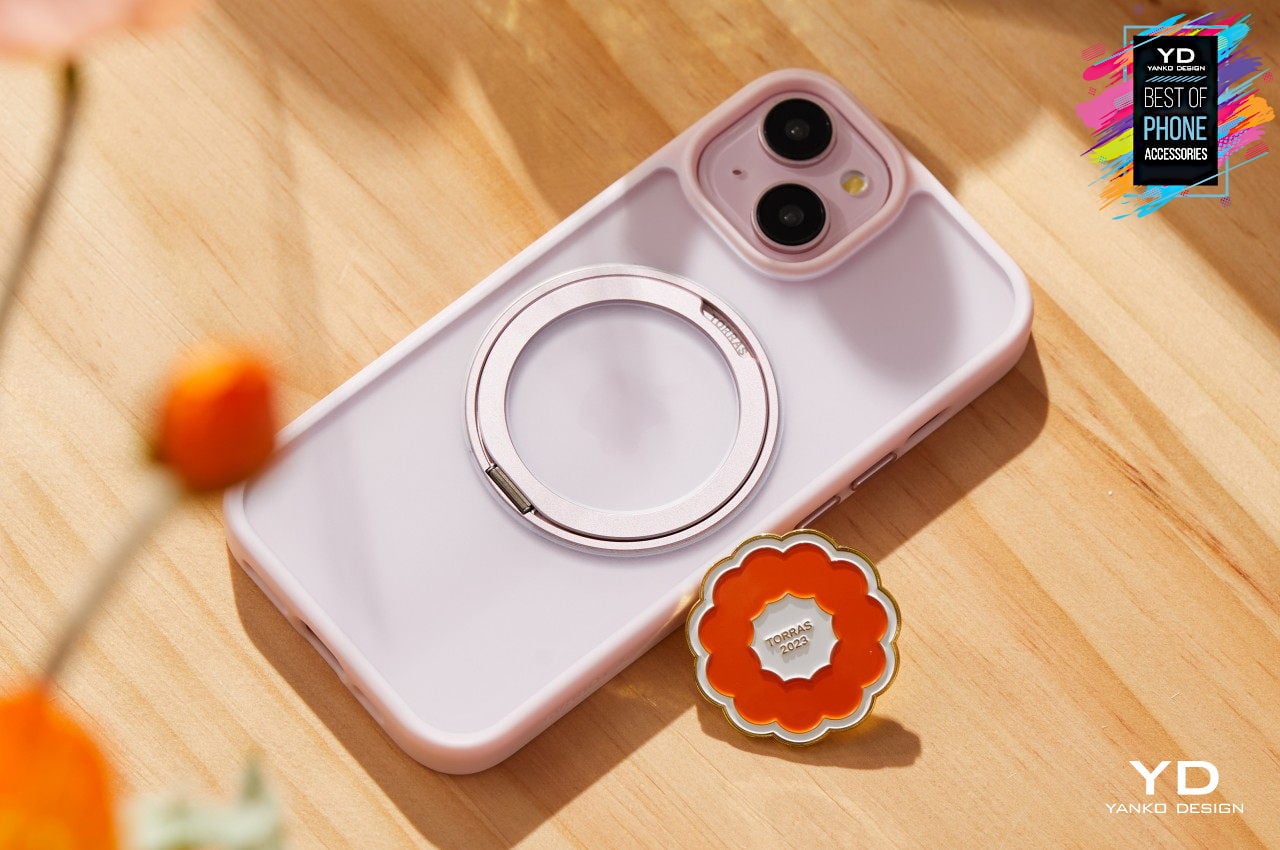
Smartphone ring holders and stands have become a popular solution mostly due to their simplicity and small footprint, but they are hardly the most aesthetic nor practical option out there. They tend to stick out from the back of your phone even when you’re not using them, and they’re positions are more or less fixed the moment you slap them on. The TORRAS Ostand R iPhone case brings all the benefits of these rings with none of the drawbacks, thanks to an innovative design that folds the ring flat when not in use and rotates it to your desired position. Plus, you don’t lose compatibility with MagSafe chargers and accessories, even while enjoying the protection that the case offers.
World’s first 360-degree Rotating Ring Stand Case with MagSafe Compatibility
Ring folds flat and stays out of the way when not in use
Minimalist design matches the aesthetics of the iPhone inside the case
Twelve South Butterfly 2-in-1 MagSafe Charger
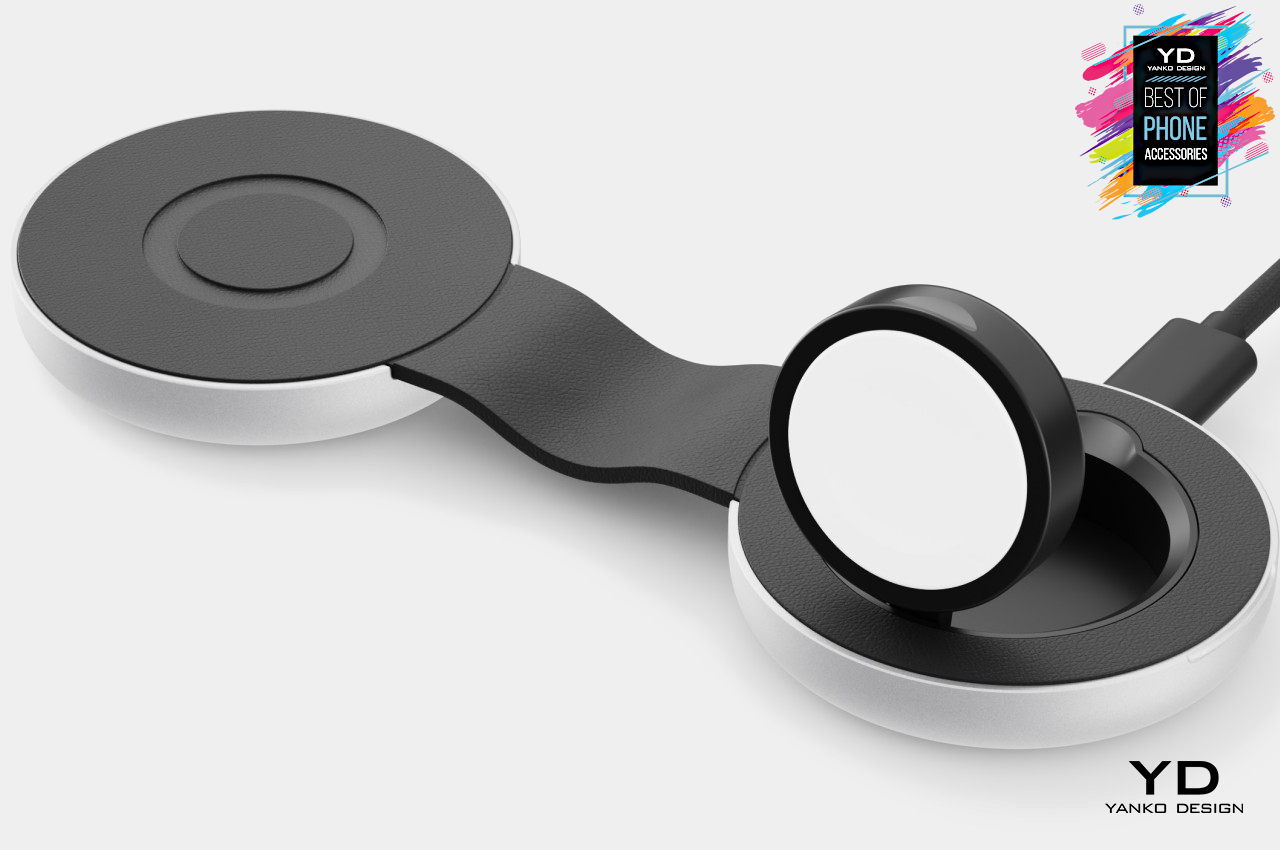
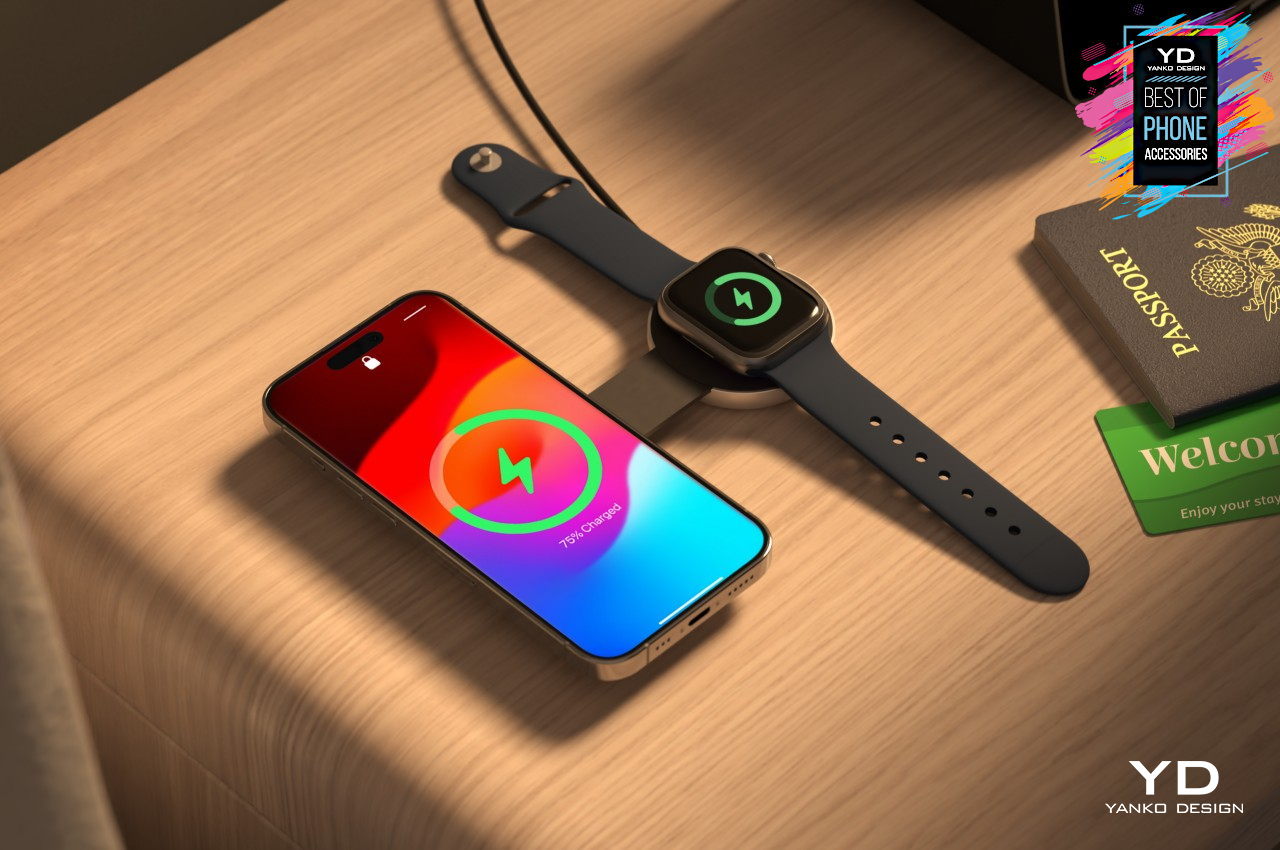
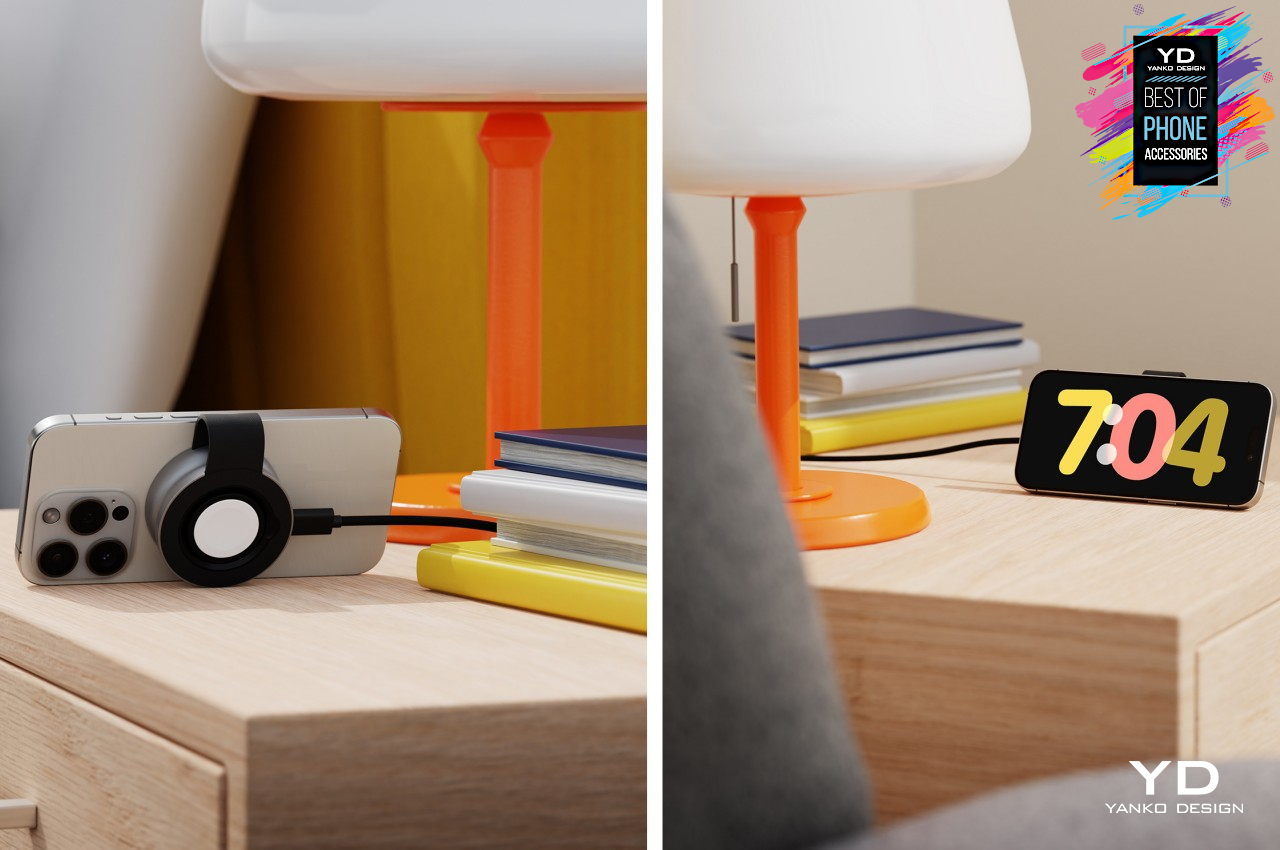
MagSafe chargers are a dime a dozen these days, but most of them fall into two camps. On one side, you have single-device chargers that can be as simple as a small disk, and on the other side you have large charging pads that can charge two or three devices at once. Proving that you don’t have to be forced to pick either side, the Twelve South Butterfly MagSafe charger combines the versatility of a multi-device wireless charger with the simplicity and portability of a small disc. The foldable design lets you quickly slip it into your pocket when you need to jet, and its unfolded form takes up almost no room at all.
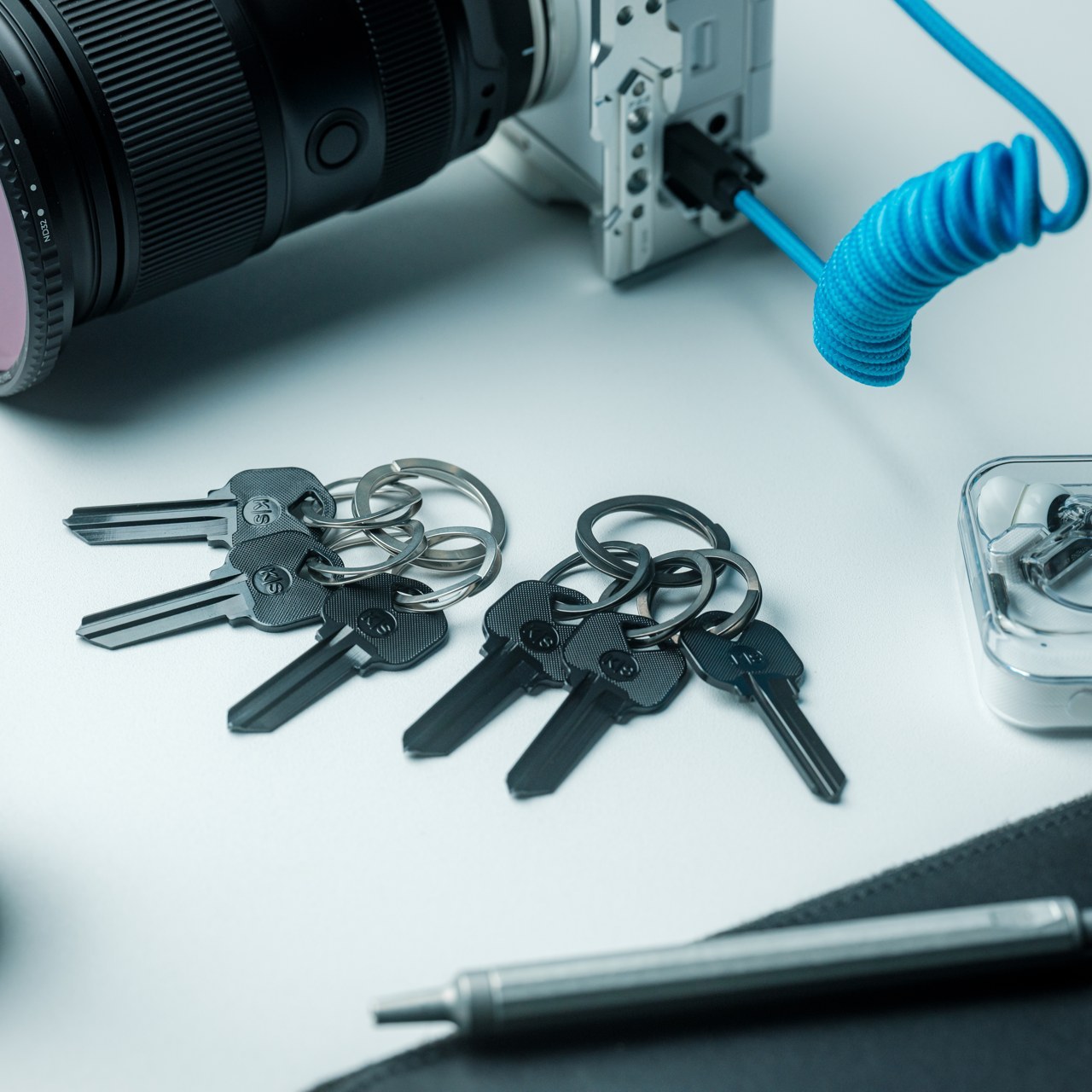
We all know that it’s a good idea to keep keys together in one place, but no one talks about how painful that can actually be. Key rings are basically a single piece of metal bent to coil in a circle, and that design hasn’t changed one bit in decades. It’s a simple design that’s meant to keep your keys secure to the point that you’ll break a sweat or break a nail when actually trying to add a key to the ring. Worse, the rings that do try to be more flexible and easy on the nails end up being less reliable instead because of their softness. Fortunately, the solution isn’t as complicated as you might think, as demonstrated by this distinctive key ring that takes its smarts from the design of aerospace equipment and cars.
The common key ring is really just a flattened coil of metal, the most practical shape not just for holding a bunch of keys but also for securing them in place. In order to prevent those keys from accidentally getting loose, that coil provides no gap in between and is often quite rigid, requiring you to exert a lot of force to open one end for a key to get through, which often ends up with broken nails. Conversely, there are rings that are so thin and pliable that they get easily deformed the moment you deal with thicker keys and objects.
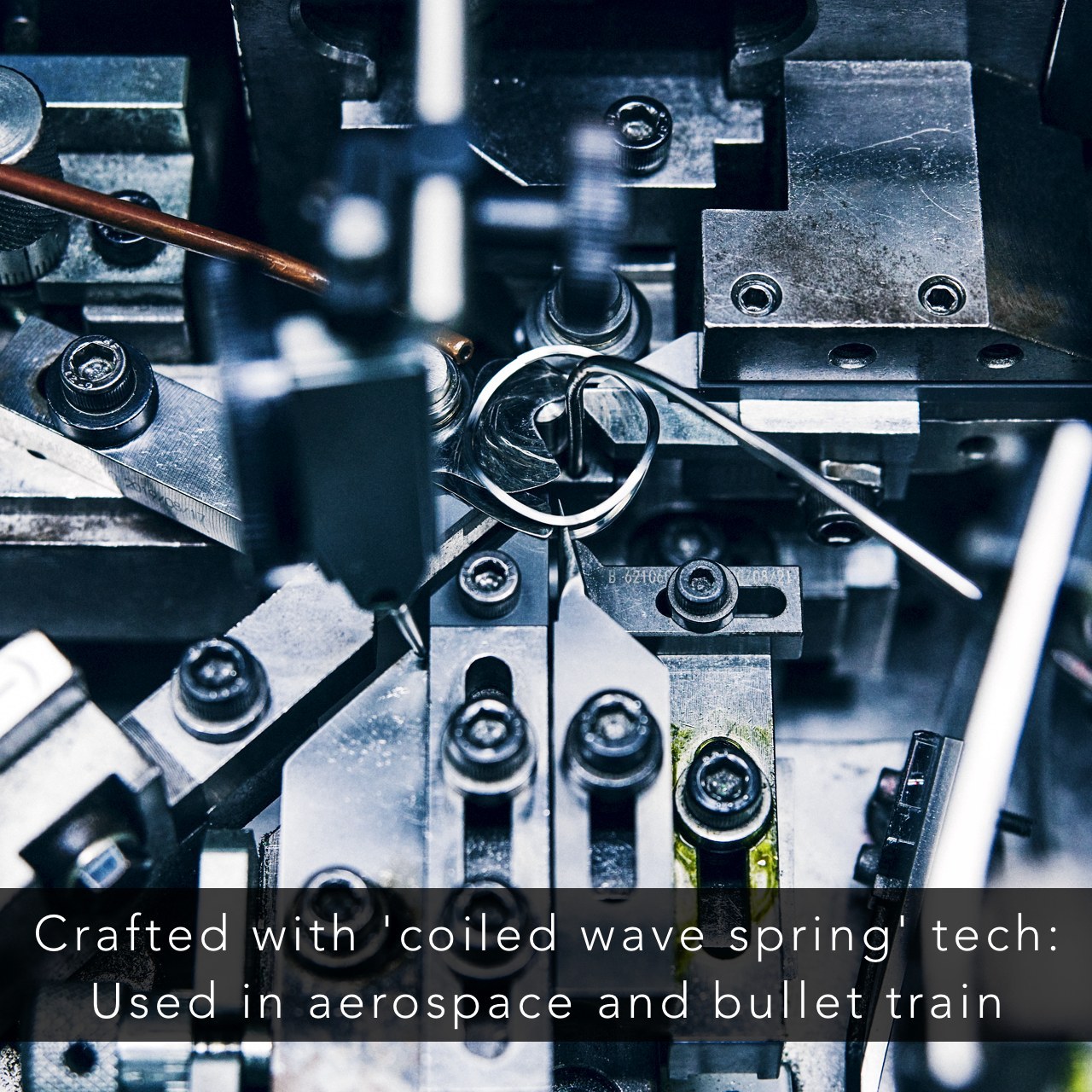
The simple answer to this decades-old probably is apparently to change the kind of structure used. Instead of that traditional coil spring, this key ring employs a “coiled wave spring” shape instead. This kind of spring is heavily used in heavy-duty vehicles and equipment, from aerospace to automobiles. Turns out that this same wavy shape is perfect for a more user-friendly key ring that won’t break nails or test your patience.
With this wave spring design, inserting a key is as easy as sliding it into the ring through the natural gaps made by the waves. To remove a ring, simply lift the tip without worrying about damaging your nail. The key ring is designed to be as stress-free to use as possible, removing any hurdle to keeping your keys organized and safe in a single place.
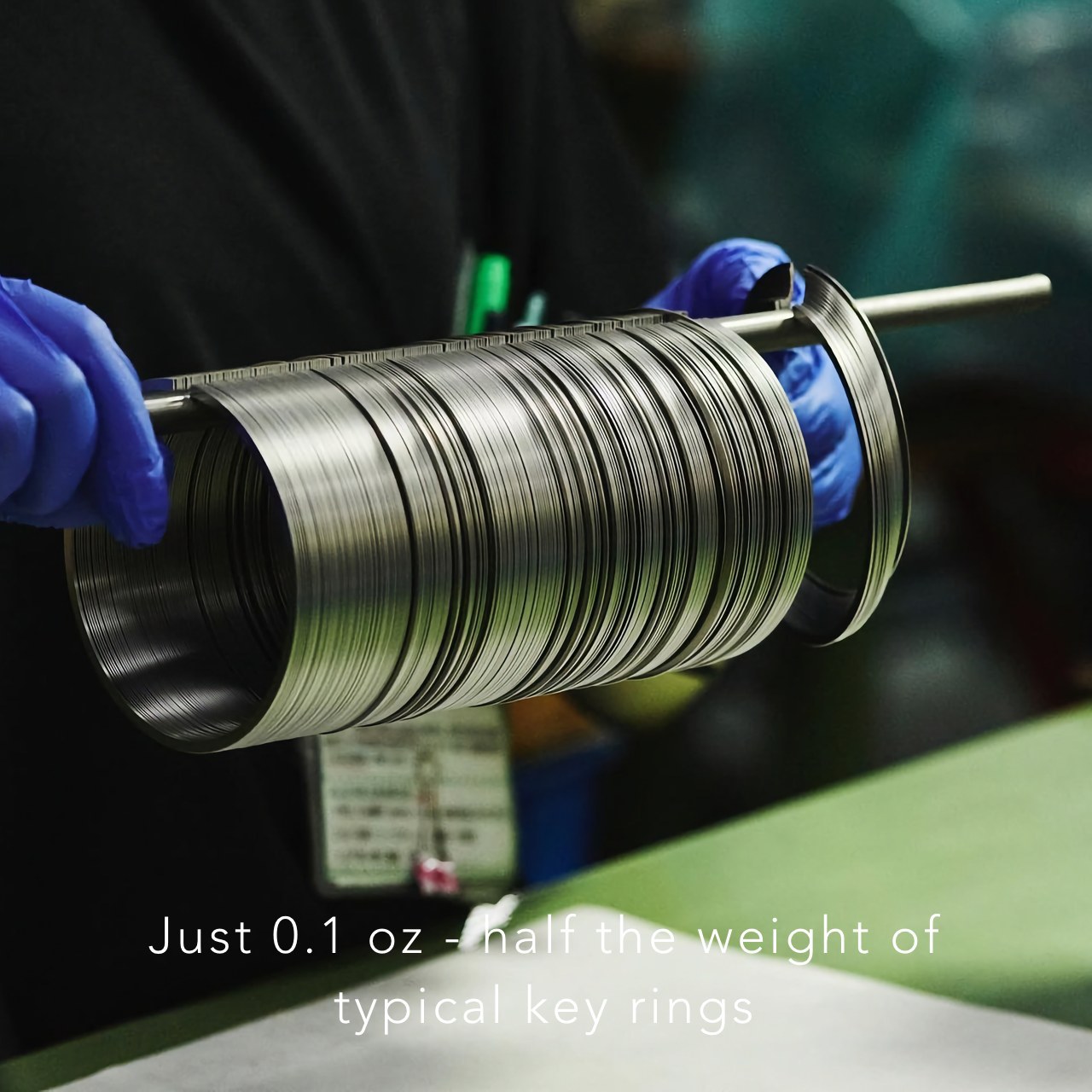
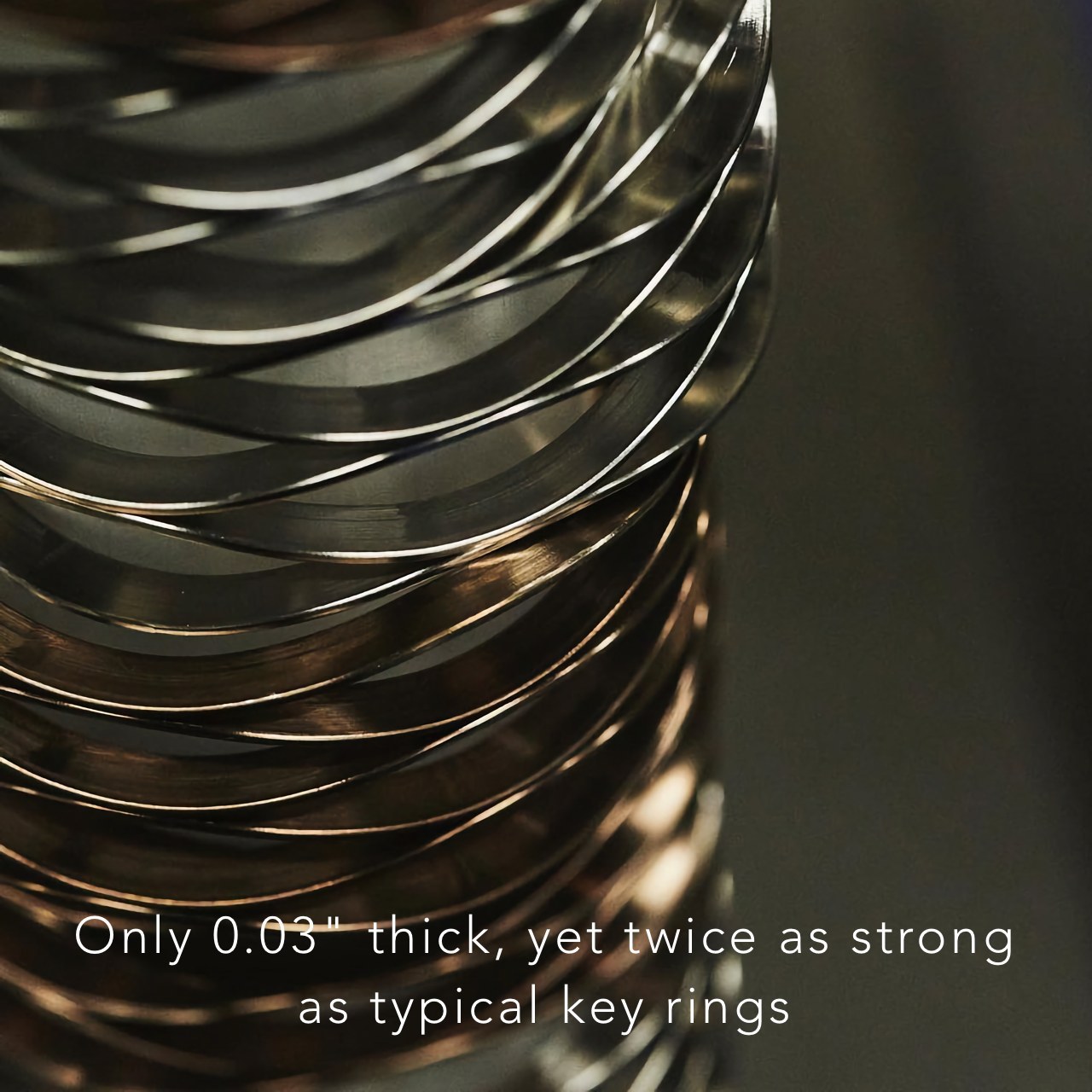
Despite its uncommon appearance, this stress-free key ring is actually lighter than a typical keyring at only 3 grams. That’s thanks to a thinner material, only 0.8mm thin, and its beautiful waveform shape. At the same time, it’s actually twice as strong with a high-tension stainless steel SUS304 body so it won’t get bent out of shape even if you insert a thick key. Whether it’s to protect your nails or to protect your sanity, this one-of-a-kind key ring will give you peace of mind knowing all your keys are in one place and that you can add or remove them easily as often as you want.
Everyone travels, whether alone or with others, for work, school, or even leisure. Not everyone, however, enjoys traveling in the same way, especially those who prefer some quiet, solitary time during commutes. Unfortunately, most of the self-driving vehicle concepts seem to focus on turning cars into social spaces, practically removing boundaries between passengers. That’s probably fine for families and friends on their way to a vacation destination, but some people going to and from the office might prefer a bit of quiet downtime on the road. In contrast, this forward-looking design offers an alternative experience, one that envelopes the passenger in their own private space, and it seems to take inspiration from one of the most isolating designs man has ever made: the office cubicle.
The idea of self-driving cars is for people to spare themselves the drudgery and exhaustion of driving so that they can spend more time on more important things. For some people, that might be making connections with other people in the vehicle, but others might prefer some “me time” instead. It’s for these people, especially the “Gen Z” group who value independence and personal immersion, that this urban commuting concept was designed.
As its name suggests, the H-BOX concept turns the car into a box-like machine, and the two-seater model the chairs set to the back of the cabin. Unlike most self-driving automobile concepts, however, this seems to still pay heed to the need for manual control from time to time, so the “driver’s seat” can slide forward to take hold of the futuristic steering well if needed. That further widens the separation between the two seats, which might be a preferred configuration for two people who really want to be immersed in their own little corners.
What makes the H-BOX distinctive, however, are the seats themselves. Where most designs would feature reclining seats that seem to offer the ultimate comfort, these surround the passenger from almost all sides except the front. In other words, it boxes them in, shielding them from the other person in the vehicle while still giving them a clear view of their surroundings. Admittedly, it doesn’t look like the most comfortable design, though it wouldn’t be impossible to have the seat move forward and the backrest lean backward for that same reclining effect.
Then again, the purpose of this self-driving vehicle is to quickly get commuters to their destinations with minimum fuss and perhaps minimum interactions. At the same time, however, the interior of the vehicle still offers a convenient and advanced experience complete with a display that wraps around the interior of the cabin. It does seem to cater to a very niche audience, a generation that might no longer even be around by the time self-driving cars fully take root, but it could offer a more solitary experience for people who prefer to travel in peace and quiet.
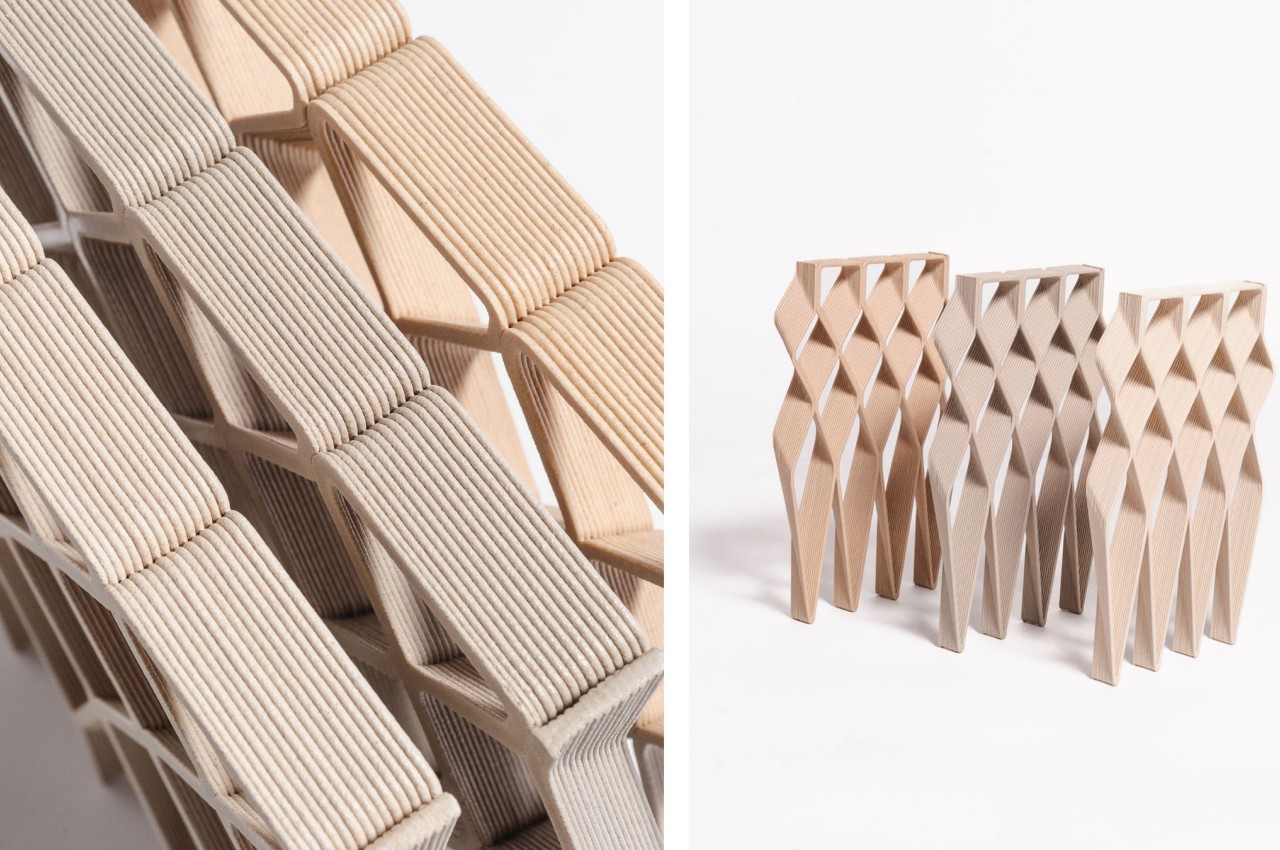
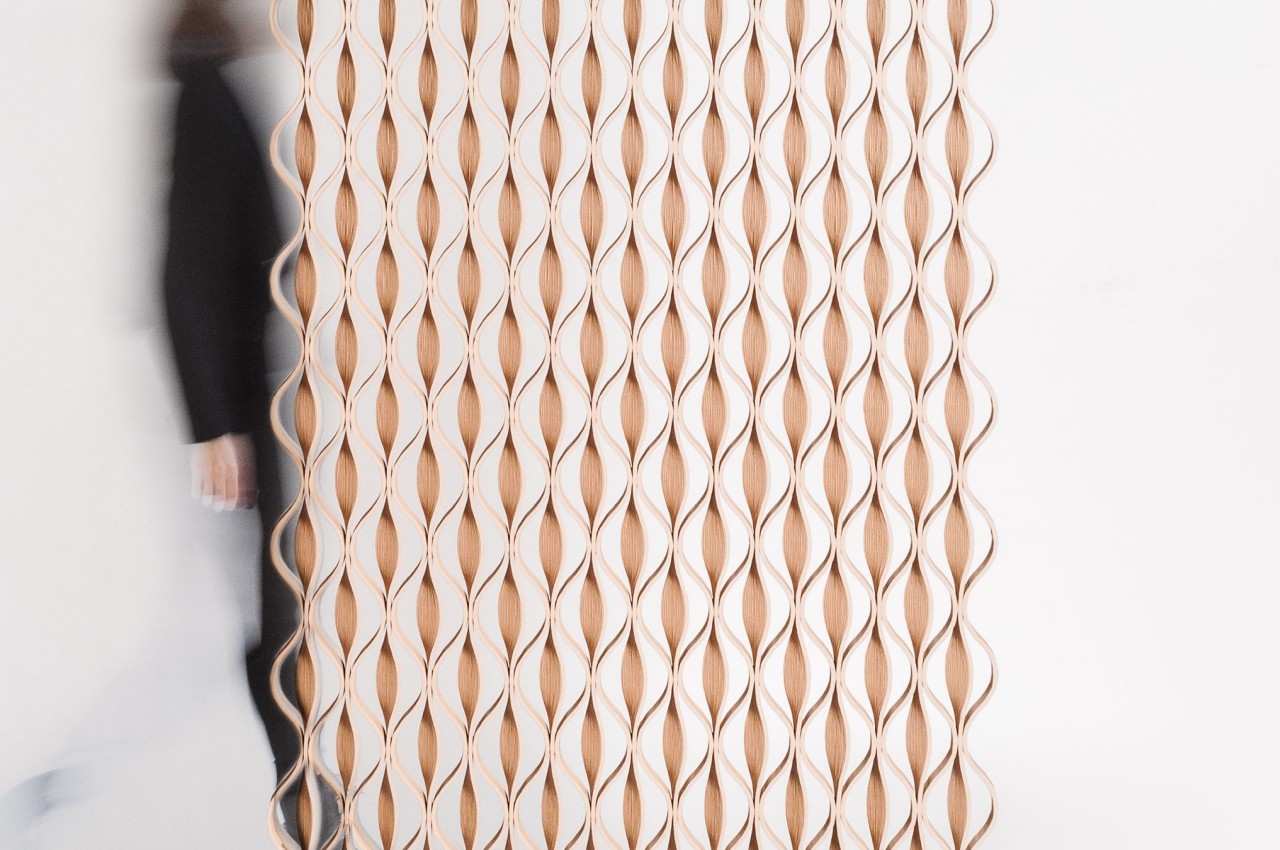
3D printing blasted the doors of creativity wide open by allowing almost anyone and everyone to create complex designs on demand. That market started with different kinds of plastic but soon supported other materials as well, including metal and even chocolate. The popularity of this style of design and production, however, also meant a surge in material waste, especially different kinds of non-recyclable plastics. There is a greater need for more sustainable alternatives, one that can perhaps even support a fully circular lifecycle. There is perhaps no better material that meets those requirements than wood, which is why this new 3D printed wooden partition screens and window coverings could very well represent the breakthrough that the design industry needs.
Designers have a soft spot for natural, sustainable materials and wood is perhaps one of if not the most favored one. It is easily sourced, though not quickly replenished, has unique aesthetics and textures, and can decompose safely. That said, it’s not easy to form wood into complex shapes and structures, even if you carve out the design, and the material isn’t exactly easily reusable even after being recycled. This new 3D printed wood addresses all those shortcomings, offering an almost perfect material for bringing intricate, sustainable designs to life.
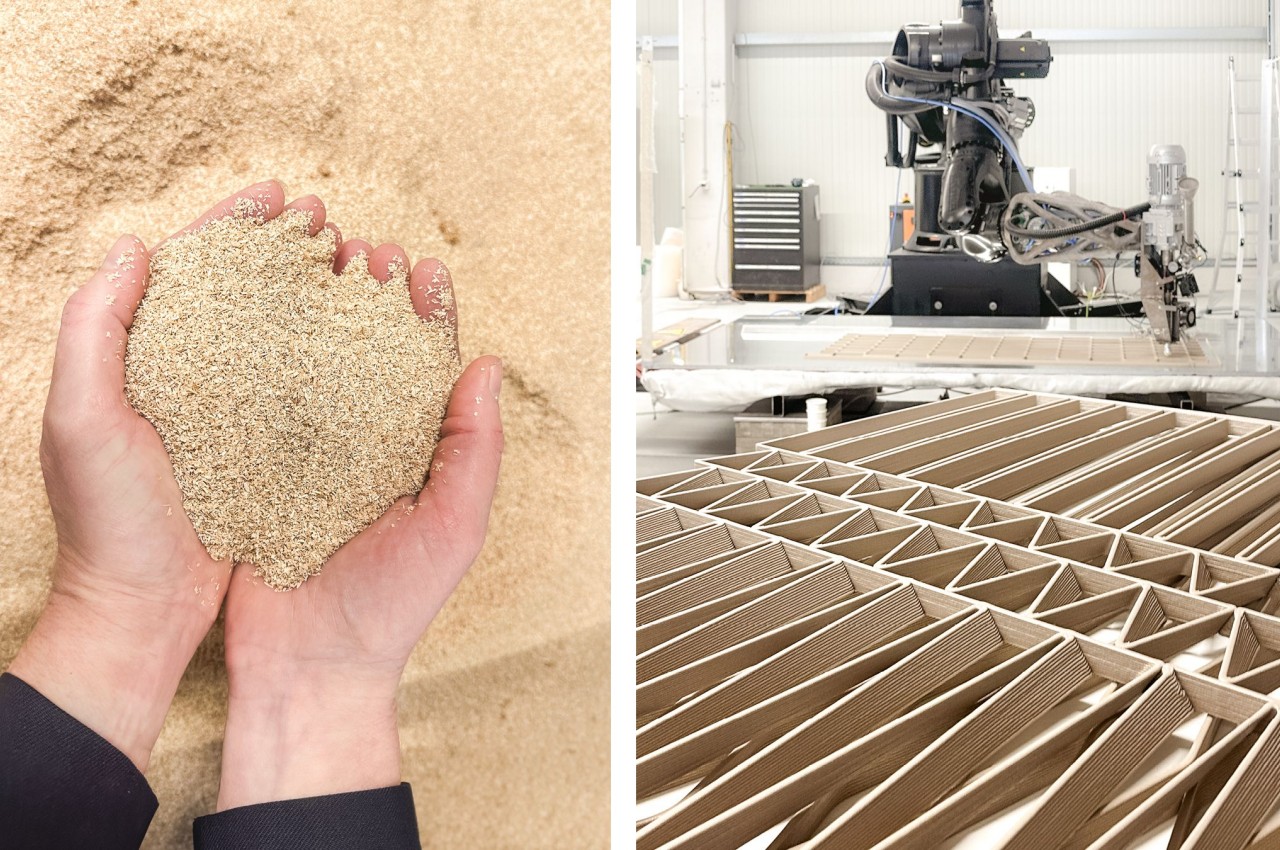
This sustainable new material is itself made from wood waste blended with some natural ingredients such as lignin and cellulose. It is then reinforced using vegetable fibers like flax or hemp to give it the same durability you’d expect from wood. The result is a composition that doesn’t just look like wood but also feels like the real thing. In fact, it even smells like real wood, a trait that’s hard to reproduce on other synthetic wood alternatives.
Aectual’s material, however, does something even better than wood. After a 3D printed wooden product reaches the end of its life, it can be shredded and then reprinted into some other or the same form. This creates a truly circular lifecycle where the material is reborn again and again as long as it retains its integrity and stability. And when it can no longer be reused, it still degrades and decomposes safely just like ordinary wood.
Of course, it’s a 3D printed material, so it’s almost trivial to create structures and shapes that would be extremely difficult if not impossible with regular wood. You can have intricate repeating patterns that join together with no visible seams, or alternating shapes that are made as a whole rather than composed piece by piece. It might be too early to claim a complete victory, as the process of creating this 3D printed wooden material might still be too involved and too costly, but it’s definitely a great start in producing a viable alternative to designers’ most-loved material.
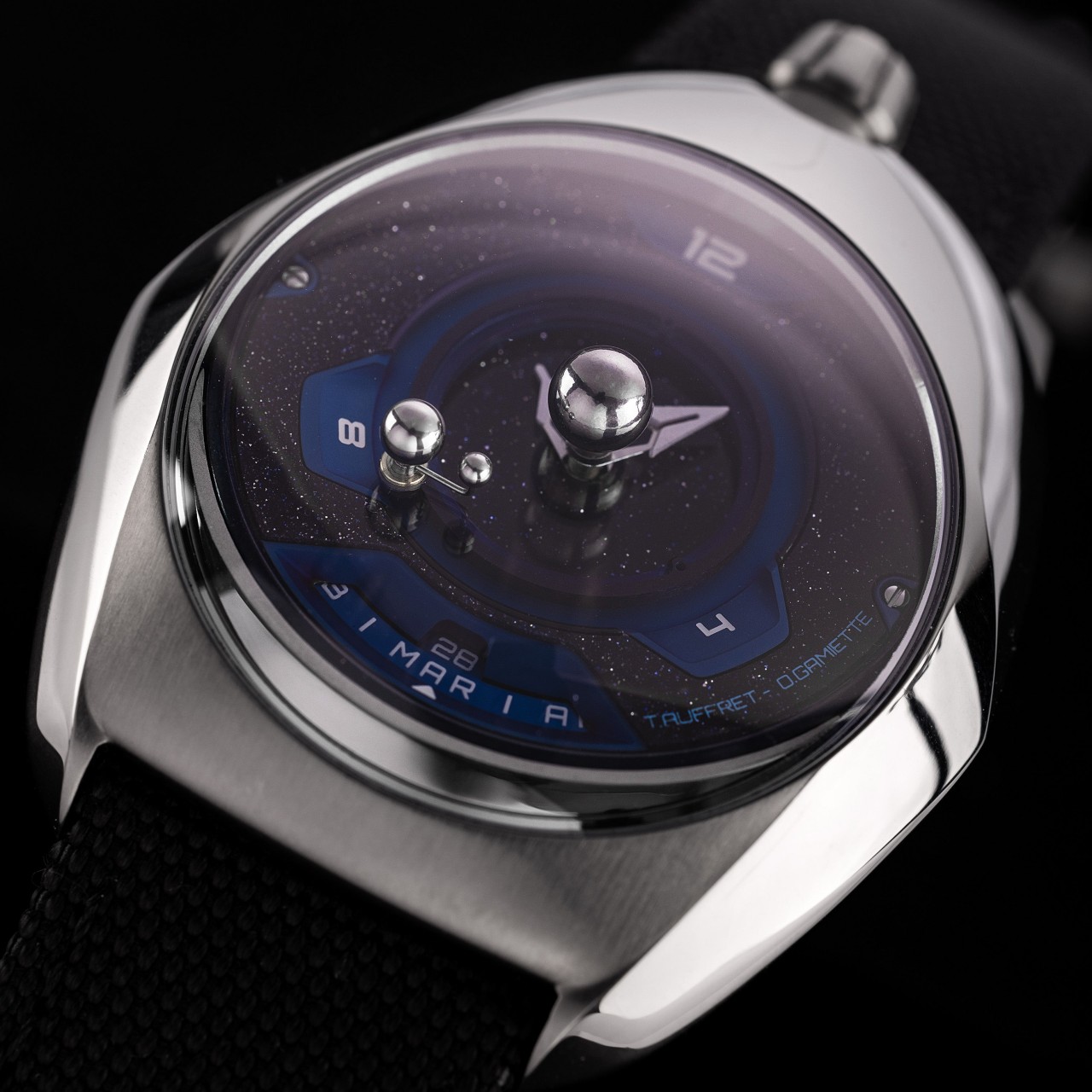
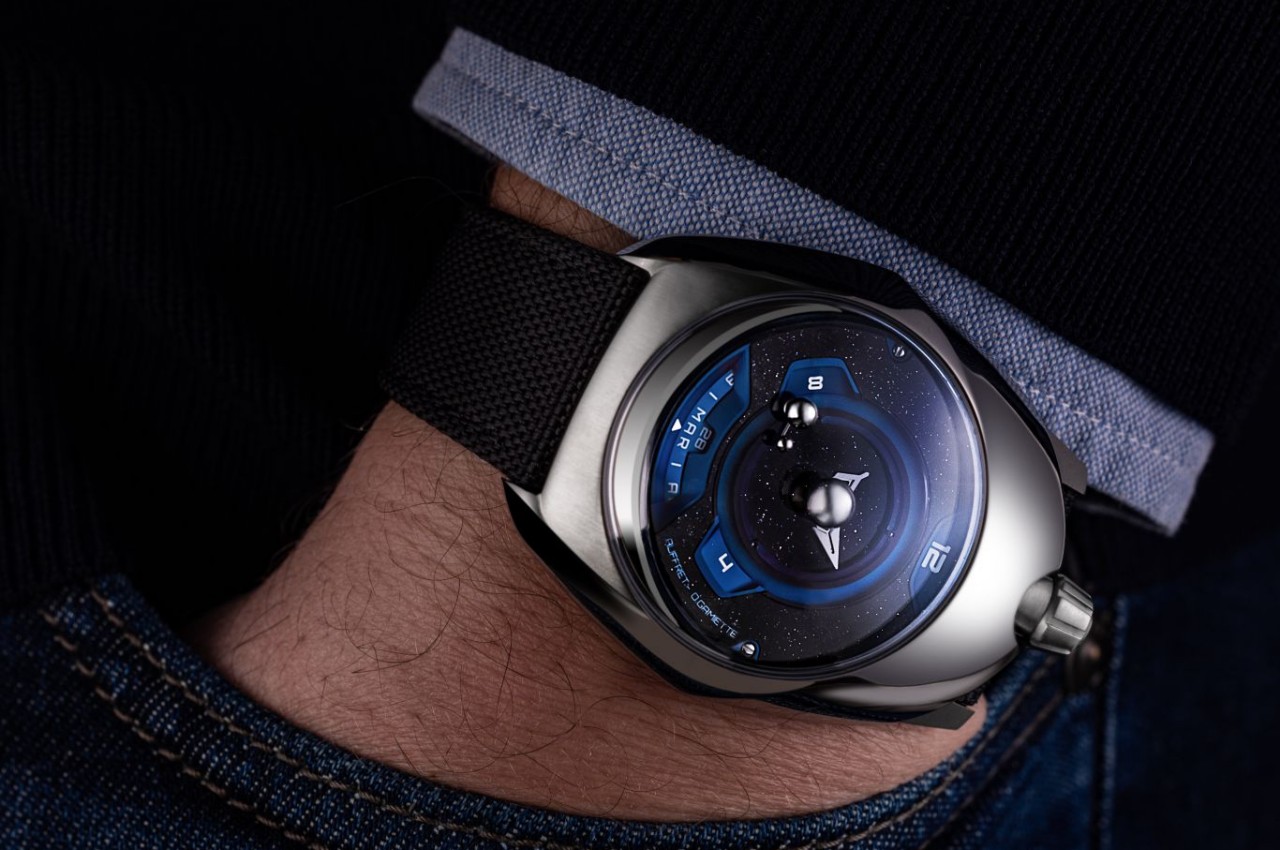
Although the measurement of time is mostly a human construct, it has its basis in the natural world. A day is the time it takes for the sun to rise, set, and rise again, a month is how long it takes for the moon to go through all four of its phases, and a year is how long the seasons last. All of these, including the change of seasons, are pretty much the result of the orbit of the Earth around the sun and the orbit of the Moon around the Earth. It’s a movement that happens on a regular cadence without fail, which is to say it happens like clockwork. It’s no surprise, then, to find an elegant and luxurious watch that brings all these elements together, letting you watch not only the passage of time each day but also the journey of our planet and its companion.
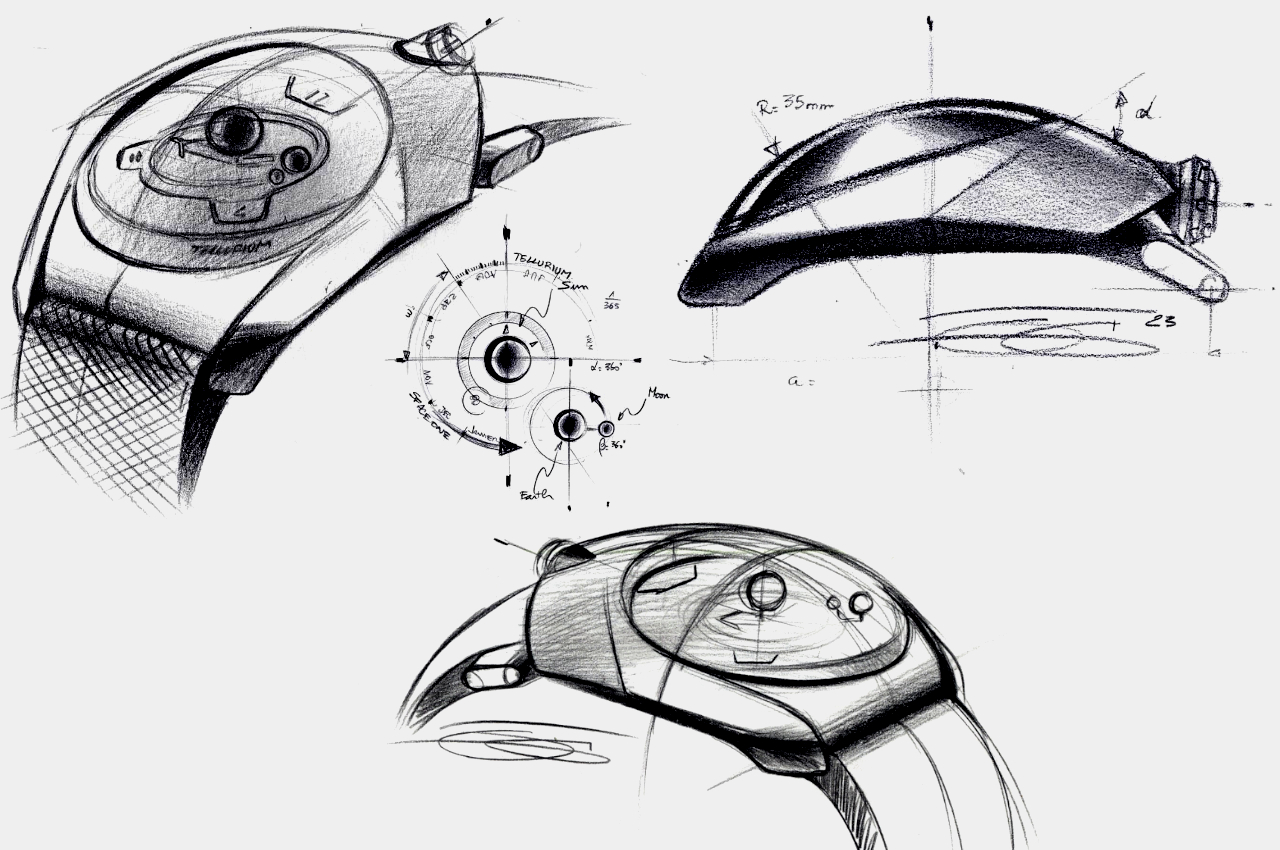
Designer: Theo Auffret (Complication), Olivier Gamiette (Case, Dial) for SpaceOne Watches
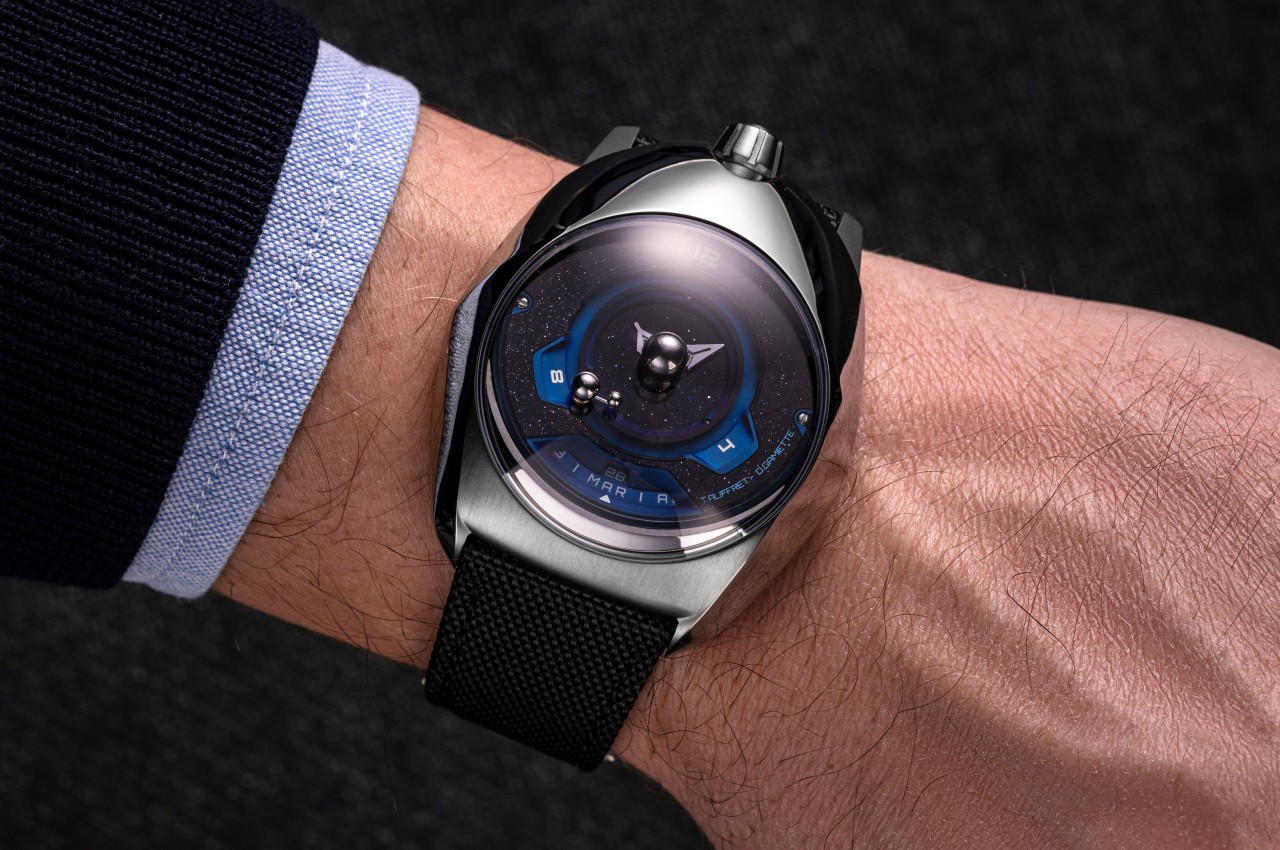
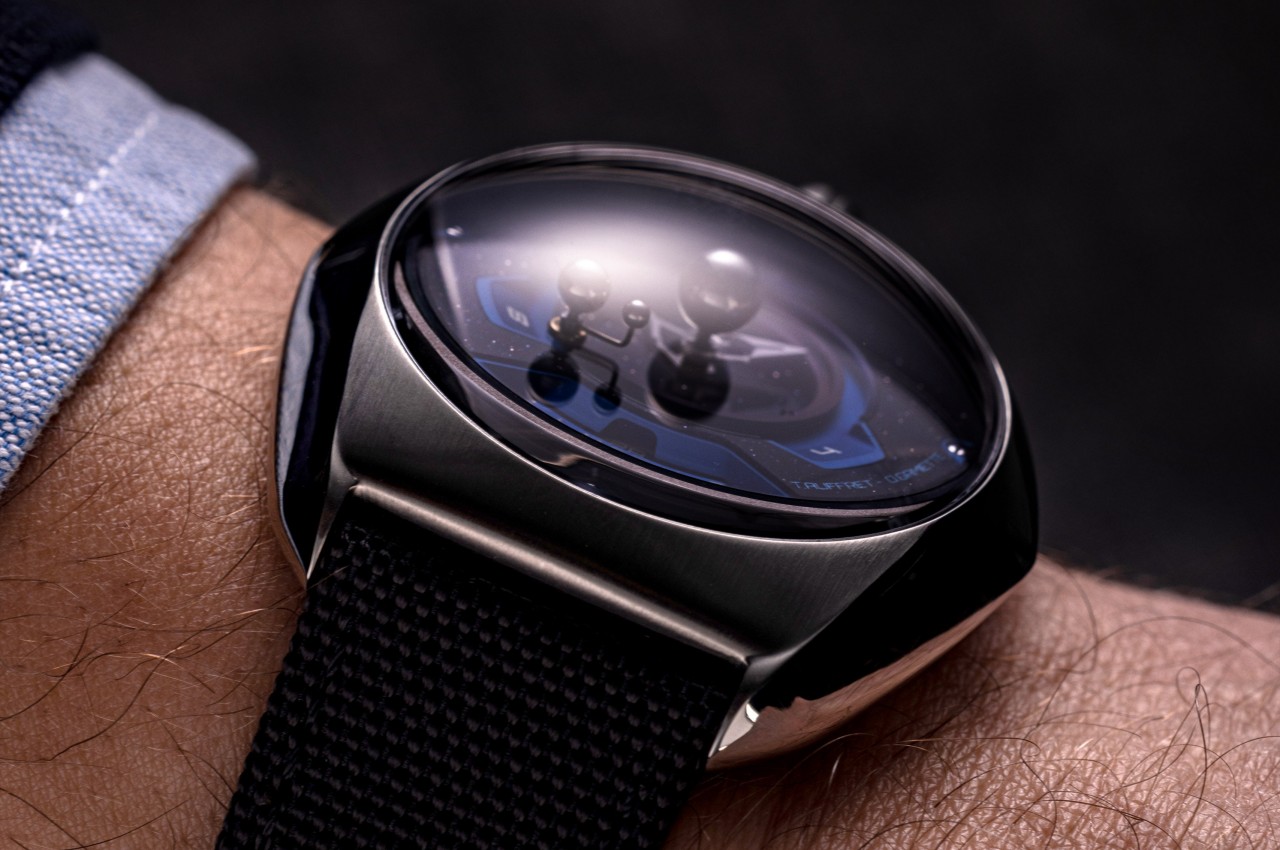
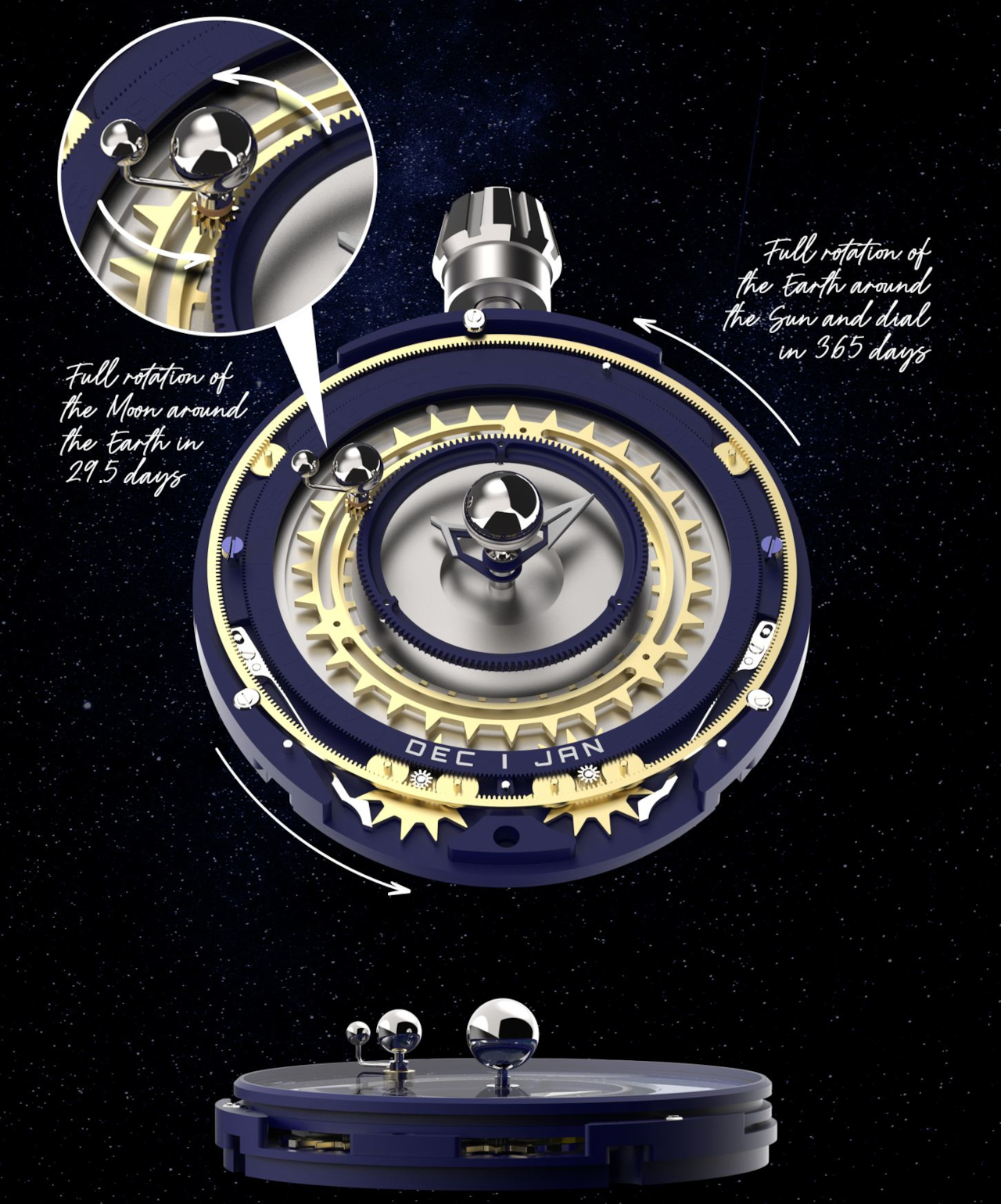
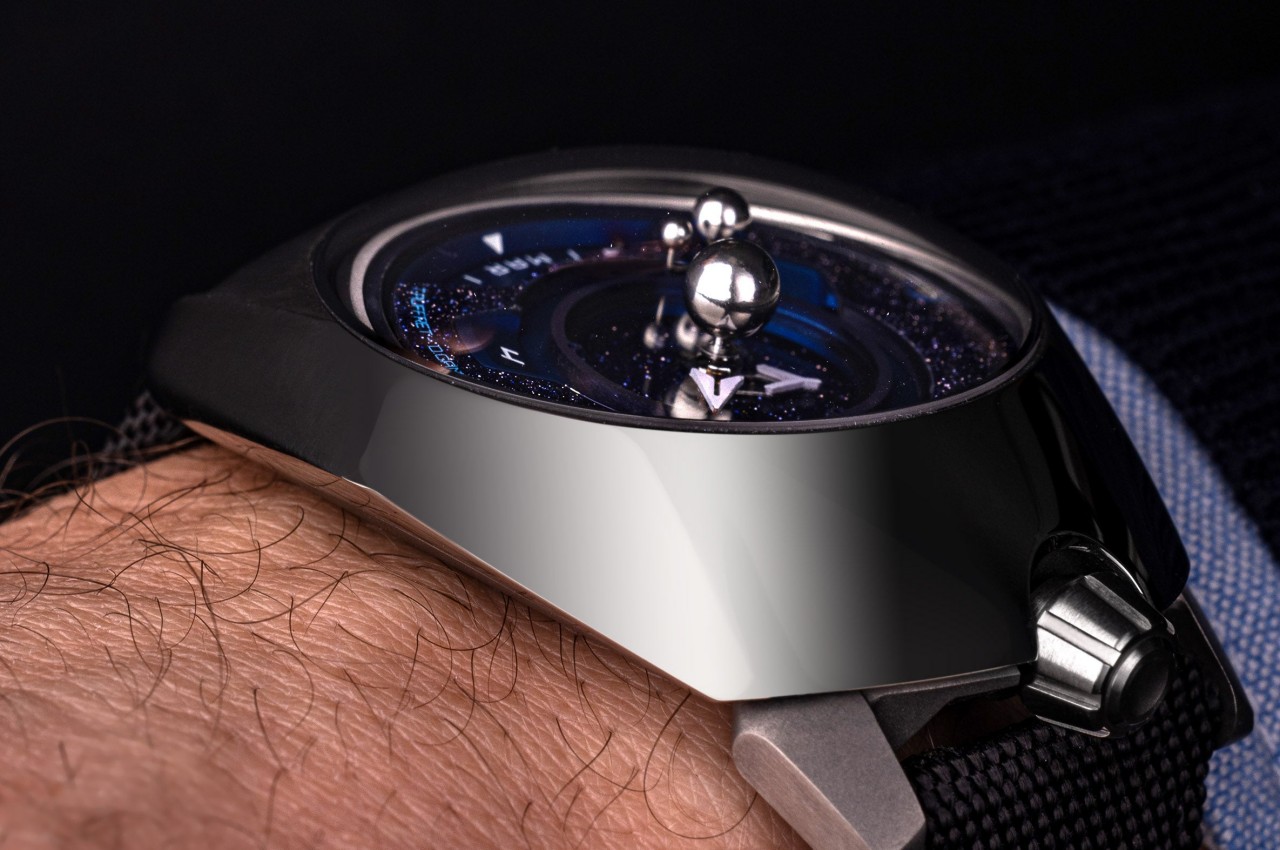
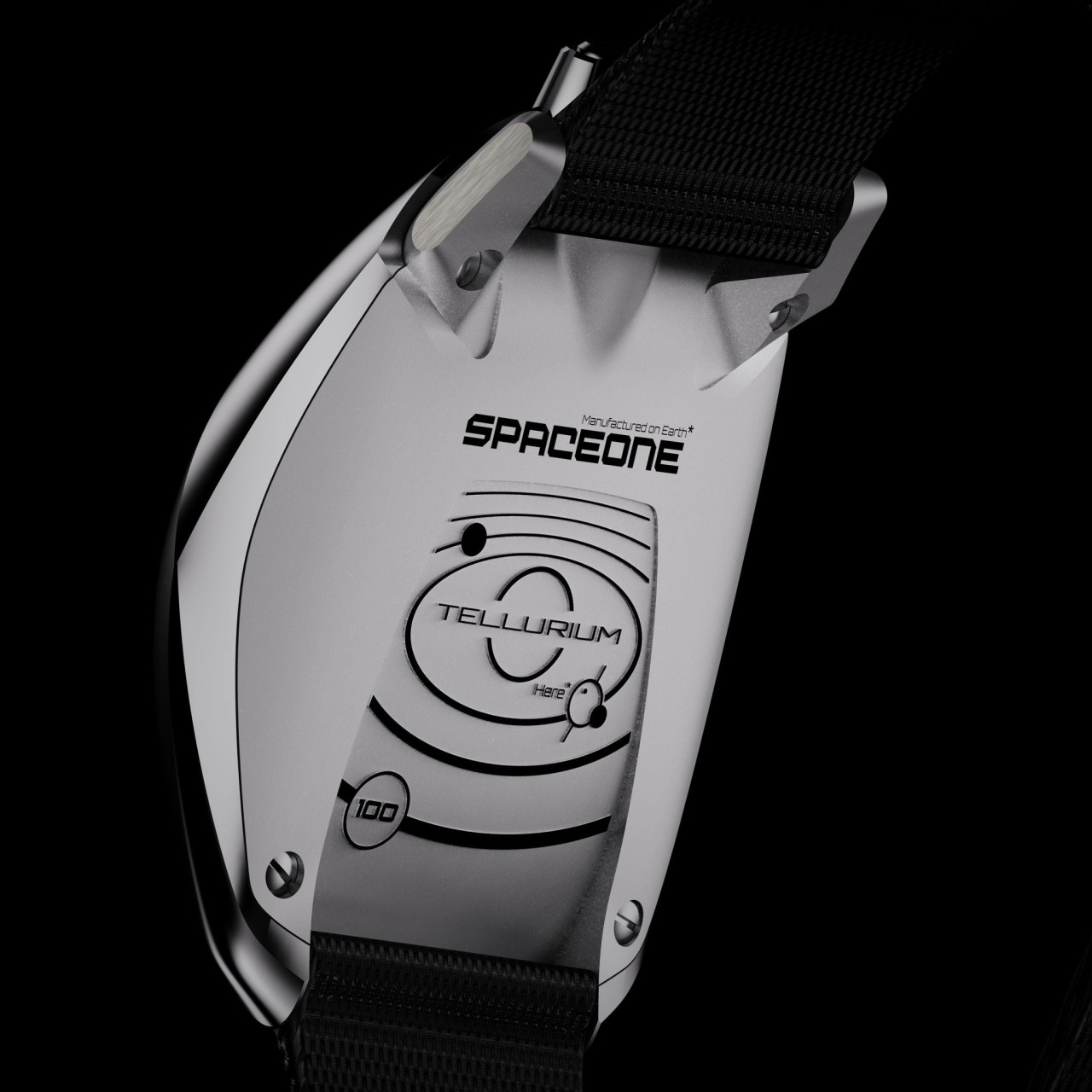
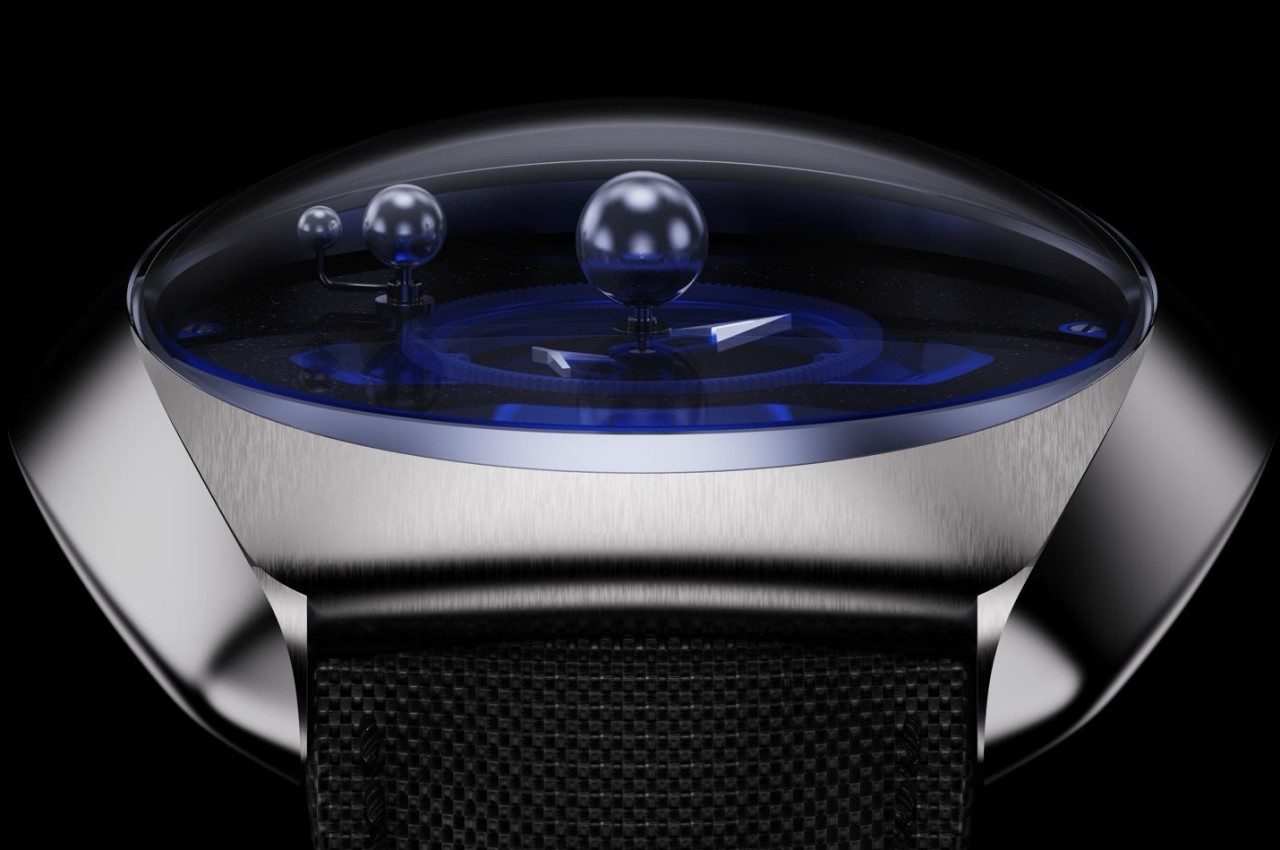
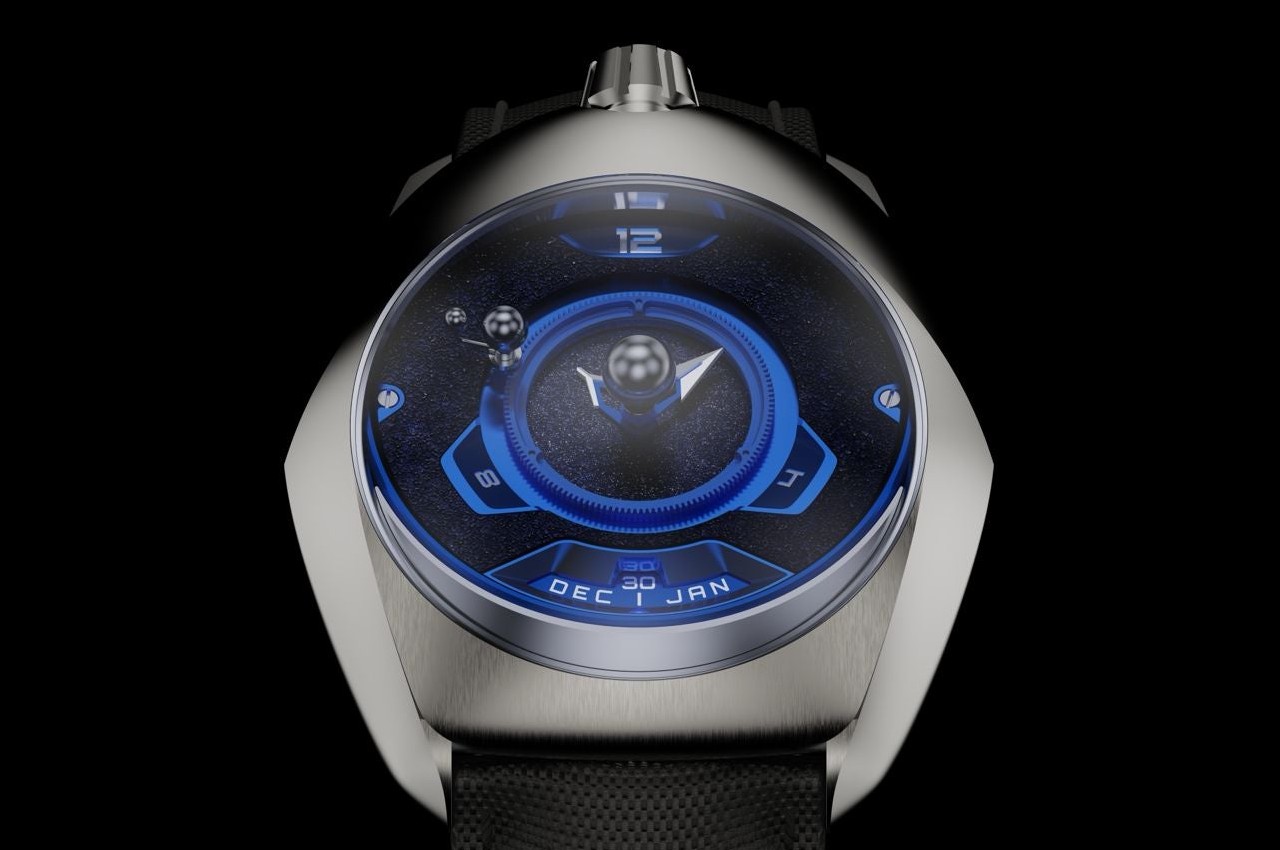
Analog watches are already quite complex because of the mechanisms that make the parts move, but the SpaceOne Tellurium takes that to a whole new level with additional complications for its unique complication (pun intended). Aside from the typical hour and minute hands, this titanium watch also shows tiny versions of the Earth and the Moon going around a proportionally minuscule sun in the middle. The smaller spheres don’t simply go around the watch and call it a day, though, because the movement of these miniature Earth and Moon mirror the actual rhythm of their celestial counterparts.
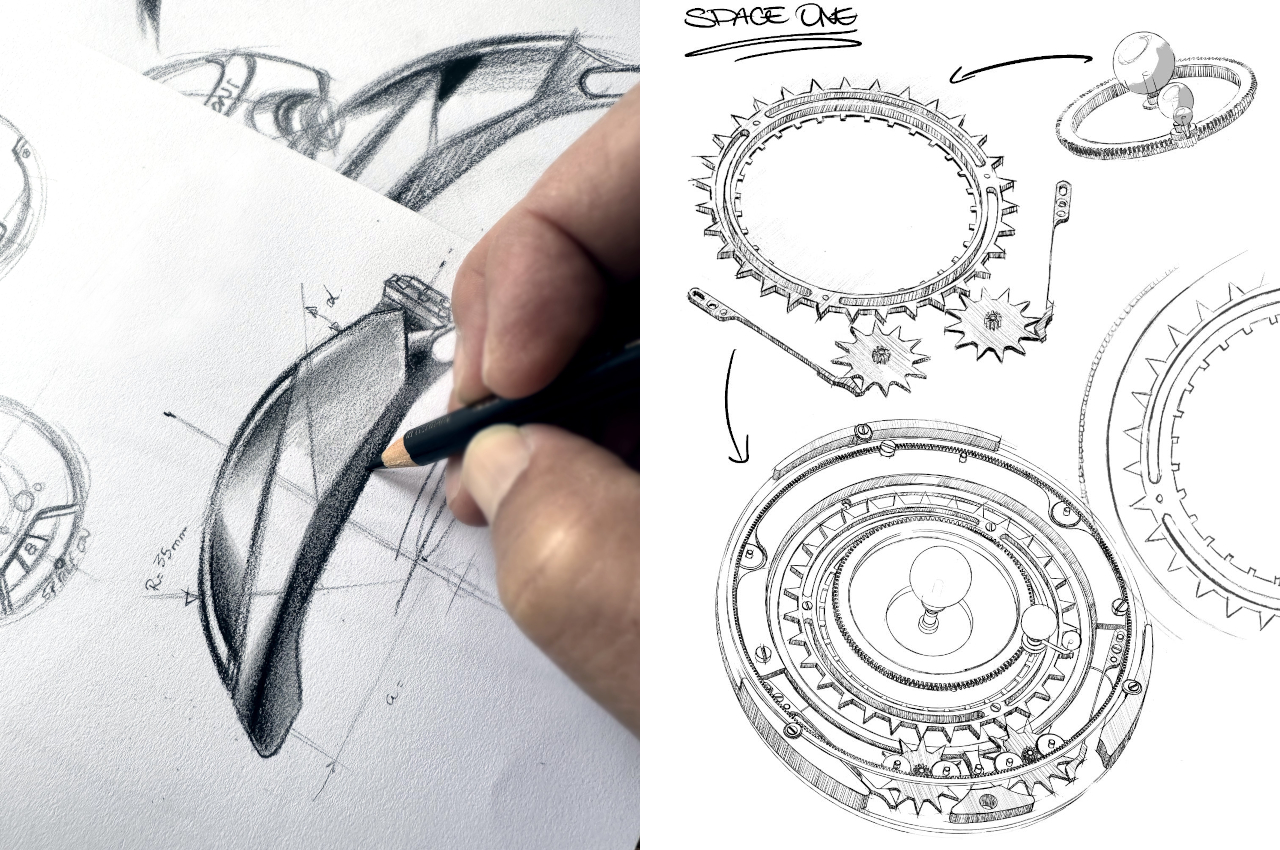
Connected to the watch’s Soprod Caliber P024 movement is a star wheel with 31 teeth, representing the days in a month. When the date changes, this wheel advances two small star wheels, both with 12 teeth, that advance the month and move the Tellurium complication, respectively. The Earth, and therefore also the Moon, is connected to a ring with 365 teeth, which makes it complete a revolution once a year. With this mechanism, you can accurately follow the movement of the Earth and the Moon and even predict the next full or new moon phases. Consequently, it also means you will need to adjust and fine-tune the watch every time the number of days in a month changes between 30 and 31.
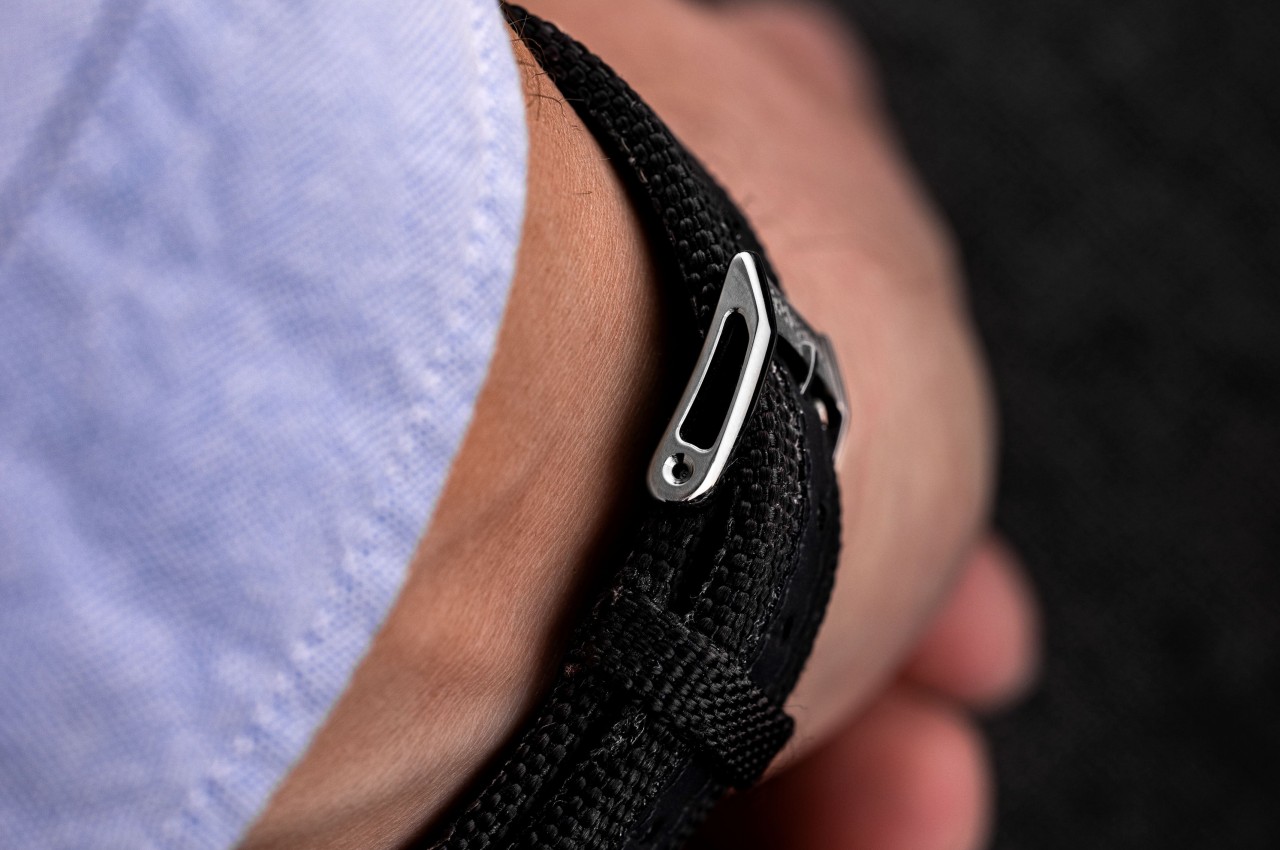
The watch’s celestial beauty is complemented by its premium materials and stunning design. Grade 5 titanium gives the case and strap buckle durability and lightness while also lending an elegant appearance. Instead of the typical quarter division of numbers, the watch face is divided into three sections only, forming a triangular shape that feels more suitable for a space-inspired design. This visual is further enhanced by a black and blue color scheme, with a sprinkle of white dots to represent stars against the darkness of space.
We all know that plants are living things, but we also often just treat them as objects simply because they don’t behave like animals and humans. It’s almost hard for us to wrap our heads around the fact that the mostly stationary creatures in pots are alive until they show signs of withering and dying. We’d probably have a completely different attitude if those plants started to show expressions or visibly react to changes in the environment and human interaction. That’s the kind of paradigm shift that this smart plant pot concept is trying to develop by creating a holographic representation of the plant that makes you feel like you’re taking care of a pet instead of just a succulent.
Plants are like pets with very stoic personalities. They don’t immediately react to the way you take care of them but the effects reveal themselves sooner or later, whether they’re good or bad. The delayed feedback might sometimes make us also slow to respond, sometimes leading to a detached and impersonal relationship that could lead to the plant’s untimely demise. Of course, we could just use one of those smart, self-watering planters, but that widens the gap even further.
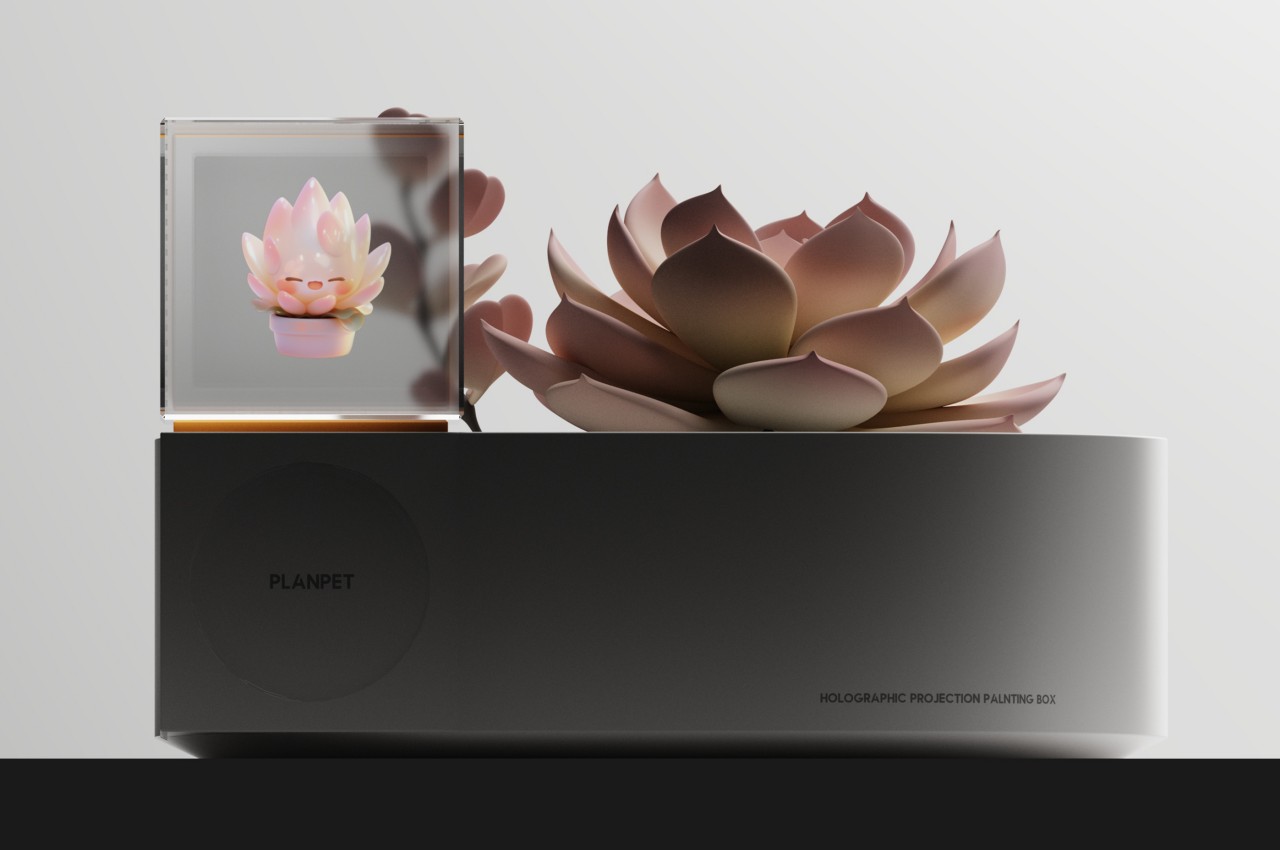
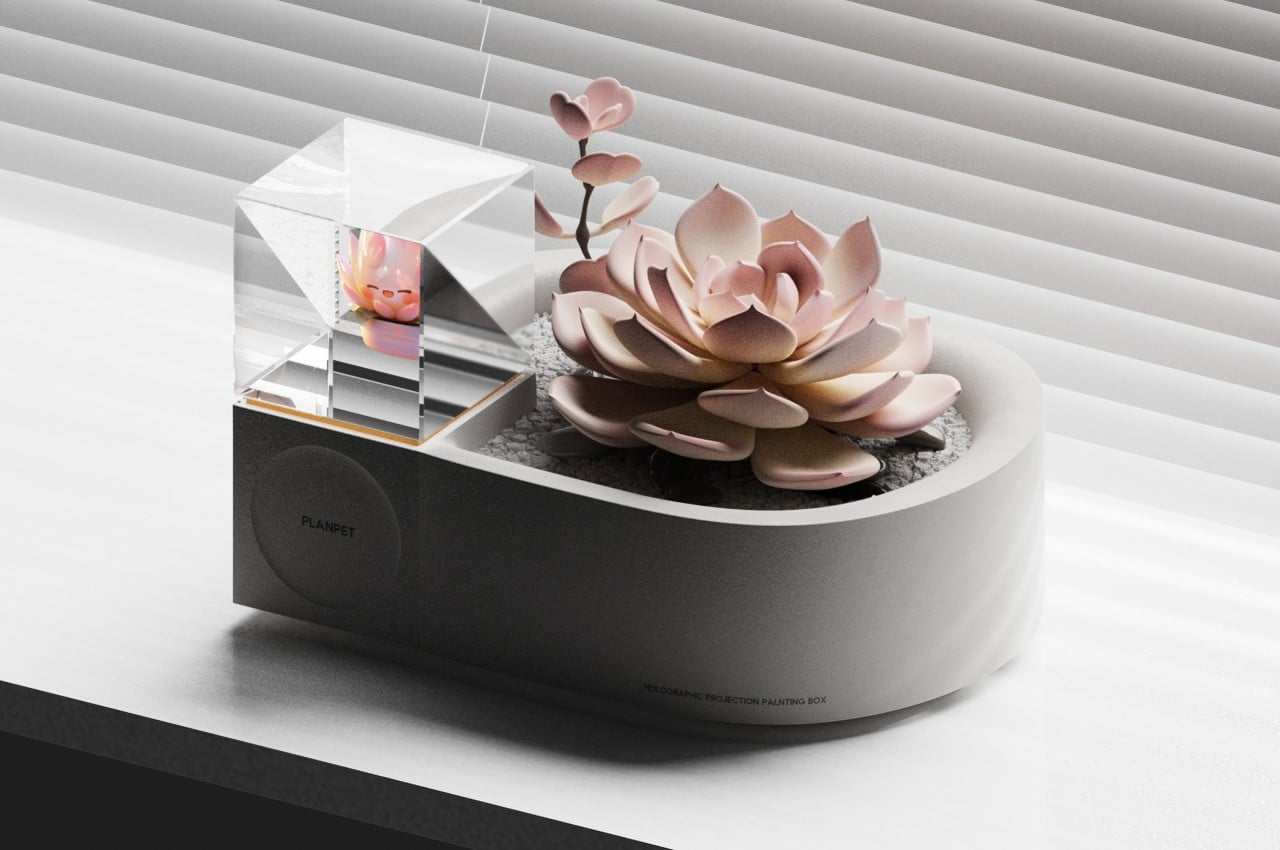
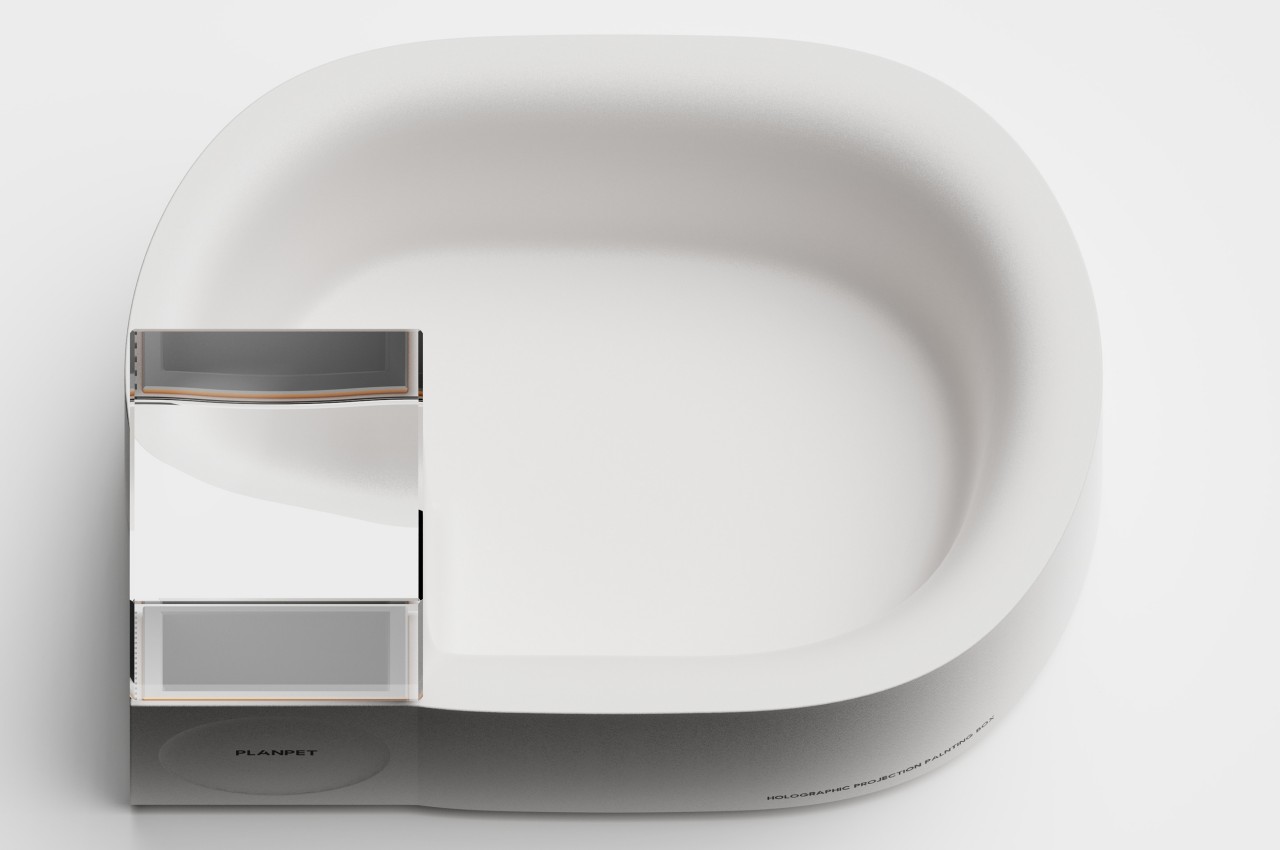
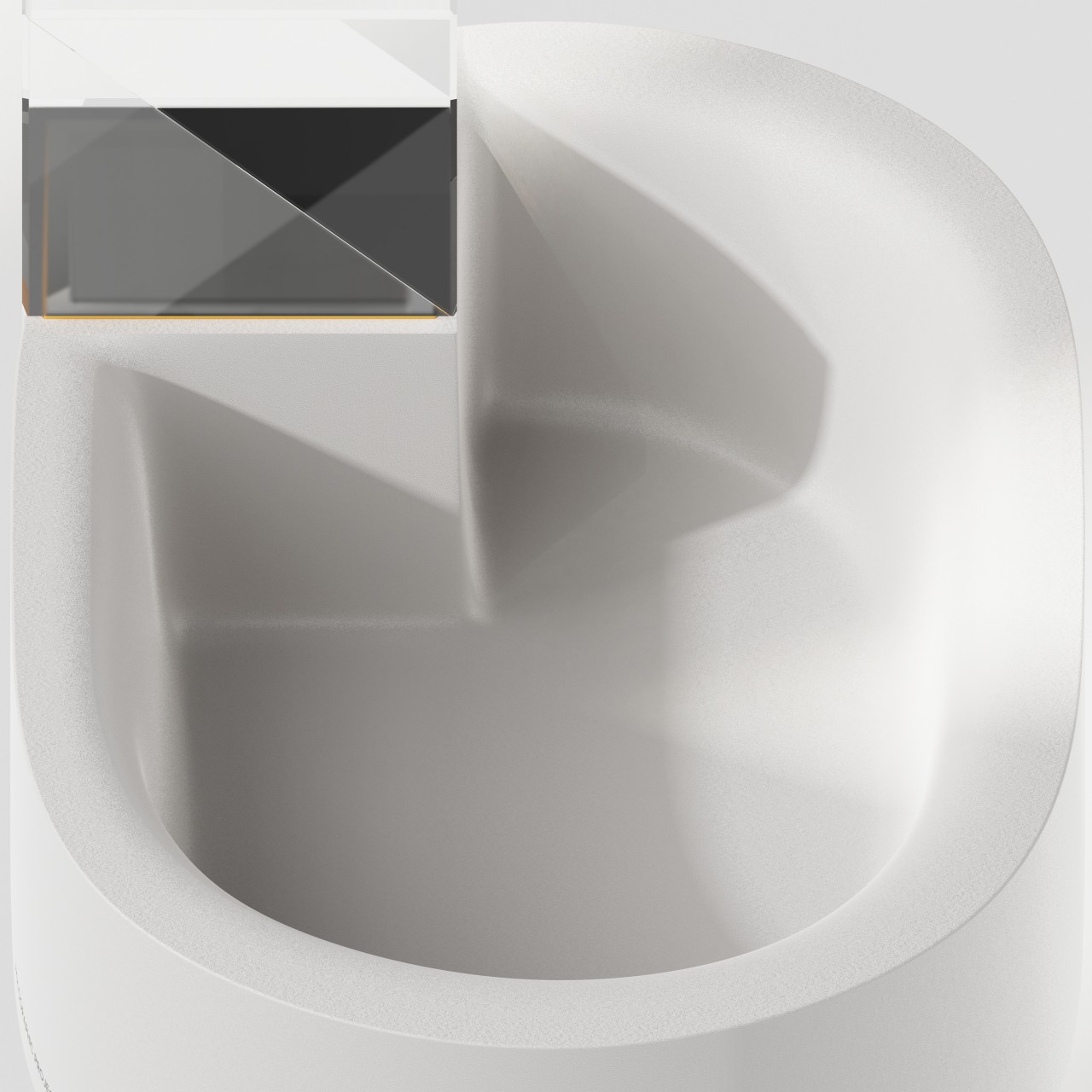
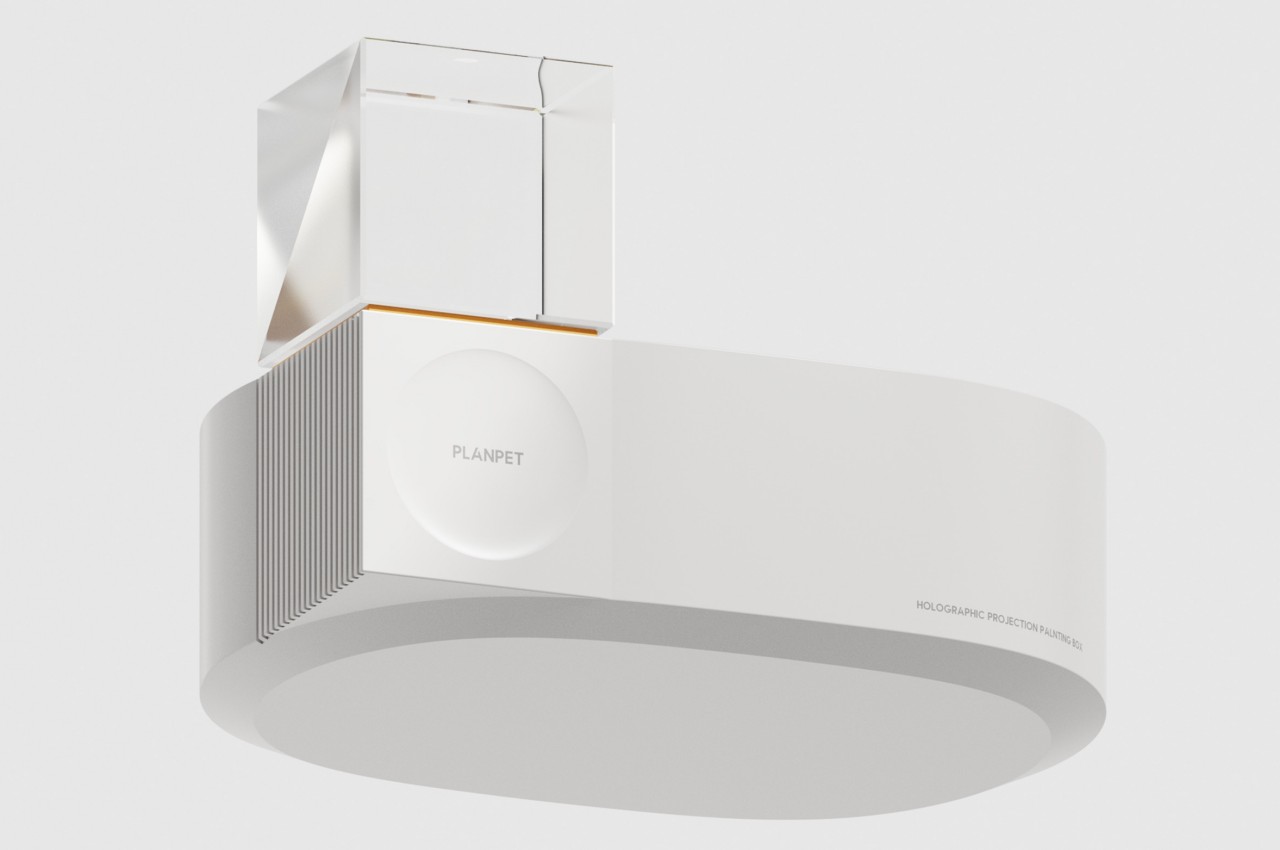
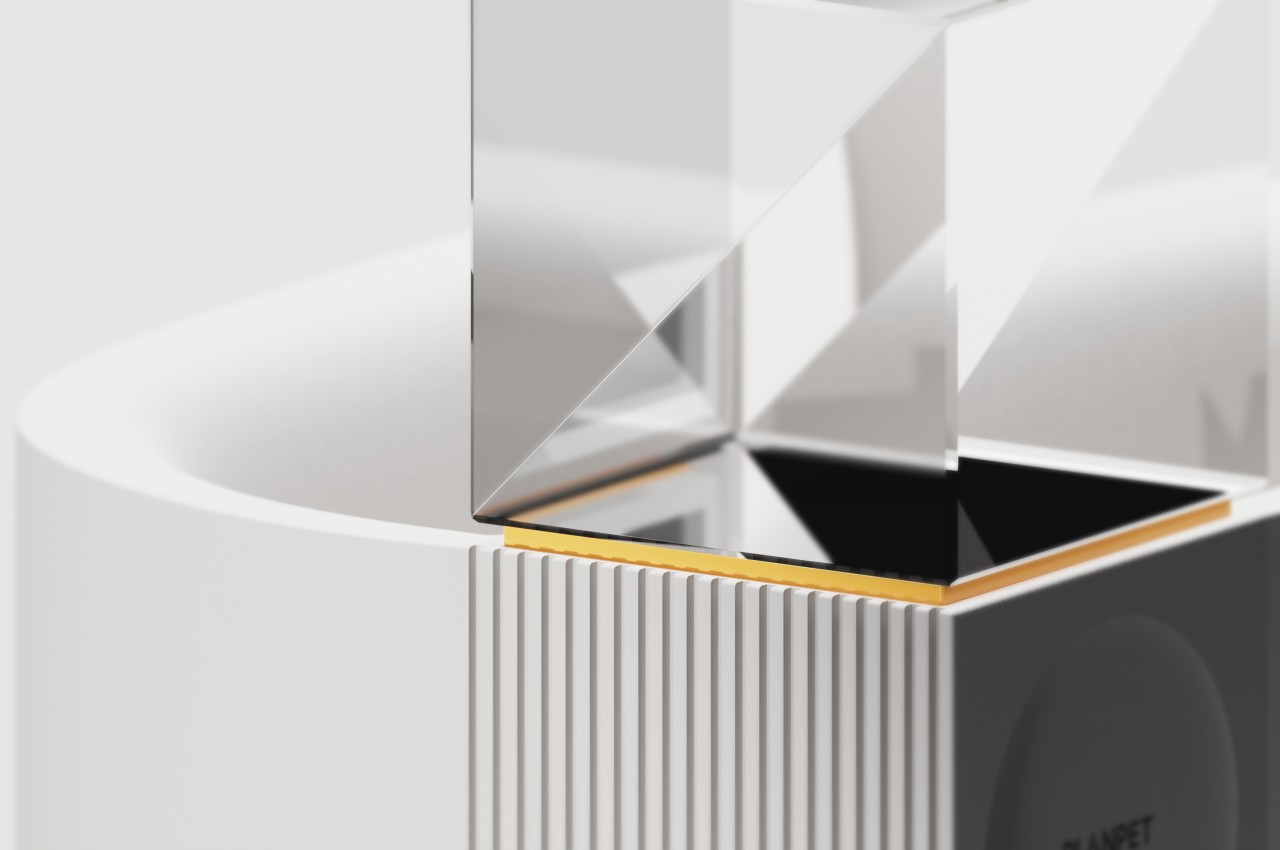
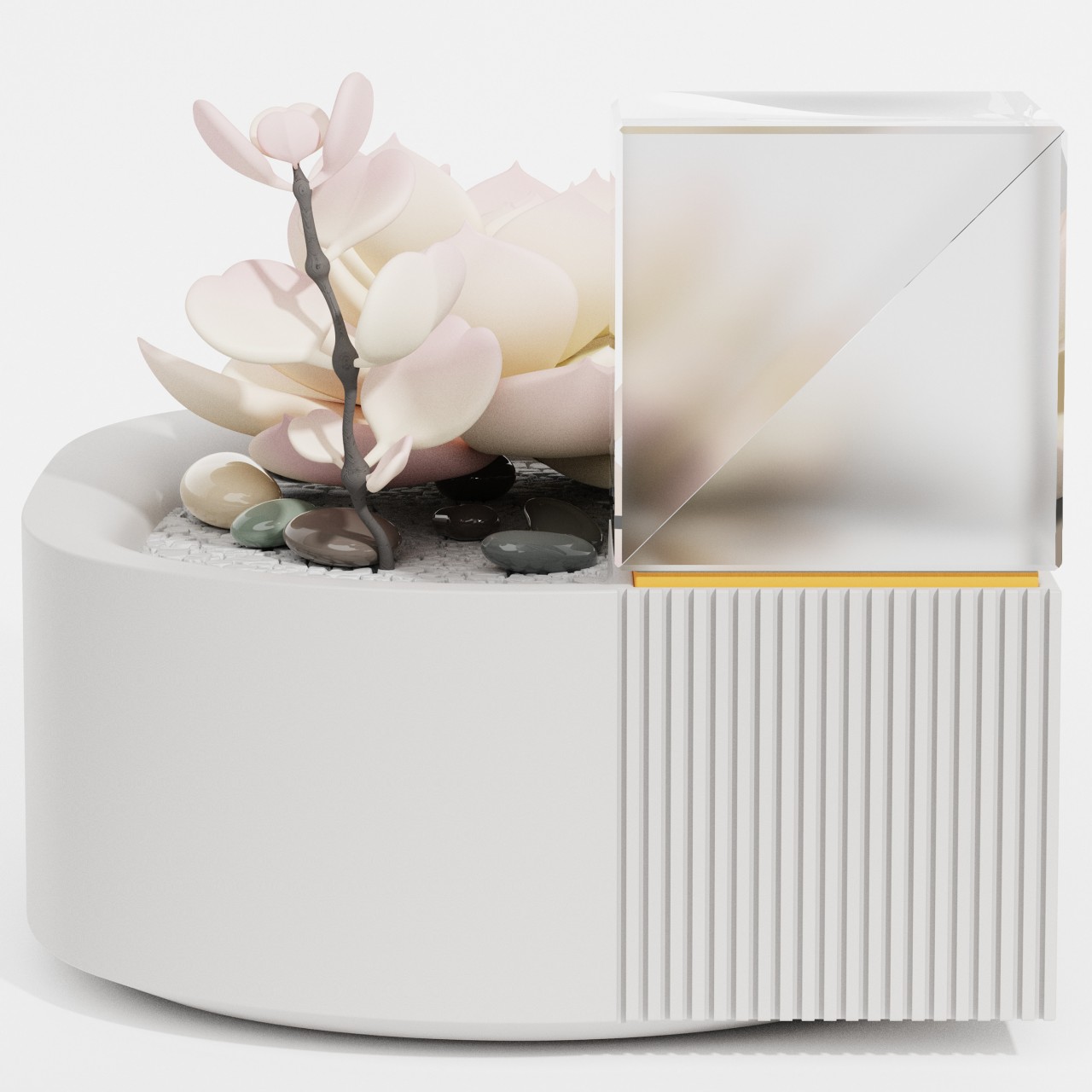
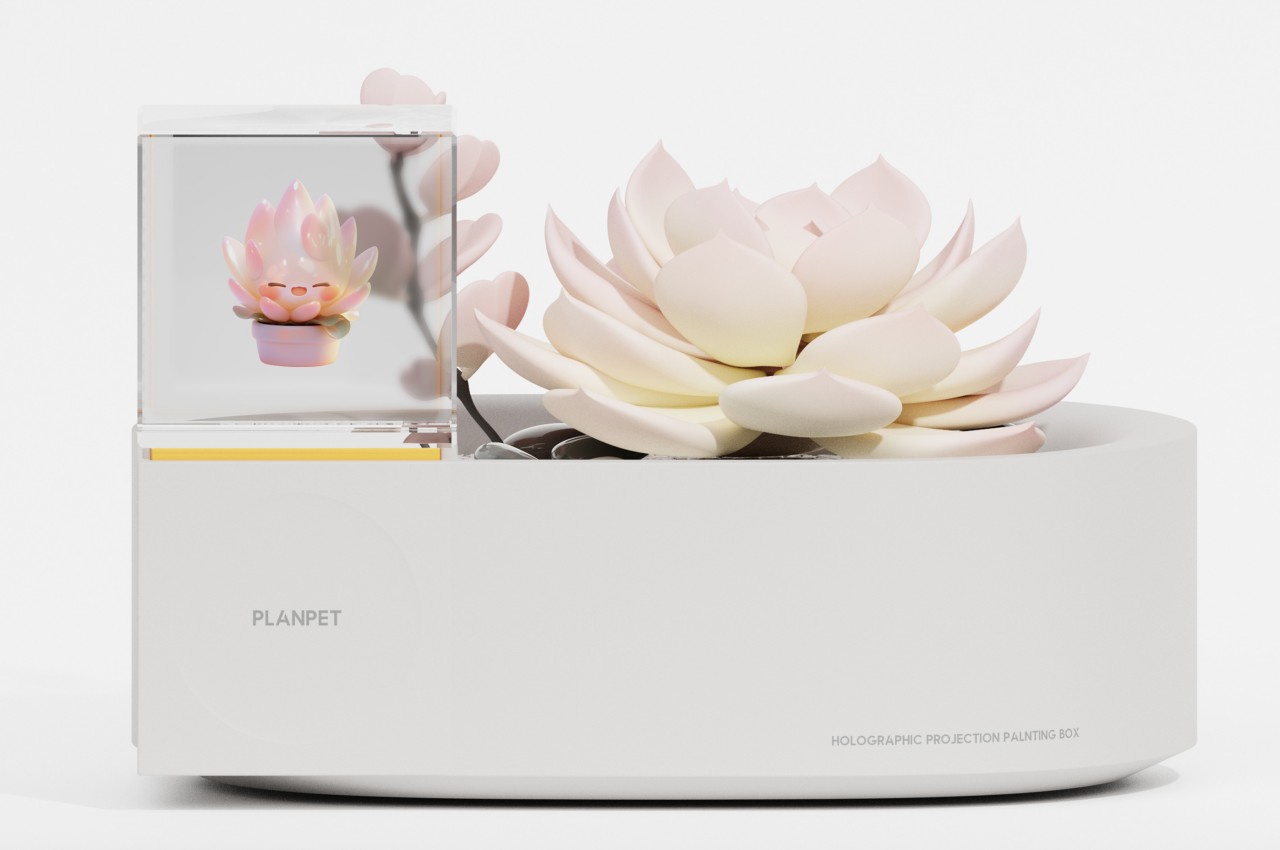
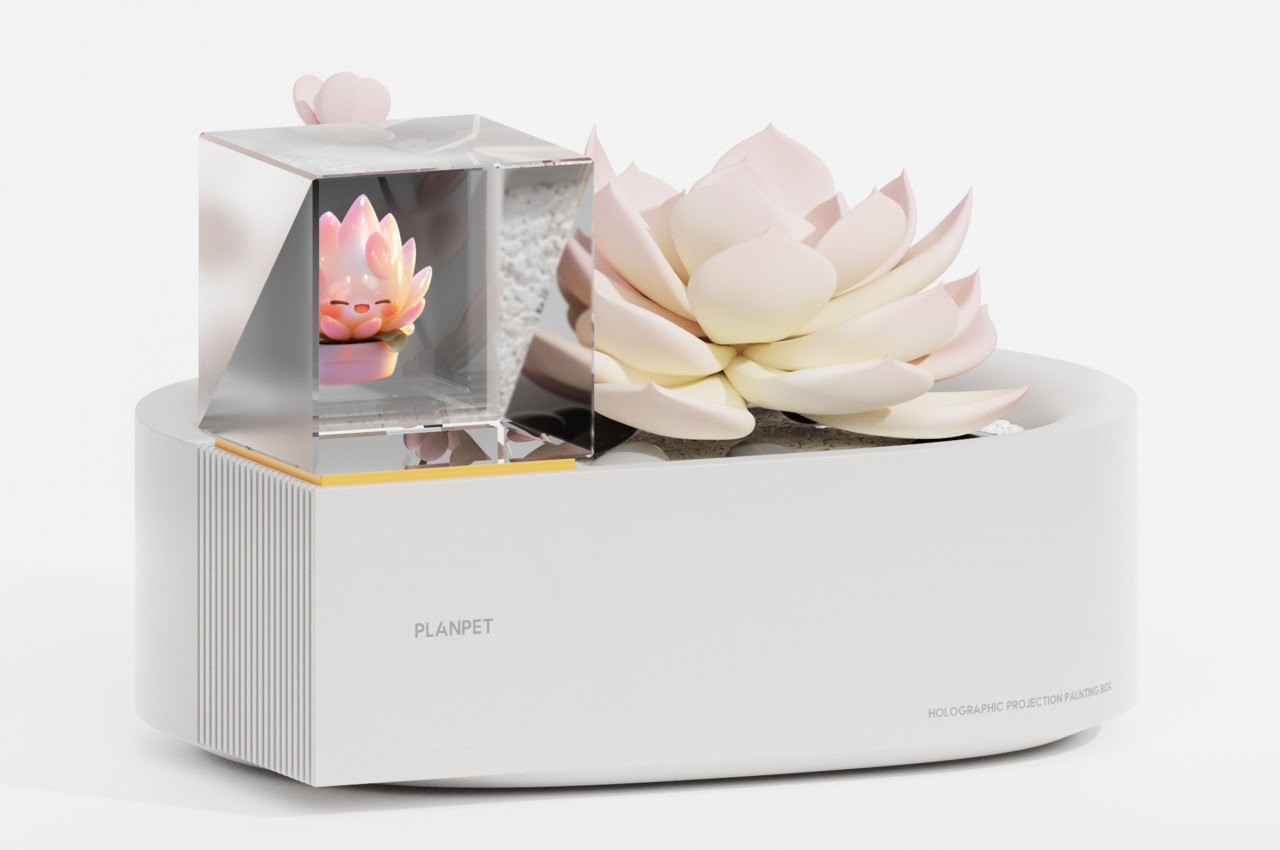
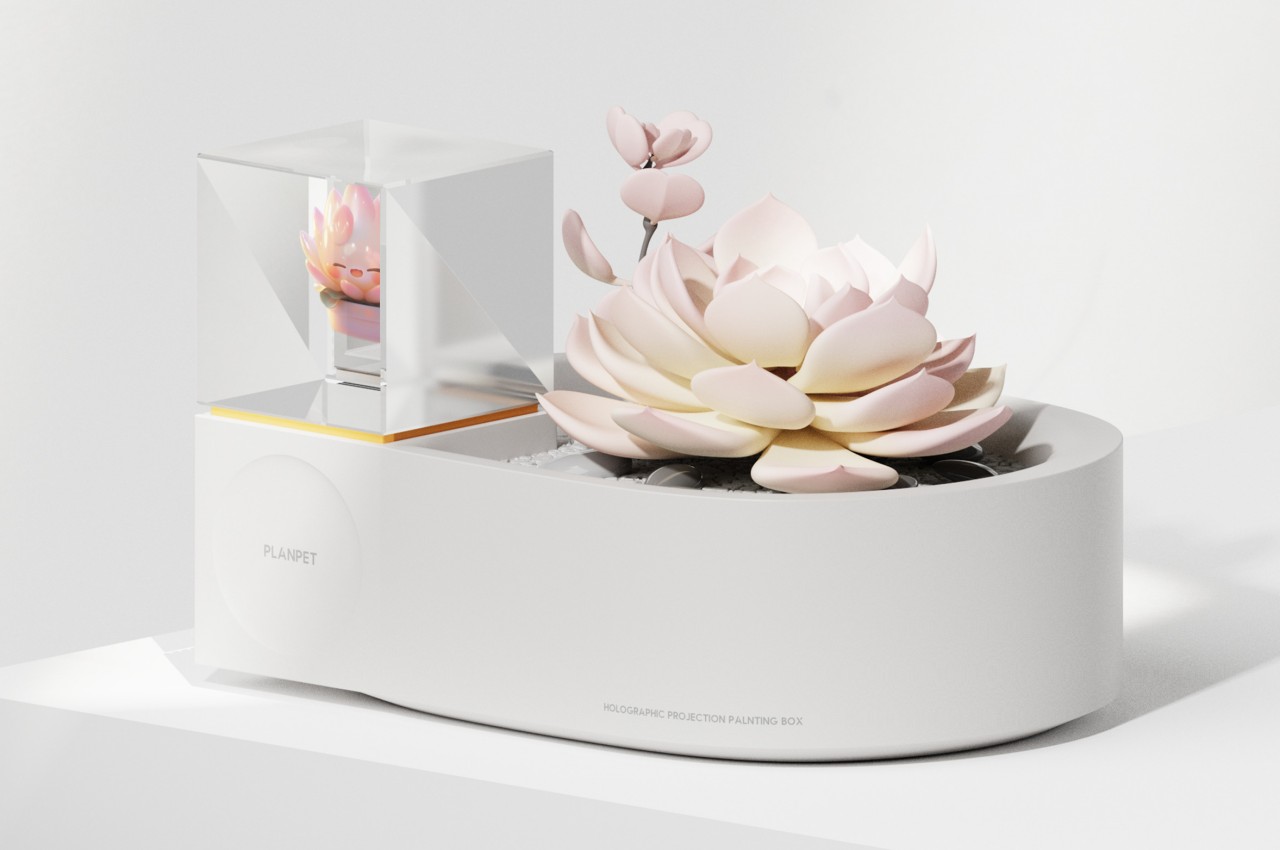
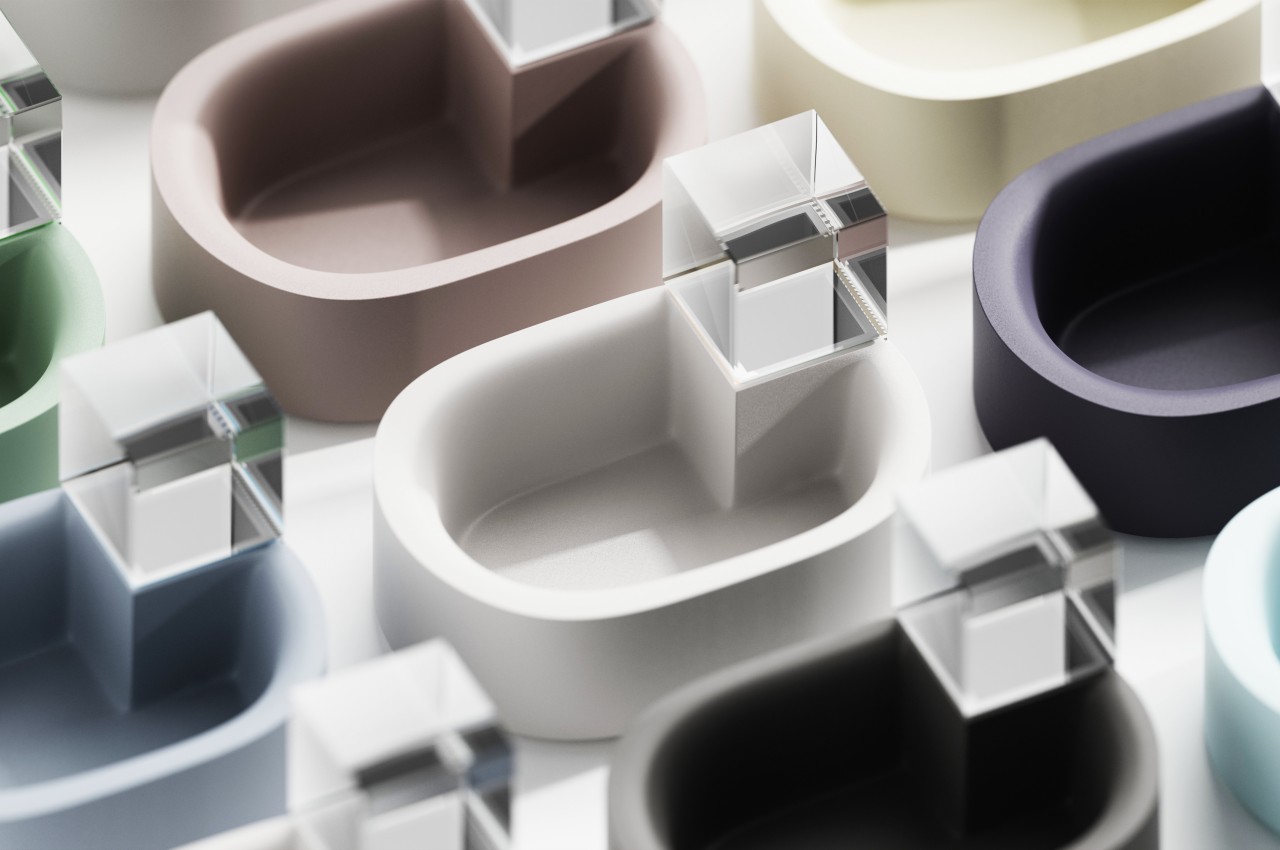
Planpet is a smart plant pot concept that tries to create a more personal connection between humans and plants by giving the plant a face and changing the way we see it. There’s a glass cube standing on one end of the box-shaped pot, right beside where the actual hole for the plant is. This cube isn’t just some extraneous embellishment, however, and is actually a holographic display that shows a miniature 3D representation of the plant with one big difference: it actually has an expressive face.
The idea is that the user will select a virtual character that best resembles the type of plant being put in the pot. But more than just a passive face, this virtual plant will change its facial expressions based on real-time soil and environment analysis. It will react when you give it enough light, when you water it, or even when forget to take care of it.
Planpet is pretty much like Tamagotchi for plants but with more significant consequences in the real world. Rather than waiting for the plant to dry up and die before you get a clue, seeing the expressions the “plant pet” makes gives more immediate feedback and warnings when things aren’t going well for the plant. It still won’t be able to dynamically respond to your actions or commands unless you add a pinch of AI, but just having a face that can express some emotions is enough to really make the plant feel more alive, driving home the responsibility of raising a plant just as you would a dog or a cat.
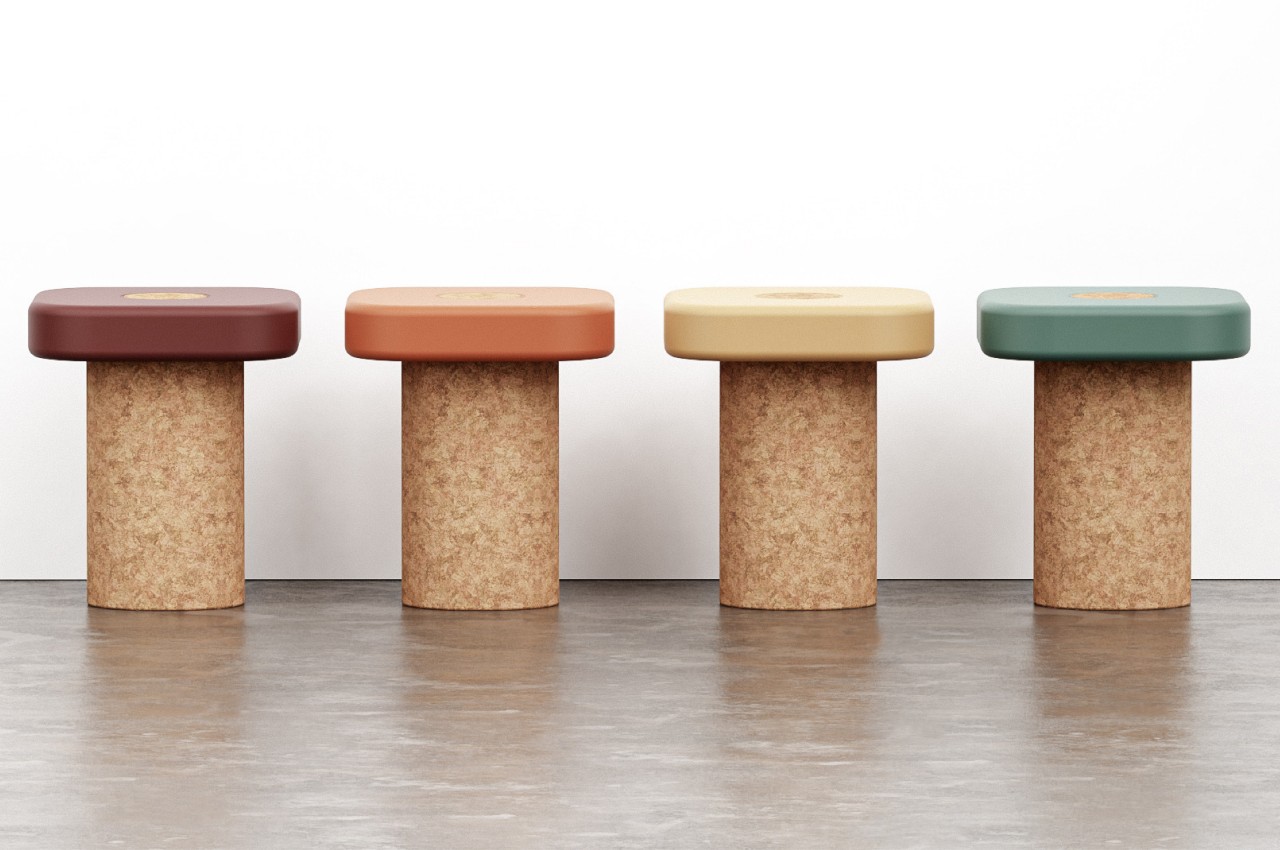
Sitting is an important part of our daily lives, so it’s not unusual to see different kinds of seating furniture around places where people stay or pass through. Unfortunately, it’s hard to predict when you’d need a single chair or a multi-person bench, so spaces tend to either put multiple chairs together or have a few benches and force people to sit together. That strategy does work, at least until the situation changes and you need to change seats, which often means buying new seats and discarding the old ones. This minimalist stool concept tries to offer a more sustainable solution that helps reduce waste by turning two stools into a single bench and back again, depending on the need.
Designers: Erika Avery, Stu Cole
The requirements for a stool, chair, or bench are pretty simple. At the very least, it needs to be stable enough to support the weight of a human person sitting on it without toppling over or collapsing. Comfort is, of course, ideal, but some designs seem to forego that in exchange for other capabilities. It’s arguable that the “unknown” stool concept is one of these designs, though its modular nature leaves that open to interpretation and implementation.
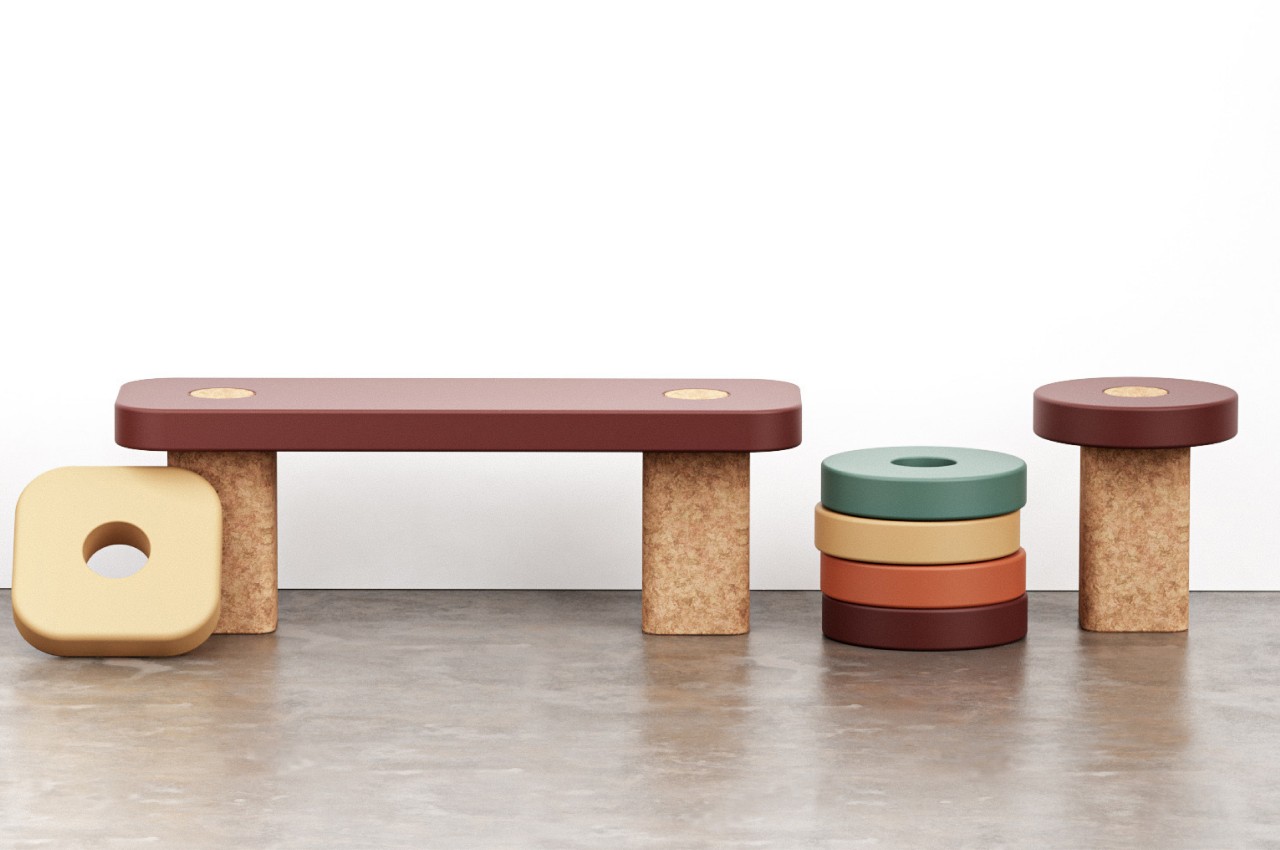
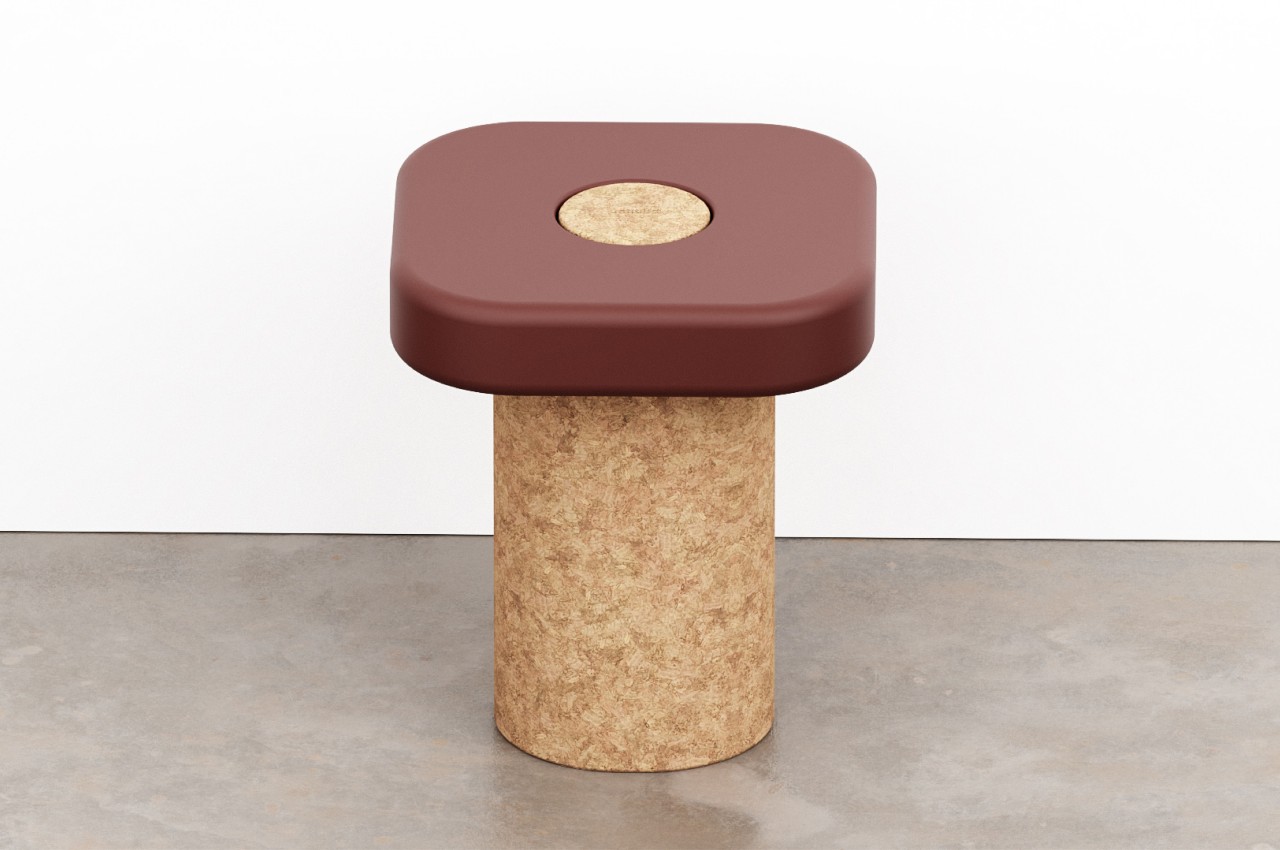
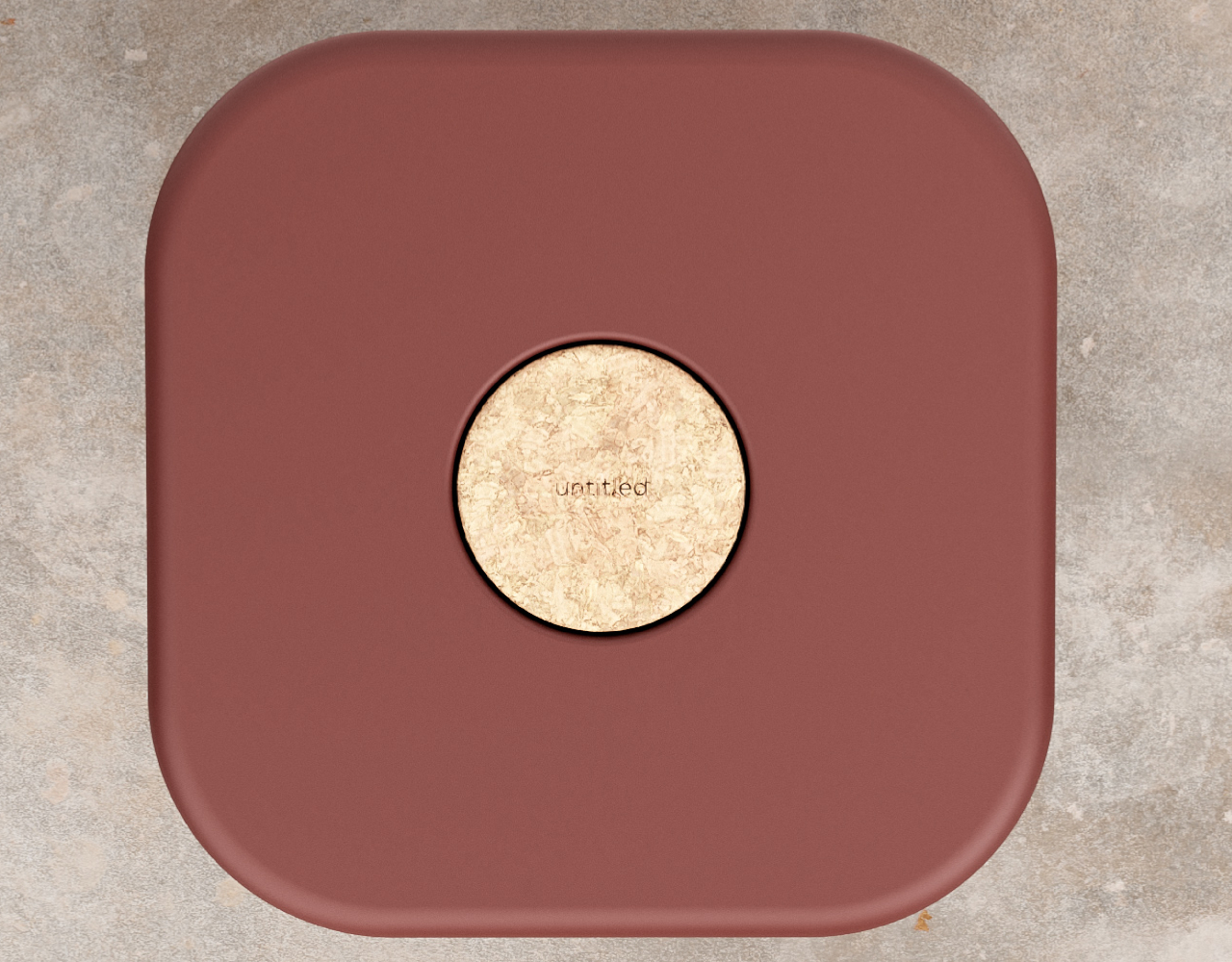
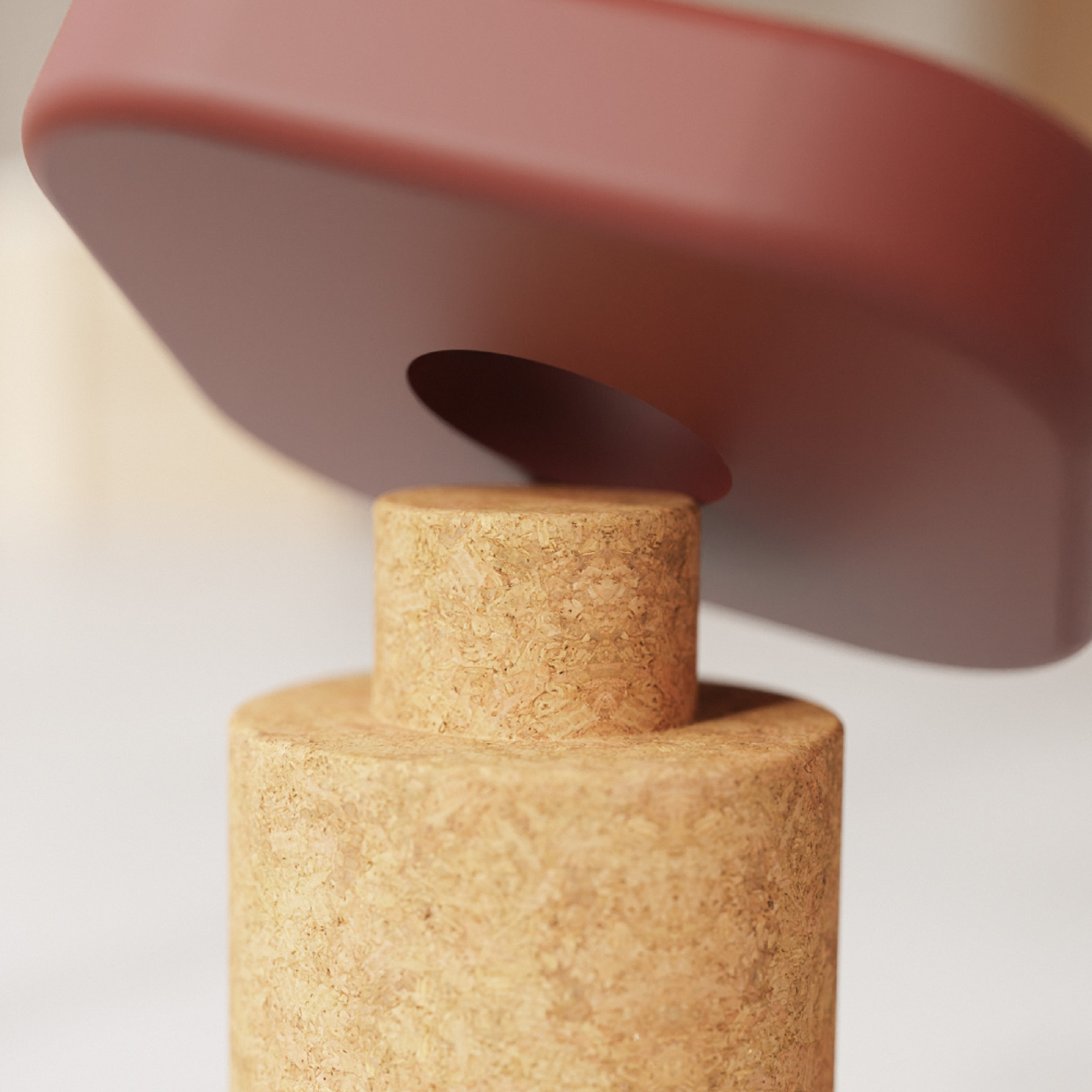
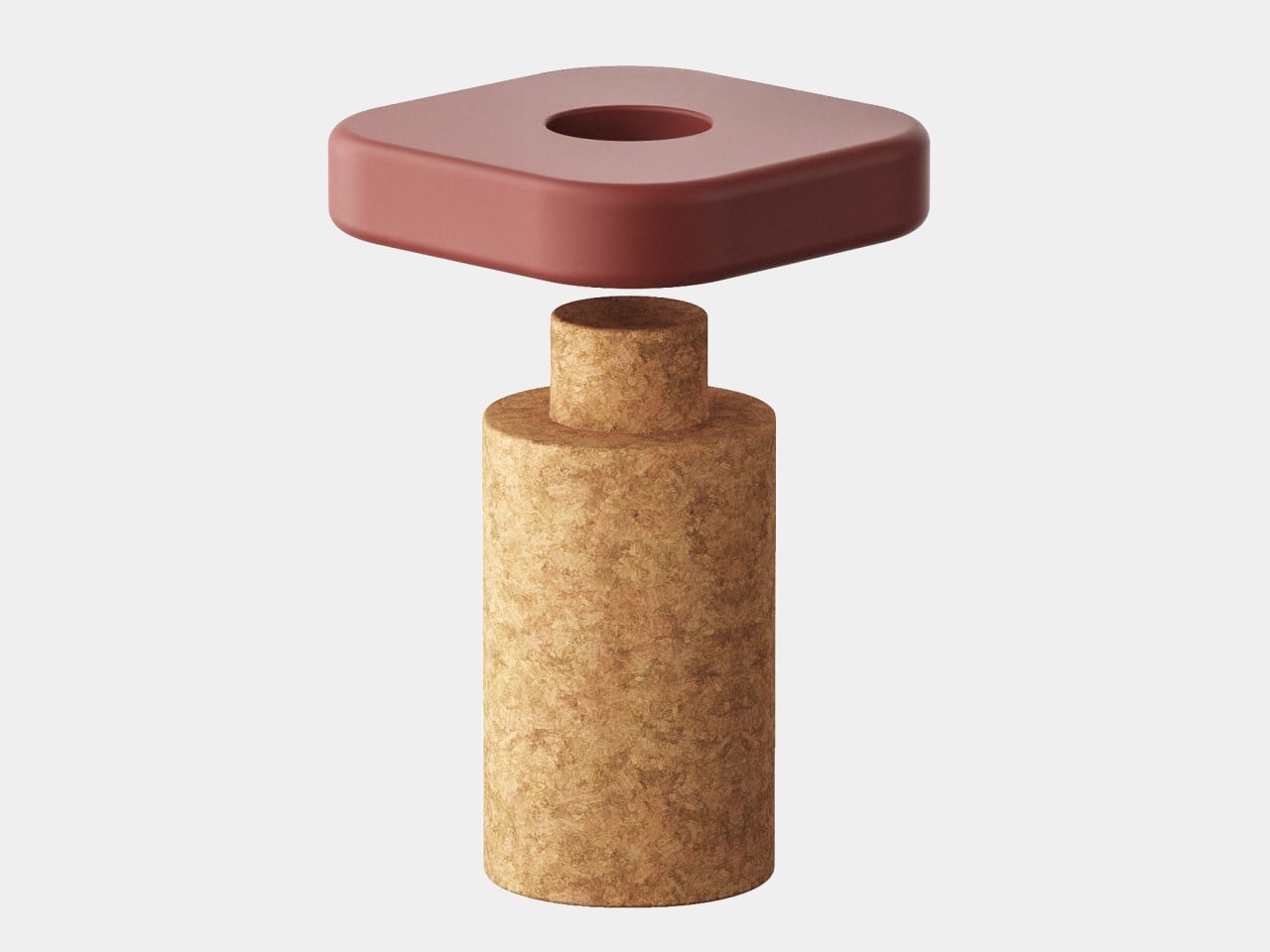
The core element of this concept is the sturdy column made of cork, a sustainable and easily acquired material. It’s a single cylinder that makes up the center of the stool, but its secret lies in a smaller circle that connects to a removable seat with a hole in its center. It’s a simple system that requires no screws, extra parts, or complex mechanisms, which means maintenance, repair, and replacement will be just as simple as well.
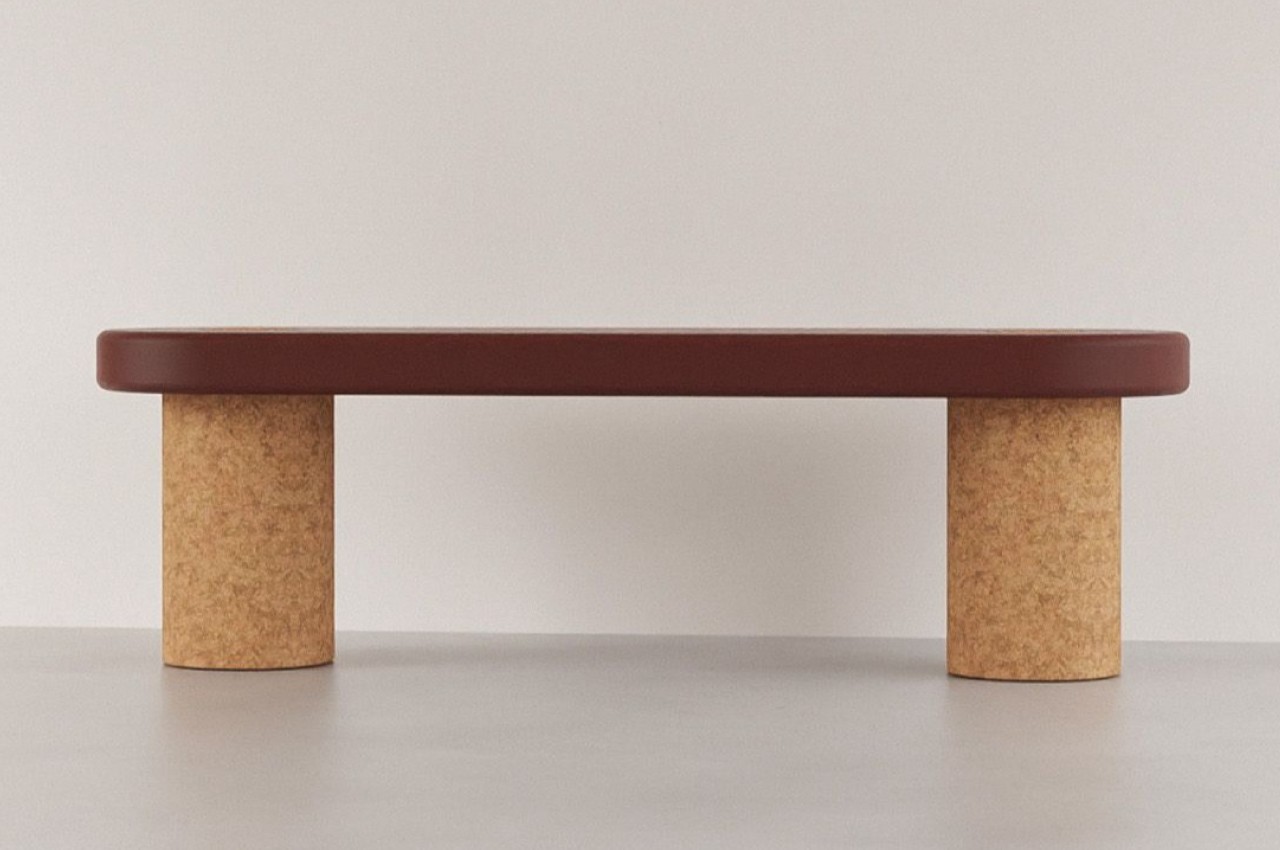
That seat can, in theory, be anything, though the simple shapes of a square and a circle immediately come to mind. However, that doesn’t limit it to a single symmetrical shape either, since you can have a long rectangular seat with holes on each end, forming a bench when set on top of two cork columns. In fact, the design of the actual furniture is determined by the shape of that removable seat, and it can be as simple or as complex as needed.
The concept doesn’t exactly define what the seat has to be made of, so it can use wood, metal, plastic, or any other material. It can be bare or it can have some cushioning or upholstery to add a bit of comfort. More importantly, the seats can be changed, repaired, or replaced without throwing away the cork core, or vice versa. It’s a simple yet effective design that limits the waste of fixed chairs and stools while leaving the door open for combinations that deliver what’s needed at any given time.
Indoor gardening and plants gained momentum around 2-3 years ago as people sought ways to cope with boredom and insanity while cooped up at home. Since then, it has become fashionable to raise greens inside homes, whether for food, aesthetics, or both. But as captivating as green living things may look during the day, their aesthetic value drops completely when you can no longer see them at night or in the dark. Of course, you could buy one of those hi-tech planters that have built-in lights, but that costs money not just for the product but also for the electricity it consumes. It would definitely be enchanting and magical if the plants could glow on their own, and that’s exactly the marvel that these glowing petunias are bringing to the table, literally.
There are some things that naturally glow in the dark, and, no, we’re not just talking fireflies and some iridescent rocks. Bioluminescent plants actually occur more often in nature, except they aren’t exactly the type of plants that you’d proudly display in a pot on your shelf or coffee table. But what if you could have that same magical ability on indoor plants and flowers? You’d probably be the talk of your friends and the town for as long as the plant is alive.
The Firefly Petunia is exactly that, a new and regulation-approved breed of the popular garden flower that, if you haven’t caught on yet, glows in the dark. This isn’t the first attempt to breed a bioluminescent houseplant, but it seems to be on track to being to most successful to date. Unlike previous experiments, this first mixed the genes of a glowing mushroom with a tobacco plant to great success. Of course, you wouldn’t want to grow that inside your home, so it’s a good thing that petunias are a close and, more importantly, compatible cousin.
What makes the Firefly Petunia even more special is that it requires no extra care or steps to make it glow since it’s all part of the plant’s growing process. Simply make sure that it gets enough sunlight during the day, which is something you should be doing anyway, and then watch it light up in the dark of night. The bioluminescence can even be an indicator of the plant’s health, because parts that are growing faster, like flower buds, also glow the brightest. When the plant starts to dim, it’s time to check its condition or prune dead parts.
This glow-in-the-dark flower is just the first step in the company’s grand plan, which includes making the petunias glow in more colors other than plain white. Research is also underway to extend the capabilities outside of this species, so it might only be a matter of time before we see all kinds of plants and flowers glowing in the dark, turning your home into a magical garden every night.