AI is no longer just for swapping faces, erasing unwanted people from photos, or generating images and text that can have you questioning people’s sanity. While those can be fun, they hardly show what the technology is capable of. AI is now becoming part and parcel of the computing experience, optimizing tasks, understanding and summarizing your files, and, of course, answering your questions, but you will need and want hardware that can actually support those functions in an efficient and private manner. At IFA 2024, Lenovo is unveiling a wide range of computers that deliver this kind of power using the next generation of AI processors, helping the brand push toward its goal of leading the AI Devices Era.
Designer: Lenovo
Lenovo Aura Edition: Intel Core Ultra Series 2
Working together with Intel for years, Lenovo launches its new Aura Edition laptops, leveraging the power of AI not just to deliver smarter features but to change the way people use their computers. Smart Modes, for example, can adapt to users’ needs and habits, reducing distractions when they need to work, activating stronger security measures when connecting to public Wi-Fi, or simply reminding them to take breaks at certain intervals. These features are powered by Intel’s new Core Ultra Series 2 processors, delivering improved NPU performance up to 48 TOPS (Tera/Trillion Operations Per Second).
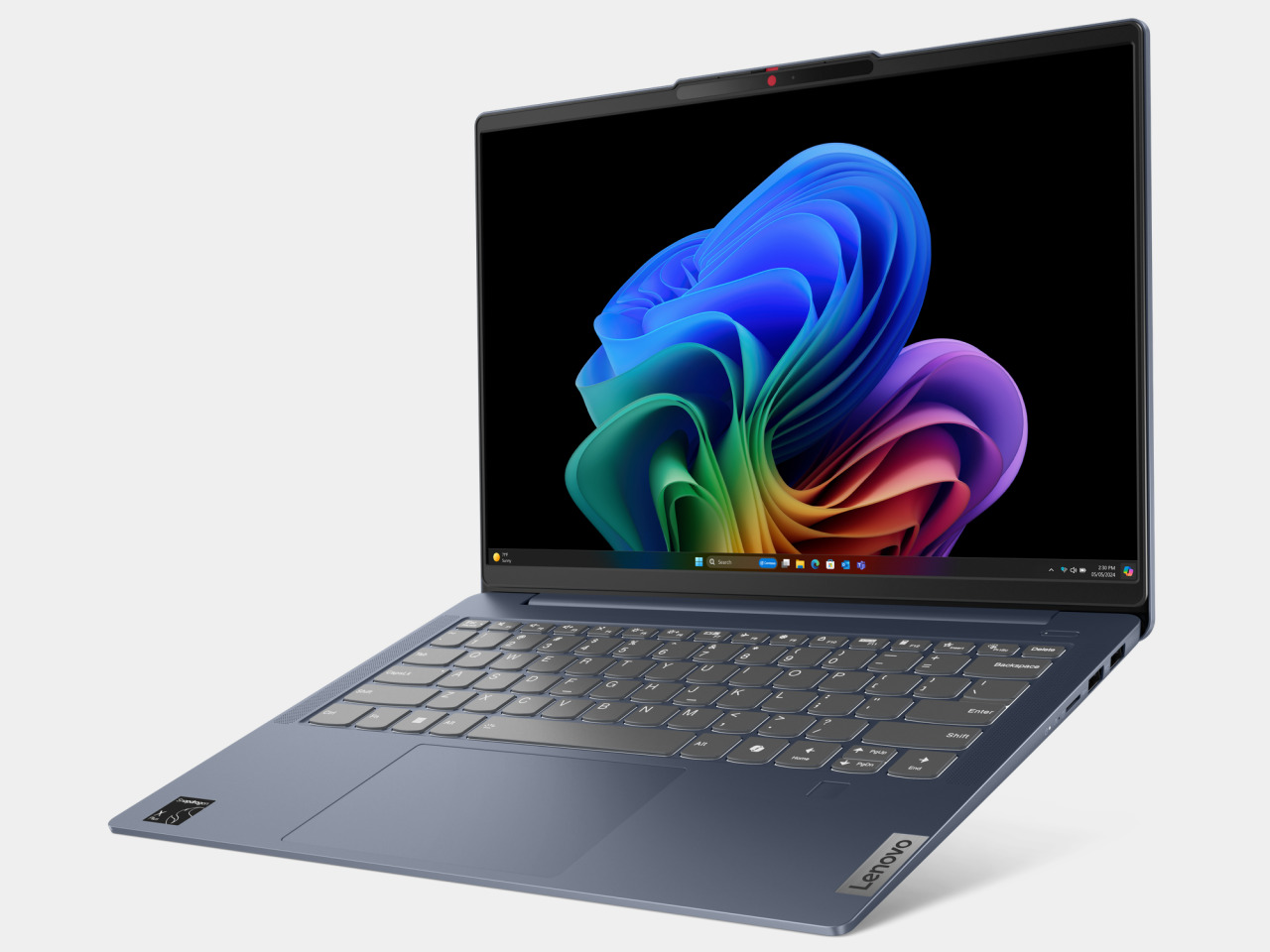
The ThinkPad X1 Carbon Gen 13 Aura Edition offers a business-class design and experience that the ThinkPad brand is famed for. A 14-inch 2.8K OLED Dolby Vision screen delivers crisp and vibrant images, while the 57-watt battery promises almost a full day of use before you need to plug in. In addition to a large Haptic TouchPad, the laptop integrates the iconic three-button TrackPoint for a familiar and comfortable experience that fans have come to expect from this line of pro laptops.
In addition to AI upgrades, the ThinkPad X1 Carbon Gen 13 Aura Edition also steps up its sustainability game, boasting a customer-replaceable battery design, 90% recycled magnesium for the C cover, and the complete absence of plastics from the packaging. The ThinkPad X1 Carbon Gen 13 Aura Edition will be available starting in November with an expected starting price of $1,999.
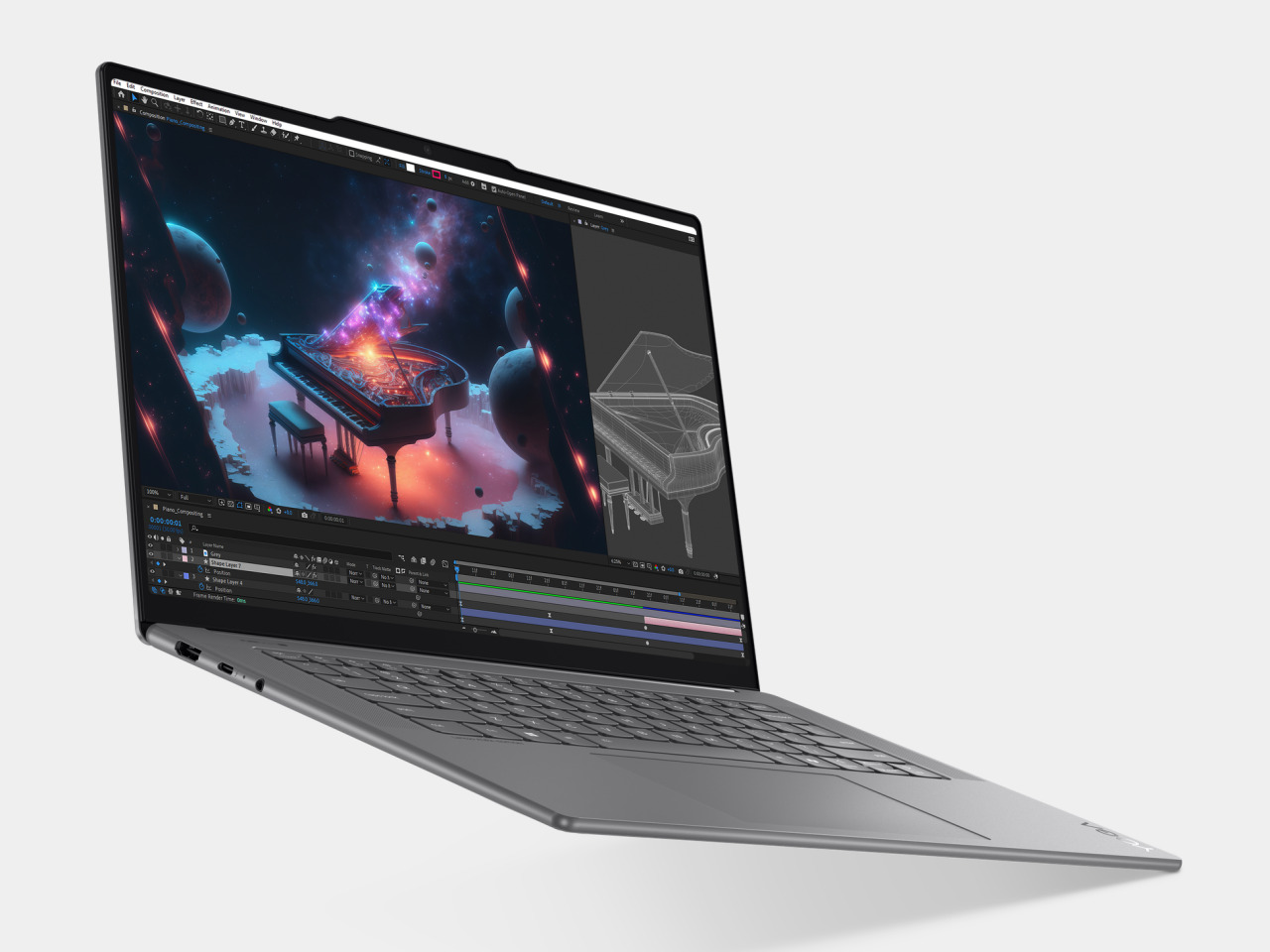
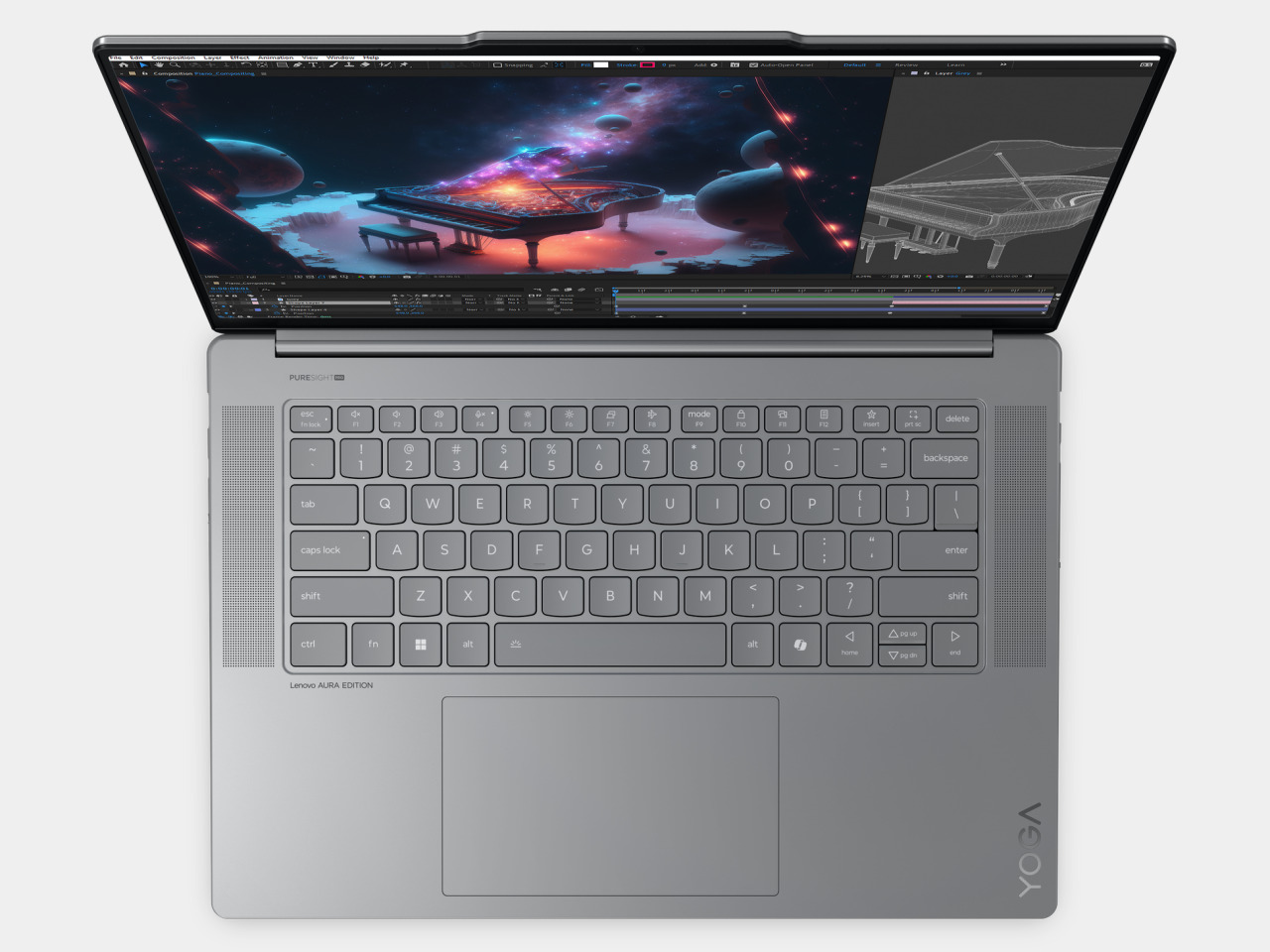
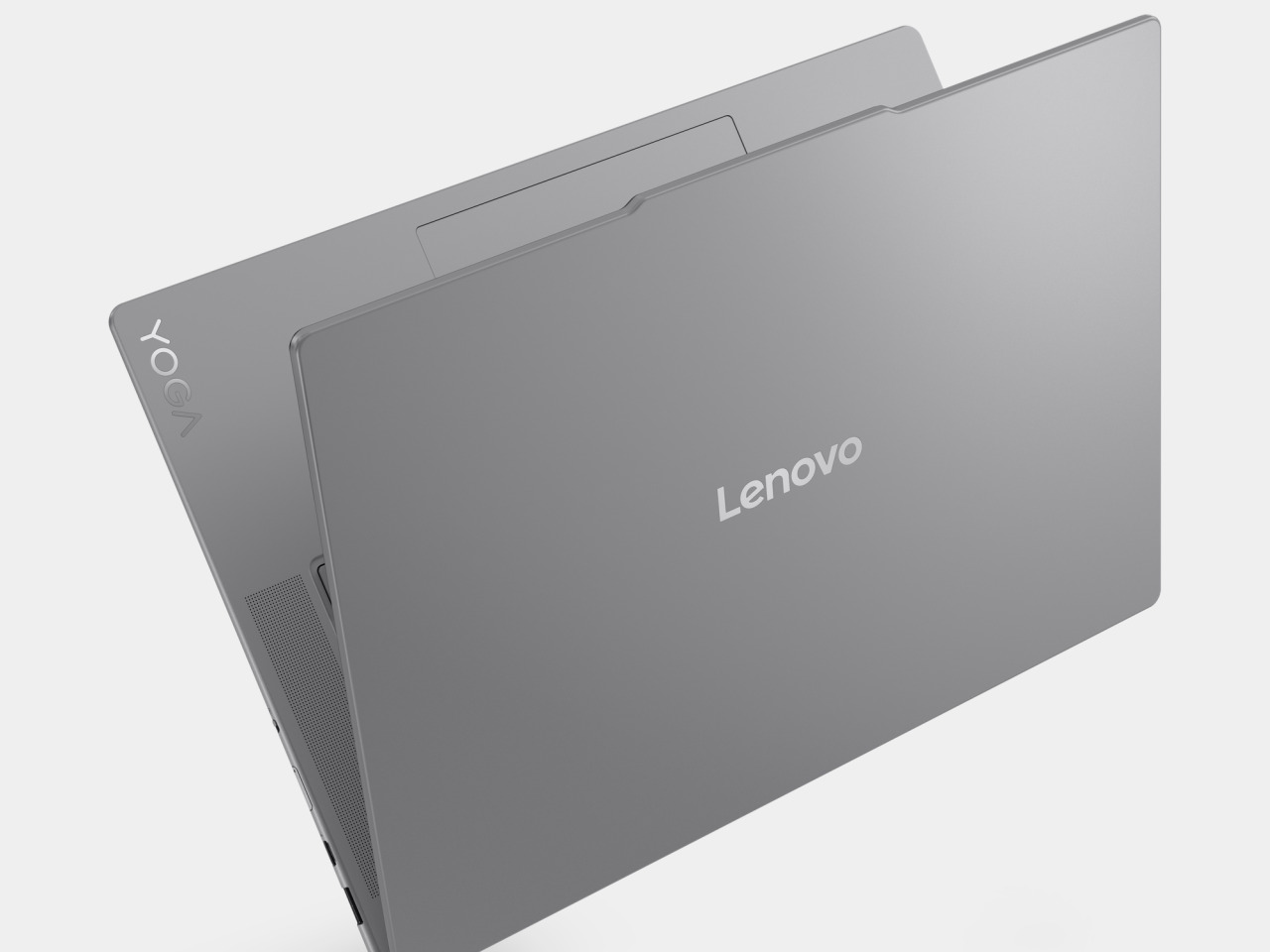
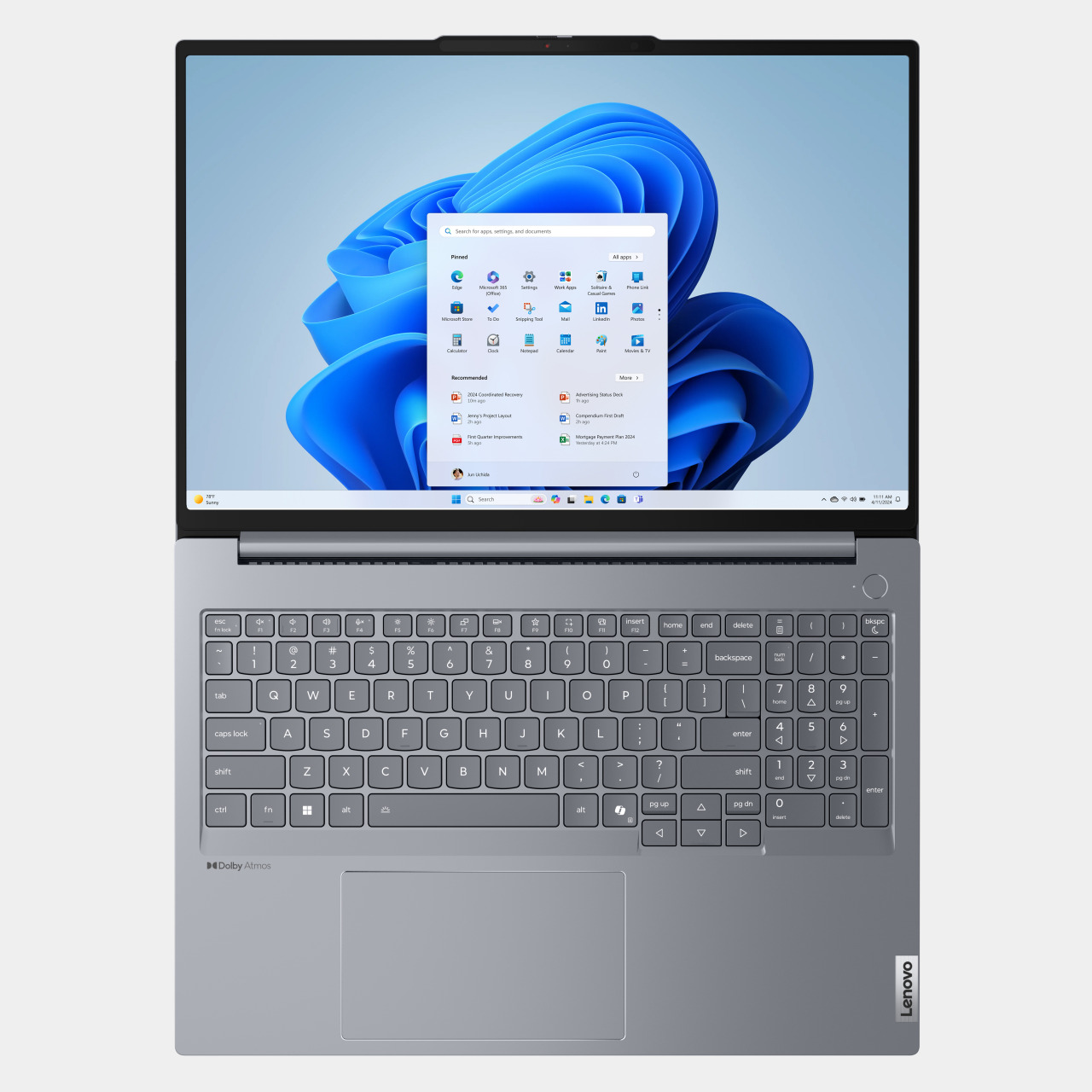
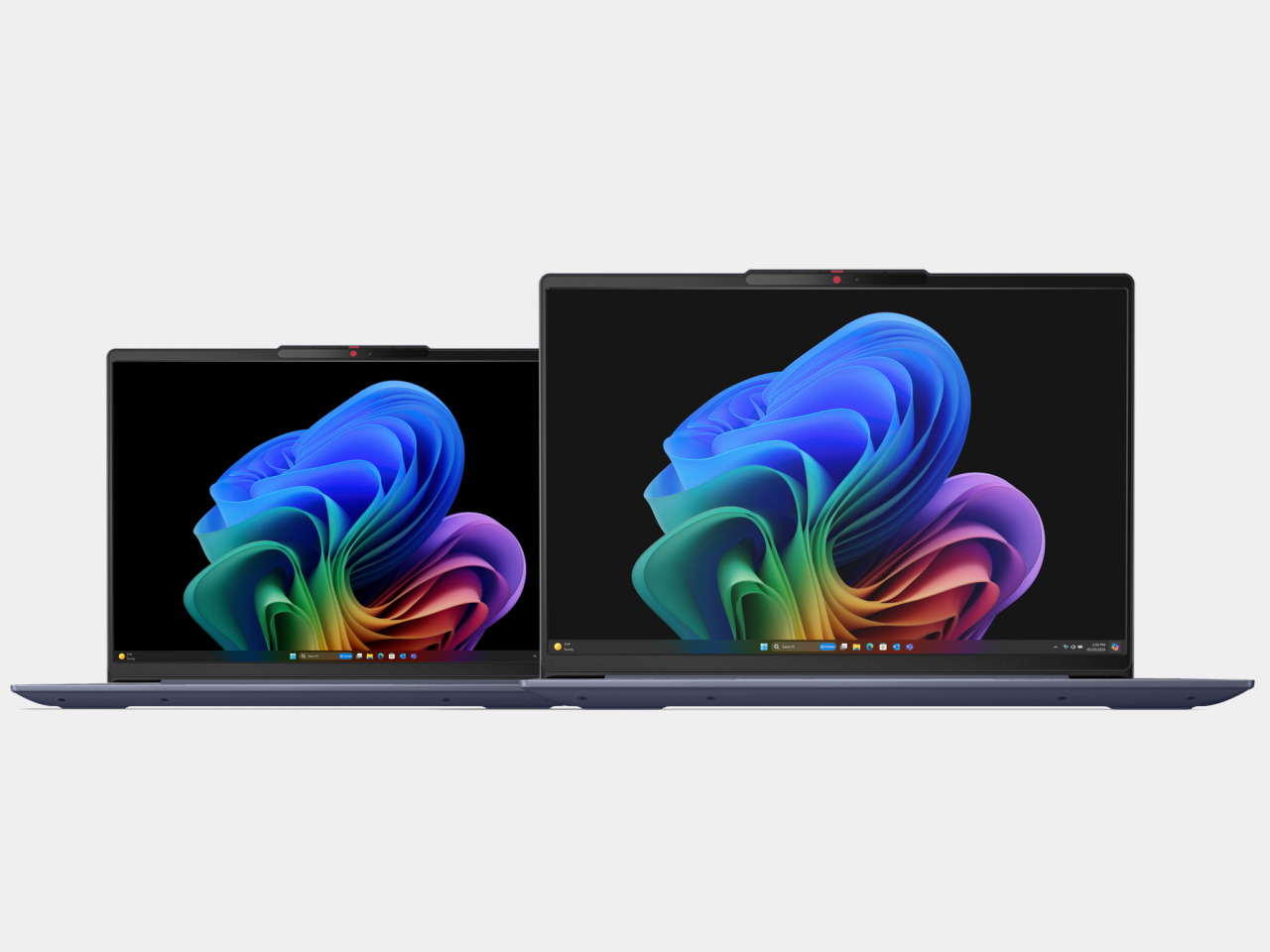
The 15-inch Lenovo Yoga Slim 7i Aura Edition brings those same Intel-powered AI capabilities to Lenovo’s line of content creation laptops. Designed with creative professionals in mind, the 15-inch 2.8K 120Hz OLED screen and 70Wh battery offer the performance, high-fidelity visuals, and all-day uptime that these discerning users need to get their jobs done anywhere they go. Expected to be available starting this month, the Lenovo Yoga Slim 7i Aura Edition will start at $1,299.
Versatility and Portability: Snapdragon X Plus
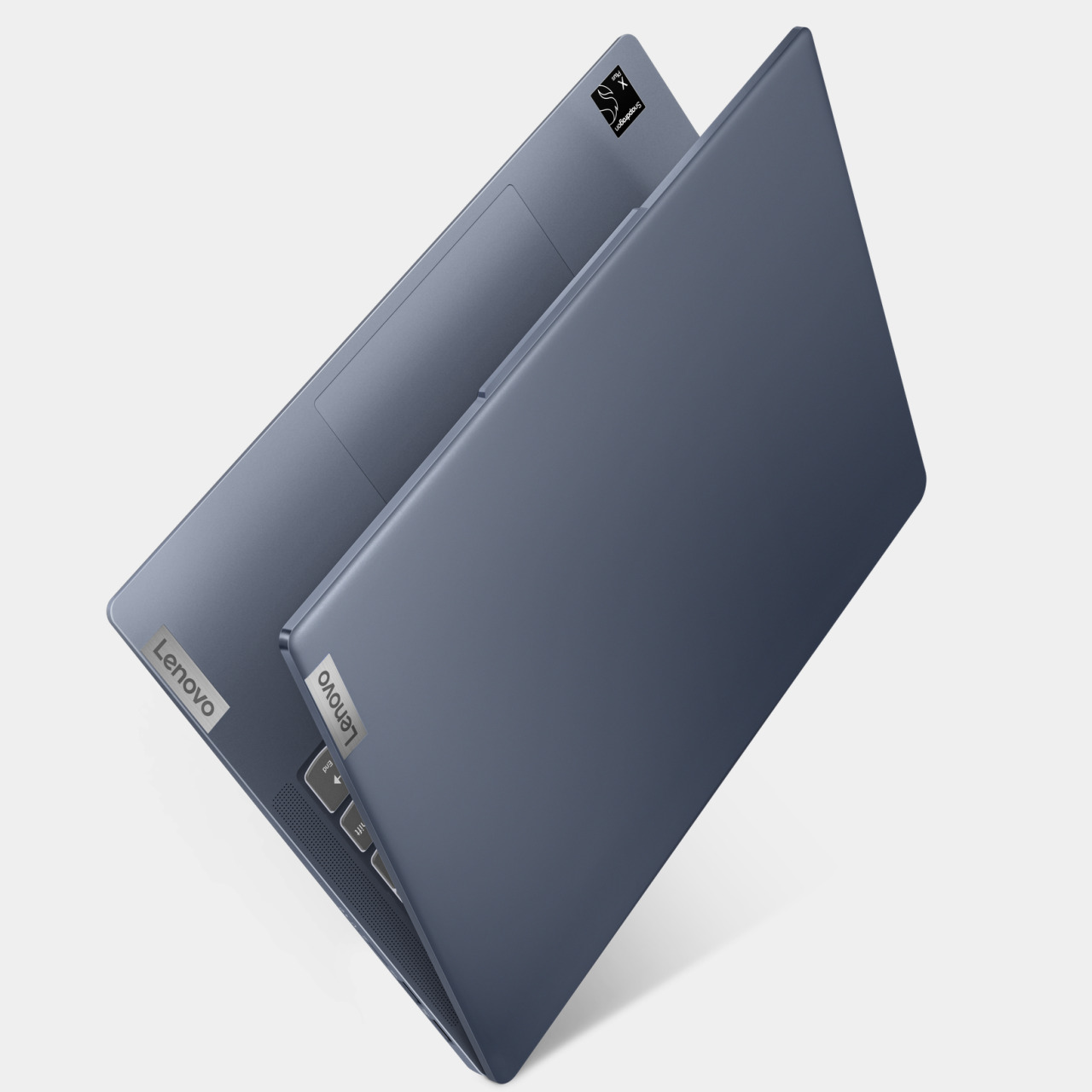
With the Snapdragon X processors, Qualcomm is bringing its battle-tested performance and battery efficiency from smartphones and tablets to Windows PCs. The Snapdragon X Plus further expands that thrust with a selection of Copilot+ laptops and tablets for every user, tier, and budget. With an 8-core chip and a neural processing unit delivering 45 AI TOPS performance, these new Lenovo computers make AI and long battery life accessible to more consumers.
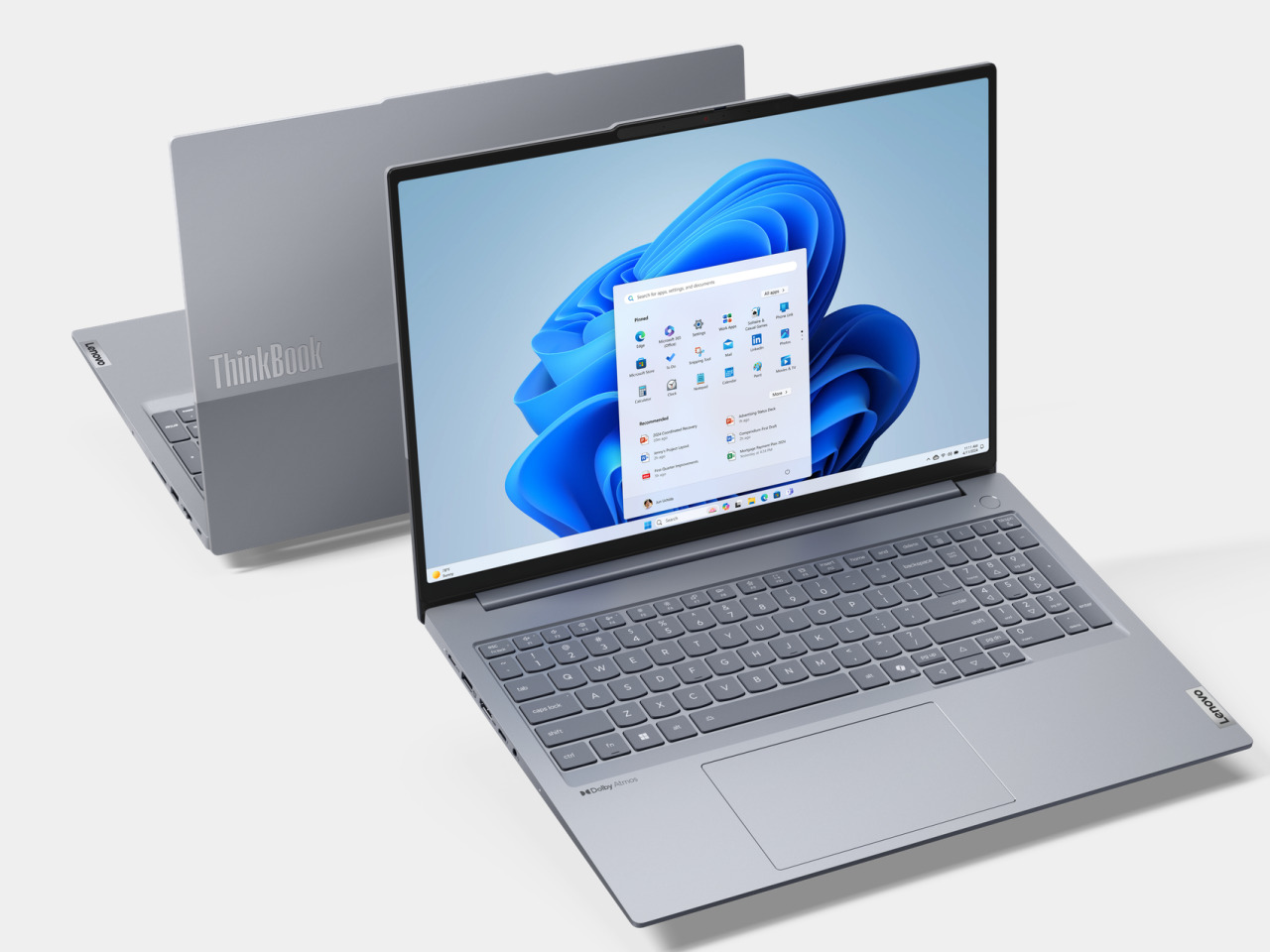
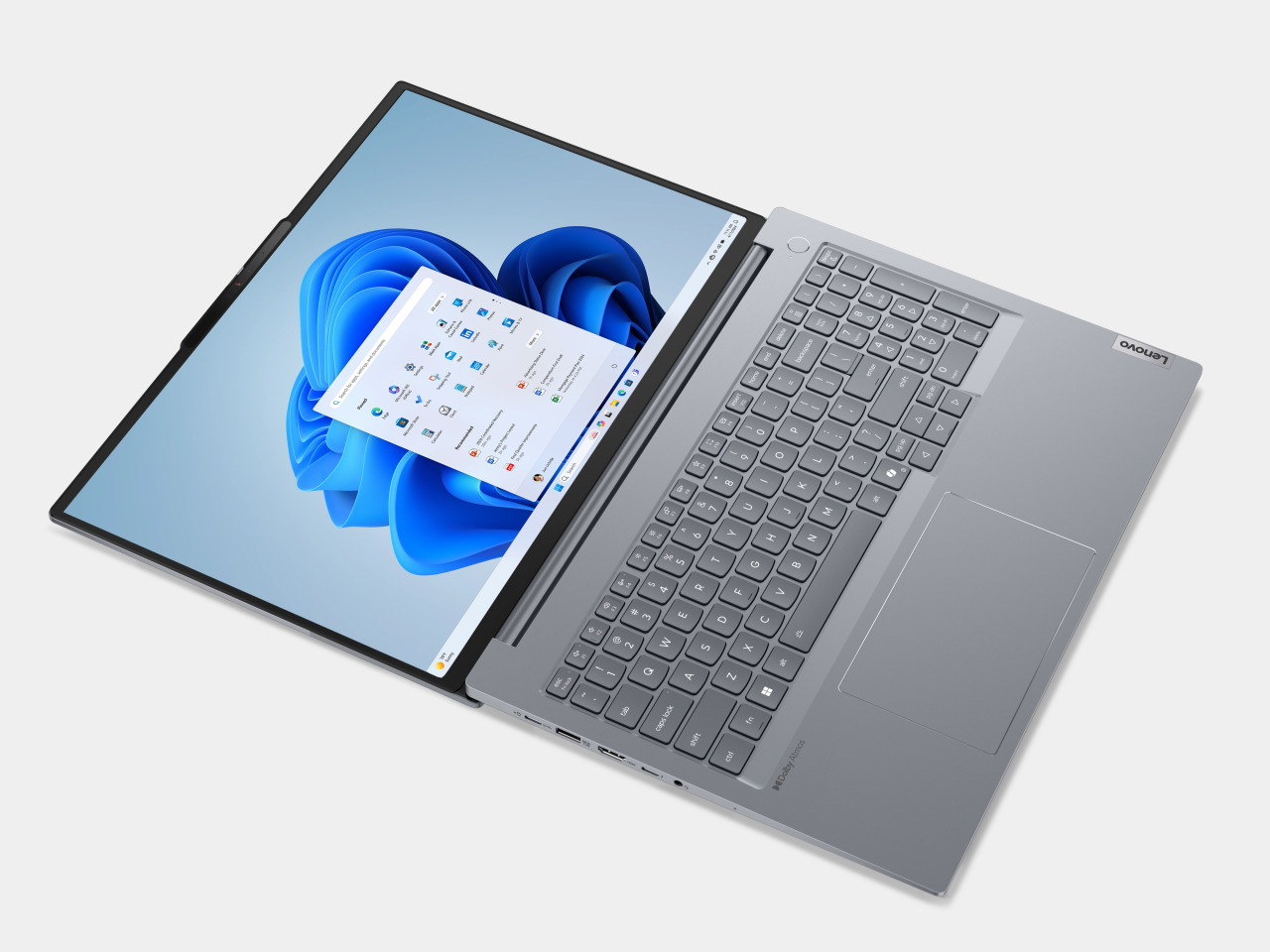
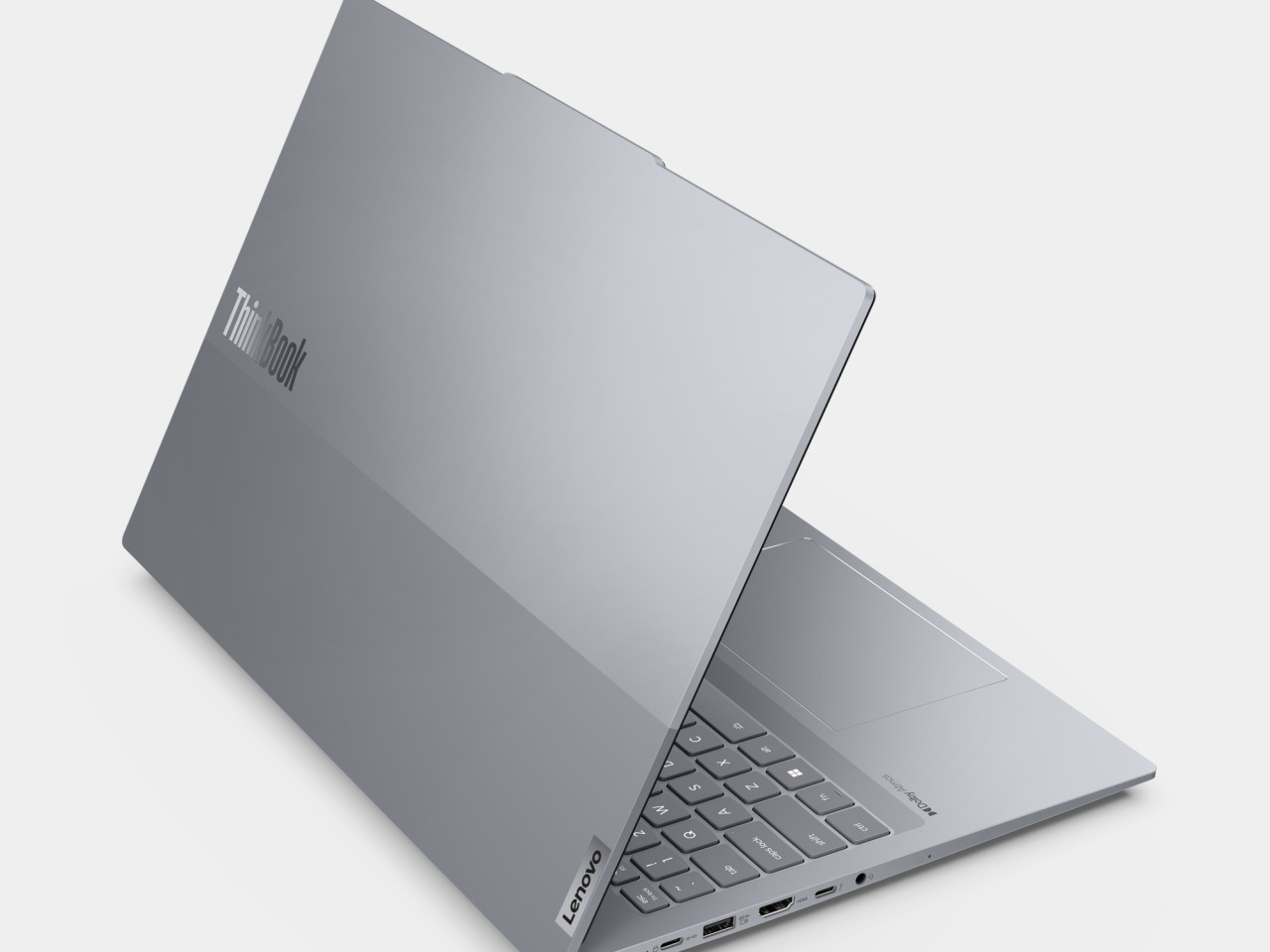
The new ThinkBook 16 Gen 7 with Snapdragon X Plus combines AI chops with a multi-day battery life and a chic, modern design that’s only 16mm thin. It brings AI processing for business applications, on-device AI assistance, and AI-improved camera imaging to on-the-go professionals who need a reliable computer that can survive being away from a wall socket for a day or two. Starting at only $799, the ThinkBook 16 Gen 7 offers an affordable option to all the powerful yet pricey AI computers arriving this year, without compromising on the quality of the experience.
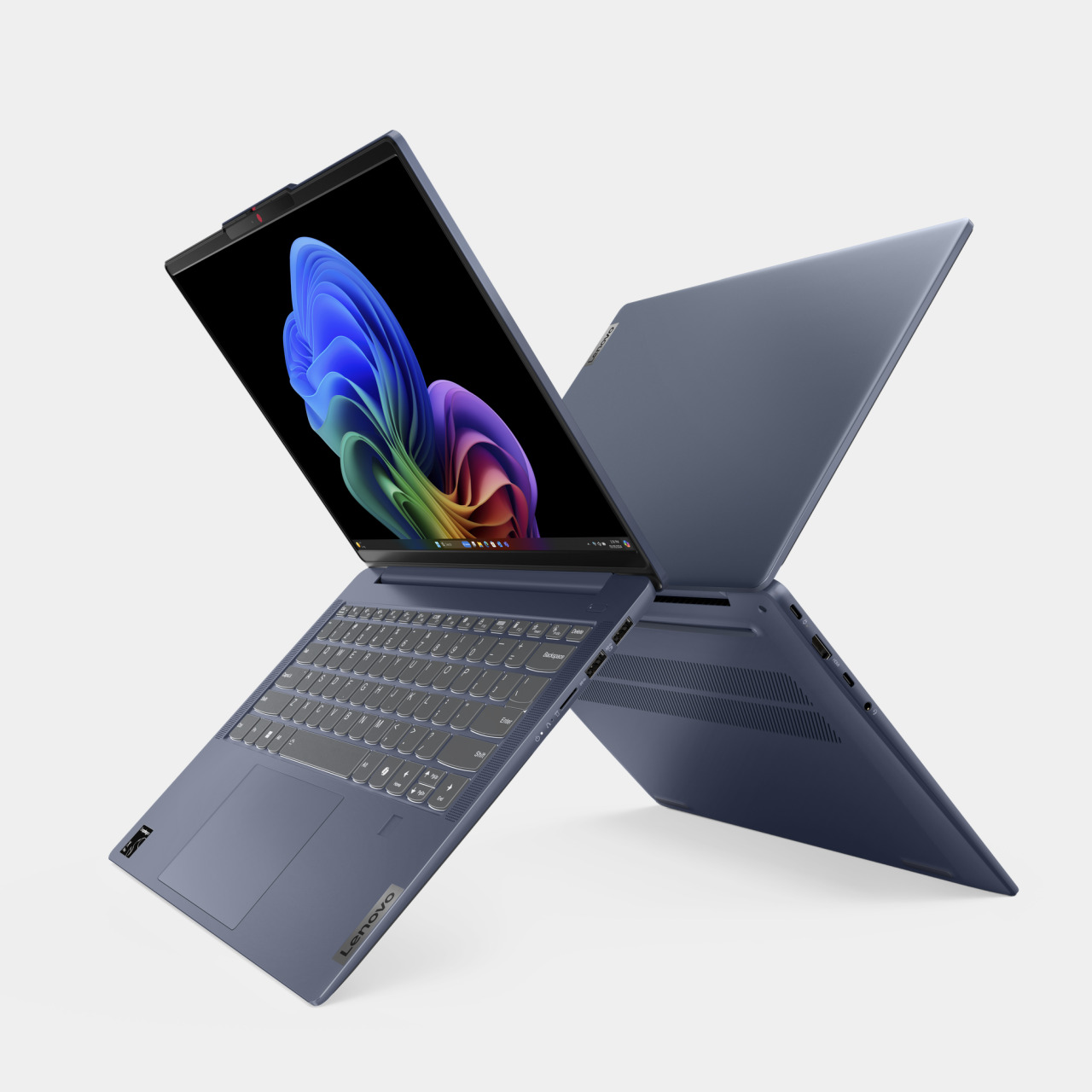
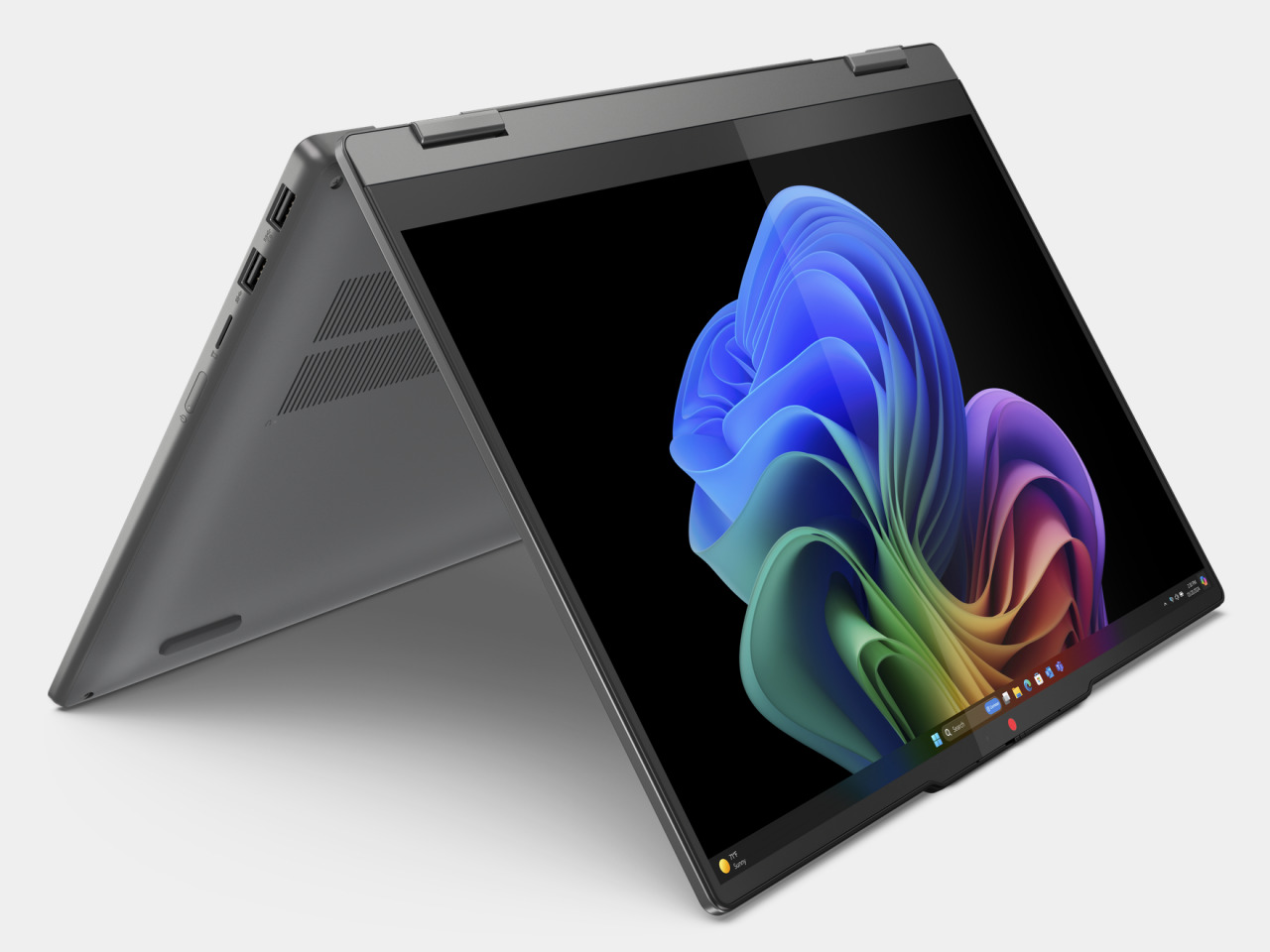
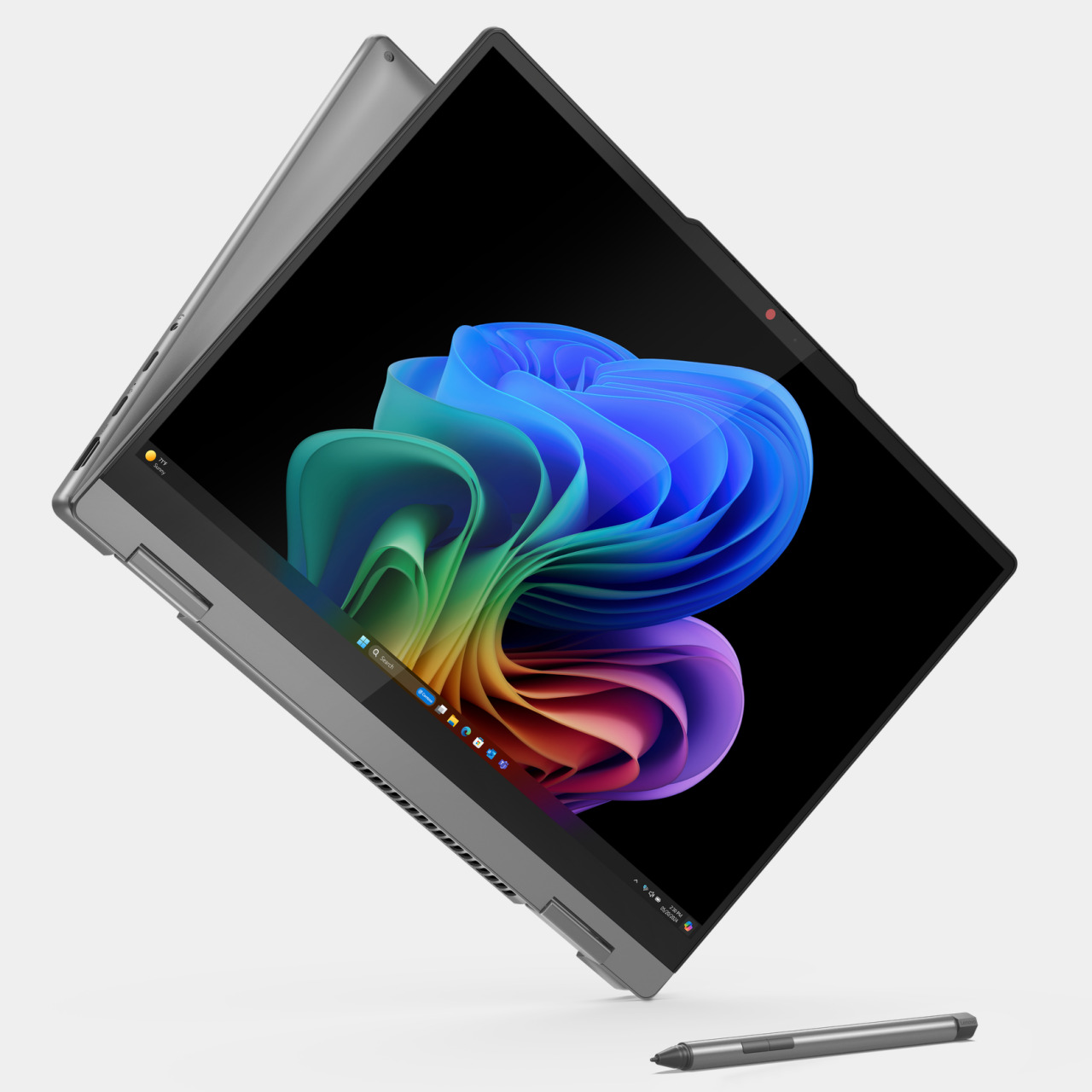
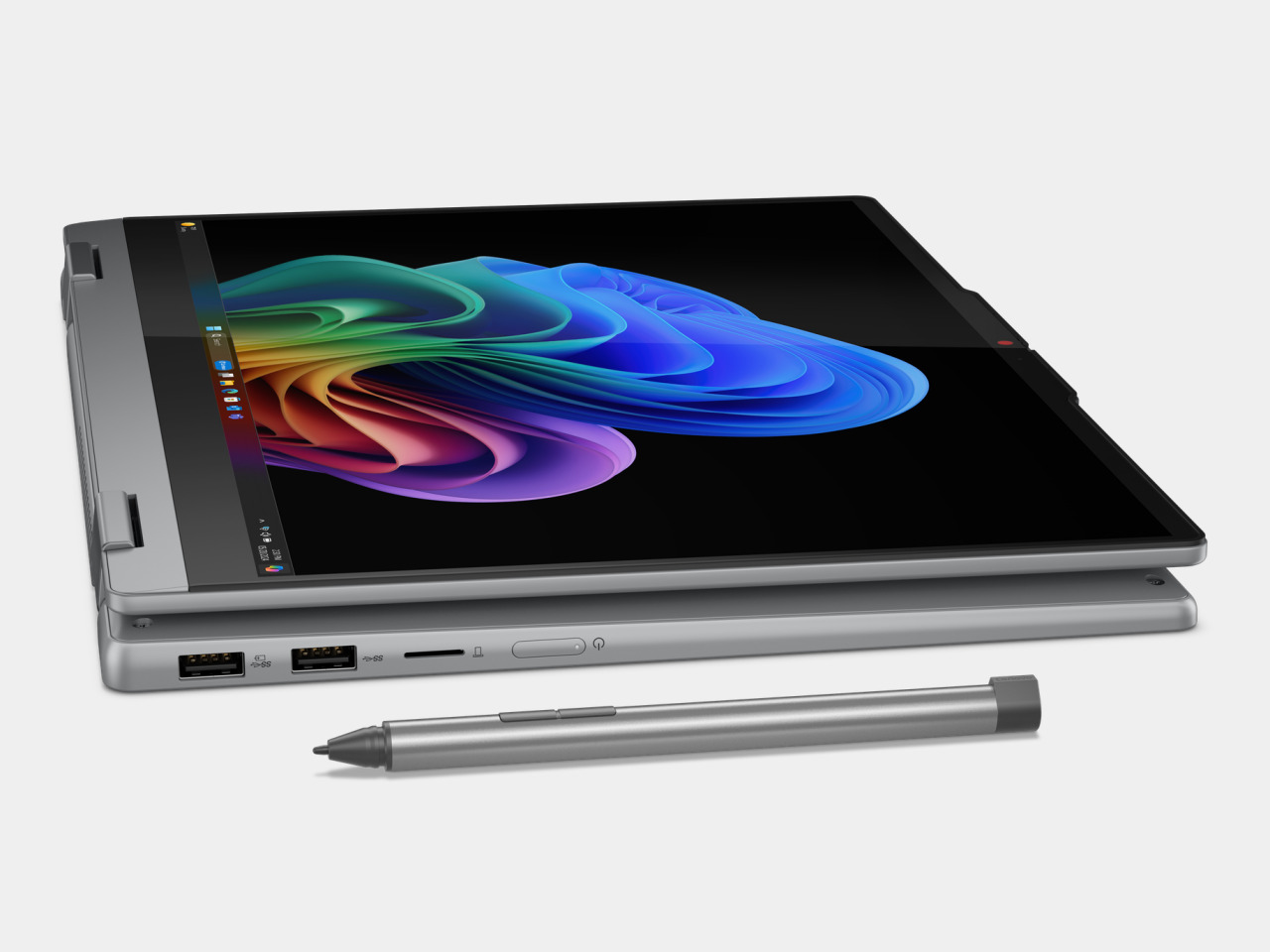
The Lenovo IdeaPad 5x 2-in-1 convertible laptop put the Snapdragon X Plus to work in a more familiar setting. Switching between laptop, tent, and tablet modes, the laptop’s 14-inch 16:10 WUXGA OLED touch display delivers the crisp visuals that creative professionals and multimedia enthusiasts require. As a computer made to be carried around, it boasts MIL-STD-810H certification and a metal A-cover to make sure it can keep up with you. Available in October, the Lenovo IdeaPad 5x 2-in-1 (14″, 9) will have a starting price of $849, again putting it within easy reach of highly mobile professionals.
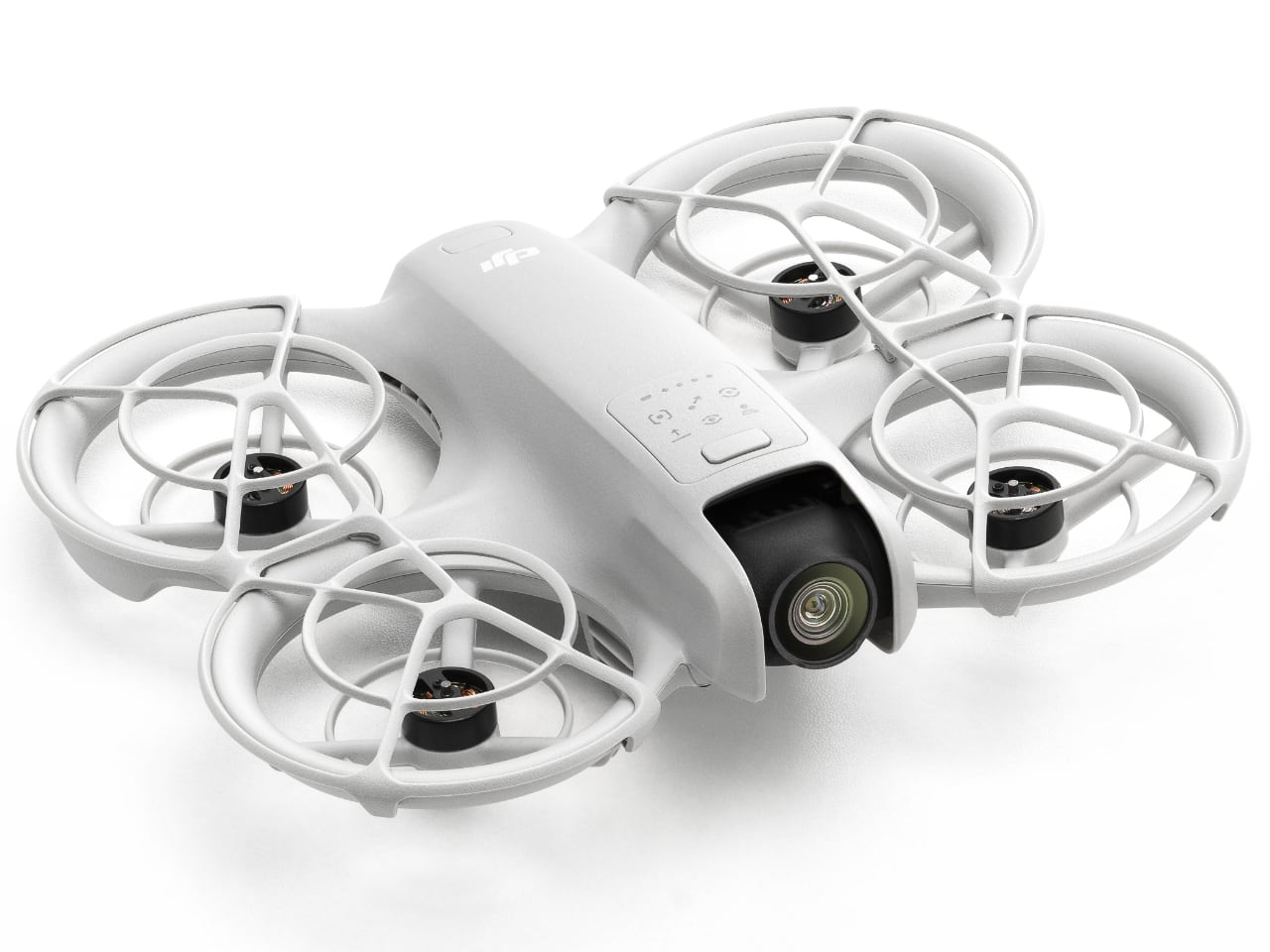
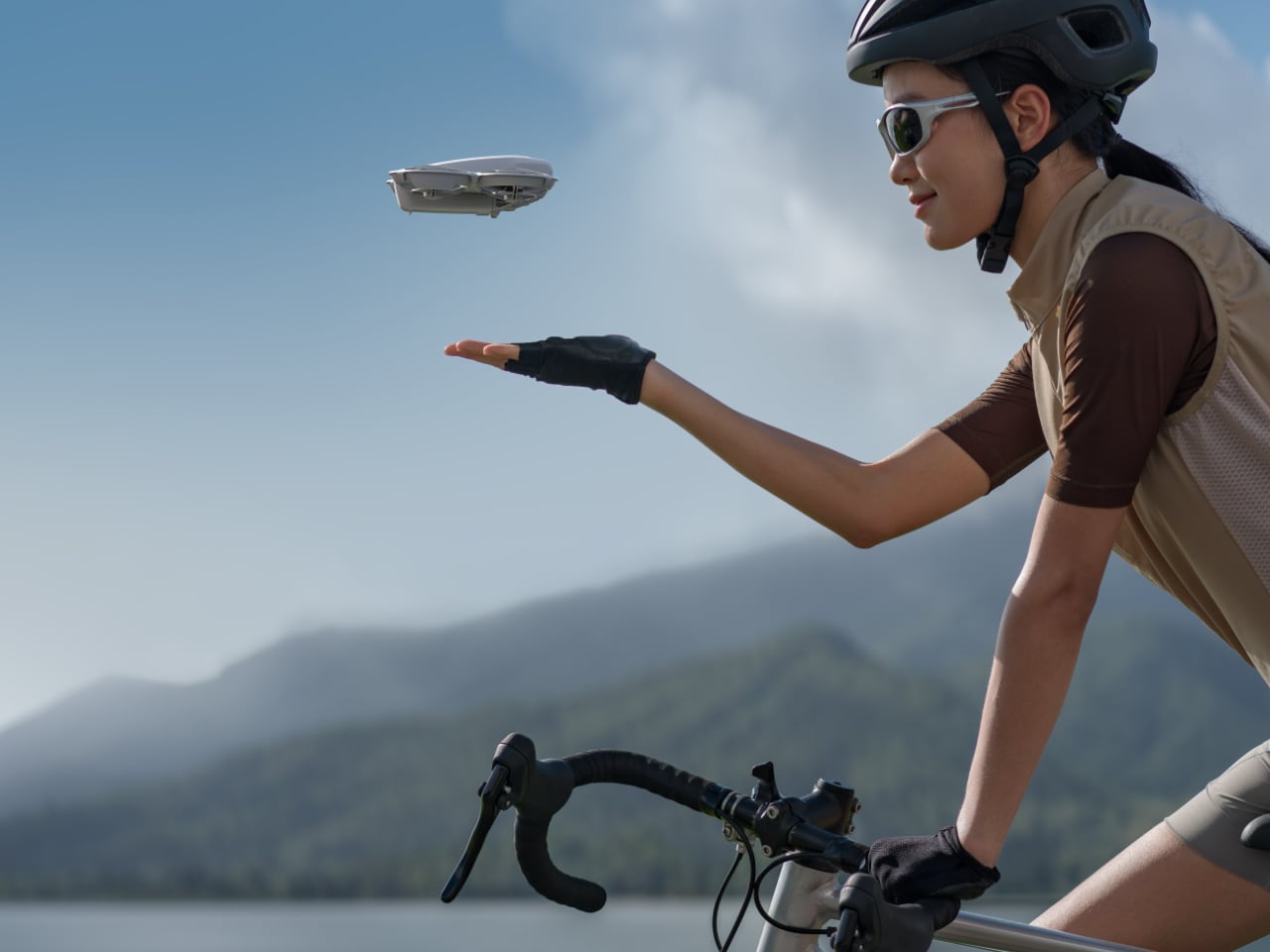
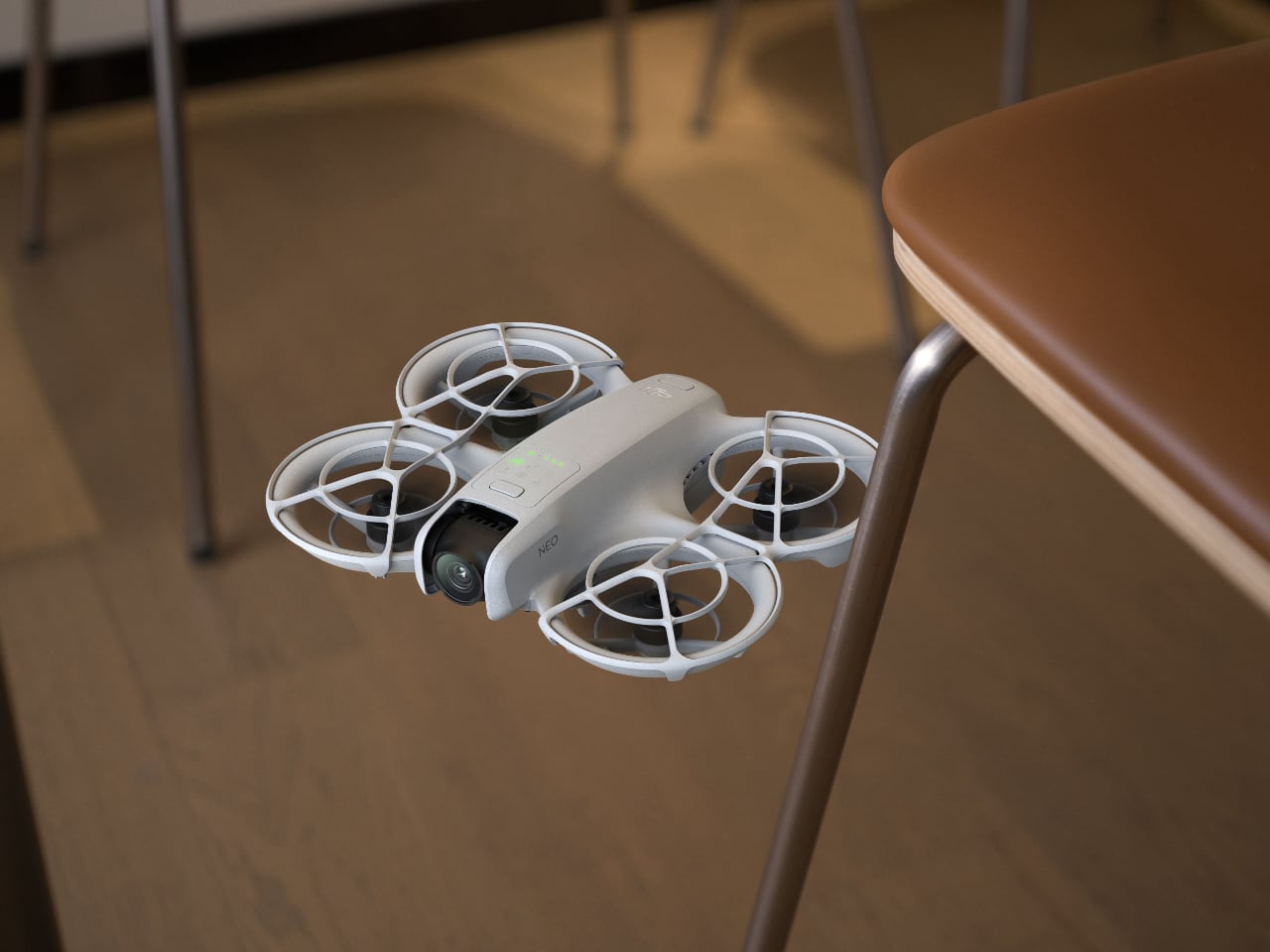
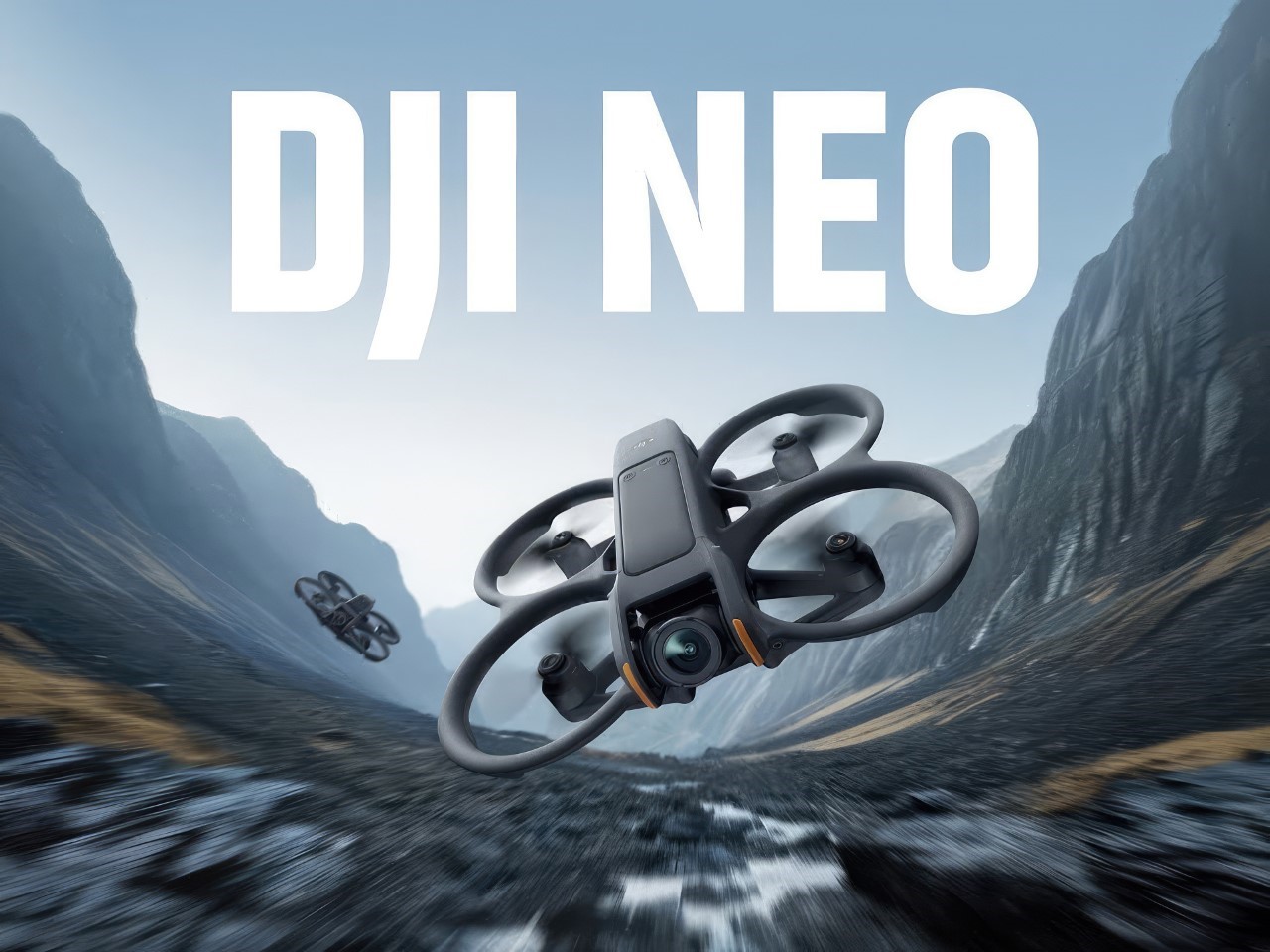
The DJI Neo is the company’s lightest and most compact drone, weighing just under 5 ounces (135g). Designed for casual creators, adventurers, and anyone wanting to capture everyday moments, the Neo combines portability and powerful features, making it ideal for those seeking a simple, efficient way to document their experiences. Its compact form factor means it’s easy to carry and use on the go, offering creators a versatile tool for capturing life’s moments.
Designer: DJI
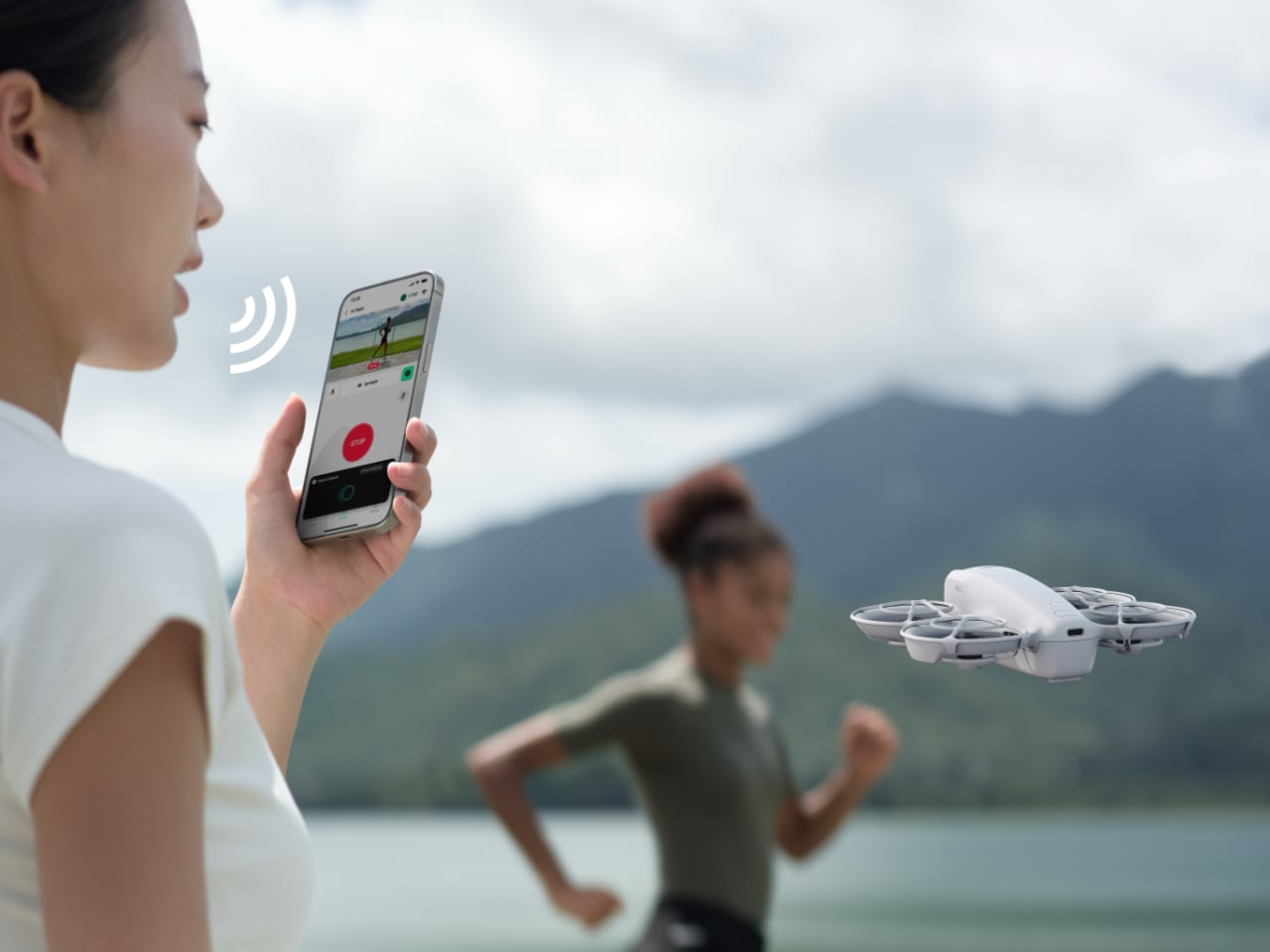
Unlike many drones, the Neo does not require a traditional remote control. Instead, users can take off, fly, and land the drone using a single button. For added convenience, voice commands allow for hands-free operation, making the drone easy to control even in dynamic situations. The drone can be launched and landed directly from the user’s hand, making it highly intuitive for beginners and experienced users. With an 18-minute flight time, the Neo provides ample opportunity to capture spontaneous moments indoors or outdoors, while its compact size means it fits comfortably into any adventure.
The Neo’s camera capabilities ensure high-quality footage in any situation. Equipped with a 12MP camera, the Neo can capture crisp still images, while its ability to shoot 4K stabilized video adds a professional touch to even casual content. Whether documenting a family day at the park or recording an outdoor adventure, the Neo provides the tools to capture sharp, clear footage quickly.
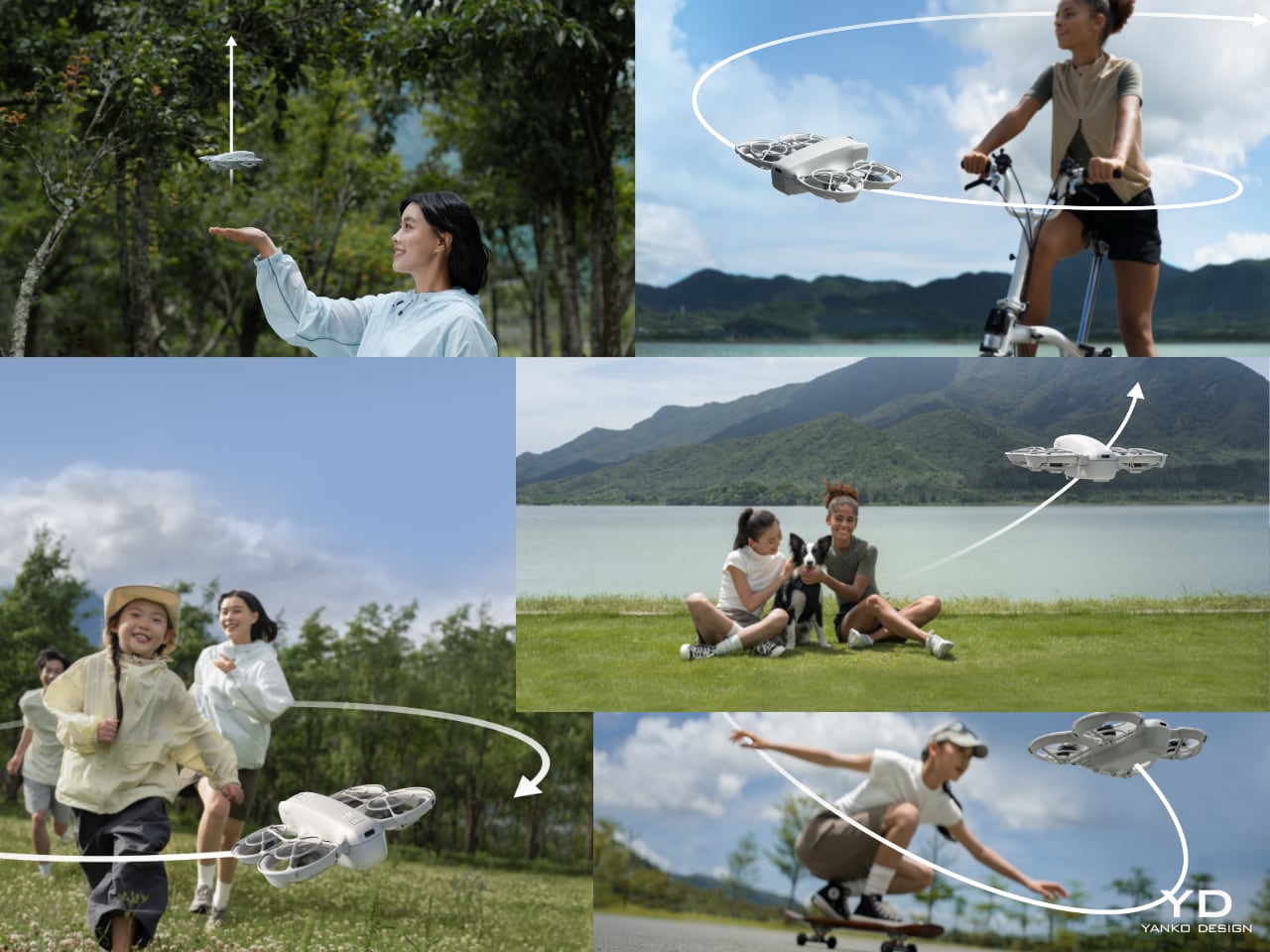
The AI-powered subject tracking feature allows users to focus on their shots without manually adjusting the drone. Whether cycling, skateboarding, or hiking, the Neo’s advanced AI tracking system keeps the user perfectly framed, ensuring smooth, dynamic footage every time. The drone’s six QuickShots modes—Dronie, Circle, Rocket, Spotlight, Helix, and Boomerang—allow users to create cinematic content with just the press of a button. These pre-programmed flight paths and camera angles simplify the creative process, ensuring professional-looking results without the need for advanced piloting skills.
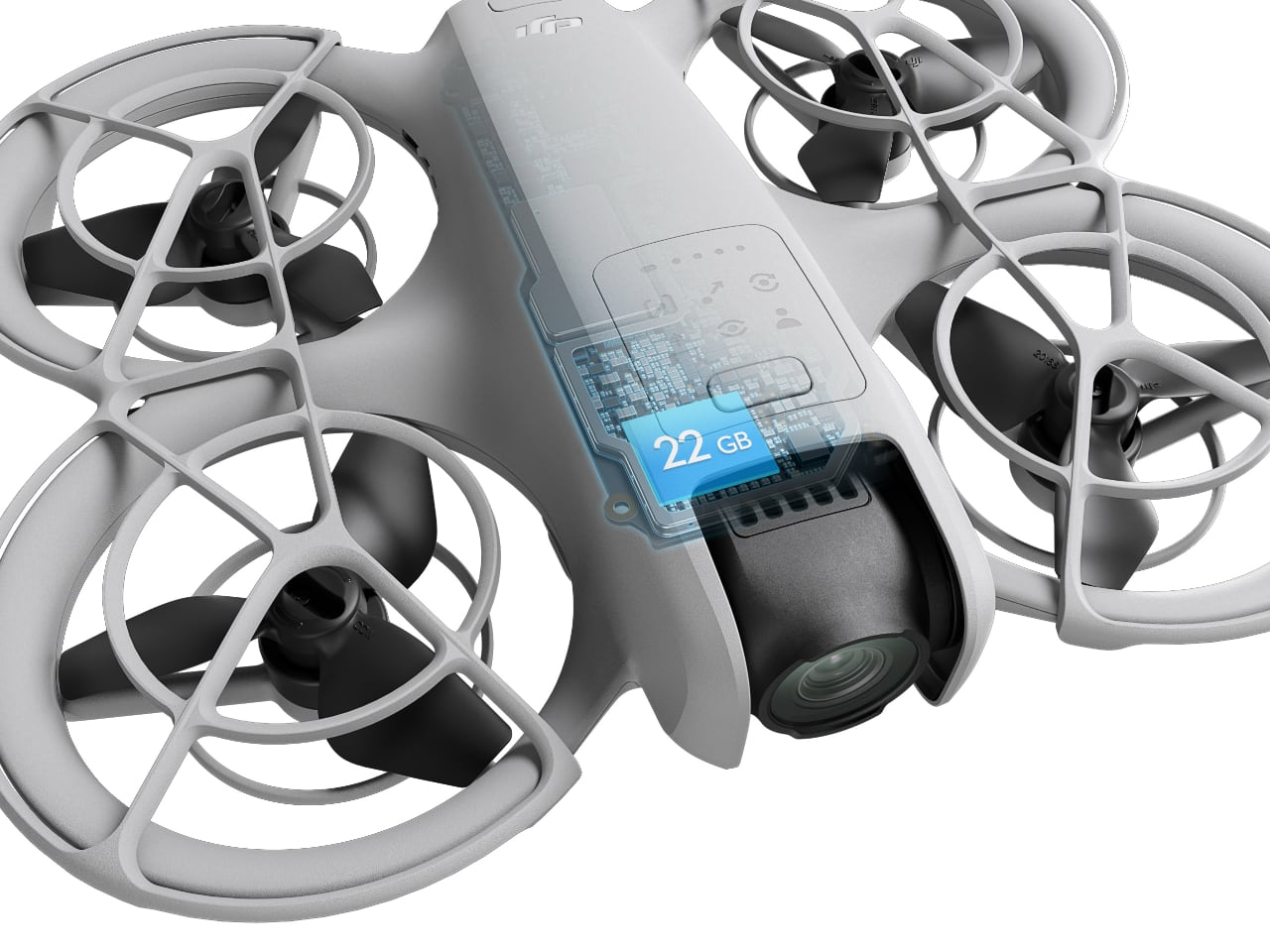
Safety is also a key design focus of the DJI Neo. The drone’s propellers are fully wrapped, protecting it and its surroundings and making it safe indoors and outdoors. The Neo’s 22GB of internal storage allows users to record up to 40 minutes of 4K video at 30fps or 55 minutes at 1080p/60fps. With built-in Wireless QuickTransfer, users can send their footage directly to their smartphones for easy editing and sharing, streamlining the post-production process and eliminating the need for external memory cards or additional cables.
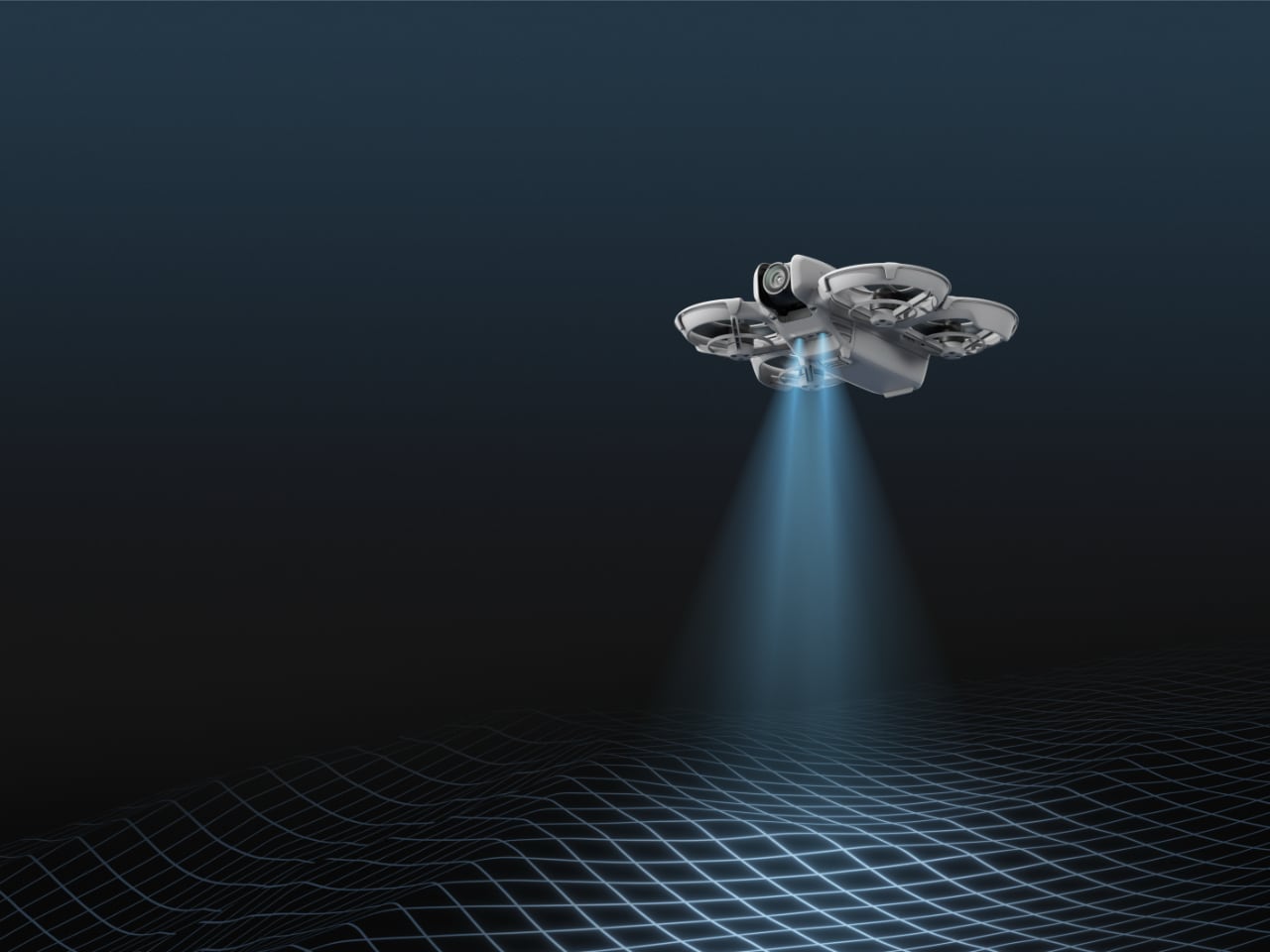
In addition to its camera and safety features, the Neo is equipped with a single-axis mechanical gimbal, ensuring smooth and steady footage even during rapid maneuvers. DJI’s RockSteady and HorizonBalancing technologies further enhance stabilization, reducing shake and ensuring the horizon stays level even in dynamic or fast-moving scenarios. The Neo also uses infrared and monocular vision positioning systems, allowing it to hover steadily and maintain stability in various environments. Users can focus on capturing content, knowing the drone will stay steady without needing constant manual adjustments.
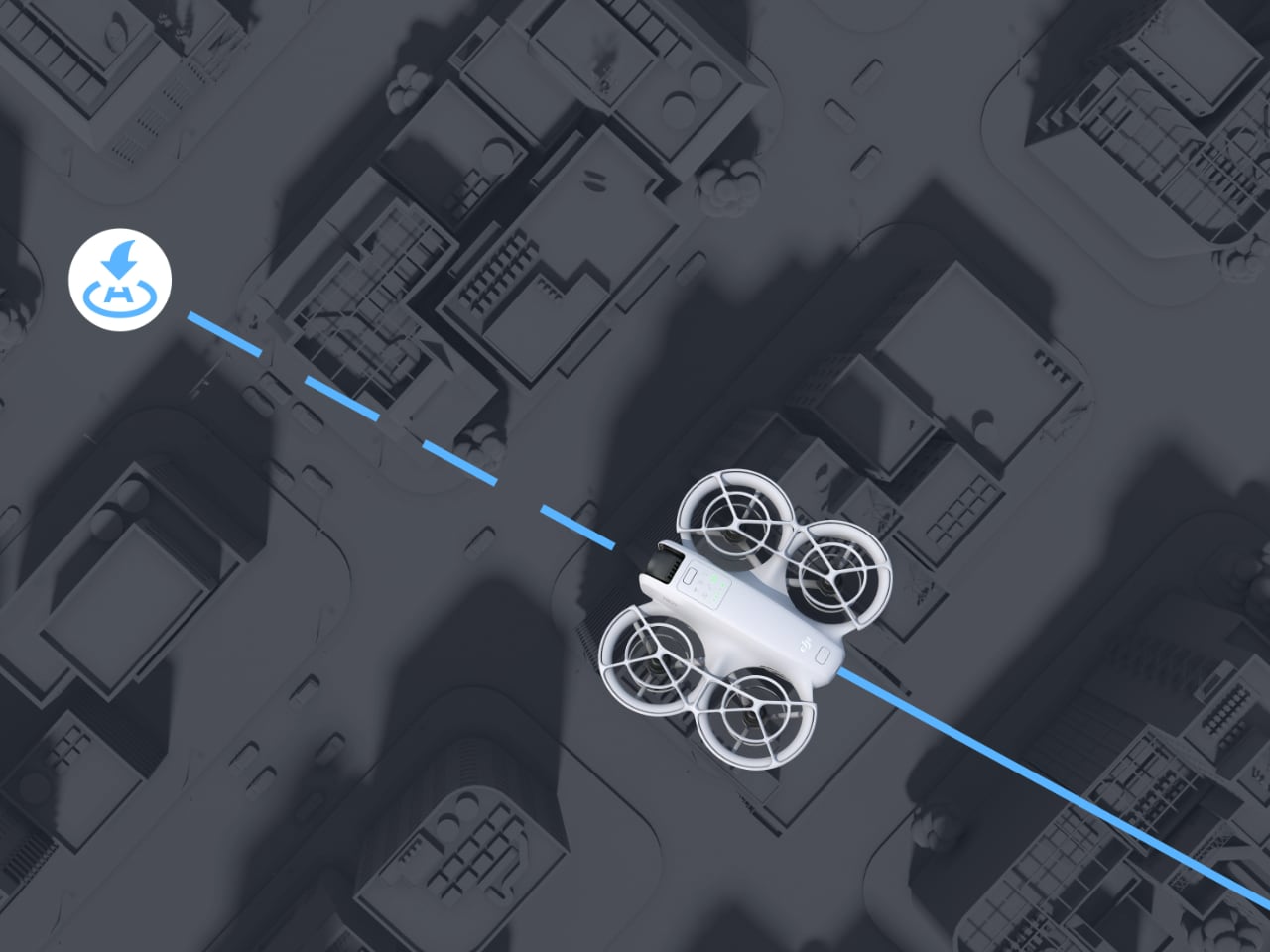
The Neo includes an Automatic Return to Home (RTH) feature for added convenience. This ensures that the drone safely returns to its takeoff point with a single command, providing peace of mind for users who are new to flying drones. Whether capturing footage in open spaces or more challenging environments, the RTH feature ensures the drone’s safe retrieval, adding an extra layer of security to the flying experience.
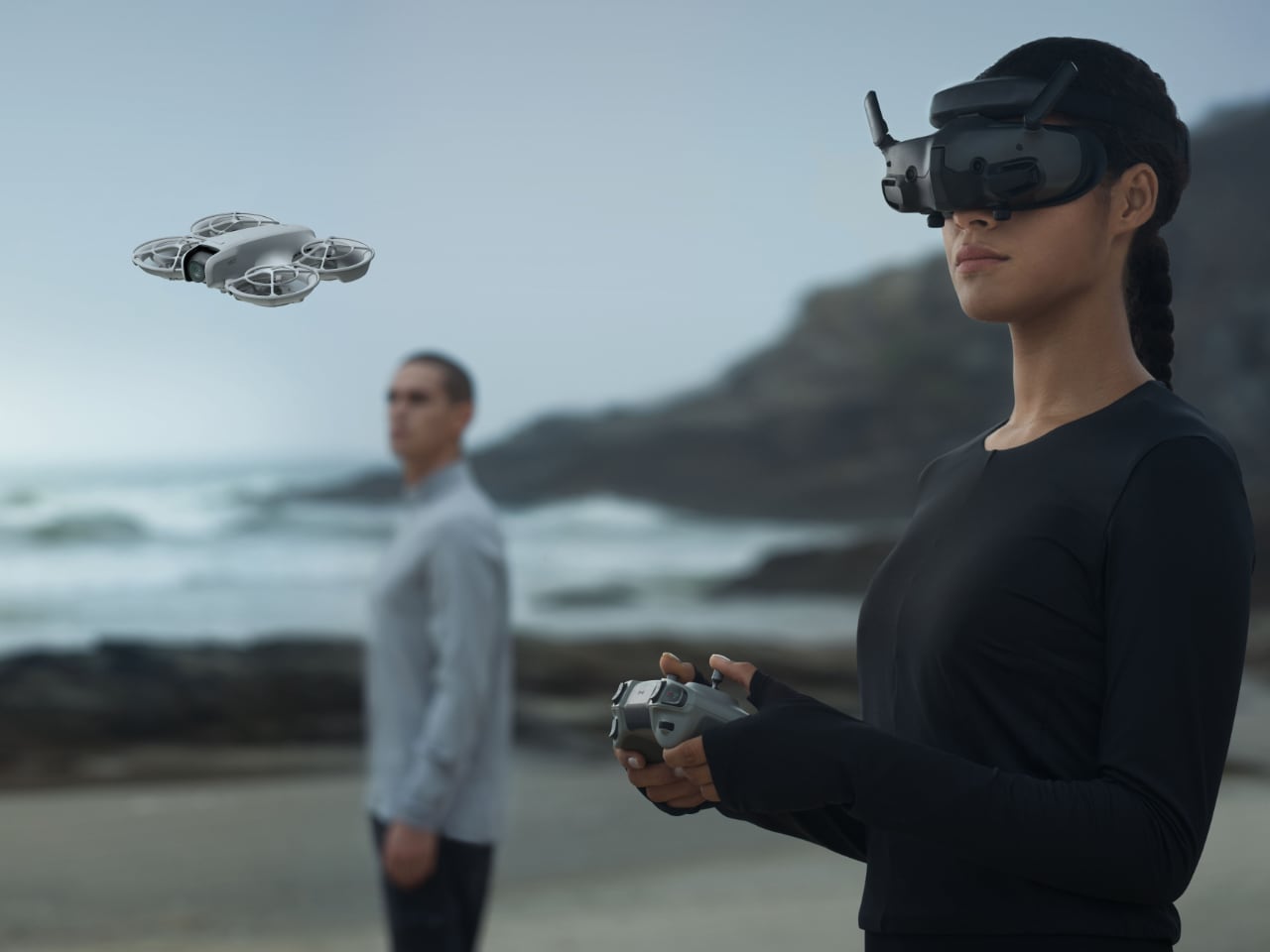
DJI NEO FPV Control
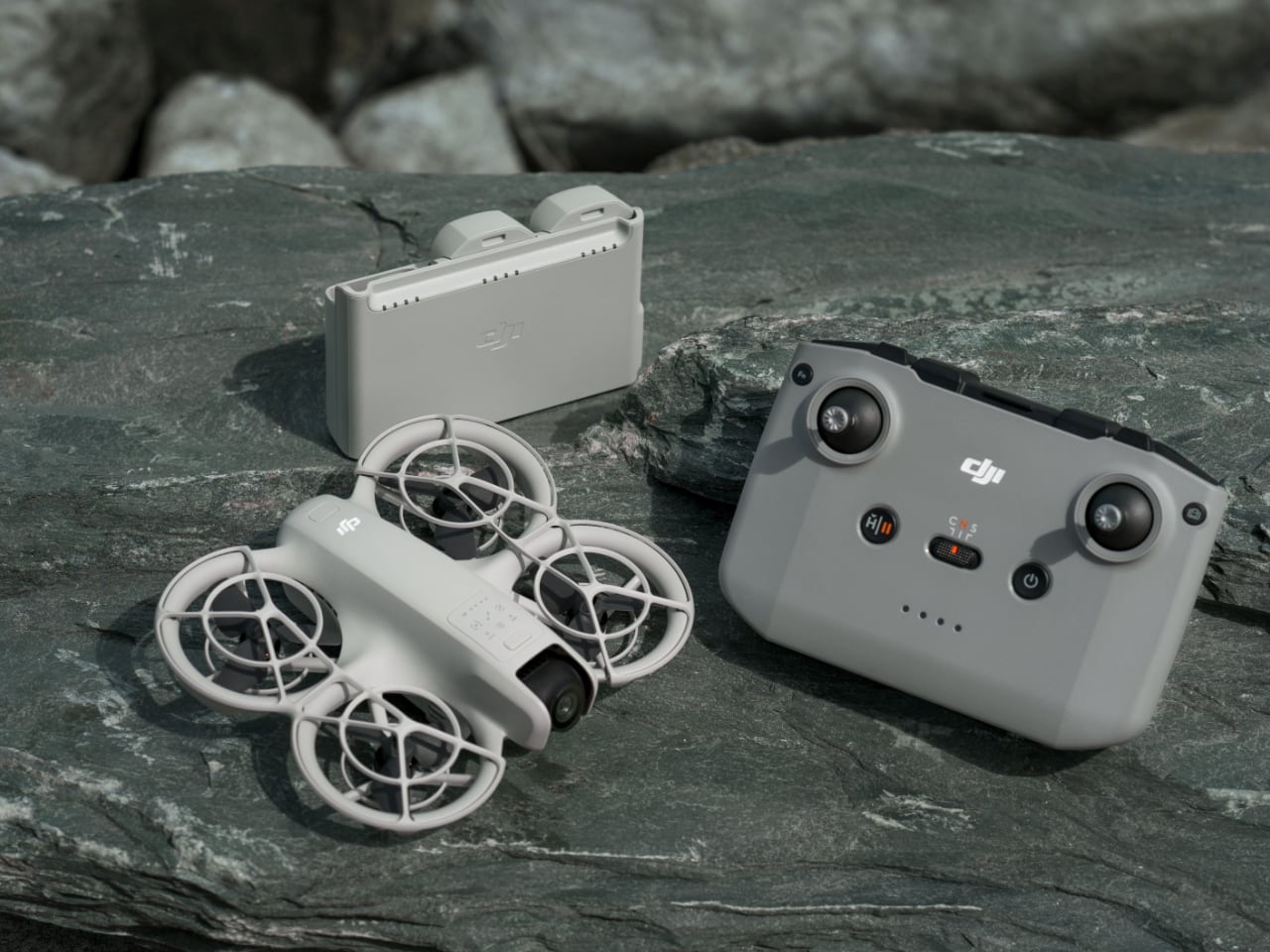
Charging the Neo is made easy with its Type-C charging port, which allows for quick recharges between flights. For extended use, DJI also offers a Two-Way Charging Hub that can charge up to three batteries simultaneously, reducing downtime and ensuring users can stay in the air longer. The Neo’s flexible design also makes it compatible with the DJI Fly app, traditional remote controllers, DJI Goggles, and RC Motion, giving users a range of options for controlling the drone based on their personal preferences.
The DJI Neo is designed to make aerial content creation accessible to everyone. Its lightweight and compact form, advanced features like AI-powered tracking, QuickShots modes, and high-quality video capture make it a versatile tool for capturing life’s moments. Whether you’re documenting family outings or outdoor adventures or simply looking to add a cinematic touch to your daily experiences, the Neo provides the perfect balance of portability, performance, and ease of use.
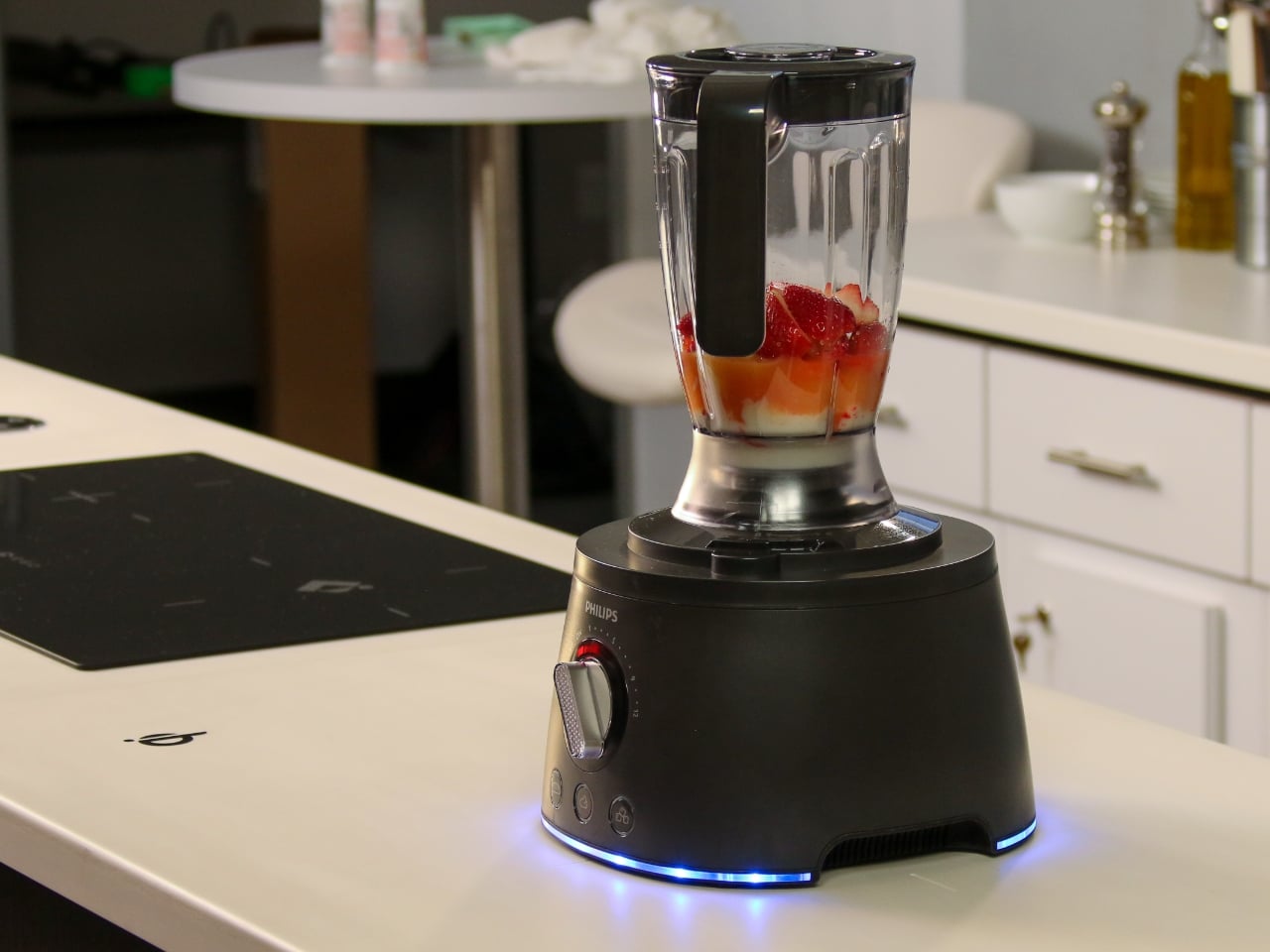
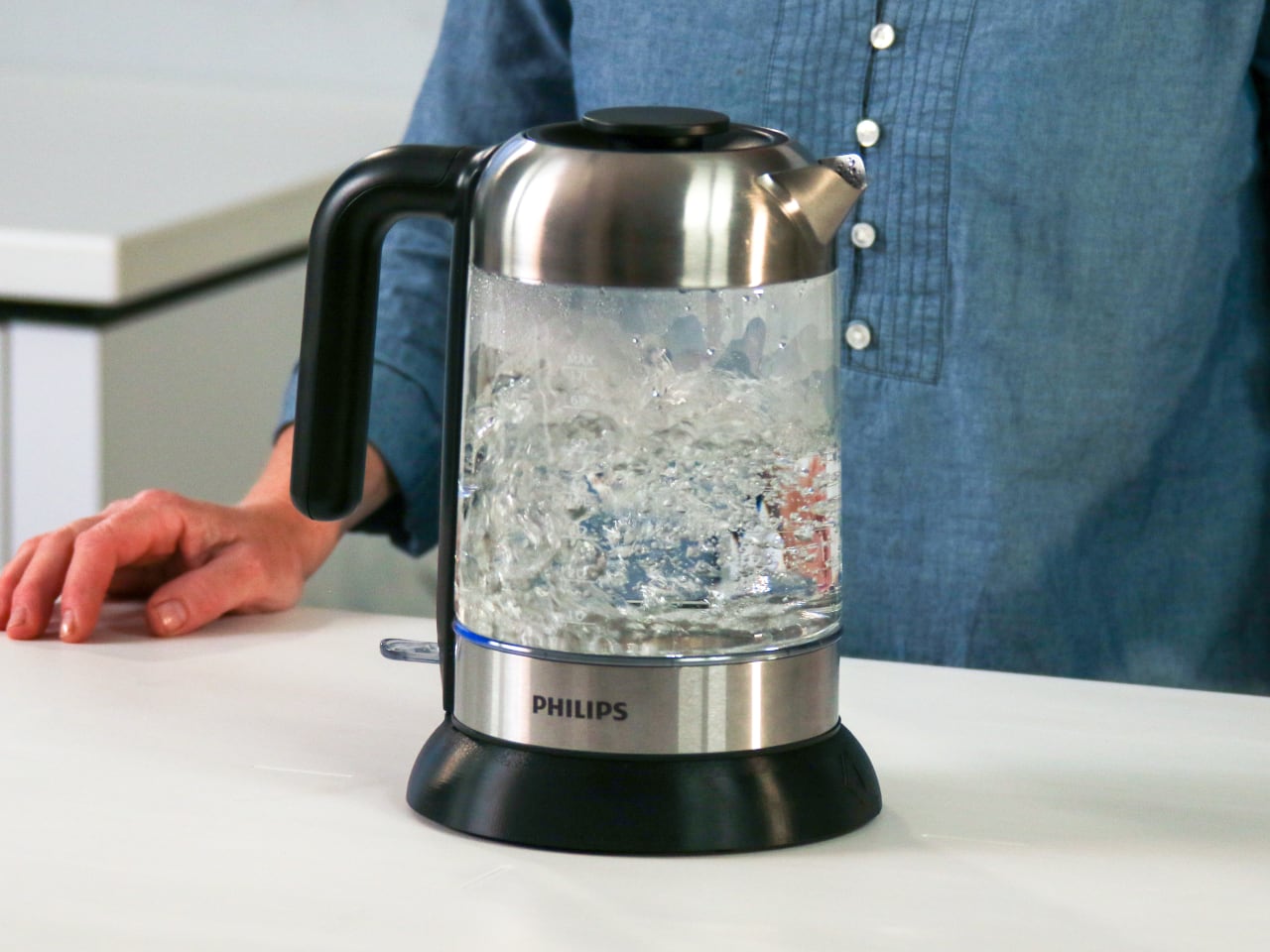
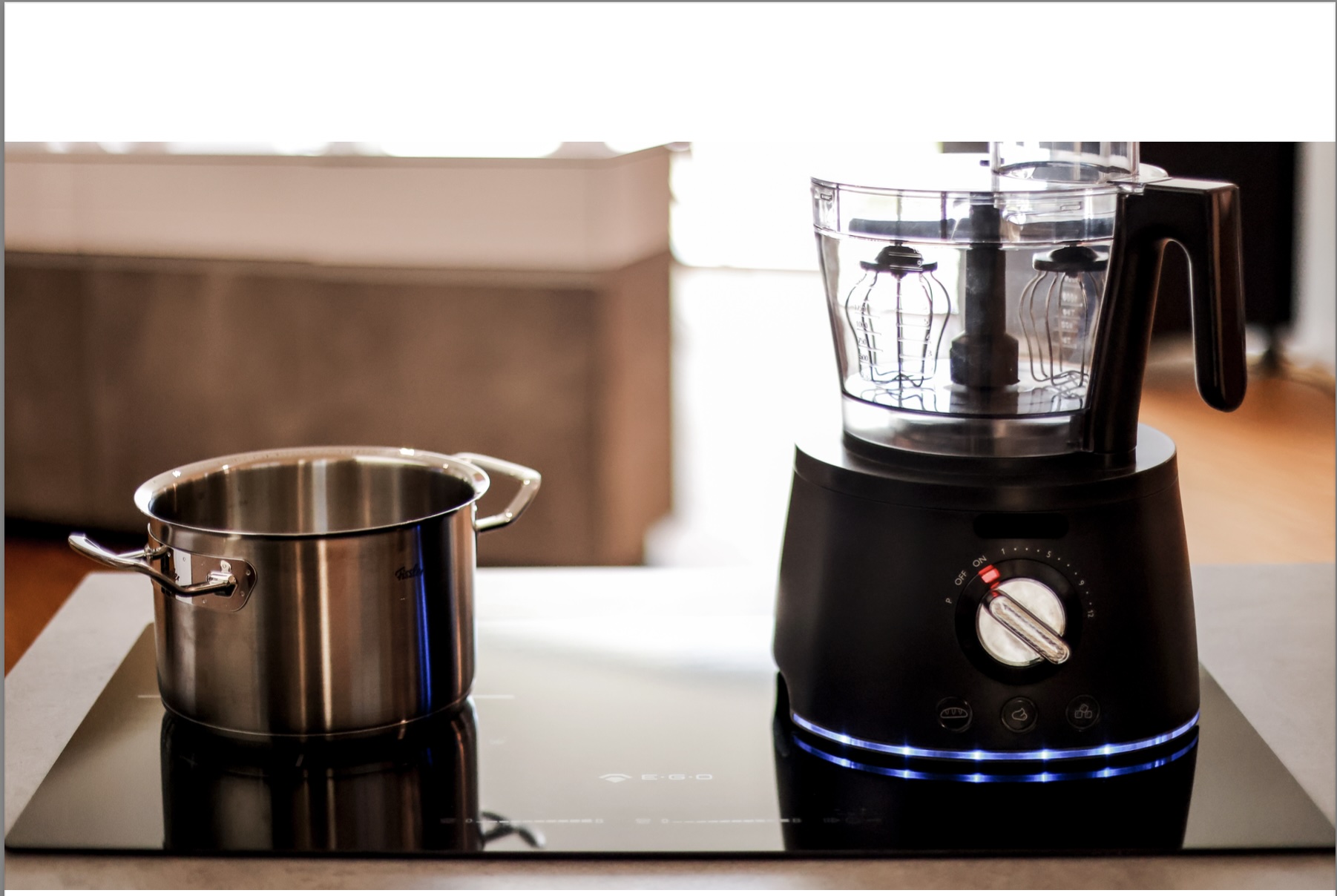
The Wireless Power Consortium (WPC) has announced the launch of the Ki standard, a breakthrough in bringing wireless power to the kitchen. Following the success of the Qi2 standard, which enhanced wireless charging for small electronics, the Ki standard eliminates the need for power cords in everyday kitchen appliances like blenders, toasters, and air fryers. Instead, appliances will communicate with a Ki power transmitter, which can be integrated into induction cooktops or hidden beneath countertops and kitchen islands. Delivering up to 2.2 kW of power, the Ki system promises to make kitchens more efficient, convenient, and safer while creating cleaner and more organized spaces.
Designer: Wireless Power Consortium (WPC)
Paul Struhsaker, Executive Director of WPC, explained how Ki will transform kitchen design. “Not only are we cutting the cord, but we’re eliminating it altogether,” Struhsaker said, noting that this advancement would inspire homeowners and designers to rethink how kitchens are used. Ki offers an innovative way to power smart appliances with greater convenience and flexibility, whether for new builds, remodels, or smart home upgrades.
New Possibilities for Kitchen Design
The introduction of the Ki standard opens up new design opportunities for kitchens. Without power cords, appliances are no longer restricted to placement near outlets. This freedom allows designers to create more open and modern layouts. With appliances able to sit on any Ki-enabled cooktop or countertop, there’s more room for creative solutions in kitchen design.
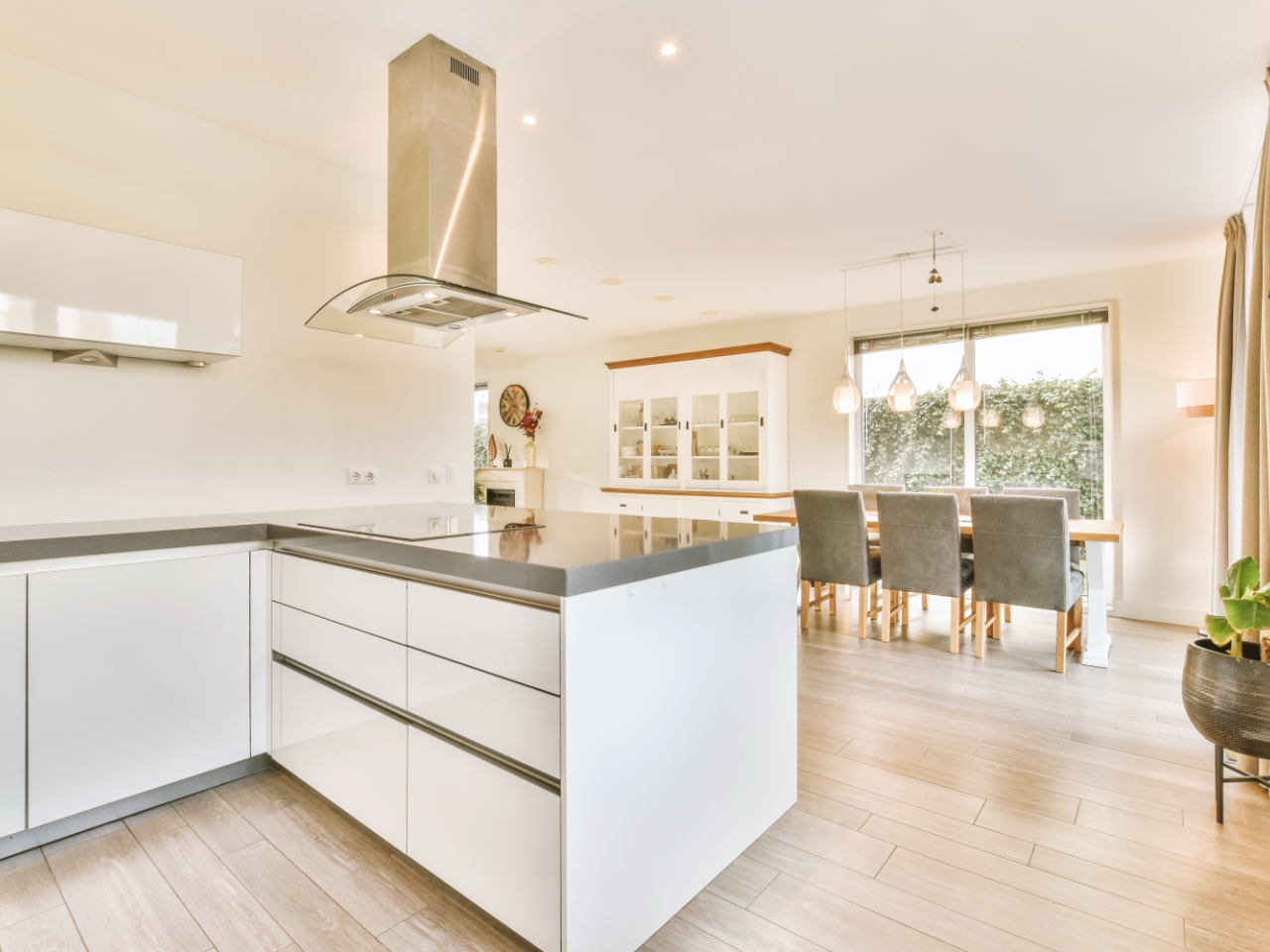
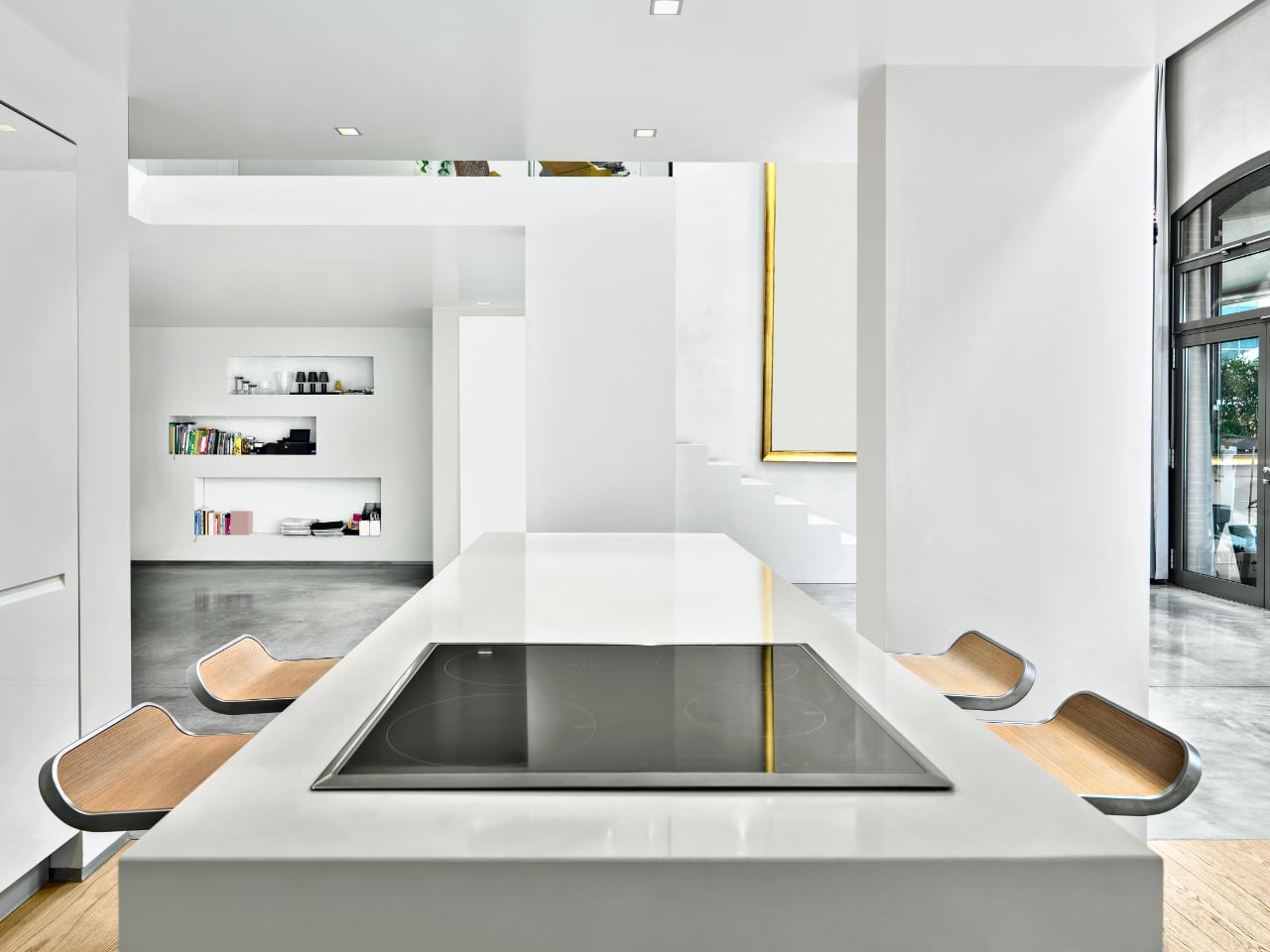
The ability to hide transmitters under countertops brings even more design flexibility. Kitchens can adopt sleek, minimalist looks, free from the clutter of cords. This feature will be especially useful in open-plan designs, where maintaining a streamlined aesthetic is important.
In addition to improving the look of kitchens, the Ki system enhances safety. Accidents are less likely to happen if no cords get tangled or cause trips, particularly in homes with children. The system’s wireless power shuts off automatically when an appliance is removed from the cooktop or transmitter, keeping surfaces cool and reducing the risk of burns.
Smarter Appliances
Ki also introduces smarter appliances. Future Ki-enabled devices will offer advanced features that allow users to control them remotely via smartphones. These smart functions will provide more control over cooking and make kitchens safer and more convenient.
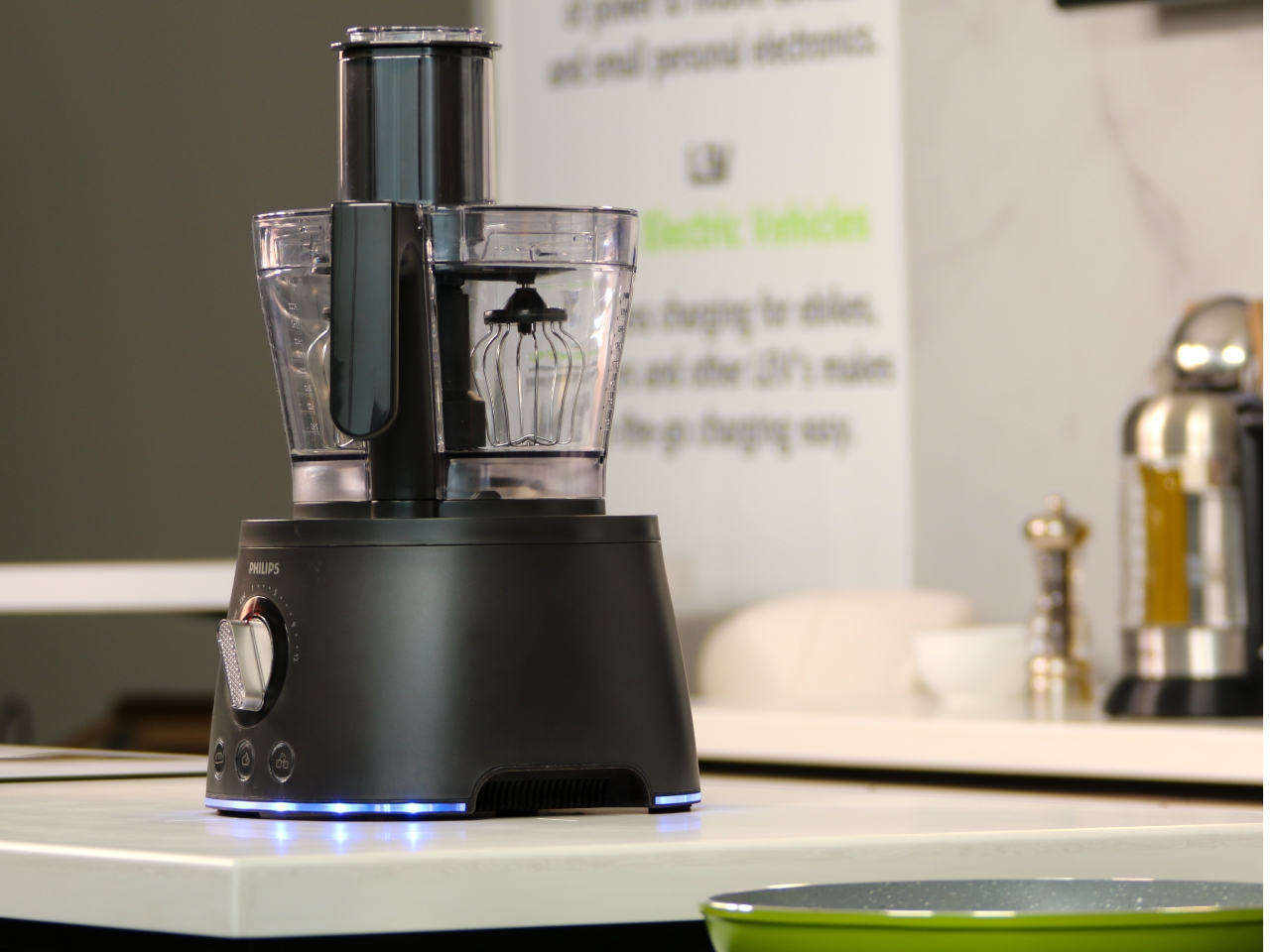
Ki Wireless powering food processor bottom-lit
For designers, this brings an opportunity to incorporate advanced technology into kitchen layouts. Smart appliances connected through the Ki system will be part of the growing trend of smart home integration, offering homeowners easier ways to manage their kitchens.
Space Efficiency and Flexibility
Ki helps improve kitchen space utilization by removing the need for power cords. Without cords cluttering countertops, appliances can be placed more efficiently, and storage areas can be used more effectively. Transmitters hidden under countertops also allow for clean, unobstructed surfaces.
This feature will appeal to those designing smaller kitchens or maximizing the available space in larger ones. With fewer restrictions on where appliances can go, Ki enables more creative and functional kitchen designs.
Next Steps for Kitchen Technology
The development of the Ki standard has involved collaboration from leading appliance brands such as Midea, Beko, Philips, Miele, and E.G.O. These companies are working with WPC to bring Ki-enabled appliances to market, with certification testing expected to begin by the end of 2024.
Ki Wireless powering kettle to boil water
WPC’s certification process ensures that Ki-enabled products meet the highest standards for safety and interoperability. Once certified, products will display the Ki logo, assuring consumers that their appliances meet the standard.
Ki Wireless Power Blender and Pot on EGO cooktop
As Ki becomes more widespread, companies are encouraged to join WPC and use this new technology. With the potential to reshape kitchen spaces, Ki offers designers and manufacturers a chance to lead the next generation of kitchen innovation.
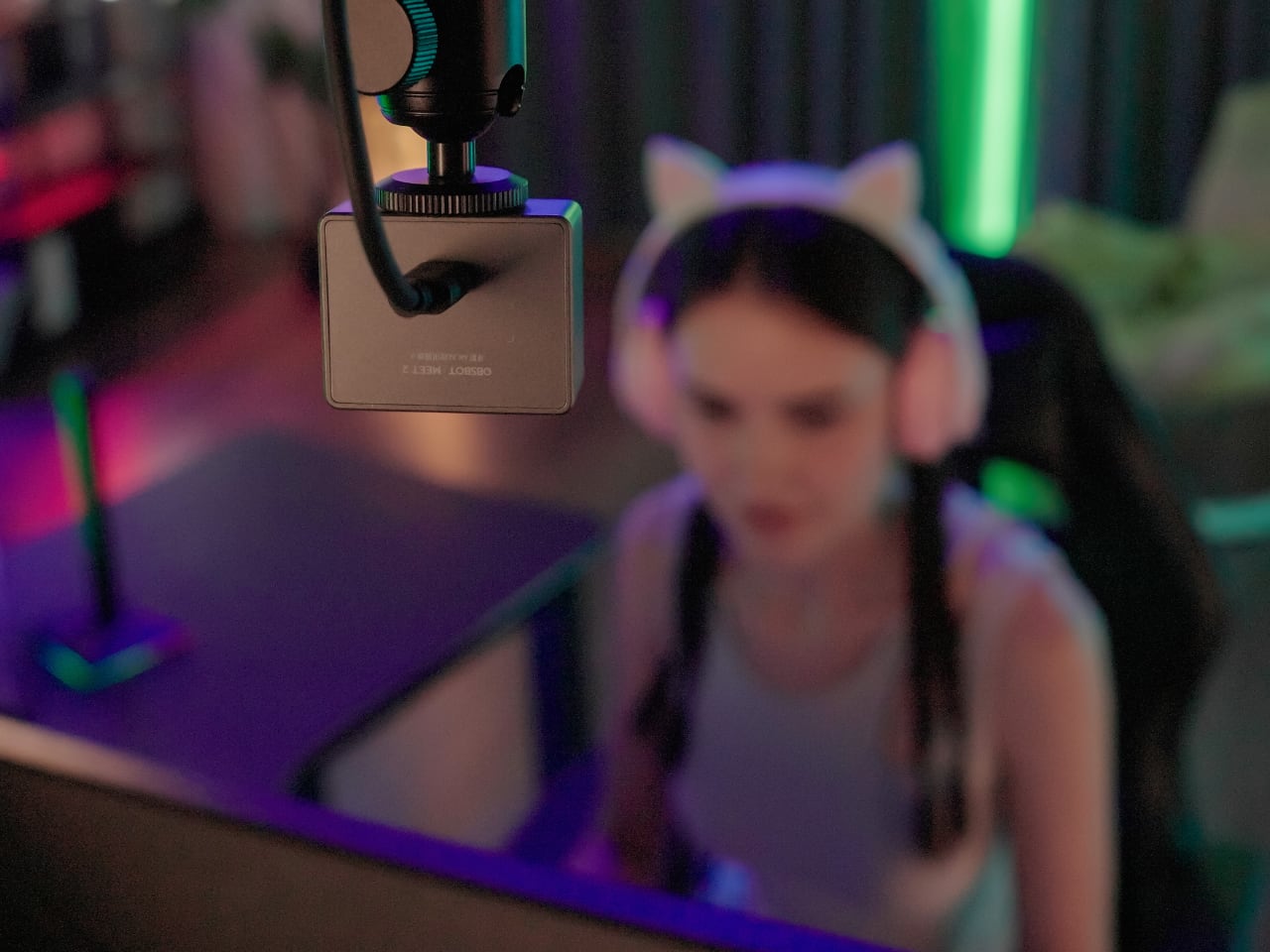
OBSBOT continues to push the boundaries of what’s possible in digital content creation with its latest addition, the Meet 2. This compact yet powerful webcam is designed for those who demand high-quality video and seamless functionality in their daily activities. Whether you’re a dedicated gamer, a creative content producer, or a professional navigating the challenges of remote work, this device is built to meet your needs. It combines cutting-edge features with top-tier performance, all within a sleek design that fits effortlessly into any workspace.
Designer: OBSBOT
Design That Fits Your Style and Offers Clear Visuals
OBSBOT Meet 2 Cloud White
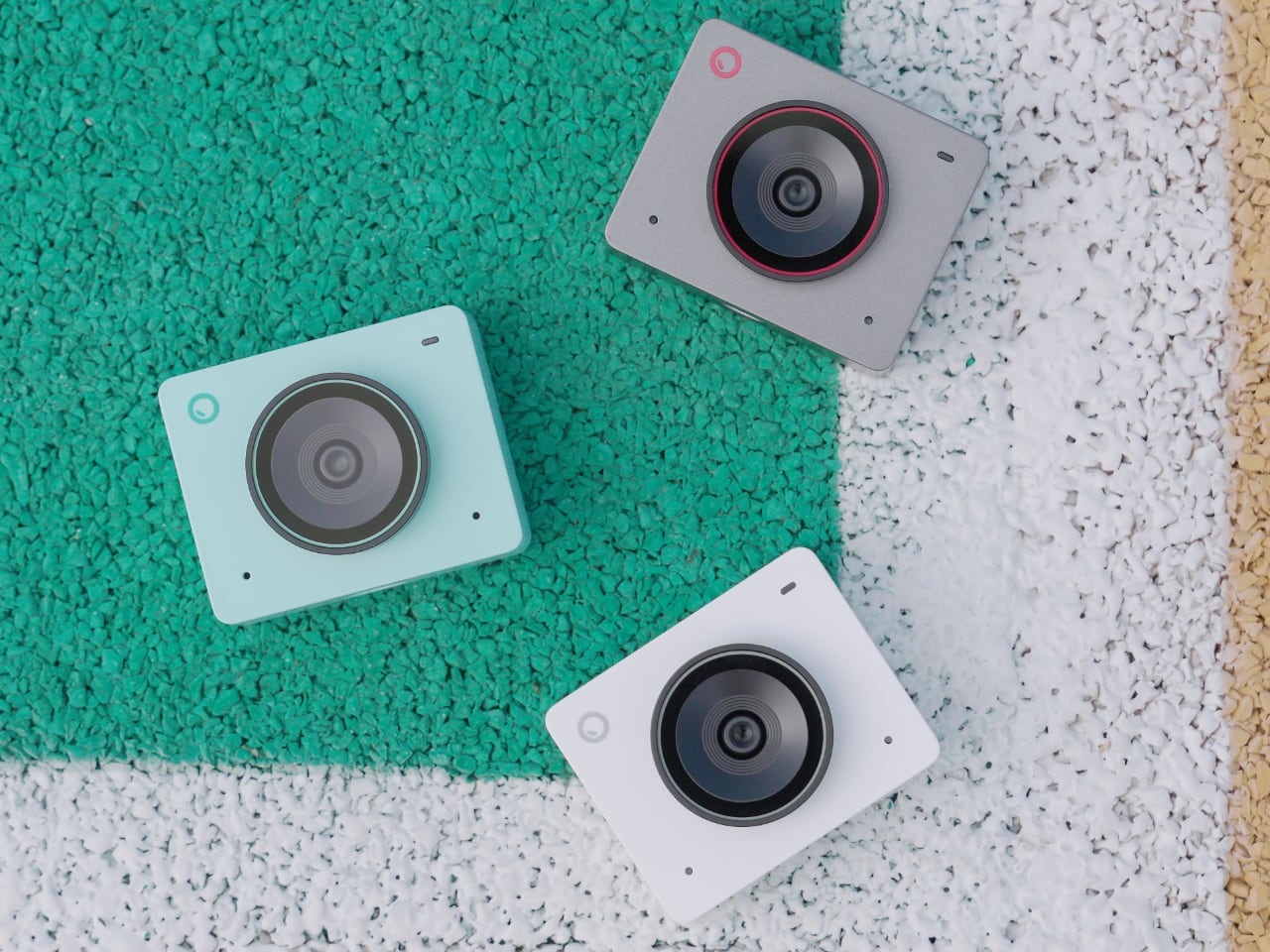
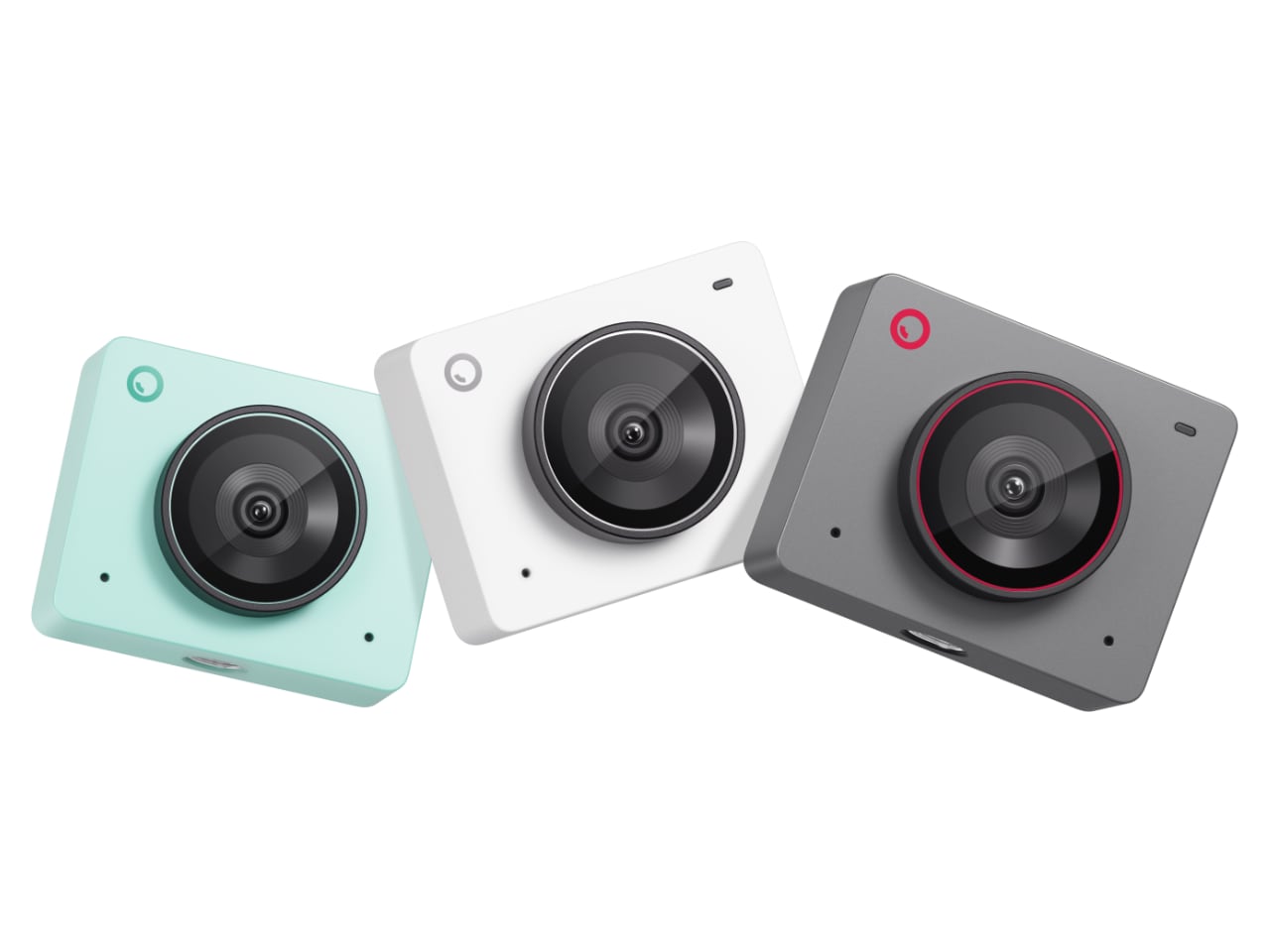
Combining minimalism with functionality, the OBSBOT Meet 2 easily fits into any setup. It comes in three distinct colors—Cloud White, Space Grey, and Aurora Green—allowing you to match it with your style.
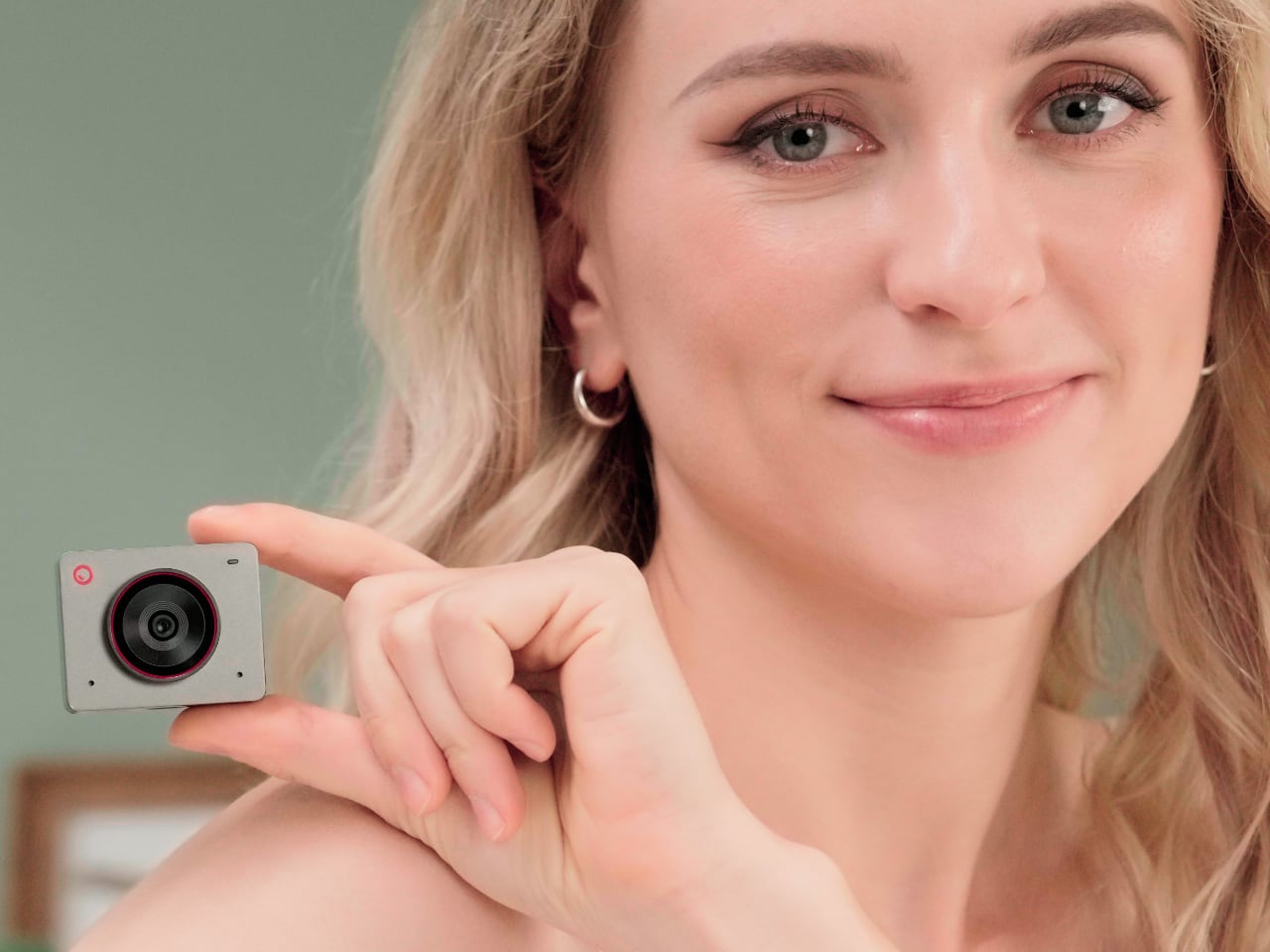
Weighing just 40.5g, it’s light and unobtrusive yet packed with features that help you create high-quality content. This device combines style with practical features, delivering professional-grade performance in a compact design.
OBSBOT Meet 2 weighs 40.5g
Visuals are captured with Ultra HD 4K resolution at 30 frames per second, ensuring every detail stands out. Whether you’re streaming a game, recording a tutorial, or joining a virtual meeting, the clarity and sharpness of your video will be noticeable. The advanced Phase Detection Auto Focus (PDAF) and 4x digital zoom ensure you can highlight key details without compromising image quality, turning your content into an engaging experience.
AI-Powered Framing and Low-Light Performance
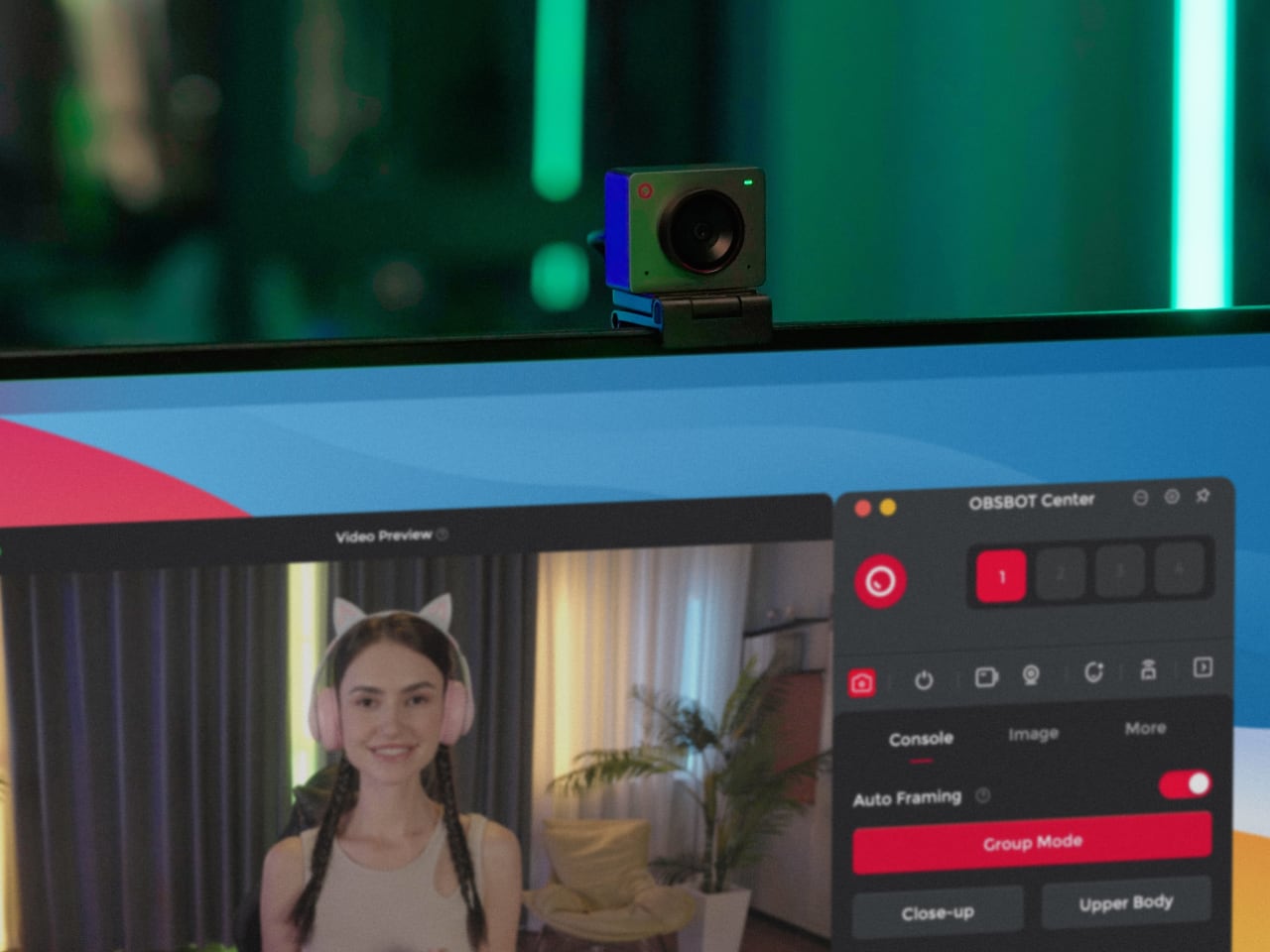
Smart AI technology keeps you in the center of the frame, even when you’re moving around. During live streams or video calls, the AI automatically adjusts to keep you perfectly positioned, freeing you from constantly adjusting your camera. This is particularly useful in fast-paced situations where staying focused on your task is crucial.
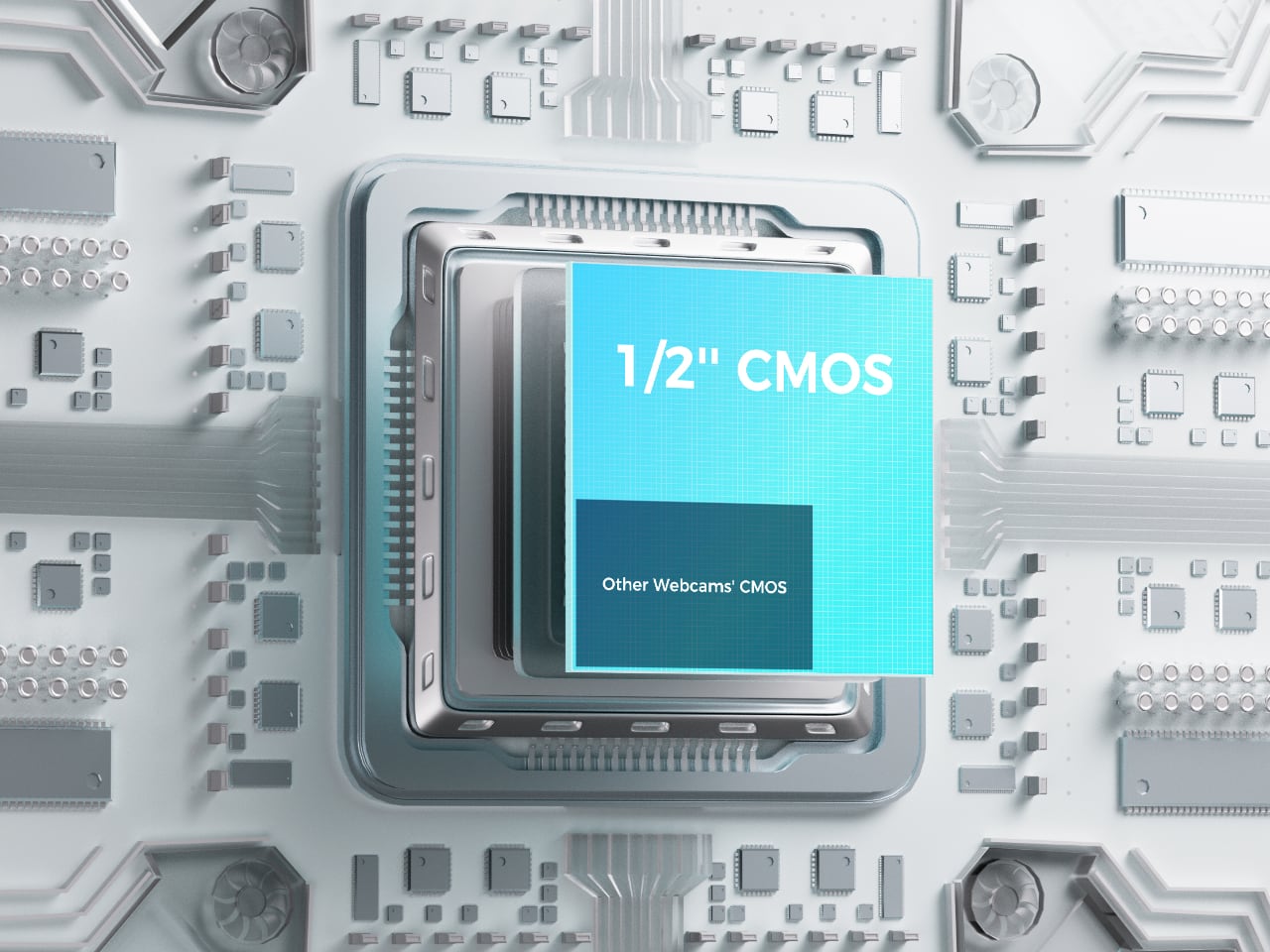
With this webcam, low-light settings won’t compromise video quality. Its larger 1/2″ CMOS sensor and F/1.8 aperture work together to produce bright, clear images even when lighting is less than ideal. Paired with HDR technology to balance exposure, your video remains sharp and polished, whether it’s day or night.
Clear Audio That Complements the Visuals
While visuals are essential, clear audio plays an equally important role. The dual omnidirectional microphones, equipped with Noise Reduction and Auto Gain Control, capture your voice naturally and filter out background noise. This ensures that your voice remains clear and easy to understand whether you’re streaming, recording, or in a meeting. The microphones are designed to pick up sound from different angles, giving you the flexibility to move around while still delivering high-quality audio.
Beyond just technical specs, this webcam’s audio capabilities contribute to a more immersive experience for your audience. Whether you’re offering commentary during a game or presenting a topic in a virtual meeting, the natural and crisp sound keeps listeners engaged. Clear audio ensures that everyone is heard in collaborative settings, creating a more effective communication environment. This level of audio quality helps bridge the gap between virtual and in-person interactions, making it an essential tool for effective communication.
Versatile for Different Uses
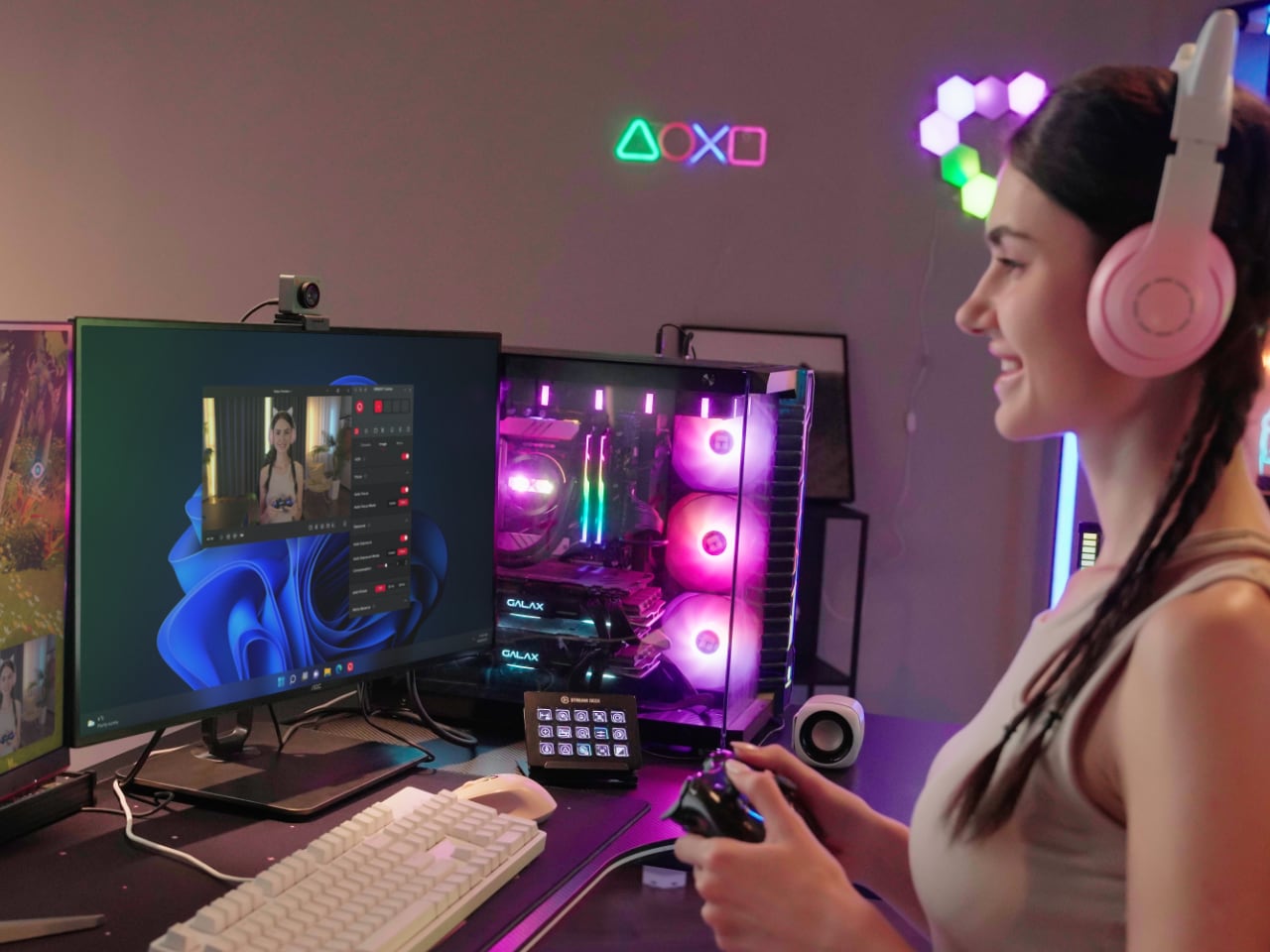
This webcam is versatile enough to be useful in many different scenarios. Gamers will appreciate the 4K resolution and AI Auto Framing features, which make streams more dynamic and engaging. The camera’s ability to maintain focus on you, even during intense moments, enhances the overall viewing experience, making your streams more captivating.
For content creators, it proves to be an invaluable asset. Whether you’re recording tutorials, demos, or reviews, the high-quality visuals and intelligent framing give your content a polished, professional look. The freedom to move around without losing focus allows for more dynamic videos, reducing the hassle of constant camera adjustments.
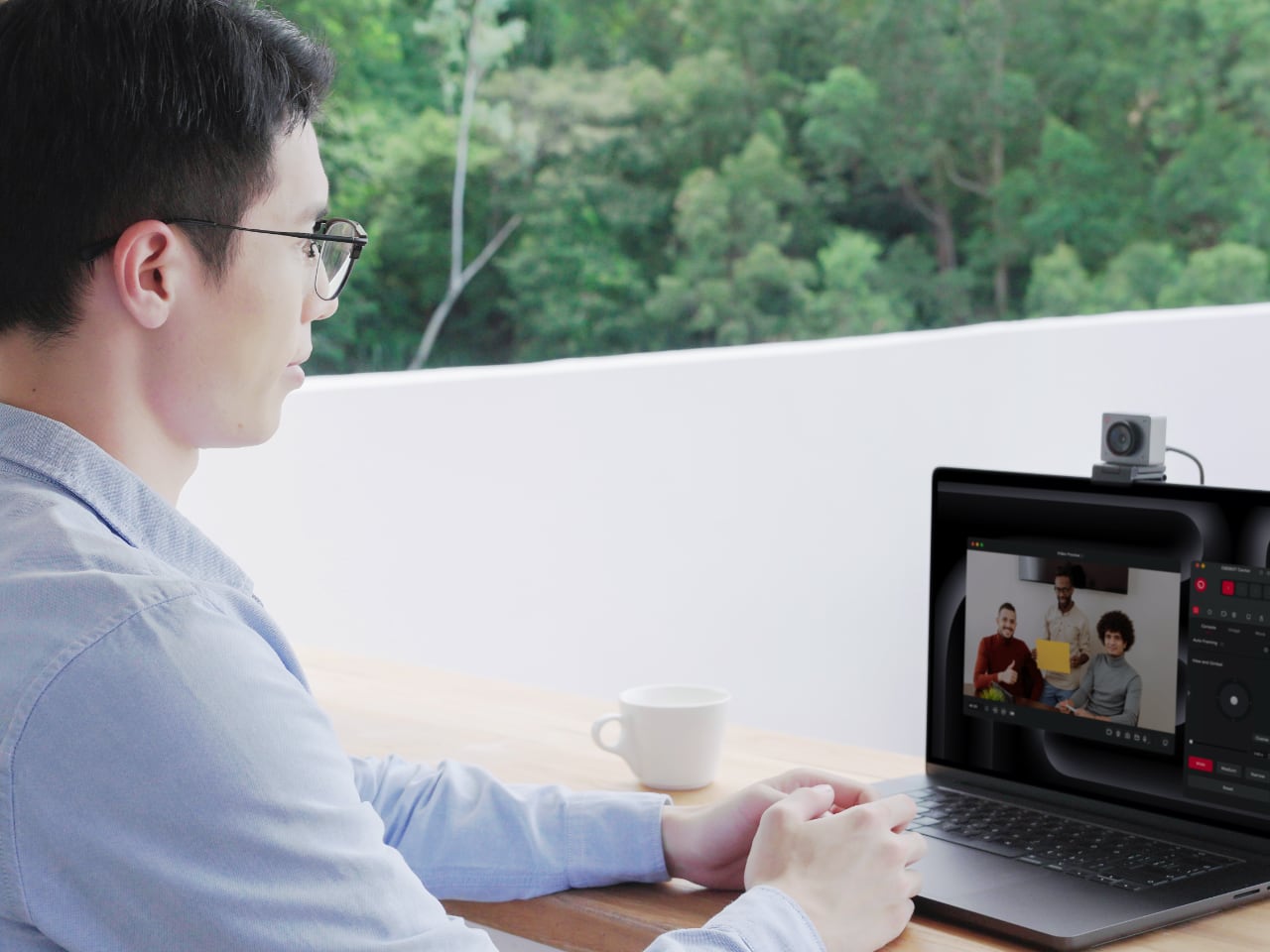
For professionals, this webcam is a reliable tool for virtual meetings, webinars, and presentations. Its ability to perform well in low light and ensure balanced exposure means you’re always seen clearly, even in challenging environments. The high-quality microphones also ensure your voice is heard, which is critical for effective communication in remote work settings.
Time to Think About Your Setup
With the growing importance of online interactions, the need for high-quality webcams is on the rise. This device meets the need for advanced technology with a simple, user-friendly design. Compact, powerful, and affordable, it’s a valuable addition to any setup.
Whether you’re enhancing your gaming streams, improving your content creation, or elevating your virtual communications, the OBSBOT Meet 2 is designed to help you upgrade your digital presence. Consider how it could fit into your workflow and help you achieve better results.
A gaming chair plays a crucial role in your overall experience. Whether you’re powering through marathon sessions or just enjoying a few casual rounds, the chair you use significantly impacts your comfort and performance. The TGIF T0 is built with precision to offer a complete ergonomic solution designed to combat fatigue and ensure unparalleled comfort for professional players. With years of development and input from professional esports players, this chair quietly challenges the norms and sets a new standard in gaming chairs. By incorporating advanced technology and thoughtful design, the TGIF T0 disrupts conventional expectations, supporting your body through hours of gameplay and perfectly fitting the needs of modern setups.
TGIF’s experience managing a professional esports club provided deep insights into gamers’ specific needs, directly influencing the TGIF T0’s design. Professional players were involved throughout the development process, testing the chair and offering feedback that shaped its final form. This close collaboration has resulted in a chair that truly meets the demands of professional gamers, making the TGIF T0 a product born from the world of esports.
Aesthetics and Design: Where Style Meets Function
Seamlessly integrating into any gaming setup, the TGIF T0 has a sleek, modern design characterized by sharp lines and angular forms. It’s tailored to suit the gamer’s environment, offering visual appeal and functional performance. Beyond gaming, its versatile design makes it an ideal choice for office use, providing the same level of ergonomic support and comfort in any professional setting.
The TGIF T0 is only available in black, while the TGIF T0 Max is offered in gray. The finishes resist wear and tear, ensuring the chair maintains its new appearance even after heavy use. The base is built for durability and strength, with casters that glide smoothly over various floor surfaces.
Ergonomics: Science in Every Curve
This gaming chair is meticulously crafted with a strong focus on ergonomics. Engineered to endure the demands of extended gaming sessions, it reflects insights from the professional esports community. Unlike traditional chairs that prioritize appearance over functionality, the TGIF T0 is designed to support the body’s natural curves.
At the core is the TGIF T0’s proprietary patent—Dynamic Seat-Back Sync technology—a significant breakthrough in ergonomic design. This system ensures that the seat back and base move with your body, aligning with the spine’s natural shape and reducing pressure points. Whether leaning forward or reclining, the chair adjusts to your posture, enhancing stability and maintaining ergonomic alignment.
Traditional gaming chairs often lack these ergonomic elements. While they may boast flashy designs, their functionality frequently falls short. Most of them rely on rigid steel frames that don’t offer the necessary flexibility or adaptability. This lack of movement can lead to discomfort, as the chair doesn’t sync with your body’s natural motions, causing strain over long periods.
Moreover, they typically use basic foam padding that fails to provide the advanced support found in the TGIF T0. Over time, this foam can lose its shape, leading to discomfort and pressure points. Without an ergonomically designed base, these chairs might force you into awkward postures, increasing the risk of fatigue and long-term issues like back pain.
A wrap-around dual-lumbar support system provides continuous and reliable support to your lower back. The front lumbar cushion cradles your spine while rear support kicks in as you recline. This setup ensures that your lower back stays well-supported and comfortable, whether sitting upright or leaning back.
In comparison, competing gaming chairs often offer only a fixed lumbar pillow that doesn’t adjust or align properly with your spine. This can result in inadequate support, leaving your back vulnerable to discomfort and strain.
Additionally, the seat includes segmented, dual-softness cushioning that effectively addresses the hips and thighs’ distinct shapes and pressure points. The wide seat cushion provides ample space, offering increased comfort and freedom of movement, ensuring you remain comfortable even during lengthy gaming sessions. This design evenly distributes pressure while conforming to the body’s curves for maximum comfort, reducing discomfort during long periods of sitting. Fully adjustable armrests allow you to find the perfect height and angle, easing the strain on your shoulders and wrists.
Many gaming chairs have narrower seats, which can feel restrictive and limit cushioning flexibility. This design makes these chairs less comfortable, particularly for users with larger body frames or frequently shifting positions. Additionally, the armrests typically offer minimal adjustability, failing to meet the diverse ergonomic needs of all gamers.
Material Matters: Comfort Meets Durability
High-quality materials are key to the TGIF T0’s comfort and durability. The chair uses a highly breathable mesh material, a superior alternative to traditional PU leather, that regulates temperature and humidity, keeping the seat surface dry and comfortable all day long. The mesh minimizes deformation over time, enhancing durability and resilience and ensuring consistent support and comfort for years.
For those seeking extra comfort, the TGIF T0 Max version includes slow rebound memory foam in the headrest and cushion. This space-tech memory foam evenly distributes pressure, reducing strain on pressure points and making sitting more comfortable. The memory foam is also durable, maintaining its shape and support over time.
Moreover, the TGIF T0 Max introduces a signature thermal-relief feature that delivers gentle heat directly to the lumbar region. This targeted heat therapy helps alleviate muscle fatigue, promotes better posture, and improves blood circulation during extended sitting. It’s particularly beneficial for those who experience lower back discomfort, providing soothing warmth that helps relax muscles.
Unlike traditional gaming chairs that often rely on non-breathable PU leather, which can trap heat and moisture, this chair features breathable mesh fabric that keeps you cool and comfortable. It’s also built with durable materials to maintain its integrity over time, preventing sagging and wear commonly seen in less advanced options.
Adding to its durability and quality, the TGIF T0 is backed by the industry’s most rigorous testing standards. The chair has undergone extensive BIFMA and SGS testing, achieving the highest quality certifications. After thousands of test iterations, the TGIF T0 exceeds expectations by delivering exceptional performance and longevity you can trust.
Practical features are built in to enhance the gaming experience. Extensive testing with gamers revealed that many prefer to rest their feet on the chair base while playing, leading to a 58-degree inclined base design. This provides a stable and comfortable footrest, reducing leg fatigue and improving posture.
Advanced Features: Enhancing the Gaming Experience
The TGIF T0 comes packed with features to improve your gaming experience. The chair offers customizable settings, allowing users to adjust it to their needs and preferences. The recline function can be set to various angles, and a tilt mechanism can be locked in place or left to rock freely.
The TGIF T0 Max further elevates the experience with additional features, including the built-in thermal relief system, enhanced lumbar pad developed in collaboration with a professional sports rehabilitation center, and the Wintex mesh fabric that offers superior elasticity, breathability, and durability.
Which TGIF T0 is Right for You?
Choosing the TGIF T0 gaming chair means investing in a well-designed option that augments your gaming sessions. Its ergonomic design, high-quality materials, and practical features meet gamers’ needs.
If features like thermal relief, upgraded lumbar support, and advanced materials are top priorities, the TGIF T0 Max is ideal. For those who want comfort and ergonomic support without extra features, the TGIF T0 is a strong option. Choose the TGIF T0 series to make every gaming session more comfortable. Whether you’re a professional esports gamer or a casual player, this chair is designed to meet your needs.
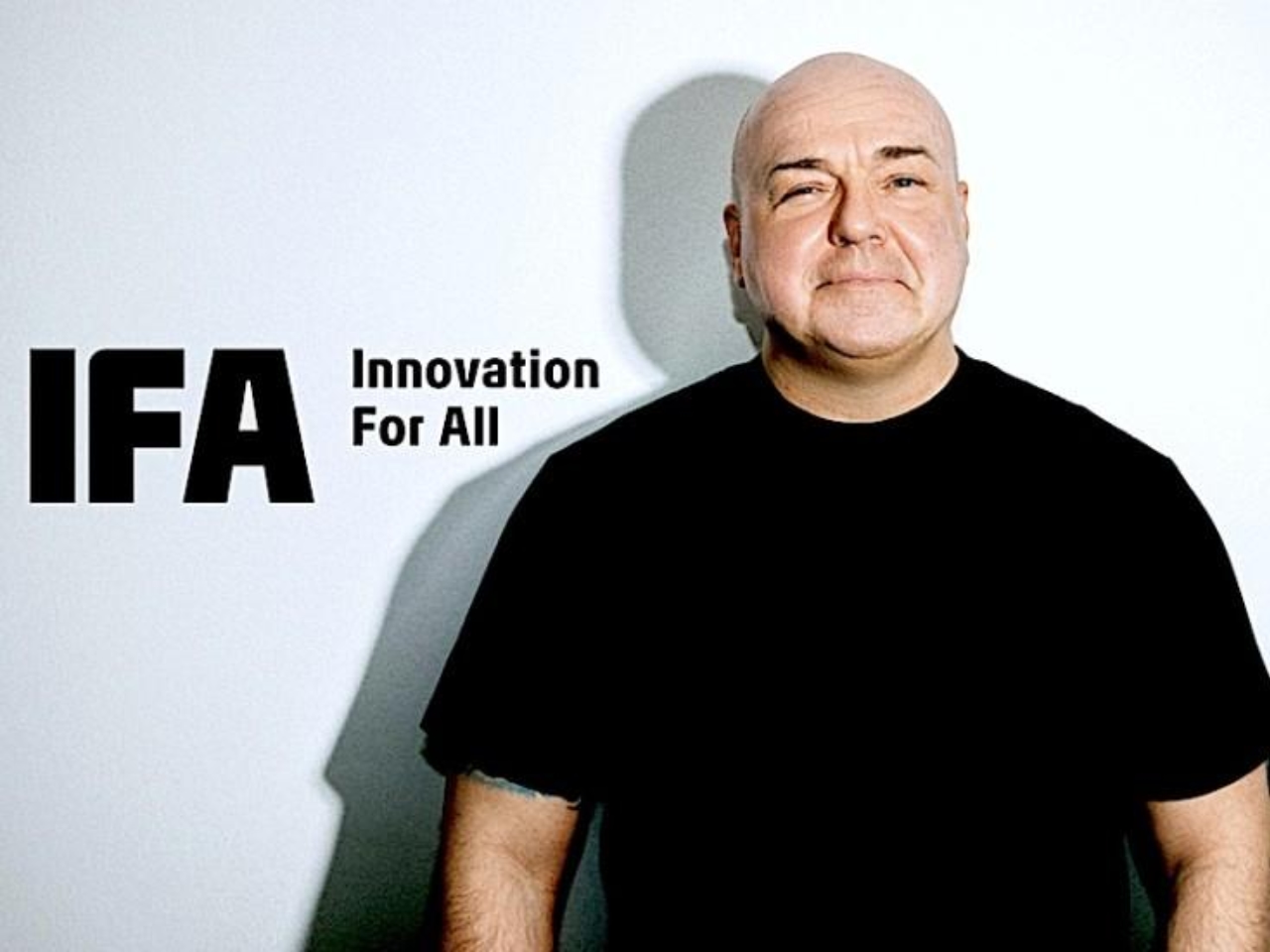
As the Internationale Funkausstellung Berlin (IFA) gears up to celebrate its 100th anniversary, the tech industry focuses on Berlin, where tradition meets innovation. IFA, one of the world’s leading trade shows for consumer electronics and home appliances, has long been a platform where global brands showcase their latest innovations, set trends, and connect with industry professionals and consumers alike. It’s an event that shapes the direction of technology, influencing the products and services that will define the market in the years to come. Leading this transformation into its next century is Leif Lindner, the CEO of IFA Management GmbH since October 1, 2023. With over 25 years of industry experience, including a significant tenure at Samsung Electronics Germany, Lindner brings a wealth of knowledge and a strong network to his role as CEO. His experience in multicultural settings enhances his leadership as he guides IFA into a new era. In this interview, I explore how Lindner balances IFA’s storied history with a fresh approach to ensure it remains at the forefront of global technology showcases.
Vincent Nguyen:Good afternoon! Thank you for taking the time to chat with me. You’ve been traveling all over the world recently. Is this normal for a CEO in your position, especially right before the show?
Leif Lindner: “Yes, it’s part of the job. I’ve been with IFA for a relatively short time, but given the importance of the 100th anniversary and the transition we’re going through, it’s crucial for me to be hands-on.”
This response underscores Lindner’s commitment to being actively involved in the evolution of IFA during such a pivotal year. His hands-on approach ensures that the event reflects his vision and strategy. Adapting and leading from the front is essential in an industry as fast-paced as technology.
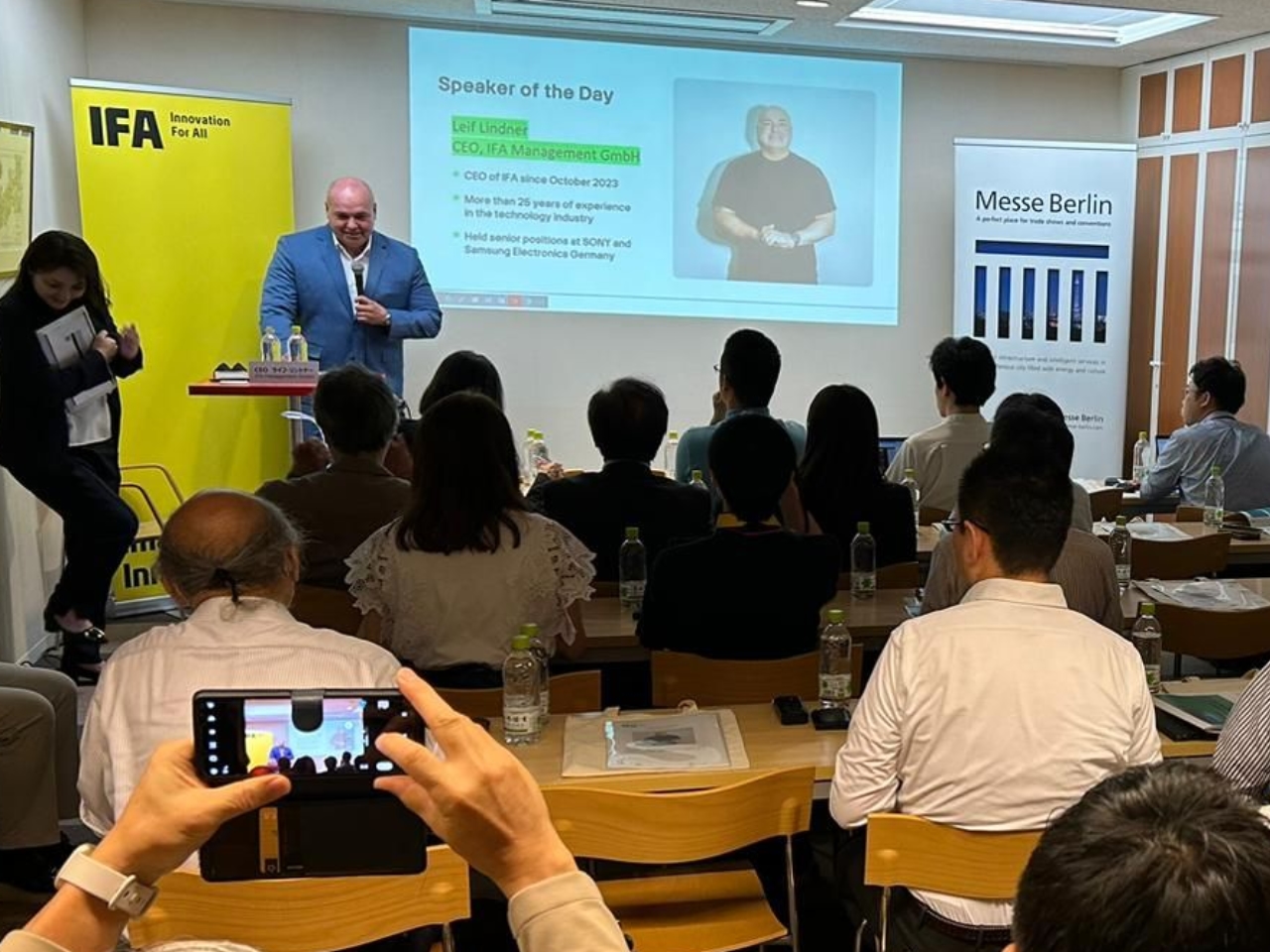
Leif Lindner traveled to Tokyo with Jan Kronenberger (IFA, Head of PR and Content) to promote IFA Berlin.
Nguyen:How does IFA plan to balance the needs of big brands with the rising importance of smaller innovators?
Lindner: “Smaller brands can become significant players quickly, and they need special attention. At the same time, we must keep our mature, long-term partners in the spotlight.”
Lindner’s strategy to balance attention between established giants and emerging innovators is crucial. It shows that IFA is a platform where future technology leaders can emerge, ensuring that both new and established companies have the space to thrive. His approach fosters an environment where innovation from both large corporations and smaller, agile startups can flourish.
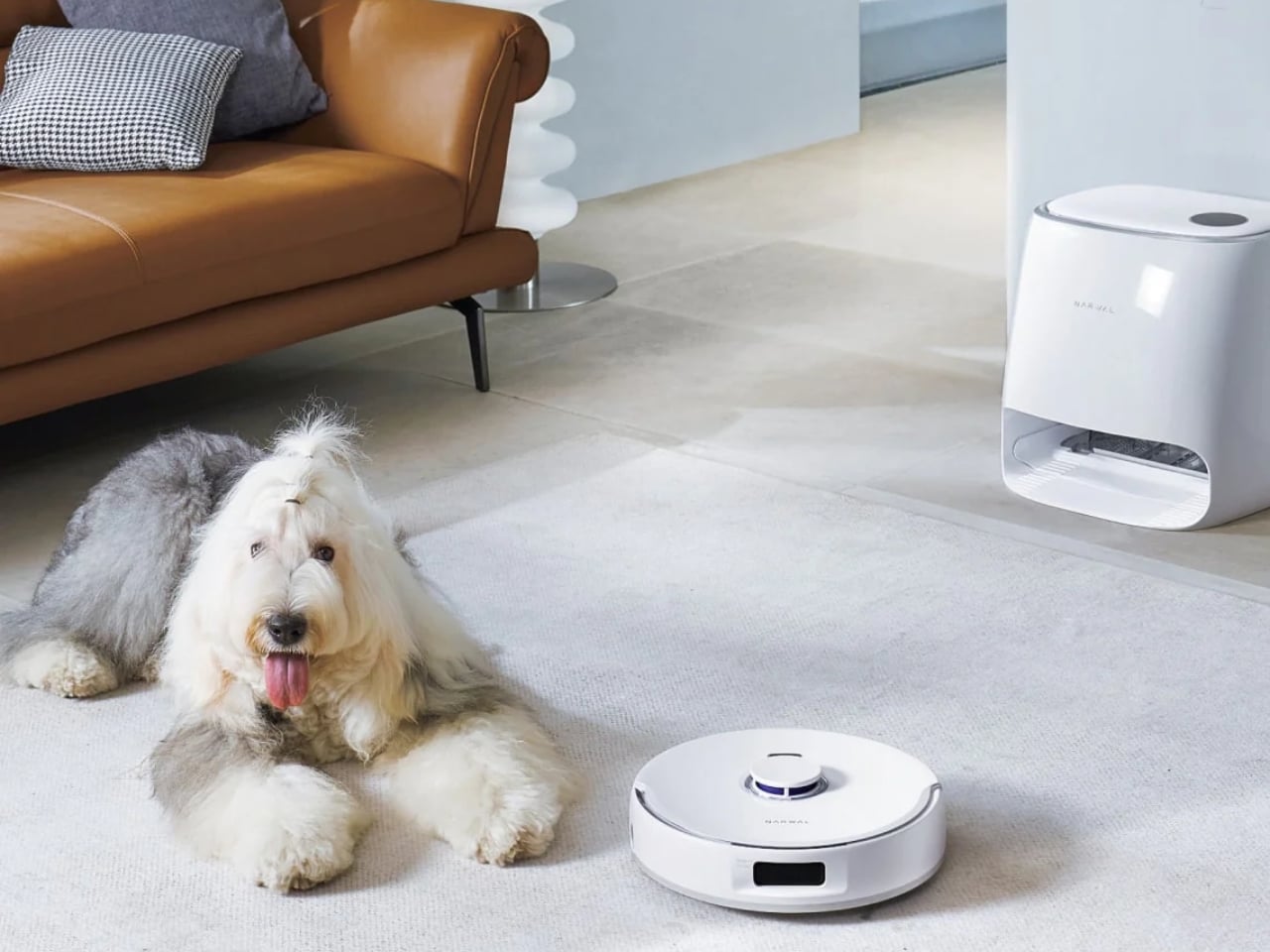
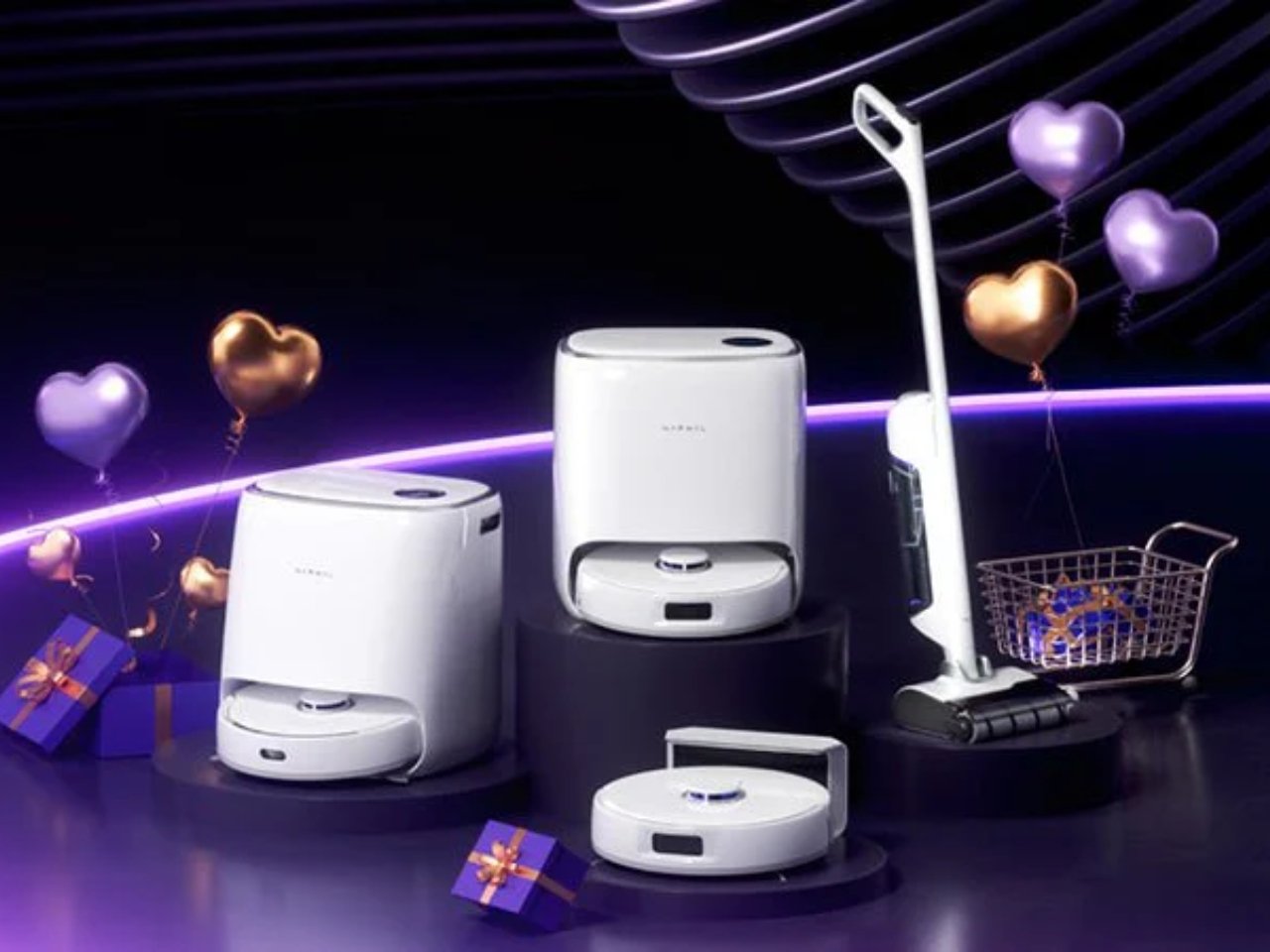
A prime example of a growing brand poised to make a significant impact at IFA 2024 is Narwal, a company that has rapidly ascended to the forefront of the smart home cleaning industry since its founding in 2016 in Shenzhen, China. Narwal is set to unveil its latest groundbreaking innovation in the smart home cleaning sector at IFA 2024 in Berlin, and we’re looking forward to seeing what they have in store. Its pioneering products, such as the world’s first self-cleaning mop and vacuum robot, highlight the company’s success. With over 1,200 international patents and a team of more than 700 R&D engineers, Narwal showcases the kind of innovation and technological leadership that IFA aims to highlight. The brand has received significant industry recognition, winning prestigious awards, including the CES Innovation Awards, Red Dot Design Awards, and the Edison Gold Award.
Narwal’s strategic expansion into key markets like North America, Europe, and Asia has solidified its leadership in the smart home sector. In Europe, particularly Germany, the company has built strong partnerships with major retailers like OTTO, MediaMarkt, and Saturn, making its products widely available. By investing in local research and partnerships, Narwal’s long-term vision focuses on further growth in Europe, with Germany as a crucial market. This commitment to meeting European consumers’ needs and delivering intelligent cleaning solutions aligns with the innovative spirit that IFA showcases.
Narwal’s mission is to give people more freedom to do what they love and with who they love.
Nguyen:Can you explain the rebranding process you’ve initiated? What is your vision for the new IFA?
Lindner: “We wanted to create a visual identity that’s more colorful and youthful, while also incorporating entertainment into the show. We want IFA to be seen not just as a tech show, but as a cultural event that resonates with younger audiences.”
The rebranding of IFA is about transforming the event into something that resonates with the next generation of tech enthusiasts. By incorporating elements of entertainment and culture, Lindner is positioning IFA as a multifaceted experience rather than just an exhibition. This approach aligns with broader trends where the lines between technology, culture, and lifestyle are increasingly blurred, making IFA a must-experience event.
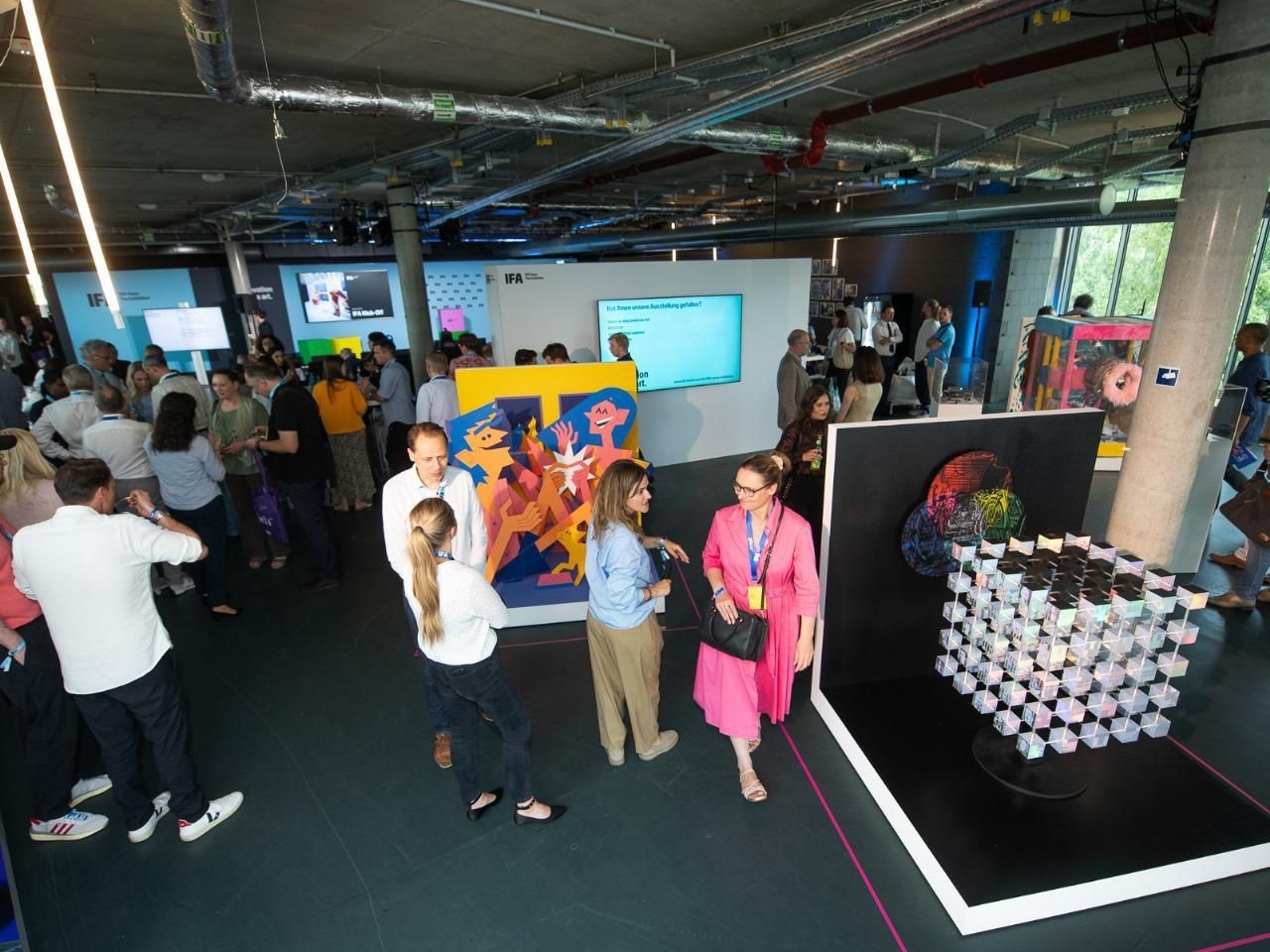
As part of the IFA 100 celebrations, the “IFA 100 Years The Exhibition” reflects this transformation. After a successful summer run at Bikini Berlin, the exhibition now opens its doors to all IFA visitors at the Palais. This exhibition goes beyond commemorating IFA’s centennial—it sparks a dynamic dialogue at the intersection of technology and creativity, encouraging attendees to explore innovation’s impact on our lives.
Eight Berlin-based artists were engaged to interpret IFA’s history and future through art, each piece representing a distinct theme. Their works, accessible to Berliners and international visitors, draw from an inspiring past and a visionary future. The exhibition also features extraordinary technology exhibits that offer a glimpse back to the beginnings of technology, bridging the gap between past and future innovations.
Visitors can even take a piece of the exhibition home by creating their own personal AI avatar with the IFA avatar generator, highlighting the event’s integration of cutting-edge technology with personal and creative expression.
The themes explored by the artists include:
Radio, where the journey from early broadcasting to the era of podcasts, highlights the social relevance of media and its evolution. Video, an exploration of the transition from black-and-white television to on-demand video services, illustrates the evolution of visual media. Audio, which celebrates music from vinyl records to cloud streaming, captures sound’s emotional and experiential aspects—online, showcasing the transformative impact of the Internet and digitalization on society, from early telecommunication to the Internet of Things. Computers and Games offers an artistic take on the evolution of gaming and computing, from home PCs to mobile gaming and digital culture. Digital Lifestyle, portraying the smartphone’s role in shaping global, connected lifestyles, from telephony to social media and AI. Home Appliances & Networking, examining the evolution of household appliances, from traditional stoves to smart home networks. Finally, Creation & Social Media digs into content creation in the digital age, from analog photography to influencer-driven social media.
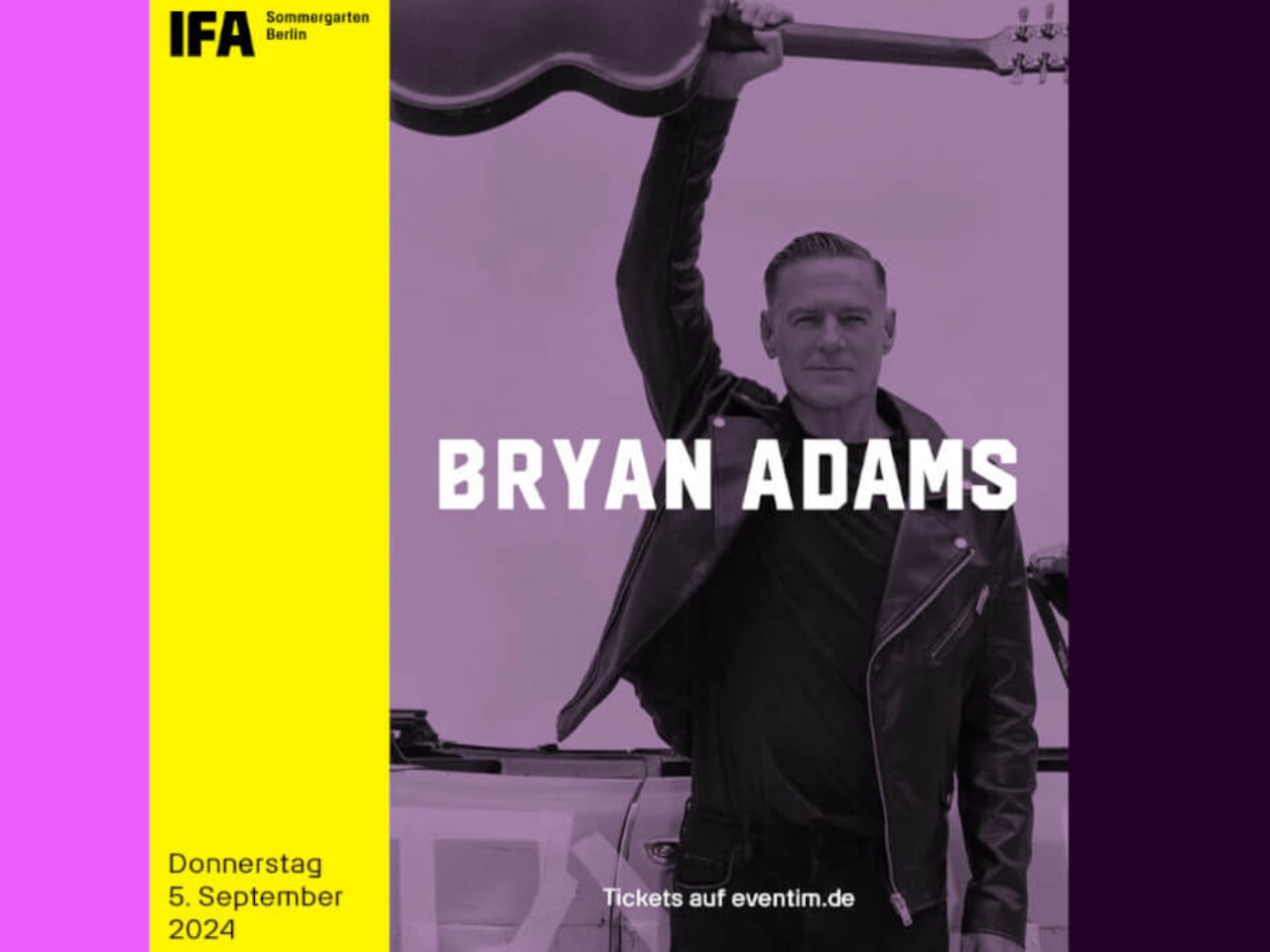
Bryan Adams concert at IFA 2024
IFA 2024 will also feature a special open-air concert by Bryan Adams at the Sommergarten Stage, adding a lively cultural dimension that sets the tone for the event. This reflects Lindner’s commitment to reimagining IFA as a vibrant experience that blends technology with entertainment and appeals to a diverse, younger audience, ensuring its relevance as it enters its second century.
Nguyen:How do you plan to address the risk of losing pillar brands that have supported IFA over the years?
Lindner: “It’s a real concern. We’ve already seen some brands pull out in recent years. My job is to bring them back by proving that we understand the changing landscape and are evolving to offer more value.”
Lindner’s candidness about the challenges IFA faces highlights his proactive approach to leadership. His focus on evolving IFA’s value proposition to re-engage these key brands demonstrates that he’s not content with maintaining the status quo. He’s actively seeking to adapt IFA’s offerings to better align with the needs of today’s tech giants. This strategy is vital for keeping IFA relevant in an industry constantly in flux.
Nguyen:Are you expanding IFA’s global reach, particularly in regions like India or China?
Lindner: “This year, we’ve focused on balancing our exhibitor base, especially bringing back more Korean, Japanese, and Taiwanese brands. India has a lot of potential, but we need to approach it with a full-speed strategy, which requires the right local partnerships.”
This strategy to expand IFA’s reach into Asia reflects an understanding of where the future of technology is being shaped. By strengthening ties with key markets like Korea, Japan, and Taiwan and recognizing the potential in India, Lindner is ensuring that IFA remains relevant on a global scale. His emphasis on local partnerships shows a thoughtful, sustainable approach to expansion, extending IFA’s influence well beyond Europe.
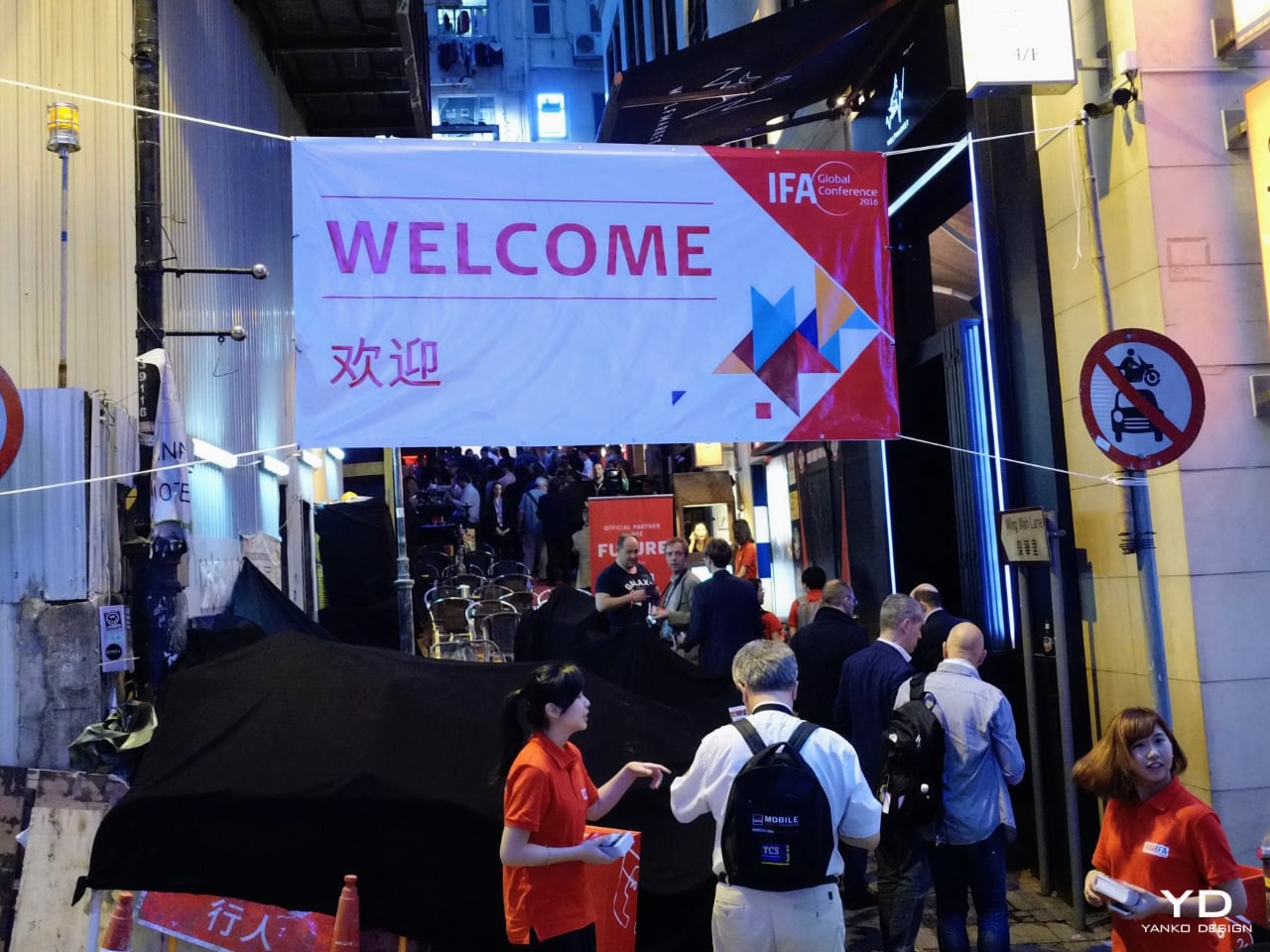
IFA Global Press Conference – Shanghai 2016
IFA Global Press Conference – Shanghai 2016
Nguyen:IFA often coincides with Labor Day in the US. Has the show always been scheduled during the first week of September?
Lindner: “Yes, it has traditionally been around this time. The dates for the next several years are already fixed. While it’s a challenge for US companies, especially with Labor Day, we believe this timing is right overall. The first week of September positions IFA at a critical juncture in the calendar, just before the peak sales season in Europe. This timing allows brands to showcase their latest innovations and launch products when consumer interest is at its highest. It also gives companies the opportunity to generate buzz and secure media coverage ahead of the crucial fourth quarter, which is often a make-or-break period for many in the consumer electronics industry.”
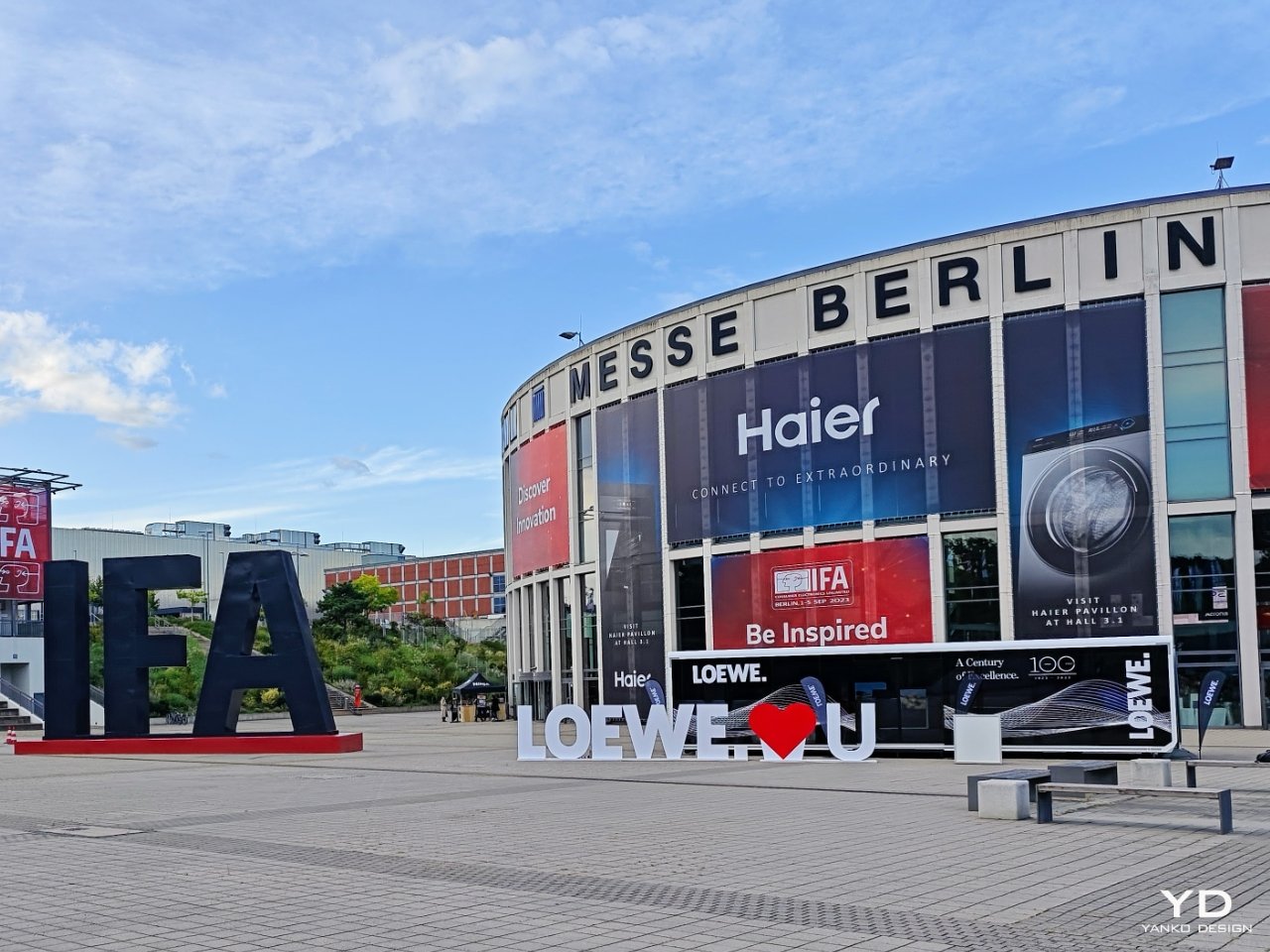
IFA Messe Berlin
Lindner elaborated on the rationale behind maintaining this traditional schedule despite potential conflicts for some international participants. He emphasized that the timing of IFA is not arbitrary; it has been carefully chosen to align with the European market’s key sales cycles. This alignment ensures that the event remains strategically positioned to offer maximum value to exhibitors and attendees. By scheduling IFA just before the peak sales season, the event becomes a pivotal platform for brands looking to make significant announcements and capture the attention of both the media and consumers at a time when it matters most.
He acknowledged the challenges that this timing presents for US companies, particularly given the overlap with Labor Day, a major holiday in the United States. However, the benefits of holding IFA during this period far outweigh the drawbacks. The fixed schedule allows companies to plan their product launches and marketing strategies well in advance, ensuring they can fully leverage the opportunities that IFA presents.
Moreover, Lindner pointed out that the consistency of IFA’s schedule has helped to establish the event as a key fixture in the global tech calendar. Companies and industry professionals know exactly when to expect IFA each year, which has contributed to its reputation as a must-attend event for anyone involved in the consumer electronics sector.
Vincent:There’s often a comparison between IFA and CES, especially since they’re so close together. How do you handle the competition, especially for brands that might only have the budget for one major event?
Lindner: “I believe IFA and CES can coexist because they serve different focuses. IFA is a comprehensive showcase right before the peak sales season in Europe, which is crucial for many brands.”
Lindner’s perspective clearly explains how IFA differentiates itself from CES. By emphasizing IFA’s unique timing and focus on the European market, Lindner highlights the event’s strategic importance for brands looking to engage with this critical audience. It’s not about competing head-to-head with CES but about offering a direct connection to the European market at a pivotal moment in the sales cycle.
Vincent:Are there any brands that have particularly impressed you this year that you think Yanko Design readers should check out?
Lindner: “There are several. For example, SharkNinja has been particularly innovative, releasing numerous products in Europe. Samsung continues to impress with their holistic approach to technology, and Chinese brands like DJI are also setting new standards in the market. We should also not underestimate how Chinese brands like Hisense and Haier are bringing power to the market. They understand the market better than before and are moving toward a more quality-driven approach. Their understanding and perception of the market always impress me.”
Lindner’s recognition of these brands highlights the tech industry’s diverse and dynamic nature today, emphasizing IFA’s role as a global platform where both established leaders and emerging innovators can shine.
SharkNinja has been making waves in Europe with various new products that combine cutting-edge tech with everyday practicality. Whether it’s their powerful vacuum cleaners or smart kitchen gadgets, SharkNinja has found a way to make life at home easier and more efficient, which has helped them become a household name in the appliance market.
Samsung, a tech giant, continues dominating a wide range of electronics—from smartphones and home appliances to smart home systems. Their latest advancements in QLED and OLED TVs keep them ahead of the curve in display technology. Samsung’s approach blends sustainability with innovation, making its products forward-thinking and eco-friendly and solidifying its leadership in the industry.
DJI, the brand that revolutionized the drone industry, continues to set higher aerial photography and cinematography standards. Their drones are known for their exceptional camera quality, user-friendly controls, and reliable performance, making them a favorite among professional filmmakers and hobbyists. But their innovation doesn’t stop at drones. They’ve expanded into handheld stabilizers, action cameras, and more. At IFA, there’s a lot of excitement around what they will unveil, particularly with the buzz surrounding the rumored Neo, which is expected to be a game-changer. We’re also eagerly anticipating their entry into the mirrorless camera market, which could bring their imaging expertise to new heights. Additionally, their entry into portable power solutions, including impressive battery technology, and their move into e-bikes are developments we’re watching closely. This expansion into new areas could significantly impact the market and add even more excitement to an impressive lineup.
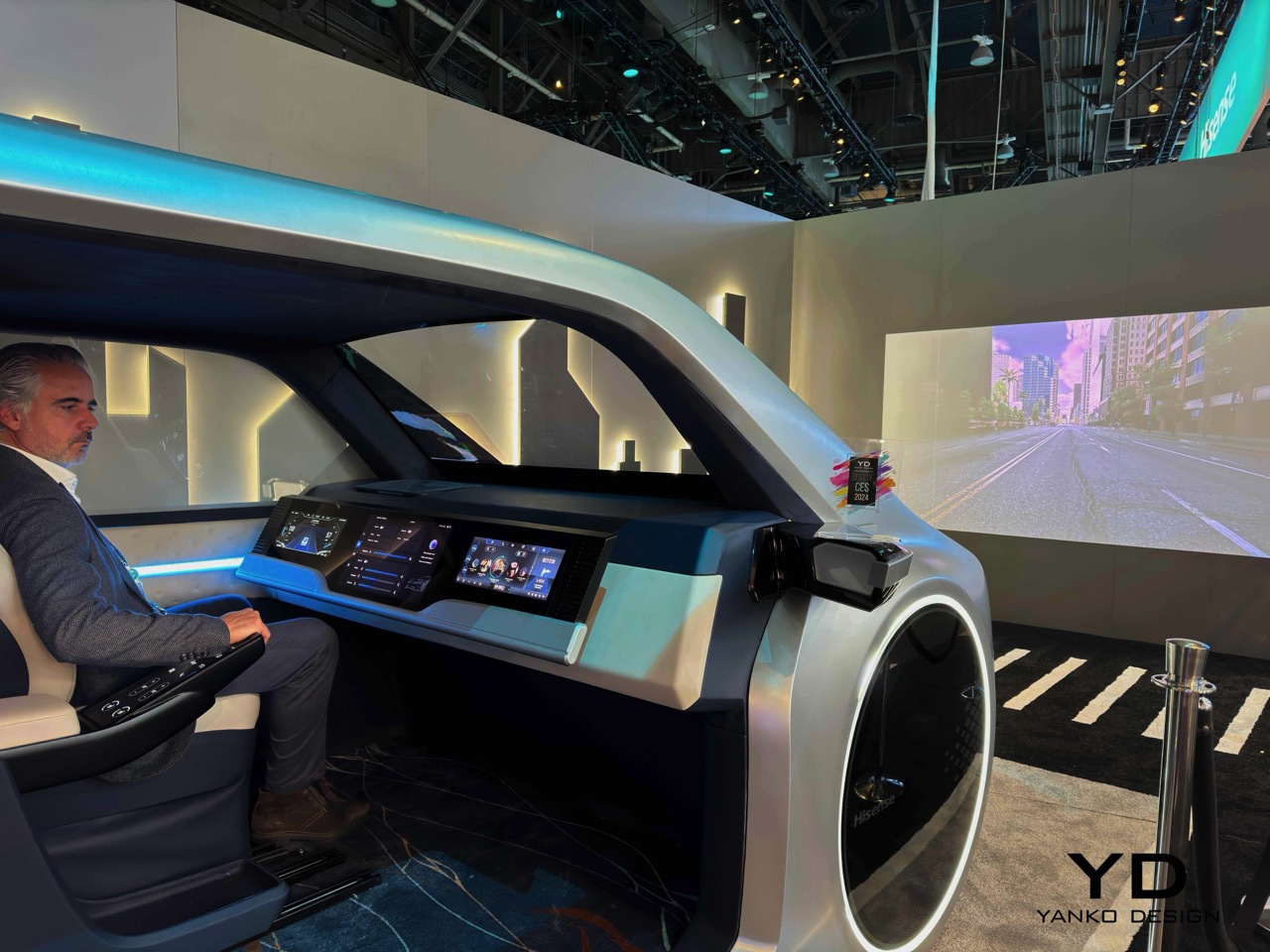
Hisense has significantly impacted the TV and projector markets, particularly with their massive 100-inch-plus TVs and innovative projector technologies. Their commitment to delivering a cinema-like experience at home has made them a top choice for those seeking high-quality, immersive viewing. The Canvas TV, for example, combines a massive screen with a sleek, minimalist design that easily blends into any living space. This modular design allows users to arrange the display panels in various configurations, creating a customizable viewing experience. It’s about integrating technology seamlessly into the home environment.
In addition to their impressive TVs, Hisense has also gained attention with their short-throw projectors. These projectors deliver bright, sharp images from just a short distance, making them ideal for smaller spaces where a traditional projector setup might not be feasible. Hisense’s Laser TVs, which function as ultra-short-throw projectors, offer 4K resolution, HDR support, and vibrant colors while maintaining a compact and easy-to-install form factor. These projectors can display images over 100 inches in size, providing a theater-like experience without needing a dedicated projection room.
Hisense’s advancements in projector technology also include features like ALR (Ambient Light Rejection) screens, which enhance viewing even in well-lit rooms, and integrated smart platforms that offer easy access to streaming services, apps, and more. Their focus on innovation has positioned Hisense as a leader in the home entertainment market, allowing consumers to enjoy a big-screen experience at home without compromising on quality or convenience.
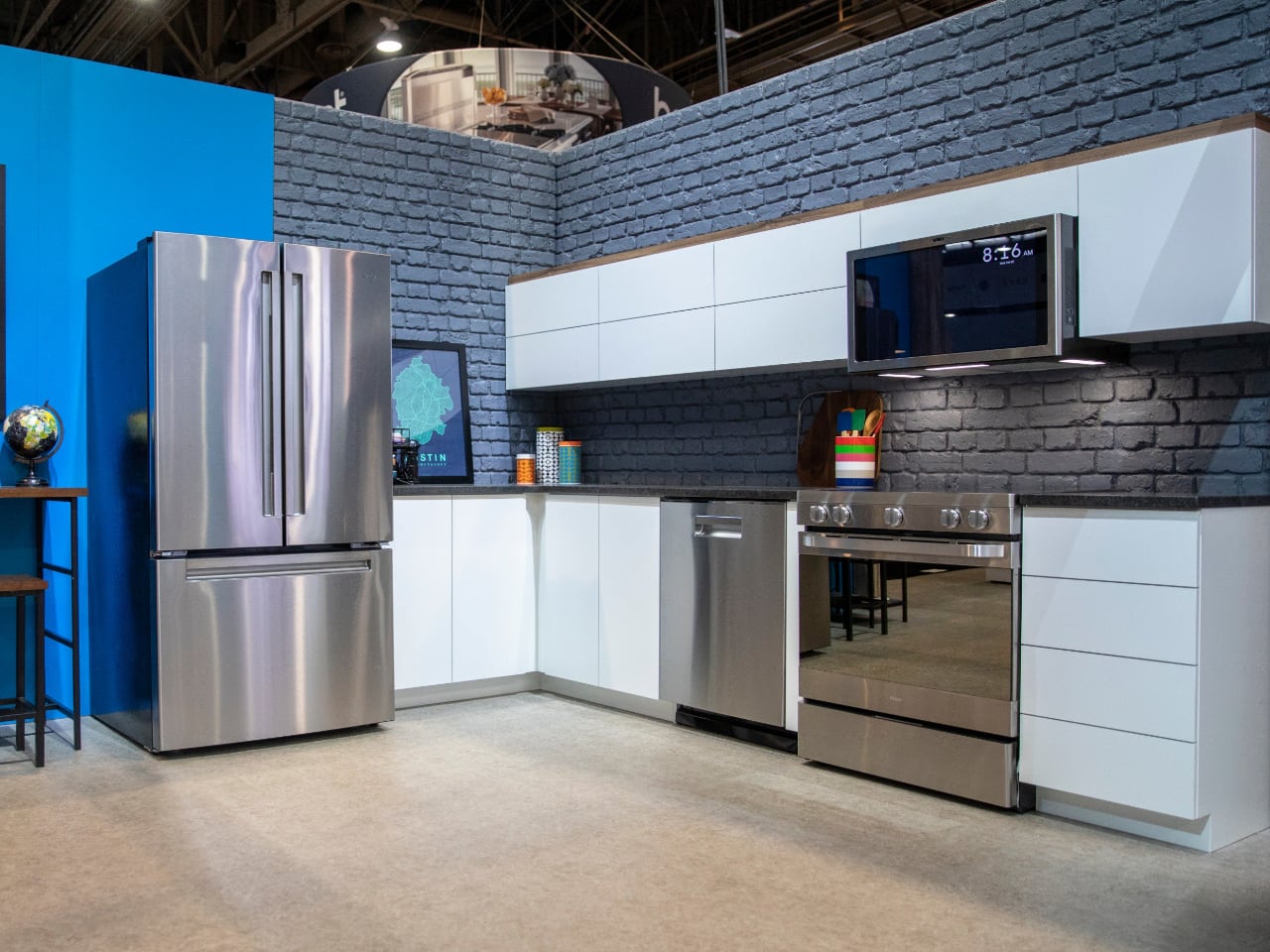
Haier, another major player from China, continues to grow its presence in the home appliance industry by focusing on quality and innovation. They offer various products, from refrigerators and washing machines to air conditioners and smart home devices. Haier’s commitment to creating durable, efficient, and easy-to-use appliances has earned them a solid reputation worldwide. As they continue to push into more advanced smart home technology, Haier is helping to shape the future of how we live at home.
Haier Appliances
These brands are pushing the boundaries of what’s possible, and their presence at IFA underscores the event’s position as a global stage for the best in technology. Lindner’s comments emphasize IFA’s role as a platform for showcasing established leaders and emerging innovators, highlighting the event’s importance in the ever-evolving tech landscape.
Vincent:Finally, can you share three personal things about yourself that we can share with our readers?
Lindner: “Sure! First, as a child, I was fascinated by consumer electronics, particularly TVs. That passion led me to where I am today. Second, I relax by listening to heavy metal music and attending concerts. Metallica is one of my favorites. And third, I box once a week to clear my head and stay fit.”
These personal insights provide a deeper understanding of the person behind the role. Lindner’s early fascination with consumer electronics reminds us that passion can drive a career, shaping his path to where he is today. His love for heavy metal and boxing shows a balance between intensity and focus—qualities undoubtedly reflected in his leadership style. It’s clear that his personal interests and professional approach are intertwined, bringing a level of passion and energy to his role at IFA that is both inspiring and effective.
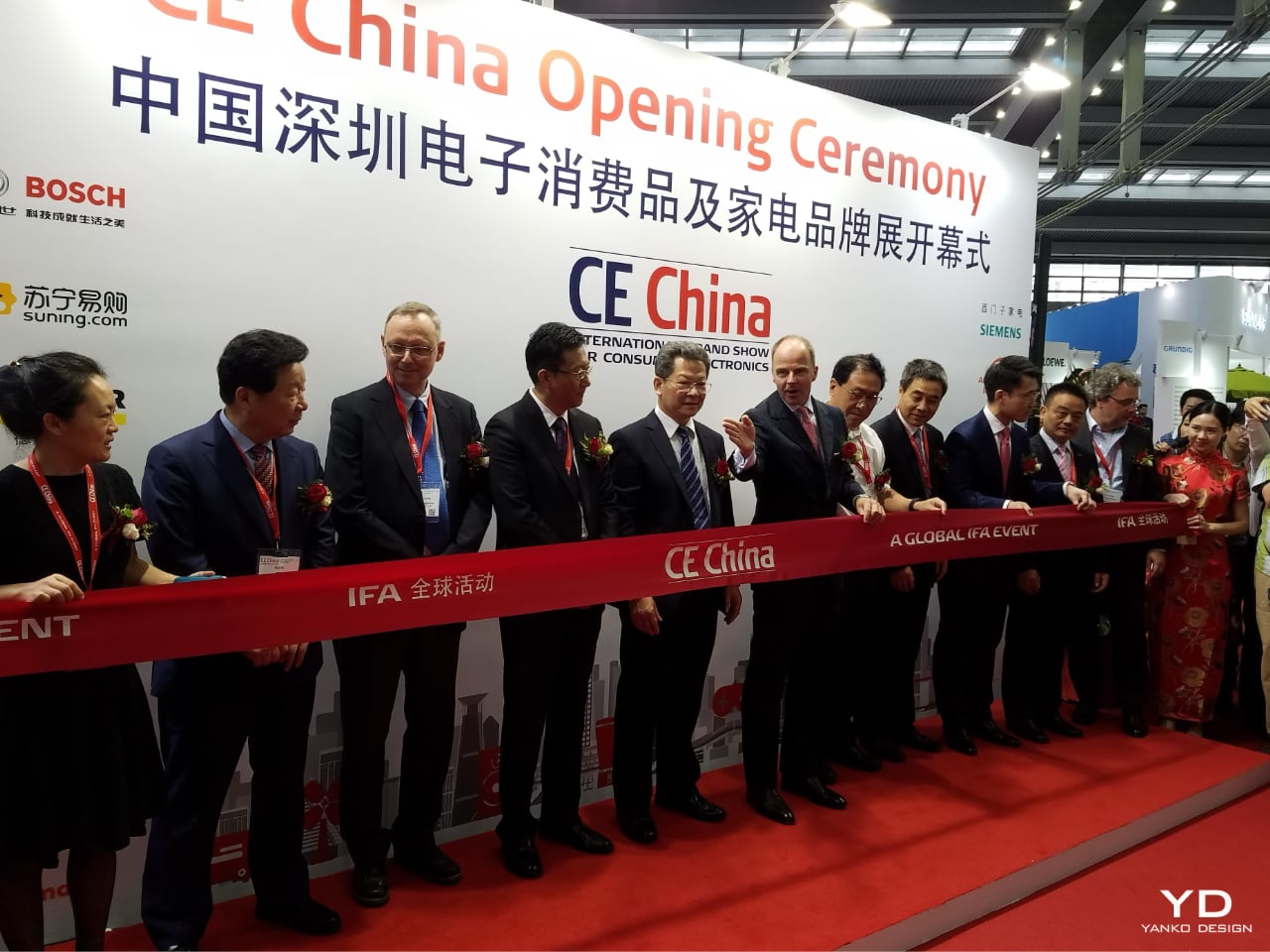
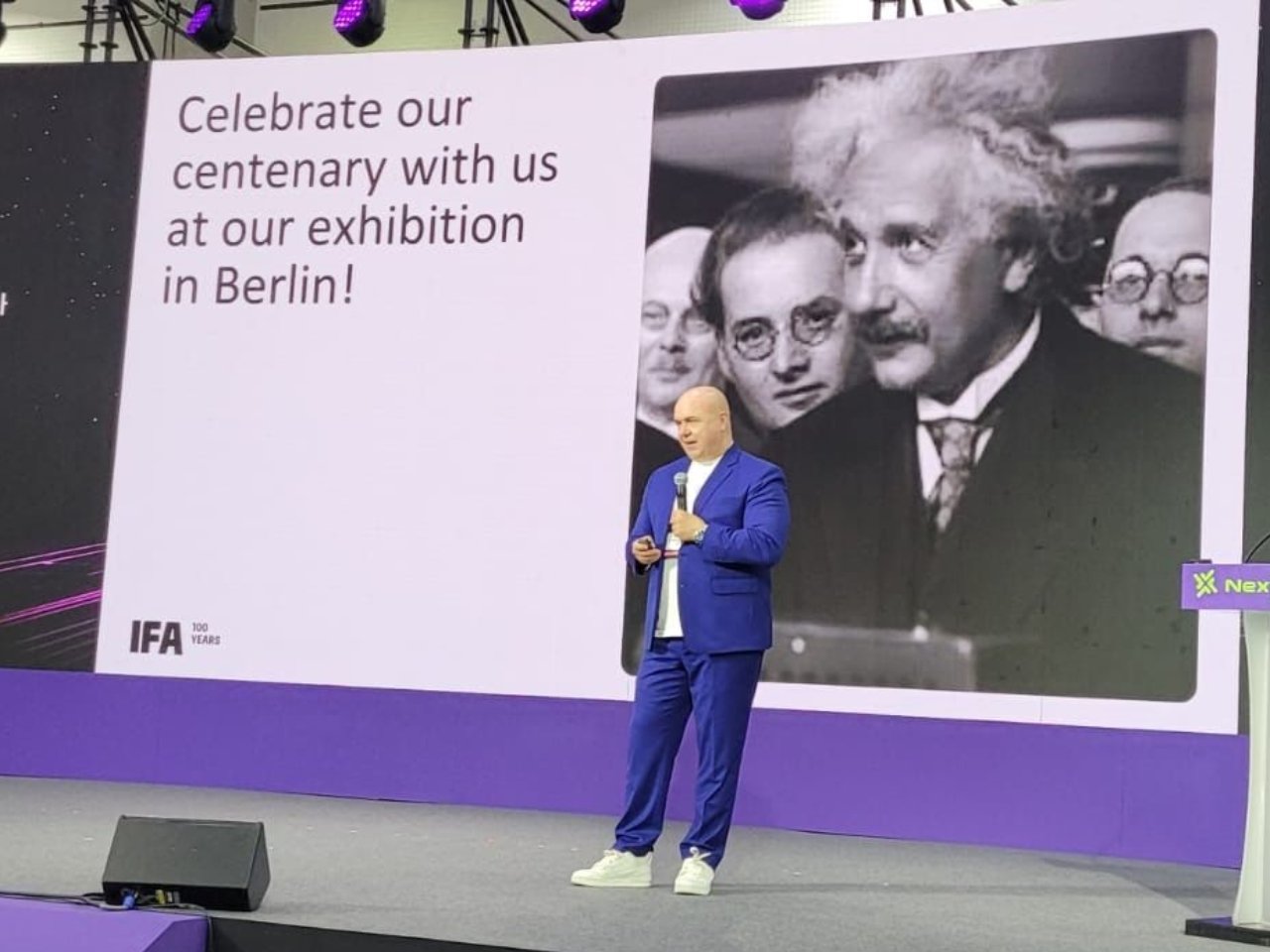
Leif Lindner speaking at NextRise2024 Coex
As IFA embarks on its second century, Leif Lindner is guiding the event into a new era where technology and culture intersect, innovation is accessible to all, and the event remains as dynamic and forward-thinking as the industry it represents. This interview offers insight into the thoughtful leadership and clear vision driving IFA forward. Lindner’s commitment to making “innovation for all” a reality ensures IFA’s position as a cornerstone of the global tech calendar, drawing both established industry giants and rising innovators. His strategic focus on inclusivity, global expansion, and cultural relevance is actively shaping IFA’s future while preserving and redefining its legacy. Under Lindner’s leadership, IFA is set to remain a leading platform where innovation meets opportunity, influencing the tech world for many years to come. Starting this Wednesday, our team will be on the ground to bring you the latest and greatest products showcasing at IFA 2024. We invite you to check back often for coverage.
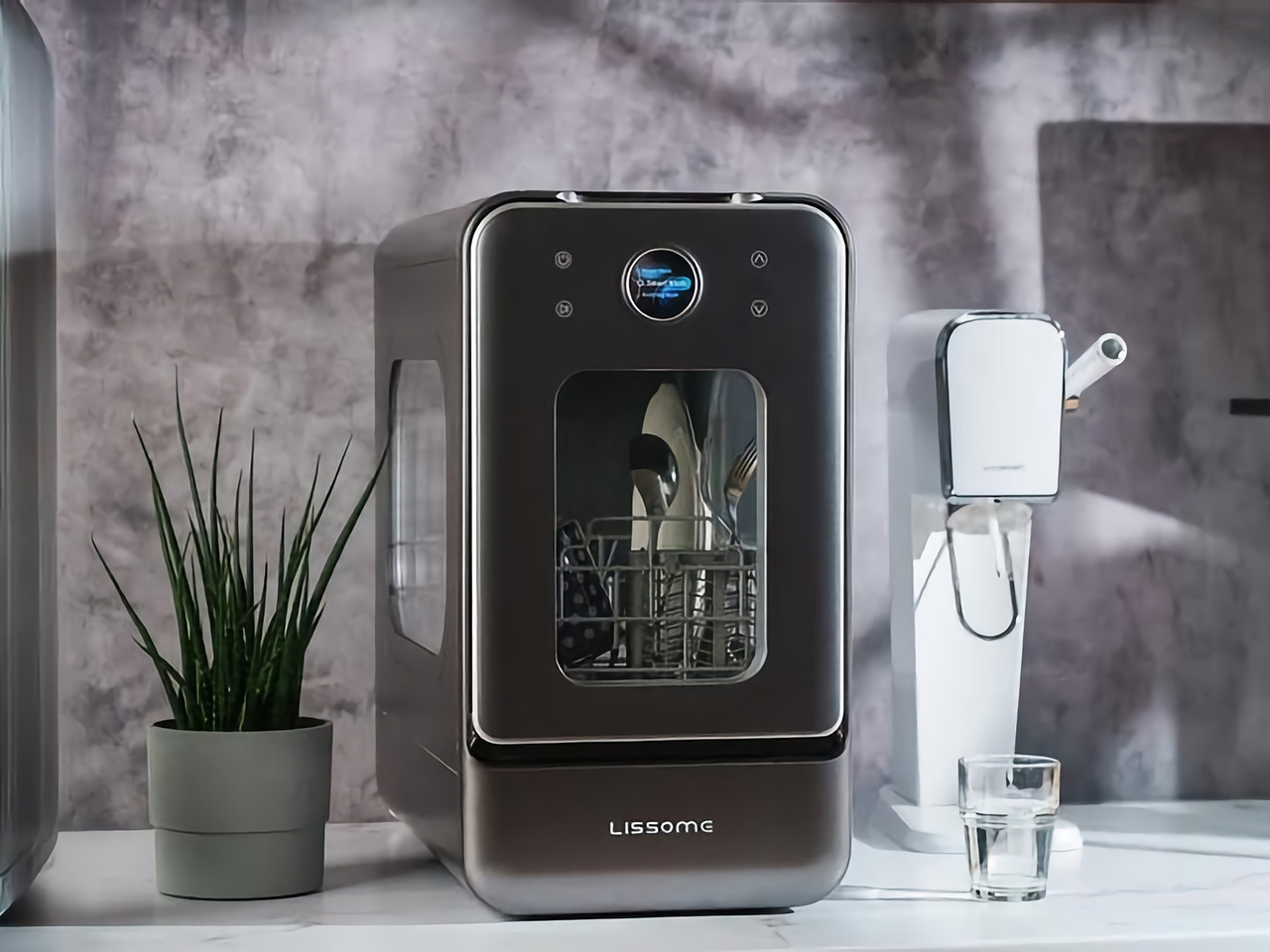
Let’s face it—finding the right dishwasher involves more than just getting your dishes clean. It’s about how well it fits into your life, space, and routine. The LISSOME R1 and R1 Lite are designed with a space-saving concept in mind, ensuring they fit seamlessly into your kitchen, whether it’s a small apartment or a compact office break room. These dishwashers go beyond performance—they make your life easier and maximize your space. Let’s dive into what they bring and help you decide which suits your needs best.
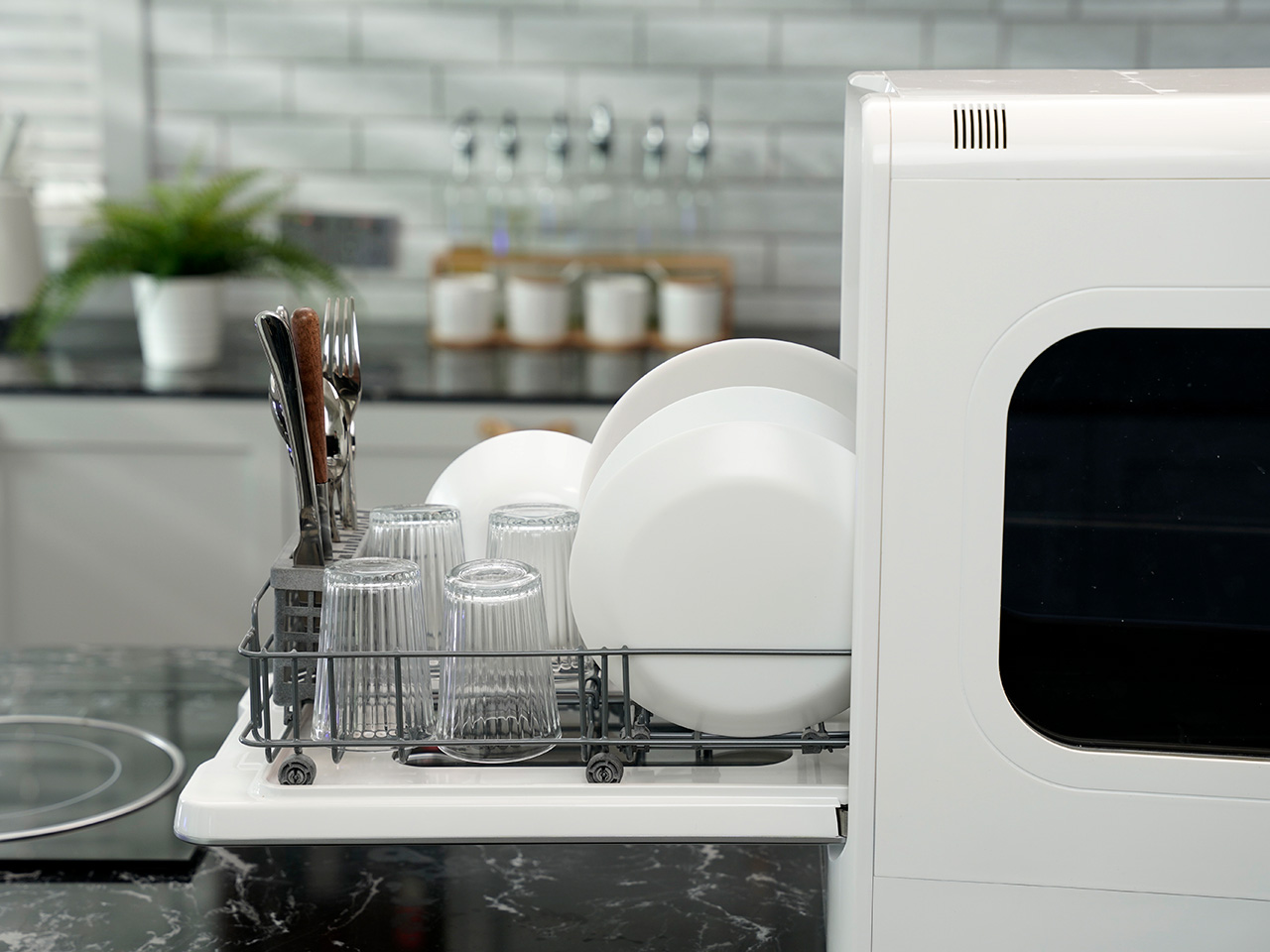
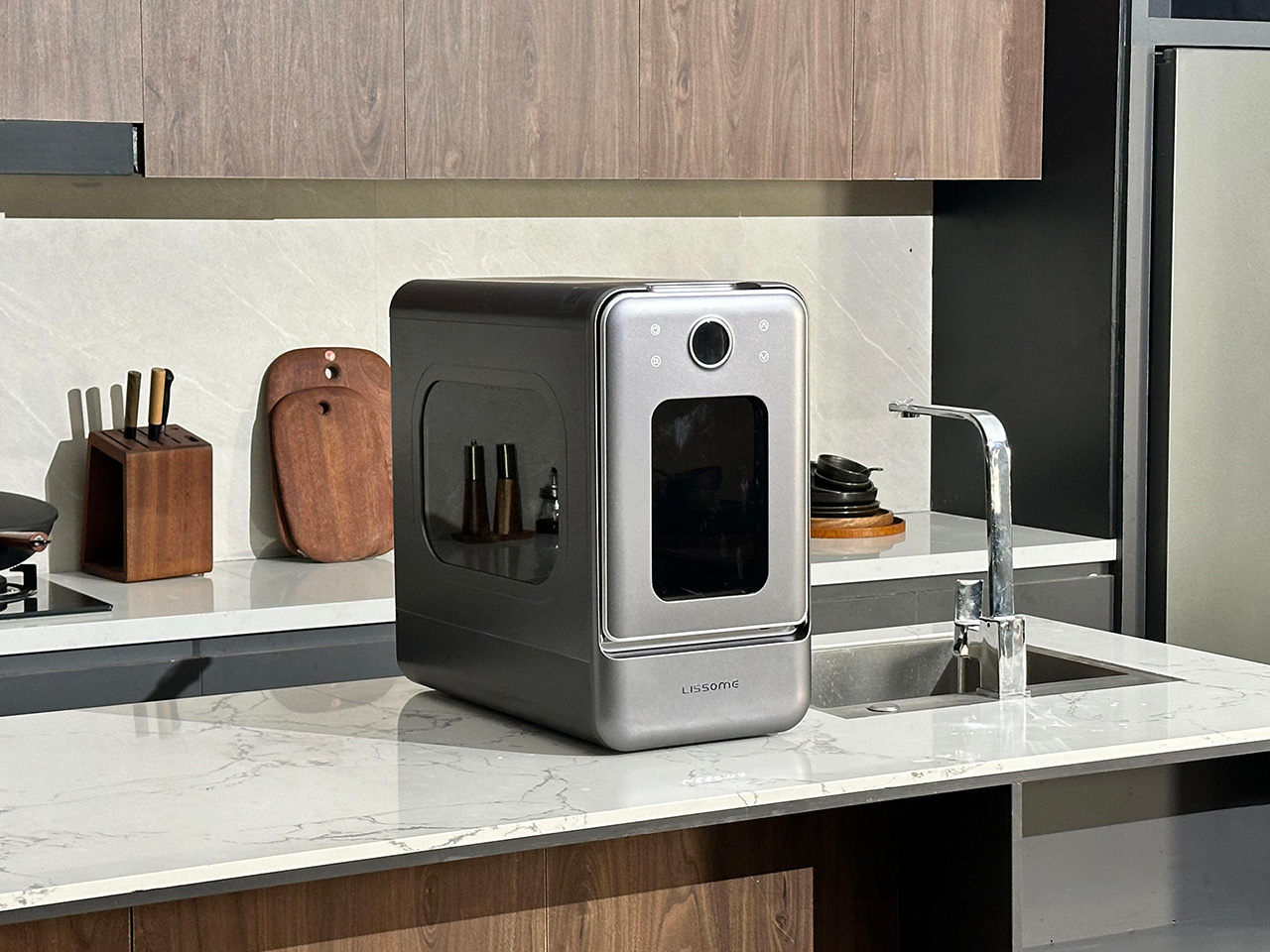
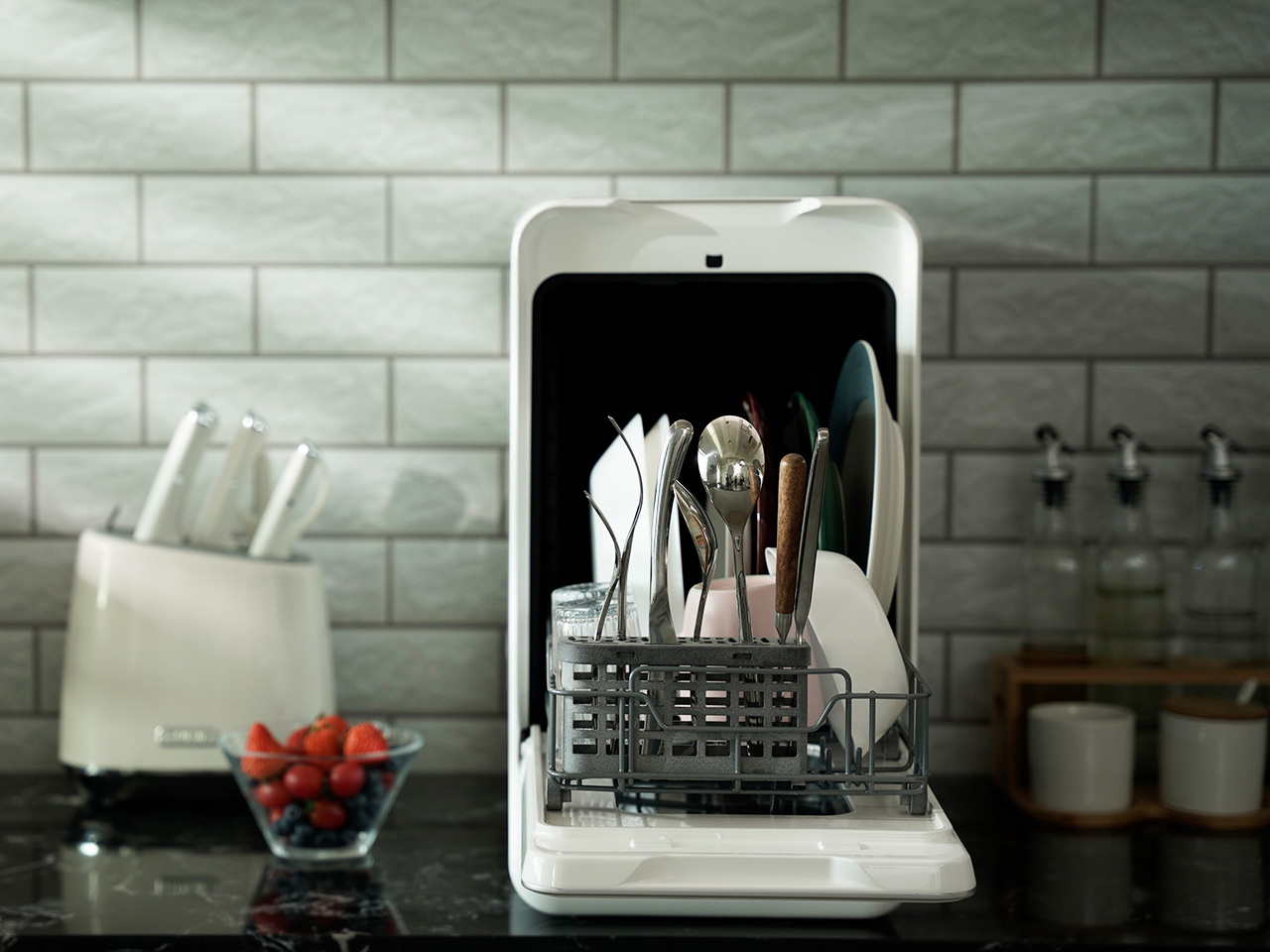
The LISSOME R1 is designed with an ultra-slim profile, measuring just 11.02 inches (28cm) wide, making it easy to fit into various spaces, such as small kitchens or office break rooms. It incorporates sweeping jet technology that uses horizontal water jets from a vertical spray arm to tackle tough stains effectively.
In addition to its water-saving features, the R1 ensures that your dishes are clean and hygienic, thanks to its 15-minute quick wash & dry cycle and the world’s first sweeping jet technology. This cutting-edge system uses horizontal water jets to tackle stubborn stains efficiently. The R1 also incorporates dual sterilization technology, combining UVC rays and plasma to effectively eliminate bacteria and germs, making it ideal for sanitizing items like baby bottles, toys, and fruits and vegetables. The R1’s hot air dry function, supported by its independent drying feature, operates at 50°C, ensuring that dishes are thoroughly dried and sanitized. To enhance convenience, the dishwasher’s door opens automatically to release steam and speed up the drying process, leaving your dishes ready for use.
Efficiency and Hygiene Combined
The LISSOME R1 is designed to be both water-efficient and hygienic, making it a standout option for modern households. Using an average of 3.3 liters of water per cycle, the R1 achieves a significant 70% reduction in water usage compared to traditional handwashing, which typically requires around 10 liters. This impressive efficiency is made possible by AI sensor technology that detects water turbidity and adjusts the cleaning process for optimal results. The R1 also features a built-in 3.6L water tank, simplifying setup by eliminating the need for complex plumbing, which is particularly beneficial in environments like RVs or temporary housing.
In addition to its versatility, the R1 offers aesthetic flexibility with two color options: Space Gray and Starlight White. You can choose the color that best matches your style. The R1 Lite, while equally efficient, is available only in Space Gray. This makes it easy to find a model that meets your functional needs and complements your kitchen’s look.
Versatile Use and Aesthetic Options
The LISSOME R1’s versatility makes it an excellent fit for various environments, from small apartments to outdoor settings like campsites. Its compact size and easy setup make it incredibly convenient for limited space and limited resources. Despite its small footprint, the R1 can hold up to 28 pieces of dishware, including plates up to 12 inches in diameter and frying pans up to 10 inches, making it ideal for families of 2-4 people. It’s designed to handle everyday dishwashing needs and more specialized tasks like cleaning baby items or sterilizing fruits and vegetables.
In addition to its versatility, the R1 offers aesthetic flexibility with two color options: Space Gray and Starlight White. You can choose the color that best matches your style. The R1 Lite, while equally efficient, is available only in Space Gray. This makes it easy to find a model that meets your functional needs and complements your kitchen’s look.
R1 vs. R1 Lite: What’s the Difference?
LISSOME offers two models to meet different needs and budgets: the R1 and the R1 Lite. Both models feature sweeping jet technology and can handle up to 28 pieces of dishes. They operate at a maximum water temperature of 80°C, ensuring effective cleaning and sterilization. However, only the R1 includes an auto-released drying function, making it a more convenient option for those who value hands-off drying.
The LISSOME R1 has a high-speed brushless water pump that provides extra cleaning power, a feature that the R1 Lite lacks. The R1 also includes advanced hygiene features such as UVC + plasma sterilization and an independent hot air dry function to thoroughly clean and sanitize dishes. The R1 Lite, while still efficient, does not include these sterilization and drying technologies.
Another difference lies in convenience features. The R1 offers an AI wash mode and an automatic detergent dispensing system that adjusts the amount of detergent based on the load, reducing the need for user intervention. The R1 Lite requires manual detergent addition and lacks the AI-driven convenience of the R1.
Which Model is Right for You?
So, which one should you choose? The R1 is the better option if you’re looking for a dishwasher that offers advanced cleaning features, superior drying and sterilization, and the ease of AI-driven modes. It’s particularly well-suited for families with young children, health-conscious individuals, or anyone who appreciates having the latest technology in their home.
If budget is your primary concern and you’re okay with fewer advanced features, the R1 Lite is a solid choice. It still delivers excellent cleaning performance with sweeping jet technology and auto-released drying, making it a strong option for smaller households or those with less demanding dishwashing needs.
Both models bring a new level of convenience and efficiency to dishwashing, making them valuable additions to any home. If you’re ready to enhance your kitchen with a compact, powerful, and versatile dishwasher, choose the LISSOME model that best fits your lifestyle. Whether you opt for the feature-packed R1 or the budget-friendly R1 Lite, you’re investing in more than just clean dishes—you’re improving the way you live.
Camping should be about embracing the adventure, not battling with your gear. Thecatal’s Wind Anchor takes ultralight camping to the next level, combining innovative design, durability, and unmatched convenience. Whether trekking through the backcountry, navigating rocky mountains, or enjoying a weekend under the stars, this tent ensures you’re ready for whatever the outdoors throws your way.
The first thing you’ll notice about the Wind Anchor is it’s impressively lightweight. The standard Wind Anchor model tips the scales at just 850g, making it an excellent choice for those who need to keep their packs light. But for the true ultralight enthusiasts, the Wind Anchor Pro pushes the boundaries even further, weighing in at an astonishing 650g. I can’t stress enough that just because the designer has focused heavily on weight reduction doesn’t mean sacrificing durability or functionality; on the contrary, Thecatal has engineered these tents to withstand some of the harshest conditions you might encounter on your adventures.
Wind Anchor introduces a groundbreaking design concept: a structure where the canopy works in tandem with the central pole as the primary load-bearing element. This departs from traditional tent designs that rely on poles to create the structure and use stakes and guy lines for additional stability. This innovation allows for a lighter overall weight, quicker setup time, and increased stability in extreme weather conditions.
At first glance, you might think that it must be flimsy just because it’s lightweight. I’m delighted to share that these tents are built tough to handle whatever nature throws your way, thanks to ultra-thin nylon reinforced with silicone oil. This chemical dramatically enhances the fabric’s durability and performance. Silicone oil is known for its hydrophobic properties, which repels water exceptionally well. Applying to the nylon fabric creates a flexible yet robust coating that strengthens the material and significantly increases its resistance to water penetration.
This silicone oil reinforcement provides superior water resistance, rating exceeding 5000 mm. This means that even in torrential rain, you’ll stay dry and protected inside the tent. The coating also helps the fabric to resist UV degradation, which can weaken the material over time if exposed to direct sunlight. By adding this protective layer, the tent maintains its structural integrity and extends its lifespan, ensuring it can endure multiple seasons of use in varying climates.
The materials used in the Wind Anchor have been rigorously tested for tensile strength, ensuring they resist tearing and stretching under pressure. Silicone oil enhances the fabric’s elasticity, allowing the tent to flex under stress without ripping or losing shape. This combination of lightweight nylon and silicone oil results in an incredibly durable and highly effective tent for keeping you comfortable in the harshest conditions.
Effortless Setup and Unmatched Versatility
Setting up camp after a long day of hiking can be one of the most frustrating aspects of camping, especially as the sun begins to set. The Wind Anchor eliminates this hassle with its intuitive design, allowing you to swiftly set up the tent in 60 seconds and 10 seconds to move it to another location. No more fumbling with poles or getting tangled in guy lines—the Wind Anchor springs to life with minimal effort, letting you focus on enjoying your surroundings.
The tent’s semi-conical shape optimizes wind resistance, reducing the surface area exposed to gusts. This ensures stability in winds up to Beaufort scale level 12, so you can sleep soundly, confident that your tent will stay secure even in extreme conditions. Additionally, with its single arch pole and taut, streamlined fabric, the Wind Anchor offers an unprecedented level of quietness, eliminating the noise often caused by flapping poles and loose fabric.
The Wind Anchor’s design also combines the best features of freestanding and non-freestanding tents. It can be pitched with just two points of contact, making it easy to set up on challenging terrain. This flexibility and its lightweight construction make the Wind Anchor an ideal choice for a wide range of outdoor activities.
What truly sets the Wind Anchor apart is its ability to function as both a ground tent and a flying tent. Whether on solid ground or suspended in the air, this tent adapts to your needs, providing a reliable and comfortable shelter wherever your adventure takes you.
Designed for Every Terrain
The Wind Anchor adapts to any environment, whether rocky mountains, dense forests, sandy deserts, or snowy plains. Designed for stability and comfort in a wide range of terrains, this tent offers reliable shelter from the elements wherever you set up camp.
A key advantage of the Wind Anchor is its compatibility with hammocks. Traditional tents often confine you to the ground, but the Wind Anchor’s flexible structure and secure attachment system allow it to work with any standard hammock. This design innovation means you can enjoy the comfort of a suspended shelter, ideal for wet or uneven ground where setting up a tent might be less desirable.
The tent’s innovative tension-lock system adds another layer of stability, mainly when used in hammock mode. By securing both ends of the tent to the hammock, the structure maintains its shape and prevents tipping, offering a reliable and balanced shelter in the air. This feature is perfect for adventurers who prefer a versatile camping setup that adapts to different environments.
Smart Ventilation and Weather Protection
Comfort doesn’t end with stability. Thecatal has integrated unique reverse-flow ventilation windows into the Wind Anchor, ensuring fresh air circulates through the tent while keeping condensation at bay. Imagine the perfect breeze cooling you off after a long day on the trail—that’s what these windows provide, turning your tent into a comfortable refuge.
The Wind Anchor’s canopy reflects thoughtful design and is essential for year-round versatility. In winter, the black side of the canopy faces outward to absorb heat, increasing the tent’s internal temperature. The silver side facing inward helps retain warmth. The canopy flips to reflect sunlight during the summer, keeping the tent cool even on the hottest days. The adjustable zipper positions enhance warmth retention, ensuring comfort in cold conditions.
Designed with ultralight functionality in mind, the Wind Anchor is a 1.5-wall, four-season tent built to handle most outdoor camping needs year-round. The flyable door cover provides excellent ventilation and protection from light rain or snow, making it adaptable to various weather conditions. When heavy rain hits, the groundsheet can be set up as a small vestibule to keep excessive rainfall at bay.
The multifunctional flysheet is a valuable addition for those venturing into deep wilderness. It transforms the Wind Anchor into a warm 2.5-wall tent with snow skirts, creating up to four storage vestibules and various living and cooking shelters. The flysheet covers an area of around 8 square meters.
This versatile accessory can also serve as a standalone shelter for experienced adventurers. Made from reinforced double-line ripstop nylon, each version offers 5000mm waterproof performance, two waterproof zippered door covers, and a variety of DIY attachment points. These features provide flexible configurations and strong protection in the most challenging environments.
The design includes an isolated storage compartment to separate your muddy gear from your sleeping area. The smart mesh design keeps your gear fresh and acts as a barrier against unwanted visitors. This feature becomes invaluable if the thought of a slithering snake or a scorpion curling up in your shoes sends shivers down your spine. Careful attention to interior design ensures a well-organized and secure living space, giving you peace of mind in the wild.
The Future of Camping Starts Here: Which Wind Anchor is Right for You?
If you’ve made it this far, you’re serious about your next adventure. Now, the question is: which version of the Wind Anchor suits your style? Here’s a brief recap to help you decide:
The Wind Anchor, weighing 850g, uses 20D Matte High-Density Silicon-Coated + PU fabric, offering a solid build that balances durability with lightness. It’s perfect for those who want a dependable tent that can handle rugged conditions without weighing them down.
On the other hand, the Wind Anchor Pro is crafted for the true ultralight enthusiast, tipping the scales at just 650g. With its advanced 10D/530T/0.15*0.15 Double-Sided Silicone material, this tent is about shaving off every possible ounce while still delivering top-tier performance in any environment.
Both models are designed for year-round use, ensuring stability and comfort wherever your journey takes you. Whether leaning towards the slightly more durable Wind Anchor or the ultra-lightweight Wind Anchor Pro, you’re choosing a tent that will keep you secure, comfortable, and ready for any adventure.
So, what’s your pick? The rugged reliability of the Wind Anchor, or the cutting-edge, weight-saving design of the Wind Anchor Pro?
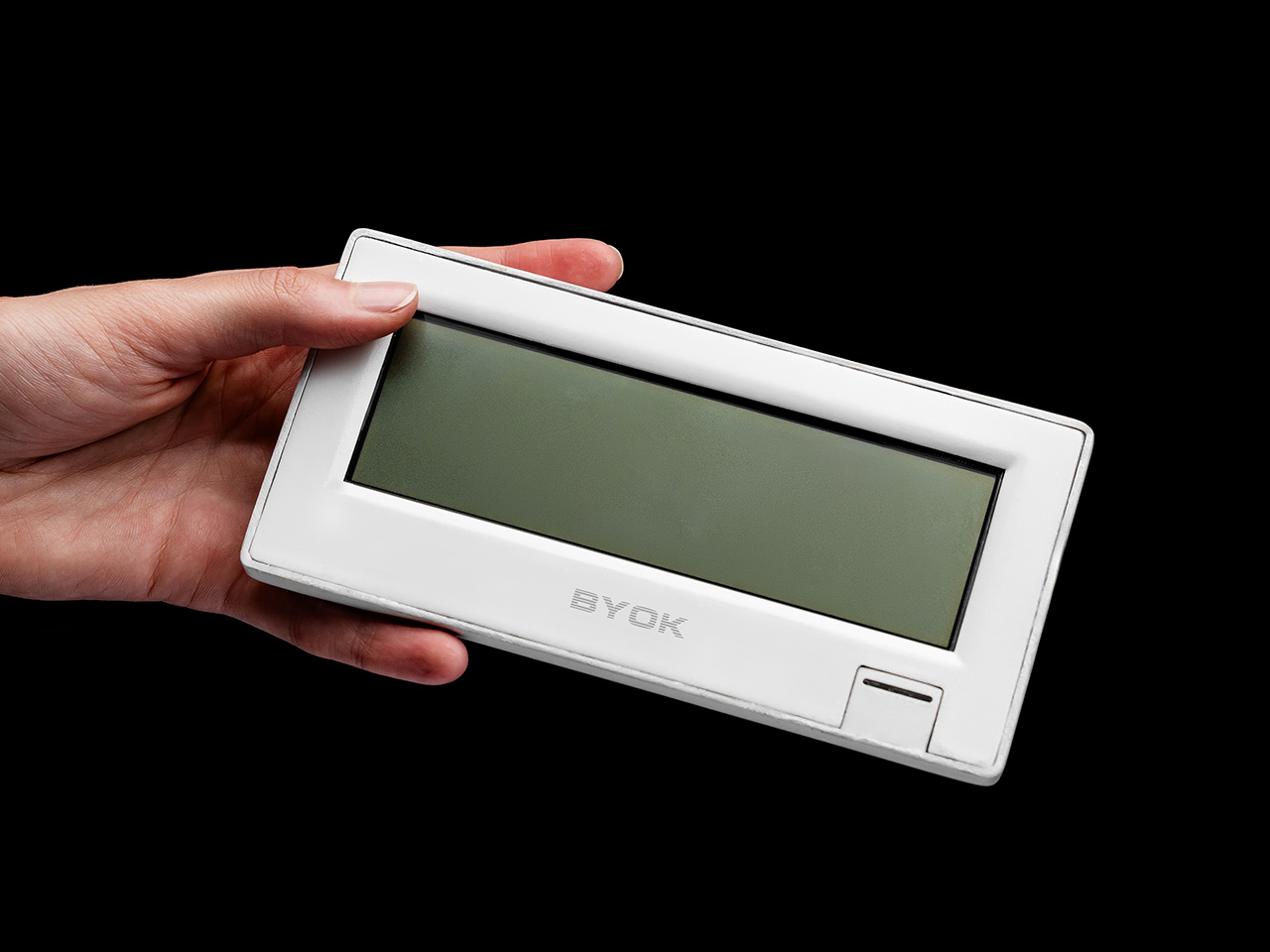
The BYOK device is a meticulously designed tool that enhances the writing experience by providing a distraction-free environment that fosters creativity and productivity. Digital distractions constantly threaten focus, making BYOK an essential device for writers seeking to immerse themselves in their craft without interruptions. Its minimalist LCD screen, combined with the flexibility to use your own keyboard, makes it a versatile and powerful companion for any writer.
Designer: BYOK (Bring Your Own Keyboard). Nick Sjolinder
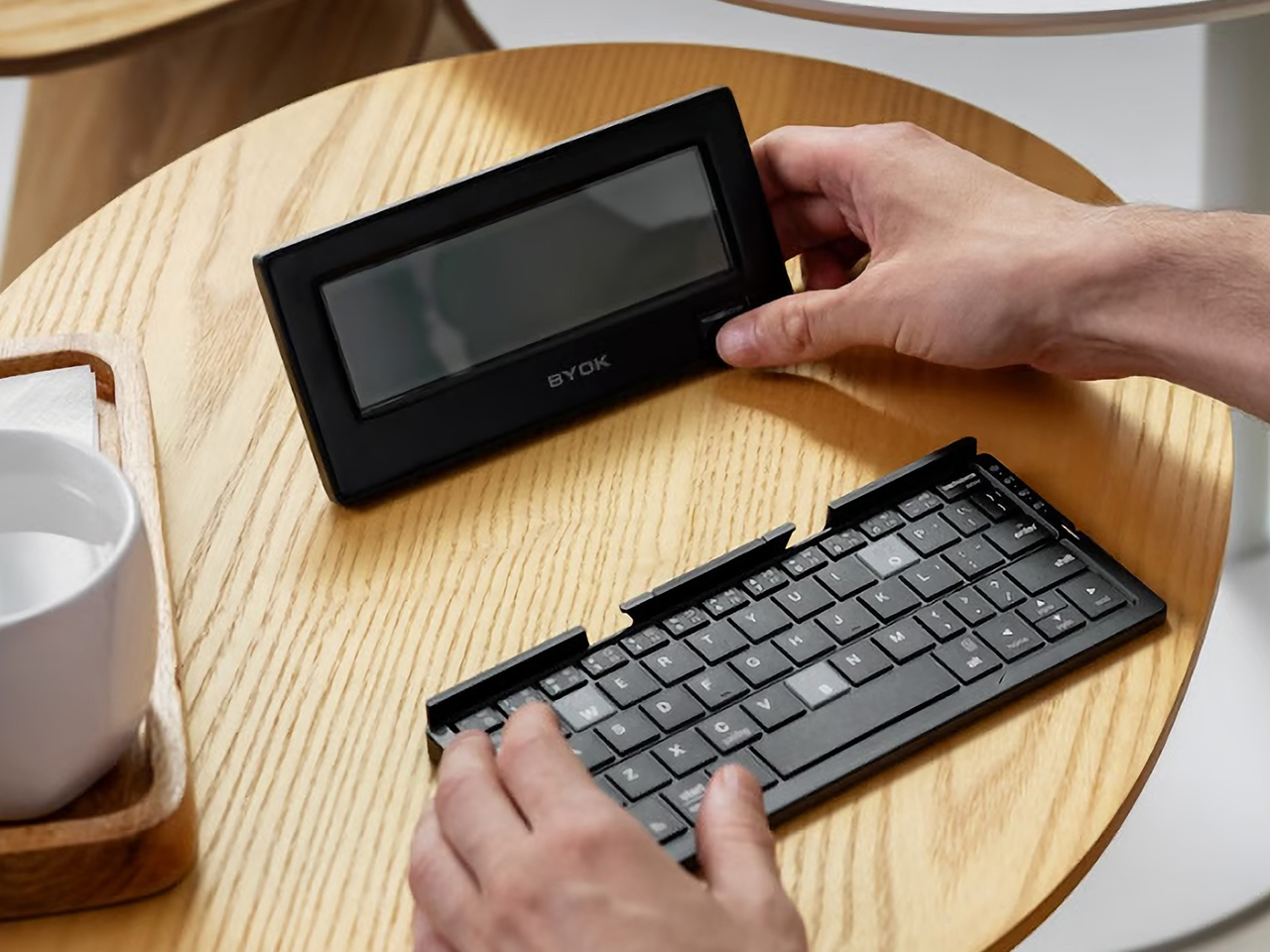
At the heart of BYOK—short for “Bring Your Own Keyboard”—is the principle of flexibility and freedom. This device is not tied to any specific keyboard, giving users the autonomy to connect their preferred keyboard, whether it be through USB-C, Bluetooth, or even a standard USB with an adapter. This level of customization allows writers to tailor their workspace precisely to their liking, making BYOK an adaptable tool that fits seamlessly into any writing routine.
One of the key features that makes BYOK a must-have for writers is its ultra-portable size. Small enough to fit into a bag or even a large pocket, BYOK is designed to accompany you wherever inspiration strikes. Despite its compact form, it doesn’t compromise on power. With a battery life that supports up to 20 hours of continuous use or 5 hours with the highest backlight setting, BYOK ensures you can write for extended periods without needing constant recharging.
Features that Cater to Every Writer’s Needs
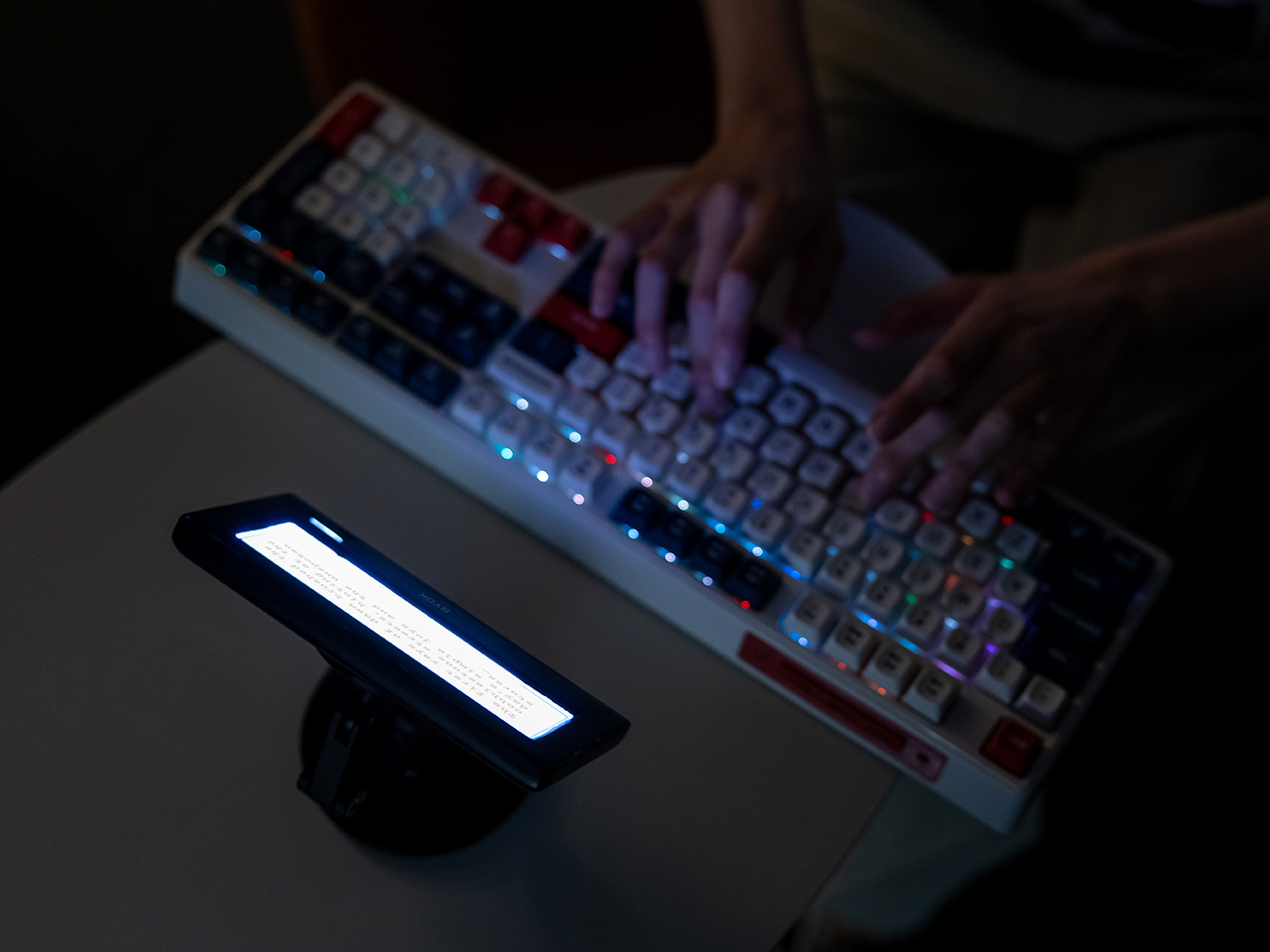
Night Mode
BYOK offers a comprehensive suite of features aimed at enhancing the writing process. The adjustable backlight is particularly noteworthy, allowing writers to toggle between three brightness levels—low, medium, and high. This feature ensures that writing can continue in any lighting condition, from dimly lit environments to late-night sessions. The backlight’s thoughtful design reduces eye strain, making it easier to stay focused and productive, no matter the time of day.
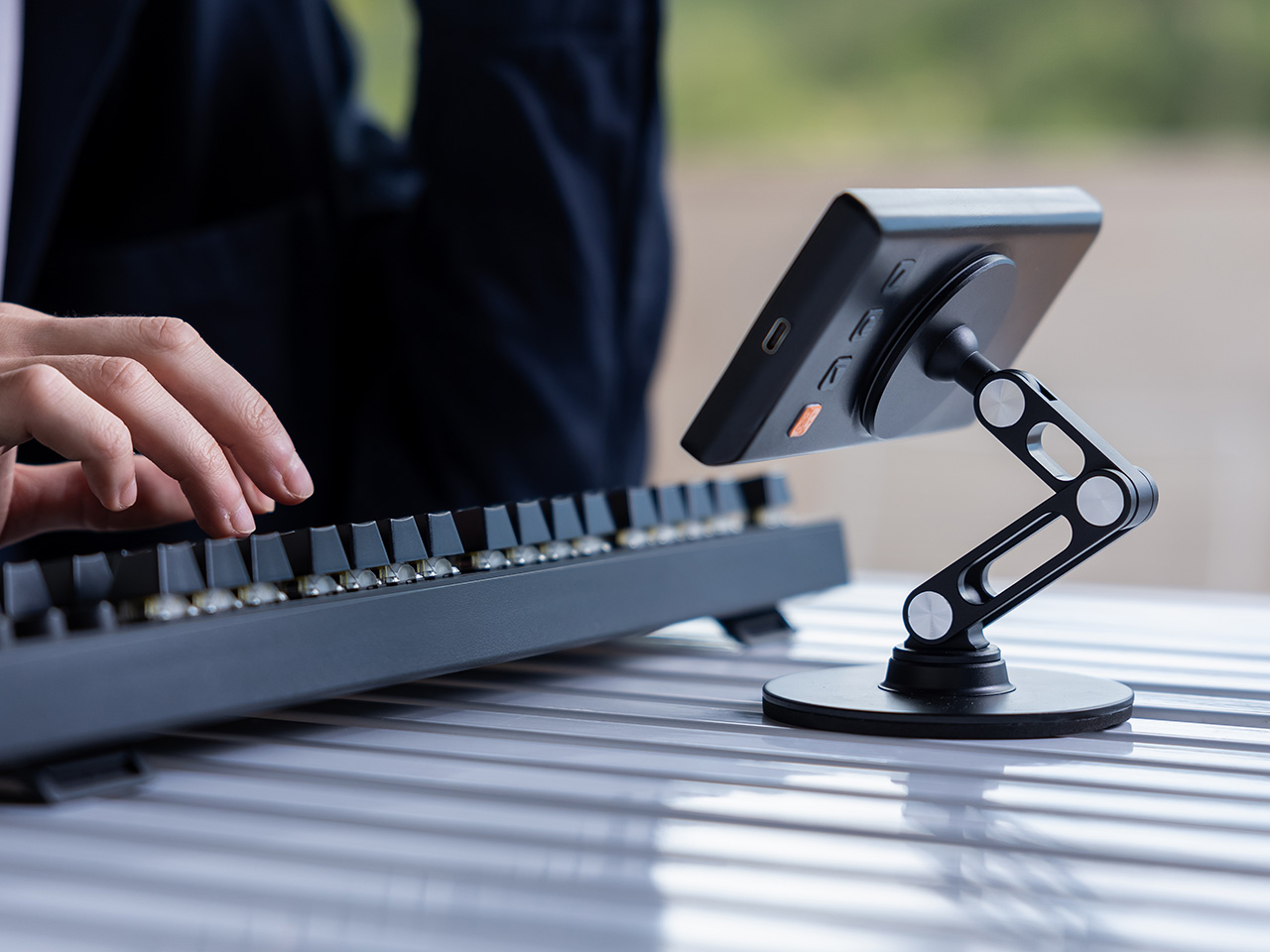
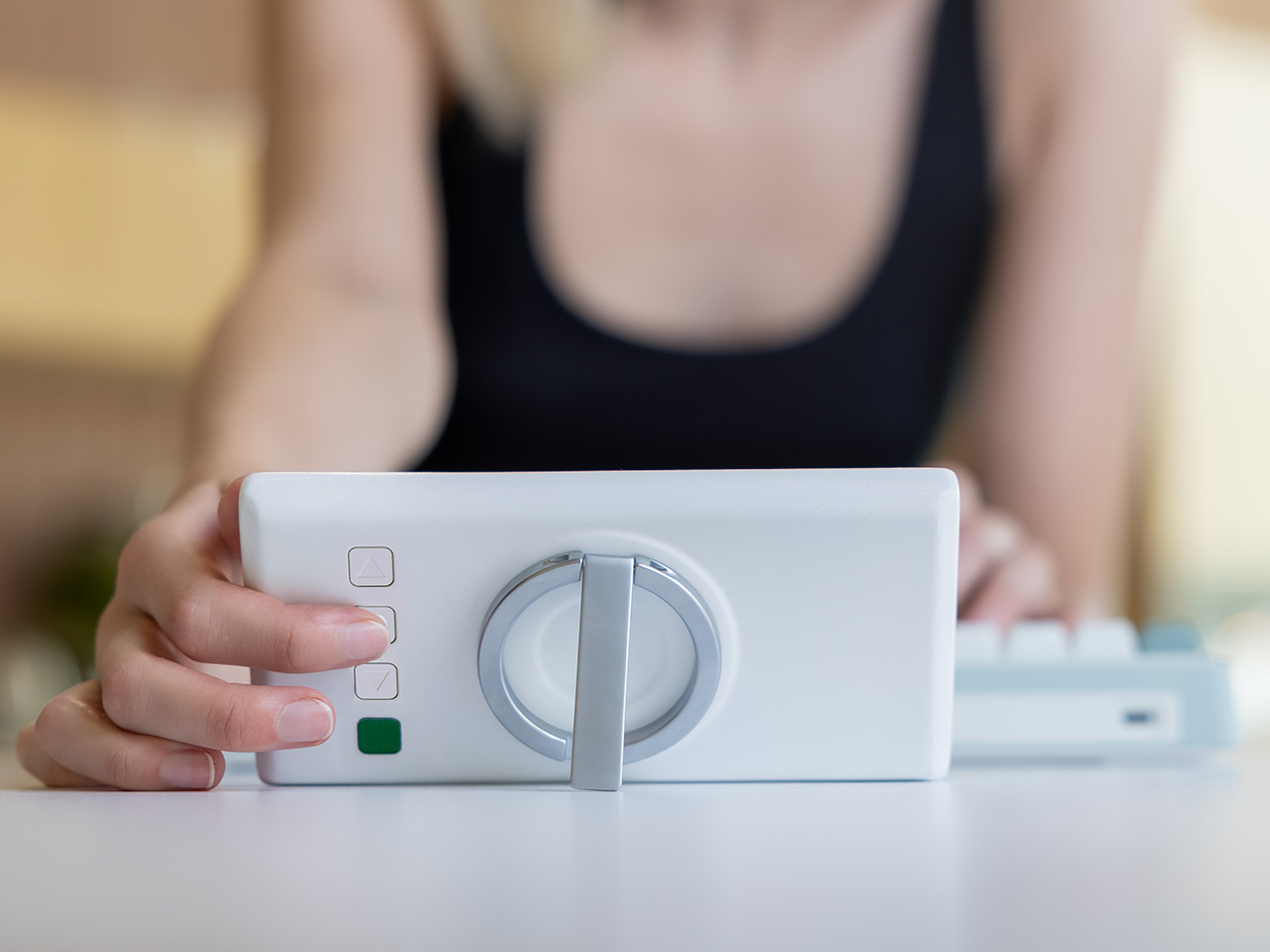
The design of BYOK is as functional as it is sleek. It has a magnetic design and a pop-out stand, allowing for versatile positioning that can be customized to your comfort. With a built-in magnet at the back, BYOK supports different viewing heights and angles, promoting an eye-level viewing option that reduces strain and enhances ergonomic comfort. Whether placed on a flat surface or elevated using magnetic stands, BYOK offers unlimited viewing positions, ensuring that you can set up your workspace to reduce strain and enhance comfort. This flexibility makes BYOK suitable for various environments, whether working at a desk, standing, or lounging.
Versatile connectivity is another strength of BYOK. The device supports multiple data transfer options, including Wi-Fi syncing, allowing seamless integration with platforms like Google Drive. This ensures that your work is always up-to-date and accessible across devices. For those who prefer a wired connection, the USB-C port provides a quick and reliable way to transfer data directly to your computer. With these options, BYOK guarantees that your documents are securely backed up and easily retrieved.
Storage is another area where BYOK excels. The device has 16MB of internal storage, enough to hold over a million words. This ample space means you won’t have to worry about losing your work, even if the battery runs out. The intuitive and simple menu, which includes features like word count display and battery monitoring, keeps you informed and focused on what matters most—your writing.
Design Excellence
Another highlight is the device’s fast-refresh monochrome LCD screen, which provides a smooth typing experience without the lag commonly associated with e-ink displays. This ensures that every keystroke is captured accurately, allowing you to maintain your writing flow without interruption.
The product’s simplicity extends to its user interface, which is navigated using three tactile push buttons. This intuitive design enhances concentration and productivity by allowing you to focus solely on your writing without getting bogged down by complex menus or unnecessary features.
Seamless Integration into Your Writing Workflow
BYOK’s thoughtful design ensures that it integrates seamlessly into any writing workflow. The process is straightforward: power the device, connect your preferred keyboard using wired or wireless, set up wireless syncing if desired, and start typing. This simplicity allows you to dive straight into your writing without distractions, making BYOK an invaluable tool for writers.
The specifications of BYOK further emphasize its practicality. An ESP32-S3 processor powers the device and features a 129.00mm by 37.60mm LCD screen, offering ample space for your text. It’s available in sleek black and white, with a potential third color option. The device also provides three different font sizes and three backlight brightness levels, catering to various visual needs and preferences.
Designed with Writers in Mind
Niklas Sjolinder, the founder of BYOK, was inspired by the challenges he faced with existing writing tools. As he worked on his own book, he found it difficult to maintain focus due to endless tabs, notifications, and distractions. While using a distraction-free device, he appreciated the concept but quickly noticed drawbacks such as high costs, limited performance, and restrictive built-in keyboards. These frustrations led him to envision BYOK—a writing tool that would be both budget-friendly and versatile, offering exceptional value by providing the flexibility to use any keyboard while eliminating distractions. This personal journey and desire to create a better writing experience drove Sjolinder to develop BYOK, focusing on what truly matters: the freedom to write without interruptions.
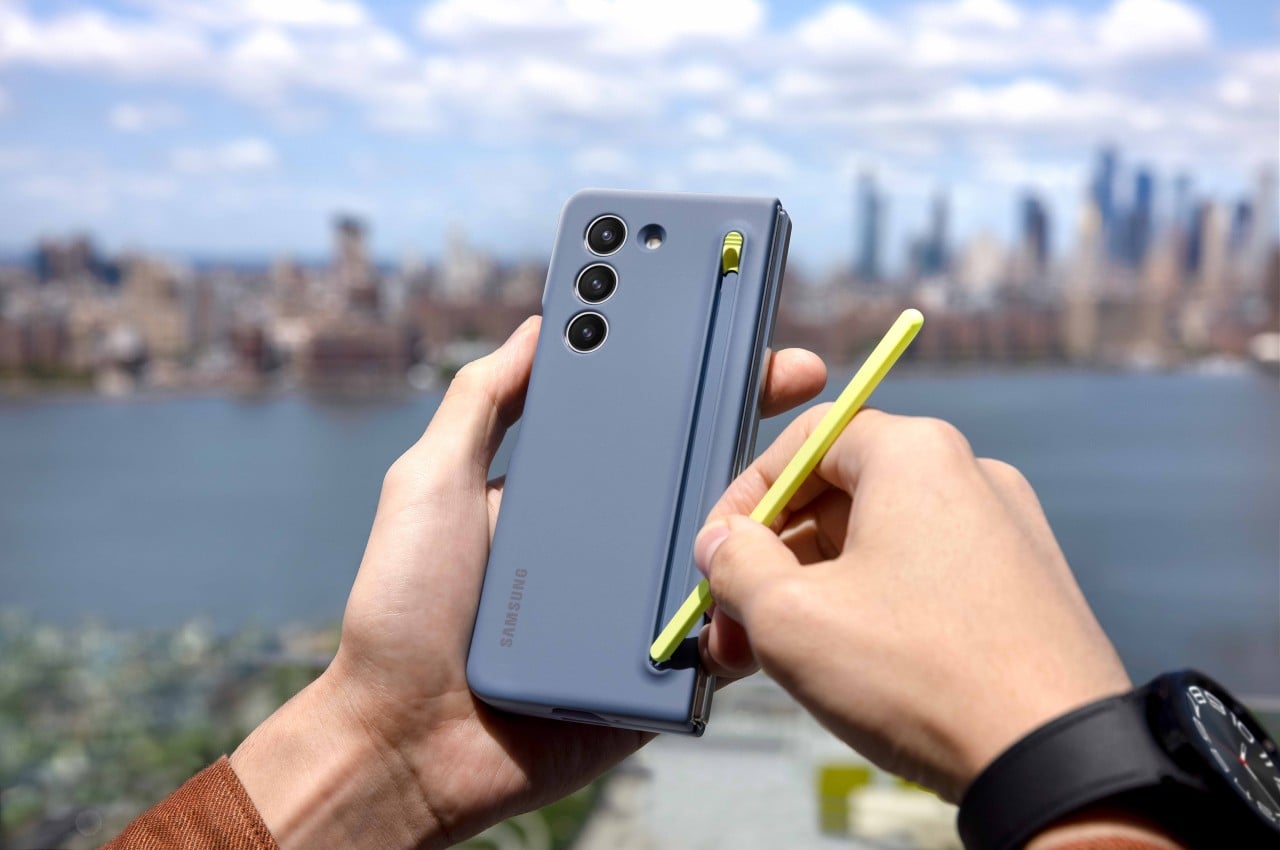
Samsung’s upcoming Galaxy Z Fold6 “Slim” raises a new question about foldable smartphone design: What’s more important to you—a slimmer, more portable device or the continued support of the S Pen, a tool that has become synonymous with Samsung’s productivity-focused devices?
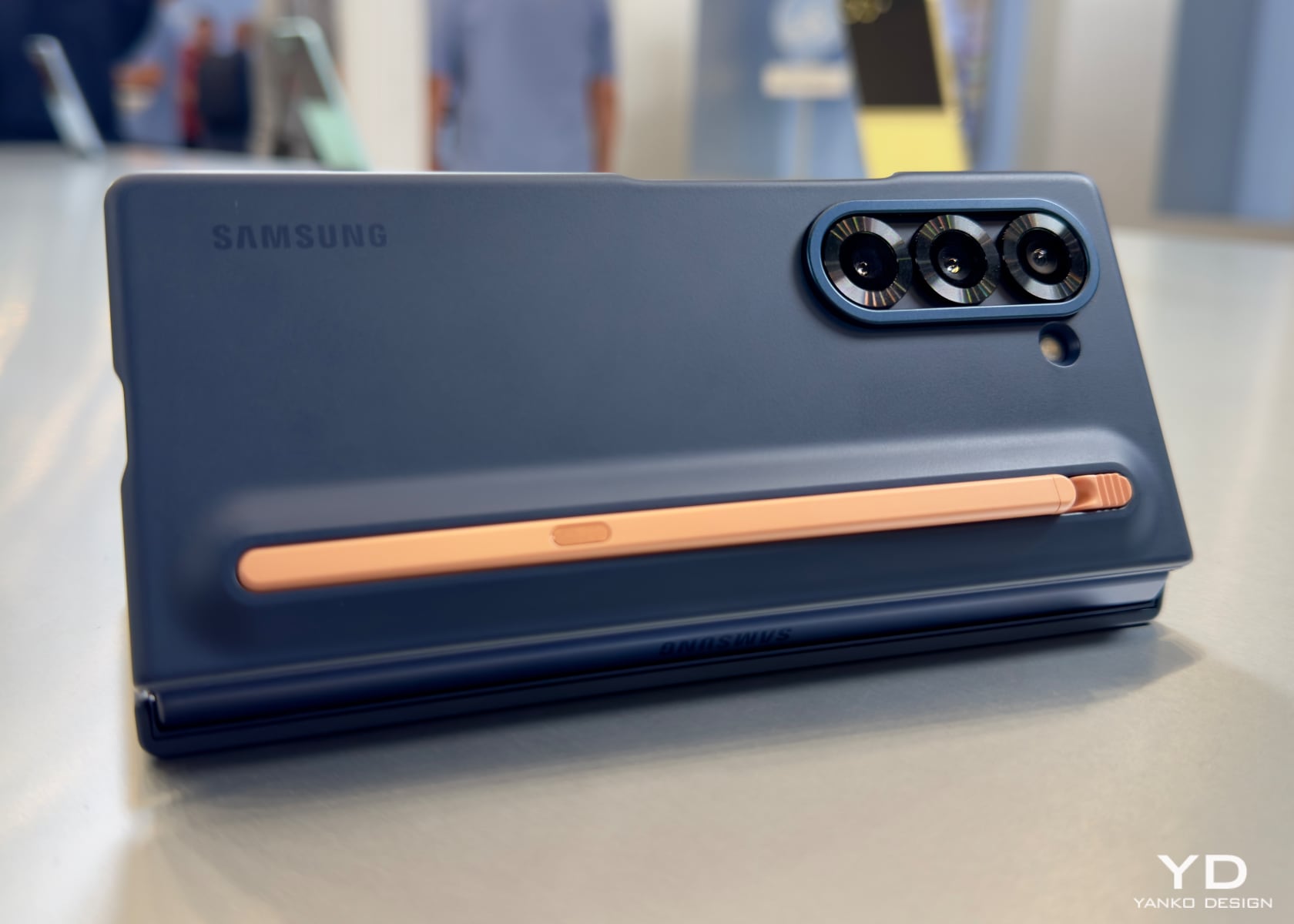
Samsung Galaxy Z Fold6 with case and stylus
Designer: Samsung
The rumored launch of the Galaxy Z Fold6 Slim in South Korea on September 25 suggests that Samsung is moving towards an ultra-thin design. At just over 10mm thick, this foldable could be the thinnest in Samsung’s lineup, prioritizing portability and ease of use. This shift, however, comes at the cost of a beloved feature: S Pen support. By opting for a slimmer profile, Samsung has reportedly removed the necessary film that allows the S Pen to function, leading to a significant trade-off between form and function.
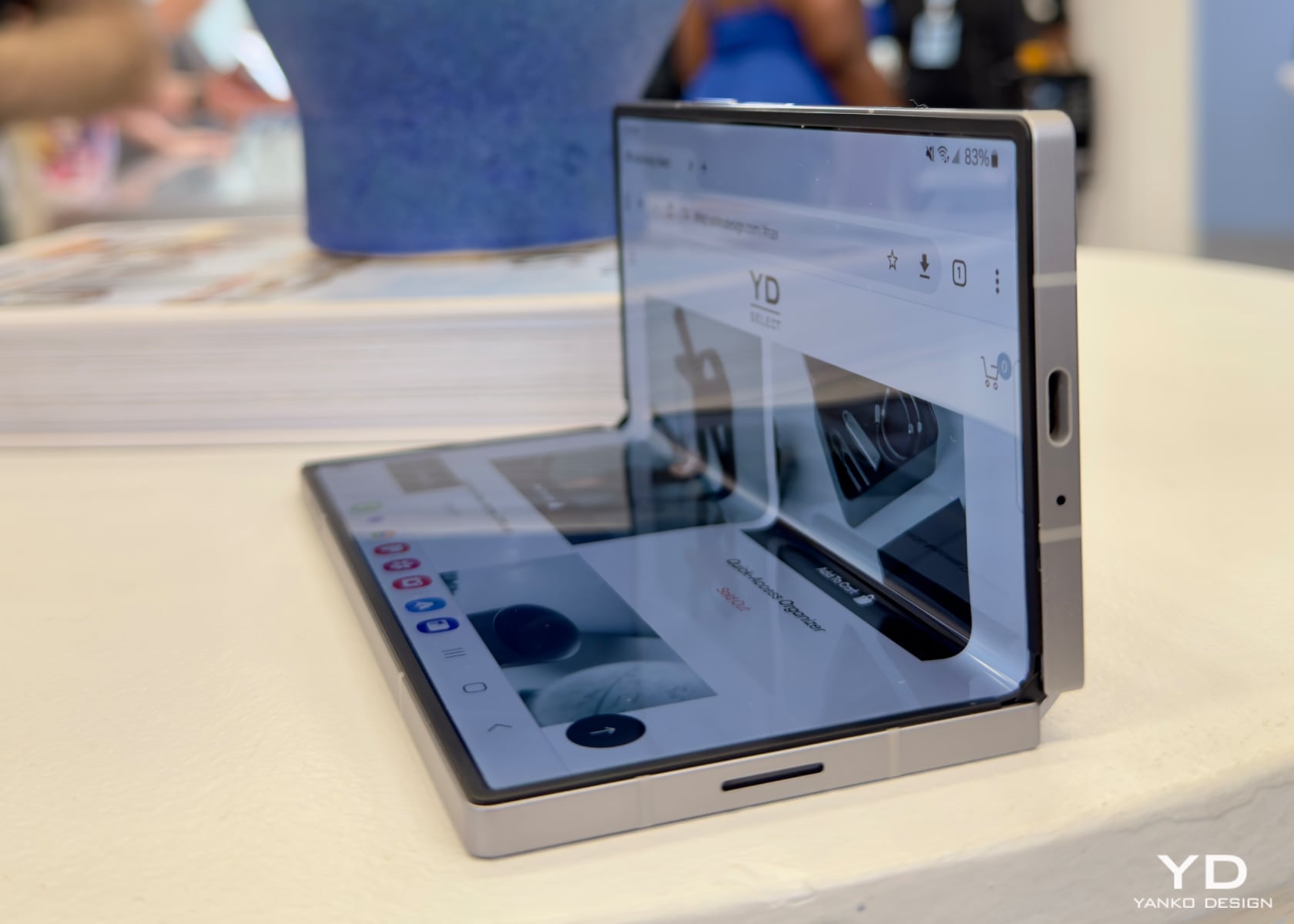
Samsung Galaxy Fold6
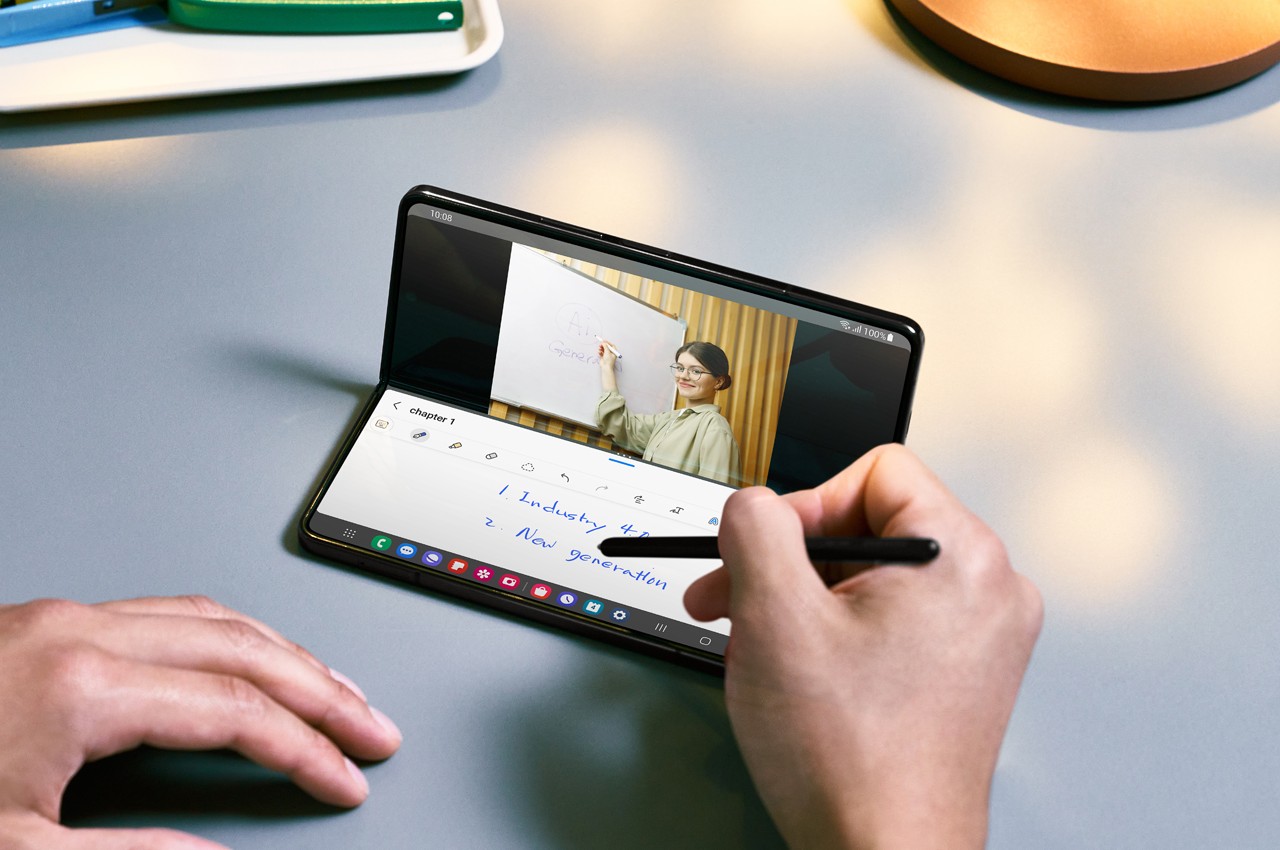
The decision to slim down the Galaxy Z Fold6, potentially at the expense of the S Pen, raises a key question for users. The S Pen has been a defining feature for many Galaxy Fold users, offering precision and enhancing productivity, particularly for tasks like note-taking, sketching, and navigation. For professionals and creative users, the S Pen is an essential tool that significantly enhances the capabilities of their devices. Losing this feature could be a dealbreaker for those relying on the stylus for daily tasks.
On the other hand, a slimmer, more elegant device could appeal to users who prioritize portability and design. The rumored titanium frame, which could replace the aluminum used in previous models, contributes to a thinner profile while elevating the device’s durability and premium feel. The thinner form factor and lightweight design make it easier to carry and handle, addressing one of the main criticisms of foldable phones: their bulkiness.
But does the sleekness of a thinner device justify the loss of the S Pen? For some, the answer may be yes. A thinner device fits better into pockets and hands, making it more convenient for everyday use. Unlike the Galaxy S24 Ultra, which has an integrated slot for the S Pen, the Galaxy Fold series requires users to manage the S Pen separately, which can be cumbersome. Perhaps this is Samsung’s plan to gradually “weed” owners off the S Pen by not including it in their newer, slimmer foldable models. Personally, I feel that the stylus on a foldable phone feels as outdated as the physical keyboards on early smartphones. I rarely use the stylus anymore, and I’d much rather have a thinner, more lightweight device. The larger screens—6.5 inches externally and 8 inches internally—ensure that users still get an expansive display experience, even with the reduced thickness. This could appeal to a broader audience, especially those who might have hesitated to adopt a foldable phone due to concerns about size and weight.
Galaxy S24 Ultra with integrated stylus holder
However, the trade-off might not be worth it for users who have come to depend on the S Pen. The stylus adds a layer of functionality that a thinner device can’t replace. One particular feature I love about the S Pen on the S24 Ultra is the ability to take pictures—a convenient tool for solo content creators. I also track the stock market, and using the S Pen with Trading View for charting is amazing, so I would definitely miss the pen for that use case. Without the S Pen, tasks that require precision or creativity might become more cumbersome, detracting from the overall user experience.
Samsung Galaxy Z Fold6
What do you think, Yanko Design readers? Does the decision boil down to personal preference and priorities? If you value a sleek, portable device that fits seamlessly into your lifestyle, the Galaxy Z Fold6 Slim might be the perfect evolution of Samsung’s foldable lineup. However, if the S Pen is an indispensable tool in your arsenal, the standard Galaxy Z Fold6 or previous models might still hold more appeal. I find the “Slim” addition to the name rather silly, and I would bet money on Samsung going with “Galaxy Fold6 Ultra” over “Slim.” We’re still finalizing our review of the new Galaxy Fold6, so stay tuned for our thoughts.