Dwarf Factory’s ArtiSANTA Keycaps Are an Excellent Stocking Stuffer

It’s only been a week since Halloween! What’re all these Christmas (and other related holiday decorations) doing on my neighbor’s front lawn? Where did the summer go, for crying out loud? If I have no choice but to accept the season’s greetings, I’ll do it my own way: by replacing a few keycaps on my gaming keyboard with three miniature snow globes containing all the typical Yuletide treasures. That’s the idea behind Dwarf Factory’s latest invention, anyway. These ArtiSANTA keycaps from Dwarf Factory are bright, festive, and adorable — all traits any true gamer would want their gaming keyboard to have, as the weather turns cold and the holiday cheer turns… uh… warm.

Designer: Dwarf Factory

The AntiSANTA keycaps are not exactly compatible with every keyboard on the market. At least, it doesn’t seem so, given what’s advertised on their store page. But as long as you have a clicky, tactile, or linear keyboard with Cherry MX switches, you should be alright. You can stick these three keycaps anywhere on your keyboard you’d like, giving it a handmade decorative flair — befitting a festive ornament that looks like it belongs on your tree. Or on your mantle. Or, anywhere else you might stick festive holiday decorations.

These handmade keycaps come in packs of three, and each one is a little bit different. There’s the Yule Tree, the Père Noel (basically, Santa Claus), and Frosty the Snowman. Look closely enough, you’ll see how each piece features a handful of intricate details, like ornamental string lights and miniature holiday gifts. It’s disappointing there are only three per pack, but that’s just because they look so good.

If you’re shopping for the gamer in your life, these are only going for $49 per pack, and that’s a holiday miracle if there ever was one. They’re perfect for stocking stuffers or even just trinkets to have around in a gaming room. Now if only the holidays would get here sooner (so we can get back to that summer weather much sooner).

The post Dwarf Factory’s ArtiSANTA Keycaps Are an Excellent Stocking Stuffer first appeared on Yanko Design.

Nintendo confirms a live-action Legend of Zelda movie is really happening

It's been rumored for years, but Nintendo still managed to surprise us with a late-day announcement: a live-action film based on The Legend of Zelda is in the works, directed by Wes Ball. Ball's most recent films are the Maze Runner series, the latest of which was released in 2018. Nintendo's Shigeru Miyamoto is producing the film along with Avi Arad, who has produced or executive produced loads of Marvel movies over the last decade-plus.

Surprisingly, the film is being co-financed by Nintendo and none other than Sony Pictures Entertainment. You know, part of the same company that owns PlayStation. Nintendo was quick to point out that it is financing more than 50 percent of the film, but that Sony Pictures Entertainment will be the the theatrical distributor.

Aside from that, there's no other detail besides this tweet from Miyamoto: 

Miyamoto goes on to say that they have officially started development on the film with Nintendo "heavily involved" in the production. He also notes that it'll "take time" before its completion but that he hopes fans look forward to seeing it.

Way back in 2015, we heard rumors from the Wall Street Journal that Nintendo and Netflix were making a live-action Zelda show, but that never came together (and there's a pretty weird story around why). But the success of The Super Mario Bros. Movie was perhaps the last thing Nintendo needed to make this project a reality. And while there's plenty of time for things to go wrong between now and the movie hitting theaters, this Zelda fan is cautiously excited about the prospect of another classic Nintendo franchise making its way to the big screen.

This article originally appeared on Engadget at https://www.engadget.com/nintendo-is-making-a-live-action-legend-of-zelda-movie-221618064.html?src=rss

Apple Watch battery life bug is fixed with watchOS 10.1.1

If your Apple Watch hasn't been holding its charge like it used to, it’s time to update to the latest version of watchOS. Earlier this month, several Apple Watch users noticed their batteries draining faster than usual after they installed watchOS 10.1. Of course, users took to social media to voice their observations and to make sure it wasn't an isolated happening. Later, Apple acknowledged the battery drain issue and promised to release a fix -— which happened today with the latest version of watchOS. 10.1.1. Specifically, Apple says that the update "address an issue that could cause the battery to drain more quickly for some users."

Apple has come a long way with its software updates over the years. These days, most of Apple's updates are fairly stable but that doesn't mean they're immune to getting hit by the occasional bug that can significantly affect users. The Apple Watch is a wearable device that has become enmeshed in the routines of many. To keep up with the needs of users, good battery life on a smartwatch is essential.

So, this fix could not have come soon enough as the battery drain problem has been affecting quite a few users. One user said "watchOS 10.1 is killing the battery on my Apple Watch," causing it to drop from 100 to 50 percent in less than an hour. Additionally, the issue has affected Apple Watches across the board, including older ones like the SE and the latest models like the Apple Watch Ultra 2.

Apple's watchOS 10.1.1 also includes unspecified bug fixes, as usual. As usual, this update comes alongside a corresponding iOS one, 17.1.1. This update addresses Apple Pay and NFC features that stop working on iPhone 15 models after wirelessly charging in certain vehicles. It also has a all-important fix for the snowing graphic on the weather widget on the Lock Screen.

This article originally appeared on Engadget at https://www.engadget.com/apple-watch-battery-life-bug-is-fixed-with-watchos-1011-215917460.html?src=rss

Spigen’s AirPods Pro 2 Case gives it a See-Through-Effect and MagSafe Capabilities

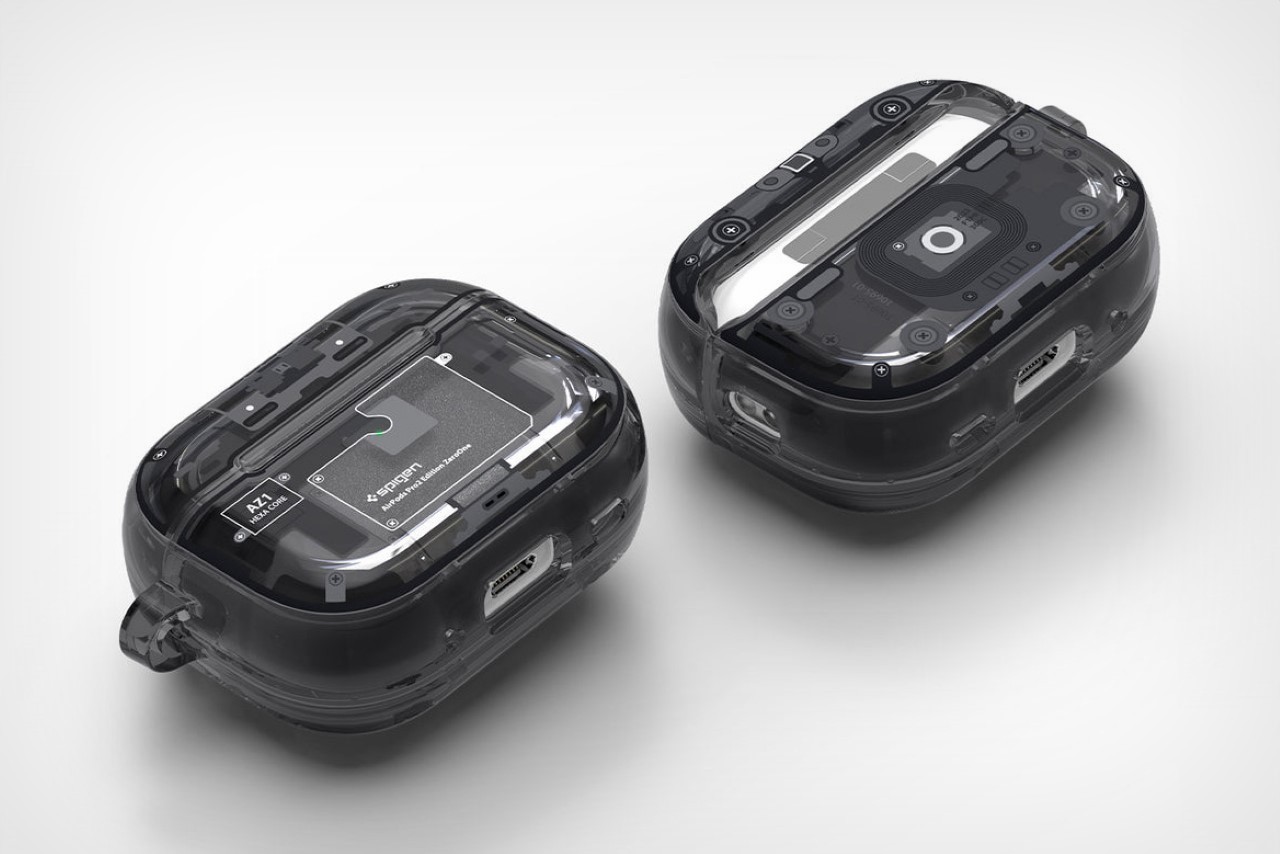
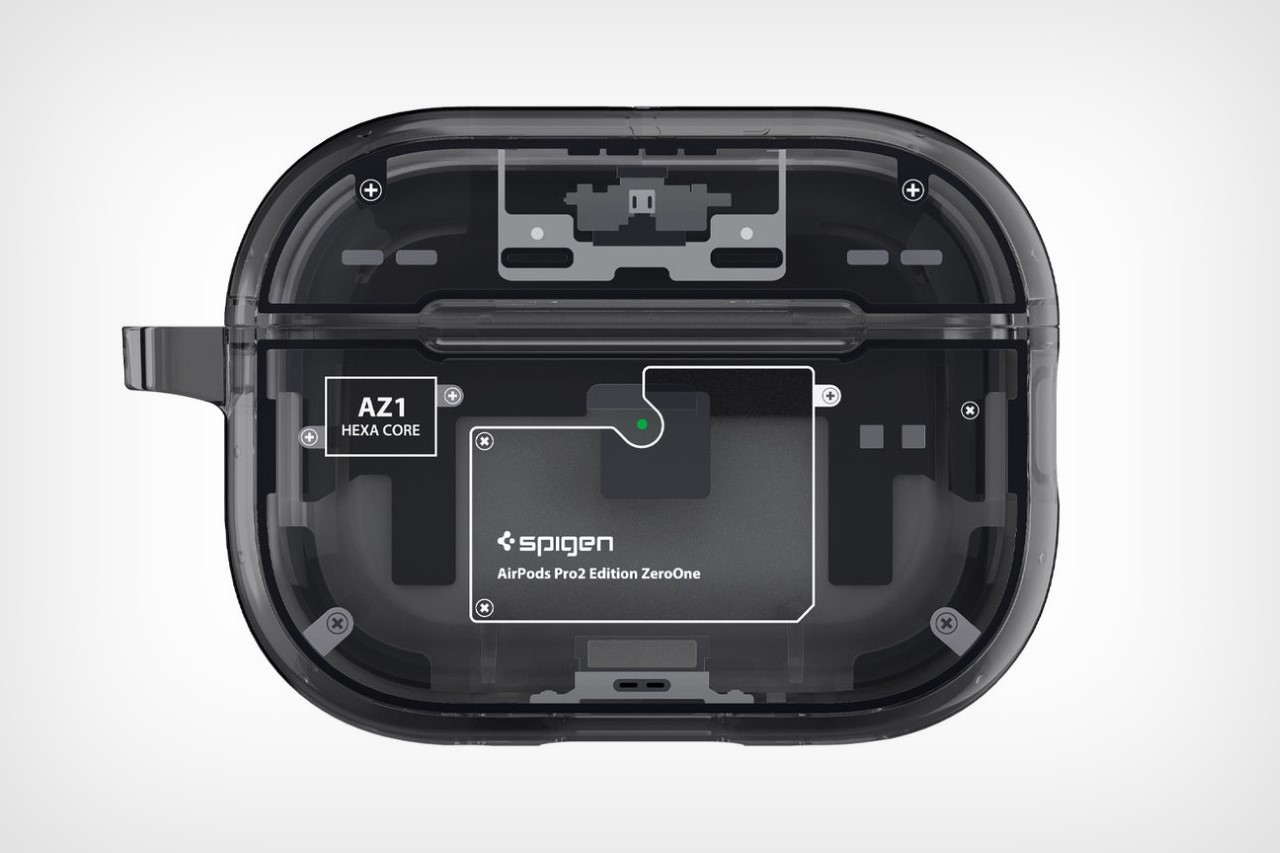
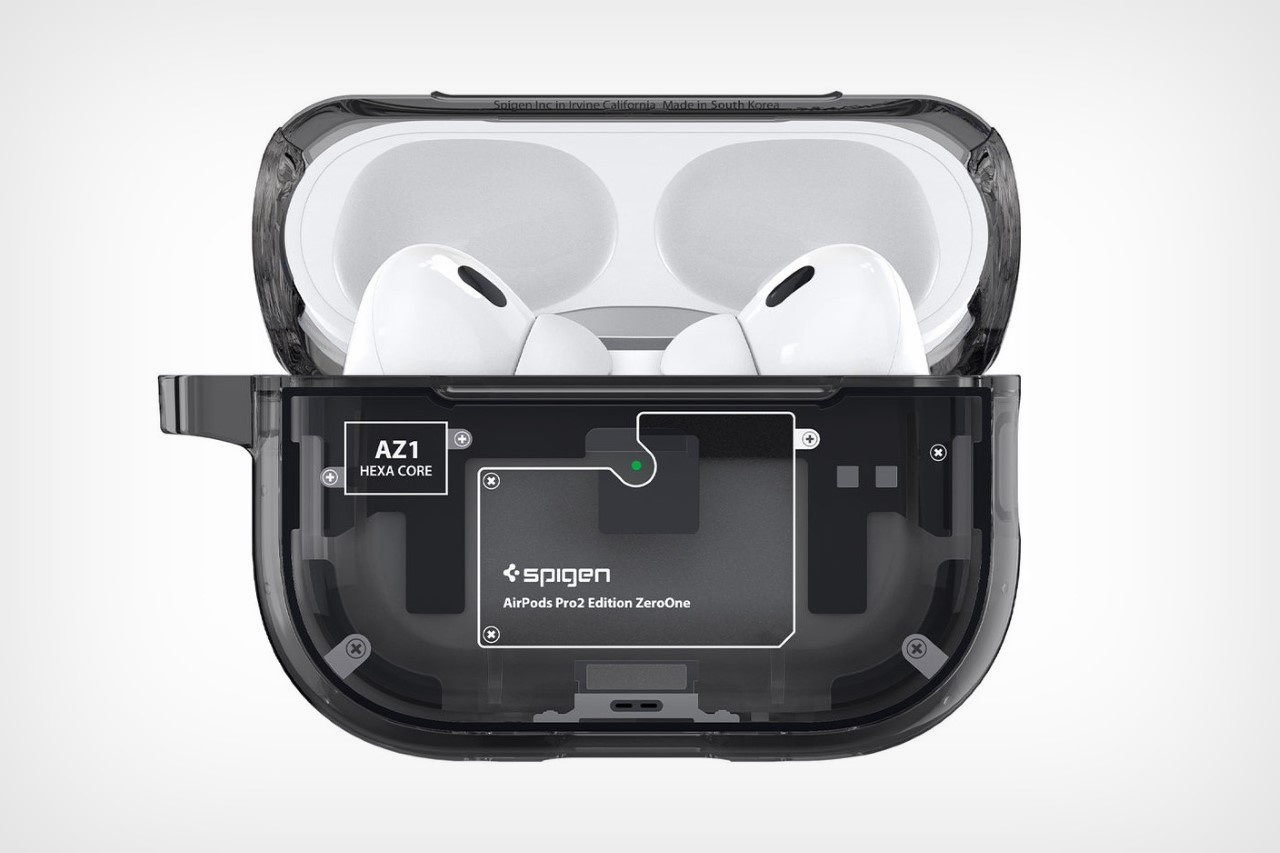
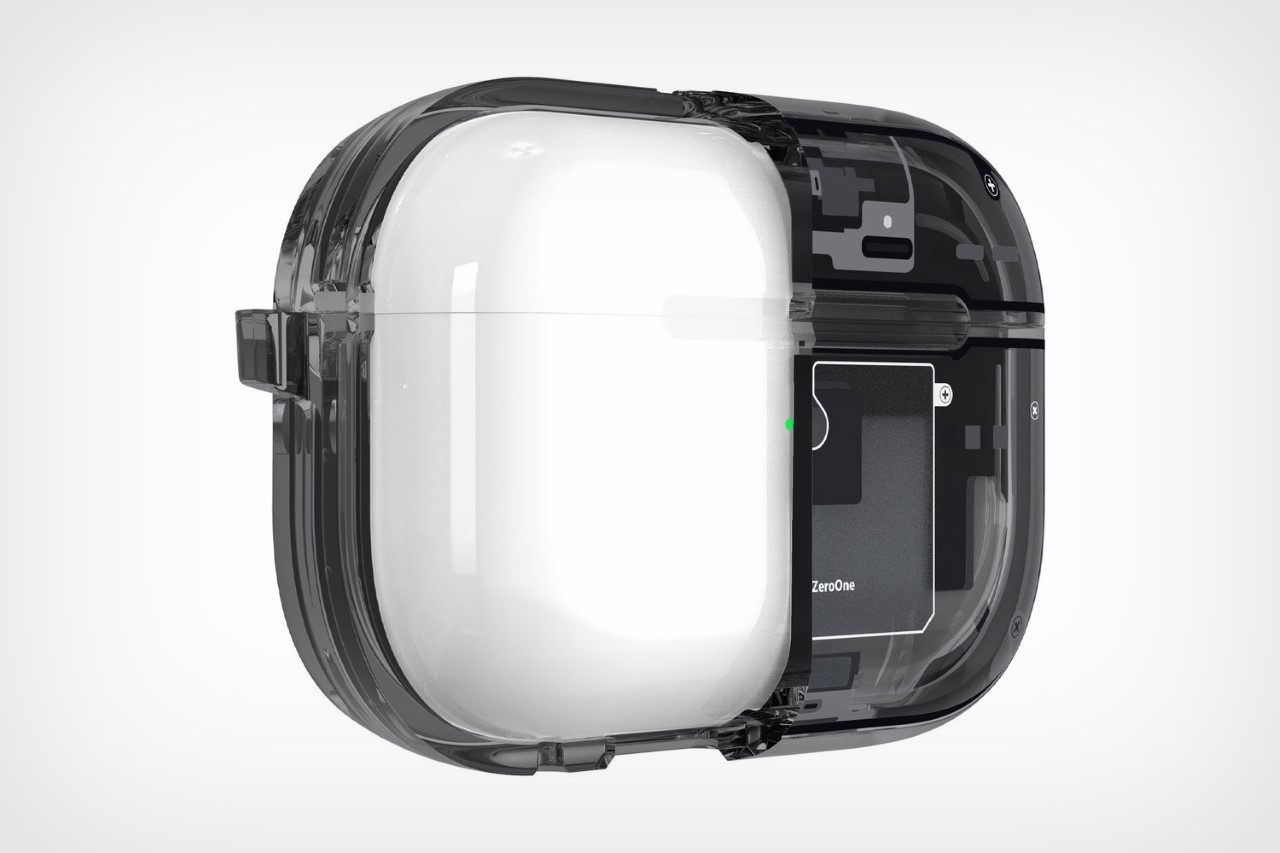
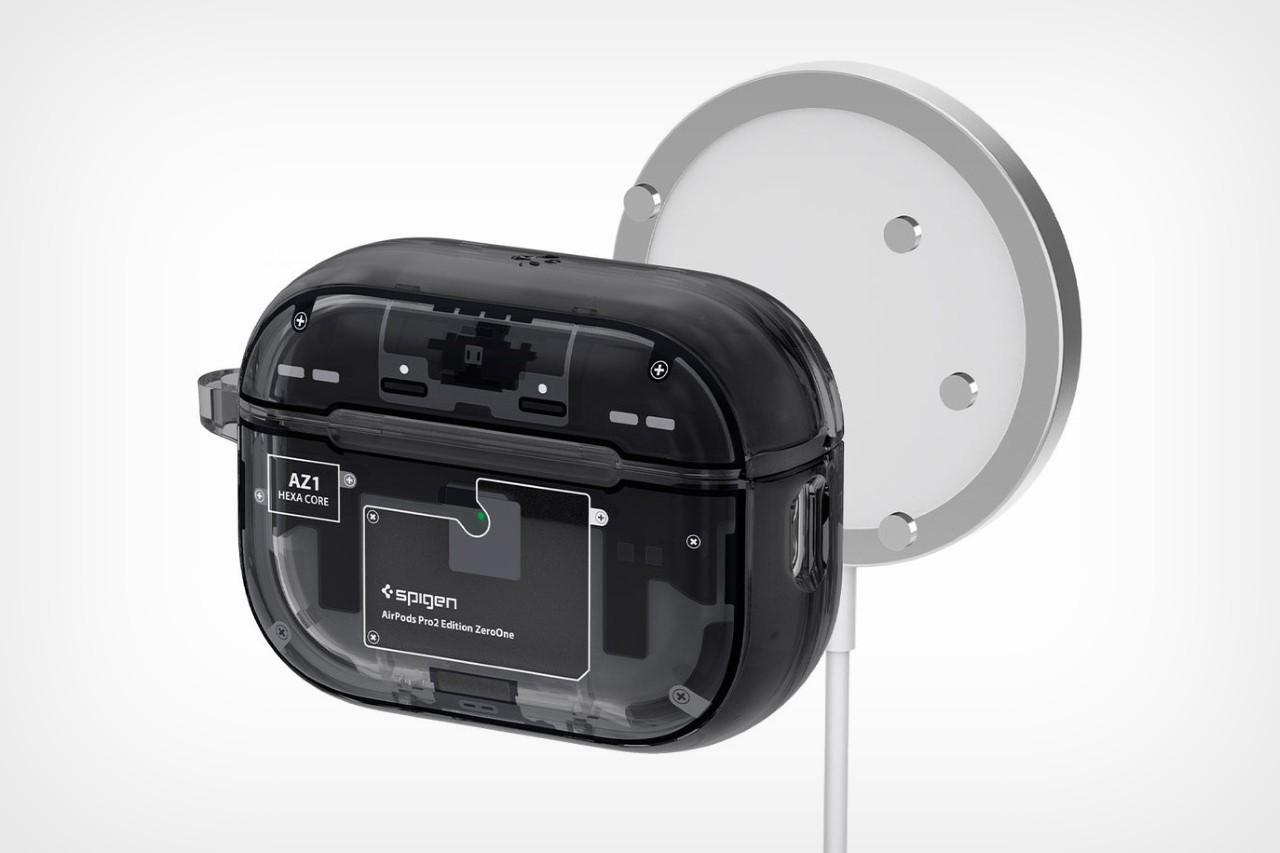
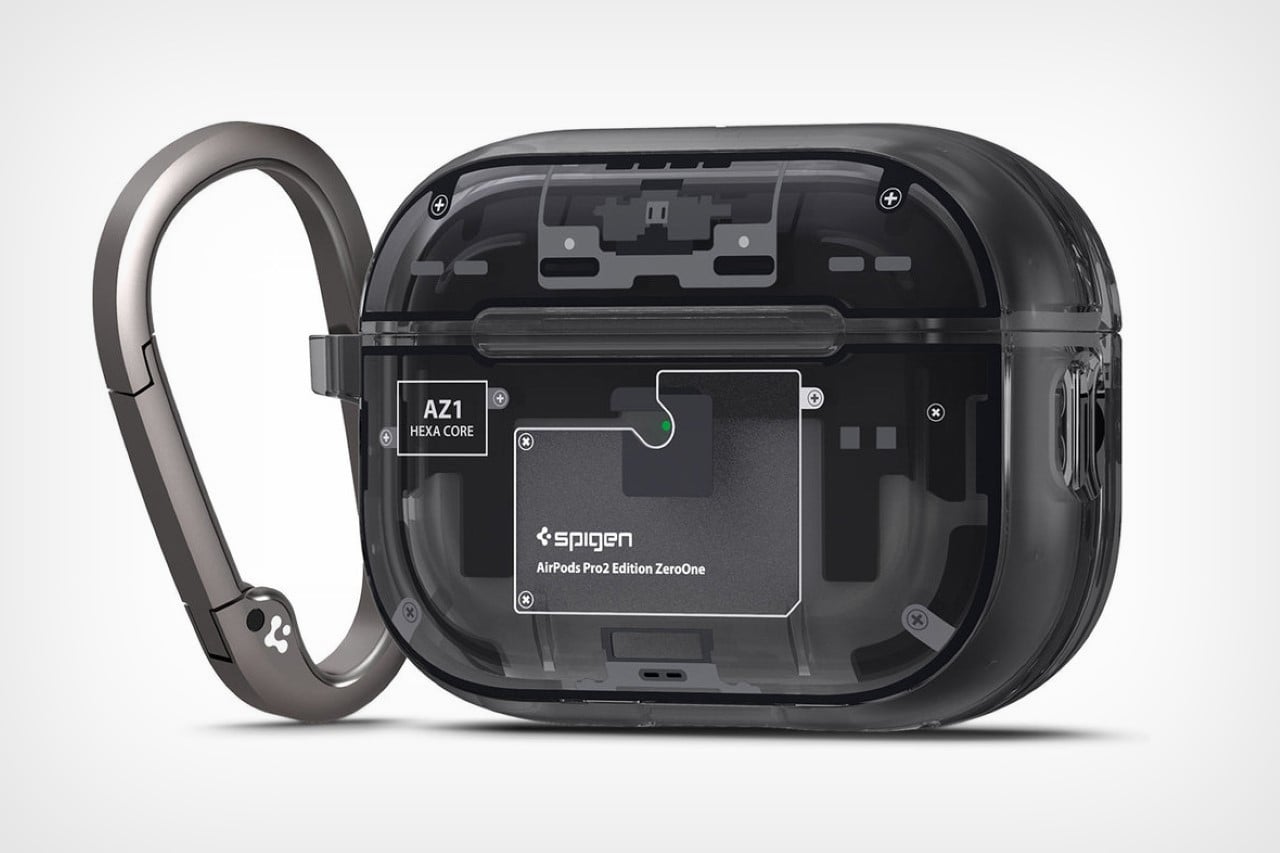
Don’t go out and buy a Beats Studio Buds + just yet because Spigen’s new AirPods Pro 2 case gives it a similar transparent design. The protective case guards your AirPods from accidental bumps and falls, while also giving it a few details of its own in the form of a carabiner clip, and built-in magnets that allow the AirPods Pro 2 case to snap onto Apple’s MagSafe charger. However, the one highlight is the case’s transparent graphic that outlines all the AirPods’ internal parts from the screws and PCBs, to the chipset and even the wireless charging coil at the back.

Designer: Spigen

Click Here to Buy Now

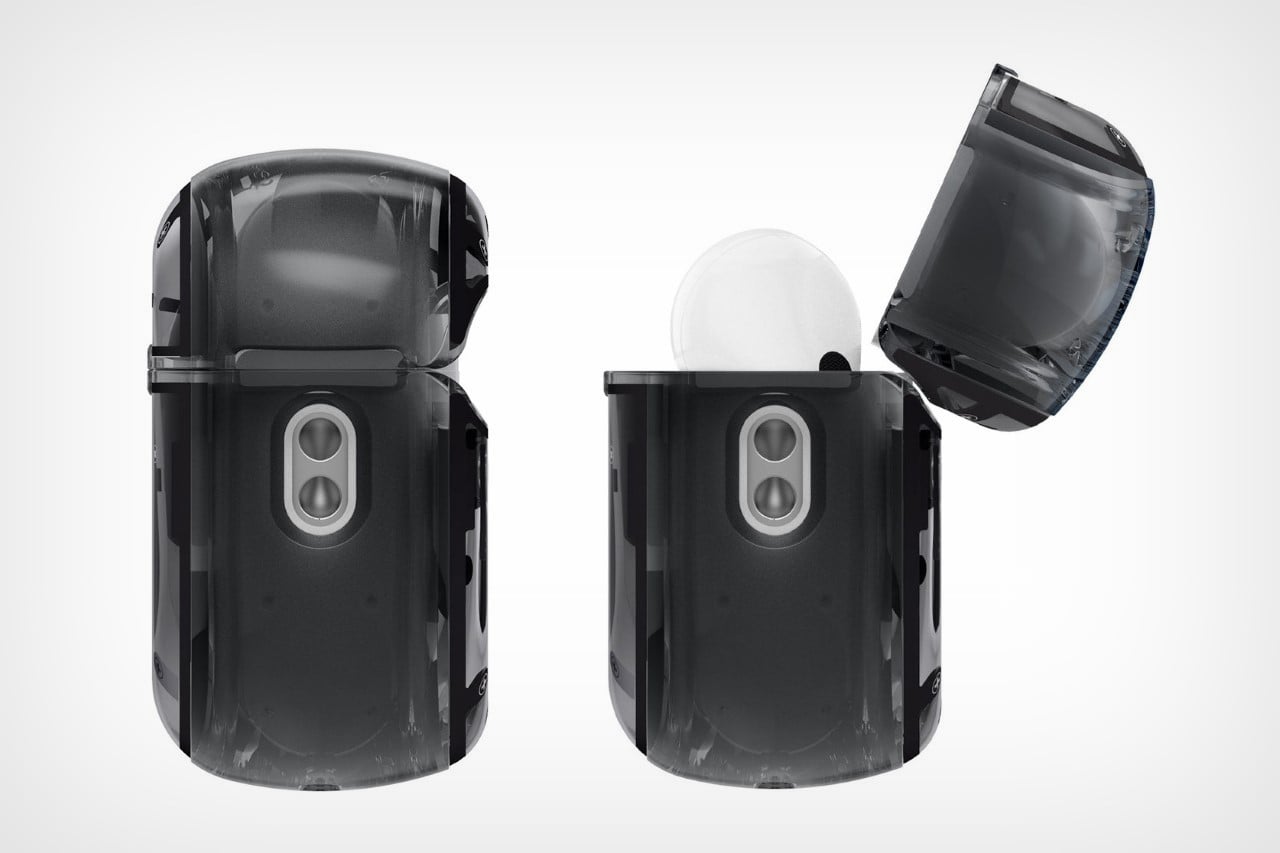
These transparent Ultra Hybrid Zero One covers for the AirPods Pro 2 follow Spigen’s foray into transparent cases for the iPhone too, inspired directly by the gorgeous iMac G3 designs from the good old days. The covers ultimately provide a layer of Spigen-backed physical protection to the AirPods case, shielding it from bumps and scratches thanks to an impact-resistant PolyCarbonate (PC) and Thermoplastic Polyurethane (TPU) build. The cover fits snugly around the case, with air-pockets around the corners to help provide an added layer of cushioning. The AirPods case’s lanyard hole is left exposed for you to use, although the other side has a slot for a carabiner clip to slide in.

Perhaps the most alluring thing about the Zero One covers is their eye-catching graphics. Following the transparency trend that’s been taking the tech and gaming world by storm, the Zero One cases have a faux transparent graphic on them too, outlining all of the AirPods Pro 2’s inner components. Obviously, it isn’t all accurate (I assume Apple’s lawyers would ensure that), but it makes a pretty strong insinuation. If you’re looking for a truly transparent AirPods Pro 2 case, we know a guy…

The case is designed to be compatible with older AirPods Pro 2 versions with the lightning port as well as new variants with the USB-C port in their base. It even has a transparent window for the AirPods case’s built-in status LED, allowing you to see the charging, battery, and connection status of your TWS earbuds.

Flip the case over and your eye will notice six cleverly placed Phillips-head screws in the graphic. These screws aren’t really indicative of the AirPods case’s construction but rather are strategic markings for the Zero One cover’s built-in magnets. Designed to be compatible with Apple’s MagSafe charger, the magnets allow your AirPods case to snap right in place, charging almost instantaneously.

The cover comes with its own carabiner clip, which you can either remove, or use as a means to loop your AirPods Pro 2 to your bag, pant, or jacket. The Spigen Ultra Hybrid Zero Union cover for the AirPods Pro 2 starts at $44.99 on Spigen’s own site, although it’s available for a sizeable discount on Spigen’s Amazon storefront.

Click Here to Buy Now

The post Spigen’s AirPods Pro 2 Case gives it a See-Through-Effect and MagSafe Capabilities first appeared on Yanko Design.

Stray is coming to macOS on December 5

It's been quite some time coming, but Annapurna Interactive has revealed when Mac gamers can get their paws on one of the most adorable titles of the last few years. Stray is coming to macOS on December 5 via the Mac App Store and Steam. You'll need a fairly recent system, though. Stray will be compatible with Macs that have an Apple Silicon chipset, so if you have an Intel-based machine you're out of luck (unless you check it out on a cloud service or another platform).

Stray debuted on PC and PlayStation in July 2022 and it arrived on Xbox this August. It's one of Engadget's favorite games of last year, and it's neat that more people will soon get to check out this absorbing cyberpunk adventure on Mac before it's adapted into a movie.

Apple has been making a slightly bigger push into gaming, and some notable publishers are bringing their titles to Mac (and even iPhone). Resident Evil Village arrived on iPhone 15 Pro and some iPad models last week, while Assassin's Creed Mirage, Death Stranding and the Resident Evil 4 remake are all coming to the Apple ecosystem in the coming months.

This article originally appeared on Engadget at https://www.engadget.com/stray-is-coming-to-macos-on-december-5-204920804.html?src=rss
Hollywood studios reportedly want to recycle dead actors’ AI likenesses without family permission

SAG-AFTRA, the union representing Hollywood performers, has reportedly responded to studios’ “last, best and final” offer to end the strike, rejecting clauses that would let them re-use AI-created likenesses of high-demand and deceased performers without consent. The union allegedly plans to make a counter-offer that removes the current AI-related language. “They can’t have that loophole to exploit performers,” a union-side source told The Hollywood Reporter on Monday. “We could not allow that language to stand.”

THR reports that The Alliance of Motion Picture and Television Producers (AMPTP) proposed to “secure AI scans” for Schedule F performers (union members earning more than $32,000 per TV episode or $60,000 per film). The studios’ suggested deal would require them to pay once to scan the likenesses of Schedule F performers without paying for their use or re-use — essentially giving them eternal rights to their likenesses after paying once upfront.

An even more striking detail is that the way the proposal was written appears to advocate for limitless use of dead performers’ AI-created likenesses without proper permission. “The language currently in the AMPTP’s offer would see the studios and streamers secure the right to use scans of deceased performers without the consent of their estate or SAG-AFTRA,” writes THR. SAG-AFTRA reportedly wants to attach a consent requirement and compensation for each time a studio or streamer re-uses performers’ AI scans. However, after this part of the dispute became public, Variety reported that the union “reached a common understanding” with AMPTP on the “thorny issues” like AI consent after an actor dies.

“We think it’s not just reasonable but is absolutely vital to the sustainability of the performance industry,” a source told THR before news of the modified offer broke. “[The Schedule F AI language in the AMPTP’s proposal] behooves them to have you dead in that they need consent when you’re alive but not when you’re dead.”

SAG-AFTRA reportedly updated union members about negotiations on Monday, assuring them it won’t agree to a lousy contract. “Please know every member of our TV/Theatrical Negotiating Committee is determined to secure the right deal and thereby bring this strike to an end responsibly,” the union wrote to its members. “There are several essential items on which we still do not have an agreement, including AI. We will keep you informed as events unfold.”

Update, November 8, 2023, 1:32 PM ET: This story has been updated to note a new Variety report that claims the two sides have now resolved their differences over the AI rights of deceased actors.

This article originally appeared on Engadget at https://www.engadget.com/hollywood-studios-reportedly-want-to-recycle-dead-actors-ai-likenesses-without-family-permission-202227014.html?src=rss

A Music Instrument for the Hearing Impaired: This Synth uses Tactile and Color Cues Instead of Sound

“Play by ear” as they commonly say, doesn’t really apply to people with hearing impairments. The most common example of a hearing-impaired musical genius remains Beethoven, who composed entire orchestral pieces by relying on what he remembered from a time when he could hear. By the time he reached the peak of his career, Beethoven was completely deaf, but his memory served him well when it came to playing music… not everyone today has that luxury, but the Vibra helps the hearing impaired play music by connecting the audio to other senses like touch and sight.

Designers: Ahn Taegwang, Go Yeongseok, Hwang Jimin, Lee Wonjae

A winner of the Red Dot Design Concept Award, Vibra is a new instrument and service that can meet the musical needs of people with hearing impairments. Unlike traditional instruments that rely entirely on auditory feedback, Vibra relies on a combination of vibrations or haptic feedback, and visual cues like color and composition. The musical instrument comes with a modular design that serves the needs of multiple instruments, from key-based to percussive, string, and even electronic. It eventually pairs with an app that allows players to visualize their music. With a fair amount of visual training and consistent practice, hearing-impaired people can use the Vibra to play existing tunes and even compose new music entirely on their own.

The companion app fills in the sensorial gaps left by the auditory impairment. It provides a visual interface that helps conceptualize sound in a graphic sense, allowing people to understand notes, chords, harmonies, and other complex theories through vision instead of sound. The app enables practice, helps users find which instrument they’re more comfortable playing, and also allows them to learn and practice how to play popular tunes!

The Vibra is a Winner of the Red Dot Award: Design Concept for the year 2023.

The post A Music Instrument for the Hearing Impaired: This Synth uses Tactile and Color Cues Instead of Sound first appeared on Yanko Design.

Ubisoft Montreal lays off 98 people as part of a corporate restructuring effort

Ubisoft Montreal just laid off 98 people as part of a corporate restructuring and reorganization effort, as reported by Kotaku. The cuts primarily impact workers in business administration services and IT. Ubisoft says it will support “all affected Canadian employees” with severance packages and “career assistance to help them navigate their transition.” 

The Montreal office is widely considered to be the most reputable subsidiary of Ubisoft and its largest in-house development team, employing around 4,000 people. Ubisoft Montreal is responsible for many of the company’s big-wig franchises, from Assassin’s Creed to Far Cry and Rainbow Six Siege.

Ubisoft wrote in a statement provided to Kotaku that it feels the “utmost gratitude and respect” for the impacted employees and noted that these cuts do not extend to the various production teams, likely to assuage consumers worried about game delays. In addition to the 98 that have already been let go, Ubisoft Montreal anticipates about two dozen more layoffs in the near future.

Ubisoft has been on a firing spree this past year, laying off over 1,000 people from its various global branches, according to its most recent earnings report. This has led to some game cancellations, like the arena battler Project Q, among others. Despite these layoffs, the company still employs over 19,000 people worldwide.

This is, of course, part of a larger trend that finds multiple game studios laying off people as a cost cutting measure. Epic Games slashed its workforce by 16 percent earlier this year and CD Projekt Red, the company behind Cyberpunk 2077, laid off 100 employees back in July. The same thing has been happening across the entire tech space, as Google, Microsoft, Meta, IBM and many more companies turned 2023 into a bonanza of pink slips.

This article originally appeared on Engadget at https://www.engadget.com/ubisoft-montreal-lays-off-98-people-as-part-of-a-corporate-restructuring-effort-195616771.html?src=rss

Find Your Therapy in Home Farming and Consuming Your Own Produce

In today’s fast-paced world, where life is often synonymous with perpetual motion, the desire to reconnect with nature and savor the fruits of one’s labor is stronger than ever. The concept of home farming, often romanticized for its therapeutic qualities and the satisfaction of producing your food, appeals to many. However, the hurdles of time and resources have long kept this dream at bay for most. But with Regrow, a groundbreaking innovation, the dream of home farming has been brought closer to reality.

Designer: Haneul kim (Designer dot)

Regrow offers a revolutionary experience for those who are intrigued by the idea of home farming but find it challenging to manage the daily responsibilities and investments it typically demands. This innovative system automatically transforms food scraps into fertile soil and showcases your bountiful crops, all while providing a rewarding, environmentally friendly hobby.

In a society where people yearn for the soothing embrace of home farming, the daily grind often obstructs their path. The daily chores of tending to plants, adjusting soil, and monitoring water levels according to the seasons can be burdensome. It’s no wonder that around 60% of those who initially embark on the journey of home farming give up, with the top two reasons being difficulty managing time and the cost of supplies.

Regrow, recognizing the unique place it occupies in the kitchen, draws inspiration from various kitchen appliances. It brings a new dimension to the concept of home farming. With Regrow, users no longer have to fret over the time constraints of home farming in their busy lives. Instead, they can efficiently care for their plants with an array of features designed for convenient operation.

gif 1

The soil used for cultivating edible plants is primarily recycled compost from food processors. The snug fit of the lid and body keeps unwanted odors from escaping, while the powerful rotation function effectively processes various food scraps. This synergy of recycling and sustainability sets Regrow apart.

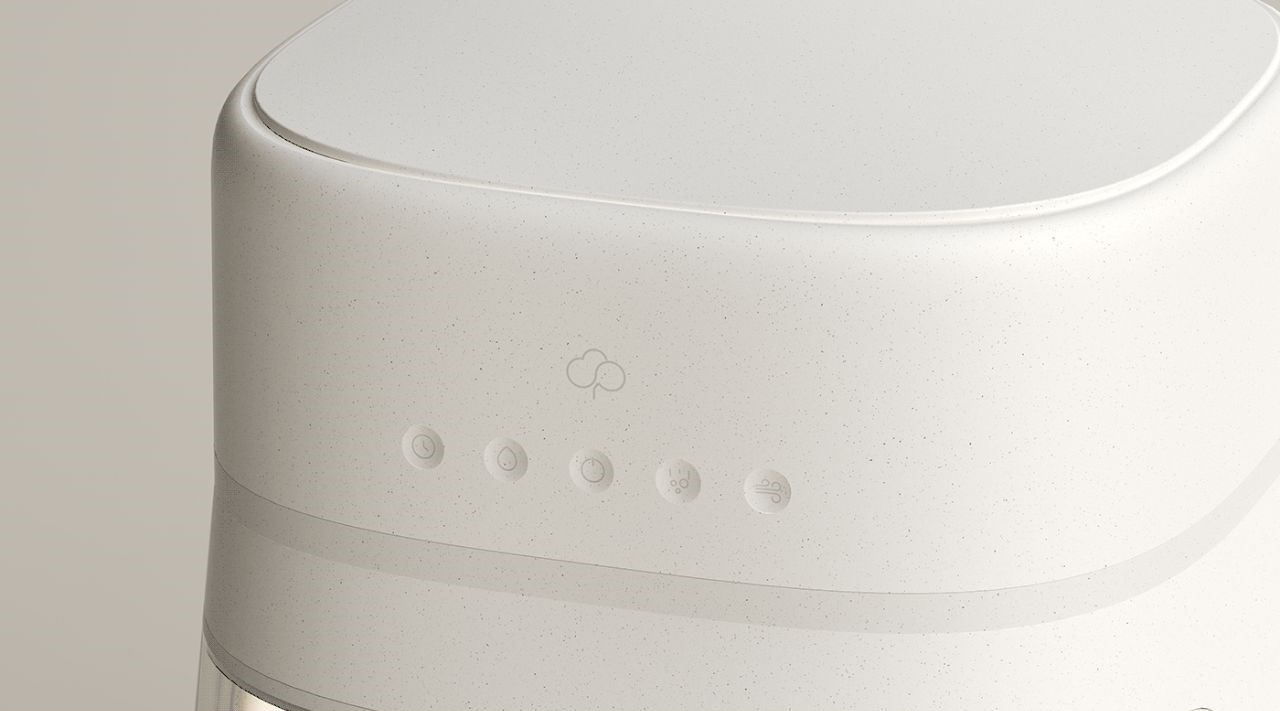
Regrow is designed to be user-friendly with just five simple buttons. Users can schedule tasks via the dedicated mobile application for quick use or even operate it remotely. The glass door on the front can be easily opened for harvesting edible plants, making the whole process incredibly convenient.

gif 2

One of Regrow’s unique features is its hole bottoms, which facilitate the flow of soil and compost. The compost generated by the top food processor automatically moves to the bottom through a rotary grinder. If users prefer to use water instead of compost, they can open the top lid to add water. This combination of features ensures that users can effortlessly maintain their edible plants, promoting their health and sustainability with minimal effort.

Regrow incorporates a bottom LED bar that provides users with invaluable insights into the needs of their edible plants. It changes color to indicate when watering is required, when soil adjustments are necessary when it’s time to clean food waste, or when the system is circulating. This intuitive feedback mechanism ensures that users can take timely and appropriate actions to ensure their plants thrive, enhancing the overall home farming experience.

In conclusion, Regrow offers an all-in-one solution to the common barriers of home farming, making it accessible and enjoyable for everyone. With its innovative technology, sustainable practices, and user-friendly design, it not only simplifies the process of home farming but also promotes a greener, more self-sufficient lifestyle. Regrow brings the joy and fulfillment of home farming within the reach of all, revolutionizing the way we connect with the earth and harvest the goodness it provides.

The post Find Your Therapy in Home Farming and Consuming Your Own Produce first appeared on Yanko Design.

Meta whistleblower tells Senate the company ‘cannot be trusted with our children’

Another Meta whistleblower has testified before Congress regarding safety issues on the company's platforms. On the same day that Frances Haugen told Congress in 2021 how Meta could fix some of its safety problems, Arturo Béjar, a former director of engineering for Protect and Care at Facebook, sent CEO Mark Zuckerberg and other executives an email regarding the harms that young people may face while using the company's products.

Two years later, Béjar was the sole witness in a Senate Judiciary subcommittee hearing titled "Social Media and the Teen Mental Health Crisis." In his testimony, Béjar claimed he was subpoenaed earlier this year to testify regarding emails he sent Meta higher-ups. He said he realized that since he sent them, nothing had changed at the company.

"Meta continues to publicly misrepresent the level and frequency of harm that users, especially children, experience on the platform," Béjar told the Subcommittee on Privacy, Technology and the Law in prepared remarks. "And they have yet to establish a goal for actually reducing those harms and protecting children. It’s time that the public and parents understand the true level of harm posed by these 'products' and it’s time that young users have the tools to report and suppress online abuse."

Béjar was an engineering director at Meta between 2009 and 2015, during which time he was responsible for protecting Facebook users. He supported a team that worked on "bullying tools for teens, suicide prevention, child safety and other difficult moments that people go through," according to his LinkedIn profile.

He testified that he initially left Meta feeling "good that we had built numerous systems that made using our products easier and safer." However, he said that, since they were 14, his daughter and her friends "repeatedly faced unwanted sexual advances, misogyny and harassment" on Instagram. According to The Wall Street Journal, which first reported on Béjar's claims, he stated that Meta's systems typically ignored reports they made or responded to say that the harassment they faced didn't break the rules.

Those issues prompted him to return to Meta in 2019, where he worked with Instagram’s well-being team. "It was not a good experience. Almost all of the work that I and my colleagues had done during my earlier stint at Facebook through 2015 was gone," Béjar said in his testimony. "The tools we had built for teenagers to get support when they were getting bullied or harassed were no longer available to them. People at the company had little or no memory of the lessons we had learned earlier."

Béjar claimed that Instagram and internal research teams gathered data showing that younger teens dealt with "great distress and abuse." However, "senior management was externally reporting different data that grossly understated the frequency of harm experienced by users," he told senators.

In a 2021 email to Zuckerberg and other executives laying out some of his concerns, Béjar wrote that his then-16-year-old daughter uploaded a car-related post to Instagram only for a commenter to tell her to "get back to the kitchen." Béjar said his daughter found this upsetting. “At the same time the comment is far from being policy violating, and our tools of blocking or deleting mean that this person will go to other profiles and continue to spread misogyny," Béjar wrote. "I don’t think policy/reporting or having more content review are the solutions.”

Béjar said that along with his daughter's experiences with the app, 13 percent of users aged between 13 and 15 indicated in user perception surveys that they received unwanted sexual advances on Instagram within the previous seven days. While former chief operating officer Sheryl Sandberg offered sympathy toward his daughter for her negative experiences and Instagram head Adam Mosseri asked to set up a meeting, according to Béjar, Zuckerberg never responded to the email.

"That was unusual," Béjar said in his testimony. "It might have happened, but I don’t recall Mark ever not responding to me previously in numerous communications, either by email or by asking for an in-person meeting."

Béjar told the Associated Press that Meta has to change its approach to moderating its platforms. This, according to Béjar, would require the company to place a greater onus on tackling harassment, unwanted sexual advances and other issues that don't necessarily break the company's existing rules.

He noted, for instance, that teens should be able to tell Instagram that they don't want to receive crude sexual messages, even if those don't violate the app's current policies. Béjar claims it would be easy for Meta to implement a feature through which teens could flag sexual advances that were made to them. "I believe that the reason that they're not doing this is because there's no transparency about the harms that teenagers are experiencing on Instagram," he told the BBC.

Béjar laid out several other steps that Meta could take to reduce harm users face on its platform that "do not require significant investments by the platforms in people to review content or in technical infrastructure." He added that he believes adopting such measures (which primarily focus on improving safety tools and getting more feedback from users who have experienced harm) would not severely impact the revenues of Meta or other companies that adopt them. "These reforms are not designed to punish companies, but to help teenagers," he told the subcommittee. "And over time, they will create a safer environment."

"My experience, after sending that email and seeing what happened afterwards, is that they knew, there were things they could do about it, they chose not to do them and we cannot trust them with our children," Béjar said during the hearing. "It's time for Congress to act. The evidence, I believe, is overwhelming."

“Every day countless people inside and outside of Meta are working on how to help keep young people safe online," a Meta spokesperson told Engadget in a statement. "The issues raised here regarding user perception surveys highlight one part of this effort, and surveys like these have led us to create features like anonymous notifications of potentially hurtful content and comment warnings. Working with parents and experts, we have also introduced over 30 tools to support teens and their families in having safe, positive experiences online. All of this work continues.”

Béjar hopes his testimony will help spur Congress to “pass the legislation that they've been working on” regarding the online safety of younger users. Two years ago, Haugen disclosed internal Facebook research indicating that Instagram was "harmful for a sizable percentage of teens." Growing scrutiny led Meta to halt work on a version of Instagram for kids.

Since Haugen's testimony, Congress has made some efforts to tackle online safety issues for kids, but those have stuttered. The Kids Online Safety Act (KOSA) twice advanced from a Senate committee (in the previous Congress and earlier this year), but it hasn't reached a floor vote and there's no companion bill in the House. Among other things, the bill seeks to give kids aged under 16 the ability to switch off "addictive features and algorithm-based recommendations, as well as having more protections for their data. Similar bills have stalled in Congress.

Last month, attorneys general from 41 states and the District of Columbia sued Meta over alleged harms it caused to young users. “Meta designed and deployed harmful and psychologically manipulative product features to induce young users’ compulsive and extended Platform use, while falsely assuring the public that its features were safe and suitable for young users," according to the lawsuit. Béjar said he consulted with the attorneys general and provided them with documents to help their case.

"I'm very hopeful that your testimony, added to the lawsuit that's been brought by state attorneys general across the country ... added to the interest that I think is evidenced by the turnout of our subcommitee today, will enable us to get the Kids Online Safety Act across the finish line," subcommittee chair Sen. Richard Blumenthal (D-CT) told Béjar. Blumenthal, one of KOSA's original sponsors, expressed hope that other legislation "that can finally break the straitjacket that Big Tech has imposed on us" will be enacted into law.

Over the last few years and amid the rise of TikTok, Meta has once again been focusing on bringing younger users into its ecosystem, with Zuckerberg stating in 2021 (just a couple of weeks after Haugen's testimony) that the company would refocus its “teams to make serving young adults their North Star rather than optimizing for the larger number of older people.” Recently, the company lowered the minimum age for using its Meta Quest VR headsets to 10 through the use of parent-controlled accounts.

Update 11/7 5:28PM ET: Added Meta's statement.

This article originally appeared on Engadget at https://www.engadget.com/meta-whistleblower-tells-senate-the-company-cannot-be-trusted-with-our-children-185616936.html?src=rss