The highly anticipated iOS 18 beta 4 is set to be released on July 22nd, with the public beta following closely on July 23rd. This update promises to bring a wealth of enhancements and new features that will transform the way you interact with your iOS devices. From significant improvements in AI capabilities to a […]
Struggling with managing large datasets in Excel? You’re not alone. Many users find themselves bogged down by repetitive tasks and complex formulas. But there’s good news! Excel offers advanced functions that can simplify these tasks and boost your productivity. In this guide, we’ll delve into ten essential modern Excel functions designed to make data management […]
For centuries, telescopes have been the gateway to the cosmos, allowing us to peer into the vast expanse of space and unravel its secrets. However, traditional telescopes often come with drawbacks – their bulky size and complex setups can be intimidating for beginners and hinder portability for outdoor adventures. Moreover, aside from their complicated nature, telescopes were just downright unaffordable to the masses… but technology always endeavors to make innovation accessible to everyone. Enter the DWARF 3, a revolutionary smart telescope that bridges the gap between cutting-edge technology and user-friendly design, making astronomy and nature observation more accessible than ever before.
Designer: DwarfLab Team
Click Here to Buy Now: $469$499 ($20 off, use coupon code “YANKO” to get the additional $10 off at checkout). Hurry, deal ends in 48-hours!
The name DWARF 3 isn’t without reason, as it breaks from the norm of what we expect from a telescope. The name comes from its dwarfed design, which condenses the massive linear telescopes into something the size of a dictionary or novel – and it does so by borrowing a trick from smartphone camera designs. The DWARF 3 boasts a unique periscopic design, a leap forward from its successful predecessor, DWARF II (which raised over $870,000 on Kickstarter). Unlike traditional telescopes with a straight light path, DWARF 3 utilizes a prism to fold the light path, resulting in a remarkably compact and portable form factor. This innovative design allows the telescope to fit comfortably in a backpack, making it the perfect companion for stargazing trips, camping adventures, or even spontaneous backyard astronomy sessions. Despite its compact size, DWARF 3 packs a powerful punch when it comes to optical capabilities, quite like a smartphone’s camera does. By bending light in a different way that doesn’t need a massively long tubular structure, the DWARF 3 achieves telescope-grade zooming but in a small package.
Portable Design
DWARF 3 brings you a state of the art upgrade: in optics, sensors, and more processing power.
That isn’t all the DWARF 3 borrows from smartphones – touted as a smart telescope, it’s designed to be entirely automatic and can remotely be controlled by a user. Whether for astronomy or nature photography, DWARF 3 is ready in minutes via a smartphone app, letting you capture the world around you in a bunch of ways. The DWARF 3 features a dual-camera system, catering to both wide-field observation and detailed target magnification. The wide-angle camera lets you preview shots before the telephoto camera allows you to zoom in on subjects, but also has the unique distinction of being wide enough to capture the entire Milky Way within one frame. An Astro Mosaic mode also lets the DWARF 3 capture and stitch together incredibly detailed panoramic views of the sky so you can zoom in on stars. The EQ mode, combined with the star-tracking feature, allows the camera to automatically correct for the Earth’s rotation and follow specific cosmic objects, eliminating the need to manually reset the camera’s aim. You can even set schedules, so the DWARF 3 kicks in at the right time to begin capturing the star you’ve set your eye on.
DWARF 3 also includes a better view and even better photos!
The true star of the DWARF 3’s optical system is the telephoto lens. A 150mm lens that actually has an equivalent focal length of 737mm, this lens brings distant celestial objects into sharp focus, inviting you to explore the cosmos with unprecedented detail, from the subtle textures of nebulae to the captivating lunar phases. But DWARF 3 isn’t just for astronomy enthusiasts. Nature photographers will find this telephoto lens invaluable. With its wireless control capabilities, DWARF 3 allows you to capture stunning wildlife images from a safe distance, ensuring minimal disturbance to the animals in their natural habitat. Whether it’s a majestic hawk soaring high above or a shy deer peeking out from a thicket, DWARF 3 helps you capture those fleeting moments of nature’s beauty in exceptional detail.
DWARFLAB App leads you to stunning shots on a single click. Designed with beginners in mind, the one-click shooting feature streamlines the process, ensuring effortless photography. At the same time, for advanced users, manual adjustments are still open for your precise control over every aspect of the shot.
DWARF 3 goes beyond simply providing magnified views. To elevate the user experience, it boasts a suite of intelligent features powered by cutting-edge technology. The autofocusing functionality utilizes a built-in step motor, ensuring crisp and clear images at all magnifications. This eliminates the need for manual adjustments, allowing you to focus on enjoying the view. For deep sky objects (DSOs), DWARF 3 employs a sophisticated object tracking system that leverages the power of deep learning to automatically track your target object. Simply select your target on the intuitive DWARF App, and the telescope will keep it in focus, even as it moves across the sky. AI-powered post-processing also allows the DWARF 3 to automatically reduce or remove noise from pictures (often a problem with low-light photography) while preserving celestial details, ensuring clarity and texture even when shooting in less-than-ideal conditions.
With the built-in Sky Atlas and top pick target suggestions, you can quickly identify worthy objects for observation and effortlessly begin your night sky imaging journey without any hesitation.
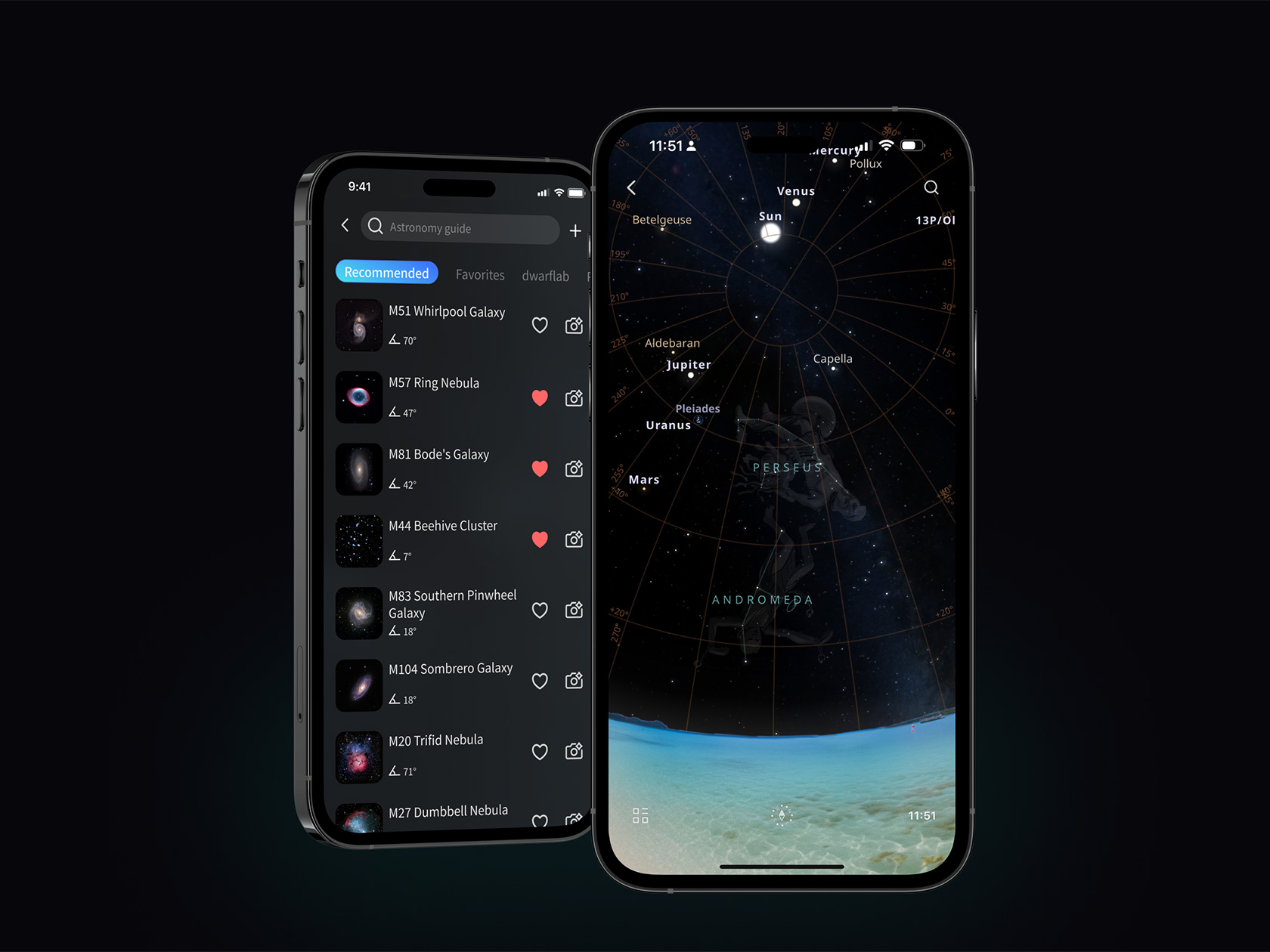
The DWARFLAB App serves as the central hub for controlling your DWARF 3 telescope. This user-friendly app, compatible with both Android and iOS devices, connects seamlessly to your telescope via Wi-Fi. Through the app, you can access a range of features, from basic camera control settings, image/video settings, and even time-lapse photography options. You can browse a virtual map of the sky and tell the DWARF 3 what to point at, and just in case you’re a noob like me, the app has its own recommended tab that tells you what cosmic bodies to watch out for, from nebulae to galaxies, stars, and even the Moon or Milky Way. The intuitive interface makes DWARF 3 accessible to users of all experience levels, allowing beginners to dive headfirst into the wonders of astronomy and experienced observers to unlock new levels of exploration. The app also lets you download images from the DWARF 3 onto your device, be it a phone or a tablet. There’s support for popular formats like JPEG and PNG, but the DWARF 3 can also capture FITS and TIFF formats (essential for preserving detail in those massive panorama photos).
Milky Way
On just a hardware and software level, the DWARF 3 packs quite a lot for a $469 telescope. Although catered towards both serious stargazers and hobbyists, the DWARF 3’s specs are solid. A 150mm telephoto lens (equivalent of 737mm) and a 6.7mm wide angle lens (equivalent of 45mm) offer the DWARF 3 a massive FOV range. A Sony IMX678 STARVIS 2 sensor captures precise imagery across a variety of shooting modes including regular photo, astro, burst, and time-lapse, along with videos at 4K@30fps or 1080p@60fps. For the image processing functions, the telescope has an NPU capable of 5 TOPS of processing power (an upgrade from the 2 TOPS on the DWARF II model). A 128GB eMMC comes included with the DWARF 3 for storing photos, and a whopping 10,000mAh built-in battery lets the telescope work for long hours, capturing massive panoramas or long-duration star trails. All this fits into a device that weighs 1.3 kilograms, works automatically, and outperforms most pro-grade camera setups that are 10 times the cost.
Click Here to Buy Now: $469$499 ($20 off, use coupon code “YANKO” to get the additional $10 off at checkout). Hurry, deal ends in 48-hours!
It’s always interesting and nice to see installations that are not just works of art but also invite the viewer to interact with it. Sure, paintings and sculptures in museums are nice to look at but of course you’re not allowed to touch them for important reasons. So art installations are much more accessible and in a sense, more experimental, especially if visitors are invited to touch and explore it.
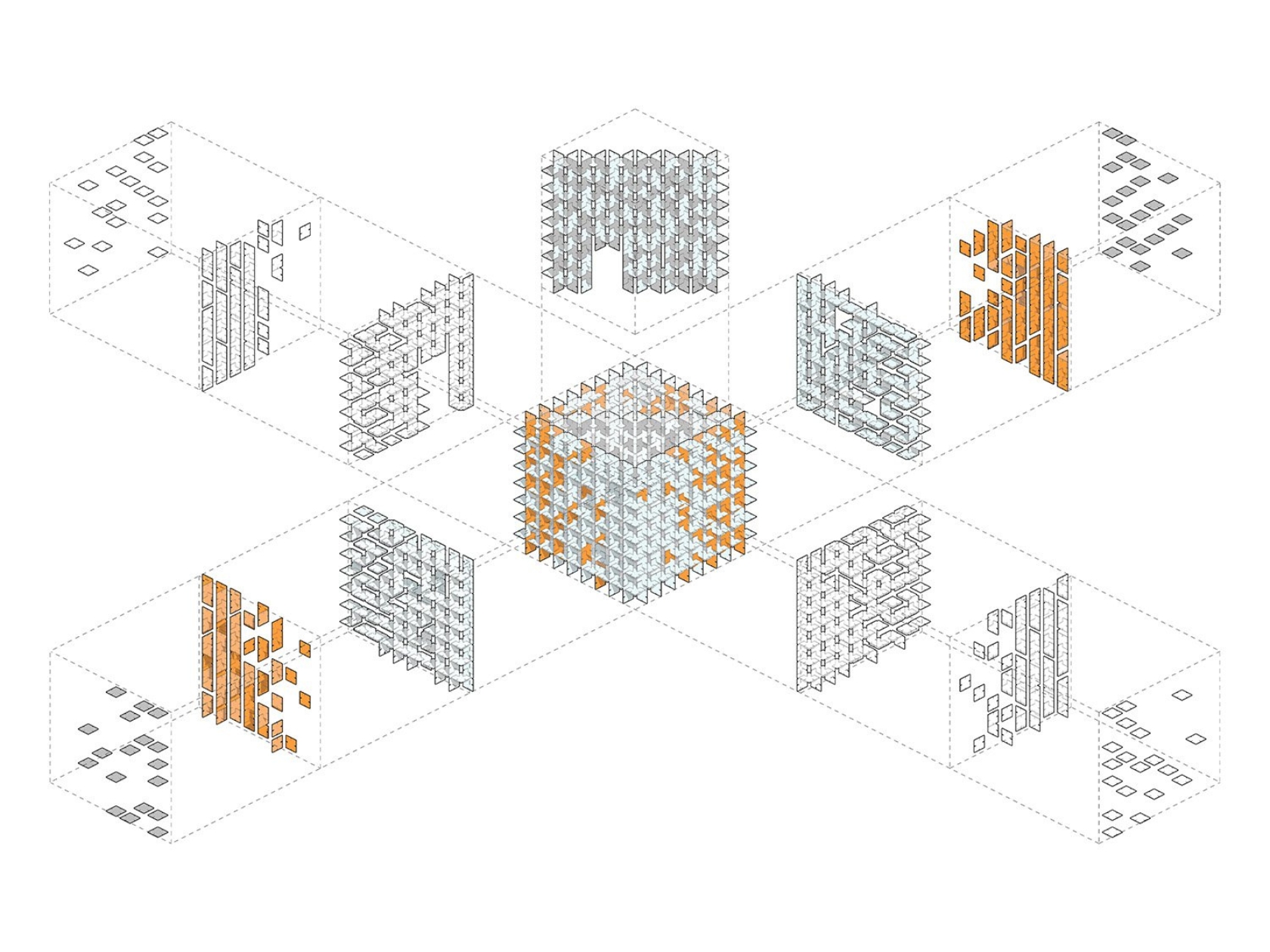
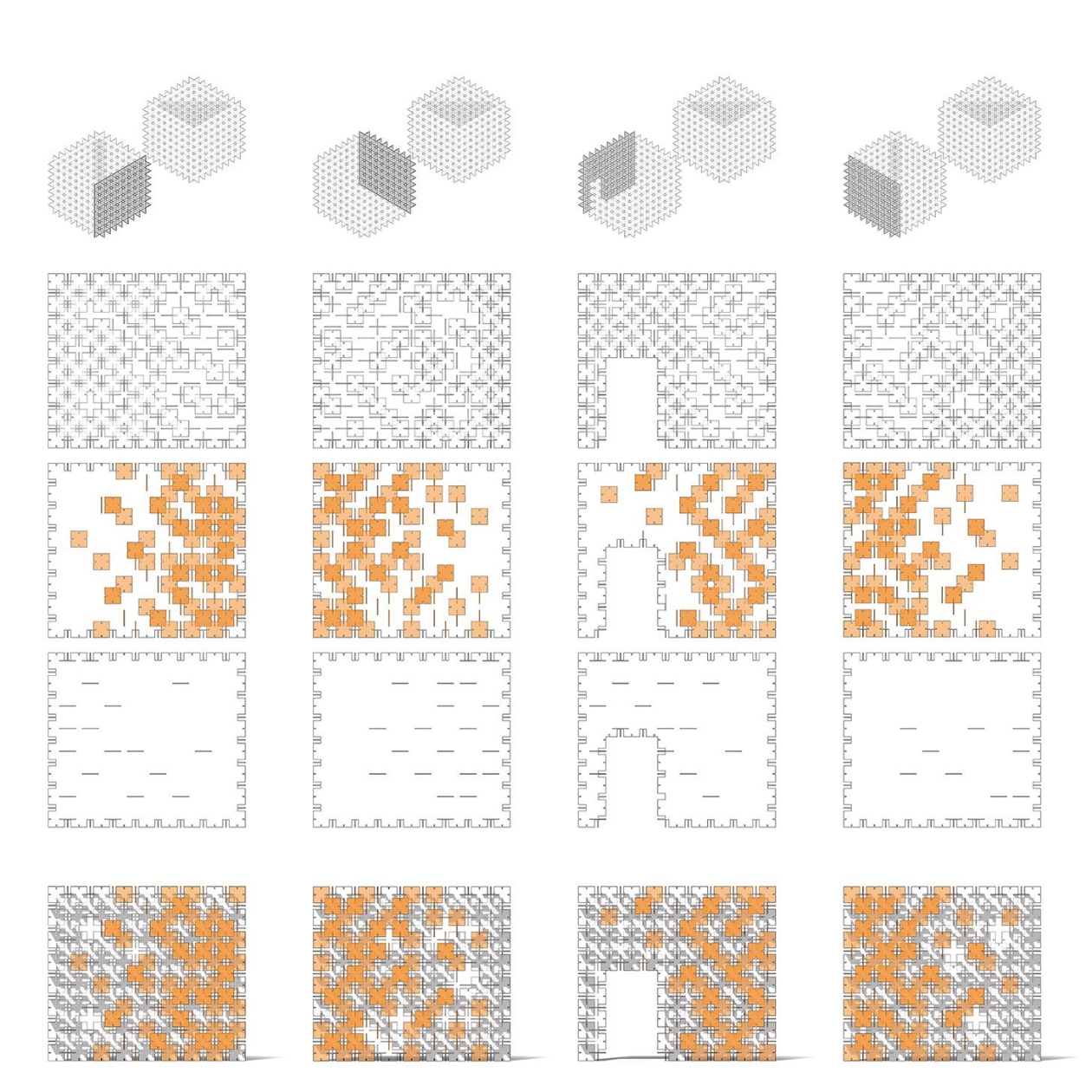
Paired Cubes is a temporary pavilion that is set up in Busan, South Korea but is also created to be transferred and assembled in other public spaces. It is made up of 3,500 recycled polycarbonate panels put together in 2.5m tall pavilions and put together without any fittings or glue. It has eight outer facades and two inner walls and the overall effect, especially when illuminated, is that they look like floating panels.
Aside from its sustainability, the pavilion is also pretty interactive as visitors are actually invited to interact with the structure and its visual patterns and optical textures. They are put together in both a symmetrical and asymmetrical fashion. During the day, you can explore the layered surfaces that bring about various shadowy patterns. When it becomes darker, it becomes a luminous box which attracts you to go inside the pavilion.
Up to 6 people can go inside the structure at once but you can also just stay outside to play around with the panels. It is also built to be easily disassembled, transported, and reassembled so we can expect to see this pop up in other areas after this.
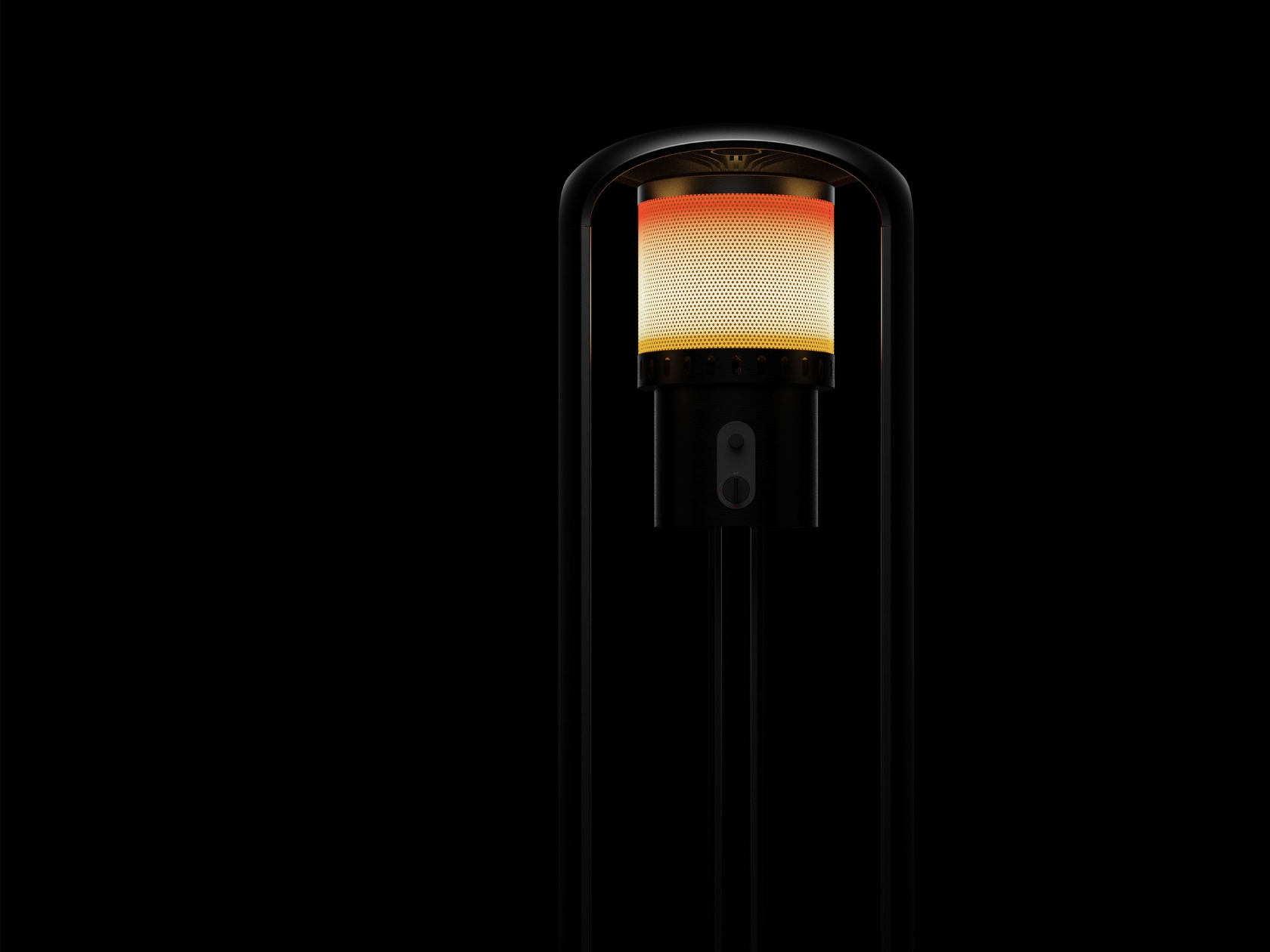
Since I live in a tropical country, the idea of outdoor heaters (even indoor, actually) is something totally foreign to me. But when I visited New Zealand during the winter season, I finally realized the importance of having this piece of appliance. You need to feel a bit of artificial warmth when you have to stay outdoors especially late at night. It helps a lot to have some sort of heater when you want to enjoy a cool night by the lake or in your backyard.
Designer: Yuhang Lei
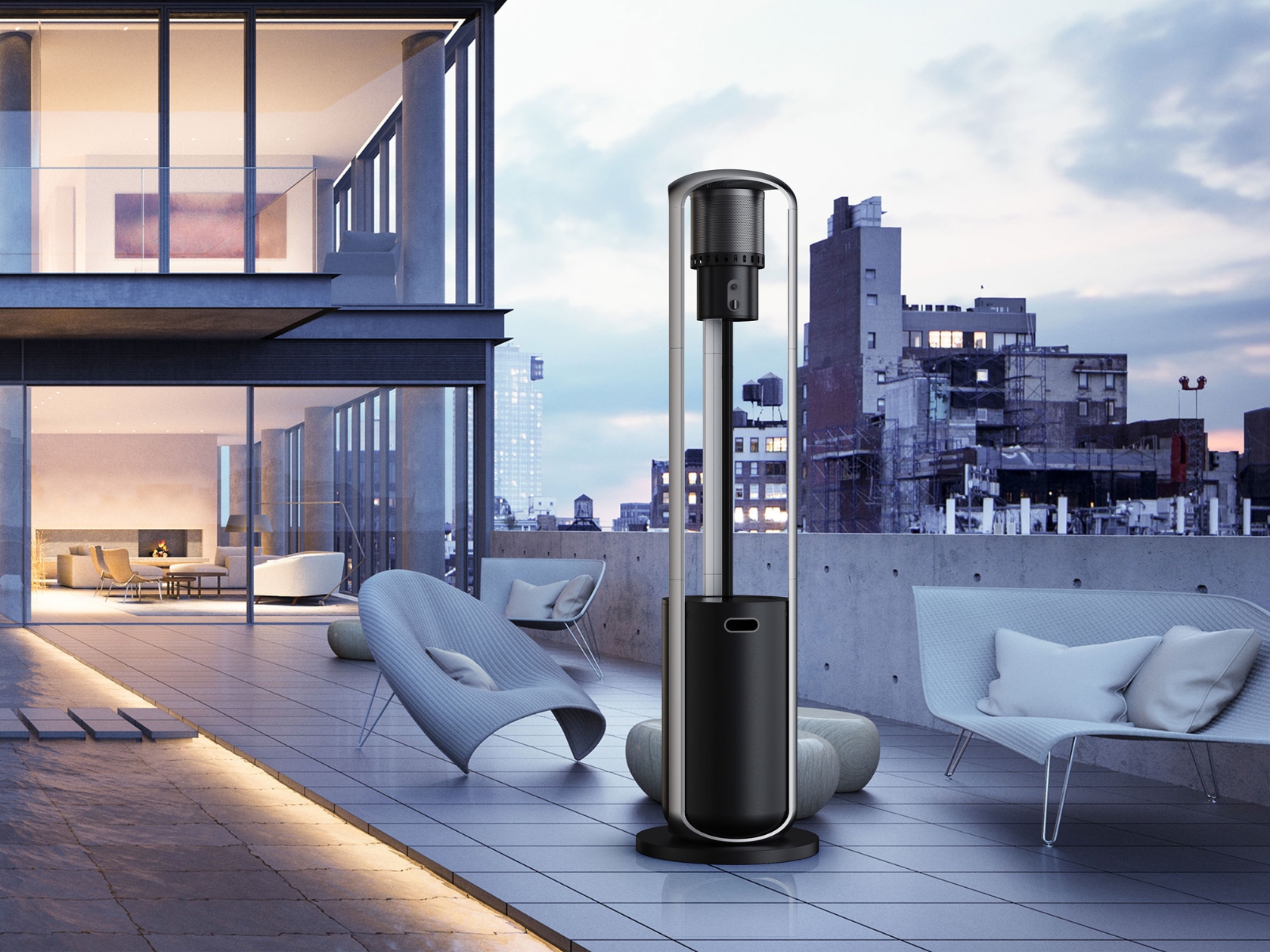
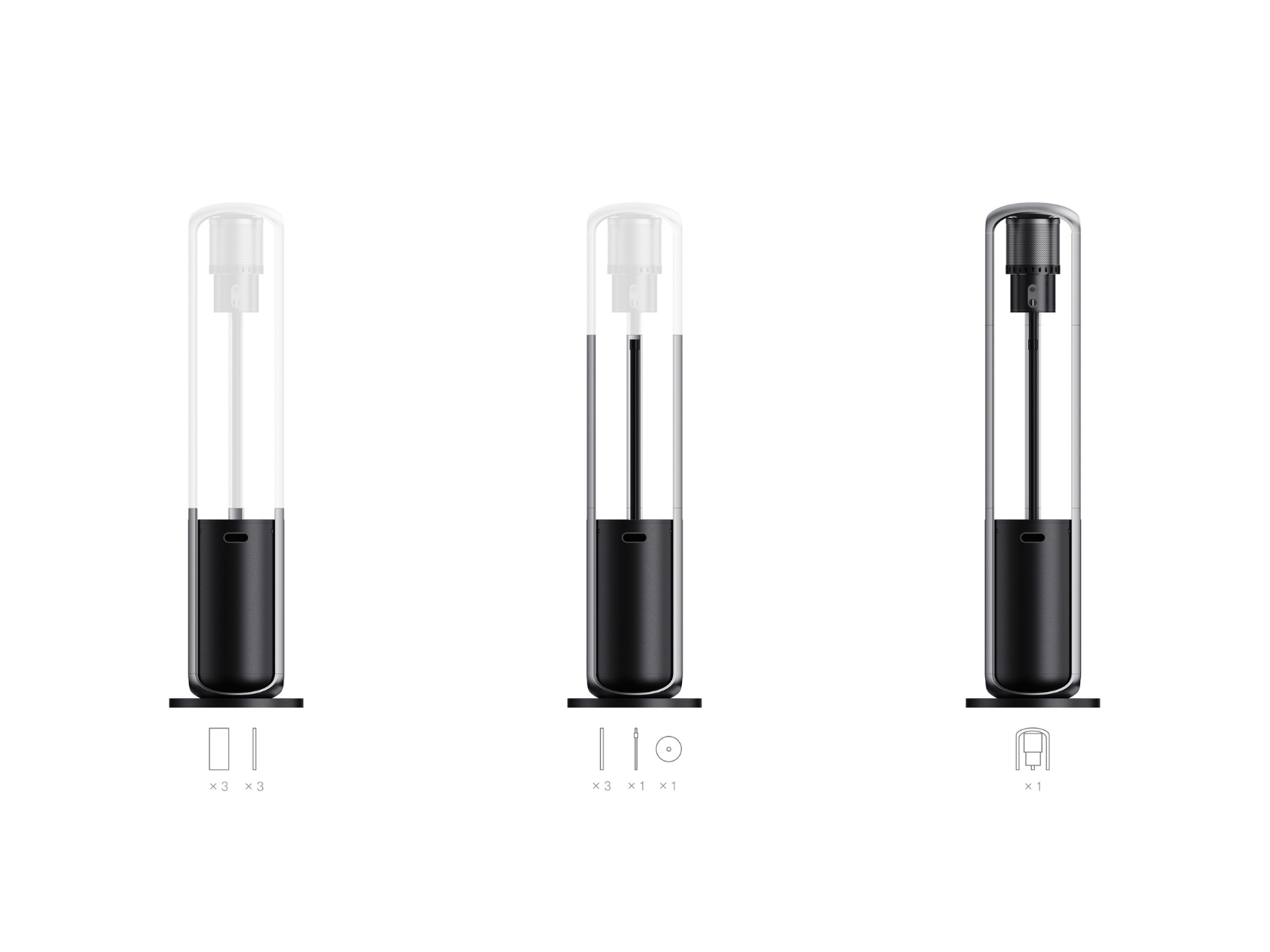
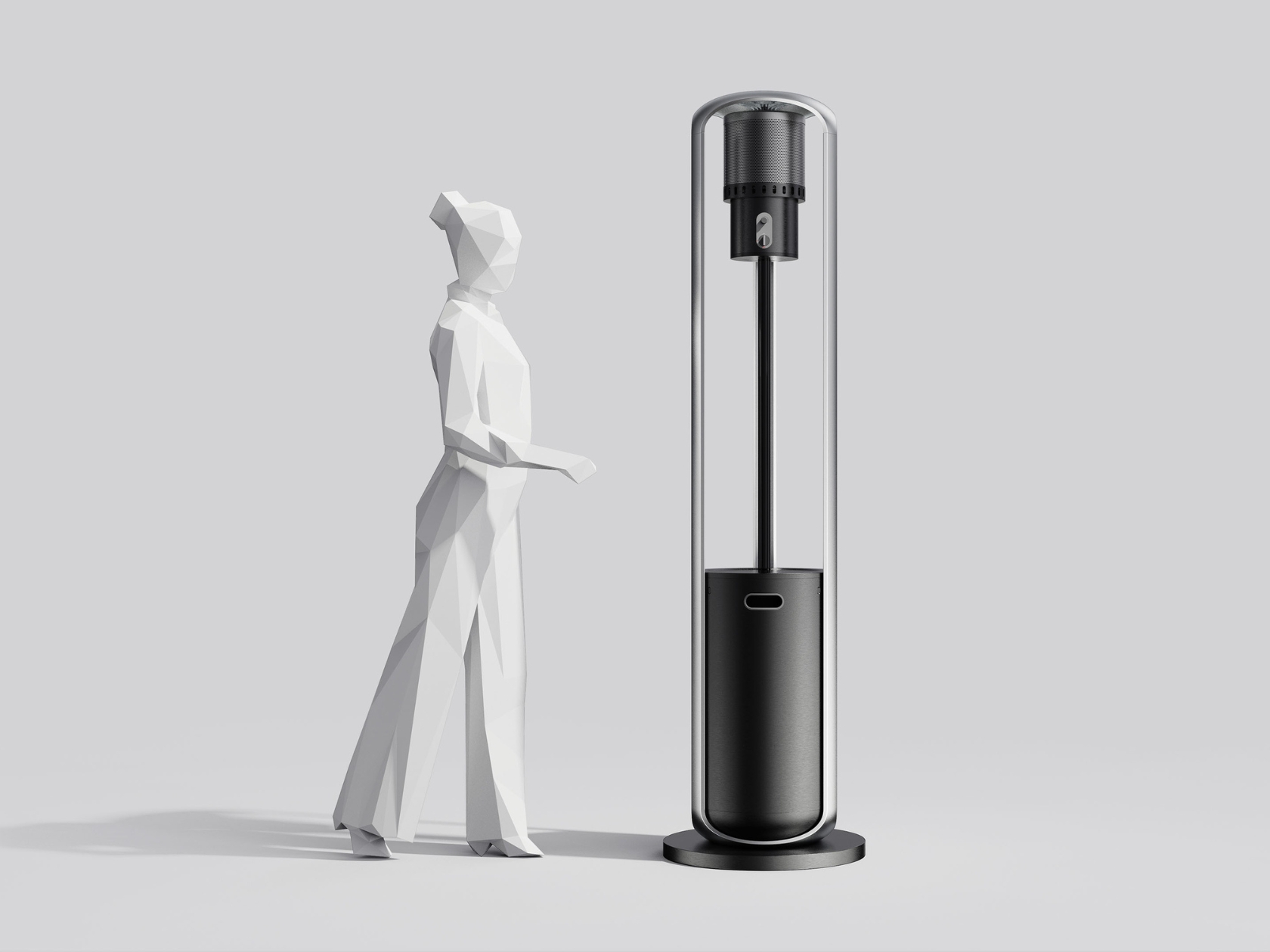
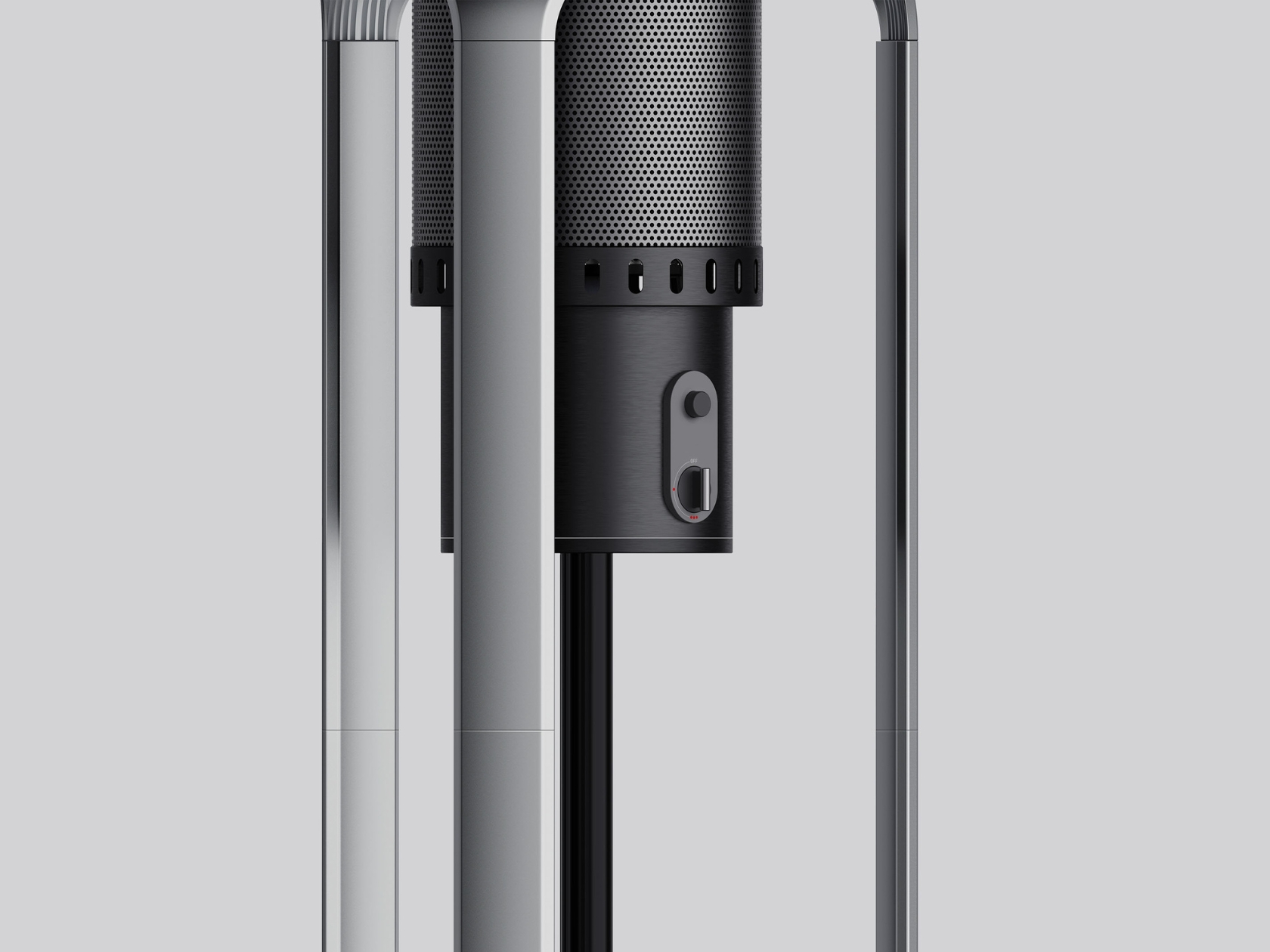
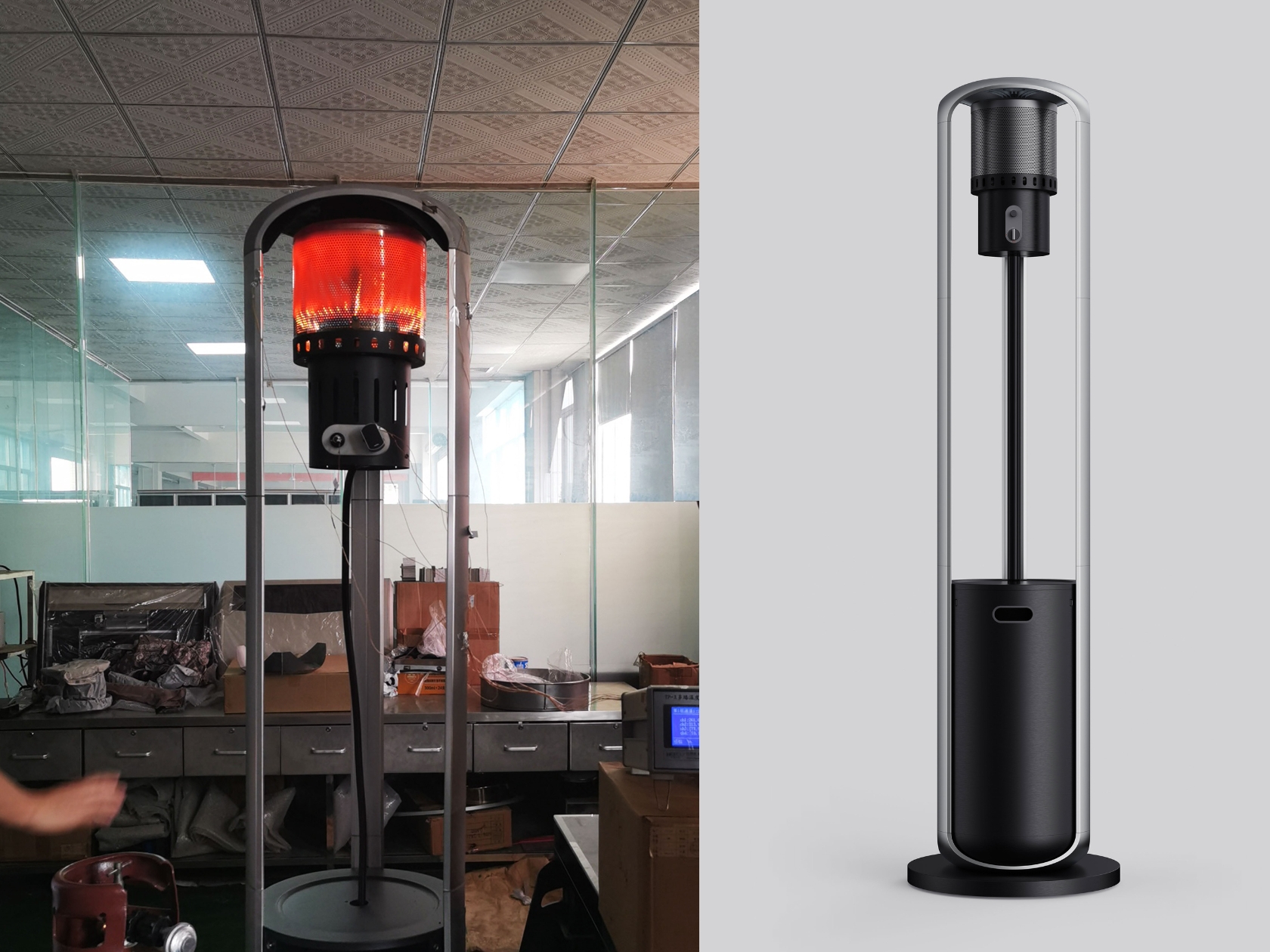
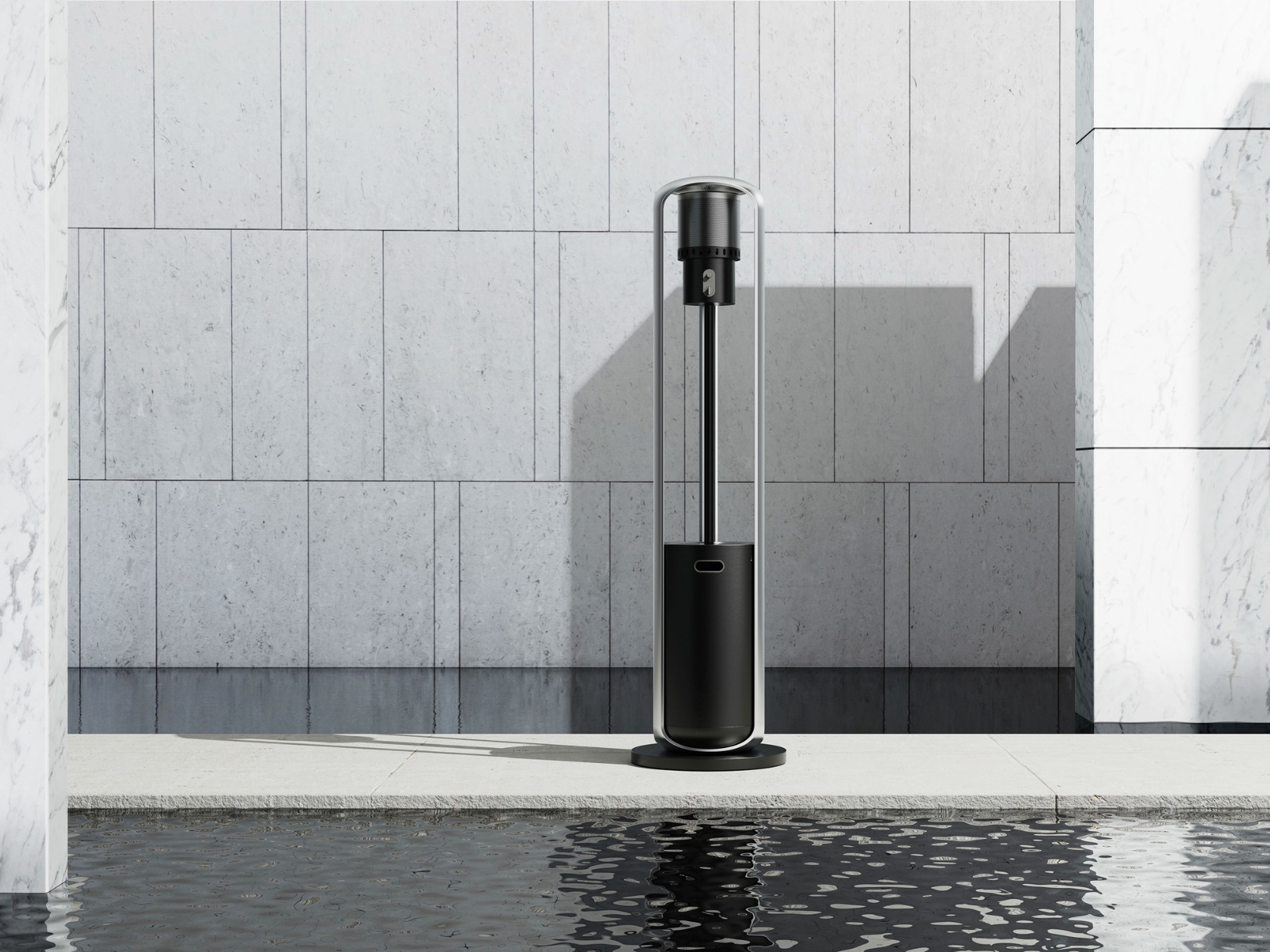
This concept for an outdoor heater called Terra Hiker is meant to be placed in places like outdoor cafes, backyards, camping sites, etc. It can heat up to 30 square meters as it has a heating power of 16KW (55,000 BTU). The 13-kilogram propane tank that comes with it can burn up to 38 hours so you can enjoy heated temperature for several hours.
It actually looks like a machine from a sci-fi movie or show with its geometric cutting design and its capsule-like shape. I feel like a creature will arrive at any time but thankfully, heat is the only thing that will come out of it. It is made up of pre-assembled modes so you can assemble everything in around 15 minutes (providing you follow/understand the instructions).
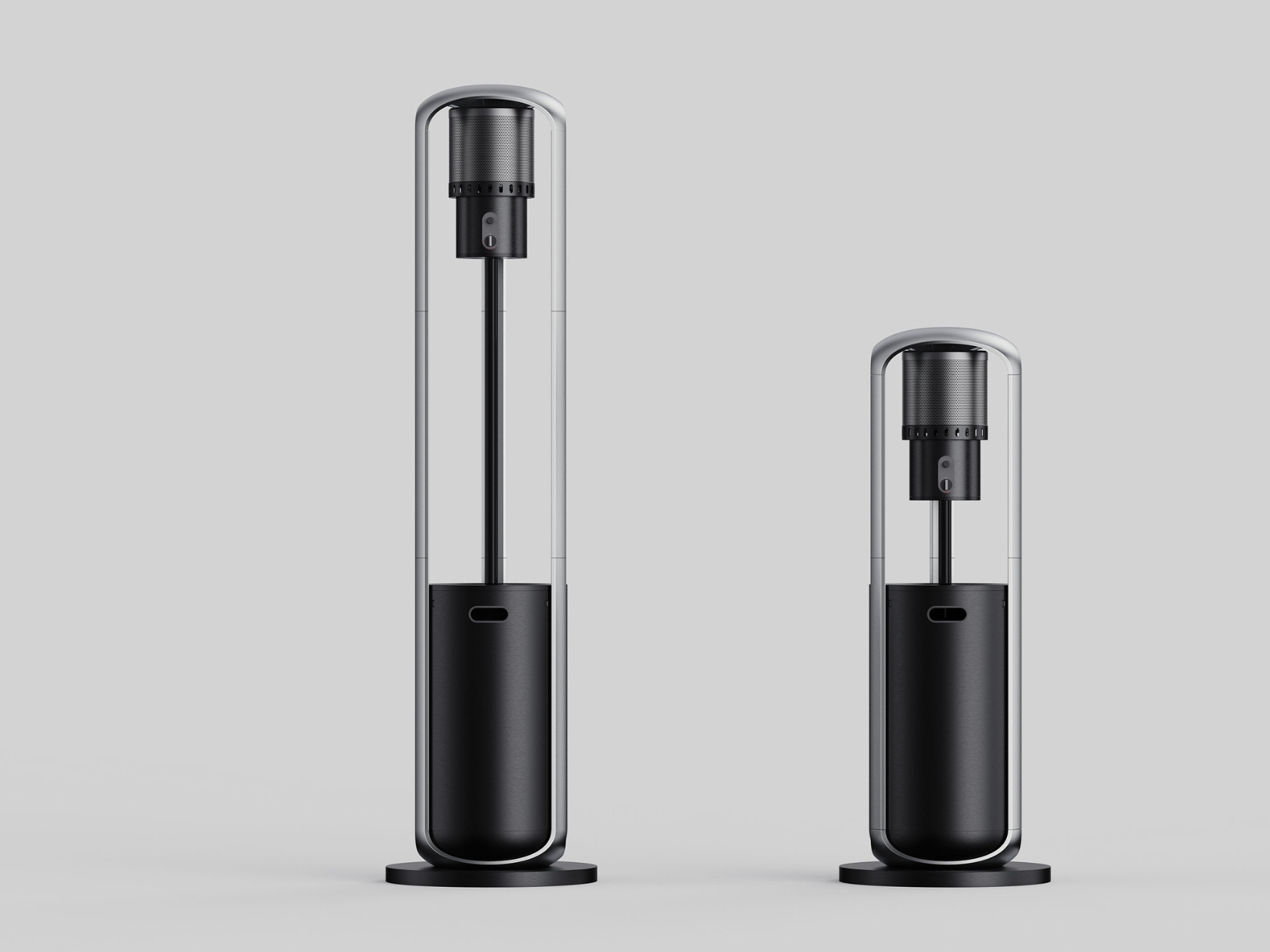
The outdoor heater can be installed in two different ways so you get two height options which adjusts to your need and how you’ll use it. The prototype shows it’s easy to move around although it’s not really that portable because of the propane tank aspect. But it’s well-designed enough that it won’t be an eyesore to your outdoor space.
When I see pillars of light from the sky, my mind immediately goes to alien abductions, thanks to sci-fi movies and shows that show people being kidnapped by aliens on their ships. But light pillars are actually beautiful optical phenomenon that some are privileged to see in real life and not scary at all. To see it replicated in every day objects is pretty cool.
Designer: O_1 Design
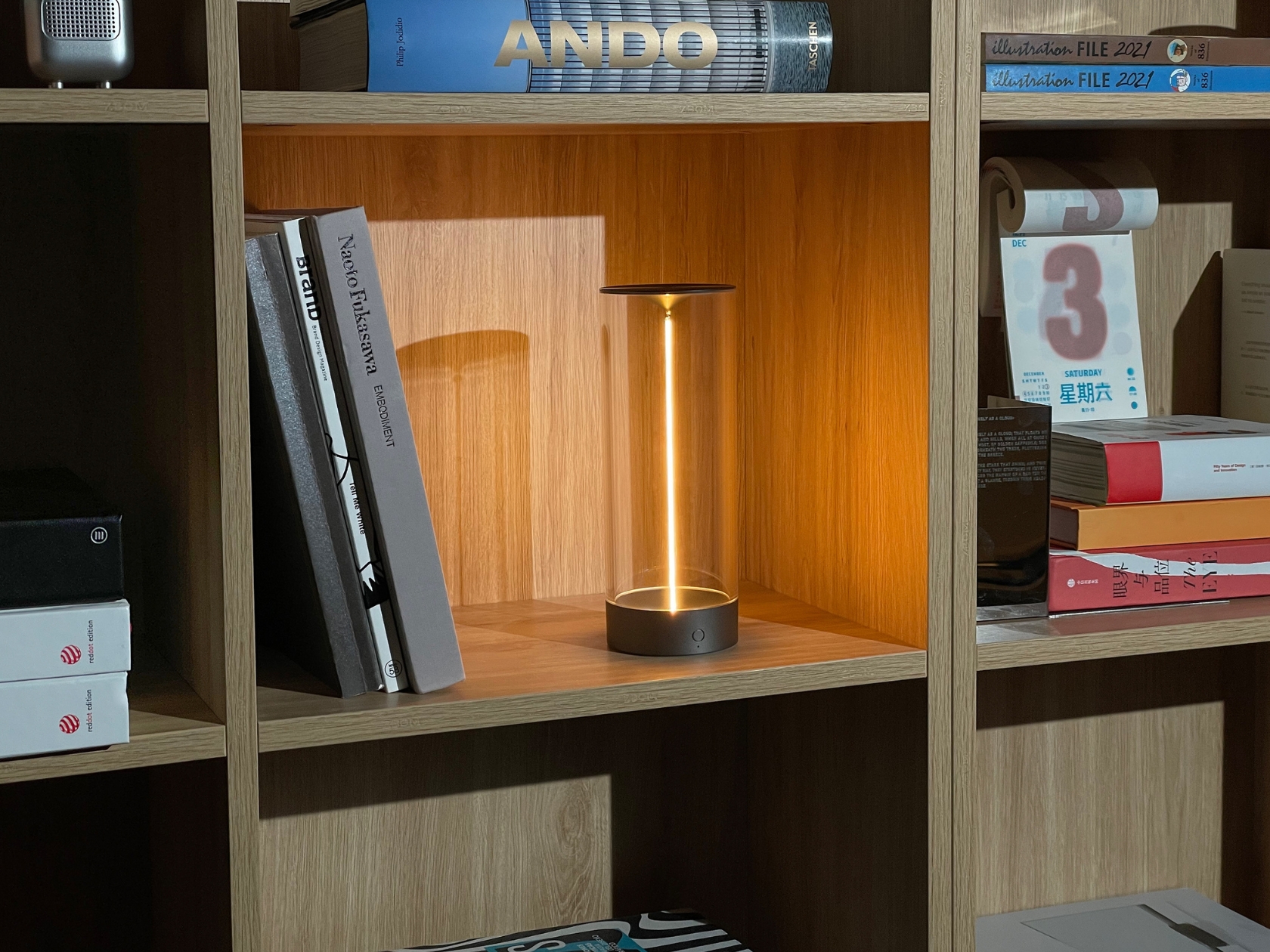
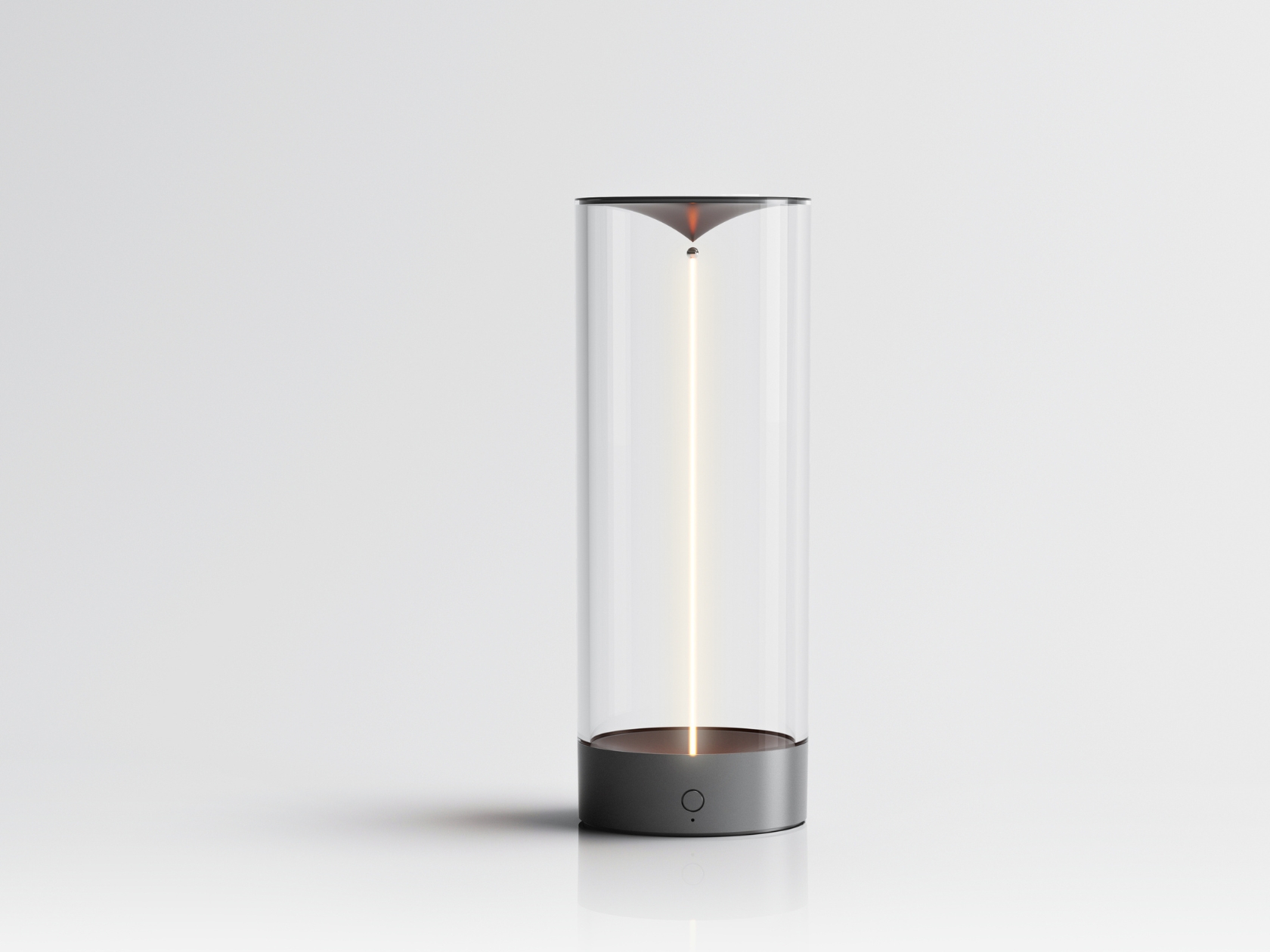
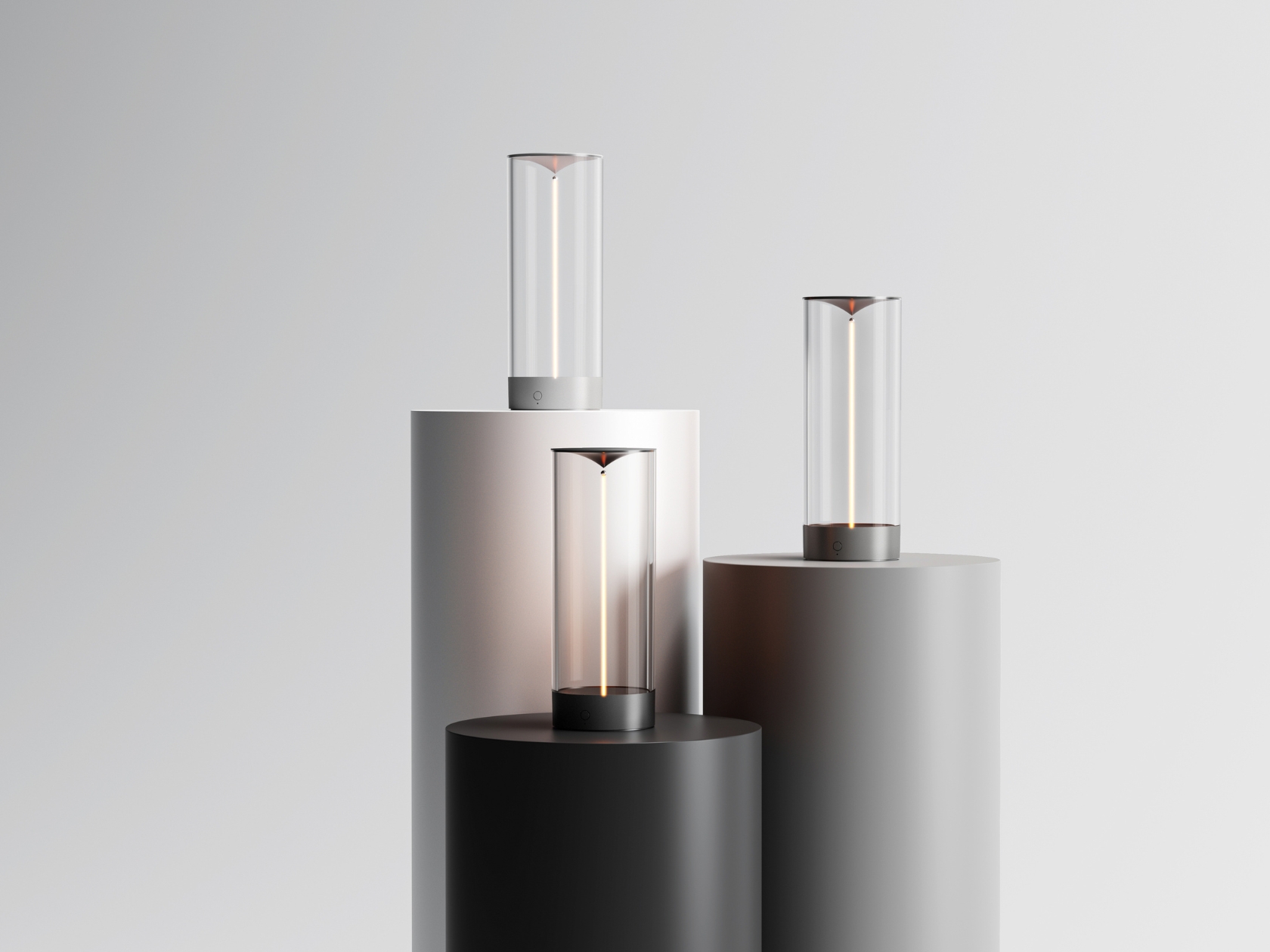
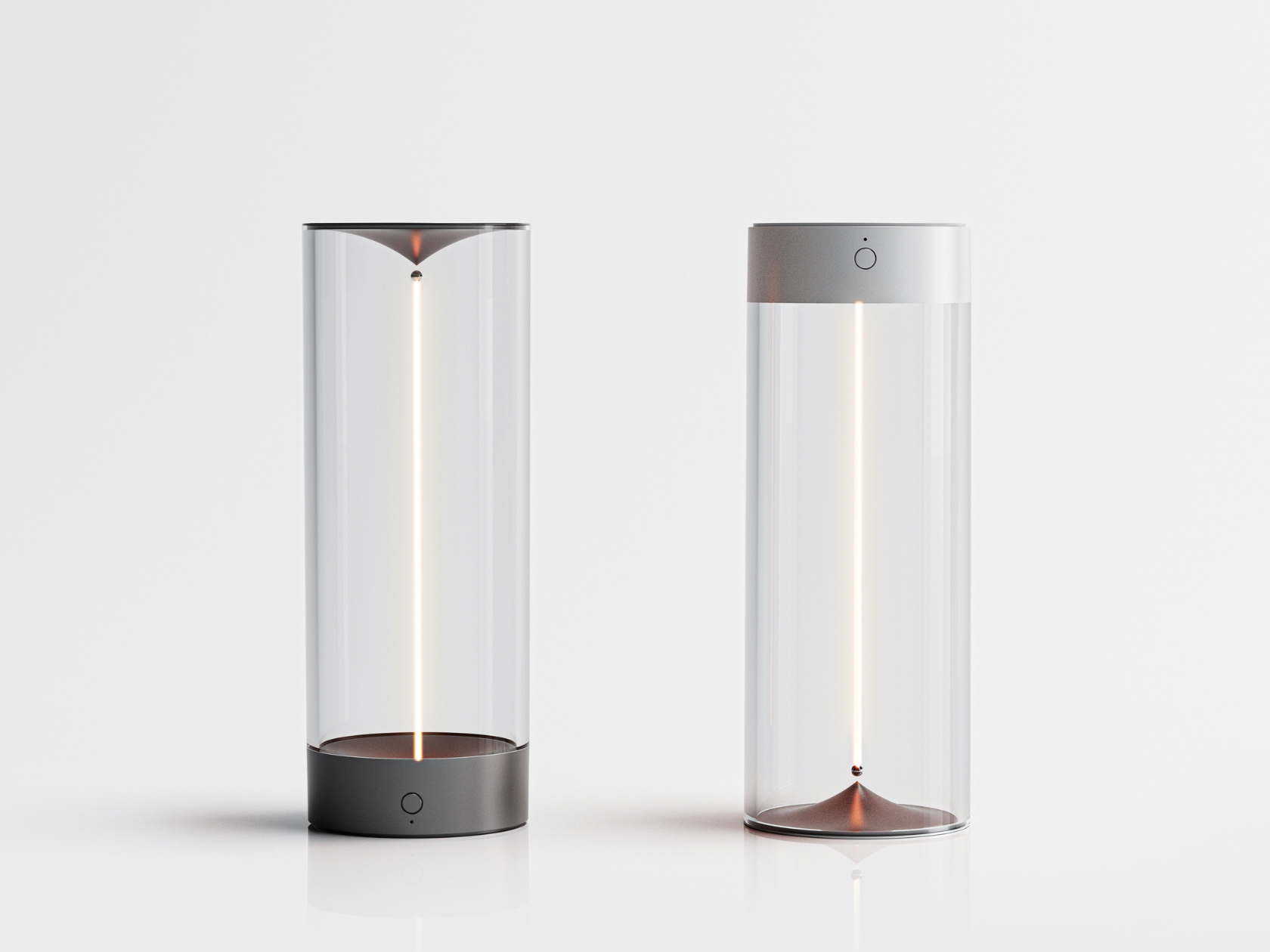
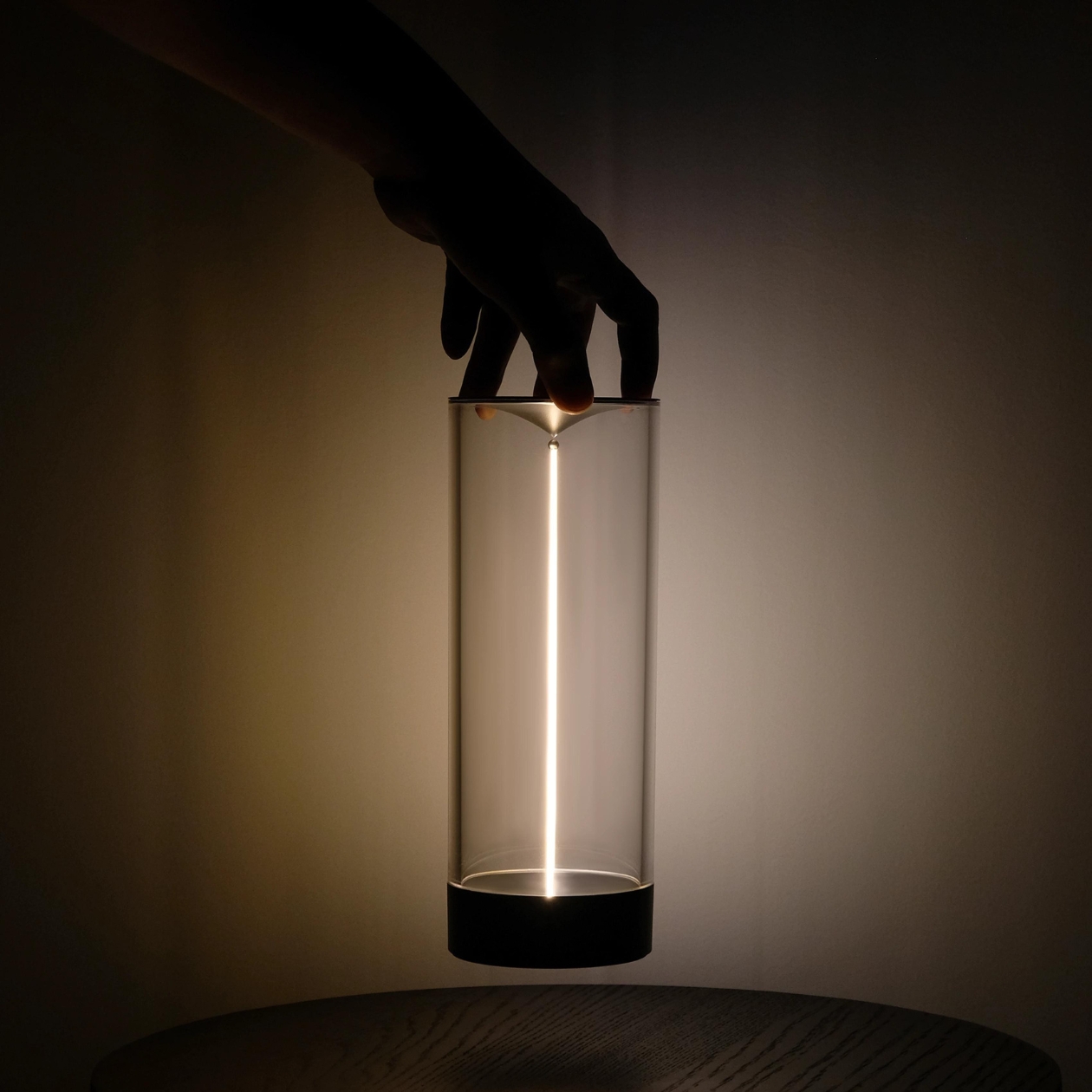
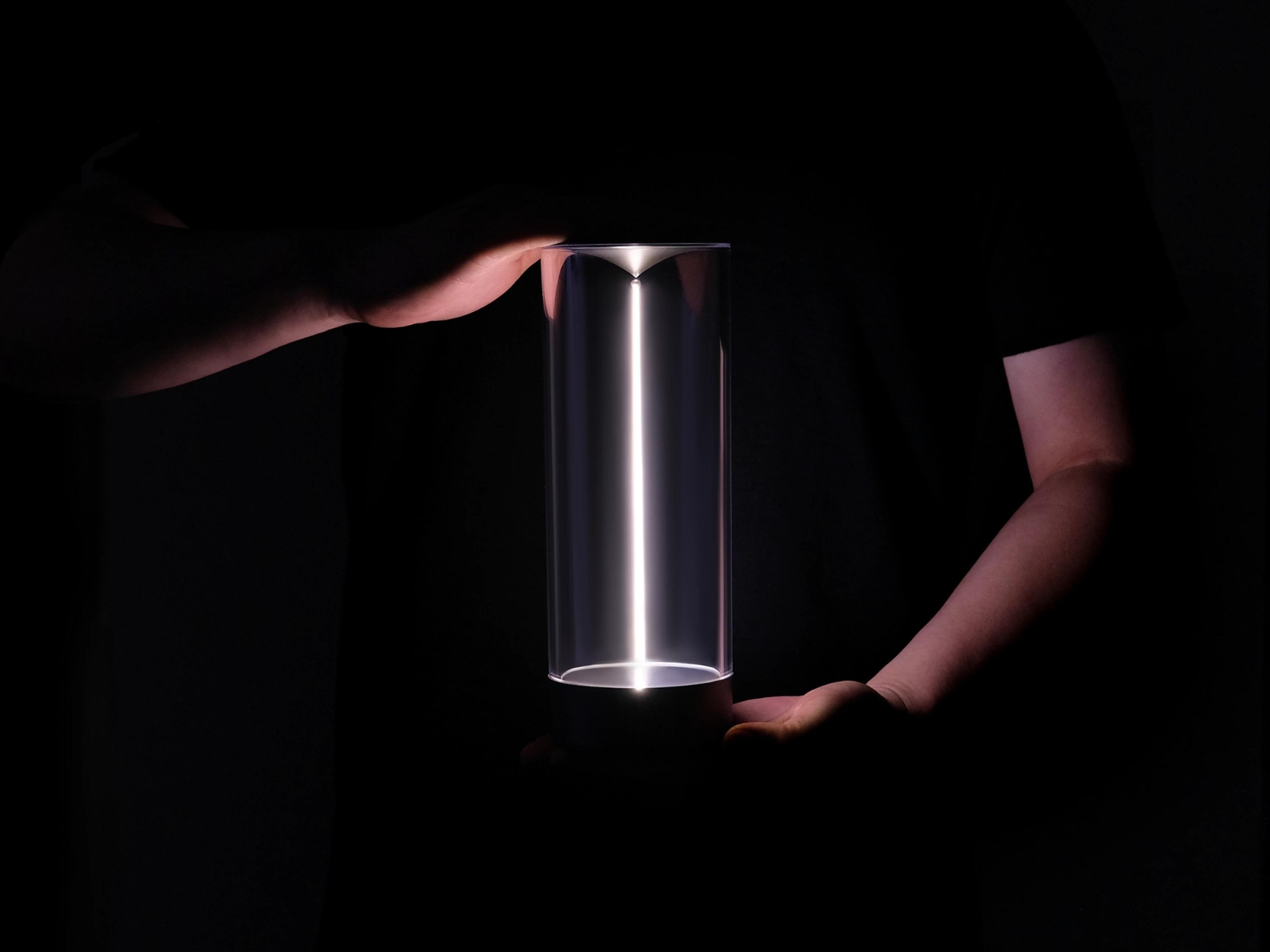
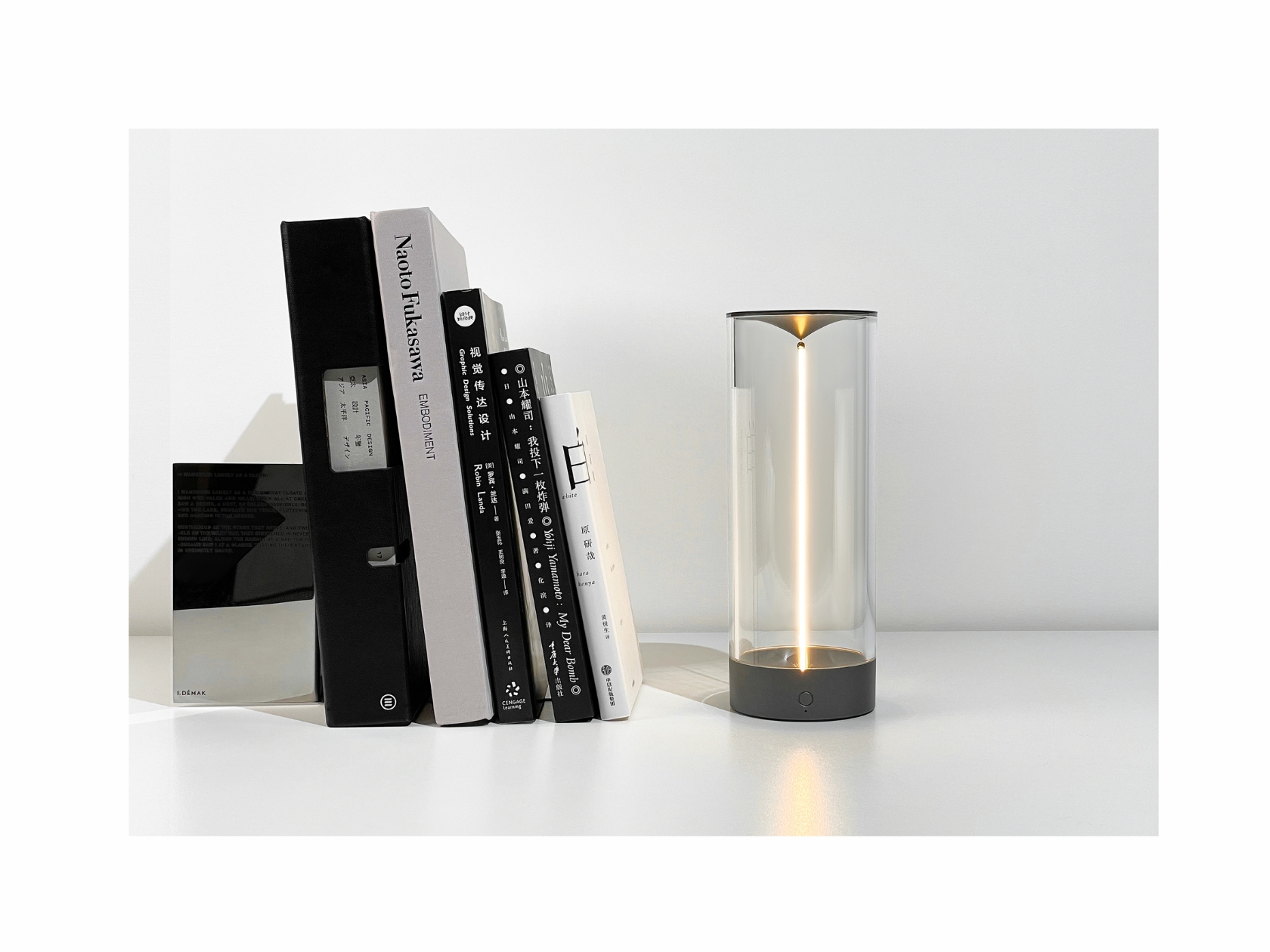
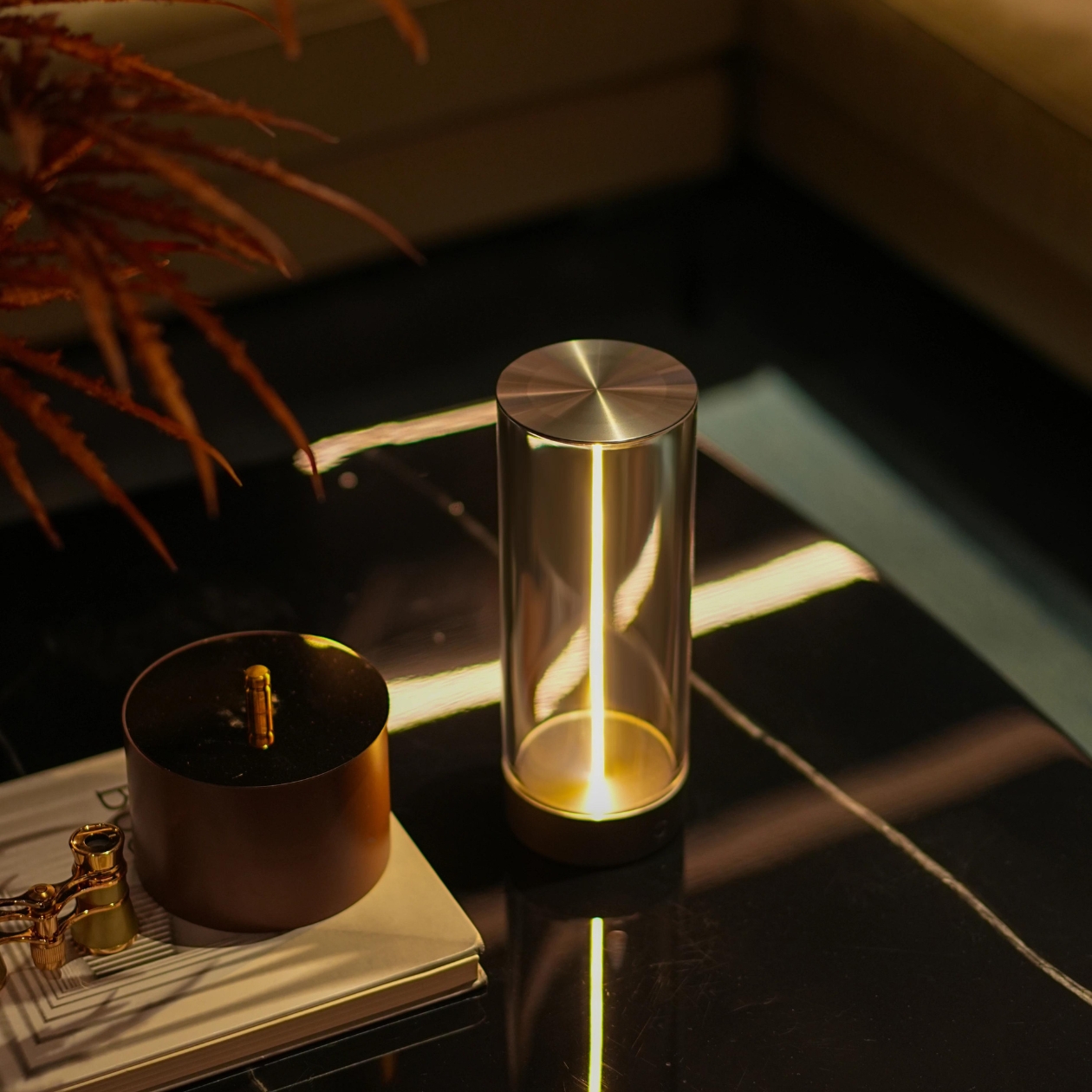
The Fila Night Mood Light by Auge Light takes its inspiration from light pillars to give an atmospheric and aesthetic lamp. Using a magnetic suction filament, they’re able to somehow connect “the sky and the ground” at least inside the lamp. They also use a magnetic suction ball to represent the “floating heart of a human being”.
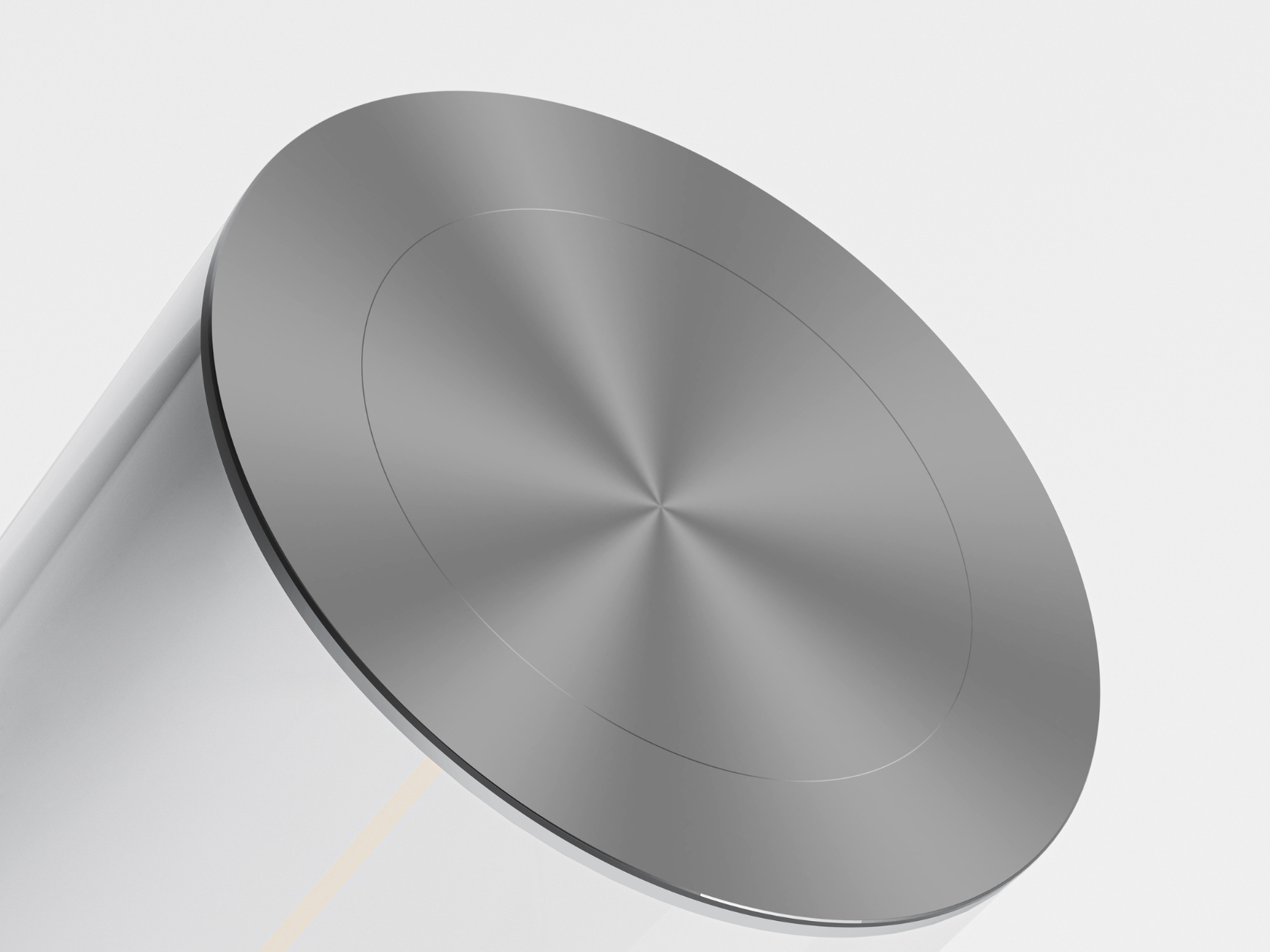
Basically you have a linear pillar of light shining inside this structure. You can control the brightness on three levels, with level 1 being 10%, level 2 at 50%, and if you want the full effect, you get 100% in level 3. It uses magnetic absorption LED to give you the lighting magic. You can also shake it to degauss (remove unwanted magnetism) the filament and invert the lamp body magnetic suction so the filament becomes vertical.
The mood lamp does look pretty especially when placed in dark areas as it adds a certain futuristic look to your space. I still feel like a UFO will pluck me from my house though especially as the top suction part looks like the entrance to an alien spaceship.
NASA scientists say pure sulfur has been found on Mars for the first time after the Curiosity rover inadvertently uncovered a cluster of yellow crystals when it drove over a rock. And it looks like the area is filled with it. It’s an unexpected discovery — while minerals containing sulfur have been observed on the Red Planet, elemental sulfur on its own has never been seen there before. “It forms in only a narrow range of conditions that scientists haven’t associated with the history of this location,” according to NASA.
Curiosity cracked open the rock on May 30 while driving in a region known as the Gediz Vallis channel, where similar rocks were seen all around. The channel is thought to have been carved by water and debris flows long ago. “Finding a field of stones made of pure sulfur is like finding an oasis in the desert,” said Ashwin Vasavada, Curiosity’s project scientist. “It shouldn’t be there, so now we have to explain it. Discovering strange and unexpected things is what makes planetary exploration so exciting.”
NASA/JPL-Caltech/MSSS
After spotting the yellow crystals, the team later used a camera on Curiosity’s robotic arm to take a closer look. The rover then took a sample from a different rock nearby, as the pieces of the rock it had smashed were too brittle for drilling. Curiosity is equipped with instruments that allow it to analyze the composition of rocks and soil, and NASA says its Alpha Particle X-Ray Spectrometer (APXS) confirmed it had found elemental sulfur.
This article originally appeared on Engadget at https://www.engadget.com/nasas-curiosity-rover-accidentally-uncovered-pure-sulfur-crystals-on-mars-211340580.html?src=rss
The global outage caused by a faulty update from cybersecurity provider CrowdStrike on Friday affected some 8.5 million Windows devices, Microsoft said in a blog post. The update triggered a blue screen of death, bringing systems used by hospitals, airlines, banks and other major services temporarily to a standstill. Only machines running Windows were affected.
While the issue was mostly resolved by Friday afternoon, Microsoft and CrowdStrike are still dealing with the fallout. In the blog post on Saturday, Microsoft’s VP of Enterprise and OS Security, David Weston, wrote that the company is working with CrowdStrike to “develop a scalable solution that will help Microsoft’s Azure infrastructure accelerate a fix for CrowdStrike’s faulty update.” Microsoft has also called in help from Amazon Web Services (AWS) and Google Cloud Platform (GCP).
CrowdStrike said in its own blog post on Saturday that the update — a sensor configuration update — “was designed to target newly observed, malicious named pipes being used by common C2 frameworks in cyberattacks.” Unfortunately, for devices running Windows 7.11 and above that use CrowdStrike’s Falcon sensor, it instead “triggered a logic error that resulted in an operating system crash.” The total number of devices affected worked out to be “less than one percent of all Windows machines,” according to Weston.
This article originally appeared on Engadget at https://www.engadget.com/outage-caused-by-crowdstrikes-disastrous-update-affected-85-million-devices-192703245.html?src=rss
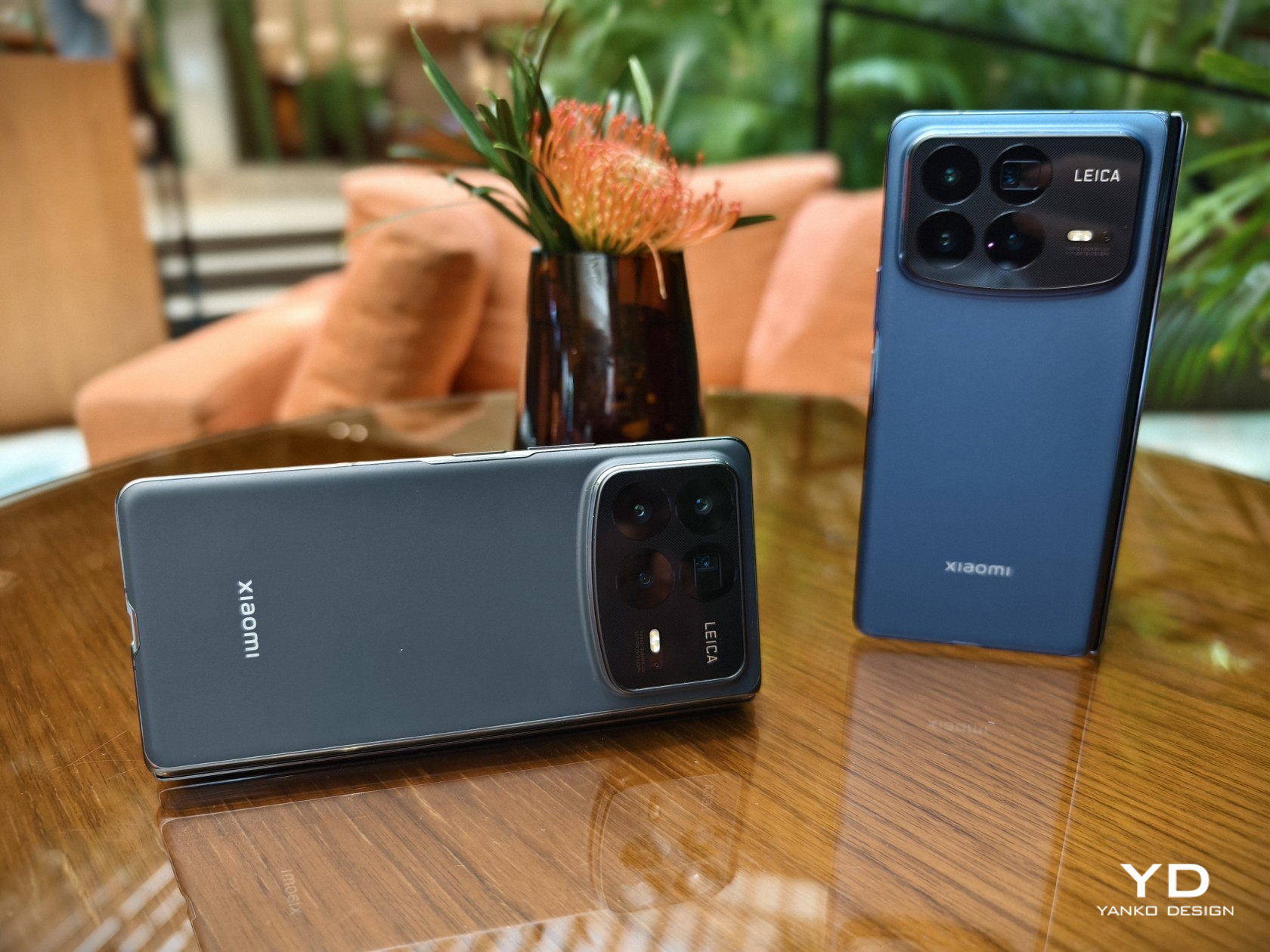
Despite what naysayers claim, there foldable phone market is showing no signs of disappearing or even slowing down. After all, we’ve barely scratched the surface of what these form-changing devices can truly become, especially when it comes to design. The book-style large foldable has been around for years, yet every generation still has some improvement to offer, whether it’s in durability, performance, or size. “Thin” is a description not often associated with this kind of smartphone, a kind that once felt like two phone slabs placed on top of each other. The Xiaomi MIX Fold 4 is challenging that preconceived notion with what is one of the thinnest foldables in the market, and we were able to get a hands-on experience to see what the fuss is all about.
Designer: Xiaomi
Blurring the lines between Foldables and Ordinary Phones
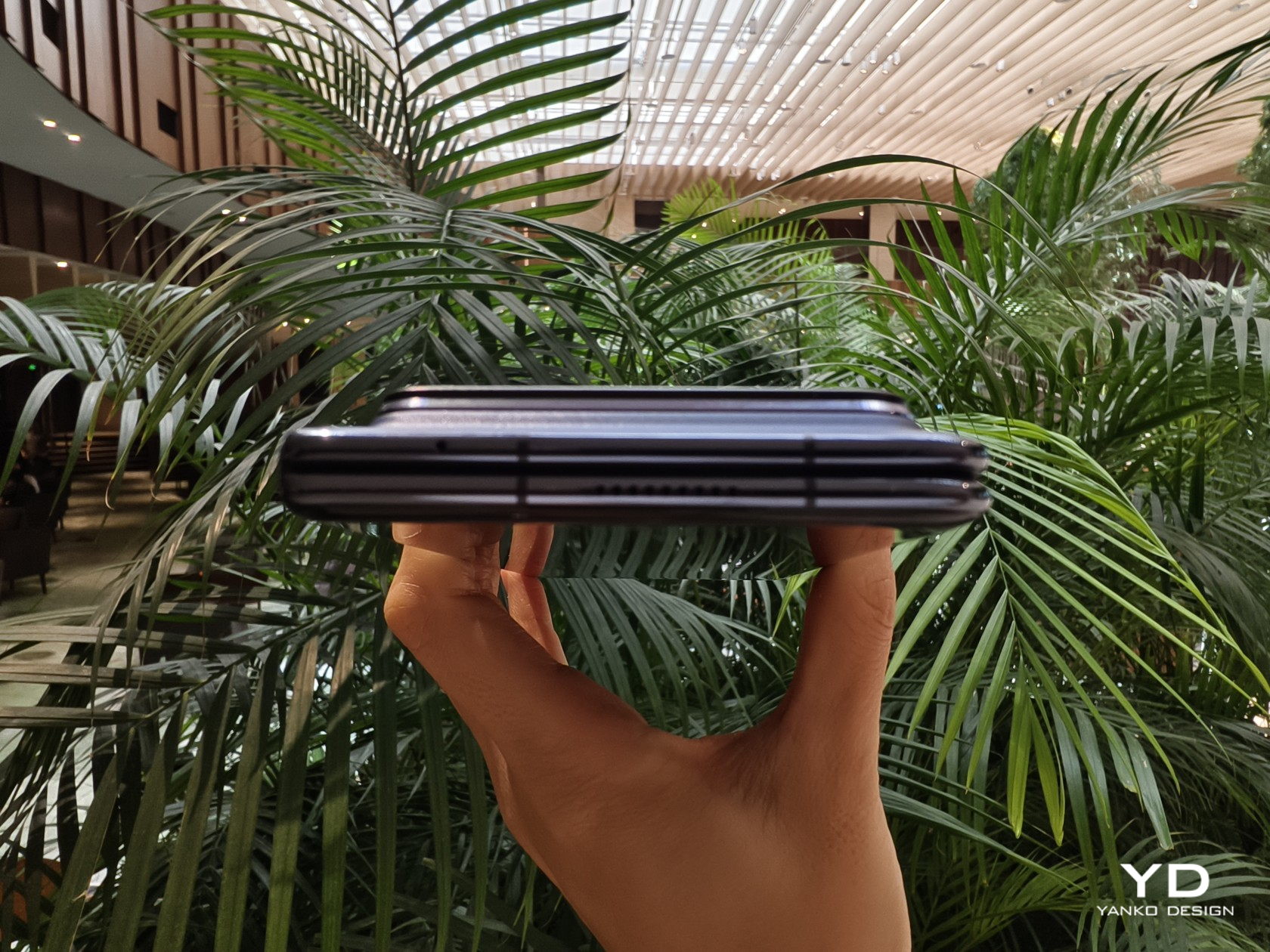
Next to the price tag and durability, one major concern that people have with foldable phones is their sizes. Admittedly, the earliest design iterations didn’t have the benefit of hindsight, but they were rather bulky and heavy when folded, a far cry from the regular phones we carry in our pockets. On its fourth generation, Xiaomi is really pushing the limits of foldables with a design that is getting really close to what people have become used to with non-foldable phones.
The Xiaomi MIX Fold 4 is crazy thin when laid open flat at 4.59mm, and with a 9.47mm thickness when folded close, it’s just 1mm shy of traditional phones. It’s also only 226g light, which is slowly getting closer to our definition of “normal.” Xiaomi credits no less than three technologies for this feat, like using lightweight yet durable carbon fiber materials in a few key parts. That said, the cover screen’s 21:9 aspect ratio still falls under the “tall and narrow” shape that has made many foldables like this a bit awkward to use. Aside from that, however, it’s really refreshing and delightful to hold such a thin and lightweight device.
More (Power) for Less (Space)
There are several consequences to shrinking the space inside a phone, from having less room for the battery or constricting airflow and affecting cooling. That’s even more problematic for foldable phones that have split their components, especially the battery, on two sides. You’d expect that a thinner foldable would have fewer features, but Xiaomi managed to surprise us yet again.
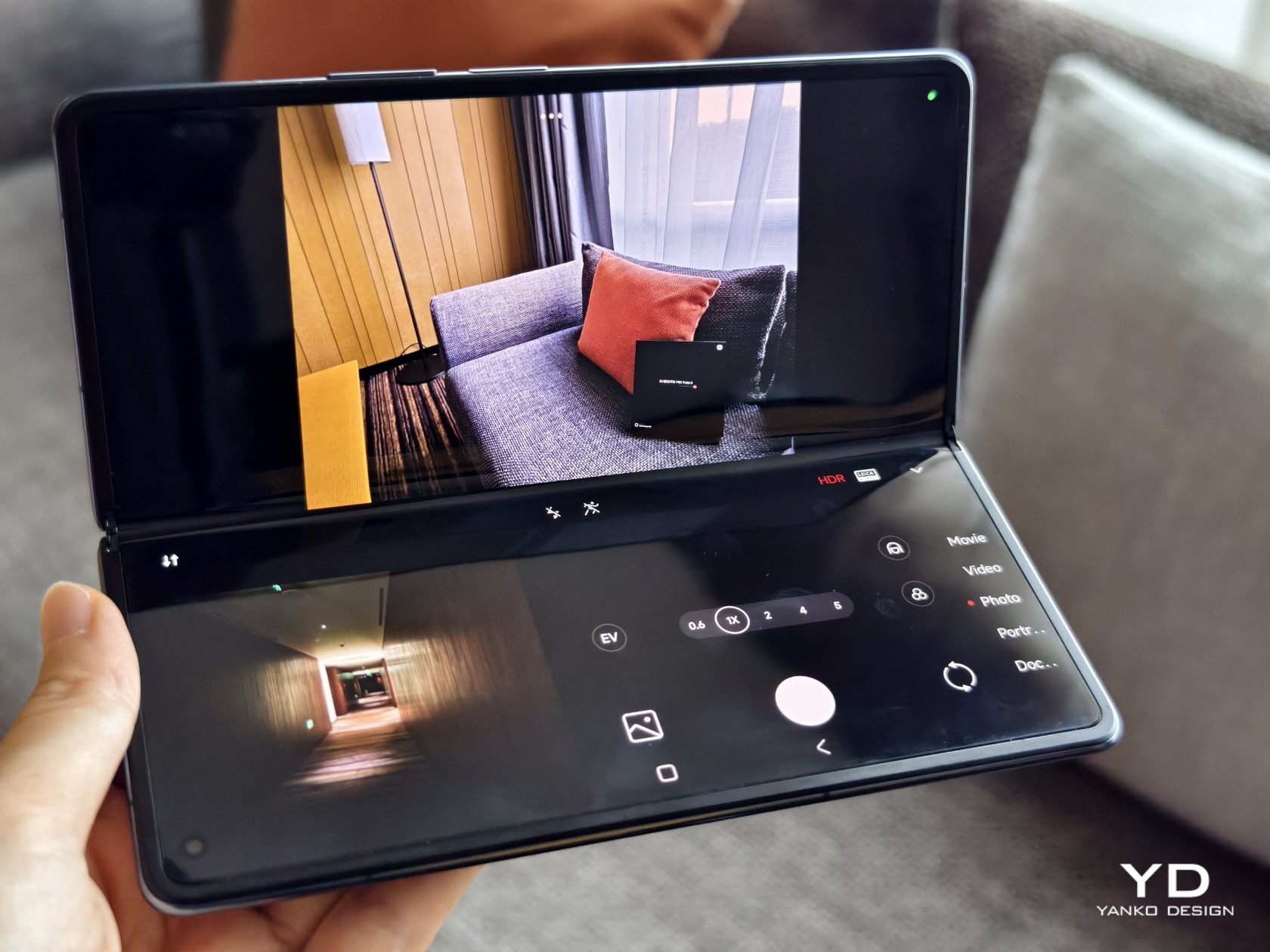
It’s already expected that the MIX Fold 4 will have the latest Snapdragon 8 Gen 3 processor and high-end memory, but getting a 5,100mAh battery that’s larger than its thicker predecessor is pretty impressive. Xiaomi didn’t skimp on the screens either, both with nearly identical capabilities, save for their sizes and aspect ratio. Unfortunately, our brief experience with the large foldable did disappoint us with a visible crease, a design flaw that’s already being squeezed out of other foldables. To be fair, though, you get used both to the appearance and even the feel of the crease so your mind begins to filter out its presence.
Big in Photography
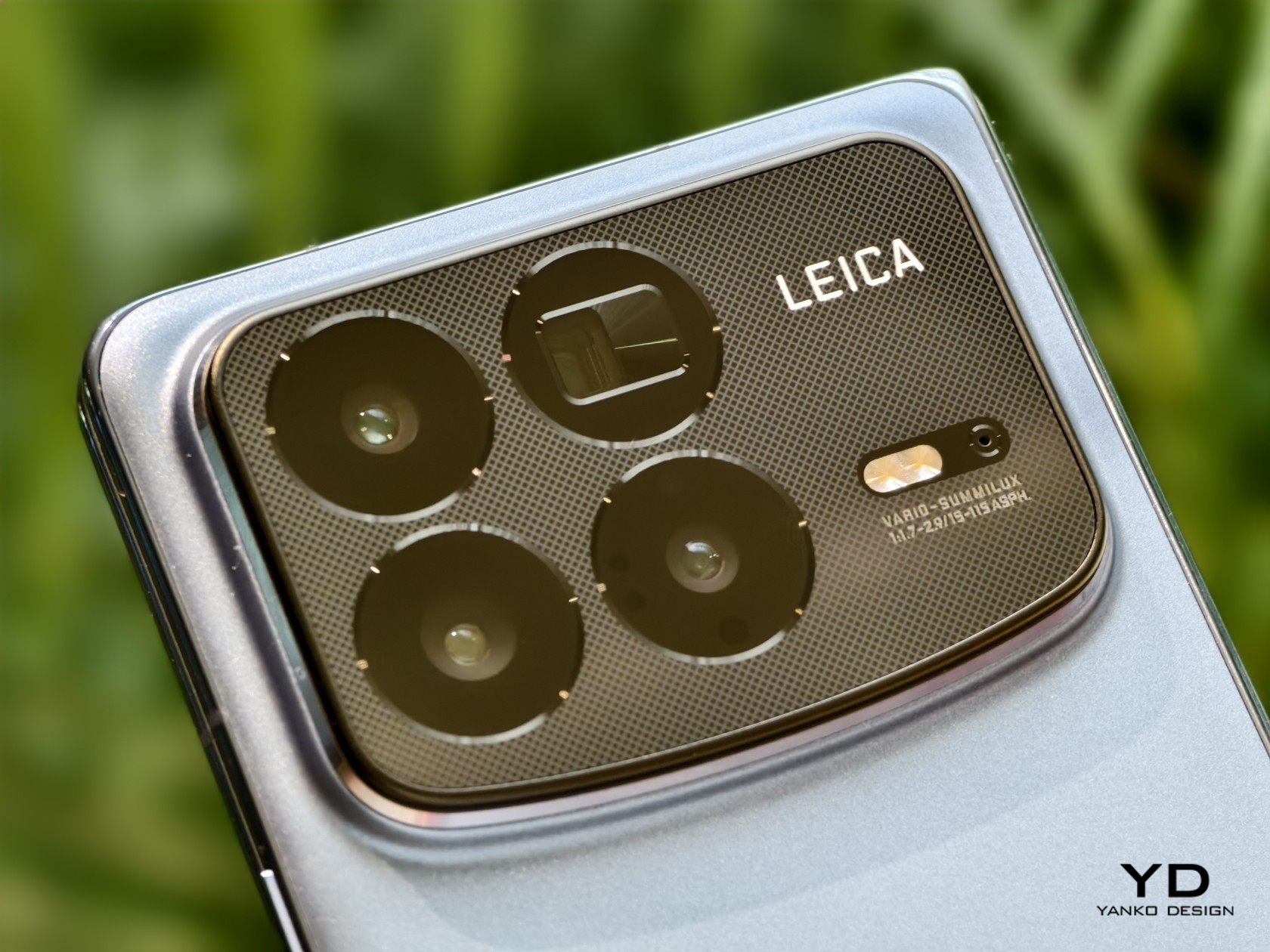
Whatever improvements Xiaomi made when it came to making the MIX Fold 4 extra-thin goes out the window when you see how thick the camera bump is, almost as thick as the (unfolded) phone itself. The raised box has a somewhat asymmetrical design where the lower edge curves down ever so slightly. There’s a grid pattern on the glass surrounding the cameras, and it’s actually a texture that you can feel with your finger. It’s a nice touch, but one that seems a bit out of the left field.
You will, however, forgive that slight design oddity when you witness the results of the four cameras on the MIX Fold 4’s back. There’s a 50MP main shooter with all the bells and whistles you’d expect, and it’s joined by not one but two 50MP telephoto cameras, one with a floating-style lens used for portrait and macro photography, the other with a periscope-style lens with 5x optical zoom. The ultra-wide camera has a 12MP sensor that’s admittedly just a small step higher than the typical measly 8MP. It still needs rigorous testing for verification, but what we’ve seen so far is enough to consider that large camera bump well worth the sacrifice.
Final Thoughts
Almost everyone (except Apple, of course) is making a foldable phone these days, and the competition is heating up as more players join the race. It’s no longer enough to just have the latest specs or a durable hinge, you also need to push the envelope of design and performance to catch up with non-foldable flagships. With one of the thinnest and lightest designs in this segment and a quad-camera system that could be on par with the latest and greatest, the Xiaomi MIX Fold 4 is inching closer to that ideal where there will be very little reason to opt for a non-foldable phone.
While we had to part ways with the MIX Fold 4, be sure to be on the lookout for our review of the Xiaomi MIX Flip, the brand’s first foray into the land of compact clamshell foldables.
Sukeban Games is working on what it describes as a "cyberpunk active time action" game with a battle system that's similar to Parasite Eve. In a blog post, Chris of Sukeban has officially announced.45 PARABELLUM BLOODHOUND, featuring a mercenary named Reila Mikazuchi as its protagonist. Enemies can attack you from anywhere while you're exploring environments in the game, and you'll have to dodge and wait for an action bar to fill before you can launch a counterattack. The action bar fills at a speed based on your character and weapon stats, so the stronger you get, the faster you can fight back.
While the announcement doesn't have a in-depth explanation of the game's plot, Chris describes its story as follows: "You play as Reila Mikazuchi; a washed out mercenary whose glory days are long gone. In a last attempt at grabbing life by the horns she decides to go back to the life, only to realize the real enemy isn’t in front of her gun."
The indie developer is planning to make seven chapters for the game, and five are already done and playable. It has yet to announce a release date, though, so as not to repeat its "N1RV ANN-A situation." Sukeban is the developer behind the cyberpunk bartending "booze-em-up" game VA-11 HALL-A, which is set in a post-dystopian world with a corporate-controlled society.
VA-11 HALL-A was wildly successful for an indie title, and Sukeban announced a sequel called N1RV ANN-A: Cyberpunk Bartender Action back in 2018 after it hit 200,000 copies sold. The developer hasn't released N1RV ANN-A yet despite announcing a 2020 launch date, and it doesn't look like we're seeing it anytime soon. Chris said .45 PARABELLUM BLOODHOUND is "significantly ahead in development" and that the developer is dedicating its "full attention to it for the foreseeable future."
Sukeban has also released the first trailer for .45 PARABELLUM BLOODHOUND, and you can watch it below.
This article originally appeared on Engadget at https://www.engadget.com/45-parabellum-bloodhound-is-a-cyberpunk-rpg-by-the-developer-of-va-11-hall-a-180043556.html?src=rss