Apple Notes Quick Notes Guide for Mac, iPhone, iPad & Apple Watch

Apple Notes Quick Notes Guide for Mac, iPhone, iPad & Apple Watch Apple Notes Quick Notes Guide 2026

Have you ever had a brilliant idea slip away simply because you didn’t jot it down in time? In a world where distractions are constant and inspiration is fleeting, capturing your thoughts quickly and efficiently has never been more important. John Lenaghan breaks down how Apple Notes can become your ultimate quick-capture system, offering seamless […]

The post Apple Notes Quick Notes Guide for Mac, iPhone, iPad & Apple Watch appeared first on Geeky Gadgets.

Posted in Uncategorized

Edrin 6-in-1 Carabiner-Knife Lives on Your Belt, Not in Your Bag

You technically own the right tools: a knife in a bag pocket, a small driver in a drawer, a keychain gadget somewhere under receipts. But when something needs cutting or tightening, the moment passes while you are still searching. The real problem isn’t capability but access, and the tools you actually use are the ones that live where your hand already goes instead of being buried at the bottom of a pack.

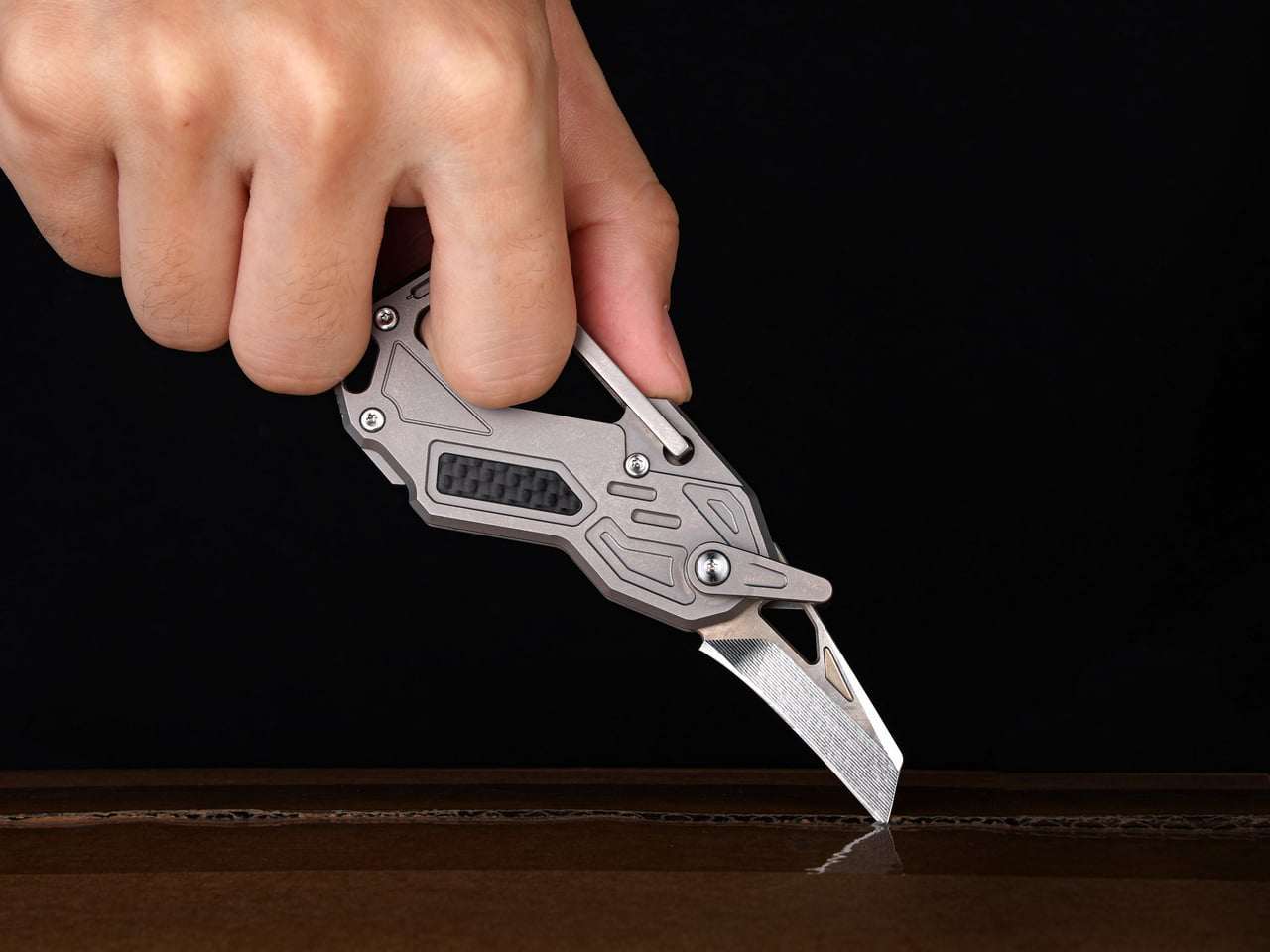
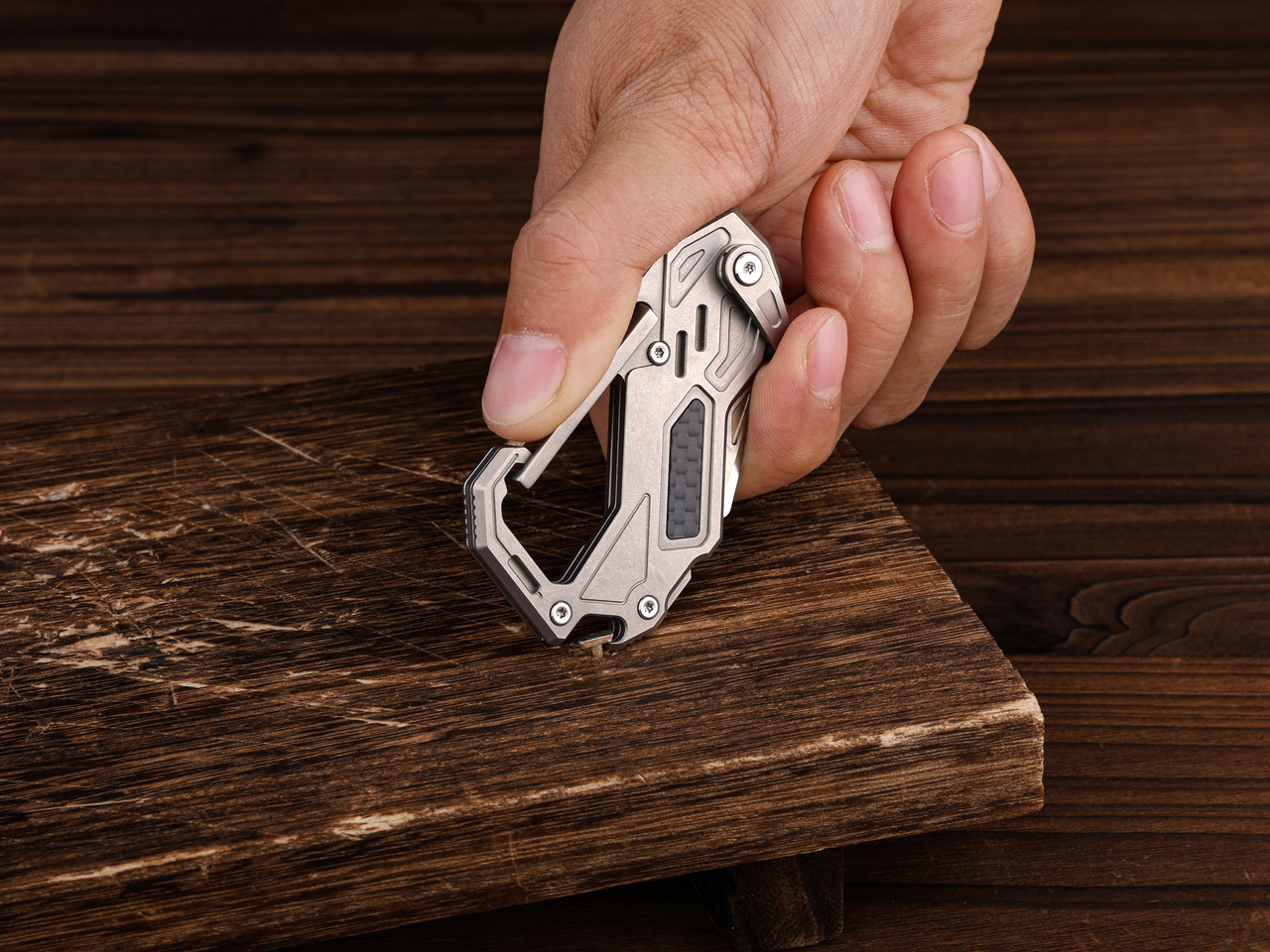
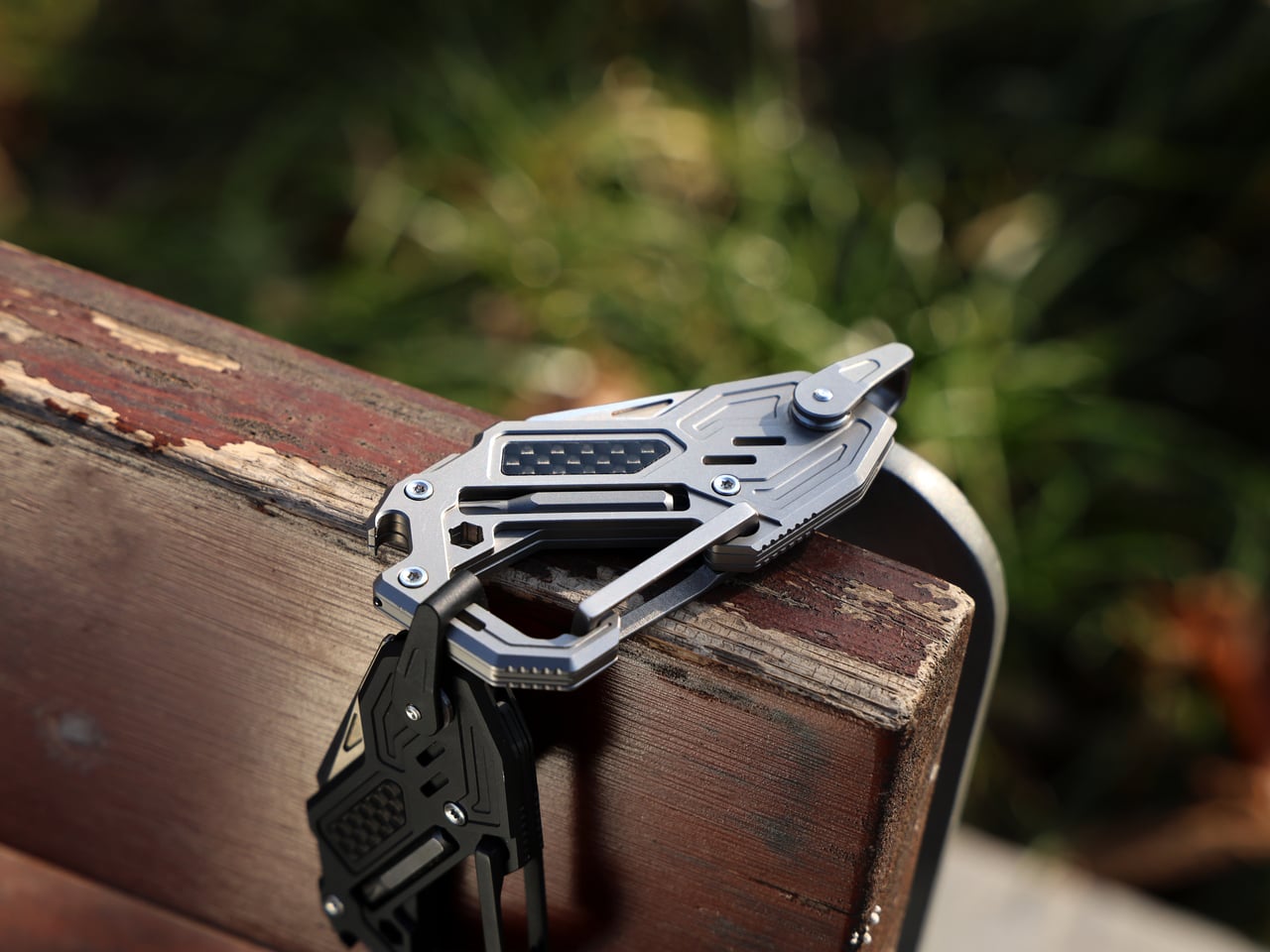
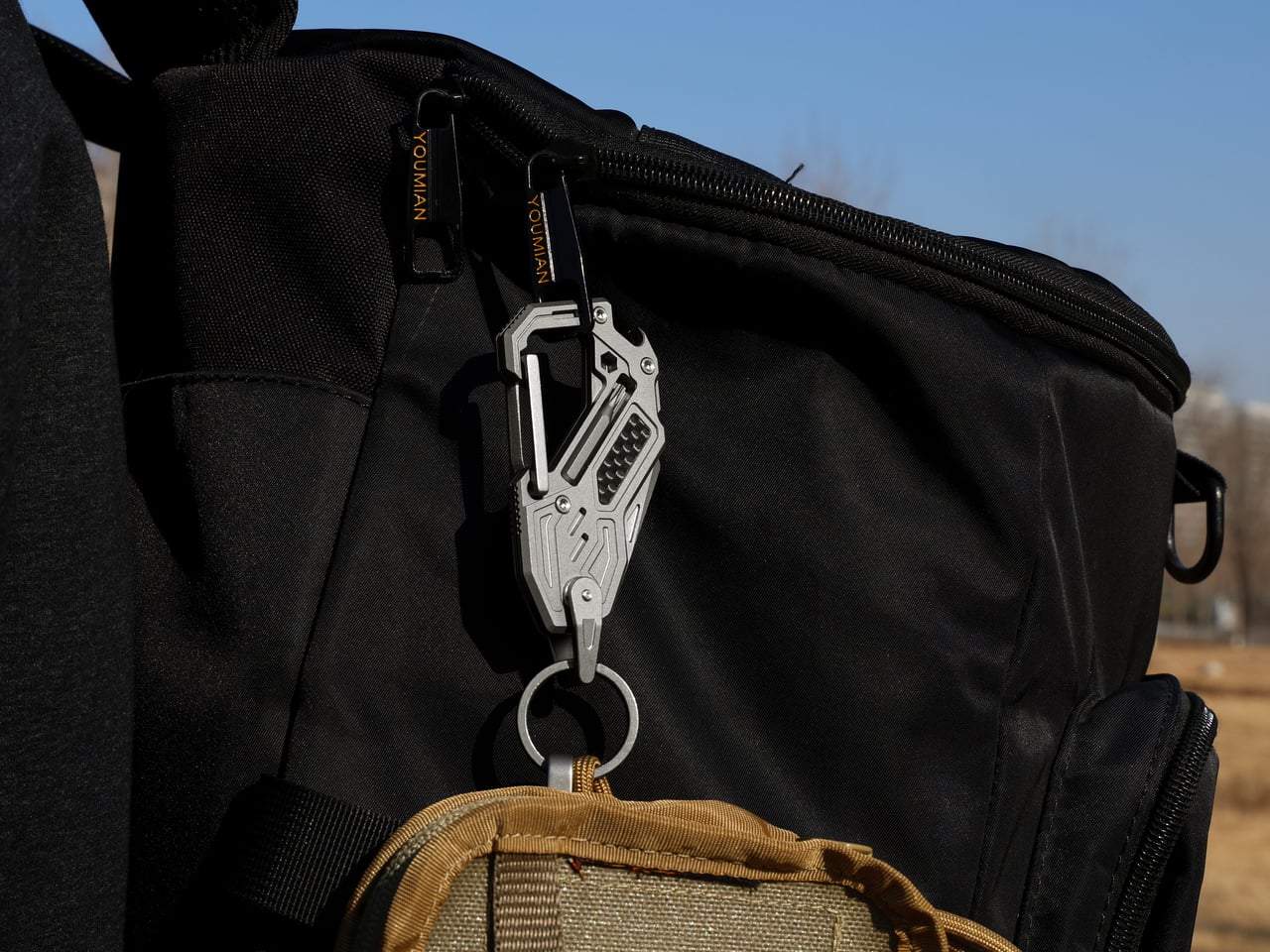
Edrin is a titanium carabiner-first knife that treats the clip, not the blade, as the starting point. It is a compact 6-in-1 tool built around a GR5 titanium frame with an integrated carabiner, a separate D-ring for keys, and a folding D2 blade tucked into the side. The goal is simple: it stays clipped to your belt loop, pack strap, or pocket edge all day, instead of disappearing into a bag.

Designer: MR. GADGET

Click Here to Buy Now: $75 $109 (31% off). Hurry, 88/100 left!

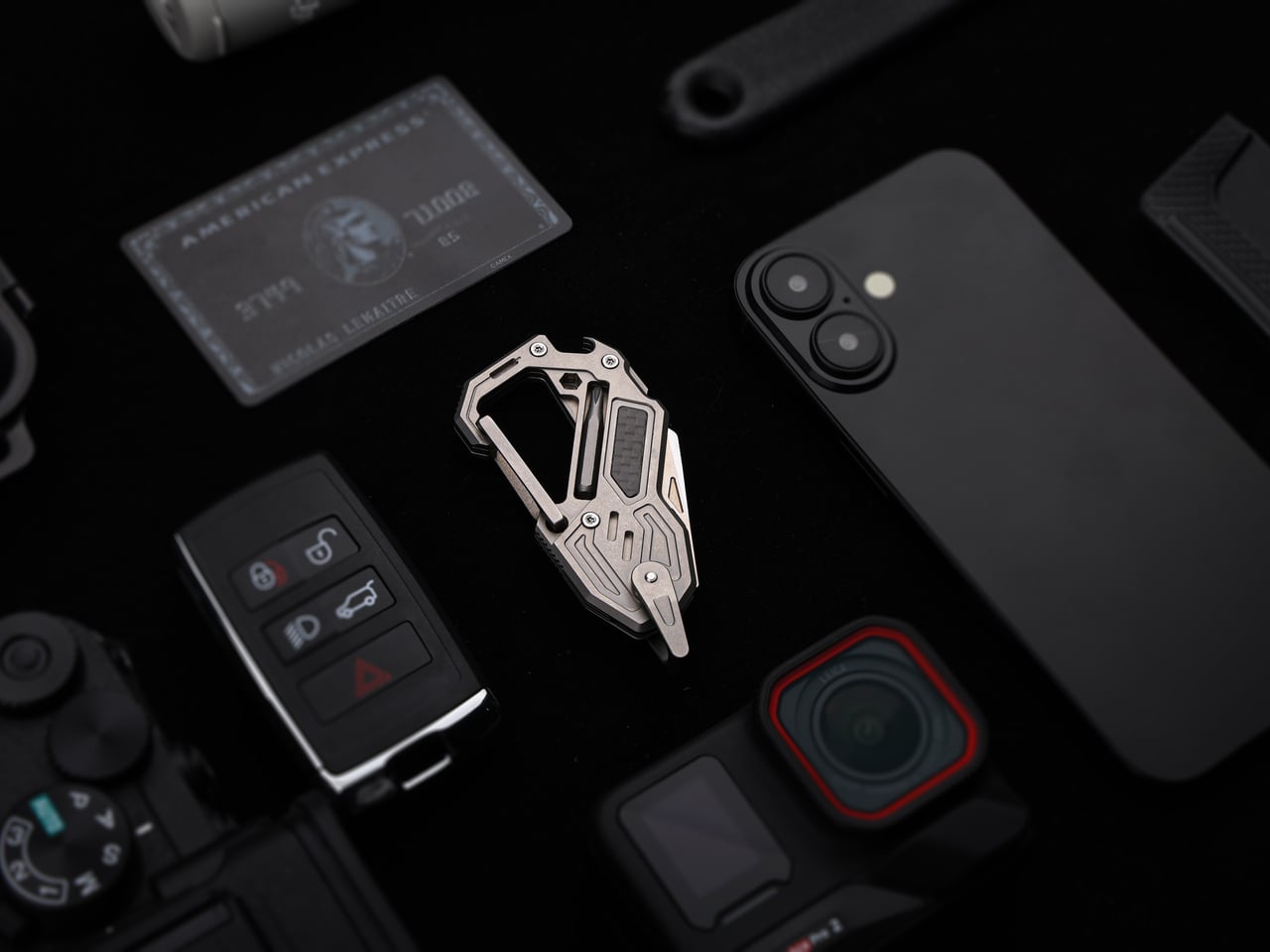
The body is CNC-machined from Grade 5 titanium, which keeps weight down to around 1.54oz while staying rigid and corrosion-resistant. Carbon fiber inlays add grip and a bit of contrast without bulk. At about 3.29 inches long and just over half an inch thick, it feels more like a small piece of industrial jewelry than a lump of hardware, which makes it easier to justify keeping it on you every day.

1

The blade is a compact D2 steel folder designed for control rather than drama. It opens with either hand, locks in place with a dedicated mechanism, and is meant for the kind of cutting you actually do: opening boxes, trimming cord, slicing tape, or cutting a loose thread. High-hardness D2 holds an edge well, so you are not constantly babying it, and the short length keeps it precise.

1

1

The magnetic 4mm bit driver is built into the frame, with a slot that stores the bit under strong magnets so it does not rattle or fall out. Day after day, it is the same little jobs: a loose screw on a tripod, a battery cover that needs a quarter turn, a handle that is starting to wobble. Having a bit driver literally hanging off your belt means those fixes happen in the moment instead of becoming another mental note.

1

The bottle opener and nail puller are integrated into the skeleton of the carabiner, so popping a cap or lifting a small nail does not require digging for another tool. The emergency glass breaker sits quietly at one end, a hardened point that you hope never to use but that is always there if a car window or barrier needs to go in a hurry. Best of all, none of these functions adds much size.

Six tiny tritium slots are machined into the body, ready for optional vials that glow on their own without batteries or charging. In a dark car, a tent, or a hallway, that steady, low-level glow makes it easier to find the tool and orient it without fumbling for a flashlight. It is a small detail, but it reinforces the idea that Edrin is meant to be found and used quickly.

A tool like this quietly changes your routine. Instead of asking whether you should bring a knife or a multi-tool, you clip one titanium carabiner to your usual spot and forget about it until something needs cutting, opening, adjusting, or breaking. The combination of GR5 titanium, carbon fiber, D2 steel, magnets, and tritium sounds overbuilt for a 3.29-inch object, but that is exactly what makes it feel like a small, reliable anchor in a pocket full of temporary things that change every season.

Click Here to Buy Now: $75 $109 (31% off). Hurry, 88/100 left!

The post Edrin 6-in-1 Carabiner-Knife Lives on Your Belt, Not in Your Bag first appeared on Yanko Design.

The Thoughtful Shopping Cart That Organizes, Protects, and Moves With You

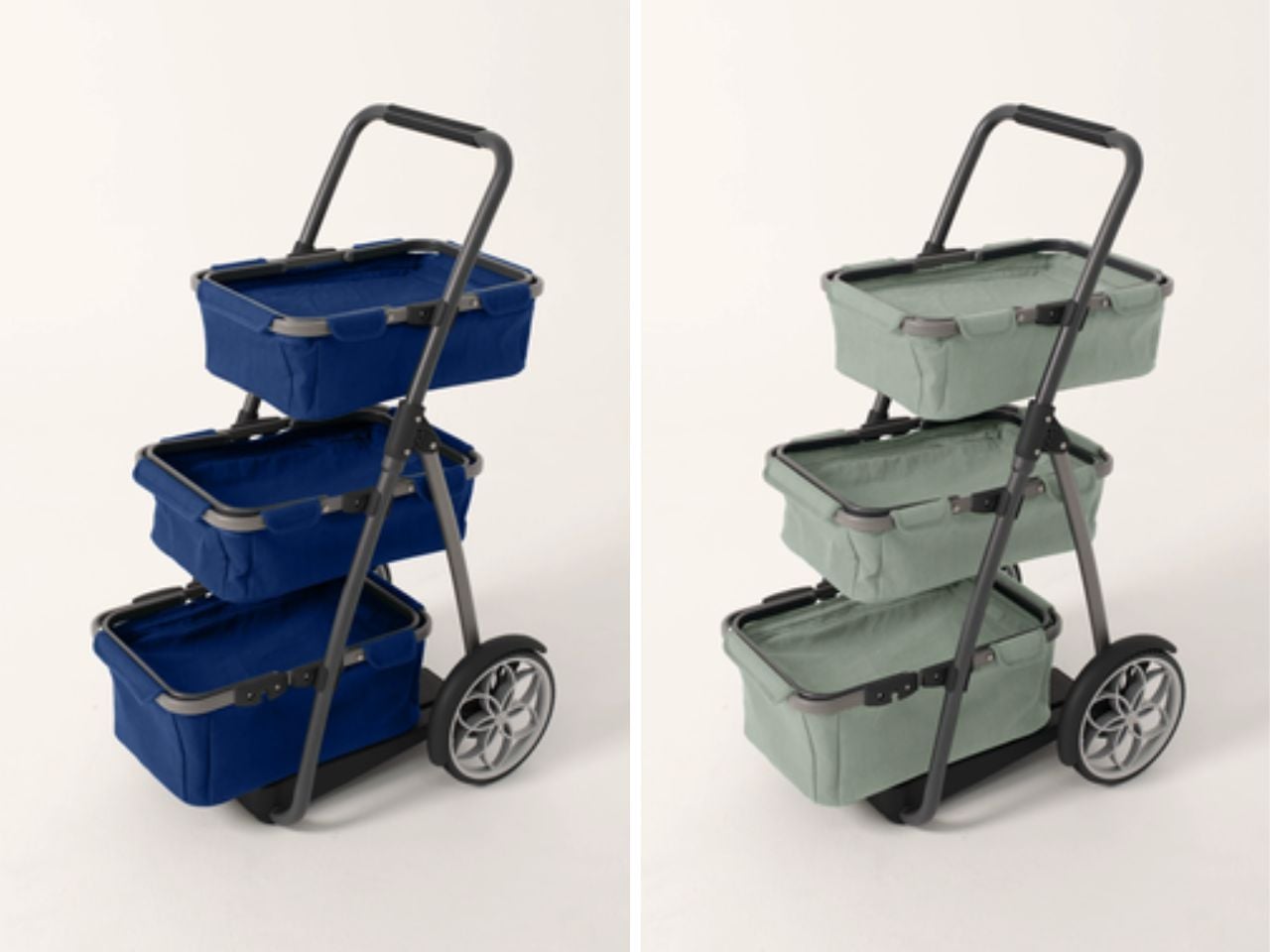
Some of the most meaningful design innovations begin with noticing small everyday frustrations. That is exactly what inspired Brisbane-based inventor Michelle Hildebrand to rethink the traditional shopping trolley. After watching how awkward it can be to move through farmers’ markets with bulky bags or classic granny carts, she realized the problem was not the shopper but the system. People were being forced to work around tools that were never designed for how they actually shop. Working with Australian industrial design firm Clandestine Design Group, she turned that observation into the Marketday Cart, a product that stands out not only for its practicality but for how thoughtfully it reflects user experience principles.

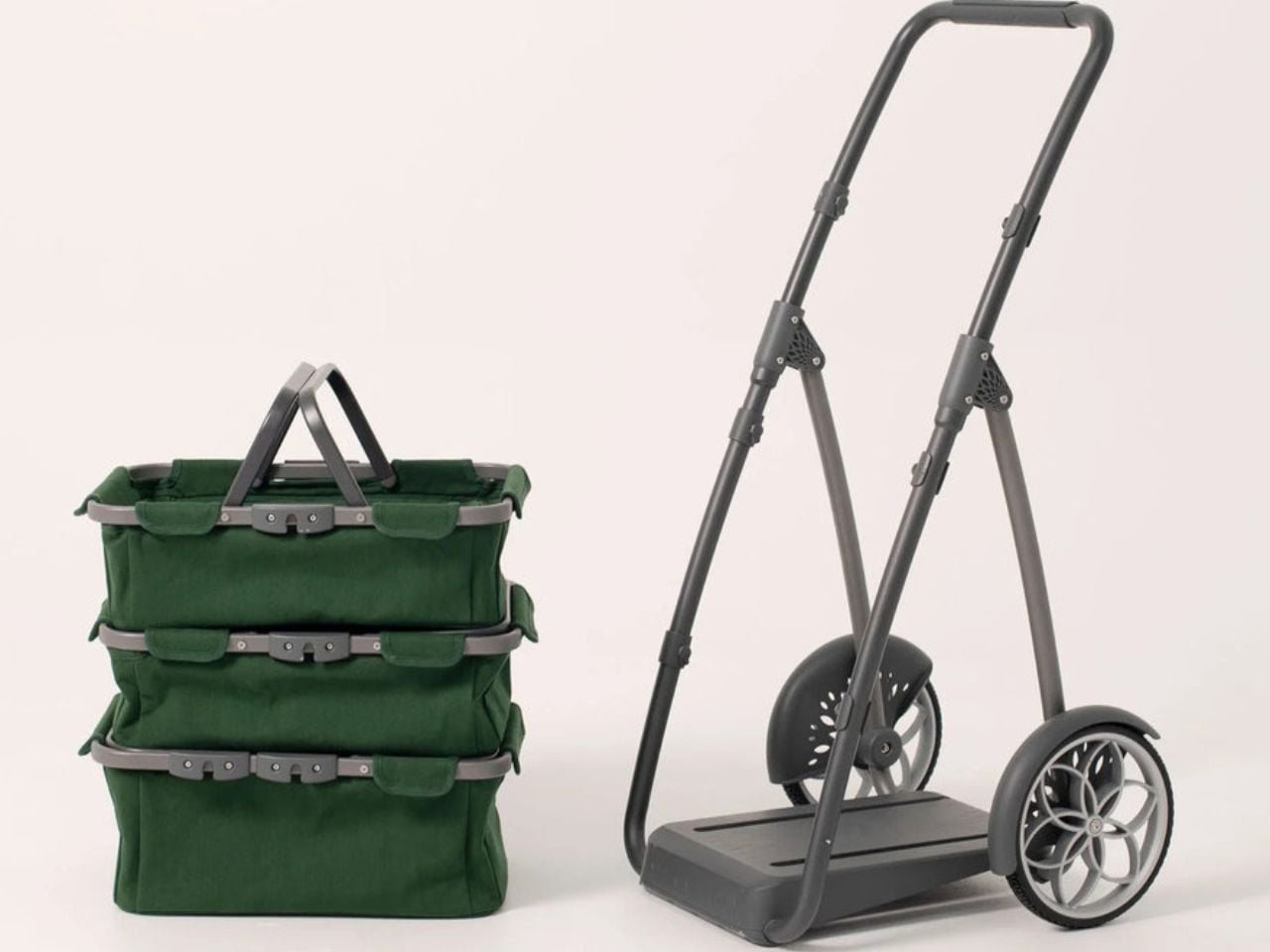
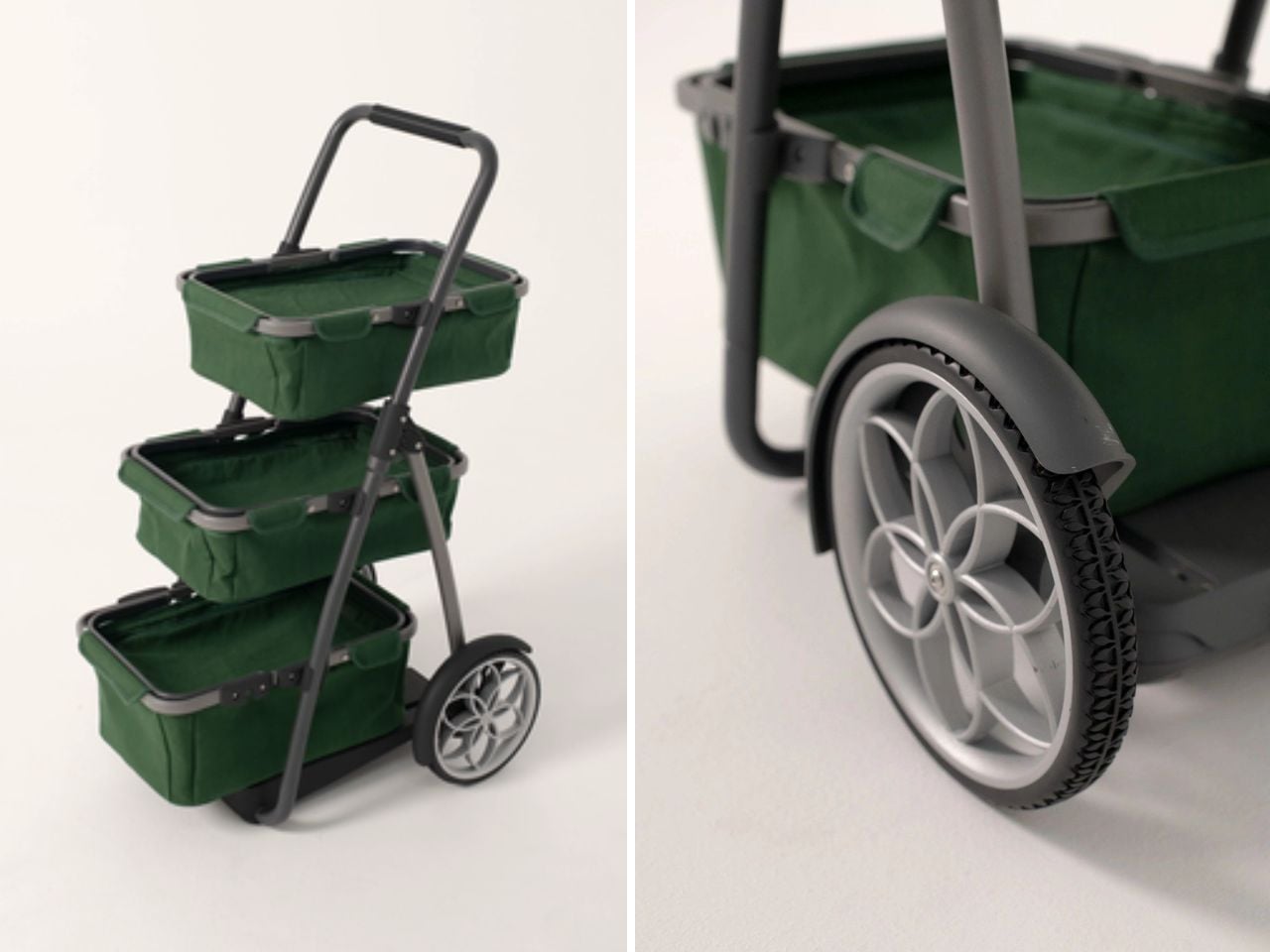
At its heart, the Marketday Cart is built around real human behavior. People like to see what they packed. They like knowing where things are. They do not enjoy digging through deep bags to find something they dropped five minutes ago. The cart solves this with three shallow stackable baskets that give users clear visibility and control. This layered structure keeps groceries organized and prevents delicate items from getting crushed. Soft produce can sit beside heavier goods without damage because everything has its own place. Instead of asking users to adapt to a bag, the bag adapts to them.

Designer: Michelle Hildebrand

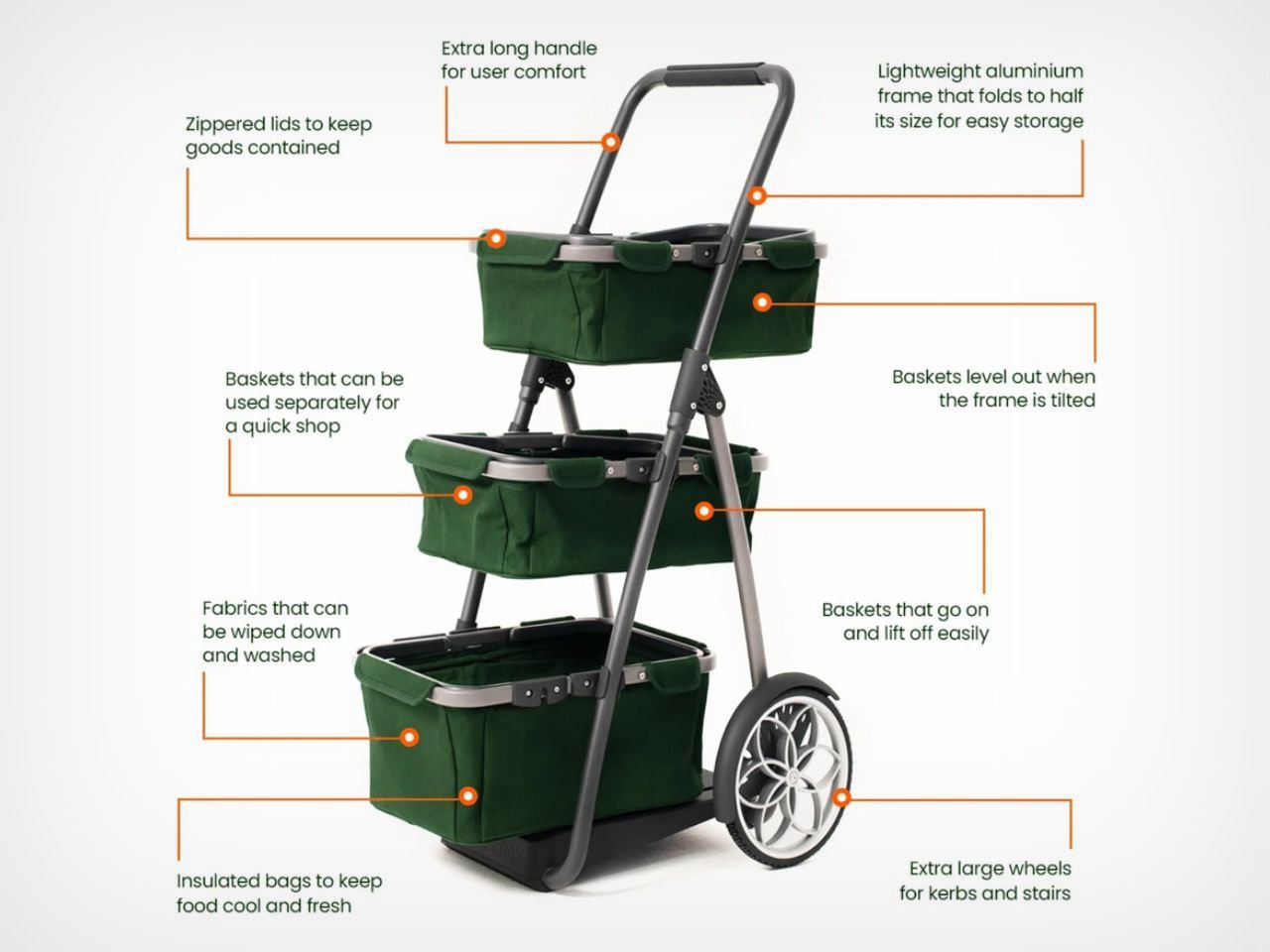
Each basket is insulated and fully zippered, which keeps food cool, contained, and protected from outside conditions. This feature is especially useful for fresh food shopping, where temperature matters. The zippered lids also remove the constant worry that something might spill or fall out while walking. From a user experience perspective, this reduces mental effort. The system handles the problem so the shopper does not have to.

The baskets are also modular. They detach easily and can be used individually, which means the cart can function as one, two, or three bags depending on the trip. A quick errand does not require carrying the entire system, while a large grocery run can use all levels. This flexibility makes the product feel adaptable rather than rigid and supports different lifestyles without needing multiple tools.

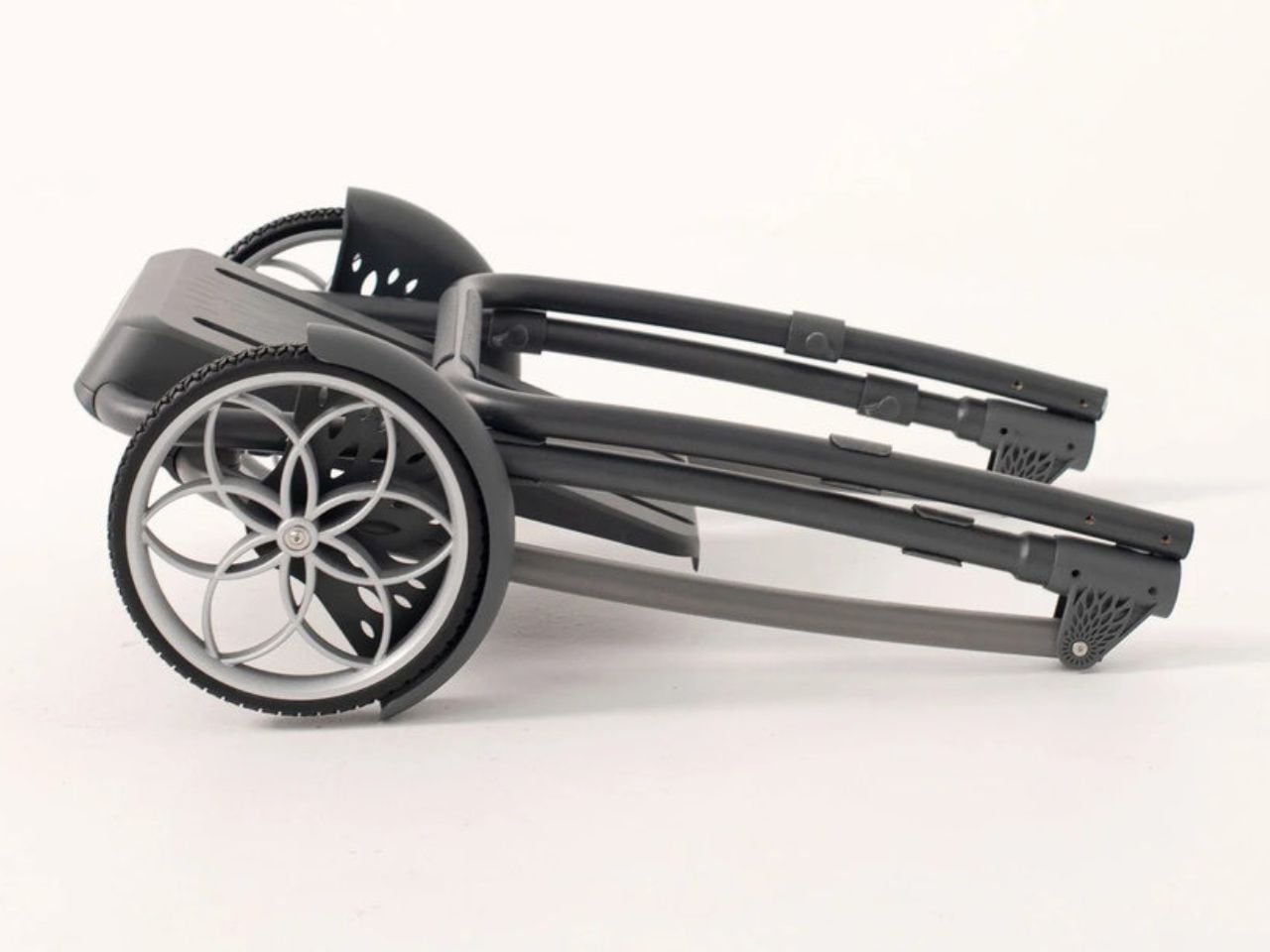
Mobility and comfort are equally well considered. The lightweight aluminum frame keeps the cart easy to maneuver while still feeling sturdy. When not in use, it folds down to half its size, making storage simple even in small apartments or tight entryways. An extra-long handle improves comfort, especially for taller users or anyone pulling heavier loads for longer distances. These details show attention to physical experience, which is often overlooked in everyday product design.

The oversized wheels further enhance usability. Built to handle curbs, stairs, and uneven pavement, they allow the cart to glide over obstacles that usually make shopping carts frustrating to use. This makes it especially practical for city environments where sidewalks, public transport, and market stalls all become part of the journey.

One of the most impressive features is the gimbal system connecting the baskets to the frame. When the cart tilts as it is pulled, the baskets automatically swing to stay horizontal. This keeps groceries level and prevents items from tipping or shifting. It is a subtle mechanical detail, but it makes a huge difference because it removes another small worry from the user’s mind. The cart quietly maintains balance so the shopper can focus on where they are going rather than what might spill.

Durability and maintenance were clearly part of the design thinking as well. The fabrics can be wiped down or washed, which is practical for real shopping situations where spills and mess are unavoidable. The baskets attach and lift off easily, which makes cleaning and reorganizing simple and quick.

Right now, the Marketday Cart is only distributed in Australia, but its logic is universal. It addresses common challenges such as organization, transport, storage, and food preservation with solutions that feel natural rather than complicated. More than just a shopping trolley, it shows what happens when designers treat everyday objects as experiences.

The Marketday Cart proves that thoughtful design does not have to be flashy or high tech to be innovative. Sometimes the smartest ideas come from simply paying attention to how people live and then making something that fits seamlessly into that reality.

The post The Thoughtful Shopping Cart That Organizes, Protects, and Moves With You first appeared on Yanko Design.

This $93K Tiny House Has a Cinema Screen That Drops Over the Windows

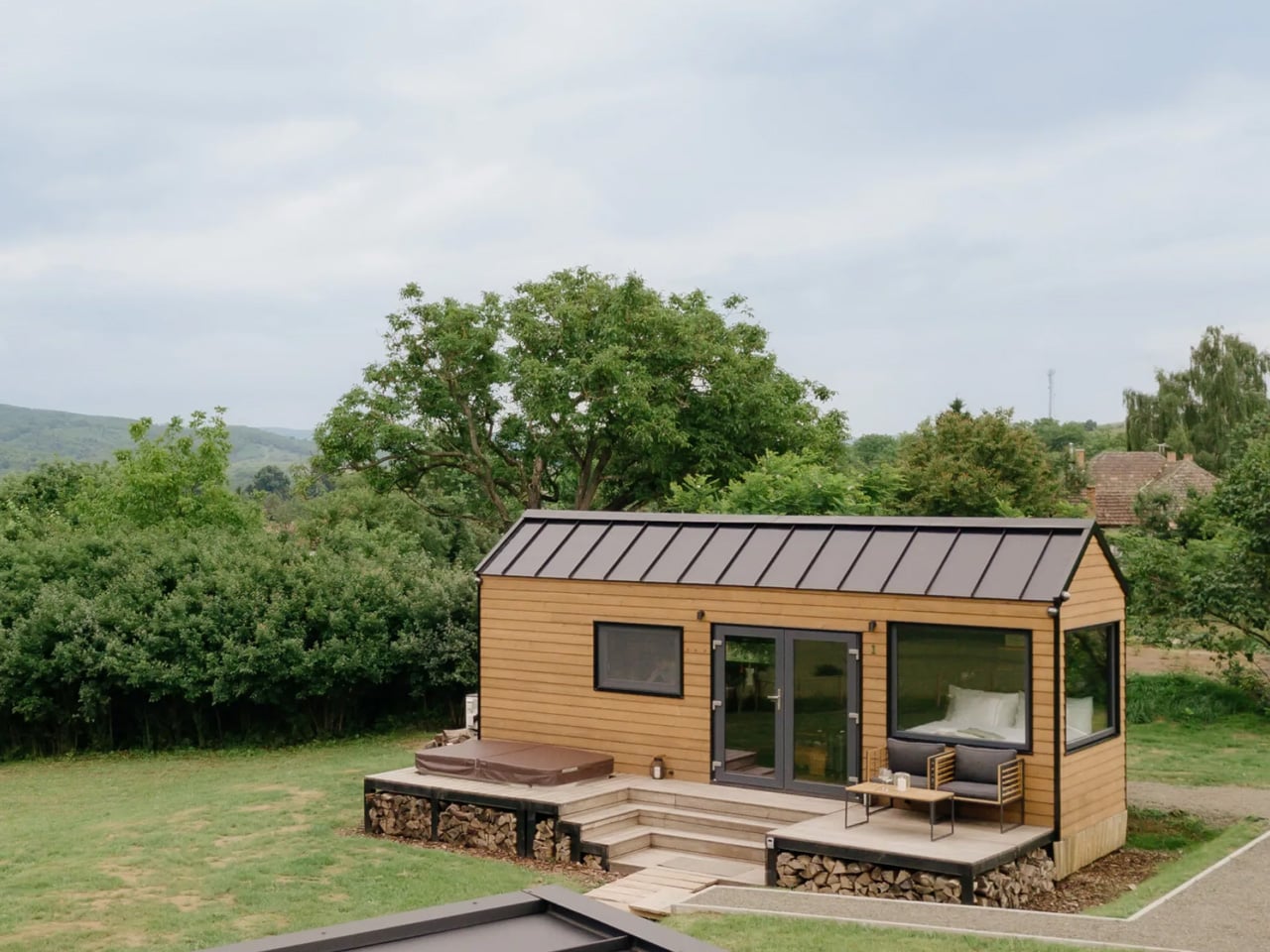
At 7.2 meters long, the Tiny Amsterdam feels like a study in spatial efficiency. Romanian manufacturer Eco Tiny House created this compact dwelling for couples who want a vacation retreat without sacrificing comfort. The design skips the typical tiny house loft, opting instead for a single-floor plan that makes the interior feel more like a boutique hotel suite than a cramped cabin. This approach eliminates the need for steep ladder climbs while creating a more accessible living environment for guests of all ages and mobility levels.

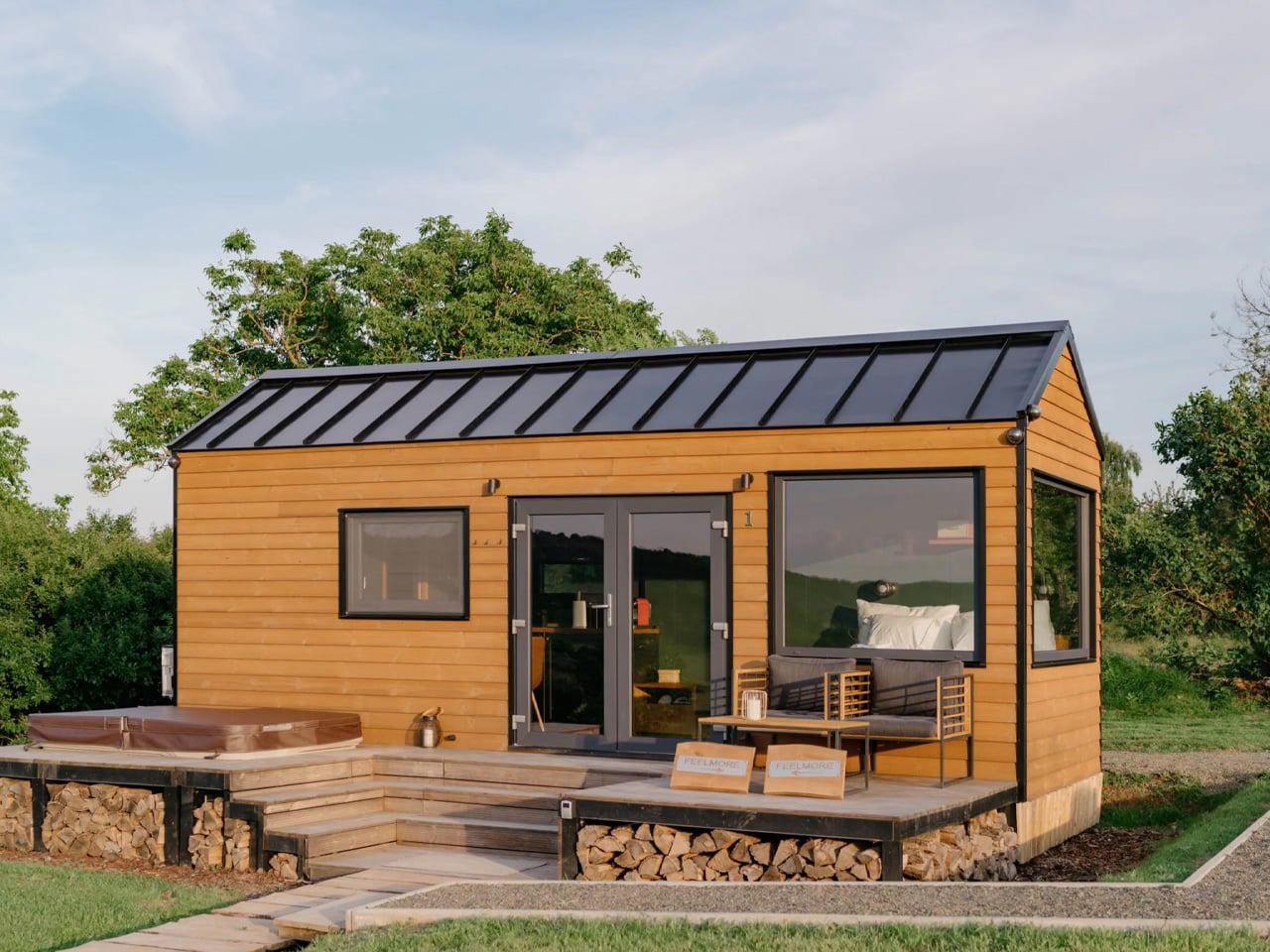
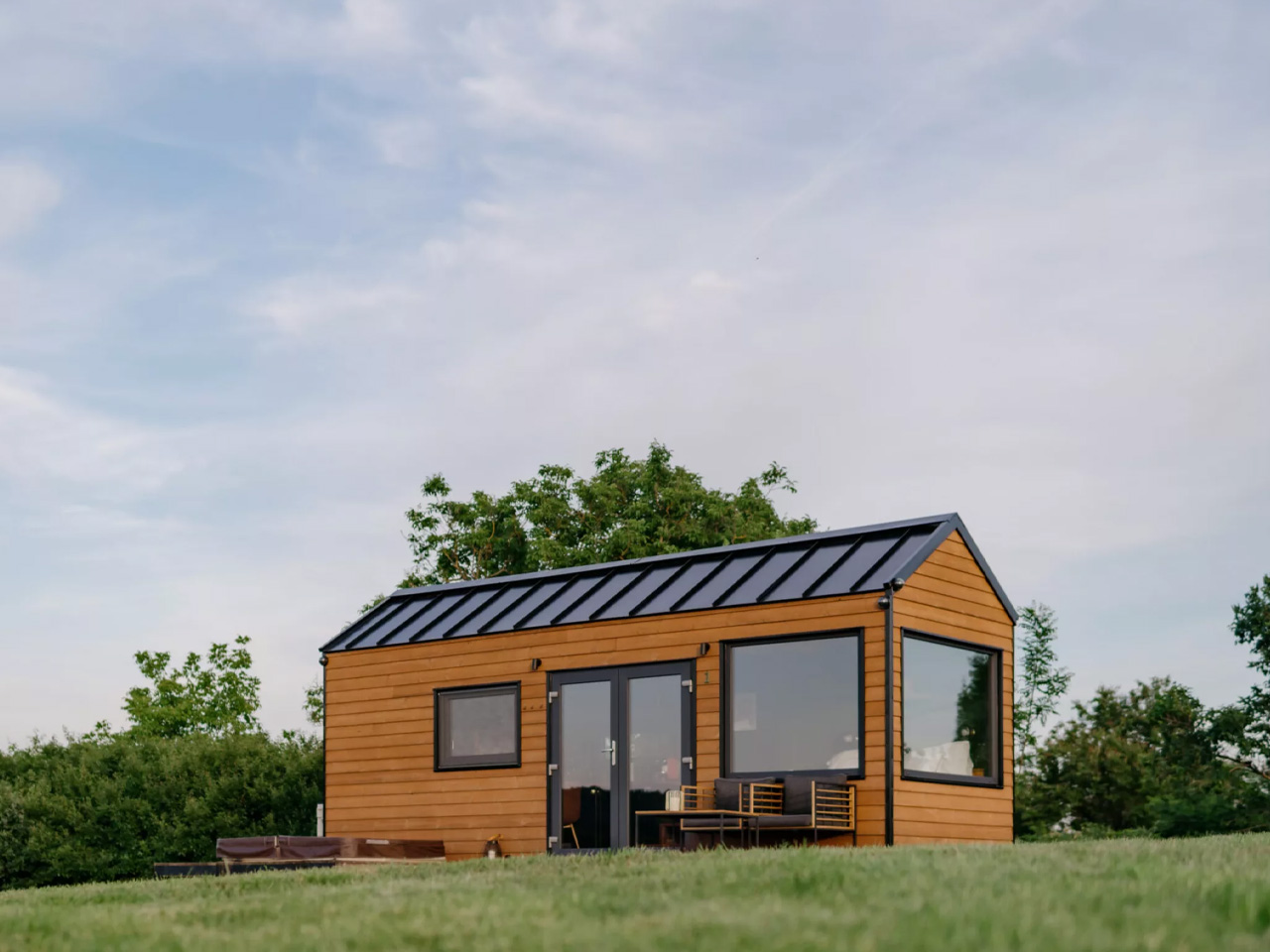
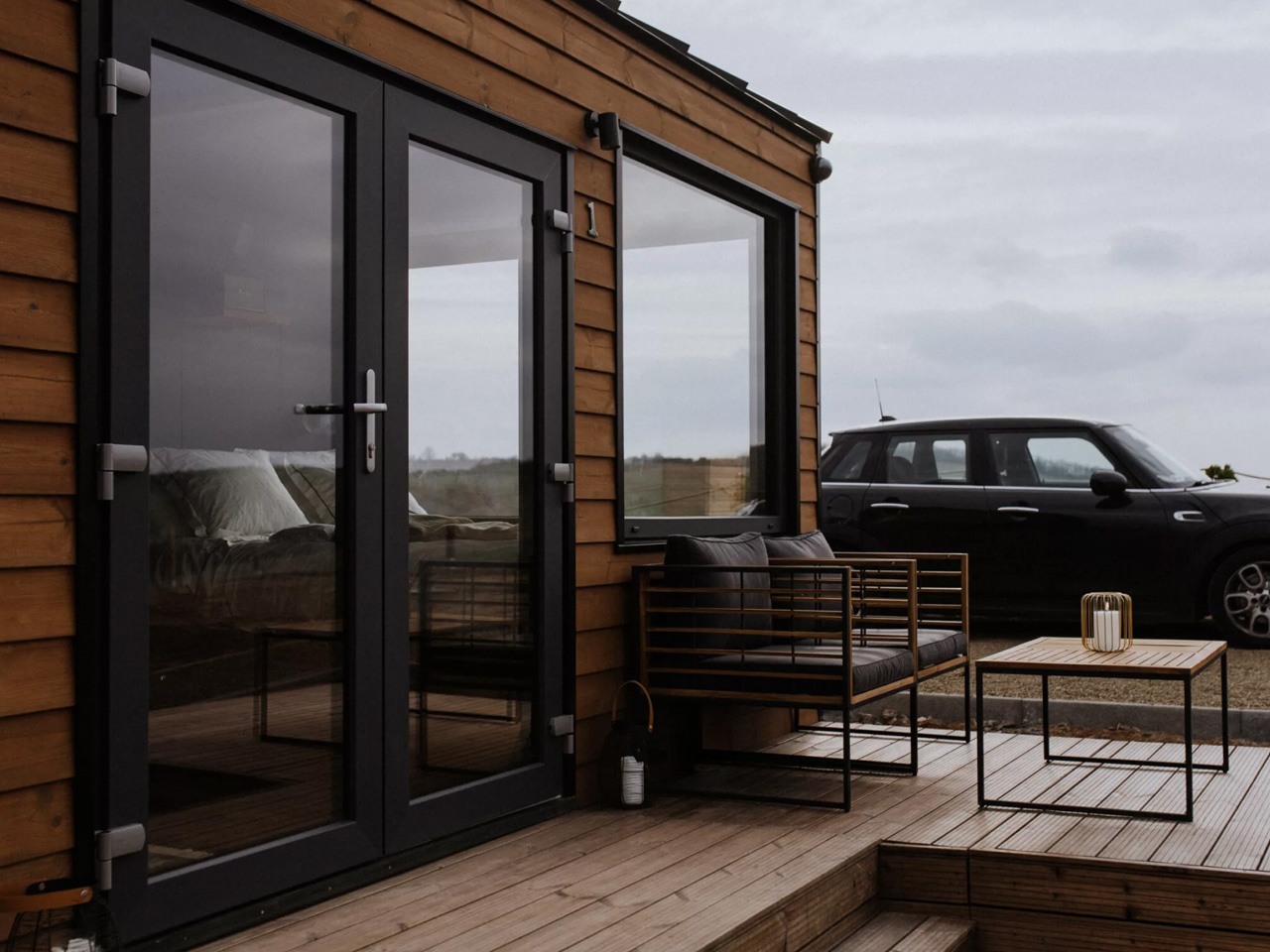
Engineered wood wraps the exterior, topped with a metal roof that gives the structure a contemporary edge. The home sits on a double-axle trailer, ready to move when needed, though it looks equally at home in semi-permanent installations. The version showcased at resorts includes a deck with a jacuzzi, transforming the tiny house into a destination rather than just a place to sleep. The exterior palette blends seamlessly into natural surroundings, whether nestled in forest clearings or positioned along lakefronts.

Designer: Eco Tiny House

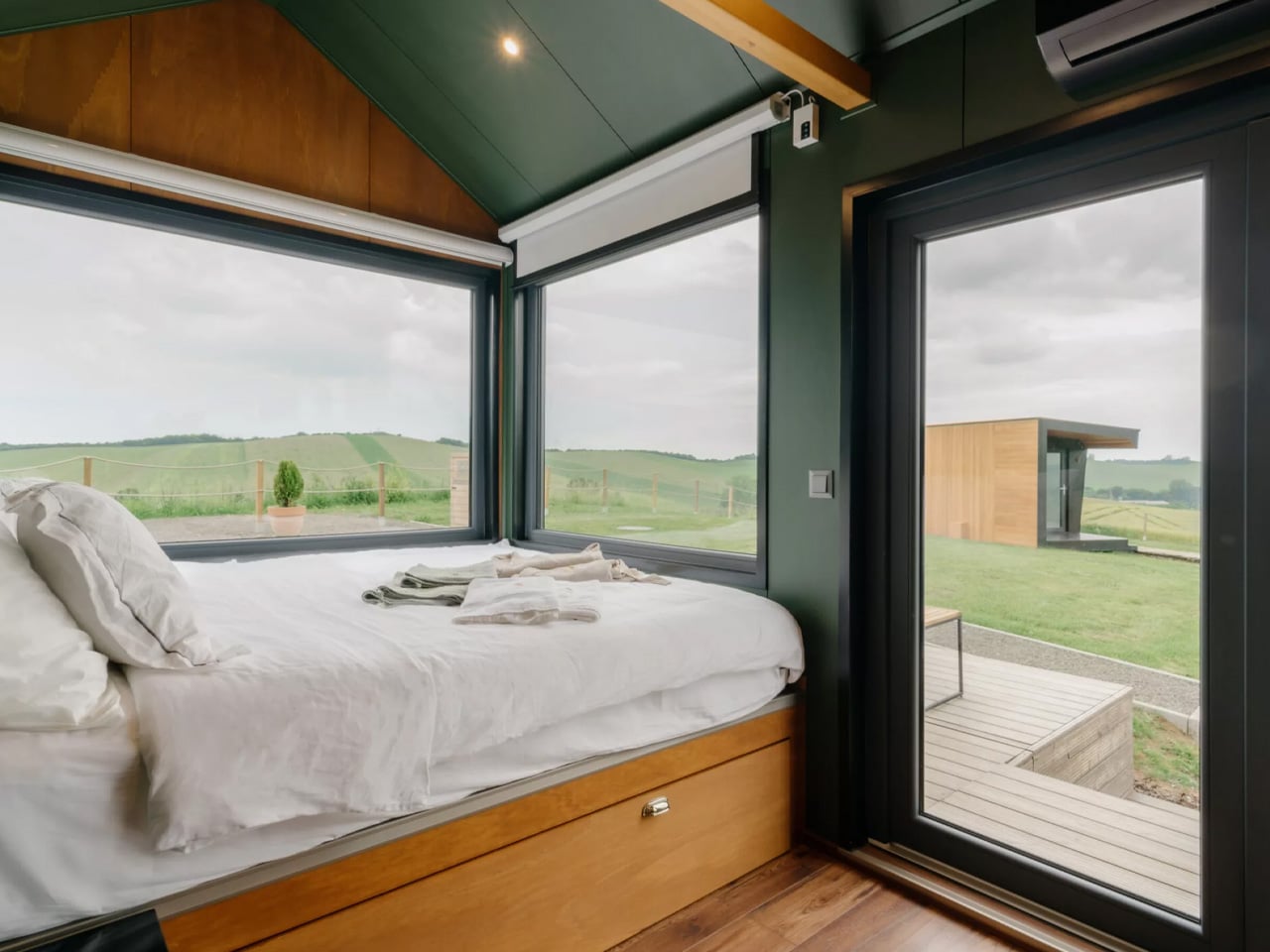
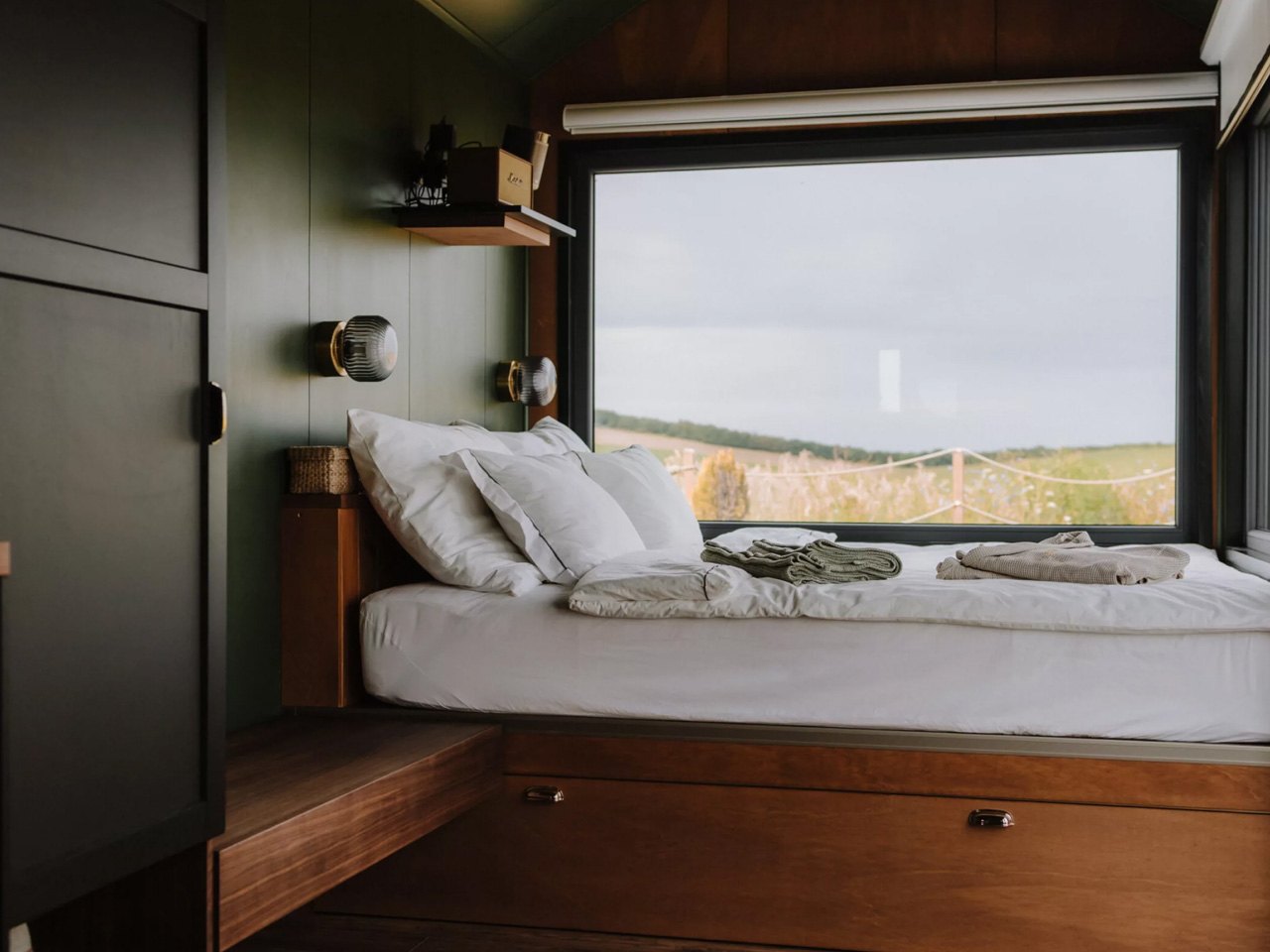
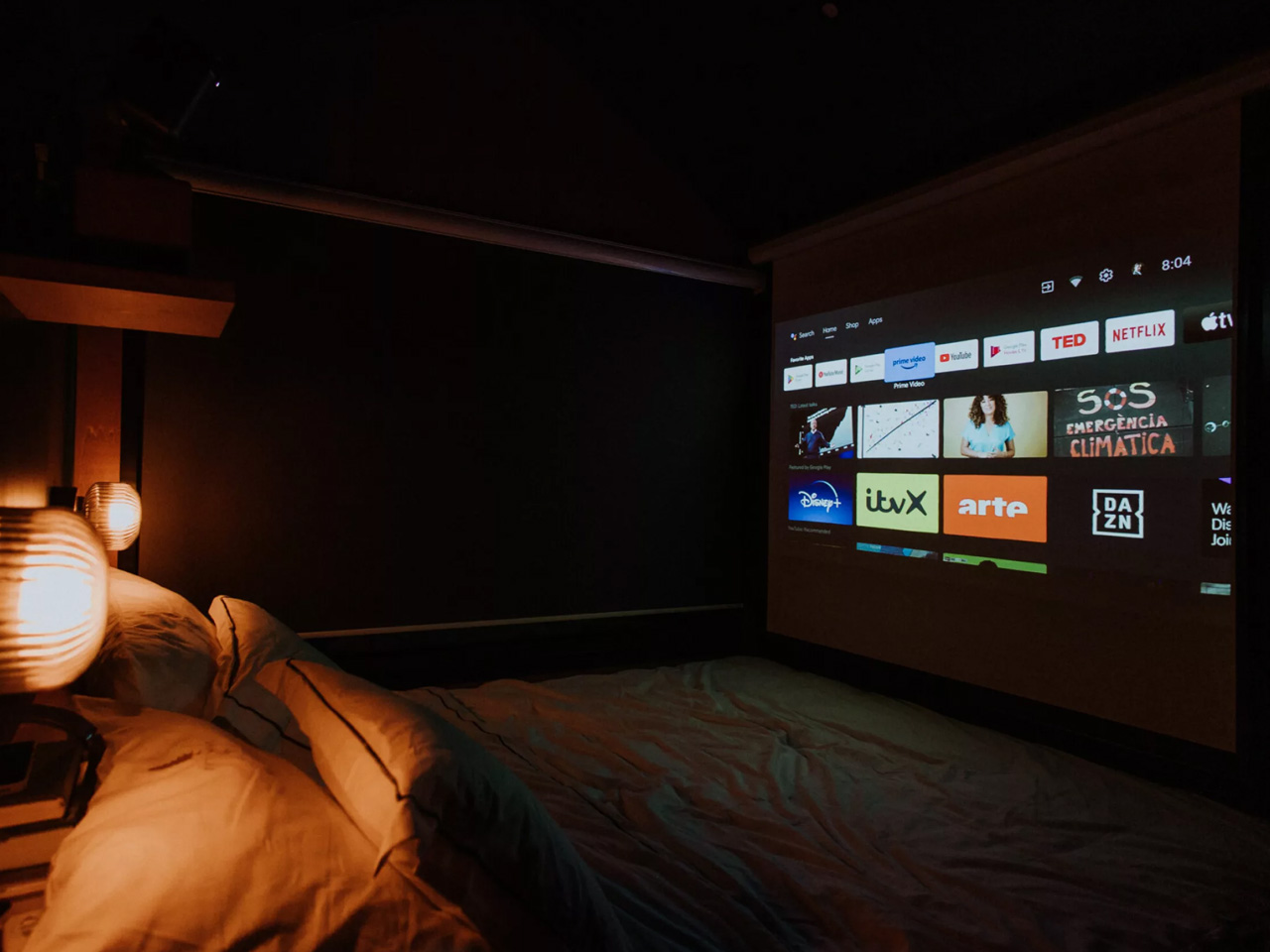
Inside, 15.2 square meters stretch further than the measurements suggest. The bedroom becomes the heart of the home, with panoramic windows replacing traditional walls on three sides. Light pours in from every angle, making the compact quarters feel expansive and connected to the outdoors. At night, a projector screen descends over these same windows, converting the sleeping area into a private cinema. It’s the kind of feature that turns a simple stay into an experience worth remembering, perfect for romantic evenings or quiet movie nights under the stars.

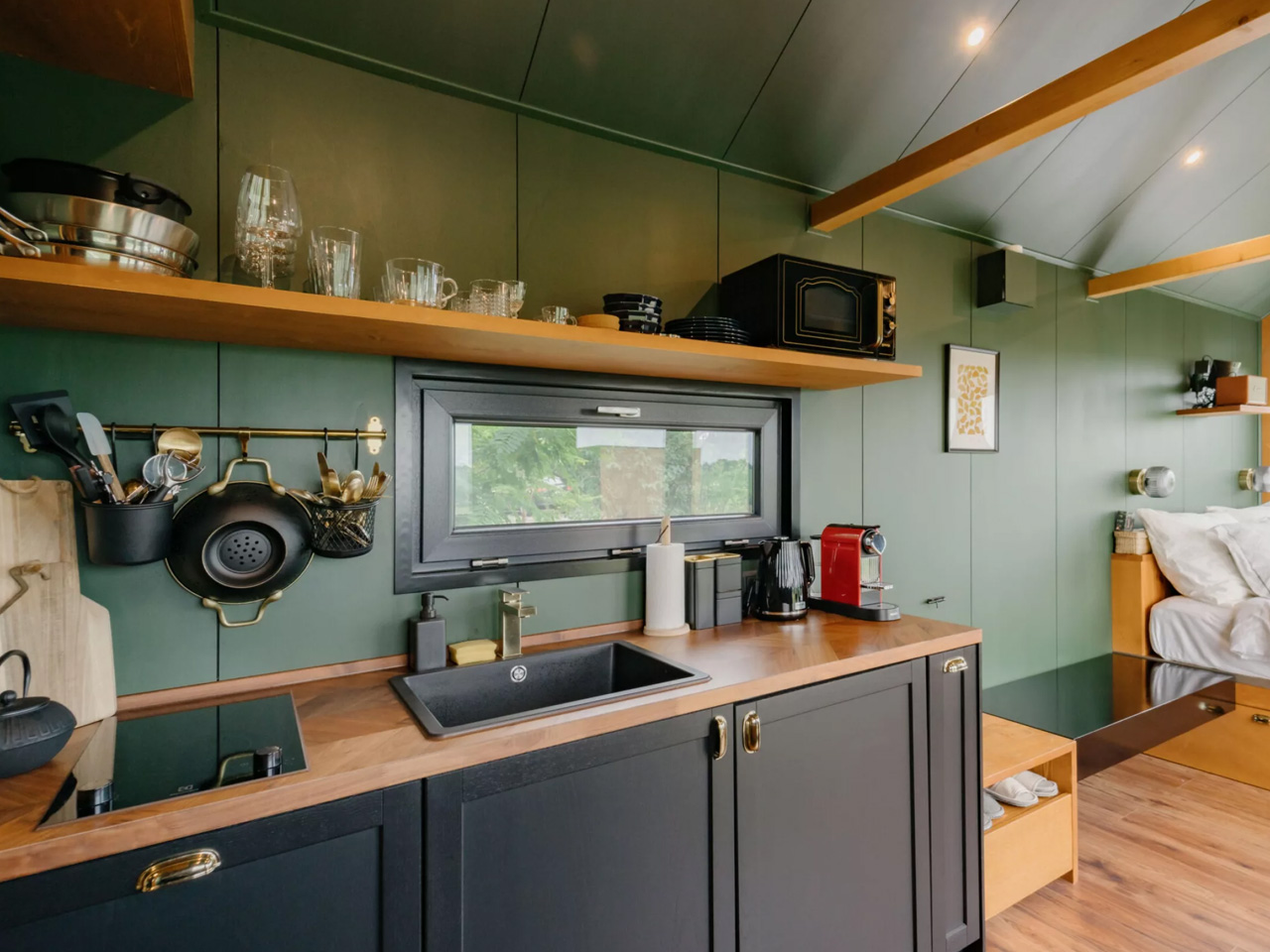
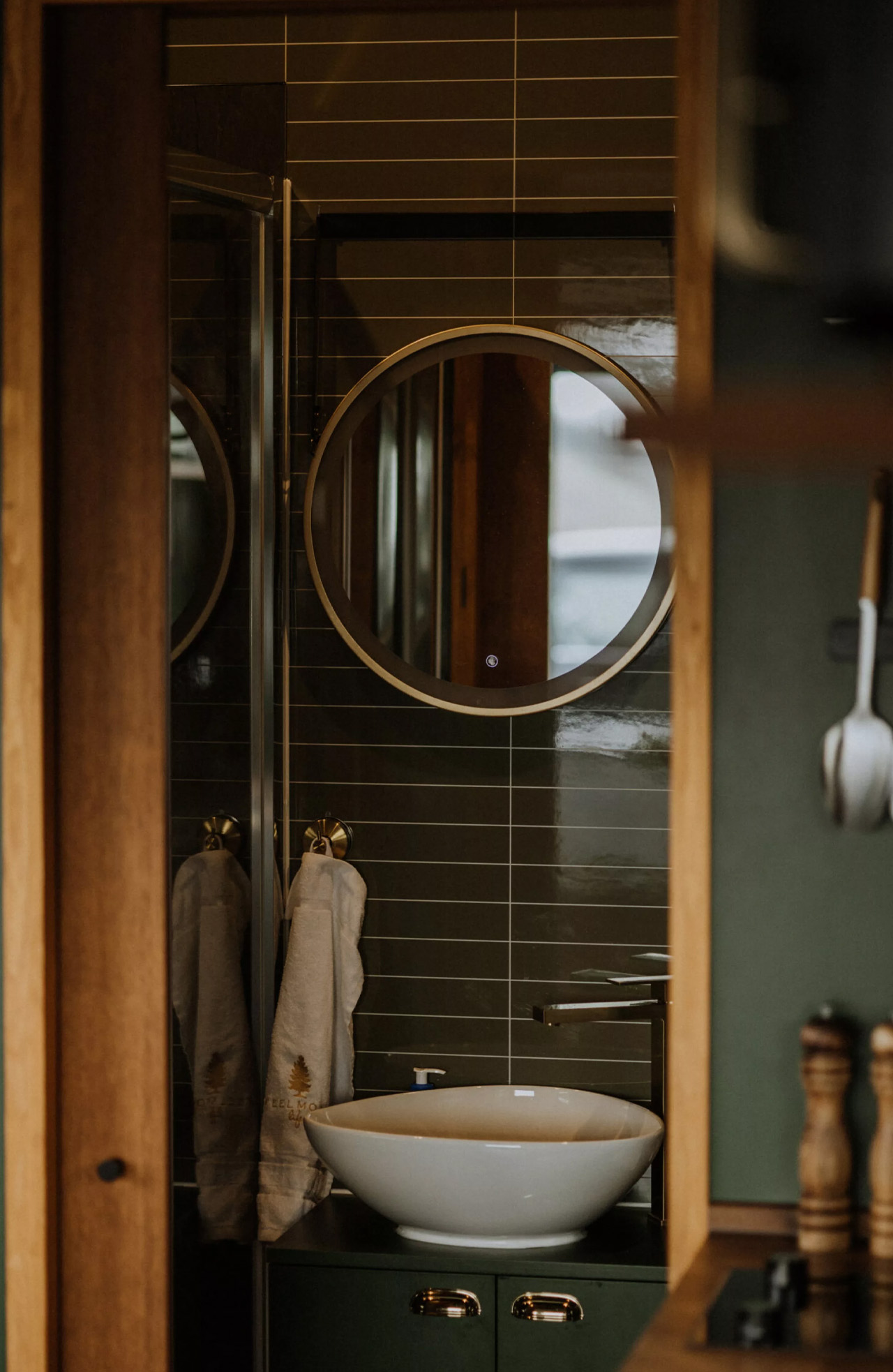
The kitchen proves you don’t need sprawling countertops to cook well. A built-in refrigerator and electric induction cooktop handle the essentials, while integrated storage keeps everything tucked away and surfaces clutter-free. The bathroom surprises with a walk-in shower that feels lifted from a luxury hotel, complete with quality fixtures and thoughtful lighting. No awkward curtains or cramped corners here, just a seamless design that prioritizes comfort in every square inch.

Eco Tiny House built this model with glamping sites and boutique resorts in mind. The €78,490 price tag positions it as an investment for property owners wanting to offer unique accommodations that stand out in crowded vacation rental markets. The company operates out of Romania, where they’ve been crafting tiny homes since the movement’s early days in Europe, building a reputation for quality construction and innovative design solutions.

What makes the Tiny Amsterdam work is its refusal to feel like a compromise. Every design choice serves the larger goal of making small-space living feel intentional rather than restrictive. The panoramic windows frame views that change with each new location, while the projector system creates entertainment without installing bulky equipment. For vacation properties in remote locations, this tiny house solves logistical headaches that traditional construction presents. A trailer-based home bypasses zoning issues and environmental concerns while delivering an upscale experience. The Tiny Amsterdam proves that scaling down doesn’t mean settling for less.

The post This $93K Tiny House Has a Cinema Screen That Drops Over the Windows first appeared on Yanko Design.

This $93K Tiny House Has a Cinema Screen That Drops Over the Windows

At 7.2 meters long, the Tiny Amsterdam feels like a study in spatial efficiency. Romanian manufacturer Eco Tiny House created this compact dwelling for couples who want a vacation retreat without sacrificing comfort. The design skips the typical tiny house loft, opting instead for a single-floor plan that makes the interior feel more like a boutique hotel suite than a cramped cabin. This approach eliminates the need for steep ladder climbs while creating a more accessible living environment for guests of all ages and mobility levels.

Engineered wood wraps the exterior, topped with a metal roof that gives the structure a contemporary edge. The home sits on a double-axle trailer, ready to move when needed, though it looks equally at home in semi-permanent installations. The version showcased at resorts includes a deck with a jacuzzi, transforming the tiny house into a destination rather than just a place to sleep. The exterior palette blends seamlessly into natural surroundings, whether nestled in forest clearings or positioned along lakefronts.

Designer: Eco Tiny House

Inside, 15.2 square meters stretch further than the measurements suggest. The bedroom becomes the heart of the home, with panoramic windows replacing traditional walls on three sides. Light pours in from every angle, making the compact quarters feel expansive and connected to the outdoors. At night, a projector screen descends over these same windows, converting the sleeping area into a private cinema. It’s the kind of feature that turns a simple stay into an experience worth remembering, perfect for romantic evenings or quiet movie nights under the stars.

The kitchen proves you don’t need sprawling countertops to cook well. A built-in refrigerator and electric induction cooktop handle the essentials, while integrated storage keeps everything tucked away and surfaces clutter-free. The bathroom surprises with a walk-in shower that feels lifted from a luxury hotel, complete with quality fixtures and thoughtful lighting. No awkward curtains or cramped corners here, just a seamless design that prioritizes comfort in every square inch.

Eco Tiny House built this model with glamping sites and boutique resorts in mind. The €78,490 price tag positions it as an investment for property owners wanting to offer unique accommodations that stand out in crowded vacation rental markets. The company operates out of Romania, where they’ve been crafting tiny homes since the movement’s early days in Europe, building a reputation for quality construction and innovative design solutions.

What makes the Tiny Amsterdam work is its refusal to feel like a compromise. Every design choice serves the larger goal of making small-space living feel intentional rather than restrictive. The panoramic windows frame views that change with each new location, while the projector system creates entertainment without installing bulky equipment. For vacation properties in remote locations, this tiny house solves logistical headaches that traditional construction presents. A trailer-based home bypasses zoning issues and environmental concerns while delivering an upscale experience. The Tiny Amsterdam proves that scaling down doesn’t mean settling for less.

The post This $93K Tiny House Has a Cinema Screen That Drops Over the Windows first appeared on Yanko Design.

This $93K Tiny House Has a Cinema Screen That Drops Over the Windows

At 7.2 meters long, the Tiny Amsterdam feels like a study in spatial efficiency. Romanian manufacturer Eco Tiny House created this compact dwelling for couples who want a vacation retreat without sacrificing comfort. The design skips the typical tiny house loft, opting instead for a single-floor plan that makes the interior feel more like a boutique hotel suite than a cramped cabin. This approach eliminates the need for steep ladder climbs while creating a more accessible living environment for guests of all ages and mobility levels.

Engineered wood wraps the exterior, topped with a metal roof that gives the structure a contemporary edge. The home sits on a double-axle trailer, ready to move when needed, though it looks equally at home in semi-permanent installations. The version showcased at resorts includes a deck with a jacuzzi, transforming the tiny house into a destination rather than just a place to sleep. The exterior palette blends seamlessly into natural surroundings, whether nestled in forest clearings or positioned along lakefronts.

Designer: Eco Tiny House

Inside, 15.2 square meters stretch further than the measurements suggest. The bedroom becomes the heart of the home, with panoramic windows replacing traditional walls on three sides. Light pours in from every angle, making the compact quarters feel expansive and connected to the outdoors. At night, a projector screen descends over these same windows, converting the sleeping area into a private cinema. It’s the kind of feature that turns a simple stay into an experience worth remembering, perfect for romantic evenings or quiet movie nights under the stars.

The kitchen proves you don’t need sprawling countertops to cook well. A built-in refrigerator and electric induction cooktop handle the essentials, while integrated storage keeps everything tucked away and surfaces clutter-free. The bathroom surprises with a walk-in shower that feels lifted from a luxury hotel, complete with quality fixtures and thoughtful lighting. No awkward curtains or cramped corners here, just a seamless design that prioritizes comfort in every square inch.

Eco Tiny House built this model with glamping sites and boutique resorts in mind. The €78,490 price tag positions it as an investment for property owners wanting to offer unique accommodations that stand out in crowded vacation rental markets. The company operates out of Romania, where they’ve been crafting tiny homes since the movement’s early days in Europe, building a reputation for quality construction and innovative design solutions.

What makes the Tiny Amsterdam work is its refusal to feel like a compromise. Every design choice serves the larger goal of making small-space living feel intentional rather than restrictive. The panoramic windows frame views that change with each new location, while the projector system creates entertainment without installing bulky equipment. For vacation properties in remote locations, this tiny house solves logistical headaches that traditional construction presents. A trailer-based home bypasses zoning issues and environmental concerns while delivering an upscale experience. The Tiny Amsterdam proves that scaling down doesn’t mean settling for less.

The post This $93K Tiny House Has a Cinema Screen That Drops Over the Windows first appeared on Yanko Design.

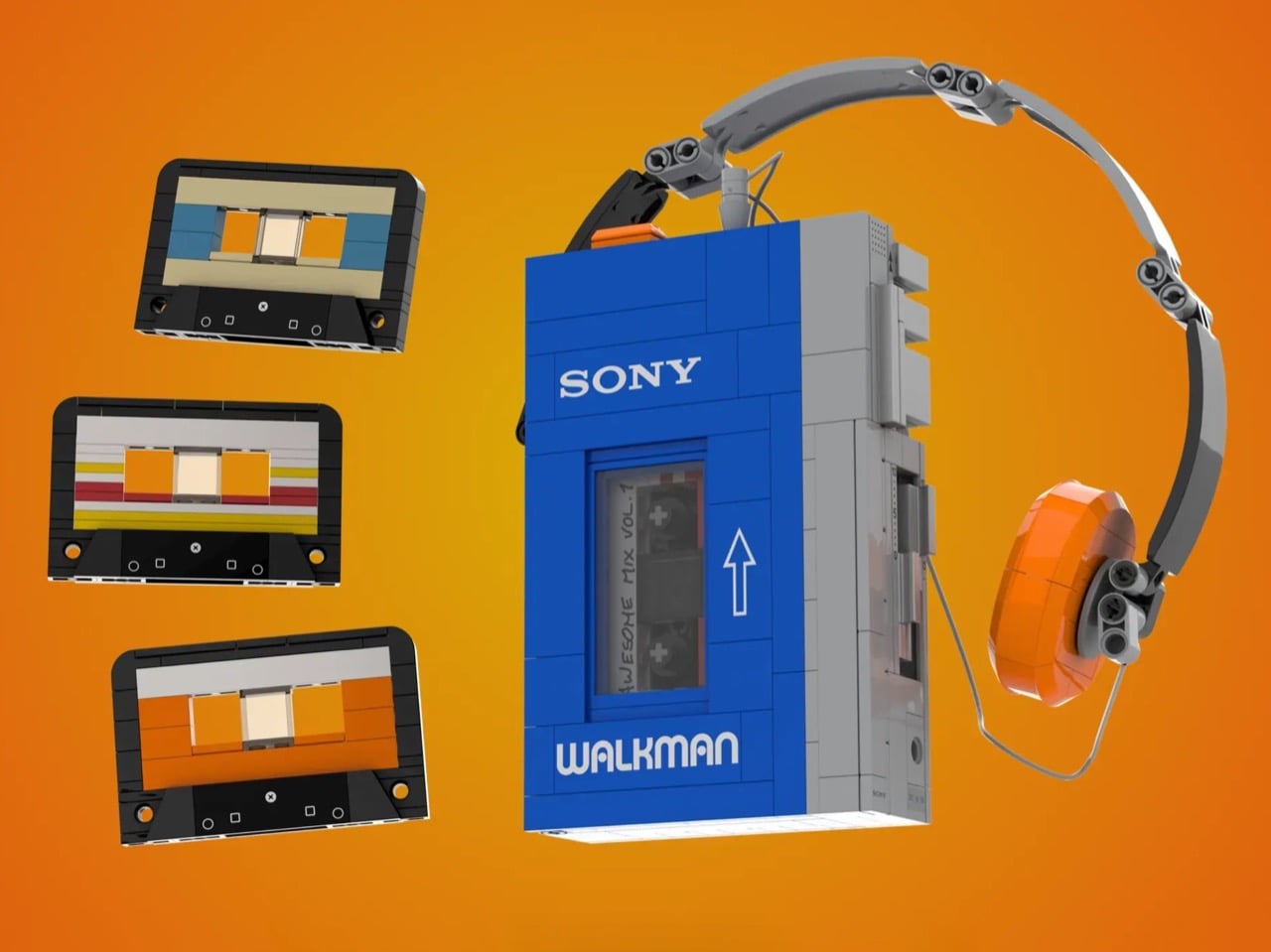
Stunning LEGO Sony Walkman Replica Features a Dockable Cassettes and Wearable Headphones

It’s weird to think that Walkmans were literally in my lifetime but if I were to give one to a kid born after 2000, they’d wonder what the hell they’re staring at. Sure, an iPod still feels intuitive because it’s still a relatively digital interface, and MP3 files are still a thing. But a cassette? Having to rewind and fast forward? They’re all relics of an age youngsters wouldn’t even recognize anymore!

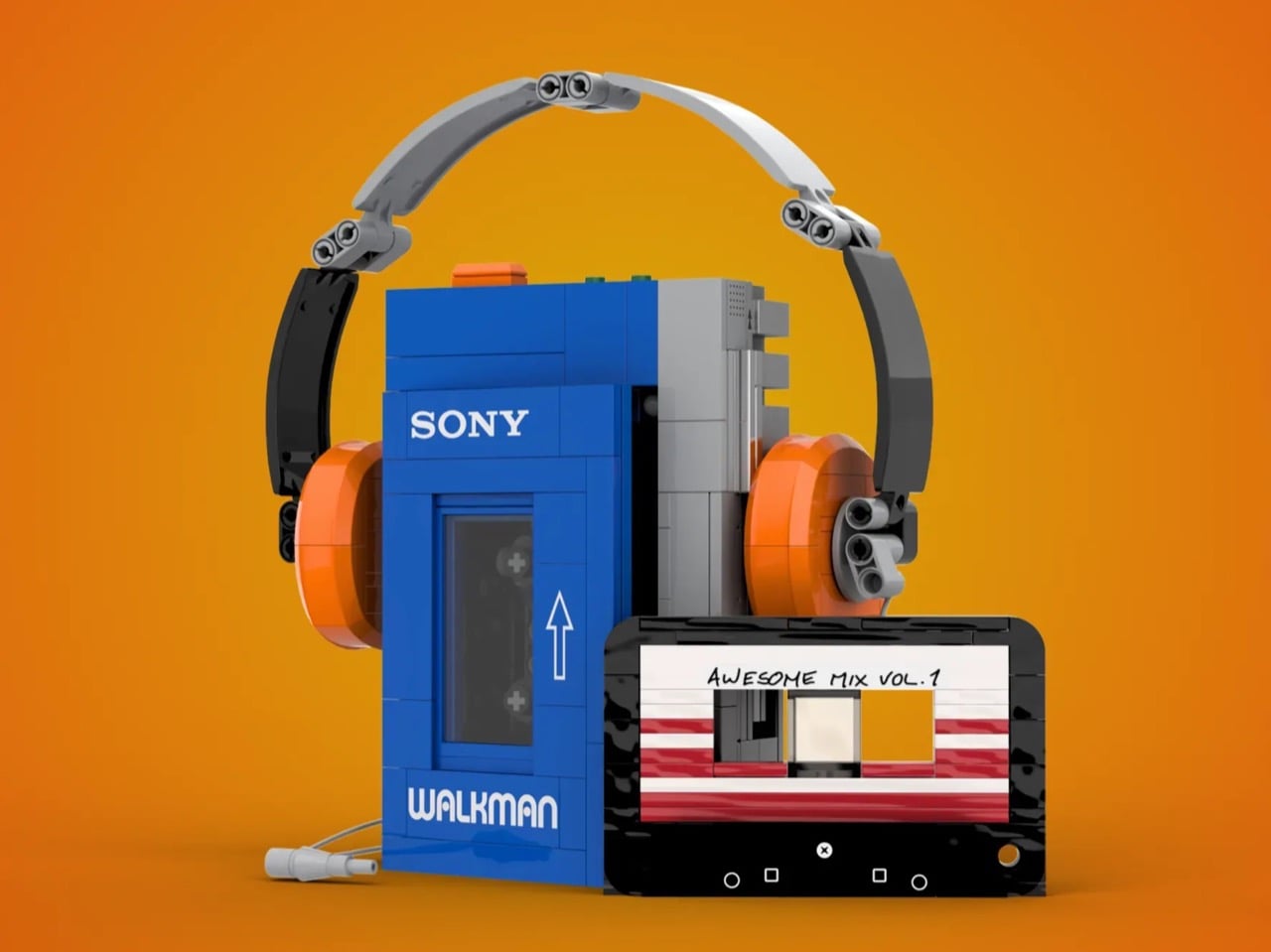
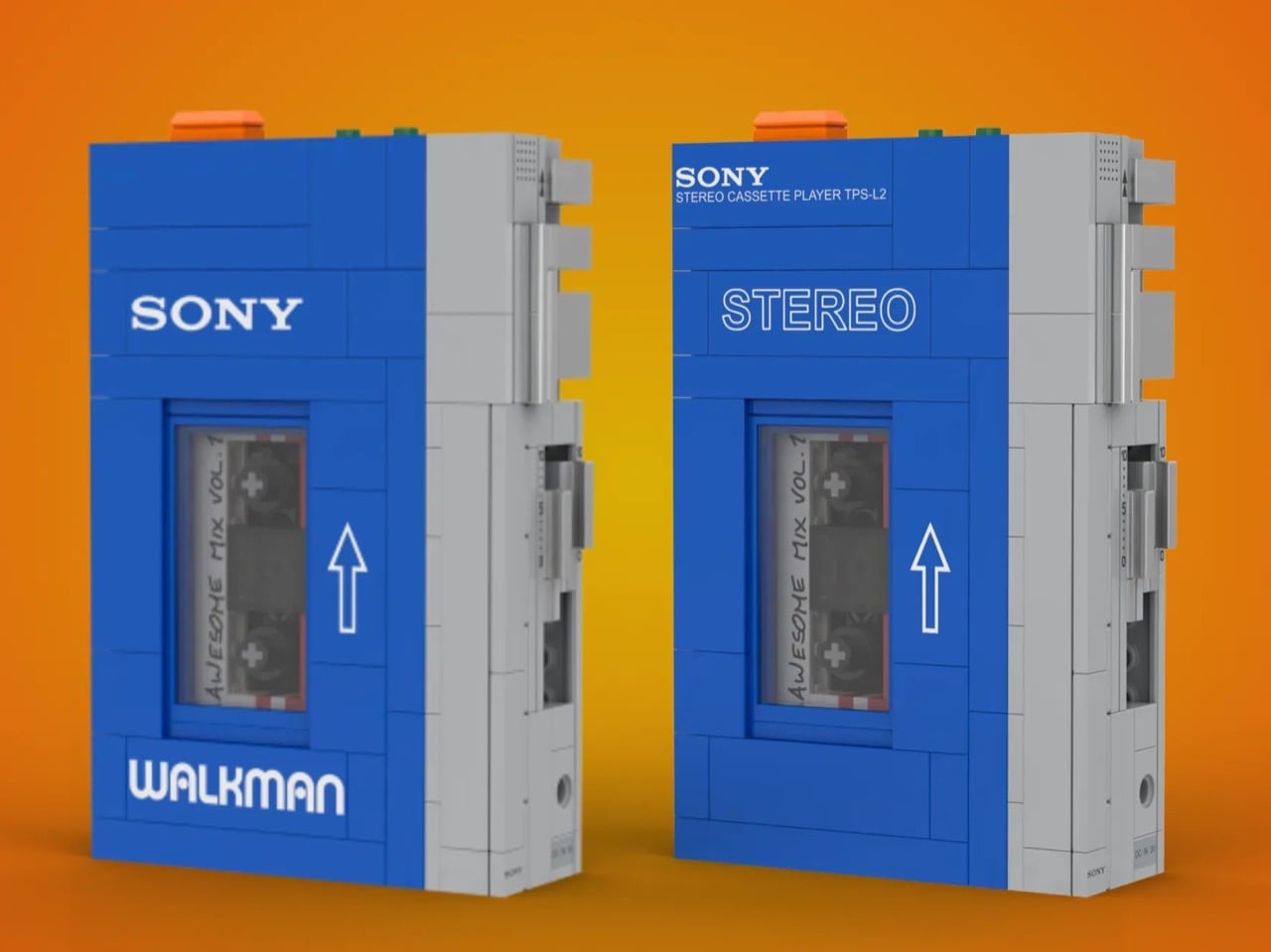
If anything, there’s hope that a kid who’s seen Guardians of the Galaxy would recognize this particular model of cassette player. Featured in the movie as the device that Star Lord operated to play his legendary mixtapes, the Sony Walkman TPS-L2 achieved something remarkable: it made cassette technology cool again for people who’d never touched magnetic tape. Enter Headlight Bricks, a creator who channeled that same Marvel-inspired obsession into a breathtaking LEGO Ideas project. Their 520-piece homage recreates every iconic element from the transparent cassette window to the individually adjustable volume controls, all wrapped in that unmistakable Sony blue. Three buildable cassette tapes let you craft your own mini mixtapes, while the poseable orange headphones complete the authentic 1979 experience.

Designer: Headlight Bricks

Each cassette measures maybe an inch and a half across but manages to pack in customizable label areas where you can swap colored tiles to create different “album art.” One of them references Awesome Mix Vol. 1 from Guardians, probably the one piece of pop culture that did more for cassettes than anything else in the past decade. The cassettes made from LEGO don’t look entirely like you’d expect. They’re missing the gears on the middle that are characteristic of a cassette tape. The reason is simple – making that out of LEGO is a headache, and it does little to add to the original build, which is the player itself. The cassette does its role of fitting into the player, and Headlight Bricks did detail spindles on the inside to complete the illusion. If you want impressive detailing, however, look at that headphone strap, which uses a LEGO Technic part to enable flexibility and movement.

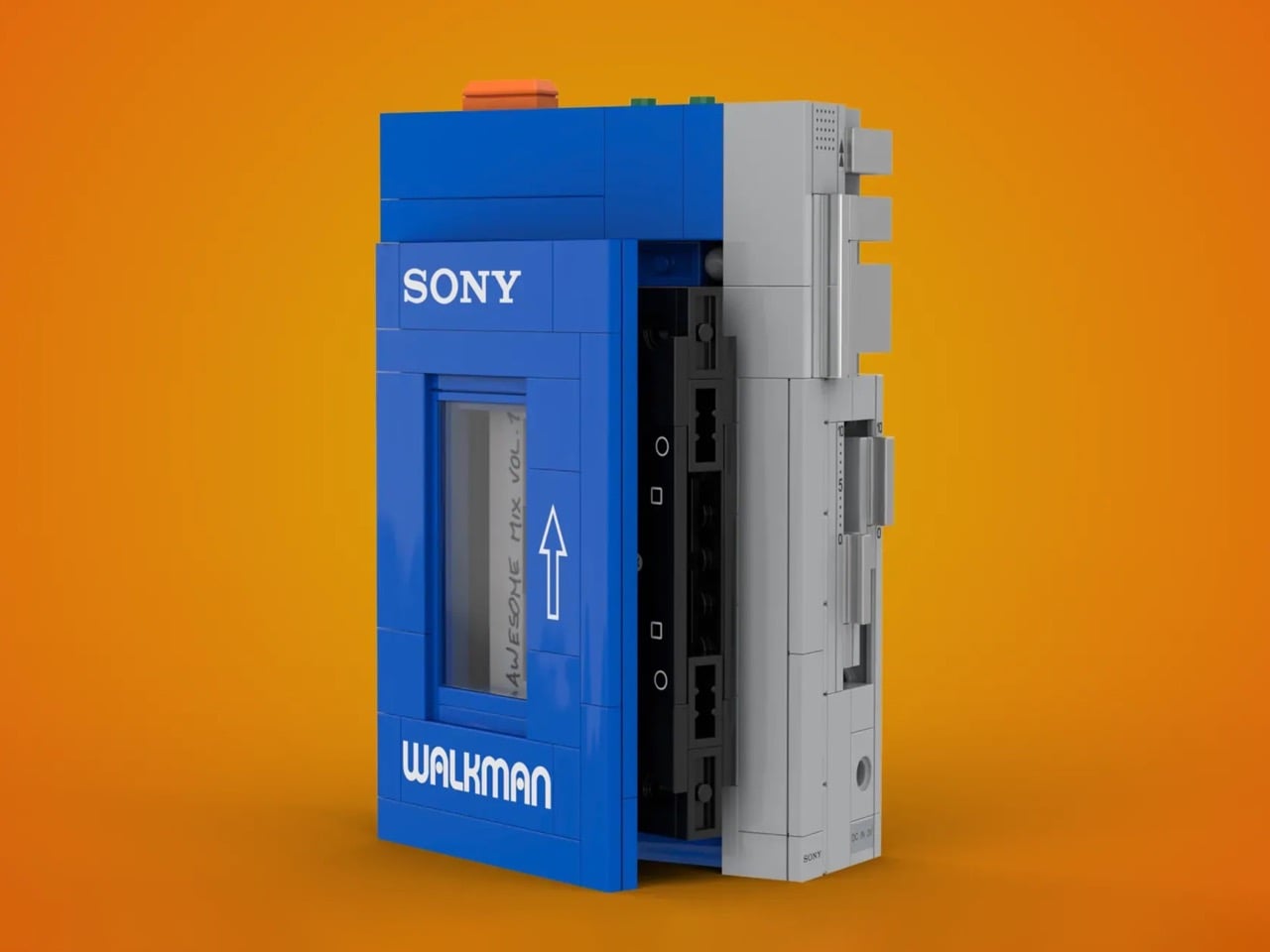
That specific shade of blue paired with light gray side panels captures exactly what Sony’s industrial designers were going for in 1979. They weren’t chasing premium materials or trying to make the TPS-L2 look like jewelry you wore on your belt. It had this utilitarian confidence that said “I do one thing, I do it perfectly, and I don’t apologize for looking like a piece of equipment.” The LEGO version gets that completely right by keeping the form clean and the details purposeful. Besides, everything is perfectly to 1:1 scale, which means this MOC (My Own Creation) accurately captures every single aspect of the Walkman TPS-L2… including even functional buttons.

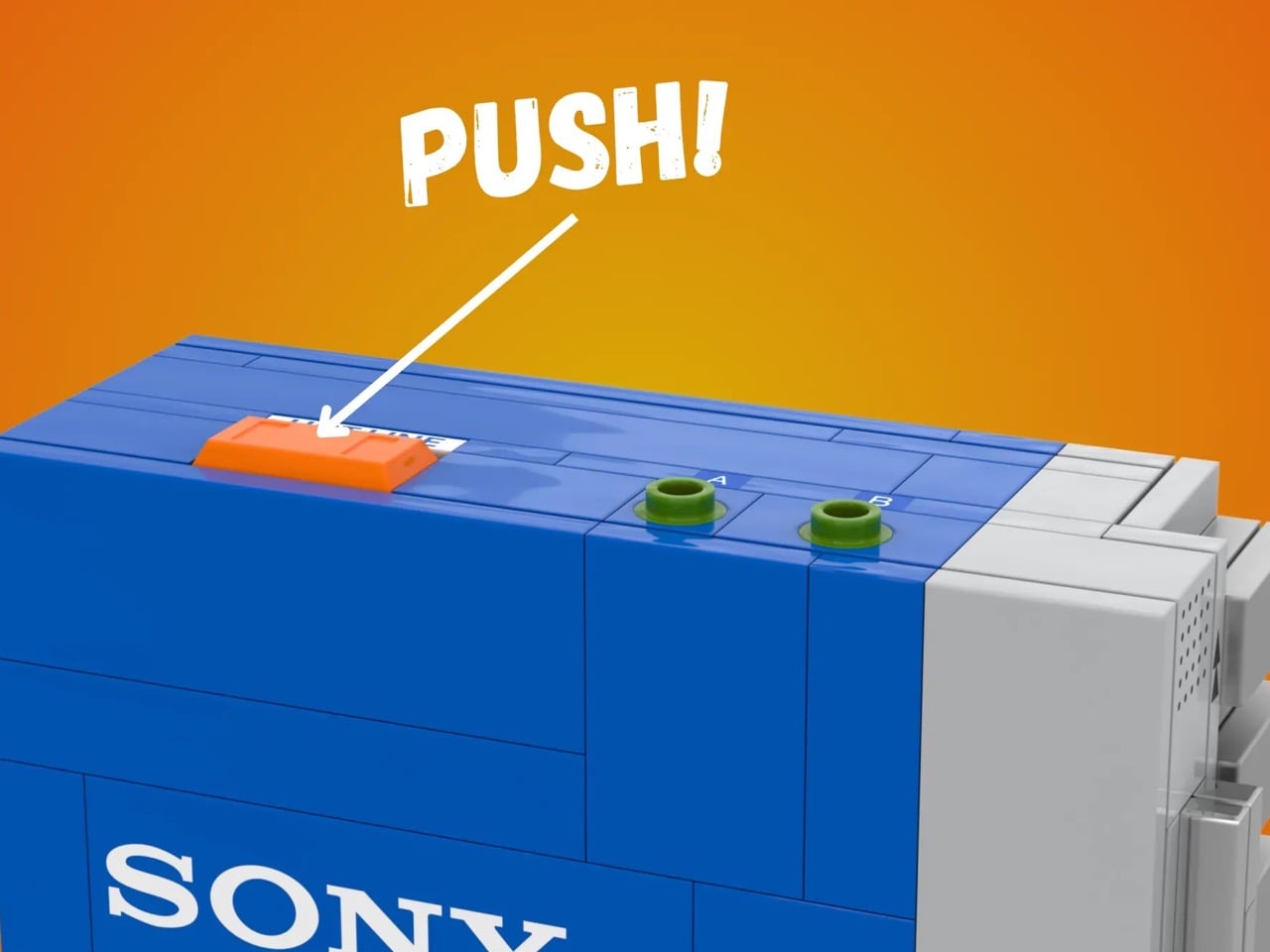
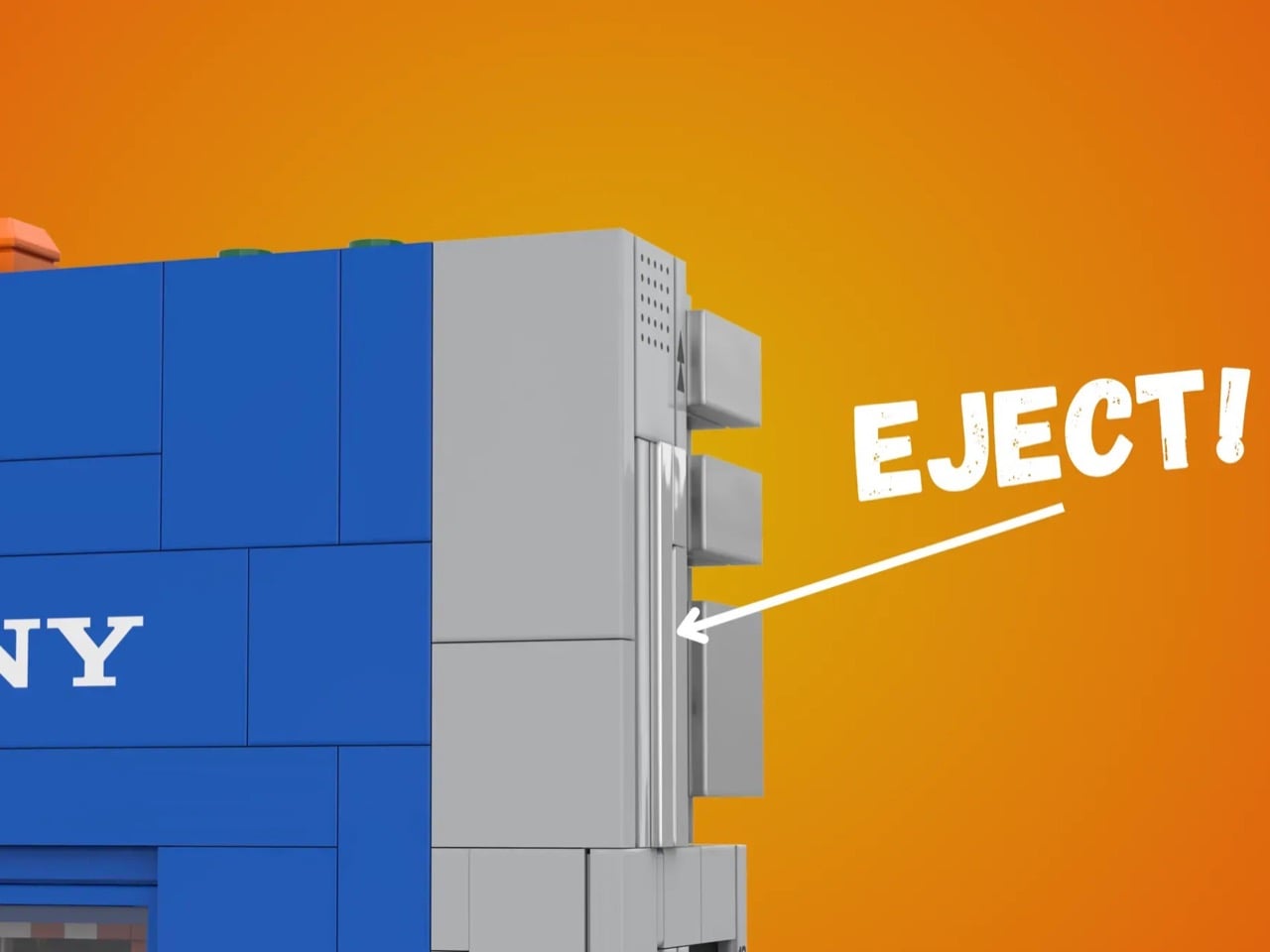
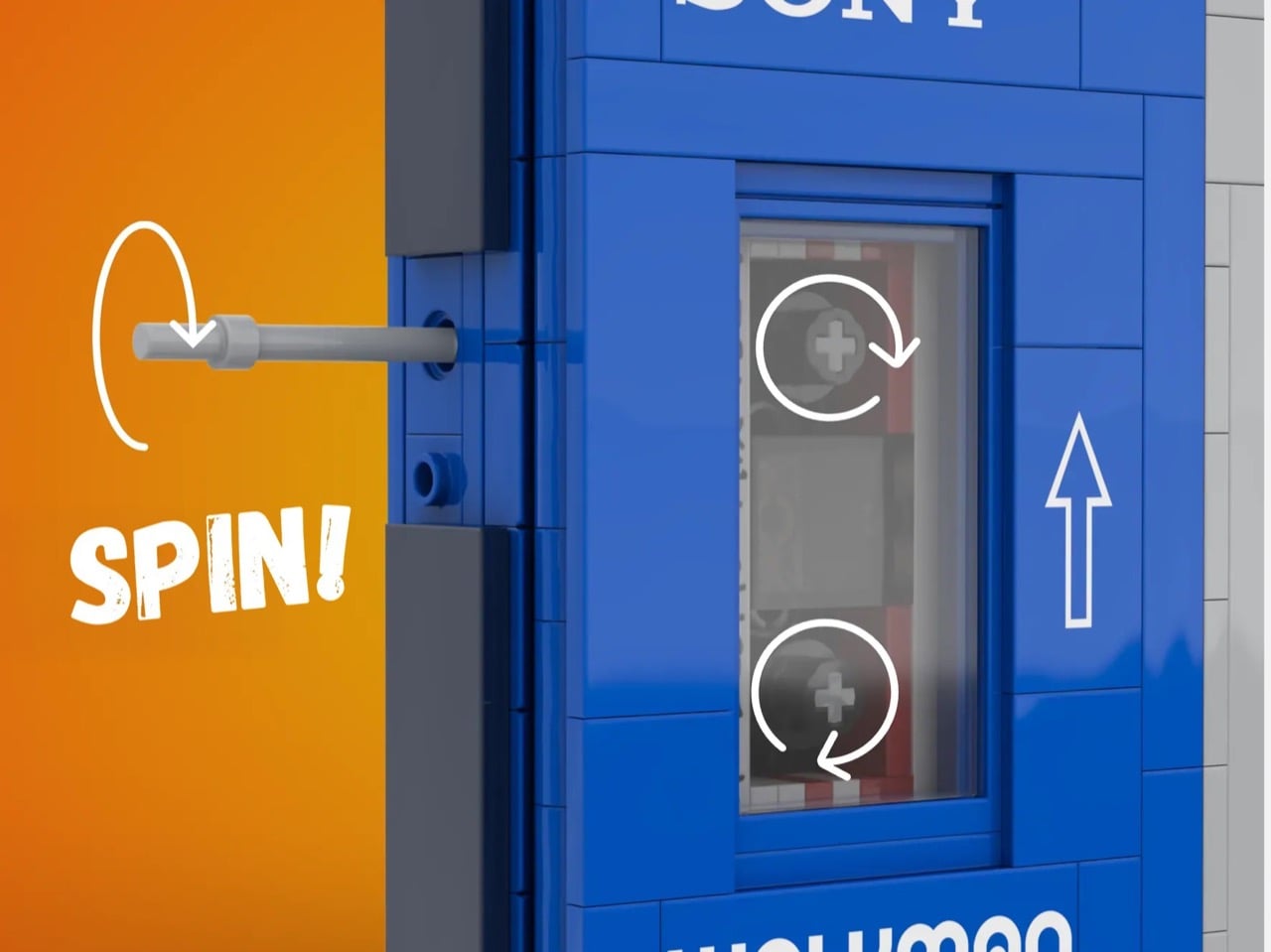
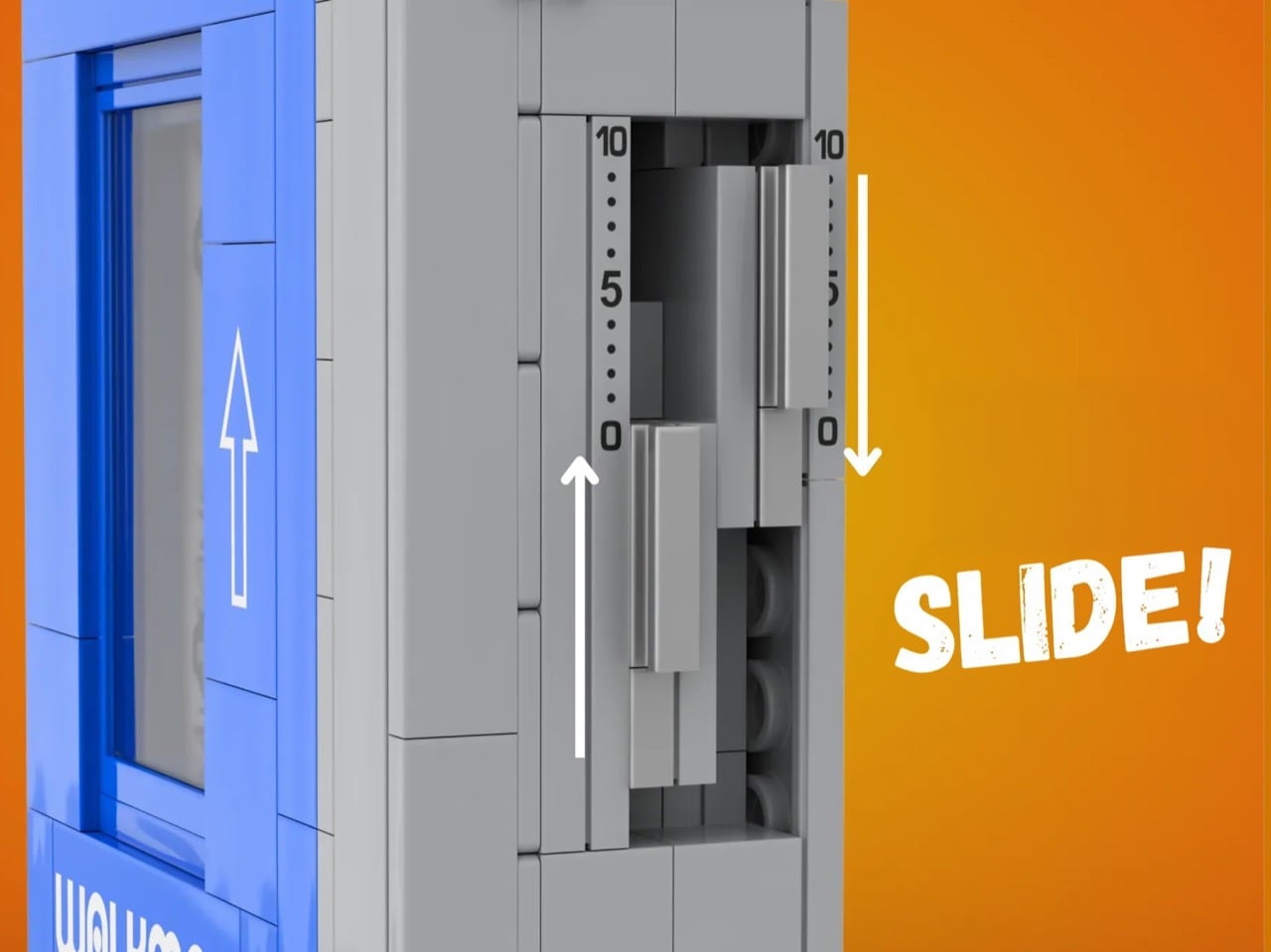
Volume buttons move independently, which means Headlight Bricks had to engineer two separate mechanical systems in a space probably no bigger than a couple of studs wide. The cassette compartment opens with a pressable eject button, and the spindles inside actually rotate when you turn them. Most builders would’ve faked it with printed tiles or stickers, called it close enough, and collected their upvotes. Instead, this thing functions like you could actually thread magnetic tape through it if you were small enough and patient enough.

Right now the project has 4,735 supporters on LEGO Ideas with 445 days left to hit 10,000 votes. Ideas works on a threshold system where fan designs need 10K supporters to get reviewed by LEGO’s actual product team. Getting reviewed doesn’t guarantee production, but it gets your build in front of the people making those calls. They evaluate marketability, licensing complexity, manufacturing feasibility, whether it fits the brand… which this one surely does, with its iconic, retro-throwback fun design. Whether Sony agrees to comply is an entirely separate issue.

You want to see this become a real product you can order? Go to the LEGO Ideas Website and hit the Support Idea button!. You need a free LEGO account to vote, takes maybe thirty seconds to set up if you don’t have one already. Hit the support button, leave a comment if you feel like it, and you’re done. At 4,738 supporters (me included), this build is inching towards the 10,000 vote mark needed to put this build into the ‘Review’ phase. LEGO managed to produce a working typewriter you can buy. A Walkman with rotating cassette mechanisms and pressable buttons feels like the obvious next move in that category.

The post Stunning LEGO Sony Walkman Replica Features a Dockable Cassettes and Wearable Headphones first appeared on Yanko Design.

‘PSP Knockoff’ Packs an AMD Ryzen™ AI Max+ 395 Processor and 1TB of Storage

The PSP died, but its body plan lives on like some kind of handheld gaming phylogenetic blueprint. Wide landscape orientation, controls on both sides, screen in the middle. It has been 20 years and we are still building variations on that theme. The GPD Win 5 takes that familiar skeleton and asks a ridiculous question: what if we stuffed desktop level computing power inside it?

The answer involves a detachable 80 Wh battery pack, a quad heat pipe cooling system that sounds like aerospace engineering, and a price tag that makes the Steam Deck feel like an impulse purchase. GPD designed hall effect triggers, capacitive joysticks with zero deadzone, and a proprietary Mini SSD slot that claims speeds far beyond conventional microSD storage. Every innovation exists to solve problems created by the central design decision, which is a refusal to compromise on performance within a handheld form factor. Whether that feels brilliant or stubborn depends entirely on whether you see yourself in the user this was built for.

Designer: GPD

Click Here to Buy Now
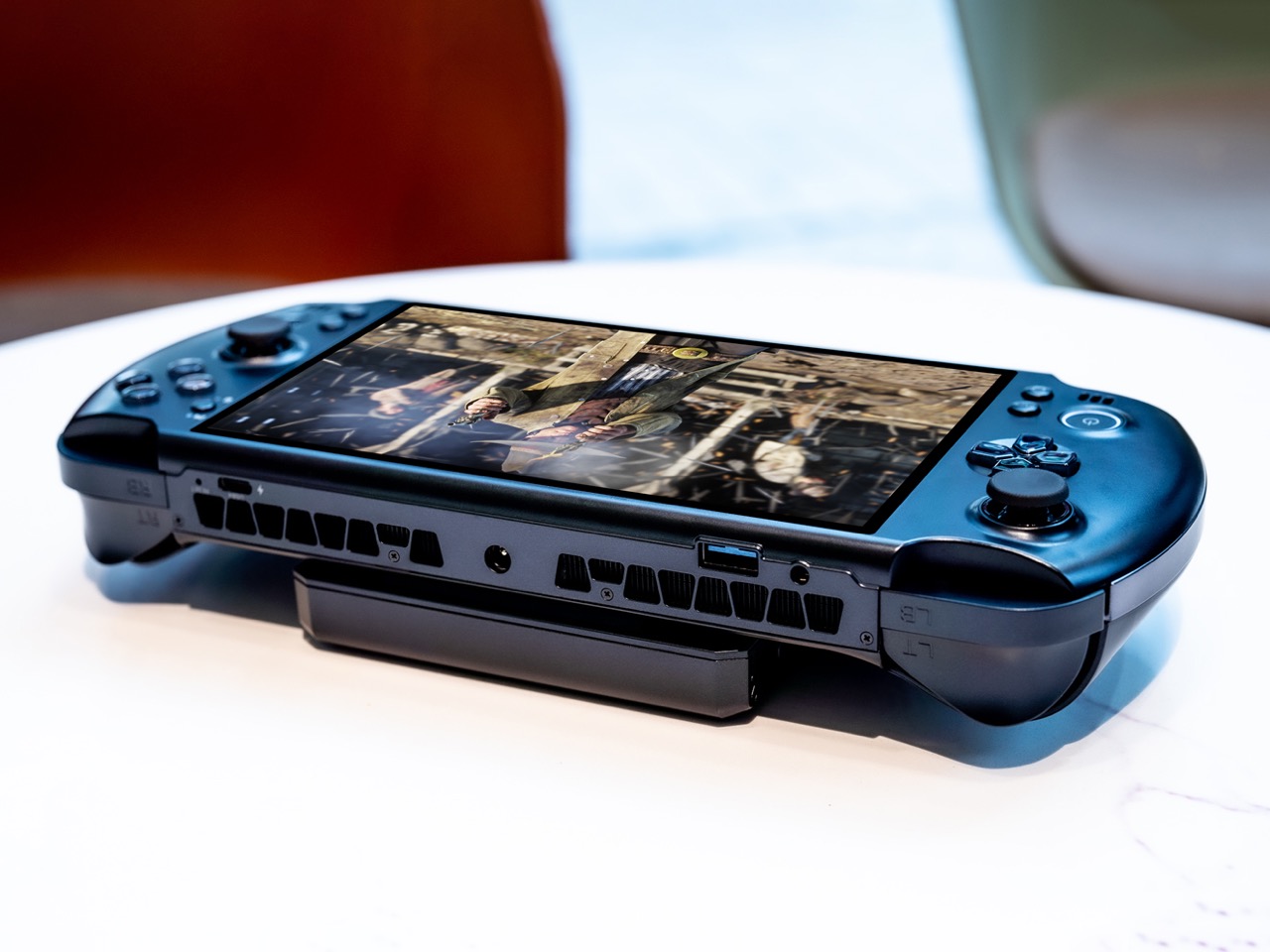
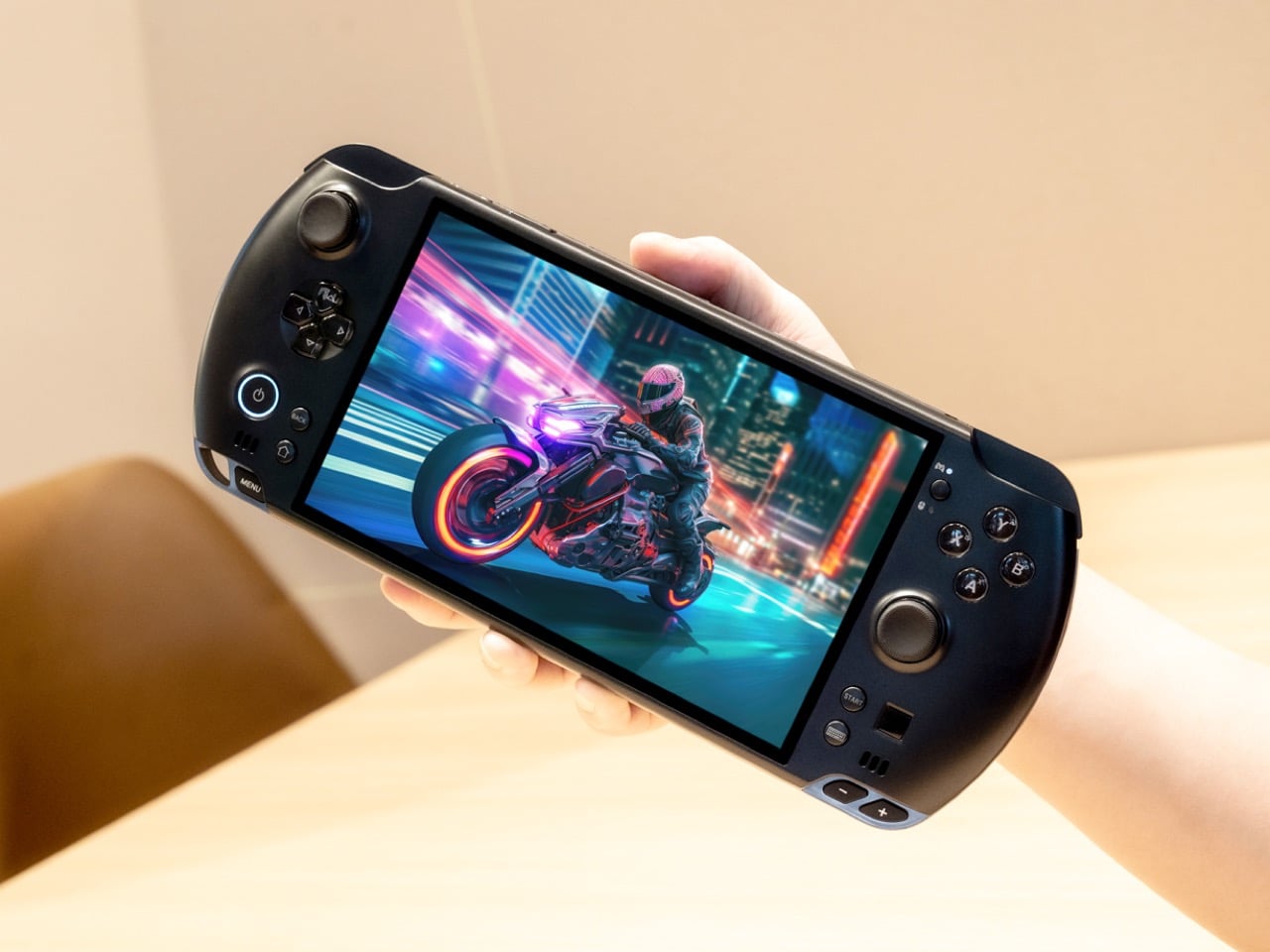
The silhouette comes straight from the PSP school of handheld ergonomics. A 7 inch 16:9 display sits in the center, framed by asymmetrical thumbsticks, a D pad, and face buttons in a layout that feels immediately familiar to anyone who has held a Sony portable. The difference lies in the thickness. The Win 5 looks dense, almost compressed, with aggressive venting along the back and sides that signals its true identity as a compact thermal solution disguised as a gaming console. The top edge bristles with ports and grilles, more reminiscent of a compact gaming laptop than a console you would toss into a sling bag.
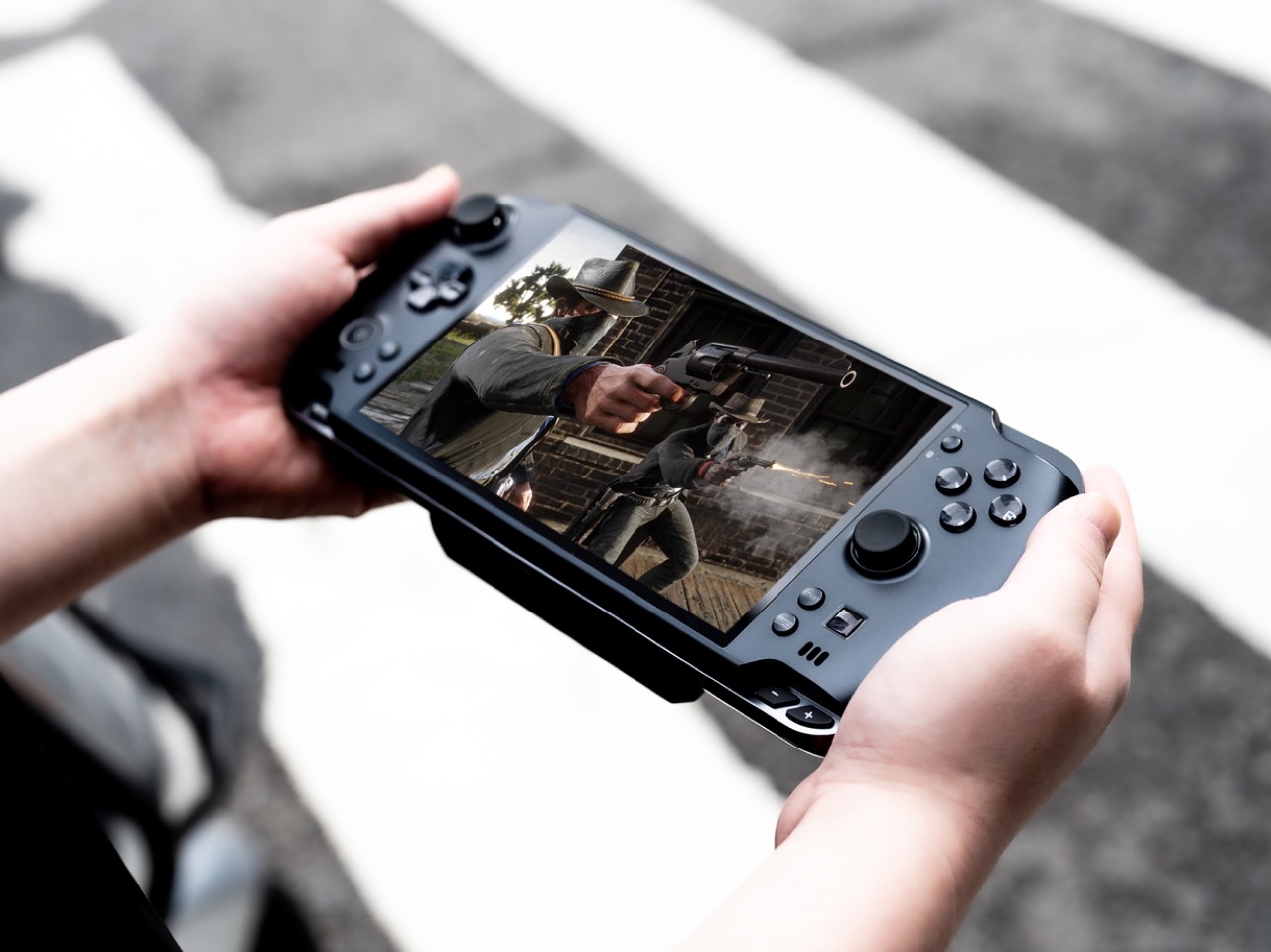
Inside that shell lives AMD’s Ryzen AI Max+ 395, a 16 core, 32 thread processor paired with Radeon 8060S graphics. Current coverage places the Win 5’s pricing at around 1,400 dollars for a 32 GB RAM and 1 TB storage configuration, rising to about 2,100 dollars for a 64 GB and 4 TB flagship model. At those levels you are squarely in premium gaming laptop territory, which is exactly what makes this device interesting from a design standpoint. GPD is not chasing affordability or broad appeal. The Win 5 feels like a hardware manifesto about what happens when you give industrial design and engineering teams a very simple but extreme brief: handheld, Windows, desktop class performance.
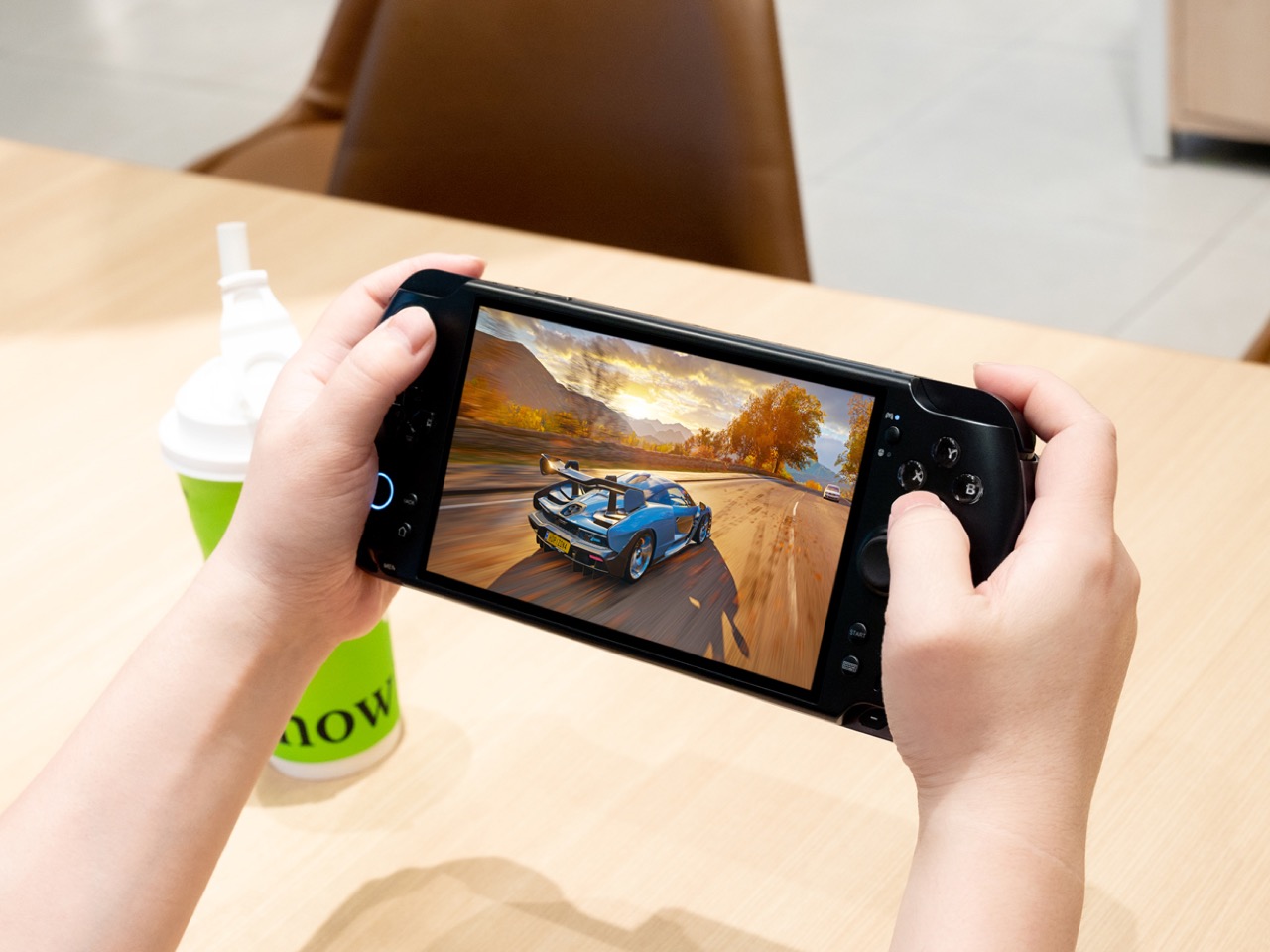
The most telling design decision is the external 80 Wh battery. Instead of burying a huge cell inside the chassis and accepting a brick like profile, GPD splits power delivery into a removable module. It can clip to the back of the unit for a self contained experience, or hang off a cable so the handheld itself stays lighter in the hands. That choice acknowledges a reality that marketing copy rarely does. Sustained high wattage gaming will drain any reasonable internal battery quickly, so GPD leans into modularity and user choice rather than pretending this is an all day couch companion.
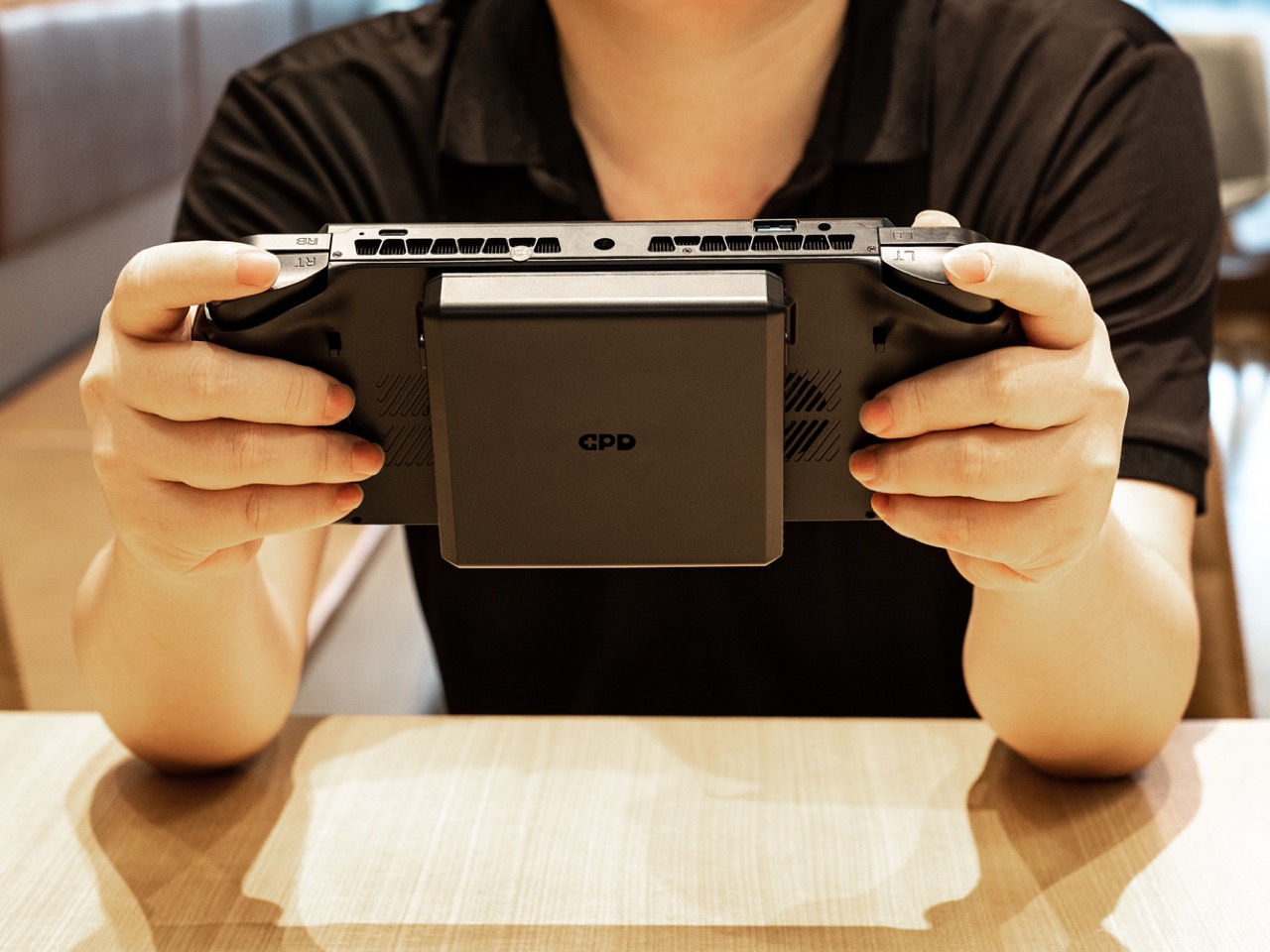
Cooling follows the same philosophy. The marketing material highlights a FrostWind architecture with dual large fans, thick copper heat pipes, and a carefully shaped internal airflow path. You can see the consequences on the exterior. The back of the device becomes a sculpted exhaust surface, with intakes and outlets dictating the geometry as much as hand comfort does. It feels like a reversal of usual priorities. Instead of designing a beautiful shell and figuring out how to cool it, GPD appears to have designed a cooling solution and then wrapped a handheld around it.
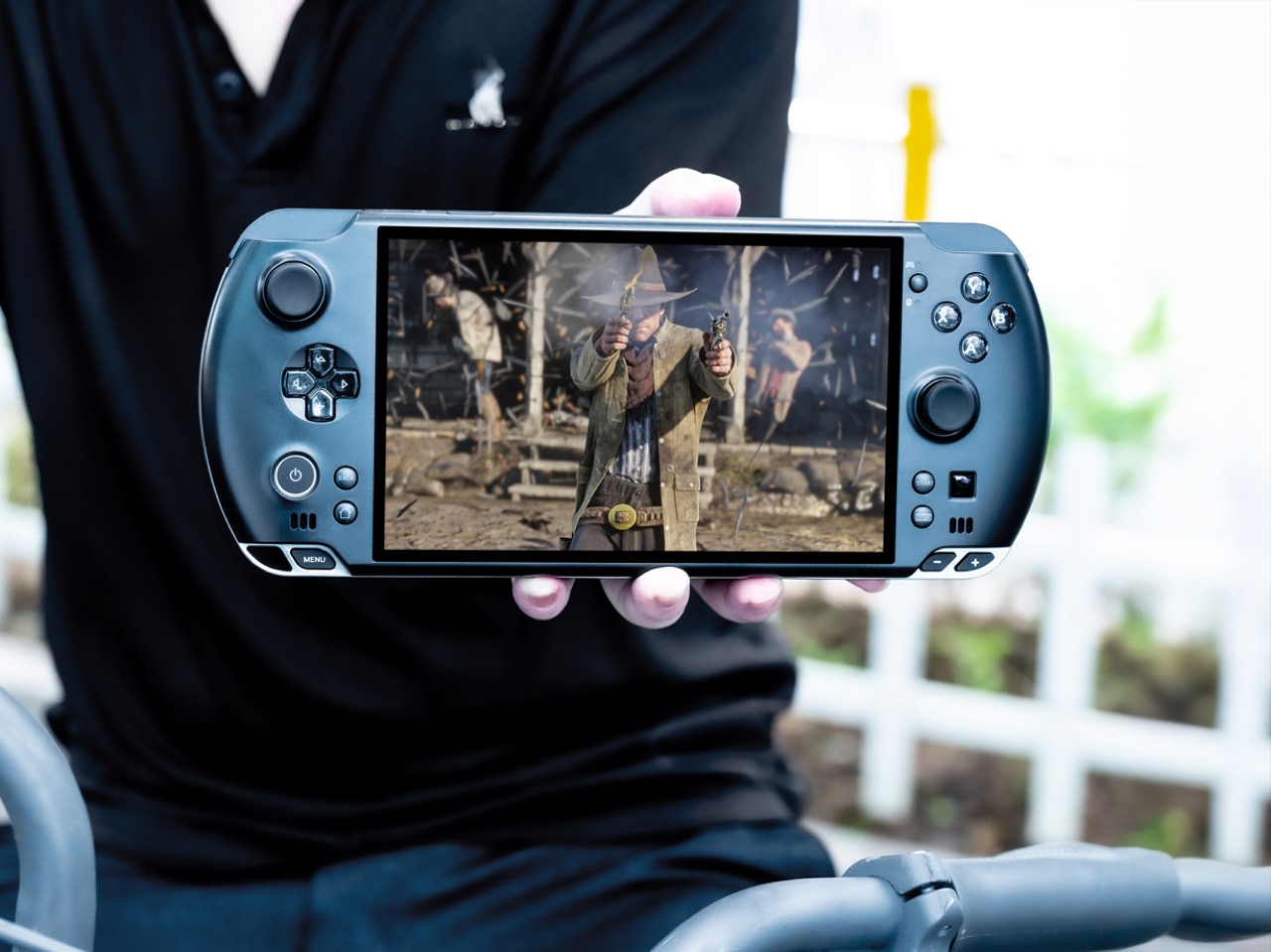
Capacitive joysticks promise zero deadzone and pixel level aiming precision. That approach allows extremely fine analog input without the mechanical hysteresis that can appear in traditional potentiometer based sticks. Hall effect triggers offer contactless sensing for long term reliability and very granular control, a detail that matters for racing and shooting games where tiny pressure changes translate to meaningful in game responses. These are the kinds of components that typically appear in enthusiast controllers, transplanted into a portable PC.
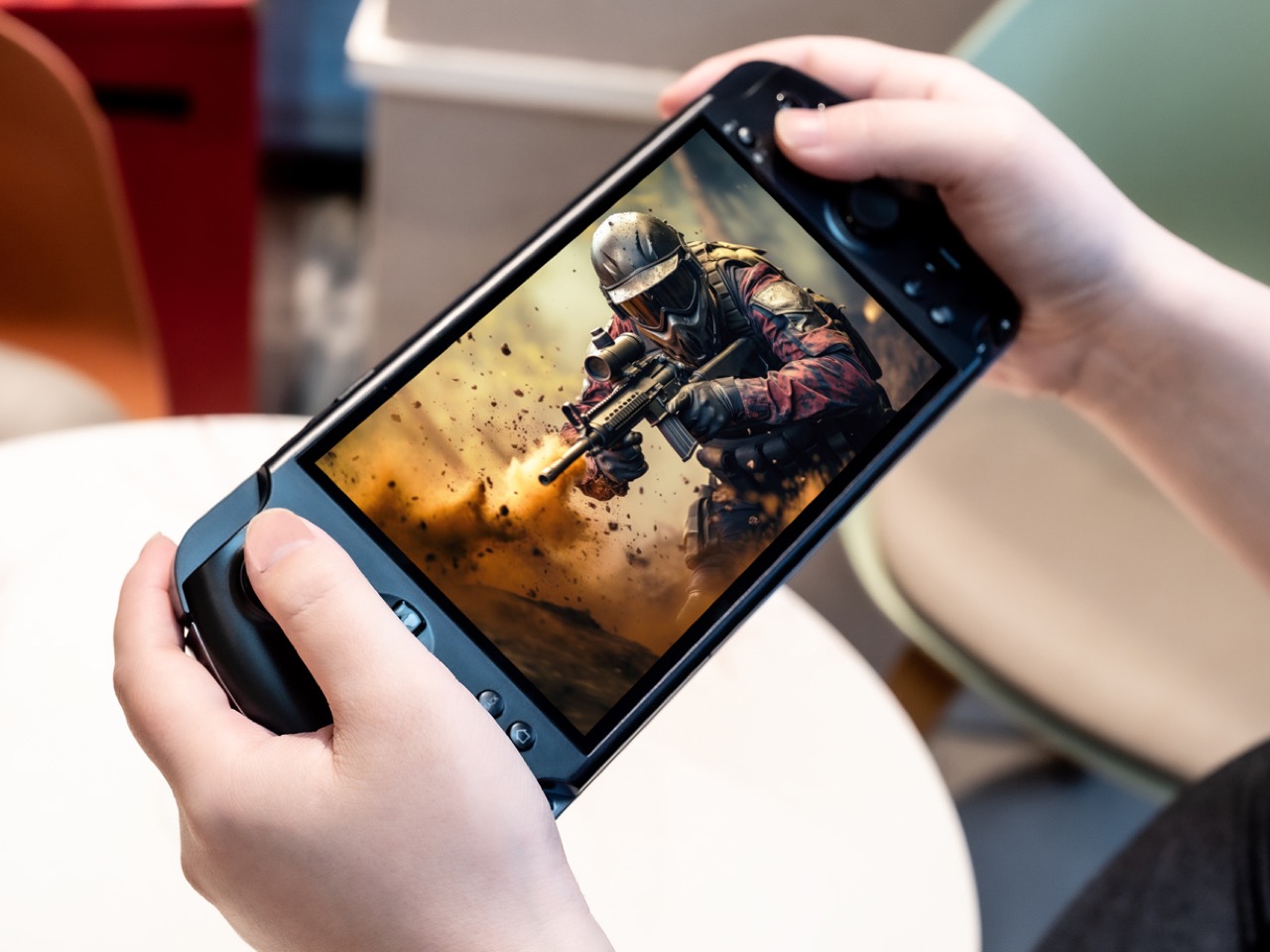
The primary drive uses a standard M.2 2280 SSD, which aligns with desktop and laptop conventions. Alongside that, GPD introduces a miniature proprietary SSD card that occupies roughly half the footprint of a microSD card while offering significantly higher throughput. The message is clear. This device expects users who juggle large game libraries, maybe multiple operating system images, and even local AI workloads, and who notice the difference between 100 MB per second and gigabyte class transfers.

That last point is important. The Win 5 is positioned as a gaming handheld, but its specification sheet reads like a compact workstation. The unified memory options reach up to 128 GB in some configurations, a level that caters directly to users running large language models and other memory hungry tasks locally. The dock supports external GPUs over USB4, allowing the handheld to transition into a desktop style setup when connected to a monitor. In that mode the PSP inspired form factor becomes an integrated controller and display for a full Windows machine rather than a self contained console.

Current reporting places the GPD Win 5 at around 1,400 dollars for a configuration with a Ryzen AI Max 385 processor, 32 GB of RAM, and a 1 TB SSD, and around 1,600 dollars for the Ryzen AI Max+ 395 with 32 GB and 2 TB. Higher tier models reach roughly 2,100 dollars for 64 GB of RAM and 4 TB of storage. These numbers sit squarely in premium gaming laptop territory and far above mainstream handhelds such as the Steam Deck. The comparison highlights the central design question. GPD is asking users to value this specific blend of form factor, controls, and modular power over a larger display and traditional keyboard.
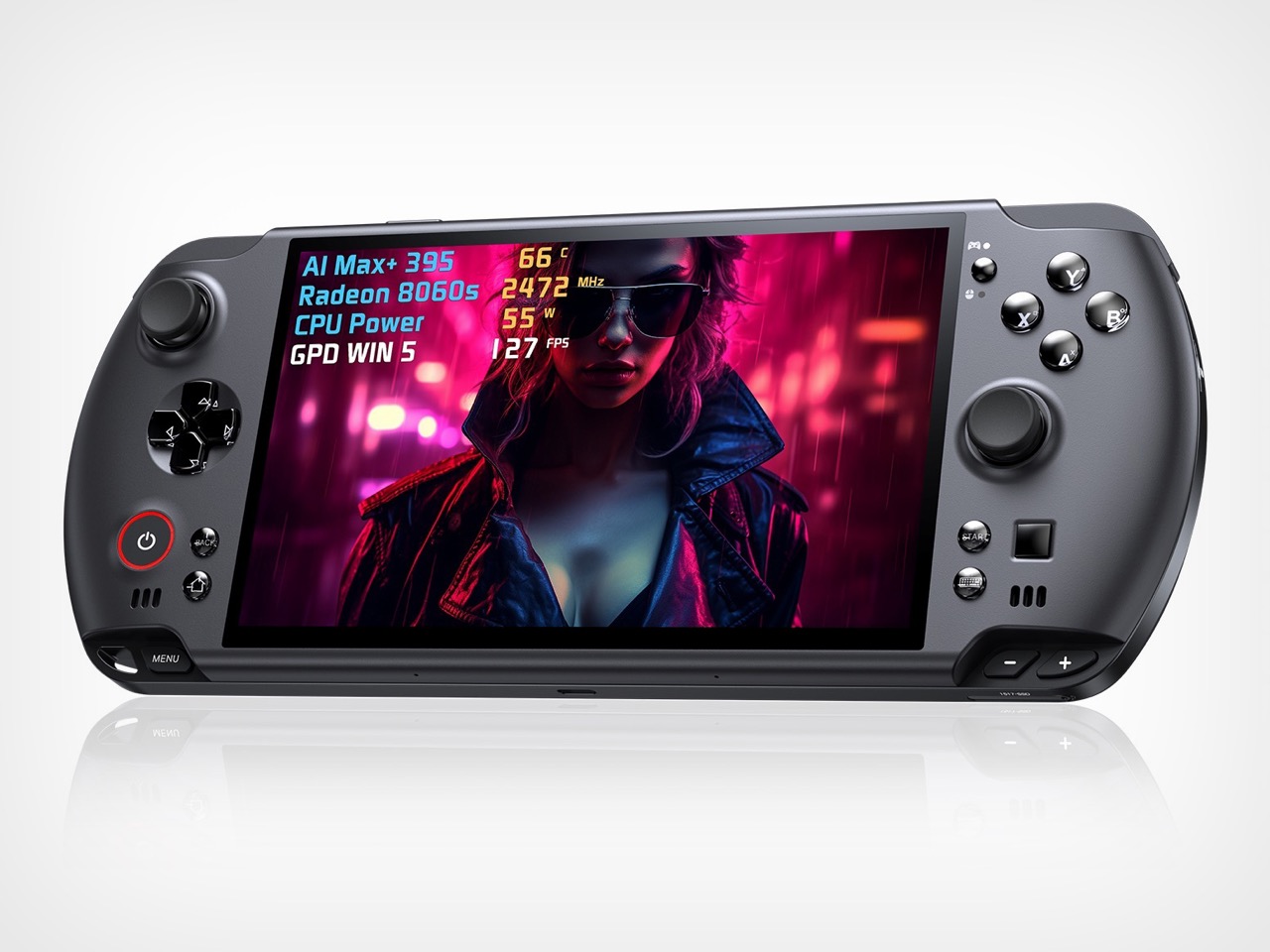
That being said, the Win 5 isn’t perfect by any stretch of the imagination. There are tradeoffs everywhere – weight climbs once the external 80 Wh battery is attached, bringing the total system toward the kilogram class according to early coverage. The price invites direct comparison with full size gaming laptops that deliver larger screens and more conventional ergonomics. Thermals will always be a careful balancing act with this class of hardware, even with dual fans and multi pipe cooling. Those compromises do not feel accidental. They feel accepted in service of a particular vision of computing that treats performance, portability, and physical tactility as equal priorities rather than a hierarchy.
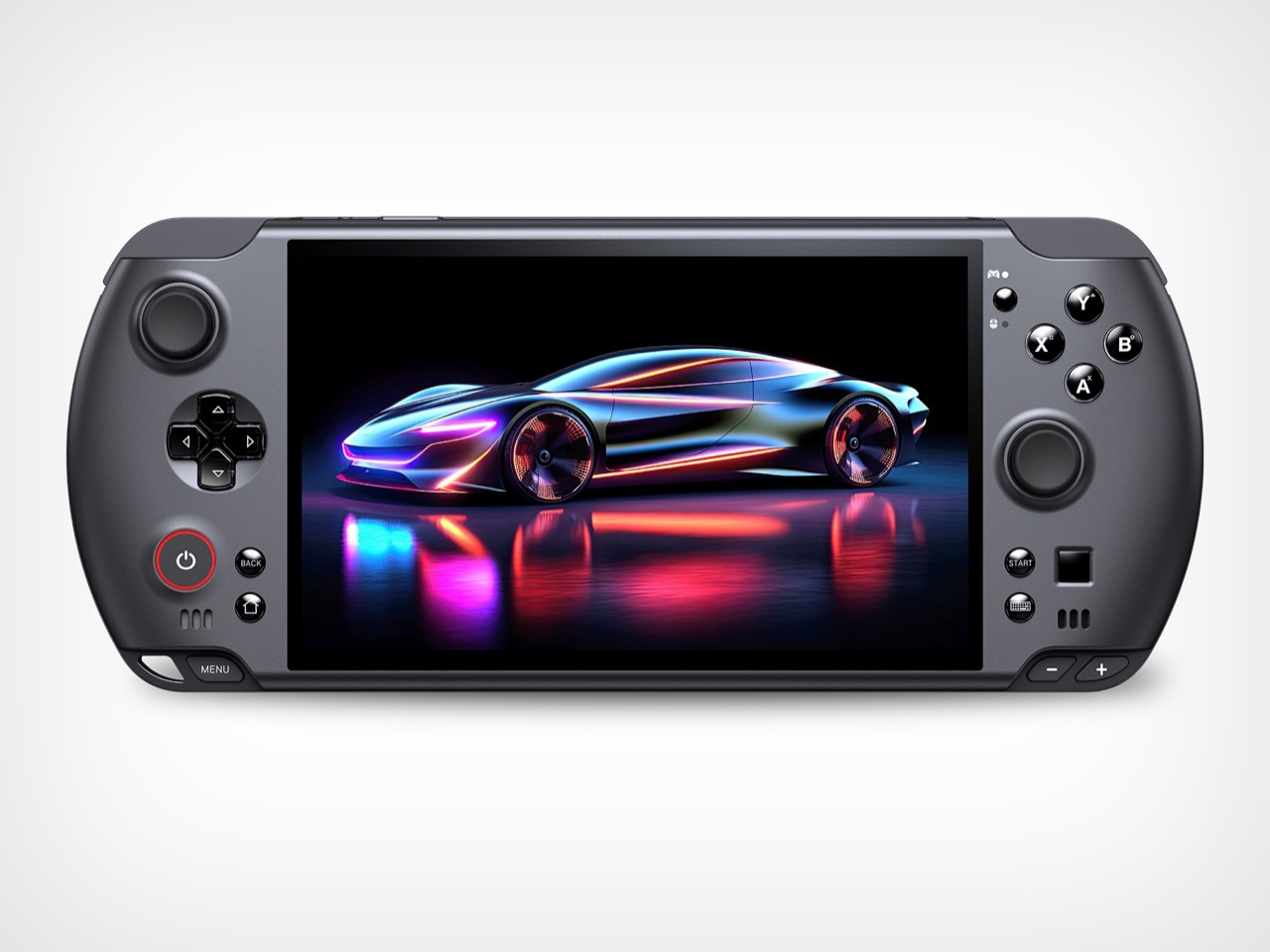
So, the Win 5 isn’t trying to be the next Steam Deck. It’s not a safe, mass market product. It’s a statement. The familiar PSP shape pulls you in with nostalgia, and then the spec sheet hits you over the head with its wild, workstation grade numbers. That’s the whole story right there, the contrast between the old school body and the brand new, ridiculously powerful guts. It’s a fascinating, maybe even reckless, look at what happens when a company decides that classic handheld shape still has some fight left in it, and can be pushed to some truly new extremes.

Click Here to Buy Now

The post ‘PSP Knockoff’ Packs an AMD Ryzen™ AI Max+ 395 Processor and 1TB of Storage first appeared on Yanko Design.

Bitcoin biopic starring Casey Affleck to use AI to generate locations and tweak performances

Killing Satoshi, an upcoming biopic about the elusive creator of Bitcoin, will reportedly rely heavily on artificial intelligence to generate locations and adjust actors' performances, Variety reports. The film was announced in 2025 as being directed by Doug Liman (The Bourne Identity, The Edge of Tomorrow) and starring Casey Affleck and Pete Davidson in undisclosed roles, but its connection to overhyped technology was previously understood to begin and end with cryptocurrency.

According to a UK casting notice viewed by Variety, the producers of Killing Satoshi reserve the right to "change, add to, take from, translate, reformat or reprocess” actors' performances, using "generative artificial intelligence (GAI) and/or machine learning technologies." No digital replicas will be created of performers, but it sounds like plenty of other AI-driven tweaks are on the table. The production's use of AI will also extend to the setting of its shoots, per Variety's source. Killing Satoshi will be shot on a "markerless performative capture stage" and things like backgrounds and locations will be entirely generated by AI.

You guess is as good as mine as to why a film about blockchain technology needs to be filmed this way, but Doug Liman has been connected with plenty of unusual projects in the past, including a rumored Tom Cruise film that was supposed to film on the International Space Station. Killing Satoshi will be far less practical in comparison, and walking a much finer line of what's acceptable in the entertainment industry.
A major sticking point in SAG-AFTRA's 2023 contract negotiations was guaranteeing protections for actors who could be replaced by AI. Equity, the union representing actors in the UK, is currently negotiating protections for members that are concerned that AI could be used to reproduce their likenesses and voices and let studios use them without their consent.

This article originally appeared on Engadget at https://www.engadget.com/entertainment/tv-movies/bitcoin-biopic-starring-casey-affleck-to-use-ai-to-generate-locations-and-tweak-performances-210657775.html?src=rss