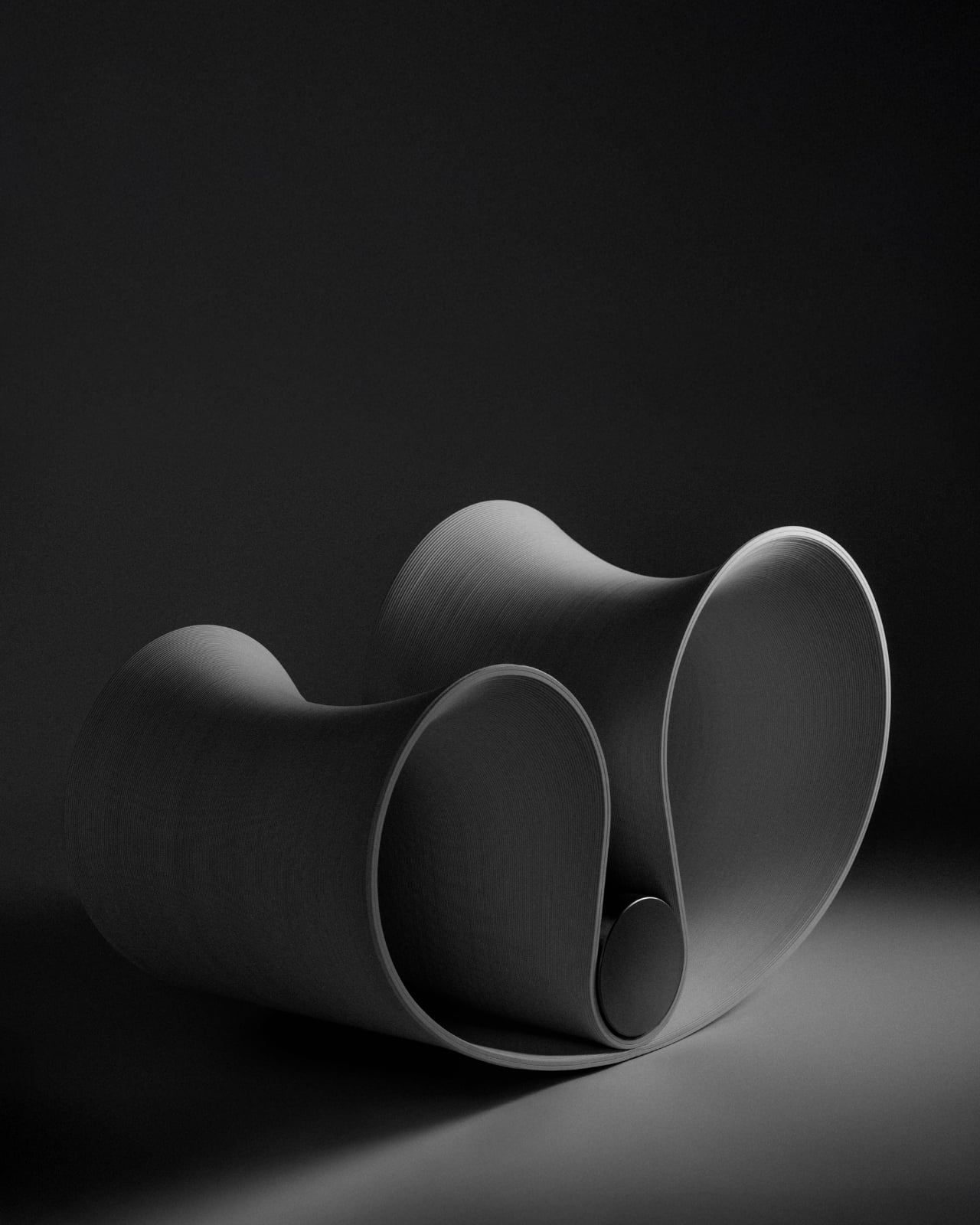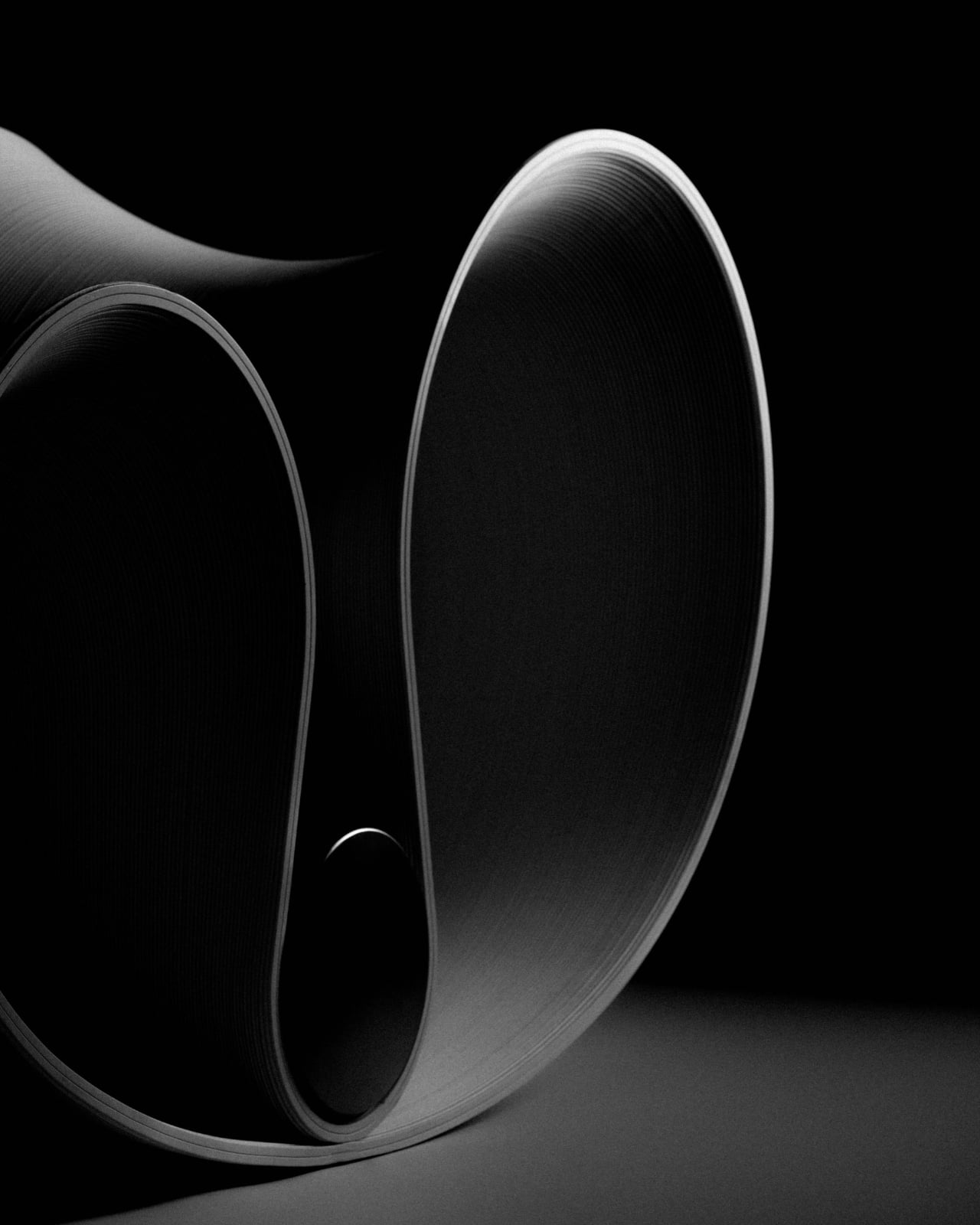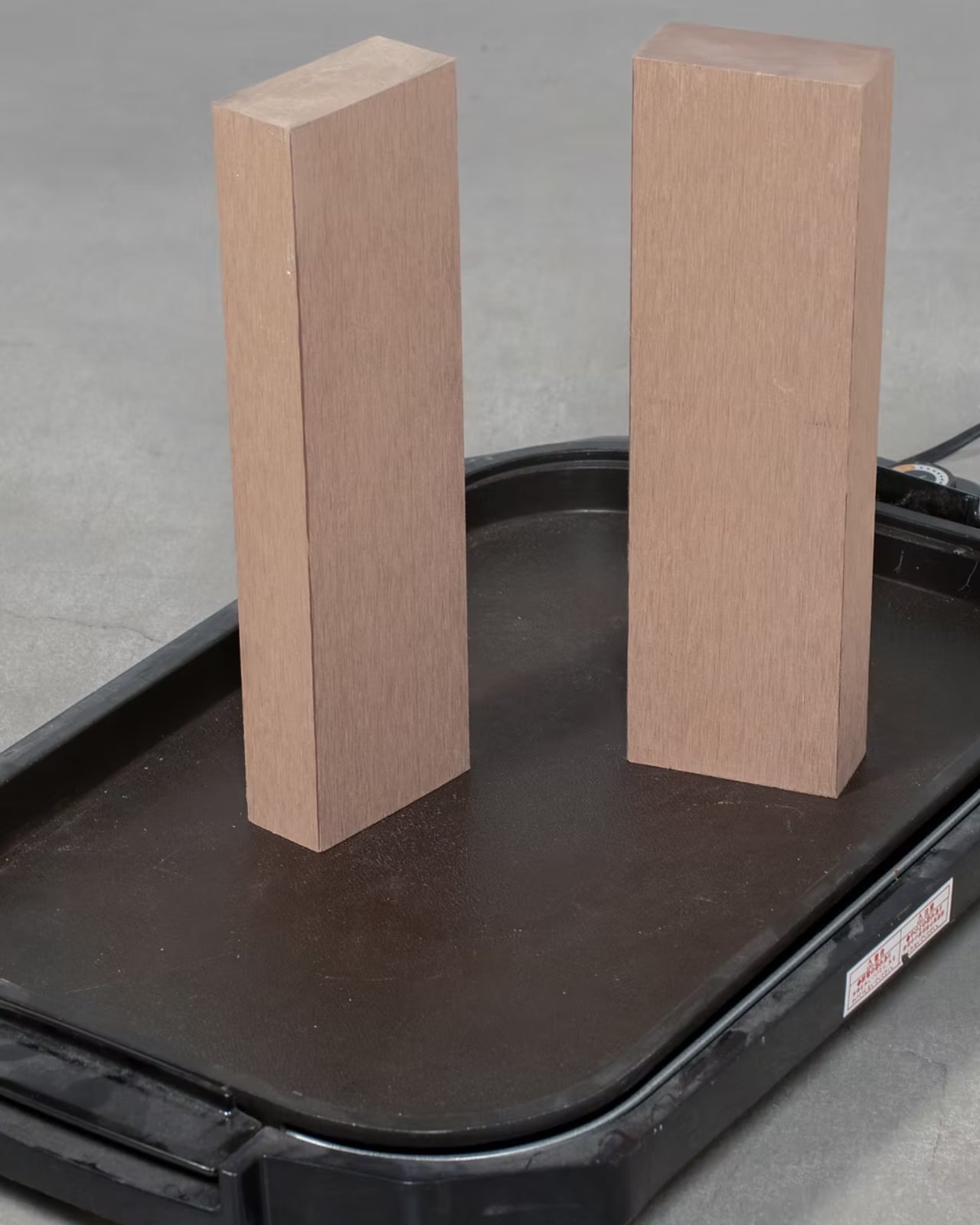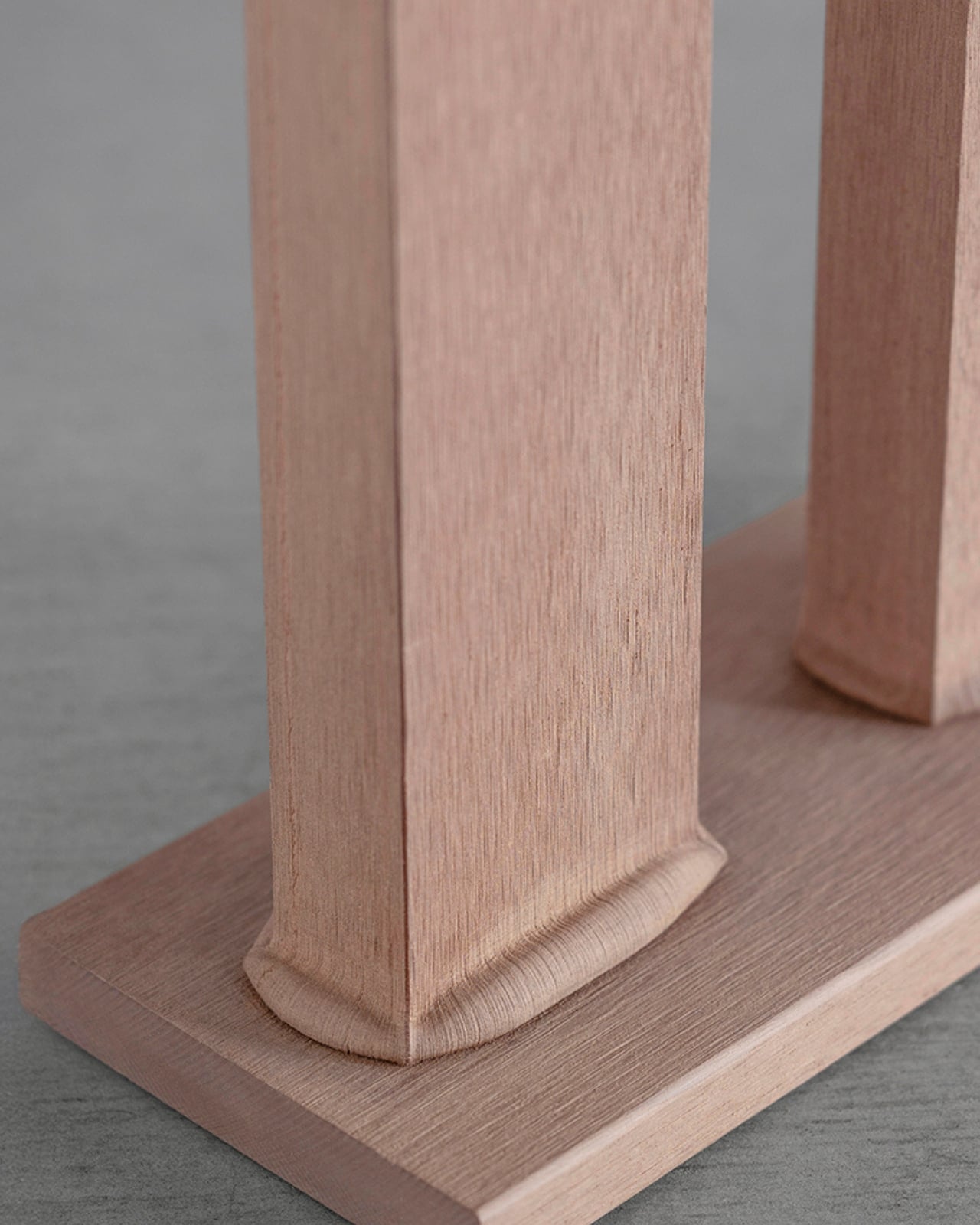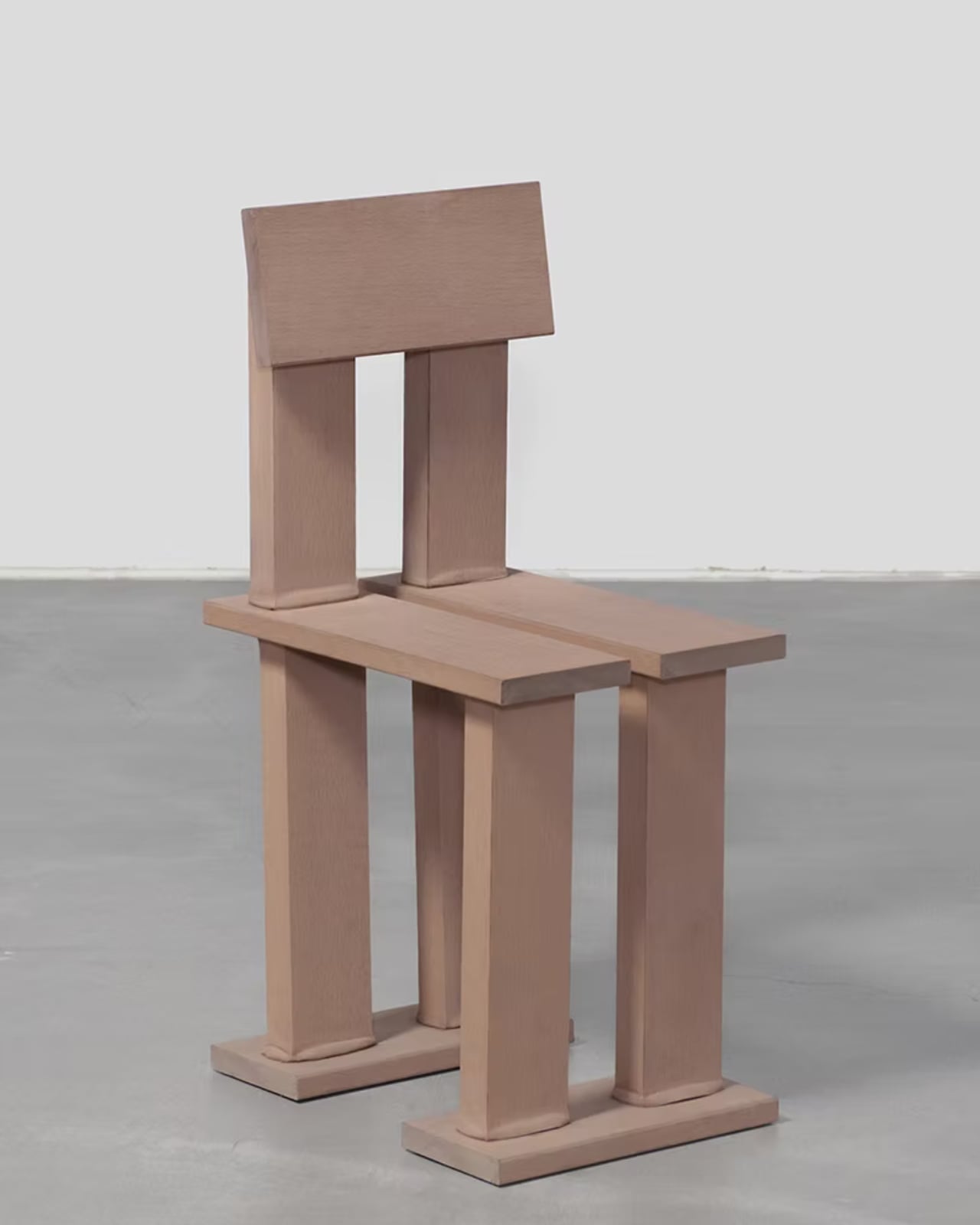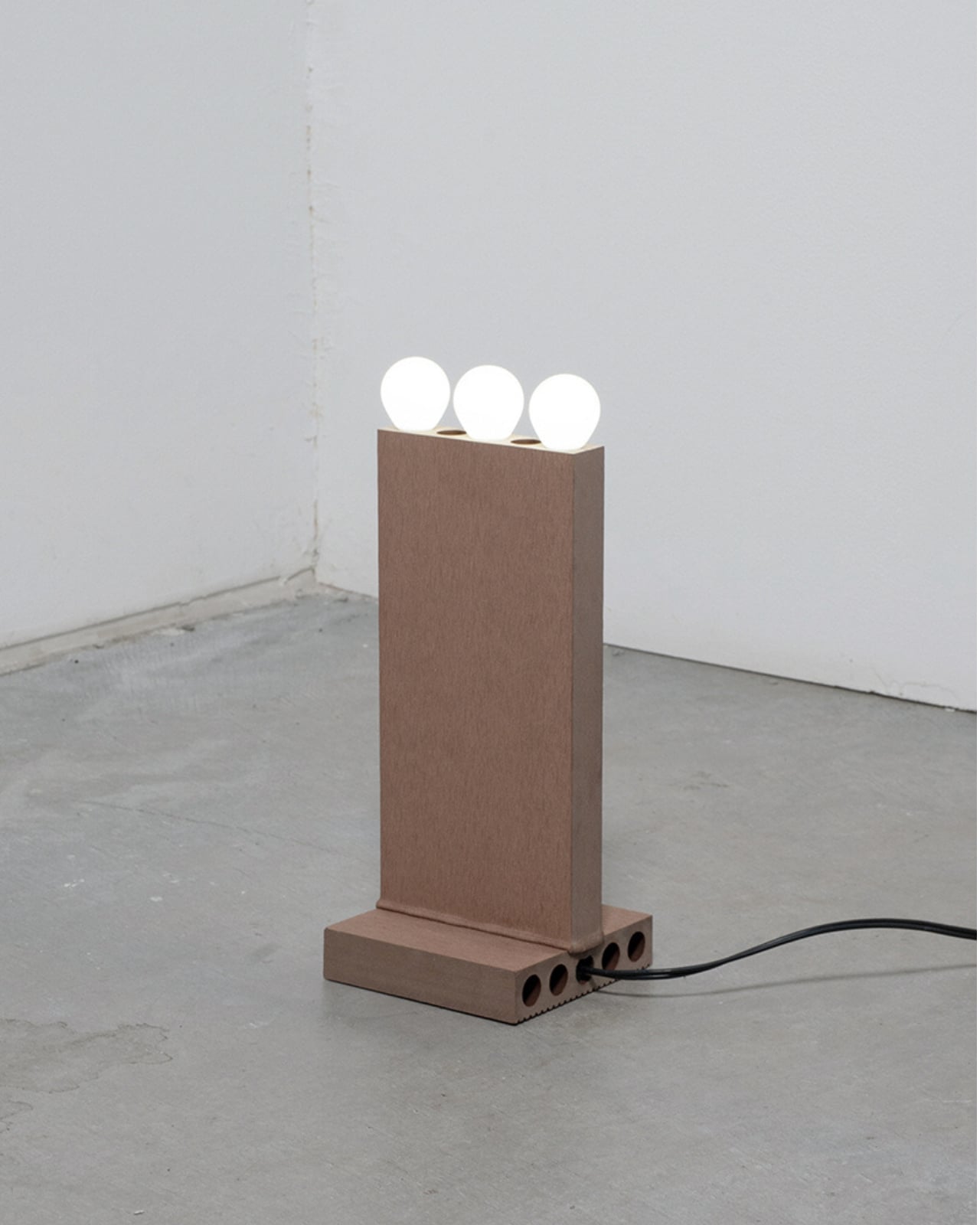
Wood is a favorite among designers, especially furniture designers, because of its innate beauty, unique grains, and sustainability. But although the material is indeed biodegradable and recyclable, most furniture designs still result in a lot of waste. There can be many uses for wood chips, sawdust, and unused wood pieces, but an even better solution would be to reduce the wasted material in the first place. That means making every square inch of a sheet of wood count, leaving very little behind once the piece of furniture has been put together. That’s the idea behind this beautiful minimalist side table, where designing for efficiency has also led to a very interesting organic shape in the process.
Flat-packed furniture has become trendy, especially with the minimalist designs propagated by the likes of IKEA. But while these designs are indeed space-efficient and economical, most of the time they’re mass-produced in a manner that produces plenty of offcuts and waste by-products. After all, it is also more efficient to cut all the legs of tables from the same batch of wood and all the tabletops from another, even if their shapes mean there will be plenty of scraps literally left on the cutting room floor.
Slide Table is a design concept for a side table that advocates efficiency both in packaging as well as in manufacturing. Every part of the table is actually cut from a single sheet of wood, so even mass-produced versions would have the same qualities. Yes, there will still be some unused parts that are cut off to produce the gaps between parts, but the goal is to minimize this waste as much as possible rather than eliminate them completely.
What makes this efficient use of the material is the rather unique design of the table itself. The tabletop is a disc carved from the middle of a rectangular plank of wood, and the remaining section is split in half to form the legs. The legs themselves “slide” into each other, connecting in the middle and forming a cross shape on which the circular top rests. It’s a simple yet intriguing shape that creates something like an optical illusion when viewed from the side.
While Slide Table does offer a beautiful and more sustainable design, it leaves some concerns about the stability of the furniture itself. There is no clear indication of how the legs stick together, or how the tabletop stays stable. It’s certainly possible that other smaller parts of the wooden sheet can be used as dowel rods to connect the pieces, which would further reduce the amount of wasted materials. This design, however, also has its limits in how big the table can be, as the tabletop will always be proportional to the rest of the sheet that would become its legs.
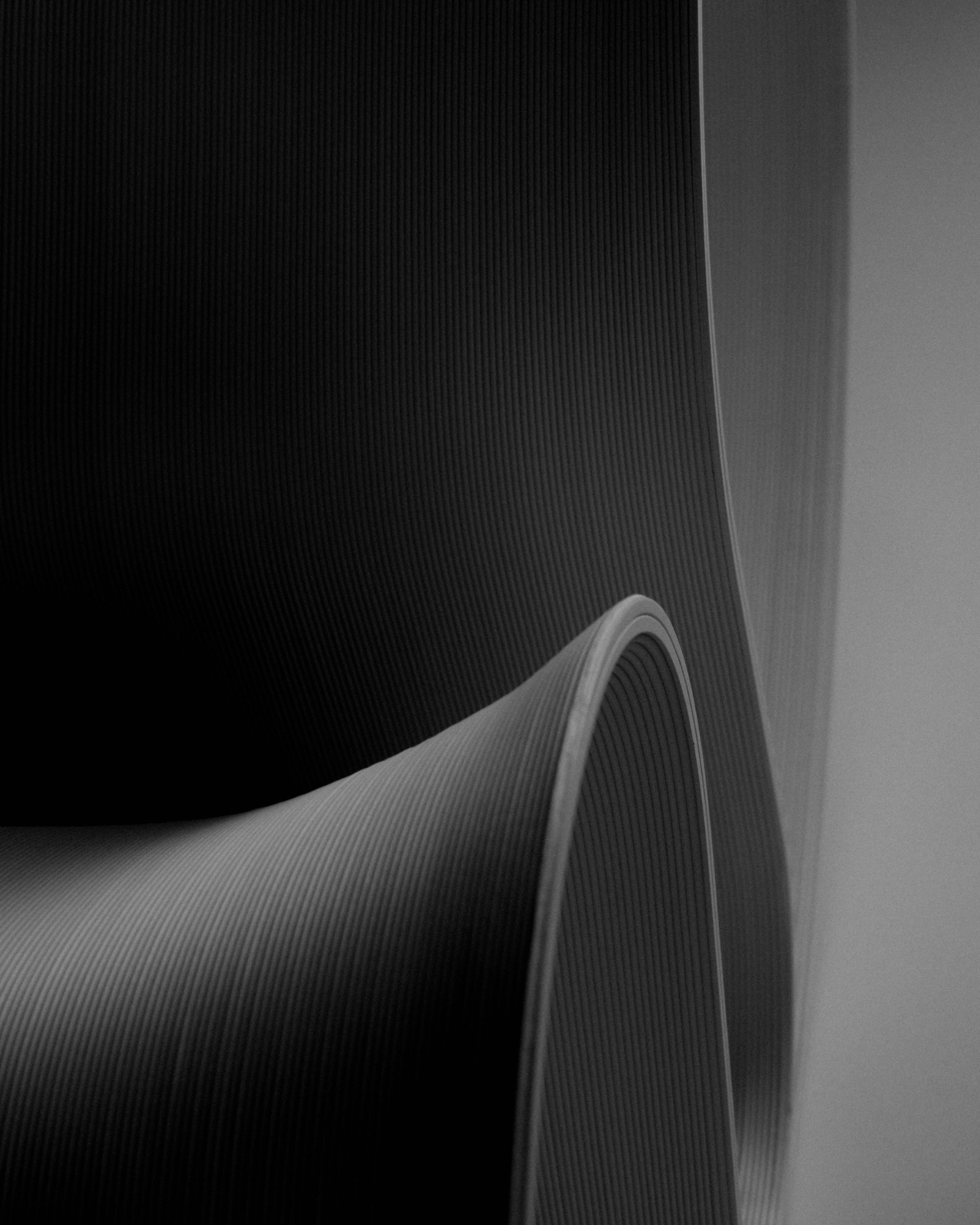
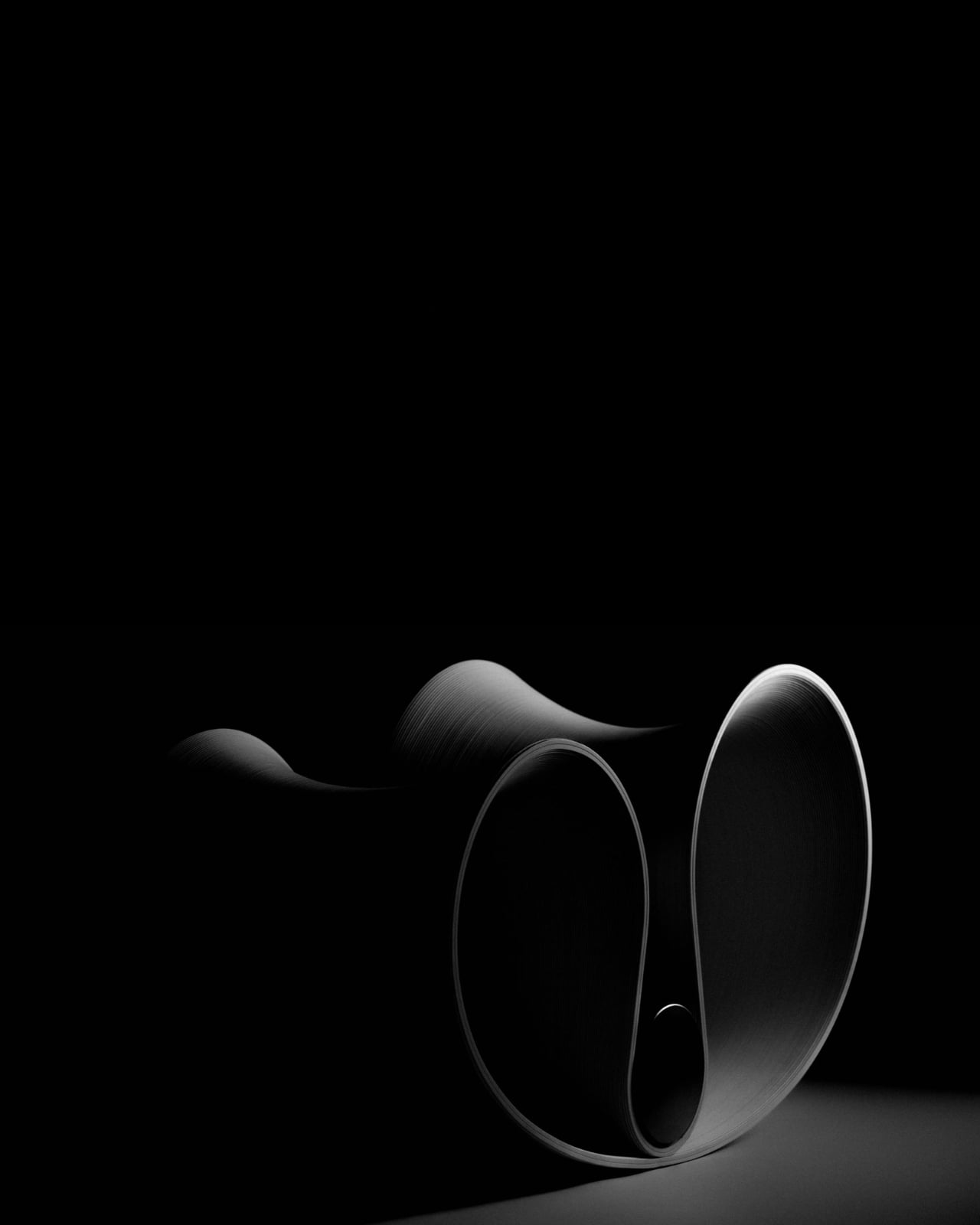
All chairs have a common, standard purpose, but there is no hard rule to follow when it comes to their design. As long as they offer a stable seating surface, and in most cases, some form of back support, they qualify as an acceptable piece of furniture, even if the actual experience can be a bit uncomfortable at times. It’s only by convention, for example, that most chairs have four legs or are made of different pieces, and some designs try to push the boundaries of what’s physically possible when it comes to the composition and form of chairs. This concept, for example, does away with the standard makeup of this kind of furniture and instead embraces a single flowing form that, surprisingly enough, works just as well in terms of practical use.
Bending a single sheet of material, be it metal or plastic, into a less trivial form isn’t exactly easy, especially when you have to make sure that it is stable enough to sit on. You need not only balance but structural integrity as well since it will be something that humans expect to be safe to use. Some designs tend to overcomplicate things to meet those goals, but this chair concept goes in the completely opposite direction with its extreme simplicity.
Named after the last Greek alphabet, the Omega design concept simply takes a single folded sheet of material and bends it at the sides and back to create the two wide legs and backrest of the chair. There are no sharp angles in this design, giving the seamless form a smoother and more organic appearance. While it is aesthetically pleasing, it isn’t just an art piece, and at least based on the concept, it is just as functional as your stereotypical four-legged plastic chair.
In particular, the design of the Omega chair allows it to be stacked together, rather unexpected given its nontrivial shape. It doesn’t even take up more space than most stackable chairs, which makes the design practical for widespread production and use. It definitely offers an interesting alternative to common mass-produced designs as it offers both a compact shape as well as an attractive appearance.
On the surface, the Omega design also looks sturdy, with the legs angled inward to cover a bigger surface area than a normal straight edge. There might, however, be some concerns with the comfort of the seat itself, as the curved sides could make some slide off too easily. The backrest might also be too short for comfort, with the top edge digging into people’s backs when they lean backward. Nonetheless, it’s a beautiful and simple design that could be improved on for an even more comfortable and ergonomic experience.
As interior design trends evolve, rattan is staging a remarkable comeback after almost 30 years, infusing any space with tropical-inspired vibes. Rattan has a rich history of gracing homes and outdoor spaces globally for decades, infusing any space with tropical-inspired vibes. Embraced for its durability and versatility, this natural material, derived from climbing vine-like palm plants, effortlessly lends itself to various shapes and patterns. From lighting to furniture, rattan finds its place in home decor, particularly enhancing bohemian, nautical, and traditional styles with its charming, airy appeal.
Rattan’s revival is fueled by its craftsmanship and the increasing preference for natural materials in modern decor. Additionally, the best part about integrating rattan into home decor is that it possesses the capacity to infuse warmth and a relaxed ambiance into any environment, imparting a sense of casual ease to the space.
Is rattan sustainable?
Rattan, a tropical vine that is native to tropical areas in Asia, Australia, and Africa and it possesses the flexibility to be molded into numerous intricate forms. Crafted by skilled artisans with basic manufacturing processes, it requires minimal facilities. Its rapid growth, at 2cm per day, allows for harvest within 2-3 years, faster than traditional wood. Known for durability, well-made rattan furniture can last over a decade, making it an eco-friendly alternative akin to solid wood.
Rattan and wicker are often confused, but they have distinct meanings. Rattan refers to the natural material from the rattan palm tree, while wicker encompasses woven materials like natural fibers and plastics including rattan.
What are the advantages of using rattan in home decor?
Adds Texture
Rattan, with its rich and organic feel, can create a cozy atmosphere while contrasting nicely with smooth surfaces like metal, glass, or marble, adding visual interest and complementing various decor styles.
Opting for rattan instead of synthetic or non-renewable materials enables one to lessen the environmental footprint while backing local communities engaged in rattan production.
Lightweight
Rattan furniture’s lightweight nature facilitates easy rearrangement between rooms and indoor-outdoor versatility, offering convenience and flexibility in home decor.
Rattan furniture, known for its affordability, low maintenance, and durability, serves as a practical choice for home decor, with the option to extend its lifespan through protective coatings against moisture and UV rays.
How to incorporate Rattan into your home décor?
Rattan products, provide an exciting addition to any decor, offering an incredible texture that seamlessly integrates into various styles. Rattan pieces extend beyond outdoor settings, seamlessly blending into existing indoor decor with their natural textures.
Eclipse is a revolutionary chair crafted from flexible rattan wood, defying convention with its minimalist yet captivating design. Featuring an open box seat wrapped in sleek rattan strips, it creates an airy and inviting atmosphere, perfect for contemplation and relaxation. The iconic vertical arches frame the seated individual, drawing attention to the vast open sky above. Lightweight and visually striking, Eclipse serves as a focal point in any space, effortlessly blending modern aesthetics with natural charm.
The Mua Lau Lounge Chair is a modern marvel that seamlessly combines rattan with bent metal piping for a unique visual aesthetic. Unlike traditional designs, this chair reimagines rattan’s role, using it as a replacement for foam and cotton for a comfortable yet springy seating experience. Inspired by the beloved Taiwanese treat, the Mua Lau Chair offers a multi-layered sitting sensation, akin to sinking into a delicious snack. With its eye-catching design and surprising comfort, it’s a perfect blend of style and functionality for any space.
RU is a nostalgic yet modern lounge chair designed by Cuong Nguyen, inspired by childhood memories. Blending rattan with contemporary comfort, RU offers a cozy retreat in any living space. With its webbed rattan arms and back, paired with a versatile ottoman, RU brings a touch of warmth and nostalgia to your home. Combining plush cushions with timeless materials, it’s a stylish addition that beckons relaxation and evokes sweet memories of days gone by.
These refined pieces of rattan furniture combine the timeless charm of rattan with a sleek Nordic-inspired design. Its sturdy build and minimalist style provide both elegance and functionality to any home decor. It offers a light and airy look to the overall décor.
Drawing inspiration from ceramics and the organic shapes formed during pottery wheel throwing, the Cement lamp boasts a unique silhouette. Crafted using cement molded in a silicon cast from a vintage porcelain electrical insulator, it exudes a rustic charm. The concrete surface is treated with a wax finish, imparting a silky touch. Complementing this sturdy base are copper light bulb fixtures and a visible stem. Topping it off, the lampshade is available in pure linen or rattan that adds a touch of elegance, creating a harmonious blend with the cement base
These rattan pendant lights are versatile and can elevate any space like a bedroom, child’s room, living area, or covered patio. It exudes a bohemian charm and can be seamlessly integrated into various ceiling heights and home decor styles, from coastal to boho and rustic.
The rattan side table is a stylish fusion of function and flair that doubles as a dog house, designed by Ben Hansen. This innovative piece cleverly repurposes excess plant water to fill your pet’s bowl, all while adding a touch of charm to your home decor. With its minimalist design and sturdy construction, it’s the perfect solution for modern pet owners looking to seamlessly integrate their furry friends into their living spaces.
Bilid is a meticulously crafted rattan room divider that seamlessly merges traditional craftsmanship with modern design. This double-sided divider features contrasting straight and wavy lines, symbolizing unity amidst diversity. Each panel is thoughtfully woven with locally sourced rattan, offering a harmonious blend of warmth and coolness to your space. With its intricate patterns and vibrant colors, Bilid adds both style and functionality to any room, creating a tranquil atmosphere while making a bold design statement.
Experience nature year-round with this versatile planter that is crafted from rattan and iron, it features a border, vase, and stand, making it the perfect addition to modern decor while ensuring easy maintenance.
The Regression travel bags are a fusion of modern design and ancient Chinese basket-weaving techniques. Crafted from durable rattan, these eye-catching pieces offer both beauty and practicality. With breathable, shock-absorbent qualities and a flexible Lycra interior, they effortlessly adapt to your needs. Perfect for those seeking style and functionality in their luggage, they’re ideal for frequent travelers. However, their pristine beauty may make some hesitant to subject them to everyday wear and tear.
This visually intriguing rattan stool challenges perceptions. Crafted from eco-friendly rattan, it showcases the material’s versatility in furniture design. Comfortable and undeniably cool, it’s a testament to creativity and sustainability. As the world embraces a more eco-conscious future, this stool leads the way in innovative design.
Like with other simulators, motion sickness – leading to dizziness and nausea – is common in VR. Some people get uncomfortable when they don a headset and dive into virtual reality. This is because the brain essentially gets disturbed while you stand still and the environment around you moves. This disturbance in brain equilibrium means you begin feeling nauseous or dizzy.
London-based Roto VR is ready to change the game for someone who feels the symptoms with the introduction of a motorized Explorer chair that rotates with the movement of the VR user’s head, making sure there is no indecisive movement in the environment, which the brain cannot register and begins to trigger nausea. Chair intends to make the virtual environment more immersive and less distorting!
This is a major piece of VR furniture that matches real-world movements with that of the headset. Of course, then it requires a headset to function and would take up a lot of space in your home. But it is significant for all of us who desire complete physical transportation into the virtual world, which is far and above what the headsets have to offer even after evolving rapidly in the last few years.
World’s first interactive VR chair, the Roto VR Explorer, is a sophisticated motion device that provides haptic feedback to the body. The chair looks pretty ordinary until you gawk at its round base integrated with an electric motor. This base rotates the chair 360-degrees at up to 21 revolutions per minute (though the speed matches the intensity and speed of the user’s head). Slow head movement, equally slow rotation, and the faster the movement, the quicker it spins until reaching the top speed.
The chair spins in the direction of the head of the user with a Meta Quest headset on. The head strap of the Quest is attached to a dedicated Roto head tracker, which can capture the motion and head movement for precise motion tracking. Interestingly, the Roto VR Explorer chair is provided with the “Made for Meta” stamp, substantiating that the device is authorized by Meta and meets all industry standards. That said, the rotation of the chair is triggered by the motion sensing tracker attached to the headset, which suggests that the chair can be used with other headsets as well and there is no rigidity despite that Meta earmarking.
The Roto VR Explorer chair is attached with two pedals – right above its base – for running simulation. Of course, the chair does not vouch to eliminate motion sickness entirely; VR users will still experience nausea moving back and forth. If you think, the chair deserves a chance in your VR environment, you can now preorder it at £799. Delivery will begin in October 2024.
When it comes to choosing a chair for my apartment (and I’ve had several over the years), I will almost always choose one that is comfortable enough to sit in for a long period of time. That’s because I do a lot of sitting, whether for work or my down time. So I end up with a bean bag or a couch type of chair for my reading, watching, and working comfort. But of course there are a lot of well-designed chairs that can look at home in a museum or are really well thought of, even if they don’t seem to be the most comfortable place to sit in.
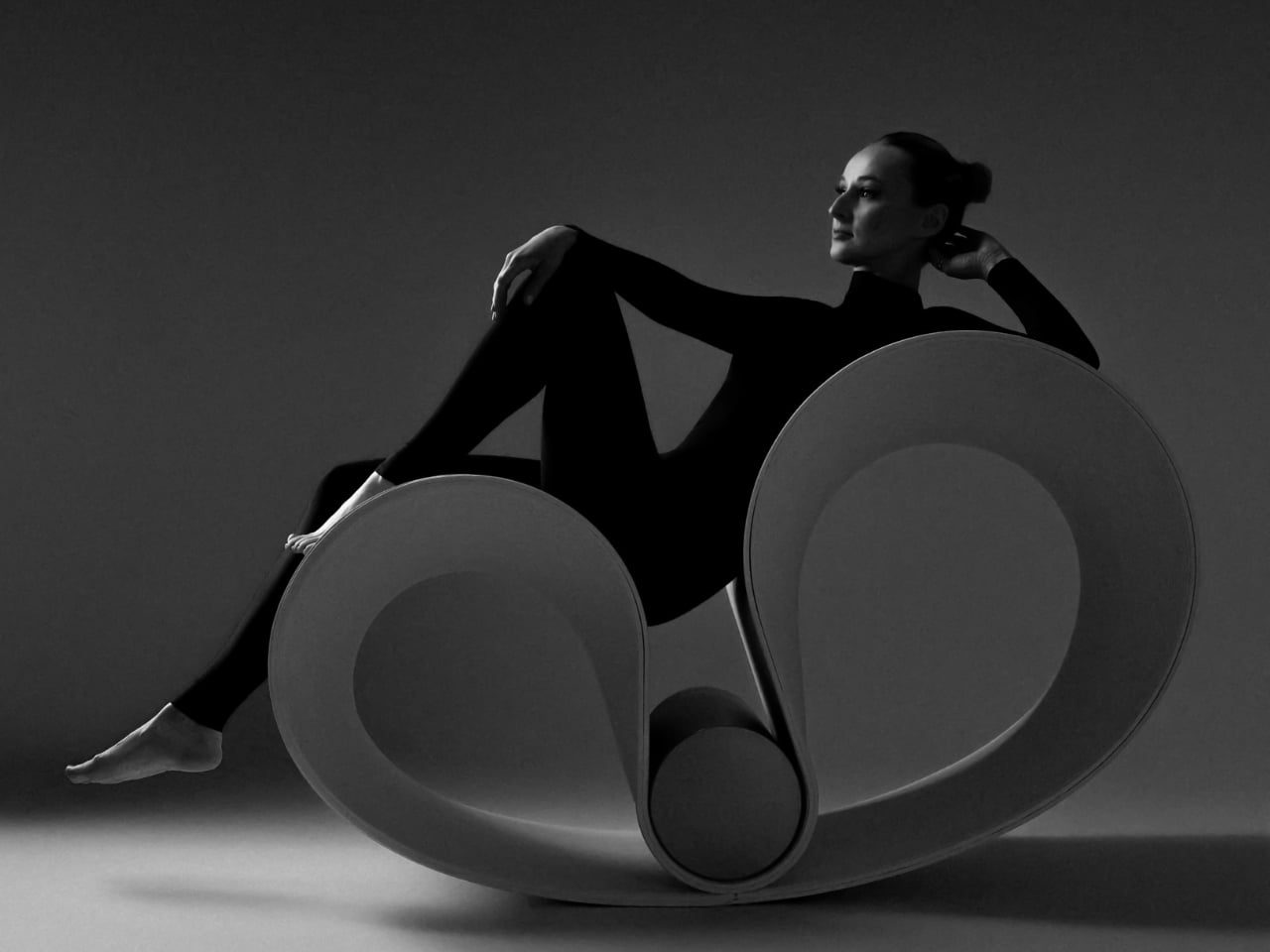
The Heart Chair seems to be one of those kinds of chairs, although it probably looks a bit comfortable and homey as well the way it’s designed. Its name comes from the inspiration for the design as it has a heart-shaped silhouette (the art kind of heart and not the biological). It actually extends beyond the usual vertical and horizontal lines, “subtly breaking its implicit harmony”.
Although the flowing, organic lines makes it look more like an art piece than an actual chair, they designed it in a way that a human body is draped over the lines. They envisioned these organic lines blending into the straight-line spaces, achieving “optimal synchronization. Supposedly, you get less tension by sitting on this compared to the usual rigid chairs you can find in public spaces.
Chairs that are both functional and aesthetic are always a plus point in my book. Now if I can sit on it for hours without hurting my back, legs, or other parts of my anatomy, then it is even more of a winner and is something I’d want to add to my space.
Grotesque alien creatures will probably be trending again thanks to the revival of a long-running movie franchise, but all extraterrestrial creatures will look horrifying. They might be breathtaking, defying all the preconceived notions of our limited human minds. They might not even be organic, at least as defined by what we know on earth. If we ever encountered an inorganic, metallic alien that didn’t look like any biped or quadruped Earthbound creature, it could probably look like this metal stool with its symmetric tentacles that seemingly invite you to approach and, well, sit on it for your comfort.
Alien references aside, this metal and wood stool definitely doesn’t look like your typical piece of furniture. There are technically still four legs, though they look double that number because of how each leg splits into two. The legs seemingly turn and swirl around the center of the stool, giving the impression of tentacles moving around a metallic creature.
Unlike what you’d see from a jellyfish or octopus, however, there is a strict symmetry to the stool’s geometric design. The legs protrude at a specific angle away from the body and to the side, creating the shape of a spinning star when the stool is viewed from the top. This design provides both visual and mechanical balance, giving the stool stability despite its seemingly thin and flat legs.
There is also a sustainability angle to the Metal Stool, though perhaps a bit indirectly. The legs are made from sheet metal while the seat is birch wood, both of which can be sourced from sustainable or renewable options. The minimalist design could mean that these parts can be taken from factory offcuts as well, providing a new purpose for otherwise discarded and wasted materials.
The Metal Stool is a prime example of a simple and subtle design that manages to look quite stunning just by shifting the formula just a little bit. Whether it reminds you of aliens, jellyfish, or abstract art, the stool has the same effect of catching your attention and adding a unique character to any space. And, of course, you can sit on it as well without fear of toppling over or, worse, being taken by metal tentacles into the depths of a dark void.
Way back in 1903 the English mathematician Henry Ernest Dudeney worked out a way to morph a perfect square into an equilateral triangle. The trick involved dissecting the square into rearrangeable four distinct shapes. This method holds merit even after more than a century of varied applications.
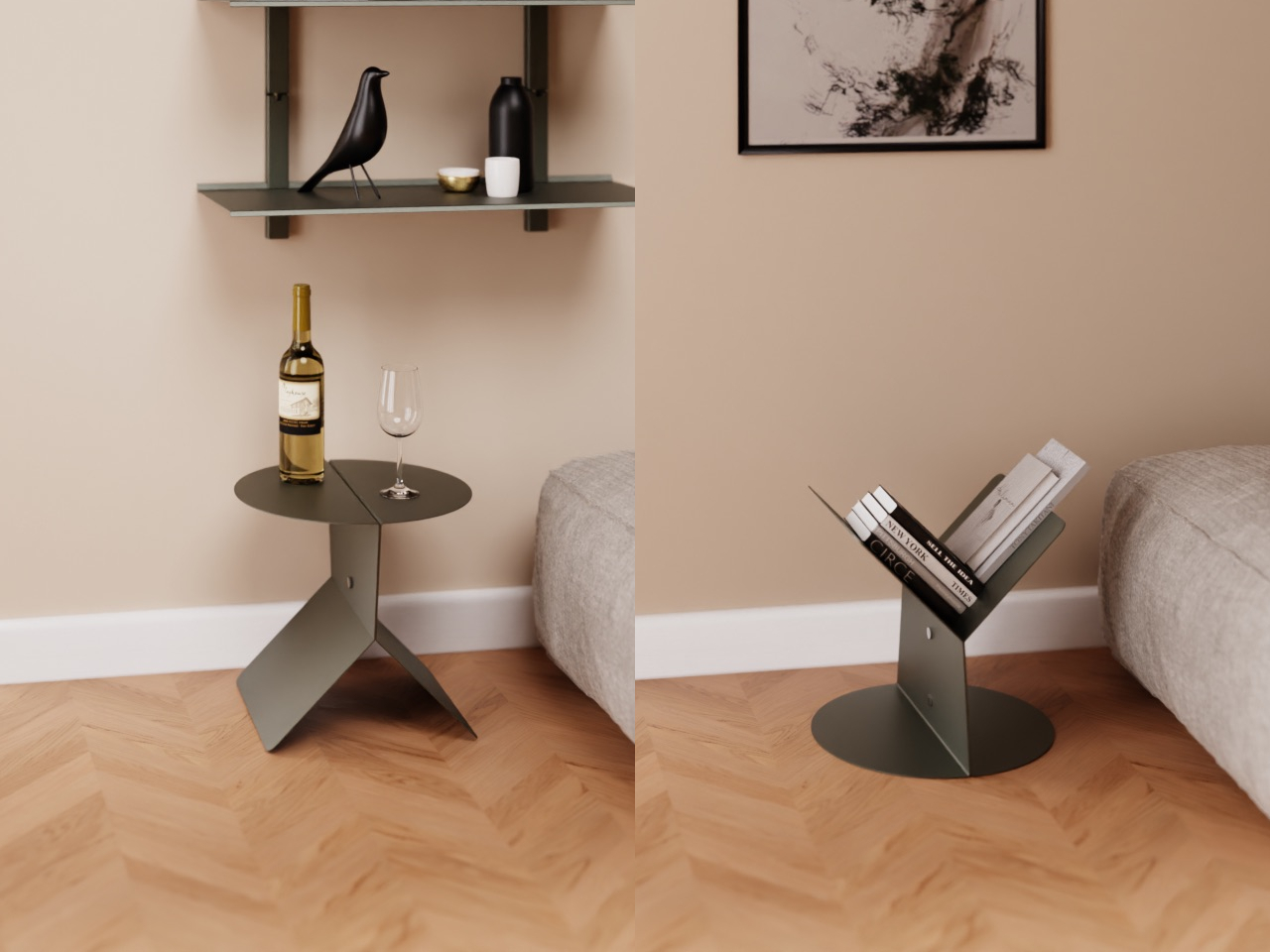
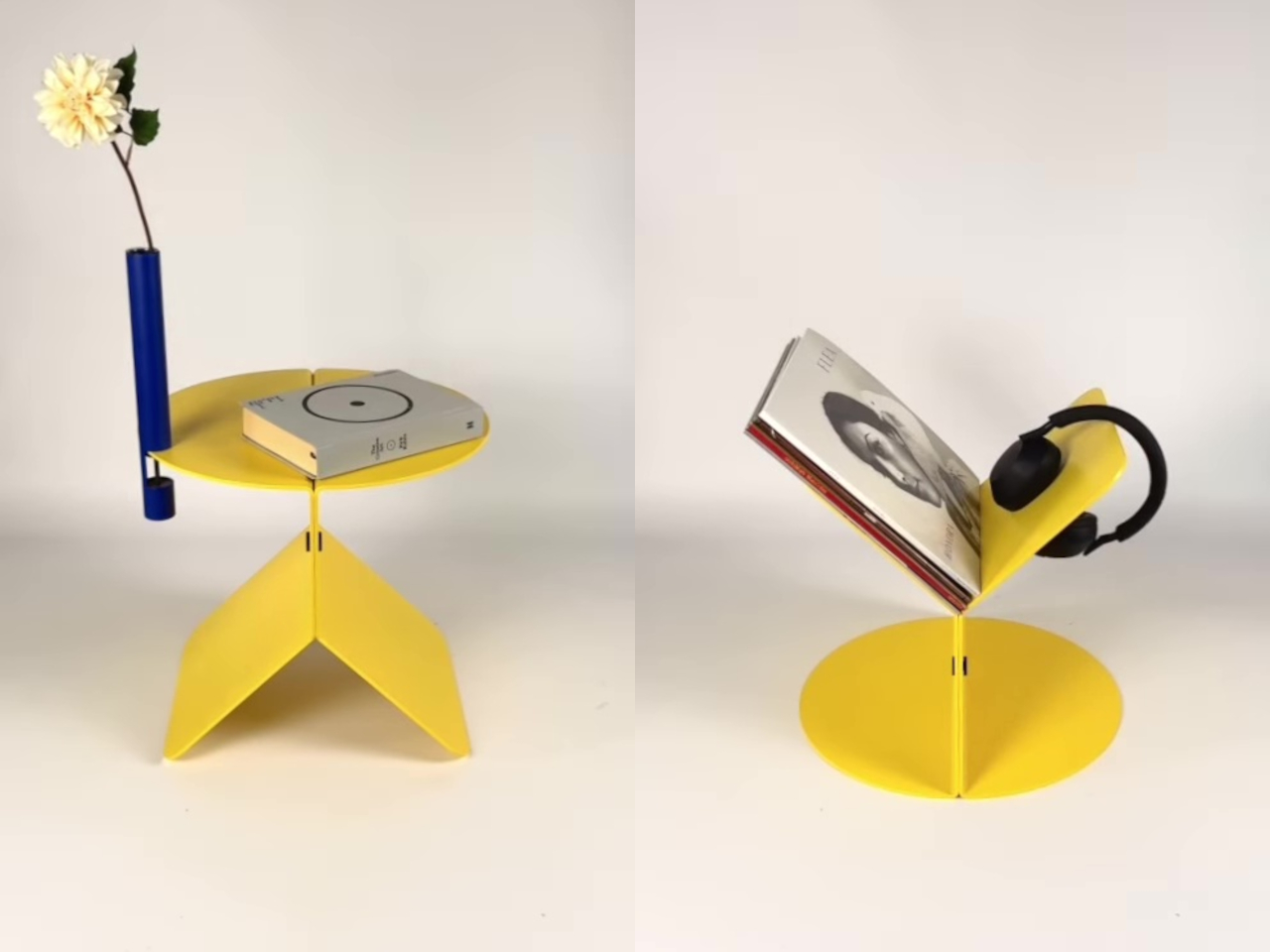
Fast forward to 1986, and the mathematical formula was experimented with by architect David Ben-Grunberg and his artist father Maty Grunberg to create a table. This piece of furniture dubbed DTable was a unique creation at that time since it doubled as a storage solution, seating, or a centerpiece for the living room. Furthermore, the eight different configurations from a square to a triangle shape brought an element of freshness and the freedom to put in any space with any arrangement. The individual pieces could be detached to act as stand-alone pieces too.
In that era, the table design by DHaus was as exclusive as it could get and the high-end offering was manufactured in Denmark for an exorbitant price. The design studio has now reincarnated the DTable as a low-cost flat-pack furniture piece, initially as a prototype, that’ll later hit production lines with the option to customize the finish. Dubbed DTable Deco HACK, it is designed in Paris and prototyped in London by Base Models. The table is crafted from recycled plastic materials for a modern, eco-conscious element.
DHaus is going to showcase the new-age prototypes – DTable Deco, Deco GREEN GOBLIN and the Deco HACK at the Paris Design Week. We’re more interested in the Deco HACK version as it has an integrated vinyl player for music lovers. The buck doesn’t stop there as the flatpack table has a Bluetooth speaker, wireless charger, alarm clock and bottle opener. This modern-day inclusion and the highly configurable features of the table make it ideal for apartment living and blend in with contemporary interior décor as well.
There’s no word yet on when the DTable will be available to buy but we can expect some revelation post the Paris Design Week from 5th to 14th September, 2024.
Sourced sustainably from cork oak trees, cork is a renewable material favored in architecture and interior design for its porous texture, softness, and lightweight nature. Its versatility extends to various applications like flooring, walls, furniture, and home accessories, complementing materials such as metal, wood, and marble, and it adds a distinctive touch to any design. The design industry is progressively acknowledging cork’s value, especially considering its eco-friendly extraction method that allows tree barks to naturally regenerate. Also, cork’s ability to reduce plastic usage while offering limitless creative possibilities has firmly established its role in the design field
Cork products have a minimal environmental impact, harvested without felling trees. With no waste in manufacturing and recyclability, cork is highly sustainable. Re-harvesting every 14 years makes it rapidly renewable. Demand drives the cultivation of more cork oak trees, promoting a healthier environment.
• Anti-microbial
Cork products promote good health as it is naturally antimicrobial. Cork resists mold, mildew, and pests while its antistatic surface reduces dust absorption. Low in volatile organic compounds, cork improves indoor air quality.
• Sustainable
Cork, a natural material, is fully biodegradable and recyclable, offering endless possibilities for reuse.
• Durable
Cork is commonly used in household items like flooring and bath mats due to its exceptional durability. With resistance to cracking, abrasions, and moisture, cork products can last up to 30 years or more with proper care. Cork maintains its pristine condition under furniture weight, making it a highly long-lasting material.
• Water Resistant
Cork’s high resistance to moisture, oxidation, and decay, due to its suberin and ceroid content, renders it impermeable to liquids and gases. This durability ensures that cork ages gracefully without deteriorating, making it an ideal option for environments with high humidity levels, like bathrooms, kitchens, or tropical climates.
Cork doesn’t let heat, sound, or vibrations pass through easily because it traps gases in tiny compartments that are sealed off from each other. Wall cork panels offer these benefits and are available in interesting geometric patterns that make rooms look unique.
• Ensures Comfort
Cork offers remarkable comfort due to its cellular structure featuring microscopic gas pads, providing excellent shock absorption. Its soft texture, along with a temperature akin to that of the human body makes it a very cozy material. Note that chairs with cork seats are designed to provide warmth and softness, ensuring seating comfort.
What are the disadvantages of using Cork?
Cork is a comfortable and eco-friendly material as hand-harvesting contributes to its cost. Additionally, cork offers a limited color range, primarily in shades of beige and brown. However, it’s important to note that cork surfaces can be susceptible to damage from pets’ nails, and prolonged exposure to sunlight may cause fading over time, as with many natural materials.
Seating is crucial in daily life, often seen in various forms in public spaces. However, predicting seating needs can be challenging. This stool concept offers a sustainable solution by transforming two stools into a bench and back, as required. The design centers on a sturdy cork column, offering stability and sustainability. The removable seat, with a center hole, can vary in shape and material. This adaptable design minimizes waste and meets changing needs effectively.
The DOL furniture collection draws inspiration from the rugged volcanic rocks of Jeju Island in South Korea. Crafted from the outer bark of cork oak trees, each piece replicates the raw, uneven appearance of these natural formations. Handcrafted with care, the collection offers a unique blend of comfort, stability, and charm. Despite its unconventional material choice, cork provides lightweight, impact-absorbing, and insulating properties. Wooden profiles enhance structural support, while layers of wood oil and waxes add texture and character. Sustainable and visually captivating, DOL furniture embodies the beauty and resilience found in nature’s aftermath, making it a distinctive addition to any space.
The Burnt Cork furniture collection celebrates the resilience of Portuguese cork, with minimalist chairs, tables, and a stool crafted from blocks of blackened cork. Inspired by the forest fires of 2017 in Portugal, these pieces blend functionality with sculptural beauty, making them ideal for display in any living or dining space. With a gradual transition from rigid bases to curved forms, the chairs offer both comfort and aesthetic appeal. The eclectic shape of the stool adds an artistic flair to any room, making the Burnt Cork collection a testament to the enduring beauty and strength of cork as a furniture material.
Taking cues from modern design, this LED hanging pivot lamp, meticulously crafted from lightweight cork and accented with teak wood and brass fittings, creates the perfect ambiance for both work and leisure in corporate offices and residential spaces.
Transforming a traditionally industrial material, this LED hanging fragment box lamp, skillfully crafted from laser-cut lightweight cork, offers gentle illumination ideal for residential and hospitality environments.
Corkbee Concave presents acoustic wall panels that allow for unique wall designs. These panels effectively absorb sound and regulate environmental conditions. Made from recycled materials and recyclable themselves, they are sustainable and provide a natural and eco-friendly solution to improve sound quality in any space.
Cork flooring is increasingly popular due to its numerous benefits. It offers shock absorption and comfort, lasting up to 40 years with proper maintenance. Additionally, Cork floors resist mold, mildew, termites, and dust, making them hypoallergenic. Their natural variations in tone and texture provide unique aesthetics. Cork floors can be dyed or stained, hold warmth, muffle sound, and are fire-resistant.
Mind the Cork offers a stylish collection of home goods crafted from sustainable cork. From hanging planters to cylindrical storage vessels, each piece is designed with eco-consciousness in mind. Founder Jenny Espirito Santo’s passion project has evolved into a line of practical yet minimalist products, including planters, dishware, and storage containers. Sourced from cork oak trees, this biodegradable material undergoes a regenerative harvesting process every decade, ensuring its sustainability. Collaborating with artisans in the UK and Portugal, Mind the Cork delivers functional and environmentally friendly items for modern homes.
This family home in the Czech countryside, designed by Atelier SAD and interior designer Iveta Zachariášová, is clad in cork for its weather-resistant and thermal properties. Situated near Rašovka at the foot of the Ještěd Ridge, the residence integrates seamlessly into the landscape of the Bohemian Paradise Protected Landscape Area. With its sleek design, gabled aluminum roof, and innovative use of Portuguese expanded cork, this home embodies modernity and sustainability. This stunning residence showcases the beauty and functionality of cork as a building material, creating a harmonious blend of architecture and nature.
Cork, a preferred material in product design, is prominently featured in the INNGAGE woodstove. Its main body, made of steel, incorporates cork profiles fixed at a distance from the structure to prevent darkening over time. Additionally, the cork acts as a safety layer, allowing users to touch and feel the stove securely.’
In conclusion, cork stands out as a remarkable material celebrated for its biodegradability, sustainability, and versatility. As we explore cork’s potential further, it embodies a dedication to environmentally friendly design and conscious consumption.
Residential complexes and small communities are on the rise, and some of these areas try to provide open spaces for rest and relaxation like parks or gardens. People new to such communities might find themselves often lost in the beginning, and guests or couriers will definitely be unfamiliar with the place. Signs aren’t always visible, and those that are might not blend well with the aesthetics and atmosphere of the residential complex. This concept design tries to hit multiple birds with a single stone by providing multi-functional furniture that not only looks like an art installation but also a rather subtle navigation guide for both residents and guests.
Designer: Alice Vakhni
Unlike typical home and office furniture, outdoor furniture offers only temporary respite for people. They’re not exactly the most comfortable products to use, especially since they have to be built to withstand unfavorable weather, but they do offer a place to sit, put down their things, or maybe even work and eat even if only for a while. Ironically, this also frees up outdoor furniture design from certain requirements, allowing them to embrace more unconventional forms, as long as they get the job done.
THREADS is an example of such freedom, conceptualizing furniture that hardly looks like any typical benches or tables. They look more like giant metal thread, hence the name that snakes and loops around the complex, one segment at a time. Some have wavy structures with crests that provide stools for people to sit on, while others coil around structures like benches and tables. Some rise upward to become lamps, while others branch and loop to show directions.
That’s the second not-so-obvious function of THREADS. Just like how Theseus used threads to navigate the labyrinth, the large pipes guide your eyes and your feet in the direction you need to go. They act like railings and guidelines that bend in the direction you should be walking if you’re a bit lost. Of course, not all residential communities have the same layout, so the pipes’ modular design allows builders to combine different parts with different corners to create the navigation system they need.
THREADS is also a piece of art, like an abstract sculptural installation designed to give communities a distinct character. The almost freeform flow of the “threads” leaves each segment open to interpretation and any use. Made with powder-coated hot-rolled steel pipes, what would normally convey an industrial and impersonal appearance transforms into something playful and approachable, becoming the proverbial thread that binds communities together.
Stools are often classified as tall, backless chairs, and like most seats, they’re designed to be used in a specific way. You simply sit on top of the stool and have your legs hanging from the edge, with your feet planted firmly on the ground. This style of sitting might be common, but it’s definitely not how everyone sits around the world. In some cultures, particularly in Asia, people tend to sit cross-legged on the floor, at least when they’re at home or in establishments designed to cater to that culture. Stools, of course, aren’t meant to support that way of sitting, but this concept design tries to expand the traditional stool design to be more inclusive while also offering an additional feature completely unrelated to sitting.
It’s probably too much of a generalization but sitting cross-legged has become associated with Asian cultures. Especially in countries like Korea and Japan, some families tend to sit on the floor during meals in that position, something that might not sit well with those who don’t consider it proper during meals. Eating outdoors, of course, is a completely different matter, especially in public places like outdoor restaurants that only provide simple stools for customers. One simply can’t sit cross-legged comfortably, but still try to do it.
Named after a famous avenue in South Korea, the Euljiro stool concept tries to solve this conundrum with a design that caters to both normal sitting and cross-legged sitting. This seemingly magical capability is made possible by the stool’s two-part modular design. When joined together, it looks like a simple, two-color stool that you can use normally. But remove the top part and you actually get two stools, with the top shorter than the bottom.
When you insert one of the legs of the taller stool into the middle of the shorter one, you get a two-tier seat seemingly joined at the hip. This setup would allow the person to sit with their legs crossed without worries they’ll tumble backward or to the side. It doesn’t take up too much space either, and it can even be used as two separate stools if there aren’t enough seats to go around.
Euljiro’s flexibility also extends to its use as a place to put bags while eating. This is especially useful in restaurants that don’t have designated storage for bags, where putting bags down on the ground might be unhygienic. It’s definitely a creative way to solve multiple problems with a single design while ironically still sticking to the most common stool shape of all.