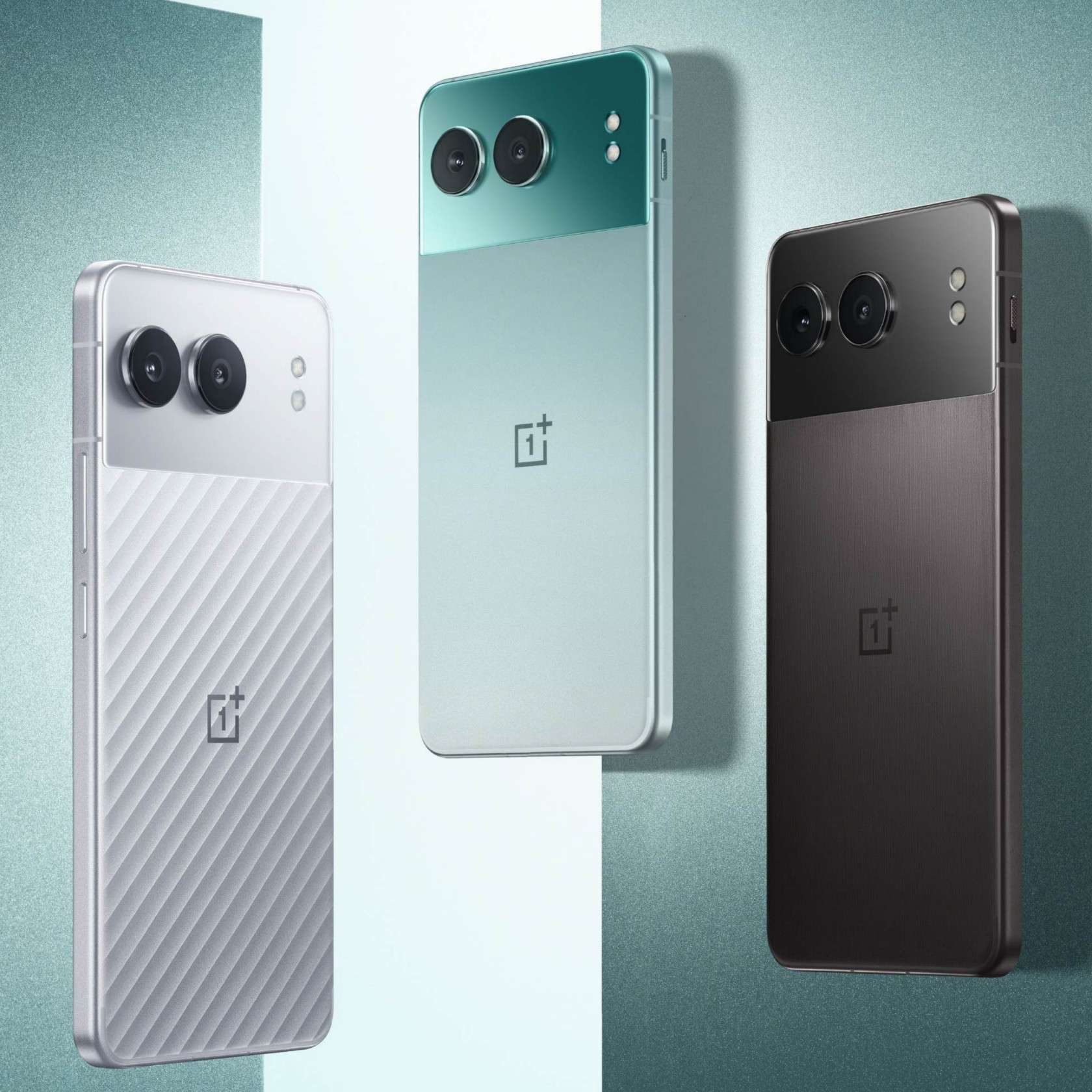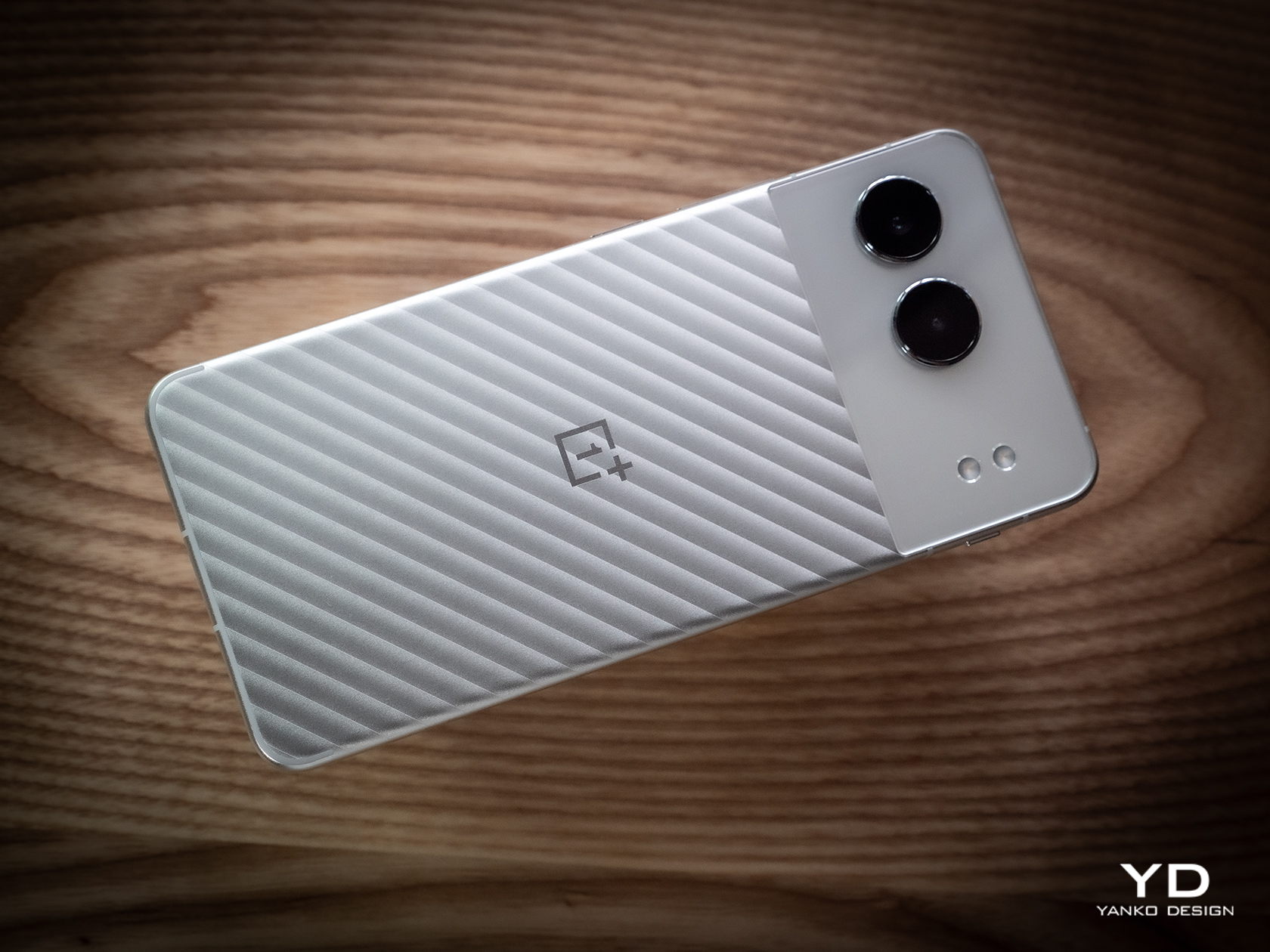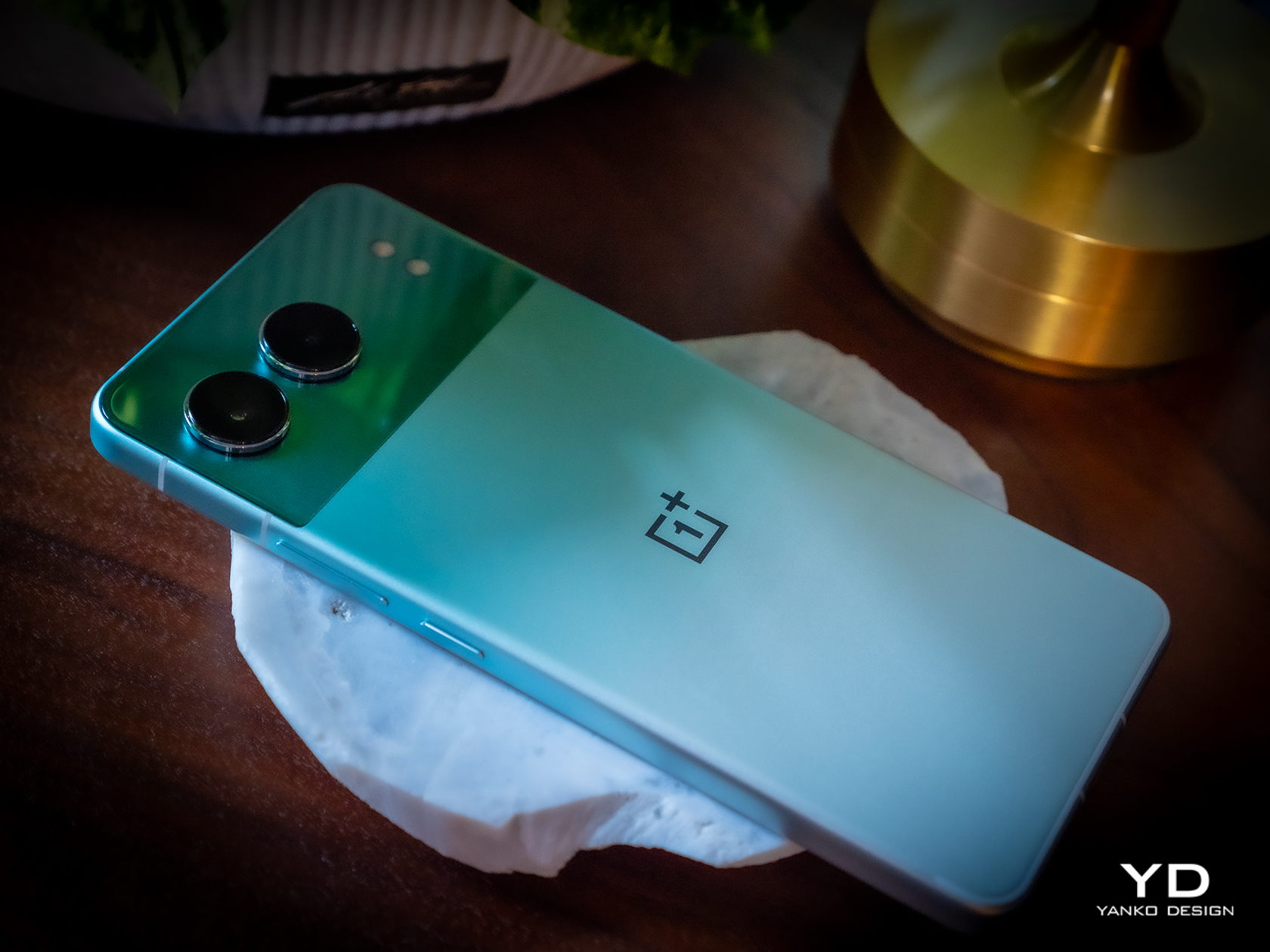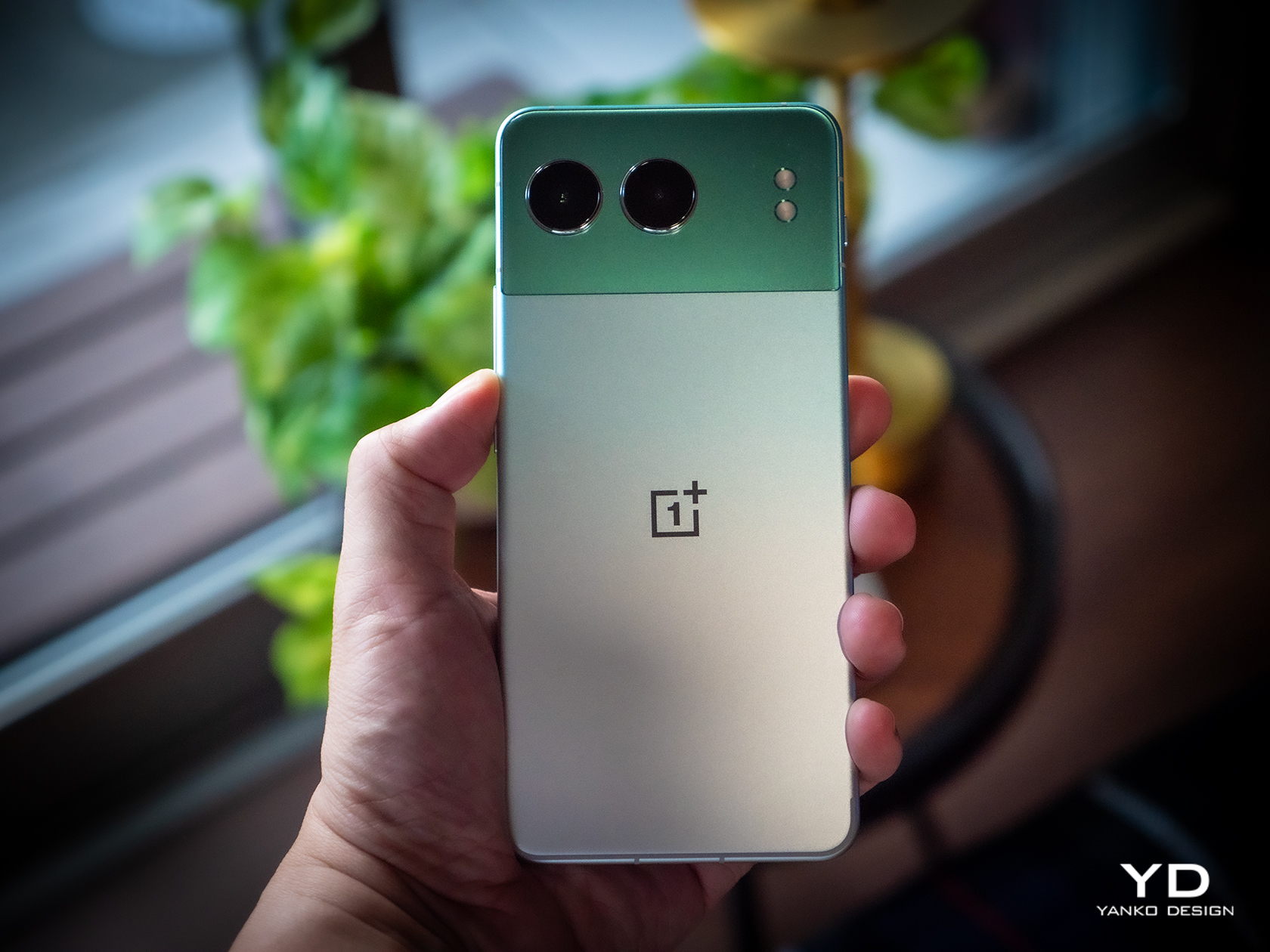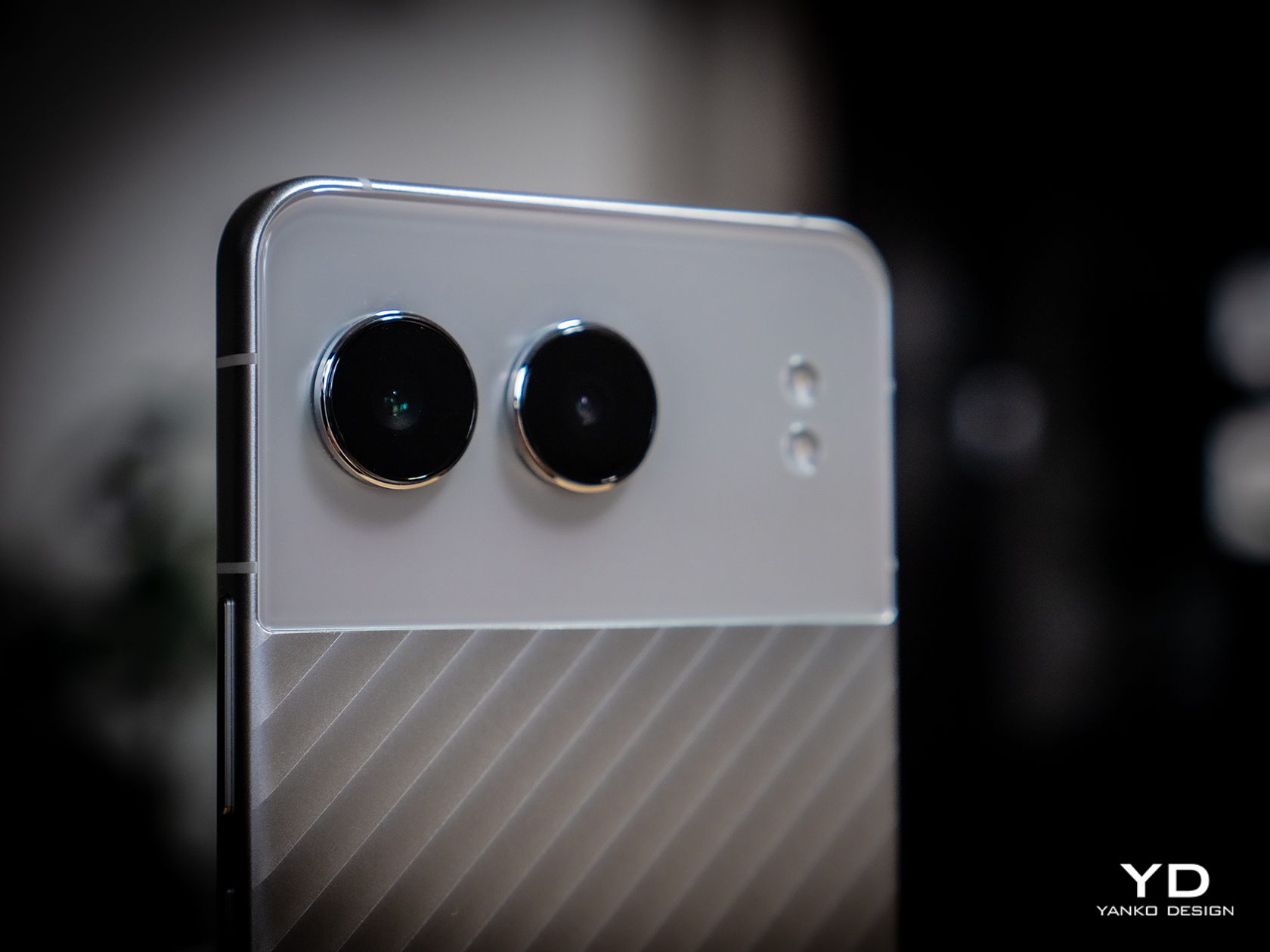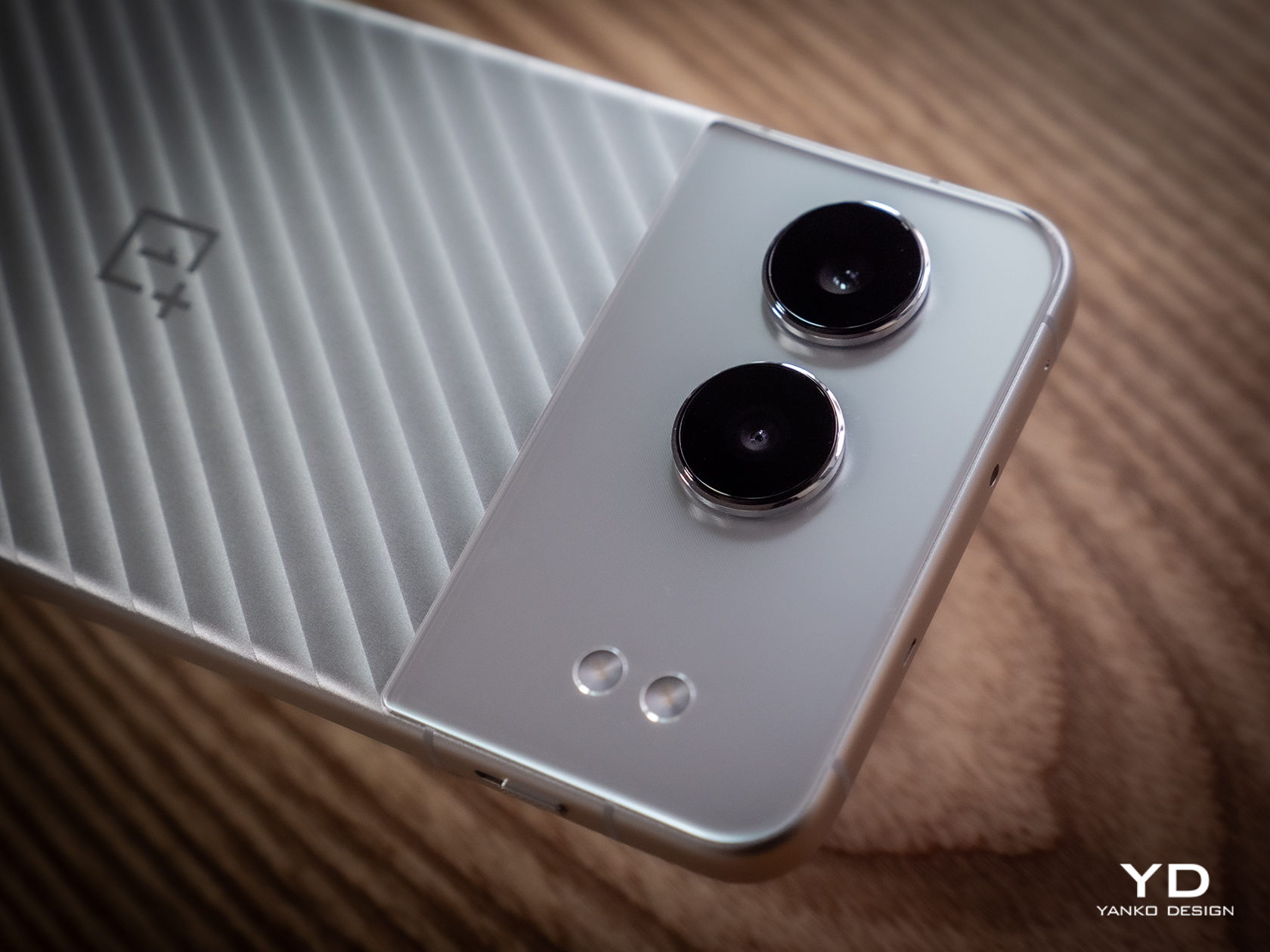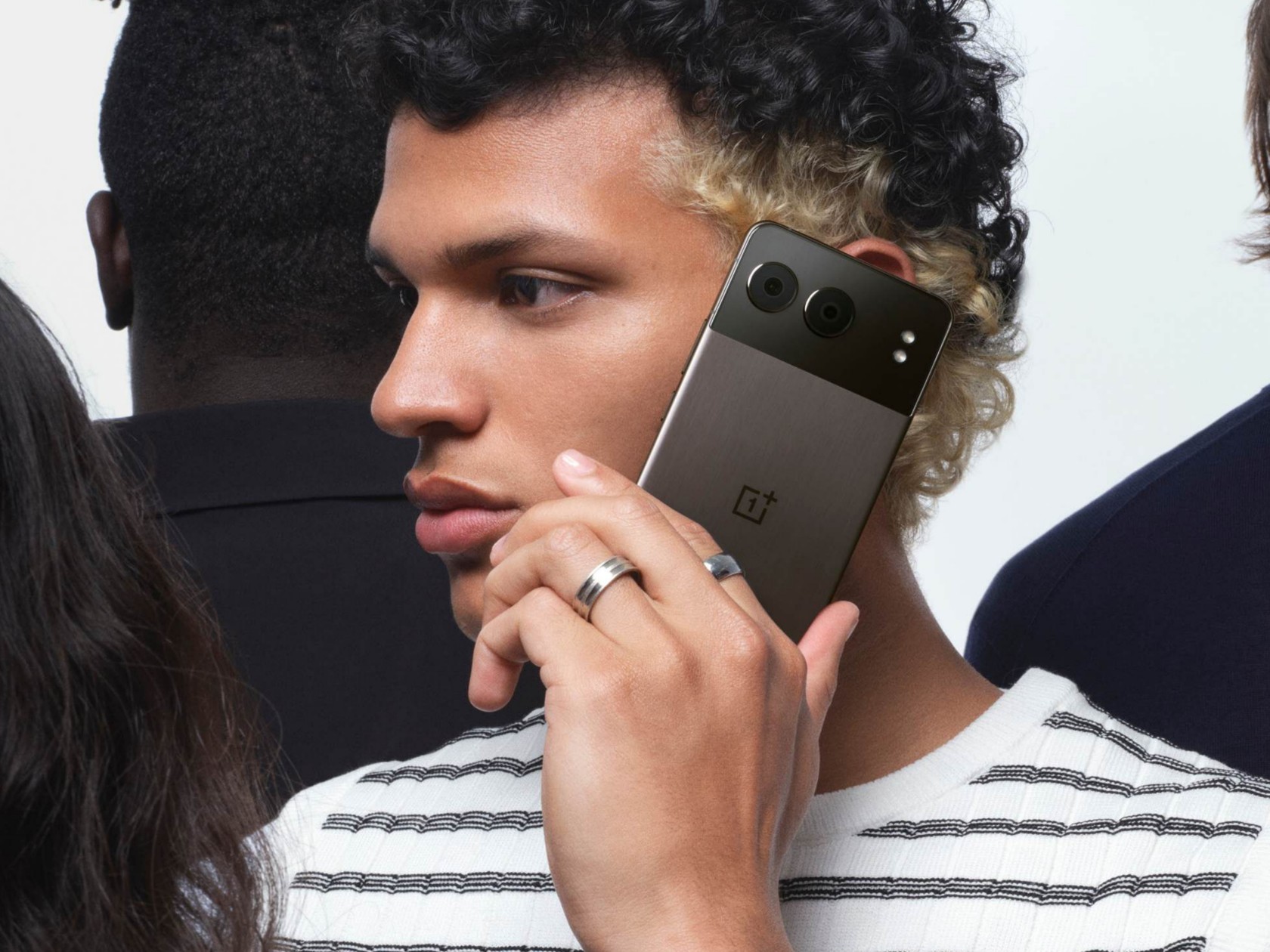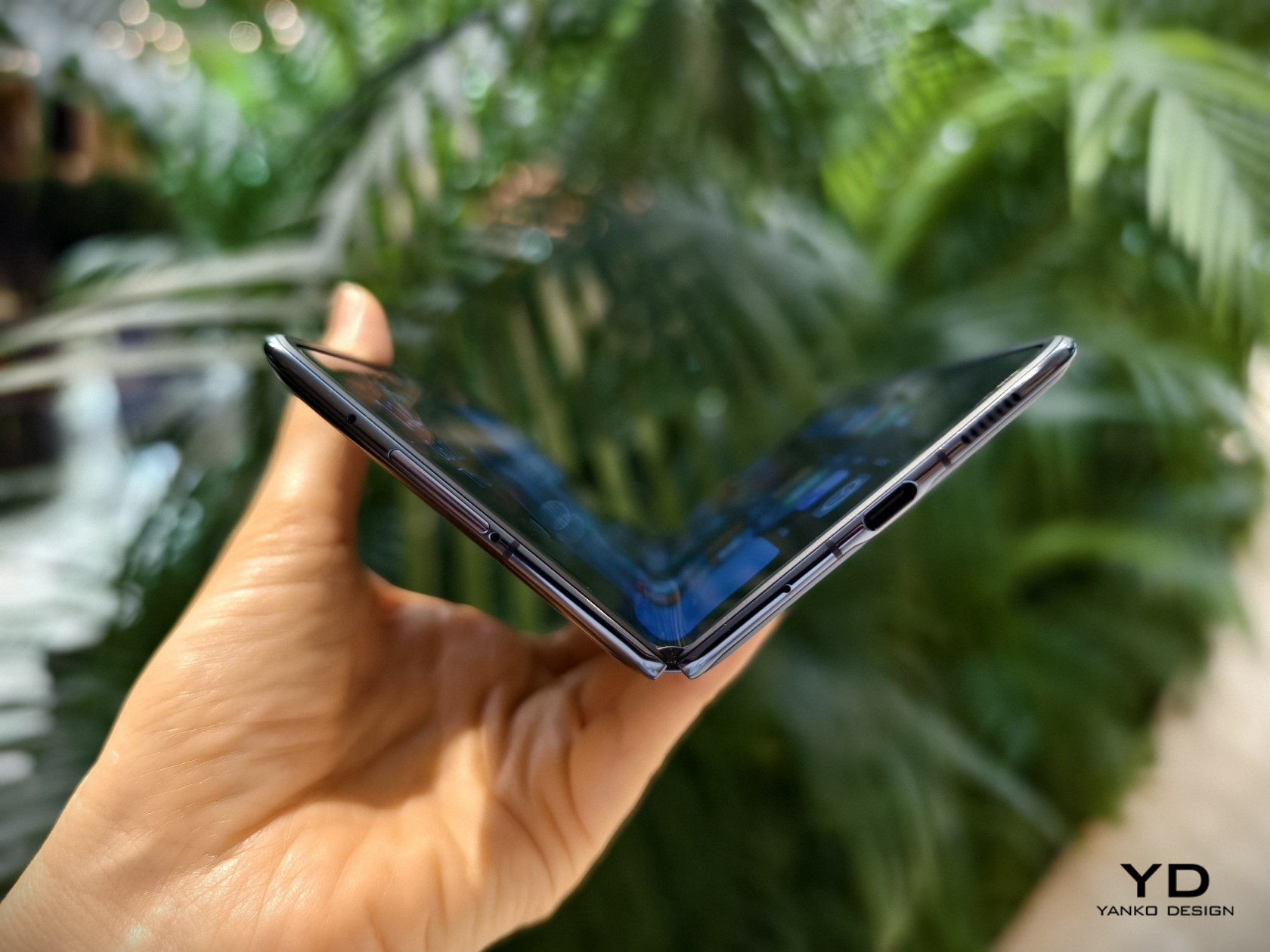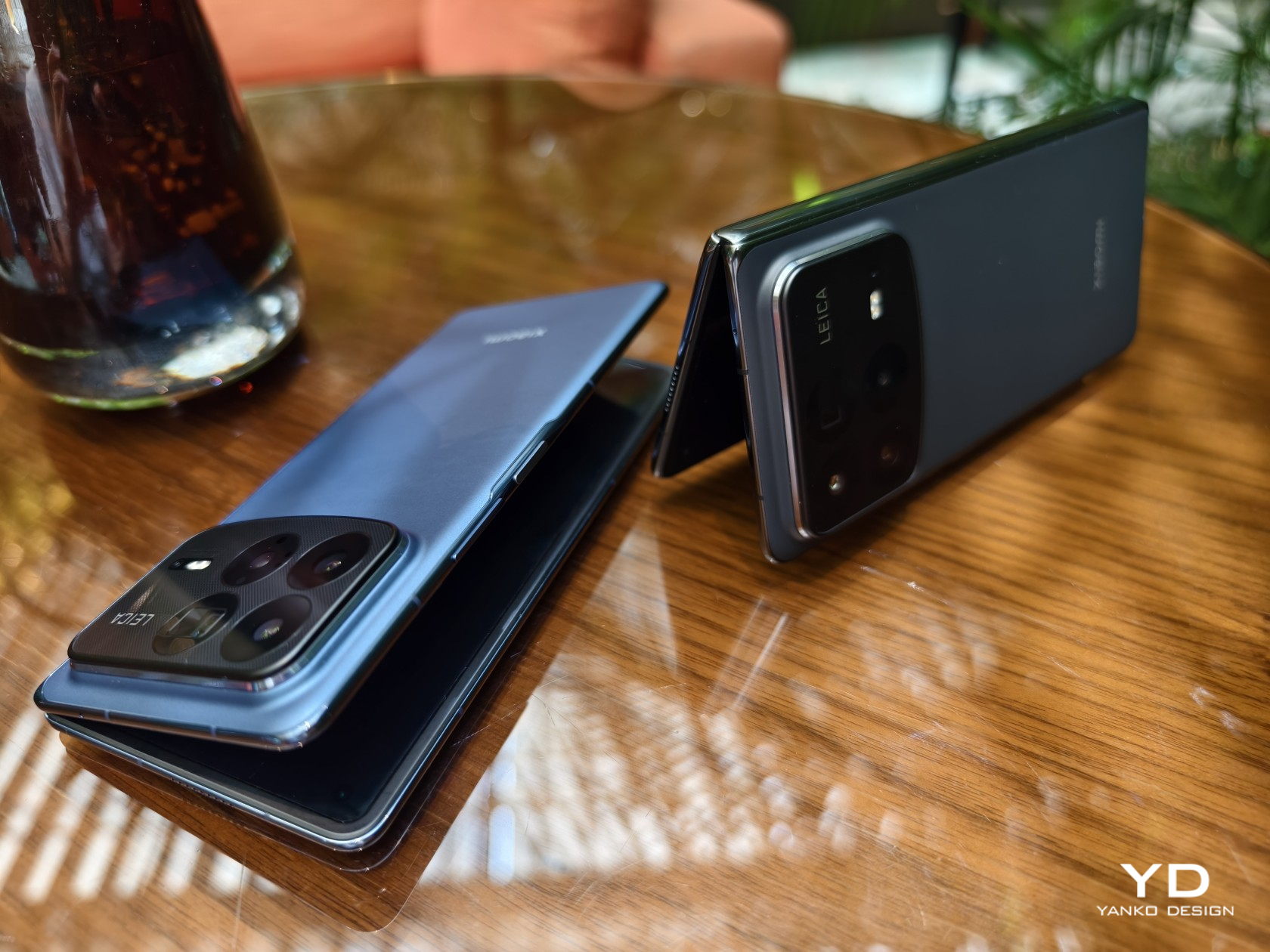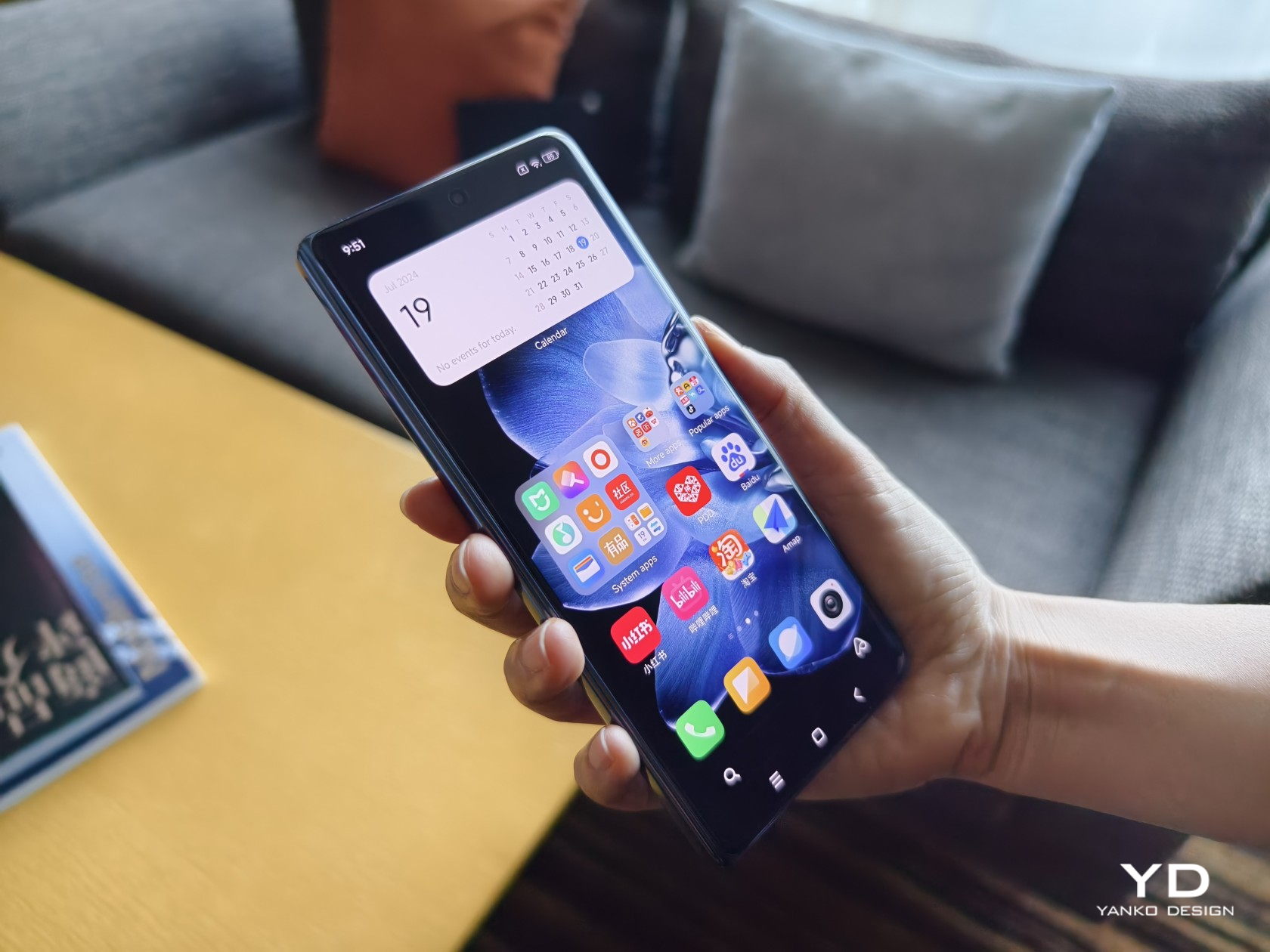
Elegant, minimalist smartphone design meets appealing features and price tag

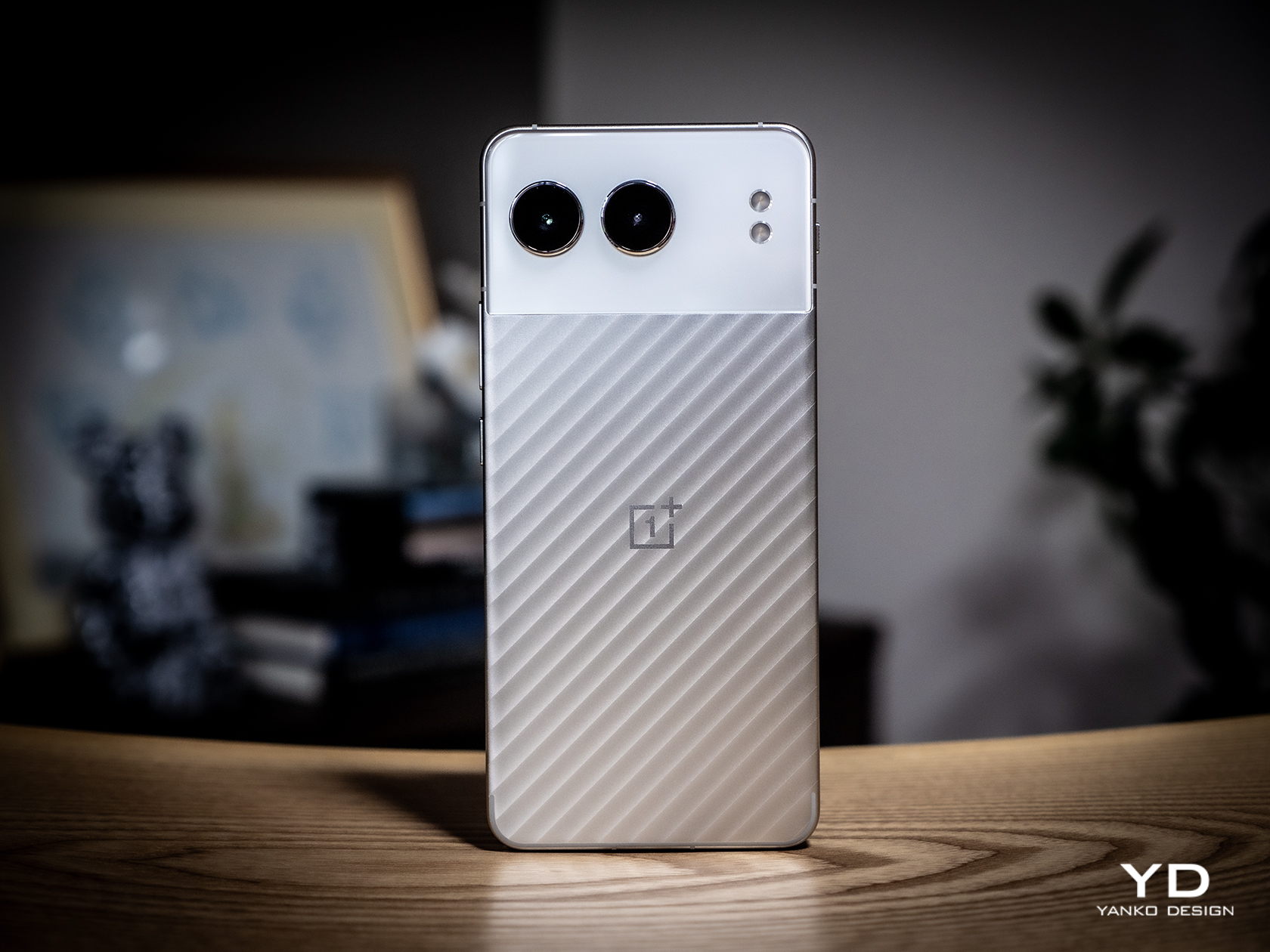
Smartphone manufacturers are now thankfully more aware of the important role that design plays in a product’s success, especially its aesthetics and materials, but some tend to go overboard with that knowledge as well. We’ve seen pretty overbearing and garish phone designs that steal your attention in an aggressive way, particularly with camera bumps that make you feel like they’re the most important feature. The smartphone design landscape right now is dynamic, exciting, and sometimes a little too lively, so there are times when you want to take a breath of fresh air and settle down with something simple yet beautiful. That’s the kind of minimalist beauty that Motorola seems to be bringing with the new Edge 50 Pro, but it’s fortunately more than a pretty face, at least for a mid-range smartphone.

Designer: Motorola

Truth be told, the Motorola Edge 50 Pro’s design looks a bit familiar, at least if you’ve been keeping watch on the key market players for the past two years or so. Back in 2022, we reviewed the OPPO Find X5 Pro, a refreshing break from the design trends of its time. What differentiated OPPO’s flagship and this new Motorola entry is that their backs are made from a single, unbroken sheet of material with no visual or material break from the rest of the panel.

This trait gives the Motorola Edge 50 Pro a smooth and gentler aesthetic, exactly like how the cameras slope gracefully upward rather than being confined inside a metal enclosure. Other than the camera lenses and the iconic Motorola “bat logo” dimple, the phone’s back is pretty clean yet also attractive, a fitting tribute to the pervading minimalist design trend. Motorola also paid careful attention to the materials it used for the phone, which include soft vegan leather and eye-catching pearl acetate, surprising choices given the phone’s market segment.

The Motorola Edge 50 Pro runs on a Qualcomm Snapdragon 7 Gen 3 and has a decent though underwhelming set of cameras led by a 50MP main sensor. A similar 50MP selfie camera is housed in a rather noticeable punch-hole cutout on the forehead of the 6.7-inch 1220p 144Hz screen. A real killer feature, however, is the 4,500 mAh battery with a 125W super-fast charging speed and support for equally fast 50W wireless charging.

As a mid-range smartphone, the Motorola Edge 50 Pro thankfully comes with a matching price tag that starts at around $400, which is a pleasant surprise given its features. But just like the OPPO Find X5 Pro, limited availability and exposure might make this simply elegant smartphone fly under the radar despite the closer look it probably deserves.

The post Elegant, minimalist smartphone design meets appealing features and price tag first appeared on Yanko Design.

Interchangeable emoji camera covers give smartphones more character

The back of our phones is always visible to the people around us, which makes it the most expressive part of the smartphone. That’s why manufacturers spend a lot of time and resources on the design of the phone’s rear, using a variety of materials for the cover and designs for the camera. Those designs, however, are decided by companies and never change once production starts. They don’t always reflect the owner’s tastes, and definitely not all the time. Being able to change your phone’s “face” to fit your mood offers a lot of freedom of expression, and it all takes is putting a different emoji on top of your camera.

Designer: Yifan Hu

Smartphone cameras are becoming more powerful and with that power comes bigger enclosures. What were once just two eyes looking at you from the back of the phone has become a large circle that adds a face to those eyes. It’s just a metaphor, of course, but one that can actually be used to design a set of accessories that turn your mobile partner into some sidekick character, complete with a face and a personality.

These emoji-inspired accessories simply put a smiley or one of its comical variants on top of the camera circle of a smartphone. It takes advantage of how most of these cameras are designed, with two of the cameras placed side by side and near the top of the circle. It’s a perfect location for eyes and a face, one that perhaps more accurately expresses your own personality or just your mood for that day.

1

Of course, there are obvious limitations to this design, the biggest of which is how not all camera bumps are circular. And those that are circular aren’t always located in the middle of the phone, making it a bit awkward but not entirely unattractive to put an emoji in the corner. That said, this camera design is actually becoming more popular these days as manufacturers try to figure out the best location for the growing number and sizes of cameras on a phone.

There’s also the consideration that a smartphone might have more than just two cameras, and their locations might not perfectly align with a smiley face. That simply needs a bit of creativity to design around those restrictions, like adding mouths to the face or having asymmetrical eyes that convey even more facial expressions than a traditional smiley. It’s really a simple concept that goes a long way in adding fun to the smartphone experience, while still giving you the freedom to go back to a pristine and “normal” look from time to time.

The post Interchangeable emoji camera covers give smartphones more character first appeared on Yanko Design.
Sony Xperia 1 VI phone design might lose what makes it special

It might come as a surprise to some that Sony actually makes smartphones. Actually, it might even come as a bigger surprise that it still makes smartphones at this point in time. Its mobile business has definitely fallen on hard times, forcing the brand to exit some global markets and sell only through online channels in others. Despite all that, Sony still believes that a smartphone has a place in its portfolio, especially as a means to access its treasury of entertainment-related content. That has been the guiding principle behind the design of its premium Xperia 1 smartphone series, but it seems that the product line’s sixth iteration will make some small but significant changes that almost undermine all of that in one fell swoop.

Designer: Sony (via zackbuks on Weibo)

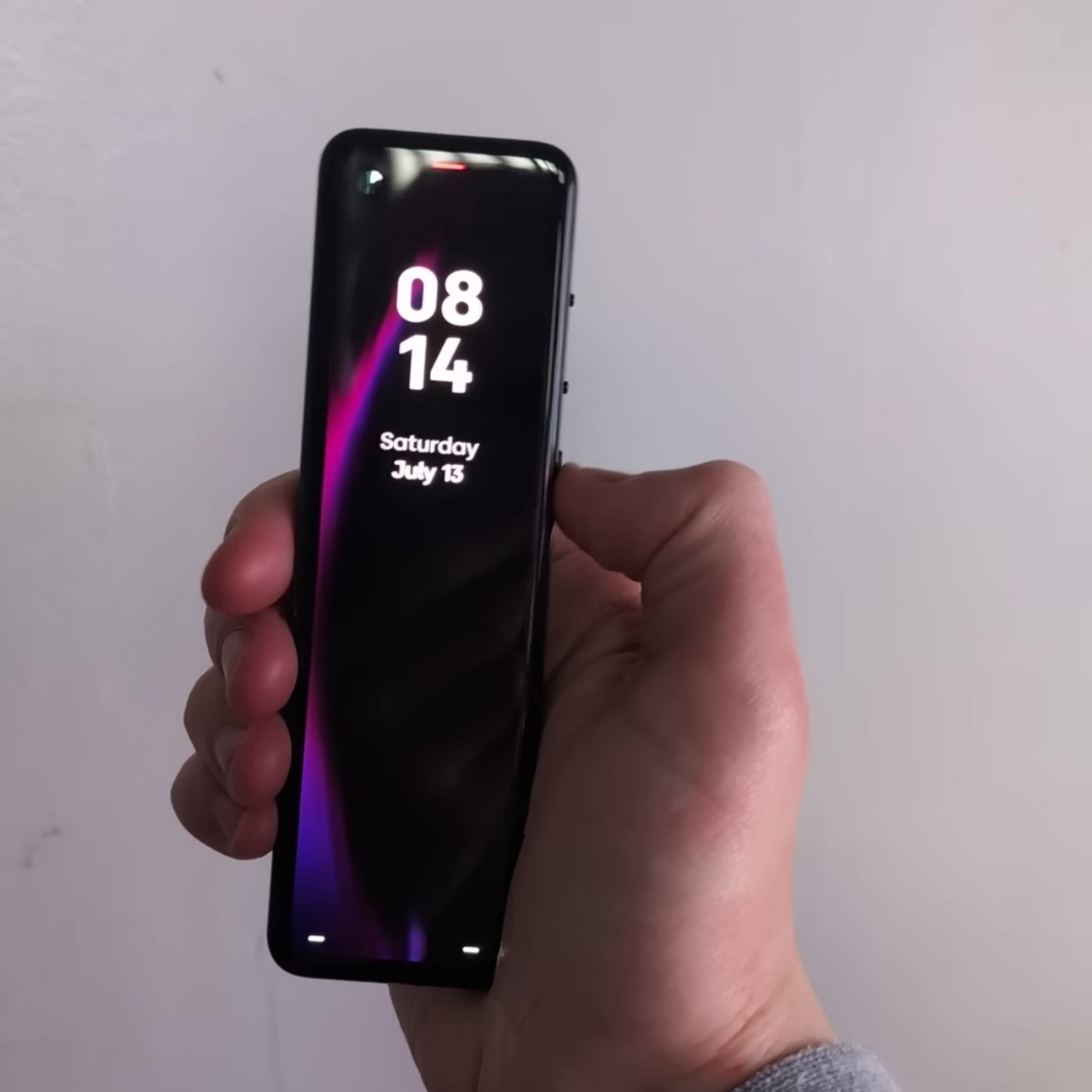
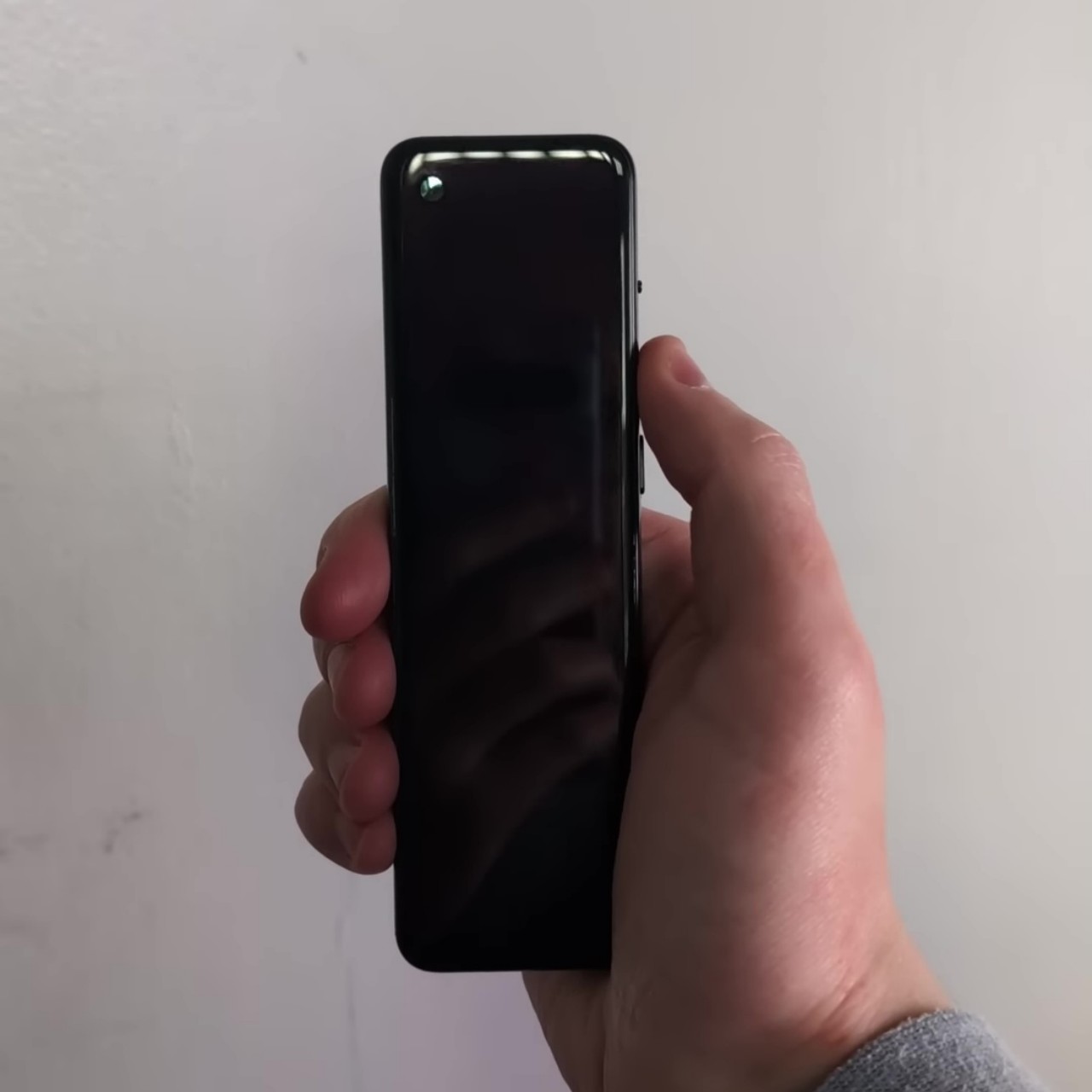
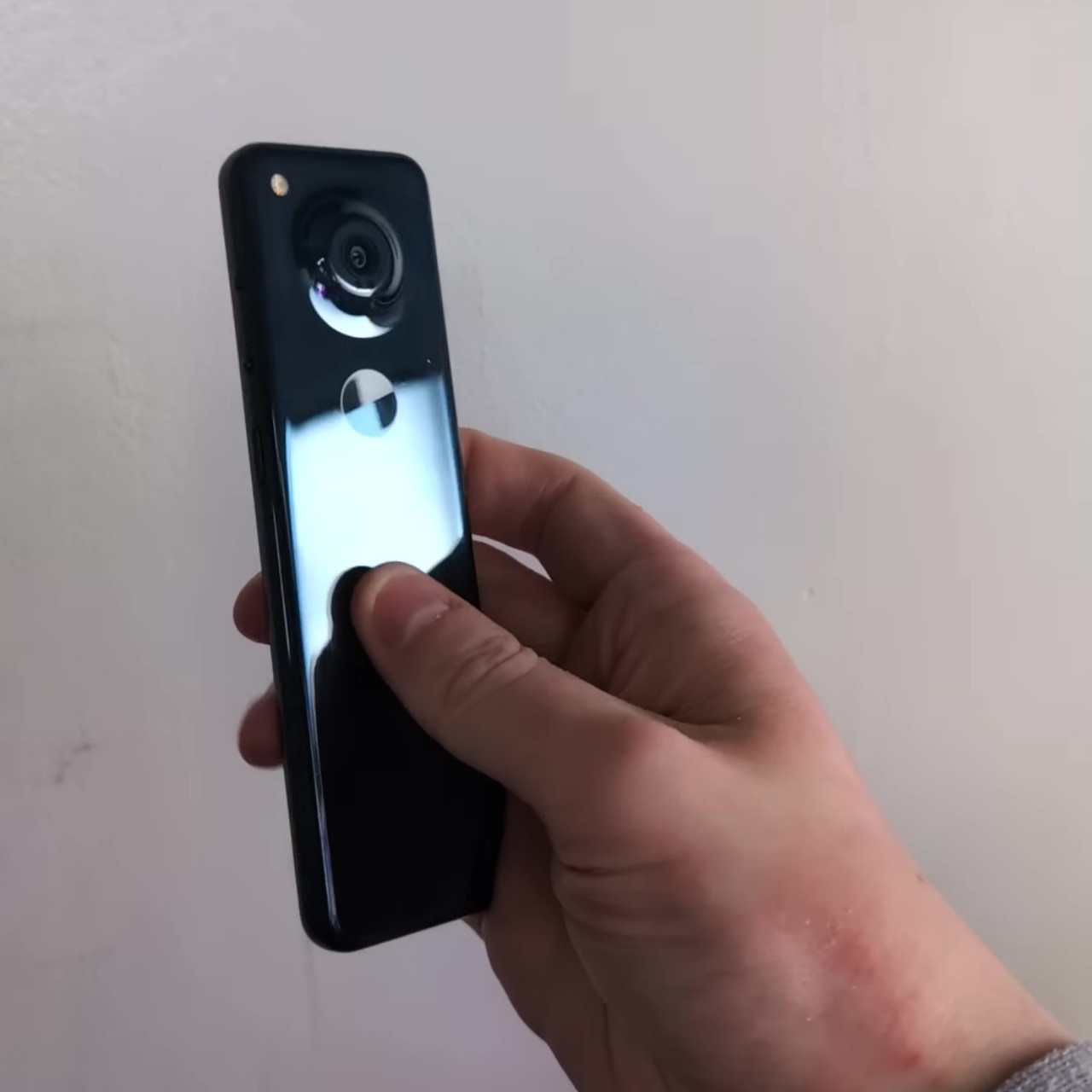
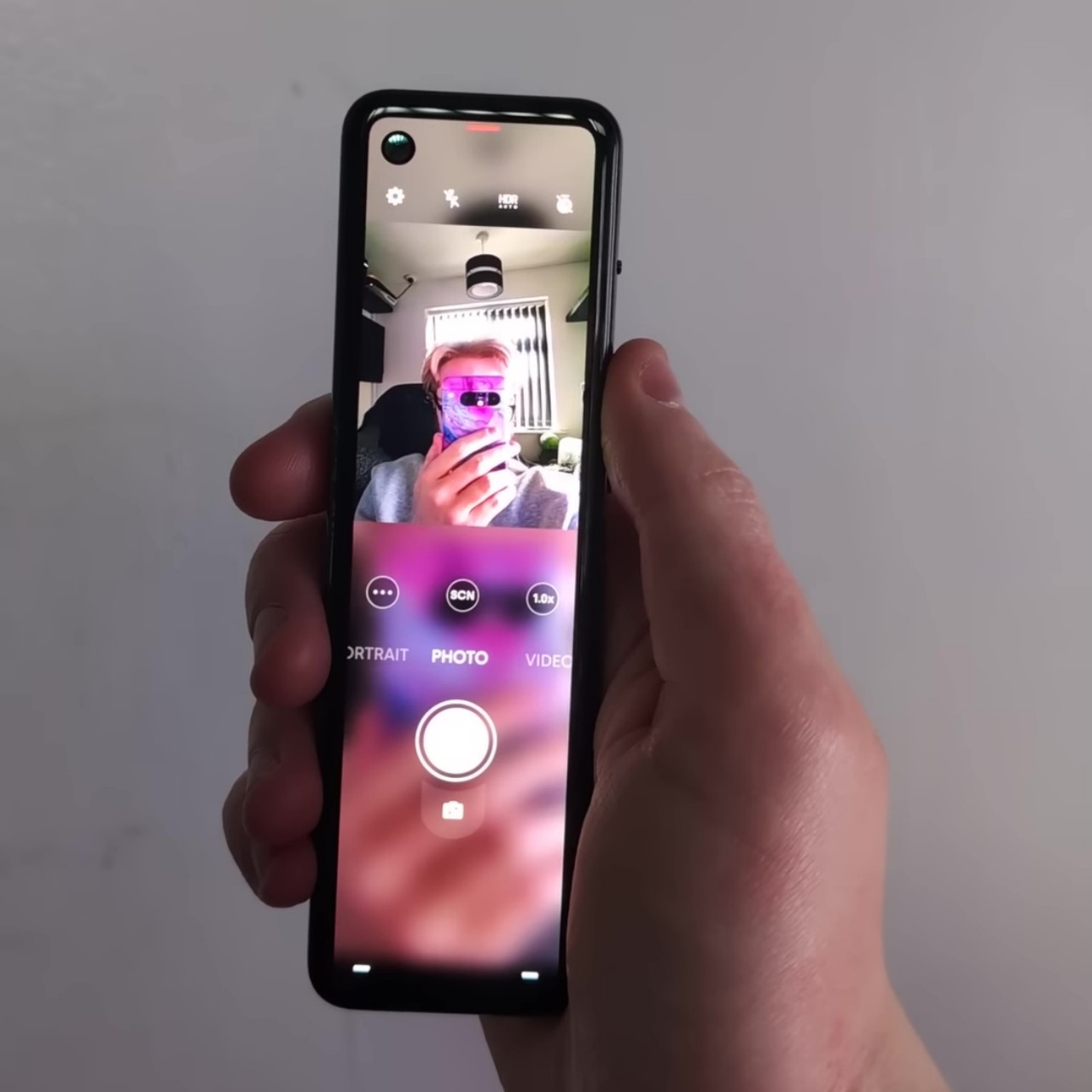
Truth be told, the Sony Xperia 1 design has always been an oddity among its peers even today. It easily stands out from the crowd almost literally because of its extra tall and narrow body, designed to support a 21:9 screen aspect ratio that Sony has been advertising as the perfect format for ultra-wide content. It also distinguished itself with its 4K display resolution when all its competitors continue to play in 2K or even 2.5K figures only.

The latest rumor, however, changes the narrative a bit. According to the source, Sony will be downgrading that 4K resolution to something like 2K+ or QHD+, more in line with other high-end smartphones in recent years. More importantly, it is also making the screen a bit wider and shorter to achieve a more “normal” 19.5:9 aspect ratio, again similar to flagship devices from the likes of Samsung and Apple. It’s by no means going to be significantly smaller, as these leaked images show, but it definitely changes the shape of the phone to be less distinctive.

It sounds perplexing that Sony, which has never really minded smartphone trends and fads, would make such drastic changes, but it might all boil down to price. Sony Xperia phones have been notorious for their higher price tags compared to their peers, so downgrading one of the most expensive and uncommon components could actually do a lot to drive the cost down. Unless, of course, Sony decides to offset those savings by including features and hardware that incur just as much expenses.

That’s not to say that the Xperia 1 VI will be bereft of any notable features. Another selling point of the phone is its use of camera hardware close to Sony’s own Alpha line of mirrorless cameras. That said, its photography prowess has rarely been praised mostly because the phone barely reaches people’s hands, so making the next Xperia flagship more affordable could actually help remedy that situation.

The post Sony Xperia 1 VI phone design might lose what makes it special first appeared on Yanko Design.
Infinix NOTE 40 phones blend sleek urban aesthetic with super-fast charging

Of the many things that smartphone buyers look for, cameras and battery life probably rank the highest, even over display quality. Capturing memories is a very important part of what people use smartphones for, but an extremely short battery life can ruin even the most powerful smartphone. In fact, the more powerful a device is, the faster it will drain its battery. While batteries themselves haven’t evolved as fast as smartphones, charging technologies have been growing in leaps and bounds. In the past, super-fast charging speeds have been exclusive to high-end, premium phones, but the new Infinix NOTE 40 smartphones are bringing that technology and convenience to a wider and younger audience that also cares just as much about style as they do the rest of the phone’s specs.

Designer: Infinix

Although there are research and innovations that attempt to improve the quality of smartphone batteries, they’re pretty much still the same packs that we’ve been using for years. Manufacturers have poured their efforts into improving charging speeds instead, making sure that people spend as little time as possible when they do need to plug the phone in. That’s what Infinix’s new All-Round FastCharge 2.0 technology is trying to accomplish, bringing speed and versatility to users’ charging experience.

Infinix NOTE 40

Infinix NOTE 40

This technology supports rapid charging at 70W for the new Infinix NOTE 40 and NOTE 40 Pro (4G), as well as blazing fast 100W speeds for the Infinix NOTE 40 Pro (5G) and NOTE 40 Pro+ 5G. Thanks to Infinix’s self-developed Cheetah X1 chip, these phones can boast reaching 50% in just minutes (8 minutes for the Infinix NOTE 40 Pro+ 5G, to be precise) while still providing safety and longevity. Additional charging highlights include Bypass Charging 2.0 to minimize heat generation when playing games while the phone is plugged in, 20W wireless charging, and, perhaps most interesting, Infinix’s own brand of magnetic wireless charging technology, MagCharge.

Infinix NOTE 40 Pro (4G)

Infinix NOTE 40 Pro (4G)

Infinix NOTE 40 Pro (5G)

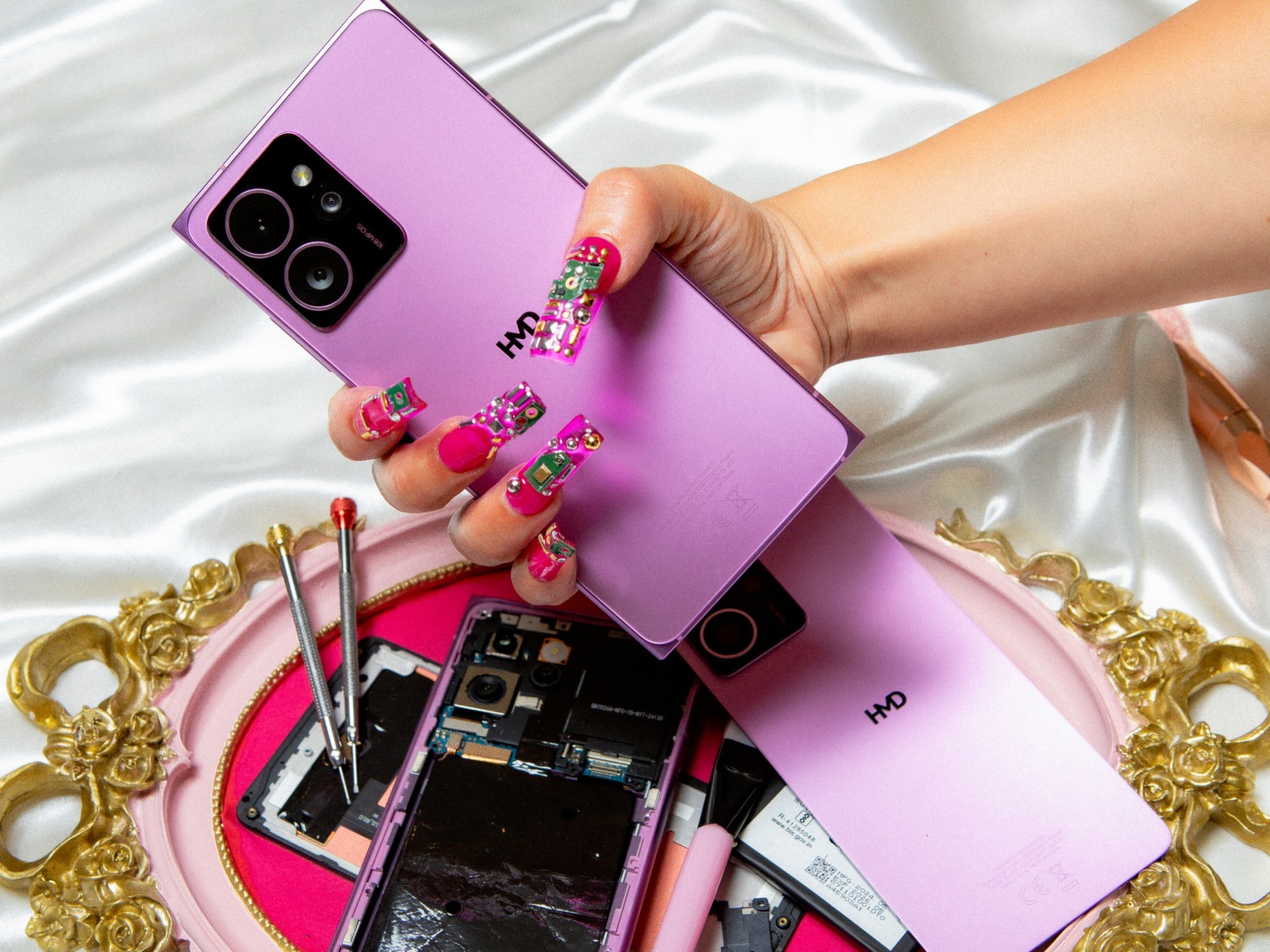
The Infinix NOTE 40 series is designed to cater to a younger audience that appreciates a more distinctive and livelier aesthetic than most gray, black, or even white phones in the market. That’s why Infinix adopted an urban theme for the phone’s designs, creating a sleek and modern appearance through smooth curves, colors, and materials. The Vintage Green, for example, tries to evoke a sense of charm for retro styles and uses vegan leather to add a bit of luxury to the finish. Titan Gold’s mix of blue and yellow tries to capture the image of the sun setting over the city’s horizon.

Infinix NOTE 40 Pro+ (5G)

Infinix NOTE 40 Pro+ (5G)

In terms of hardware, the Infinix NOTE 40 runs on MediaTek’s mid-range chips, paired with 8 or 12GB of RAM. All four models in this series get a 108MP main camera, though only the Pro variants put optical image stabilization (OIS) on it. The brand also introduces an AI-powered Active Halo lighting feature for dynamic notifications and accents to give a little life to your smartphone usage. The Infinix NOTE 40 series launches globally this month, available in Vintage Green, Obsidian Black, and Titan Gold colorways. A special BMW DesignWorks Racing Edition will be coming later this year to truly drive home the phone’s super-fast charging speed.

The post Infinix NOTE 40 phones blend sleek urban aesthetic with super-fast charging first appeared on Yanko Design.

Smartphone upcycling concept helps give your old companion a new lease on life

Mobile devices, both smartphones and tablets, have become an inescapable fact of modern life to the point that almost everyone has one. While they do empower people with their smart features, they unfortunately also inflict damage on the environment, whether it’s through their manufacturing or, more often than not, their improper disposal. Not all smartphone manufacturers have a well-established or easy process for owners to send back unused or broken devices for handling and responsible disposal, which means many of these end up in landfills where they eventually poison the soil and water. Some of these aren’t even totally broken just outdated or unused for one reason or another. Finding a different use for them delays their untimely demise, which is exactly what this upcycling concept tries to do, offering smartphones a better life after death.

Designer: Think Tank Team

There could be a variety of reasons for ditching an old but still functional smartphone. Some parts, like the screen, battery, or charging port might no longer be in tip-top shape, or the owner simply upgraded to a newer model that will last them another two years or so. Whatever the reason may be, it might not actually be enough to warrant simply throwing the phone in the waste bin, or even just keeping it in a drawer until it’s forgotten forever or, worse, becomes a safety hazard.

Project Afterlife tries to remedy that situation by upcycling rather than recycling the phone. This means it puts the device to a different use without actually modifying it or taking it apart, thereby using less energy, less resources, and less effort. This increases the likelihood that people will adopt this product because it is accessible and easy to use.

The product concept pretty much comes in a taco-like crescent shape made of recycled plastic and given a frosted finish. You simply slide in the phone from the opening and set it on a flat surface with its curved edge at the bottom. The shape is balanced in such a way that it will stay still unless you intentionally rock it, and that rocking motion actually affects its functions. Just like a game controller with motion sensors, tilting the phone lets you cycle through its different modes without having to touch the screen. Rocking also makes the “Endless Clock” change the clock face at every movement, while both the “Timeline” photo stream and the “Moment” abstract art display also react to such movement.

Admittedly, you can simply take that same old smartphone, put it on a stand, and use it in the same way as a clock or small photo frame. Project Afterlife, however, also transforms the phone into a kinetic art object that will enhance the ambiance of your desk or shelf. It’s a simple yet impressive example of how upcycling not only helps save the environment but even adds value to your experience.

The post Smartphone upcycling concept helps give your old companion a new lease on life first appeared on Yanko Design.
Moto G Power 5G (2024) is a budget phone with surprising tricks up its sleeve

Although a lot of the attention, and probably sales, are poured on high-end premium smartphones, the range of devices and designs is far wider than what you might see represented in media. There are, of course, products designed to be more affordable, though they unsurprisingly have to cut some corners when it comes to features. Sometimes, however, there are a few that seem to rise to the challenge of providing more for less, incorporating designs and features you wouldn’t expect from their price tags. The new Moto G Power 5G (2024) seems to be one of those, packing a few pleasant surprises that could put the device on people’s maps.

Designer: Motorola

The Moto G has been Motorola’s budget line for many years, and that family has a few members designed to cater to very specific needs. The Moto G Power, as its name suggests, is focused on delivering solid battery life, at least more than your average smartphone. The 2024 iteration of this phone isn’t any different, bearing a 5,000 mAh pack you’d only see on more expensive models, but that’s only half of its appeal.

A large battery would normally mean longer charging times, which is why a 30W TurboPower charging feature is more than just a nice-to-have; it’s a necessity. This year, however, Motorola went the extra mile and added 15W wireless charging for convenience. It’s definitely not the fastest wireless charging technology, but how many $300 smartphones can you name that even have any wireless charging support at all? That immediately makes the Moto G Power 5G (2024) more notable than any of its peers, but it doesn’t stop with the hardware features either.

This new Moto G Power also comes with a faux leather back, an attempt to make it look stylish despite its price point. Granted this synthetic leather can sometimes look tacky, though it seems to be simple and elegant, at least based on Motorola’s marketing materials. Again, it’s not exactly a groundbreaking feature, but one that is rarely seen on budget designs.

That said, the phone doesn’t have much to boast about when it comes to performance, though it’s not exactly an underdog either. It packs a 2.2GHz MediaTek processor with 8GB of RAM, a 50MP main camera paired with an 8MP ultra-wide shooter, and perhaps to audiophiles’ delight, a 3.5mm headphone jack. And if the Moto G Power 5G (2024) is still a bit too much for your wallet, Motorola is also launching the $200 Moto G 5G (2024) with slightly less powerful features, no wireless charging, but the same fancy faux leather design.

The post Moto G Power 5G (2024) is a budget phone with surprising tricks up its sleeve first appeared on Yanko Design.
SME smartphone concept aims to aid the visually impaired

Smartphones are mostly created for those of us that are seeing or at least not visually impaired. But for those that want to be more inclusive, there are not that many similar products in the market that would cater to those that have some sort of visual impairment. Good thing that there are product designers out there who are thinking of such things and if their concepts are viable, I really hope that they get the funding to produce devices like this or at least major telecom brands adopt these ideas and create product lines for those that may need smart devices to communicate but are unable to use the usual ones.

Designer: Eslam Shafik

The SME is one such concept for a smart phone for the visually impaired. Unlike regular smartphones that are usually in a rectangular or square-ish shape, this one looks more like a smart speaker or a smart home hub. This a specific design direction that will make it easy for them to carry it around on the palm of their hand without a concern for its orientation. It also has a fabric mesh so you get a tactile grip on the smartphone and the materials used do not conduct heat so it’s comfortable for the user.

It even has a walking mode so the built-in high-quality camera will be able to guide the visually impaired as they’re walking. The voice assistant, Loutaz, can issue warnings when there are obstacles at a distance of not less than 50 centimeters. This assistant, powered by ethical AI, can also read out messages, social media posts, and other digital assistance you may need. It has a base for charging and to dock it when you’re not moving so it can still act like a smart home hub when you’re at home.

If further developed, this can be a pretty interesting, not to mention, useful device for those who need something like this. The 3D modeling seems to have dealt with the ergonomics and design aspect of the SME so what needs to be enhanced are the actual features and functions that will be truly helpful for the visually impaired.

The post SME smartphone concept aims to aid the visually impaired first appeared on Yanko Design.
SME smartphone concept aims to aid the visually impaired

Smartphones are mostly created for those of us that are seeing or at least not visually impaired. But for those that want to be more inclusive, there are not that many similar products in the market that would cater to those that have some sort of visual impairment. Good thing that there are product designers out there who are thinking of such things and if their concepts are viable, I really hope that they get the funding to produce devices like this or at least major telecom brands adopt these ideas and create product lines for those that may need smart devices to communicate but are unable to use the usual ones.

Designer: Eslam Shafik

The SME is one such concept for a smart phone for the visually impaired. Unlike regular smartphones that are usually in a rectangular or square-ish shape, this one looks more like a smart speaker or a smart home hub. This a specific design direction that will make it easy for them to carry it around on the palm of their hand without a concern for its orientation. It also has a fabric mesh so you get a tactile grip on the smartphone and the materials used do not conduct heat so it’s comfortable for the user.

It even has a walking mode so the built-in high-quality camera will be able to guide the visually impaired as they’re walking. The voice assistant, Loutaz, can issue warnings when there are obstacles at a distance of not less than 50 centimeters. This assistant, powered by ethical AI, can also read out messages, social media posts, and other digital assistance you may need. It has a base for charging and to dock it when you’re not moving so it can still act like a smart home hub when you’re at home.

If further developed, this can be a pretty interesting, not to mention, useful device for those who need something like this. The 3D modeling seems to have dealt with the ergonomics and design aspect of the SME so what needs to be enhanced are the actual features and functions that will be truly helpful for the visually impaired.

The post SME smartphone concept aims to aid the visually impaired first appeared on Yanko Design.

Nothing Phone (2a) Review: Nothing Beats the Beauty of Essentials

PROS:


  • Beautiful and distinctive semi-transparent design

  • Decent dual 50MP cameras, 32MP front camera

  • Huge 5,000 mAh battery

  • Good value for its price

CONS:


  • No dedicated telephoto camera

  • Average mid-range performance

RATINGS:

AESTHETICS
ERGONOMICS
PERFORMANCE
SUSTAINABILITY / REPAIRABILITY
VALUE FOR MONEY

EDITOR'S QUOTE:

The Nothing Phone (2a) distills the smartphone experience to its most important essentials and wraps it in a gorgeous design you will never get tired of.

Smartphones are getting more and more powerful every year, but that power comes at the cost of complexity and cost. While there’s nothing wrong with a super powerful, uber-luxurious, and expensive device, it’s just not for everyone. Unfortunately, those who prefer to stick to the important basics are often left compromising in terms of performance and especially aesthetics. Nothing is a young brand that is trying to shake up the status quo with a heavy focus on thoughtful design, transparent practices, and accessible technology, and it has already been making headlines with its smartphones and accessories. With the Phone (2a), it’s dipping its hands into a different segment of the mobile market, so take it for a spin to see if it has anything substantial to offer or if it’s nothing at all, pun totally intended.

Designer: Nothing

Aesthetics

Nothing made a name for itself with the distinctive design of its products, especially its phones. While it was not the full transparency idealized by risky DIY hacks or printed skins, Nothing’s decision to have a semi-transparent design actually made better sense. It gave the phone a cleaner look, without the distracting noise of electronics and labels, but still had enough character to stand out from the crowd quickly.

The Nothing Phone (2a) is clearly a member of this family but also differs in significant ways. The arrangement of components is very different, with the camera bump now lying horizontally in the middle, surrounded by a Glyph Interface that’s also completely new and unique to this model. The camera array is enclosed in a circular area from which a covered path snakes down to the bottom, almost like the ribbon connectors between components you’d see inside phones. This distinctive design gives the phone a facsimile of a robotic face, friendly and welcoming like those in cartoons and kids’ shows.

Unlike earlier rumors that worried Nothing fans, the Phone (2a) does indeed have the Glyph Interface, except it’s also simplified like the rest of the phone’s design. There are only three components this time, two asymmetrical arcs on the left of the cameras and a vertical bar on the right, that delivers that same dynamic lighting but with less fanfare. Considering how you’re usually holding your phone, this makes sure that the glyphs will always be visible to everyone in front of you when they light up, rather than having parts of it covered by your hand.

The Nothing Phone (2a)’s aesthetics pretty much reflects the overarching theme of the phone. It delivers the essentials for a pleasing user experience without being showy but still having enough impact to be worth your while. It strives to strike a balance even harder than its older siblings in order to cater to a market that has long been in need of that kind of design that doesn’t compromise too much for the sake of driving down costs.

Ergonomics

The Nothing Phone (2a) is also an anomaly in the sense that it’s actually a large phone that weighs almost like nothing. With a 6.7-inch screen, it’s definitely one of the bigger slabs in the market, yet its 190g weight feels almost nothing in your hand. And that’s despite the large battery it hides inside, which makes the phone a bit of a mystery.

This means that the Phone (2a) is quite comfortable to hold, even for long periods of time. It doesn’t weigh down on your hand that much, though you might also be worried its lightness can become a liability instead. Fortunately, the flat edges of the phone do provide a bit of grip to aid your hand. All in all, it was a pleasurable experience to hold the phone, perfectly matching its pleasing aesthetic.

Performance

There’s no going around the fact that the Nothing Phone (2a) is not your super-powerful high-end premium flagship. Nothing partnered with chipmaker MediaTek for a custom Dimensity 7200 Pro chip, but that is also two tiers from MediaTek’s own top-of-the-line series. Even the GPU technology is from back in 2021, and benchmark scores seem to paint a rather disappointing picture. It’s theoretically better than its peers, the Snapdragon 7s Gen 2 and Snapdragon 782G, but those are mid-range processors as well.

The good news is that it hardly really matters because the Phone (2a) still manages to hold its own with most tasks you throw at it, especially with 12GB of RAM. Gaming is going to be less impressive, of course, so you’ll have to dial down the settings a bit, but it’s still a decent experience. The Nothing Phone (2a) is meant to be an everyday phone for everybody, rather than a hyper-focused tool for gaming or photography, and when it comes to general activities, it thankfully does quite well despite those numbers being stacked against it.

As mentioned earlier, the Nothing Phone (2a) has quite a sizable battery, specifically a 5,000 mAh pack. That’s actually very generous even by premium smartphone standards, and given the rest of the specs, it’s sure to give you more than a day’s worth of use, at least with reasonable measure. Charging is capped at 45W, which isn’t exactly the fastest but still an upgrade over previous technologies. As expected, there is no wireless charging, which is one of the very few compromises this design does make.

In addition to its unique semi-transparent design, the Nothing Phone was characterized by its Glyph Interface, basically a light-based notification system that adds a bit of flavor to the user experience. Some considered it gimmicky at first, but it’s actually a useful tool for minimizing distractions. You can keep your phone face down on your desk and only see the glyphs light up for important events, like a call, an important message, or a timer. You don’t have to glance at your phone’s screen every time something comes in, reducing the risk of you getting distracted when you other notifications as well. And because the glyphs are confined to the upper portion of the Phone (2a), they’re also less invasive and more restrained, focusing on just the essentials of the function rather than the glamour.

When it comes to the cameras, the Nothing Phone (2a) is a bit of a mixed bag. As you may have noticed, there are only two cameras, but both of them, fortunately, have 50MP sensors. The main Samsung GN9 camera features OIS and autofocus, while the ultra-wide Samsung JN1 has a 114-degree field of view. Both perform rather well, even at night, with clear details and low noise. Unfortunately, there is no dedicated telephoto camera, so you’ll have to settle for the main wide camera’s cropped 2x zoom, which is less impressive than regular shots.

The front-facing camera has an impressive 32MP sensor, and it definitely shows in the quality of selfies you can take. There’s no aggressive beautification like what you’d find in other brands, so what you see is really what you get. That means this camera isn’t just great for social media but, more importantly, for video calls and meetings as well.

Sustainability

Right from the start, Nothing wanted to be different from the way it ran its smartphone business, which also included its commitment to sustainability. From the use of recycled materials to the packaging, Nothing has been ensuring that its products reduce their negative impact on the environment. The Nothing Phone (2a) thankfully follows that practice, and although it’s not yet on the same level as bigger brands, it’s definitely a strong start.

That commitment to sustainable design is helped by the fact that the Nothing Phone (2a) is also made to last longer. With an IP54 dust and water resistance rating, it’s guaranteed to hold up against most accidents. It’s not the highest rating, of course, but just that mark goes a long way in assuring owners that their fun-looking mobile partner isn’t going to abandon them at the slightest incident.

Value

Given all the specs and features, it’s perhaps pretty clear that the Nothing Phone (2a) is the brand’s foray into a segment traditionally considered to be mid-range or mid-tier. In fact, its $349 price tag confirms that classification and that figure is nothing to scoff at. There’s a certain negative connotation to the phrase “you get what you pay for,” but this is a case where you’re actually getting a whole lot more than that price value.

Yes, performance is decent at best, but the Phone (2a) has enough power to get you through the day and more, both in terms of raw power as well as battery life. The cameras are serviceable, though you’ll definitely feel the absence of a proper zoom camera. Best of all, you’re getting all of that in a distinctive and eye-catching design that’s pleasing to the eyes and light in the hand. In other words, you’re getting a beautiful, no-nonsense smartphone that feels worth more than what Nothing is asking for.

Verdict

Nothing has definitely stirred up the waters by challenging the market giants with an ambitious vision and a visionary design. But while the first two Nothing Phones served to put the brand on the map, there was still a segment that was left underserved by these premium products. To bring its design to everyone, Nothing also needs to target different tiers, tiers with different needs and budgets.

The Nothing Phone (2a) was clearly made to address that need, offering an experience that focuses on the essentials without all the bells and whistles that, in the end, could also burden the user. It packages that in a design that is bare-bones yet distinctive and characteristic of Nothing’s design language. It distills the Glyph Interface down to its core purpose, to provide a distraction-free way to get notified of important events. The Nothing Phone (2a) is a laudable example of a design that deftly balances features and costs to craft an experience that is clearly made with the user in mind.

The post Nothing Phone (2a) Review: Nothing Beats the Beauty of Essentials first appeared on Yanko Design.
iPhone SE 4 renders say goodbye to the Touch ID home button, hello to USB-C

All good things must come to an end, or so they say. Of course, the definition of “good” will always depend on who you ask. Some might be pining for the “good old days” when the iPhone was curvy, small, and didn’t require your face to unlock it. For some, the 3rd-gen iPhone SE from 2022 was their recourse, but could finally be the last of its kind. No, Apple will apparently still launch an ultra-affordable iPhone, but it will no longer be that safe haven for lovers of old technologies and designs. According to this latest visual leak, the iPhone SE 4 expected to launch next year will be taking after the iPhone 14 design, now also considered a “last-gen” design, except for one curious feature that’s both surprising yet makes total sense as well.

Designer: Apple (via 91mobiles)

The iPhone SE, which stands for “Special Edition,” has always been an oddity in Apple’s lineup. Although it was regarded to be the cheapest and smallest iPhone from the company’s catalog, those points aren’t always true as each new model is introduced. To some extent, it feels more like the iPhone SE is an ode to technologies and designs that are being put to pasture, whether it’s the small design and headphone jack of the first iPhone SE or the physical home button of the iPhone SE 3.

Unofficial CAD renders, uninspiring as they might look, offer some clues to the design changes that Apple intends for the 2025 iPhone SE. For one, it finally bids farewell to the small-sized iPhone with what is allegedly a 6.1-inch screen. Second, it also removes the thick bezels of the past, embracing a screen that has been around since the iPhone X, which also means finally embracing the notch. More importantly, however, this kind of bezel-less display also has no room for Touch ID, so fingerprint authentication will finally be gone for good, at least on iPhones and iPads.
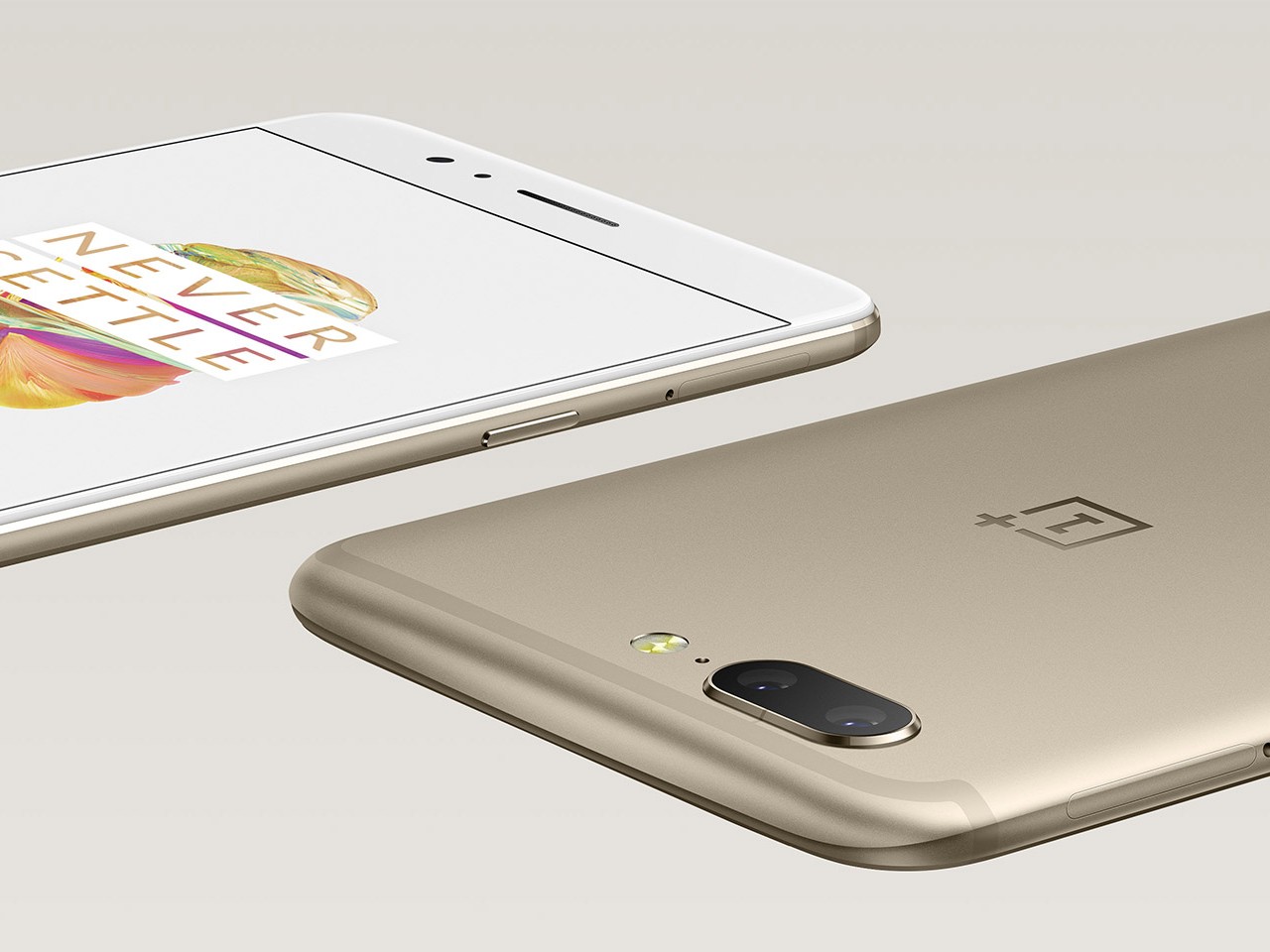
For all intents and purposes, the iPhone SE 4 looks like the iPhone 14 from 2022, which itself sported a design that was significantly unchanged since the iPhone X from 2017. The only major difference, at least from a design perspective, is that the camera on its back retains a single circular bump more reminiscent of the iPhone 8 and earlier eras. Given there might only be a single camera anyway, that’s a better choice than having a square bump with barely anything inside it.

The renders do suggest that the 4th-gen iPhone SE will also adopt a USB-C port, a technology that Apple introduced to iPhones only last year. This is quite a modern feature for an iPhone SE model, but considering the pressure on Apple to adopt a standard charging port, it doesn’t come as a surprise. That said, these are still all unofficial, so details might still change before the new iPhone SE launches, which is expected to happen next year.

The post iPhone SE 4 renders say goodbye to the Touch ID home button, hello to USB-C first appeared on Yanko Design.