Beyond Good & Evil 2 is somehow still under development

With the gaming industry's recent rash of layoffs, closures and cancellations, it would be easy to assume Beyond Good and Evil 2 is toast. After all, the game looked like vaporware even before the extreme cost-cutting trend started. But here we are in late 2025, and — lo and behold — Ubisoft is hiring for the prequel.

The job listing (via Eurogamer) is for a technical sound engineer. But aside from revealing that the game is apparently still in the works, the description doesn't tell us anything new. "Beyond Good & Evil 2 is an action-adventure open world game set in a captivating space opera universe and the direct prequel to the 2003 cult classic," the posting reads. "Based on a breakthrough technology driven by the proprietary Voyager engine, Beyond Good & Evil 2 aims to offer a seamless experience of exploration and space piracy across a solar system full of exotic locations, colorful characters and mysteries to uncover, solo or with friends.”

Ubisoft first teased the prequel in 2008, then officially announced it in 2017. Engadget even watched a closed-door gameplay presentation the following year. We described what we saw as "wildly ambitious," perhaps to a concerning degree, given the technical challenges tied to that scope. Those worries appear to have been warranted, as we still hang onto tiny nuggets of hope (look, a job posting!!) over seven years later.

In 2022, Bloomberg poured more cold water on its timeline, reporting that the game was still in pre-production. Engadget contacted Ubisoft for comment on its current status, and we'll update this story if we hear back. In the meantime, you can revisit the surge of hope that was the game’s 2018 cinematic trailer.

This article originally appeared on Engadget at https://www.engadget.com/gaming/beyond-good--evil-2-is-somehow-still-under-development-185230052.html?src=rss

Oracle’s Lensless LED Headlight: Killing the Century-Old Lens

For 125 years, every headlight ever made has included one fundamental component: a clear outer lens. Oracle Lighting just deleted it. The world’s first lensless LED headlight system debuting on the 3rd Gen Toyota Tacoma doesn’t just eliminate a component. It removes the single most failure-prone element in automotive lighting, solving problems that have plagued drivers since acetylene flame lamps lit up dirt roads in the 1880s. No more fogging. No more cracking. No more yellowing, hazing, or moisture intrusion. The lens, that seemingly essential protective cover, turns out to be optional after all.

Designer: Oracle Lighting

What Happens When You Remove the Lens

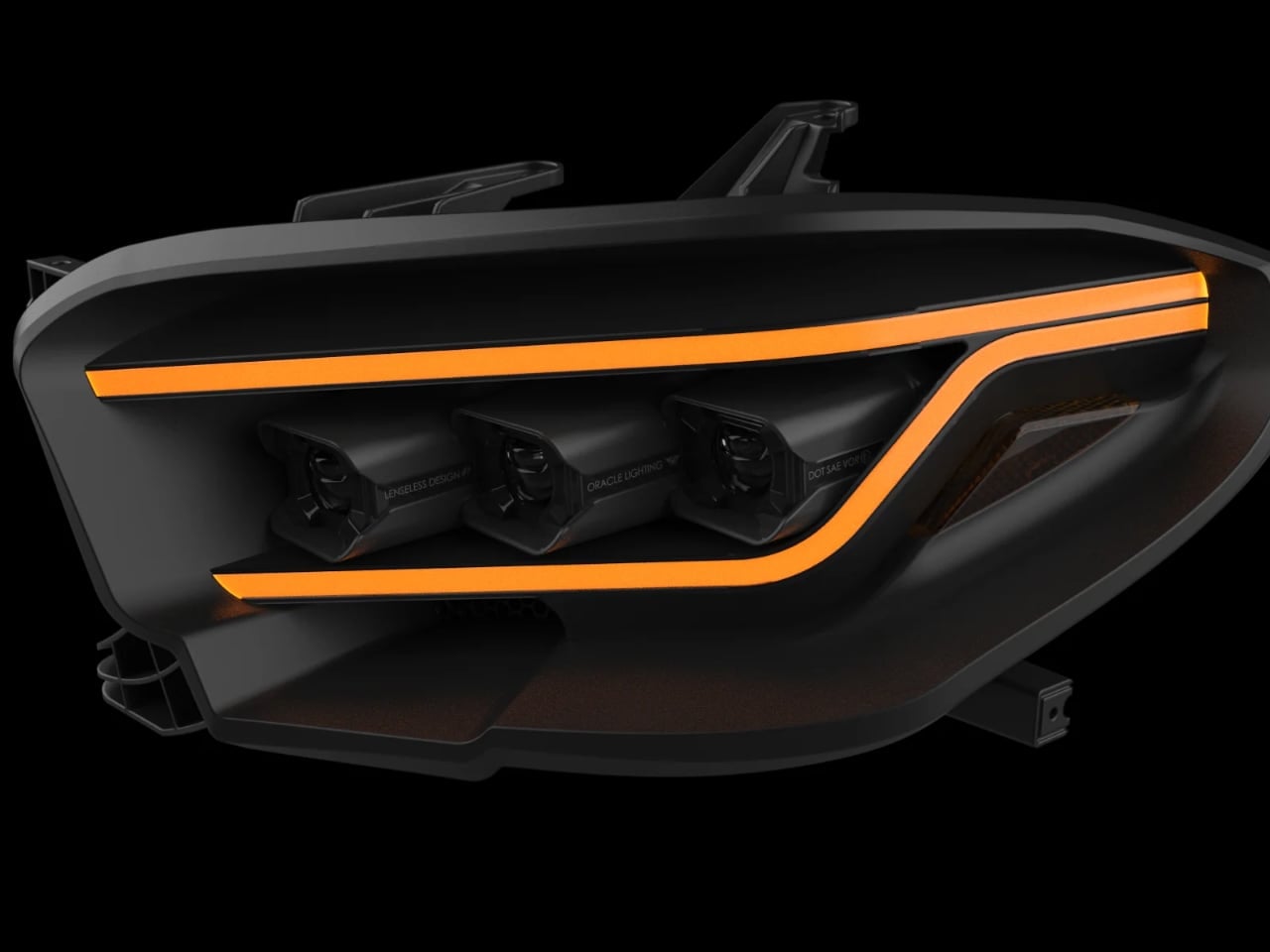
Here’s the immediate visual impact: the headlight housing itself becomes the design statement. Without a clear plastic layer covering the front, the sculpted housing sits exposed, proud, and remarkably customizable. You can paint-match it to your vehicle. Think about that for a moment. Every headlight you’ve ever owned was stuck with whatever clear or slightly tinted lens the manufacturer chose. This system lets you integrate the housing into your truck’s color scheme, creating an OEM-level finish or going full custom for show builds.

The exposed housing showcases the modular Bi-LED emitter pods inside. These aren’t hidden behind foggy plastic or obscured by lens distortion. They’re visible design elements, each pod a precisely engineered component that contributes to the overall visual character. The technical architecture makes this design approach possible. Each LED emitter pod carries IP68-rated ingress protection, meaning dust can’t penetrate it and neither can water under pressure. That’s the same rating you’d expect from the lens itself, except now every individual light component shares that protection level.

Active thermal management keeps each pod operating within optimal temperature ranges. Overheating kills LEDs faster than anything else, so Oracle built cooling directly into the modular system. The pods breathe, dissipate heat, and maintain consistent performance without relying on a lens to trap heat or create condensation. The bracket system reinforces this modular philosophy. Everything mounts to replaceable, reinforced brackets that ship flat for compact packaging, cutting freight costs and reducing shipping damage. Minor collision damage that would normally require a complete replacement becomes a bracket swap.

Why This Actually Matters

Traditional LED headlights trap you in an expensive cycle. One failed LED often means replacing a $1,000+ assembly because manufacturers seal everything together. You can’t access the failed component. You can’t swap it out. You buy the whole unit again.
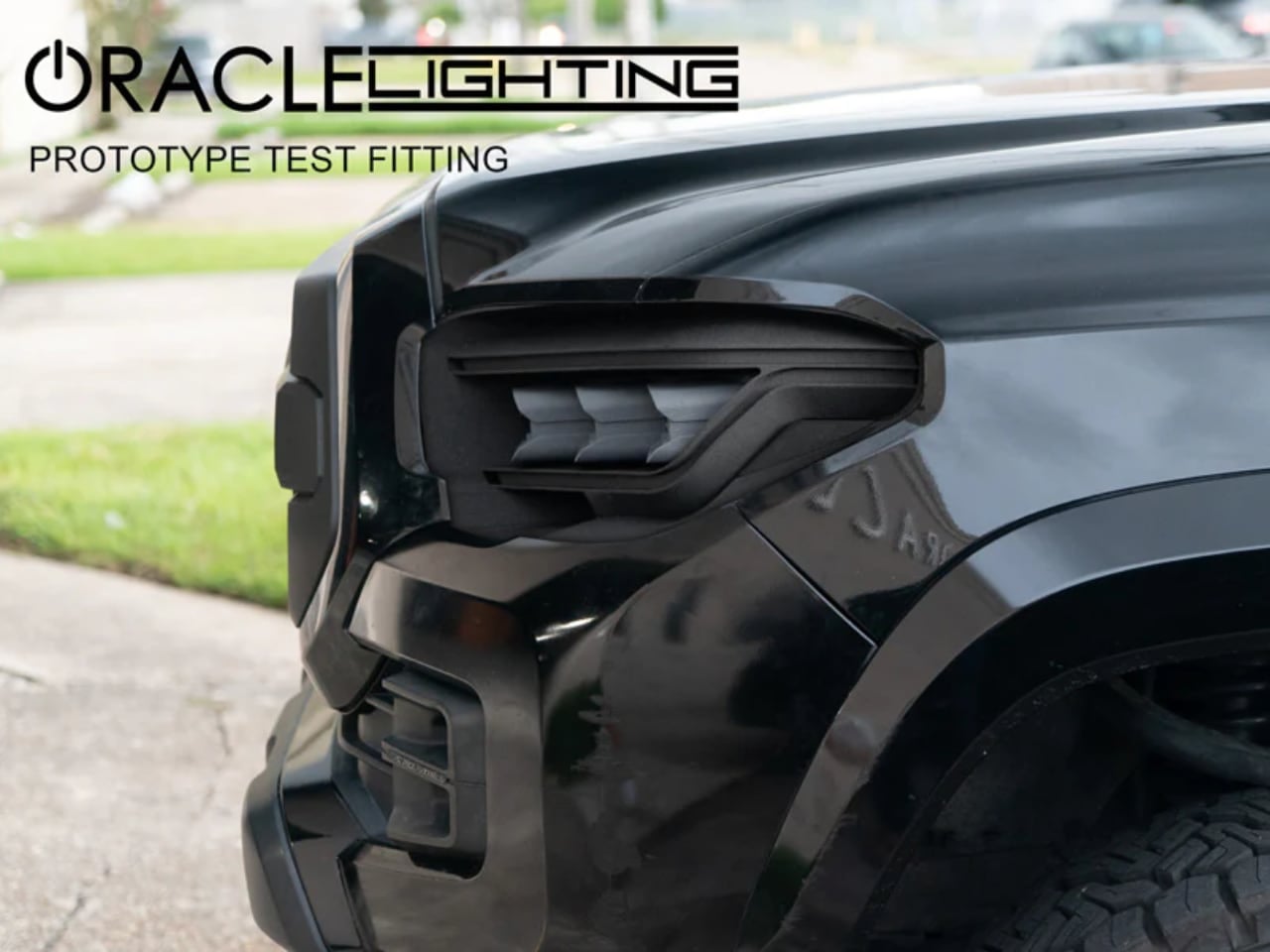
Oracle’s lensless system flips that model completely. Each Bi-LED pod is individually serviceable and replaceable. DRL fails? Replace that pod. Low beam goes out? Swap that specific emitter. You can often perform these replacements without removing the entire headlight from the vehicle. This isn’t just convenient. It’s sustainable. It reduces electronic waste by letting you repair instead of replace, saving money over the headlight’s lifespan while transforming a traditionally disposable product into something genuinely maintainable.

The 3rd Gen Toyota Tacoma launch makes perfect sense for this technology. Tacoma owners take their trucks off-road, into environments where rocks, mud, and trail debris destroy regular headlights. Cracked lenses are a common casualty on serious trail runs, and moisture intrusion follows shortly after. Without a lens to crack, that failure mode disappears. The IP68-rated pods handle dust and water directly. The modular design means trail damage becomes a quick repair instead of a major replacement.

The paint-matched housing option also appeals to the modification culture around trucks like the Tacoma. Show builds can integrate headlights seamlessly into custom paint schemes. Daily drivers can maintain factory aesthetics while upgrading performance and durability. Installation follows standard headlight replacement procedures, mounting to existing points and connecting to factory wiring without custom fabrication.

The Platform Play

Oracle calls this a technology platform, not just a product. That distinction matters. The lensless architecture works for any vehicle, any lighting application. After the Tacoma debut in early 2026, Oracle plans fitments for the Toyota 4Runner and Ford F-150, with more applications following.

If the lensless design proves as durable and serviceable as Oracle claims, other manufacturers will face pressure to match that capability. Drivers who experience hassle-free maintenance won’t want to return to sealed, disposable assemblies. The $800-$900 price point positions this between budget replacements and premium lighting upgrades, accessible enough for serious enthusiasts while maintaining quality expectations.

Oracle Lighting has spent 25 years developing automotive lighting technology. The lensless system represents years of development, testing, and refinement. The Tacoma launch in early 2026 will be the proof point. Trail abuse, weather exposure, and daily use will test whether eliminating the lens actually delivers on the durability and serviceability promises. If the system performs as designed, expect rapid expansion across vehicle applications.

Follow @oraclelights for behind-the-scenes development updates, application announcements, and pre-order access when the launch window opens.

Product Specifications:

  • Launching on 3rd Gen Toyota Tacoma (early 2026)
  • Future fitments: Toyota 4Runner, Ford F-150
  • Price: $800-$900 per set
  • Modular Bi-LED emitter pods with IP68 protection
  • Active thermal management on all pods
  • Serviceable and replaceable individual components
  • Paint-matchable housing for custom finishes

The post Oracle’s Lensless LED Headlight: Killing the Century-Old Lens first appeared on Yanko Design.

Tilt This Smart Clock, and It Triggers Your Entire Bedtime Routine

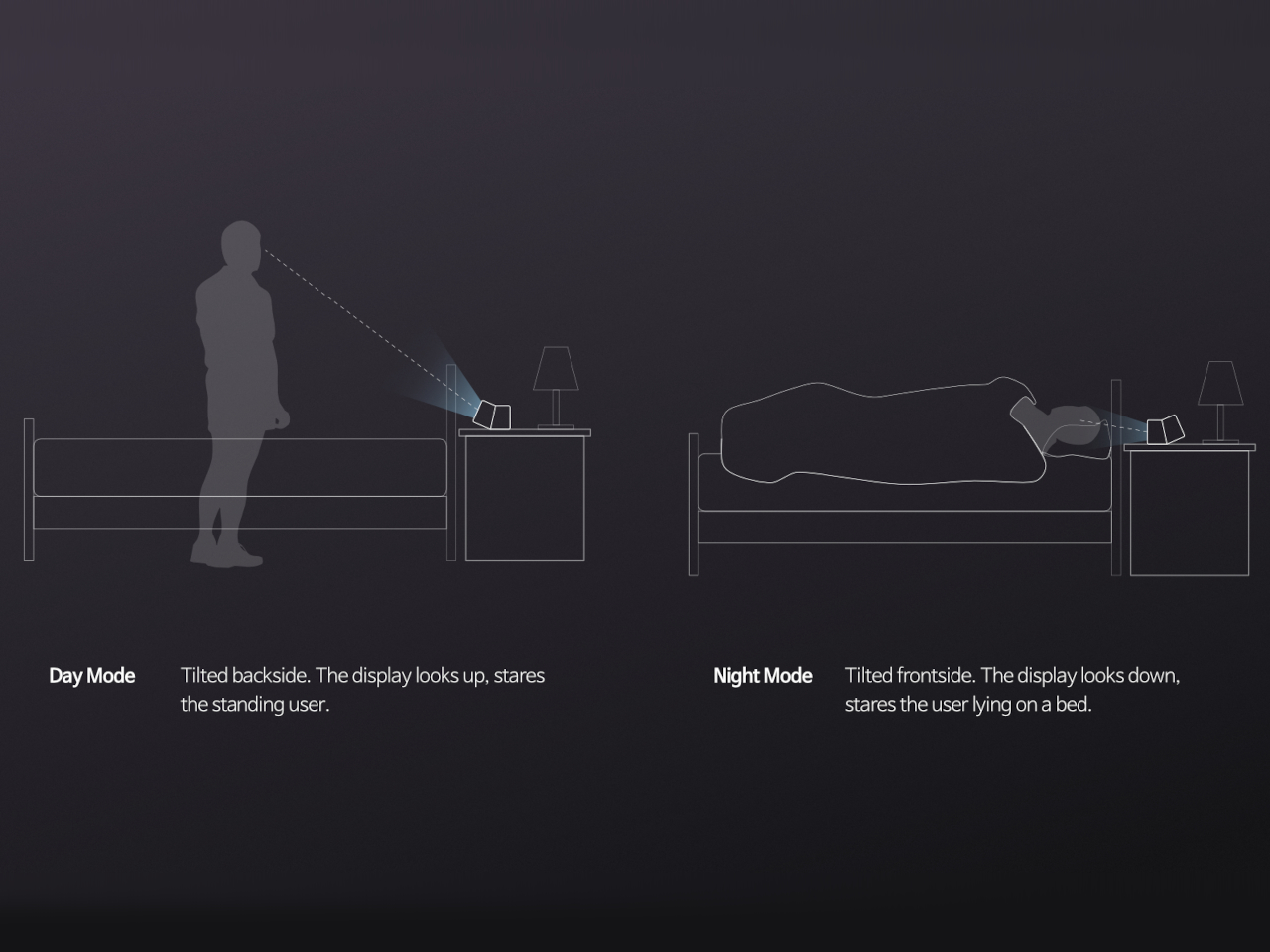
Most smart home routines now live inside apps and voice menus, which is powerful but often feels abstract and fiddly. Controlling physical things through layers of screens can feel backwards, especially for simple daily transitions like going to bed or waking up. This smart alarm clock concept treats day and night as a single, physical gesture instead, asking what would happen if your entire bedtime routine followed one tilt of a solid object.

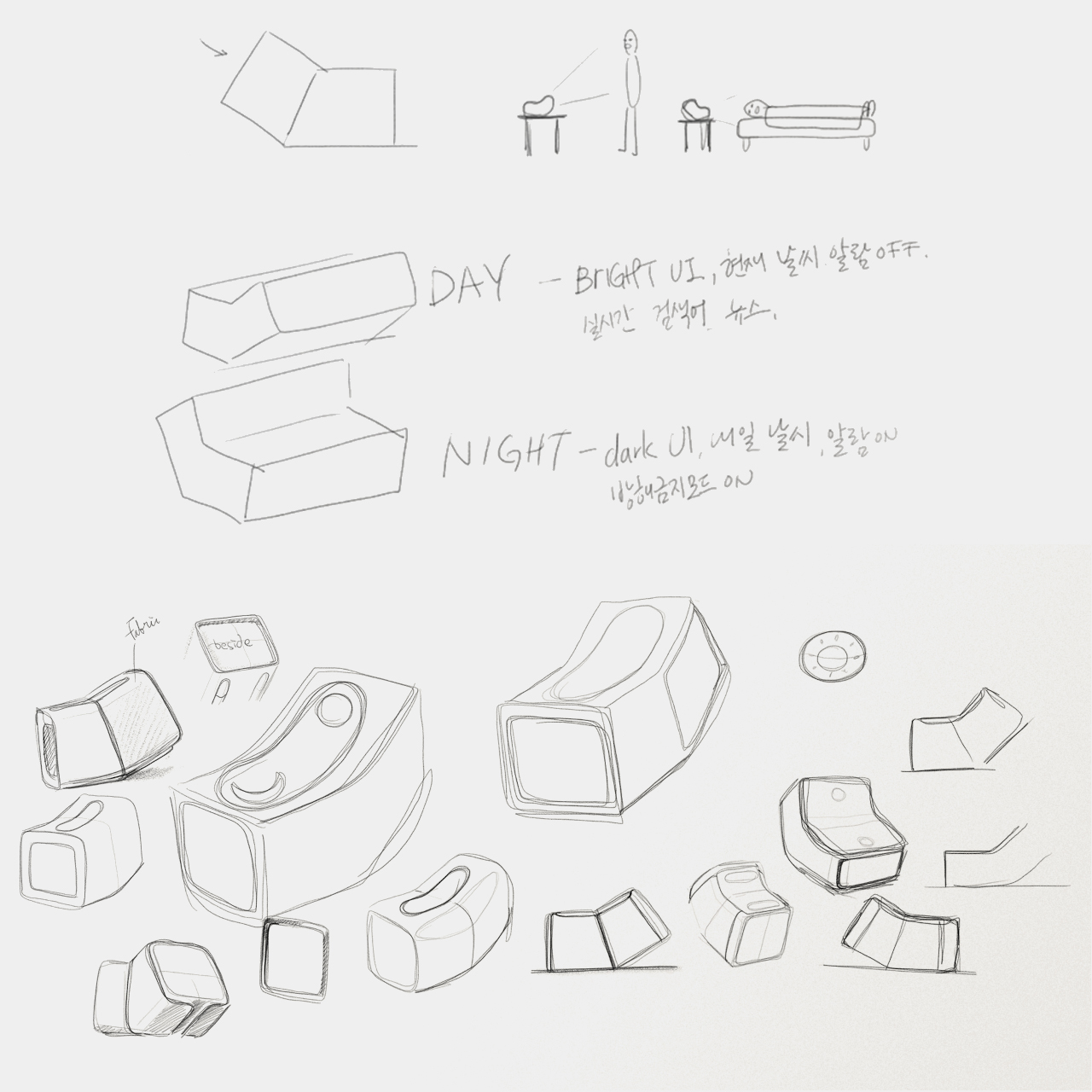
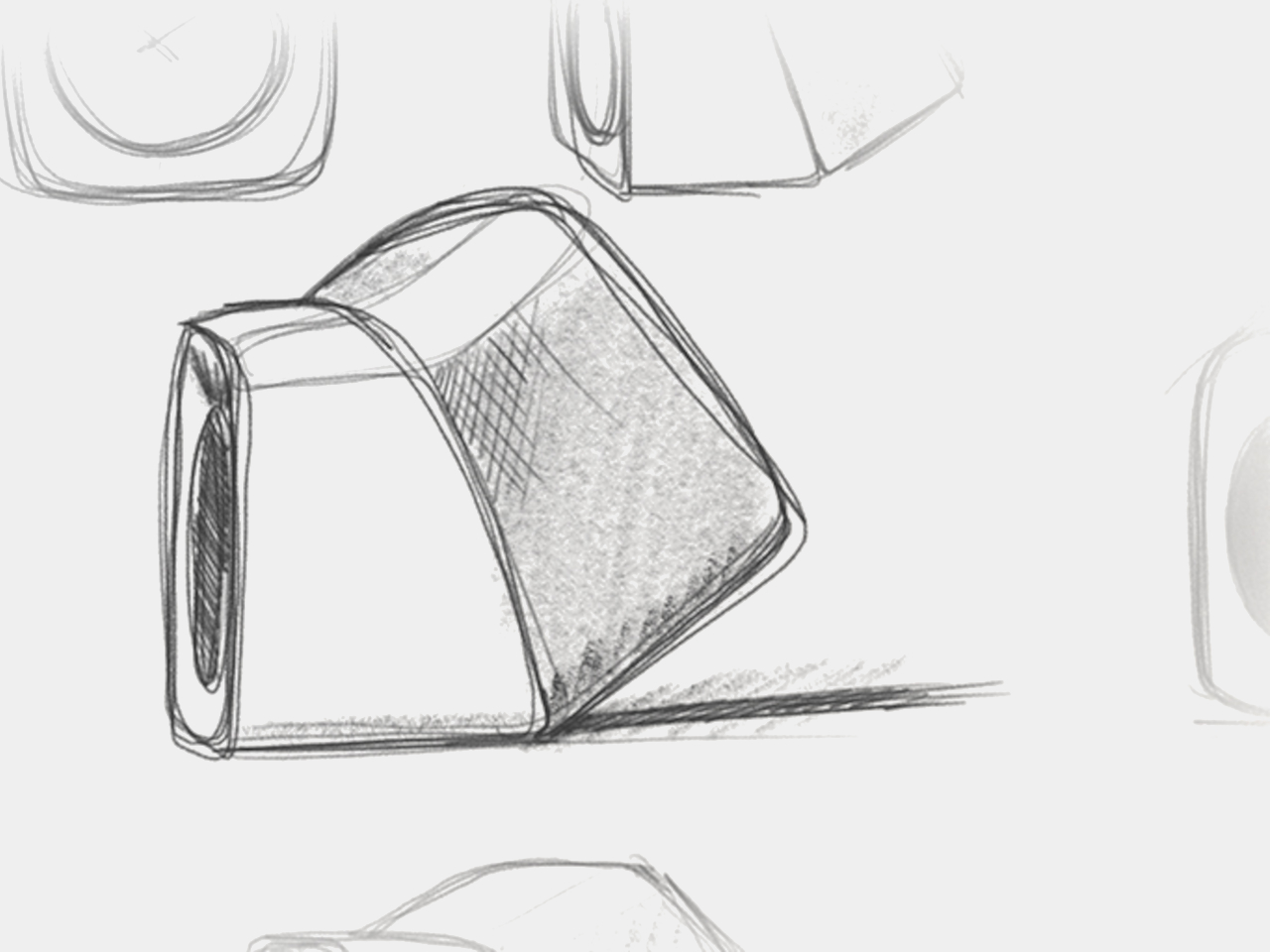
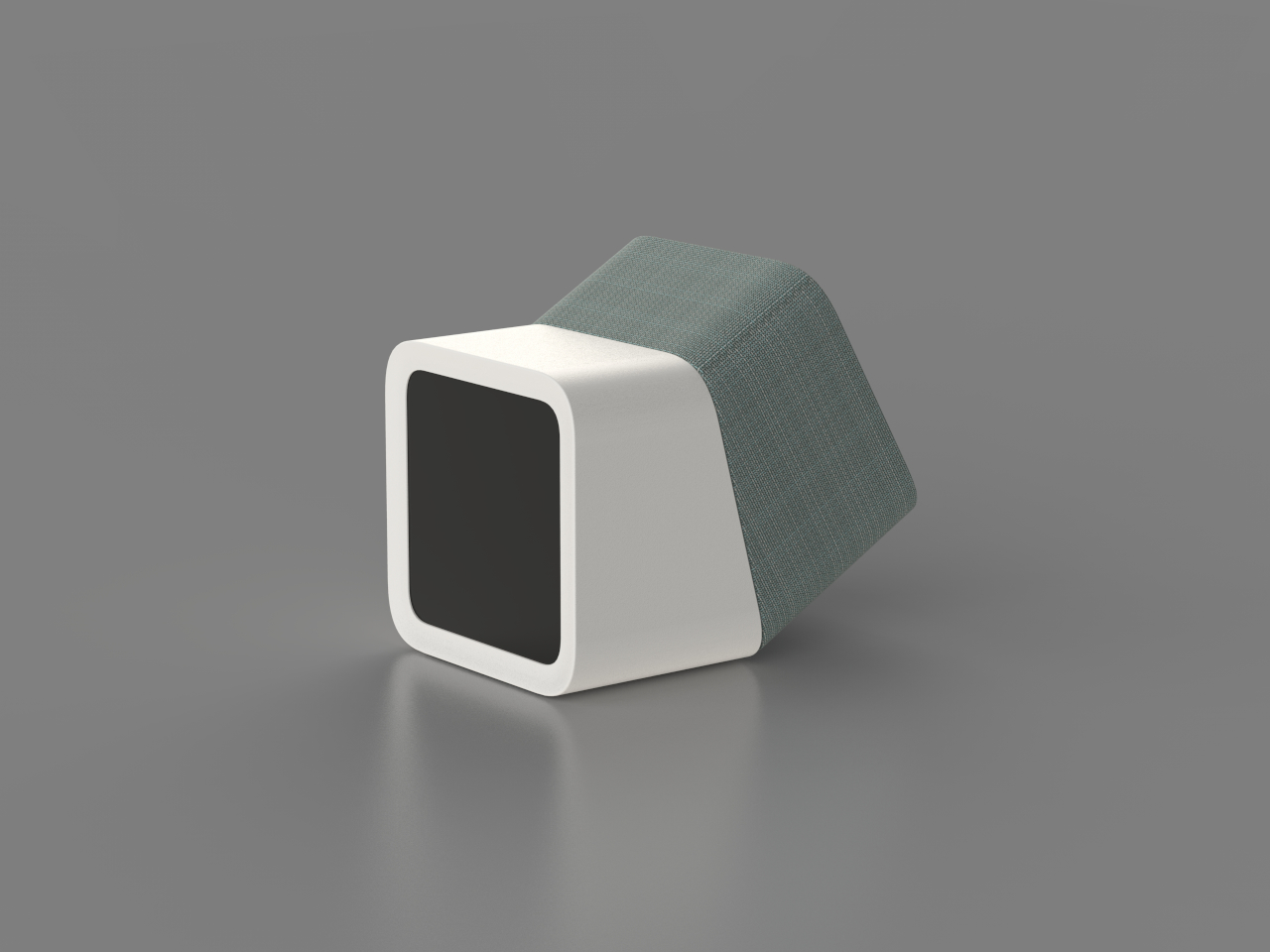
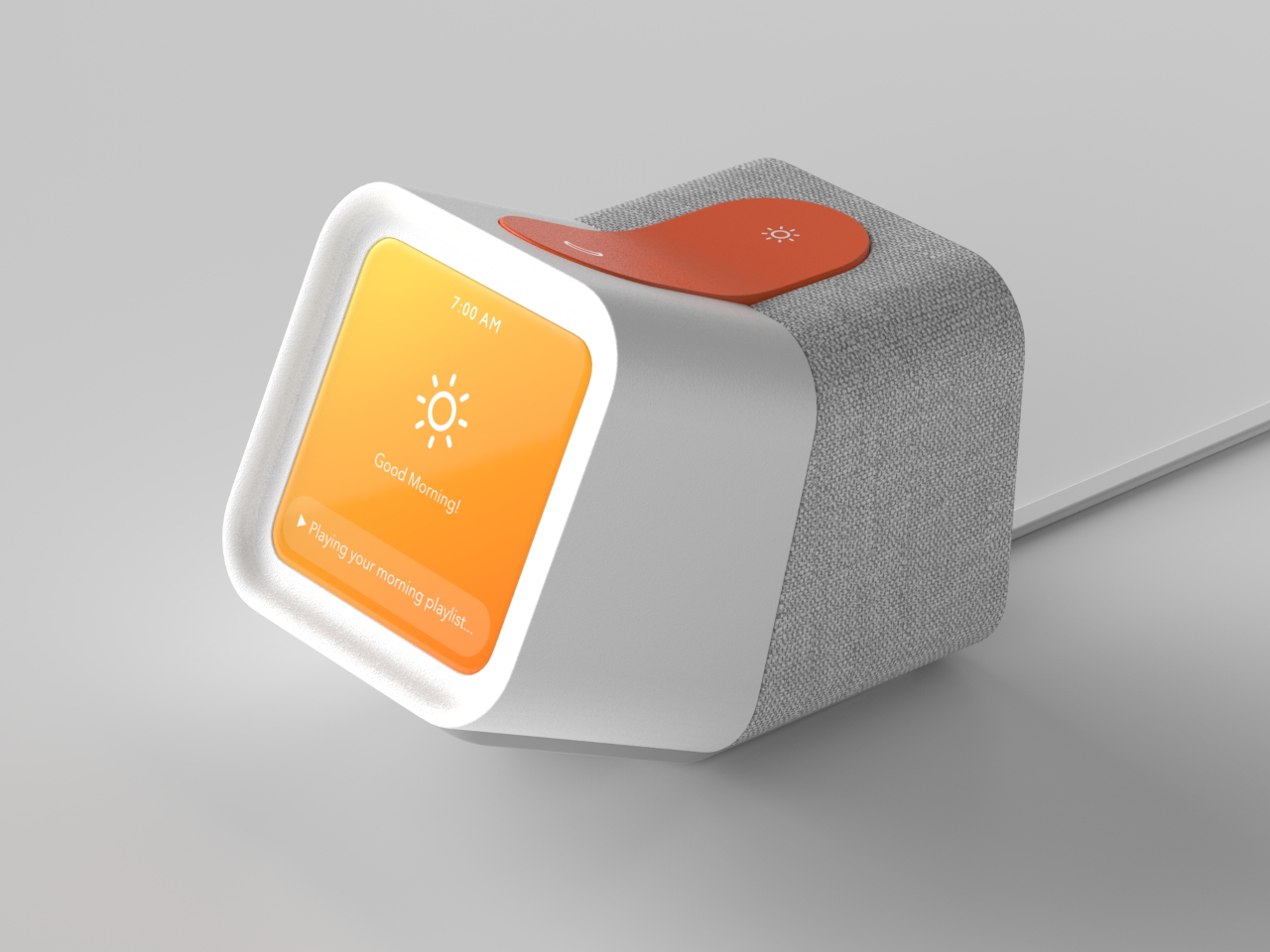
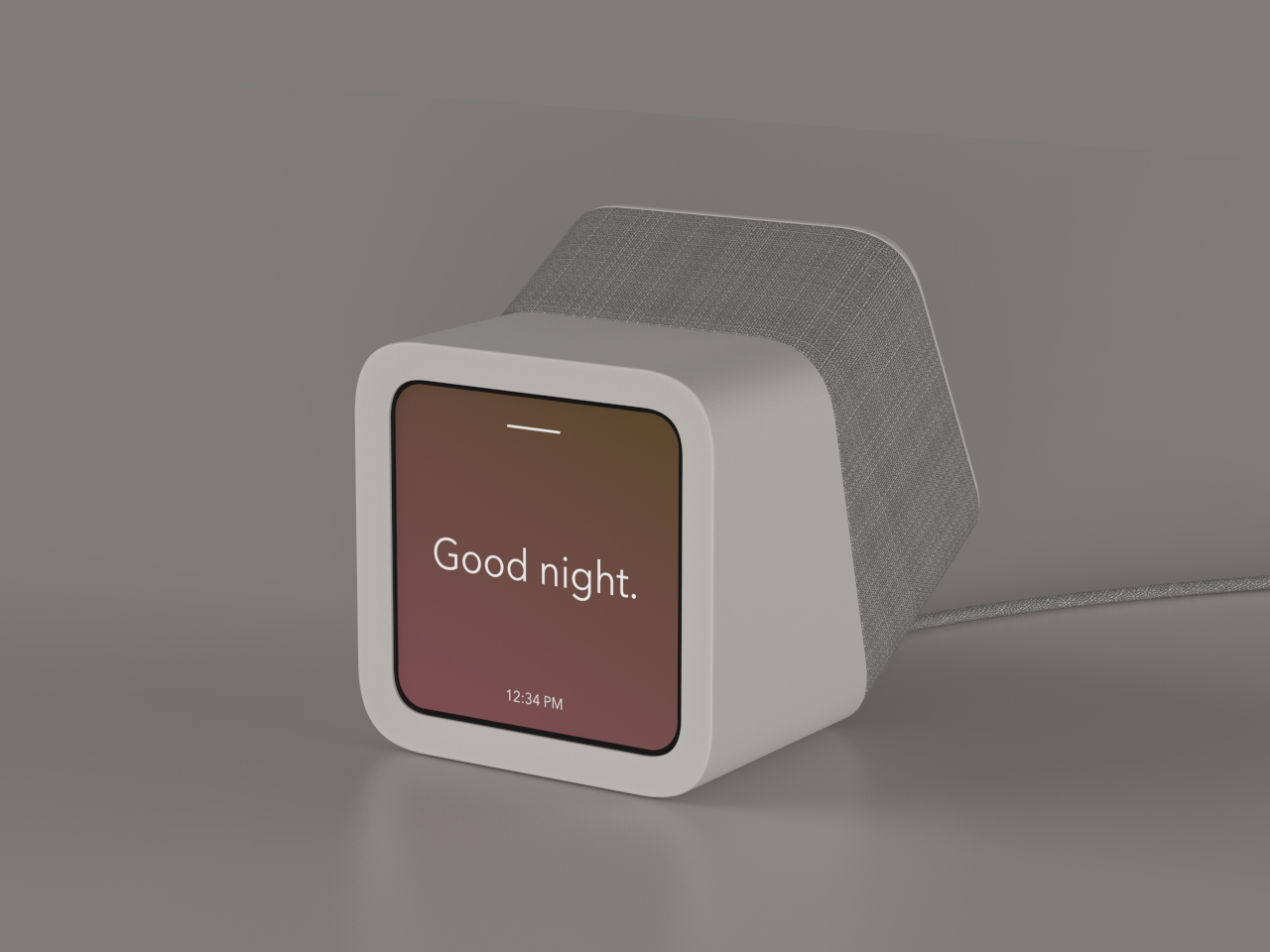
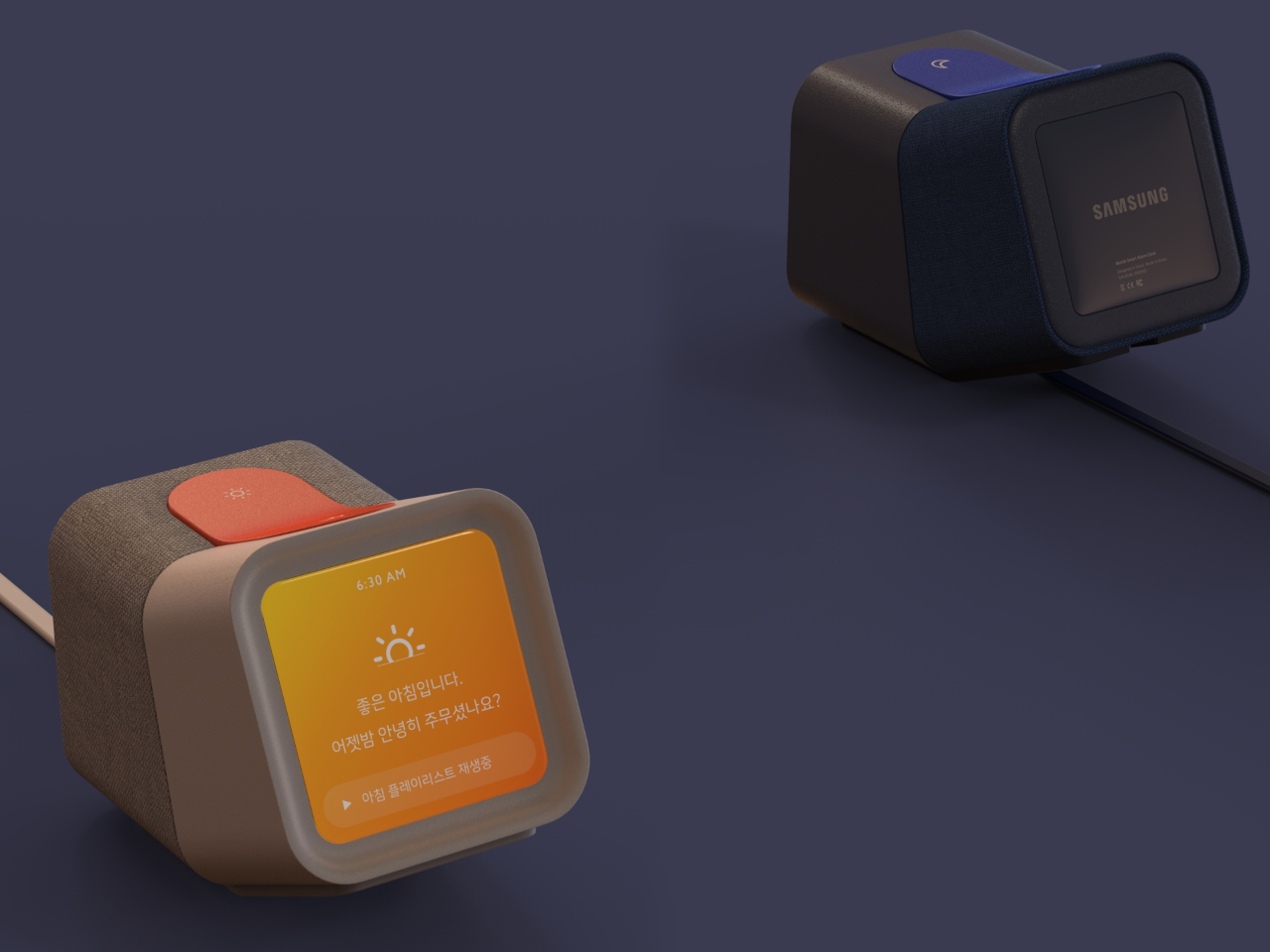
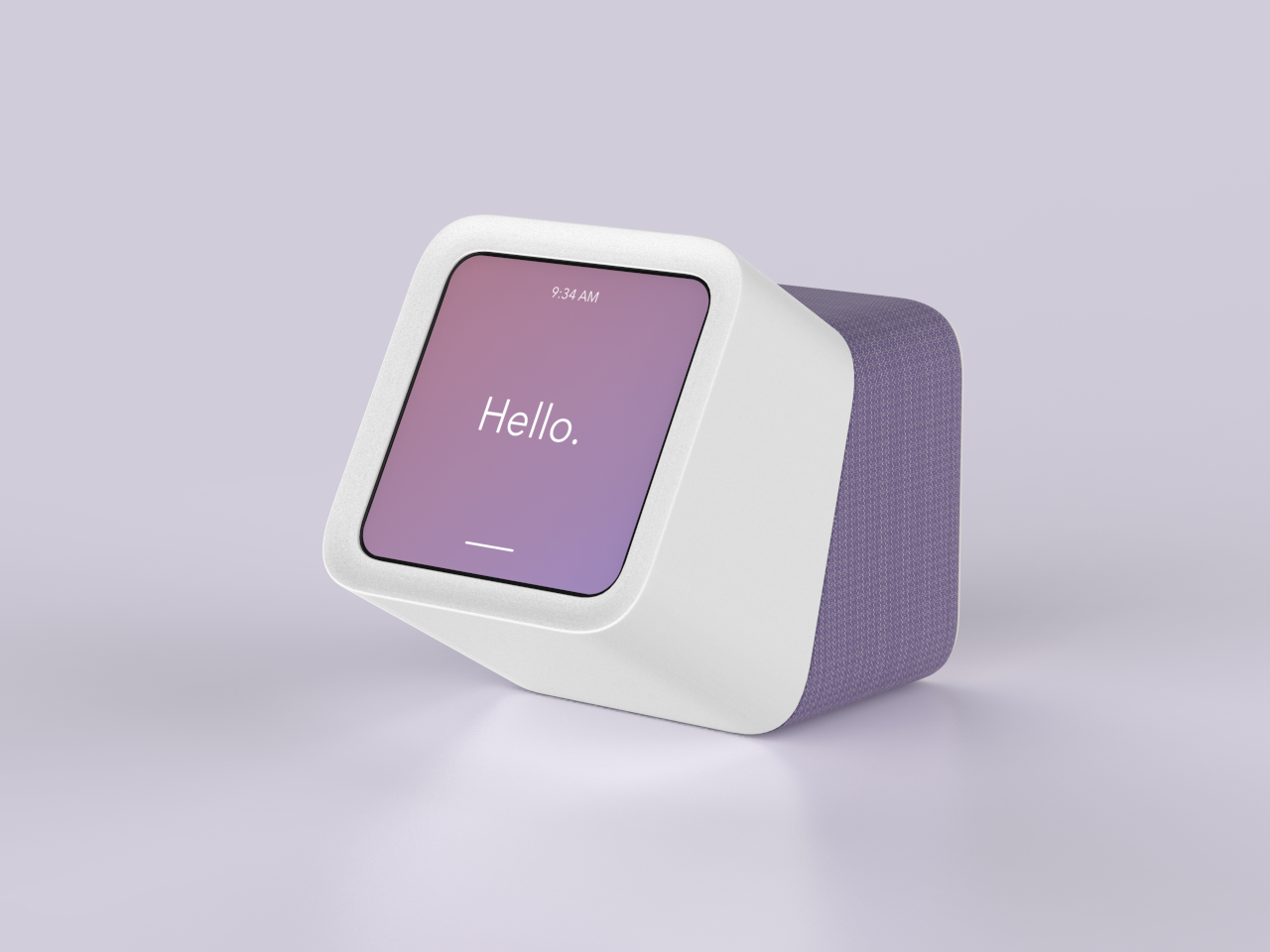
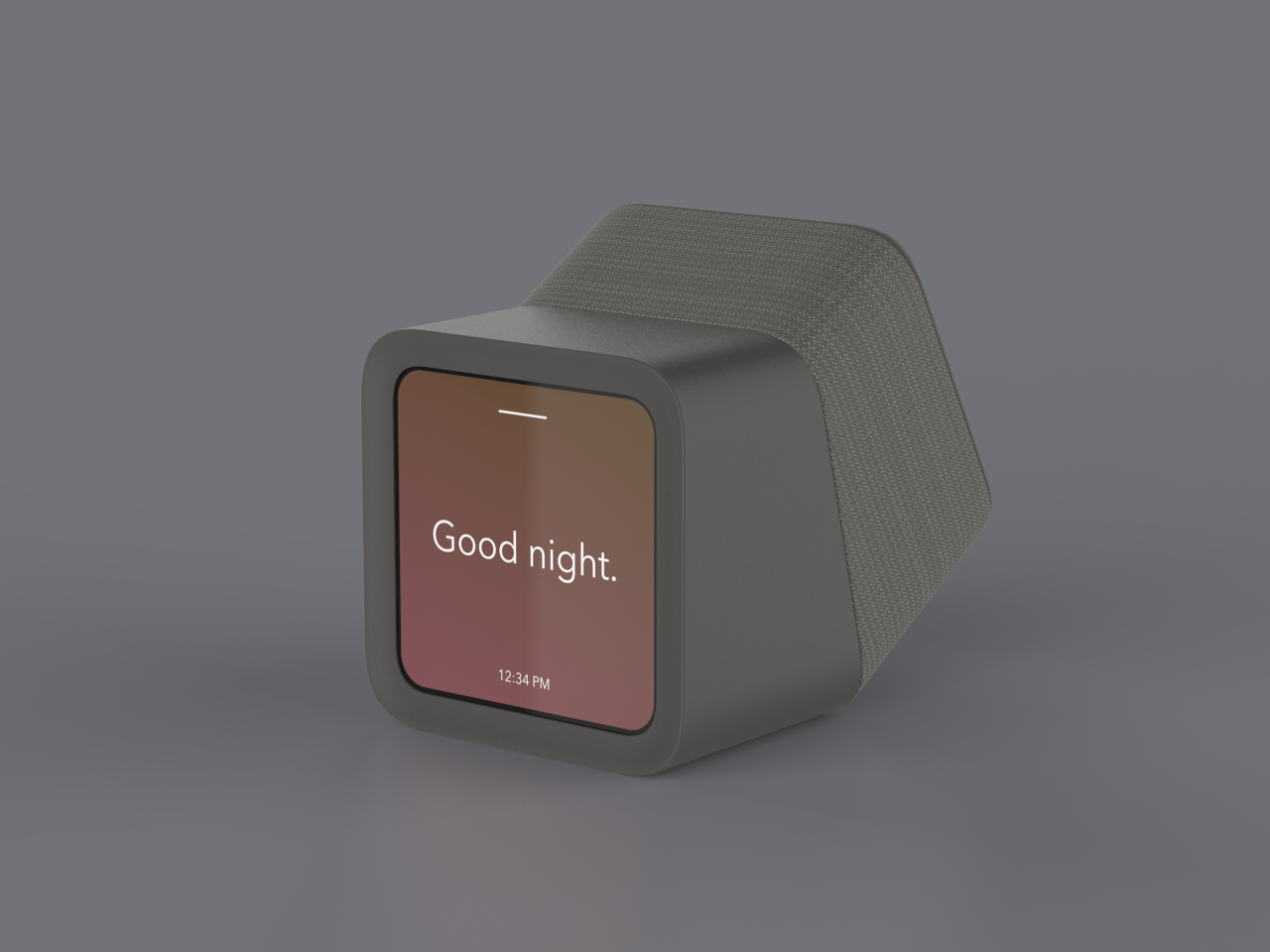
The concept is a smart alarm clock that doubles as an IoT scene switcher. It’s a small wedge-shaped object with a square display on one face and fabric wrapping the rest of the body. Instead of tapping through modes, you literally tilt the clock like a seesaw to flip between day and night. The display follows, showing a bright sun or a dim moon depending on which way it rests.

Designer: Hojung Cha

In day orientation, the clock faces you with a bright UI, lights and music on, and your phone fully awake. Tilt it the other way into night mode, and the screen darkens, lights fade, music winds down, and your phone can automatically switch to Do Not Disturb while setting an alarm for the morning. One physical move triggers a whole bedtime routine without touching a single app or menu.

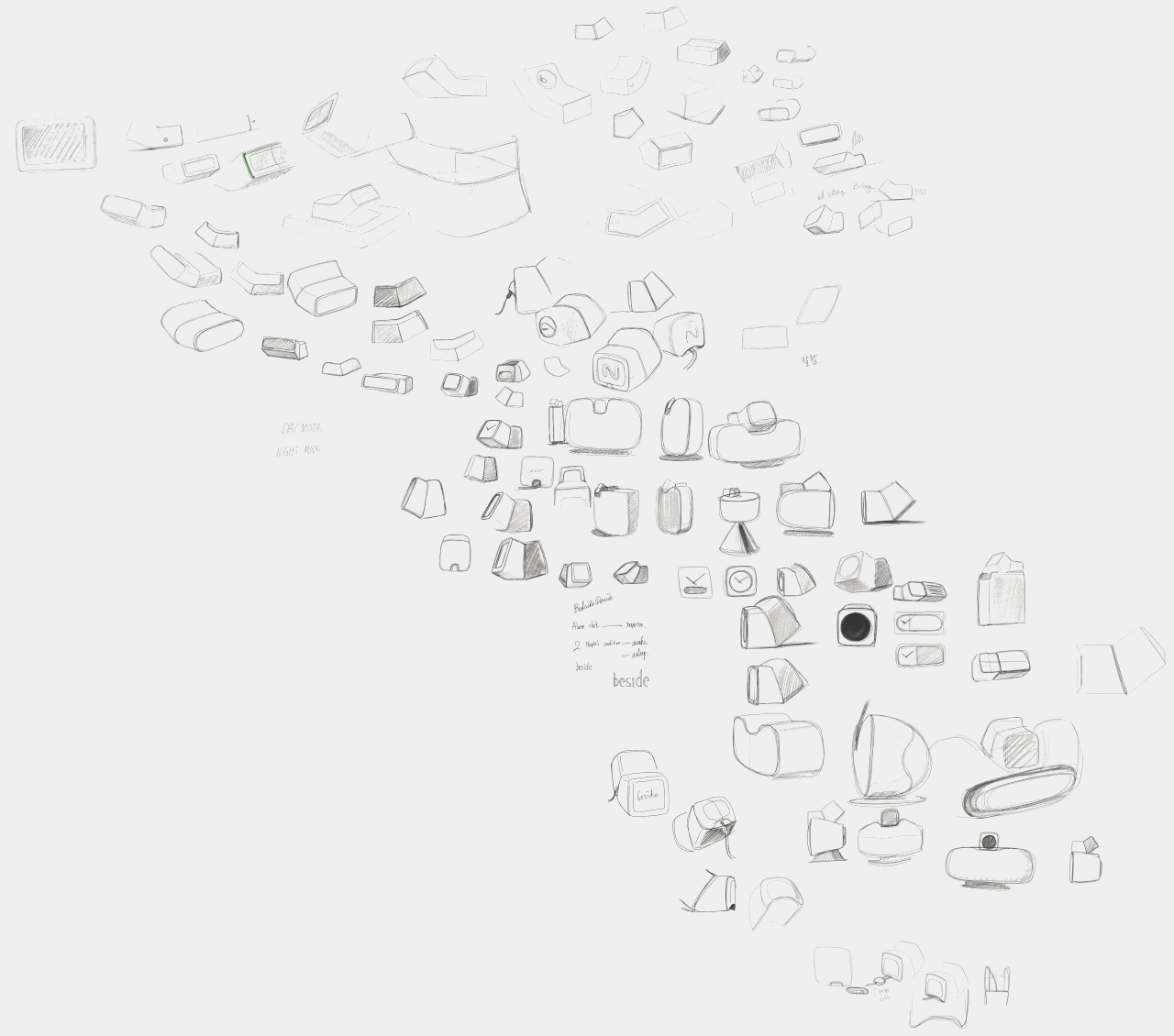
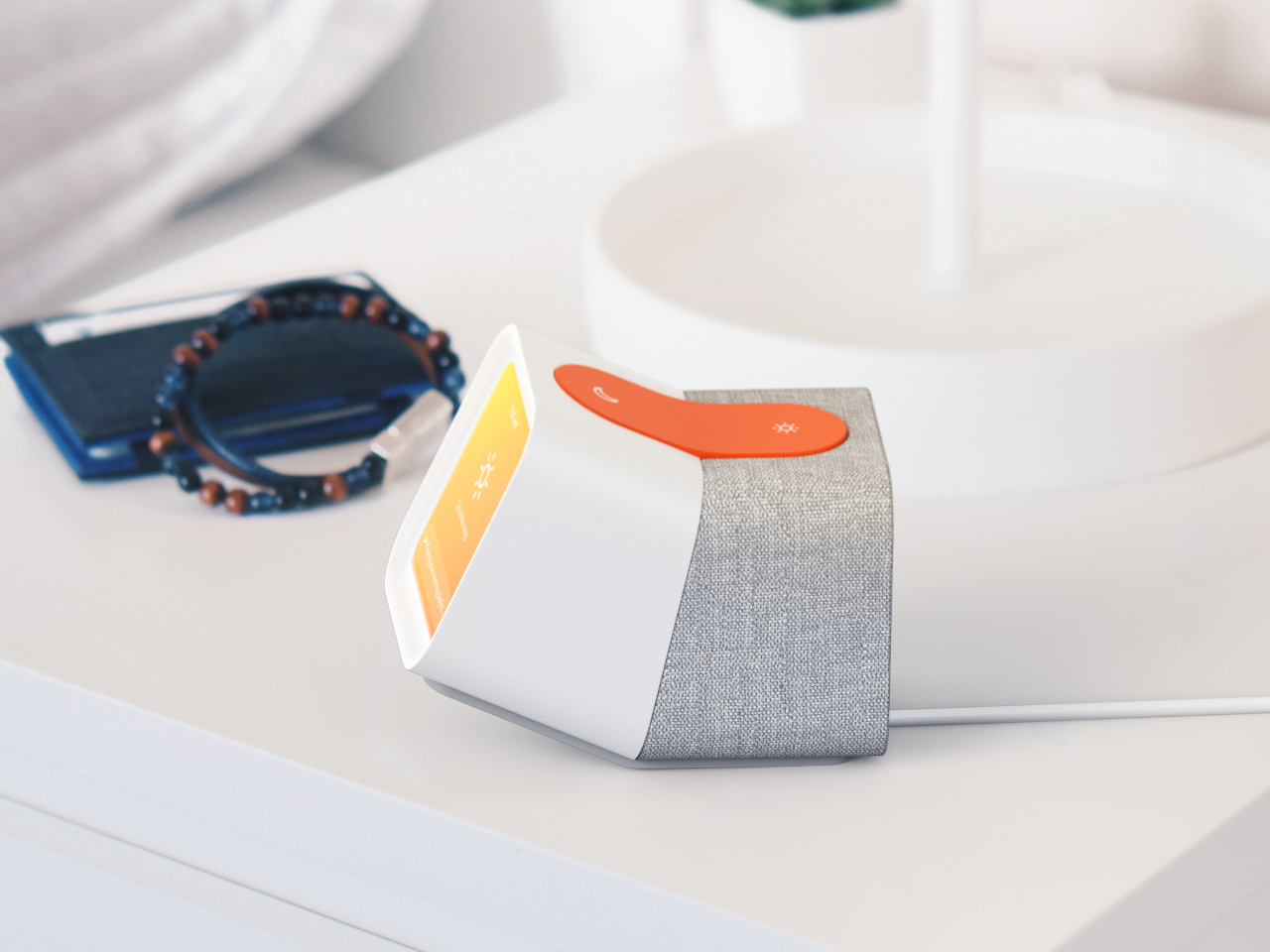
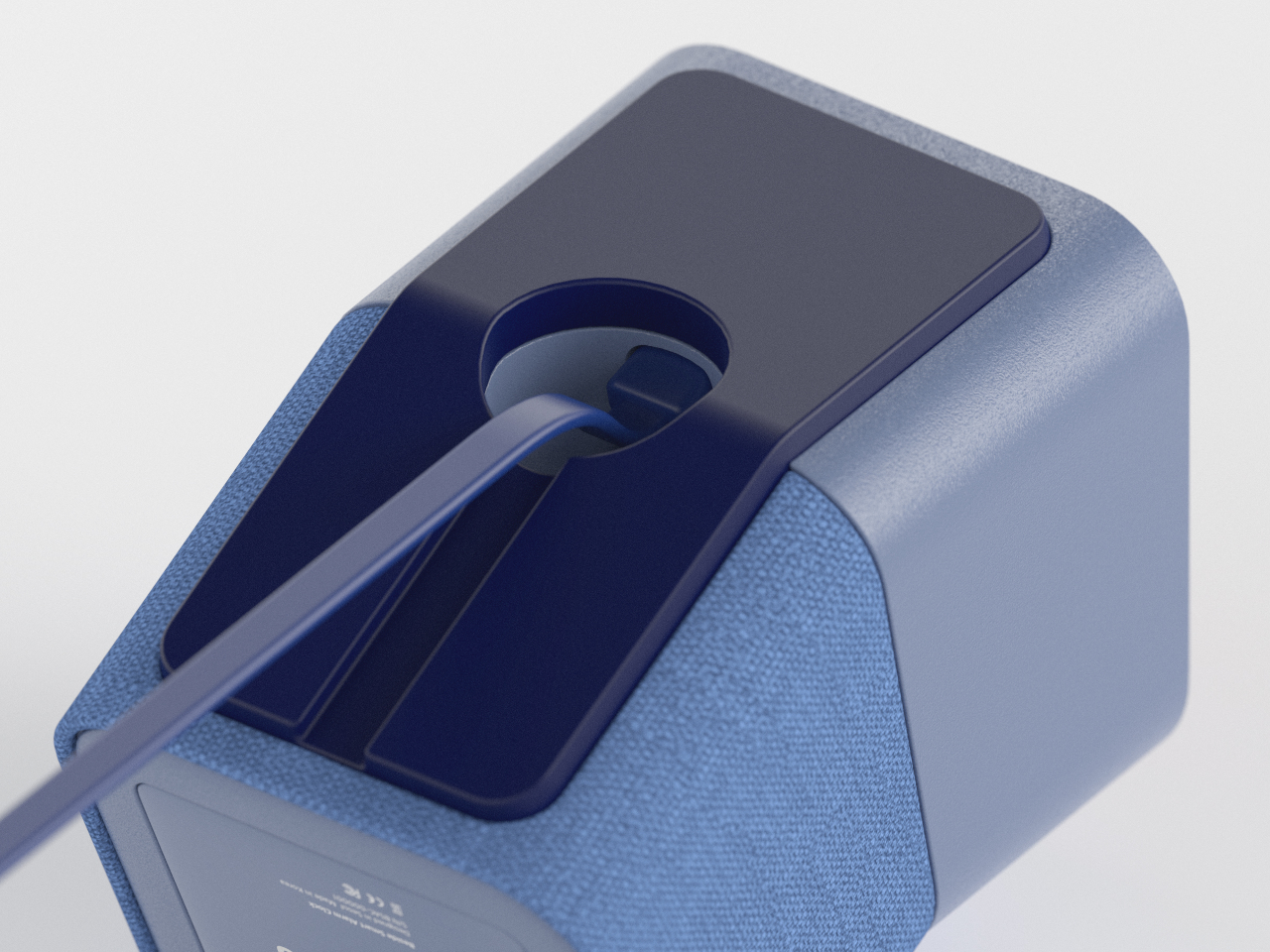
The form is a soft rectangular block with one angled face for the display, wrapped in fabric so it feels more like a piece of furniture than a gadget. The angled front makes it easy to read from bed, and the two stable resting positions are obvious at a glance. It looks comfortable on a nightstand next to a lamp and a book, not like a piece of lab equipment waiting to blink at you.

The clock inverts the typical IoT relationship. Instead of your phone being the remote for everything else, the clock becomes a physical remote for the phone. It can tell your smartphone when to be quiet, when to wake you, and when to leave you alone. At the same time, it coordinates with lights and speakers, acting as a simple, dedicated interface for the most common daily transition in the home.

The design borrows the familiar bedside clock silhouette but adds the tilt mechanic and a clean, modern display. The goal is technology that can be seen, touched, and held, making its function legible without an instruction manual. The two orientations and matching UIs turn a behavior we already do, such as getting up or going to bed, into something the object naturally understands and responds to.

The smart alarm clock concept is a small argument for more tangible IoT. It doesn’t try to solve every scenario with an app; it focuses on one moment and makes it physical, glanceable, and easy to understand. The idea of flipping a solid object to tell your home and your phone “day” or “night” feels like the kind of interaction our sleepy brains can actually live with.

The post Tilt This Smart Clock, and It Triggers Your Entire Bedtime Routine first appeared on Yanko Design.
December’s PS Plus Monthly Games include Lego Horizon Adventures and Neon White

Sony has revealed the final batch of PlayStation Plus Monthly Games for 2025. This time around, you’ll be able to add five games to your library instead of the usual three. As ever, you’ll retain access to claimed games as long as your subscription remains active.

The headliner this time around is Lego Horizon Adventures (PS5), which is a more family-friendly take on the Horizon series. Guerrilla Games and Studio Gobo gave the events of Horizon Zero Dawn a Lego flavor in this spinoff, which is the first co-op game in the series (an MMO is in the pipeline too). I’ve been meaning to check this out, so it’ll be an easy addition to my library.

The same goes for Neon White (PS4 and PS5), a fast-paced precision platformer and first-person shooter that’s also part-dating sim. Each level is a race to the exit but you’ll need to defeat every demon in the stage first.

There are a couple of first-person co-op horror games in the December lineup. Those are the action-focused title Killing Floor 3 (PS5) and the psychological survival horror The Outlast Trials (PS4 and PS5). The final entry in the Monthly Games lineup this time around is extraction shooter Synduality Echo of Ada (PS5). That could help you scratch an Arc Raiders-shaped itch if you don’t fancy shelling out for that particular game right now.

All five games will be available for PS Plus Essential, Extra and Premium members to snag on December 2 and they’ll remain up for grabs until January 5. You still have until December 1 to scoop up November’s PS Plus Monthly Games, which are EA Sports WRC 24, Totally Accurate Battle Simulator and the wonderful Stray.

At the beginning of this year, Sony said it planned to stop offering PS4 games as a “key benefit” on the PS Plus Monthly Games and Game Catalog lineups as of January 2026. While it might add PS4 games from time to time, the onus for PS Plus going forward will be on PS5 (and perhaps some PS VR2) games. Of course, any PS4 Monthly Games that you’ve claimed will still remain available for download as long as your PS Plus subscription remains active.

This article originally appeared on Engadget at https://www.engadget.com/gaming/playstation/decembers-ps-plus-monthly-games-include-lego-horizon-adventures-and-neon-white-174500131.html?src=rss

EU backs away from requiring tech companies to scan and remove CSAM

EU member states have agreed on a position regarding online child protection legislation that doesn't force global tech companies to identify and remove child sexual abuse materials (CSAM.) This is being seen as a major victory for US tech companies like Google and Meta, according to reporting by Reuters.

This new European Council language contradicts a 2023 position in which the European Parliament would have required messaging services, app stores and ISPs to report and remove CSAM materials and instances of grooming. The proposed legislation doesn't have any of that. 

Instead, it tasks major tech companies with assessing the risk of their services, taking preventative measures as deemed necessary. It leaves enforcement up to individual national governments and not the EU governing body. 

"Member states will designate national authorities ... responsible for assessing these risk assessments and mitigating measures, with the possibility of obliging providers to carry out mitigating measures," the European Council wrote in a statement. "In the event of non-compliance, providers could be subject to penalty payments."

There's no language here regarding the enforced scanning of encrypted materials for CSAM, which was an idea being discussed as recently as last year. However, there is some language that suggests encryption services must be safeguarded. Some detractors, like the Czech Republic, suggest that the Council's idea to allow tech entities to essentially self-police content could actually hurt encryption platforms.

This is "a great disappointment for everyone who cares about privacy," Czech politician Markéta Gregorová wrote in a statement. "The Danish presidency has pushed through a compromise version of the proposal after long negotiations, which, while appearing to be less invasive, actually paves the way for what we have long warned against: the blanket scanning of our private conversations." 

The proposed law does, however, establish something called the EU Center on Child Sexual Abuse. This organization would have a mandate to help countries comply and provide assistance for victims. The European Parliament also recently called on the EU to set minimum ages for kids to access social media, but there's no current law in the works.

All of this isn't a done deal just yet. The Council now must enter into negotiations with the Parliament. 

This article originally appeared on Engadget at https://www.engadget.com/big-tech/eu-backs-away-from-requiring-tech-companies-to-scan-and-remove-csam-173133351.html?src=rss

This Floating Bench Defies Gravity (and Your Expectations)

Have you ever looked at a mountain peak piercing through clouds and thought, “I want to sit on that”? Well, Miles Hass from Make With Miles did exactly that, and the result is a piece of furniture that looks like it belongs in a modern art museum but would feel right at home in your living room.

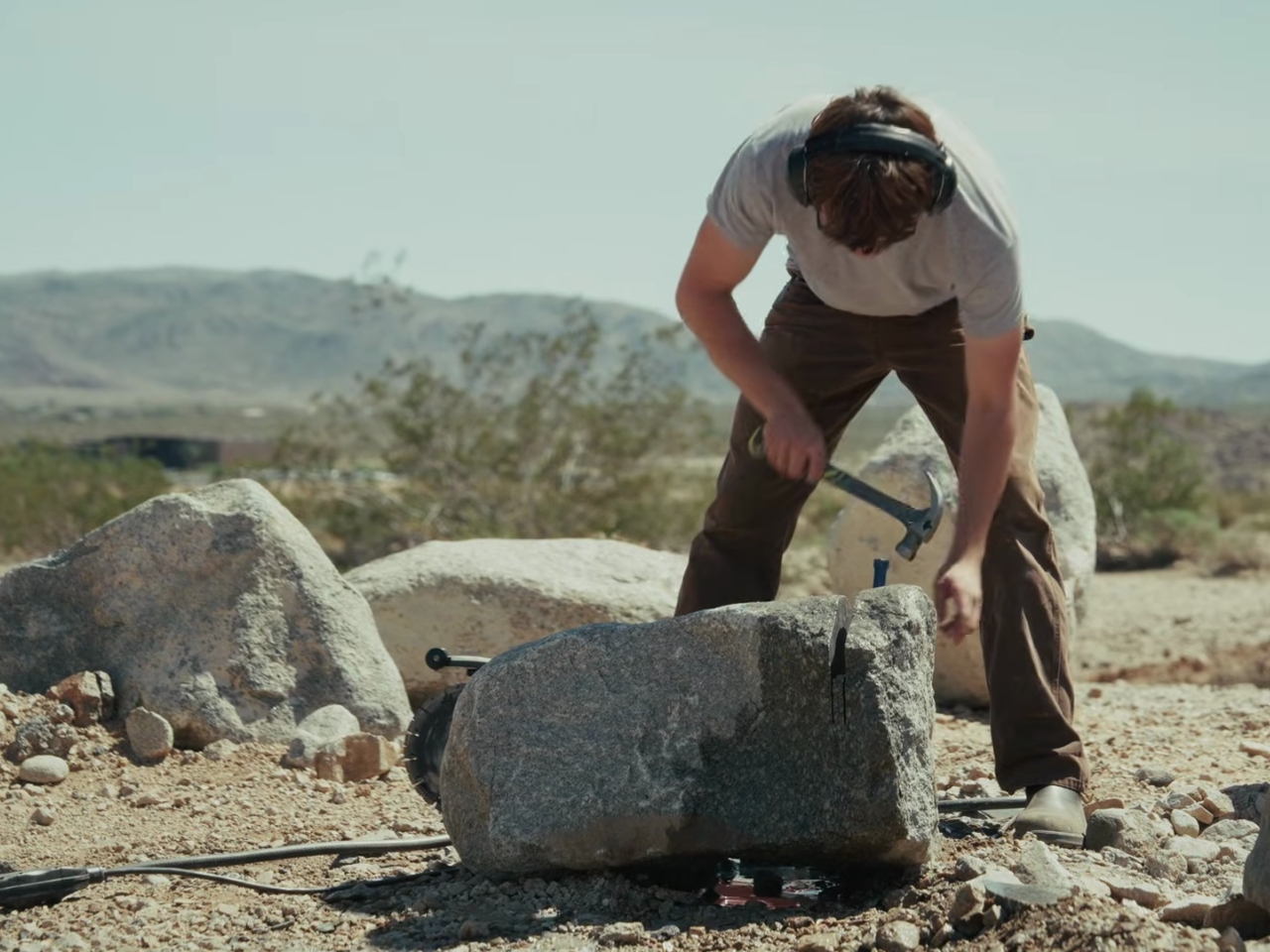
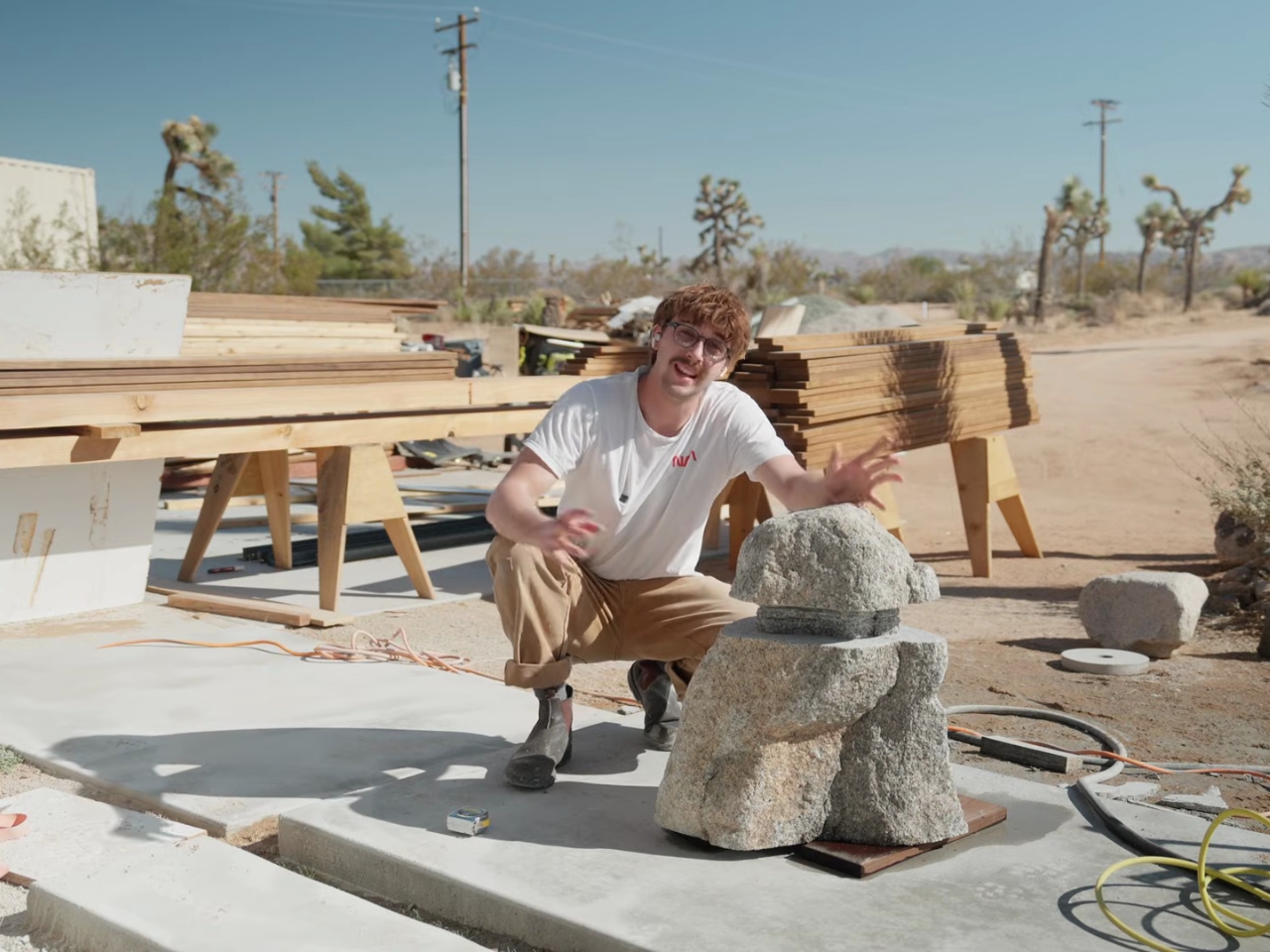
The concept is beautifully simple yet wonderfully complex. A massive rock sits at the base, looking like a mountain rising from the floor, while a wooden bench top appears to float right through it. It’s the kind of design that makes you do a double take because your brain can’t quite process what your eyes are seeing. And that’s exactly the point.

Designer: Miles Hass

Miles drew inspiration from that dreamy image of mountaintops emerging from clouds, and somehow translated that ethereal feeling into something you can actually sit on. The execution required heading out to Joshua Tree, where he collaborated with fellow maker Ben Uyeda to bring this impossible-looking piece to life. Because apparently, regular furniture shopping was just too easy.

What makes this project particularly fascinating is the challenge it presents. You can’t just slap a piece of wood on a rock and call it a day. The engineering behind making a functional bench that appears to defy gravity while maintaining structural integrity is no small feat. The rock needs to support weight, the wood needs to actually hold someone sitting on it, and the whole thing needs to look effortlessly elegant. It’s like solving a three-dimensional puzzle where one wrong move means your mountain bench becomes a pile of expensive mistakes.

The aesthetic is pure contemporary design poetry. We’re often surrounded by mass-produced IKEA clones so there’s something refreshing about furniture that tells a story. This bench doesn’t just serve a function, it starts conversations. It’s sculptural enough to be art but practical enough to be, you know, an actual bench. That balance is harder to achieve than it looks.

For design enthusiasts, this project represents a growing trend in furniture making where natural elements meet modern sensibilities. We’ve seen epoxy river tables take over Instagram, live-edge everything dominate Pinterest boards, and now we’re watching makers push even further into territory where nature and craft become indistinguishable. The floating bench takes this concept and cranks it up to eleven.

What’s particularly cool about Miles’ approach is that he shares the entire process. We’re used to only being shown the polished final product so watching the actual building process, complete with challenges and solutions, makes the piece feel more accessible. Sure, most of us aren’t going to Joshua Tree to hunt for the perfect mountain-shaped rock and engineer a bench around it, but seeing it done demystifies the creative process and might just inspire someone to try their own impossible project.

The technical aspects are equally impressive. How do you secure wood to rock? How do you ensure the weight distribution won’t cause catastrophic failure when someone decides to plop down with their morning coffee? These aren’t questions with easy answers, and that’s what makes the finished product so satisfying to look at. This bench exists in that sweet spot where art, engineering, and function converge. It’s impractical in all the best ways while still being completely practical. You could put it in your entryway, and it would be the most interesting piece anyone encounters in your home. You could place it in a gallery, and it would hold its own against any contemporary sculpture.

In a design landscape often dominated by minimalism to the point of sterility or maximalism that verges on chaos, Miles’ floating bench offers something different. It’s bold without being loud, natural without being rustic, and modern without feeling cold. And honestly, isn’t that exactly what we want from design? Something that surprises us, makes us think, and still lets us sit down at the end of the day.

The post This Floating Bench Defies Gravity (and Your Expectations) first appeared on Yanko Design.
Apple’s founding document is heading to auction

Exactly how many iPad Pros do you think Apple’s founding document is worth? Quite a lot, by the sound of it. The written agreement that made official the formation of Apple Computer Company — as it was initially known — in 1976 is reportedly going to be auctioned, where it’s expected to fetch up to $4 million.

As reported by Apple Insider, the British auction house Christie’s, which has a number of international salerooms, including one in New York, will feature the three-page document in an auction in early 2026. It features the signatures of Steve Jobs, Steve Wozniak and Ron Wayne, as well as their respective stakes in the company that would go on to become one of the biggest in the world.

While undoubtedly an item of historical significance, the agreement that people will be bidding for was ultimately a short-lived one. By the time Apple Computer Company became Apple Computer, Inc less than a year later, Wayne had already sold his 10 percent share back to his other co-founders. 

In fact, he left the company less than a fortnight after its creation, a decision he insisted he didn’t regret in a BBC interview in 2016, despite the fact that a 10 percent stake in Apple would have been worth around $60 billion at the time (and presumably quite a bit more than that now). He was paid just $1,500 to sign away of all of his remaining business interests in Apple several months later. And to rub even more salt in the wound, Wayne eventually sold his own copy of that original agreement for $500, something the former Atari employee told the BBC he did regret. 

According to Apple Insider, the soon-to-be auctioned Apple agreement is valued at between $2 million and $4 million, and it will feature in the "We the People: America at 250" auction in New York on January 23. It won’t be the first time an important piece of Apple history has been sold off. Back in 2023, an unopened first-generation iPhone fetched $190,000 at an auction, which was around 300 times its original price.

This article originally appeared on Engadget at https://www.engadget.com/mobile/apples-founding-document-is-heading-to-auction-170547522.html?src=rss

Apocalypse ready Hyundai Crater concept SUV maximizes off-roading utility

Hyundai has been keen on the off-roading capability of future vehicles, as evidenced by the revealed cars in their subbrand XRT, launched in 2022. The trend set in motion after the pandemic has not mellowed, and automotive manufacturers are keen to explore adventurous vehicle lines in their fleets. Hyundai is no different as they’ve come up with the Crater Concept off-road SUV to embrace the thrill of exploring the great outdoors.

Revealed during the Los Angeles Auto Show, the next-generation electric concept car is not going to be merely a prototype, according to Hyundai; the vehicle could be tuned into a production car sometime in the future. In fact, Crater is the very first vehicle to be designed at the Sand Box facility in California. The focus of development is on the off-road vehicles, to take forward the gauntlet from the XRT division, which has had successful SUV releases, including the Palisade, Santa Cruz, and Tucson.

Design: Hyundai

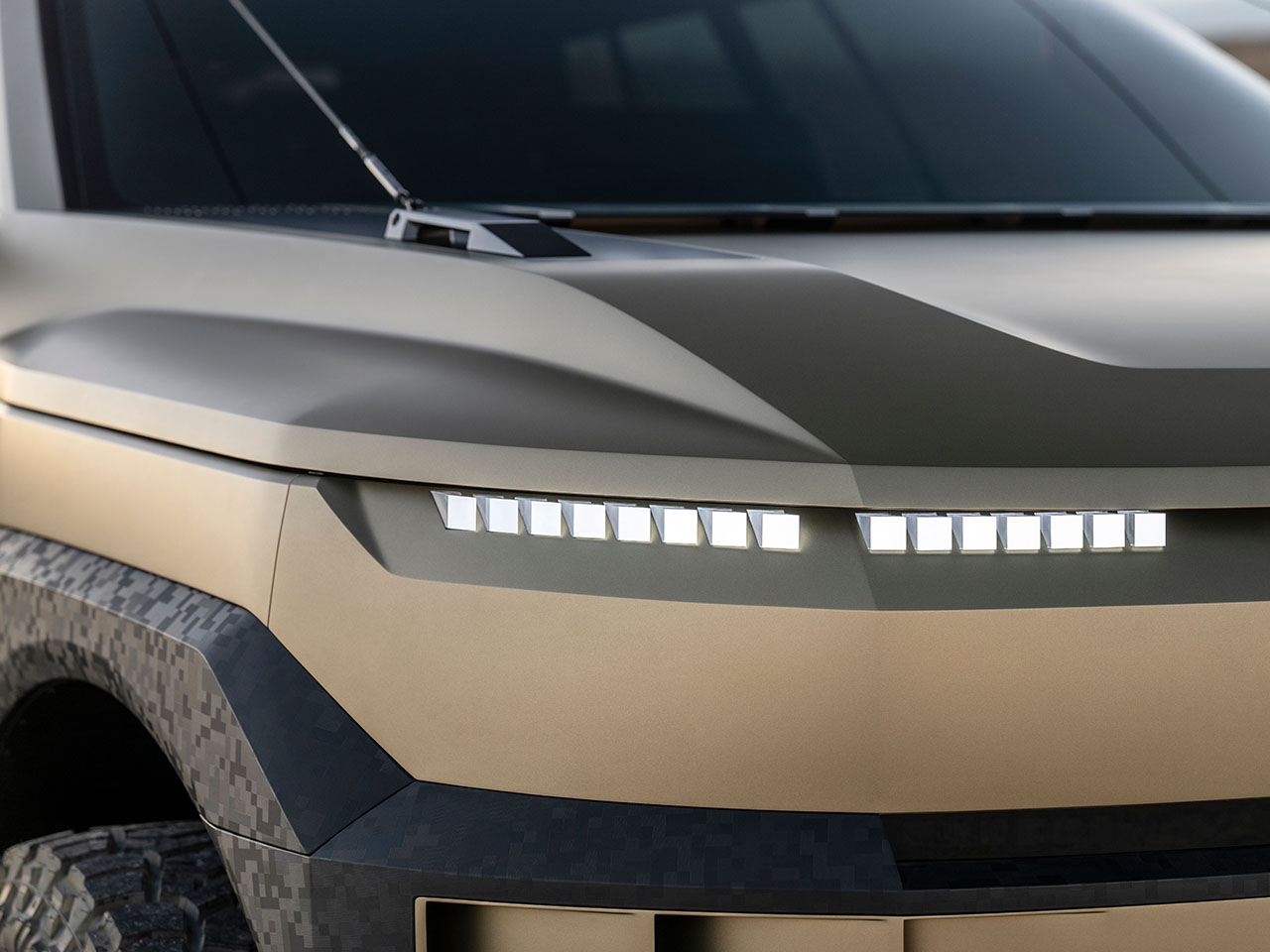
Crater is built on a monocoque architecture, featuring a very chiselled, muscular body that complements its persona. The panelled form is complemented by the wheel arches and the wide skid plate for maximum underbody protection. It has a flat fender design and rocker panels that are inspired by the tool protective case design. The EV gets the same “Art of Steel” exterior design influence as the INITIUM fuel-cell electric vehicle. Focus by the South Korean giant on building the vehicle is on compact proportions for hyper manoeuvrability in tight trails, while having an impressive ride height assisted by the 33-inch off-road wheels encapsulating the 18-inch alloys inspired by the “hexagonal asteroid impacting a sheer metal landscape.” This makes the Crater much more capable than the XRT models, which are good for light off-roading.

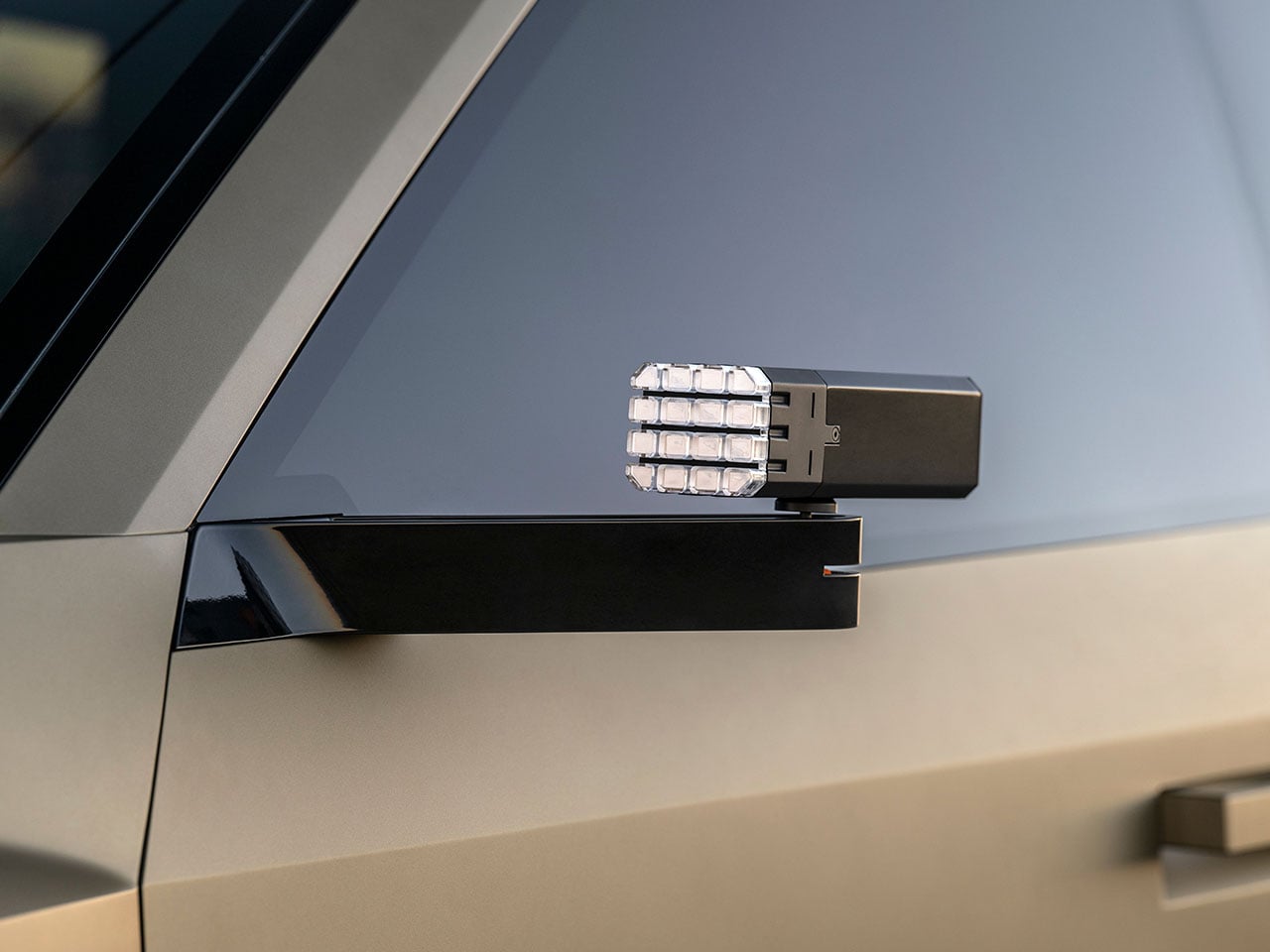
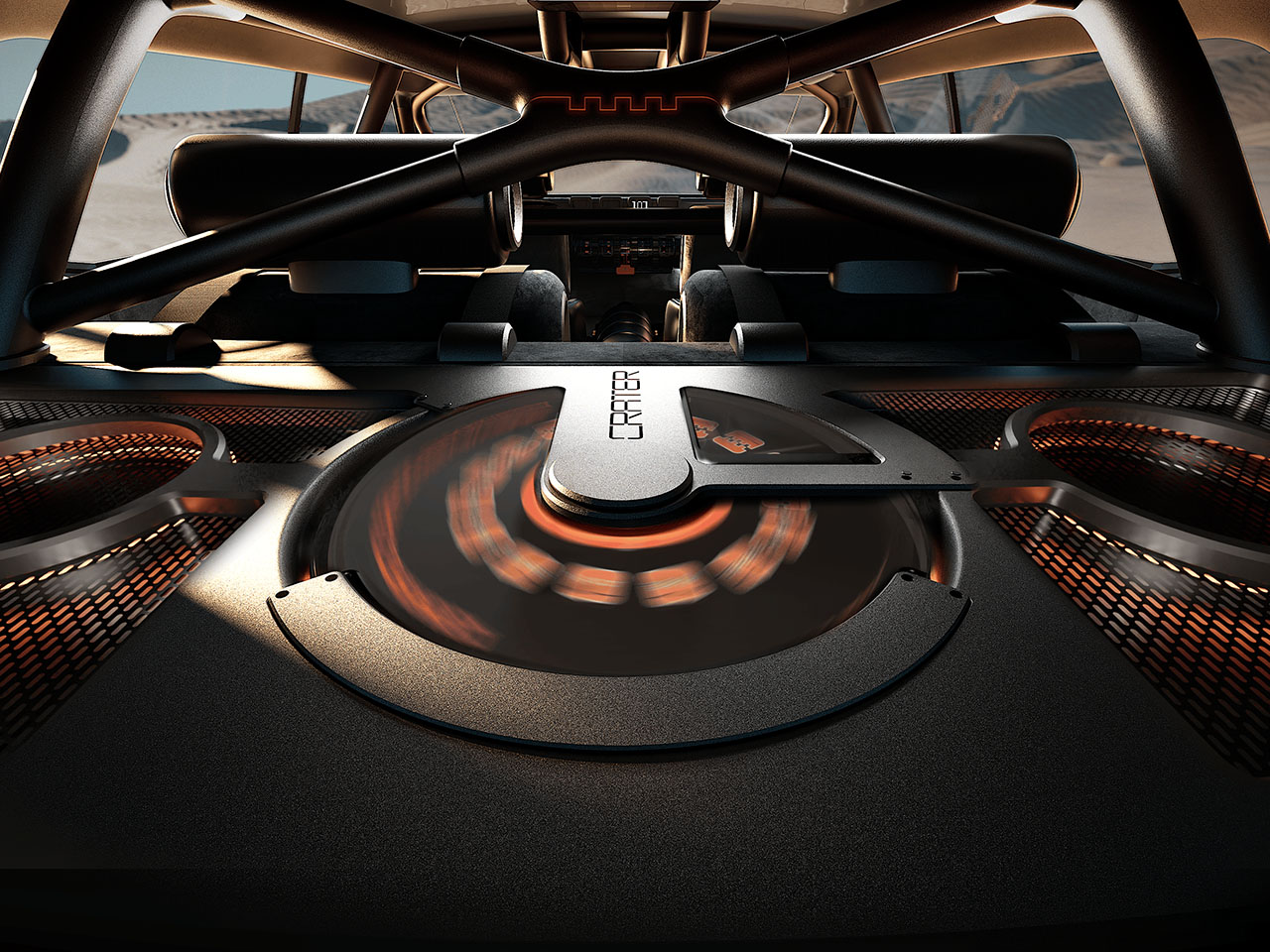
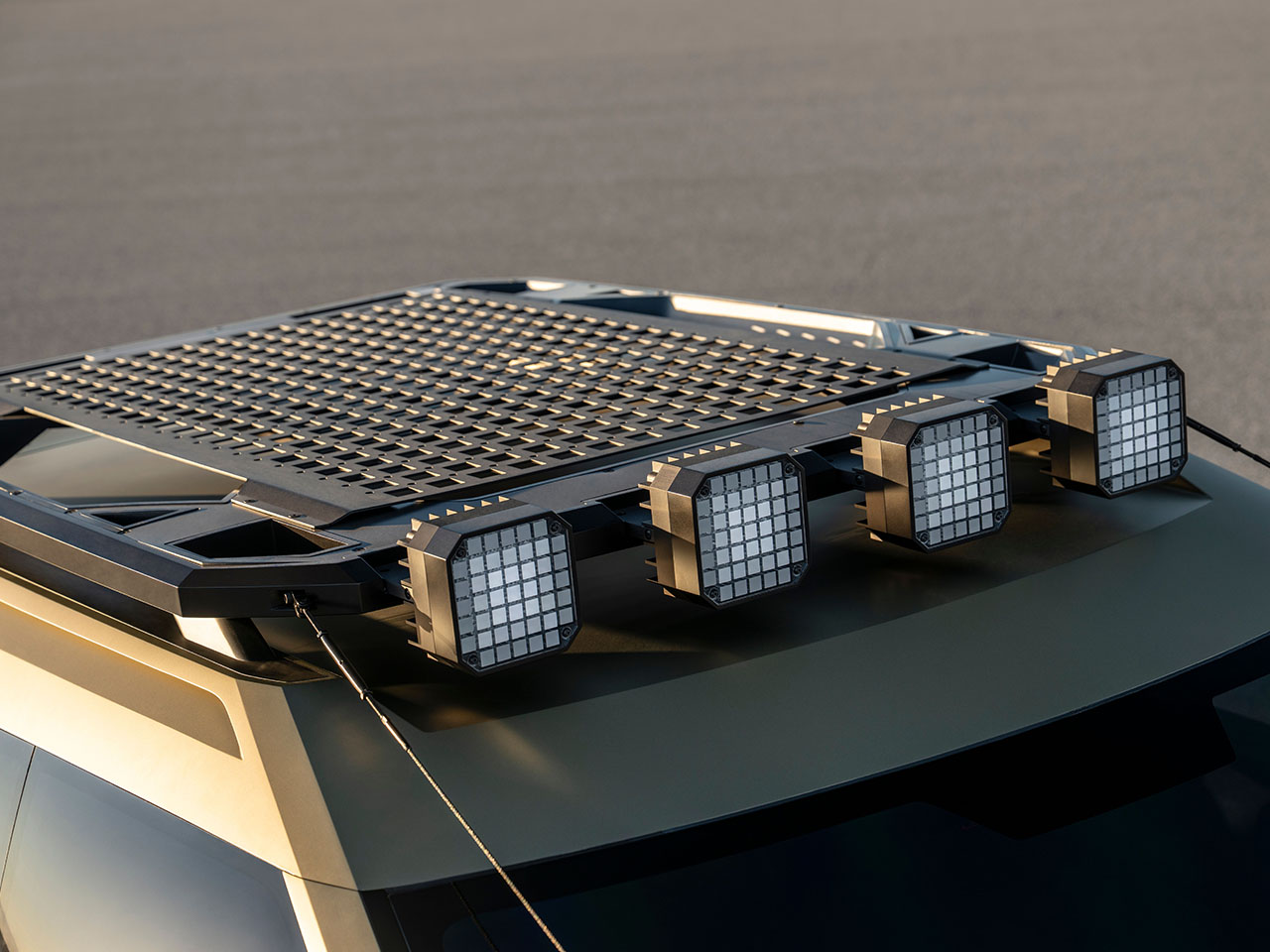
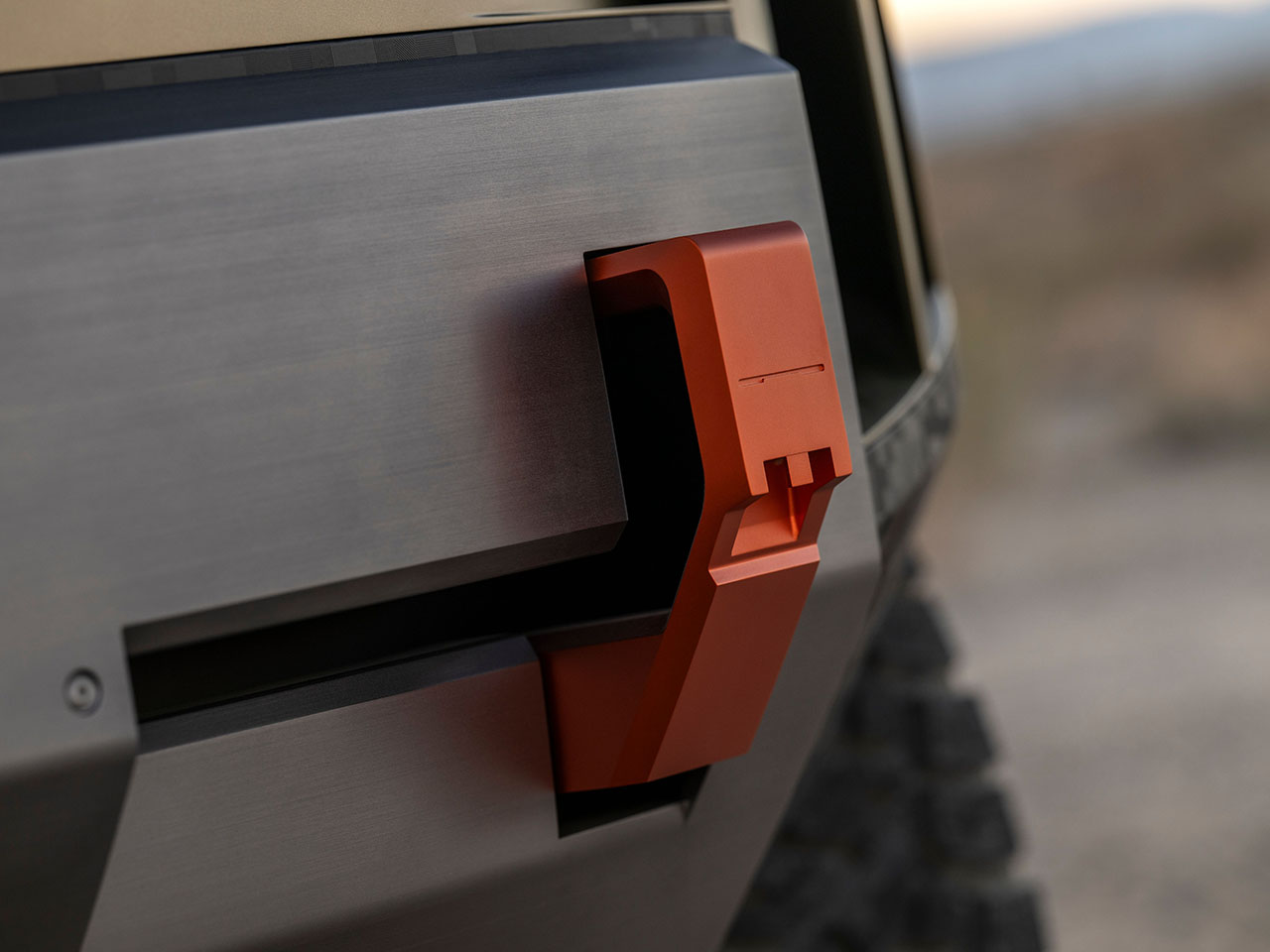
The all-wheel drive electric off-roader is most likely sporting a dual-motor setup (just like the IONIQ 5N), although Hyundai didn’t reveal any details on the powertrain setup. One thing is clear, though: the Dune Gold Matte-skinned vehicle has front and rear locking differentials for superior control on tough terrain. Apocalypse-ready features spice up things here, as the removable side mirror cameras can double as flashlights or recording gadgets, hinged back doors for maximum utility, and the tow hooks that function as bottle openers. The roof of the electric vehicle has a platform for lights, storage space for the equipment, and two wires running down the hood to protect the windshield from hanging branches.

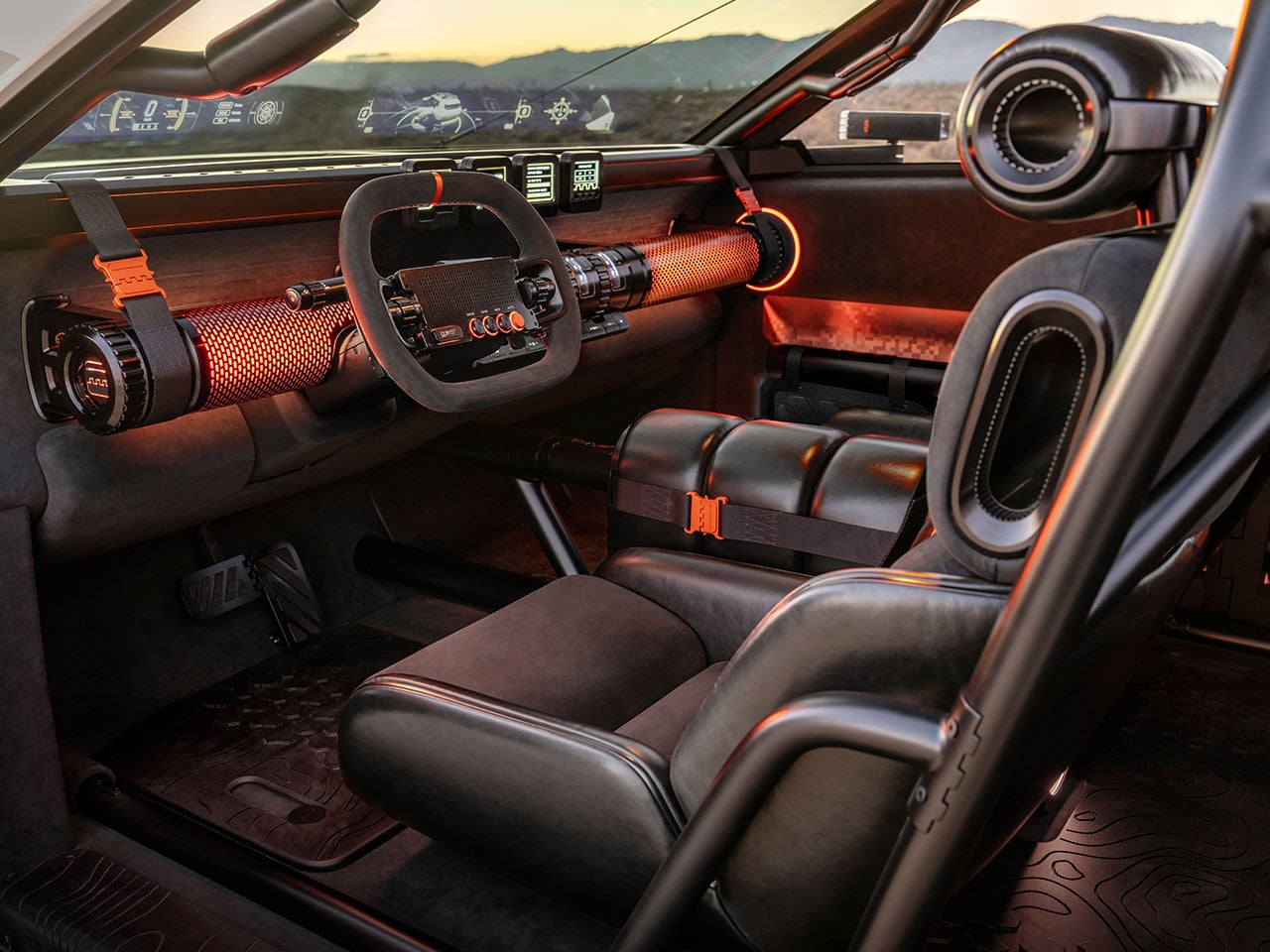
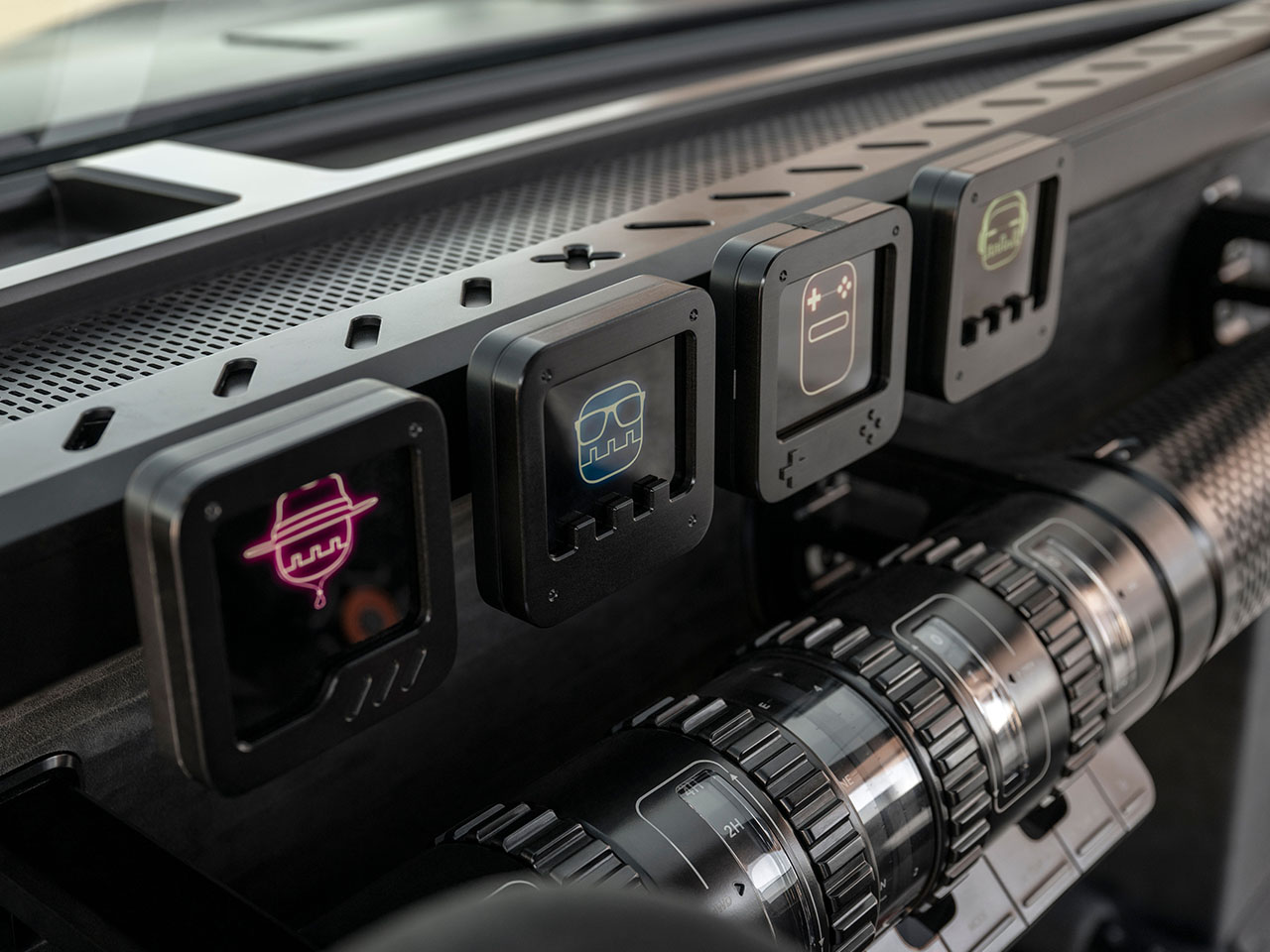
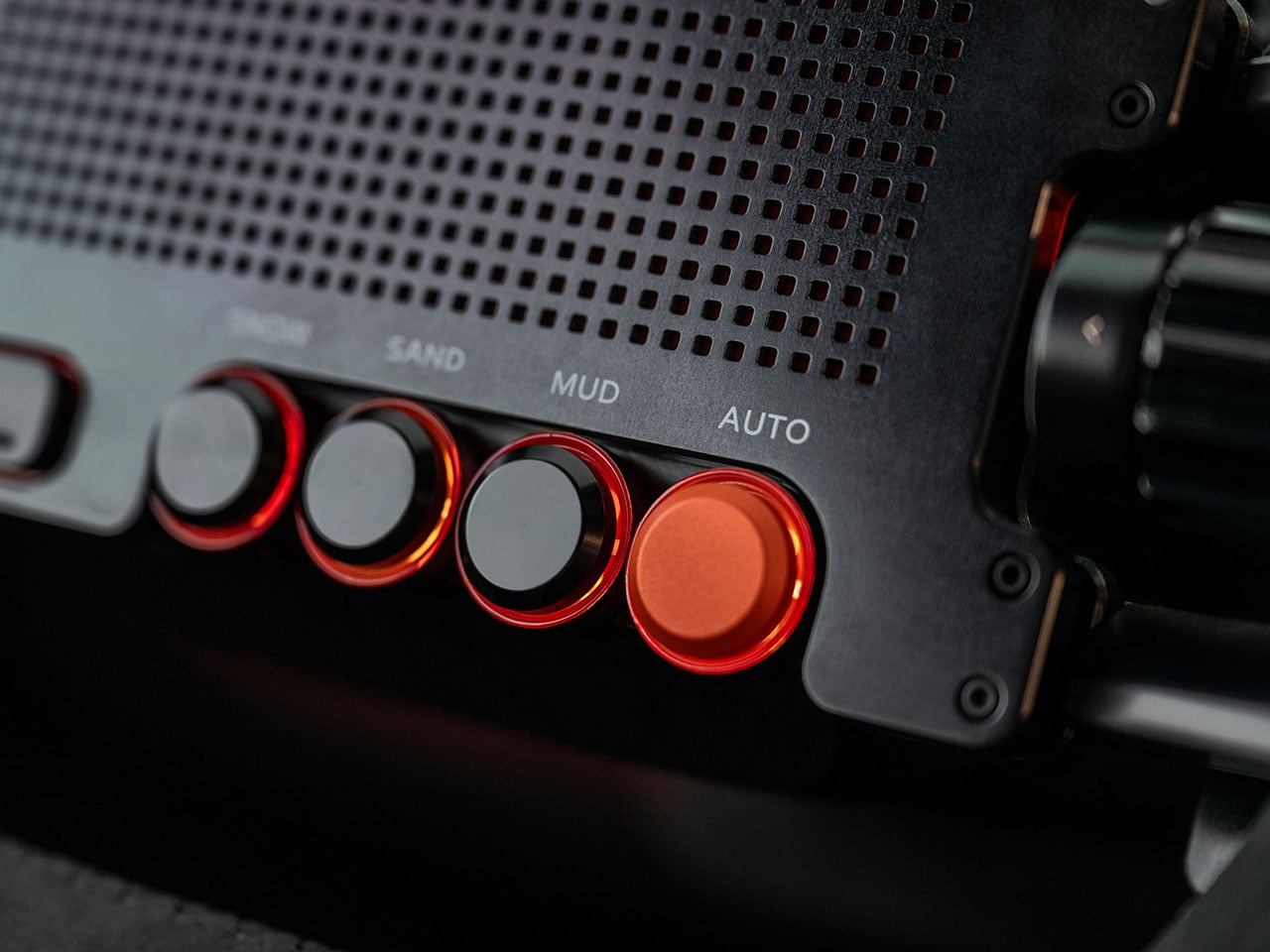
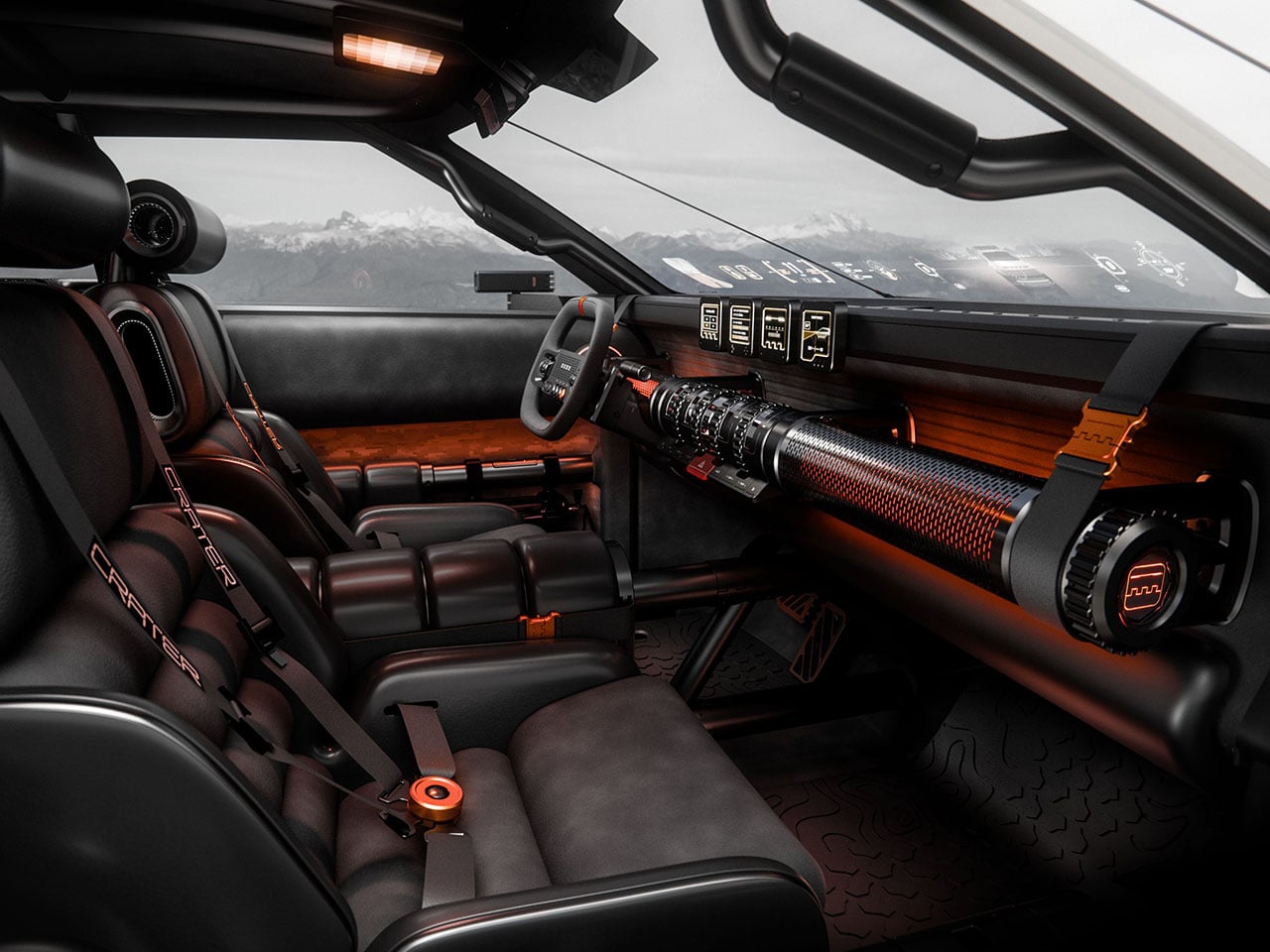
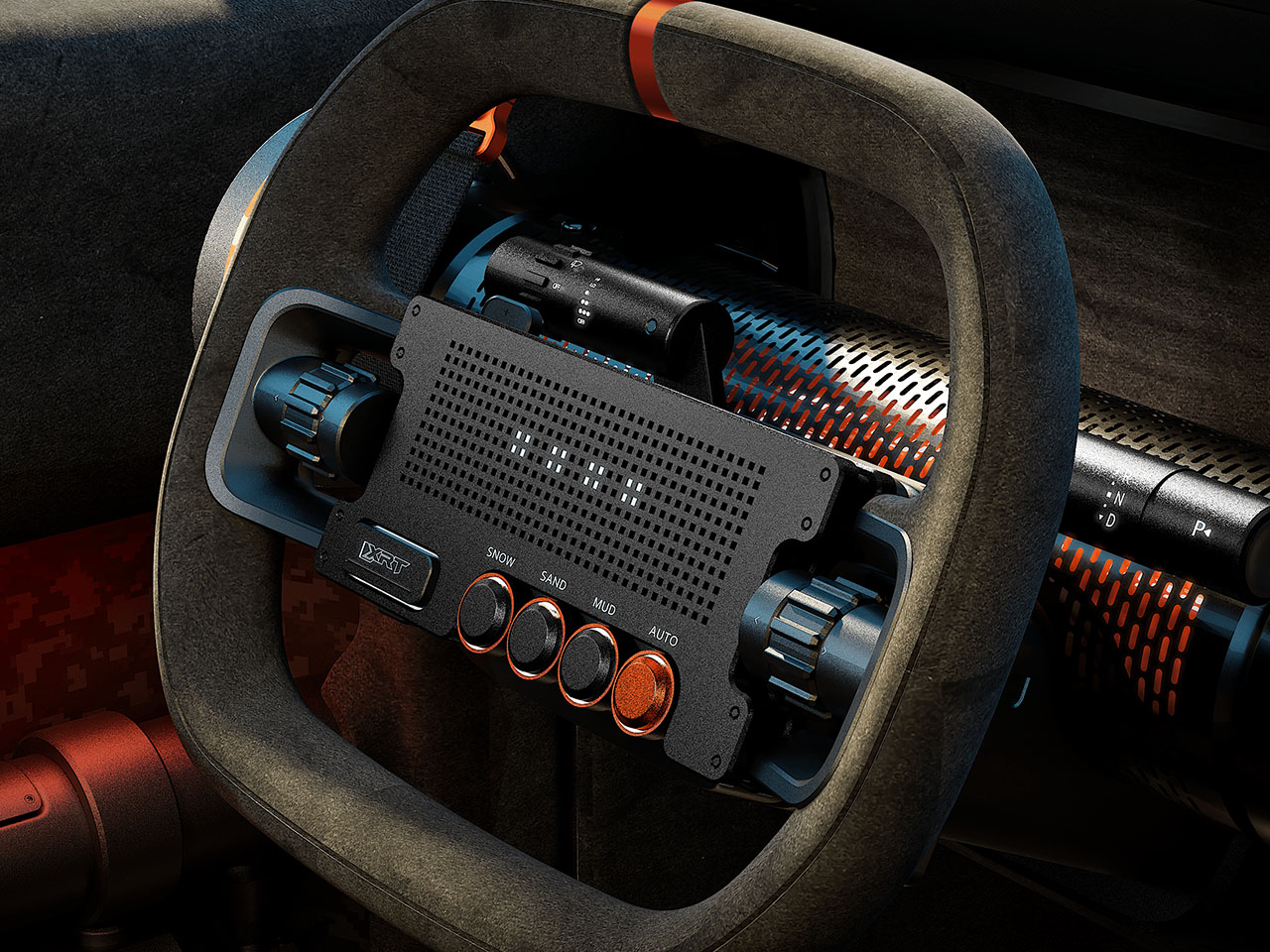
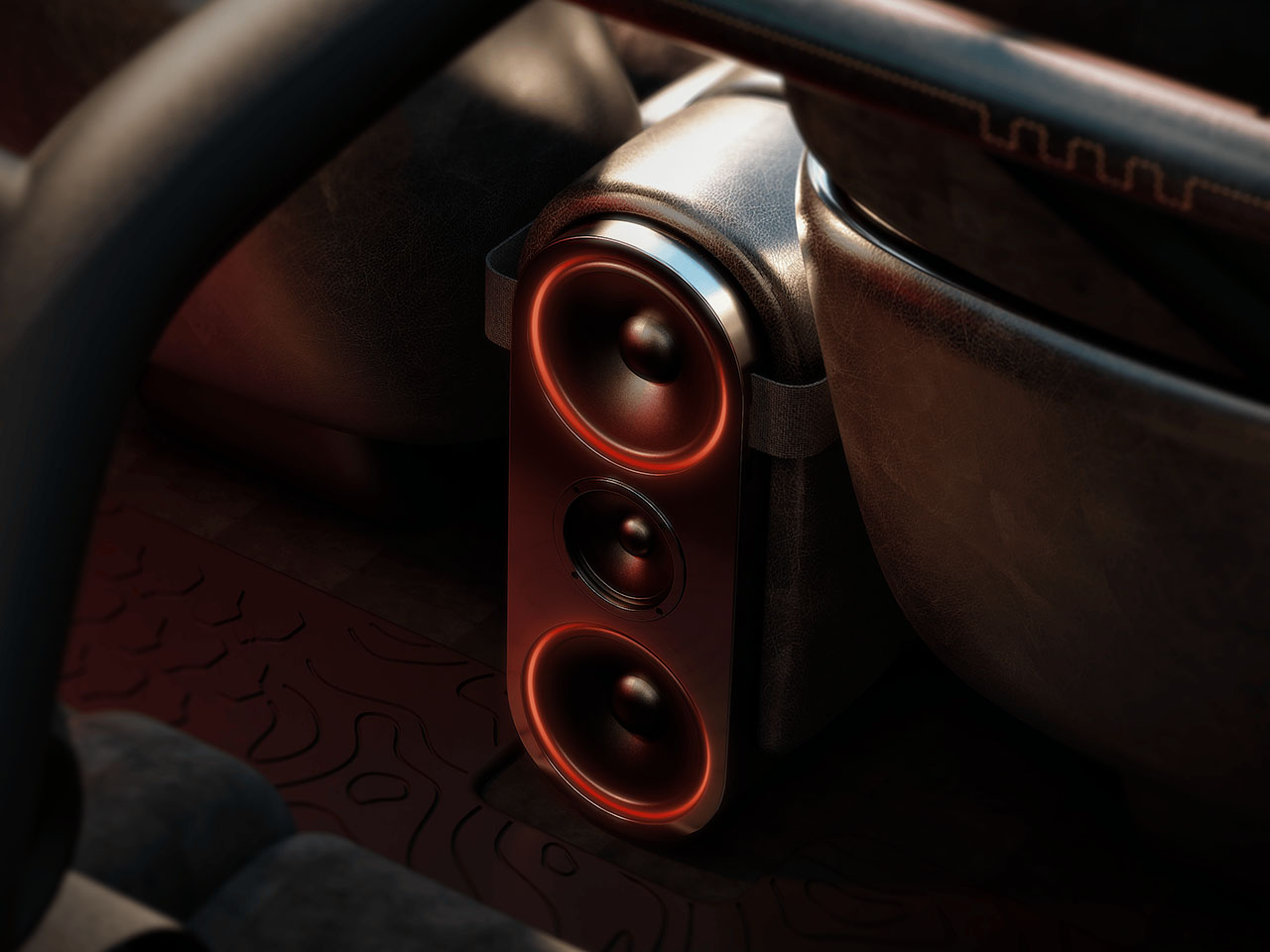
On the inside, the rugged cabin is themed in desert sunset and campfire ambient lighting. The steering wheel gets physical controls to toggle the driving modes: Snow, Sand, Mud, Auto, and XRT. The dashboard has a removable Bluetooth speaker, fire extinguisher, and first aid kit to expand the functional approach.  The lower part of the windshield gets the HUD elements, including the current, speed, hill descent control, compass, and altimeter. The lighting on the exterior and interior carries the pixelated theme that we’ve seen Hyundai fancy in previous designs like the INSTEROID EV. Hyundai has spiced up things with a Crater Man mascot as an Easter egg that appears at multiple hidden locations on the vehicle.


The post Apocalypse ready Hyundai Crater concept SUV maximizes off-roading utility first appeared on Yanko Design.
Beyond the G-Class: The Brabus XL 800 Cabrio

Beyond the G-Class: The Brabus XL 800 Cabrio

The BRABUS XL 800 Cabrio is a groundbreaking addition to the world of off-road vehicles, seamlessly blending uncompromising ruggedness with unparalleled luxury. This limited-edition convertible takes the iconic G-Class silhouette and improves it to new heights, creating a masterpiece of automotive engineering and design. With its open-top design, high-performance engine, and meticulous craftsmanship, the BRABUS […]
The post Beyond the G-Class: The Brabus XL 800 Cabrio appeared first on Geeky Gadgets.

Posted in Uncategorized

IKEA and Teklan Turn Tech Into Eye Candy

You know that weird thing we do with tech products? We buy them, we use them every day, but then we kind of hide them. Tuck the speaker behind the plant. Stash the lamp in the corner. As if apologizing for needing functional things in our homes. IKEA’s new collaboration with Swedish designer Tekla Evelina Severin (known as Teklan) is here to flip that script entirely.

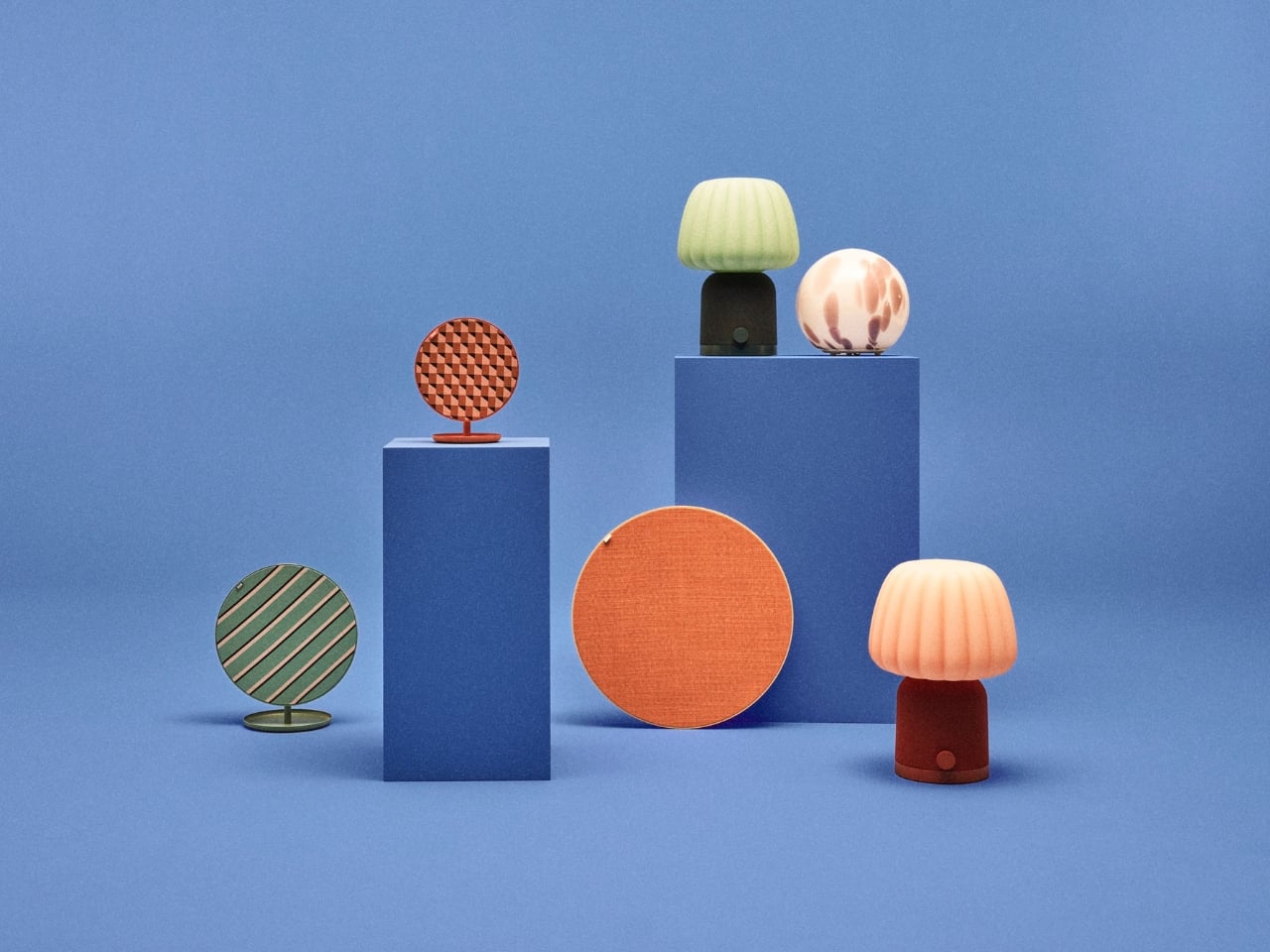
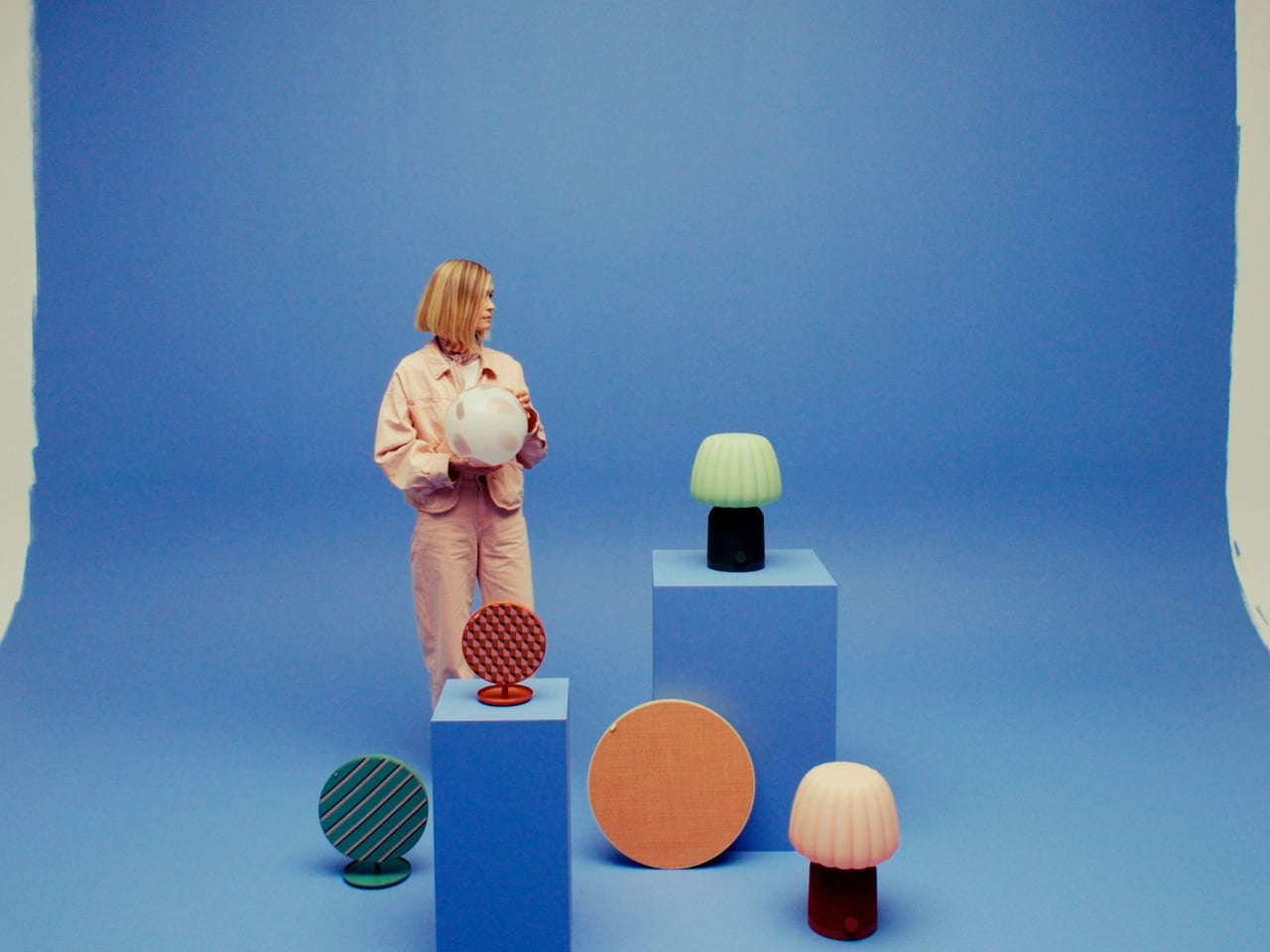
The Teklan collection, which launches globally this December, is all about making your speakers and lamps the main character instead of background extras. We’re talking bold patterns, nostalgic color combos, and shapes that look like they wandered out of a really cool vintage store and somehow learned to play your Spotify playlist.

Designer: Teklan for IKEA

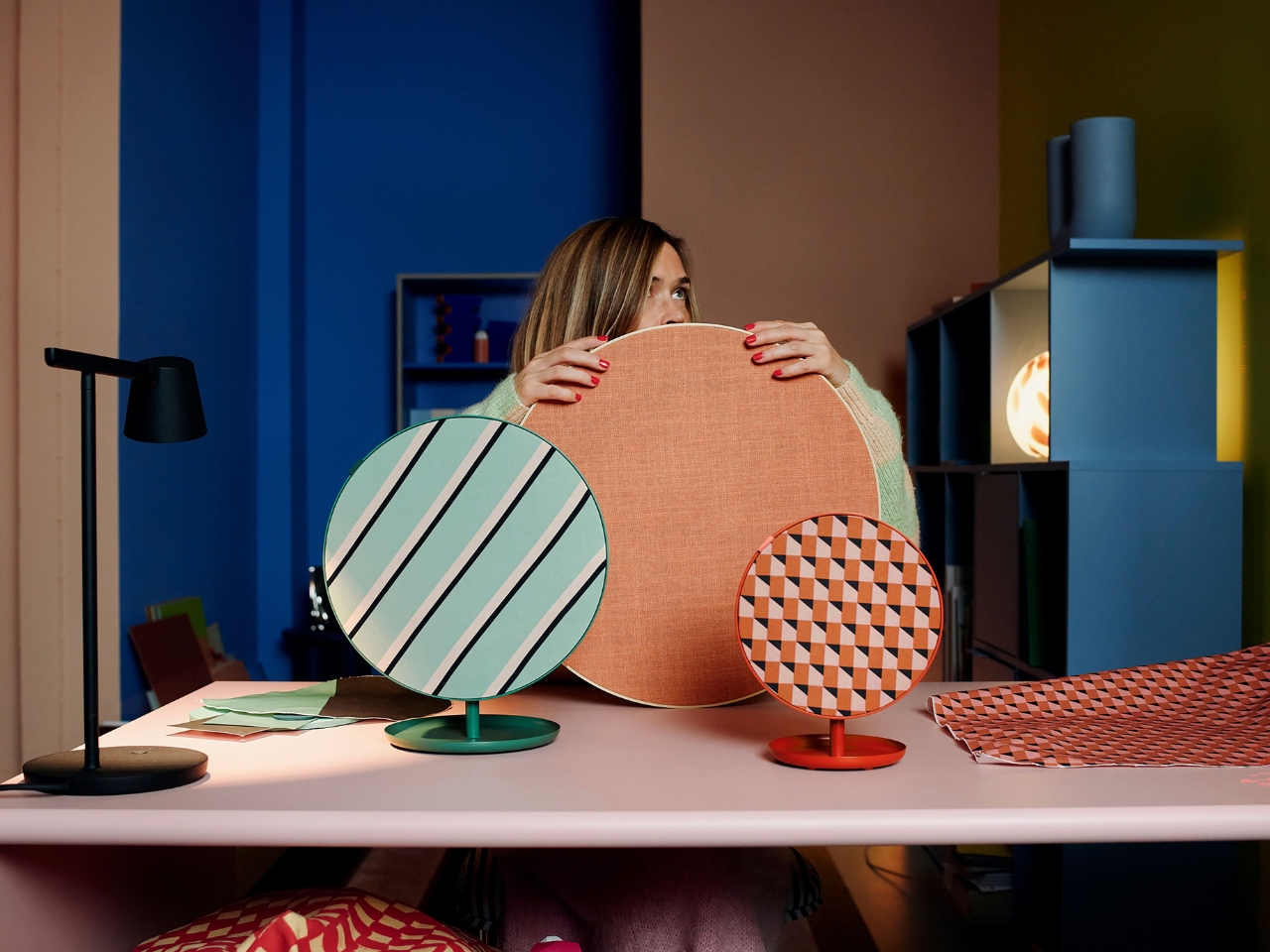
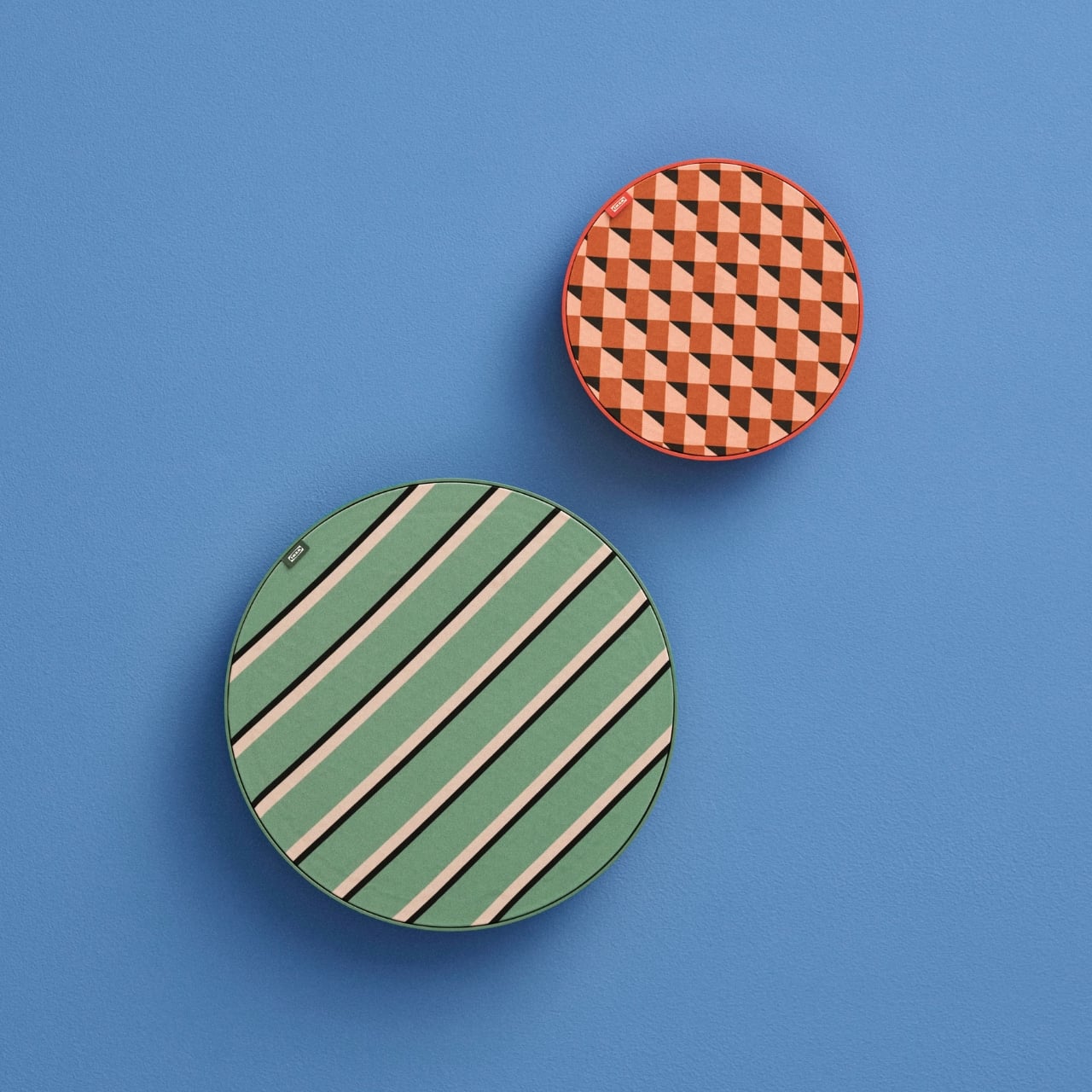
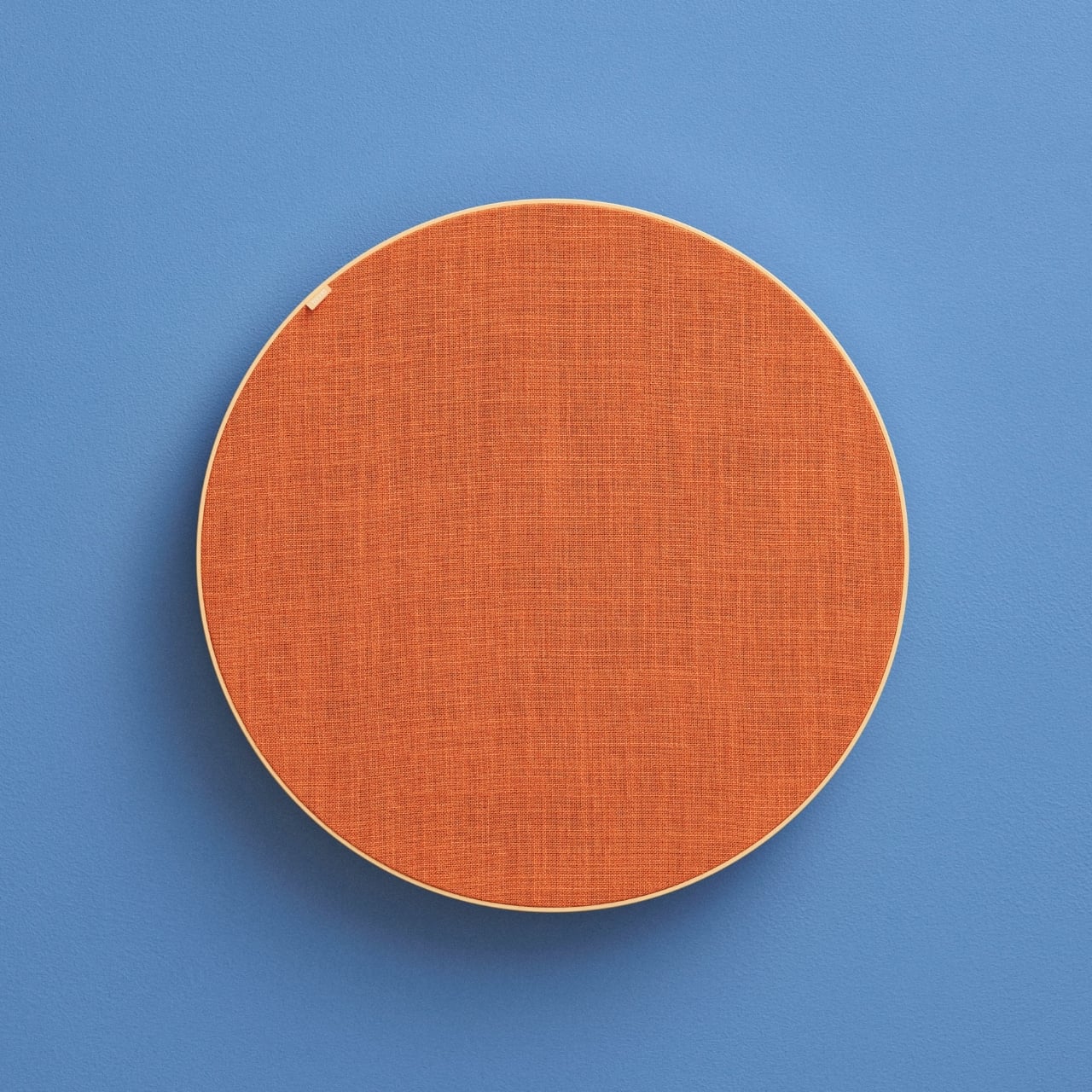
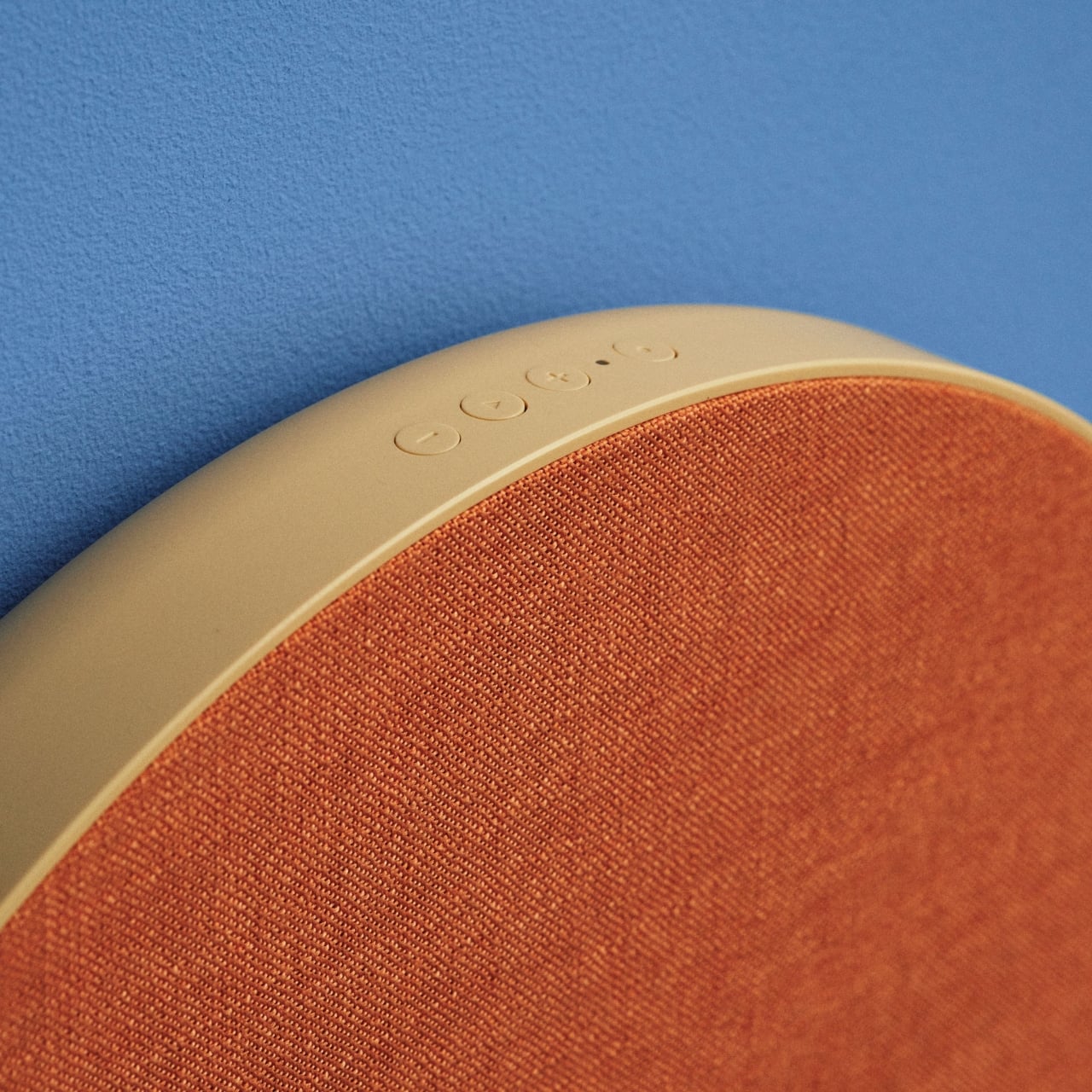
At the heart of the collection is the SOLSKYDD family, a trio of round Bluetooth speakers that refuse to be boring. The smallest is an 8-inch portable speaker in orange with a pattern that practically demands attention. The medium version comes in green with brown and beige diagonal stripes that feel very 70s but in the best possible way. And the largest? An 18-inch wall-mounted beast in textured orange that can even connect to a screen. These aren’t speakers that blend in. They’re conversation starters that happen to have excellent acoustics, designed by Ola Wihlborg to balance form with serious sound quality.

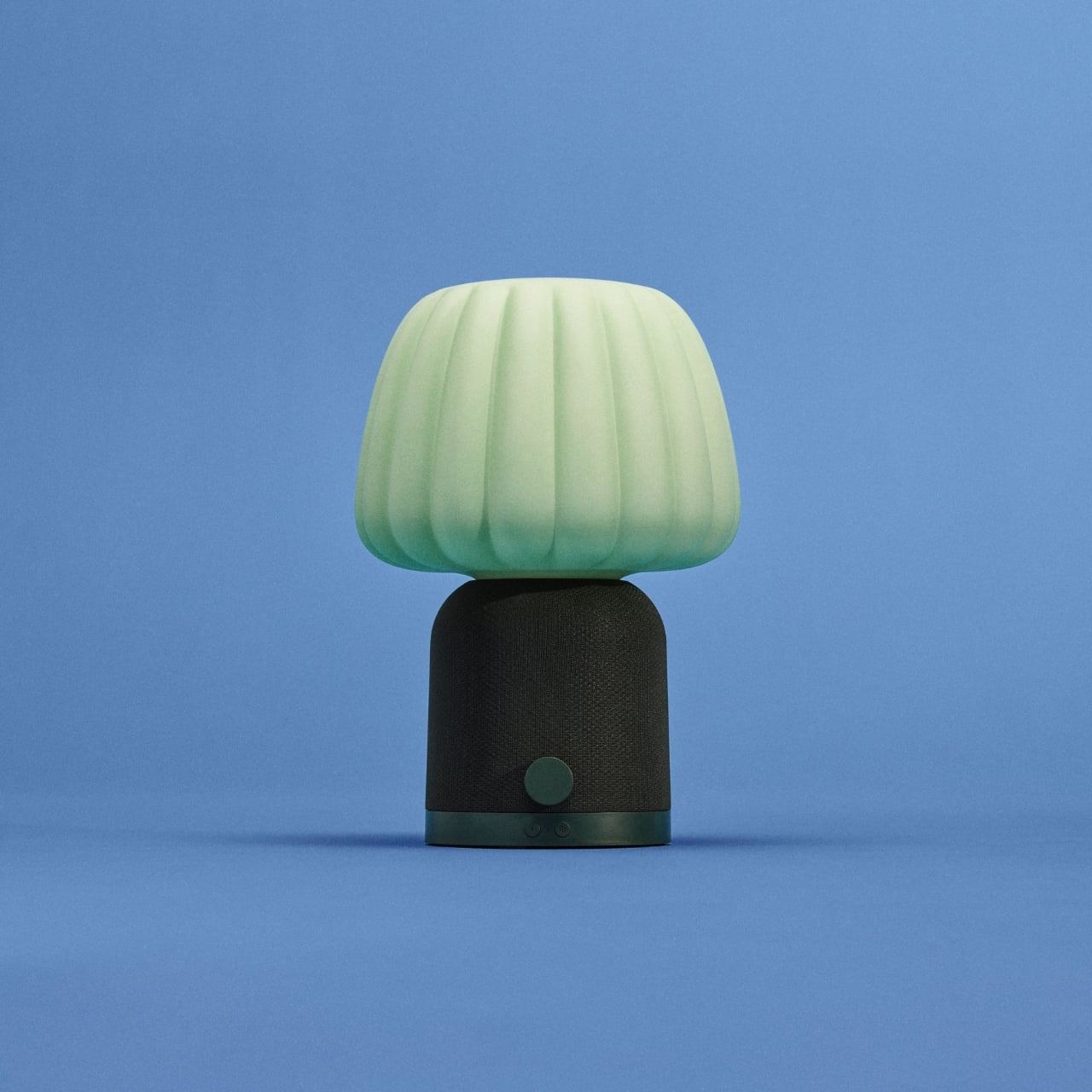
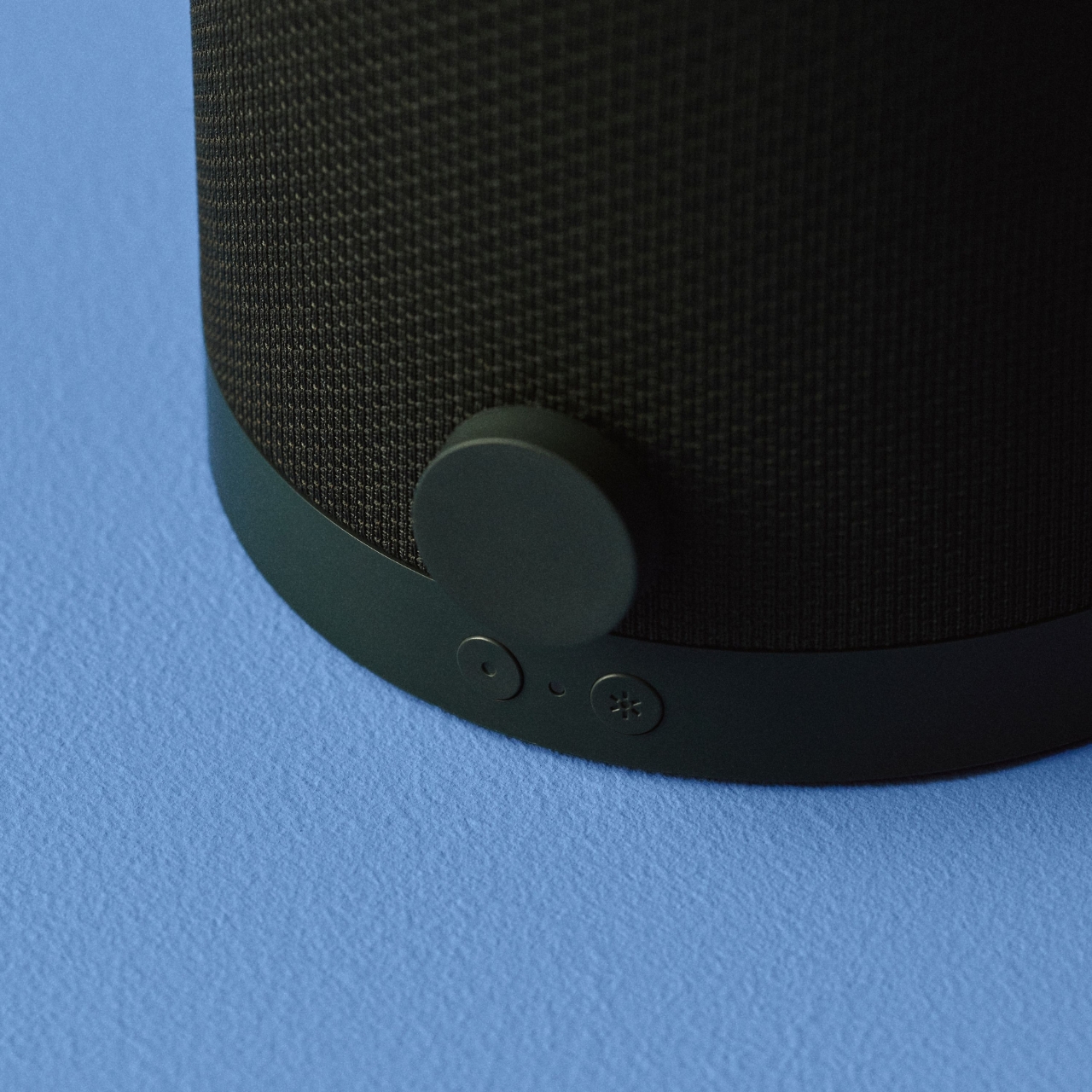
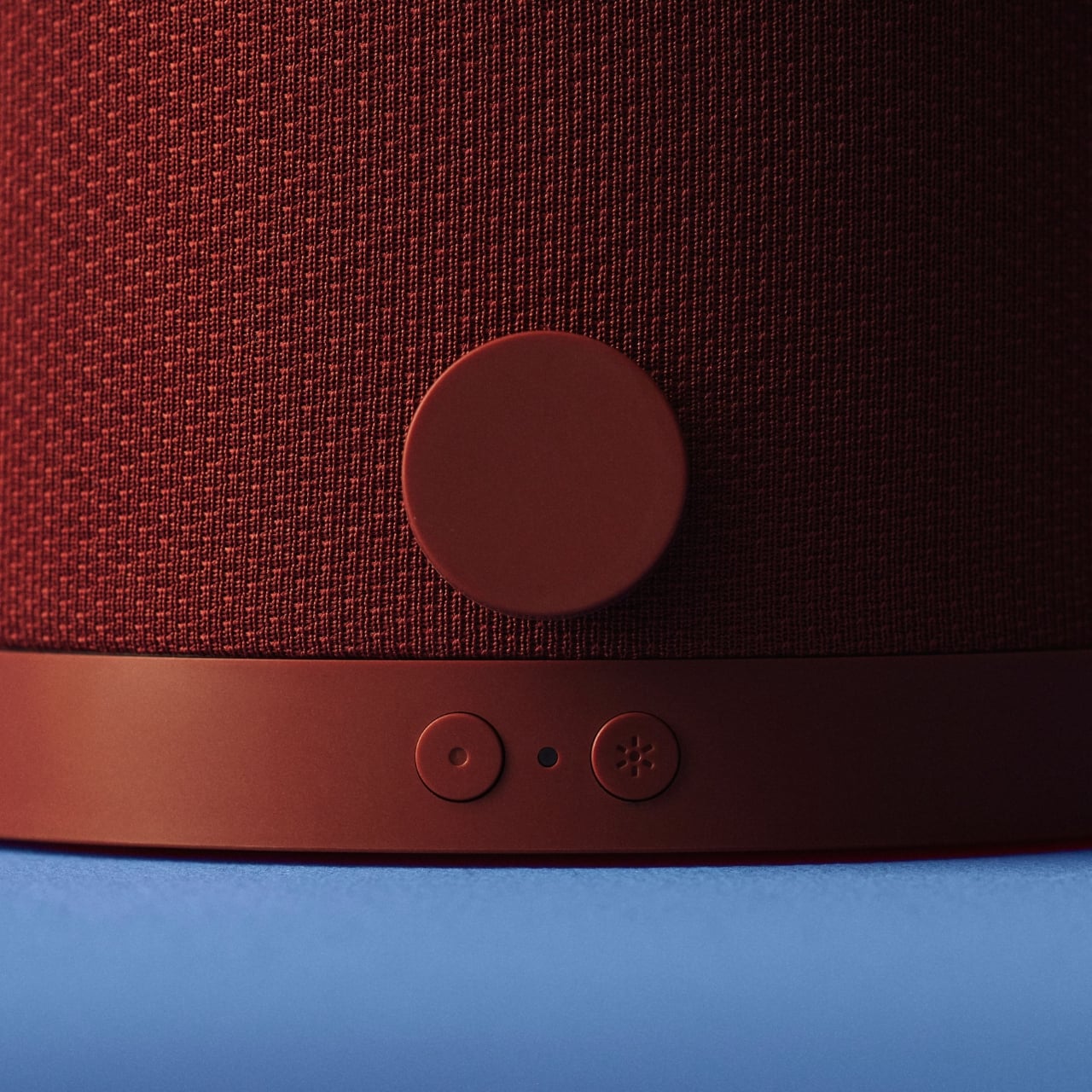
Then there’s the KULGLASS lamp speakers, which might be my favorite thing about this entire launch. Teklan designed them to look like soft-serve ice cream, because why shouldn’t your tech look like dessert? They come in mint green and a red-brown with pink combo, and they work as both lamps and Bluetooth speakers. The built-in volume knob is a nice tactile touch in a world where everything is controlled by tapping a screen.

What makes this collaboration feel special isn’t just the aesthetic, though the colors are definitely doing the heavy lifting. It’s the intention behind it. Teklan literally went to her grandparents’ house to match the exact shade of mint green to an old bar of soap from her childhood memories. That level of personal storytelling in product design is rare, especially for mass-market furniture retailers.

“We wanted to bring that softness and friendliness into technology, to help people see home electronics differently and invite more colour into their everyday spaces,” Teklan explained. And honestly, mission accomplished. These products feel warm and approachable in a way that most tech doesn’t. While the insides are packed with all the technical complexity you’d want from quality speakers, the outsides feel almost playful.

The collection also includes a refresh of IKEA’s cult-favorite VAPPEBY speaker, now decked out in Teklan’s signature colors, plus a whole range of braided charging cables called SITTBRUNN, RUNDHULT, and LILLHULT that are inspired by climbing ropes. Even your charging cables get to have personality now.

All the speakers can connect to each other and other compatible IKEA Bluetooth speakers for multi-speaker mode, and they support Spotify Tap, so you can seamlessly continue whatever you were listening to. The SOLSKYDD also comes in a plain white version if you’re not quite ready to commit to orange geometric patterns (though I’d argue that’s missing the point). Price-wise, we’re still solidly in IKEA territory. The portable SOLSKYDD starts at $80, the medium at $100, and the largest at $140. The KULGLASS lamp speakers are $130. Not cheap for IKEA, but reasonable when you consider you’re getting both form and function wrapped in genuinely unique design.
This collaboration represents something bigger than just pretty speakers. It’s part of a shift in how we think about the stuff that makes our homes work. After years of minimalism telling us to hide everything, make it all white, keep it neutral, there’s this growing appetite for objects with personality. Things that reflect who we are, what we love, the colors that make us happy.

IKEA has been experimenting with this more expressive approach since ending its partnership with Sonos earlier this year. The Teklan collection feels like a confident step into that space, proving that affordable design doesn’t have to mean boring design. The collection starts rolling out in December, with specific dates varying by market, so check with your local IKEA for availability. And maybe start thinking about where you want to display, not hide, your next speaker.

The post IKEA and Teklan Turn Tech Into Eye Candy first appeared on Yanko Design.