Acer’s Nitro Blaze Link Is a Gaming Handheld That Skips the Processor

Gaming PCs have fractured into more categories than any single device can cover. The player who needs maximum frame rates for competitive play sits on one end, the person who just wants to game from the couch without moving their rig sits on the other, and every setup in between has its own distinct demands. Most gaming hardware picks a side and leaves the rest unaddressed.

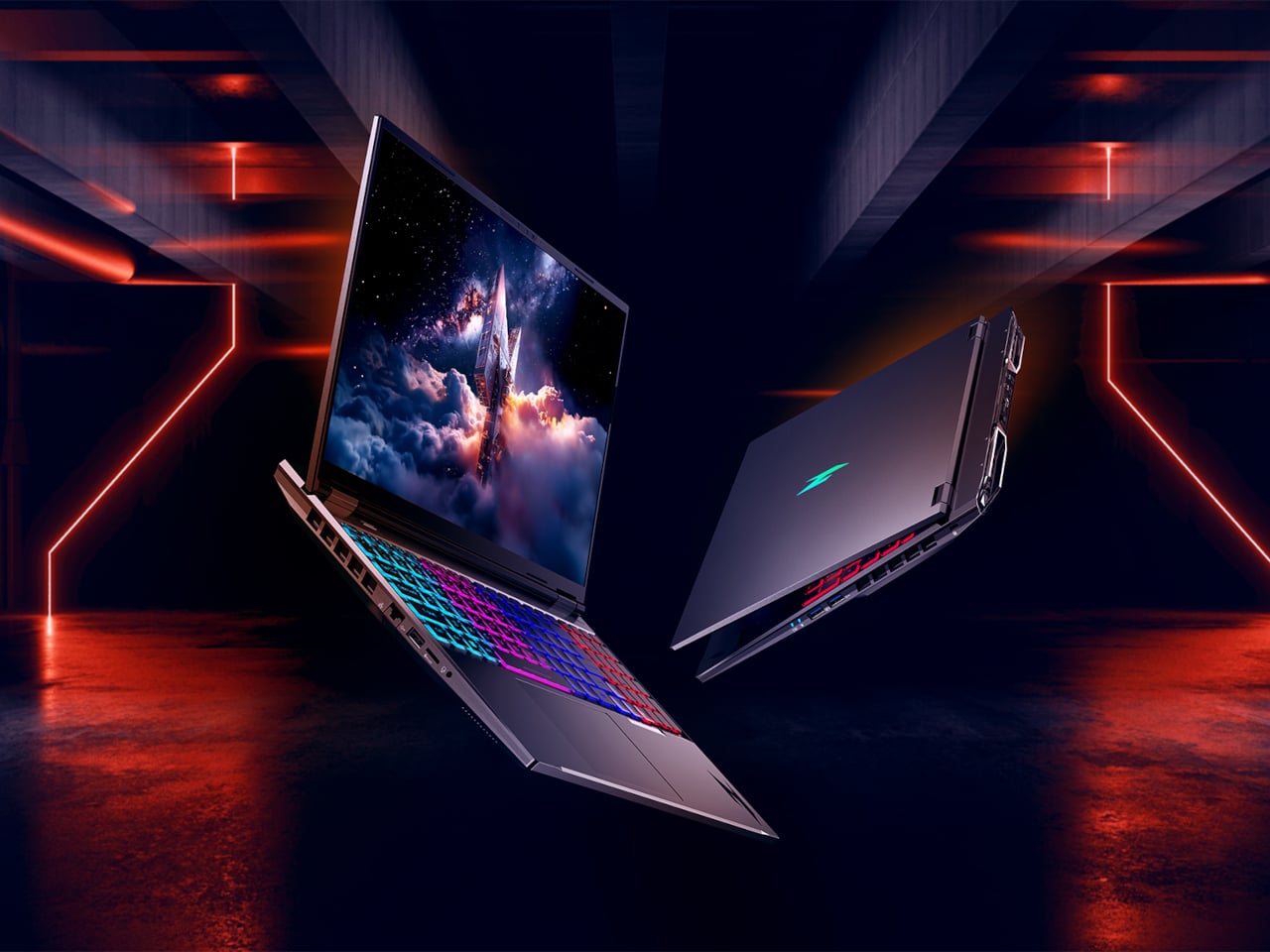
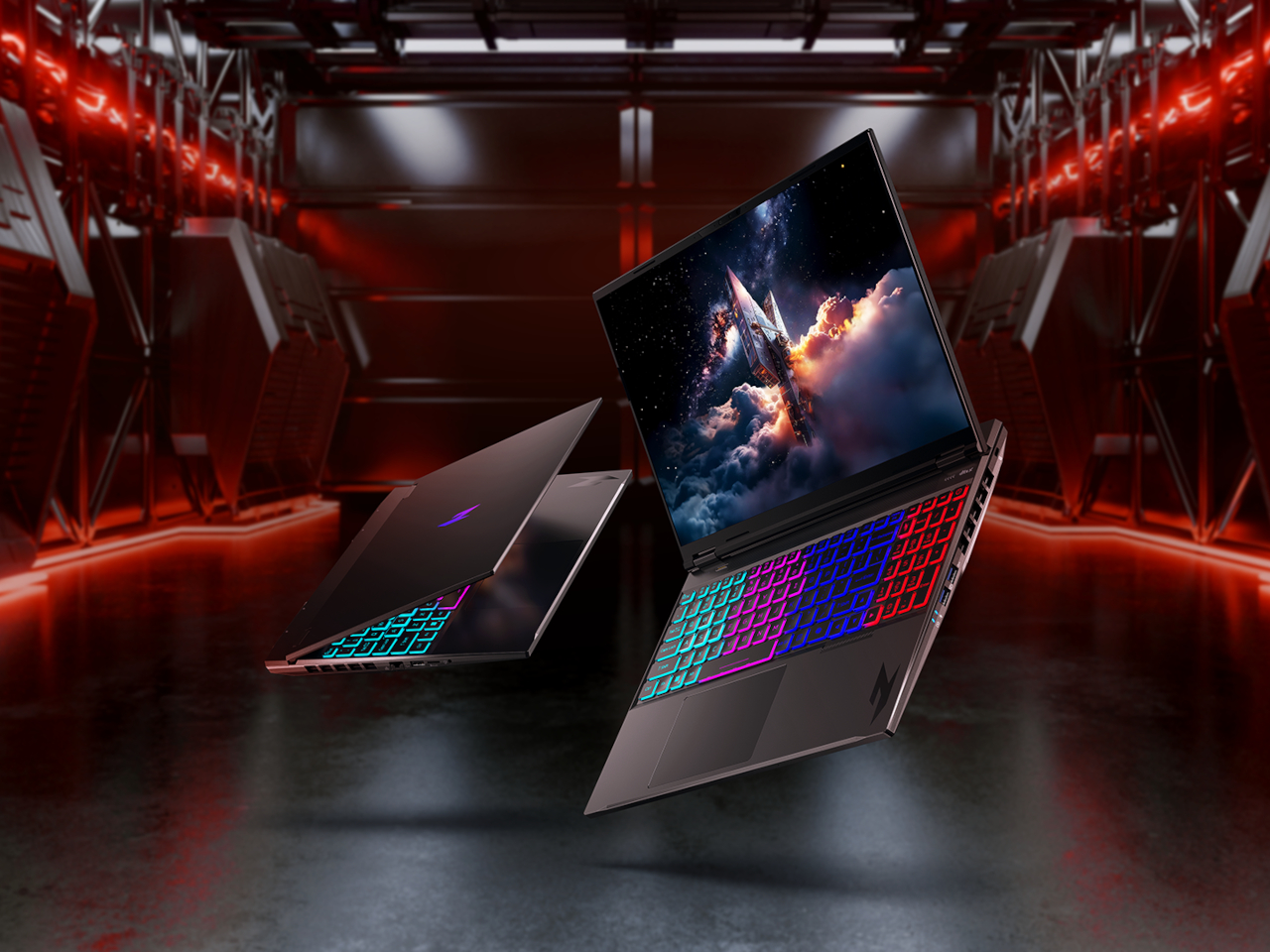
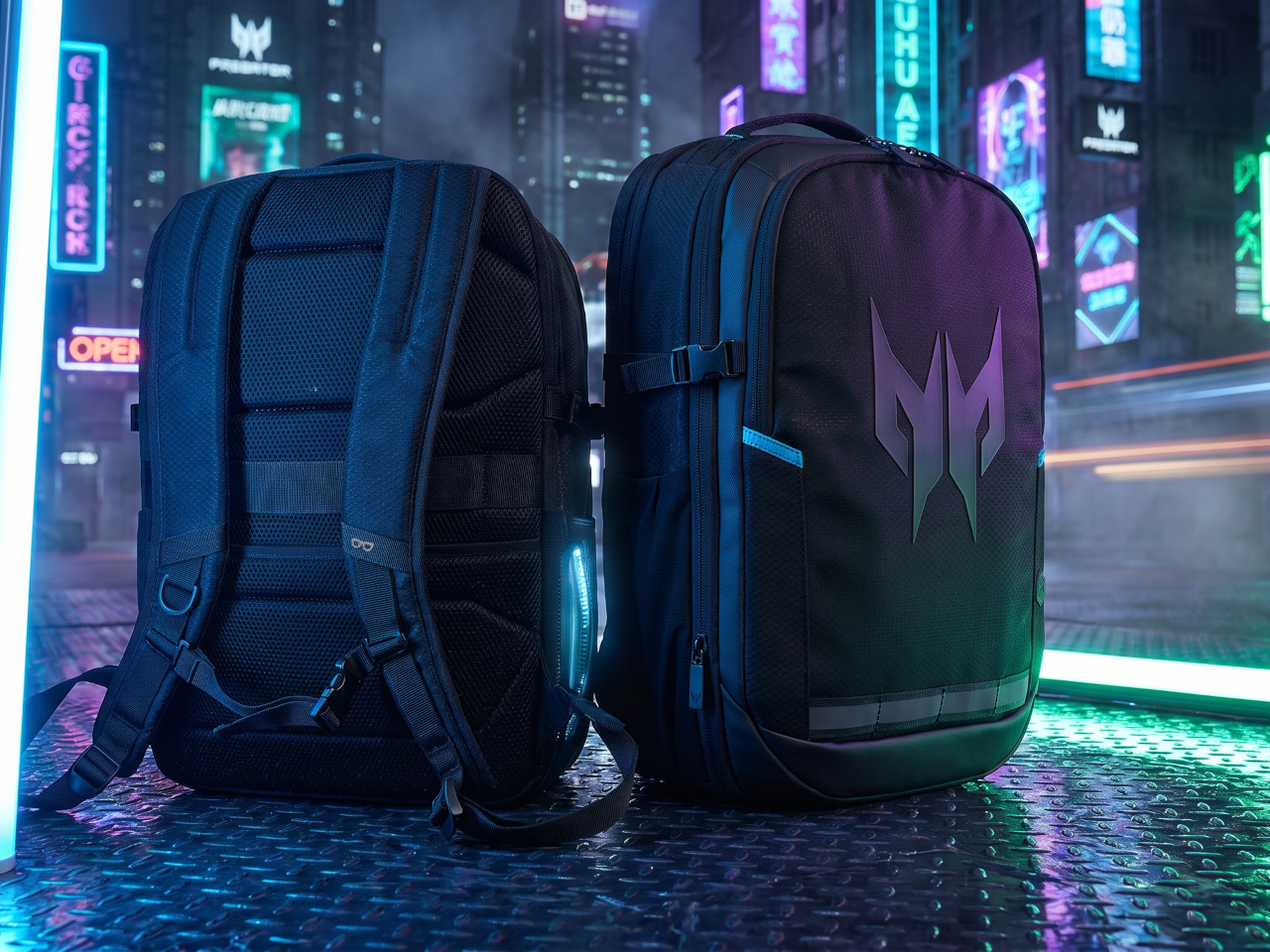
At Computex 2026, Acer addressed nearly the whole range at once with five new products. The lineup runs from the iF Design Award-winning Predator Helios 18 AI at the performance ceiling, through the Nitro 16 and the Nitro Blaze Link streaming handheld, and rounds out with the Predator Aethon 750 TKL keyboard and the Predator Robust Plus Backpack for getting all of it from place to place.

Designer: Acer

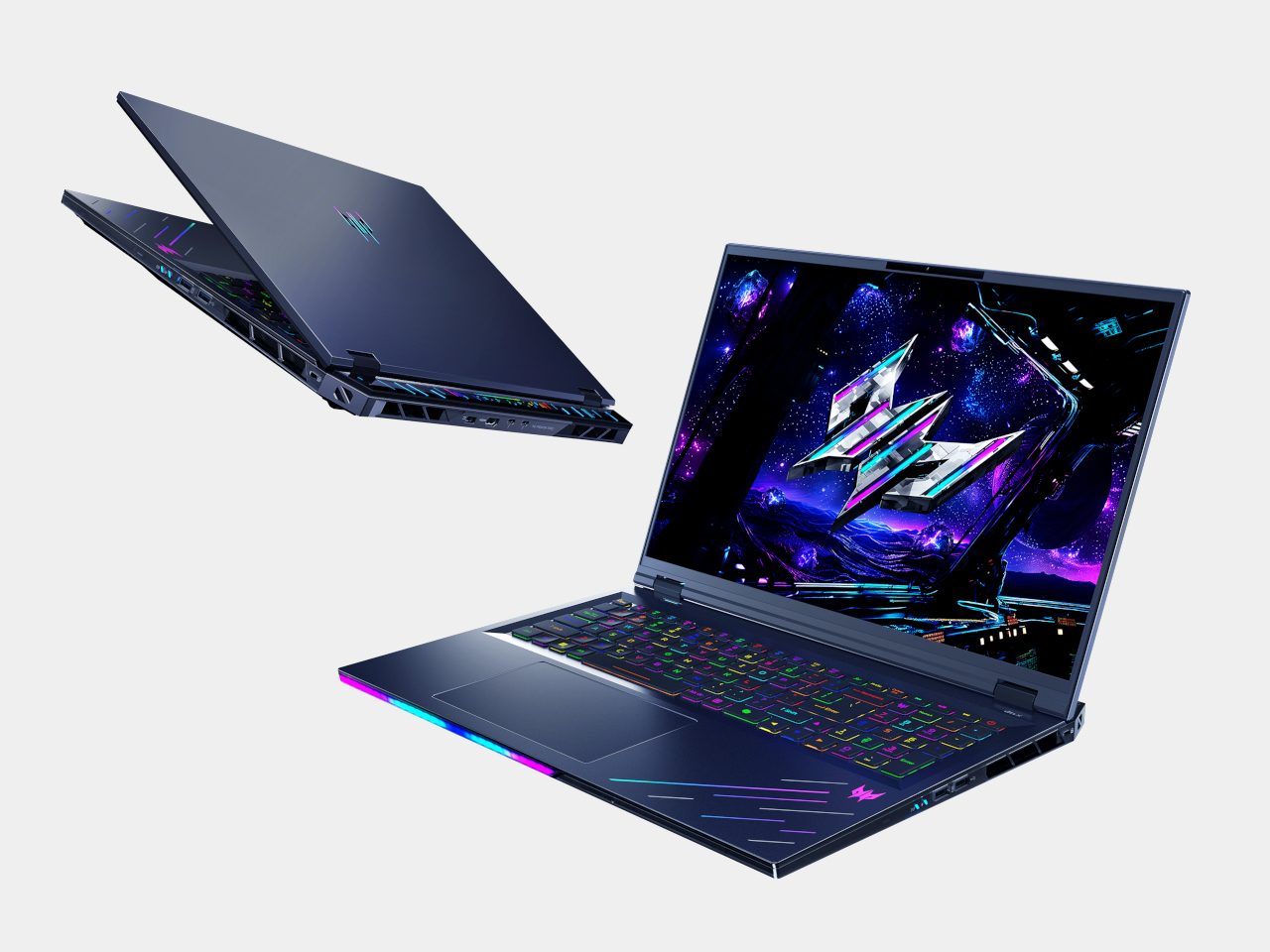
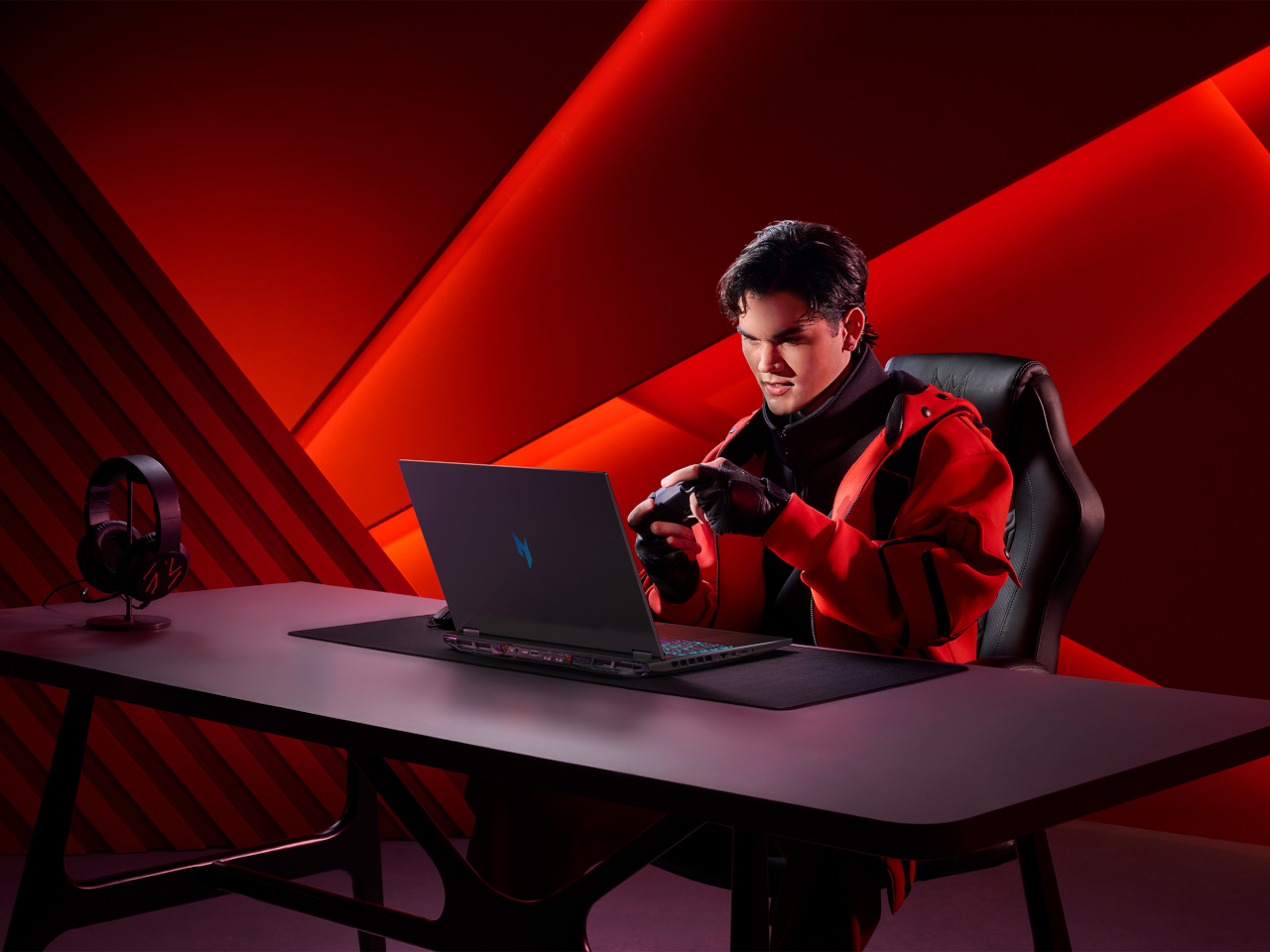
The Predator Helios 18 AI is where Acer went all out. Powered by an Intel Core Ultra 9 290HX Plus processor and up to an NVIDIA GeForce RTX 5090 Laptop GPU with 24GB of GDDR7 VRAM, it’s configurable with as much as 256GB of DDR5 memory and 6TB of storage spread across three PCIe Gen 5 NVMe slots. For a laptop, that’s a desktop workstation argument.

The 18-inch Mini LED display switches between 4K at 120Hz and Full HD at 240Hz through Acer’s Dual-Mode Display system. It reaches 1,000 nits in HDR mode and delivers Calman Verified color accuracy at 100% DCI-P3 coverage with NVIDIA G-SYNC. For a long competitive session or an extended run through an open-world RPG, the panel is built to match whichever demand comes first.

Keeping those specs from throttling requires hardware to match. Dual 6th Gen Predator AeroBlade 3D Fans each pack 100 metal blades at just 0.05mm, delivering a claimed 20% increase in airflow over plastic fans, supported by liquid metal thermal grease and vector heat pipes. Six speakers with Predator Vox technology handle audio, while Intel Killer DoubleShot Pro combines Wi-Fi 7 and Ethernet to keep online play stable.

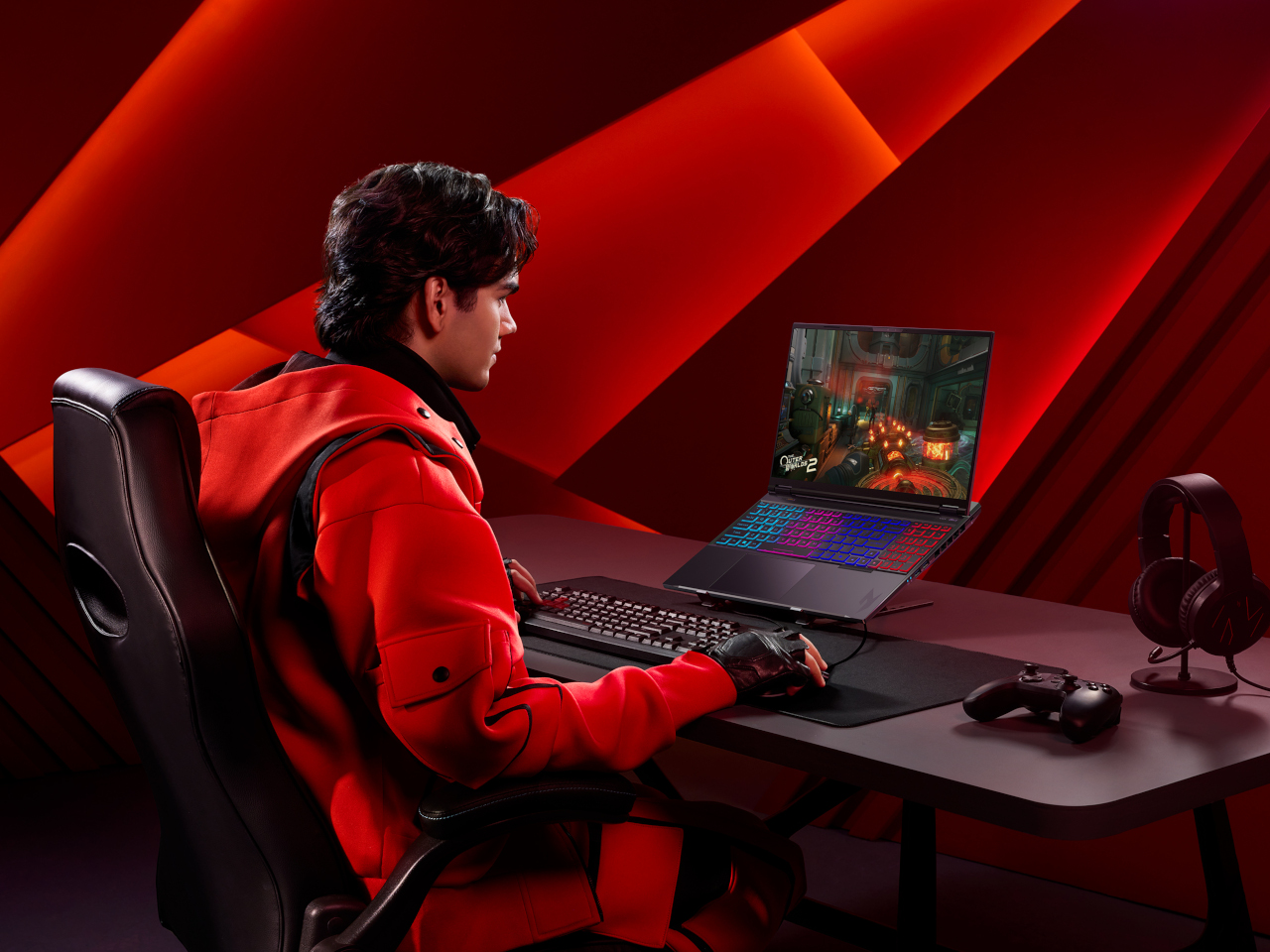
The Acer Nitro 16 doesn’t reach the Helios’s ceiling, but it earns its own headline. It’s the first Acer gaming laptop to feature the AMD Ryzen 9 9955HX3D processor, using 2nd Gen AMD 3D V-Cache technology to stay competitive even when unplugged. Paired with up to an NVIDIA GeForce RTX 5070 Ti Laptop GPU carrying 12GB of GDDR7 VRAM, it covers most of what serious gaming demands.

The 16-inch WQXGA panel runs at up to 240Hz with a 3ms response time and 100% DCI-P3 coverage, backed by G-SYNC. A dual-fan, quad-intake, quad-exhaust cooling system with vector heat pipes keeps thermals in check. At 2.5kg with a 92 Wh battery, USB 4 connectivity, and Wi-Fi 6E, it’s a more practical travel machine than most competing laptops in its performance class.

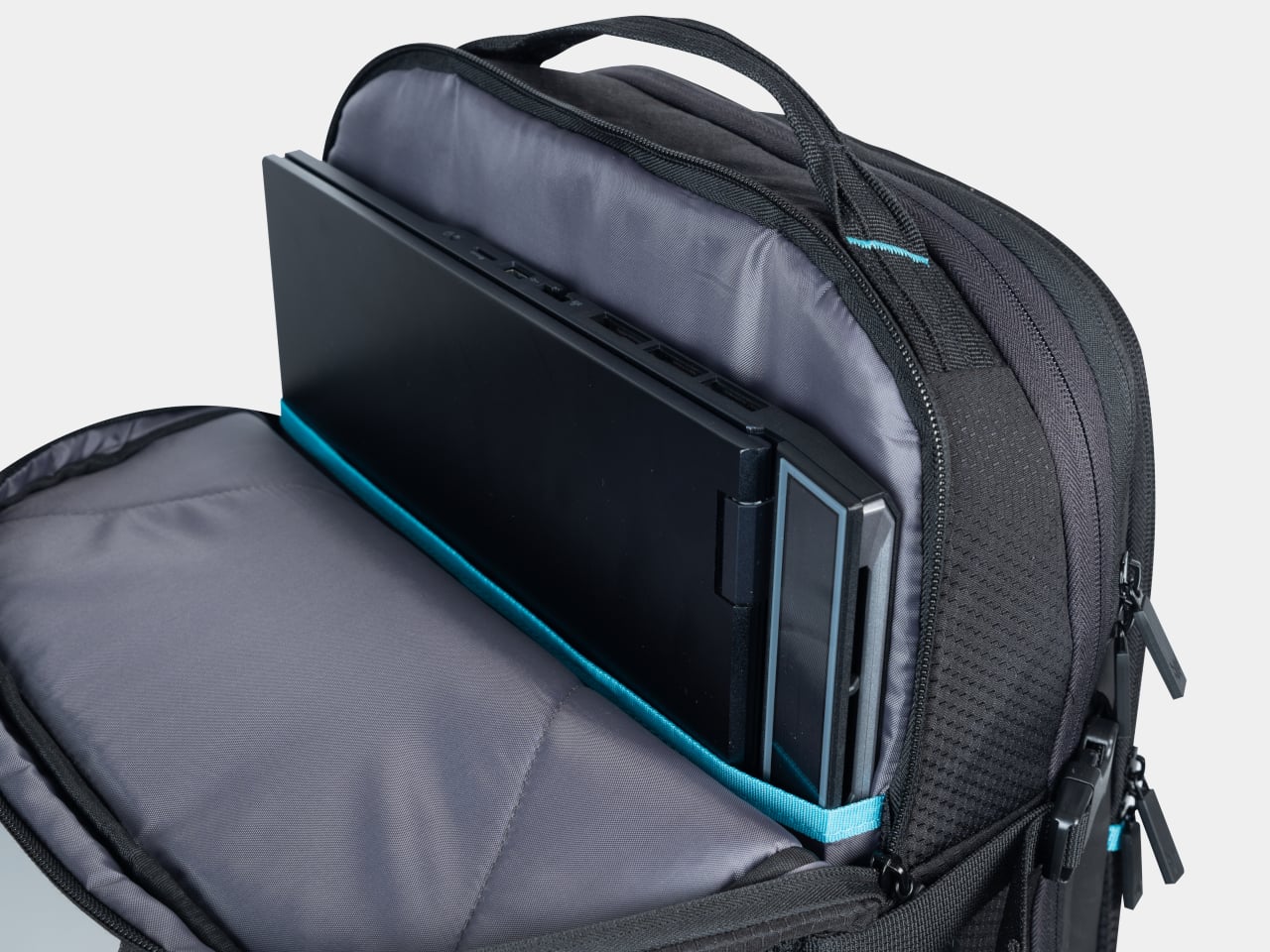
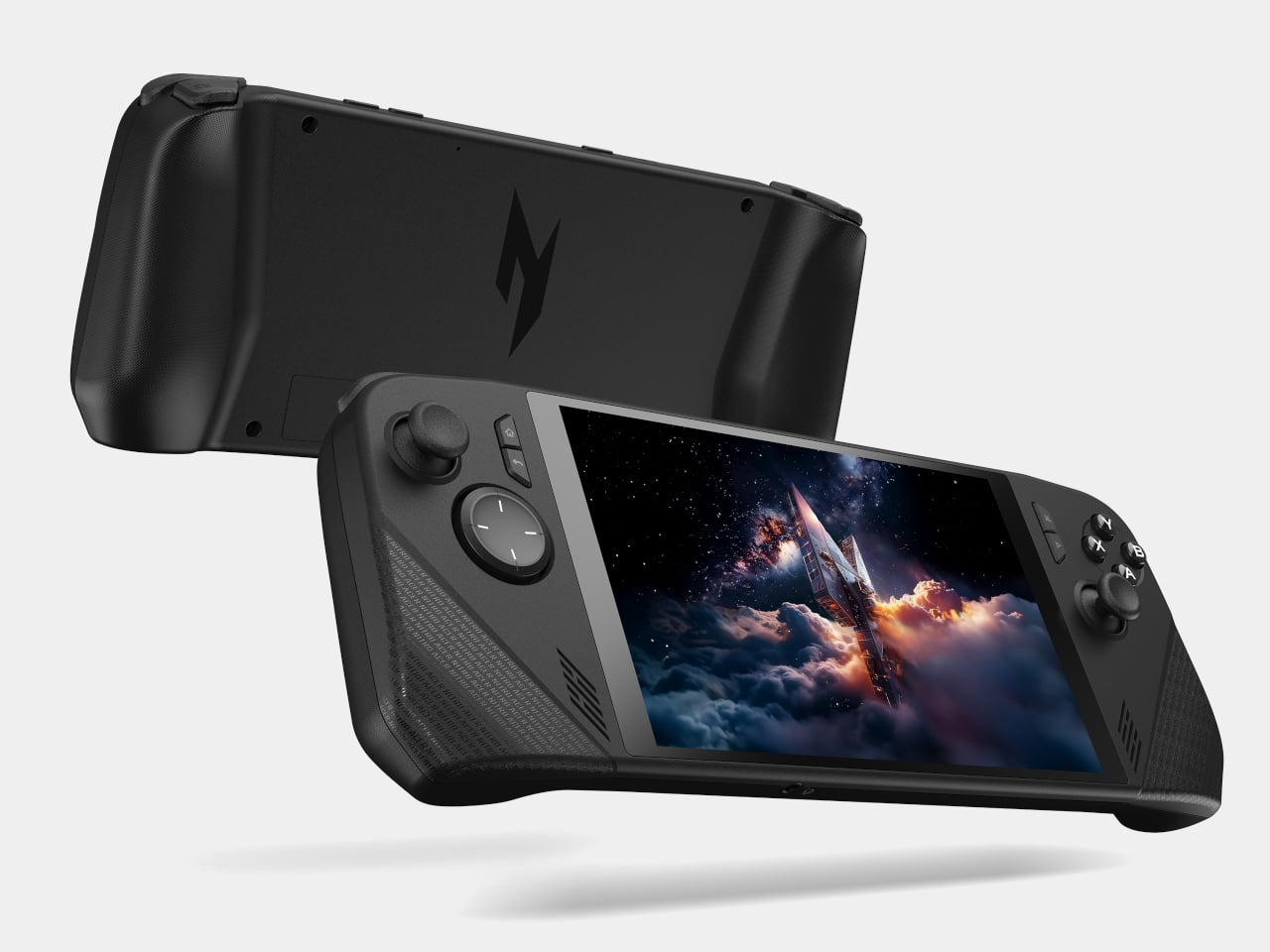
The Nitro Blaze Link puts a twist on the gaming handheld design and skips local processing entirely, opting to stream games wirelessly from a connected PC over Wi-Fi 6 via Sunshine and Moonlight services. It pairs naturally with the Helios 18 AI or Nitro 16, letting someone else in the household play from the couch while the main machine stays occupied elsewhere. The 7-inch WUXGA touchscreen and full controller layout handle the experience at a light 464 g.

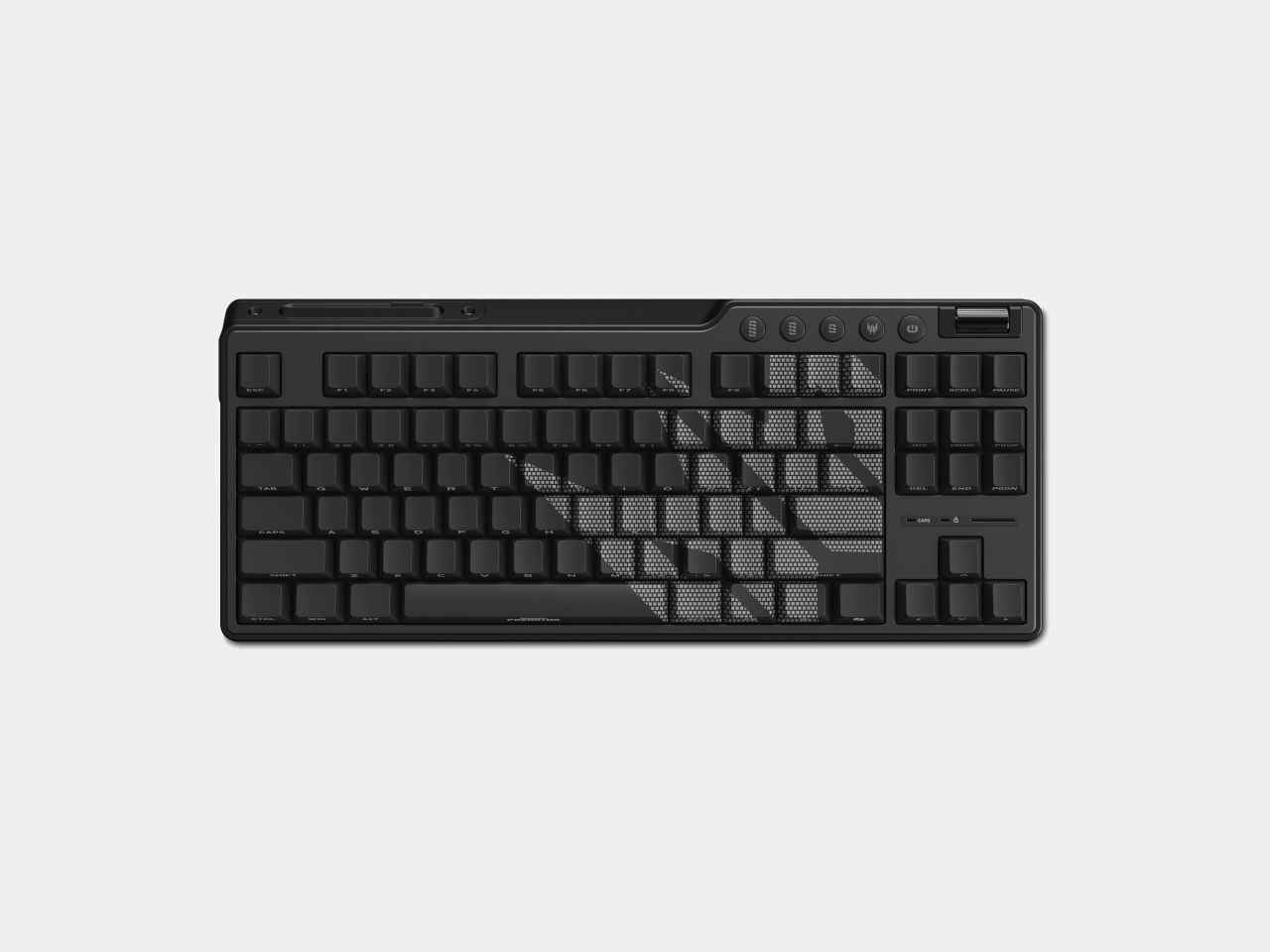
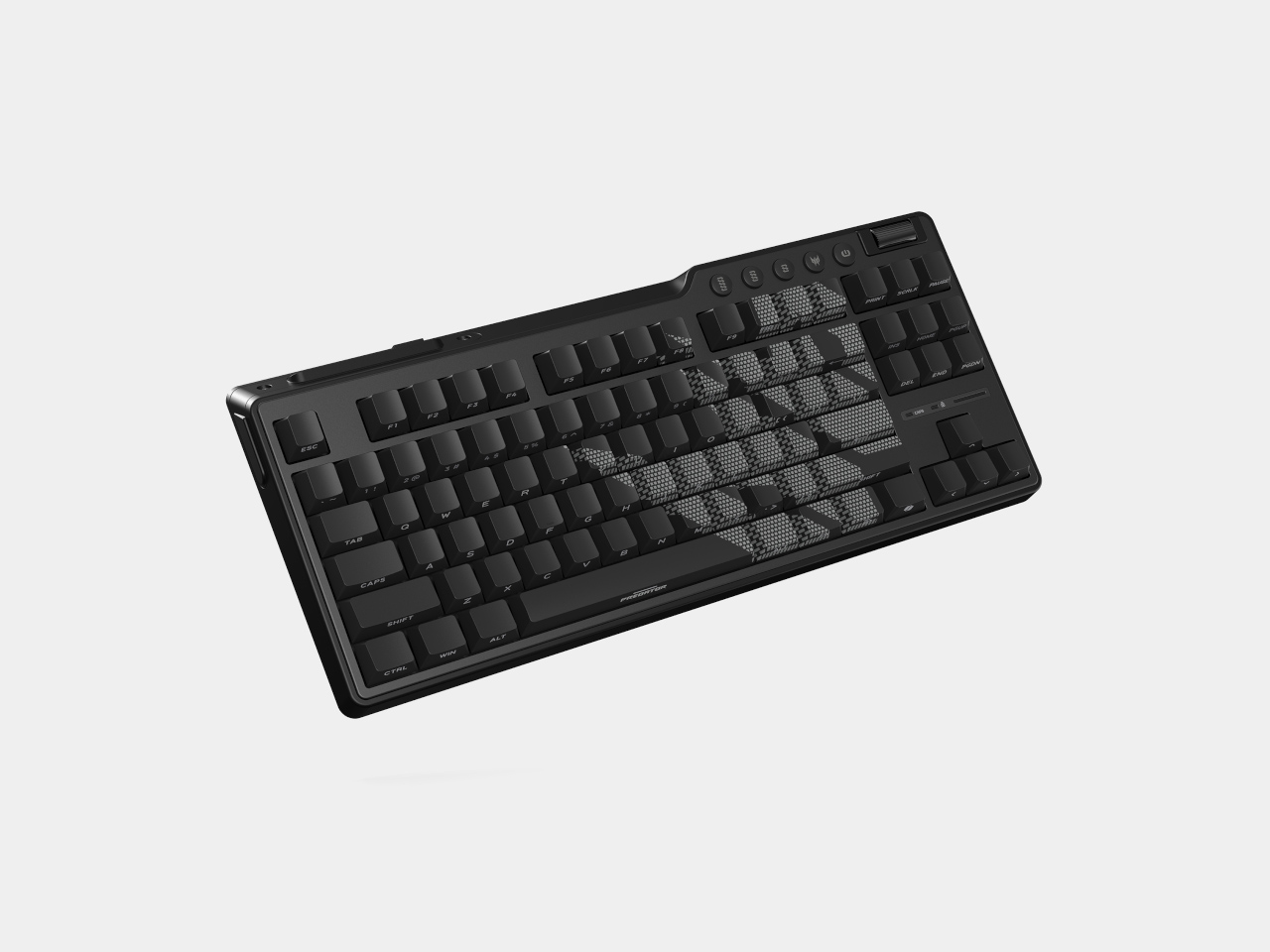
The Predator Aethon 750 TKL keeps the desk focused with a Tenkeyless layout that removes the number pad and anything non-essential for gaming. Custom Predator magnetic switches support WASD Rapid Trigger, Global Actuation, and Fine Actuation modes, while an 8,000 Hz polling rate and N-key rollover keep every input registering cleanly. Wired, 2.4 GHz wireless, and Bluetooth connections add flexibility for different setups.

The Predator Robust Plus Backpack handles transport, expanding from 25L to 32.5L with a padded compartment for laptops up to 18 inches and a charging cable pass-through for keeping devices topped up on the move. A waterproof inner section and compression compartment round it out. The backpack arrives in North America in Q3 2026 at $199; the Aethon 750 TKL launches in EMEA in Q4 at €149.

The post Acer’s Nitro Blaze Link Is a Gaming Handheld That Skips the Processor first appeared on Yanko Design.

Acer Made Android Tablets in 3:2 Because 16:9 Wasn’t Built for Work

Android tablets have long defaulted to 16:9 screens, a ratio optimized for video that leaves them awkward for anything resembling actual work. Documents get letterboxed, web pages feel narrow, and the creative canvas ends up shorter than it should be. That works well for watching but not for producing, which is why the 3:2 display, long favored by productivity-first Windows devices, has been largely absent from Android.

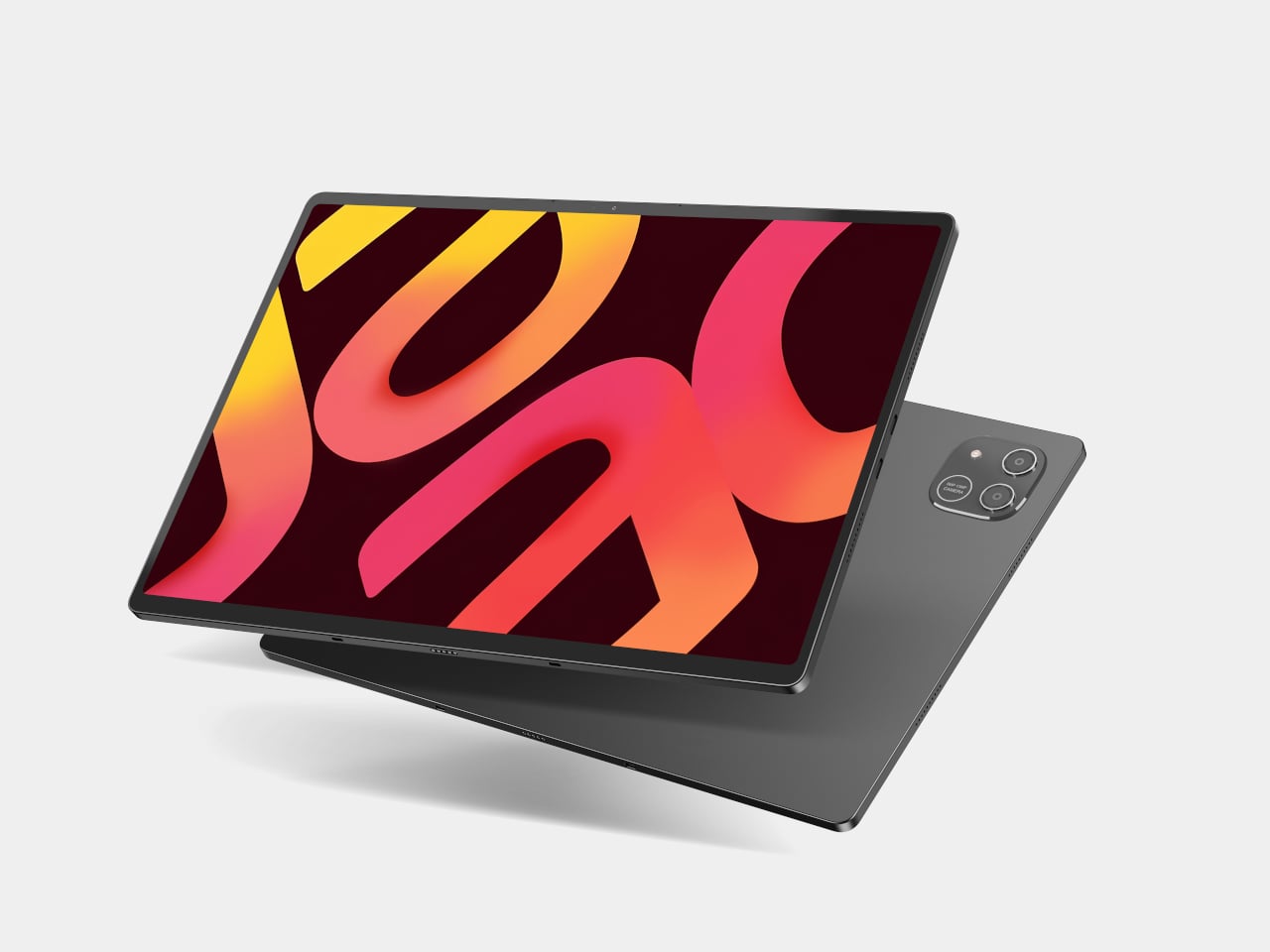
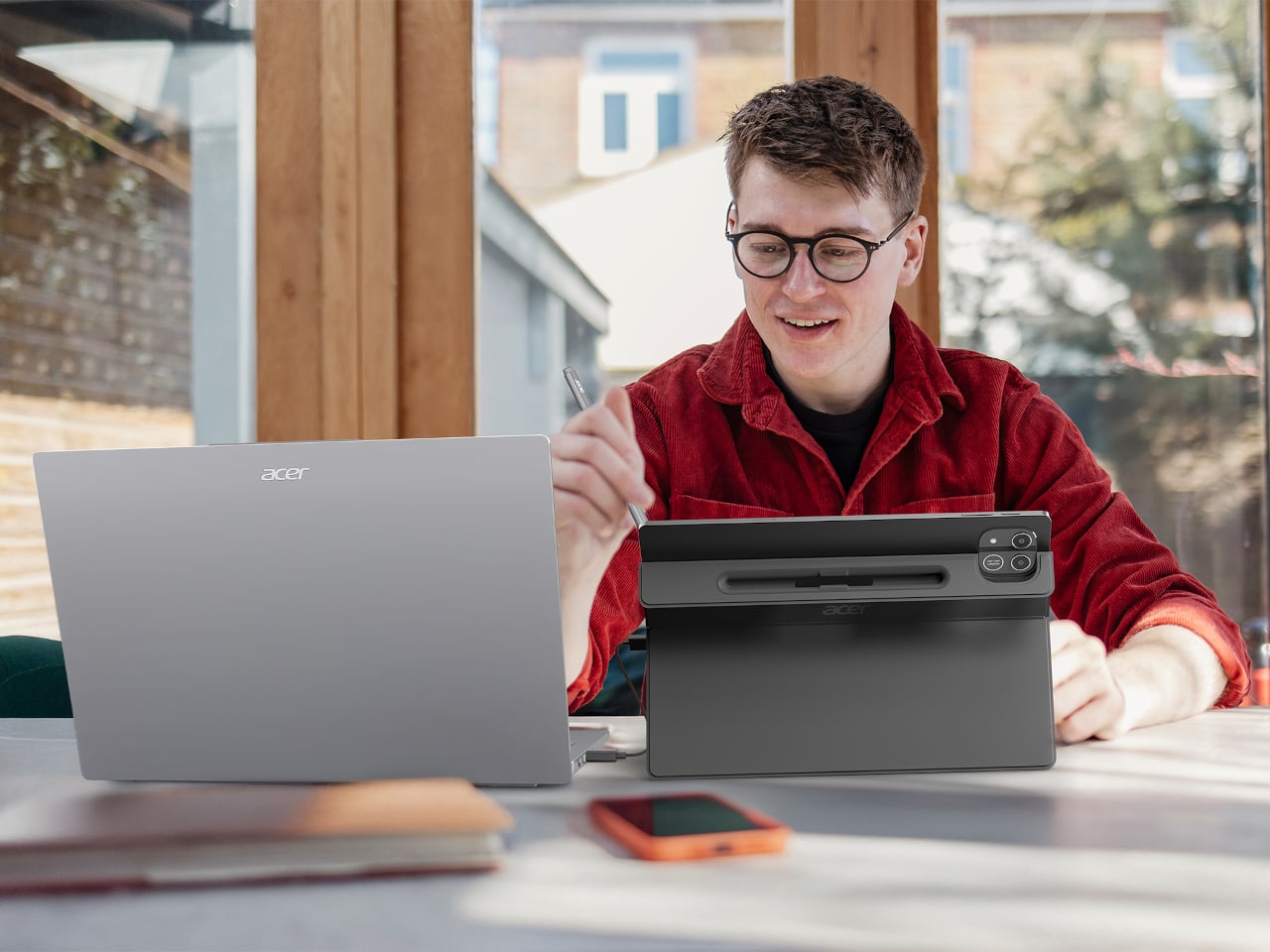
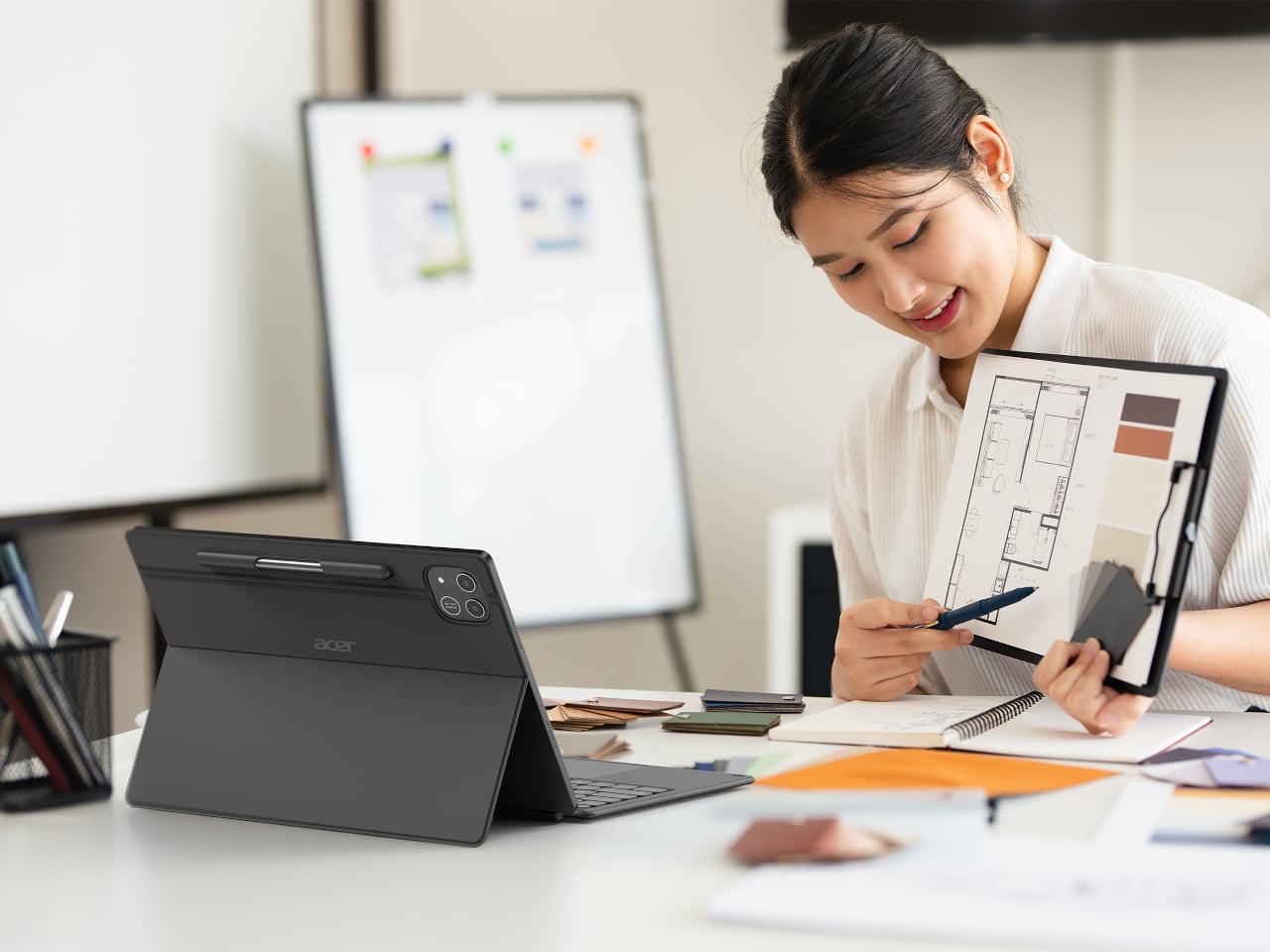
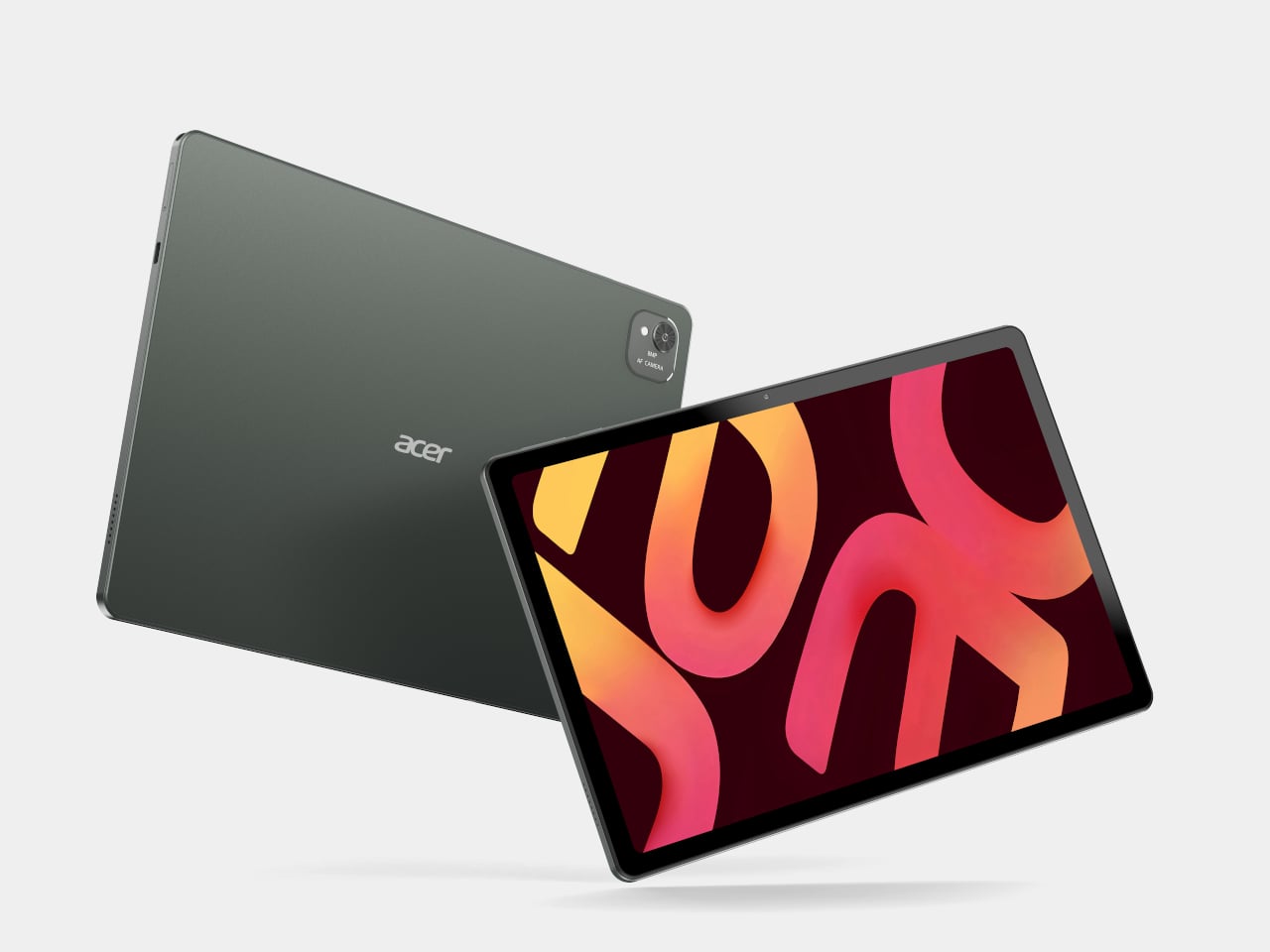
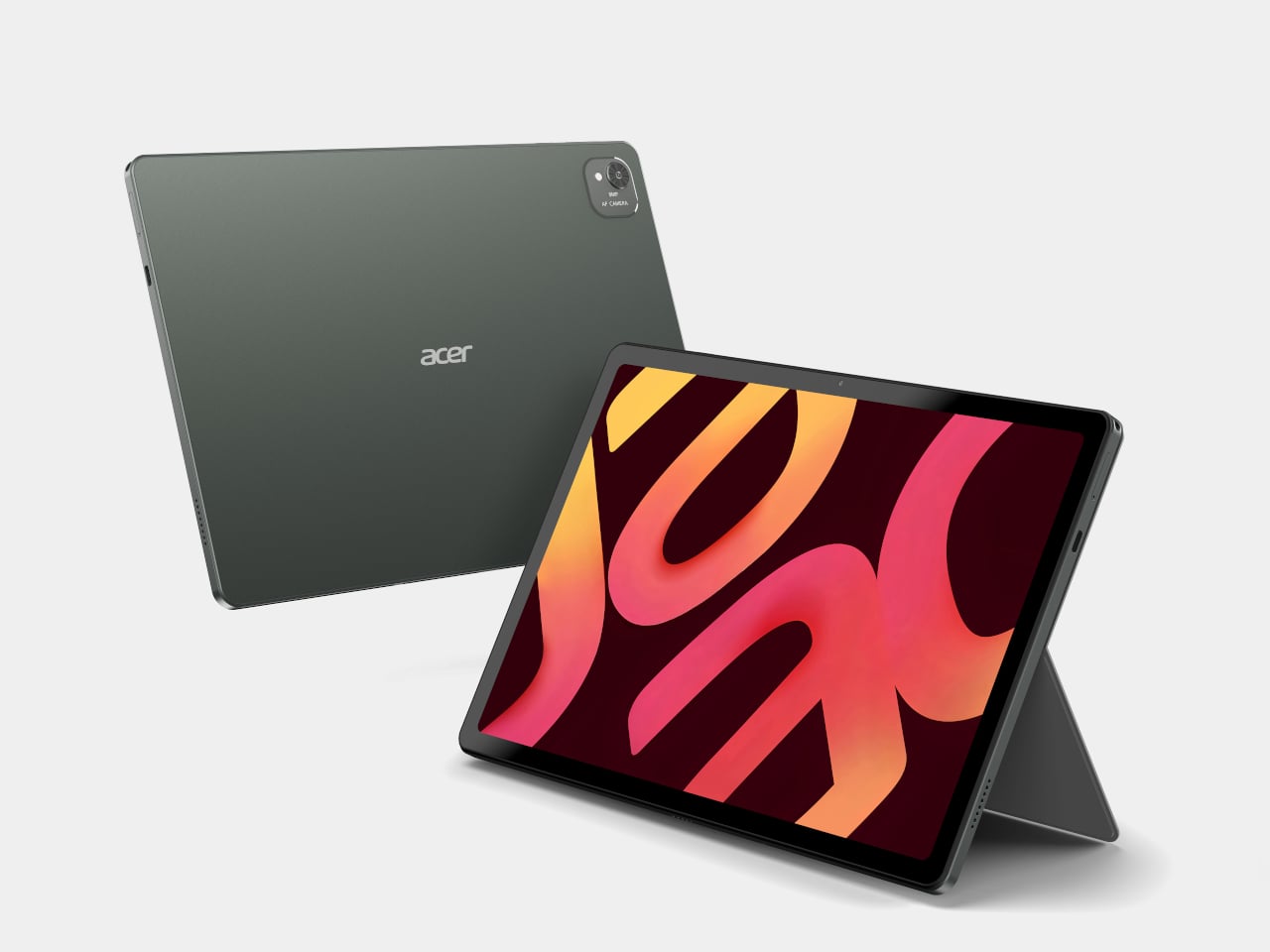
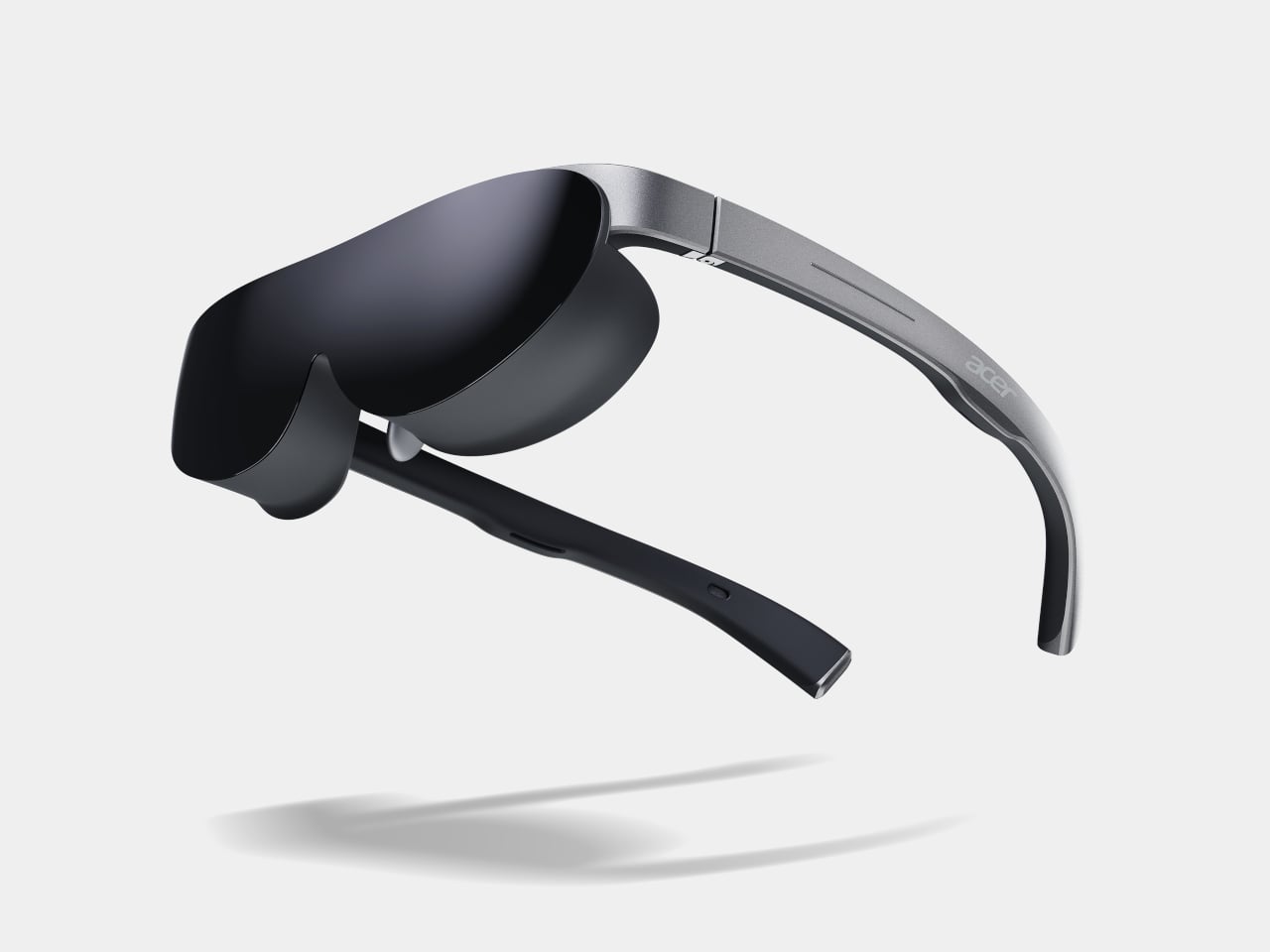
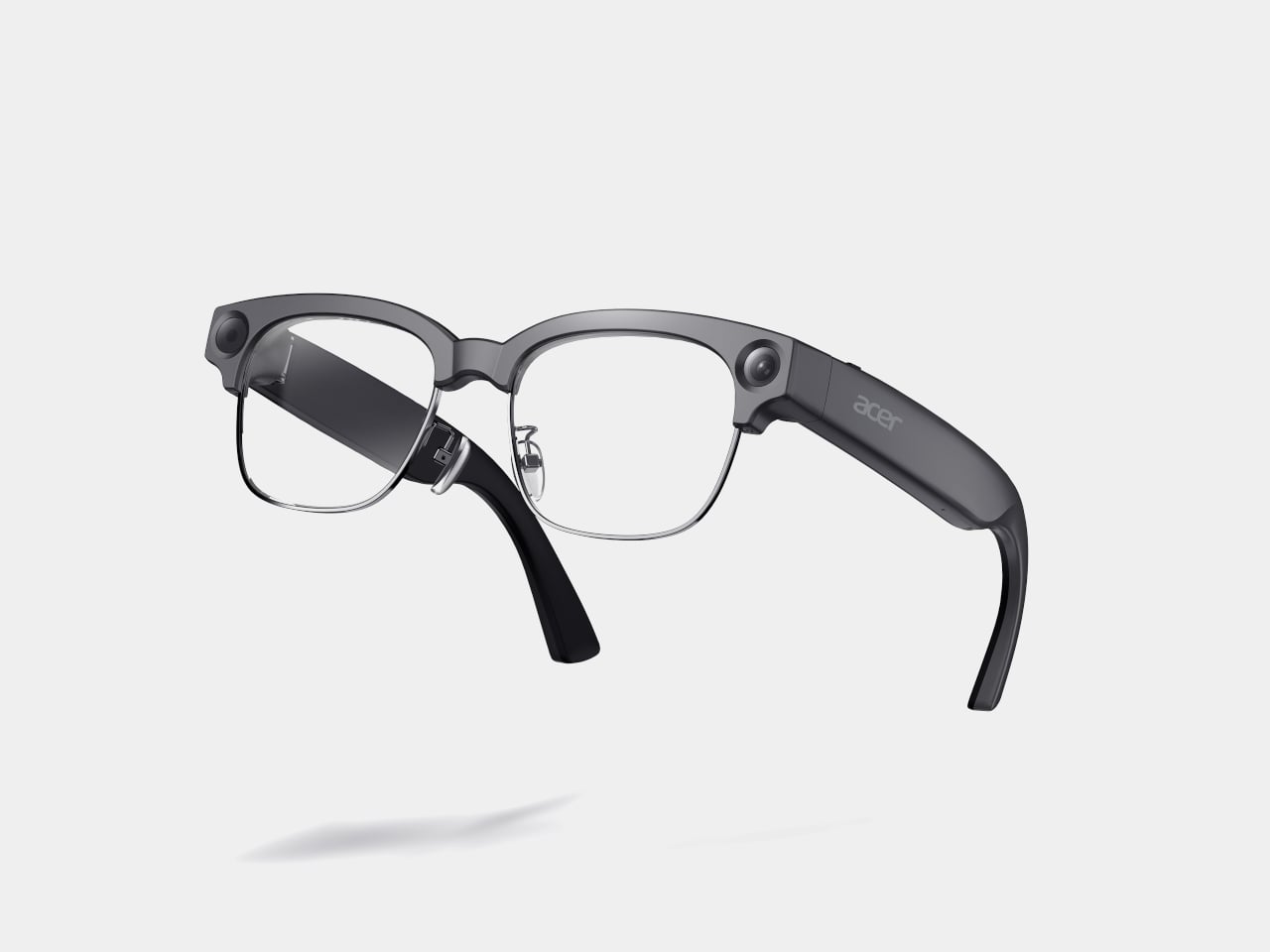
Acer is changing that at Computex 2026 with the Iconia Duo lineup, three new Android 16 tablets that debut the brand’s 3:2 aspect ratio across three different price points. Alongside them, two new pairs of smart glasses push the mobile experience off the screen entirely: the AR Vision GR0 for immersive wired display and the GI0 for wireless, hands-free AI assistance on the go.

Designer: Acer

Acer Iconia Duo S14

The flagship of the three is the Iconia Duo S14, built around a 14.2-inch 2.8K OLED display running at 120 Hz with 100% DCI-P3 color coverage. A MediaTek Dimensity 8300 SoC handles the processing, and DisplayPort in and out ports let it feed a larger screen during presentations or act as a portable monitor. At just 6.2 mm thin and 0.73 kg, it doesn’t exactly feel like a compromise.

Acer Iconia Duo S14

The 12.2-inch Iconia Duo S12 carries the same 2.8K OLED panel at 600 nits and adds nano-texture glass with anti-glare and anti-fingerprint properties, housed in an aluminum alloy chassis that makes it noticeably more premium to hold. The Iconia Duo D12 brings the same 3:2 format at a 2400×1600 resolution with a 90Hz refresh rate, starting at $399 for buyers who don’t need OLED.

Acer Iconia Duo S12

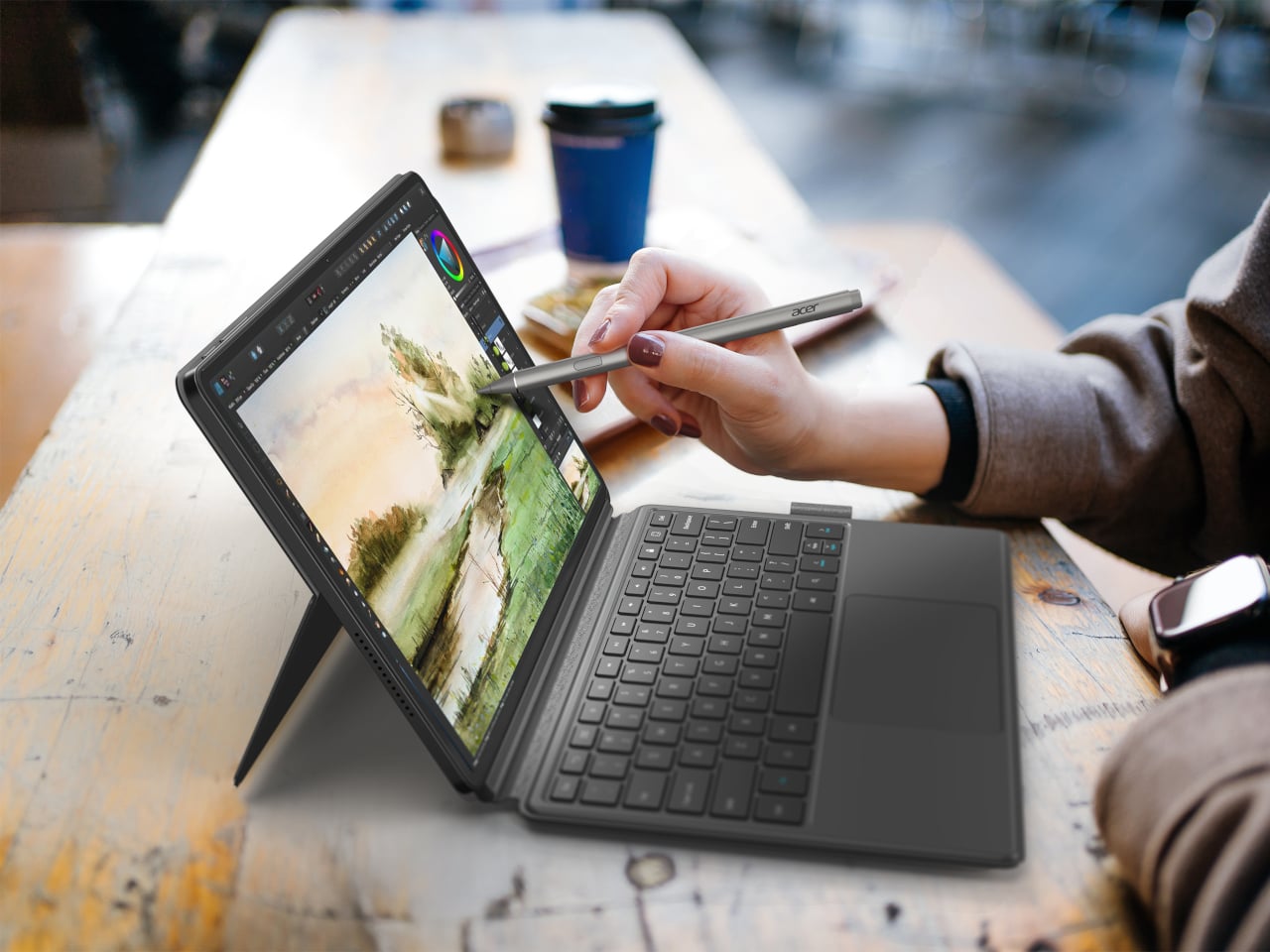
All three run Android 16 and support an optional Active Stylus, magnetic kickstand, and detachable keyboard, letting them shift from a drawing canvas to a laptop-like workstation with the right accessories. A microSD card slot in each model accepts cards up to 1 TB for local storage of large creative files, and battery life reaches up to 10 hours across the lineup.

Acer Iconia Duo D12

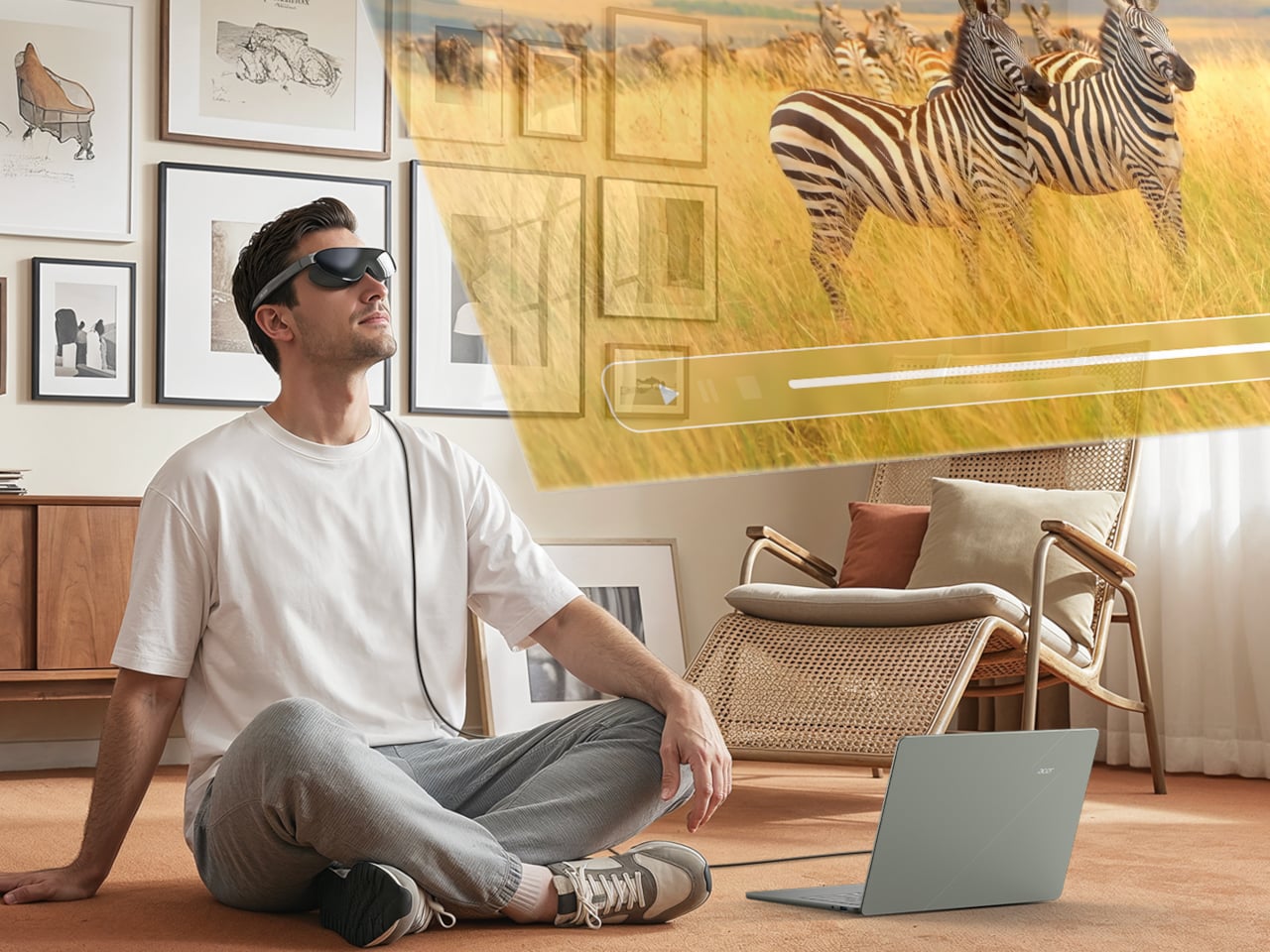
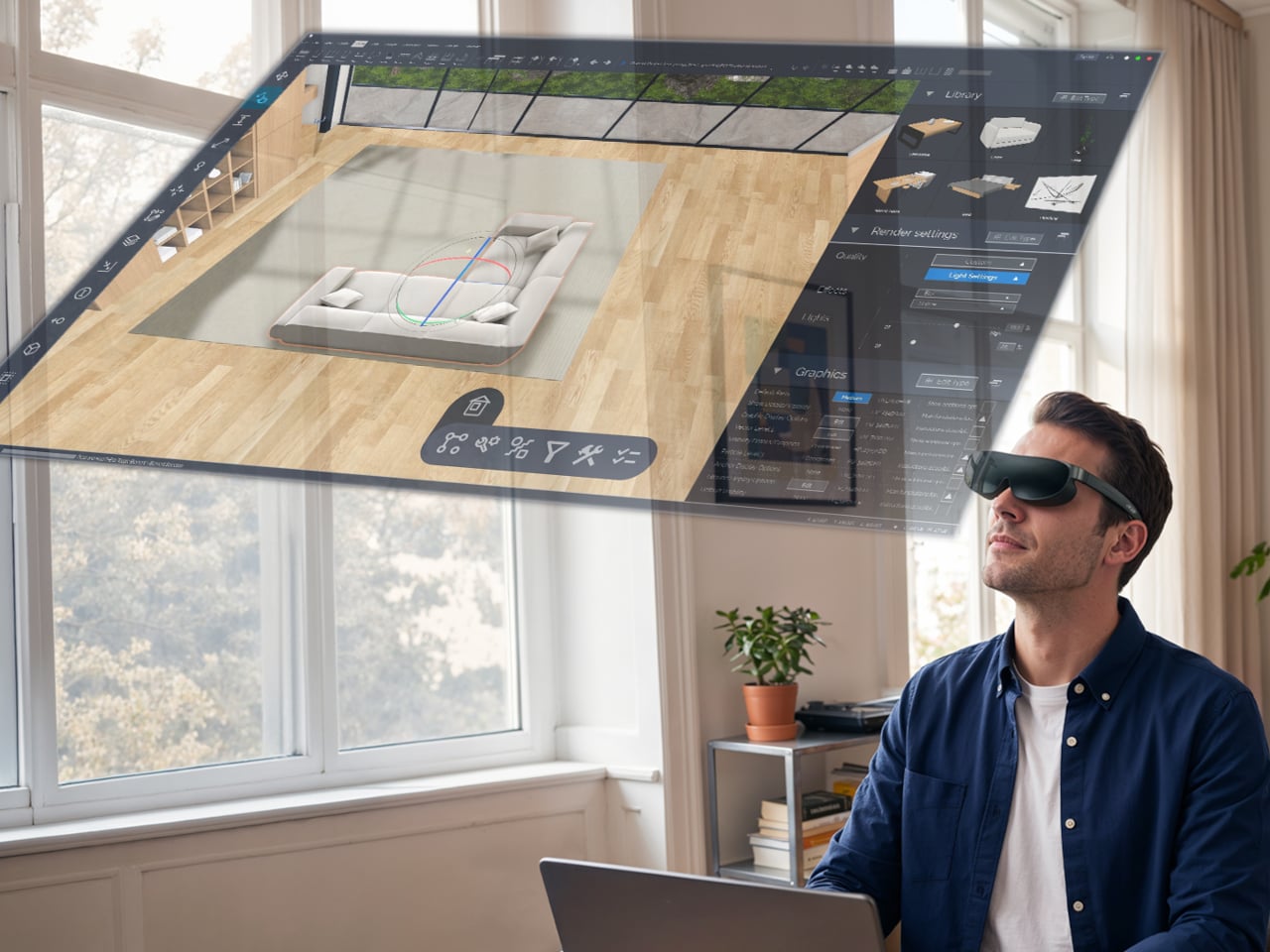
The AR Vision GR0 takes the display off the tablet entirely. The wired glasses connect to any phone, laptop, or tablet and deliver dual micro OLED FHD screens simulating a 172-inch screen from 6 meters away, with a 50,000:1 contrast ratio. They’re compatible with Android, iOS, and Windows, weigh just 69 g, and include a detachable light shield and a myopia magnetic lens option for prescription wearers.

Acer AR Glasses GR0

The GI0 heads in a different direction. Rather than a display, these 46 g AI glasses integrate a 12 MP camera and Google Gemini for real-time translation, AI captions, and voice-activated queries through three onboard microphones. They connect wirelessly over Bluetooth and Wi-Fi via the Acer AspireSync app, and they’re light enough to wear all day without thinking about them.

Acer AI Glasses GI0

The Iconia Duo S14 starts at $699 in North America in September 2026, the S12 at $549 in August, and the D12 at $399 also in August. The GR0 arrives at $499.99 and the GI0 at $299.99, both heading to EMEA in Q4 2026 and Australia in Q3. Together, they cover a broad stretch of mobile productivity, from an accessible Android tablet to a wearable AI companion.

The post Acer Made Android Tablets in 3:2 Because 16:9 Wasn’t Built for Work first appeared on Yanko Design.

Acer’s Aspire Go 15 Is the First Budget Laptop Built on Snapdragon C

Qualcomm’s Snapdragon processors have spent the past couple of years proving themselves in premium laptops, winning over skeptics with extended battery life and capable on-device AI. The architecture has benefited from that validation, but it has largely stayed in the upper tiers of the market, leaving mainstream buyers without access to the same platform. That split is exactly what Acer is addressing at Computex 2026.

The company announced two laptops at opposite ends of the price range: the Swift Spin 14 AI, a premium convertible running on Snapdragon X2 Series processors, and the Aspire Go 15, which holds a distinction of its own as the first laptop ever announced with Qualcomm’s new Snapdragon C processor. Together, they cover more of the market with ARM-based computing than any single product could manage alone.

Designer: Acer

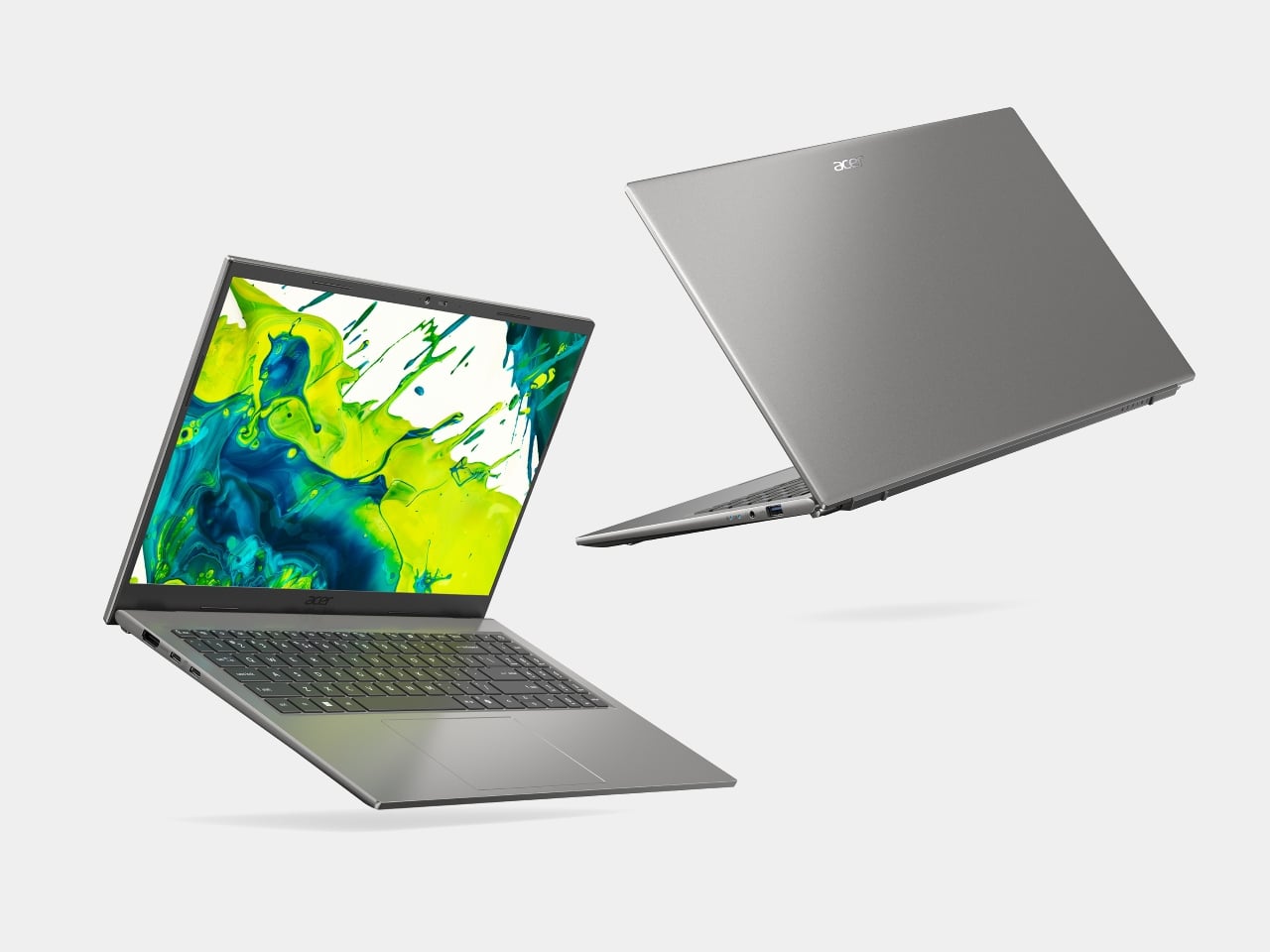
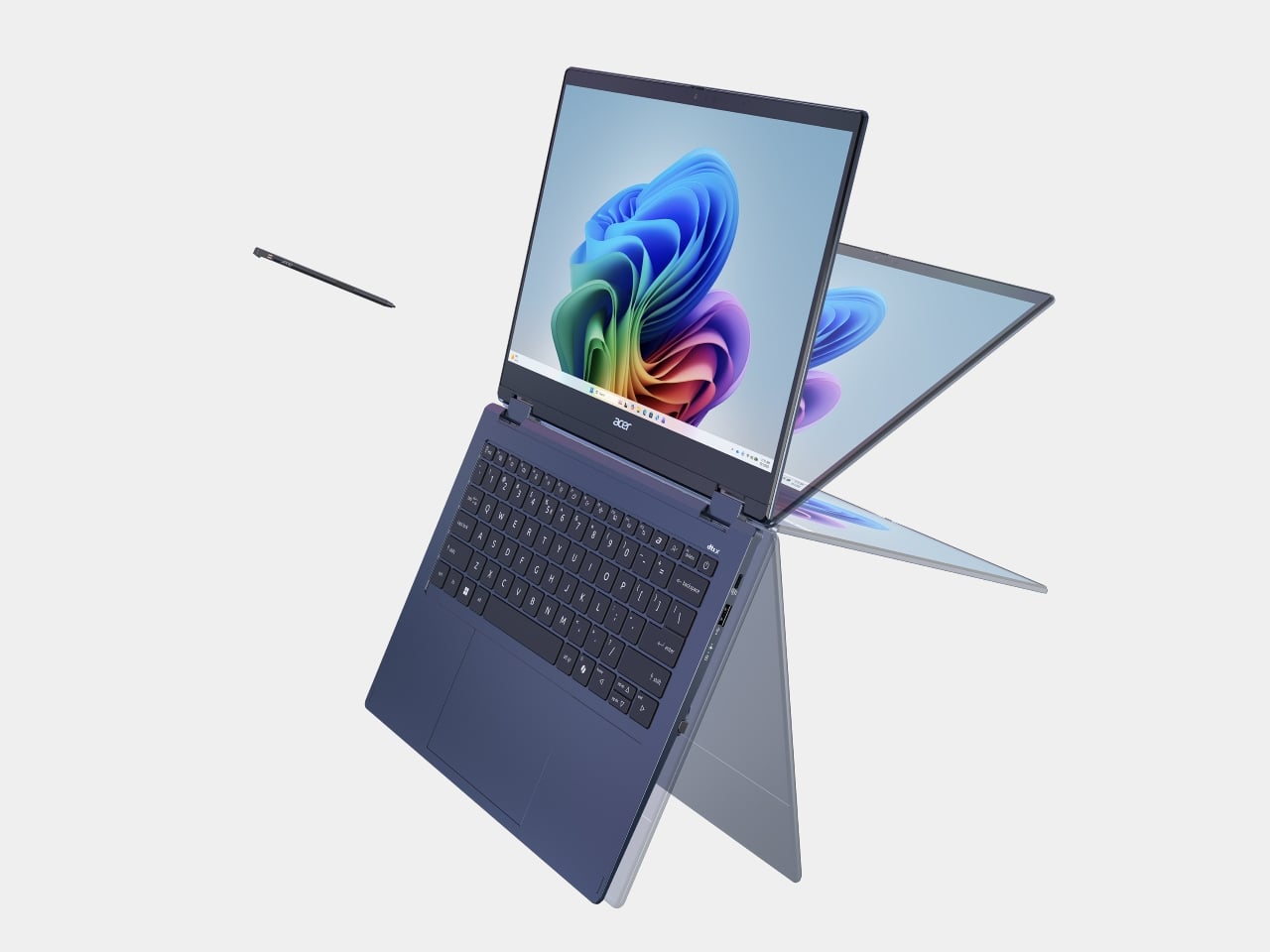
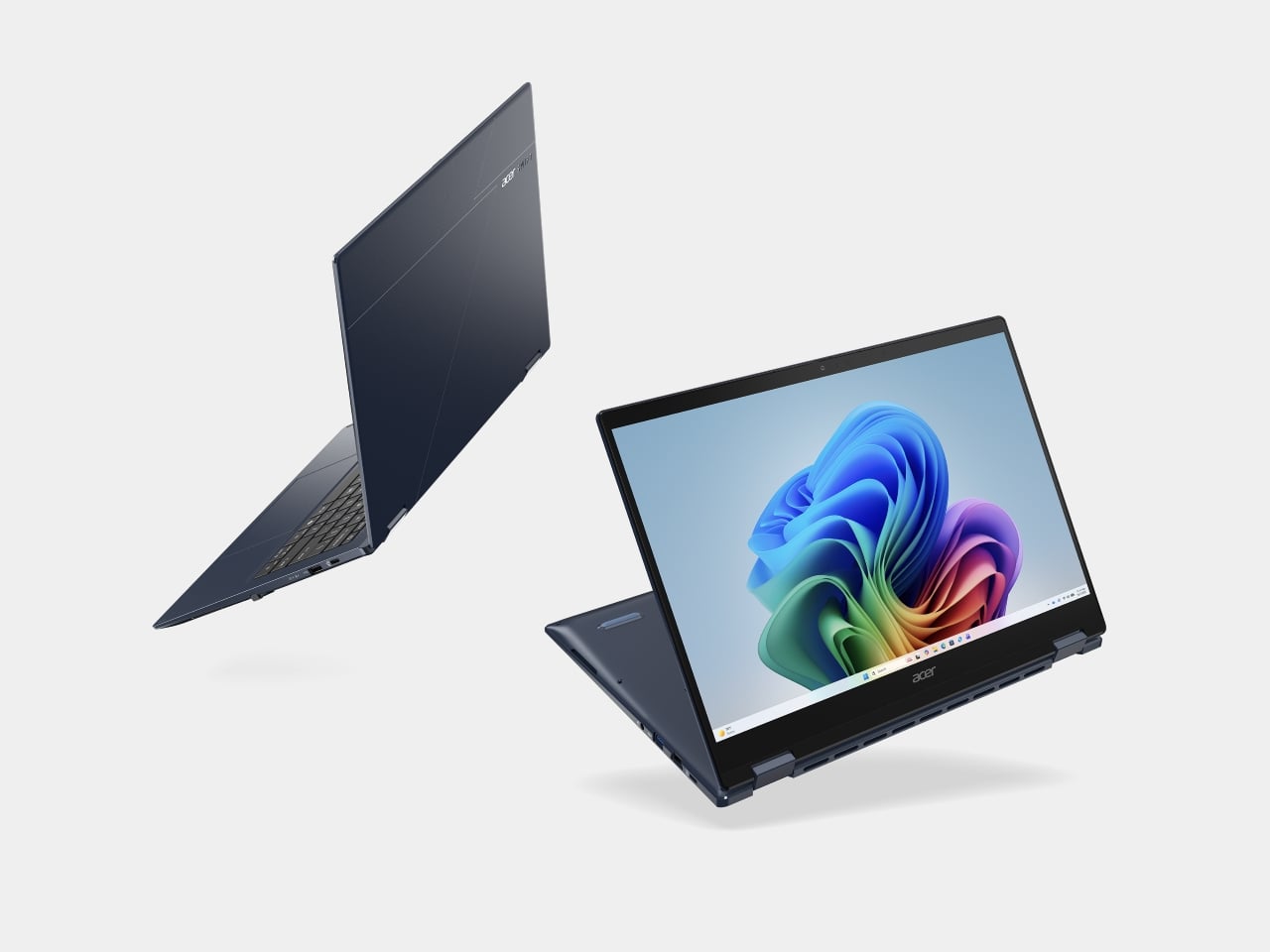
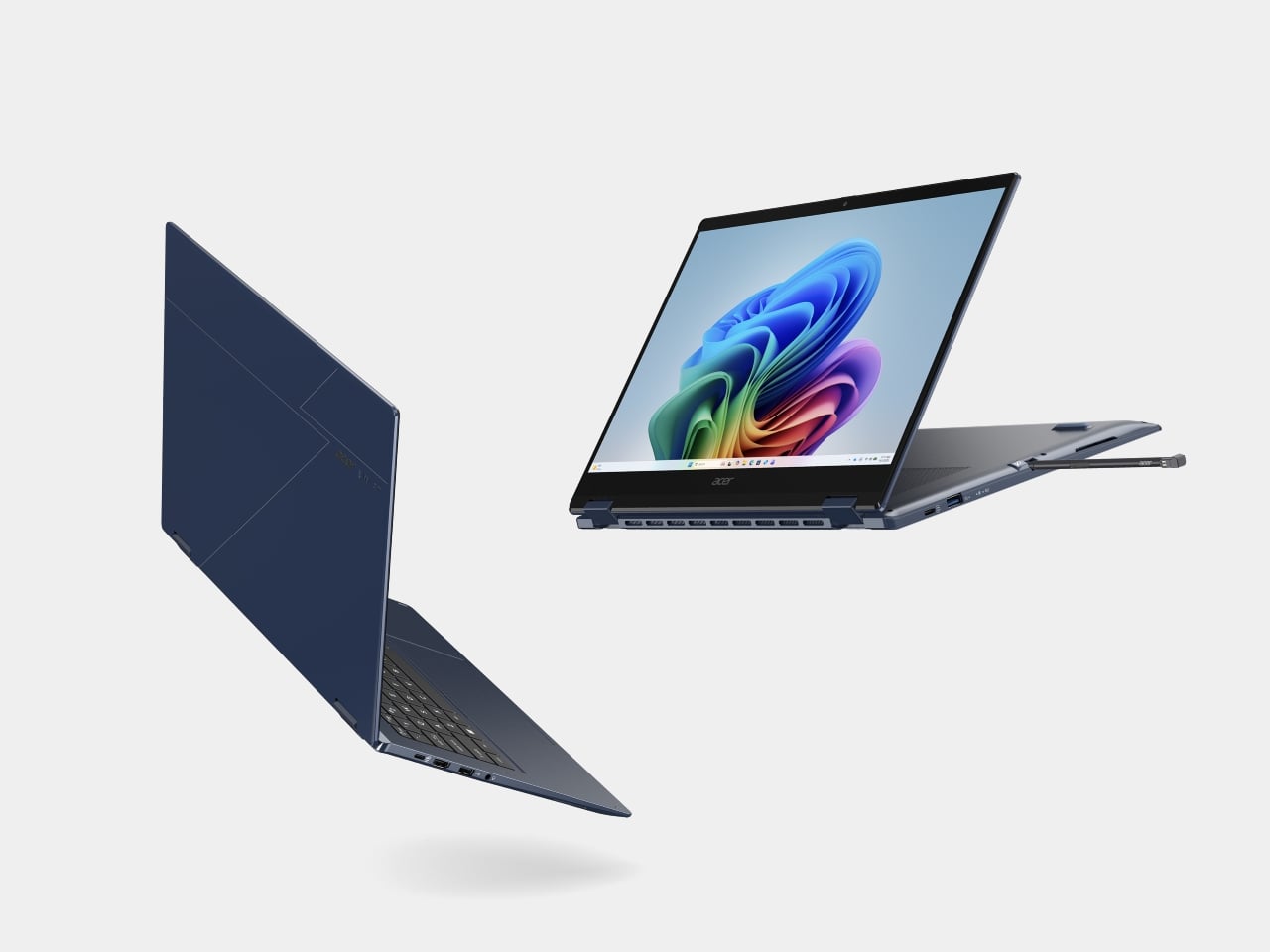
The Swift Spin 14 AI carries up to a Snapdragon X2 Elite processor paired with an 80 TOPS NPU, qualifying it as a Copilot+ PC with full on-device AI support. The 14-inch WUXGA IPS display runs at 120Hz and handles touch input alongside the included Acer Active Stylus 420, which uses Wacom AES 2.0 technology with 4,096 pressure levels and tilt detection for natural pen-on-screen writing and annotation.

The 360-degree hinge lets it shift between laptop, presentation stand, and flat tablet without swapping accessories. Weighing just 1.34 kg and measuring 15.9–16.5 mm thin, it fits in a small bag without much thought. The cobalt blue aluminum chassis is MIL-STD-810H certified, and the 65Wh battery is advertised to last up to 23 hours under video playback, with a 100W USB4 Type-C fast-charging option for quick power-ups between sessions.

The stylus parks in an onboard garage and charges for 100 minutes of use in just 30 seconds. The laptop connects via Wi-Fi 7 and Bluetooth 6.0, and the port lineup covers dual USB4 Type-C, dual USB 3.2 Type-A, and HDMI 2.1. Three microphones with Acer PurifiedVoice AI noise cancellation keep calls clear, while the 5 MP IR camera handles Windows Hello and automatic screen-lock for privacy.

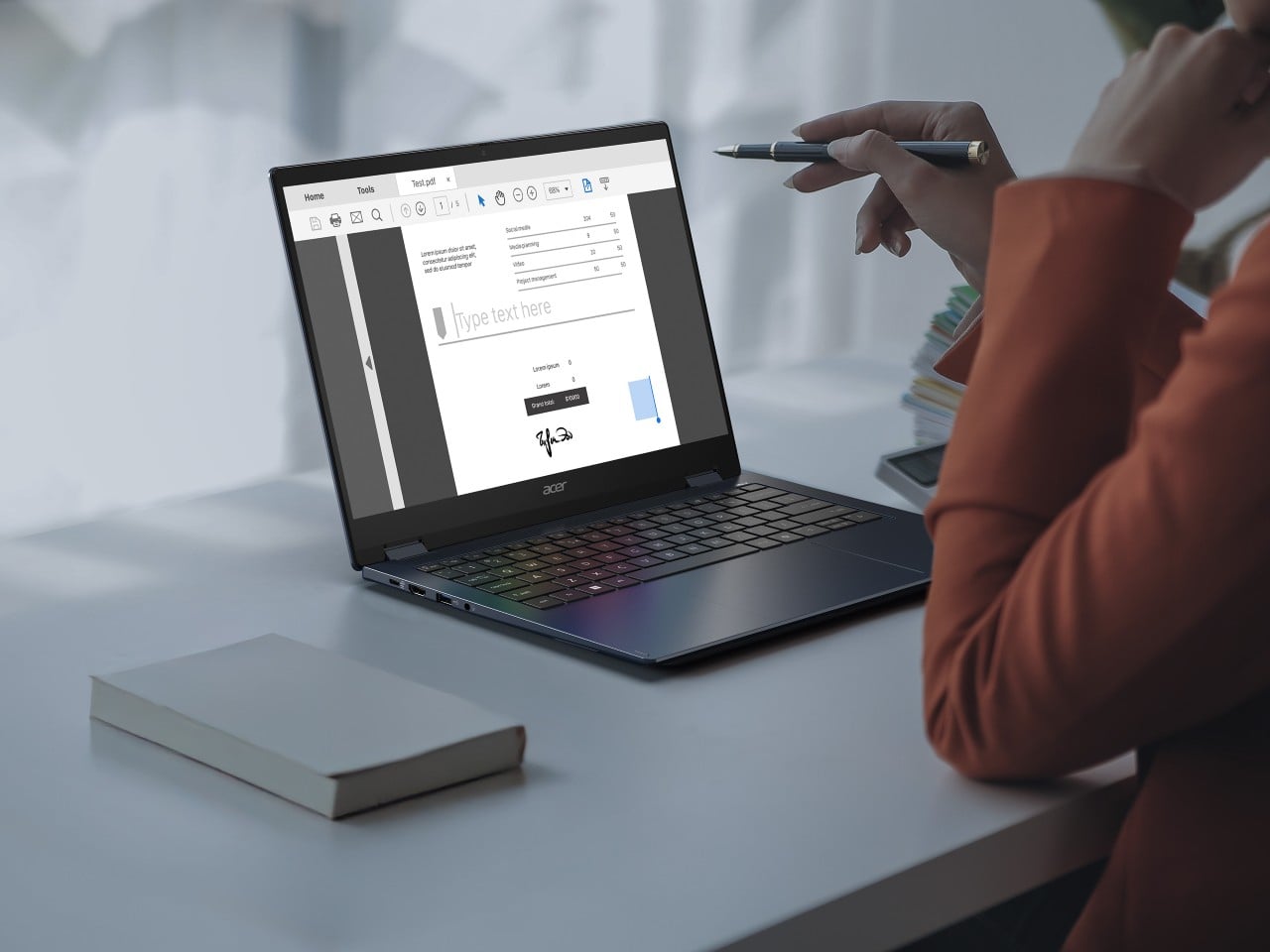
The Aspire Go 15 carries a different kind of significance. Acer is the first PC maker to announce a laptop powered by Qualcomm’s Snapdragon C processor, a platform aimed squarely at the entry-level market. The 15.6-inch Full HD display and straightforward clamshell design target users who want reliable daily performance for browsing, documents, and streaming without the overhead or cost of a premium machine.

Acer also built post-consumer recycled plastic into the back cover and power adapter, packaged the whole thing in 100% recyclable materials, and earned both Energy Star certification and EPEAT registration. Wi-Fi 6E, dual full-function USB Type-C, and a 53Wh battery are positioned for all-day unplugged use. AcerSense manages battery and app settings, and the programmable Acer My Key provides one-press access to frequently used tools.

The Swift Spin 14 AI reaches EMEA in July 2026, North America in August, and Australia in Q3. The Aspire Go 15’s availability window hasn’t been confirmed yet, and neither laptop carries an announced price. Taken together, they mark a significant expansion in how broadly Qualcomm Snapdragon-based Windows computing now reaches, from someone signing contracts on a cobalt blue convertible to a student getting through the day on a tight budget.

The post Acer’s Aspire Go 15 Is the First Budget Laptop Built on Snapdragon C first appeared on Yanko Design.

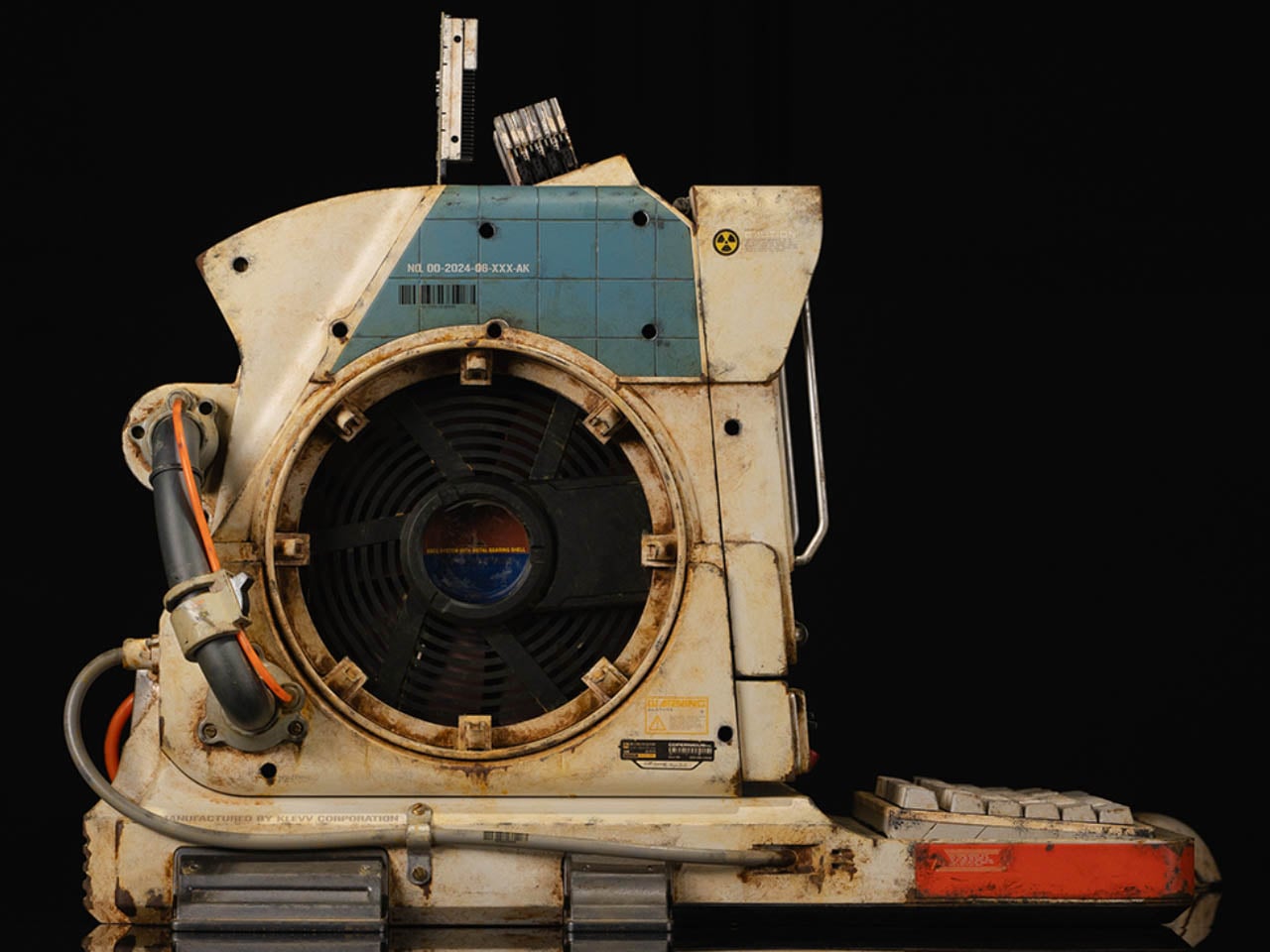
This Fallout-inspired PC case mod looks rugged, conceals high-end computing power inside

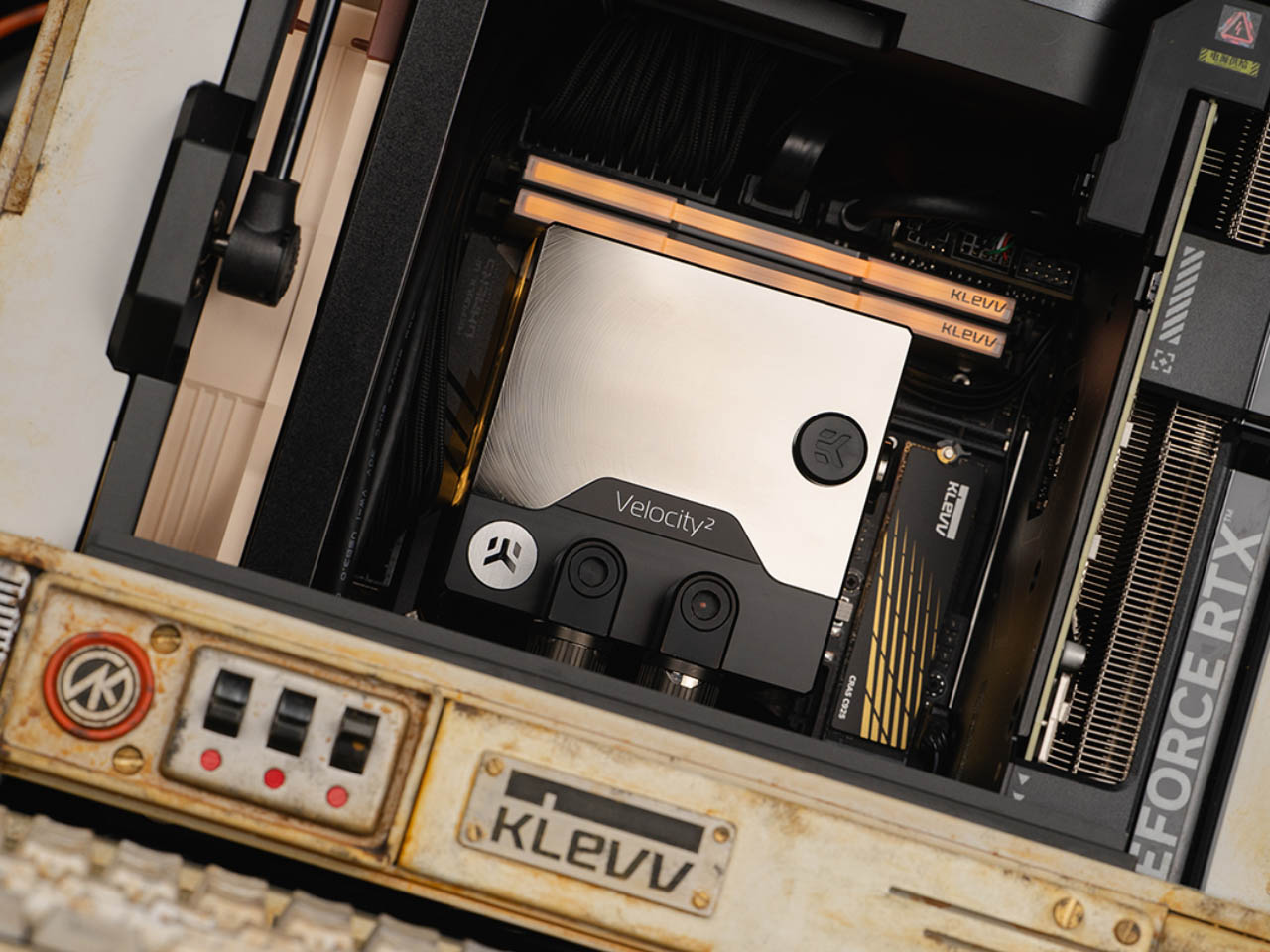
PC case mods hold merit both for beefing up the computing power and showing off the computer’s internal hardware. While the ordinary might stop at that, a few go beyond the normal to craft case mods that turn eyeballs. The Sentinel Cypher PC case mod by AK Mod for Klevv is the latest example.

This PC case mod showcased at Computex, Taipei has a retrofuturistic vibe, themed on the Fallout world. That rustic look with the old-school PC housing is made for a post-apocalyptic bunker or an advanced space station in some other galaxy, safe from the scavengers outside.

Designer: AK Mod

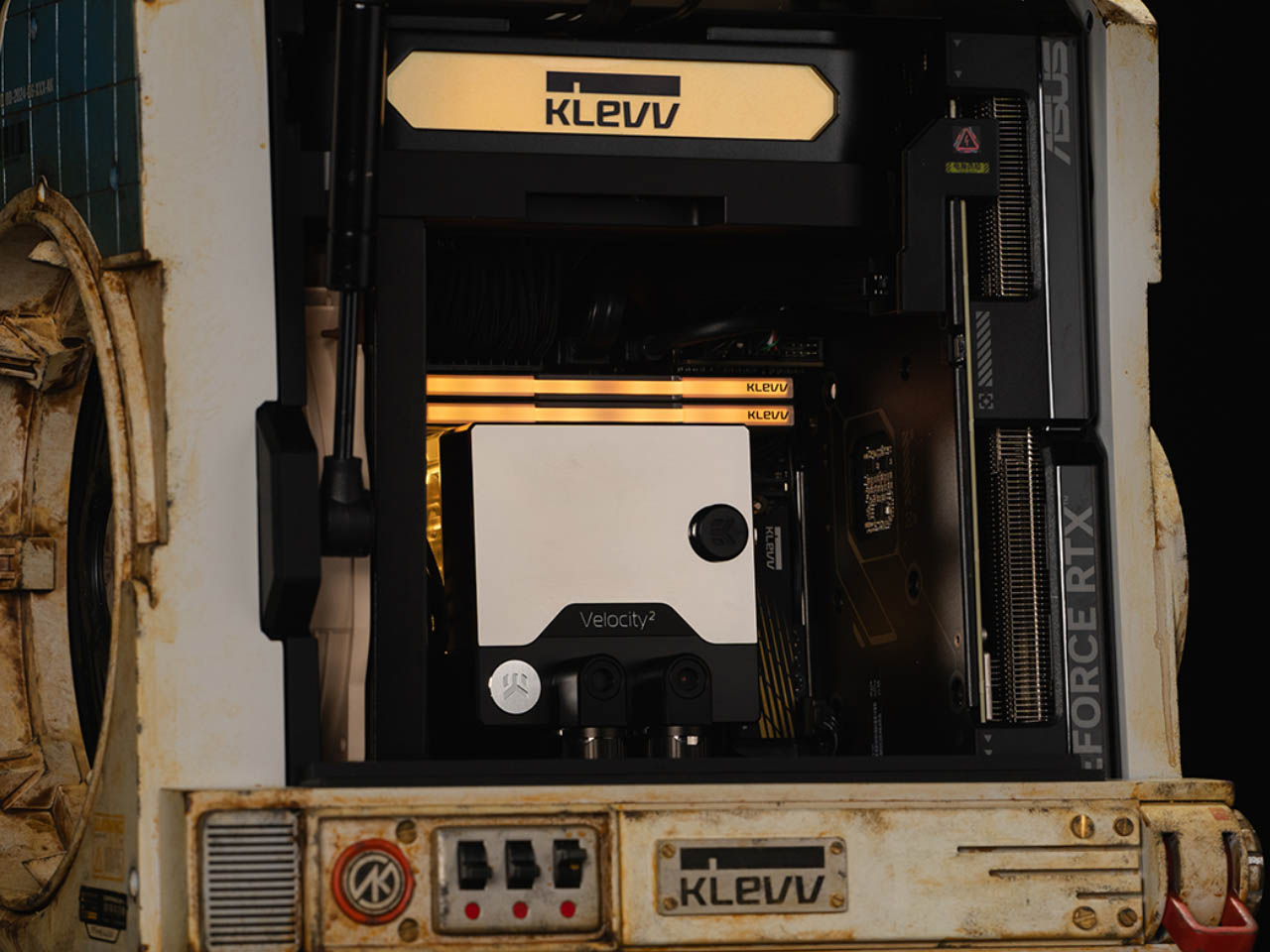
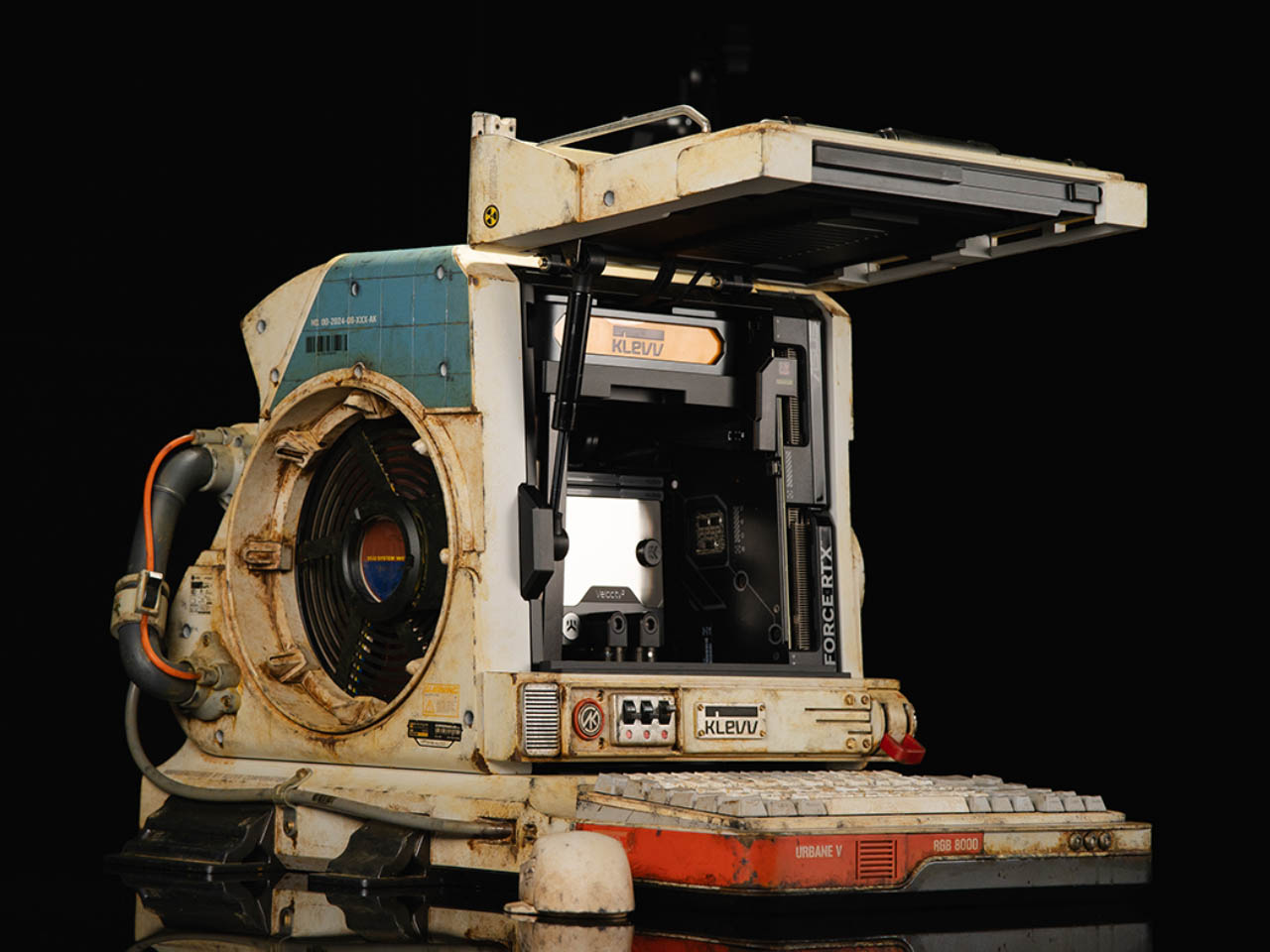
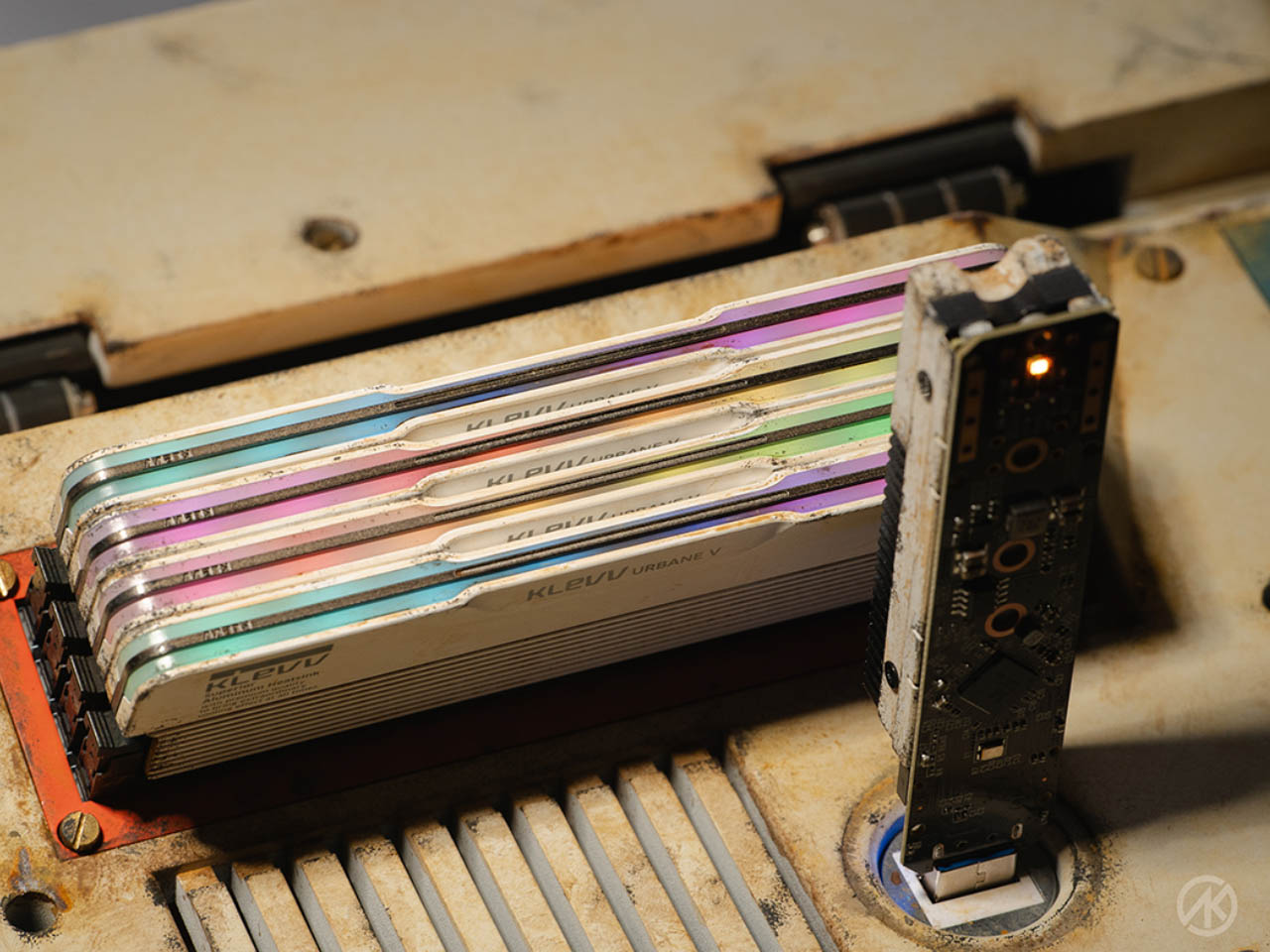
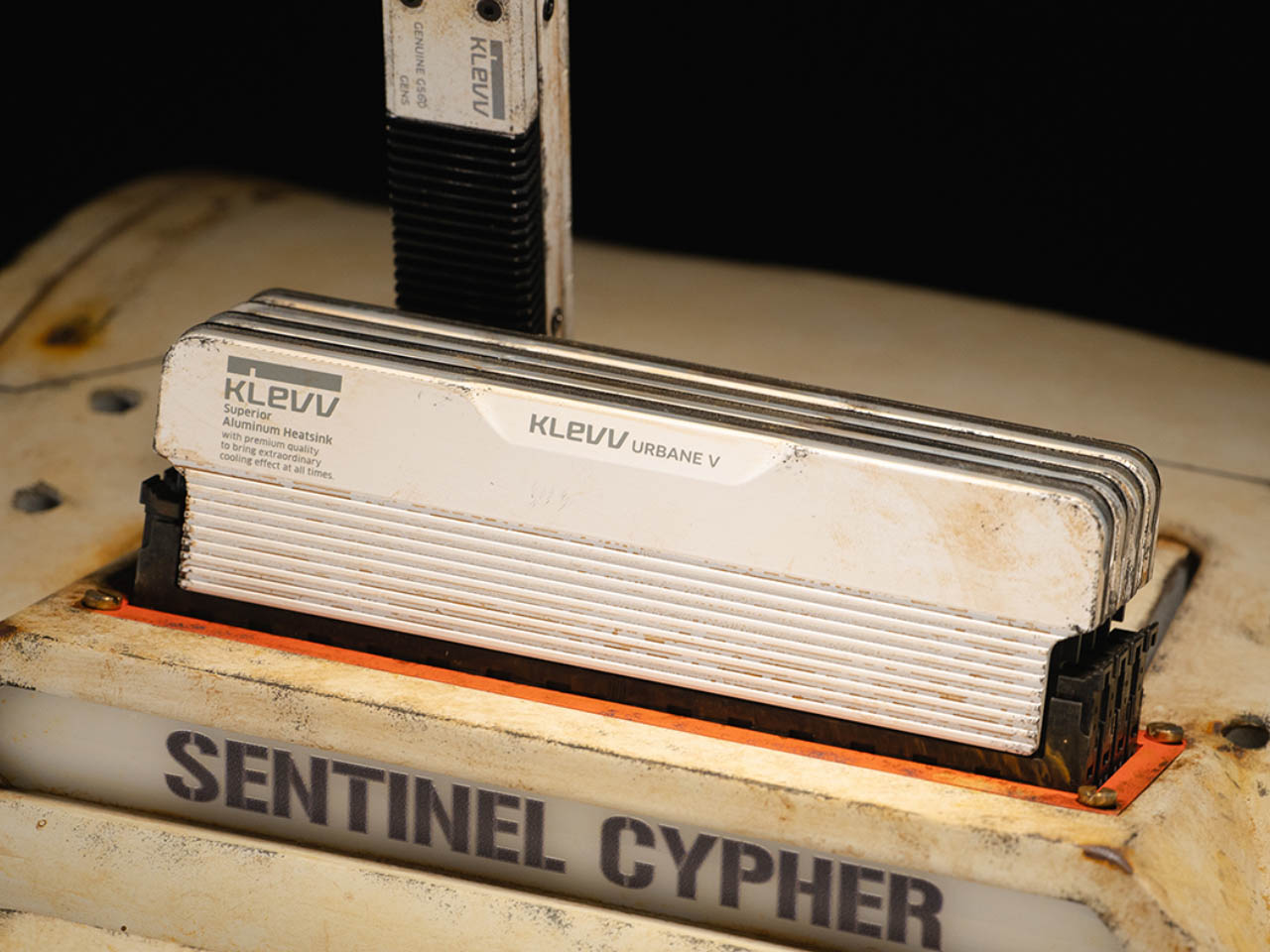
The rugged look of the PC case with exposed wires, dirty panels and the jarred software interface is something straight out of a space wreck. The rustic mouse and the huge GPU fans complement the look well. This is intentional to represent the dystopian grim theme but don’t let that chalkiness fool you. Concealed hardware on the inside is as potent as it can get. It makes sense since Klevv (known for its high-end RAM and SSDs) displayed the mod at the high-tech annual event.

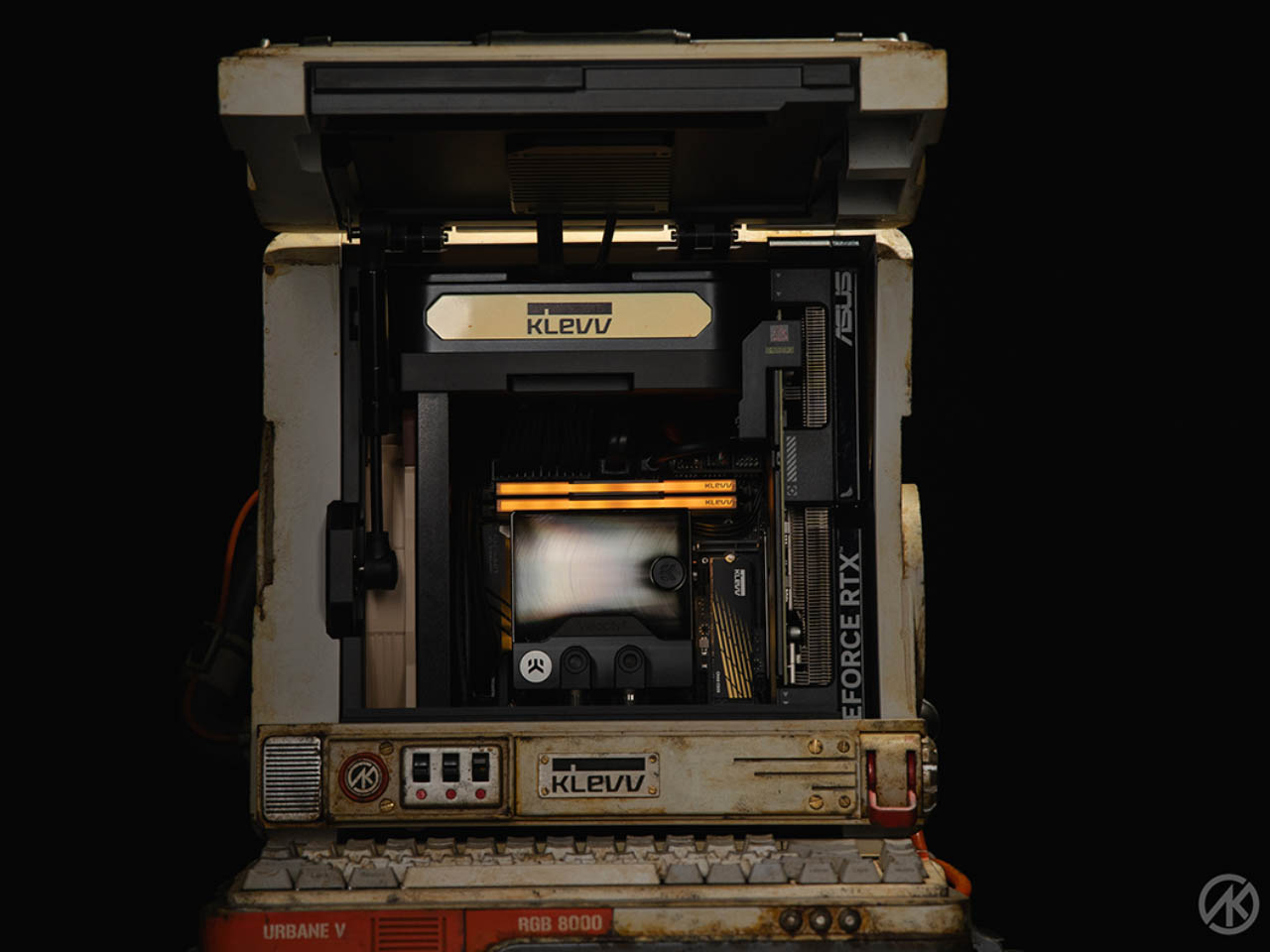
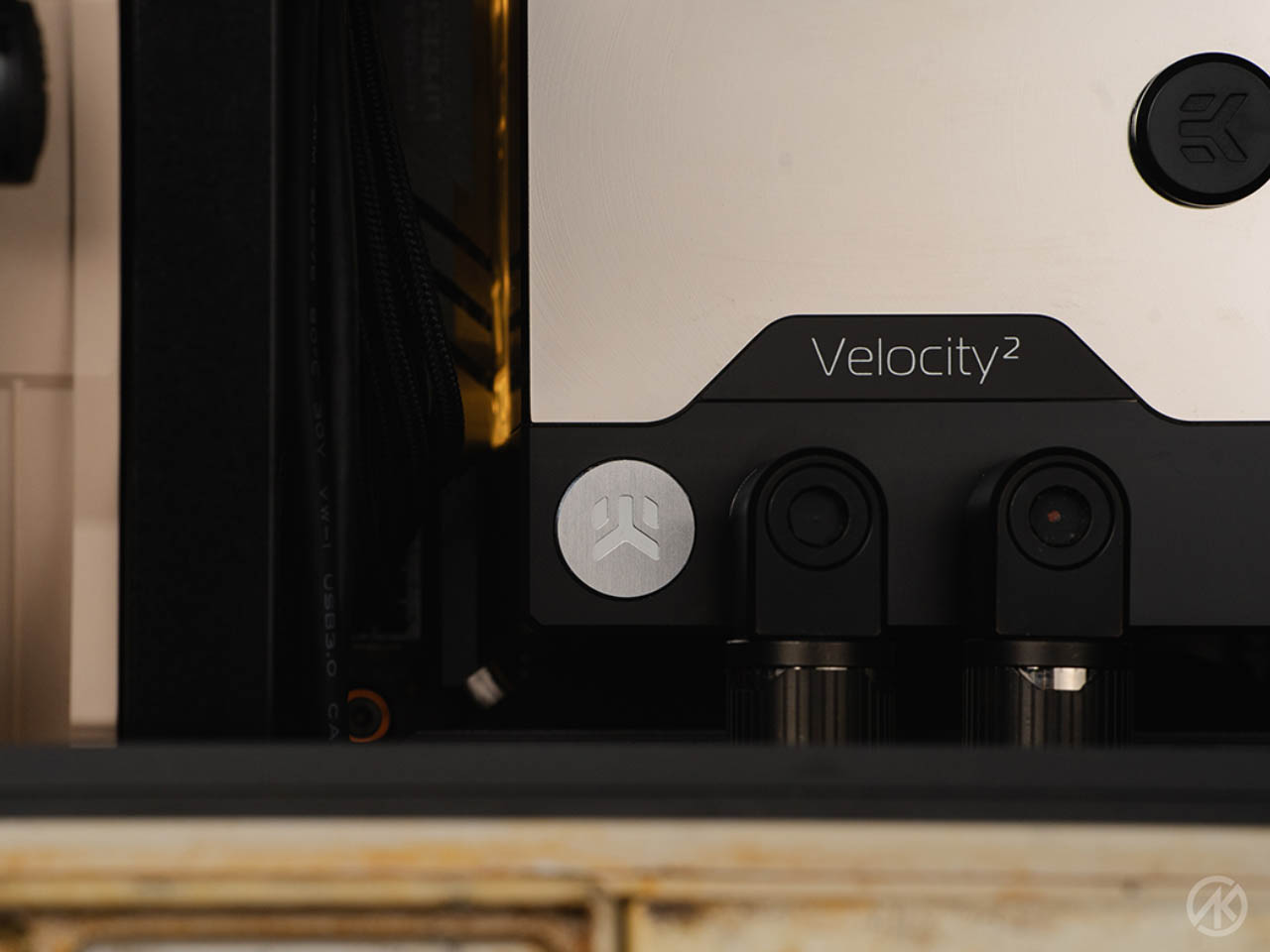
The water-cooled PC houses an intel 17-14700K processor, ASUS Dual GeForce RTX 4070 graphics card, ROG Strix Z790-I Gaming WiFi motherboard, 6 TB KLEVV Genuine G650 and KLEVV Cras C925 SSD, Noctua NF A625 PWM fan, and 96 GB DDR5 KLEVV CRAS V and Urbane memory. Peripherals include a ROG Azoth keyboard and Lofree Tri-Mode Wireless mouse. As for potent cooling, the mod gets EKWB EK-Quantum Velocity² DDC 4.2 PWM D-RGB, EKWB EK-CryoFuel Clear, and EKWB EK-Quantum Torque Fittings.

The steampunk-ish monitor completely lifts like a car’s boot to reveal the motherboard for an even more industrial look, if you as a user want to show off when not using all that computing power. Sentinel Cypher PC case mod is a work of sci-fi art that packs a lot of punch in its measly abandoned computer in a space station form!

The post This Fallout-inspired PC case mod looks rugged, conceals high-end computing power inside first appeared on Yanko Design.

Fractal Design unveils maiden gaming chair and over-ear headphones

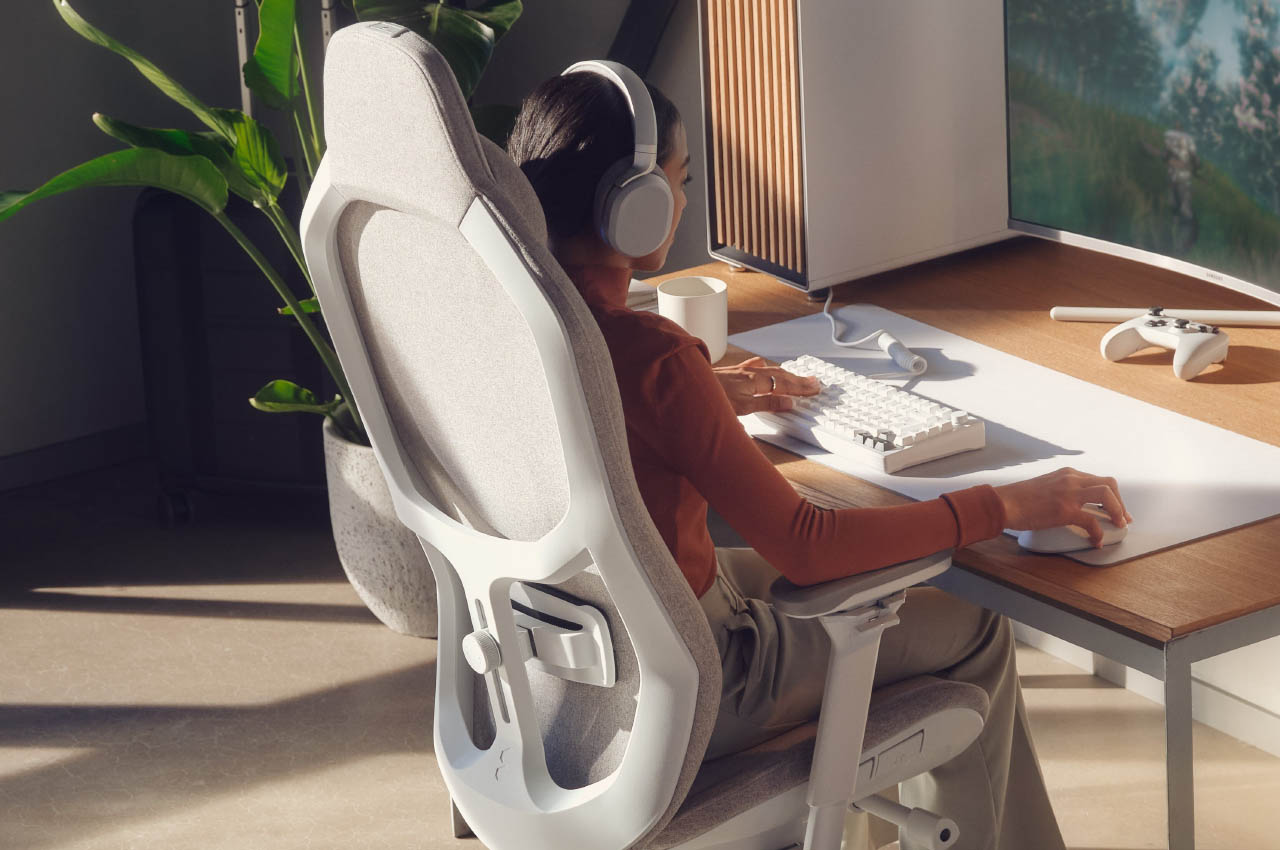
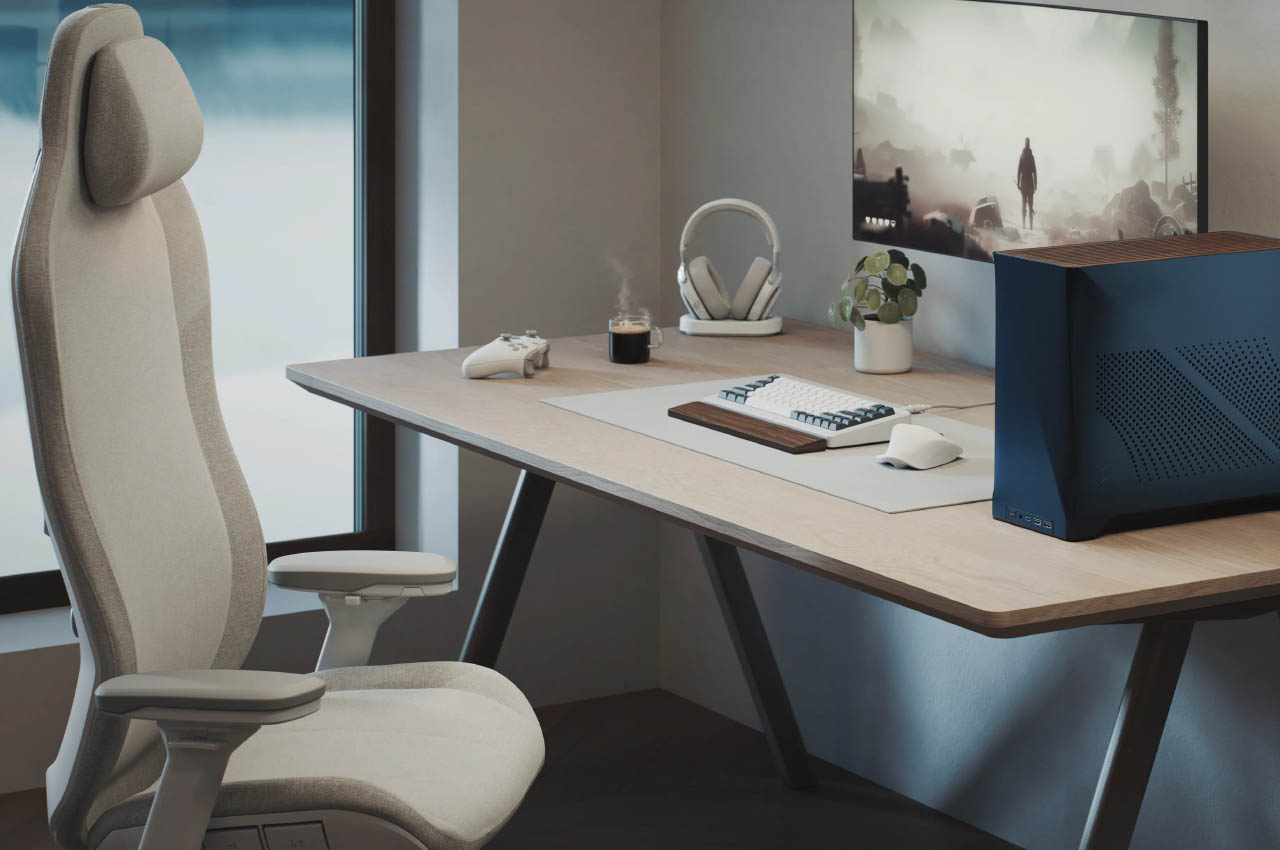
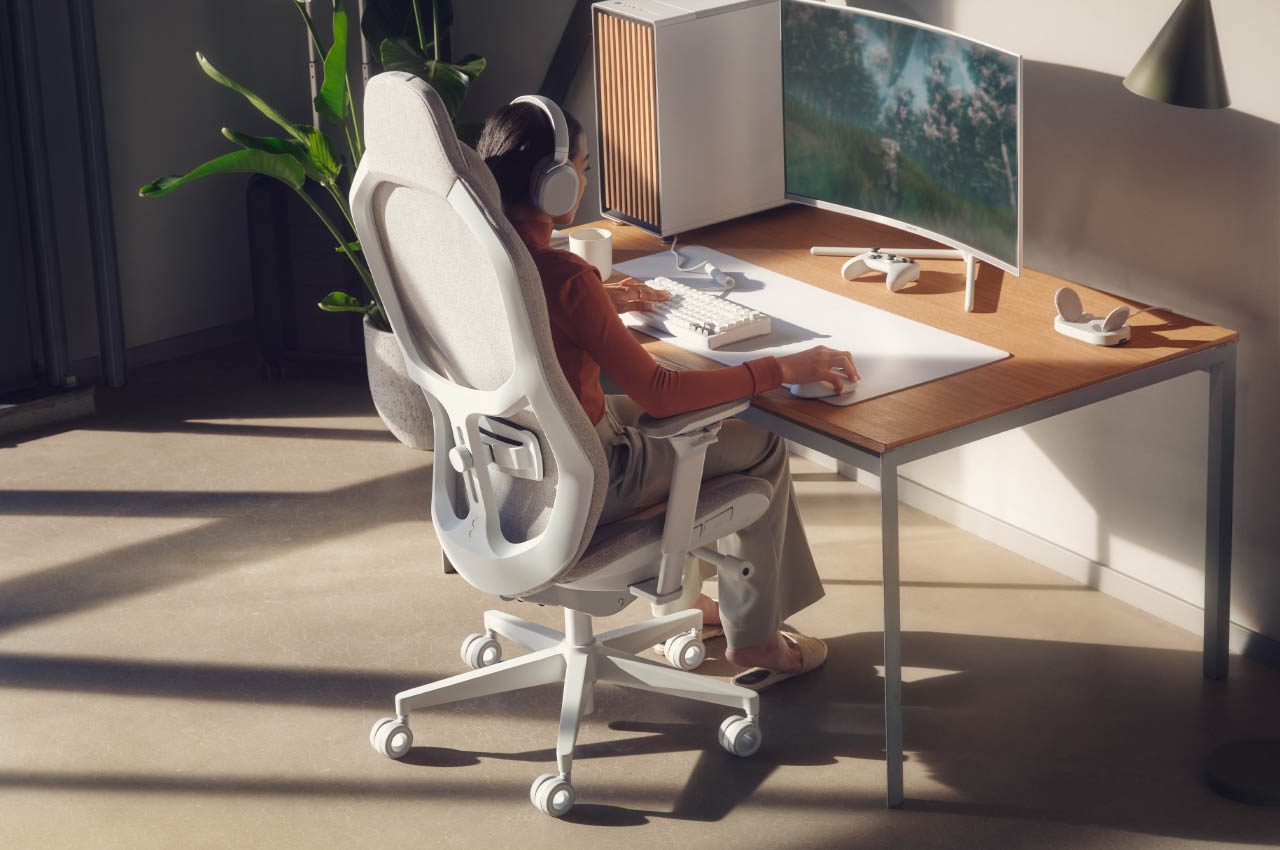
At Computex 2024 Fractal Design has unveiled its first-ever gaming chair and pair of headphones that should have you interested. There’s a belief around the tech community that the best gaming chair isn’t a pure gaming chair – thus, your quest for the endgame chair for playing games should end at the Refine.

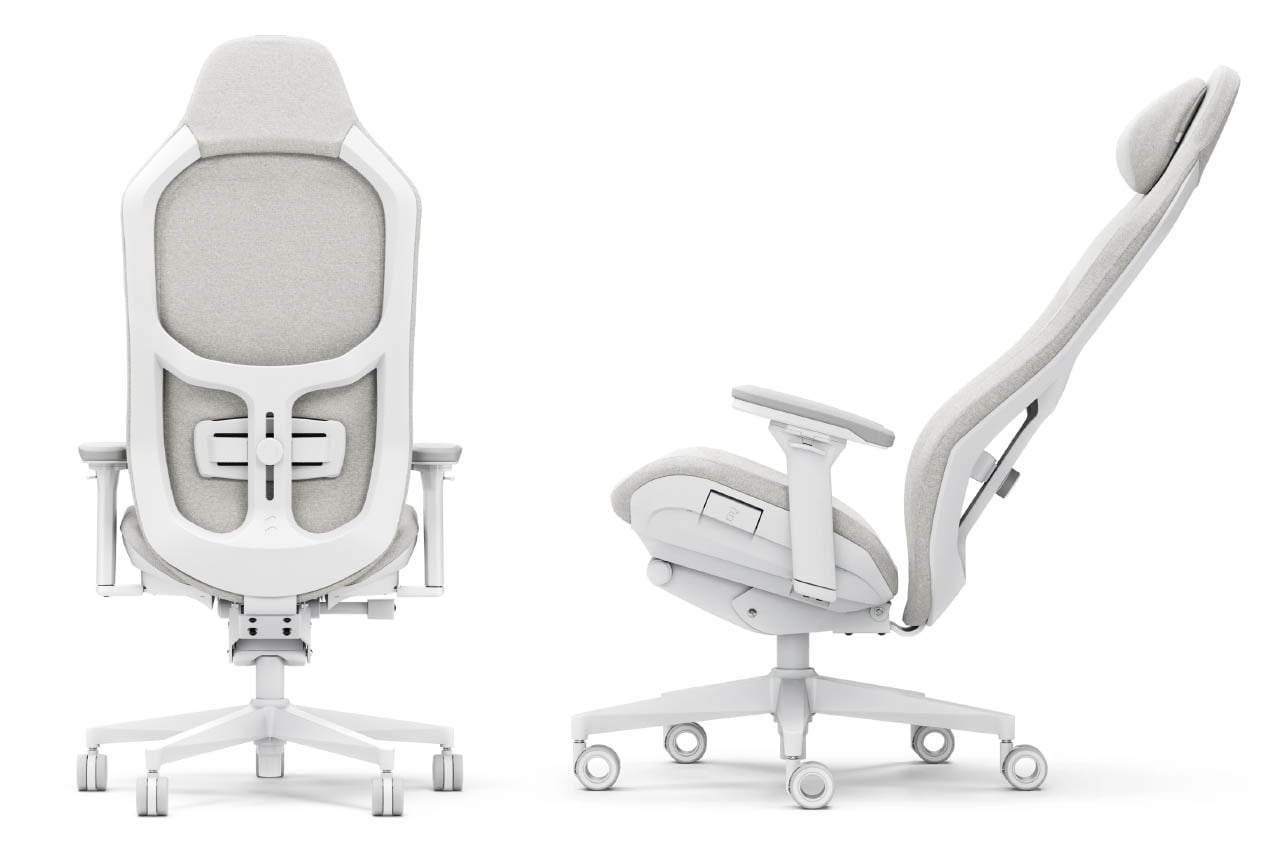
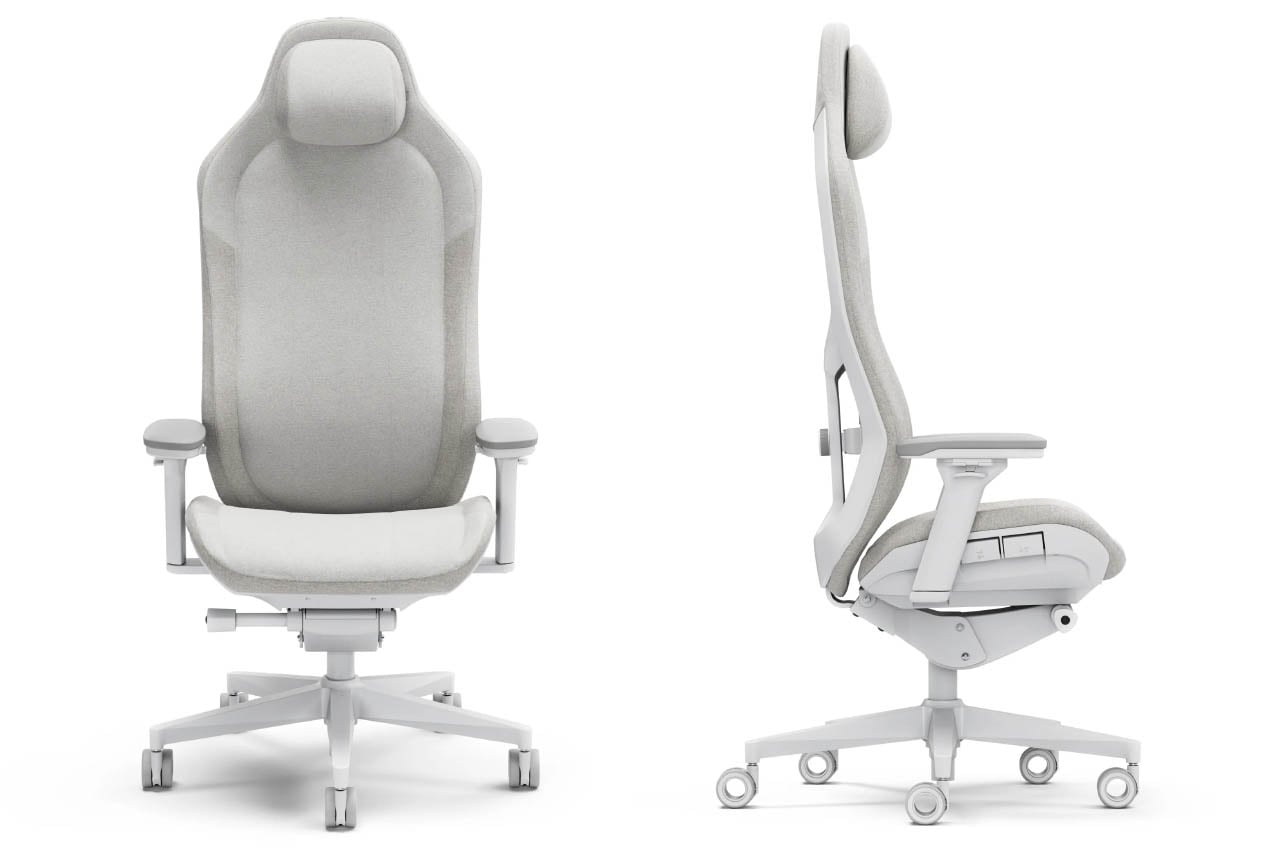
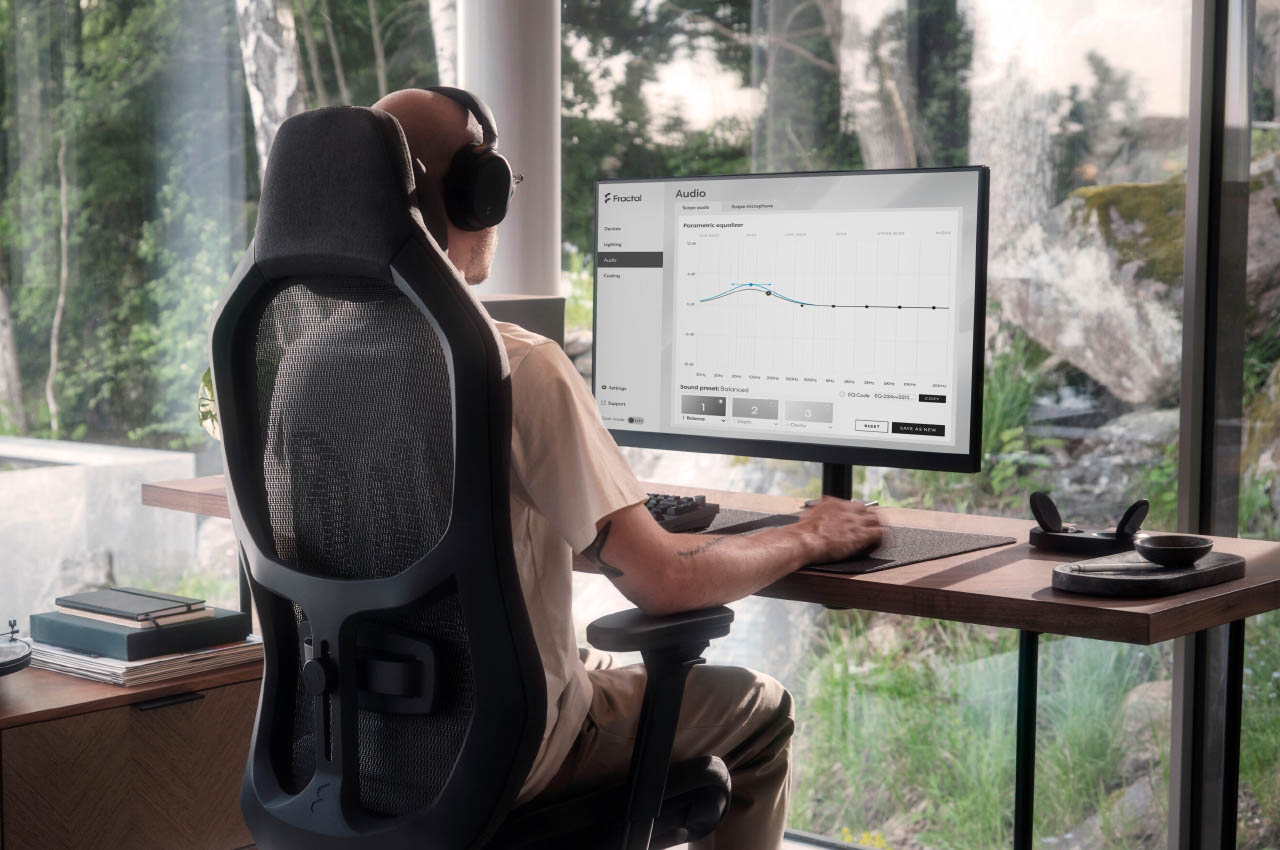
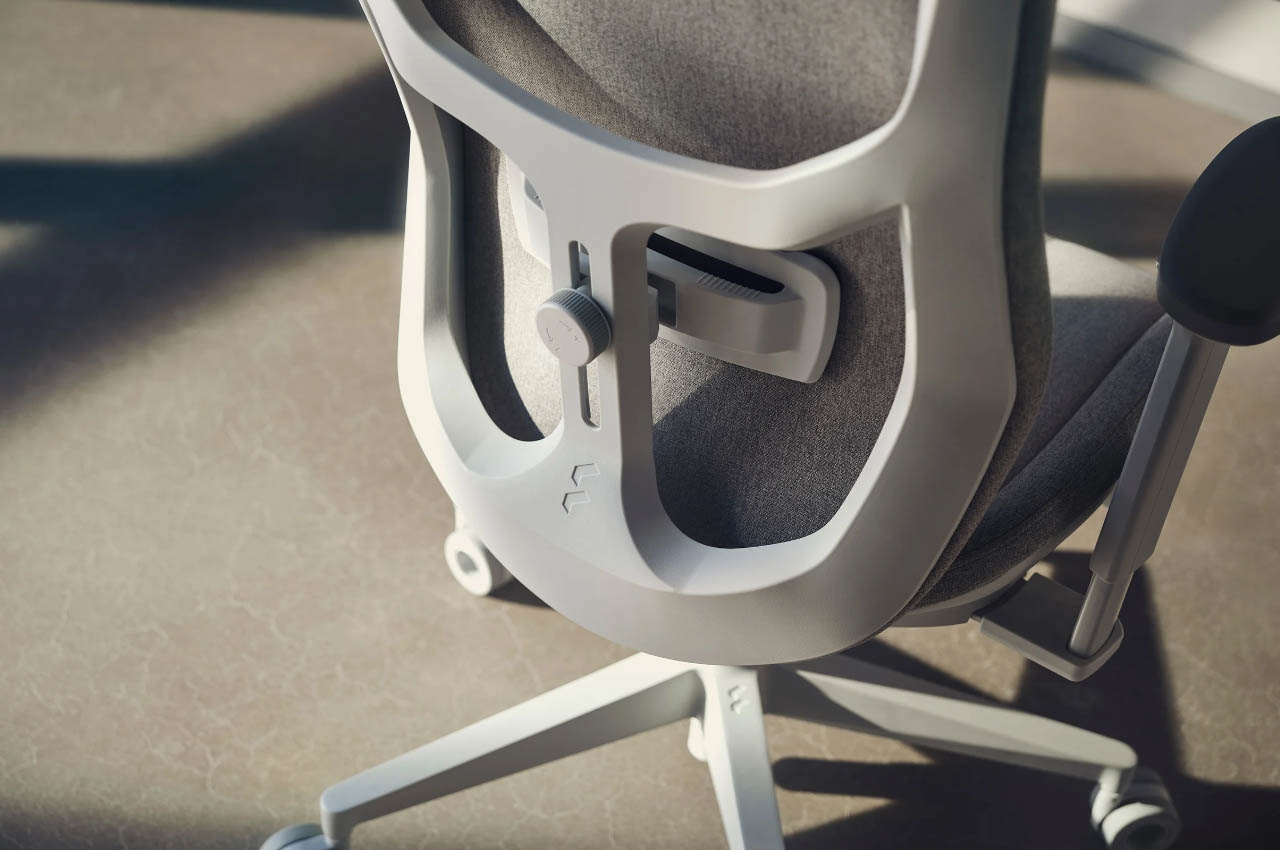
Keeping things to the basics with ergonomic comfort and intuitive controls at the helm, the Refine gaming chair brings the assuring comfort of high-end office chairs to the fore. According to Fractal Design, the gaming chair has mesh fabric and Alcantara finishes to get you through long gaming sessions without any discomfort. Refine is going to be available this summer in five different variants – ranging from $550 up to $890.

Designer: Fractal Design

Secretlab fans will write off this one just at first glance since the chair seems to be from the Herman Miller clan. But there are subtle design distinctions that will entice gamers into buying this one. The tall mesh seatback (Fractal is also offering a variant with solid padded fabric) and the ergonomic freedom of an office chair (something I love) are a good fusion of both worlds.

There is adjustable lower back support, supportive head cushion, impressive lumbar support and 4D armrests with a four-point adjustment system. This gives the user freedom to adjust the forward/back position and height rotation too. For maximum body comfort, Refine can be tilted and locked in 13 different positions. The mesh version will cost $550 and the most premium Alcantra variant will set you back $890.

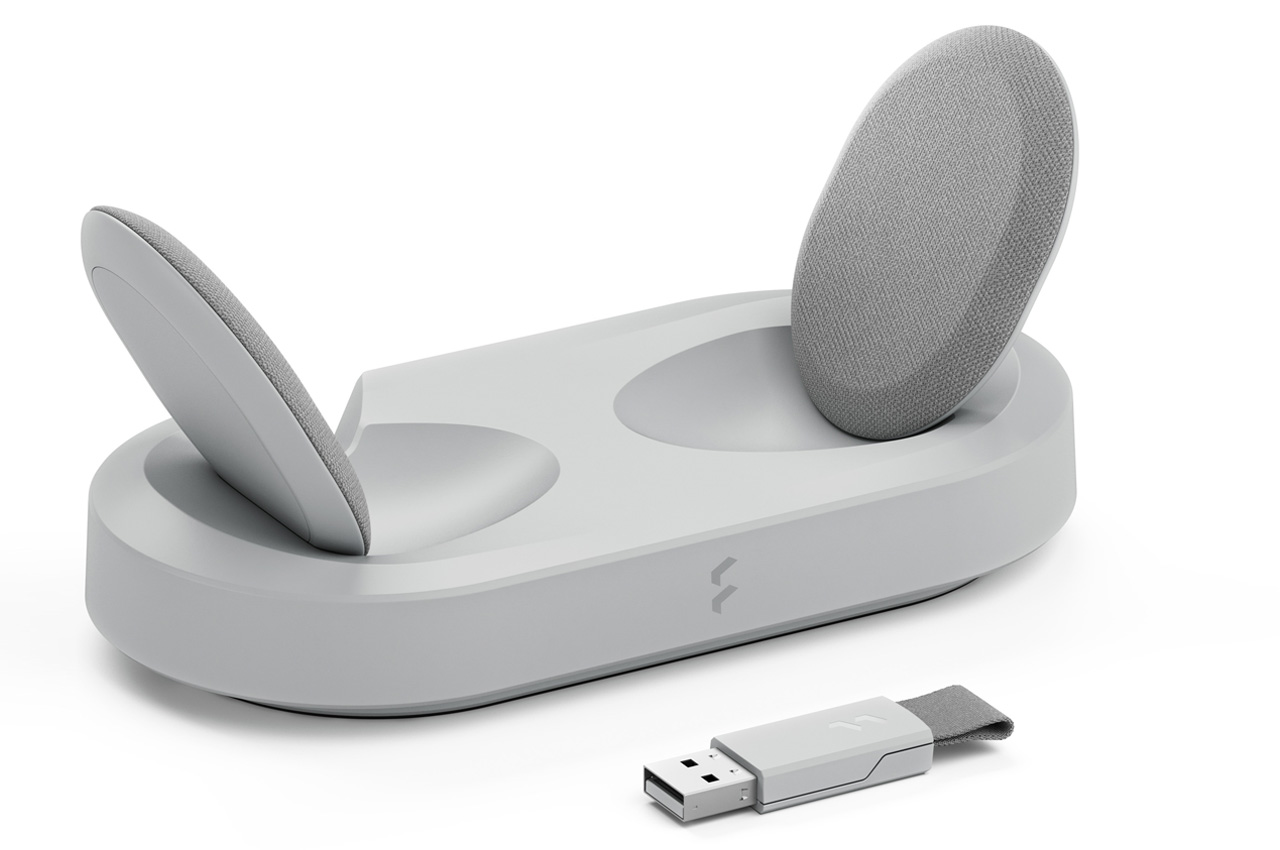
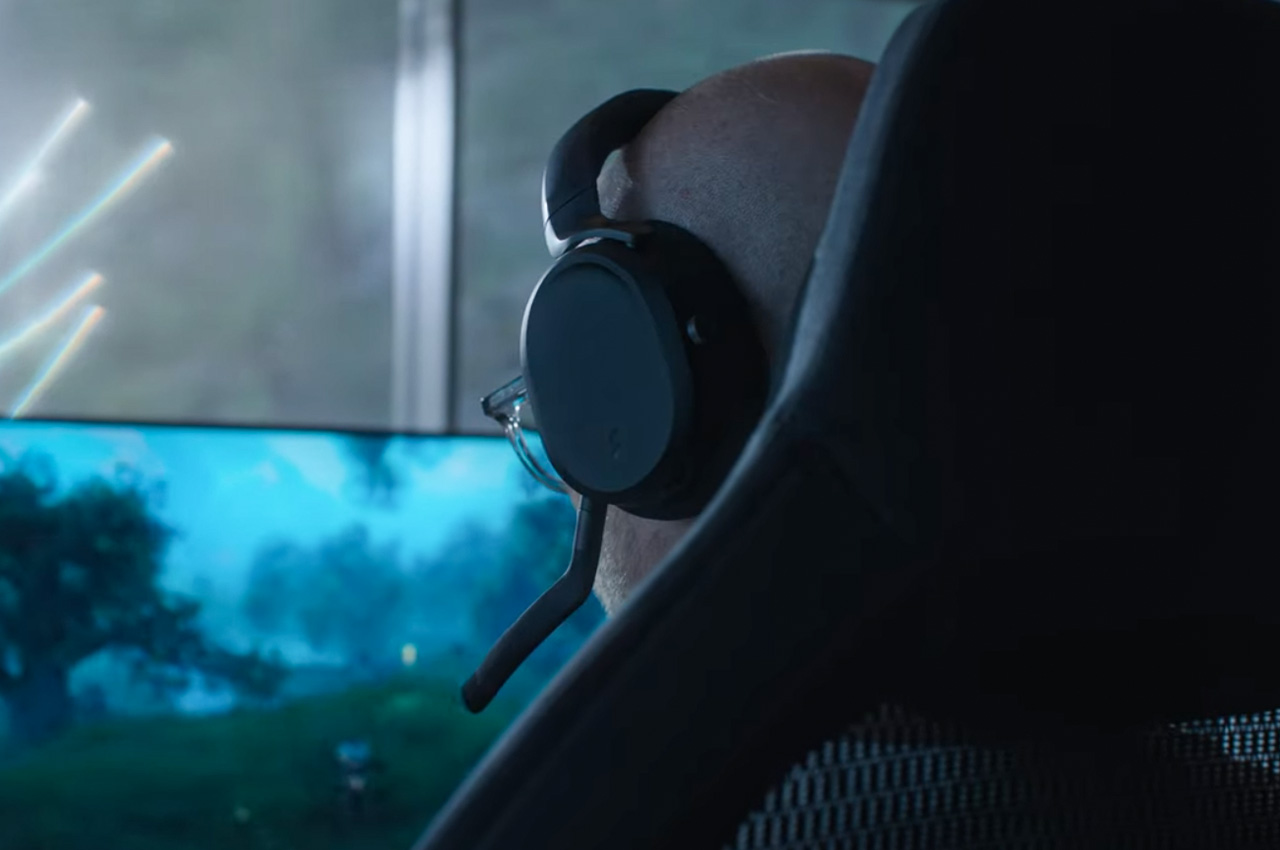
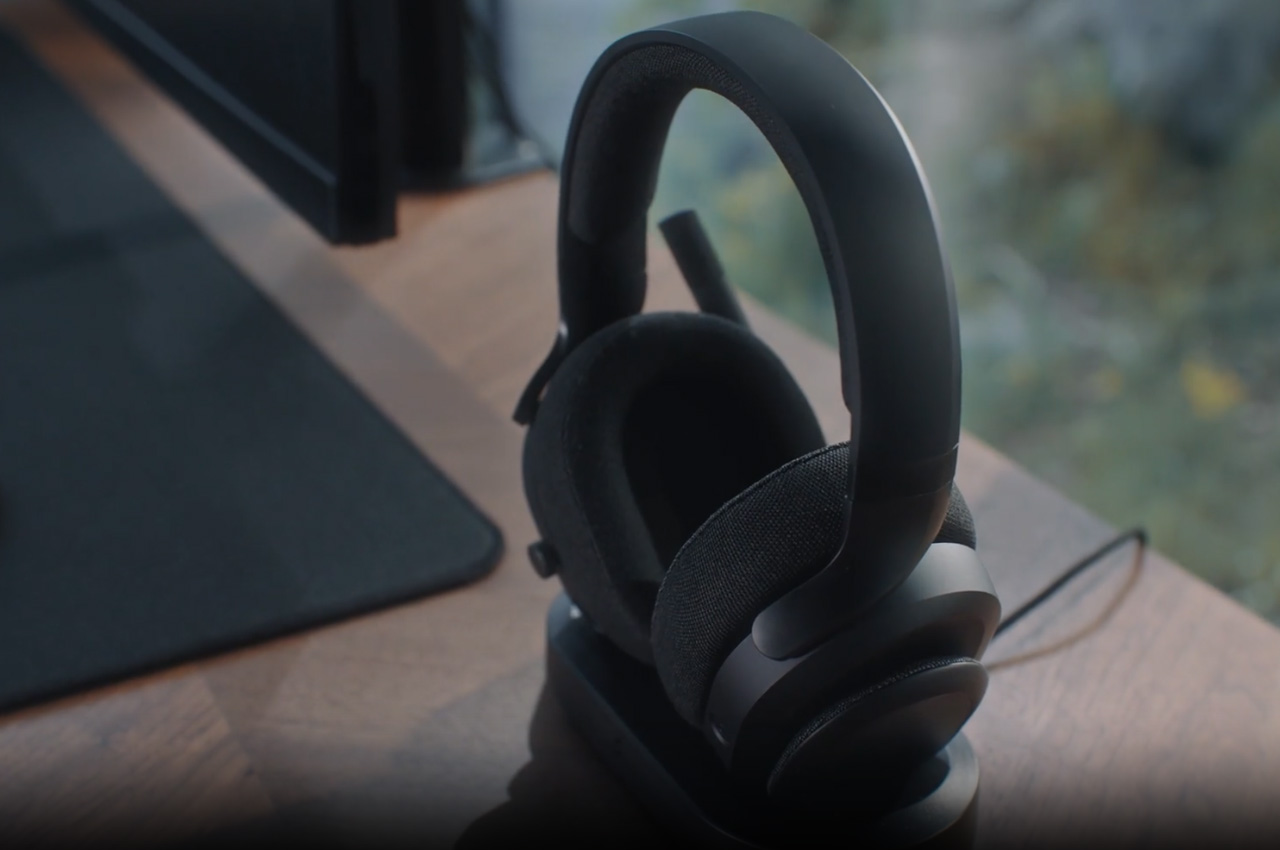
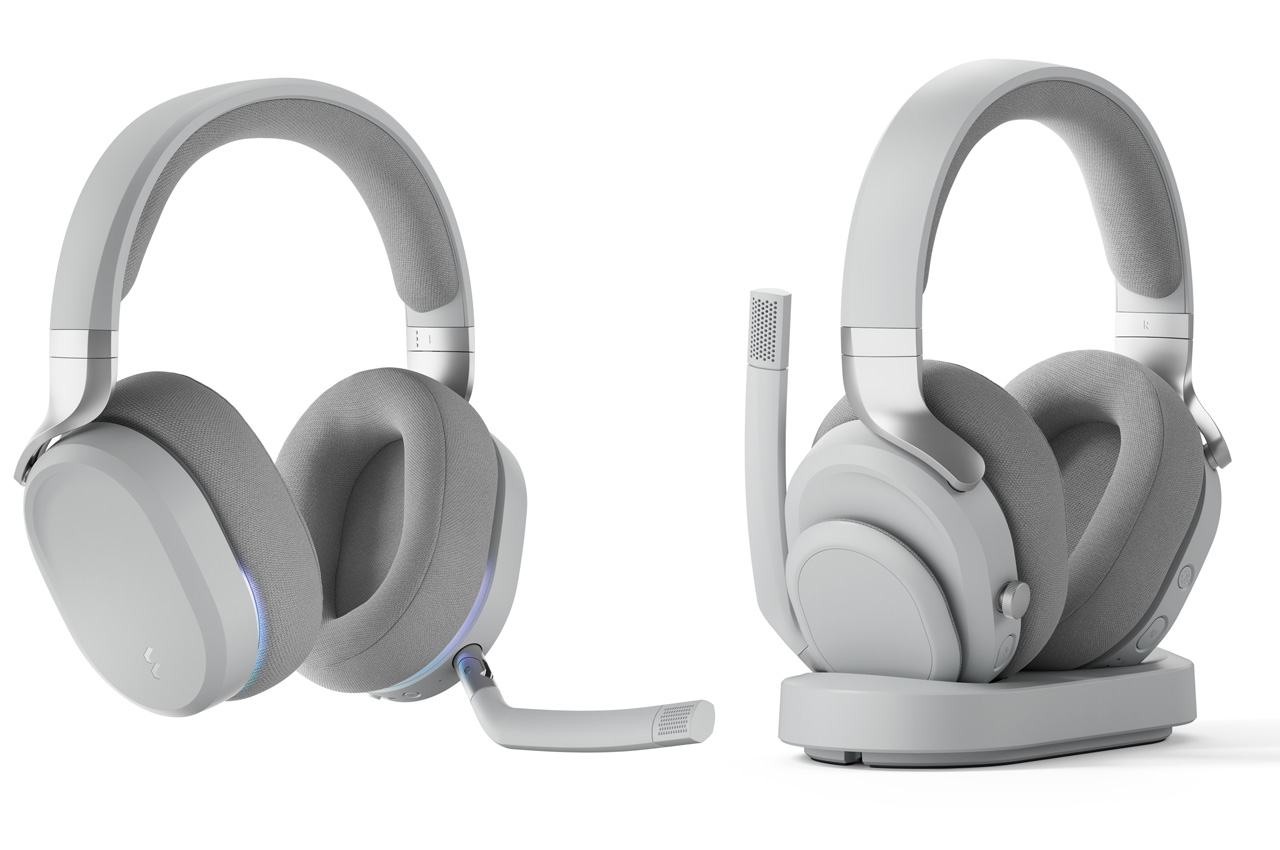
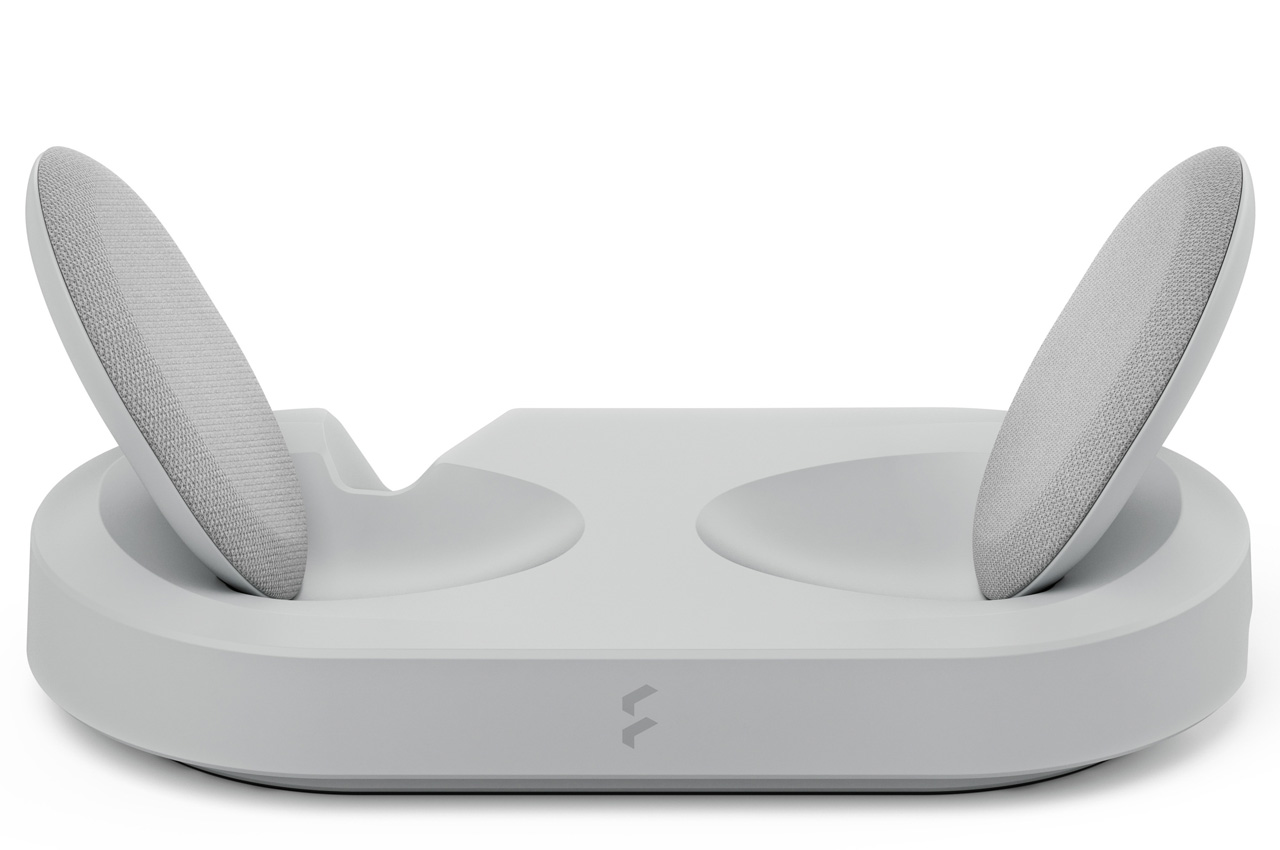
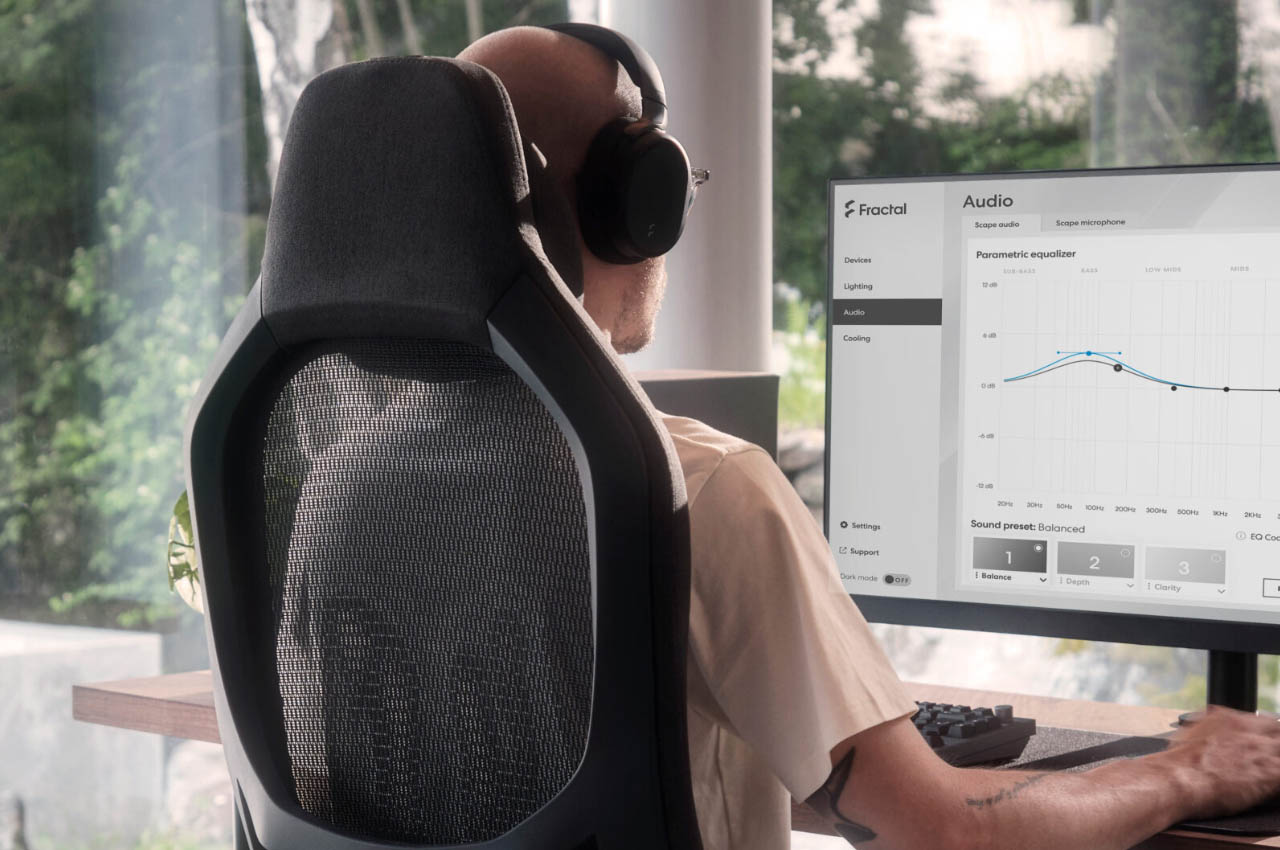
Talking of the Scape headphones, the USP is the included wireless charging stand. Quality of life features such as flip-to-mute microphone that’s detachable should tilt the buying decision in the brand’s favor that’s if they manage to provide quality audio drivers and decent battery life of around 30 hours. Although the details of the drivers is not known, Fractal confirms the over-ear headset supports Bluetooth 5.3 and connectivity via a low-latency dongle. The headphones will come with ambient lighting and audio presets that can be tweaked. The audio accessory will be available later this year in two color options for $200.

The post Fractal Design unveils maiden gaming chair and over-ear headphones first appeared on Yanko Design.

Top Design Innovations from Computex 2024: Where Technology Meets Aesthetics

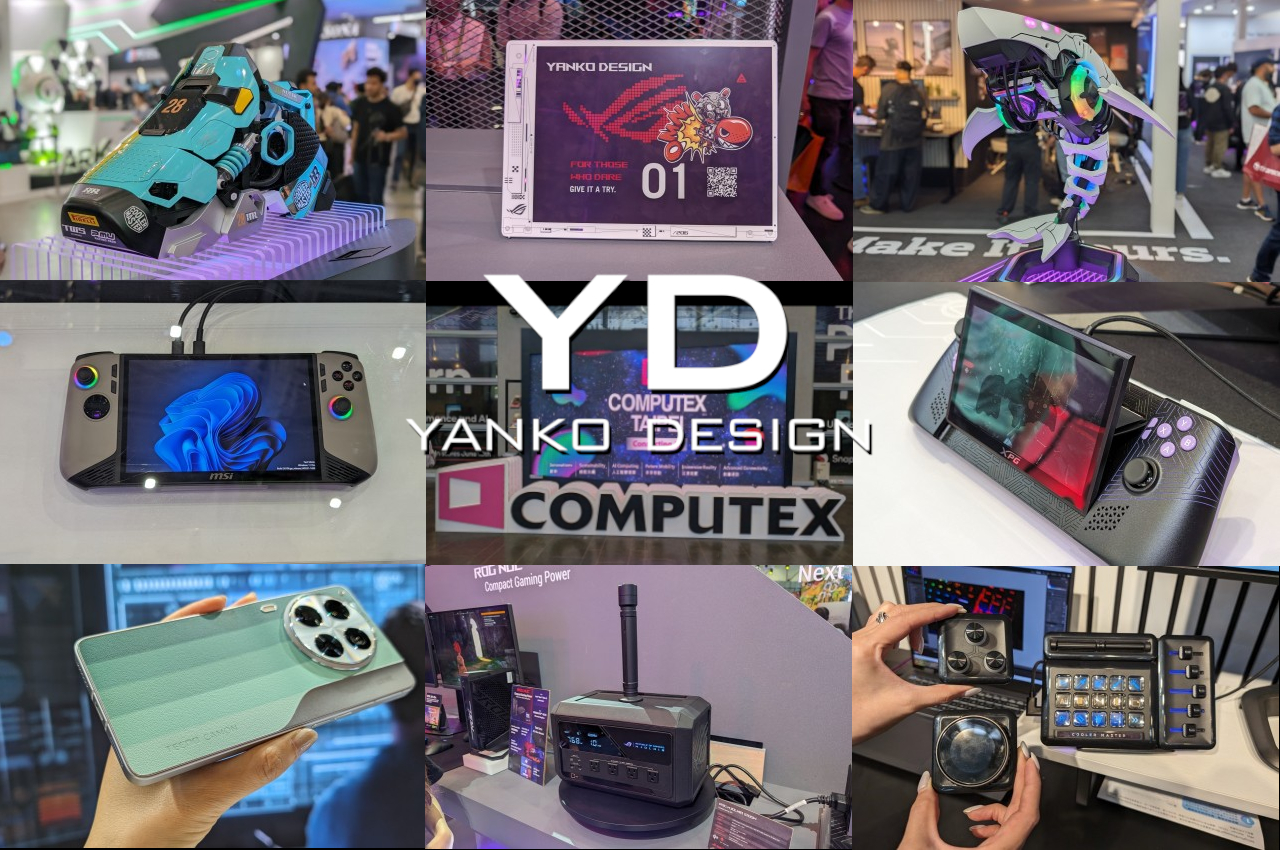
One of the world’s biggest computer-centric tech expos has just ended and, unsurprisingly, a lot of the rhetoric revolved around AI. But if you walk around the showroom floor, another theme quickly becomes evident in the midst of new products as well as some not-so-new wares. Consumer tastes have evolved once again, even among those who would embrace the label of being a gamer. Design is no longer just a feature for the few but an important part of a product’s DNA. We’ve seen quite a wide range of designs across an equally wide range of products, from the eccentric to the elegant. Here are some of the most notable designs to grace our paths at Computex 2024 in Taiwan, showcasing not just the trends but also the innovations in the computing industry.

Cool Computing: PC Case Designs

Desktop computers have evolved from uninspiring towers to smoldering workstations with over-the-top lighting to a smorgasbord of designs that cater to a variety of tastes and interests. Computex 2024 is a glowing testament to not only the changes in design trends but also to the extent that some manufacturers will go to in order to appeal to their loyal fans.

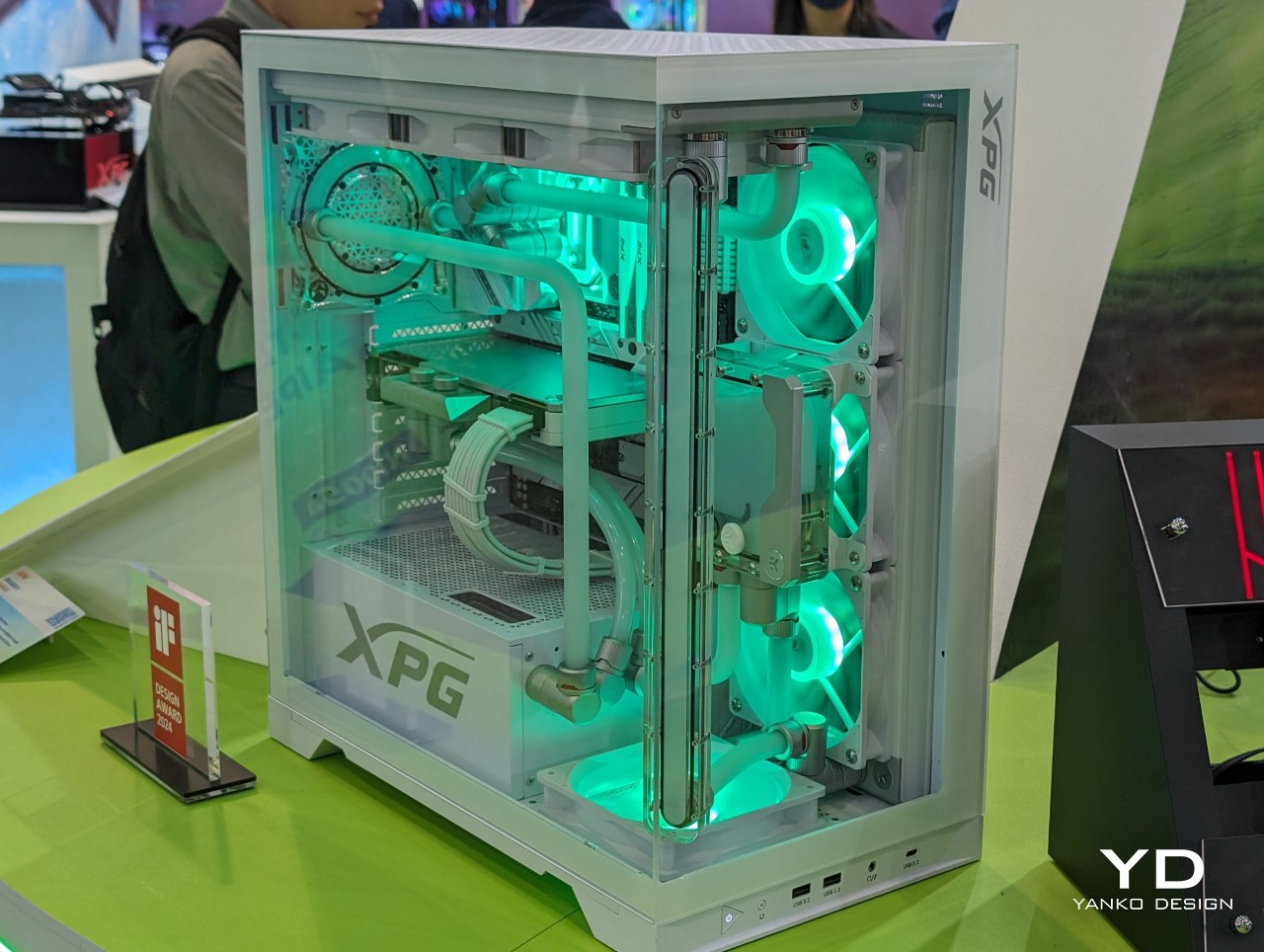
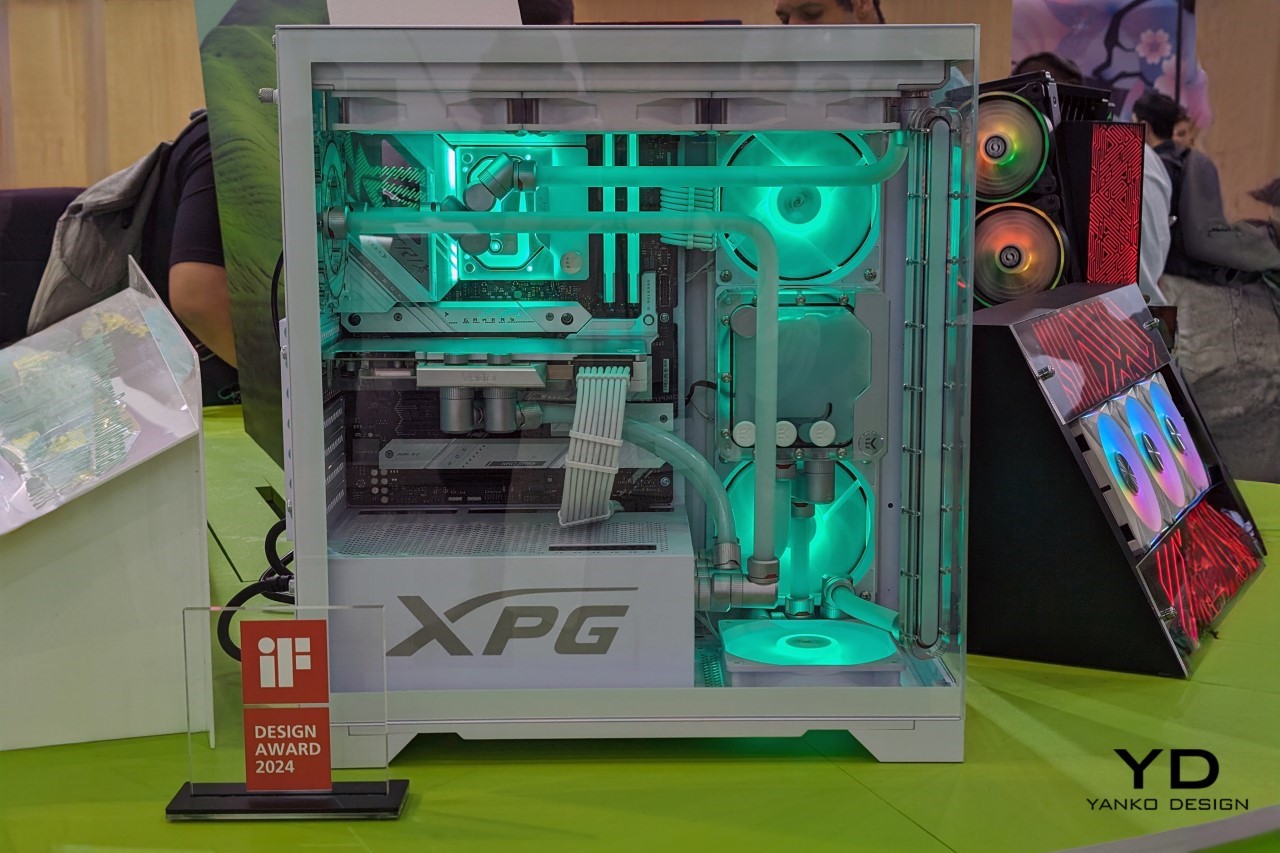
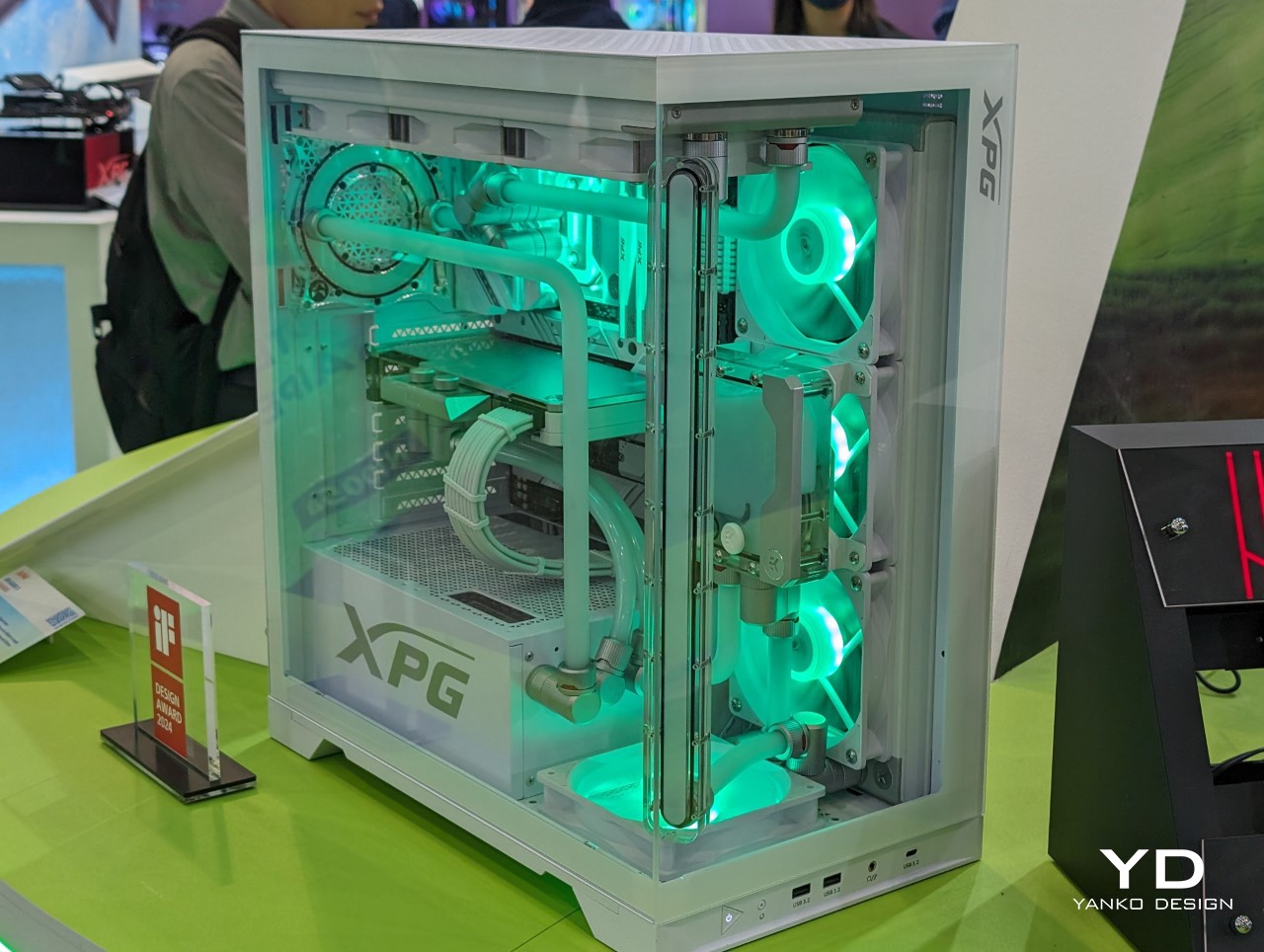
ADATA XPG Invader X
Designer: ADATA

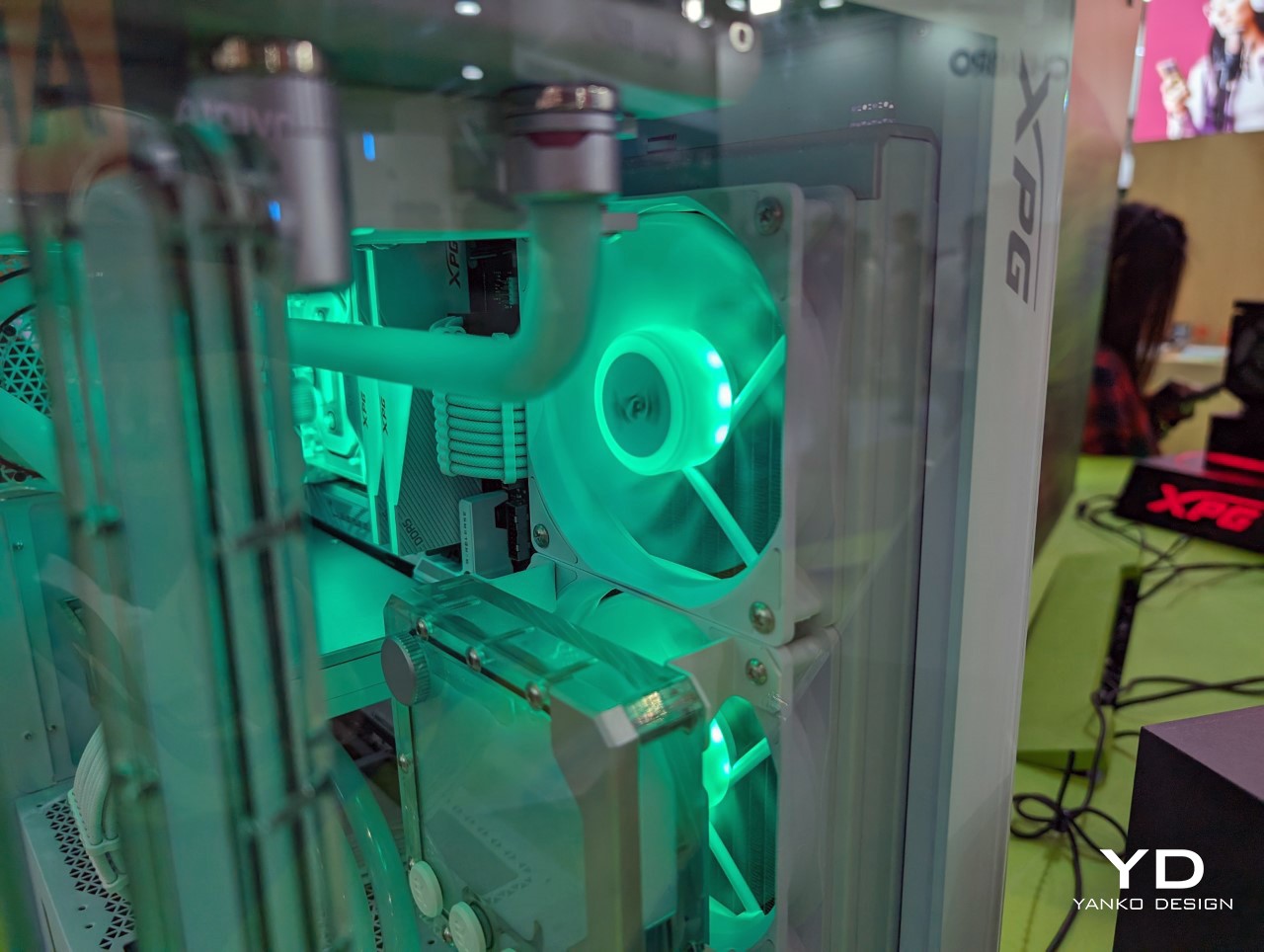
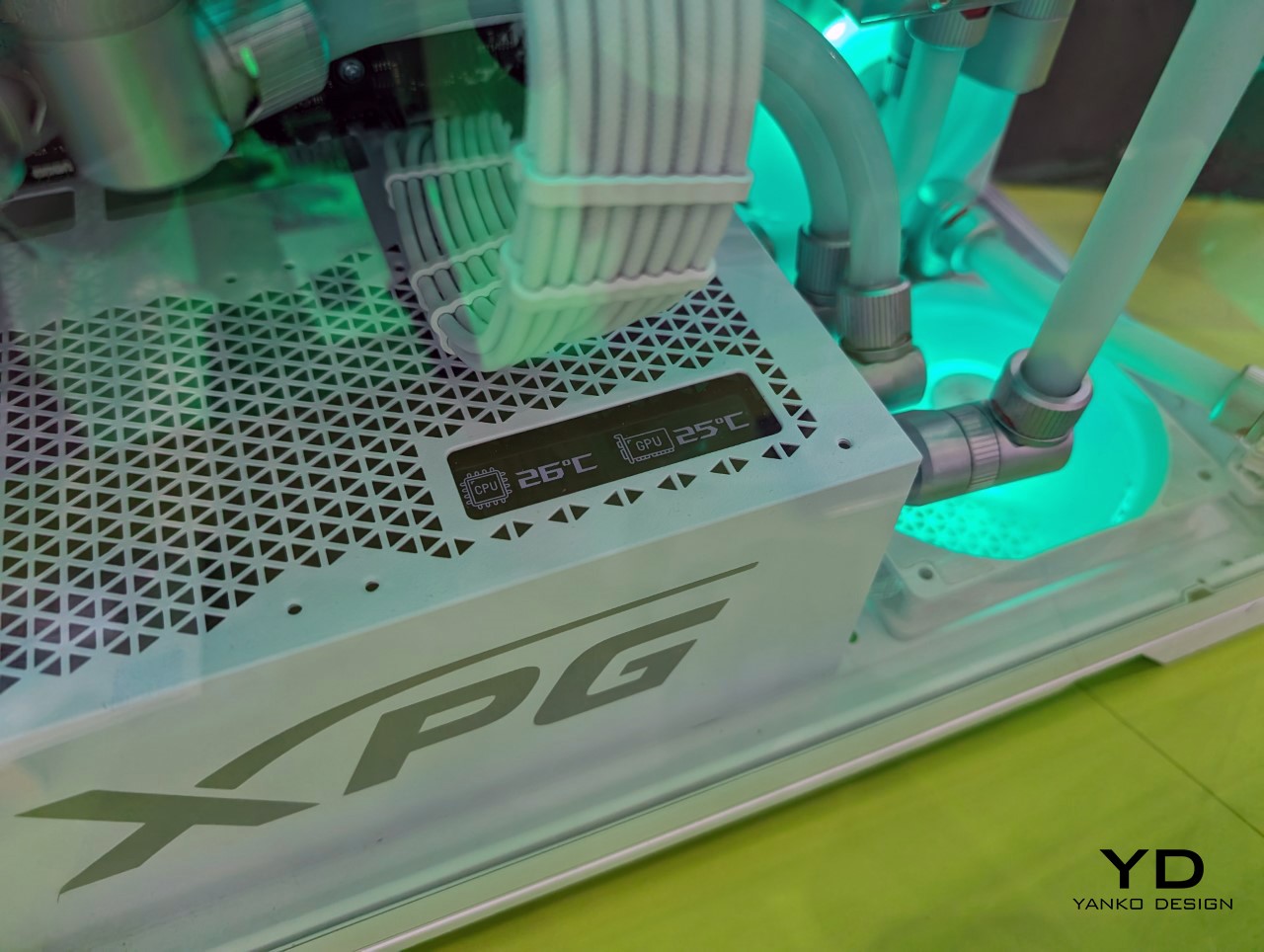
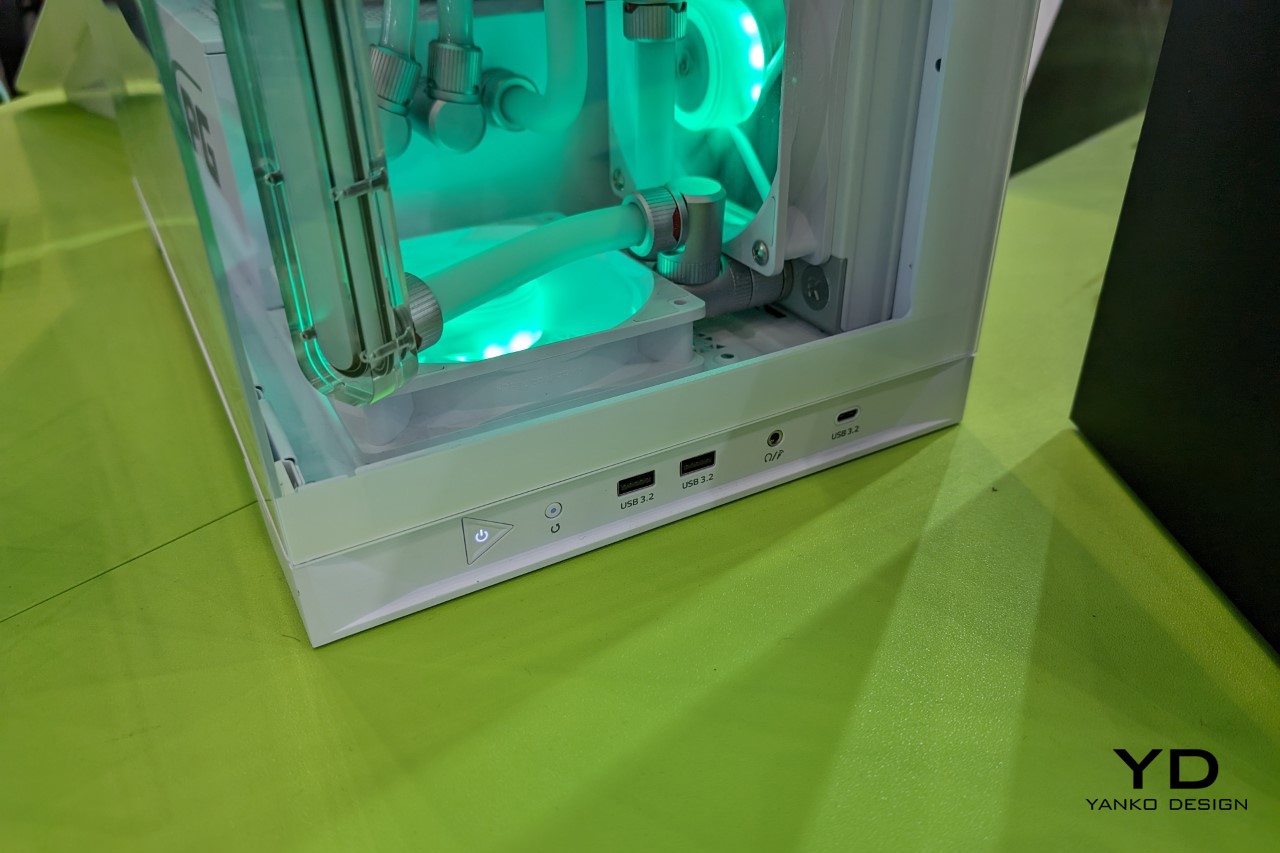
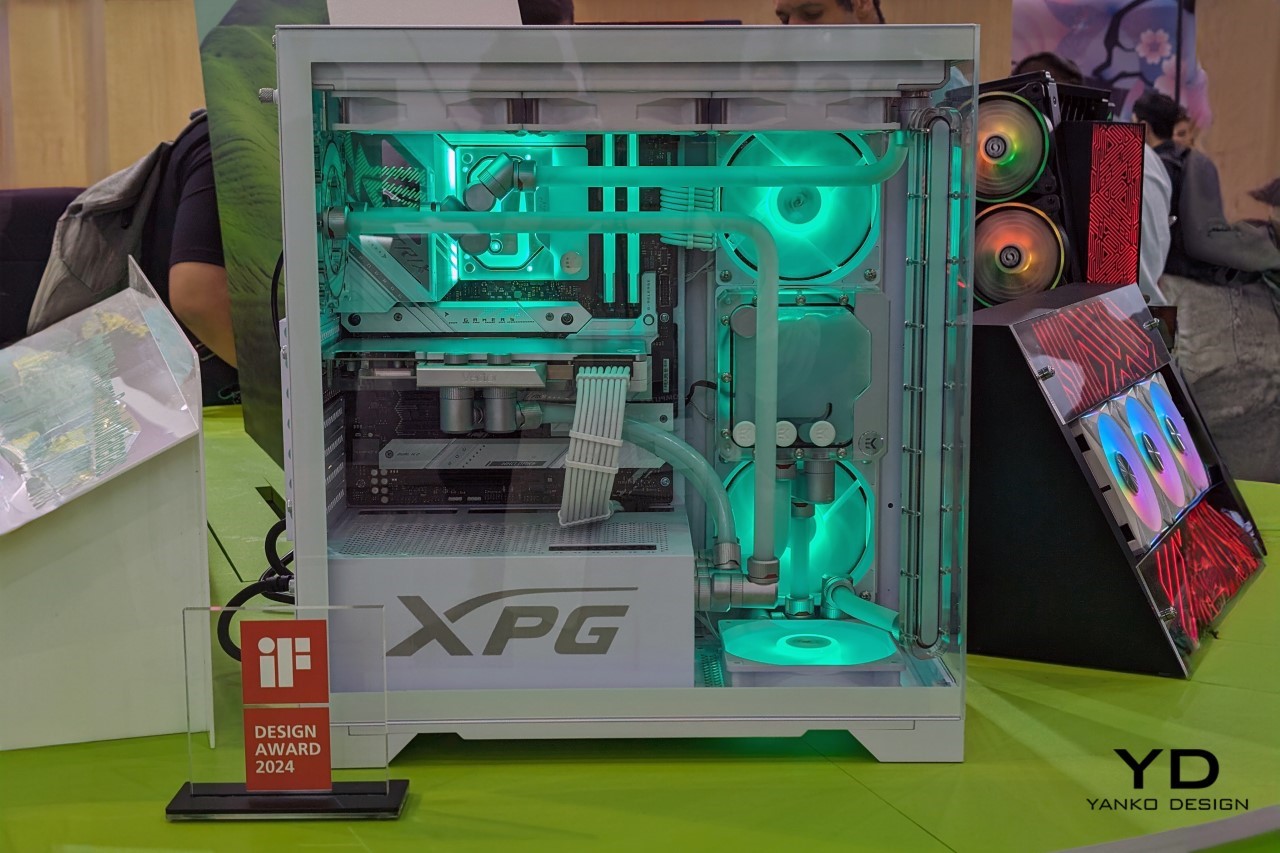
Winner of an iF Design Award, the ADATA XPG Invader X values transparency in more ways than one. Its clear front and side panels let you marvel at the neatly arranged components that power this gaming beast, including the tubes and RGB-lit fans that keep the box operating at maximum efficiency. Equally interesting, however, is the chassis’s ESG-compliant design, utilizing post-consumer recycled plastics and upgrade-friendly components. It’s a stylish, eco-friendly computer that tries to offset the carbon emissions of your gaming lifestyle.

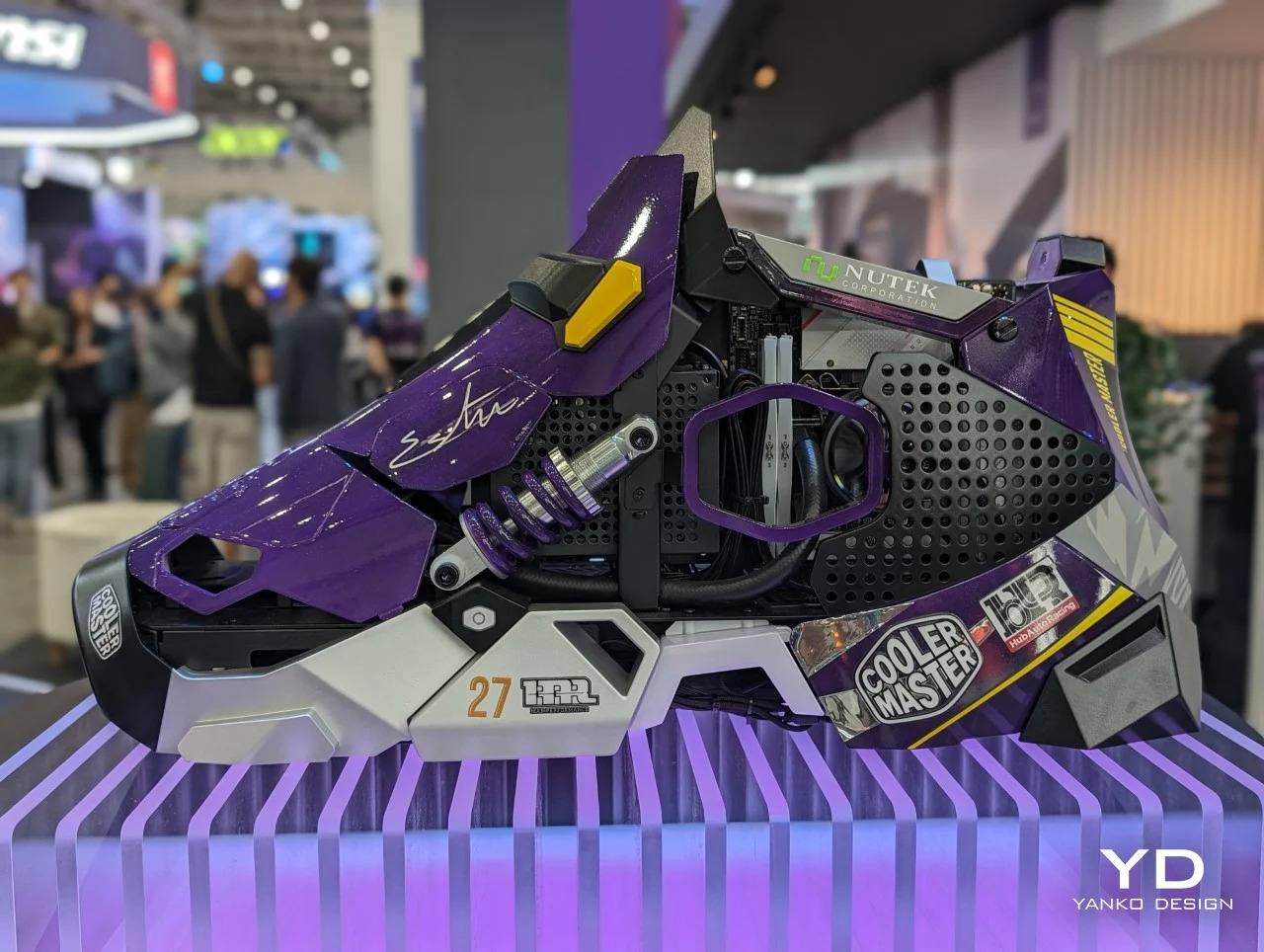
Cooler Master Mecha Cases

Designer: Cooler Master

Who said computers needed to come in the form of boxes? Cooler Master definitely didn’t. With designs that come in the form of a robotic shark and a giant mechanical sneaker, these PC cases shatter expectations and misconceptions about how our computers should look like. And as hardware becomes smaller even as they become more powerful, it’s only a matter of time before these become the standard rather than the outlier.

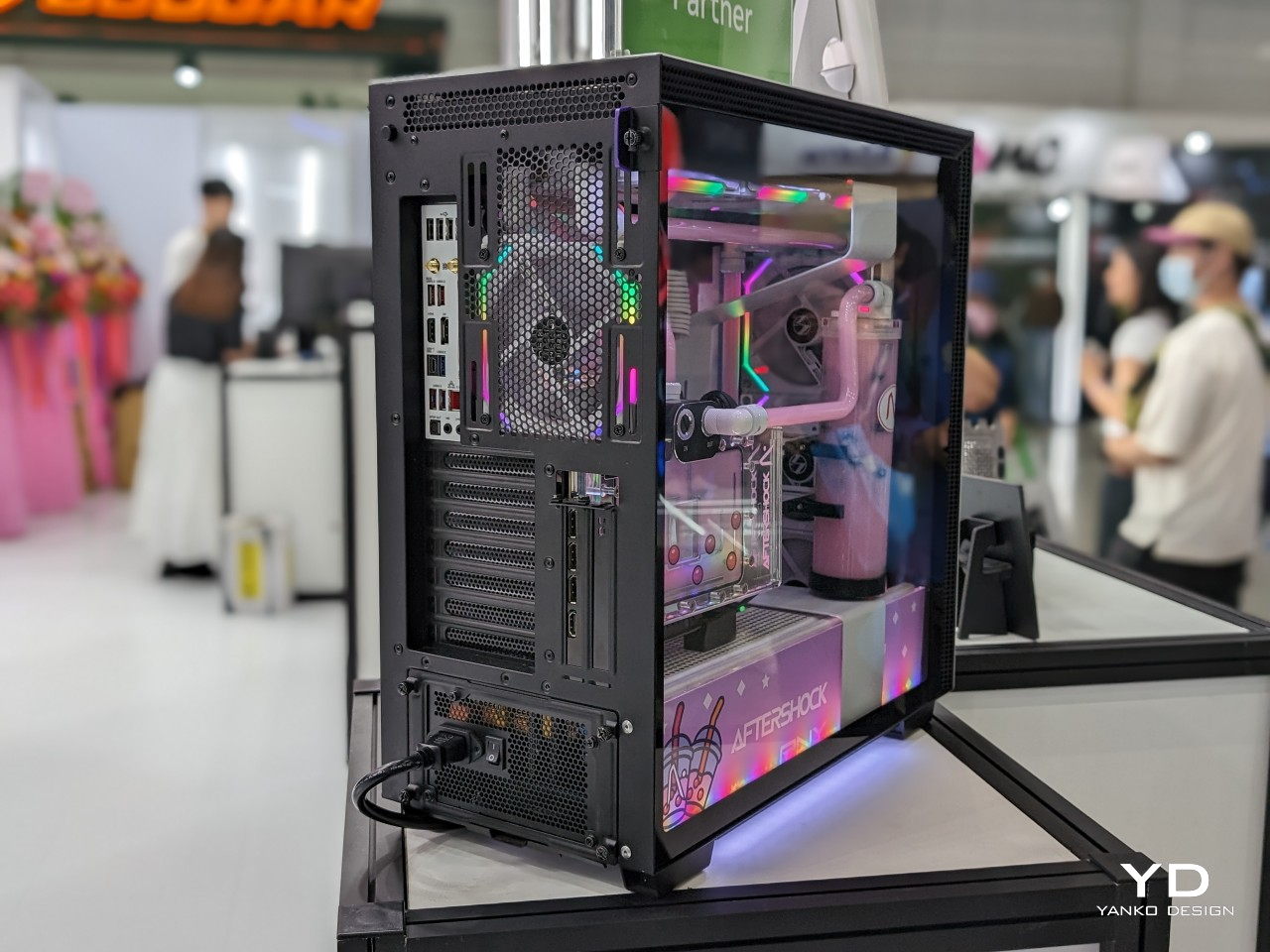
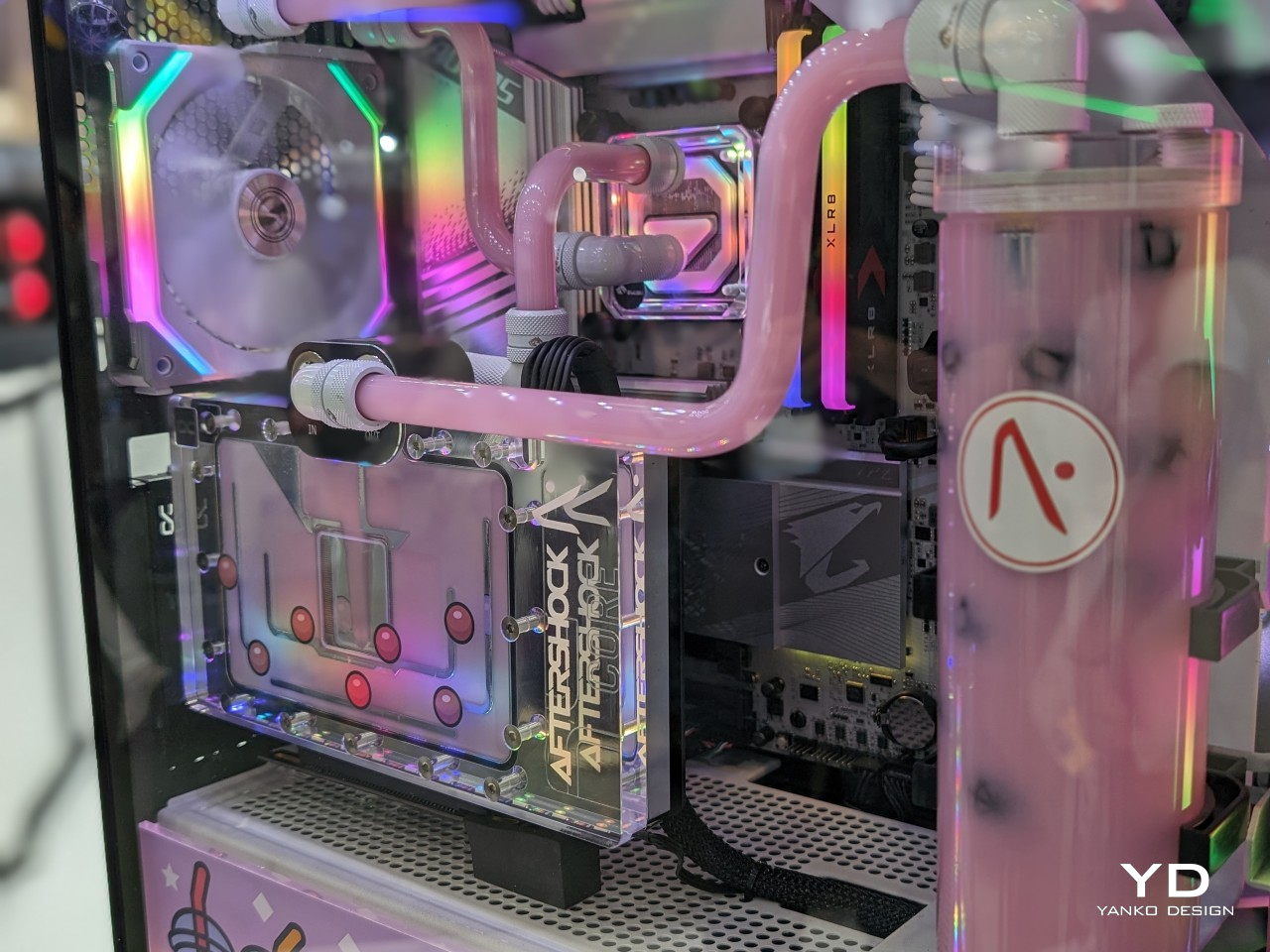
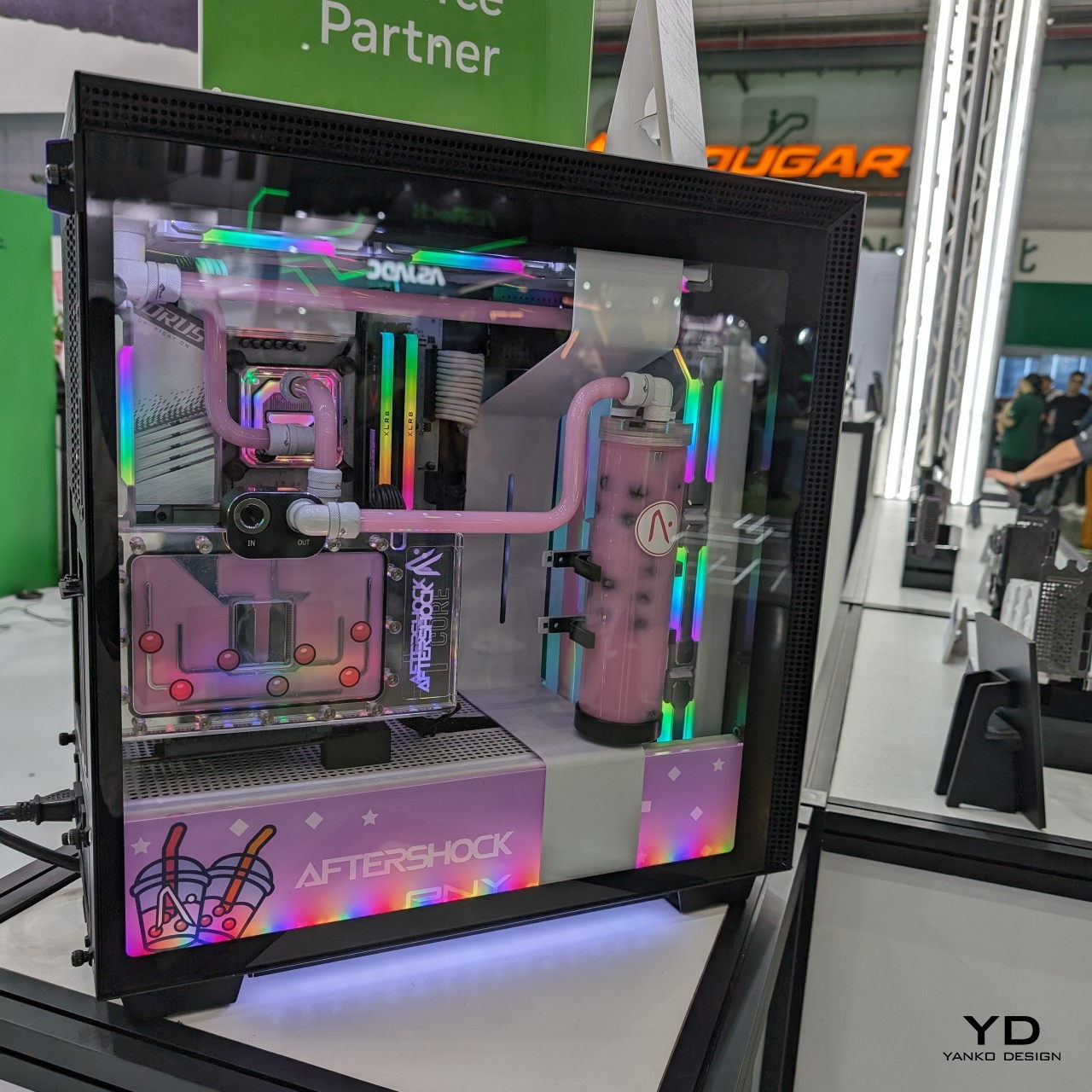
PNY Aftershock Bubble Tea PC
Designer: PNY x AftershockPC

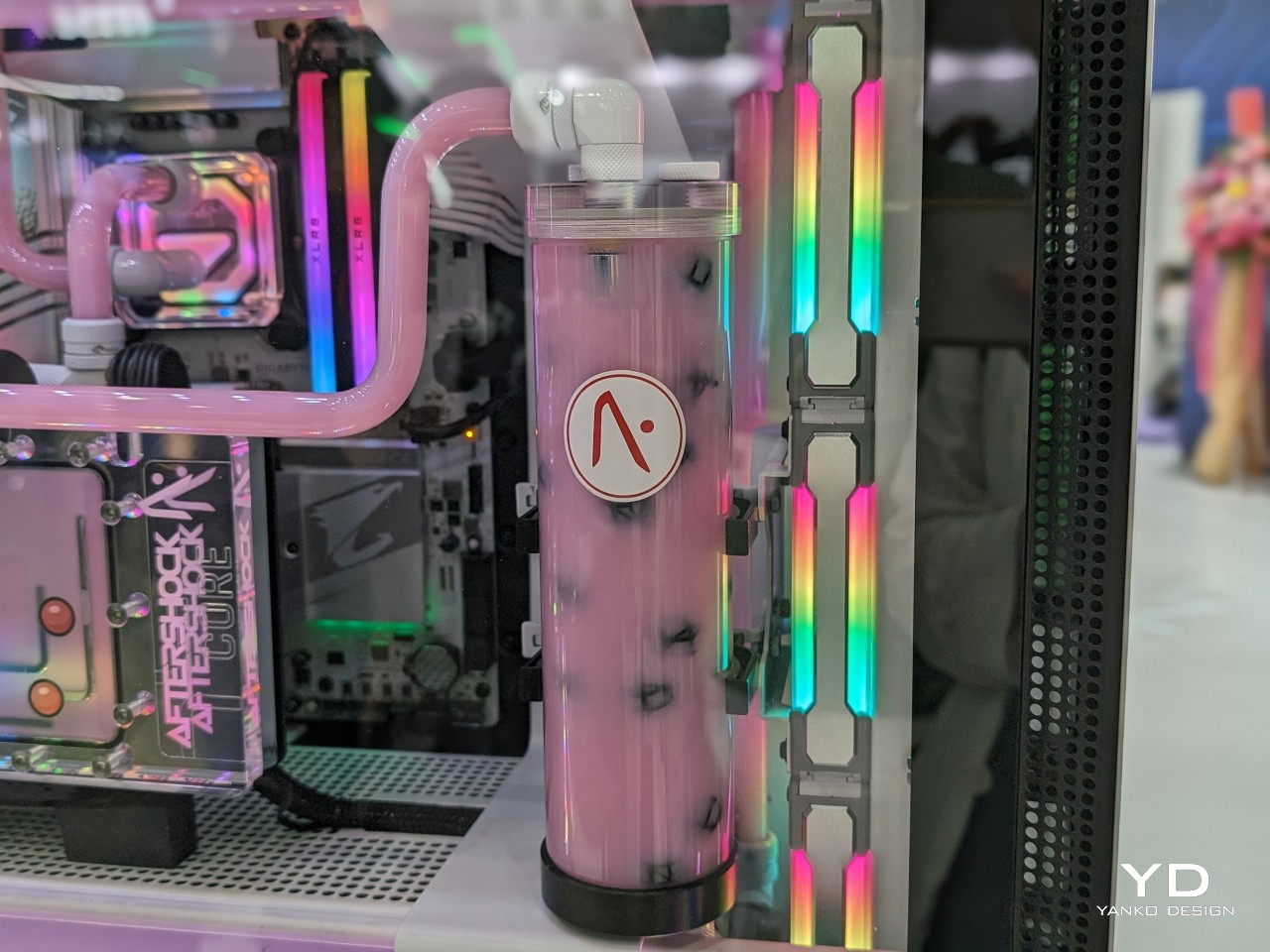
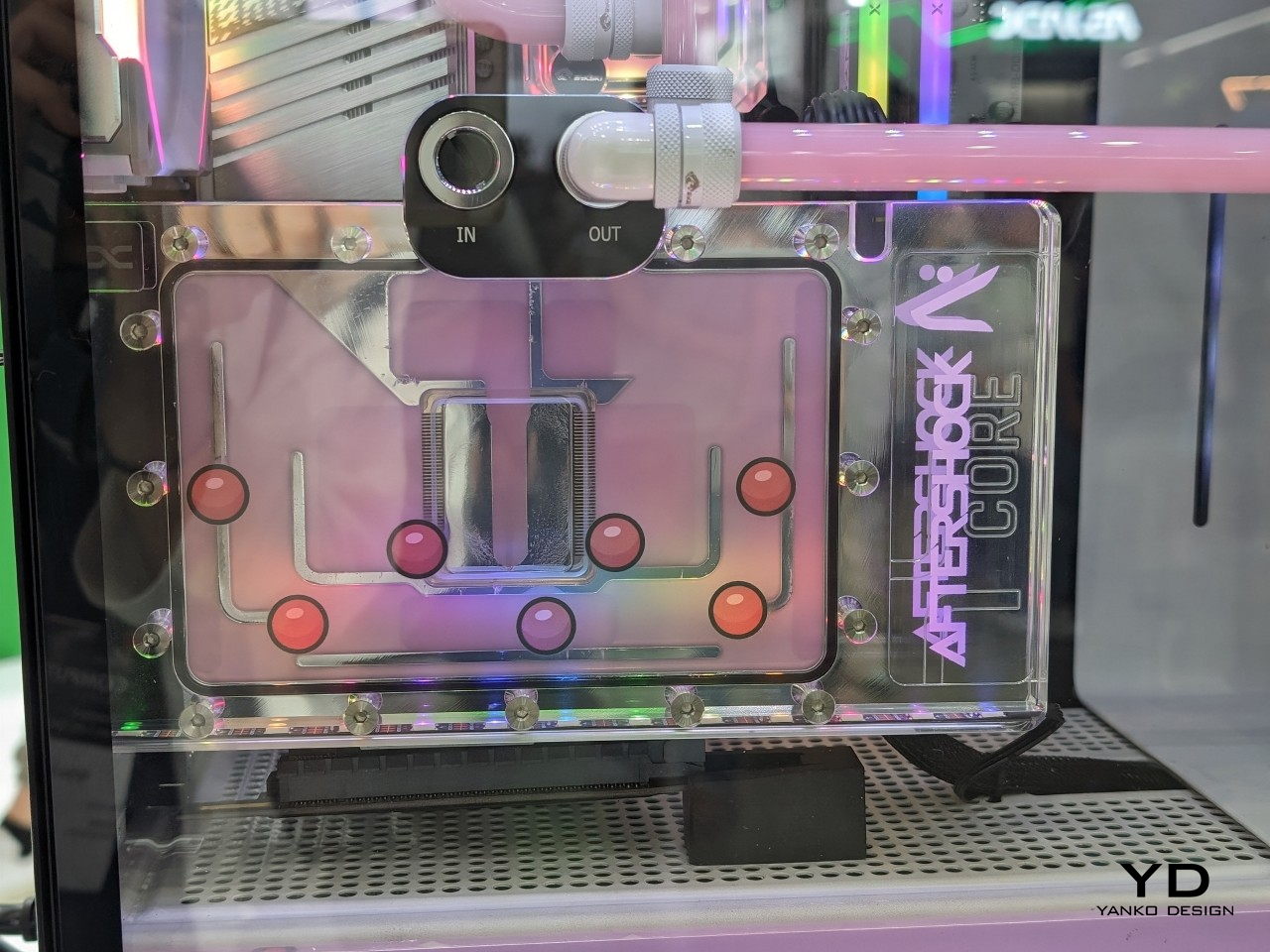
Electronics and liquids don’t mix but it becomes a mind-blowing mystery when you see the two together. And now, we don’t mean liquid cooling. From the makers of ramen-themed desktop towers, this Bubble Tea PC will have you not only scratching your head but also craving a cup of boba. Instead of a sugary and milky drink, however, it’s a luscious-colored coolant that has faux tapioca balls swirling around as it keeps your cool-looking PC thermally cool. This collab between PC maker PNY and case designer Aftershock isn’t a joke either but a fully functional gaming PC that’s ready to put a new spin on your cravings.
Power In Your Hands: Handheld Gaming PCs

While there are plenty of AI-toting laptops scattered around Computex this year, they are hardly the only computers vying for attention. Gaming handheld PCs are pushing the envelope not only in performance in a small form factor but also in terms of design. There’s definitely plenty of room for experimentation, and there are a few that have caught our attention and fancy.

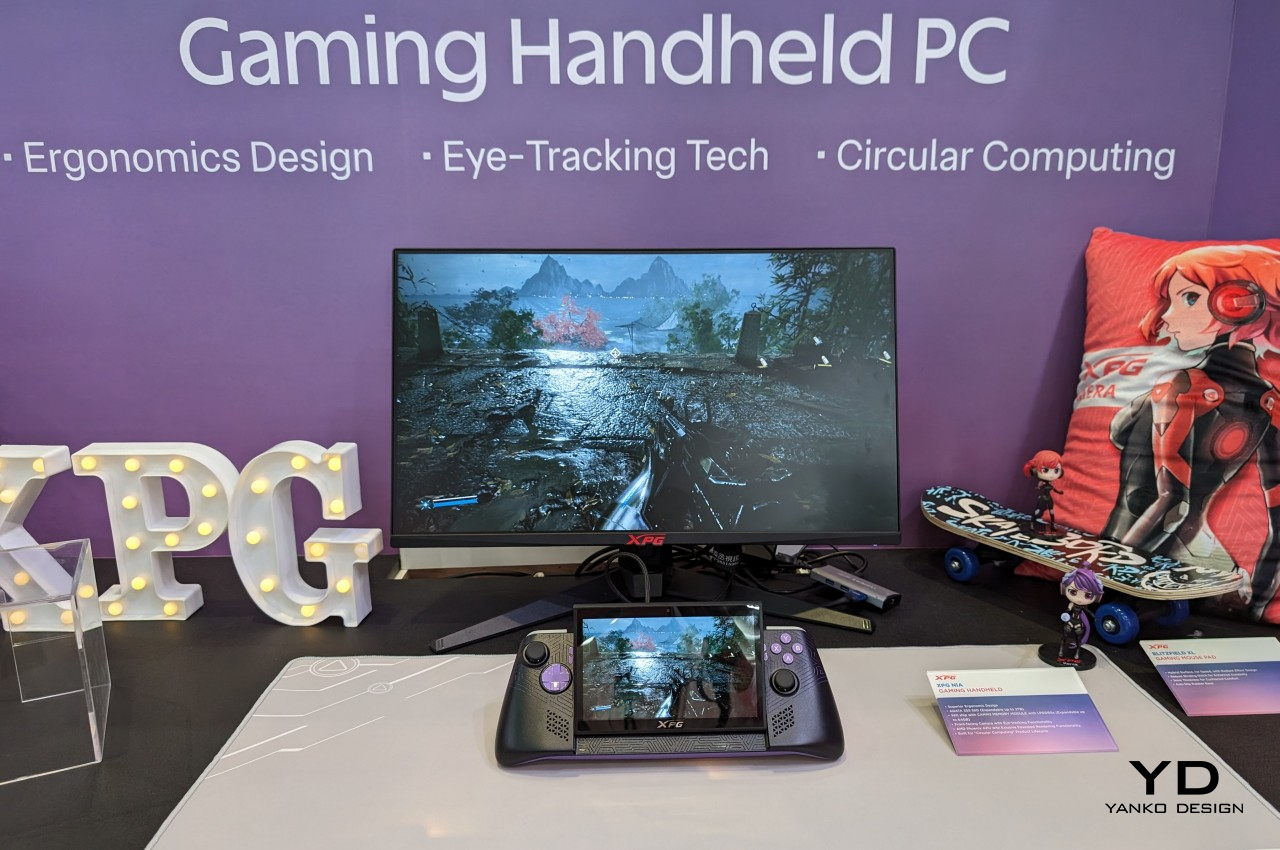
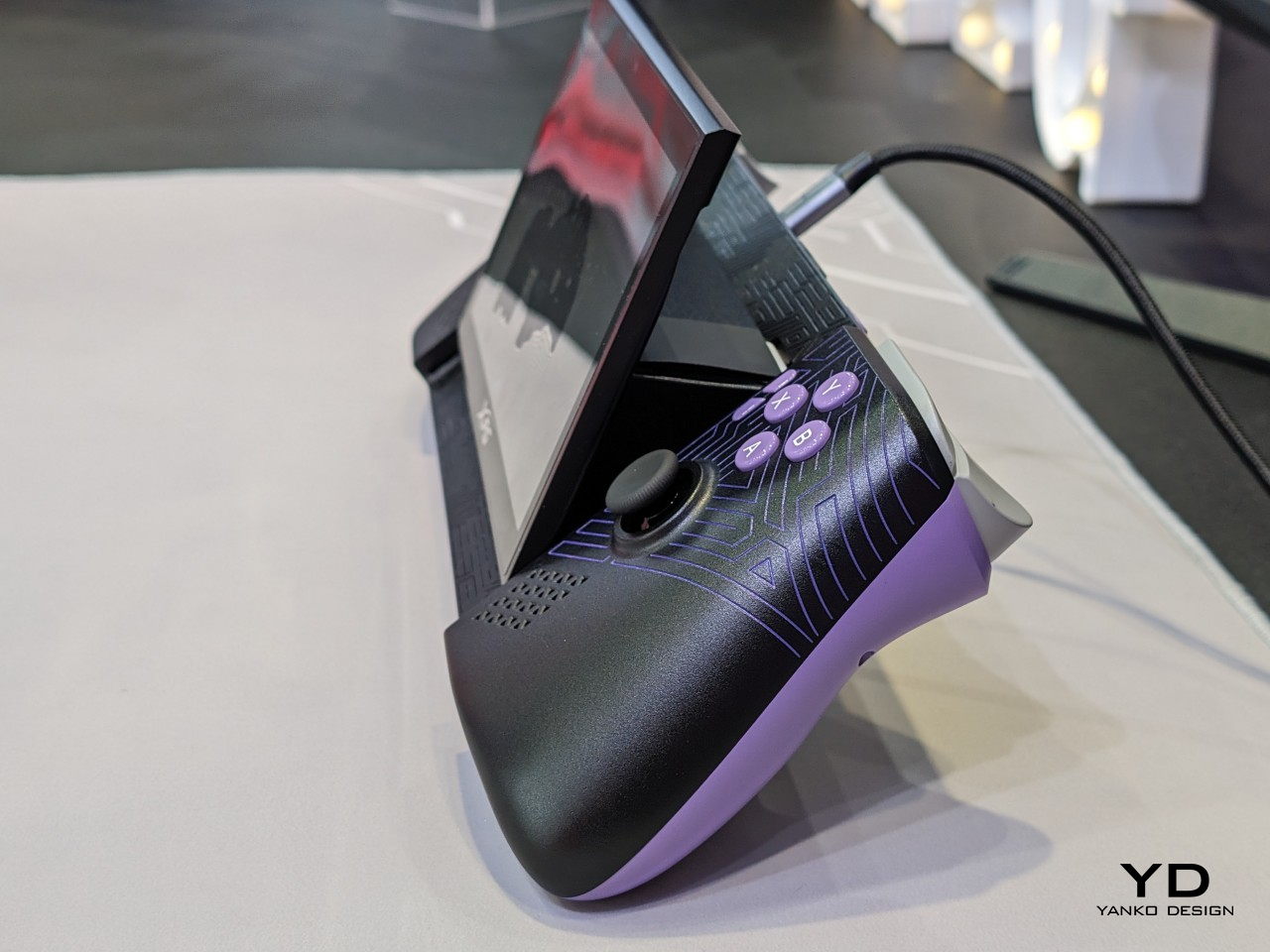
ADATA XPG Nia
Designer: ADATA

An unexpected contender from a brand better known for its memory and data storage hardware, the XPG Nia focuses on the aspects often left out in the wake of specs and benchmarks. A tilting screen, for example, can drastically improve the comfort of staring at a handheld computer for long periods of time, while upgradable RAM in addition to upgradable storage gives the device a longer life than even some of the smartphones we have today.

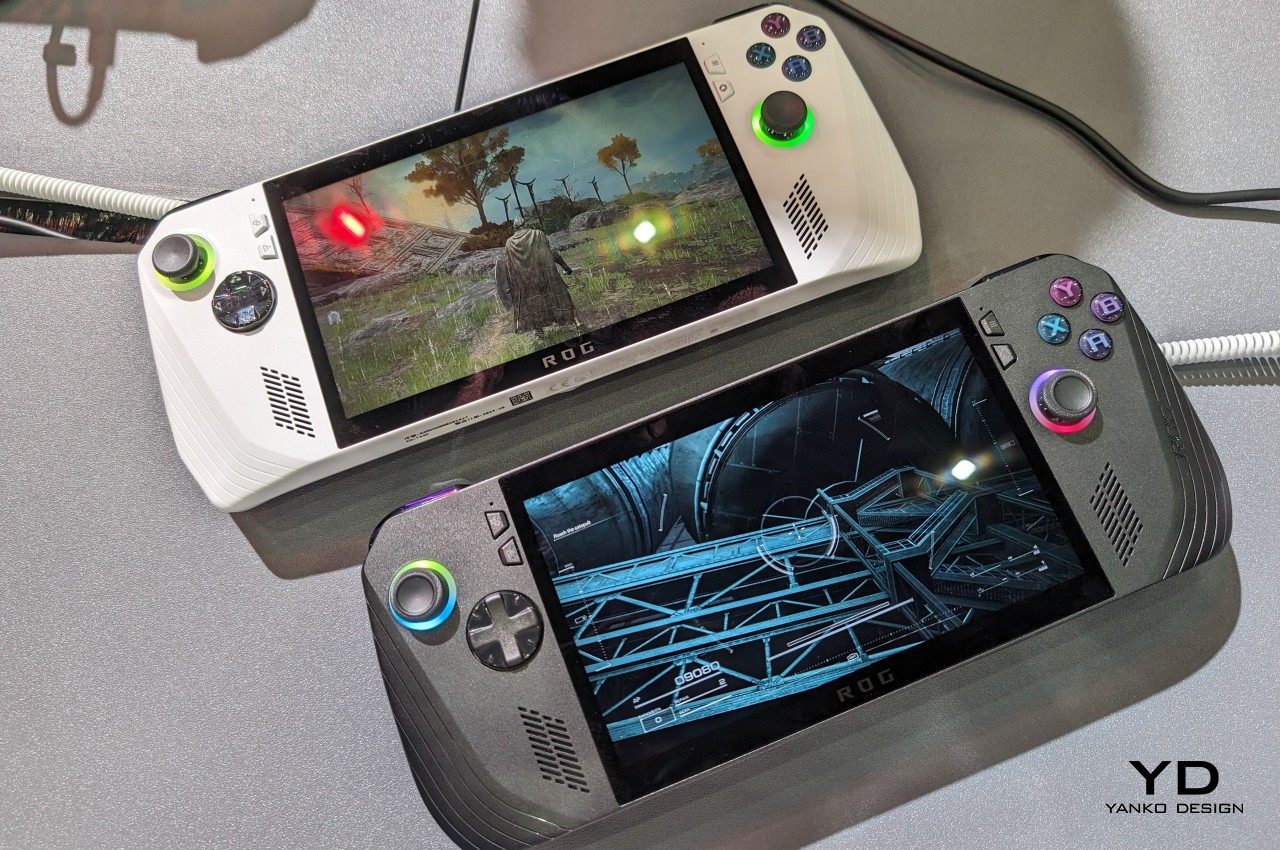
ASUS ROG Ally X
Designer: ASUS ROG

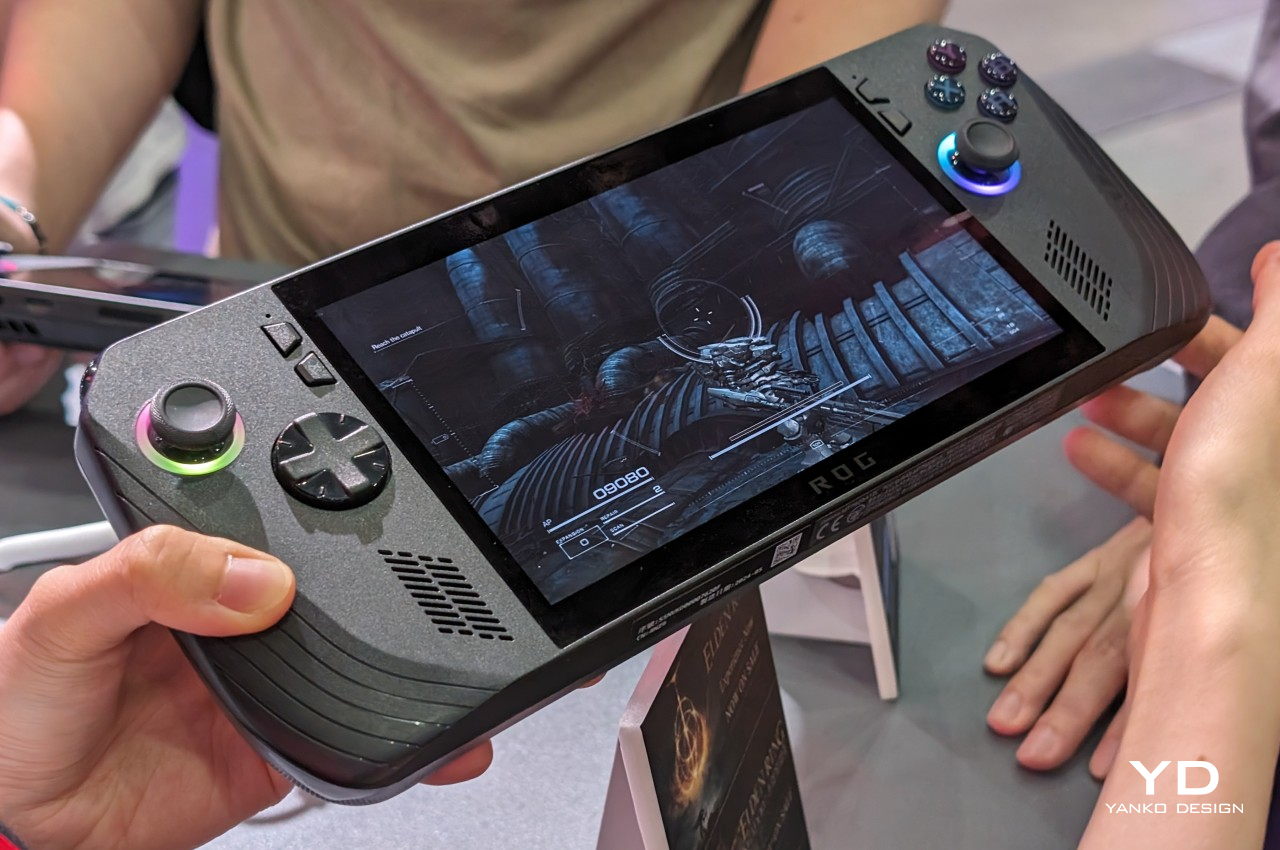
The ASUS ROG Ally X is a fine example of refinement over sensational changes. The base design remains the same, but the subtle and sometimes invisible improvements deliver an almost totally different experience that’s a step above in terms of usability. Best of all, however, ASUS isn’t removing the OG ROG Ally from the market just yet, leaving consumers with the choice between affordability and power.

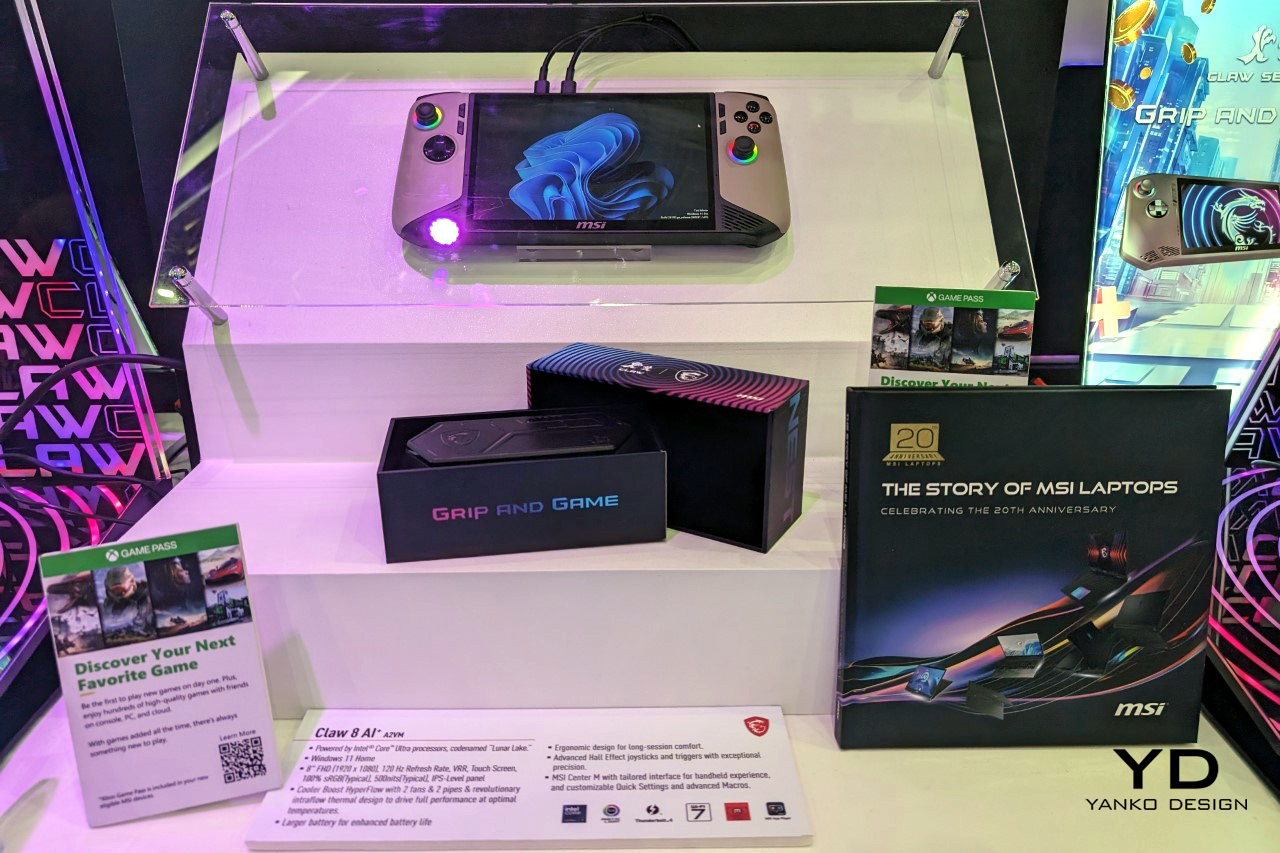
MSI Claw 8 AI+

Designer: MSI

The MSI Claw A1M was an odd one when it came out, but the Claw 8 AI+ cements the manufacturer’s position in the young handheld gaming PC segment. With newer, AI-friendlier hardware comes significant improvements that are necessary for such a small gaming device. It’s still rather unique in its use of Intel silicon, and it will live or die by that commitment. Its design, however, is also enough to make it a noteworthy contender in this fast-growing arena.

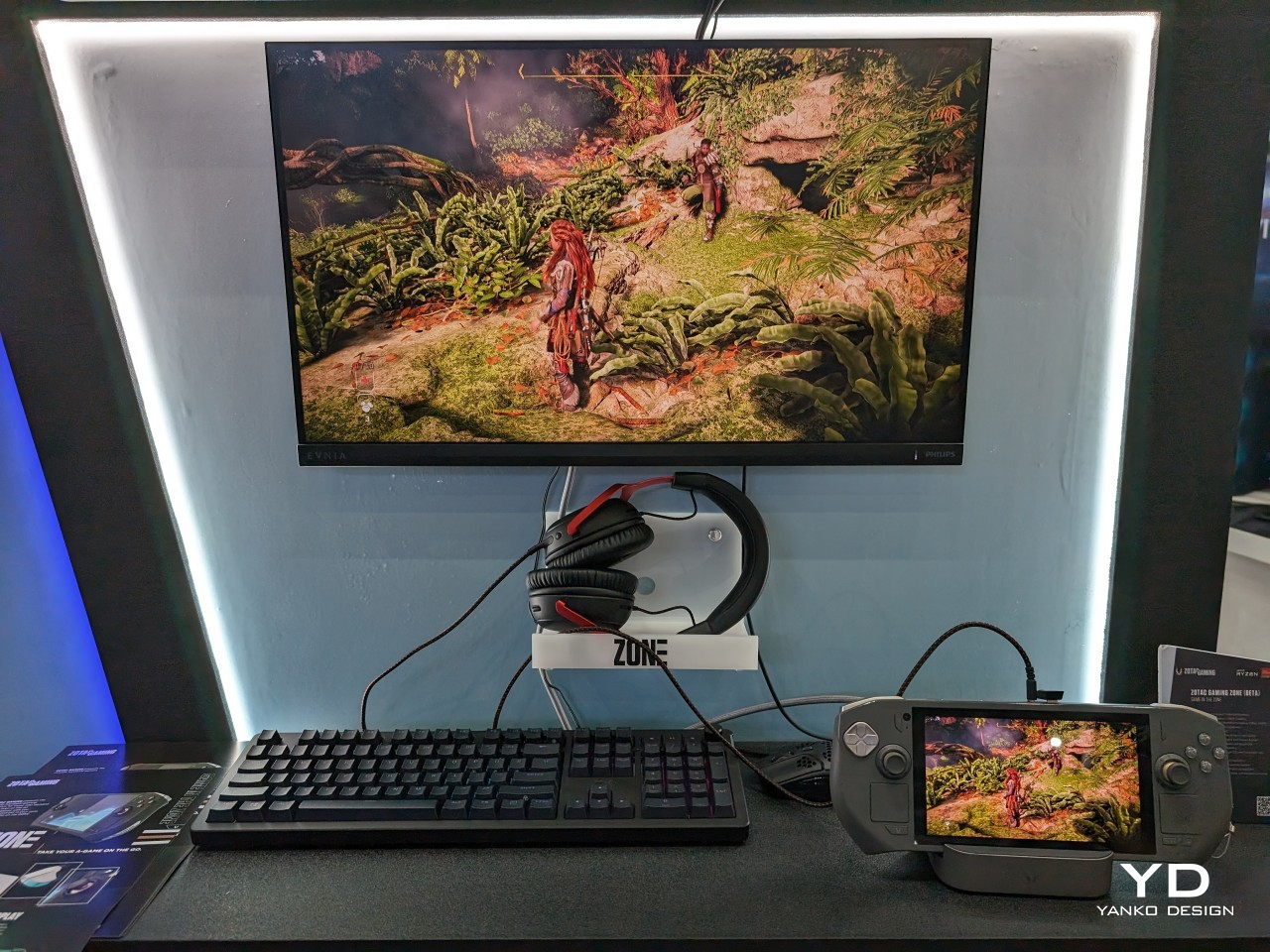
ZOTAC ZONE
Designer: ZOTAC

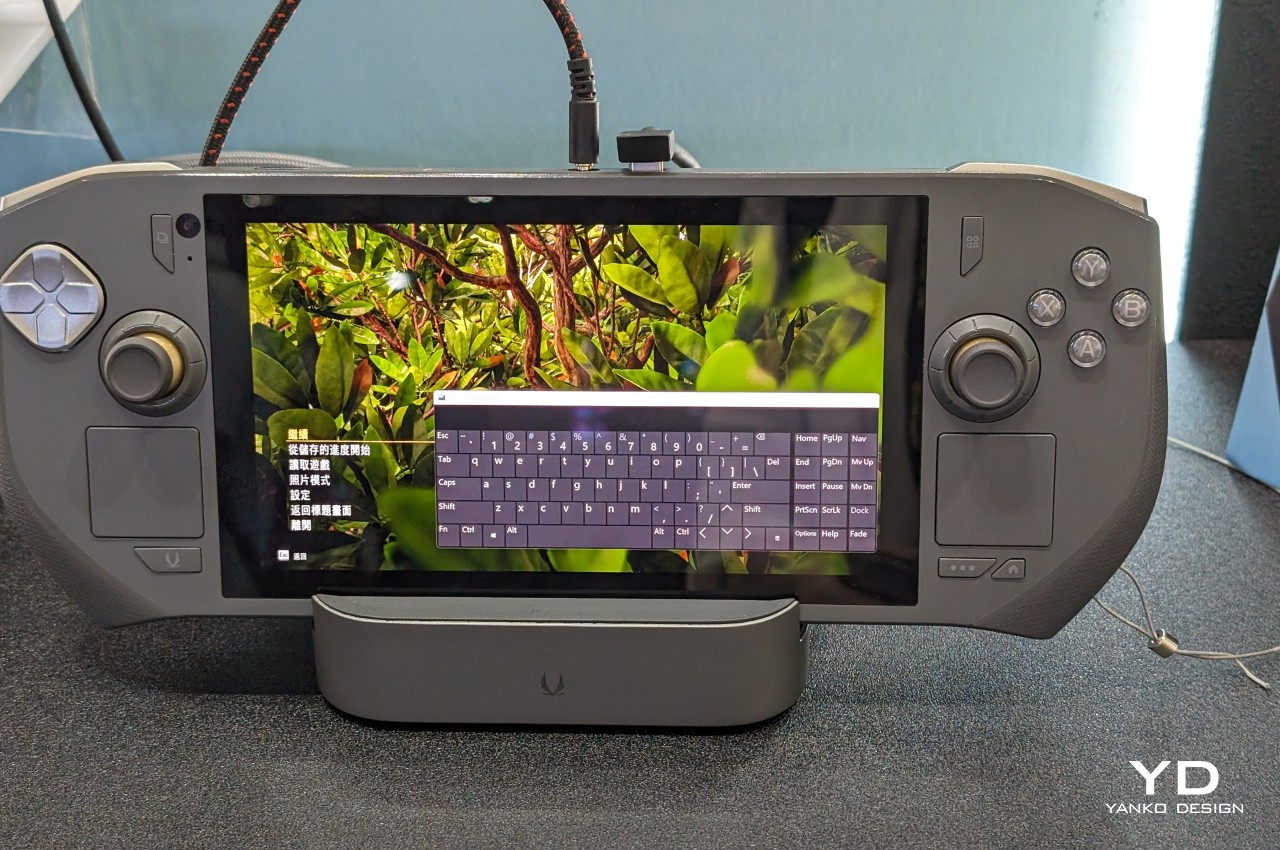
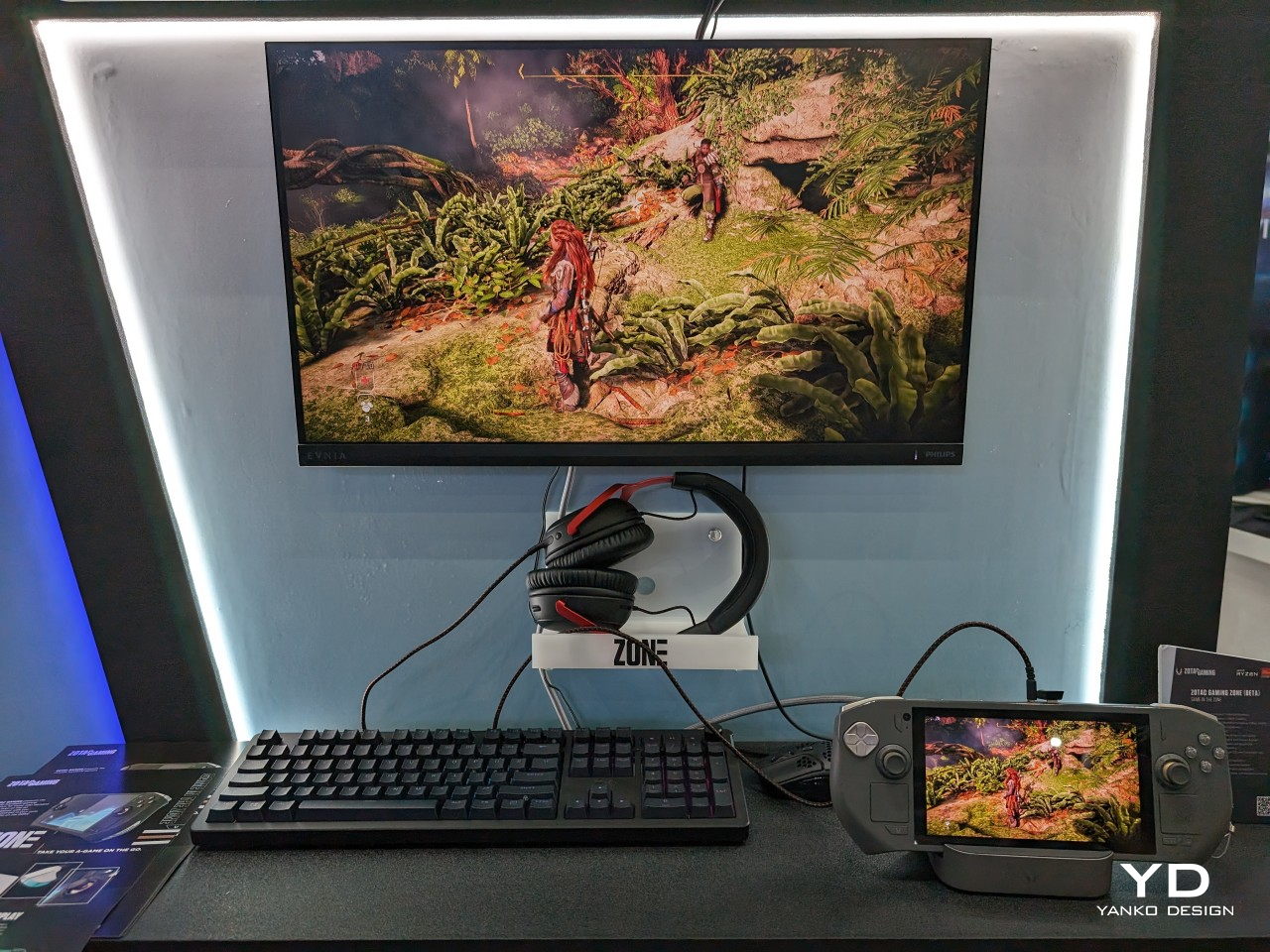
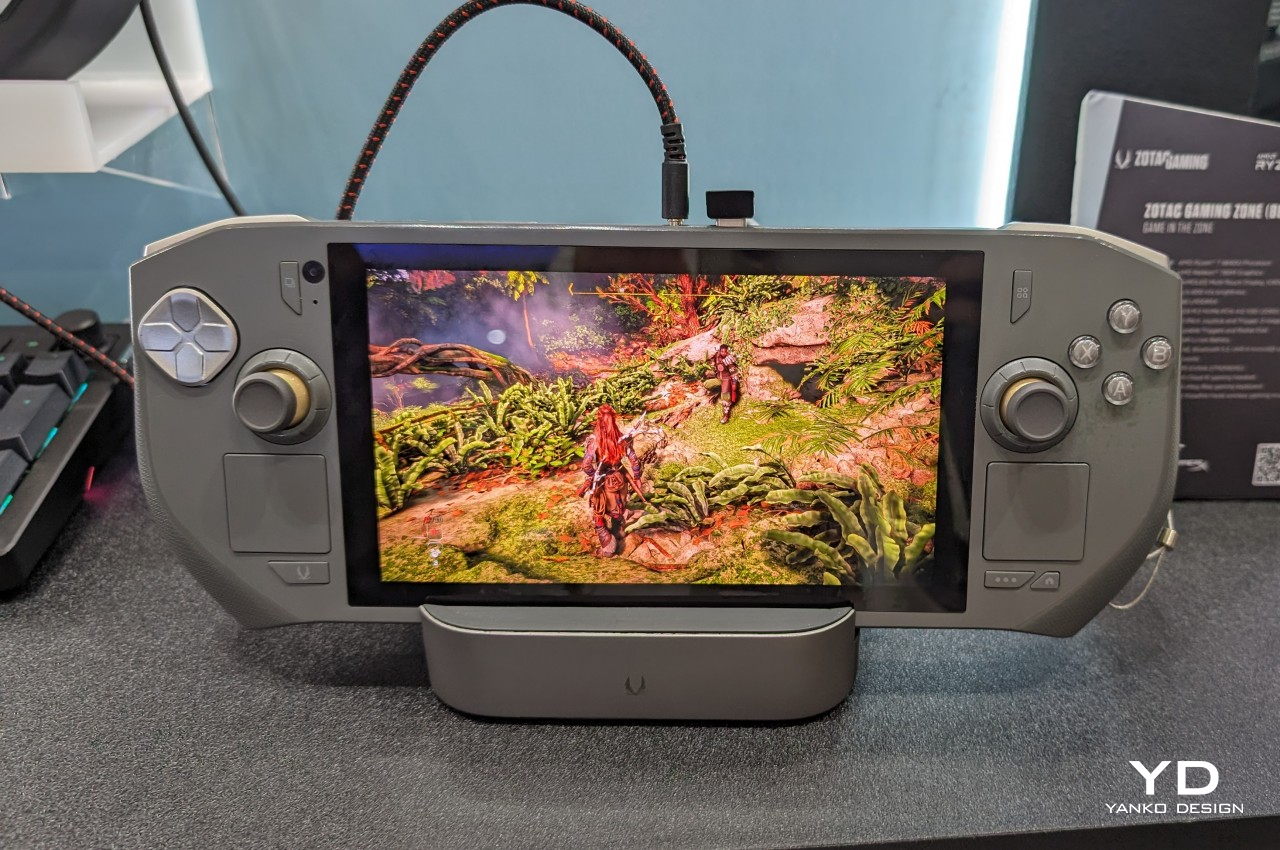
ZOTAC is another new contender, one that has its sights set on the name that started it all: the Steam Deck. While it resembles this progenitor in some aspects, the ZOTAC ZONE tries to take the design where Valve seems reluctant to go. Better hardware and configurable controls will sing to the hearts of many gamers, but the steep price tag could be a major deterrent as well.

Material Matters: Aesthetic and Sustainable Designs

Design innovation doesn’t just have to come from wild new forms or combinations of ideas. Even the materials used for products can have a notable positive effect on the user experience, especially when they delight not just the eyes but also other senses like touch. Bonus points if they also benefit the environment, ensuring there will still be a planet for consumers to live on.

ASUS Ceraluminum
Designer: ASUS

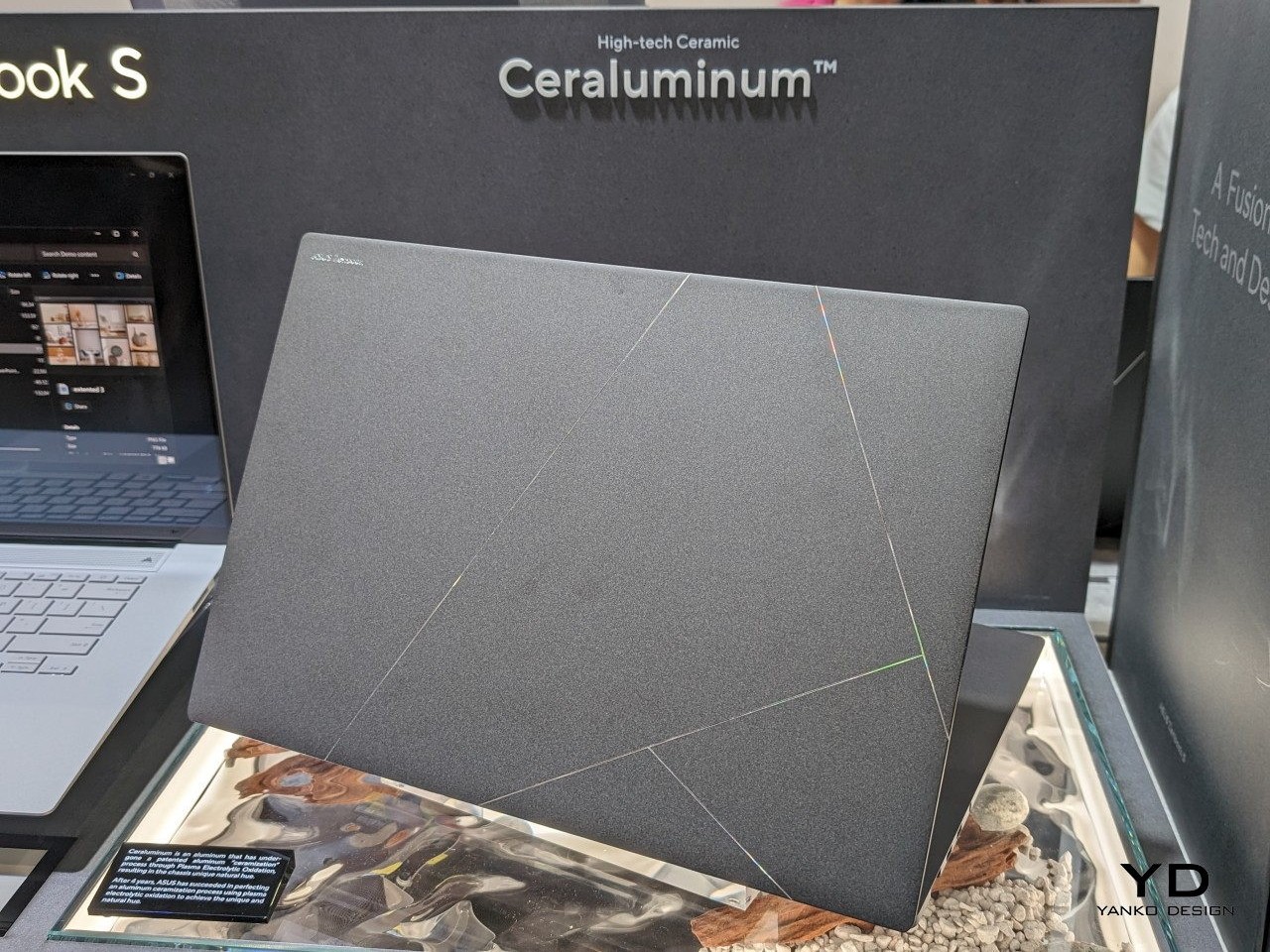
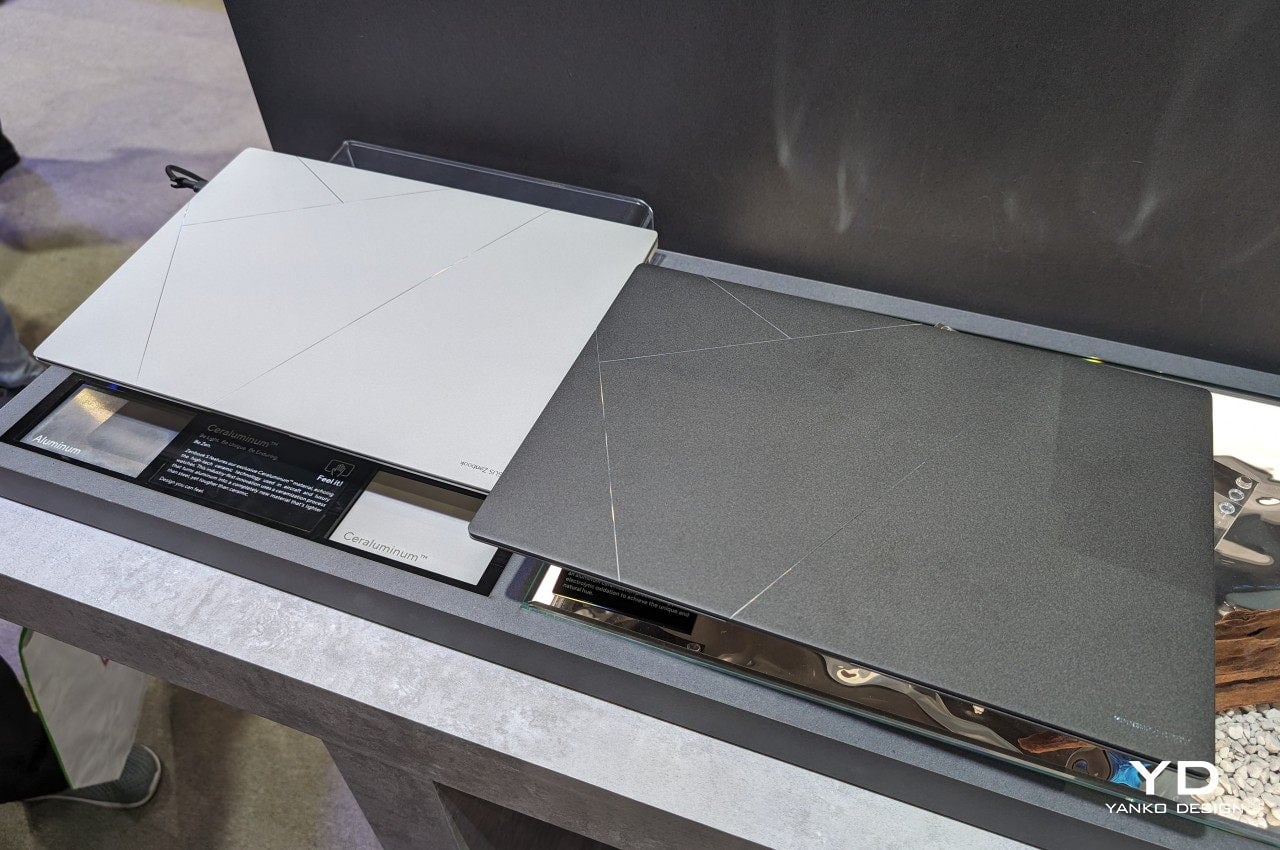
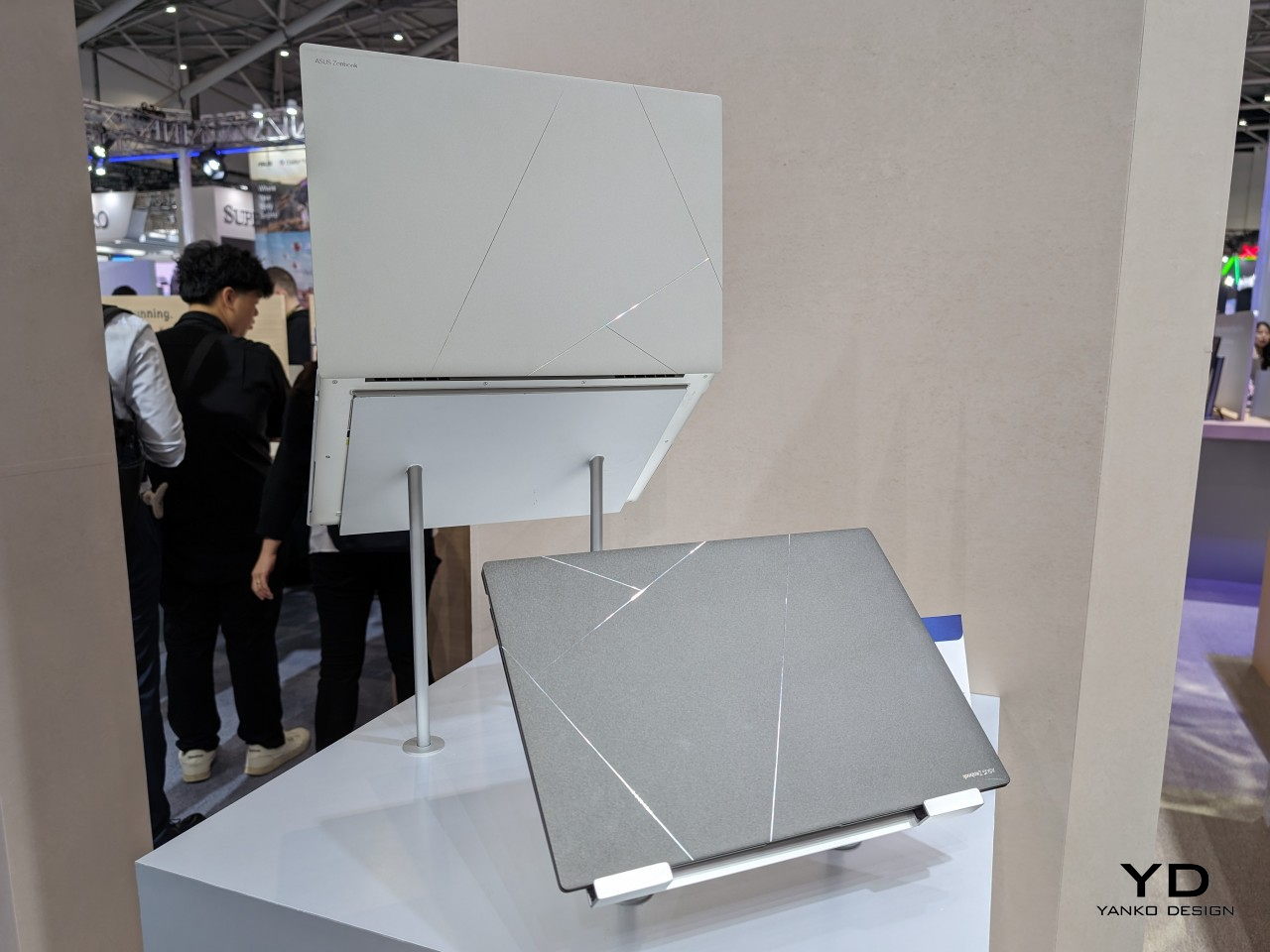
Laptop users are becoming more and more design-conscious. Even those who don’t tend to personalize the backs of their laptops want it to be something that will leave a lasting positive impression on bystanders, not to mention on themselves. Combining the durability of metal with the luxury of ceramic, ASUS’s new Ceraluminum material subtly elevates the laptop from a technological product to an art object. First used on the new ASUS Zenbook S 16, this material exudes beauty that you not only see but also feel every time you touch the laptop or lift its lid.

TECNO CAMON 30 Series LOEWE Design Edition
Designer: TECNO

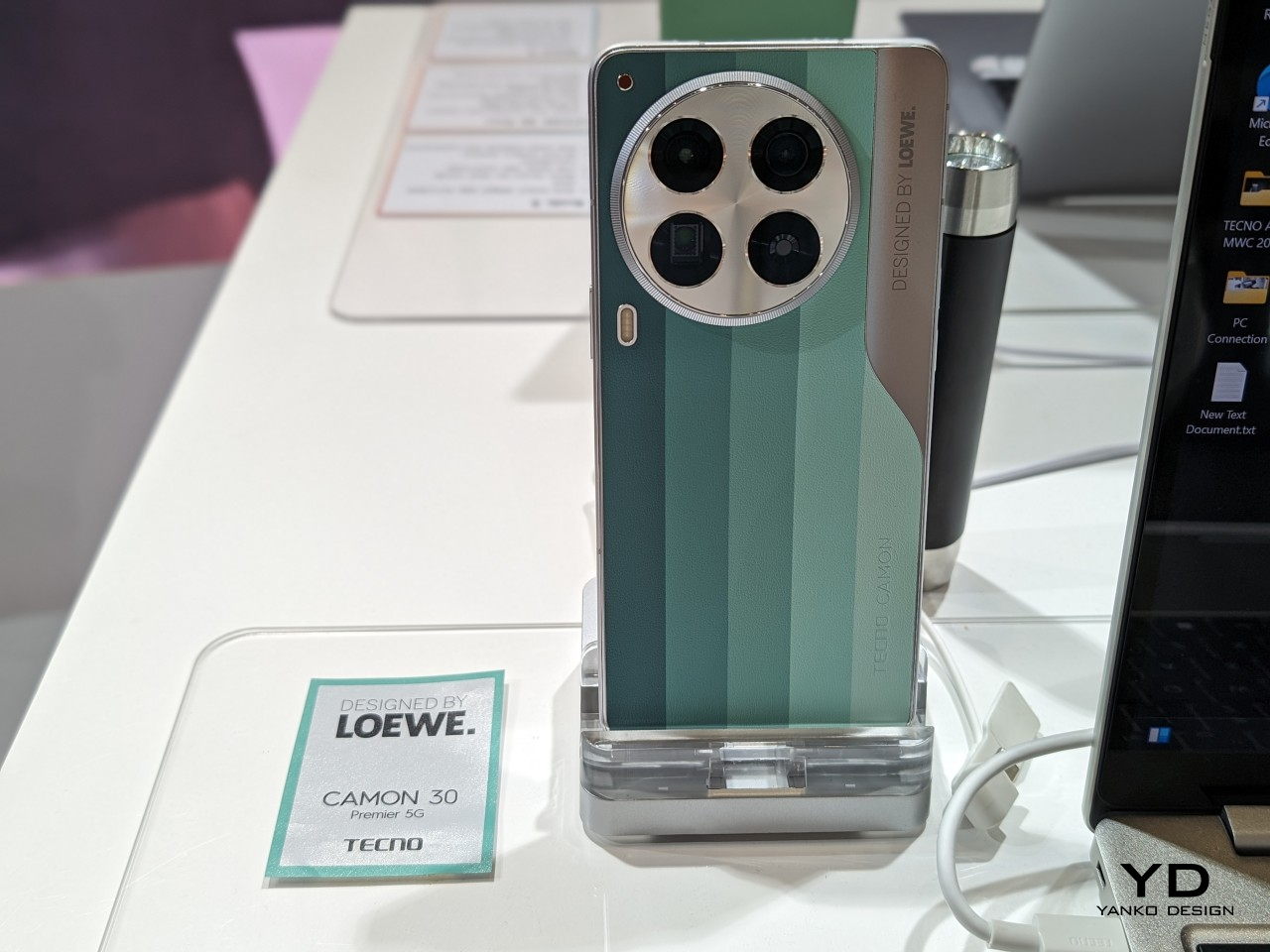
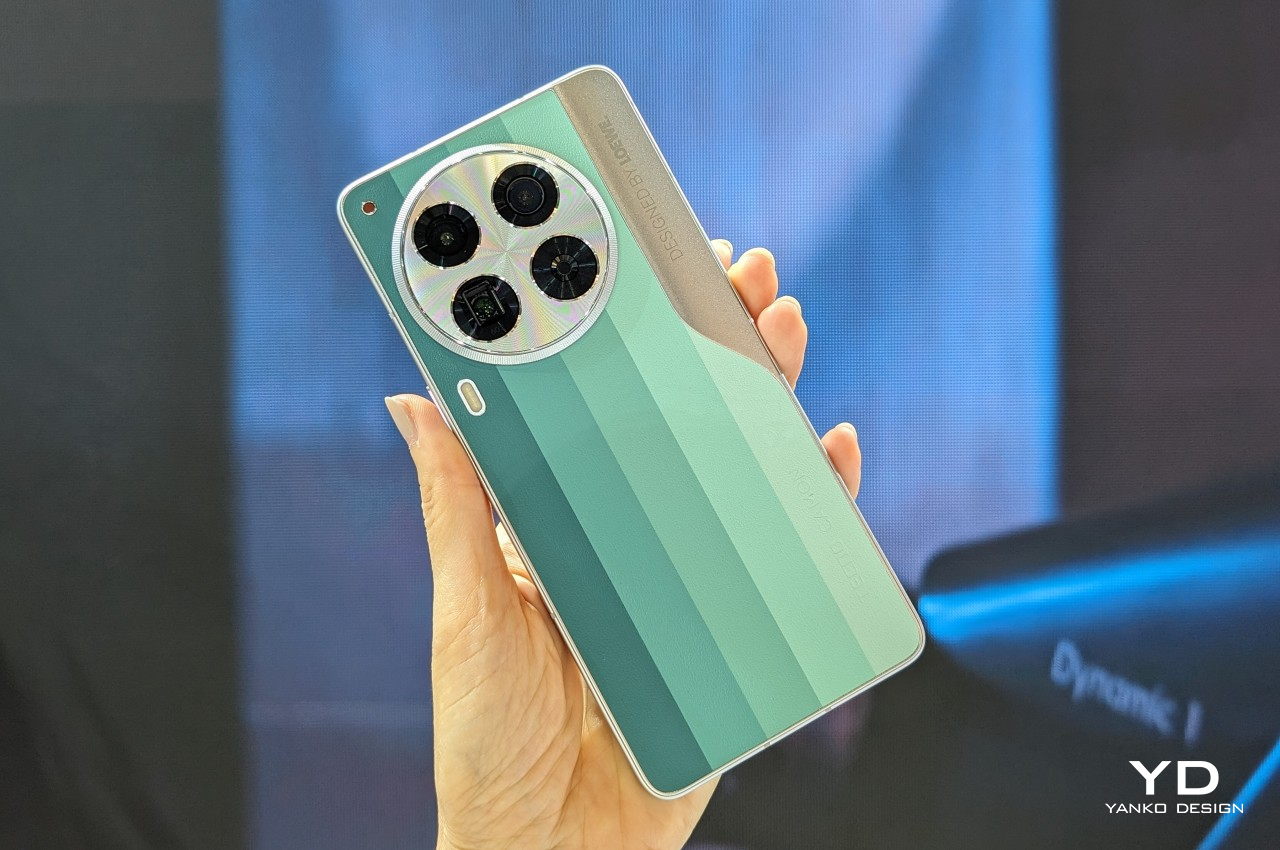
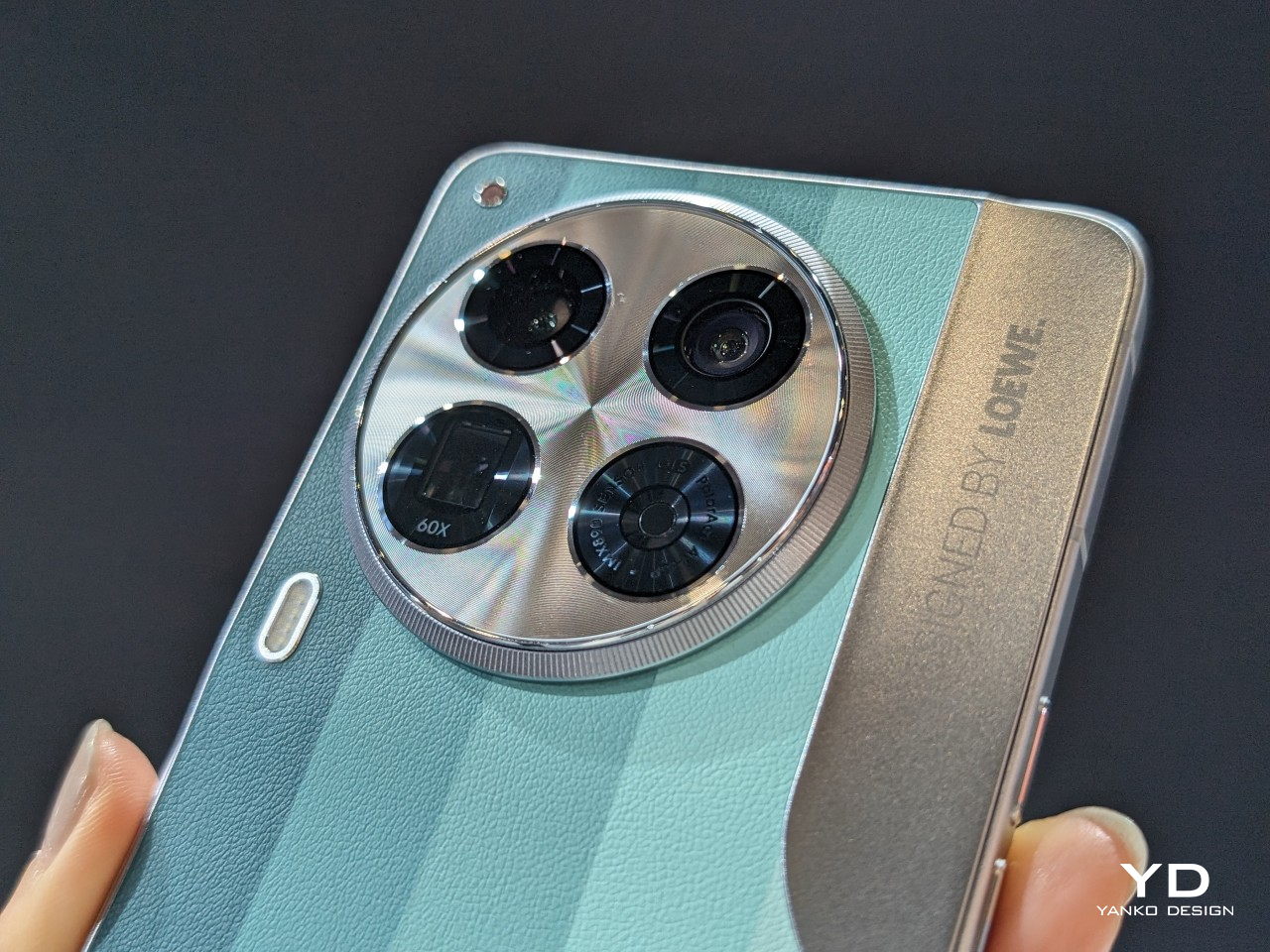
Paying homage to both coffee lovers and environment-conscious consumers, TECNO and LOEWE designed a back cover material that gives waste coffee grounds new life. Using an equally eco-friendly process, this more sustainable material gives the TECNO CAMON 30 Series LOEWE Design Edition a distinctive appearance and texture that easily sets itself apart from the crowd. Plus, the use of color blocking also marks the phone with a modern style to fit the discerning tastes of modern consumers.
Creative License: Tools for Designers

All these wonderful designs don’t just pop out from thin air. Someone has to make them, from initial ideation to prototyping to manufacturing. Designers and creators naturally need tools that can meet the growing complexities of their work, and Computex definitely has quite a few in store for them.

Acer SpatialLabs Eye 3D Camera
Designer: Acer

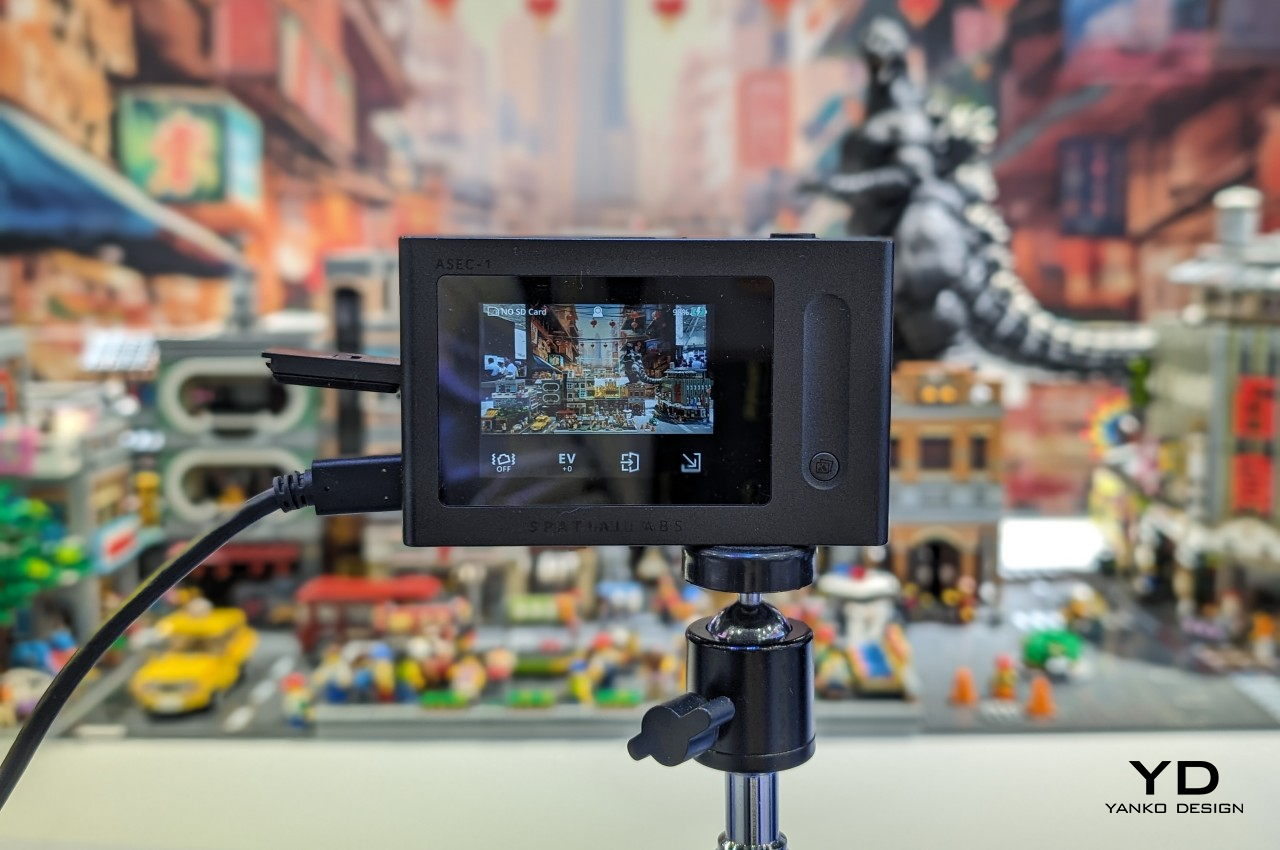
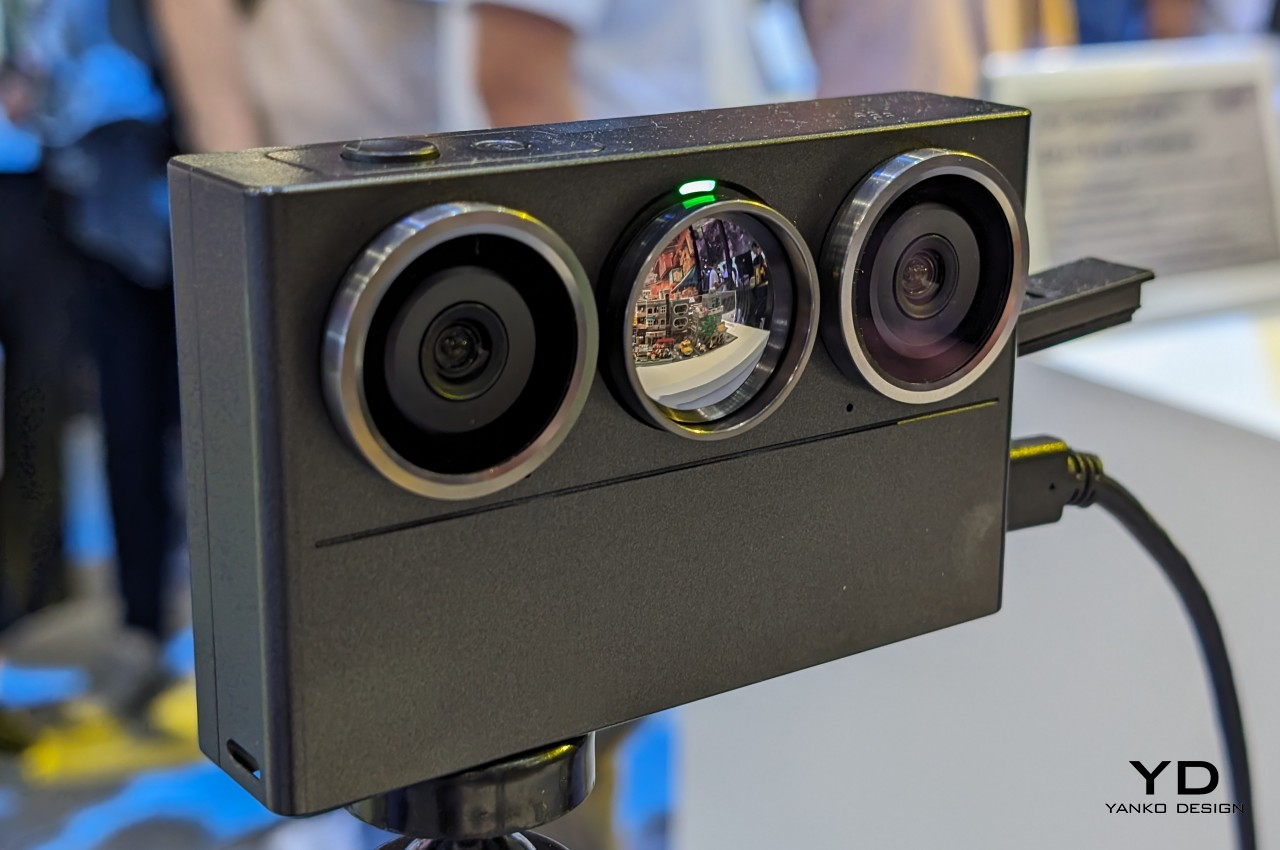
Spatial computing, mixed reality, and the metaverse require a special kind of content, one that breaks free from the confines of flat, 2D space. Even in video meetings and live selling streams, 3D objects are becoming more in demand, offering not just viewers but also presenters new ways to connect and communicate. Acer’s new SpatialLabs Eye 3D camera tries to democratize that process, effectively giving anyone the ability to capture, record, and stream any real-world 3D object as a digital copy.

ASUS ProArt PZ13 Detachable Laptop
Designer: ASUS

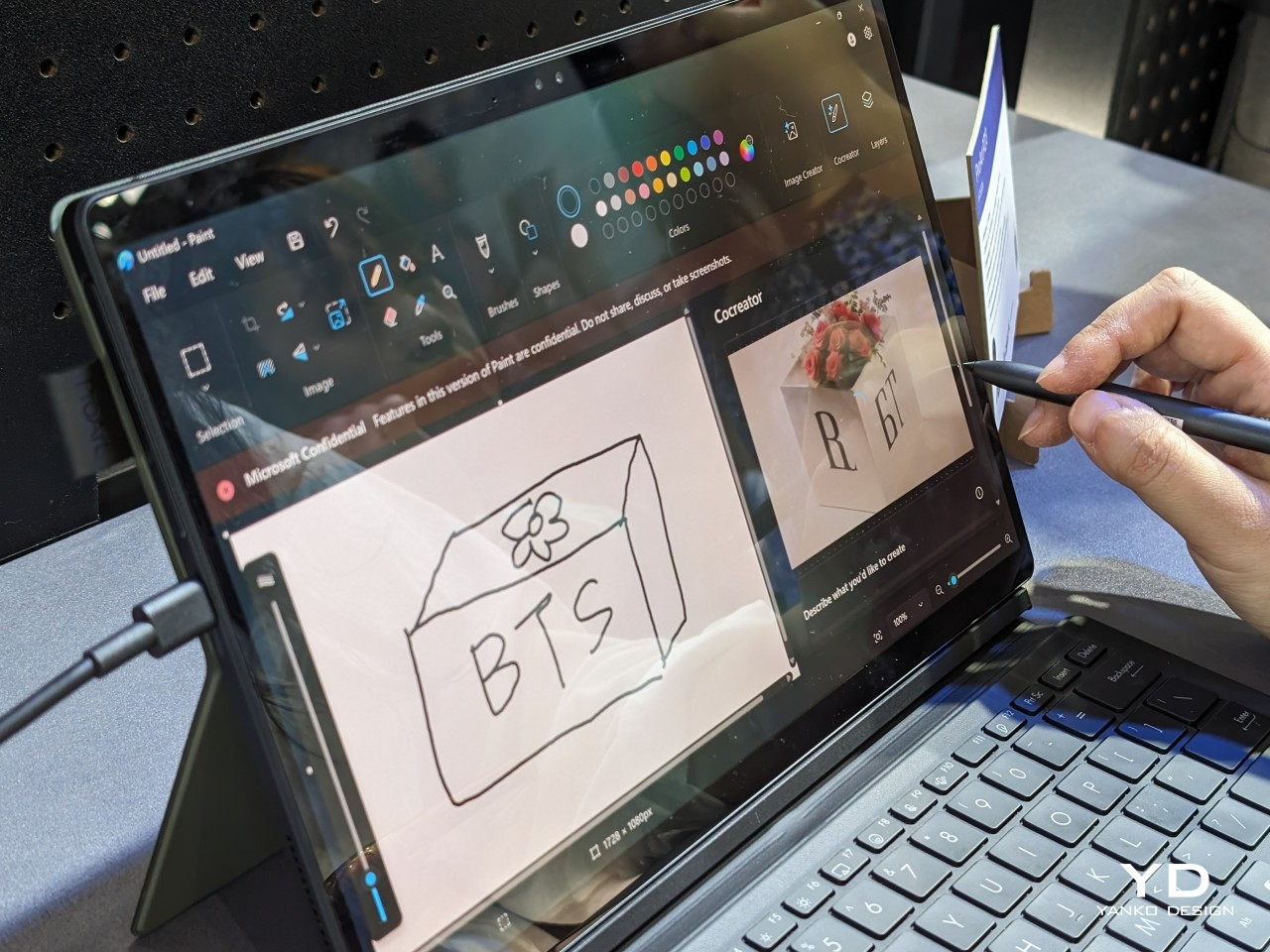
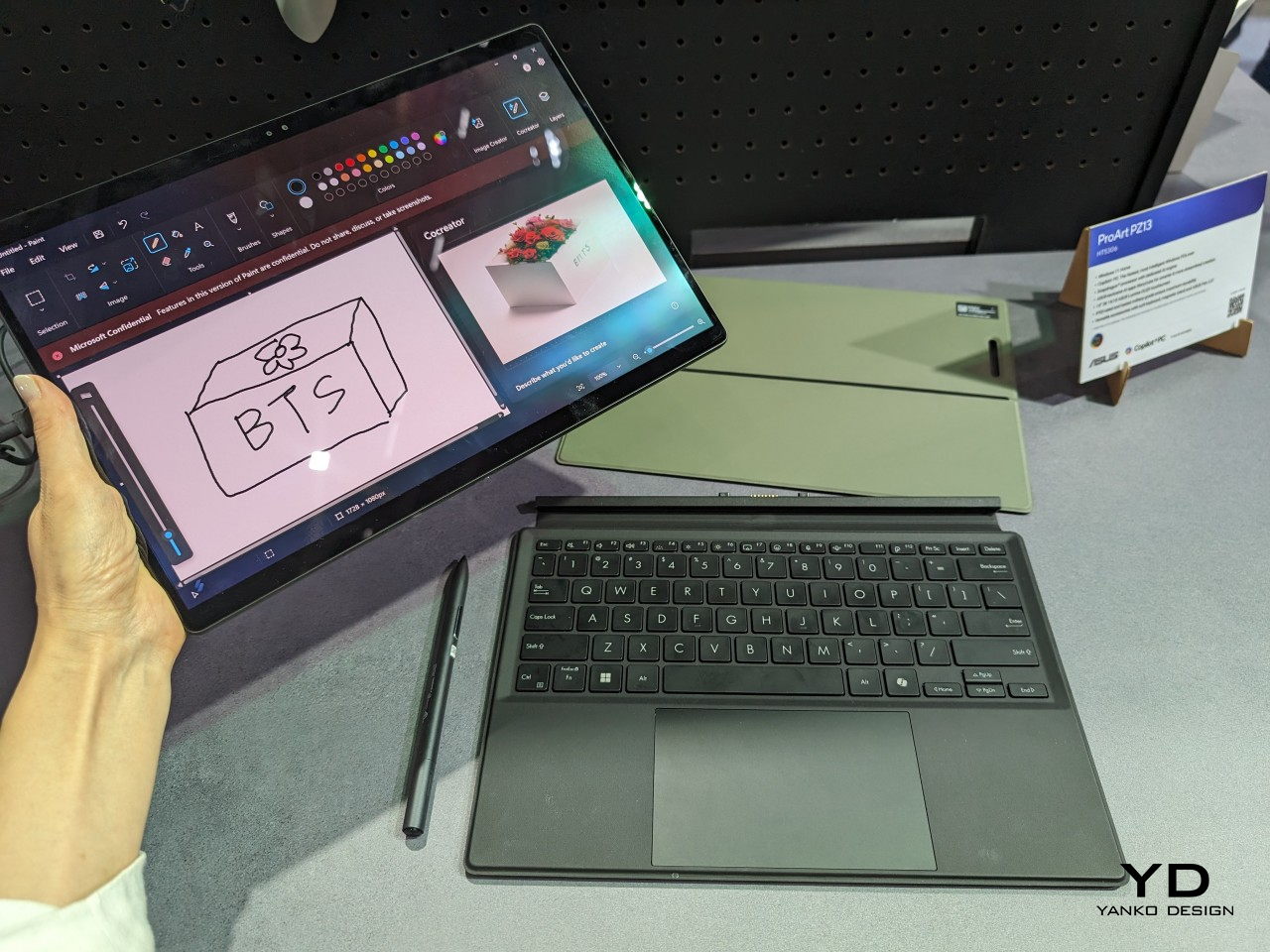
As computers become more powerful and geographical boundaries become shorter, content creation can no longer be confined to a desk in an office or room. The ASUS ProArt PZ13 gives designers, artists, engineers, and everyone in between that kind of flexibility with its portable and detachable design. What makes this 2-in-1 computer different is that it’s part of the new breed of Windows computers running on the latest Qualcomm Snapdragon X chip, promising improved performance and, of course, on-device AI capabilities.

Power to the User: Empowering Gamers and Creators

One thing that gamers, creators, and power users have in common is their need for power, both literally and figuratively. The ability to customize not only their experience but also the appearance of their equipment goes a long way in giving them the confidence to get their job done, and these designs definitely deliver that with a touch of pizzazz!

ASUS Project DALI E Ink Cover Laptop
Designer: ASUS

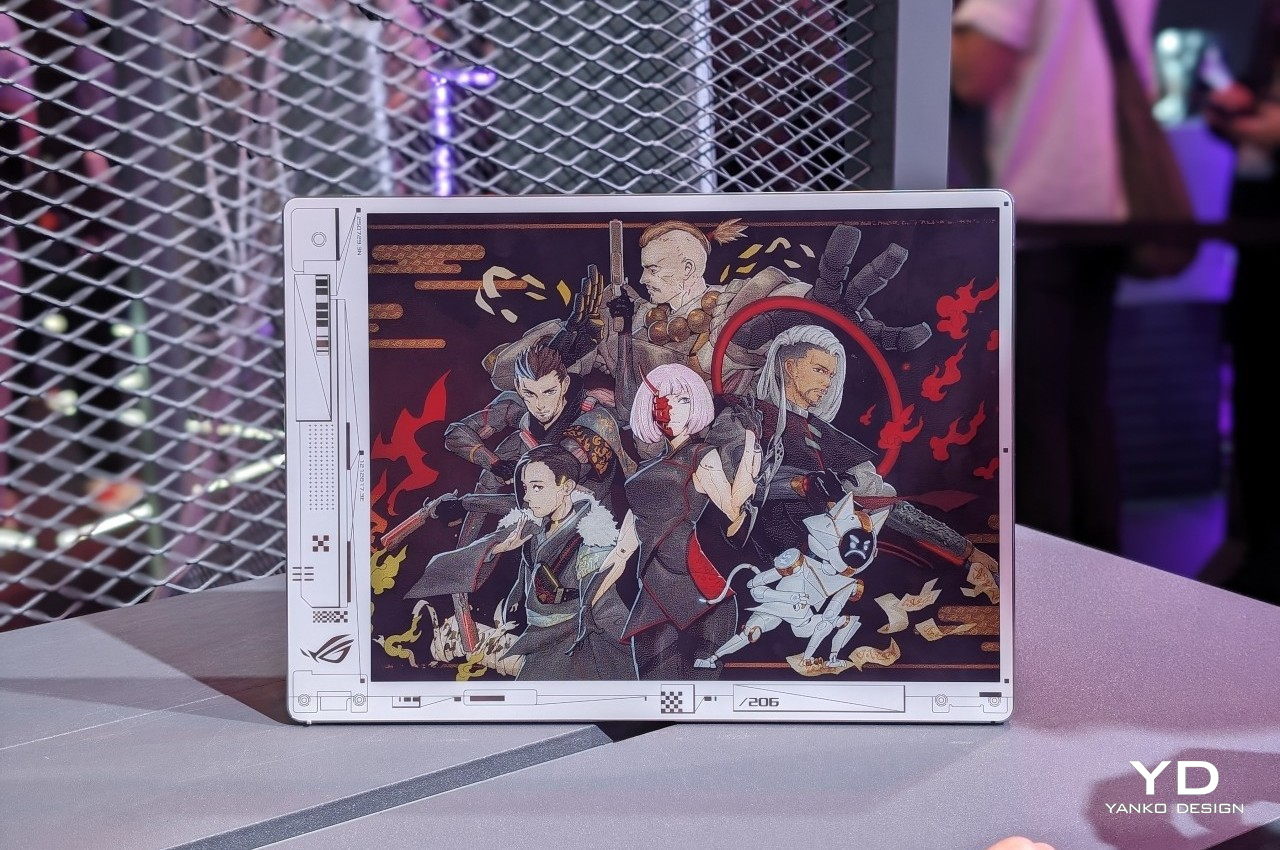
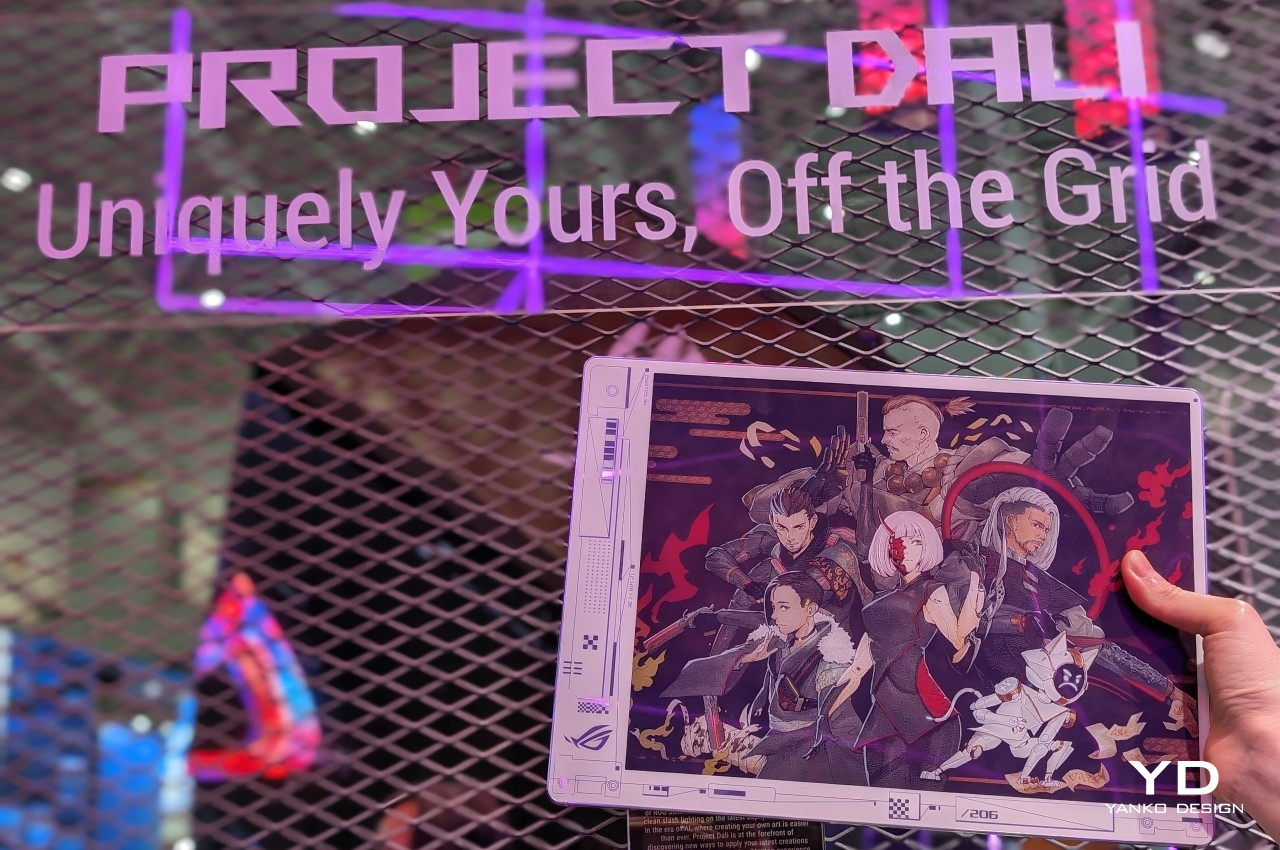
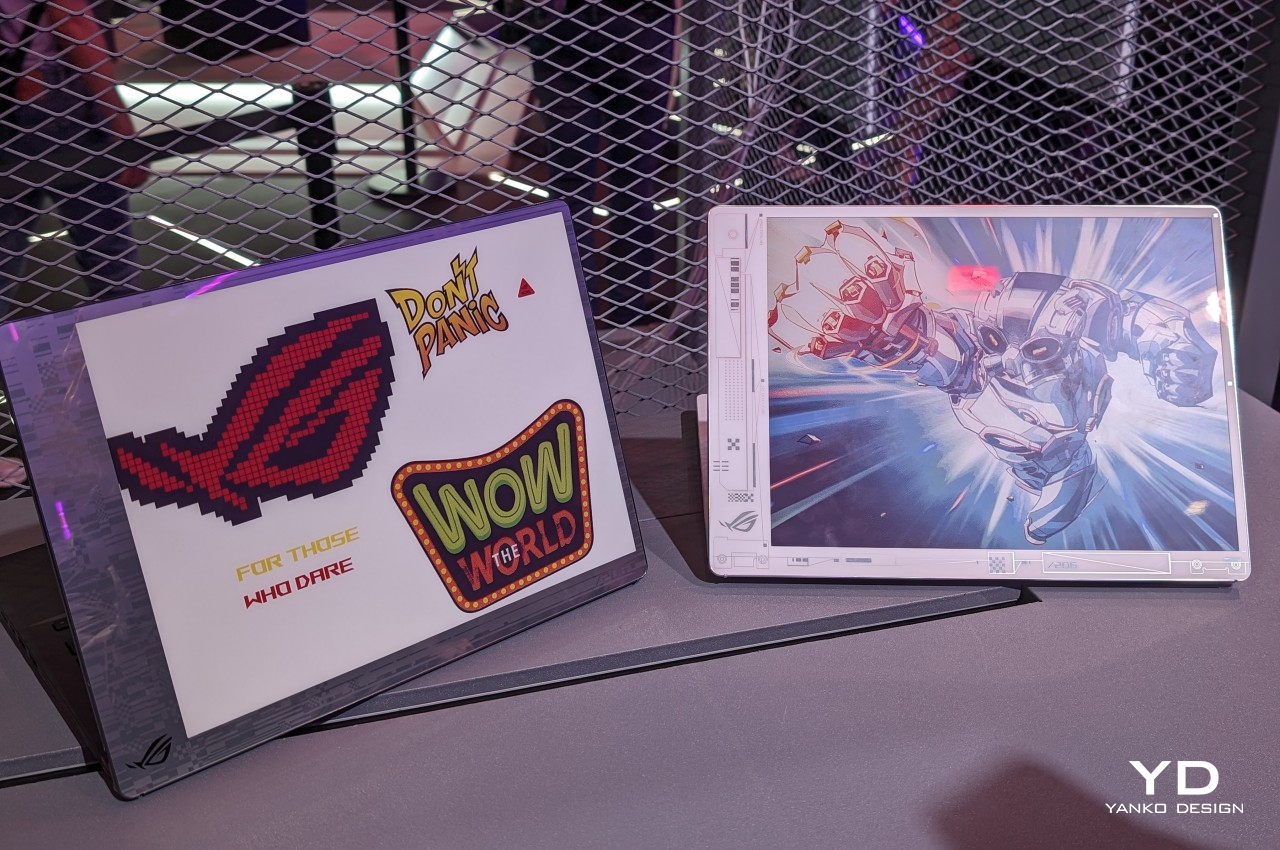
E Ink is no longer just for eBook readers. Now that it has color and is being used in signage, the eye-friendly and power-efficient display technology is finding its way to the most unexpected places, like the back of this laptop concept. Project DALI turns the laptop cover into a canvas for users of all walks of life to express themselves or simply have a different design every day if they want. All without draining the battery even when the laptop isn’t running.

ASUS ROG Mjolnir Portable UPS
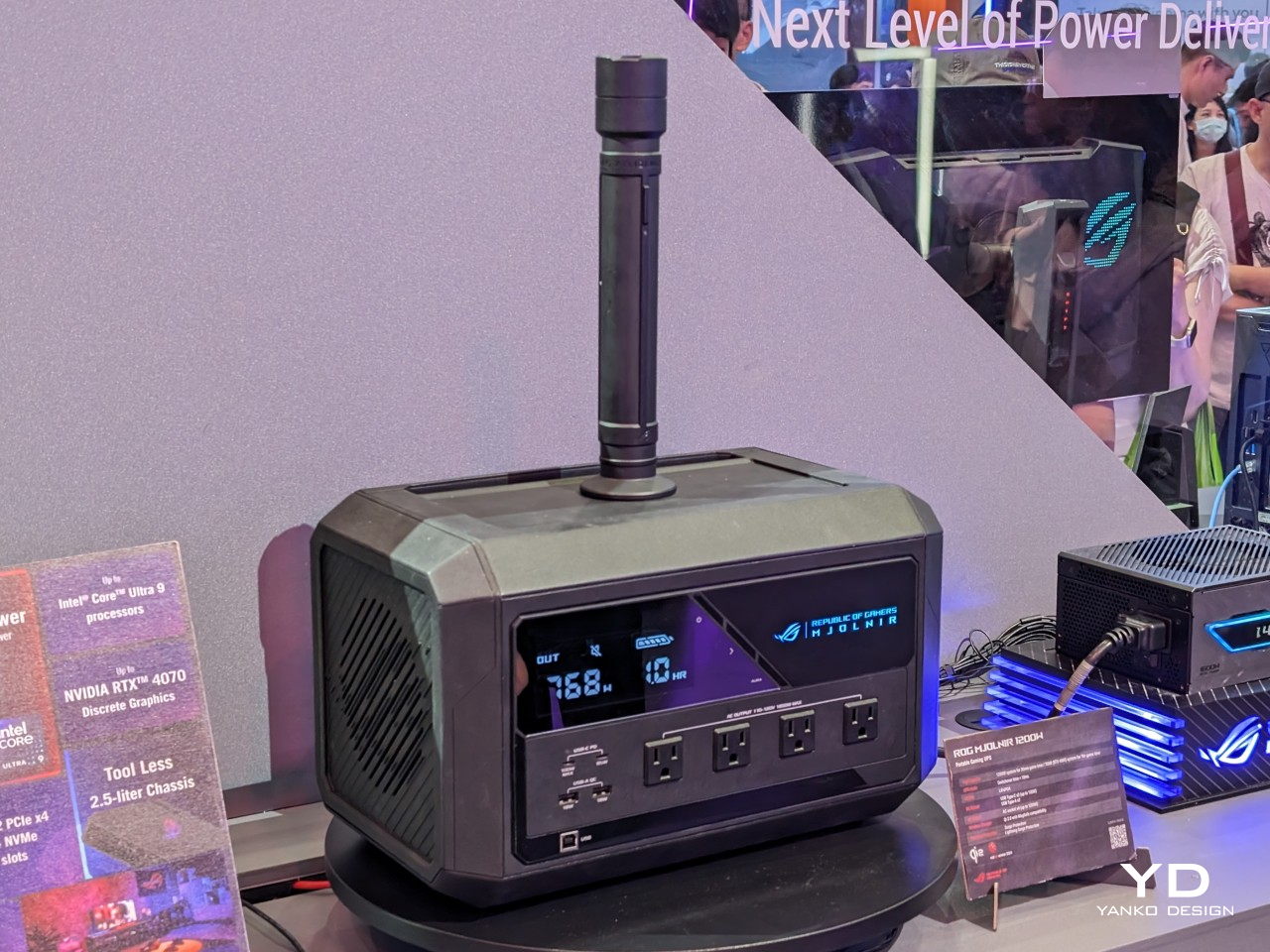
Designer: ASUS ROG

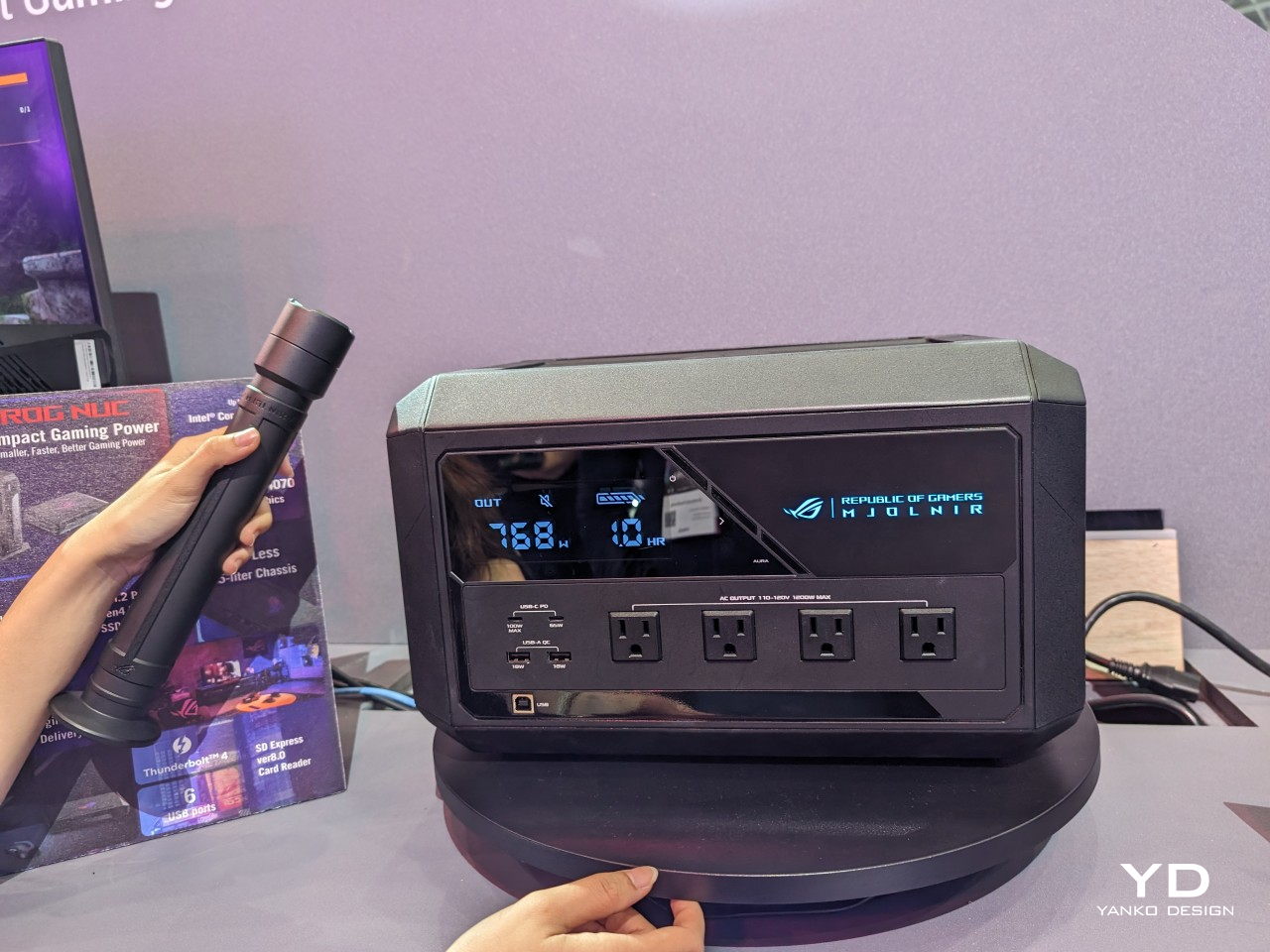
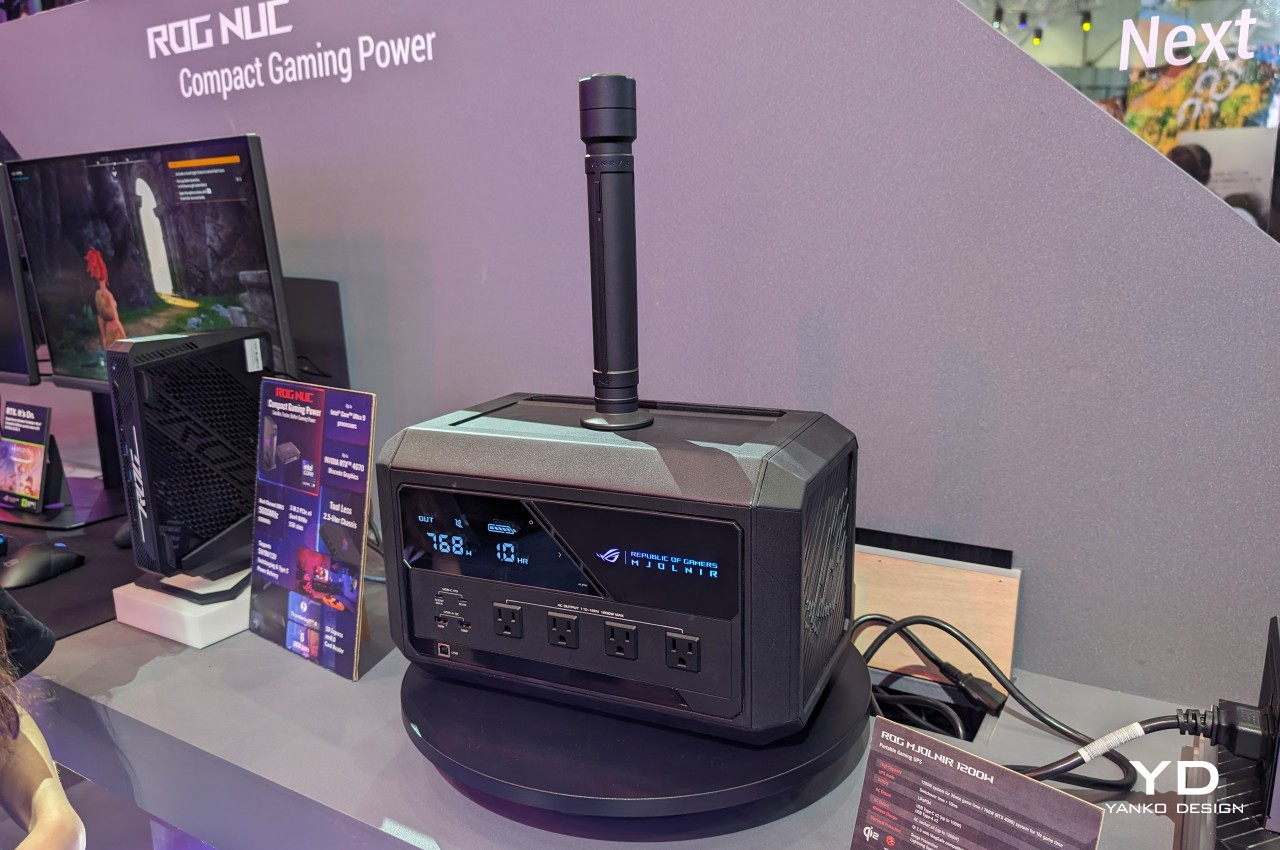
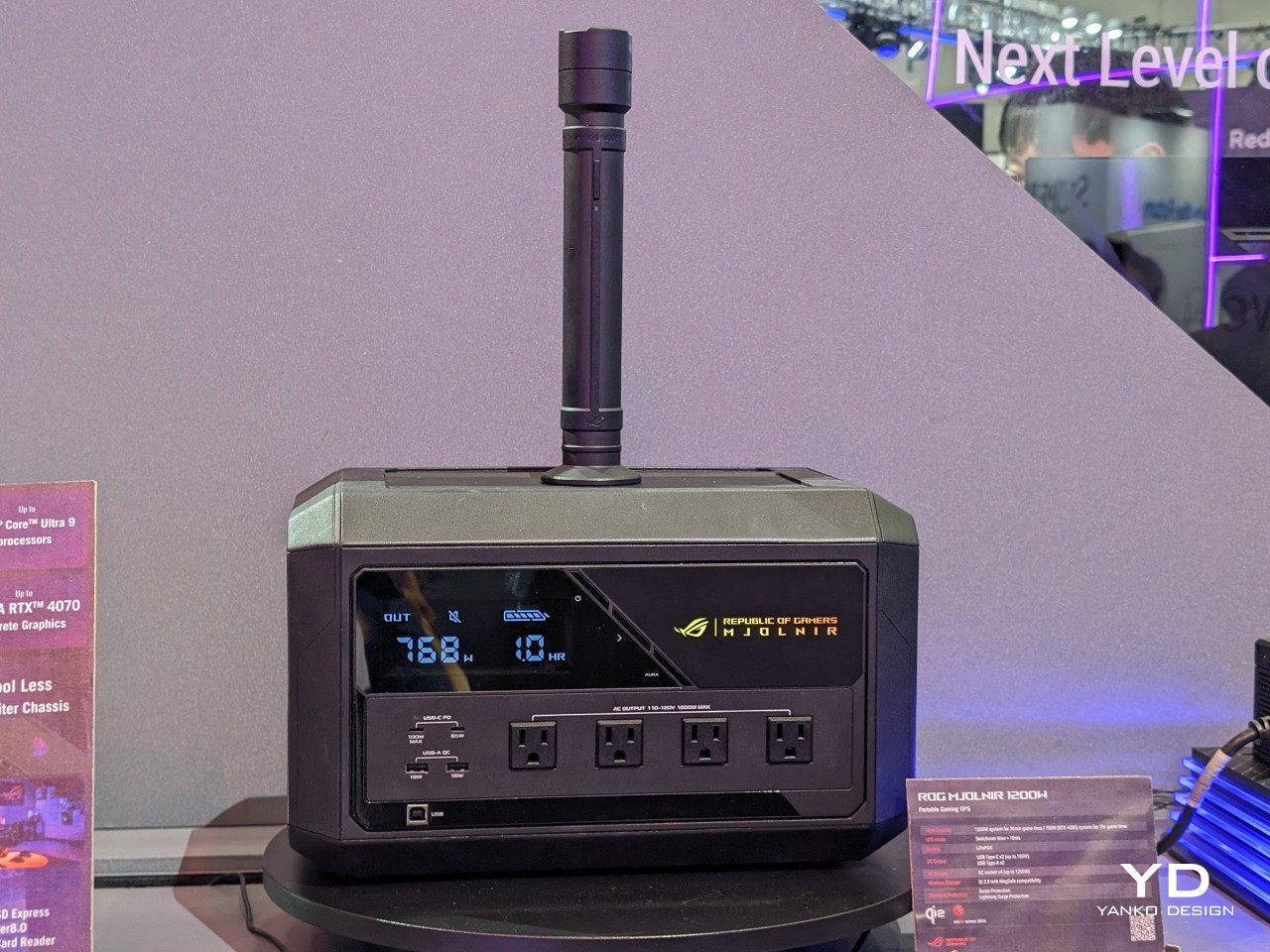
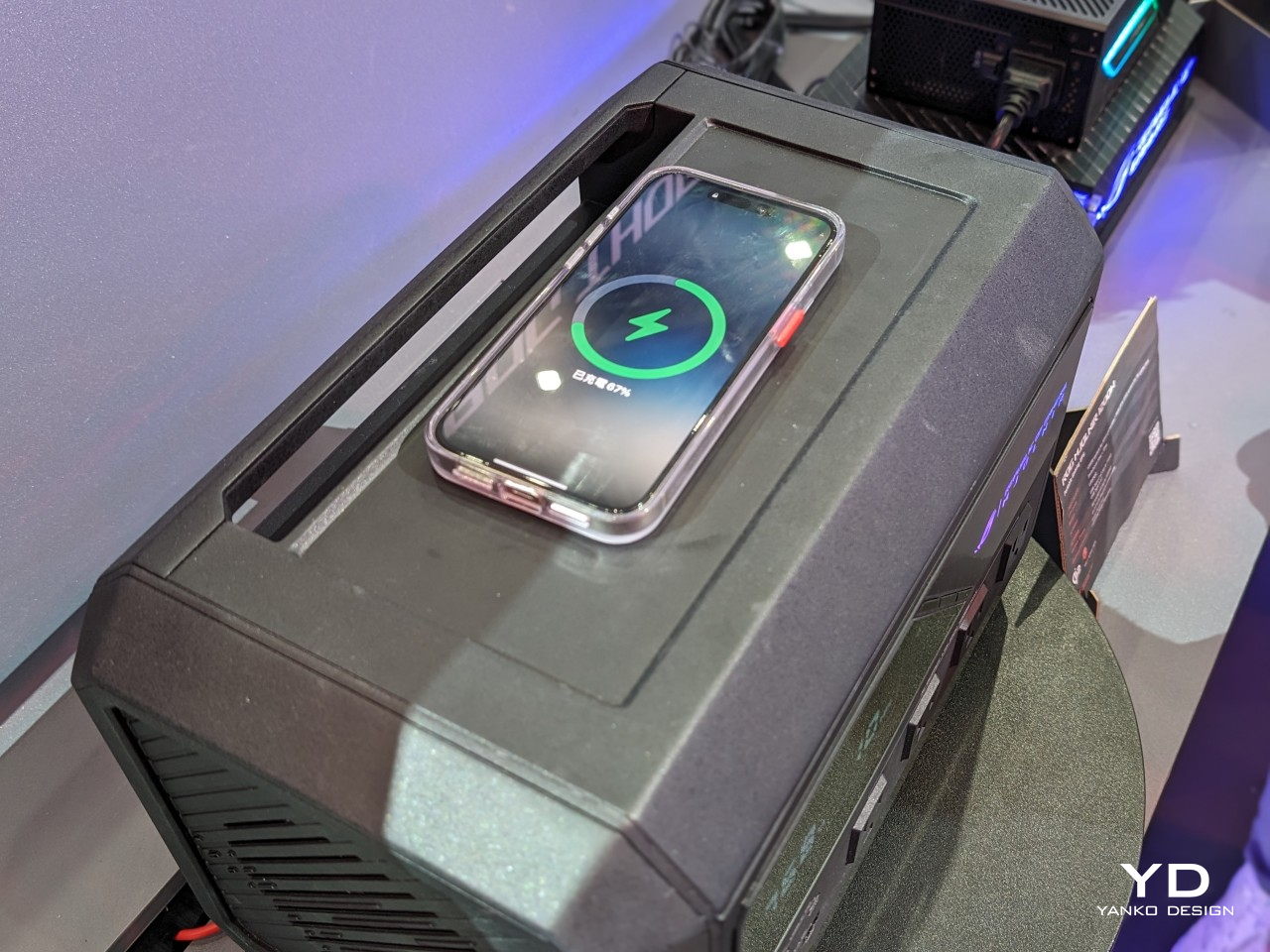
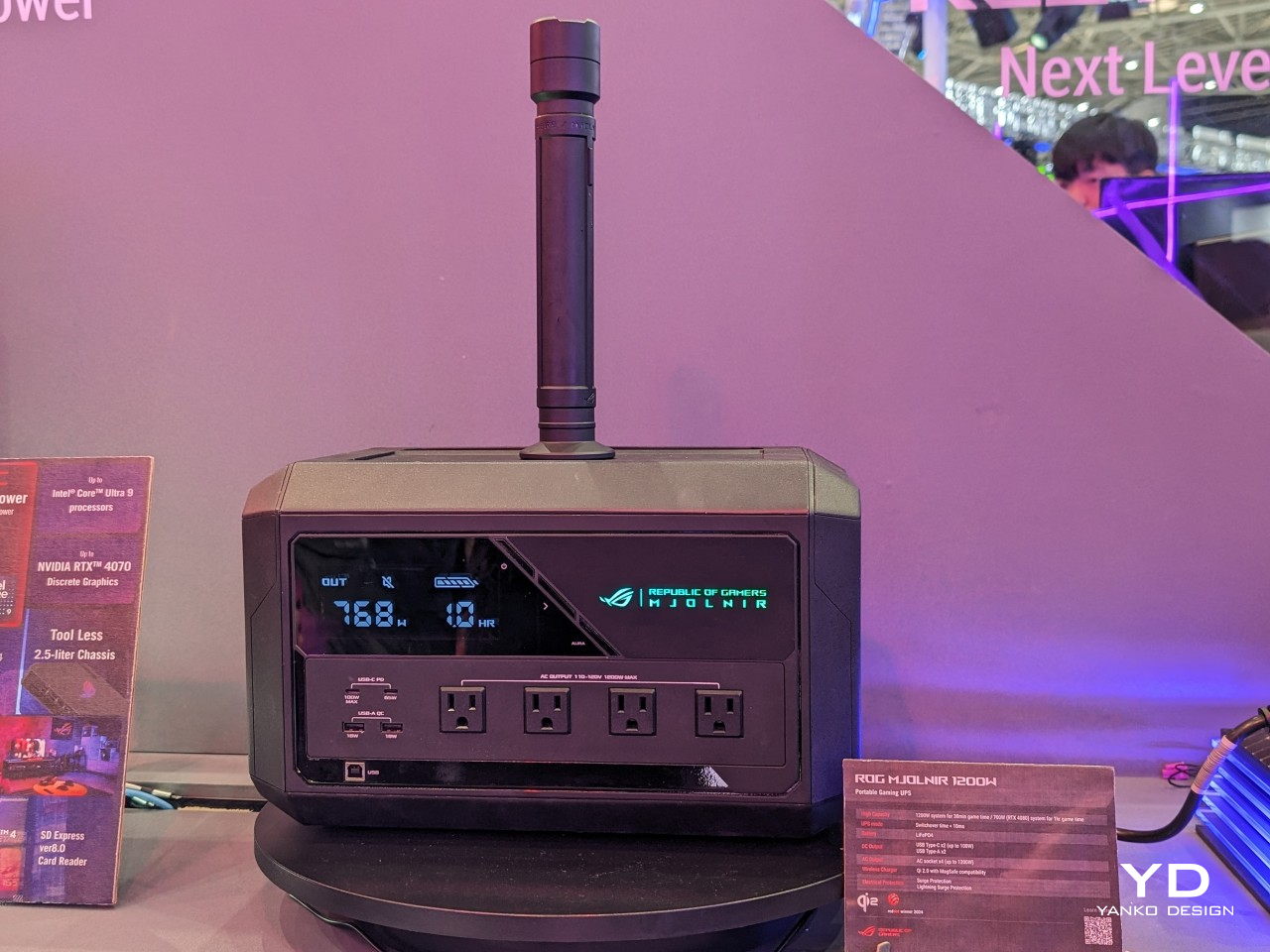
Nothing scares a gamer or designer more than losing power in the middle of an intense playing or working session. Uninterruptible power supplies are a staple for these people, but if you’ll be getting one, why settle for a boring box when you can have one of the most powerful weapons in the universe? Shaped after the mythological hammer of Thor, the ROG Mjolnir is a power station with an attitude and, more importantly, the power and features to actually match.

Cooler Master MasterHUB Modular Stream Kit
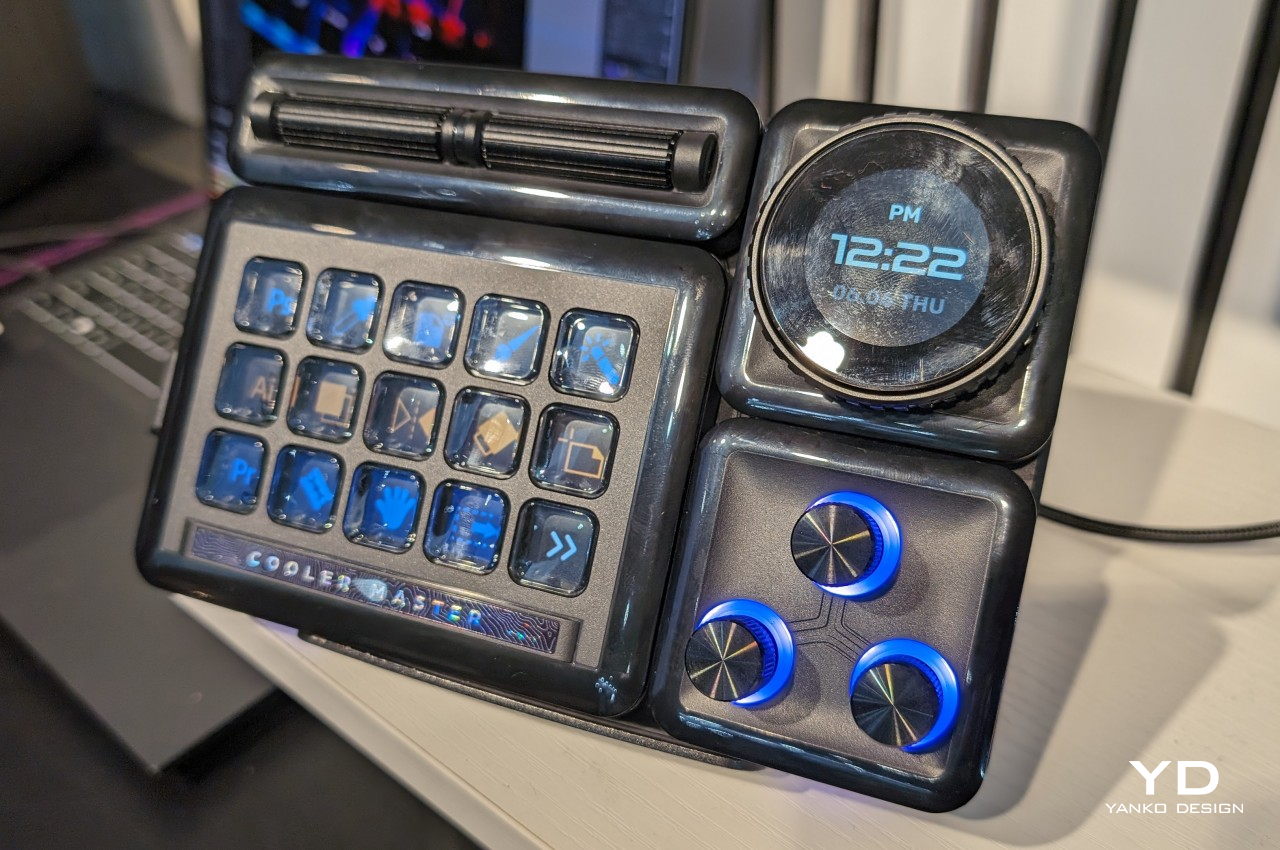
Designer: Cooler Master

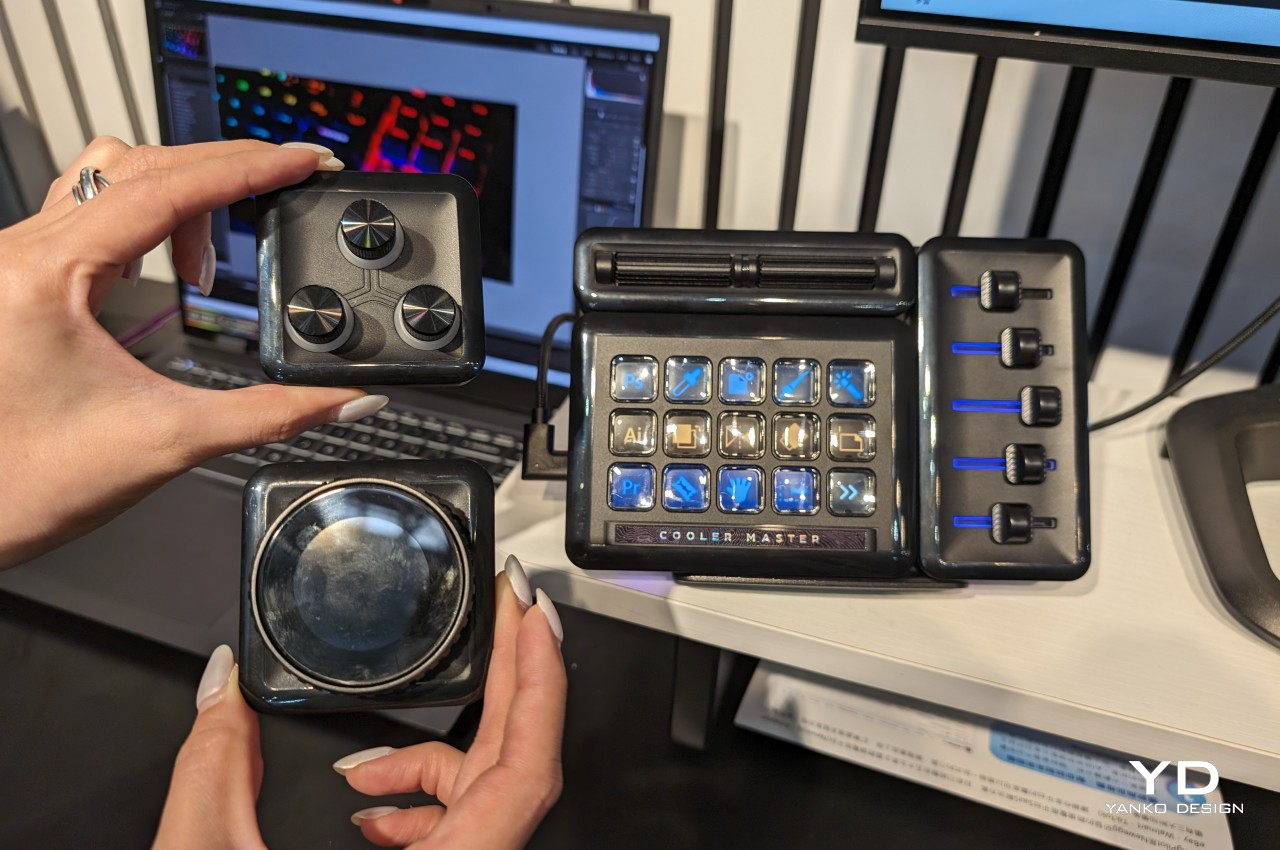
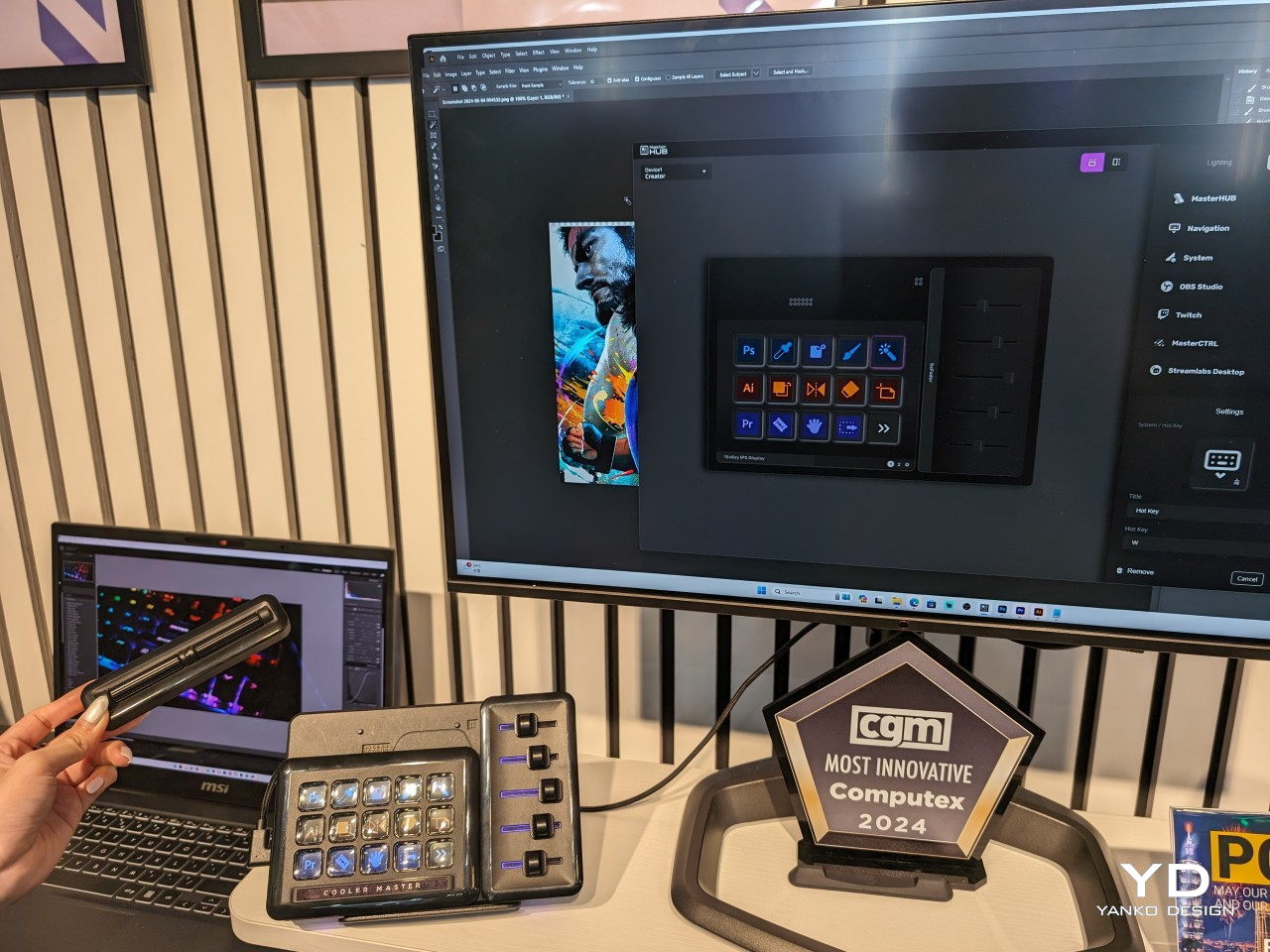
A typical computer keyboard has 87 to 101 keys or more, but sometimes even those aren’t enough for content creators, streamers, gamers, and advanced computer users. When you have to remember a bunch of keyboard shortcuts that differ from program to program, you’re putting a heavy burden on your mind that could be used for actual creative thinking instead. This modular MasterHUB stream kit and control center not only offers the power of programmable buttons but also lets you decide how you want those controls to be arranged and look.

The post Top Design Innovations from Computex 2024: Where Technology Meets Aesthetics first appeared on Yanko Design.
The ADATA XPG Invader X boasts a cyber-minimal design backed by eco-friendly recycled materials

With its retropunk fishtank design and a few design awards under its belt, the ADATA XPG Invader X immediately grabbed our fancy at Computex 2024. A cool-looking gaming PC chassis no doubt, the Invader X also scored major points for its ESG-compliant design that uses post-consumer recycled plastic to be cutting-edge yet sustainable. Crafted with eco-friendly materials, The XPG Invader X’s design minimizes waste by allowing for easy upgrades. Pre-installed, eco-friendly fans utilize innovative reverse spinning technology to prevent heat buildup, maximizing airflow and maintaining optimal system temperature.

Designer: ADATA

Beyond aesthetics, the Invader X boasts features to keep your high-performance system cool. It comes pre-installed with five ARGB fans, with three in the front for intake and two reverse-flow fans in the back for exhaust. This airflow configuration helps maintain optimal temperatures, making the Invader X suitable for overclocking enthusiasts.

The case supports radiators up to 360mm in both the side and top positions, which means it can accommodate even the most powerful liquid cooling setups. Additionally, it boasts ample space for graphics cards up to 400mm in length.

A unique feature of the Invader X is its compatibility with the new BTF motherboard standard. This standard positions motherboard connectors on the underside, contributing to the clean, uncluttered look and keeping cables hidden from view. For those using traditional motherboards, the Invader X offers ample space for cable management with pre-installed straps and strategically placed cutouts.

For those who prefer a vertical GPU presentation, the XPG Invader X includes a dedicated GPU holder and a high-quality 180mm PCIe Gen 4 riser cable.

The post The ADATA XPG Invader X boasts a cyber-minimal design backed by eco-friendly recycled materials first appeared on Yanko Design.
ASUS ROG Mjolnir power station promises uninterrupted gaming for an hour

It seems that the gods of Asgard are truly smiling on brave digital warriors. After two months of debate and speculation on whether they’re just pulling a long hoax, ROG has proven that there is, indeed, a real Mjolnir power station, or at least one working unit shown off to the public at Computex 2024. And it is as massive as you might have expected, but also had a few surprises we didn’t see coming. It probably won’t satisfy outdoor adventurers, but for the avid collector, comics fan, and loyal ROG gamer, the ROG Mjolnir will definitely be one to keep an eye on, at least when ASUS finally spills all the beans.

Designer: ASUS Republic of Gamers

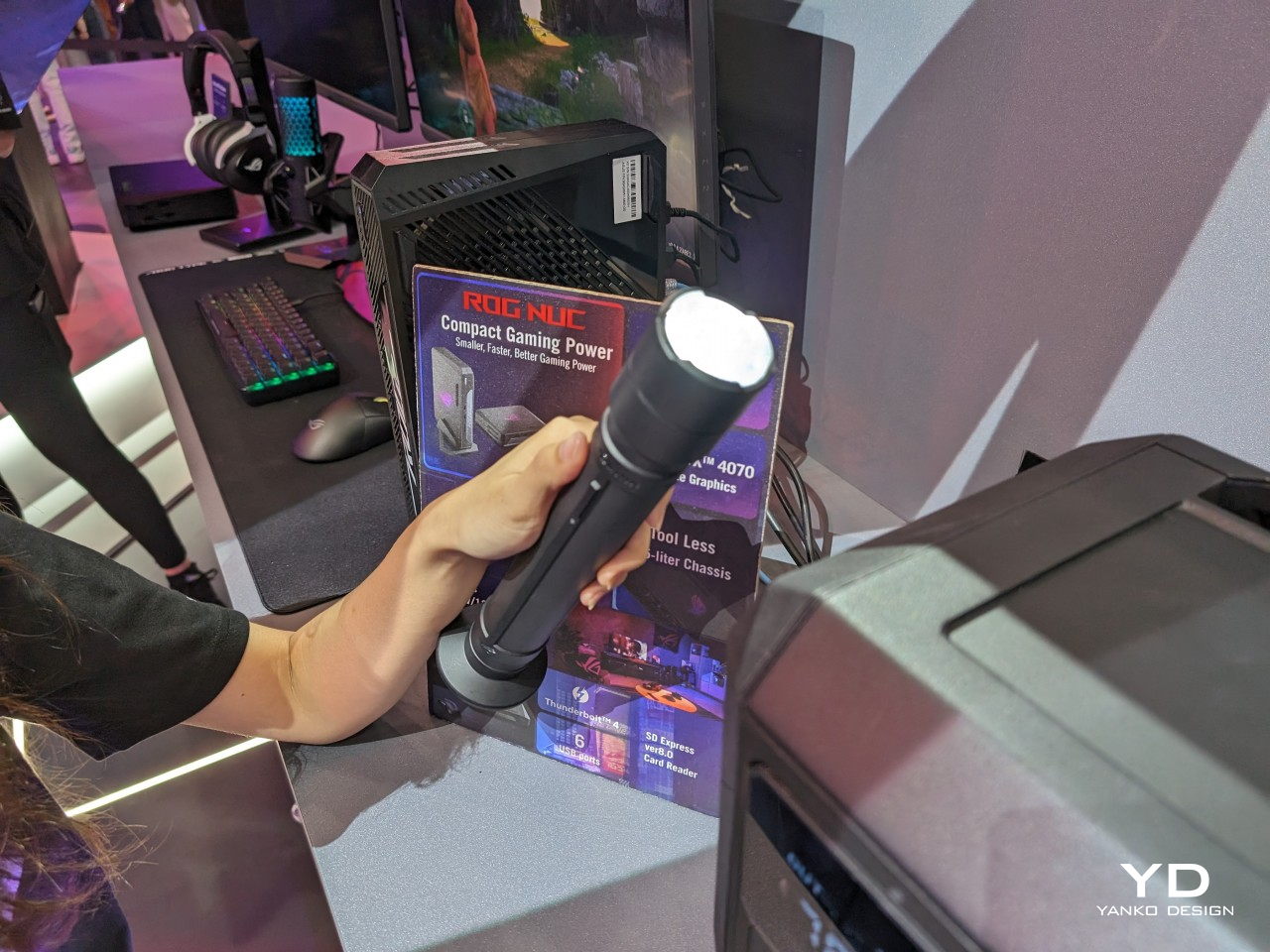
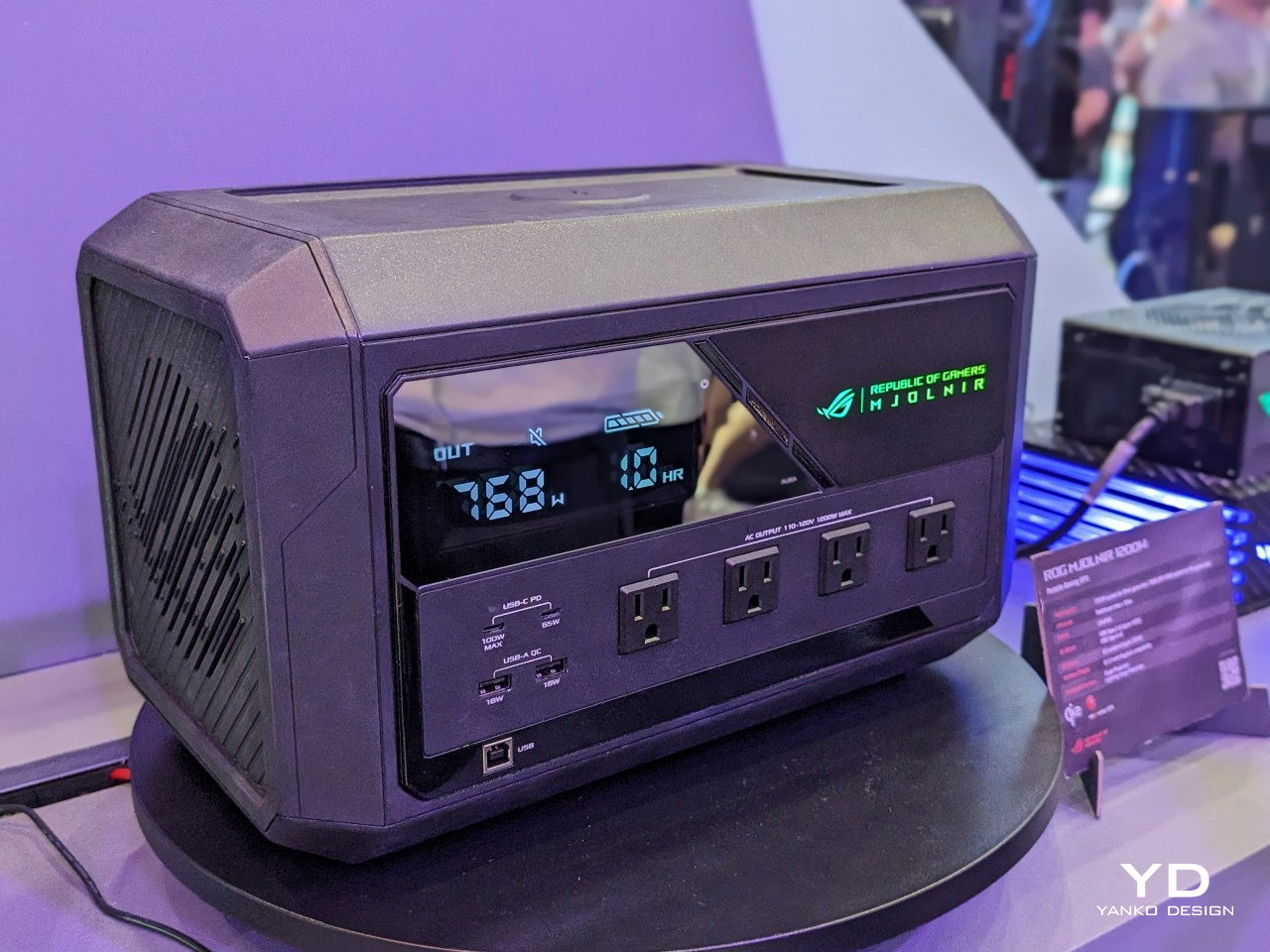
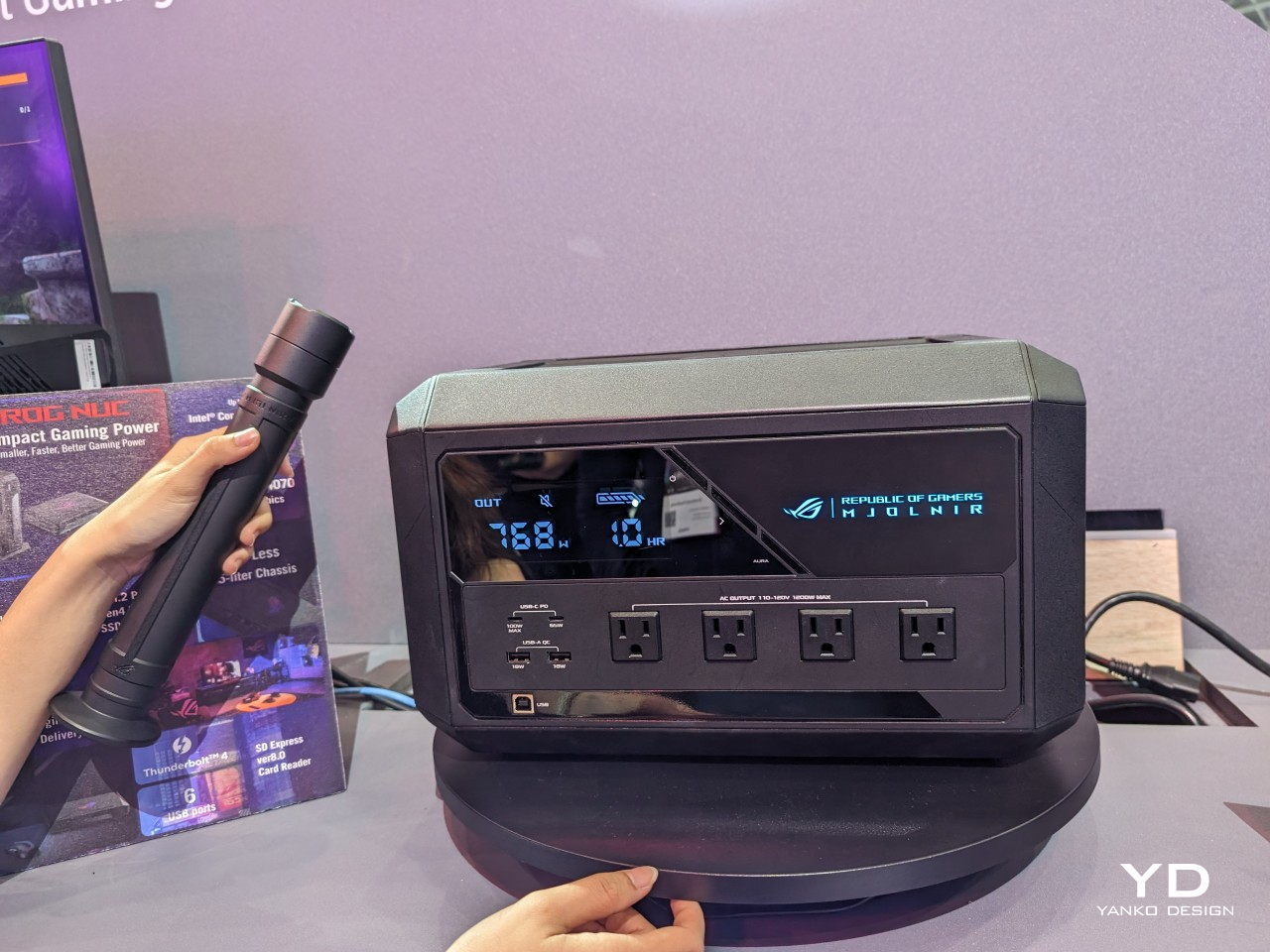
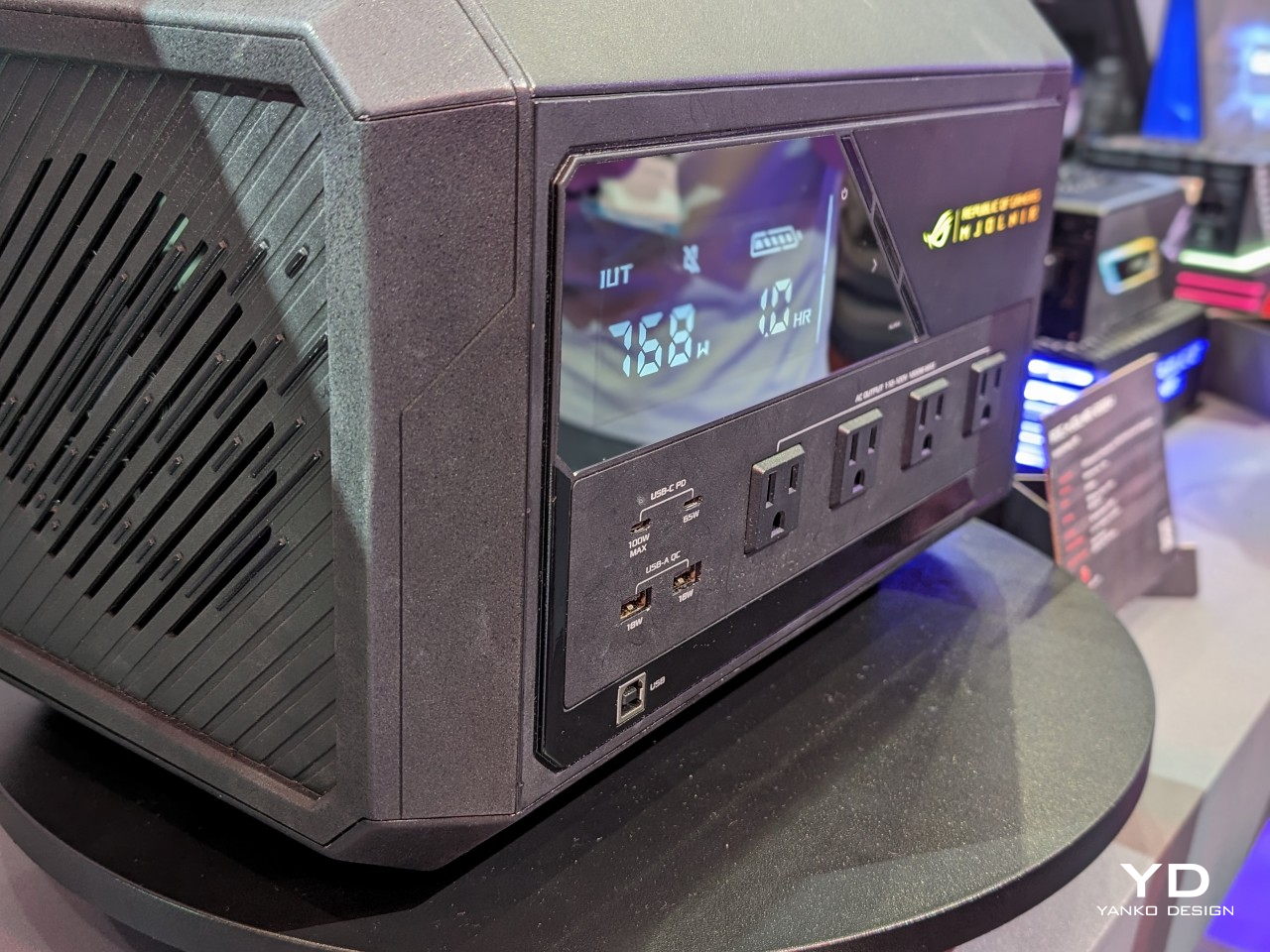
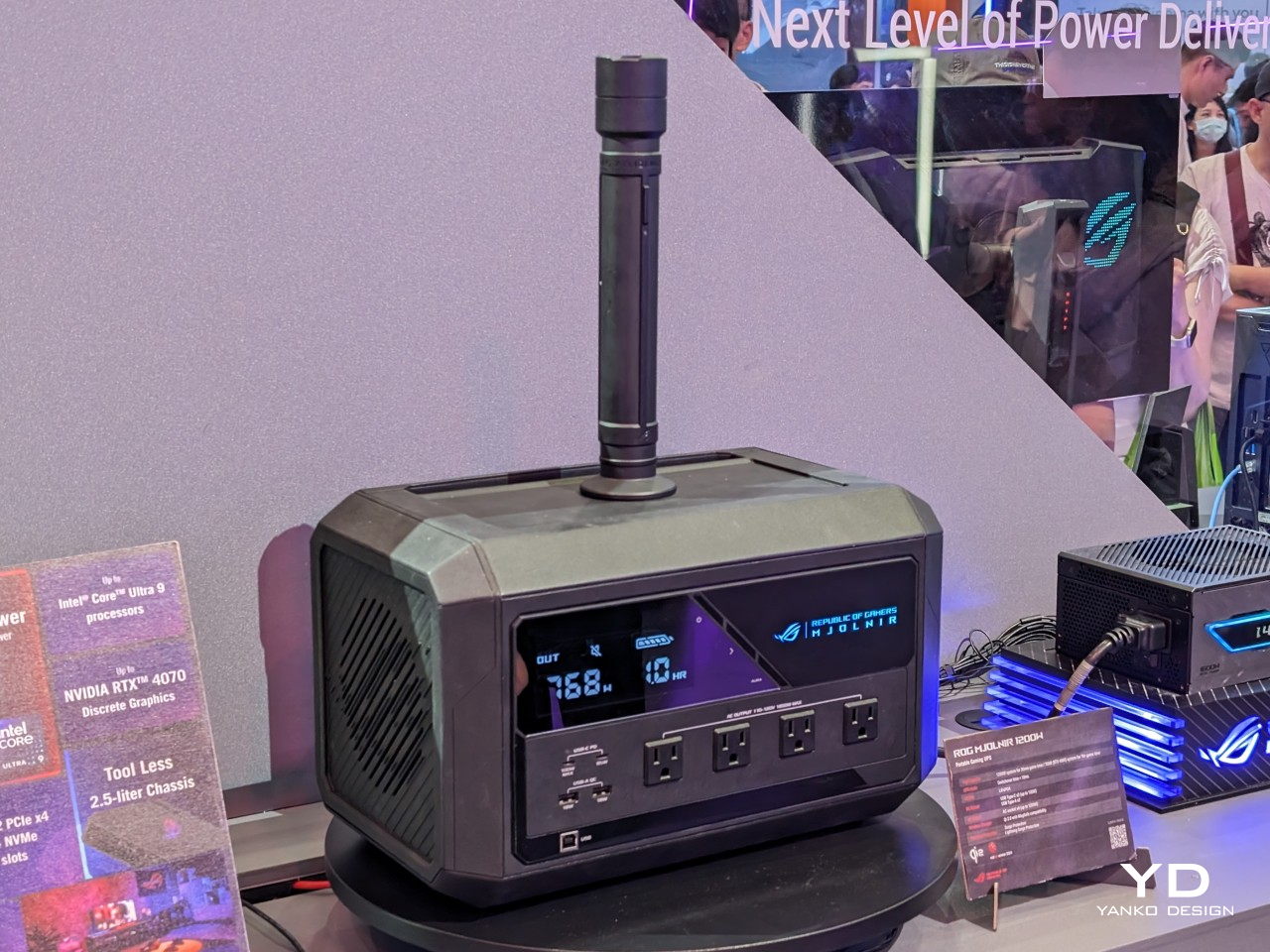
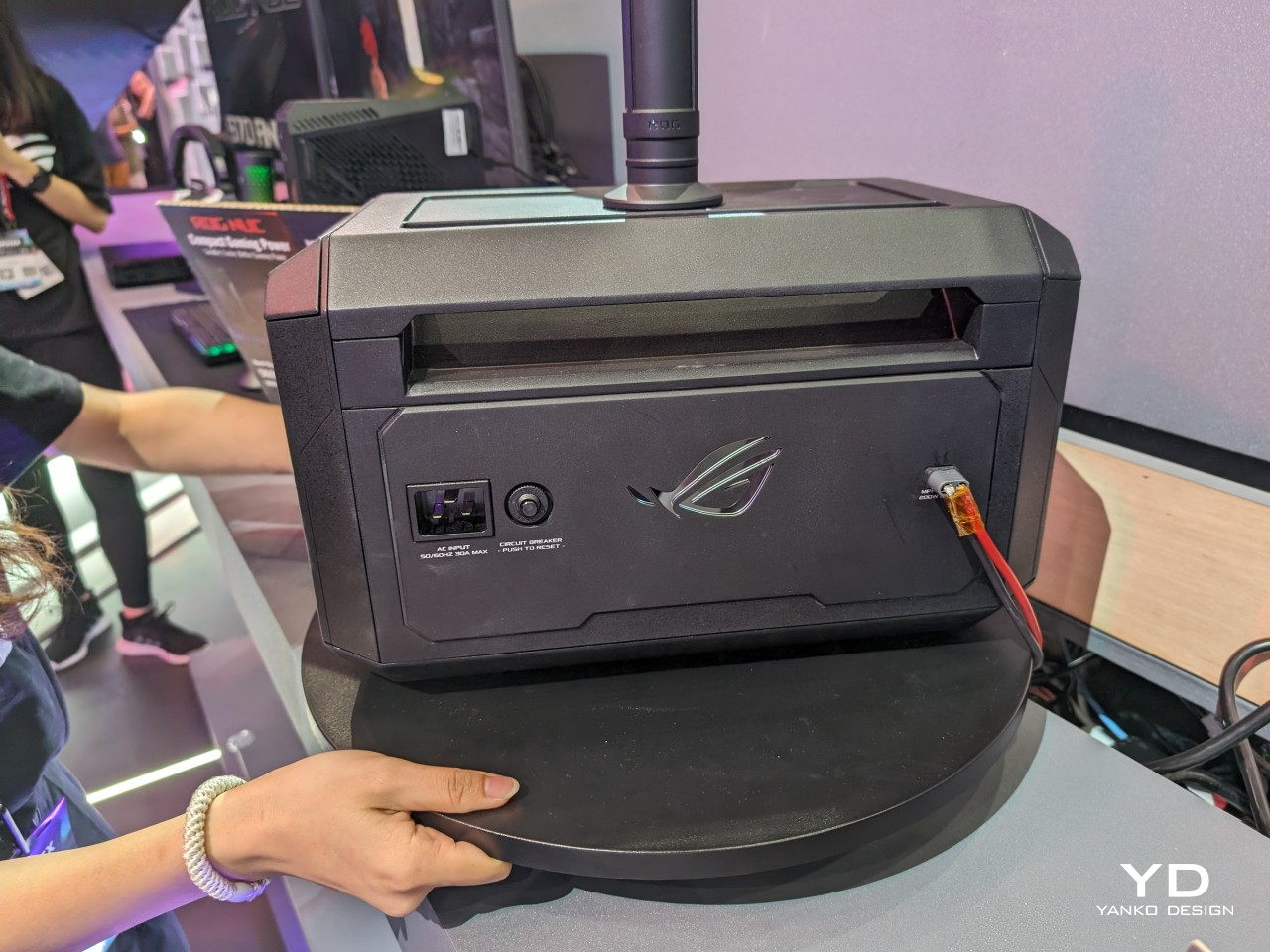
The ROG Mjolnir is a huge box, perhaps too big for the 768Wh battery it packs inside. Exact dimensions and weight aren’t available yet, but it’s definitely not something you’ll be carrying around a lot despite the “portable” in its name. And you’ll definitely not want to lift it by that handle sticking out from the top because you won’t be able to. And it’s not because you’ve been deemed unworthy.

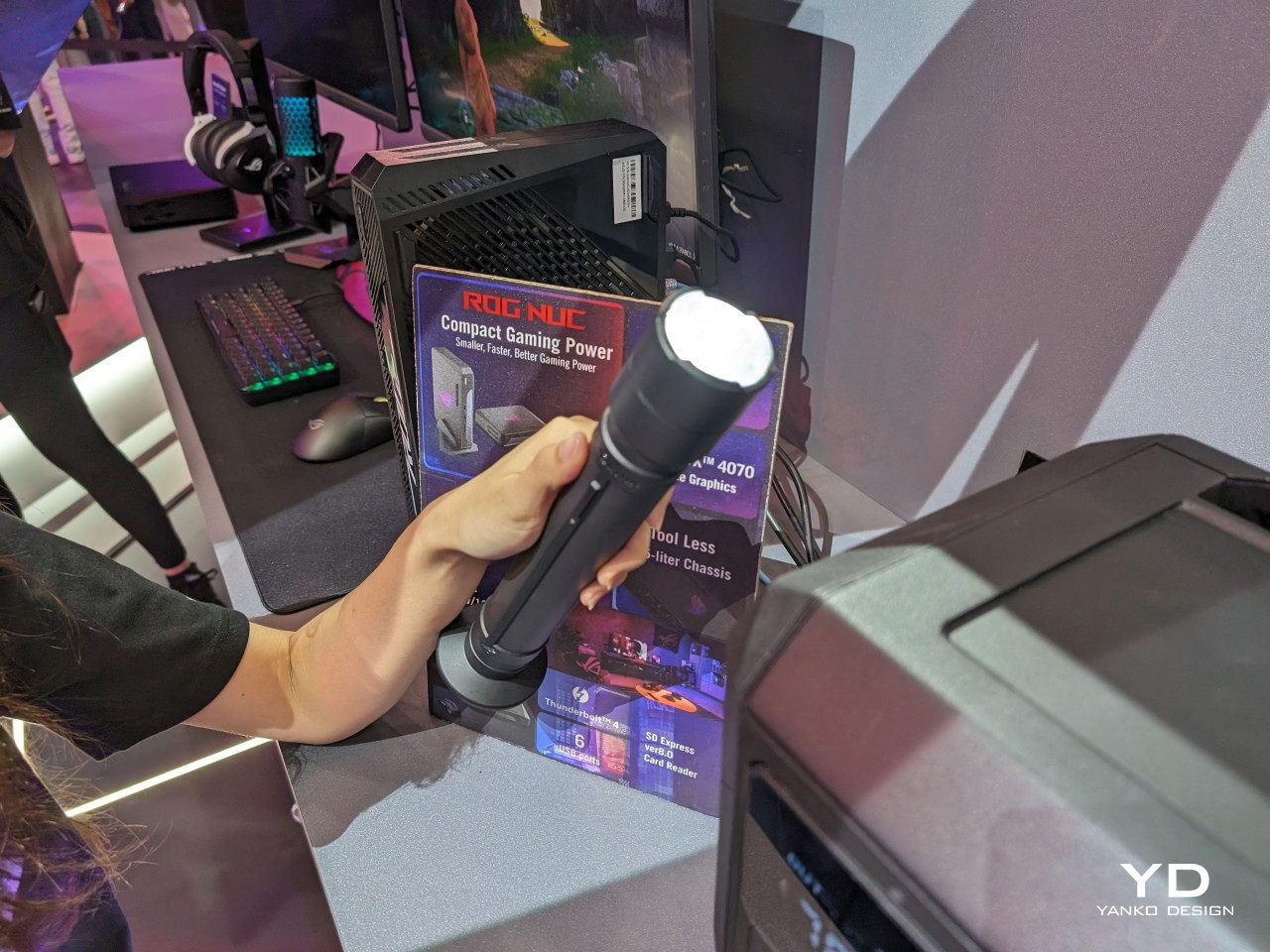
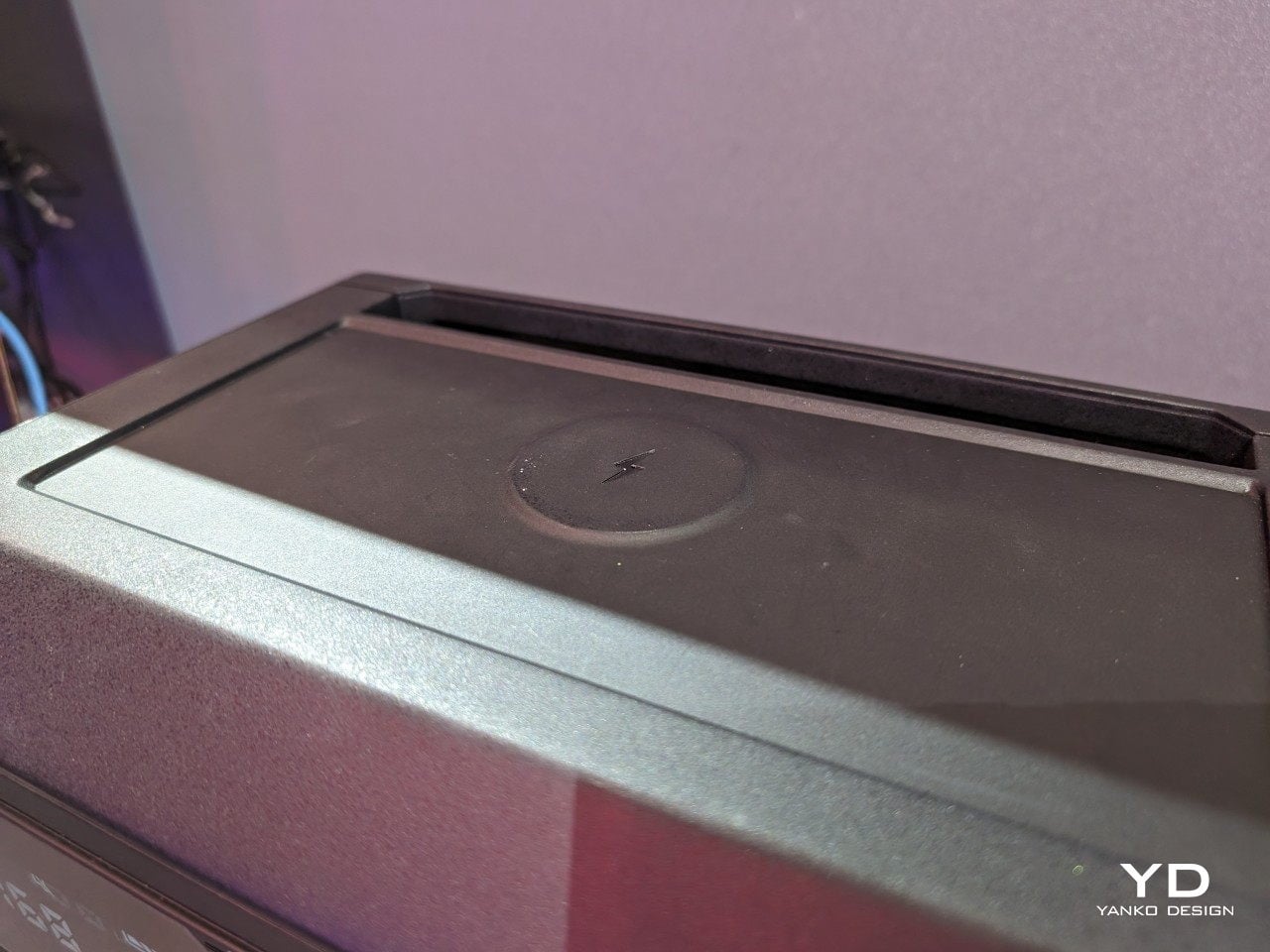
As speculated, that stick is actually the torch that ASUS teased in April, but it doesn’t work the way you might expect it to. The light is actually on the top end of the stick, so you have to lift it rather than pull it up like you would when trying to pick up a hammer. The opposite end that has a flat disc is actually a magnetic connector that attaches to the magnetic wireless charger on the top of the box.

Yes, there is a 16W wireless charger and it’s compatible with both MagSafe and Qi 2.0. There’s a telltale sign of a charging coil smack in the middle of the Mjolnir’s top, and it’s a bit raised so you can feel the spot with your hand if it’s too dark to see. Of course, you could just use the torch handle to light up the space since you’ll be removing it from its spot anyway. One design oversight, however, is that there doesn’t seem to be any other way to attach the handle so you’ll have to make sure it doesn’t roll off or get lost while you’re charging your smartphone.

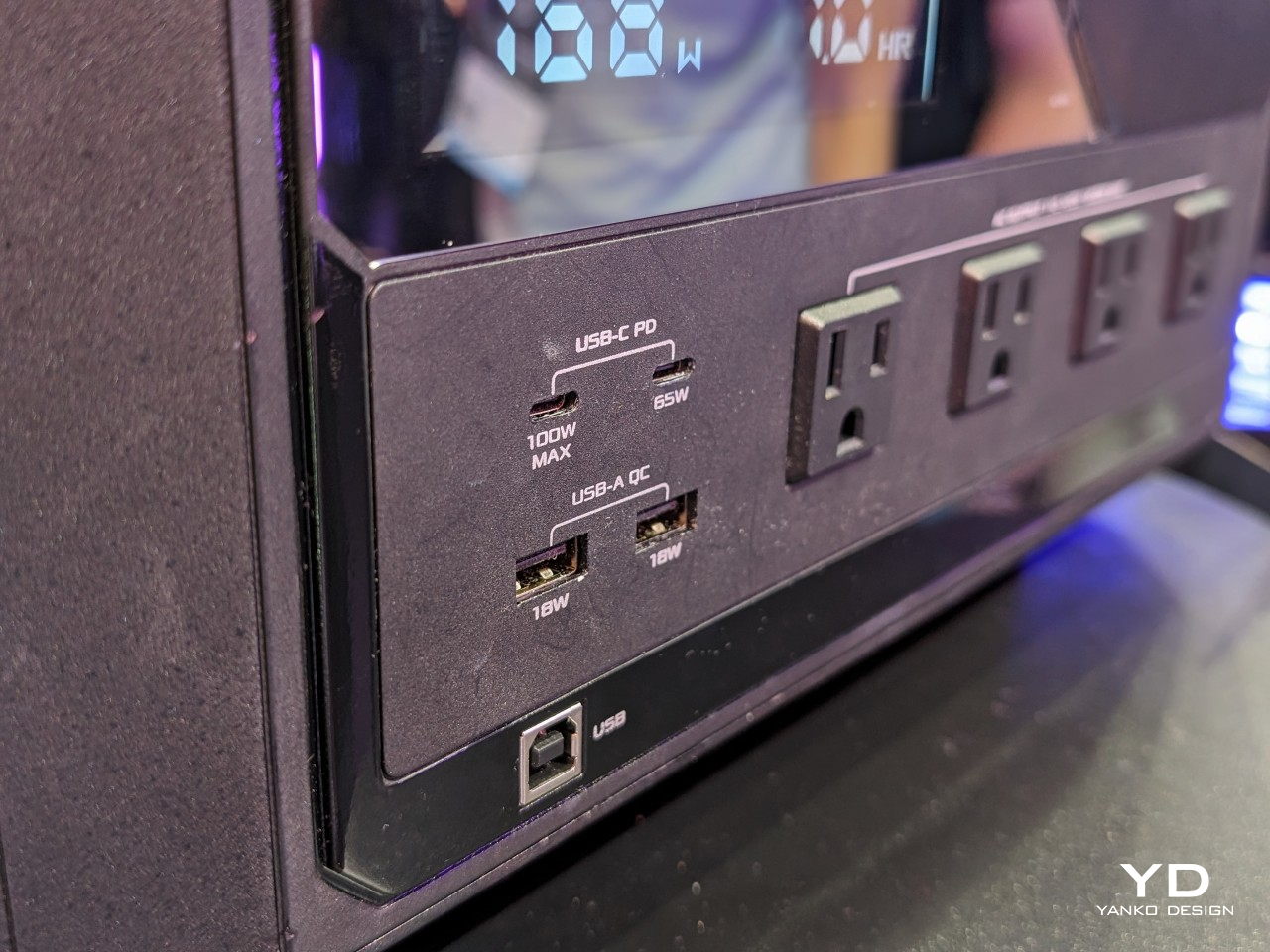
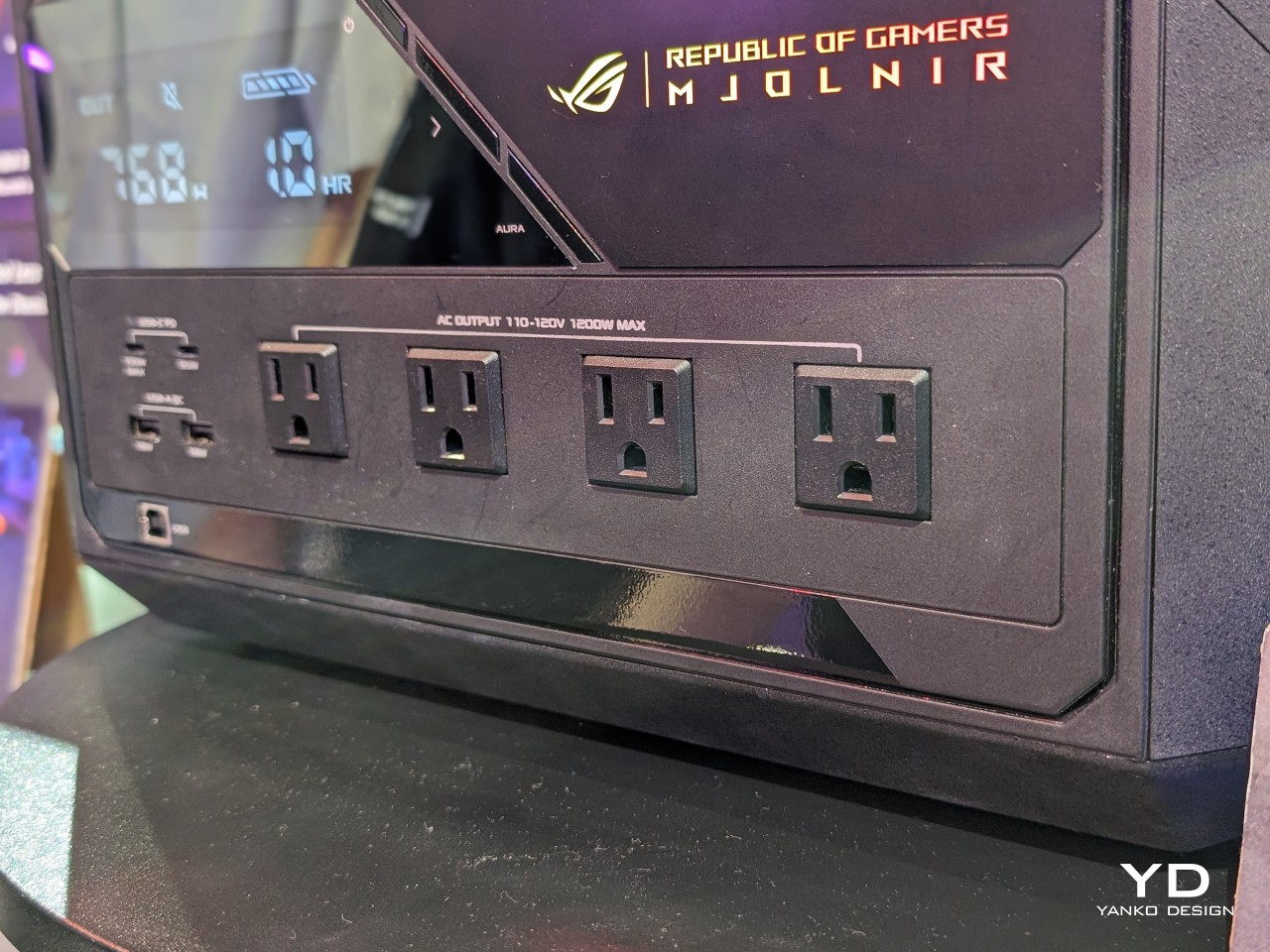
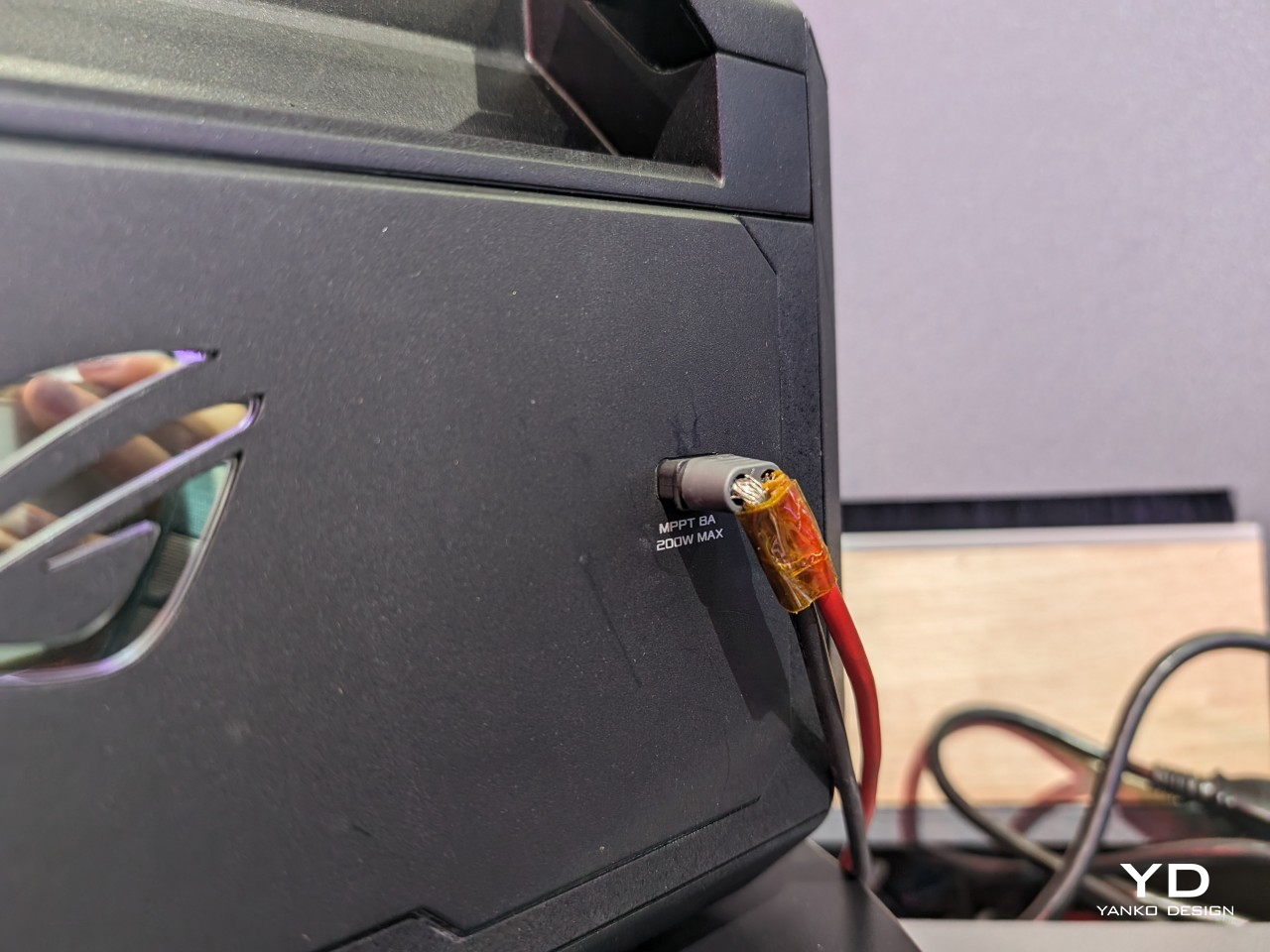
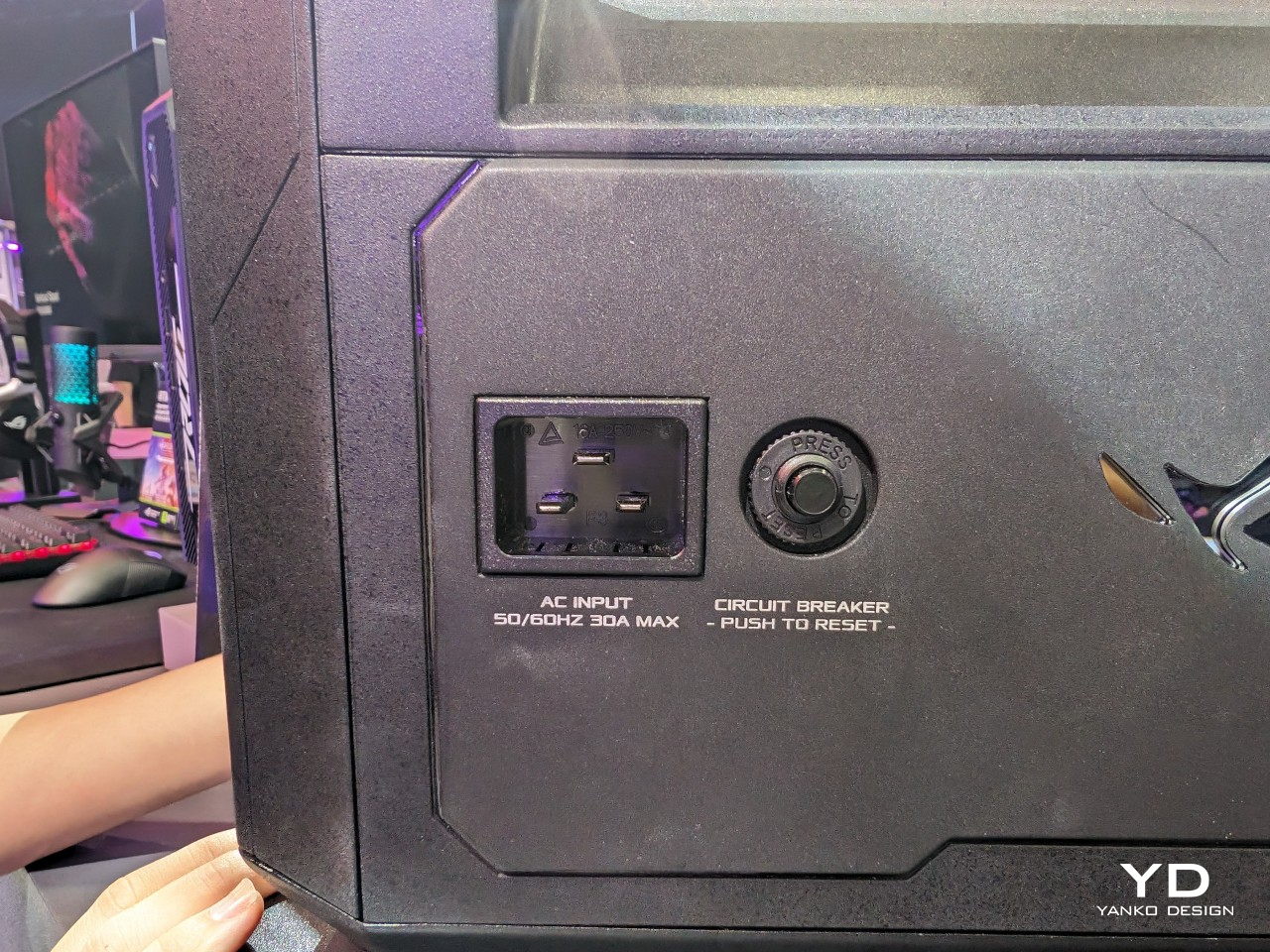
Apart from its majestic design, the ROG Mjolnir is pretty average as a power station and is clearly aimed at computer users more than travelers. There are two USB-C ports capable of 65W and 100W of output, two USB-A ports, and four AC outlets with a total maximum load of 1200W. There are no DC barrels or car chargers, it can be charged via solar panels if a direct power source is unavailable.

That’s pretty much a standard for portable power stations but its main purpose is really to provide an uninterruptible power supply in a sudden power outage that should last one hour at 700W or 30 minutes with the max 1200W load. With a fast switchover of 10ms, you’ll have enough time to safely shut down your PC or, better yet, finish your battle before finally going down with the power. There is no word yet on when the ASUS ROG Mjolnir will descend on stores, but expect it to have a price tag worthy of a god when it does.

The post ASUS ROG Mjolnir power station promises uninterrupted gaming for an hour first appeared on Yanko Design.
Acer Wave 7 Wi-Fi 7 Mesh Router brings a less stressful design to your desk

As our Internet needs grow, so do the power and complexity of the networking devices we have at home. Strangely, however, the more powerful routers become, the more intimidating they seem to be. Many seem to have fully embraced the tech and gamer culture that would put futuristic-looking designs on a pedestal, whether they look like spaceships or alien mechanical monstrosities. That, unfortunately, forces many homeowners to choose between these powerful yet menacing designs and minimalist yet outdated hardware. Fortunately, manufacturers are also beginning to take note of the gap between these two extremes and are producing designs like the Acer Wave 7 that blends the latest technologies with an almost Zen-like aesthetic.

Designer: Acer

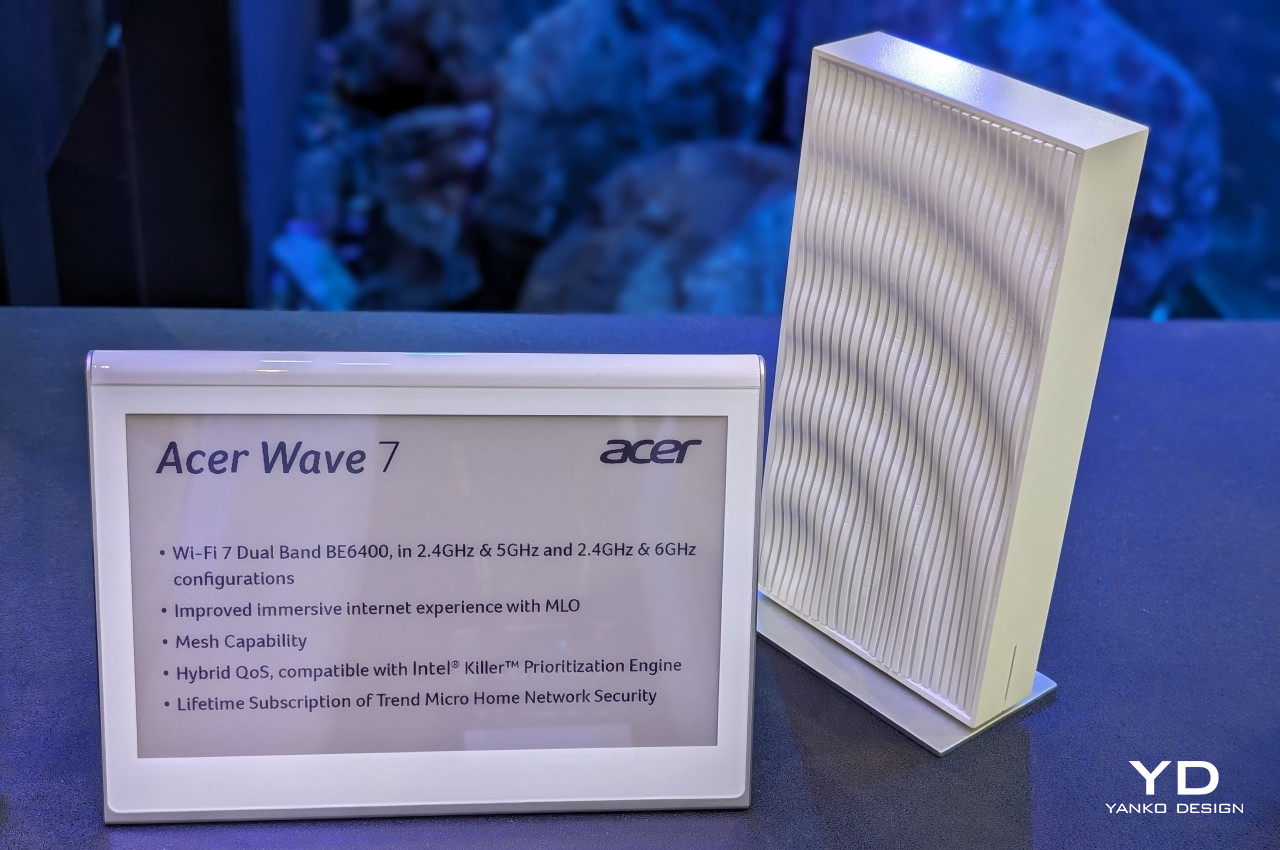
The spec sheet of the Acer Wave 7 definitely looks formidable, employing the latest Wi-Fi 7 standard to support the demands of modern Internet-connected devices, be they Smart TVs for streaming, laptops for work, or smartphones for gaming. Those capabilities include support for super-fast and super-wide 6GHz bandwidth with support for older 2.4GHz and 5GHz bands for older devices. It also utilizes 320 MHz lanes for double the transmission rates, which, along with Multi-Link Operation (MLO), ensures all connected devices get the Internet data they need quickly and reliably.

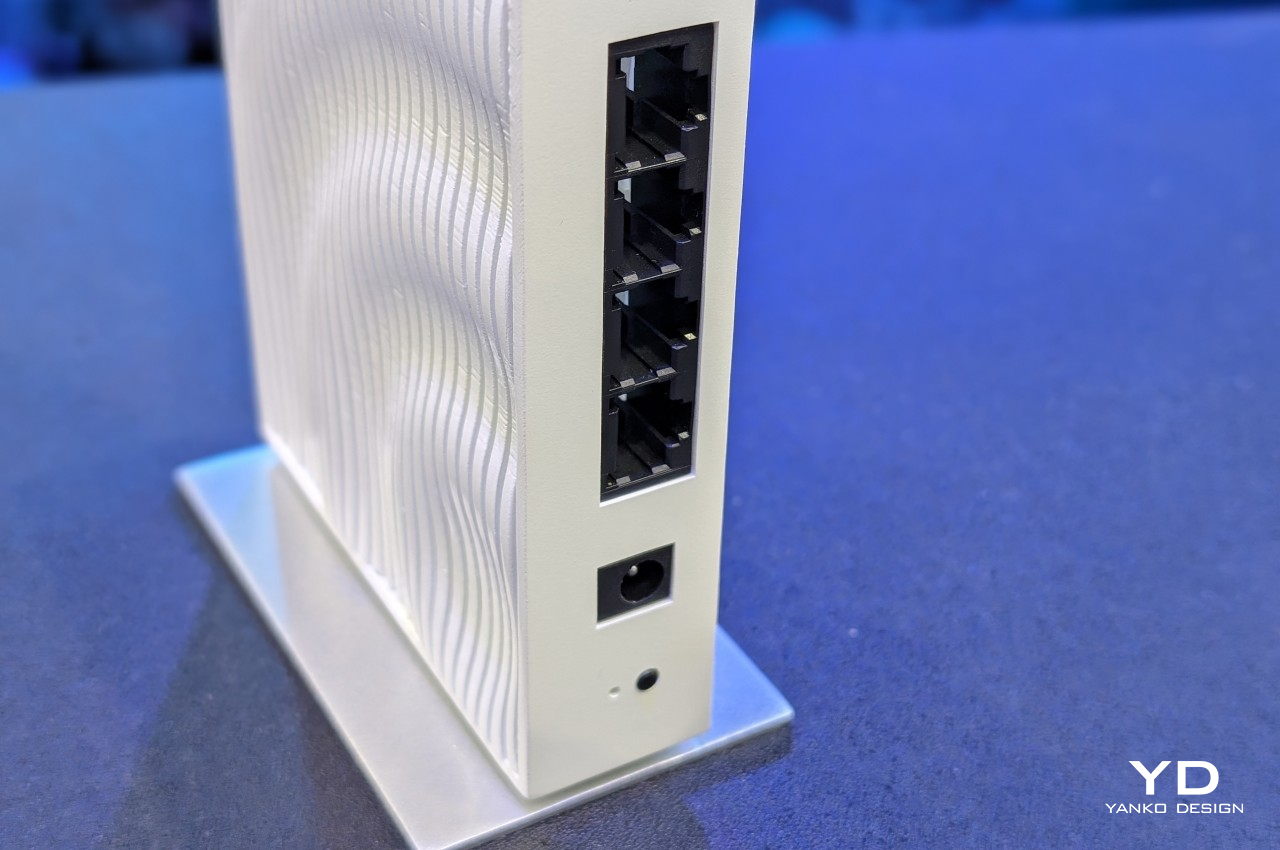
It also has not just one or two Ethernet ports but four, giving the ability to support multiple high-speed wired connections to computers, TVs, and smart home appliances. Of course, not all devices are created equal and need the same amount of data at a rapid speed, so the Wave 7’s smart Hybrid QoS bandwidth management makes sure that data-hungry services like games and video conferencing are prioritized over social media scrolling.

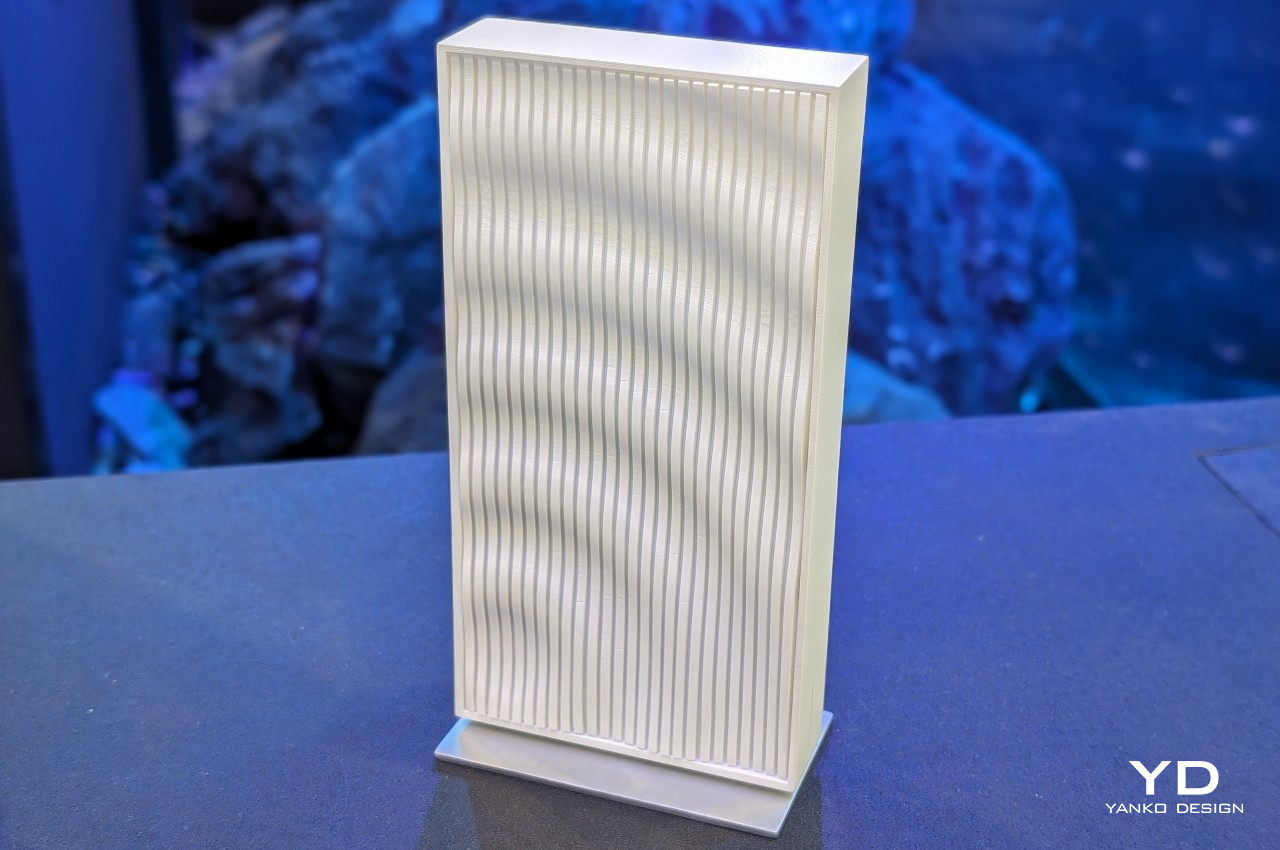
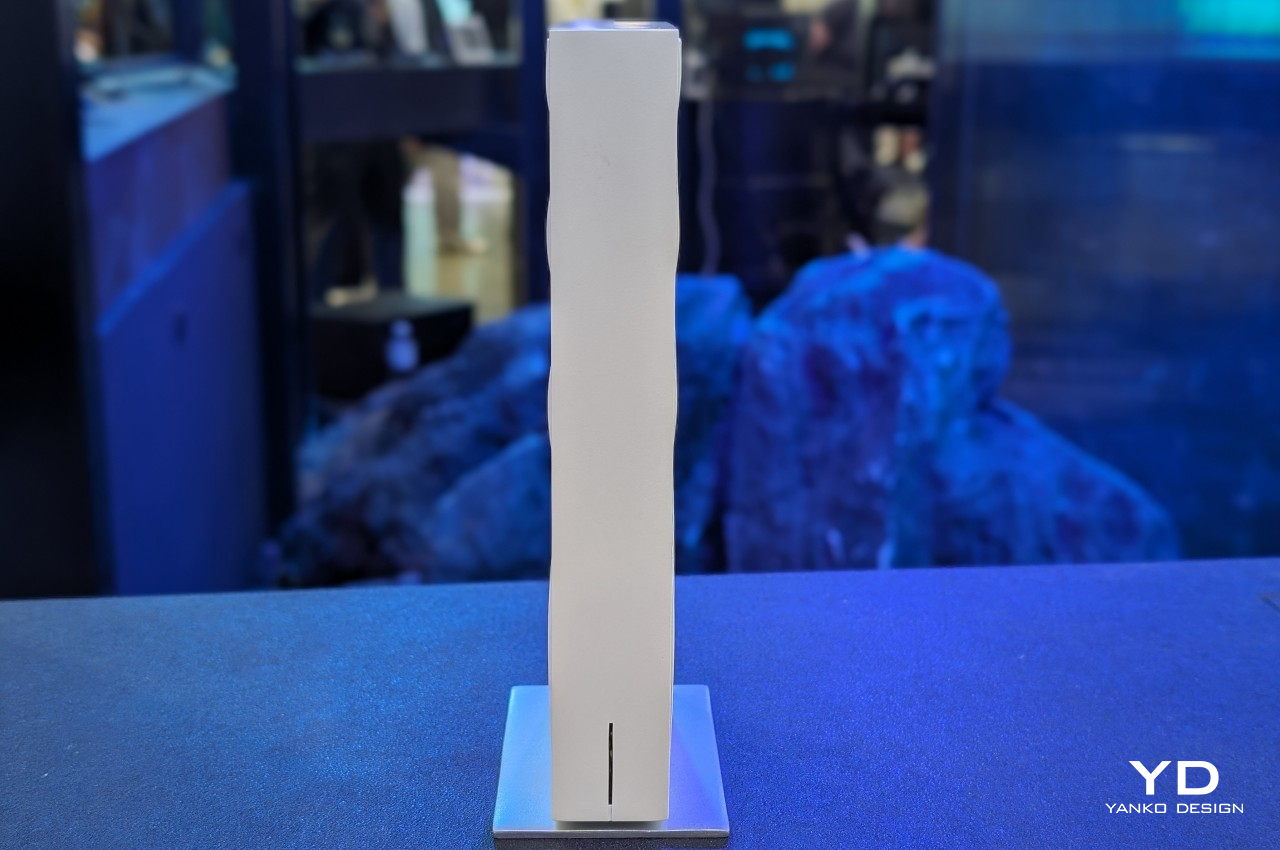
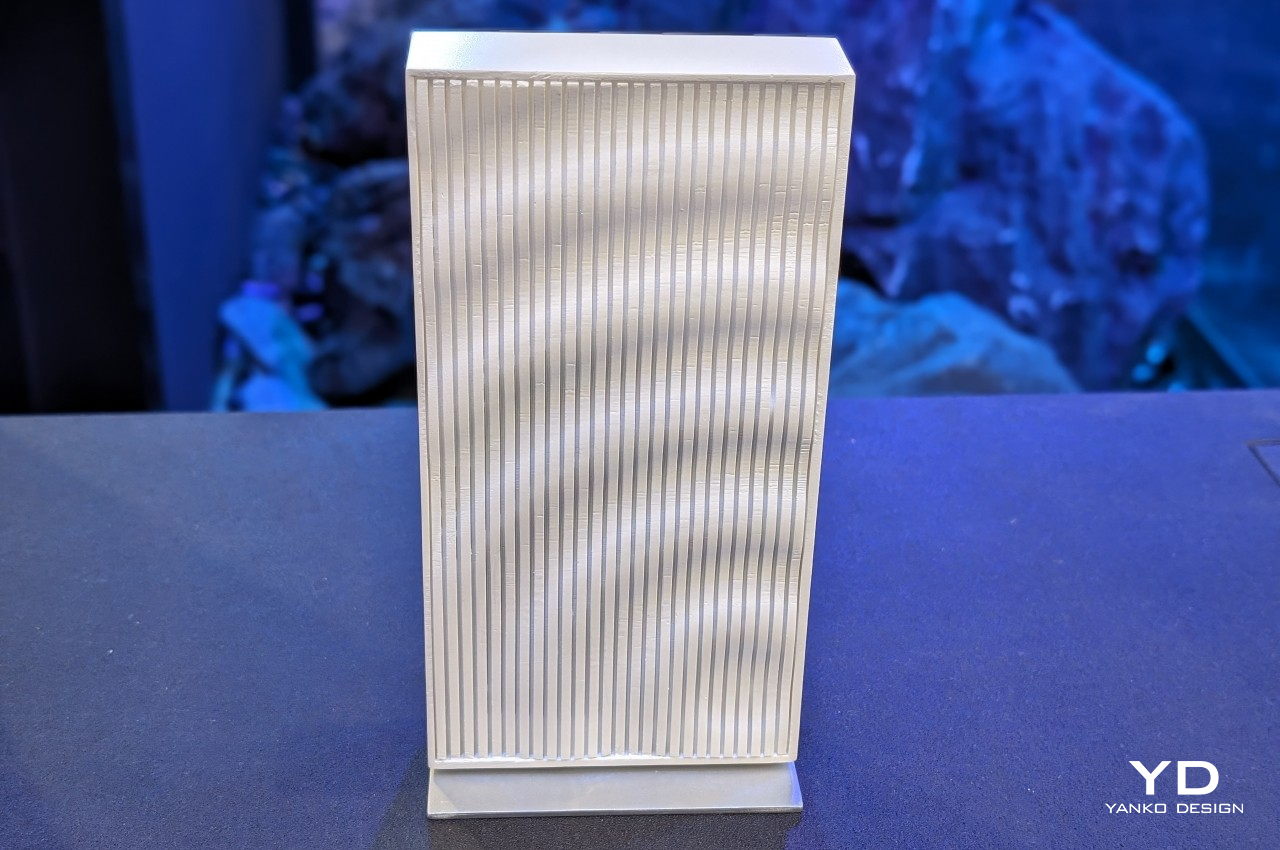
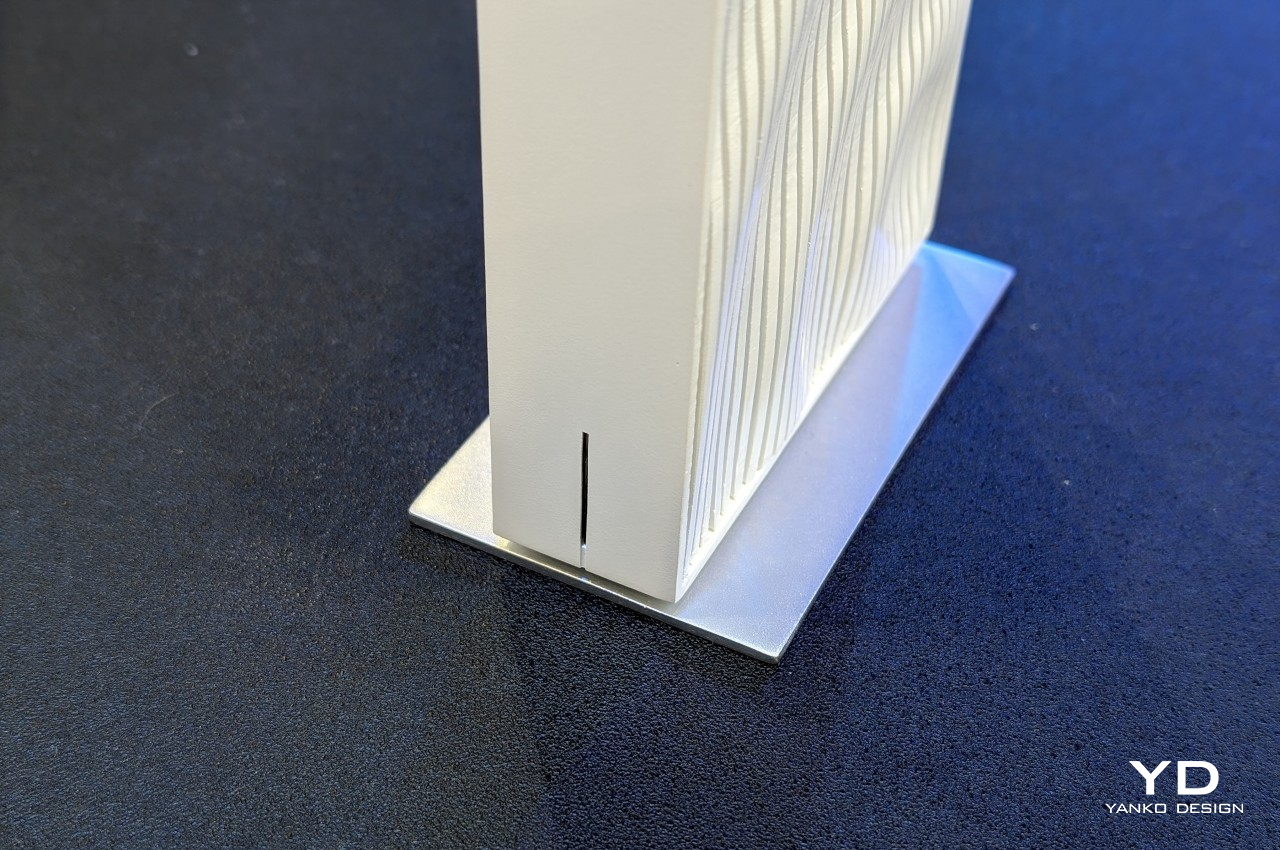
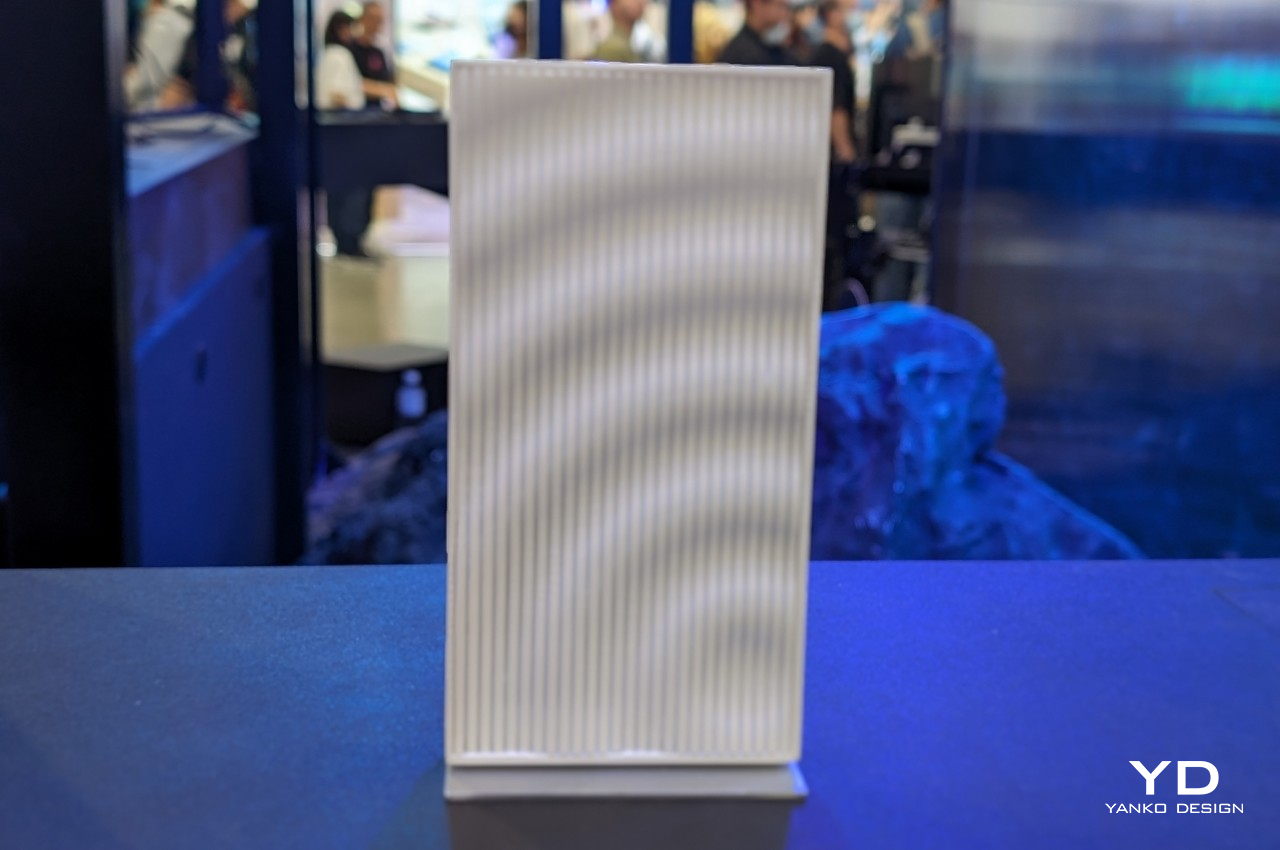
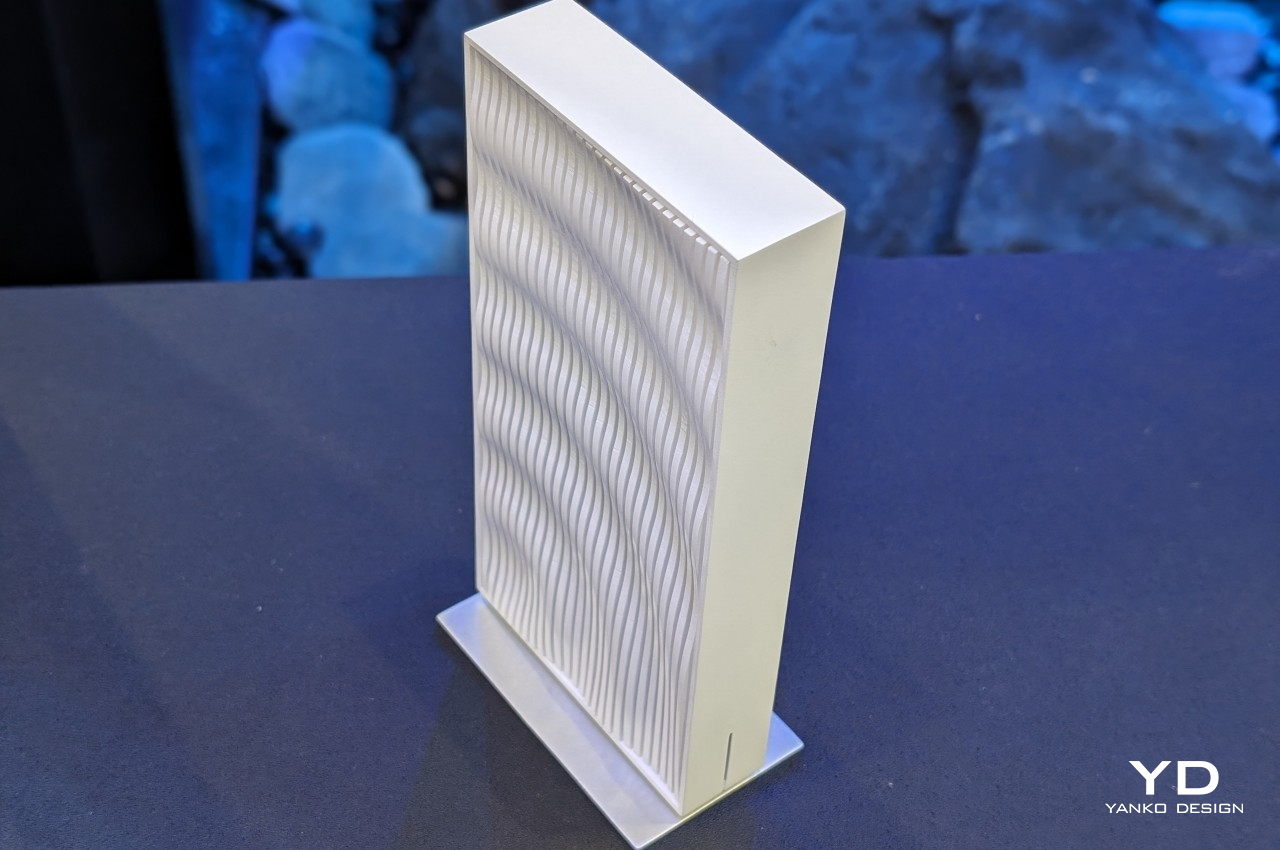
These are features that many routers these days support, but what makes the Acer Wave 7 distinctive is its design. Instead of a black horizontal box with many sharp-looking antennas sticking up from it, this router is tall, slim, and white. And it isn’t a boring minimalist design either. The grilles on its side stay true to its name with their undulating lines, creating what looks like a rippling water not unlike what you’d see in Zen gardens.

It’s admittedly a simple and subtle design cue, but one that immediately changes the atmosphere in a given space. The imagery it triggers has a psychological calming effect, giving your eyes and brain a visual respite from all the cold and impersonal designs you might have in your home or office.

The post Acer Wave 7 Wi-Fi 7 Mesh Router brings a less stressful design to your desk first appeared on Yanko Design.
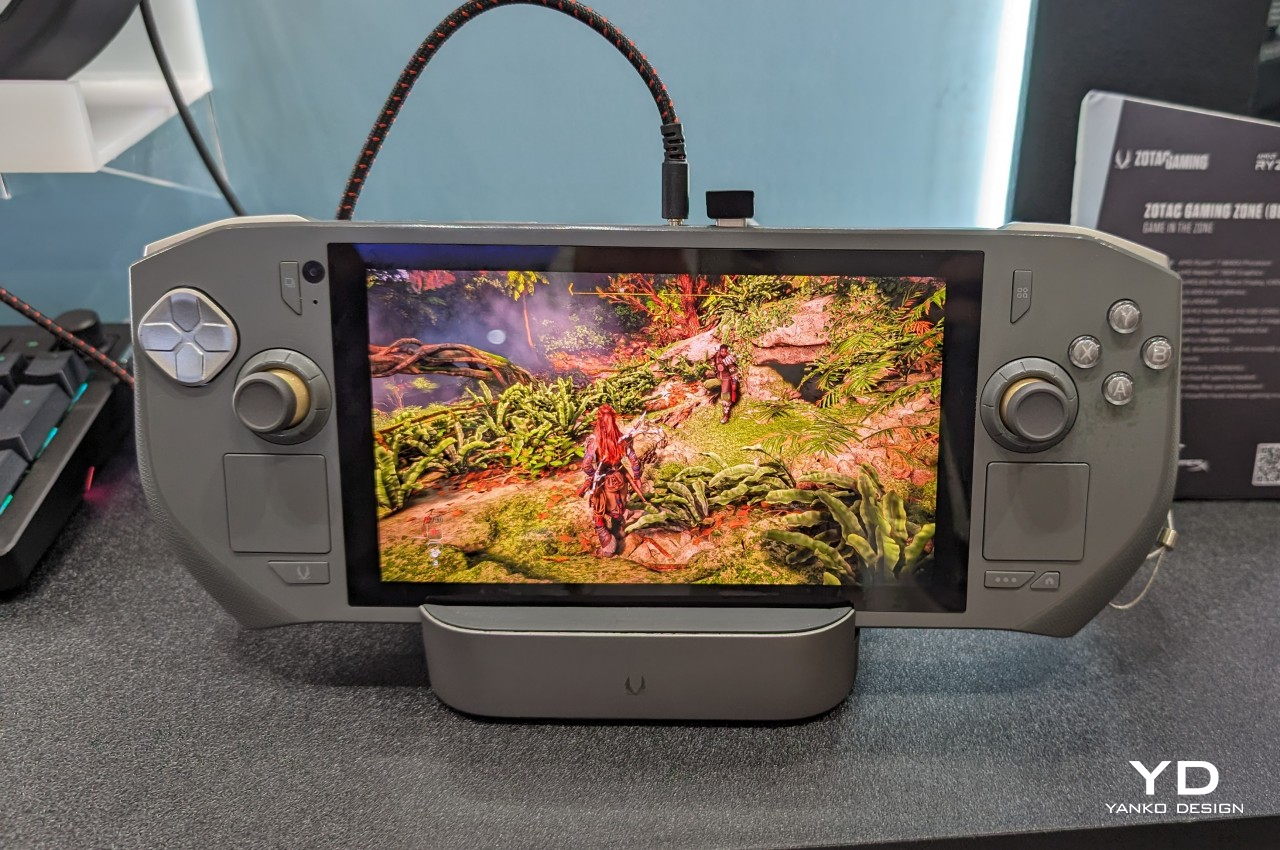
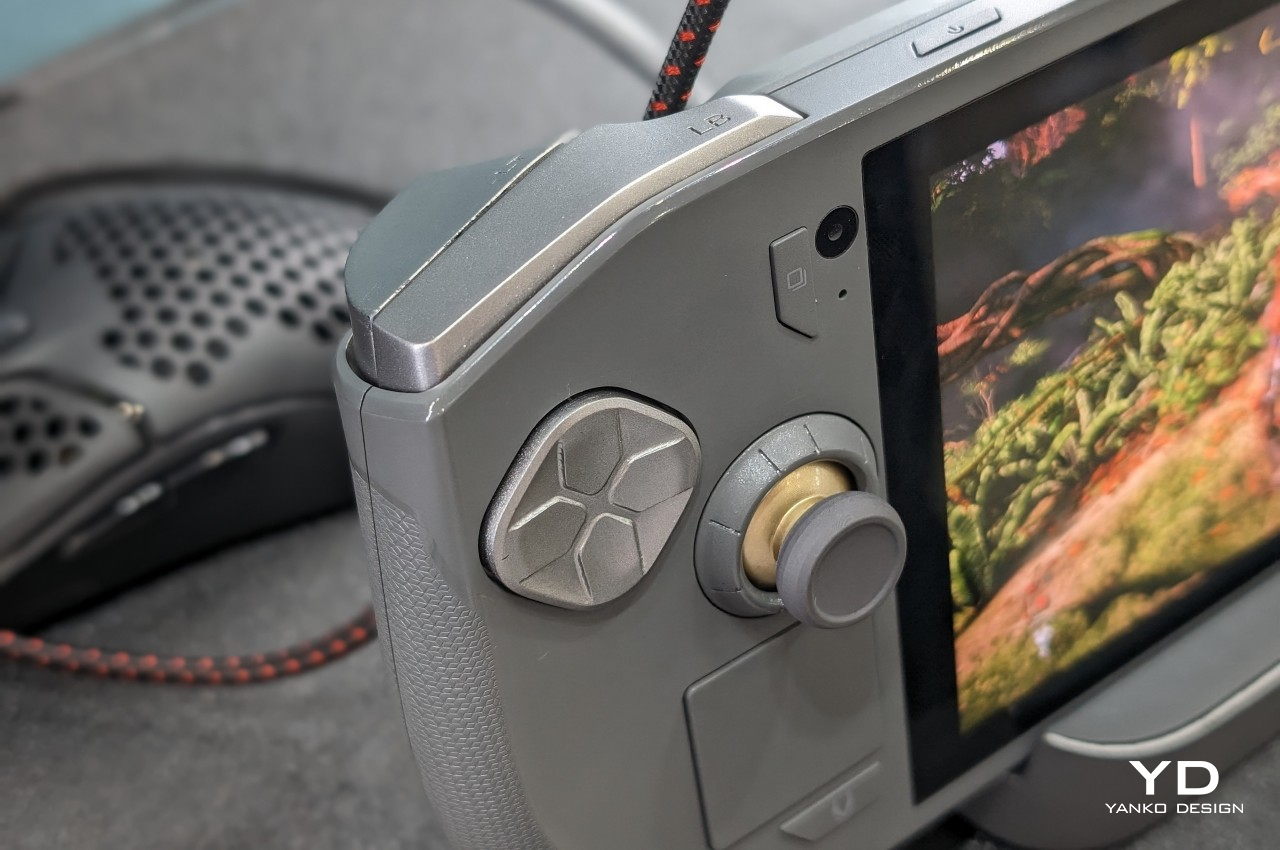
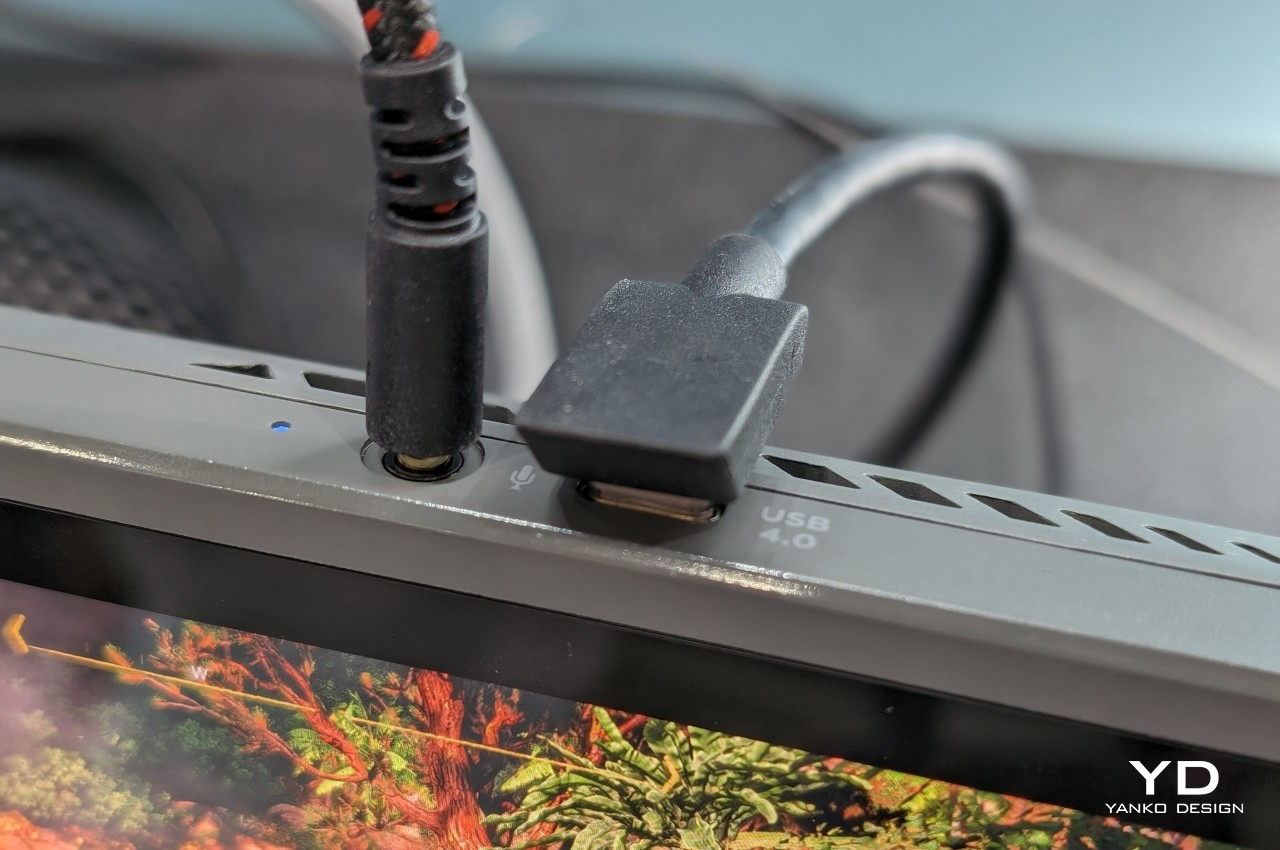
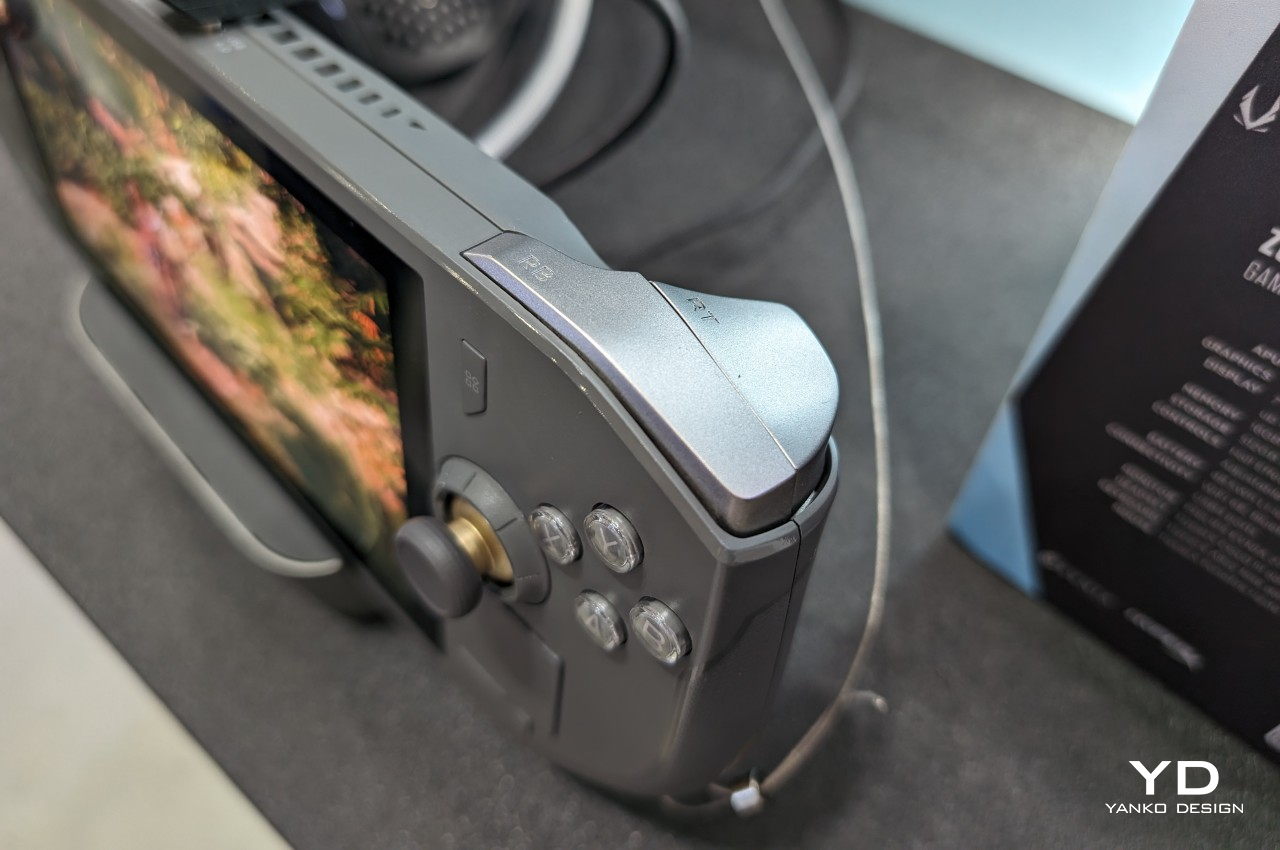
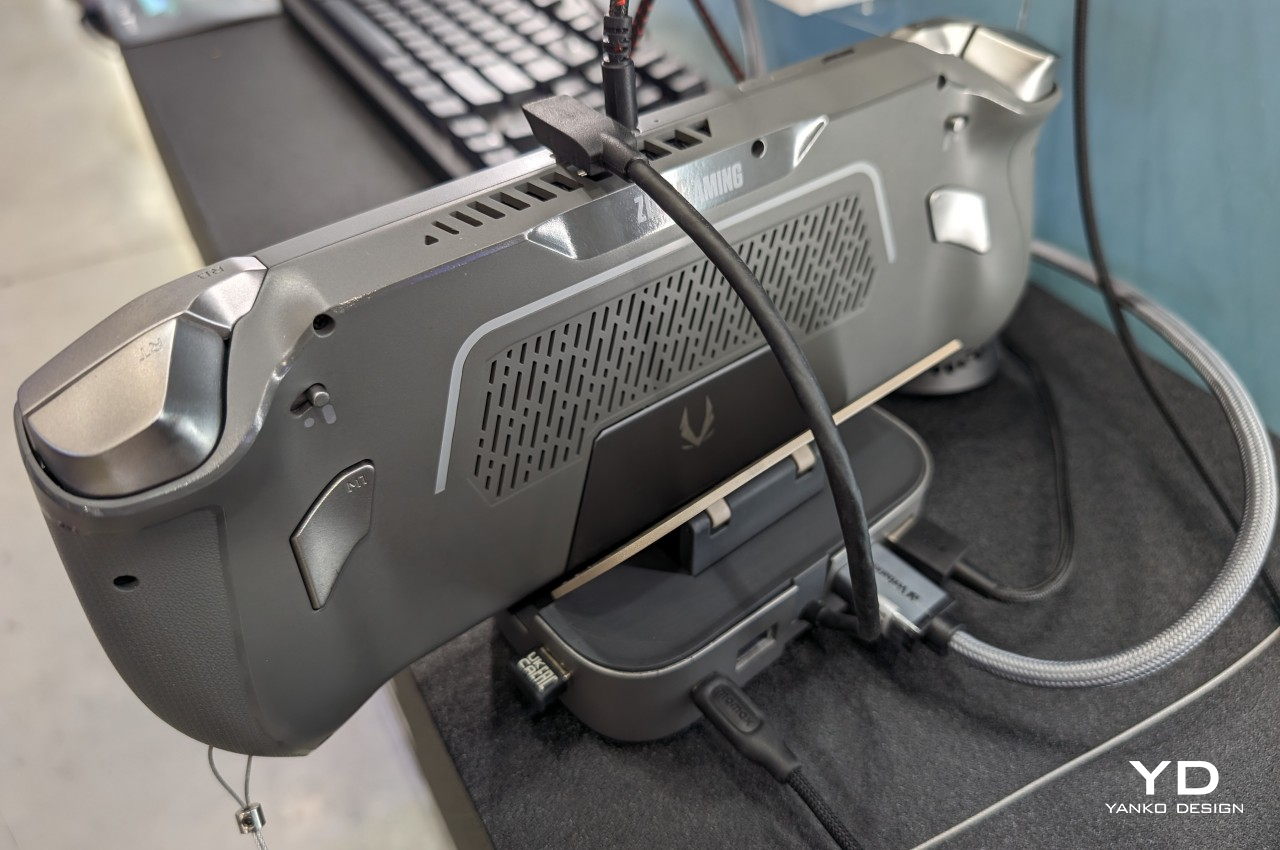
ZOTAC ZONE gaming handheld PC tries to outdo the Steam Deck

Although it’s unsurprising that plenty of the announcements at Computex 2024 revolved around AI, the event is still pretty much a showcase of actual physical products. Among the new AI-toting laptops are, also unsurprisingly, a new batch of handheld computers that try to recreate the magic of the Steam Deck and the Nintendo Switch for themselves. Although there are finally some variations in designs that are showing up, the original Steam Deck still has nooks and crannies that can be explored and improved. That seems to be what PC maker ZOTAC is trying to do by putting out what is trying to be a better Steam Deck than the Steam Deck.

Designer: ZOTAC

Although there have been some handheld gaming PCs before it, the Steam Deck was the first to come from a well-established name in the industry. But rather than simply be a Nintendo Switch clone, the Steam Deck differed significantly in its design, not to mention its internals and software. In a nutshell, it was an extra large handheld that, unlike any other gaming handheld even today, added not one but two trackpads on each side of the screen. It was a rather unique design detail that has so far been exclusive to the Steam Deck, at least until now.

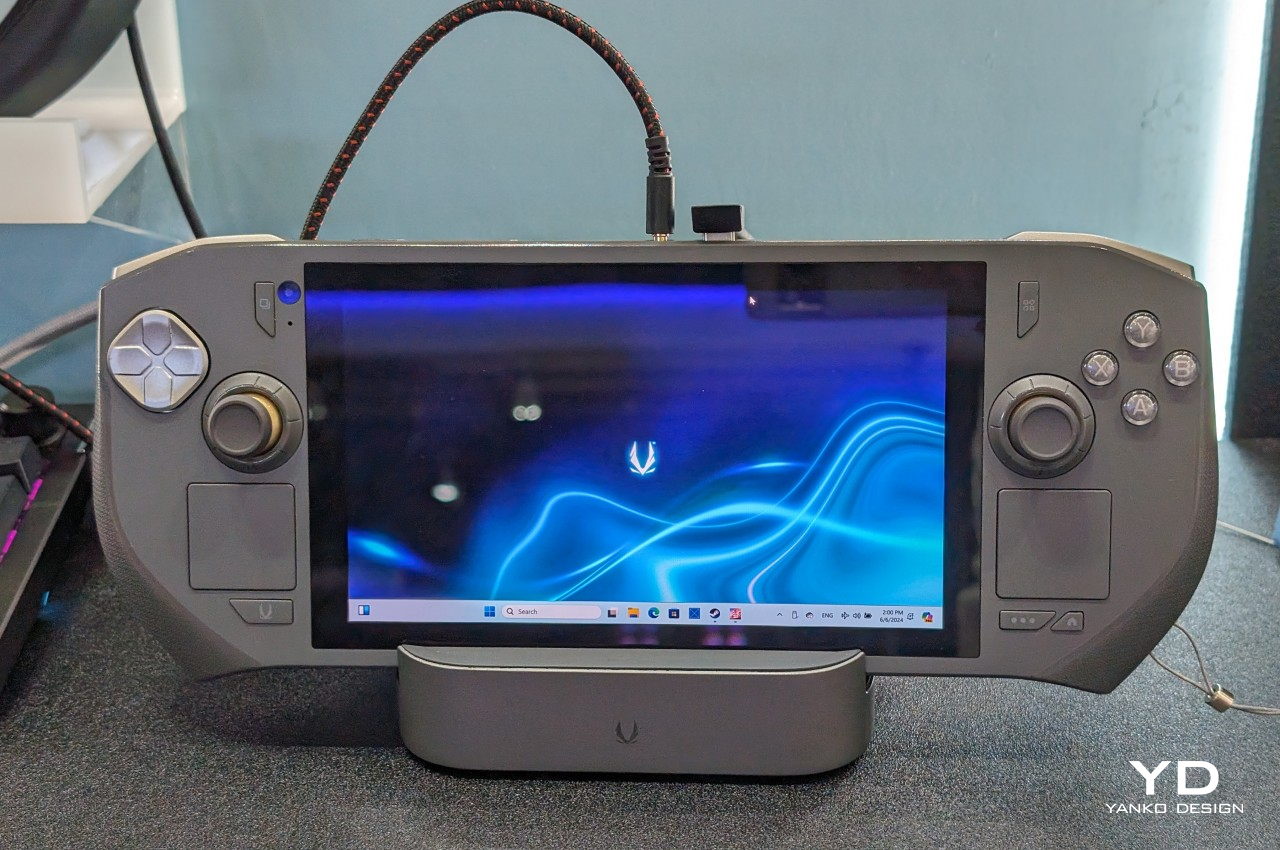
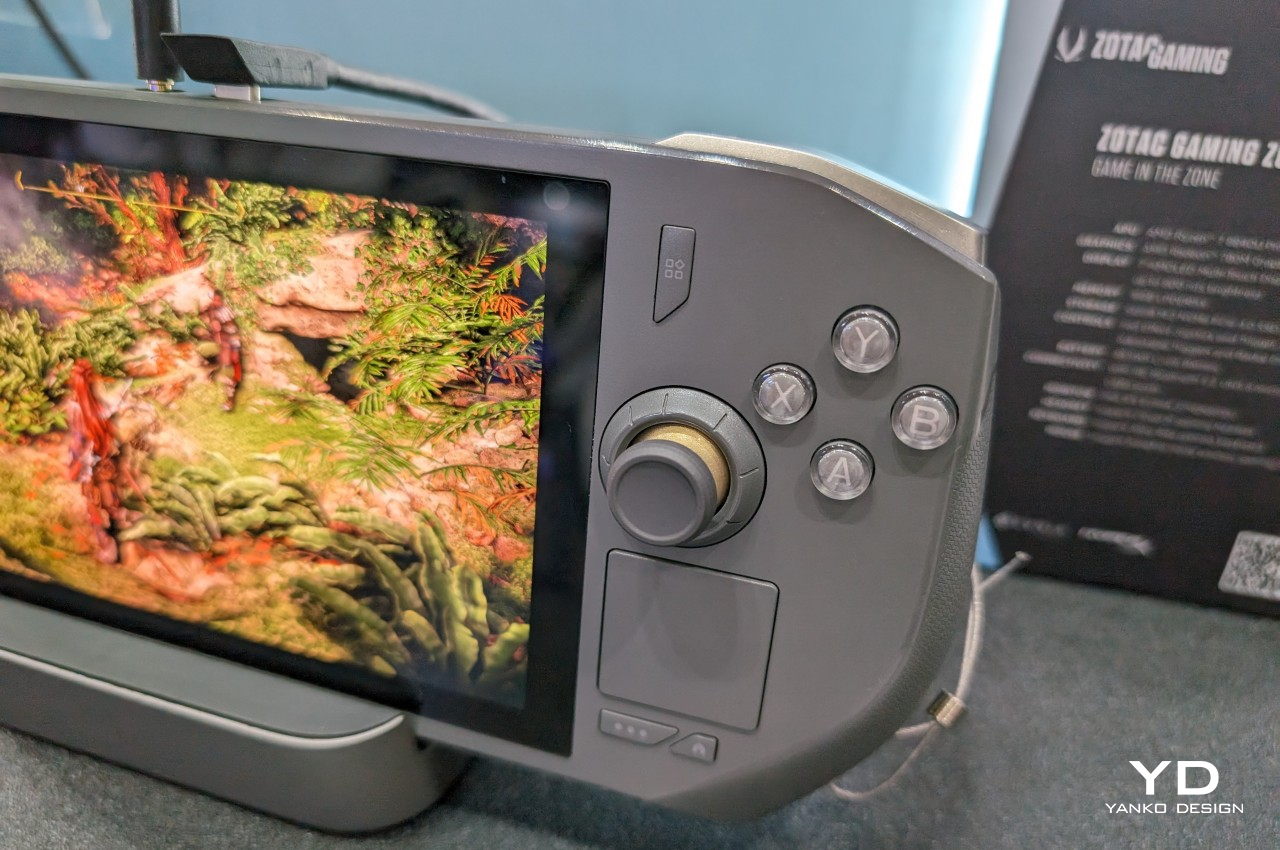
To be rather blunt, it’s not hard to see the ZOTAC ZONE as a Steam Deck clone precisely because of this feature. In fact, there are two other things that make it almost too similar to Valve’s gaming handheld. It has an OLED screen, something that almost no other handheld PC has at the moment, and its button layout follows the PlayStation controller more than the Xbox which everyone except the Steam Deck uses.
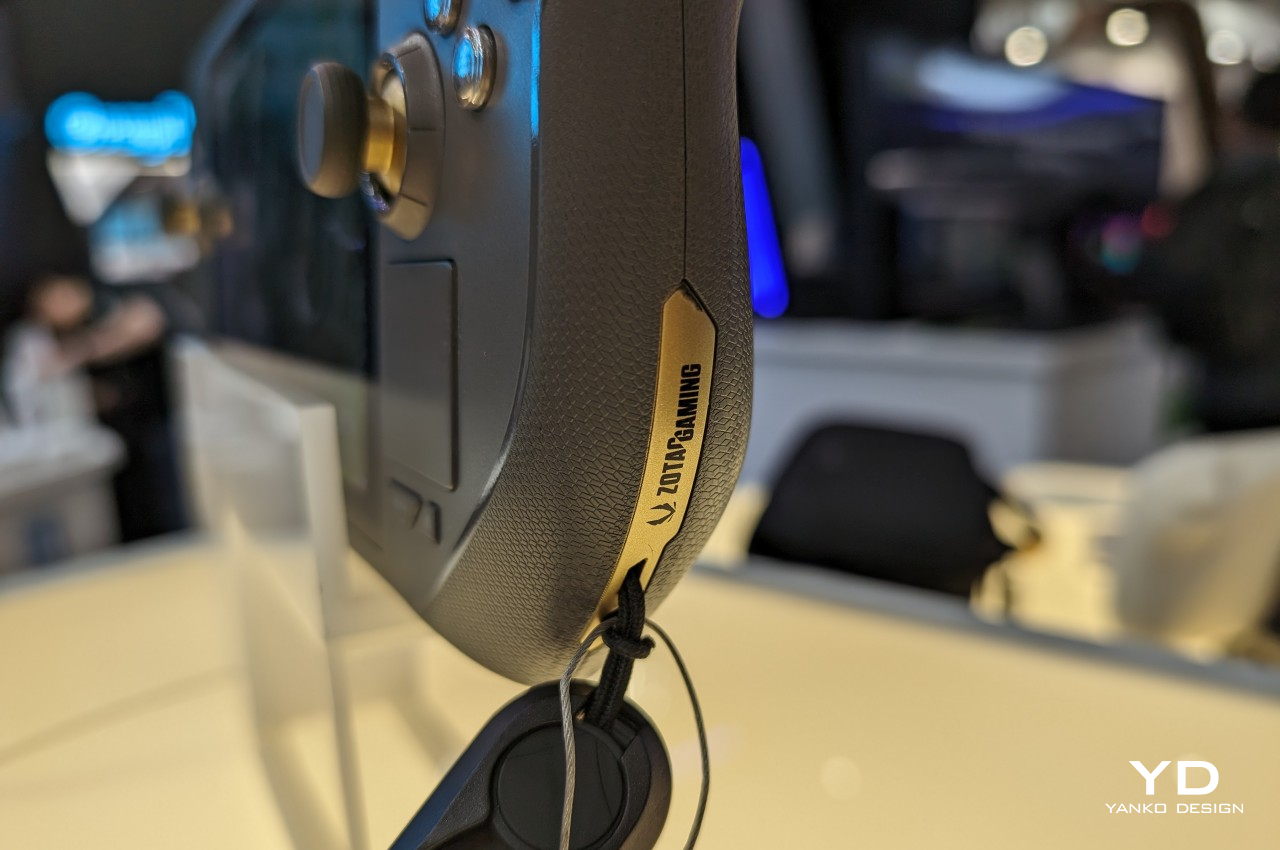
At the same time, however, the ZOTAC ZONE is, to some extent, also a step above the Steam Deck in so many ways. For one, it will be running more recent hardware while the Steam Deck is still stuck in 2022. For another, it has a built-in kickstand, a feature that’s oddly absent from many handheld PCs that are clearly inspired by the Nintendo Switch. Last but not least, ZOTAC goes all out on configurable controls, from two-stage adjustable triggers to programmable dials around each of the two joysticks. It’s a gamer’s dream, definitely, but one that also carries quite a steep price.

According to the latest information, the ZOTAC ZONE will launch in September with a $800 price tag, which puts it on the more expensive end of the spectrum. That’s not surprising, though, given how much power the device will be carrying. But as ZOTAC’s first foray into this niche market, it remains to be seen whether the handheld PC will experience growing pains, especially when it comes to the durability of its components.

The post ZOTAC ZONE gaming handheld PC tries to outdo the Steam Deck first appeared on Yanko Design.