Samsung will stuff the Galaxy Watch with new AI health-tracking features

Samsung will add new AI-based health and fitness features to the Galaxy Watch later this year. The company announced on-device AI features on Wednesday, including personalized health scores, tips, sleep indicators and suggested workout routines.

One of the Galaxy Watch’s big AI upgrades is a new Energy Score, which learns from various personal metrics to provide “comprehensive health insights.” The model draws on a variety of sleep data, including when the wearer went to bed, how long and how well they slept and their heart's rate and variability during sleep. Physical activity during waking hours is also taken into account.

Along similar lines, the Galaxy Watch will also add Wellness Tips, which take that data analysis a step further with “insights, motivational tips, and guidance” relative to your personal fitness goals.

The Samsung Galaxy Watch resting on a blanket. Its screen says
Malak Saleh for Engadget

Sleep features are also getting AI-enhanced upgrades, offering extra insight into your nightly habits. New sleep algorithms can analyze sleep movement, latency, heart rate and respiratory rate. They’ll join existing tracking features like snoring hours, blood-oxygen level and sleep cycle.

For hardcore runners, the Galaxy Watch is getting new aerobic threshold (AT) and anaerobic threshold (AnT) heart rate zone metrics to help you stay within your optimal training windows. High-intensity cyclists get some love, too, with Functional Threshold Power (FTP) metrics. Samsung says calculating the latter will only take 10 minutes of consistent cycling (at 4km/h or faster).

A new Workout Routine feature will let you string together different types of exercises for a personalized regimen, letting you transition from one to the next without stopping. Meanwhile, a new Race feature will task you with trying to beat your previous times on a set route.

Samsung teased that the Galaxy Watch may not be the only device receiving new AI-based health features. “The introduction of Galaxy AI to Galaxy Watch is just the beginning of this process and we’re excited to showcase even more integrations across our Galaxy portfolio very soon,” the company said. Samsung may officially launch its Galaxy Ring wearable (initially announced in January without details) at its next Unpacked event in July. The Oura-like device will track sleep based on heart rate, movement and breathing, offering personalized advice.

The new Galaxy Watch features will arrive in the One UI 6 Watch update later this year. Samsung says “a limited number” of Watch owners will be able to try them in a beta program starting in June.

This article originally appeared on Engadget at https://www.engadget.com/samsung-will-stuff-the-galaxy-watch-with-new-ai-health-tracking-features-120057305.html?src=rss

This $599 Exoskeleton gives your legs Superhuman Powers while helping you save 50% energy

It isn’t Iron Man’s suit, but it’s still a pretty big augmentation to humans and their capabilities.

The promise of great technology is to make life easy for everyone… the only problem is that a lot of times, it takes YEARS before great technology can become accessible to everyone. EVs were very niche before they weren’t, DARPA (the defense research wing of the US government) played a pivotal role in developing the internet for communication on the front lines in the 1960s before the internet finally became household technology. Cameras were incredibly specialist equipment before they became small enough to fit into a smartphone, and exoskeletons were originally developed for military personnel to give them superhuman strength, before ending up in warehouses to allow workers to lift heavy objects without using all their energy. If you went online, chances are you wouldn’t be able to simply buy an exoskeleton for yourself (or you’d probably end up paying thousands of dollars for it), but the folks at Dnsys are hoping to make the technology accessible to all humans.

The $599 X1 is an exoskeleton that aids with mobility by giving your legs an extra set of mechanical muscles. Powerful enough to reduce the energy you spend walking/running/trekking by a staggering 50% and reduce your load by nearly 83 lbs, the Dnsys X1 runs on a set of 900W motors that output 1.2 horsepower with a top speed of 27km/h (16.7mph), allowing you to walk, climb, and run with more agility and less exertion. The entire device, which straps to your waist and thighs, weighs a paltry 1.6 kilograms (3.5 lbs) and has a battery that offers a range of 25 kilometers, allowing you to push your boundaries further without being restrained by your human limitations.

Designer: Dnsys

Click Here to Buy Now: $599 $1198 (50% off) Hurry! Only 10 left of 890. Raised over $1,000,000.

The X1 hopes to shatter the misconception that exoskeletons just belong in warehouses. Quite like Apple’s Vision Pro became one of the first VR headsets to actually be seen in real society, with people wearing them in cafes and subways, the Dnsys X1 aims at being the exoskeleton for all kinds of outdoor use. You could be an explorer or trekker looking to cover lots of ground, a backpacker trying to walk large distances with a heavy backpack, a photographer looking to navigate an outdoor location with a lot of gear, or just a fitness enthusiast looking to get in your movement while protecting your knees and legs from strain or injuries. The X1 gives your legs a set of helping hands (or helping legs, if you want to switch the idiom), allowing you to move faster, farther, and with much less energy.

The hallmark of the Dnsys X1 is its ultra-lightweight construction, weighing a mere 1.6kg, thanks to the utilization of aerospace-grade aluminum alloy and carbon fiber. This not only ensures durability but significantly reduces weight, making it an unobtrusive companion for any journey. The exoskeleton’s sophisticated motor, the DNA-1, embodies sheer power, delivering 1.2 horsepower and a torque of 50 Nm/kg, which, in simpler terms, is similar to the power performance of a Formula One race car.

Making an exoskeleton isn’t as easy as simply slapping motors onto a body brace. The X1 employs advanced AI algorithms to adapt to the user’s walking pattern, offering instantaneous walking assistance that makes every step feel lighter. This AI innovation, combined with state-of-the-art motion sensors, enables the device to conserve up to 50% of the user’s energy, essentially halving the strain of carrying heavy loads during challenging treks or climbs. Imagine exploring the wild with the ability to walk or run with less fatigue, climb higher, and embark on longer adventures, all while protecting your knees and reducing the risk of physical exertion-related injuries. The X1’s clever design also enables all kinds of movements, aiding you with walking forwards and backwards, sideways, upwards, or even any odd movement that would result from you walking on an uneven path or terrain.

Different modes let you achieve different tasks. A regular mode gives you a maximum range of 25 kilometers (15.5 miles), aiding with load reduction and energy conservation, while a Boost mode, activated simply by pressing a button on the sides, gives you the full effect of the X1’s 1.2 horsepower output. The regular mode is perfect for walking and climbing, while the boost mode is the equivalent of going full throttle, allowing for more machine power that gives you maximum speeds of 27km/h or 16.7mph. Conversely, instead of having the X1 boost your performance, you can even flip to a Workout mode which restrains your walking ability, making you put more effort in. Designed to be the equivalent of training with weights or resistance bands, this mode is for maximizing your exercise, making it perfect for strength training and isokinetic exercise. The resistance mode also helps reduce impact on your knees during downhill walks, helping prevent injuries.

The X1 starts at $599, a massive 50% reduction over its original $1198 retail price. It includes an app that also works to monitor device status in real-time, and track medical-grade health data such as hip joint mobility and step frequency. Each X1 ships with a smart battery capable of kinetic energy recovery (KERS) for high efficiency, a charging dock, and a charging cable. The Dnsys X1 ships globally starting July 2024.

Click Here to Buy Now: $599 $1198 (50% off) Hurry! Only 10 left of 890. Raised over $1,000,000.

The post This $599 Exoskeleton gives your legs Superhuman Powers while helping you save 50% energy first appeared on Yanko Design.

This $144 battle rope boasts a clever ‘ropeless’ compact design for small homes and anywhere workouts

Whether you set up a home gym or have a gold membership at the fitness center down the street, you can always have a reason to skip the workout. But if you are among those who can skip a beat but not a session with the battle ropes; you would need the Z-Rope! A ropeless battle rope solution without the installation challenges, noise problems, and accessibility restrictions.

We come by hundreds of CrossFit accessories that vouch by their heart to assist you with full-body workout anywhere, any time. The new Z-Rope differs from them at the usability and functionality level. It’s highly portable, lightweight, and is an accessory that would let you indulge in high-intensity training in pin-drop silence. Just mind your breath, grunting, and foots taps, please!

Designer: Zest Up 

Click Here to Buy Now: $144 $180 (20% off) Hurry! Only 5 Days Left. Raised over $315,000.

It’s not easy to make space for fitness equipment in your apartment or carry all the routine accessories when you’re traveling for work or leisure. In either case you are deprived of choices and/or either have to settle for less or go without exercise. Z-Rope steps up as a solution worth considering for two reasons: it is a ropeless battle rope that fits conveniently in your backpack (measures 19×1.5 inches and weighs less than 2 pounds), and can let you workout like you would with battle ropes – without disruptive noises, furniture damage, or potential setup costs – at the convenience of the home or wherever your life takes you.

The Z-Rope is thus tailored for small spaces and gym enthusiasts who travel and find it difficult to get gyms with battle ropes in their locality. It enables the user to not only reap the benefits of battle rope workout, but the makers say, it can help them with 13+ workouts, including cardio and strength training at personal convenience. The full-power training with the ropeless battle rope can help, “effectively in building muscle, stamina, and endurance,” the makers note. For reference, 10 minutes of intense workout with the Z-Rope can provide cardiovascular benefits equivalent to an hour of tennis or 2 hours of running.

As for the design; the baton-like Z-Rope is highly durable. A pair features comfortable EVA foam handles attached to elastic springs. This design – without the ropes – mimics the wave movement of traditional battle ropes – operating almost noiselessly, so that you can exercise freely at home or in your hotel room late at night or in the early hours of the day. Like with the traditional battle ropes, the Z-Rope has been tested to not only help users with the strength training of arms and upper body, it also assists in toning the core muscles and provides strength and substance to the lower body through consistent use.

The Z-Rope is perfect for on-the-go workouts but also for compact homes where storing gym equipment becomes a bit of a hassle. Measuring just 19 inches long and weighing 900 grams (1.9 pounds), the Z-Rope unlocks a healthy lifestyle without the size, price, and commitment of a Peloton. The Z-Rope starts at just $144 and begins shipping as soon as May 2024.

Click Here to Buy Now: $144 $180 (20% off) Hurry! Only 5 Days Left. Raised over $315,000.

The post This $144 battle rope boasts a clever ‘ropeless’ compact design for small homes and anywhere workouts first appeared on Yanko Design.

The Garmin Forerunner 55 GPS running watch drops to a record low of $150

Spring is so close now that it's almost in our grasp. Say goodbye to wearing a huge coat to go to the gym and hello to outdoor activities. With that in mind, there many great GPS running watches out there to track your time in the sun, including the on sale Garmin's Forerunner 55. The smartwatch is down to $150 from $200 — a 25 percent discount that brings the device to its record-low price.

The Garmin Forerunner 55 is a slightly upgraded version of the company's 45S (which we rave about here). It comes with features such as a heart rate monitor, respiration rate, menstrual tracking, pacing strategies, and more. It also has a GPS that helps track distance, speed, and location and creates pacing strategies for a selected course.

While it's billed as a running watch, the Garmin Forerunner 55 also works for activities such as pilates, cycling, breathwork and swimming. As a smartwatch, the battery can last 20 days, while being in GPS mode gives the watch 20 hours — way more time than it takes to go for a run, stop for a snack and run back.

Follow @EngadgetDeals on Twitter and subscribe to the Engadget Deals newsletter for the latest tech deals and buying advice.

This article originally appeared on Engadget at https://www.engadget.com/the-garmin-forerunner-55-gps-running-watch-drops-to-a-record-low-of-150-133443716.html?src=rss

The best cheap fitness trackers for 2026

You don’t need to spend a fortune to stay on top of your health goals while tracking your fitness. These days, even cheap fitness trackers come packed with features that help you monitor your heart rate, track your steps and even analyze your sleep stages. Many budget options now include GPS tracking for those outdoor runs, real-time heart rate tracking to keep you in the right zone during workouts and, thankfully, most work with both iPhone and Android devices.

Some even go beyond basic metrics, providing insights on daily readiness to help you decide if you’re up for an intense workout or need a lighter day. From simple step counters to more advanced running watches, affordable fitness trackers offer plenty to support your journey toward better health without breaking the bank.

All of the best fitness trackers should have at least three features: a program for activity tracking, the option to monitor and collect data about your sleep patterns and the ability to do things like heart rate monitoring and blood oxygen level tracking (though, the readings might not be super accurate). Don’t set your sights too high and expect metrics like blood pressure monitoring or ECG support; for that, you’d need to invest in a more expensive fitness watch or wearable like a Samsung Galaxy Watch, which falls under the best smartwatches category and will set you back over $400.

A cheap workout tracker can be great for someone looking to keep tabs on small, achievable goals like 10,000 steps before sundown or 30 minutes of a HIIT workout to get your heart rate peaking. An experienced long-distance runner looking to train for a triathlon might opt for a more expensive device that can measure cadence or ground contact time, and can track more customizable workouts, offer different sports modes or give deeper insights into performance data.

At the very least, a budget workout tracker should be able to offer fitness tracking features beyond walking and running — otherwise, it would just be a pedometer. The number of activities a device will recognize varies. Some will get funky with it and consider skateboarding a workout, while others won’t be able to track a jumping jack.

At this price point, you can expect a device to measure a mix of cardio, machine workouts and strength training. With each, you might get a numerical or visual breakdown of heart rate activity, overall pace, and calories burned per session. Although some cheap trackers can offer a really good overview of heart rate zone activity during a workout, a more technically advanced device might be able to go a step further and explain what your results mean and coach you on how to keep your heart rate in a specific bracket so that you can burn more fat per workout. I found that the more budget-friendly the device, the more likely it is that a tracker will fall short when it comes to smart counseling or offering predictive insights beyond a given workout. If a budget tracker does happen to offer some semblance of a coaching program, you can expect it to sit behind a paywall.

Workout tracking and planning your recovery is just as essential to any fitness journey. A sub-$100 device should be able to tell you how long you’ve slept and provide a breakdown of deep, light and REM sleep patterns. It's not a guarantee that you will get a sleep “score” or insights on how to get better rest — that data is usually found on more expensive wearables. Also, because these trackers aren’t designed for bedtime specifically — be mindful of comfort. The bands and watch face on a budget fitness watch may not be ideal for getting some good shut-eye.

Not all of the best budget fitness trackers are designed to seamlessly integrate with a smartphone. The trackers tested for this roundup can’t directly make calls or send texts to contacts on a paired iPhone or Android smartphone. They can, however, display and dismiss incoming calls and notifications via a Bluetooth connection. You can forget about checking your email or paying for a coffee from your wrist using these more affordable devices.

Most cheap fitness trackers also won't include built-in GPS tracking. Instead, they usually depend on a paired smartphone to gather location data. The drawback of using a fitness tracker without GPS is that it might not provide as precise for tracking distance or pace. You also can't use a budget tracker to get turn-by-turn directions during a walk or while running errands. For the more outdoorsy consumers, having GPS could be a key safety feature if you want this kind of functionality at your fingertips.

You also might find that an inexpensive fitness tracker is harder to navigate than a more advanced smartwatch. Whether it be a screen size issue or simply not having a smart enough interface, don't expect every feature to be one that you can engage with directly on your wrist. You’ll likely need to use your phone to input data or access detailed wellness metrics.

Build quality will also vary. While you won’t get premium materials or ultra-bright OLED screens, most best cheap fitness trackers include some level of sweat and water resistance — perfect for everyday wear and casual workouts. And for those starting out with basic gadgets to support their fitness journey, these affordable trackers offer a great balance of essential features without the hefty price tag.

The Amazfit Bip 6, an $80 smartwatch from Zepp Health, didn’t quite make the cut. As a fitness tracker, it’s decent, but it’s a frustrating smartwatch substitute. For workouts, the built-in GPS tracks runs and rides without your phone and, combined with the heart rate and blood oxygen sensors, collects a good amount of data to create accurate pictures of your exertion levels, cadence and pace. It’s remarkably lightweight but doesn’t feel cheap and the AMOLED screen is bright and sharp. It’s not an always-on display, but lifting your wrist wakes it reliably.

The sleep tracking data is on par with what we measured on other smartwatches and there’s even a daily readiness score that compares your sleep quality and the previous day’s exertion to estimate how physically prepared you are for the day ahead — similar to what Pixel Watches, Fitbit devices and Garmin watches offer. And since the watch battery lasts for over a week on a charge, you may be a lot more apt to wear it to bed than a watch you have to charge daily.

We weren’t expecting an $80 device to be a serious Apple Watch challenger, but the Bip 6’s glitches and overly complicated interface (both on the app and on the watch itself) were disappointing. During a week of testing, I got multiple repeated notifications, even after they were deleted, along with suggestions to stand when I was actively doing chores around the house. The watch faces are not customizable, so it was hard to get the info I needed at a glance (the Zepp app has lots of paid watch faces that may have what I wanted, but I didn’t want to pay $3 for something that’s free elsewhere).

Marketing details state that the Bip 6 can auto-detect workouts, including walking and bike riding. During testing, I walked once or twice per day for over one mile and went on two bike rides, but no workout was ever detected. The watch integrates with Apple Health, so I was able to see how it compares to the data my Apple Watch gathers. After a week of wearing the Bip 6, with no changes to my daily routine, I averaged 400 fewer calories burned and 2.4 fewer miles tracked each day. That was possibly the biggest disappointment of all. — Amy Skorheim, Senior Reporter 

I didn't have high expectations of the Wyze Watch 47c, but I was shocked at how little this tracker can do. The 47c can only track walks and runs. It has a dedicated widget, a small logo of a man running, and when you tap it, it begins measuring your pace, heart rate, calories burned and mileage. It does not auto-detect or auto-pause workouts and it doesn't differentiate between a run and walk. Most importantly, this device can’t track any other exercises. It’s basically a glorified pedometer.

The 47c was also my least favorite to sleep with, mainly because the square watch face is so large and heavy. Even if I did manage to sleep through the night with it on, it only gave me a basic sleep report. — M.S.

The Garmin vivofit 4 has a tiny display that is not a touchscreen and all navigation happens through one button. The watch face is impossible to read outdoors and the exercise widget is also very finicky. To start tracking a run, you have to hold down the main button and flip through some pages until you get to a moving person icon. Once there, you have to press the bottom right corner of the bar and hold down and if you press for too long or in the wrong spot, it’ll switch to another page, like a stopwatch. It’s incredibly frustrating.

Once you start a run though, it will start tracking your steps, your distance — and that's pretty much it. It does not auto-detect or auto-pause workouts. It doesn't alert you of any mileage or calorie milestones. — M.S.

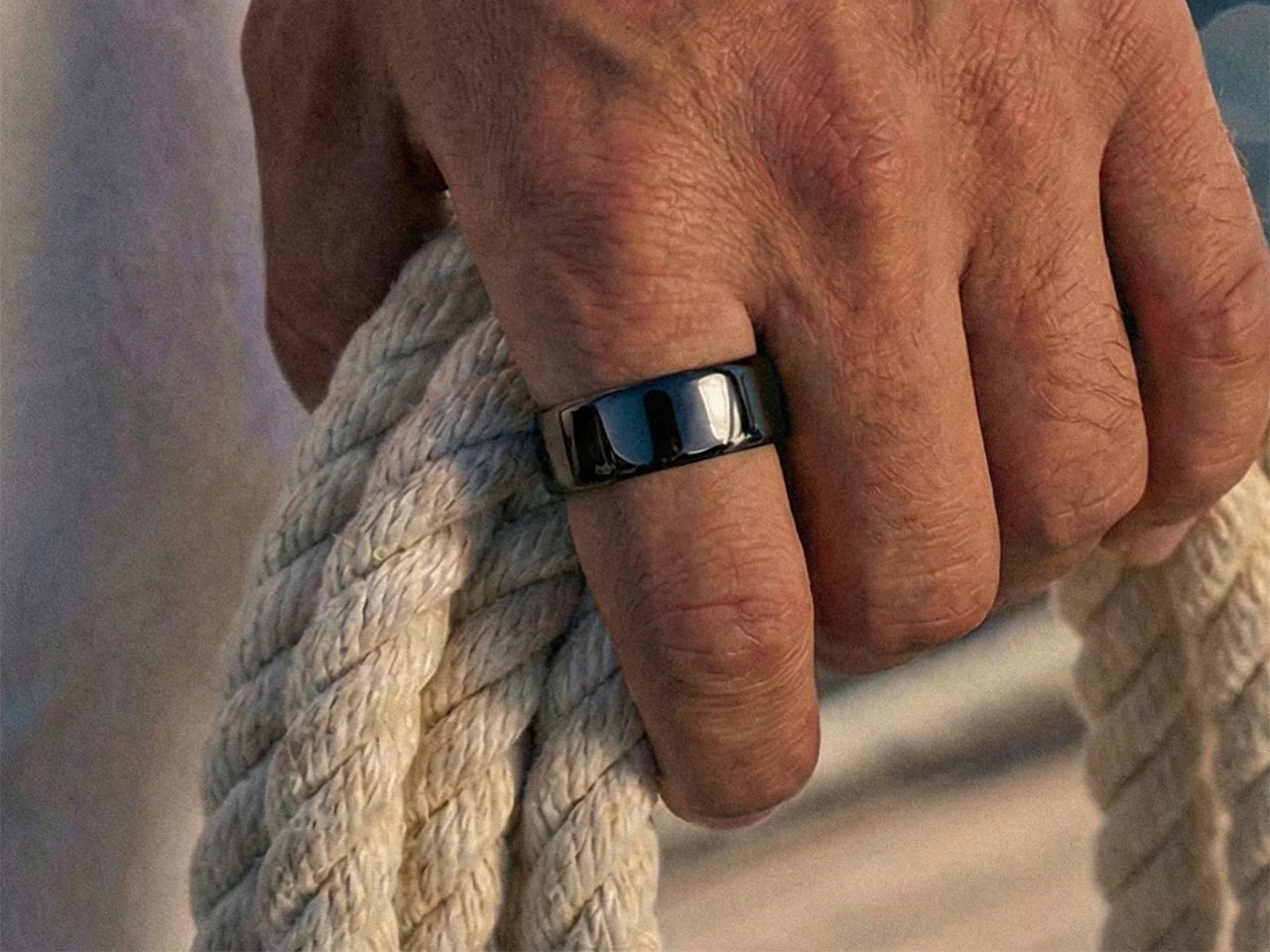
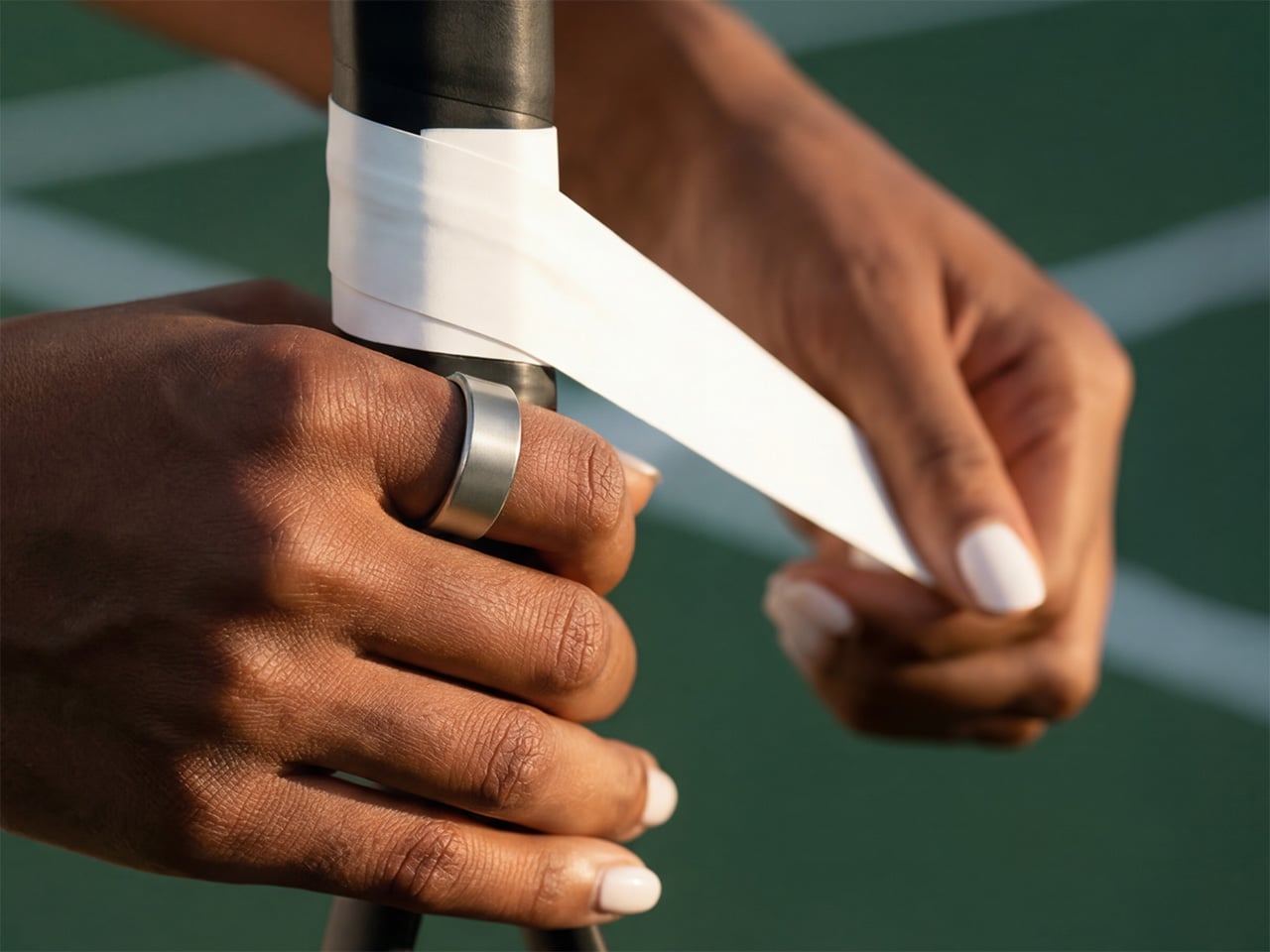
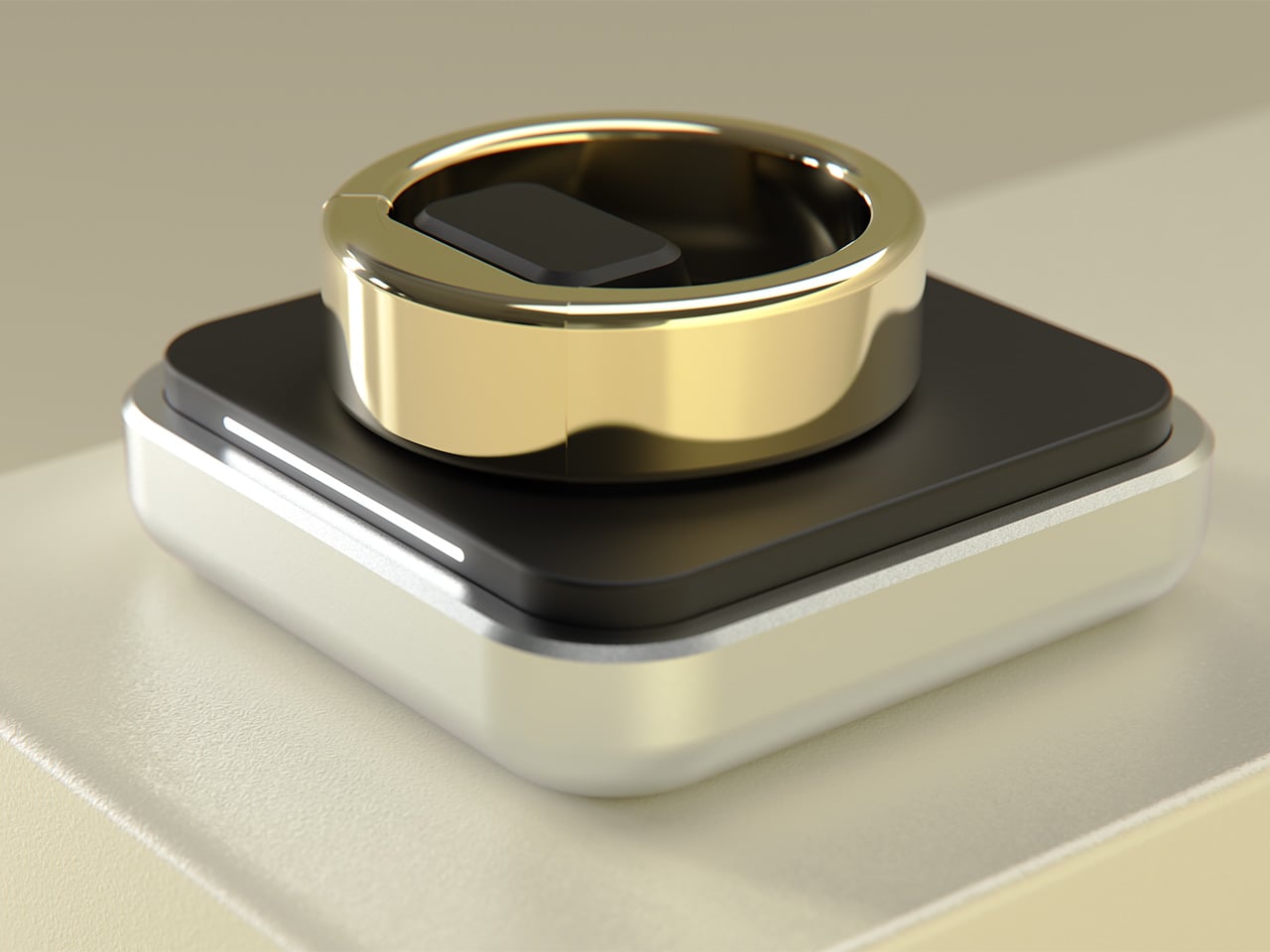
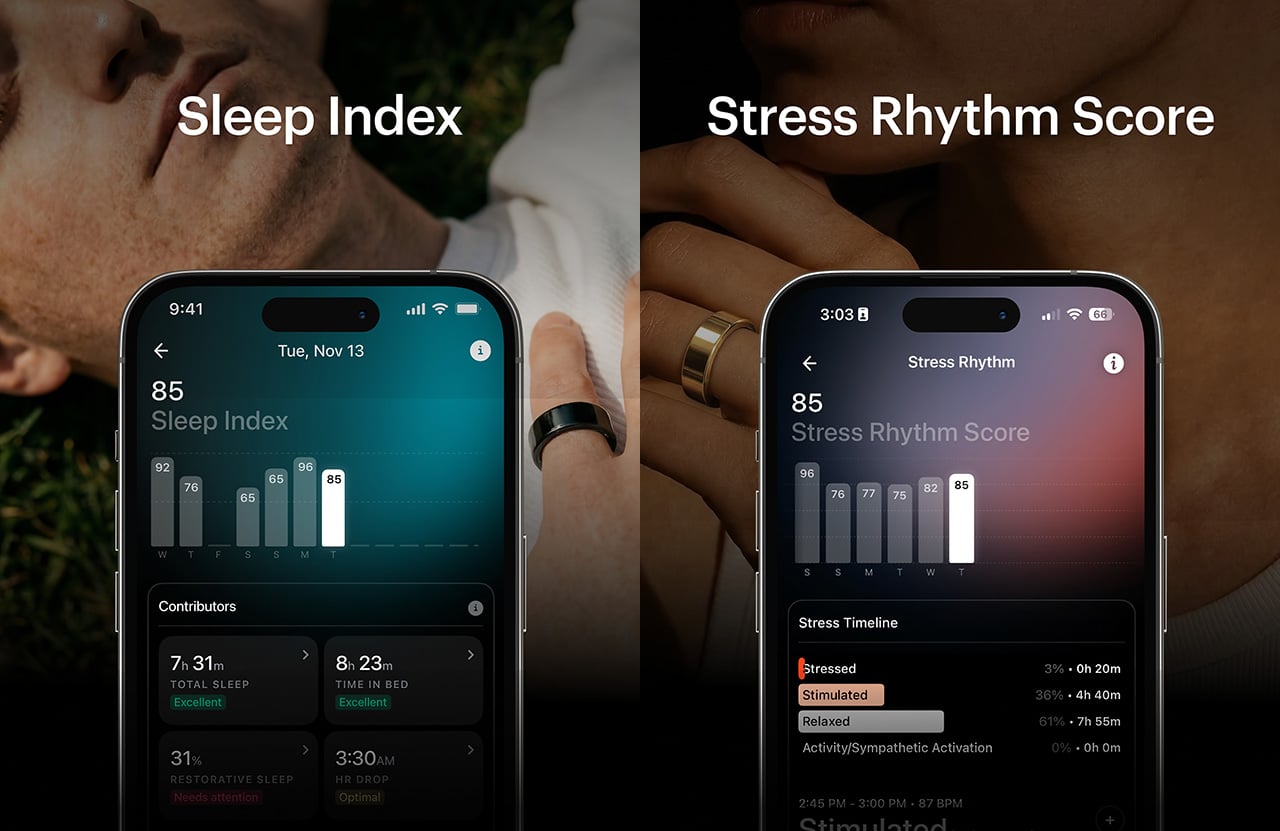
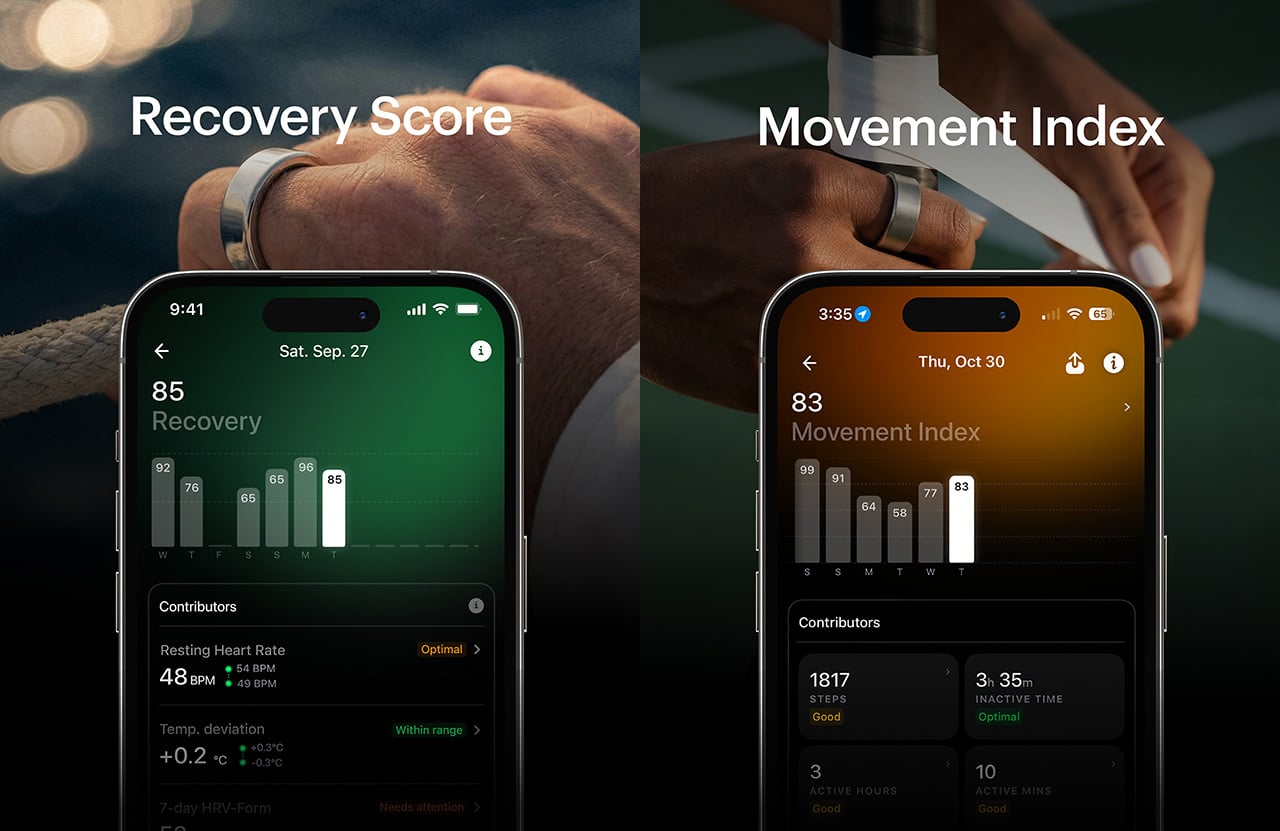
While smart rings are gaining popularity for health tracking, they generally don’t fall into the “budget” or “cheap” price range. A smart ring like the Oura Ring offers features such as sleep monitoring, heart rate tracking and readiness scores in an ultra-compact form factor that fits on your finger instead of your wrist. These rings are best suited for people who want discreet, all-day health insights without wearing a traditional watch or band — but with prices typically starting above $300, they’re more of a premium option than a budget-friendly pick.

Georgie Peru contributed to this report.

This article originally appeared on Engadget at https://www.engadget.com/wearables/best-cheap-fitness-trackers-140054780.html?src=rss

Amazfit Helio Ring joins the fray with a focus on athletes’ well-being

Now that smartwatches have more or less become more acceptable in society, it seems that the wearable tech market is setting its eyes on less conspicuous and less distracting designs for monitoring one’s health and fitness. And just like smartwatches in their early years, smart rings just aren’t resounding yet with people, though that could only be a matter of time. There hasn’t been much variety yet in this nascent market, which isn’t surprising given the physical limitations of a ring. Wearable tech brand Amazfit, however, believes it has something unique to offer, at least to athletes and very active people who are just as concerned with their mental health and recovery as they are with their steps and heart rate.

Designer: Amazfit

The niche that smartwatches have found themselves in seems to revolve around fitness and health, with features like activity tracking, health monitors, and the like. While those are indeed important metrics, they only represent a part of one’s overall well-being. Mental health is just as important, and giving your body and mind time to rest and recover is critical as well. Those are the points that the Amazfit Helio Ring is trying to emphasize in order to differentiate it from the likes of the Oura Ring, currently the leading name in this very young and small market.

In a nutshell, the Amazfit Helio Ring takes the same data collected by sensors inside the ring but interprets them in a slightly different way. Of course, it still records your steps, tracks your blood oxygen levels, and even monitors your sleep, but it frames that information in light of stress levels, your mental health, and most importantly, how well you’re taking steps to recover from those. Amazfit will propose actionable steps to guide you toward recovery, which unsurprisingly include getting enough sleep and meditation.

As for the device itself, the Amazfit Helios Ring is a bit of an outlier in that it doesn’t try to masquerade as a piece of jewelry. The dotted pattern on its surface is a dead giveaway that it is anything but luxurious, giving it a more rugged appearance that its target audience won’t mind anyway. In fact, it is intentionally designed for this group of people, using “skin-friendly” titanium alloy and ensuring water resistance of up to 10ATM, for those times when you need to take a swim.

The Amazfit Helios Ring can be used on its own, with or without an Amazfit smartwatch. Of course, you will need to pair with the mobile app, but you will also need to subscribe to the Zepp Aura rest and wellness service to really use the data it gives. A purchase of the ring will include a three-month free trial, but there are no pricing details available yet.

The post Amazfit Helio Ring joins the fray with a focus on athletes’ well-being first appeared on Yanko Design.

Apple Fitness+ will spotlight Super Bowl halftime performers

Apple Fitness+ is adding new content for the new year. The workout service’s Artist Spotlight series celebrates the Super Bowl halftime show with playlists devoted to recent performers (including this year’s artist, Usher). In addition, new meditations, programs and Time to Walk episodes will arrive soon.

The Apple Fitness+ Artist Spotlight series dedicates entire workout playlists (across various exercises) to a single artist. In this case, it will devote them to several: Rihanna (available January 8), Britney Spears (January 15), U2 (January 22) and Usher (February 5, ahead of his performance).

Three of the four artists have been (or soon will be) Super Bowl halftime headliners: Rihanna in 2023, U2 in 2002 and Usher in 2024. Spears hasn’t had top billing, but she performed in the 2001 show, co-headlined by Aerosmith and NSYNC.

Fitness+ is also adding sound meditations. Apple says they’ll only include “light guidance” from the trainer, leaving room for you to focus on the “tranquil sounds of singing bowls and the deep pitch of gongs, all arranged to create a sense of ease.” There will be seven sound-themed meditations, arriving every week. You can choose between five, 10, and 20-minute sessions.

TODAY -- Pictured: Al Roker on Monday, December 18, 2023 -- (Photo by: Nathan Congleton/NBC via Getty Images)
Apple Fitness+ will soon let you walk with Al Roker.
NBC via Getty Images

Time to Walk, Apple’s series of celebrity-guided audio walking experiences, is adding Al Roker. The Today Show weather anchor and co-host will share what he learned about mentorship, including a pivotal chat with his father. Other episodes will feature rapper and actor Common (who already works with Apple on the sci-fi series Silo), Trixie Mattel (aka Brian Firkus, RuPaul’s Drag Race), actor Colman Domingo (Rustin) and author / actor Lilly Singh will host episodes.

50 of Apple’s older Time to Walk episodes will be available on Apple Podcasts. Celebrity guests on the available content will include Prince William, Al Roker (again!), Patti LaBelle, Becky G, Simu Liu, Malala Yousafzai, Camila Cabello, Dolly Parton, Jason Segel and Shawn Mendes. Although the podcast version will omit guest-chosen songs and photos, you can still access those through the Fitness+ app. In addition, anyone who isn’t subscribed to Fitness+ can listen to 10 free Time to Walk episodes on Apple Podcasts.

Golfers will get some love from the service, too. Apple is adding a new workout program designed for links enthusiasts. The workouts will blend strength, core, and yoga training, focused on the specific strength, balance, flexibility and mobility golfers need. The workouts will feature (and were designed by) pro golfer Rose Zhang. “Whether people are new to the sport or want to advance their skills, I’m excited that the workouts in this program on Fitness+ will help users feel more confident in their swing and have fun on the course,” Zhang said. Fitness+ trainer Kyle Ardill will lead the videos.

Apple has partnered with Anytime Fitness, a US gym franchise, to offer perks to use both companies’ services. First, “prospective members” who try Anytime Fitness will get “up to three months” of Apple Fitness+ for free. In addition, Fitness+ subscribers who join the gym and sign up for at least a 12-month membership will get their first 30 days for no charge. The Anytime Fitness app on iOS will also integrate with Apple Fitness+ workouts.

Apart from the Artist Spotlight rollouts, Apple hasn’t shared specific launch dates for the new content. However, it said the new features will arrive “starting Monday, January 8.”

This article originally appeared on Engadget at https://www.engadget.com/apple-fitness-will-spotlight-super-bowl-halftime-performers-140053585.html?src=rss

AI-powered rooms in malls and offices can give you a checkup without a doctor present

Some of the hesitation in seeing a doctor regularly for checkups comes from embarrassment and fear, often because of people who are physically present during the consultation. The recent pandemic has made virtual consultations popular, but you still have to visit a clinic or hospital to actually perform tests like blood work or biometric scans. With today’s technologies, however, that shouldn’t even be necessary, at least for the most basic tests and diagnostics. Putting that theory into practice, this forward-looking cubical room combines advanced tools and everyone’s favorite special sauce, AI, to offer a “self-serve” clinic that can be set up almost anywhere so that people can have easier and less stressful access to healthcare.

Designer: Forward

We’re all advised to get regular checkups, especially when we start to feel something’s amiss. Unfortunately, access to healthcare services isn’t always easy or convenient. Clinics might be far away or doctors might have very long waiting times. Wouldn’t it be nice if you could just walk into a room, use a few gadgets and gizmos, receive a quick diagnosis of your health, and maybe even get a legit prescription, all without even having to even physically meet with the physician? That’s the kind of quick and stress-free experience that the Forward CarePod is promising as the world’s first “AI Doctor’s Office.”

CarePod puts you in the driver’s seat of your health, almost literally considering the comfy chair inside the single-person room. You walk inside, answer a few tests to determine the kind of clinical test that needs to be done, and you use the provided tools to perform those tests, like drawing blood, swabbing your throat, taking your blood pressure, and the like. These are frontline clinical diagnostics that most nurses and doctors perform but can now also be done by yourself with the right tools, which means there will be no doctors or nurses inside CarePods. At least not human ones.

Of course, it isn’t enough to just get your diagnostic results. You’ll need a professional to interpret those results for you, which is also the job of physicians. With the CarePod system, however, that diagnosis is made by a proprietary AI that has learned from clinical expertise and the latest medical research. In addition to providing a diagnosis, that AI also formulates care plans called “Health Apps” that will guide the patient with programs and advice to address various diseases and disorders, including diabetes, hypertension, and even depression. CarePod doesn’t eliminate human doctors from the equation completely, as they are still needed for writing prescriptions or more in-depth consultations.

Impressive as all these technologies may sound, the most important aspect of CarePod is probably the fact that it can be installed almost anywhere. It is already being deployed in malls, gyms, and offices, places where clinical services are often unavailable, but it’s not hard to imagine these rooms being installed in every street corner in the future. This would give people access to healthcare that would otherwise be out of reach, which increases their chances of living healthier and longer lives.

The post AI-powered rooms in malls and offices can give you a checkup without a doctor present first appeared on Yanko Design.
This modular bracelet concept lets you choose how smart you want your jewelry to be

The popularity of the Apple Watch has finally given smartwatches their place in the market, making them understandable and even desirable. Of course, that doesn’t mean that everyone now wants a smartwatch, especially those who prefer mechanical watches or have different aesthetic tastes. Unfortunately, the majority of wrist-worn smart trackers seem to be made with sporty and rugged designs in mind. Given hardware requirements, that’s not exactly surprising, but that shouldn’t stop designers from imagining what’s possible. One such dream is reflected in this minimalist yet distinctive bracelet that throws all smart wearable design conventions out the window, offering a modular piece of jewelry that is smart in more ways than one.

Designers: Akasaki Vanhuyse, Astrid Vanhuyse

If you remove the actual time-keeping function of a smartwatch or a fitness tracker, all you’re really left with are the sensors that actually do the work of keeping tabs on different metrics of your health, directly or indirectly. A display isn’t even necessary since you can always check those figures on a smartphone. In fact, a display might even be detrimental because of the distractions it pushes your way or how it clashes with some fashion styles. Smartwatch designs are primarily constricted by hardware such as displays and big batteries, but what if you could be free of those restrictions?

That’s what the BEAD concept seems to be proposing, offering the same health and wellness monitoring functionalities but in a form that is a bit more universal and, at the same time, more personal. At the heart of the design are the beads, actually tiny cylinders that each hide a single sensor used to track a specific biometric like a pulse oximeter or an accelerometer. Each bead is an independent unit, free from displays or large batteries, performing a single task and performing it to perfection.

The idea is that you can combine any number of these beads on a string or wire to achieve the same collective effect as a fitness tracker. You wear it around your wrist like a bracelet, held together at the ends by magnets in the shape of half-spheres. The wire is white, plain, and unadorned, which puts a bigger visual focus on the beads. Those beads themselves carry a brushed metal finish that helps hide whatever scratches they may incur over time while also giving them unique characters.

You can add or remove as many of these modular beads as you need, only paying for the functionality you actually use. It also makes repairing broken beads easier, since you only need to replace that single piece. Admittedly, the industrial aesthetic might not appeal to everyone’s tastes, but the concept opens the possibility of using different, perhaps more stylish designs that will truly create a fusion of fashion and technology in a simple smart bracelet.

The post This modular bracelet concept lets you choose how smart you want your jewelry to be first appeared on Yanko Design.