Anker SOLIX F3800 Review: An Absolute Unit

PROS:


  • Exceptional power capacity

  • Easy to set up

  • Versatile power outputs, including support for RVs and electric vehicle charging

  • Convenient suitcase design

CONS:


  • It’s expensive; especially when upgrading it to its max potential

  • Hooking it to your house’s main power requires professional help

  • Heavy

RATINGS:

AESTHETICS
ERGONOMICS
PERFORMANCE
SUSTAINABILITY / REPAIRABILITY
VALUE FOR MONEY

EDITOR'S QUOTE:

AC coupling capabilities make the Anker Solix F3800 a revolutionary next step in sustainable home power, but paired with its massive 6,000W output, wide range of connections, and expandable capacity, this power station is the most future-proofed on the market.

Almost three years ago, a winter storm blew through my town, knocking out power lines and rendering roads impossible to navigate. As a result, my family and I spent a full week (well, five days) rummaging around for crackers and water, lighting candles, and wrapping ourselves in blankets for simple warmth through the duration of the total blackout. Despite keeping a decent fire going in our backyard for a couple of days, it was impossible to stay focused on anything, and working in those conditions wasn’t viable. Enduring those freezing temperatures would’ve been far more convenient with a backup power source, and I wish I’d had Anker’s newest portable power station: the Anker SOLIX F3800, which — despite being the very first of its kind I’ve ever owned — is clearly a revolutionary next step in the growing landscape of backup power solutions. It features a maximum 6000W AC output, 120V/240V dual-voltage (meaning it can do what a gas generator does, power several appliances at the same time, and even power a house!). It even supports AC coupling when pairing with the Anker SOLIX Home Power Panel, and, used sparingly, its 3.8kWh (expandable up to 53.8kWh) capacity would’ve been just enough to sustain a handful of comforts through the winter freeze.

Before we get started with the nitty gritty details about the Anker SOLIX F3800, it’s worth mentioning Anker provided a functional prototype to Yanko Design for the purpose of this review. It includes all the features of the official launch product, but its appearance and craftsmanship does not reflect the final build quality, which is supposed to be much better than the prototype shown in this review.

Designer: Anker

Aesthetics

For a modular power station designed to provide backup power storage for homes and RVs, make solar power more accessible for all, and potentially replace gas generators — the Anker SOLIX F3800 is relatively compact. It’s also quieter than any regular gas generator, and since it doesn’t emit any smoke, you can safely run it indoors. Because of a sizable but effective fan system, you’re going to hear a little noise, around 45dB if you’re standing within a meter, but it’s no louder than a PlayStation 4 running on full blast. YMMV, but I imagine it’ll be a better fit for regular outdoor use during non-emergency situations — particularly, once summer rolls back around and I can use it to power indoor gadgets like musical instruments and gaming consoles underneath the patio rather than inside the house.

The F3800’s subdued aesthetic style — it being a big gray rectangular box on wheels with an LCD display, a pull-out handle, and visible outlets on the front and both sides — allows it to blend in naturally with other electrical equipment, but it may get in the way of any aesthetic style not complementary to dark gray. I wouldn’t stick it in a kitchen, though it’s an attractive addition to a garage, and you might get away with planting it in your office.

After all, it’s essentially a big suitcase full of electrical equipment. No, it’s not as compact as, say, the Anker 767 Portable Power Station. But it still gets the job done, and it doesn’t take up all that much space. Right now, my SOLIX F3800 is tucked in-between a coat rack and a couple of shelves in my office, where it’ll stay until I need to stroll it back out again, and I genuinely love how easy it is to set up.

Utilitarian design pervades the layout of the Anker SOLIX F3800, and, I mean, yeah — you’re definitely not getting a $3,999 power station to make a fashion statement — but what it lacks in artistic appeal, it more than makes up for in functional design. Its predominantly matte finish, easy-to-navigate exterior, exposed fan grills, and conveniently-placed handles and wheels make it exude a sense of durability and reliability.

Ergonomics/Comfort

I had a rough time getting the SOLIX F3800 off my porch and into an area where I could comfortably unbox it, set it upright, and wheel it around. Granted, I’ve been needing to hit the gym lately so my inability to carry it around without immediately wanting to place it back on the ground again could be a “me” issue. But, just so you know, this thing is an absolute unit. It’s rated to weigh 132 lbs, though the package mine arrived in was a bit heavier than that — around 143 lbs in total. If you’re planning to order one of these to your house from Anker’s online store, make sure you have a pallet or some sort of luggage dolly on standby, as well as a second pair of hands to help you transport/set it up.

At least there’s a solid handle built into the SOLIX F3800’s chassis, as well as a pull-out trolley handle that unfolds with the tap of a bright blue button. Once the pull-out trolley handle came out, this thing suddenly became a lot easier to maneuver around. This is because its 65 mm back wheels and additional front wheels are more than sufficient to push and pull the thing around on smooth surfaces, and it even seemed to have no trouble with some rocky terrain as well. If you wanted to carry the Anker SOLIX F3800 around like a cooler (if you have the physical strength, that is), you’d be in luck; there is an additional handle located on the bottom, allowing you to two-hand-carry it.

Everything important information-wise is located on the front LCD panel, though you can also connect your smartphone to the device via the Anker App. It’s a simple enough process getting it set up; all you need is an Anker account and a smartphone with Bluetooth, and you can tell the app to sync with the SOLIX F3800 as long as it’s powered on, and as long the Bluetooth mode is activated. You can do that by tapping the Bluetooth button on the front of the device itself, neatly located right next to the display. Once it’s all set up, you can watch the flow of energy coming into and going out of the SOLIX F3800 directly from the Anker App. This is a neat and convenient way to stay on top of your energy usage, especially when you need to conserve energy during a blackout.

One thing I love is how easy it is to get the Anker SOLIX F3800 set up and going as a portable generator. Plugging it into my wall outlet, getting it fully charged, and powering on the unit itself was a really simple and rather quick process. On paper, it will take less than 3 hours to charge the power station to full from a wall outlet, as long as it is getting full power and not charging under extreme temperatures. Once I was ready to use it, I only had to tap two buttons: the power button on the front of the power station next to the display, and a separate AC outlet button on its right side (conveniently located next to its array of six 120V 20A outlets and two 240V 25A plugs).

Performance

From a performance standpoint, the Anker SOLIX F3800 breaks through the ceiling and into a whole new tier. Electric portable power stations simply don’t do what the Anker SOLIX F3800 does, and before now, there’s been little reason to get rid of the gas generator altogether. If you want to use it as a backup generator, you can. If you want to expand it with the Solix Home Power Panel and make it the storage battery in a far more sophisticated power setup that balances grid and rooftop solar power through the main electrical panel, you can set it up that way as well; and it’s made even easier to manage if you use the Anker App.

Boasting a power load capacity ranging from 6,000 to 12,000 watts (the latter is only possible if you hook up a second F3800), it flies high above other portable power stations from EcoFlow or Jackery — as well as anything Anker has ever placed onto the market previously. Its 240V 25A NEMA 15-40 outlets grant it the ability to power RVs and recharge electric vehicles, making it extraordinarily versatile, and common sense indicates that if you need to power something, you probably can. This alone makes the SOLIX F3800 the heaviest-hitting portable electric power station around. The question is whether or not you can power something for a long time.

Luckily, the Anker SOLIX F3800 is also one of the most scalable power stations in existence. It comes with a base storage capacity of 3.8kWh, which is generally enough to power a 1500W space heater for about two and a half hours. Of course, that’s not enough to sustain heat throughout a multiple-day blackout like the one I experienced, but unlike other power stations, this device can be upgraded to 26.880kWh with all six expansion batteries installed. That’s at least enough to power the same heater for over a day.

If you wanna go even further and reach a staggering 53.8kWh of power storage capacity, you can go all-in and connect a second Anker SOLIX F3800 via the Anker SOLIX Double Power Hub. Alternatively, you can link two F3800 units together via the Home Power Panel. That sets the F3800 apart from its predecessor, the F2000, which had a comparatively meager capacity of 2kWh with only one slot for an expansion battery, totaling 4.09kWh. Just note you’ll need to invest in 12 expansion batteries to make the most of this system, and that could run you well into the tens of thousands.

Sustainability/Repairability/Durability

Anker is a respectable brand with a lot going for it, and that’s because it’s constantly pushing out high-quality, durable power banks and power stations. Its LiFePO4 (lithium iron phosphate) battery makes it notably longer-lasting than conventional lithium ion-based batteries used in older portable power tech; Anker promises at least 3,000 charge cycles up to 80% before this thing starts to die. That also enhances its sustainability rating by avoiding the use of cobalt and nickel. Plus, when you compare it to much larger and more expensive home power systems, it’s obviously a far more sustainable choice.

The need for separate hardware and additional batteries to get the absolute best utility out of the F3800 could absolutely be considered a drawback in terms of sustainability. But again, that’s not such a big deal when you realize a fully-upgraded Anker SOLIX F3800 system wouldn’t do nearly as much harm to the environment as legacy solutions with the same power output.

In terms of repairability, the F3800’s construction is complex and full of parts I don’t understand, and so I wouldn’t attempt to service it myself during a system failure. There are a few silver linings here: it comes with a 5-year warranty and is rated to work for 10 years or longer. Plus, it’s advertised as being simple for an electrician to set up and work with when coupling it with a house.

Value for Money

I’m iffy about making a hard call on the SOLIX’s value for its $3,999 MSRP (though there is currently a substantial discount of up to 35% off on Kickstarter on a number of Anker SOLIX F3800 deals — dropping the price of the standalone unit to $2,599, and giving excellent value on bundles including Anker’s 200W and 400W solar panels). On one hand, it’s pricier than the smaller generators, even though having the Anker SOLIX F3800 in my possession opens up more lifestyle options. The other reason is solar panels are still not widespread enough, even though you don’t really need solar panels to get the maximum value out of the F3800. Going in on an Anker SOLIX F3800 is making an investment into the future — especially since its heaviest-hitting feature is its ability to store a large quantity of solar power and convert that power into 240V AC output for home, RV, and EV usage.

While its initial price is eye-watering (at least, for me), the potential benefit of saving money over a much longer time with a fully-equipped SOLIX system, solar panels and all, could make the expenditure worthwhile. Especially for those actually living in RVs and tiny homes where utilities are significantly more important to stretch out. And, even in the much shorter term for a suburban house dweller like myself, the SOLIX F3800 is a sturdy backup power source — its base 3.8kWh storage capacity and 6,000W AC output are enough to make camping trips and natural disasters more bearable.

Even if there’s no emergency need for power, and even if you don’t plan to upgrade your Anker SOLIX F3800 with all the extra bells and whistles, you can still roll it outside during a sunny day and use it like any portable generator. Plus, you don’t necessarily need a fully-equipped SOLIX system (with the home power panel and all) to recharge the F3800 with solar energy either. The home power panel is just a tool to help the F3800 access larger rooftop solar panels, and you don’t even need that to make good use of the SOLIX system. In fact, if you bring the F3800 outdoors, as long as you also bring a portable solar panel to recharge it, you can have sustainable green power to do virtually anything you’d use power for. This is because the F3800 can be recharged by connecting to almost any rigid or portable solar panel available on the market.

Verdict

The Anker Solix F3800 is a revolutionary next step in sustainable home power, though it may not become a daily power source until you start buying solar panels. Thankfully solar is getting cheaper, and that’s certainly not the only reason you’d want to get one. This is the most future-proofed portable power station on the market right now, thanks both to its incredible portability for a home power system as well as its overwhelmingly strong performance. I love its 6,000W~12,000 and 120/240V AC output capabilities, its 53.8kWh maximum power capacity, and its ability to recharge itself via solar panels (up to 2,400W via XT-60 input) and then channel that same power into a house, an RV, an electric vehicle, or just about any appliance I can think of. That all means it meets the electricity needs of many day-to-day users, and its ability to provide a large dose of backup power during a disaster makes it a critical piece of equipment to have around. Plus, it’s simple and easy to use — requiring zero technical knowledge to charge it from a wall outlet or begin using it as a portable backup power generator. That all represents a meaningful push into the future, especially considering its first-in-class 240V AC power coupling makes it a direct competitor to home power systems that weigh significantly more and are significantly less portable. But when you want to use it like a portable backup generator, you can power it with any electricity source and it produces no emissions. That makes it a standout choice for homeowners seeking a reliable backup power source that’s both portable and versatile.

The post Anker SOLIX F3800 Review: An Absolute Unit first appeared on Yanko Design.
This Tea Machine Makes The Classic Indian Chai Easier To Prepare

Chai, a beloved staple in Indian households, holds a special place in the hearts of many. It’s more than just a beverage; it’s a symbol of hospitality, warmth, and tradition. A group of three Indian friends living in London, who happened to be accounting and finance experts, recognized the significance of chai in their lives and sought to create a product that would make the preparation of this beloved drink easier and more convenient for working professionals. The result is the Dostea Tea Machine, a groundbreaking innovation that combines technology with tradition to deliver an authentic and hassle-free chai experience. Why not have tea machines just like those for coffee?

Designers: Arun KumarMVyasateja RaoAnil Ramesh (Analogy Design)

Crafting a traditional chai can be a laborious endeavor, often involving the use of various utensils and resulting in a messy process. The Dostea Tea Machine, designed with the UK market in mind, aims to address these challenges. With a simple press of a button, it provides a fresh, home-brewed cup of chai, eliminating the usual hassle and mess associated with the traditional method.

Dostea’s collaboration with Analogy was driven by a shared goal: to capture the authentic experience of homemade chai, including its unique taste, aroma, flavor, and vibrant color. To achieve this, they embarked on an extensive exploration process, conducting multiple rounds of experimentation to uncover the ideal design.

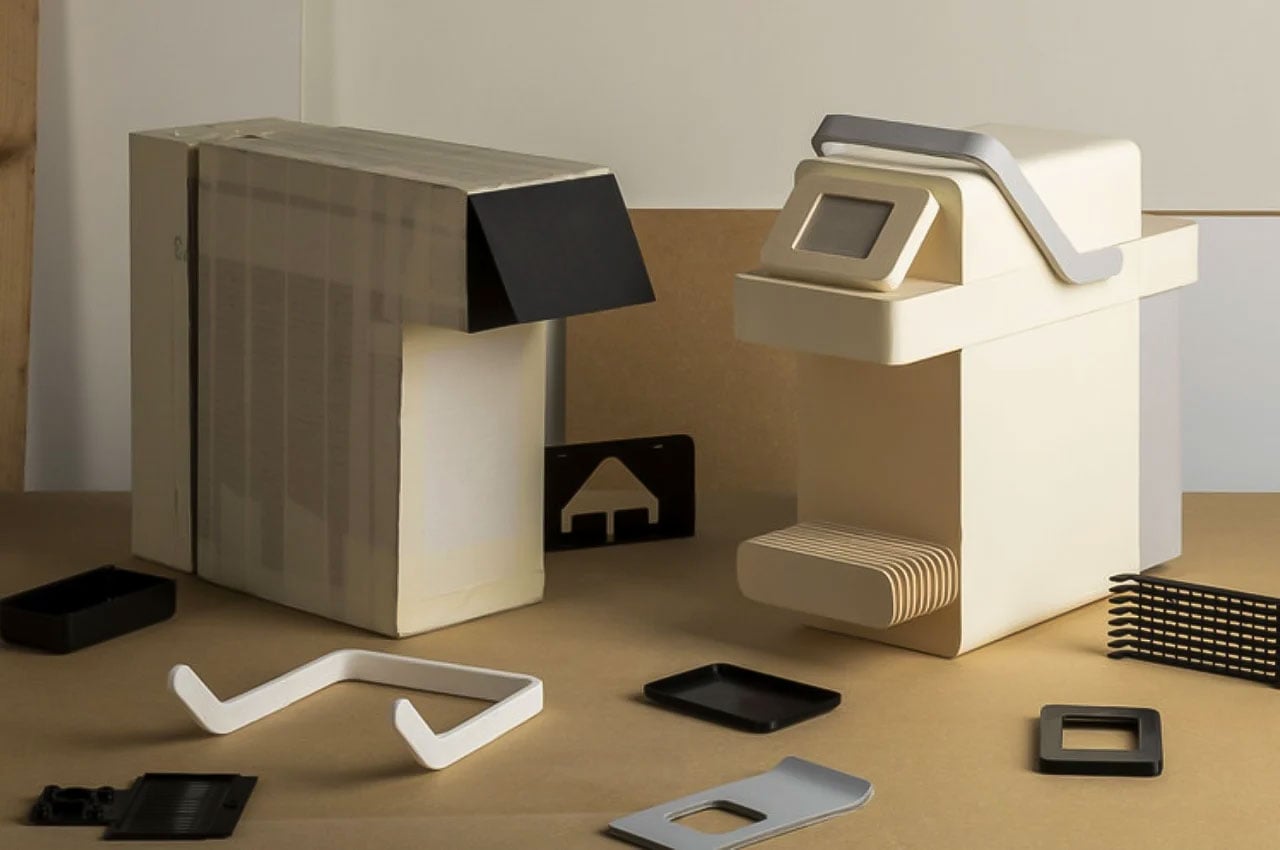
Taking inspiration from both UK and Indian design excellence in industrial design, the team conceptualized a unique body and mechanism for the tea machine. The goal was to craft a visually appealing and functionally efficient device that not only brewed exceptional chai but also provided a delightful aesthetic experience for users.

The Dostea Tea Machine features patent-worthy engineering, blending British and Indian design elements seamlessly. Its sleek curves, elegant lines, and carefully selected materials evoke sophistication and cultural fusion. The machine’s form was meticulously crafted to emulate the warmth of a sunrise, infusing every cup of tea with a touch of magic and the promise of a new day.

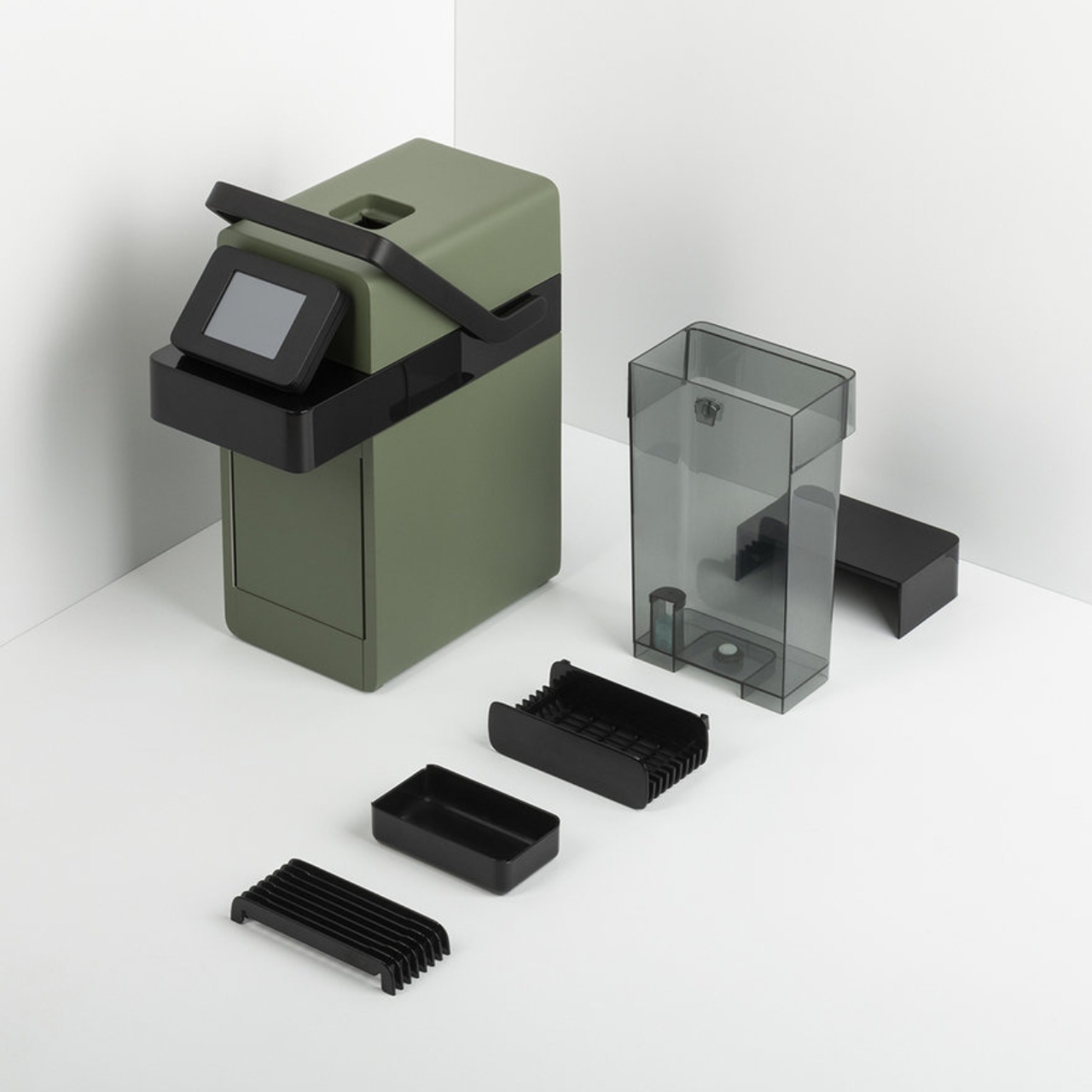
The Dostea Tea Machine has reached its prototype stage, undergoing intensive testing to ensure ideal brewing conditions for perfect flavor extraction. Externally, it boasts a user-friendly design, sleek appearance, and strategically placed controls for ease of use. The machine also includes thoughtful accessories such as a removable kettle and milk frother to enhance the homemade chai experience. This prototype embodies the careful balance of art and science in chai brewing, demonstrating the commitment of the Dostea and Analogy teams to delivering an unmatched chai experience worldwide.

The Dostea Tea Machine prioritizes a simple and convenient user experience. From the product’s shape and form to the interface design, it aims to facilitate the creation of that perfect cup of chai, customized to each user’s liking. The intuitive interface empowers users to enjoy their chai just the way they prefer, without the fuss and mess associated with traditional methods.

The Dostea Tea Machine is more than just a kitchen appliance; it’s a testament to the fusion of tradition and technology and an embodiment of the love for chai that transcends borders. For busy professionals who cherish a quick cup of authentic chai, this innovative product is set to revolutionize their daily routines, offering an authentic chai experience without the usual hassles. With its elegant design and engineering, the Dostea Tea Machine ensures that the essence and emotion of a handmade cup of chai remain intact while making chai preparation as simple as the press of a button.

The post This Tea Machine Makes The Classic Indian Chai Easier To Prepare first appeared on Yanko Design.
Find Your Therapy in Home Farming and Consuming Your Own Produce

In today’s fast-paced world, where life is often synonymous with perpetual motion, the desire to reconnect with nature and savor the fruits of one’s labor is stronger than ever. The concept of home farming, often romanticized for its therapeutic qualities and the satisfaction of producing your food, appeals to many. However, the hurdles of time and resources have long kept this dream at bay for most. But with Regrow, a groundbreaking innovation, the dream of home farming has been brought closer to reality.

Designer: Haneul kim (Designer dot)

Regrow offers a revolutionary experience for those who are intrigued by the idea of home farming but find it challenging to manage the daily responsibilities and investments it typically demands. This innovative system automatically transforms food scraps into fertile soil and showcases your bountiful crops, all while providing a rewarding, environmentally friendly hobby.

In a society where people yearn for the soothing embrace of home farming, the daily grind often obstructs their path. The daily chores of tending to plants, adjusting soil, and monitoring water levels according to the seasons can be burdensome. It’s no wonder that around 60% of those who initially embark on the journey of home farming give up, with the top two reasons being difficulty managing time and the cost of supplies.

Regrow, recognizing the unique place it occupies in the kitchen, draws inspiration from various kitchen appliances. It brings a new dimension to the concept of home farming. With Regrow, users no longer have to fret over the time constraints of home farming in their busy lives. Instead, they can efficiently care for their plants with an array of features designed for convenient operation.

gif 1

The soil used for cultivating edible plants is primarily recycled compost from food processors. The snug fit of the lid and body keeps unwanted odors from escaping, while the powerful rotation function effectively processes various food scraps. This synergy of recycling and sustainability sets Regrow apart.

Regrow is designed to be user-friendly with just five simple buttons. Users can schedule tasks via the dedicated mobile application for quick use or even operate it remotely. The glass door on the front can be easily opened for harvesting edible plants, making the whole process incredibly convenient.

gif 2

One of Regrow’s unique features is its hole bottoms, which facilitate the flow of soil and compost. The compost generated by the top food processor automatically moves to the bottom through a rotary grinder. If users prefer to use water instead of compost, they can open the top lid to add water. This combination of features ensures that users can effortlessly maintain their edible plants, promoting their health and sustainability with minimal effort.

Regrow incorporates a bottom LED bar that provides users with invaluable insights into the needs of their edible plants. It changes color to indicate when watering is required, when soil adjustments are necessary when it’s time to clean food waste, or when the system is circulating. This intuitive feedback mechanism ensures that users can take timely and appropriate actions to ensure their plants thrive, enhancing the overall home farming experience.

In conclusion, Regrow offers an all-in-one solution to the common barriers of home farming, making it accessible and enjoyable for everyone. With its innovative technology, sustainable practices, and user-friendly design, it not only simplifies the process of home farming but also promotes a greener, more self-sufficient lifestyle. Regrow brings the joy and fulfillment of home farming within the reach of all, revolutionizing the way we connect with the earth and harvest the goodness it provides.

The post Find Your Therapy in Home Farming and Consuming Your Own Produce first appeared on Yanko Design.

Top 10 Kitchen Appliances To Revamp + Rejuvenate Your Everyday Cooking Process

If you’re a passionate lover of cooking, or you’ve recently kickstarted your cooking journey, and want to accelerate it even further then you’ve reached the right place. Having an efficient and streamlined cooking process is the key to preparing dishes that simply taste excellent! And the number one aid you need in having an effortless process is an arsenal of great kitchen appliances.  With the right kitchen tools and appliances, cooking can be an increasingly fun and simplified process. The right products can reduce your prep time in half, make the little cooking tasks much easier, and help you with tedious and complicated techniques. From an AI-powered grill to an aesthetic coffee machine that lets you experience the brewing process – these innovative and exceptional appliances are all you need in your kitchen.
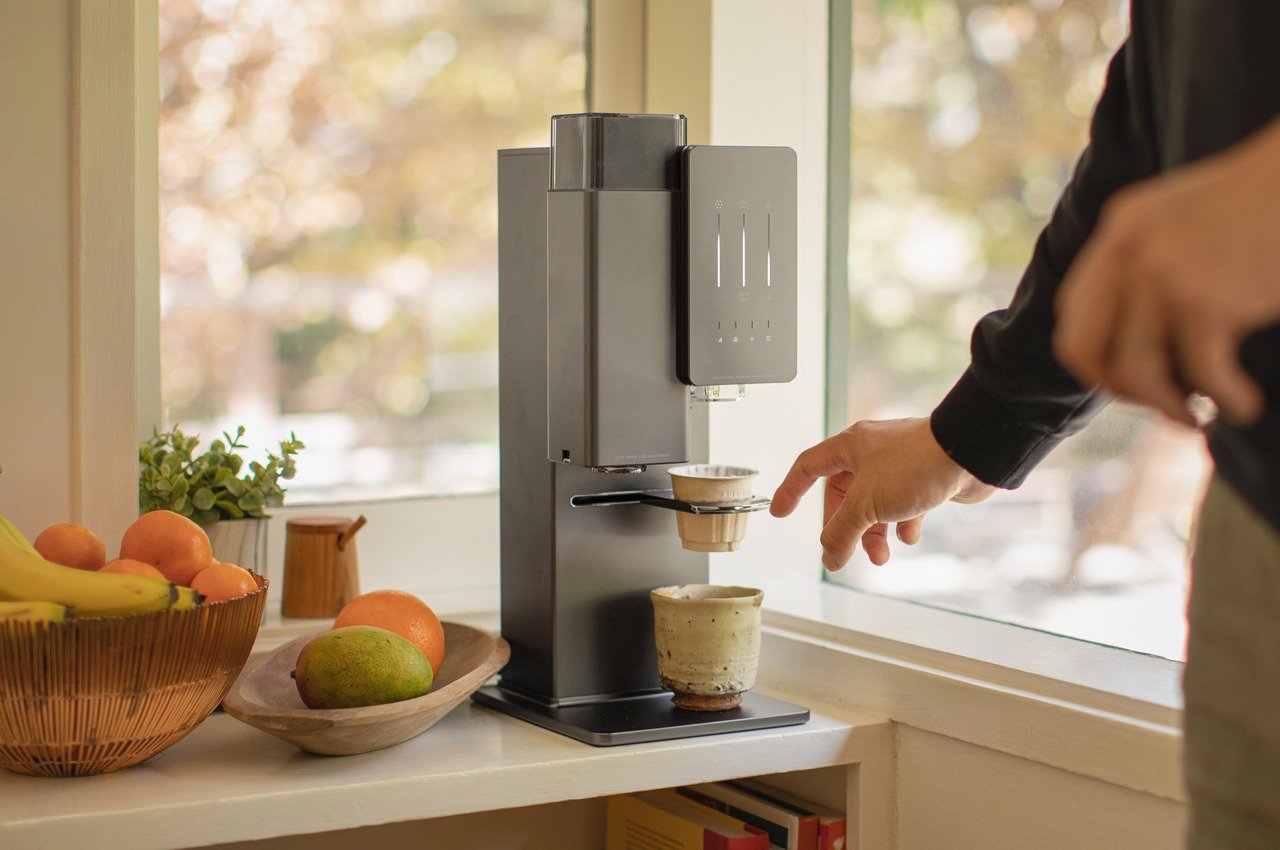
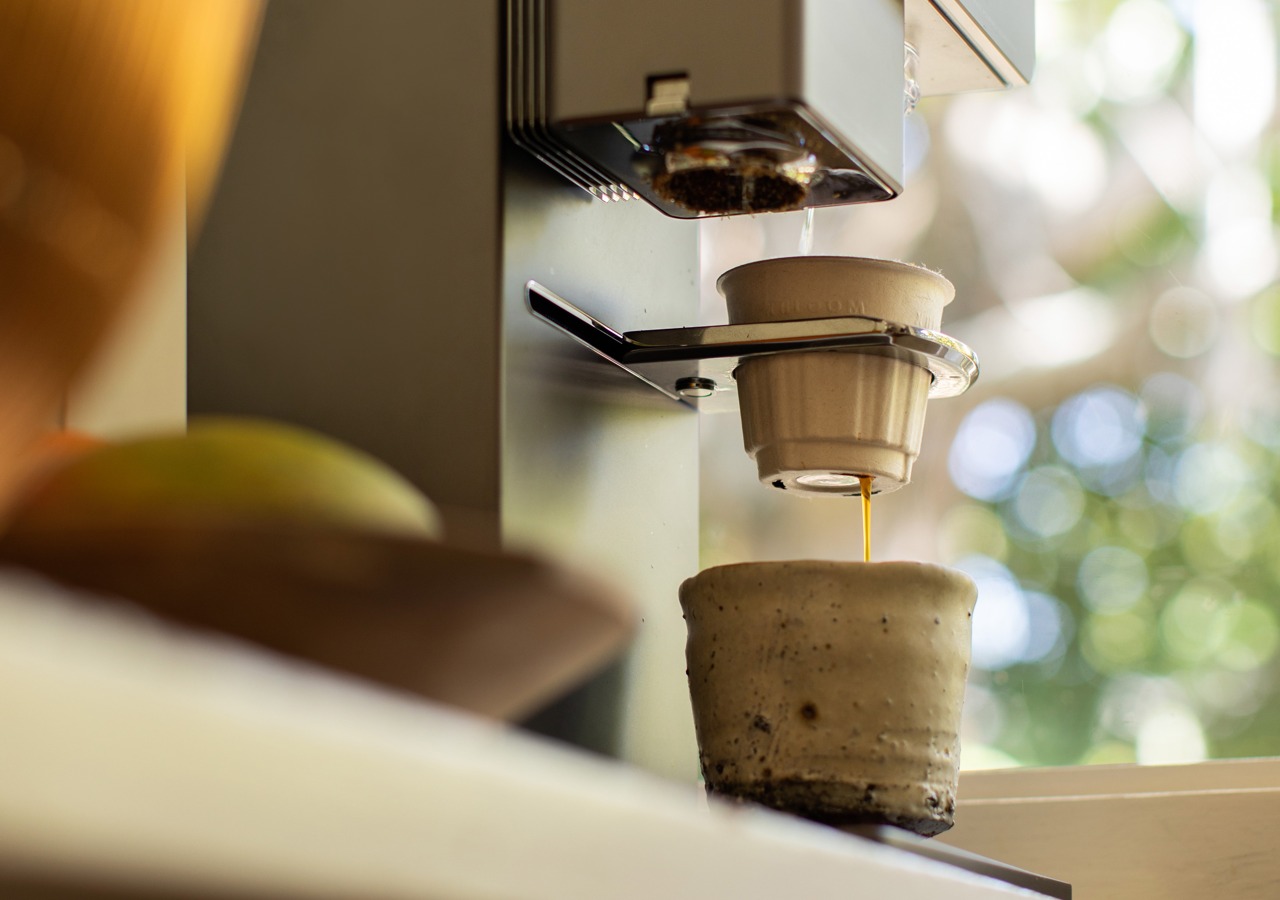
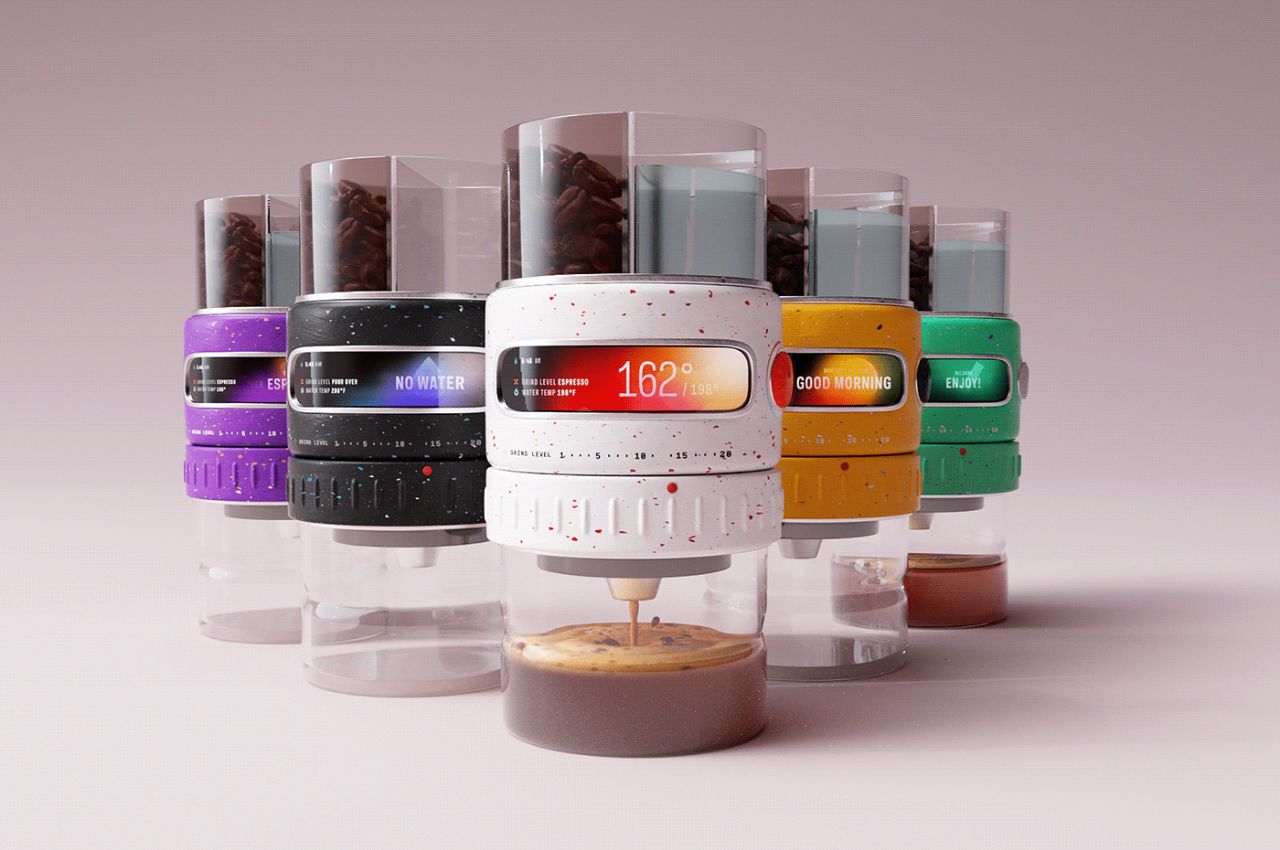
1. xBloom

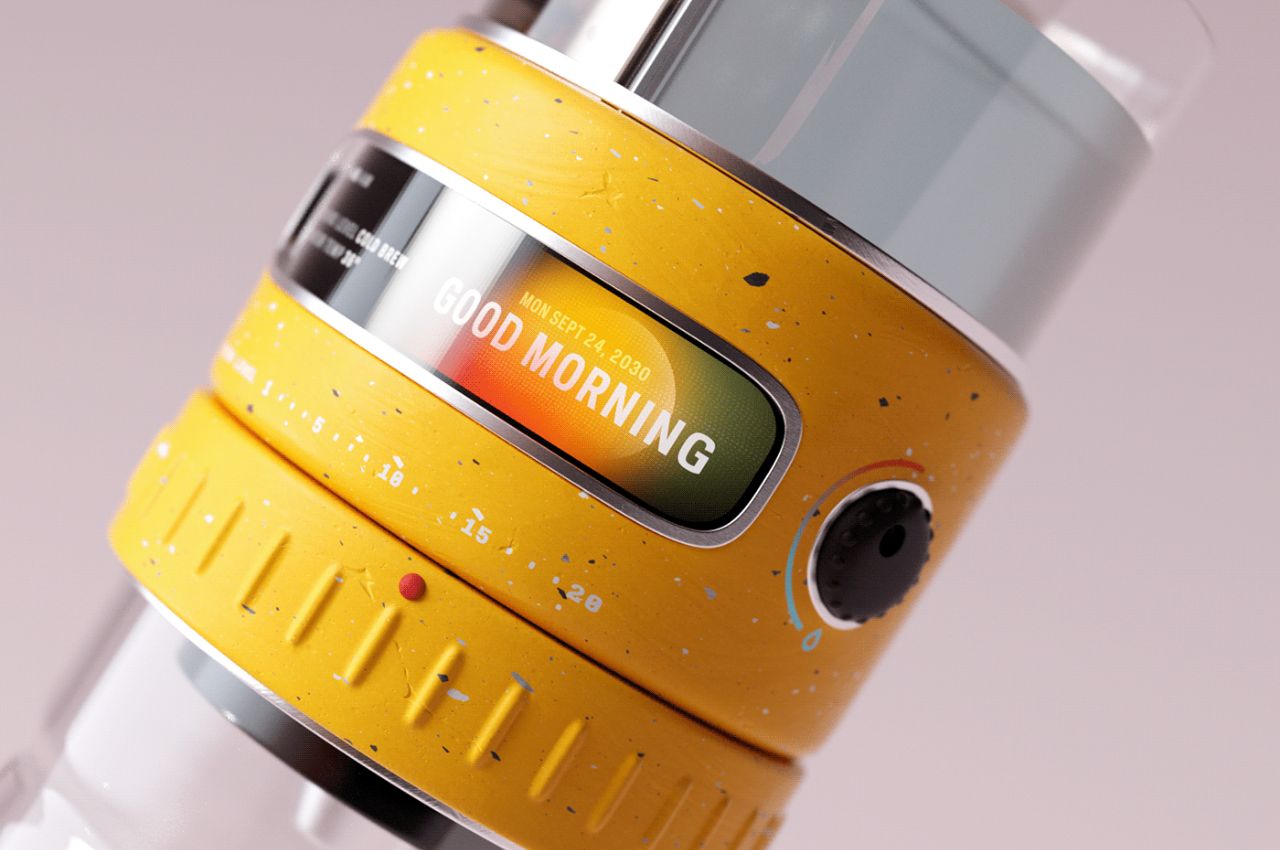
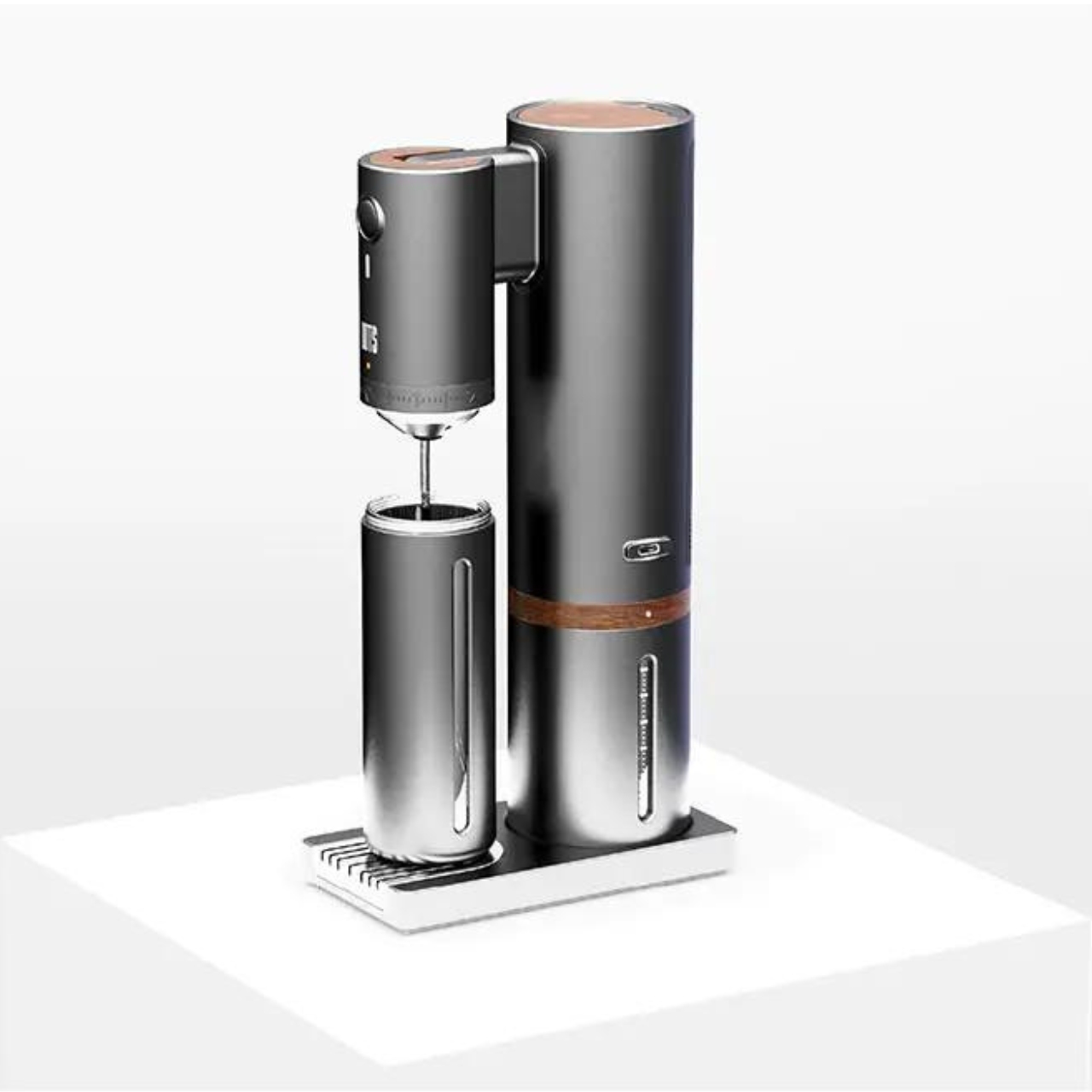
The xBloom is the Tesla of Coffee Machines, and it is equipped with a unique Autopilot feature that can assist you in the art of making coffee. It is a super sleek and pristine coffee machine that looks right out of a sci-fi future!
Why is it noteworthy?

Designed by ex-Apple employees, the xBloom identifies, grinds, dispenses, brews, and pours your coffee for you! It uses some of the finest beans sourced from the top roasters worldwide, providing you with the finest cup of coffee ever.

What we like

  • It quite literally feels as if a professional barista made you a cup of coffee
  • Equipped with the power of NFC technology

What we dislike

  • The xBloom does not accommodate instant coffee

2. The Column Kitchen

Meet the Column Kitchen by the French designer Inga Sempé. The minimalist and well-designed kitchen is meant to be “warm and different”.

Why is it noteworthy?

The Column Kitchen is a unique and subtle kitchen unit that features rounded-edged surfaces, sides, and handles. The various components of the unit come together to form a column that stretches harmoniously from the top to the bottom of each door.

What we like

  • Easily gripp-able form
  • Strong and defined visual identity

What we dislike

  • Not suited for smaller kitchen spaces

3. Elizabat

Designed by OTOTO, this friendly little bat scissor has arrived just in time for Halloween to add some fun and flavor to your kitchen. It is super easy to grip on the inside as well as the outside.

Why is it noteworthy?

Elizabat (that has to be the cutest name ever) is a pair of culinary scissors that helps you cut, chop, and slice away at veggies and herbs in the kitchen. Its clever blade design also has a bottle opener, while the gap between the handles serves as a nut-cracker.

What we like

  • The bat’s wings have an ergonomic profile that is befitting for the scissor’s various uses

What we dislike

  • It’s quite adorable looking, and could be mistaken for a toy, so should be kept away from children

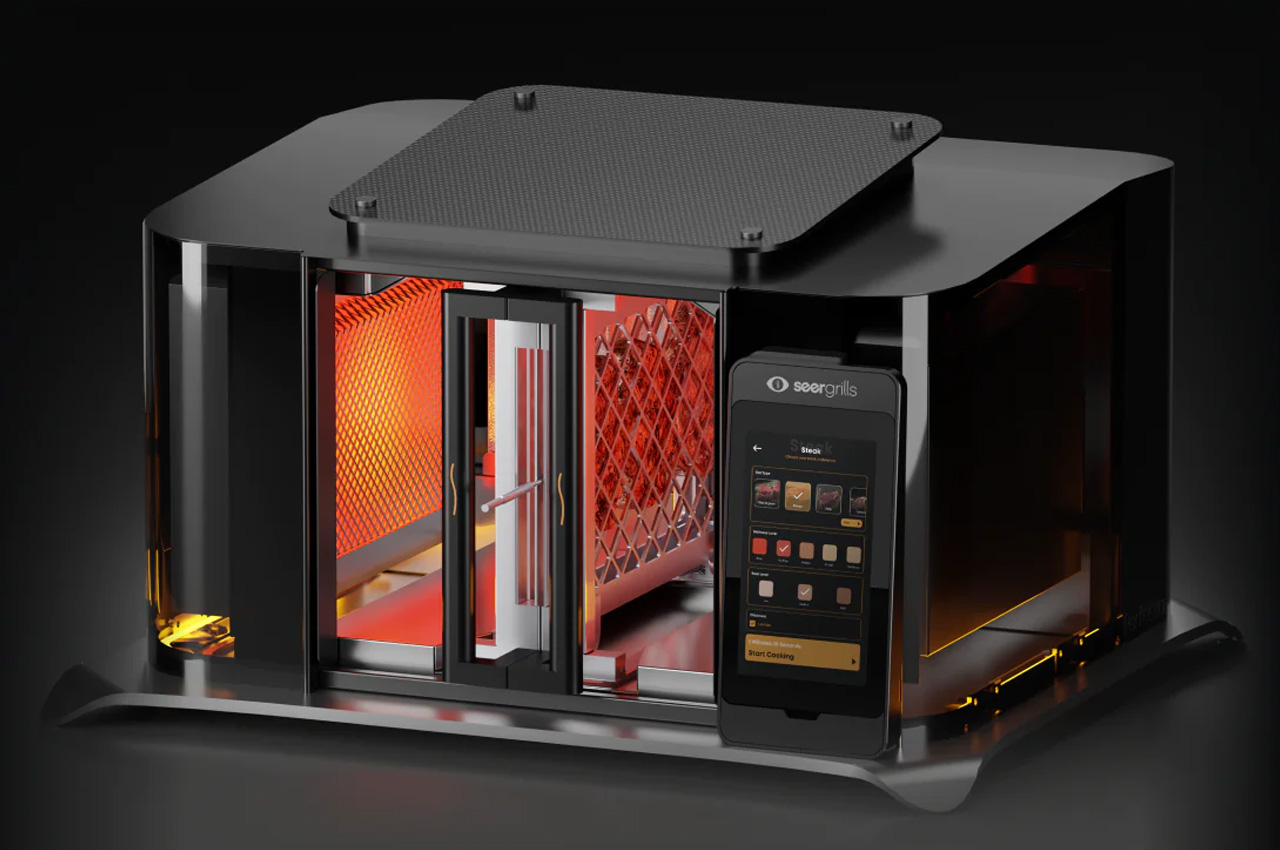
4. Seer Perfecta Grill

This unique AI-powered grill uses an AI system called NeuralFire to identify up to 50 types of food items, allowing it to adjust the time, temperature, and other settings, with respect to the particular item.

Why is it noteworthy?

The user-friendly onboard display keeps you informed about the cooking progress, so you can kick back and relax while the magic happens.

What we like

  • Utilizes electricity and propane to power the infrared burners on the left and right

What we dislike

  • Currently, in the development phase, we will have to see how the final product turns out

5. Earthmade Aromacup

Dubbed the Earthmade Aromacup, this travel coffee cup is made using Bamboo-O, an eco-friendly material that is built from bamboo fiber and plant starch. The Aromacup is intended to be a sustainable alternative to silicone or thermal tumblers.

Why is it noteworthy?

More than just the materials and processes, however, the drinkware’s life continues even after it is no longer usable, at least not by humans. It can be easily used as compost material at home, contributing to the healthy growth of plants that, in turn, could nourish our food or clean up the air at the very least.

What we like

  • Sustainable alternative to silicone or thermal tumblers

What we dislike

  • The Aromacup does not have vacuum or heat-retaining properties to keep the coffee hot for longer times

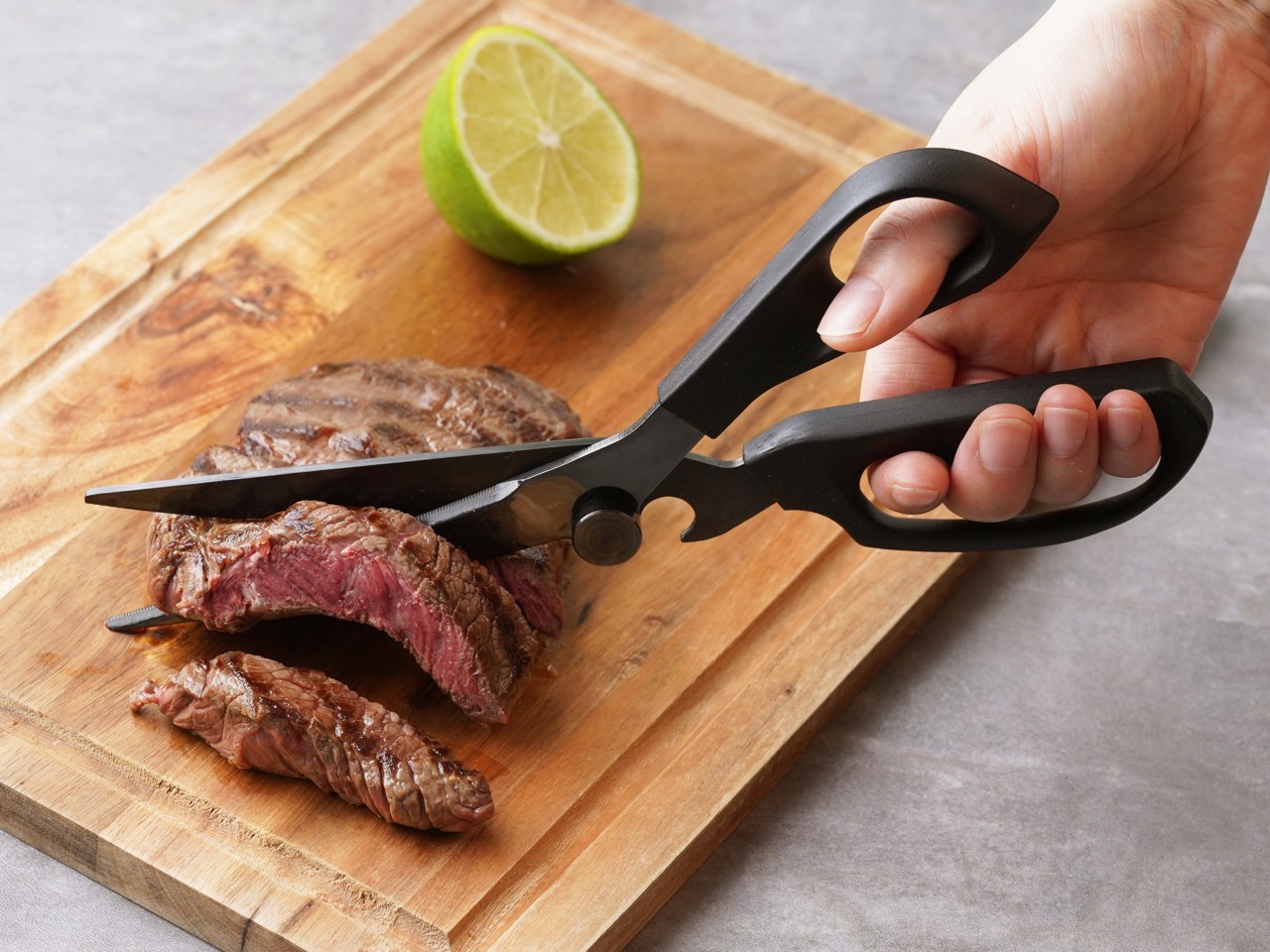
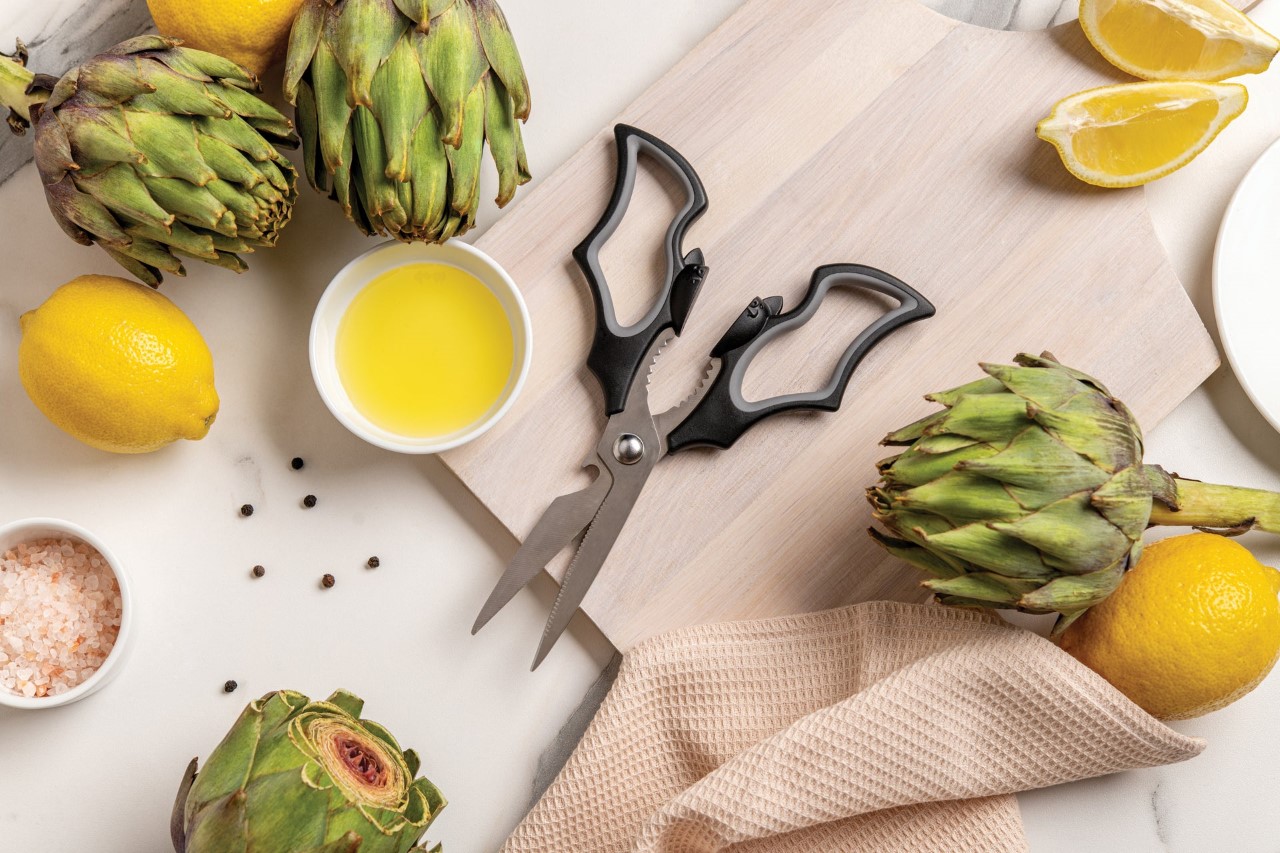
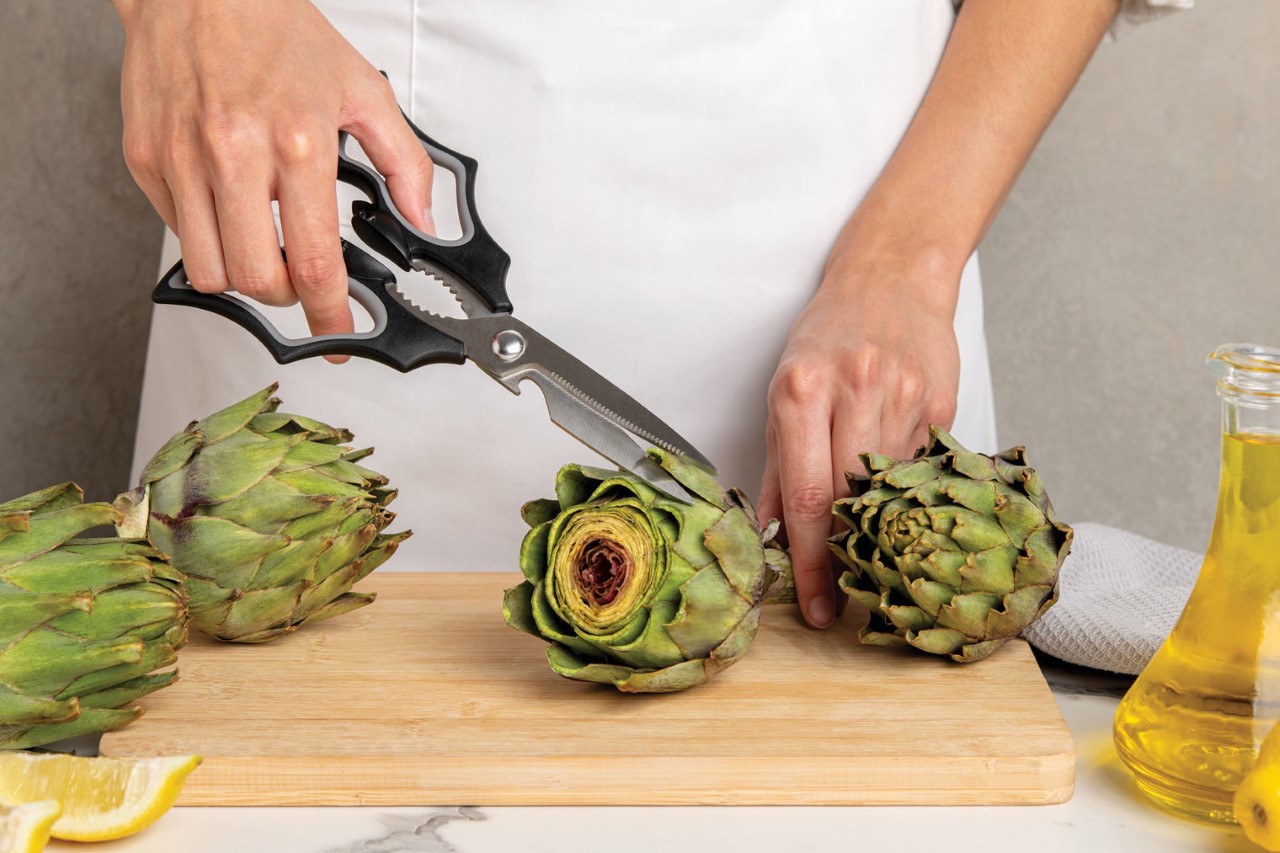
6. Precision Chef Kitchen Scissors

These Precision Chef Kitchen Scissors can cut through the pain and hassle of cutting up meat and food to make your food prep an easy breezy process!

Why is it noteworthy?

The kitchen shears have been designed to make cutting meat and different kinds of food simple and effortless. They’re sharp and sharp-looking, and they evoke a sense of power and style.

What we like

  • Features a specially-designed curved serrated blade that makes cutting meat easy and safe
  • Designed with an ergonomic structure

What we dislike

  • Requires a 2 handed approach for any action.

7. Steampunk Espresso Machine

Designed by Ahmet Kemal Daşhan for Steam Espresso, the Steampunk Espresso Machine is a unique espresso machine adorned with brass fittings to invite you to embark on an interesting journey through time.

Why is it noteworthy?

Exposed gears, reminiscent of a bygone era’s mechanical marvels, not only serve their functional purpose but also add a touch of authenticity to the experience. Vintage aesthetics, carefully curated to transport you back in time, create an ambiance that is nothing short of enchanting.

What we like

  • Helps you embark on a visual journey through time

What we dislike

  • To add to the industrial aesthetic, a grey-black or more colour options would be appreciated

8. Good Grips Salad Dressing Shaker

Designed by the OXO, the shaker and pourer is the ultimate modern solution to creating some delicious dressing without creating a complete mess in your kitchen.

What we like

The shaker has a wide top that can be swiftly unscrewed to add a variety of ingredients like oil, mayonnaise, vinegar, garlic, onions, mustard, etc. The cup has measurements in both milliliters and ounces to support easy measuring.

What we like

  • Features a leakproof design
  • You can also mix, serve, and prepare marinades and sauces

What we dislike

  • Seems a bit fragile and easily breakable

9. The COit

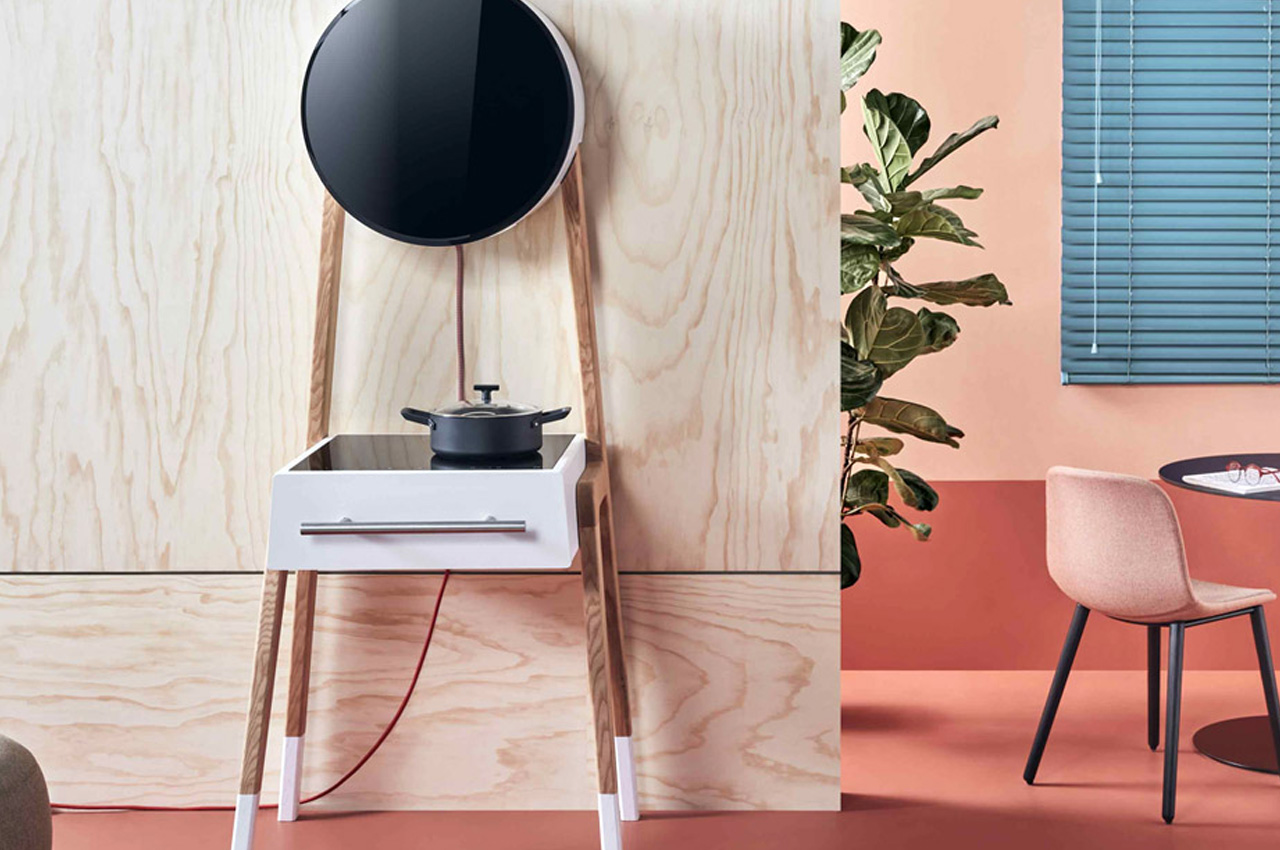
Designed by LG, the COit is a robot that functions as a hub in your kitchen ecosystems. The innovative robot can be used by novices and professional chefs, functioning as an autonomous device that shifts the focus from videography back to cooking – which is the primary goal of entering a kitchen.

Why is it noteworthy?

The COit features a mountable rail with a circular display that is encircled by a projector, light, camera, and an intelligent grip. All the various modules can be moved freely and independently on the small rail, covering the entire prep area or keeping them away from the fire and vapors.

What we like

  • The various clip-able modules feature built-in magnets that can be customized in orientation, depending upon your requirements

What we dislike

  • Food over the globe has such diversity, that trying to standardize the recipe as per one instruction set would impact the diversity of that dish

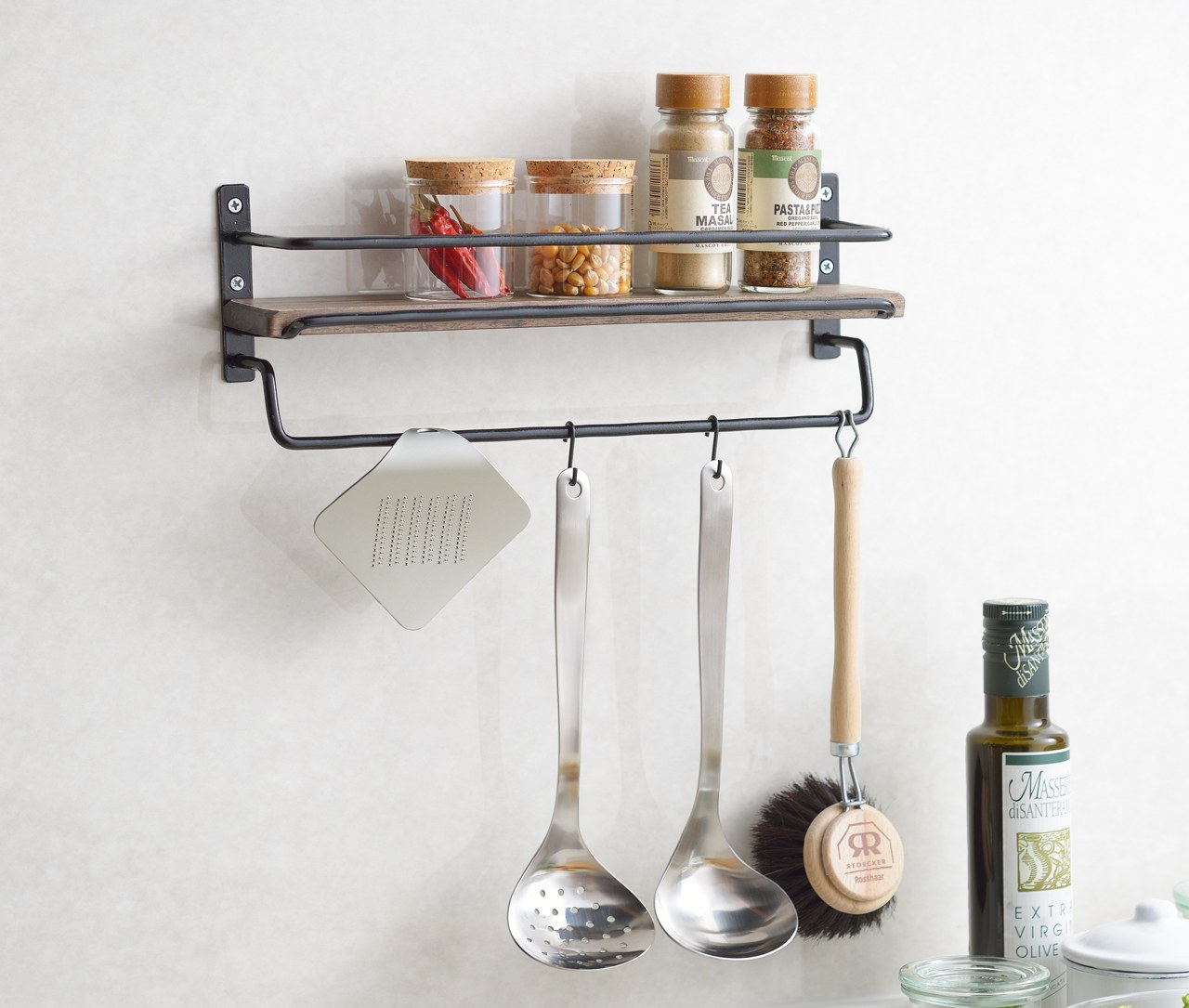
10. Dancing Grid

The Dancing Grid isn’t just an ordinary wall shelf to show off your kitchenware. It is an innovative and modular design with an inviting appeal. It tastefully uses tiles that make it quite classy and visually attractive.

Why is it noteworthy?

The different tiles have different functions, ranging from shelving to peg boards to blank spaces that providing some “breathing room” for the arrangement.

What we like

  • Provides storage functionality while also adding a personal touch to your kitchen

What we dislike

  • Space-consuming design that will occupy a substantial amount of space in your kitchen

The post Top 10 Kitchen Appliances To Revamp + Rejuvenate Your Everyday Cooking Process first appeared on Yanko Design.