Spacious Tiny Home That Sleeps 5 People Proves A Life On The Road Doesn’t Need To Be A Tight Fit

A couple of years ago Minimaliste unveiled the Nomad – a tiny house that is perfect for off-grid travel in all kinds of weather. The firm then rejuvenated the home with a larger design but still retained the basic essence. The improved Nomad 5th Wheel features a more spacious interior and can sleep up to five people.

It is finished in vertical steel sheets and faux wood steel. It features a length of 30.5 feet, a width of 8.5 feet, and a height of 12.5 feet. It weighs around 14,000 lb and is based on a double-axle gooseneck trailer. Let’s dive in more!

Designer: Minimaliste

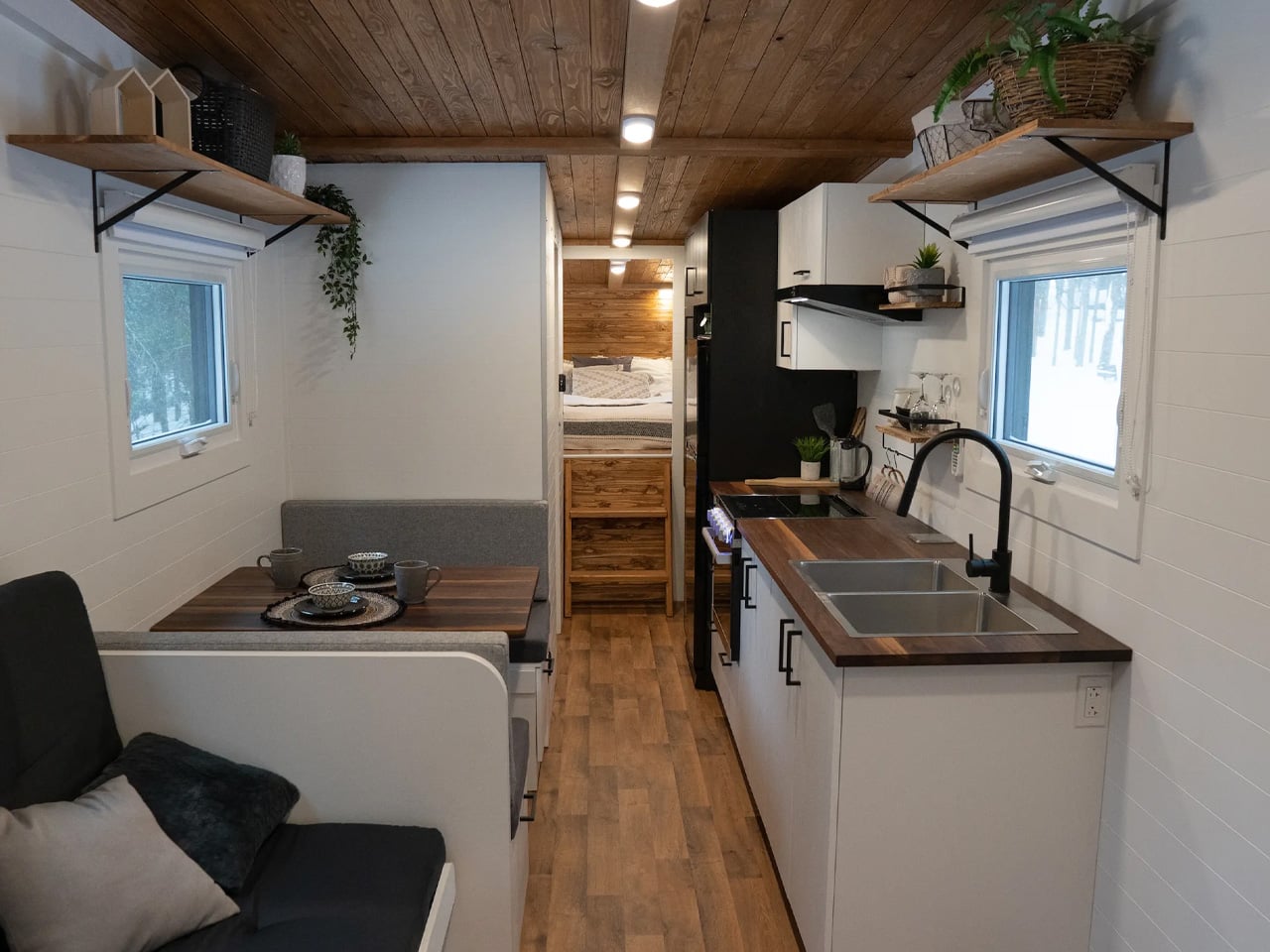
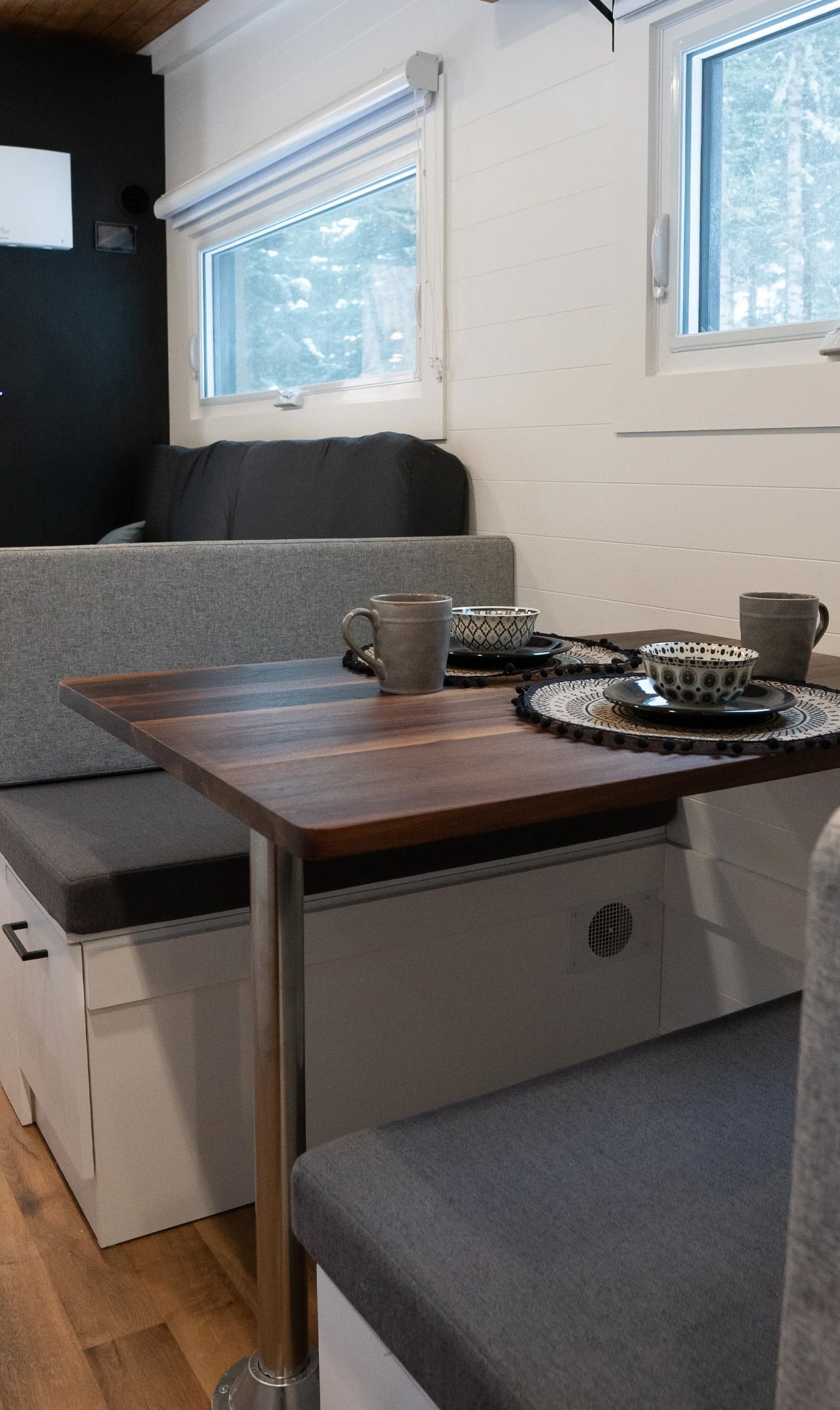
You can enter the home via a motorized folding deck and French doors. It has more floor space than the original Nomad, which makes quite a difference, creating a more spacious and comfortable living environment. The living room is equipped with a sofa bed and a pretty big closet. The home also includes anchor points, since the owner will be traveling with a motorbike within the home. A small dining area is placed next to the living room, and it can seat four people. The dining area can be converted into a single bed, which is quite nifty.


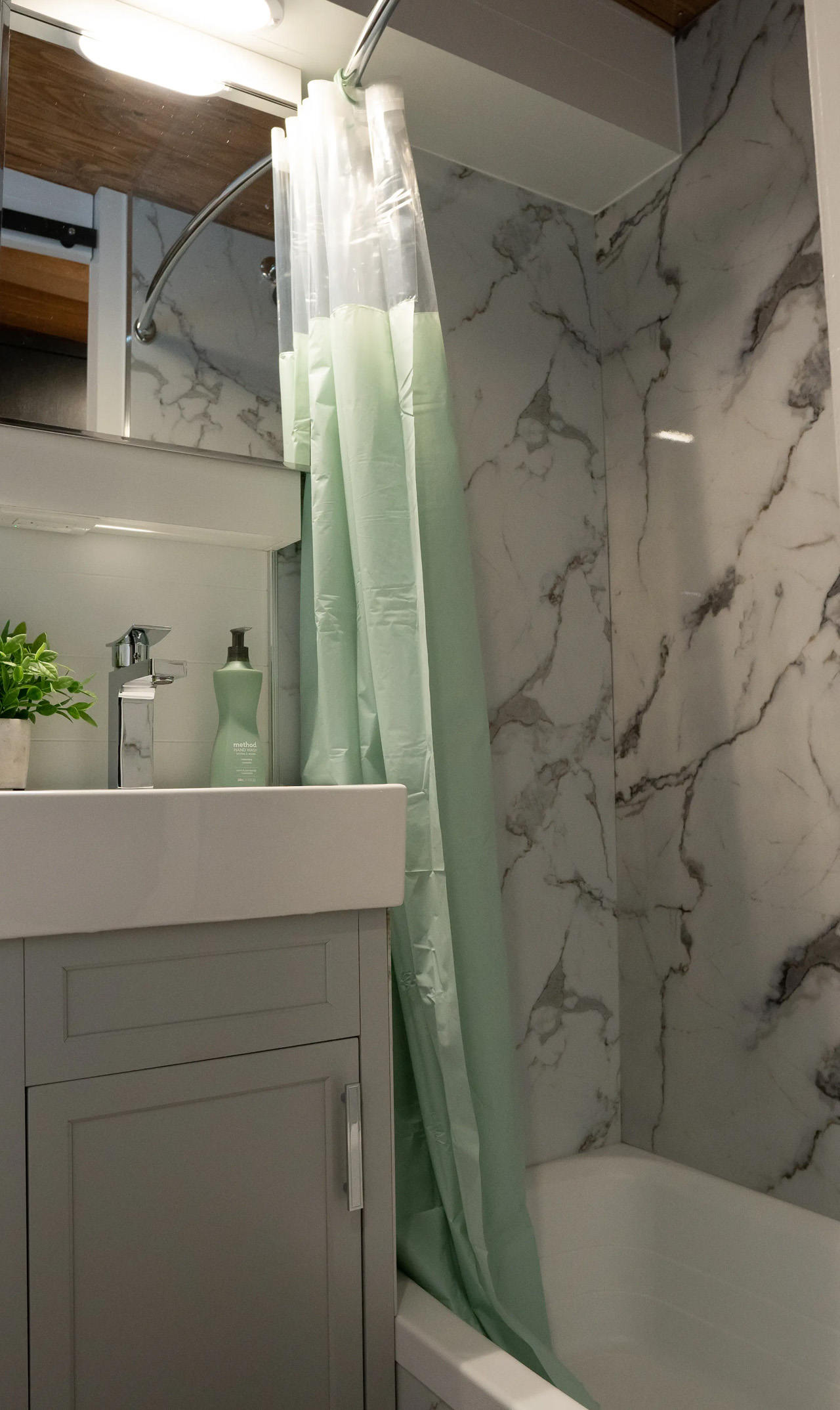
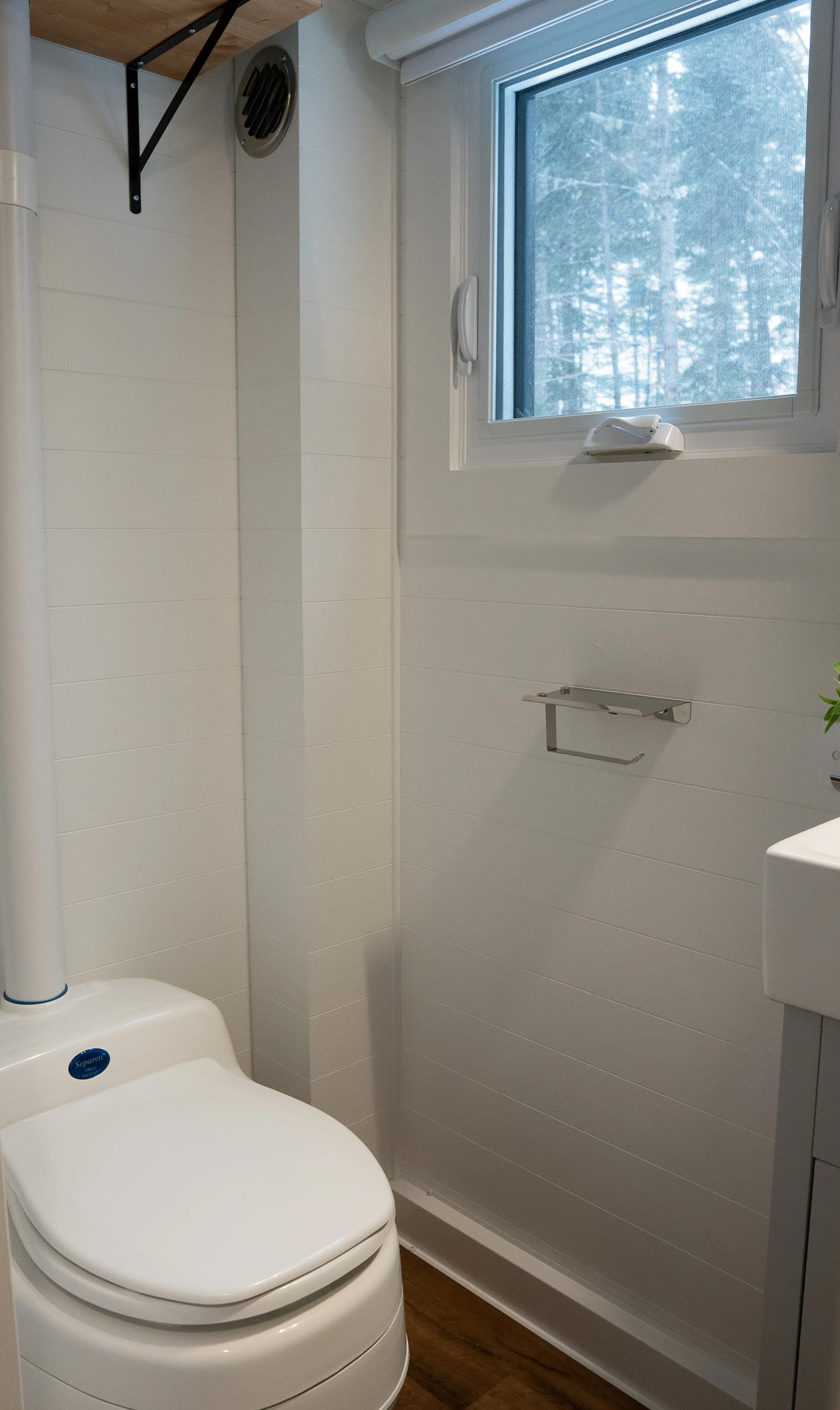
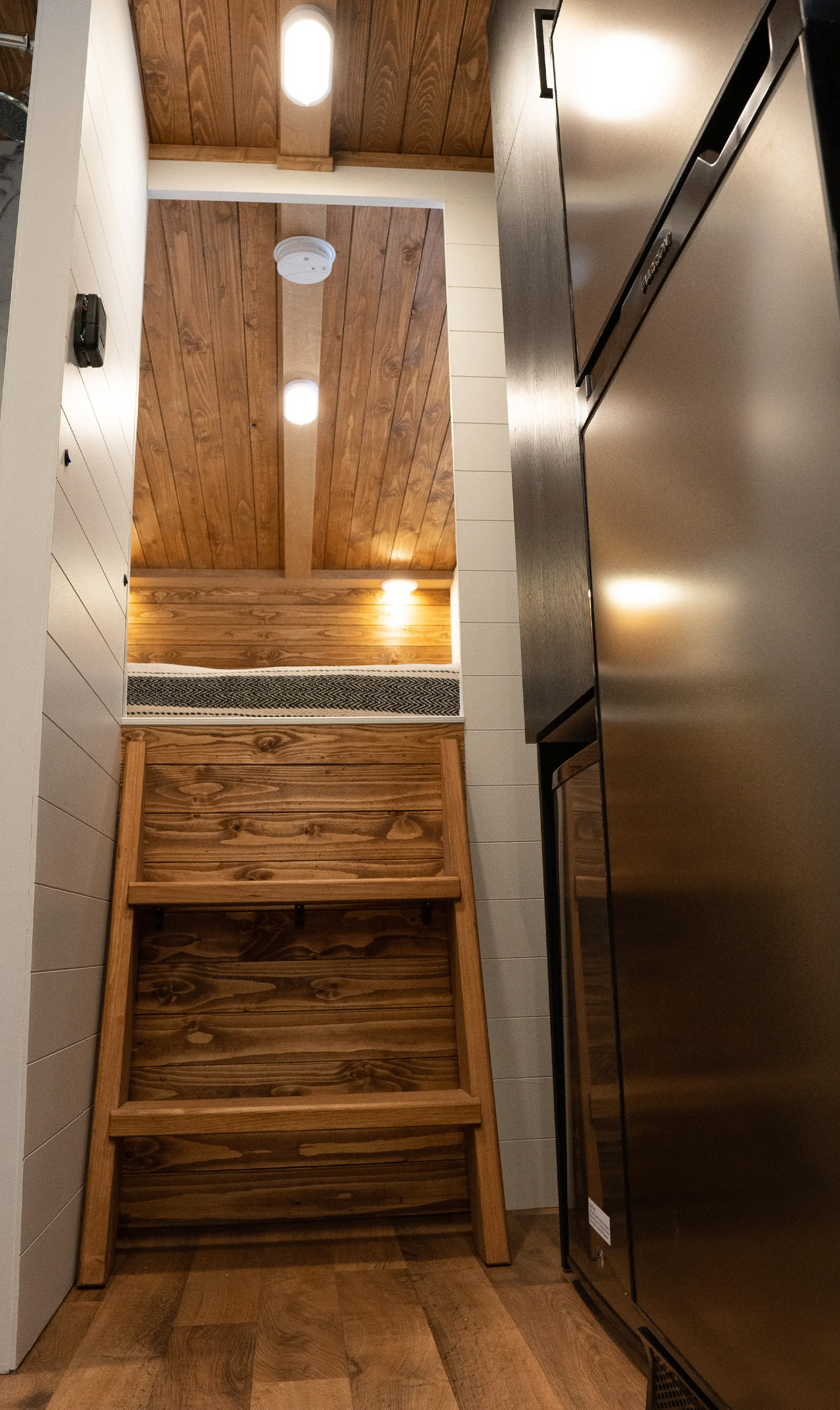
The kitchen is well designed and equipped, featuring a twin stainless steel sink, propane-powered three-burner stove, fridge, freezer, oven, cabinetry, and pantry-style storage space, as well as a gun cabinet for the owner’s hunting rifle. A small bathroom is located near the kitchen, and it contains a small bath/shower, sink, and a composting toilet. The Nomad 5th Wheel only includes one bedroom which is placed in the raised section (gooseneck) of the trailer. You can enter this room through wooden steps, and it is like most bedrooms found in tiny homes. It has a loft style with a low ceiling, a double bed, and a few closets.

The tiny home is powered by a standard RV-style hookup, or it can be outfitted with a full-off-the-grid setup including solar panels and batteries. The house is designed to handle a North American winter, and it is equipped with premium-level airtightness and great insulation to help it adapt to the heat and the cold. It is priced at around US$97,500, but it could increase if you select more options.
The post Spacious Tiny Home That Sleeps 5 People Proves A Life On The Road Doesn’t Need To Be A Tight Fit first appeared on Yanko Design.
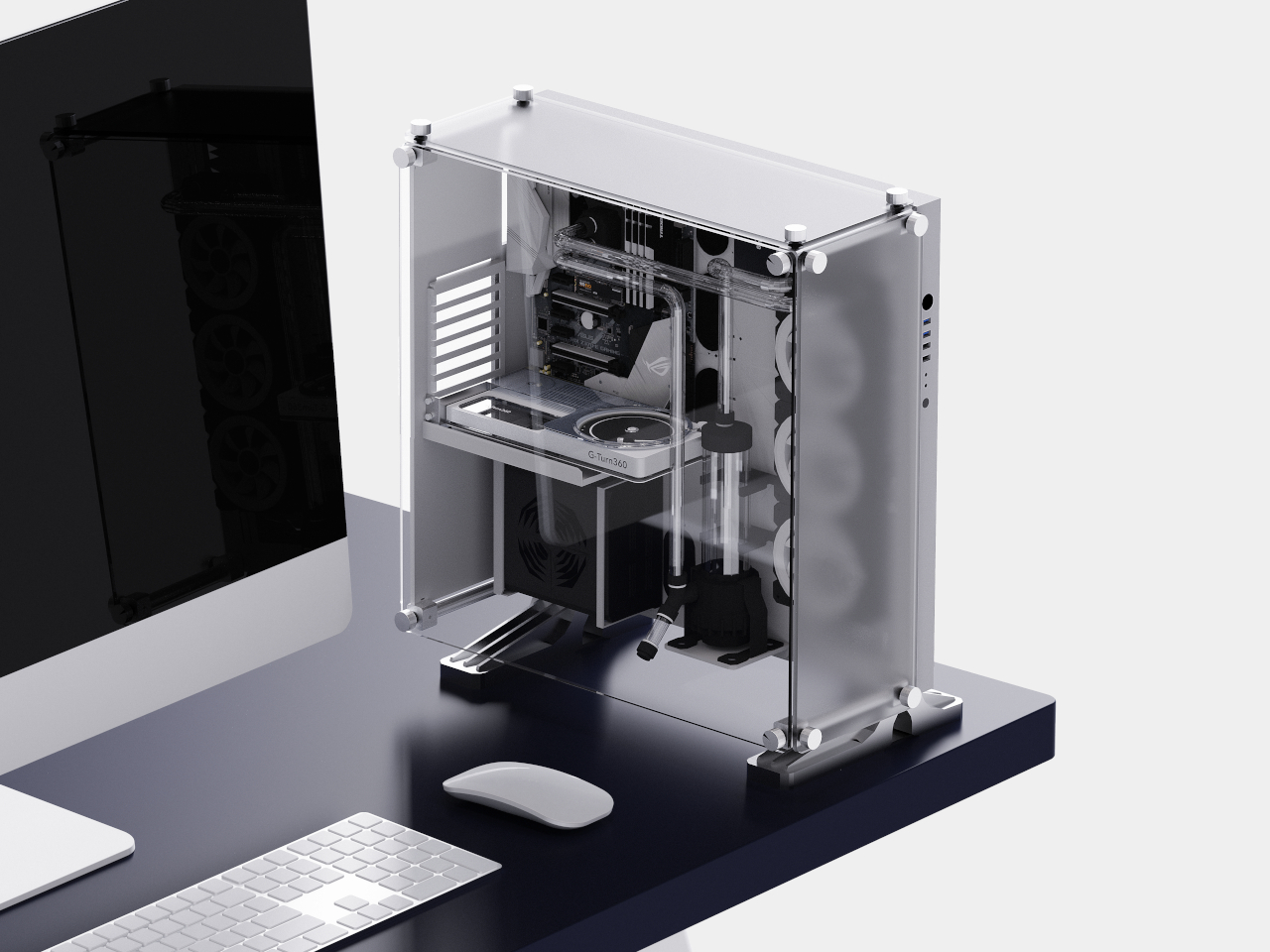
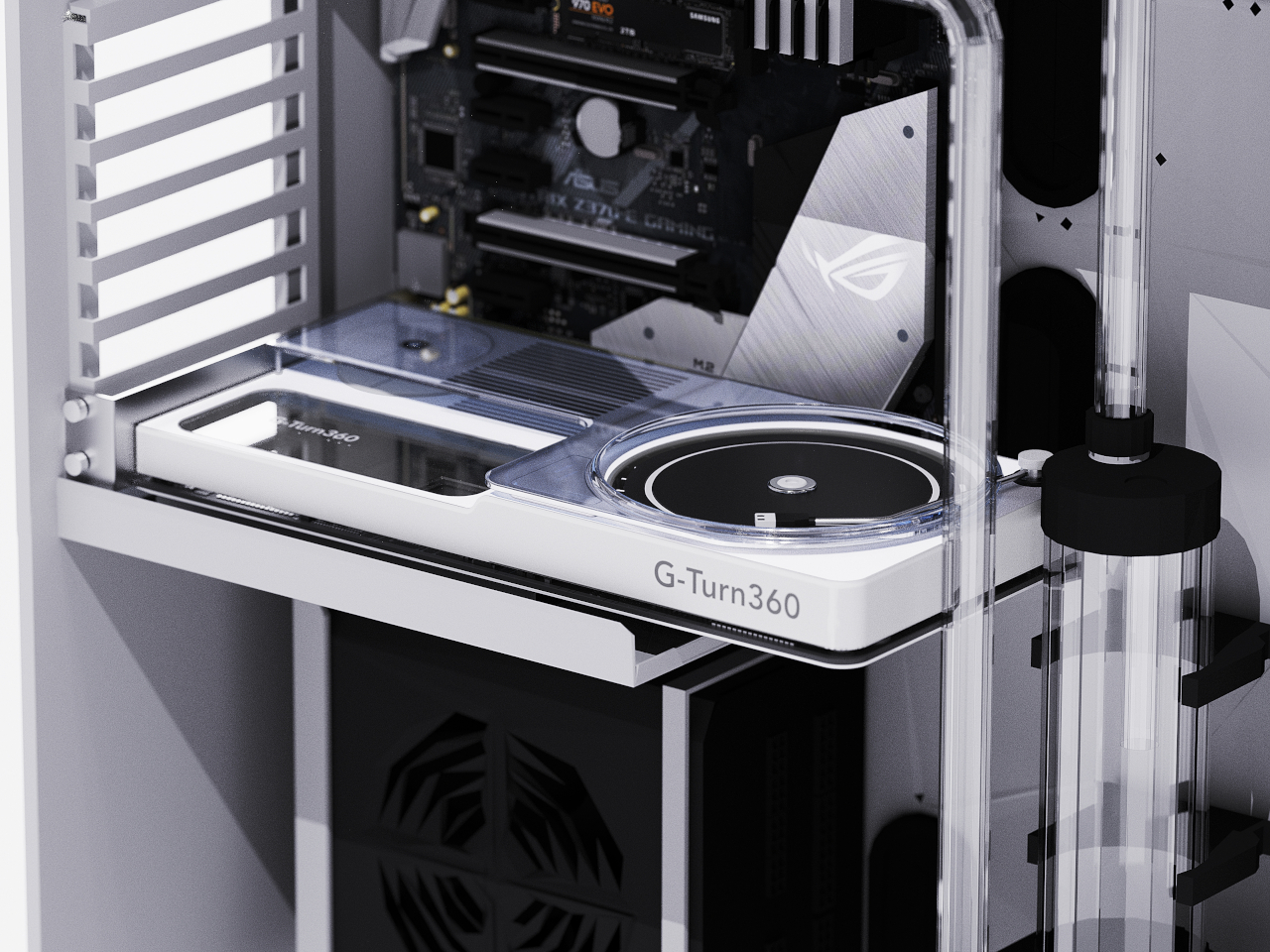
Turntable-inspired graphics card concept adds a retro-futuristic flavor to desktops

In the not-so-distant past, desktop computers were almost literal black boxes, closed and obscured from view. Although they’re still enclosed today to block the easy entry of dust and harmful particles, many desktop towers have adopted transparent designs that show everything inside.

This aesthetic is mostly to appeal to gamers who dress up their rigs with RGB lights and fancy-looking cooling systems, but the majority of the hardware you can see inside is hardly aesthetic (unless you go for that look). Graphics cards are slowly getting a facelift, but they still have a more technical and geeky look. This concept tries to challenge that status quo with a GPU design that could interest even non-gaming computer users.

Designer: Seunghun Lee

Of all the components inside a desktop computer, at least the ones built for gaming or heavy-duty creative work, the graphics card is the bulkiest, boxiest, and most visible one. Of course, that design is intentional because of the electronics it has to pack inside as well as the large fans that keep things from overheating. Such graphics cards today come with some RGB lighting or accents to make them look a little livelier, but the overall aesthetic remains the same.

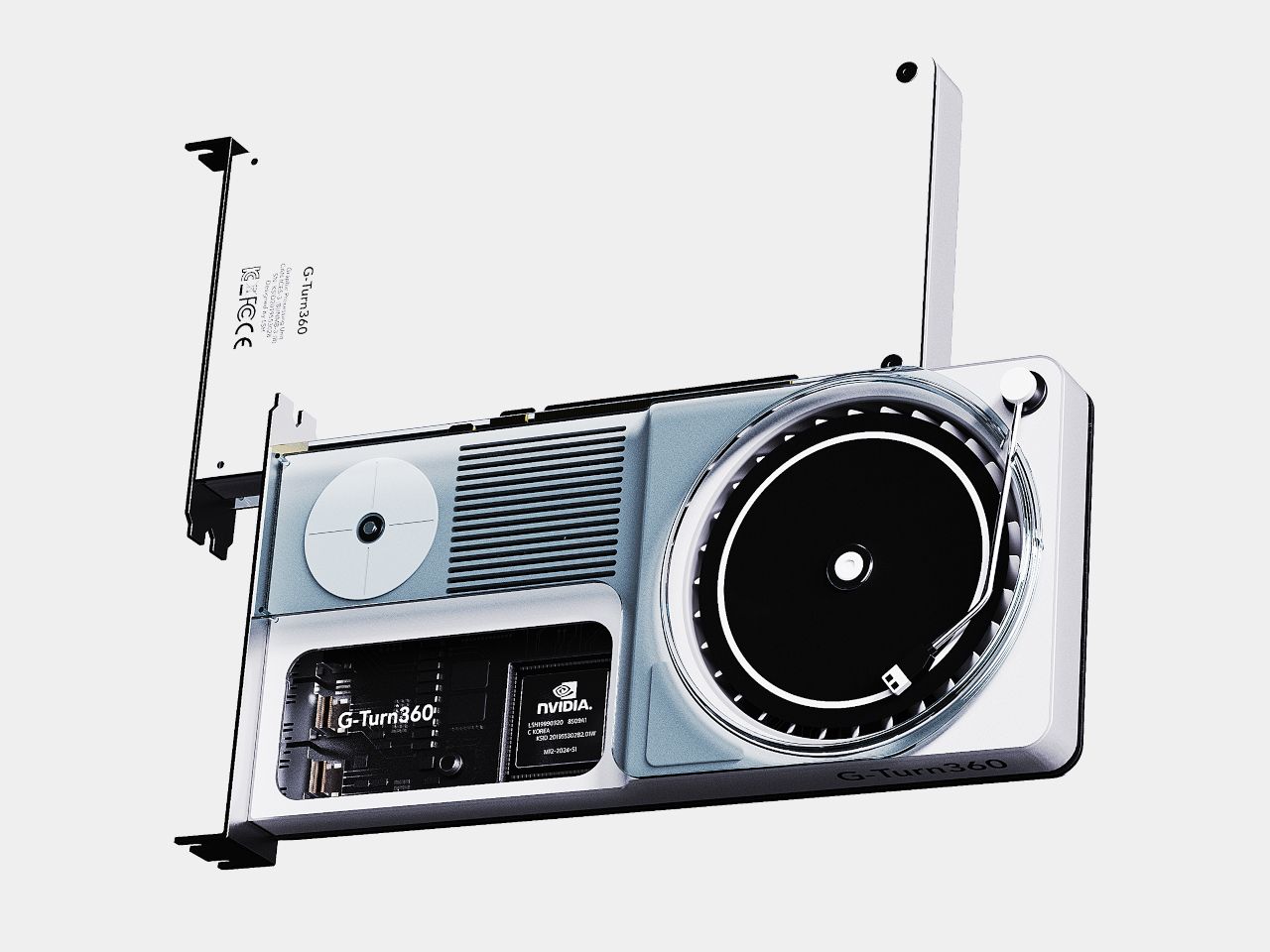
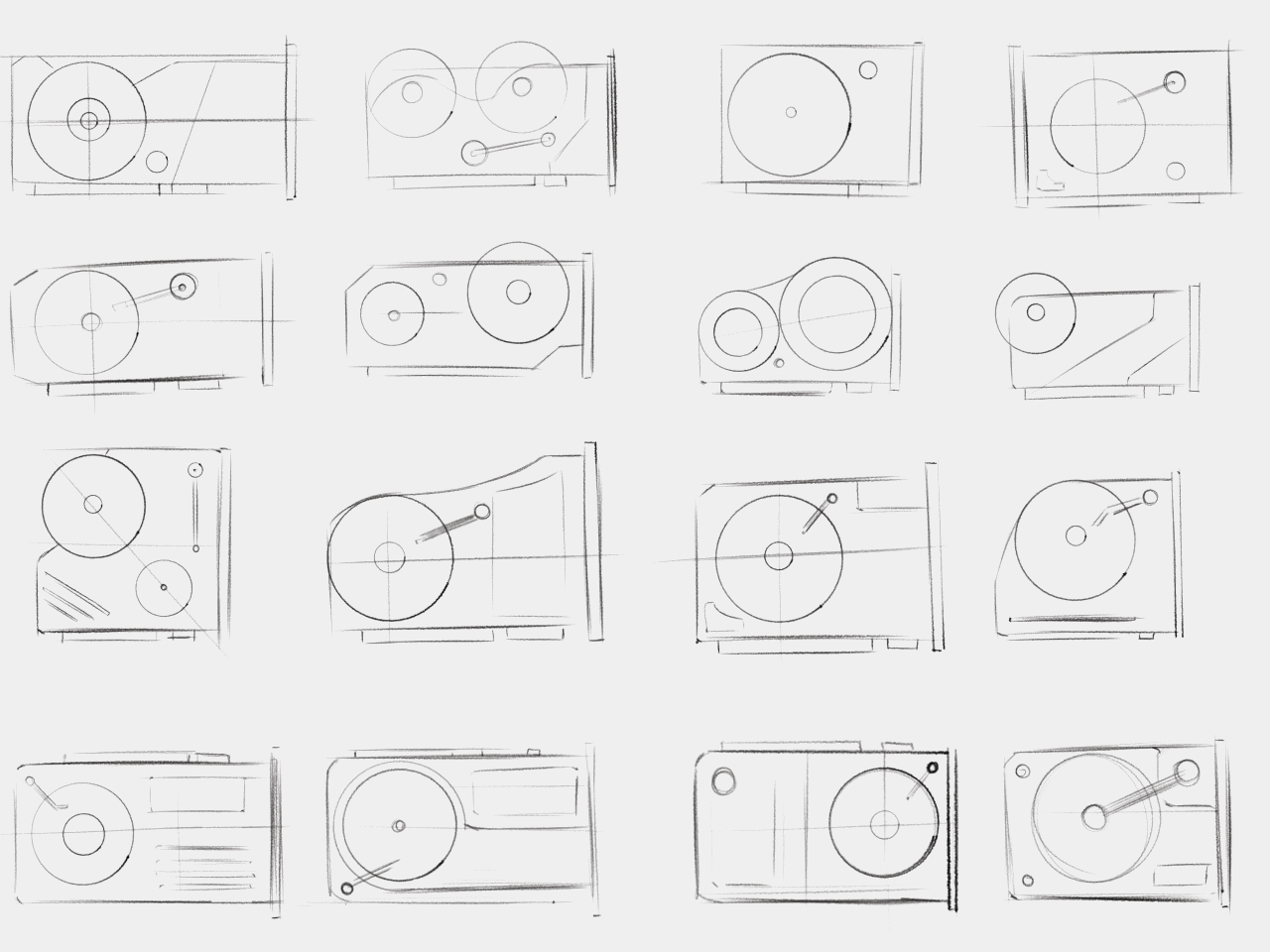
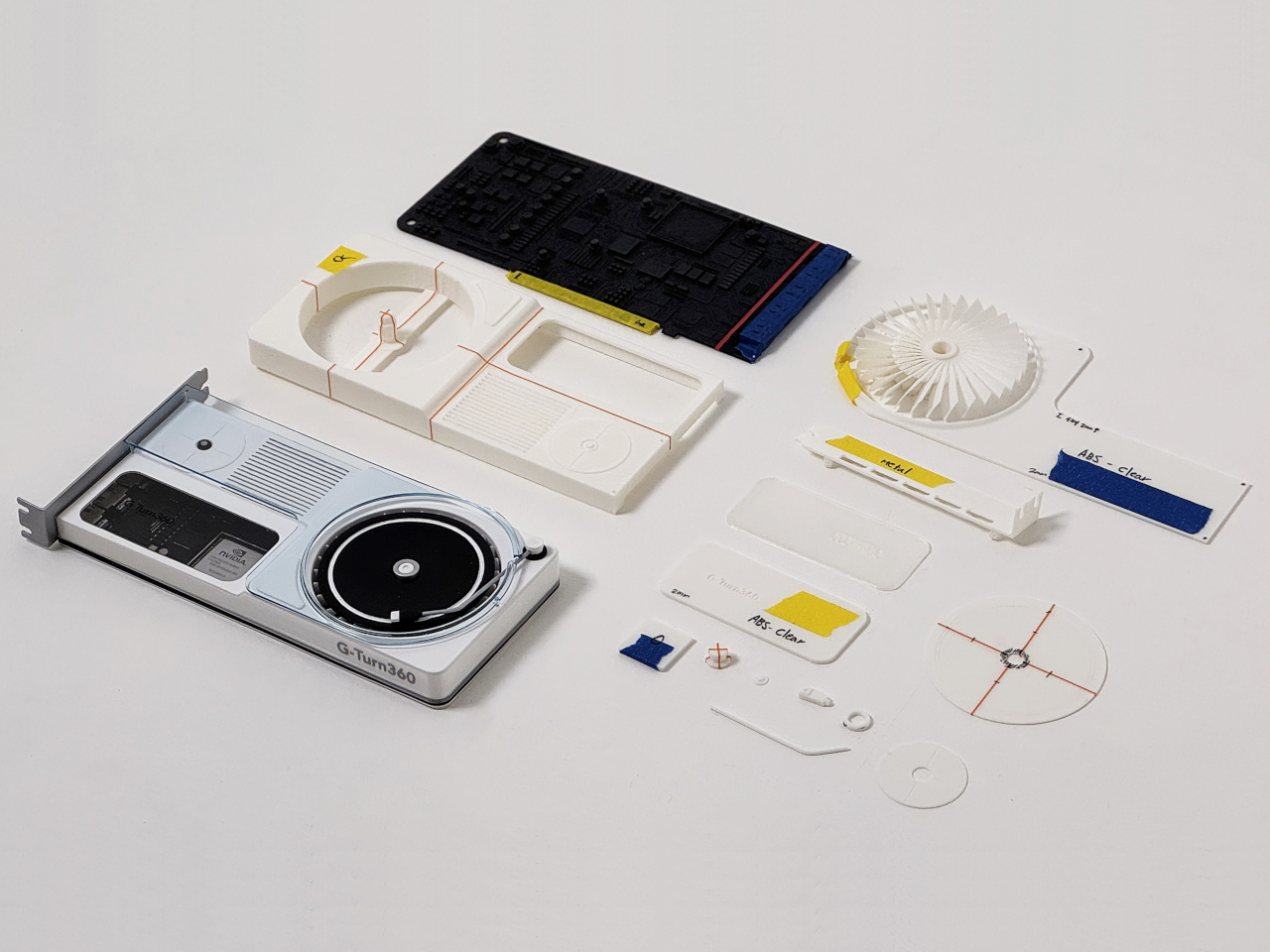
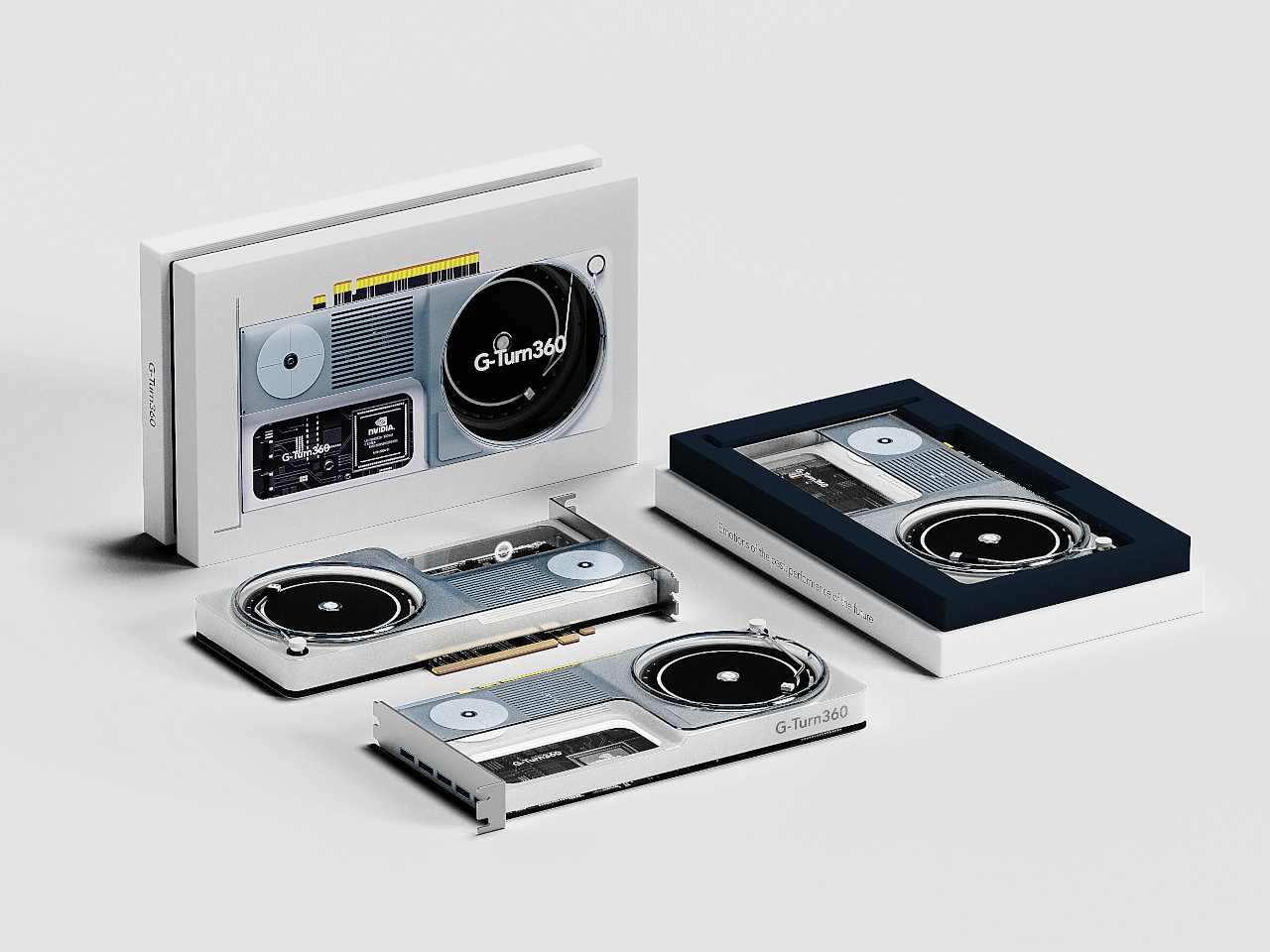
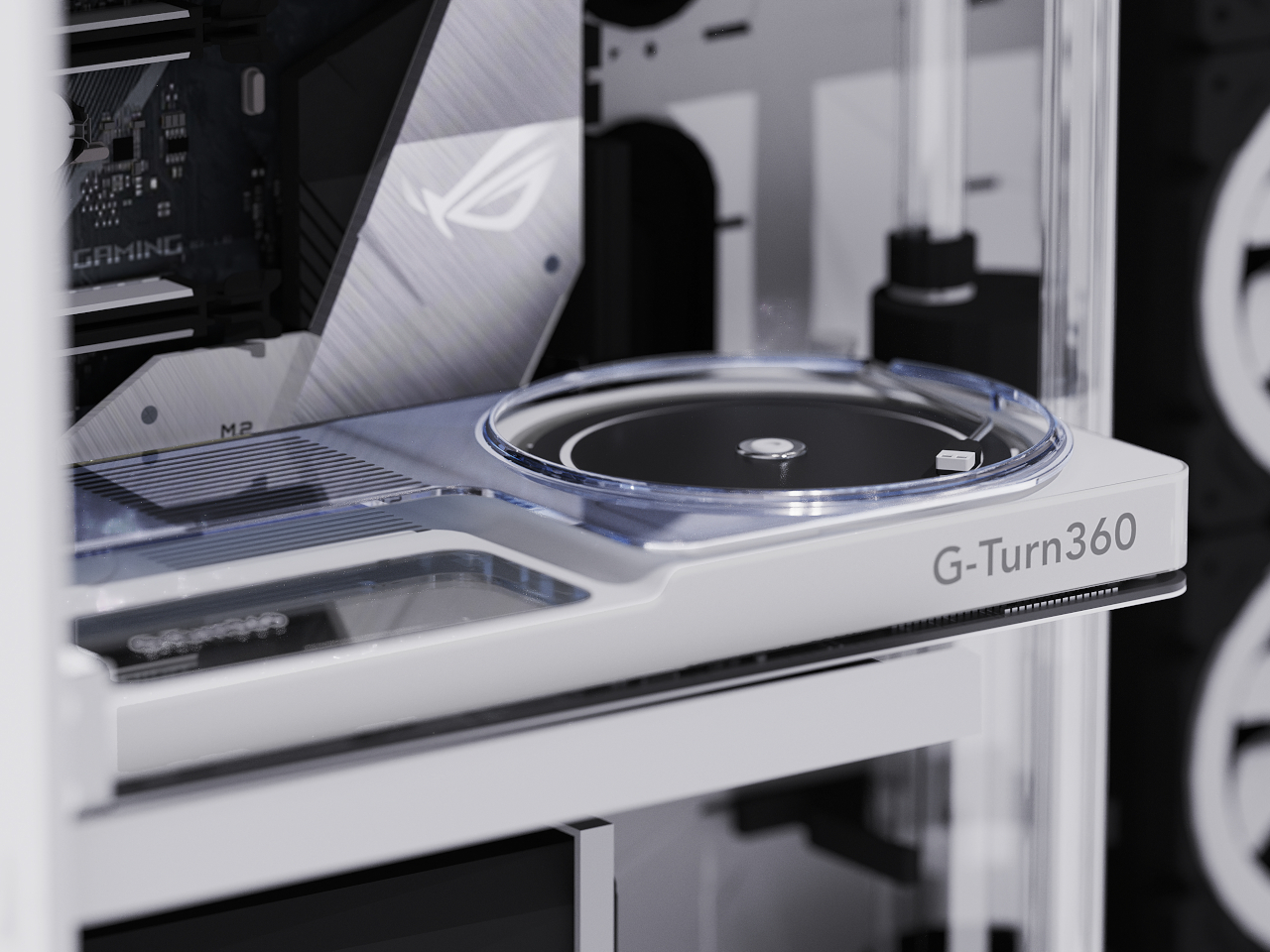
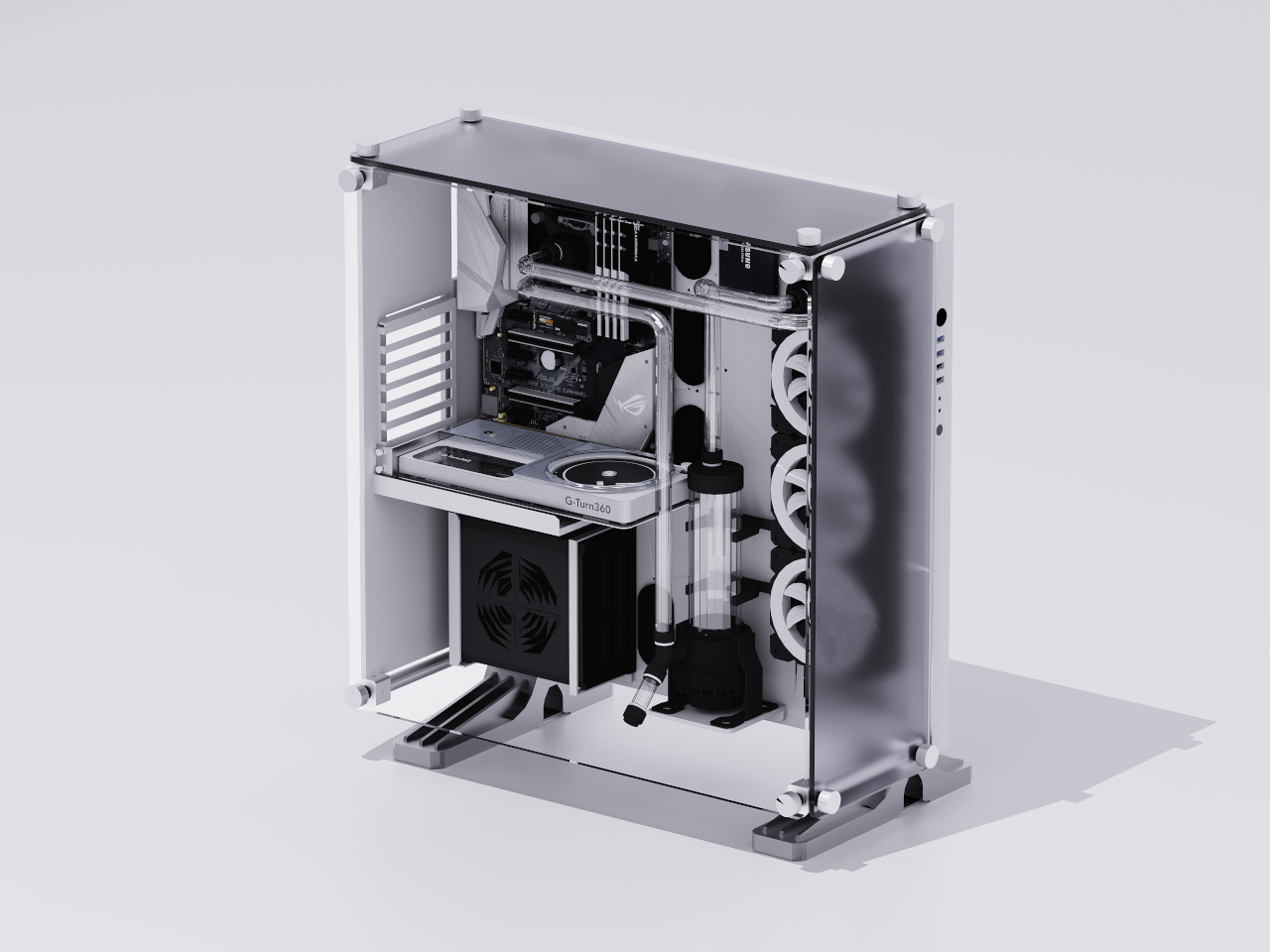
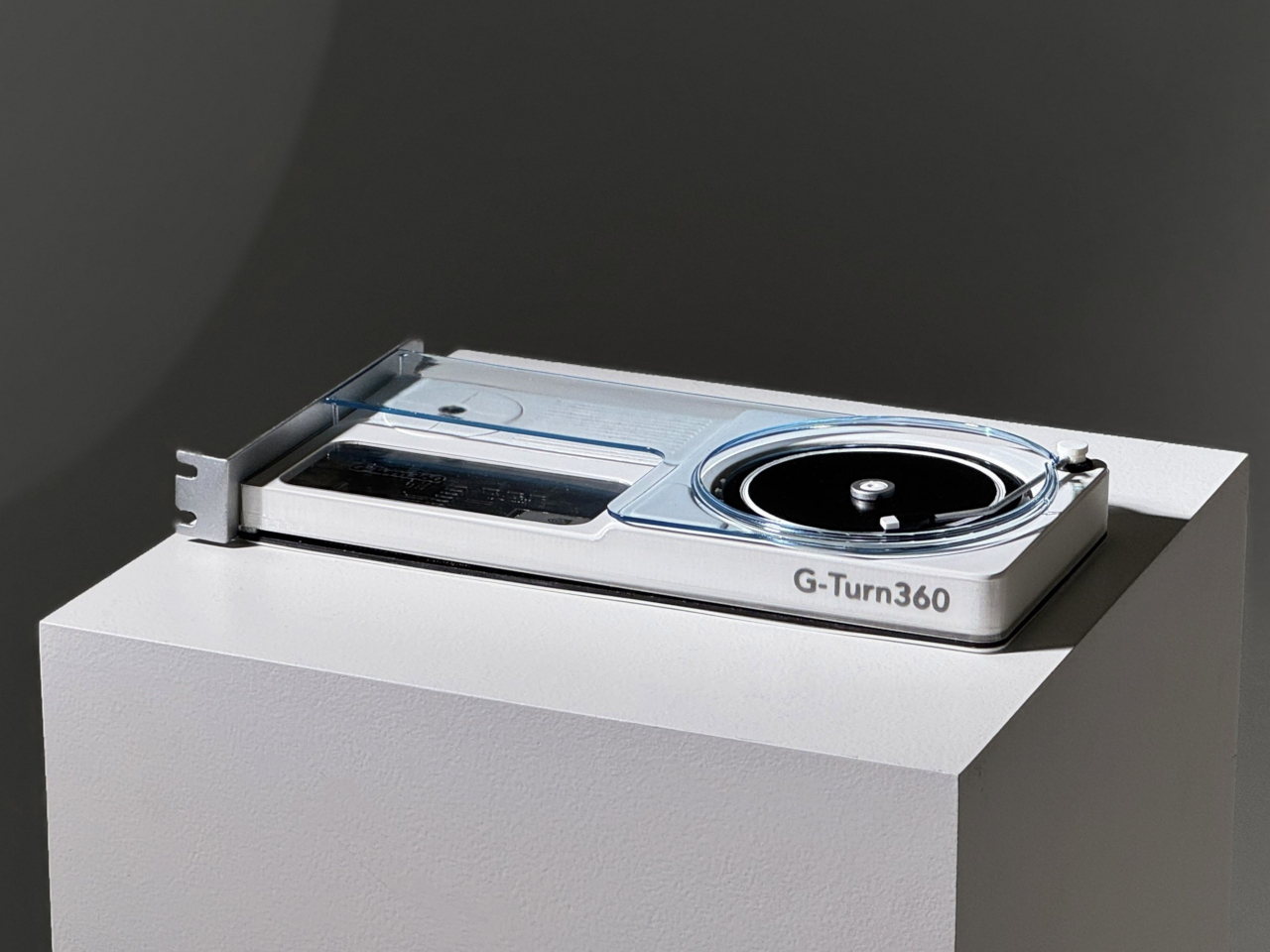
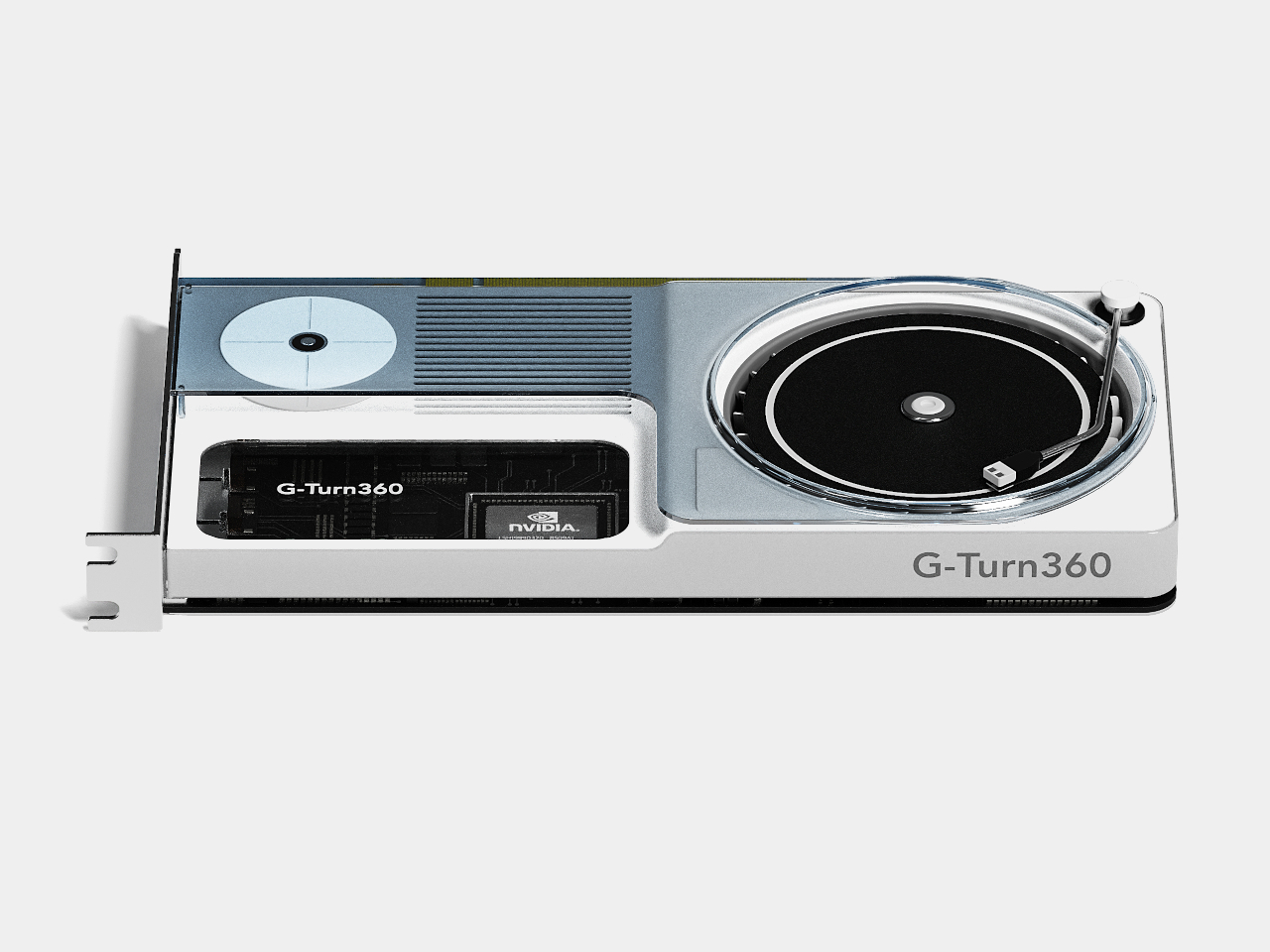
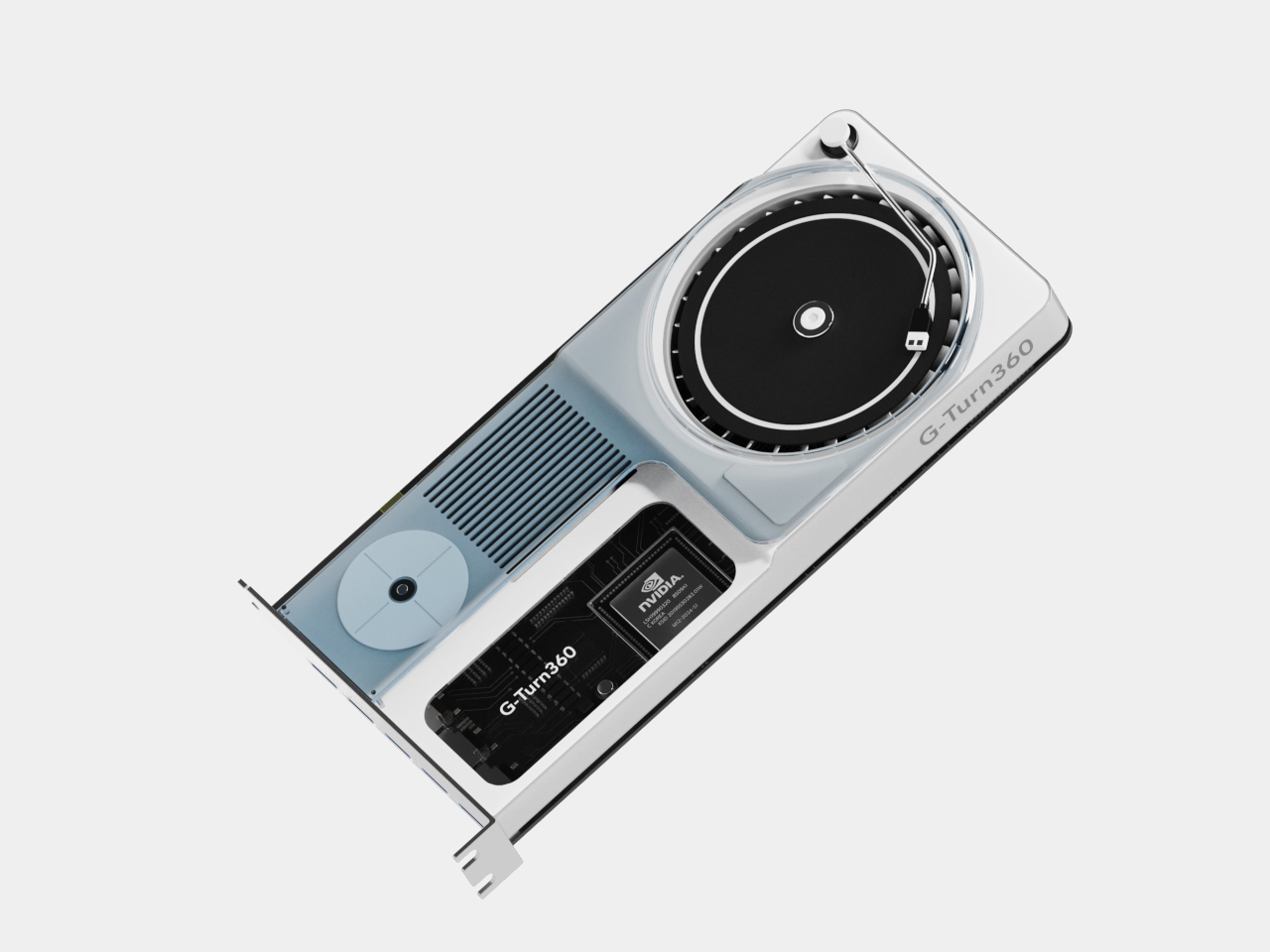
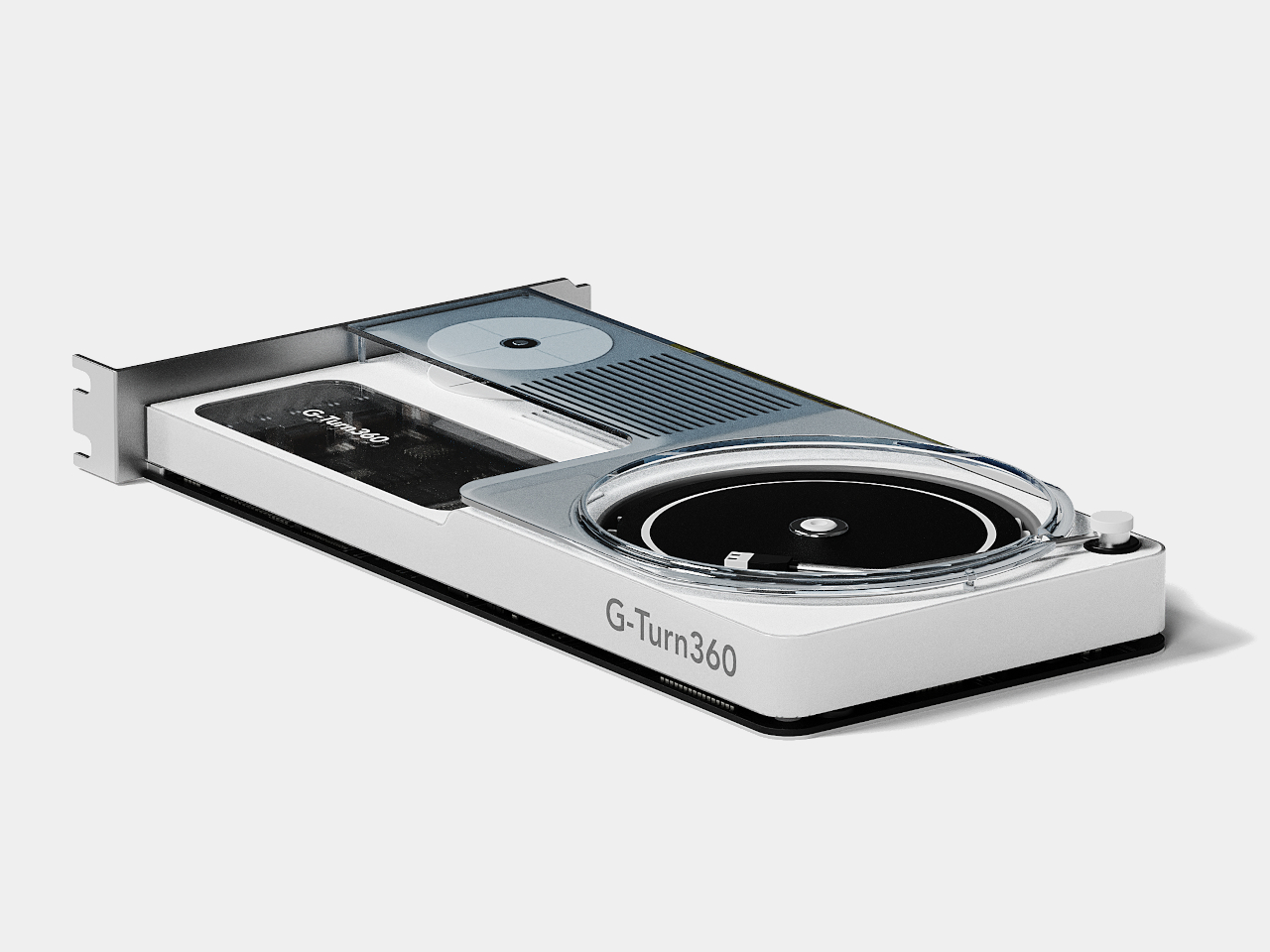
G-Turn360 is a concept design that tries to add some visual appeal by taking inspiration from a completely different product. It chose the turntable, now a staple of the retro movement, as the foundation of the GPU redesign, combining mechanical elements into a more pleasing composition using basic geometric shapes. The cooling fan, after all, is already a large circle, so why not use that form to represent a record player on a box?

The concept also goes beyond that simple association with the record player. It completely throws out the conventional LED lighting which, in addition to being over the top, also prevents visual consistency. In fact, the G-Turn360 embraces a lighter color scheme, which better fits desktop designs that are moving away from dark and black boxes commonly associated with gaming gear.

The result is a graphics card design that somehow looks both retro and futuristic at the same time, adopting a clean aesthetic that can appeal to a more diverse audience. That said, the G-Turn360 concept could be sacrificing performance and safety with its unconventional design, so it’s definitely not something that can simply be used without some modification and careful engineering.

The post Turntable-inspired graphics card concept adds a retro-futuristic flavor to desktops first appeared on Yanko Design.
The Onion won the auction for Infowars and was given ‘clear next steps to complete the sale,’ CEO says

After a judge on Thursday ordered an evidentiary hearing into The Onion's winning bid to purchase Infowars, Alex Jones’ site resumed operations and claimed the sale has been blocked. But Onion CEO Ben Collins countered this in an update posted on Bluesky and X on Saturday, writing, “We left the hearing with clear next steps to complete the sale.” According to Collins, a court date has been set for a week from Monday, when the process is expected to be completed, and Infowars asked for permission to continue publishing in the meantime. “The long and short of it: We won the auction and — you're not going to believe this — the previous InfoWars folks aren't taking it well,” Collins wrote.

“On Thursday, the person overseeing the auction told us that The Onion’s bid for InfoWars, along with the Connecticut Sandy Hook families, won,” Collins wrote in the thread.
“We haven’t heard anything that changed that — except, of course, from the guys currently running InfoWars, doing InfoWars stuff.” Jones has unsurprisingly called the auction “rigged,” and in a livestream on X said that lawyers for Elon Musk’s social media site have gotten involved and attended the hearing, Mother Jones reported.

The Onion only went up against one other bidder in the auction for Infowars: First United American Companies, which is associated with a website that sells Jones’ supplements. The company reportedly bid $3.5 million. The dollar amount of Global Tetrahedron’s (The Onion’s parent company) bid has not been disclosed, but it’s been backed by families of the Sandy Hook shooting victims. Per Bloomberg, trustee Christopher Murray, who is liquidating Jones’ estate, said these families have “agreed to waive their potential recovery and give it to all other unsecured creditors” that Jones owes.

“There was a status conference with the judge overseeing the auction on Thursday, shortly after we were deemed winners,” Collins, who formerly covered disinformation and online extremism as a reporter for NBC News, wrote in the thread on Saturday. “The judge had some questions about process and some assets. We’re glad he’s doing that, since our bid with the families is clearly the best and transparency is even better.” He added further down: “We expected all of this, obviously. Buying this site was always going to be fun later on, but annoying right away. The fun part is still to come.”

Collins’ plan for Infowars is for it to “relaunch as the dumbest website on the internet.” The nonprofit Everytown for Gun Safety will reportedly be the sole advertiser at launch.

This article originally appeared on Engadget at https://www.engadget.com/social-media/the-onion-won-the-auction-for-infowars-and-was-given-clear-next-steps-to-complete-the-sale-ceo-says-222134454.html?src=rss

AI-powered machine concept helps you sort and dispose of waste properly

According to studies, almost 83% of our every day garbage is not sorted and recycled. That means a lot of it is just thrown into landfills and most of them just stay there rotting for years, maybe even decades. If we are able to properly sort them properly, even just a small percentage, and dispose of them in a more circular manner, including recycling and upcycling, then it will be better for our planet. The problem sometimes though is that people and even machines still don’t know how to sort and recycle properly.

Designer Name: Romain Pellat

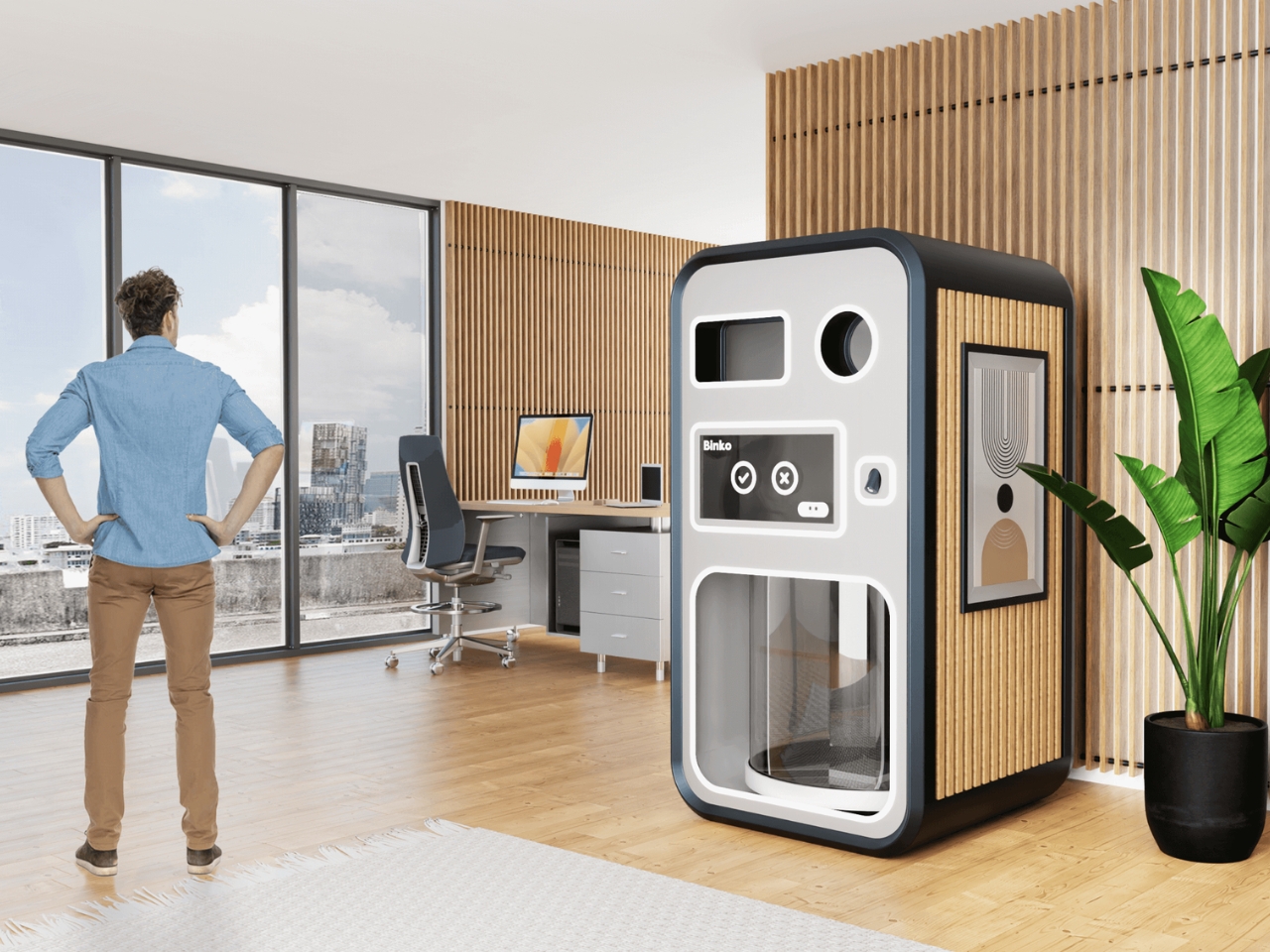
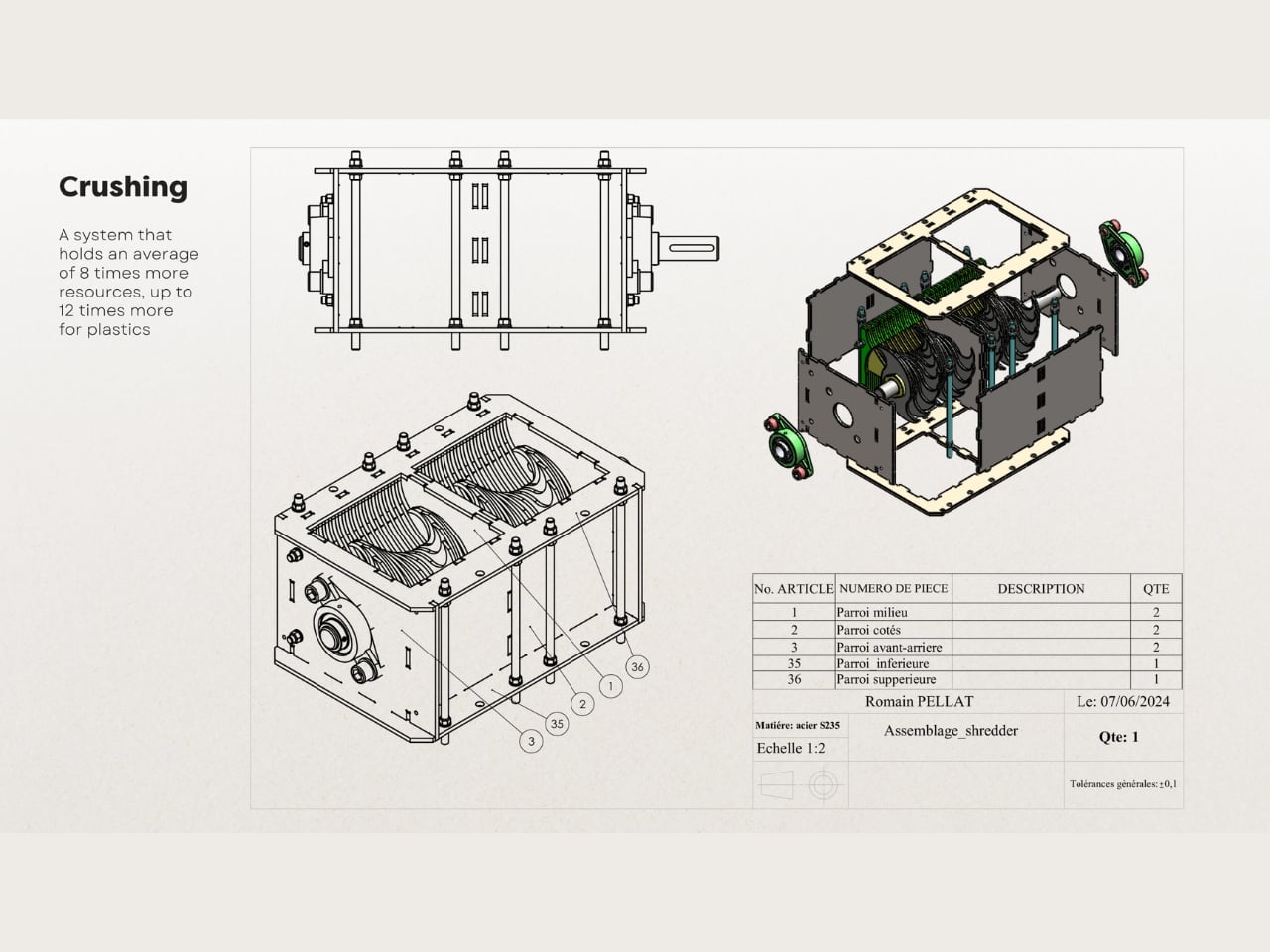
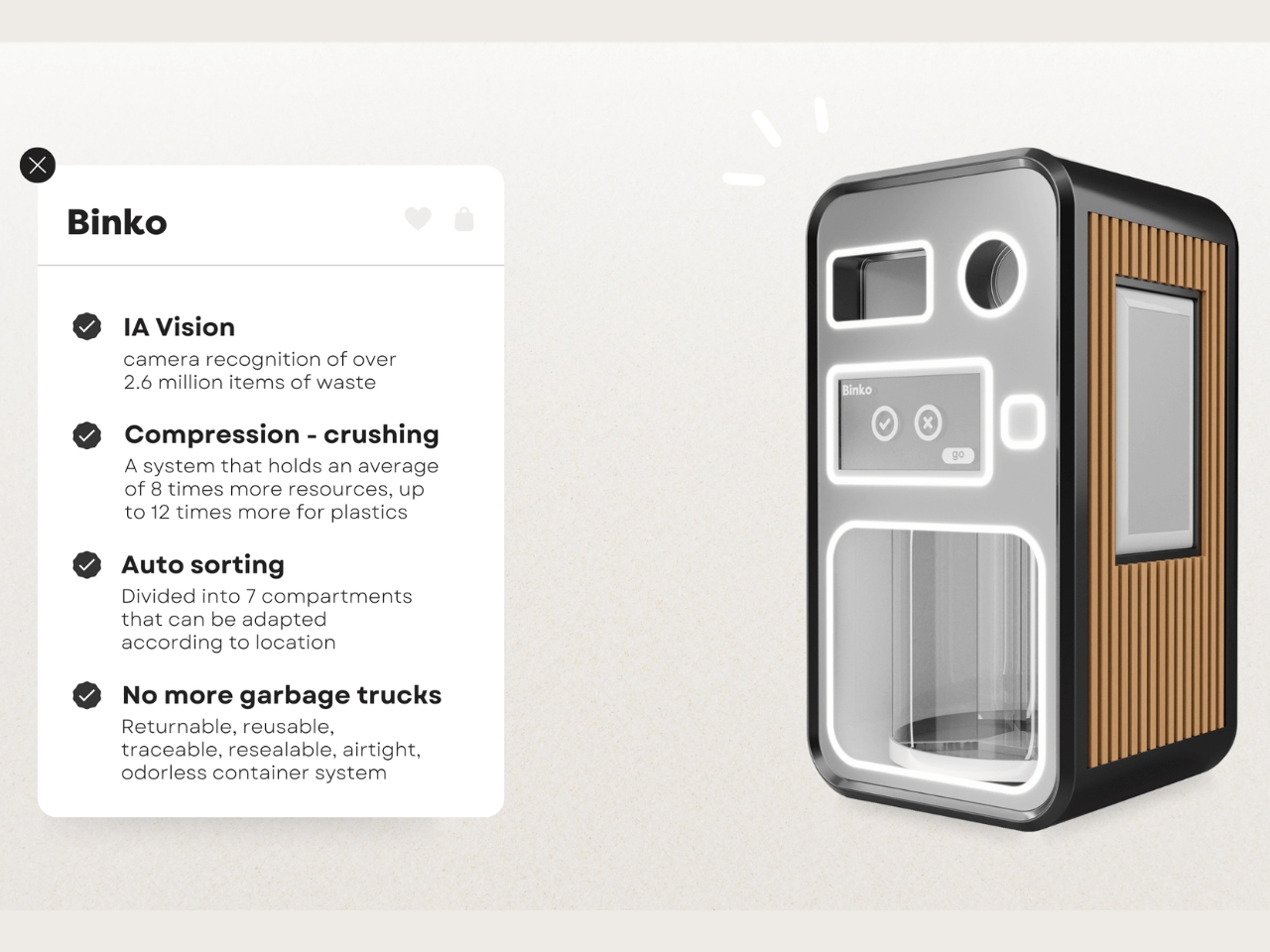
With the advent of robotics and A.I, our garbage disposal should be better. This is what Binko aims to do. It is an AI-powered recycling robot that should help homes and offices to improve the way they do their waste disposal. It is able to auto-recognize the different kinds of garbage, sort them properly, and then crush them accordingly.

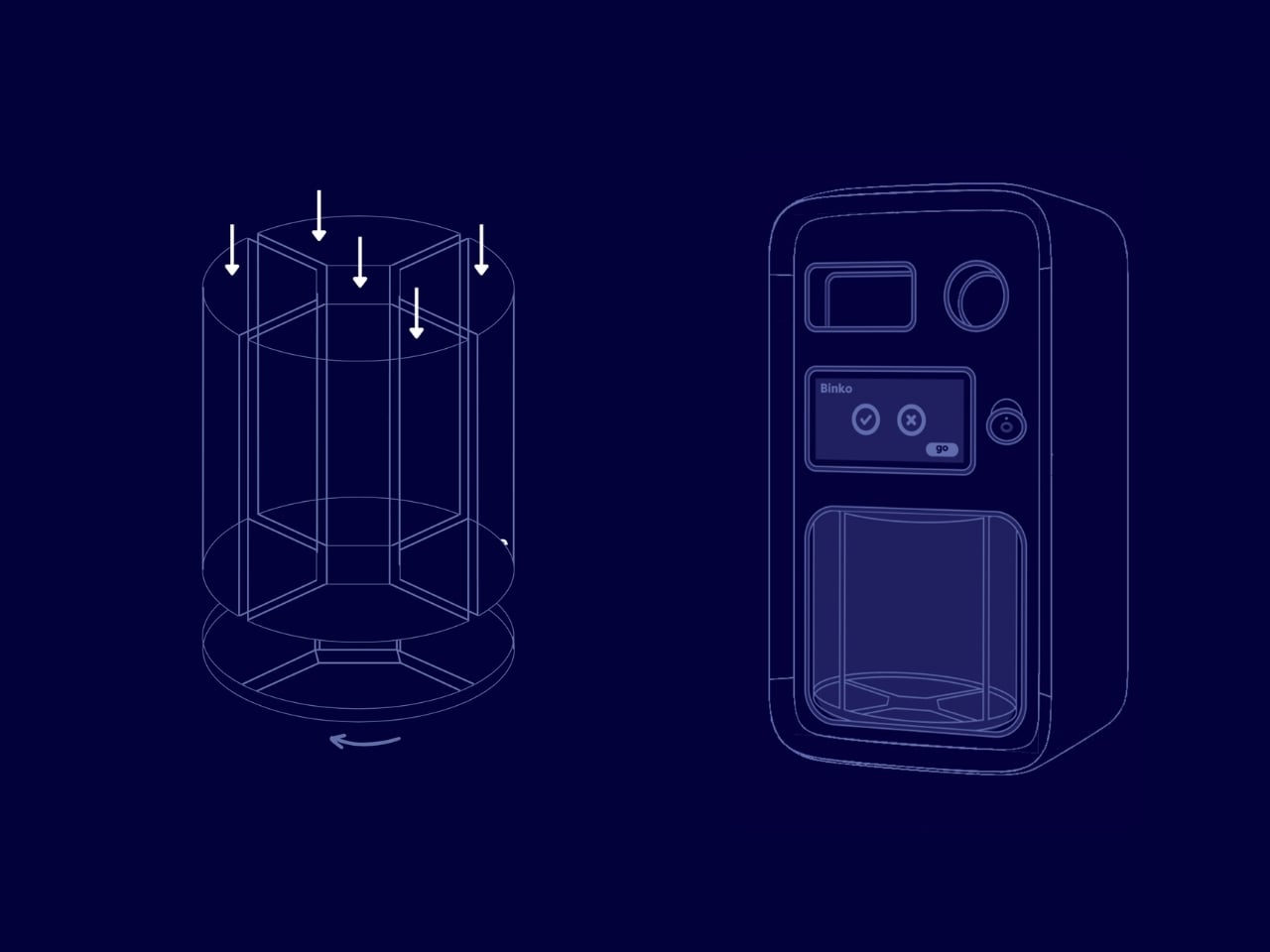
The concept device looks like a vendo machine but instead of it giving you your drink or snack of choice, you feed it your garbage. The machine and the accompanying app should be able to recognize more than 2.6 million waste items. Then it will compress or crush the garbage into small pieces and is able to hold an average of 8 times more resources. The system is able to sort it into one of the 7 transparent compartments that can be adapted according to location.

The app will be the first to launch and it can immediately help people into recognizing how to sort their garbage using the AI-powered photo recognition process. It also gives you a map of nearby recycling bins and even reminds you to take out your trash. That in itself is useful even as Binko will probably take more time to be created.

The post AI-powered machine concept helps you sort and dispose of waste properly first appeared on Yanko Design.
Split box cutter concept has a neat trick for keeping spare or dull blades

Box cutters, or simply cutters, are a common sight in any office or workshop. The basic design hasn’t changed much over the years, with the most common style using a long segmented blade where you can snap off a section when it has become dull. This simple design, almost like a stackable “push-point” pencil, offers an efficient mode of operation, but not without its drawbacks.

One big problem is that the actual section of the blade you can actively use might be too small since you can’t push it out too much or it will snap and break if you apply too much pressure. A single, unbroken blade might still be the most stable design, but it’s also the most wasteful. This concept tries to find a middle ground by employing a rather unorthodox design for a box cutter.

Designer: ZOZ Works

1

Given how you need to have a secure and firm hold on a cutting tool, you might presume that you need a large unibody handle design. As small EDC knives and cutters have proven, however, that’s necessarily the case. And just because something comes in parts that can be separated doesn’t mean that it will be structurally unsound and unreliable.

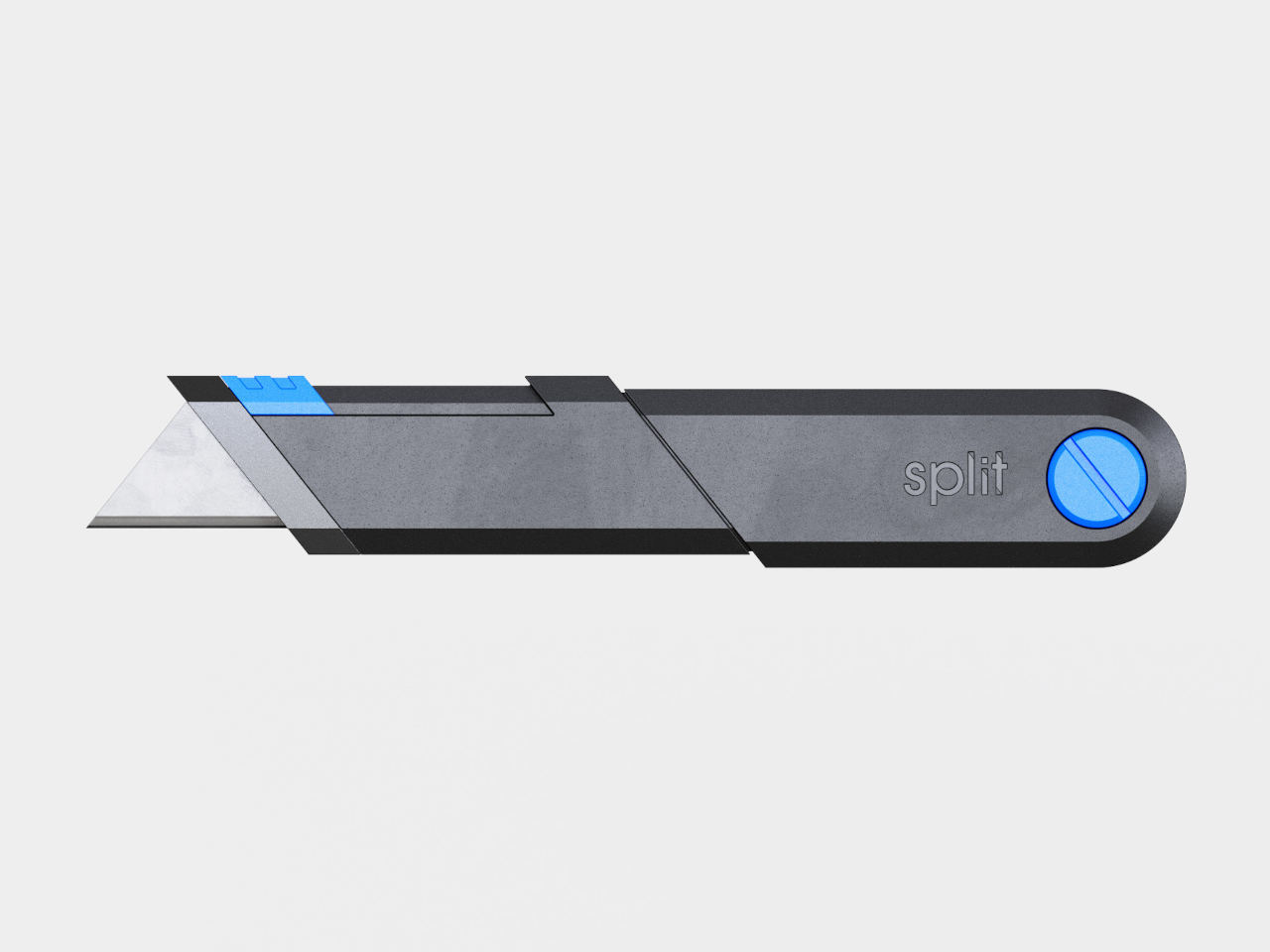
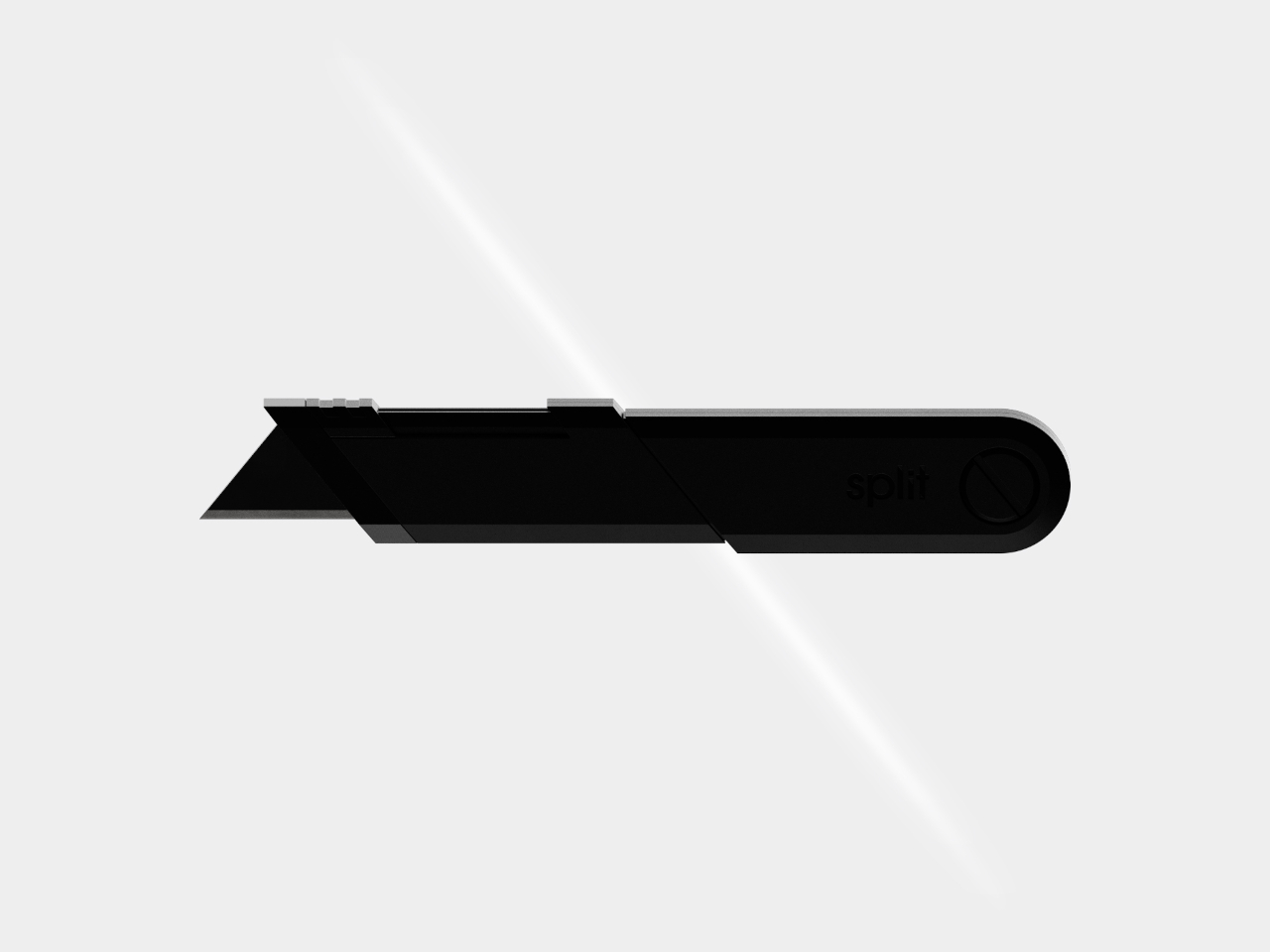
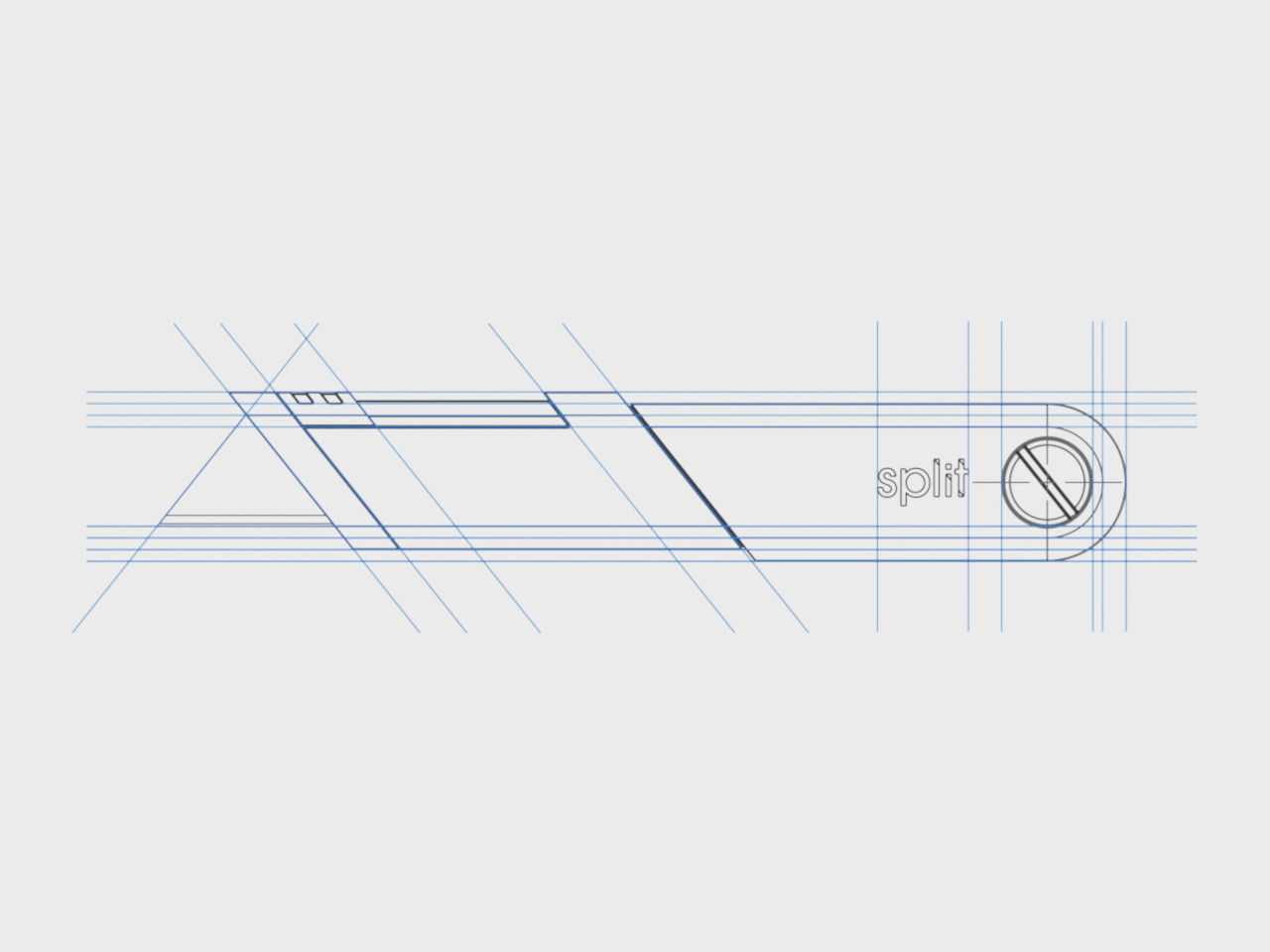
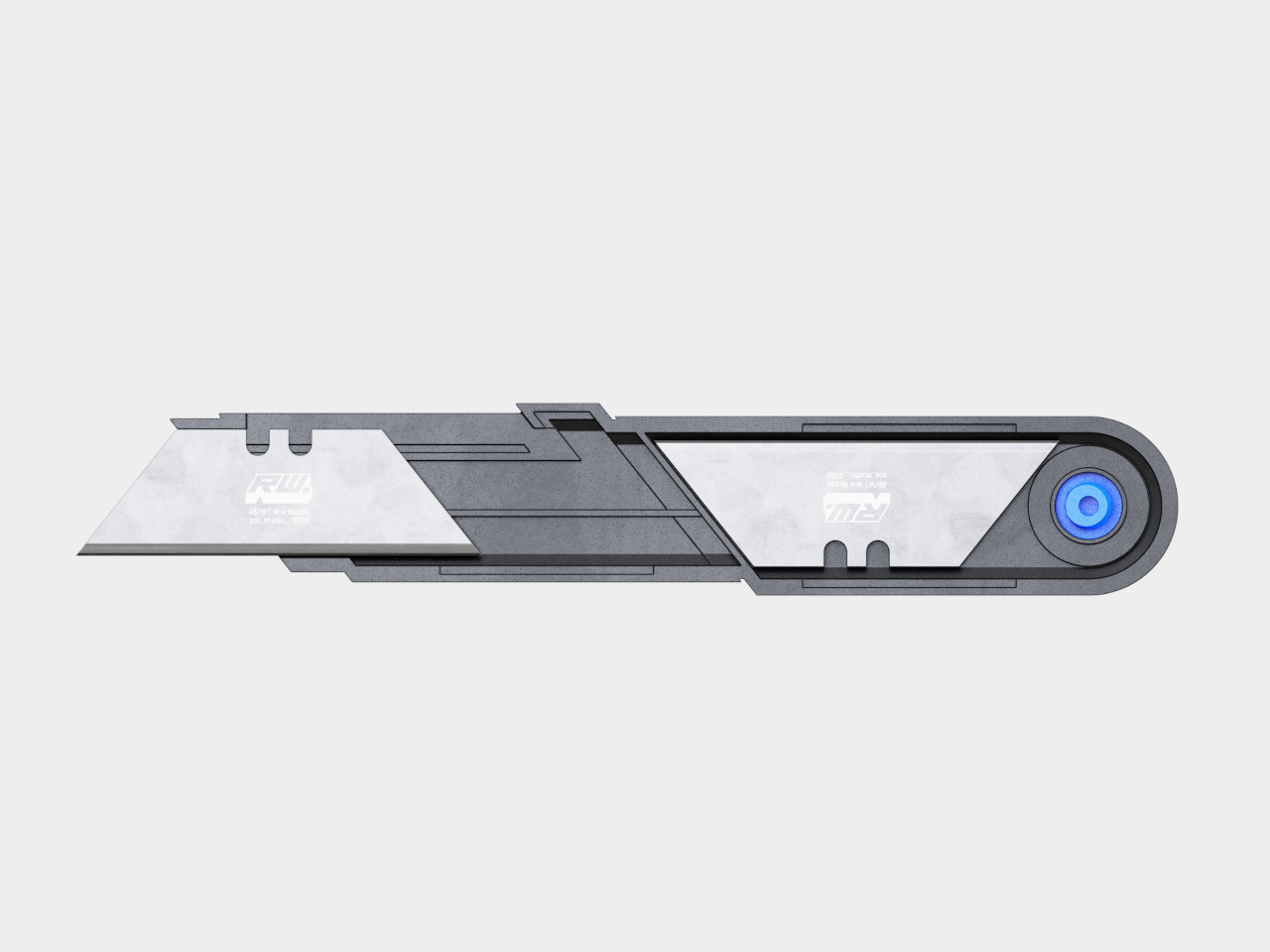
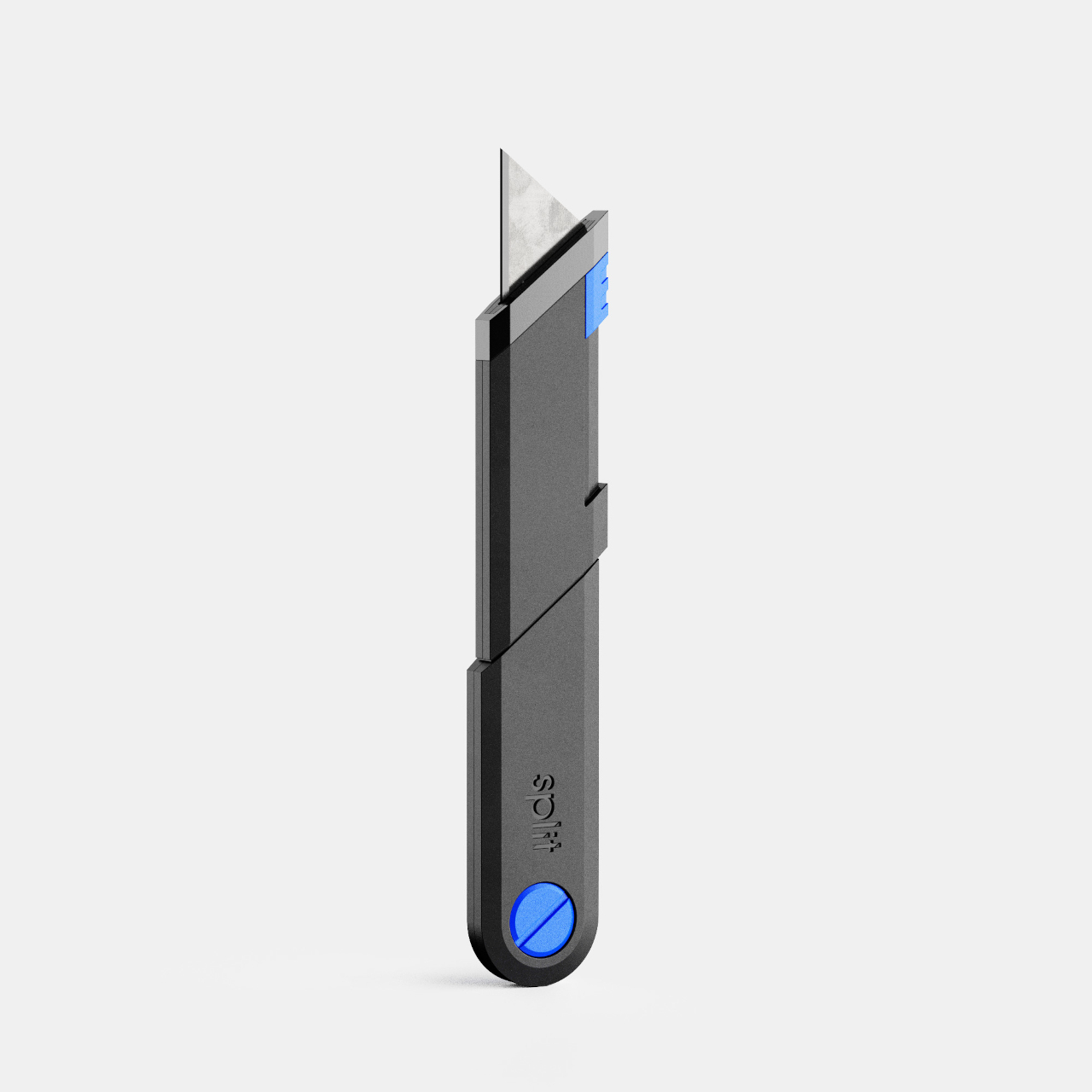
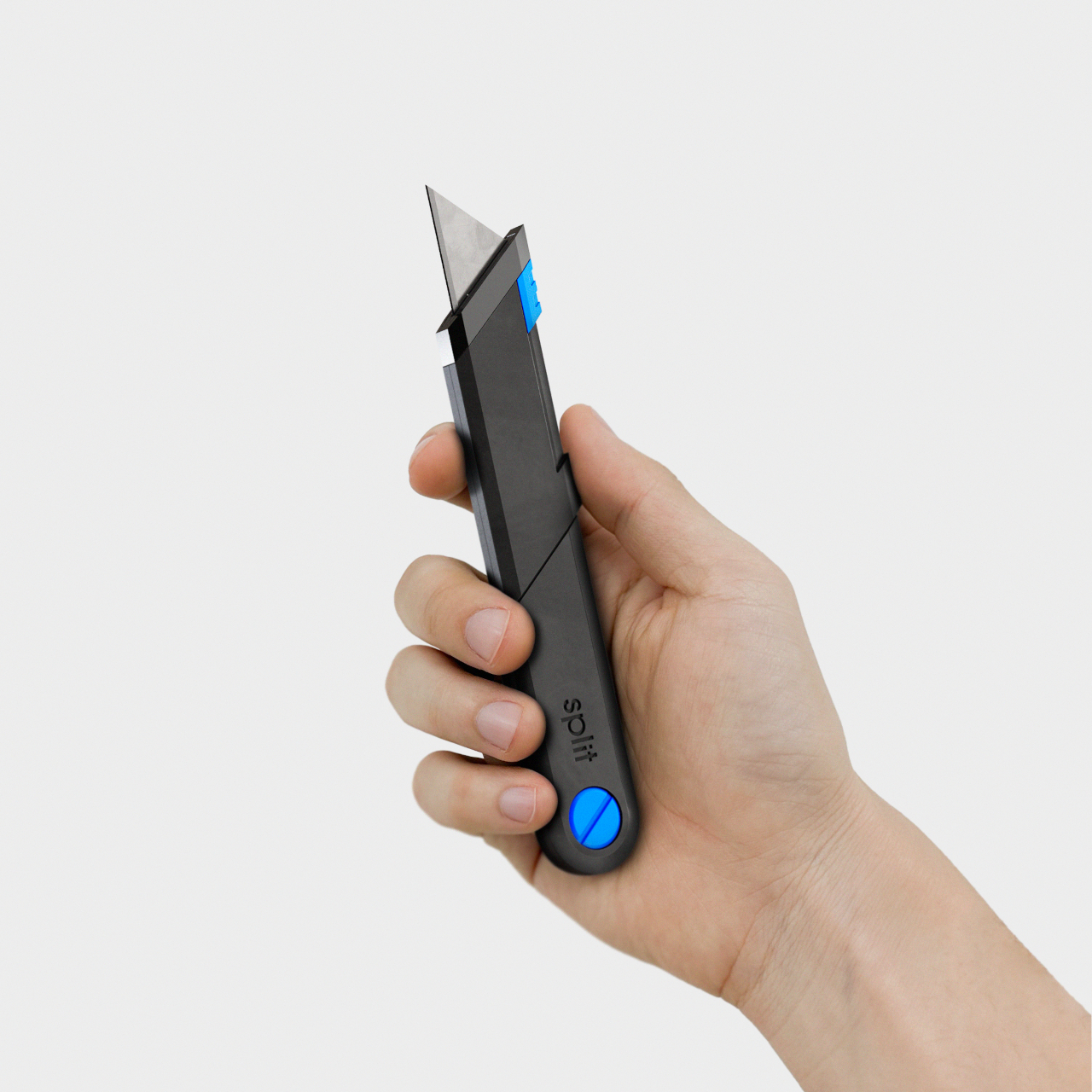
Split is a concept that uses these ideas to design a cutter that can split into two halves. It isn’t just a gimmick, though, as the upper half houses the currently “active” blade while the other half holds spare blades or blades you have removed but have yet to throw away. It suggests a box cutter that’s still self-sufficient yet more efficient than current designs, at least in theory.

1

1

The cutter still uses a retractable mechanism to deploy the blade, but you will have a larger blade to work with. This means you can push it out further without worrying that the blade will break along its segment when applying force. At the same time, you still just have a short blade, so you don’t need to throw a long blade should it become dull.

1

The Split box cutter concept houses those replacement or used blades in the lower half. The concept doesn’t exactly mention it, but you might be able to store more than one blade there. The blades seem to be clamped down to keep them from moving inside, and a simple screw loosens or tightens the cover. The one disadvantage to this design is that you might need some other object or your fingernail to turn that screw.

The cutter concept has a rather asymmetrical design when the two halves are connected, with one part extending a bit further than the other. This imbalance almost creates a jimping part or at least a finger rest, allowing you to hold the cutter with a firmer and more confident grip.

The post Split box cutter concept has a neat trick for keeping spare or dull blades first appeared on Yanko Design.
Valve celebrates Half-Life 2’s 20th anniversary with a big update

It’s Half-Life 2’s 20th anniversary, and in celebration, Valve has released a special update that adds the Episode One and Episode Two expansions to the base game so you can play it all straight through, along with a two-hour documentary, developer commentary, and much more. The game is also free on Steam until November 18. Valve’s announcement itself is an interactive experience — grab the gravity gun at the bottom of the page and you can pick up just about anything on the screen and toss it around (including that can, which you can then put in the trash).

“Every map in Half-Life 2 has been looked over by Valve level designers to fix longstanding bugs, restore content and features lost to time, and improve the quality of a few things like lightmap resolution and fog,” the team says. The release notes are extensive, including updates to the graphics settings, gamepad controls and the Steam Deck menu. Valve's also published some old demo videos from Half-Life 2's development. 

An image of two orange books side by side showing the front and back covers of the 2025 second edition of Half-Life 2: Raising the Bar
Valve

The anniversary celebration also brings good news for anyone who didn’t manage to snag a copy of Raising the Bar, the 2004 behind-the-scenes book that’s since become a coveted collector’s item: an expanded second edition is coming in 2025. This new version adds concept art from Episode One and Episode Two, plus “ideas and experiments for the third episode that never came to be.”

This article originally appeared on Engadget at https://www.engadget.com/gaming/pc/valve-celebrates-half-life-2s-20th-anniversary-with-a-big-update-174316547.html?src=rss

Disney removes a Star Wars movie from its 2026 release lineup

You'll have to wait for more than a couple of years for the next Star Wars movie. According to Variety and The Wrap, Disney has pulled an untitled Star Wars film from its 2026 release lineup and replacing it with Ice Age 6, which is set to premiere on December 18 that year. It's not quite clear which film that is, but Daisy Ridley announced at the Star Wars Celebration in London last year that she was going to reprise her role as Rey in a new film. The movie will be directed by Sharmeen Obaid-Chinoy, who also directed some episodes of Ms. Marvel, and will be a direct sequel to Star Wars: The Rise of Skywalker.

Set 15 years after the events of the previous film, the upcoming movie will reportedly revolve around Rey as she establishes a new Jedi academy and build a new Jedi Order. Steven Knight (Peaky Blinders, Angelina Jolie's Maria) joined the production when he replaced the original screenwriters last year, but he also left the project in October. Lucasfilm's search for a new screenwriter might have contributed to the film's delay. 

While the next installment in the main Star Wars series won't be coming out in 2026, a film that's part of the franchise will still be coming out that year. The Mandalorian & Grogu, a continuation of the Disney+ TV series directed by Jon Favreau, has already started filming and will be released on May 22, 2026. The Wrap also says it was "assured" that the next Star Wars film was "still very much in development," which hopefully means that it won't end up being cancelled like the movie planned by Game of Thrones' creators David Benioff and D. B. Weiss. 

This article originally appeared on Engadget at https://www.engadget.com/entertainment/disney-removes-a-star-wars-movie-from-its-2026-release-lineup-170020691.html?src=rss

Satechi Mini NVMe SSD Enclosure is a pocket-friendly storage solution for power users

Tech and lifestyle brand Satechi has just announced new gadgets for content creators and power users who need something more than a USB drive. These include the Mini NVMe SSD and a couple of Mobile XR Hubs to solve your portable storage and power requirements.

The Mobile XR Hub with Audio and the Mobile XR Hub with microSD are compatible with iPhone, laptop and Switch. This saves the user from straining about battery drain. These gadgets come with the option of choosing between 3.5mm audio support or a microSD port for importing files.

Designer: Satechi

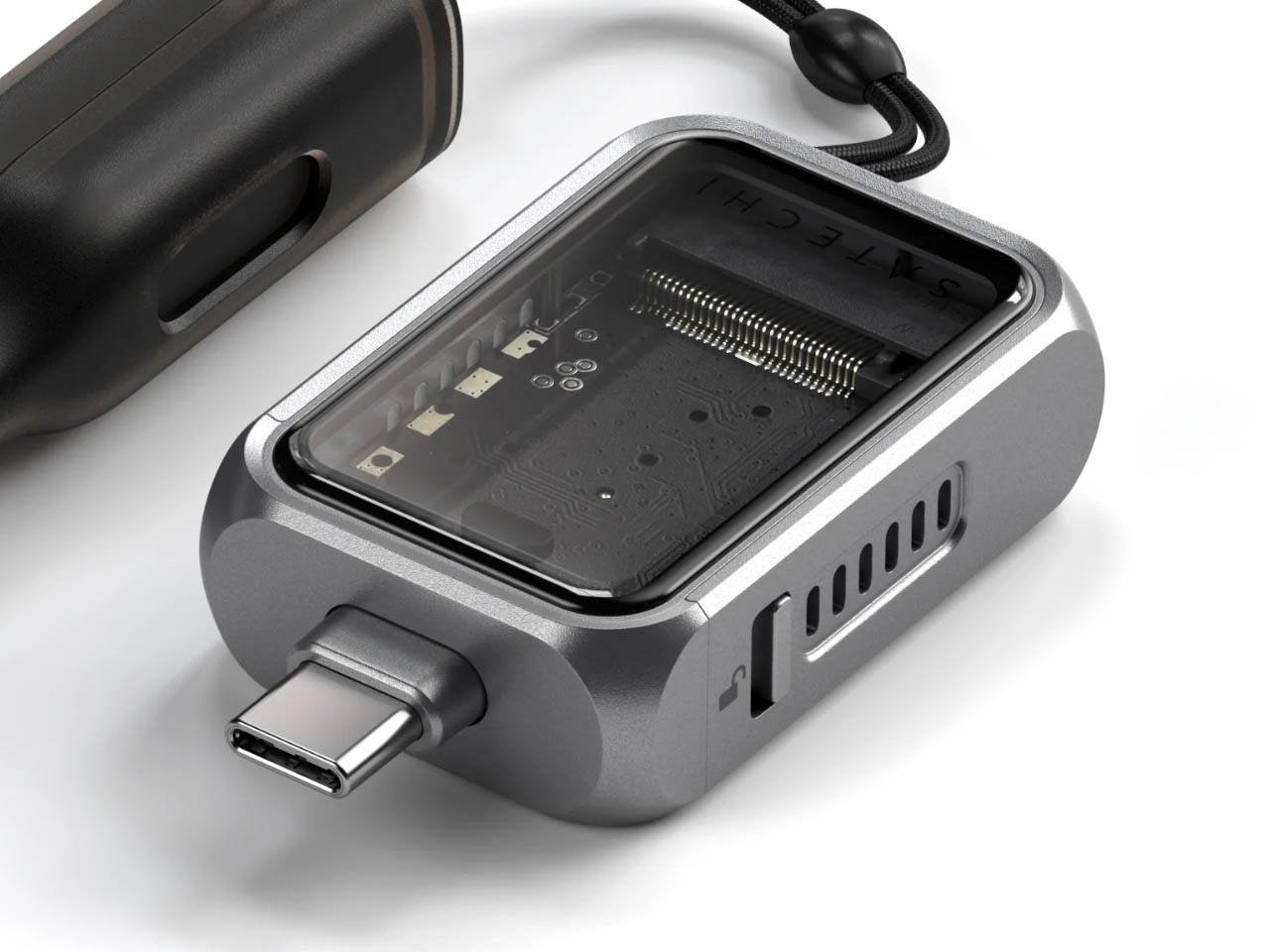
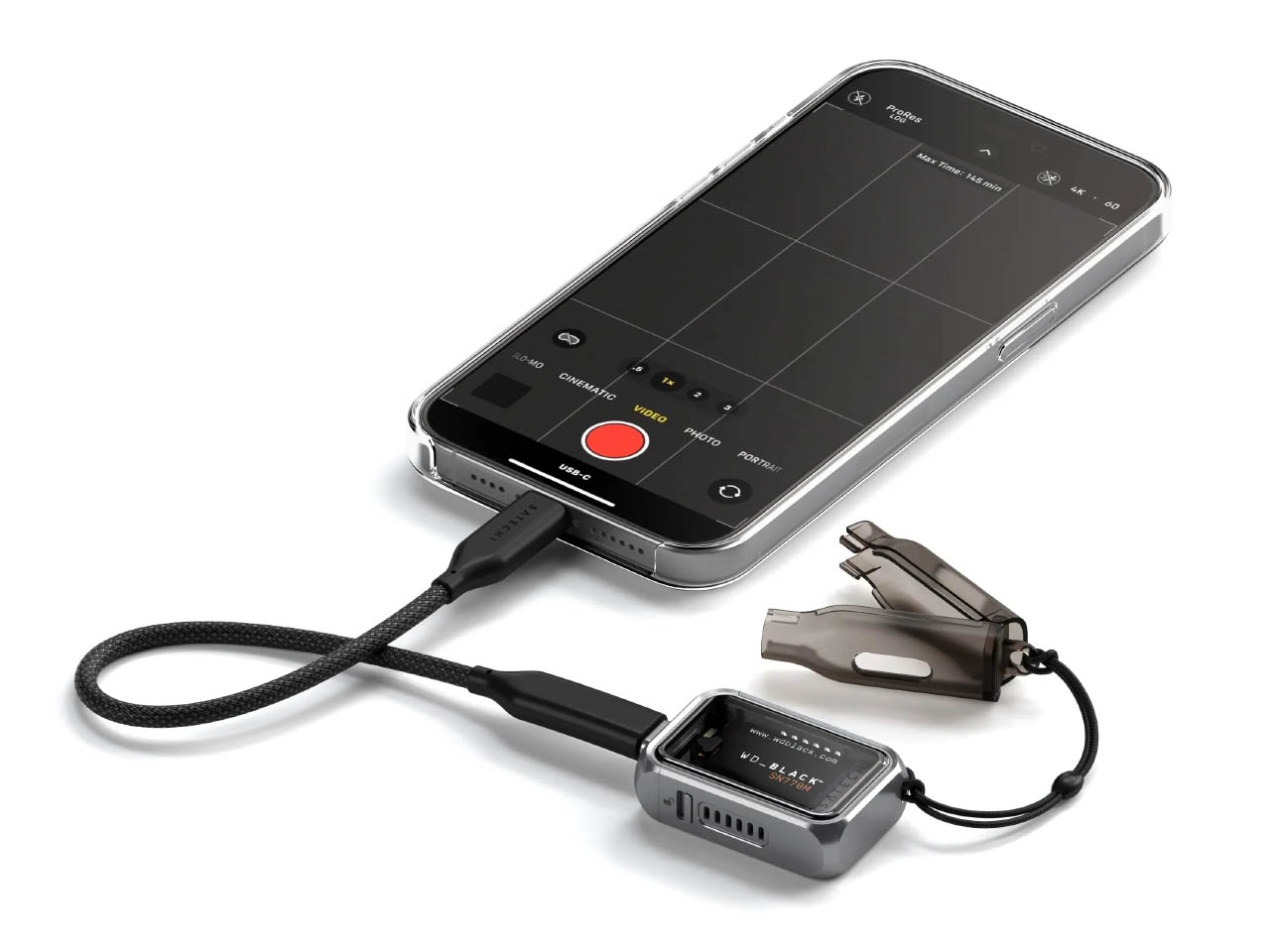
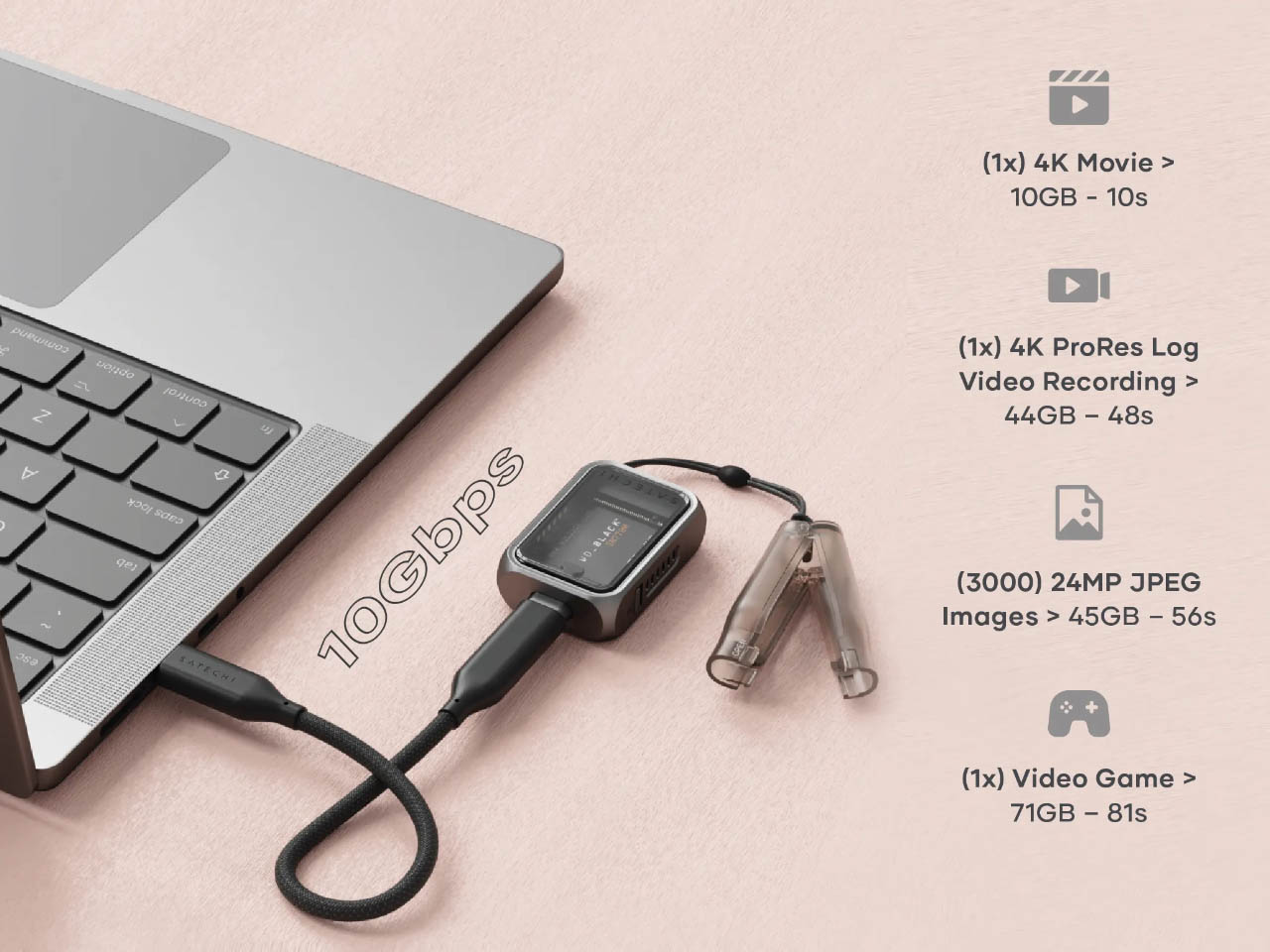
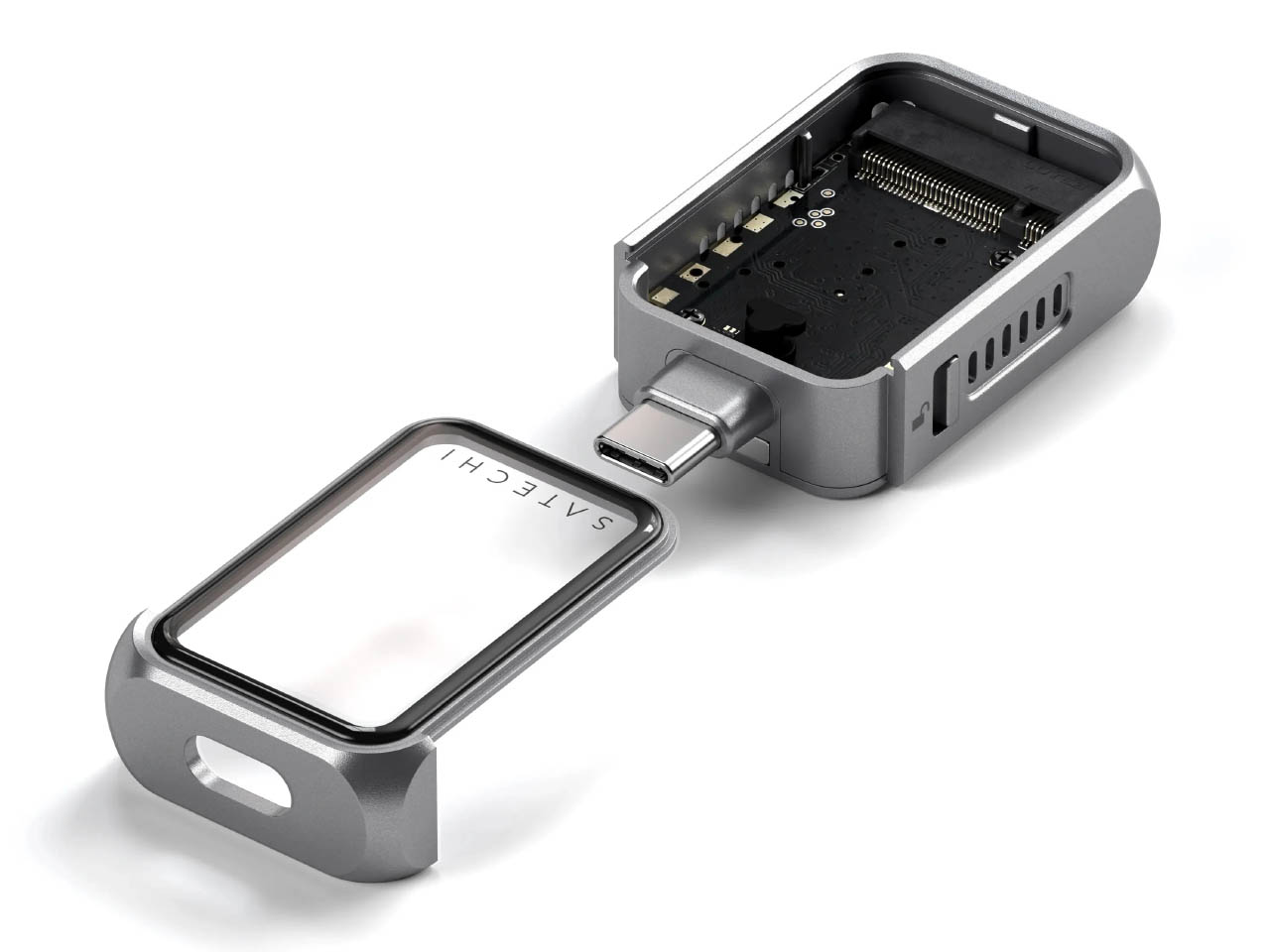
Our main focus is the Mini NVMe SSD which is no bigger than a matchbox. The compact little gadget makes use of Gen 2 USB-C technology for a seamless data transfer speed compared to a SATA SSD. There’s an option to choose your preferred storage with the swappable SSD design that accepts 2TB of storage capacity. The enclosure comes with a write lock to prevent any accidental deletion of data. This maintains the data integrity during transfers and also protects against malware. For iPhone users, it has an interesting feature of capturing Apple ProRes Log files straight onto your iPhone 15 or higher version.

The essential accessory for content creators and geeky nerds comes in an aluminum frame which is lightweight, scratch-resistant courtesy tempered glass plus protection and has chamfered edges. It has a braided USB-C lanyard cable to hook onto your backpack or keychain. Another added feature important for power users is the built-in cooling fan.

This utilitarian pocket-friendly storage tool has excellent build quality and is very convenient to use. Perhaps a very nice gift for your geeky pal this holiday season coming in at $60.  The Mobile XR Hub with Audio and the Mobile XR Hub with microSD priced at $50 each are also good options if your budget is a little strained.

The post Satechi Mini NVMe SSD Enclosure is a pocket-friendly storage solution for power users first appeared on Yanko Design.
Rokid or Meta: Who’s Bringing Smart Glasses to the Mass Market First

Rokid Glasses

The countdown has begun for Rokid Jungle 2024, an event anticipated to be one of the most influential gatherings in the augmented reality (AR) landscape. Slated to take place on November 18, 2024, in Hangzhou, China, this event will bring together over 1,000 industry leaders and visionaries. Celebrating its 10th anniversary, Rokid—a recognized leader in AR […]

The post Rokid or Meta: Who’s Bringing Smart Glasses to the Mass Market First appeared first on Geeky Gadgets.