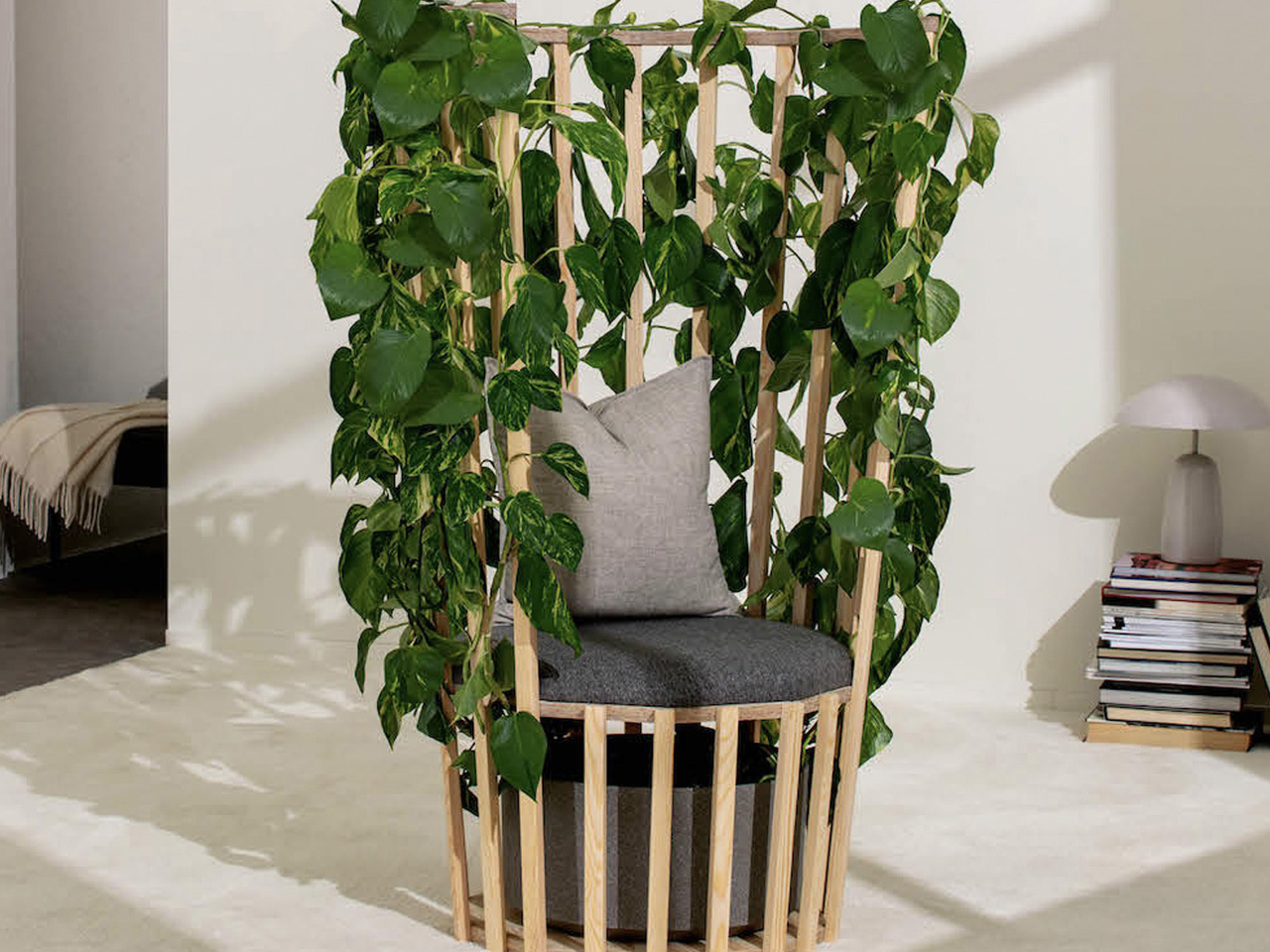
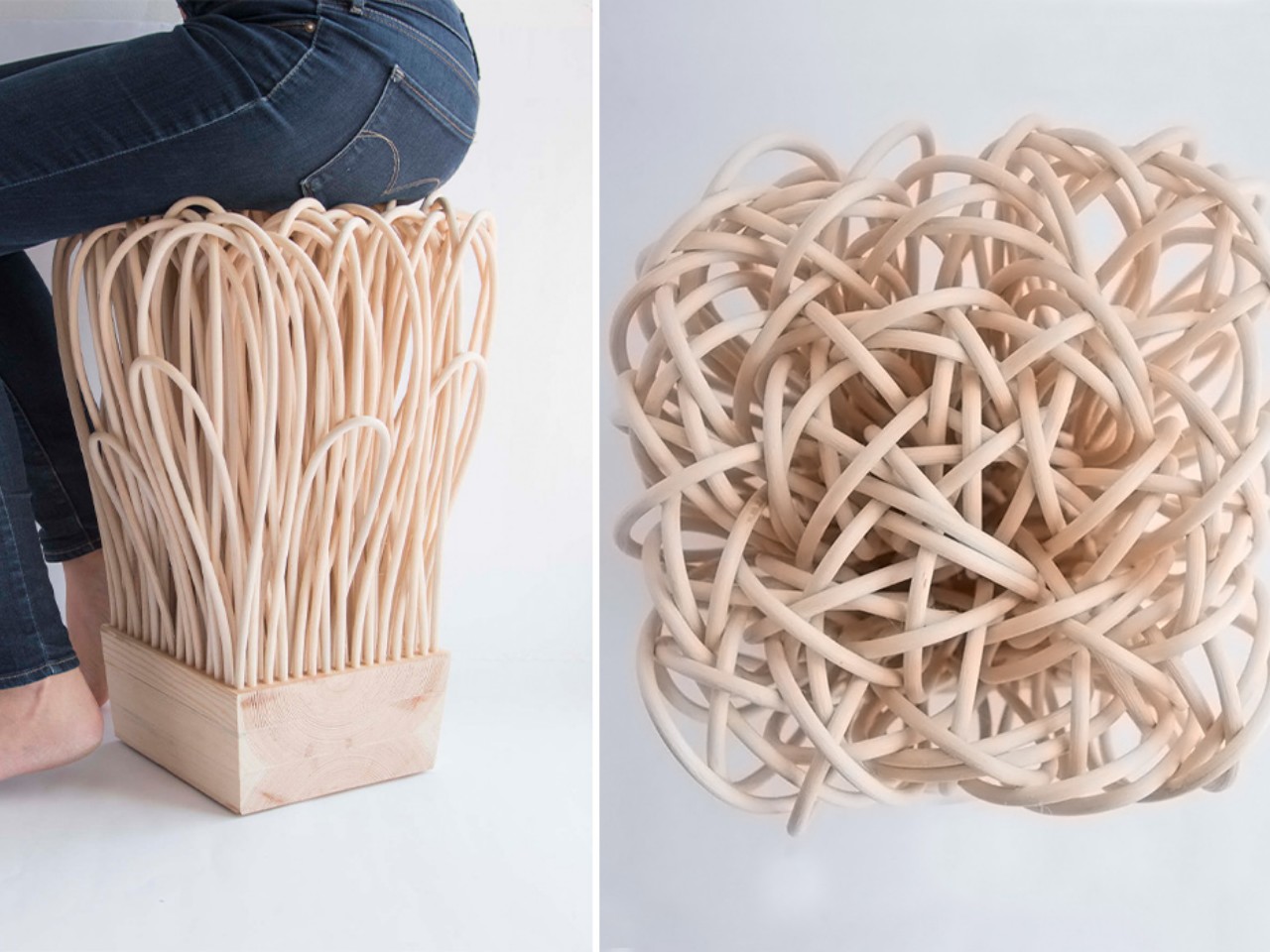
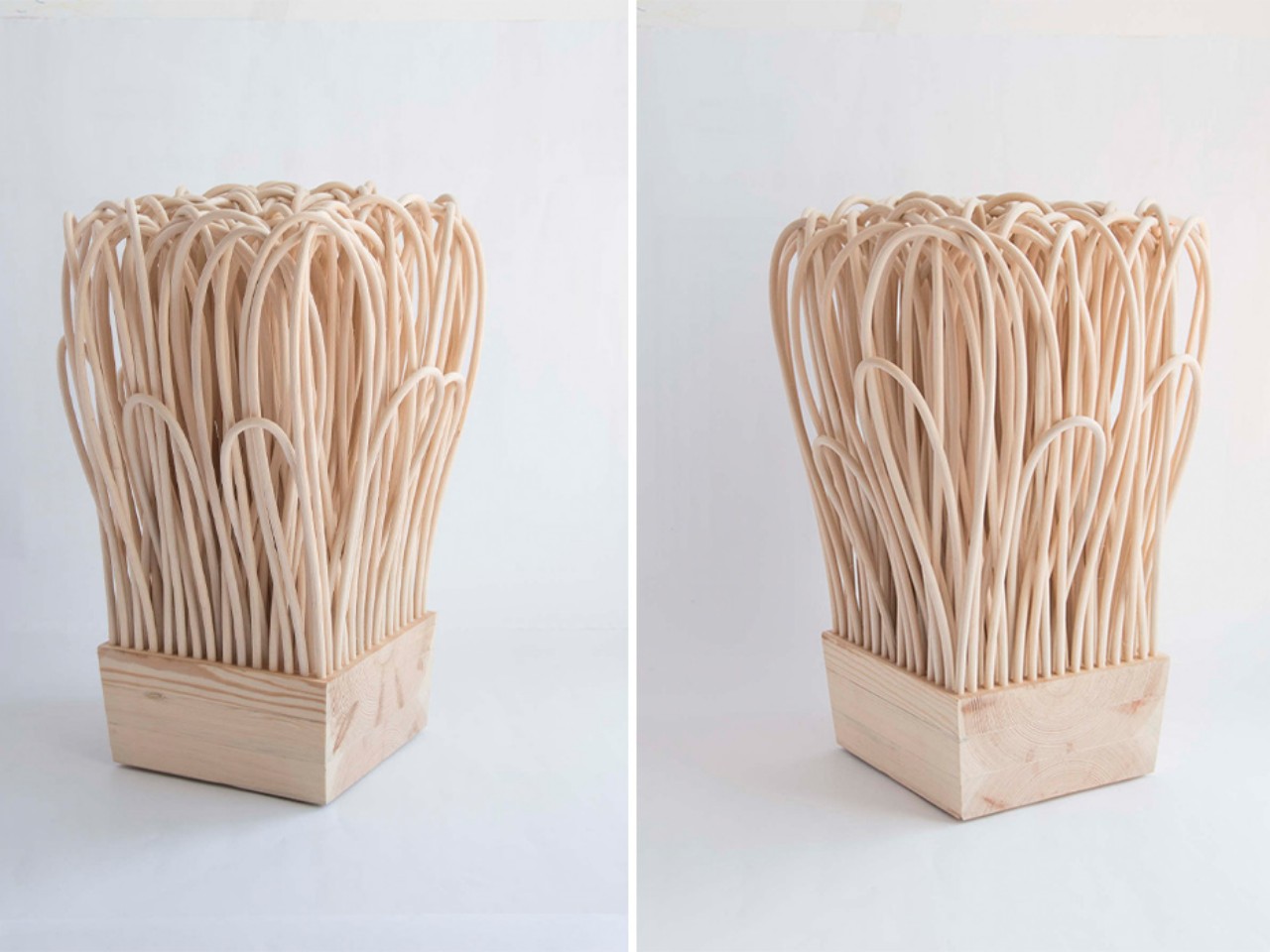
Notice that cool abstract design on the chair? It’s not just some fabric, it’s real plants! 3 design students from the University of Gothenburg in Sweden changed the narrative of chairs for humans. Why do chairs always have to be used for us to come sit on them? We’re all taught that plants are living beings right? What if these living things could practically bring furniture to life? This chair is a unique piece of furniture that prioritizes plant life over human occupants by allowing them to grow on it.
Designers: Alice Hultqvist, Emelie Sjöberg and Linnea Nilsson
The Chia-Chair is different from regular chairs. Instead of cushions or upholstery, the chair has a seat and backrest that are composed of a knitted, knotted tube that doubles as a planting bed for chia seeds. The idea is to let the plants be the main users of the chair, and humans are just visitors. The designers emphasize that humans should approach it with respect, recognizing that it’s a living thing.
Hultqvist, Sjöberg, and Nilsson, all students in the MA Design program at HDK-Valand, the University of Gothenburg’s art and design academy, showcased their creations at the Making Transparency exhibition. This event, hosted in the student-focused Greenhouse section of the Stockholm Furniture Fair, explored posthumanist design principles.
The inspiration behind the Chia-Chair arose from the designers’ contemplation of humanity’s negative impact on the planet. They acknowledged that throughout the last century, humans have prioritized their needs at the expense of nature and wildlife, leading to severe consequences. The Chia-Chair, therefore, serves as a symbolic gesture, aiming to redress the balance by placing the plant at the forefront and demanding reciprocity from its human users.
yanko design images to size – Chia_chair_furntiure_05
Constructed with an ash wood frame and a wool sock filled with polyester stuffing as the cushion, the Chia-Chair offers a distinctive aesthetic. The chia seeds, mixed with water, were planted in the knitted structure, and the designers diligently watered them twice daily. To maintain optimal growing conditions, a plastic cover was placed over the chair overnight to retain moisture.
While the Chia-Chair may be more of a statement piece than a functional item, the designers foresee a future where greenery becomes integral to our living spaces. In an era of increasing urbanization that disconnects people from nature, incorporating natural elements into furniture and homes is seen as a natural progression.
The Chia-Chair serves as a thought-provoking exploration of the relationship between humans and nature. By prioritizing plant life over human comfort, the designers challenge us to reconsider our impact on the environment and encourage a more harmonious coexistence with the natural world.
Good acoustics is important in any design, and it is important to plan for this right from the start of a project, from designing to building it. Note that if a building is designed well with good acoustic design, it can make people feel better mentally and physically. This is because, loud noises can make people stressed, and anxious, and raise their blood pressure, leading to health problems.
According to studies, noise pollution presents a significant risk to people’s health, especially for those living and working in urban settings. While controlling noise at its origin isn’t always feasible, effective soundproofing of buildings can provide a valuable solution. Installing soundproofing materials in the roof or building exterior can greatly reduce external noise from sources like traffic or airplanes. Within buildings, insulation can improve privacy and mitigate disturbance from neighboring properties, such as music or footsteps from upstairs apartments. This is particularly advantageous when applied to partitions between different spaces in residential or office buildings. Utilizing sound insulation boards can help minimize noise intrusion in both living and working environments.
What are the various forms of sound propagation?
Image courtesy of: photovs
Building acoustics studies how sound travels through walls, ceilings, and roofs, with insulation needs determined by factors such as area size and the types of sound transmission, whether direct or through walls.
• Direct sound transmission involves sound passing directly through a wall, ceiling, or floor.
• Flanking noise is the noise that reaches a room through an indirect path. For example, it could be noise from a neighboring apartment reaching your bedroom through a route other than through the shared wall, or noise from a hallway reaching your office through a route other than through the door.
• Other forms of sound transmission include leakage through inadequately sealed doors and windows, brickwork, and uninsulated pipelines.
Image courtesy of: bilanol
What are the best materials for acoustic insulation?
Discover the top materials that are suitable for acoustic insulation.
Acoustic Panels and Treatments
Soundproofing involves the use of acoustic panels and treatments to absorb and minimize sound waves, reducing resonance and unwanted noise. It’s crucial in places like recording studios, theaters, and restaurants. Different styles, like foam panels and diffusers, cater to various acoustic needs.
Alberto Sánchez and Mut Design Studio innovate with Beetle Acoustic Panels, drawing from the insect world for design inspiration. These panels, shaped like beetle exoskeletons, offer a range of colors and sizes, transforming utilitarian sound absorption into artistic accents. Despite lacking spines like beetles, a central spine connects the panels, emphasizing symmetry. This experiment showcases creativity’s boundless nature and encourages finding inspiration in unexpected places, sparking joy with quirky shapes and vibrant colors.
Working from home has introduced a whole new routine, but one annoyance is listening to my husband’s constant office meetings. The noise is distracting, even with closed doors. Tempo offers a solution—a modular wall and ceiling baffle system that doubles as art. With 12 customizable modules, it absorbs sound and adds visual flair to any room. Easy to install with a CNC dowel system and cork plugs, Tempo’s various colors and patterns allow for endless combinations. It’s like acoustic eye candy, perfect for home offices, conference rooms, or bedrooms, transforming spaces both visually and acoustically with the ease of IKEA’s modularity and the trendy Japandi aesthetic.
Echo panels are gaining significance in room acoustics, now integral to interior design. Kirei introduces its sustainable Kirei Air Baffle, drawing inspiration from Nike Air Max, to enhance sound in high-ceiling spaces. Utilizing recycled PET EchoPanel material filled with Nike Grind fluff, these baffles come in various models and sizes, improving acoustic performance and adding aesthetic value. With customization options in 33 colors and easy installation, they contribute to a softer room ambiance and sound, elevating the functionality and aesthetics of any space with Kirei’s architectural design elements.
The Kirei Air Baffle, an overhead acoustic panel, enhances sound quality in high-ceilinged spaces. What sets it apart, beyond its superior sound performance, is its sustainability. Even in the realm of acoustics, sustainability is achievable with the use of environmentally conscious materials.
Acoustic Foam
Acoustic foam panels, renowned for their porous and lightweight design, excel at absorbing sound waves. They’re particularly favored for reducing reverberation and controlling noise levels in settings like media rooms, music studios, and home offices.
Double Glass
Double-glazed windows with acoustic laminated glass are highly effective in reducing external noise, including car and street noise, making them perfect for urban environments. They offer a great alternative for soundproofing both homes and offices. Note that Double-glazed windows are made out of two glass panes separated by Argon gas. This specific gas is a poor thermal conductor. As a result, the sound or heat does not pass through the second glass pane and into the other side of the window.
Mineral Wool
Image courtesy of: bilanol
Made from mineral wool extracted from minerals, this material provides powerful sound insulation. It’s not only a thermal insulator but also commonly utilized in wall cavities, ceilings, and other spaces to minimize noise transfer between rooms.
Glass Wool
Glass wool, also called fiberglass insulation, serves as a popular choice for thermal insulation. Its effective sound absorption properties also make it cost-effective for soundproofing purposes. It’s commonly applied to walls and ceilings to provide dual insulation services.
Textile
Textile-based sound-absorbing materials like heavy curtains, carpets, and fabric-wrapped panels are commonly found in quiet-seeking homes and offices. Beyond their noise-reducing function, they also contribute to the visual appeal of their surroundings.
In modern office settings, privacy remains vital despite open layouts. Milan-based Claudio Bellini design studio addresses this with FP7, acoustic panels serving as both dividers and noise absorbers. Specifically for open offices, FP7 visually delineates private areas while absorbing sound. Available in various colors, these panels create a cohesive look. Made from embedded cushioning and soft fabric, they offer flexibility in arrangement to suit different privacy needs. A finalist at the 2021 iF Design Awards, FP7 seamlessly integrates with contemporary office culture, providing private spaces for discussions and collaboration.
In sustainable design, Jonas Edvard is known for his innovative use of organic materials to create functional and attractive objects. His latest creation, the Myx Sail / Floor panel, showcased at the 2023 Mindcraft Project, is made from mushroom mycelium, hemp, and willow. This 1m x 1m panel not only shows the strength of composite biomaterials but also reflects Edvard’s commitment to responsible design.
Consider acoustic panels for your office or co-working space when soundproofing isn’t an option. They reduce noise and can serve as room dividers. Baux, a Swedish brand, prioritizes sustainability by using recycled PET plastic and virgin plastic for binding. The panels, with a felt-like texture, undergo a process of chipping, melting, and binding for effective sound absorption. Available in various sizes and colors, they offer both functionality and minimalistic design.
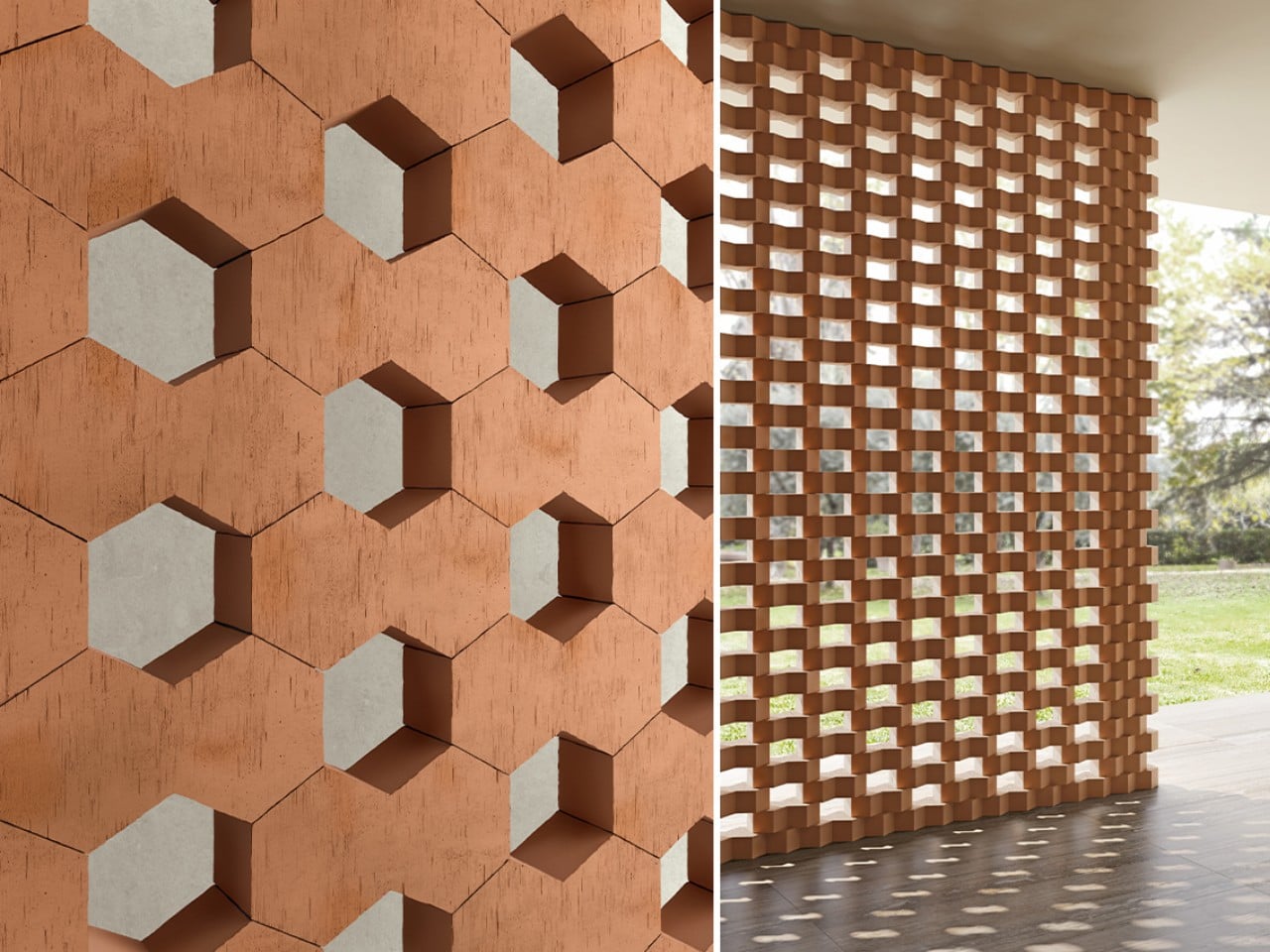
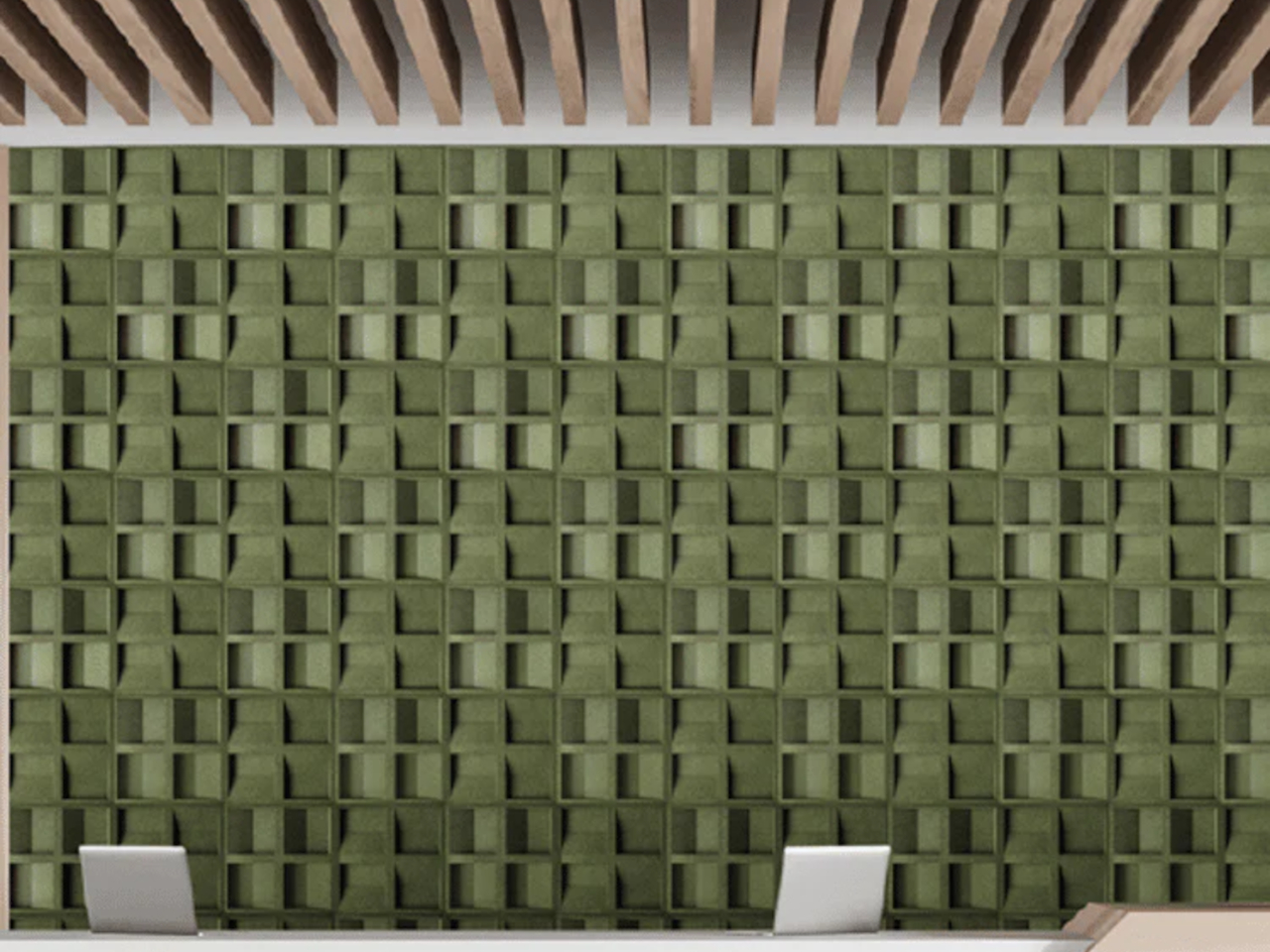
Mycelium, nature’s hidden strength, finds diverse applications from cooking to construction. Italy-based Mogu’s Foresta System ingeniously combines mycelium with upcycled textiles to create modular acoustic panels, perfect for home building and furnishing. These panels easily attach to a timber frame, featuring integrated magnets for effortless assembly and disassembly. Foresta’s innovative use of mycelium earned it the 2022 German Design Award for its eco-conscious and circular design, highlighting Mogu’s dedication to sustainability.
Mobile devices, both smartphones and tablets, have become an inescapable fact of modern life to the point that almost everyone has one. While they do empower people with their smart features, they unfortunately also inflict damage on the environment, whether it’s through their manufacturing or, more often than not, their improper disposal. Not all smartphone manufacturers have a well-established or easy process for owners to send back unused or broken devices for handling and responsible disposal, which means many of these end up in landfills where they eventually poison the soil and water. Some of these aren’t even totally broken just outdated or unused for one reason or another. Finding a different use for them delays their untimely demise, which is exactly what this upcycling concept tries to do, offering smartphones a better life after death.
There could be a variety of reasons for ditching an old but still functional smartphone. Some parts, like the screen, battery, or charging port might no longer be in tip-top shape, or the owner simply upgraded to a newer model that will last them another two years or so. Whatever the reason may be, it might not actually be enough to warrant simply throwing the phone in the waste bin, or even just keeping it in a drawer until it’s forgotten forever or, worse, becomes a safety hazard.
Project Afterlife tries to remedy that situation by upcycling rather than recycling the phone. This means it puts the device to a different use without actually modifying it or taking it apart, thereby using less energy, less resources, and less effort. This increases the likelihood that people will adopt this product because it is accessible and easy to use.
The product concept pretty much comes in a taco-like crescent shape made of recycled plastic and given a frosted finish. You simply slide in the phone from the opening and set it on a flat surface with its curved edge at the bottom. The shape is balanced in such a way that it will stay still unless you intentionally rock it, and that rocking motion actually affects its functions. Just like a game controller with motion sensors, tilting the phone lets you cycle through its different modes without having to touch the screen. Rocking also makes the “Endless Clock” change the clock face at every movement, while both the “Timeline” photo stream and the “Moment” abstract art display also react to such movement.
Admittedly, you can simply take that same old smartphone, put it on a stand, and use it in the same way as a clock or small photo frame. Project Afterlife, however, also transforms the phone into a kinetic art object that will enhance the ambiance of your desk or shelf. It’s a simple yet impressive example of how upcycling not only helps save the environment but even adds value to your experience.
Around 2.25 billion cups of coffee are consumed on a daily basis, and even if a fraction of them are produced in Keurig or Nespresso machines, those are a LOT of coffee pods that get thrown in the waste after they’re used. Keurig’s finally tackling this persisting problem with the K-Round, an alternative to the pod that’s biodegradable, plastic-free, and still manages to produce a great brew. The K-Round is essentially a compressed disc or puck of coffee grounds (sort of how your local barista tamps down coffee into a puck), bound together with plant-based materials like cellulose. The K-Rounds go into Keurig’s upcoming machine, the Alta, which can process these rounds, extracting coffee from them without leaving you with a throwaway plastic and metal coffee pod like your regular Keurig machine currently does.
Every company reaches a level of scale where it suddenly becomes difficult to sustain growth, and Keurig’s CEO Bob Gamgort mentioned that the company had reached that point. Creating great coffee is easy, but that isn’t precisely what Keurig does. The company creates great ‘single-serve’ coffee, helping users brew exactly one cup at a time instead of an entire pot and then having to either consume more coffee than needed or throw the rest. The company pioneered the single-serve coffee movement, and now, in order to grow even further, has realized that generating more waste in the form of use-and-throw pods isn’t particularly tenable.
Enter the K-Round, a puck of compressed coffee that achieves a few things. For starters, it does away with the pod entirely, using only plant-based natural materials in its design. The K-Round is entirely biodegradable and leaves no waste apart from a small leftover disc that can easily be composted or discarded with natural waste. But more distinctly, the K-Round reinvents the perception of the pod by allowing users to have a sensorial experience BEFORE the coffee is even brewed. Most coffee pods are shrouded in mystery – nobody knows what’s in them or how they work, and all you really have is a label on top that tells you what’s inside the pod. The K-Round on the other hand, is much more sensorial. Users can actually look at the pod and see how coarse or fine the grounds are, or if they’re light or dark-roasted. The pods also give off a distinct coffee aroma, helping prepare you for the brewing/drinking journey you’re about to embark on, all while keeping the process relatively simple – place the pod in the machine, shut the lid, hit the button, and voila! Barista-level coffee brewed in mere minutes.

The K-Rounds are essentially just roasted/ground coffee that’s been compressed into the shape of a puck, and bound together using a plant-based coating of cellulose and alginate (the same stuff used to create those bursting pearls in boba tea). Different variants also have sorbitol, a form of sugar that’s 50% as sweet as sucrose, and is non-fermenting (you don’t want the coffee turning into alcohol in the pod). The engineers at Keurig Dr. Pepper (yes, that’s the name of the company, I didn’t know they were co-owned either) developed the K-Rounds to be space-saving, shelf-stable, and entirely plant-based, while still ensuring that the resulting coffee tastes great and doesn’t have any underlying undesired flavors or aromas. Their inspiration for the puck shape came from the way baristas tamped down coffee into pucks before loading them into coffee machines. The pucks come in a variety of sizes, depending on the type of brew. Espressos are smaller and flatter, while other ‘larger’ brews like double shots or tall cold-brews result in taller pucks. The K-Rounds currently only work with the upcoming Keurig Alta coffee machine, which can apparently identify each puck and automatically adjust temperature, water-level, and brew time accordingly. Notably, the Alta is designed to be backwards compatible too, and will accept the older use-and-throw K-Cups coffee-pods too. The Alta and K-Rounds don’t have an official date – Keurig says it’s still fine-tuning the two based on consumer feedback. If you want to be a part of the beta test, Keurig’s inviting coffee aficionados to sign up on their website.
There are a lot of well-designed wheelchairs currently in the market for those who need mobility aids to get around. Most of them use basically the same materials and will have a few differences in terms of features and functionality. A new wheelchair design that is eco-conscious but also aesthetically appealing was recently unveiled and its first beneficiary is one of the most famous people on Earth that needs a wheelchair to get around – Pope Francis.
The Apollo Wooden Wheelchair was designed by Paul de Livron, a French craftsman and designer who has been making his own wheelchair models ever since he broke his spine and had to use wheelchairs back in 2013. He was finally able to create a wooden wheelchair prototype that is eco-friendly and can use locally available materials as well as not so expensive and also not that complex.
Aside from the fact that the materials used are sustainable, the other “superpower” that the wooden wheelchair possesses is that it changes the way that other people will look at those who will be using this unique-looking mobility aid. The wooden aesthetic adds an interesting aspect to something that used to be purely functional and was in fact a source of embarrassment to some of its users.
Early last year, they presented an enhanced prototype of the wheelchair to Pope Francis who has been using a wheelchair to get around because of his constant knee pain. de Livron was actually given piece of wood from the medieval frame of the Notre-Dame Cathedral to incorporate into the wheelchair and he also put in some other religious details to make it a wheelchair worthy for a pope.
Our eating habits have changed drastically over the past years, especially after the recent boom in food delivery services. Unfortunately, this isn’t always for the best as it has encouraged unhealthy lifestyles and increased the amount of waste we produce. Of course, there are services that try to remedy that with healthy food options and more sustainable packaging, but those don’t always result in a reduction of how much we throw out at the end of the day, or even after each meal. Human food doesn’t have to go to waste, especially if it can be converted into food for other living creatures like plants. That’s the idea behind this compositing device that transforms not just your meal but also its packaging into something to keep your plants just as healthy as you.
Designer: Byeonkyu Park
That salad you didn’t finish might come in cardboard packaging, but the moment you throw it in the bin, it stops being healthy for the planet. Sure, both materials will decompose eventually, but not only will that take time, it also misses out on the opportunity to use those for something more beneficial in the long run. After all, they can turn into fertilizer, but only if they’re actually treated in a proper manner, which usually involves taking them to recycling or composting centers.
Toggle is a device concept that lets you cut off the middleman and do all of that at home, and it works by using both edible and inedible parts of your meal delivery. It utilizes “green” materials like food waste mixed with “brown” materials like paper and cardboard or even wood, pretty much the things that your food came in. In other words, nothing is wasted, unless your meal is wrapped in plastic instead.
The device doesn’t simply mix these two groups into some disgusting slosh. One part of the machine has a shredder to reduce cardboard and wood into tiny bits, while another is a grinder that cuts up the food waste. The components are heated to reduce the volume of the waste and turn the mixture into something almost similar to the soil you will dump it on. The result is homemade fertilizer that you can use for the plants you’re growing both indoors and in your backyard.
While the process of handling waste might sound and look icky, Toggle is designed to hide those details as much as possible. In fact, it’s made to look more like a stylish and sophisticated can, just one that deftly handles the food you would have thrown out indiscriminately. In addition to safety mechanisms to protect kids in the house, the concept device is made to look discreet, attractive, and easy to use. It’s meant to encourage a more responsible lifestyle that goes beyond just eating properly, making sure that your plants and the planet can also benefit from your healthier lifestyle.
We all look to lamps and other lighting fixtures not just to illuminate but also to set an atmosphere, but most of the time it isn’t the light itself that creates this effect. More often than not, it’s the lampshade, shield, or any other material that reflects, refracts, and diffuses the light in interesting and sometimes mesmerizing ways that can dazzle and even affect our moods. Most of the time, those lamp shields are made of glass, metal, or plastic, but there are other, more interesting alternatives available. This particular design, for example, not only uses a sustainable material, it also gives it a distinctive spin that makes not only the shade but also the light it throws a sight to behold.
Designer: Fuhua Wang, Weichih Chen
It’s not uncommon these days to see recycled plastics being used for design, and a particularly big source is ocean-bound plastic, including PET bottles, bags, and more. Most of the time, the pellets produced from breaking down plastic material are colored to match the requirements of a specific design, but the Ondina sustainable pendant lighting preserves some of the properties of the properties of plastic materials to create a more interesting appearance.
The result is a material that looks similar to terrazzo that is often used in tiles for flooring and walls. The small bits and pieces of color give the translucent blue layer some vibrancy, though it could also be a representation of the pollution that litters the oceans. Coincidentally, or perhaps intentionally, the lamp shield actually has a wavy shape, not unlike the waves of bodies of water.
The pendant lamp itself is actually pretty simple, just an LED aluminum tube hanging from a ceiling by its two ends. The lamp shade is placed some distance above the tube, giving ample space for the light to diffuse and spread rather than being reflected directly by the material. This creates a bluish glow not only around the lamp but also on the ceiling as it passes through the translucent shield. The color is soft and calming, even with a pure white LED, but it also still reflects enough of that bright light so that the lamp functions as more than just a mood lamp, sufficiently illuminating the space around it.
Every part of Ondina is designed to be sustainable and extensible, applying the lamp shade to more than just a pendant lamp. It can be used for wall or floor lamps as well, just with some modification of the design. More importantly, the simple components make it trivial to replace parts that are broken, prolonging the life of the product and preventing it from adding to the waste already swimming in our waters.
A wifi router is one of those devices that every house needs but we don’t really think about how it’s designed, what materials are used to make it, and other factors that come into it. As long as it does what it’s supposed to do, which is get you connected to the internet, then we’re almost always fine with it. However, most routers have a lifespan of 2-3 years and so it contributes to the million tons of e-waste that is generated annually by people who constantly change their gadgets and devices.
Designer: Connor Rusnak
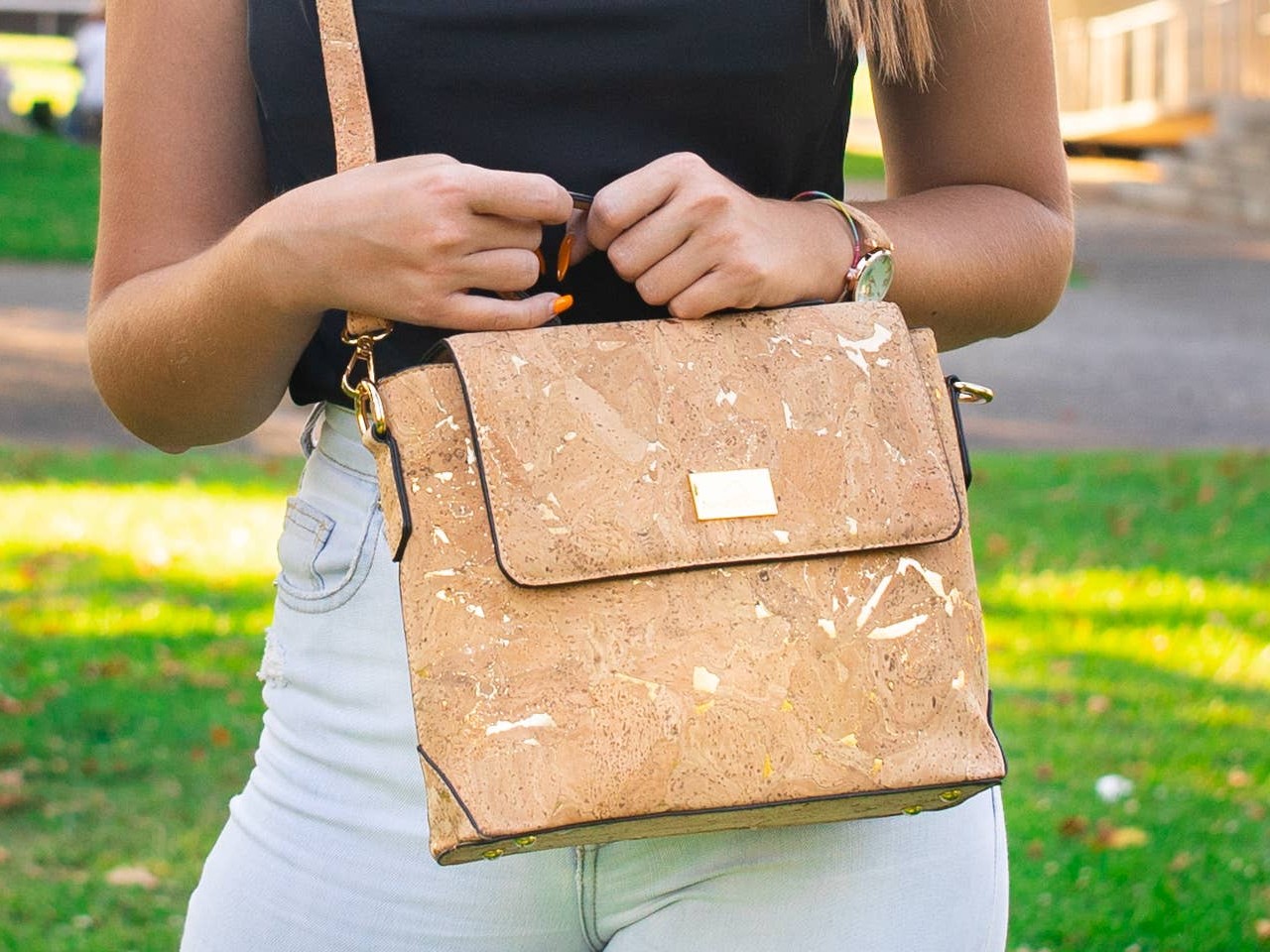
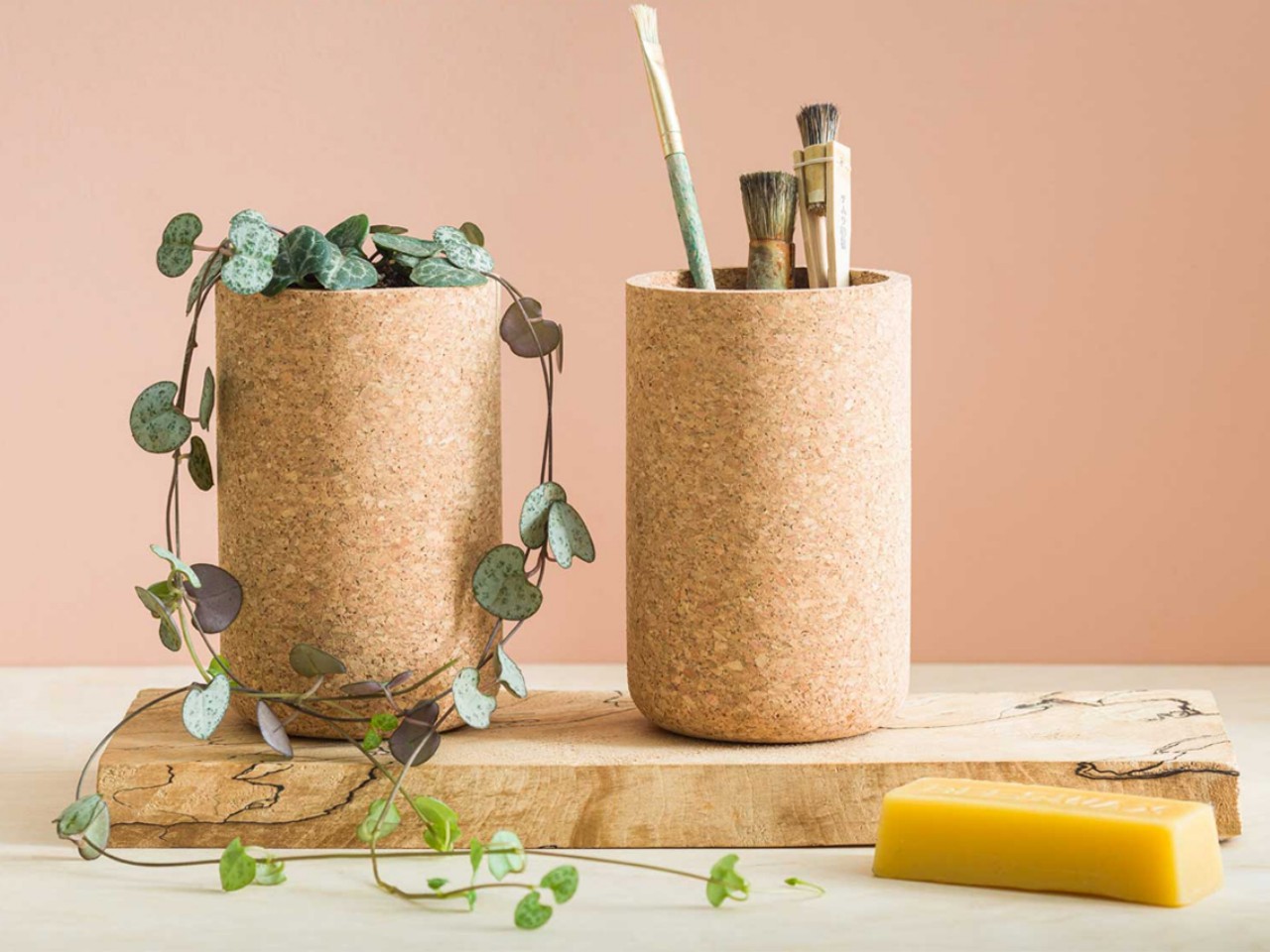
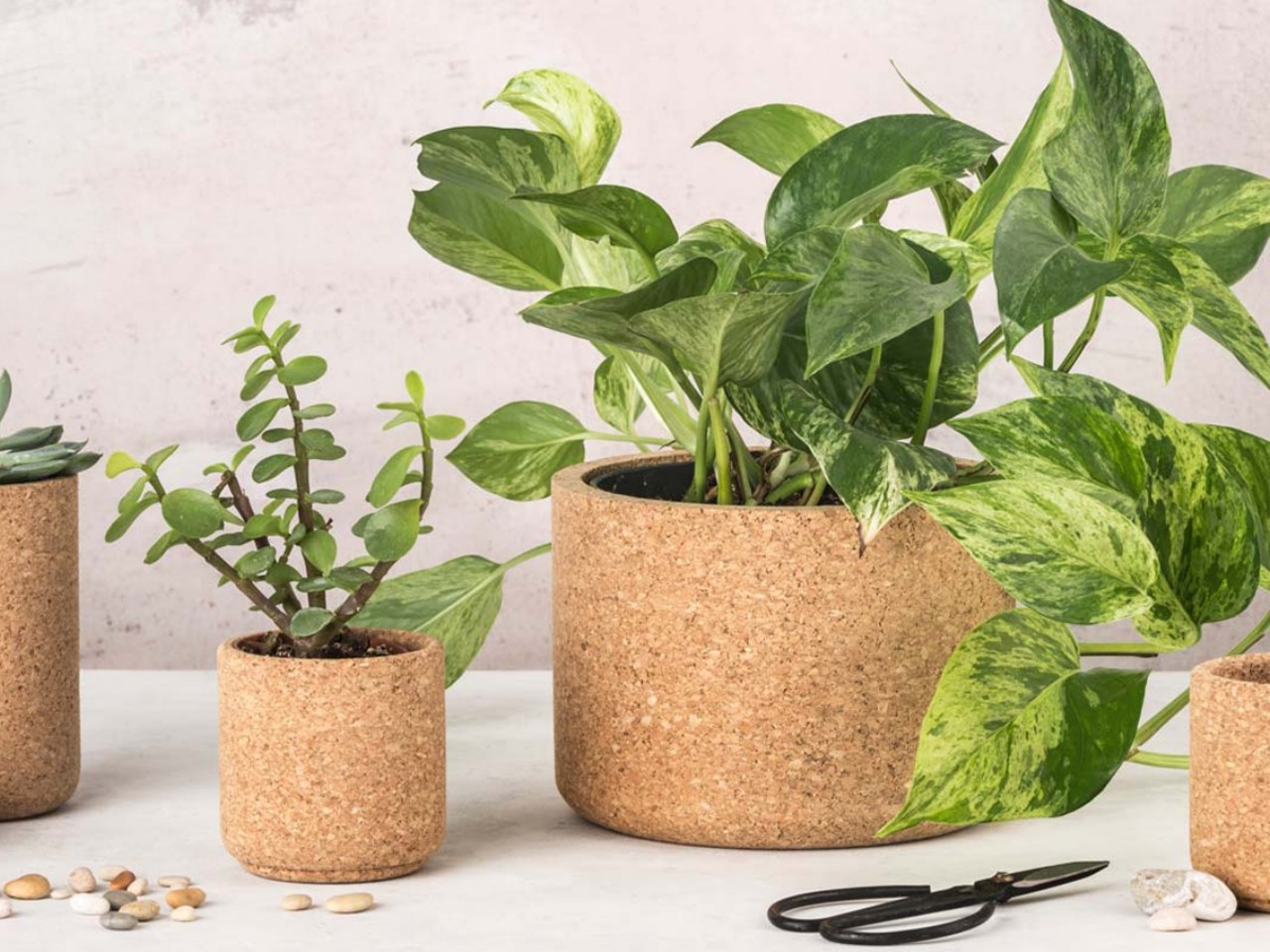
A concept for a sustainable wifi router tries to solve that issue and at the same time give us a well-designed one that you will proudly display in your home office. The Pella uses cork in the design so you get an eco-friendly material that can also look good on your device. In theory, using this material should not interfere with the functionality of the device which is of course important since the only reason you’ll get a router is to be able to connect all your devices to the WiFi.
The cork is not just a building material but an integral part of the design. The router looks more like a smart speaker with its spherical shape which is also reminds me of a top but with a stable base. The basic controls, which are mainly the on/off button and what seems to be a reset button, are located on the base. There’s no need for any other controls or buttons so you get a pretty minimalist design, as all routers should probably have.
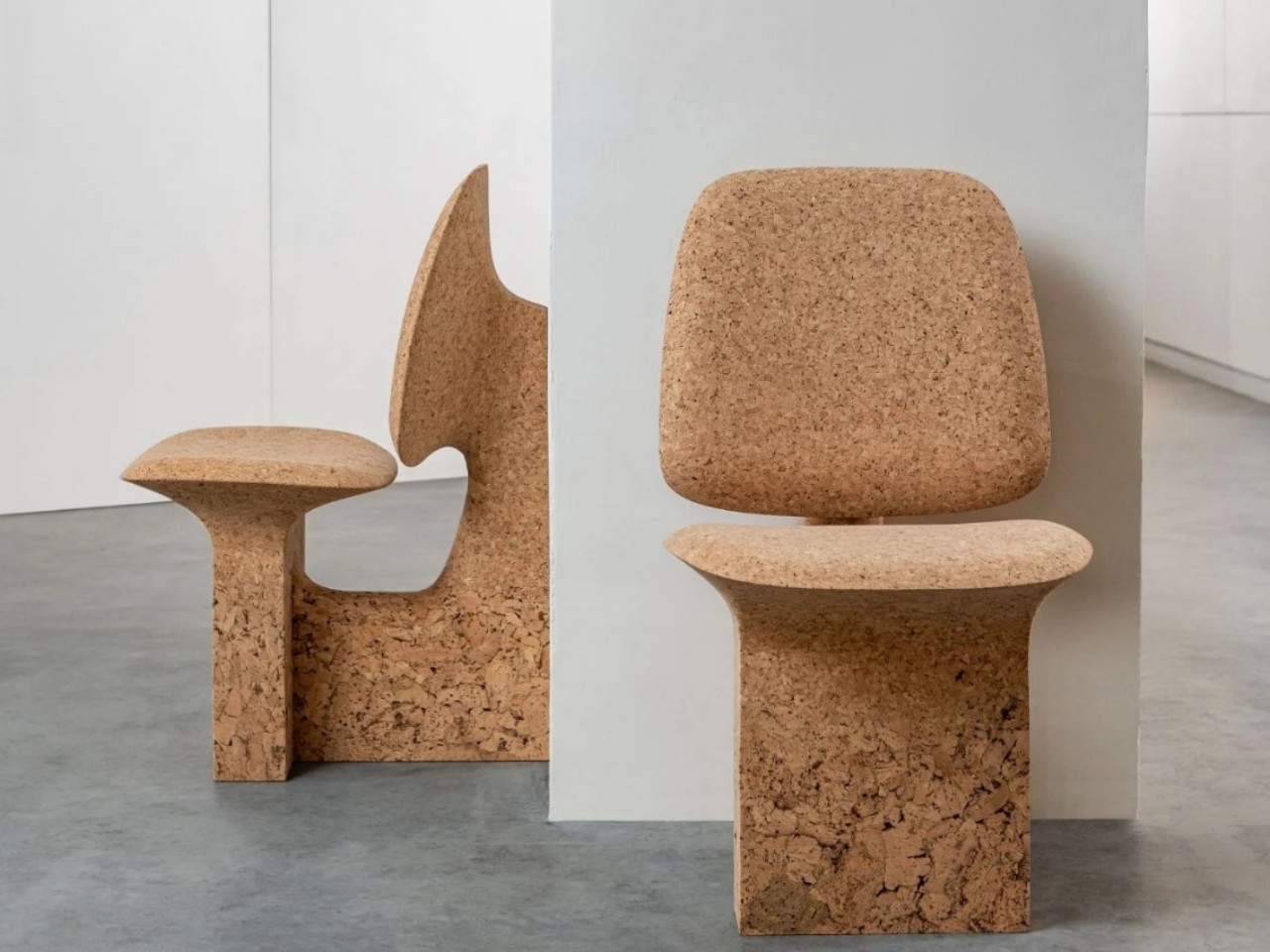
More often than not, these routers are hidden away in our home not just because it needs to be near a wall socket but because there isn’t any decorative aspect to it. But something like the Pella, which was designed with the brand Logitech in mind, can be something you put on your desk especially if you have an earthy or cork-like aesthetic.
Apple is not a big fan of reusing its products for something else, at least something that is still close to the original function of the design. It probably won’t object to completely unrelated applications of those designs, especially when it’s for a creative and artistic purpose. The non-functional parts of an iPhone, for example, could be disassembled and framed to be displayed as a piece of tech history. Or one might simply take the empty shells of old Mac Pro and turn them into a piece of structural art, which is exactly what this rather striking metal bench tries to accomplish in a way that will probably make you wonder how strong those old Apple desktops might have been.
The designs for more recent Mac Pros have been rather controversial, to say the least. The cylindrical 2013 was derided for looking like a trash can, while the boxy 2019 design, though a bit more traditional, is jokingly called a cheese grater. Neither are good foundations for a stable piece of furniture, but the first-ever Mac Pro fortunately fits the bill perfectly. It was a minimalist brushed aluminum box with tapered legs on the front and back to raise it up and equally tapered handles on those same sides for easier lifting.
Made for Manhattan clothing brand Hidden as part of store display, the Mac Pro Bench is exactly what it sounds like. It takes two first-gen Mac Pros, totally gutted of any and all electronic components, and has a folded aluminum plank attached on top. The plan has a tapered shape that fits perfectly between the front and back handles, making it feel as if the desktops were made for this very purpose. Two versions of the bench exist, one preserving the brushed aluminum aesthetic of the Mac Pro, and another thoroughly coated in Hidden’s green motif.
It’s not being sold en masse, which will probably keep Apple’s lawyers happy, though there are also ways to make your own. That said, it’s probably not a good idea outside of making it a decorative piece. It’s actually not tested how much weight the Mac Pros will be able to handle, especially with a bench meant to sit more than one person. The hollow legs of the desktop don’t look reassuring either, and it might have been more practical to have sawed those off, even if it meant ruining the original Mac Pro shape.
That said, it’s possible to reinforce the foundations of the Mac Pro Bench to make it a more usable piece of furniture. More importantly, however, the piece of art could also spark the imagination and creativity of others to make similar designs that reuse discarded desktop PCs in a less conventional and more interesting manner.
While it’s of course always a comfort to be working in a place with air conditioning, there are still times when it might be too cold for you. Or you may sometimes be working outdoors when the weather is a bit too cool / cold for comfort. Not all places have a heater for your convenience so a portable heater may just be the solution. But again, not all portable heaters are actually portable or convenient. This new one from DeLonghi may be the ideal one, and it’s also mindful of the environment.
Designer: Noi Creative for DeLonghi
The DeLonghi Capsule Desk Loop is a personal fan ceramic heater that you can place on your desk or wherever you are working so you can “work or relax in peace.” It has a special air grid design that brings you a convenient airflow speed and distribution when you need that soft warmth for your sedentary activities. The designers call the air grid the Flame pattern which actually creates an illusion of heat and flames from your heating source.
It looks like your typical heater but it’s small enough that you can carry it around with you and it’s also more stylishly designed. It is also more environmentally-friendly than most personal heaters as it uses 50% recycled plastic, a first for a DeLonghi product. It also uses 5.5 times lower energy consumption at just 360W, making it eco-friendly not just in the design but also in its function. It also is not as noisy as normal heaters as it just gives you a quiet 39dB operation so you can really work in peace without an annoying hum in the background.
Having a device that can create your very own micro-climate while working may not be a priority but it is pretty convenient to have especially if you work in places where you can get easily cold. That can solve some of the office arguments that can happen when there’s a mix of people who are either too cold or too warm.