There are plenty of designs that advertise being sustainable, but many of them stop halfway through the product’s life cycle. They are usually made from sustainable or renewable materials, and some, but not all, are made with a reduced carbon footprint. That said, not many cover what happens after the product has served its purpose, which often means adding to the already enormous amount of waste we produce annually. Fortunately, there are some designs that do take that into account, creating a circular economy where the product or its materials can be used for other purposes. One example is this cork-like stool that, true to its wooden nature, can actually be used like firewood to heat up a space or, better yet, fuel workshops that will produce the materials to be used to create another stool.
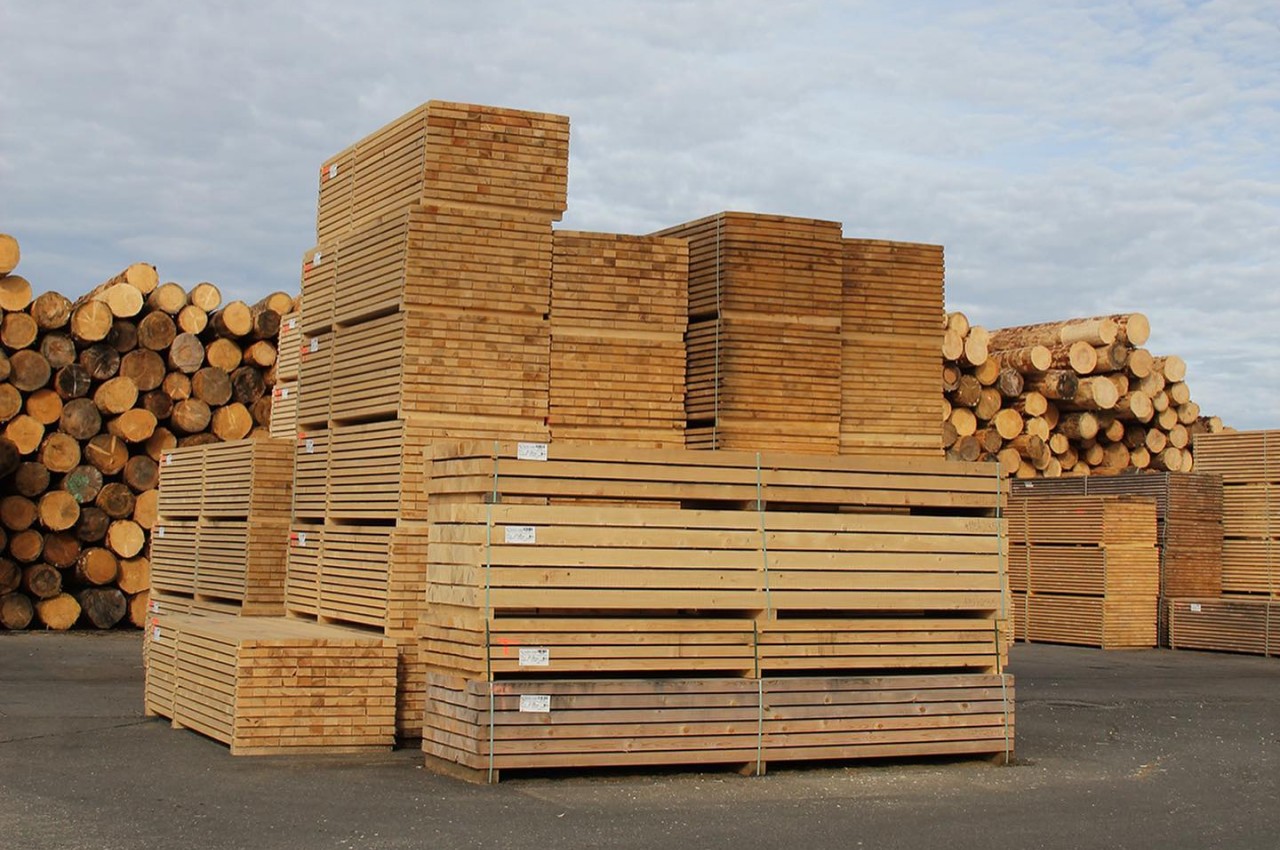
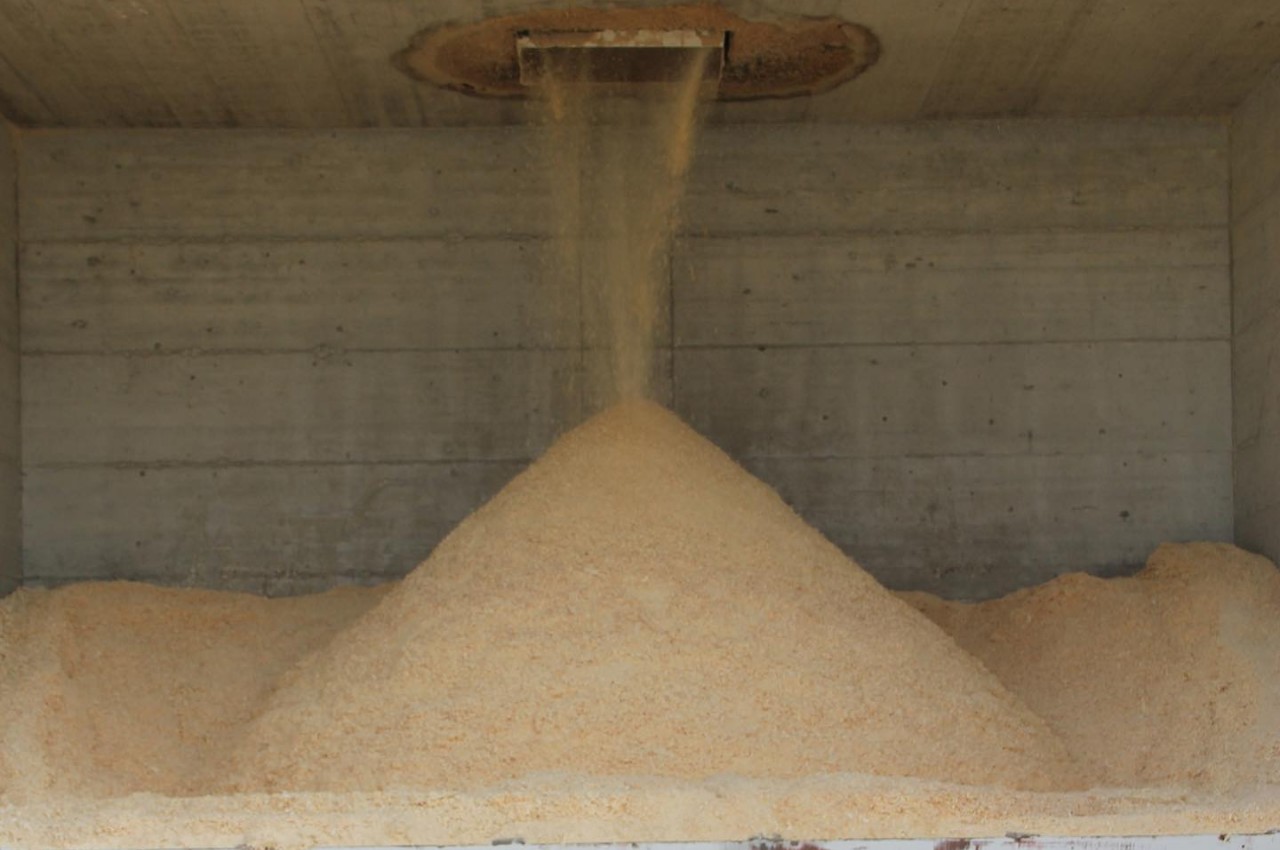
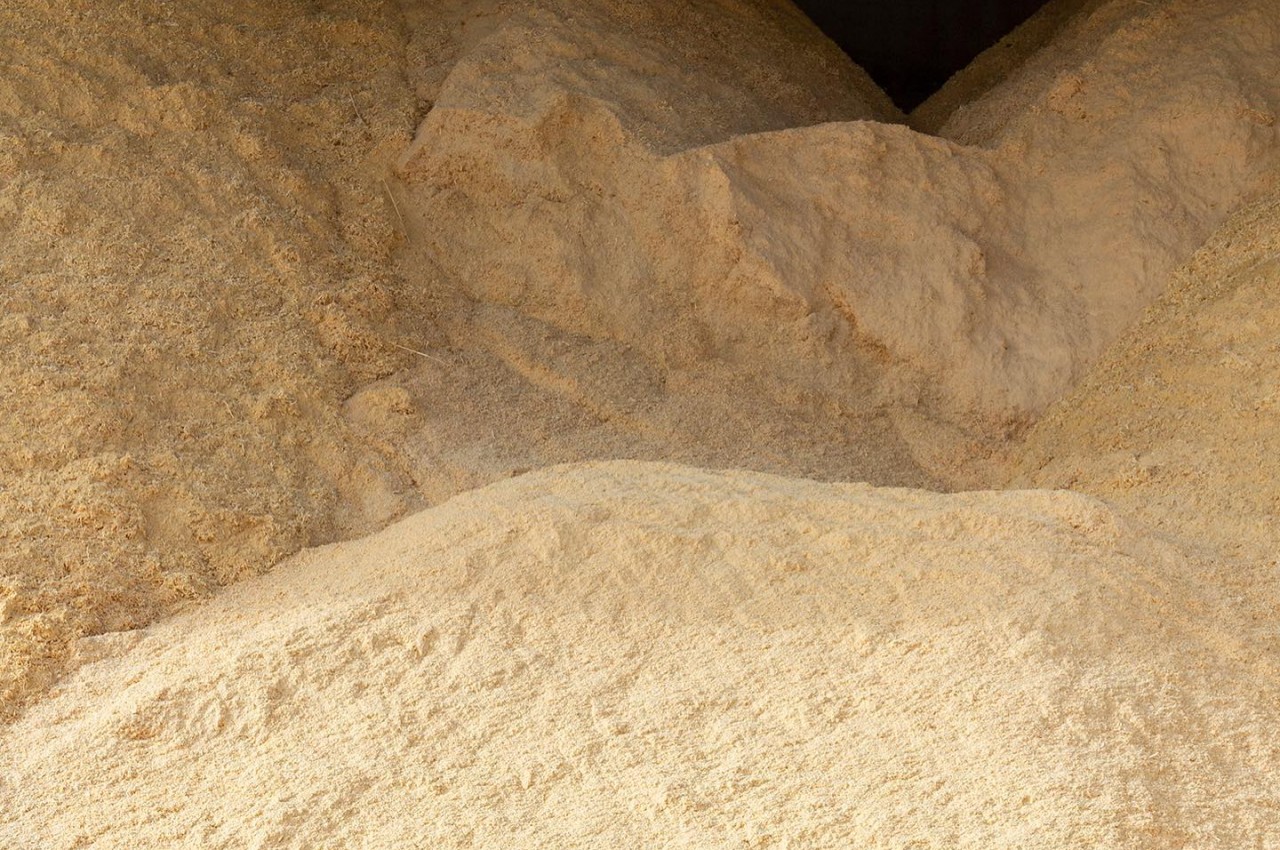
Wood is a much-loved material by designers and producers. It has an innate beauty and texture that’s hard to reproduce artificially, it is biodegradable, and, to some extent, also renewable. It takes time for trees to grow, however, and not all parts of the wooded material actually end up getting used. Many get left on the cutting room floor, either as small chunks or, worse, sawdust. The latter is easy to take for granted until they pile up and become pollutants themselves, at least until they dissolve and disintegrate over a long period of time.
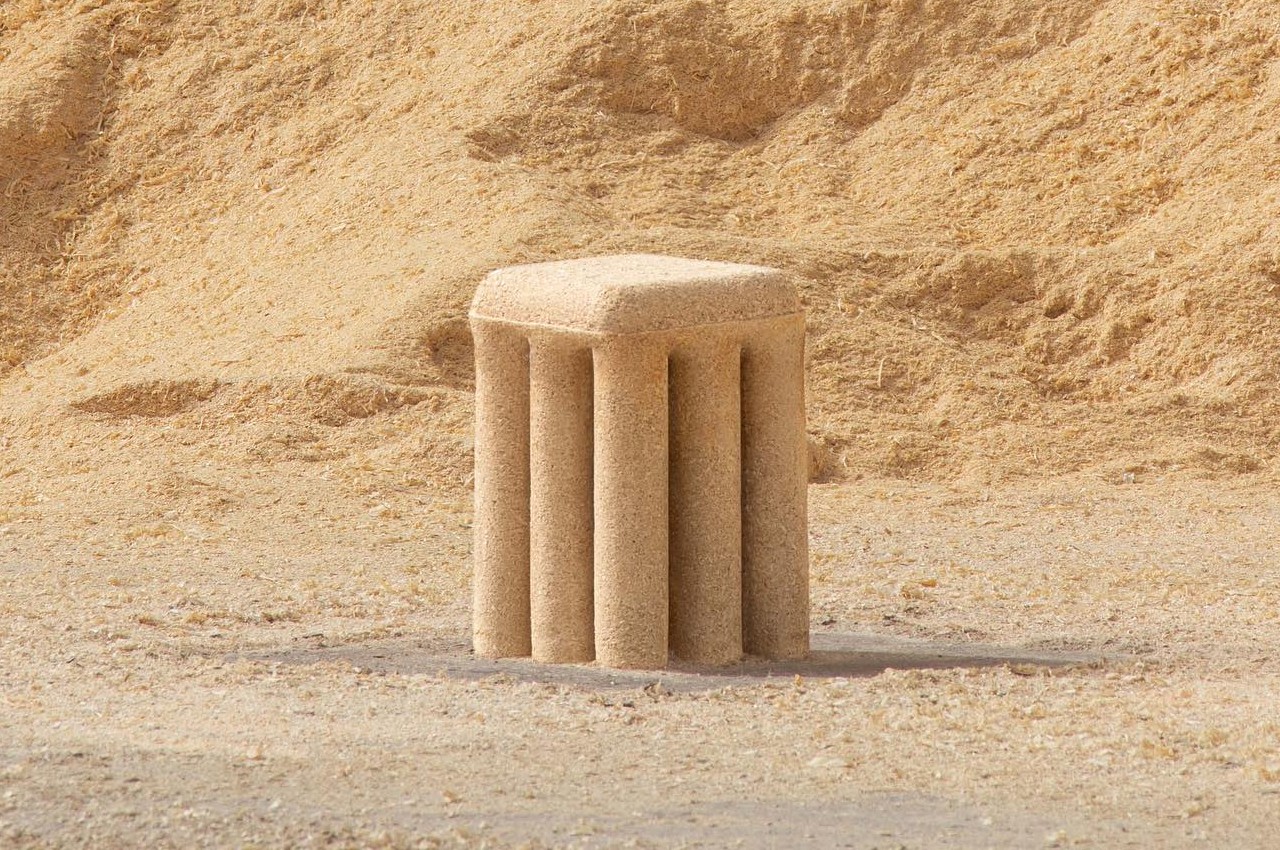
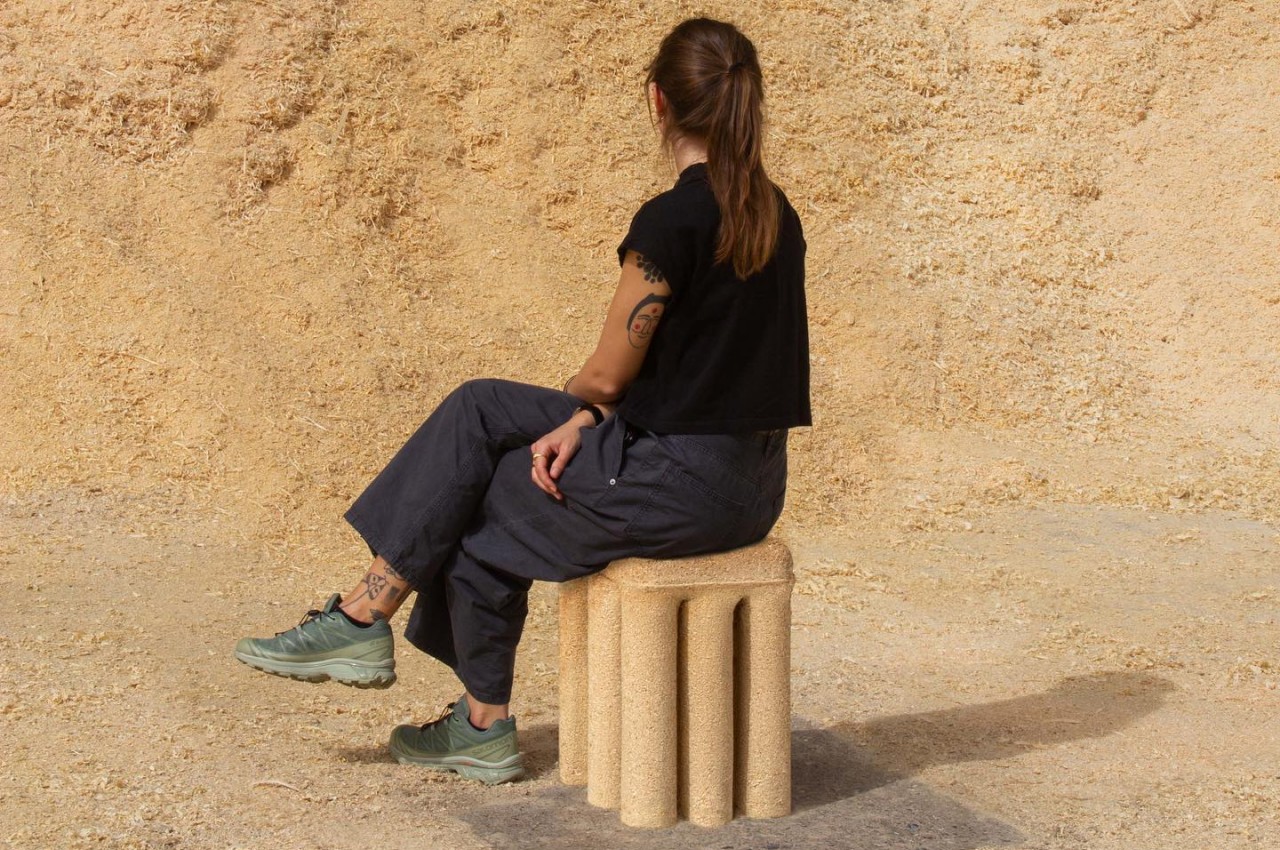
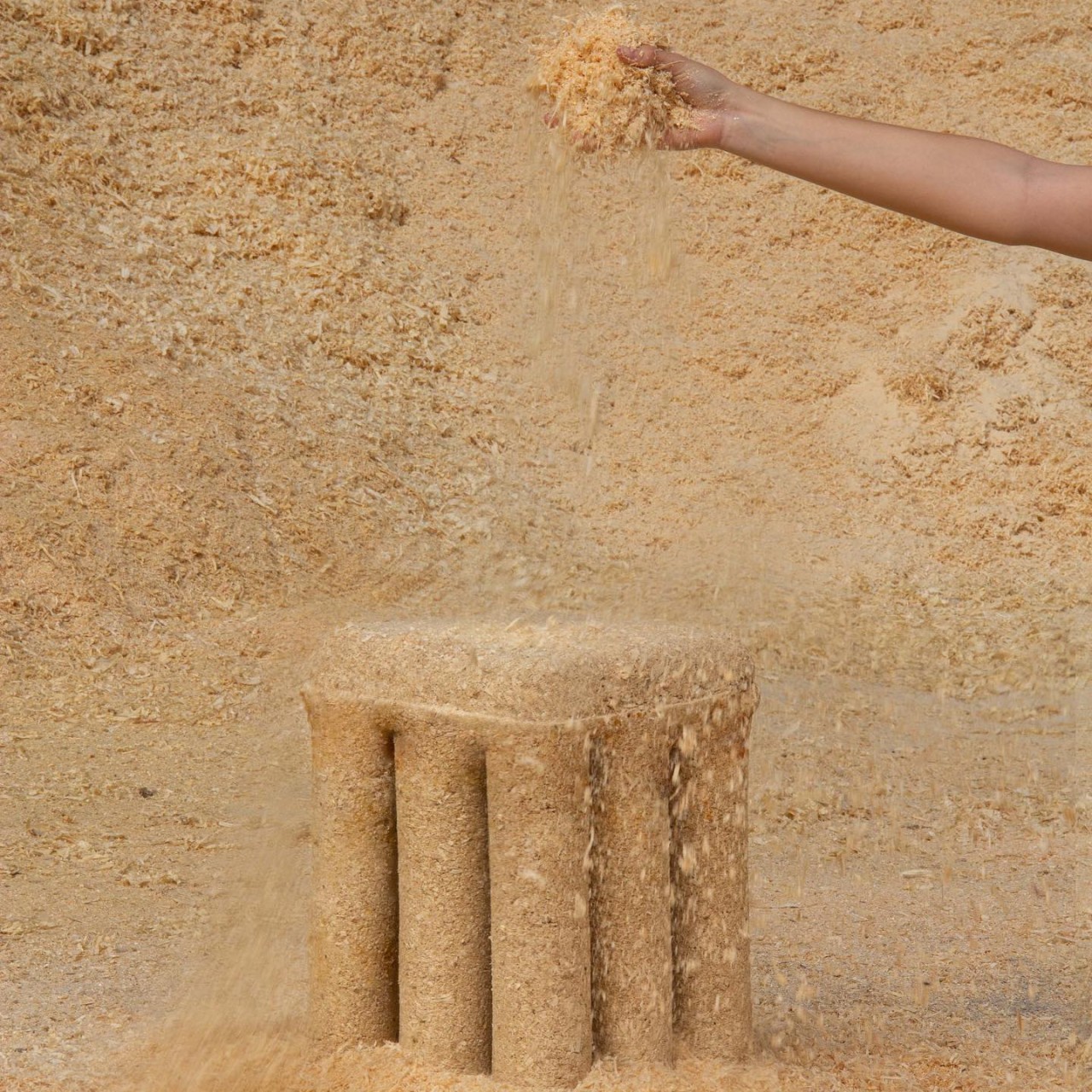
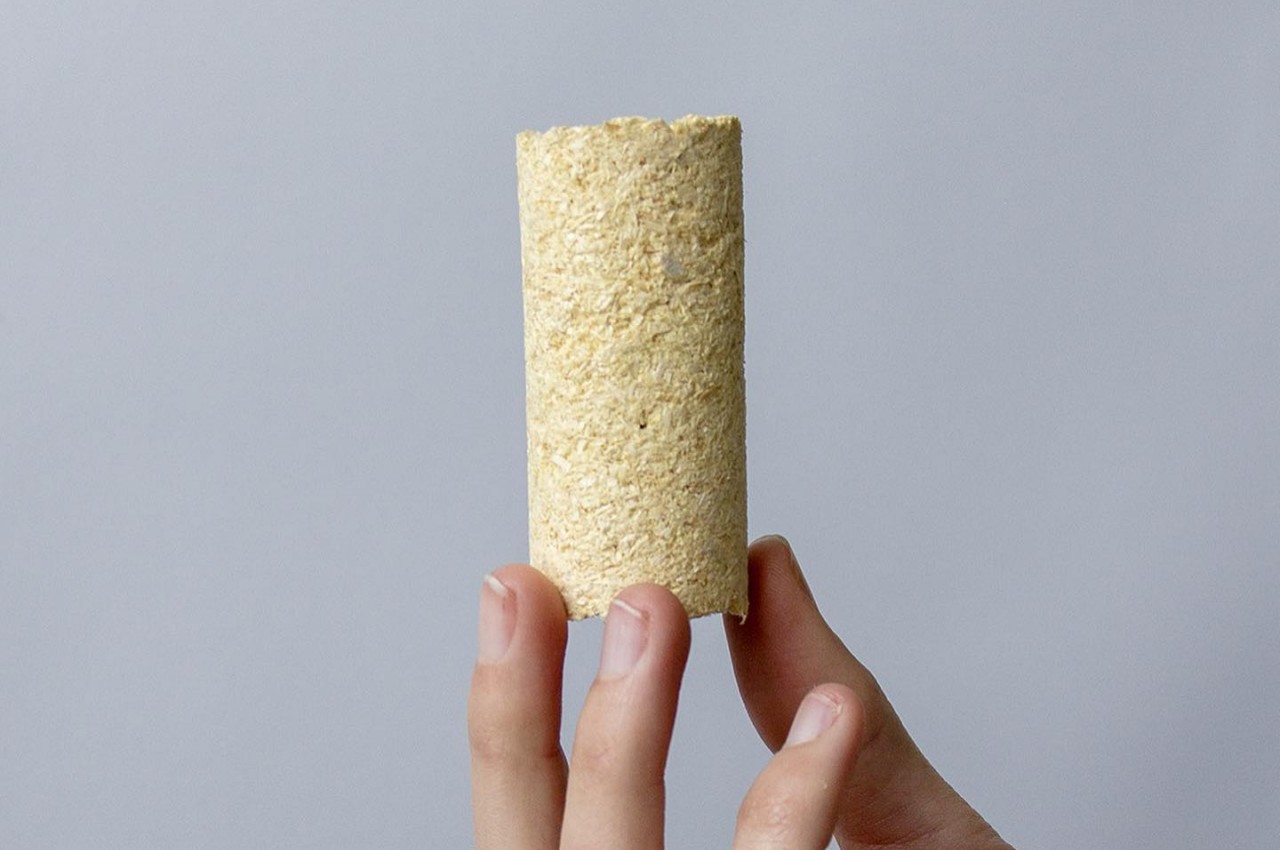
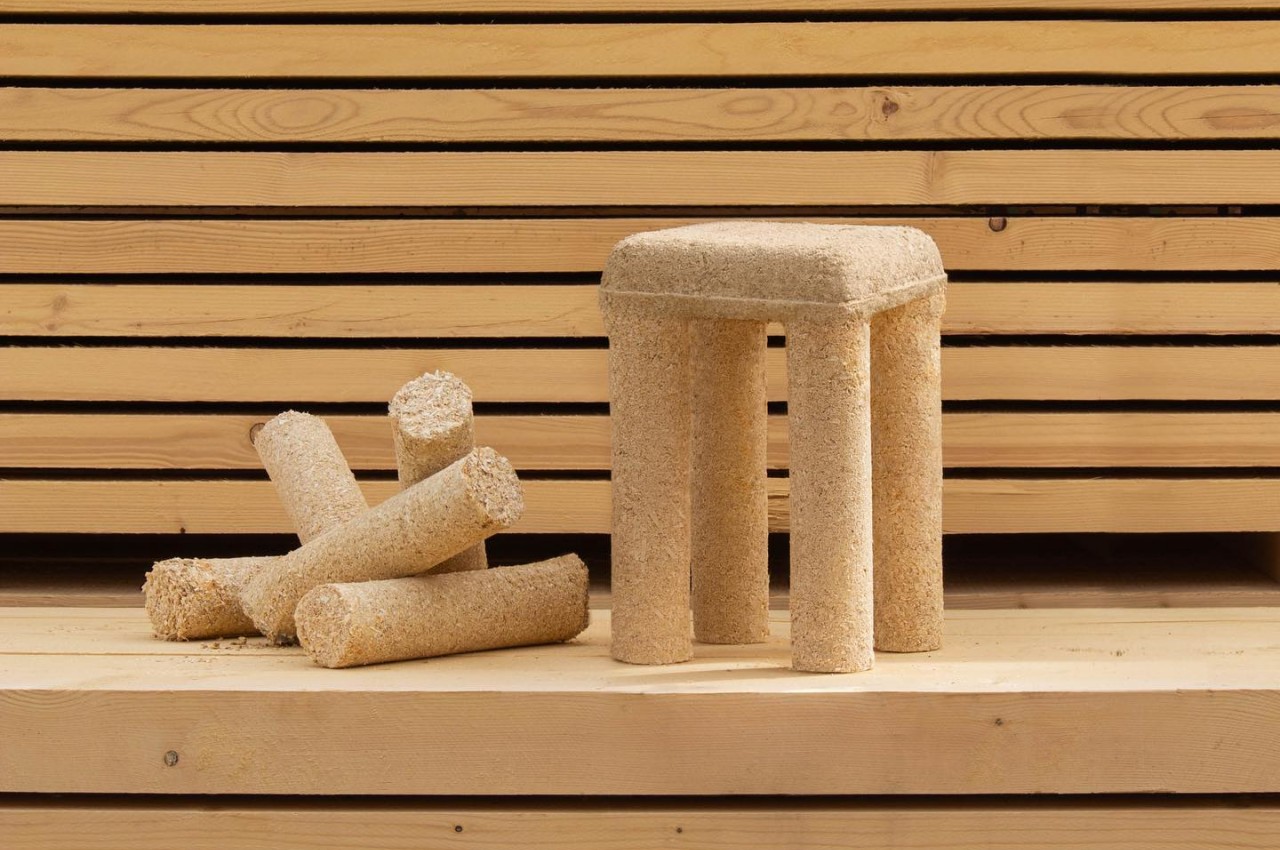
Briket is a stool that tries to solve that material waste problem by giving a new purpose to waste byproducts not just from woodworking but also from the food industry. In a nutshell, this nine-legged stool is made from sawdust scraps as well as potato scraps, both biodegradable and environment-friendly materials we throw out by the ton every day. Creating the parts of the stool itself isn’t exactly hard either, as it mostly involves compressing these minute pieces until they become a rigid and solid mass. This, in theory, can be done anywhere there’s an abundance of wood waste, which practically means sawmills, carpentry shops, workshops, and other places that work with large quantities of wood.
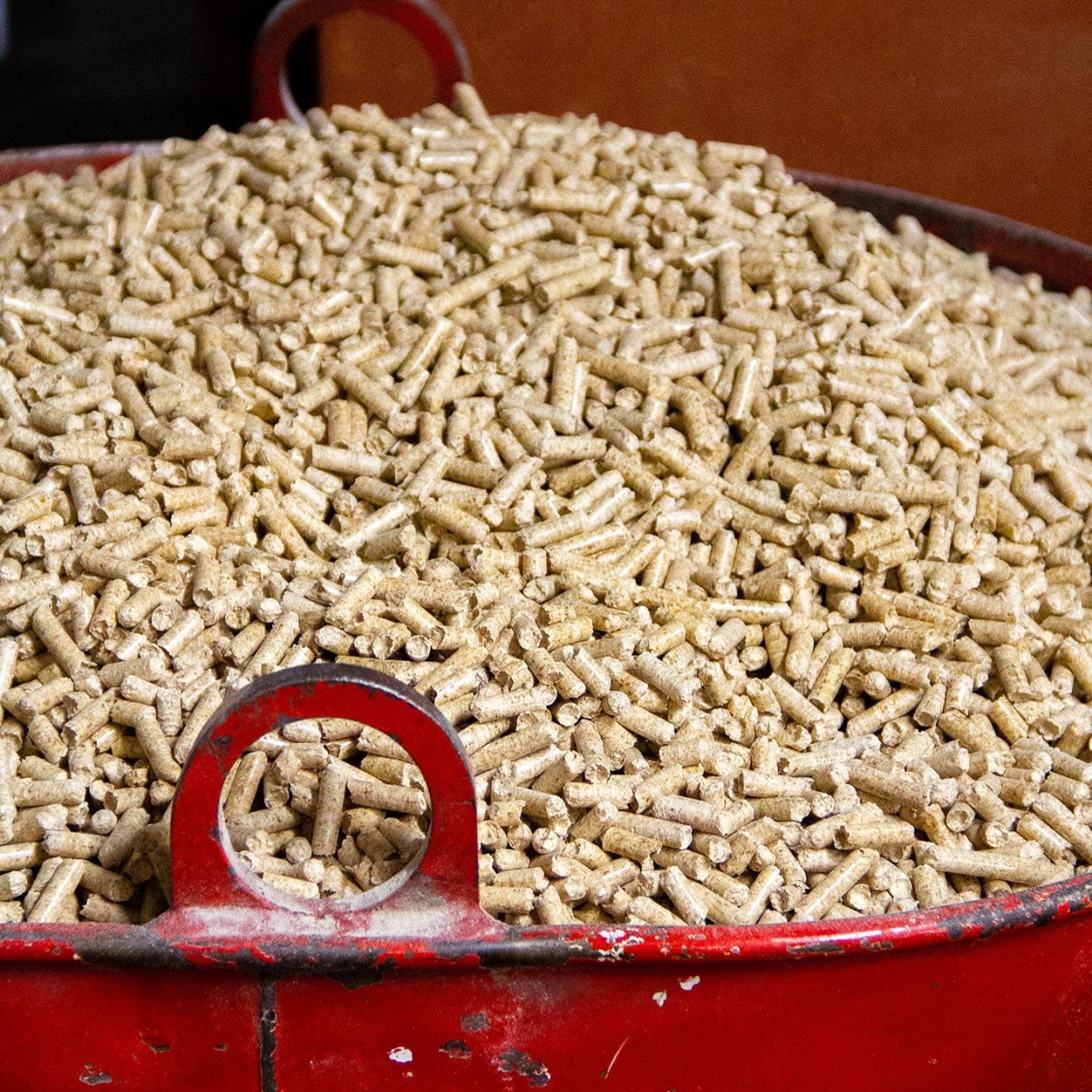
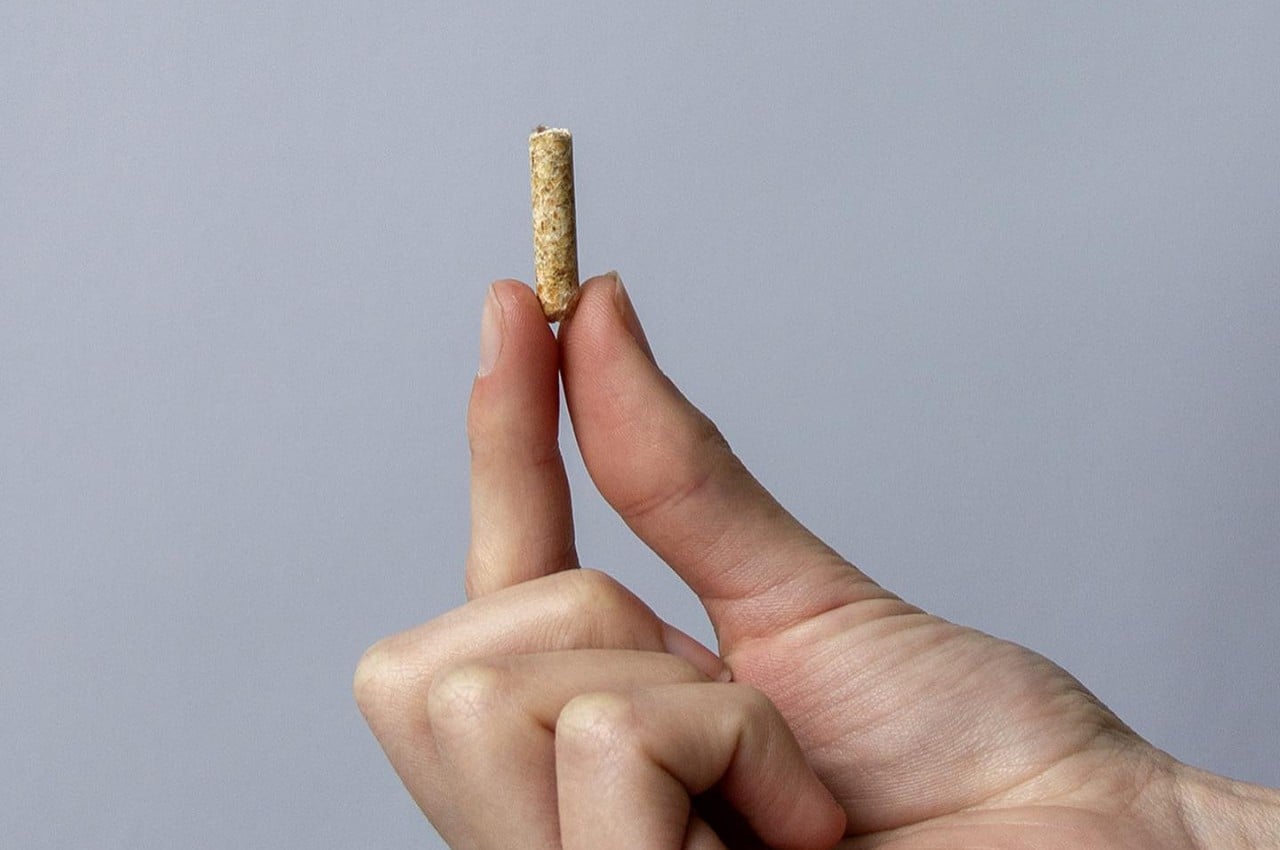
What makes the Briket stool more interesting, however, is how it can be used for some unrelated purpose when it has reached its end of life. Inspired by wooden pellets used for bonfires and fire pits, it can serve as fuel to heat up a place or keep the fire of a workshop going, letting it serve people one last time before finally biting the dust, pun intended. In fact, the legs of the stool can be individually removed and replaced, making the piece of furniture almost immortal as long as there are replacement parts available.
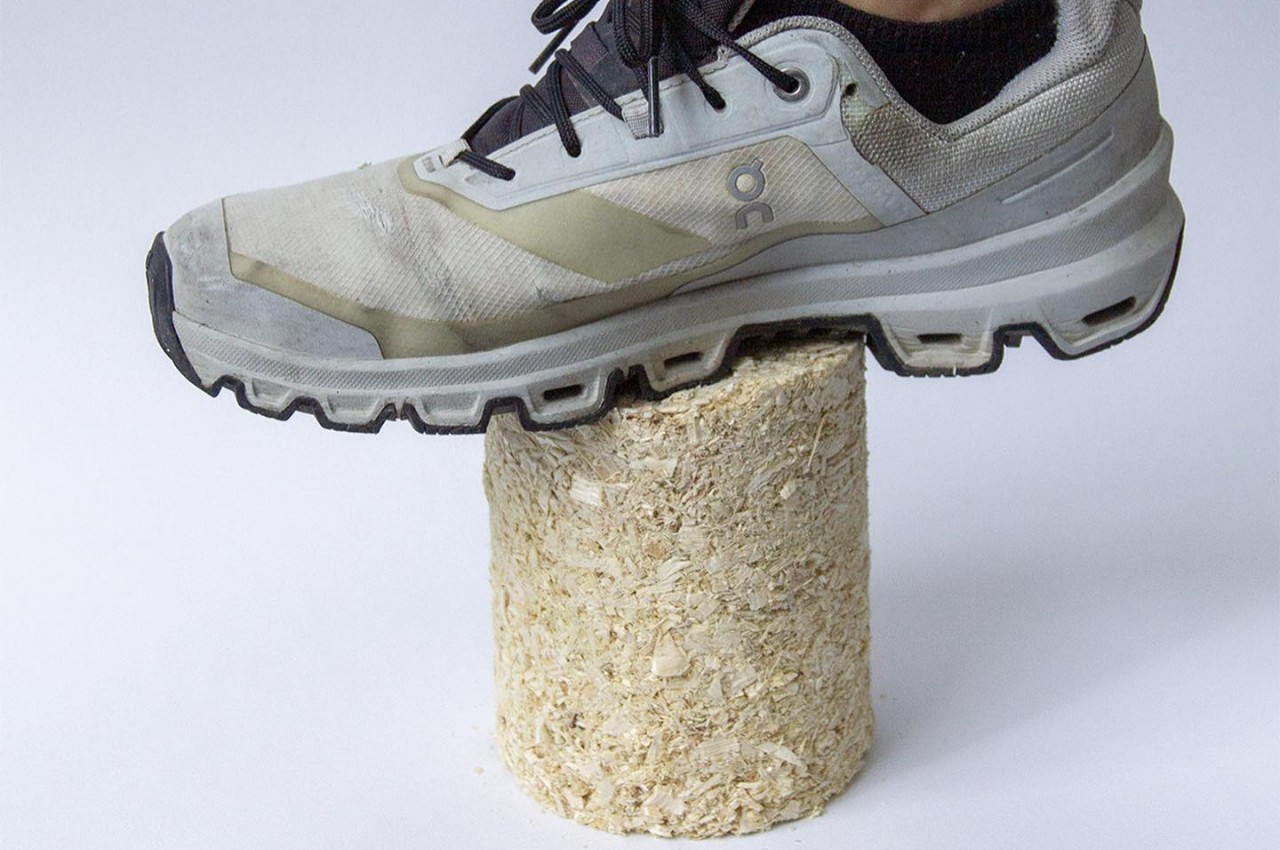
In terms of aesthetics, Briket has a unique raw appearance and texture that is more similar to cork than wood, something that might not sit well with everyone’s tastes. Because of that, some people might even have doubts about its stability and reliability as furniture you will sit on. Fortunately, that doesn’t seem to be the case, and Briket stands as a shining example of a truly sustainable design from start to finish.
In the privileged corners of the world, it’s easy to take for granted the amenities that define modern life—consistent electricity, reliable refrigeration, and an abundance of technological conveniences. However, a significant portion of the global population struggles to access what many consider basic necessities. This disparity underscores a broader issue: our comforts, powered by unsustainable practices, contribute to long-term environmental degradation. EasyFreeze finds a good balance between the two, embracing more sustainable alternatives, which is not just a nod to the past but a necessary step toward a viable future.
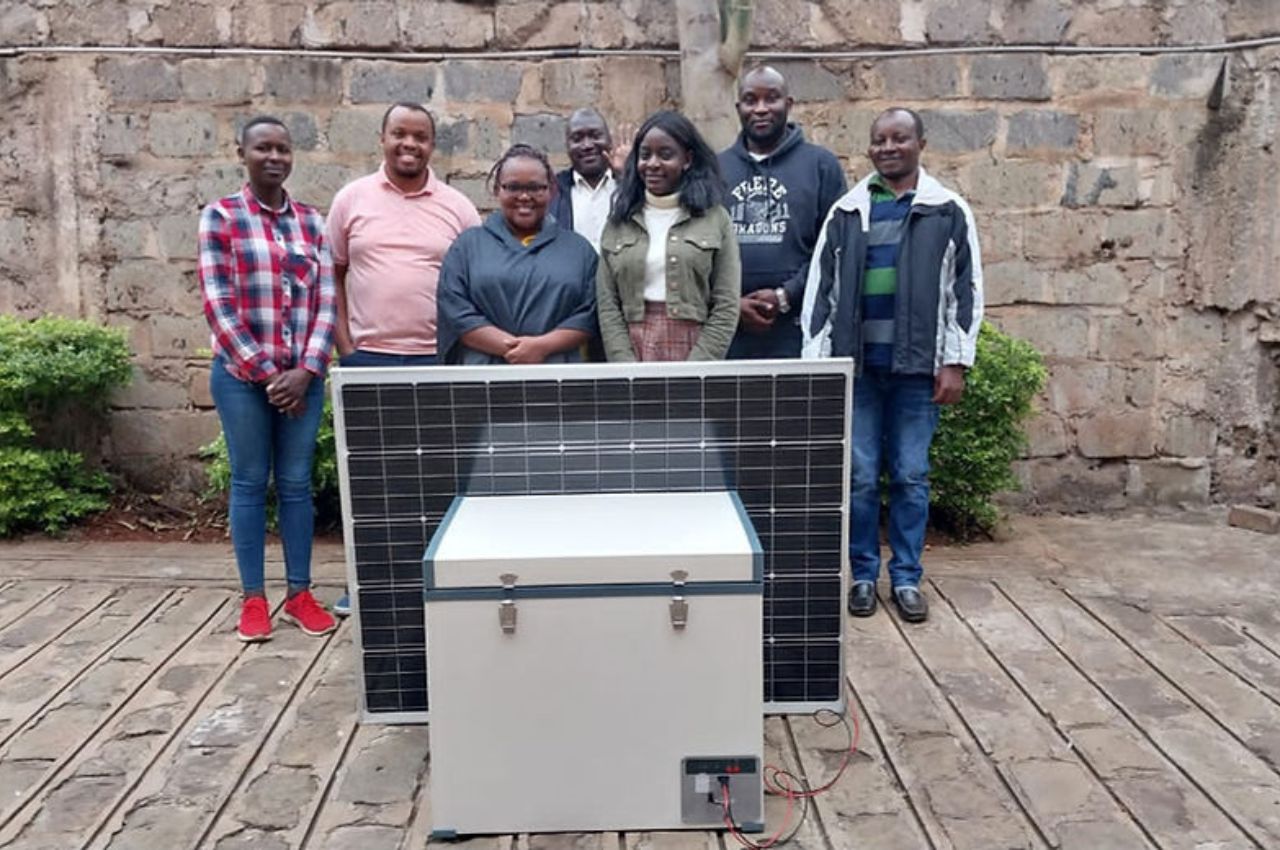
Imagine living in Lagos, Nigeria, where daily power outages can last for hours. In such conditions, a conventional refrigerator is nearly useless, and consequently, very few people own one. However, Amped Innovation, a forward-thinking startup, has developed a game-changing solution: the EasyFreeze, a solar-powered fridge designed to operate efficiently even with an unreliable grid or completely off-grid. This innovation is particularly transformative for regions rich in solar energy but poor in infrastructure.
The EasyFreeze is a meticulously designed fridge and freezer capable of refrigeration in under 20 minutes (reaching 8ºC) and freezing in less than an hour (0ºC). Unlike typical cold storage solutions, it maintains its temperature for up to 40 hours during power outages or on cloudy days, ensuring reliability in even the most challenging conditions.
A significant innovation within EasyFreeze is its use of an “ice battery” instead of traditional lithium-ion batteries. Lithium-ion batteries, while common, are expensive, prone to overheating, have a shorter lifespan, and pose safety risks. The ice battery system in EasyFreeze utilizes ice pouches embedded within the refrigerator walls to absorb and release heat. These pouches are cooled by solar panels during the day or by grid power when available, enabling the fridge to remain cold for extended periods without active power. This system not only enhances safety and durability but also significantly reduces costs.
Amped Innovation is rolling out the EasyFreeze across more than a dozen countries in sub-Saharan Africa and Asia, focusing on communities that are hardest to reach. Small businesses, such as corner stores, benefit immensely from the ability to sell cold beverages and ice, while medical clinics and hospitals can safely store medicines and vaccines at precise temperatures. The fridge’s design prioritizes off-grid efficiency, with proprietary circuits, software, and mechanical designs to deliver city-like performance in rural settings.
One of the distinguishing features of the EasyFreeze is its durability. Unlike many other solar refrigerators that fail within a year of use, the EasyFreeze is built to last. The equipment is assembled locally to avoid steep import fees and reduce costs, ensuring affordability without compromising on quality. This holistic approach to product design and distribution makes EasyFreeze not only efficient but also economically viable.
The EasyFreeze uses R-600a refrigerant, which has zero ozone depletion potential (ODP) and a very low global warming potential (GWP). It is at least 38% more energy-efficient than other market options, thanks to its powerful 225W compressor and thick, 75mm closed-cell polyurethane insulation. These features ensure the fastest cool-down times and the longest autonomy—maintaining efficient cold storage for up to 18 times longer than other freezers during power outages.
While the EasyFreeze is not inexpensive, retailers charge around $900, it remains within reach of middle-class families in countries like Nigeria. This price point reflects a commitment to quality and long-term affordability, prioritizing the total cost of ownership over the initial purchase price. Amped Innovation’s focus on high-quality materials and efficient design means EasyFreeze offers unmatched value, making it accessible to a broader audience.
The EasyFreeze’s utility extends beyond developing regions. Following the wildfires in Maui in 2023, the fridge garnered interest from residents in Hawaii. With electricity costs in Hawaii being exceptionally high, EasyFreeze offers a payback period of just two years, making it an economically attractive solution for both disaster resilience and everyday use.
As we acknowledge the privileges that many of us enjoy, it is crucial to recognize the pressing need for sustainable innovations that can bridge the gap for those less fortunate. The EasyFreeze exemplifies how thoughtful, eco-friendly design can transform lives, providing reliable refrigeration in areas with unreliable power. Amped Innovation’s focus on efficiency, durability, and affordability positions EasyFreeze to become a conventional choice for refrigeration in parts of Africa and Asia that receive ample sunlight. This remarkable appliance not only meets the immediate needs of its users but also paves the way for a more sustainable future.
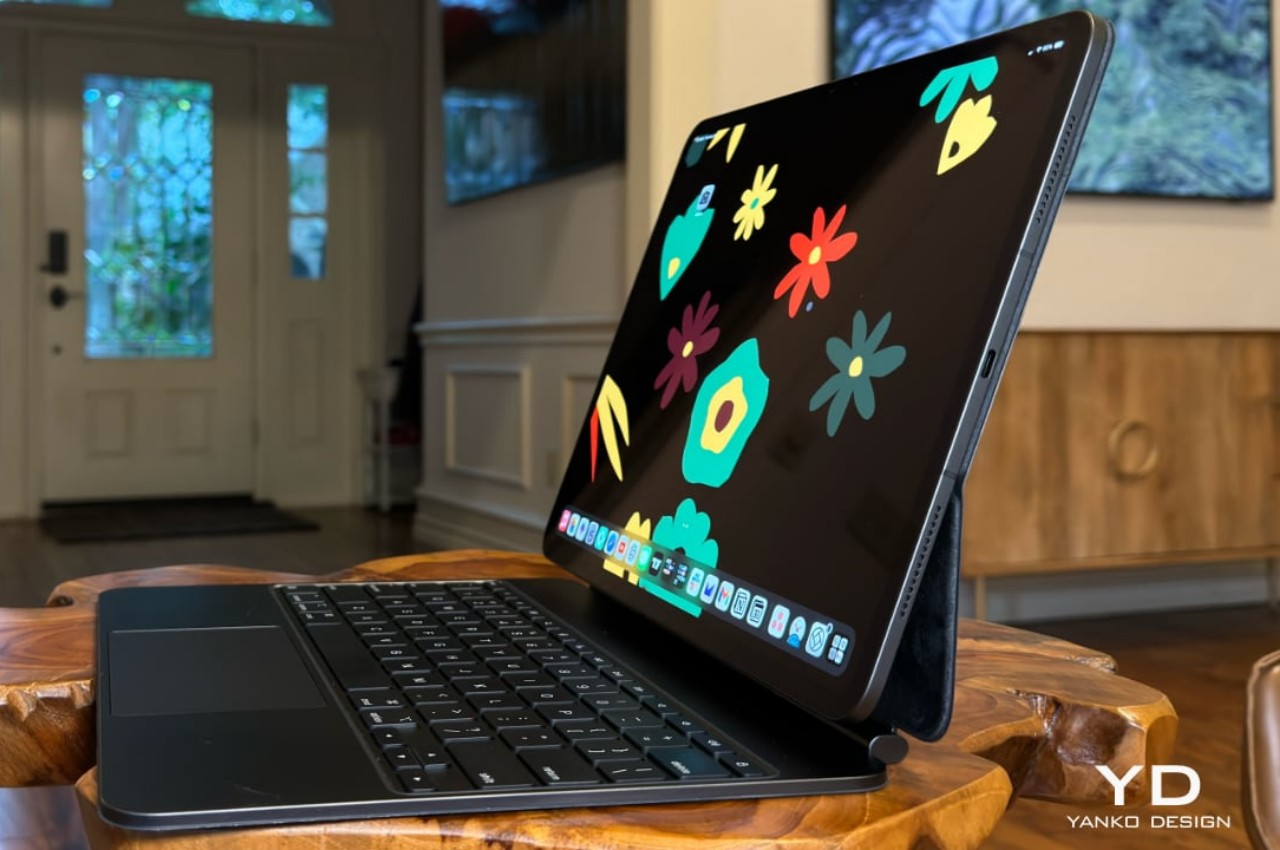
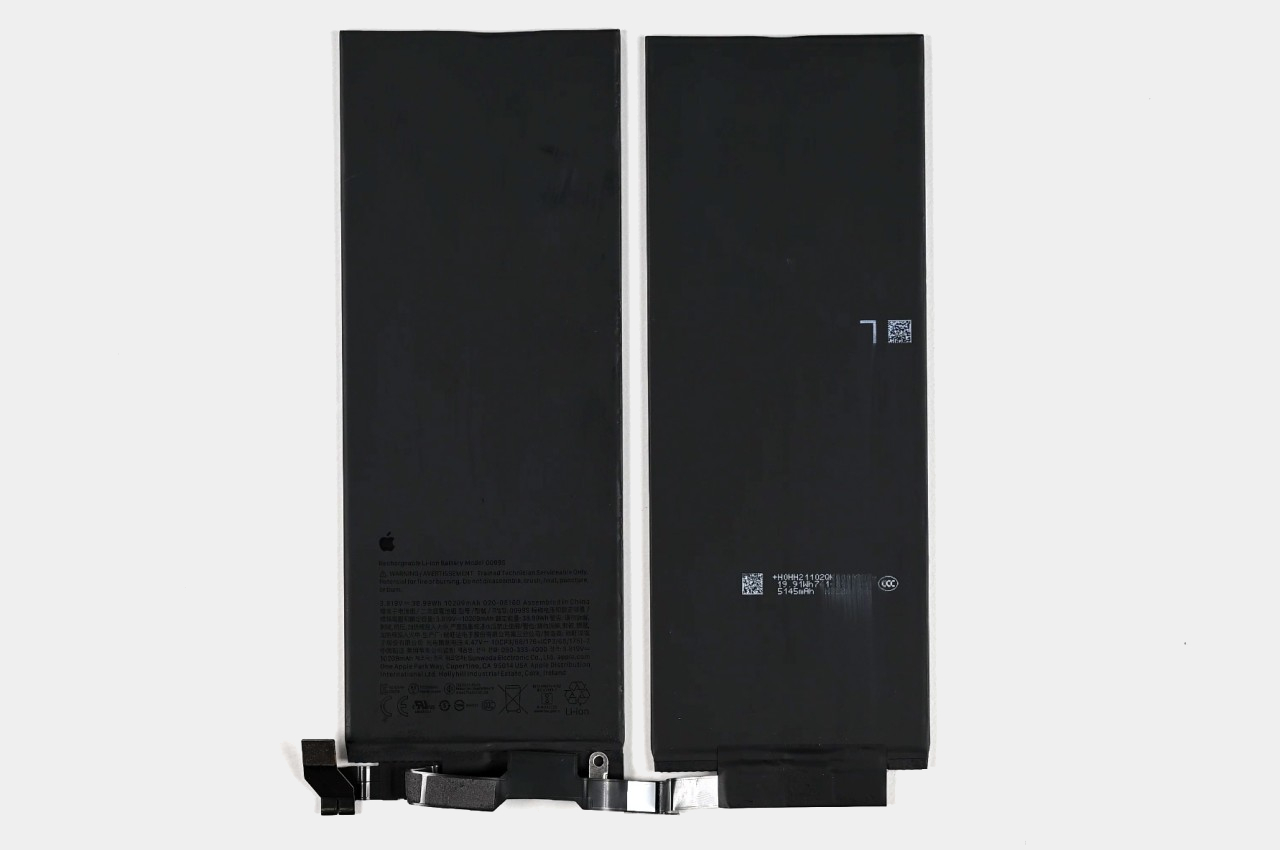
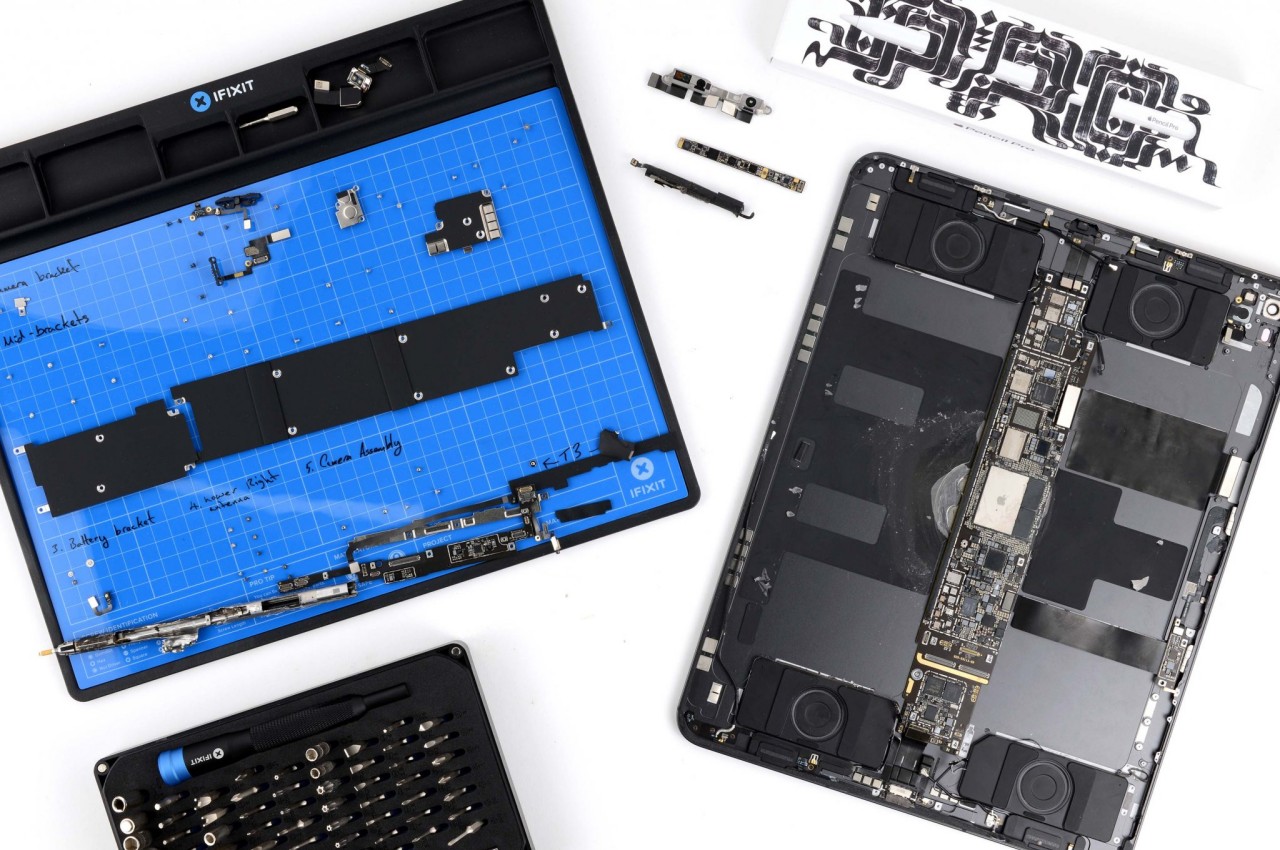
As expected, the Internet is abuzz over the new M4 iPad Pro’s ultra-thin design, but there are also reasonable concerns over the device’s durability and longevity because of that design as well. Fortunately, a bend test proved that the tablet has enough resistance to withstand accidents within reason, but accidents will still happen regardless. Displays will get cracked and batteries degrade and, sooner or later, the new iPad Pro will become old and will need to be repaired. When that time comes, how easy and expensive will it be to open up the thinnest iPad in the world and replace those broken parts? It turns out, that Apple made one very important step toward improving the device’s repairability, at least for one of the most common types of repairs.
Whether it’s a smartphone or a tablet, mobile devices have two or three parts that easily get damaged or need to be replaced. Screens crack or shatter after accidental falls, charging ports get damaged or blocked, and batteries start to lose their charge faster or, worse, start to bloat. For the iPad Pro, getting to any of these parts has always been a chore and a risk, but the M4 iPad Pro has surprisingly made it easier to remove and replace the battery without removing as many important parts.
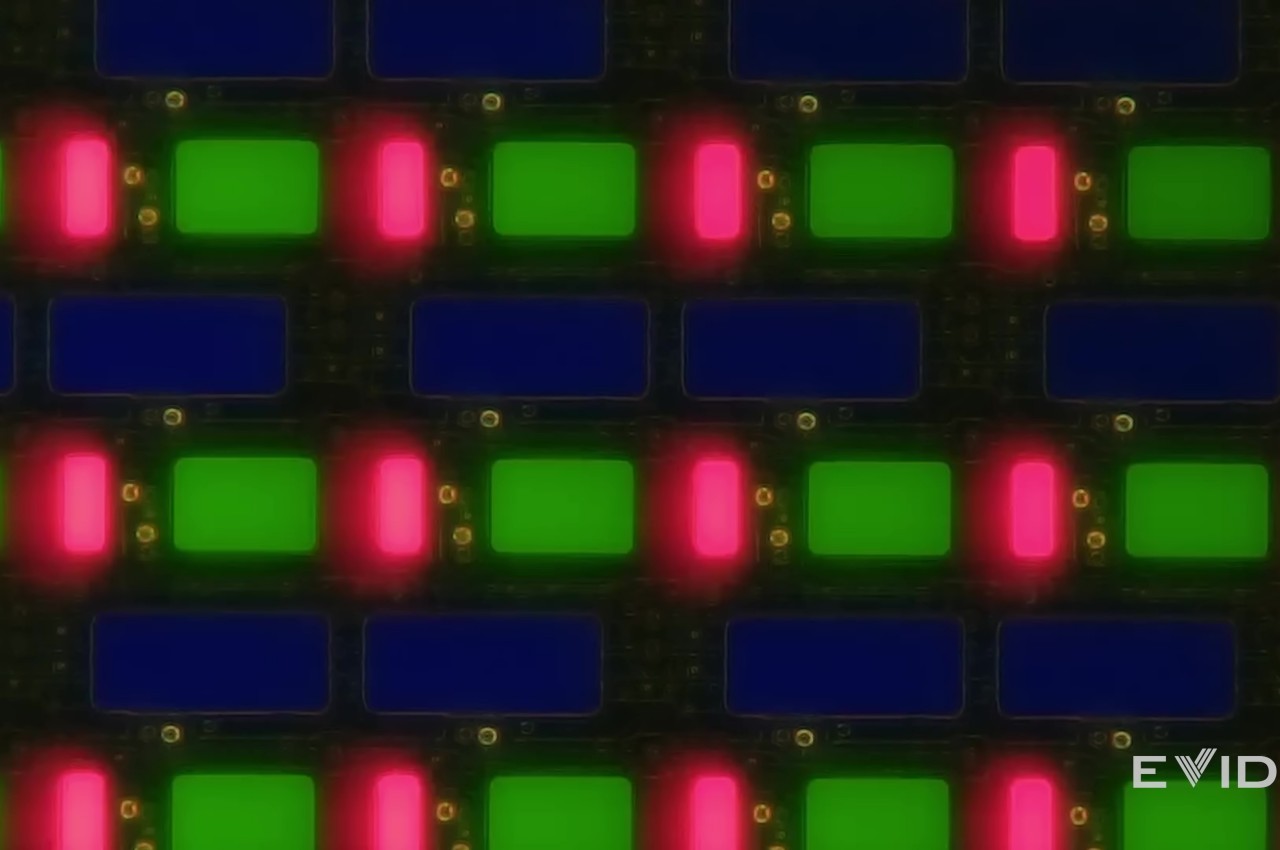
Opening up the iPad Pro is still an exercise in patience and dexterity, perhaps even more so now with a new Tandem OLED display. A closer look at that screen reveals not the dual-layered panels that Apple used to explain the technology, but, for all intents and purposes, it practically functions the same way. Long story short, there’s a high chance that the screen will be damaged beyond repair when you try to open the iPad Pro just to replace the battery.
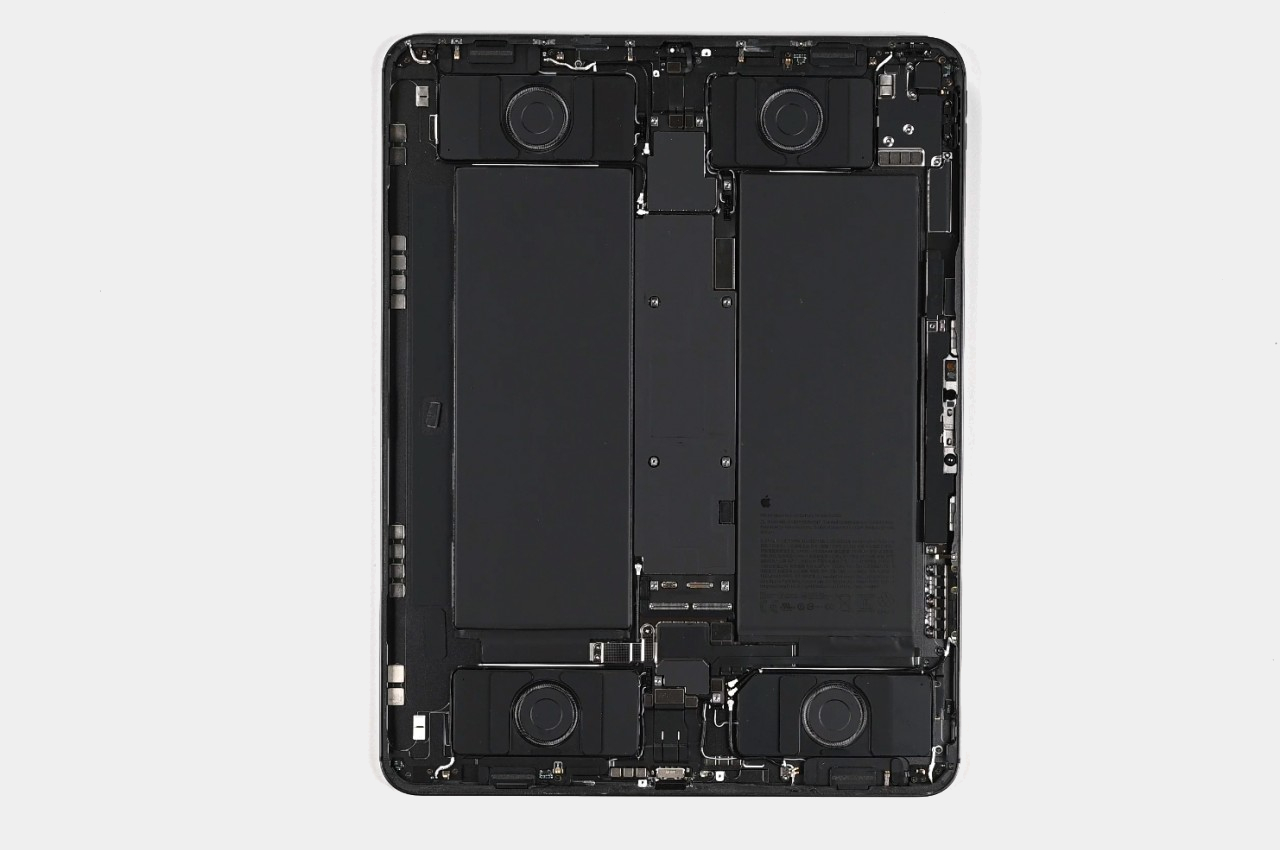
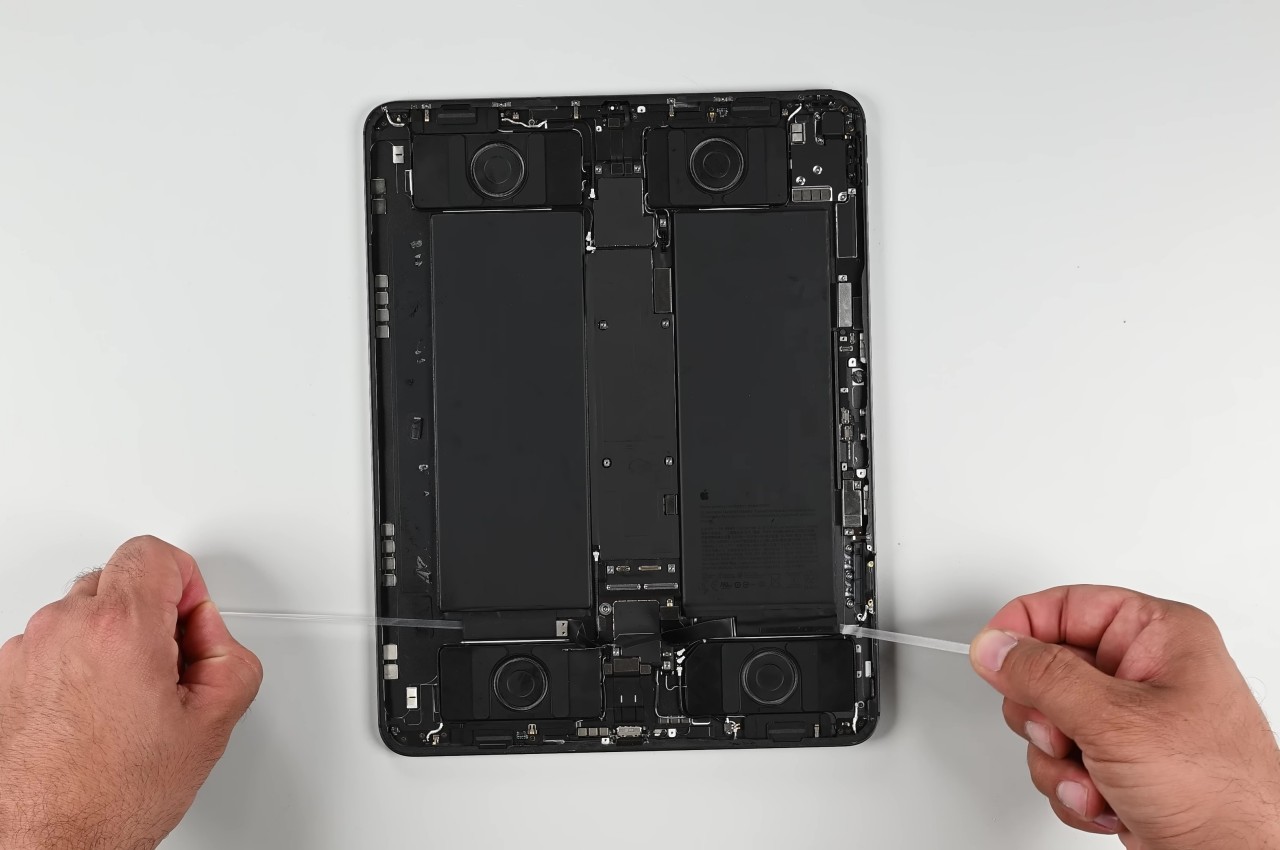
Fortunately, the battery itself is easy to reach, as it is immediately exposed after removing the display. There are a few parts that need to be unscrewed to gain access to the pull tabs, but there’s no need to remove daughterboards, logic boards, or even speakers. Considering this is Apple we’re talking about, that’s a rather ground-breaking change and a step in the right direction.
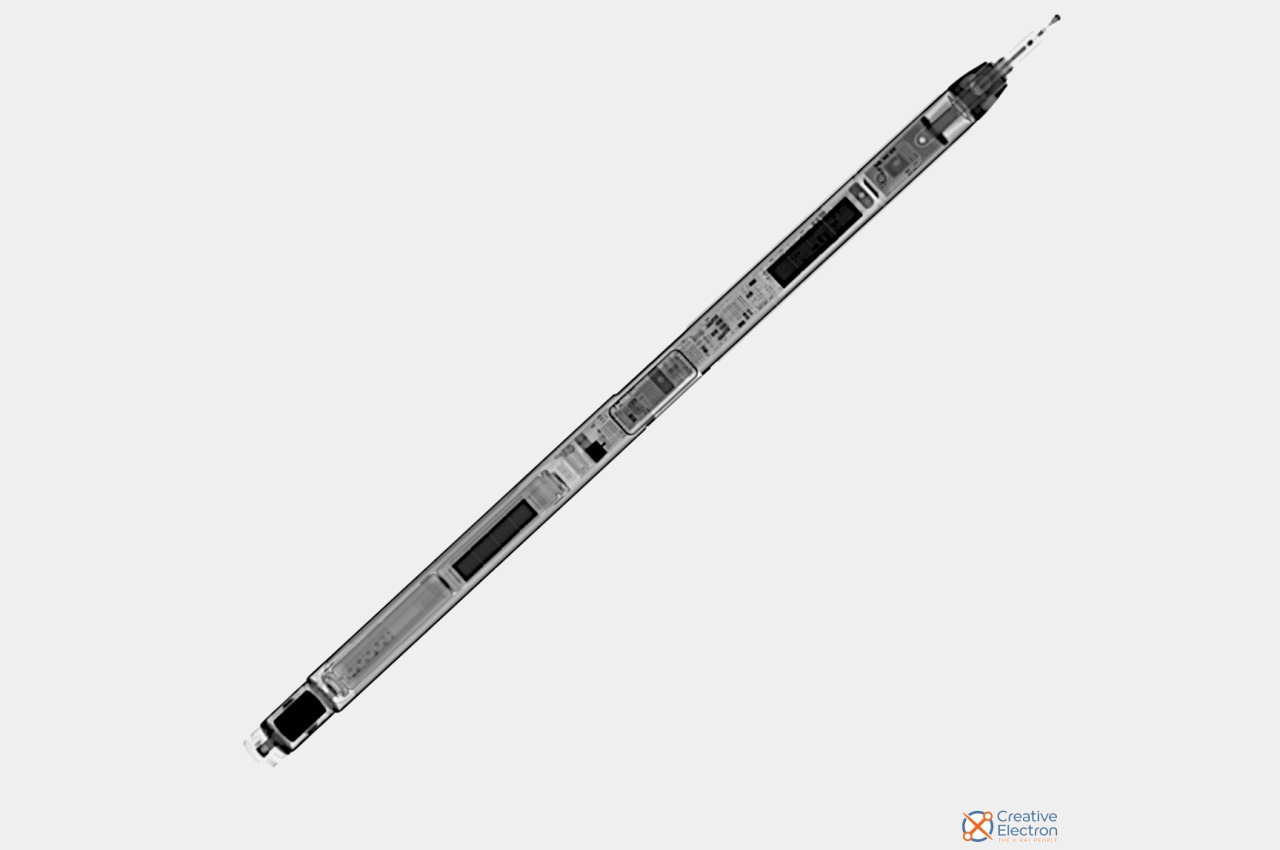
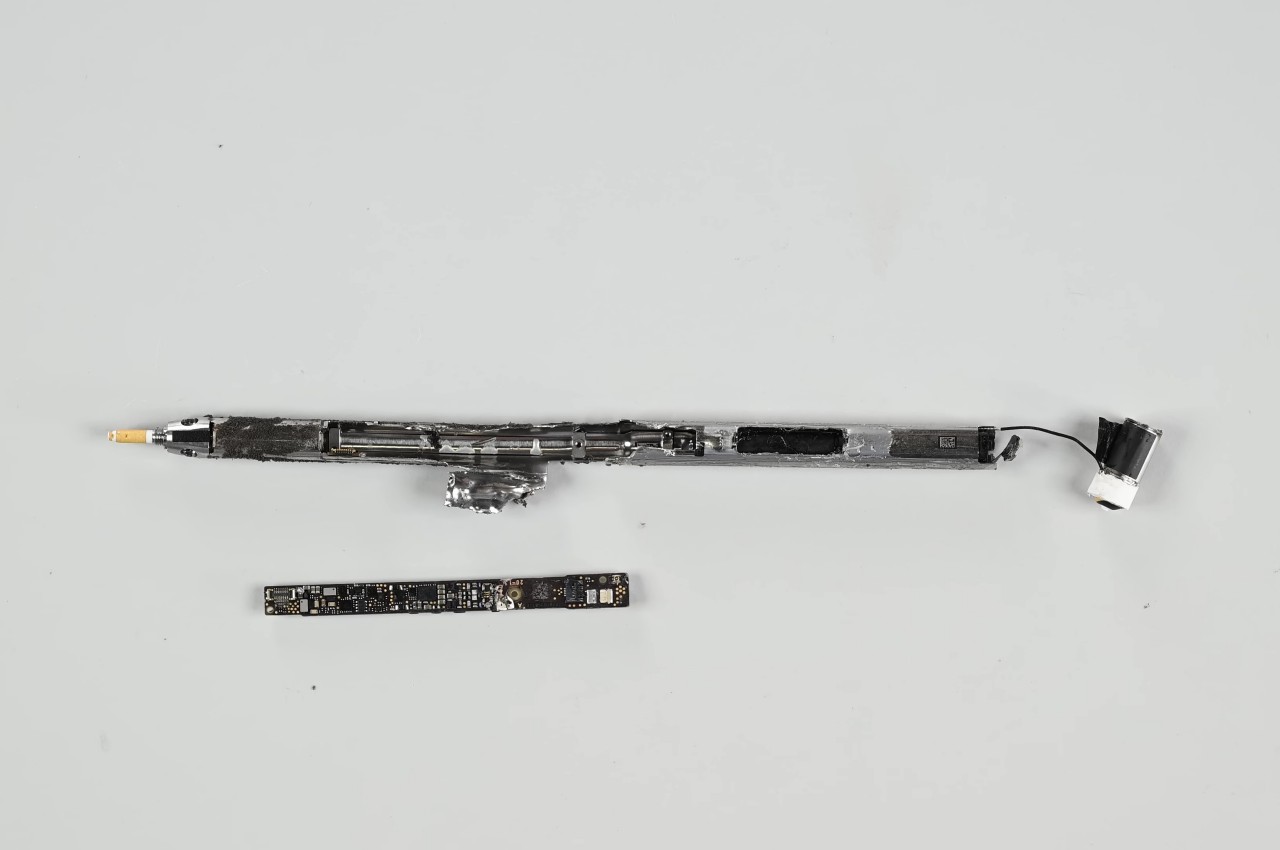
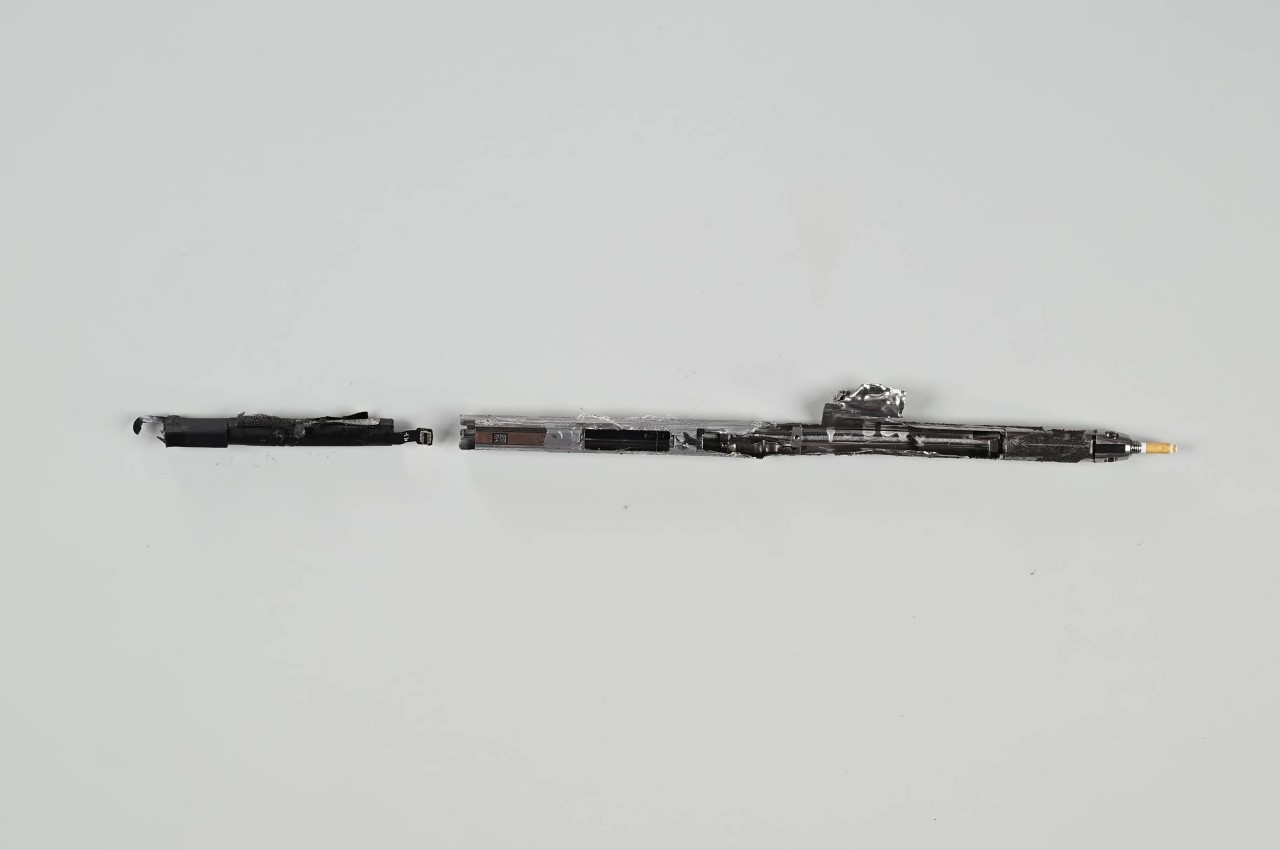
Unfortunately, Apple’s “size zero” design does also come with its drawbacks, like many of the parts now glued down rather than screwed down, just because there’s virtually no space left for screws. And then there’s the new Apple Pencil Pro that’s still an expensive disposable accessory as far as repairability is concerned. All in all, the M4 iPad Pro represents a significant step forward for Apple when it comes to making the tablet a more sustainable option on top of being one of the best of its kind.
Amidst global concerns of exceeding the Earth’s capacity, upcycling has gained prominence as a solution, driven by conscious consumption and the circular economy’s principles. Upcycling helps reduce the amount of waste that would have made it to the landfills and repurposes items that would have been discarded, giving them a second life without degradation. It facilitates two out of the three Rs of recycling: REDUCE and REUSE.
Contrary to common belief, upcycling differs from recycling in that it repurposes materials without sacrificing their original quality. While recycling breaks down materials like plastic, paper, glass, and metal to produce new items, typically of inferior quality, upcycling maintains the integrity of the original materials, providing limitless opportunities to breathe new life into old items.
Upcycling
Upcycling involves gathering products or waste to repurpose or reuse, enhancing their value without breaking them down, thus maintaining their original characteristics, strength, and durability. This approach avoids any degradation of the material or product. Materials such as rubber and denim lend themselves well to upcycling, showcasing their versatility and potential. For instance, turning old jeans into patches for a blanket maintains the integrity of the denim, showcasing upcycling’s creative potential.
Recycling
Recycling involves gathering products or waste for breakdown and transformation into new items, requiring a specific process that can alter the original characteristics of the material or product. Each recycling cycle diminishes the material’s strength, and only certain materials are suitable for recycling; for instance, rubber presents challenges in the recycling process.
What are the different categories of upcycled products?
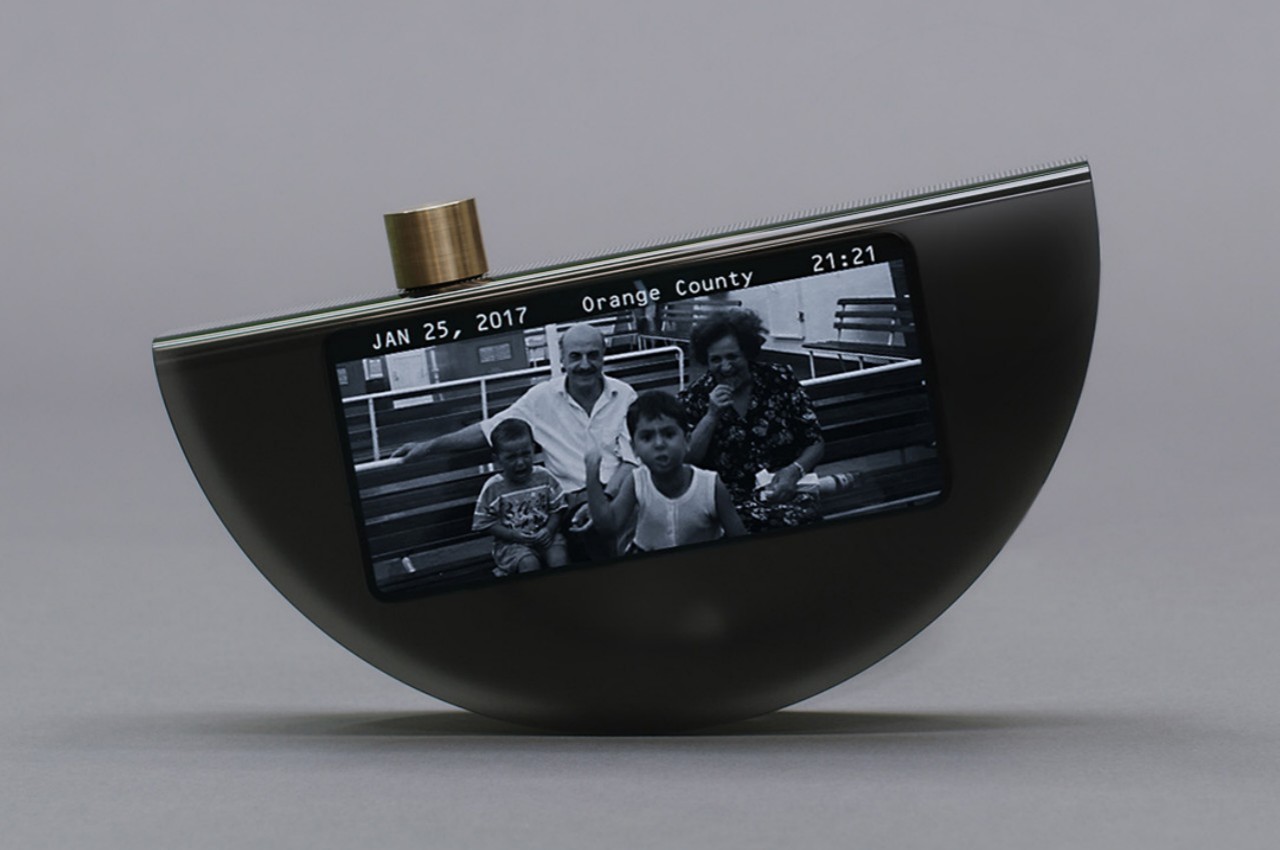
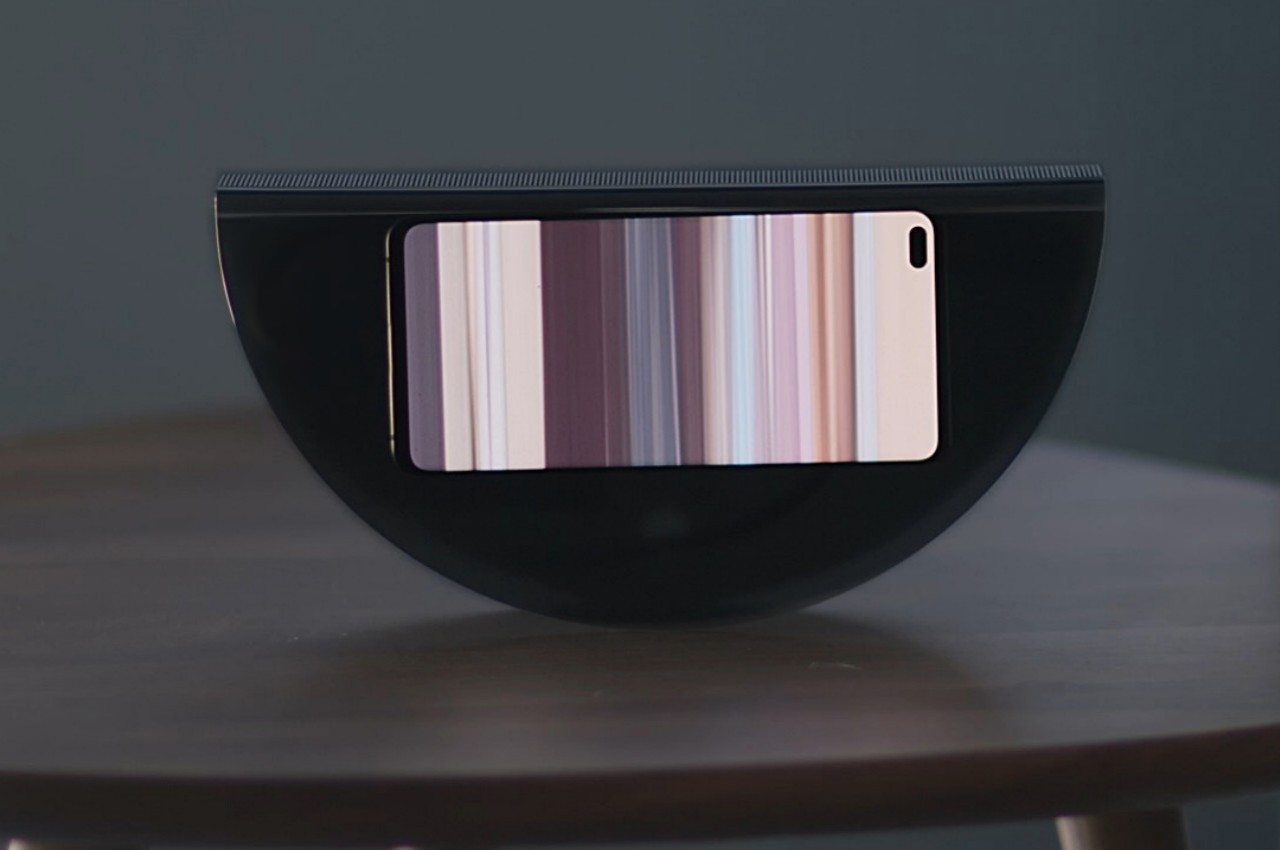
Mobile devices like smartphones and tablets are now ubiquitous, yet their disposal poses environmental risks due to improper handling. Project Afterlife offers a solution by upcycling old smartphones instead of recycling them. This concept transforms devices into kinetic art objects, enhancing ambiance while conserving energy and resources. The product, resembling a taco-shaped crescent made from recycled plastic, provides an interactive platform for repurposed smartphones. With Project Afterlife, simply tilt the device to switch between different modes, like the “Endless Clock” and the “Timeline” photo stream, without touching the screen. This shows how upcycling helps the environment and makes everyday objects more valuable.
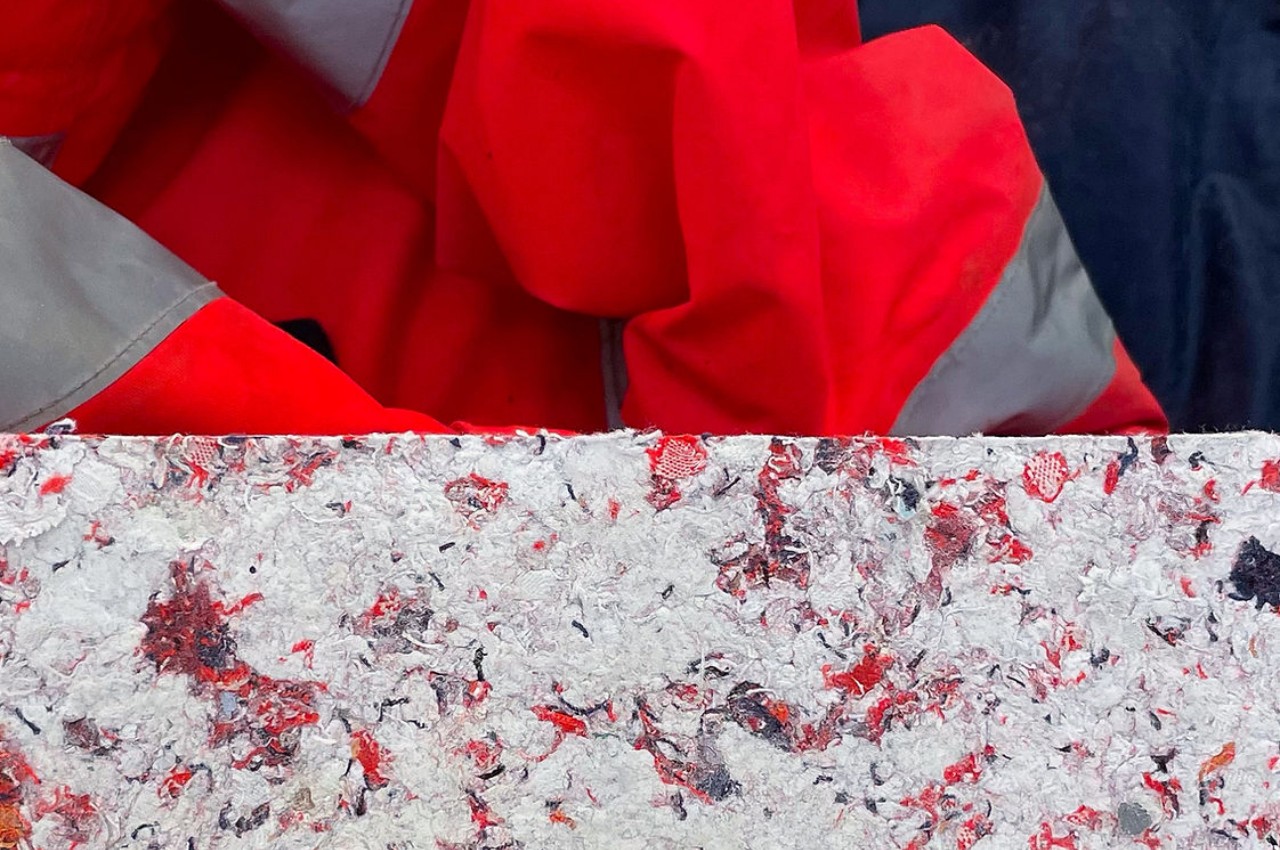
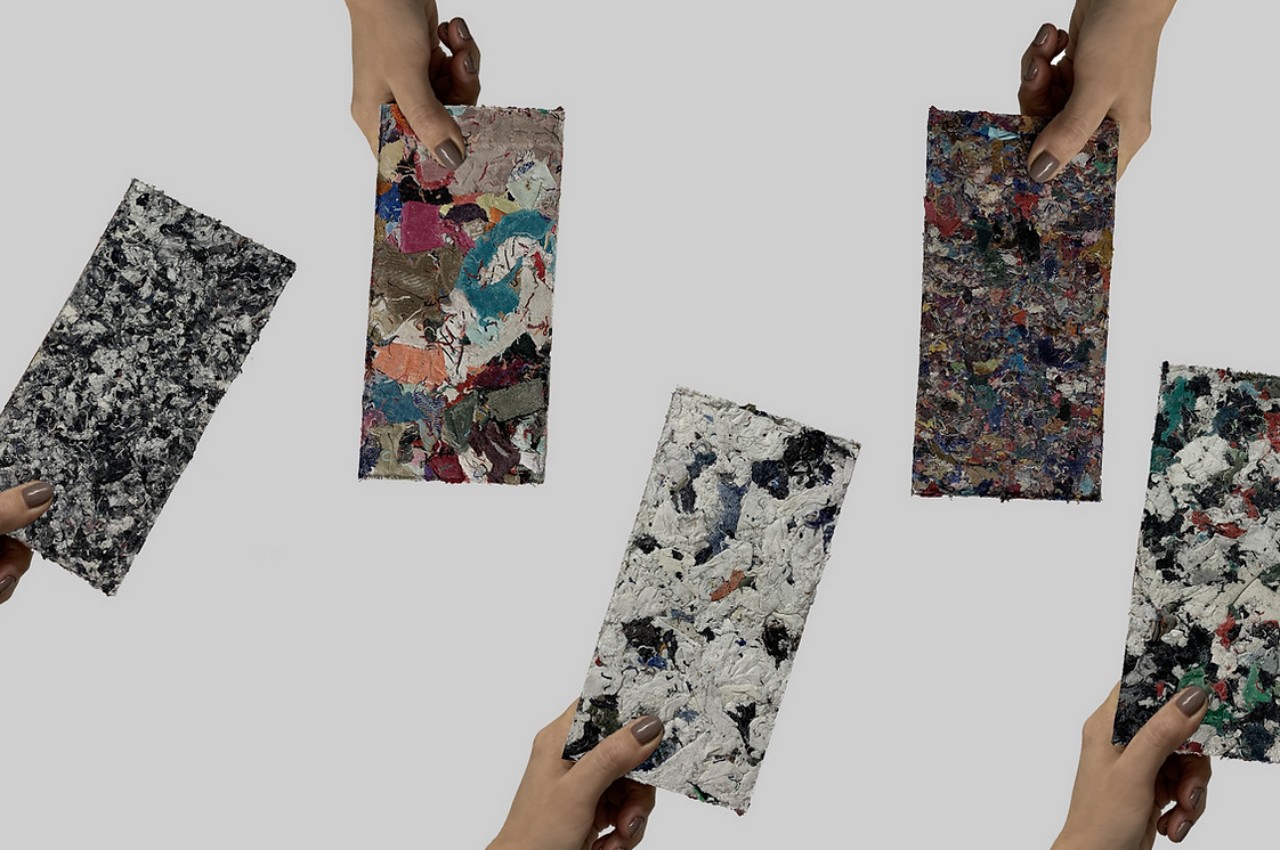
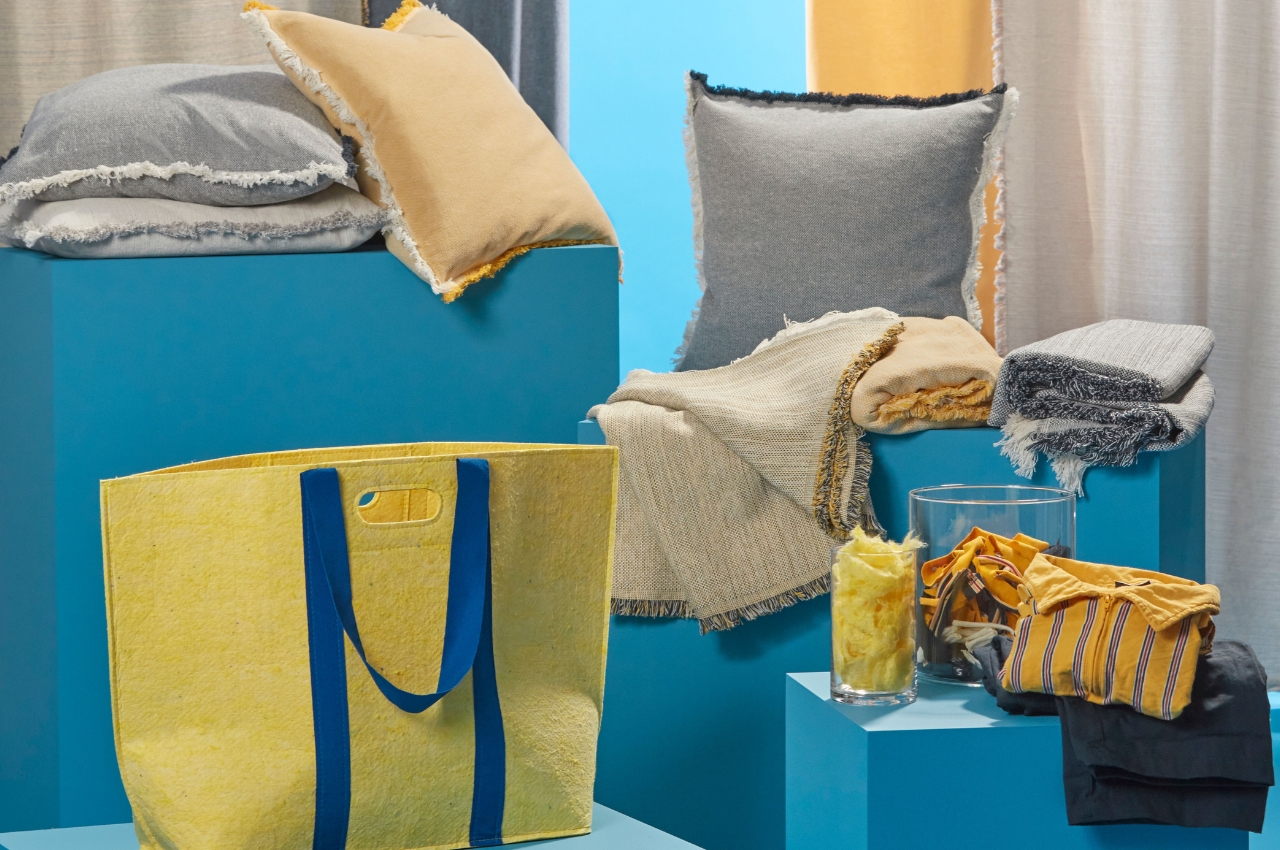
In recent years, there has been a surge in supporting brands that prioritize sustainability, including upcycling and recycling materials. Ikea is joining this trend with their new collection, VÄXELBRUK, made from recycled coworker uniforms. This innovative line features 16 textile-based items, blending old uniforms with recycled materials like polyester from PET bottles. By repurposing these materials, Ikea reduces waste and offers stylish, eco-friendly products. The collection showcases how sustainability and style can go hand in hand.
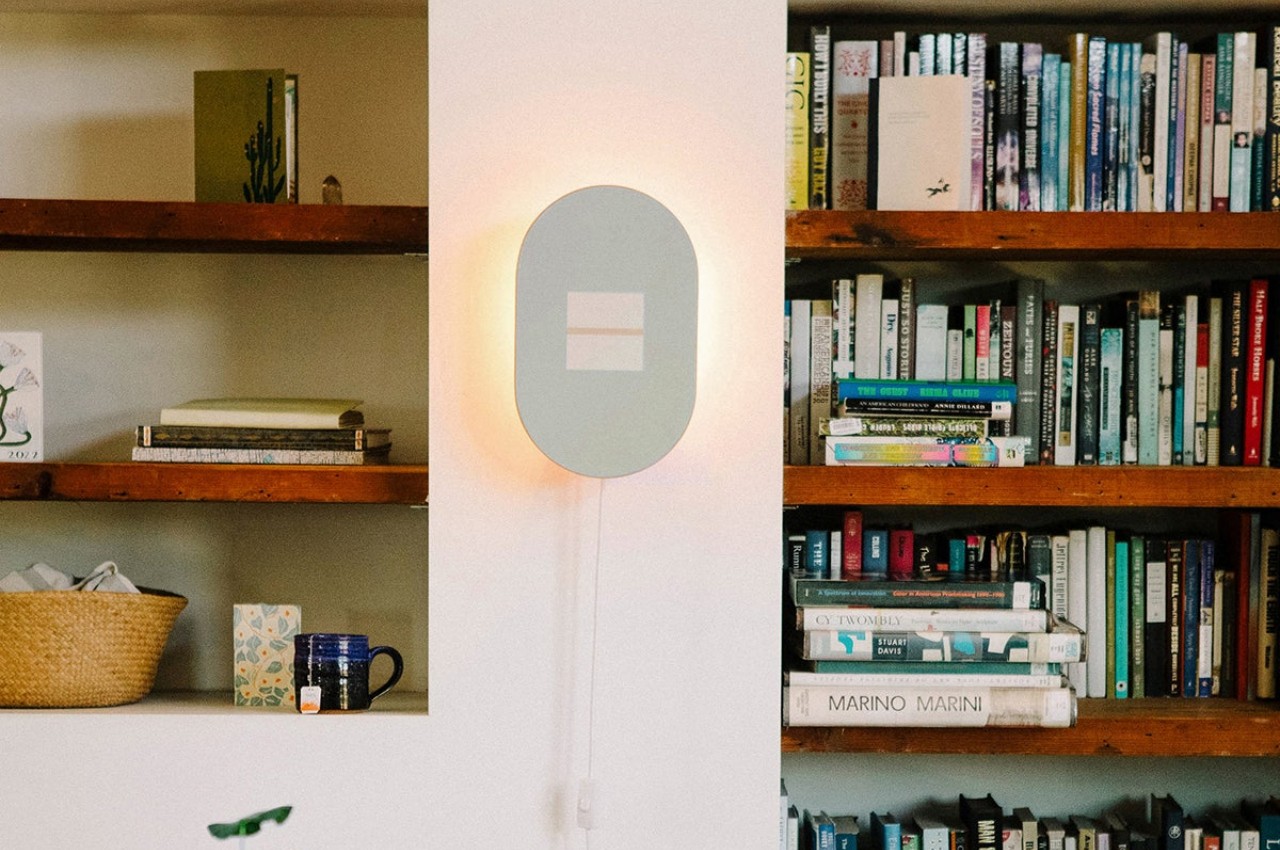
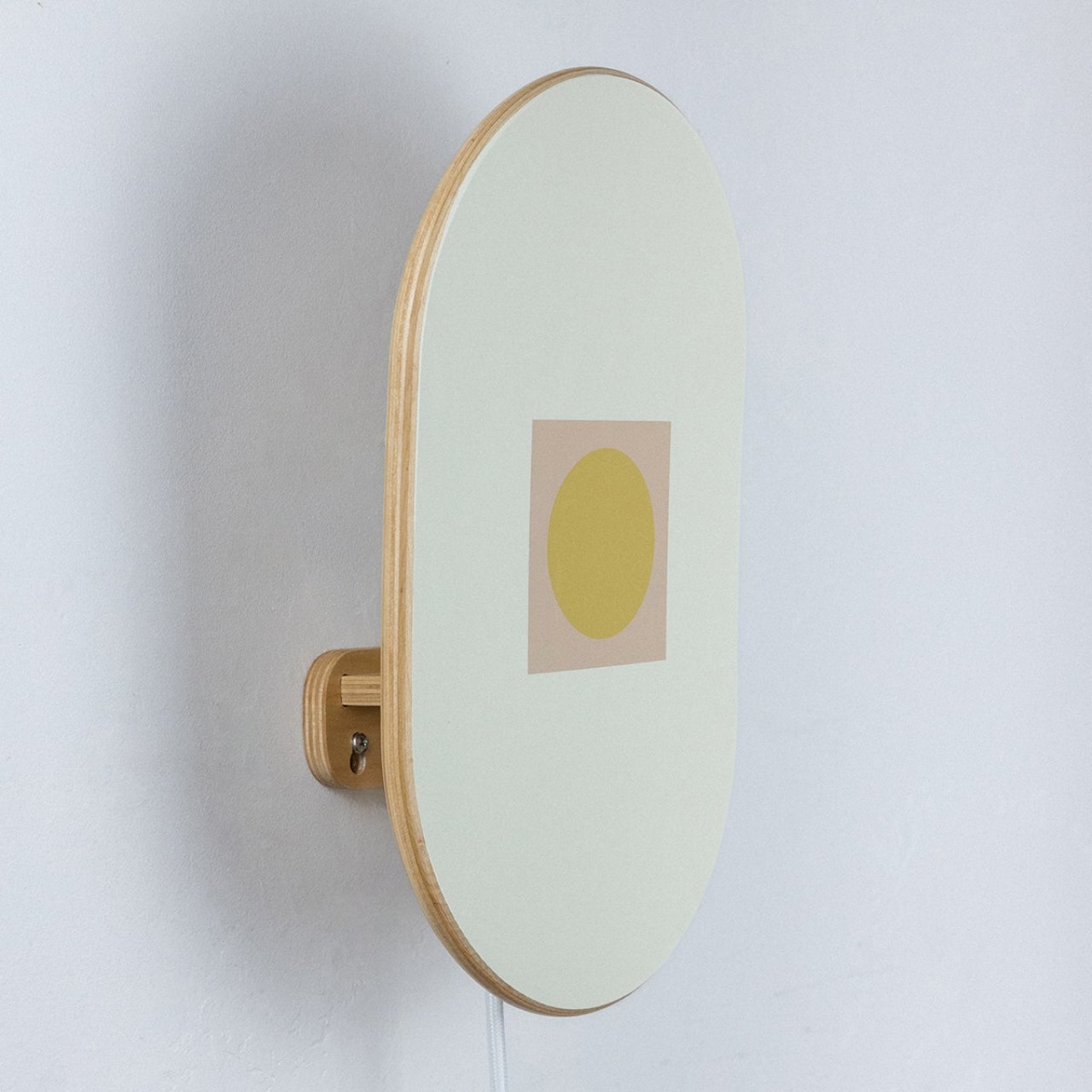
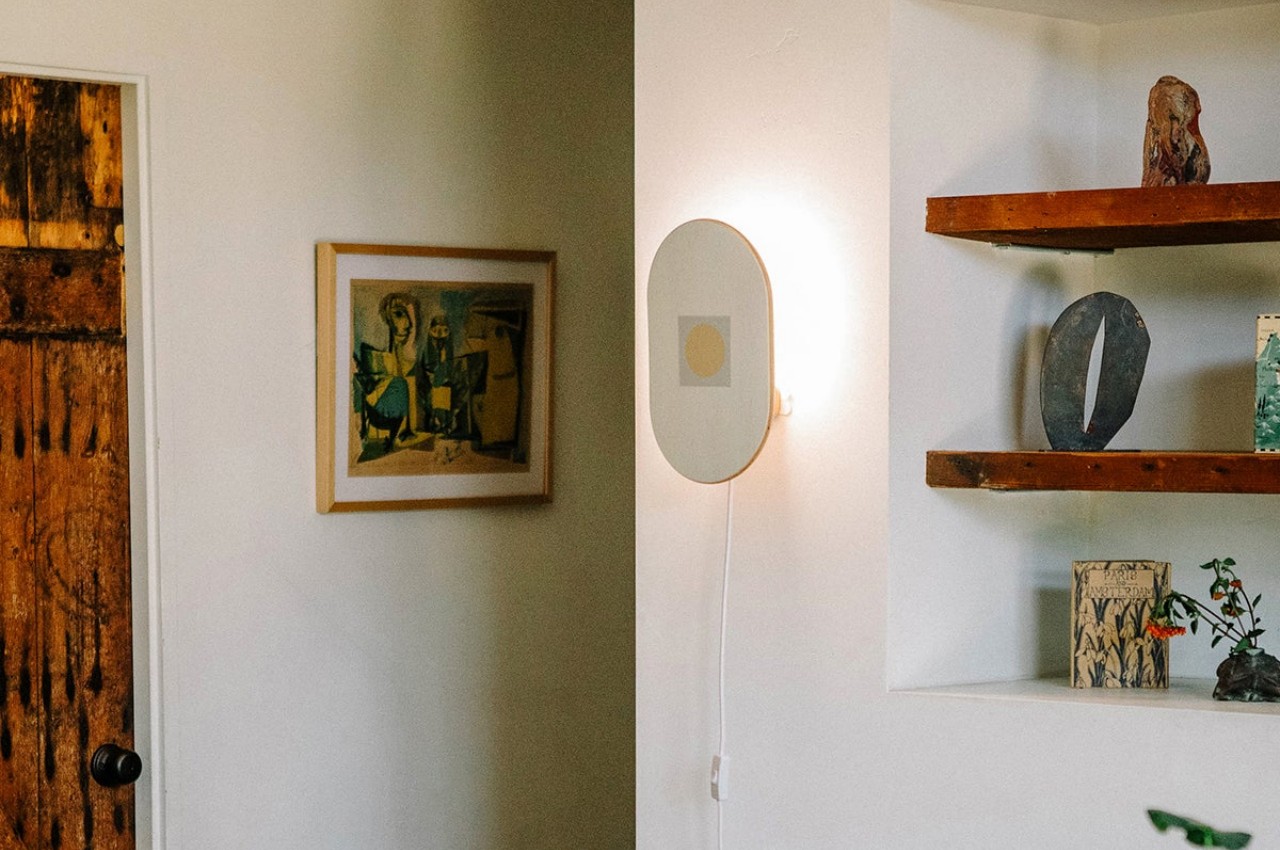
Recycling reduces landfill waste but can be energy-intensive and alter original designs. Upcycling offers a more efficient option, yet not all materials suit it. For example, discarded skateboard decks are transformed into stylish wall lamps named Heru, Cuna, and Mara. Reshaped into shorter ovals, paired with lighting hardware, and adorned with original artwork, these lamps emit a warm glow, serving as both illumination and minimalist decor, defying their original purpose.
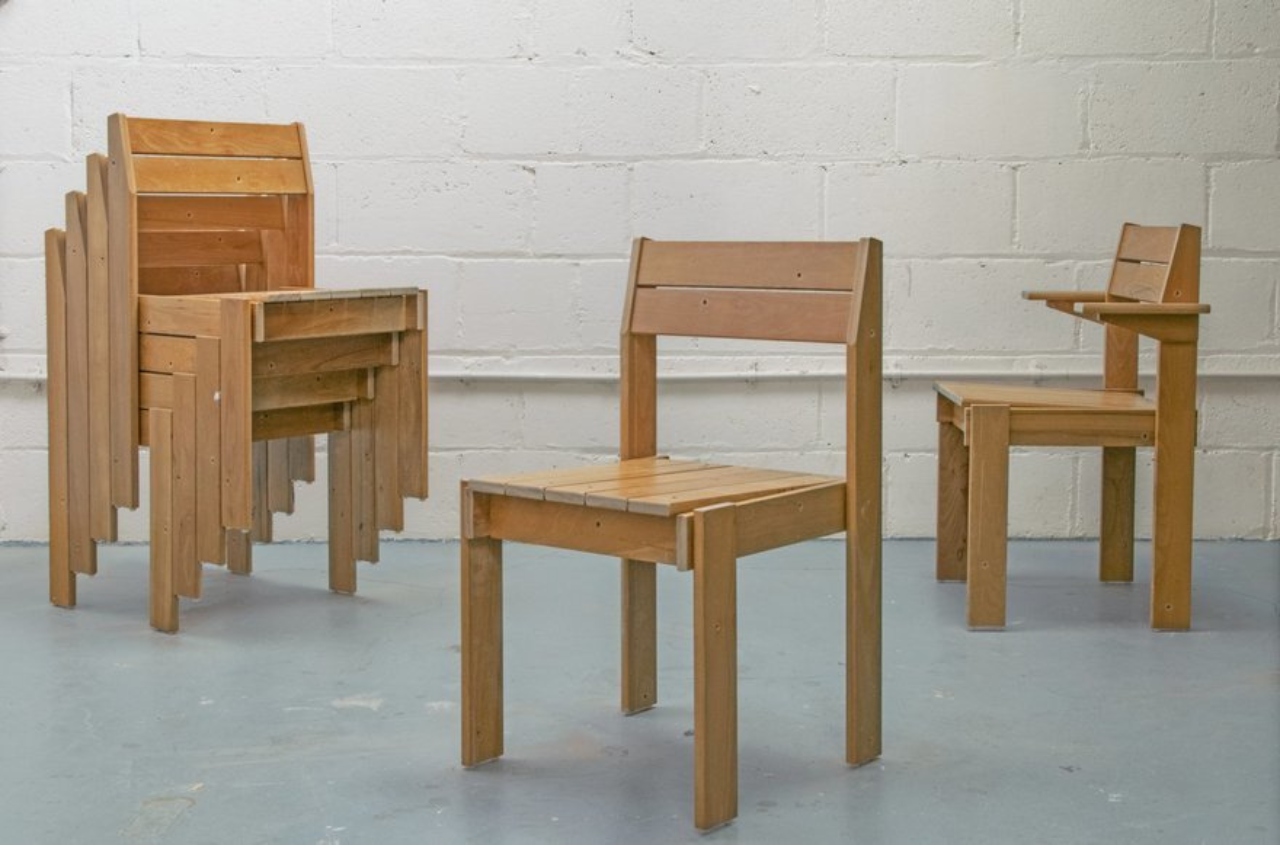
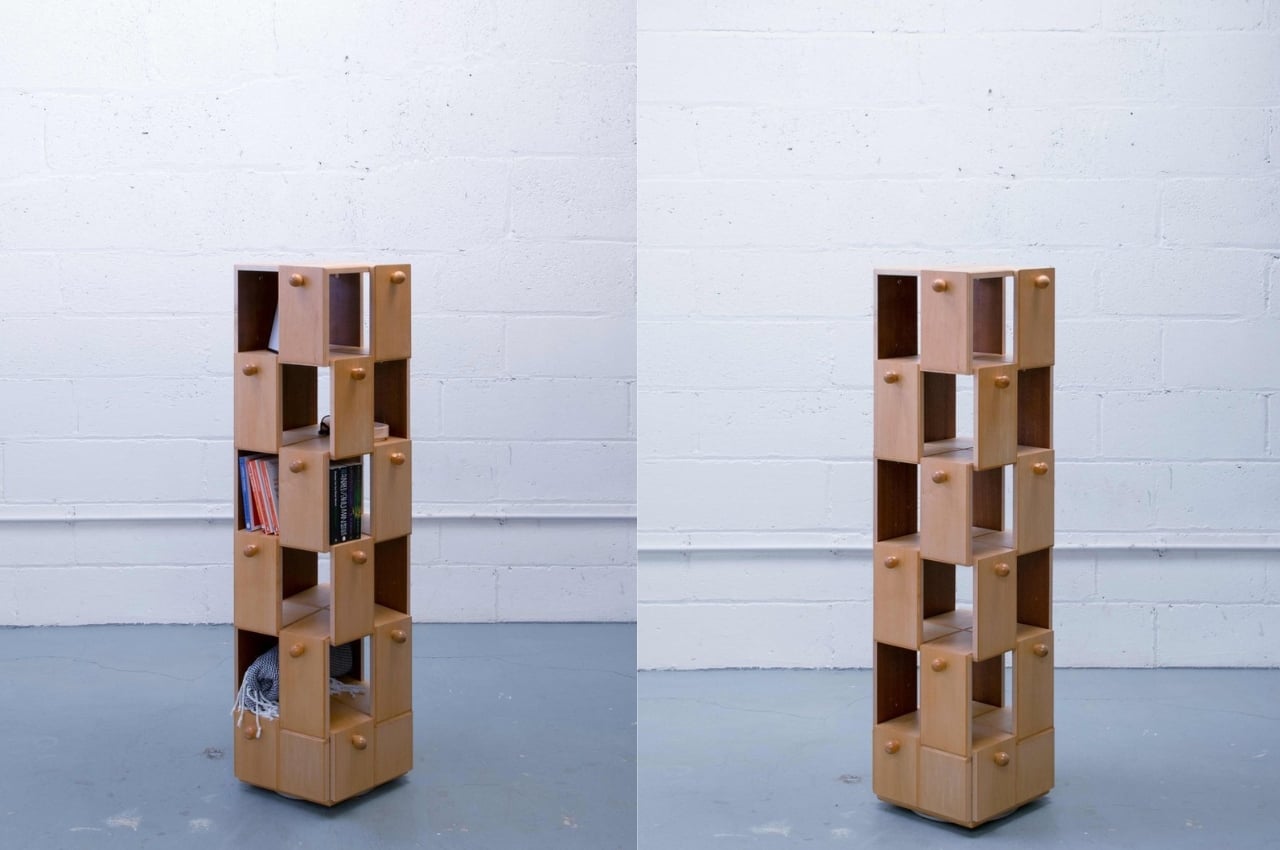
During renovations, some opt to discard furniture instead of considering recycling. However, awareness of consumption and disposal is growing, leading to projects that repurpose items. Oxford Brookes University planned to landfill furniture during dorm renovations, but a student proposed the Upscaling Upcycling project. Disassembling existing furniture, Kurzmann created new designs, such as stackable stools and chairs from old bedframes and drawers. These pieces are well-designed and practical, showcasing the potential of upcycling to save resources and create useful furnishings.
5. PET Bottles
Polyethylene terephthalate (PET) plastic, known for its durability and lightweight nature, is commonly utilized in manufacturing containers for the food and beverage, pharmaceutical, and personal care sectors.
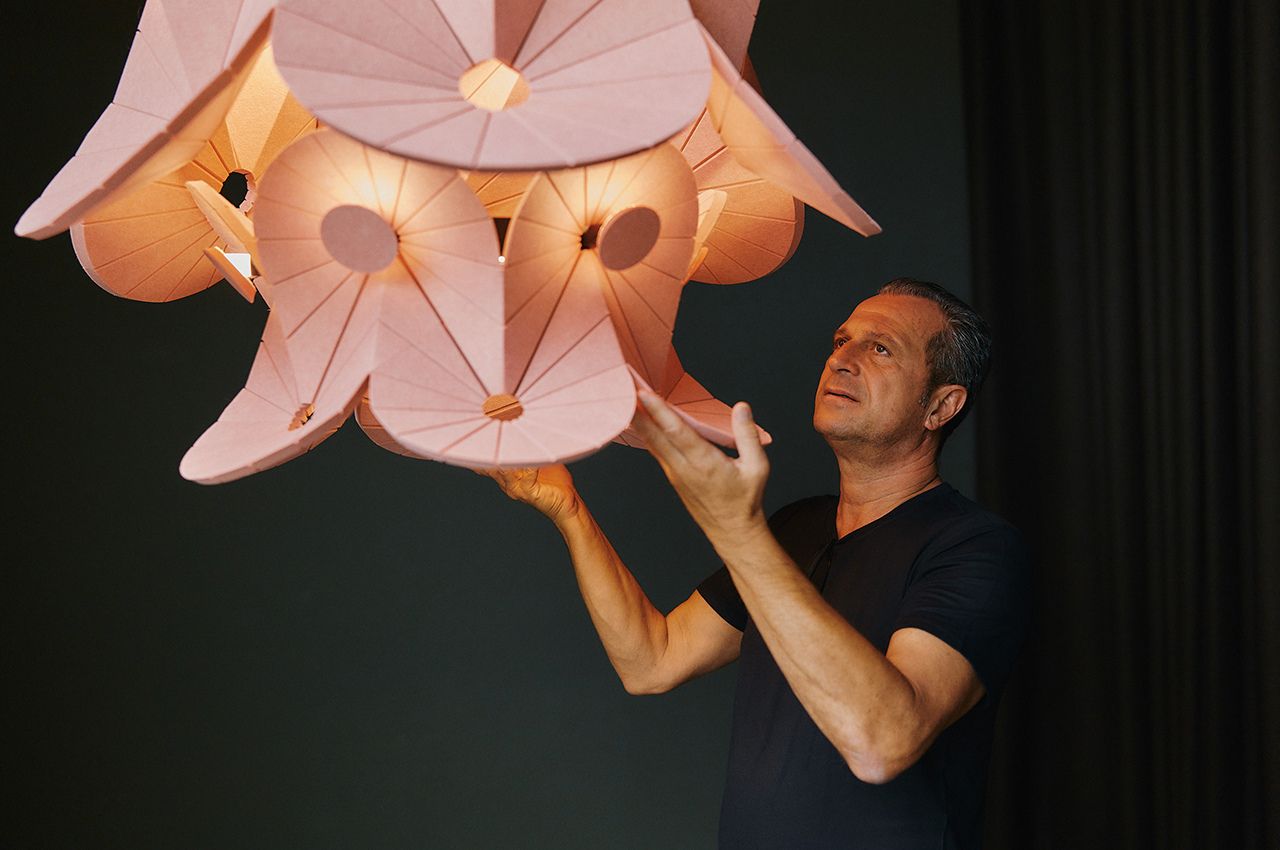
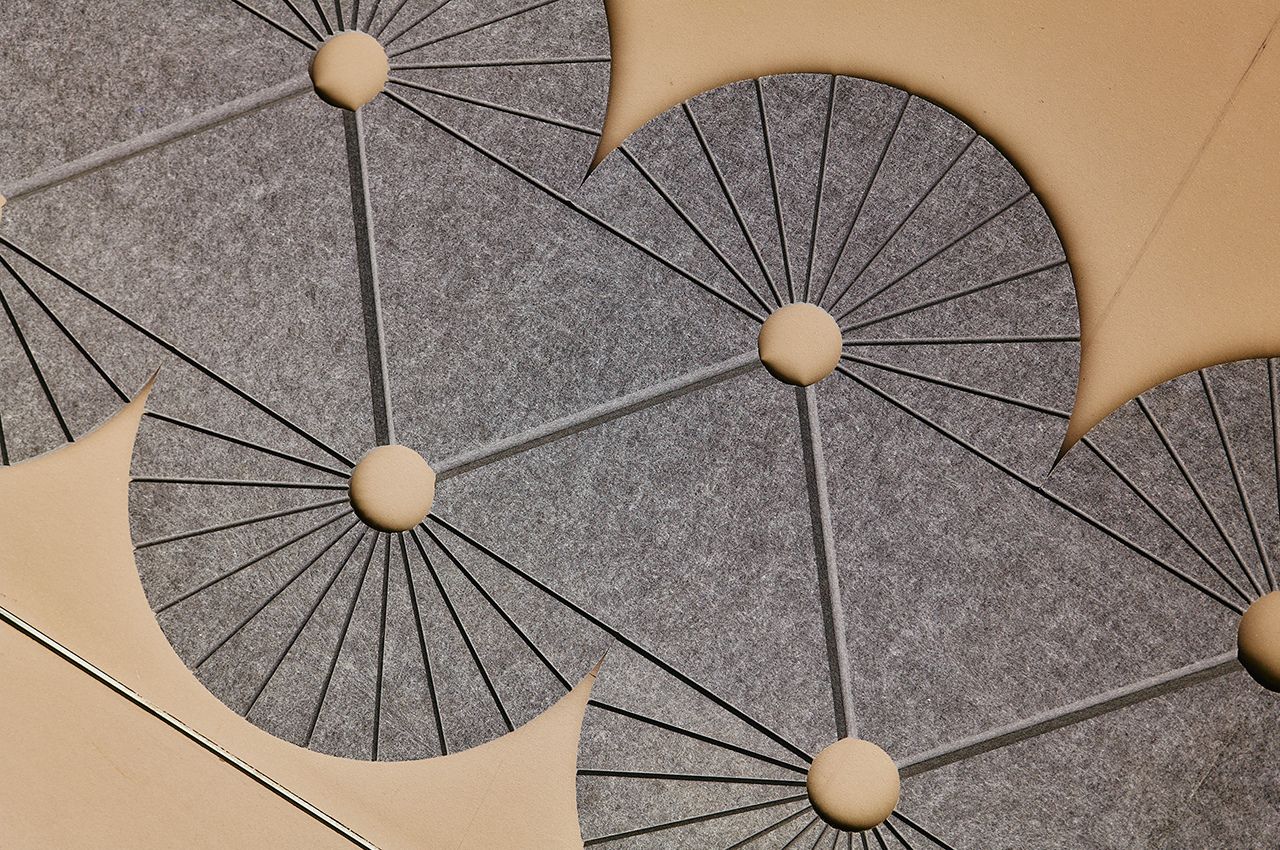
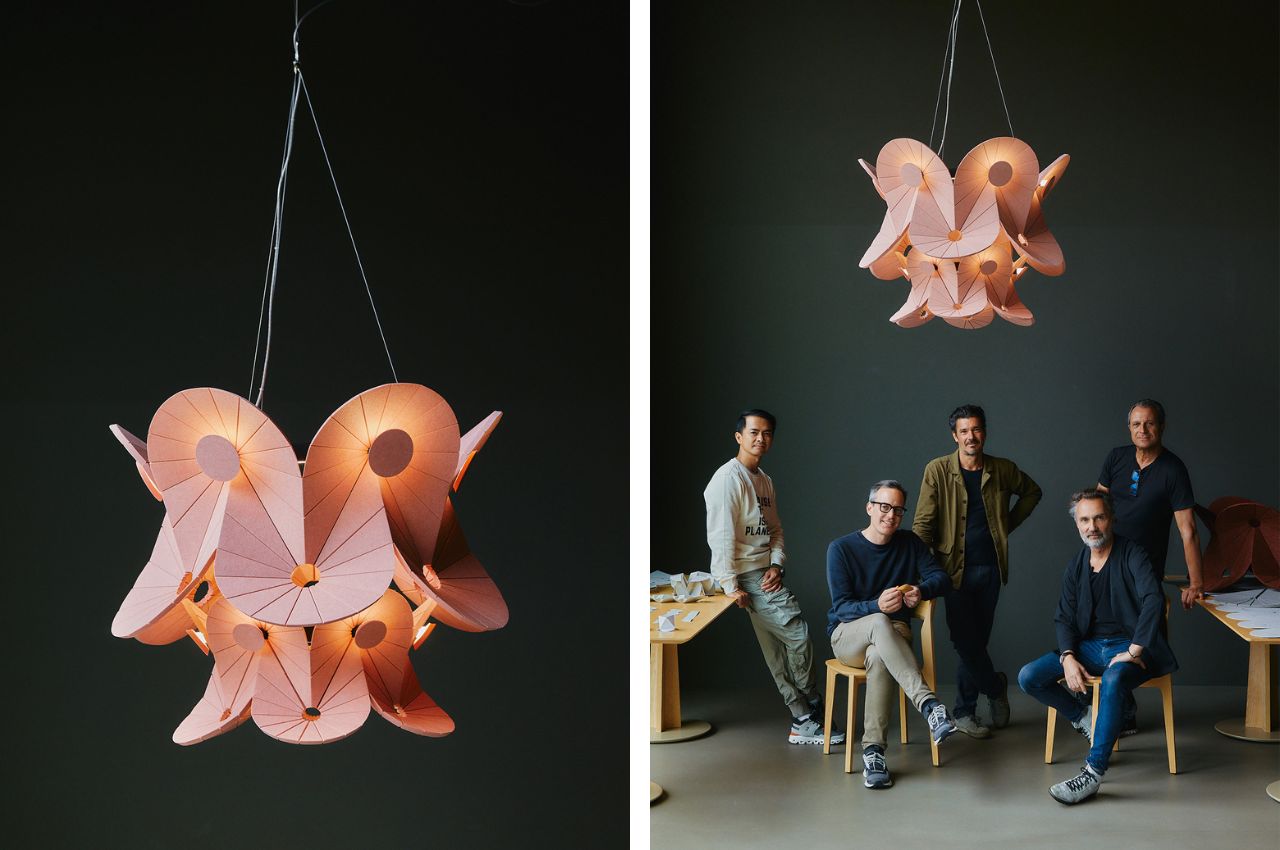
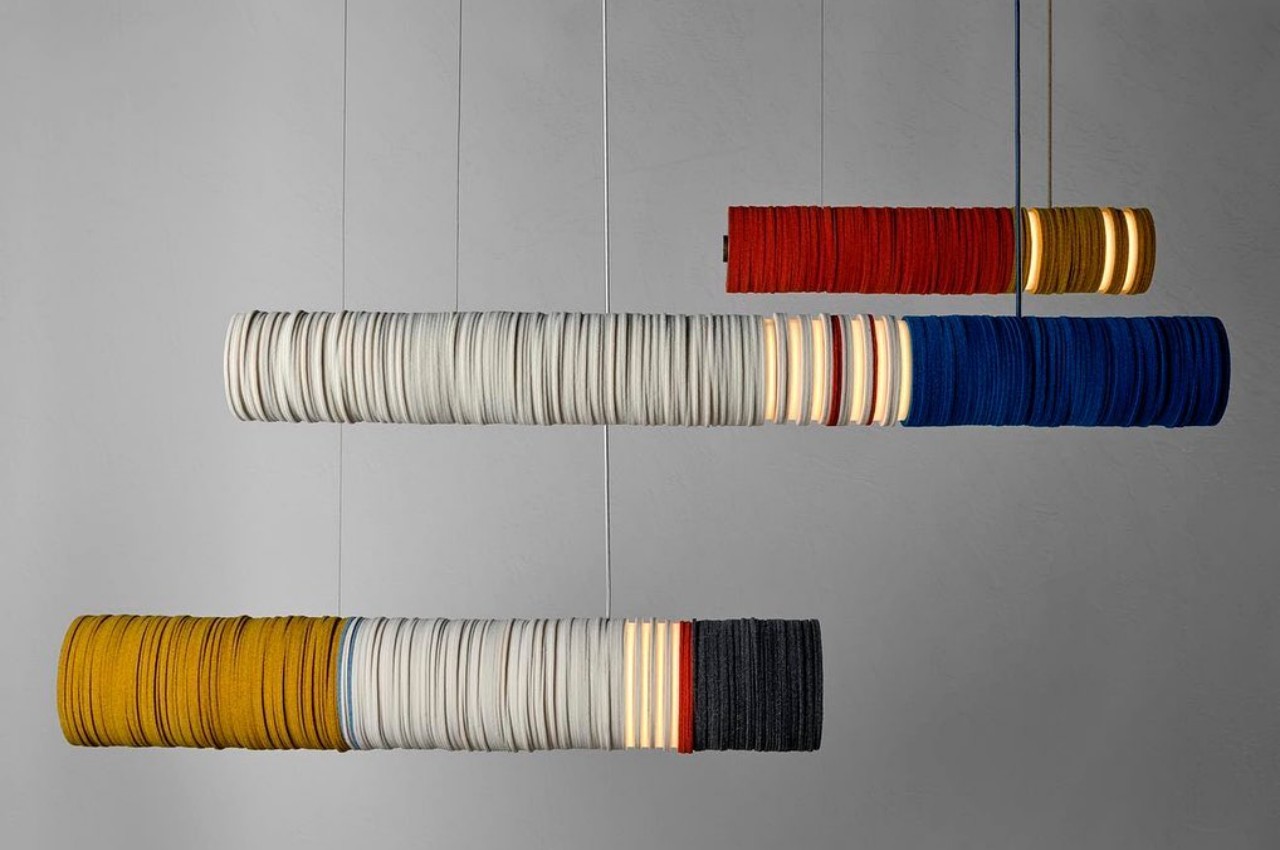
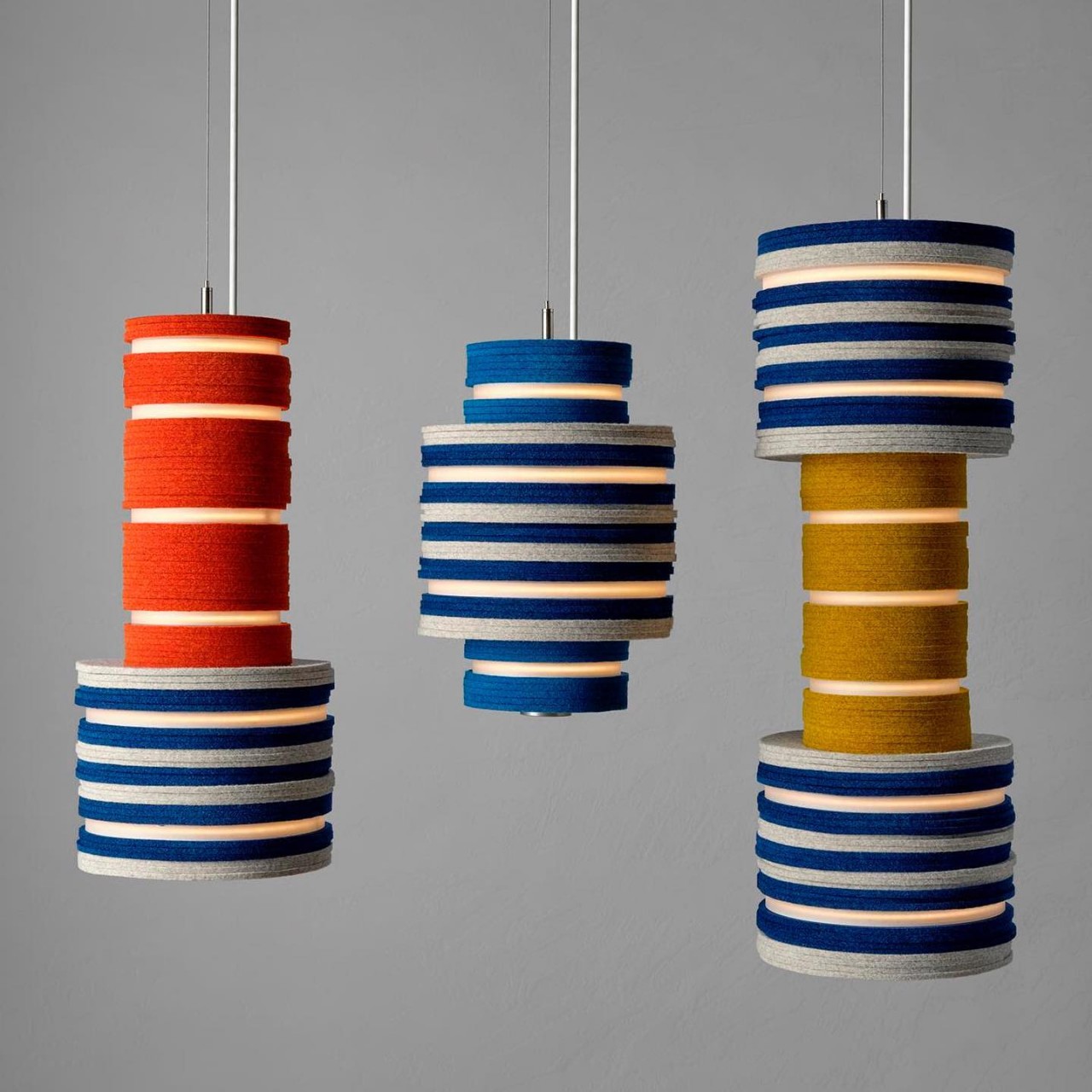
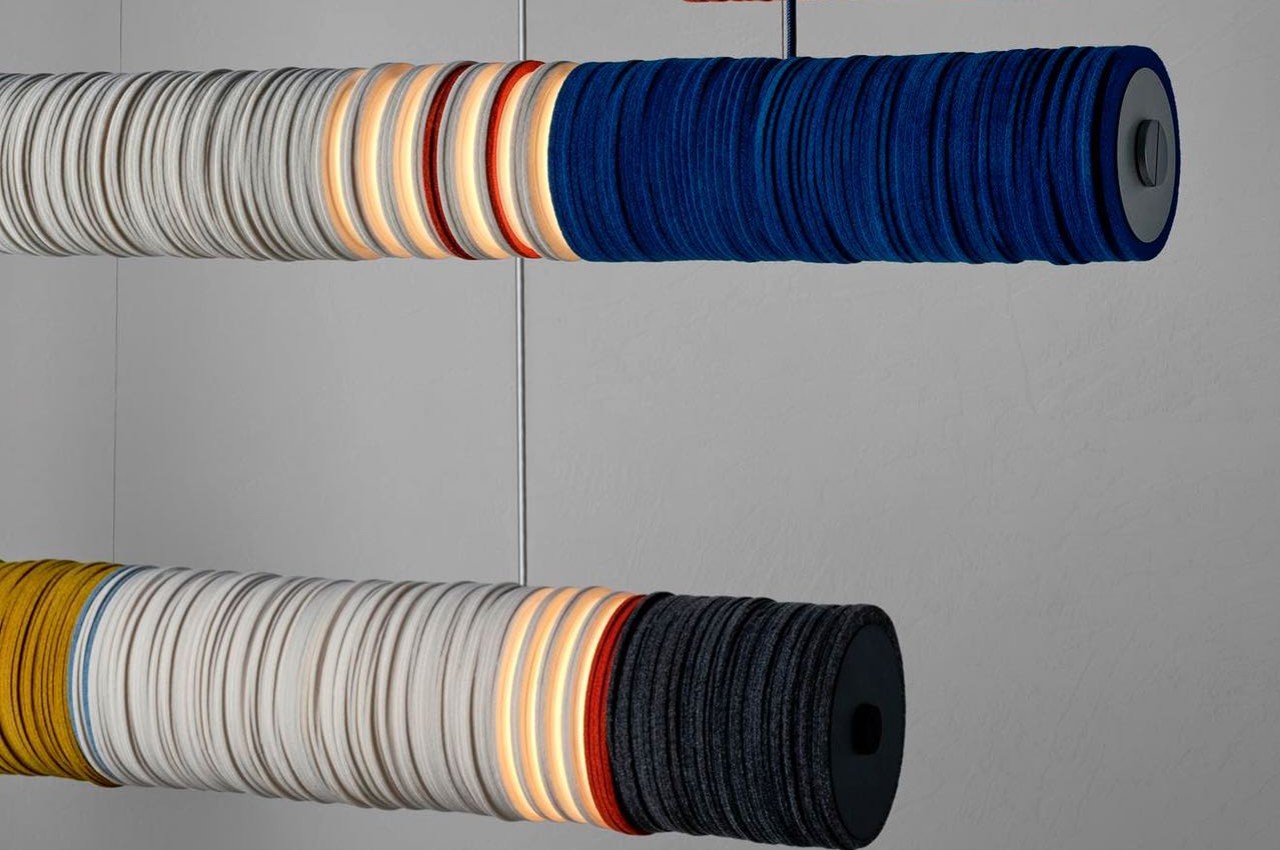
At the core of Oloïd’s innovative design is Archisonic Felt, a high-performance sustainable acoustic absorber made from upcycled PET bottles. Crafted from Archisonic Felt, Oloïd, a sustainable acoustic luminaire resulting from the collaboration between Impact Acoustic and atelier oï, exemplifies the fusion of functionality and artistic expression in modern design. This versatile material offers exceptional sound absorption while redefining the interaction between light and sound. Its Cradle-to-Cradle certification and LEED accreditation underscore its eco-friendly credentials. With 32 captivating colors curated from the Archisonic Felt range, Oloïd empowers users to personalize their spaces, seamlessly integrating organic shapes that transform two-dimensional panels into captivating three-dimensional entities. This luminaire not only sets a new standard for sound-absorbing luminaires but also stands as a testament to the potential of sustainable design in reshaping illuminated spaces.
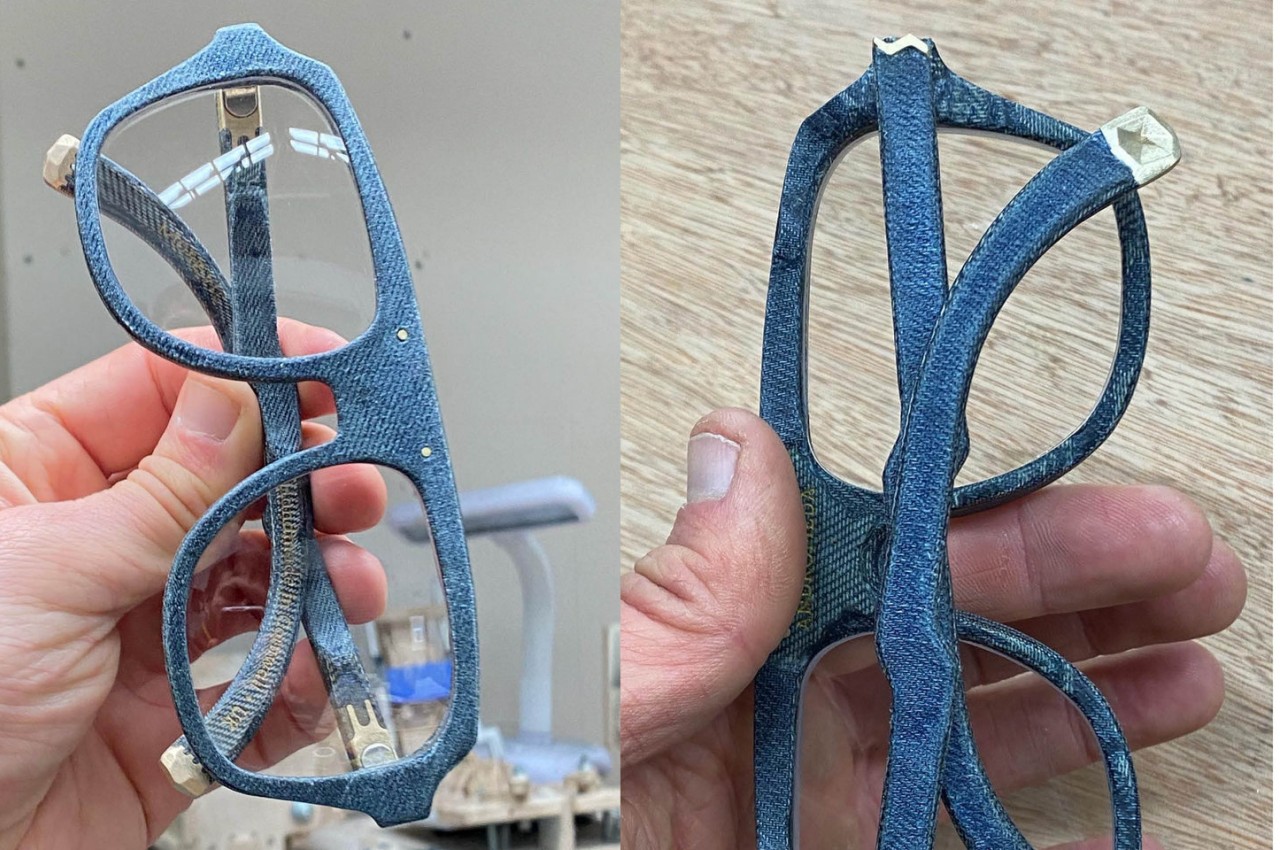
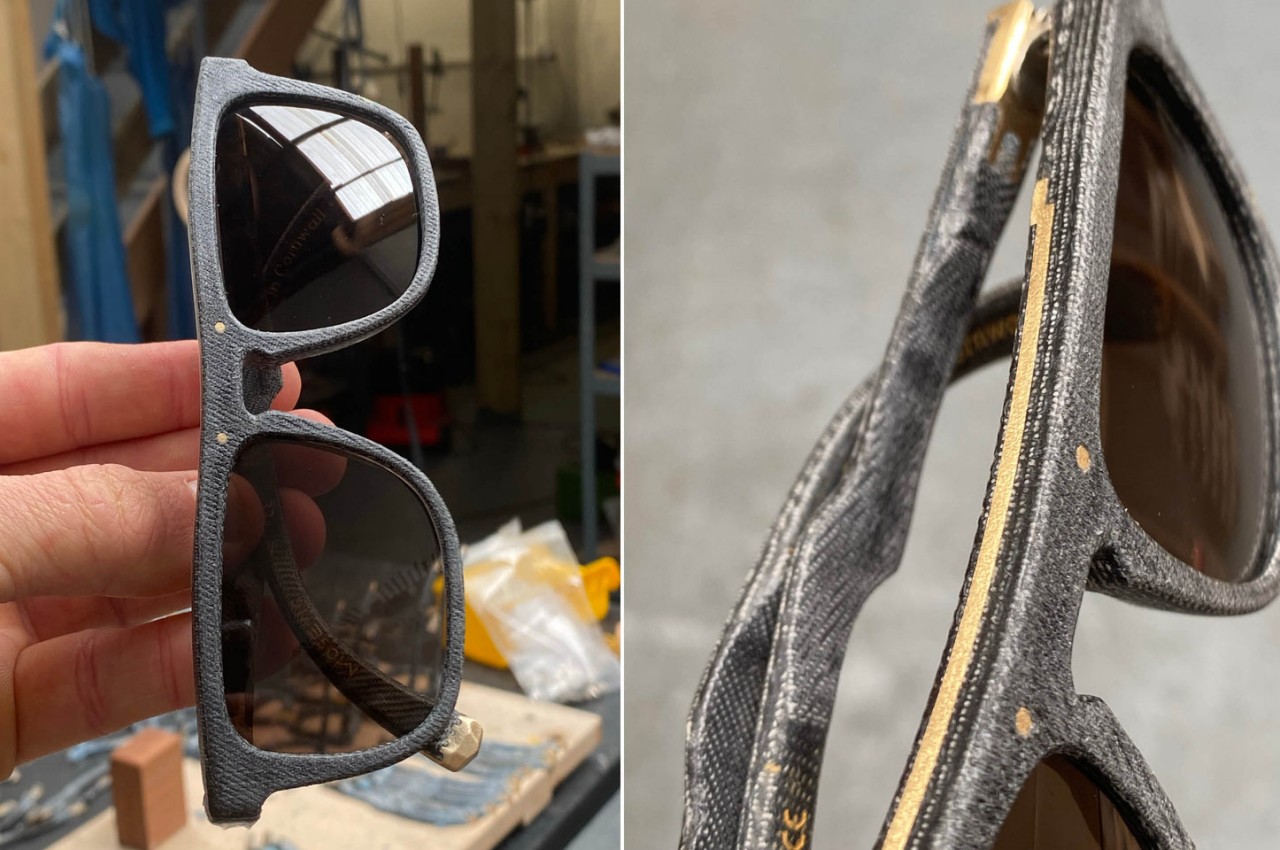
Researchers highlight that producing a single pair of jeans requires a staggering 7,600 liters of water, prompting global concern among ecologists about denim’s environmental impact. Textile production, notably denim, contributes significantly to water consumption, energy usage, and landfill overflow due to non-biodegradable fibers like synthetics. While recycling remains an underutilized option, upcycling emerges as a promising solution, exemplified by startups transforming old jeans into stylish sunglasses. Mosevic pioneers denim waste reduction by infusing waste denim with bio-resin to craft durable “Solid Denim” sunglasses, adorned with a natural wax finish for longevity. Despite sustainability challenges, initiatives aim to upscale production and inspire similar textile waste solutions.
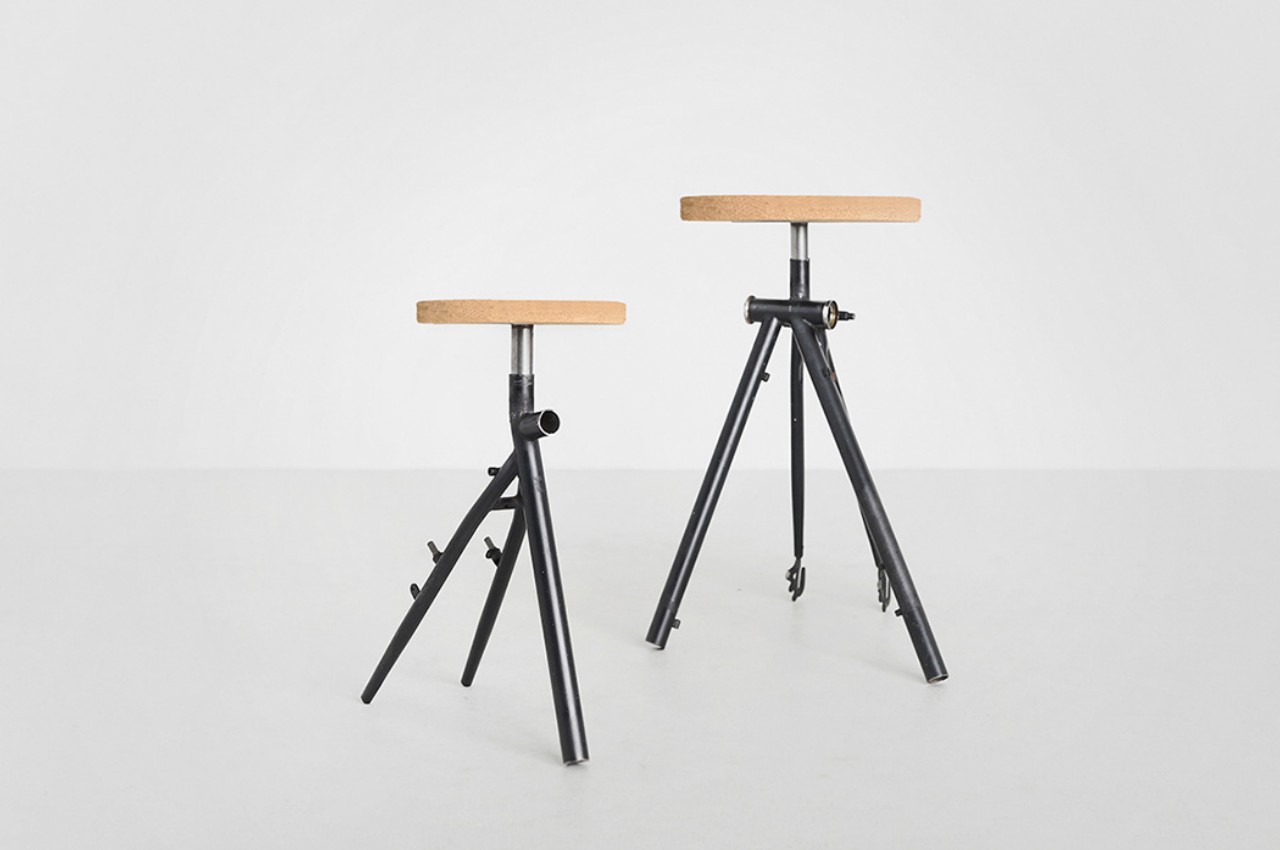
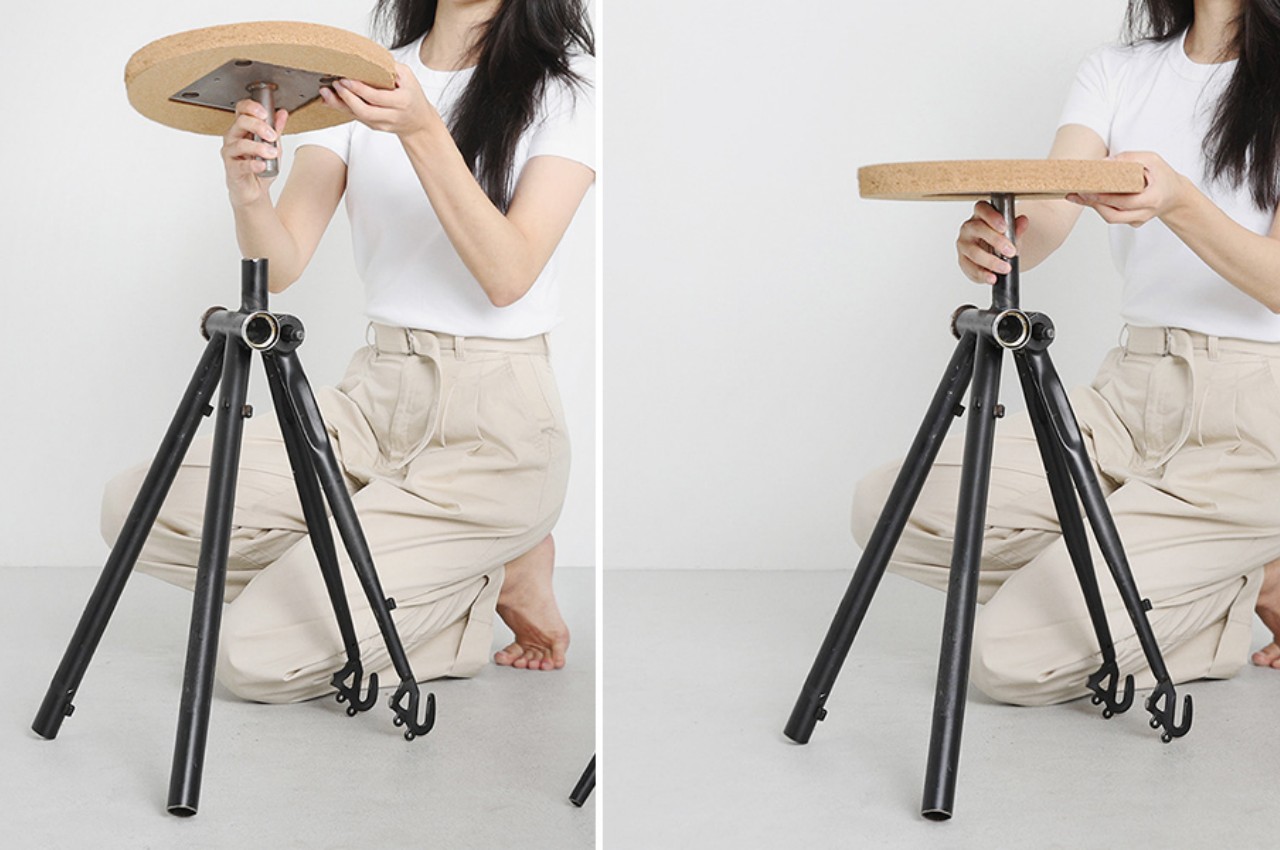
The 2 Stools from 1 Bicycle project repurposes old bike frames to create unique and functional stools. Each stool features a distinctive design with slanted legs reminiscent of the original bike frames, giving them a striking appearance. One stool has three legs, while the other has four, adding to their individuality. The seat is crafted from recyclable cork, in line with the project’s sustainability mission. These stools not only offer practicality and convenience but also allow people to give sentimental objects like old bikes a new lease on life. With their unconventional aesthetics and eco-friendly materials, these stools are both functional and visually appealing additions to any space.
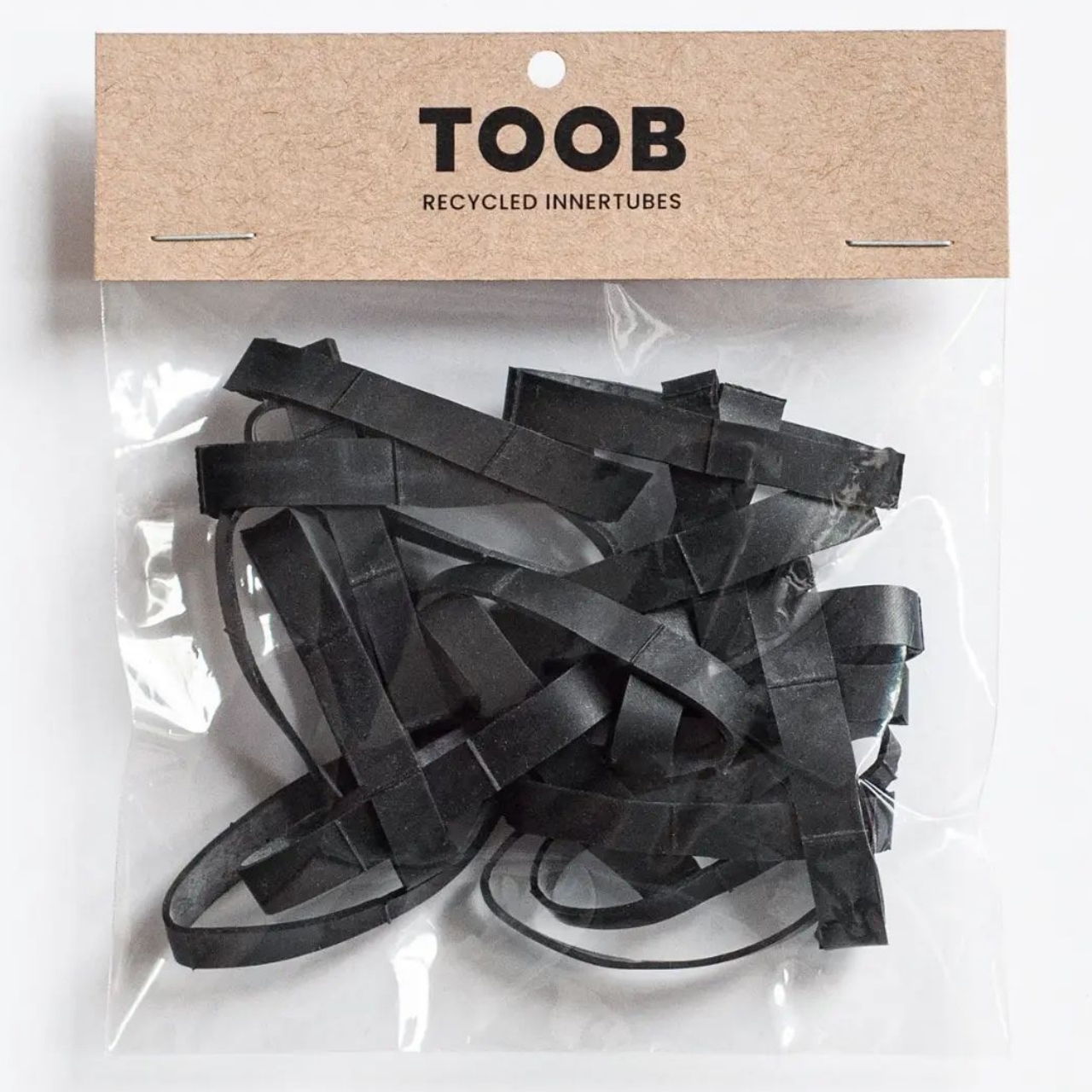
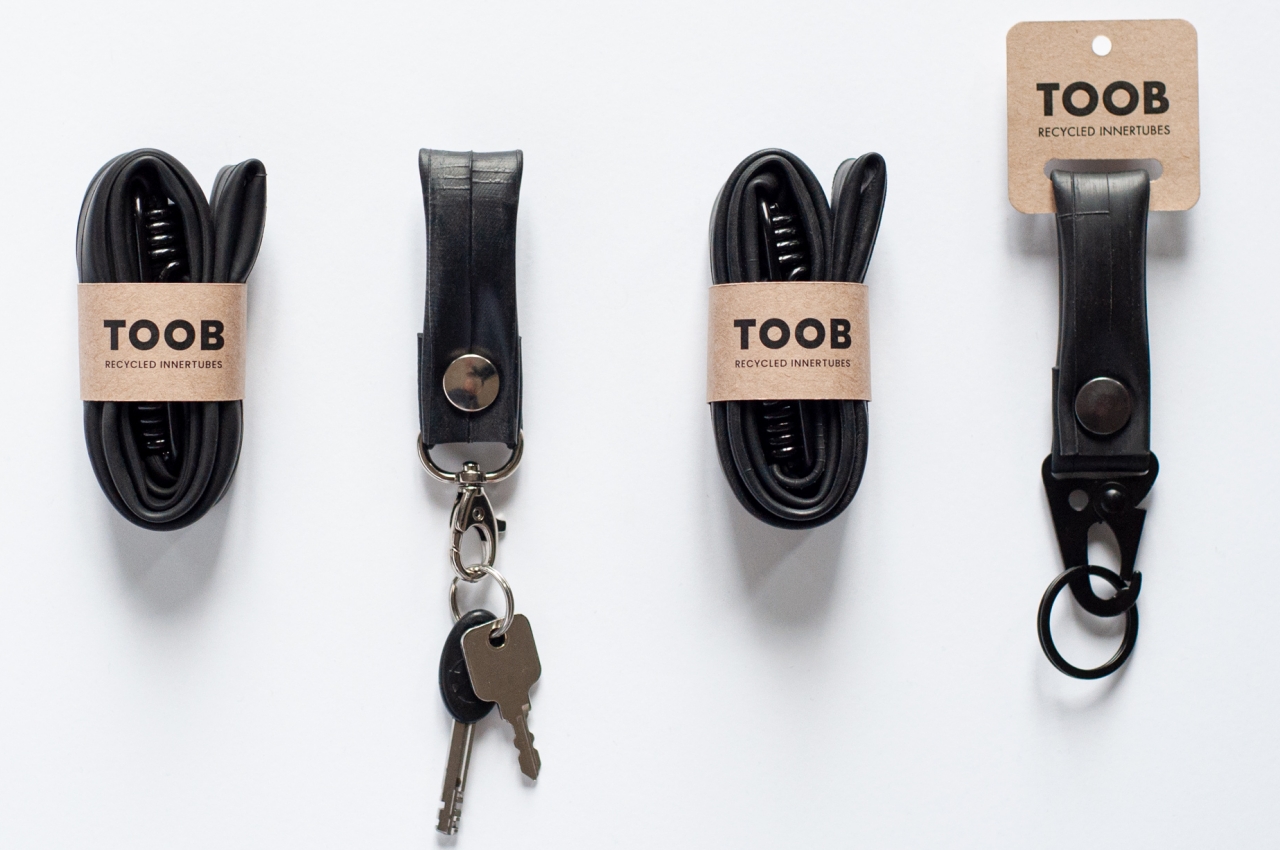
The growing popularity of bicycles in recent years has brought attention to long-standing environmental concerns associated with their components, particularly inner tubes. Despite being more eco-friendly than cars or motorcycles, bicycles still contribute to pollution due to discarded parts like rubber tires and inner tubes. The TOOB accessories line addresses this issue by repurposing useless inner tubes into practical and stylish products. Handpicked from local shops in Tel Aviv, these inner tubes undergo thorough cleaning and inspection before being transformed into items like TOOB Keychains and TOOB Straps. This upcycling initiative not only extends the lifespan of inner tubes but also supports the local bicycle economy. While inner tubes eventually wear out, TOOB’s efforts help postpone their disposal in landfills, offering a temporary solution until more sustainable alternatives are developed.
In manufacturing, there’s often excess material left unused, contributing to environmental concerns. To address this, manufacturers and designers are increasingly focusing on reducing waste and repurposing leftovers. Recycling and upcycling these materials into furniture and lighting fixtures, like Stackabl’s pendant lamps, offer sustainable solutions. Stackabl’s DIY tool allows users to customize their lamps by adjusting parameters such as length and disc diameter, resulting in unique, eco-friendly designs. Incorporating upcycled materials and energy-efficient LEDs, Stackabl emphasizes sustainability while offering personalized lighting solutions.
When you go to coffee shops, public spaces, and even the beach, you’ll probably see people facing their screens and typing away for work or for leisure. The digital nomad and work from anywhere lifestyle is truly upon us. One of the most important things that they need is a power source since not all places have sockets. Of course there’s the pretty common powerbanks to juice up our smartphones but for those that need something a bit heavier in terms of power, there are only a few options out there.
Designers: Sam Hecht and Kim Colin of Industrial Facility
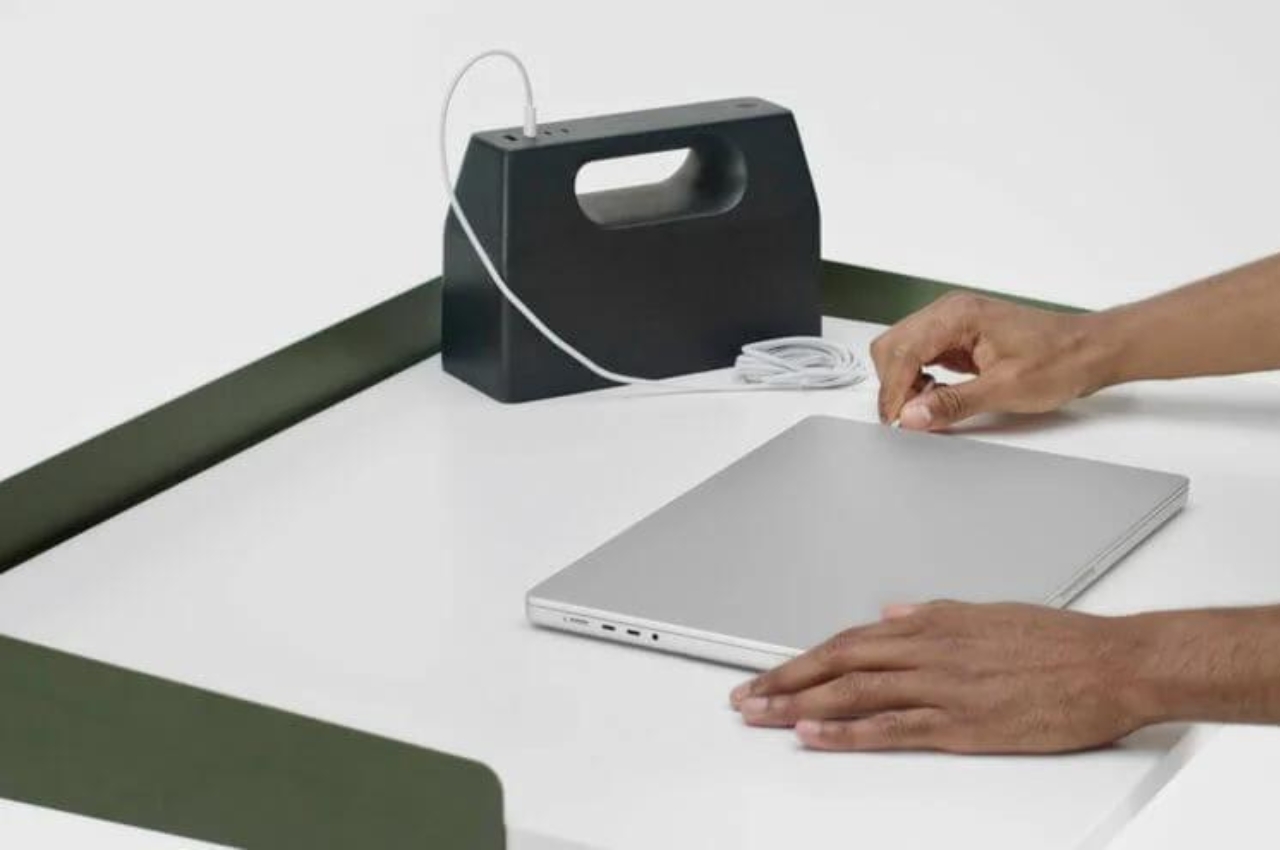
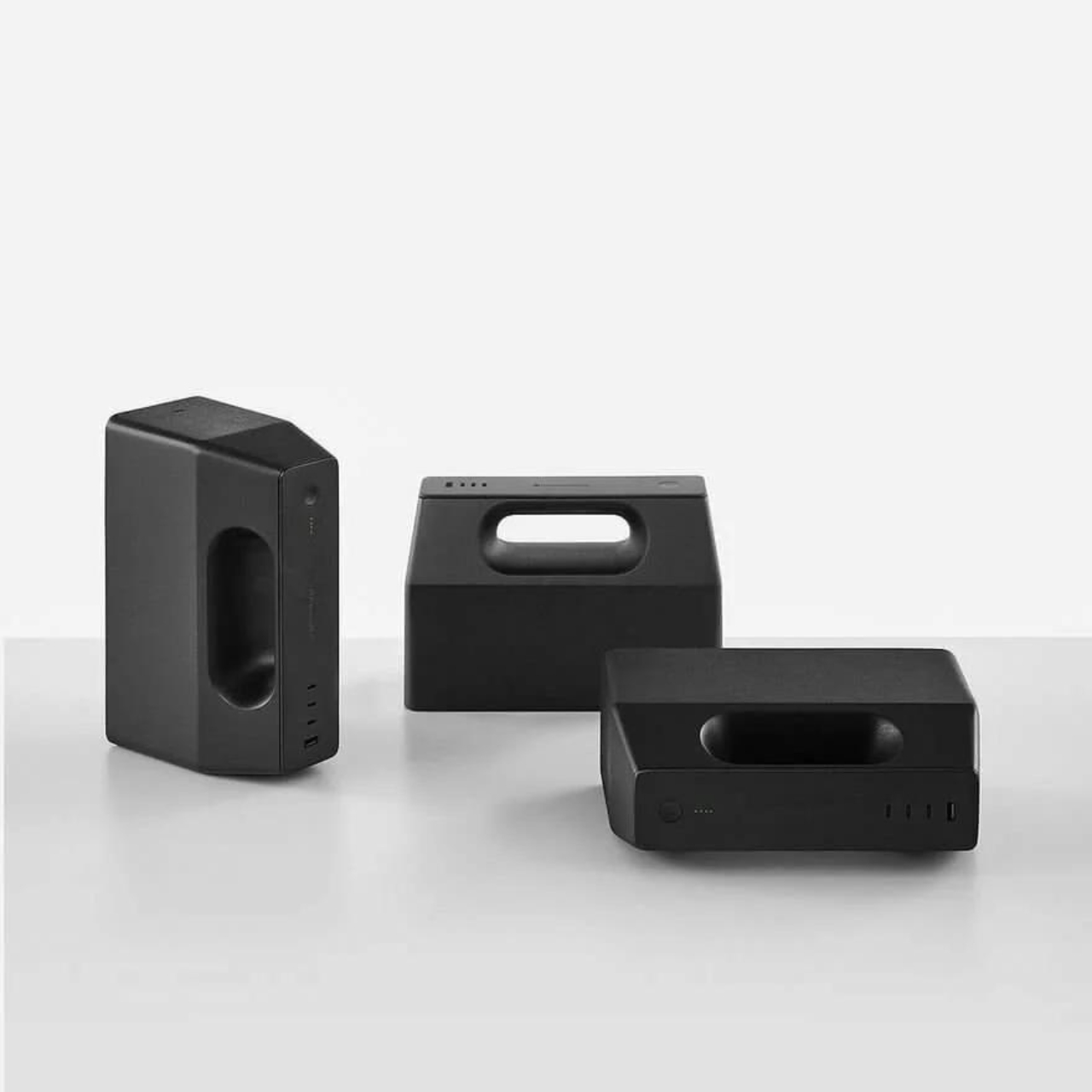
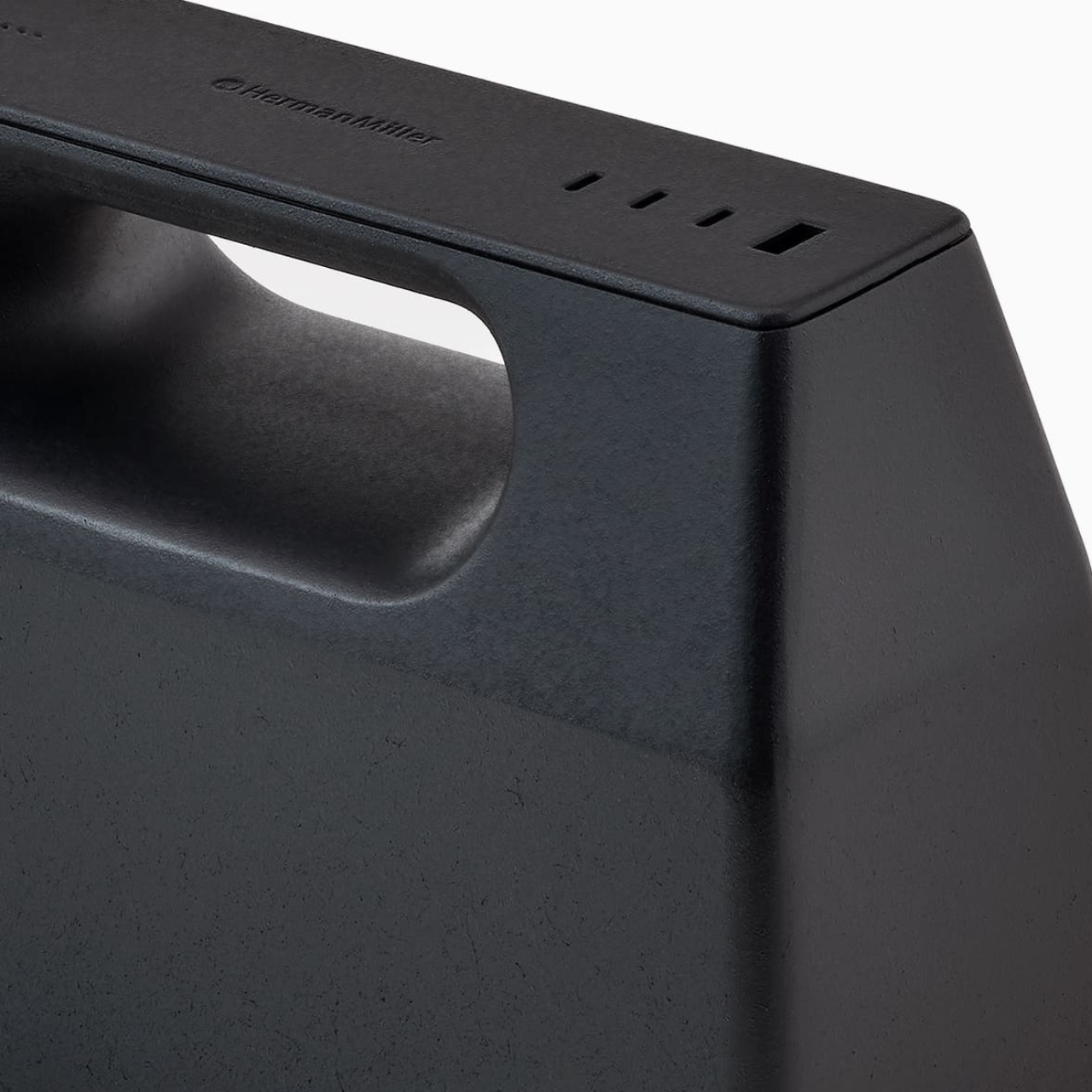
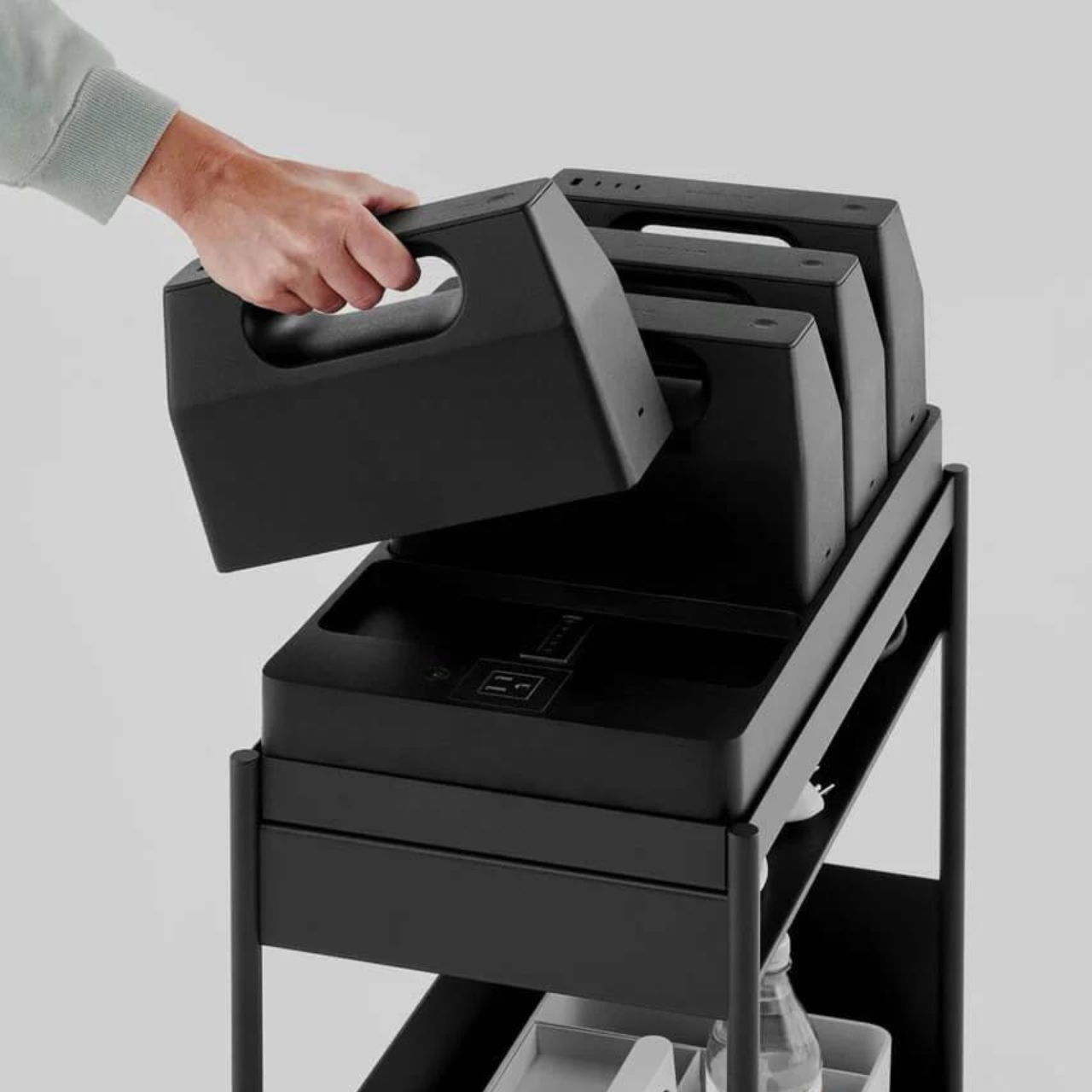
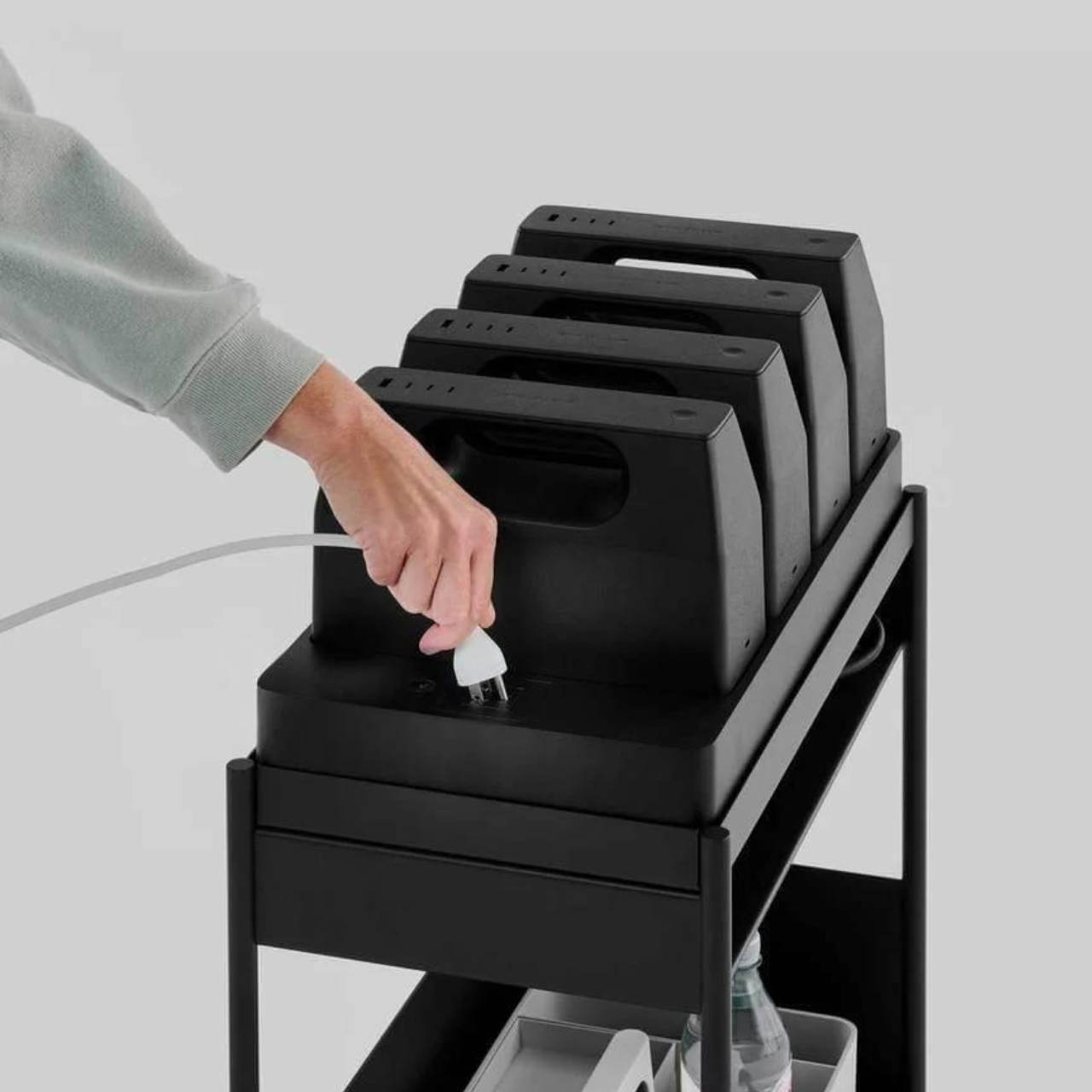
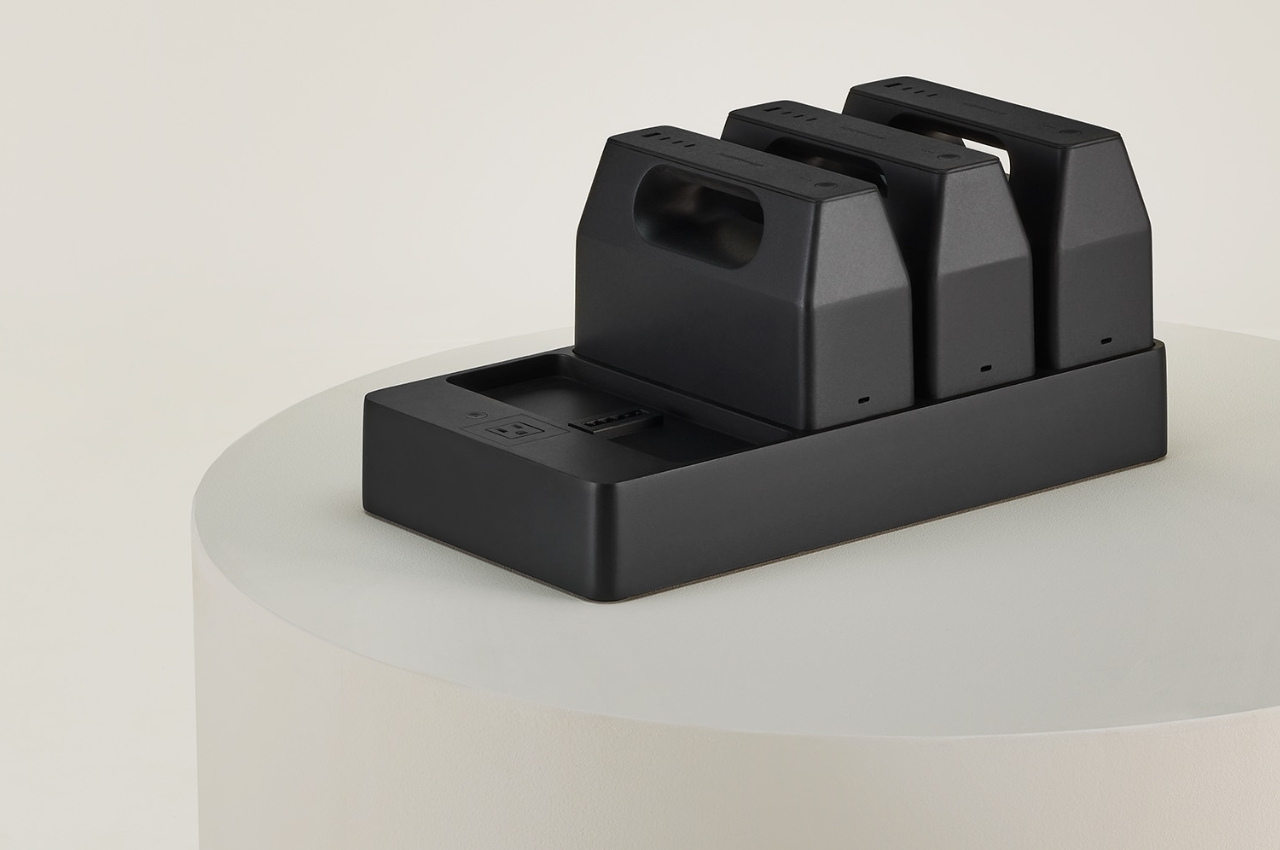
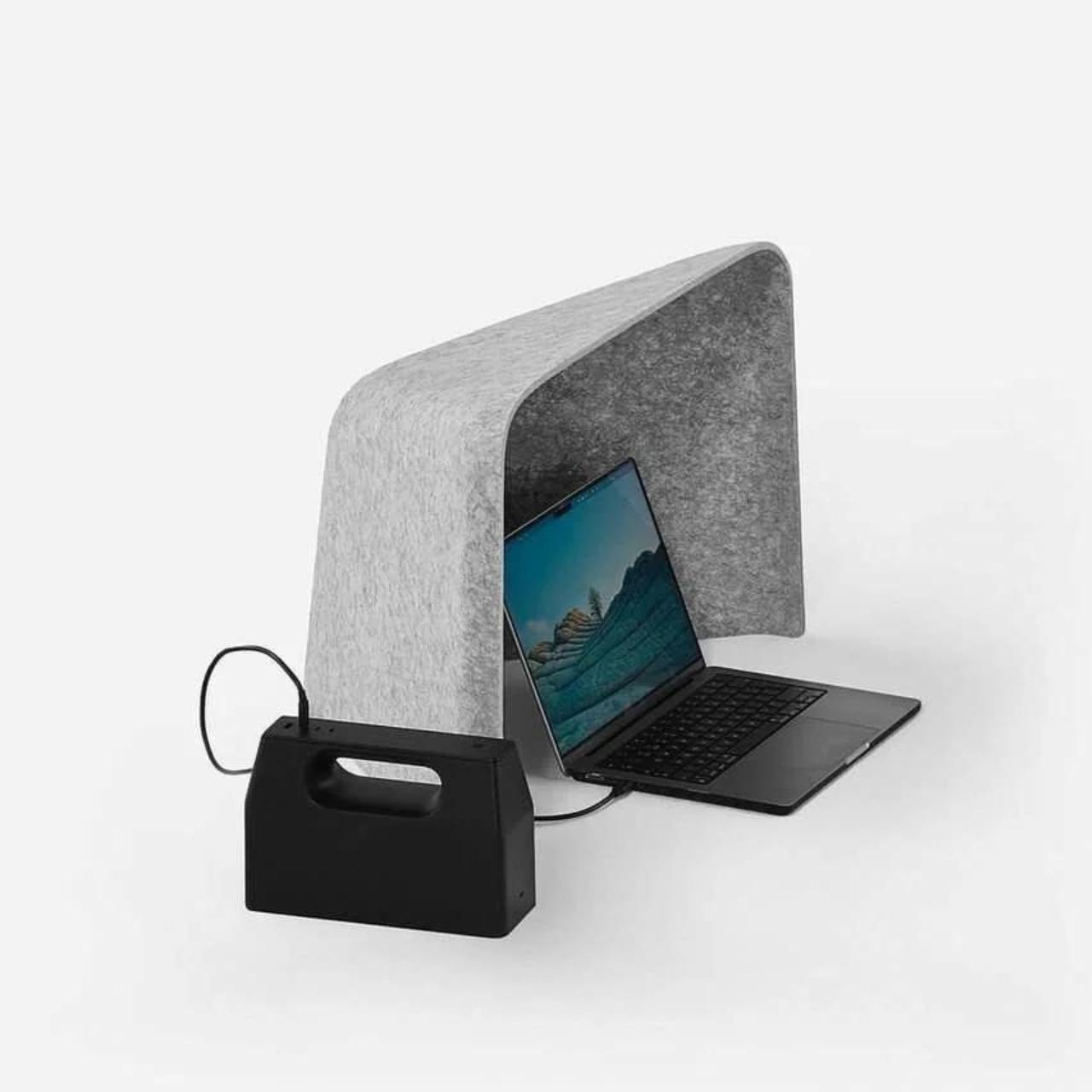
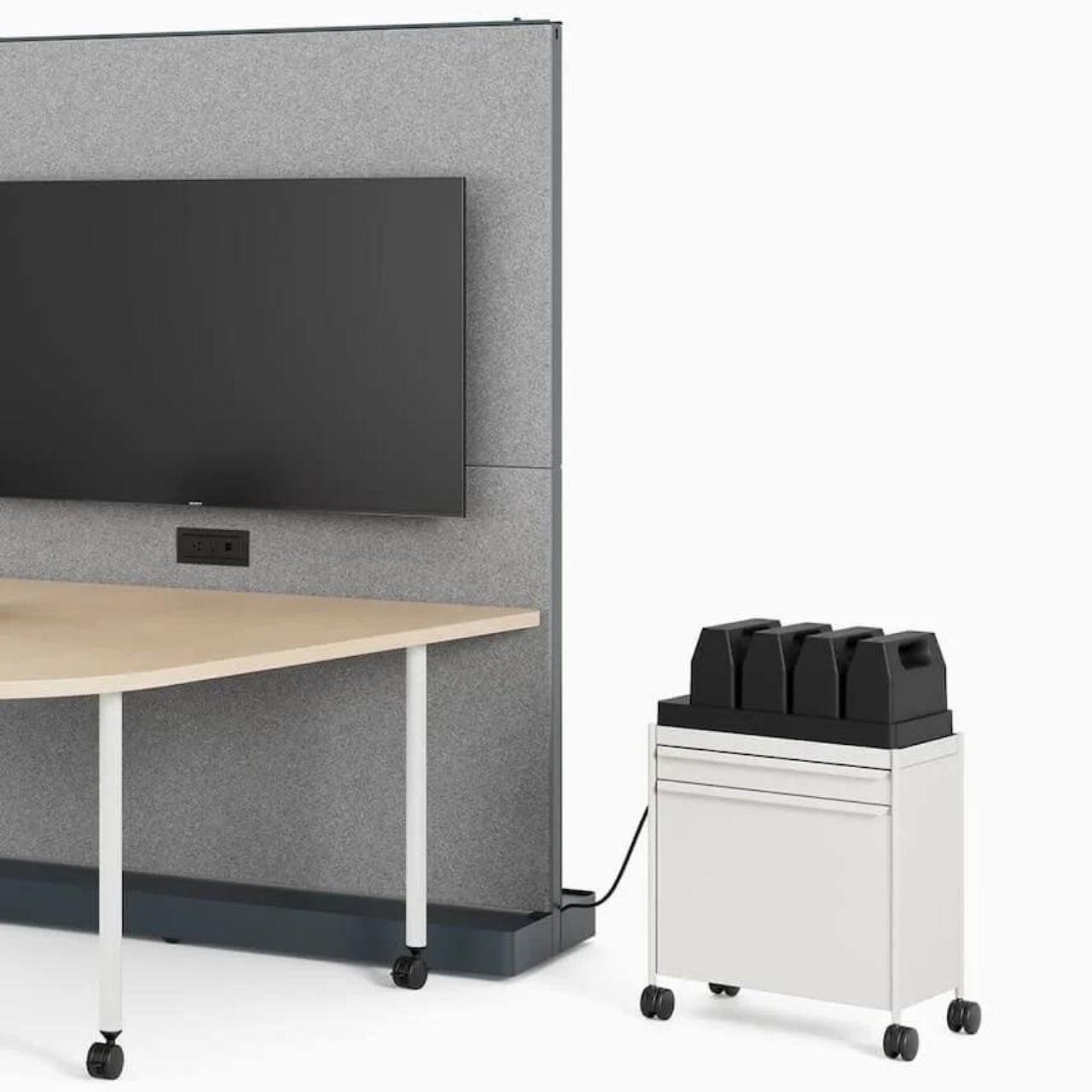
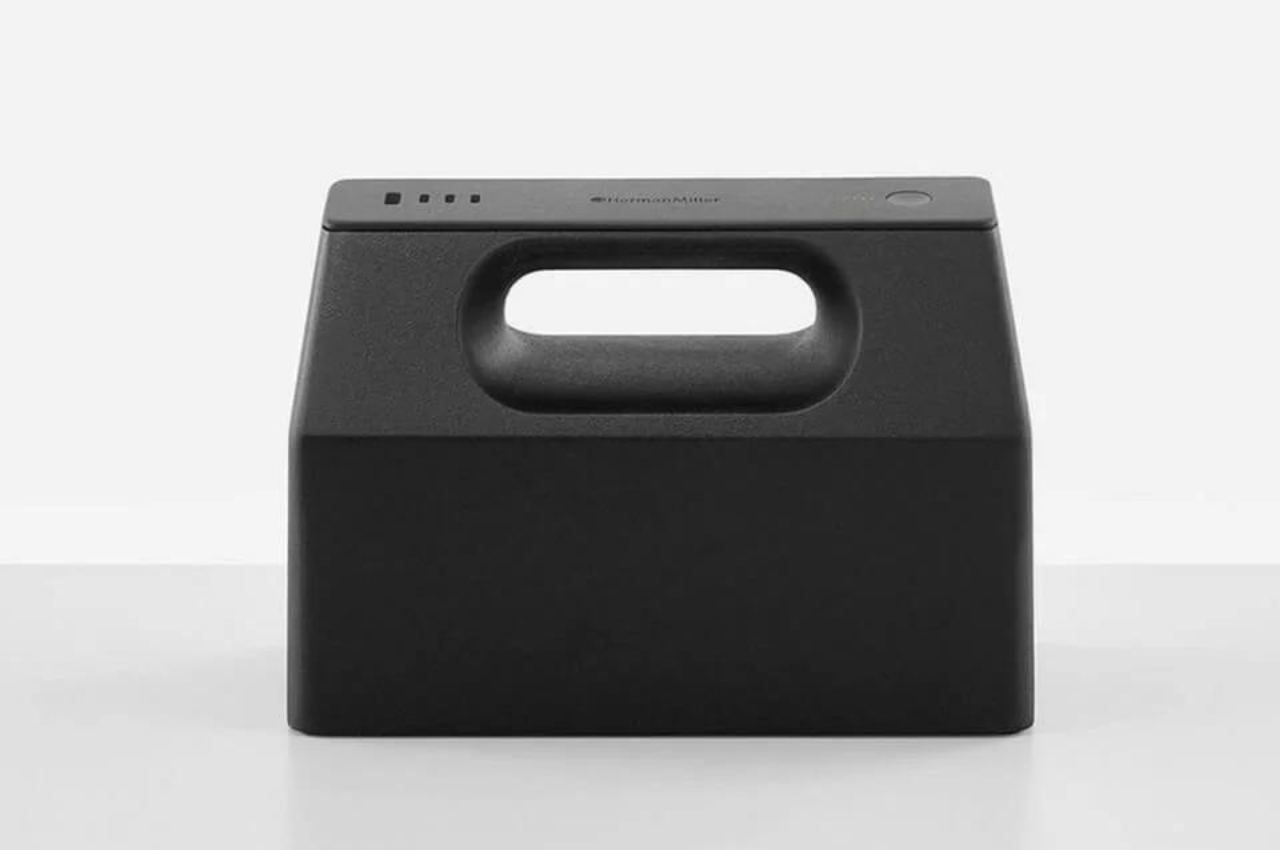
The OE1 Powerbox is a portable battery so you can power up your laptop, tablet, smartphone, and other mobile devices wherever you are. It is more than just a powerbank as it can actually charge three 70W laptops at the same time with its 250Wh of power. It has three USB-C ports, one USB-A port, and a tracking device holder. It can also fit into the OE1 Storage Trolleys if you need to power larger electronics like monitors, speakers, projectors, etc. The Powerbox has a power level indicator on top so you can see the power level. It can be charged through a PowerTray or with a charging cable kit that you can purchase separately.
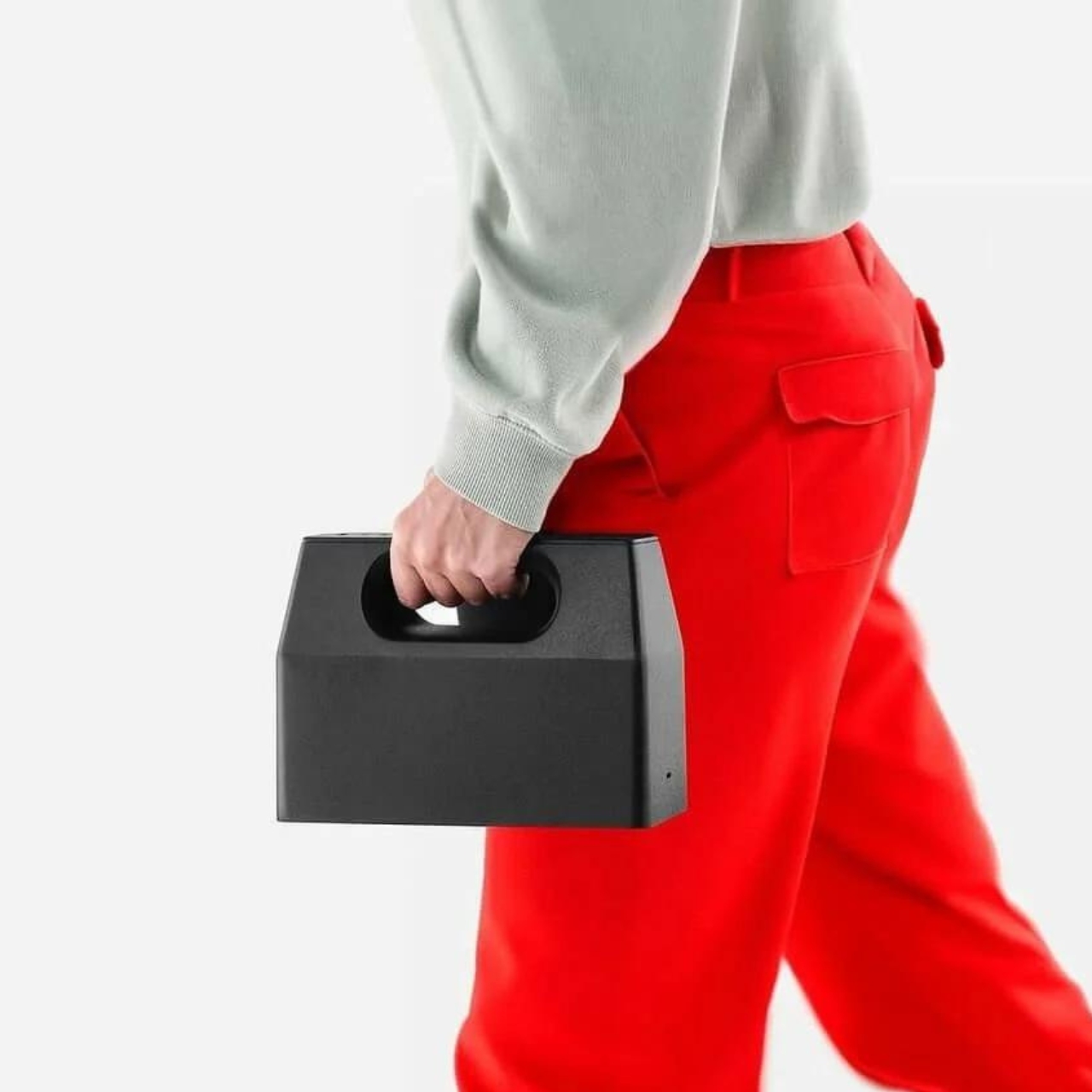
But on its own, the Powerbox is already powerful enough for your mobile devices. It looks like a tool box that is “meant to hold the feeling of ‘battery-ness’. It has a minimalist design since you don’t need it to look like anything other than a battery you can carry around. It is also created sustainably as it uses lithium ion phosphate (LFP) so it can have a longer life cycle. The housing uses 100% post-consumer ABS plastic making it easier to handle during the recycling process.
Of course since it’s more powerful than a powerbank, it’s not that light or can fit into your bag. But it’s still light enough that you can carry it around when needed. As someone who works outside a lot (and whose device batteries seem to be giving up on me easily), this can come in handy even if it may be a little heavy.
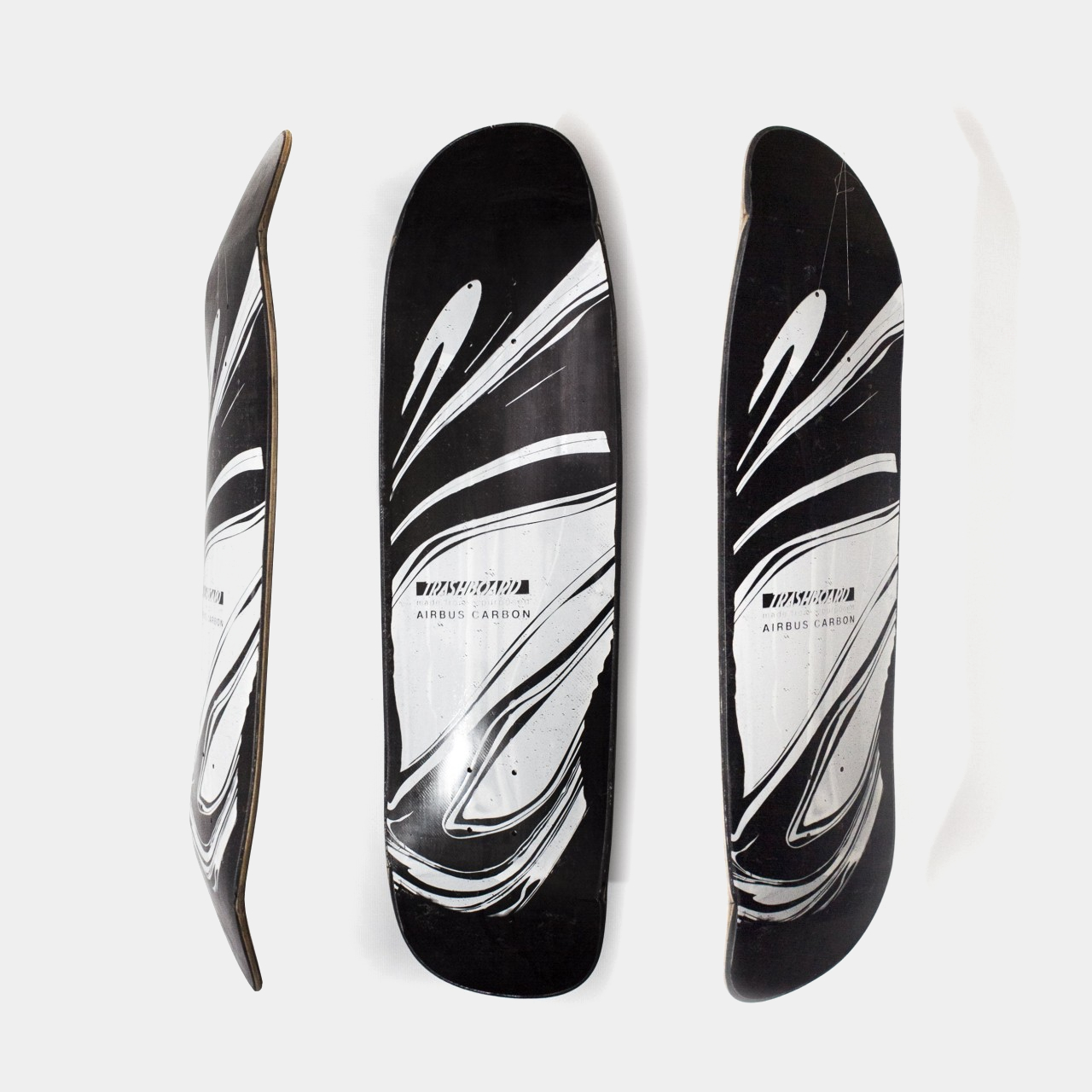
To most people outside of that community, a skateboard is nothing more than a wooden plank on wheels with sometimes outrageous artwork painted on it. The probably surprising reality is that a great deal of design and engineering goes into making these skateboards to keep them aerodynamic while also light and sturdy. While it’s fine to stick to nearly perfected traditions when it comes to materials and processing, there’s also a need to push the envelope in order to design a product that will not only stand the test of time but will also help the planet last a little bit longer as well. That’s the kind of innovation that this seemingly normal sustainable skateboard brings to the market with a little help from airplane maker Airbus.
To be fair, much of a skateboard’s composition, particularly its deck, already uses sustainable materials like wood. That said, there’s also such a thing as the overuse of fresh wood, which can lead to deforestation and other related environmental consequences. While skateboards themselves can be recycled or upcycled, the use of recycled materials like recycled wood hasn’t exactly born much fruit.
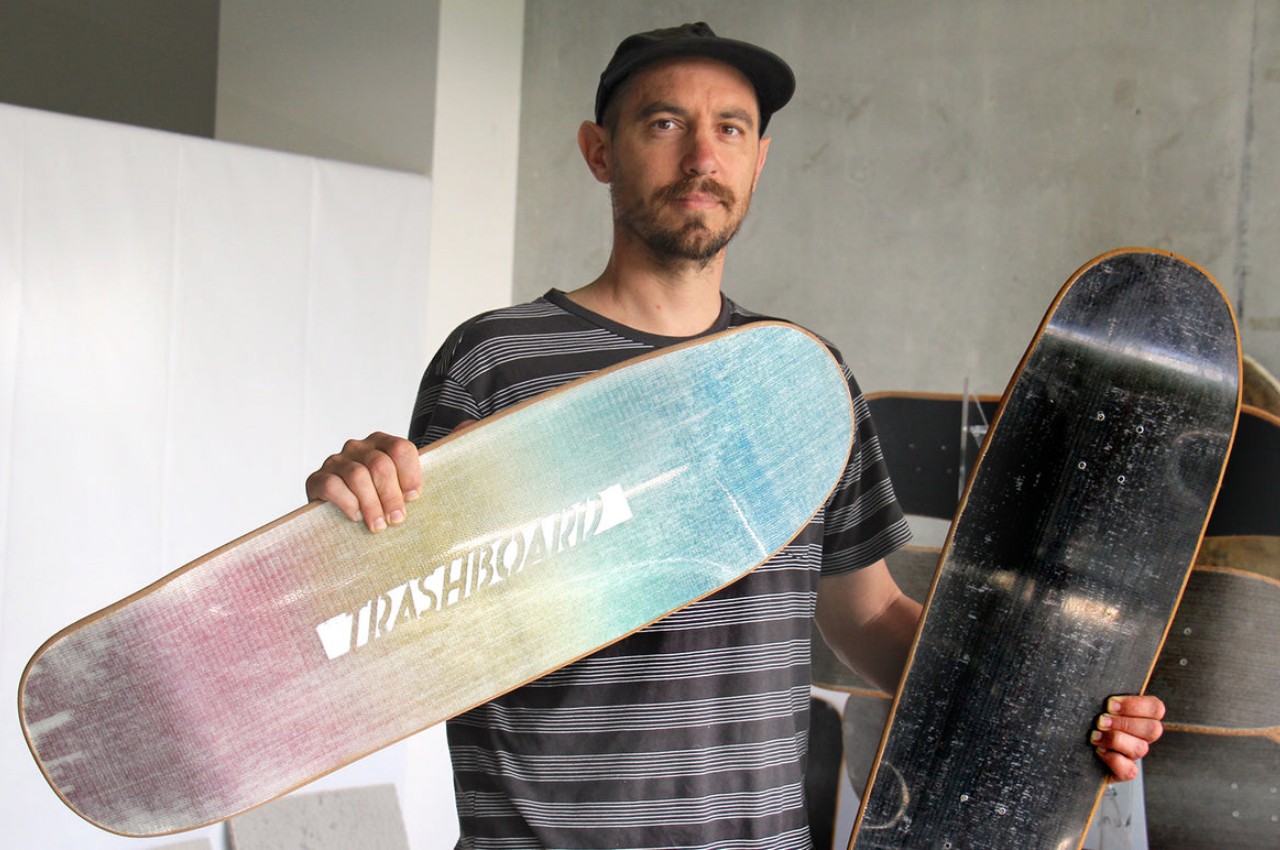
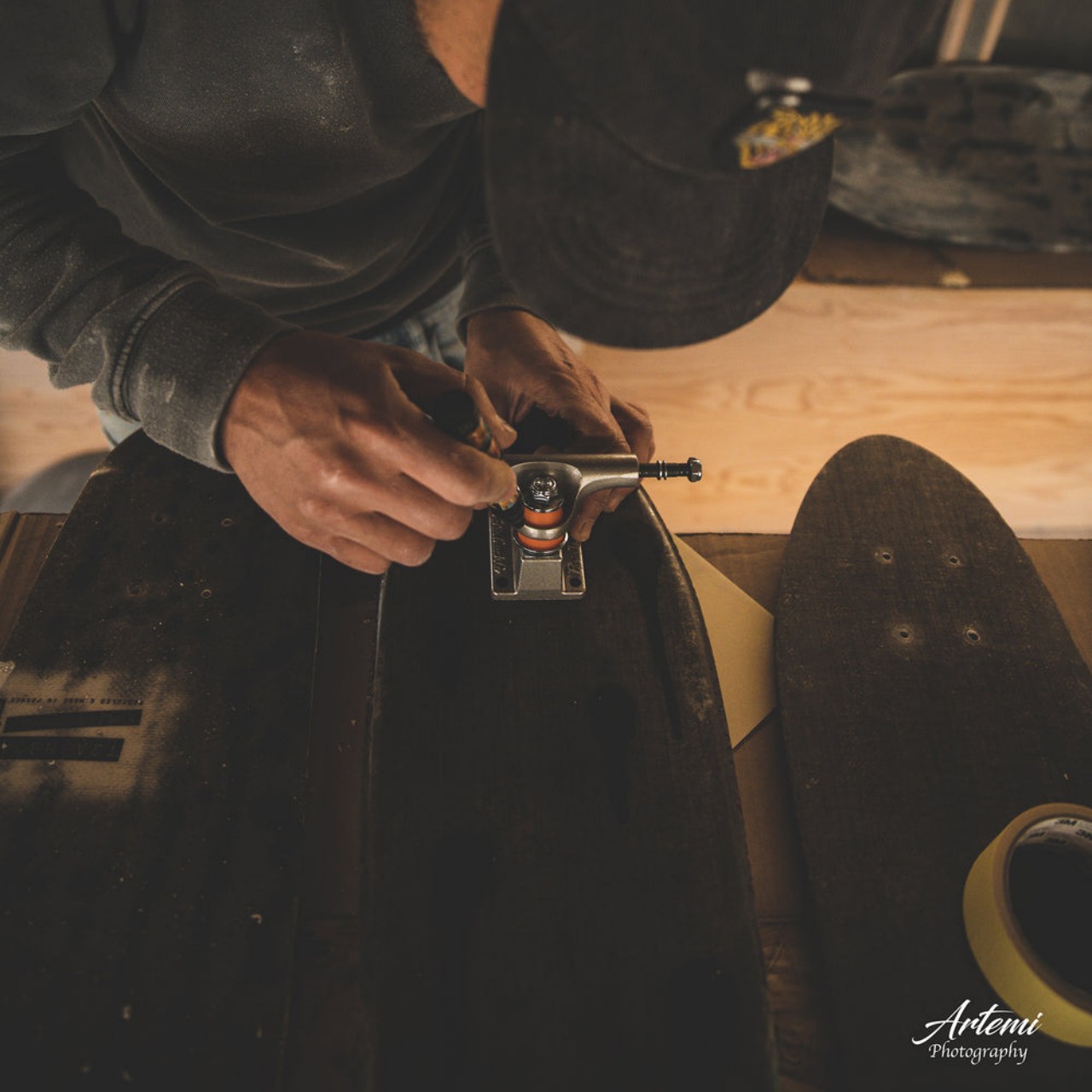
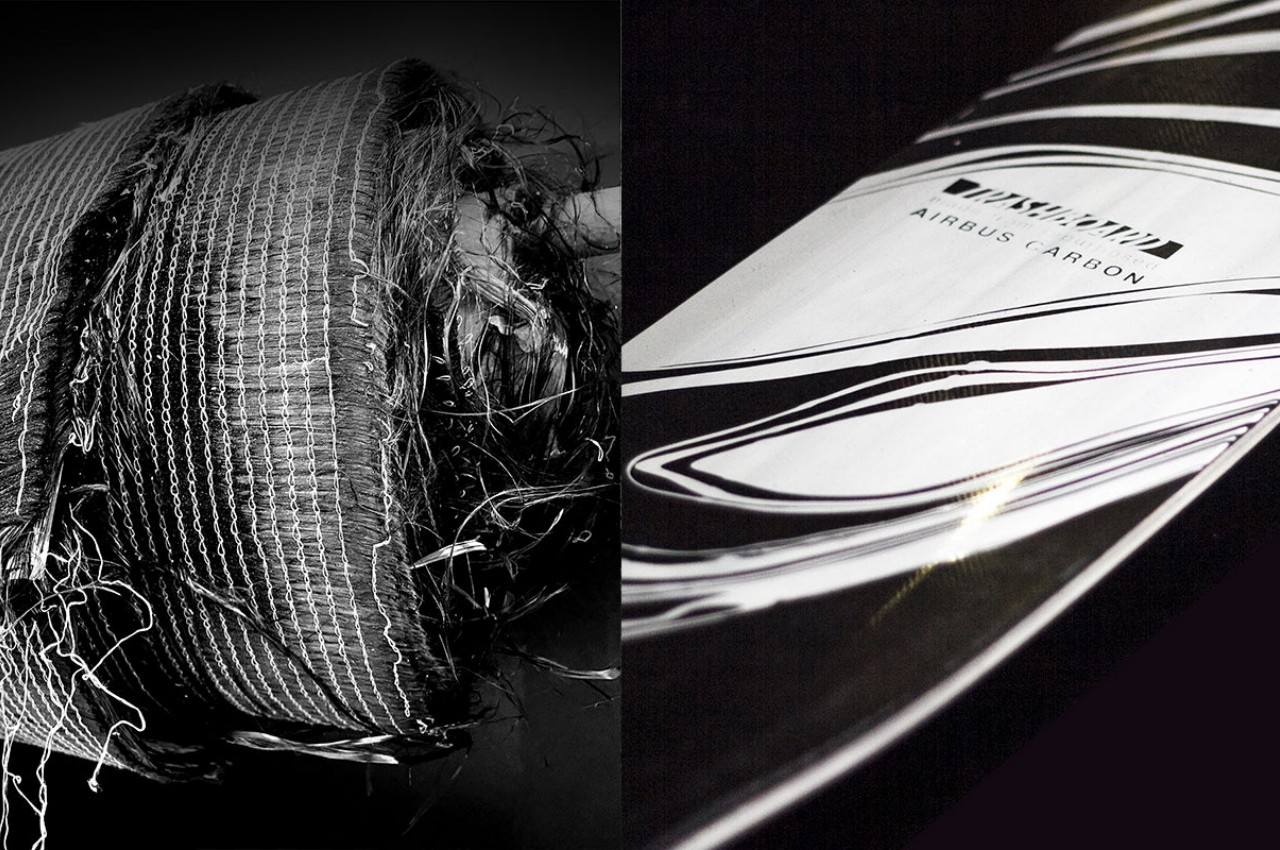
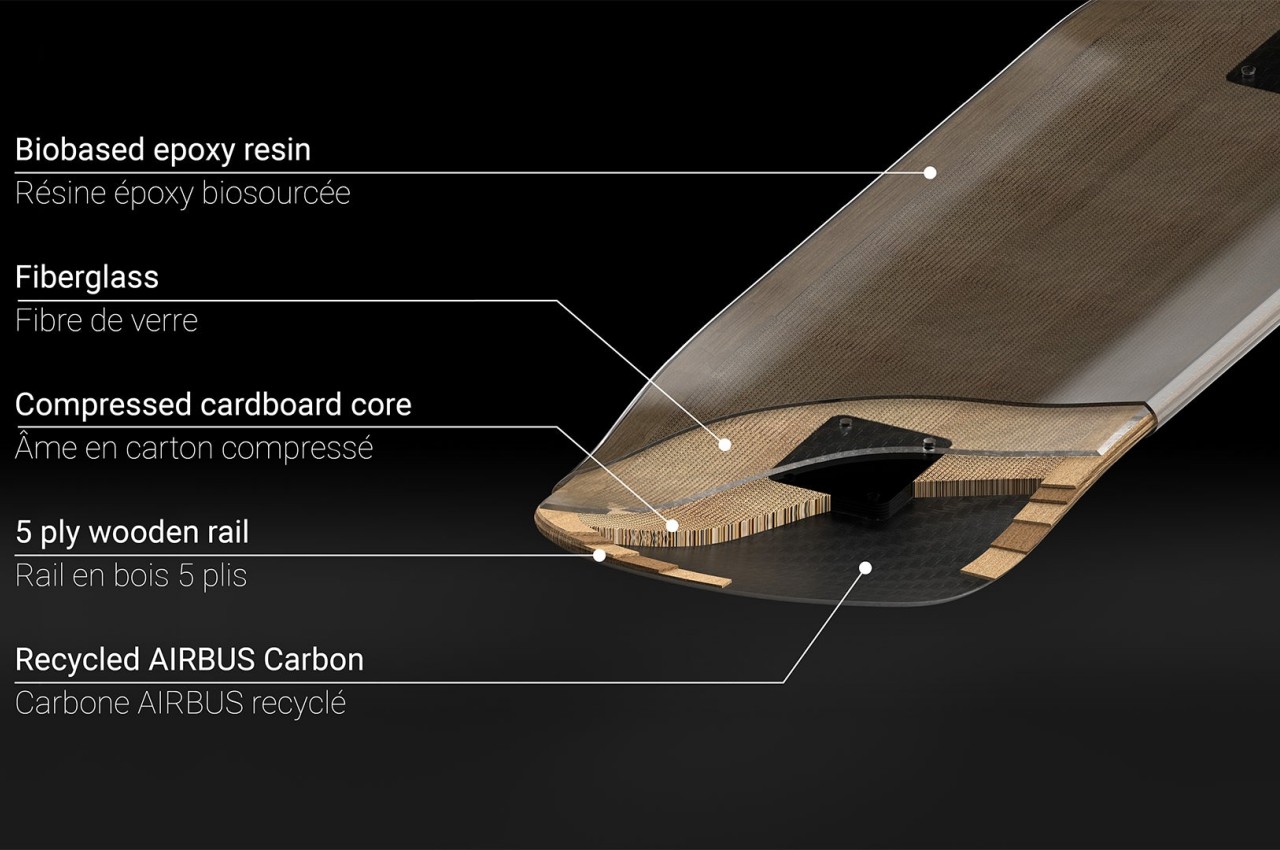
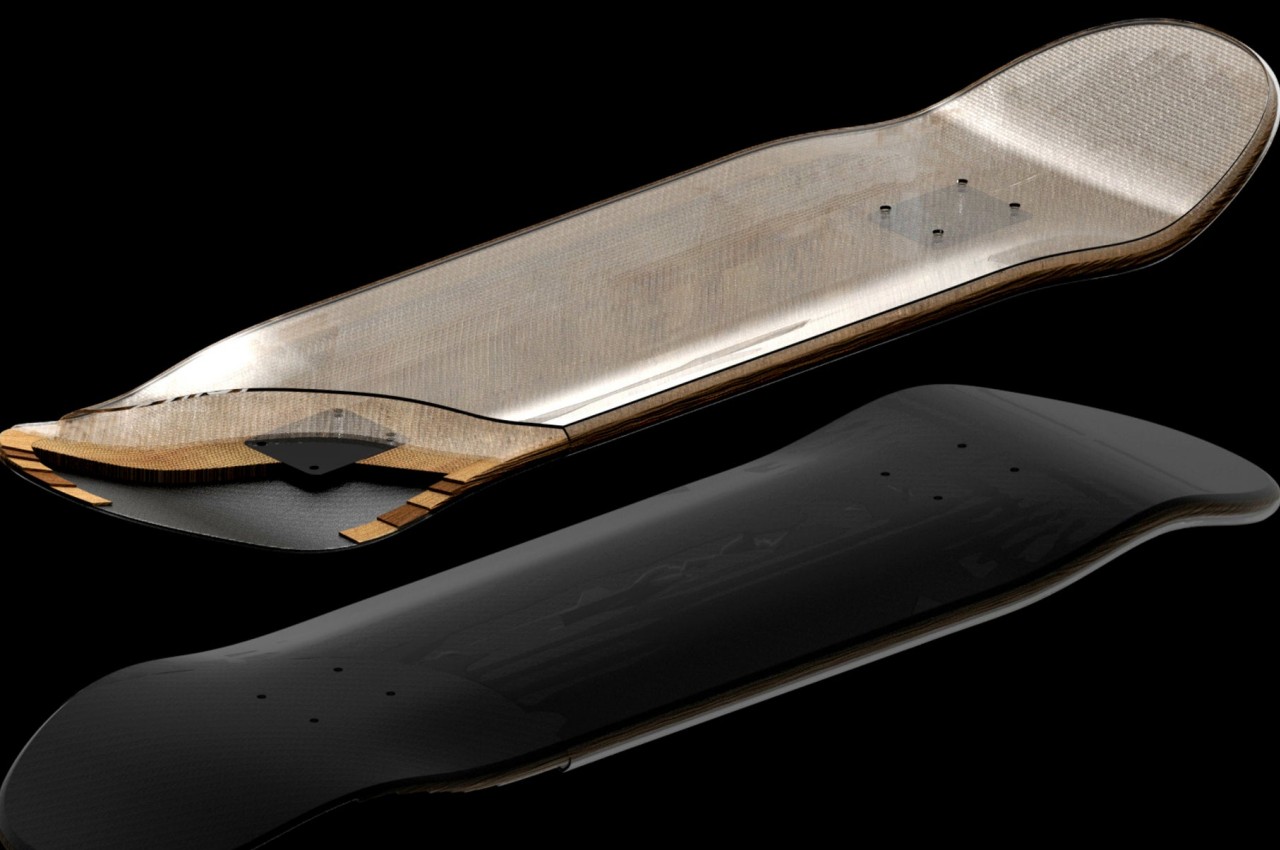
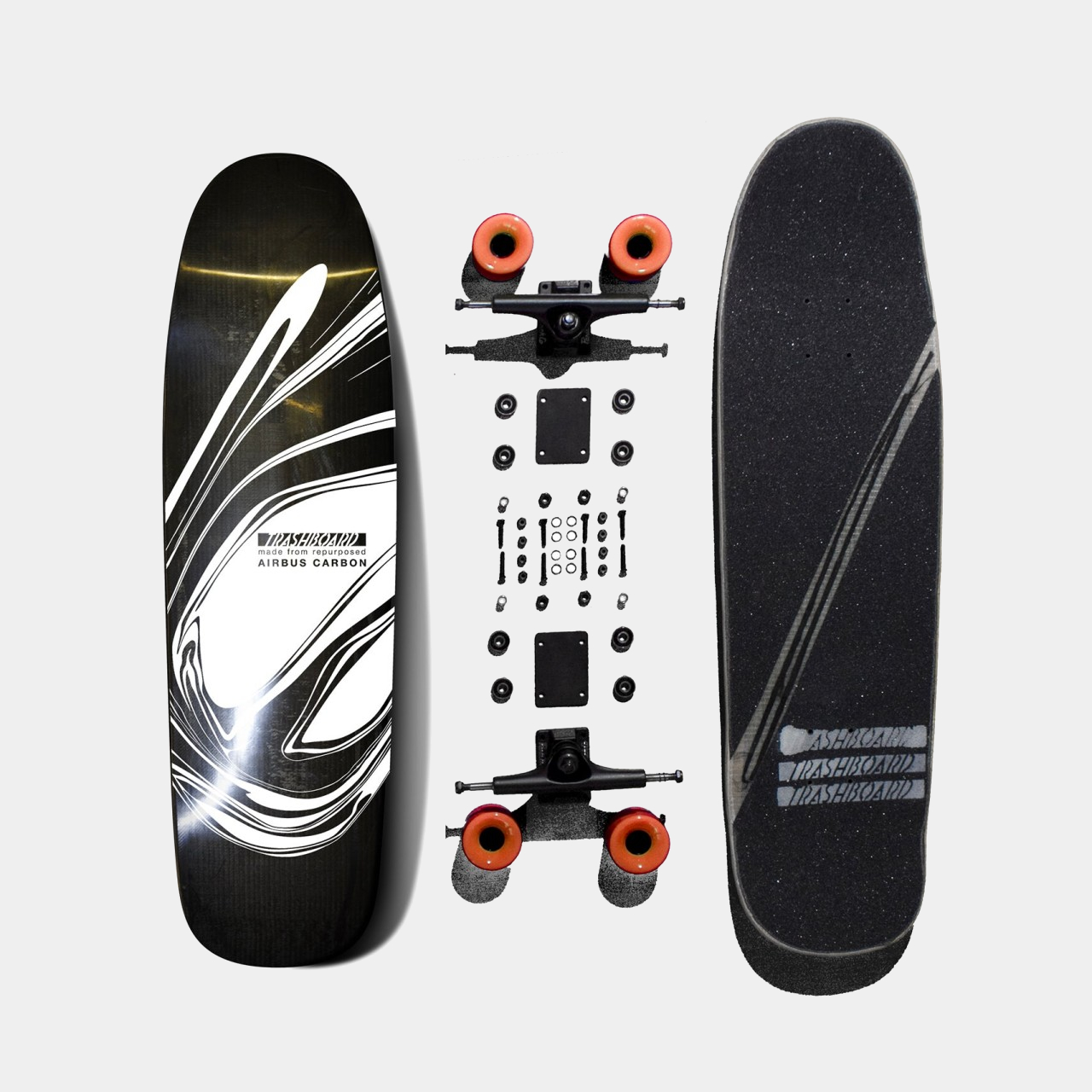
Enter the Trashboard, a sustainable design that uses recycled materials that aren’t wood. Building upon an earlier project that successfully used packaging cardboard to make a surfboard, the Trashboard combines recycled and upcycled materials to make a unique deck that still feels like the genuine item. In particular, it uses upcycled carbon from discarded aeronautic components courtesy of Airbus to minimize the use of raw new materials. It also uses compressed recycled cardboard for the deck’s flex core and binds the layers together using bio-sourced epoxy resin.
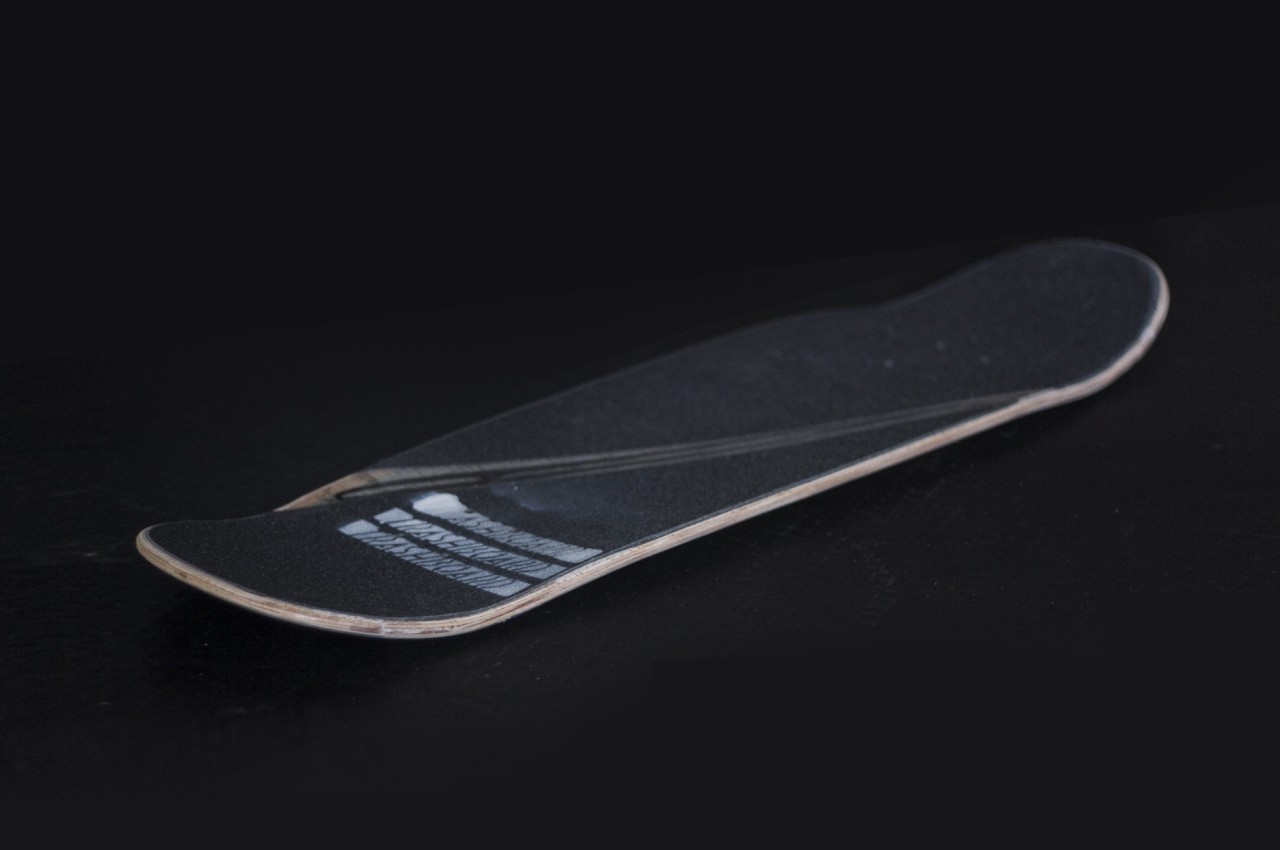
From the outside, you wouldn’t even realize that the Trashboard is made differently. It still retains the same standard form that gives skateboards their smooth gliding power, and it also has rather artistic prints, though leaning more towards a monochromatic tone that gives the decks a more elegant aesthetic. All in all, Trashboard promises to deliver the same exhilarating cruising experience, while also allowing skaters to share in the responsibility of helping keep our planet alive.
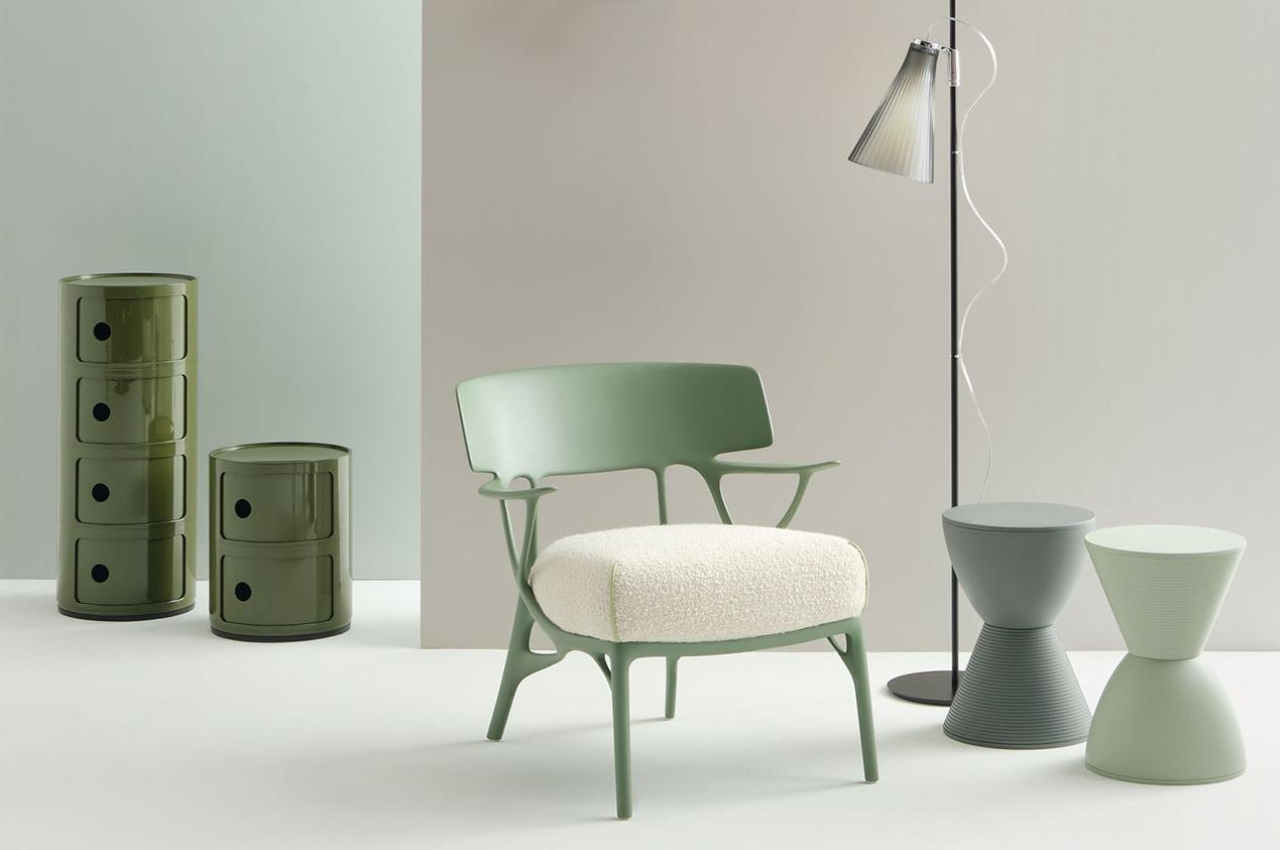
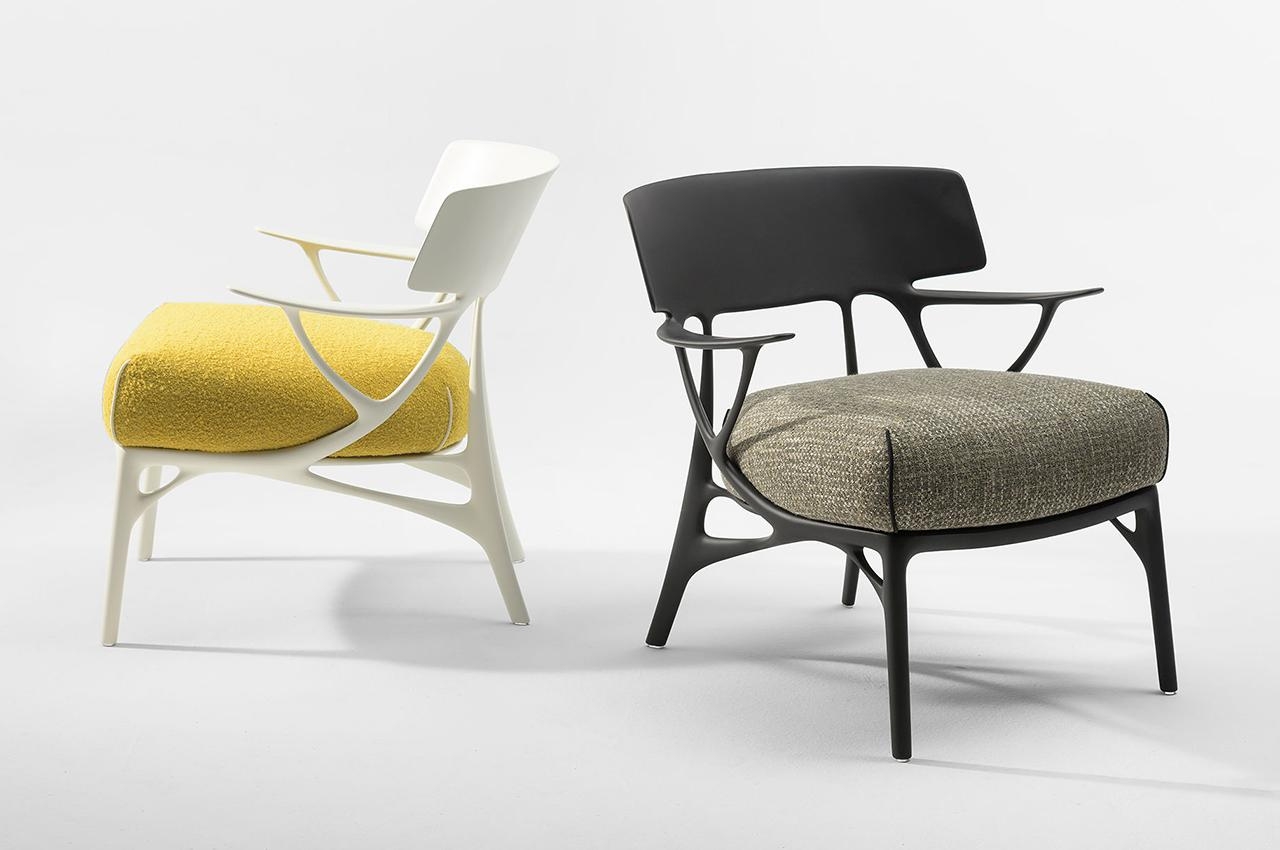
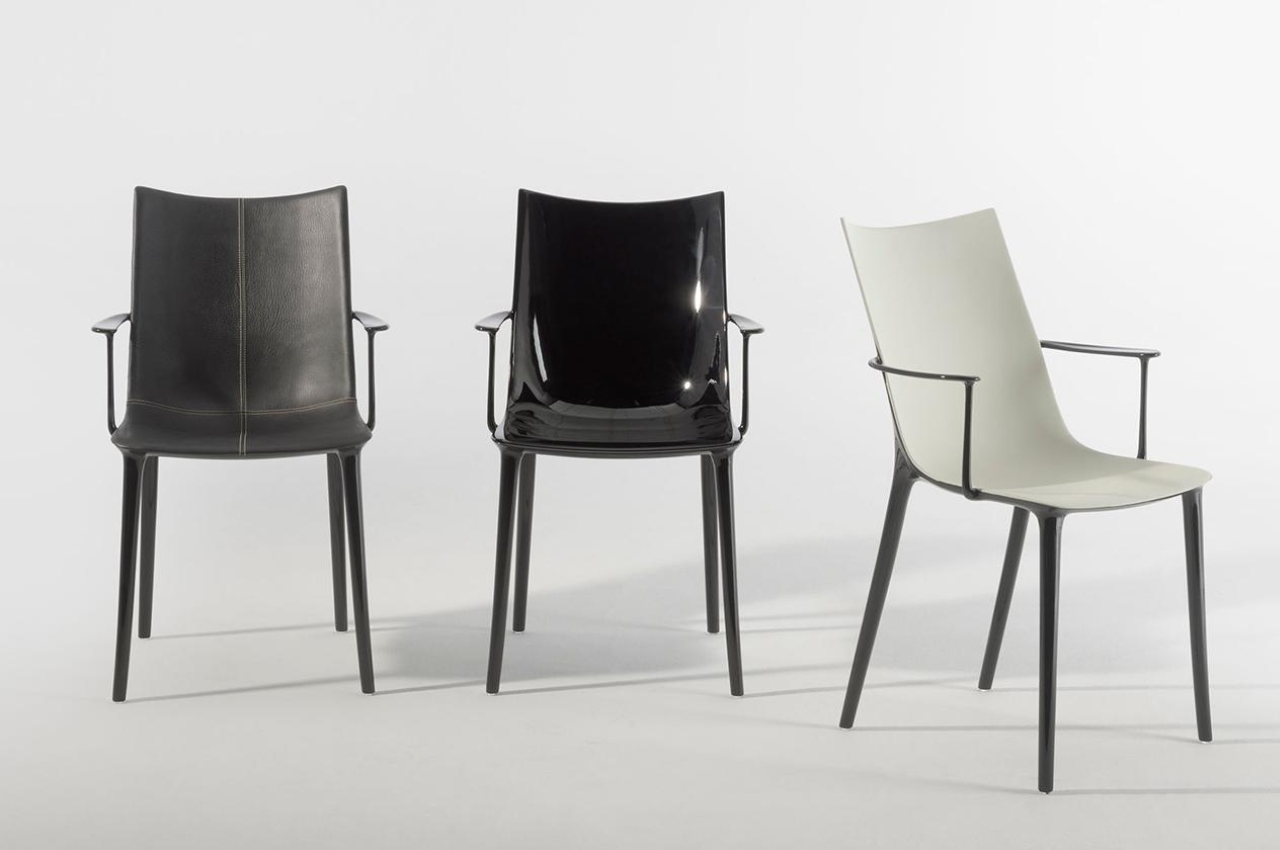
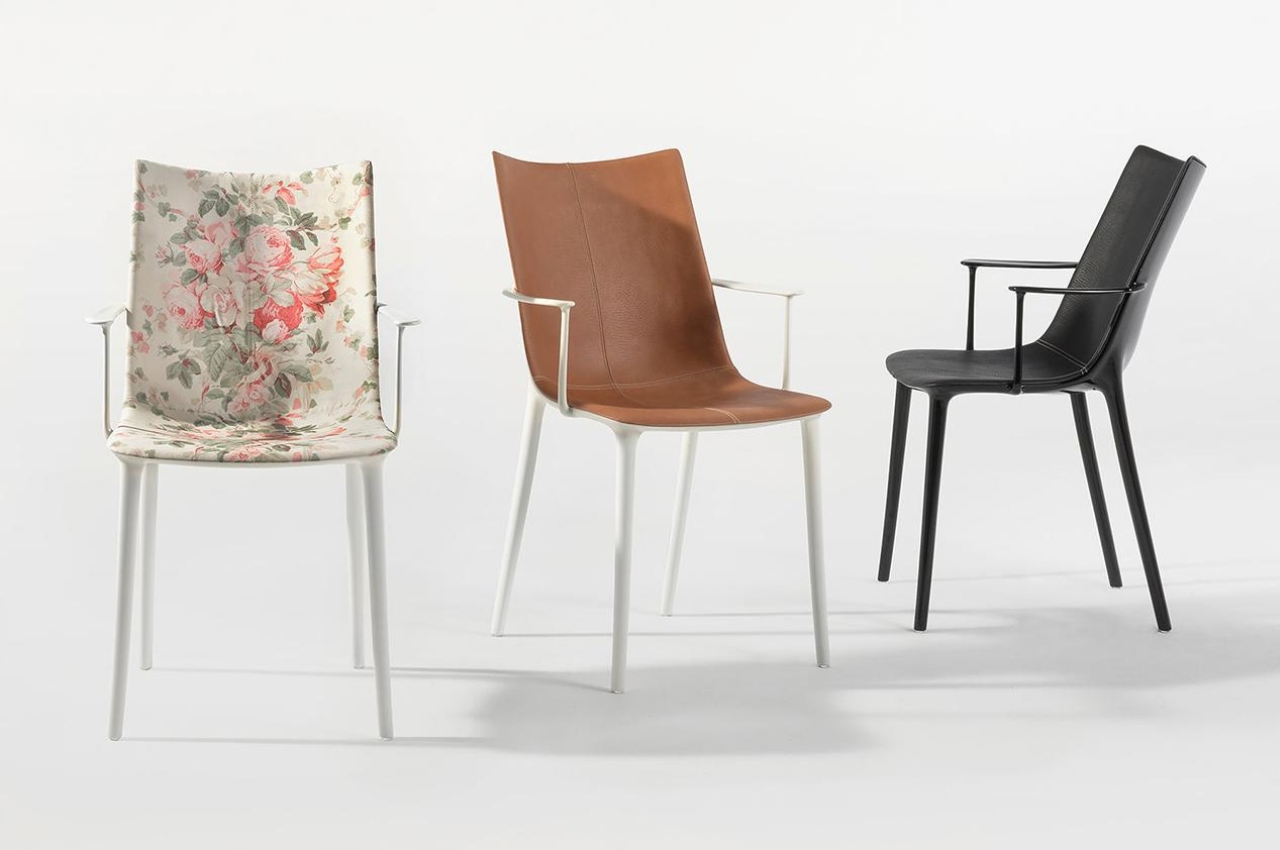
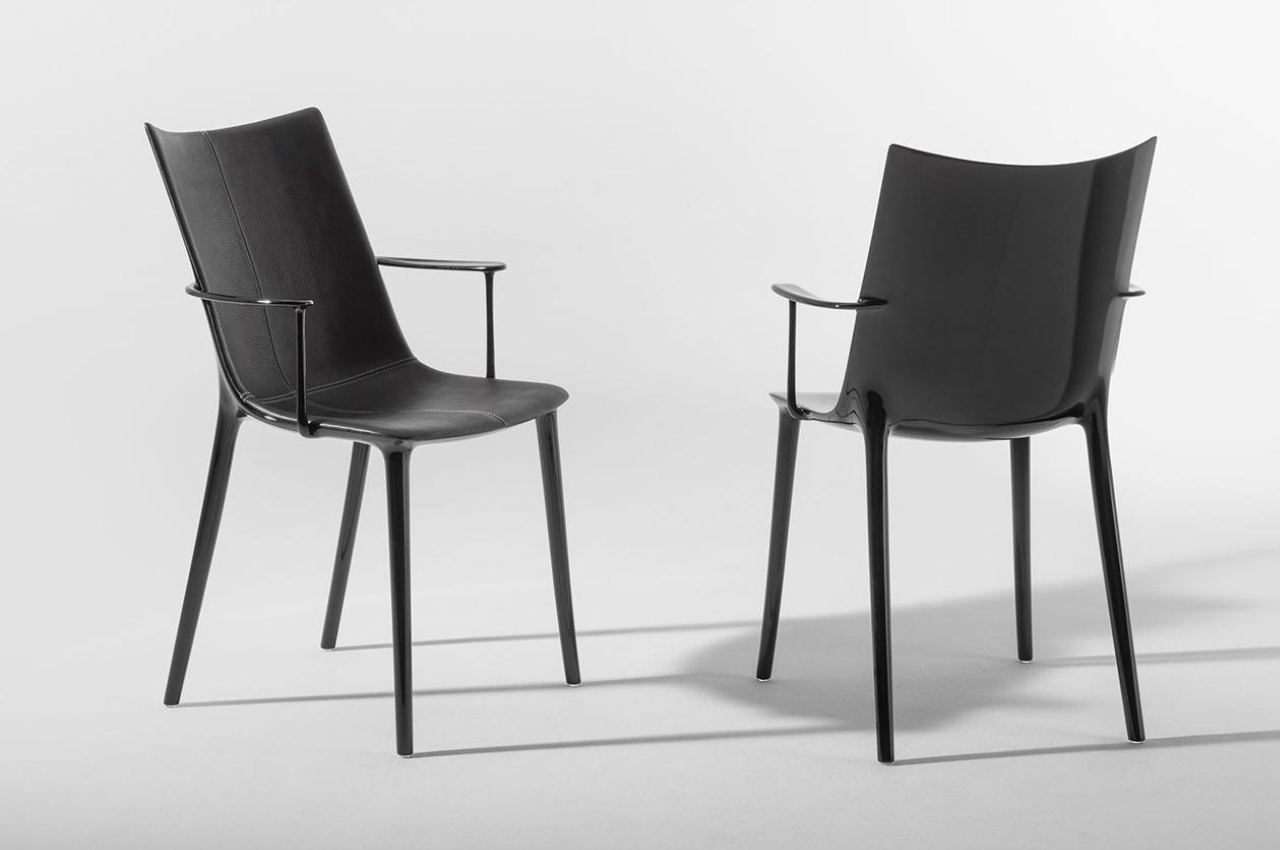
There have been a lot of discussions about how artificial intelligence affects designers and design in general. This will continue to be a hotly debated topic in the next few years. There are those that believe this is heralding the death of the creative industry while there are those that believe that it can help brands and designers streamline processes and can foster innovation and experimentation. Italian furniture brand Kartell and French architect and designer Philippine Starck seems to be of the latter school of thought as they unveiled their A.I. collection
This collection features eco-friendly pieces of furniture that were a result of input from Kartell and Starck and streamlined by A.I. particularly in terms of prototyping and planning. It was able to contribute to make the collection sustainable and optimize the materials used resulting in reduced waste. Creating eco-friendly products is the ultimate goal and the combination of design, production, and A.I. helped achieve this.
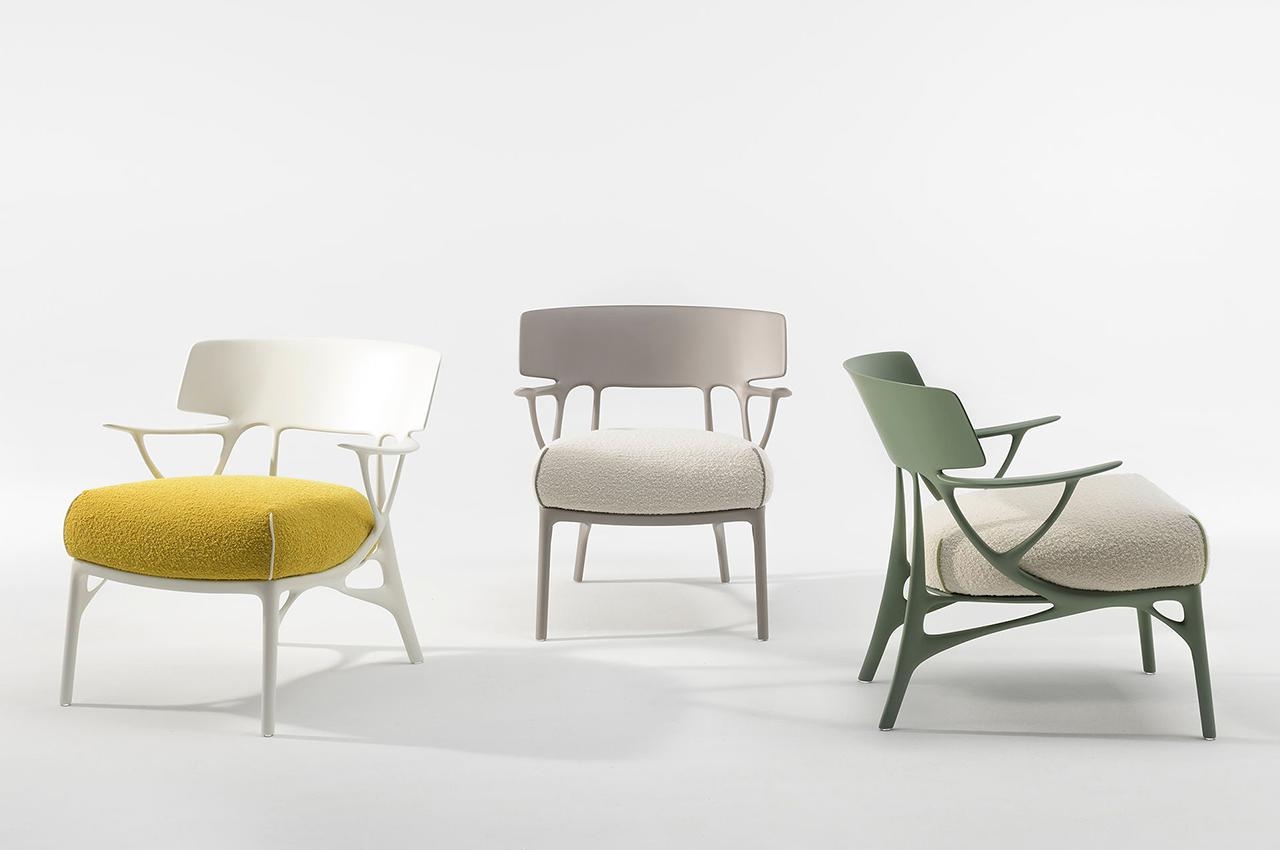
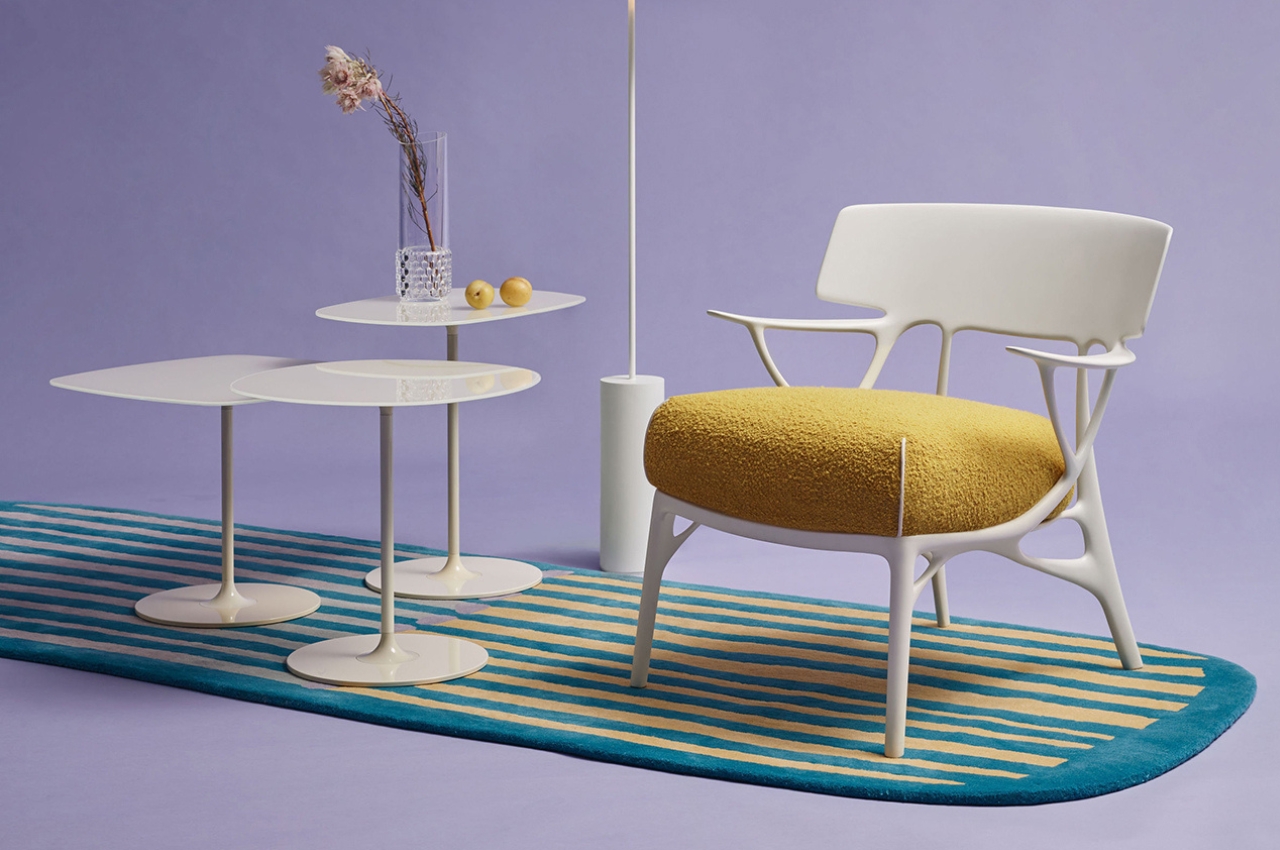
The A.I. Lounge uses thermoplastic techno polymer with a mineral filler. It is available in white, black, green, and gray and can be used both indoors and outdoors or wherever you want to lounge around. The H.H.H Her Highest Highness meanwhile is a chair that should make you sit like a royal. The way the back is shaped will force you to sit as if on a throne. It uses green polycarbonate material for the eco-friendly aspect.
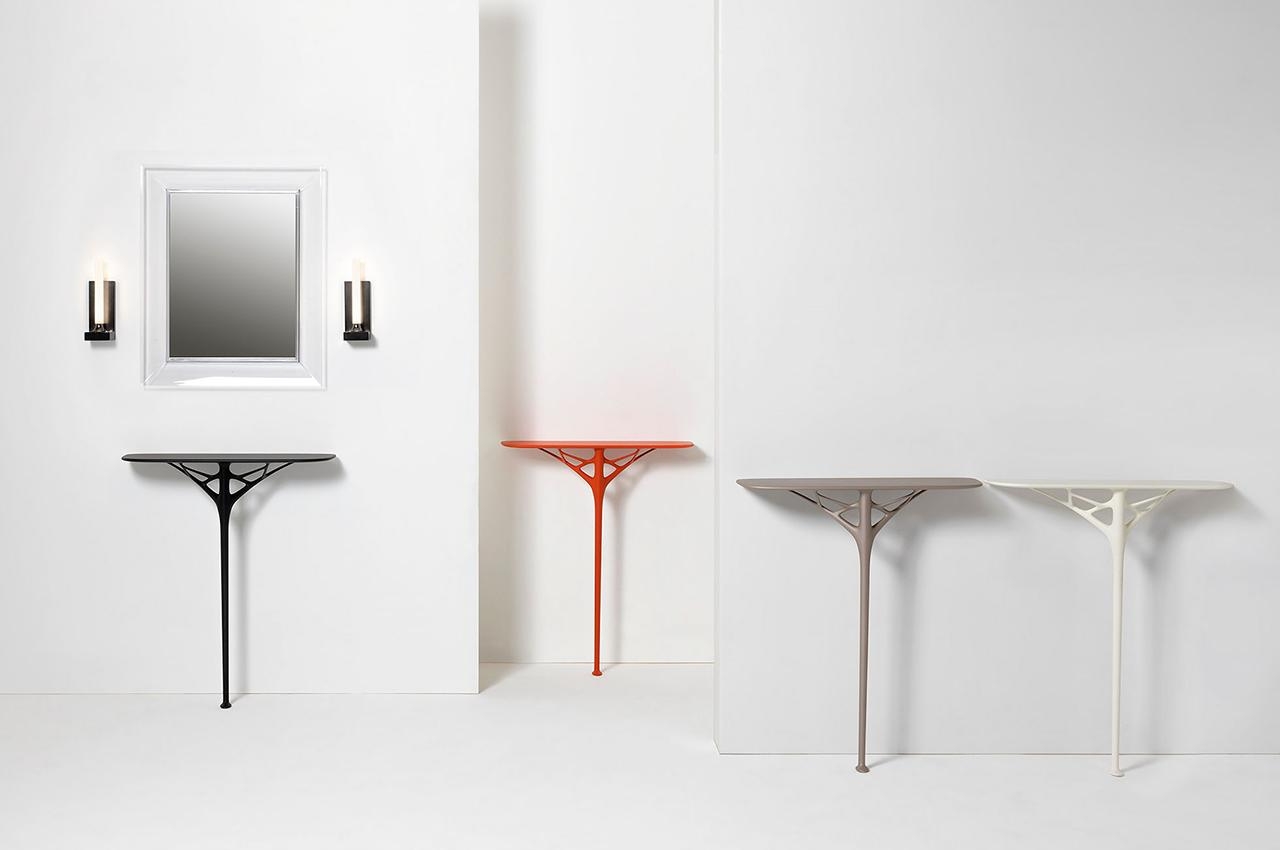
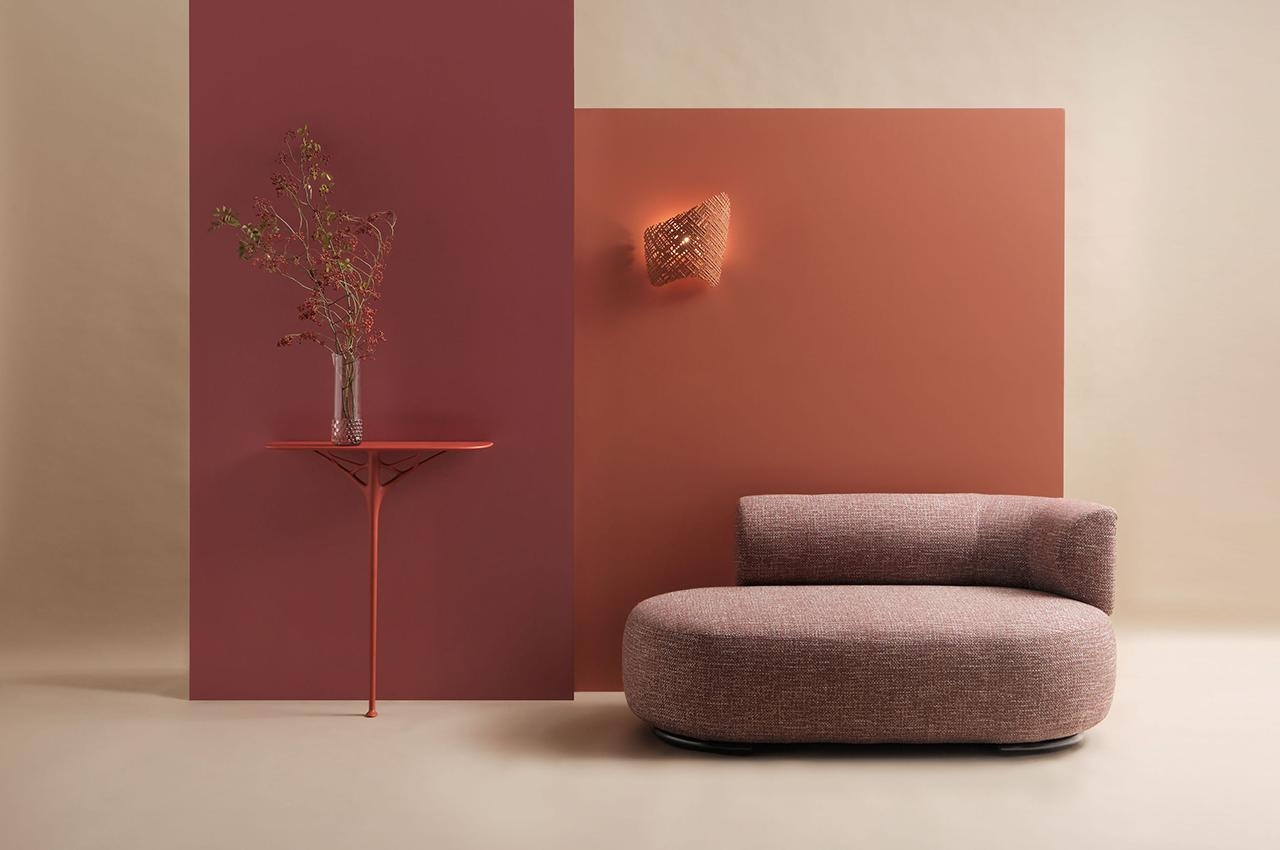
The A.I. Console meanwhile is a minimalist small table that can be placed in the foyers, vestibules, entrances, and hallways, or anywhere you need to have a small stand or table for your stuff. It sports a one legged design and is made from recycled Illy iPerEspresso coffee capsules. You can get it in orange, white, gray, or black.
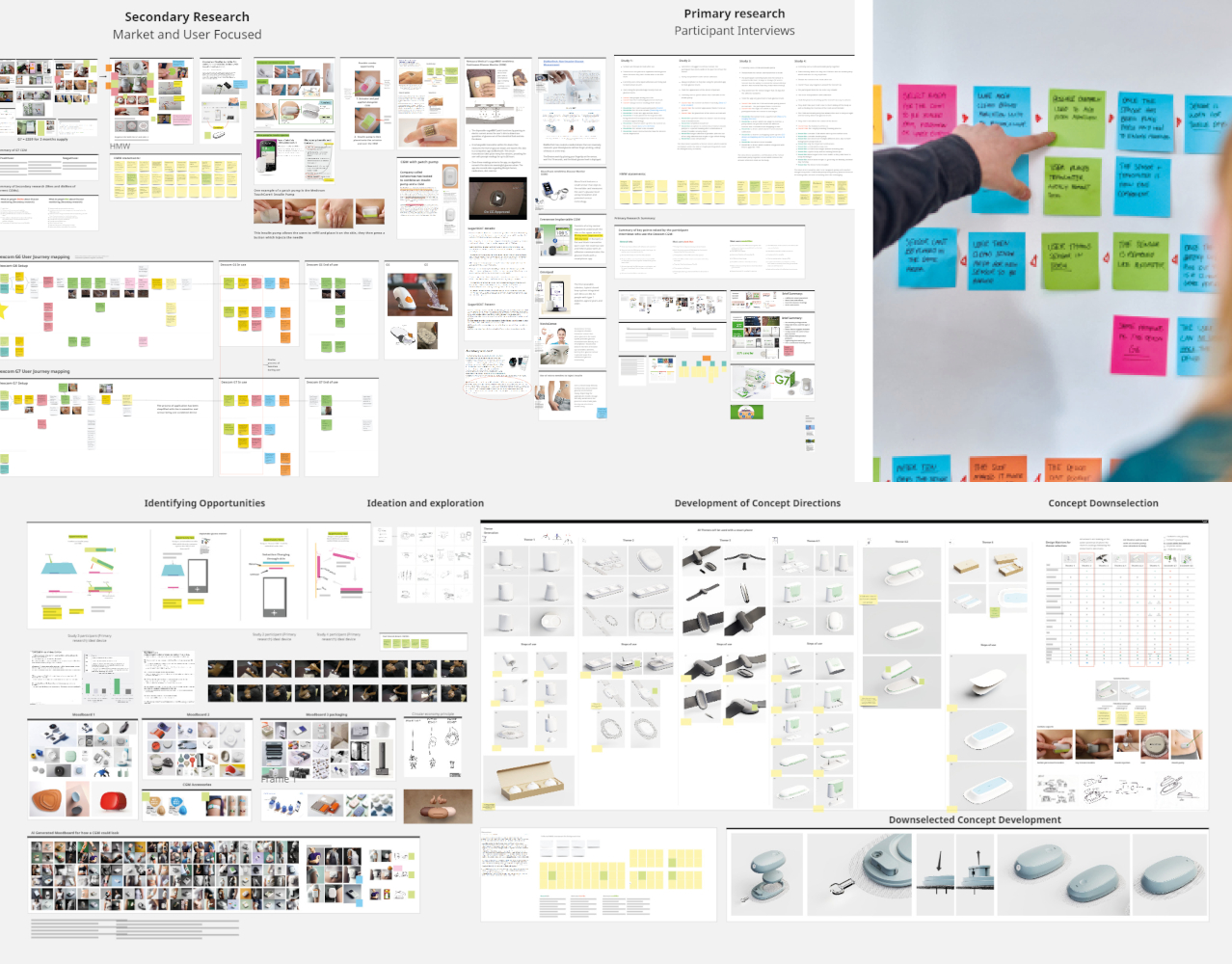
Of the many disorders that afflict people today, diabetes is perhaps the literally most painful one to monitor and maintain. Even with advancements in medical technology, pricking your finger is still the most accurate way to measure blood sugar levels. At the same time, taking in insulin often involves painful and tedious injections. And it isn’t just humans who are hurting from these, but the environment also suffers from all the waste these life-saving tools produce. It’s probably high time to have a glucose monitor and insulin delivery system that is not only painless and convenient but also sustainable, which is exactly what this minimalist-looking device concept is proposing.
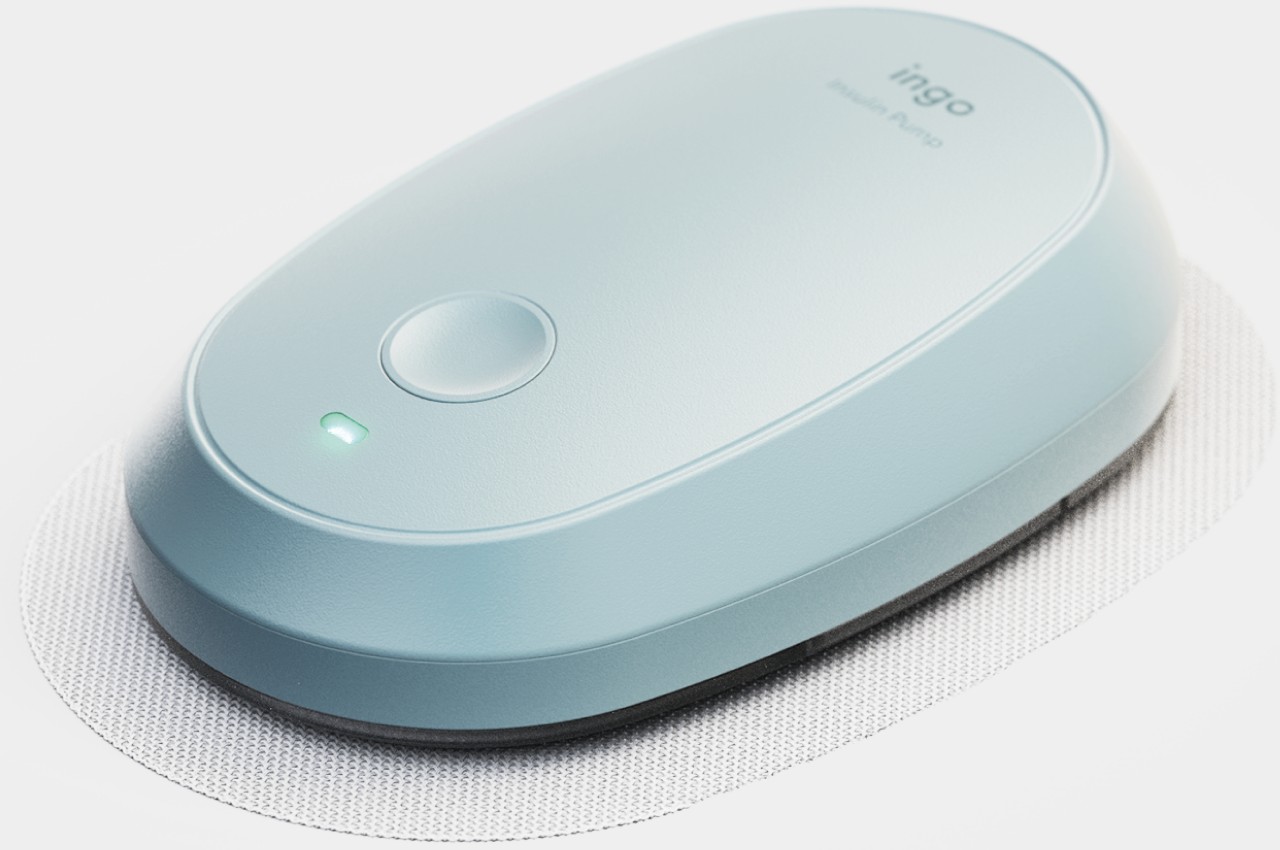
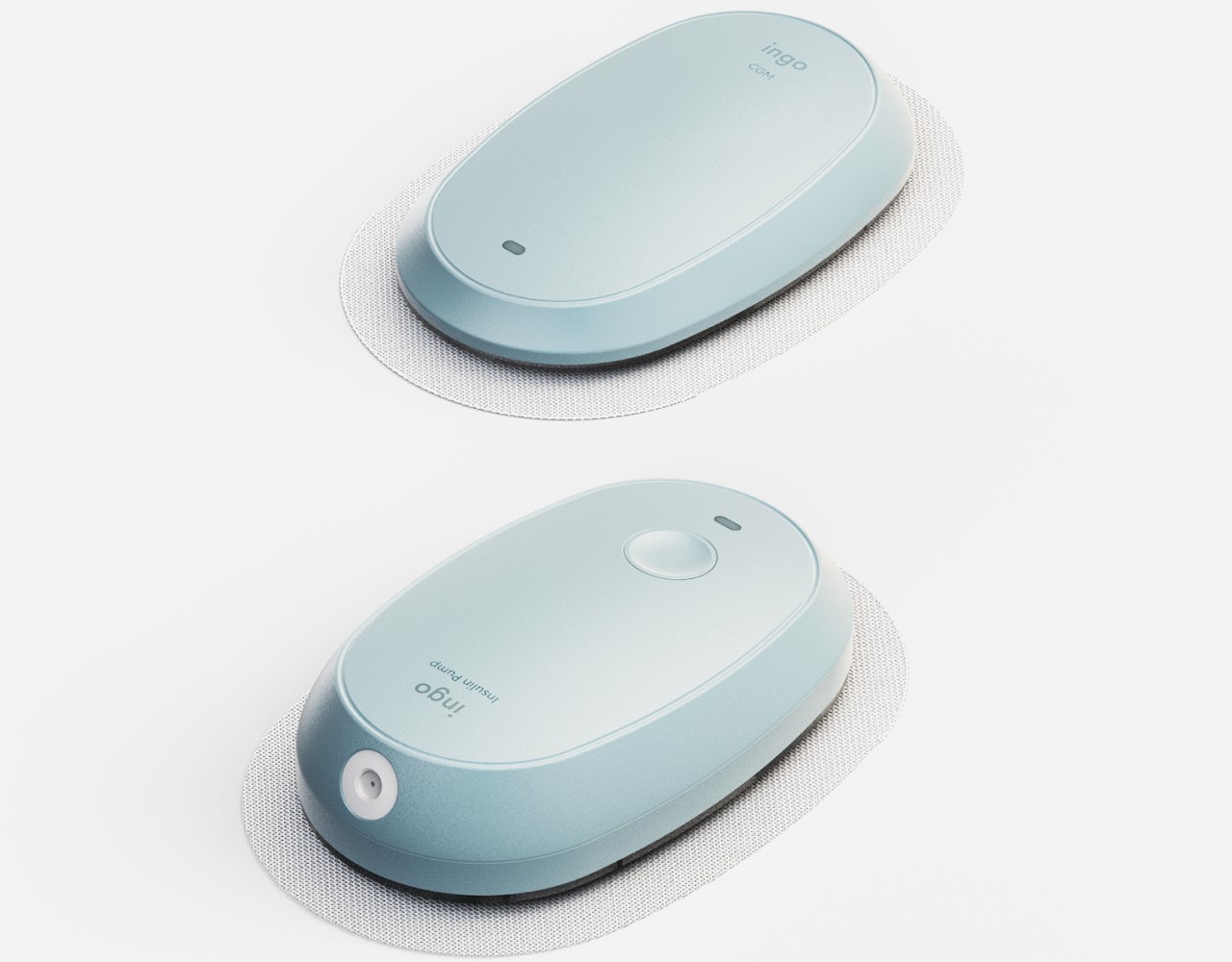
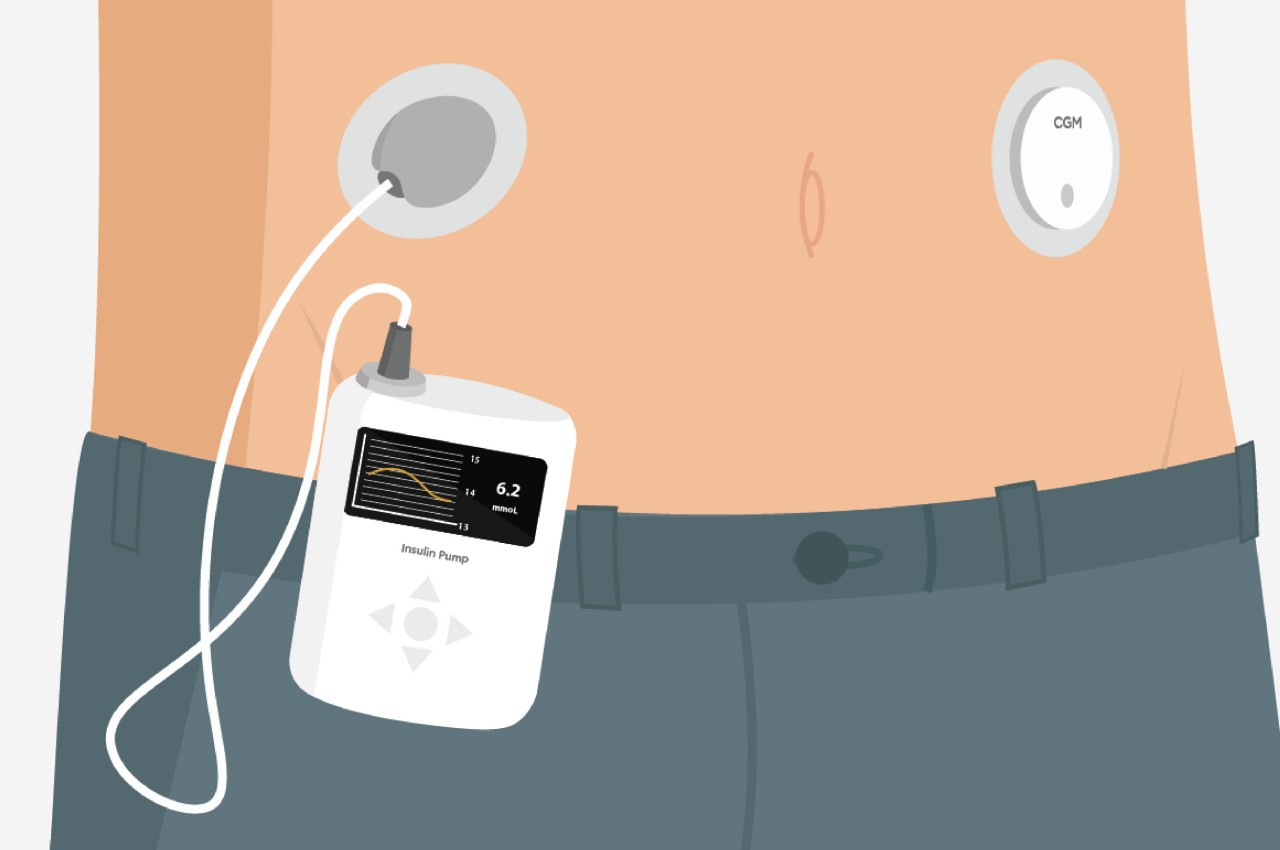
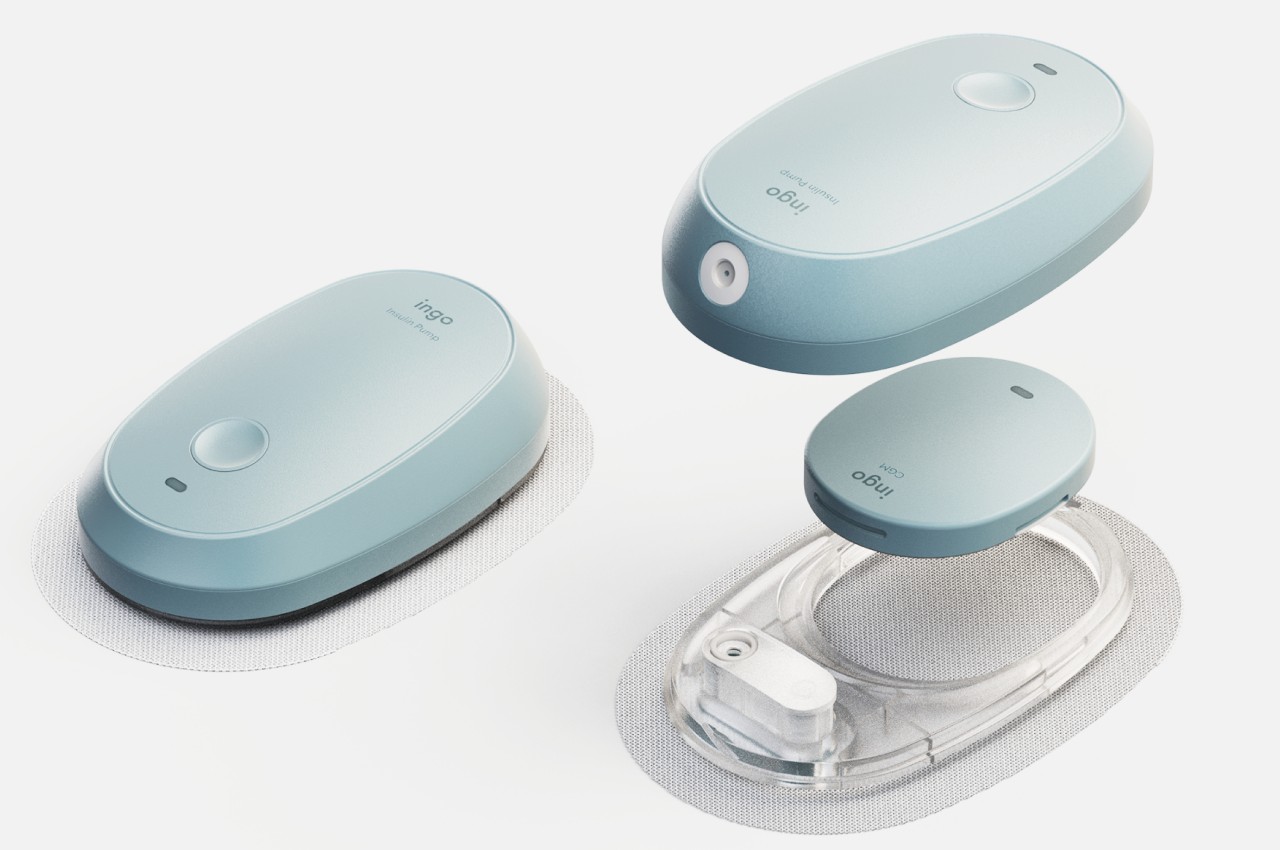
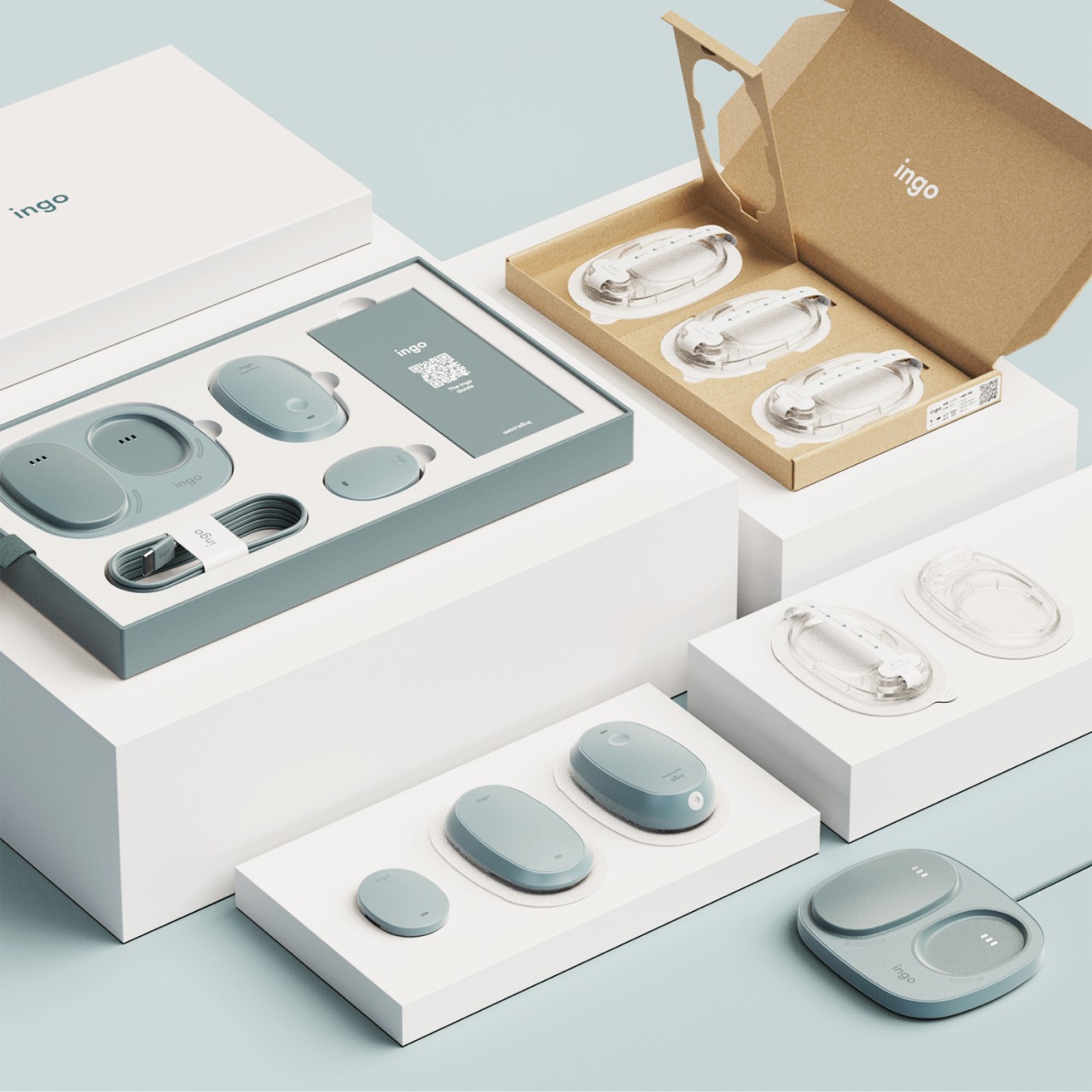
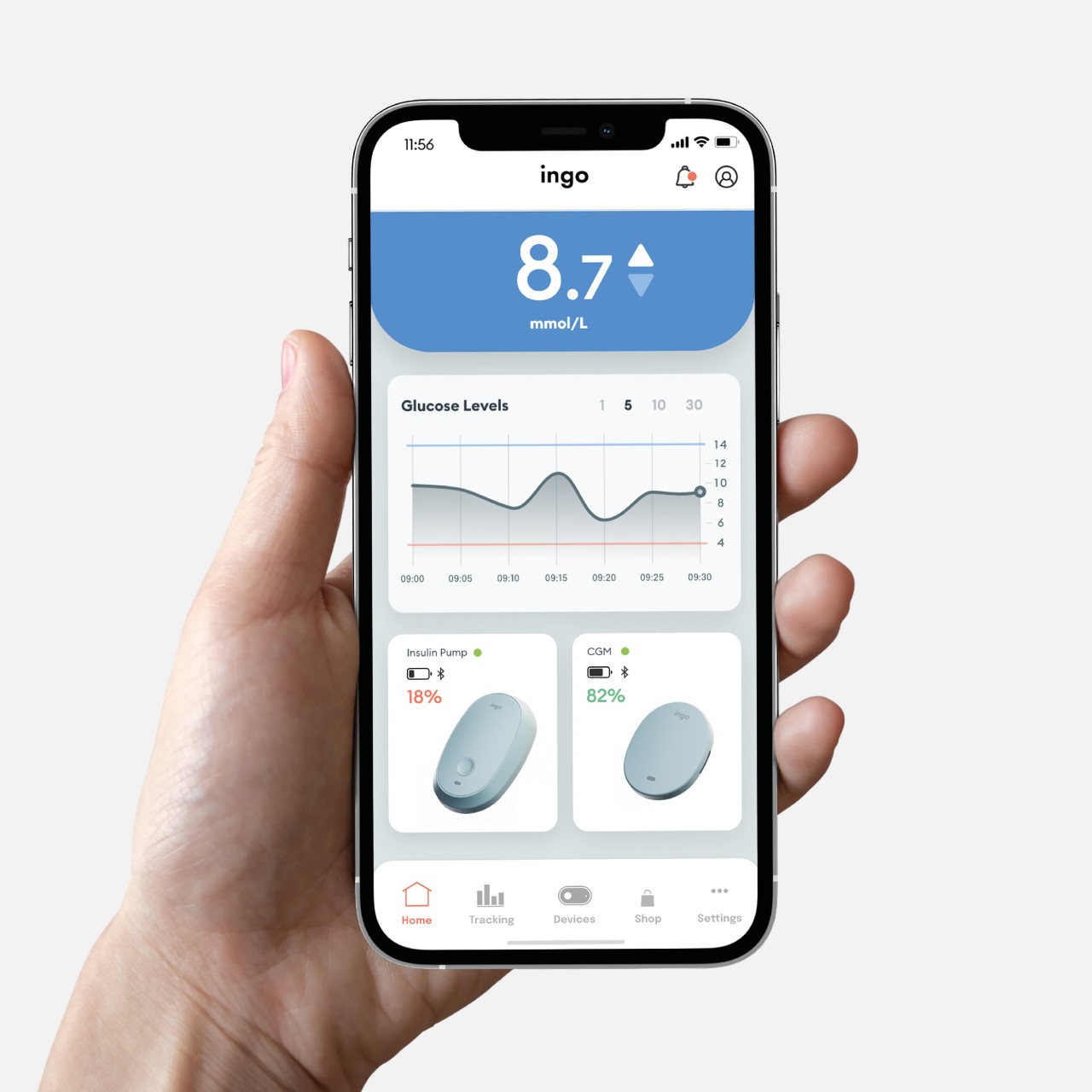
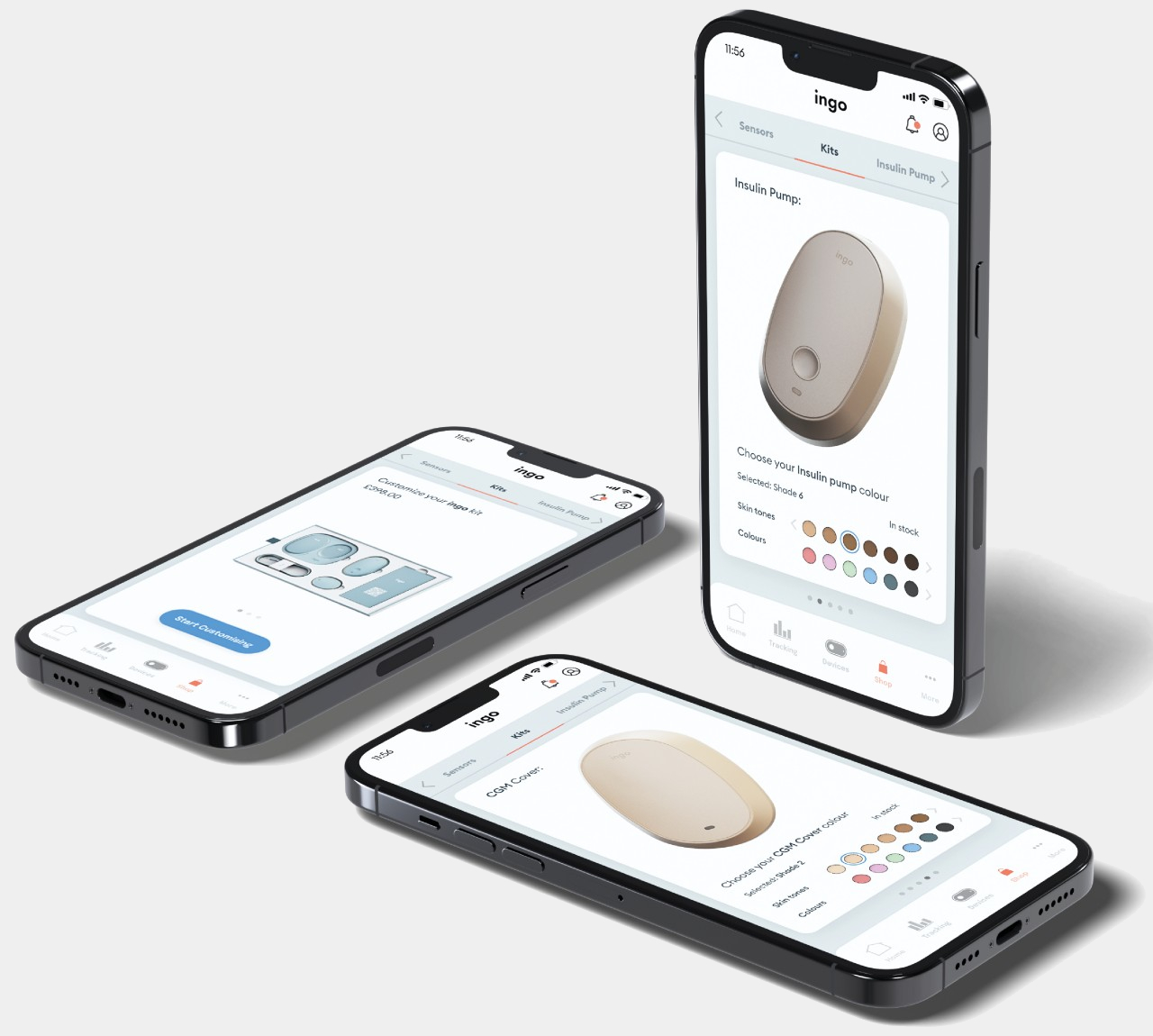
CGMs or Continuous Glucose Monitors are one of the less invasive methods of keeping tabs on your blood sugar levels, though most do require inserting a sensor under the skin that is read by a device that sticks to your body over that site. When it comes to injecting insulin, on the other hand, insulin pumps remove the need to always pierce your skin for every injection, as a needle stays in its position for a day or two before needing to be replaced, unless the pump is one that actually stays on your body and above your skin. If these two devices sound almost related, it’s because they really are, and the Ingo CGM and insulin pump concept actually combines these two functions into a single, reusable, and sustainable device.
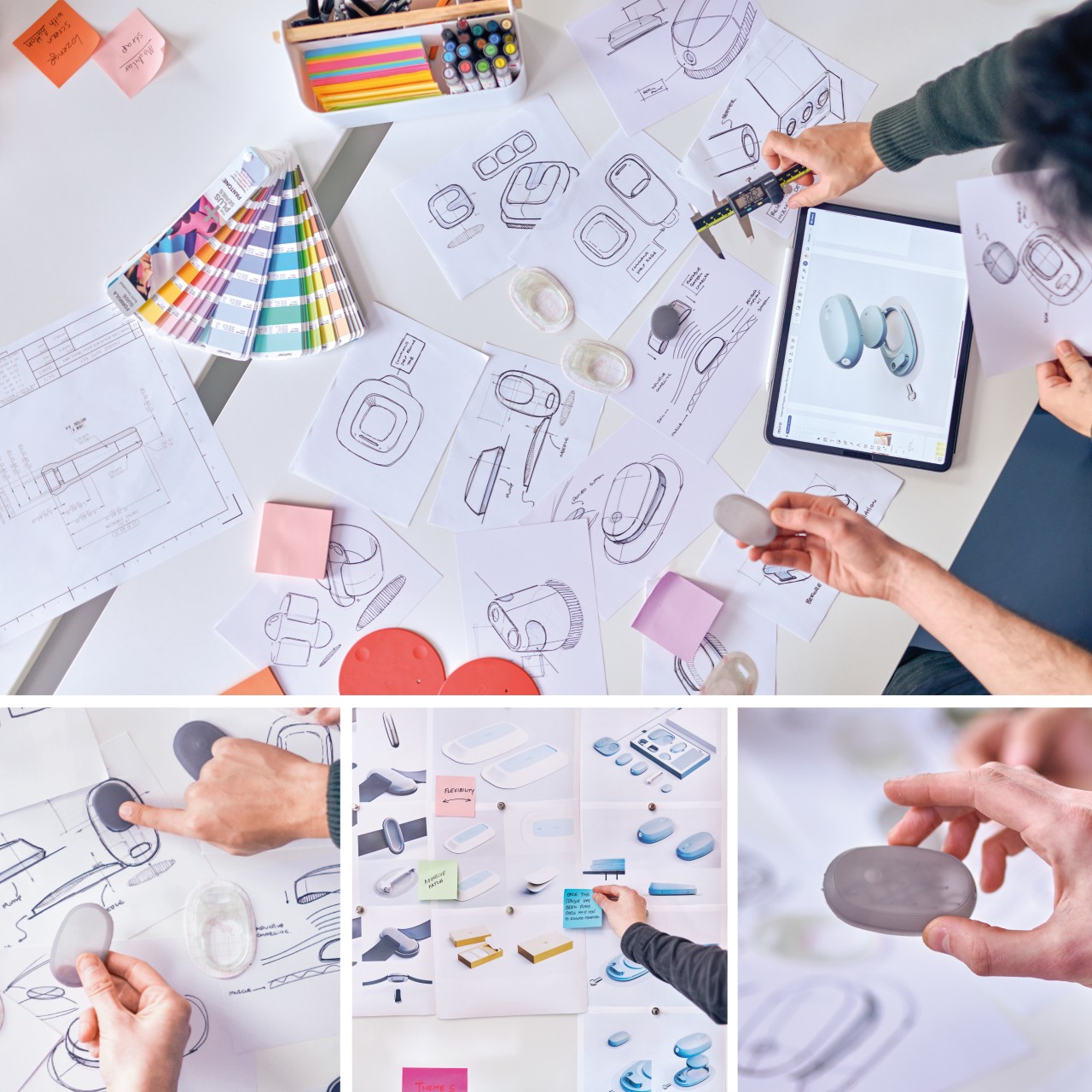
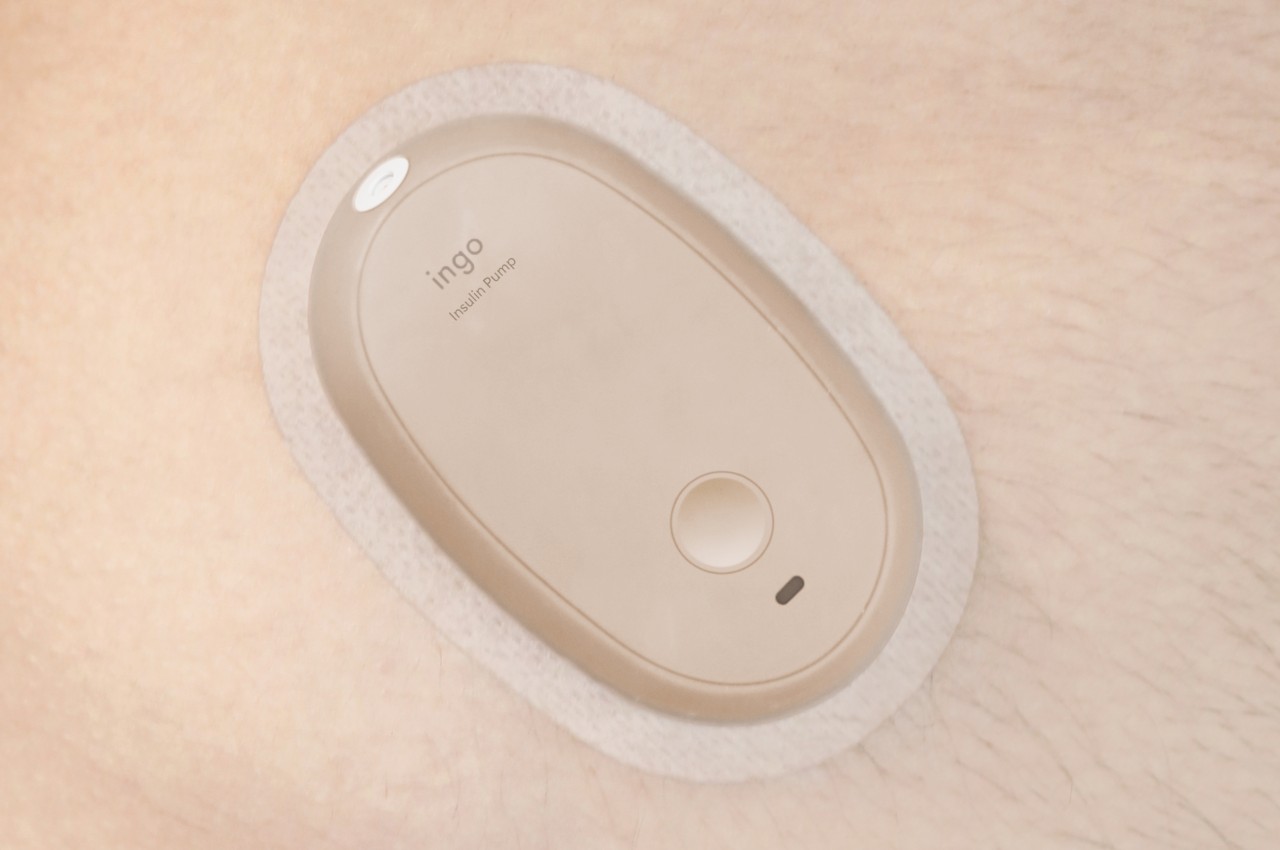
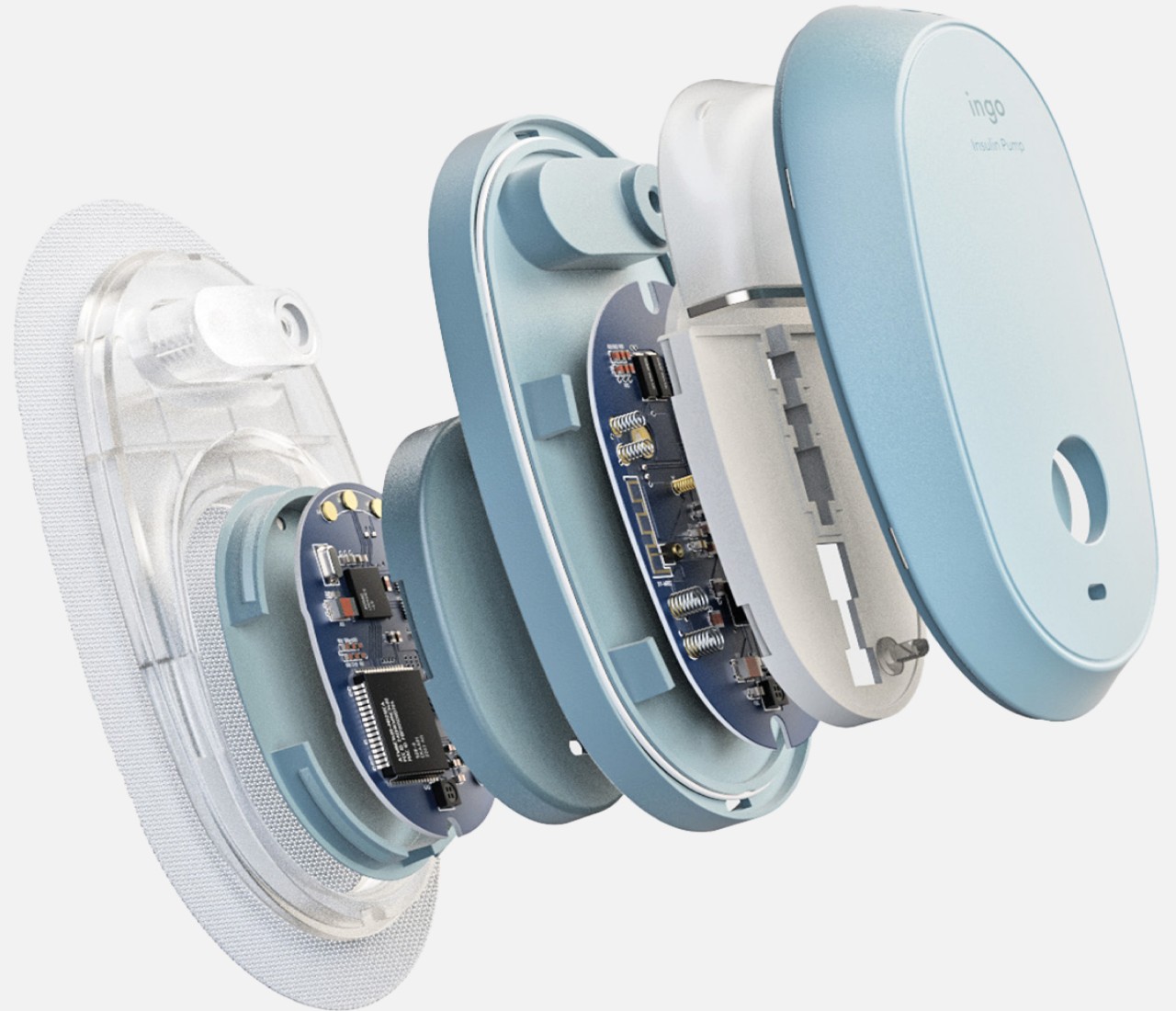
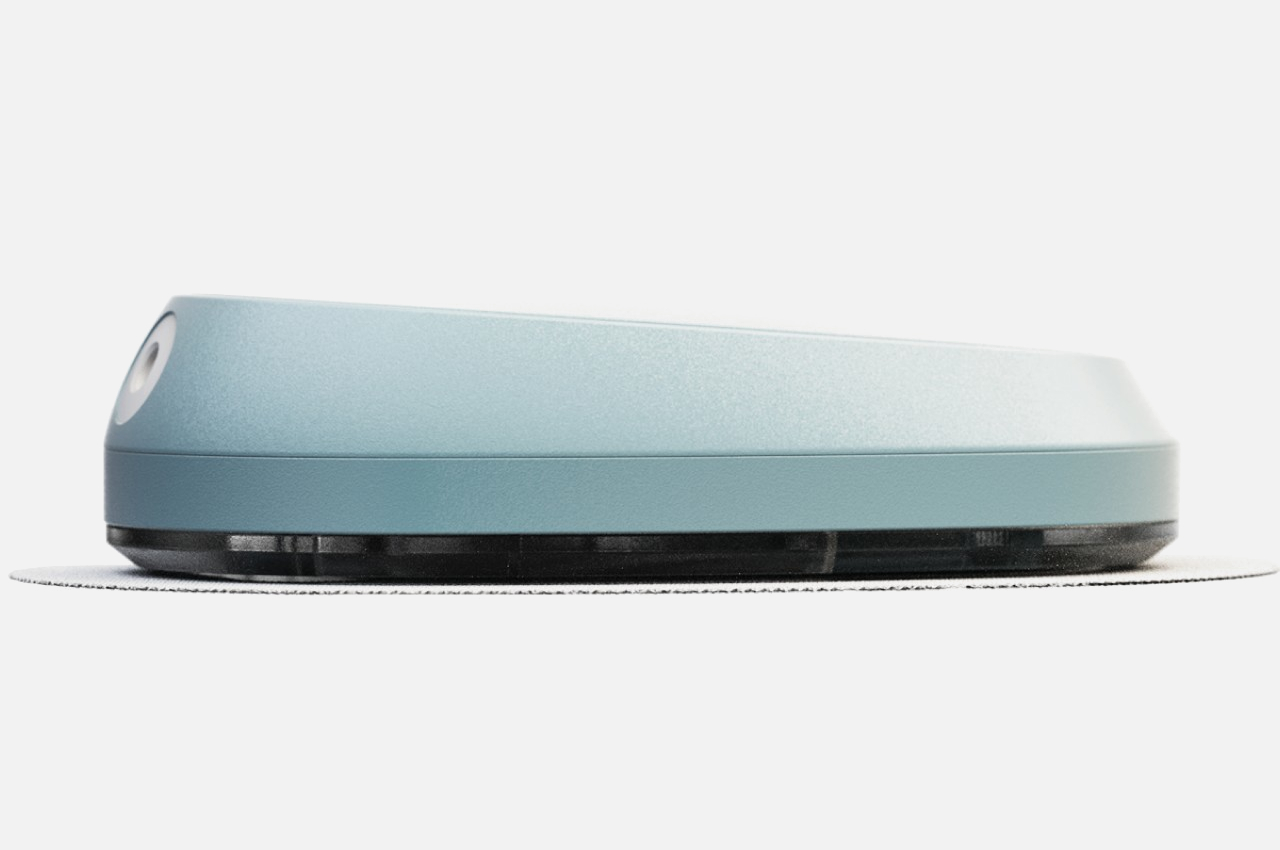
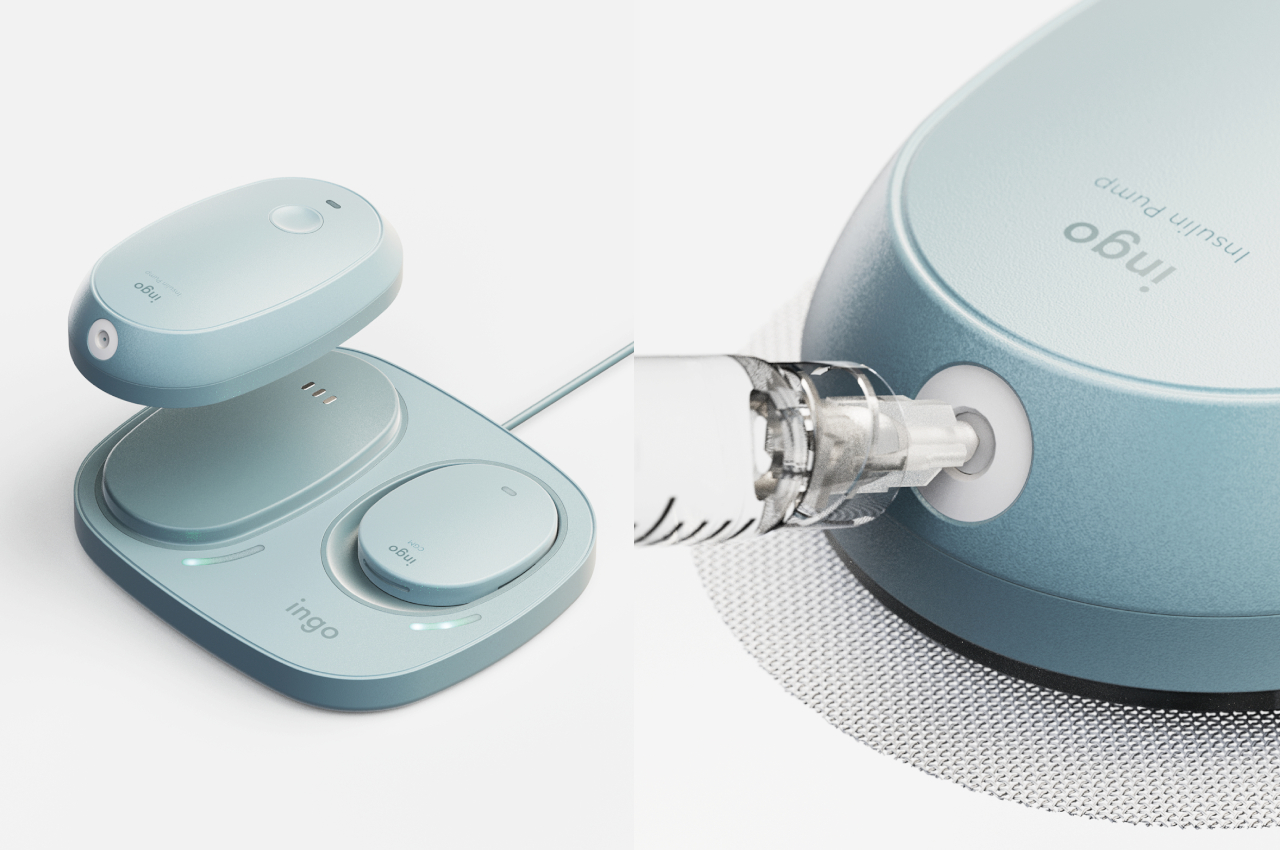
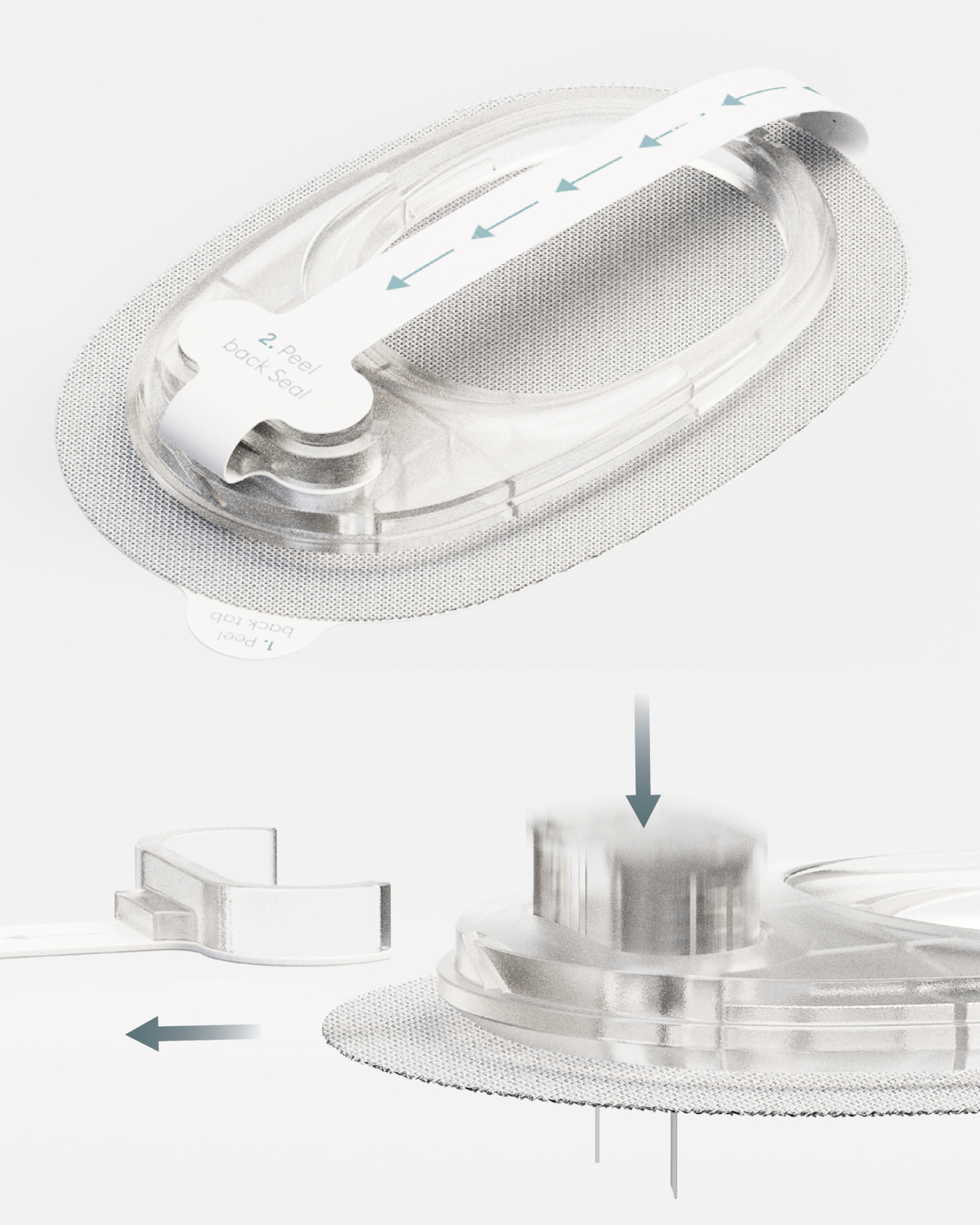
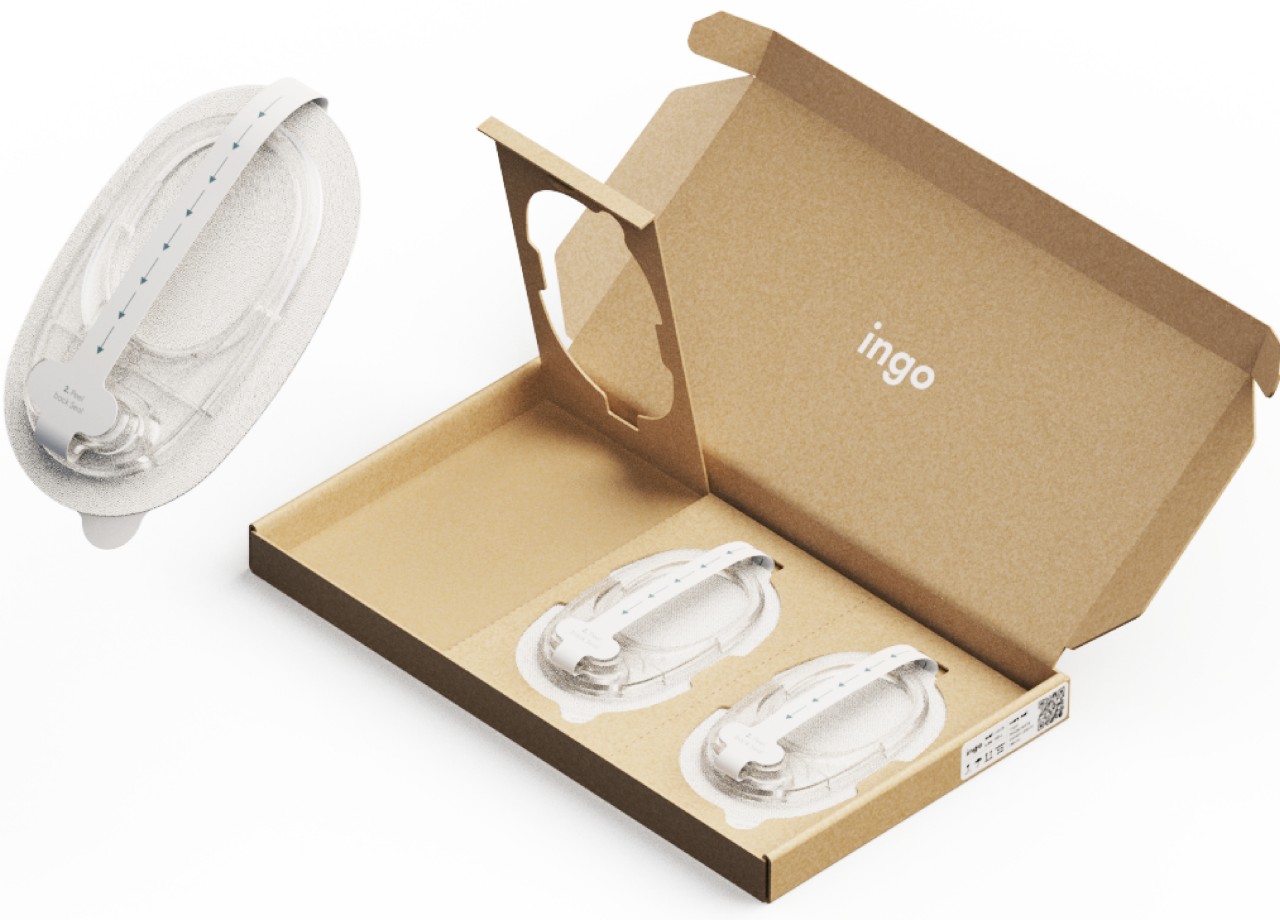
This oval-shaped device combines two critical functions in a single compact design that diabetes patients can discreetly wear on their bodies. Ingo can even have different colors to match skin tones so they won’t stand out as much as more obvious medical devices. There’s also the element of convenience as the device can be easily recharged on a wireless base, while the CGM sensor and pump needle are integrated into the sensor patches that stick over your skin.
Ingo also differs from existing CGMs and insulin pumps in the way that it tries to reduce the amount of waste as much as possible. Instead of disposable parts, it uses reusable components and recyclable patches, lessening the burden on the environment that these solutions often place on the planet. The rechargeable device and refillable insulin tank also prolong the life of the product or at least those parts that shouldn’t have to be thrown away frequently. Ingo is definitely an interesting proposal for a more humane and more environment-friendly way to keep diabetes patients living healthy and meaningful lives while also taking care of the planet they’re living on.
One of my plans in life when I eventually retire is to live somewhere near the beach and just have a daily walk along the shore. Aside from nature and people watching, another thing that I enjoy is to look at some of the things that people leave, intentionally or unintentionally, by the shore and in the water and wonder what’s the story behind it. Of course it’s not a good thing that these trash are left there so it will also be part of my routine to clean this up and think of ways to encourage people not to litter on the beach.
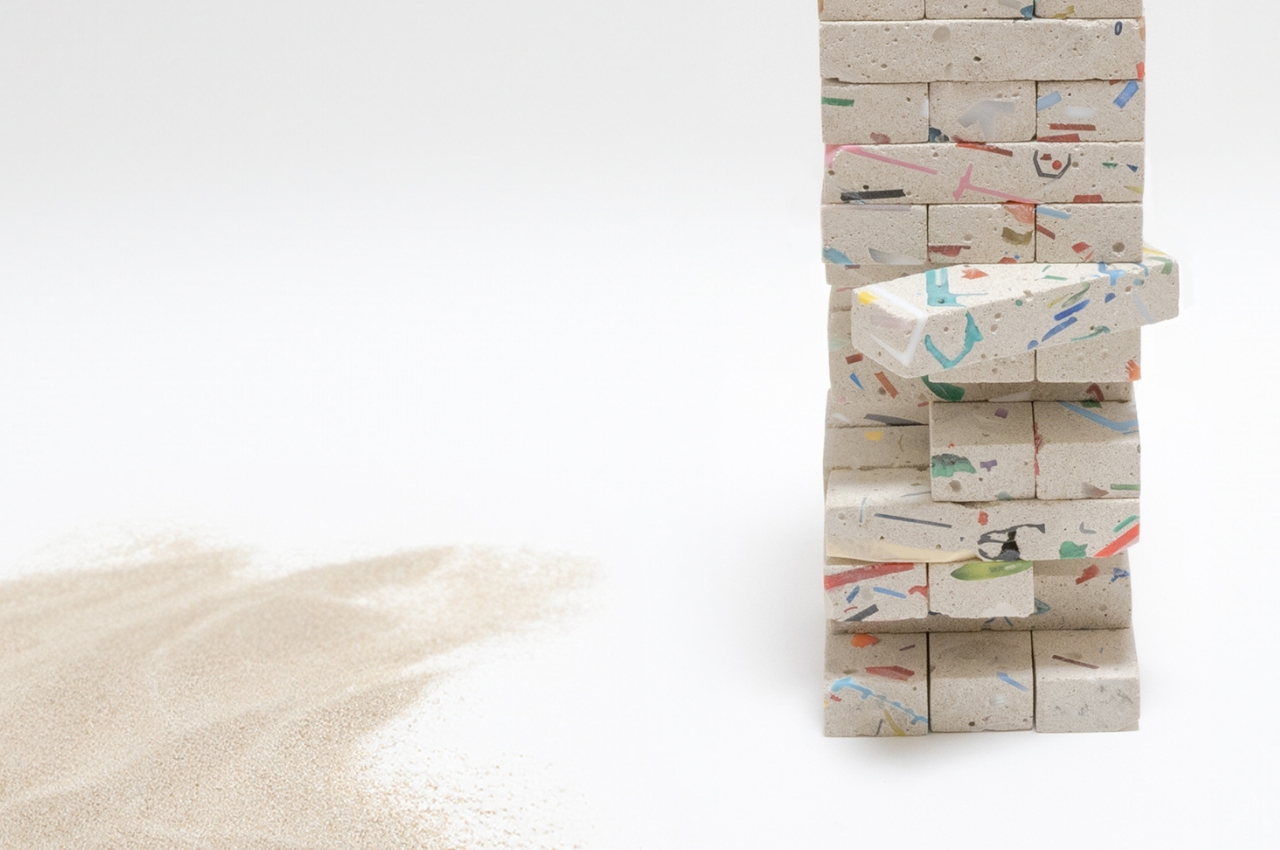
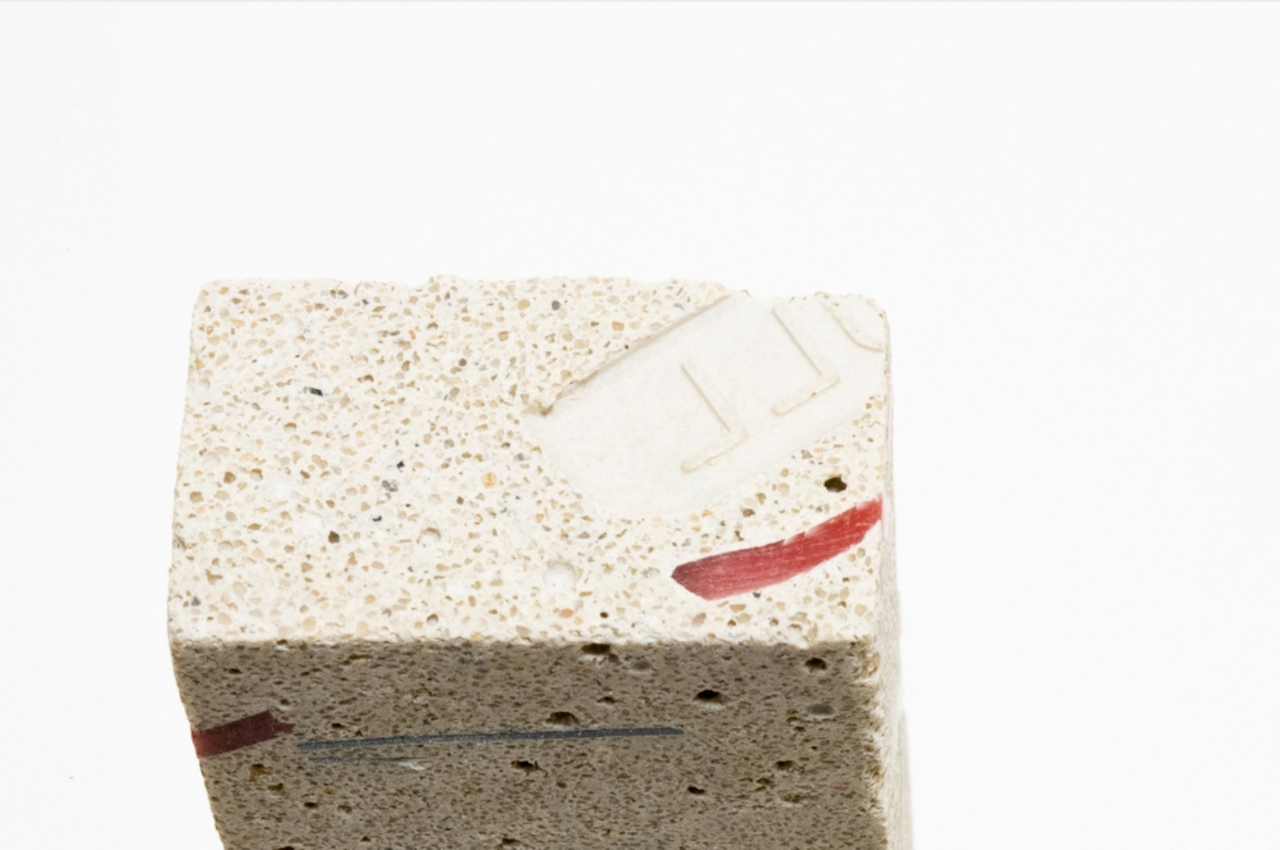
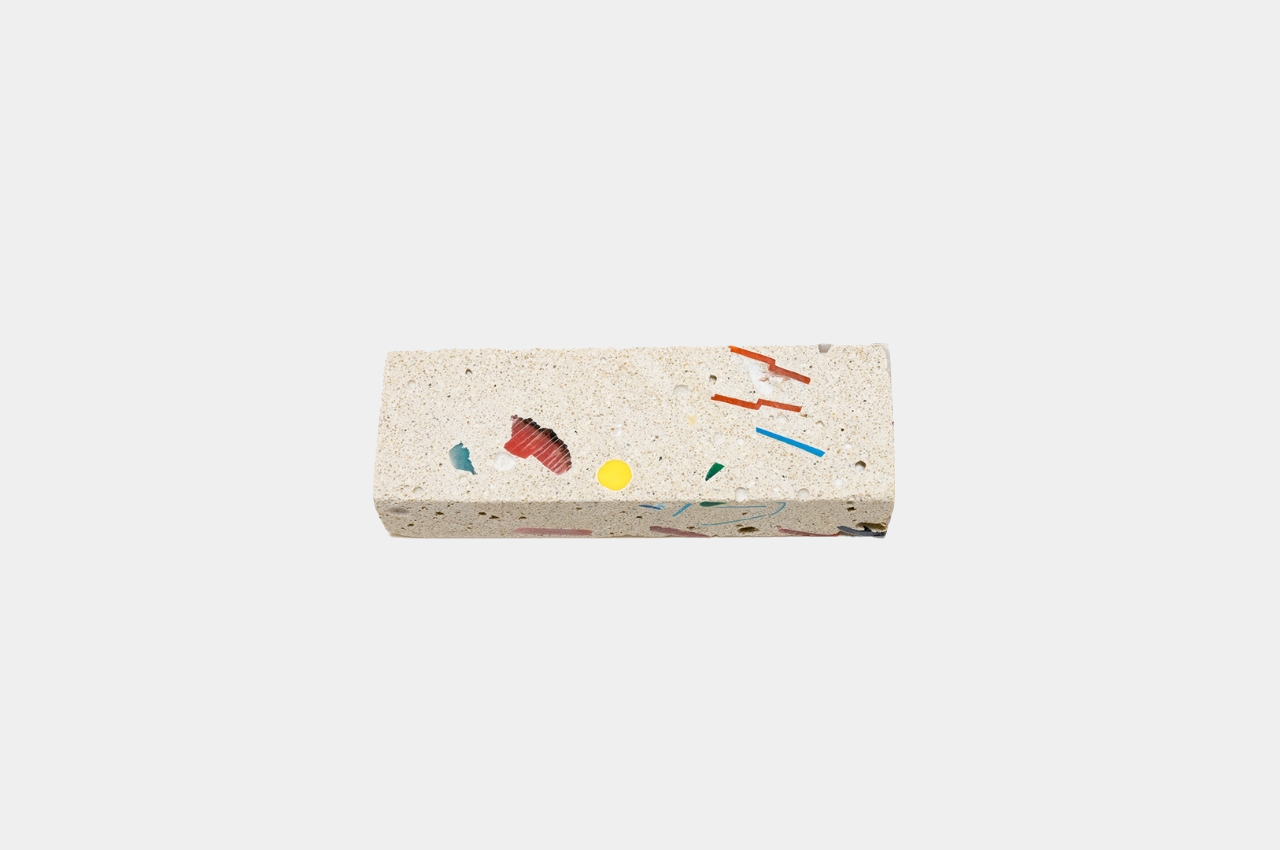
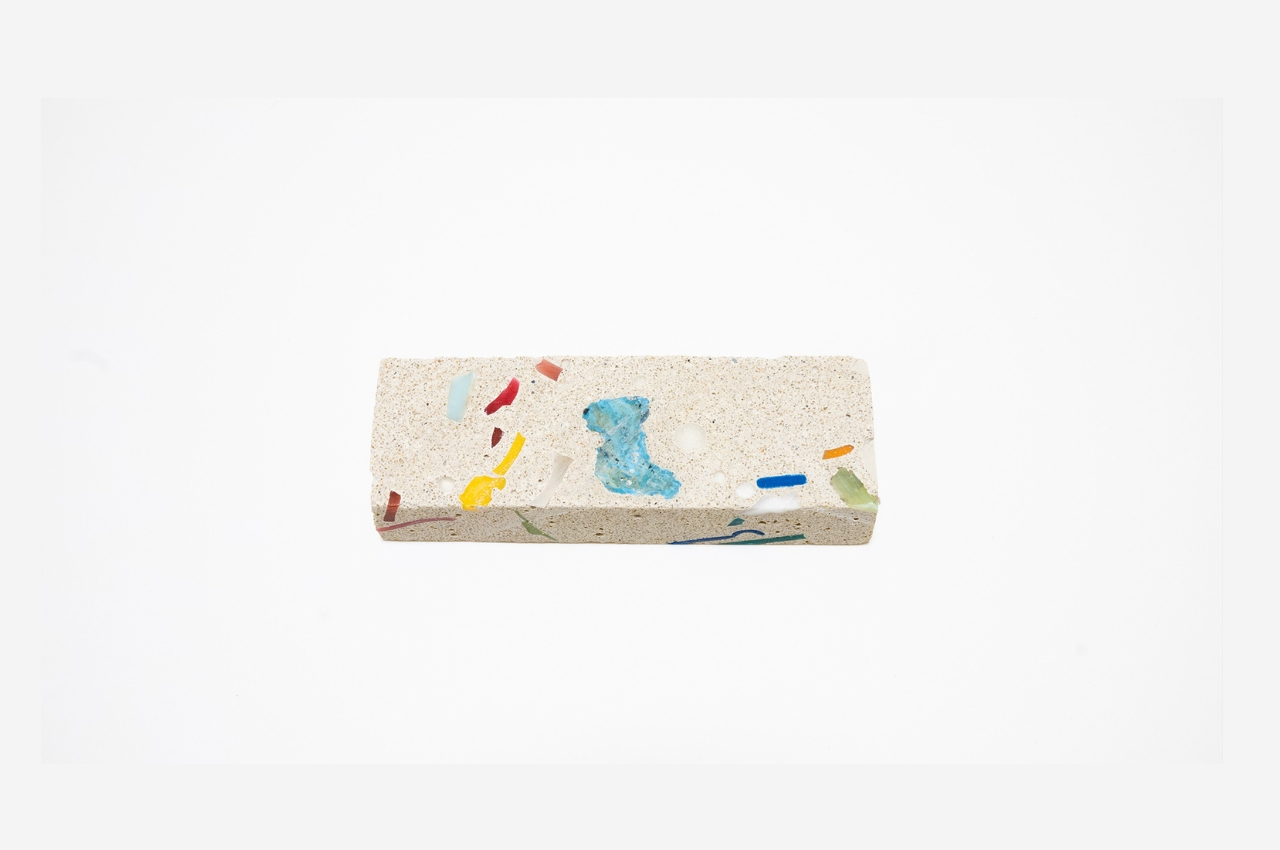
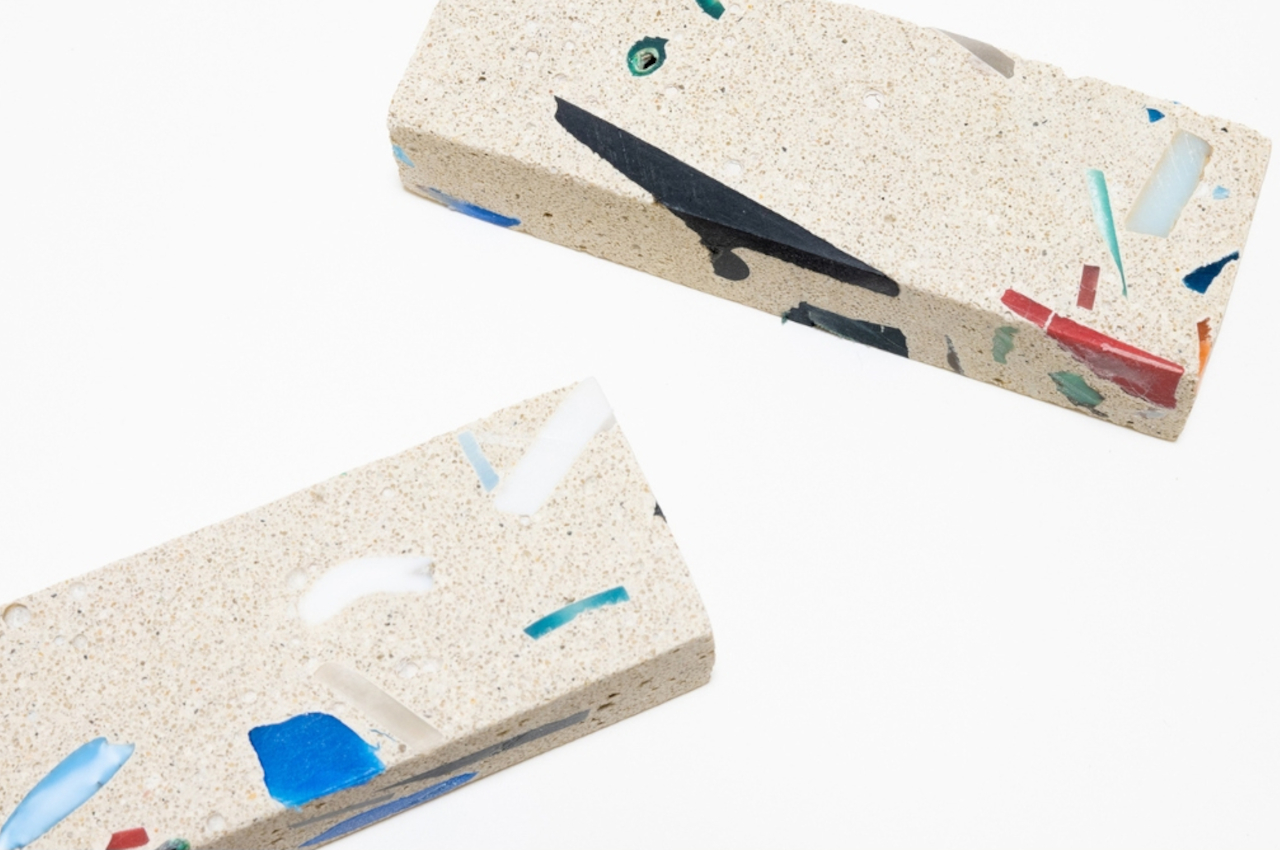
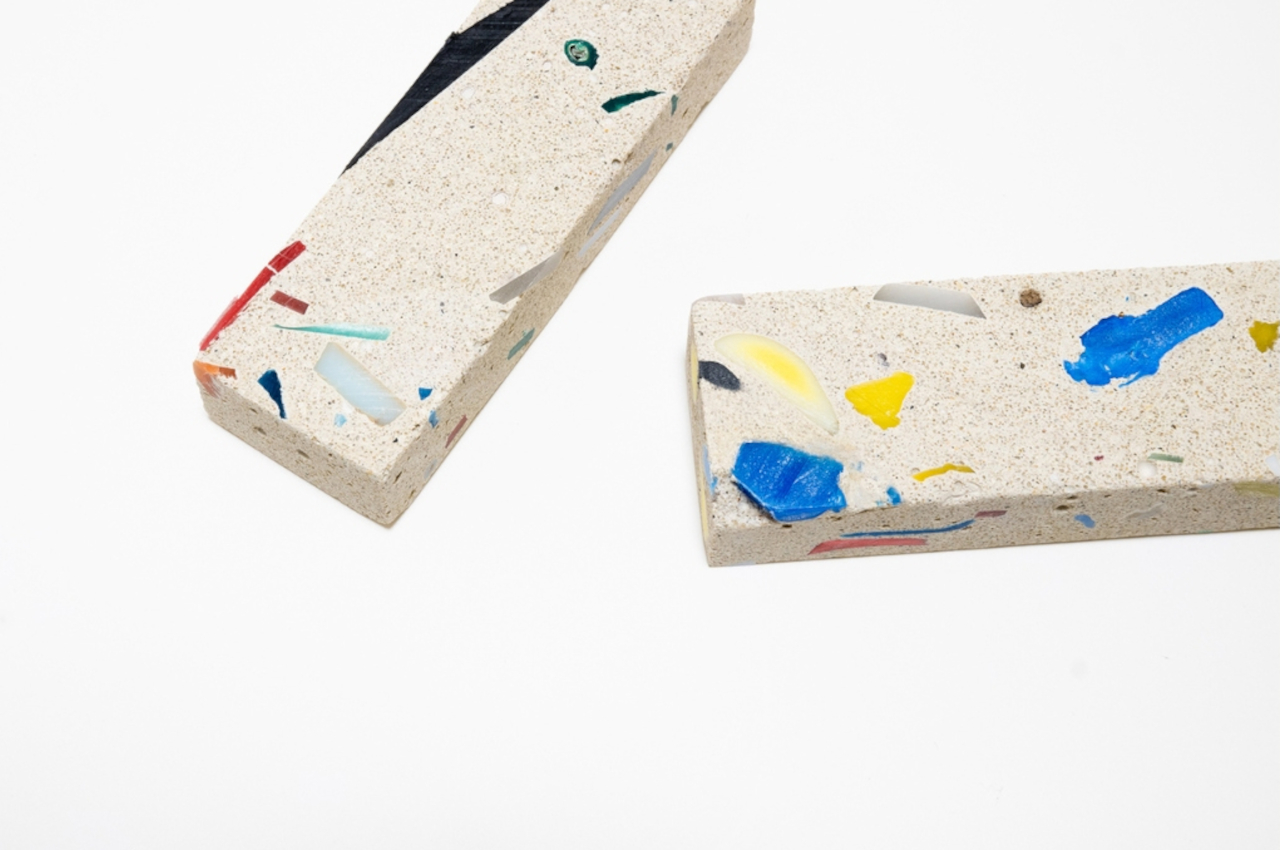
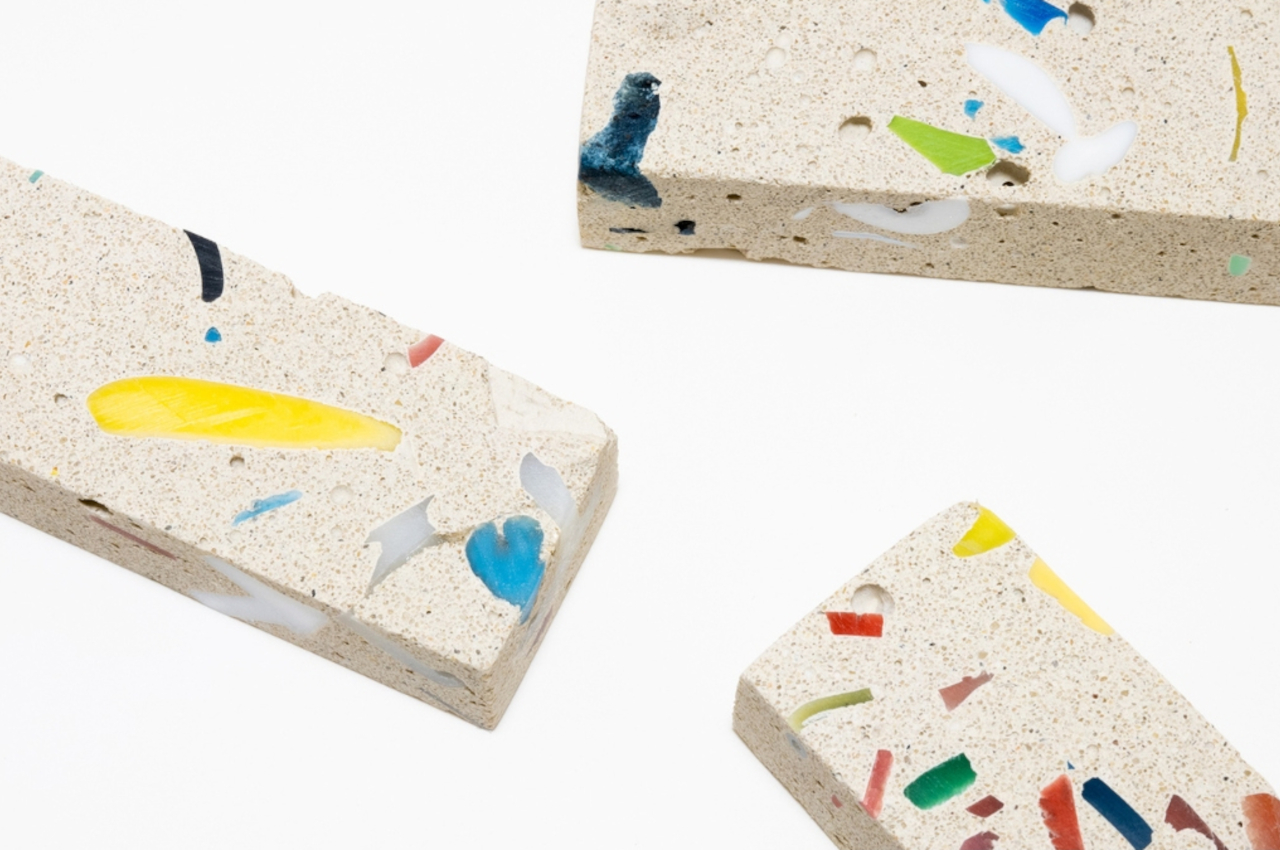
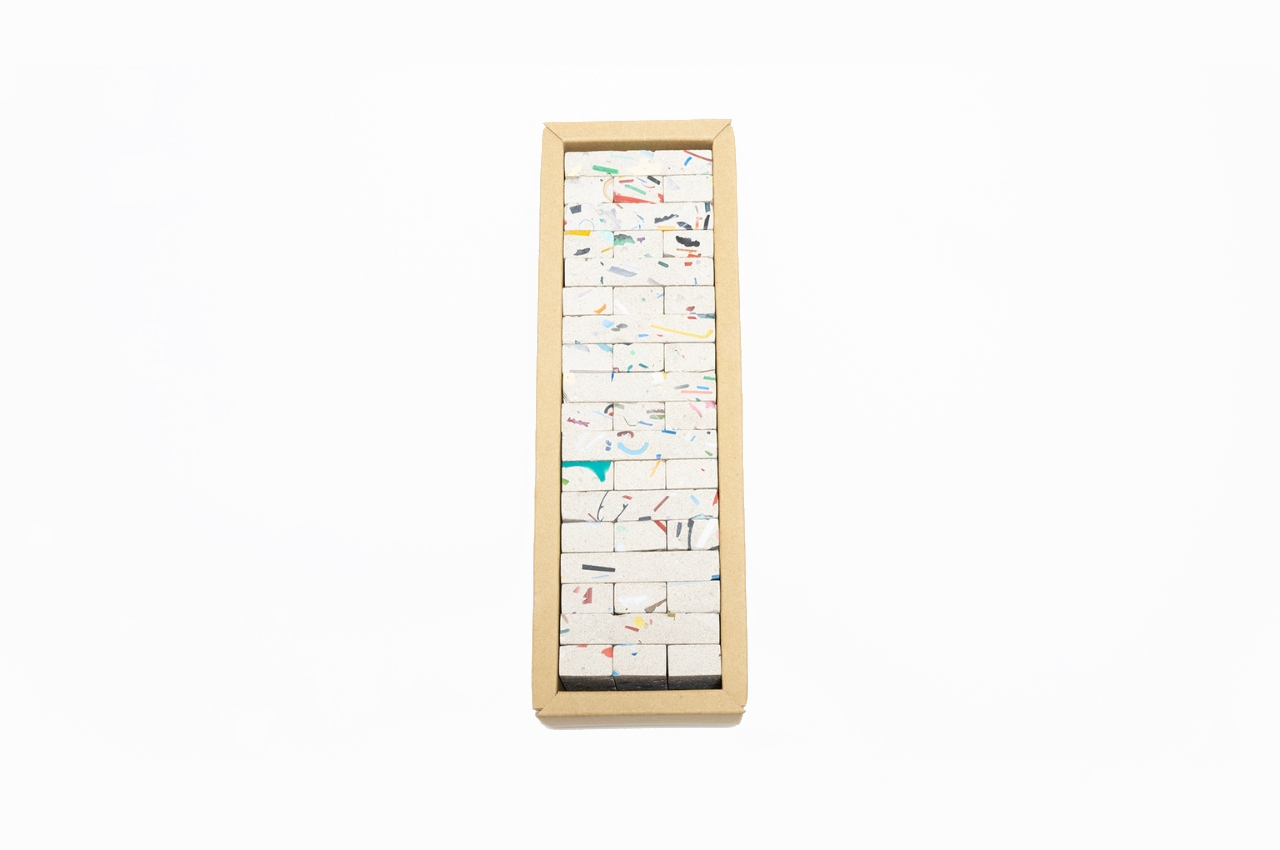
One idea that came from someone who has been seeing all these tiny pieces of trash left on the Makuhari Beach in Chiba City is to create a game out of them. Debris is a tower-stacking game similar to Jenga and Uno Stacko but is made from the marine plastic collected from the area. The tiles have different color patterns based on the season and the collection site where these microplastics came from. It uses VOC-free (no volatile organic compounds) and water-based acrylic resin as a binding agent.
While you’ll have fun playing the game (if this is your thing), the designer also wants to make Debris a way for consumers to engage with environmental issues. Regular beach clean ups do help keep the shore and water clean but there are also those tiny pieces that remain buried and erode into invisible microplastics. They have an effect on the marine environment that sometimes may not be so visible or obvious to us. Having a game made from these pieces can help us think about our effect on our environment.
It can also be interesting to think about what these colors and shapes were in their previous life as trash. But the important thing is that the materials and process in creating Debris is fully sustainable and it can be disposed of properly when you no longer need it. And hopefully, you get to think about what you’re doing to help preserve marine life and keep places like beaches a safe haven for all.
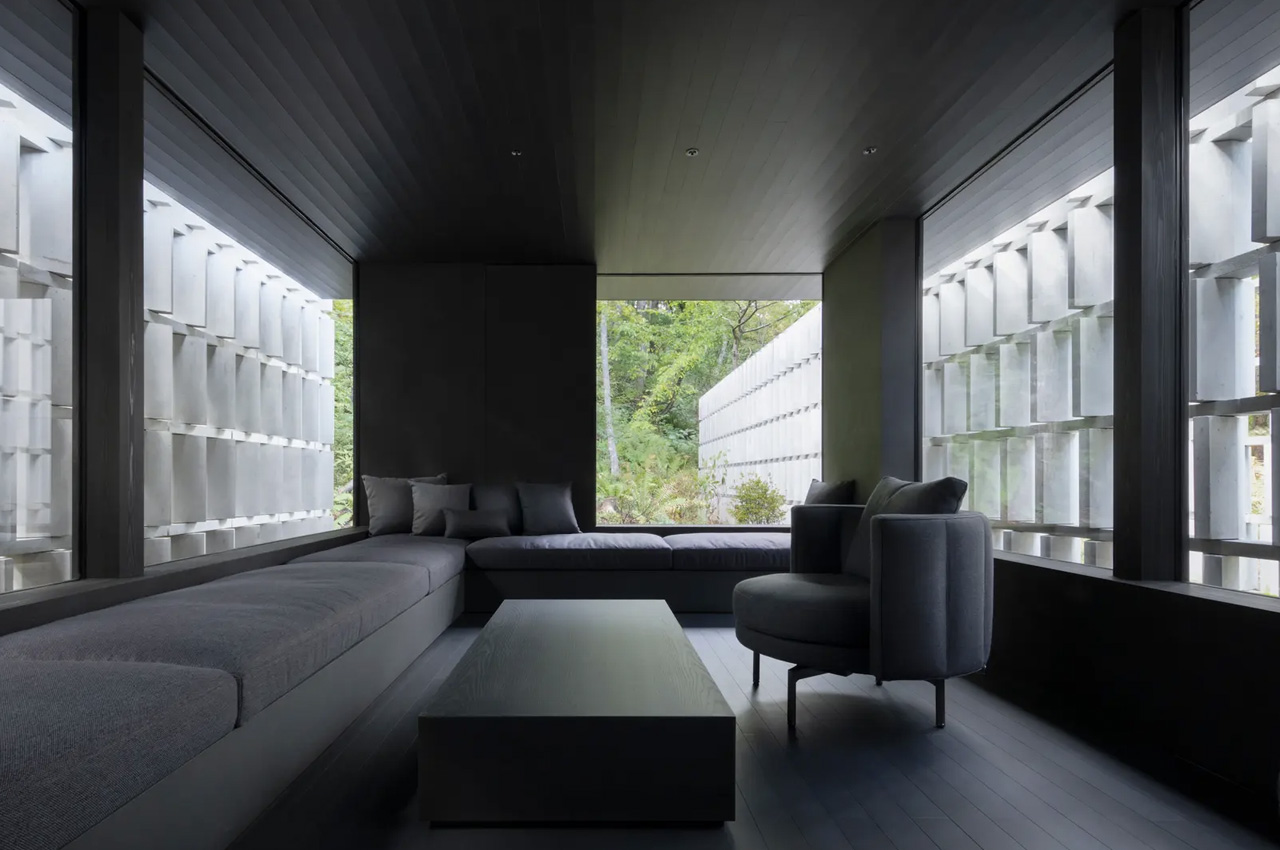
Most of our modern infrastructure and architecture is bad on concrete, and the production of cement used in concrete is one of the biggest causes of worldwide carbon dioxide emissions. This constitutes a serious issue that must be addressed, especially with the current state of our Planet Earth. In this effort, Nendo displays a specimen of a greener and cleaner way to construct and build with its Block-Wall House. The Block-Wall House is partially built using a new concrete that captures carbon dioxide instead of emitting it!
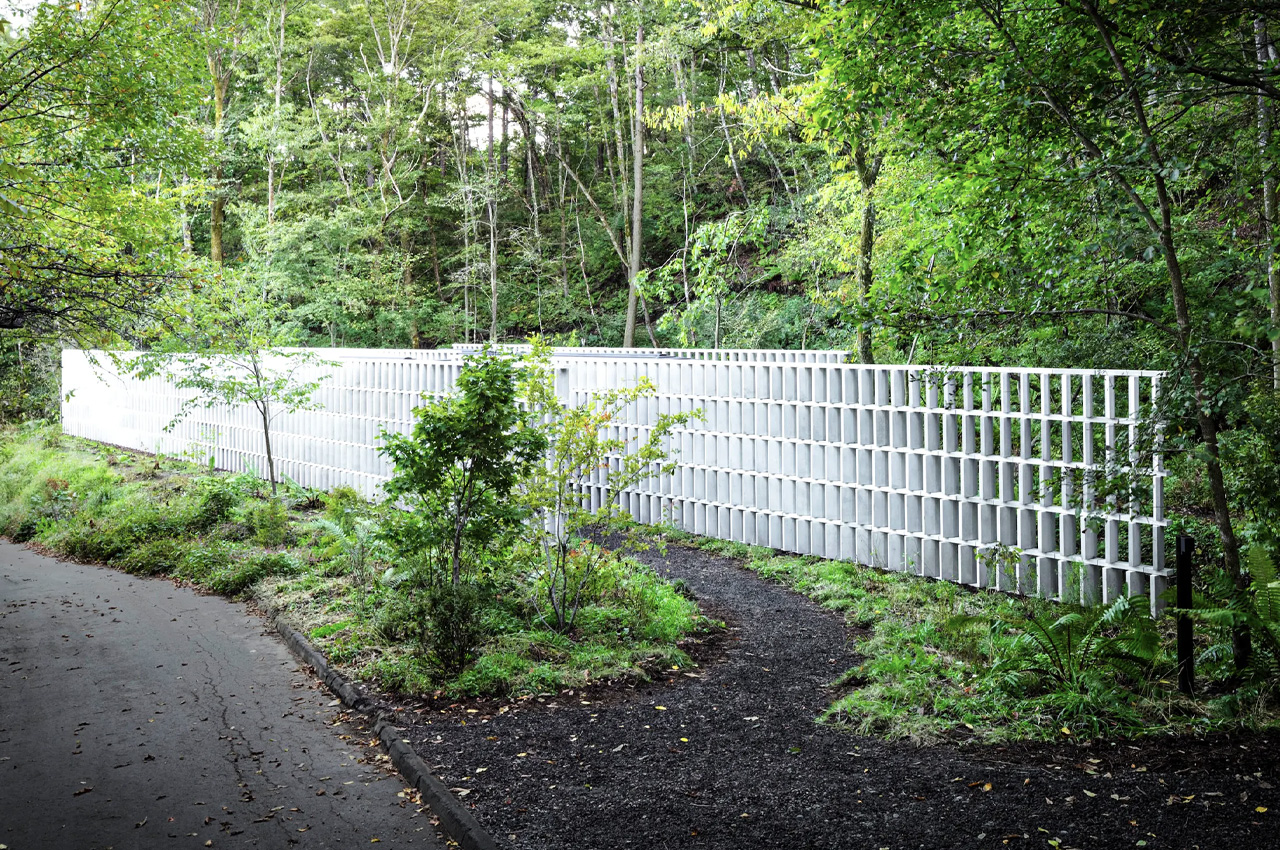
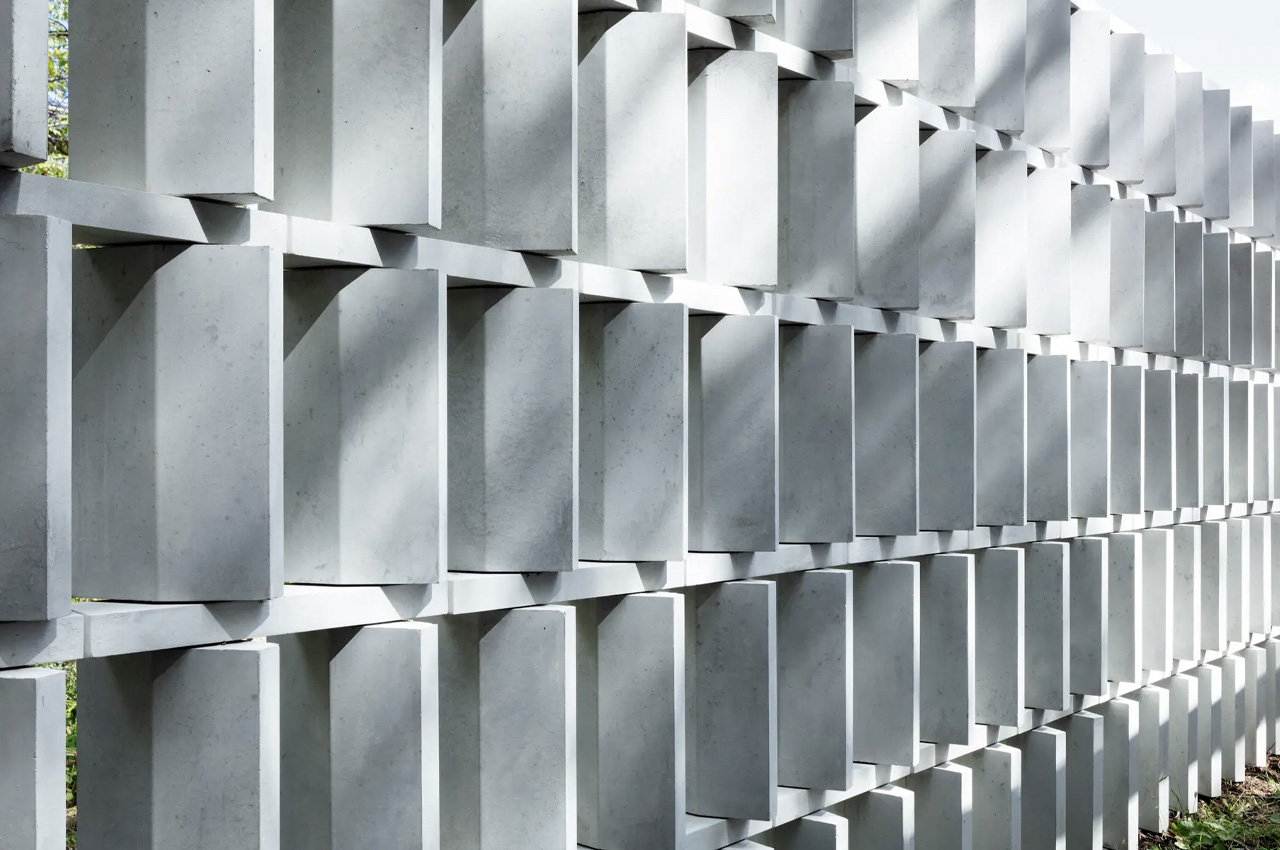
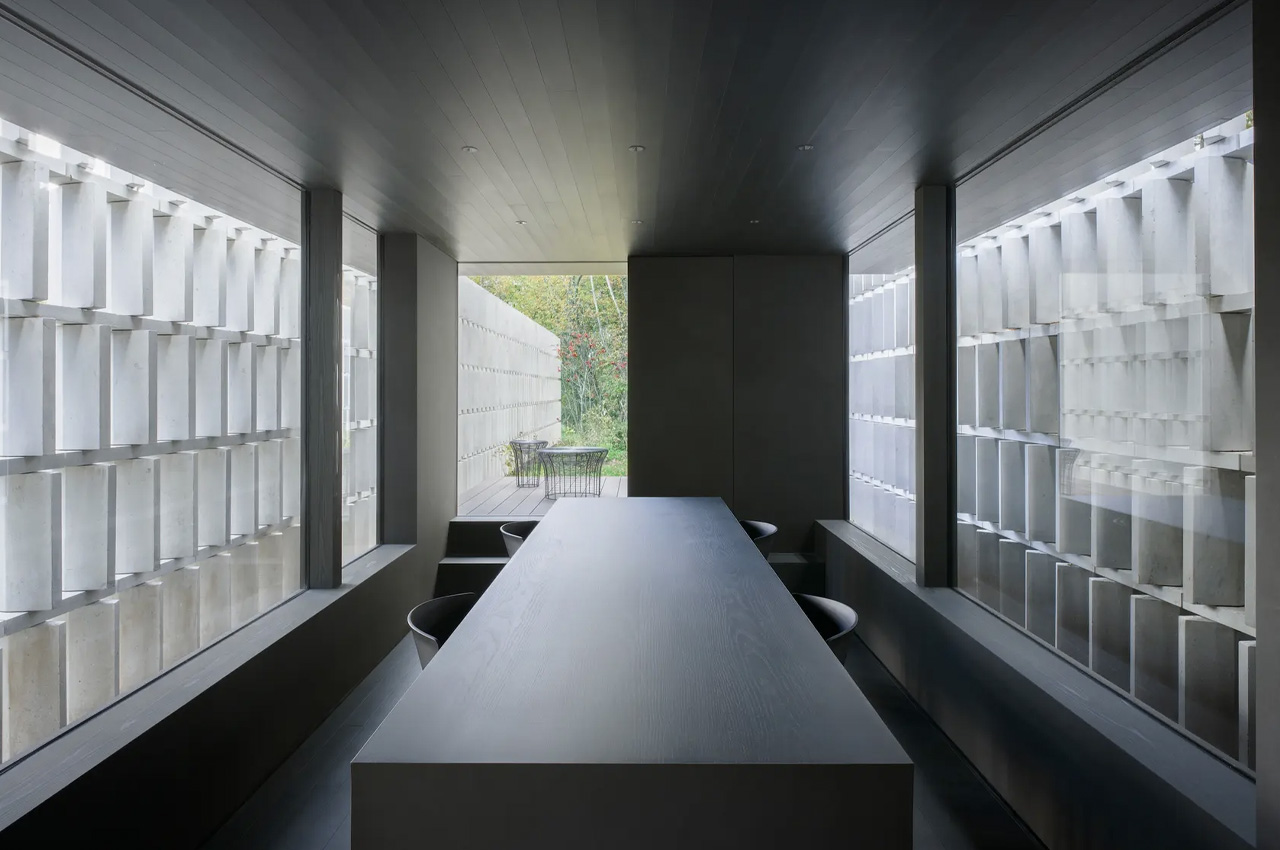
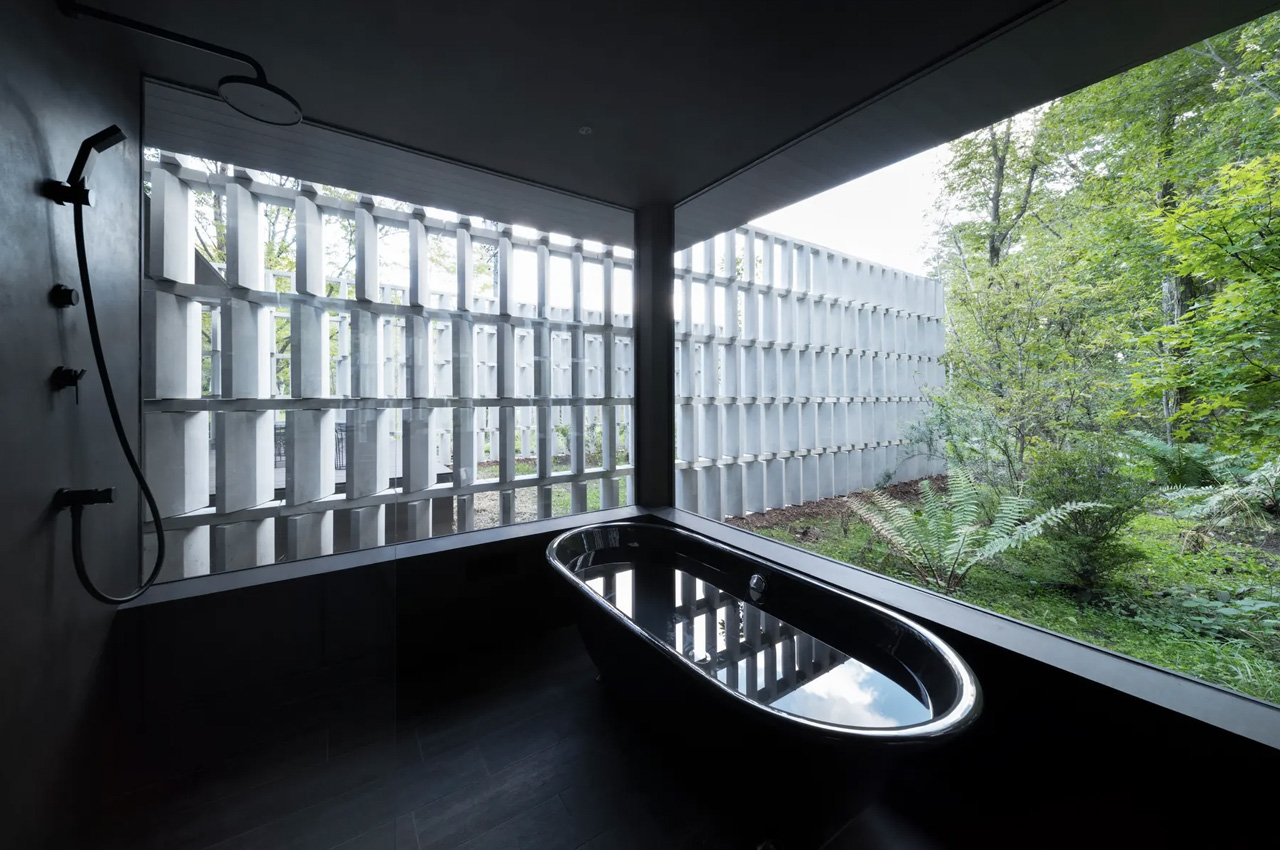
Tucked away in Japan’s Nagano Prefecture, the Block-Wall House is located next to a rural road. The house features a lot of glazing, to offer privacy against pedestrians and passing vehicles. The home is equipped with an angled screen which lets residents look out but makes it quite difficult for a passerby to glance inside. This screen is made using 2000 blocks which have been arranged in parallel rows to form five walls, with a length of 360 feet. This screen is made from the aforementioned sustainable and novel concrete!
This newly developed concrete is made by the Kajima Corporation in collaboration with the Chugoku Electric Power Co, Denka, and Landes Co. The concrete is named CO2-SUICOM, and for its production, a special cement mixture is placed in a curing chamber, and carbon dioxide is pumped into the chamber for absorption. This absorbed CO2 gets stuck inside the concrete and is not released. It is as strong as regular concrete!
“Generally, concrete hardens through a chemical reaction between cement and water,” explains Kajima Corporation. “But with CO2-SUICOM, over half the cement is replaced with a material we call γ-C2S. Instead of reacting with water, γ-C2S reacts with the CO2 in the air to harden. After mixing the materials needed to create CO2-SUICOM, the concrete can be placed in a location with high CO2 levels so it can capture the CO2 and harden, trapping the gas inside. For example, a thermal power plant or other facility that produces carbon-heavy exhaust gases can redirect the gases into a carbon sequestration chamber, where concrete products made with CO2-SUICOM can be placed to capture the CO2 in the gases.”
Currently, the price of producing CO2-SIUCOM concrete is about three times higher than usual concrete in Japan. Hence, work is being done to bring down the price, and Kajima Corporation believes that the concrete will become more economical in the future.