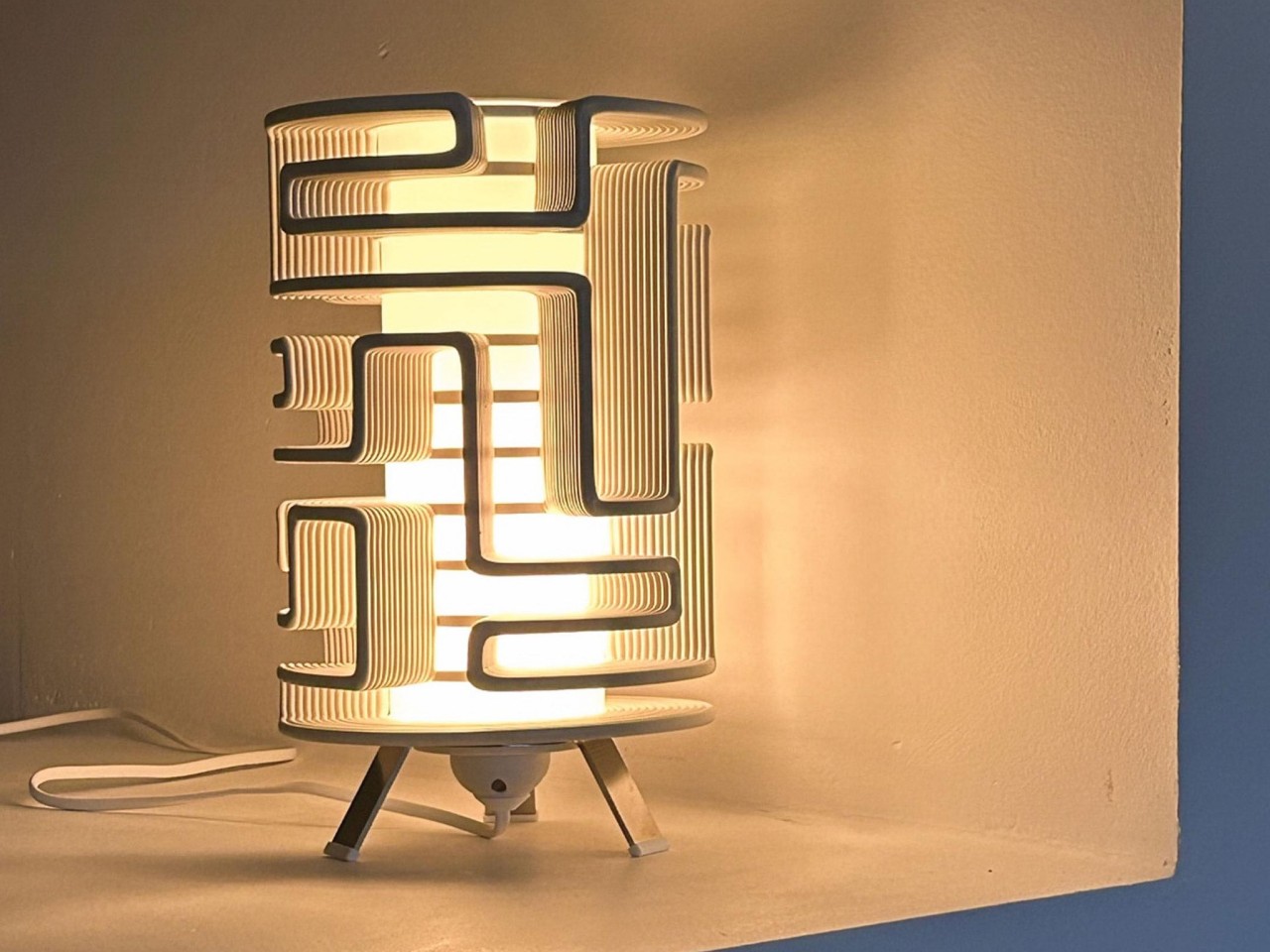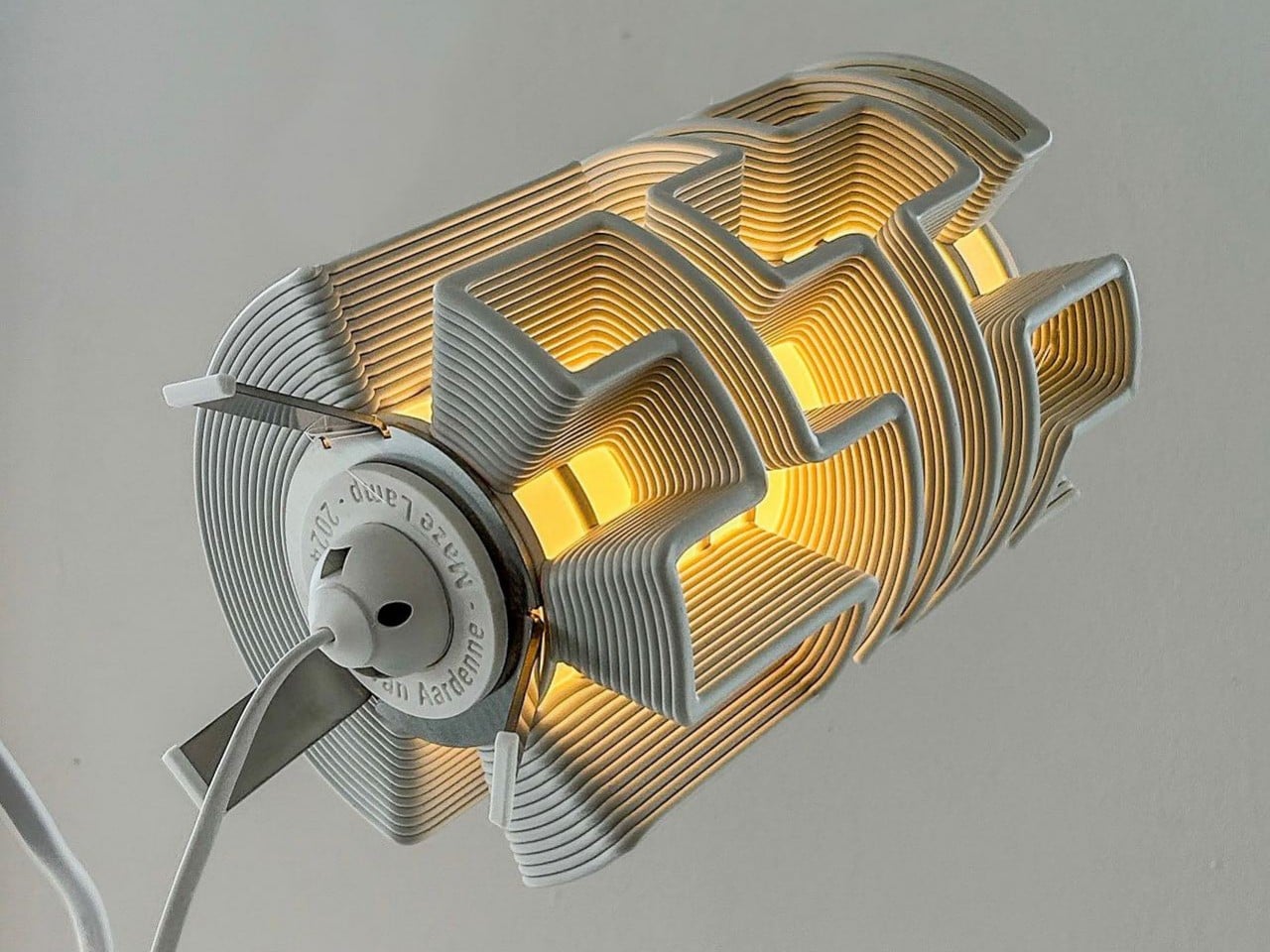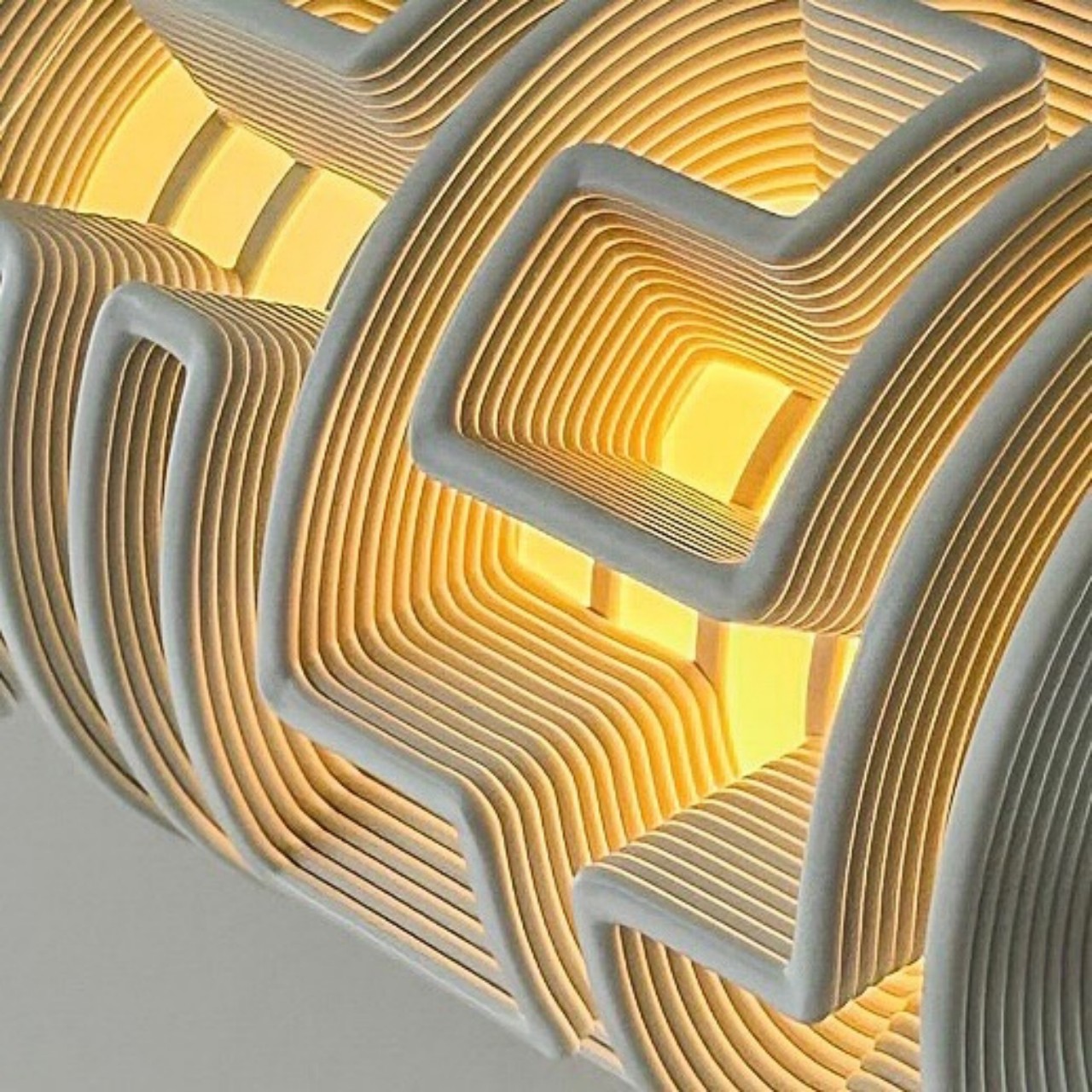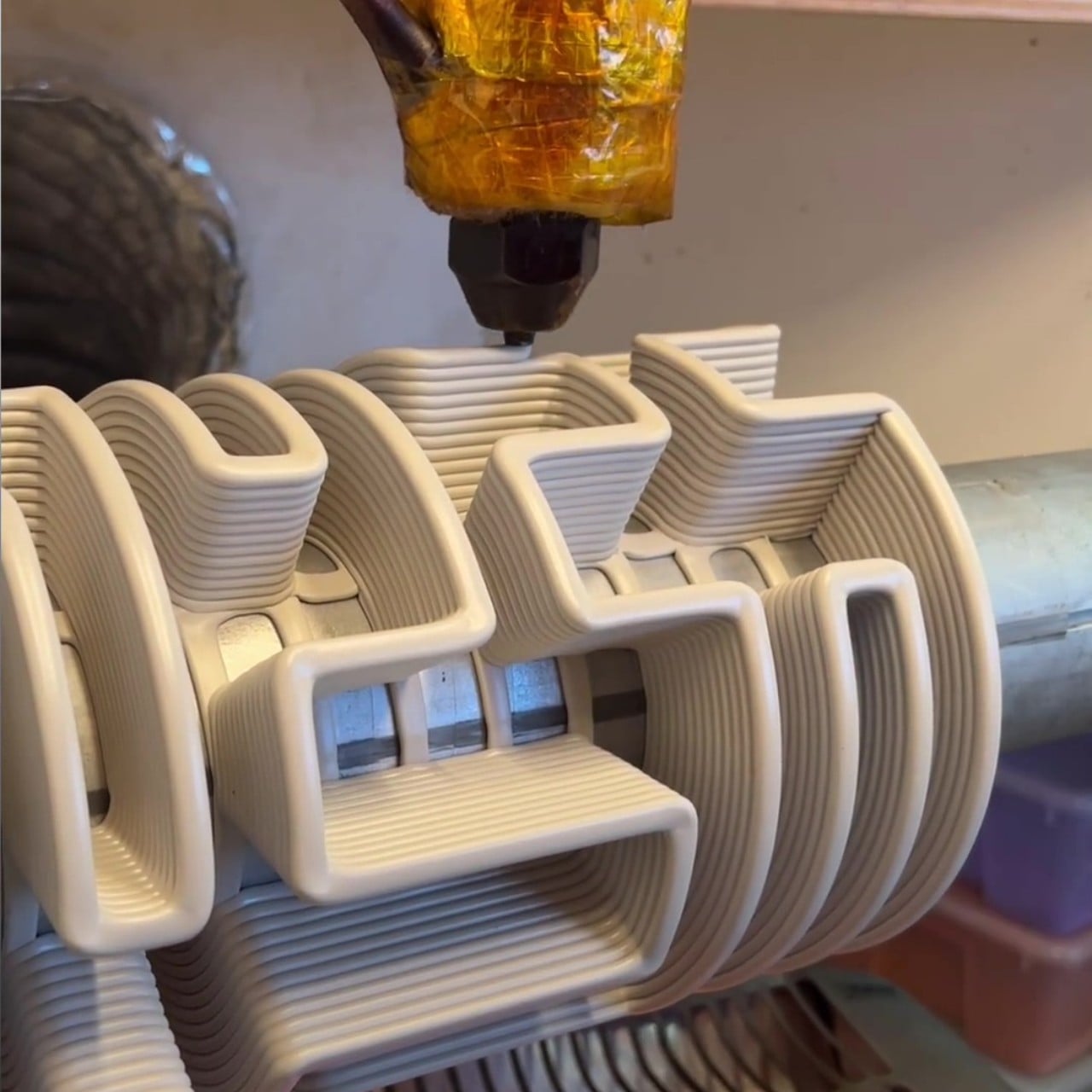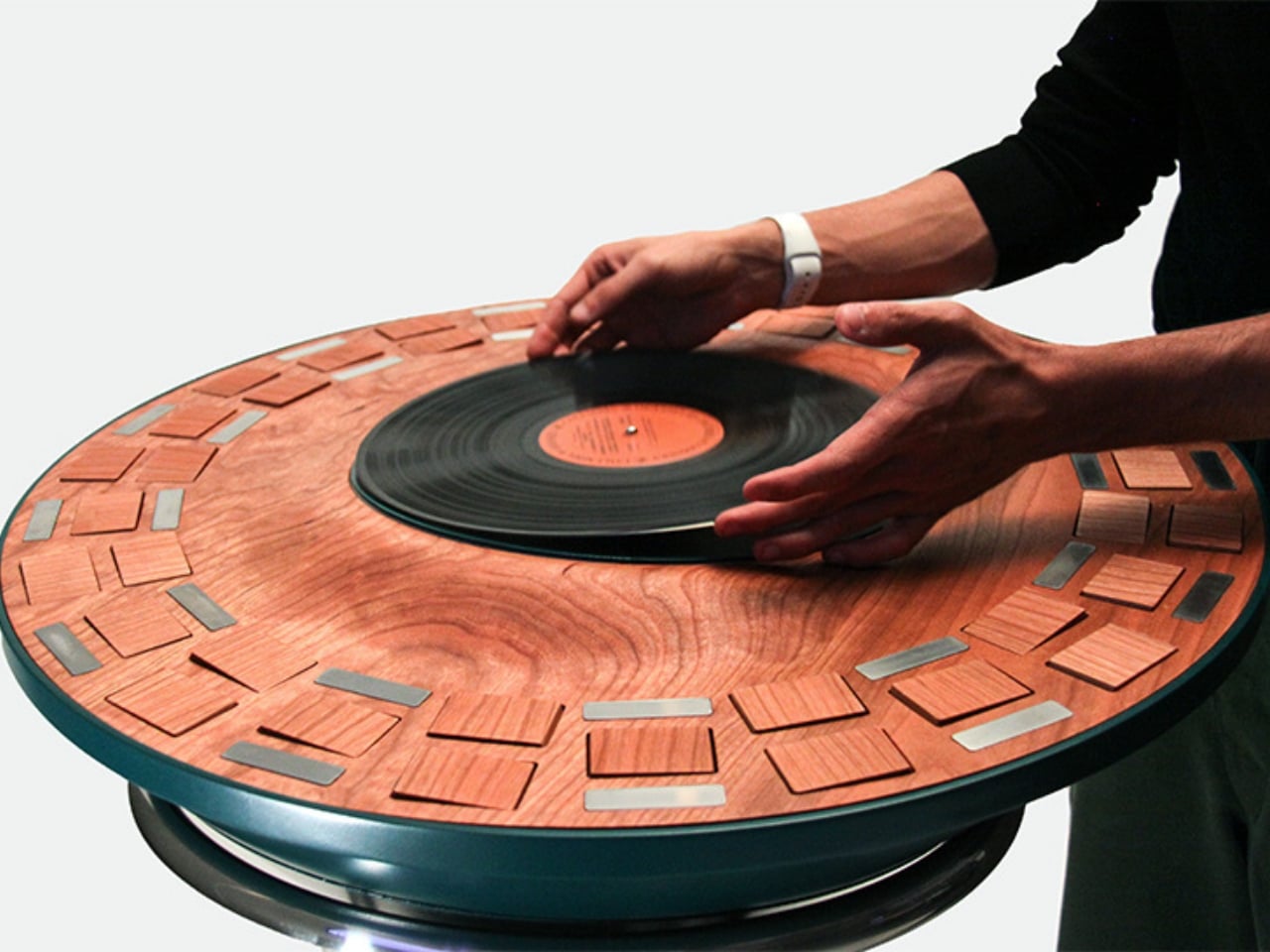
Remember when music was something you could actually see? Not just album art or a Spotify playlist, but something physical that moved and breathed with the beat? Designer Lillian Brown is bringing that tangible connection back with Orbit, a kinetic turntable that literally flips the script on how we experience sound.
What started as Brown’s senior thesis at the Savannah College of Art and Design has evolved into something genuinely captivating. Orbit isn’t just a turntable; it’s a performance piece that translates every beat, every note, every rhythm into visible motion through a mesmerizing display of flipping wooden tiles.
Designer: Lillian Brown
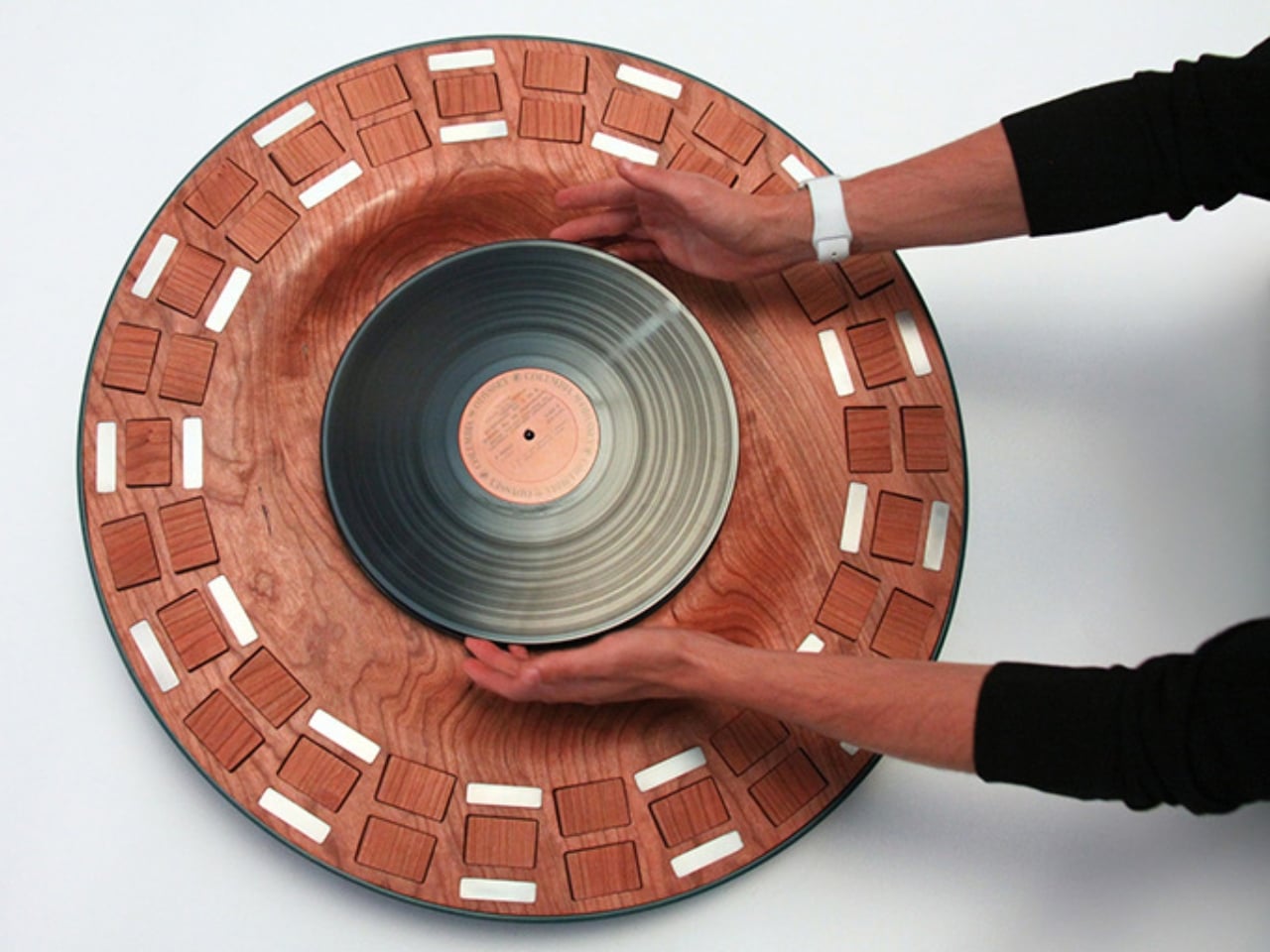
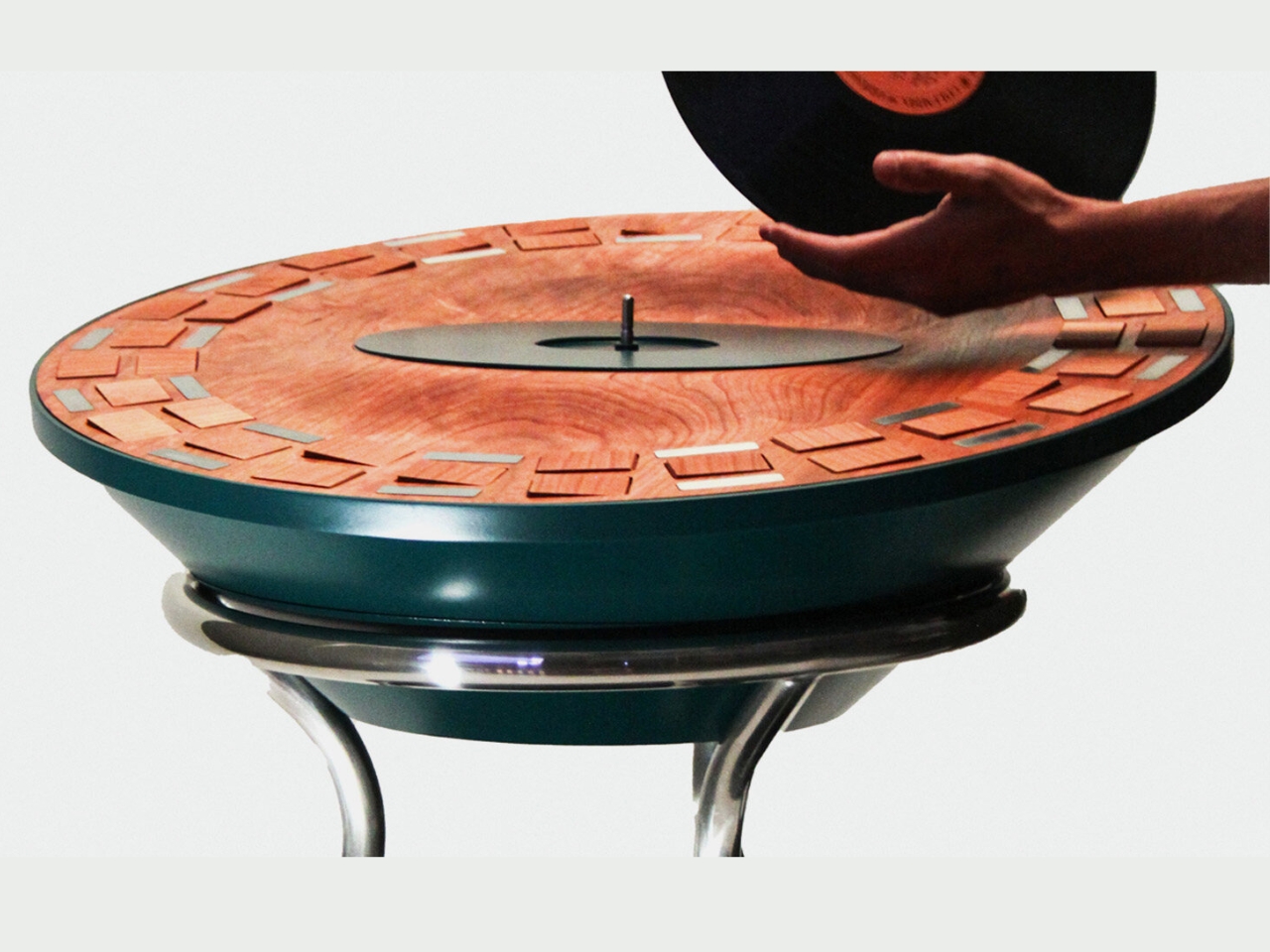
The concept is beautifully simple yet surprisingly complex in execution. Picture a classic vinyl turntable, then imagine surrounding the record with 39 handcrafted wooden tiles arranged in concentric circles. As your favorite album spins, these tiles respond to the music’s frequency and amplitude, flipping and rotating to create constantly shifting patterns of light and shadow. It’s like watching your music dance.
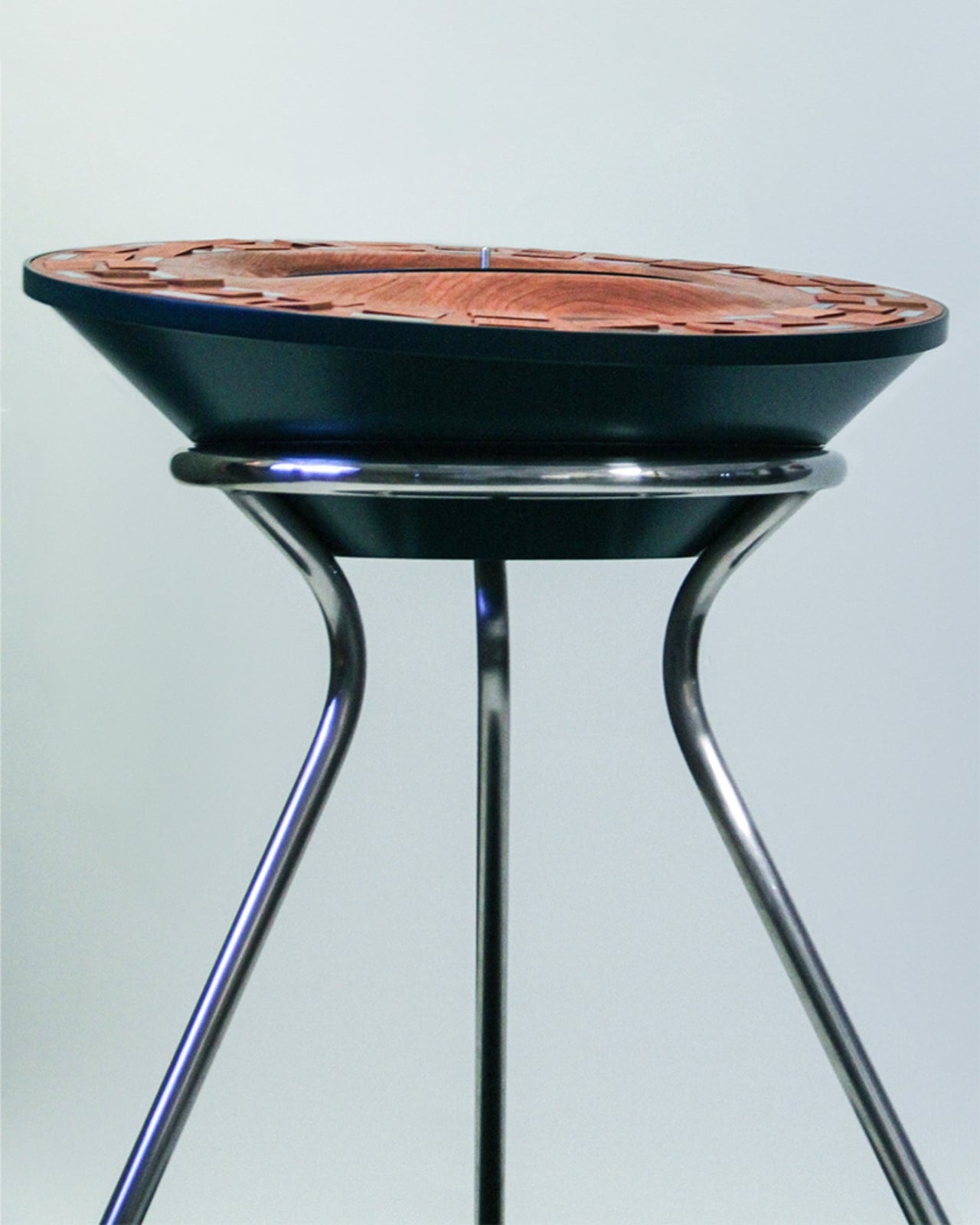
What makes Orbit particularly special is how it bridges the gap between vintage nostalgia and contemporary design innovation. In an era where most of us stream music through invisible algorithms and wireless speakers, there’s something deeply satisfying about watching music become a physical, visual experience. Brown has essentially created a hybrid object that transforms passive listening into an active sensory moment, where you’re not just hearing the music but witnessing it unfold in real time.
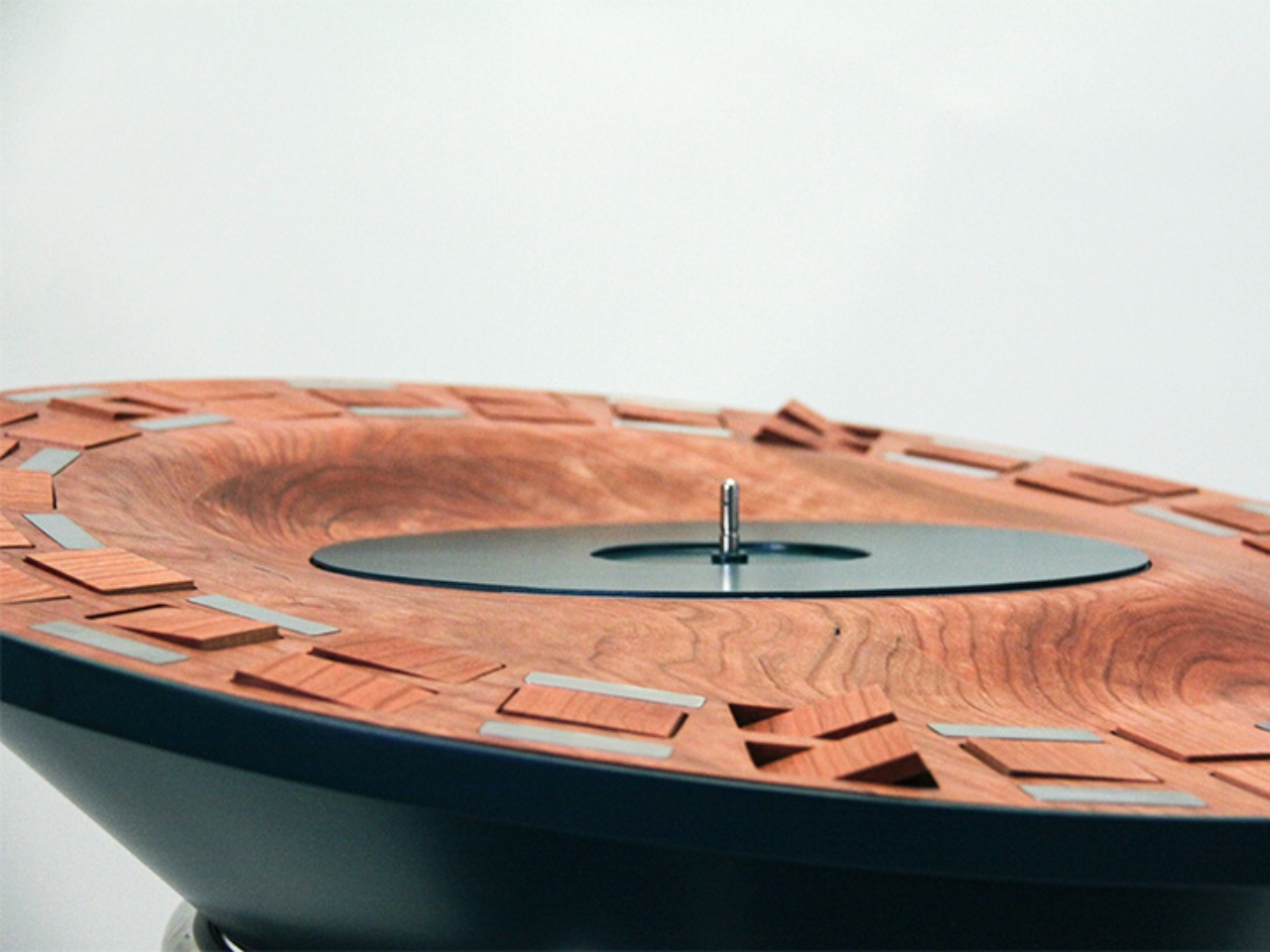
The wooden tiles themselves are a thoughtful material choice. Each one is carefully crafted and balanced, allowing them to respond with precision to the audio signals they receive. As the music plays, different frequencies trigger different tiles, creating organic patterns that shift with every song. A bass-heavy track might trigger the outer rings more intensely, while high notes could activate the inner tiles. The result is an ever-changing visual symphony that’s unique to each recording.
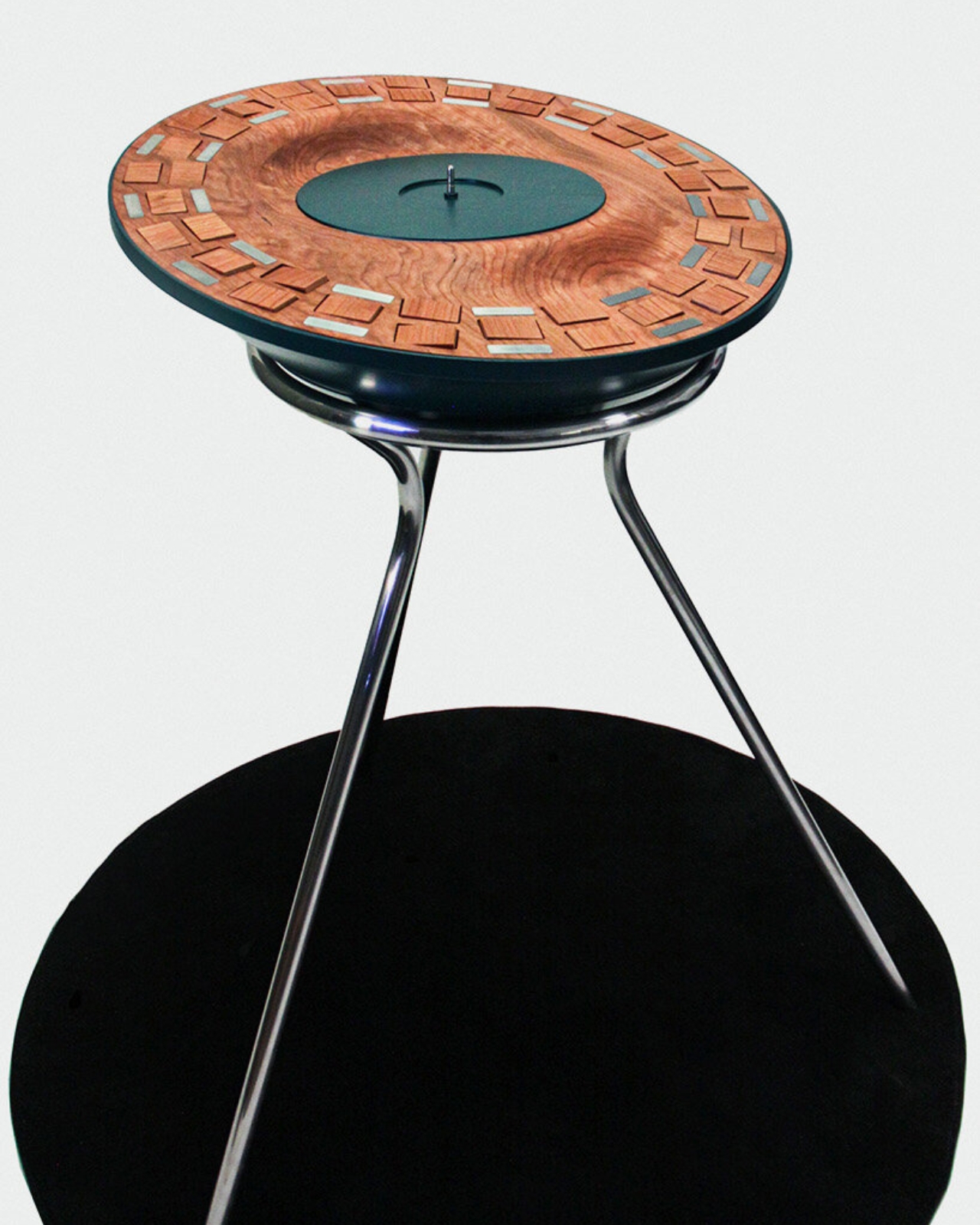
There’s also something wonderfully analog about the whole concept. While the mechanism that translates sound into motion likely involves some modern electronics, the physical expression is entirely mechanical. No screens, no digital displays, just wood, motion, and light playing together in space. It’s the kind of design that makes you slow down and actually pay attention to your music again.
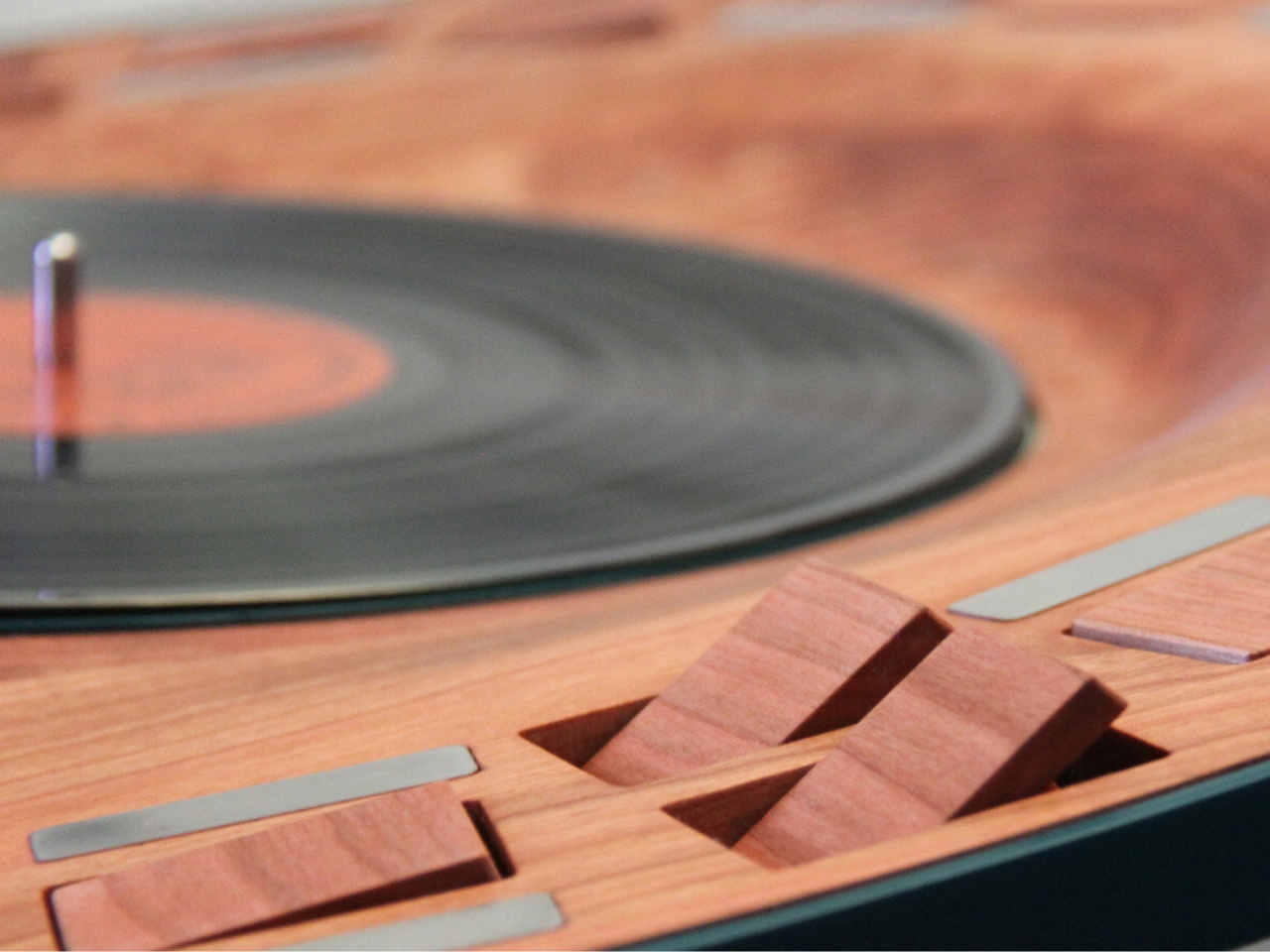
Brown’s work taps into a growing desire for meaningful interaction with the objects in our lives. As more of our experiences become digital and ephemeral, pieces like Orbit remind us of the joy that comes from tangible, physical engagement with art and technology. It’s not just furniture and not quite sculpture; it exists in that fascinating in-between space where functional objects become art. The timing feels right for something like this. Vinyl has already made a remarkable comeback, with younger generations discovering the ritual of carefully selecting a record, placing it on the turntable, and actually sitting with an album from start to finish. Orbit takes that ritual one step further, adding a visual dimension that makes the experience even more immersive and meditative.
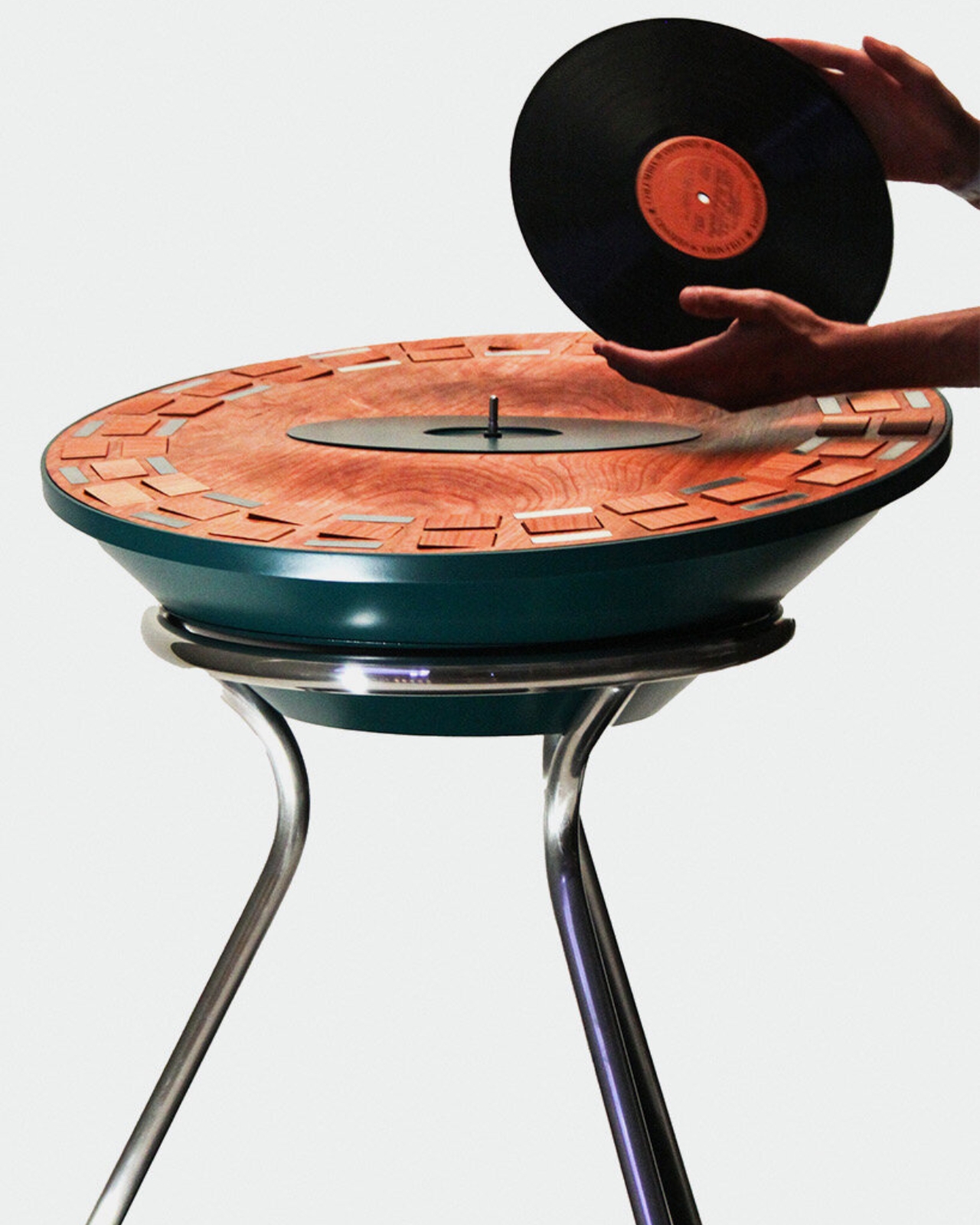
Imagine hosting friends and dropping the needle on a new album as everyone gathers around to watch the tiles respond and shift with the music. Or picture yourself unwinding after a long day, watching the hypnotic patterns emerge from your favorite tracks. It transforms listening from background noise into a focused, contemplative practice. What Brown has created with Orbit goes beyond clever design or technical innovation. It’s a reminder that some of the best ideas come from asking simple questions: What if we could see music? What if listening became watching? What if technology enhanced rather than replaced the analog experiences we value? In answering these questions, she’s created something that feels both nostalgic and refreshingly new, proving that great design doesn’t have to choose between the past and the future. It can honor both.
The post Orbit Kinetic Turntable: See Your Music Move with Flipping Wooden Tiles first appeared on Yanko Design.