Screens and headphones already give us high-resolution sight and sound, but touch is still mostly limited to simple buzzes that tell you a notification arrived. That gap makes virtual experiences feel flat, even when the visuals are convincing. VoxeLite is a research project from Northwestern University that brings fingertip-level detail into digital touch, wrapped in a form factor closer to a bandage than a bulky glove.
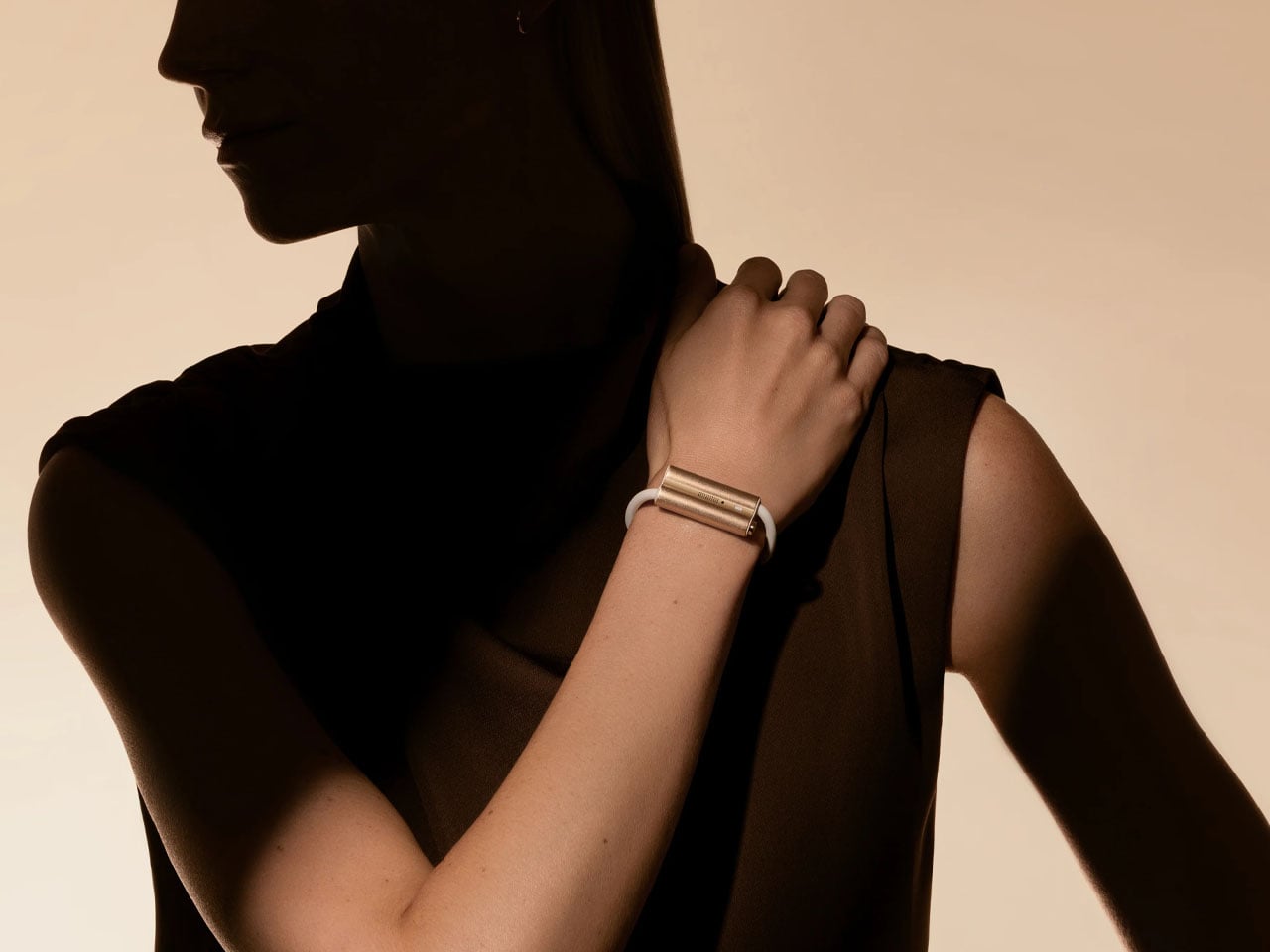
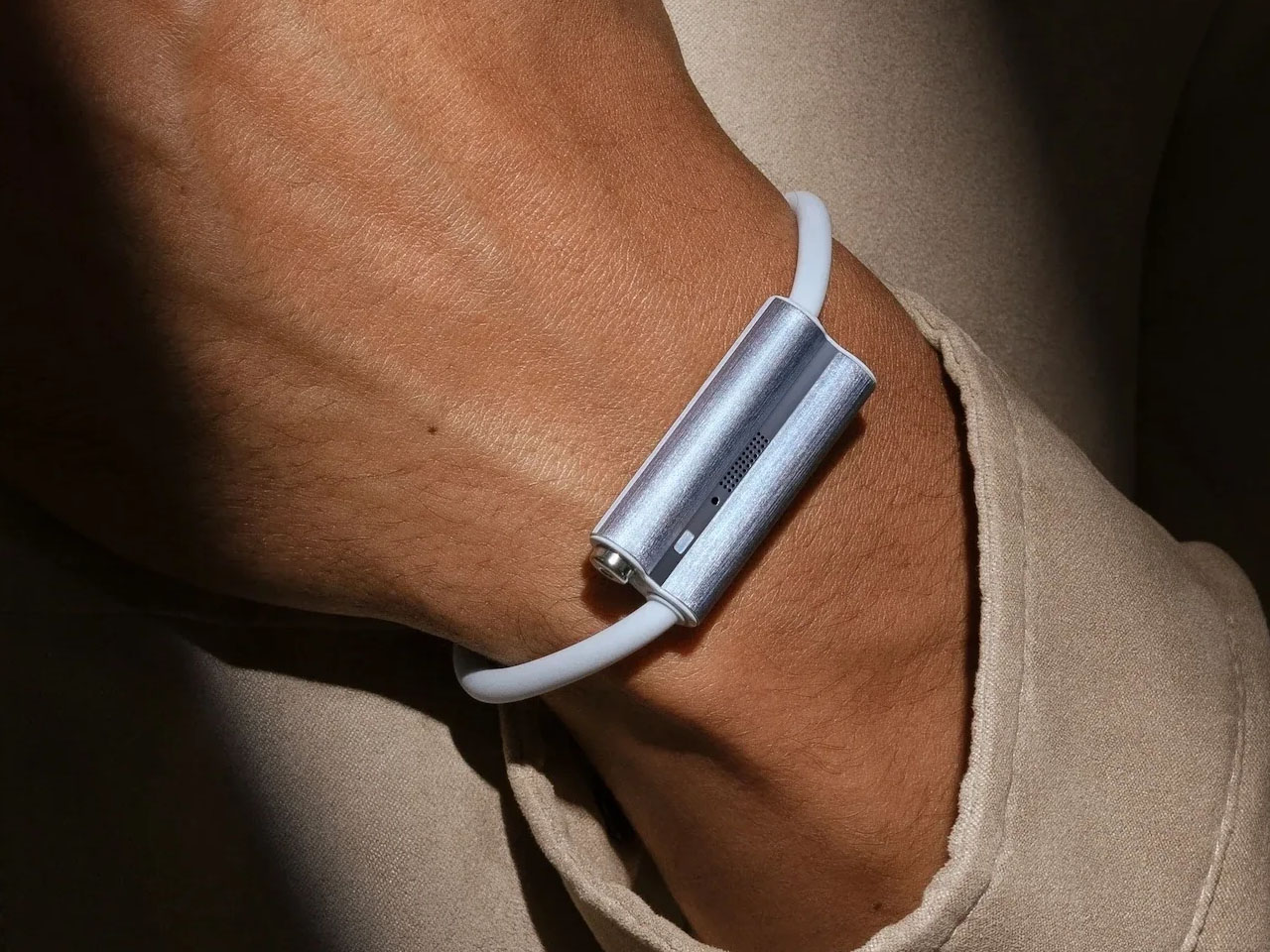
VoxeLite is a transparent, stretchy patch that wraps around your fingertip like a thin adhesive strip. It’s only a tenth of a millimeter thick and weighs less than a paperclip, but it hides a grid of tiny soft domes that can be turned on and off individually. When you slide your finger across a surface, those domes add patterns of force that feel like bumps, ripples, or directional cues layered over whatever you’re touching.
Designers: Sylvia Tan, Michael A. Peskhin, Roberta L. Klatzky, and J. Edward Colgate (Northwestern University)
The experience works through tiny grabs and releases. As you move your finger, some of the domes gently stick and drag against the surface beneath them, creating little taps or tugs on your skin. Because there are many of them packed closely together and they can switch very fast, the system can draw small icons, arrows, or textures directly on your fingertip. That opens the door to touch-based notifications, tactile emojis, or invisible guides on flat glass.
One of the most important design choices is that VoxeLite is meant to disappear when it’s not active. The soft domes compress and move with your skin, so you can still feel the real texture of a fabric, a button, or a tool handle through the patch. In tests, people could tell rough from smooth materials while wearing it, which is crucial if you want a wearable that stays on during everyday tasks.
On touchscreens, VoxeLite could make virtual buttons feel different from each other, helping you find controls without looking. In AR and VR, it could add the grain of wood, the click of a dial, or the direction of a swipe gesture directly to your finger. For accessibility, it could help blind users trace contours, follow tactile arrows, or feel icons on otherwise flat interfaces that currently offer no feedback.
The research team pushed both how many tactile pixels they could fit and how fast they could update them. The densest version packs more than a hundred actuators into a square centimeter and creates sensations up to hundreds of times per second. In user studies, people could reliably recognize tiny directional patterns and different virtual textures, suggesting that the fingertip can receive surprisingly rich information from such a thin patch.
VoxeLite is still a lab prototype, tethered to external electronics and tested on single fingers. Scaling it up to multiple fingers, making it wireless, and figuring out the best patterns for everyday use are all open questions. It’s a glimpse of what it might feel like when our fingers can sense digital content as clearly as our eyes see pixels, turning touch into a first-class channel instead of an afterthought.
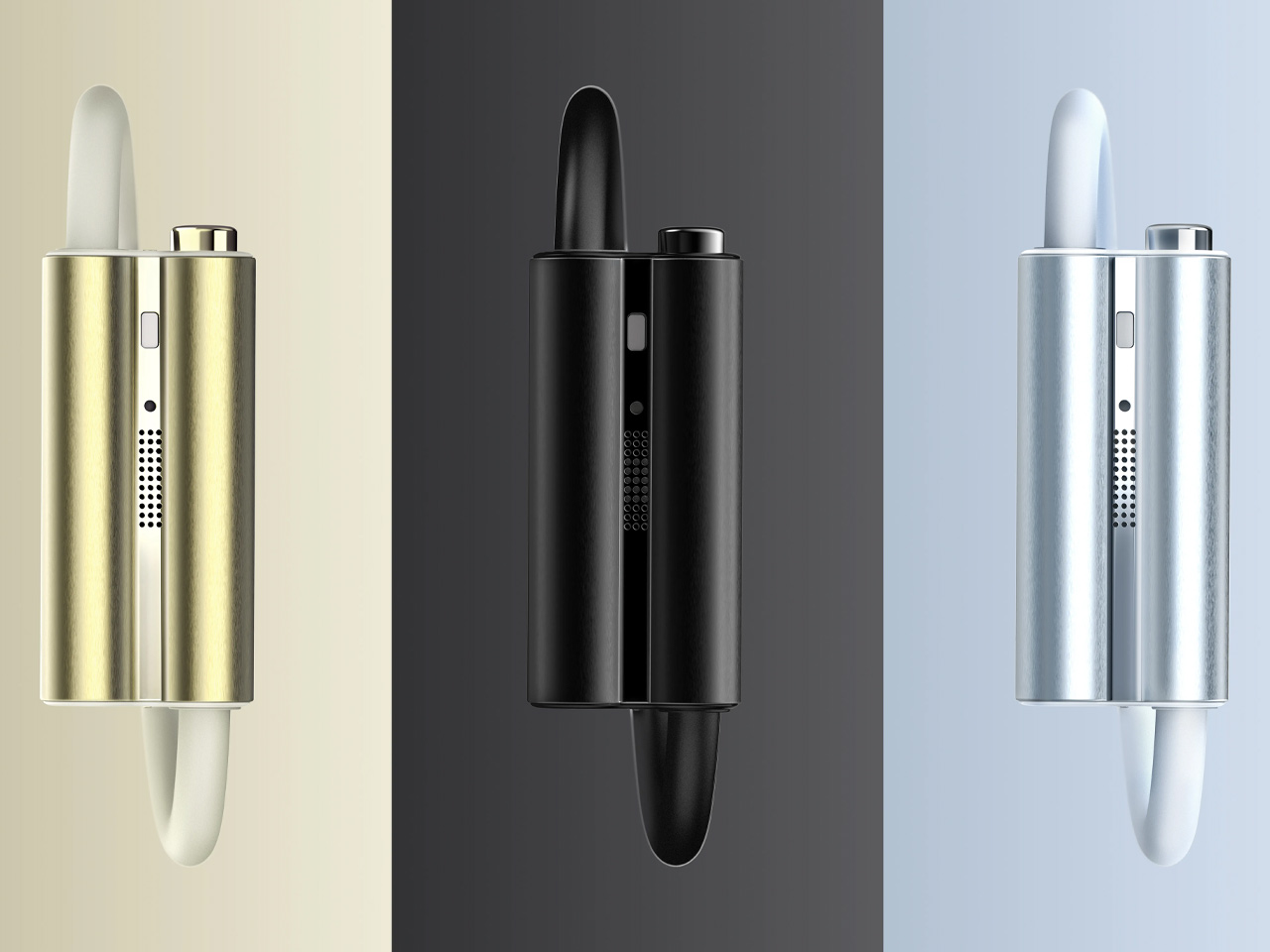
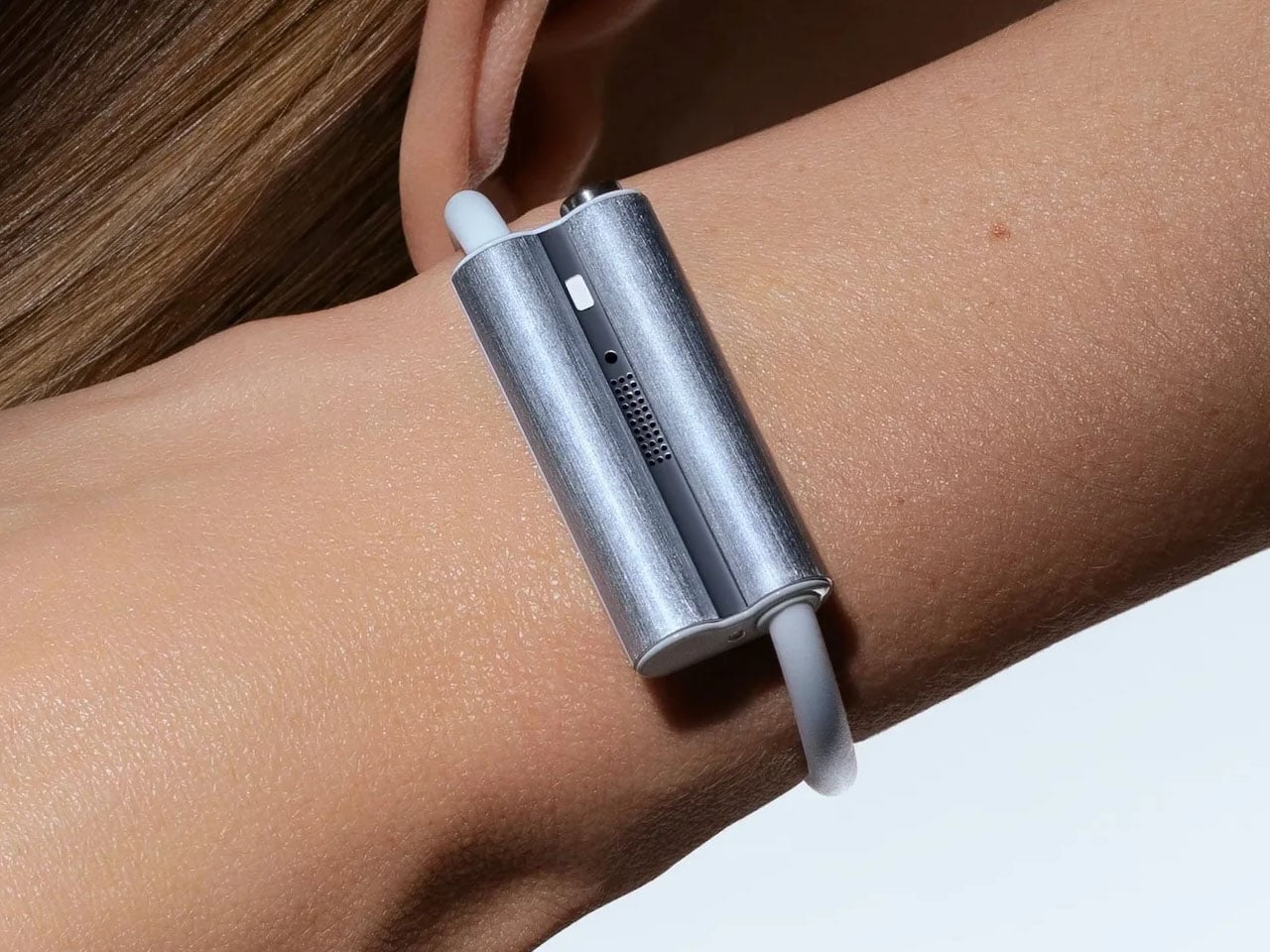
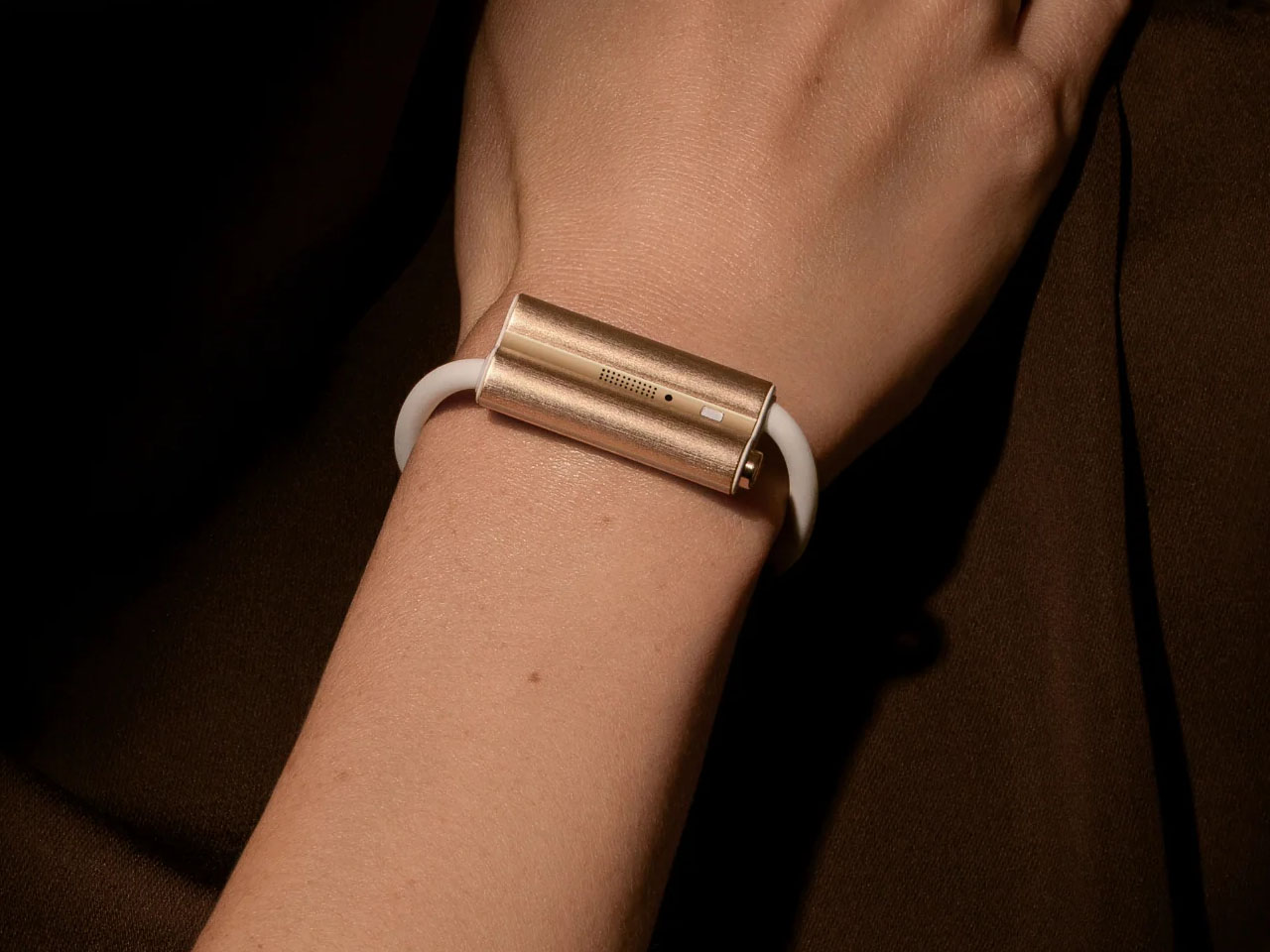
Since the COVID pandemic, undeniably, most people have started taking extra care of their body metrics, which has given unprecedented rise to the number of wearable devices for health and fitness monitoring. Most of these devices: smartwatches, fitness bands, and even tech-enabled jewelry, do not have a gender inclination. Somehow, the Lumia 2, promoted as the smallest wearable in the world, is designed for women of style first.
This earring of sorts does not require piercing. The Lumia 2 is built to clip onto the earlobe and monitor your blood flow, while also tracking other vital metrics such as heart rate variability. If you were unaware, irregular blood flow can have a negative impact on health. The Lumia 2, designed as a piece of timeless jewelry and is meant to keep track of the blood flow.
Of course, the device is primarily targeted at women with chronic blood flow disorders, to always be on top of their vitals. But Lumia co-founder and CEO Danial Lee affirms that the people within the team, without any blood flow issues, have also “discovered fascinating blood flow patterns” that are helping them live better. The smart earring looks like a regular piece of jewelry with sensors hidden behind the wearer’s ear. It certainly looks discrete and wouldn’t give out its actual existence until someone really goes deep into finding it out. Notably, Lumia 2 is also attachable to an existing ear-stud, if you want.
While we contemplate the viability of the Lumia 2’s ability to measure blood flow and the feature’s practical usage, let’s take a moment to understand what else the smart earring brings to the table and challenges the other types of wearables in the market. In addition to monitoring the body’s blood flow, Lumia 2 can also track heart rate variability and resting heart rate to notify the wearer when their body is ready for running, exercising, or indulging in a strenuous physical activity.
In addition to knowing how ready your heart is to face the world, with the Lumia 2 clipped onto your ear, you can also track how well you have slept overnight. It can also do the pedometer stuff and keep track of your step count. The Lumia 2 provides information about how to increase the blood flow or recover from its shooting levels, along with information regarding how hydrated or stressed you are while running or through the reps in the gym. With a decent battery life of up to eight days, the Lumia 2, starting at $249, should make a statement wearable when it’s launched in the near future.
While I love traveling with friends and family, I also enjoy traveling alone. My time is my own and I can do whatever I want. But let’s be honest: solo travel also comes with its own unique challenges. Getting lost in translation at a local market, struggling to take a decent photo of yourself without looking like you’re holding a selfie stick, or standing paralyzed at a subway station trying to decode which train goes where. We’ve all been there.
Designer Siwoo Kim clearly understands these moments because Comes, their latest design concept, feels like it was born from real solo travel experiences. This isn’t just another gadget trying to solve problems that don’t exist. It’s a thoughtful response to the growing culture of solo exploration that’s taken over social media feeds and reshaped how we think about travel.
The rise of solo travel isn’t just a trend anymore. It’s become a full-blown cultural movement. YouTube channels dedicated to solo journeys rack up millions of views, not just because people want travel tips, but because there’s something deeply relatable about watching someone navigate a foreign city alone. These videos lower the psychological barrier that once made eating alone at a restaurant feel awkward or booking a solo trip seem lonely. Now? It’s empowering.
Comes taps into this shift with an approach that’s refreshingly human-centered. It’s a small AI-powered companion device equipped with a high-performance camera that can observe your surroundings and offer assistance exactly when you need it. But here’s where the design gets interesting: Comes features a modular, detachable structure that adapts to different travel situations. Think of it as a Swiss Army knife for the modern solo traveler, but way more elegant.
Picture this scenario. You arrive in a new city, step off the train, and immediately feel that familiar flutter of “okay, now what?” Just tell Comes where you want to go, and it becomes your personal guide, helping you take those first uncertain steps into unfamiliar territory. The device walks you through navigation in a way that feels supportive rather than intrusive.
The real genius shows up in how Comes splits apart. The head can attach to a necklace module around your neck, capturing your point of view while recording your journey. Meanwhile, the body remains accessible in your hand or pocket, ready to provide information about whatever you’re looking at. It’s like having a curious travel companion who can answer questions on the fly without you having to pull out your phone and break the moment.
For those who love zipping around cities on shared bikes or scooters (because who doesn’t anymore?), Comes includes a strap module that securely mounts the device onto various mobility options. It guides your route while documenting your ride, turning practical navigation into visual storytelling.
But perhaps the most valuable feature addresses every solo traveler’s occasional nightmare: the language barrier. Standing in front of a menu board, making awkward gestures at a shopkeeper, desperately trying to communicate something simple. Comes looks at both faces in a conversation and translates in real time. You speak naturally in your language, they respond in theirs, and Comes bridges the gap. No fumbling with translation apps or pointing desperately at pictures.
And then there’s the social aspect. You find the perfect spot for a photo, but you’re alone. Asking strangers for help can feel awkward, but Comes makes it easier. Because the device detaches, you can hand someone the camera module while keeping the main body with you to check the frame in real time. Composition slightly off? Comes relays your feedback instantly, even from across the plaza. It transforms what could be a frustrating experience into an opportunity for genuine human connection. Who knows, you might even learn about a hidden local gem in the process.
What makes Comes compelling isn’t just its functionality but its underlying philosophy. Solo travel has always involved embracing uncertainty and turning unexpected moments into memorable experiences. This design doesn’t eliminate those variables. Instead, it provides just enough support to help travelers feel confident facing them. It’s the difference between removing adventure and enabling it. Comes offers something different: a tool designed to help solo travelers engage more deeply with the world around them, not retreat from it.
Even Realities launched their first smart glasses last year with a pitch that felt almost countercultural: what if your eyewear didn’t record everything around you, didn’t pipe audio into your ears, and didn’t make everyone nearby wonder if you were filming them? Instead of packing their frames with cameras and speakers, they focused on a single function: a clean, effective heads-up display. The G1 glasses were a minimalist take on wearables, offering monochrome green text in your line of sight for notifications and AI assistance, all without the privacy concerns of outward-facing cameras. This focused approach found its niche, landing the G1 in 350 luxury eyewear shops globally and proving there’s a real appetite for smart glasses that prioritize subtlety and practical assistance.
The G2 glasses themselves improve on last year’s G1 in predictable but welcome ways. Bigger display, better optics, lighter frame, longer battery life. They still avoid cameras and speakers entirely, sticking with Even’s “Quiet Tech” philosophy of providing information without creating privacy concerns. But pair them with the new R1 ring and you get something more interesting than incremental hardware improvements. The ring lets you control the glasses with thumb gestures against your index finger, turning navigation into something closer to using a trackpad than fumbling with voice commands or head taps. Whether that’s actually more natural in practice than the alternatives depends partly on how well the gesture recognition works and partly on whether you’re the kind of person who wants to wear a ring in the first place.
Designer: Even Realities
The display improvements are significant enough to matter in daily use. Even calls their new system HAO 2.0, which stands for Holistic Adaptive Optics, and the practical result is that information appears in layers rather than as flat text plastered across your vision. Quick notifications and AI prompts sit closer in your field of view, while longer content like navigation directions or notes recede slightly into the background. It’s still monochrome green, the same matrix-style aesthetic from the G1, but sharper and easier to read in motion or bright light. The frame itself weighs just 36 grams and carries an IP67 rating for water and dust resistance, so you can wear them in the rain without worrying about killing a $599 investment. Battery life stretches past two days now, and the prescription range goes from -12 to +12, covering most people who need corrective lenses.
What made the G1 frustrating for some users was the interaction model. You could talk to the glasses, but that meant either looking weird in public or finding a quiet spot. You could tap the touch-sensitive nubs on the temples, but they were finicky and required you to constantly reach up to your face. While the G2 improves the reliability of those touchpads significantly, Even Realities’ R1 smart ring practically revolutionizes how you interact with the smart display. Worn on your index finger, the ring lets you swipe up and down with your thumb or tap to select options, essentially turning your hand into a trackpad for your face. The ring is made from zirconia ceramic and stainless steel, costs $249 separately, and connects to the glasses through what Even calls their TriSync ecosystem, linking the glasses, ring, and phone into one synchronized unit.
The gesture controls take some getting used to, based on early reviews. Accidental swipes are common at first, and the learning curve means you might fumble through menus for the first few days. But when it works smoothly, navigating with the ring is more subtle than any of the alternatives. You can check a notification, dismiss it, and move on without anyone noticing you’ve interacted with your glasses at all. That subtlety matters more than it sounds like it would, especially if you’re using features like the built-in teleprompter for presentations or the real-time translation during conversations. The glasses still support the old interaction methods too, so you’re not locked into one way of controlling them.
The AI side of things has been upgraded as well, with Even introducing what they call the Conversate assistant. It handles the usual smart glasses tasks like showing notifications, reading messages, and providing contextual information, but it’s designed to be less intrusive about it. You talk to it and get text responses on the display rather than audio, which keeps conversations private and avoids the awkwardness of having your glasses talk back to you in a quiet room. The system pulls from your phone’s connectivity, so there’s no separate data plan or complex setup required. The AI integration feels thoughtful rather than forced, providing information when you need it without constantly demanding attention.
One detail worth noting: the R1 ring is not compatible with the original G1 glasses. If you bought the first generation and want the ring’s functionality, you’ll need to upgrade to the G2 entirely. Even is offering a launch promotion where buying the G2 gets you the ring and other accessories at 50 percent off, which brings the combined price to $724 instead of $848. For context, Meta’s Ray-Ban smart glasses with their Neural Band controller and full-color display cost $799, though those come with cameras and all the privacy considerations that entails. The G2 and R1 combo sits in an interesting middle ground, offering more focused functionality at a similar price point.
The combination of display-only glasses and a gesture-controlled ring represents a particular vision of what smart eyewear could be. It’s not trying to replace your phone or capture every moment of your life. Instead, it extends your phone’s functionality into your field of view while giving you a discreet way to interact with that information. For people who give frequent presentations, the teleprompter feature alone could justify the cost. For travelers, having real-time translation floating in your vision during conversations is genuinely useful. And for anyone tired of constantly pulling out their phone to check notifications, the G2 offers a less disruptive alternative. Even Realities is refining an approach that feels increasingly relevant as smart glasses move from novelty to practical tool, and the G2 with R1 suggests they’re learning the right lessons from their first attempt.
As technology evolves, new gadgets constantly emerge, and one such device that has seamlessly integrated into our daily lives is the fitness tracker. Over time, such devices have become essential in tracking our health and fitness goals. However, fitness trackers have now leaped forward, transforming into the smart ring. These sleek, electronic bands worn on the finger act as wearable devices, just like jewelry, but can monitor health metrics such as heart rate, sleep patterns, oxygen level, exercise monitoring, and more.
The global smart ring market was valued at USD 340.9 million in 2024 and is expected to expand from USD 416.9 million in 2025 to USD 2,525.5 million by 2032, reflecting a growth rate of 29.3% during the forecast period. Smart rings offer a more compact alternative to larger devices, yet provide powerful tracking capabilities and are often launched and backed by premium brands.
How does a smart ring work?
Smart rings are conventional rings that are equipped with different types of sensors and advanced technologies like Bluetooth and Near-Field Communication (NFC) used to monitor health and fitness metrics. Since the smart ring does not have screens, they sync wirelessly with smartphones or tablets, allowing users to access and analyze their health data in real time easily.
Many smart rings also feature haptic signals that vibrate the ring during a call or notification when the paired device is out of range, ensuring users stay connected. This combination of convenience and functionality makes smart rings an effortless way to track and manage health information on the go.
The RingConn Gen 2 is a smart ring that stands out with its sleek design, AI-powered health tracking, and impressive battery life. With a weight of just 2g and 2mm thick, it’s the lightest and thinnest smart ring on the market, providing precise health monitoring through sensors like 3D accelerometers, PPG (photoplethysmography), and temperature sensors. By tracking key metrics such as heart rate, heart rate variability, and blood oxygen levels, it offers a complete picture of your well-being.
The RingConn app syncs this data, including stress levels and sleep patterns, with no hidden subscription fees. One of its most notable features is AI-powered sleep tracking, which monitors breathing, sleep stages, and overall efficiency to help detect issues like sleep apnea. With up to 12 days of battery life and 150 days of use with its charging case, the RingConn Gen 2 delivers comprehensive health tracking, empowering you to live a healthier, more informed life.
What are the different types of sensors integrated into a smart ring?
The accelerometer and gyroscope sensor is a motion sensor that tracks body movement, such as steps taken, distance covered, and calories burned.
The SpO2 or Peripheral Oxygen Saturation sensor gauges the oxygen levels in the blood.
The Electrodermal Activity (EDA) sensor measures sweat production on the finger and provides insights into stress levels and emotional states.
NTC thermistor sensors monitor changes in body temperature.
Photoplethysmography (PPG) sensor uses LED lights on the skin to measure variations in blood flow. It analyses the reflected light to track variations in your heart rate and blood oxygen levels.
Together, these sensors work in tandem to offer comprehensive data for health and fitness tracking.
The Ultrahuman Ring combines sleek design with advanced health tracking, offering insights into your overall well-being. Unlike traditional wearables, it doesn’t just measure basic metrics like heart rate and steps—it interprets them into actionable insights. With features like the Movement Index, Sleep Index, and Recovery Score, it provides a deeper understanding of your daily energy expenditure, sleep quality, and stress levels, helping you make informed decisions for better health.
Crafted with durability and style in mind, the Ultrahuman Ring is made from a titanium outer shell and is coated with Tungsten carbide, and a hypoallergenic medical-grade interior for providing maximum comfort to the user. These rings are available in a variation of elegant colors, they are water-resistant and designed to withstand everyday activities. The Ultrahuman Ring offers a compact, fashionable way to monitor your health and improve your lifestyle without the bulk of traditional wearables.
Advantages of a Smart Ring
The smart ring is a convenient alternative to smartwatches, with the key advantage being its portability as it allows you to remain hands-free while wearing jewelry. You can wear the smart ring comfortably even while sleeping, as its compact size ensures it doesn’t cause any discomfort.
The smart ring is designed for optimal data collection, and many models are made from non-corrosive materials like zirconia or feature a Physical Vapor Deposition (PVD) coating. Additionally, the smart ring is purpose-driven as it removes the distractions of extra features typically found in smartwatches, making it perfect for those who need a device focused on specific tasks.
The Ring One represents a radical departure from bulky wrist-worn wearables, shrinking smartwatch functionality into an elegant piece of finger jewelry that’s 80% smaller yet delivers 99% of the features. This sleek titanium ring disguises powerful health-tracking technology beneath its minimalist exterior, monitoring your heart rate, HRV, SpO2, blood pressure, skin temperature, and all four sleep stages with research-grade optical PPG sensors. What makes it truly ingenious is the rotating Turn Wheel that replaces the traditional smartwatch crown—simply twist the ring’s bezel to cycle through workout tracking, sleep analysis, NFC payments, and even car unlocking modes. It’s the perfect solution for those who want comprehensive health insights without the screen-induced distraction or the wrist real estate commitment of traditional smartwatches.
Beyond its health-tracking prowess, the Ring One seamlessly integrates into your digital lifestyle with thoughtful features that extend its utility. The NFC functionality transforms it into a tap-to-pay device that stores all your cards and enables secure transactions at any POS terminal, while Digital Key 2.0 support lets you unlock compatible vehicles with a simple gesture. Despite packing accelerometers, gyroscopes, temperature sensors, and wireless connectivity into a hypoallergenic Grade-2 titanium shell that’s 10x lighter than a smartwatch, it still manages an impressive 7-day battery life with real-time data syncing. The proprietary wireless charging dock even includes a “find my ring” tweeter—because losing something this small and powerful would be a tragedy. Available in finishes from understated steel to luxe 18-carat gold, the Ring One proves that the future of wearables isn’t on your wrist—it’s on your finger.
Disadvantages of a Smart Ring
The main disadvantage of a smart ring is its limited functionality and lack of a screen, meaning it can’t fully replace a smartwatch or smartphone. Additionally, smart rings typically have small batteries, which can limit their usage time. When purchased online, the ring may not fit perfectly as it might not be tailored to your finger size.
High-quality smart rings can also be expensive due to the advanced technology required to pack so many features into such a compact device. They are exposed to water, dust, sweat, and food particles, so regular maintenance is necessary. Another factor is that these rings must be compatible with existing devices to get real-time data.
The Ultrahuman Ring AIR takes a more holistic approach and emphasizes the importance of sleep, recovery, stress management, and even factors like coffee consumption in our daily lives. Designed to be lightweight and comfortable, it provides a seamless experience, tracking vital metrics like sleep efficiency, restfulness, and consistency. The ring also measures stress levels through heart rate variability (HRV) and skin temperature, offering personalized recommendations to help you manage stress effectively improve your overall well-being, and live a healthier, more balanced life.
What sets the Ultrahuman Ring AIR apart is its range of advanced features, such as Circadian Phase Alignment, which optimizes your sleep-wake cycle, and the Stimulant Window Recommender to suggest the best times for coffee. With a durable titanium shell coated in tungsten carbide, the ring is built to last, with water resistance that allows you to wear it during swims or shallow dives. the Ultrahuman Ring AIR offers up to six days of battery life, ensures continuous health tracking, helps you make informed decisions to improve your overall well-being and live a healthier, more balanced life.
Smart ring technology is surely revolutionizing health monitoring by offering a discreet, compact, and efficient way to track vital health metrics. With advanced sensors and AI-powered insights, these rings empower users to monitor their heart rate, sleep patterns, and stress levels, promoting a healthier lifestyle with both convenience and style
Anyone who has shared a bed with a snorer or tried to sleep in a city apartment knows how fragile nighttime silence can be. Most earplugs force you to choose between blocking noise and staying comfortable, leaving you either wide awake from unwanted sound or unable to sleep from constant pressure against your ear canal throughout the night.
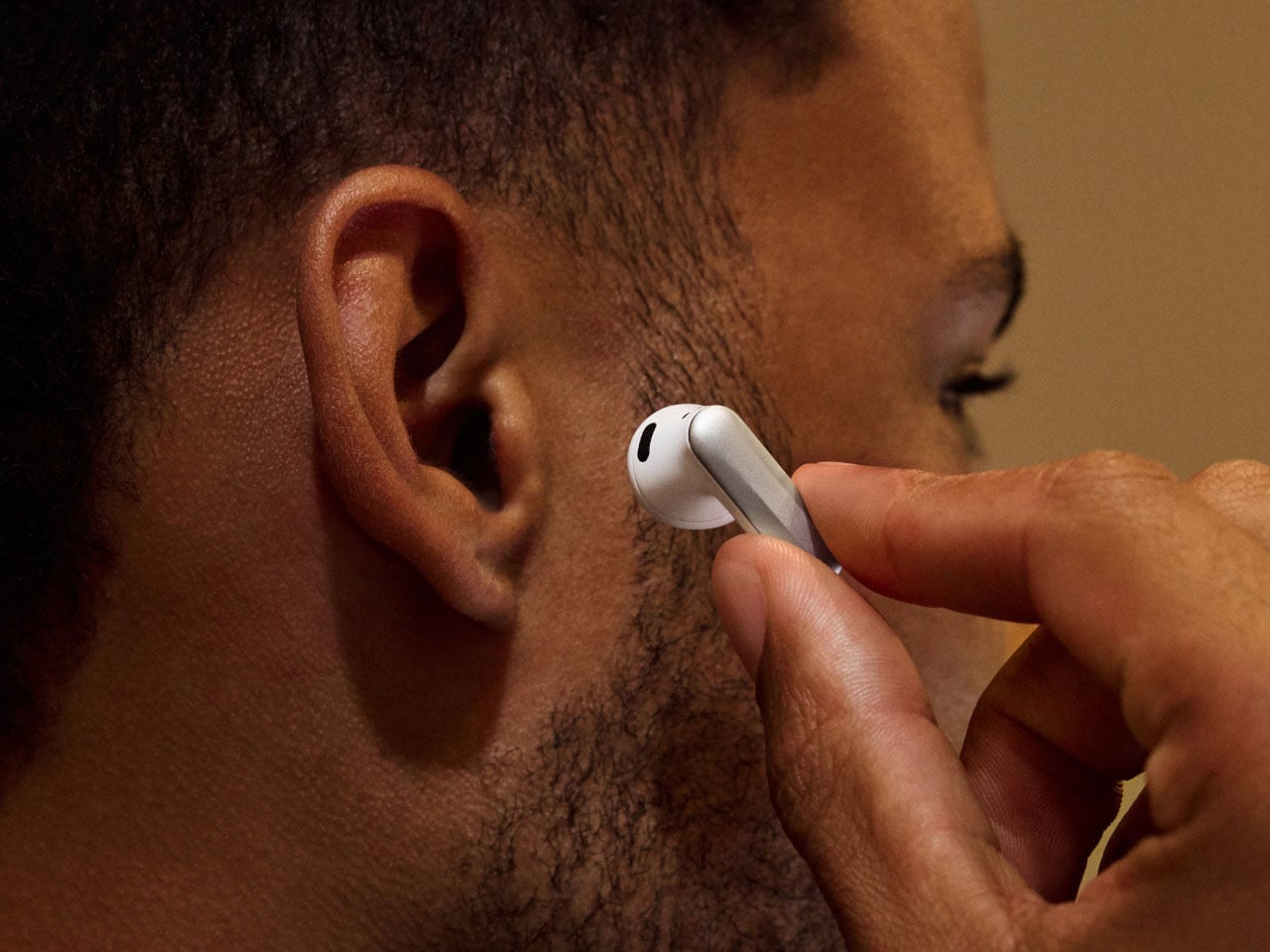
Fitnexa SomniPods 3 was designed as a solution to that trade-off by making silence and comfort coexist rather than compete. Every curve and contour is shaped around one core idea: earbuds that disappear against your pillow while the world around you fades to quiet, without forcing you to sacrifice either aspect for the other during extended wear.
The design starts with a fundamental question: how do people actually sleep, rather than how engineers typically design for performance first. Each earbud reflects that thinking through its proportions: just 3.3 grams and under 9.9 millimeters thin, with a softly rounded form that avoids creating pressure points when your head rests sideways on a pillow for hours at a time. The medical-grade silicone tips feel gentle against your skin, while the compact footprint ensures the earbuds never protrude or press uncomfortably as you shift naturally through the night.
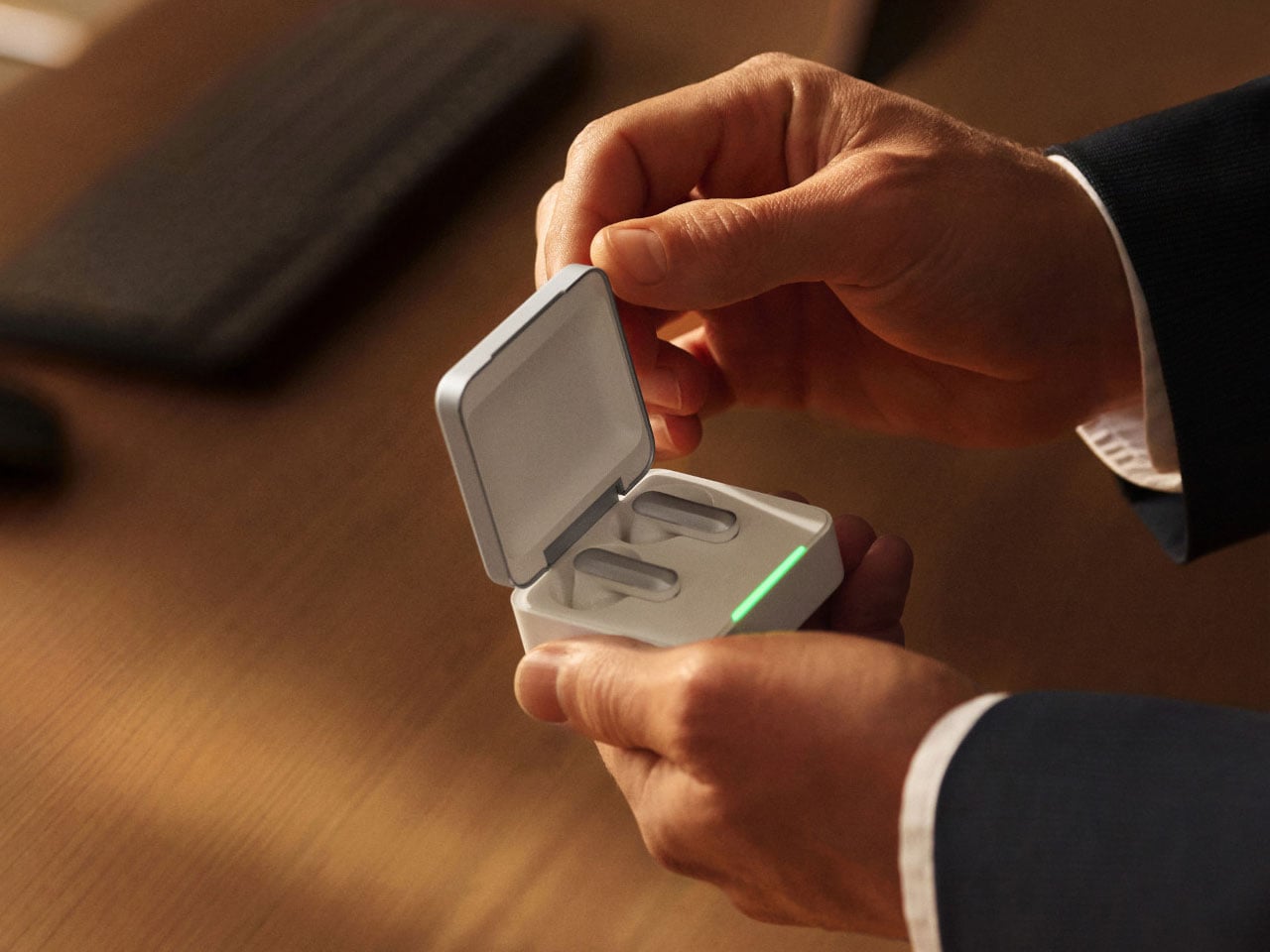
Fitnexa includes ten pairs of ear tips in two distinct shapes and five sizes each, plus four sizes of ear wings for additional stability options. This variety addresses the reality that ear canals vary significantly between people, while multiple size options ensure proper acoustic seal without creating pressure or discomfort during overnight wear when you can’t easily adjust fit.
This variety does more than improve comfort alone. It establishes the foundation for effective passive noise cancellation by ensuring a secure, well-sealed fit that blocks ambient sound naturally. This proper seal gives the adaptive ANC system the stable acoustic base it needs to perform at its best throughout the night without gaps or inconsistencies.
Building on that passive isolation foundation, the hybrid ANC system uses feedforward and feedback microphones to detect and cancel noise from both outside and within the ear canal itself. A low-latency processor generates counter-phase signals in real time to maintain consistent quiet as you move or change sleeping positions naturally throughout the night.
Within the ANC system, Adaptive Leak Compensation continuously senses subtle changes in ear canal pressure or seal integrity and automatically adjusts the ANC response in real time. The result is up to 42 decibels of noise reduction across different sleeping positions. Snoring, traffic, the hum of air conditioners, all fade into natural silence while SomniPods 3 hold the soundscape steady, whether you’re on your back or on either side.
The IPX4 water resistance extends design thinking beyond the bedroom into real-world scenarios where sleep happens in imperfect conditions. After-workout naps and long flights no longer require worry about moisture damage. Hi-Res Audio with LDAC and aptX Lossless keeps sound quality rich and detailed, while the 10-band EQ lets you adjust the experience precisely to match preferences.
Battery life reaches up to 12 hours in Sleep Mode, extending to 48 hours with the charging case for multiple nights without interruption. Integrated sensors quietly track sleep stages and positions throughout the night, while the Fitnexa app translates that data into AI-driven insights that help you build better sleep habits gradually over time without overwhelming you with information.
Fitnexa SomniPods 3 bring together comfort, advanced noise cancellation, and smart sleep coaching into a discreet package that actually works for real-world use. For anyone tired of restless nights and noisy environments, these earbuds offer a smarter, quieter way to sleep, no matter where life takes you or what challenges your bedroom environment presents.
3D printing has revolutionized the design industry by making it easier to prototype ideas quickly and efficiently. This technology allows designers to experiment with new concepts without the high costs traditionally associated with prototyping. As a result, executing designs has become more affordable and accessible, opening up new avenues for creativity. Beyond design, 3D printing is now breaking into other industries, including fashion, with trailblazers like ELEGOO leading the charge.
ELEGOO is not just a pioneer in 3D printing but also in empowering women to use technology to turn their ideas into reality. One prime example is an innovative robotic and modular dress system that will showcase the potential of 3D printing in fashion, inspiring a new wave of creators. This initiative highlights how 3D printing is transforming the fashion industry, offering unprecedented opportunities for innovation and expression.
Anouk Wipprecht and the Scale Dress: Futuristic Fashion
Anouk Wipprecht, a visionary Dutch FashionTech Designer and Engineer, has partnered with ELEGOO to push the boundaries of fashion technology. She has developed a new modular system for integrating motors into fabrics, revolutionizing how garments can interact with the wearer and environment. This collaboration marks a significant leap in the fusion of fashion and technology, showcasing the endless possibilities of innovative design.
The “Scale Dress” is a groundbreaking creation from this collaboration, representing a futuristic approach to fashion. This robotic, open-source dress comprises multiple 3D-printed mechanical parts, each equipped with tiny servo motors. These motors animate the dress, creating dynamic movements around the body. Ingeniously, the mechanism is sandwiched between fabric layers, with its round shape evenly distributing weight to prevent sagging or imbalance.
The Scale Dress not only captivates with its moving elements but also serves as a modular, open-source template for aspiring designers. Anouk Wipprecht has ensured that the design is accessible to those interested in robotic fashion. The servo-arms can be interchanged to hold various elements, addressing the challenge of integrating electronics with fabric and creating lifelike movements.
To empower others to explore this innovative realm, Anouk has open-sourced the Scale Dress design on her Instructables page. In collaboration with ELEGOO, she provides a detailed step-by-step guide on creating your own robotic dress with moving parts. The guide focuses on utilizing 9g servo arms, enabling creators to experiment and personalize their designs with ease.
This initiative not only highlights the potential of 3D printing and robotics in fashion but also encourages a new generation of designers to embrace technology. By sharing her knowledge and tools, Anouk Wipprecht is paving the way for more innovative and interactive fashion creations, inspiring others to explore the intersection of technology and design.
ELEGOO With Her: Empowering the Next Generation of Women Creators
The “ELEGOO With Her” program is a remarkable initiative aimed at equipping more women and girls with 3D printing skills. And the debut of the Scale Dress marks the official launch of the program, followed by a roundtable featuring prominent female designers at Formnext 2024 in Frankfurt, the largest 3D Printing Fair in Europe. This will kick off the initiative that aims not just to revolutionize the 3D printing industry but also fashion tech.
From November 19, 2024, to February 5, 2025, ELEGOO will recruit 30 women and girls for its empowerment program, providing them with 3D printers, software support, and mentorship. Participants will benefit from two months of online courses and workshops, culminating in a showcase of their work in April. This program is a testament to ELEGOO’s commitment to fostering diversity and innovation in the tech industry, empowering women to become leaders in 3D printing.
ELEGOO Neptune 4 Series: Unleashing Creativity in Fashion Design
The Scale Dress, designed for the FashionTech field, utilizes 3D-printed mechanical parts created with the ELEGOO Neptune 4 series 3D printers. The Neptune 4 series’ intelligent printing capabilities make it an ideal tool for blending technology and fashion. By enabling intricate designs and seamless integration of mechanical parts, this printer is a catalyst for innovation in FashionTech, pushing the boundaries of what’s possible in the industry.
This fusion of 3D printing technology and fashion is opening up new horizons for creativity and innovation. With pioneers like ELEGOO leading the way, the potential for groundbreaking designs and empowering diverse creators is limitless. As 3D printing continues to evolve, its impact on fashion and beyond will undoubtedly shape the future of design.
Apple showed us what a mixed reality headset could be capable of with the debut of the Vision Pro at WWDC in 2023. It had all the bells and whistles required of an AR and VR headset from Apple, but didn’t find many takers. Perhaps because of its steep price tag or maybe, no one was ready for a headset positioning them into the spatial computing just yet.
For me, per se – it was the price, bulkiness, and small market size for a standalone device in the smart glasses category. Apple soon realized it after significant losses in projected sales. This is why rumors of Apple mulling the rollout of a more affordable non-Pro mixed reality headset model started doing the rounds.
Such a device would be made possible by trimming down the features and functionalities of the Vision Pro, but the Cupertino company has thought otherwise (at least for now). New reports by way of Bloomberg’s Mark Gurman, Apple is instead planning a pair of smart glasses that would be targeted at the masses – like the Meta’s Ray Bans – and fit better in the Apple ecosystem than the Vision Pro or its stripped-down brother.
The latest information suggests that the budget-friendly Vision model could have been postponed until after 2027, while the new internal study, codenamed project “Atlas” is running within Apple to understand from the company’s employees where they stand on the topic of smart glasses. Based on the internal understanding, Apple is thinking about smart glasses that would somewhat target the consumer segment that Meta’s Orion augmented reality glasses intend to.
The Orion glasses for now are a prototype themselves. It wouldn’t be the best choice to compare or base the two non-existent devices on the same footing. But the basic idea is that Apple could have a pair of smart glasses that look like regular glasses and are a combination of slick design and useful features that would allow a connected iPhone to do most of the computing.
At the time of writing, it is not known whether Apple has started building such a product. Still, we learn that feasibility studies are happening within the company to deliver eyewear that addresses the issues of convenience, weight, and battery life. Irrespective of what direction Apple intends to take with the idea of smart glasses, it’ll almost take a few years to reach the market. If you’re in a hurry, get your hands on the Meta options!
Wearable devices are getting more advanced, stylish, and sophisticated by the minute, and smart rings are no exception. These innovative and nifty wearables merge functionality, form, and fashion, serving as handy designs that elevate your daily life without hampering your taste and style. Smart Rings help with a whole bunch of activities ranging from health monitoring and fitness tracking to even interacting or controlling your music! We’ve curated the top five smart rings for you, highlighting their excellent functionalities and their ability to meet your needs. These must-have accessories are recommended for anyone who wants to upgrade their wearable tech.
1. Oura Ring Gen3
Meet the Oura Ring Gen3 – a Strava-integrated fitness ring. The smart wearable is designed to track your health accurately and precisely. It utilizes advanced sensors to measure heart rate, step count, calories burned, and blood oxygen level. Unlike typical wrist-worn trackers, it delivers precise readings since it can measure signals from your fingers, offering accurate and detailed data. It also lends a hand in tracking your body temperature, detecting stress and any illness, and educating you on how stress can impact your body.
2. Aina
Meet Aina – a smart wearable ring that sits comfortably on your finger, and does everything your smartphone can. It can book cabs, unlock doors, make payments, track your fitness and health, and let you talk on your phone, without having to use it. You simply need to hold your finger to your ear, and the ring will project the sound directly into your ear. The smart ring feels right out of a James Bond movie! It is designed to mirror or replicate the smartphone experience, while sitting soundly on your finger.
3. Circular Wellness Ring
The Circular wellness ring provides the standard lineup of activity tracking and health monitoring, but it also gives you a little more. It is integrated with a smart alarm, which wakes you up easily and effectively at the best time, based on your sleep cycle. The ring can also analyze your bio-signals to keep an eye on your sleep quality, providing you with tips and recommendations on how to improve it. You don’t need to take off the ring at night, which ensures that tracking continues uninterrupted, and your data is consistently stored and analyzed.
4. Melo Ring
Dubbed the Melo Ring, this little ring sits on your finger and lets you interact with music using touch or swipe gestures through the sensors placed all over the ring. You can share songs with other Melo Ring users with a simple flick of a finger. You can use the ring to add songs to a playlist, read out song names, or change the playlist when you feel like it. It serves as a wearable accessory that you can wear every day, offering you easier control over your music.
5. Dhyana Smart Meditation Ring
Called the Dhyana Smart Meditation Ring, this wearable strengthens your mind and helps you improve your sleep cycle and everyday focus. It provides real-time feedback so you can meditate easily and make the most out of your experience. It utilizes heart rate variability, making it the ideal ring for beginners looking to focus better while meditating. It uses visual cues and immediate feedback to help you track and rate your calmness. It also provides access to millions of wellness tracks, or you can pick songs from Spotify, YouTube, and more.
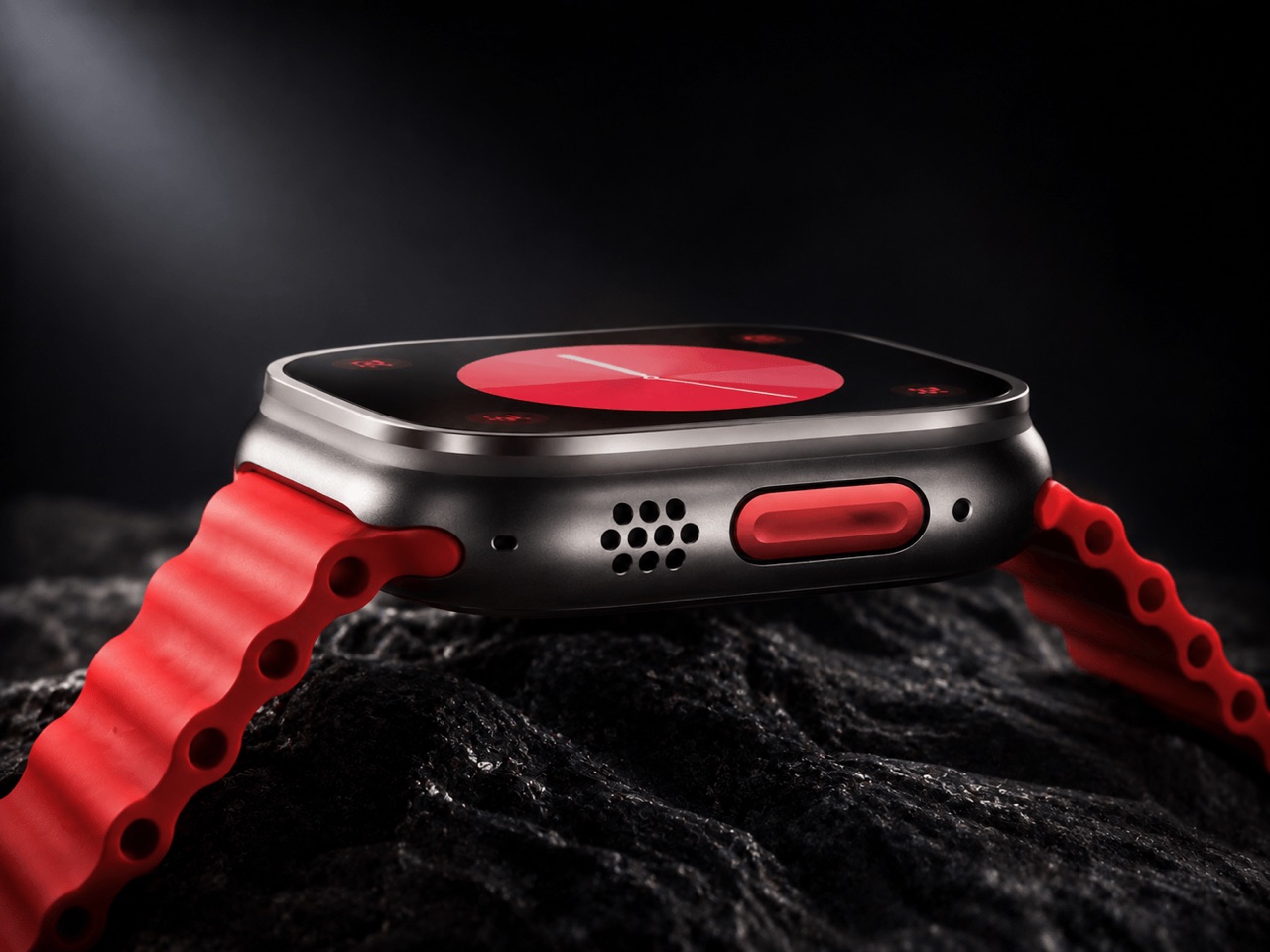
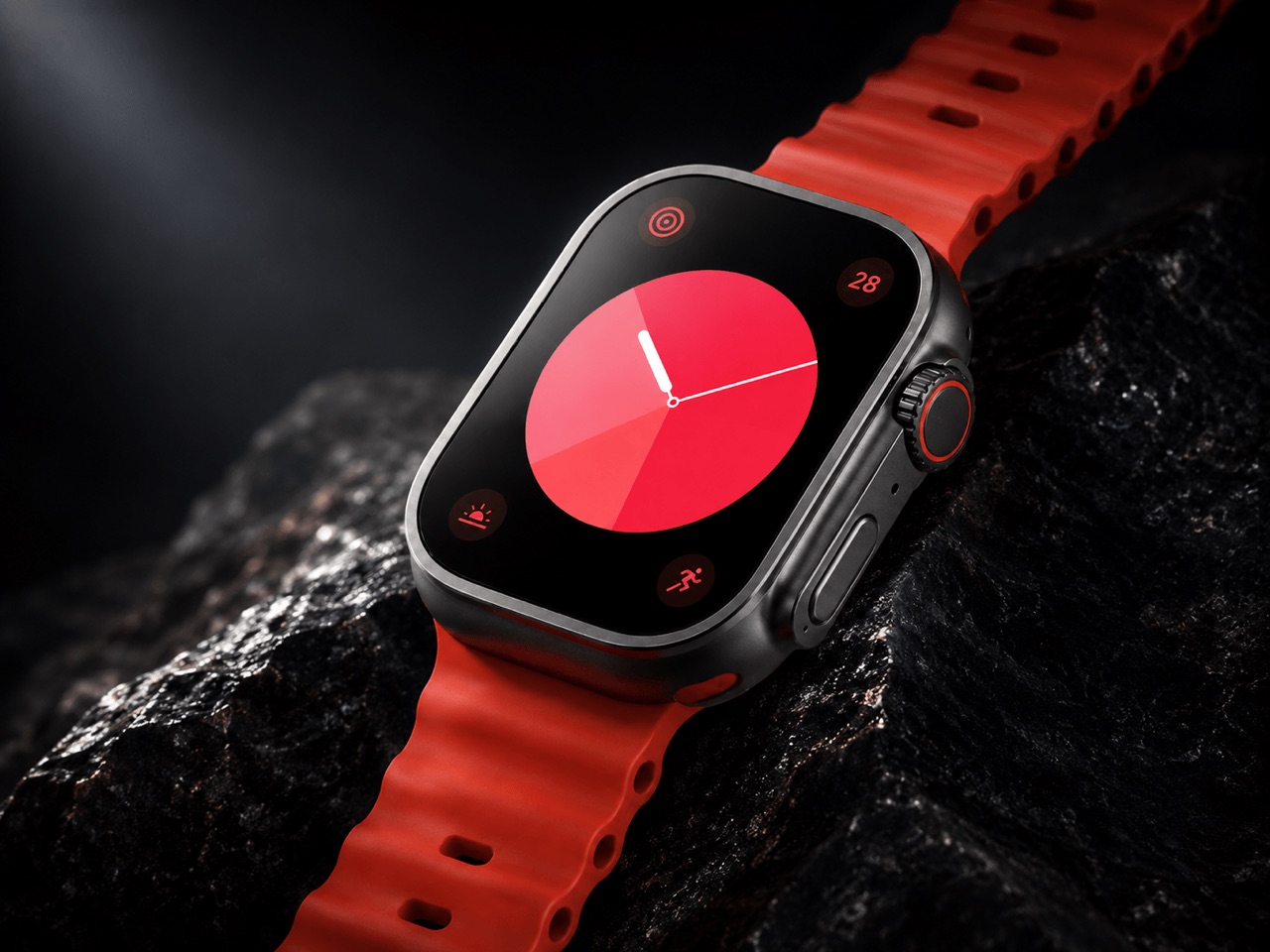
While Nothing doesn’t have a smartwatch in its portfolio, it certainly could add one – considering CMF’s Watch Pro already set the perfect foundation. Meet the Nothing Watch (Ultra) concept – a watch that brings the company’s minimalism-meets-fun approach to the world of smartwatches.
Designed by Abdelrahman Shaapan, the Watch (Ultra) takes the smartwatch to its logical next level, with a design that bridges digital experiences with a fairly analog-inspired design. The watch face is a mirror of the phone’s analog Glyph Interface, while the watch itself comes not with one button but three (including the crown of course).
Designer: Abdelrahman Shaapan
The Nothing Watch (Ultra) blurs the lines between Nothing and CMF, with a design that combines black and orange. Sure, with a watch this minimal, you really can’t do much with transparency, which is why the Watch (Ultra) ditches transparency entirely. It comes with a solid metal frame, supported by an Alpine Loop-inspired band that secures the watch around your wrist.
The Glyph goes missing too, but it manifests itself in the form of a Glyph OS – using white bars an strips to turn timekeeping into a Nothing-powered meaningful experience. The digital display has a minimal clock face, and a Glyph ring around the center that tells you both your battery level as well as the kilocalories burnt during the day. Sort of like activity rings on the Apple Watch, but interpreted differently.
The Watch (Ultra) concept leaves a lot to be desired – especially in the form of context and detail. The designer added a fair bit of detail in the form of a watch body with pushers and a crown on one side, and side-firing speakers on the other – but the OS still only shows just one screen. Maybe a little more detail in terms of a more comprehensive Glyph OS experience could really seal the deal – and although it might be too much to ask, I could DEFINITELY use one transparent variant!