DIY PlayStation 5 Tablet almost makes the PlayStation Portal moot

Although the handheld gaming trend has been going strong recently, especially with the likes of the Nintendo Switch and the Steam Deck leading the market, major console makers haven’t taken the plunge completely yet. Granted, Xbox isn’t too concerned because every Windows gaming handheld PC can theoretically run some of its titles, but Sony introduced a rather odd and quite unsatisfying version of this idea. The PlayStation Portal isn’t being “portable” for a reason, since it basically just streams games from the PS5 sitting somewhere in your house. Take it to more enterprising creators to bring the PlayStation 5 Portable dream to life, like this rather impressive gigantic PlayStation 5 “Tablet Edition” that is very much worth all the hard work involved.

Designer: Matthew Perks

The PlayStation 5 diverges from generations of console design with a sleek, futuristic, yet also alien aesthetic that some have compared to a trophy. But it’s especially thanks to that new design, especially the improvement Sony quietly made after launching the console, that makes this creative endeavor even possible. In a nutshell, Sony trimmed the PS5 motherboard down to a smaller size that could be made to fit inside a thick and hefty 14-inch tablet. That, however, was the least of the project’s problems, considering the things inside that actually make the bulk of the PS5’s, well, bulk.

The PlayStation 5 generates around 200W of heat at full power, so the majority of the console’s internals are actually devoted to thermal management. These include bulky fans and a strange-looking heatsink that would never fit any portable design. That’s why the majority of the effort around this PS5 tablet was spent on figuring out an equally efficient thermal management system that didn’t take up too much vertical space. Thanks to some creative thinking and a lot of research, that problem was eventually solved to much satisfaction.

With the biggest engineering hurdle out of the way, putting the rest of the giant tablet was relatively easier. A 3D-printed shell had to be made that matched the black-and-white aesthetic of the PS5. The screen of choice for this project was a 14-inch OLED salvaged from a broken laptop, allowing game graphics to really shine. Finally, an external power source had to be designed since the original PS5 power supply was just too large and too weird to use as is.

After much work, the PS5 Tablet Edition, a.k.a. PS GO, was ready to be put to the test, and the end result is truly impressive, both from the thermal aspect and especially in performance and visual quality. It’s a truly portable system that can fit inside a backpack, though you’ll have to plug it somewhere to actually use it. Then again, the idea was to create a more social console that you can take to your friend’s or relative’s house so that you can enjoy the experience together, rather than sitting in a corner, alone in the dark, mashing the buttons on your handheld PC.

The post DIY PlayStation 5 Tablet almost makes the PlayStation Portal moot first appeared on Yanko Design.
Atari 400 Mini retro console is a charming recreation of a quirky design

Most people today probably only know of the Xbox, PlayStation, and Nintendo Switch, but there was a time when the market was littered with countless gaming consoles, each with their own distinct designs. Many of them look almost outlandish by today’s standards, but it’s exactly because of these that these old machines have become today’s novelties again. The retro console craze has died down a bit, but it still exists and there are plenty of designs still left untouched. One of those is the rather distinctive Atari 400, which now finally comes in a mini recreation that brings yet another bunch of classic titles from one of gaming history’s biggest giants.

Designer: Retro Games x Atari

You might already be quite tired of hearing about all these classic games being made available to a newer, younger audience, but the console that this batch comes in is definitely worth noting. The Atari 400 and 800, after all, made many firsts in the industry, bringing what is practically a personal computer into homes with a focus on gaming. That objective was what informed the machine’s design, giving it a peculiar appearance even among its peers.

In essence, the Atari 400, or the 800 rather, looked more like a giant typewriter than a computer of any sort. Atari eschewed the typical joysticks and gamepads associated with gaming machines (and its own Atari 2600) and gave its first 8-bit family a keyboard for tasks beyond just playing. The Atari 400 itself was quite peculiar because it didn’t use real keys but a membrane keyboard, basically a seemingly flat, pressure-sensitive surface that could be considered the ancestor of touch-sensitive controls today. Suffice it to say, the typing experience was anything but enjoyable.

The Atari 400 Mini brings this one-of-a-kind design down to half the size of the 1979 original, which means you get all the looks but none of the quirks or the functionality. Yes, that miniaturized membrane keyboard is just for show, which is probably for the best. Imagine typing not only on a small space but also on a surface you have to press hard to even register a key. Fortunately, you can connect a USB keyboard if you really need to type something. With five USB ports, you can connect almost any controller, though thankfully the package ships one Atari CX-40 joystick for good measure.

The small machine comes with 25 titles from the original already pre-installed, though can also run other Atari classics provided you know how and where to get them. The Atari 400 Mini isn’t available yet, but you can already put down $119.99 to pre-order this recreation of a piece of gaming history before it hits the shelves on March 28th.

The post Atari 400 Mini retro console is a charming recreation of a quirky design first appeared on Yanko Design.
AYANEO NEXT Lite challenges the Steam Deck with a Steam OS handheld PC

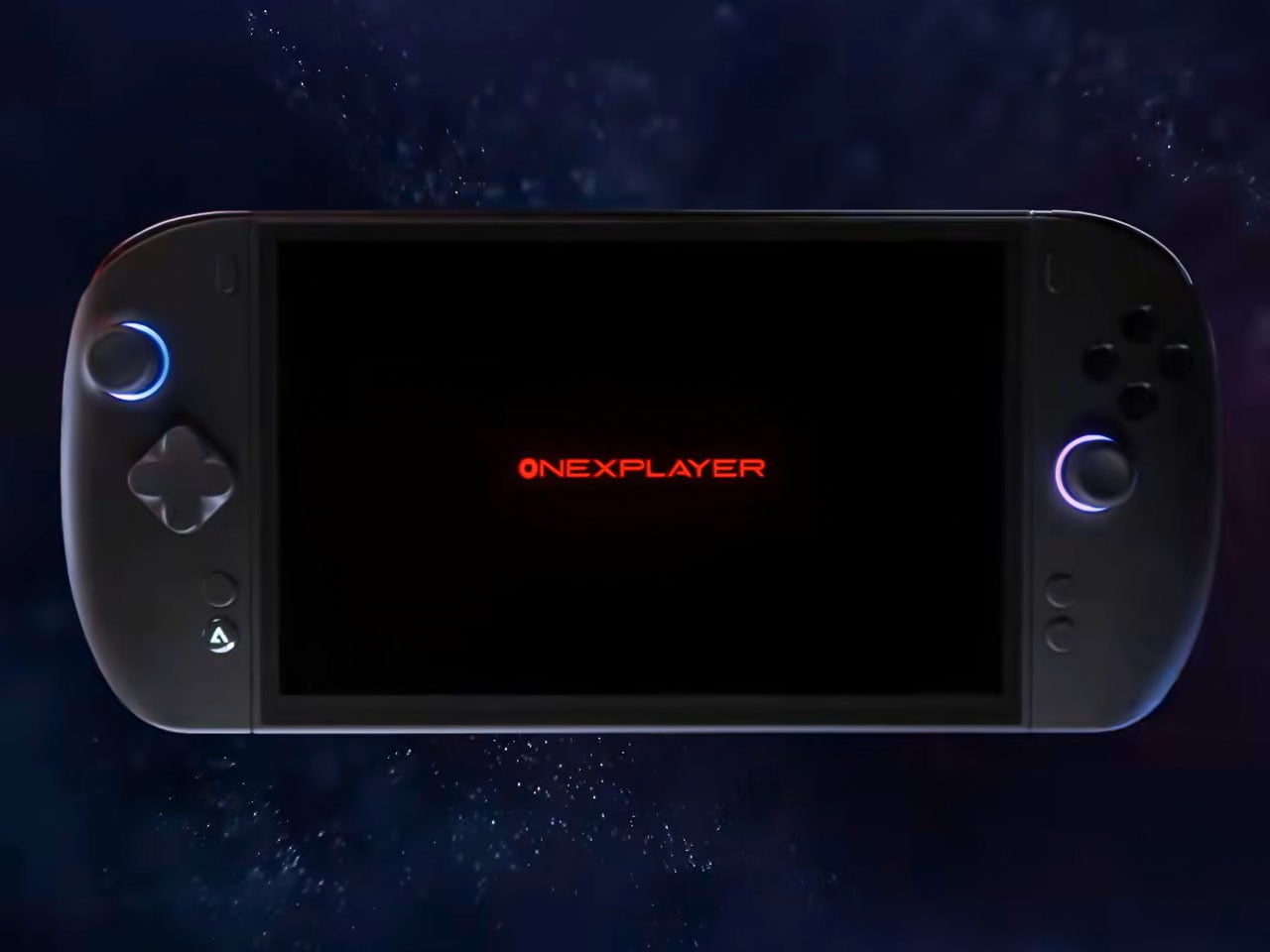
The Nintendo Switch may have rebooted the whole handheld gaming craze, but it was the Steam Deck that brought that fever to PCs. It was a strange device from a company famed for its game distribution platform but notorious for its spectacular Steam Machine failure. The doubt was further increased by Valve’s decision to install its own Linux-based Steam OS on the handheld PC instead of a more gaming-ready Windows. That’s why it came as a bit of a surprise that the Steam Deck was a resounding success, enough for major manufacturers like Acer, Lenovo, and now MSI to follow suit. Although not a giant, AYANEO has been churning out handheld gaming PCs for quite a while now, and it now has its sights on challenging the one that started it all with what is the world’s second-ever Steam OS handheld gaming PC.

Designer: AYANEO

The Steam Deck was a rather odd and ambitious product. It was huge, especially compared to the lightweight and slim Nintendo Switch. It ran the Linux operating system, which meant some games from Steam’s own library might not even run on it. It partnered with AMD for a custom mobile chip that no one has heard of, let alone tested for gaming. And it launched with a $349 price tag, at least for the eMMC storage model, which sounded too good to be true. By all accounts, it would have been yet another failure like the Steam OS consoles Valve tried to turn into a business, and yet the Steam Deck will now forever be remembered as the one that started it all.

Although major PC makers like Acer and Lenovo weren’t quick to jump on the trend, other brands were already launching similar devices every year, sometimes even more than once a year. GPD, which started out with Android gaming handhelds, breached that market even before the Steam Deck came to be. AYANEO followed not long after and now has half a dozen models under its name with different designs and approaches to gaming. Of these, the AYANEO NEXT from 2022 was its flagship product, and it’s now following it up with a “Lite” version that is trying to beat Steam at its own game.

The company is playing coy with many of the device’s specs, revealing only its 7-inch 800p display and 47Wh battery which are exactly the same as the existing AYANEO NEXT. The design looks exactly similar as well, down to the color options. The only real difference is that it would be running that Linux-based Steam OS, which is actually quite a critical change. That means that software features will be worlds apart once you step outside the Steam interface for anything other than gaming. Given the popularity of the Steam Deck, you can at least be sure you’ll find solutions for most of the tasks and problems you might encounter, at least when it comes to software compatibility.

The AYANEO NEXT Lite and the Steam Deck, however, are also worlds apart because of the hardware. Valve has opted to keep its handheld PC quite modest and has yet to even talk about a Steam Deck 2. If its older Windows-toting sibling is to be considered, then the AYANEO NEXT Lite will house more recent, more powerful, more battery-hungry, and more expensive specs. That doesn’t bode well for the price, though AYANEO assures that it will be cost-effective, but that could still mean hundreds of dollars more than what the Steam Desk asks for.

The post AYANEO NEXT Lite challenges the Steam Deck with a Steam OS handheld PC first appeared on Yanko Design.
AYANEO NEXT Lite challenges the Steam Deck with a Steam OS handheld PC

The Nintendo Switch may have rebooted the whole handheld gaming craze, but it was the Steam Deck that brought that fever to PCs. It was a strange device from a company famed for its game distribution platform but notorious for its spectacular Steam Machine failure. The doubt was further increased by Valve’s decision to install its own Linux-based Steam OS on the handheld PC instead of a more gaming-ready Windows. That’s why it came as a bit of a surprise that the Steam Deck was a resounding success, enough for major manufacturers like Acer, Lenovo, and now MSI to follow suit. Although not a giant, AYANEO has been churning out handheld gaming PCs for quite a while now, and it now has its sights on challenging the one that started it all with what is the world’s second-ever Steam OS handheld gaming PC.

Designer: AYANEO

The Steam Deck was a rather odd and ambitious product. It was huge, especially compared to the lightweight and slim Nintendo Switch. It ran the Linux operating system, which meant some games from Steam’s own library might not even run on it. It partnered with AMD for a custom mobile chip that no one has heard of, let alone tested for gaming. And it launched with a $349 price tag, at least for the eMMC storage model, which sounded too good to be true. By all accounts, it would have been yet another failure like the Steam OS consoles Valve tried to turn into a business, and yet the Steam Deck will now forever be remembered as the one that started it all.

Although major PC makers like Acer and Lenovo weren’t quick to jump on the trend, other brands were already launching similar devices every year, sometimes even more than once a year. GPD, which started out with Android gaming handhelds, breached that market even before the Steam Deck came to be. AYANEO followed not long after and now has half a dozen models under its name with different designs and approaches to gaming. Of these, the AYANEO NEXT from 2022 was its flagship product, and it’s now following it up with a “Lite” version that is trying to beat Steam at its own game.

The company is playing coy with many of the device’s specs, revealing only its 7-inch 800p display and 47Wh battery which are exactly the same as the existing AYANEO NEXT. The design looks exactly similar as well, down to the color options. The only real difference is that it would be running that Linux-based Steam OS, which is actually quite a critical change. That means that software features will be worlds apart once you step outside the Steam interface for anything other than gaming. Given the popularity of the Steam Deck, you can at least be sure you’ll find solutions for most of the tasks and problems you might encounter, at least when it comes to software compatibility.

The AYANEO NEXT Lite and the Steam Deck, however, are also worlds apart because of the hardware. Valve has opted to keep its handheld PC quite modest and has yet to even talk about a Steam Deck 2. If its older Windows-toting sibling is to be considered, then the AYANEO NEXT Lite will house more recent, more powerful, more battery-hungry, and more expensive specs. That doesn’t bode well for the price, though AYANEO assures that it will be cost-effective, but that could still mean hundreds of dollars more than what the Steam Desk asks for.

The post AYANEO NEXT Lite challenges the Steam Deck with a Steam OS handheld PC first appeared on Yanko Design.
MSI Claw A1M handheld gaming PC challenges the status quo with an Intel chip

If you haven’t noticed lately, there has been quite a good number of handheld computers being launched, almost all of them designed specifically for gaming. The success of the Nintendo Switch as well as the popularity of the Steam Deck has sparked dreams of recreating the magic (as well as the profits) for PC gaming. If you have indeed been paying attention, you might have also noticed that almost all of these ultra-mobile PCs are running on AMD processors and, consequently, AMD graphics. Of course, its biggest rival wasn’t going to take things sitting down, and it was only a matter of time before an Intel-powered handheld PC would come to light, which is exactly what the MSI Claw A1M is putting on the table.

Designer: MSI

The rivalry between Intel and AMD goes back decades, but there was a time when it seemed that Intel was the only one left standing. AMD then made quite a comeback and started to threaten Intel in areas it had traditionally performed poorly in namely, mobile and graphics. As if to emphasize its advantage, AMD has become the partner of choice for mobile PCs like the Steam Deck, the ROG Ally, and the Lenovo Legion GO. It’s this apparent monopoly that MSI and Intel are trying to break up with a design that is oddly not at all that different.

It’s almost too easy to mistake the MSI Claw A1M for the ROG Ally because of their eerily similar appearances, except in the choice of colors with the Claw opting for an all-black coating. There are, of course, very minute details, like bigger and presumably more comfortable grips, but the basic shape of the unibody chassis, button layouts, and the like are nearly identical. Since the ROG Ally only comes in white, some might be tempted to reach for MSI’s version just for the darker version.

Of course, there are major differences inside, like a larger 53Wh battery and support for the faster Thunderbolt 4 technology. That latter is thanks to the biggest difference that the MSI Claw A1M makes, that it’s running on an Intel Core Ultra chip rather than AMD. It’s not a simple case of substituting one chip for another and calling it a day. Each of them has their own sets of pros and cons, with the latest Intel Core Ultra chips boasting stronger AI performance, though Intel has yet to prove that its young integrated Arc graphics can truly match AMD’s Radeon technologies.

At the end of the day, while the Intel-powered MSI Claw A1M sounds bold and daring, it will all boil down to whether it can deliver the same or even better performance than the existing crop. At the moment, however, MSI hasn’t fully revealed availability details, other than a ballpark $699 starting price tag, so it will take some time before we can confidently say that the new kid on the block is more than just a new face.

The post MSI Claw A1M handheld gaming PC challenges the status quo with an Intel chip first appeared on Yanko Design.
ROG Zephyrus G16 laptop at CES 2024 brings a thin, all-aluminum frame to your game

Gaming laptops are powerful beasts, sometimes almost as powerful as some desktops. Most of them, however, almost feel as heavy and as bulky as those towering computers because of how much technology they pack inside, including the required cooling systems. Thanks to the laws of physics and limitations in manufacturing, it almost seems like having a gaming laptop that’s as slim and sleek as a MacBook is just a pipe dream. Consider those dreams fulfilled, then, with the newest duo in the ASUS ROG Zephyrus line, bringing to the CES 2024 crowd the first glimpse of an all-aluminum CNC machined gaming laptop that maintains a mind-blowing thin and light body despite the power it crams inside.

Designer: ASUS Republic of Gamers

Although the typical laptop might have plenty of metal on the outside, the majority of gaming laptops use plenty of plastic or only plastic for the chassis. It’s more resilient to pressure and is cheaper to manufacture, helping to offset the costs of the expensive hardware. However, it also has poorer heat dissipation, is prone to deform from excessive heat, and makes the laptop feel less premium than its price would suggest. The Republic of Gamers is, fortunately, challenging the status quo with the 2024 ROG Zephyrus G16 and its slightly smaller sibling, the ROG Zephyrus G14, bringing a sleek and elegant look you won’t easily find on most of its kind.

With an all-new, all-aluminum CNC-machined chassis, the ROG Zephyrus G16 and G14 bring a touch of class to your gaming gear. It isn’t all just for show, of course, because the change in materials also improves the structural rigidity of the laptop, reduces its overall weight, and increases the space for components inside. That means more room for more things while still keeping the laptop thin and light. At only 1.49cm thick and 1.85kg light, the Zephyrus 16 is pretty much on par with the gold standard of lightweight pro notebooks, the MacBook Pro. For reference, the Zephyrus G14 stands at 1.59cm thick and 1.5kg heavy only.

Of course, Zephyrus laptops are heavy-duty gaming slash workstations, and ROG hasn’t forgotten the traits that truly mark this mobile PC as such. There’s a brand-new LED lighting array, one that runs diagonally across the lid. Appropriately called Slash Lighting, this lighting accent can display customized patterns and animations that quickly set the laptop apart from other premium-looking notebooks. This 2024 generation also welcomes a new colorway, Platinum White, with a matte finish that cements the Zephyrus G16 and G14 as luxury items for gamers.

In terms of hardware, the two aren’t lacking in any department either, sporting the latest Intel and AMD processors paired with NVIDIA GeForce RTX 4070 or 4090 laptop graphics. In fact, these two boast the first ROG laptops to carry an OLED monitor under the ROG Nebula Display branding, offering rich blacks that truly make graphics pop. They both possess the latest cooling solutions, but the ROG Zephyrus G16 additionally carries a custom vapor chamber to make up for the more powerful hardware. These two stylish and powerful laptops are scheduled to land in markets in the first quarter of the year, though exact dates and pricing have yet to be announced.

The post ROG Zephyrus G16 laptop at CES 2024 brings a thin, all-aluminum frame to your game first appeared on Yanko Design.
ROG Phone 8 at CES 2024 arrives with a simpler, more premium design

What is a gaming phone? Since most smartphones can actually handle mobile games, especially the more expensive models, this breed of smartphones differentiates itself from the rest of the crowd with over-the-top performance and, more often than not, over-the-top aesthetics as well. Whether it’s in the form of flashy RGB lighting or an abundance of geometric shapes, the stereotypical gaming phone leaves no room for doubt that these gadgets are miniature versions of gaming desktops and laptops that grab people’s attention one way or another. Great for hardcore gamers who have embraced that aesthetic, not so much for others who want a gaming-worthy phone they can use everywhere as well. That’s the kind of redesign that the new ROG Phone 8 is now carrying, bringing its unparalleled performance for a wider audience to enjoy.

Designer: ASUS Republic of Gamers

There isn’t going to be any debate on the merits of the ROG Phone 8’s gaming prowess. Powered by the latest Qualcomm Snapdragon 8 Gen 3 processor and paired with the fastest memory and storage technologies in the market, it can handle any mobile game currently in existence and then some. The large 6.78-inch AMOLED display promises bright images even under sunlight, and an equally large 5,500mAh battery guarantees hours of enjoyment of games and streaming videos. Those specs are on par with most gaming phones of this caliber, but, for the first time, ROG is adjusting its specs and design to match what not just gamers but also the masses want.

For example, it has a more powerful camera system now, with a 50MP main Sony sensor joined by a surprising 32MP telephoto camera with 3x optical zoom. This is a huge step up from the macro shooter that the brand usually puts on its gaming phones, though the 13MP ultra-wide camera is still minimally decent. ROG has also ensured the durability of the ROG Phone 8 by giving it IP68 dust and water resistance, the first gaming phone to receive this certification. That’s thanks to a cooling system and thermal design that doesn’t require a tiny fan inside, though ASUS ROG will try to convince owners to buy and use the AeroActive Cooler X attachment as well.

The biggest change, however, is also the most obvious. Gone are the sci-fi-like design of the previous ROG phones, replaced by an aesthetic that still looks sleek and stylish but also cleaner. The pentagon-shaped camera island is off to the side, similar to many camera designs these days, and the back sports a dual-tone tone color theme, depending on the colorway. That’s not to say that the ROG Phone 8 completely ditches the hallmarks of gamer aesthetics, as the base model still has a customizable Aura RGB Lighting on the ROG logo. The ROG Phone 8 Pro, on the other hand, gets an “AniMe Vision” Mini LED display composed of 341 lighting elements that can display preset or custom animations.

It remains to be seen whether the ROG Phone 8’s sudden change of direction will help it appeal to more customers beyond the gamer crowd, or if it will actually turn gamers away toward competing brands. Suffice it to say, it’s a bold new design for a gaming phone, one that still packs the power that gamers require, now wrapped in a stylish design that could appeal to everyone as well. The ASUS ROG Phone 8 will be available in Q1 2024 with an SRP of $1,099 for the base model, $1,199 for the ROG Phone 8 Pro, and $1,499.99 for the ROG Phone 8 Pro Edition that includes the AeroActive Cooler X in the box.

The post ROG Phone 8 at CES 2024 arrives with a simpler, more premium design first appeared on Yanko Design.
Lenovo Unveils a Legion of Gaming Ecosystem at CES 2024

In a significant expansion of its gaming hardware offerings, Lenovo has unveiled an extensive new gaming ecosystem at CES 2024, anchored by its latest PC lineup that includes advanced AI technologies and a pioneering thermal solution. The announcement highlights the Lenovo Legion 7i and Lenovo Legion 5i laptops, along with a full suite of gaming devices, software, and services designed to empower gamers under the new mantra ‘Reach Your Impossible.’

The newly debuted products, compatible with Microsoft Windows 11, are a comprehensive blend of power, thermal efficiency, cutting-edge graphics, AI-driven enhancements, and customizable options. This array allows gamers to construct their ultimate gaming setup. Central to the portfolio are the 9th generation Lenovo Legion 16-inch gaming laptops and towers, which cater to a range of gaming needs:

  • For Balanced Gaming and Work: The Lenovo Legion 7i, Lenovo Legion 5i, and Lenovo Legion Slim 5 are tailored for gamers who demand a machine capable of handling intense gaming sessions and demanding STEM applications.
  • For Uncompromised Performance: The Lenovo Legion 9i is the go-to choice for those prioritizing peak gaming and content creation experiences.

  • For Ultimate FPS and Style: The Lenovo Legion Pro 7i and Lenovo Legion Pro 5i target gamers seeking top-tier frame rates, aesthetics, and screen quality.
  • For Desktop Power: The Legion Tower 7i and Legion Tower 5i are designed for those who require the robust power of a high-end gaming tower PC.

Expanding the ecosystem are the Lenovo LOQ 15IRX9, Lenovo LOQ 15IAX9I, Lenovo LOQ 15IAX9, and Lenovo LOQ15AHP9 laptops, along with the Lenovo LOQ Tower 17IRR9, aimed at gamers climbing the competitive leaderboards. New accessories like the Lenovo Legion M410 Wireless RGB Gaming Mouse, Legion K510 Pro Mini Keyboard, and the Lenovo AvatarMaster PC software app enhance the gaming experience.

The cornerstone of this lineup is Lenovo’s proprietary hardware AI chips, the LA AI chips, which debuted at last year’s CES. This year, they return with enhanced capabilities, enabling Lenovo Legion and Lenovo LOQ laptops to reach new heights in FPS, power efficiency, and overall performance.

The Lenovo Legion 9i: A Peak of Gaming Innovation.

Continuing its tradition of pushing boundaries in gaming technology, the Legion 9i is a gaming laptop that redefines the user experience through advanced AI integration and powerful hardware. The upgraded LA3-P AI chip is at the heart, introducing the groundbreaking Scenario Detection feature. This technology dynamically adjusts the power distribution between the CPU and GPU, optimizing performance based on the user’s current activity. This intelligent power management is complemented by Smart FPS, a feature that analyzes the FPS output in games, balancing power usage between hardware components to maximize FPS.

Another highlight is the Lighting Audio Sync capability, enabled by the Lenovo LA3-P AI chip. This feature synchronizes the laptop’s RGB lighting with the audio output, creating an immersive gaming atmosphere. Additionally, Legion Aurora Sync uses AI to harmonize on-screen visuals with the keyboard and environmental RGB lighting.

Gamers also have access to Smart Control, allowing them to swiftly toggle between various preset power profiles, including a customizable mode. These settings, including fan speed and thermal modes, are easily managed through the Lenovo Vantage interface, giving gamers complete control to tailor their gaming experience.

The latest laptop model boasts top-tier hardware specifications, including the latest Intel Core Gen i9-14900HX CPU and a powerful NVIDIA GeForce RTX 4090 GPU. The laptop sports a 3.2K 16:10 165Hz VRR Mini-LED PureSight display and supports up to 64GB of 5600Mhz DDR5 Memory and up to 2TB of Gen4 PCIe storage. It’s powered by a robust 99.99Whr battery, while the 230W TDP is efficiently managed by the LA3-P AI chip, ensuring optimal power distribution.

The design of the Legion 9i is equally impressive, with a TrueStrike keyboard that offers per-key RGB and 1.5mm key travel and a unique forged carbon top cover that gives each laptop a distinctive look. Weighing in at just 2.5kg (5.51 lbs.), it is as portable as it is powerful.

The Lenovo Legion 9i gaming laptop is designed to fit perfectly into the Lenovo Legion 16″ Functional Gaming Backpack, making it ideal for gamers who are always on the go. You can complete your ultimate gaming setup by pairing it with other Lenovo Legion peripherals like the Y34wz-30 Gaming Monitor, M600s Qi Wireless Gaming Mouse, and Lenovo Legion H600 Wireless Gaming Headset. These peripherals are already available in select markets to complete the ultimate gaming ecosystem for the Legion 9i.

Lenovo Legion Series: The Ultimate All-In-One Gaming Solutions

Gamers require devices that can effortlessly handle demanding AAA games and processor-intensive applications. The Lenovo Legion series, which includes the Lenovo Legion 7i, Lenovo Legion 5i, and Lenovo Legion Slim 5, is designed to meet these diverse needs. These laptops offer a powerful yet portable solution for gamers needing a high-performance device to handle demanding tasks.

Lenovo Legion 7i and 5i: Power and Portability Combined

  • AI-Enhanced Performance: Both models feature Lenovo’s LA AI chips. The Legion 7i has enhanced AI capabilities, including Scenario Detection, Smart FPS increases, and Smart Control, all accessible through Lenovo Vantage for optimal performance customization. The Legion 5i also includes Smart Control, allowing seamless power profile adjustments.

  • High-End Hardware: The Legion 7i and 5i are equipped with up to the latest Intel Core i9 14900HX processors, while the Legion Slim 5 features AMD Ryzen™ 8040 Series processors. All models come with up to NVIDIA GeForce RTX 4070 graphics, integrating NVIDIA’s RTX AI upscaling and Max-Q technology.
  • Memory and Storage: Each laptop offers up to 32GB of 5600MHz DDR5 RAM and up to 1TB M.2 2280 PCIe Gen 4 SSD storage.
  • Innovative Features: The new Copilot key on the Lenovo Legion 7i keyboard offers easy access to everyday AI assistance.

Enhanced User Experience and Design

  • Connectivity and Keyboard: The Lenovo Legion 7i supports up to Wi-Fi 7 and features a TrueStrike keyboard with per-key RGB and 1.5mm key travel. The Legion 5i and Slim 5 come with Wi-Fi 6E and TrueStrike keyboards with up to 4-zone RGB.

  • New Thermal Solution: The “Coldfront: Hyper” thermal technology in the Legion 7i and 5i optimizes heat exchange, leading to higher frame rates and cooler keyboard temperatures even under heavy loads.

Display Innovations

  • PureSight Displays: Each model offers color-calibrated PureSight displays. The Legion 7i has options for a 3.2K or WQXGA display with high refresh rates, while the Legion 5i and Slim 5 feature WQXGA displays with eSports Display software for enhanced gaming visuals.

Portability and Peripheral Compatibility

  • Backpack and Home Setup: The Lenovo Legion series and Slim 5 laptops fit in the Lenovo Legion Active Gaming Backpack for mobility. They can be set up at home with the Lenovo Legion Y27h-30 Gaming Monitor, Legion M410 Wireless RGB Gaming Mouse, and Lenovo Legion K510 Pro Mini Keyboard for a comprehensive gaming experience.

The Lenovo Legion Tower 5i: A Desktop Powerhouse

For those who prefer a stationary gaming setup, the Lenovo Legion Tower 5i is a formidable choice. It can be configured with up to 13th Gen Intel Core i9-13900F processors, NVIDIA GeForce RTX 4080 GPUs, and up to 32GB of 5600MHz DDR5 RAM. Its 26L chassis houses an 850W 90% PSU and up to 2TB PCIe NVMe SSD storage, making it a compact yet powerful gaming machine.

Specialized Gaming with the Lenovo Legion Pro Series and Legion Tower 7i

The Lenovo Legion Pro Series and Legion Tower 7i are designed for competitive gamers seeking the upper edge. These devices boast top-of-the-line processors, advanced thermals, and Lenovo AI chips to maintain peak performance. The TrueStrike keyboards on the Pro series laptops feature customizable lighting and keycaps for a tailored gaming experience.

Be ‘You’ with AvatarMaster

Select Lenovo Legion systems, including the Legion 7i and 5i, now come with the AI-powered AvatarMaster app. This innovative software enables users to create and animate a 3D digital avatar, enhancing the streaming and collaboration experience.

Step into Gaming with Lenovo LOQ The Lenovo LOQ lineup, ideal for beginners, includes laptops and towers with various CPU and GPU options. The hyperchamber thermal technology and Lenovo LA1 AI chip enhance performance, while display options and peripheral compatibility cater to all gaming preferences.

Comprehensive Gaming Ecosystem Every Lenovo gaming device is equipped with Windows 11, Xbox Game Pass Ultimate, and Lenovo’s Legion Arena app. Additionally, Nahimic by SteelSeries audio technology enhances communication during gameplay. Lenovo Legion devices also offer Legion Ultimate Support, while LOQ devices come with Lenovo’s Premium Care for comprehensive assistance and support.

The post Lenovo Unveils a Legion of Gaming Ecosystem at CES 2024 first appeared on Yanko Design.
Acer Predator and Nitro laptops at CES 2024 level up gaming for everyone

Once upon a time, laptops were simply seen as a way for people to bring their work home or anywhere they might be. These portable computers were made to prioritize productivity and their designs reflected their serious purpose. It was mostly a matter of necessity since laptops of the past could barely hold a candle against their mightier desktop cousins. These days, however, some laptops and notebooks are already being called “desktop replacements” and many models are fulfilling the gamer dream of being able to play and chill anywhere they may be. At CES 2024, Acer is presenting the latest iteration of its gaming laptops under the Predator and Nitro brands, offering upgraded hardware to take mobile PC gaming to the next level, with some help from AI, of course.

Designer: Acer

Acer Predator Helios 18 and 16: Cutting-Edge Experience

Now that technology has finally caught up to user demands, the latest generation of the Acer Predator Helios gaming laptops can finally offer performance without compromises. Powered by the up to an Intel Core i9-14900HX and paired with up to NVIDIA GeForce RTX 4090 laptop graphics, these gaming machines promise to give you an edge over the competition, even if you’re just playing by yourself. Advanced thermal solutions, which include 5th-gen AeroBlade fans and liquid thermal grease on the CPU and heat pipes ensure that the system is always running at its best.

A true gaming experience, however, isn’t just limited to raw performance, so Acer has equipped these two new Predator Helios laptops with features that push the envelope of what you can accomplish. Acer’s patented MagKey 3.0 keyboard makes it easy to swap out and customize those essential WASD keys, and MagClick offers swappable mechanical switches to let gamers and users enjoy the satisfying sounds of mechanical keys at every press. RGB lighting effects on the Predator logos, a customizable mini LED backlit keyboard, and the backside Infinity Mirror lighting bar also contribute to setting the right mood for gaming.

The Predator Helios 18 and 16, however, are more than just powerful gaming laptops. They’re also home to the latest AI technologies that optimize performance and take PCs beyond just gaming. Acer’s AI-powered PurifiedVoice and PurifiedView technologies, for example, ensure clear audio and video for meetings as well as streaming. And, of course, there’s also Windows Copilot and the fancy new dedicated Copilot key that gives access to AI assistance in a single press. Whether you’re conquering dungeons or conquering work, the latest Acer Predator Helios 18 and 16 laptops have got all your bases covered.

Availability

  • Acer Predator Helios 18 – March, starting at $1,999.99
  • Acer Predator Helios 16 – January, starting at $1,899.99

Acer Predator Helios Neo 18 and 16: Top-Secret Powerhouse

Even if you’re an avid PC gamer, sometimes you still prefer to be a little bit more discreet. Flashy gaming gear is great for showing off at home but could be a bit too distracting and obnoxious in some spaces like offices. The Acer Predator Helios Neo family offers more or less the same gaming prowess as the rest of the Predator Helios line but wraps it in a more subtle design and, best of all, a more accessible package, making it like a secret agent that’s ready to jump into the arena at the push of a button.

The all-new Predator Helios Neo 18 and 16 laptops are no slouches, powered by up to a newly-optimized Intel Core i9 14900HX processor that’s paired with up to NVIDIA GeForce RTX 4070 Laptop GPUs, much like any new gaming laptop this season. That’s enough muscle to satisfy plenty of gamers, including casual and entry-level e-sports players, while leaving enough room for uses outside of play. Acer’s twin AI-powered PurifiedView and PurifiedVoice 2.0, for example, make short work of video meetings, whether it’s for business or for coordinating your team’s attack plan.

It might not have all the fancy RGBs of the pricier Predator Helios models, but it has lighting where it counts the most, thanks to the customizable 4-zone RGB backlit keyboard. Best of all, the Predator Helios Neo’s striking design hides encrypted codes laser-etched on the deep-black anodized covers. This secret message, however, is only available on the non-US models of the Predator Helios Neo 16 but can be found on all Predator Helios Neo 18 laptops.

Availability

  • Acer Predator Helios Neo 18 – March, starting at $1,549.99
  • Acer Predator Helios Neo 16 – March, starting at $1,499.99

Acer Nitro 17: Gaming For Everyone

Some people might not want a dedicated gaming laptop but might still want a mobile computer that can easily switch between work and play without breaking a sweat. Acer’s Nitro laptops have always offered a sensible balance of computing power, gaming capability, and affordable price, and the new Acer Nitro 17 (AN17-72) this year is no different. Bearing a 14th-gen Intel Core i7 processor paired with an NVIDIA RTX 4060 laptop graphics gives it the silicon muscles it needs to breeze through demanding AAA titles like Cyberpunk 2077 and Alan Wake 2, much less word processing, Web browsing, and other functions you might need day to day.

Of course, the Nitro 17 is also equipped with the latest AI technologies, like Acer’s PurifiedVoice 2.0, which filters out unwanted ambient noise so only your voice is heard during meetings, or PurifiedView, which automatically frames your face during a video call. Windows Copilot is also present to instantly help you with your work and optimize the system, thanks to a handy Copilot key that’s coming to Windows laptops this year. The Acer Nitro 17 (AN17-72) offers an accessible and reliable PC that you can take anywhere, whether for work, for fun, or for anything in between.

Availability

  • Acer Nitro 17 (AN17-72) – January, starting at $1,249.99

The post Acer Predator and Nitro laptops at CES 2024 level up gaming for everyone first appeared on Yanko Design.
Xbox Series S toaster is now a real thing that can toast your bread

You probably know a gamer or two (or more) who live and breathe playing games on their console of choice, to the point that they tend to skip things like talking to other people and even eating. There are also probably gamers who see their game graphics everywhere, even on their food. Well, this can happen literally now, at least for Xbox fans as you can now imprint the logo on your bread.

Designer: Microsoft

The Xbox Series S toaster is now available to make all your Xbox toast dreams come true. It may seem like a joke item but it’s a real product that you can buy at Walmart and you can use as you toast your loaf bread, waffle, bagel, or whatever else piece of bread that you want to have the Xbox logo on before you actually eat and consume it. It doesn’t serve any other purpose except to put that logo on your bread and for Microsoft to have that image of having fun at their own expense.

This is actually born out of the memes that populated social media sites when the Xbox Series S first came out, comparing it with, you guessed it, a toaster. It has a digital countdown timer and you can even choose the shade setting for the xbox logo to be imprinted on your bread. The design of the toaster itself is similar to the Xbox Series S so you might have to be careful or you could start playing games in your kitchen or you might put a piece of bread into your actual Xbox.

This isn’t the first time they created an actual appliance based on people making fun of their console designs. The Xbox Series X mini fridge came out previously and we wouldn’t be surprised if they will eventually lean into this and create other kitchen appliances with the Xbox branding like a microwave, cutlery, plates, and even other products not related to the kitchen or eating. But for now, enjoy having the Xbox logo on your toast as you play games while eating.

The post Xbox Series S toaster is now a real thing that can toast your bread first appeared on Yanko Design.