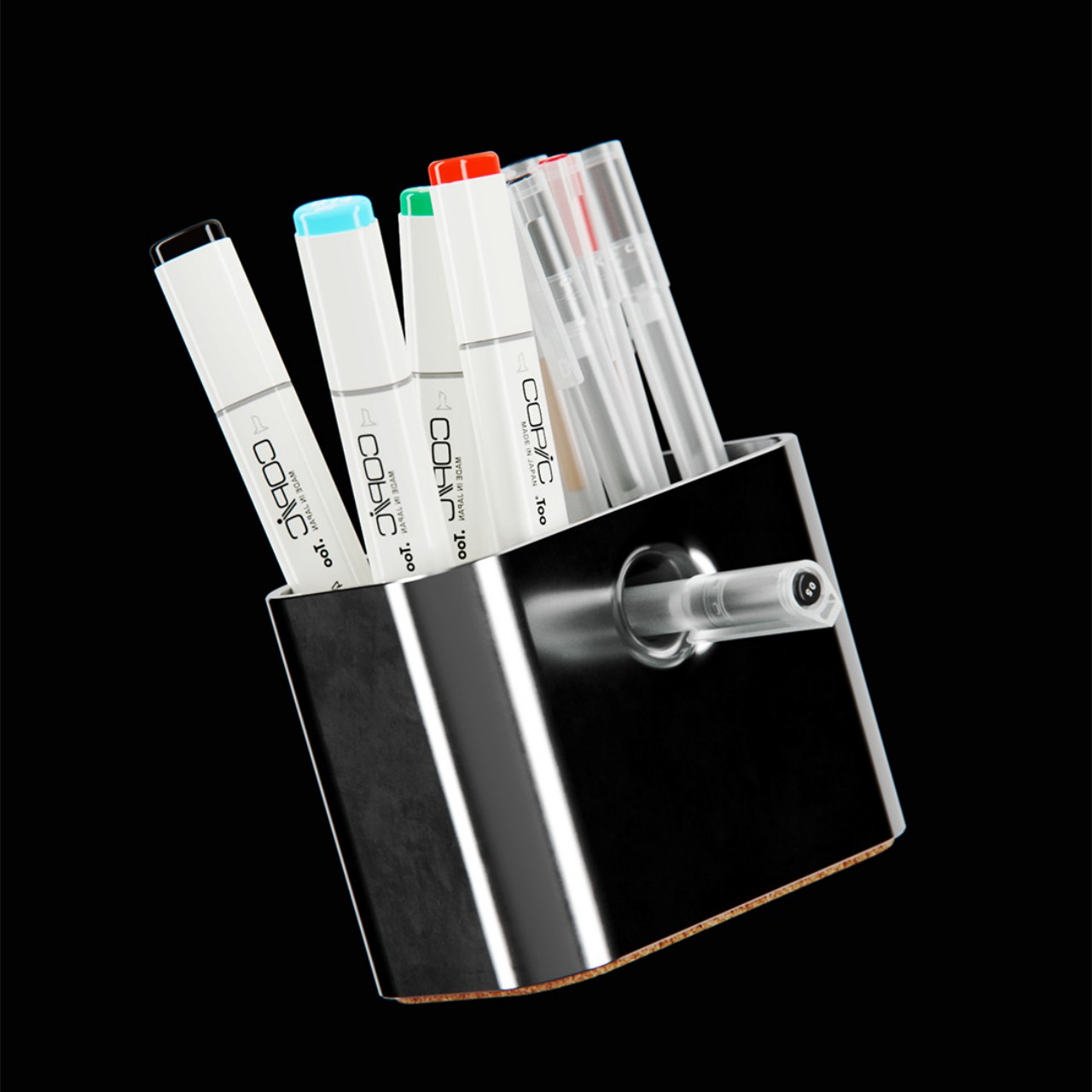
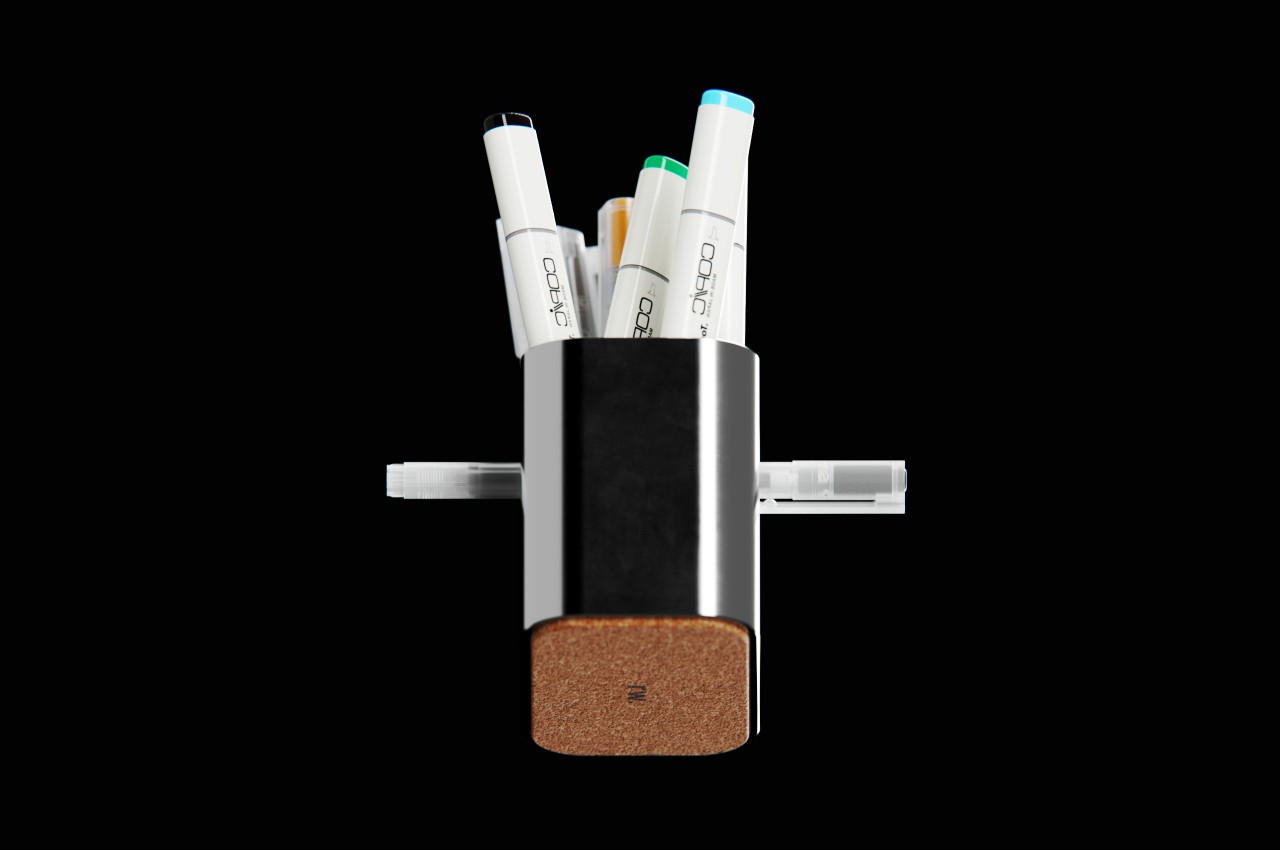
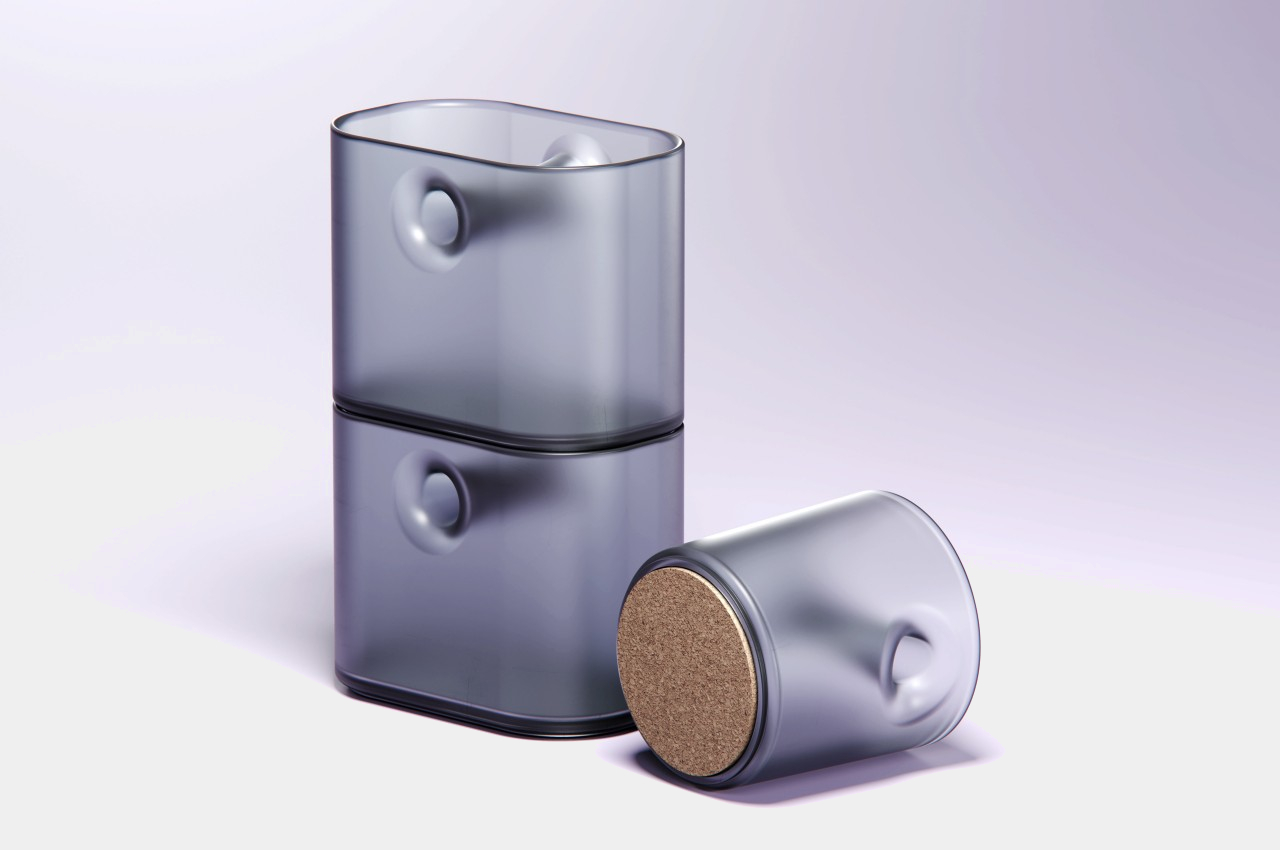
The key design elements for a pen holder or pen pot are pretty simple. It just needs to be tall enough to support writing instruments of different heights without them tipping over and would have enough room for at least a handful of pens, pencils, markers, and the like. Beyond that, the designer is free to interpret the shape of the container, and some even have dividers to segregate the different tools. But while pen holders are a convenient way to keep your pens together, they don’t really make it easy to pick out your favorite one from among the bundle. Some people would use a separate stand just for that single pen, which takes up unnecessary space on your desk. This concept design has a rather curious answer to the problem, one that pretty much leaves a conspicuous hole in the middle of the pill-shaped pot.
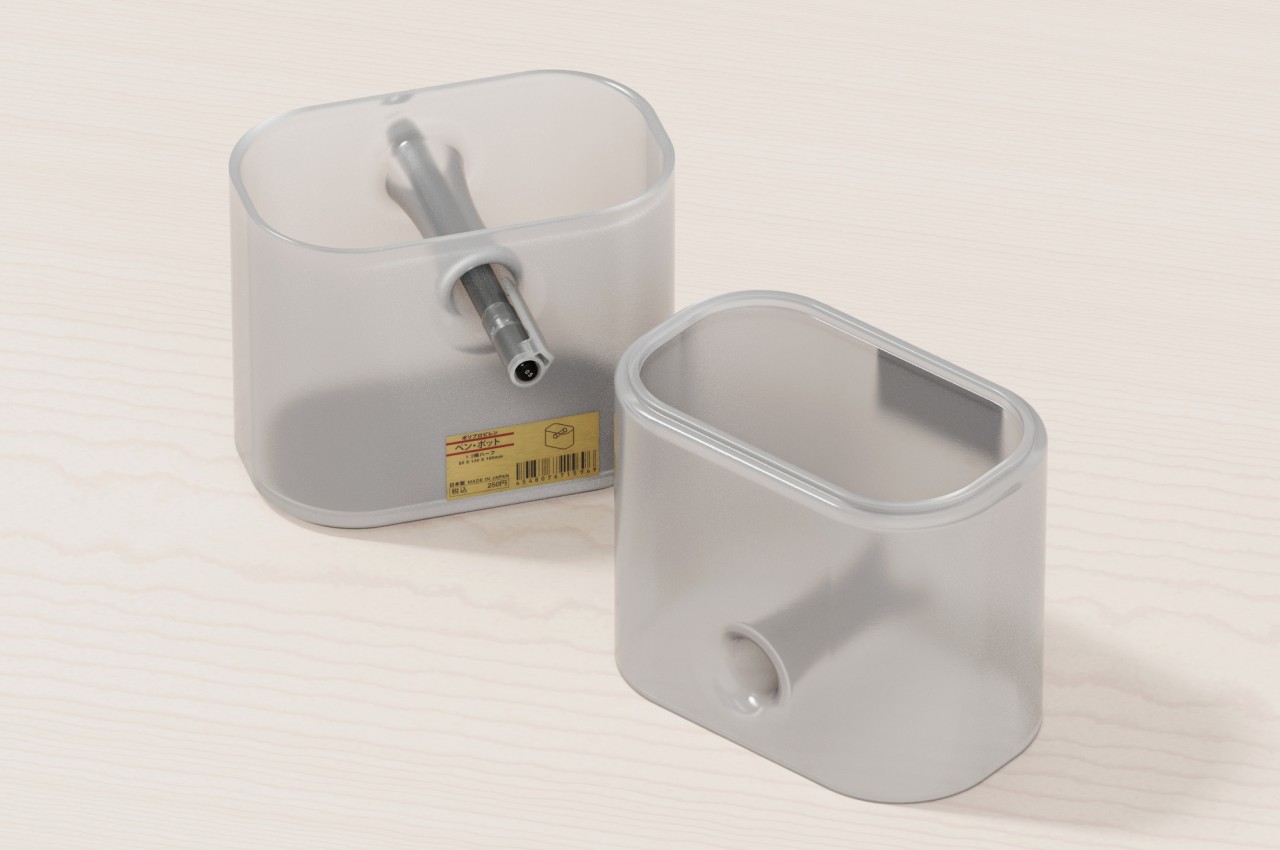
Usually, having a hole in the middle of a container is considered to be a defect, one that not only weakens the structure of the shape but also mars its visual integrity. After, something that cuts through an otherwise clean and whole form is sure to bother one’s aesthetic sense. In this case, however, that hole is not only intentional but also functional, setting the Void Pen Pot apart from your run-of-the-mill pen holders.
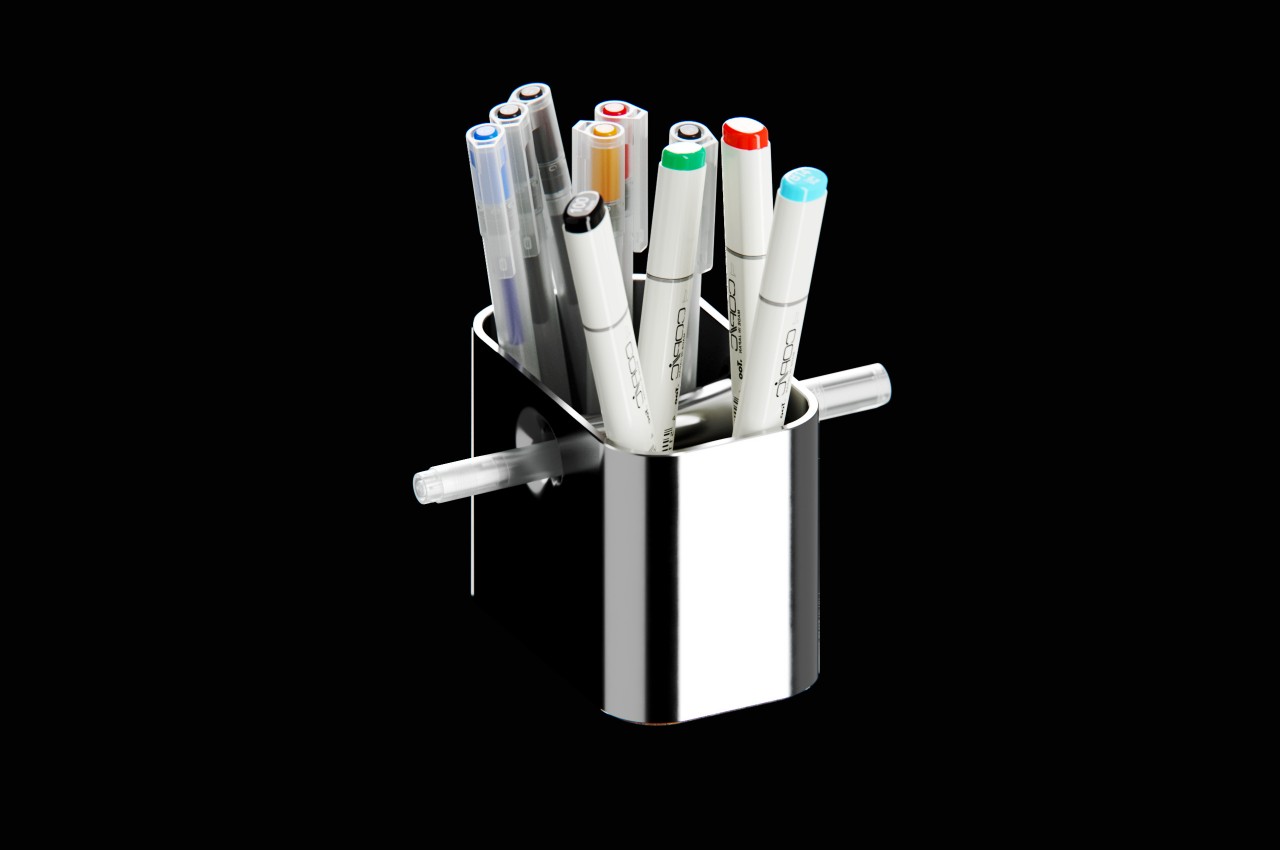
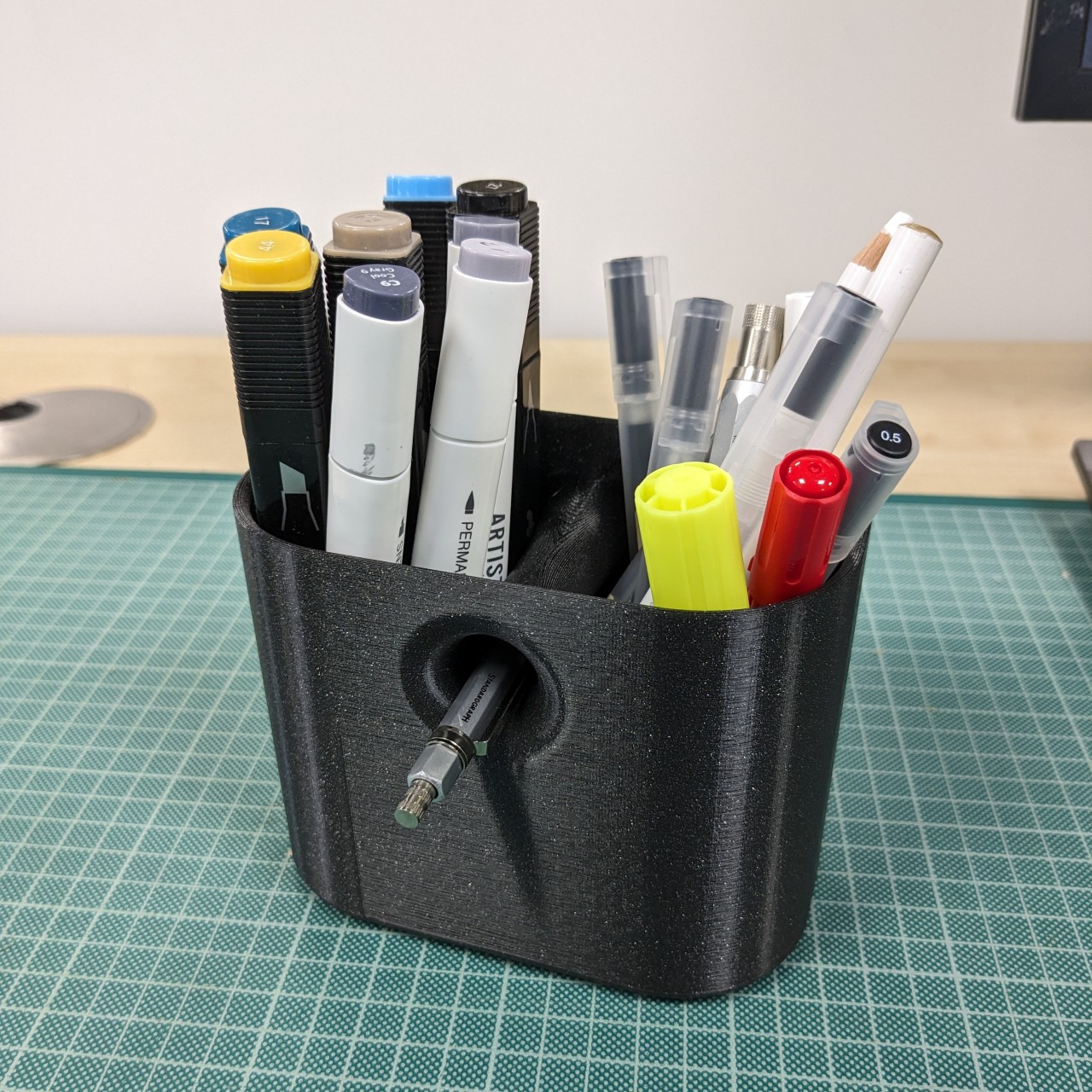
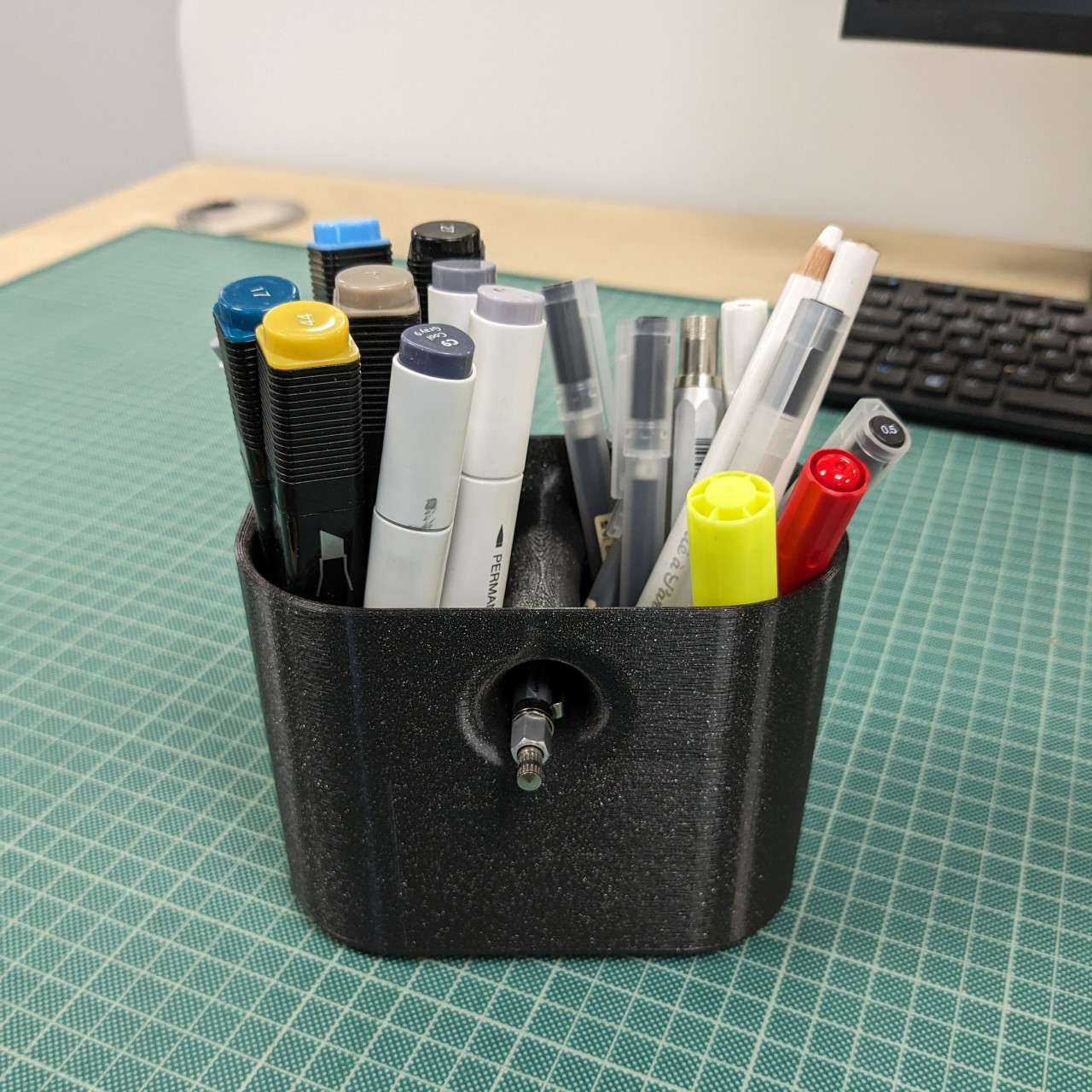
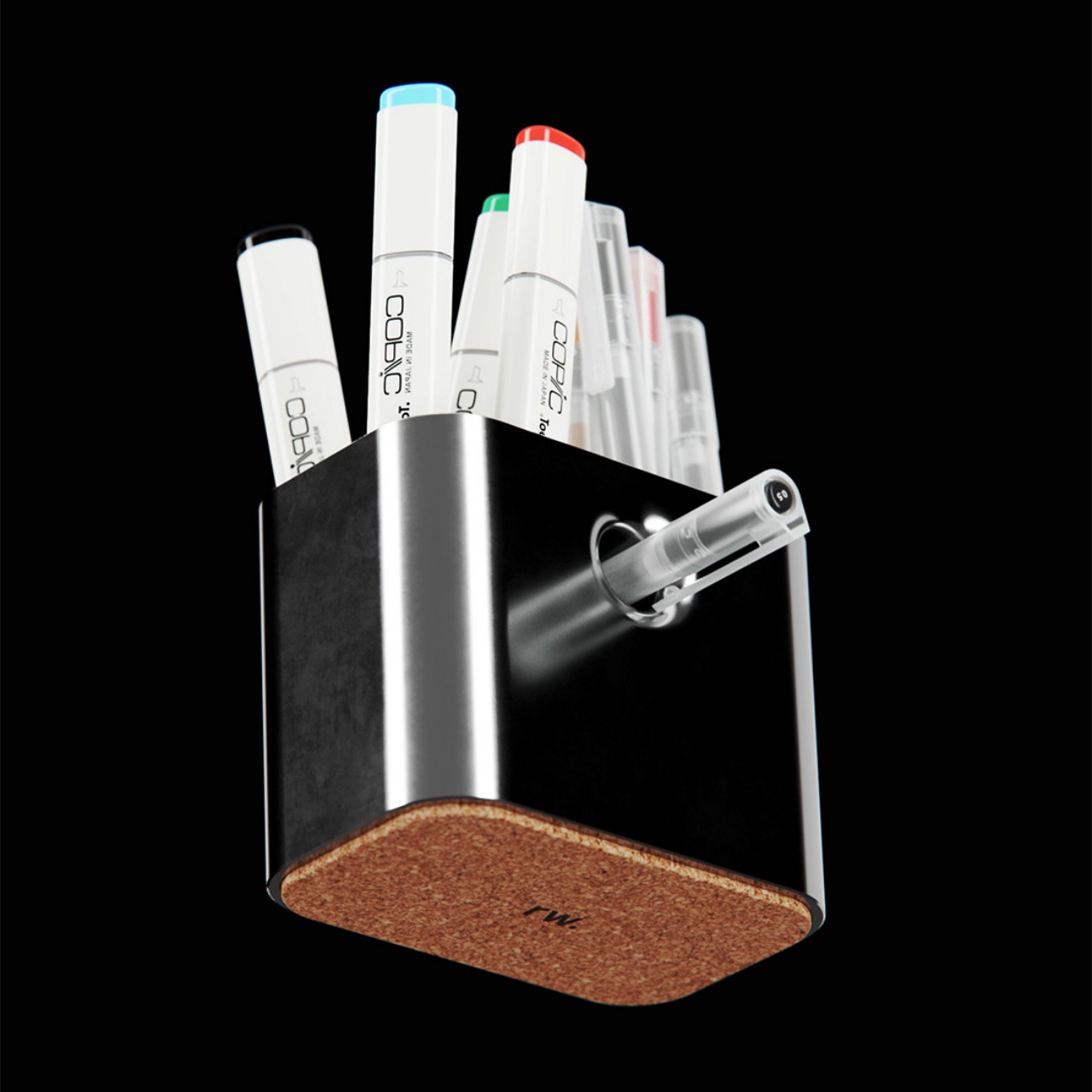
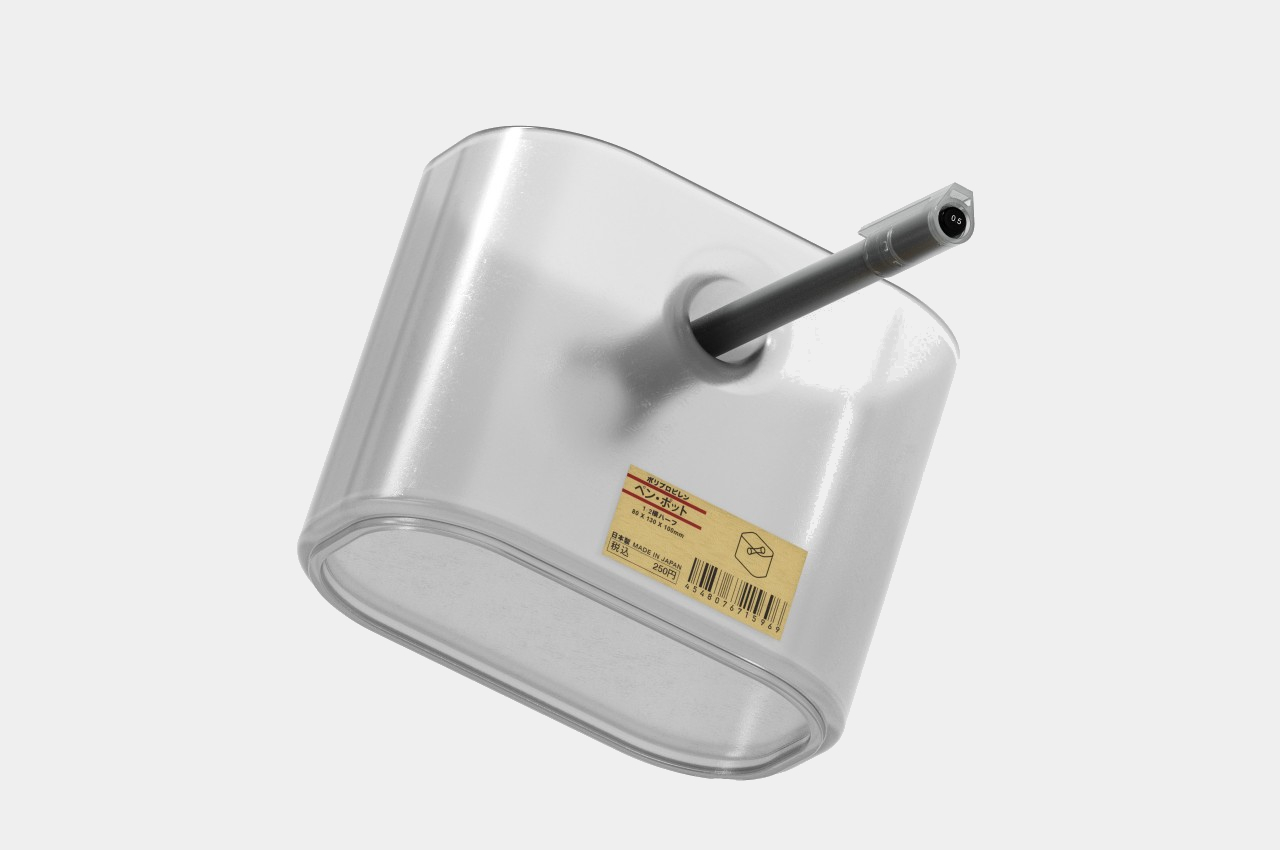
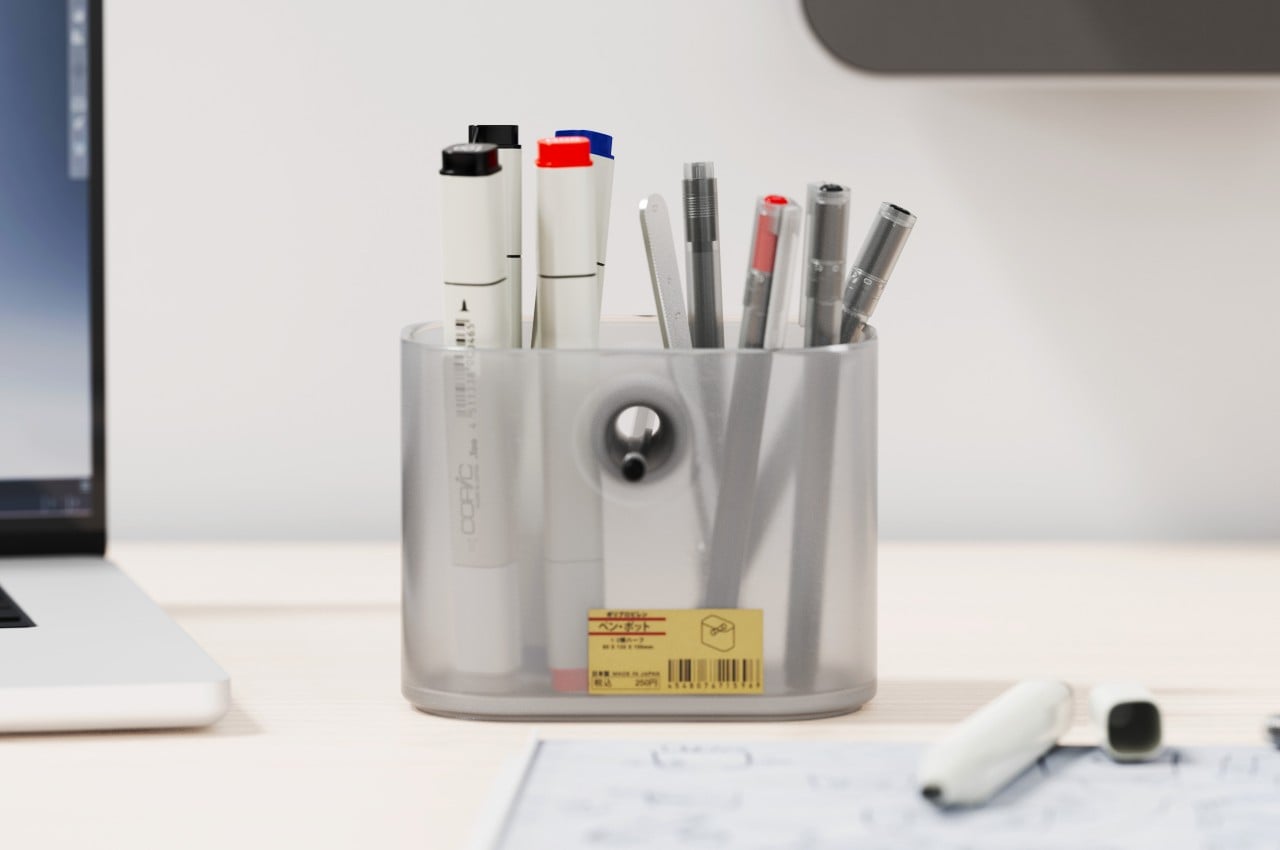
The hole that runs through the body of the pill-shaped container actually provides a convenient resting place for your most-used pen or pencil. Instead of wasting time and effort looking for that pen among half a dozen similar-looking rods, you can simply pull it out from its hole and start using it immediately. And when you’re done, you can just shove it back in to wait for the next time you need it.
Since that hole practically bisects the container, it also acts as a built-in divider that lets you group your pens into two. That said, this also means you’re not able to maximize the entire space of the container for your pens, specifically the area above and below the “tunnel” made by this hole.
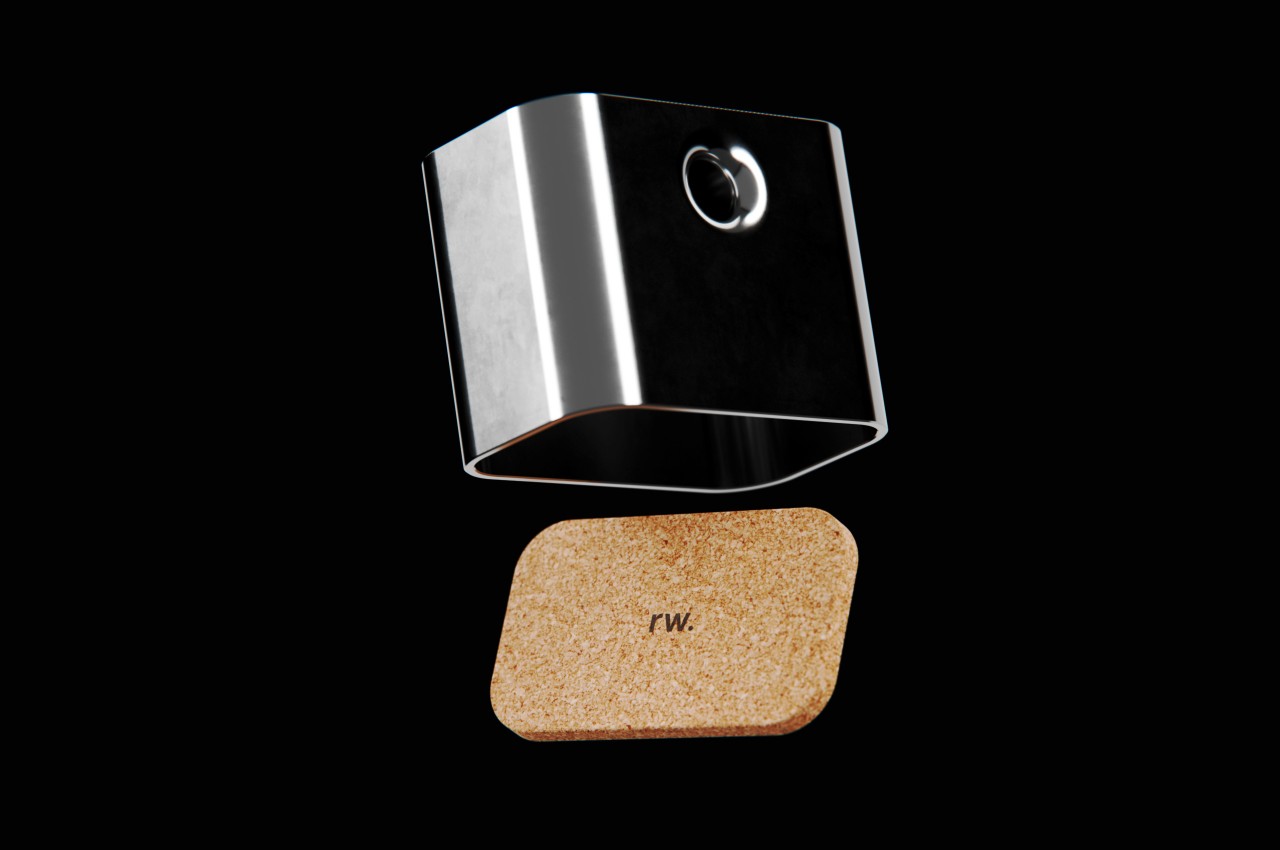
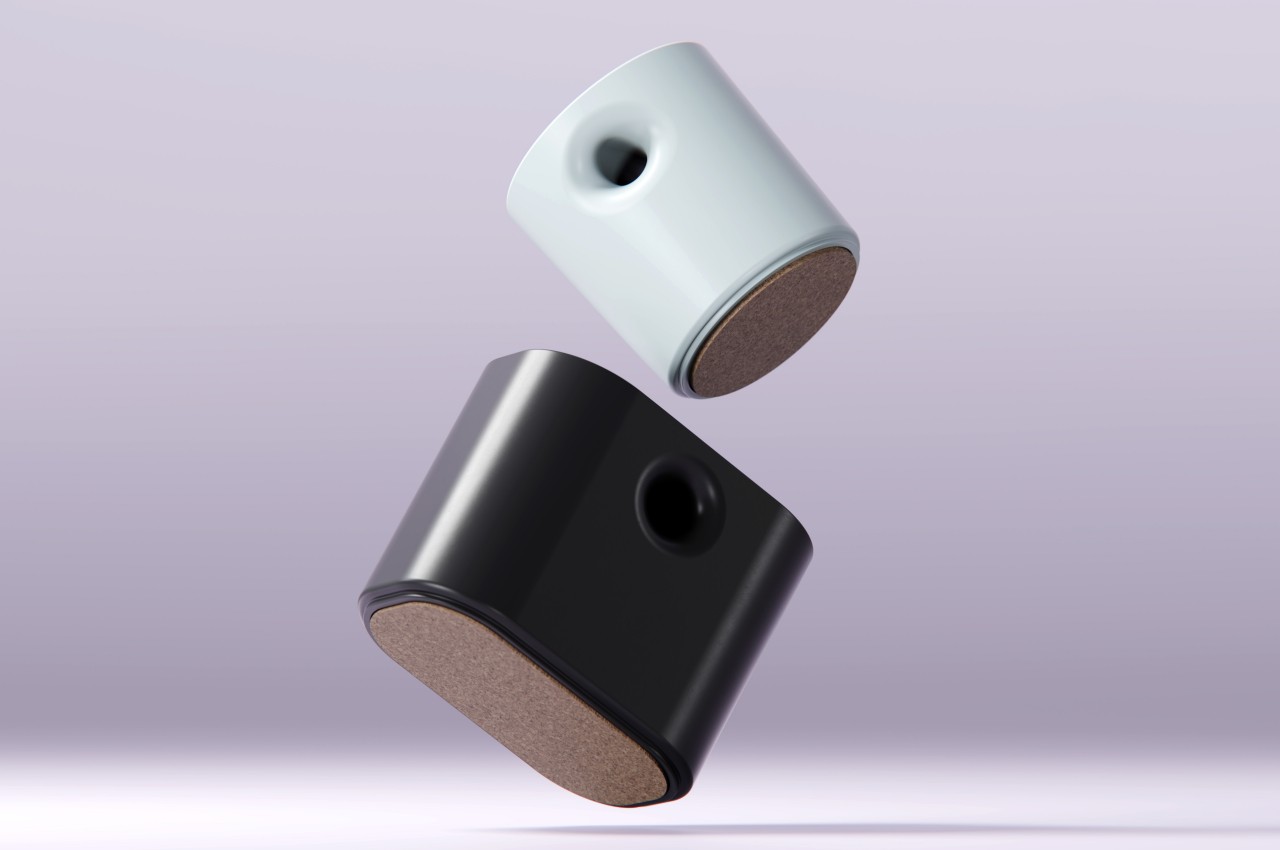
The concept comes in two flavors, four if you consider the pen holder can be pill-shaped or a conventional can. One design employs a polished chrome body, while the other tries to adopt Japanese minimalist brand MUJI’s signature frosted polypropylene, both with cork bottoms. While the function of having an odd yet special place for your favorite pen is definitely useful, it still raises the question of whether such a quirky design will be appealing or off-putting instead, with a pen sticking out from an otherwise blemish-free surface.
Samsung is expanding its OLED TV range with a new entry-level lineup. It's introducing the S85 series alongside several additional sizes of the S90D.
The S85D includes many of the same features as more premium models, such as the NQ4 AI Gen2 Processor, 4K AI Upscaling capabilities and Pantone Validated Colors. Dolby Atmos, the Samsung TV Plus ad-supported streaming service and Samsung Gaming Hub are also included.
Samsung says the S85D also has Motion Xcelerator technology, as well as a "bold look and feel" thanks to its contour design (though as you can see above, it just looks like a modern TV). Having four HDMI 2.1 ports with support for 4K, 120Hz inputs on each is a welcome touch. One key tradeoff is that the display has a maximum 120Hz refresh rate, compared with the 144Hz of the S90 line.
The S85D models start at $1,700 for a 55-inch TV. A 65-inch model will set you back $2,100, while the 77-inch variant will run you $3,400.
The S90D (which initially had the same three sizes as the S85 lineup) will soon have a less-expensive entry point, with a 42-inch model that costs $1,400. A new 48-inch unit costs $1,600, while Samsung has added a 83-inch S90D that'll run you $5,400.
Samsung is positioning the S90D line as one that's ideal for gamers as the TVs use Motion Xcelerator Turbo+ to help minimize lag. The displays also offer OLED HDR+ for extra brightness and contrast.
These two lineups nestle alongside the higher-end S95D series, which offer OLED Glare-Free and HDR Pro tech. That line starts at $2,600 for a 55-inch model, running up to $4,600 for a 77-inch TV.
This article originally appeared on Engadget at https://www.engadget.com/samsung-adds-an-entry-level-series-to-its-oled-tv-range-150041922.html?src=rss
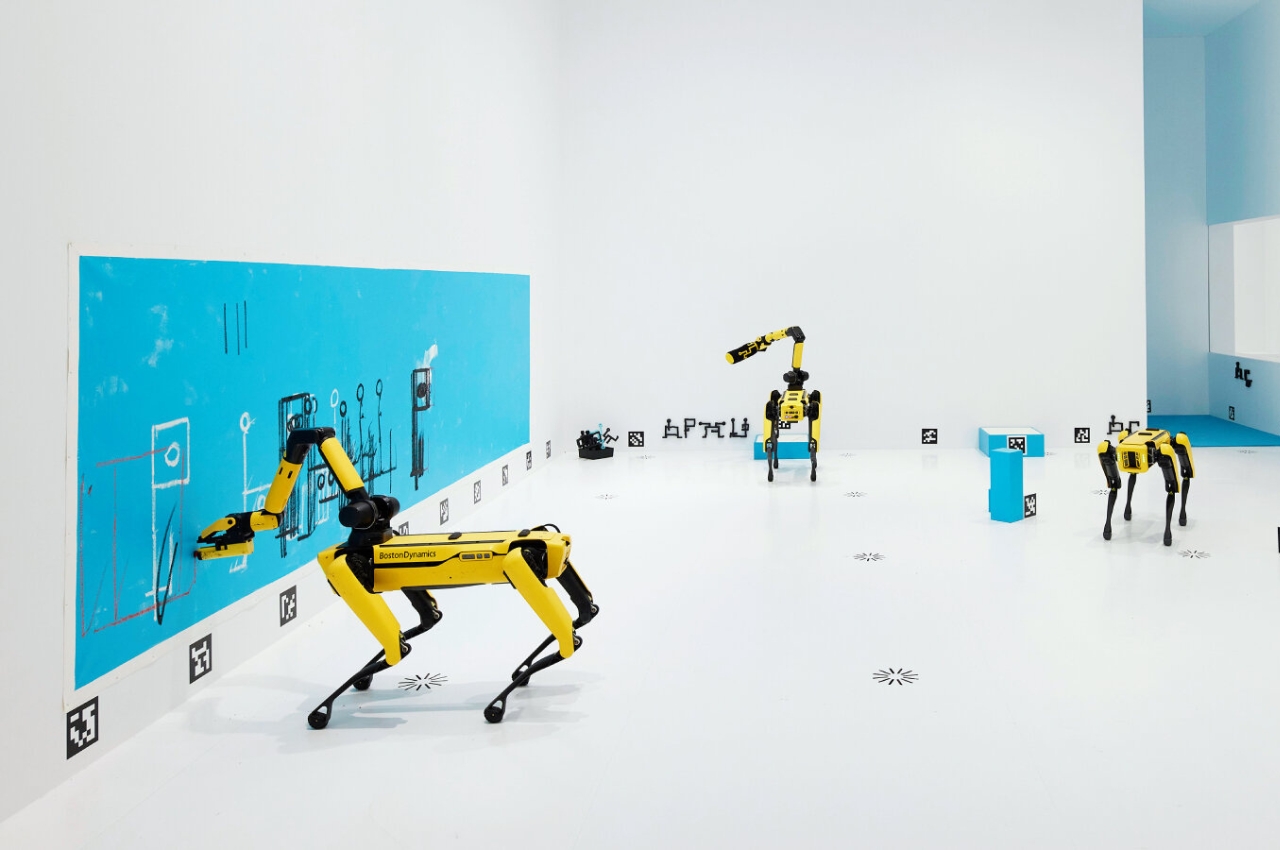
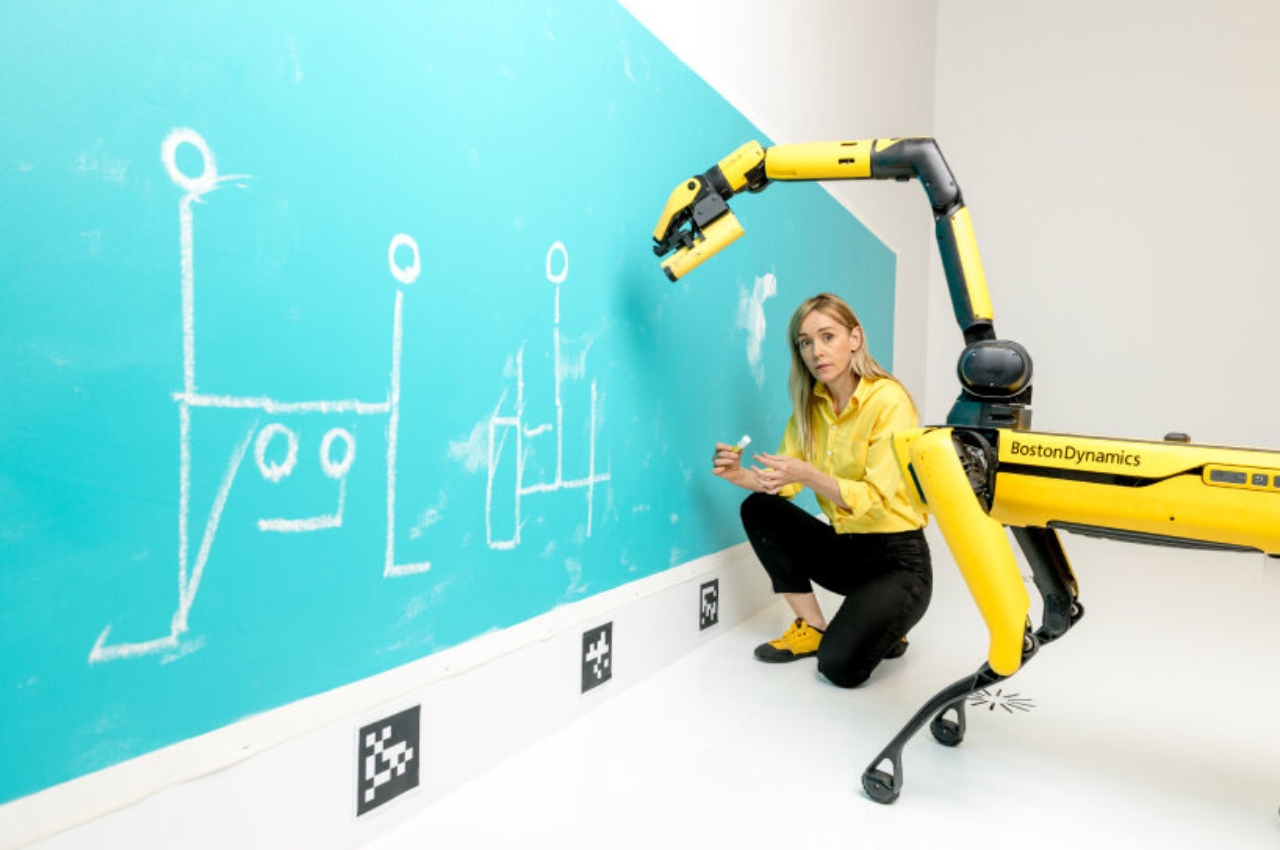
Spot has been a pretty busy dog, previously appearing with super group BTS a few years and just last week, getting its own costume and dancing its heart out to celebrate International Dance Day. Lest you think that it’s an actual dog though, it’s actually a robotic dog that can do more than just jump and roll over. Now it’s branching out to the art world with a new exhibit featuring the power of AI.
Designer: Agnieszka Pilat
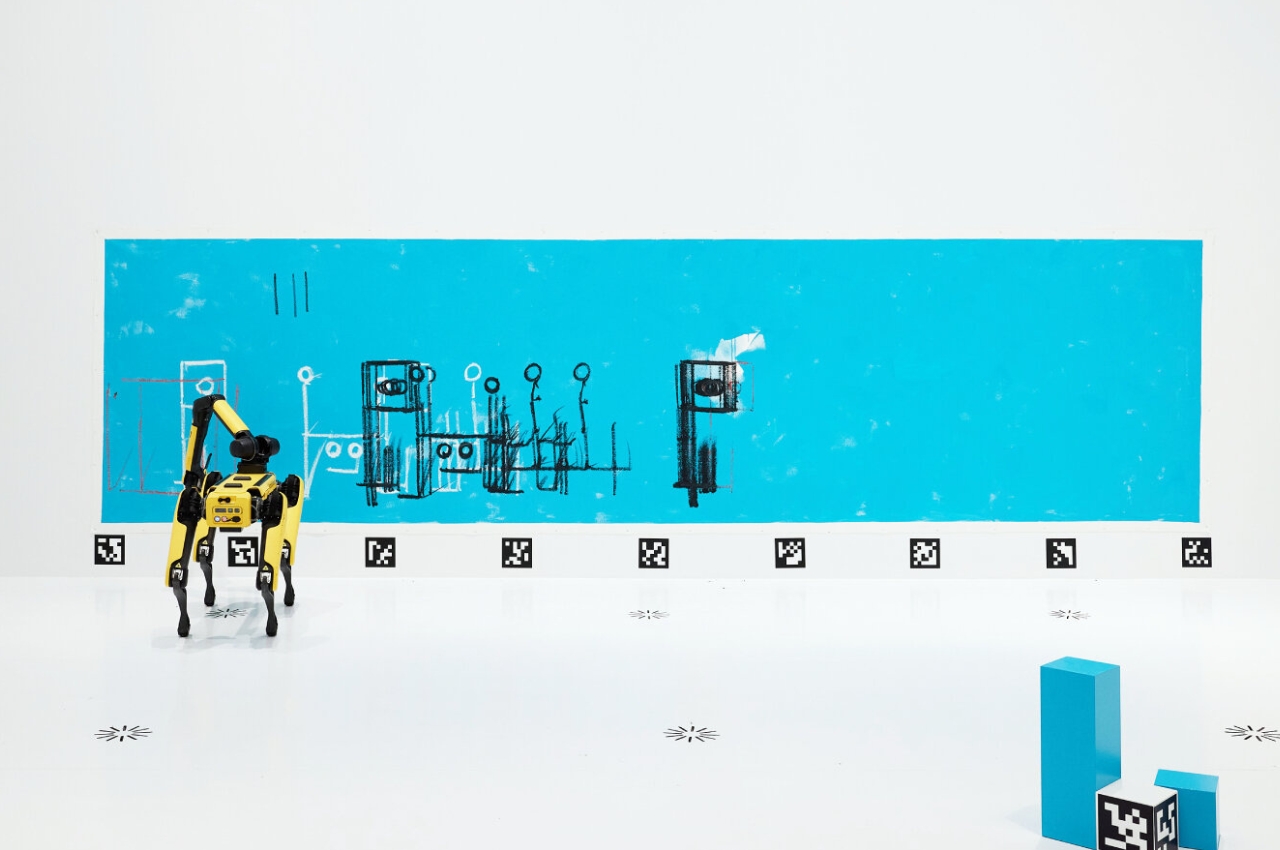
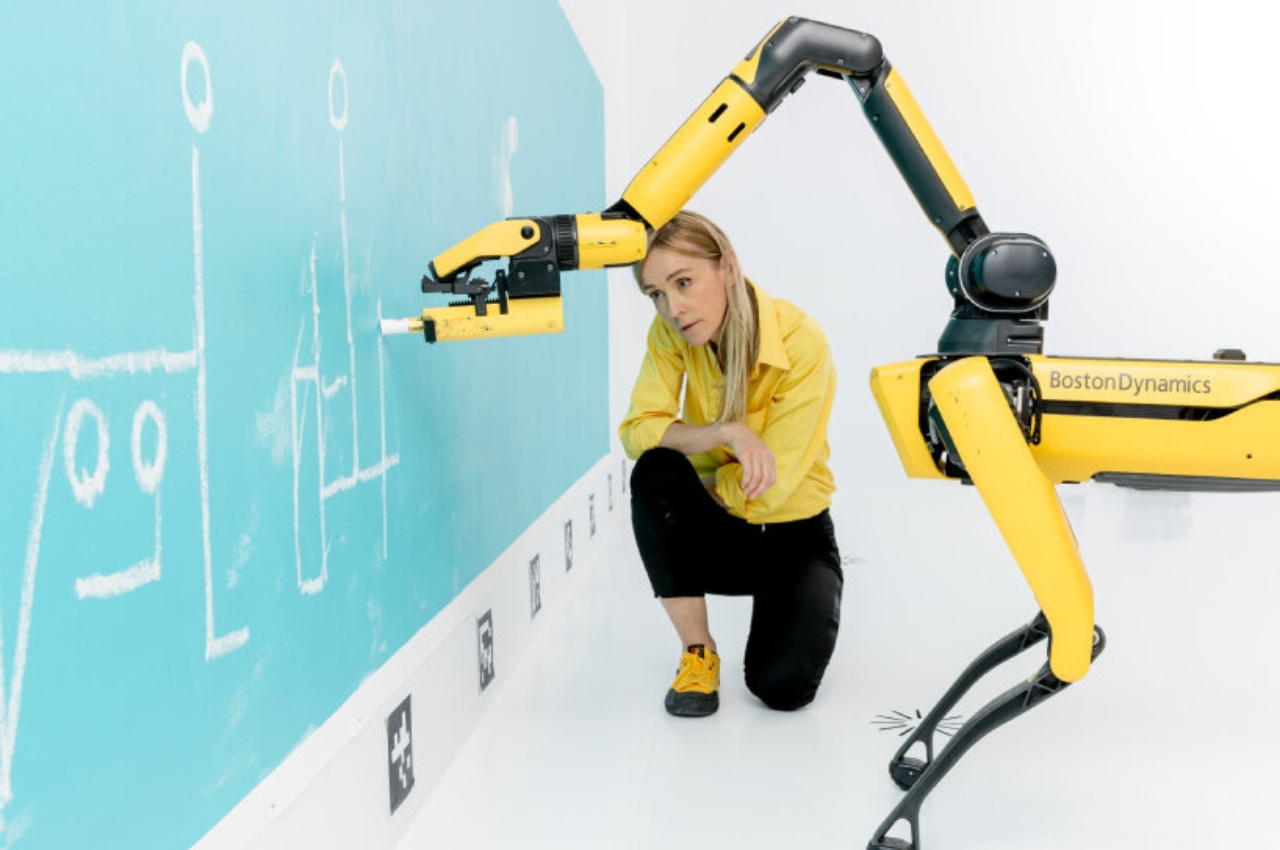
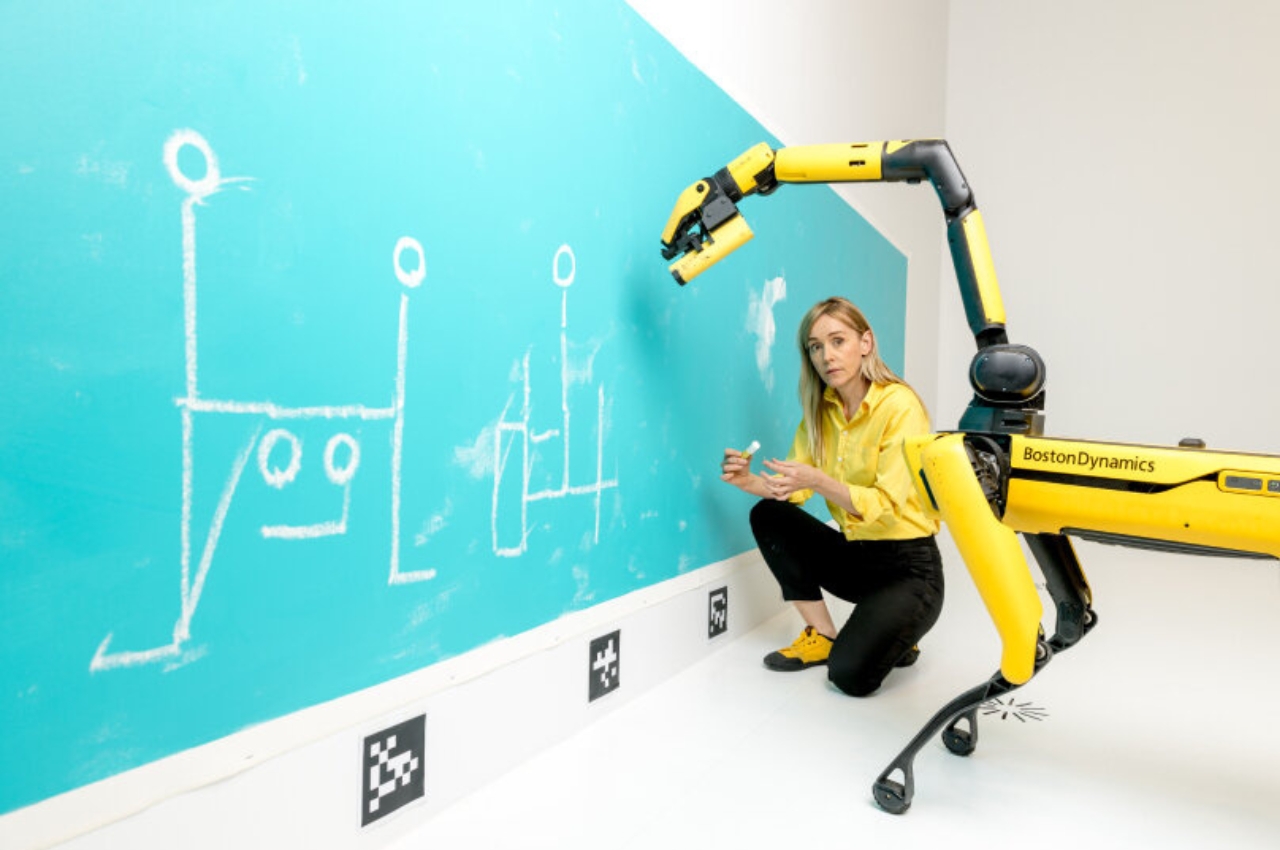
There has been a lot of heated discussions about AI and art but not all of them are always negative. While a lot have been critical, there are those that want to explore how autonomous technology and AI-generated art can aid in the democratization of art. One of those people is Polish artist Agnieszka Pilat. She has partnered with Boston Dynamics, or rather, Spot the robot dogs, for the Heterobota exhibition at the Museum of Fine Arts in Boston.
Two of the robot dogs, nicknamed Basia and Omuzana, will do a live painting demonstration in the museum on a 156 x 160 inch canvas on May 10. Pilat will be “training” the dogs to doodle and paint from 8PM to 12AM, with a little resting in between just like an actual artist would. Visitors in the museum can actually watch them live and the final work will not be displayed afterwards so your only chance to see the robot dogs in action would be during the live painting session.
Pilat says that the expected outcome is more like that of a “little kids finger-painting” since the technology is young and new, even though she has collaborated with Spot before. But it’s an interesting experiment in how humans can use AI and robots to generate art. Of course, there’s still a lot of discussion that rightly needs to be had but things like this can open up various viewpoints and opinions that can hopefully enhance the conversation.
If you're looking for a great pair of earbuds without breaking the bank for yourself (or as a gift), now's a good time to shop. Apple's third-generation AirPods are currently down to $140 from $169 — a 17 percent discount. This deal brings the AirPods back down to their record-low price.
Apple launched its third-generation AirPods in 2021, and they were a big improvement on their predecessor. We gave the model an 88 in our review thanks to features like a more comfortable design and much better audio quality. The new look is more contoured and a third of the second-generation model's length. The new shape also helps improve audio quality as they're better at directing sound into your ear.
The third-gen AirPods and their charging case also offer IPX4 sweat and water resistance. Speaking of charging, this model has a longer battery life, lasting for six hours at a time and 30 hours in total with the case. Plus, they have always on-Siri and more accurately determine when they're in your ears.
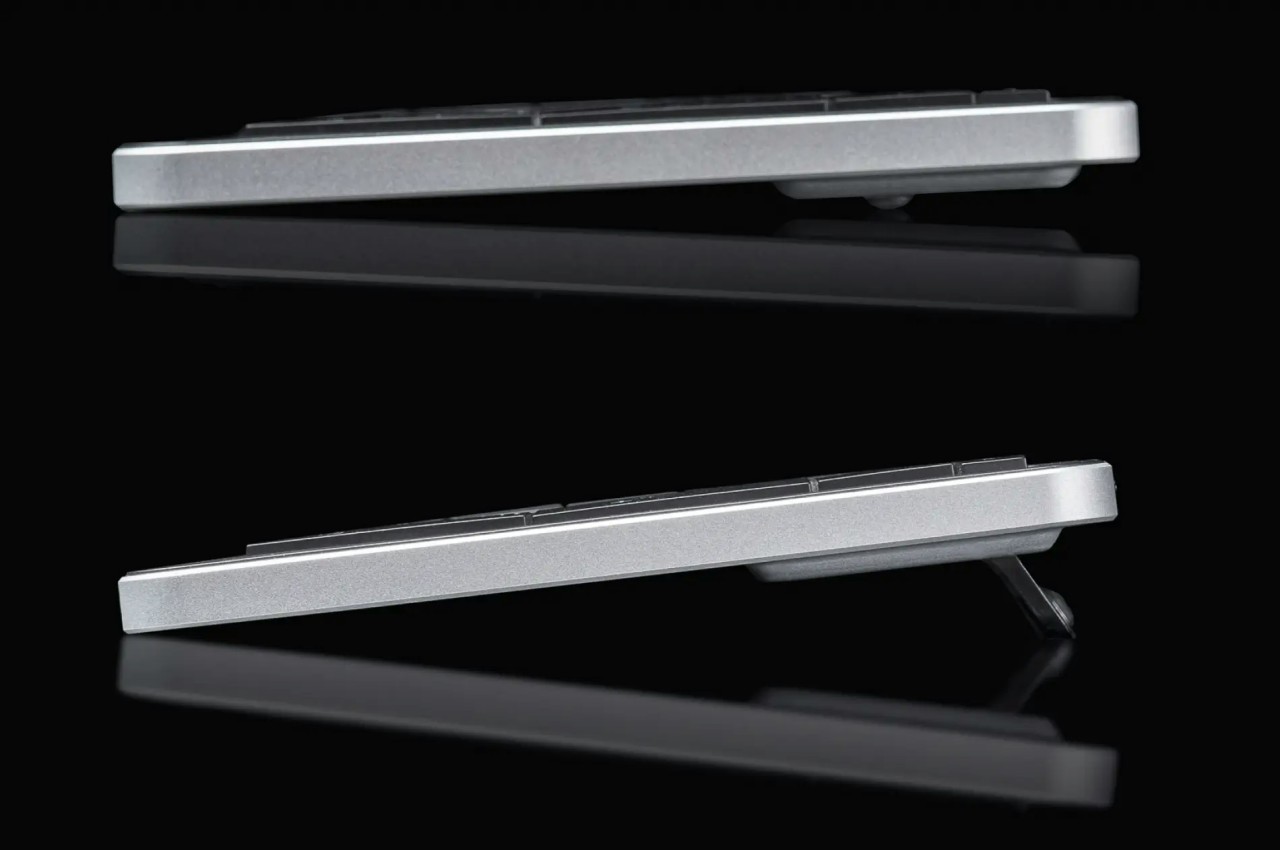
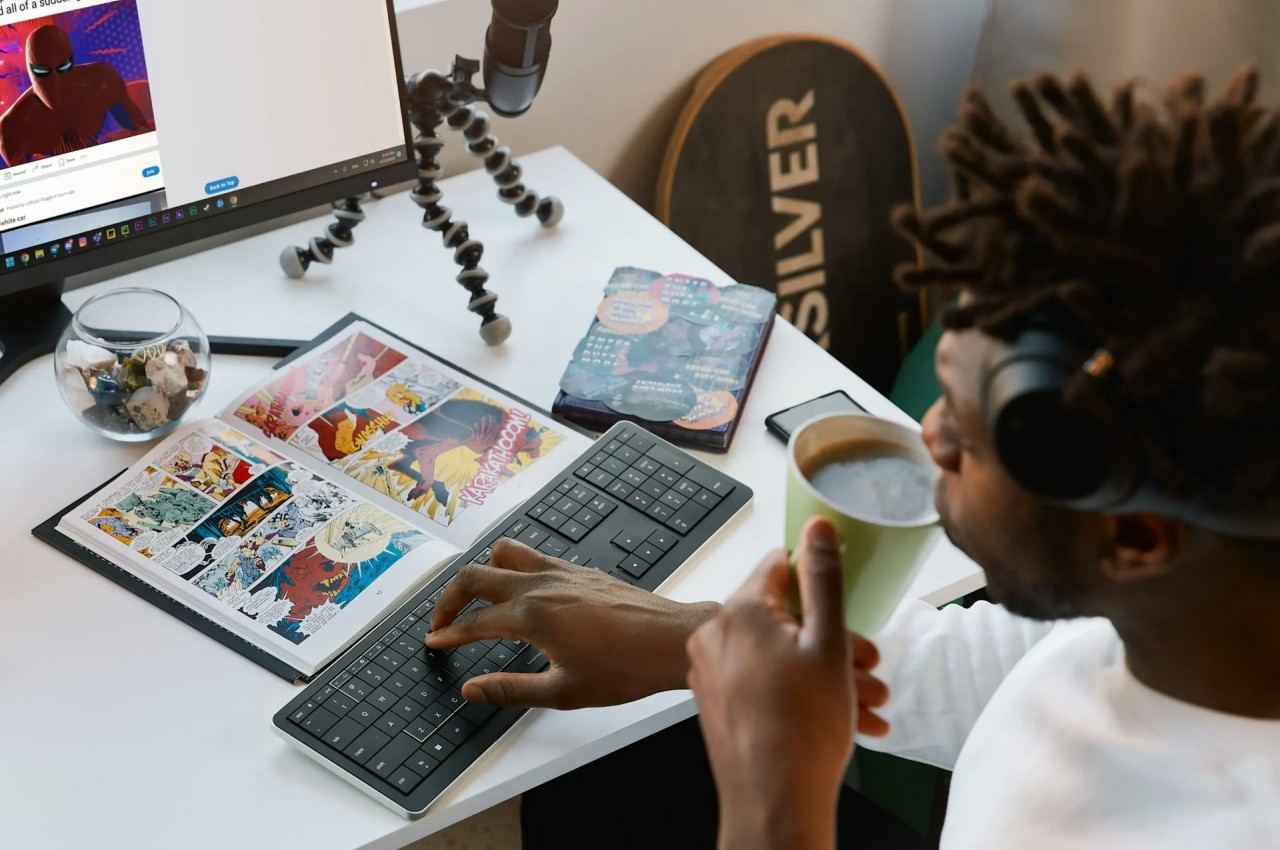
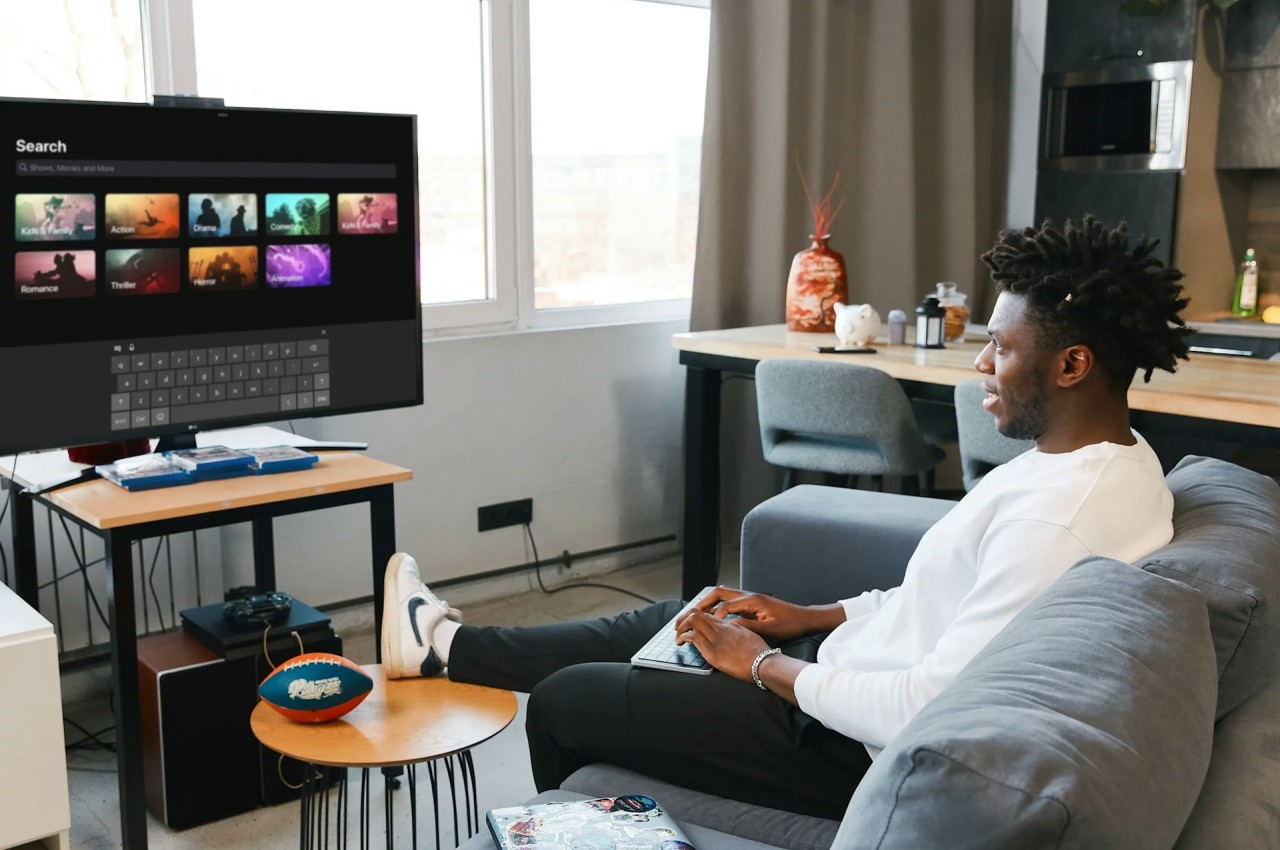
Wireless keyboards are nothing new. Whether you’re on a desktop trying to escape the tangle of cables or on a laptop wanting to expand your limited set of keys, a wireless keyboard offers a bit more freedom and flexibility than other keyboards. That said, they still have the same limitations, namely, requiring a separate mouse or touchpad to move the computer cursor around. Not only does that take up more desk space, it also means another device you might forget or lose along the way. Some Bluetooth keyboards add a tiny touchpad off to the side, but that comes at the cost of reducing the number of keys available on the keyboard. This ingenious solution gives the best of both worlds by practically turning the entire keyboard into one giant touchpad you can swipe and pinch, just like any other touchpad.
Designer: Igor Solovyov (Industrial Designer, Clevetura)
Laptops have the advantage of having both a keyboard and a pointing device in a single body, but their arrangement is hardly the best in terms of ergonomics and flexibility. Wireless keyboards with built-in trackpads, on the other hand, try to cram this component in an already small space but still manage to sacrifice keys like the numeric keypad. It’s almost as if there’s no ideal design that solves this problem, but the CLVX 1 boldly tries to think outside the box while offering a keyboard that, at least on paper, matches the functionality of many Bluetooth keyboards in the market today.
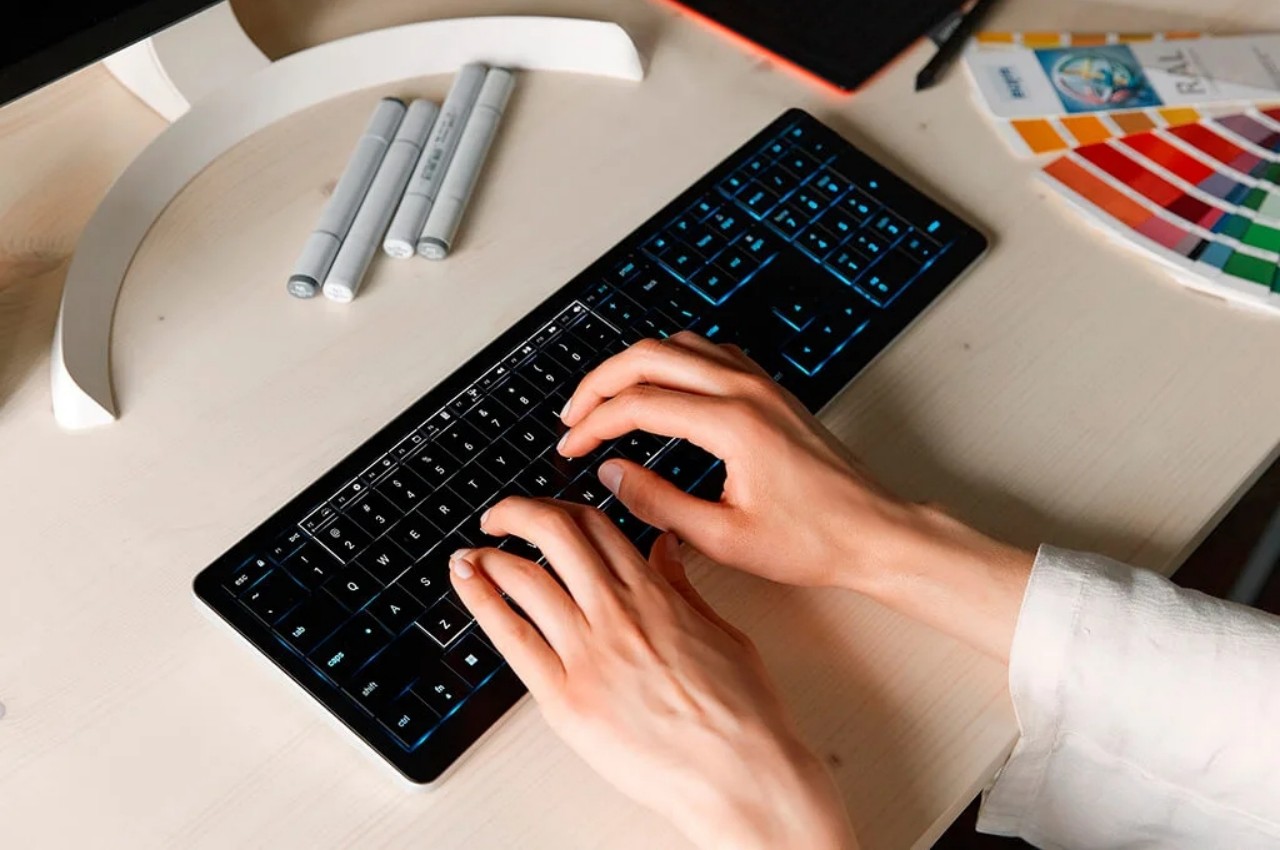
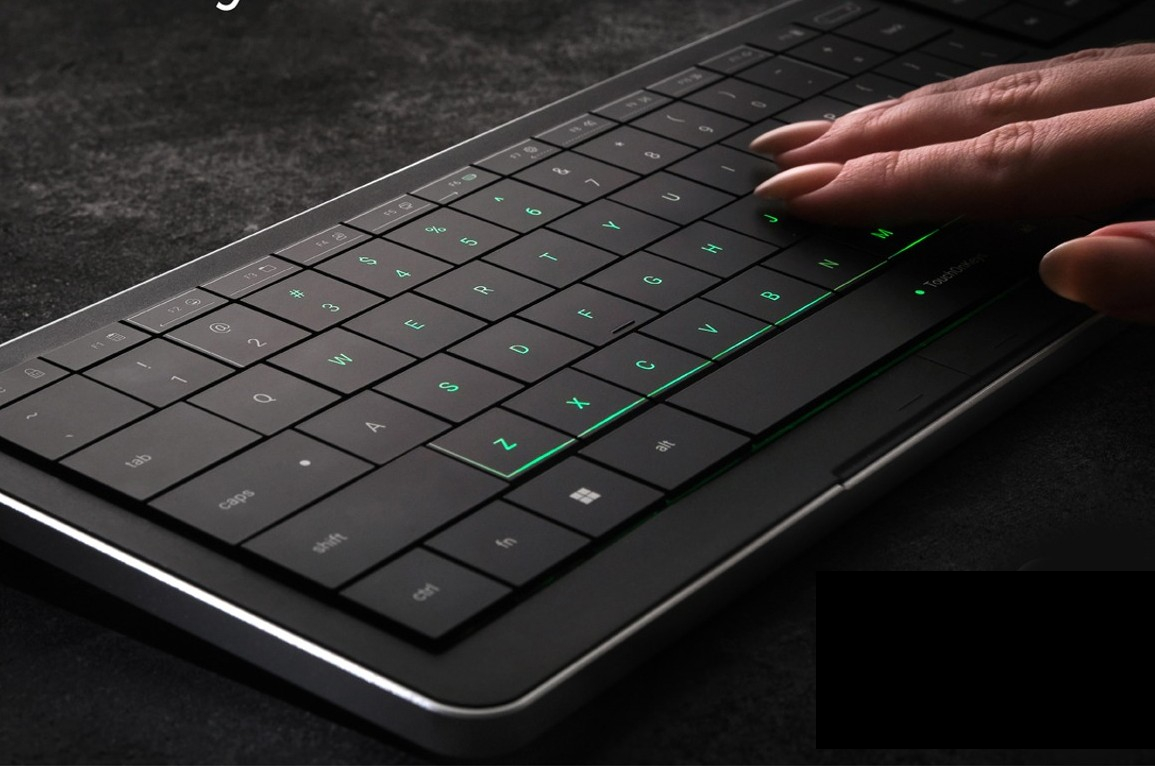
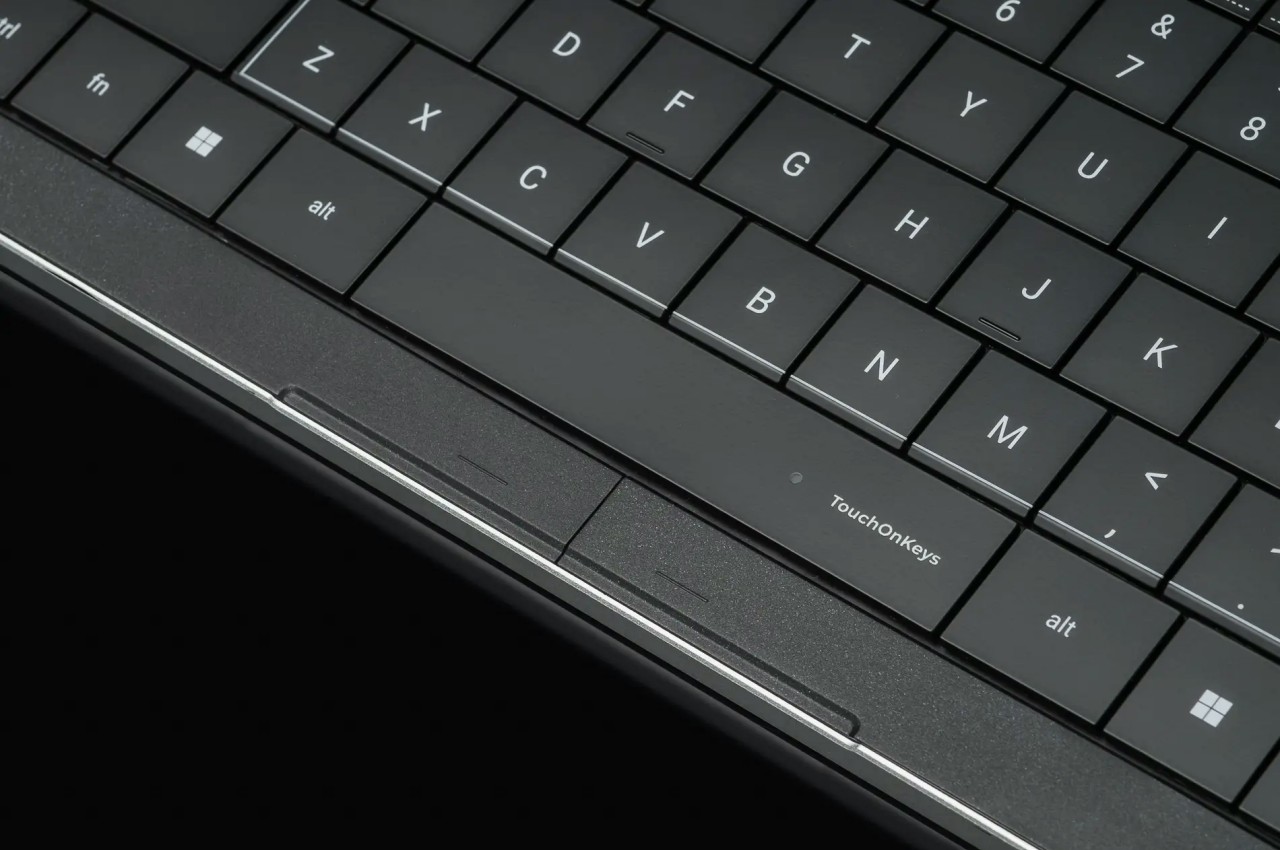
In a nutshell, the middle area of the CLVX 1 keyboard is touch-sensitive and functions like a giant touchpad. Thanks to a special slippery coating, you can effortlessly glide your finger across that area to move the mouse around without snagging on the edges of the keys. You can even pinch to zoom or perform any other touch gestures, just like a normal trackpad. As a bonus, the top row of function keys also functions as a slider that you can smoothly swipe without even having to look, making it just as easy to control the volume or any other function you program into the gesture. The keyboard promises that it won’t mix up typing and gestures, as it automatically disables touch detection once you press a key. And in case you’re wondering about mouse button presses, the keyboard has dedicated physical buttons below the spacebar for those actions.
In all other aspects, the CLVX 1 boasts a laundry list of features available on many wireless keyboards and then some. It has a 110-key layout, which is far more than your typical Bluetooth keyboard, and uses scissor switches. The RGB lighting also has a few tricks, like following your finger as you glide over the keys. You can pair up to three devices with it via Bluetooth, but you can also connect to a device using USB-C for a fourth connection.
The CLVX 1 is definitely an intriguing design, but its mettle still needs to be tested in real-world use. The smoothness of swiping over keys will definitely be the biggest point of concern, but the typing experience of having those keys so close together is also an important consideration. Nevertheless, it definitely deserves some praise for thinking outside the box to deliver a design that doesn’t compromise just to mix two functions in one.
Watch along today as NASA's Boeing Starliner Crew Flight Test finally — most likely — blasts off to the International Space Station (ISS). NASA should start streaming its coverage at 6:30PM ET on its YouTube channel, with the official launch set for 10:34PM ET. The spacecraft will carry two astronauts, Suni Williams and Butch Wilmore.
We say "most likely" because the road to this day has not been a smooth one. It was a decade ago that NASA first chose Boeing and Space X to construct spacecraft that would fly from the United States to the ISS. Boeing received a $4.2 billion contract, while NASA gave SpaceX $2.6 billion. Yet, the latter had its first successful crewed flight in 2020 and has replicated it about a dozen times since.
Boeing's Starliner failed to reach orbit during its first uncrewed orbital test flight in 2019 due to too much fuel burning. A follow-up flight was scheduled for August 2021 but was scrapped due to a valve issue, with Boeing finally reaching the ISS in spring 2022 with an uncrewed vessel. Two plans for crewed flights came and went, amongst faults in aspects such as the parachute system. Last August, Boeing announced it should have these issues straightened out by March 2024.
It's now two months later than that initial goal and Boeing, Williams and Wilmore seem prepared for take off. "We are ready, the spacecraft's ready and the teams are ready," Wilmore told the press. NASA associate administrator Jim Free added: "The first crewed flight of a new spacecraft is an absolutely critical milestone. The lives of our crewmembers Suni Williams and Butch Wilmore are at stake — we don't take that lightly at all."
Update, May 06, 2024, 11:50 PM ET: Boeing has scrubbed the supposed first Starliner Crew Flight Test two hours after it was originally scheduled to launch. The launch control teams detected an "anomalous behavior by the pressure regulation valve in the liquid oxygen tank of the Centaur upper stage of the ULA Atlas V launch vehicle." Astronauts were already onboard and had to exit the vehicle. The company has yet to announce a new launch schedule.
Teams stand down from #Starliner’s Crew Flight Test first launch attempt.@ulalaunch with concurrence from our team and @NASA scrubbed the launch due to a valve issue on the upper stage of the Atlas V. Starliner is healthy.
This article originally appeared on Engadget at https://www.engadget.com/how-to-watch-nasas-first-boeing-starliner-crewed-flight-launch-today-130046785.html?src=rss
The highly anticipated Google Pixel Fold 2 is poised to make a significant impact on the foldable smartphone market, introducing a range of technological advancements and design improvements that aim to elevate the user experience. With recent leaks providing insights into the device’s features, it is evident that Google has focused on addressing the limitations […]
Doctor Whois famous for constantly reinventing itself while remaining more or less exactly the same. The show has had a rough few years, which has led to some dramatic changes behind the scenes. Russell T. Davies, who was behind Doctor Who’s 2005 revival, has stepped in to rescue the show. What was historically an in-house BBC production is now being handled by a Sony-owned production company. And Disney has bankrolled it, with this new revival billed outside the UK as a Disney+ Original.
The dramatic behind-the-scenes changes prompted some fundamental questions about how Doctor Who would thrive in this new world. Would Davies be able to bring the show back from the brink a second time? And would the show appeal to Zoomers in the same way it found a devoted audience of Millennials? And would Doctor Who survive intact under Disney, which is used to obsessive levels of control?
It’s that last question I can already answer, having watched the first two episodes of this new eight-episode season: Doctor Who hasn’t been watered down to suit its new paymasters or the broad international audience who will see this show pop up every Friday. In fact, Who ‘24 has doubled down on being weird, avant-garde, difficult to handle and harder to pigeonhole. It’s a little punk and a little rough around the edges which makes it all the more interesting compared to, say, some other Disney+ series I could choose to mention.
I’m not allowed to share much of what I saw, but episode one, “Space Babies,” features the Doctor (Ncuti Gatwa) and Ruby (Millie Gibson) visiting a space station crewed by babies. As you can see in the trailer, there’s liberal use of unconvincing and creepy CGI mouths for said rugrats. “The Devil’s Chord,” meanwhile, sees the TARDIS head to Abbey Road to meet the Beatles at the dawn of their careers.
If this is your first experience of Doctor Who, please start with the Christmas Day special “The Church on Ruby Road.” These first three episodes are the jumping-on point, and form Davies standard “Present,” “Future” and “Past” trilogy he uses to open his runs. All three are sold as fun romps, but there's a spikiness that stems from Davies’ underlying cynicism. As much as he may paint in primary colors, his worldview is a lot darker than some of his colleagues.
Davies is a strong advocate for better queer representation in film and TV and is arguably one of the most powerful gay men in media. Many of his shows, including Queer as Folk, Cucumber, A Very English Scandal and It’s a Sin center on queer narratives. Davies has made it clear he wants to foreground queer experiences in this season of Doctor Who and does so, proudly. He toldVariety that the Doctor “chimes with queer energy” and that he’s not a “neutered Doctor.”
Some context: In 2021, Davies called out Disney+ for its lack of real representation in some of its other shows. During a virtual panel as reported by Pink News, he pointed at Loki’s single reference to the lead character’s fluid sexuality as a warning sign. “Loki makes one reference to being bisexual once and everyone’s like ‘oh my god, it’s like a pansexual show,” he said. Adding the single spoken reference was a “a ridiculous, craven, feeble gesture towards the vital politics and the stories that should be told.”
Davies returned to the job after the failure of his immediate predecessor, Chris Chibnall, who will likely go down in infamy. Chibnall inherited a successful show and opted to broaden its horizons by hiring a far more diverse crew both in front of and behind the camera. That included writers like Malorie Blackman and Vinay Patel and casting two women, Jodie Whittaker and Jo Martin, to play the Doctor. Chibnall also refused to bow down to culture war pressure when tedious people started screaming that the show had “gone woke.”
But for all of the goodwill the show had — and which Chibnall’s early decisions helped accrue — the showrunner quickly started to burn his own legacy as he built it. The quality of his episodes were never great and he wrote episodes that were incoherent, or said some pretty awful things by implication. He then started using the show as a vehicle for his own fan theories, re-litigating niche matters of continuity so nit-picky even I rolled my eyes so hard my skull caved in.
And then he created a secret origin story for the Doctor that essentially overwrote much of the previous 60 years’ worth of character development. He turned the Doctor into some sort of Space Jesus and then set about destroying a significant amount of the series’ fictional universe. Audiences were not thrilled: 8.2 million people watched Chibnall’s first regular-season episode but, by the end of his tenure, the figure had tumbled to 3.47 million.
It would have been smart to ditch all of this and declare a fresh start but Davies took a different approach. He has opted to Yes-And Chibnall’s hamfistedness, incorporating the catastrophic events of the last season as a new backdrop for the series. The universe is now "knackered," which has led to the show’s fictional reality warping in new, weirder and more whimsical directions. Whereas before Doctor Who sat at the crossroads of science and fantasy, it has now become a soft fantasy show. Villains like the Toymaker and the Goblin King push the Doctor into a more mythic register than ever before.
BBC / Disney+
CGI baby mouths aside, Doctor Who’s slick production values don’t work unless they're tied to great writing and great acting. Ncuti Gatwa had already become a superstar thanks to his work on Sex Education and Barbie and is a magnetic presence on screen. I struggle to take your eyes off him, but he’s clearly willing to cede space and time to his co-stars. Millie Gibson has the harder role as Ruby Sunday, having to keep her character grounded and believable in this fantastic world. The role of the Doctor’s traveling companion has minted many British A-listers since the show’s return and Gibson is clearly destined for big things.
If there’s one thing that comes across too much in these opening episodes, it’s that Doctor Who isn’t the same show from one week to the next. It revels in being chaotic, freewheeling through genres and styles with the freedom its lead character so relishes. So, if this is your first time on board the TARDIS, welcome, and strap yourselves in for some silly and serious fun.
When you’re looking to organize tasks or create a checklist in Microsoft Word, adding check boxes can be a very useful feature. Adding checkboxes to a Microsoft Word document can be useful for creating interactive checklists or forms. Here’s a concise guide on how to insert checkboxes in your Word documents. Adding Check Boxes to […]
After creating a massive kerfuffle by forcing Helldivers 2 PC players to link their Steam accounts to the PlayStation Network, Sony is backing down. The May 6 update will no longer be released and, presumably, the game won't be removed from sale on Steam in 177 countries and territories as reported yesterday.
"Helldivers fans — we’ve heard your feedback on the Helldivers 2 account linking update," the company said on X. "The May 6 update, which would have required Steam and PlayStation Network account linking for new players and for current players beginning May 30, will not be moving forward."
In a separate post, Arrowhead CEO Johan Pilestedt said, "firstly, I am impressed by the willpower of the @helldivers2 community and your ability to collaborate. Secondly I want to thank our partners and friends at @PlayStation for quickly and effectively making the decision to leave PSN linking optional. We together want to set a new standard for what a live game is, and how developers and community can support each other to create the best game experiences."
Ouch, right in the review score 😢🤕
Well, I guess it's warranted. Sorry everyone for how this all transpired. I hope we will make it up and regain the trust by providing a continued great game experience.
After Sony's announcement that it would require players to link their Steam and PSN accounts, users pushed back en masse. Thety complained not just about privacy issues, but the fact that the game was removed from all countries without PSN access — some 177 in total, according to @SteamDB. That resulted in over 200,000 negative reviews on the game, which led to an apology from Pilestedt. "Ouch, right in the review score," he wrote.
Earlier this year, Sony President Hiroki Totoki promised to shrink the gap between PlayStation 5 and PC releases in an effort to grow profit margins. Helldivers 2 followed that dictum, releasing to PSN and PC on the same day, February 8.
Helldivers 2 was supposed to require a PSN link from launch day, but Sony delayed the plan due to network limitations. Other multiplayer titles include Ghost of Tsushima (Legends) also supposedly require a PSN account, but it's not clear if Sony will retain that requirement given the recent bad publicity.
This article originally appeared on Engadget at https://www.engadget.com/sony-quickly-backs-down-on-helldivers-2-psn-requirement-for-pc-players-120030227.html?src=rss