Are you keen to know what Apple has in store for its AirPods range in 2024? Here’s a sneak peek into the anticipated updates and new features that might make their debut alongside the iOS 18 release, perfectly timed for tech enthusiasts looking to update their gadgets during the holiday season. The video below from […]
Twitch has been testing a discovery feed for livestreams and Clips on mobile since last year, in hopes of giving users a new way to find new streamers to follow and, hence, spend more time on the platform. Now, the website has announced that it's rolling out the feature to all users later this month. The feed will first appear as a new tab in the mobile app and will allow viewers to switch between a scrollable feed for livestreams and another one for Clips. Like their names imply, the live feed will show users broadcasts from people they already follow and ongoing streams from people they don't based on their watch history. Meanwhile, the Clips feed will be filled with short snippets from live broadcasts.
Users will be able to join ongoing streams from the live feed by tapping on the streamers' avatars to immediately go into theater mode. Twitch will also show when the streamer is live in the Clips feed, so viewers can check them out from there, as well. And just in case it isn't clear, Twitch explained in its announcement that the discovery feed will only be aggregating streams and clips from the service and that creators cannot upload to it directly. In other words, getting highlighted on the feed is a game of chance, though featured Clips will be given priority over non-featured ones.
The discovery feed launching this month isn't its final form, though. Some users might start seeing the feed as their actual home page sometime next month, which is what Twitch had in mind for the feature in the first place. In early March, company CEO Dan Clancy said the service is giving its mobile app its first major redesign in years and that the discovery feed will be its new landing page.
This article originally appeared on Engadget at https://www.engadget.com/twitch-is-giving-all-users-access-to-its-discovery-feed-later-this-month-041009070.html?src=rss
The COVID-19 pandemic may be over, but the challenge of maintaining clean air persists. If there’s anything we’ve learned over the past year, it’s that conventional solutions are no longer sufficient when it comes to breathing fresh air. Common disposable and cloth masks do block some harmful elements, but they also block proper airflow. Some fan-enabled masks improve that situation slightly, but they still put an obstacle to some of the ordinary tasks that we do each day, especially when our voices are involved. Enter the age of AI-enabled technology. The innovative AI Air Mask not only filters out harmful elements with superior efficiency but also enhances airflow, ensuring that breathability and communication remain clear and unhindered. This is the next step in wearable health tech, promising not just cleaner air but also proactive health monitoring, all in a sleek, comfortable, and inclusive design.
Designer: Leandro Rolon
Click Here to Buy Now: $99$299 ($200 off). Hurry, exclusive deal for YD readers only! Raised over $1.5 million.
We now live in a world where even the air inside our homes can be suspect, so one can only imagine how much worse the situation is outdoors. Just in time for the health scare that gripped the world, ATMOBLUE launched its first smart wearable purifier to address the need for clean, breathable air anywhere you go. It went beyond the minimum requirement of simply blocking harmful microorganisms to deliver a solution that was effective, customizable, and most importantly, comfortable.
Smart Adaptive Filtration: Employs intelligent sensors for adaptive, real-time purification, setting a new bar for air quality protection.
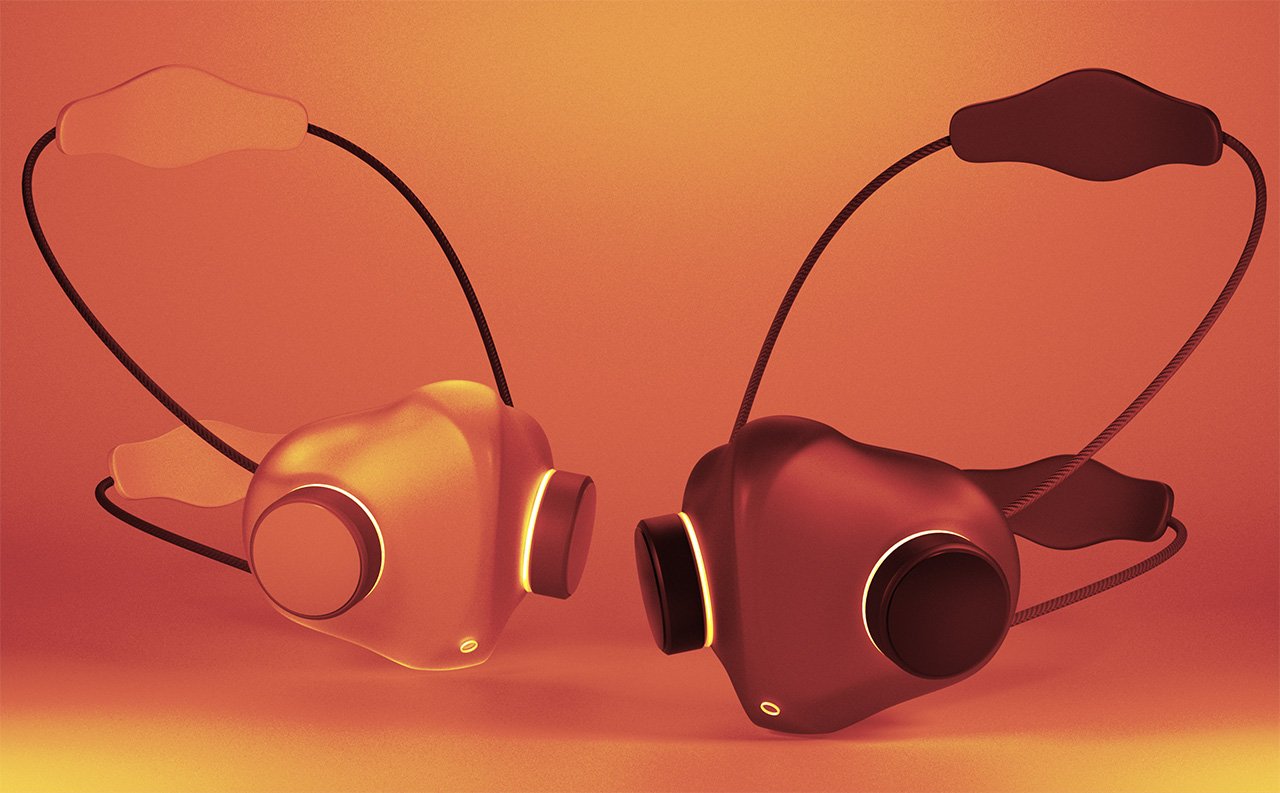
The first ATMOBLUE smart mask was practically a mini air purifier you could wear on your mouth. It utilized replaceable H13 HEPA filters to do the heavy lifting of blocking as much as 99.97% of harmful particles such as bacteria and PM2.5. But while some masks stopped there, ATMOBLUE went above and beyond to include a dual fan airflow system that removed that suffocating feeling whenever you wear a face mask. The result wasn’t just clean air but breathable air as well, increasing the comfort and confidence of wearers who made the investment in backing the project.
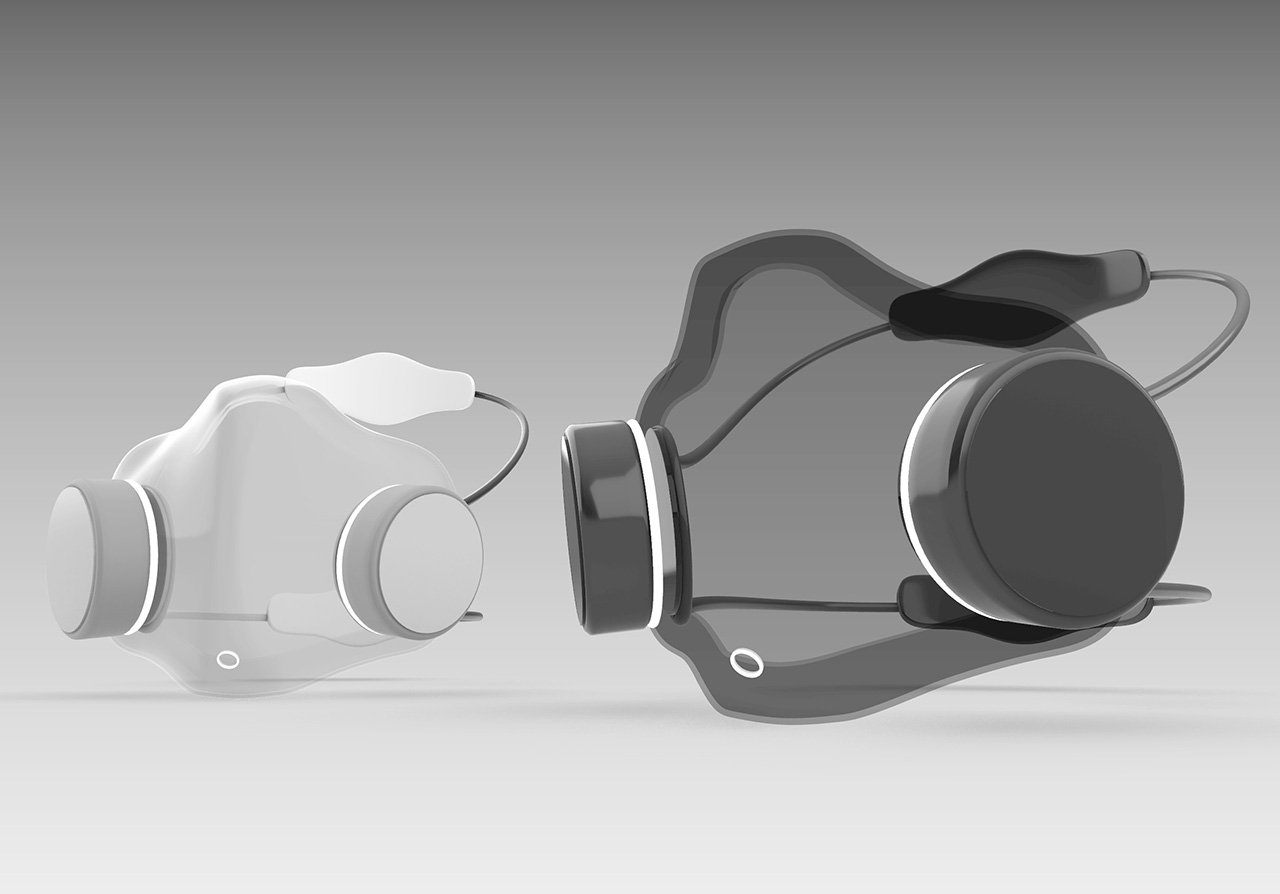
Premium Silicone Design: Engineered with superior silicone for unparalleled comfort, designed for all-day wear and redefining the protective gear experience.
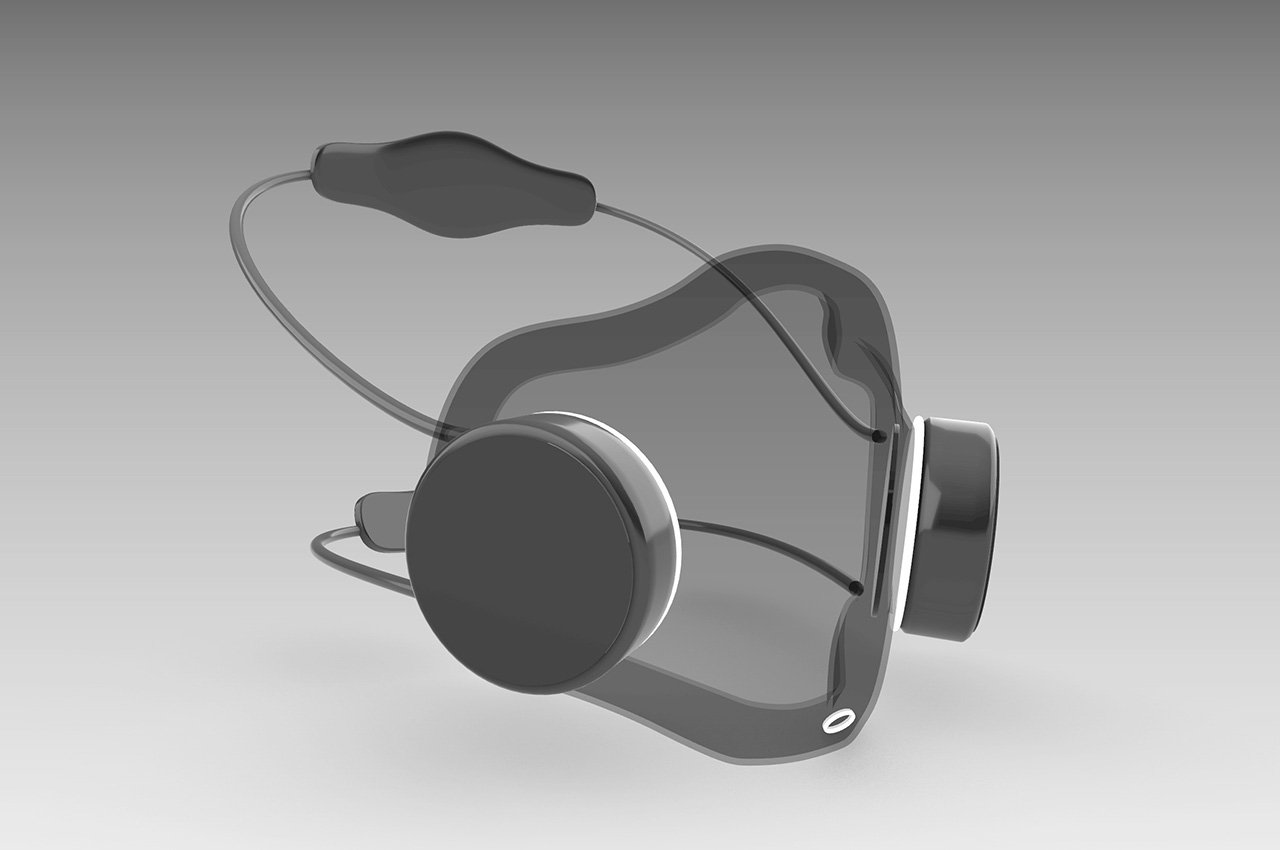
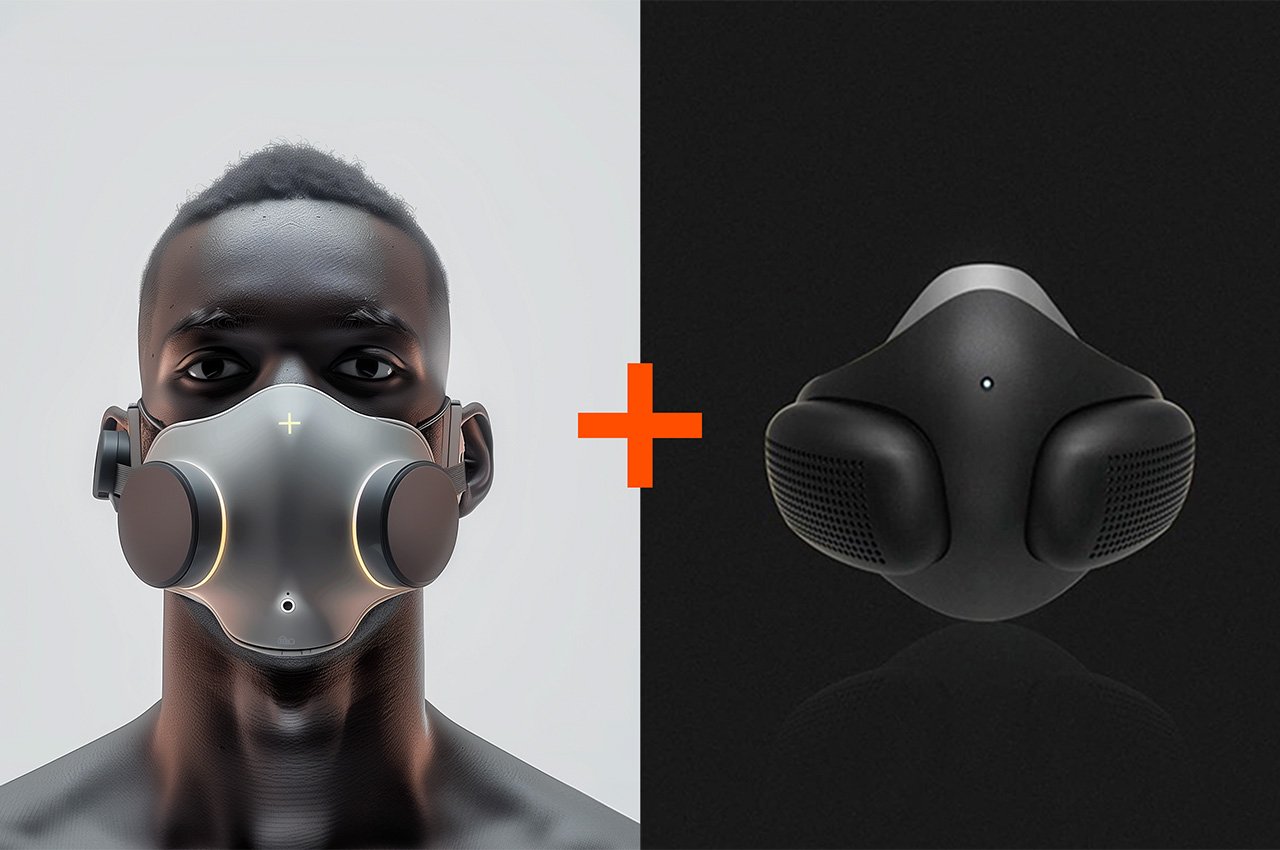
As successful as that smart mask was, it isn’t yet the pinnacle of healthy breathing. Stepping into the limelight again, the creators of the ATMOBLUE Mask are presenting an even more advanced solution that leverages the hard-earned lessons of the past and applies the benefits of artificial intelligence to provide a more holistic view of the wearer’s health. This AI-driven Air Mask, an evolution of the original ATMOBLUE Mask, features a refined semi-transparent silicone body for premium comfort. It is equipped with a dynamic adaptive filtration system that intelligently senses environmental changes and auto-adjusts in real time for optimal protection.
AI-Enabled Bluetooth Microphone: Features a built-in mic for clear conversations and seamless AI assistant interaction, improving communication without compromising wearability.
But wait, there’s more! Wearing a mask always has the effect of muffling one’s voice, which can be an even bigger problem when trying to communicate. Addressing this issue head-on, the AI Air Mask is ingeniously equipped with an integrated microphone and Bluetooth connectivity, allowing you to convey your voice clearly and confidently. Elevating the experience further, this mask incorporates advanced voice recognition and AI capabilities, creating a symbiotic relationship with your AI smart assistant that transcends traditional communication barriers. Beyond enhancing dialogue, the AI Air Mask serves as a guardian of your well-being, continuously analyzing key health metrics such as temperature, respiratory patterns, and cough frequency, not only to provide better insight into your health but also to warn you of potential infection.
With the AI Air Mask, the creators of ATMOBLUE aren’t just offering an upgraded wearable but also an investment in a healthier future. That’s exactly the kind of investment you’re making with this sweet pre-sale deal that lets you not only reserve a spot but also get a 50% discount when the world’s first AI-driven smart mask launches next year.
Click Here to Buy Now: $99$299 ($200 off). Hurry, exclusive deal for YD readers only! Raised over $1.5 million.
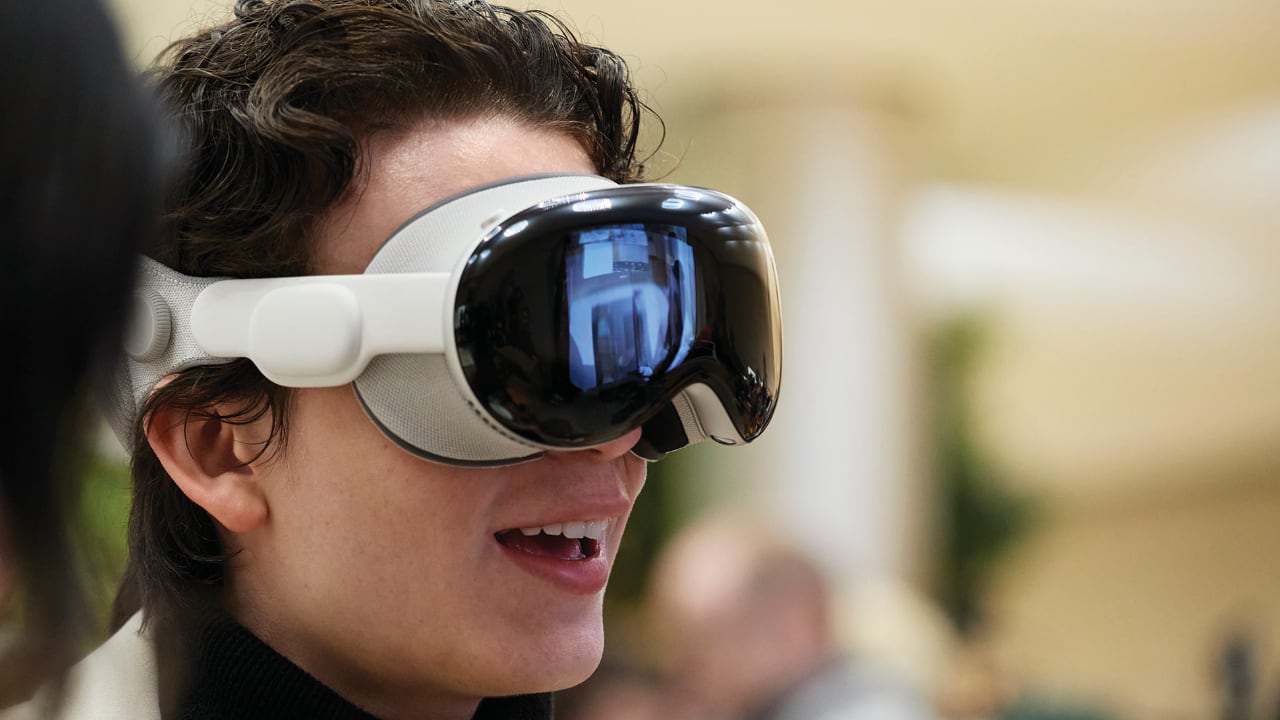
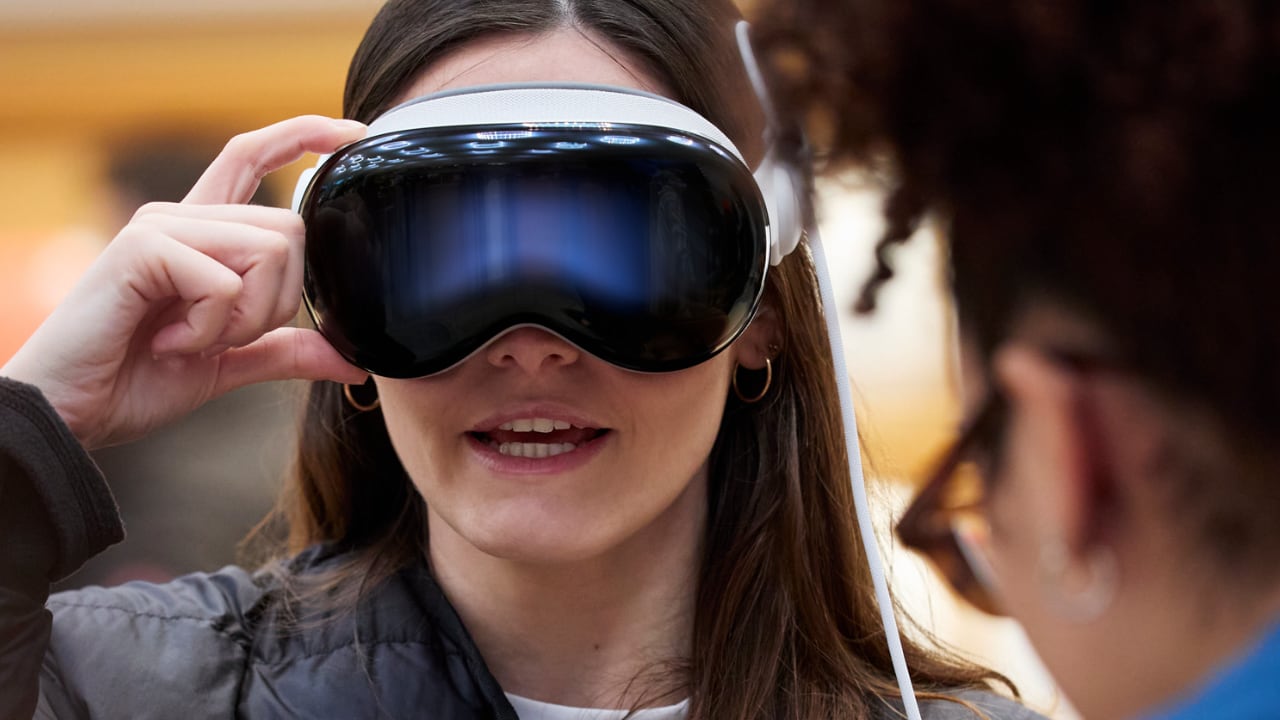
From the moment I set my eyes on the Apple Vision Pro, the intuitive nature of its interface struck me. Controlling the device through natural gestures—like tapping fingers together for selection or pinching to zoom—felt like an extension of my own movements, creating a seamless user experience that was truly impressive. “Everything’s all eye track,” I marveled, amazed by the device’s responsiveness, which made every interaction feel intuitive and natural.
Designer: Apple
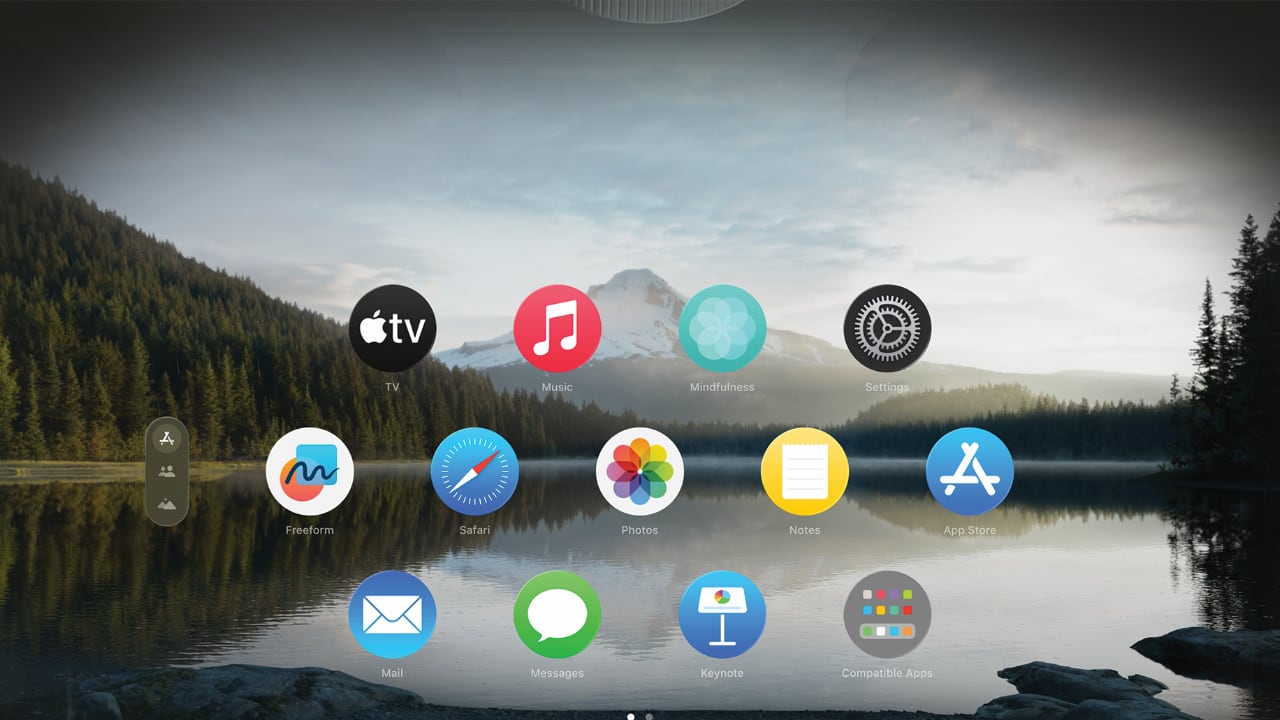
During the initial setup, the Digital Crown—borrowed from the Apple Watch—brought up the home view with a simple press. The blend of futuristic technology with familiar elements made the icons react as I looked at them, creating a magical experience. This immediate and responsive engagement reinforced the intuitive nature of the user interface. As I explored this advanced technology, I remember thinking, “I haven’t read any reviews on the Vision Pro, and that’s a good thing.” Approaching the device without any preconceptions allowed me to truly immerse myself in the experience.
As I navigated through a demo photo library, the ambient lighting dimmed, focusing my attention on images that transported me to places like Iceland and the Oregon coast, displayed panoramically. “That was so amazing,” I exclaimed, overwhelmed by the vividness and the immersive experience the photos provided.
Viewing spatial photos and videos added incredible depth to everyday moments. Watching a family birthday party captured with the Apple Vision Pro felt as if I stood among the celebrating children, bringing these moments to life. “So no one else can see this except you and me, huh?” I remarked to Avnish, my guide through this journey, who was able to see what I saw through an iPad. This added layer of interaction enhanced my appreciation for the technology as I watched a spatial video shot with the iPhone 15 Pro, captivated by the depth and realism.
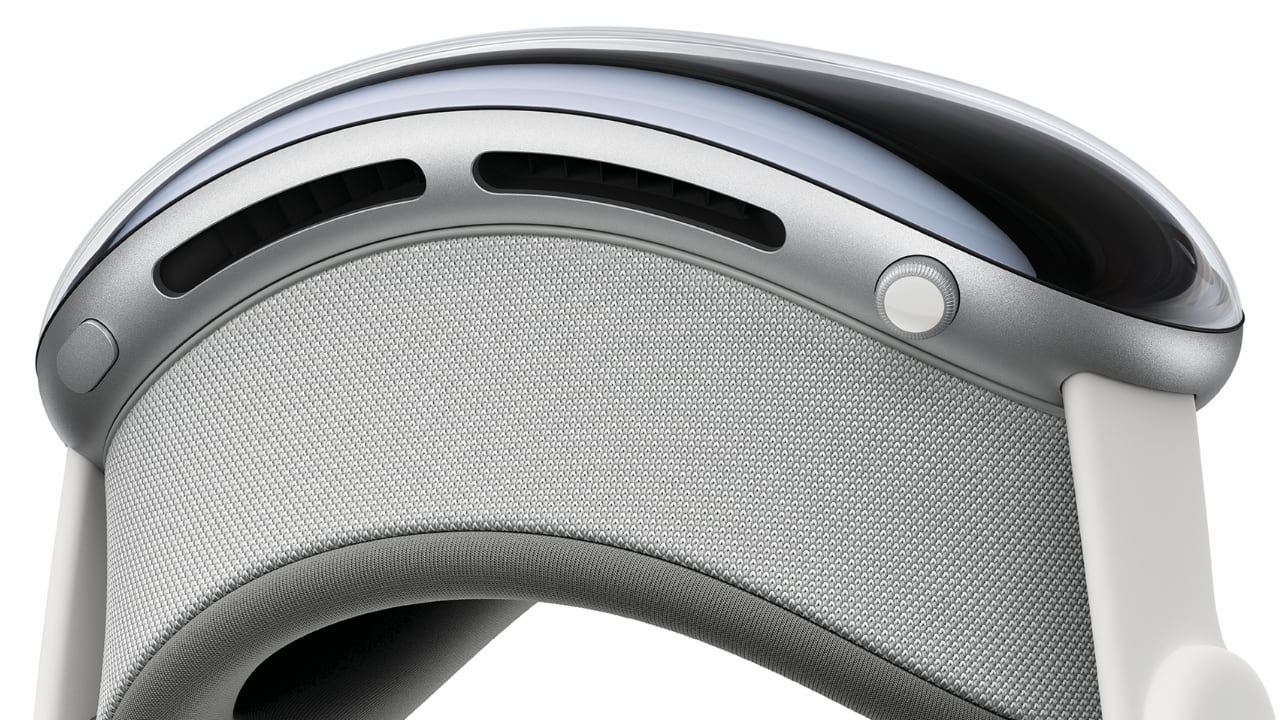
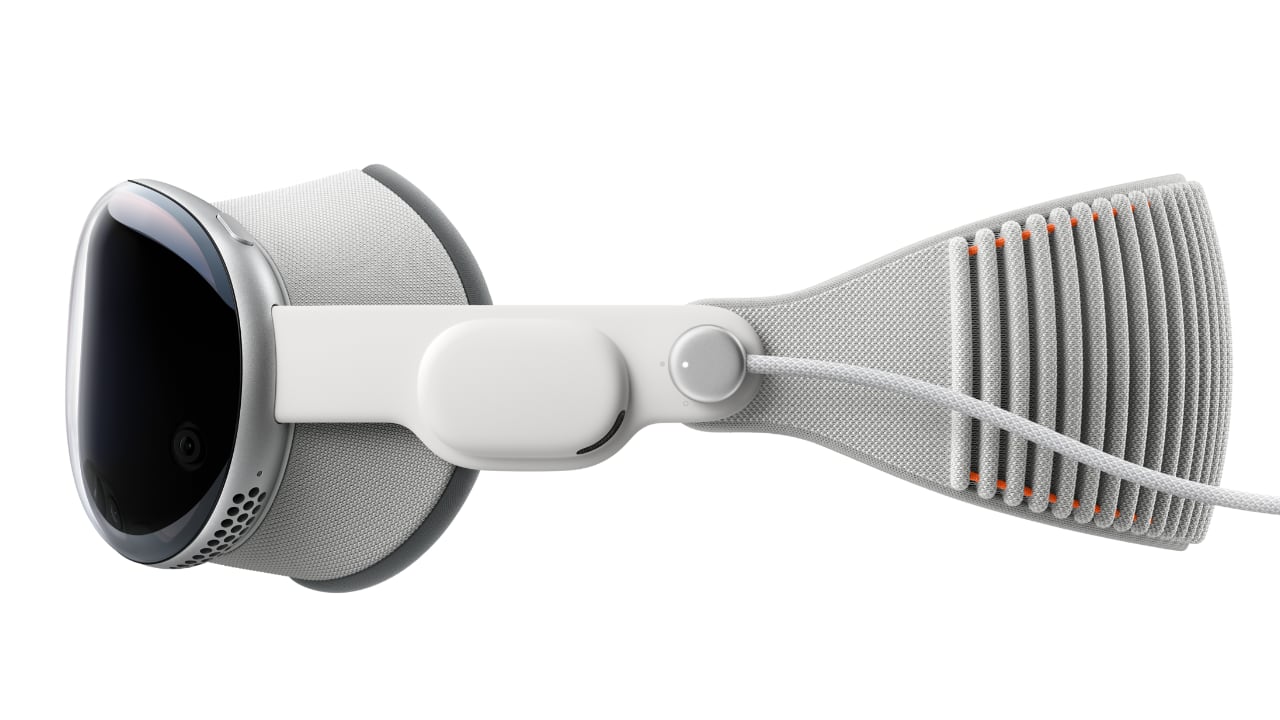
The design of the Apple Vision Pro was notably sleek and modern, with a lightweight, comfortable frame suitable for extended wear. The minimal physical buttons enhanced its streamlined appearance, highlighting its advanced gesture and eye-tracking capabilities. A dedicated button for capturing spatial photos and videos added real-world interactions into vivid digital clarity, showcasing Apple’s meticulous attention to hardware design.
Manipulating my environment with a turn of the Digital Crown was particularly impressive. I could adjust my immersion levels from partial to full, exploring digital renditions of places like Mount Hood National Forest as if I were truly there. This smooth transition back to reality, while remaining connected with those around me, showcased the device’s seamless integration into personal and social settings.
Spatial multitasking introduced a new way to interact with applications, allowing me to manipulate windows in a spatial context as if handling physical objects. This dynamic, intuitive approach transformed traditional interfaces into a vibrant, three-dimensional workspace.
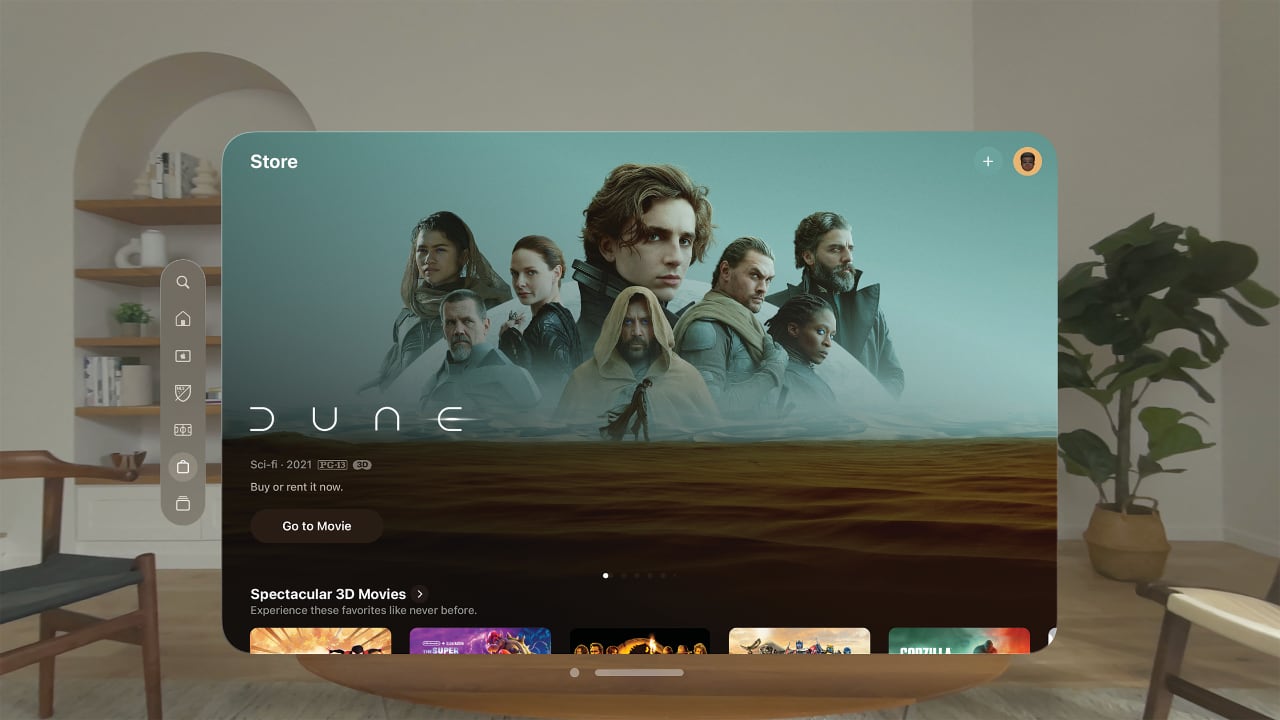
The entertainment capabilities of the Apple Vision Pro were striking. Watching 3D movies like “Super Mario Bros. Movie” and “Avatar: The Way of Water” transformed any space into a personal cinema. The high-resolution display and spatial audio created a viewing experience that far surpassed traditional setups. “That’s impressive,” I remarked, blown away by the depth and immersion of the features.
The Apple Immersive Video demo was a highlight, transporting me to the center of the action—flying over landscapes, diving with sharks, and standing on a soccer field. This segment was so engaging that I was left nearly speechless, managing only to say, “That was so amazing.”
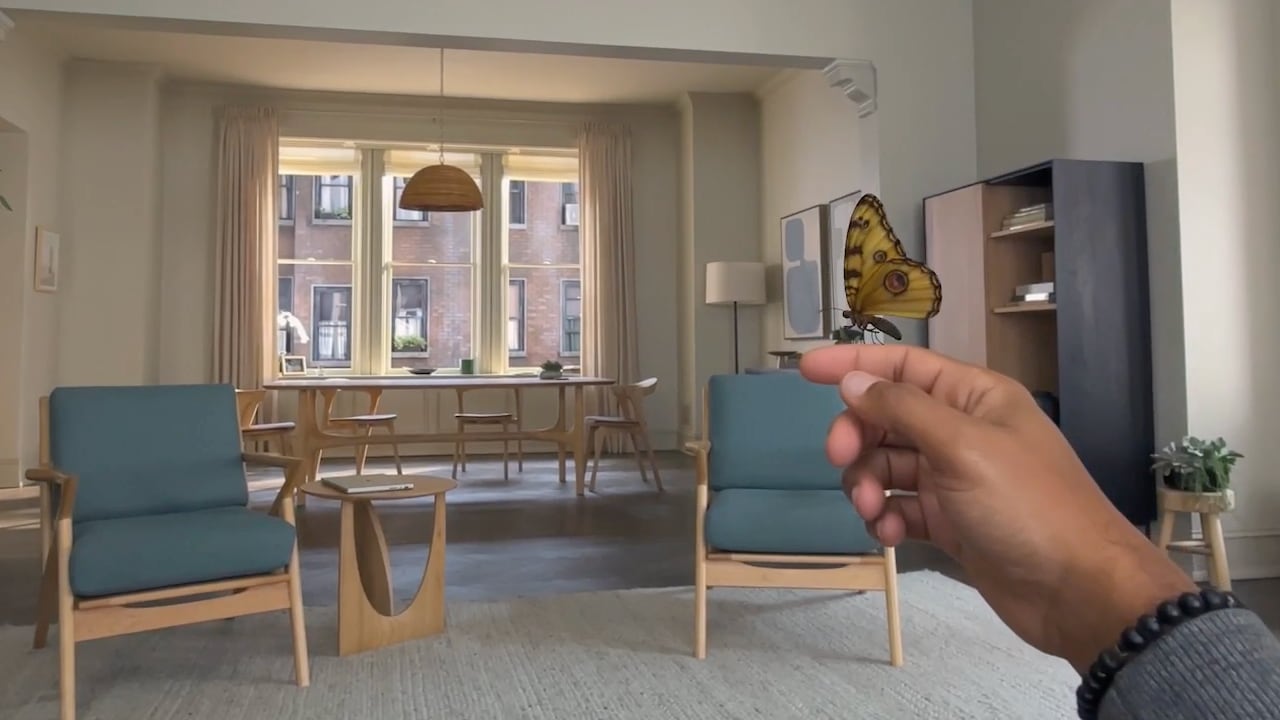
An interactive session where a butterfly landed on my hand and a close encounter with a dinosaur showcased the Apple Vision Pro’s unique capabilities, blurring the lines between digital and physical realities. These experiences felt real and tangible, enhancing my appreciation for the device’s ability to create such vivid and interactive moments.
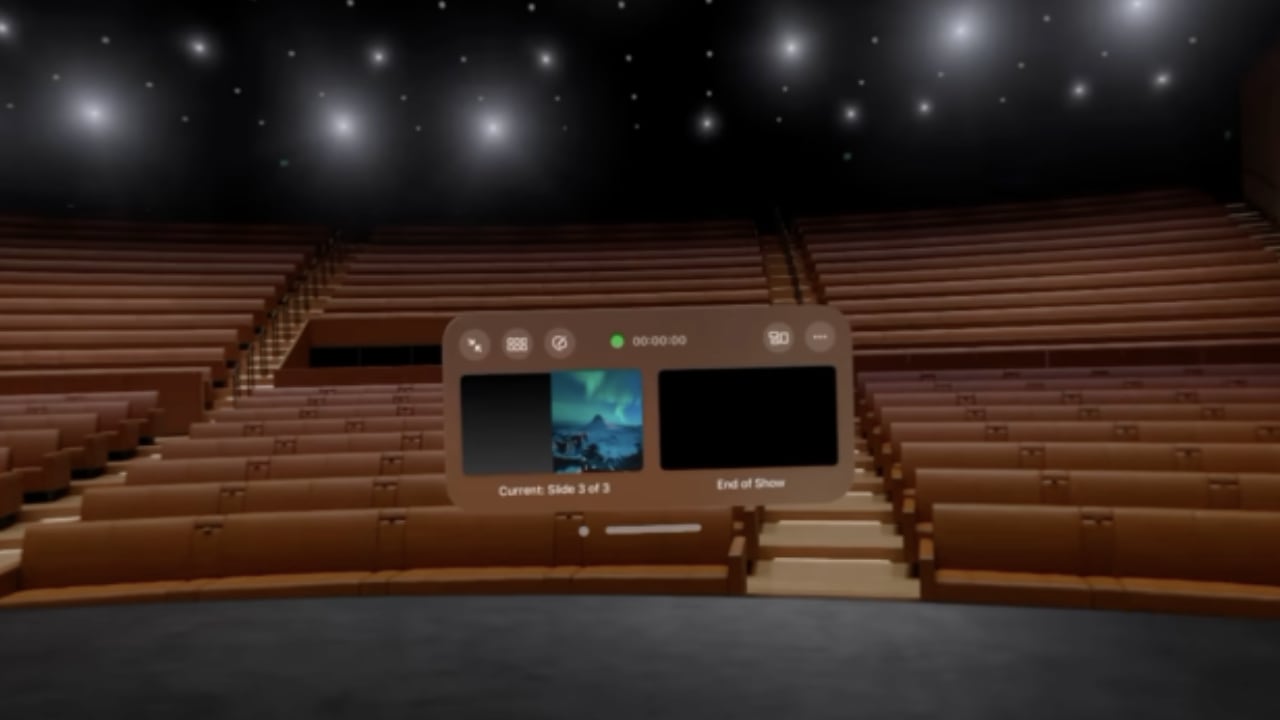
Finally, with the Apple Vision Pro, I got the chance to rehearse—well, more like pretend—to present Apple’s infamous “one more thing” on the stage of the Steve Jobs Theater. It felt so real that I almost waved to the nonexistent crowd! I’ve been to press events there before, but never on stage. The closest I’ve gotten was the last third of the theater.
Photo credit: YouTuber MKBHD demonstrates Keynote on Vision ProMKBHD on YouTube
After the demo—and yes, I highly encourage anyone and everyone remotely interested in spatial computing to visit your local Apple store—I had the option to purchase a brand new Vision Pro constructed right there. The Solo Knit Band, Dual Loop Band, and importantly, the Light Seal are available in size 21W, which fits me perfectly. Apple has streamlined the sizing process in the Apple Store app, which now includes a 3D scan of the face for a customized fit, guiding you through capturing the necessary facial dimensions.
The Apple Vision Pro demo was a breathtaking introduction to futuristic technology that felt straight out of science fiction. Its intuitive interface and gesture controls impressed me immediately, making every interaction feel natural and fluid. While the immersive experience of exploring vibrant, distant locales and engaging with life-like spatial videos was captivating, the demo ended too soon, leaving me eager for a more extended, immersive exploration with the Vision Pro. I’m looking forward to delving deeper into its potential in a longer session.
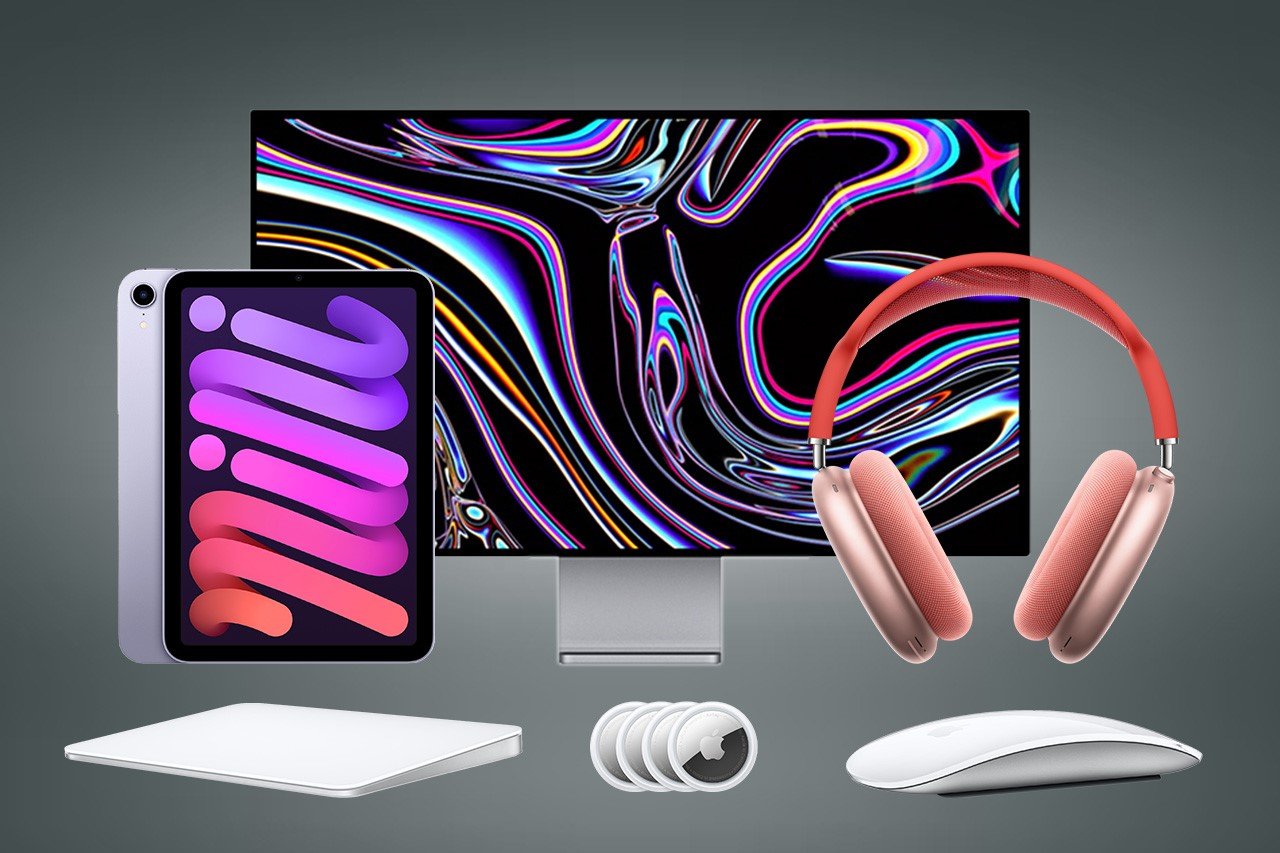
If you asked anyone on the streets, they’d probably agree that Apple stands at the cutting edge of innovation. The company leads the smartphone market, wearable market, and tablet market, is one of the leaders in the desktop and laptop markets too, and is touted to be quite the disruptor in the AR/VR market too. Apple makes its own silicon, has a remarkable supply chain, runs its entire headquarters on renewable energy, and is set to go entirely carbon neutral by 2030. The company improves each product line at most every year, or at least every 2-3 years, but there are products in Apple’s production line that still haven’t seen updates in 3-4 or more years (some haven’t been updated in almost 9 years at this point). We’ve made a list of some of the ‘oldest’ products still available on Apple’s website dating back as early as 2015 and as recent as 2021. Now sure, all these devices are pretty great even by today’s standards… but there’s definitely room for improvement… and we’ve taken the liberty to leave out accessories like connectors and cables. Here are some of the ‘oldest’ Apple products you can still buy today.
Magic Mouse Gen 2 (2015)
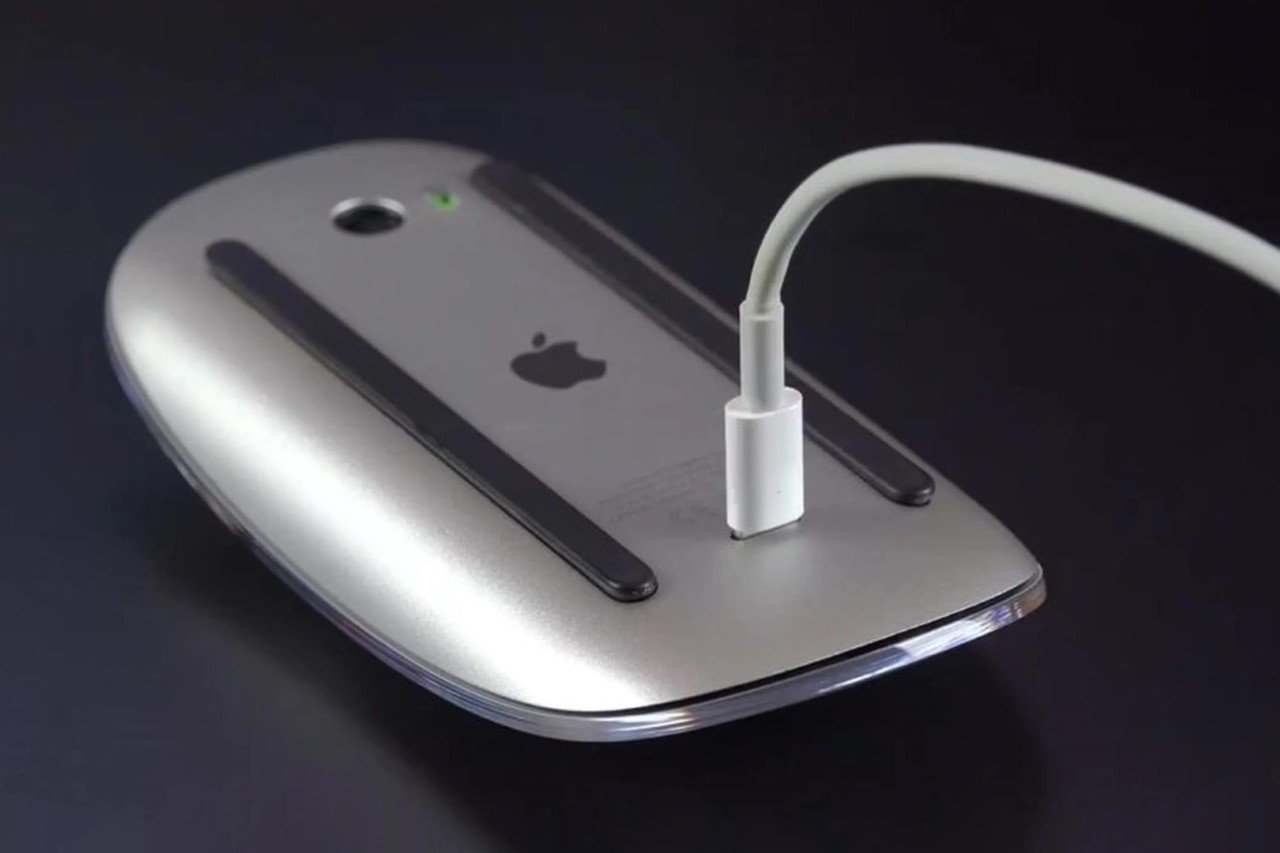
It’s been nearly a decade since the infamous Magic Mouse Gen 2 got an update. Okay, maybe that isn’t entirely true because the wireless mouse did get a refresh in 2019 and 2021, but the only thing that materially changed was the introduction of new color variants. Even today, however, the mouse runs on the same internals, houses the same Lightning port, and still charges in a way that continues to baffle users around the globe. It’s speculated that Apple will be giving the mouse a refresh in 2024, although most rumors say that the company only plans on upgrading the charging port to USB-C. If you ask me, there’s a lot more they can do to improve the Magic Mouse’s design…
Magic Trackpad 3 (2015)
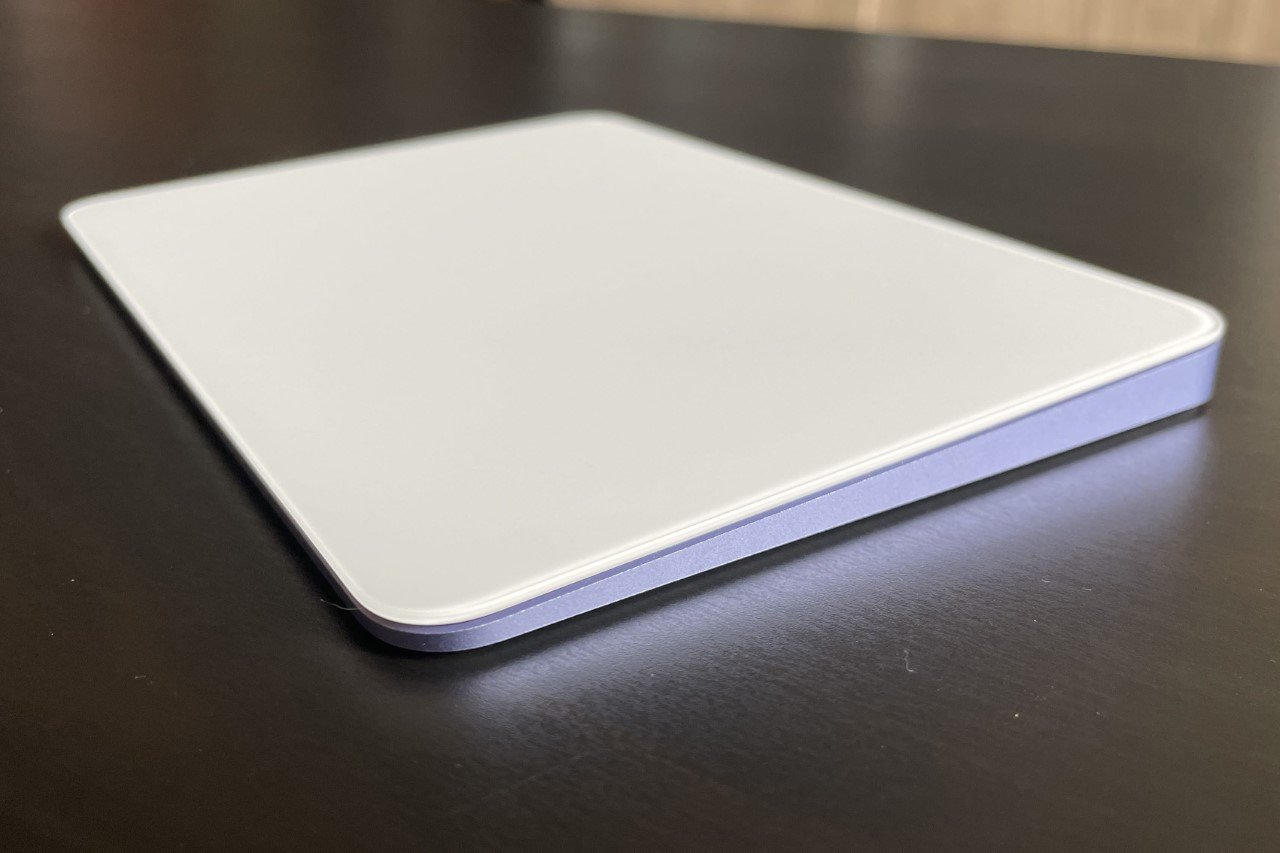
The Magic Trackpad 3 too shares this distinction with the Magic Mouse Gen 2. Debuted in 2015, the trackpad has only received color refreshes in upcoming years. However, the distinct difference between the trackpad and the mouse is that there really seems to be no room for improvement as far as this product is concerned. It looks sleek, performs well, and is wireless. It also charges via Lightning, which is something Apple should change moving forward, but at least you don’t need to turn the trackpad upside down while charging it…
Pro Display XDR (2019)
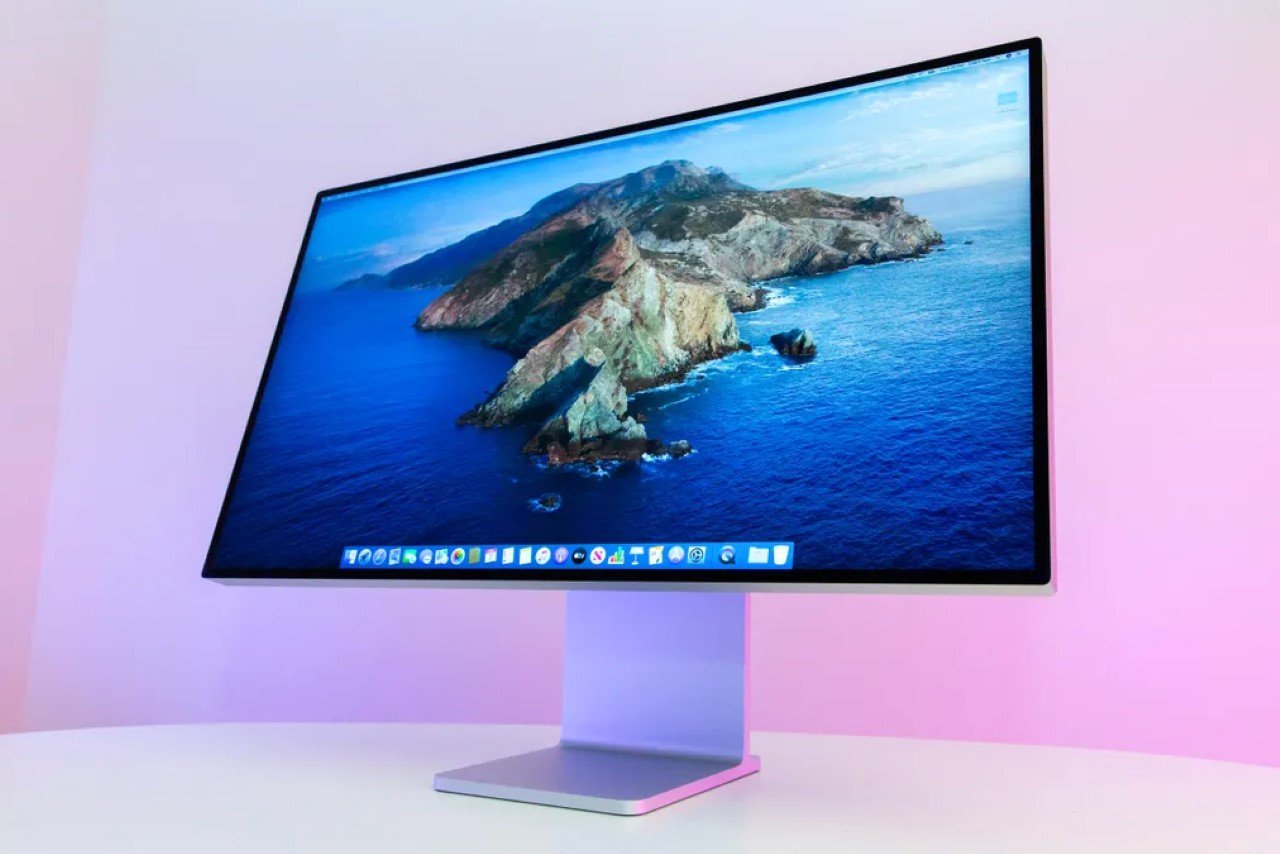
2019 really got overshadowed by the cheesegrater Mac Pro and its incredibly expensive wheels, but alongside them was also announced the Pro Display XDR. Designed to be the most high-end display available for Mac users, the display boasted a 32-inch 6K Retina screen with an ‘astonishing’ 1,000,000:1 contrast ratio and an eye-watering $4999 starting price – that’s about as much as one Vision Pro headset and one iPhone 15 Pro Max with some change to spare. Surely the Pro Display XDR isn’t for everyone (Apple has a slightly more affordable Studio Display for most users), which is probably why Apple never gave it an update post-2019. After all, do you really need to upgrade a 32-inch 6K Retina display?! Fun Fact: The cheesegrater Mac Pro actually got an update in June 2023 with the M2 Ultra chip, leaving the Pro Display XDR behind.
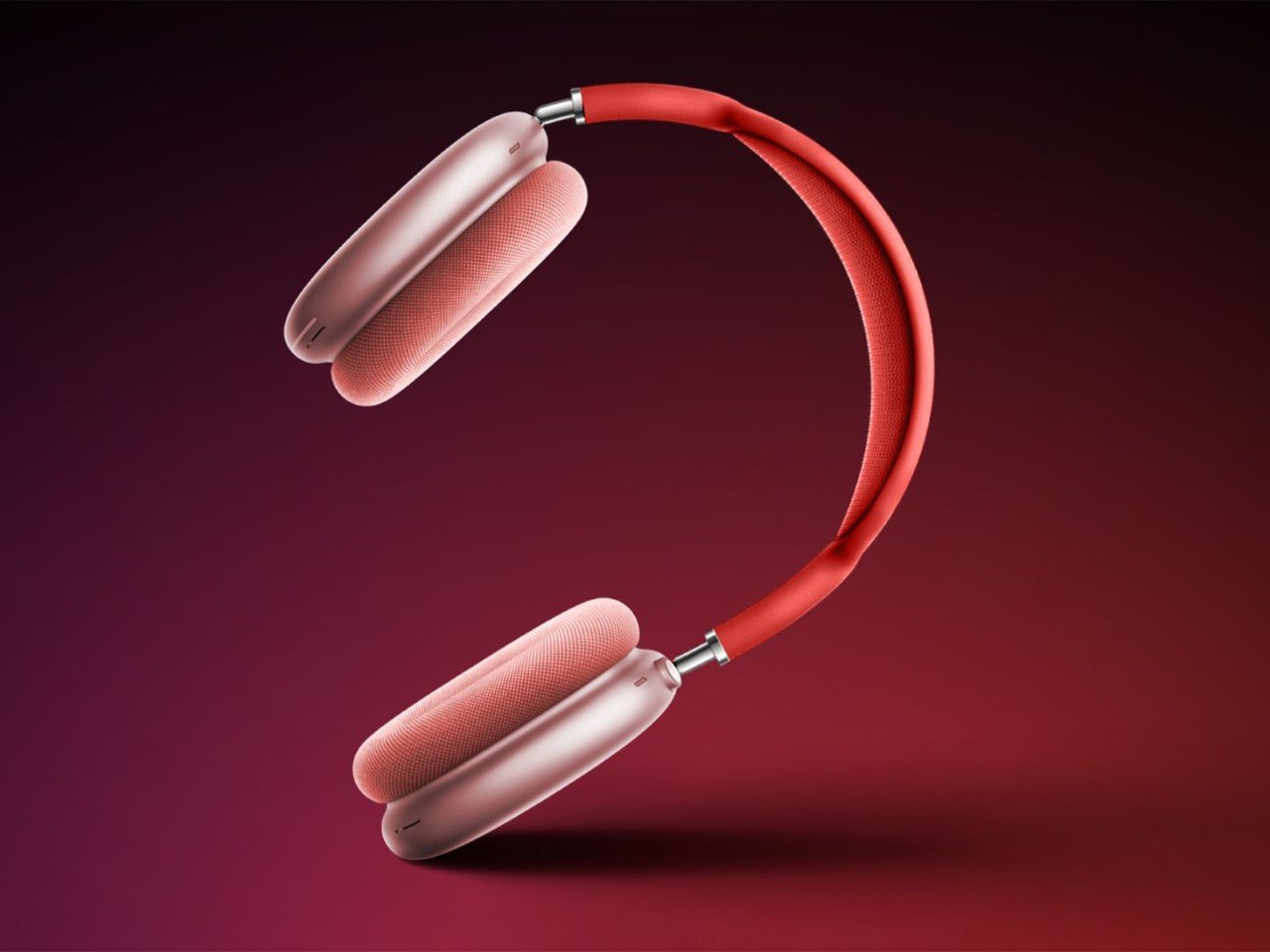
AirPods Max (2020)
It became almost certain when Apple acquired Beats by Dre that they had plans of their own to enter the wearable audio market in a big way. The Beats acquisition happened in 2014, and just 2 years later, Apple dropped the first wireless AirPods in 2016. However, it took the company 4 full years to release their first wireless over-ear headsets. The AirPods Max debuted in December of 2020, immediately becoming Apple’s flagship wearable audio device. It had everything – an aluminum design, a woven head strap, a fancy charging case, a rotating crown, and Spatial Audio (one of the first devices to support the feature). In all honesty, Apple doesn’t really NEED to refresh the AirPods Max because feature-for-feature, they’re just as good today as they were 4 years ago. However, there’s always room for improvement – for example, the AirPods Max doesn’t have an Ultra-Wideband chip that makes them easy to track using Apple’s Find My app, the charging case is one of the most absurd designs ever, and hey, we’re still stuck on Lightning when the AirPods Pro have upgraded to USB-C.
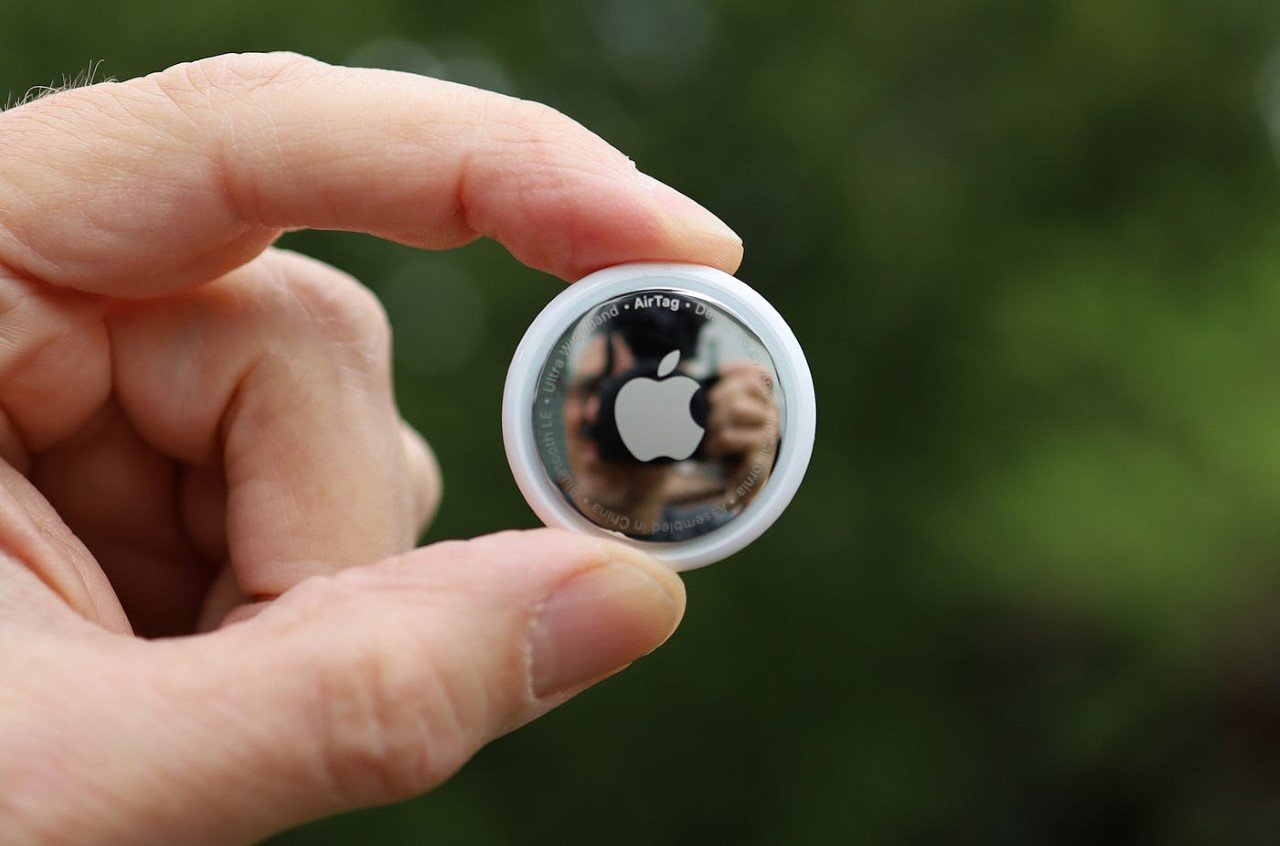
AirTag (2021)
Ah, the AirTags, every clutterbrain and stalker’s best friend. Announced in 2021, the AirTag leverages Apple’s Find My network and their Ultra-Wideband chip to really help you track and detect objects with precise accuracy. They run on CR2032 batteries which last around a year and are easy to replace – a big improvement over some tracking devices that have built-in batteries that can’t be removed. However, the AirTags haven’t seen any update since their announcement in 2021. Now here’s the question again – do they need updating? Well, on the feature front, no… they’re pretty good, have anti-stalking features, and are fairly helpful when it comes to tracking everything from bags, to pets, to even vehicles. However, the one major upgrade they need is on the design front. They’re circular and bulky, which makes them difficult to store in wallets, passport covers, and other slim belongings. Heck, I’d like a slim AirTag just so I could strap it to my Apple TV remote which keeps getting lost every third day.
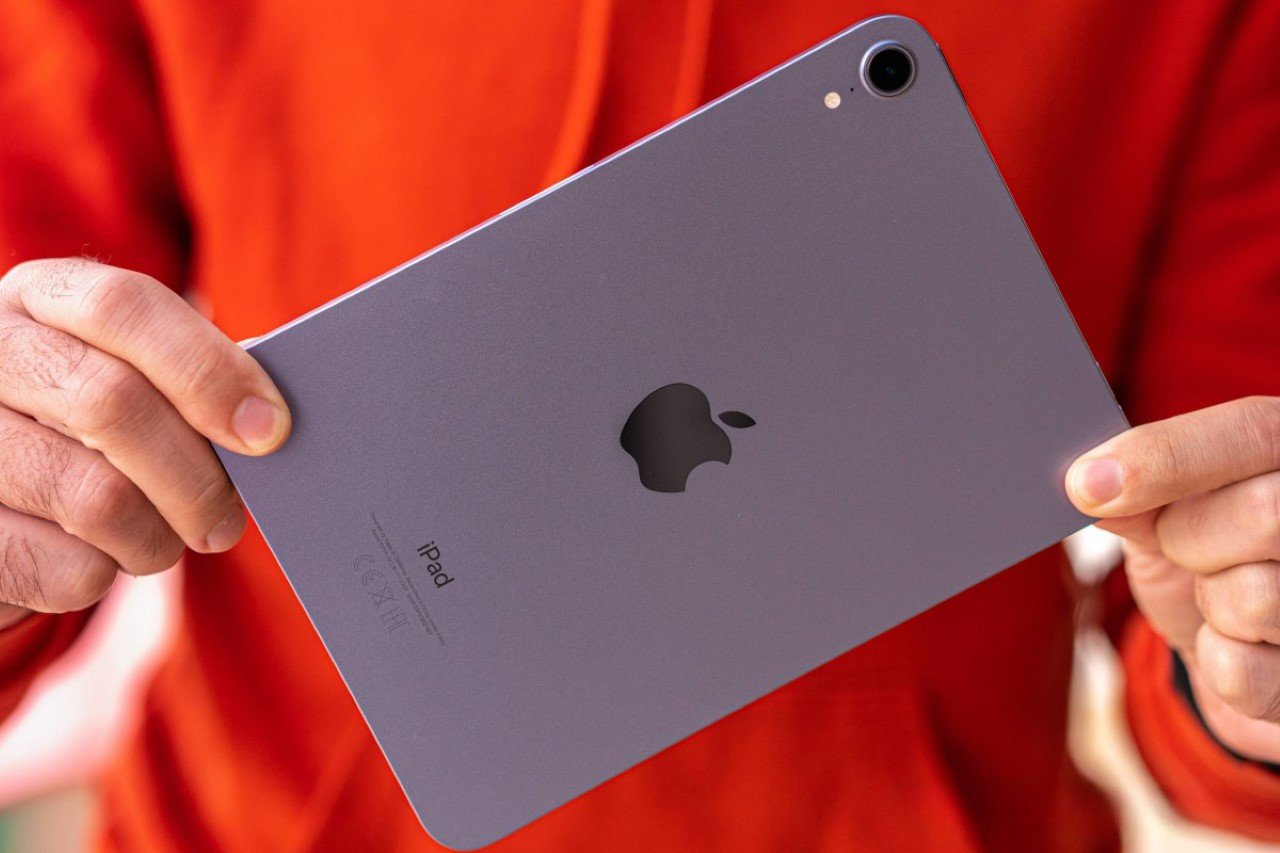
iPad Mini 6th Gen (2021)
The AirTags weren’t the only product to get left behind in 2021 – Apple hasn’t refreshed the iPad Mini in 3 years either, still leaving it with the A15 Bionic chip while the other iPads get their M-series chips. Now it’s entirely possible that Apple’s held the iPad Mini back all these years deliberately – the people who buy the tiny iPad aren’t Apple’s core tablet users. They don’t need power features, they don’t edit movies on their tablet, and they clearly don’t need their tablet to work as a makeshift laptop with a dedicated keyboard folio case. However, the iPad Mini 6th Gen does support the 2nd Gen Apple Pencil and does have a USB-C port that also works for connecting external displays. The iPad Mini, as small as it is, was built to be a mighty little tablet. However, that A15 Bionic chip doesn’t really compare to the M3 chip that Apple’s due to give its latest iPads this year. Could we also see a better camera system on the iPad Mini if it gets refreshed soon? I surely hope so… but up until then, we’re stuck with the model from 2021.
Bonus – Apple Card (2019)
The Apple Card makes it to this list for purely technical reasons, but truth be told, there’s never any need to update a payments card the way you’d update smartphones and tablets every year. Apple announced the card in 2019 in partnership with Goldman Sachs, but as of 2023 November, Goldman Sachs will stop providing banking support for the card, leaving Apple to look for another partner. As far as the card’s design goes, there’s not much you can upgrade – the Apple Card comes machined from solid titanium, making it highly durable, but it’s still susceptible to scratches or discoloration. Maybe color variants??
It is the peak Spring season with birds chirping in the air, and trees looking greener and prettier than ever! Spring is currently in full swing, and it is the perfect time to spend your days in the outdoors, taking in some fresh air, and letting the lovely spring sun soak through our skin. There couldn’t be a better time to be in your backyard! I mean, you can do a lot in your backyard! We shouldn’t underestimate our backyards, as they can be major spaces of fun, recreation, and relaxation. And a lovely addition to your backyard could be the Hut Lounge Bed by Marco Lavit for Ethimo.
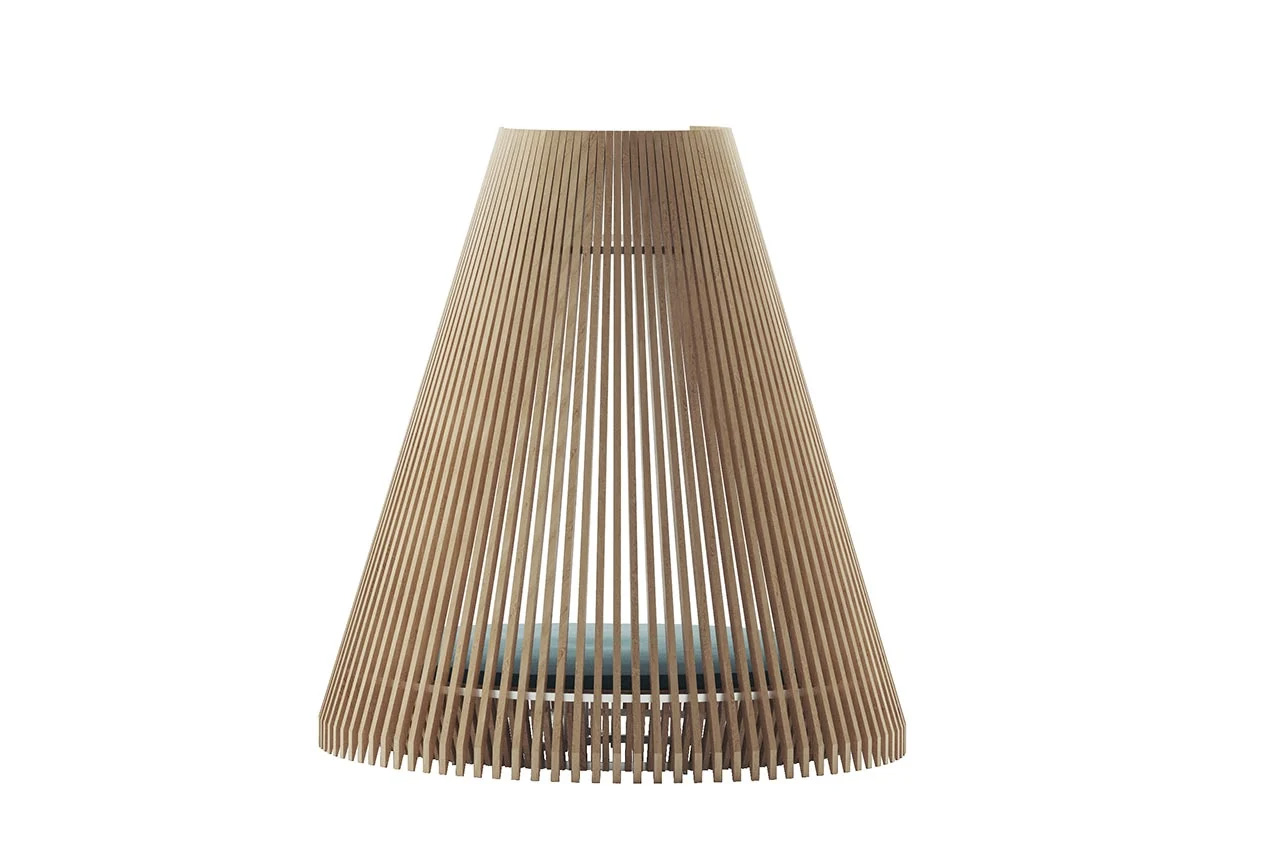
The Hut Lounge Bed is a wonderful furniture design for the outdoors by designer Marco Lavit for the Italian outdoor furniture company Ethimo. Designed to provide you with a cozy space to relax and unwind in, and to function as a peaceful place to lounge about in, the Hut Lounge Bed lets you soak in some sun, and connect with nature. It is equipped with a conical, and semi-enclosed shape with makes you feel protected, while also allowing you to truly relax.
“Hut is a unique nest on a human scale, a place to pause and regenerate,” said Lavit. “A habitat where the alternating rhythm of the slats creates gaps that filter perception of this space, in a natural dialogue between inside and out.” The Hut is built using Accoya wood construction and features little gaps between the slats, which allow sunlight to stream in, while a massive circular mattress invites you in, and looks like a wonderful space for a nap. Accoya wood is an excellent material of choice since it is a high-performance modified wood that features a non-toxic treatment and can handle years of exposure to the elements and weather.
The wood is complemented by a circular metal rail which lets you hang a curtain to offer some privacy, or to provide some protection against the sun. The Hut Lounge Wood is a perfect fit for your backyard during the spring season, when the weather is kind, and nature is in full bloom.
The News/Media Alliance, formerly the Newspaper Association of America, asked US federal agencies to investigate Google’s removal of links to California news media outlets. Google’s tactic is in response to the proposed California Journalism Preservation Act (CJPA), which would require it and other tech companies to pay for links to California-based publishers’ news content.
The CJPA would require Google and other tech platforms to pay California media outlets in exchange for links. The proposed bill passed the state Assembly last year.
In a blog post last week announcing the removal, Google VP of Global News Partnerships Jaffer Zaidi warned that the CJPA is “the wrong approach to supporting journalism” (because Google’s current approach totally hasn’t left the industry in smoldering ruins!). Zaidi said the CJPA “would also put small publishers at a disadvantage and limit consumers’ access to a diverse local media ecosystem.” Nothing to see here, folks: just your friendly neighborhood multi-trillion-dollar company looking out for the little guy!
Google described its link removal as a test to see how the bill would impact its platform:
“To prepare for possible CJPA implications, we are beginning a short-term test for a small percentage of California users,” Zaidi wrote. “The testing process involves removing links to California news websites, potentially covered by CJPA, to measure the impact of the legislation on our product experience. Until there’s clarity on California’s regulatory environment, we’re also pausing further investments in the California news ecosystem, including new partnerships through Google News Showcase, our product and licensing program for news organizations, and planned expansions of the Google News Initiative.”
In its letters, The News/Media Alliance lists several laws it believes Google may be breaking with the “short-term” removal. Potential federal violations include the Lanham Act, the Sherman Antitrust Act and the Federal Trade Commission Act. The letter to California’s AG cites the state’s Unruh Civil Rights Act, regulations against false advertising and misrepresentation, the California Consumer Privacy Act and California’s Unfair Competition Law (UCL).
“Importantly, Google released no further details on how many Californians will be affected, how the Californians who will be denied news access were chosen, what publications will be affected, how long the compelled news blackouts will persist, and whether access will be blocked entirely or just to content Google particularly disfavors,” News/Media Alliance President / CEO Danielle Coffey wrote in the letter to the DOJ and FTC. “Because of these unknowns, there are many ways Google’s unilateral decision to turn off access to news websites for Californians could violate laws.”
Google has a mixed track record in dealing with similar legislation. It pulled Google News from Spain for seven years in response to local copyright laws that would have required licensing fees to publishers. However, it signed deals worth around $150 million to pay Australian publishers and retreated from threats to pull news from search results in Canada, instead spending the $74 million required by the Online News Act.
Google made more than $73 billion in profits in 2023. The company currently has a $1.94 trillion market cap.
This article originally appeared on Engadget at https://www.engadget.com/media-coalition-asks-the-feds-to-investigate-googles-removal-of-california-news-links-212052979.html?src=rss
TikTok is ramping up penalties for creators who post potentially “problematic” content and tightening its rules around what can be recommended in the app. The updates arrive as TikTok is fighting for its future in the United States and trying to convince lawmakers and regulators that its app is safe for teens.
Under its updated community guidelines, set to take effect in May, TikTok has added a long list of content that’s not eligible to be recommended in the app’s coveted “For You” feed. The list includes some obvious categories, like sexually suggestive or violent content, but it also adds topics that have previously been a source of controversy for the app. For example, the new guidelines bar videos showing “dangerous activity and challenges,” as well as many types of weight loss or dieting content. It also prohibits any clips from users under the age of 16 from appearing in “For You.”
There’s also a lengthy section dedicated to a wide range of misinformation and conspiratorial content. From the guidelines:
-Conspiracy theories that are unfounded and claim that certain events or situations are carried out by covert or powerful groups, such as "the government" or a "secret society"
-Moderate harm health misinformation, such as an unproven recommendation for how to treat a minor illness
-Repurposed media, such as showing a crowd at a music concert and suggesting it is a political protest
-Misrepresenting authoritative sources, such as selectively referencing certain scientific data to support a conclusion that is counter to the findings of the study
-Unverified claims related to an emergency or unfolding event
-Potential high-harm misinformation while it is undergoing a fact-checking review
In addition to the eligibility changes, TikTok says it will also begin to penalize creators who repeatedly disregard this guidance by making their entire account ineligible for recommendations, not just the specific offending posts. The company will also make their account “harder to find” in search.
Additionally, the app is getting a new “account status” feature, which will help users track if they are running afoul of these rules. Much like the feature of the same name in Instagram, TikTok’s account status will alert creators to strikes on their account and posts that run afoul of the app’s rules. And an “account check” feature will allow users to track if they are currently being blocked from recommendations or otherwise unable to access features like messaging or commenting as a result of breaking the app’s rules.
This article originally appeared on Engadget at https://www.engadget.com/tiktok-is-trying-to-clean-up-its-for-you-recommendations-210057825.html?src=rss