Reolink’s $65 Tiny Magnetic Security Camera Runs 9 Months on 2 AA Batteries: Hands-On at IFA 2026

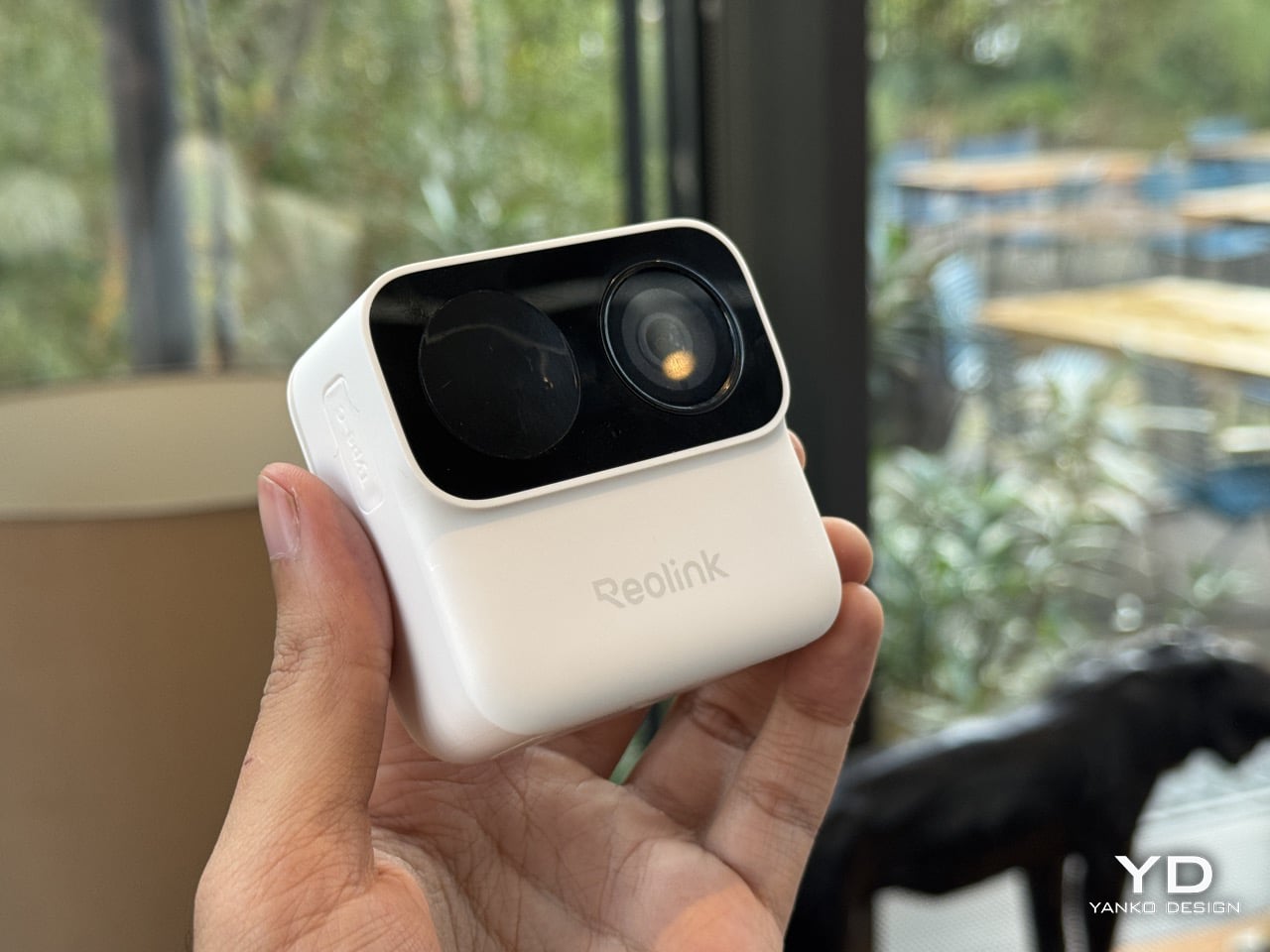
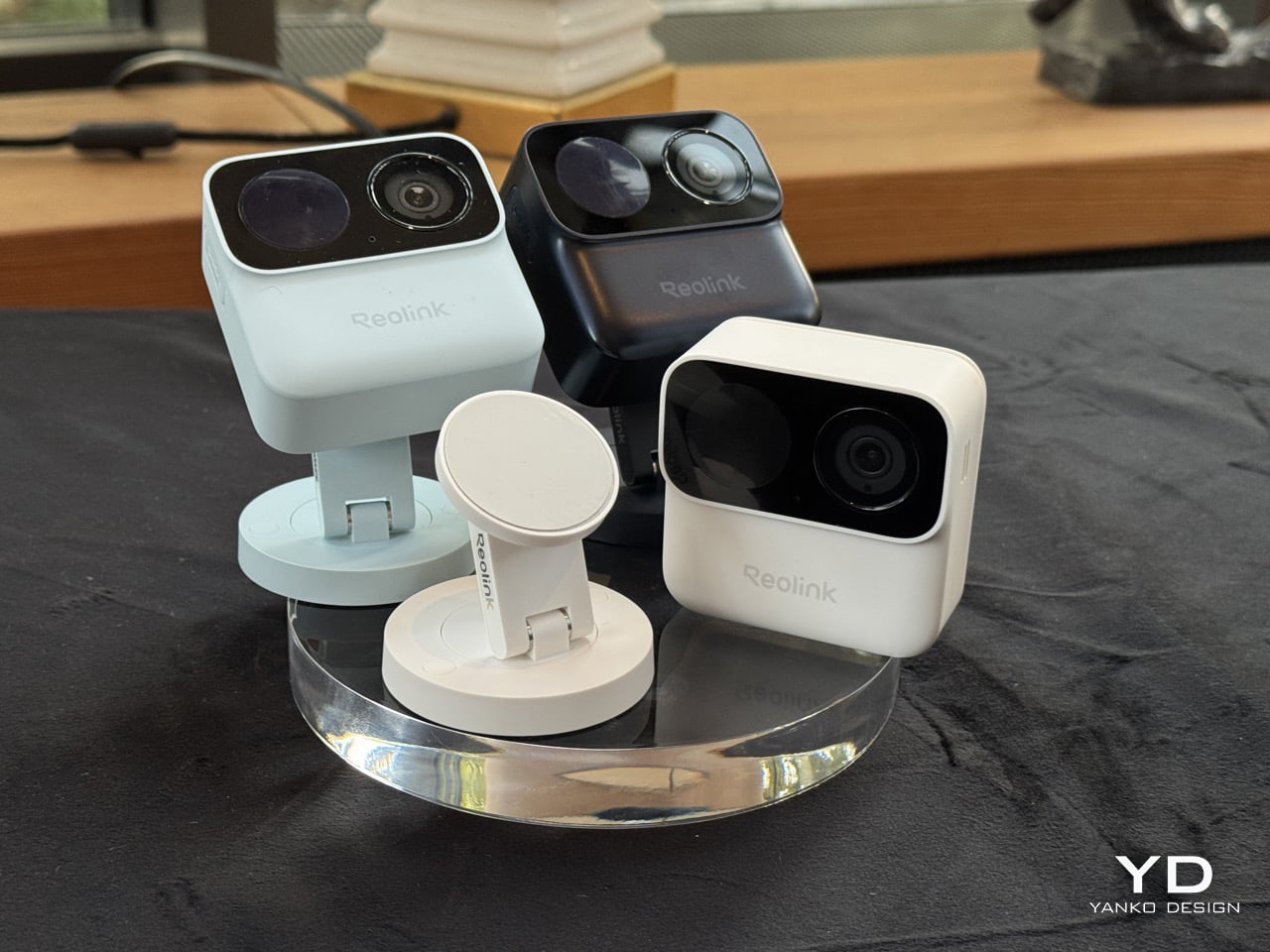
The worst part of owning a security camera has never been the camera. It is the ladder, the drill, the wall plug, and the moment you realize you aimed the thing eight degrees too far left. Reolink’s Argus MagiCam deletes all of that with a magnet. The 68mm  GoPro-looking cube slaps onto any metal surface in about two seconds, or onto an included magnetic puck with a swivel arm for everything else, turning any surface into a security surveillance monitor (you can even mount it in your car as a dashcam)… and here’s the kicker. It runs up to nine months on two AA lithium batteries. Nine. Whole. Months. I repositioned it three times in under a minute at IFA 2026, which is three more times than I have ever moved a camera bolted to a wall.

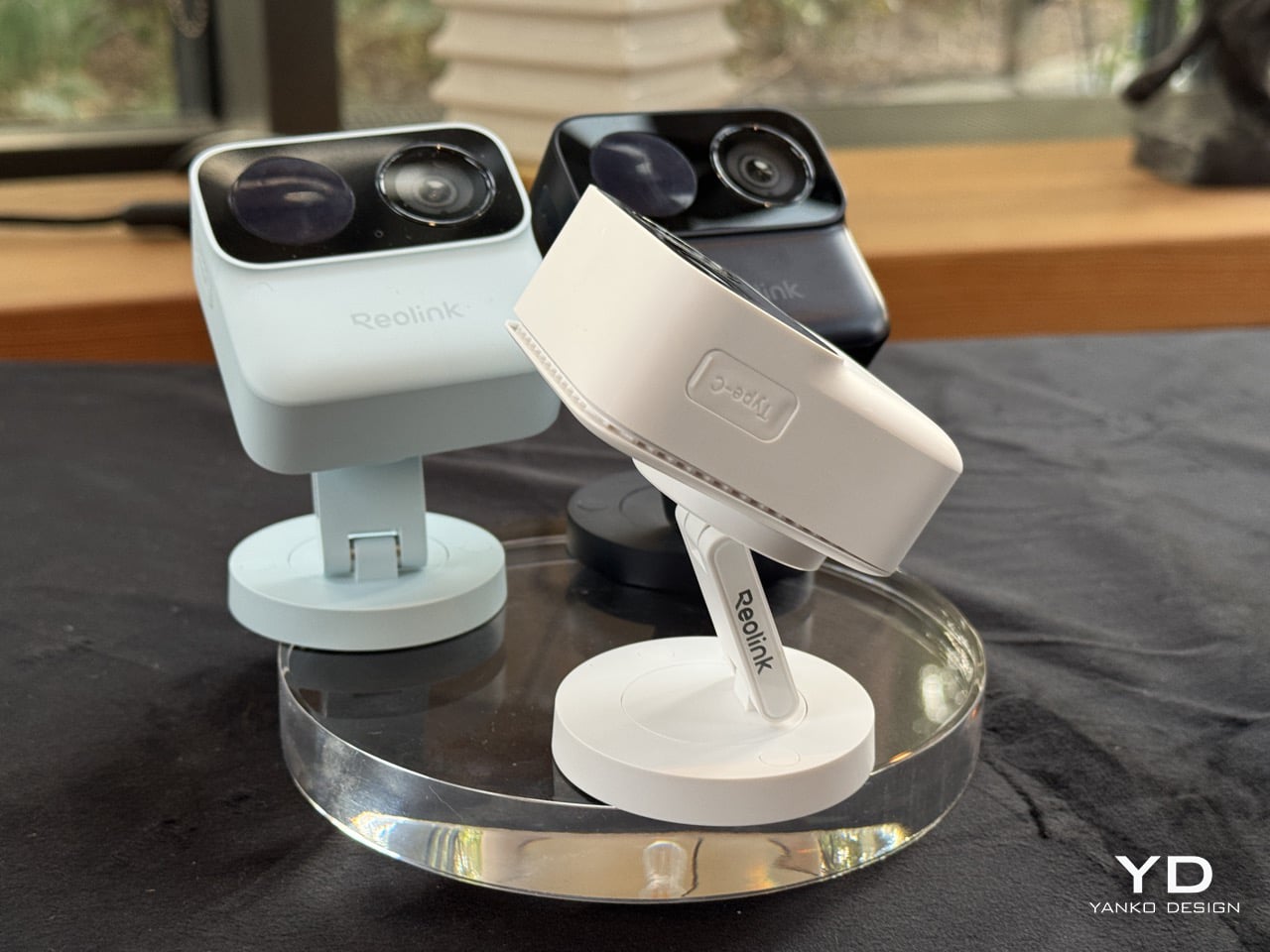
Sixty-five dollars buys 1080p, IP67 weatherproofing, dual-band Wi-Fi, on-device person detection, and local microSD storage with no monthly fee attached. Flip the cube over and the back panel detaches to a bay holding two ordinary AAs, the SD slot and the reset button, all serviceable with a coin and a spare hand. Reolink built it around Qualcomm’s QCC730 micro-power Wi-Fi chip for its Power Efficient Series, shown in Hall 1.2 next to the OMVI 2i Ultra. A USB-C port hides under a rubber flap for 24/7 recording when you want it wired. Three colours: black, white, and a mint green that has no business looking this good.

Designer: Reolink
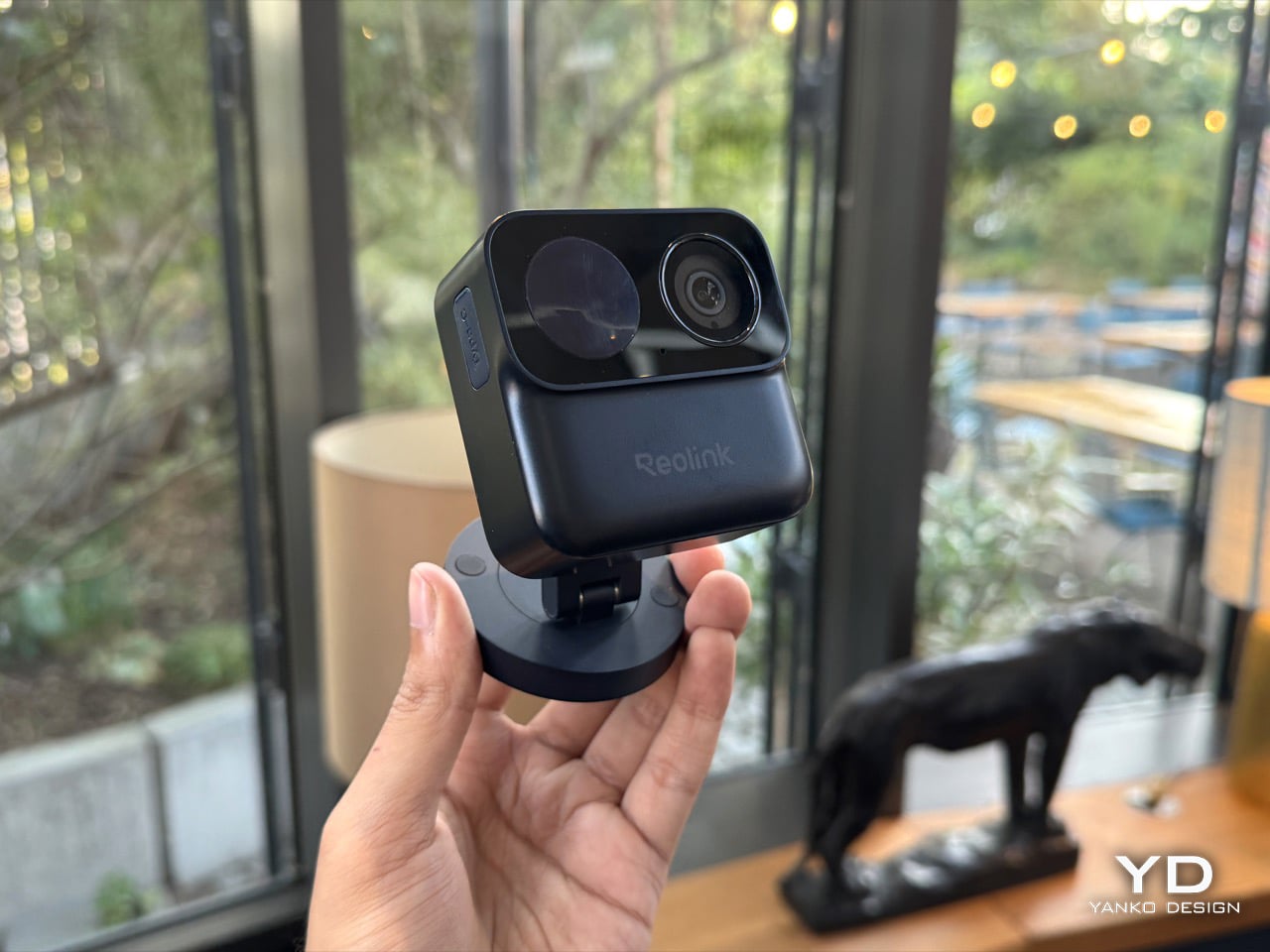
A matte PIR dome sits on the left, a glossy ringed lens sits on the right, and a pinhole mic hides between them, the whole cluster raised on a squared-off black module that reads more like a GoPro’s lens housing than anything borrowed from traditional security hardware. Security cameras have spent two decades pretending they belong on a parking structure, all bullet housings and matte black anonymity. This one borrows its language from action cameras instead, small, chunky, built to be picked up and repositioned rather than mounted once and forgotten, which is exactly why the mint colorway makes sense sitting on a bookshelf instead of bolted above a garage. That GoPro reference is not incidental either. It signals a camera meant to be handled, not just installed.
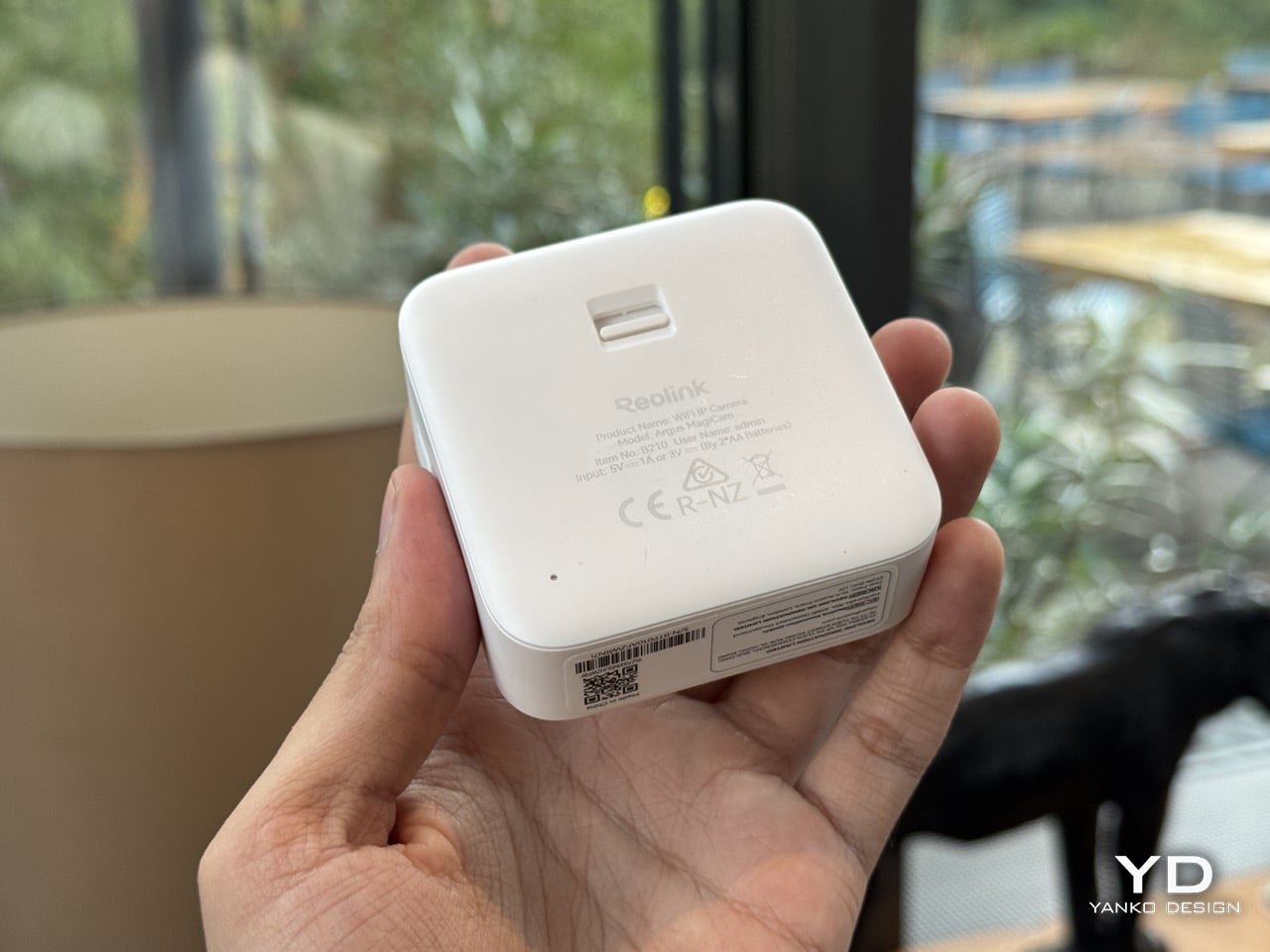
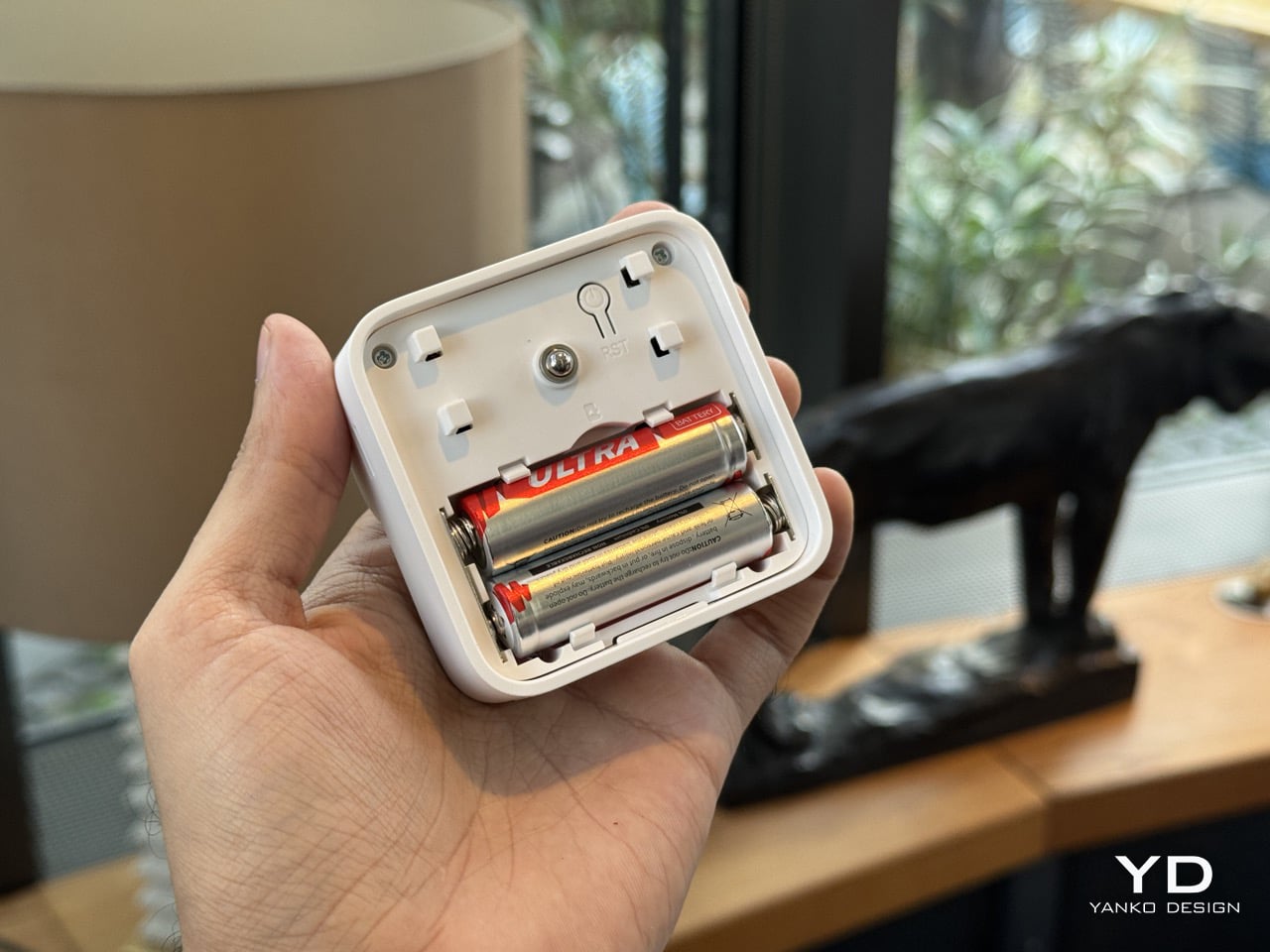
The battery bay is the real argument here. Somewhere along the way, the smart home industry decided sealed rechargeable packs looked cleaner on a spec sheet, and quietly handed every camera, doorbell, and earbud an expiry date measured in a couple of years. Reolink went the other direction, and the QCC730 chip is what makes that reversal viable rather than nostalgic, since its whole job is sipping power in standby instead of gulping it. Blink has claimed two years off two AA lithiums since its Outdoor 4 launched, though independent testing has repeatedly landed closer to a few months once real motion traffic gets involved. Nine months against a heavier five minutes of daily recording, verified in Reolink’s own side by side tests, reads like the more honest number in the room.
What you give up for all that convenience is resolution, and it barely registers as a cost. This is a 1080p sensor at a moment when 4K battery cameras exist, sure, but 1080p is still plenty sharp for spotting a face at the door or a raccoon in the bin, and the fixed bitrate keeps file sizes sane on a modest microSD card. Night vision runs through a single mono IR LED instead of anything approaching colour, which is standard fare at this tier, not a shortfall specific to Reolink. For a camera this cheap, this easy to place, and this forgiving on power, trading a few thousand pixels feels like a fair swap rather than a compromise. The MagiCam was never trying to be the sharpest eye on your property. It is trying to be the one you actually keep charged, and on that specific promise, the AA drawer you have been ignoring for a decade just became a legitimate accessory again.

The post Reolink’s $65 Tiny Magnetic Security Camera Runs 9 Months on 2 AA Batteries: Hands-On at IFA 2026 first appeared on Yanko Design.
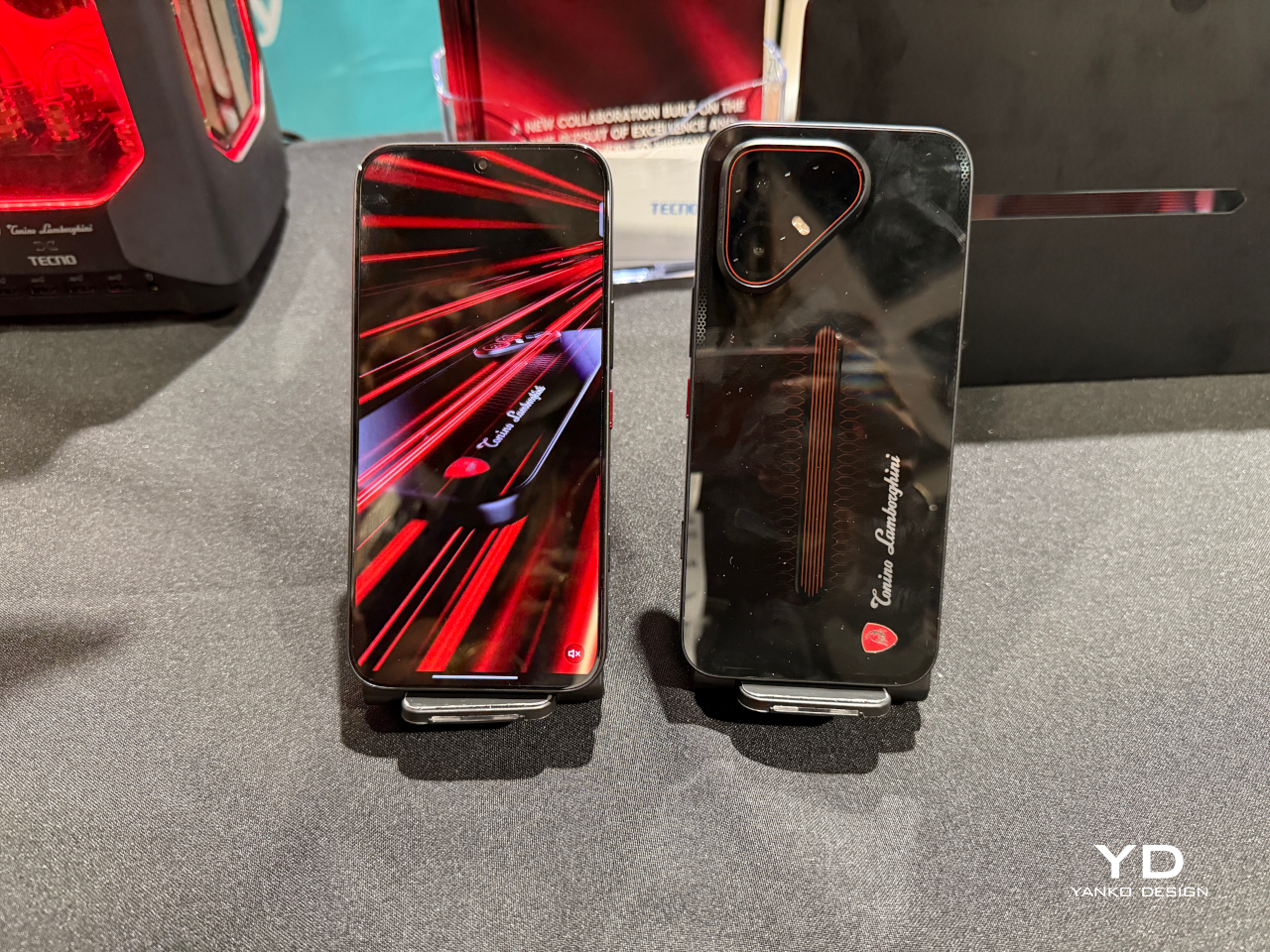
TECNO and Tonino Lamborghini Prove You Can’t Fake a Real Collab

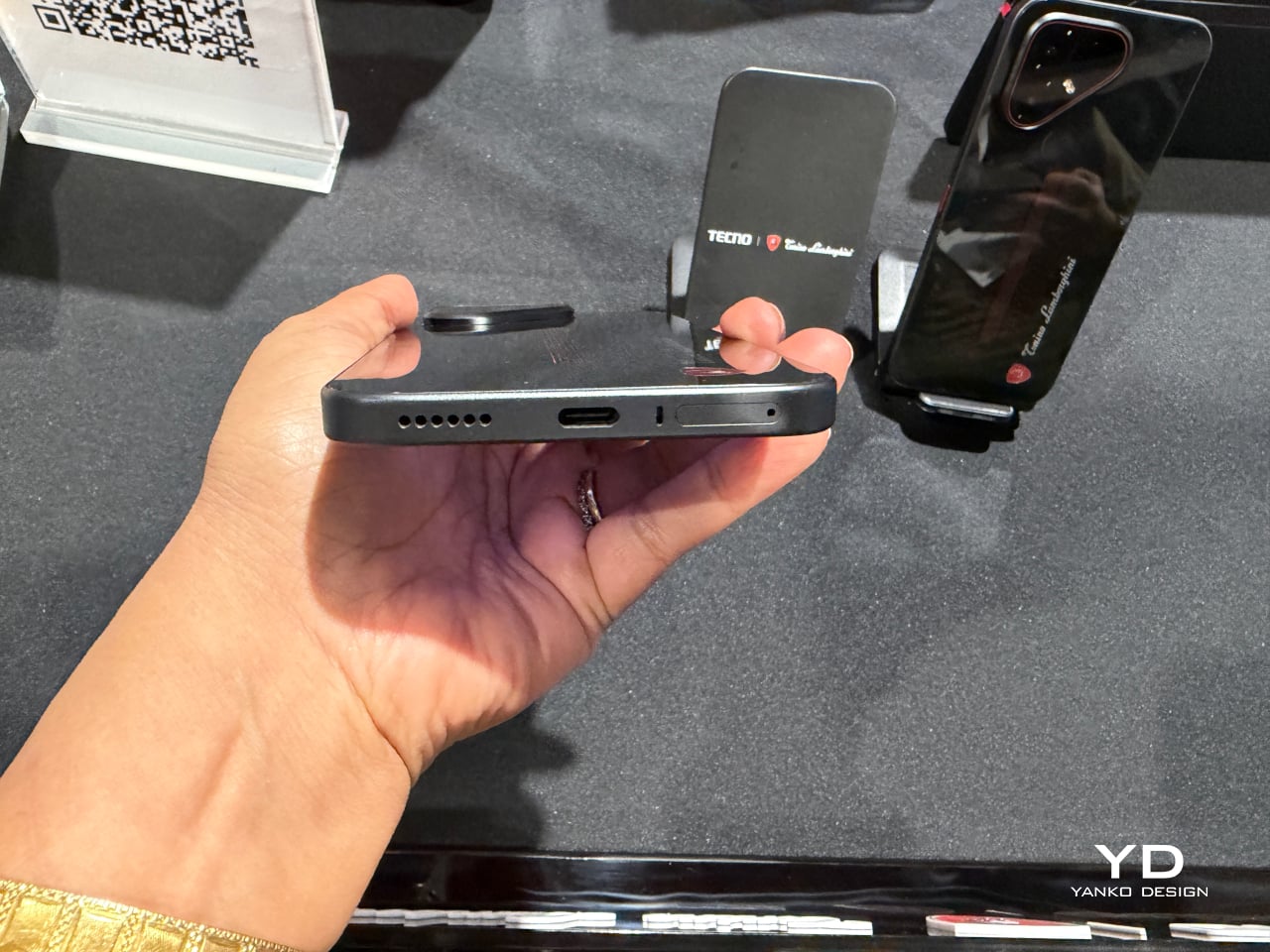
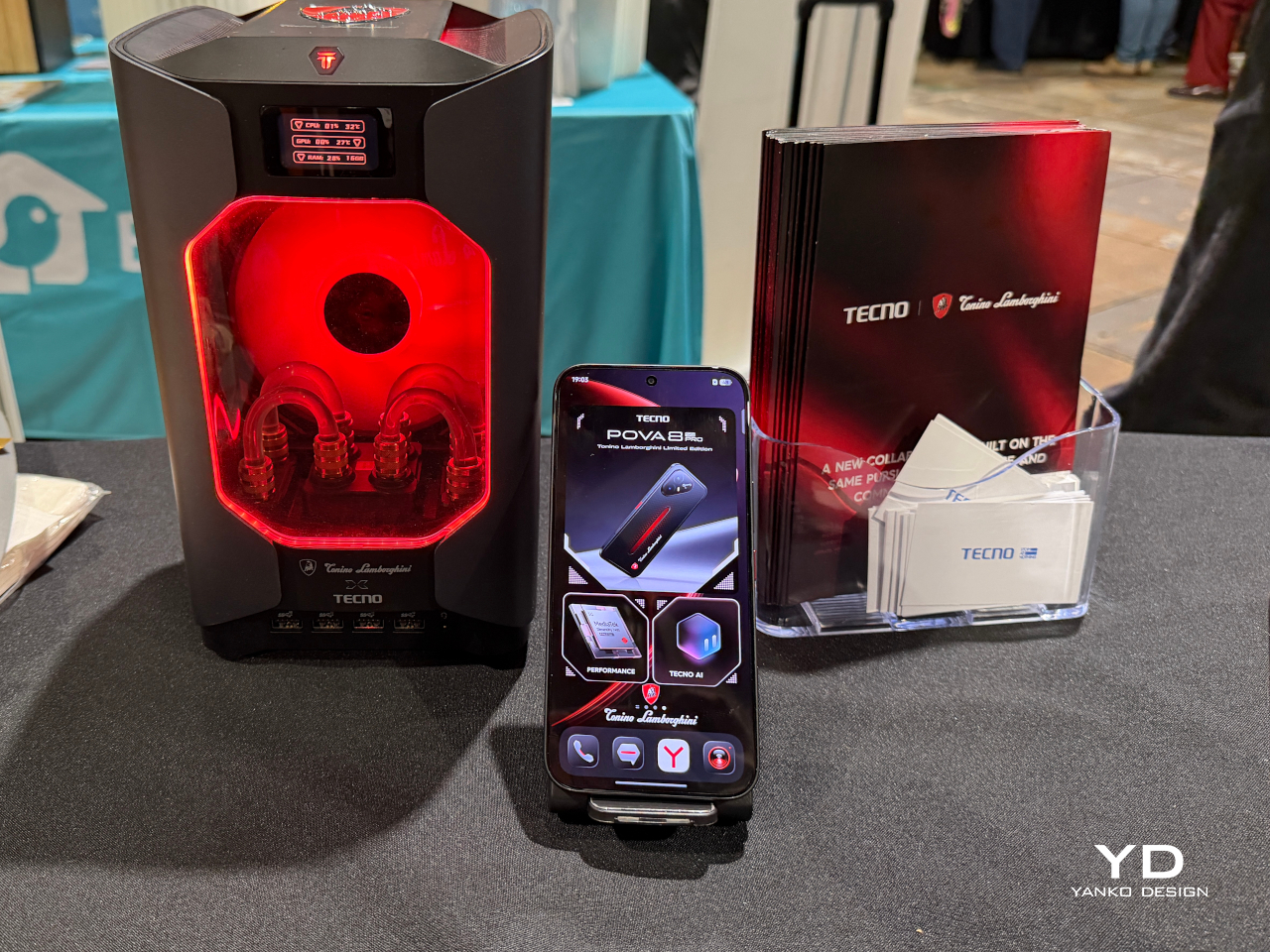
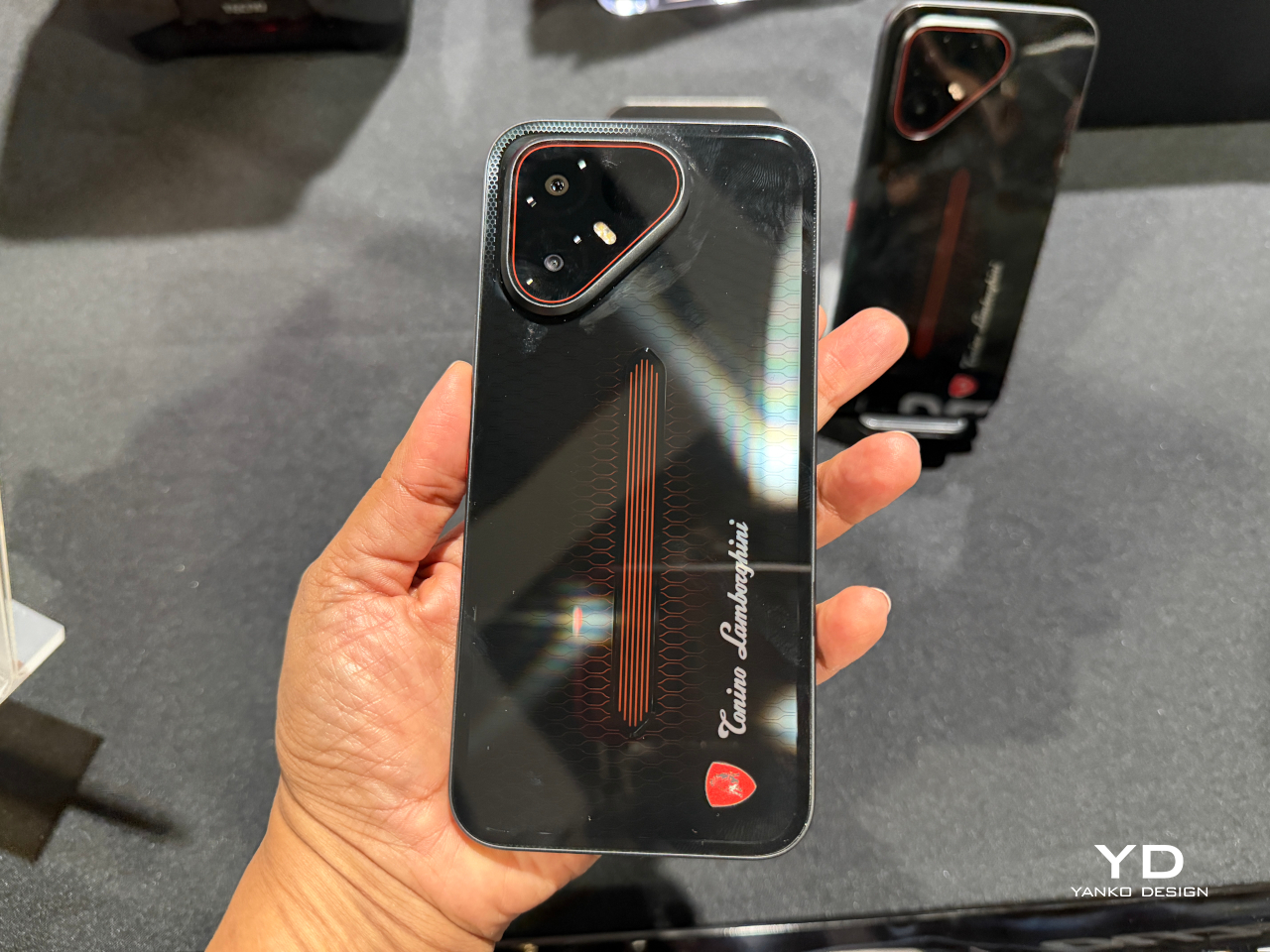
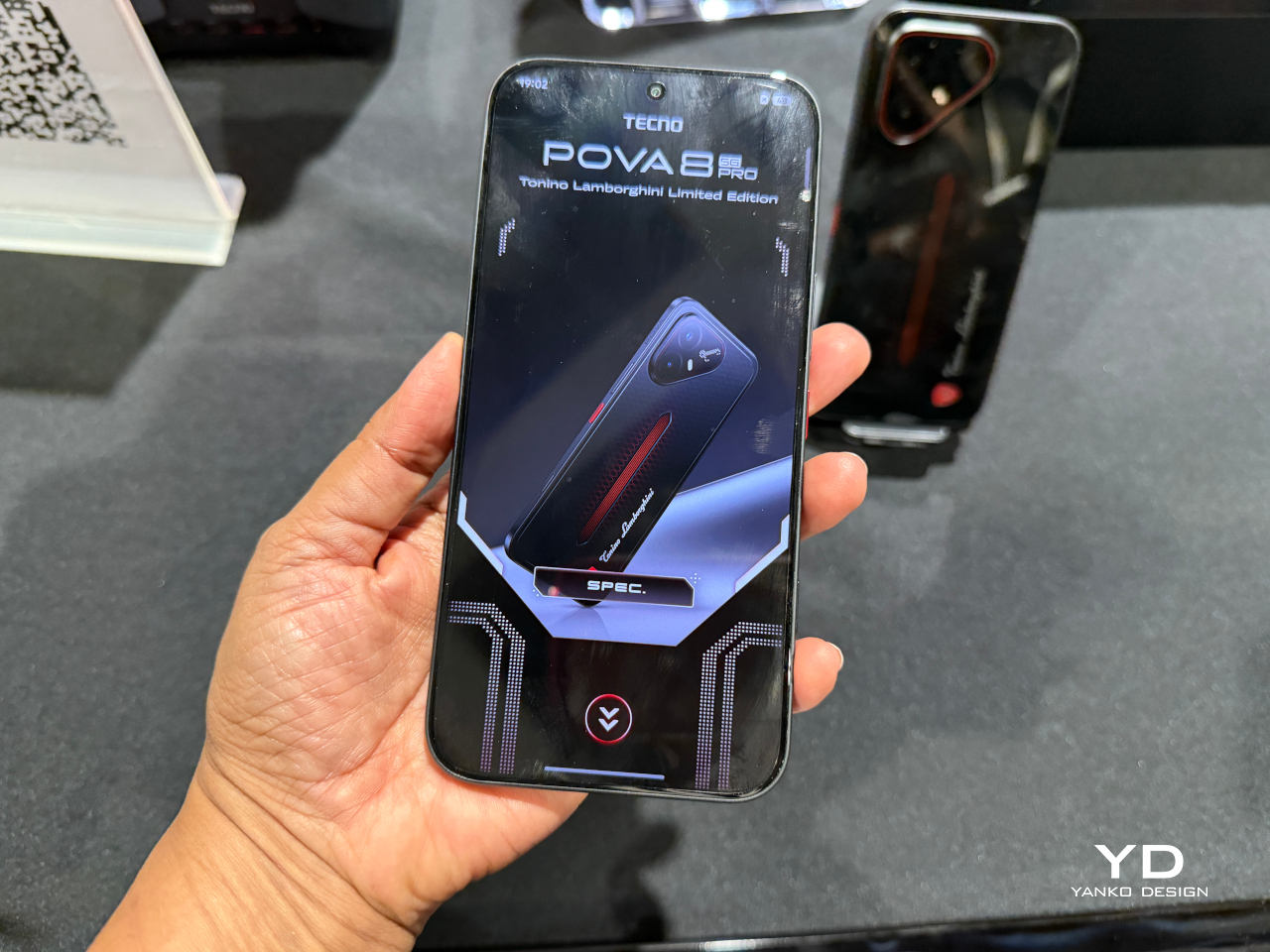
Slapping a famous badge on a phone’s back panel is the easy version of a brand partnership. TECNO and Tonino Lamborghini clearly wanted the harder version instead. The POVA 8 Pro 5G Tonino Lamborghini Limited Edition builds its entire identity around a black-and-red palette and a hexagon pattern lifted straight from Lamborghini’s mechanical heritage, then carries that language past the glass and into the software running underneath.

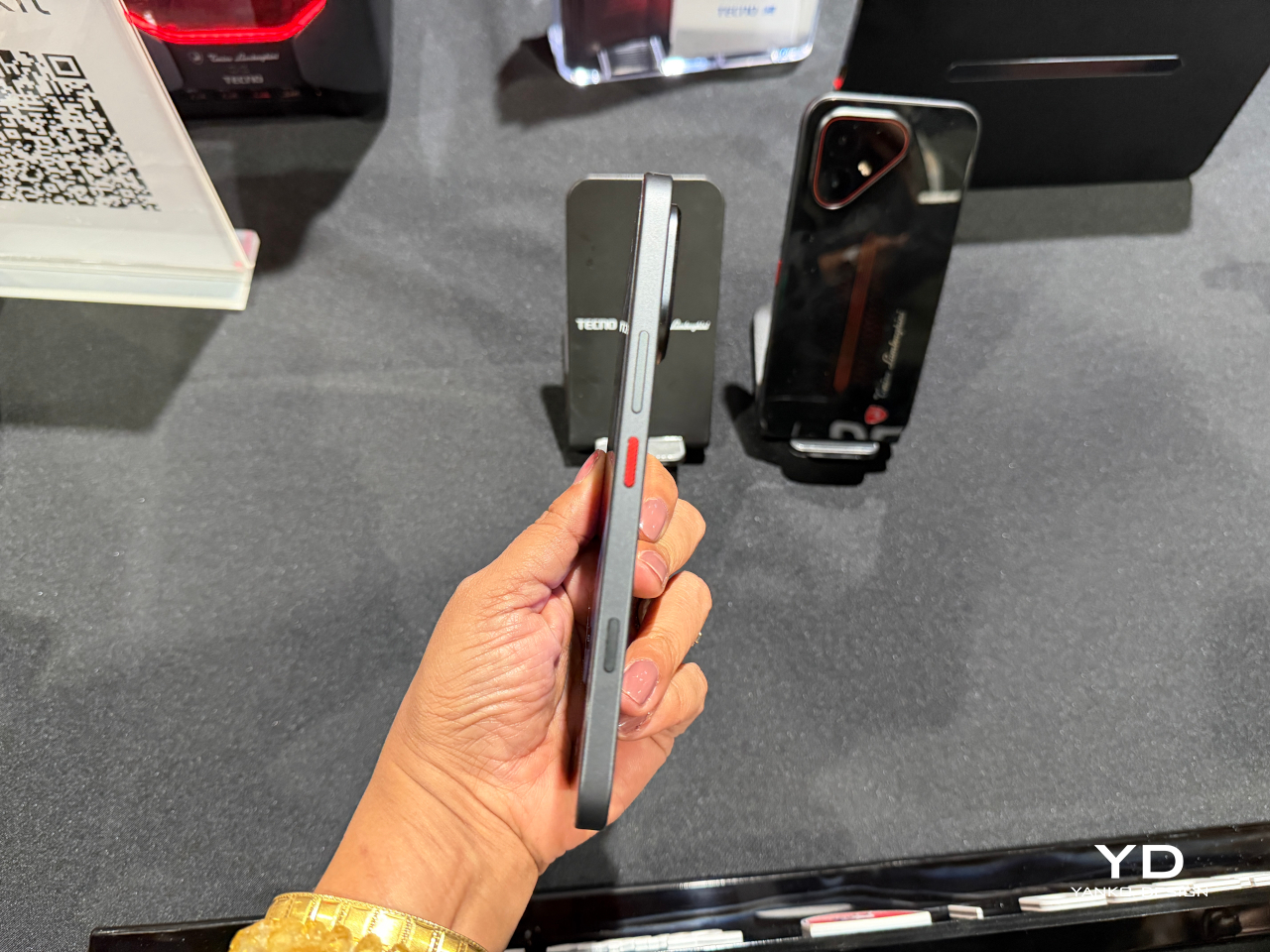
The rear panel does the heaviest visual lifting. A dual-layer stacking process gives it a reflective quality built from countless internal mirror structures that refract and redirect light, so red accents seem to surface and sink back into shadow as the phone tilts in your hand. A physical height difference between the two layers adds genuine spatial depth, echoing the layered geometry found in actual mechanical engineering rather than faking it with a printed graphic.

Designer: TECNO x Tonino Lamborghini

That commitment doesn’t stop at the hardware. A bespoke interface theme reworks dozens of icons in matching black-and-red tones with glass-like material effects, while a custom boot animation and ringtone carry the same mechanical energy into everyday use. Opening the phone in the morning feels less like waking up a generic Android device and more like starting an engine built around a specific mood.

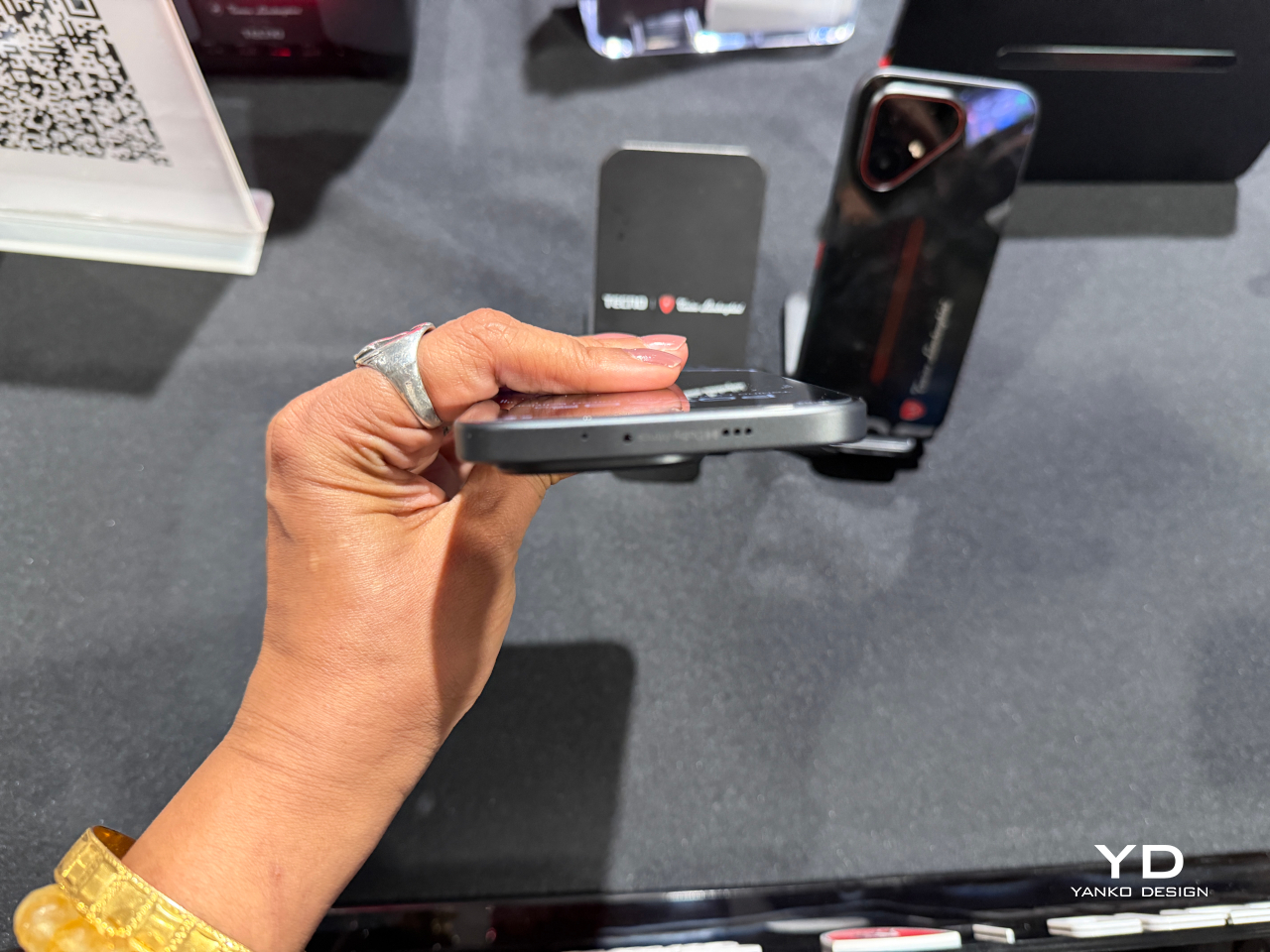
Underneath the styling sits a dual-chipset setup pairing a MediaTek Dimensity 7400 Ultimate platform with a TECNO-built P1 Graphic Chip, backed by a vapor chamber cooling system spanning over 22,000mm² of dissipation area. That combination pushes supported titles as high as 144FPS, turning a commute or a lunch break into legitimate gaming time instead of a compromise. A dedicated one-tap button on the side keeps favorite apps and gaming shortcuts one press away.

Photography leans on a Sony-engineered LYTIA 700C sensor with a larger light-sensitive area, giving low-light shots and handheld video noticeably steadier results thanks to built-in optical stabilization. A 50MP high-pixel mode and 2x lossless zoom cover the detail-obsessed shots, while an 8MP ultra-wide lens handles group photos and landscapes without anyone needing to step backward to fit everyone in frame.

The 6.78-inch AMOLED display pushes brightness to 4,500 nits and refreshes at 144Hz, numbers that matter most outdoors under direct sun or during fast-paced gaming sessions where lag ruins the moment. A touch layer rated for wet and oily fingers keeps the screen responsive through rain, sweat, or sunscreen-covered hands, useful for anyone who refuses to put their phone down just because the weather did.

Durability rounds out the package rather than acting as an afterthought. Corning Gorilla Glass 7i, IP69-rated water and dust resistance, and SGS 5-Star Drop certification mean the phone can survive a dropped call turning into a literal drop without ending the relationship. A 6,500mAh battery retains over 80% of its health after 2,000 charge cycles, translating to roughly six years of daily use before a real decline sets in.

TECNO and Tonino Lamborghini spent more effort here proving that a licensing deal can produce something with actual mechanical thinking behind it, rather than a badge glued onto commodity hardware. The result reads less like a co-branded accessory and more like a phone that happens to share a bloodline with the cars.

The post TECNO and Tonino Lamborghini Prove You Can’t Fake a Real Collab first appeared on Yanko Design.

Cloud AI Means Someone Else Has Your Data, MINISFORUM Fixes That

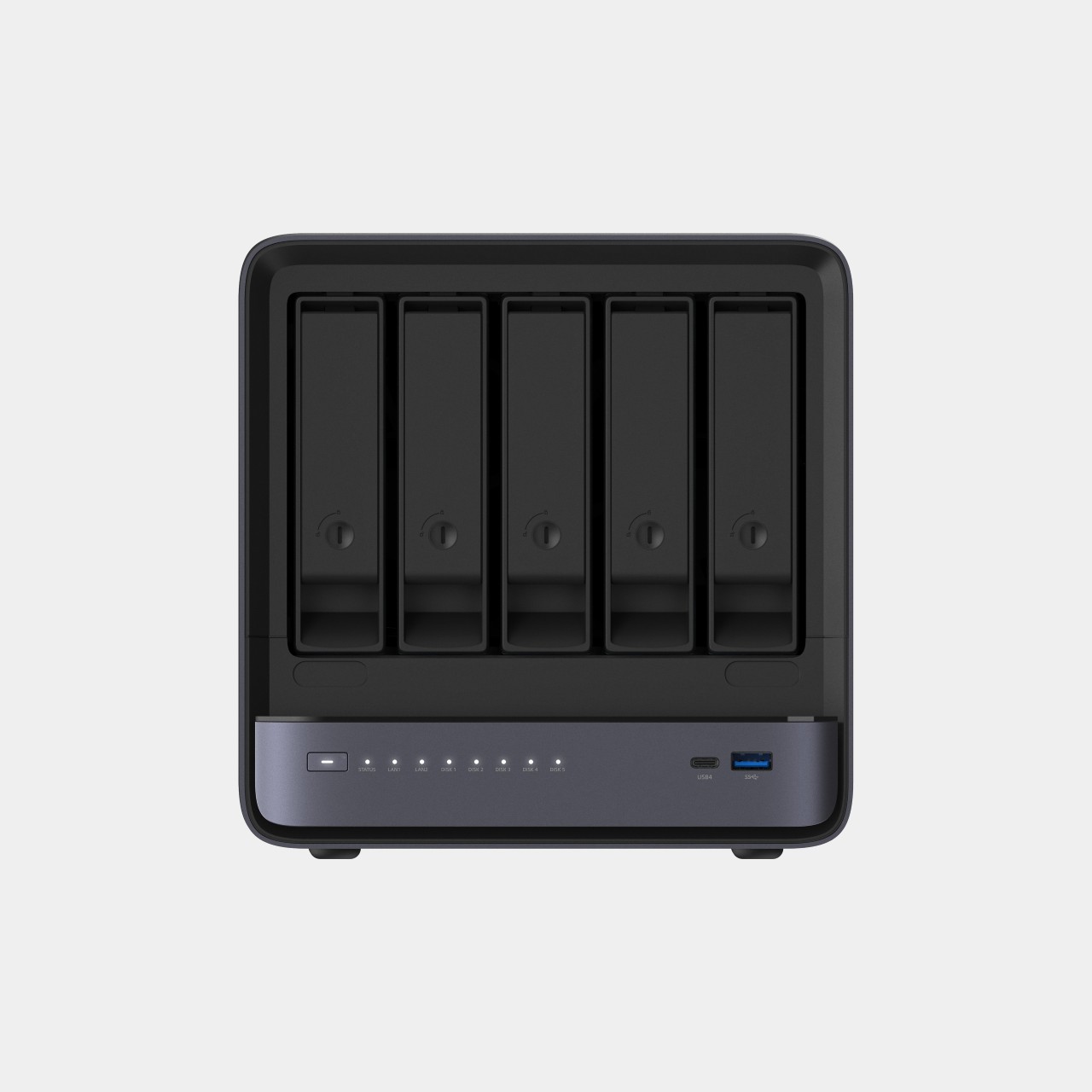
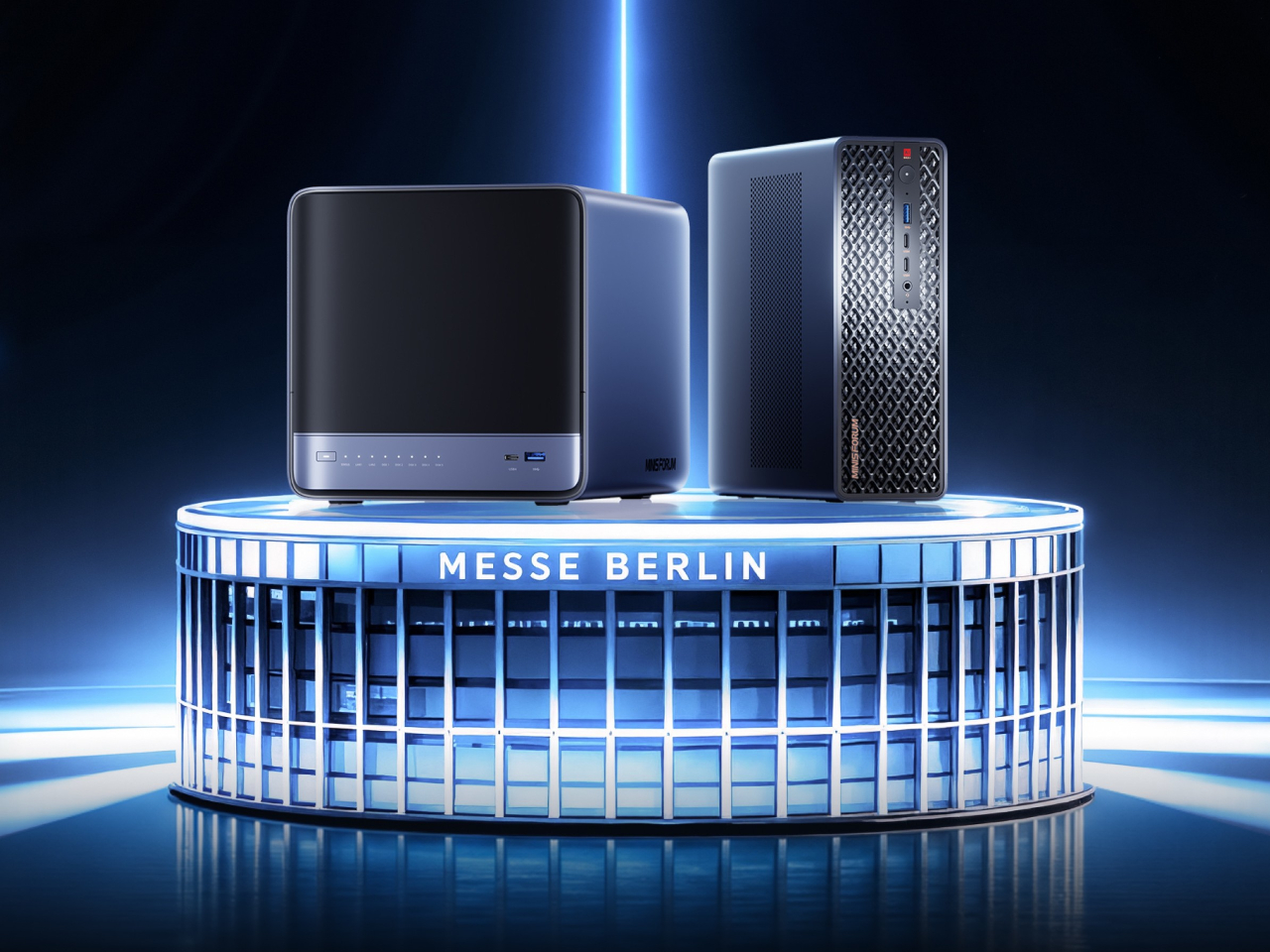
Running a serious AI model at home usually means renting someone else’s cloud server and hoping your data stays private along the way. MINISFORUM built its newest pairing to remove that trade-off entirely. The AI Agent NAS N5 MAX-P495 and AI Mini Workstation MS-S1 MAX-P495 combine for up to 131 TOPS of AI compute performance, 192GB of memory at 8533 MT/s, and up to 160GB of graphics memory, enough headroom to keep the heavy lifting on a desk instead of in a data center.

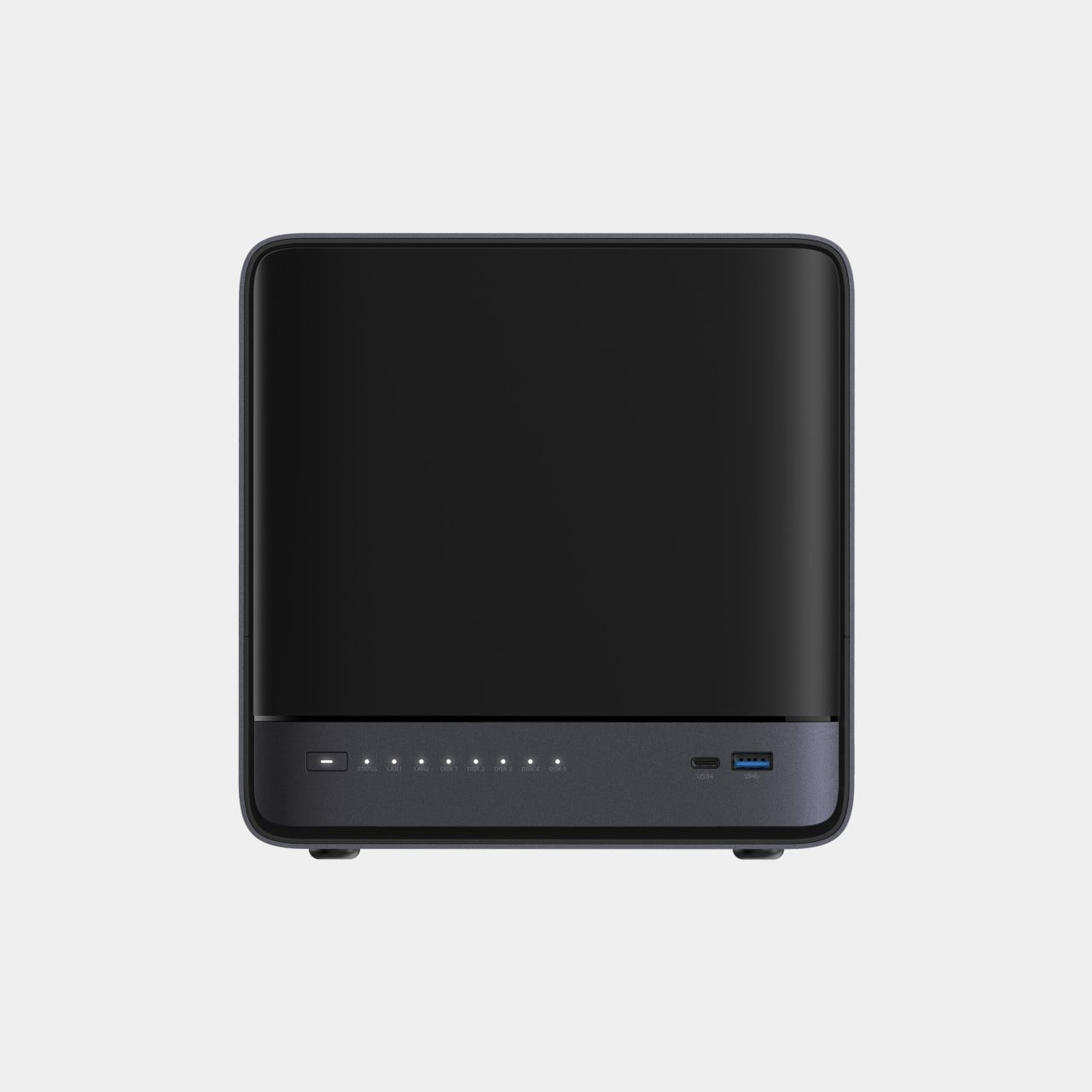
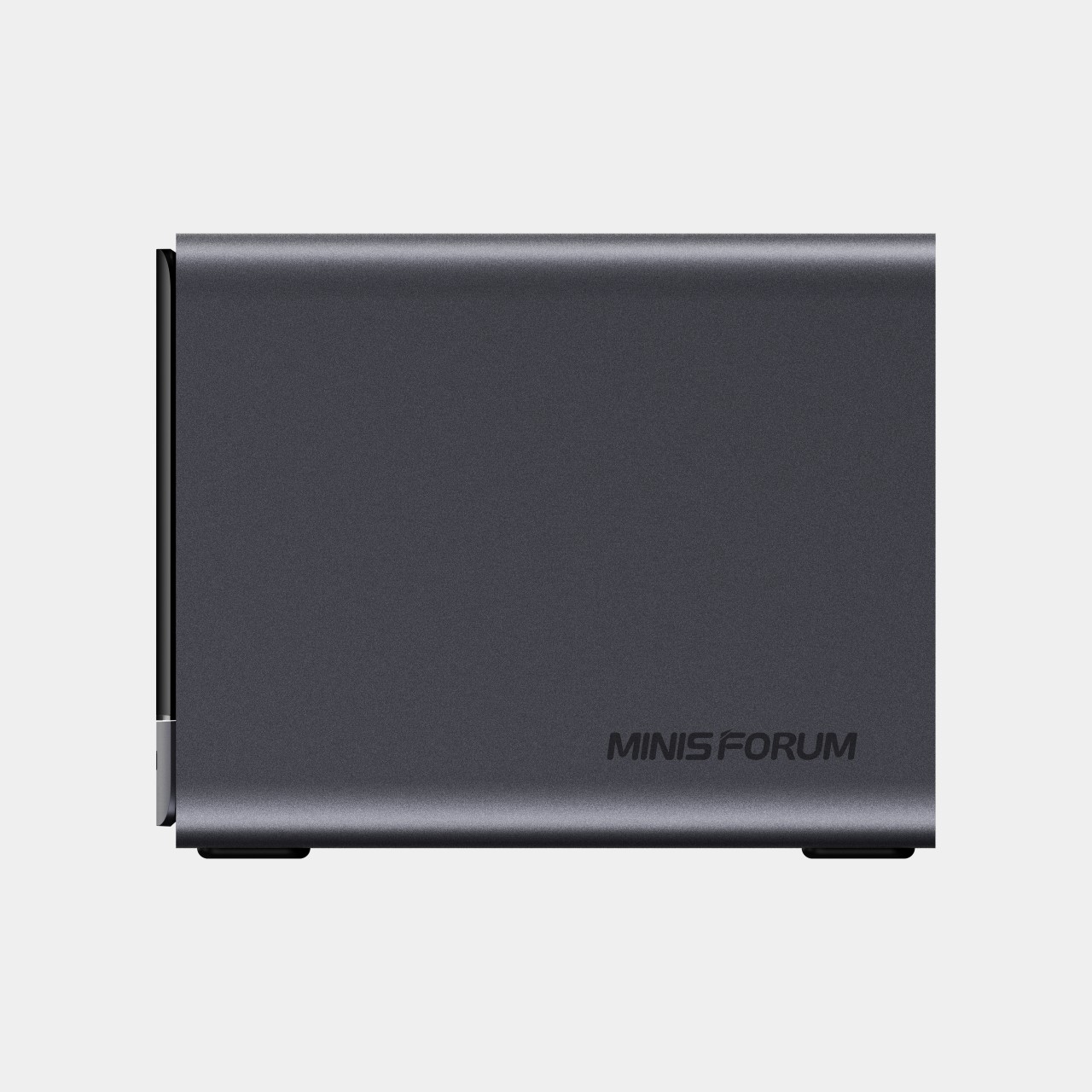
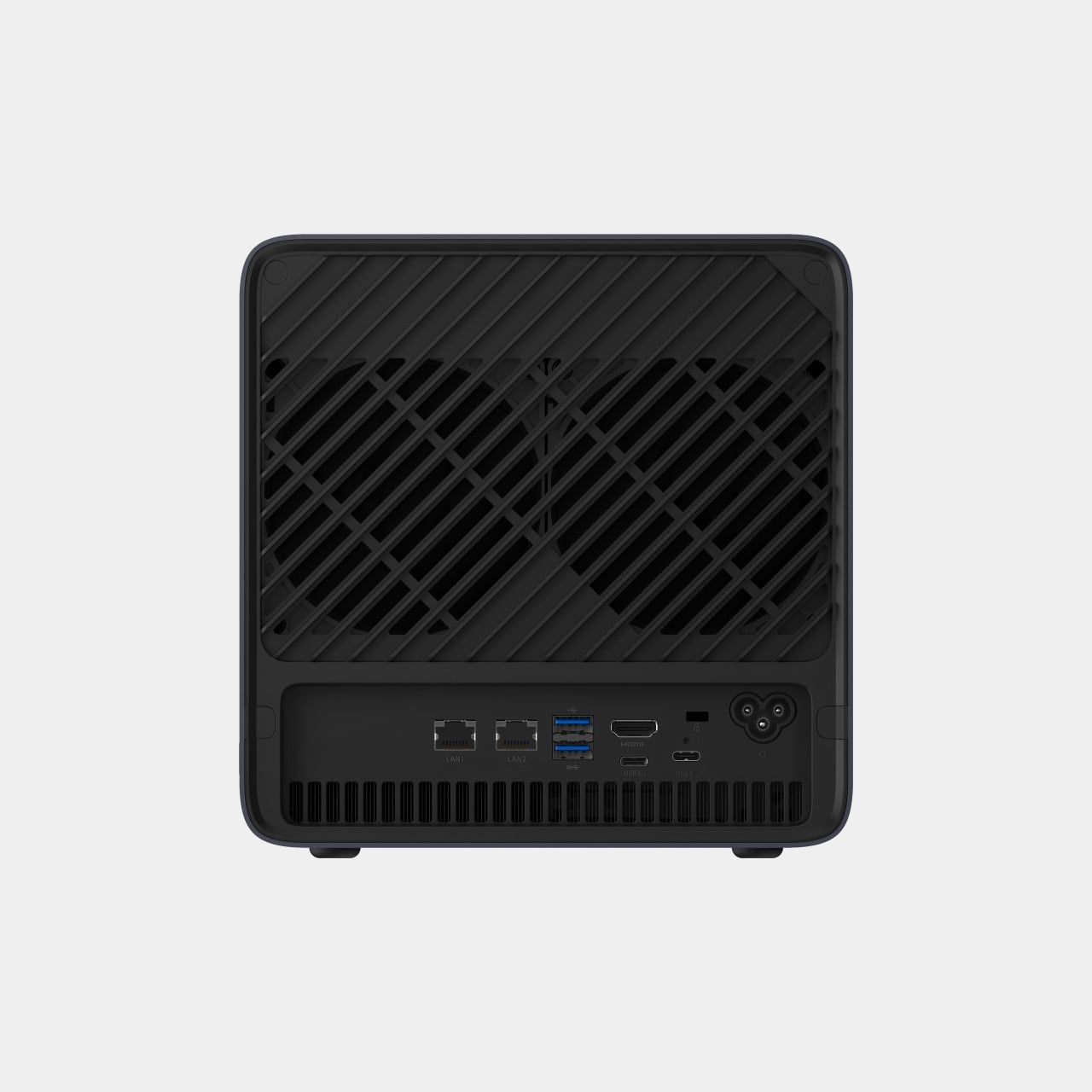
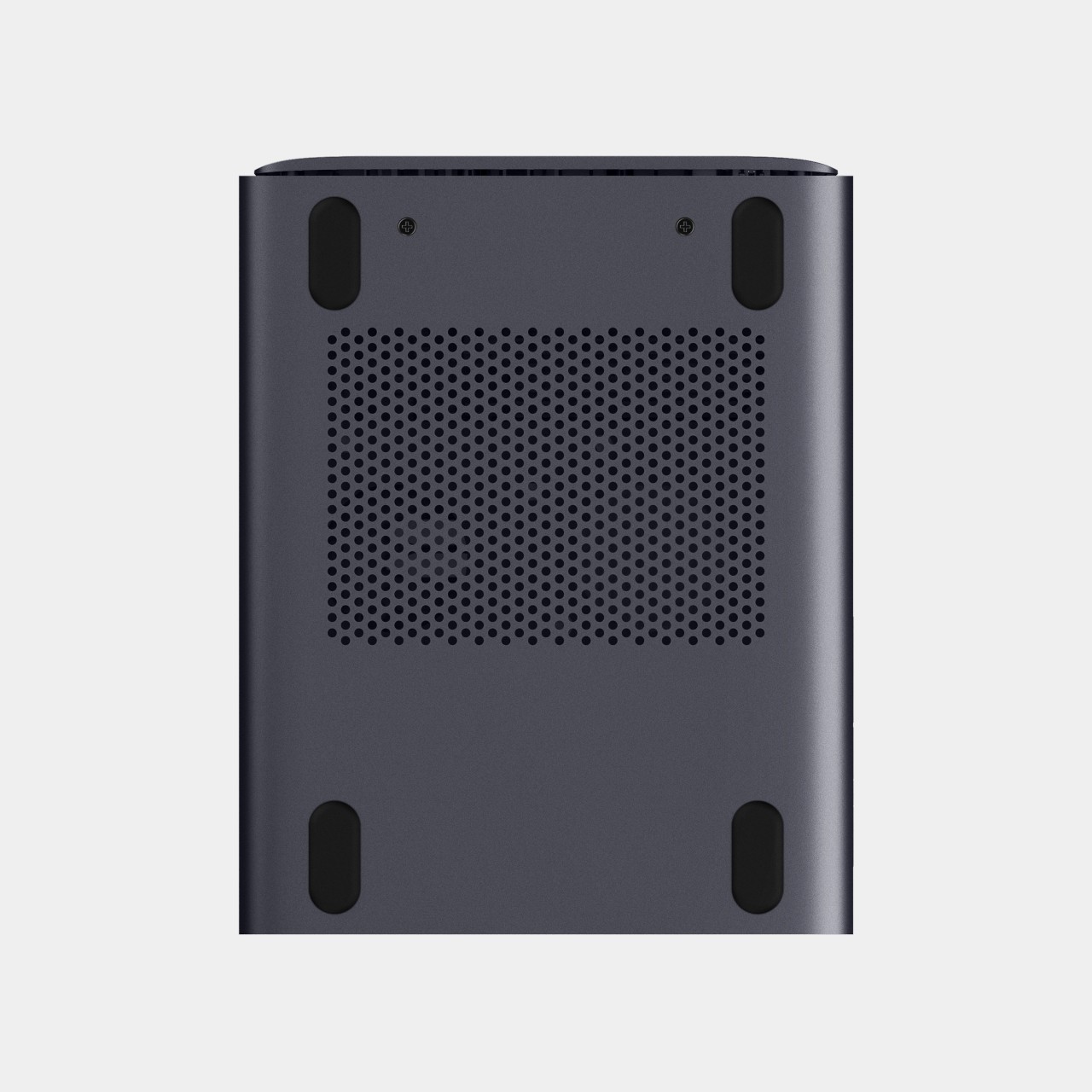
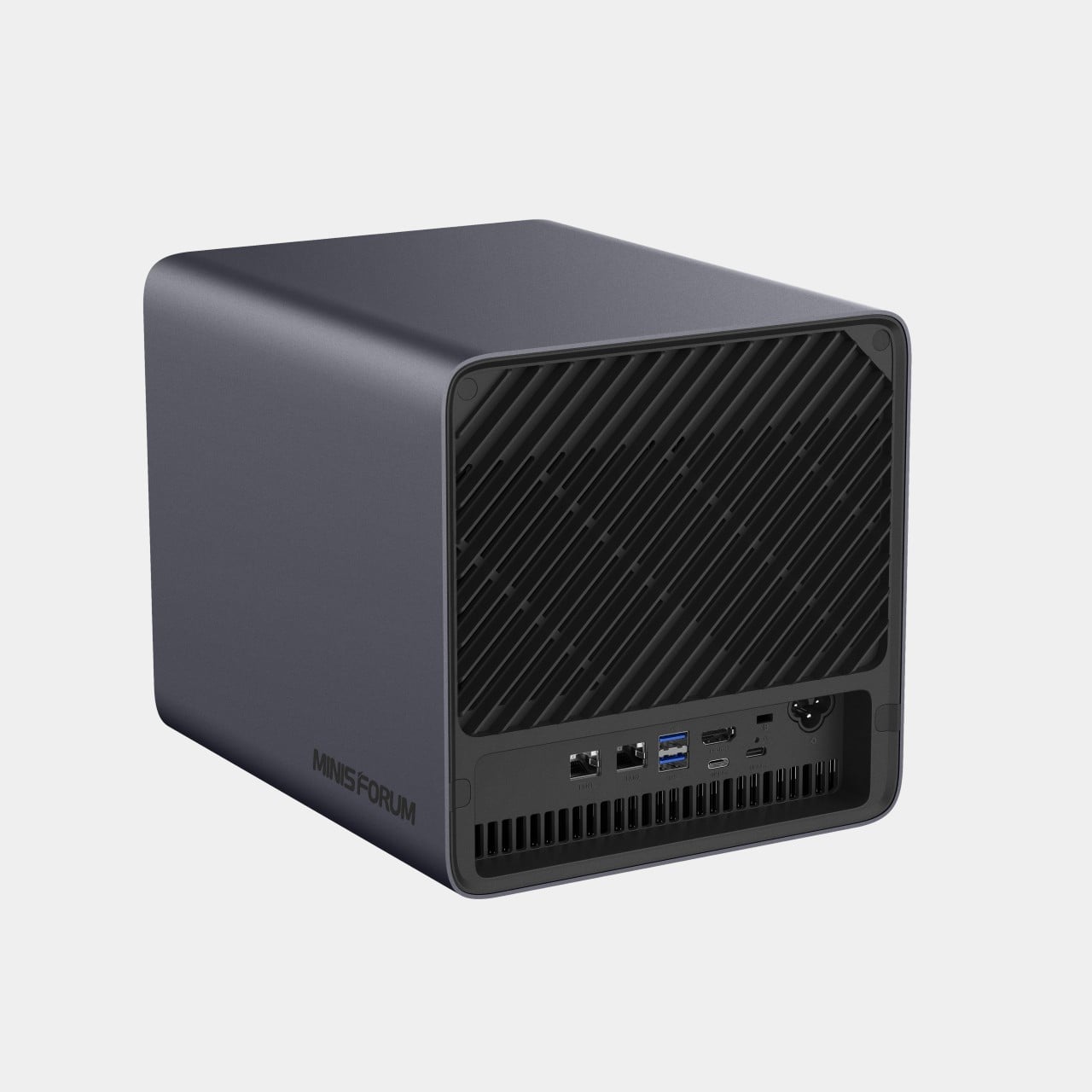
The N5 MAX-P495 takes the shape of a compact black cube, but what it holds inside matters more than how it looks sitting on a shelf. It combines powerful AI computing with up to 200TB of local storage, enabling users to store, manage, and process large volumes of data within a single AI platform. That capacity turns a spare corner of an office into a private archive large enough to hold years of project files, footage, or research without ever touching a third-party server.

Designer: MINISFORUM

Storage alone doesn’t make an AI system useful, so MINISFORUM built the N5 to run the AI itself. From RAG knowledge bases and AI models to embeddings, databases, and AI agents such as OpenClaw and Hermes, N5 MAX-P495 keeps data and AI workloads local, enabling continuous and private AI operations. A small business could lean on that setup to run its own customer-support agent without routing conversations through an outside company’s servers.

That local-first approach extends to how the N5 fits into a larger setup. Designed to work alongside AI computing devices, N5 MAX-P495 serves as a centralized backend for data, models, knowledge, and long-running AI workloads, bringing storage and computing together at the edge. It’s less a standalone gadget and more a quiet engine room, built to keep working in the background while something faster handles the parts people actually interact with.

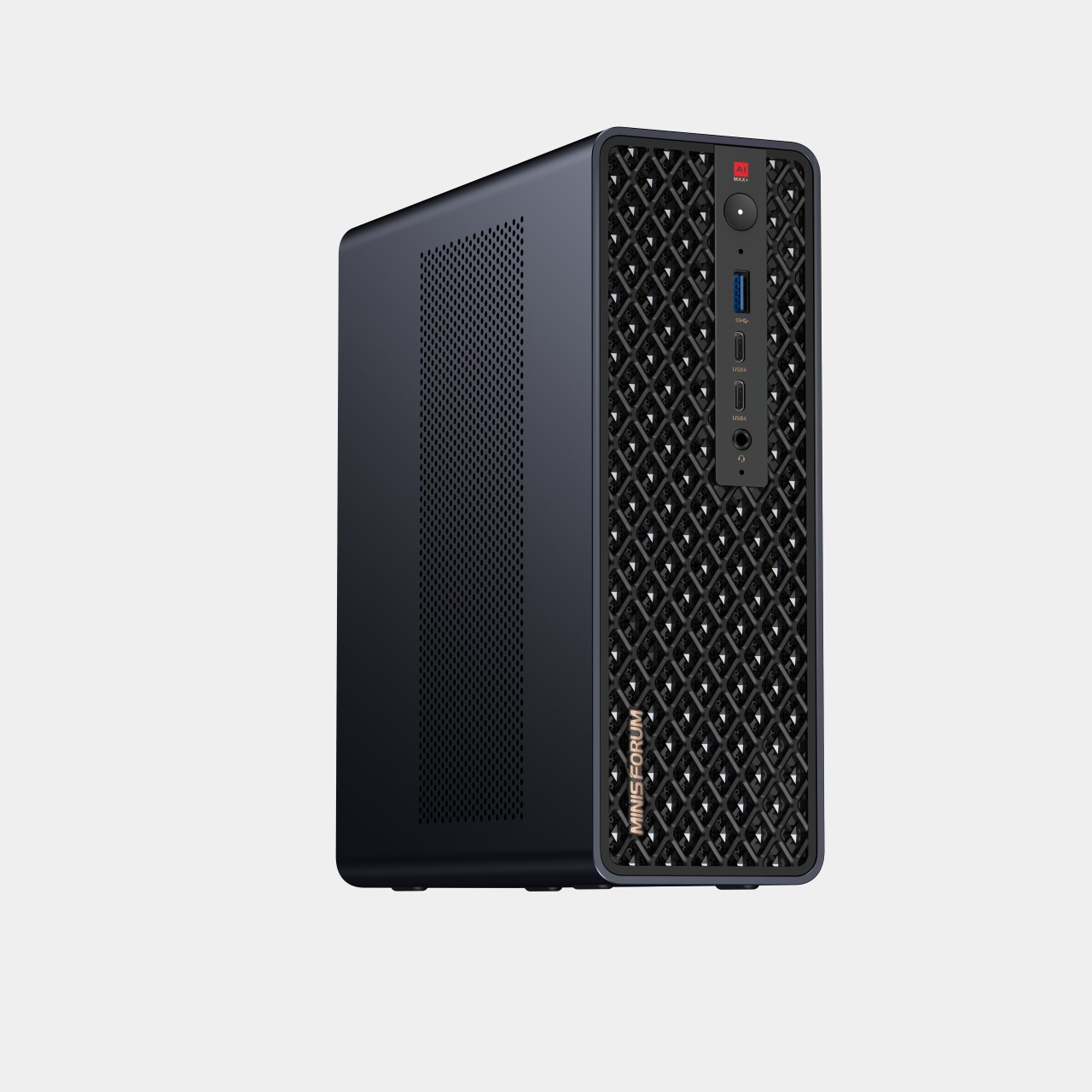
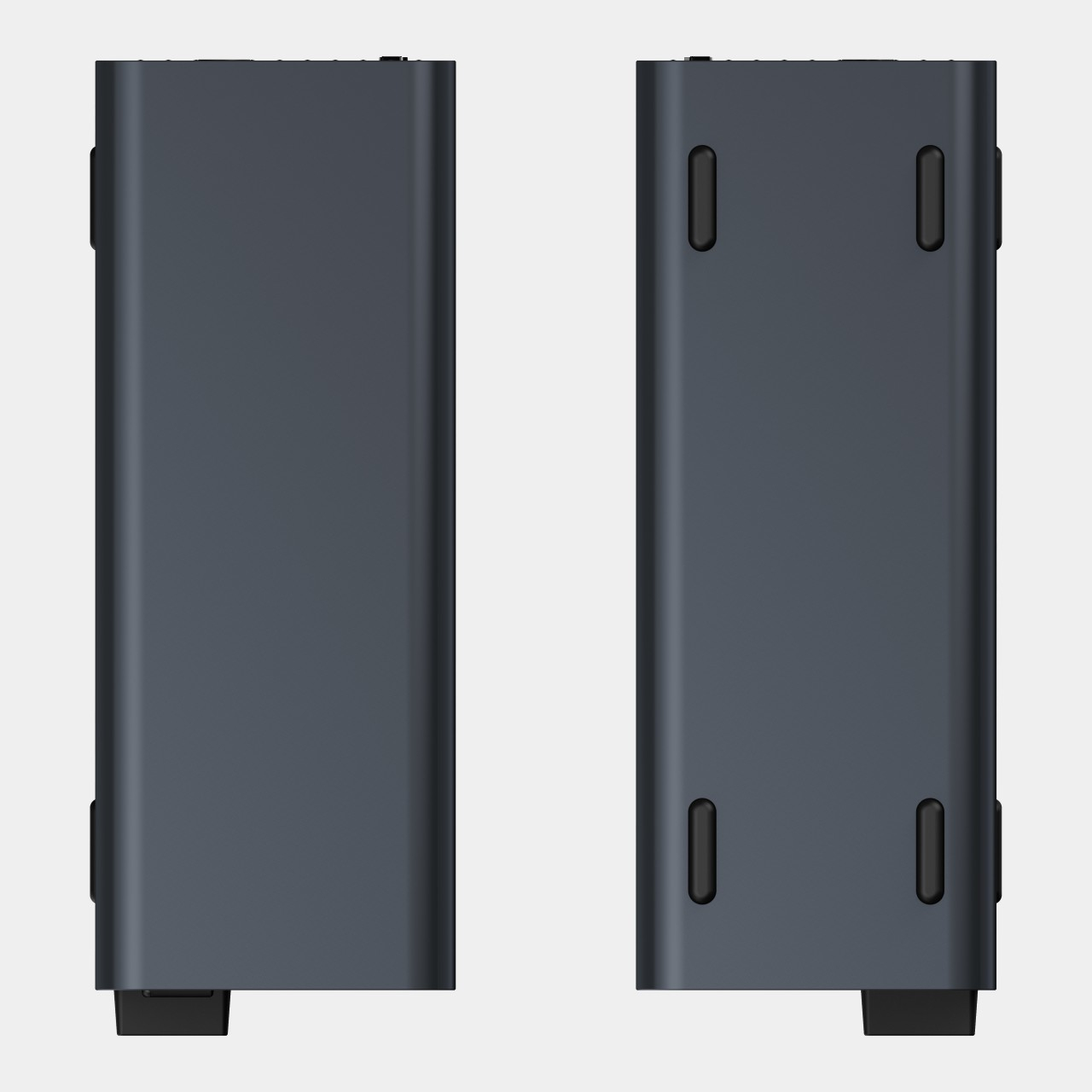
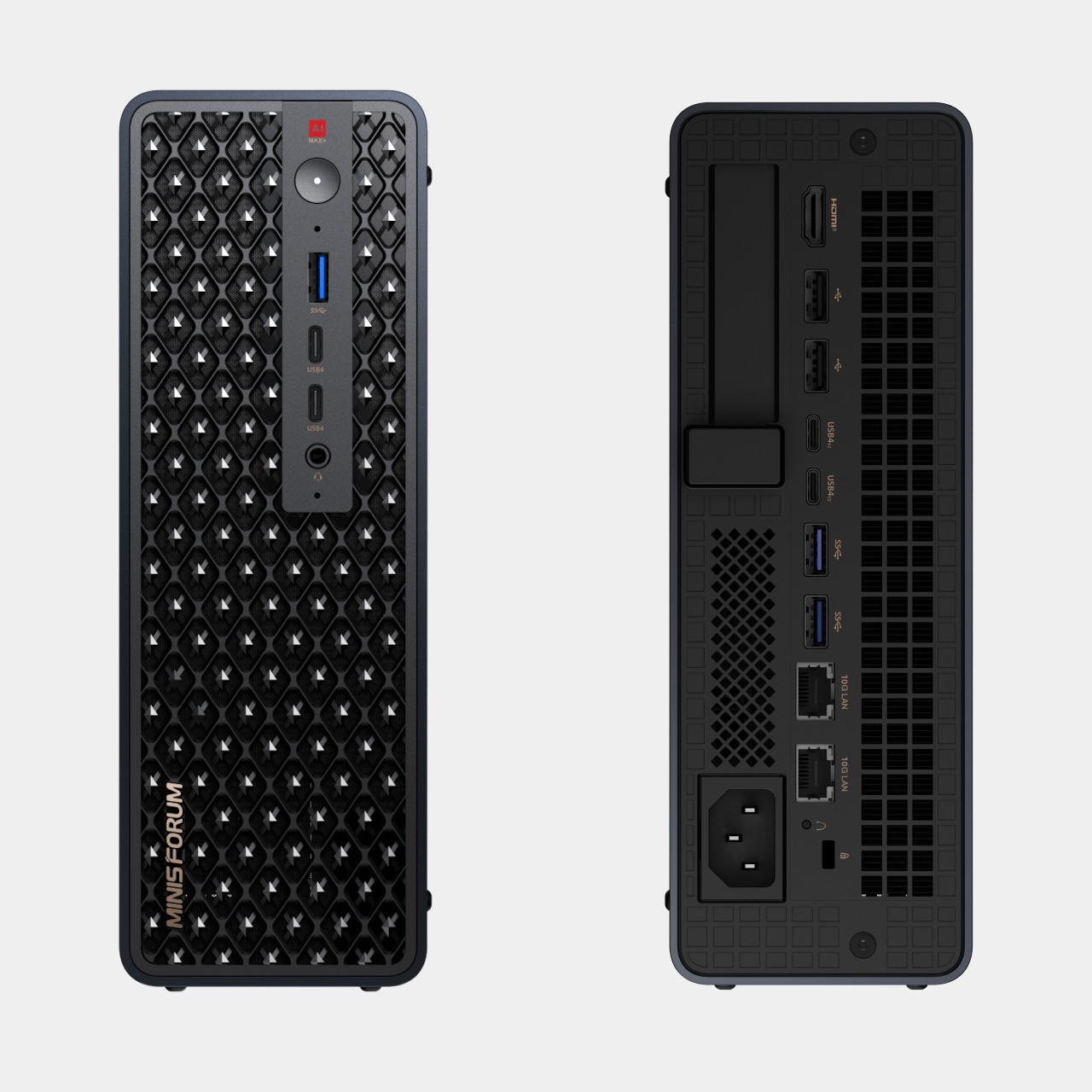
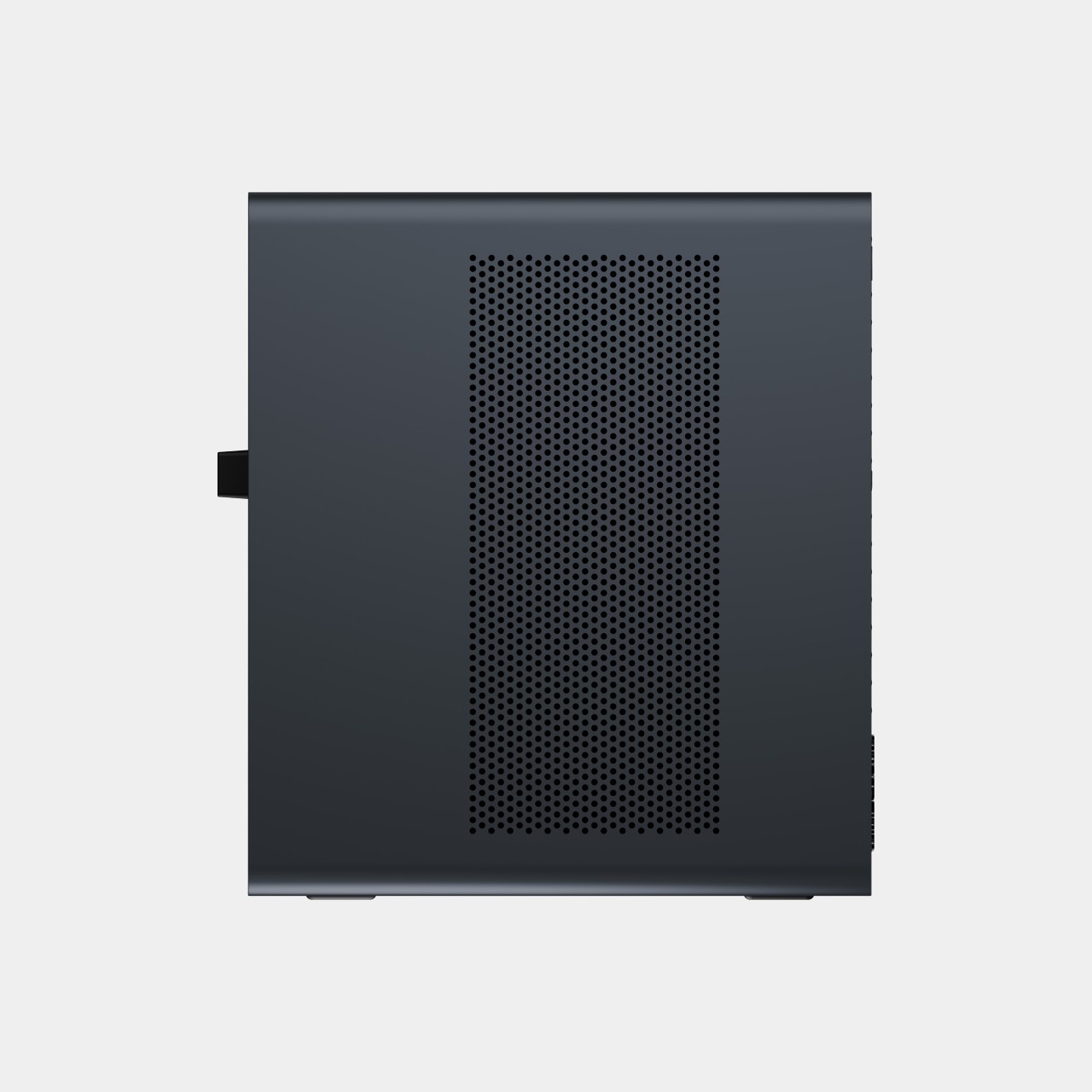
That faster half of the pairing is the MS-S1 MAX-P495, a compact tower wrapped in a ventilated, diamond-textured front panel that looks more like a piece of desk sculpture than a workstation. It delivers powerful local AI computing for demanding model inference, AI development, and computationally intensive workloads, built for intensive local AI tasks, engineering, and workflows in an ultra-compact footprint. Developers get workstation-class muscle without giving up desk space to a full tower case.

Speed matters just as much as raw power for certain jobs, and MINISFORUM designed the MS-S1 with that in mind. Designed for low-latency AI workloads, MS-S1 MAX-P495 enables responsive local inference for AI agents, computer vision, generative AI, and other real-time applications. A security camera system or a live creative tool built on generative AI benefits directly from that kind of immediate response instead of waiting on a round trip to the cloud.

Connectivity rounds out the workstation’s role in a larger setup. With extensive connectivity and expansion capabilities, MS-S1 MAX-P495 serves as a powerful AI compute frontend, supporting models, applications, and connected devices across flexible edge AI environments. That flexibility means the same box can sit at the center of a home lab or plug into a small studio’s existing hardware without forcing a rebuild.

Paired together, the two devices split the work the way a good team would. The MS-S1 MAX-P495 and N5 MAX-P495 form a complete edge AI computing system, delivering high-performance AI compute at the frontend while integrating compute, massive storage, data, and AI knowledge at the backend, providing a powerful foundation for real-time inference, persistent AI workloads, and scalable local AI applications. It’s a compact answer to a question more households and small teams are starting to ask: whether AI still needs to live somewhere else at all.

The post Cloud AI Means Someone Else Has Your Data, MINISFORUM Fixes That first appeared on Yanko Design.

Plaud One Hands-On at IFA 2026: AI Earbuds That Transcribe Meetings, Then Draft Emails And Decks For You

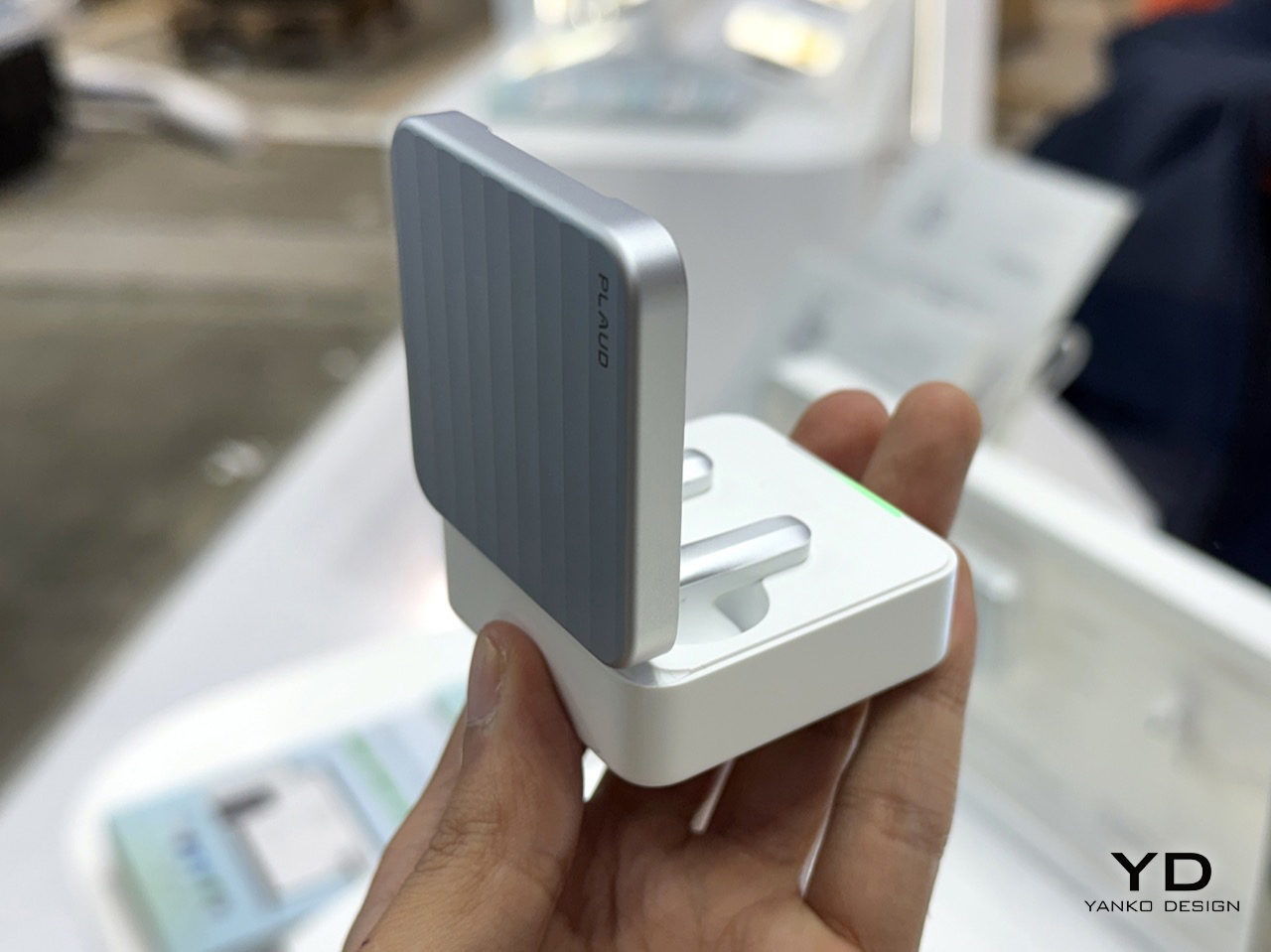
For three years, Plaud made very good tape recorders with a PhD. You pressed a button, it captured a meeting, and mere minutes later a summary showed up. The Plaud One, launched at IFA 2026 for €249.90, reverses that arrow. Its charging case now holds four beamforming mics, a speaker, an agent button and a built in eSIM, so it stays online without a phone nearby. Hold the agent button and the AI talks back, asks what you meant, then builds the deck or drafts the email while you get on with your day.

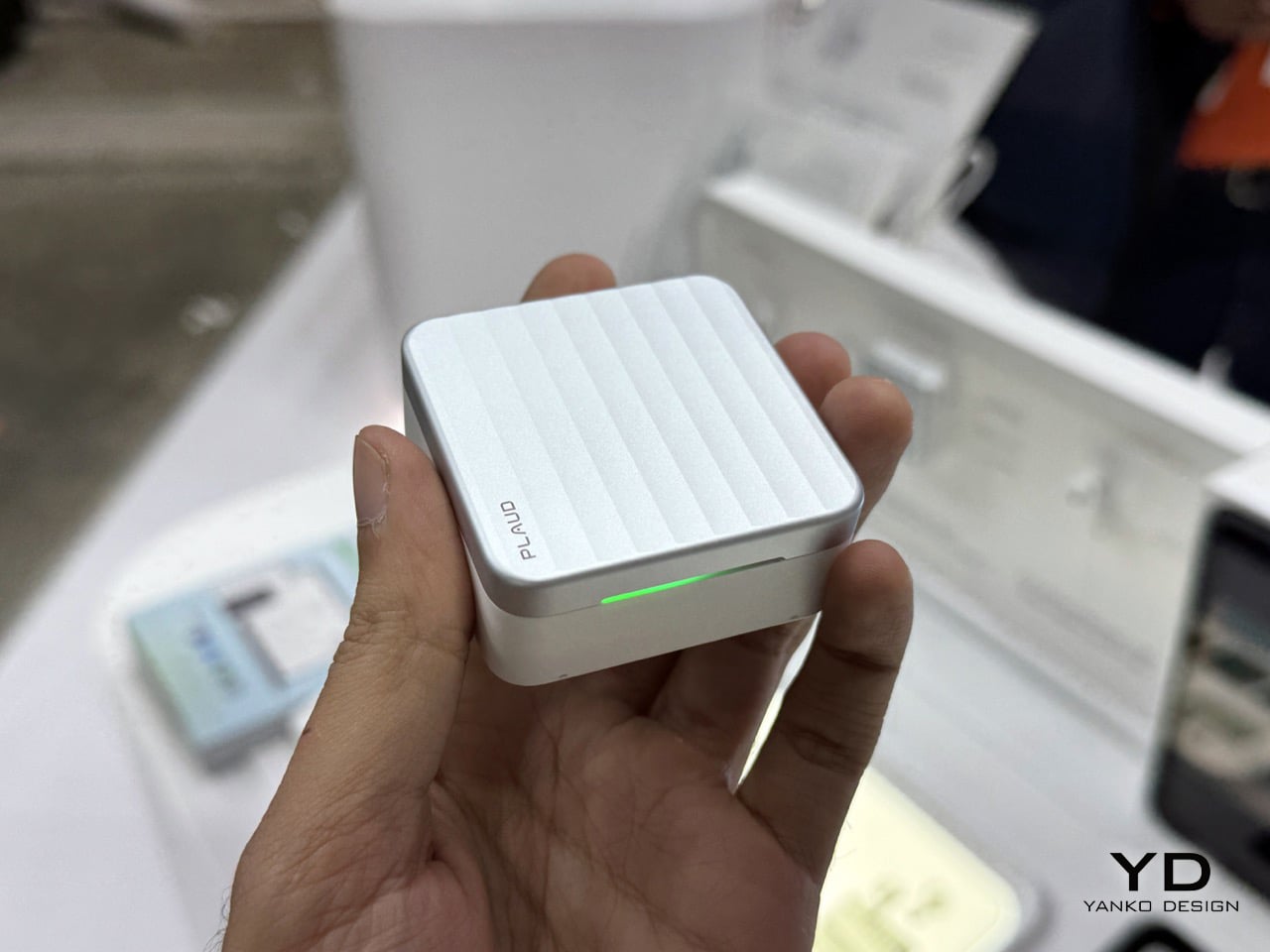
That flip from recording to doing needed hardware nobody had built yet. Not a pendant, not a pin, not another app crammed onto a phone you were already staring at. Plaud built a palm sized aluminum box with a fluted lid that looks like a Rimowa suitcase went through a shrink ray, sitting on a table, listening across a room, and talking back like a colleague who never needs coffee. The Explorer Edition opens for pre order now, capped at 2,000 units worldwide, with deliveries landing in Q4. A public version follows in 2027, once Plaud has watched two thousand early adopters put the thing through its paces.

Designer: Plaud

The original Plaud Note clipped onto a phone and did one job, listen to a meeting and hand back a transcript once it ended. The Note Pro added a screen and better mics. The NotePin S shrank the format onto a lanyard clip. Every generation stayed reactive by design, a smart recorder waiting for you to press stop before it did anything useful. That business built Plaud’s 2.5 million user base and reportedly crossed $100 million in annual software revenue by June, which is exactly the kind of runway that lets a company gamble on reinventing its own hardware category from scratch.

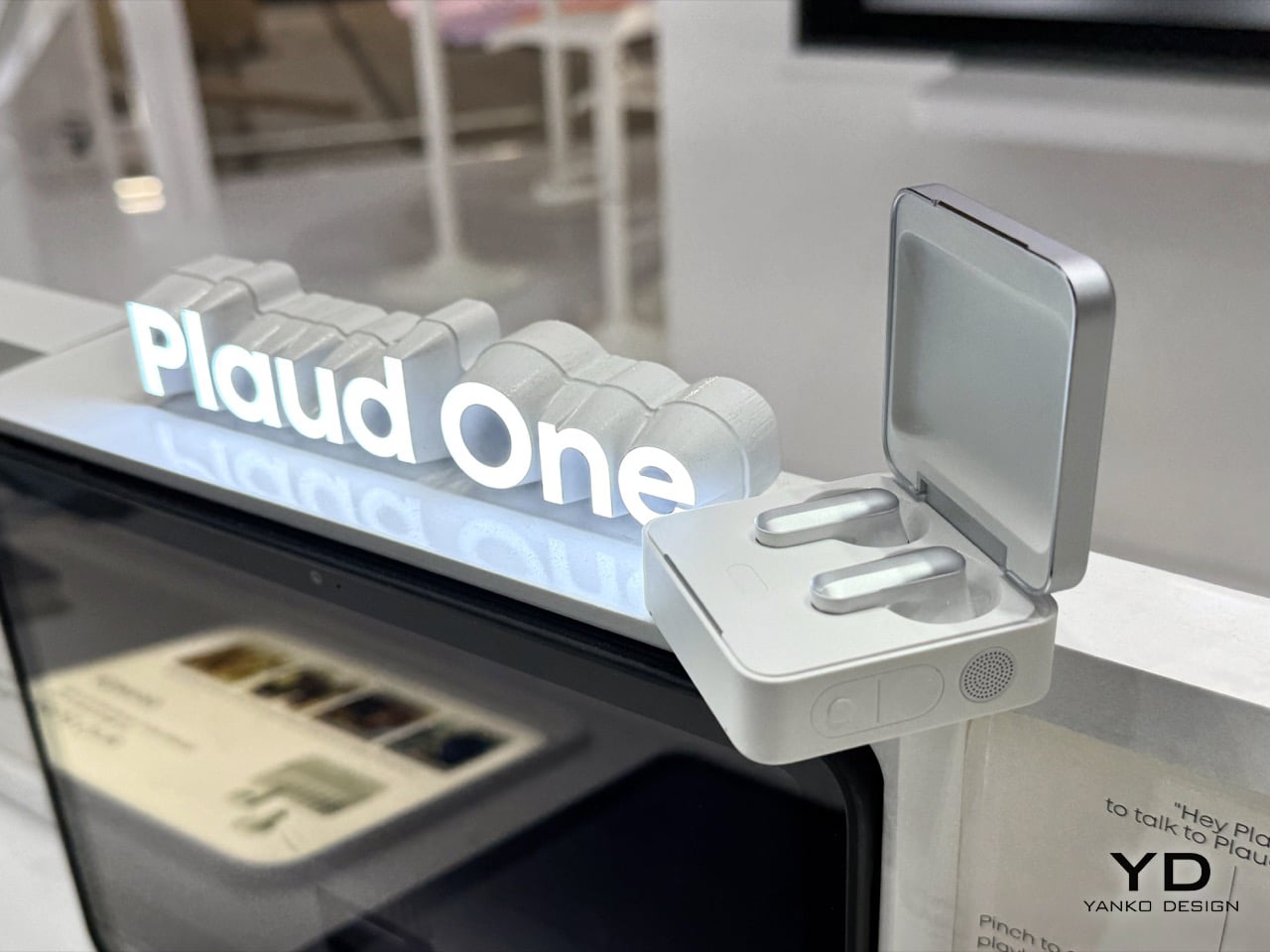
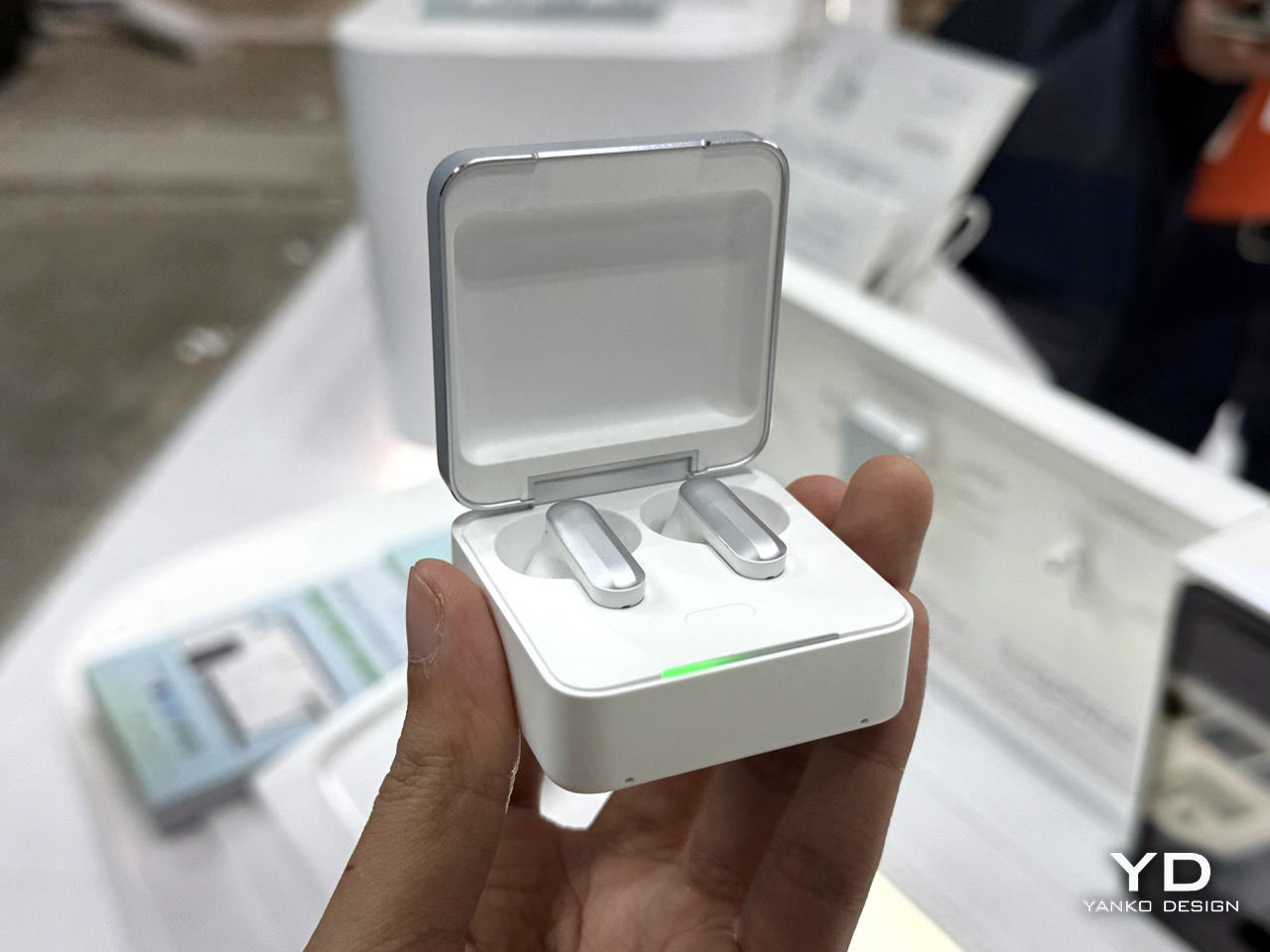
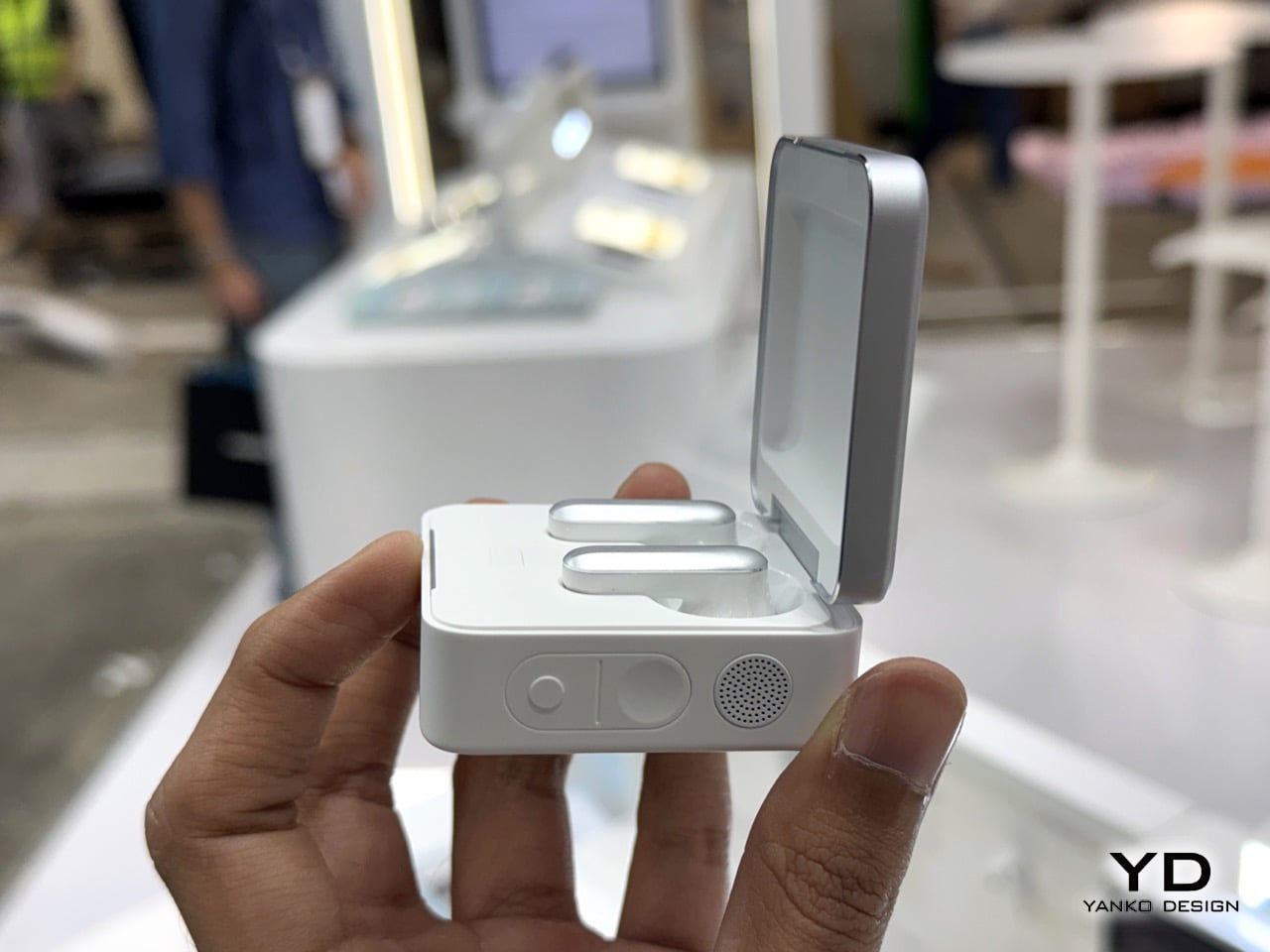
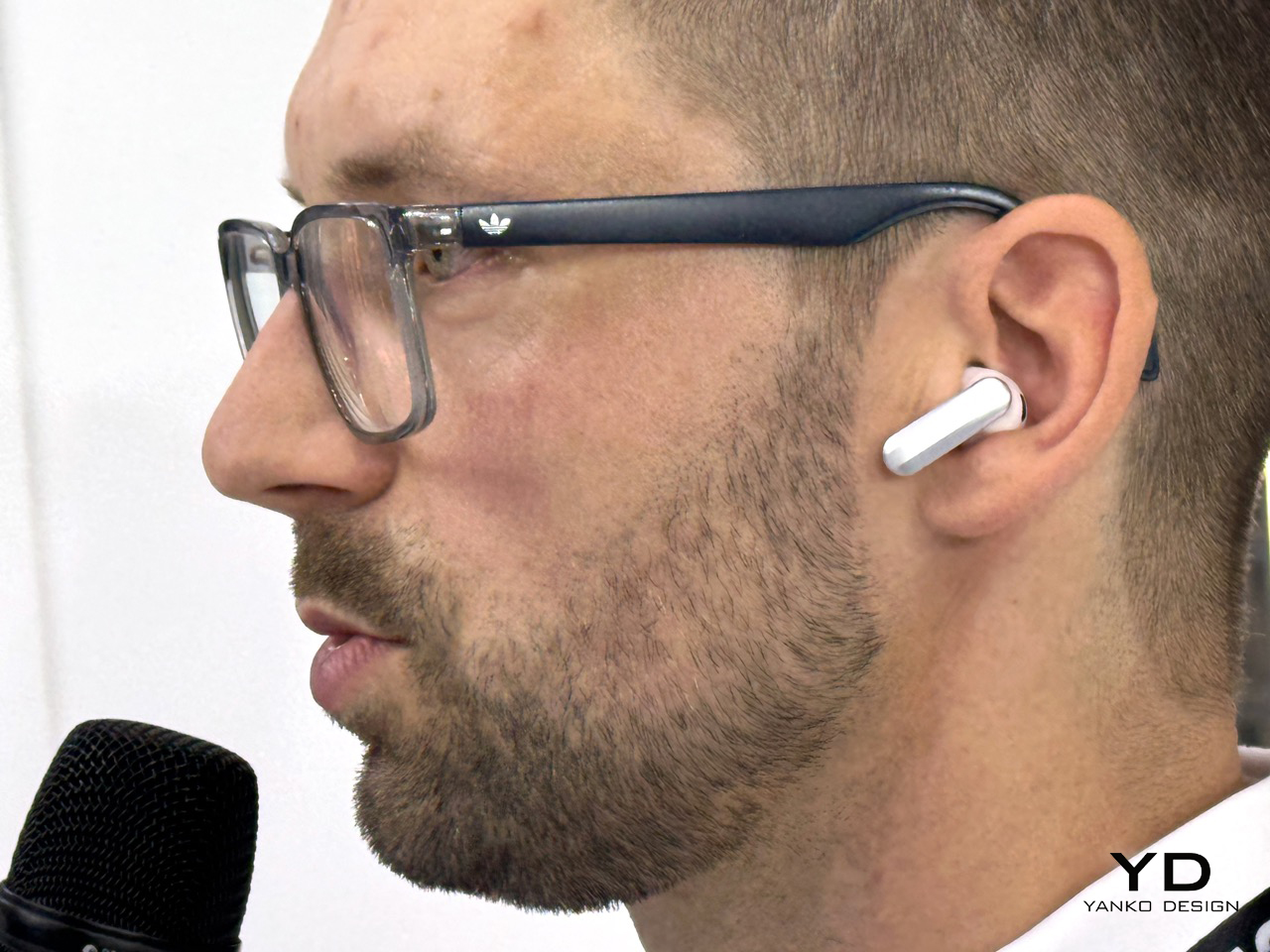
Vertical fluting runs down the case’s aluminum lid, the same visual trick Rimowa has stamped into cabin luggage since the 1950s, giving a 62 gram object a sense of density it has no right to carry. Flip it open and the earbuds sit half in ear, silver capped, in a tray that reads closer to a jewelry box than a charging dock. A speaker grille, a record button and a separate agent button line the case’s edge, the three controls that turn a charger into a device you actually talk to. None of it apes a phone. It reads like furniture for a desk, not gear for a pocket.

Earlier Plaud devices leaned on your phone for both processing and connectivity, so the intelligence always sat one hop away from the microphone. Plaud One’s case carries its own 4G LTE connection through a built in eSIM, closing that gap entirely. Capture, transcription and agent response now run in one box, independent of any other screen in your life. Leave your phone in a bag, walk into a cafe, and the case still records the table’s conversation, answers a question out loud through its speaker, or fires off a follow up email on command. Every pendant and pin that came before this quietly depended on a phone doing the real work behind the scenes. Plaud One is the first in the category that genuinely does not.

Plaud Agent drafts a follow up email the moment a client call ends. Feed it a meeting and it builds a slide deck while you sit through your next call, then drops the finished file straight into Notion with zero copy pasting. The platform connects to Gmail, Google Workspace, Microsoft Teams, Slack and Notion today, with more integrations promised as the software matures. Set it loose on a standing task, a monthly competitor scan for instance, and it runs quietly in the background, waiting with a finished report the next time you check. This is the actual bet Plaud is making, that an assistant worth having has to act, not just remember.

Pre orders for the Explorer Edition are open now at €249.90, with the first 2,000 units shipping in Q4. Buyers get $200 in Plaud Credits toward the heavier agent features on top of a starter transcription plan, so the price buys a running start on the software as much as the hardware. Calling this an Explorer Edition rather than a finished release is the honest move, an open beta wearing genuinely sharp industrial design. Plaud spent three years building the best possible way to listen. Plaud One is its first real attempt at building something worth talking to.

The post Plaud One Hands-On at IFA 2026: AI Earbuds That Transcribe Meetings, Then Draft Emails And Decks For You first appeared on Yanko Design.

Get a Laptop or Get a Tablet, TECNO MEGABOOK T15 360 Pro Is Already Both

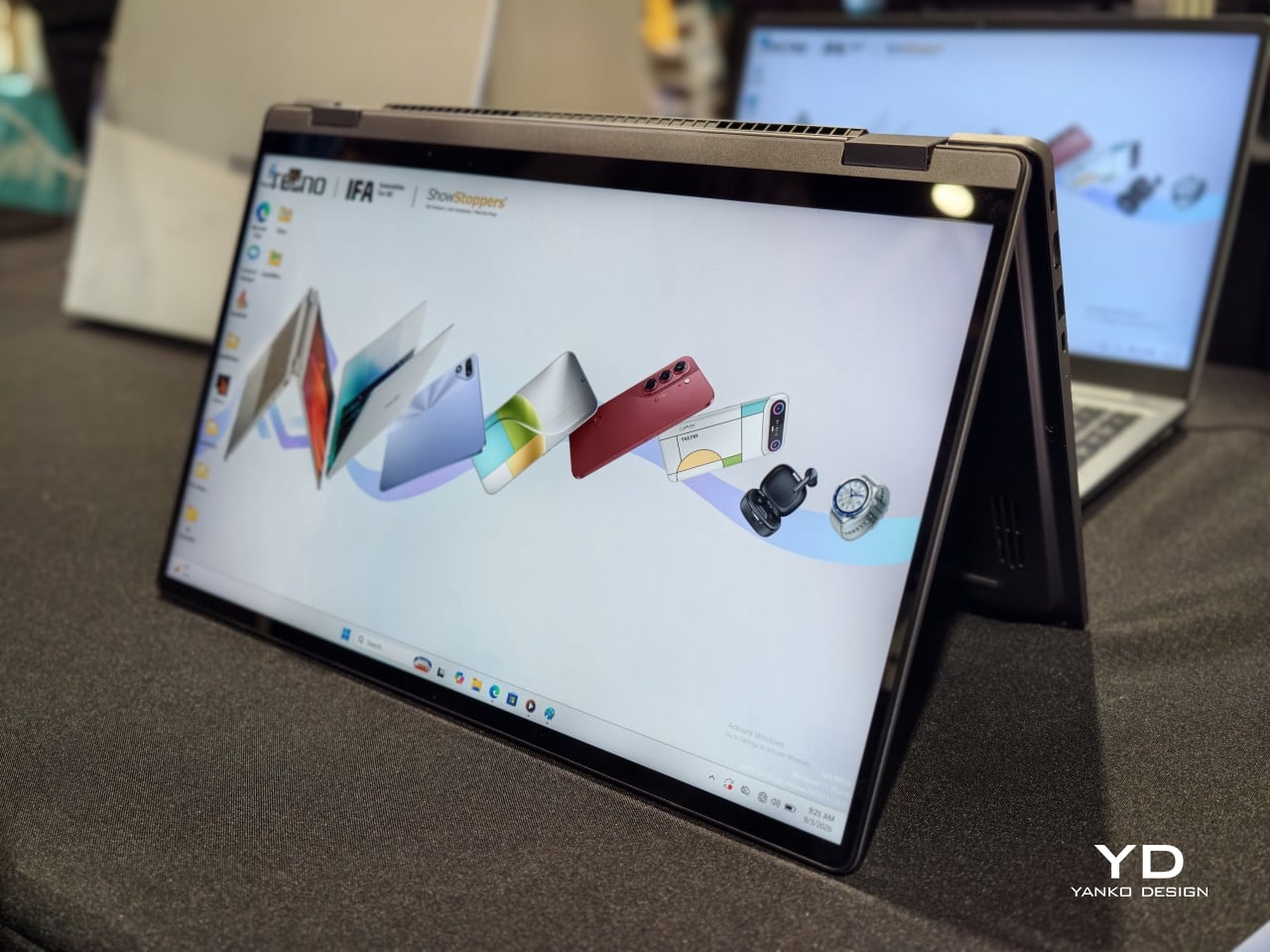
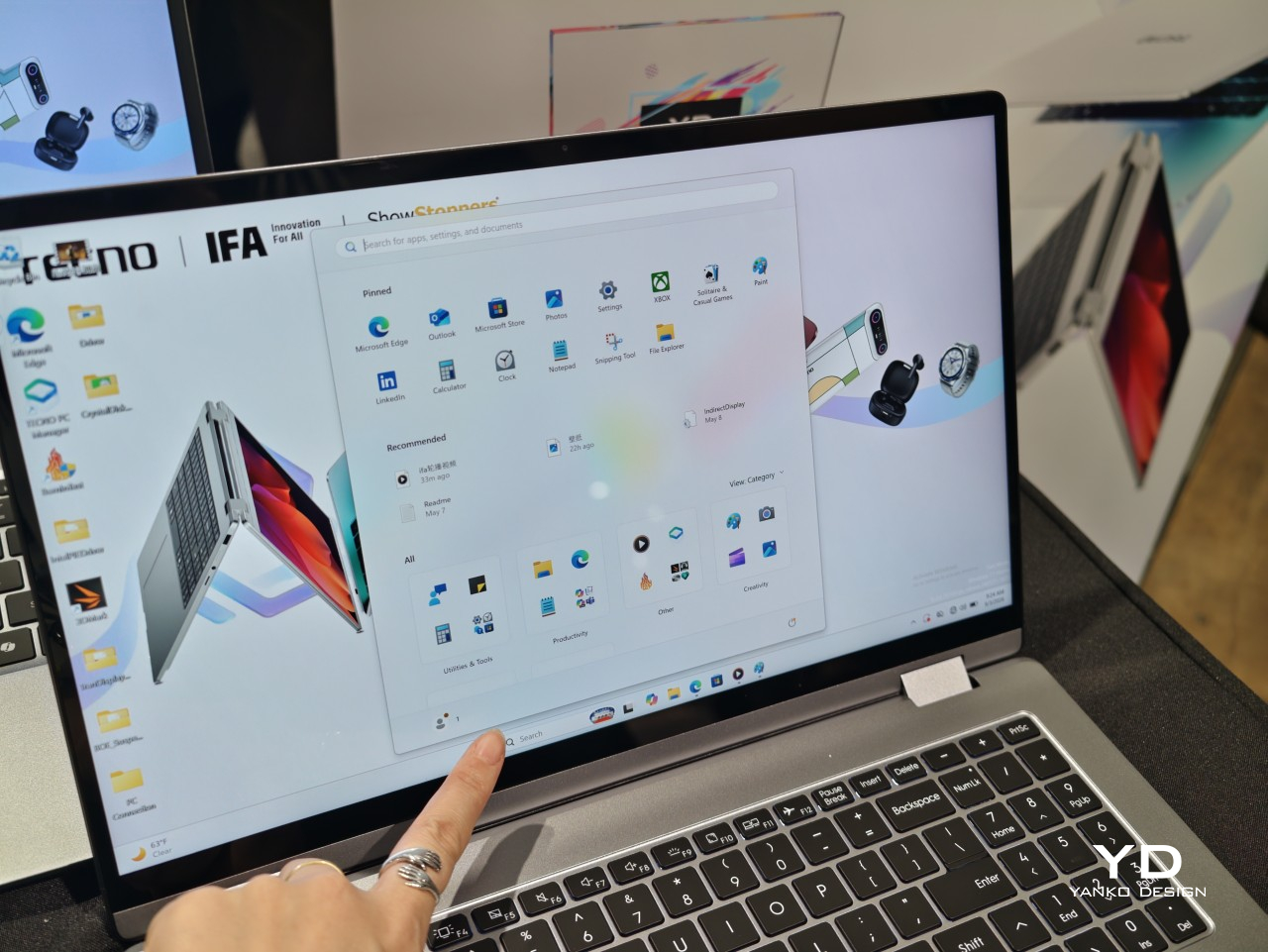
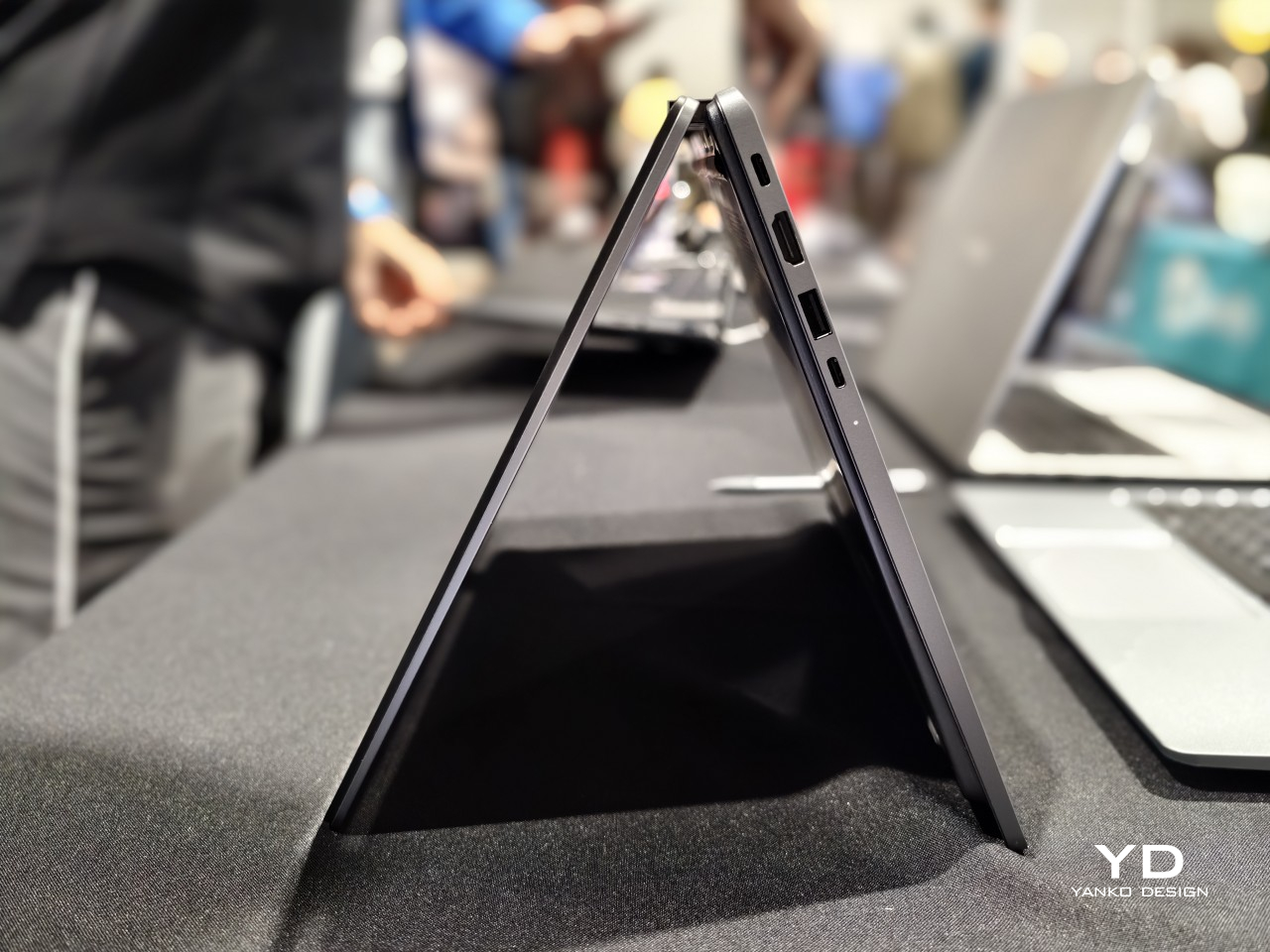
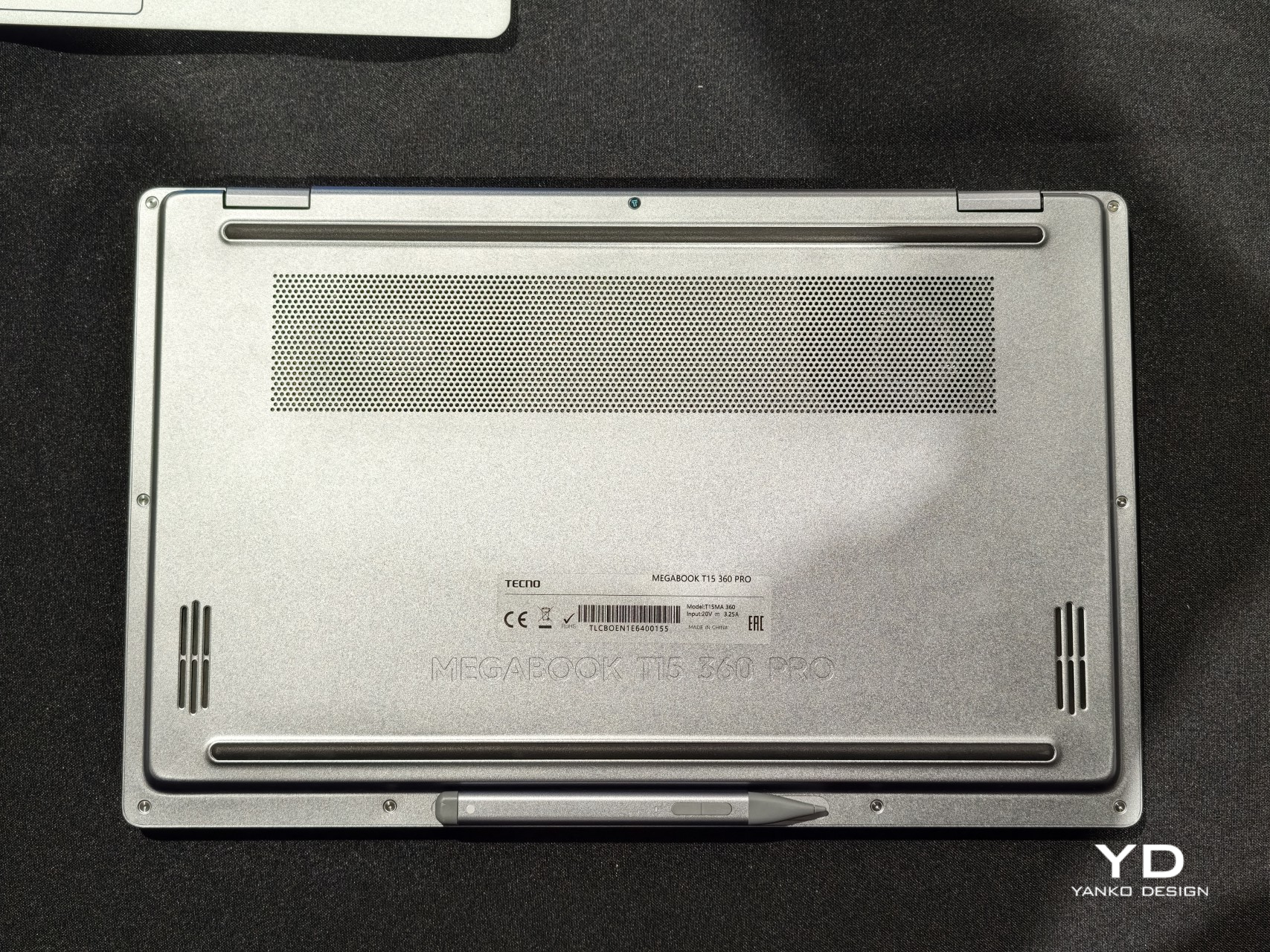
A laptop that only knows one shape stops being useful the moment the day changes its mind. TECNO built the MEGABOOK T15 360 Pro around that exact problem, wrapping a full 360-degree hinge inside an all-metal body machined with precision CNC tooling. The screen folds all the way back, turning one device into four distinct working postures without asking anyone to carry a second gadget.

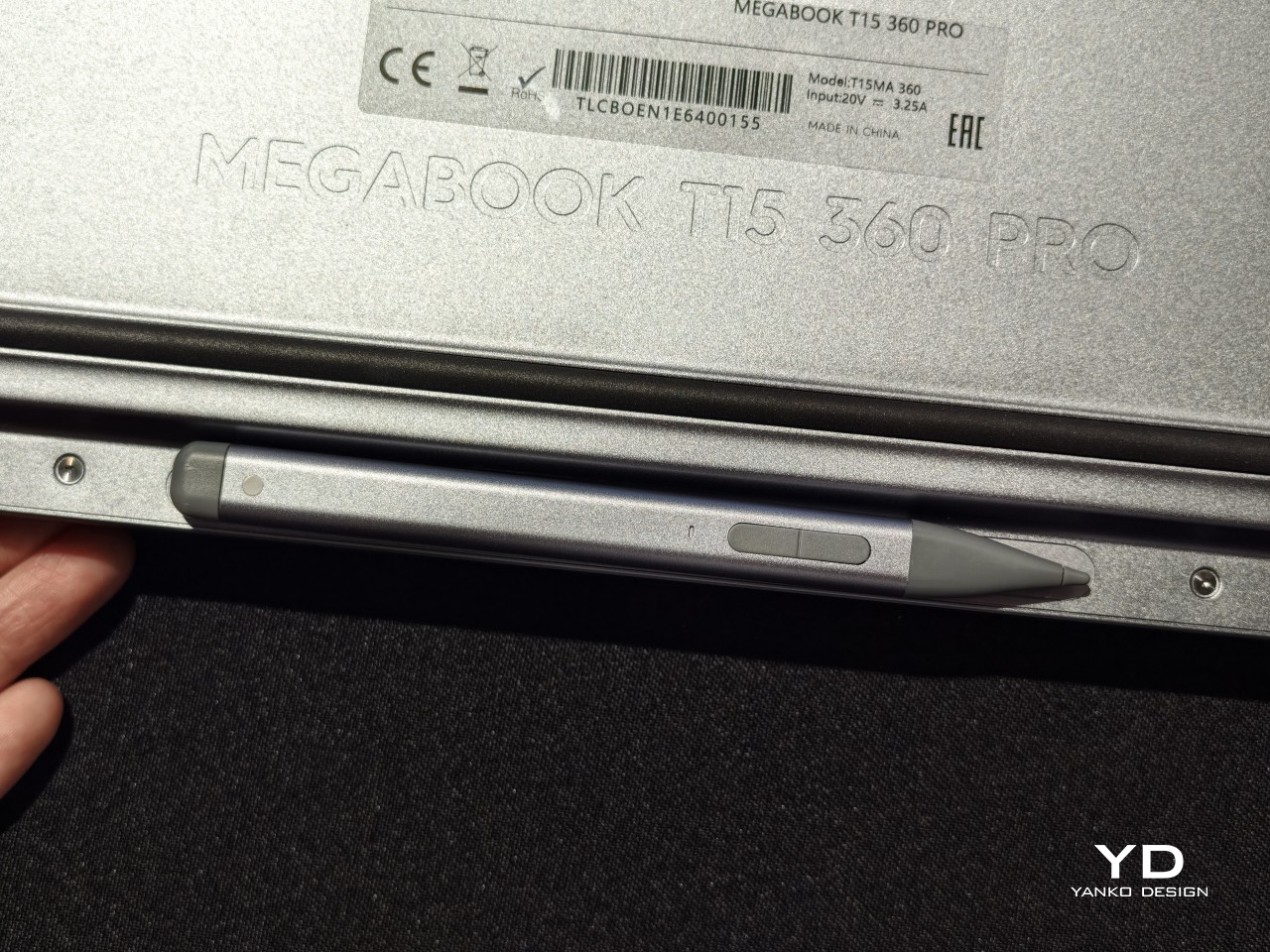
Flip it flat into Laptop mode, and it behaves like any focused productivity machine, keyboard ready and screen upright for spreadsheets or long email threads. Push the display back further and Tablet mode takes over, letting fingers or an optional MPP 2.0 active pen sketch, annotate, and jot notes directly onto the 15.6-inch touchscreen. The same hardware just keeps reshaping itself around whatever task shows up next.

Designer: TECNO

Fold it into a triangle and Tent mode appears, propping the screen up on a cramped tray table or a corner of a crowded desk where a full laptop footprint would not fit. Stand it up the other way and Stand mode turns the same hinge into a presentation tool, angling the display toward a room full of people instead of a single set of eyes typing at a keyboard.

None of those positions would matter much without a screen worth looking at, and TECNO gave the Pro model a 2.5K panel running at 120Hz across 2560 by 1440 pixels, covering 100% of the sRGB color space at 350 nits brightness. Colors hold up during video edits, photo review sits closer to accurate, and scrolling through documents in Tablet mode feels noticeably smoother than on a standard 60Hz screen.

Under the hood, configurations climb as high as an Intel Core Ultra 9 185H processor paired with LPDDR5X memory running at up to 7,467MHz, enough headroom for video exports or a dozen open browser tabs without slowdown. A PCIe M.2 2280 SSD handles storage, and select configurations add a second M.2 slot, giving anyone running out of space room to expand rather than shop for an external drive.

Powering all of that is a 70Wh battery paired with a compact 65W PD GaN charger, a combination built to survive a full workday of meetings, note-taking, and streaming without hunting for an outlet. The included charger sheds the bulk of older power bricks, and the 1.8-meter cable gives enough slack to keep the laptop charging from across a conference table instead of right next to the wall.

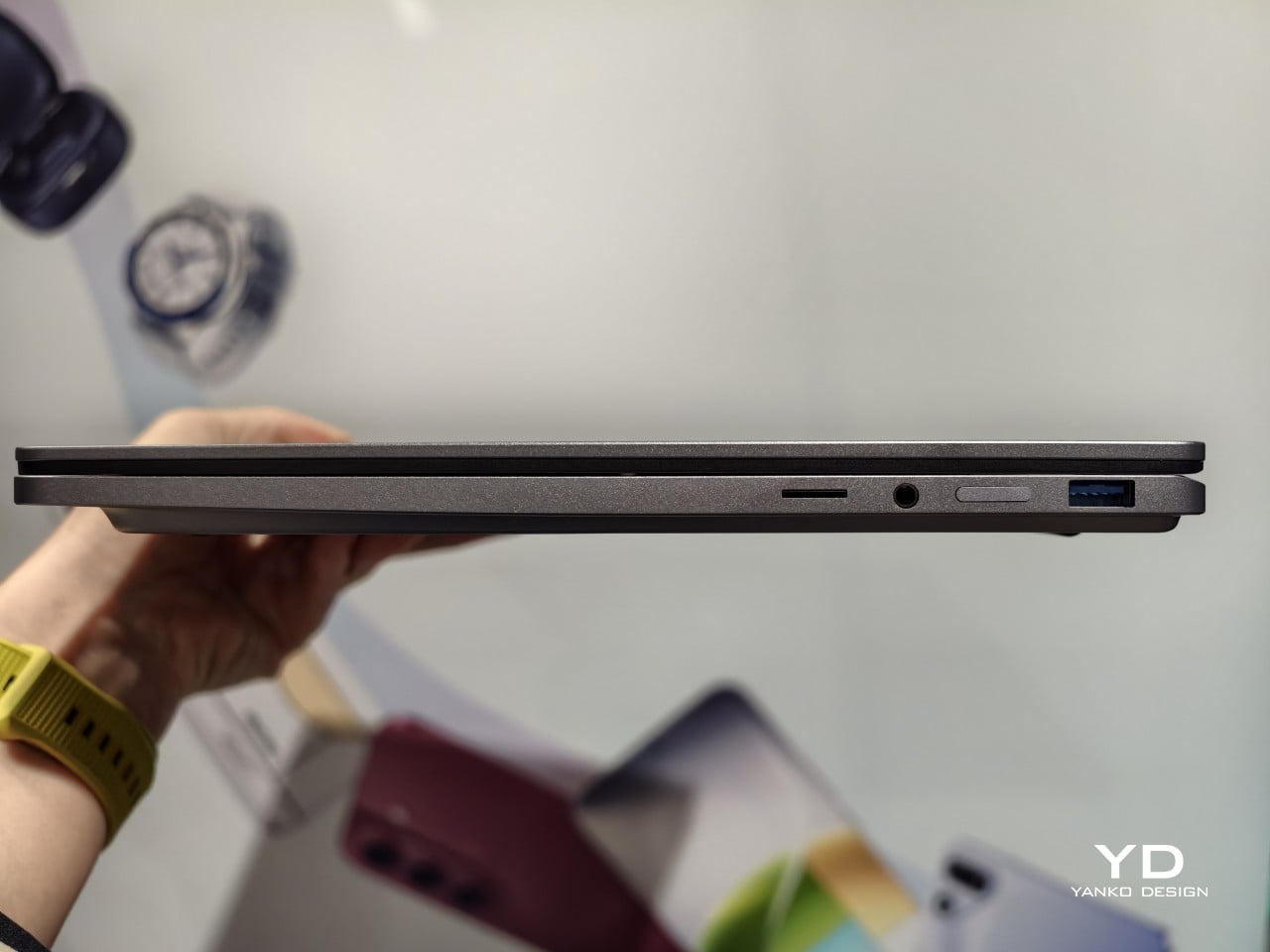
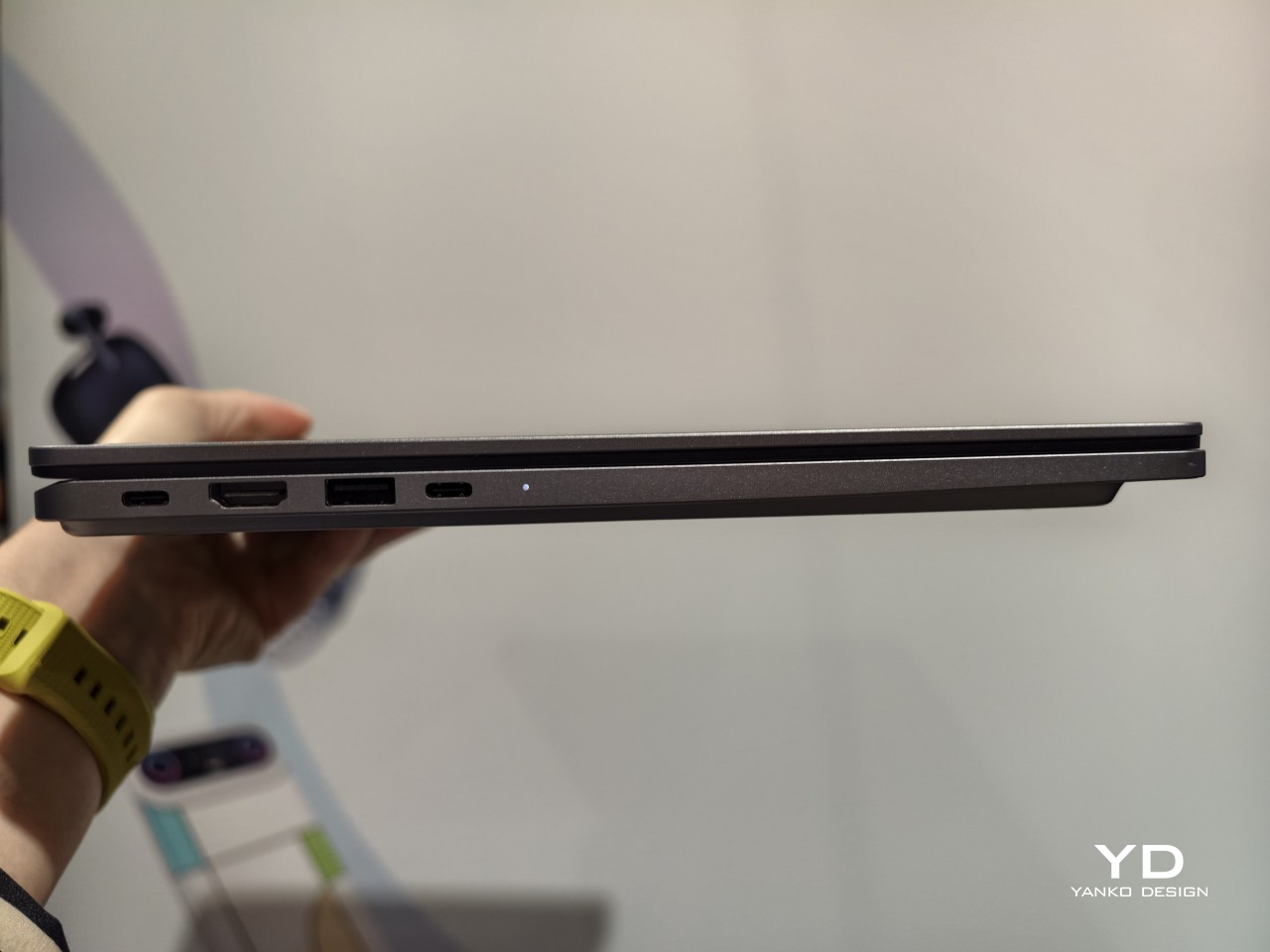
Connectivity keeps pace with the rest of the machine. Wi-Fi 6E and Bluetooth 5.4 handle wireless duties, while seven physical ports, including two Type-C connections rated for 10Gbps data and display output, cover everything from external monitors to storage drives. TECNO OneLeap ties the laptop into phones, tablets, and other PCs, letting files and clipboard content move between devices without emailing anything to yourself first.

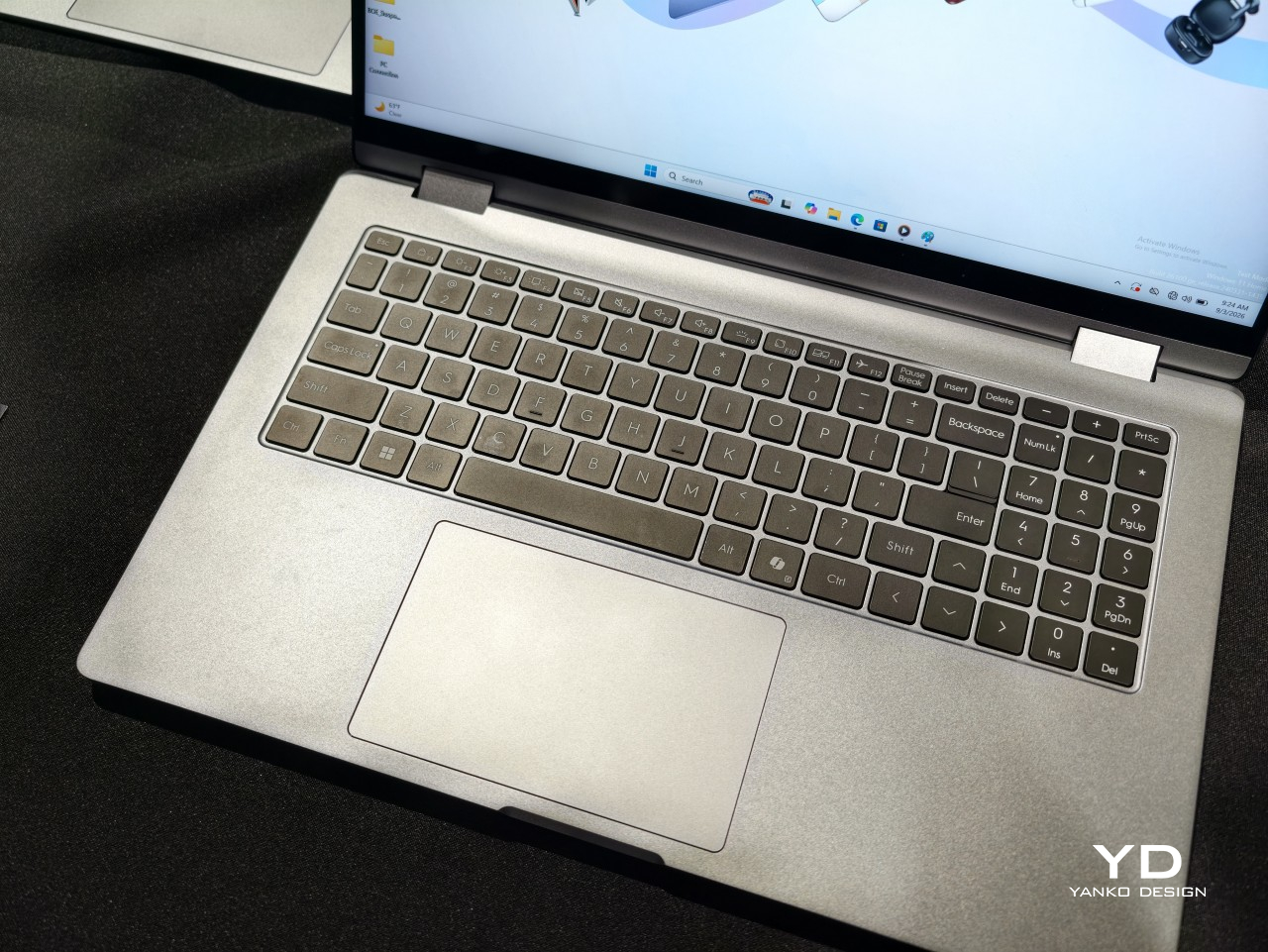
Smaller touches round out daily use. A backlit keyboard with its own numeric keypad handles spreadsheet-heavy work, and a fingerprint reader built into the power button skips the password screen entirely with one press. Dual speakers tuned for DTS:X Ultra and a pair of digital microphones back up video calls and casual media playback, so switching between a meeting and a lunchtime show does not require headphones.

TECNO prices the MEGABOOK T15 360 Pro at €1,099 (around $1,280), with European availability starting in the fourth quarter of 2026. That price sits closer to a well-specced conventional laptop than a premium convertible, positioning the T15 360 Pro as the rare 2-in-1 that does not ask for a luxury markup just because the hinge bends further than everyone else’s.

The post Get a Laptop or Get a Tablet, TECNO MEGABOOK T15 360 Pro Is Already Both first appeared on Yanko Design.

The First Tracker With a Working USB-C Leash: Hands-on with Belkin SureFind Loop Cable Tag at IFA 2026

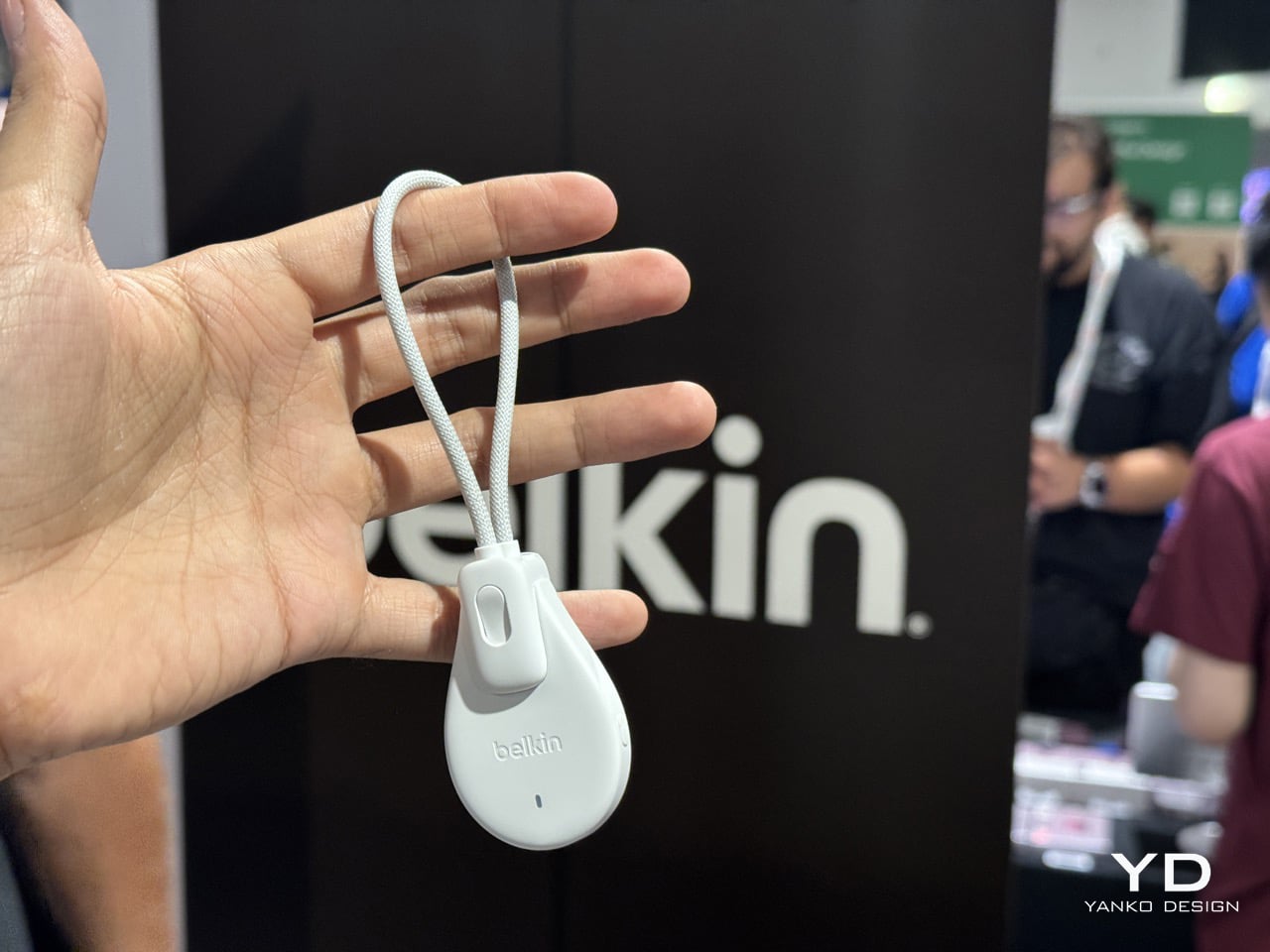
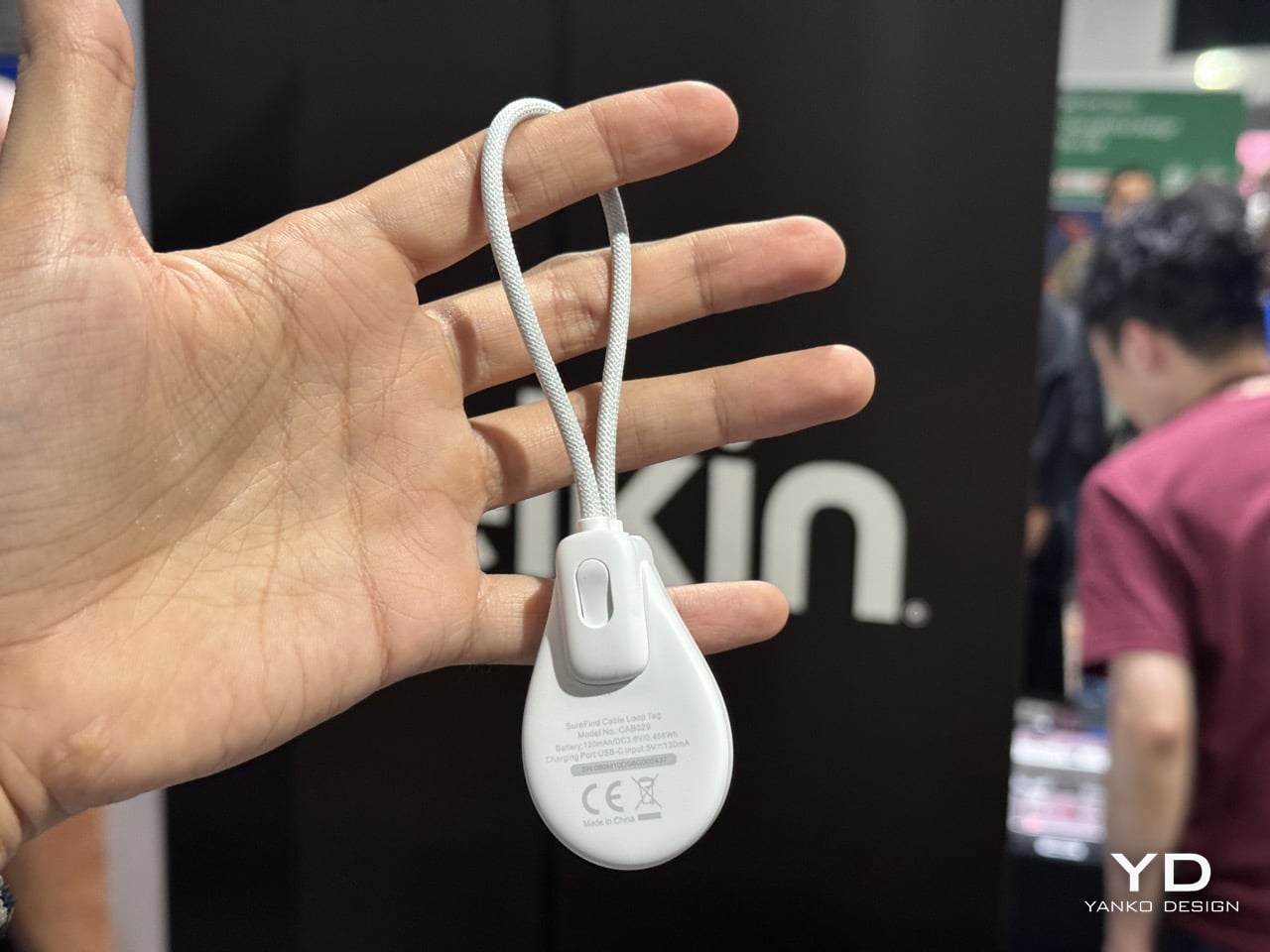
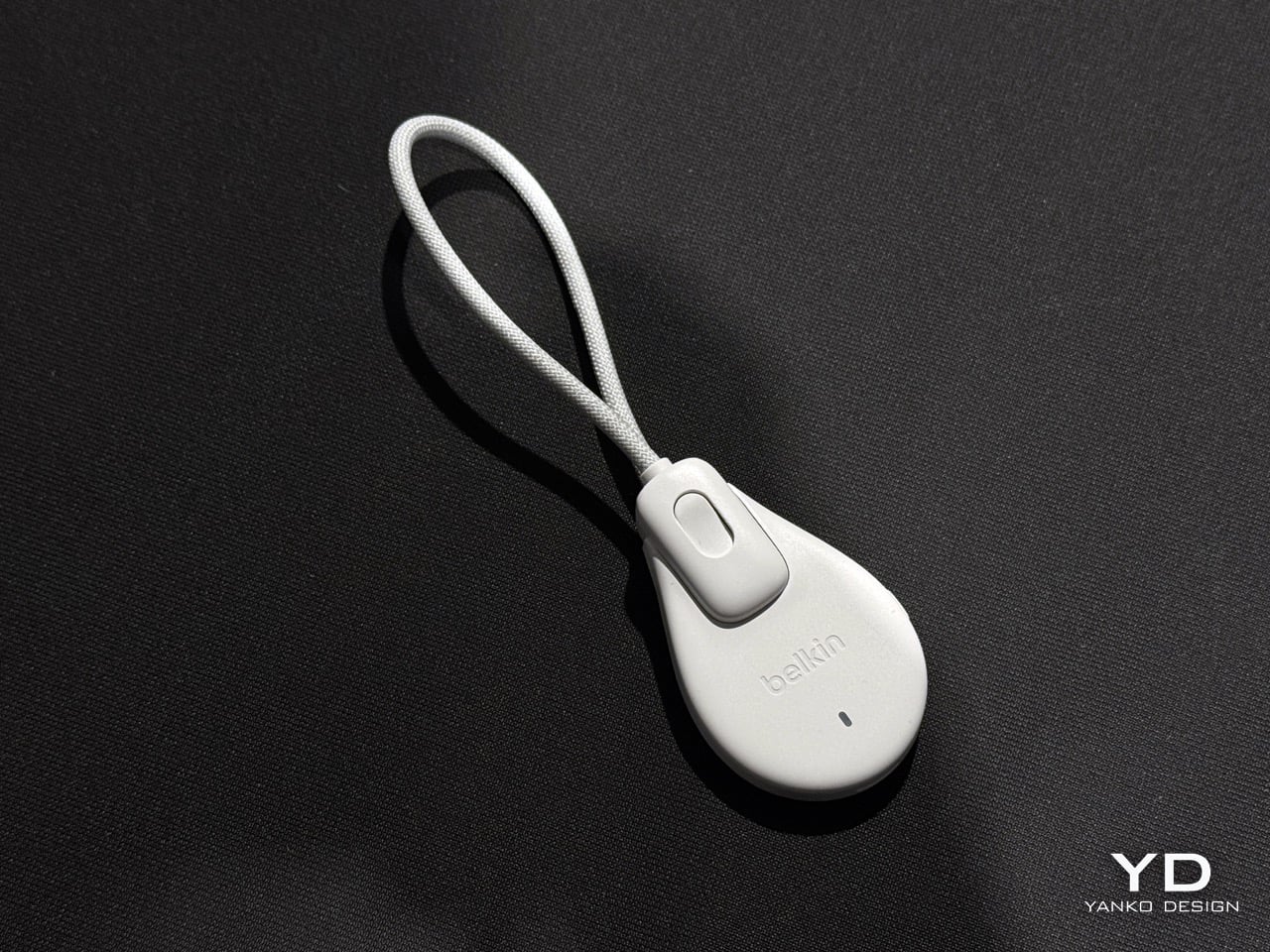
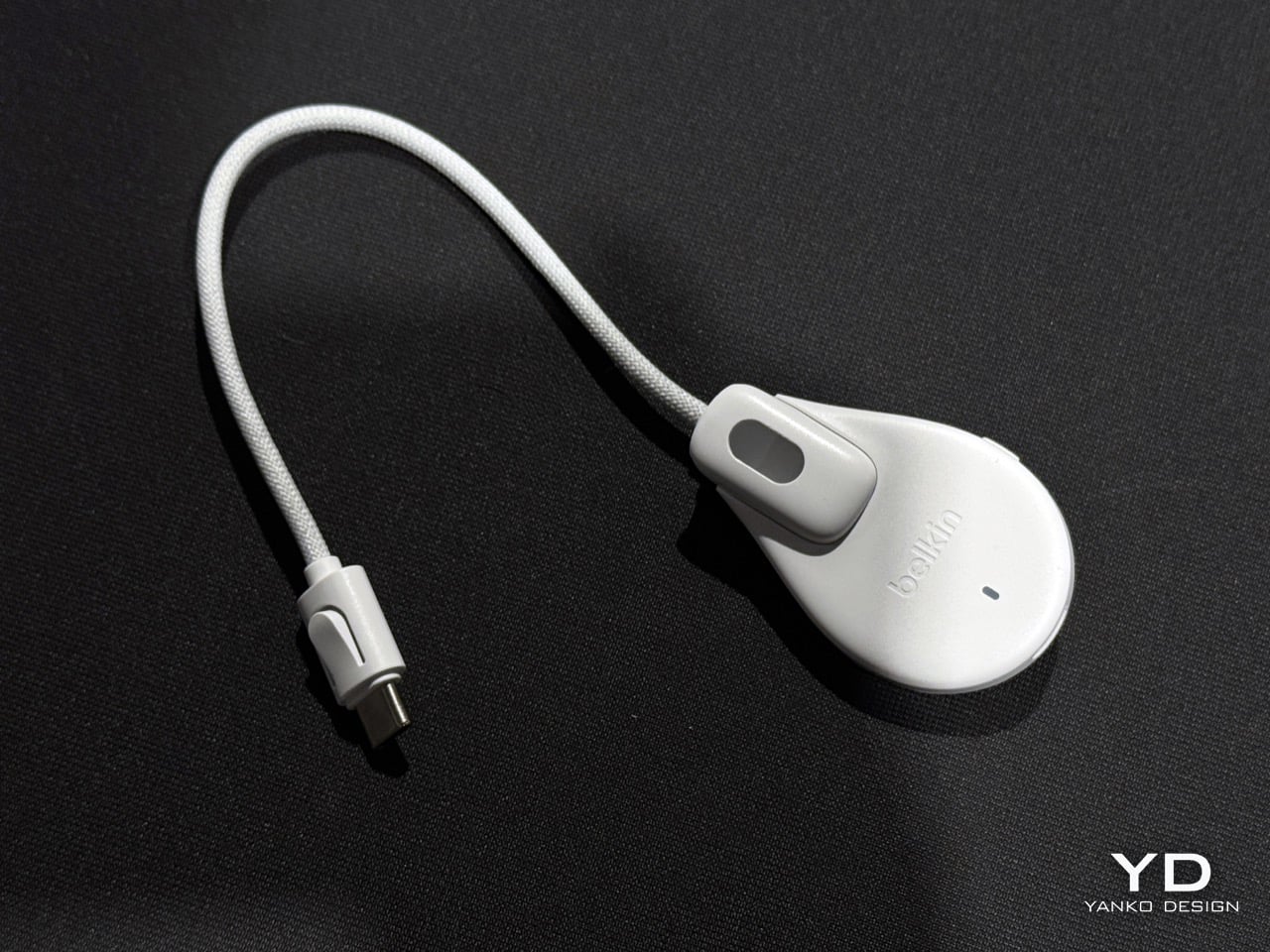
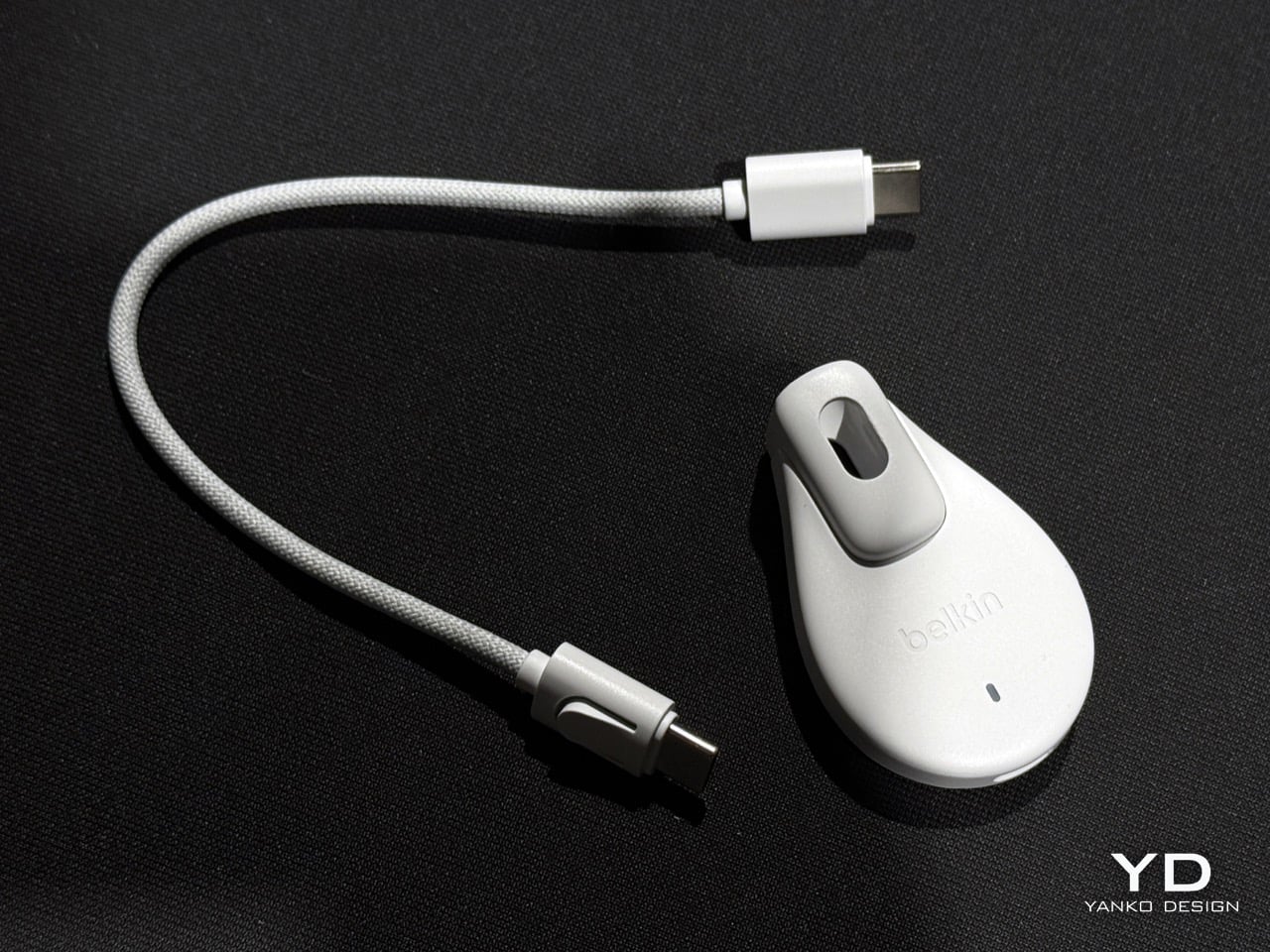
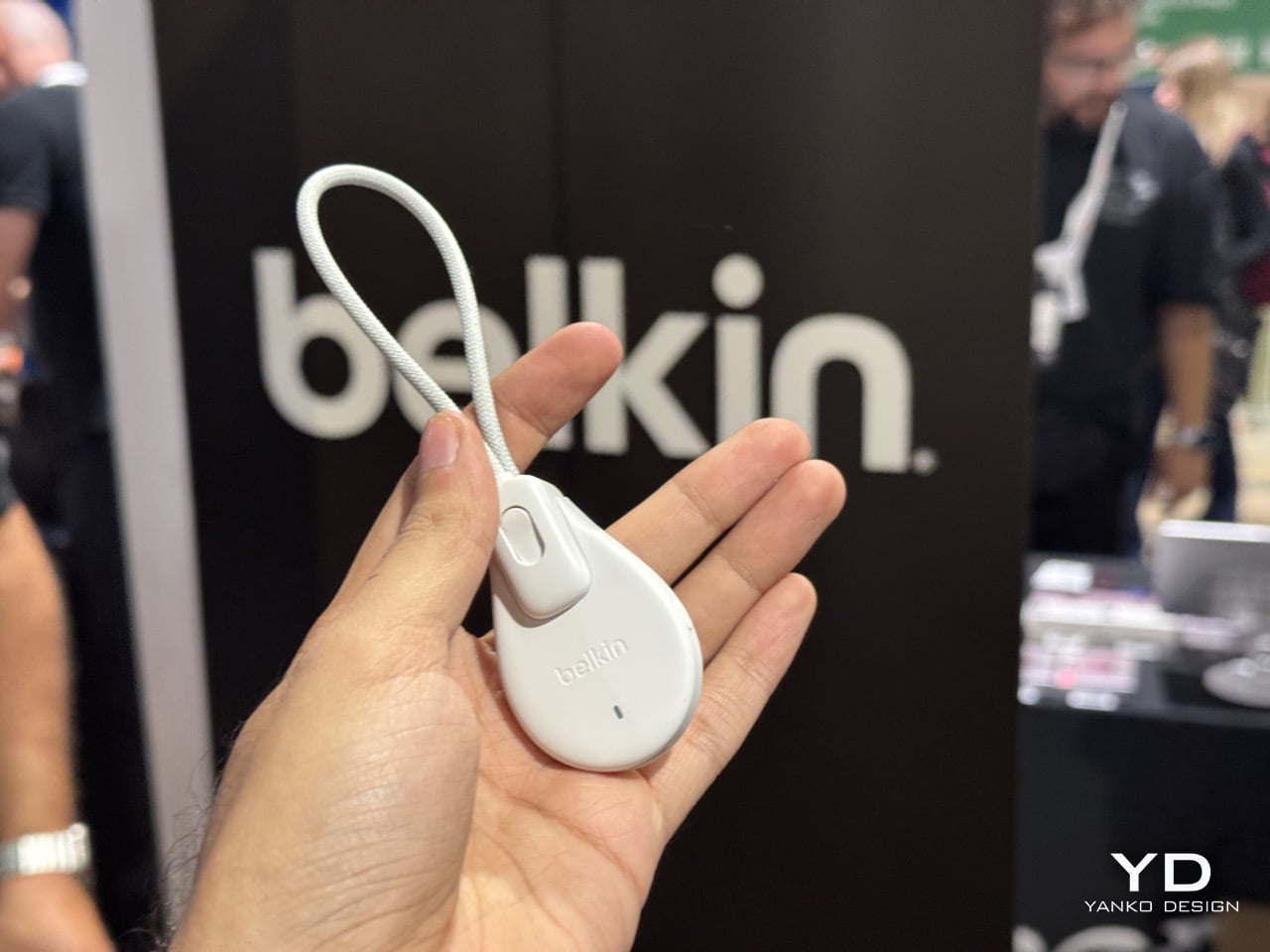
No tracker on the market ships with an actual leash. Apple’s AirTag is a stud, so you buy a separate keychain loop just to hang it on anything. Chipolo is a disc with a small aperture punched into the edge. Google’s new Pixel Tag is a plain little monolith with the same problem. Samsung and Tile at least had the sense to build in a substantially wide hole or channel so you could pass a carabiner or leash of your own through it, which is basically an admission that they knew the leash was missing and left the job to you. Belkin’s SureFind Loop Cable Tag is the first one that just builds the leash in, and then goes one further: that leash is a working USB-C to USB-C cable you can unclip and use to charge the tag itself, or your phone, or literally anything else with a USB-C port.

It costs $24.99, weighs almost nothing, and the cable snaps back into the tag’s body to top off the 120mAh cell inside once you are done borrowing it. A rep on the IFA show floor in Berlin told me to expect roughly six to nine months of tracking per charge, a number Belkin has not put in writing anywhere yet. The tag itself is a flat white teardrop with one button, a status LED, and it is certified for both Apple Find My and Google Find Hub so it does not care which phone tribe you belong to. It ships in September across the Americas, Australia, New Zealand and Asia Pacific. Europe, where Belkin just showed it off, does not get to buy it at all.

Designer: Belkin

A braided USB-C cable and a fabric carry strap are already built from the same material logic, a length of reinforced cord with a connector at each end, and Belkin’s actual design move was refusing to treat those as two separate problems. The loop threads through a bag handle or backpack zipper, clips shut with a small sliding toggle, and unclips into a functioning charging cable the moment you need one. Belkin has spent years making the loops and holders other brands’ trackers needed just to attach to anything, so the fact that this idea sat unbuilt for that long, inside a company with decades of cable manufacturing behind it, says more about industry habit than about engineering difficulty. Sometimes the obvious fix just needs someone willing to stop selling the workaround.

Using the cable means unclipping the tag from whatever it was hanging on, so the tracker stops tracking the thing it was tied to for as long as you are borrowing the cable to charge a phone at an airport gate. That is a fair compromise for most people most of the time, but Belkin’s marketing does not mention it, and a design this clever should be able to admit its own limits. There is also no published IP rating for this specific model, unlike the SureFind Card, which carries IP68 and can survive a dunk in water. A tag meant for backpacks and luggage sitting on tarmacs in the rain probably deserved that spec sheet line too.

Dual certification for Apple Find My and Google Find Hub means you can buy the tag without worrying about which ecosystem you’re in. However, it’s worth noting that you have to choose one ecosystem to tether your device to. If you’re an Apple guy, you configure it with Find My. If you’re team Android, stick to Google’s offering. Belkin is entering a crowded field days after Apple’s AirTag 2 and ahead of Google’s own Pixel Tag, both of which still lean on separate keychain accessories to attach to anything. Chipolo and Pebblebee already proved rechargeable trackers work and do not need replacement coin cells. Belkin took that idea and folded a second function into the strap itself, a leash that charges things instead of just hanging them. How that holds up outside a Berlin show floor, across the actual months of use it is being asked to survive, is the open question.

The post The First Tracker With a Working USB-C Leash: Hands-on with Belkin SureFind Loop Cable Tag at IFA 2026 first appeared on Yanko Design.
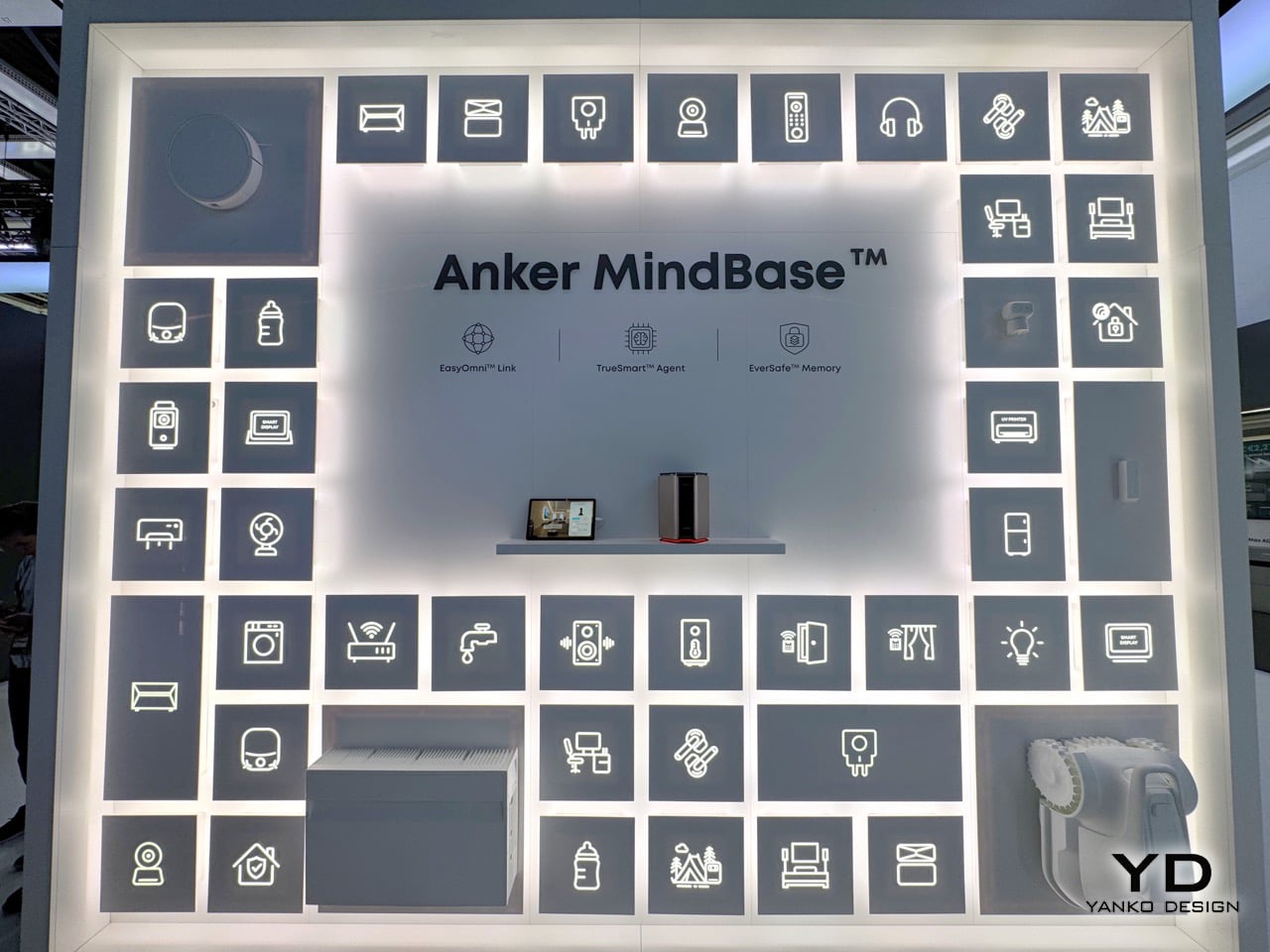
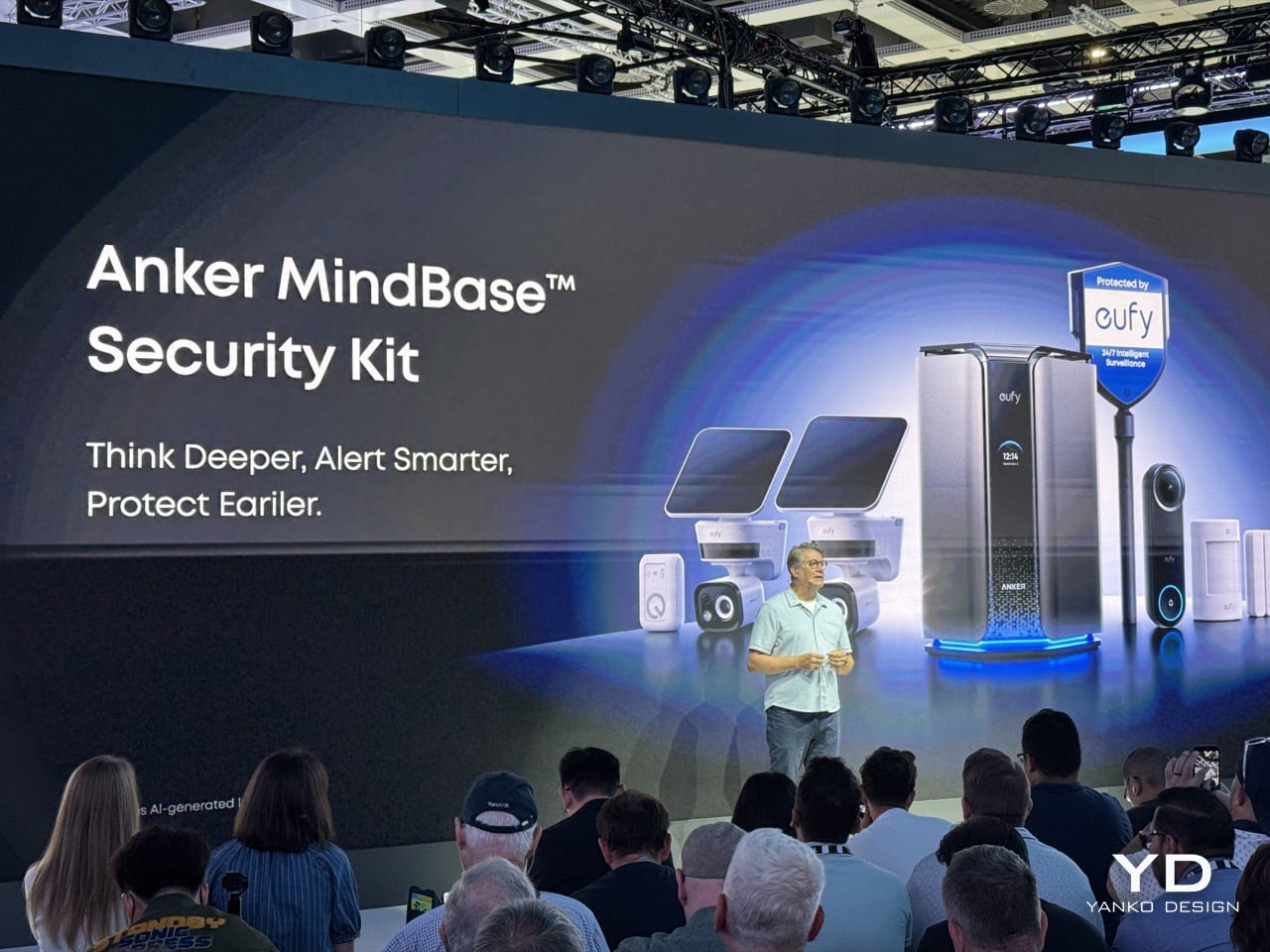
Anker MindBase Gives Your Old eufy Cameras a Real Brain and 48TB of Memory: Hands-on at IFA 2026

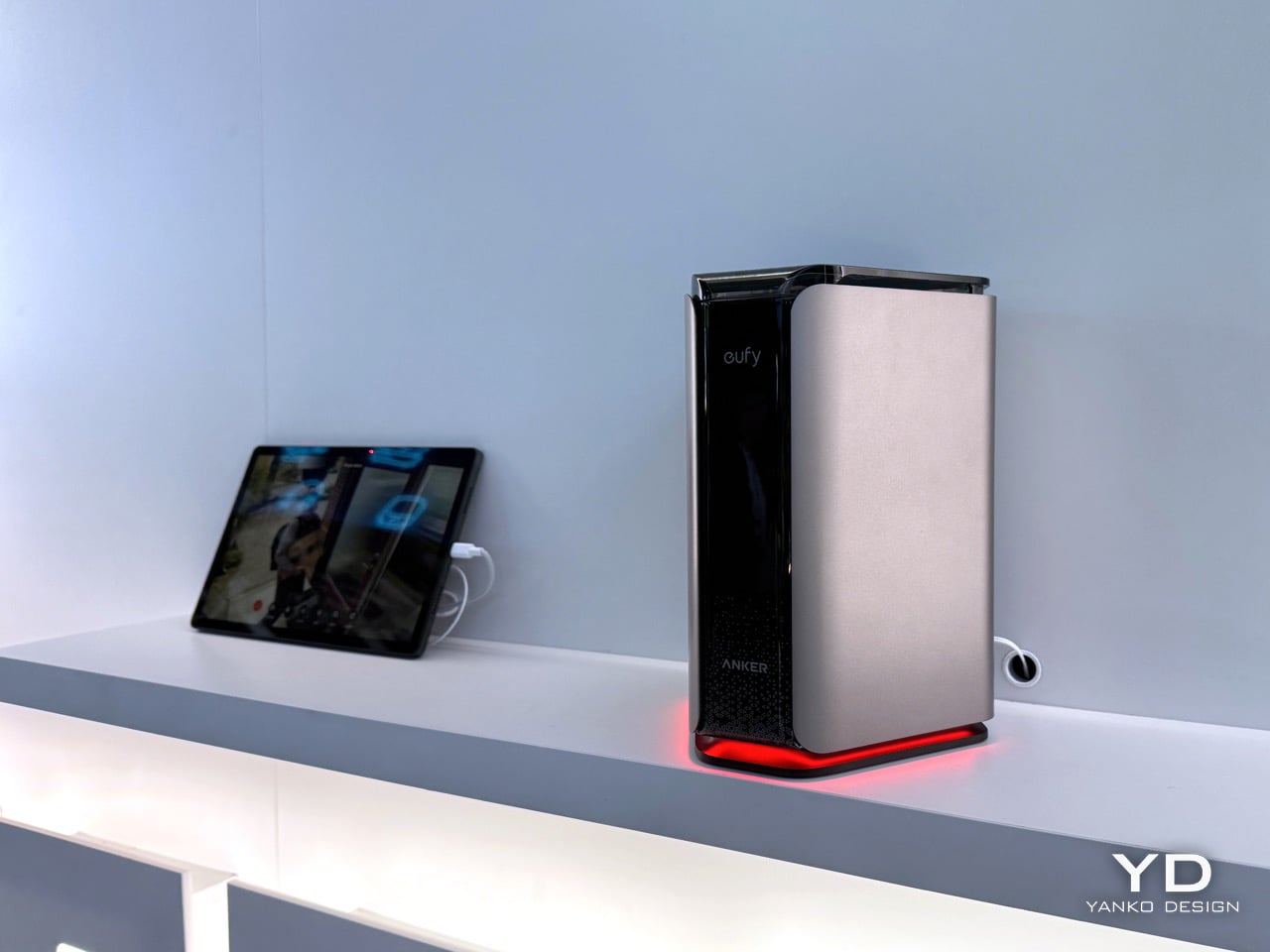
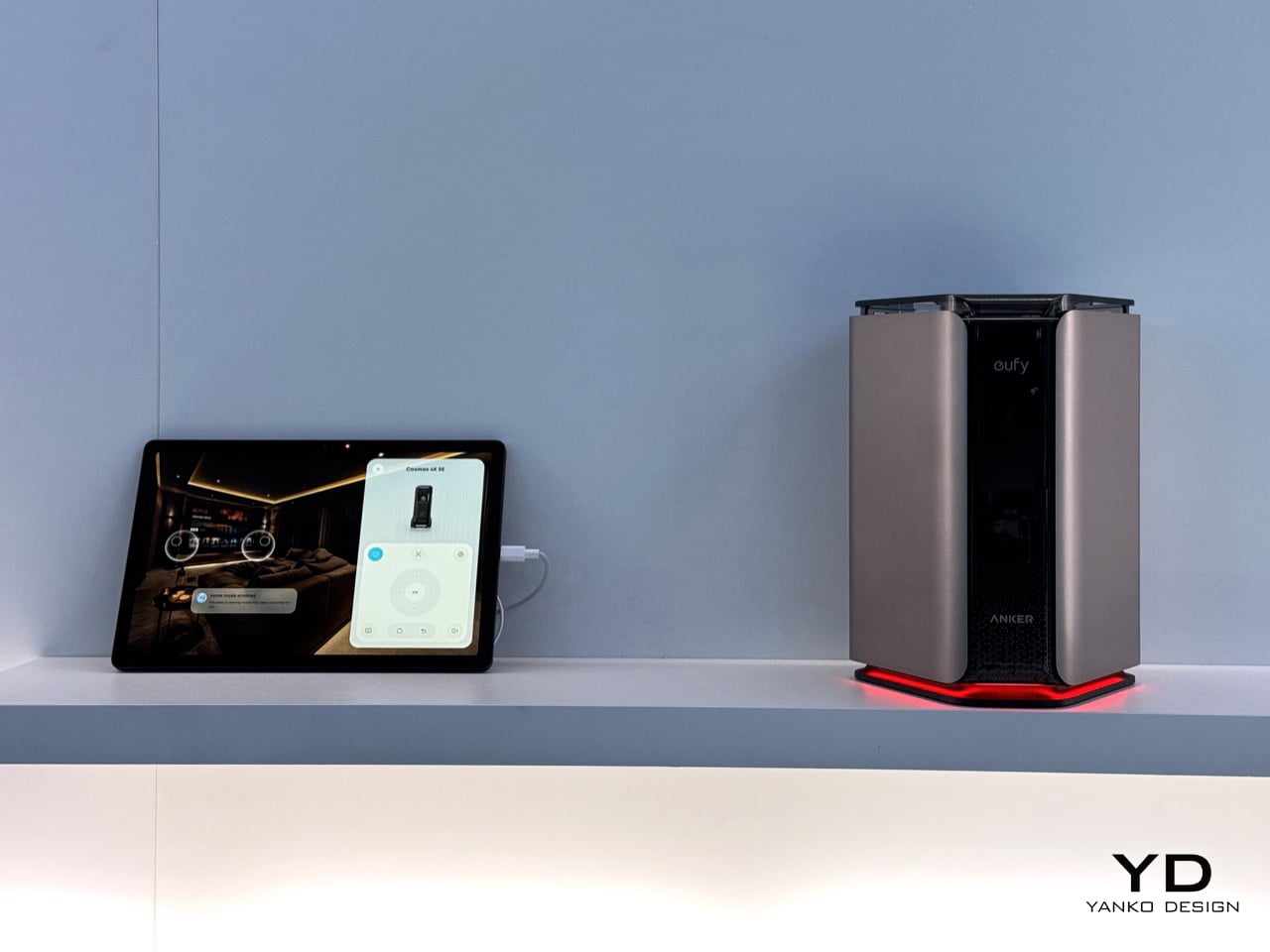
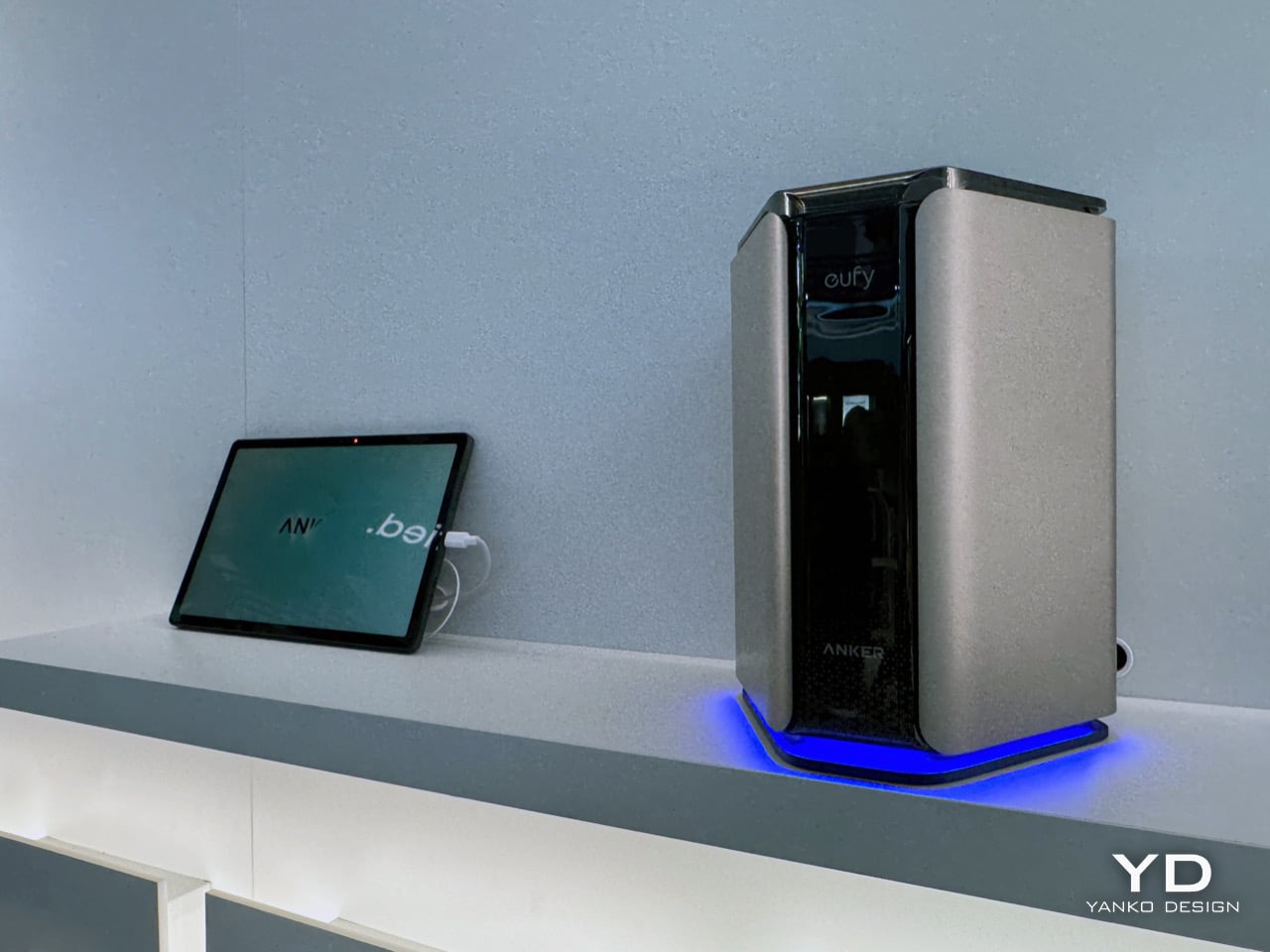
If you already own eufy cameras, the useful sentence in Anker’s IFA 2026 announcement is buried under the AI talk: your HomeBase S380 footage transfers straight across to the MindBase. Anker built the new hub to work with the eufy security gear people bought years ago, then bolted on a two-bay drive enclosure holding up to 48TB and a 26 TOPS compute card running an in-house language model locally. Your old cameras stay. They get a brain. That is a far rarer offer than a new camera, and considerably cheaper than replacing four of them.

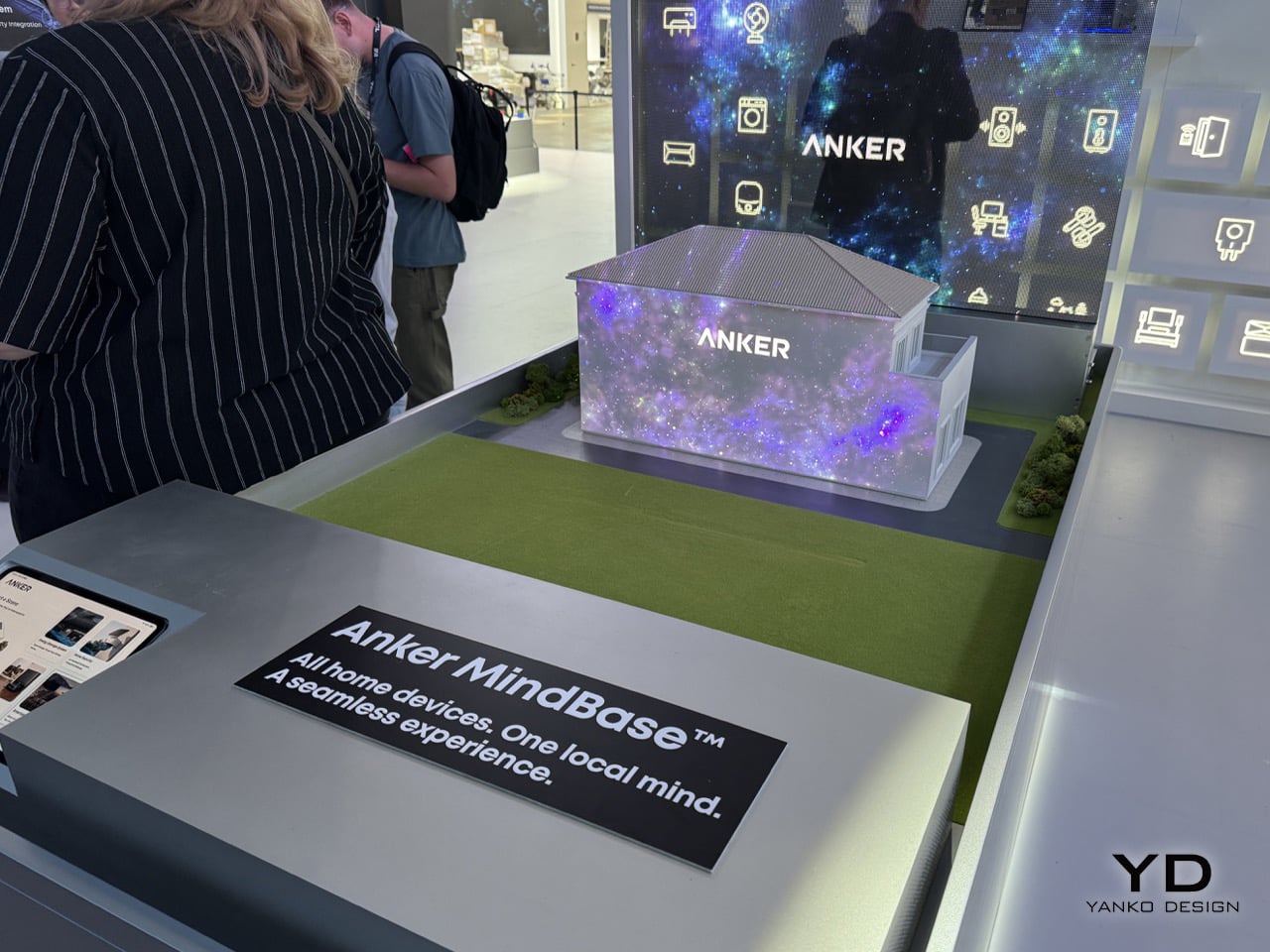
The scale of what it absorbs is the part worth sitting with. MindBase acts as a Matter 1.5 controller with Thread and Zigbee support built in, and it works alongside HomeKit, Alexa, Google Assistant and Home Assistant rather than replacing any of them. It supports 20 cameras and 34 sensors, close to 100 Anker devices, and hundreds of third-party Matter products. Two Gigabit Ethernet ports and three USB 3.0 ports handle the wiring, with 64GB of onboard flash before you add a single drive. Anker wants to be the thing everything else plugs into, not another gadget competing for shelf space.

Designer: Anker

Getting there meant Anker had to kill its own family tree. eufy, soundcore, SOLIX and eufyMake are all being folded into the Anker name over the next couple of years, split into two groups called Anker For You and Anker For Home. CEO Steven Yang put it plainly on stage: category brands made sense when categories were separate, and they no longer are. Anker opened its first standalone store in Berlin the same week. A box asking to be the single brain of your house cannot credibly sit next to four differently branded limbs feeding it data, so the limbs had to go.

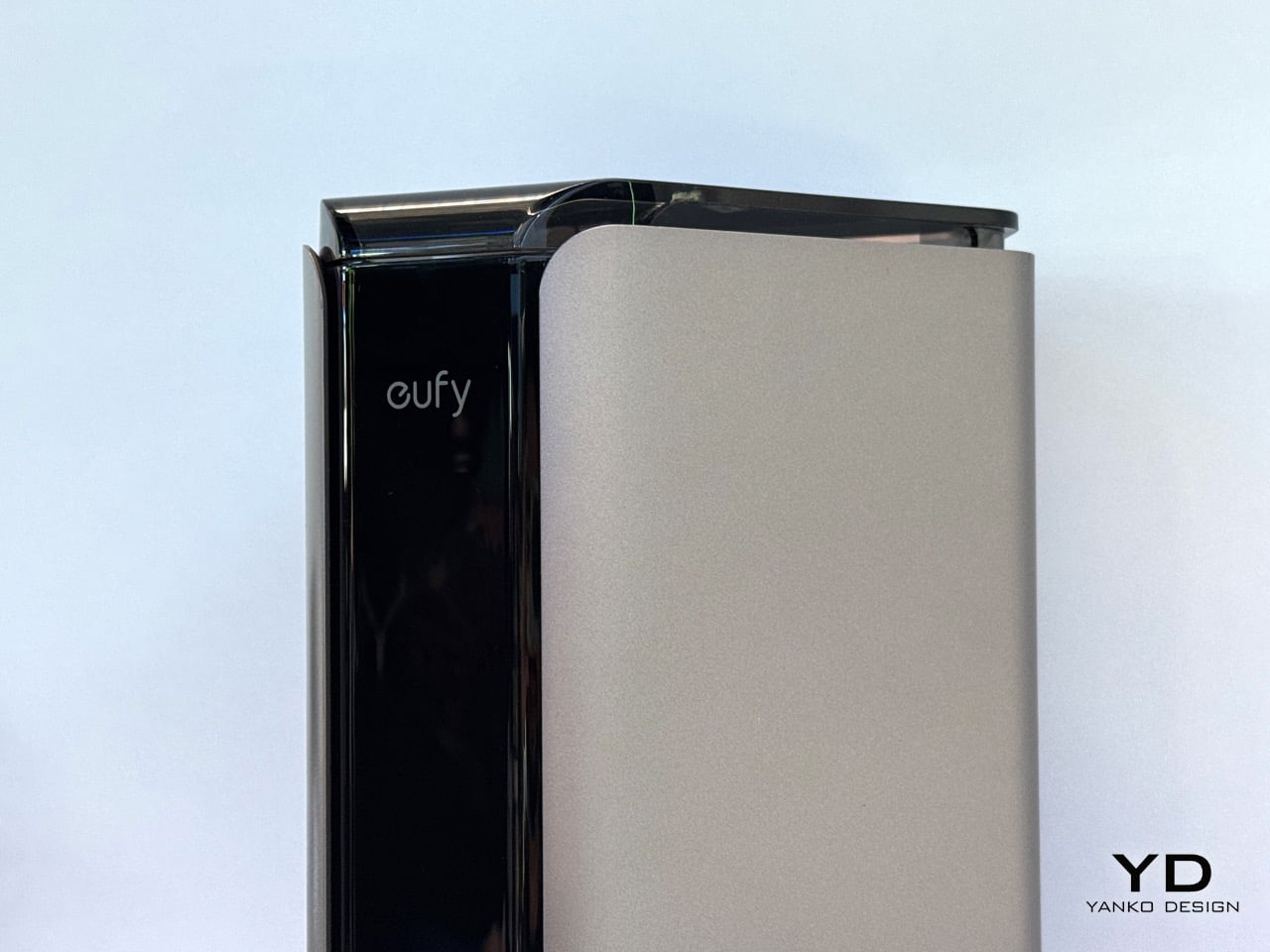
Physically, MindBase is trying to solve a problem NAS makers have ignored for two decades. Synology and QNAP enclosures still read as networking equipment, built for a closet, not a living room shelf. Anker’s two-bay chassis takes standard 3.5-inch drives and is styled to sit in the open, which is a real design bet given that spinning disks and a compute card generate heat that needs somewhere to go. Anker Innovations speaker Eric Villines framed the whole product around a gap that has bugged smart home owners for years: our houses are connected, not intelligent. A rule-based sensor cannot tell a raccoon from your kid, and MindBase’s pitch is that local memory finally lets it.

The security agent shows how far Anker is willing to let the box act alone. A yard sensor spots strangers at 15 meters and identifies family by phone credential at 30, then MindBase escalates on its own from a light, to a verbal warning, to active deterrence. For context, an entry-level Copilot+ laptop carries 40 TOPS and mostly uses it for background blur in video calls. Anker is asking for less silicon to make judgment calls about who belongs in your driveway at 2am, which is either the most useful application of on-device AI I have seen this year or the one I would want a very clear off switch for.

None of it has a price or a ship date yet, which is an odd silence for the product Anker built its entire rebrand around. Nest, Ring and Aqara are all circling the same local-hub idea without the drive bay, and that storage layer is MindBase’s real differentiator if Anker can actually ship it at a price regular households will pay. Whether the eufy hardware you already own is enough reason to wait and see is the only honest cliffhanger this launch leaves behind.

The post Anker MindBase Gives Your Old eufy Cameras a Real Brain and 48TB of Memory: Hands-on at IFA 2026 first appeared on Yanko Design.
Vention’s New Power Bank Reads Like a Sunset, Not a Spec Sheet

Vention spent years building batteries for other people’s brands before deciding portable power deserved a signature of its own. At IFA 2026, the company stepped out from behind the curtain with the Vention H Series and Dash Series, betting that people choose chargers the same way they choose anything else they carry every day: based on how it looks and feels, not just how many watts it pushes.

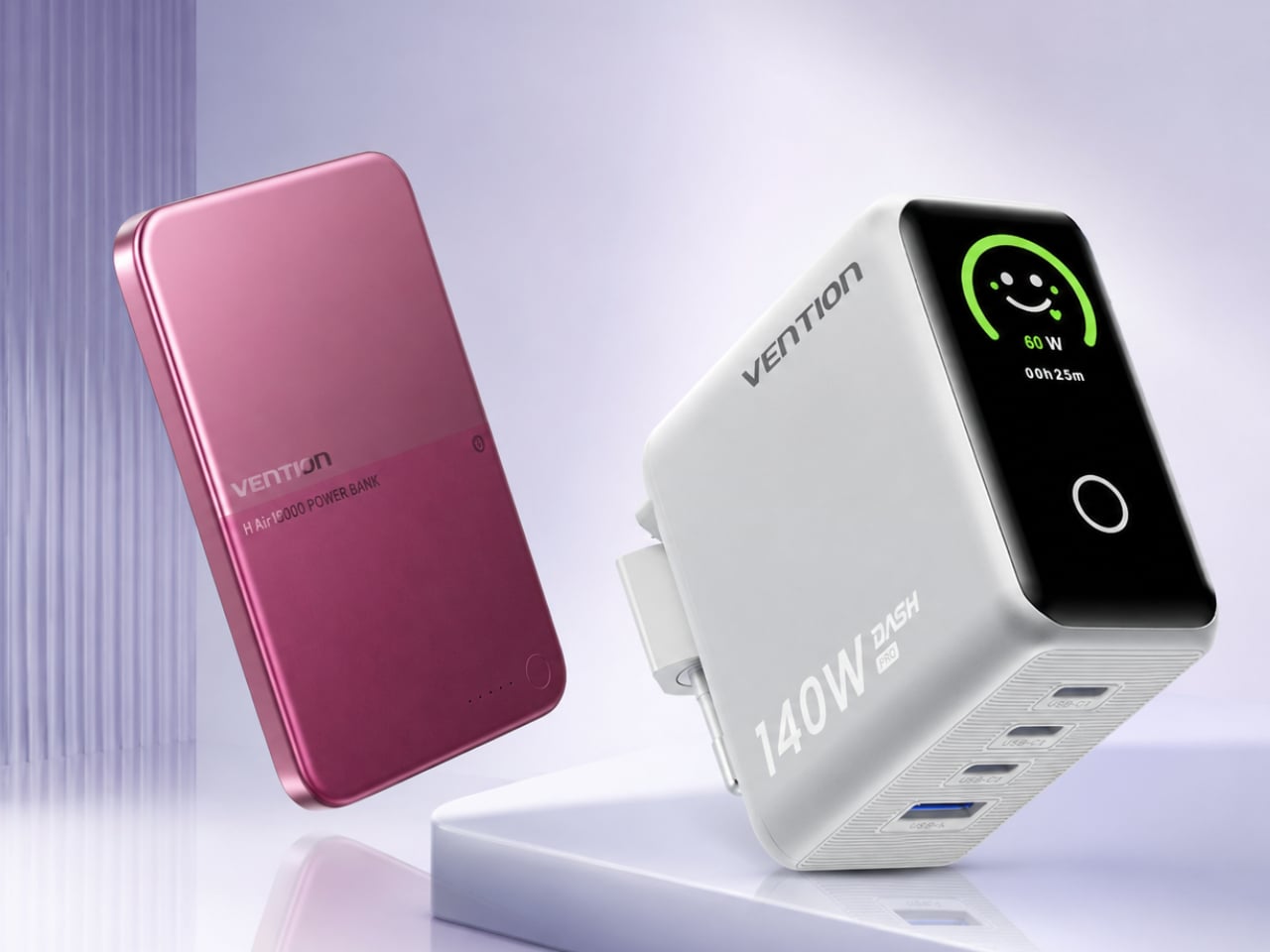
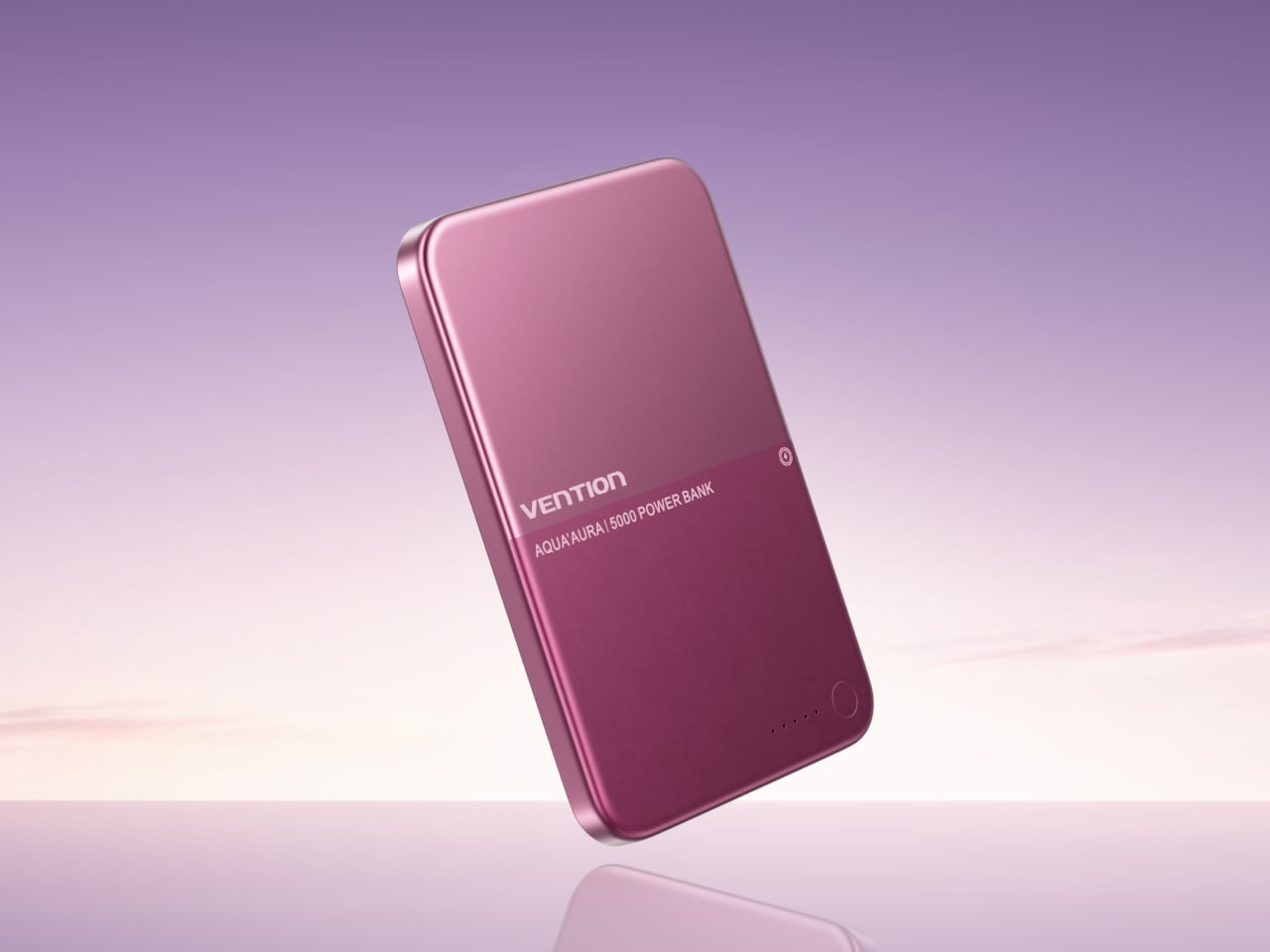
That bet shows up clearest in the H Series’ signature Burgundy Dusk finish, a colorway built around a concept Vention calls “Half Sky, Half Earth.” Two shades of the same hue meet across the middle of the shell, evoking the horizon where sky color bleeds into reflected light on the ground. It’s a quieter kind of design language than the single-tone, tool-like aesthetic that’s defined portable batteries for years.

Designer: Vention

At just 6.9mm thick, the H Series wraps that two-tone finish around a contoured aluminum alloy body finished with a soft, frosted matte texture, the kind of detail that rewards actually holding the thing rather than just glancing at a product photo. A 5,000mAh solid-liquid hybrid battery, borrowed from flagship smartphone engineering, keeps the slim shell from sacrificing energy density or cold-weather reliability.

Safety backs up that slim profile with real engineering rather than just marketing language. The battery passed a 4mm tungsten steel needle puncture test without sparking or smoking, and it survived a 275°F hot-box test for a full hour without combustion. A companion app translates all that internal monitoring into plain readouts covering temperature, current, and battery health, replacing a single vague percentage with something people can actually trust.

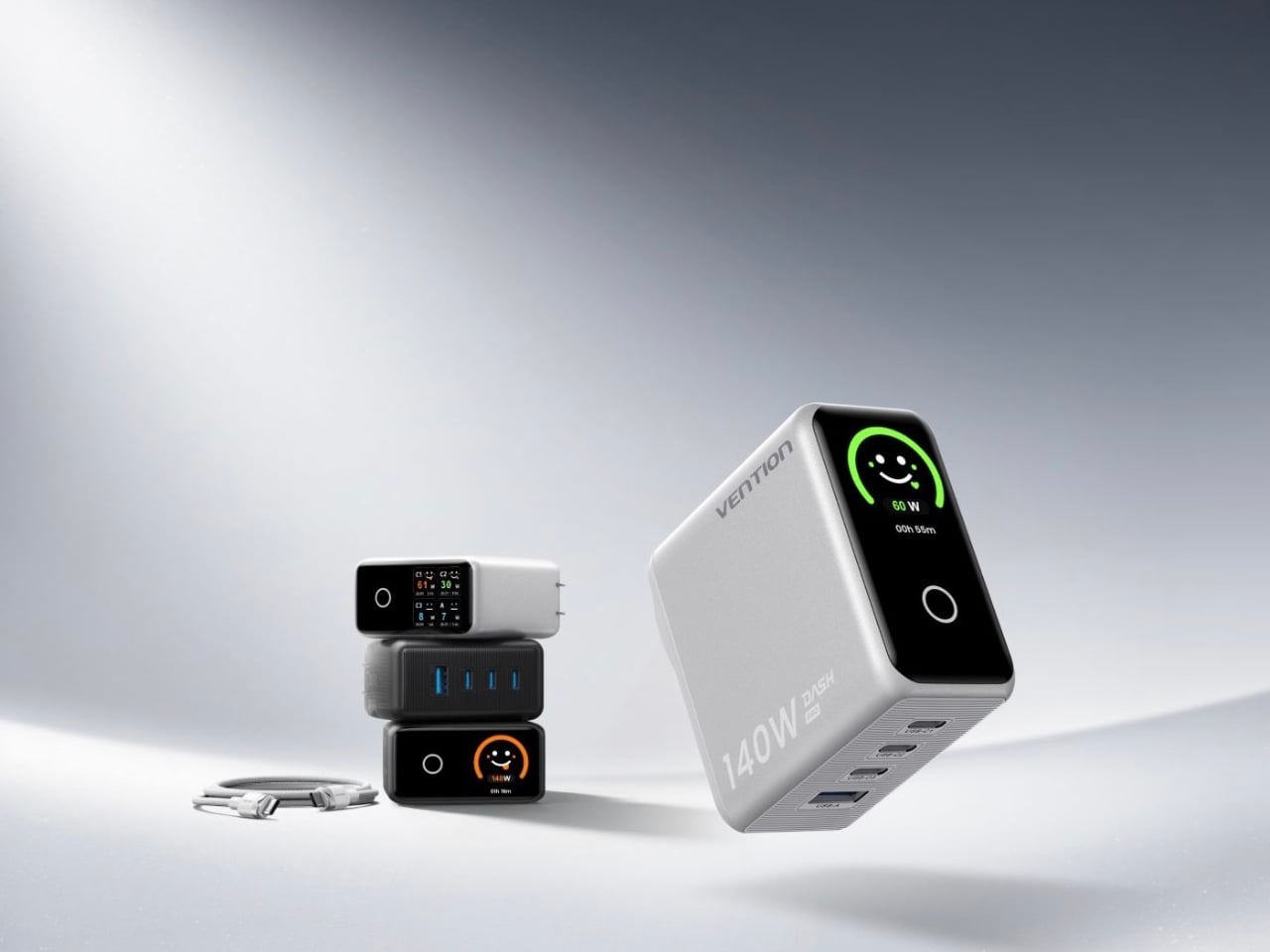
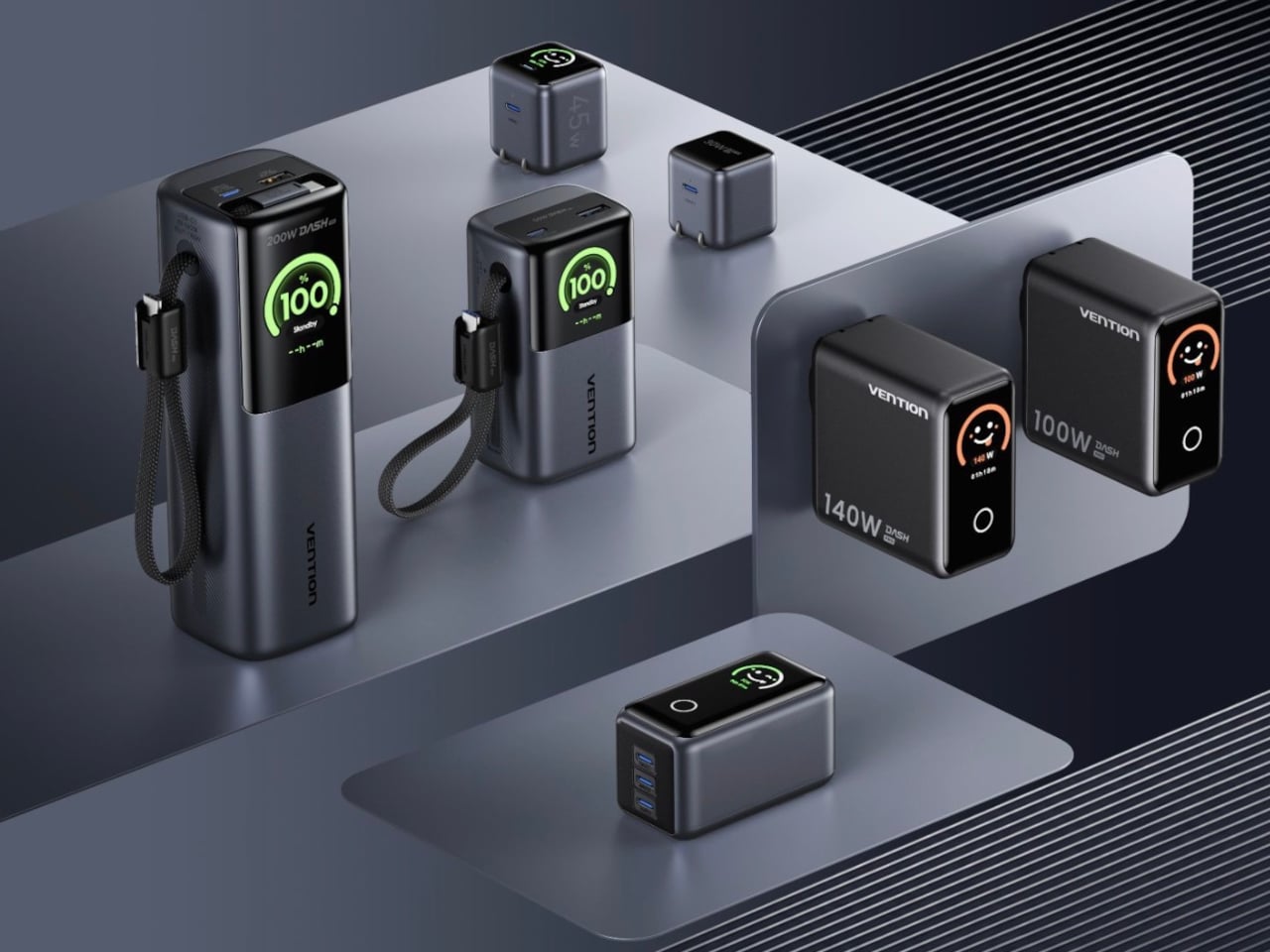
Charging gets the same attention to detail through the Dash Series, six chargers led by the Dash Pro, a 140W four-port GaN 5.0 charger that solves a problem most power bricks never bother addressing. Rather than showing a static battery icon, Dash Pro displays five animated, color-coded faces, sleepy white when idle, calm blue during trickle charging, cheerful green at fast-charge speeds, and excited orange at full throttle.

That small screen turns an otherwise invisible process into something readable at a glance, useful for anyone juggling a phone, tablet, and laptop off the same brick during a layover. FlashCore technology backs that visual feedback with broad protocol support, covering PD 3.1, QC, PPS, and UFCS, so older devices charge just as reliably as this year’s flagships plugged in beside them.

Vention engineered the Dash Pro’s physical plug to match its software polish, reinforcing the prongs so a four-port charger doesn’t tilt or loosen under its own weight, a small annoyance anyone who’s traveled with a bulky multi-port brick will recognize instantly. Adaptive voltage support between 100V and 240V, paired with a foldable plug, rounds out a design built for hotel outlets as easily as home ones.

Between the H Series’ sunset-inspired shell and the Dash Series’ emoji-driven charging displays, Vention is making a clear argument that portable power doesn’t have to look like it belongs in a toolbox. Both lines land in the U.S. and E.U. as Vention’s first real step from anonymous manufacturer into a brand people might actually recognize on a store shelf.

The post Vention’s New Power Bank Reads Like a Sunset, Not a Spec Sheet first appeared on Yanko Design.
Most Fitness Watches Tell You How to Live, the Moto Ultra Listens

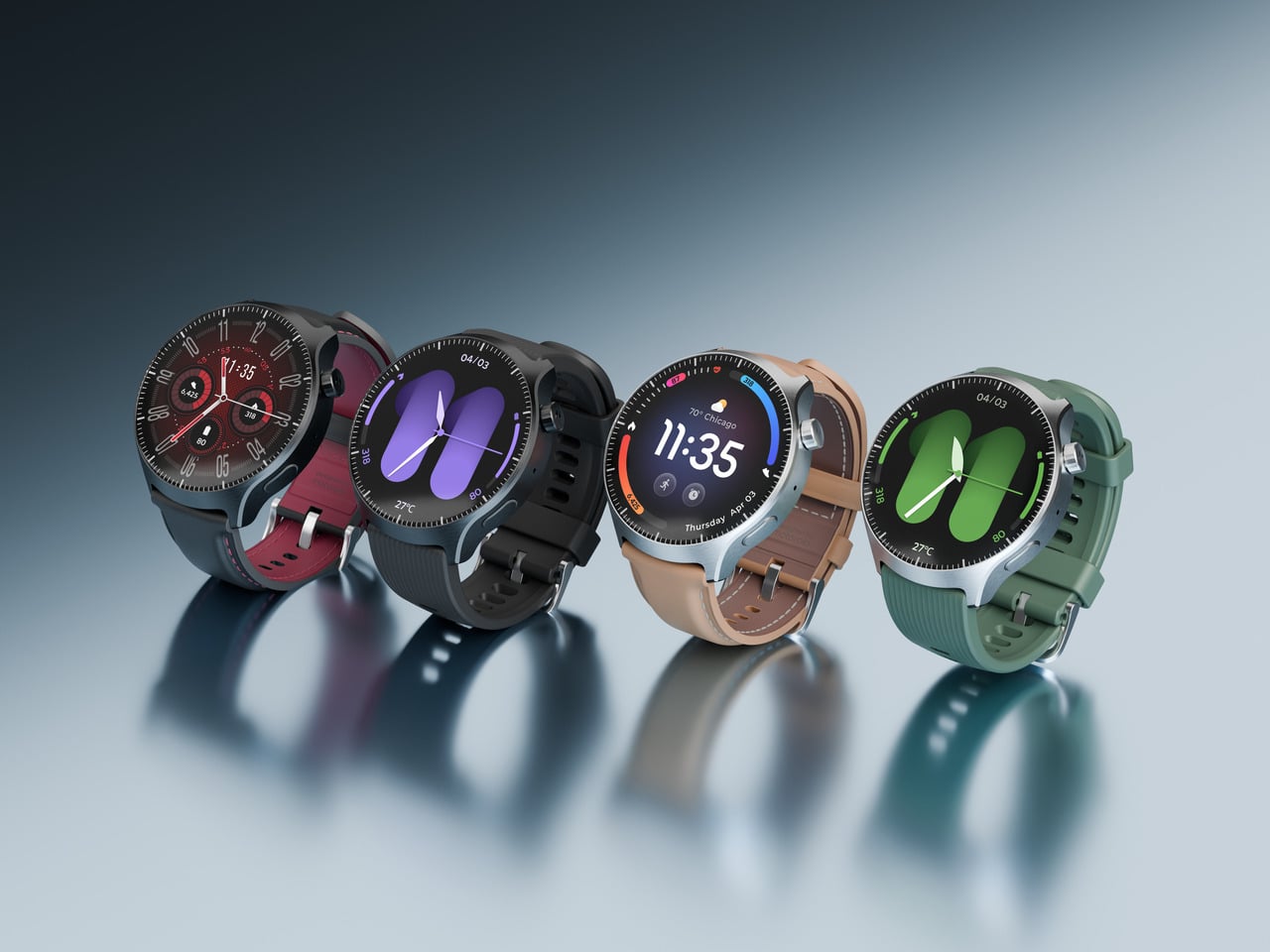
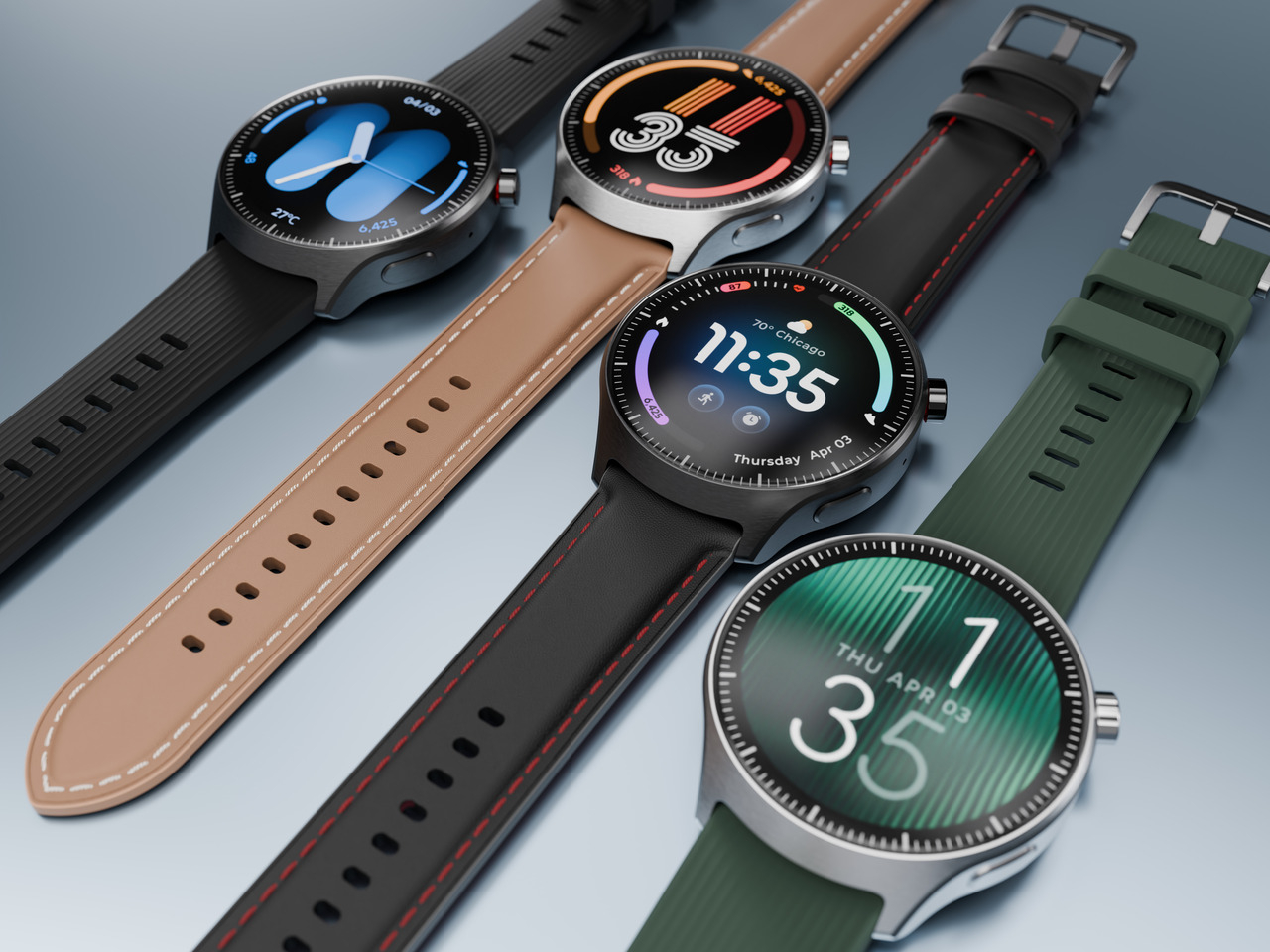
Motorola built the moto watch ultra around a premise most fitness wearables skip past: that a healthy lifestyle looks and feels different to everyone. Rather than forcing a single definition of fitness onto every wearer, the watch adapts around whoever’s wearing it, from 5 a.m. training regimens to people just starting to pay attention to their own bodies. It’s Motorola’s most ambitious attempt yet at making a smartwatch feel personal rather than prescriptive.

That personalization comes from Polar, whose science-backed algorithms power features built around distinctly different priorities. Serene offers real-time biofeedback for relaxation, tracking how long someone spends in three serenity zones and whether their breathing synced with an optimal rhythm. Nightly Recharge and Sleep Plus Stages work in tandem overnight, calculating a personal sleep score from time spent in light, deep, and REM cycles alongside nervous system recovery.

Designer: Motorola

For anyone chasing more active goals, Activity Score and Active Intensity Zones translate daily movement into numbers that actually mean something, weighing heart rate and motion against a tailored target rather than a generic step count. Energy Sources goes a layer deeper, breaking down how the body burns fat, carbs, and protein mid-workout. Running Coach rounds things out with guided pacing cues, useful for someone training for a first race or trying to shave minutes off a personal best.

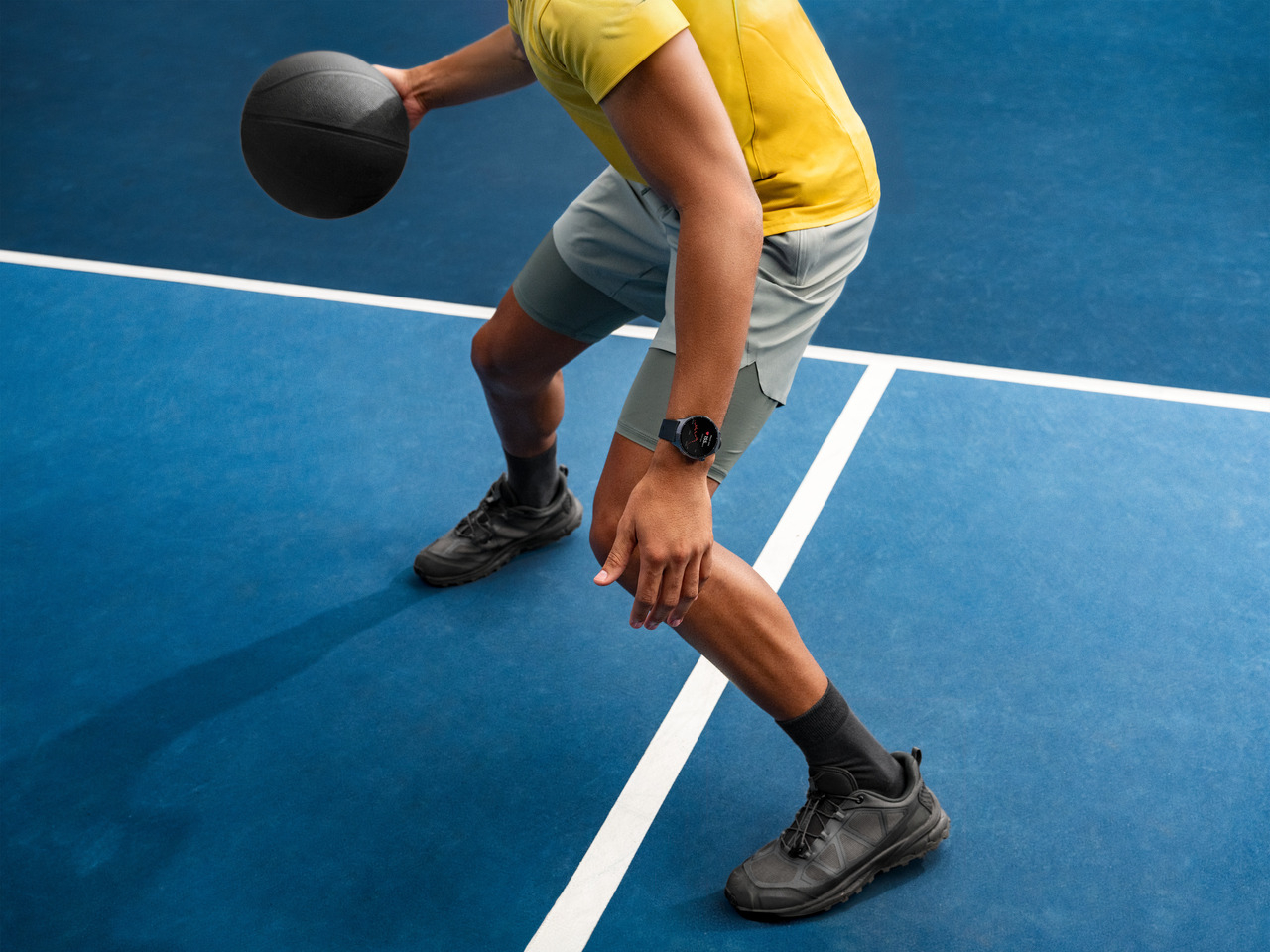
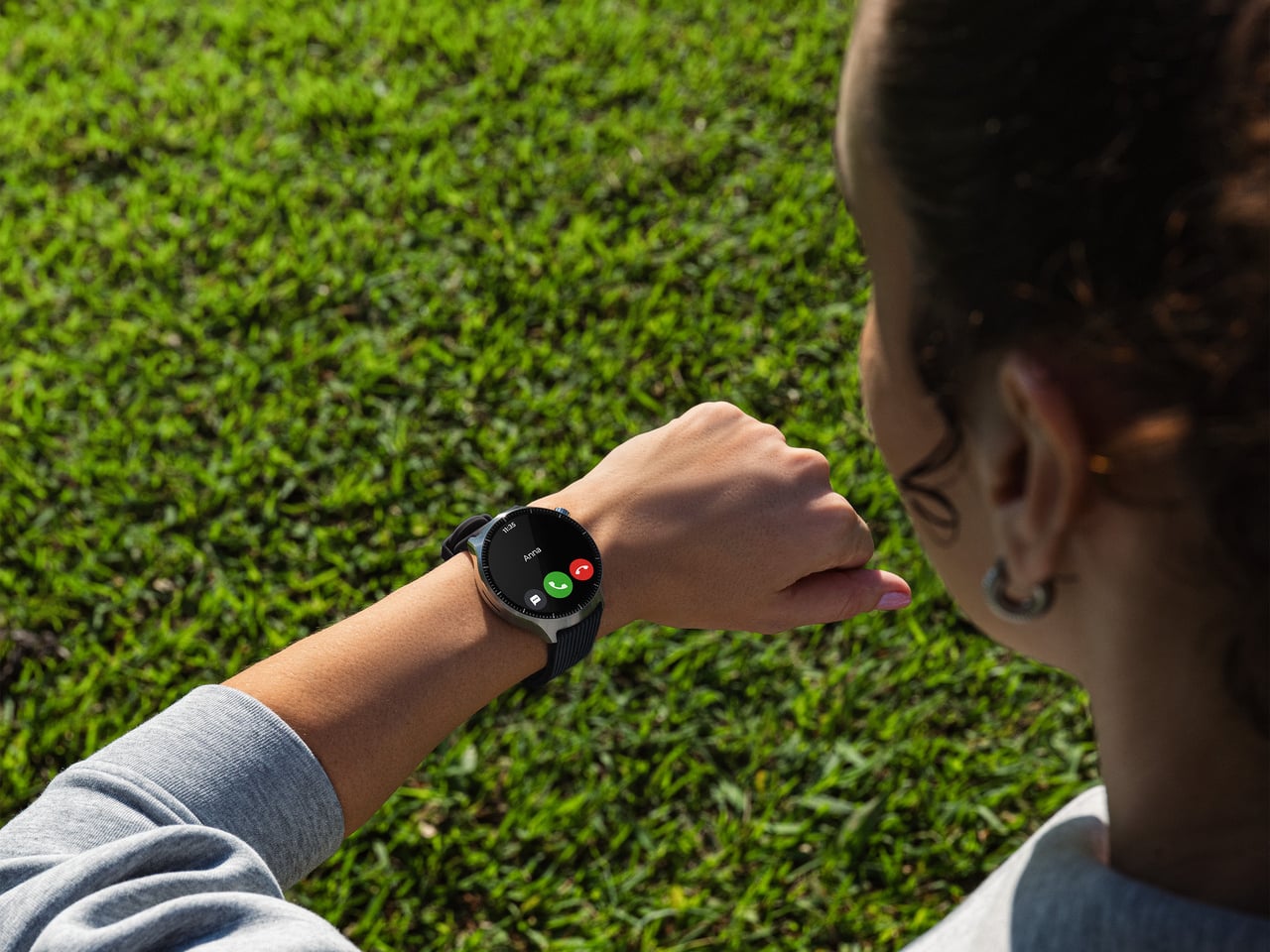
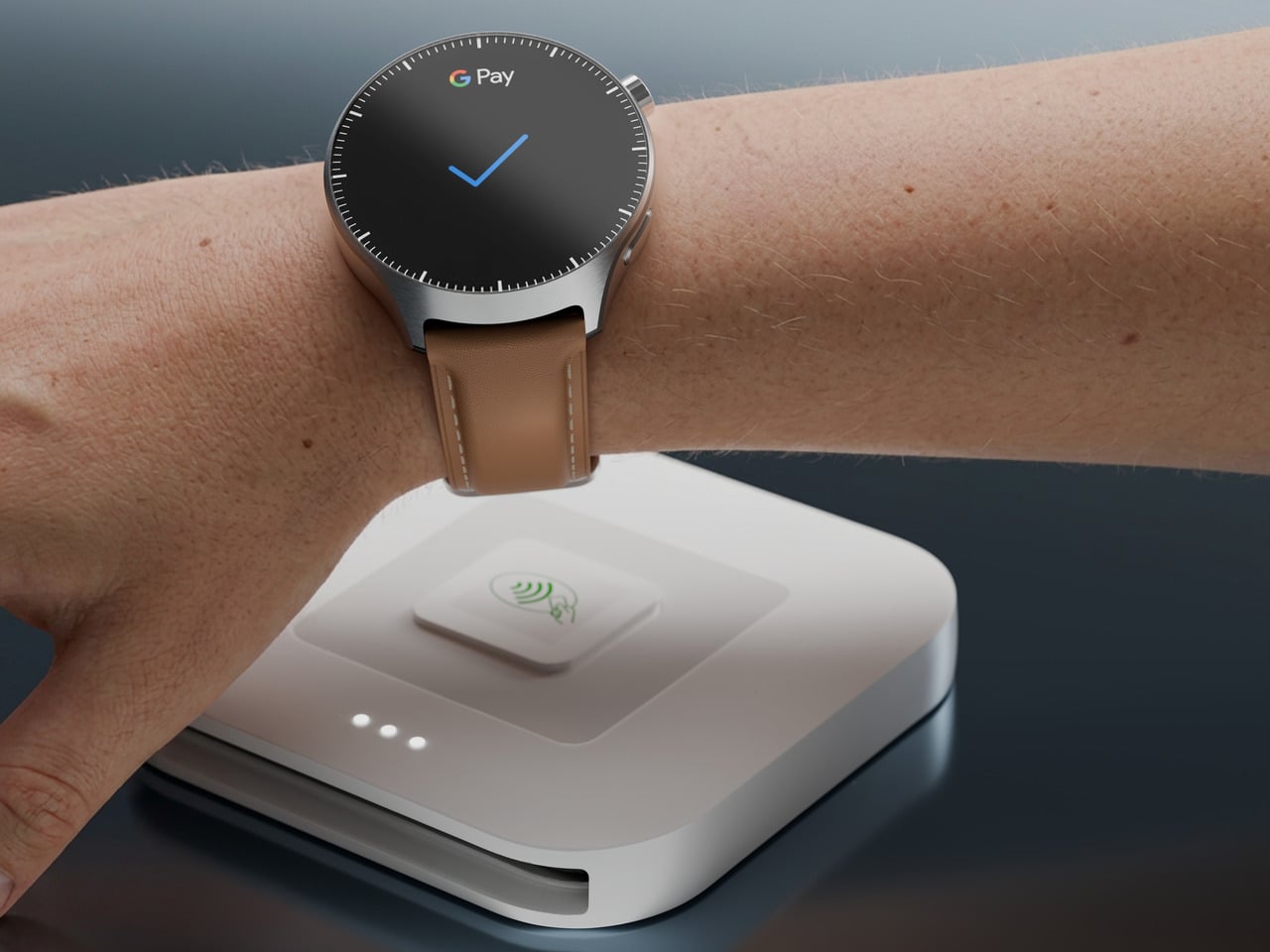
None of that tracking requires staying tethered to a phone. As the first moto watch with LTE functionality, the ultra lets wearers take calls, send texts, and manage notifications entirely from the wrist, useful for a run where carrying a phone feels like unnecessary weight. Google Wallet and NFC support cover an impromptu coffee stop afterward, while dual-band GPS keeps navigation accurate even through dense urban blocks or wooded trails.

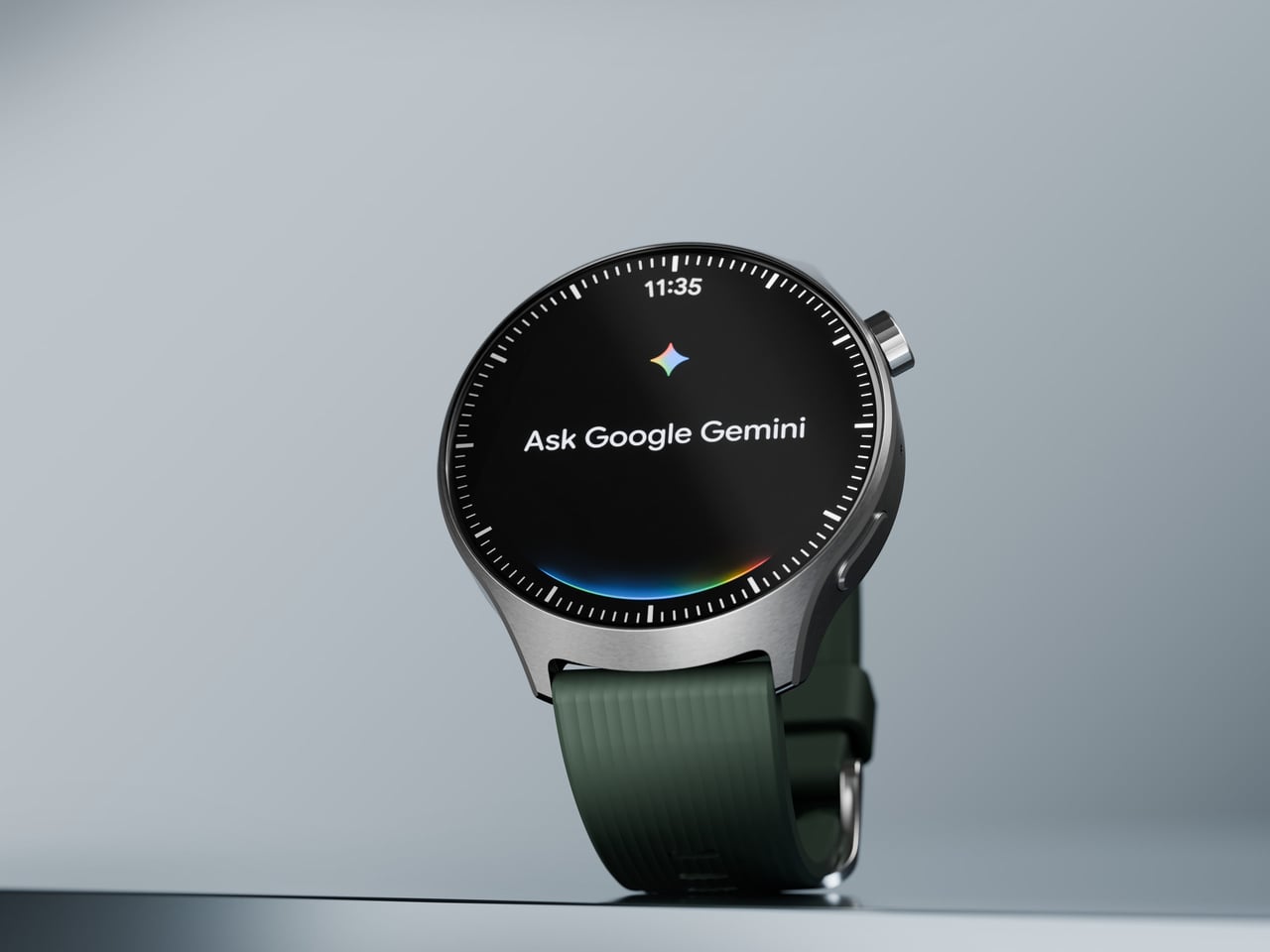
Software adds another layer of convenience. Running Wear OS by Google unlocks YouTube Music, Google Maps, and Google Gemini directly from the wrist, while built-in Motorola Qira, a first for any Motorola wearable, lets someone raise their wrist or simply say “Hey Qira” to pull up saved information across compatible Motorola and Lenovo devices. A Snapdragon W5+ Gen 1 chip keeps all of it running without noticeable lag between apps.

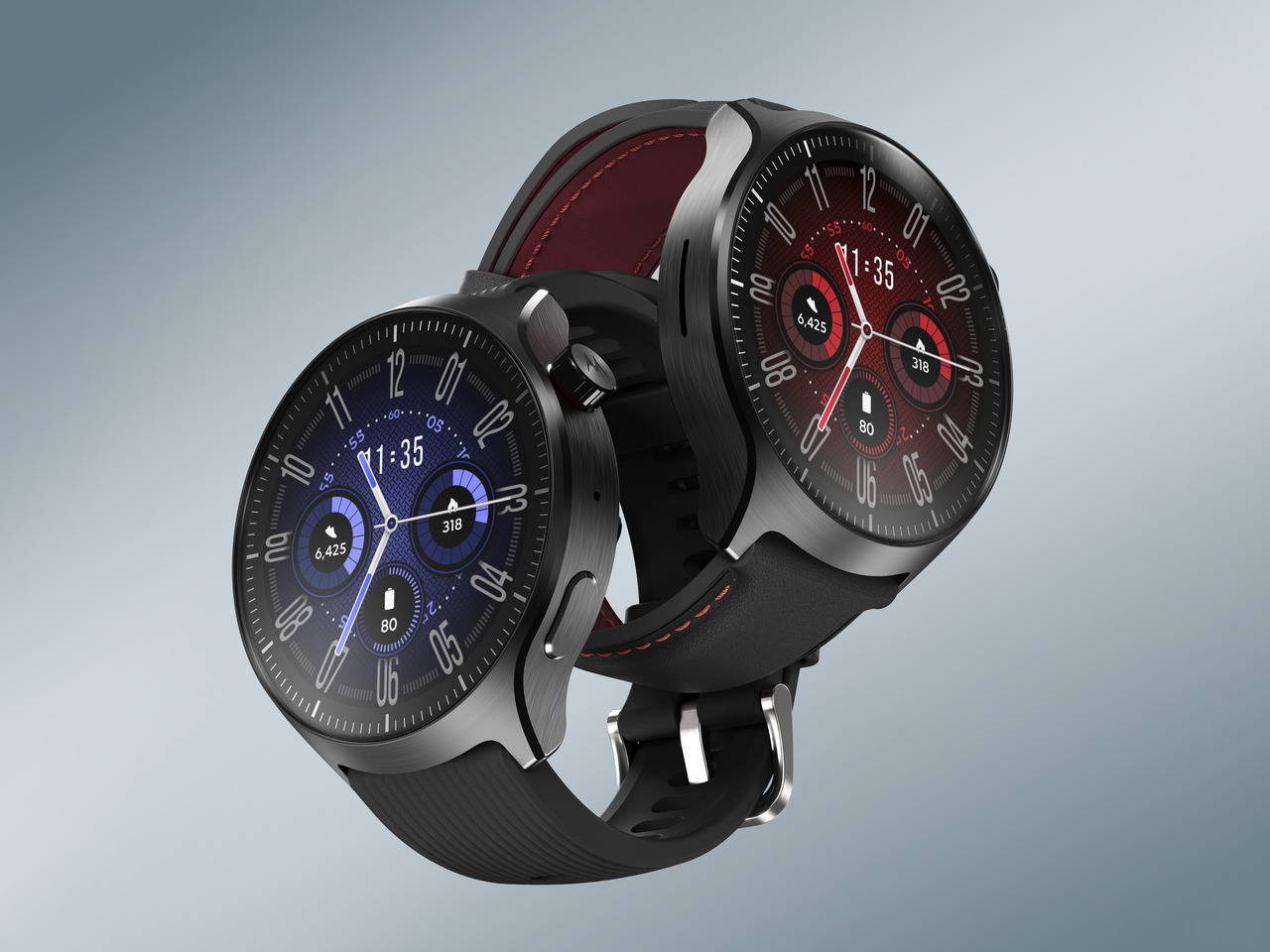
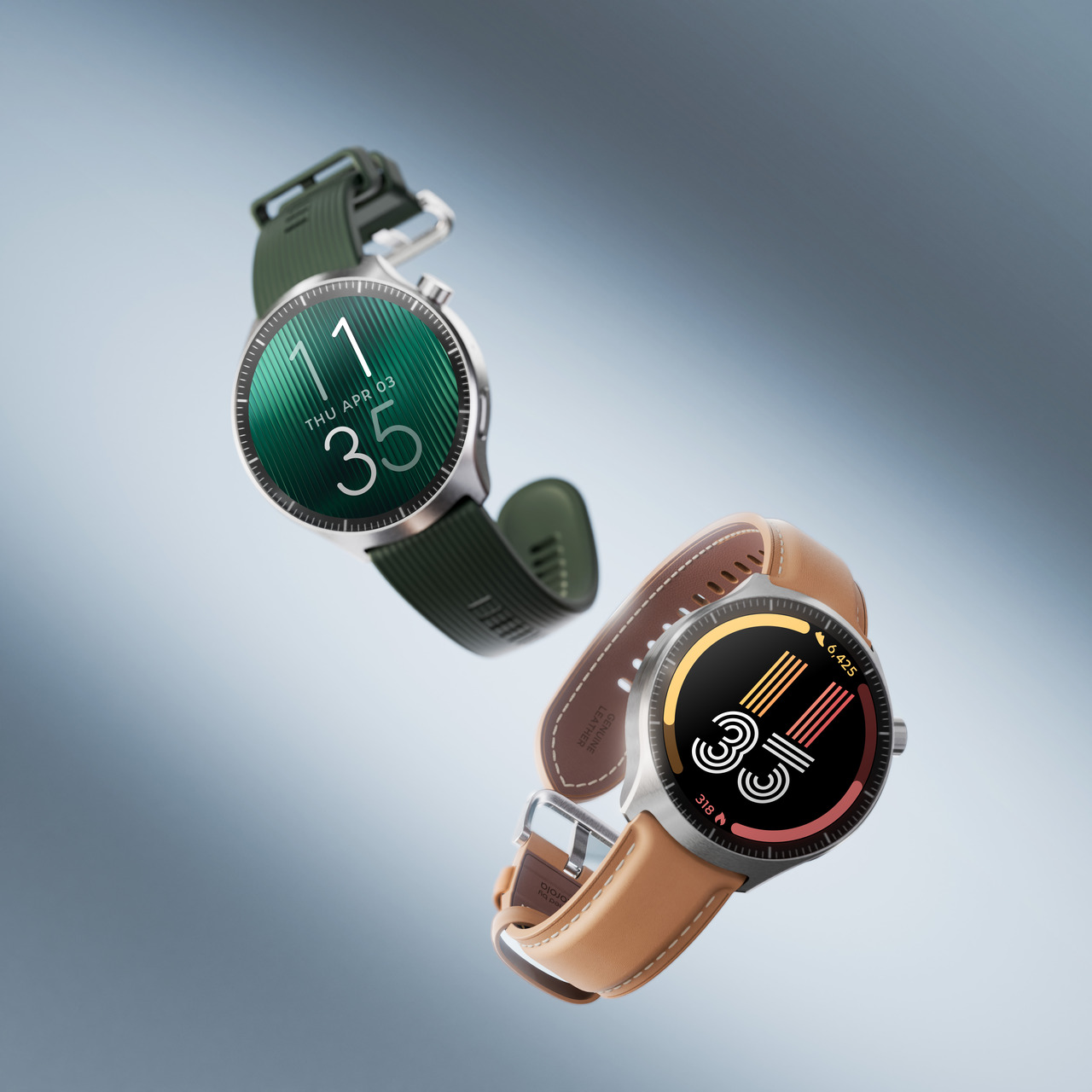
Physically, the watch carries a 46mm stainless steel case with a 1.5-inch OLED display that hits 2700 nits of brightness, bright enough to stay legible under direct sun during a midday run. Third-party 22mm band compatibility opens up styling options beyond Motorola’s own silicone and leather choices, letting the watch shift from gym equipment to something that pairs fine with a blazer.

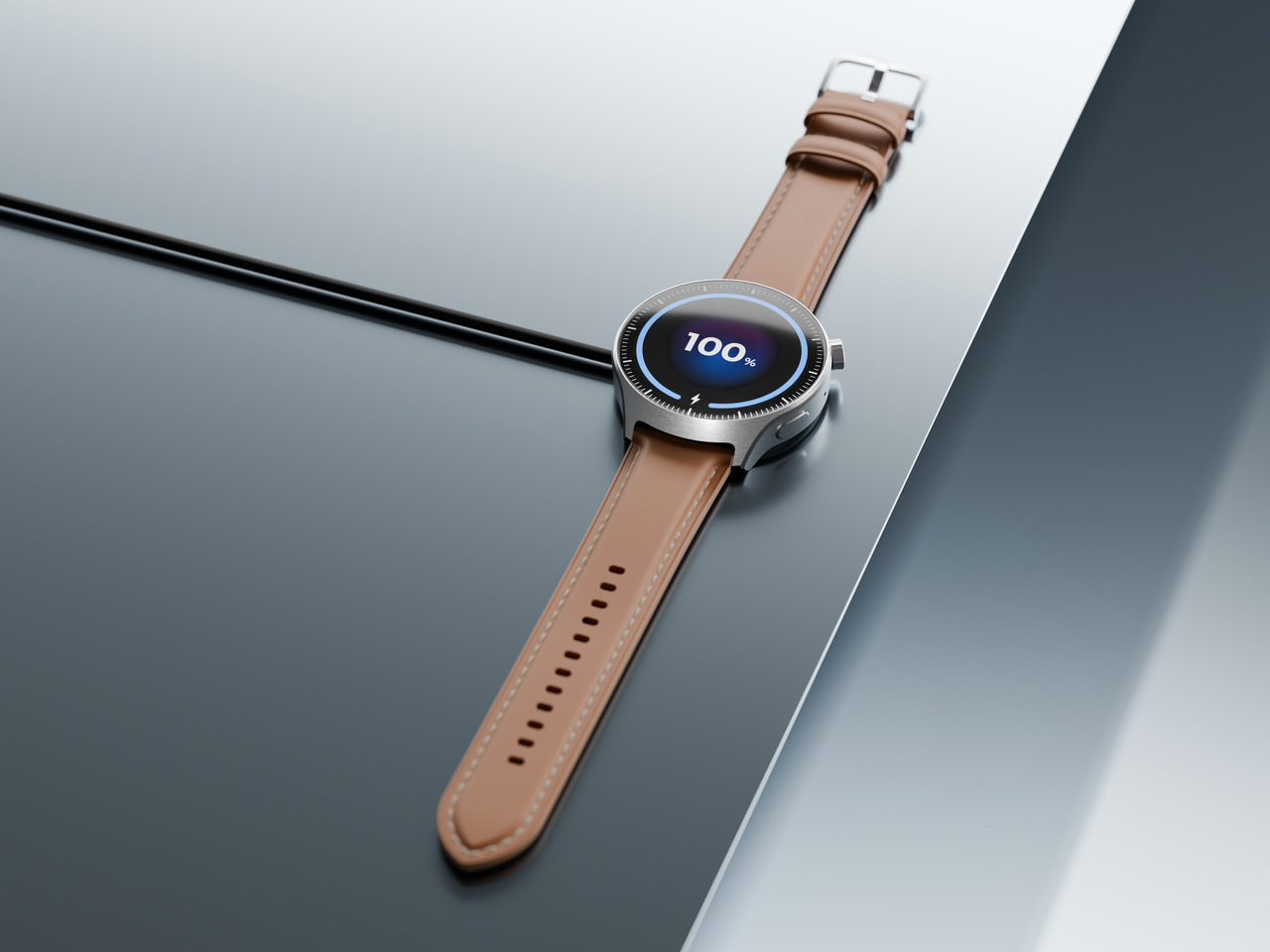
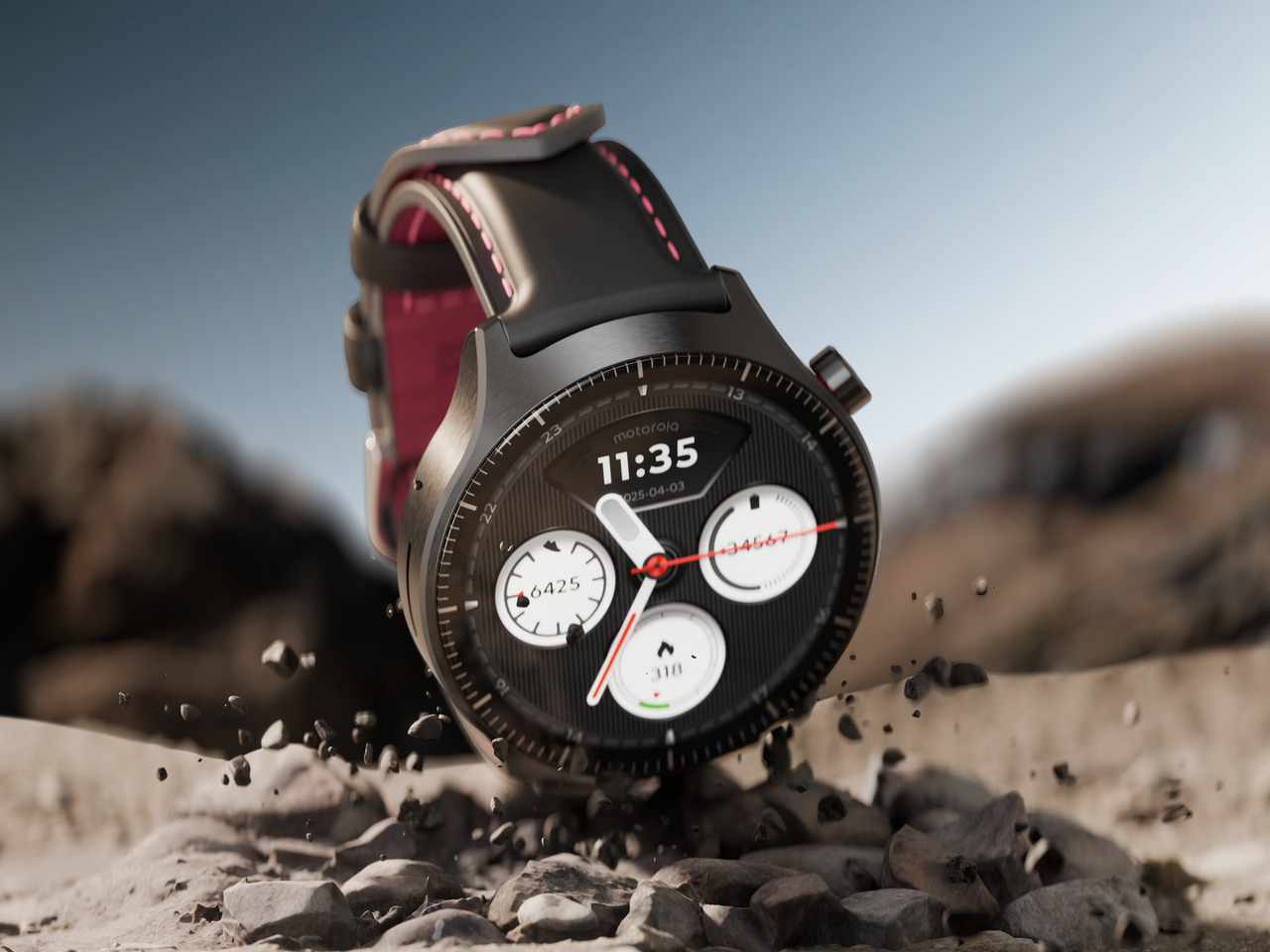
Durability backs up all that daily flexibility, with IP68 and 5ATM protection covering pool laps, rainy commutes, and steamy yoga studios alike, while Corning Gorilla Glass 3 guards the display against scratches picked up during actual use rather than careful display-case handling. Battery life holds up its end too, delivering up to 2 days of active use on a charge, or 24 hours from a 15-minute top-up before heading out the door.

Pricing lands at $349.99 when the moto watch ultra arrives on Motorola.com on September 10, followed by Verizon on September 24 and additional carriers in the months after. Between Polar’s wellness algorithms, LTE independence, and a design built to move between a trailhead and a boardroom, Motorola seems intent on proving a smartwatch can flex around a life instead of asking a life to flex around it.

The post Most Fitness Watches Tell You How to Live, the Moto Ultra Listens first appeared on Yanko Design.
Lenovo’s IFA 2026 Laptop Concept Rolls Out From 14 to 17 Inches

Lenovo used IFA 2026 to show that the most interesting ideas in business computing aren’t sitting in stores yet. Alongside a refreshed lineup of desktops and laptops, the company unveiled two proofs-of-concept, Project AeroBlade and Project Swan, that treat a laptop’s shape as something worth reinventing rather than accepting as fixed. Both concepts ask what a work device could become if mobility, not convention, drove every decision.
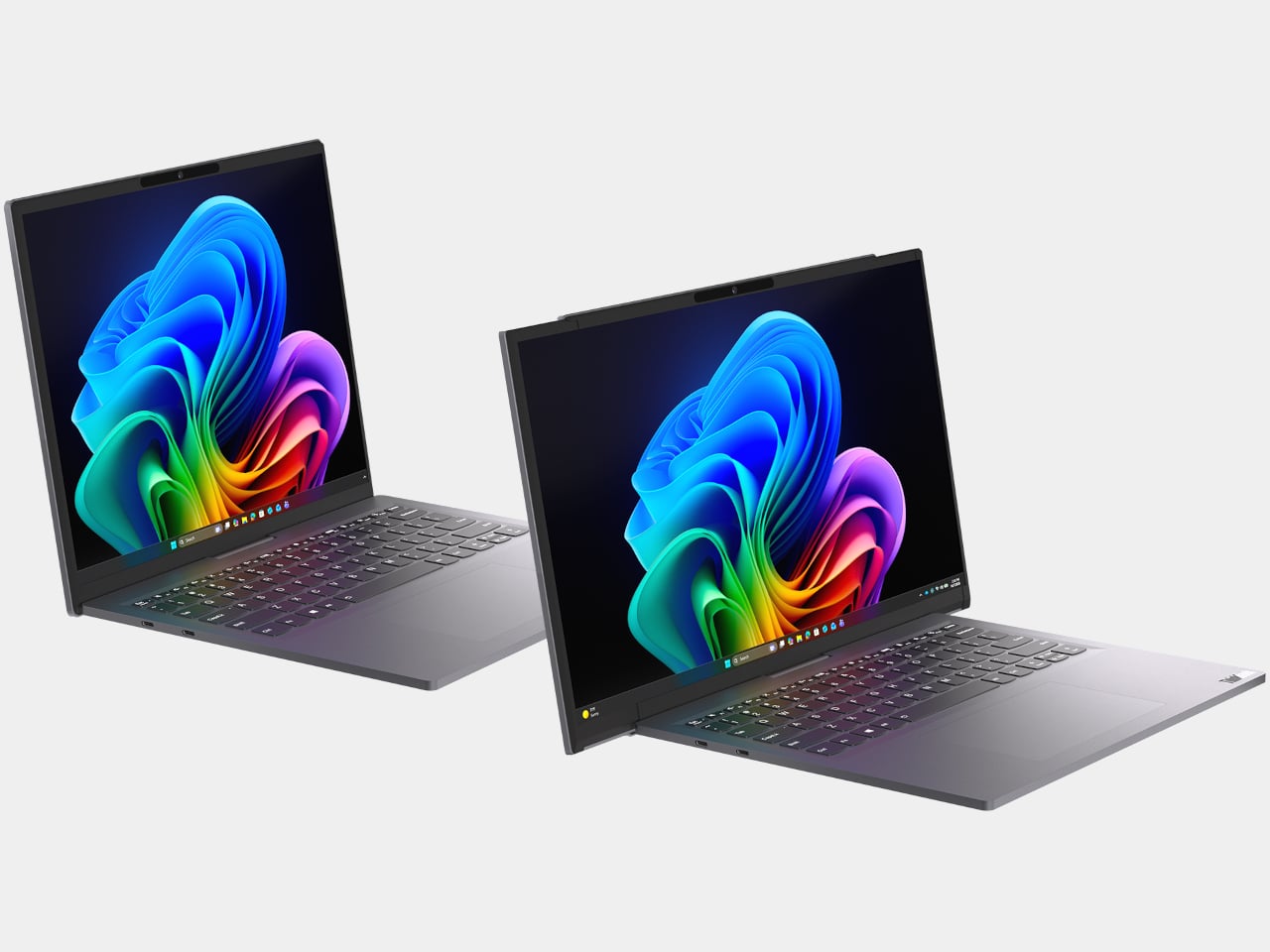
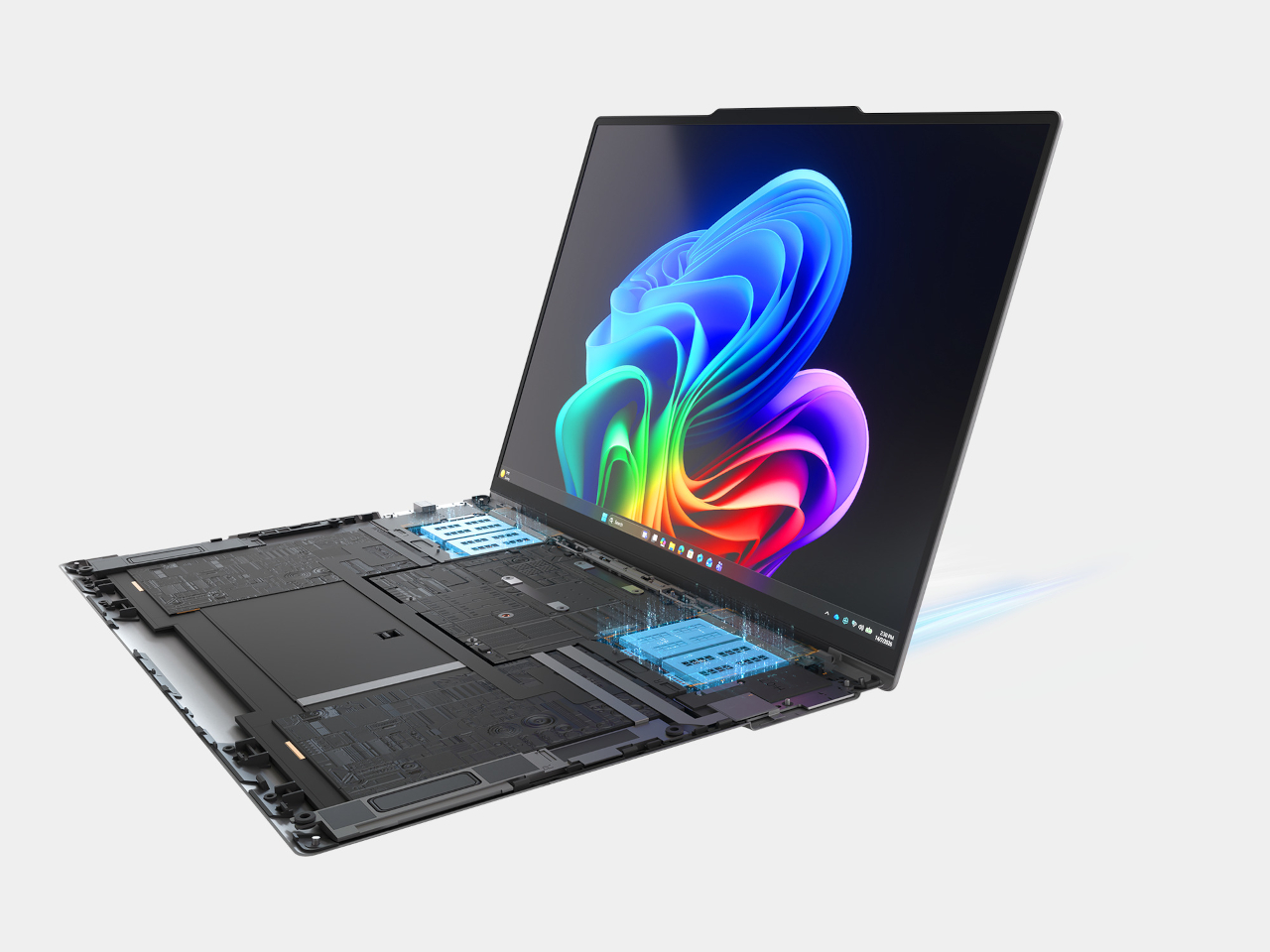
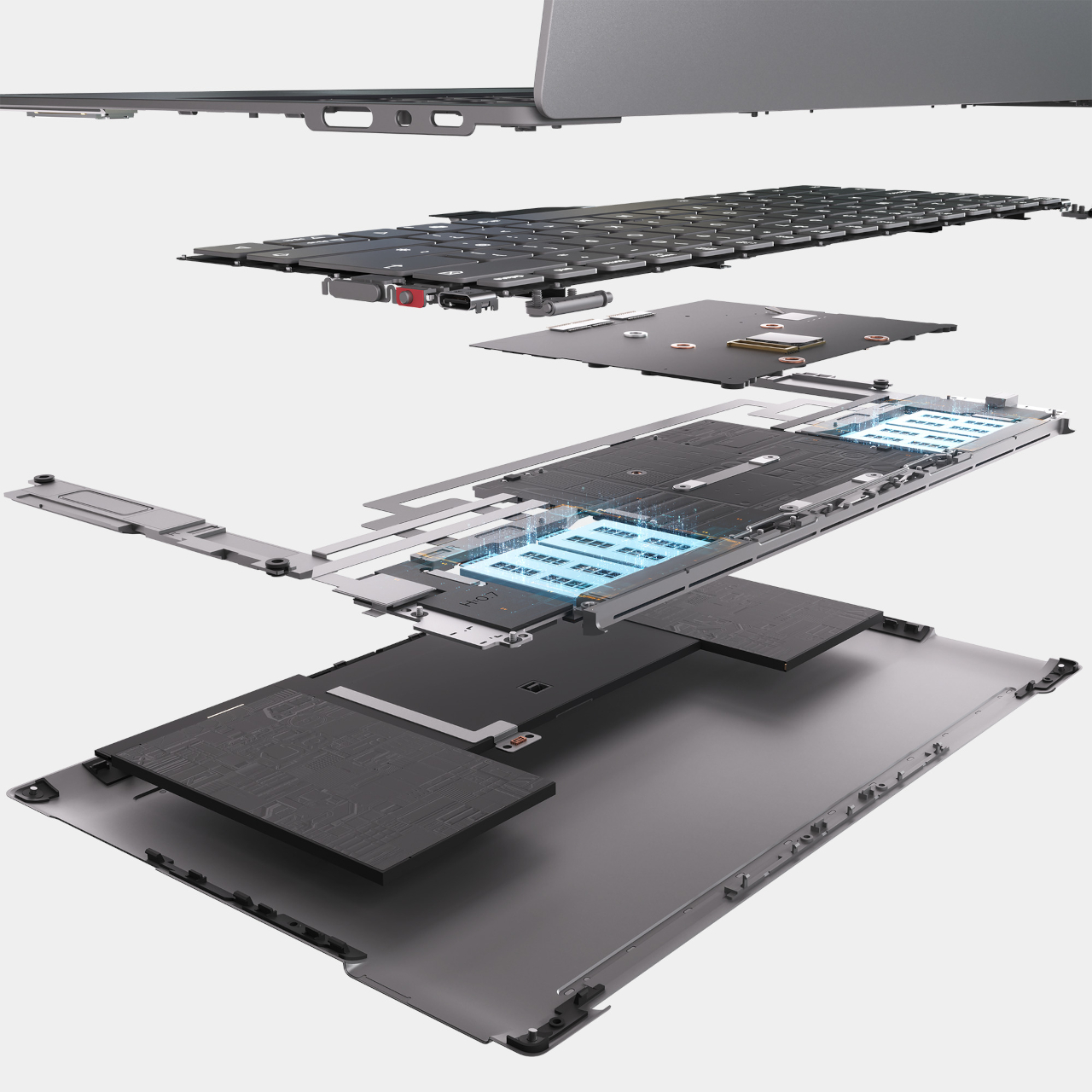
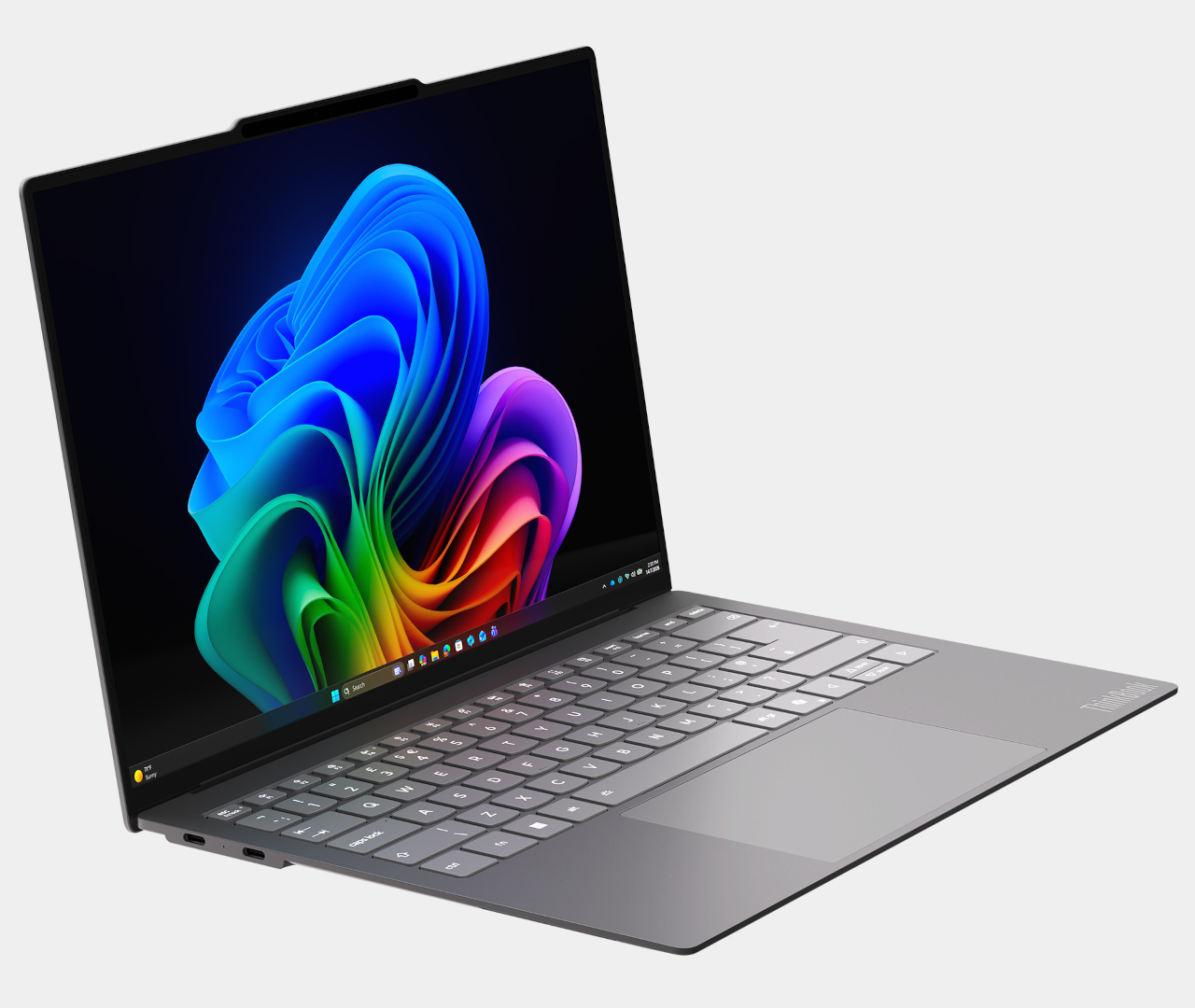
That reinvention starts with Project AeroBlade, a 14-inch concept built around a simple provocation: that thinness shouldn’t force a trade-off with sustained performance. Measuring under 10mm thick and weighing under 830g, the fanless design relies on Active Flow, a solid-state cooling architecture developed with Frore Systems using AirJet technology instead of spinning fans. The result stays quiet on a couch, a coffee shop table, or a cramped airplane tray.
Designer: Lenovo

Removing fans doesn’t just cut noise but also strips out dust intake and mechanical complexity that typically wear down thin laptops over years of travel. Lenovo wrapped that cooling breakthrough in magnesium-aluminum construction, paired with a high screen-to-body OLED display, Thunderbolt 4 connectivity, and Wi-Fi 7, betting that hybrid workers want a device light enough to forget they’re carrying, without losing the horsepower a real workday demands.

Project Swan takes a different route toward the same goal, solving the tension between portability and screen real estate instead of thickness and cooling. In its compact state, it behaves like an ordinary 14-inch notebook, easy to slide into a bag between meetings. Roll it out, though, and the display stretches into a 17-inch 16:9 canvas, giving side-by-side documents and dashboards room to breathe without needing a second monitor nearby.

At 17.9mm thin and 1.6kg, Swan stays practical enough to carry through an average commute, only expanding when a spreadsheet or a presentation actually needs the extra width. It’s a concept built less for a single dramatic moment and more for the small, repeated frustrations of working from shared desks or unfamiliar conference rooms, where finding a second display isn’t always an option.

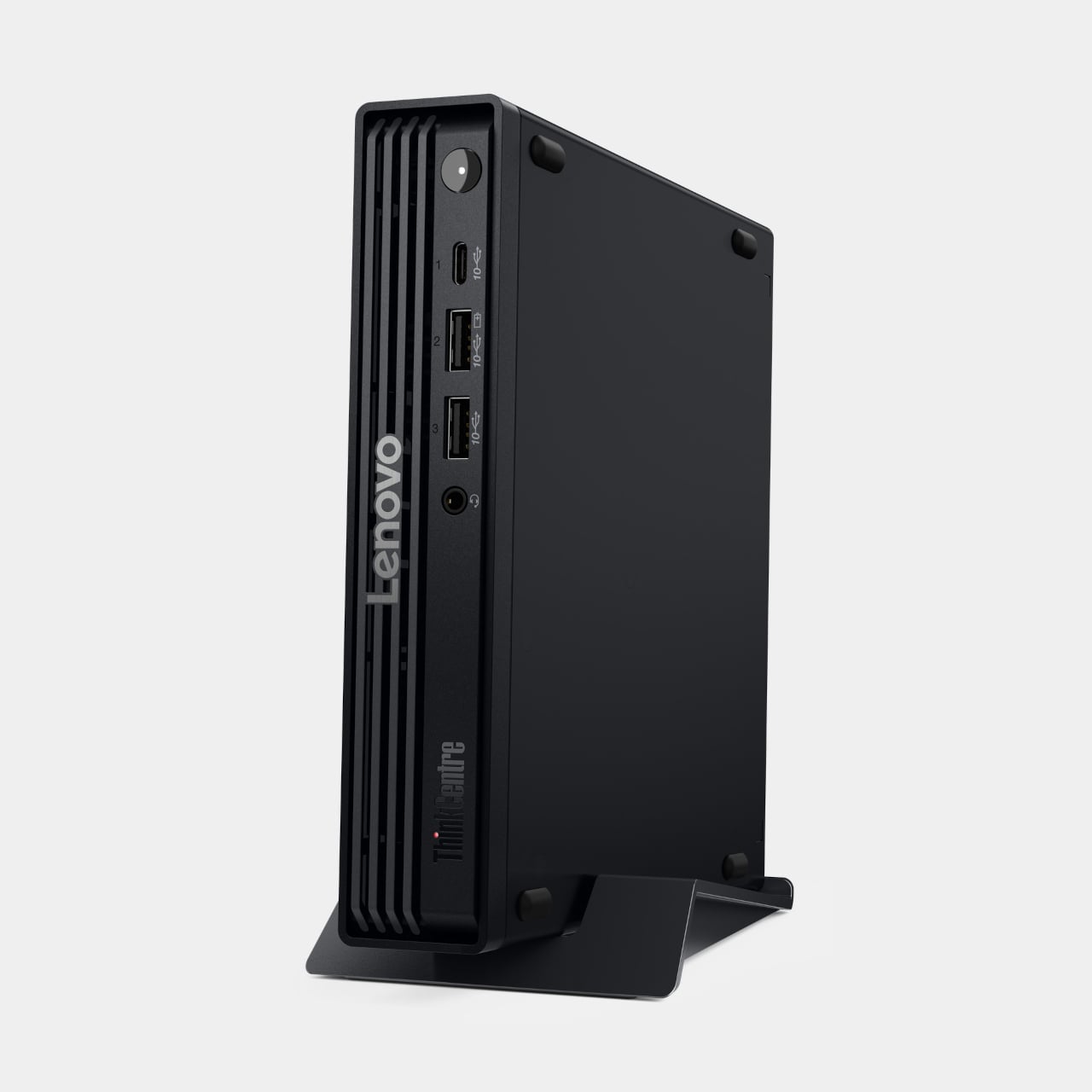
Lenovo ThinkCentre X Ultra

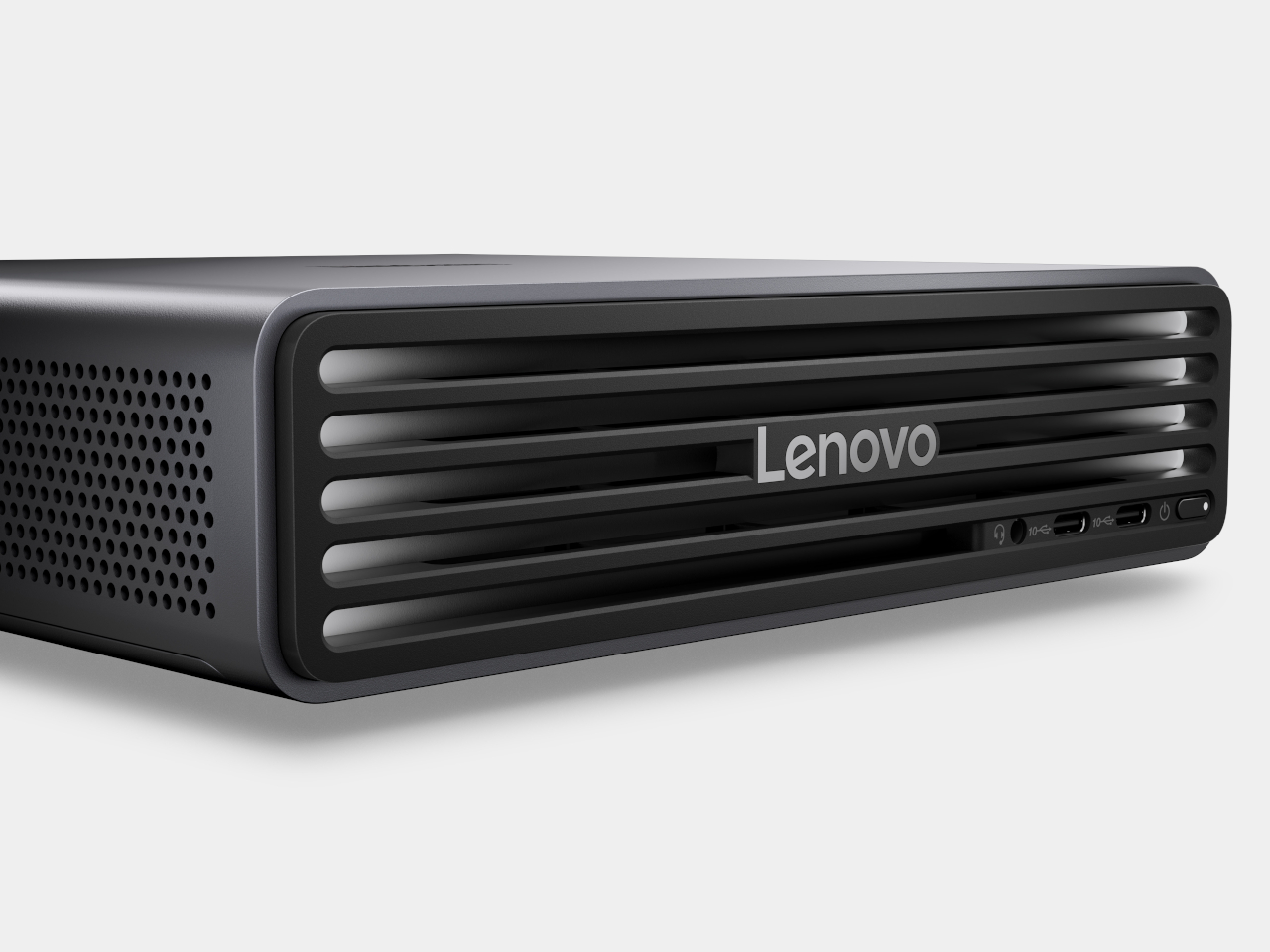
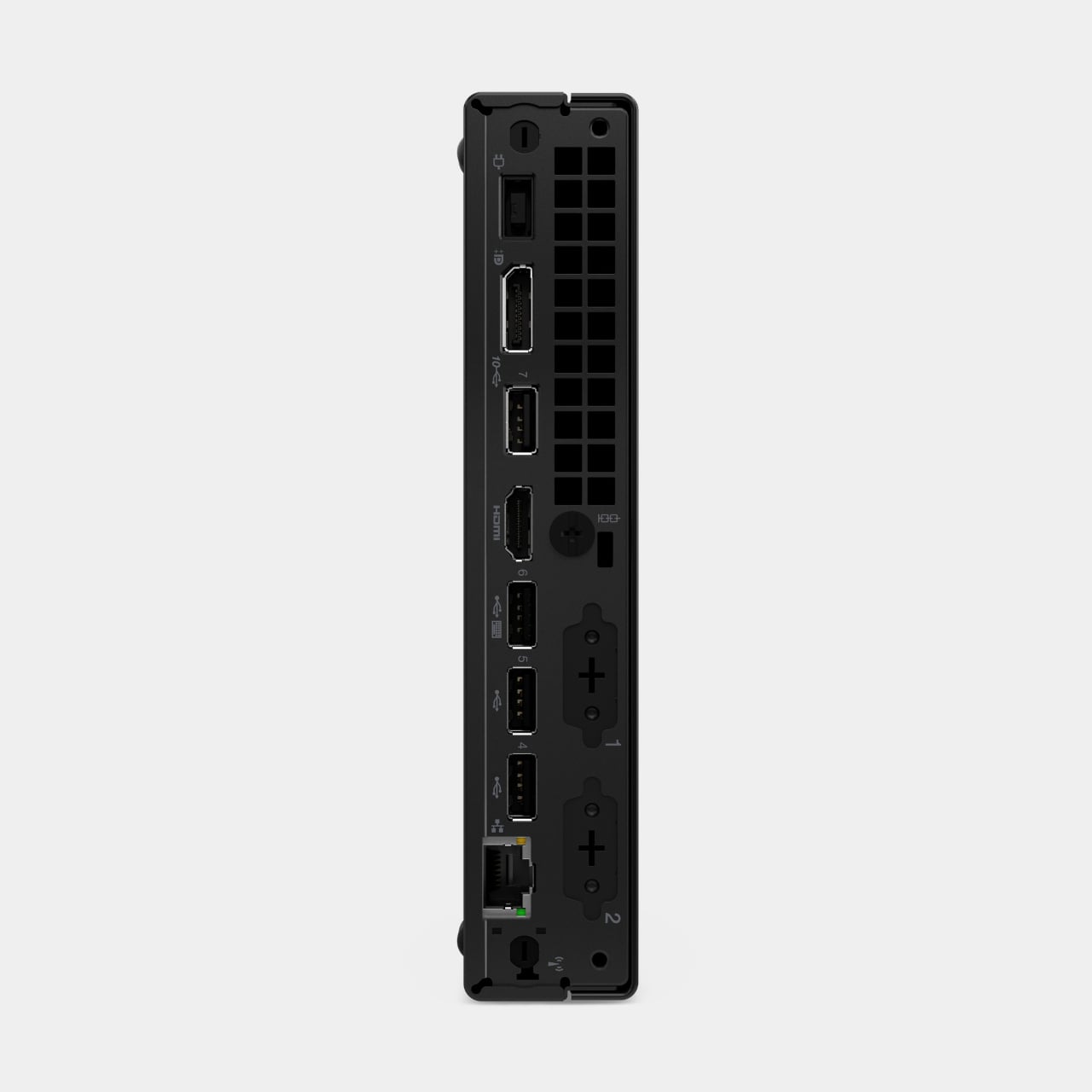
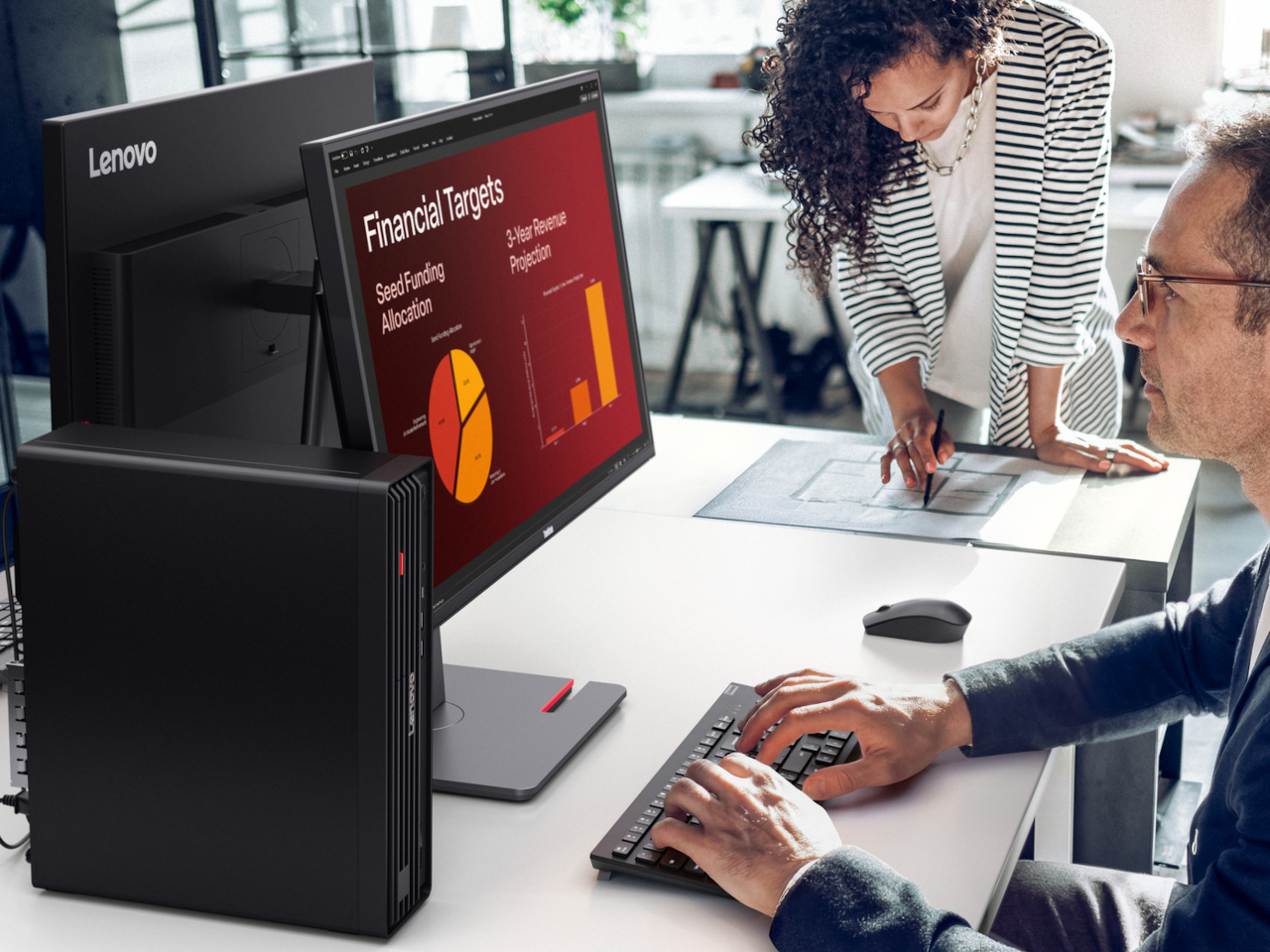
Beyond the concepts, Lenovo’s production lineup keeps pace with more grounded upgrades. The ThinkCentre X Ultra introduces a compact 1.6L desktop built for agentic AI workloads, with cluster-ready architecture that links up to four units together for larger models and multi-agent workflows. Smaller siblings, the M75s Gen 6 and M75q Gen 6, bring that same AI acceleration into space-saving builds designed to disappear behind a monitor or inside a drawer.

Lenovo ThinkCentre M75q

Those desktops start at $1,379.00 for the M75q Gen 6, climbing to $3,699.00 for the flagship X Ultra, positioning the lineup for businesses scaling AI workloads without dedicating an entire server room to the effort. Each model leans on the same agentic AI philosophy, treating compute as something that should expand alongside a company’s ambitions rather than forcing an early ceiling on performance.

Lenovo ThinkCentre M75s

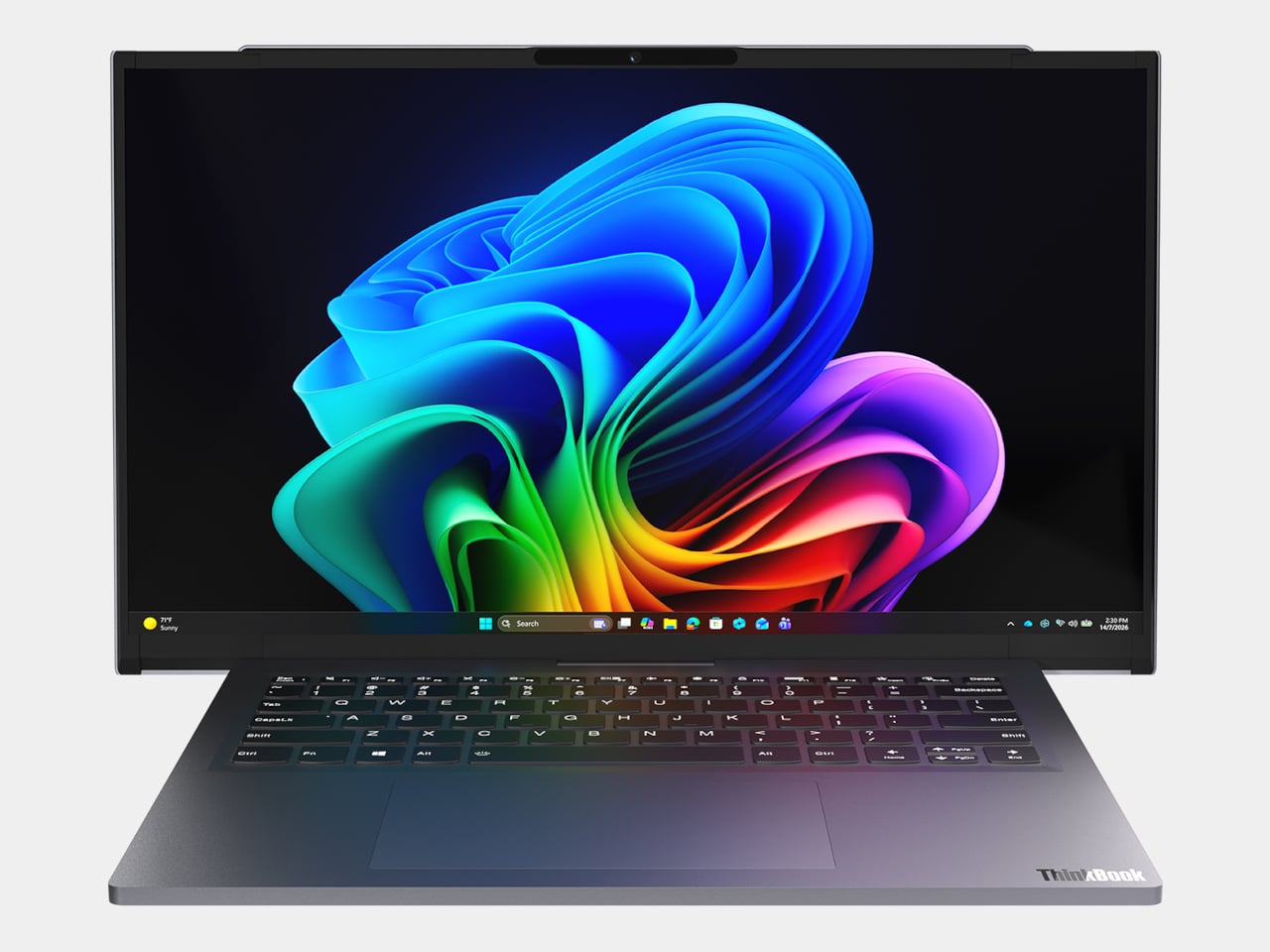
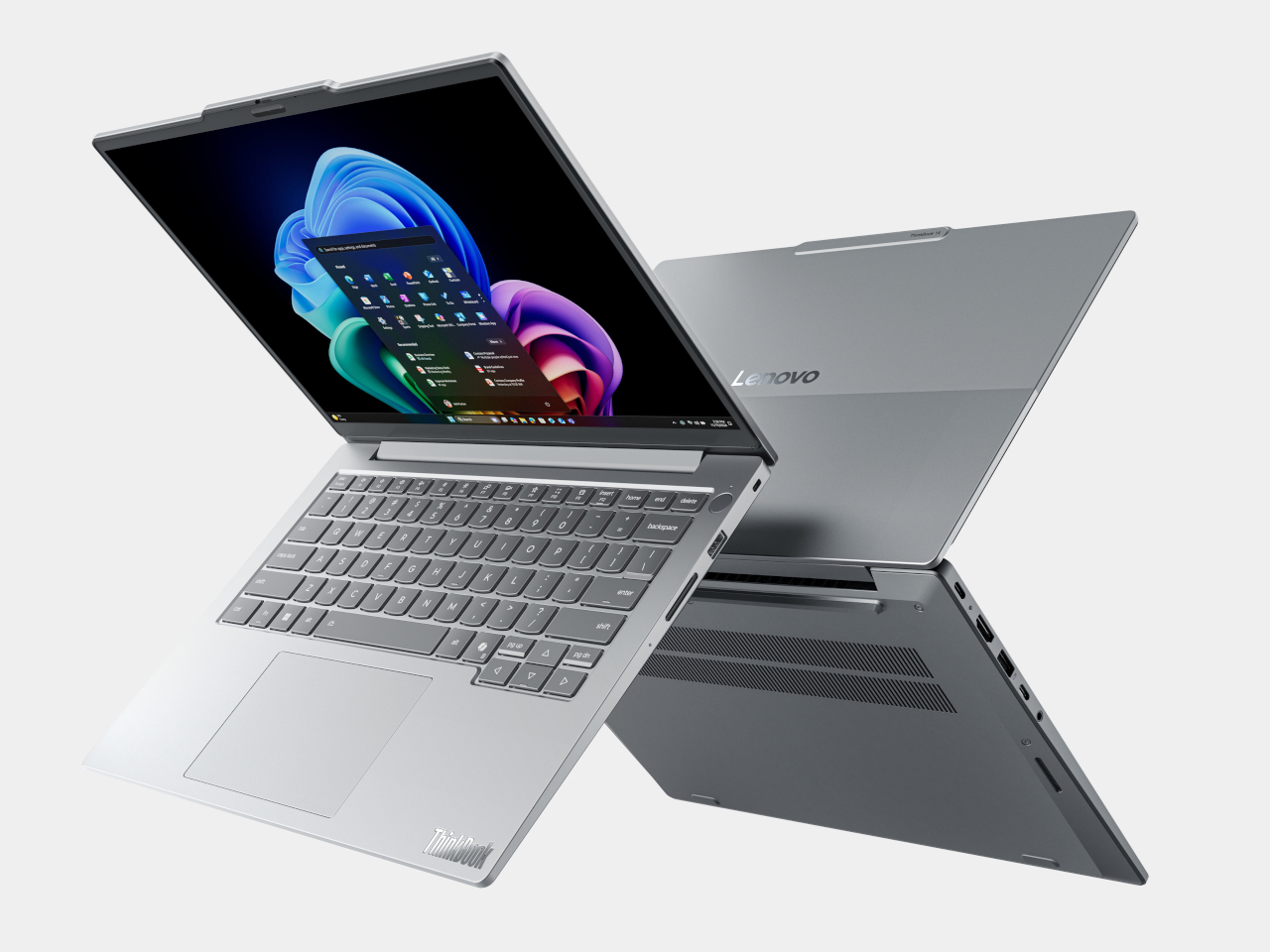
On the laptop side, the ThinkBook 14 Gen 9 pairs Snapdragon X2 Plus silicon with up to 26 hours of local video playback, while Lenovo Qira adds business-specific prompts like Catch Me Up for anyone stepping away from a meeting. Its 14-inch WUXGA display and 17.7mm profile keep the laptop practical for professionals who bounce between desks, meeting rooms, and airport lounges throughout a single workday.

Lenovo ThinkBook 14 Gen 9

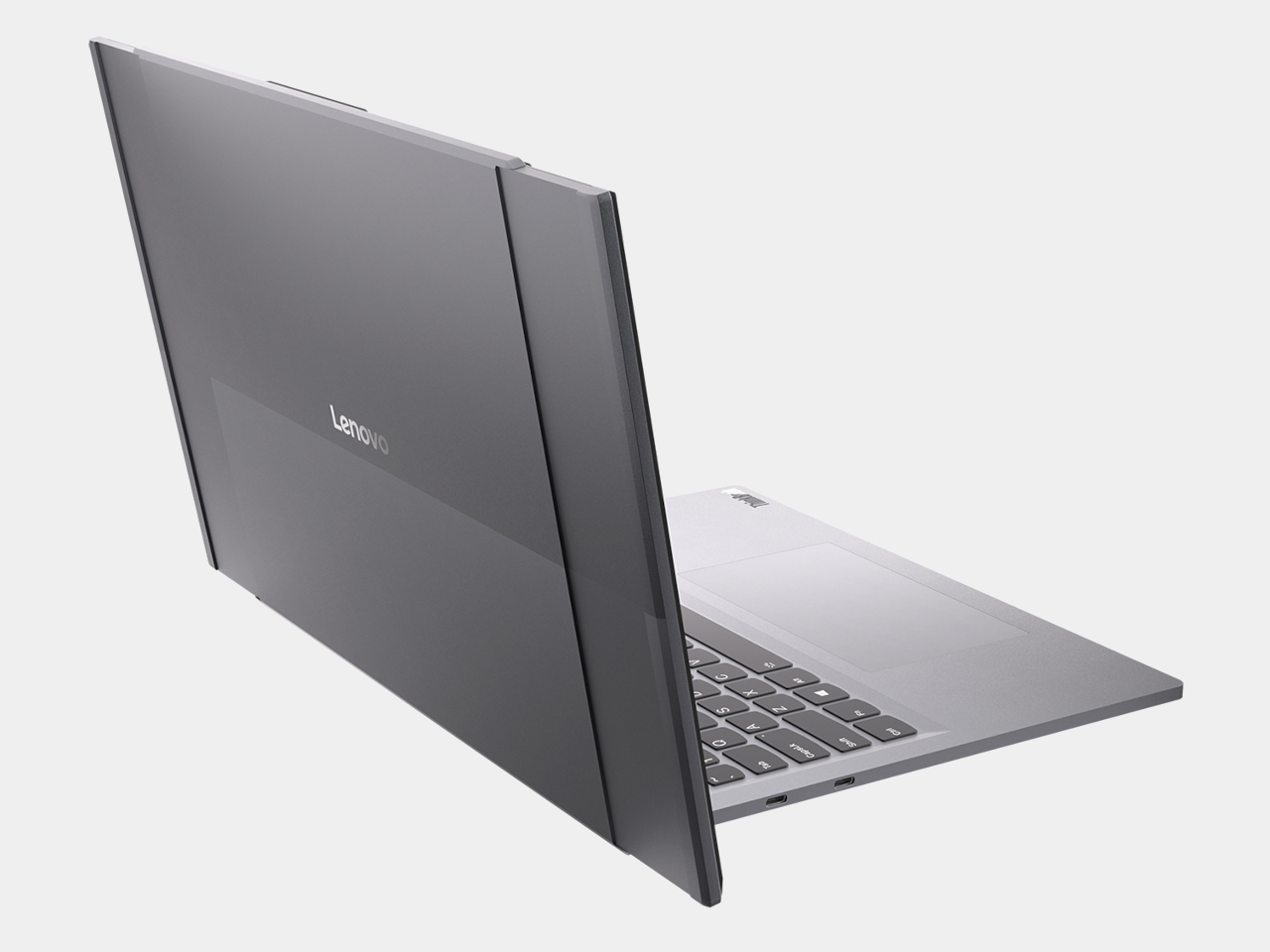
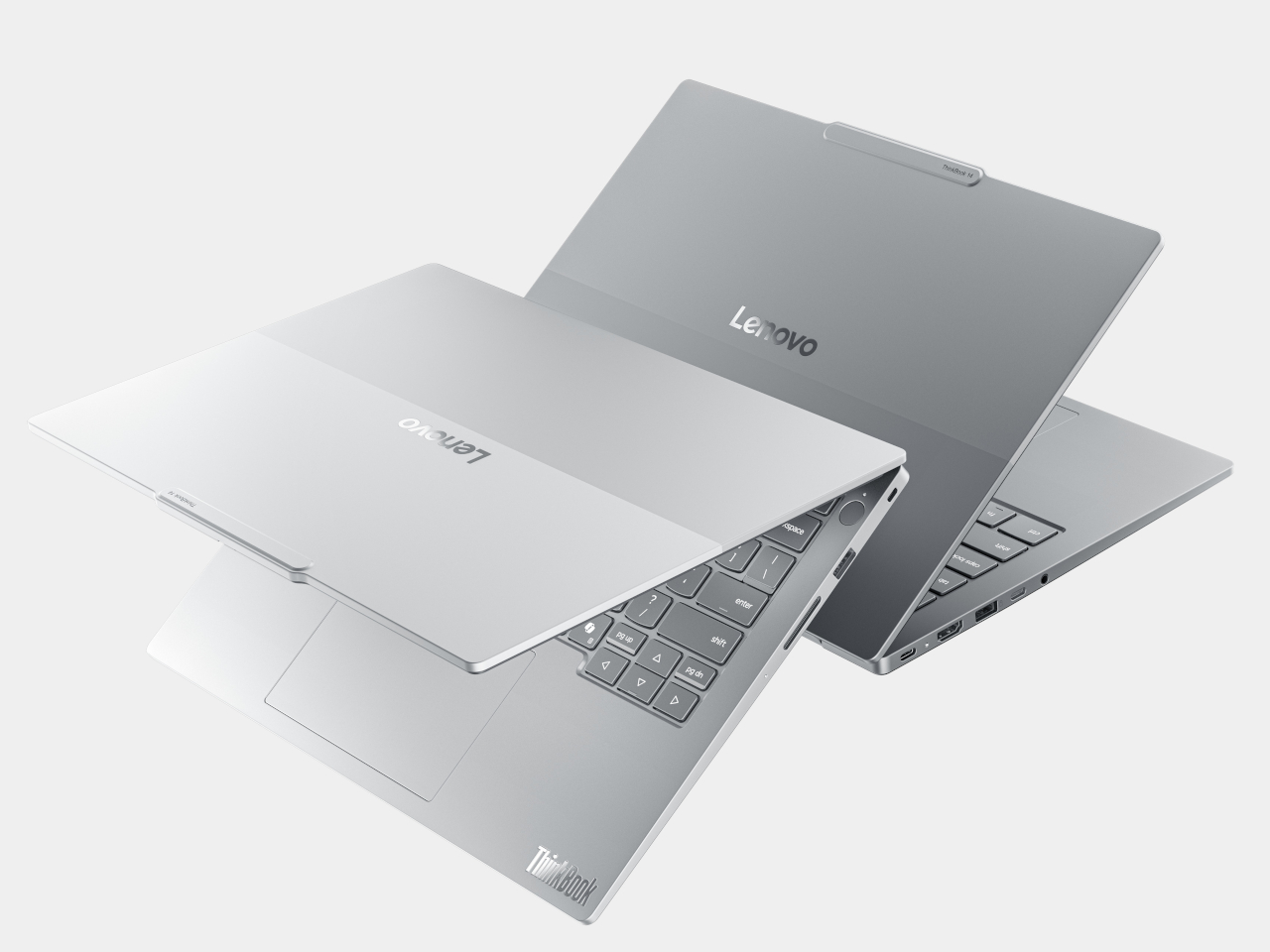
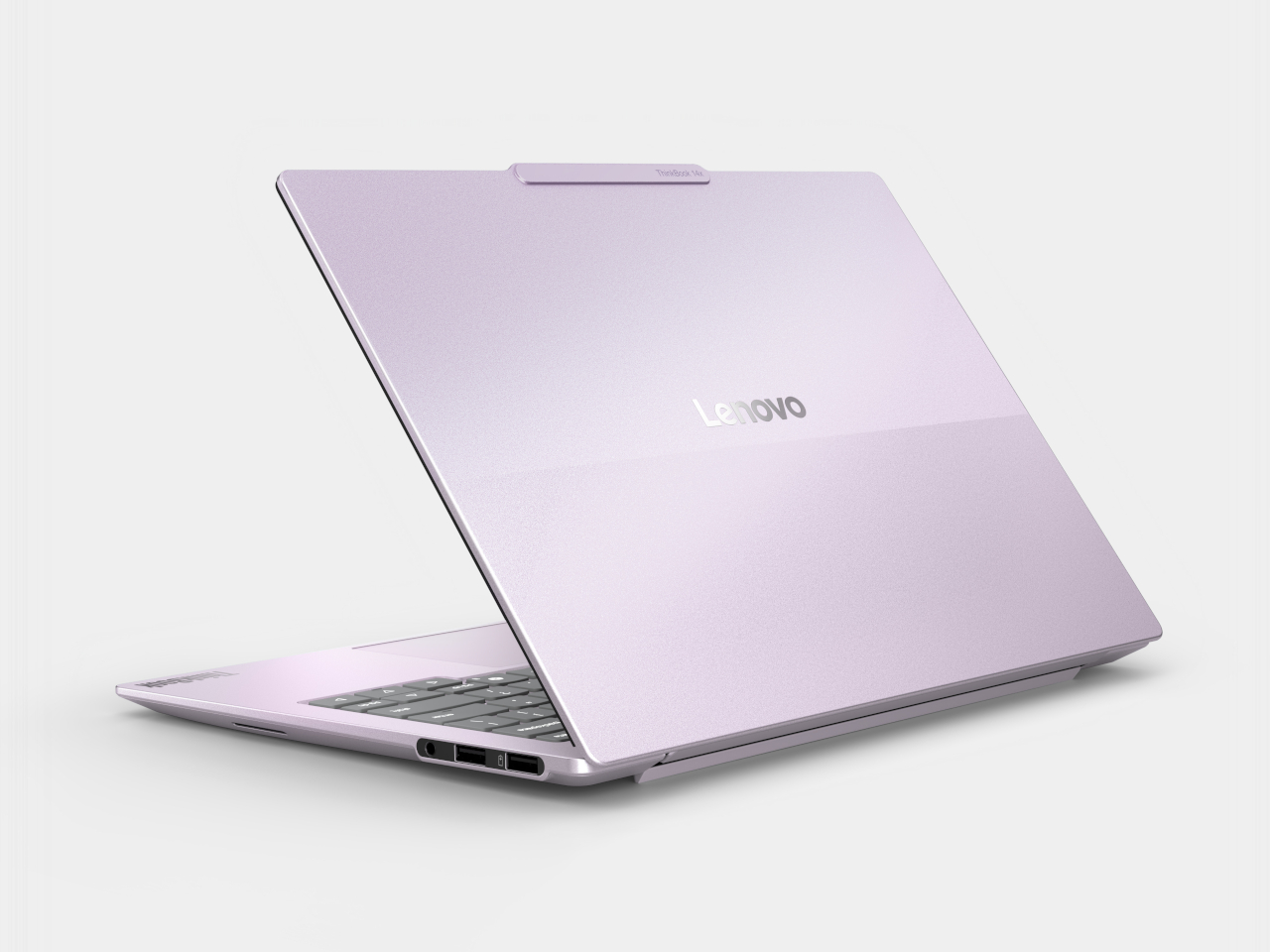
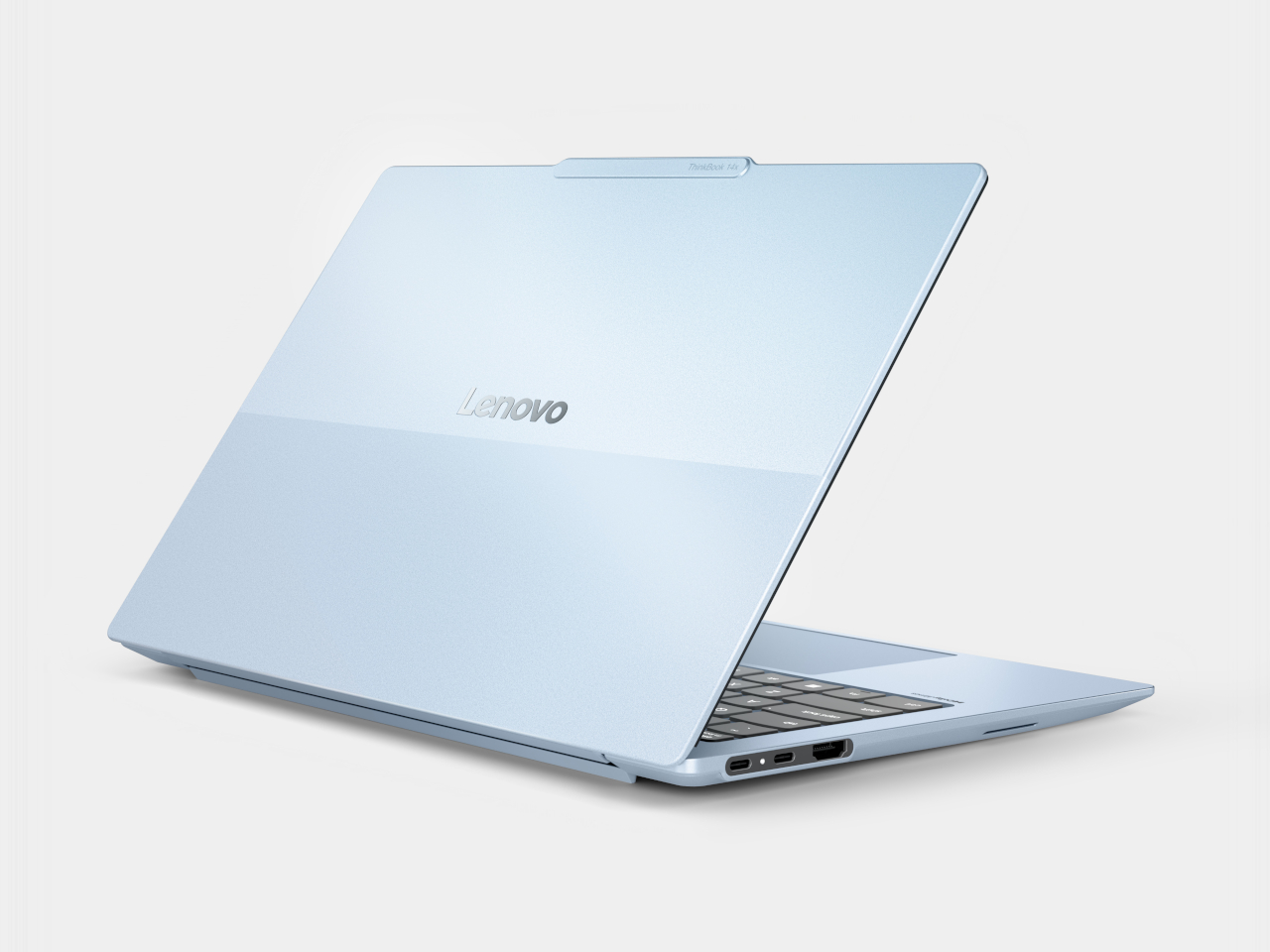
The ThinkBook 14x Gen 2 goes even thinner at 12.9mm and 990g, wrapped in metallic finishes and four color options, Luna Grey, Celestial White, Mystic Violet, and Veil Blue, that give a traditionally corporate lineup some actual personality. Between the two, Lenovo covers both ends of mobile productivity, one built for raw AI throughput, the other for anyone who simply wants their laptop to feel less anonymous.

Lenovo ThinkBook 14x Gen 2

Neither AeroBlade nor Swan carries a price or release date yet, staying firmly in concept territory while the rest of the lineup ships between September 2026 and the first quarter of 2027. Still, both concepts hint at where Lenovo’s production laptops might head next, favoring adaptable shapes over the fixed dimensions that have defined business computing for decades.

The post Lenovo’s IFA 2026 Laptop Concept Rolls Out From 14 to 17 Inches first appeared on Yanko Design.