Although electric cars are becoming more common, we’ve barely scratched the surface of what they’re capable of. Removing the need for traditional fuel and relying on batteries opens up new possibilities, and not just in terms of power sources. It can offer a bit more flexibility when it comes to the form and function of the vehicle, like cars with completely digital interfaces or screens all around. There might even be room for a modular design, as this concept for a tiny Japanese electric van tries to show, allowing the manufacturer or even the owner to switch out certain parts both outside and inside to match their needs, just like pieces of a puzzle.
To be fair, a modular car might be a bit far down the road considering the industry is hyper-focused on standardizing electric vehicles and making self-driving features more acceptable to the masses. That’s not to say that the design is a distant possibility only, especially when the features are made to be more practical rather than fantastical. Switching out panels is probably more feasible than switching out whole car parts or components, which is the kind of modularity that the Puzzle concept embodies.
At first glance, the boxy shape of the Puzzle will already look strange to those not used to so-called “Kei cars,” but this kind of van design is popular in Japan for striking a balance between large interior capacity and small compact size. It’s a design that screams practical efficiency, and making it modular is taking it to the next level. But unlike what you might be imagining, the Puzzle’s pieces, pardon the pun, are limited to swapping out certain panels at the sides, corners, and even inside. It’s a bit of a generic system that opens up quite a number of possibilities but, more importantly, it also doesn’t tie them down to a specific design or part. It also makes replacing damaged panels easier and more economical, something that you can only dream of with regular cars.
The Puzzle van also has secrets to reveal inside its extremely spacious cabin. The interior door panel has slots that make it possible to add and remove different modules, such as containers, cup holders, and the like. Even the dashboard has this kind of design, yielding a clean yet flexible space for expanding the van’s capabilities, especially in the infotainment aspect. The cargo space, which is practically a cube, is also more space-efficient for storing boxes and all sorts of large objects, making the EV a potential delivery vehicle.
Thanks to the boxy form of this Kei car, it’s possible to put a solar panel on the roof to really maximize its battery mileage. Modular and sustainable, the Puzzle minivan concept offers an extremely simple yet effective solution to the future of electric vehicles, one that espouses the Japanese spirit of minimalism and practicality where form clearly follows function.
In a world where the environmental impact of consumer choices is becoming increasingly critical, innovative solutions are emerging to address the challenges of over-consumption and waste. One such solution is the Koru WFH Furniture Subscription, a pioneering concept in the realm of home-office furniture that not only meets the needs of modern remote work but also champions the principles of a circular economy.
As of 2020, the Environmental Protection Agency reported a staggering increase in the amount of furniture and furnishings being discarded, reaching a whopping 12 million tons. This alarming statistic underscores the urgent need for sustainable alternatives in the furniture industry. Koru is a visionary response to the environmental challenges posed by the disposal of office furniture.
The onset of the COVID-19 pandemic catalyzed a monumental shift in work culture, giving rise to the widespread adoption of remote work. In this context, Studio Elk seized the opportunity to introduce a circular economy concept for home-office furniture through its subscription service. By leasing modular furniture to businesses instead of selling it outright, the studio has developed a sustainable approach to furnishing home offices.
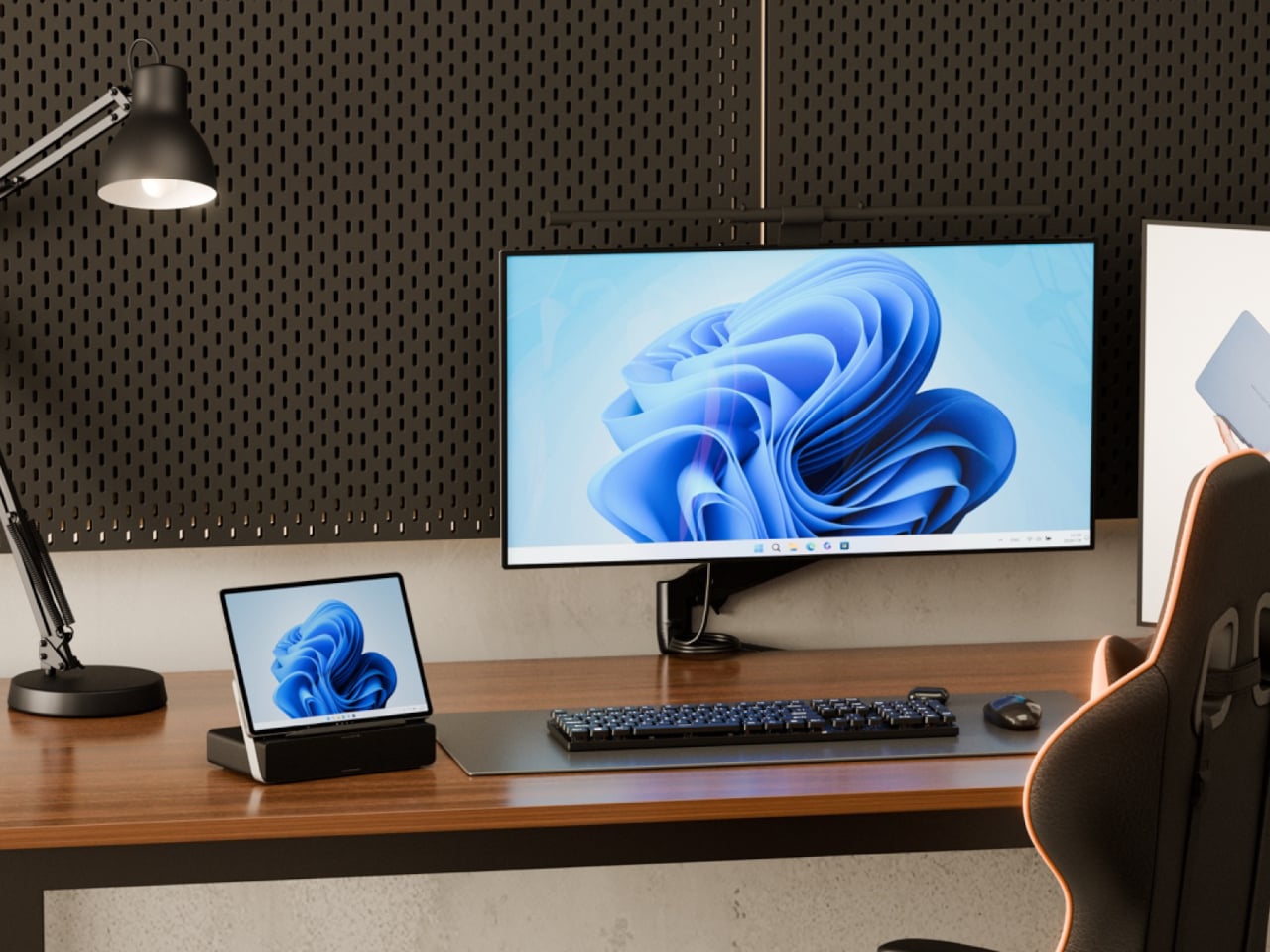
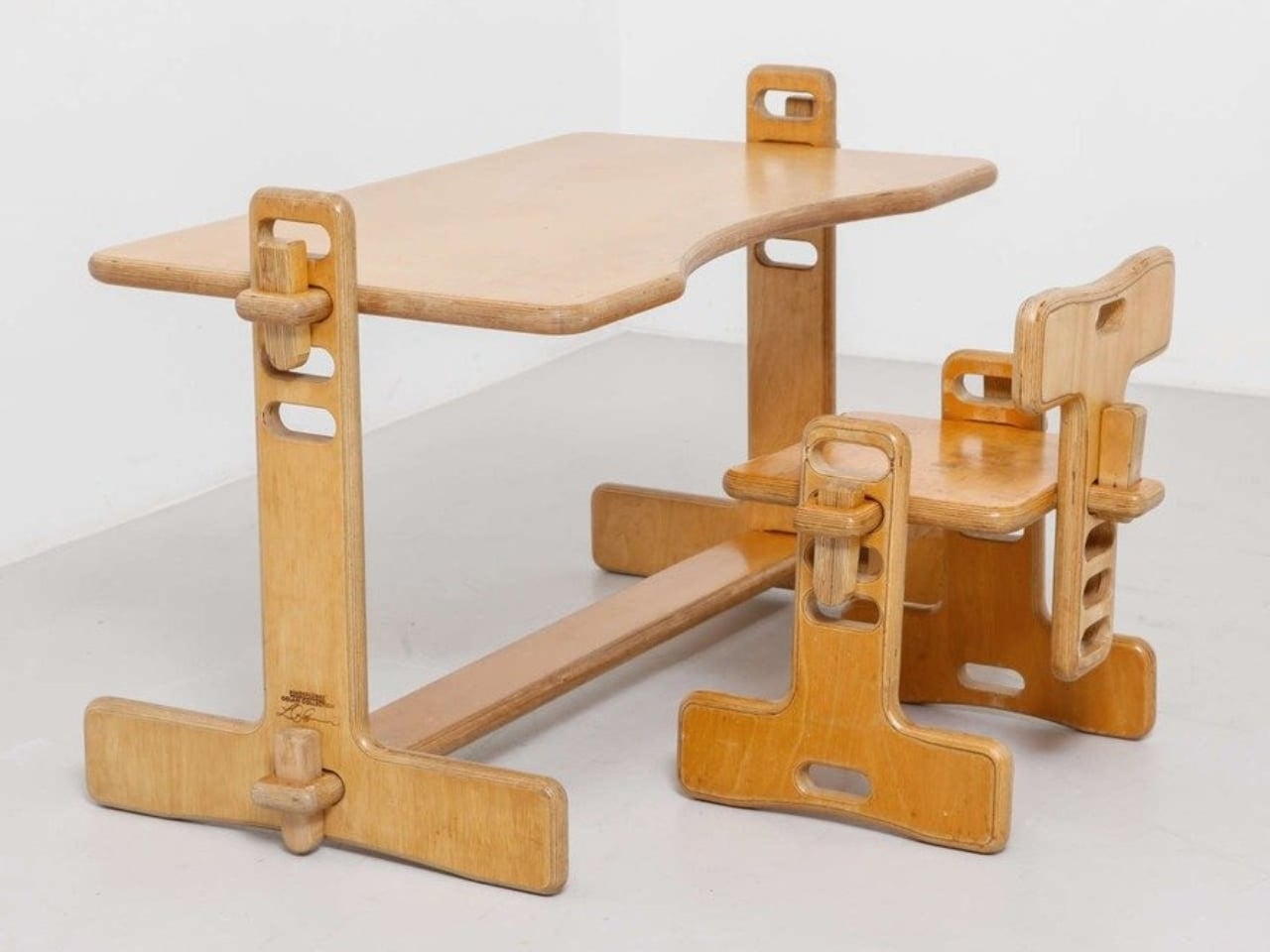
Koru furniture isn’t just functional; it’s a harmonious blend of professional utility and aesthetic sensitivity to the home environment. Employees subscribing to the services gain the flexibility to configure their home office setups according to their unique needs, spatial constraints, and personal style. This design characteristic ensures that the furniture seamlessly integrates into the home while meeting the demands of a professional workspace.
https://www.behance.net/gallery/184030027/Koru-WFH-Furniture-Subscription/modules/1042109815This subscription model empowers businesses to choose from a variety of flexible monthly plans that can adapt to the evolving size and requirements of their teams. The service encompasses installation, repair, upgrades, and efficient collection when the furniture is no longer needed. This holistic approach eliminates the time and cost burdens typically associated with managing, moving, and storing furniture assets.
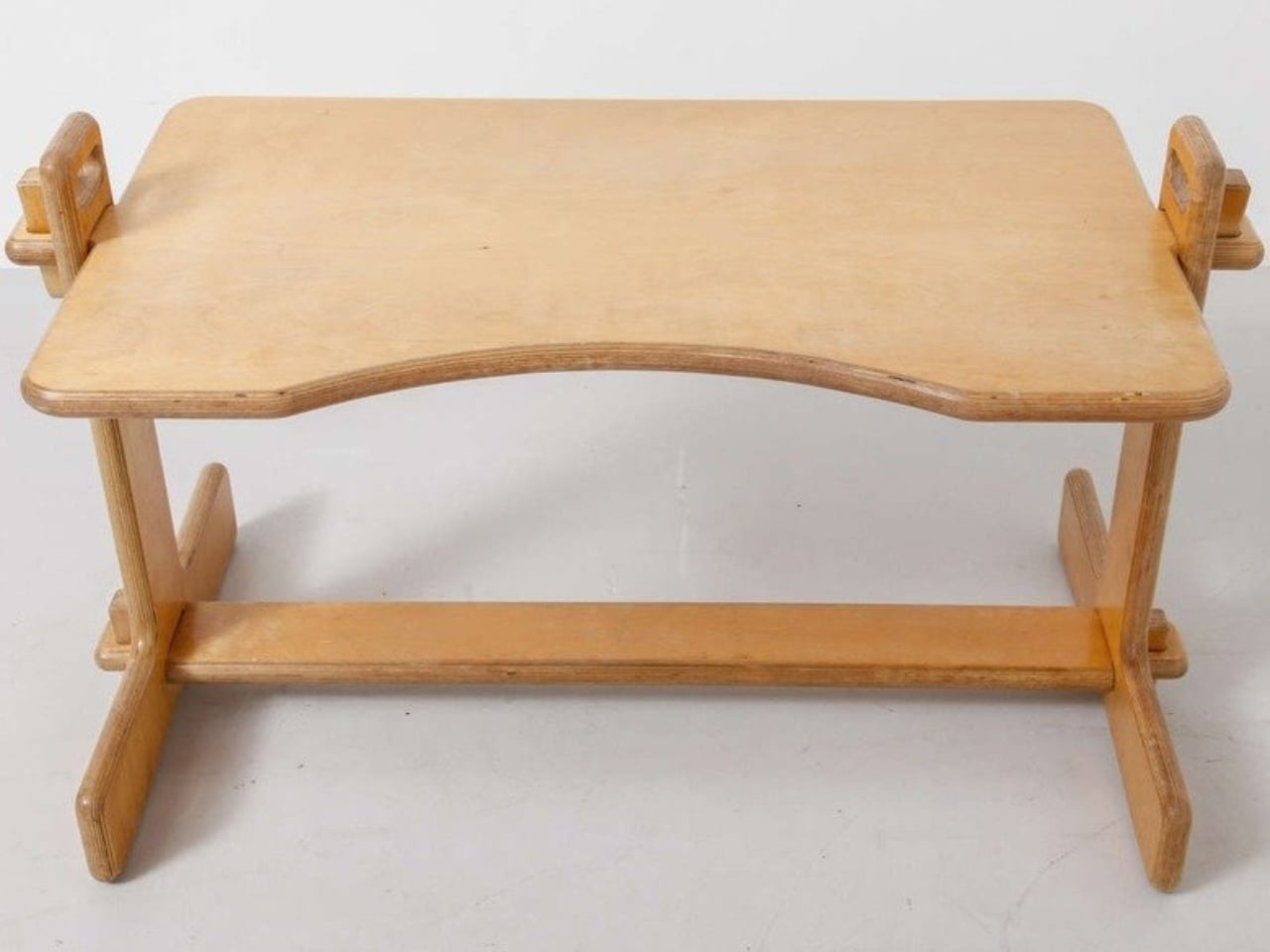
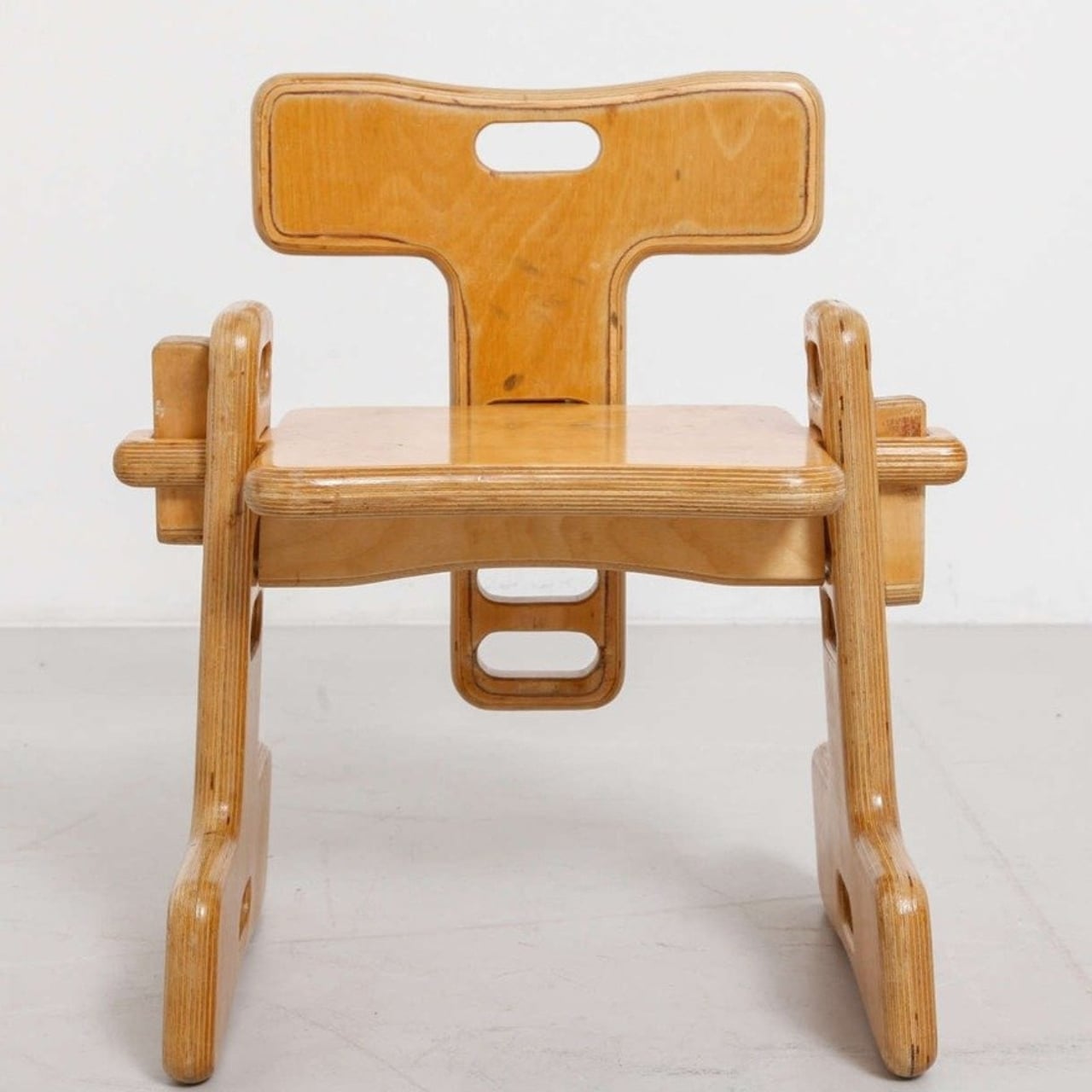
The durability of the Koru furniture is a key factor in its sustainability. Crafted from hard-wearing materials and finishes, the furniture is designed for longevity. Moreover, its easy disassembly and reassembly enable a closed-loop system, promoting reuse and enhancing repairability.
Koru’s innovative subscription concept facilitates a continuous revenue stream throughout the entire lifespan of its products. Operating on a Product-as-a-Service model, the company aligns profitability with product longevity. The longer the furniture remains in use, the more sustainable and profitable the model becomes.
Koru’s subscription concept and circular supply chain model provide a blueprint for furniture brands seeking to diversify and future-proof their business. By integrating environmental responsibility with business goals, Koru offers a pathway for brands to thrive while minimizing their environmental footprint. In essence, the Koru WFH Furniture Subscription is not just a service; it’s a sustainable business model that envisions a greener and more responsible future for the furniture industry.
There has been a great deal of effort and attention put on keyboards these past years, whether for actual products or for ideas that embody the hopes and wishes of both users and designers. From split-type ergonomic keyboards to keyboards with all sorts of knobs and touch screens, these designs are all made in an attempt to make people’s lives easier and to cater to their needs. Of course, not everyone’s needs are the same, so features on one keyboard might not work for different audiences. This keyboard design concept is already interesting because of its modularity, but it becomes even more eye-catching thanks to an unusual choice in the shape of its keys and controls.
The basic design of keyboards is almost set in stone, at least for the combination of letters and numbers that make up the essentials for keyboards of any size. The layouts might differ from region to region or from laptop to laptop, but there are more or less 80 keys even on the smallest configurations. Beyond that is almost fair game, with some preferring a numeric keypad to the side, while others probably wish for a different set of controls.
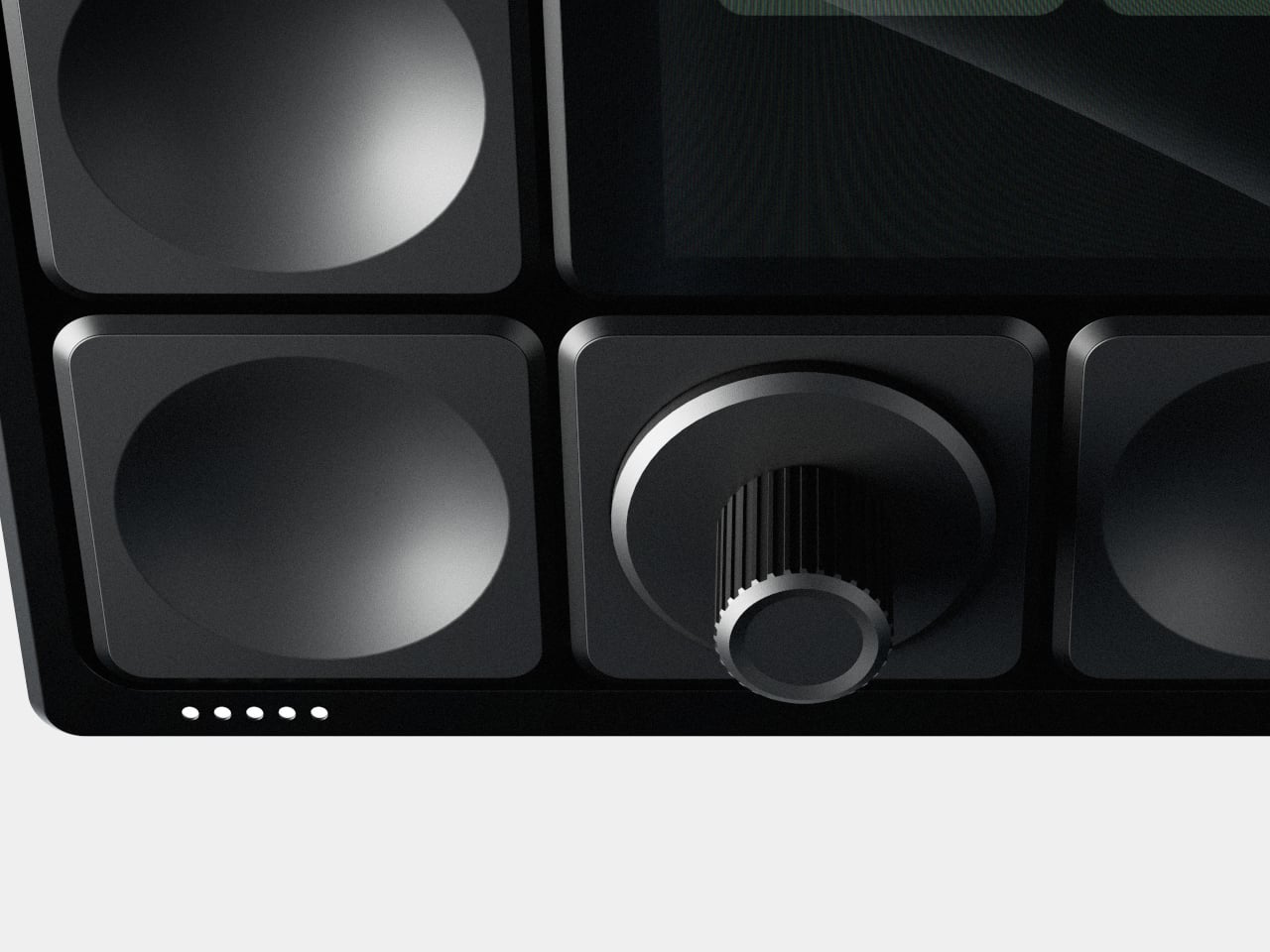
The K-Bird Spec Project is a concept design for a modular keyboard that tries to address that need by providing a different side module for different applications. You can have the typical numpad for fast numeric input or you can have a set of sliders and dials for quickly controlling or editing audio. You can even have a small drawing area with a groove to place a stylus. Or you can have no modules at all and be left with admittedly odd-looking handles protruding from the side.
The base shape of the keyboard theoretically allows for modules to be placed on either side, but the modules themselves would have to be designed to be ambidextrous. The default seems to presume the current convention of placing modules on the right side where the numeric keypad would usually be, and you can’t simply put it on the left because of the handle extending from that side.
What makes this design a little different from other modular keyboard concepts is its use of hexagons as the main shape for all the controls, even the sliders and dials on the modular extensions. The keys themselves are indented, which is already unconventional as far as keyboard designs go. It gives the keyboard a more visually interesting appearance, though it’s not clear whether that will have any negative impact on the ergonomics of typing on such a kind of keycap shape.
Smart eyewear is back in fashion, especially thanks to Apple finally announcing the Vision Pro. Although its design pretty much still falls under the “headset” category, the ultimate goal of many of these wearables is to be as inconspicuous are regular spectacles or sunglasses as possible. Easier said than done, of course, especially when you need to cram plenty of electronics in such a small space. There are advancements in that area, of course, to the point that it might be possible to fit almost all the necessary components on or near the lenses. That kind of technology will open the doors to a wider variety of wearable designs, including one where you can swap frames to be as sporty or as classy as you need your mixed reality eyewear to be.
Designers: Ben Melvin, Jo Barnard, Dan Lloyd, Harry Mason (Morrama)
There are actually quite a number of designs for smart eyewear, depending on how complicated they need to be. Some include more complex computers and the usual design involves a headband that you wear around your head. Others simply mirror the screen from your phone or computer, so they can just look like overgrown sunglasses. But if you can settle for something even simpler, you might be able to condense everything around the lenses so that the frame is really just a frame, one that you can even replace more easily than with prescription glasses.
Morrama Issé is a concept for mixed reality eyewear that takes advantage of such a design by making the lenses and the frame two connected but independent pieces. The lenses are not your average pair and look more like sports visors. The rim of the visor is quite thick which is where all the electronics will be hidden. In other words, the visor can function on its own without the frame, and the frame only provides the structure that will hold the visor up on the wearer’s face.
This means that the frames are interchangeable, letting the wearer choose the style of the frame depending on where they want to wear the mixed reality goggles. These can be rugged or elegant, at least as elegant as possible considering the rather thick frame required to support the weight of the visor part. More importantly, however, the frames can be made using more sustainable and recyclable materials since this part usually has a shorter lifespan.
The Morrama Issé design is no Minority Report or Tony Stark, and you will still look conspicuous if you will be wearing such eyewear in public. Of course, the primary use case for the wearable will be for fitness, where the goggles will provide the relevant biometrics and information that people need when training or exercising. It’s pretty much the same data that your smartwatch would show, except it will always be within your field of vision. Not everyone will find the aesthetic that pleasing, but Issé’s innovation is how it is able to envision a more modular approach to designing mixed reality eyewear, especially with a bent towards more sustainable options.
Never before has it been easier to create things at home thanks to 3D printers, but we’ve barely scratched the surface of what’s possible. There are still some limitations, especially for desktop 3D printers, dictated by economies of space or price. Something that may sound as basic as 3D printing objects with multiple colors turns out to be quite a chore because most of these printers are designed to handle a single filament at a time. Most of the time, you’re forced to print different colors as separate pieces and then just assemble them after the fact, a process that takes more time than necessary and is prone to error. You could buy a larger, more expensive multi-filament 3D printer, or you can upgrade your trusty machine with this revolutionary module set that makes printing different colors or materials at the same time easy as pie.
Commercial 3D printers, especially the most popular FDM or Fused Deposit Modeling kind, are designed to be quick, efficient, and easy to use. Given the parts and processes involved, that means limiting the printer head to handle a single filament of material at a time. With this technique, you can only print a single color or use a single type of material for a single pass, switching filaments when you need to print out a different color or material. After that, you have to glue the pieces together, which relies on your own precision and steady hands to achieve the desired design. This has been the status quo for many years now, not unless you buy an actual multi-filament 3D printer, which is bulkier and more expensive, especially if you already have a working 3D printer or two.
ChromaPad – Excels in color, material, speed, and control, unlocking limitless potential.
Fastest Multi-color Printing Experience – ChromaPad pushes the usual boundaries of 3D printing speed for both single and multi-filament projects. Accelerate your print up to 300+ mm/s and get your project in hand three times faster.
ChromaScreen Advanced Klipper Software – Comes with features like the ability to control multiple extruders, a helpful setup wizard, and the ability to manage multiple printers at once.
Manage Multiple Printers Effortlessly – ChromaPad allows you to control up to 8 printers in a single simple panel.
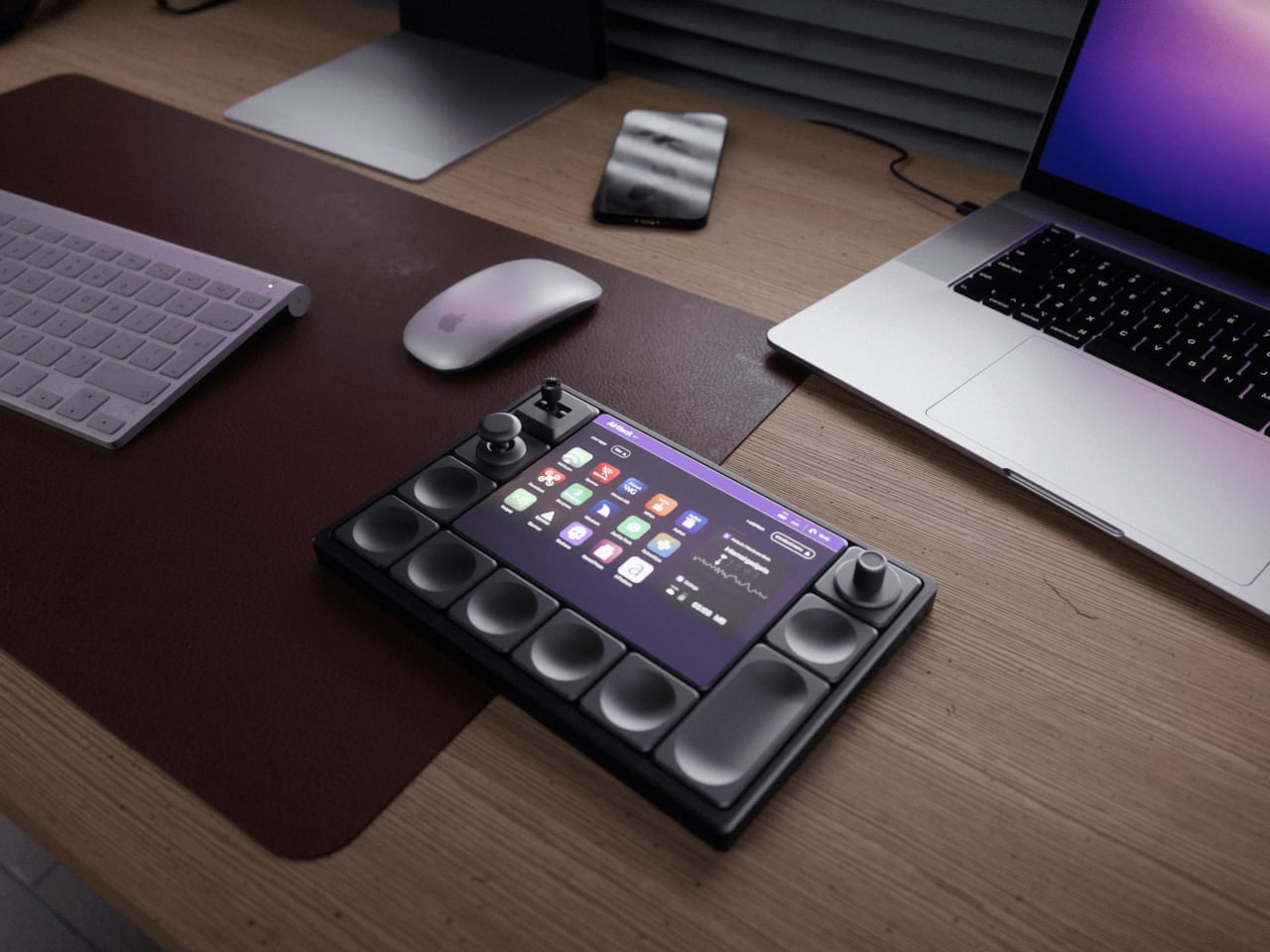
The Co Print ChromaSet is a collection of modules that basically upgrades almost any old 3D printer to be able to handle multiple filaments in one go. It allows you to use the same trusted machine you’ve been working with for years and, with just a few easy-to-install parts, turn it into a multi-color, multi-material 3D printer that is just as easy to use as any other regular 3D printer. Instead of being forced to print multiple parts because they’re made of different materials or colors, you can save time and a lot of work with a single printing pass that can use a variety of colors as well as filaments, including PLA, ABS, PETG, TPU, ASA, Wood, and more.
ChromaHead – Designed to match your needs on multi-filament 3D printing. When combined with ChromaPad or KCM, it minimizes all the issues that can occur such as jamming and clogging.
Filament Cutter for High Quality Prints – Powered by a robust servo motor with up to 20 kg of force and supported by a durable Japanese blade, ChromaHead’s precise filament cutting mechanism achieves a success rate of 99.9% in clean cuts.
Universal Rail Plug System – The design allows you to match with different brands and different models, and solves the compatibility issues.
Supports all the Materials you Need – Different colors, different materials. Your creative journey knows no bounds.
The different pieces of the ChromaSet work together to accomplish this seemingly magical feat. The ChromaHead with the embedded ChromaHotend, for example, attaches easily to almost any 3D printer thanks to its unique rail plug system, making it compatible with different brands, models, and mechanical setups. It is designed to support at most four filaments at the same time, with a special design that minimizes jamming and clogging, as well as employing a Japanese blade for precise and clean filament cuts. The CX-1 Extruder, engineered with Titanium gears, a dual-drive system, and high-torque features, is responsible for pushing those four filaments and can be just as easily installed on any 3D printer.
KCM (Klipper Chroma Module) – For users who already have a Klipper-based 3D printer. KCM gives you all the great features of ChromaPad right out of the box, so you don’t need to buy ChromaPad separately.
ECM (Extended Chroma Module) – Designed to increase your extruder limits. ECM allows you to add up additional 4 extruders into a single output via USB.
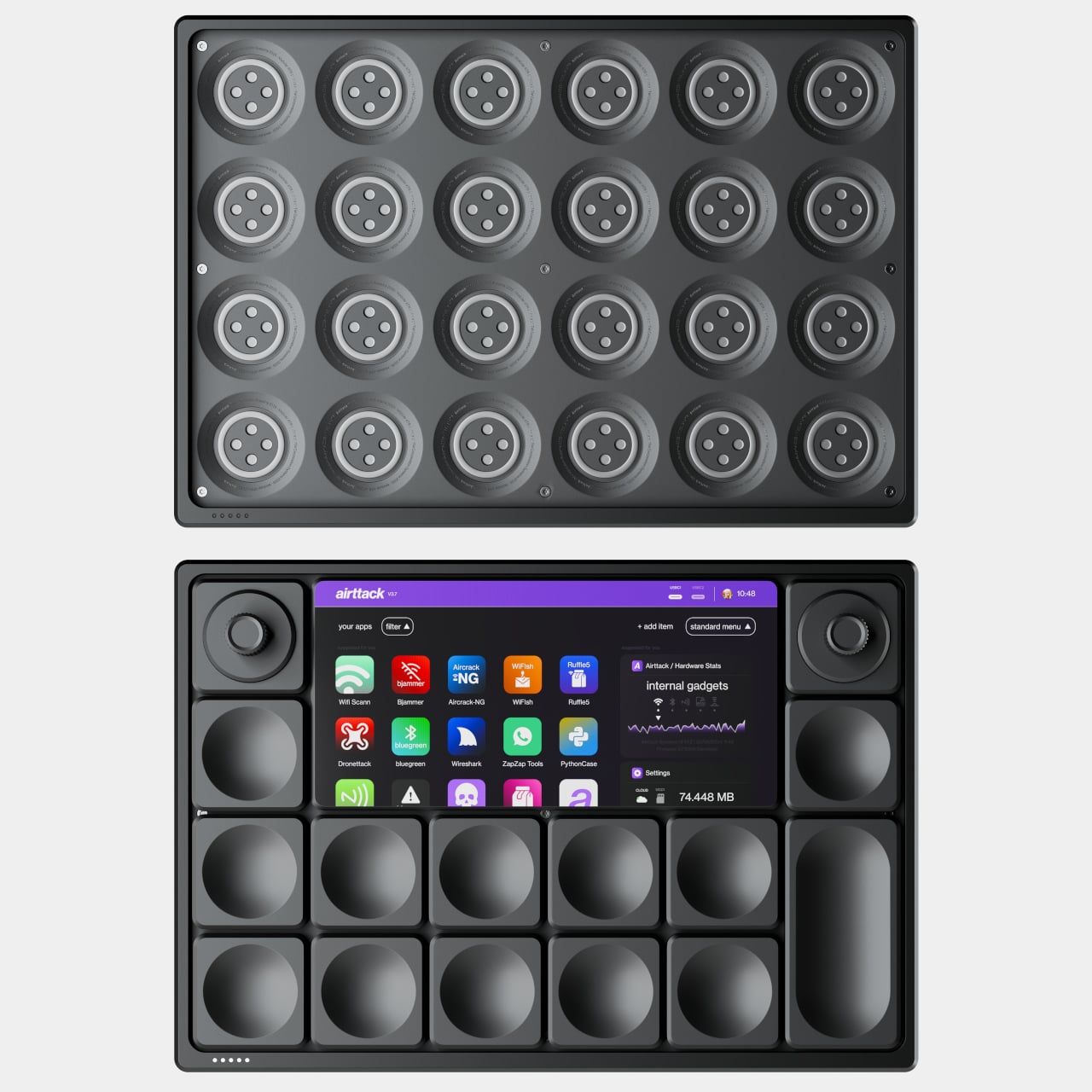
If you need more than four filaments, the ECM or Extended Chroma Module adds four more extruders into a single output for a total of eight. You can have up to five of these extruders for a whopping 20 filaments, each carrying a different color or type of material for an even faster workflow. Making all these different parts work together in harmony is the job of the ChromaPad, the world’s first multi-filament 3D printing pad. Running the ChromaScreen software based on Klipper Screen, the tablet gives users unprecedented control not just over multi-filament printing but as many as 8 printers at the same time as well. But if you already have a Klipper-based 3D printer, you can use the Klipper Chroma Module (KCM) instead, delivering the same features without the extra cost.
The Co Print ChromaSet was made in collaboration with major 3D printer brands, ensuring that it will work with almost all 3D printer models in the market. A $349 discounted bundle lets you get the ChromaSet with the Klipper module instead of the tablet, while the $499 set includes the ChromaPad without the KCM. Whichever bundle you choose, the ChromaSet is guaranteed to upgrade your 3D printing experience, allowing you to make magnificent colorful designs in a fraction of the time and with less effort.
The interest in retro products hasn’t disappeared so far, and it has spread to more than just turntables, cameras, and fashion. The pull of nostalgia is especially strong in the gaming industry, giving rise not just to retro consoles but also to retro gaming itself. Gamers of all ages are reliving and discovering the peculiar quirks and joys of old-school titles, some of which are best experienced using the controllers for which they were designed. Commercial arcades might now be endangered species, but that doesn’t mean you can’t recreate that gaming experience at home today. Retro arcades, after all, are also trending, but this innovative modular system goes the extra mile to ensure you’ll be able to enjoy any game on any kind of control not just today but also for the foreseeable future. Better yet, it even supports playing modern games that will become tomorrow’s retro titles.
Here’s a few examples of awesome modern games that can be played on the Polycade Sente
In the years before PC gaming took root, most video games were either played on consoles or arcade cabinets, both of which used controllers with joysticks, D-pads, and buttons. The early age of arcades gave birth to several different controller designs, which may differ from game to game or from cabinet to cabinet. Supporting retro games can be quite a challenge because of that, and supporting both classic and modern titles makes it even more complicated. Polycade Sente, however, has a rather ingenious solution that lets the owner design the mix of hardware components they need, swapping out controllers to support different kinds of playing styles and more than a single player.
Comes with modular controls.
Traditional arcade systems are designed as complete and fixed machines, but that doesn’t have to be the case today. The Polycade Sente, for example, lets you easily swap or add different kinds of controllers and input devices to ensure compatibility with almost all games in existence. Playing a two-player beat ’em up? Use the default single full panel for the best combos. Playing solo and want to have your snack within reach? The center-mounted half panel has inserts for cup holders. Some games require shooting, so Light Gun add-ons can also be installed on each side.
The Polycade Sente’s modularity goes beyond the controller panels. While it’s designed to mount directly to a well, it can also installed on a freestand add-on so you can relocate it anywhere in the room. The very “brain” of the arcade system is also modular and you can choose the kind of computer you need to drive the games you want to play. The standard package includes an already powerful Windows 11 mini PC with an AMD Ryzen 7 5800H with 16GB of DDR4 RAM and a 1TB NVMe SSD. That’s enough to run plenty of games, both the lightweight classics as well as some more recent titles. If you really want the muscle to handle even the likes of Street Fighter VI 6 and Mortal Kombat 1, however, you can go the DIY route and assemble your own PC with all the bells and whistles you can afford. You can even use a console instead if that’s the way you play. Either way, you’re in complete control of how you want to play.
Black Color
White Color
Whichever route you take, you’ll have access to an overwhelming number of games, starting with 24 premium games right off the bat and dozens more from the Polycade Game Store, all of them officially licensed for your guilt-free enjoyment. And since you’re actually running on a Windows PC, you also have access to games from Steam, GOG, itch.io, and more! Still missing some beloved titles from decades past? Polycade’s software includes pre-configured emulators that work seamlessly with the Polycade Sente. It may look like a floating arcade cabinet, but it’s actually a gateway to a gaming dreamland!
The Polycade Sente’s modular design makes it easy to upgrade or replace parts with standard off-the-shelf components. With a powder-coated steel cabinet, it’s also designed to last so that you can keep on playing your beloved titles for years to come. The chassis comes in either white or black colorways, and there are also vinyl stripes or magnetic full-body decals to personalize your arcade. A neon LED backlight, which can be controlled with a remote to change colors or pre-programmed patterns, adds a bit of bling to your setup. Just because you’re playing old games doesn’t mean your gaming machine has to look old as well. With the Polycade Sente modular arcade system, you get to enjoy the guilty pleasures of the past in a future-proof design today.
The popularity of the Apple Watch has finally given smartwatches their place in the market, making them understandable and even desirable. Of course, that doesn’t mean that everyone now wants a smartwatch, especially those who prefer mechanical watches or have different aesthetic tastes. Unfortunately, the majority of wrist-worn smart trackers seem to be made with sporty and rugged designs in mind. Given hardware requirements, that’s not exactly surprising, but that shouldn’t stop designers from imagining what’s possible. One such dream is reflected in this minimalist yet distinctive bracelet that throws all smart wearable design conventions out the window, offering a modular piece of jewelry that is smart in more ways than one.
If you remove the actual time-keeping function of a smartwatch or a fitness tracker, all you’re really left with are the sensors that actually do the work of keeping tabs on different metrics of your health, directly or indirectly. A display isn’t even necessary since you can always check those figures on a smartphone. In fact, a display might even be detrimental because of the distractions it pushes your way or how it clashes with some fashion styles. Smartwatch designs are primarily constricted by hardware such as displays and big batteries, but what if you could be free of those restrictions?
That’s what the BEAD concept seems to be proposing, offering the same health and wellness monitoring functionalities but in a form that is a bit more universal and, at the same time, more personal. At the heart of the design are the beads, actually tiny cylinders that each hide a single sensor used to track a specific biometric like a pulse oximeter or an accelerometer. Each bead is an independent unit, free from displays or large batteries, performing a single task and performing it to perfection.
The idea is that you can combine any number of these beads on a string or wire to achieve the same collective effect as a fitness tracker. You wear it around your wrist like a bracelet, held together at the ends by magnets in the shape of half-spheres. The wire is white, plain, and unadorned, which puts a bigger visual focus on the beads. Those beads themselves carry a brushed metal finish that helps hide whatever scratches they may incur over time while also giving them unique characters.
You can add or remove as many of these modular beads as you need, only paying for the functionality you actually use. It also makes repairing broken beads easier, since you only need to replace that single piece. Admittedly, the industrial aesthetic might not appeal to everyone’s tastes, but the concept opens the possibility of using different, perhaps more stylish designs that will truly create a fusion of fashion and technology in a simple smart bracelet.
We often underestimate the importance of a great sofa. When in reality, we really shouldn’t. We spend the majority of our day sitting on sofas, whether we’re watching some TV, enjoying a meal, or simply sitting and reading a book for leisure! Hence, this piece of furniture needs to be not only comfortable but ergonomic and aesthetic as well. And we’ve curated a collection of chair designs that meet all these criteria! An excellent sofa should not only be super comfy to sink into, but should also perfectly match the interiors of your modern homes, and one such sofa design is the Valencia Modular Sofa.
The Valencia modular sofa is designed by the British brand Morgan, and is intended to be a light and aesthetically pleasing design. It is designed to be an alternative to typical modular sofas. It is a classic of the brand’s catalogue and made up of individual seating units that are meant to be placed together. You can pick from the option of a full, three-quarter or half backrest.
“The combined backrest outlines create a rhythmic sequence of rise and fall, with sofas coming together to form distinctive ‘V’-shaped silhouettes,” said Morgan. The backrests of the Valencia modular sofa are tapered at each end to reduce some of the weight from the volumes, providing the sofa with a clean and flowing form that brings to mind the image of rolling hills in a landscape.
The tapered timber legs add an impressive effect to which echo the gentle angles at the top of the sofa, providing the seating with a look of lightness. The Valencia collection has won the Design Guild Mark award in 2017, which recognizes excellence in British design. The collection will include a daybed, as well as a side and coffee tables, which would make for an excellent addition to your modern living spaces.
Tables primarily serve a functional purpose, providing a horizontal surface to place things. Considering the space they occupy, it’s only fair that they should also have some aesthetic value, adding to the ambiance of a room instead of sticking out like a sore thumb. Unfortunately, not all designs balance form and function equally, with one aspect getting a heavier focus than the other. Some might be extremely beautiful but have little room for use as an actual table, while others try to get too smart with features at the expense of a pleasing appearance. Fortunately, we have plenty of inspiration around us to help shape our designs, and this family of odd-looking tables takes a few pages from Mother Nature’s book to create pieces that offer both practical utility as well as visual interest, bringing any living space to life.
Most tabletops come in conventional shapes such as rectangles, squares, circles, or ellipses. These, after all, are the most space-efficient shapes around, maximizing the area that you can use to lay down objects like laptops, books, or cups. They’re probably also the most mundane shapes you’ve ever laid eyes on, and they are totally dependent on the rest of the table’s composition or materials to pique your interest. The Flow family of tables bucks that trend and presents a table that almost looks impractical but is actually quite flexible in its functionality, so it shouldn’t be a surprise that it pulls off this feat by learning from organic things designed by nature itself.
As the name somewhat implies, these tables are inspired by naturally occurring bodies of water. Whether they’re puddles or lakes, water doesn’t appear as a perfect circle or rectangle, not unless you put them in artificial containers. The amorphous and almost random shape that water comes in evokes a sense of fluidity, even while at rest. It’s almost the perfect metaphor for tables that become centers of activity even as they act as resting places for your stuff.
Flow, however, is also inspired by cells that take similarly undefined shapes. Each table in the collection also has different heights to add to its unique character. And just like cells, these distinct pieces can function independently or merge into one to provide a larger canvas to arrange objects. The dynamic shapes of the tables might even inspire you to inject some life into your room, just like how cells are the building blocks of organic life.
Whether alone or connected, the fluid shapes of the Flow tables create an interesting ambiance that is both lively and calm, just like water. The tables are both pieces of structural art as well as flexible furniture that provide a bold visual impact, blending form and function in harmony just as things in nature usually do.