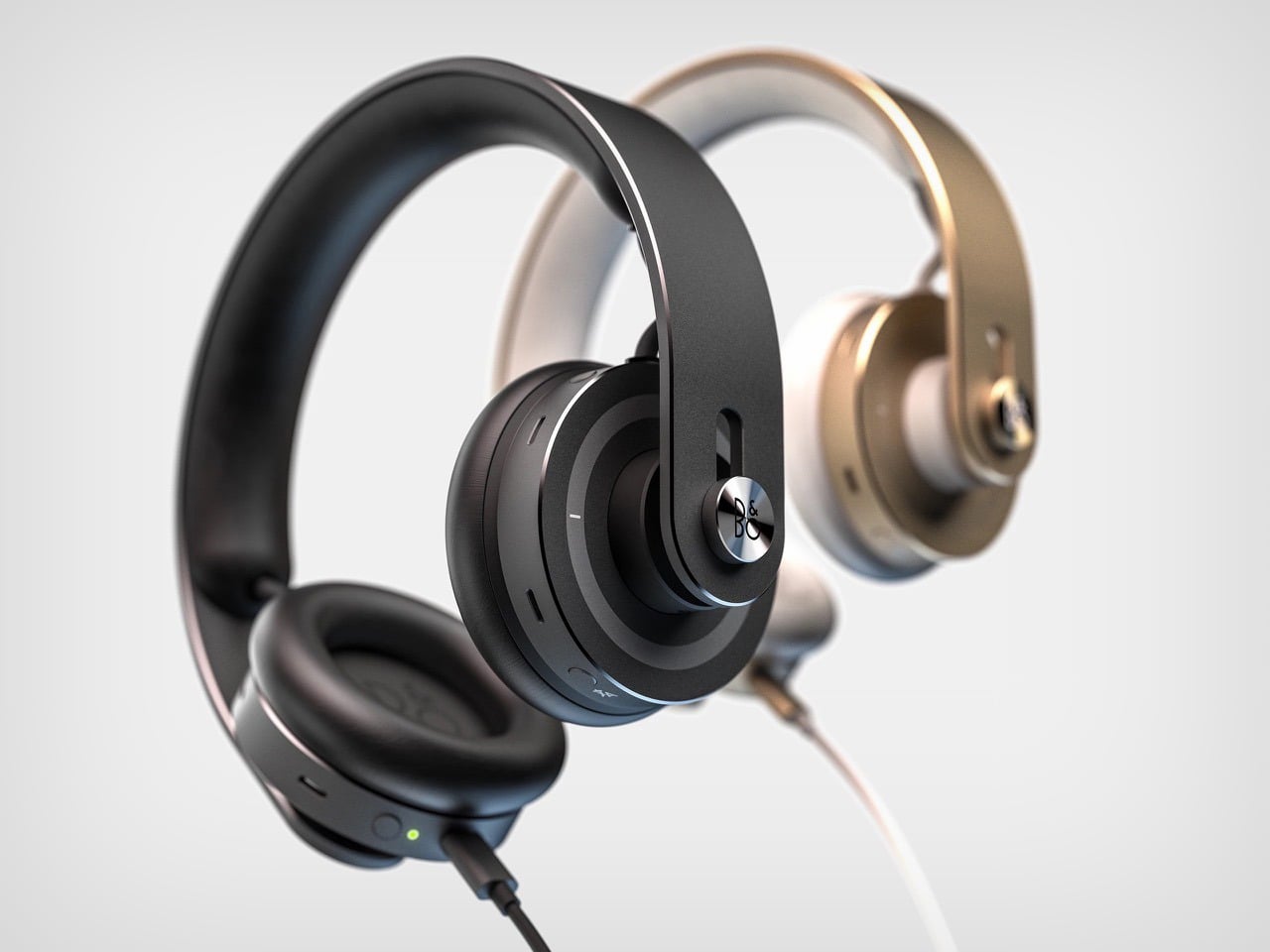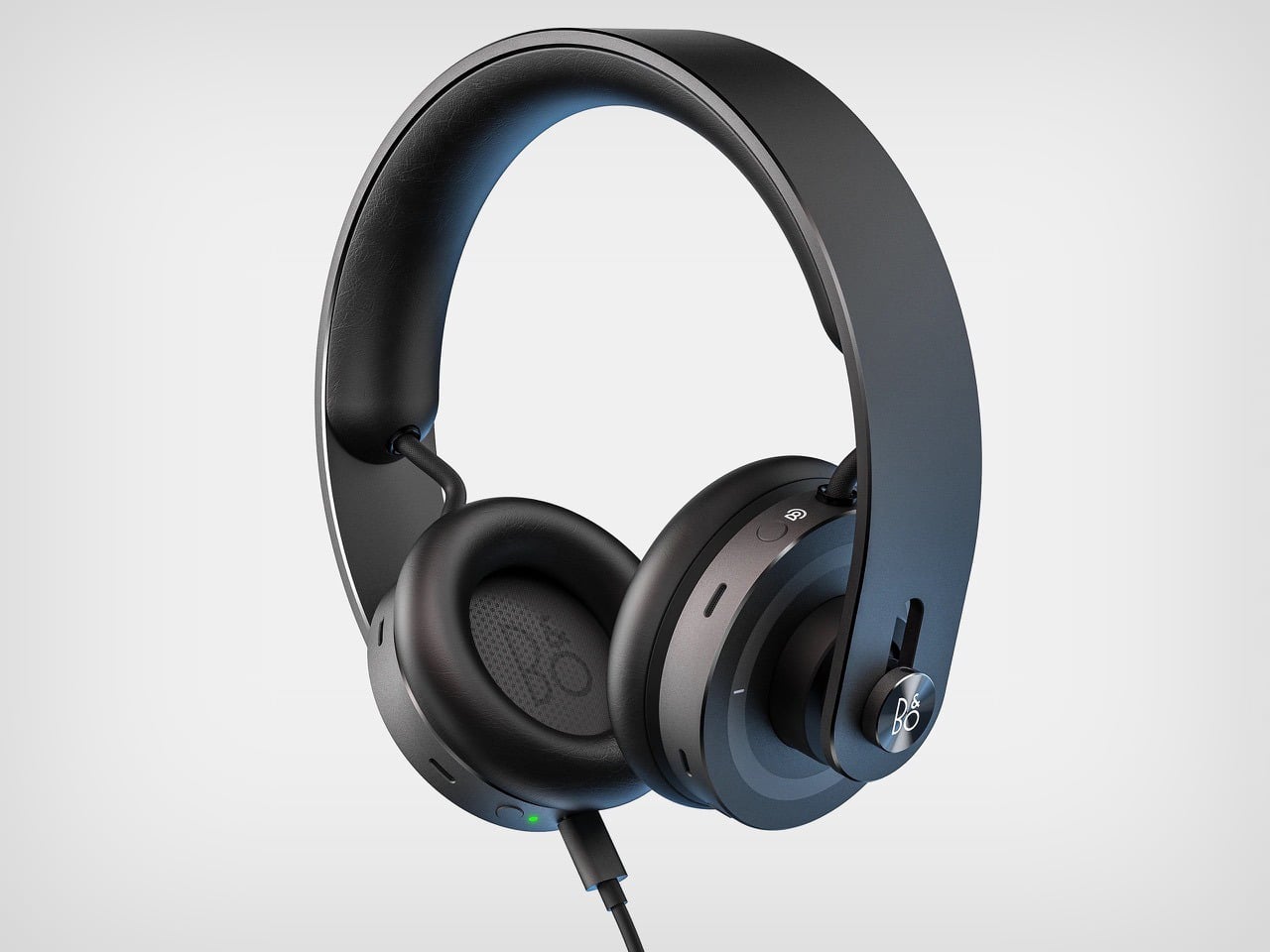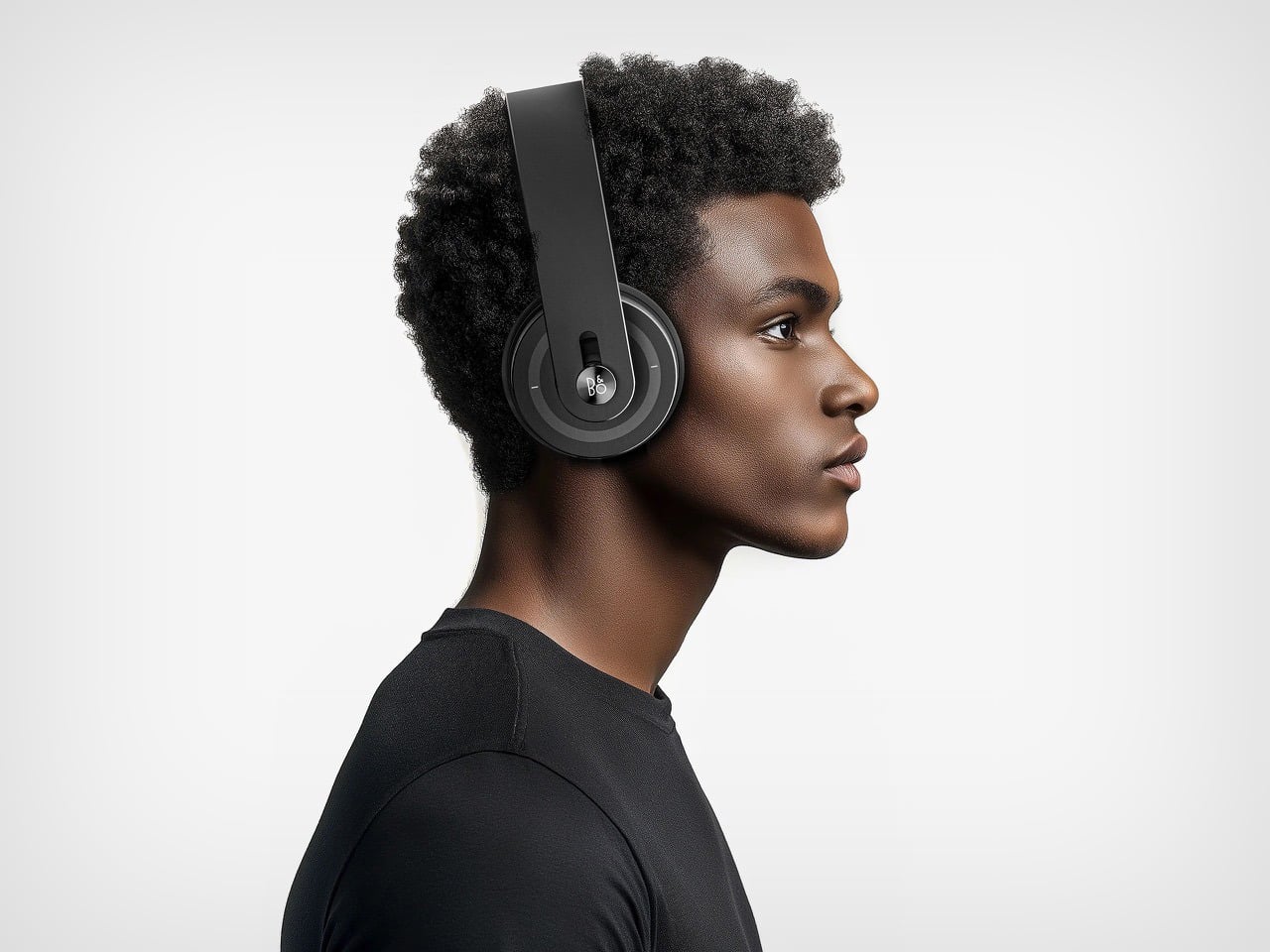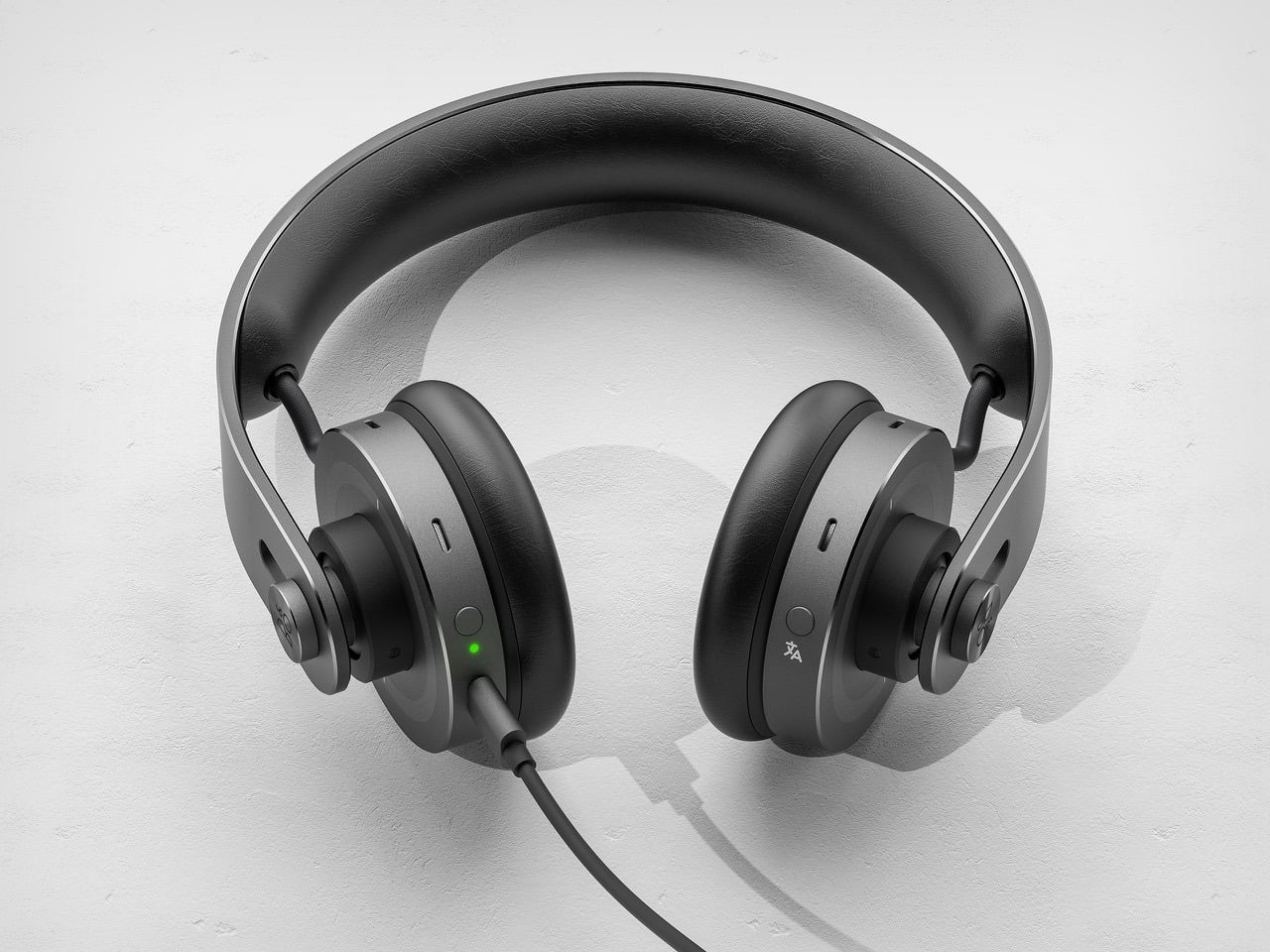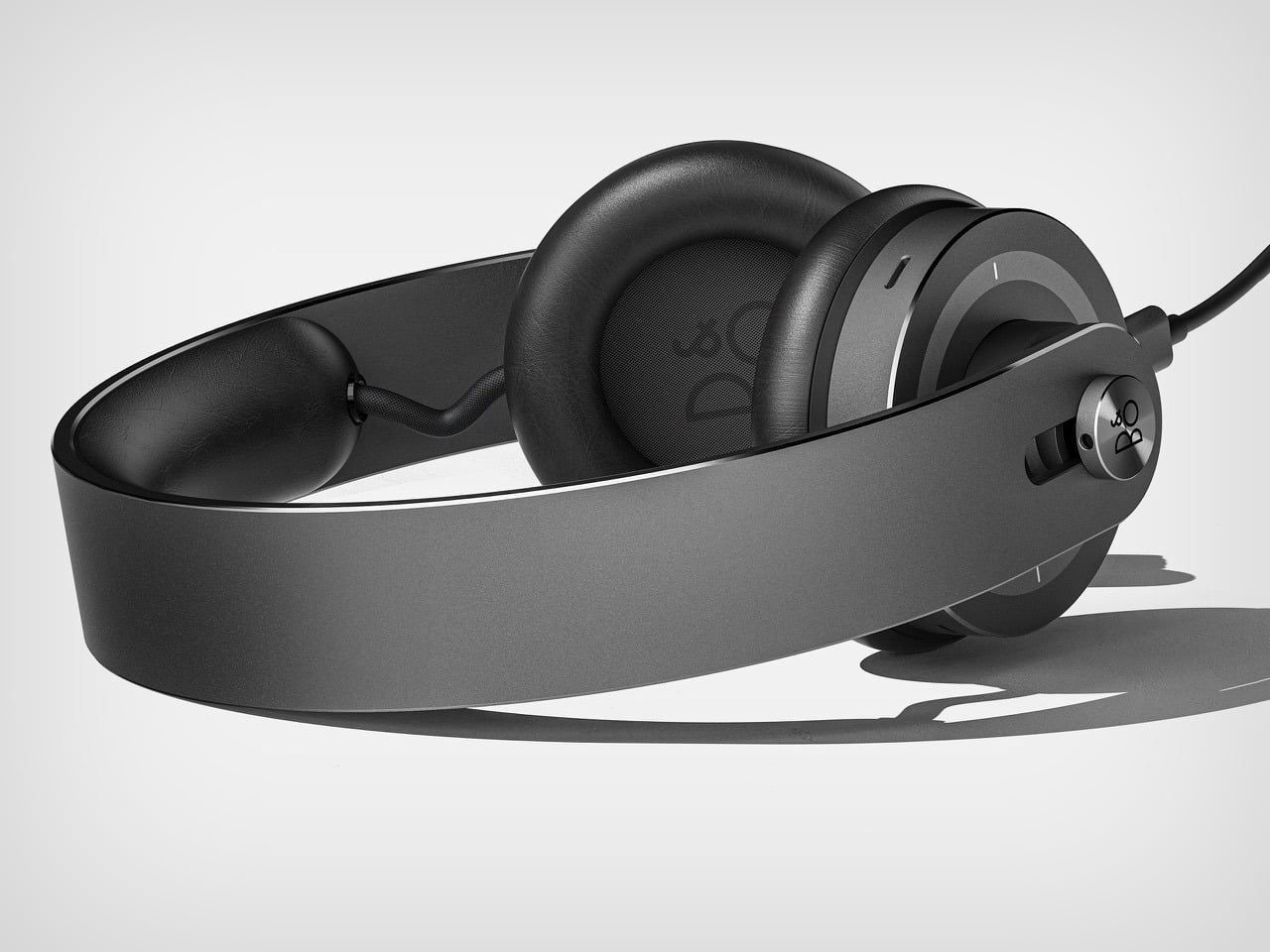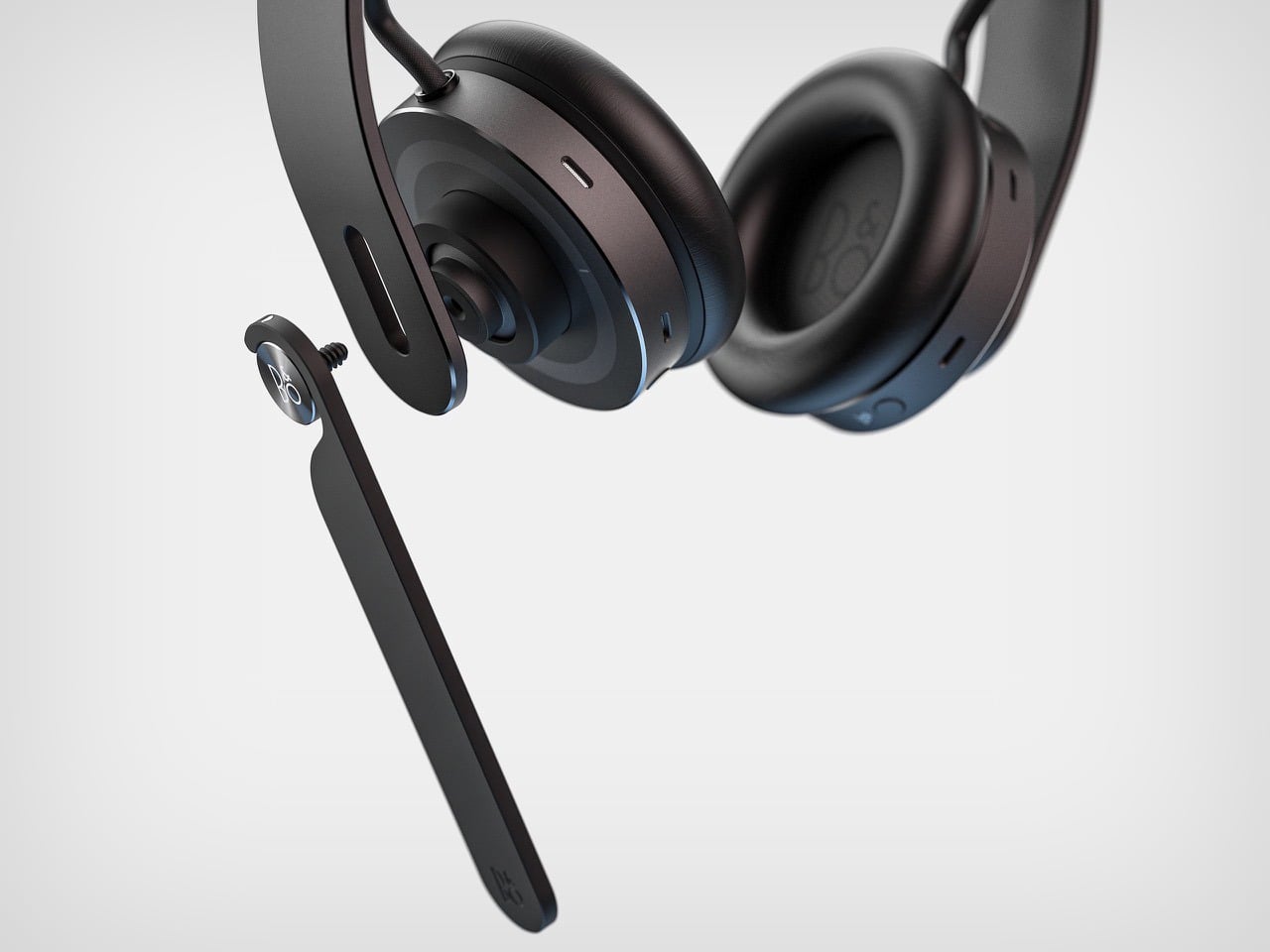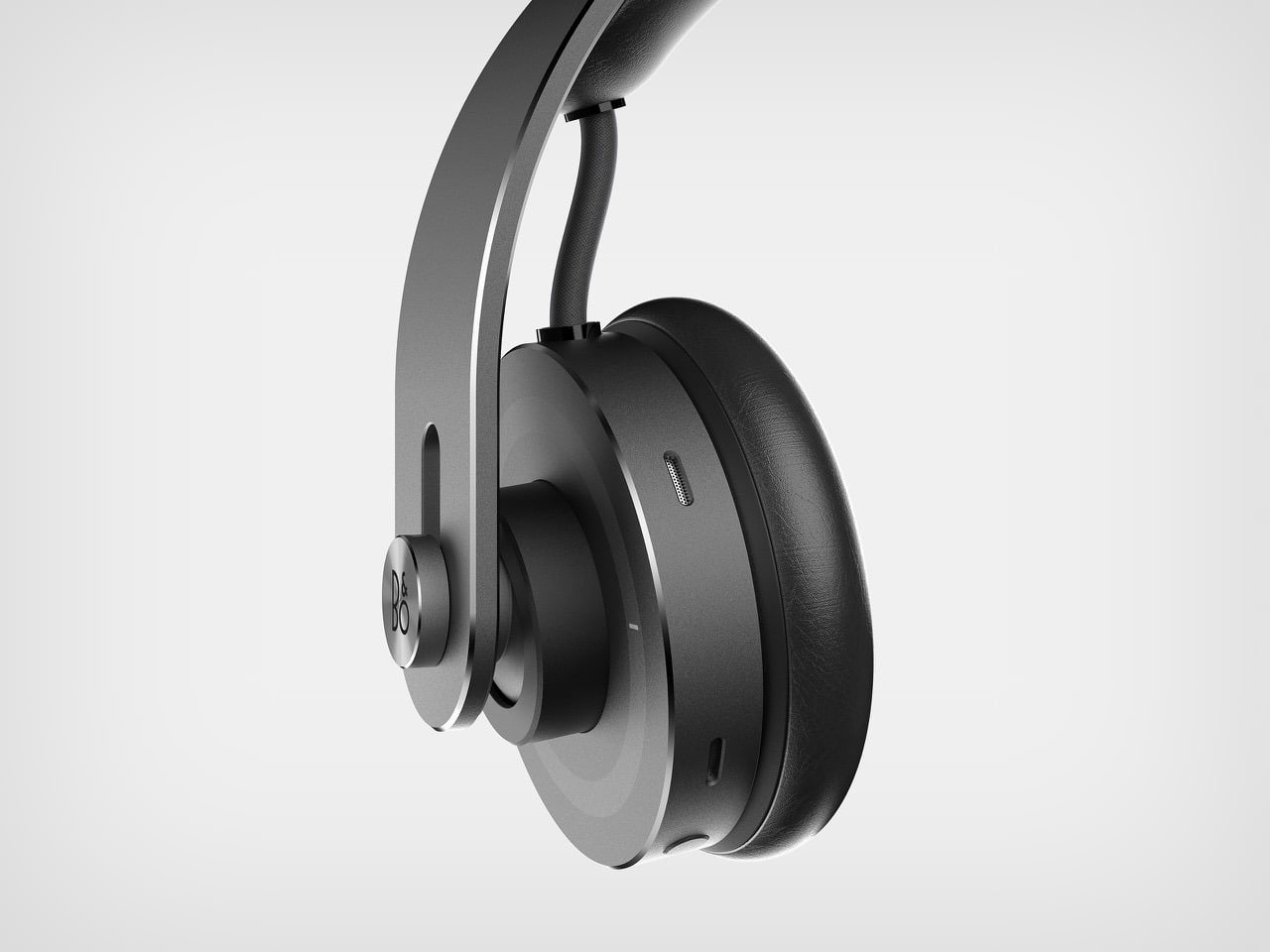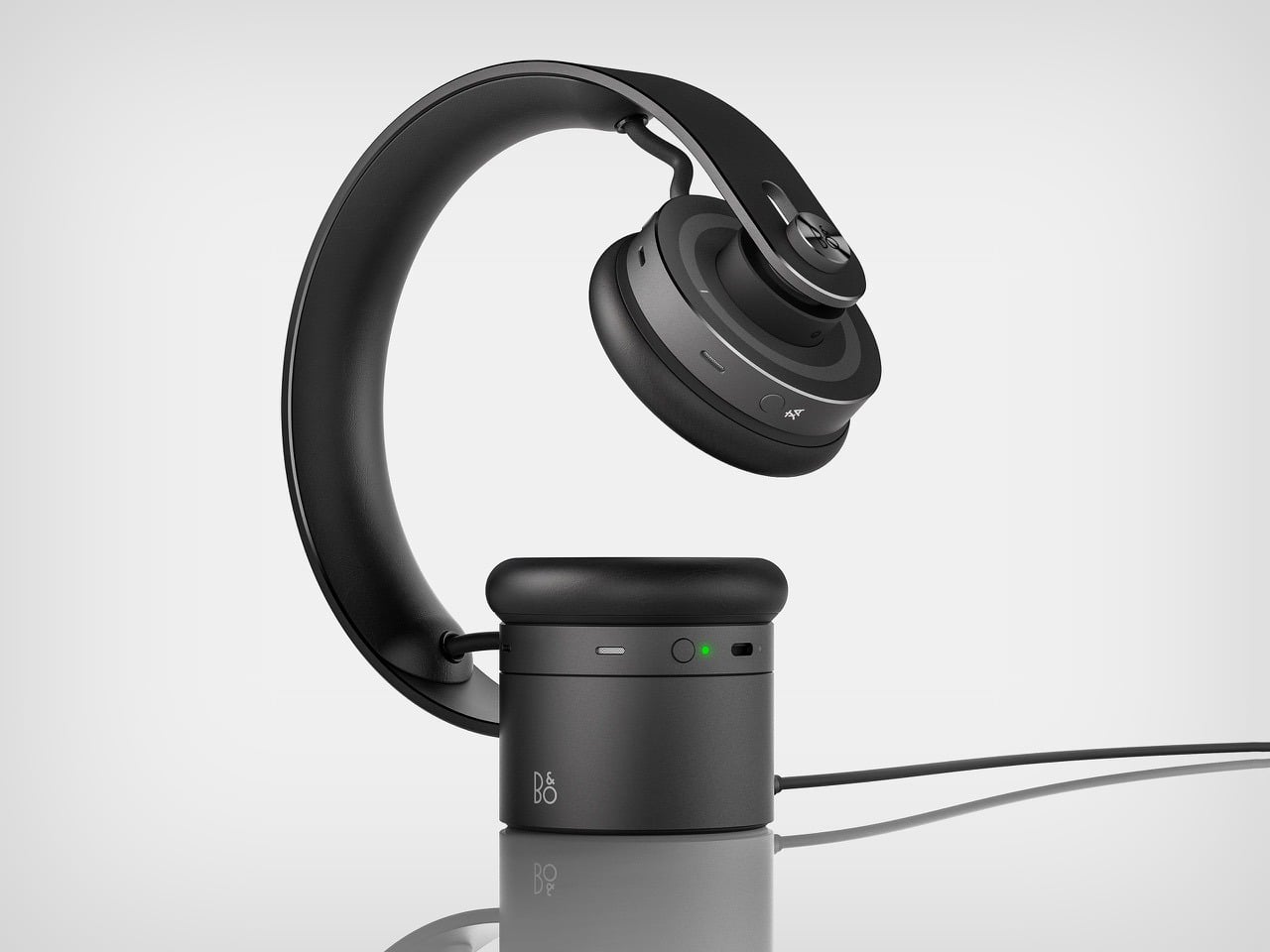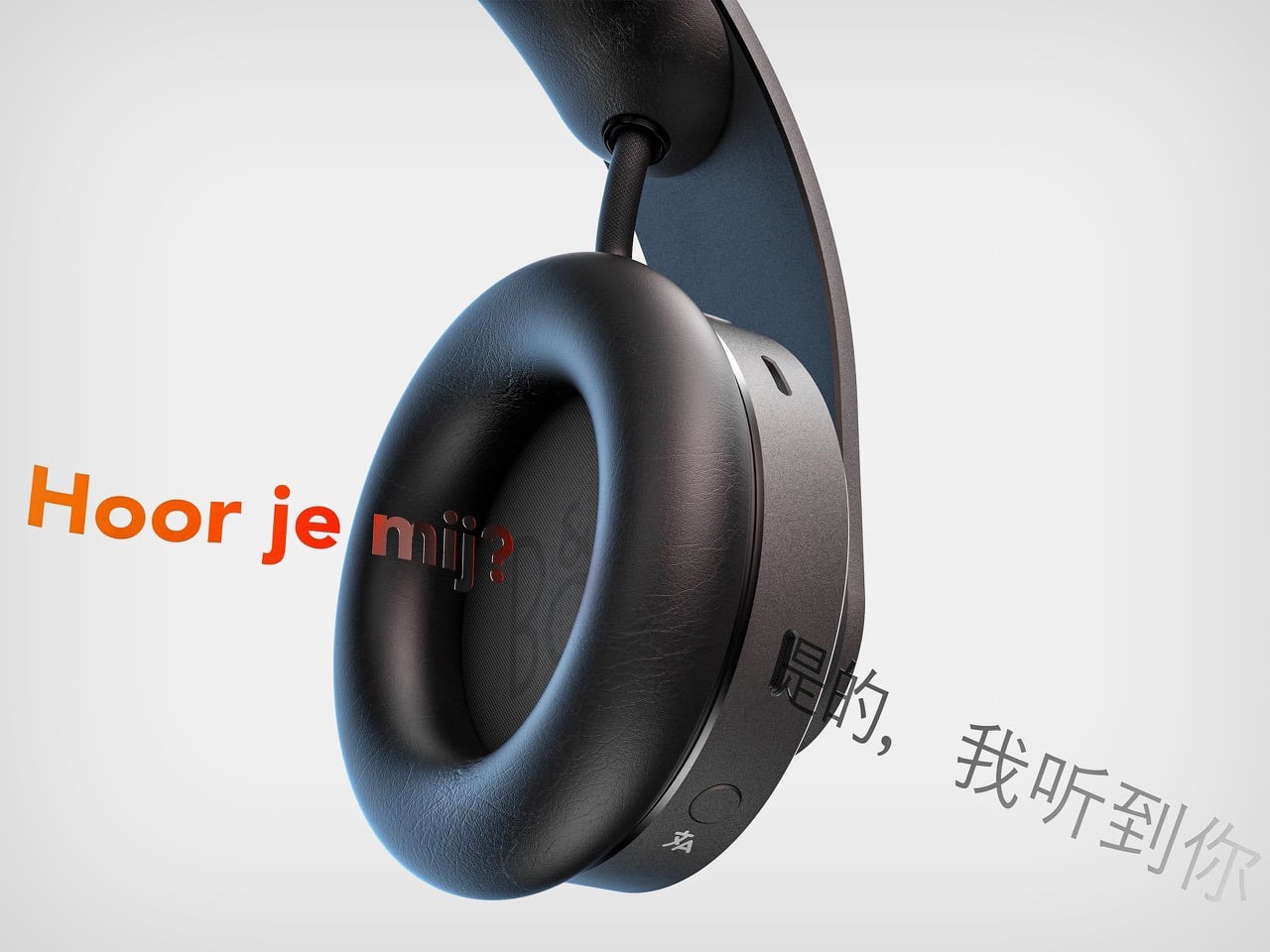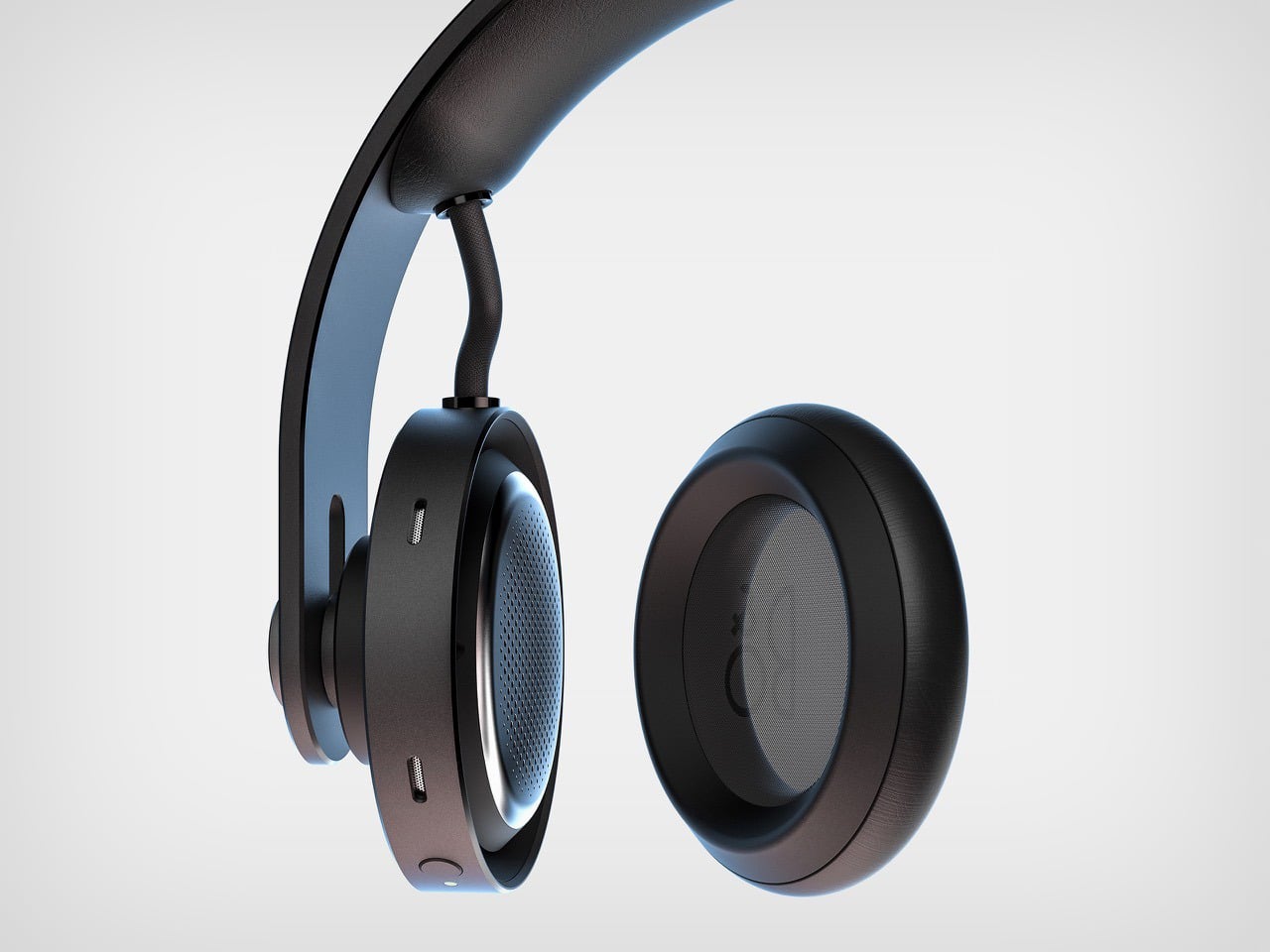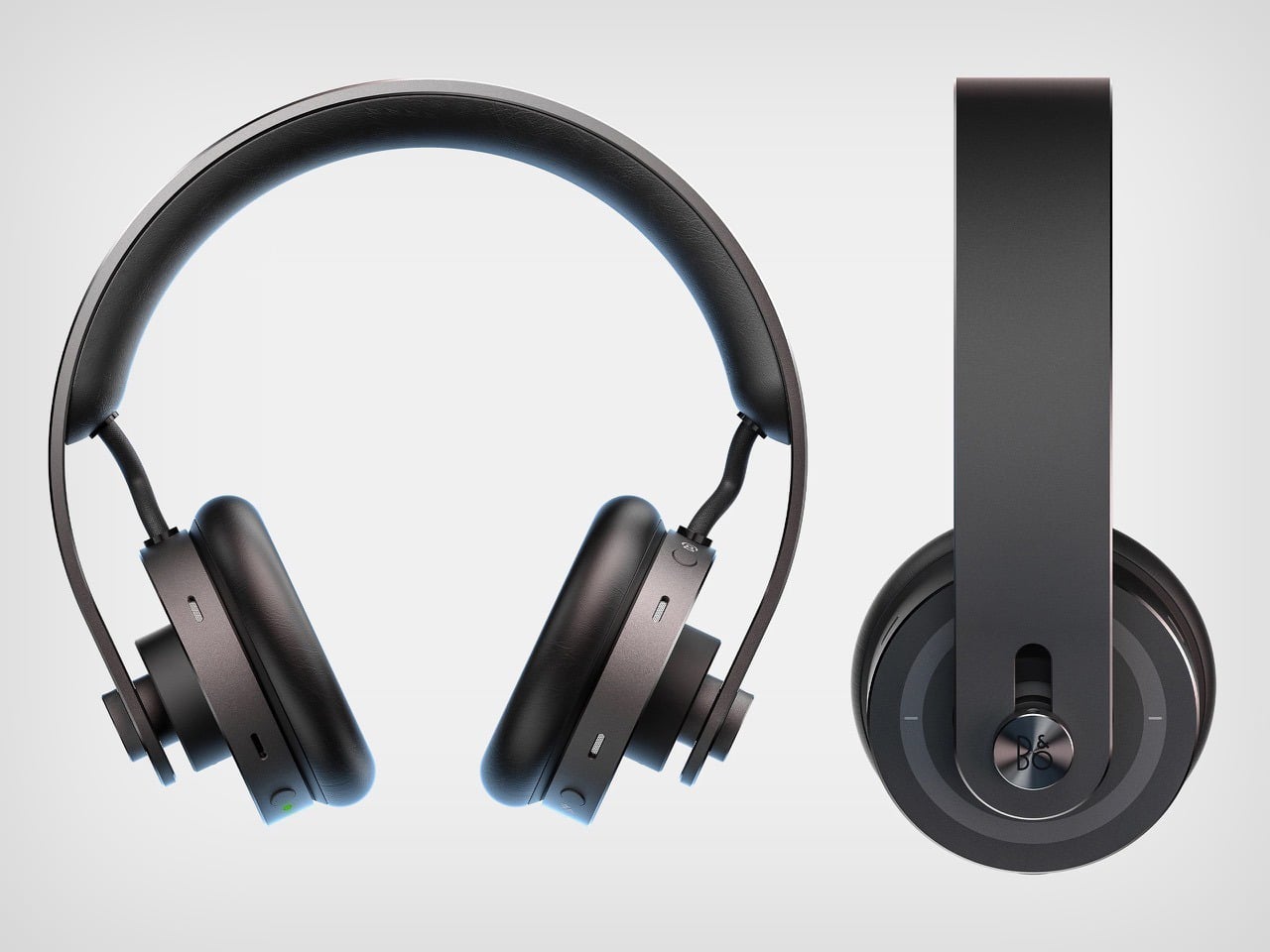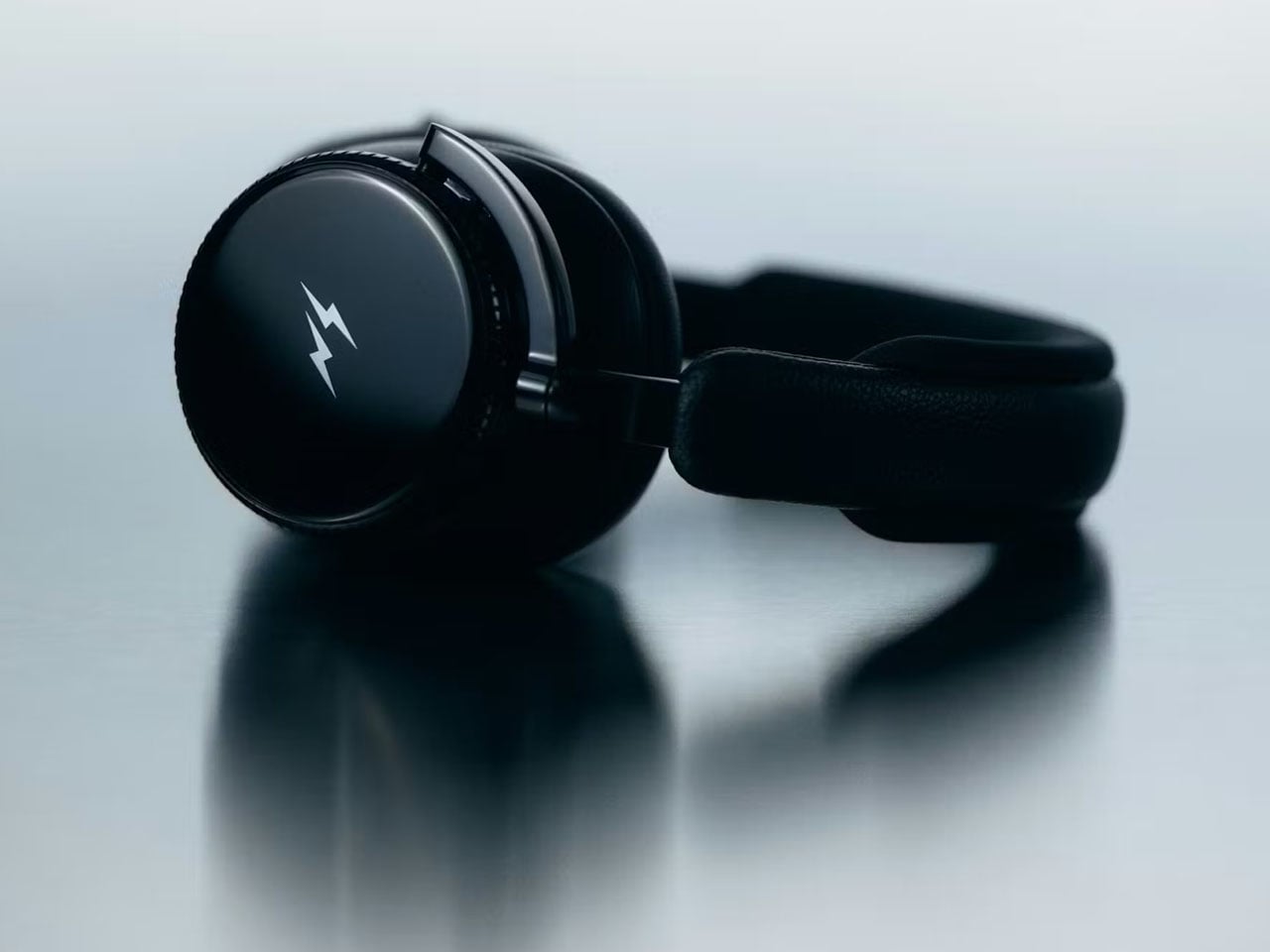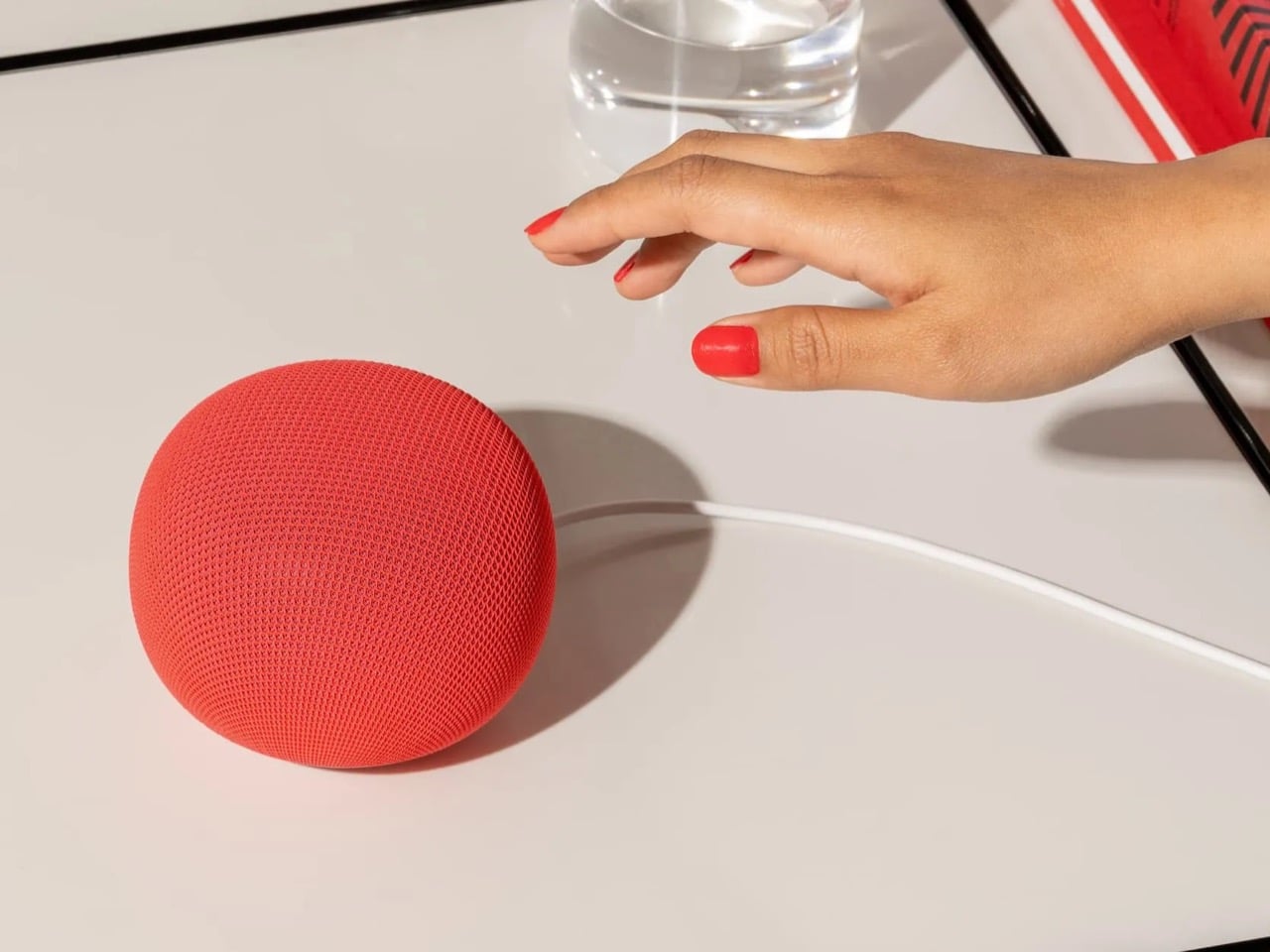
We’ve come a long way when it comes to noise isolation used in headphones and earbuds. The Active Noise Cancellation technology employed in current-generation audio accessories has reached a level that allows for adaptive ANC levels depending on the ambient noise environment. A handful of brands even go the distance to implement turning on transparency mode automatically when someone is talking to you. That’s a novelty, but still, you’ll hear the voices of other people in the vicinity if you are in a crowded environment.
That could change with an innovation that aims to eliminate any unwanted voices in the conversation. For instance, when you are talking to your pal on the street, you’ll only hear his voice, and all the other voices of people will be muted out. This innovation will not be helpful as a daily driver, but it will assist people with hearing impairments in hearing better. The initial prototype developed by the group of researchers at the University of Washington is known as the proactive hearing assistant,” and it filters the conversation partner’s voice only and looks promising.
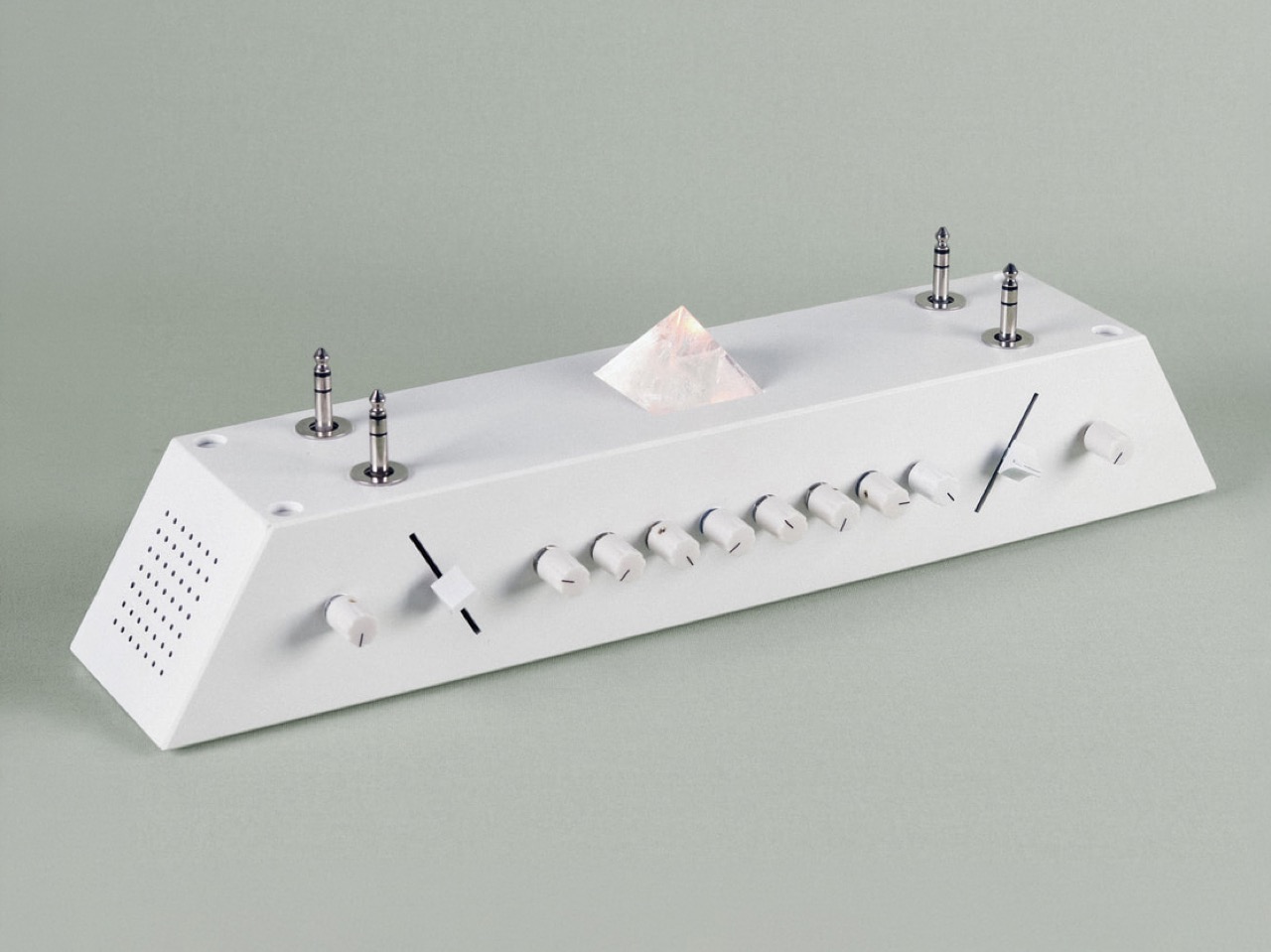
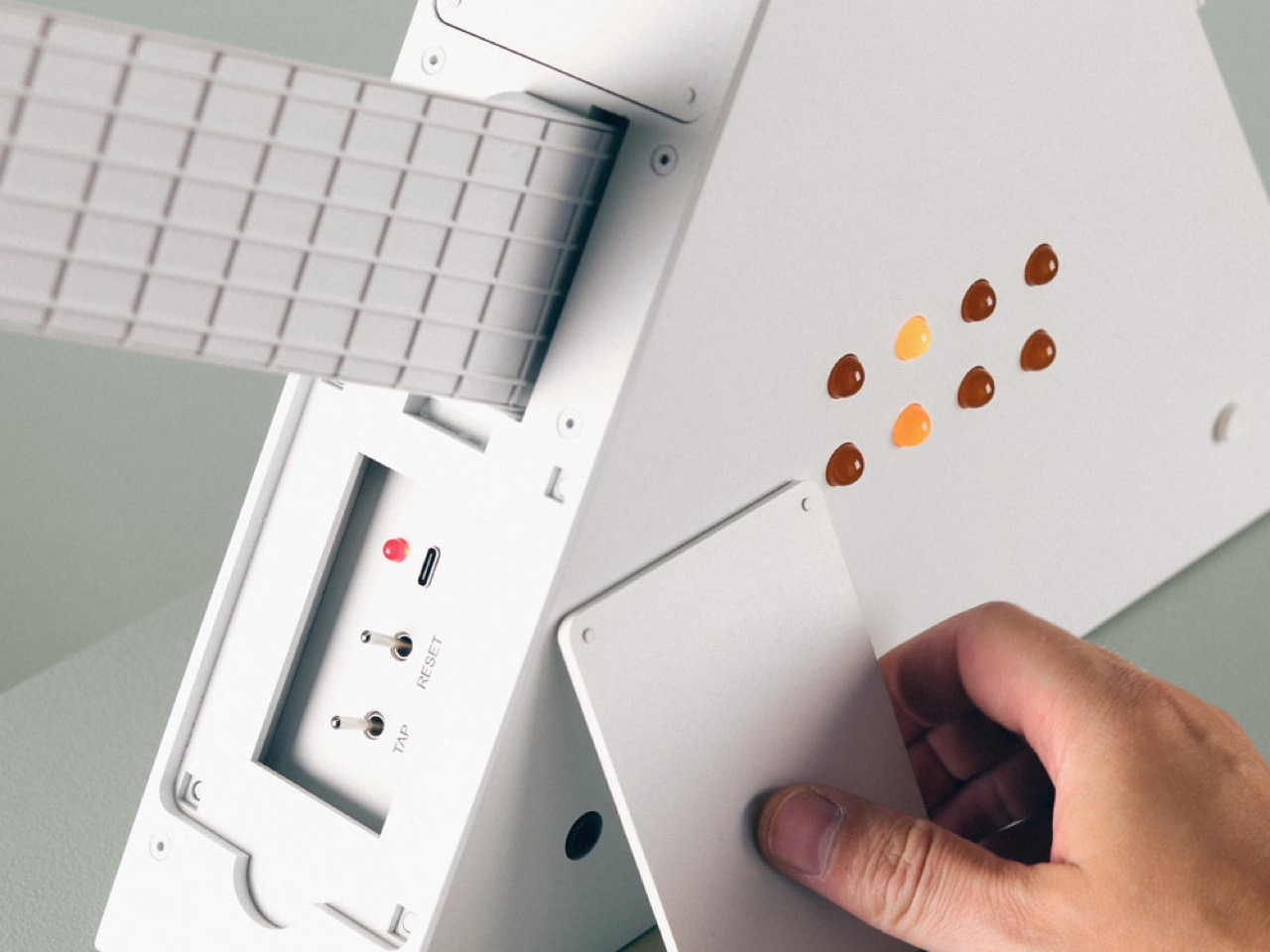
The AI-powered headphones do all the filtering automatically without any manual input which is a potent functionality current-gen headphones can hugely benefit from. The speech isolating technology suppresses the voices that don’t match the pattern of turn-taking conversation. The AI model on board keeps a tab on the timing patterns and filters out anything that doesn’t fit. Application of this exciting tech could not only be limited to audio accessories and hearing aids but also come integrated with wearable tech like smart glasses or VR headsets. The most practical implementation could come in handy at crowded places where you have to really focus on the person in conversation.
According to Senior author Shyam Gollakota, “Our insight is that when we’re conversing with a specific group of people, our speech naturally follows a turn-taking rhythm. And we can train AI to predict and track those rhythms using only audio, without the need for implanting electrodes.” The current prototype supports one wearer and up to four other people which is impressive. More so when you factor in the lag-free overall experience. Currently, the team is testing two different models of the iteration: one that runs a “who spoke when” check to look for any overlap between the speakers, identifying who’s speaking when. The second model cleans the raw signal and then feeds real-time isolated audio to the user. The latter, so far, has scored well with the 11 participants in the study.
Currently, these basic over-ear headphones are loaded with extra microphones, and the team is working on slimming down the size. In conjunction with the research that is going on, small chips are being developed that run these AI models, so that they can be fitted inside hearing aids or earbuds. So, are we ready for a future where intelligent hearing is part of our daily drive?
Most smart speakers are designed to disappear, cylinders and pucks that sit in a corner and wait for voice commands. That is convenient but also a bit dull; you talk, they respond, and the hardware never really asks you to engage with it. Sound Maestro is a concept that goes the other way, imagining a living room as a small orchestra pit you can actually conduct with gestures instead of just tapping a screen.
Sound Maestro is a speaker inspired by an orchestra conductor that consists of three core parts: the conductor’s podium, the instruments, and the conductor’s baton. When everything is docked together, it reads as a single object, but each of the four modular speakers can be detached and assigned a different musical part, vocals, drums, bass, and melody, each with its own LED color glowing underneath the grille.
The system uses AI to split a track into four stems and send each to a different speaker, so one cube carries the vocal, another the drums, another the bass, and another the melody. The LEDs on each unit glow in a unique color, making it easy to see which part is where. This spatial mapping of sound means the mix becomes something you can see and point at, not just hear as a single stereo image coming from two speakers.
The baton-shaped controller is the main interface. In Maestro Mode, you twist a dial to enter a state where the default buttons are locked, zand you control speakers by pointing and gesturing. A quick left-right wave skips tracks, a slow up-down motion adjusts volume with LED brightness as feedback, and drawing a circle pauses or resumes playback, with all LEDs turning off or on to confirm what just happened.
Remote Control Mode lets the same baton behave more like a traditional remote. You still point it at a specific speaker, but now you press buttons instead of waving. This lets you fine-tune or mute individual units without the full theatricality of Maestro Mode. The two modes together acknowledge that sometimes you want to perform, and sometimes you just want to nudge the volume down on the drums without getting up.
The main speaker takes its form from an orchestra podium and acts as the system’s brain. It handles the main bass that anchors the center and runs the AI that assigns parts to each satellite. A small display shows the current mode, battery levels, and which part each speaker is playing, so you can glance down and see the state of your orchestra without opening an app.
Sound Maestro pokes at the idea that home audio can be more than invisible boxes and playlists. By giving each part of a song its own physical presence and letting you conduct with a baton instead of a touchscreen, it makes listening into a small performance. Whether or not you want to wave a stick in your living room, the idea that a speaker system could ask you to point, gesture, and conduct instead of just pressing play feels like a surprisingly theatrical take on what modular audio might become.
Most small Bluetooth speakers are generic cylinders or bricks that sit somewhere on a desk and do not really belong to the rest of the setup. At the other end, you have sculptural, art-piece speakers that look great in a gallery photo but feel out of place next to a gaming keyboard. The 8BitDo Retro Cube 2 Speaker – N Edition sits in between, a speaker that actually looks like it belongs on a gamer’s or retro-leaning desk.
8BitDo calls it compact, powerful, and timeless, inspired by the NES and upgraded from the original Cube Speaker. The N Edition is part of the NES40 Collection, designed to sit next to the N40 keyboard and Ultimate 2 controller as a matching sound cube. The grey body, red grilles, and black D-pad top are NES shorthand translated into a speaker, not just random retro dressing borrowed from another era.
The top surface is a D-pad layout with a central button, plus and minus on the sides, a power icon at the top, and play/pause at the bottom. You control volume, playback, and pairing with a familiar gamepad language instead of tiny, unlabeled buttons. It is simple, tactile, and instantly recognizable if you have ever held a controller, which makes it feel more like part of a gaming setup than a generic Bluetooth puck that could live anywhere.
The connectivity offers Bluetooth 5.3, 2.4G wireless via the included USB-C adapter, and wired USB audio. Bluetooth is fine for casual listening, but 2.4G and USB give virtually lag-free audio for games and video. The adapter hides in a slot under the dock when not in use, which keeps it from wandering off and makes it easy to move the cube between a laptop, a Switch, or a desktop without digging through a drawer for dongles.
The integrated wireless charging dock is a small square base with a circular pad marked by a lightning-bolt icon and a perforated ring. The dock keeps the cube powered and also acts as a signal extender for 2.4G, so you get better reception when it is parked. It doubles as a visual plinth, lifting the cube slightly and making the whole thing read as one object instead of a speaker plus a random charging pad that does not quite match.
The tech specs are dual 5 W drivers, 120 Hz–15 kHz frequency response, and a 2,000 mAh battery with around 30 hours of use and 3–5 hours of charging. It is slightly larger than a Rubik’s Cube, which makes it ideal for near-field listening on a desk or nightstand. Music and Gaming modes let you tweak the tuning with a single press, so you can lean into clarity for calls or a bit more punch for games.
Retro Cube 2 behaves as a desk companion that actually earns its footprint. It sits next to a keyboard and mouse like a tiny console, charges itself when you drop it on the dock, and gives you a D-pad to poke at instead of a phone screen when you want to skip a track. Whether or not you already own the matching keyboard and controller, a small NES-flavored speaker with a wireless dock and three connection modes is the kind of object that quietly makes a desk feel more finished, especially if you still remember what a D-pad felt like the first time you pressed one.
Walk into any rehearsal space and you will see the usual suspects. A combo amp in the corner, a Bluetooth speaker on a shelf, maybe a looper pedal on the floor. Each tool has a single job. One makes your guitar louder, one plays songs, one repeats whatever you feed it. You juggle them to build something that feels like a band around you.
JBL’s BandBox concept asks a different question. What if one box could understand the music it is playing and reorganize it around you in real time. The Solo and Trio units use AI to separate vocals, guitars, and drums inside finished tracks, so you can mute, isolate, or replace parts on the fly. Suddenly the speaker is not just a playback device. It becomes the drummer who never rushes, the backing guitarist who never complains, and the invisible producer nudging you toward tighter practice.
Designer: JBL
This ability to deconstruct any song streamed via Bluetooth is the core of the BandBox experience. The AI stem processing happens locally, inside the unit, without needing an internet connection or a cloud service. You can pull up a track, instantly mute the original guitar part, and then step in to play it yourself over the remaining bass, drums, and vocals. This is a fundamental shift in how musicians can practice. Instead of fighting for space in a dense mix, you create a pocket for yourself, turning passive listening into an interactive rehearsal.
The whole system is self-contained, designed to work straight out of the box without a pile of extra gear. Both models come equipped with a selection of built-in amplifier models and effects, so you can shape your tone directly on the unit. Essentials like a tuner and a looper are also integrated, which streamlines the creative process. You can lay down a rhythm part, loop it, and then practice soloing over it without ever touching an external pedal. It is this thoughtful integration that makes the BandBox feel less like a speaker and more like a complete, portable music-making environment.
The BandBox Solo is the most focused version of this idea, built for the individual. It is a compact, easily carried device with a single combo input that accepts either a guitar or a microphone. This makes it an obvious choice for singer-songwriters or any musician practicing alone. The form factor is all about convenience, with a solid build and a top-mounted handle. A battery life of around six hours means you could take it to a park for an afternoon busking session or just move it around the house without being tethered to a wall outlet. It is a self-sufficient creative station in a small package.
When practice involves more than one person, the BandBox Trio provides the necessary expansion. It is built on the same AI-powered platform but scales up the hardware for group use. The most significant change is the inclusion of four instrument inputs, which transforms the unit into a miniature, portable PA system. A small band or a duo can plug in multiple guitars, a bass, and a microphone, all running through the same box. This is a clever solution for impromptu jam sessions, stripped-down rehearsals, or music classrooms where setting up a full mixer and multiple amps is too cumbersome.
Both units share a clean, modern design that aligns with JBL’s broader product family. The controls seem to be laid out for quick, intuitive access, a must for musicians who need to make adjustments without interrupting their flow. Connectivity extends beyond just playing music; a USB-C port allows the BandBox to double as an audio interface. You can connect it directly to a computer or tablet to record your sessions or lay down a demo, adding a layer of studio utility that makes the device even more versatile. It is not just for practice, it is for capturing the ideas that come from it.
Of course, none of this would matter if the sound was not up to par. JBL’s reputation in audio engineering creates a high expectation, and the BandBox aims to meet it by delivering a full-range sound that can handle both a dynamic instrument and a complex backing track simultaneously. The goal is to provide a clear, responsive guitar tone that cuts through, while the underlying track remains rich and detailed. This dual-functionality is key, ensuring it performs just as well as a high-quality Bluetooth speaker for casual listening as it does as a dedicated practice amp.
The JBL BandBox series has started its rollout in Southeast Asian markets, with promotions and availability already noted in the Philippines and Malaysia. A wider international release is expected to follow. While pricing will fluctuate by region, the BandBox Solo appears to be positioned competitively against other popular smart amps on the market. The Trio, with its expanded inputs and group-oriented features, will naturally sit at a higher price point, offering a unique proposition as an all-in-one portable rehearsal hub.
Most hi-fi speakers still look like anonymous black rectangles, even when they sound great. A few brands treat speakers as furniture or sculpture, but often at the expense of engineering. Braque by Nocs tries to sit in the middle, a pair of cubes that are as considered visually as they are technically, treating stereo as both sound and composition rather than one serving the other as an afterthought.
Nocs calls Braque “two cubes, one sculptural stereo system,” and each speaker is a stacked pair, a CNC-machined plywood enclosure on top of a 25 kg solid-steel base. Built in numbered editions, assembled in Estonia with the steel cube handcrafted in Sweden, and tuned back at Nocs Lab, Braque signals that this is not a mass-market soundbar or a safe play for casual listeners who just want something wireless.
The upper cube is rigid plywood finished in deep matte-black oil, chosen for tonal warmth and acoustic integrity, and the lower cube is a hand-welded, brushed steel block that anchors the system physically and visually. Sorbothane isolation pads sit between them, decoupling the enclosure from the base so the driver can move without shaking the furniture or smearing the soundstage. Together, the two volumes form a study in symmetry, a minimal yet expressive composition.
The acoustic core is an 8-inch Celestion FTX0820 coaxial driver with a 1-inch compression tweeter at its center, powered by dual Hypex FA122 modules delivering 125 W per side with integrated DSP. The coaxial layout gives a point-source image, and the active 2-way design lets Nocs control crossover and EQ precisely, resulting in a 42 Hz–20 kHz response that is tuned rather than guessed at from a passive circuit.
Nocs describes their studio-sound approach as tuning like sculpture, not adding but uncovering, working with artists and engineers to balance emotion, texture, and detail. The dual-cube design is part of that, lifting the driver to ear height when seated and using mass and isolation to keep the presentation clean and stable at real-world volumes. The idea is that a speaker should reveal music rather than shape it into a brand’s house curve.
Braque offers both analog and digital inputs, RCA and XLR for analog, plus S/PDIF, AES/EBU, and coaxial for digital, and it is meant to connect directly to turntables with a phono stage, streamers, or studio interfaces. There is no built-in streaming or app layer, which feels intentional; you bring your own source and let the speakers handle amplification and conversion from there without trying to be a whole ecosystem.
Braque behaves in a living room or studio as two strict cubes that read like small pieces of Cubist architecture until you press play. For people who want their speakers to be part of the composition of a space, not just equipment pushed into corners, the combination of Celestion drivers, Hypex power, and that heavy steel base makes Braque feel like a very deliberate answer to how a stereo should look and sound in 2025, where form and performance finally coexist without one apologizing for the other.
There’s something almost surreal about watching Bang & Olufsen celebrate its 100th birthday. While most brands would throw a retrospective exhibition or release a commemorative coffee table book, the Danish audio company has decided to do something far more ambitious. They’re taking their most advanced loudspeaker and reimagining it as high art.
Enter the Beolab 90 Phantom and Mirage Editions, two wildly different expressions of the same technological marvel. These aren’t just new color options thrown onto an existing product. They’re part of a five-edition Atelier series, each limited to just ten pairs worldwide, where Bang & Olufsen’s designers and craftspeople have pushed materials and finishes to places they’ve never been before.
Let’s start with the Phantom Edition, which feels like something out of a science fiction film. The classic fabric covers that typically wrap the Beolab 90 have been stripped away and replaced with custom-designed black metal mesh. It’s a bold move. The coated stainless steel creates this hologram-like effect, letting you peek through at the powerful drivers underneath. There’s something mesmerizing about seeing the technology usually hidden behind elegant fabric, now revealed like the inner workings of a watch through a sapphire caseback.
The aluminum skeleton features pearl-blasted surfaces and unified structural beams, with precision-machined trim details that speak to the hundreds of hours invested in each pair. It’s technical, it’s architectural, and honestly, it looks like it could double as a prop in a high-budget space station scene. But that’s precisely the point. The Phantom Edition isn’t trying to blend into your living room. It’s demanding attention.
Then there’s the Mirage Edition, which takes an entirely different approach. Imagine a speaker that appears to shift and transform as you move around it. The surface flows from vivid blue to rich magenta through a bespoke gradient anodization applied entirely by hand at Bang & Olufsen’s Factory 5. It’s the kind of finish that makes you want to circle the speaker just to watch the colors dance and morph.
This isn’t airbrushing or a printed vinyl wrap. The gradient effect is achieved through meticulous anodization of the aluminum components, a process that requires incredible precision and skill. The result positions the Mirage Edition as what Bang & Olufsen calls “a visualisation of sound itself”. It’s poetic, sure, but also surprisingly accurate. Sound is movement, frequency, vibration. Why shouldn’t a speaker designed to reproduce it perfectly also capture that sense of constant transformation?
Both editions maintain the same acoustic platform as the original Beolab 90, which launched back in 2015 and remains the brand’s most advanced loudspeaker. We’re talking about 18 drivers and beam-forming technology that can literally shape sound to suit your room’s acoustics. These Anniversary Editions keep all of that sonic prowess intact. The innovation here is purely about design and craft refinement.
That’s what makes these releases so fascinating. Bang & Olufsen isn’t trying to improve the performance or add new features. They’re exploring what happens when you treat a speaker as a canvas for material experimentation and artistic expression. It’s a luxury approach, certainly, but it also raises interesting questions about how we value design objects in our homes.
These speakers join the previously released Titan Edition, another ultra-limited variant featuring raw cast aluminum. Together, they represent a century of design philosophy distilled into physical form. Whether you lean toward the architectural drama of the Phantom, the fluid artistry of the Mirage, or the industrial purity of the Titan probably says something about your design sensibilities.
At a time when so much consumer tech prioritizes invisibility (think hidden speakers, frameless TVs, voice assistants tucked into fabric cylinders), Bang & Olufsen is moving in the opposite direction. These Atelier Editions celebrate presence, craftsmanship, and the idea that exceptional objects deserve to be seen, not just heard.
Most wireless headphones quietly become disposable. Batteries fade, cushions peel, and people replace the whole thing every few years instead of fixing what broke. Fairphone’s first Fairbuds XL were an outlier, modular and self-repairable with screws instead of glue. Gen 2 is the next step, not a clean break but a refinement that tries to make keeping and upgrading a pair of headphones feel as normal as replacing them.
Fairbuds XL Gen 2 are over-ear headphones that keep the same modular skeleton but add new 40-mm dynamic drivers, refined tuning, and updated materials. Fairphone claims 30 hours of listening, active noise cancelling with ambient mode, Bluetooth or USB-C wired listening, and two colorways, Forest Green and Horizon Black, which deepen the original palette into something a bit more mature and less obviously plastic.
The drivers are the most interesting change. Gen 2 ships with new 40-mm dynamic drivers and updated tuning for a more natural, detailed sound, but those drivers are also sold separately as modules. Owners of the 2023 Fairbuds XL can open their existing headphones with a screwdriver and slot in the new drivers, keeping everything else while upgrading the sound. That turns the Gen 2 launch into both a new product and a parts catalog.
The comfort story centers on materials. The headband now uses a breathable net fabric, and the ear cushions switch to a soft birdseye mesh, which improves comfort during long sessions. The IP54 rating handles dust and splash resistance, and the new material identity balances durability with a sleeker look. The switch from PU leather to mesh is practical for warm environments and long wear, without sacrificing the ability to take everything apart when it wears.
The modular design remains unchanged, with nine replaceable parts, including the battery, cushions, drivers, headband, and covers, all held together with screws and no glue. The battery is easily removable, the three-year warranty extends the standard two years, and the LONGTIME label certifies products designed for longevity and repairability. The goal is to keep components in use instead of sending whole headphones to the landfill when one piece fails.
Advanced noise cancelling with a switchable ambient mode, an upgraded Fairbuds app with new presets and customizable EQ, and Bluetooth with dual-point connectivity let you move between phone and laptop. You can also plug in over USB-C for battery-free listening. Gen 2 adds auto power-off after 30 minutes of inactivity with ANC off, saving battery and extending runtime per charge, which is a small but thoughtful improvement.
Most Gen 2 products pretend Gen 1 never happened. Fairbuds XL Gen 2 ships drivers that fit both, which means the launch doubles as a parts drop for anyone who bought the original two years ago. That feels unusual enough to notice, especially at €249 for a full headset or roughly €100 to just swap the drivers. Whether or not that changes anyone’s mind about buying repairable gear, it at least shows that upgrading can be designed in from the start instead of being treated as impossible or inconvenient.
We knew Nothing was launching headphones this year, most of us imagined glyphs on them, but Nothing pulled a fast one by choosing a different design direction to stand out amongst a sea of headphones. Instead of the conventional circular or capsule-shaped cups, they unveiled rectangular headphones that took the world by surprise. A lot of us (me included) had reservations on the design, but if anything, the rectangular format was unique enough to really make an impact. The problem? I didn’t associate that design language with Nothing as a brand.
Now, if we’re designing headphones that are just meant to be different, these keycap-inspired headphones really take the cake. Designer Tougou Daciqeng calls it “Cross-border integration of tactile design and auditory technology”, which is just fancy designspeak for ‘we drew a parallel between two senses – touch, and sound’. The result is a pair of headphones that welcome your ears, but also your eyes and hands. That keycap-inspired can on the outside just begs your fingers to touch touch it, sometimes even attempt pressing it.
Designer: Tougou Daciqeng
The result is a fun design language that I don’t attribute to Nothing, but I definitely do to a brand like Teenage Engineering. Fun, funky designs, vibrant and subdued color options, and a silhouette that feels unmistakable. Teenage Engineering doesn’t lean into hyper-ergonomics, everything they make has this industrial, engineering-driven touch, resulting in very soft curves that often punctuate otherwise straight lines and geometric forms.
The beauty of such a pair of headphones lies in not its sound, but its appearance. Sure, sound is arguably the most important feature of a headphone, but what we’re looking at here is purely conceptual, so we’ve only got visuals to go by. To that end, the Keycap Headphones are a visual masterclass. They come with rectangular earcups, but the cutout is still elliptical, allowing them to fit around your ear snugly.
Everything else revolves around that key-shaped surface on the sides. Styled like a Cherry key (although a little different and a lot larger), this surface lets you control the playback through taps, swipes, etc. I’d have preferred a nice clicky key, but we work with what we’ve got. There’s one button on the top of the right earcup for powering on and off the earphones. Everything else can be done through the faux keys on the sides.
The designer definitely gets that a clicky key would be better than a touch surface, which is why they’ve built haptics into the earphones. Press the surface and a click plays through your ear, giving you a satisfactory sensory experience that affirms a key press. The rest of the headphones are fairly uncomplicated. A telescopic headband, a fairly repairable design thanks to exposed countersunk screws on the cans (for that industrial aesthetic), and USB-C charging on the bottom. The headphones come in 5 color variants too, including two metallic finishes, a retro off-white and a classic grey, and finally a fairly CMF-ish orange that’s definitely going to grab a few eyeballs.
Generic wireless earbuds arrive in identical white plastic shells with forgettable names and indistinguishable sound profiles. Smart speakers reduce albums to voice commands and invisible algorithms. Mass-produced audio gear does the job, but it does nothing for the soul. The following collection rejects that sameness entirely. These seven designs treat sound as something worth seeing, touching, and displaying. They transform listening from background noise into intentional ritual, proving that audio equipment can spark conversation, elevate spaces, and reconnect us with the physical pleasure of music.
Each piece here champions visibility over invisibility. Whether through kinetic wooden tiles that dance with your vinyl, transparent frames that showcase spinning CDs, or cassette-shaped speakers that resurrect mixtape culture, these gifts refuse to disappear into pockets and smart home ecosystems. They’re designed for people who curate rather than consume, who value craftsmanship over convenience, and who believe technology should enhance spaces rather than colonize them. For anyone exhausted by tech that looks and feels like everything else, these selections offer genuine alternatives.
1. Orbit Kinetic Turntable
Lillian Brown’s Orbit Kinetic Turntable makes music visible. Thirty-nine handcrafted wooden tiles surround the record platter in concentric circles, flipping and rotating as your album plays. Every bassline triggers motion. Every cymbal crash shifts the pattern. What started as Brown’s senior thesis at the Savannah College of Art and Design became a sculptural performance piece that translates sound waves into physical movement. The tiles respond to frequency and amplitude, creating hypnotic displays unique to whatever you’re spinning.
This isn’t gear that fades into the background. Friends will gather around this turntable to watch music unfold, seeing frequencies become choreographed motion. The wood construction fits contemporary interiors while bridging generations—showing younger listeners that sound once demanded full attention. Brown created something between a turntable and a kinetic sculpture, resurrecting the ritual of intentional listening. It proves music’s physical dimension extends beyond grooves pressed into wax. For collectors ready to showcase vinyl as living art, this is it.
What we like
The handcrafted wooden tiles create mesmerizing visual patterns synchronized to your music’s actual frequency and amplitude.
The kinetic sculpture element transforms passive listening into an active sensory experience worth gathering around.
What we dislike
Availability remains uncertain as the design may still be in concept or a limited production phase.
The complex mechanical system likely requires more maintenance than standard plug-and-play turntables.
2. Portable CD Cover Player
The Portable CD Cover Player brings album artwork back from digital exile. A transparent pocket displays your CD jacket prominently while the disc spins behind it. Built-in dual stereo speakers mean no external equipment, while the rechargeable battery lets you mount it anywhere—kitchen walls, bedroom shelves, wherever. It’s for people who kept their CD collections when everyone said physical media was dead. Who remembers studying liner notes and album photography instead of scrolling past thumbnail images?
You can rotate it between rooms or bring it to gatherings where tangible music matters. The minimalist design keeps focus on your collection rather than technology. Streaming services show cover art optimized for phone screens. This player presents it at the proper scale where typography and photography get the prominence the artists intended. It suits anyone rebuilding relationships with albums they once owned, anyone tired of faceless playlists. Physical formats offer something algorithms can’t replicate—the complete artistic statement combining sound, image, and object.
The transparent jacket pocket prominently displays album artwork at the proper scale, where design details become visible.
Wall-mounting capability combined with built-in speakers and a rechargeable battery provides genuine placement flexibility without wire management struggles.
What we dislike
The price point may feel substantial for those with extensive CD libraries expecting to use the player daily across their entire collection.
Built-in speaker sound quality likely cannot match dedicated external audio systems preferred by serious audiophiles.
3. ClearFrame CD Player
ClearFrame strips away every opaque surface to expose what’s usually hidden. Crystal-clear polycarbonate reveals spinning discs, visible circuitry, and mechanical processes typically concealed behind plastic shells. Black circuit boards become part of the aesthetic rather than hidden components. The design philosophy is simple—technology shouldn’t hide its engineering. Bluetooth connectivity, seven to eight hours of battery, and multiple outputs balance vintage format with modern convenience. Position it on desks, mount it to walls, or prop it on shelves where it catches light.
The transparency transforms electronics into a conversation-starting sculpture for minimalist spaces. Three playback modes paired with one-touch controls make operation intuitive despite visual complexity. Built-in shock protection handles standard CDs, mini discs, and MP3 formats. It works for people who view possessions as curated statements, who want technology that enhances spaces rather than clutters them. The visible mechanics remind you that playback involves real physical processes. Each session feels more intentional than streaming’s invisible delivery. For anyone reconnecting with albums they meant to revisit, this frames them beautifully.
The fully transparent acrylic construction showcases internal components and spinning discs, turning consumer electronics into a visible kinetic sculpture.
Multiple placement options, including optional wall mounting and a desk stand, offer versatile display configurations for varied interior aesthetics.
What we dislike
The exposed circuitry and transparent surfaces collect dust and fingerprints more readily than enclosed traditional players.
Maintaining the pristine, transparent aesthetic requires frequent cleaning to prevent smudges from diminishing the visual impact.
4. Side A Cassette Speaker
Side A Cassette Speaker looks exactly like a mixtape from 1985. Transparent shell, Side A label, authentic dimensions—then you realize it’s hiding Bluetooth 5.3, microSD playback, and six-hour battery life beneath that analog disguise. At just 80 grams with its clear case, it slips into pockets for music anywhere while delivering warm sound tuned to echo tape-era audio. The included case doubles as a display stand, transforming portable audio into shelf decoration that broadcasts your retro credentials.
This design resurrects the emotional weight mixtapes once carried. Modern playlists offer infinite choice but lack the physical presence and intentional curation that cassettes demanded. Creating a tape meant selecting every track with purpose. Giving someone a mixtape meant something. The microSD support enables offline listening without Wi-Fi dependency, while Bluetooth bridges analog aesthetics with contemporary devices. It suits people who appreciate character in their audio gear, who value objects that tell stories beyond specifications, who find joy in designs that refuse sameness.
The faithful cassette styling with transparent shell and authentic labeling creates immediate nostalgic recognition while hiding modern Bluetooth technology.
The included clear case transforms into a hands-free display stand, elevating portable audio into shelf-worthy decoration.
What we dislike
The compact size inherently limits sound quality and volume compared to larger dedicated speakers.
The nostalgic aesthetic may not resonate with younger recipients who lack personal memories of cassette culture.
5. Battery-Free Amplifying iSpeakers
Battery-Free Amplifying iSpeakers need nothing. No electricity, no batteries, no charging cables. Crafted from aerospace-grade Duralumin metal using golden ratio proportions, this passive amplifier channels your smartphone’s sound through acoustic chambers that fill rooms. Slot your phone into the metal frame and watch vibration-resistant construction transform tinny device speakers into genuine audio using pure physics. The minimalist metal sculpture enhances desk aesthetics while remaining portable enough to carry anywhere outlets don’t exist.
This philosophy rejects planned obsolescence entirely. Nothing to charge, sync, or update. The Duralumin construction offers durability like vinyl records once provided—objects built for decades, not seasons. Optional Bloom and Jet mods allow sound direction control. It suits minimalists exhausted by tech demanding constant feeding, environmentalists seeking sustainable alternatives to disposable Bluetooth speakers, and anyone appreciating elegant solutions. The visible craftsmanship makes a statement about valuing quality over connectivity. While Bluetooth speakers race toward feature bloat, these iSpeakers prove the best technology is sometimes no technology—just intelligent design exploiting acoustic principles.
The completely battery-free passive amplification eliminates charging anxiety and planned obsolescence inherent in electronic speakers.
Aerospace-grade Duralumin construction designed using golden ratio principles provides both acoustic performance and lasting sculptural desk presence.
What we dislike
Acoustic amplification cannot match the volume and sound quality of powered Bluetooth speakers in larger spaces.
Compatibility depends on phone size and case thickness, potentially limiting use with certain devices or protective cases.
6. RetroWave 7-in-1 Radio
Behind its retro Japanese-inspired design and tactile tuning dial, the RetroWave packs seven functions into one compact unit. Speaker, MP3 player, FM/AM/SW radio, LED flashlight, clock, power bank, and SOS alarm—all wrapped in nostalgic packaging that works on kitchen shelves or emergency kits. Stream Bluetooth during normal times. Hand-crank or solar charge when power fails. The 2000mAh battery delivers up to twenty hours of radio time or six hours of emergency lighting while also charging your phone during blackouts.
This isn’t nostalgic cosplay. The RetroWave addresses genuine preparedness needs while remaining functional daily. Some mornings, it plays jazz stations during coffee, dial glowing softly on countertops. Other days, it’s charging phones during outages, flashlight guiding hallways, and SOS alarm signaling for help. AM/FM/SW radio provides access when internet infrastructure fails, while USB and microSD enable offline music. It suits design lovers wanting gear that looks as good as it performs, preparedness people building resilient systems, and travelers heading off-grid. Multi-functionality means fewer devices cluttering spaces. Equally suited to counters and disaster caches.
The seven-in-one functionality consolidates speaker, radio, flashlight, power bank, and emergency features into one versatile unit.
Hand-crank and solar charging provide genuine off-grid power independence when electrical infrastructure fails, or outdoor adventures demand self-sufficiency.
What we dislike
The retro aesthetic and multi-function design add bulk compared to specialized single-purpose devices.
Audio quality from the built-in speaker likely trails dedicated Bluetooth speakers focused solely on sound performance.
7. StillFrame Headphones
StillFrame Headphones sit somewhere between earbuds and over-ear cans, offering a middle ground between intimacy and openness. Transparent construction exposes internal circuitry and 40mm drivers that shape wide, open soundstages. At just 103 grams, they feel nearly weightless across 24-hour battery life, carrying you from morning routines through late-night sessions. Adaptive noise cancelling silences distractions when needed. Transparency mode maintains environmental awareness when circumstances demand it. Bluetooth provides wireless freedom, while a USB-C cable enables high-resolution wired playback for latency-sensitive work.
The design deliberately references the ClearFrame CD Player, creating visual dialogue between devices sharing a transparent philosophy. These suit people seeking the middle ground, listeners wanting presence without pressure. Exposed components make technology visible rather than hidden, turning electronics into statement pieces broadcasting your design sensibility. Dual mics with noise-cancelling maintain voice clarity during calls. The 40mm drivers deliver melodic textures and spatial detail that cheap earbuds compress into flat sound. For anyone exhausted by identical white plastic buds, anyone building intentional audio ecosystems prioritizing lasting design over disposable convenience, these fit.
The transparent construction and exposed circuitry create a distinctive visual identity that references classic CD-era design language.
The lightweight 103-gram build, combined with 24-hour battery life, provides all-day comfort without constant recharging interruptions.
What we dislike
The transparent materials and exposed components may show dust and require more frequent cleaning than opaque enclosed designs.
The on-ear positioning sacrifices some noise isolation compared to over-ear designs for listeners seeking complete acoustic separation.
Sound Worth Seeing
Generic tech hides itself, disappearing into pockets and blending into walls until nothing distinguishes one device from another. These seven designs take the opposite approach, making audio equipment worth displaying, worth discussing, and worth choosing deliberately. They prove that sound can be visual, that nostalgia can coexist with modern functionality, and that rejecting disposable uniformity doesn’t require sacrificing convenience. From kinetic turntables that dance with your vinyl to transparent players that frame your CDs as art, each piece here elevates listening from background activity into an intentional ritual that engages multiple senses.
The common thread isn’t retro fetishism but honest design that respects both materials and listeners. Whether through battery-free acoustic amplification, emergency-ready multi-function radios, or transparent headphones that expose their engineering, these gifts champion lasting value over planned obsolescence. They suit anyone exhausted by identical tech, anyone rebuilding physical music collections, anyone who believes possessions should spark joy rather than fade into forgettable functionality. For music lovers, design enthusiasts, and anyone shopping for people who seem to have everything, these unique audio pieces offer something genuinely different from what everyone else is giving.
Cozy desk setups have become a competitive sport. Tiny CRTs, retro keyboards, and beige plastic everywhere, usually looking very cute but doing very little beyond collecting dust and likes. Most of that gear is either pure decor or pure utility, rarely both. MiniToo leans into the 80s PC silhouette hard, complete with a CRT-style screen and chunky keyboard buttons, but it tries to earn its footprint by being a Bluetooth speaker, alarm clock, white noise machine, and pixel art display all at once.
The MiniToo Retro PC Style Pixel Bluetooth Speaker & Alarm Clock looks like a palm-sized beige desktop computer that escaped from an 8-bit office. The CRT-style screen sits on top with a thick bezel, while the sloped keyboard base sports four large square buttons and a bright orange volume knob. It measures about 3.2 by 2.4 by 2.9 inches and weighs just over 200 grams, small enough to fit between your laptop and coffee cup.
The 1.77-inch TFT screen runs more than seventy clock faces, from DOS blue screens with chunky pixel fonts to colorful analog dials and animated scenes. The companion app lets you design your own pixel faces, animations, and text, then sync them with a tap. You can also cast photos to the screen, turning it into a tiny digital photo frame that cycles through your favorite shots in gloriously chunky pixel form, which somehow makes even vacation snapshots feel more fun.
The audio side packs a 5-watt full-range driver with enhanced bass reflex tuned for near-field listening, good for a desk or bedside but not built to fill a room. Bluetooth 5.3 handles wireless playback, plus it supports white noise and twelve wake-up sounds. You can set alarms, play music, and fall asleep to ambient sounds, all from the same little box that looks like it should be running floppy disks instead of Spotify or whatever you streamed last night.
Built-in pixel tools include a Pomodoro timer, reminders, and simple games that live on the device. It can sit next to your laptop as a focus timer during the day, then shift to an alarm clock and white noise machine at night. The four front buttons and knob make it easy to use without always reaching for your phone, helping it feel like a standalone object rather than just another Bluetooth accessory demanding app attention.
Connectivity options cover Bluetooth 5.3, USB audio, and TF card playback, so it works with laptops, phones, or local files. The app is still required for deeper customization, but once your faces and sounds are set up, the device runs on its own. The compact size makes it easy to move between desk and bedside, or pack as a little travel speaker with personality and actual utility instead of just nostalgia.
MiniToo is clearly gift-ready, shipped in a neat box, and aimed at teens, designers, and retro lovers who want their desks to look like fun. What makes it interesting is not just the nostalgia, but the way it folds real utility into that nostalgia, giving you a tiny computer that finally behaves like the playful, expressive desk companion those beige boxes never were when they were actually new and just ran spreadsheets.