Pokémon Pokopia review: Possibly the most charming Pokémon game yet

One of the biggest issues with mainline Pokémon games is that you're often so focused on catching, battling and trying to be the very best that you don't have time to stop and smell the flowers. But in Pokémon Pokopia, you're rewarded for doing just that while building a loving community of friendly monsters. The game is one part Animal Crossing and one part Dragon Quest Builders sprinkled with a touch of Minecraft and Stardew Valley. he result might be one of the coziest, most wholesome life sims on the market.

In Pokopia, you play as a Ditto, who has awakened to a world where all the other humans and Pokémon have mysteriously disappeared. Naturally, the loss of your trainer has inspired you to take the form of a person (well, as best as a Ditto can). You work together with the only other soul around, Professor Tangrowth, to figure out how to revitalize this once thriving town. As you explore, you learn to create habitats from a mix of shrubs, trees and anything else you can scavenge. You can also create new homes for the missing Pokémon and lure them back, slowly converting the wasteland into a bustling place full of life and excitement. It's a simple but extremely rewarding gameplay loop, and as you make friends with the returning monsters, they help you on your quest by teaching you skills that allow you to continue shaping and manipulating the environment. They also provide handy items and building materials. 

Some Pokémon like Squirtle can even teach you new moves that you can use to manipulate your environment.
Nintendo / Engadget

This is where the other main gameplay cycle comes in, as the entire world is made up of blocks that you can excavate or rework to your heart's content. Not only does this let you customize your environment, it also serves as a way to traverse the world. See a shiny treasure on the other side of a river but you can't swim there? You can simply build a bridge instead. And just like in Minecraft, you can use raw materials to create all sorts of fancy blocks and furniture so your homes look exactly how you want. When compared to games like Animal Crossing, I found I actually prefer Pokopia's flavor of world-building a touch more, as it relies slightly more on building and exploring and less on decorating. 

In order to lure Pokémon to your town, first you need to build a home they'll want to live in.
Nintendo / Engadget

My one small issue with the game is that while I like the real-time building mechanic that lets Pokémon work on stuff while you're not playing, having to wait a full day for bigger projects to be completed can bog down your progress a bit. With a game that easily provides more than 50 hours of content just for its main story (and that's not counting all the time you'll spend customizing and tweaking your town), sometimes things become a slower burn than they ought to be.

As befitting a Pokémon game, each monster has skills befitting their type like Charmander being able to light fires.
Sam Rutherford for Engadget

While the success of Pokopia's core mechanics can be largely attributed to co-developer Bandai Namco borrowing the game's basic template from the Dragon Quest Builders series, the real magic of the game comes from the Pokémon themselves. When I load into the world and the first thing that happens is one of my townsfolk running up to me to say thanks or give me a present, it just makes me happy. And unlike most other Pokémon games, you can actually have proper conversations with them, instead of just hearing them do their 8-bit cries. Speaking of that, I really think it's time for Game Freak to archive those Game Boy-inspired sound bites in favor of proper voice acting. We've had thirty years of crunchy, low-fi yells, and in an open-world game with adorable polygonal graphics, I think we can finally let the 'mons say their names like they do in the anime. 

Pokopia's roster of characters is also bigger than expected. That's because in addition to new faces like Peakychu and Mosslax, there are well over 100 different Pokémon to befriend. And while the game leans a bit more heavily on characters from Kanto and the original 151, there's solid representation from other generations, including cameos from legendaries. Furthermore, each monster has its own unique habitat, preferences and abilities. I appreciate little details like water-type Pokémon who ask you to make their home a bit more humid or fighting-type monsters who ask for exercise equipment to spruce up theirs. Similarly, when it comes to building out your town, I like that the game makes you turn towards plant-types if you want help with your crops or a fire-type if you need help smelting some iron. 
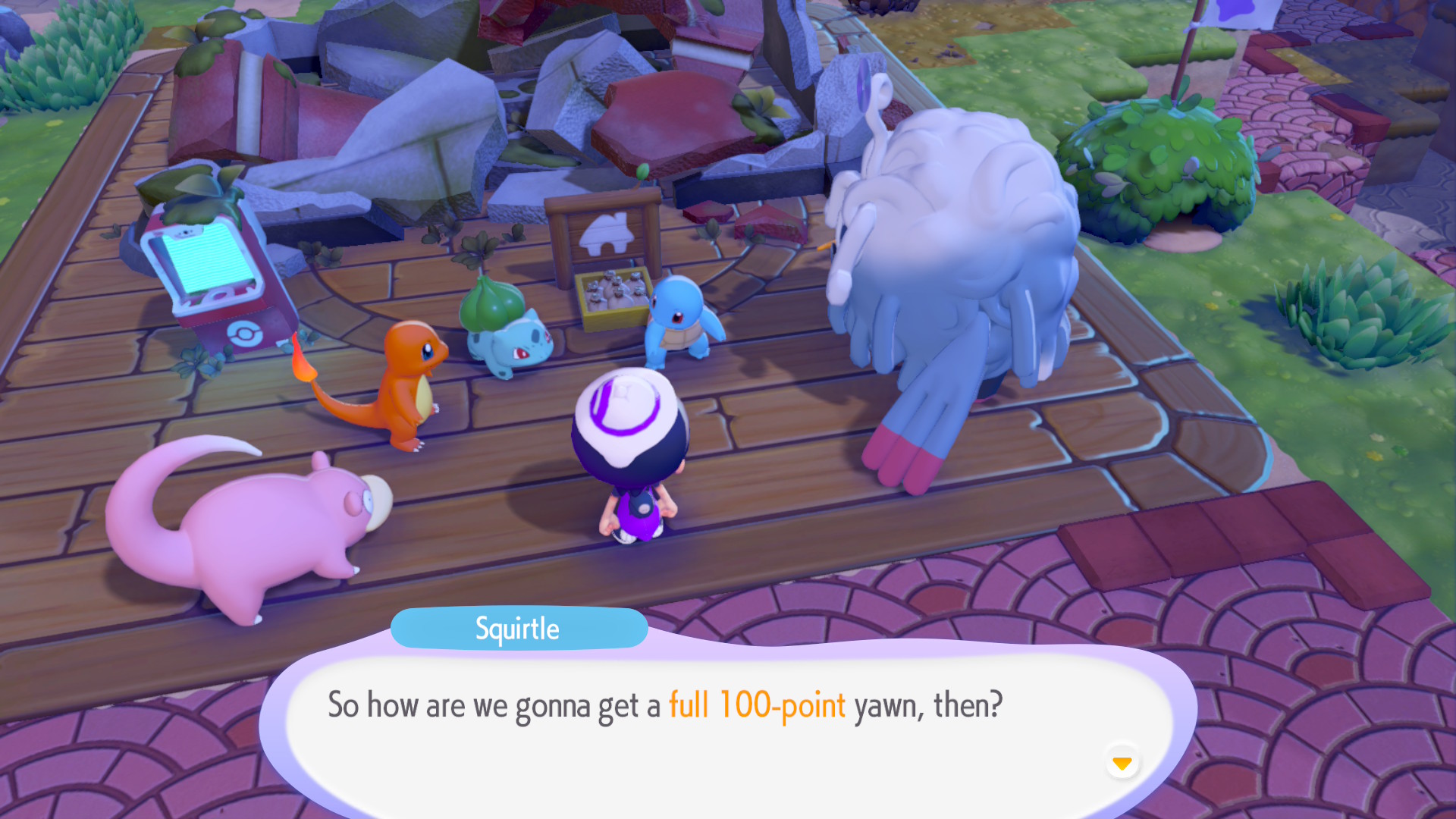
Teamwork makes the dream work.
Nintendo / Engadget

However, the most heartwarming thing about Pokopia might not even be how you interact with the other Pokémon, but how they socialize with themselves. Sometimes you'll run into two mons chasing each other around, working out together or cuddling up for a nap. And thanks to the game's photo mode, you can capture all these moments when they happen. 

Exploring the world is also quite satisfying, particularly for anyone who has played any of the Pokémon games from gen one. There are a ton of references to memorable people and places from Kanto. Plus, when you're just out and about or spelunking, you'll sometimes run into other adventurous mons who need a little help before you can convince them to move into town. It feels like there are fun secrets hiding around every other corner, and even for those that are a bit less obvious, Pokopia drops just enough hints to point you in the right direction. 

Just look how happy everyone is when we all work together.
Nintendo / Engadget

There's so much to do in Pokopia that I wouldn't be surprised if dedicated players could tide themselves over with this game until Pokémon Winds and Waves comes out next year. But more importantly, Bandai Namco and Game Freak have found a perfect balance between the title's open-world building mechanics and homages to the underlying franchise. Pokopia isn't just a half-hearted life-sim clone with a thin veneer of monster catching (or in this case, monster community outreach) draped on top; it's a good game in its own right that just gets better with the addition of neighborly Pokémon. 

This article originally appeared on Engadget at https://www.engadget.com/gaming/nintendo/pokemon-pokopia-review-possibly-the-most-charming-pokemon-game-yet-183000812.html?src=rss

This Tiny Rugged Phone Has a 152° Action Camera and GoPro Mounts

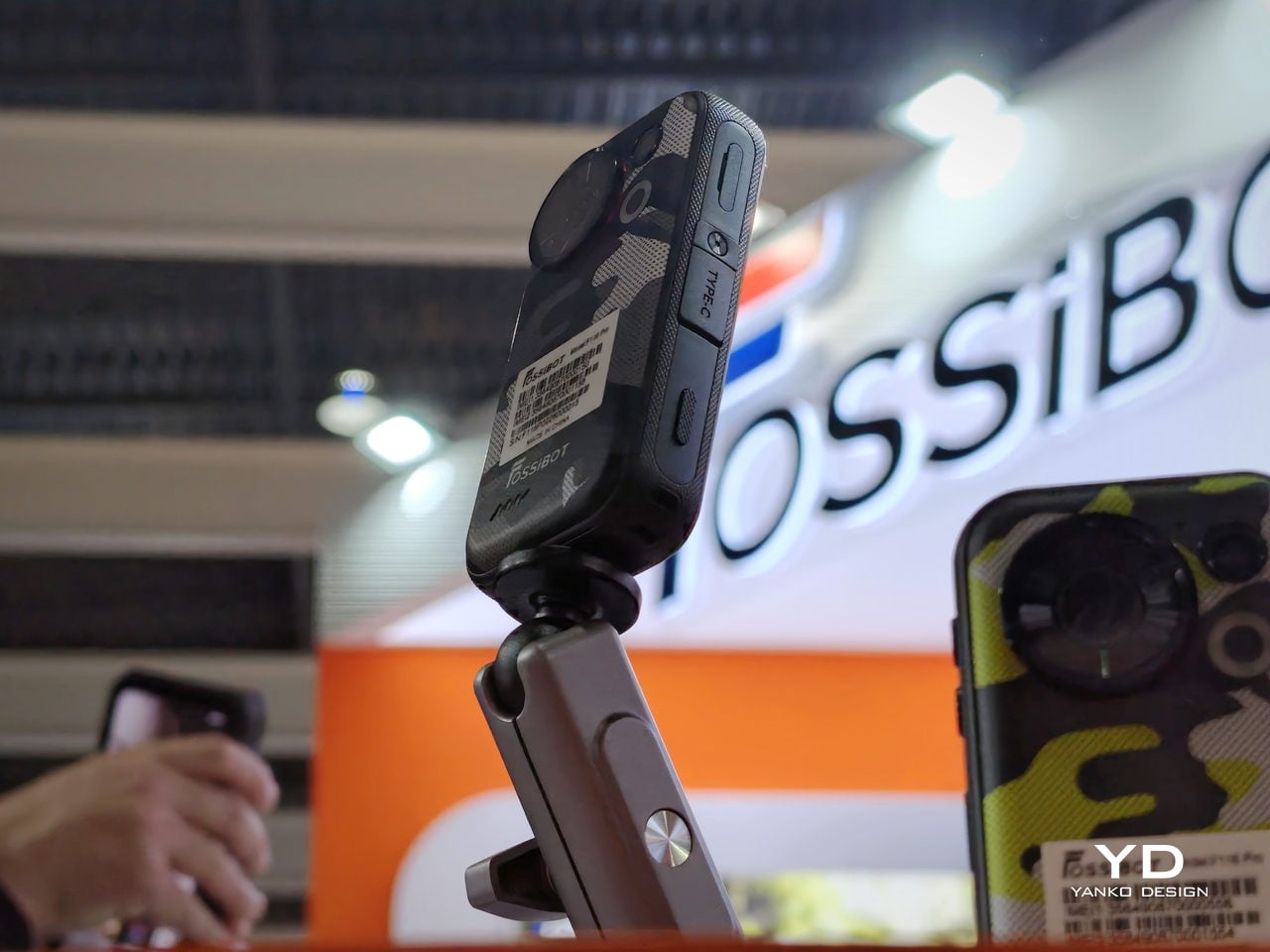
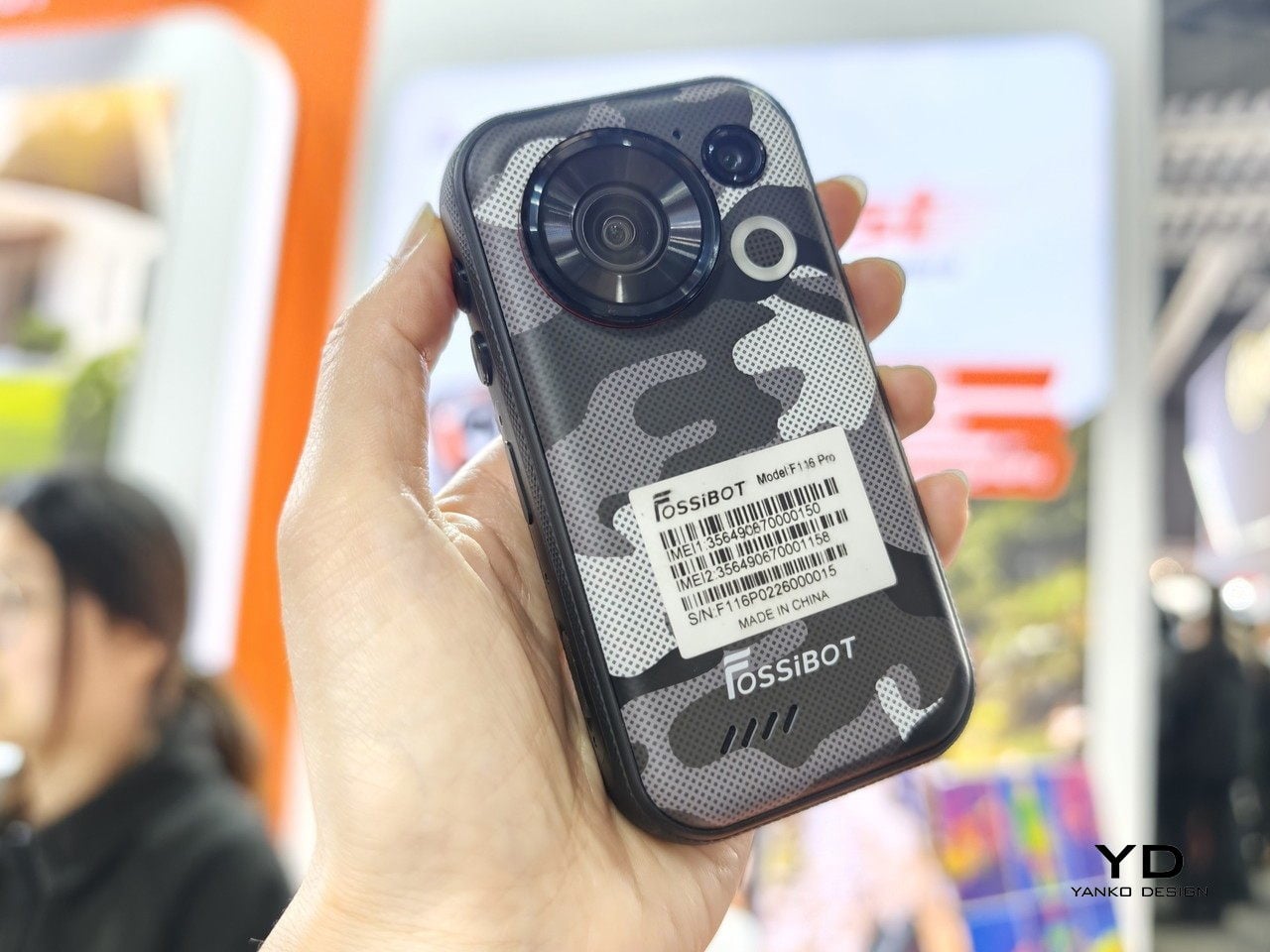
Action cameras are great until you realize you’ve left yours at home. Phones are always with you, but most of them are too big, too fragile, or too awkward to mount anywhere useful. The FOSSiBOT F116 Pro is a compact, rugged phone that tries to solve both problems at once, and the approach is specific enough to be interesting.

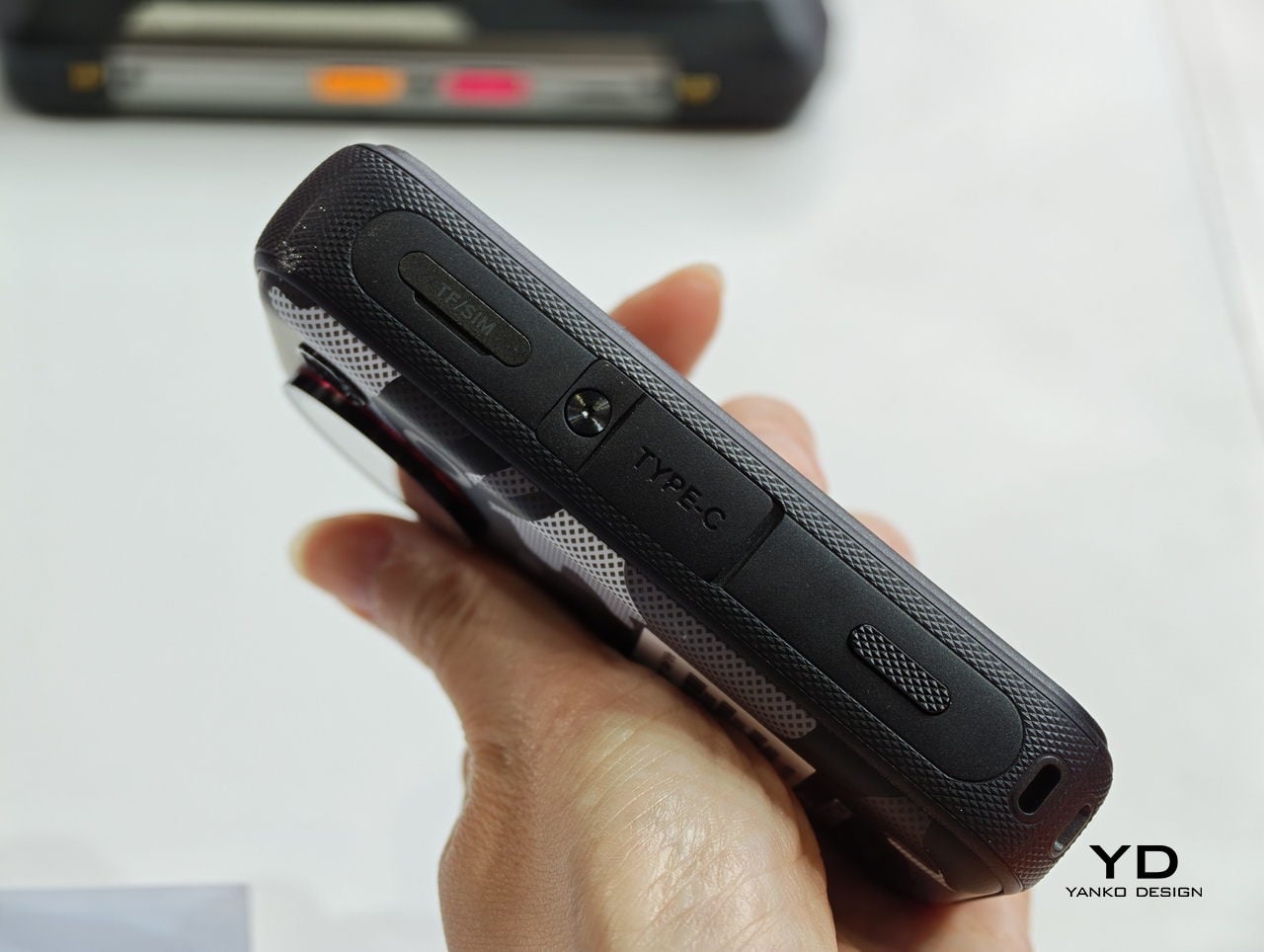
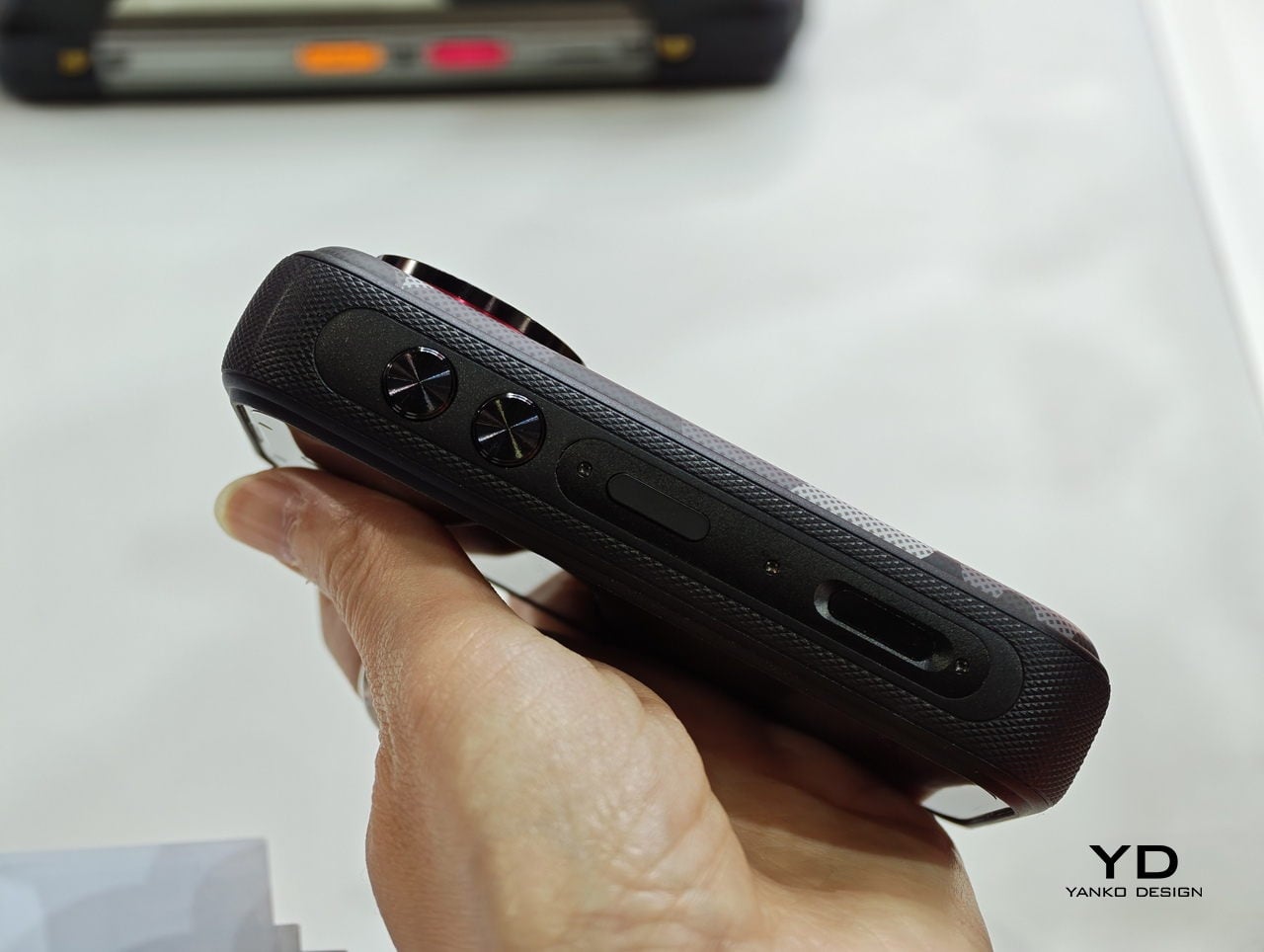
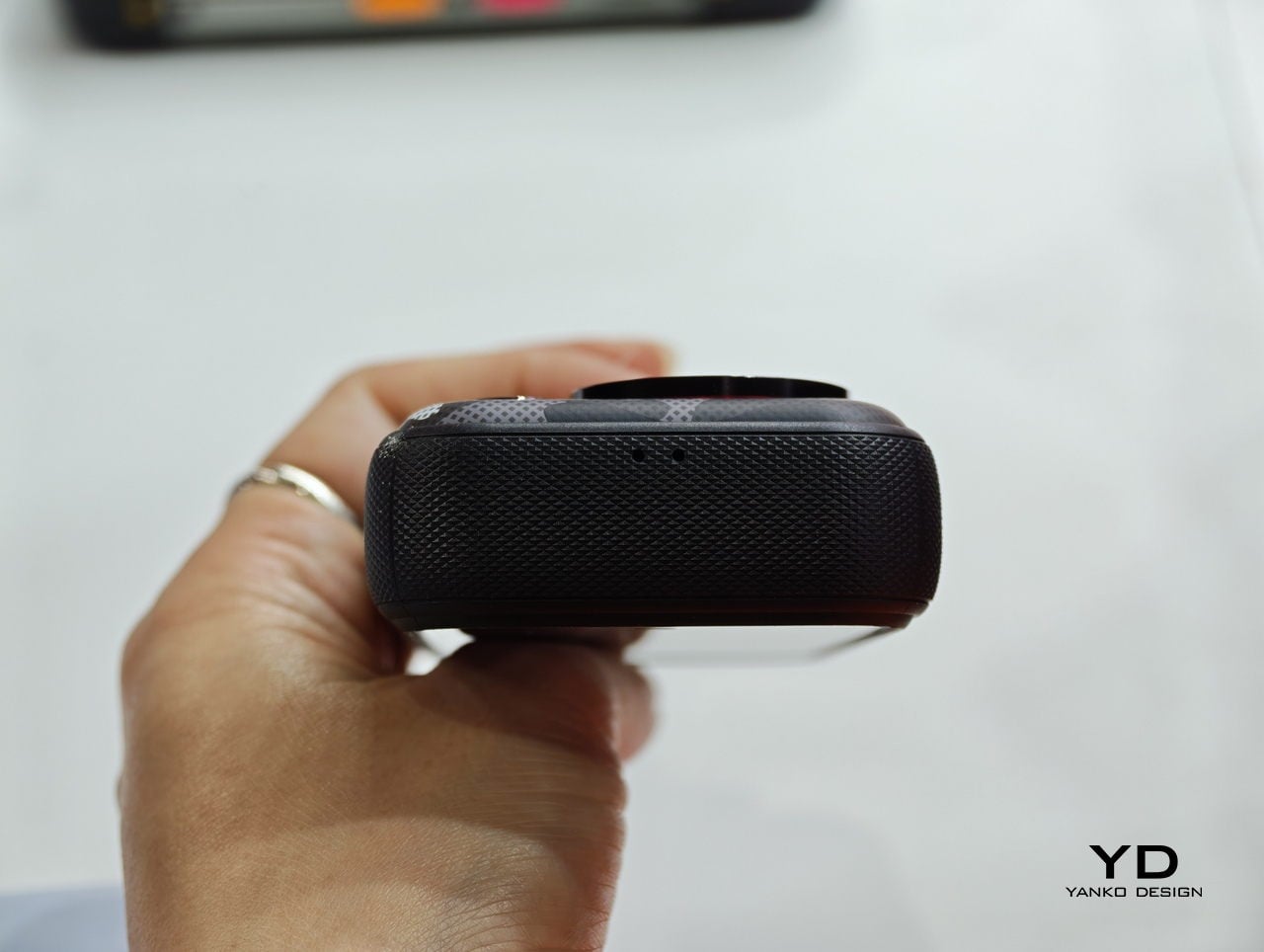
The F116 Pro is built around a 4.05-inch display and has a standard 1/4-inch screw socket at the bottom, the same thread you’d find on a tripod or a GoPro accessory. That means it works with the same ecosystem of mounts that action cameras already use: chest straps, suction cups, handheld grips, and neck mounts. The phone goes where the camera goes, instead of staying in your pocket while you film.

Designer: FOSSiBOT

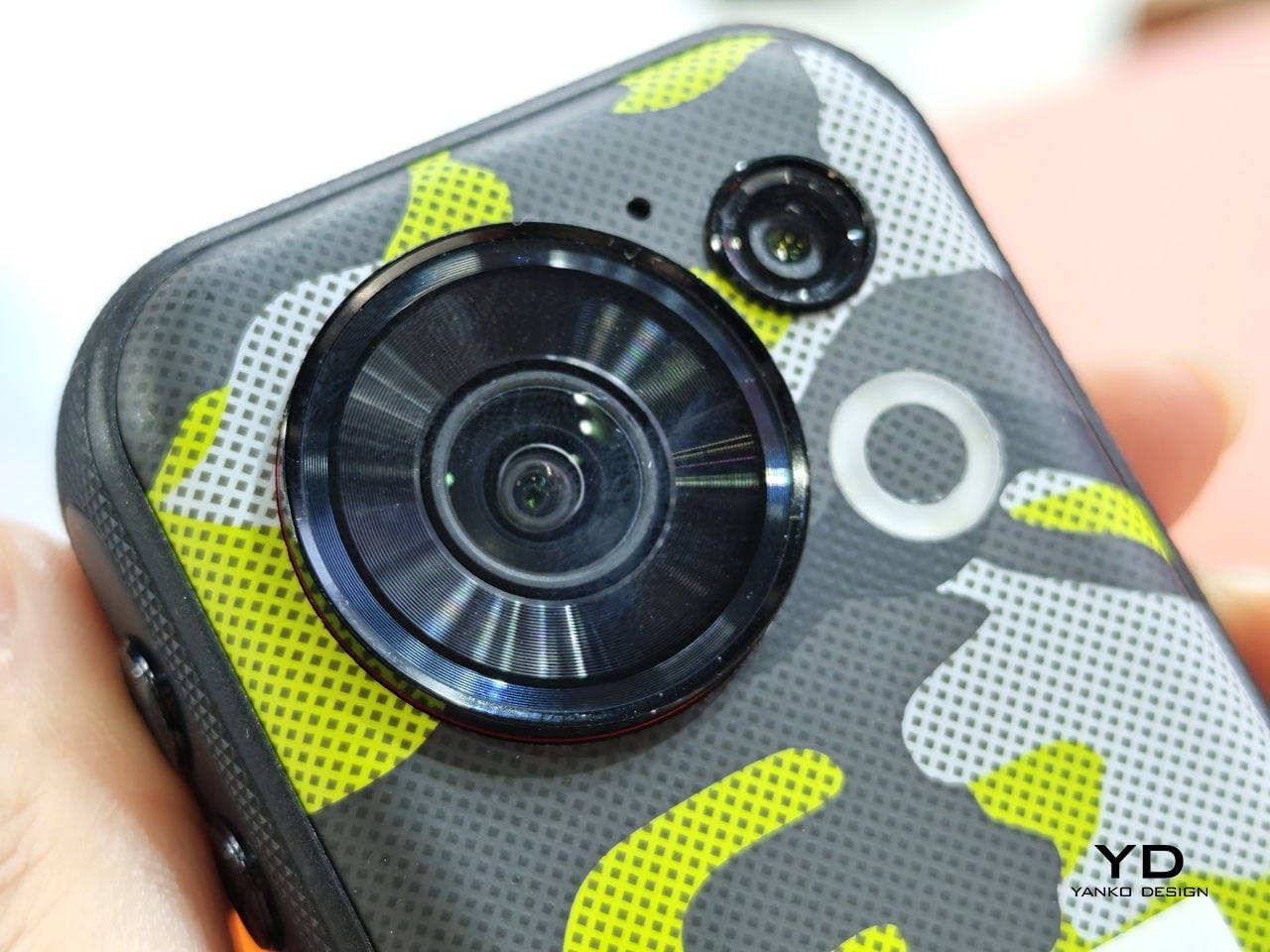
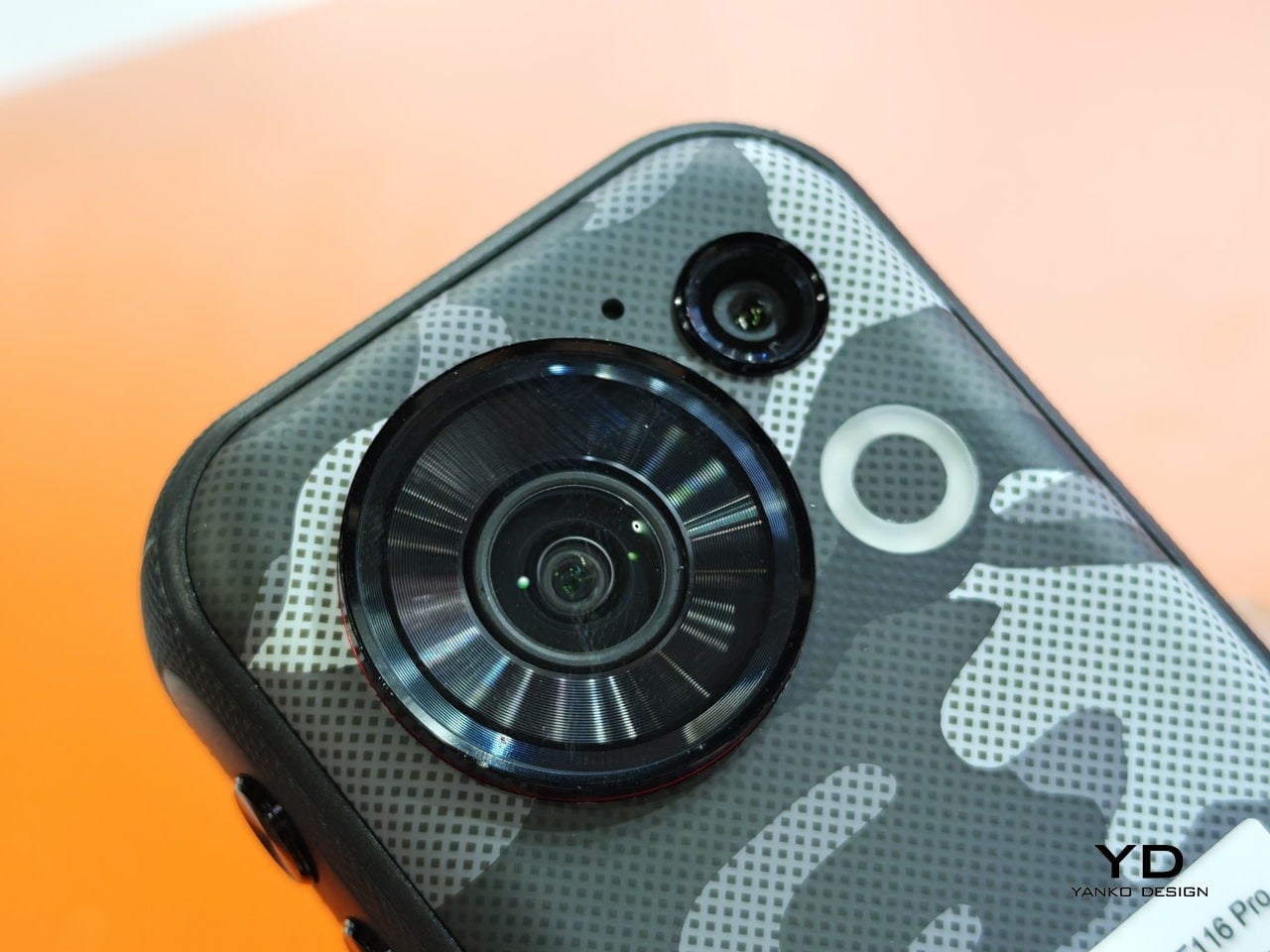
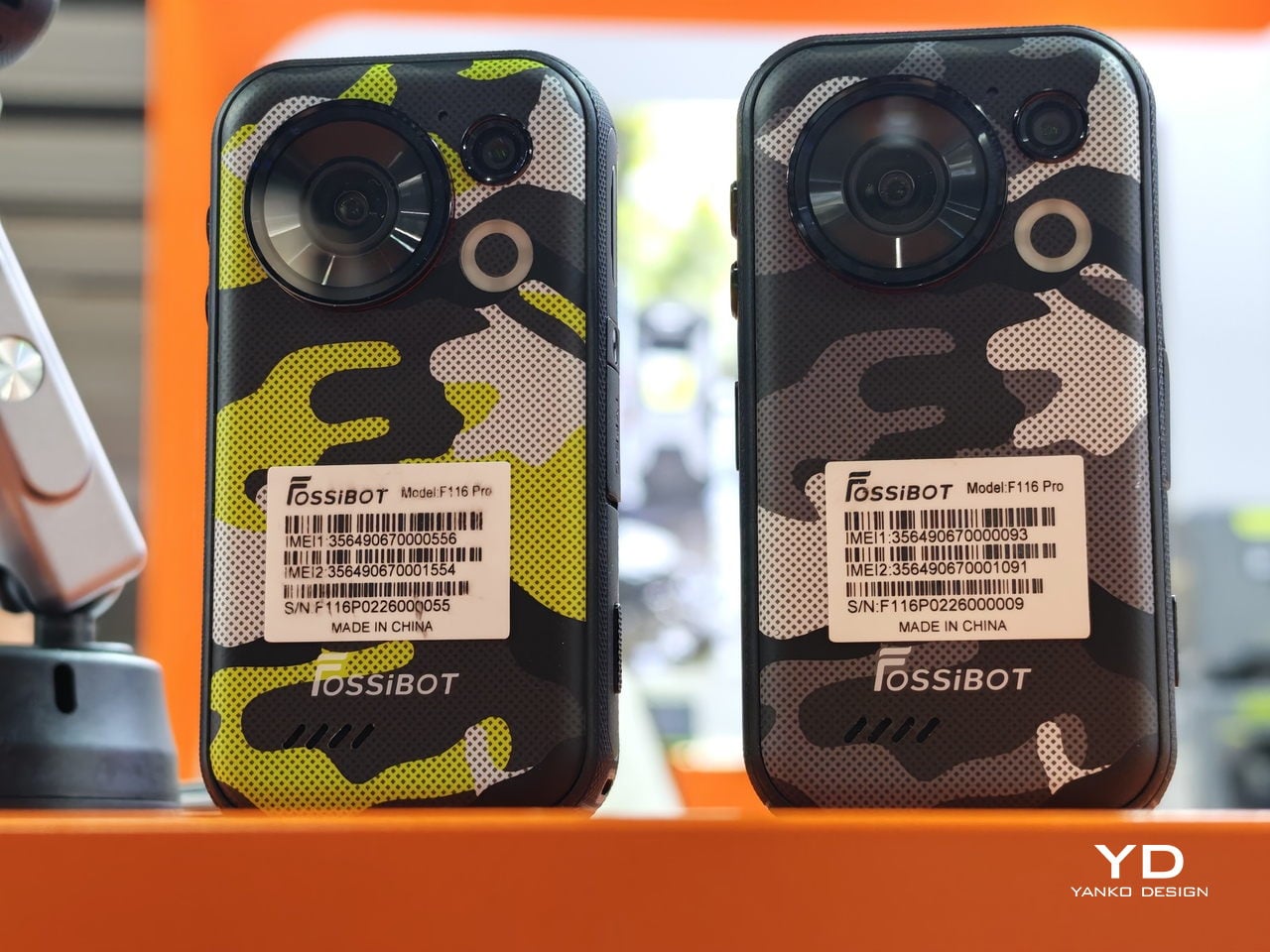
The camera is a 48 MP wide-angle unit with a 152.6-degree field of view, which is genuinely wide. Most smartphone ultrawide lenses sit somewhere between 70 and 90 degrees for comparison. Built-in stabilization smooths out footage on bumpy terrain, and a dedicated physical camera button on the body launches the camera instantly without unlocking the phone first, which matters more than it sounds when you’re actually moving.

Inside, the phone runs on a MediaTek Dimensity 7300 chipset built on a 4nm process, paired with 12GB of RAM and 256GB of storage, expandable up to 1TB with a now-rare microSD card slot. The display refreshes at 120Hz, 5G connectivity means footage can leave the device without hunting for Wi-Fi, and a 3,700 mAh battery with 33W charging keeps things moving. Modest numbers, but proportionate to a 4-inch screen and mid-range specs.

There’s also a rear circular LED that FOSSiBOT calls a “Light Signal Tower,” which cycles through colors and can be set to show notifications. It reads as a feature designed more for personality than practicality, but on a device this small, glancing at the back for alerts without waking the screen has some logic to it.

The compact body is the most interesting design choice here, and also the one that will define the experience. At 4.05 inches, the screen is smaller than almost anything else currently on the market. That’s a genuine advantage for one-handed operation and pocket carry, and a real limitation for anything that benefits from screen size: reading, navigation, video playback. The F116 Pro is betting its users want something small enough to forget they’re carrying it.

FOSSiBOT has been around since 2022 and claims more than 1.5 million users across its lineup. The F116 Pro showed up at CES earlier this year, and again at MWC 2026, which suggests the company is serious about getting it in front of people. The more honest question is whether a mountable, rugged, mini-format phone lands in a gap the market actually has, or one the market has already decided it doesn’t need.

The post This Tiny Rugged Phone Has a 152° Action Camera and GoPro Mounts first appeared on Yanko Design.

Is the $499 MacBook Neo the Ultimate Student Laptop?

Is the $499 MacBook Neo the Ultimate Student Laptop? MacBook Neo

Apple launched their budget friendly laptop last week, the MacBook Neo, a laptop designed to make the macOS experience more accessible than ever before. With a starting price of $599, or $499 for students through an educational discount, this device is aimed at budget-conscious users, particularly students and first-time Mac buyers. While it omits some […]

The post Is the $499 MacBook Neo the Ultimate Student Laptop? appeared first on Geeky Gadgets.

Posted in Uncategorized

iOS App Development Costs in 2026: Real-World Cost Benchmarks

iOS App Development Costs in 2026: Real-World Cost Benchmarks iOS App

Ever wondered why some iOS mobile apps cost as much as a Manhattan luxury apartment while others are built for the price of a used sedan? The truth is simple and straightforward: app pricing is not a one-size-fits-all number. It depends on features, design, platform complexity, and who’s building it. In this article, we break […]

The post iOS App Development Costs in 2026: Real-World Cost Benchmarks appeared first on Geeky Gadgets.

Posted in Uncategorized

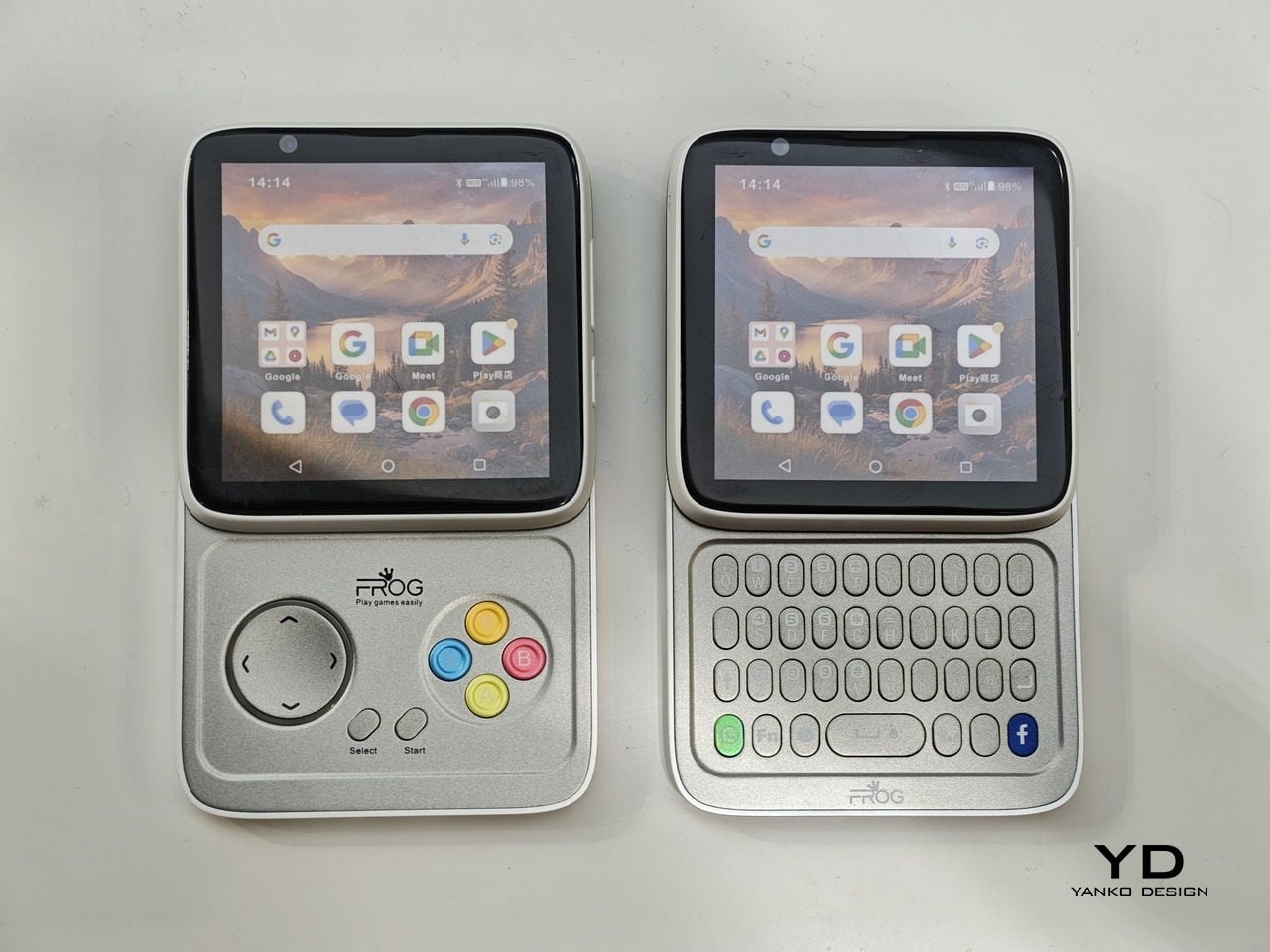
This Square Phone Rotates Open to a BlackBerry or Game Boy Setup

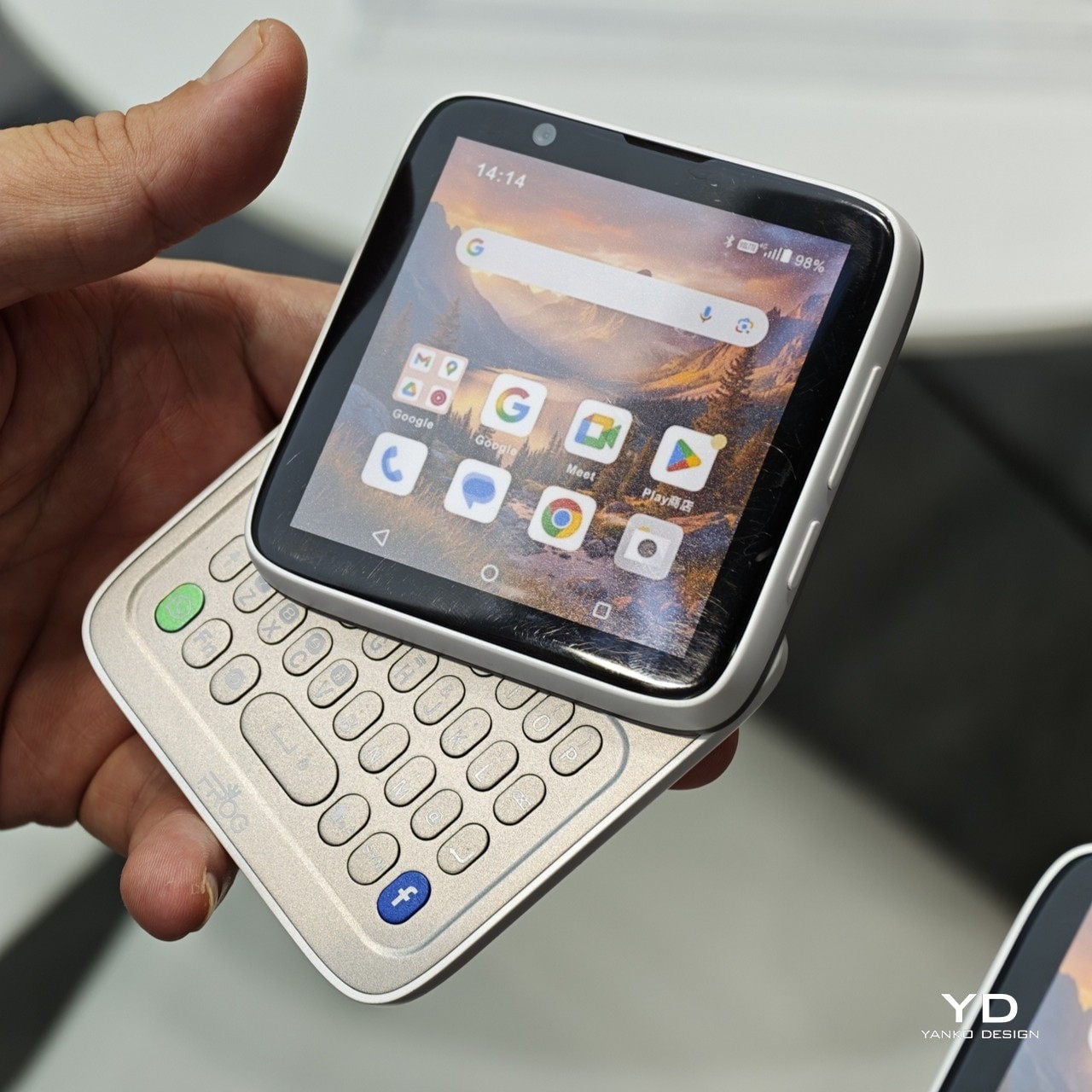
Smartphones have gotten pretty good at being the same thing. Every year, they get a little taller, a little thinner, and a little more difficult to tell apart in a lineup. That’s fine for most people, but it does make MWC 2026 feel like a bit of a slog, until you spot something genuinely weird on the show floor, like a square phone that rotates open to reveal either a physical keyboard or a game controller underneath.

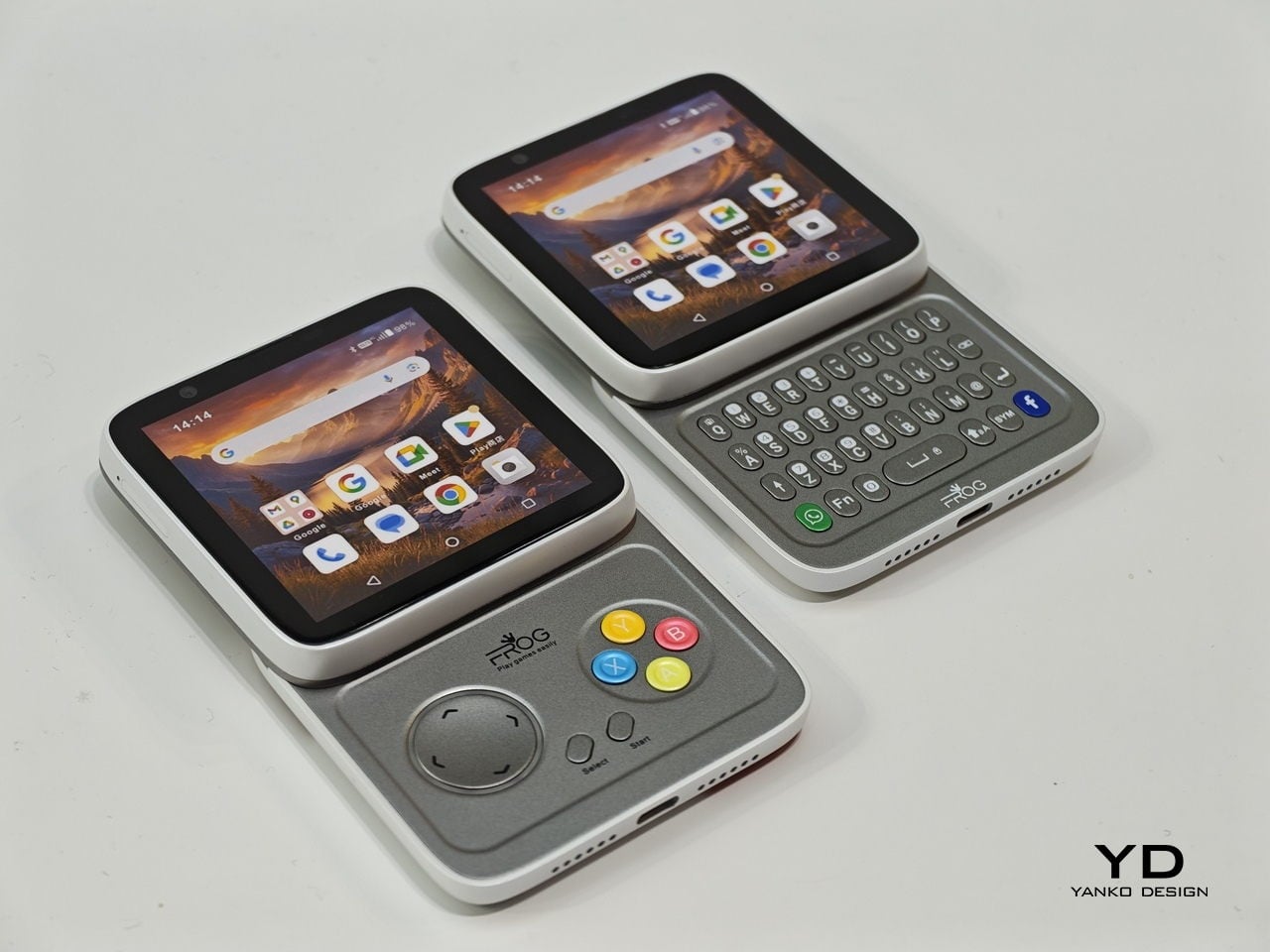
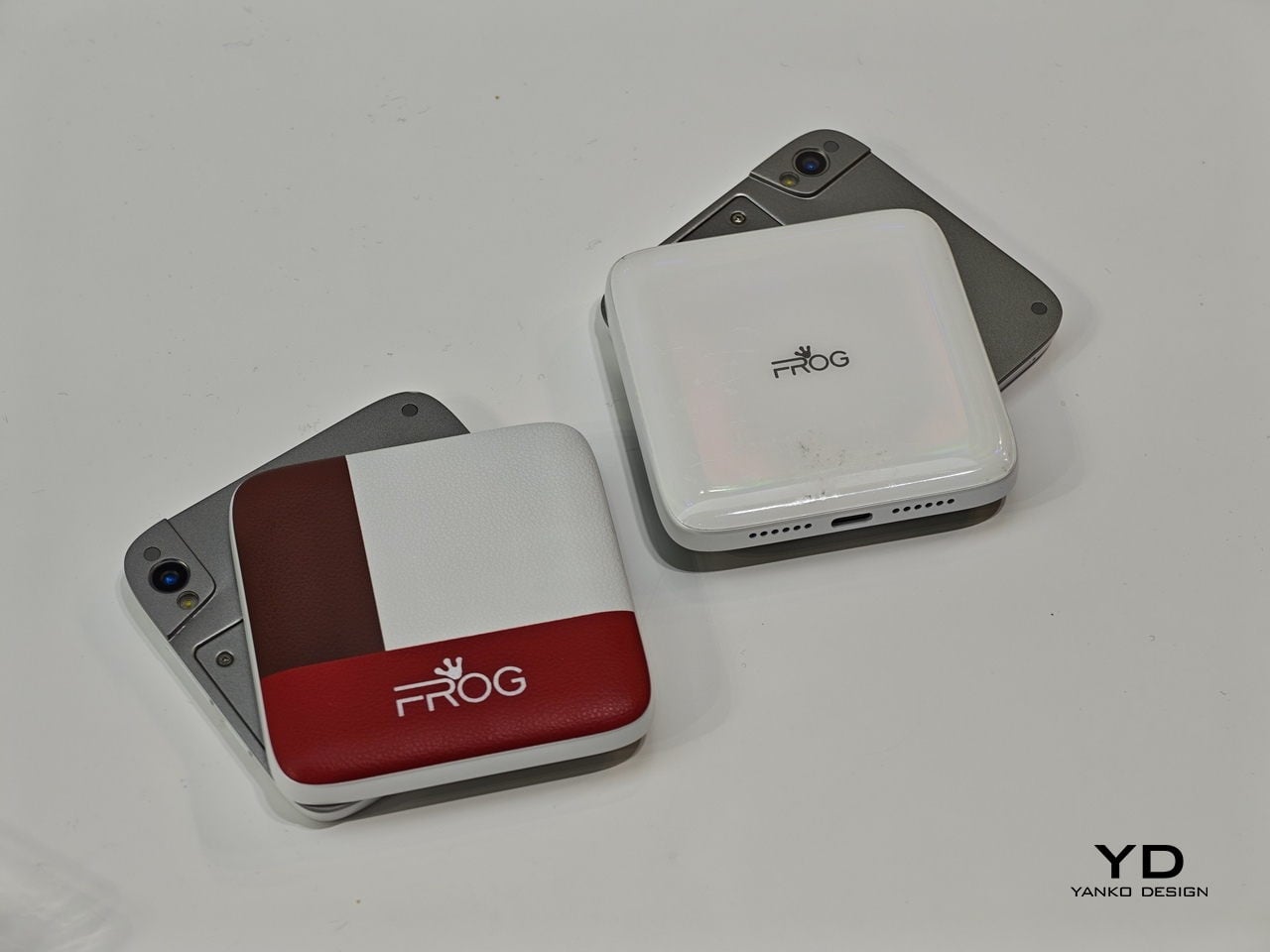
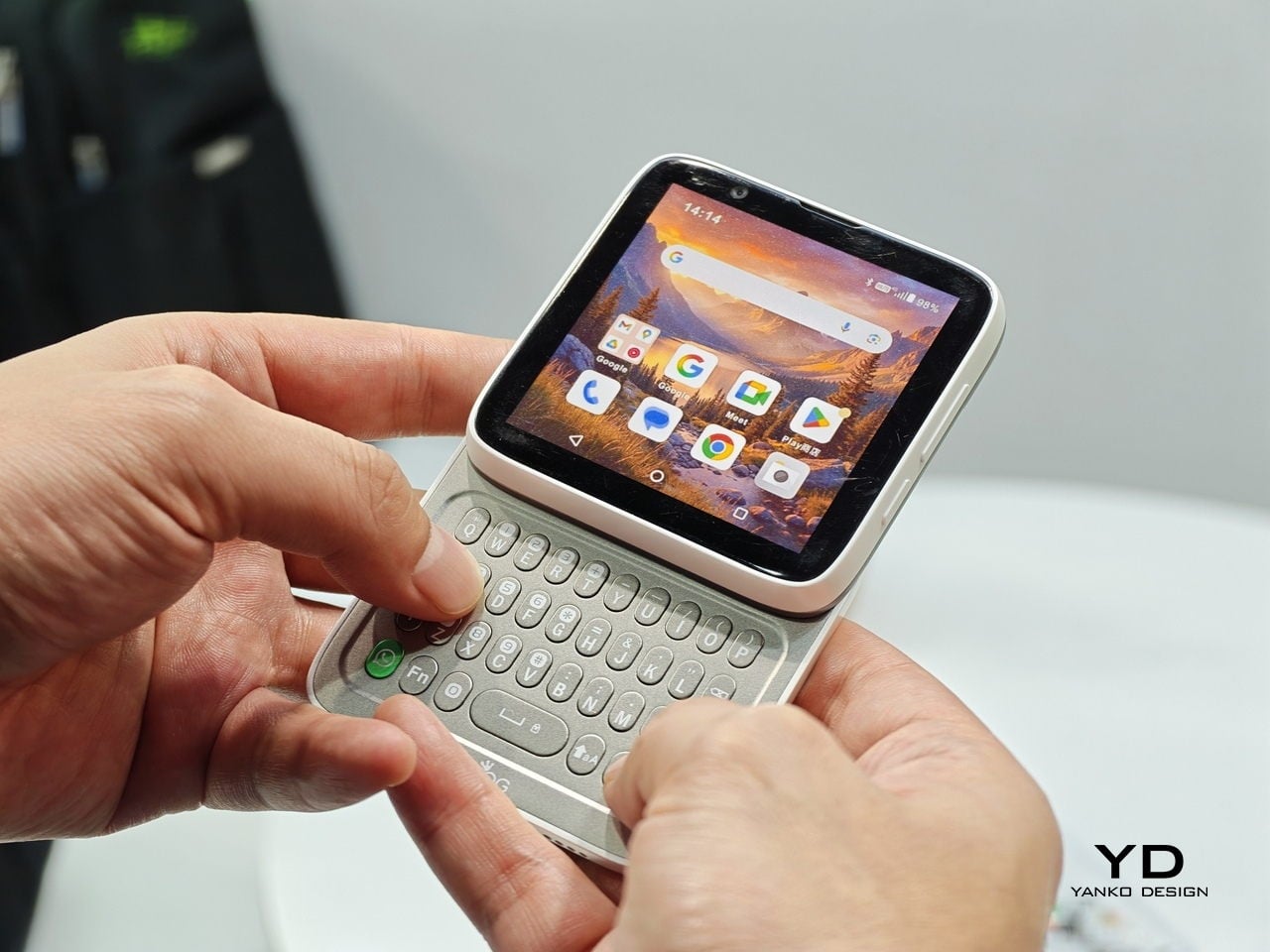
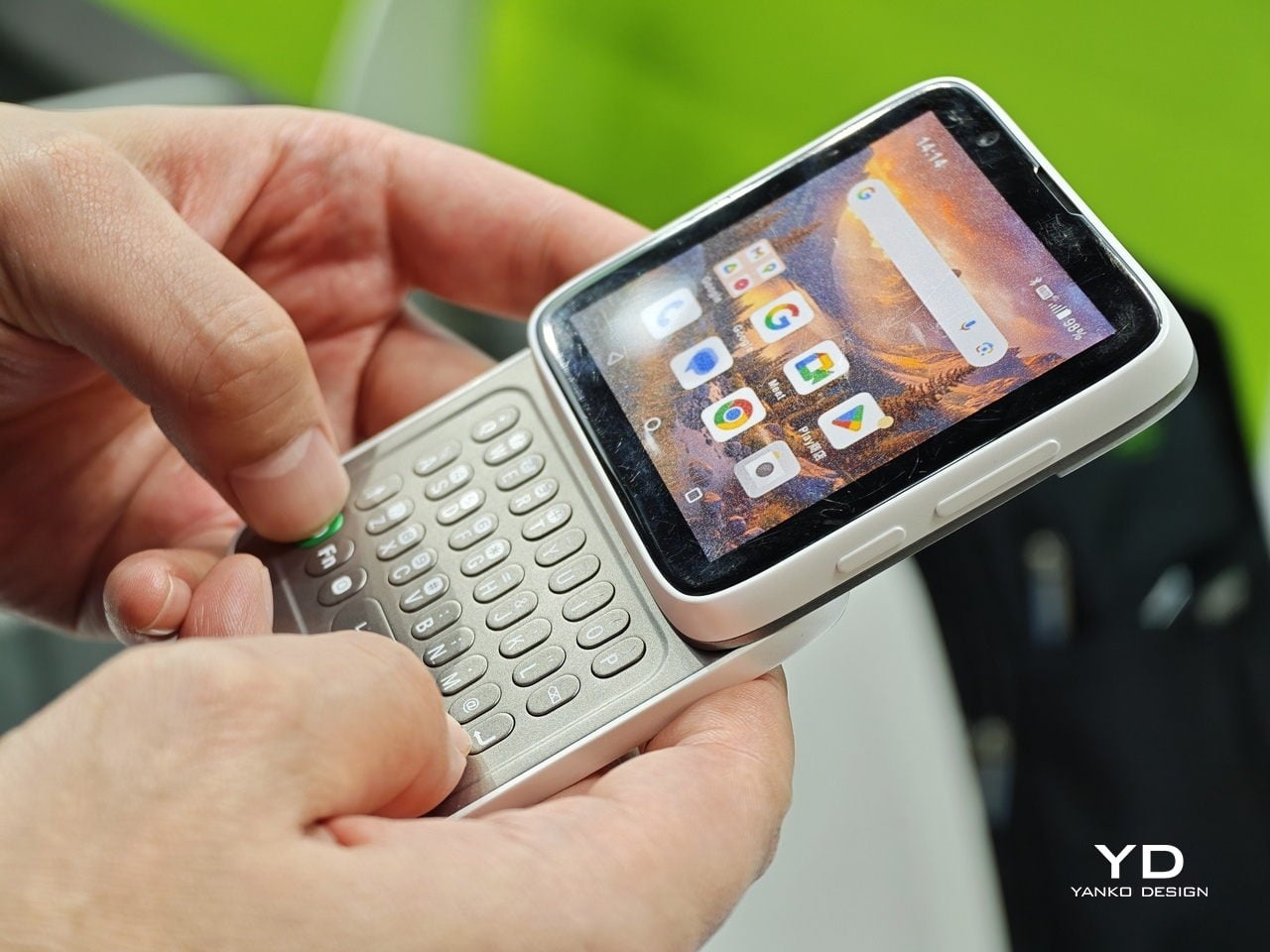
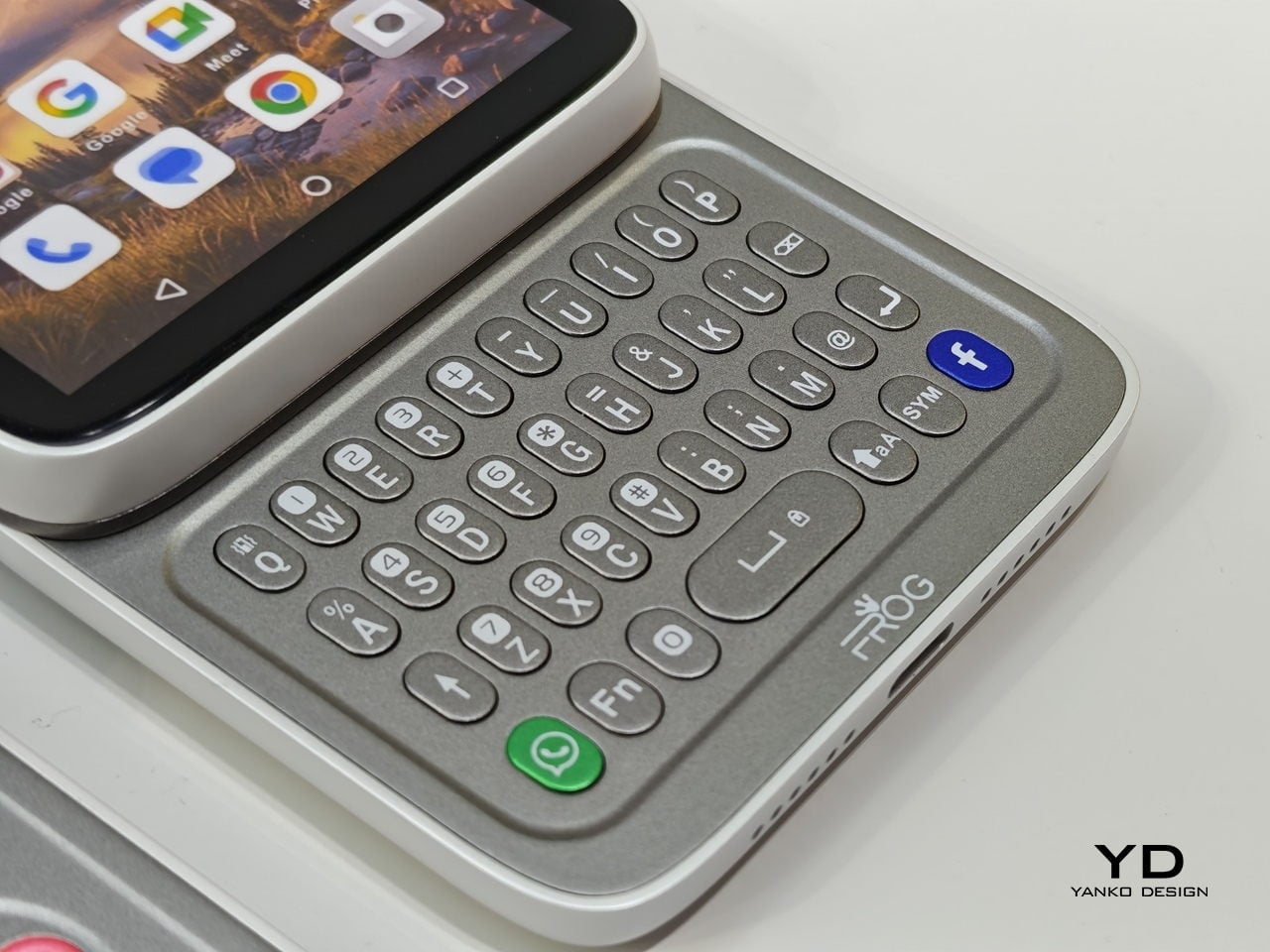
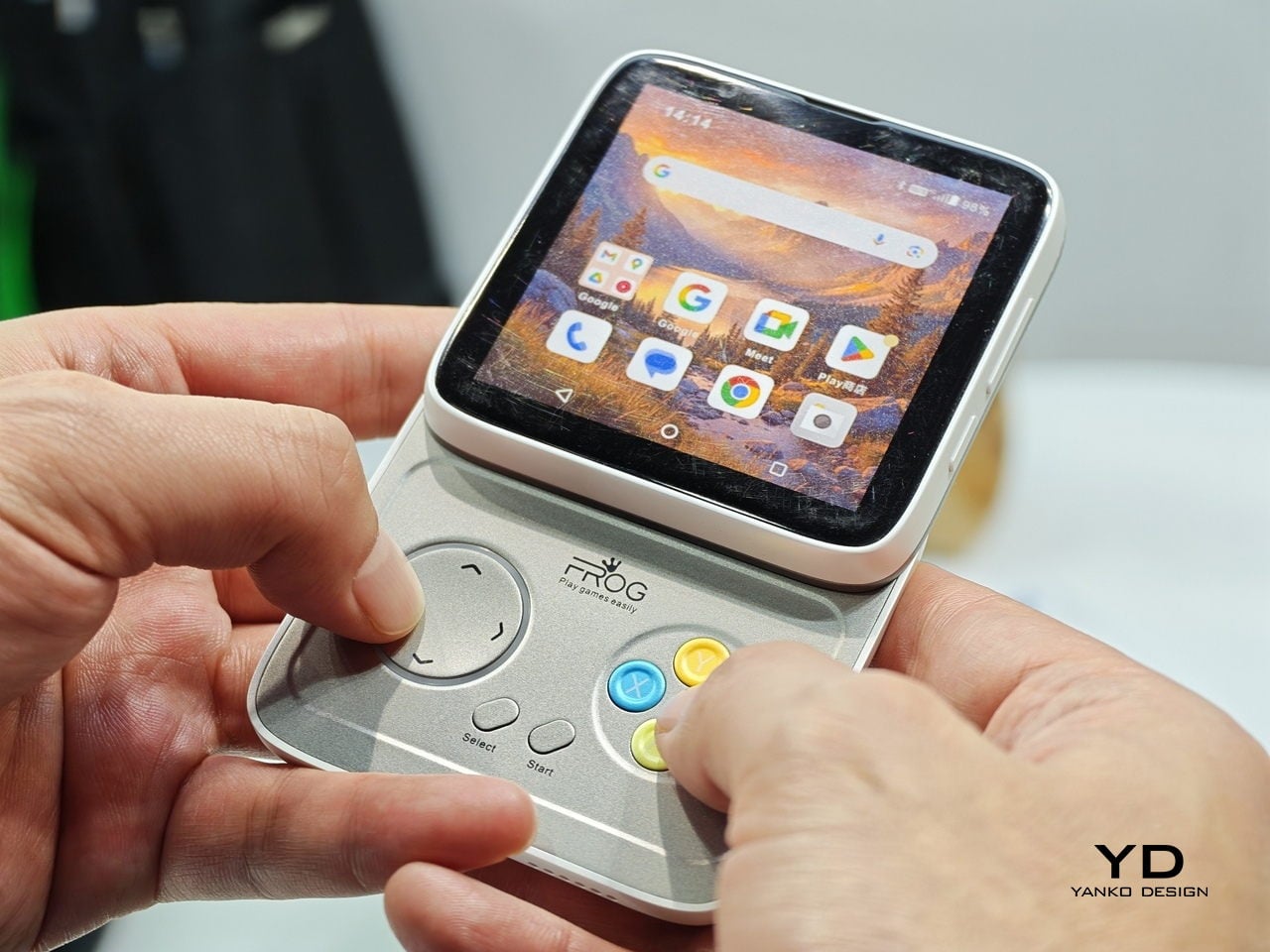
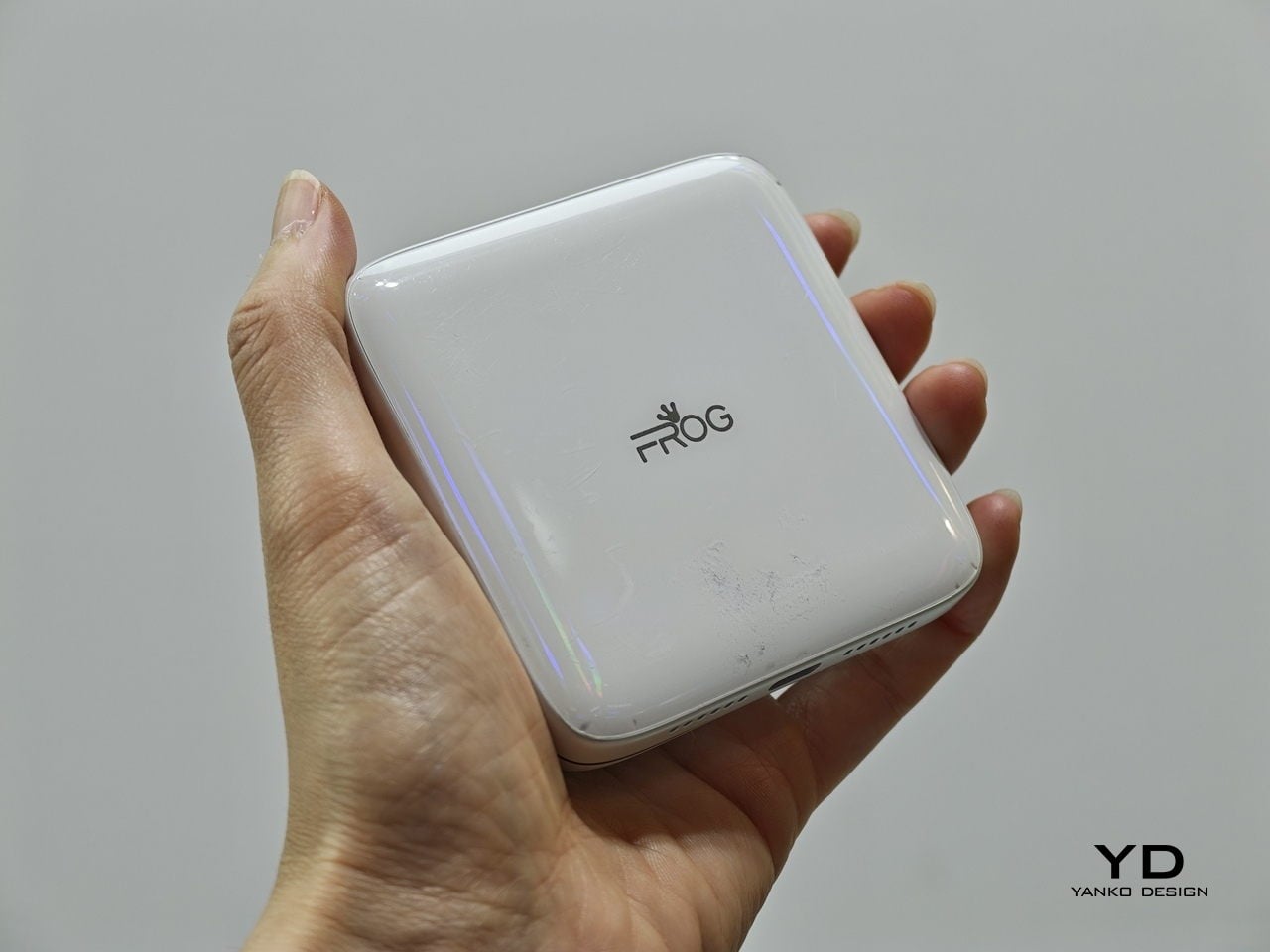
The iFrog RS1 is about the size of a closed fist, built around a 3.4-inch square display that sits on top of a rotating lower section. Twist it open, and you get one of two things depending on which variant you’re holding: a full QWERTY keyboard with raised, tactile keycaps, or a gamepad with a D-pad, a four-color face button cluster, and Select/Start buttons. Both run Android on a MediaTek Helio G18 chipset, with storage and RAM left open for whoever configures the platform.

Designer: FROG

That last part matters. iFrog is an ODM, or original design manufacturer, which means the RS1 is less a finished retail product and more a concept that carriers or brands can take and build on. The hardware is the pitch. Everything else is a conversation, which also explains why no pricing or release date was announced at MWC.

Of the two variants, the keyboard is the more predictable crowd-pleaser. There’s a genuinely underserved group of Android users who never stopped wanting physical keys. The BlackBerry crowd never fully disbanded, and phones like the Unihertz Titan have quietly built followings on exactly that. If you’ve ever tried composing a long email on a touchscreen while standing on a moving train, the appeal needs no further explanation.

The gamepad version is a stranger proposition, and honestly, the more interesting one. Running Android means emulation is an obvious draw, and the handheld gaming community noticed immediately. The visual comparison that kept surfacing online was the Motorola Flipout, a 2010 Android phone with a square body and rotating keyboard. There’s something both flattering and sobering in that parallel, since the Flipout was beloved by a small group and largely ignored by everyone else.

There are some caveats, though. No shoulder buttons on the gamepad variant rules out a lot of titles that need them. The swivel hinge is the structural heart of the design and also the part most likely to wear down. iFrog is new enough that questions about long-term software support are fair ones to ask, and the 3.4-inch screen is a genuine trade-off, not a quirk.

Still, the RS1 is a good reminder that the design space for phones is wider than what’s on shelves. It fits in a pocket and in the palm of a hand. It has buttons. It does a trick. What nobody knows yet is whether any of that adds up to something people actually want to live with.

The post This Square Phone Rotates Open to a BlackBerry or Game Boy Setup first appeared on Yanko Design.

Capcom’s long-delayed Pragmata is now arriving a week earlier

Capcom revealed during its March 5 Spotlight showcase that Pragmata, its repeatedly delayed dystopian sci-fi adventure game, will release on April 17 for PlayStation 5, Xbox Series X/S, Nintendo Switch 2 and PC via Steam. The game had been set for April 24 since its appearance at The Game Awards in December.

The game’s new trailer shows previously unseen locations and gameplay moments, and new elements within the Shelter, the in-game lunar base. Pragmata was first revealed in 2020 with a 2022 release window. Capcom then delayed it to 2023, then went radio silent on the project before resurfacing with a new 2026 date last year.

A free Sketchbook demo is available now on the PlayStation Store, Xbox Store, Nintendo eShop and Steam. Pre-orders for the game are available now.

This article originally appeared on Engadget at https://www.engadget.com/gaming/capcoms-long-delayed-pragmata-is-now-arriving-a-week-earlier-160257053.html?src=rss

Samsung Galaxy Z Fold 8 Ultra: The End of the ‘Skinny’ Phone?

Samsung Galaxy Z Fold 8 Ultra: The End of the ‘Skinny’ Phone? Hinge detail on the Galaxy Z Fold 8 showing a smoother fold line and reduced crease visibility.

The Samsung Galaxy Z Fold 8 Ultra 5G is poised to transform the foldable smartphone landscape by tackling critical challenges such as durability, privacy, and usability. Rather than focusing on superficial enhancements, Samsung has prioritized practical innovations that address real-world user needs. This device represents a significant step forward in foldable technology, setting new benchmarks […]

The post Samsung Galaxy Z Fold 8 Ultra: The End of the ‘Skinny’ Phone? appeared first on Geeky Gadgets.

Posted in Uncategorized

The Kids’ AI Tool That Ends With Crayons, Not Screens

Most conversations about AI and children go one of two ways: either we’re told to be terrified, or we’re told to embrace it fully and immediately. Morrama’s Create concept lands somewhere far more interesting than either of those extremes, and it’s the most thoughtful thing I’ve seen in the AI space in a while.

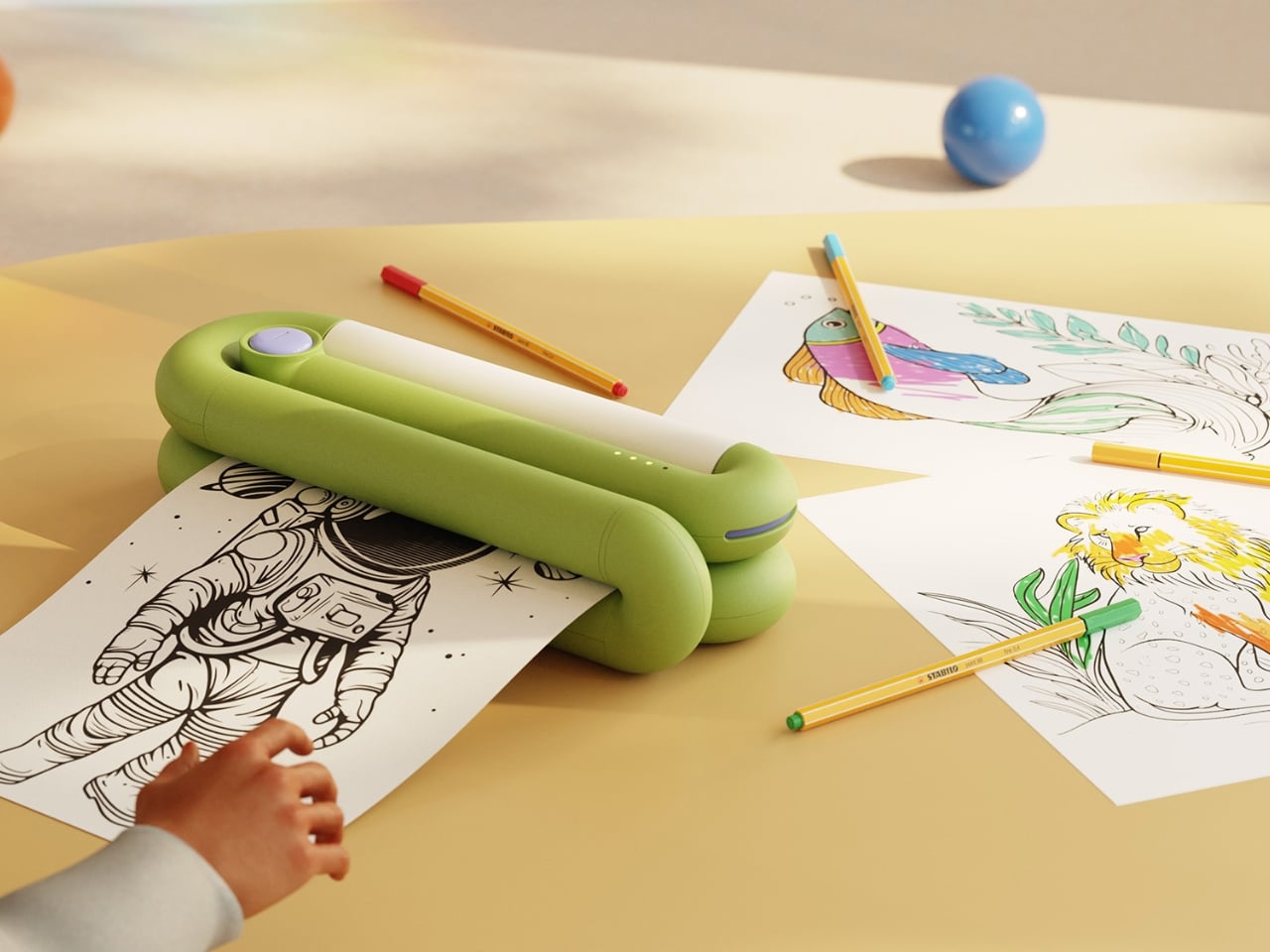
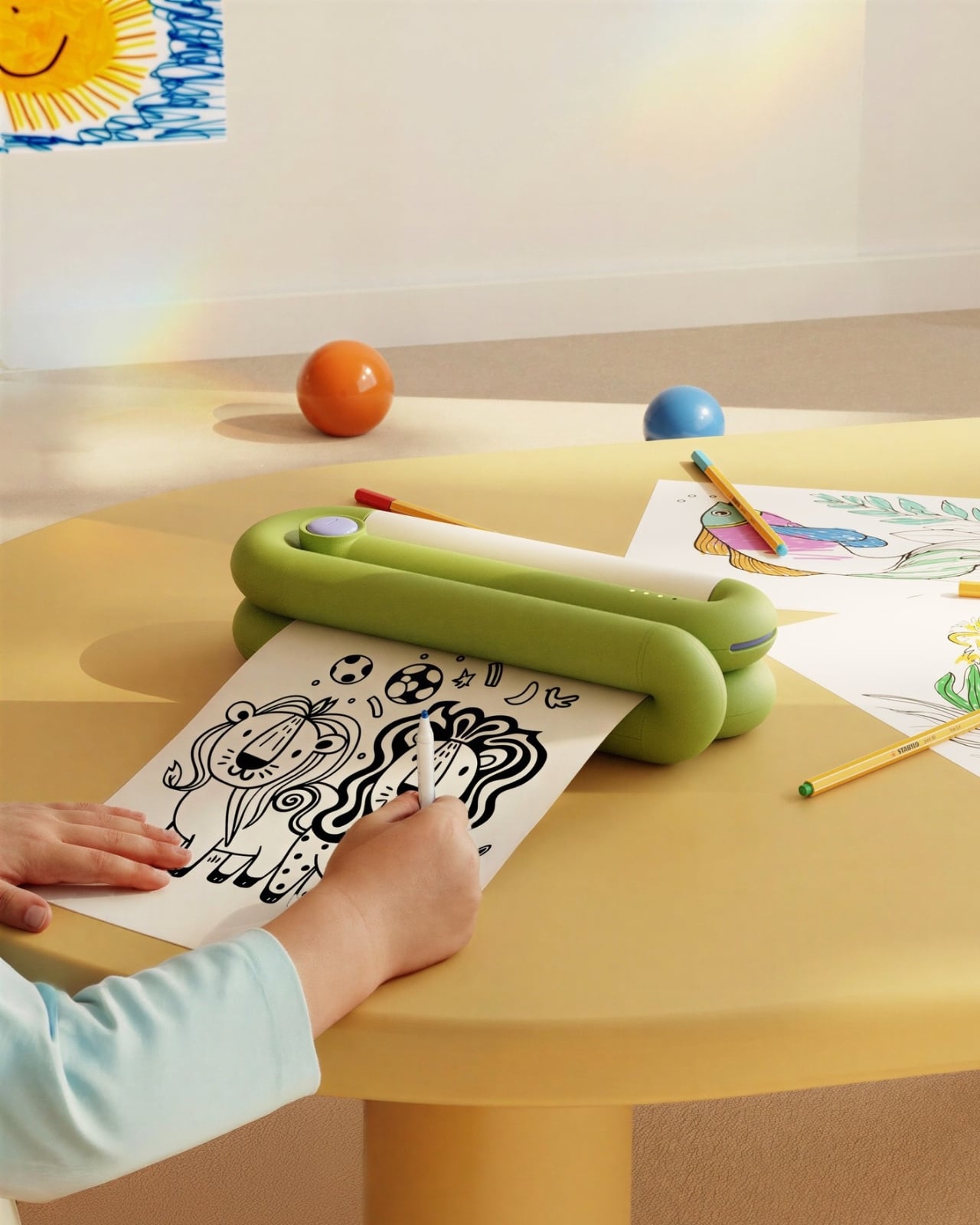
Create is a physical device, soft and rounded and painted in a cheerful lime green, that sits on a table and listens to a child speak. The kid says something like “a lion playing football,” Create generates a line drawing based on that prompt, and then prints it out on paper. Real paper. The kind you color in with markers and hang on the fridge.

Designer: Morrama

The design studio behind it, London-based Morrama, built Create as part of a broader series of concept AI tools aimed at children aged six and up. They’re calling them “mindful AI tools,” which could easily sound like marketing fluff, but the more I sit with this one, the more I think they’ve actually earned that description.
Here’s what I keep coming back to: the output is analog. The AI does its part, generates the image, hands it over, and then steps back completely. What happens next is entirely up to the child, their color choices, their interpretation, the way they decide to finish what the machine started. That handoff feels significant. It’s not AI completing the task. It’s AI beginning a conversation.

We’re at a point where most of the discussion around kids and AI centers on schools, on cheating, on homework, on what should or shouldn’t be allowed in classrooms. It’s a valid conversation, but it’s also a narrow one. Create isn’t interested in the classroom at all. It’s thinking about the bedroom floor, the kitchen table, the slow weekend afternoon when a child has nothing to do and everything to imagine.

Morrama’s research acknowledges that most young children are already aware of AI. That’s not alarming so much as it’s simply true. These kids are growing up inside the technology, not encountering it for the first time as adults. So the question of how they’re introduced to it, what framework they’re given for understanding what it is and what it’s for, actually matters quite a lot.

What Create does is frame AI as a creative tool from the very beginning. Not a search engine. Not an entertainment machine. A collaborator that responds to what you bring to it. Teaching a six-year-old that AI works best when you give it something of yourself, a thought, an idea, a weird little prompt about a lion with a football, is quietly radical. That’s a healthier mental model for AI than most adults currently have.

The device itself deserves credit, too. Morrama has been deliberate about making Create feel nothing like a screen. The tubular green form, the single lavender button, the paper rolling out like something from an old-school receipt printer, it all communicates “toy” more than “gadget.” That matters because how a thing looks shapes how we use it, and children especially take cues from aesthetics. Create looks like it belongs on a playroom shelf, not a tech desk.

I’ll be straightforward about the fact that Create is still a concept. You can’t buy it, and there’s no confirmed production timeline. But sometimes a concept does its most important work just by existing, by showing that a different approach is possible. The default assumption is that AI for kids means apps, screens, subscriptions, and data. Create pushes back on all of that with something wonderfully low-stakes: a piece of paper and a box of colored pencils.

Whether it ever gets made or not, the thinking behind it is worth paying attention to. Because the children growing up right now will be the ones designing, regulating, and living with AI for the rest of their lives. Starting them off with creativity rather than consumption isn’t just a nice idea. It’s probably the smartest one going.

The post The Kids’ AI Tool That Ends With Crayons, Not Screens first appeared on Yanko Design.

Xtra 360: The $329 8K Action Camera That Outperforms $550 Flagships in Low Light

Xtra 360: The $329 8K Action Camera That Outperforms $550 Flagships in Low Light Xtra Sphra360

Spring Break is all about unforgettable moments — beach sunsets, adrenaline-fueled adventures, and spontaneous experiences you wish you could relive forever. But there’s one common problem when capturing travel memories: the person filming is rarely part of the moment. Instead, they’re stuck behind a smartphone trying to frame the perfect shot. The Xtra 360 360-degree […]

The post Xtra 360: The $329 8K Action Camera That Outperforms $550 Flagships in Low Light appeared first on Geeky Gadgets.

Posted in Uncategorized

Rad Power Bikes gets a new owner, pledge to build bikes in the US

Life EV has completed a court-approved acquisition of Rad Power Bikes, granting a second life to the troubled e-bike brand.

The Florida-based Life EV now owns Rad’s brand, intellectual property, inventory and certain unspecified operating assets, and will continue to operate as Rad Power Bikes in the US, with plans to expand to "select key markets."

Rad’s new owner has committed to honoring certain warranties and gift cards purchased prior to the acquisition, and says new bikes will be built in the US going forward. Life EV will adopt a Foreign Trade Zone (FTZ) structure for its manufacturing operations, allowing it to take advantage of special domestic customs procedures when sourcing parts from global suppliers.

"Rad Power Bikes has helped define the e-bike category in North America with its innovative products and passionate rider community," said Life EV CEO, Rob Provost. "Respecting and preserving that legacy - its brand, vision, and leadership - is foundational to this acquisition. Together, we will build on that trust and create new opportunities for riders nationwide."

The completed acquisition marks the end of a turbulent period for Rad. Back in December, the company was forced to file for Chapter 11 bankruptcy after the Consumer Product Safety Commission (CPSC) warned Rad’s customers to "immediately stop using" some of its e-bike batteries due to a serious fire hazard. At the time, Rad said it couldn’t afford to recall the at-risk batteries.

Less than two months later, in what can only be described as a strange twist of fate, a fire broke out at a Rad Power Bikes retail store warehouse in Huntington Beach, California. "We’re working with local authorities to review a thermal incident that occurred at our Huntington Beach store Sunday evening," a Rad Power Bikes spokesperson told Engadget at the time. "The incident was contained and happened while the store was closed. The cause of the fire has not been confirmed."

This article originally appeared on Engadget at https://www.engadget.com/transportation/rad-power-bikes-gets-a-new-owner-pledge-to-build-bikes-in-the-us-144641940.html?src=rss