Parsel EVA Tote: Rigid Shell and Soft Liner You Can Reconfigure

Most bags are single-purpose objects. A tote for groceries, a weekender for travel, a backpack for everything else. Parsel’s EVA East West Tote System treats a bag more like a modular platform, where a rigid shell, soft liner, and strap can be reconfigured for different uses. It’s less about one perfect tote and more about a carry architecture you can tune as your day changes.

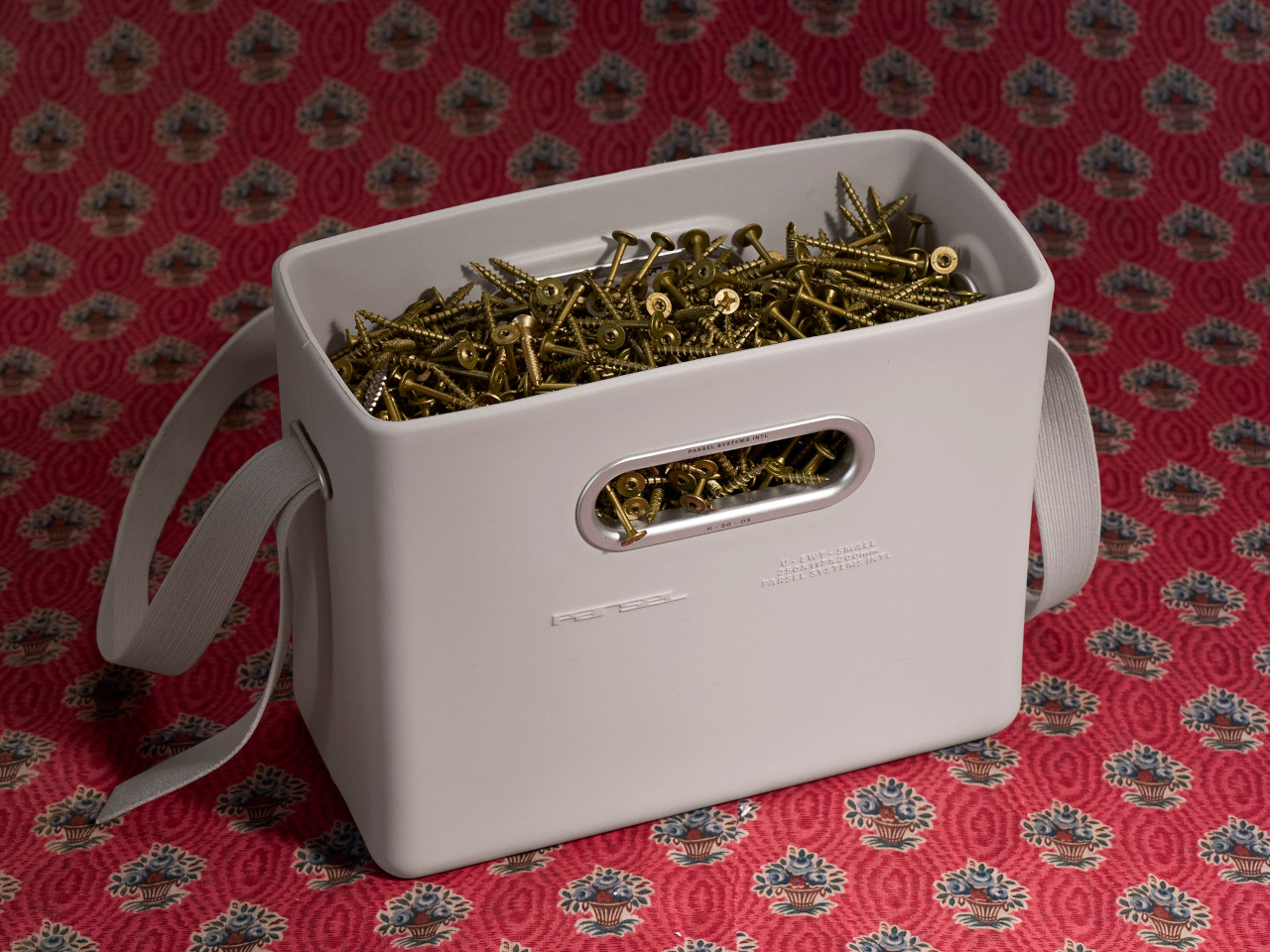
The EVA East West Tote System is a high-density EVA tote available in small and extra-large sizes. Each Unit is an injection-molded shell with integrated handles, paired with a removable roll-top nylon liner and an engineered knit strap. All the hardware is machined from aircraft-grade aluminum, giving the whole thing a gear-like feel rather than a fashion accessory vibe that falls apart after a season.

Designer: Nur Abbas (PARSEL)

The Unit is a monolithic box with soft radii and an oval handle cutout, rigid enough to protect contents but flexible enough to absorb impact. In its small size, it reads like a compact utility caddy. In the extra large, it becomes a trunk-like tote that can swallow groceries, tools, or sports gear. The clean surfaces and embossed Parsel logo keep it visually quiet and precise.
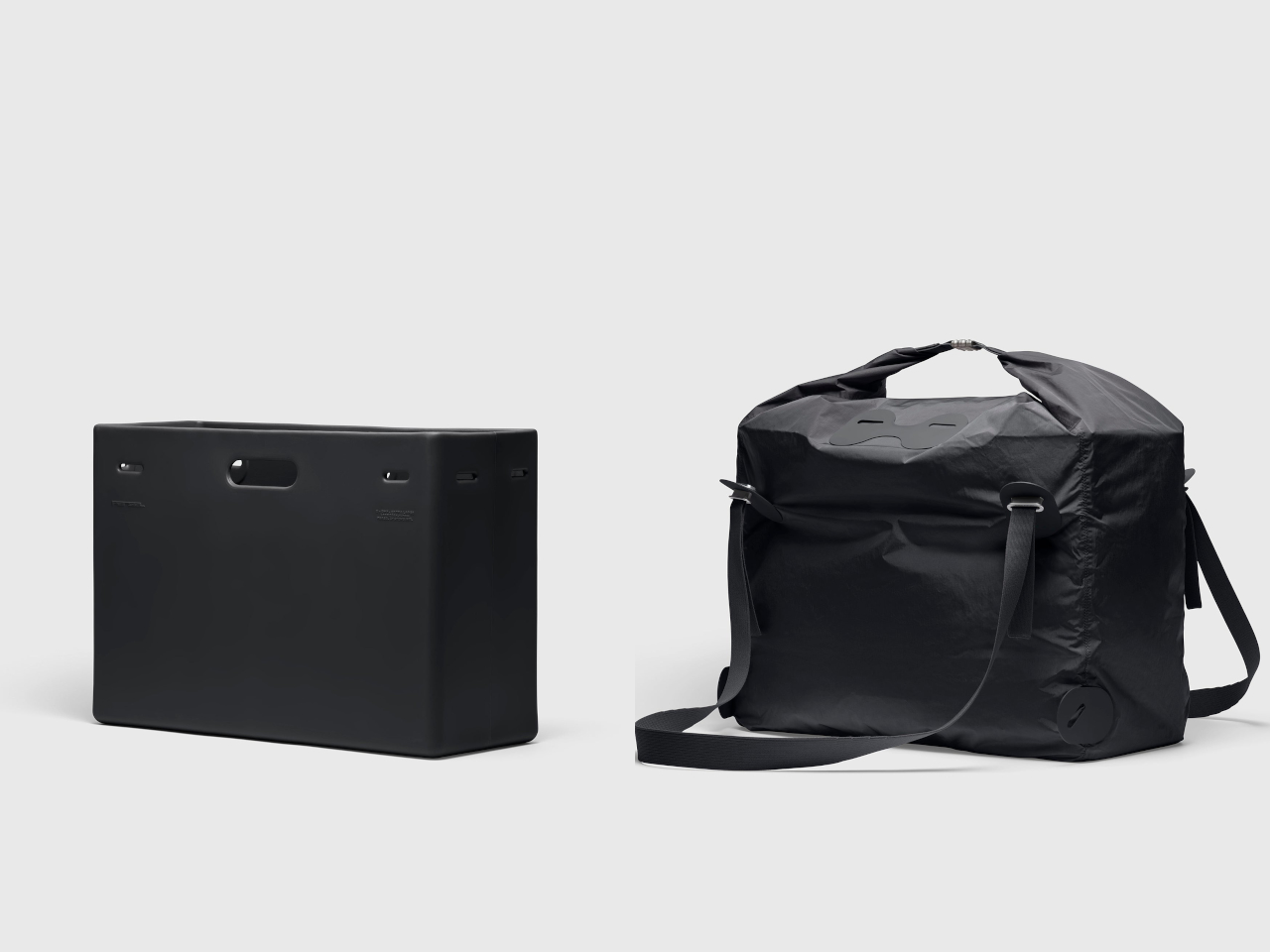
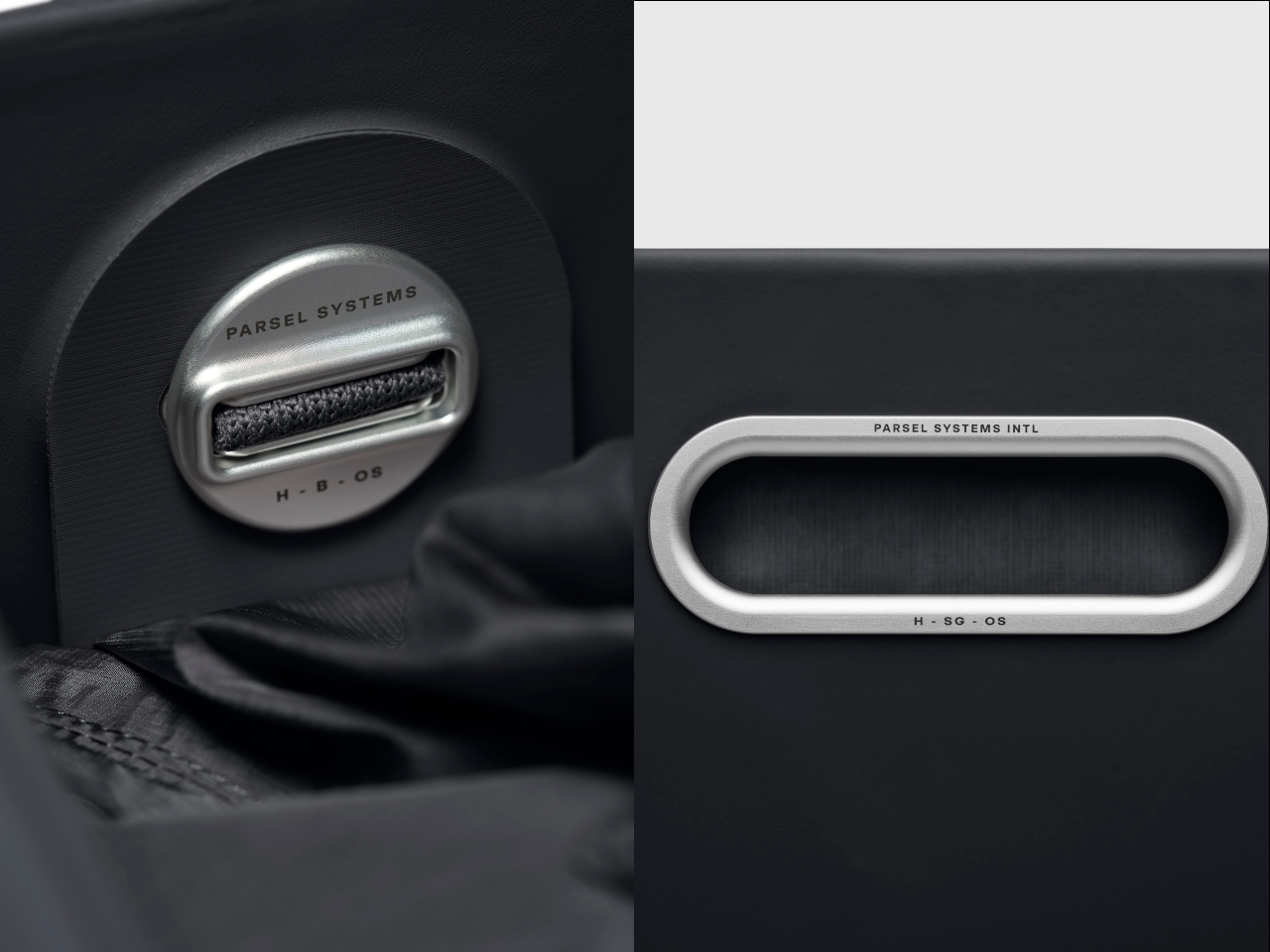
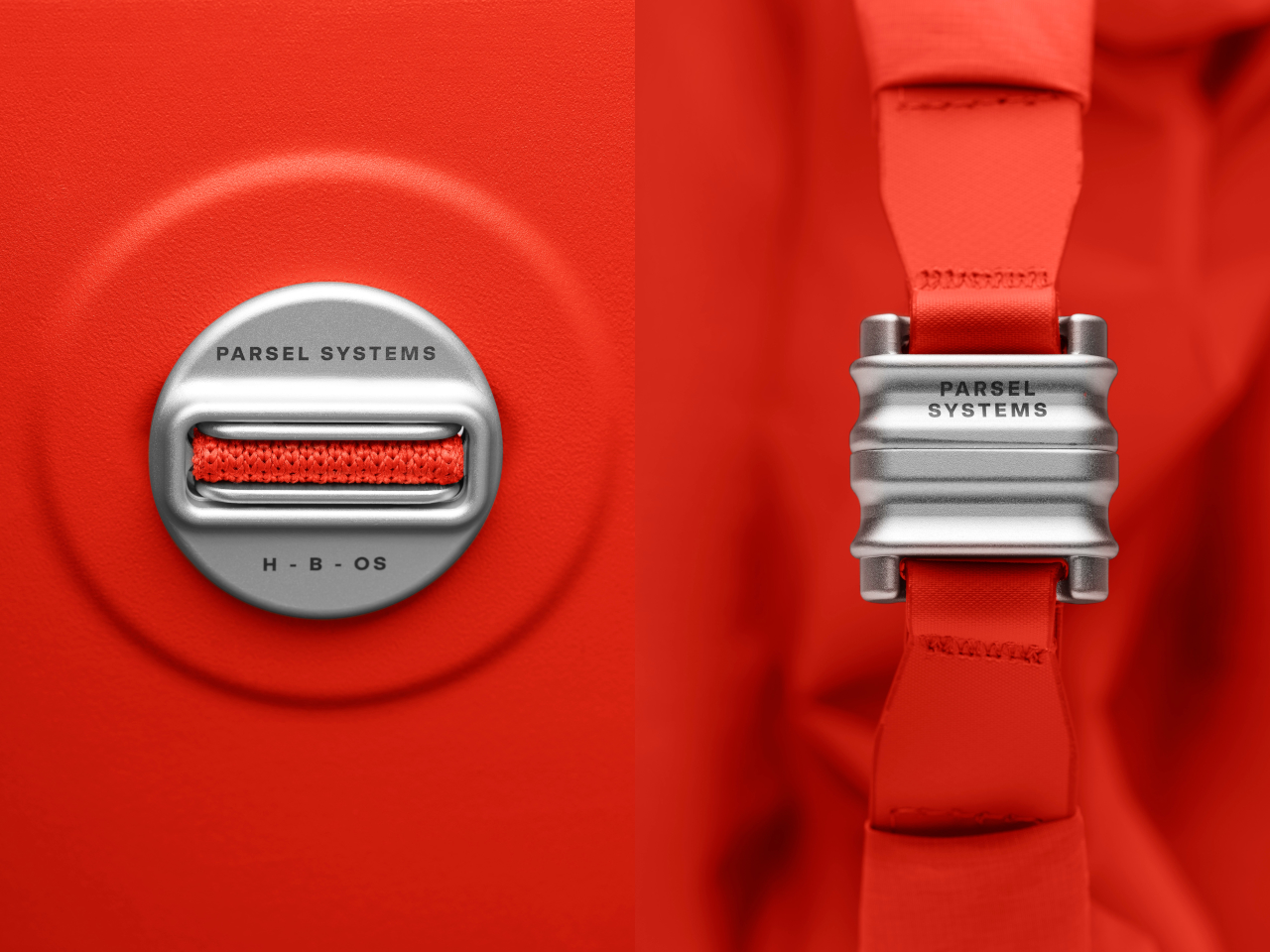
The removable nylon liner has a roll-top with a magnetic closure and can live inside the Unit or be used on its own. The adjustable knit strap stretches slightly for comfort and threads through Parsel’s signature Button, a ribbed aluminum connector that links everything together. That Button is the universal joint of the system, letting the strap move between the shell and liner without extra clips or buckles cluttering the sides.


In classic tote mode, the strap attaches to the EVA Unit with the liner inside. For a lighter carry, the liner can be used alone with the strap as a soft shoulder bag. In the extra-large size, the liner can even be worn as a backpack by rethreading the strap through the Buttons. Parsel literally labels this “Play with the system,” inviting users to treat carry as something adjustable.


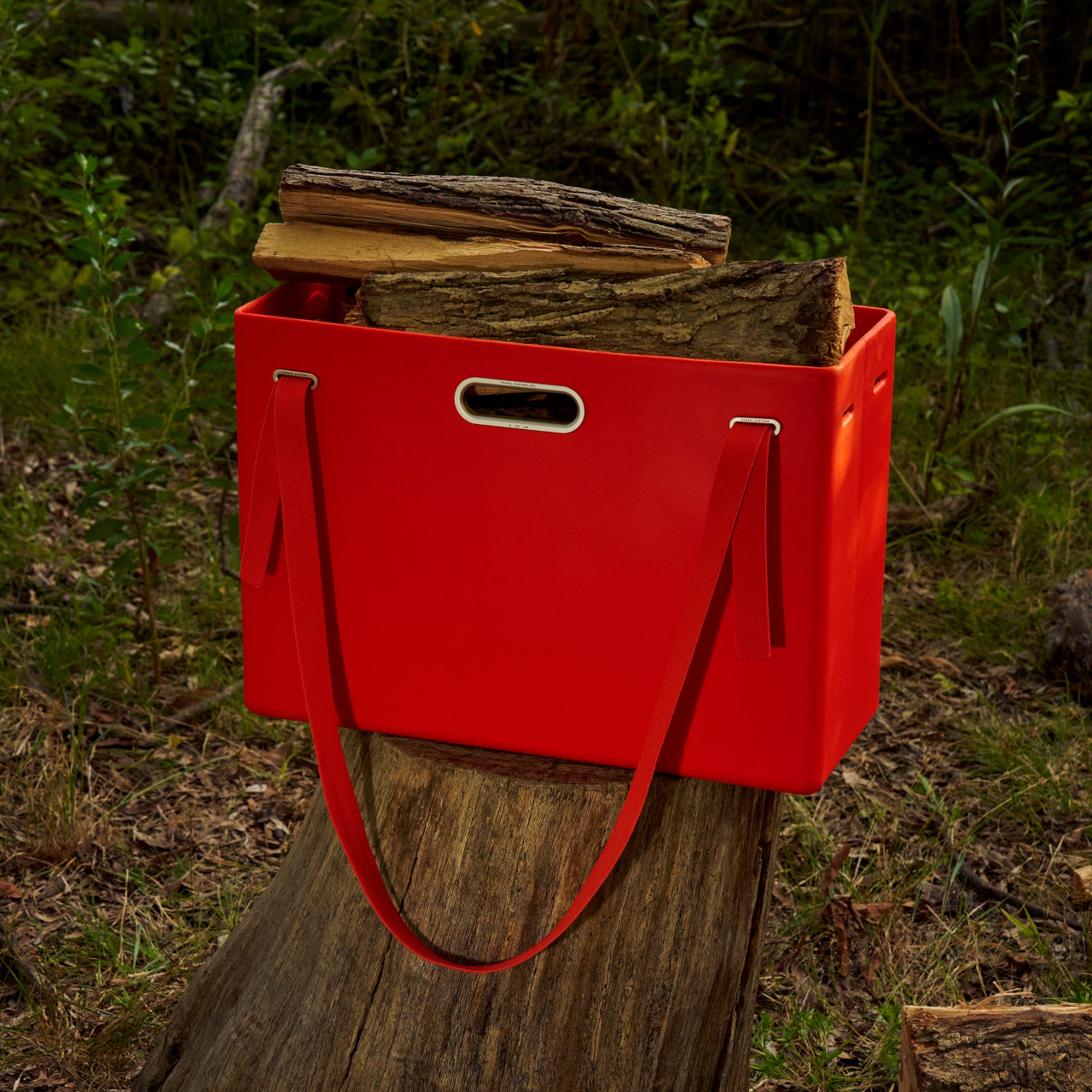
The aluminum handle insert is etched with Parsel Systems Intl around its oval perimeter, while the Button hardware carries the brand name in clean engraving. These details feel more like precision components from outdoor gear than fashion hardware. Colorways like Optic white, Deep black, and Priority orange let the bags shift toward either minimal or high-visibility use, comfortably filled with screws, firewood, fish, or flowers in both workshop and city.

The EVA East West Tote System is a thoughtful attempt to make one bag work across many lives. By separating structure, volume, and carry into distinct parts, Parsel lets you tune how rigid, soft, or hands-free the bag needs to be on a given day. For anyone who likes their everyday carry to feel more like a system than a single fixed object, this EVA tote is worth considering.

The post Parsel EVA Tote: Rigid Shell and Soft Liner You Can Reconfigure first appeared on Yanko Design.

Dinoosh Dispenses Dino Paw Print Soap, Changes Color When Done

Kids explore everything with their hands, but rarely wash them long enough, even when adults remind them. The recommended 20 seconds feels like forever to a child staring at a sink, which is why so many just rinse and run. Dinoosh is a concept that tries to solve this not with more nagging or countdown posters, but with a small dinosaur-themed object that makes the whole routine feel like a game.

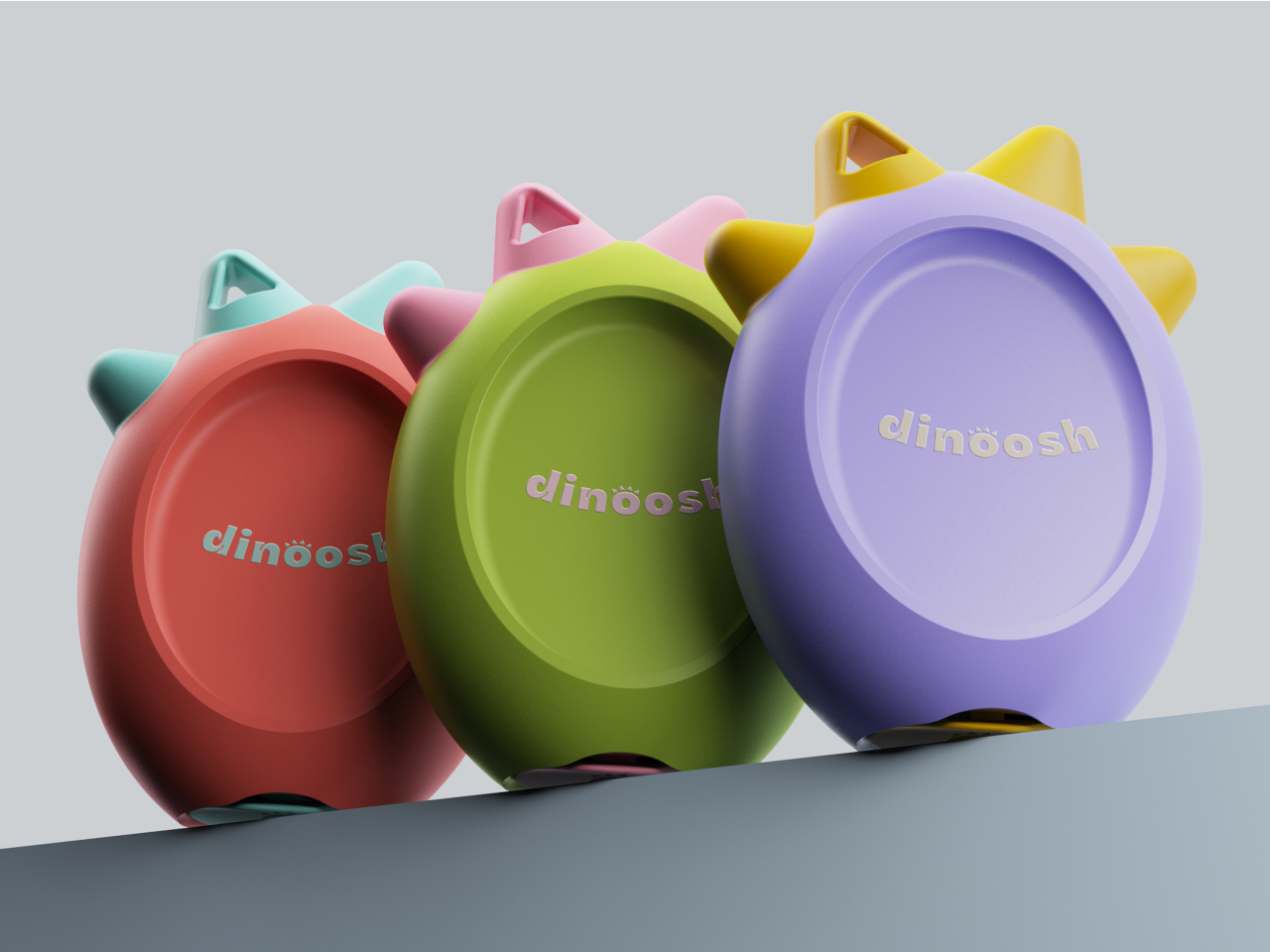
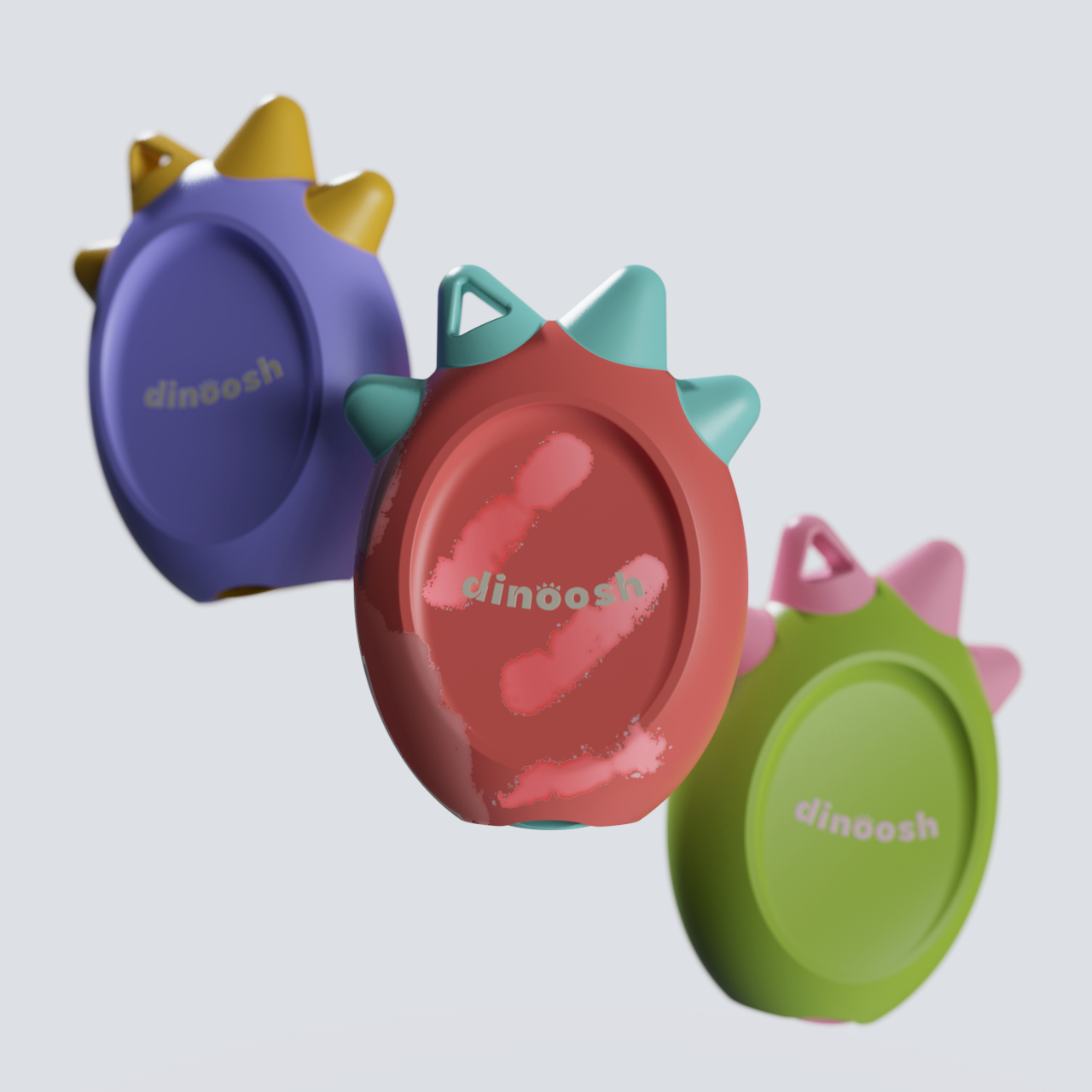
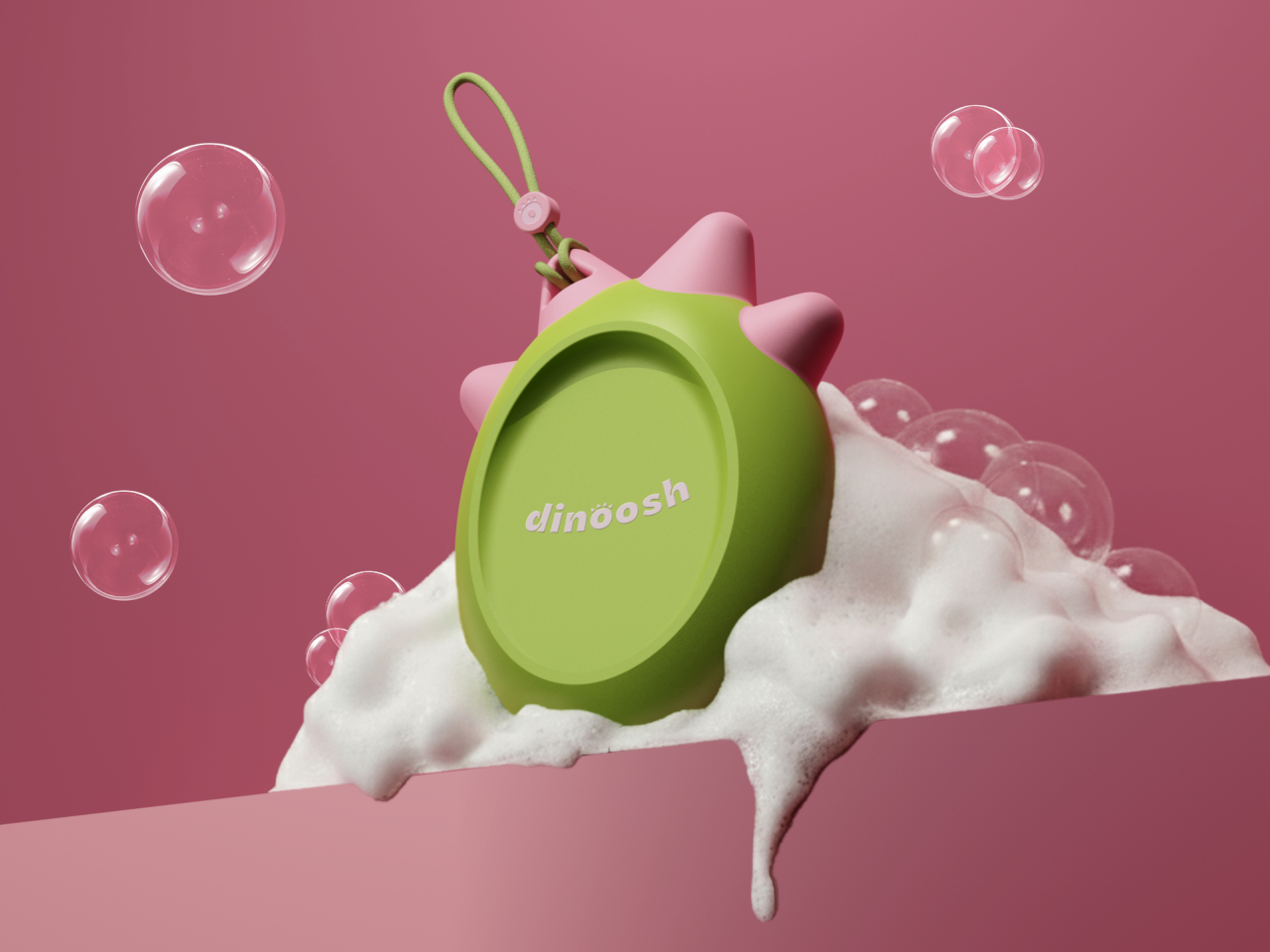
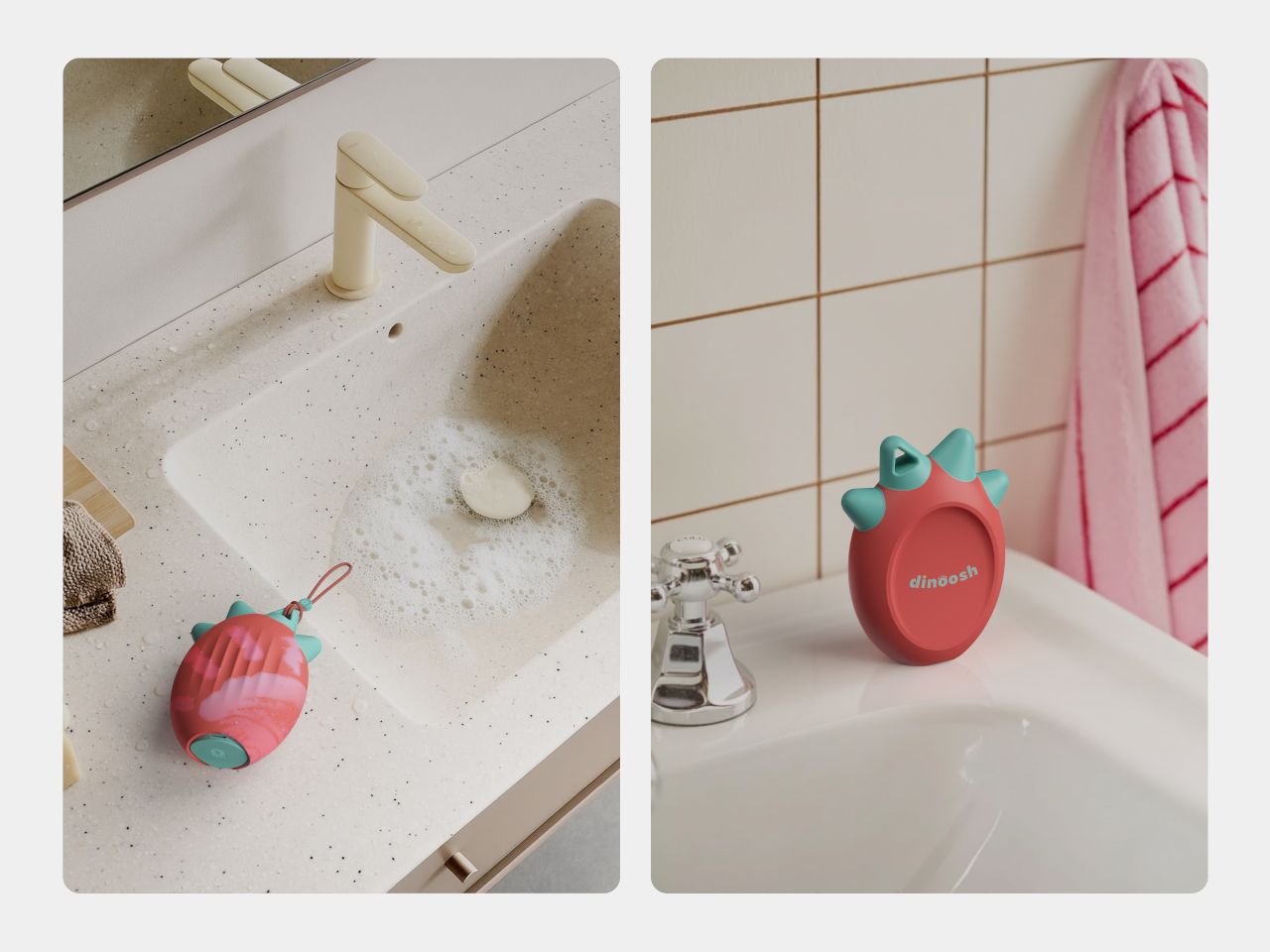
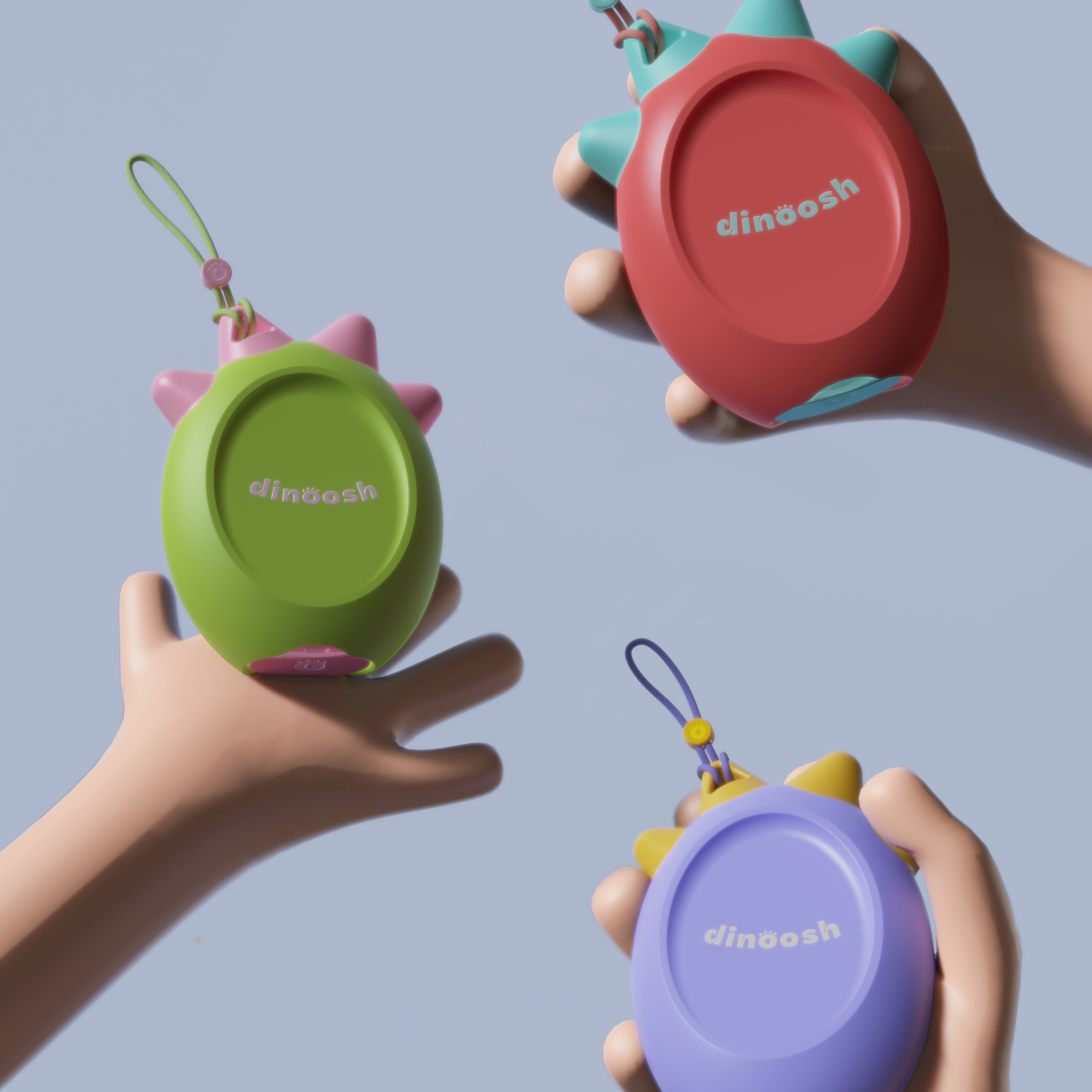
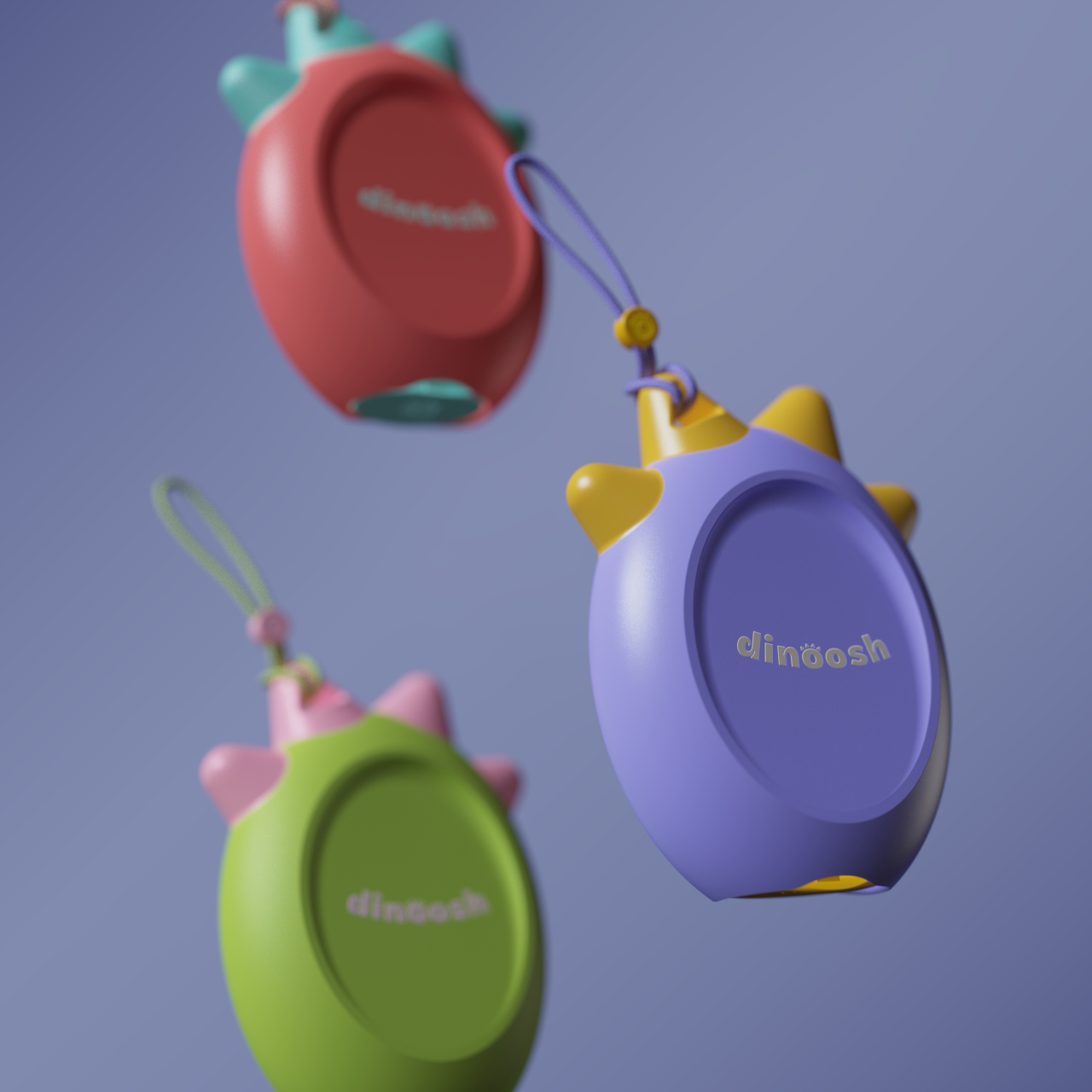
Dinoosh is a palm-sized, dinosaur-inspired handwashing tool that combines a soap dispenser, scrubber, and color-changing timer. It looks like a soft, rounded dino paw with three spikes on top and a loop so kids can clip it to backpacks or bathroom hooks. The idea is to give children a friendly companion that turns washing away germs into something they actually want to do on their own.

Designers: Aarya Ghule, Tejas Vashishtha

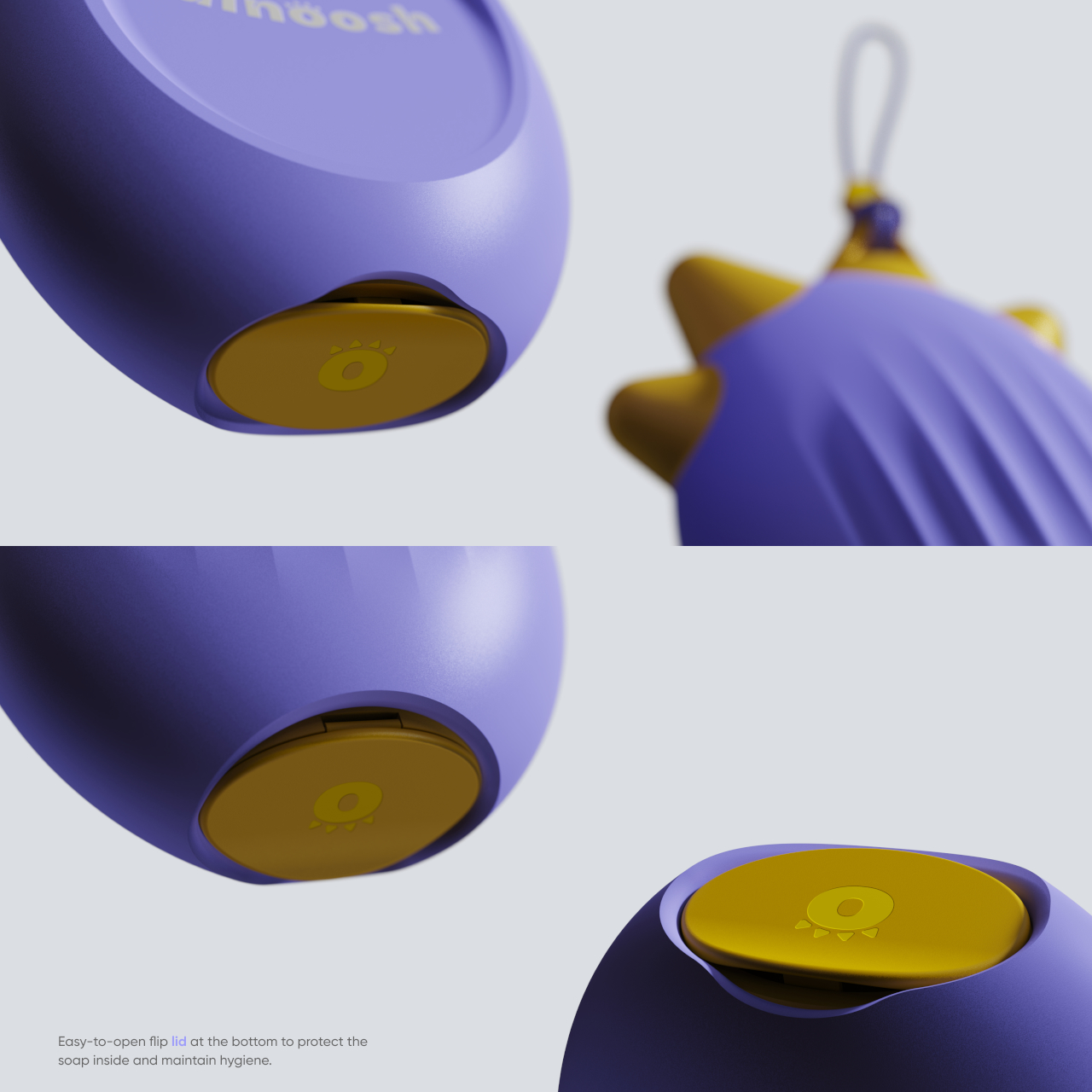
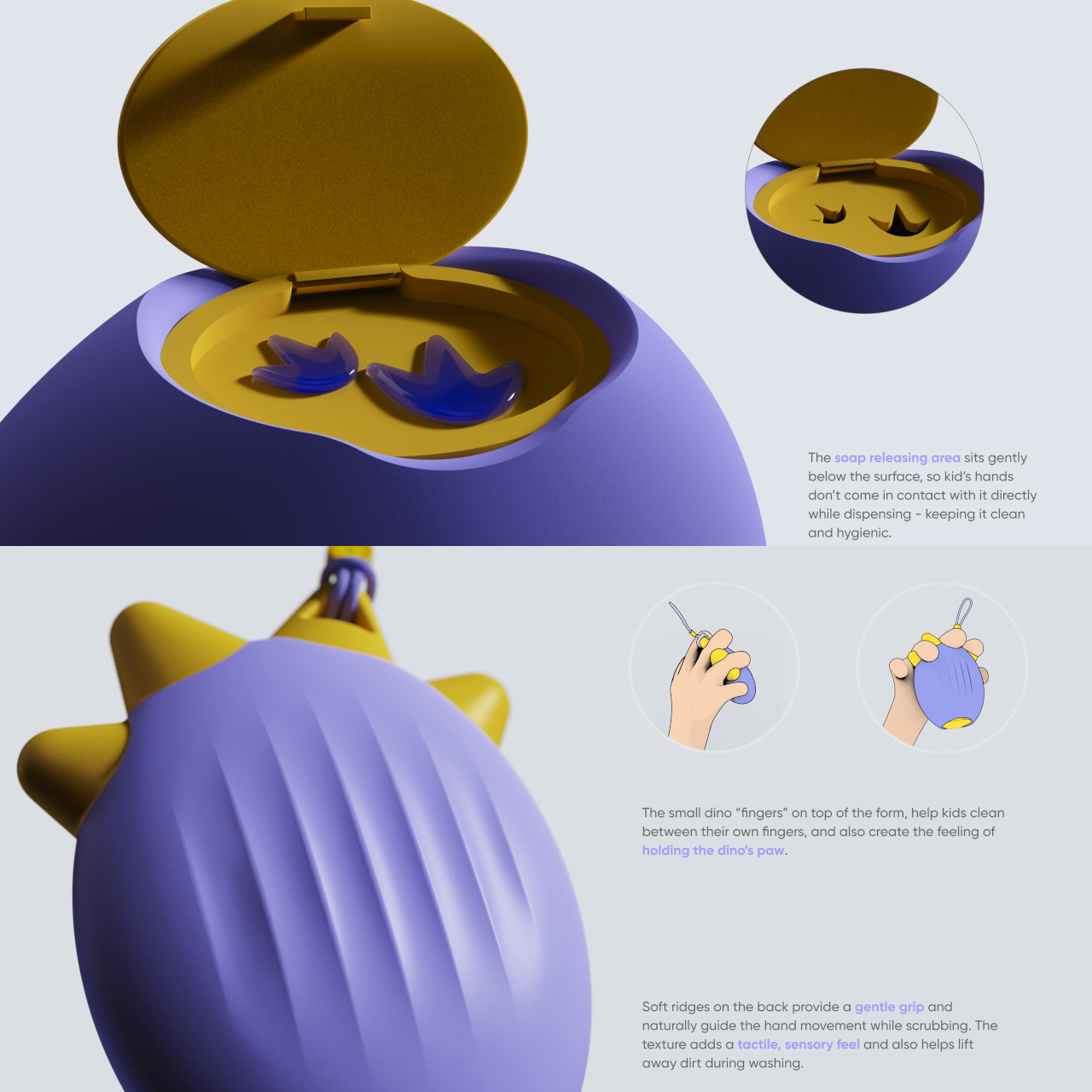
Kids flip open a small lid at the bottom and squeeze Dinoosh, which dispenses thick soap gel in the shape of tiny dinosaur paw prints onto their hands. That simple detail turns soap into a character moment, giving a clear visual dose and an instant reason to look and laugh. It invites kids to start rubbing and playing instead of rushing straight to the rinse and calling it done.

Dinoosh stays involved once the soap is out. The back of the device has soft ridges that act like a gentle scrubber when kids rub their hands over it. The spikes on top help get between fingers, and the rounded body is easy to grip with wet hands. Instead of just lathering and standing there, children are encouraged to keep moving, squeezing, and scrubbing as part of the play.

The body is made from thermochromic plastic that slowly shifts color with warmth and friction. As kids scrub their hands and run warm water, they see the dinosaur paw gradually change hue. That becomes a built-in timer: they know they’re done when Dinoosh has fully changed color, which roughly matches the recommended 20 seconds without needing to count or sing a whole song.

A small loop at the top lets Dinoosh hang from backpacks, bathroom hooks, or stroller handles, keeping it in sight and within reach. Bright colorways like Sweet Sprout green, Coral Pop, and Soft Comet lavender make it feel collectible and personal. By living in kids’ everyday environments, it nudges them toward washing not just at home but at school and on the go.

Dinoosh shows how product design can tackle hygiene through play rather than guilt. By combining characterful form, tactile engagement, and a built-in color timer, it turns a forgettable chore into a small daily ritual kids can own. Whether or not this exact concept hits the market, the idea of a dinosaur paw that tells you when your hands are clean feels like a story most kids would happily wash along with.

The post Dinoosh Dispenses Dino Paw Print Soap, Changes Color When Done first appeared on Yanko Design.
A Google Maps power-saving mode lands on Pixel 10 devices

If you have a Pixel 10 phone that you use for turn-by-turn directions in lieu of a dedicated GPS device, Google has an update that might be right up your alley. A Google Maps power-saving mode is now available for Pixel 10, Pixel 10 Pro, Pixel 10 Pro XL and Pixel 10 Pro Fold. The company announced this feature earlier this month as part of its November 2025 Pixel Drop.

Power-saving mode is only available in portrait orientation and it works on your lock screen. If you tap the power button while using the driving navigation tool, the app will switch to a simpler monochrome look that retains the map layer, as 9to5Google notes. It looks a bit like the dark mode map in the Uber app.

You'll see only see key details your journey, such as your next turn and expected travel time. Other elements, such as your current speed, are stripped out. You can still swipe down to see your notifications.

If you press the power button or tap the screen, Google Maps will revert to the standard view. The app also turns off power-saving mode when you get to your destination.

Google says that the power-saving mode can extend your Pixel 10's battery life by up to four hours, so this could come in handy for long drives when you don't have an easy way to charge your phone while you have it mounted on your dashboard. The more streamlined look could perhaps help to mitigate distracted driving too.

Google will probably bring the feature to other devices down the line, but it’s disappointing that the company is limiting it to the Pixel 10 lineup for now. Perhaps it will end up offering this stripped-down UI on the Android Auto version of Google Maps someday. too

It seems that Google is enabling power-saving mode by default via an update on its end. If you'd rather not be able to use the feature, you can switch it off by going to the settings in the app, then Navigation > Driving options and tapping the toggle for power-saving mode.

This article originally appeared on Engadget at https://www.engadget.com/apps/a-google-maps-power-saving-mode-lands-on-pixel-10-devices-180000601.html?src=rss

This Smart Pen Just Turned a Poet’s Legacy Into Your Next EDC

Your everyday carry says something about you. Every item you slip into your pocket or bag is a choice, a reflection of what matters when you’re moving through your day. Nicolas Studio’s Poet smart pen understands this, which is why they designed something that’s not just functional tech, but a meaningful object worth carrying. It’s a tribute to Yun Dong-ju, one of Korea’s most beloved poets, and it might just earn a permanent spot in your rotation.

If you’re not familiar with Yun Dong-ju’s story, here’s why he matters. He wrote in Korean during Japanese colonial rule when doing so was an act of resistance. His poems were simple, everyday observations turned into quiet defiance, preserving language and culture through words until his death in a Japanese prison at 27. In a 1986 survey, Korean youth voted him their most popular poet, and that love hasn’t diminished. His work is about finding light in darkness, about self-reflection and hope, all expressed in language anyone could understand.

Designer: Nicolas Studio

That accessibility, that everyday poetry, became the design brief. Nicolas Studio didn’t want to create another aggressive tech gadget. They wanted something you’d actually want to carry every day, something that felt as natural in your hand as Yun’s words felt on the page. The result is a smart pen that proves EDC doesn’t have to sacrifice beauty for function.

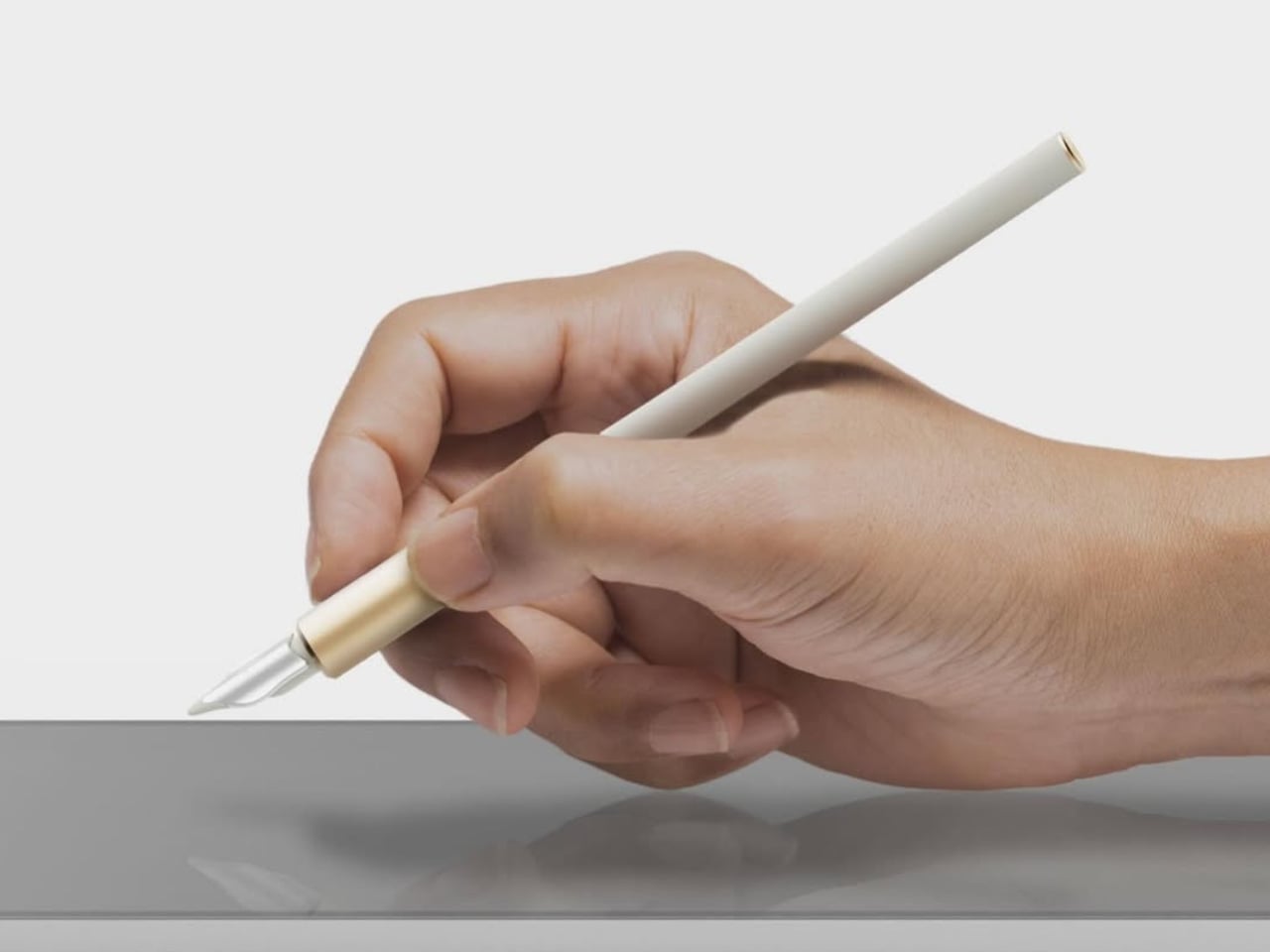
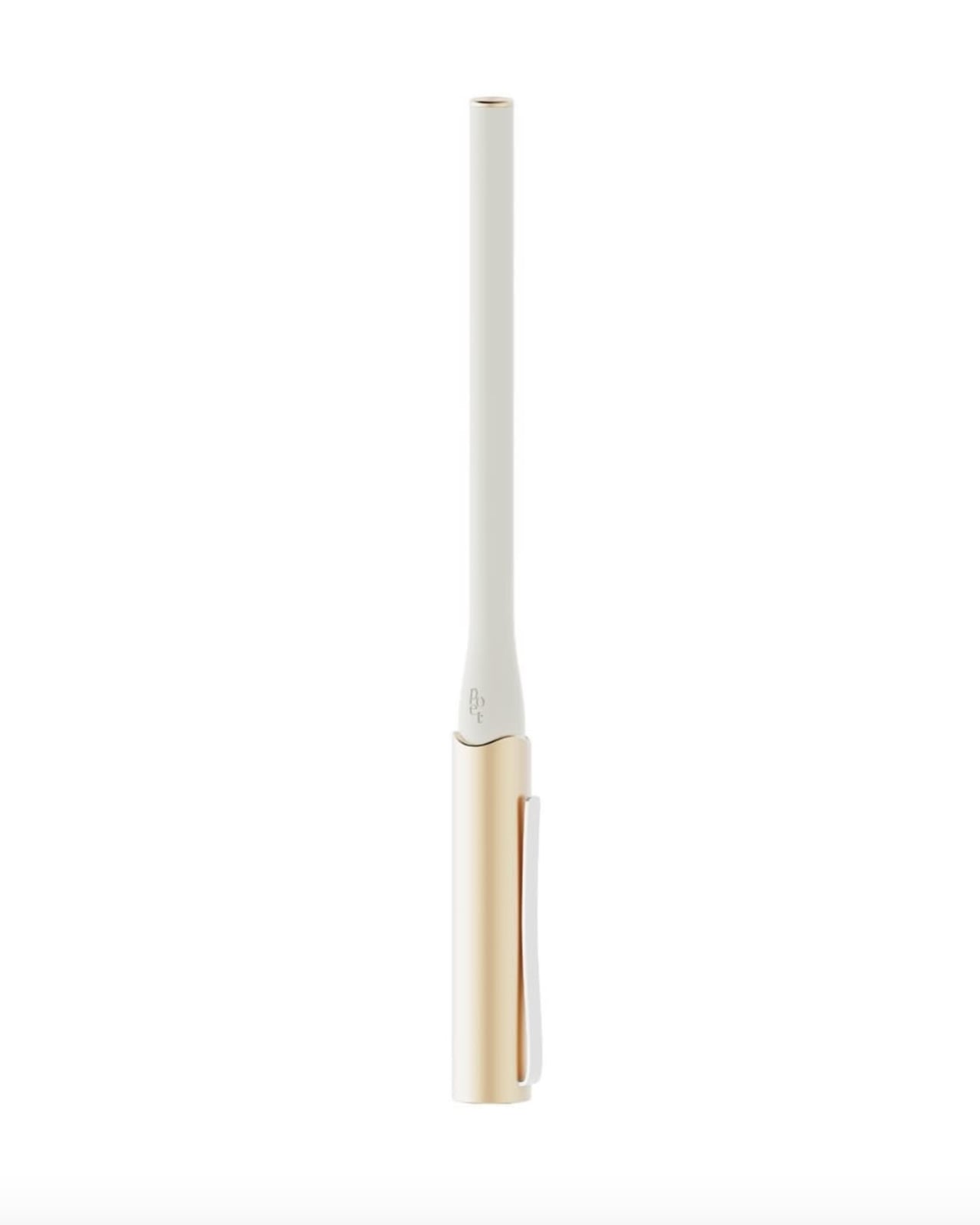
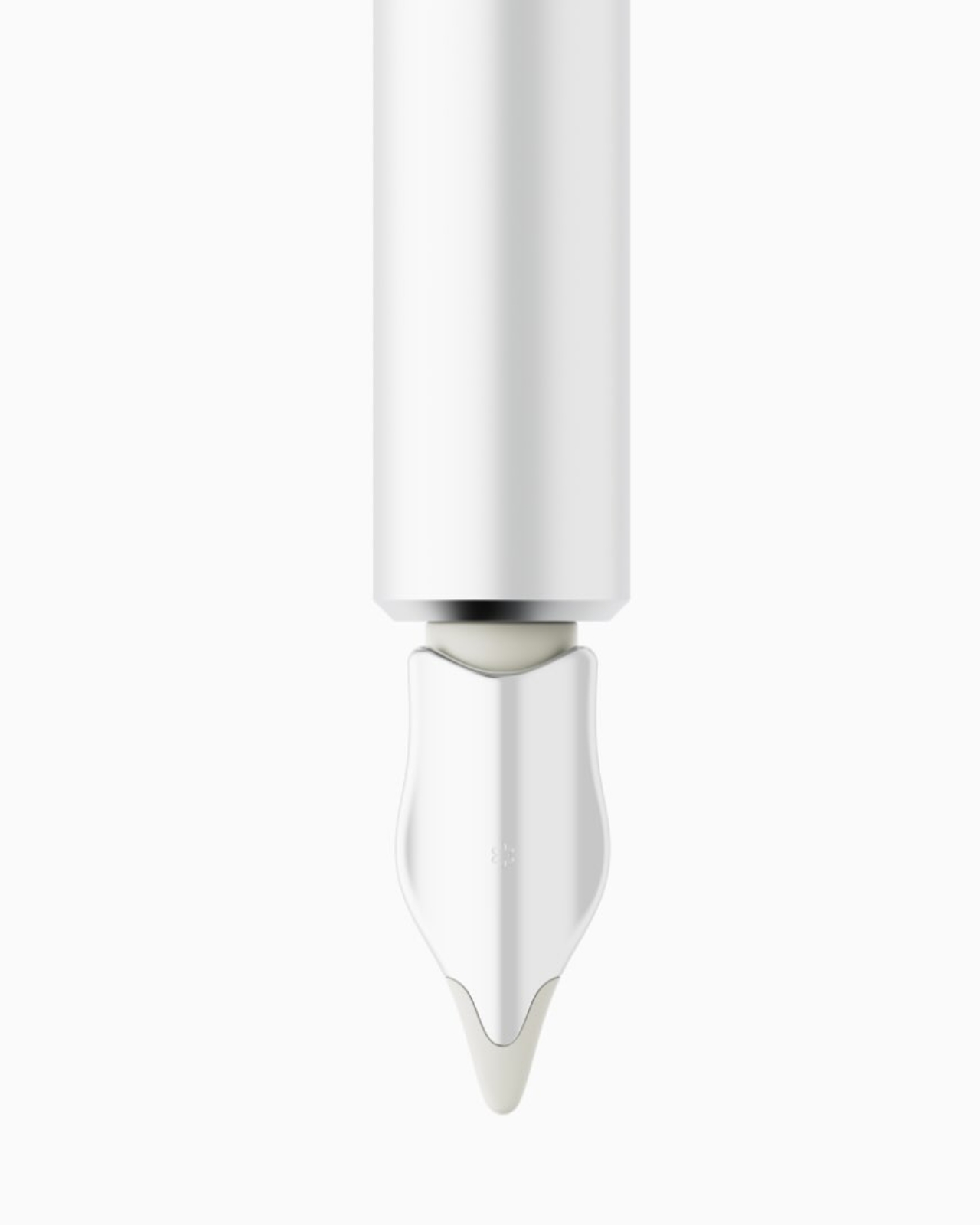
The form language is all gentle curves and flowing lines, a direct translation of the softness in Yun’s poetry. The body is elegantly elongated with a subtle taper, finished in soft white that stays clean-looking without feeling clinical. It’s the kind of minimalism that works in real life, not just on a mood board. At a glance, it could be a premium fountain pen, but pull it out to sketch or take notes and the smart functionality reveals itself seamlessly.

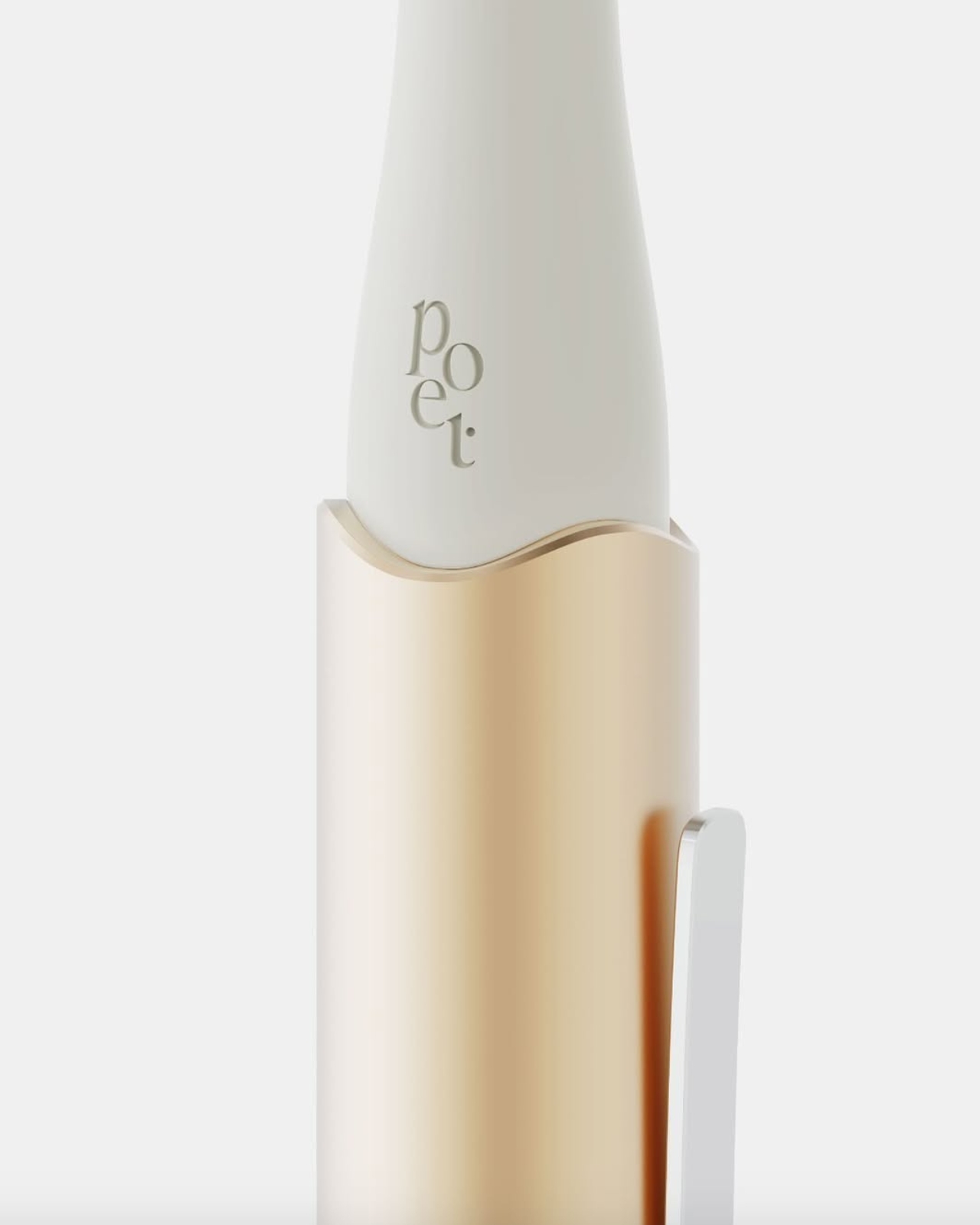
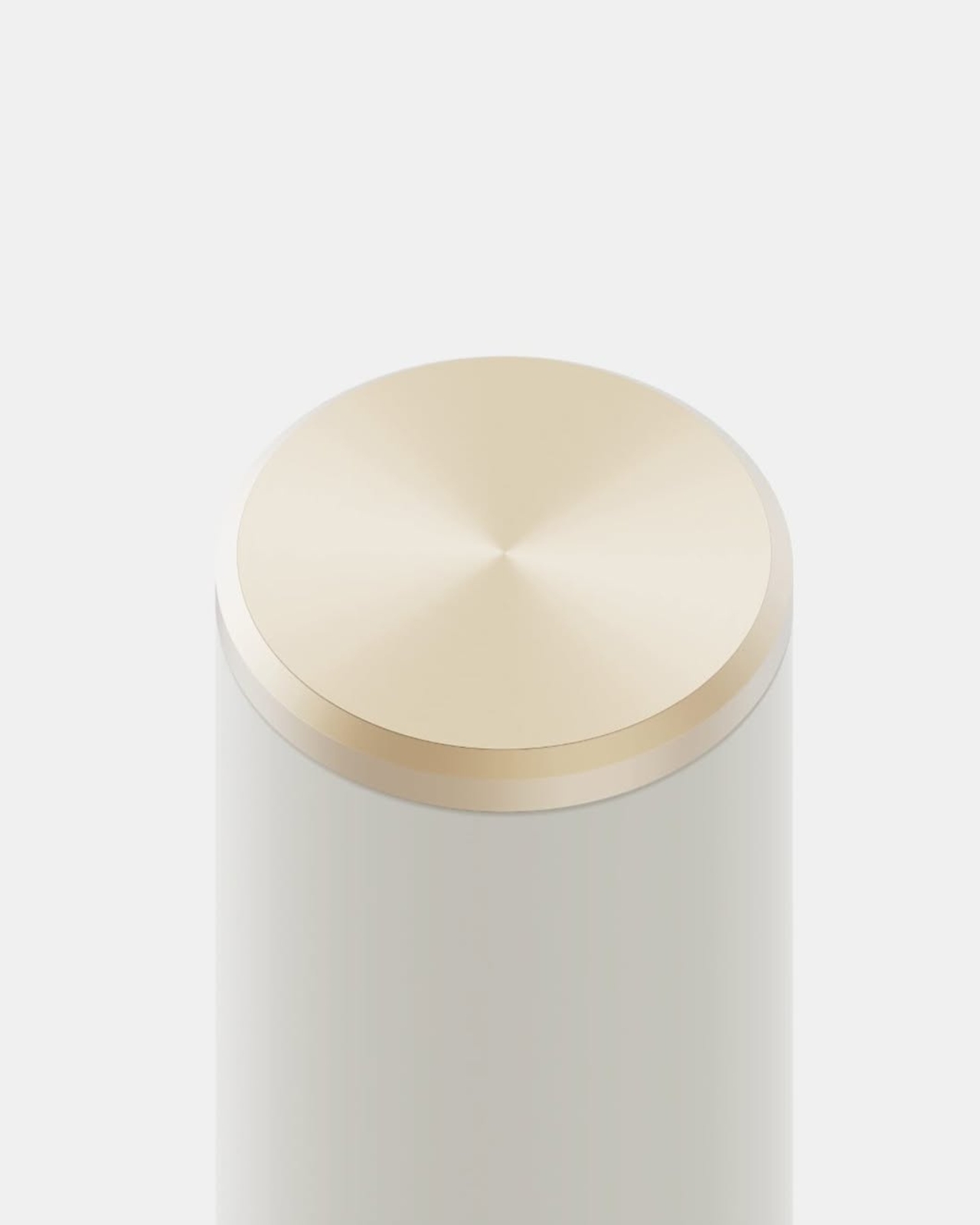
The details make it. A warm gold band transitions between the body and writing tip, adding just enough visual interest without screaming for attention. The same brushed gold accent appears on the charging case, which doubles as a display stand for your desk. The word “poet” is etched vertically in lowercase letters, subtle enough that most people won’t notice, but meaningful when they do. It’s the kind of detail that rewards daily interaction.

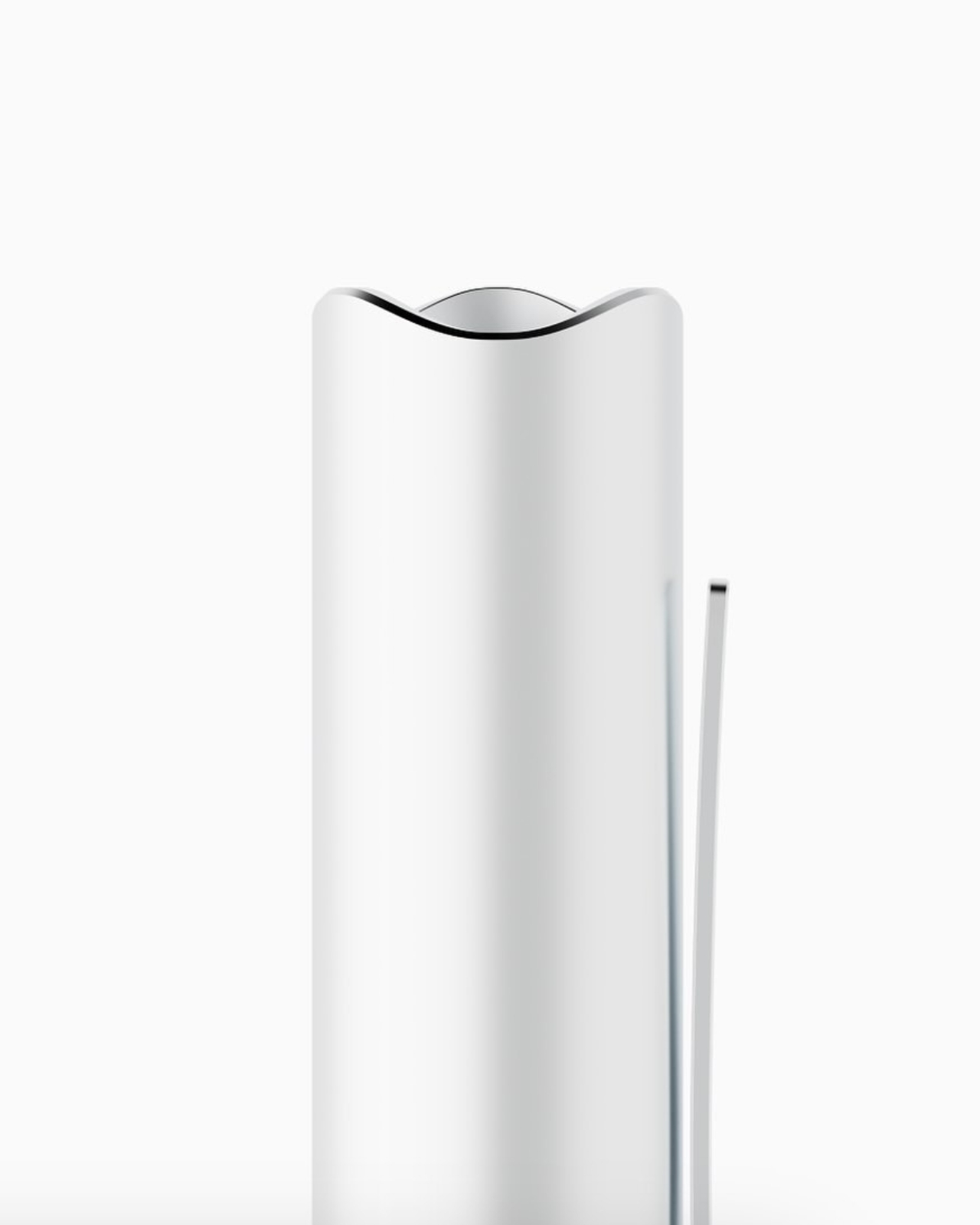
Speaking of daily carry, the charging case is brilliantly designed. It’s cylindrical with a slightly undulating top edge that mirrors the pen’s curves, finished in matching white and gold. But here’s what matters for EDC: it’s compact enough to slip into a bag pocket without adding bulk, protective enough to keep your pen safe, and beautiful enough that you won’t mind leaving it on your desk between carries. It becomes a small sculptural moment in your workspace rather than tech clutter. Ergonomics were clearly a priority. The grip area has subtle contouring that makes extended use comfortable whether you’re sketching, annotating documents, or taking meeting notes. Smart pens can feel awkward, especially if designers prioritize tech over usability. The Poet feels like it was designed by someone who actually carries and uses a pen daily, not just renders it in CAD.

What elevates this beyond typical EDC gear is the story it carries. Yun Dong-ju used poetry to maintain humanity during Korea’s darkest period. Every time you pull out this pen, you’re connected to that legacy of using everyday tools for meaningful creation. It’s not just about capturing ideas or staying productive. It’s about the intentionality of choosing tools that mean something beyond their function. Most smart pens now look like they’re trying too hard to be futuristic but the Poet takes the opposite approach. It’s quiet. It’s refined. It earns its place in your carry through design restraint rather than feature overload. The tech serves the experience rather than defining it.

For the EDC enthusiast who appreciates when gear tells a story, or when design connects you to something larger than yourself, the Poet offers something rare. It’s proof that smart devices can have soul, that technology and poetry aren’t opposing forces. Sometimes the best addition to your everyday carry isn’t the thing with the most features, but the one that makes you think differently about why you carry anything at all. This is EDC with intention. This is carrying poetry in your pocket.

The post This Smart Pen Just Turned a Poet’s Legacy Into Your Next EDC first appeared on Yanko Design.

Nike Air Max 90 turned into fully playable SNES console is the ultimate retro-modern mashup

Sneaker culture and gaming go a long way back, good enough reason we’ve seen many interesting collaborations that signify the retro-modern charm of reliving the golden era. The excitement of playing arcade titles that defined the ’80s and ’90s keeps the creative juices of inventive DIYers flowing. While having the superficial elements of gaming on a pair of sneakers is common, having an actual gaming console running right off your sneaker is worth the attention.

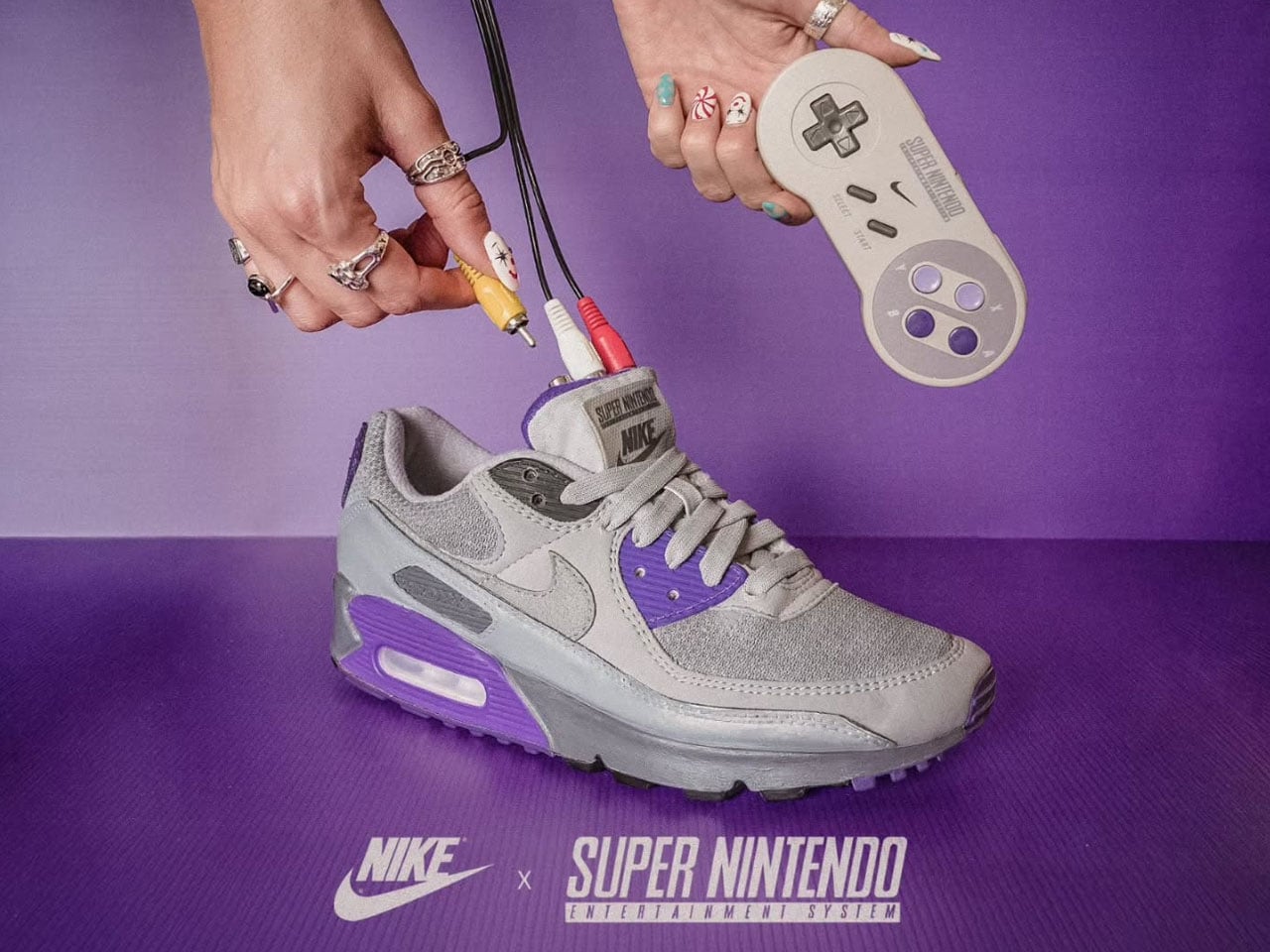
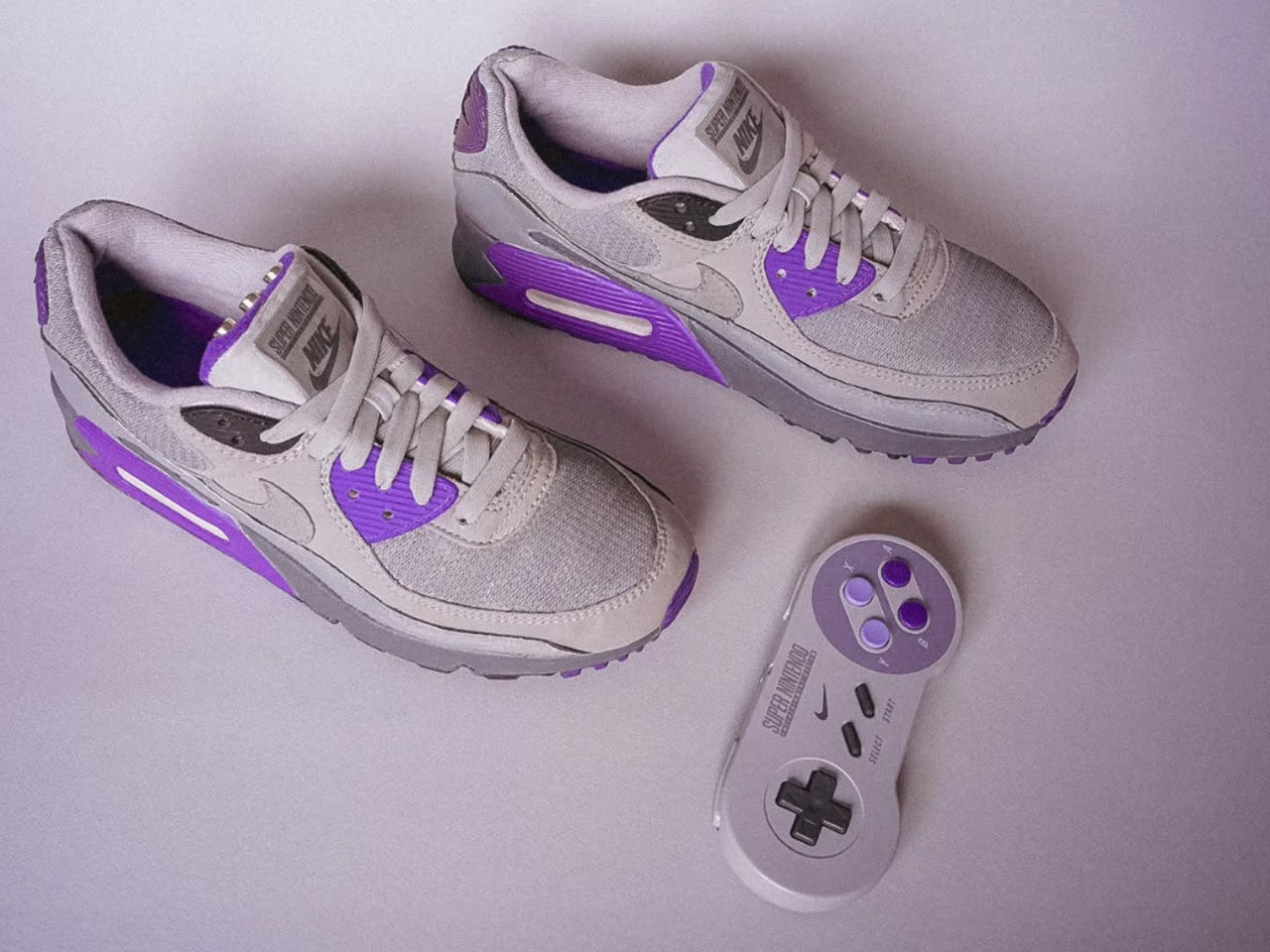
Designer Gustavo Bonzanini has come up with a unique way to celebrate the Super Nintendo’s 35th anniversary since its release in Japan. The one-off sneaker running the 16-bit SNES games is a homage to the 90s fashion and gaming technology. He calls them the AIR SNES since they are based on the Nike Air Max 90, which are as nostalgic as the arcade games we are all obsessed with. He positions them as comfort-laden classic runners that bring the thrill of 16-bit adventure.

Designer: Gustavo Bonzanini

The Singapore-based designer has a knack for creating unique wearable art from everyday shoes. This time, he’s hit the note right with the retro arcade vibe of gaming consoles of yesteryear. The idea for the build came from his Street Fighter II gaming streak, as he noticed Ryu launching fireballs from the device linked to the foot. Gustavo asked himself a question: why can’t a pair like the Nike Air Max 90 that looks like a video game double as a gaming console? Hence came the idea of designing sneaker shoes with built-in gaming capabilities. The best thing is that they are completely wearable, and you can play games right off them. The majority of the shoe remains the same, like the air cushioning system, but the magic happens right up at the tongue. The section is loaded with a Raspberry Pi Zero W tiny computer that’s no bigger than a business card.

It is paired with a small battery placed in the footbed, which provides 30 minutes of playtime. You can just plug it into an old school TV and play, since it has RCA output ports (instead of an HDMI output) to retain the classic feel. According to him, this was done, “to make the design feel like it could exist in 1990.” Of course, you need a controller to enjoy the games, so he had to tinker around with the regular SNES controller to get going. He modified the peripheral with a new internal for improved reliability and Bluetooth connectivity via the 8BitDo Mod Kit. That had to be done as the shoe’s contraption could not fit the input for the controller and would have added to the overall weight.

The AIR SNES can be used to play titles like Super Mario World or The Legend of Zelda: A Link to the Past via the microSD card slot, which is slotted inside the tongue. Gustavo has even gone the length to test the sneakers on the road and thereafter play games on them to make the build as authentic as possible. The final element comes in the form of a gray and purple palette of the sneakers, complemented by the light purple stitching along the seam to replicate the controller’s button layout. Unfortunately, these sneakers are not available to buy, and you’ll have to follow Gustavo’s build to create one for yourself.

The post Nike Air Max 90 turned into fully playable SNES console is the ultimate retro-modern mashup first appeared on Yanko Design.
Plex starts paywalling remote streaming to TVs, beginning with its Roku app

Here's some bad news for folks who've been using Plex to stream stuff from a buddy's personal media server to their TV for free for years. As it pledged to do earlier this year when it bumped up the price of the Plex Pass, the service is starting to enforce a paywall for remote streaming from a personal server to TV apps. Plex is rolling out the change on its Roku app this week, followed by its other TV apps (on the likes of Fire TV, Apple TV and Android TV) and third-party clients that use its remote streaming API in 2026. Plex also recently started deploying a redesigned version of its app on Roku-powered TVs.

Under the new way of things, the owner of a media server needs a Plex Pass subscription to grant other people remote access to it through the service. A Plex Pass now costs $7 per month, $70 per year or $250 for a lifetime membership. Those with such a subscription (or the Remote Watch Pass for $2 per month or $20 per year) can remotely access someone else's media server, even if the server owner doesn't have Plex Pass. Plex started enforcing the change on mobile devices before doing so elsewhere.

It always stinks when a company puts up a paywall around a feature that was previously free. Plex needs to make money to keep things running, which is fair enough. But turning free features into paid ones is hardly a consumer-friendly approach, especially when there are open-source alternatives like Jellyfin around.

This article originally appeared on Engadget at https://www.engadget.com/entertainment/streaming/plex-starts-paywalling-remote-streaming-to-tvs-beginning-with-its-roku-app-160535590.html?src=rss

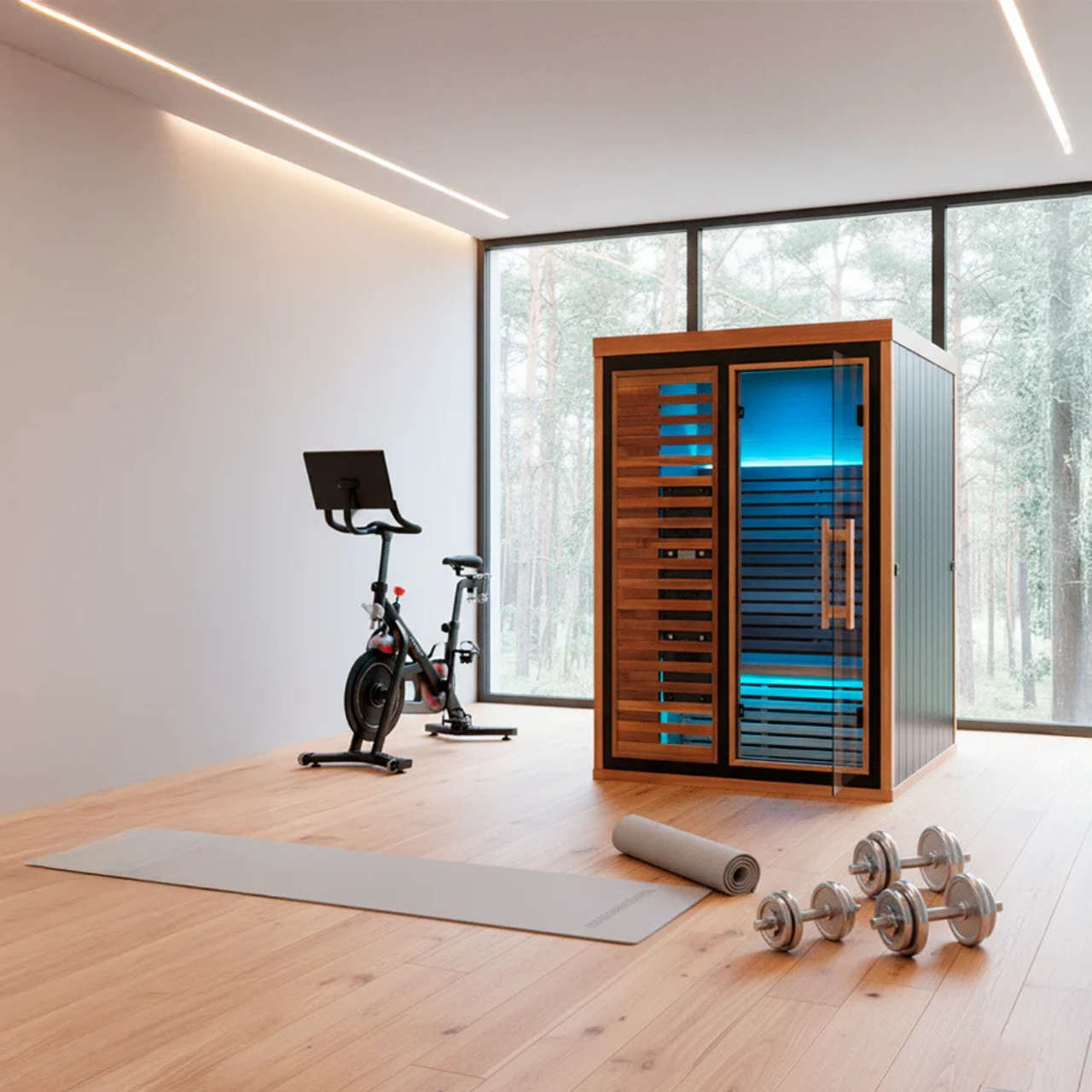
Peak Saunas Pack Medical-Grade Wellness Tech Into Your Home

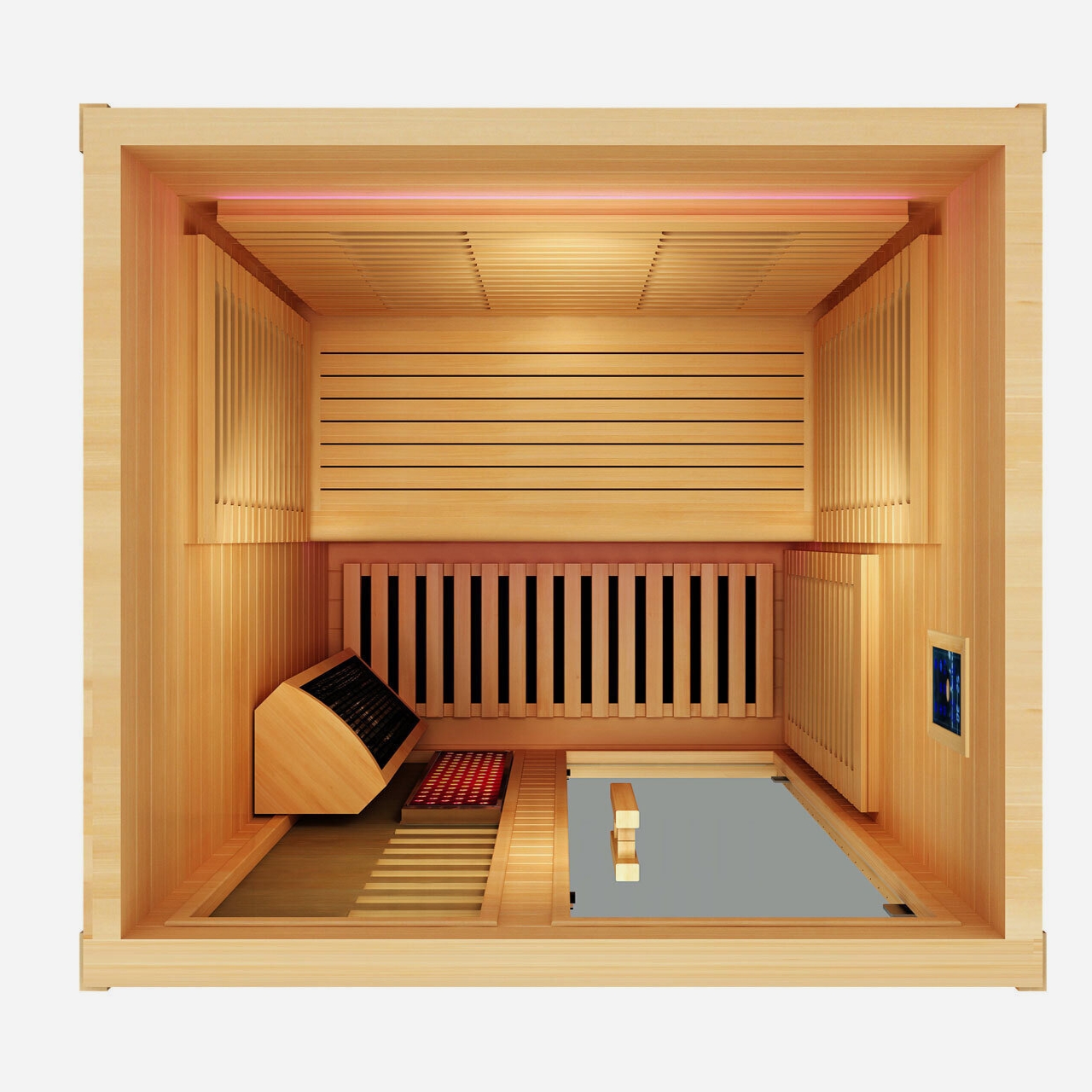
Remember when saunas were those wooden boxes at the gym that smelled faintly of eucalyptus and other people’s sweat? Yeah, those days are over. Peak Saunas is changing the game with infrared saunas that look like they belong in a luxury wellness retreat, not your basement.

Here’s the thing about Peak Saunas: they’ve managed to pack every feature you’d expect to pay thousands extra for into sleek, minimalist designs that actually fit in modern homes. We’re talking medical-grade red light therapy, WiFi app control, oxygen ionizers, and upgraded Bluetooth speakers, all included as standard. Most premium brands would nickel and dime you for these add-ons, but Peak just builds them in from the start.

Designer: Peak Sauna

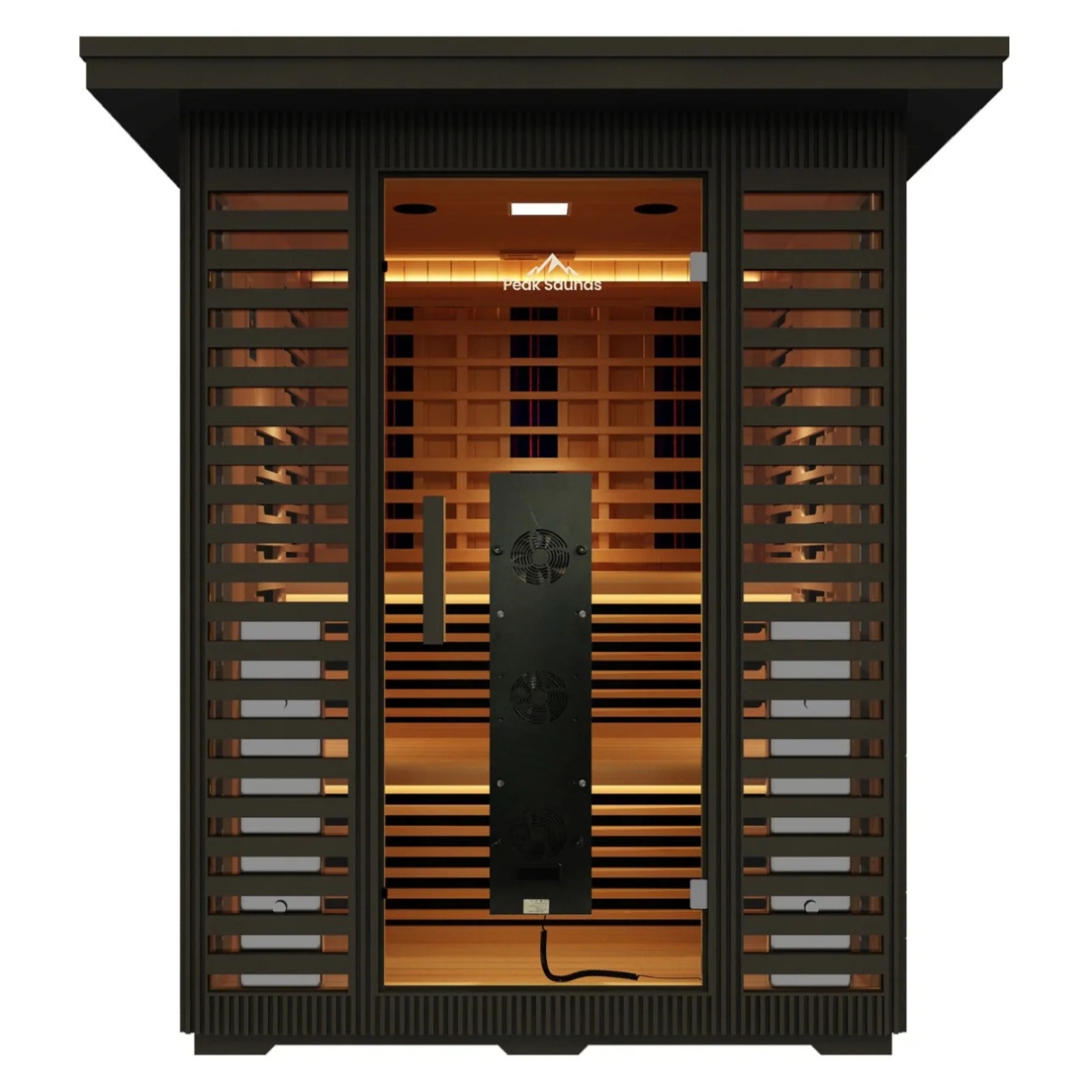
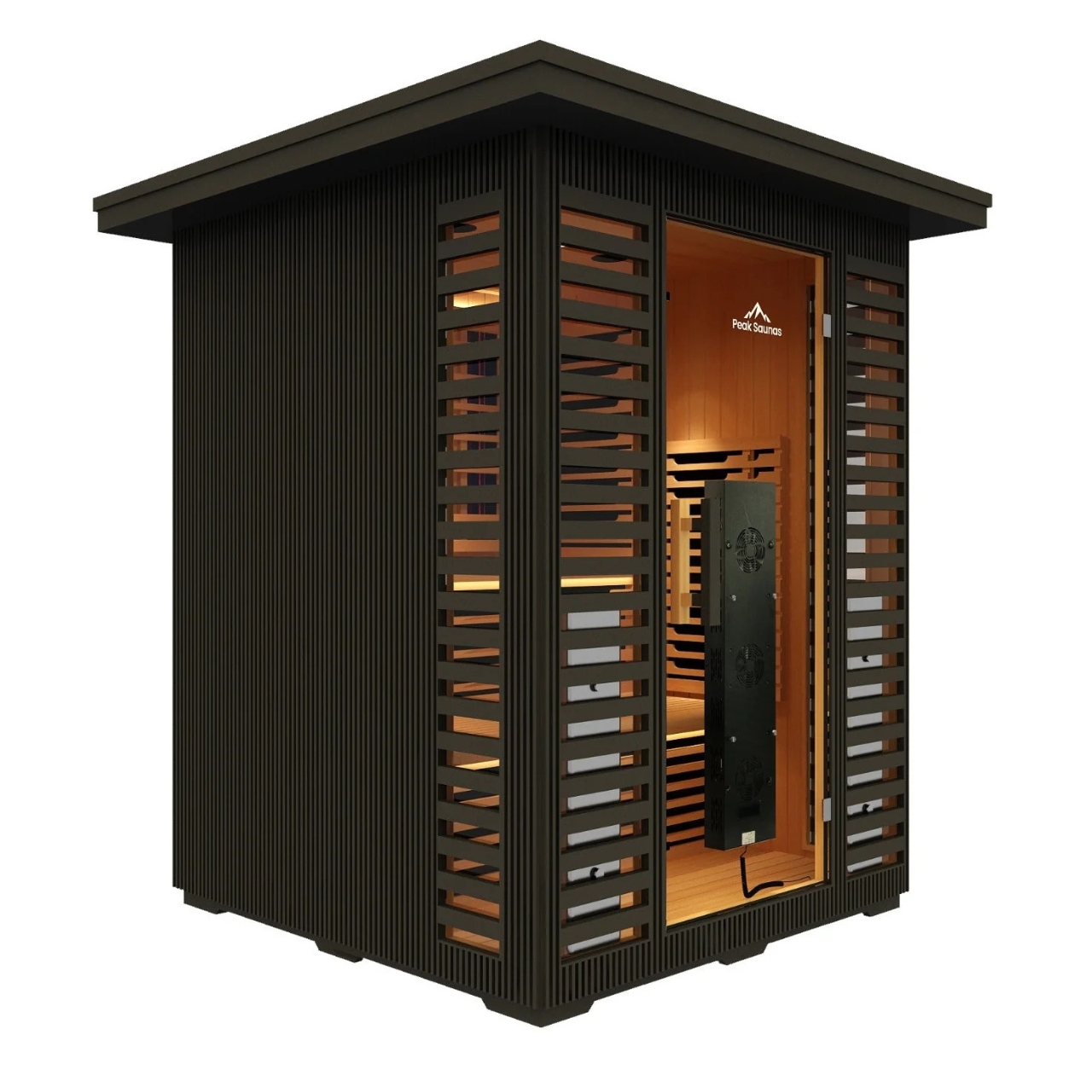
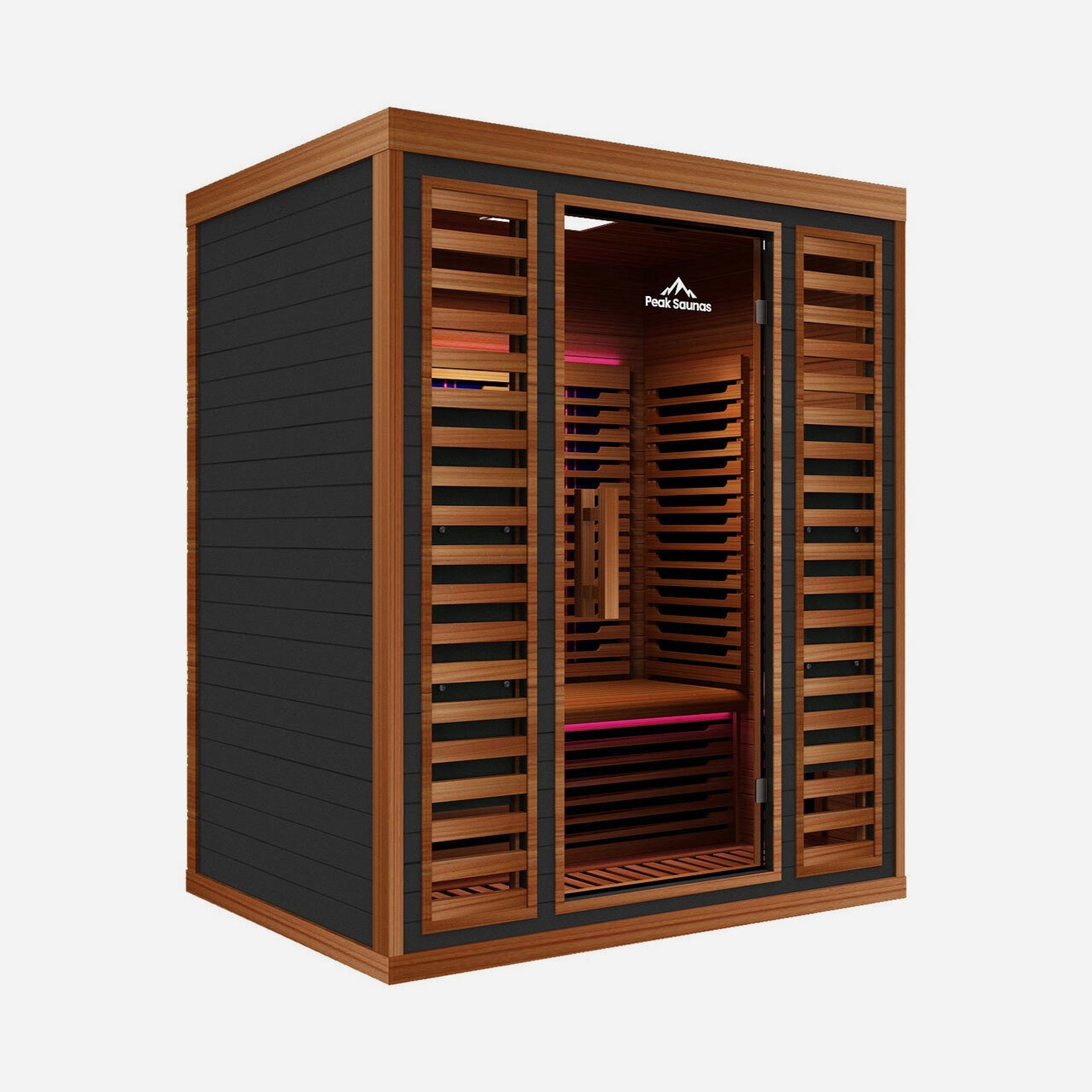
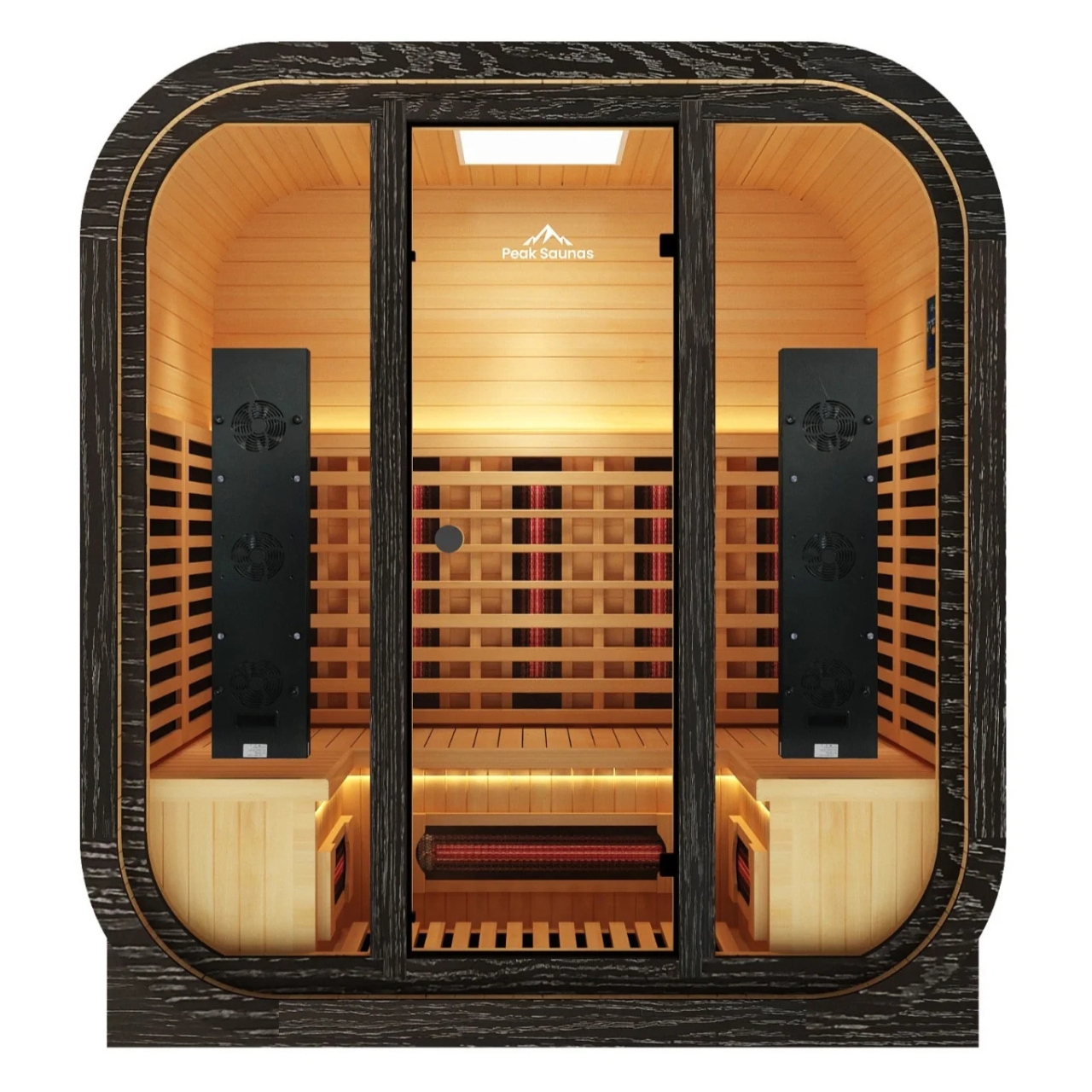
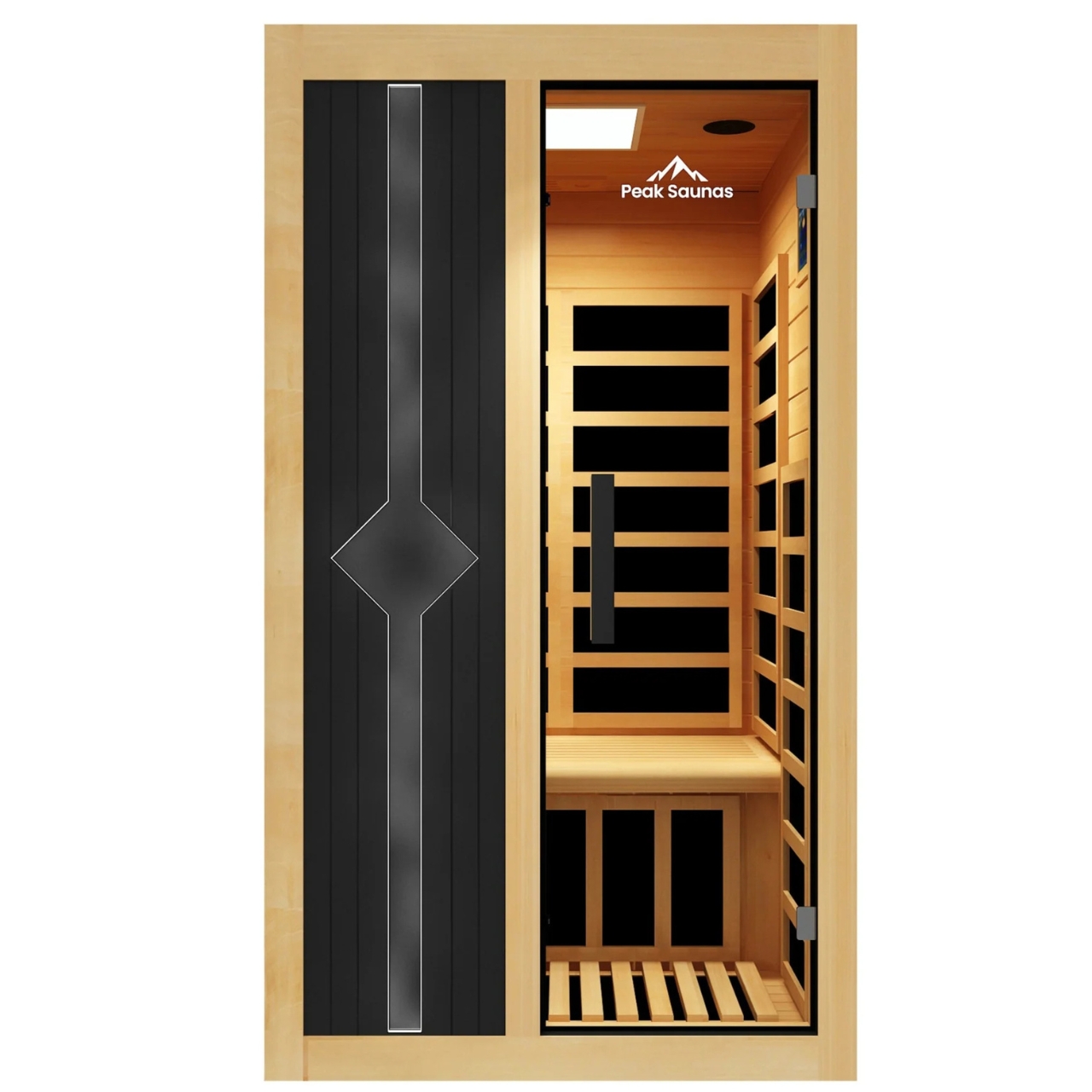
The lineup ranges from solo sanctuaries to couple-friendly spaces. The Rainier and Shasta are perfect one-person pods, while the Fuji and Everest offer two-person capacity for those who prefer company during their sweat sessions. If you’ve got the space and want to go all in, the Denali and Matterhorn models comfortably fit three people. And for the bold? There’s even the Patagonia, an outdoor model designed to handle whatever weather you throw at it.

What makes these saunas genuinely interesting from a design perspective is how they’ve solved the assembly problem. Anyone who’s ever tried to build flat-pack furniture knows the special kind of frustration that comes with cryptic instructions and missing hardware. Peak uses a modular, snap-together system with tongue-and-groove panels that apparently goes together so smoothly even non-DIY types can handle it. No special tools, no construction expertise required. Just you, the instructions, and maybe a friend to help hold things steady.

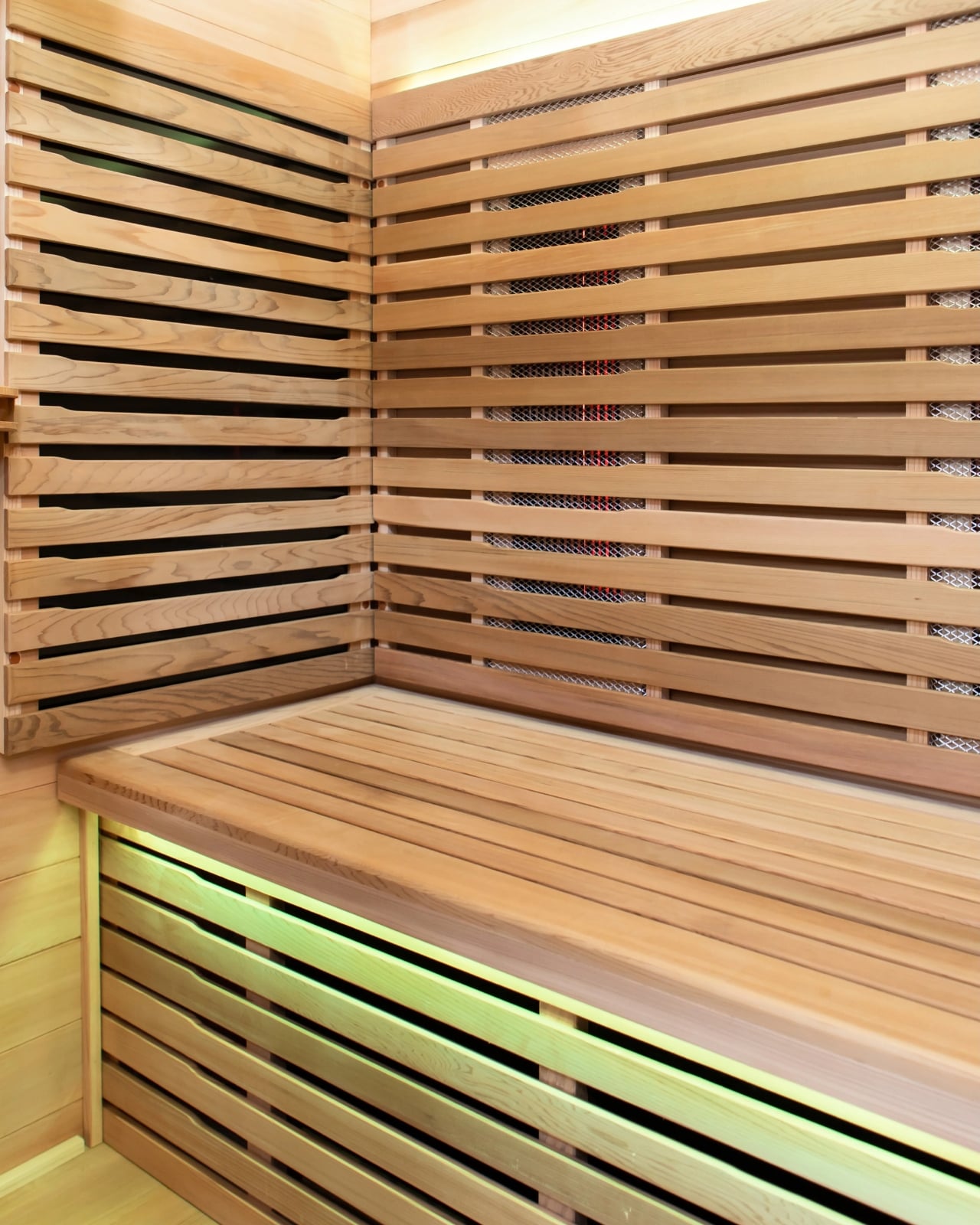
The tech integration is where Peak really shines. Each sauna connects to WiFi and comes with its own app, so you can preheat your sauna from your phone while you’re wrapping up work or finishing dinner. There’s something oddly satisfying about walking into a perfectly heated sauna instead of sitting there waiting for it to warm up. The full-spectrum infrared heating covers 360 degrees, from halogen and quartz heaters delivering near, mid, and far infrared wavelengths (700 to 25,000 nanometers, for the spec nerds out there) plus advanced carbon panels for consistent heat distribution.

Then there’s the red light therapy component, which has become increasingly popular in wellness circles. Peak includes XL medical-grade panels as standard equipment, not as an expensive upgrade. Red light therapy advocates swear by its benefits for skin health, muscle recovery, and overall wellness. Whether you’re a believer or skeptical, having the option built in gives you room to experiment without dropping extra cash.

The construction quality deserves attention too. Peak uses ethically sourced Canadian wood (either Hemlock or Red Cedar depending on the model) with no volatile organic compounds, which means cleaner air inside your sauna and better long-term durability. The wood naturally resists moisture and bacteria, making maintenance refreshingly simple. All electrical components come with EMF shielding, addressing concerns about electromagnetic field exposure during those long, relaxing sessions.

Peak hasn’t forgotten about ambiance either. Built-in chromotherapy lighting lets you bathe in whatever color suits your mood, from calming blues to energizing reds. Bluetooth speakers let you soundtrack your sessions with music, podcasts, or meditative sounds. There’s even an oxygen ionizer working quietly in the background to keep the air fresh. The company backs everything with a lifetime warranty, which speaks to their confidence in build quality and longevity. They claim these saunas are designed to last over a decade with daily home use, which is exactly what you want to hear when making this kind of investment.

What Peak Saunas really represents is the democratization of luxury wellness. The same features you’d find at high-end spas or exclusive fitness clubs are now available for your home, without the recurring membership fees or awkward small talk in the steam room. It’s wellness technology meeting thoughtful design, packaged in a way that actually makes sense for real homes and real people. Whether you’re an athlete looking for better recovery, a stressed professional seeking a daily escape, or someone who just really loves the idea of sweating in a beautiful wooden box while scrolling through your phone (no judgment), Peak has created something worth paying attention to. The sauna experience has officially gone mainstream, and it looks pretty good doing it.

The post Peak Saunas Pack Medical-Grade Wellness Tech Into Your Home first appeared on Yanko Design.
BMW Z4 Final Edition: An Instant Classic in the Making

BMW Z4 Final Edition: An Instant Classic in the Making

The BMW Z4 Final Edition represents the pinnacle of over two decades of roadster excellence from the German automaker. Since its introduction in 2002, the Z4 has been renowned for its dynamic performance, timeless design, and the pure joy of driving it provides. The Final Edition, which will be available for a limited time starting […]

The post BMW Z4 Final Edition: An Instant Classic in the Making appeared first on Geeky Gadgets.

Posted in Uncategorized

Alibaba launches its own AI glasses

Alibaba’s Quark AI glasses are now available for purchase in China. The company has released three variants of the flagship S1 model and three of the more affordable G1 model. They both connect to Alibaba’s newly launched Qwen App, powered by the company’s own AI tech, for AI assistance through voice commands and touch controls. Their features include on-the-go translation and AI-generated meeting notes. As you’d expect, they’re deeply integrated with Alibaba’s ecosystem and come equipped with apps that include Alipay and Taobao, an online shopping platform owned by the company. They have popular Chinese music streaming services, like QQ Music, as well.

Similar to Meta’s Ray-Ban Display, the glasses’ lenses serve as screens, though the S1 is equipped with more expensive micro-OLED technology. It also has more powerful dual chips. In addition, the S1 can produce better images (up to 3K in quality) and videos (AI-enhanced 4K), and it was designed to perform better in low-lighting conditions. Meanwhile, the G1 is lighter and was built for everyday wear.

It’s not quite clear if Alibaba plans to release the glasses outside China, but both models are now up for sale on Chinese e-commerce platforms. The S1’s prices start at ¥3,799 ($537), whereas the G1 will cost buyers at least ¥1,899 ($268).

This article originally appeared on Engadget at https://www.engadget.com/wearables/alibaba-launches-its-own-ai-glasses-150000678.html?src=rss

Samsung Galaxy Z Tri-Fold: Everything We Know Ahead of the December 5 Launch

Samsung Galaxy Z Tri-Fold: Everything We Know Ahead of the December 5 Launch

Last week, we broke down the incredible engineering leaks behind Samsung’s upcoming Galaxy Z Tri-Fold, detailing the razor-thin 4.2mm profile and the ambition to put a 200MP camera into a folding chassis. The “what” is now well established. But as we barrel toward the confirmed December 5 launch date, the conversation has shifted to the […]

The post Samsung Galaxy Z Tri-Fold: Everything We Know Ahead of the December 5 Launch appeared first on Geeky Gadgets.

Posted in Uncategorized