
Samsung Galaxy Unpacked July 2026: Live updates from the Z Fold 8 and Flip 8 launch event
Join us as we bring you live coverage from Samsung's Unpacked event in London, where it's expected to reveal new foldables and wearables.

The upcoming iPhone 18 Pro and iPhone 18 Pro Max mark a significant step forward in Apple’s flagship lineup, combining advanced technology with refined design elements. From the introduction of a new variable aperture camera to the integration of the powerful A20 Pro chip, these devices aim to deliver a premium user experience. However, with […]
The post Early First Look at the Expected iPhone 18 Pro Design appeared first on Geeky Gadgets.
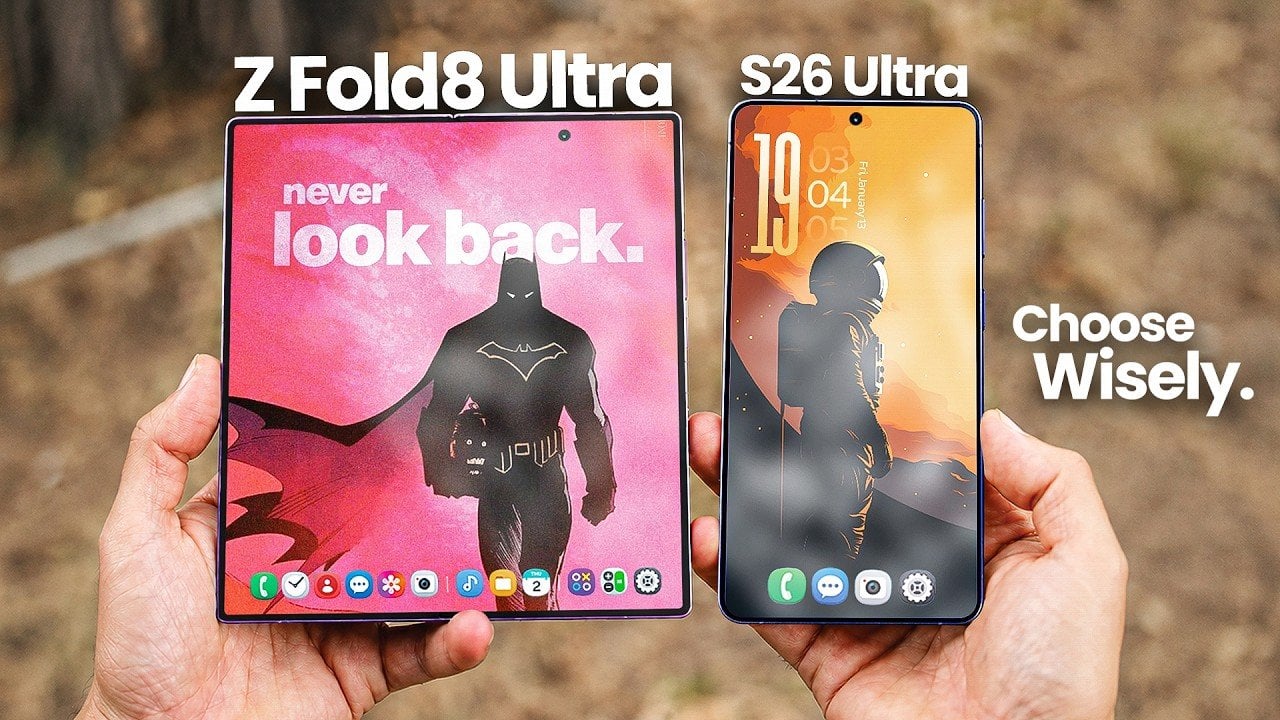
The Samsung Galaxy Z Fold 8 Ultra represents a bold step forward in smartphone design, offering a foldable display and advanced multitasking capabilities. However, when compared to the Samsung Galaxy S26 Ultra, its significantly higher price and certain compromises raise questions about its overall value. If you’re considering these two flagship devices, understanding their differences […]
The post Is the Galaxy Z Fold 8 Ultra Worth $800 More Than the Galaxy S26 Ultra? appeared first on Geeky Gadgets.

When comparing the upcoming Samsung Galaxy Z Fold 8 Ultra and the Galaxy S26 Ultra, understanding your priorities is essential. These flagship devices cater to distinct user preferences, offering advanced features that align with different needs. The Galaxy Z Fold 8 Ultra stands out with its innovative foldable design and multitasking capabilities, while the Galaxy […]
The post Buying Guide: Samsung Galaxy Z Fold 8 Ultra vs Galaxy S26 Ultra appeared first on Geeky Gadgets.
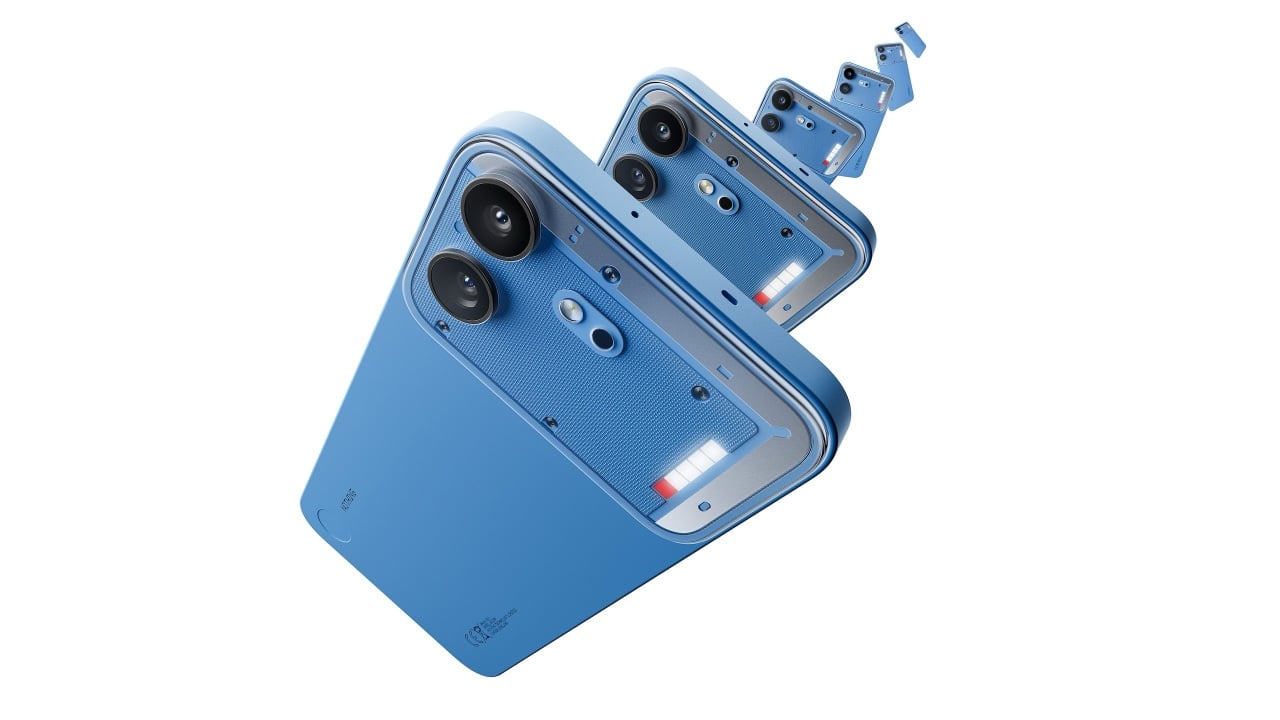
The Nothing Phone 4B, priced at an appealing $299, is a bold entrant in the competitive budget smartphone market. Known for its minimalist design ethos, Nothing aims to deliver a product that combines affordability, functionality, and style. Paired with the Ear 3A earbuds, this duo promises a seamless and integrated tech experience. But does the […]
The post What the $299 Nothing Phone 4B Gets Right About Budget Tech appeared first on Geeky Gadgets.

Cheap knives and great knives can share a steel type, a similar price bracket, and even a similar silhouette, yet one gets carried every day for years while the other sits in a drawer after a month. The difference rarely comes down to one dramatic failure. It comes down to five small decisions that most buyers never learn to check for, decisions about lock geometry, screw heads, pivot bearings, dimensional proportion, and low-light findability. Spend enough time with a stack of 2026 releases side by side and the pattern gets impossible to unsee.
I spent the better part of last week breaking down those five decisions using five knives currently earning their keep in pockets around the EDC community, each one chosen because it executes a single detail without compromise. None of these are the flashiest releases of the year, and none needed to be. What ties them together is a kind of restraint, the willingness to spend real machining time and material cost on a part of the knife most buyers never think to inspect. A locking mechanism gets tuned for years of one-handed use rather than a flashy debut video. A screw gets sized and disclosed rather than hidden behind a proprietary driver. That restraint is expensive to execute and easy to skip, which is exactly why so few knives manage all five at once.
Liner locks and frame locks have one quiet flaw nobody talks about until they’ve sliced a thumb pad on a fast close. To fold the blade back down, your fingers have to reach across its path and nudge the lock out of the way, which is fine ninety nine times out of a hundred and a genuine hazard on the hundredth. Button locks and crossbar locks solve this by moving the release off the blade’s line entirely. Press a button or pull a bar mounted on the spine, and the blade drops shut without your fingers ever crossing the edge. It sounds like a minor ergonomic tweak until you realize it’s the same logic that made Benchmade’s AXIS lock a cult favorite for two decades, just freed up for everyone else to build on now that the patent has expired. That single expiration is why crossbar and button locks have exploded across mid-tier knives in the last two years, and why a lock type that used to signal premium exclusivity now signals a maker who’s simply paying attention.
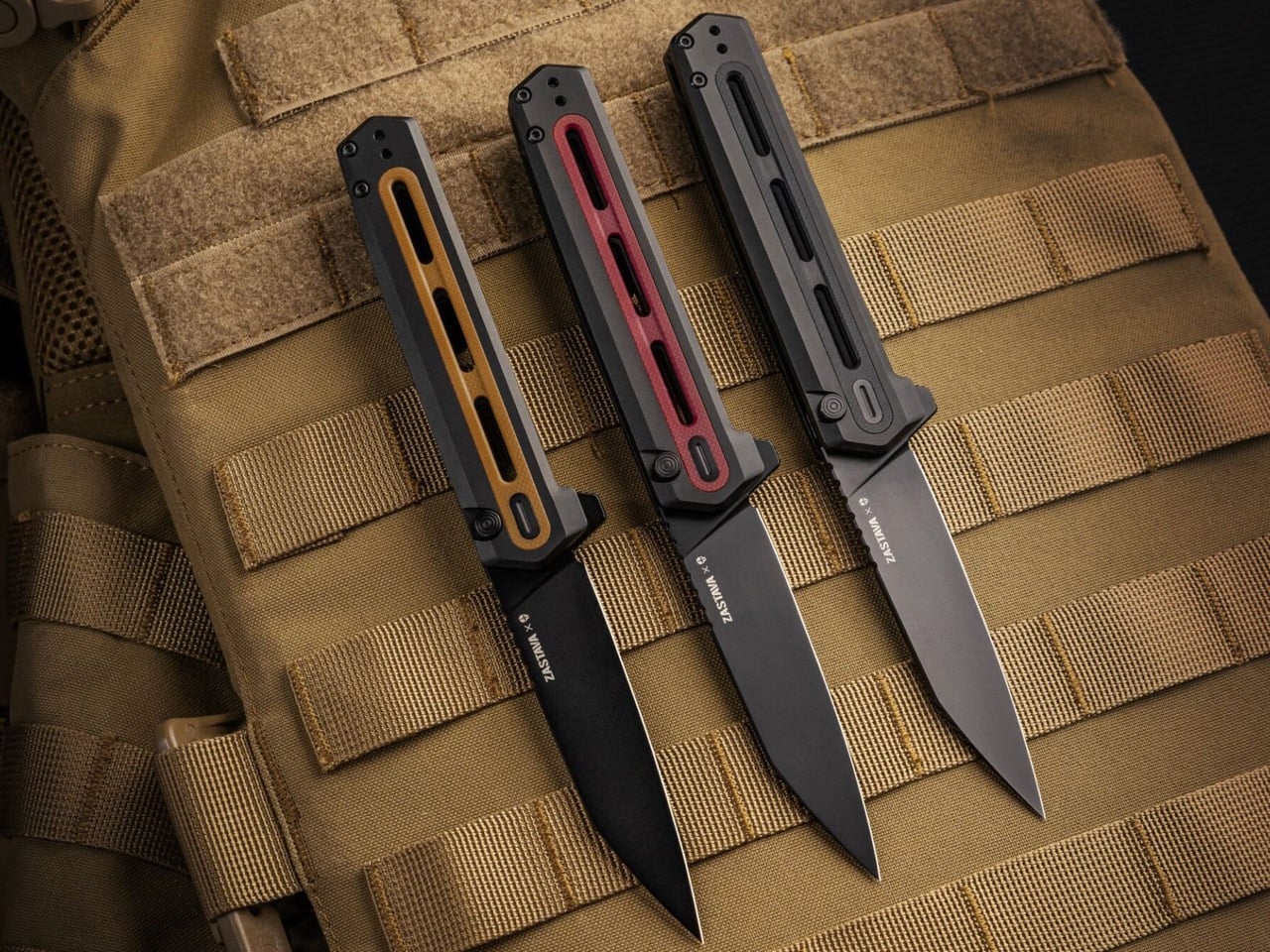
Tekto’s F4 Echo, a collaboration with Zastava Arms USA that leans hard into the gunmaker’s rifle heritage, runs exactly this kind of button lock, and it’s tuned well enough to matter. Press the button and the CPM S35VN blade drops free with none of the mushy half-engagement that plagues cheaper button locks, then a flick of the flipper tab snaps it back open with the same crisp confidence. Closing it is a one-handed motion, thumb on the button, palm rolling the spine shut, no crossed fingers anywhere near the reverse tanto edge. It’s a satisfying click too, the kind that turns into an idle fidget habit whether there’s anything to cut or not. At $199.99 it isn’t chasing budget-tier button locks racing to the bottom on price. It’s proof the mechanism has fully arrived at the mid-tier, executed with a materials upgrade to match, and Tekto clearly built it for people who’ll notice the difference immediately.
Click Here to Buy Now: $170 $199.99 (15% off with code YANKO). Hurry, deal ends in 48-hours! Free FedEx 2Day shipping within the USA.
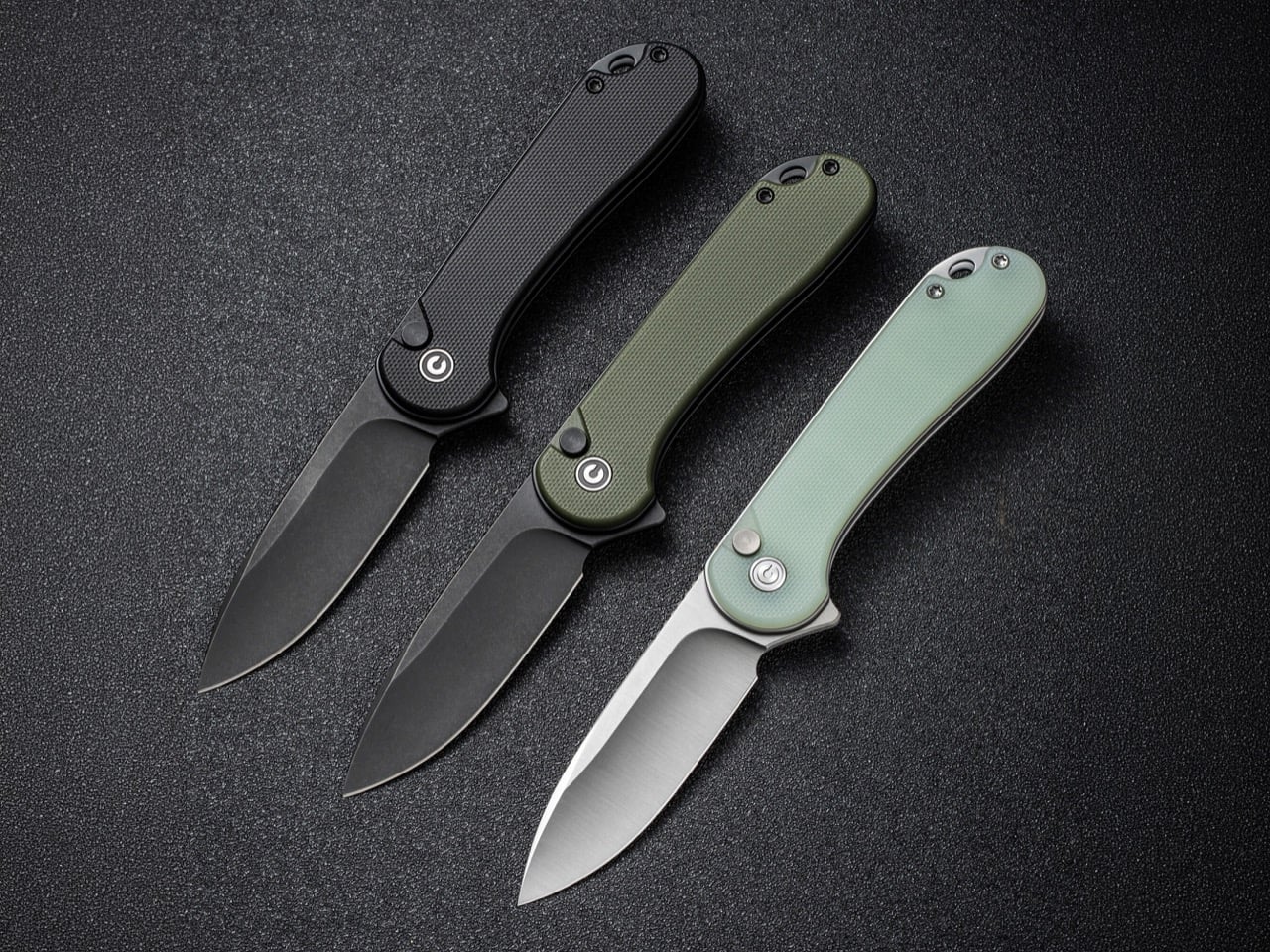
Pull apart any budget folding knife from a decade ago and you’ll almost always find phosphor bronze or Teflon washers wrapped around the pivot, a setup that works fine until grit, lint, or a humid afternoon gets between the layers. Washers rely on flat surface contact, so any contamination turns a smooth flip into a gritty drag that needs a hard wrist snap to force open. Ceramic bearings solve this by replacing that flat contact with a caged ring of hardened balls that roll instead of scrape, cutting friction dramatically and staying consistent even when the knife is dirty. They also can’t rust the way steel bearings eventually do, so a knife that’s been caught in the rain still deploys glassy smooth a year later. This used to be the detail separating a $50 knife from a $300 one, and in 2026 that gap has mostly closed. Once ceramic bearings became cheap to source and simple to cage correctly, there was no honest excuse left for a stiff pivot at any price.
Civivi’s Elementum earned its reputation as the reset button for budget EDC largely by being one of the first sub-$50 folders to ditch washers for a caged ceramic ball bearing pivot outright. The Elementum II carries that same pivot forward while adding a tuned button lock, and the bearing underneath does most of the work on how the knife actually feels in hand. Flick it open and it glides with none of the initial stiffness a washer knife needs to work through, and the closing motion rides that identical smooth pivot rather than some separate mechanism bolted on for the button. At 2.96 inches of Nitro-V steel and under $100 across most configurations, it’s proof the bearing upgrade never had to live exclusively at the premium end of the market. Civivi more or less forced the rest of the budget category to either match that pivot or explain why they hadn’t.
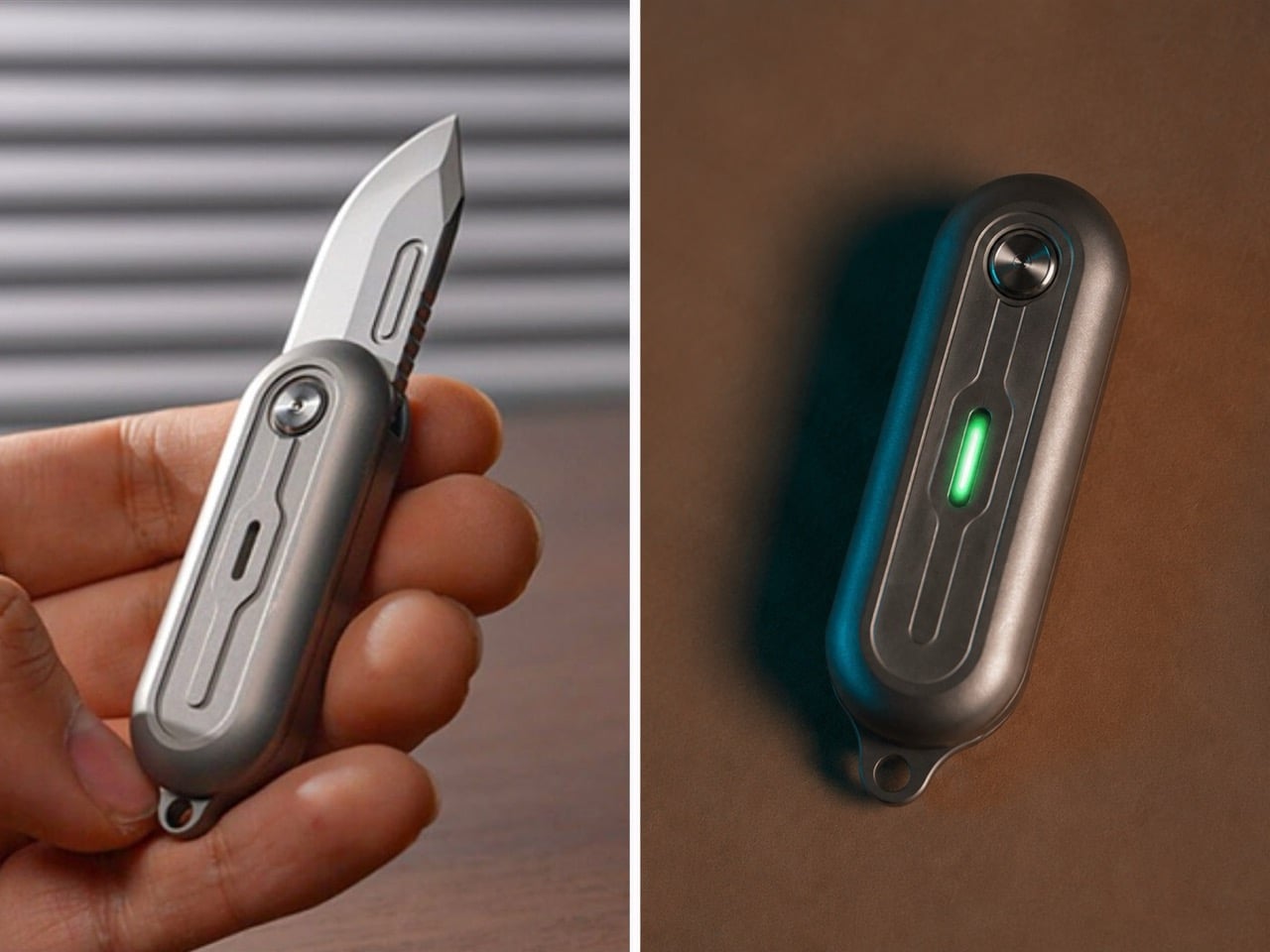
Tritium vials are sealed glass tubes filled with a radioactive gas that emits a faint, self-powered glow for roughly 25 years with no batteries and no charging required, and EDC makers have been drilling slots for them since around 2020. Plenty of that early adoption was pure theater, vials tucked into handle scales where your palm covers the glow the moment you pick the knife up, or embedded on a blade spine where they serve no purpose beyond looking tactical in a product photo. A well-placed slot solves an actual problem instead. Drop a knife in a dark bag, a glove box, or beside a bed at 2am, and a tritium vial is the difference between patting around blind and spotting a faint green dot exactly where you left it. Vials run $15 to $40 each, so a maker adding two of them made a deliberate call. Decoration gets bolted on wherever there’s leftover space, while findability gets placed exactly where your eye needs to land first.
TiNova II puts that logic to its intended use. The two tritium slots sit on the flat faces of its Grade 5 titanium scales, and depending on the finish, you get either raw sandblasted titanium letting the glow read plainly or a black-coated version that makes those same vials do most of the visual work in a dark pocket or bag. At 2.54 inches closed and just 59.3 grams, this is a knife built for keychain duty first, exactly the kind of small object that goes missing in a junk drawer or backpack pocket without a locator built in. The D2 steel blade deploys with a 360 degree spin off a ball bearing pivot, more fidget toy than tactical folder, but the tritium slots keep it from being purely a novelty. It’s a genuinely small detail on a genuinely small knife, and it’s exactly the kind of detail that separates a maker thinking about how the object gets used at night from one just checking a spec sheet box.
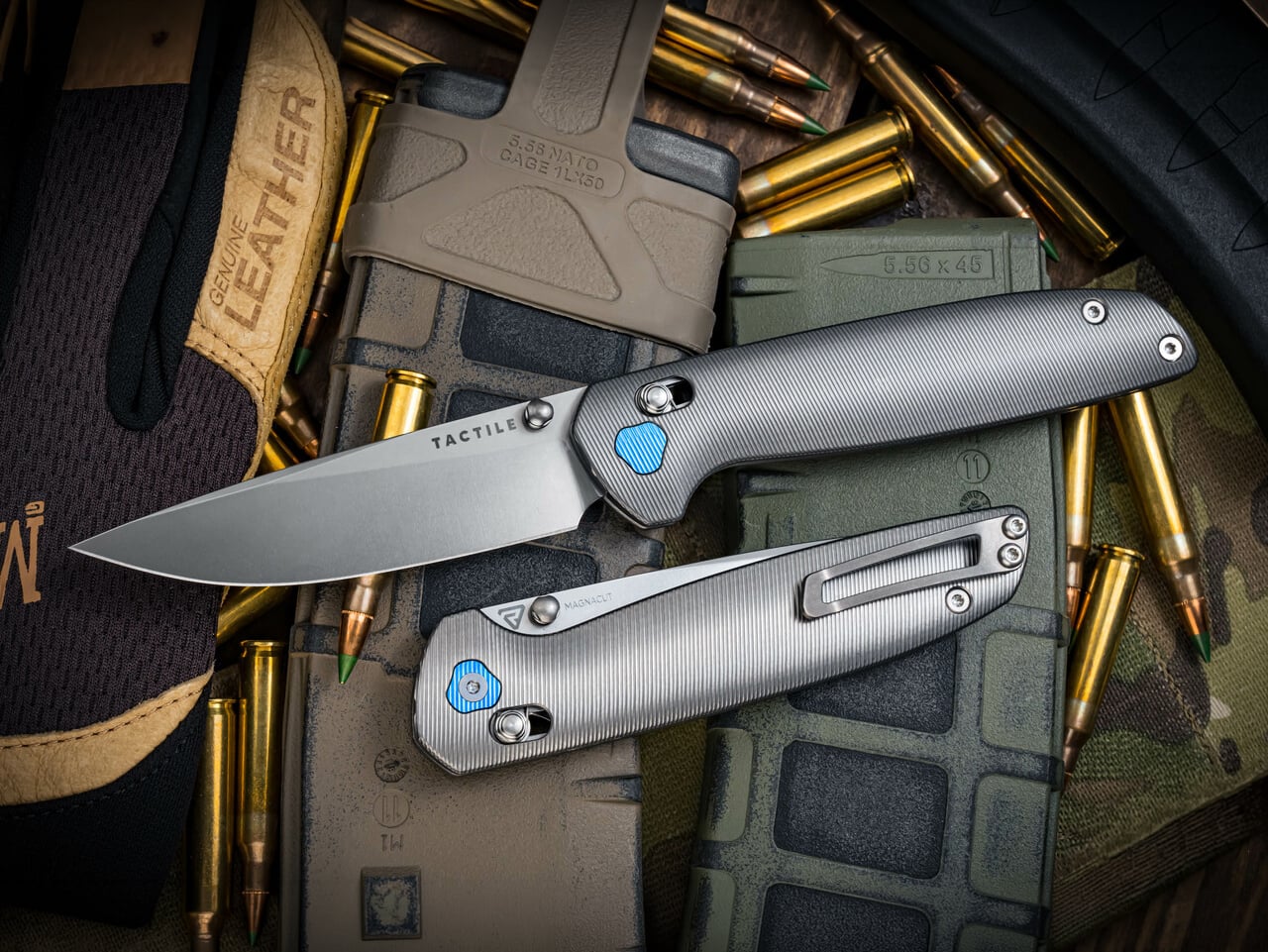
EDC has spent the better part of a decade chasing extremes in either direction, keychain folders under 4 inches closed competing with hard-use tank knives pushing past 9 inches open, both categories treating size as the headline spec. Somewhere in the middle sits a range most serious knives have quietly converged on, an overall open length around 8 to 8.3 inches paired with a blade close to 3.5 inches. That proportion isn’t an accident or a coincidence across brands. It’s large enough to give a full four-finger grip real purchase on the handle, yet compact enough to disappear into a front pocket without printing through the fabric or announcing itself in a waistband. The blade length lands right at the edge most carry jurisdictions still consider reasonable, long enough for food prep, package handling, and cordage work without crossing into knife-you-have-to-explain territory. Novelty chases a headline number. Dimensional maturity chases the number that actually gets carried every day.
Tactile Knife Co.’s Maverick sits almost exactly on that mark, running 8.18 inches open with a 4.7 inch closed length and a 3.5 inch CPM MagnaCut blade that splits the difference between edge retention and rust resistance better than almost anything at this price. Richard Rogers designed the knife’s tri-lobe handle shape specifically to fill a full-size hand without adding bulk, and the crossbar lock keeps the release off the blade’s path the same way the better button locks do, so drawing and closing it one-handed never feels like a negotiation. At 3.9 ounces in titanium, it carries with enough presence to feel substantial without dragging a pocket down, which is the entire argument for this dimensional range in one knife. Tactile built it in Dallas alongside its better-known pen line, and the proportions read like a team that already understood exactly where the size ceiling for daily carry actually sits.
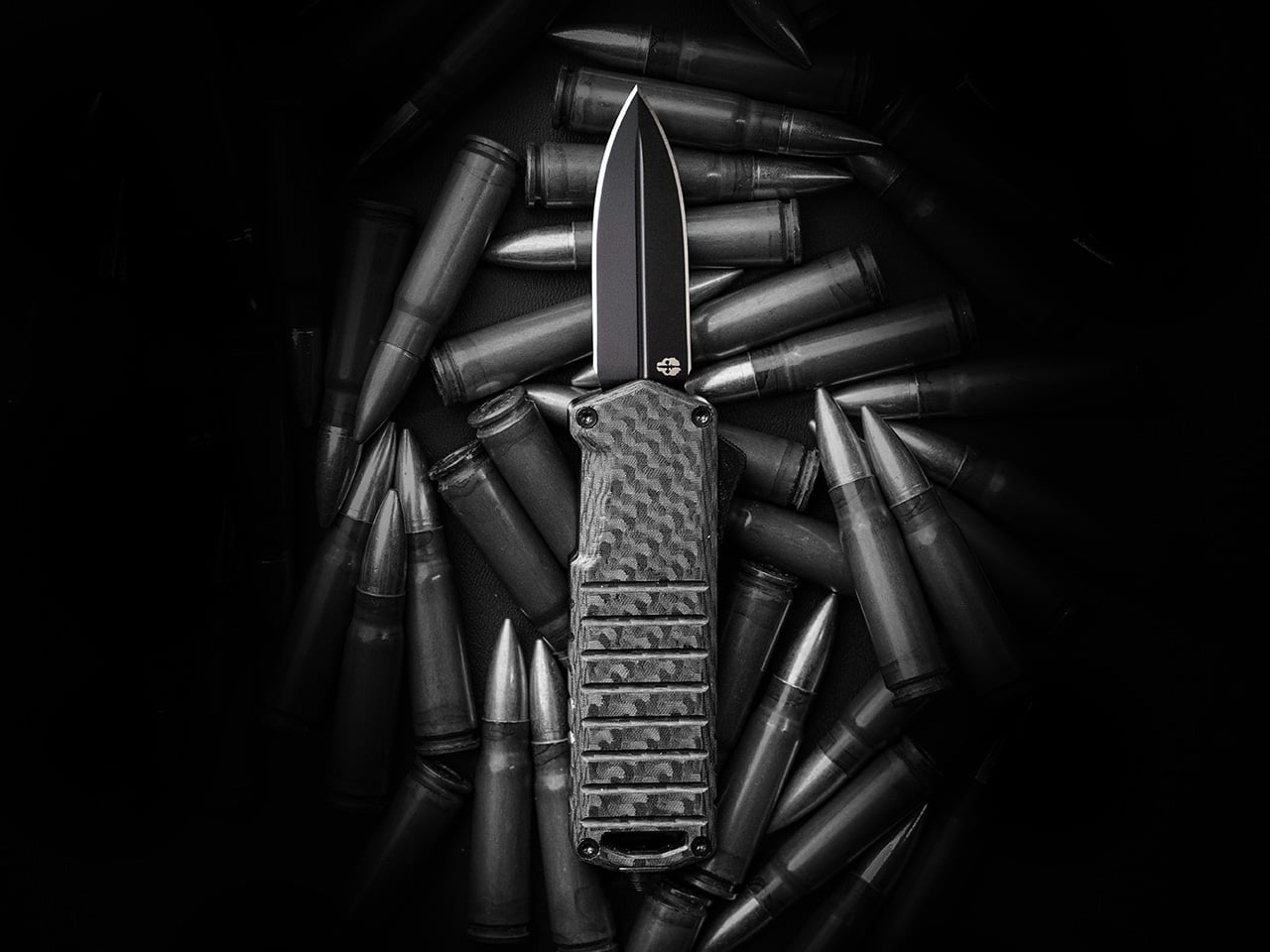
A screw head sounds like the last thing worth judging a knife on, but it quietly tells you how a maker feels about your relationship with the tool over the next decade. Torx resists cam-out under torque, distributes pressure evenly across the star pattern, and doesn’t strip the way a Phillips head does after the third disassembly. Cheaper knives lean on Phillips because the drivers are everywhere, or worse, they use a proprietary bit tucked into a tiny plastic bag that gets lost within a month, quietly forcing you back to the store when the pivot finally needs a clean. The real tell in 2026 isn’t whether a knife uses Torx at all, since most premium builds do by now. It’s whether the maker actually tells you the size. A listed T6 or T8 is an invitation to keep the knife running for years. A vague “tool included” is a maker who’s already planning for you to lose it and buy another knife instead.
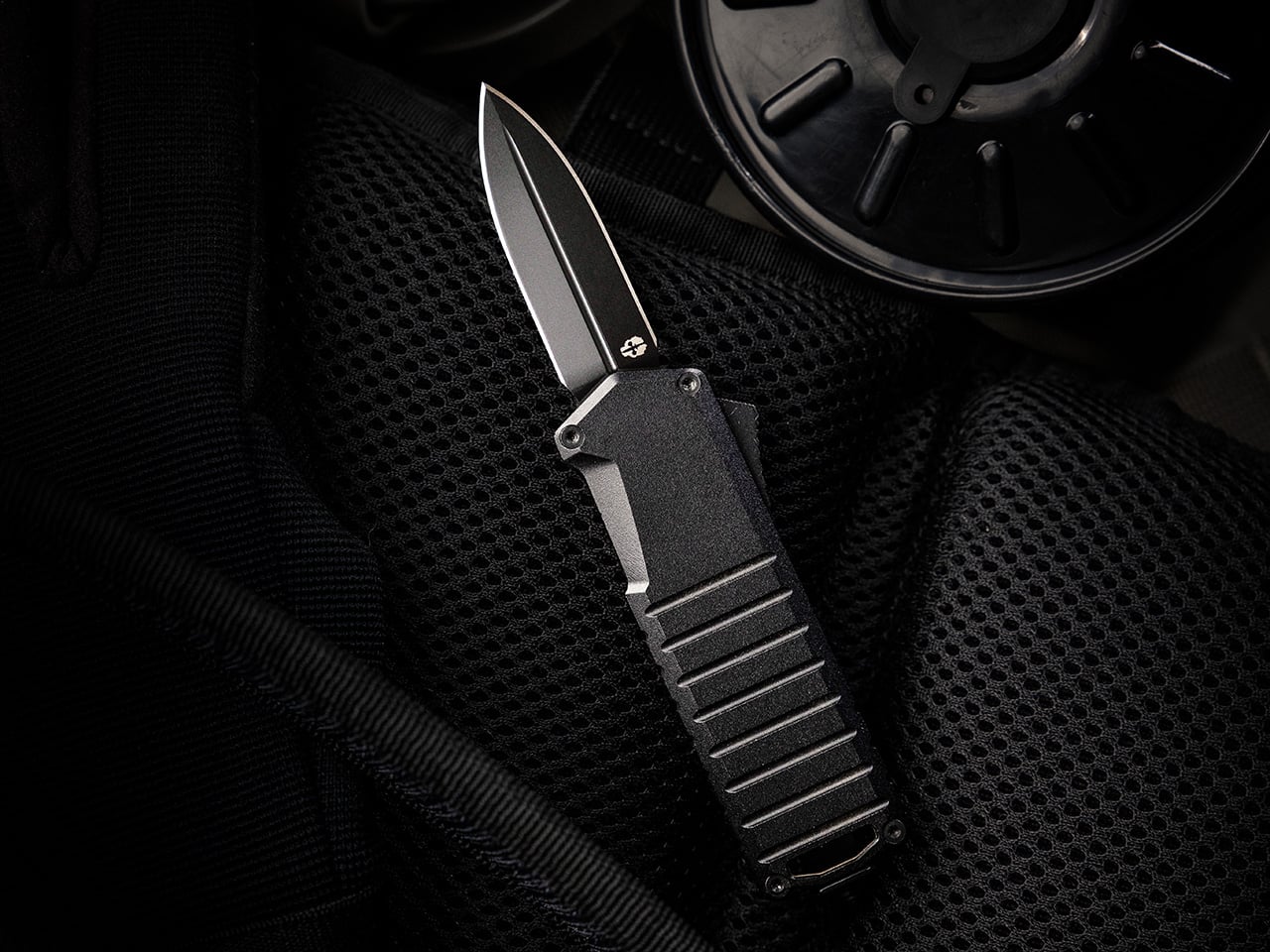
Tekto builds the A2 Badger around that same philosophy, running Torx head screws visible on all four corners of the chamfered aluminum handle rather than hiding the hardware or pressing it in permanently. That transparency matters more than usual here, since the Badger is an OTF, a mechanism with more moving parts than a standard folder and one that benefits from an owner who’s actually willing to open it up and relube the slide over time. At 2.18 ounces with a titanium coated D2 blade under two inches, the Badger was built specifically to slip past the length restrictions that plague OTF knives in restrictive states, and Tekto backs that engineering with a full warranty against material or manufacturing defects. Standard Torx hardware on every corner means an owner can actually service the thing rather than just carry it until something inside finally gives out. It’s a small, unglamorous decision, and it’s exactly the kind that separates a knife built to last from one built to sell once.
Click Here to Buy Now: $119 $139.99 (15% off). Hurry, deal ends in 48-hours! Free FedEx 2Day shipping within the USA.
The post The 5 Details Every Great EDC Design Shares in 2026 first appeared on Yanko Design.
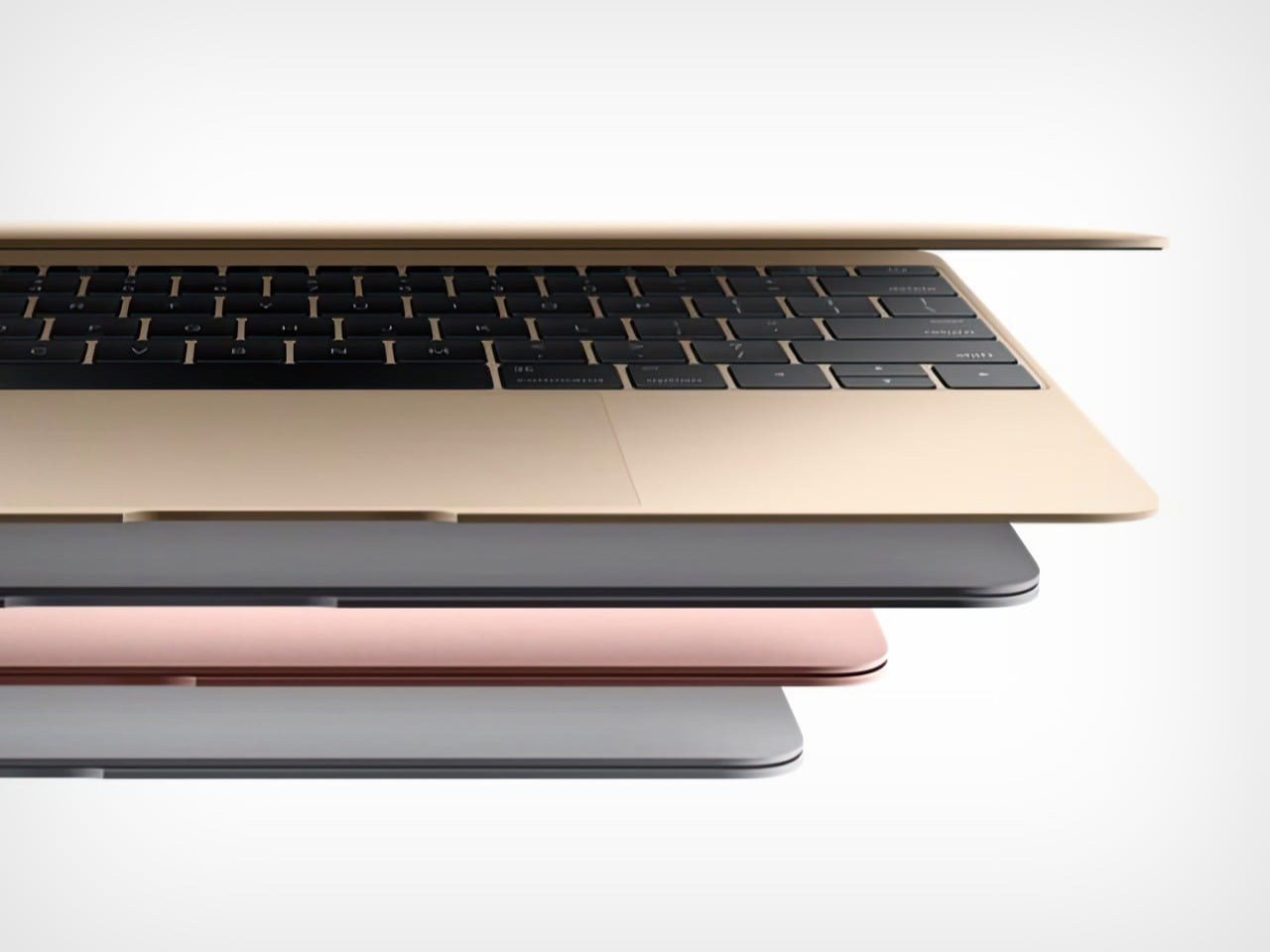
For the last several years, the Mac’s biggest leaps have come from the silicon inside it. Apple’s M-series chips transformed the MacBook Pro into a class leader on performance per watt, and for a while that made the chassis feel almost settled, a familiar shell for ever more capable internals. The latest roadmap chatter suggests that phase is ending. Apple is reportedly preparing a routine M6 refresh for late 2026, while saving the far more interesting MacBook Pro overhaul for the first half of 2027, the one many are already framing as the “Paper MacBook Pro.”
That nickname works because it instantly communicates the ambition. The idea is not literally a MacBook made of paper, but a MacBook Pro pushed so far into thinness that it starts to feel closer to a design sketch than a finished computer. If the reports are accurate, 2027 is when Apple plans to cash in on that image with a redesigned body and an OLED display, a combination that points to the company’s slimmest Pro notebook yet. For Apple, this would be a familiar kind of flex, turning thinness into theater, then selling the engineering behind that theater as the real product.
Designer: Apple
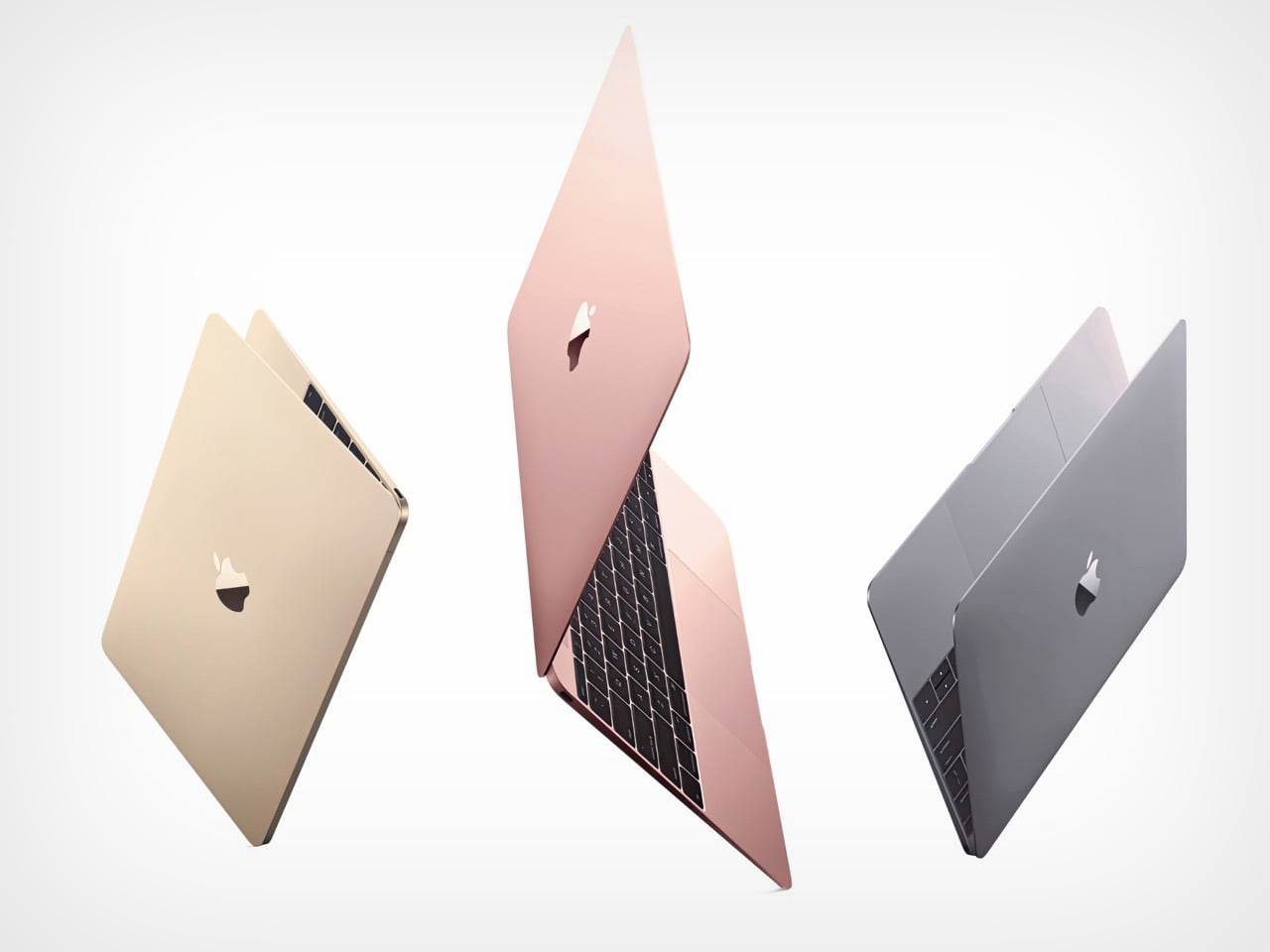
OLED is what makes the whole concept believable. A MacBook Pro display built around OLED can be thinner than the current mini-LED setup because it does not need the same backlight structure behind the panel. That gives Apple more room to slim down the lid, and once the display stack gets thinner, the rest of the machine can follow. This is why the 2027 model matters more than the late 2026 one. The M6 refresh may keep the lineup current, but the OLED redesign is the part that changes what the MacBook Pro looks like, feels like, and signals from across a room.
The catch is that every millimeter Apple removes has to come from somewhere. A thinner MacBook Pro sounds beautiful until the tradeoffs enter the conversation. Ports are the first obvious pressure point, because HDMI, SD card slots, and even MagSafe all take up physical depth. Then there is the battery, which depends on volume, and the cooling system, which depends on space and airflow. Apple can offset some of that with more efficient chips and smarter internal packaging, but industrial design always collects its price eventually. The “Paper MacBook Pro” only becomes a win if it stays recognizably Pro in the ways that matter after the keynote ends.
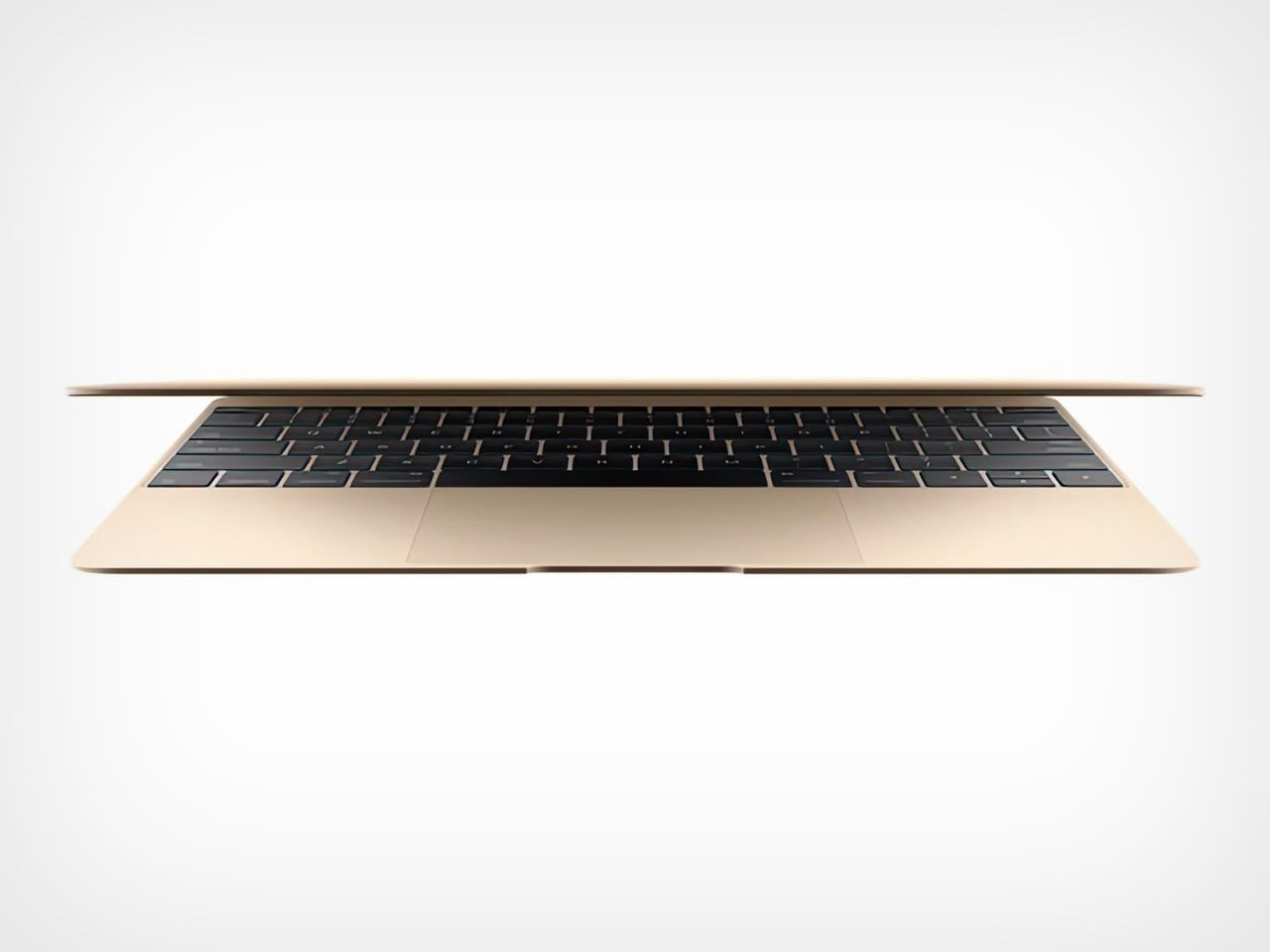
That is what makes this rumored 2027 machine so interesting from a design perspective. Apple already knows how to make a thin laptop. It has done that before, sometimes brilliantly, and sometimes with compromises that aged badly. Making a thin MacBook Air is one challenge. Making a thin MacBook Pro that creators, editors, developers, and power users can trust for sustained work is a much harder brief. The real test of this redesign will not be the side profile in Apple’s launch images. It will be whether the machine can carry all that visual elegance without hollowing out the practicality that gives the Pro line its identity.
So what should people expect in 2027? Probably a MacBook Pro that looks noticeably slimmer, likely leans on OLED as the enabling technology, and arrives with the kind of visual lightness Apple loves to turn into a headline. They should also expect compromises to become part of the conversation the moment the design appears. That tension is the whole story here. The “Paper MacBook Pro” has the potential to be one of Apple’s most striking laptop redesigns in years, but only if the company proves that shaving down the body does not also shave away the reasons professionals buy a MacBook Pro in the first place.
The post Paper MacBook Pro: Apple’s Thinnest Redesign Now Targeting 2027, Not 2026 first appeared on Yanko Design.
Most candles do one thing: burn down and disappear. The wax melts, the light fades, and what you are left with is an empty vessel and a faint smell of something vaguely floral. The Japanese Lantern Candle does not follow that logic. Rooted in the design of the chouchin, the traditional paper lanterns that once lit up festival streets and the doorways of old izakayas, this candle holder holds its shape while the flame quietly does its work inside. The outer wax never melts. The light does.
What changes as the candle burns is the experience. The inner candle gradually hollows out, and as it does, the light begins filtering through the undulating surface of the outer shell in a slow, shifting pattern that is difficult to look away from. Handmade by craftsmen in Kurashiki, Japan, it carries the kind of quiet specificity that separates an object made with intention from one made for convenience. That distinction is easy to feel the moment it is lit.

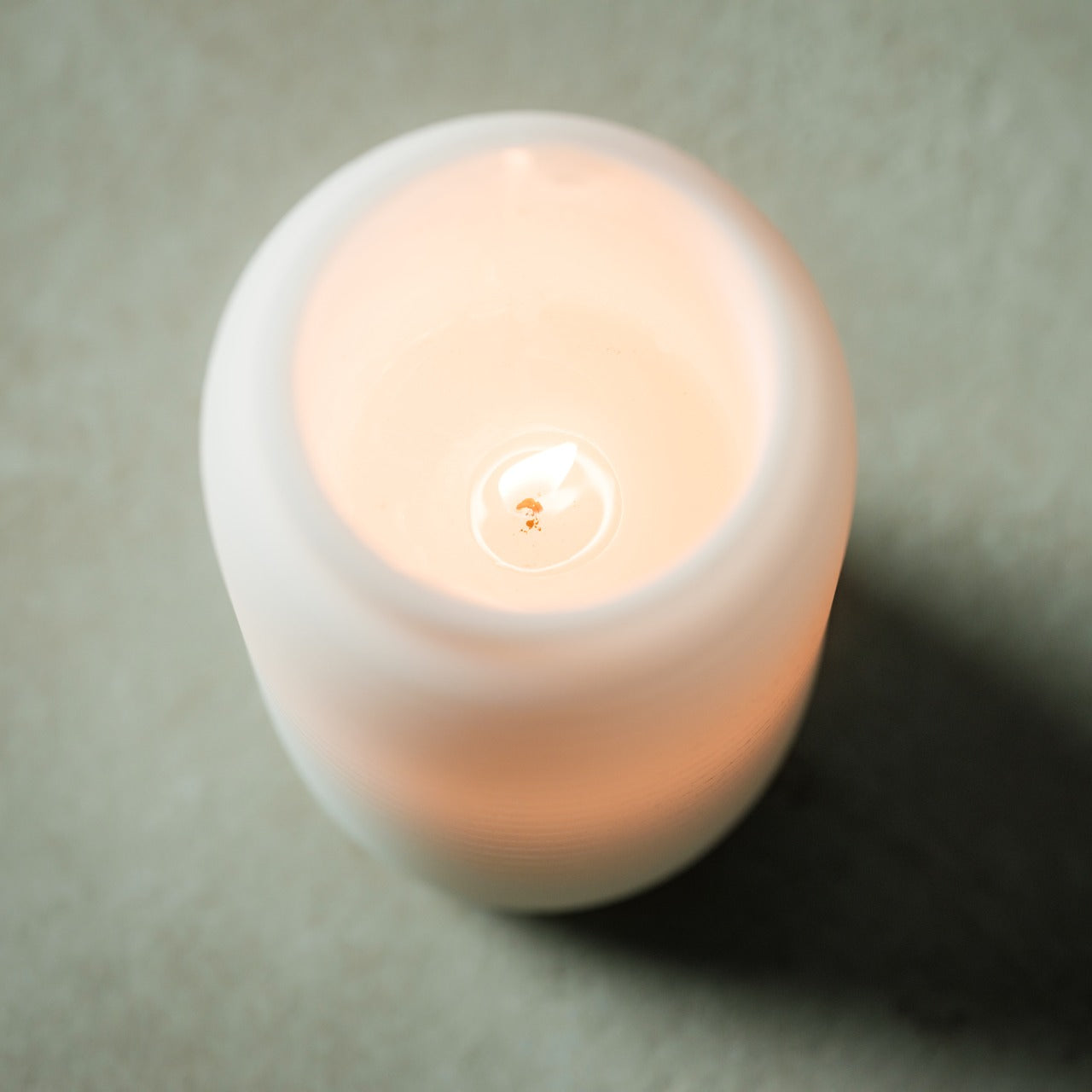
The patented technology behind the outer shell is what makes this candle worth understanding. Conventional candles collapse inward as the wax disappears, which means the design and the light disappear with them. Here, the outer layer holds its form throughout the life of the candle. The undulating surface was not designed purely for aesthetics, though it earns its place on that front as well. As the inner flame burns lower, the light catches and bends through the curves of the shell in a way that shifts with the burn, giving the candle a different quality of light at the end of its life than at the beginning. It is a slow reveal rather than a slow fade.

Kurashiki is a city in Okayama Prefecture with a long history of textile craft and traditional artisanship. The candles made there carry that lineage in the way they are finished. Each one is handmade, which means no two are entirely identical, and the minimalist exterior reflects a restrained design philosophy that integrates into most interior spaces without demanding attention. It works on a bedside table, a bathroom shelf, or the center of a dining surface. The intention behind it, a calming ritual to mark the end of the day, is built into the form itself. You do not need to think about how to use it. You simply light it.


There is a particular kind of object that earns a permanent place in a room not because it demands to be noticed but because the room feels different without it. The Japanese Lantern Candle belongs to that category. It does not perform. It simply holds the light in a way that slows the room down, which is the point of the chouchin tradition it draws from, and the point of any ritual worth building around the end of a day.
If the candles currently on your shelf burn flat and leave nothing behind, this is the straightforward upgrade. At $70.00, it is the cost of something made by hand, in one place, for one purpose. Pick it up before the remaining stock is gone.


The post This $70 Japanese Candle Burns From the Inside Out & Lights a Room Better Than Anything Else on Your Shelf first appeared on Yanko Design.
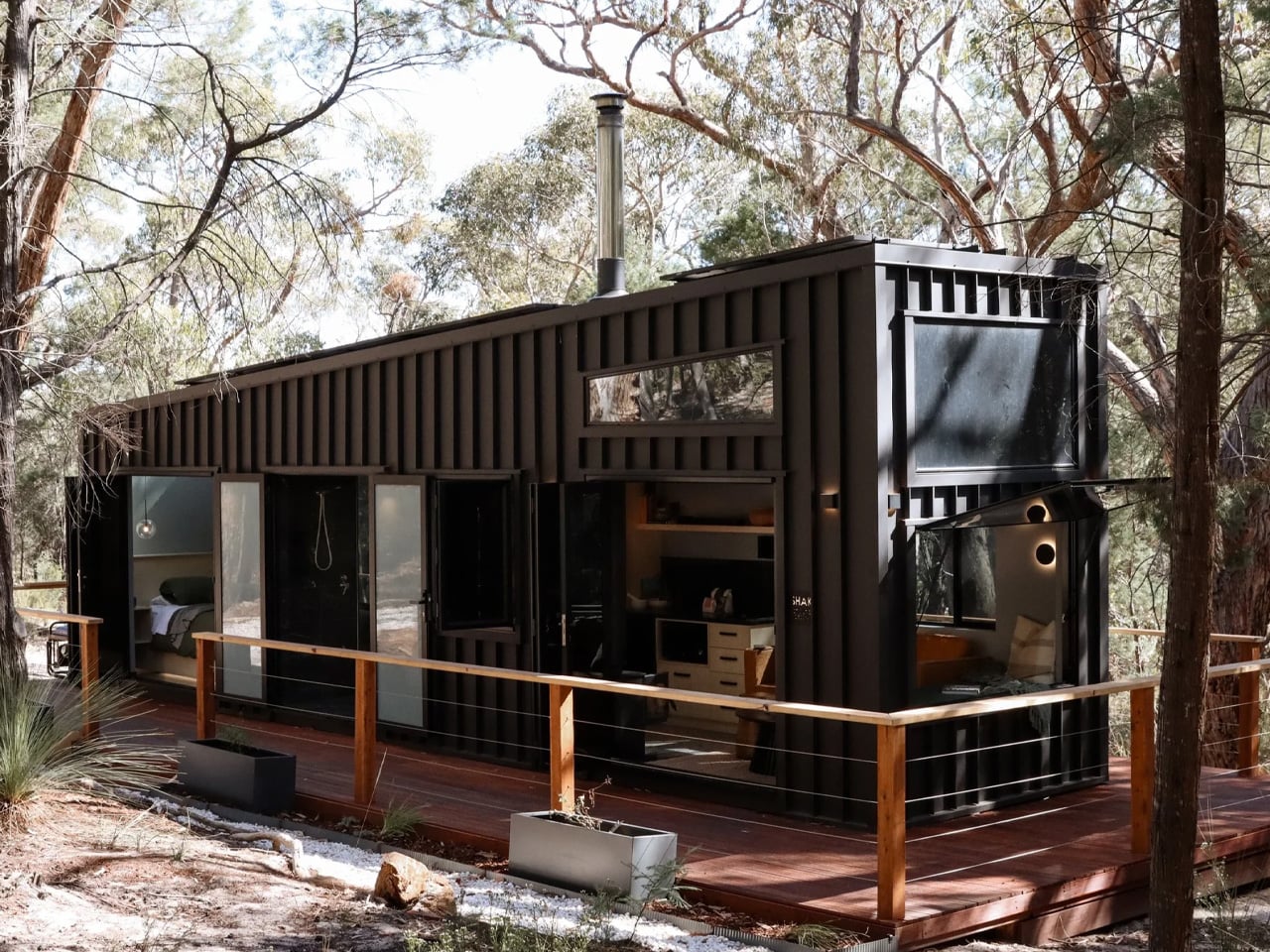
There are tiny homes, and then there is the SHAK. Built by Gold Coast-based Removed Tiny Homes as a bespoke one-off commission, it won “Best Weekender” at the 2025 Tiny House Industry Awards — and once you see it, the reason is immediately obvious. Tucked into the Grampians of Victoria, Australia, it reads less like a transportable dwelling and more like a piece of architecture that grew out of the landscape itself.
The exterior sets the tone. Dark vertical cladding, an angular stepped roofline, and a wraparound timber deck give SHAK a sculptural presence that most permanent homes never achieve. It runs completely off-grid, fully self-sufficient with no power line in sight, and that sense of self-reliance is woven into every design decision inside it.
Designer: Removed Tiny Homes


The living space is compact but deliberate. A tan leather sofa and a built-in green velvet window seat sit beneath stacked picture and clerestory windows that frame the surrounding gum trees like a moving painting. A sculptural brass pendant and floating timber shelves warm the dark interior palette, turning what could feel confined into something genuinely calm. It is the kind of room you settle into, not just pass through.
The kitchen is where SHAK makes its most memorable statement. Dark stone benchtops, timber cabinetry, a black herringbone-tile splashback, and brass tapware already read as high-end — but the detail that everyone remembers is the wine on tap, plumbed straight to the bench. A black wood-burning fireplace anchors the living end and keeps the retreat warm without a single grid connection. A timber barn door slides closed to separate the bedroom beyond, and the whole space feels more like a carefully styled bar than a tiny-house galley.


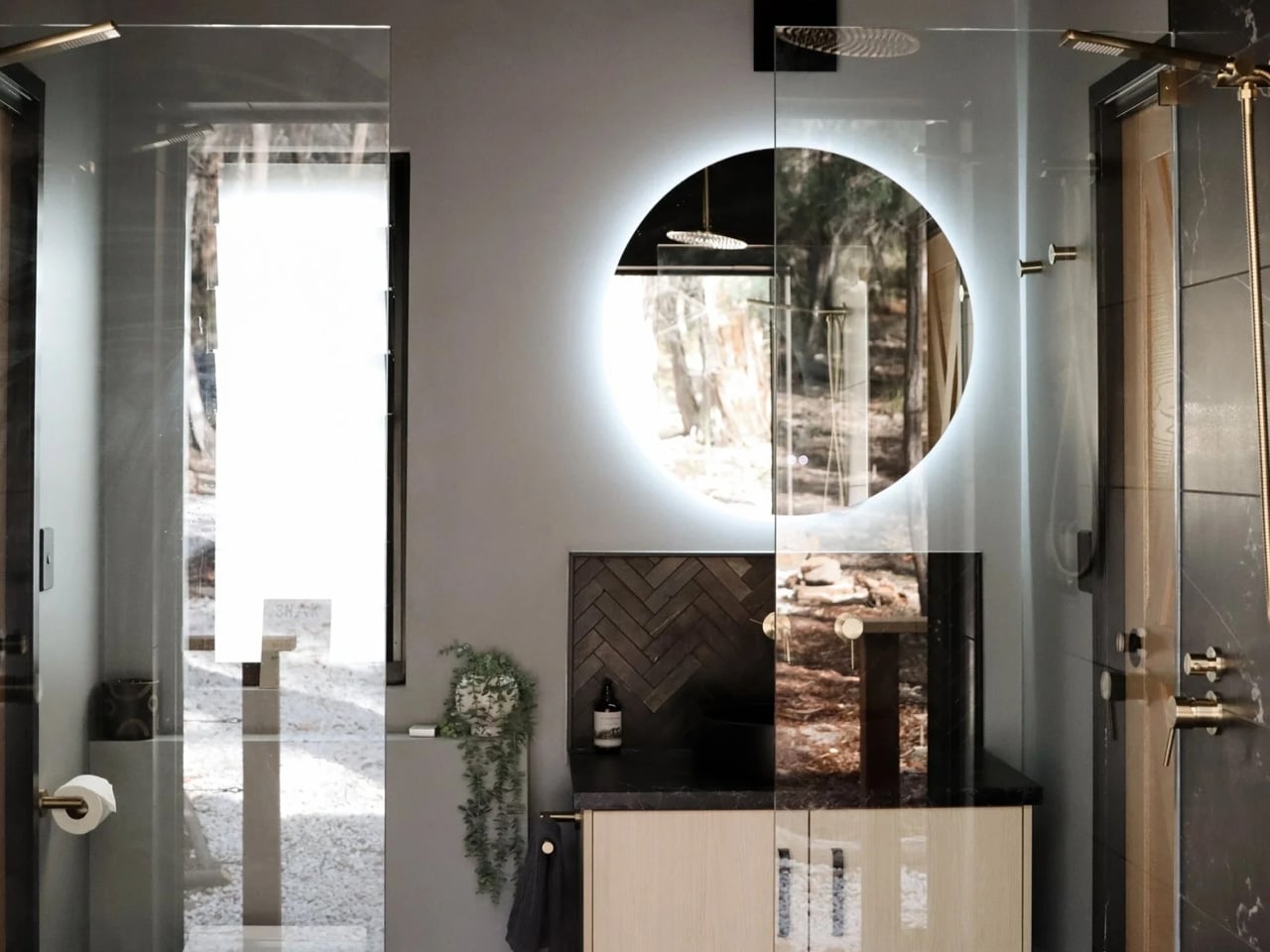
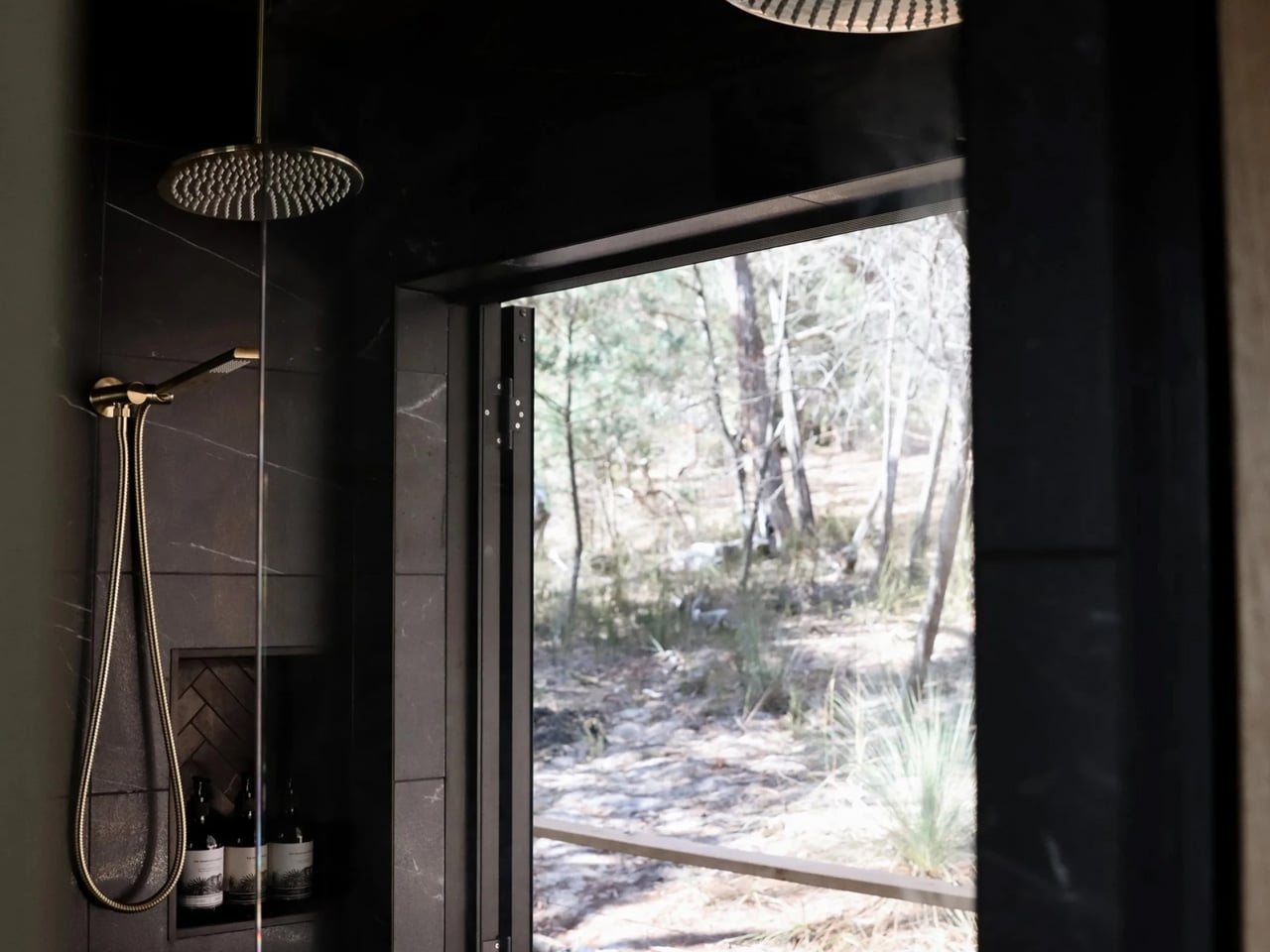
The bathroom earns its own category. Two brass rainfall heads hang from a timber-lined ceiling over a dark marble-tiled double shower. A full-height glass door swings open directly onto the bush, turning a morning shower into an open-air ritual with nothing but trees in view. The round backlit mirror, the vessel basin, the dark stone vanity top — it is spa-grade specification in a footprint most architects would dismiss as impossible.
Behind the bathroom, the bedroom keeps the mood: a queen bed dressed in olive-green linen beneath a timber-slat ceiling and a large skylight that pours daylight across the room throughout the day. Removed describes SHAK as “a showcase of what’s possible when you design for experience, not just square metreage.” That framing is exactly right. SHAK does not feel like a compromise. It feels like a choice.
The post This Tiny Home Is a Wine-On-Tap, Off-Grid Luxury Retreat in the Australian Bush first appeared on Yanko Design.