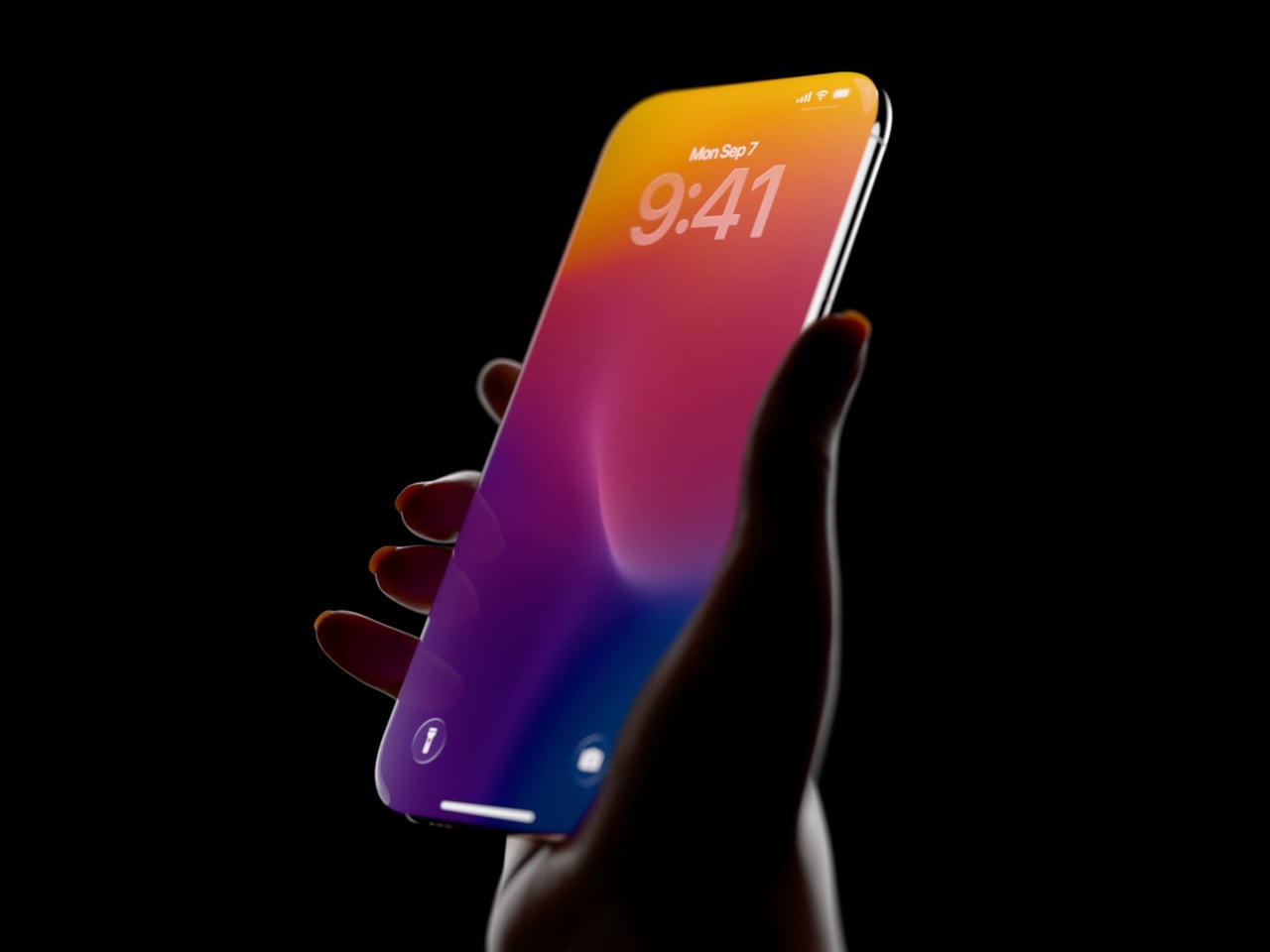
OPPO Reno 12 Pro Review: Making AI Affordable in a Stylish Design

PROS:


  • Elegant and stylish design, especially the Nebula Silver color

  • Supports a micro SD card for external storage

  • 50MP autofocus front camera can do 4K UHD videos

CONS:


  • Processor is a downgrade compared to Chinese model

  • No wireless charging

  • Glossy bottom plate is a smudge magnet (Space Brown, Sunset Gold)

RATINGS:

AESTHETICS
ERGONOMICS
PERFORMANCE
SUSTAINABILITY / REPAIRABILITY
VALUE FOR MONEY

EDITOR'S QUOTE:

The OPPO Reno 12 Pro delivers powerful AI experiences packed in a beautiful and soothing design.

AI is the buzzword in the tech industry, with mainstream media picking up on it and sometimes not in a good way. All the benefits that the technology brings, however, are for naught if only a select few can afford to use it. AI on smartphones promises quality-of-life improvements and exciting creative features, but only if you have the latest and greatest models with powerful specs and matching high prices. Fortunately, AI on mobile is such a hot topic that manufacturers are bringing those features to almost any new device. That’s pretty much the premise of the OPPO Reno 12 Pro, specifically the global edition that the brand just launched, one of the first few to advertise these AI benefits on what some would consider a mid-range model. But is it a potent combination or is the experience hampered by the Reno 12 Pro’s hardware? We take the phone for a spin to bring you the answers.

Designer: OPPO

Aesthetics

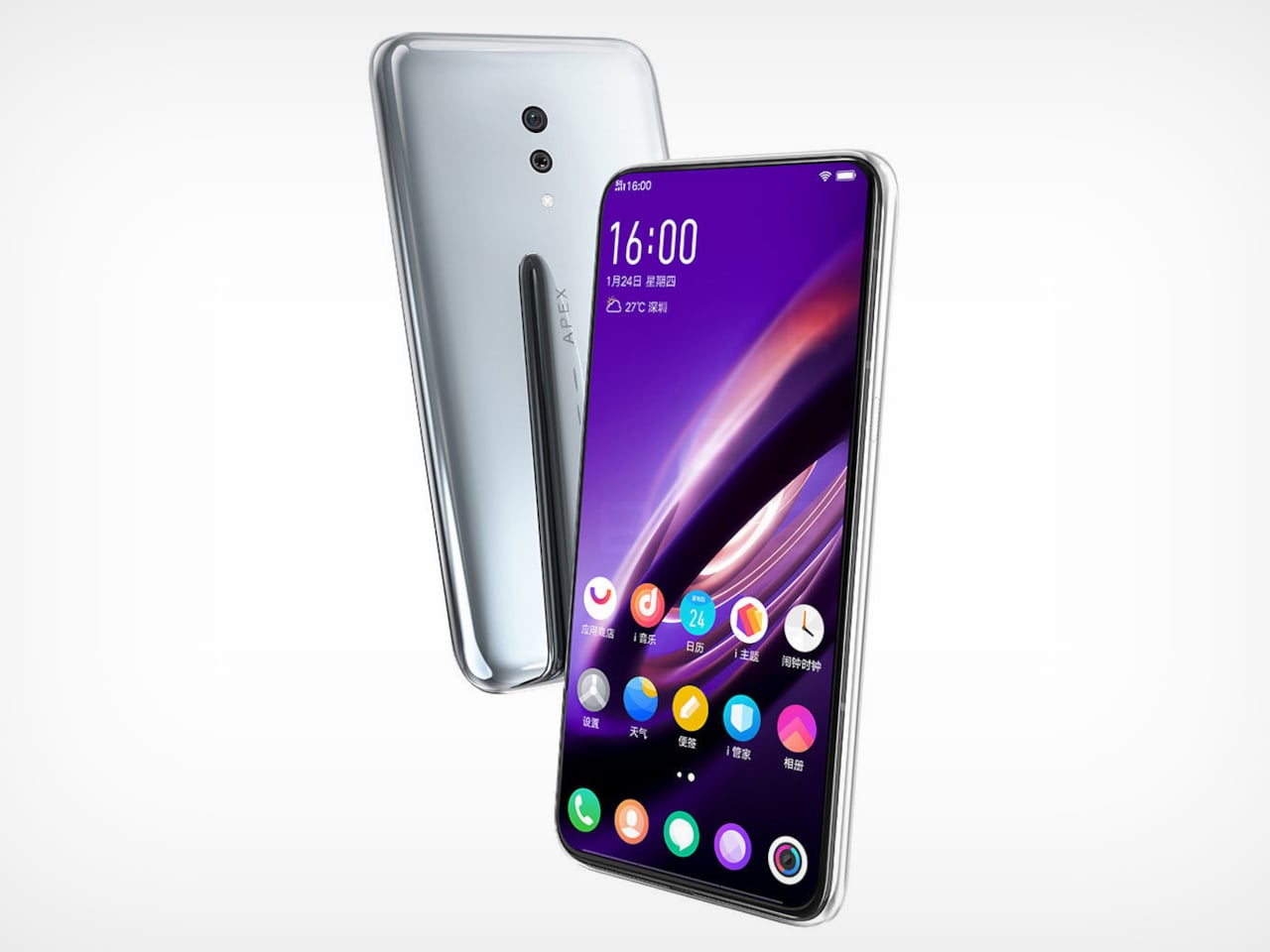
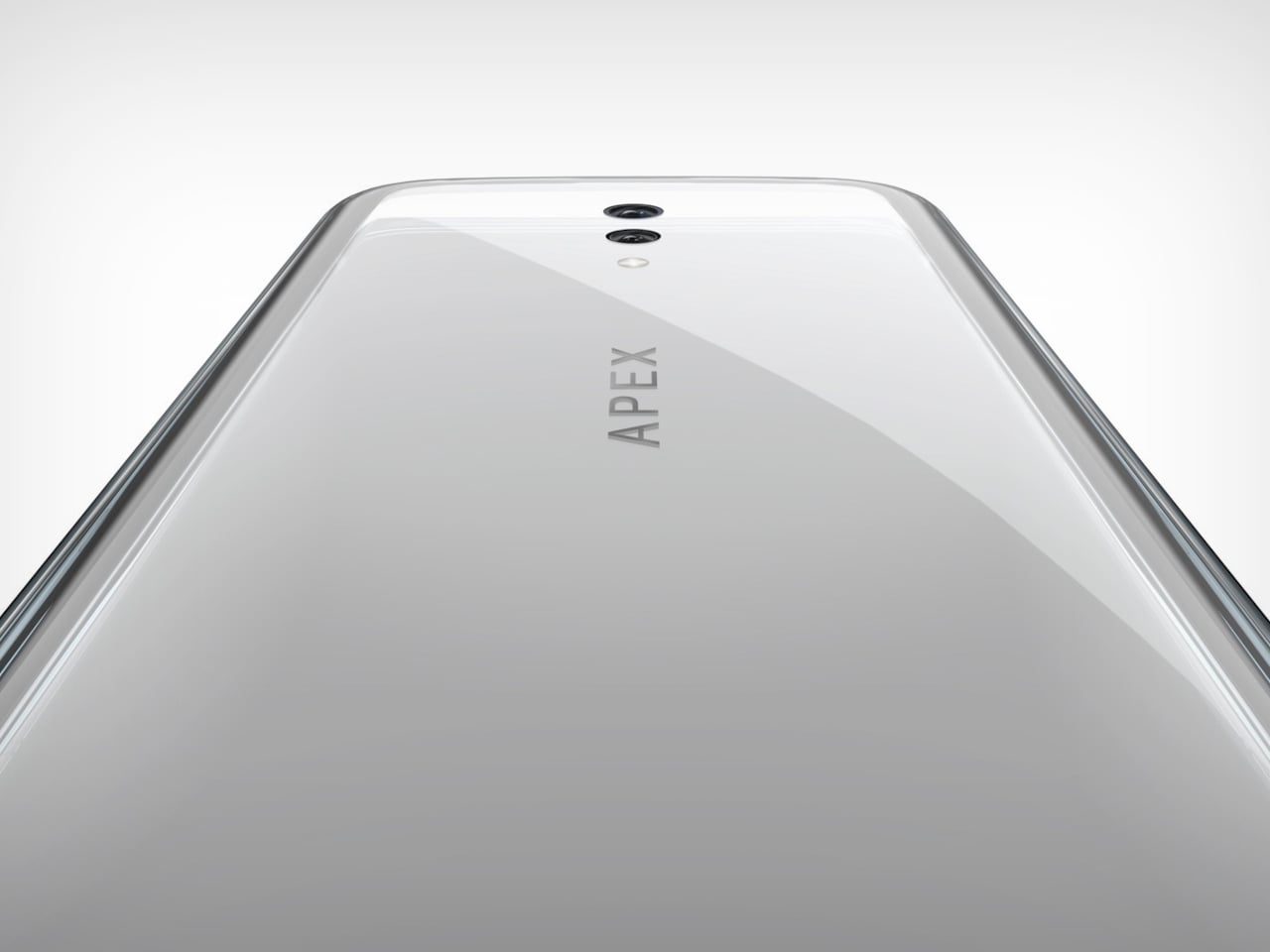
Companies avoid using the label “mid-range” or “mid-tier” for good reason. They often come with the connotation of lacking quality and appeal, which is definitely not something that can be said for the Reno 12 Pro. Right off the bat, you’ll be surprised by how enchanting the phone is, especially the Nebula Silver colorway we received for this review. OPPO utilizes what it calls Fluid Ripple Texture that gives the phone’s back a 3D visual effect of liquid gently moving underneath the glass. It even has something like a parallax effect that gives the illusion that there’s truly some solid mass despite having a completely flat surface. The play of light, shadow, and colors has a mesmerizing effect that gives the phone a more stylish and elegant air.

The other two color options, Sunset Gold and Space Brown, are no less attractive but have a different approach. They use a two-tone design that combines a matte section and a smaller glossy area separated by a chic metal-like ribbon running across the width of the phone. It’s a familiar composition, only arranged upside-down, giving the Reno 12 Pro a distinctive look. Unfortunately, this design has one rather critical flaw, the glossy part will always be where your palm rests, which means it will always have oils and smudges whenever you hold it.

The phone’s flat edges give it a modern look and its reflective surface gives the impression of a metallic nature. It is, however, a sleight of hand, given how the material is actually a new proprietary alloy that OPPO promises has the same durability but with less weight. All in all, the OPPO Reno 12 Pro definitely has a striking presence that’s almost on par with more expensive flagships.

Ergonomics

Given the phone’s large size, it’s almost shocking that the OPPO Reno 12 Pro weighs only 180g. Part of that is probably thanks to the absence of “real” metal in the frame, utilizing OPPO’s High-Strength Alloy Framework instead. On the one hand, this gives the phone a lightweight body that lessens the strain on your hand. On the other hand, no pun intended, it sometimes makes the phone feel a bit flimsy, lacking the substance you’d find on premium handsets.

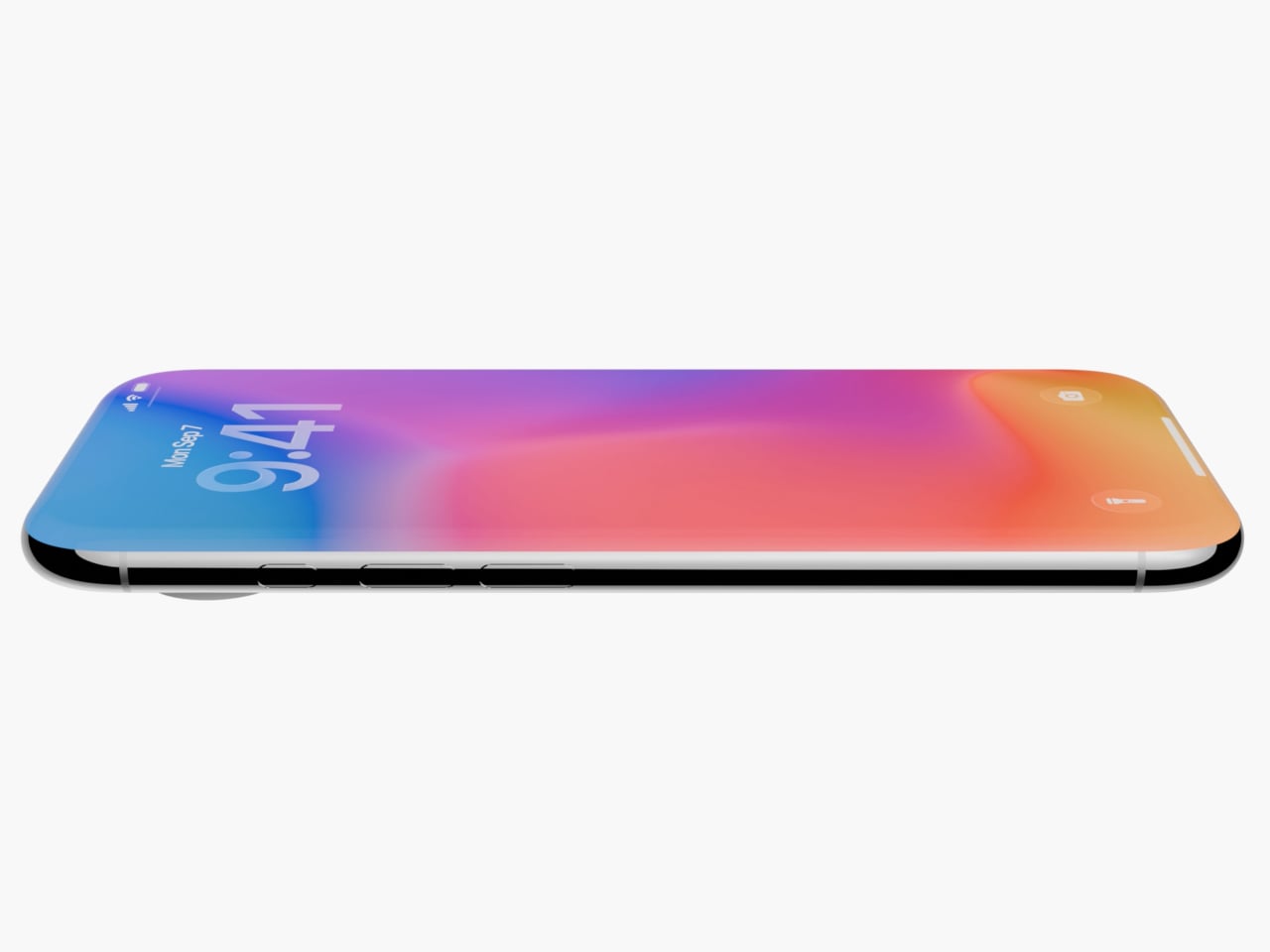
Smartphone designs these days either go for flat edges or the more traditional curved screens, but the OPPO Reno 12 Pro finds a rather curious middle ground. Its sides are quite flat, but the screen isn’t exactly the same. It has a very minimal curvature not only on the left and right sides but also top and bottom but never goes over the edges. OPPO says this design delivers that same immersive viewing experience without the accidental touches that curved screens are notorious for. Along with more rounded corners, this design offers comfort and confidence in your grip, making for a more pleasurable smartphone experience.

Performance

The OPPO Reno 12 Pro isn’t exactly new but it is only now making its way to global markets. That journey, however, seems to have taken a toll on the handset, and OPPO decided to use a custom MediaTek Dimensity 7300-Energy. This variant of the processor is geared towards more efficient battery use, but it’s still based on a rather mid-range silicon line. Fortunately, the phone still performs admirably, especially with 12GB of RAM, though you might see some stuttering or dropped frames in more intensive games. In exchange, however, OPPO gives the Reno 12 Pro a feature that’s all but gone from smartphones these days: a microSD card slot sharing space with the second SIM card slot.

Like any other smartphone these days, OPPO takes great pride in the Reno 12 Pro’s imaging system, and for good reason. It boasts two 50MP sensors, one for the main wide shooter and another for telephoto. These high-performance cameras produce impressive images, even on overcast days, bringing rich detail and accurate colors to every shot. These two cameras also work together to deliver beautiful bokeh effects in portrait mode, creating an accurate separation of foreground and background and giving the latter a pleasant blur. Sadly, the 8MP ultra-wide camera barely holds a candle to these two, but it thankfully still gets the basics right. Even more impressive, however, is the 50MP front-facing camera that not only has autofocus but can even take videos in 4K UHD quality.

Given that the main selling point of this generation of the Reno family is AI, we definitely have to say a few words about it. At the time of this writing, the rollout of some of the features is still ongoing or scheduled, but the complete set is definitely something worth waiting for. You have a combination of generative AI features across the board, from intelligently handling the performance of the phone to tweaking your photos to match a certain appearance with the AI Studio. Leveraging the power of Google Gemini, The Reno 12 Pro features an AI sidebar that can analyze the content displayed on the screen and offer relevant tools for it. It can, for example, summarize a long article into a few bullet points, recommend a text to post on social media, or even speak out the contents of a website. This is just the tip of the iceberg for the AI features that OPPO is bringing to everyone who can afford it, and the Reno 12 Pro’s price point makes sure of that.

Sustainability

While OPPO has had strong advocacy for the use of sustainable processes and materials on its phones, it’s not easy to see that on the OPPO Reno 12 Pro, at least not directly. It doesn’t mention any use of recycled materials, for one, and its new alloy material is unsurprisingly a big secret. It wouldn’t be surprising, however, if it had a considerable amount of plastic in the mix, which would be on par with most mid-range phones.

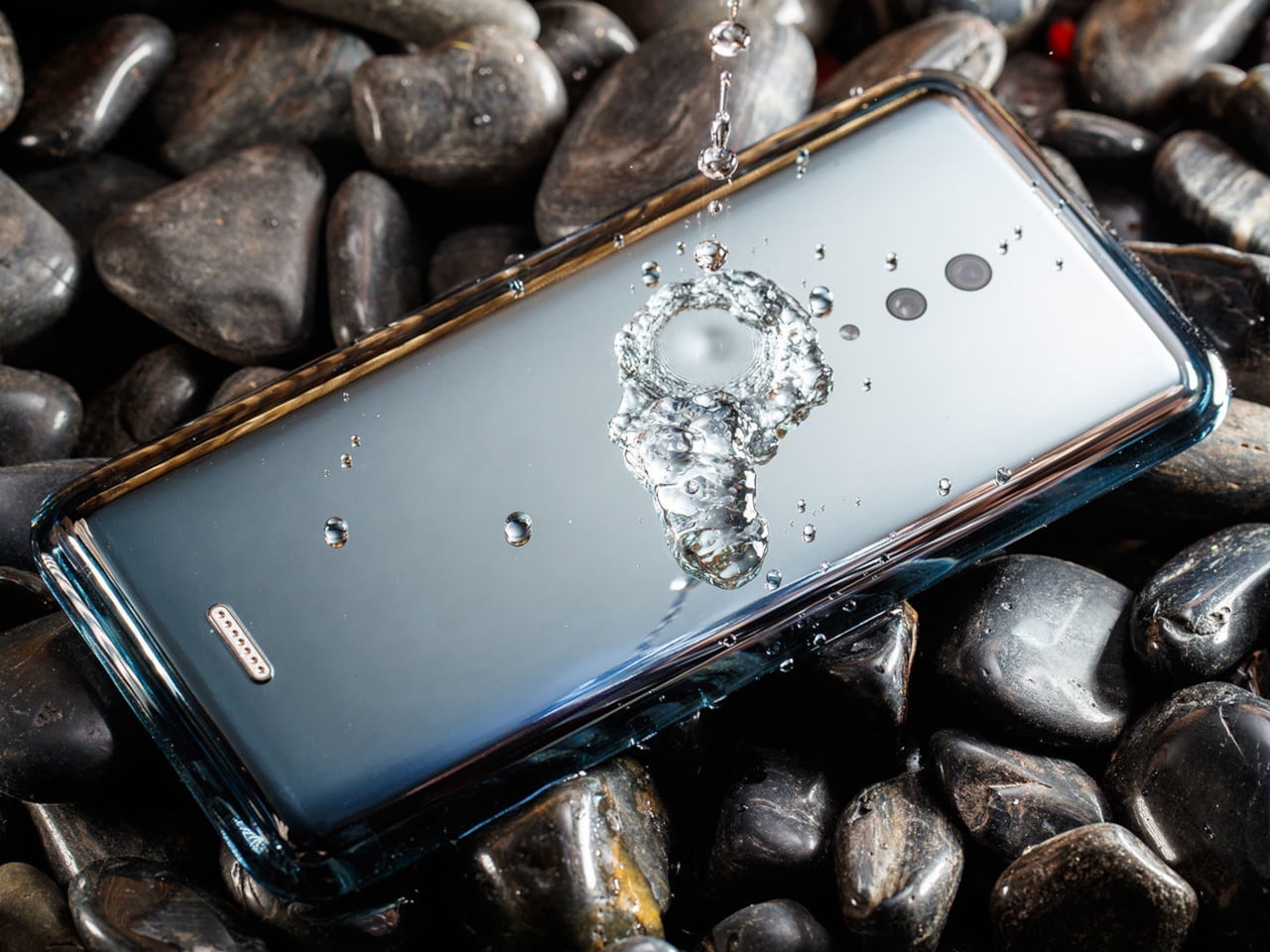
Instead, the company focuses more on the durability and longevity of its design, ensuring that the phone won’t meet an untimely end that quickly. It uses the latest Corning Gorilla Glass Victus 2 protection for the screen and boasts an IP65 dust and water resistance rating. Curiously, OPPO also talks about a biomimetic cushion for internal parts inspired by the structure of a sponge, further protecting sensitive components from bumps and falls. That said, only a proper teardown will reveal the true nature of that new protective layer.

Value

The OPPO Reno 12 Pro is quite a looker and it boasts plenty of AI features you’d only hear about on premium flagships. At the same time, it delivers a decent performance, especially for one that has the marks of a mid-tier market smartphone. The question, however, is whether all of these are worth the price OPPO is asking for.

To be fair, it isn’t asking for much, depending on the market. The Pro model goes for 599 EUR, roughly $650, which is far below the latest high-end offerings. That said, it isn’t the only player in this particular field, and OPPO is even up against the venerable Google Pixel 8a. The question then becomes one of availability as well as preferences, especially when it comes to the custom OPPO ColorOS Android experience. At the moment, though, the Reno 12 Pro is one of the few mid-range phones to offer such a variety of AI-powered features, but that number will only grow in the months ahead, giving OPPO plenty of competition in this space.

Verdict

There’s no escaping AI, at least for now, and it isn’t just in powerful PCs or the Web. Smartphones are the next arena for AI, whether you like it or not, but only if it’s something that more people can obtain and, more importantly, enjoy. Phone and chip manufacturers are naturally more interested in flexing their muscles to showcase powerful hardware to support advanced AI processes, but these won’t land in most people’s hands that easily.

The OPPO Reno 12 Pro represents a new breed of smartphones that is making AI more accessible to the masses with more wallet-friendly options. But it isn’t just its AI prowess that sets this phone apart. Its striking design is definitely a head-turner, and its promise of durability increases trust not only in the phone but also in OPPO’s brand. It definitely has some tough competition ahead, but at least for now, it is leading the pack with its combination of power, gracefulness, and, more importantly, price.

The post OPPO Reno 12 Pro Review: Making AI Affordable in a Stylish Design first appeared on Yanko Design.

Are Smartwatches Becoming Obsolete? A Look at AI and Smart Rings

Many of the devices that exist today were, at some point in time, inspired by science fiction, from personal computers to smartphones to tablets. Smartwatches, in particular, may have partly been imagined after seeing wrist-worn communication devices in some sci-fi shows and flicks. Of course, today’s smartwatches are more practical and less sensational, even as they demonstrate the marvels of technology squeezed in such a small space. But smartwatches aren’t the booming business that manufacturers hoped they would be, at least not compared to smartwatches, and every year brings doubts about this product category’s future. This year is no different, especially with new technologies like smart rings and especially AI trying to take center stage, even when it comes to health and fitness.

Designer: Apple

What Are Smartwatches For?

Defining smartwatches has never been easy. Simply saying that they are watches that can mirror notifications from your phone and track your activity is both a disservice and an oversimplification. Given all that they can do these days, seeing them as miniature smartphones on your wrist isn’t exactly inaccurate, though the user experience is significantly limited due to the small screen and feeble hardware. In fact, the very first batch of smartwatches from smartphone makers pretty much tried to sell that image with little success.

Designer: Google

It wasn’t until the Apple Watch and anecdotes of its life-saving features that this wearable really defined its identity in the market. It was, for all intents and purposes, a wearable health tracker masquerading as a timepiece. And depending on the brand and style of the smartwatch, it may or may not pass for a luxury watch, at least from a distance. It basically pushed fitness trackers out of the scene, with more advanced sensors, a more flexible user experience, and connectivity to a smartphone. Over time, however, people and even companies have also started to wonder why they still have a smartwatch, especially with upcoming technologies and designs that offer more choices especially when it comes to aesthetics and style.

True Wearables

Smartwatches are perhaps the world’s first taste of wearable technologies, but that’s hardly the only incarnation possible. Ideally, true wearables will be something you can, well, wear, including clothing, footwear, and especially jewelry. These weren’t possible years ago, but technology and manufacturing are thankfully catching up and, soon, people won’t have to ditch their heirloom mechanical watches just because they want to monitor their health 24/7.

Smart rings, for example, try to offer at least the basics of activity tracking and health monitoring but in a more discreet form that doesn’t get in the way, at least if you’re used to wearing rings all day. A ring would let you wear your favorite timepiece, or wear a different watch for any occasion, all without losing those important health stats. There are also attempts at developing other kinds of smart jewelry that also have health sensors or apparel that let you control your phone or other devices. These are wearables in the truest sense of the term, and they won’t be just science fiction soon.

AI Craze

Another trend gripping the tech industry as a whole is also putting the usefulness of smartwatches into question. AI can be found anywhere these days, from image generators to note-taking apps. Of course, tech companies have long been touting AI-powered services via cloud-based personal assistants, but the trend these days is moving the bulk of the work to the device itself. Smartphones might be powerful enough to support this kind of AI, but smartwatches don’t have that much silicon muscle, at least not without burning through their already meager battery lives.

Designer: Google

It’s actually curious that both Apple and Google have been rather silent about their latest AI features when it comes to their own smartwatches, possibly hinting they won’t be coming any time soon. It’s certainly possible for smartwatches to offload the work to the smartphones they’re connected to, but the latency might be too much to ask as well. It could still be good for the occasional verbal question to AI services, but nothing that actually makes a smartwatch a must-have for this purpose.

Distraction Station

If health monitoring and AI won’t be the exclusive domain of smartwatches, then one must wonder what other unique experiences they offer. Unlike a smart ring or even a fitness tracker, a smartwatch offers more advanced features related to a smartphone, like reading notifications in full, replying to messages, or even viewing some apps in a smaller form. But are these actually advantages or are they merely showing off feats of technology that actually become detrimental to users in the end?

Designer: Samsung

Smartphones are notorious for being sources of distractions, which is why there is a counter-movement of phones espousing minimalism or devices with distraction-free experiences. You can, of course, select only the notifications you really need to see on your wrist, but even smartphones have that same function anyway. In reality, smartwatches make it too easy to be distracted by those notifications without even pulling out your phone, and you spend more time looking at your smartwatch than you would a regular watch. Funnily enough, the people around you wouldn’t even have a clue that you’re wearing a smartwatch and would simply presume you’re being impatient.

Fringe Benefits

That said, there are definitely things that only a smartwatch can offer, at least for now. Smart rings, due to their size, can only offer a small selection of sensors to monitor your health. For more advanced biometrics, you’ll need a larger device to wear, like a smartwatch or a fitness band. There are also still some discussions on whether a ring or a watch is more accurate, though both naturally pale in comparison to medical equipment.

Designer: Apple

Unlike a fitness band, a smartwatch also offers more flexibility when it comes to aesthetics. After all, it can masquerade as a traditional watch given the right band and watch face. More active people might also want a fuller activity-tracking experience without having to wear a watch and a fitness tracker at the same time, and a smartwatch definitely bridges the gap between the two.

Final Thoughts: Smartwatches Today and Tomorrow

Just when the smartwatch market seems to have secured its footing, its future comes into question once again. Luxury brands that once tried to portray smartwatches as fashionable accessories have now pulled back from the market, leaving only tech companies to do the heavy lifting. Some of these tech companies, however, are looking into smart rings as well, and their AI endeavors don’t seem to have a place on smartwatches either. Smartwatches aren’t going to disappear immediately, and they might finally be able to have enough processing power and battery capacity to support even the most basic on-device AI features, but it might be time to again rethink what role smartwatches play in our modern world.

The post Are Smartwatches Becoming Obsolete? A Look at AI and Smart Rings first appeared on Yanko Design.

Beeper-inspired power bank concept mixes vintage design with modern tech

You can easily determine the historical setting of a TV show or piece of fiction by the technologies used in it. The presence of beepers, for example, puts the timeline in the 90s, though some modern hospitals still use this limited and straightforward communication gadget because of their simplicity. Of course, today’s messaging culture leaves very little room for a pager and some younger people might not even know what it is. To keep that nostalgic design alive and give it a more contemporary function, this concept design wraps a power bank in a beeper aesthetic while also giving it one fun feature reminiscent of its original purpose.

Designer: PTPC

The beeper or pager was a small black box that would show a message as a single line of scrolling text. The very first cell phones capable of SMS inherited this trait until they got screens capable of displaying multiple lines at once. It might seem archaic by today’s standards, but it also enforced a certain simplicity and terseness to the messages sent. You only sent important messages and got straight to the point without dropping vowels or letters.

This portable battery concept embraces the retro aesthetic of a beeper but also puts a few modern twists, like using a translucent shell or adopting colors other than black and gray. It still inherits the simplistic interface of a pager, however, with very few buttons and ports. Despite the minimalism, the concept boasts of a 10,000 mAh battery that’s more than enough power to juice up phones or even tablets.

The beeper power bank does have a two-line monochrome display with a font similar to that of those old-school gadgets. While it does show battery information as you might expect, it does also have a secondary function. It can show messages sent from phones via Bluetooth, mimicking the duty of the original device. You still have a limited viewing space, but you can at least now use emojis and special characters more easily, allowing you to express your message more effectively with fewer letters.

That messaging feature is, of course, just a whimsical add-on that isn’t critical to the product’s charging function. It is, however, also a fun addition, one that would make such a design more memorable and appealing, especially to a younger generation who might not even know what a beeper is.

The post Beeper-inspired power bank concept mixes vintage design with modern tech first appeared on Yanko Design.

Distraction-free digital typewriter carries a playful and whimsical character

Smartphones and tablets today are extremely powerful devices, allowing us to do almost anything and everything, including writing a novel. Of course, that will require more than the on-screen keyboard, but an external keyboard, even a mechanical one, isn’t always enough for a good writing experience. These mobile computers, powerful as they are, also tend to bombard writers with notifications and temptations, distracting them from the sometimes fragile flow of thought and words. Digital and smart typewriters offer a better solution, but their dry and clinical designs aren’t exactly inspiring to look at. Enter the Micro Journal, a writing device designed not just to make writing convenient but also enjoyable.

Designer: Un Kyu Lee

Digital typewriters, sometimes called smart typewriters, are the evolution of electronic typewriters. They’re more portable than these, offering the benefits of modern technologies and design, but are also single-purpose appliances compared to tablet computers. You turn them on, type on them, and turn them off again when you need to go. Everything is saved on local storage or a memory card and they don’t have any other function like connecting to the Internet or running apps.

Many such devices sport minimalist designs to avoid unnecessary visual distractions, but these designs also tend to feel uninspiring, which can actually influence the mind subconsciously. Some writers will want their tools to reflect their own creativity, and the Micro Journal’s design tries to add some style and flourish to the product to the point that it almost looks more like a toy with its pastel blue body and yellow display bezel. That tiny display also sits above the keyboard at a slight angle, offering a slightly more comfortable typing experience even if you have it on top of your legs instead of on a table.

Of course, the Micro Journal isn’t all looks and actually delivers that fun typing experience through hot-swappable Cherry MX switches. Many writers and programmers swear by this type of mechanical keyboard, and you can customize it to the layout that you want. Using the writing device is as simple as turning it on, though it also offers some advanced connectivity features, unlike other distraction-free typewriters. In particular, it allows you to sync your work with Google Drive, but it’s purely an optional feature, not a necessity.

Another difference between this product and others in the market is that, while it’s available as a finished device, you can also buy the Micro Journal as a kit that you can assemble yourself. This offers a greater level of flexibility and customization, especially if you’re the type to tinker with your tools before you use them. Either way, you get a writing partner that doesn’t nag you with incessant notifications, tempt you away from your train of thought, or make you feel embarrassed to use it in public.

The post Distraction-free digital typewriter carries a playful and whimsical character first appeared on Yanko Design.

Motorola Razr+ 2024 foldable phone upgrades might be invisible to the naked eye

After a short lull, we are entering the second half of this year’s batch of smartphones, most of which will be focused on foldable designs. While Samsung naturally grabs the spotlight, it’s hardly the only game in town. Motorola will try to beat Samsung to the punch next week when it reveals the latest iteration of the spiritual successor to its iconic RAZR clamshell, a foldable phone that some might even consider to have a better design. It seems, however, that expectations need to be tempered a little, as the 2024 Razr+, or the Razr 50 Ultra in other markets, might not carry any visible mark of being a new model, as the improvements will mostly be internal and invisible, at least based on this latest leak.

Designer: Motorola (va @MysteryLupin)

To give credit where credit is due, Motorola has always taken the bolder stance when it came to the design of its clamshell foldable. It was the first to use a large second screen on its back, and it’s now the only one that has a Cover Display that, well, covers the entire surface of the phone’s upper back. There will always be debates on whether having two holes on that screen for the cameras is better or worse than the tab-like cutout on the Galaxy Z Flip, but there’s little argument that it opens the door to more functionality, including displaying the same app on the outside that runs inside.

This signature feature of the Motorola Razr+ line isn’t going to change this year apparently, not even to slightly increase the screen size (the base Motorola Razr/Motorola 50, however, is getting the full-screen treatment this year). In fact, you might not be able to distinguish the 2023 and 2024 models just by looking at them. Of course, there will be upgrades, but most of them are the invisible features of the phone, and we’re not talking just about specs.

For example, this year’s Motorola foldable will bump up the water protection, though worryingly at the cost of dust protection. According to a leaked promotional video, the Motorola Razr+ (2024) will have an IPX8 rating that’s more in line with what Samsung offers. That means it will survive an accidental dip in a pool or sink, but there’s no guarantee it will be protected from dust or smaller particles. Unfortunately, some might argue that the latter is actually more fatal to foldable phones and their hinges than water damage.

There’s also an indication that one of the cameras will finally have a telephoto lens, but the number of cameras won’t be increasing by one either. That suggests that Motorola will either ditch the regular “wide” camera or the ultra-wide shooter, though the latter is probably more likely. Again, it trades one feature for another, and hopefully, the benefits will far outweigh the sacrifices for Motorola’s customers. The Motorola Razr+ or Razr 50 is expected to debut next week.

The post Motorola Razr+ 2024 foldable phone upgrades might be invisible to the naked eye first appeared on Yanko Design.

3D printed ceramic cooling tower takes inspiration from termite mounds

They say everything in nature has a purpose for existing, even if their existence is a nuisance to us humans. Scavengers, for example, are nature’s janitors and recyclers, putting dead things to good use. Even termites, whose presence is often a death sentence for homes and structures, are important to the ecosystem, and they can apparently serve as artful inspiration as well. Maybe not the termites themselves but the complex tunnels they create inside their mounds. These patterns are actually meant to facilitate airflow, which makes it the perfect reference for a man-made cooling solution that brings natural design and technology together to create a more sustainable solution to hot temperatures.

Designer: Rameshwari Jonnalagedda

There has been some interest in alternative cooling solutions, especially those that don’t consume too much electricity or none at all. Traditional techniques, particularly evaporative cooling that makes use of clay pots or pipes, have gained a lot of traction, especially because they can become decorative pieces inside modern homes. That said, the old methods don’t exactly scale well to today’s climate, room sizes, and needs, so designers have to think a bit outside the box to come up with a better solution to fit modern needs.

TerraMound looks to termites for one part of the solution, particularly how their shapes exemplify high surface-area-to-volume ratios, meaning how much surface area there is in a compact space. Surface area is one of two critical elements in an evaporative cooler, and that is made possible by utilizing complex geometric patterns that look like artistic versions of termite mounds. Such a design would be impossible to do en masse by hand, which is where 3D printing comes in and where the project’s uniqueness really shines.

The other critical element to this type of cooling solution is porosity, which is why clay is the preferred material for this kind of cooler. Clay is also not a typical 3D printing material, which is what makes this ceramic cooler design even more special. This method can eventually be extended to large-scale 3D printing technologies, allowing the quick and easy production of facade panels, walls, and other structures that not only look beautiful but can also help improve airflow in buildings.

As a cooler, TerraMound isn’t completely passive, as it has a fan at the bottom to draw air upwards. A planter sits on top as a source of water that trickles down the desktop cooling tower, utilizing the absorbent properties of the terracotta clay to help the evaporation process. It also acts as a distinctive and beautiful piece of table decoration, one that you wouldn’t have guessed was inspired by something we humans consider to be pests.

The post 3D printed ceramic cooling tower takes inspiration from termite mounds first appeared on Yanko Design.

Cheaper Apple Vision Pro might be coming in 2025, second-gen Pro put on hold

When Apple finally launched its mixed reality device, the name it chose naturally raised a few eyebrows. The Vision Pro definitely had all the bells and whistles needed to support the company’s spatial computing vision, pardon the pun, but the “Pro” suggested there might also be some other version in the works or at least planned. It didn’t help that Apple’s headset, like many Apple products, has a rather steep price tag, so it’s only expected that there would be requests for a more affordable non-Pro model. If insider rumors are to be believed, that wish might finally come true next year, though at the expense of a proper successor to the Apple Vision Pro.

Designer: Apple (via The Information)

The Apple Vision Pro is definitely on the more premium end of the spectrum, both in terms of its stylish design as well as its more luxurious materials. While that made for a good first impression, it also made the headset rather hefty, both in actual weight as well as its price. There’s definitely room for improvement, including iterating over the design of the Vision Pro to address flaws and complaints. Unfortunately, that’s not going to happen next year.

According to industry sources, Apple has suspended what would become the Vision Pro 2 by reducing the number of people working on that device and issuing a notice to its suppliers. But rather than being a cause for alarm that the company is scrapping its spatial computing device completely, the reason offers a bit of comfort, figuratively and literally. Apparently, Apple has decided to divert its resources and efforts to develop a more accessible Apple Vision headset that might launch in late 2025.

What would a cheaper Apple Vision device entail, however? It still needs to keep the high-quality optics found in the Vision Pro if Apple wants to deliver an even basic visionOS experience, not to mention all the sensors needed to make the system work. It will have to find other ways to cut down on build costs, like using less premium materials, a simpler design, and less featured hardware. That said, Apple is a stickler for detail and doesn’t do things half-heartedly, so it’s no surprise to hear that it’s actually finding that a bit difficult to pull off.

Apple’s target price is allegedly around the $1,500 mark, more than half that of the Vision Pro. It will definitely need some serious cutting around corners, though carefully at that. As for the Vision Pro 2, that’s still on the table, and might still happen next year as well, provided Apple has resources to spare after prioritizing the Apple Vision.

The post Cheaper Apple Vision Pro might be coming in 2025, second-gen Pro put on hold first appeared on Yanko Design.

Logitech Keys-to-Go 2 portable keyboard hides a few gems in its slim body

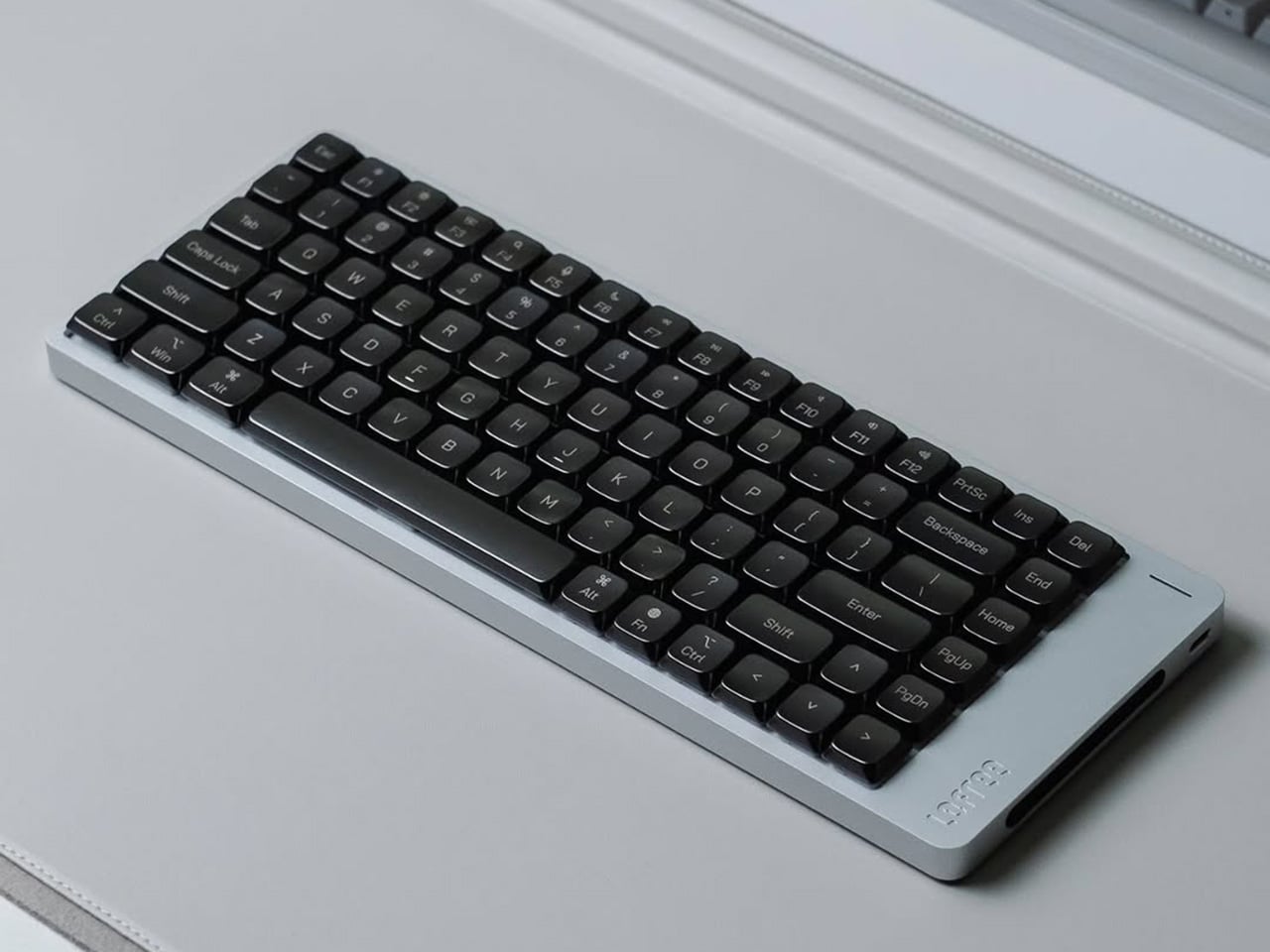
Phones and tablets are made for touch, whether that’s swiping through social media or typing messages. The latter, however, has become more complicated thanks to more powerful devices and more sophisticated activities. Typing up an email, posting on social, or even writing a novel on the go would require not only a keyboard but one that you can bring with you anywhere. Logitech has a wide variety of portable keyboards available, but it seems to have really gone out with its latest design. Combining powerful features, a slim body, and sustainable design, the new Keys-to-Go 2 aims to go where no mobile keyboard has gone before.

Designer: Logitech

There are plenty of portable keyboards in the market today promising comfort and portability, but many of them end up sacrificing one for the other. Foldable keyboards, in particular, are notorious for really being compact when not in use, but their ergonomics and accuracy leave a lot to be desired. Truth be told, it’s not easy to strike a balance between these two seemingly opposing ideals, but the new Logitech Keys-to-Go 2 probably comes close with a few special features to boot. It’s still going to be more cramped than regular desktop keyboards, but its wider body provides a more comfortable spread of keys compared to the first Keys-to-Go.

Unlike most wireless keyboards, the Keys-to-Go 2 comes with a built-in cover to protect the important keys while inside your bag or when exposed to the elements. You flip it all the way to the bottom of the keyboard when you’re about to use it so you don’t have to worry about losing the cover. Unfortunately, it’s a missed opportunity to have the cover also function as a makeshift stand for phones and tablets, so you’ll have to pull out your own stand when working outdoors.

Logitech also takes a stronger sustainability stand with the Keys-to-Go 2, using as much as 36% (Pale Gray, Graphite colors) or 33% (Lilac color) post-consumer recycled plastics for this iteration, while also employing renewable energy when producing the keyboard’s aluminum bracket. Surprisingly, Logitech opted to go with replaceable coin cell batteries rather than the common built-in rechargeable type, promising to keep the keyboard running for up to three years and lower the carbon footprint from repeated charging.

Unlike its predecessor, the Keys-to-Go 2 supports pairing with up to three devices simultaneously, and switching between these three is as easy as pushing a button. Aside from the rare lilac color, the keyboard’s design is pretty typical of Logitech’s style, simple yet also pleasing to look at. At only $79.99, the Logitech Keys-to-Go 2 becomes a very tempting option that almost gets that balance between comfort, convenience, portability, and sustainability just right.

The post Logitech Keys-to-Go 2 portable keyboard hides a few gems in its slim body first appeared on Yanko Design.

XREAL Beam Pro is an Android mobile device for creating and enjoying AR content

The launch of the Apple Vision Pro has made people interested in augmented reality and spatial computing technologies again, but the price tag on that product, not to mention its limited availability, means very few will be able to see what the fuss is all about, pardon the pun. On the other end of the spectrum, headsets like the Meta Quest, primarily designed for VR and the Metaverse, are indeed more accessible but also less comfortable to use, let alone bring along with you anywhere. Fortunately, these aren’t the only options, and AR glasses like the Xreal Air series have been trying to give everyone a taste of AR, regardless of what device they have. To make the experience even easier, XREAL is launching a curious new device that looks like a smartphone and acts almost like a smartphone, except that it’s dedicated to letting you not only consume but even create content in full 3D AR.

Designer: XREAL

AR glasses practically act like second or external monitors to computers and smartphones, relying on an external device for all the computing, content, and even power. The spectacles themselves provide the image projection hardware and sensors that can then be used by that external device to do things like pinning a screen to a specific location or even displaying a wall of windows that follow your head movement. This design simplifies the setup and saves you from having to spend too much on powerful hardware that will be quickly outdated, but it also means the experience isn’t exactly optimized for AR.

The new XREAL Beam Pro solves that problem by offering a device and a user experience tailored specifically for augmented reality, especially around the brand’s line of AR glasses. And it does so in a form that’s all too familiar to everyone these days: an Android phone. The device features a 6.5-inch LCD 2K (2400×1080) touchscreen running a customized version of Android 14 with Google Play support. It’s even powered by a Snapdragon processor with up to 8GB of RAM and 256GB of internal storage, just like a phone. The similarities with a phone, however, end there.

Running on top of Android is XREAL’s NebulaOS, a user interface designed for augmented reality, and it kicks in once you connect an Xreal Air or later models. This software allows you to enjoy “normal” 2D content as if they were made for AR, letting you place two windows side by side, have them stick to their position “in the air” no matter where you turn your head, or have the display follow your head smoothly. Thanks to built-in sensors in the glasses, users can enjoy 3DoF (Xreal Air, Air 2, Air 2 Pro) or 6DoF (Xreal Air 2 Ultra) smooth movement so you don’t have to manually adjust the screen each time.

What all this means is that you can enjoy all your favorite Android games, streaming content, and even Internet activities in an immersive AR environment, anytime anywhere. Even better, the dual 50MP cameras on its back are intentionally spaced far apart to let you create 3D content as well. XREAL has partnered with many cloud service providers to bring as much content to your hands and eyes as possible, including NVIDIA’s CloudXR platform, Amazan Luna and Xbox Cloud Gaming streaming services, and more.

That said, some people might be a bit confused by the XREAL Beam Pro’s phone-like design and Android interface. While it does have Wi-Fi and 5G, it doesn’t seem to support phone features like calls and SMS, especially if it doesn’t have a built-in mic. It’s still a perfectly usable data-only Android handheld, though, even without the XREAL Air glasses, but you’ll be missing out on what makes the device special in that case. Global pre-orders for the XREAL Beam Pro start today with a rather surprising price tag of $199 for the base 6GB RAM/128GB storage model.

The post XREAL Beam Pro is an Android mobile device for creating and enjoying AR content first appeared on Yanko Design.

Biophilic smart humidifier concept also functions as a plant pot

It isn’t just outdoors that air quality can be a problem. The recent years have made us acutely aware that even indoors, the air we breathe isn’t always in its best state. Even disregarding pollutants, the air inside our houses or rooms can be bereft of moisture, leading not only to discomfort but also respiratory issues. That’s why not only air purifiers but also humidifiers have become so popular of late, though most of their designs leave a lot to be desired. Fortunately, there seems to be a wave of creativity washing over this market, producing designs that blend better into living spaces or push the boundaries of what an appliance can do, like this minimalist humidifier concept that also gives a home to nature’s own purifiers: plants.

Designer: NOI Creative Design Studio

There’s a reason why interior designers always recommend placing plants in living areas, and not just because they look good. They have the natural ability to clean the air around us, purifying and releasing just the right amount of moisture. Of course, just a few plants can no longer handle our poor air quality by themselves, and they’ll definitely need a little help to ensure the quality of life of the humans they’re living with. That’s the core concept of the ACQUAIR design, a smart humidifier and air purifier that tries to combine technology and nature in an aesthetic design.

ACQUAIR is actually two products in one, a smart humidifier and a pot for a single-stem plant. These two parts share the same water tank that both nourishes the plant and sprays moisturized mist to meet the required humidity in the air. The latter is determined using sensors, intelligently adjusting the mist depending on the temperature and amount of humidity already present. There’s very little human intervention needed other than refilling the tank once in a while.
With this system, both the plant and the smart appliance can work together to ensure the comfort and health of the people living inside the space. The small plant can utilize its own natural abilities to purify the air while also living on the same water used to humidify the air. It also serves an aesthetic value, displaying a symbol of life and health in a simple yet elegant pot. Unfortunately, the concept doesn’t go deep enough to detail the device’s features for helping keep the plant alive beyond just water. It definitely has room for improvement, like utilizing sensors to also monitor the health of the plant itself.

The post Biophilic smart humidifier concept also functions as a plant pot first appeared on Yanko Design.