Meditation device concept hides earbuds inside to help shut off external noise

When I want to shut out the outside world and just focus, I put on a pair of noise-cancelling earphones. Sometimes I also want to meditate and since I live in an area where outside noise is constant, earphones and headphones are pretty helpful. What if you actually have a device that is primarily meant to help you meditate, relax, and get in touch with your inner self, with listening to music just being a secondary function?

Designer: Suosi Design

Medispace is a concept for a meditation device inspired by the singing bowls from the Himalayas. Just like the Tibetan bowls that are meant to help you relieve stress and get into your inner self by tapping and touching it, this device is meant to do that but with an urbanite twist. The device is small enough to fit into your palm so it’s easy to make it “sing” as you try to meditate. And what makes it more modern is that there are noise-canceling earbuds that you can use to fully immerse yourself in your meditation.

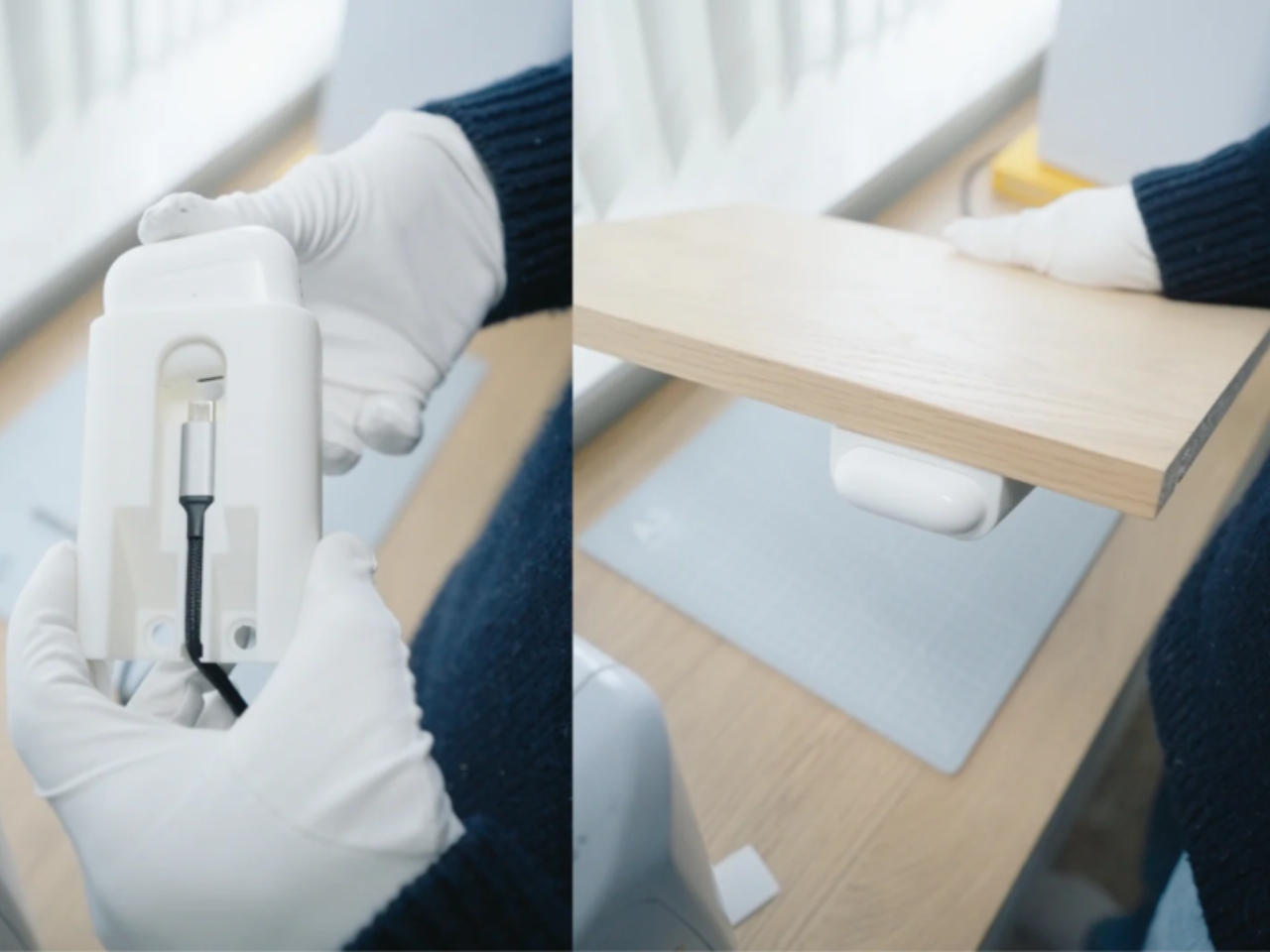
The device is able to simulate more than ten kinds of singing bowl sound changes. This makes you feel like you are actually using one of those Tibetan bowls as you touch and tap the metal disc on top of the Medispace. Inside, it functions more like a charging case for your earbuds which are part of your meditative experience. Medispace itself looks like a night cream moisturizer container which makes sense since that can also be part of your self-care routine. The earbuds look like your typical listening device but a bit bigger and with a seemingly textured/pebbled surface.

It’s an interesting concept to combine a meditative device with earbuds. But since we live in a world that offers up a lot of distractions, we need all the help we can get to shut off the outside world every once in a while and focus on things like deep breathing, meditation, and our inner lives.

The post Meditation device concept hides earbuds inside to help shut off external noise first appeared on Yanko Design.

Meditation device concept hides earbuds inside to help shut off external noise

When I want to shut out the outside world and just focus, I put on a pair of noise-cancelling earphones. Sometimes I also want to meditate and since I live in an area where outside noise is constant, earphones and headphones are pretty helpful. What if you actually have a device that is primarily meant to help you meditate, relax, and get in touch with your inner self, with listening to music just being a secondary function?

Designer: Suosi Design

Medispace is a concept for a meditation device inspired by the singing bowls from the Himalayas. Just like the Tibetan bowls that are meant to help you relieve stress and get into your inner self by tapping and touching it, this device is meant to do that but with an urbanite twist. The device is small enough to fit into your palm so it’s easy to make it “sing” as you try to meditate. And what makes it more modern is that there are noise-canceling earbuds that you can use to fully immerse yourself in your meditation.

The device is able to simulate more than ten kinds of singing bowl sound changes. This makes you feel like you are actually using one of those Tibetan bowls as you touch and tap the metal disc on top of the Medispace. Inside, it functions more like a charging case for your earbuds which are part of your meditative experience. Medispace itself looks like a night cream moisturizer container which makes sense since that can also be part of your self-care routine. The earbuds look like your typical listening device but a bit bigger and with a seemingly textured/pebbled surface.

It’s an interesting concept to combine a meditative device with earbuds. But since we live in a world that offers up a lot of distractions, we need all the help we can get to shut off the outside world every once in a while and focus on things like deep breathing, meditation, and our inner lives.

The post Meditation device concept hides earbuds inside to help shut off external noise first appeared on Yanko Design.

Aestus Signature Pen gives off luxurious vibe with stainless steel and ceramic dock

Even though I live mostly in the digital world, I love to journal and write things down so I also collect a lot of pens. They’re mostly the gel pens and the cheaper ones because fountain pens can be pretty expensive. Besides, my handwriting is sometimes undecipherable (even to myself) so I don’t want to waste my money on something that may not be that useful.

Designer: Rahil Hasan

Some of my friends who collect fountain pens have told me though that these kinds of pen are better for my handwriting (and maybe my mental health). Aestus is a limited edition signature pen that caught my attention because of its unique form. I actually thought it was a tiny light saber at first glance, but a lot of fountain pens do look like they come from Star Wars.

This pen is made from high grade stainless steel and has two geometric shapes that turn from a hexagon profile into a circle. What makes this even more sophisticated is that it comes with a ceramic docking unit where you can place the pen when not in use. It has a layer of cork in both the upper part and the base. So the design of the pen and the docking unit gives off a luxury product vibe.

The prototype for the Aestus pen was created in India’s largets prototyping center, T-Works. They presented a prototype as a token to the CEO and Chairman of tech company FoxConn, Mr. Young Liu. They haven’t said yet if this will be available for commercial purchase but it will probably be pretty expensive so it’s an aspirational product for some fountain pen collectors.

The post Aestus Signature Pen gives off luxurious vibe with stainless steel and ceramic dock first appeared on Yanko Design.

Coffee machine concept brings boxy, colorful aesthetic

Product designers get inspiration for coffee machines from a lot of different objects: from lamps, to pop culture properties, to other kitchen appliances, to furniture. Of course we can get inspiration from almost anywhere, even though it’s actually far from the thing we’re trying to design. Hong Kong’s urban cityscape, particularly their apartment buildings has been featured in a lot of movies and TV shows and now, you can see semblances of it in this concept for a coffee machine.

Designer: One Object

The FOOD Coffee Machine series is a concept that was inspired by the aforementioned Hong Kong apartment buildings with their colorful and box-like design. The series shows off square and rectangular shapes with various pastel colors to light it up. It is meant to be customizable when it comes to its color and finishes so that it can fit your kitchen’s aesthetic, whether you’re going for a monochromatic or a more colorful vibe.

Velo is the more compact version of the coffee machine with its capsule system, if what you’re into is instant coffee. The water tank is at the back with colorful and modular-looking square and rectangular shapes making up the rest of the machine. Meanwhile the Manua is the espresso machine version with its box-shaped version of a manual coffee filter. The water tank is in the front beside the brew head and portafilter. The colorways are more monochromatic but still with several color options from the renders.

As someone who dreams of having a pretty nice coffee nook and maybe a coffee shop someday, this concept actually fits into what I’m looking for. The colorways and shapes are actually pretty attractive even if I don’t know about the actual functionalities of these machines. Well, as long as they can make coffee, I’m good.

The post Coffee machine concept brings boxy, colorful aesthetic first appeared on Yanko Design.

Minisforum’s UH125 Pro mini PC packs a powerful punch in a tiny form

While laptops and tablets are the most convenient and most mobile for those who want to work outside, it’s not always the most powerful. But having those bulky computers at home or at the office may also not be that ideal even if they can sometimes be more powerful. So a mini PC can be the best thing to have if you’re looking for something compact but still powerful enough to let you do what you need to do if you’re a content creator, gamer, or a professional.

Designer: Minisforum

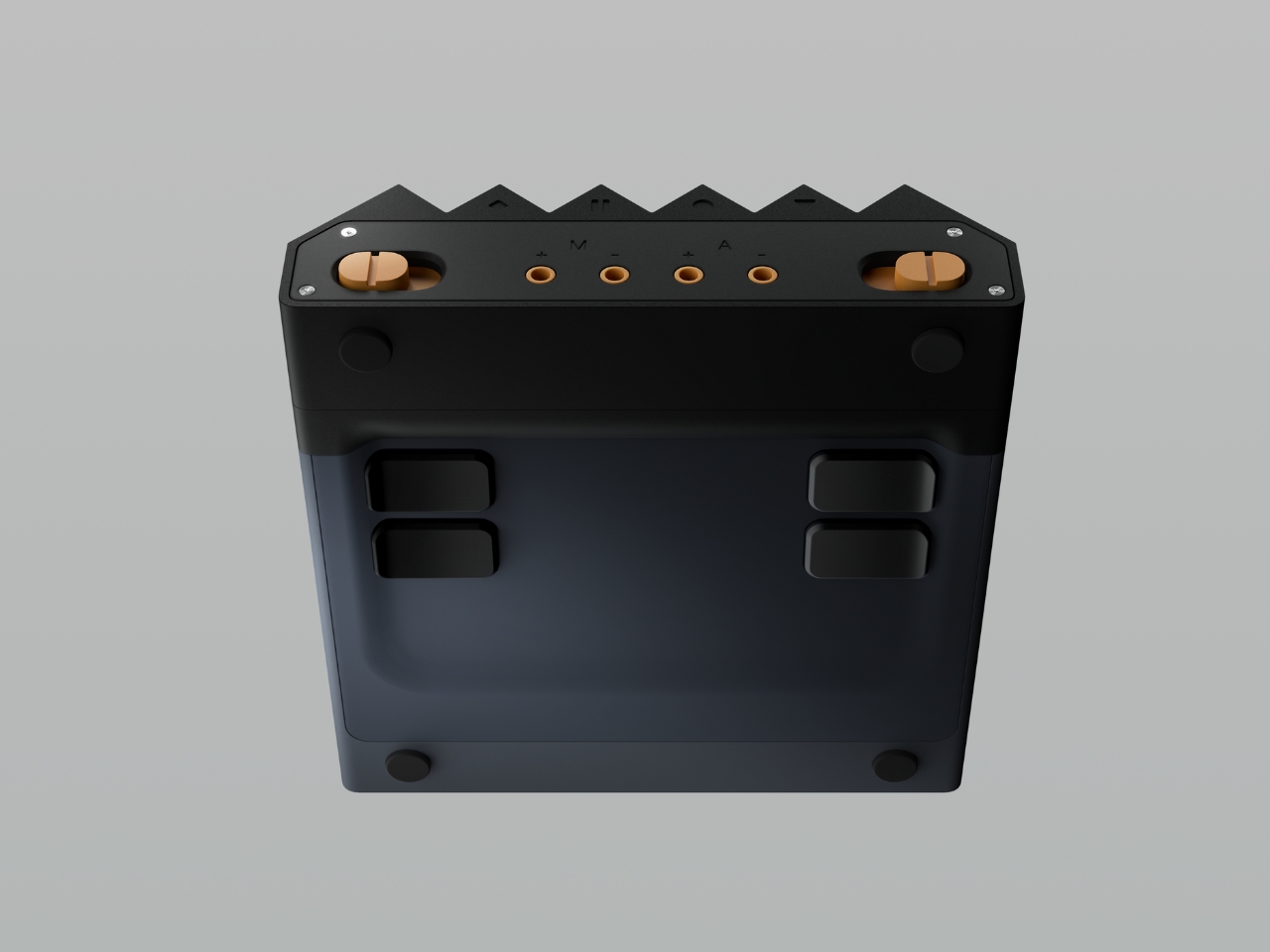
The UH125 Pro from Minisforum seems to be a pretty powerful mini computer that is packaged into a tiny body. It has the Intel Core Ultra 5 processor with intel 4 technology and a 3D high-performance hybrid architecture. Since it has 2x iGPU performance, you will be able to improve the running speed when it comes to tasks like video editing, 3D rendering, and live streaming. It’s also perfect for watching videos and playing games as it has the Xe Super Sampling (XeSS) technology that is able to support high-performance and high-fidelity visual effects.

Even thought it is smaller than most computers, it has high-efficiency large storage for your multimedia entertainment and massive data storage needs. And in case that isn’t enough, there’s a storage expansion method as well. You can also connect up to four 4K screens at the same time since it has two full-speed USB4 ports, one HDMI 2.1 port, and one DP 2.0 port. And in case your concern is overheating since it’s small, it has a compact phase-change heat dissipation design with a large-diameter silent cooling fan and three heat dissipation copper pipes.

The UH125 Pro is small enough that you can place it on your workspace even if you have a small one. It actually looks like the old-school hard drive boxes that we used back when we needed high storage external drives. There’s a barebone version and a more expensive one that has 32GB RAM and 1TB SSD. Both are now available for pre-order on the Minisforum website.

The post Minisforum’s UH125 Pro mini PC packs a powerful punch in a tiny form first appeared on Yanko Design.

Next Gen Moc and Mule footwear brings comfort and aesthetics to your soles

For around half of my life, I’ve been wearing sneakers and boots and avoiding heels and sandals since I’m more comfortable with the former than the latter. Also, I’ve promised myself not to wear that certain brand that’s usually made fun of by shoe enthusiasts. Weird-looking footwear has never been my style although Merrell Hydro Moc is the closest I got to actually thinking of getting one.

Designer: Merrell

The Hydro Moc and Mule seem to be great options if you like hiking and doing all sorts of outdoor stuff but you don’t want to wear clunky boots and hiking shoes. The Next Gen versions of these unique-looking footwear are even more design-led but also sturdy enough with its EVA foam cage that can resist water and also keep your feet protected and resilient. They future-facing design doesn’t sacrifice aesthetics for quality protection and comfort as that’s what their market is most likely looking for.

The Hydro Next Gen Moc 1TRL has max cushion FloatMax midsoles and a better heel shape. You can still wear it hands-free and the EVA foam upper gives you a lightweight flexible fit. The BLOOM performance foam is actually made of algae biomass and it “magically” turns green water into clean water. The Hydro Next Gen Mule 1TRL meeanwhile is the open-back and more laidback version of the Moc. It still has the eVA foam and the BLOOM performance foam but also has the FloatPro Foam midsole to give you lightweight comfort.

Both the Moc and the Mule still has the trademark design that is inspired by the water flowing around and over rocks. I still wouldn’t wear a pair because of aesthetic (and financial) reasons but it does look good if you want to hike and walk around in style.

The post Next Gen Moc and Mule footwear brings comfort and aesthetics to your soles first appeared on Yanko Design.
Concrete made from food waste can be edible

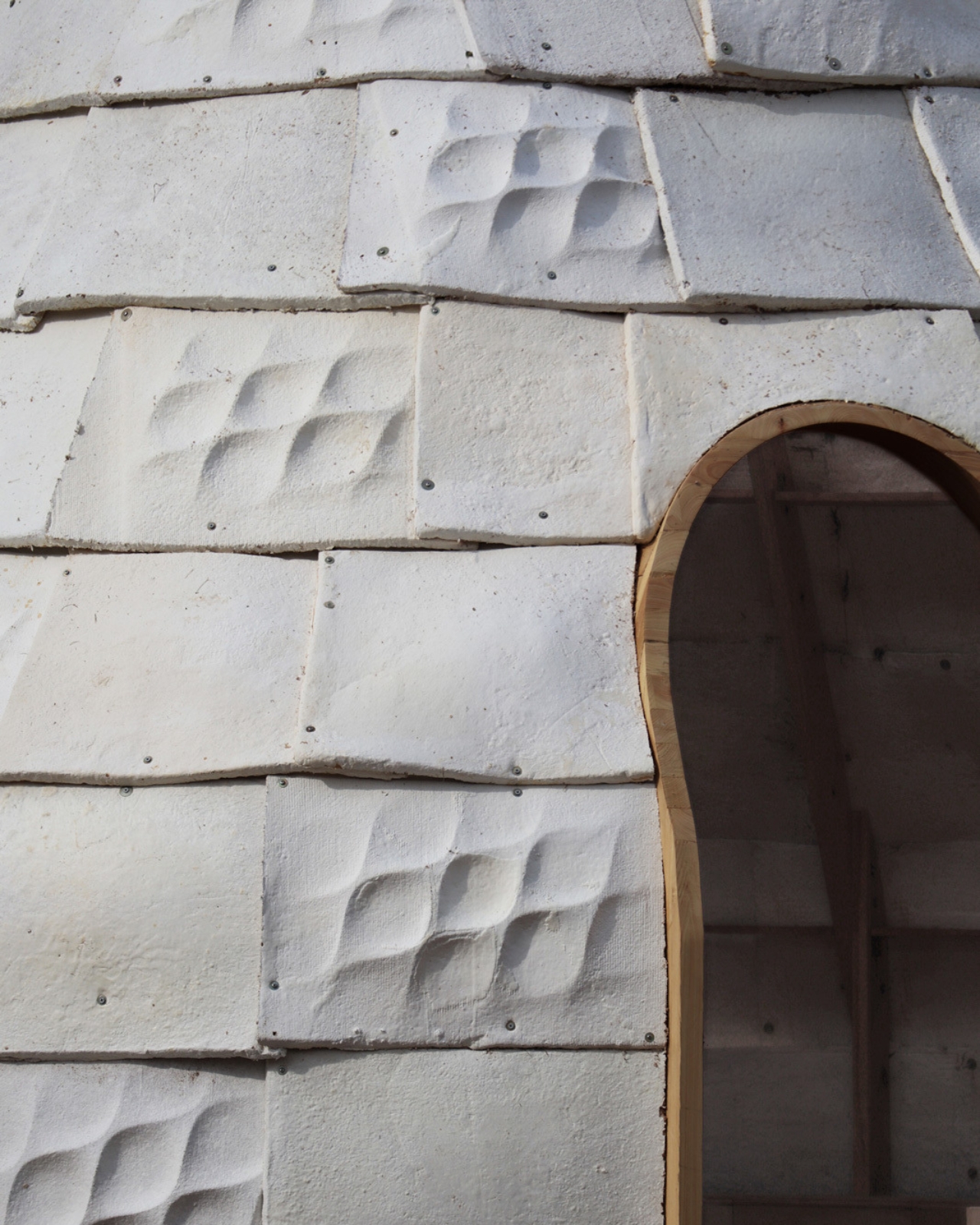
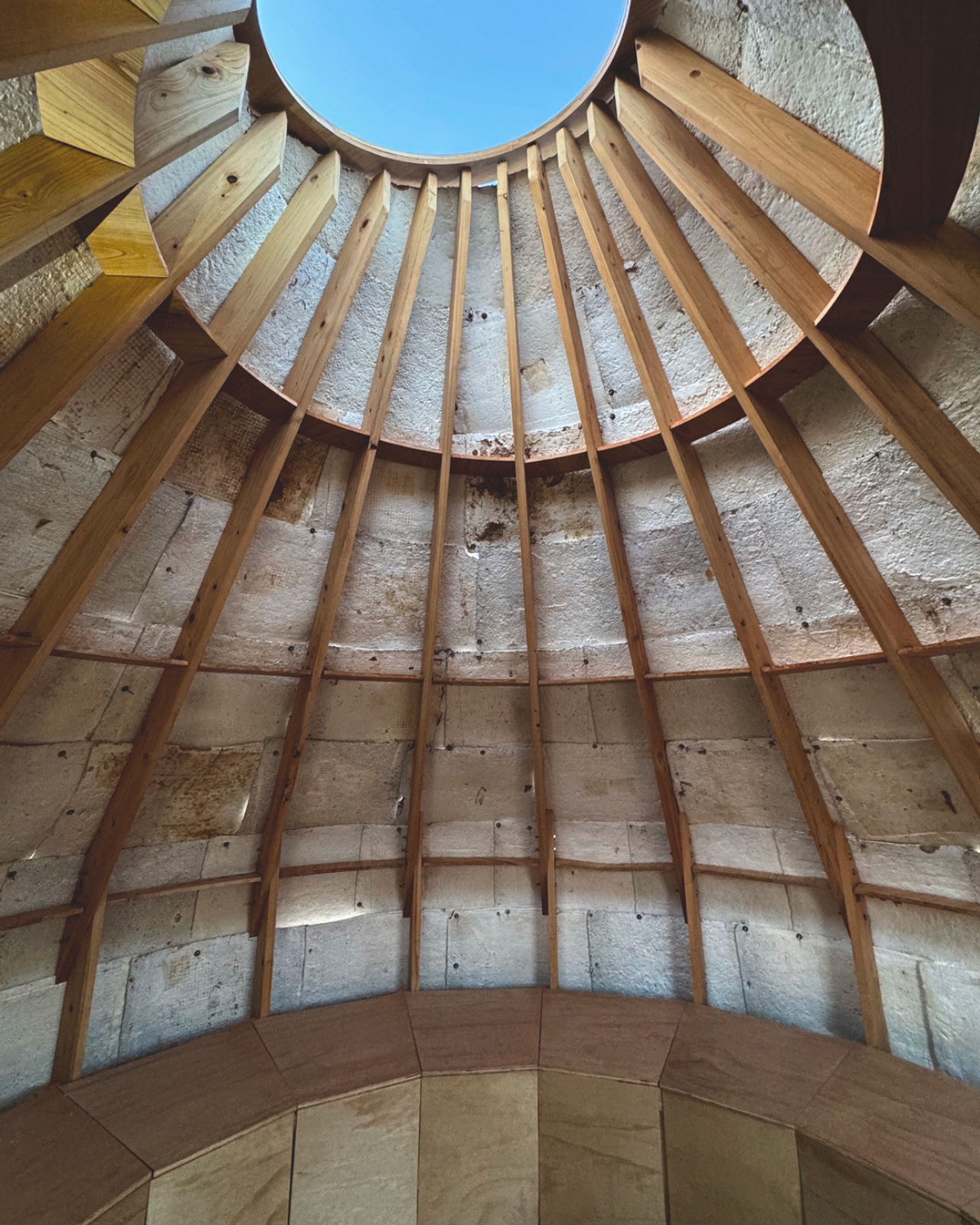
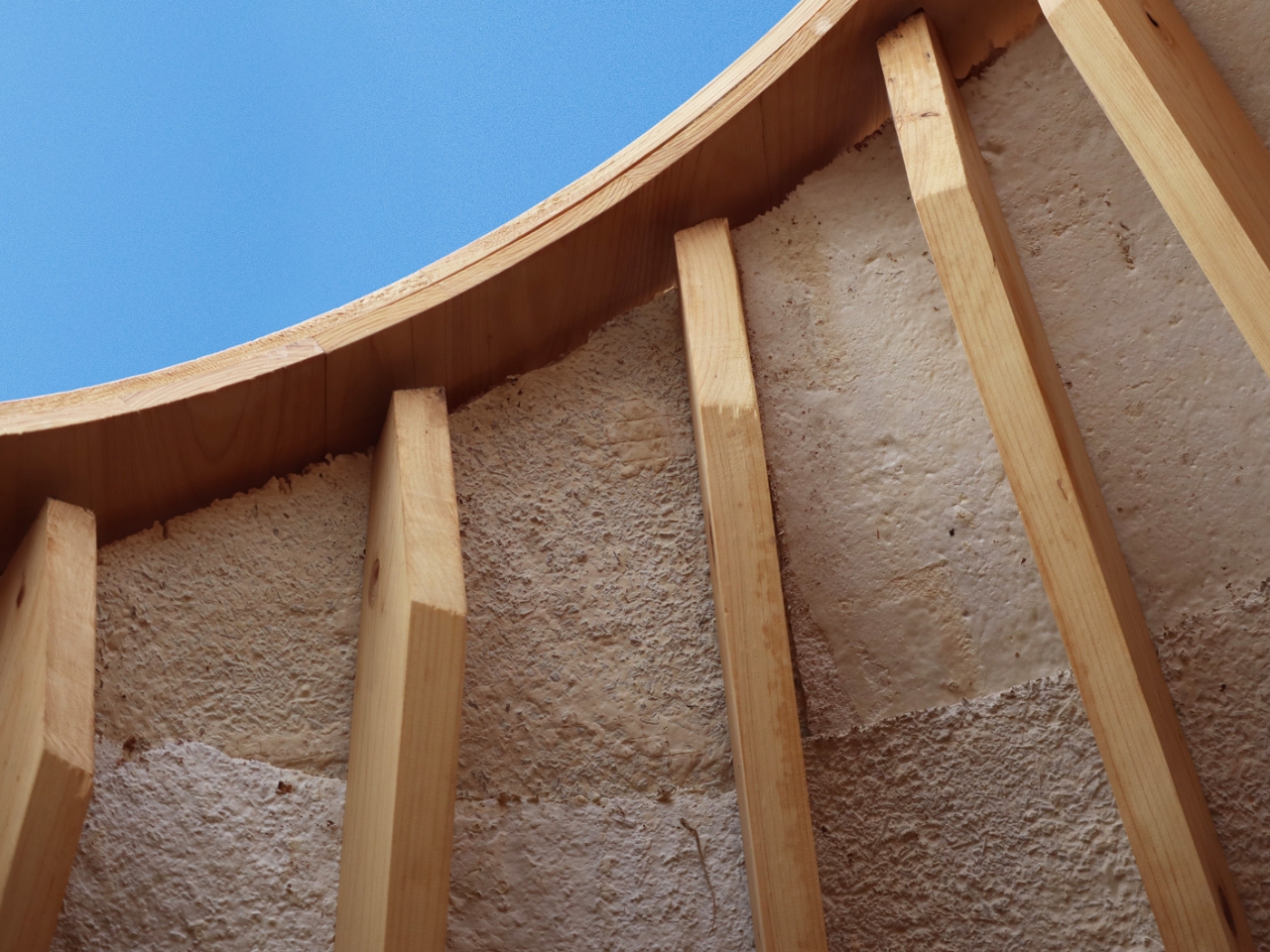
When I hear the word “edible concrete”, the visual that comes to my mind is straight out of a horror or dystopian story: people gnawing at walls because they have nothing more to eat. But of course that’s just my overactive imagination. It’s of course a recent development in construction innovation from scientists at University of Tokyo to make concrete from food waste.

Designer: University of Tokyo

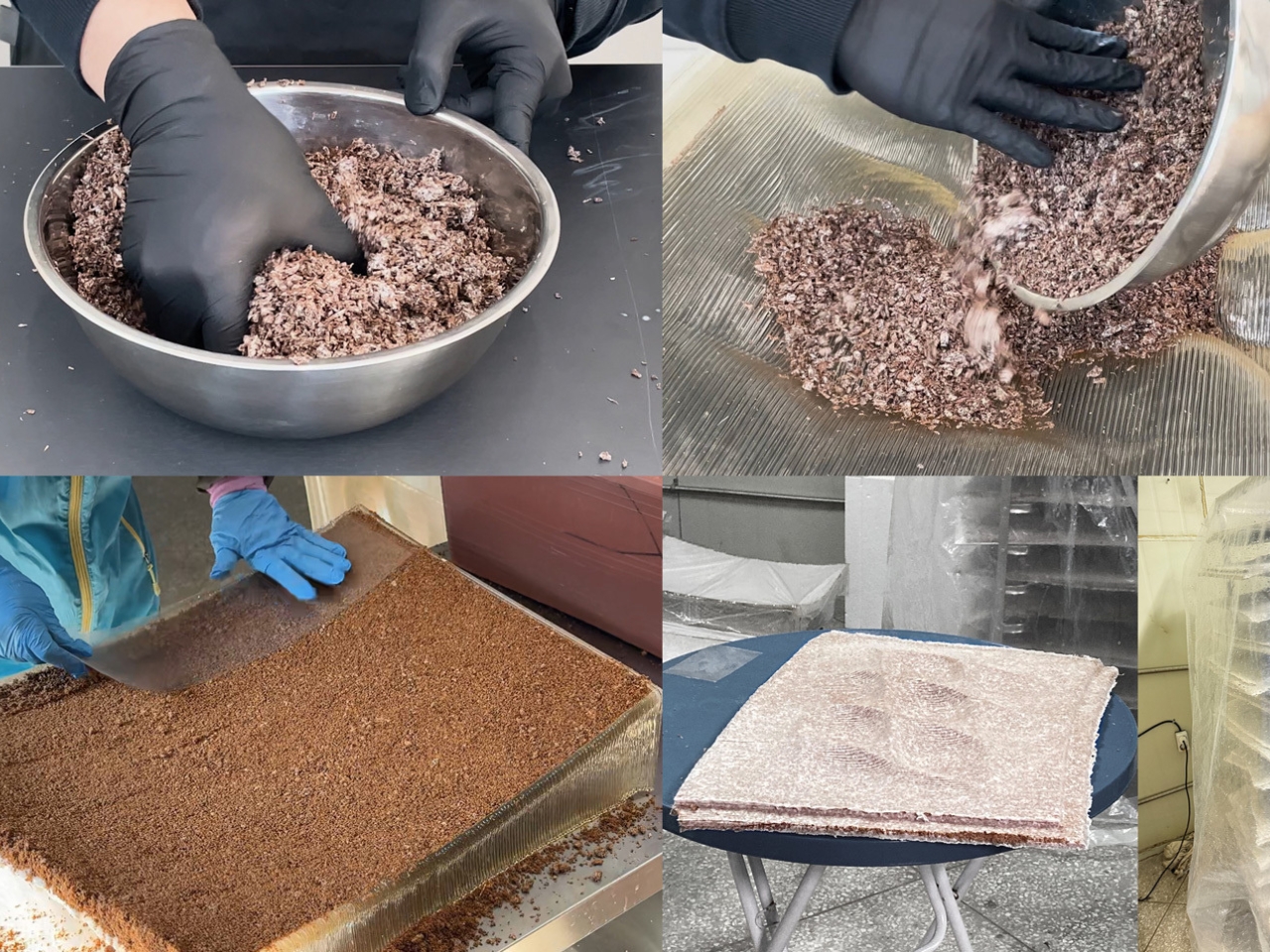
The scientists have been looking to create concrete made from organic materials like coffee grounds, banana peels, Chinese cabbage, and orange skins. These materials are dried and compressed and then mixed with water and seasonings. Afterwards, they’re compressed in a high-temperature mold to create concrete material.

In this early stage of their experiment, they discovered that the material is actually able to avoid bending better than actual concrete and is three times stronger. It can also resist rot, fungi, and insects which is of course important for concrete aside from the bending strength. It is also edible, although that is probably not the most delicious or nutritious thing to consume.

With concrete being the highest-consumed product (aside from water) but also accounting for billions of tons of carbon dioxide release and food loss and waste accounting for a third of all food for human consumption, it would be a big help if this eventually becomes a fully-developed product. Even if it won’t be used for building construction, maybe there are other applications for concrete made from food-waste material.

The post Concrete made from food waste can be edible first appeared on Yanko Design.
Stainless steel trays represents “coexistence” kind of design

There are some every day items that I use that I don’t really think about the design principle behind them. Sometimes I don’t even think about the design itself as long as it does what it’s supposed to do. But maybe that’s why I’m not a product designer. Ever since I’ve been writing about them though, it has become more interesting to find out why such items are created the way they are, like these minimalist and simple-looking trays.

Designer Name: Irene Yeung (Derangedsign Co. Limited)

Coexistence is a concept for a stainless steel tray set that takes its inspiration from the ancient philosophical theory “The Sky and Earth Coexist”. It basically says that things are relative to each other like the sky and earth, light and dark, etc. Basically, it’s made up of two tabletop trays that are circular but with landscape or waving surfaces to make it also look like art sculpture.

Each tray can be used individually if you need two trays for serving food or for putting stuff on your table. They can also be set upside-down on top of each other in different variations and depending which surface you want to use as a tray. The designer says it can also become one large tray although the product renders don’t show how it can be combined into that variation.

The stainless steel trays have a crisp, mirror finish so if that’s the aesthetic of your dining table or your living space, it should fit right in. The mold they used was specifically designed to make 2 trays so it’s really meant to show the connected duality that the design principle is based on.

The post Stainless steel trays represents “coexistence” kind of design first appeared on Yanko Design.
Stackable, plastic stool is colorful short-term multi-functional seat

Because of my bad back, I am not that much a fan of stools. But there are times that it’s the most practical (and only available) kind of seating especially if you live in Asia. On our side of the world, it’s often used for short-term use at places like street food stalls, markets, and corner pubs. There’s always room for well-designed stools that may also serve other purposes aside from sitting on it.

Designer Name: Sheng-Wen, Wang

StOol is a concept for stools that are meant for short-term use. The seat has a fan-shaped design with a stem-like backrest. It is meant for areas with minimal space and They are easily stackable so it’s easy to put them away and get them out for places that also have small storage spaces. They are made from polypropylene plastic so you can use them indoor and outdoor as well.

With the way it’s designed, you can also use the stool for other purposes. Those standing can use it as backrest or armrest. The surface of the stool can also be used to place items if you need a sort of side table. It can also be used as support for hanging objects. There can also be many colors available so it can add a splash of color to your space.

It may not seem the most comfortable place to sit on, especially for people like me who may need a sturdier backrest. But for short-term use and for small spaces, it may be an ideal kind of furniture to have.

The post Stackable, plastic stool is colorful short-term multi-functional seat first appeared on Yanko Design.
Crayons from Japan’s recycled trees highlights the country’s forests

When you think of wood, the color that immediately comes to mind is brown since that’s what most of us have seen in the trees near our abodes or even when we travel. But it’s not the only color that we can extract from it, specifically from various species of forest trees. With 2//3 of Japan covered with trees and a lot of these forests remaining unharvested and unmaintained, it’s interesting to see what sustainable products can be made out of these trees.

Designer Name: Playfool

Forest Crayons is a project that uses the pigments extracted from various recycled forest trees and mixes them with other sustainable ingredients to turn them into crayons. Each one has a different shade that is based on the species of the recycled tree as well as how it was cultivated and grown. For example, you get a light green color for magnolia and a deep turquoise of fungus stained wood.
The pigments extracted are mixed with wood, rice wax, and rice oil to produce the different crayons. There are ten crayons available in the Forest Crayons set: Bayberry, Bogwood, Cedar, Chinaberry, Cybress, Hazenoki, Katsura, Kaizuka, Magnolia, and Zelkova. Some names should be familiar to most people but there are species that are native to Japan and some that have Japanese names.
Forest Crayons are actually supported by the Japanese Forest Agency and aside from producing these from recycled trees, they also want to “breathe new life into Japanese wood” so that people will have a new appreciation for the country’s forests. I would prefer the triangular shape of the crayons shown in the product shots but it makes sense of course to have them in the traditional crayon shape for functional reasons.

The post Crayons from Japan’s recycled trees highlights the country’s forests first appeared on Yanko Design.