5 Climate-Proof Home Upgrades That Turned Homes Into Survival Shelters

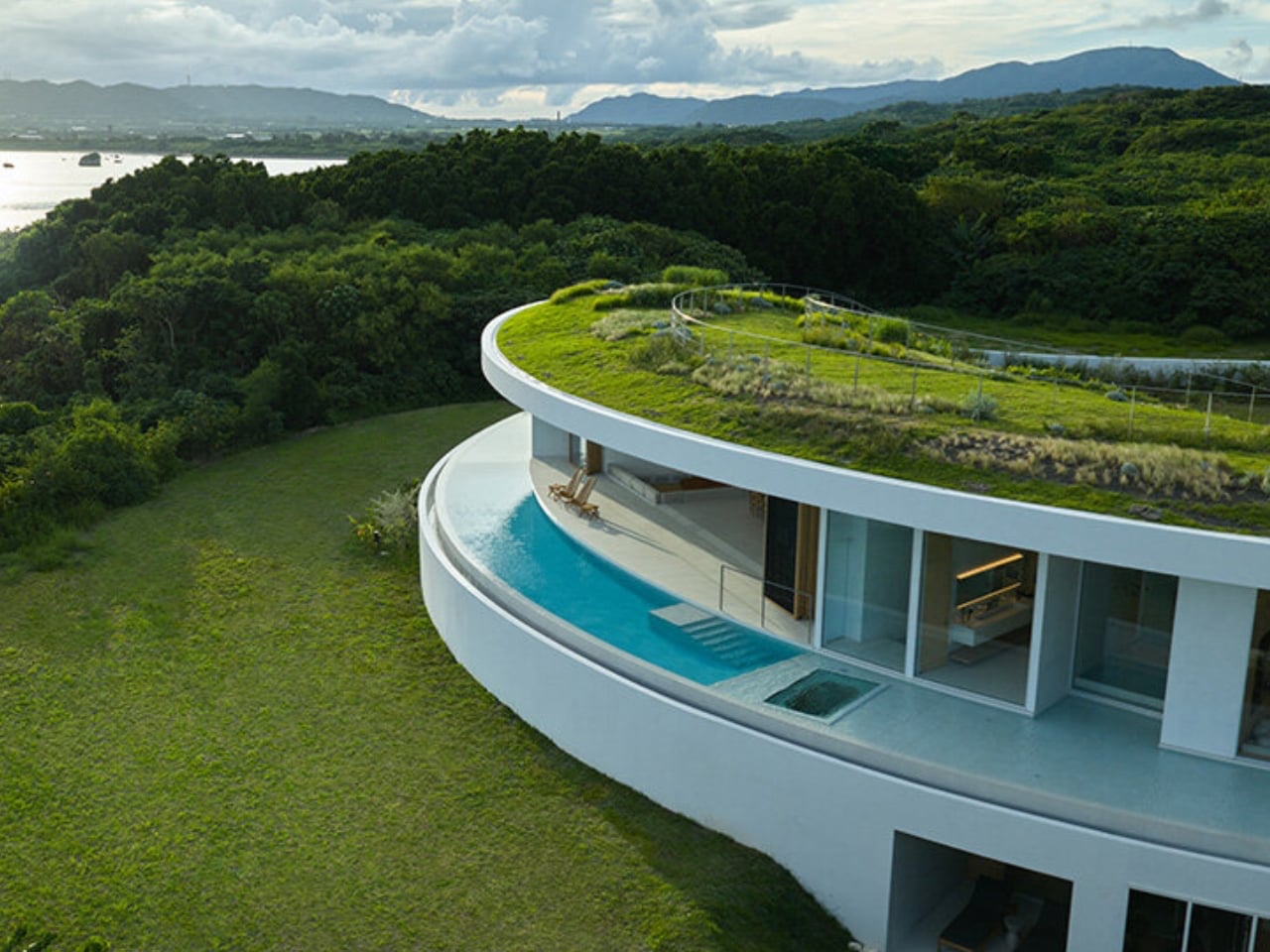
The climate crisis has shifted from distant concern to an urgent force redefining how you think about shelter. In this new reality, luxury aligns with resilience, autonomy, and intelligent material choices. Every element of design becomes a strategic response to a world where landscapes and weather patterns are increasingly unstable.

This analysis transcends conventional sustainability to explore proactive, life-supporting product design. Let’s understand what transforms a home into a regenerative ecosystem, one that protects, adapts, and restores. Together, they shape a biophilic refuge that safeguards long-term value, enhances thermal performance, and offers enduring stability amid global unpredictability.

1. Closed-loop Water Management Systems

Unpredictable rainfall patterns now demand a complete shift in how you manage water at home. In a future of scarcity, water can no longer be treated as a passive utility but as a carefully governed resource. Resilient living begins with systems that elevate conservation from habit to infrastructure.

Integrated rainwater harvesting and advanced greywater recycling units represent this evolution. These high-capacity, closed-loop technologies deliver strong returns by reducing dependence on strained municipal supplies and protecting against shortages. They sustain the landscape, stabilize daily use, and offer long-term security. Across leading practices, water autonomy is increasingly viewed as the strongest safeguard against climate volatility.
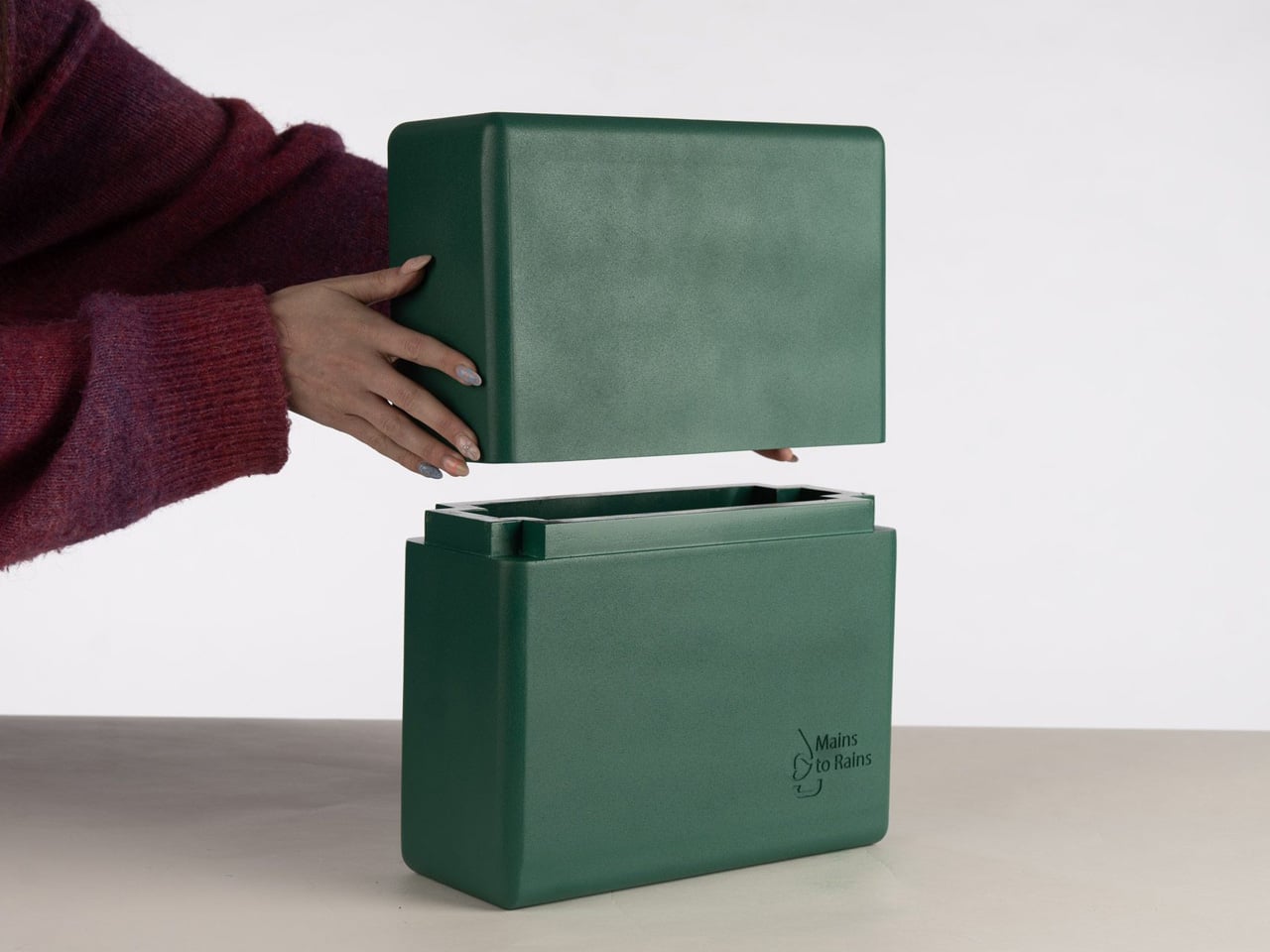
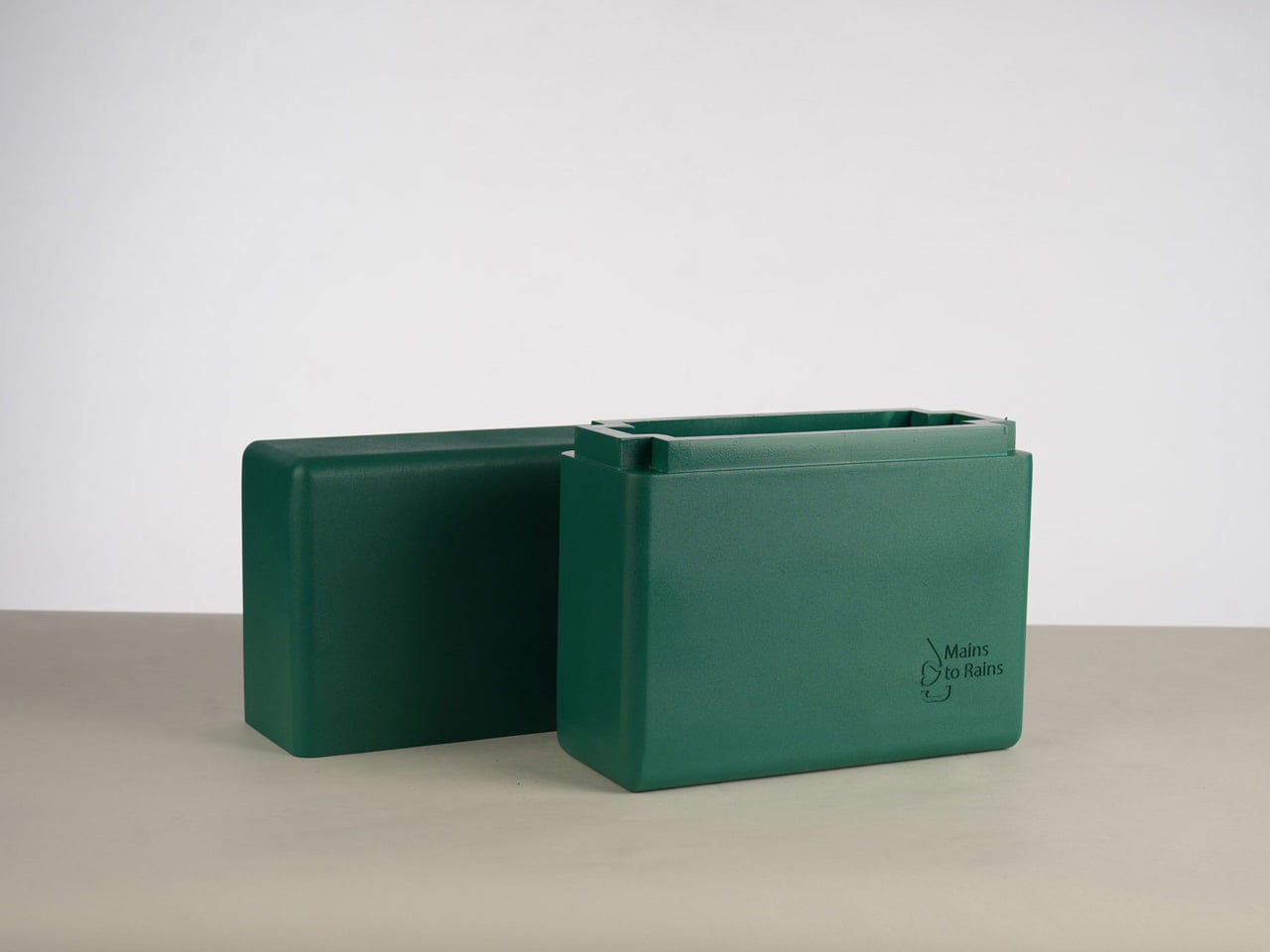
The Mains to Rains system is a smart, retrofit rainwater-harvesting kit designed to attach directly to your existing guttering without any structural changes. Instead of requiring contractors, permits, or expensive installations, the product simply clips onto standard drainpipes and immediately redirects rainwater into storage containers. Its plug-and-use design makes it accessible for any homeowner looking to manage water more efficiently, especially as bills rise and rainfall becomes increasingly unpredictable. The system works during heavy downpours to capture excess water that would normally overload storm drains, and it provides a reliable supply for everyday outdoor use during dry spells.
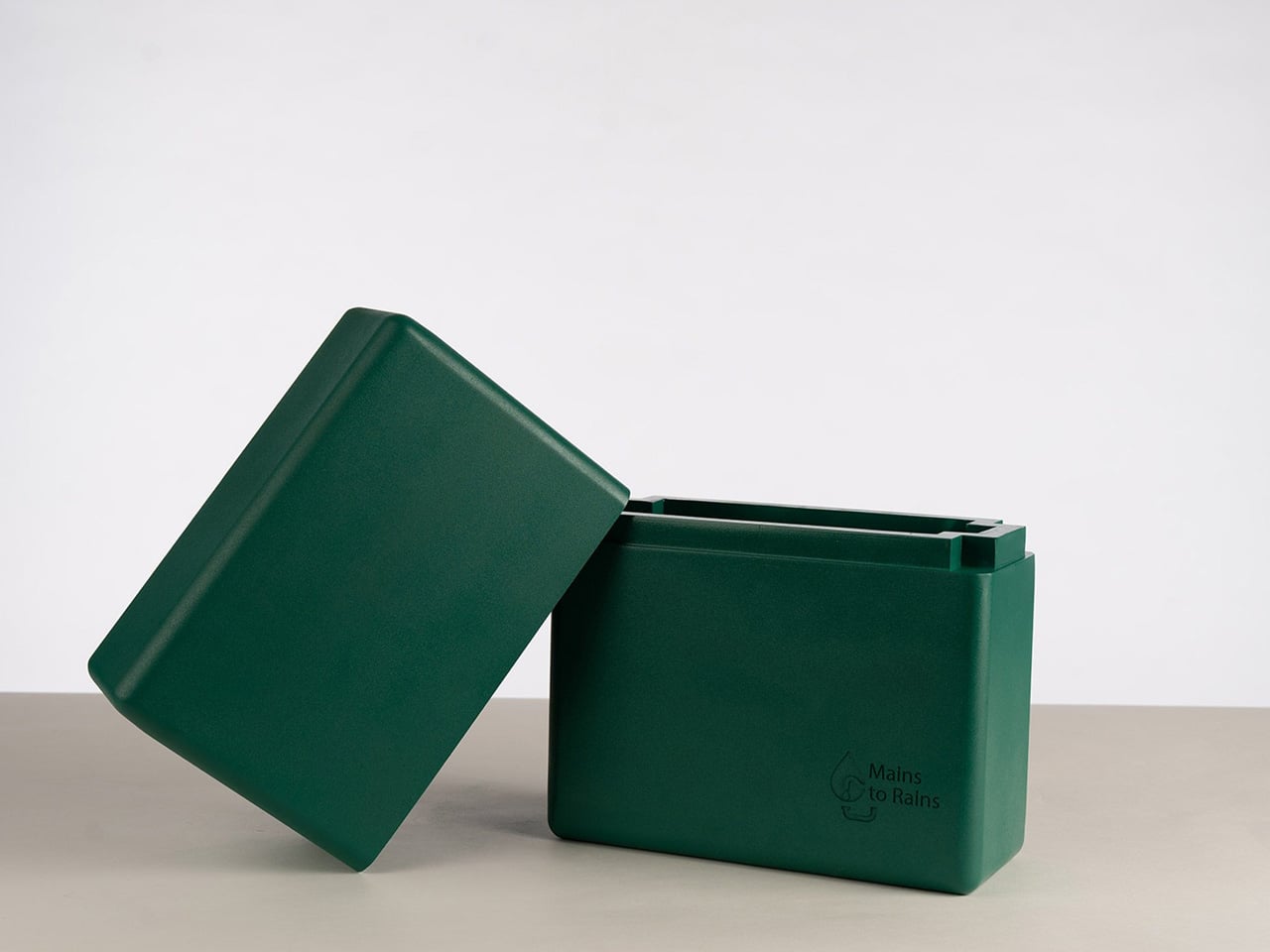
What sets Mains to Rains apart is its practicality and performance. The stored rainwater is naturally soft and chemical-free, making it ideal for plants and gardens. When used across multiple homes, the product helps ease pressure on municipal drainage and water systems while reducing household utility costs. It’s a simple, effective upgrade that turns every rainfall into a valuable resource.

2. Hybrid, Decentralised Energy Generation

A future-ready home must evolve from passive energy use to active energy production. Depending solely on a central grid has become a clear risk as extreme weather intensifies, making self-generated power an essential layer of protection and continuity for everyday living.

Building-integrated photovoltaics and modular battery storage deliver this shift with refined solar surfaces that double as architectural materials. Paired with high-density batteries capable of islanding the property, they create true energy independence. This dual-function approach maximizes material efficiency while ensuring critical systems like HVAC and communication remain operational during outages, protecting comfort, stability, and the long-term performance of the home.
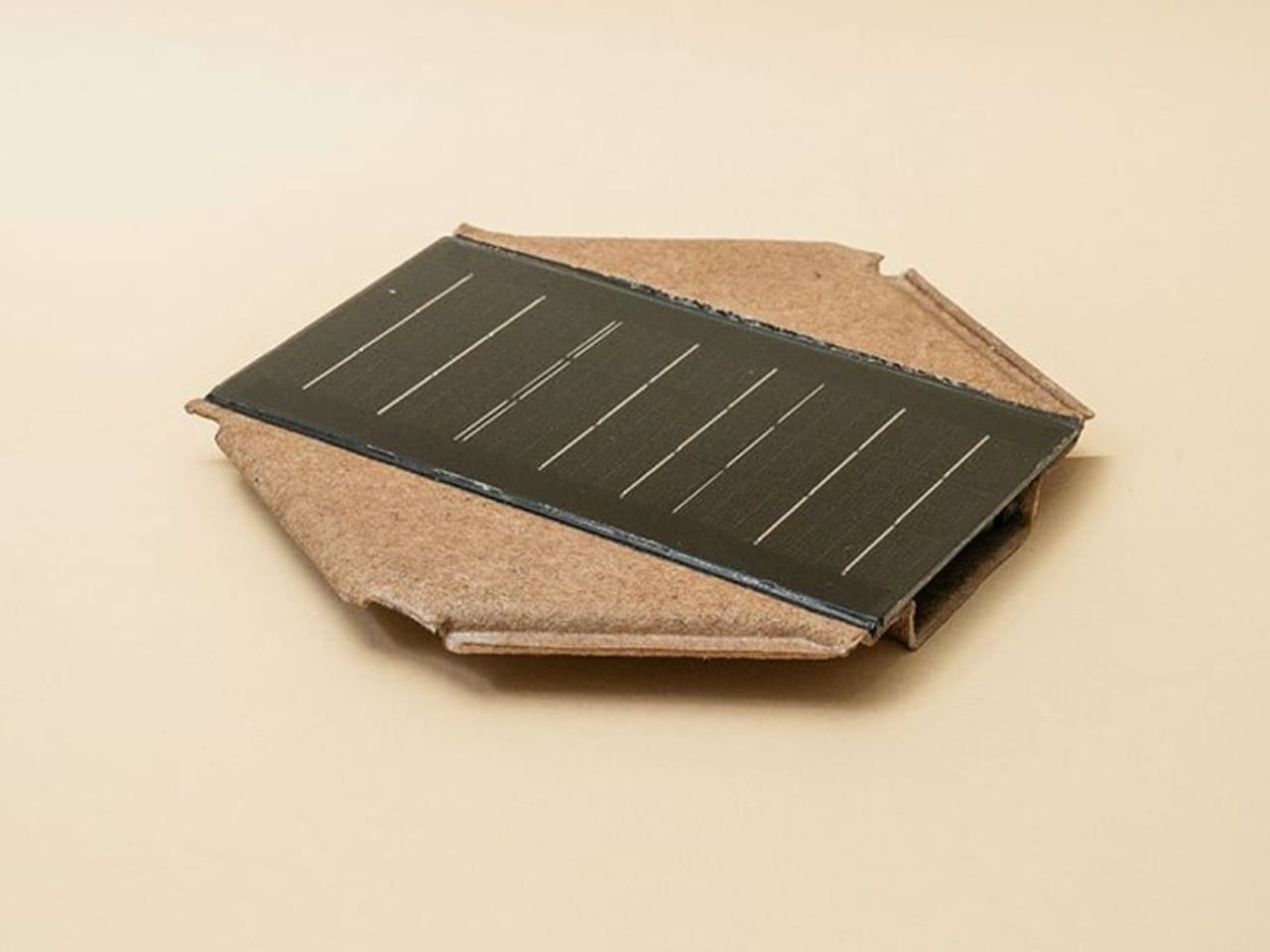
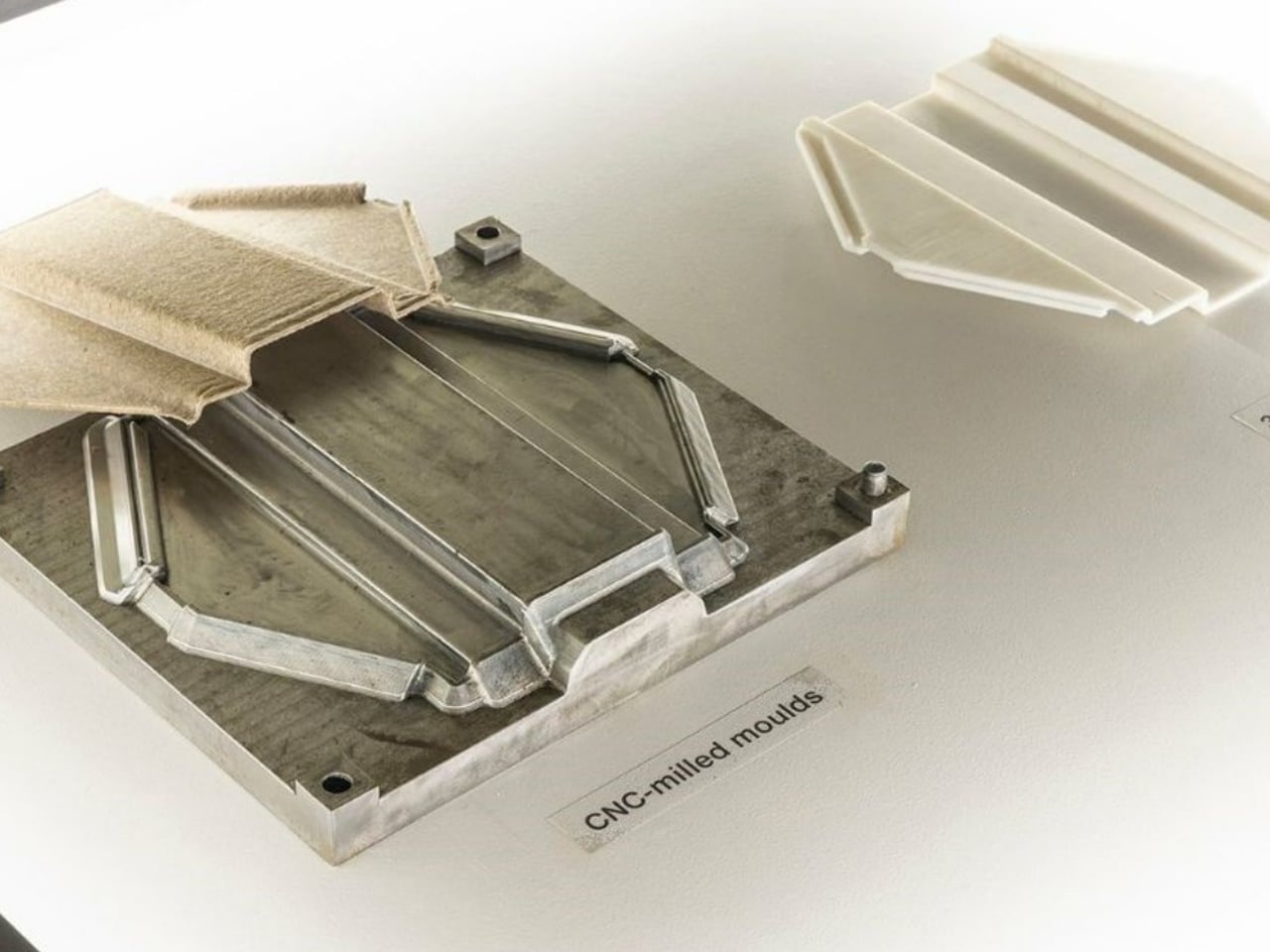
Studio SKLIM’s Lo-Hi Tech project demonstrates how primitive materials and advanced technologies can work together to create sustainable, high-performing solutions. Its Ke-Sol System (KSS) combines lightweight Kenaf fiber biocomposite tiles with custom monocrystalline solar panels, forming modular, tiltable roof units that generate clean energy. Produced through high thermal pressure, the Kenaf tiles become strong yet light, offering an eco-friendly alternative to conventional roofing. By transforming natural fibers into energy-producing surfaces, the KSS demonstrates how traditional materials can be upgraded to meet modern environmental needs.

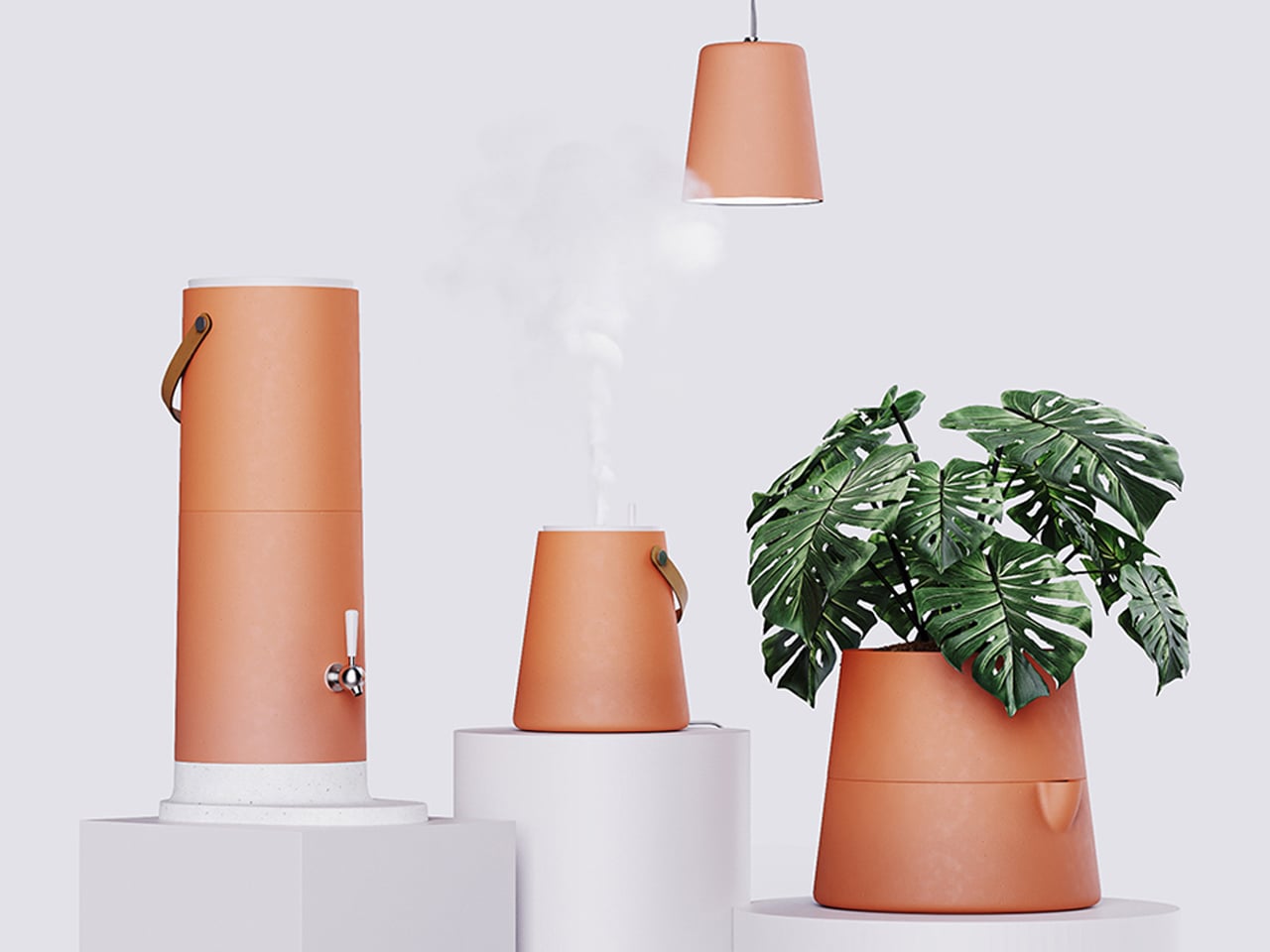
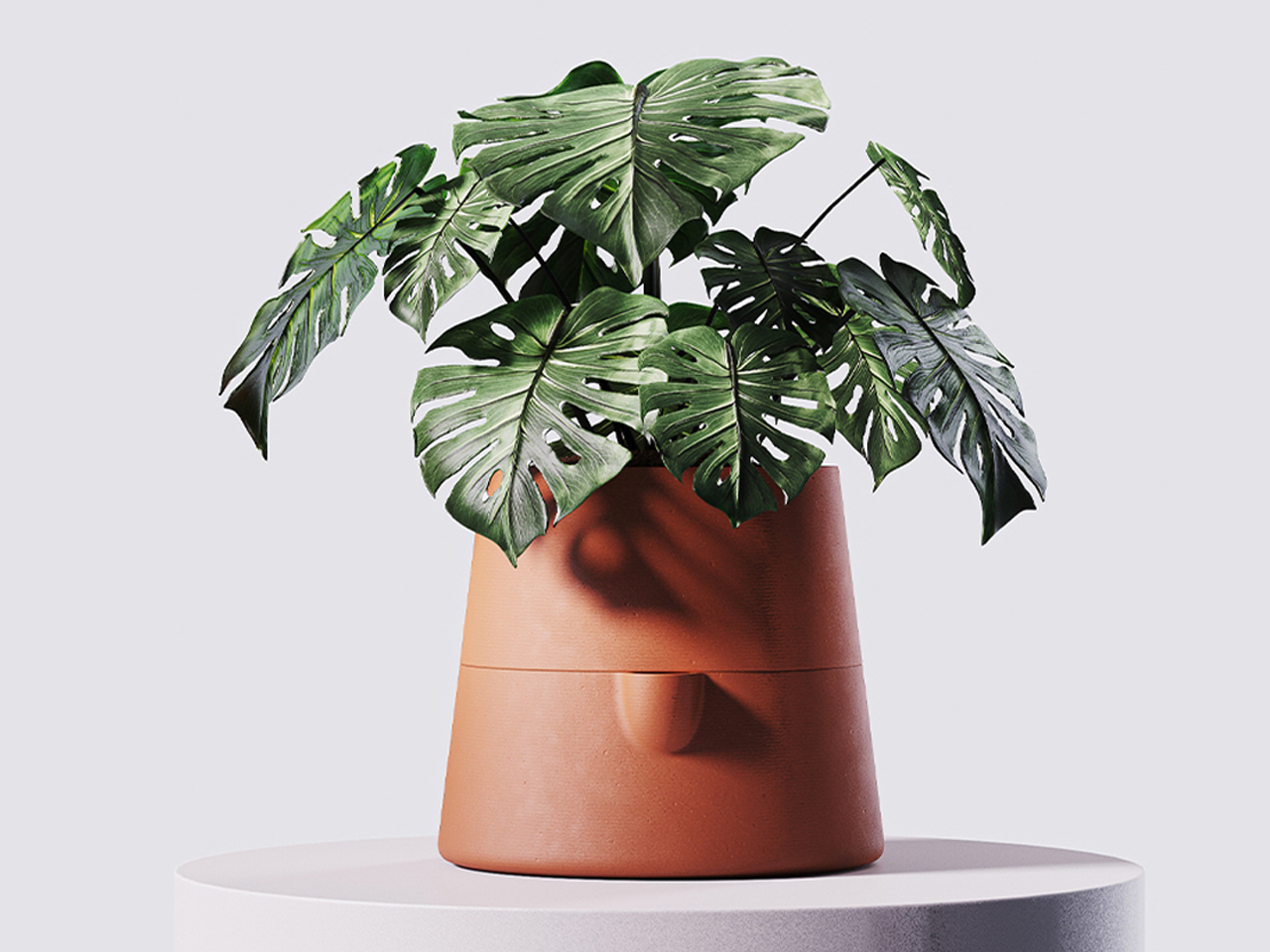
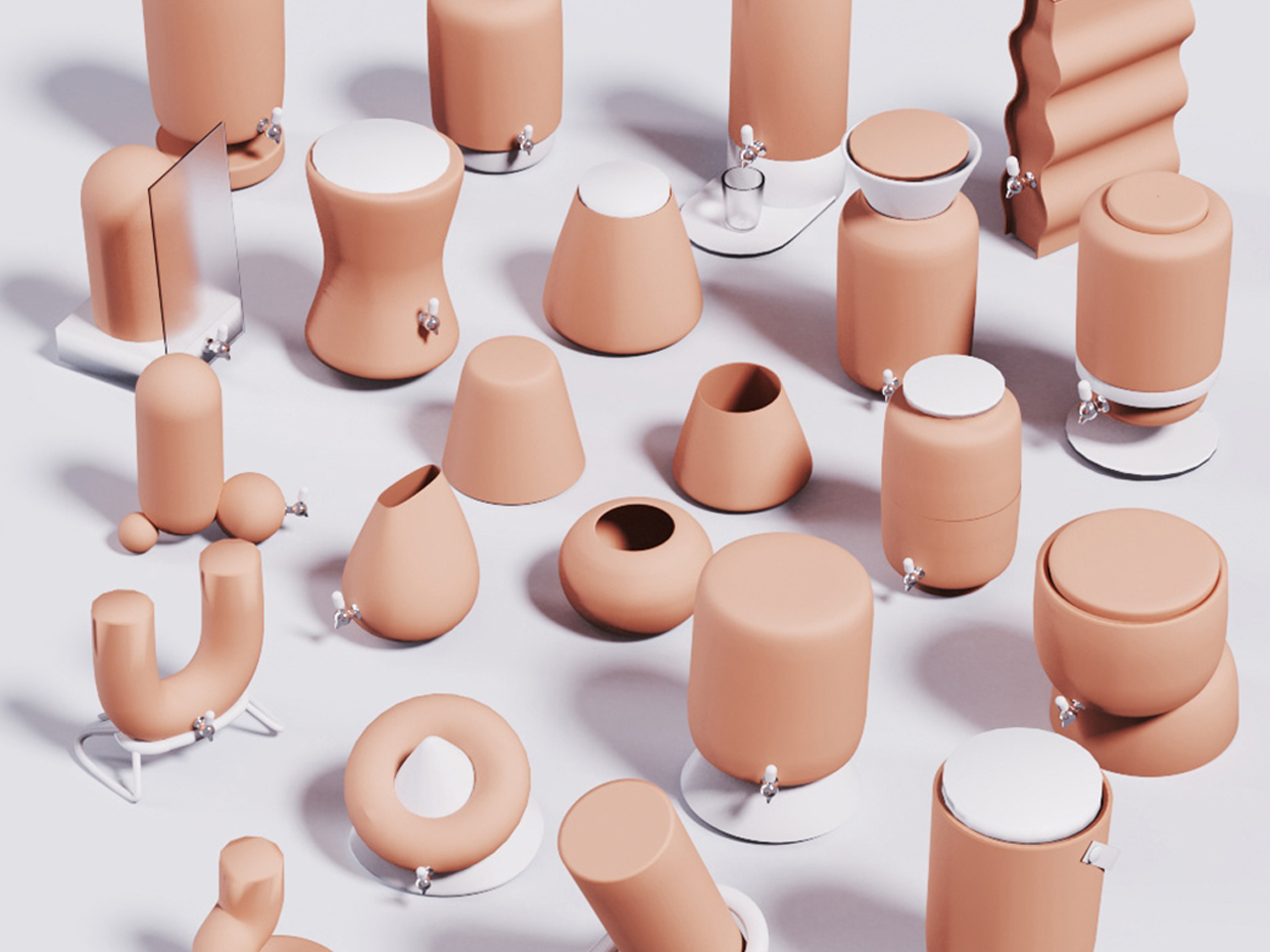
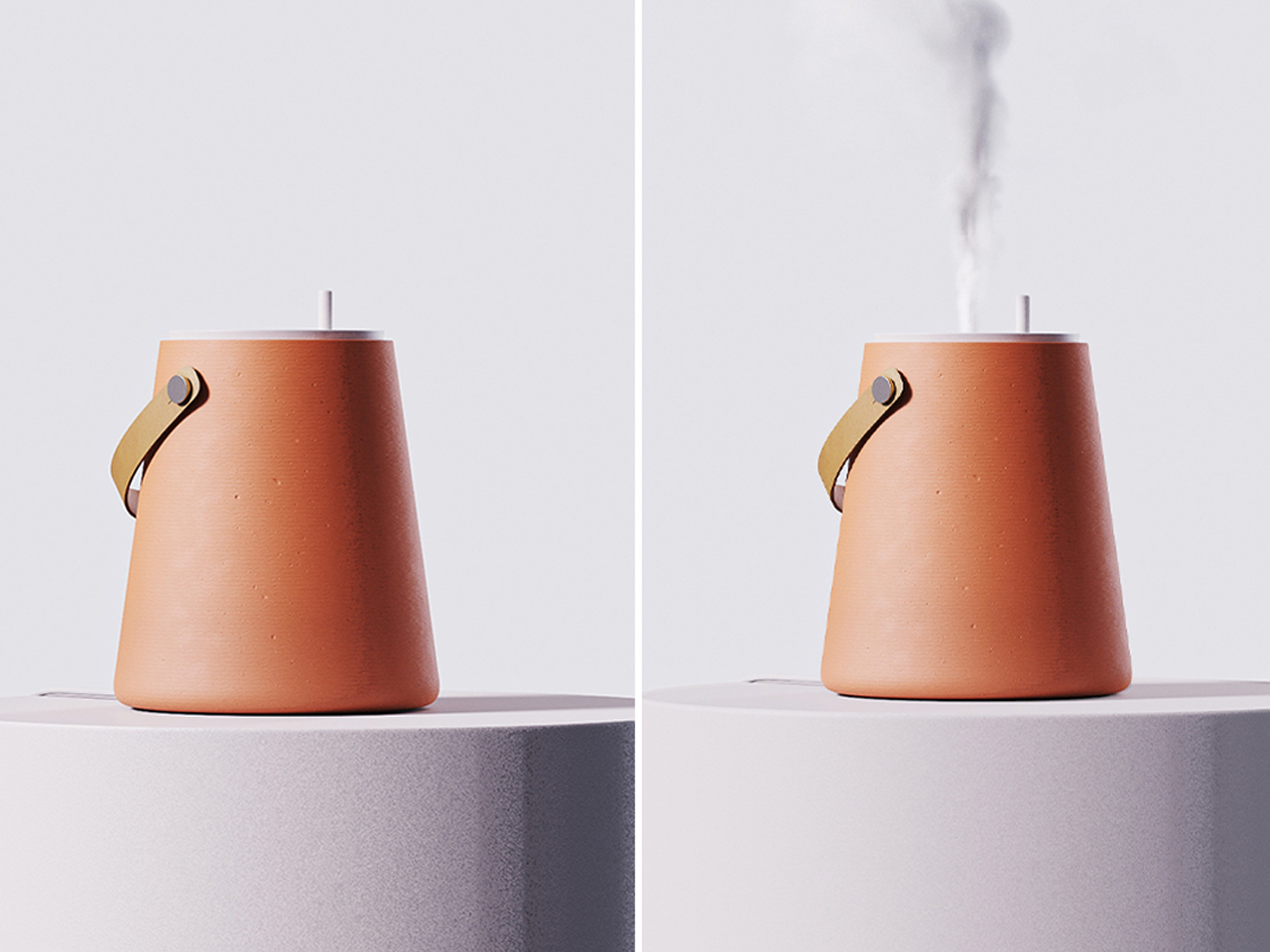
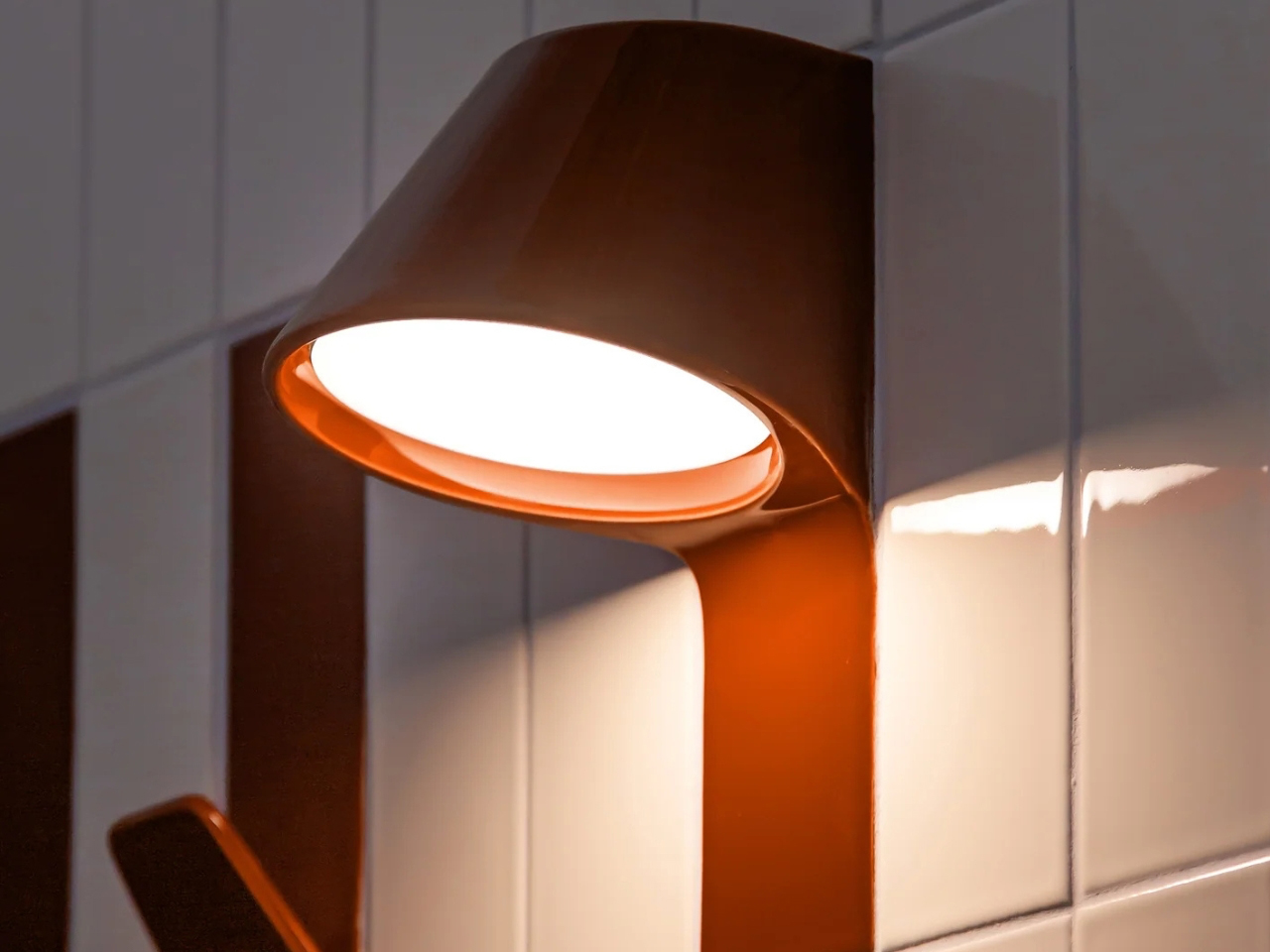
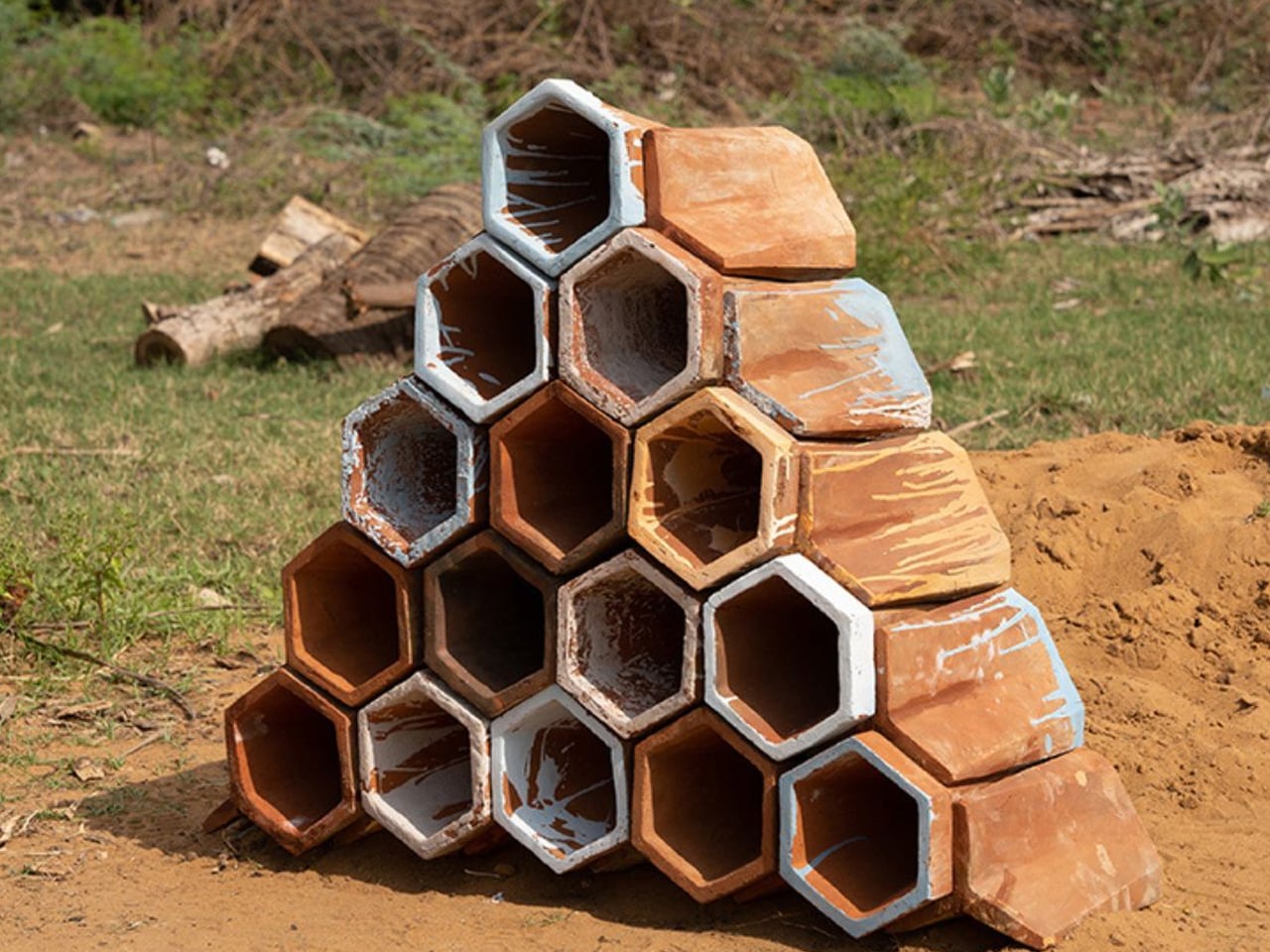
The Terra-Cooling System (TCS) uses terracotta’s natural cooling abilities to create wall components that act as both evaporative coolers and water tanks. With Hex and Tri modules refined through CFD simulations, the TCS can lower air temperatures by up to 6.5°C, making it ideal for applications such as EV-charging shelters that cool their surroundings while using solar lighting at night. Together, these systems highlight how craftsmanship and technology can shape a more sustainable future.

3. Passive Thermal Regulation Materials

Reducing the energy required for heating and cooling remains the most effective way to lower a home’s carbon footprint and operating costs. In this shift toward efficiency, the performance and integrity of materials become essential, shaping how naturally and consistently a space maintains thermal balance.

Phase Change Material (PCM), like integrated drywall and high-performance aerogel insulation, exemplifies this approach. PCMs store and release heat as temperatures fluctuate, while aerogels deliver exceptional insulation with minimal thickness. Together, they reduce HVAC peak loads, cut energy bills, and enhance interior comfort. Their high thermal mass and low conductivity ensure enduring performance and long-term material value.
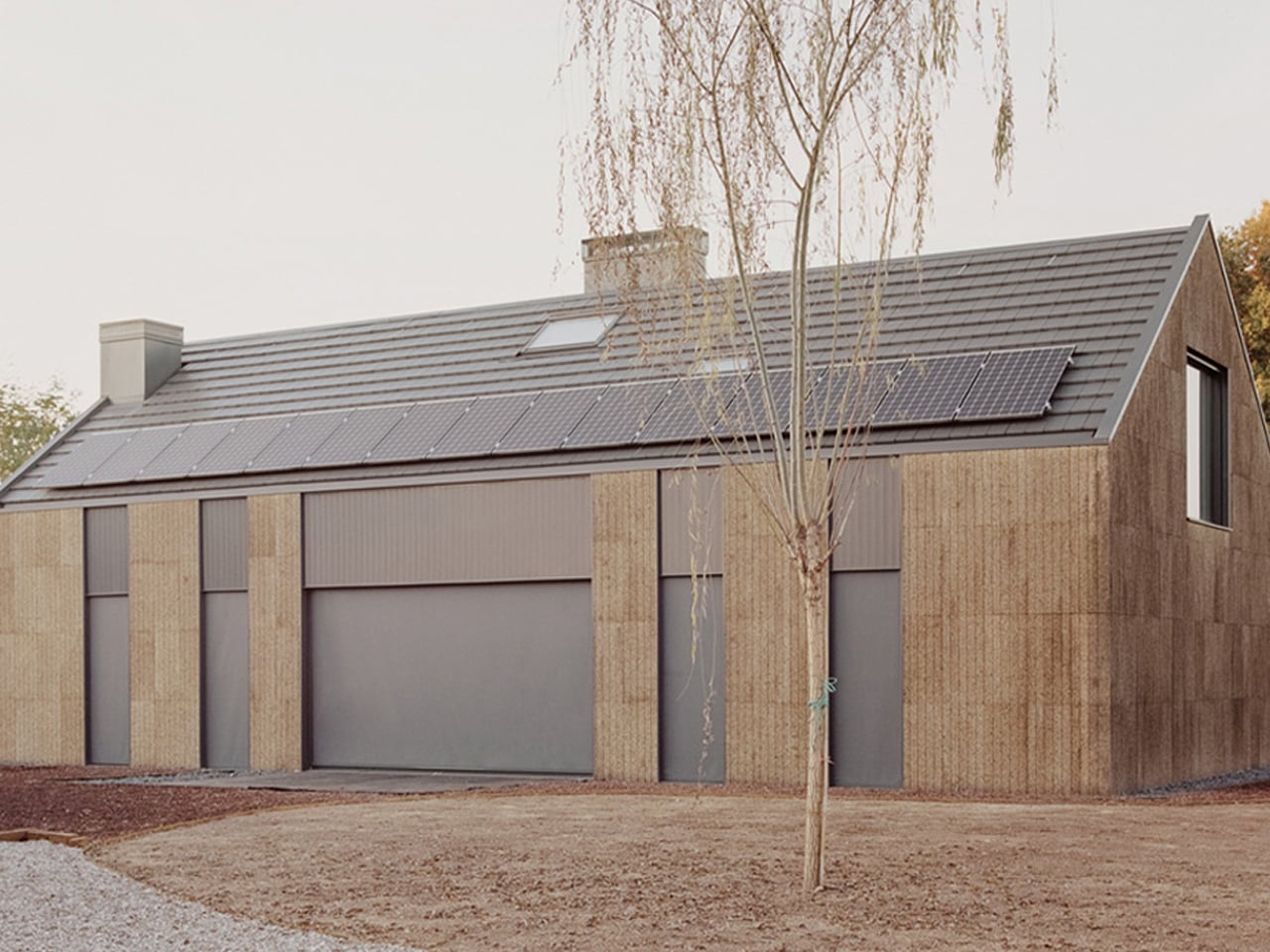
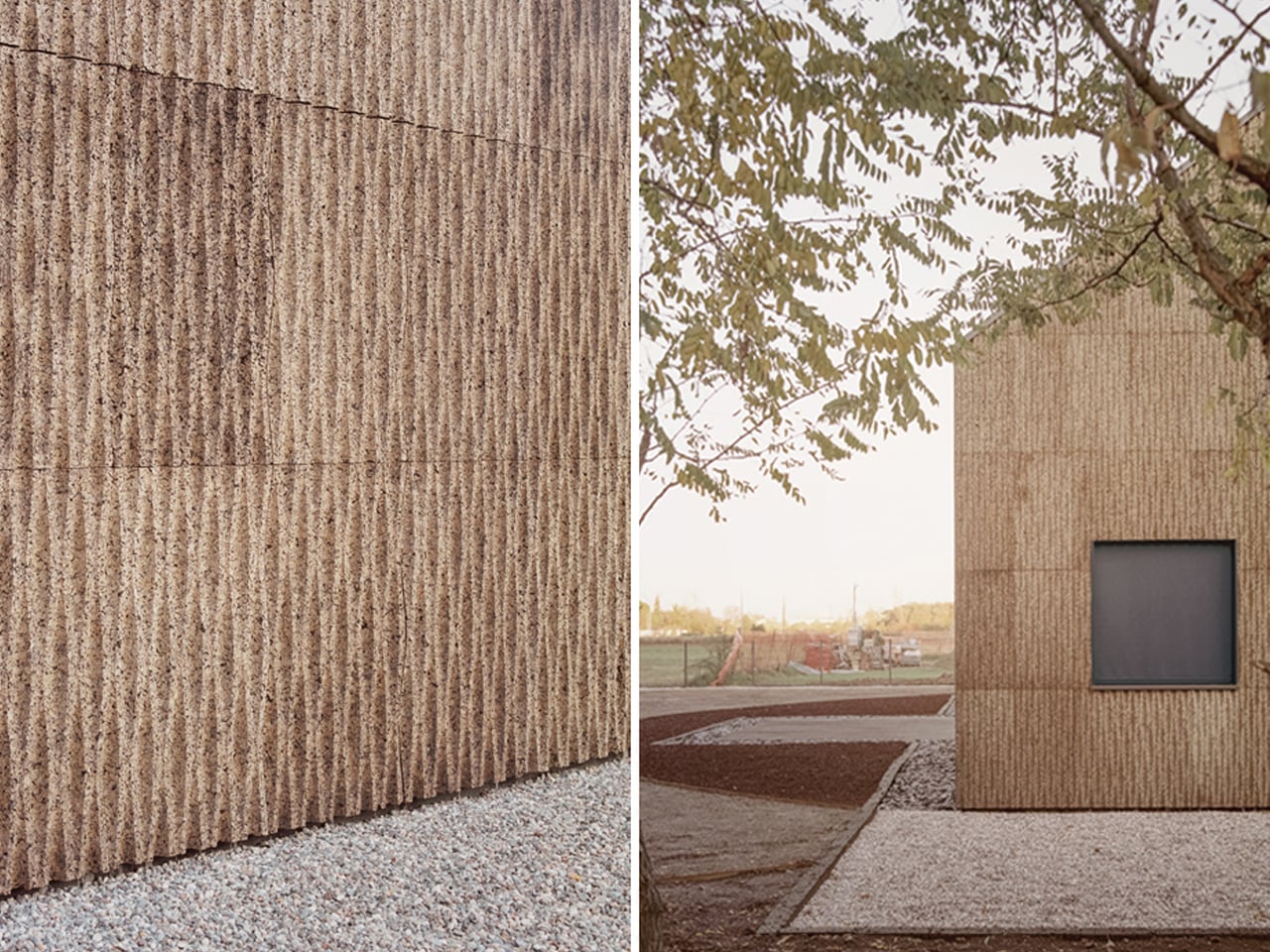
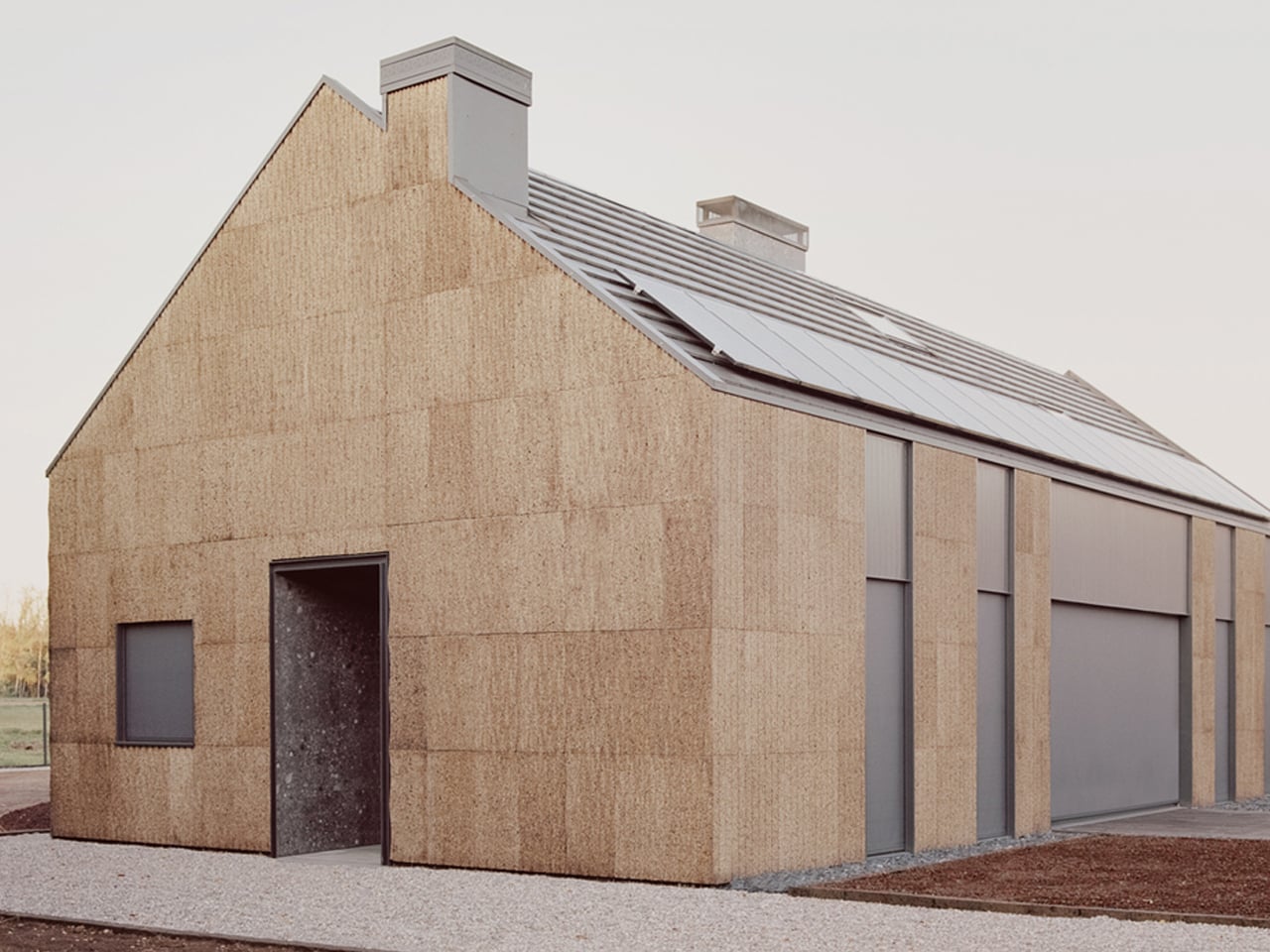
Just beyond a small Italian village, LCA Architetti has created the House of Wood, Straw, and Cork, a rural home designed with natural insulation at its core. Built for a pair of computer scientists seeking a sustainable lifestyle, the two-storey structure features a prefabricated timber frame wrapped in cork cladding. Harvested from cork oak bark, the cork exterior provides exceptional thermal performance while blending seamlessly with the surrounding farmland. The home’s primary insulation comes from straw, repurposed from discarded rice plants donated by local farmers. This straw infill, traditionally used in rural barns and henhouses, offers strong insulating properties while reducing agricultural waste.
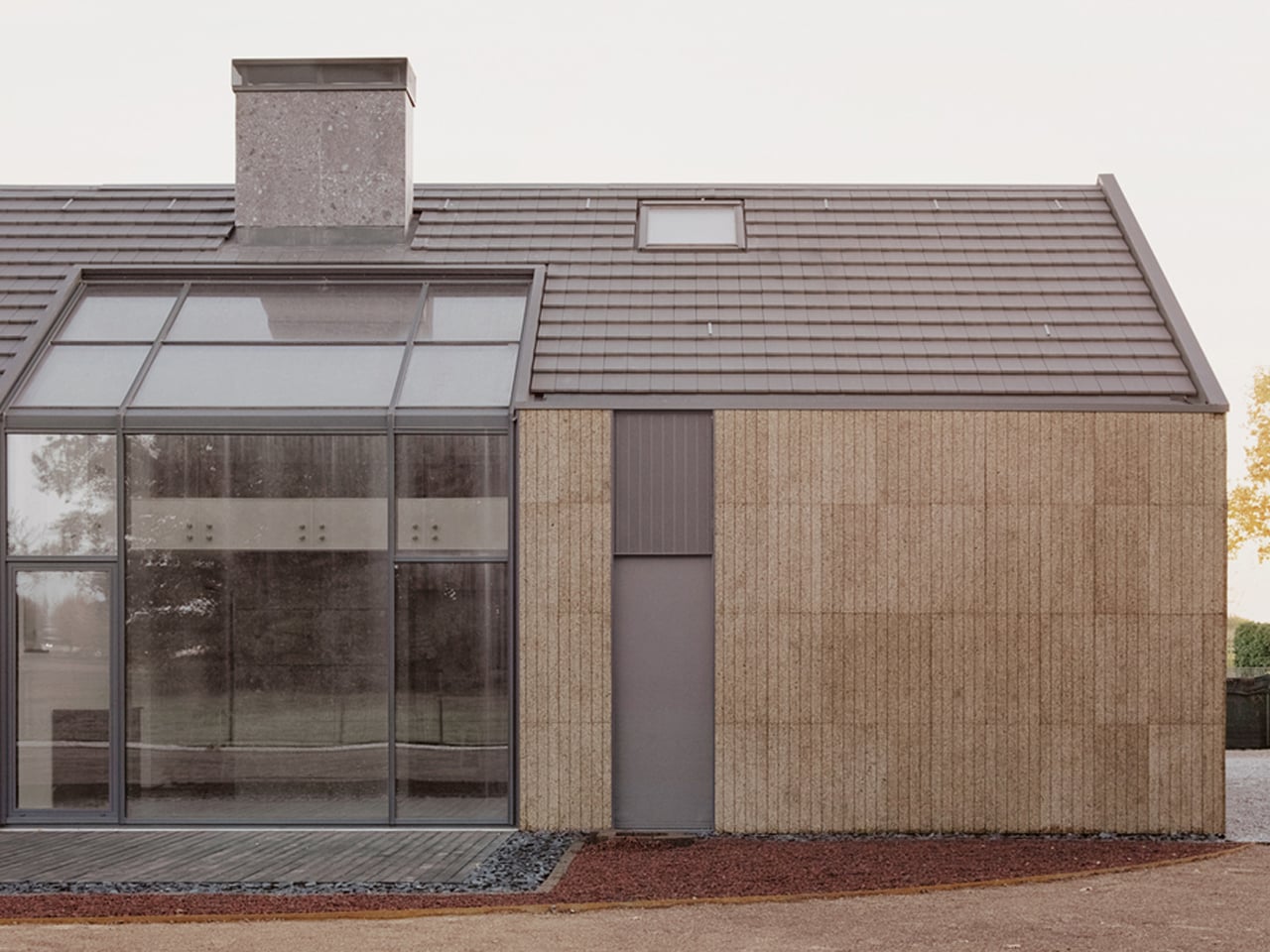
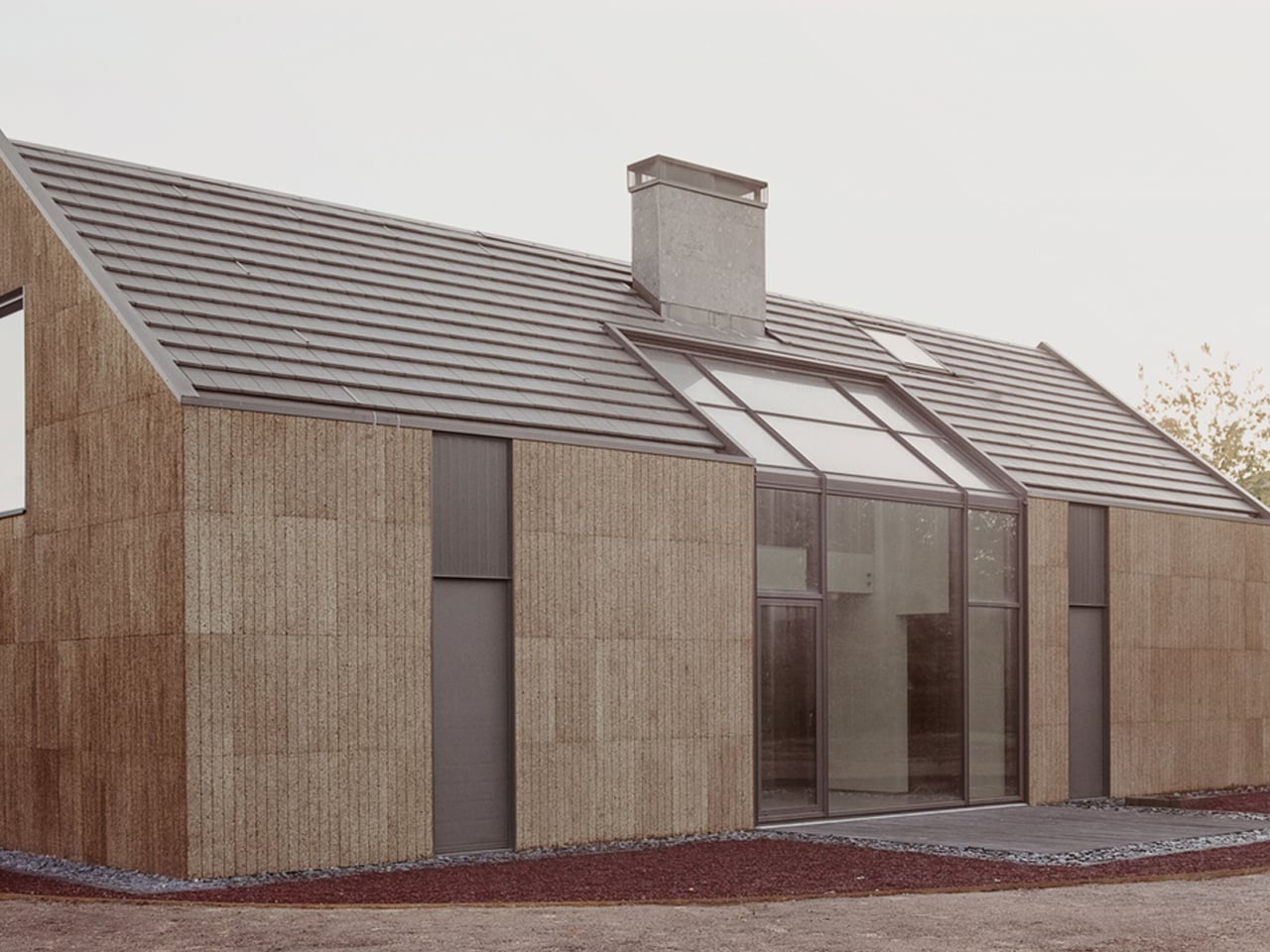
The house further enhances its energy efficiency with a rooftop array of solar panels, allowing it to produce much of its own power. By combining cork and recycled straw insulation with renewable energy, the home maintains comfortable indoor temperatures year-round while significantly lowering carbon emissions. Every material and method prioritizes environmental sensitivity, ensuring the home remains in harmony with its natural setting.

4. Integrated Indoor Vertical Farms

Food security is emerging as a fundamental pillar of domestic resilience. As climate pressures disrupt traditional agriculture, the fusion of architecture and controlled-environment growing systems offers a reliable, hyper-local source of fresh produce directly within the home.

Automated hydroponic or aeroponic vertical farming units deliver this capability through precise control of light, nutrients, and microclimate. Though the upfront cost is notable, the return lies in year-round nutritional certainty and a zero-mile food footprint. By reducing dependence on fluctuating supply chains, these systems transform the kitchen into a small-scale production hub, reinforcing biophilic living and reconnecting residents with the origin of their nourishment.
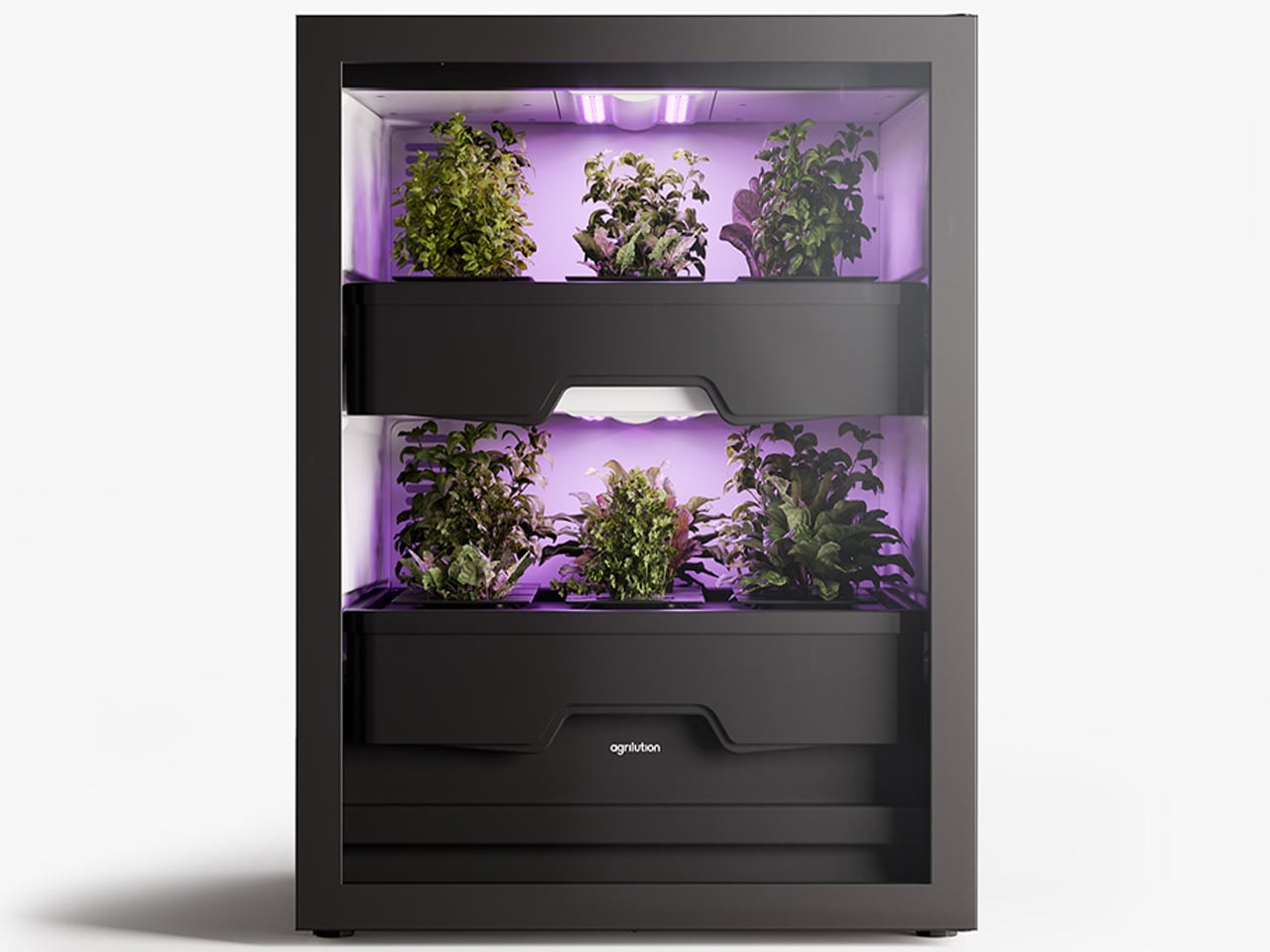
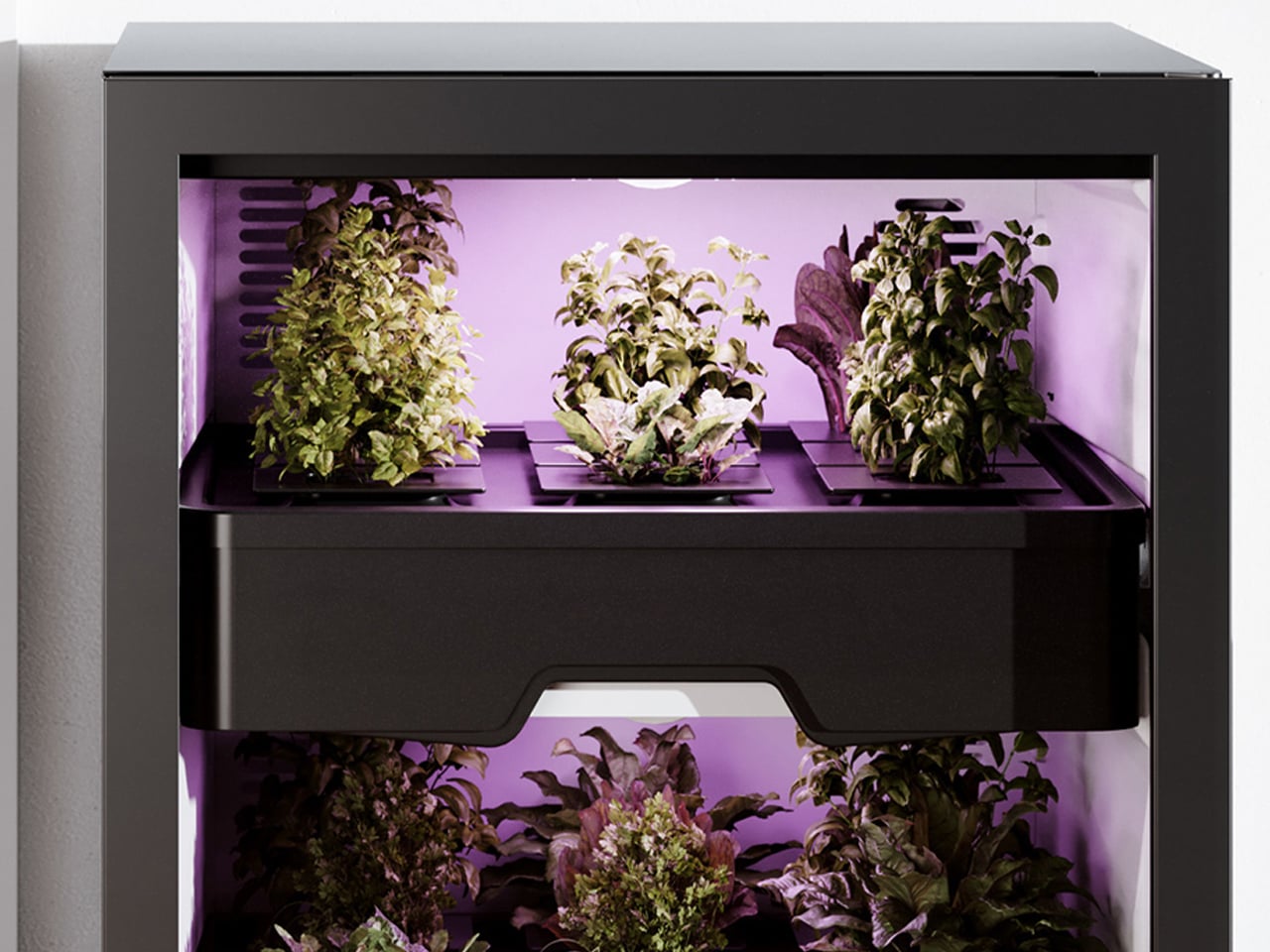
As more people embrace sustainable living, whether by growing vegetables or choosing reusable products, indoor vertical farming has become a popular solution for those with limited space. In response, Berlin-based design studio The Subdivision has envisioned Agrilution, a compact vertical farming appliance designed for modern homes. Shaped like a small refrigerator and nicknamed Plantcube, Agrilution features two sliding shelves that hold soil planters and crops. Built-in LED grow lights provide consistent artificial sunlight, ensuring plants receive the nourishment they need to thrive indoors.
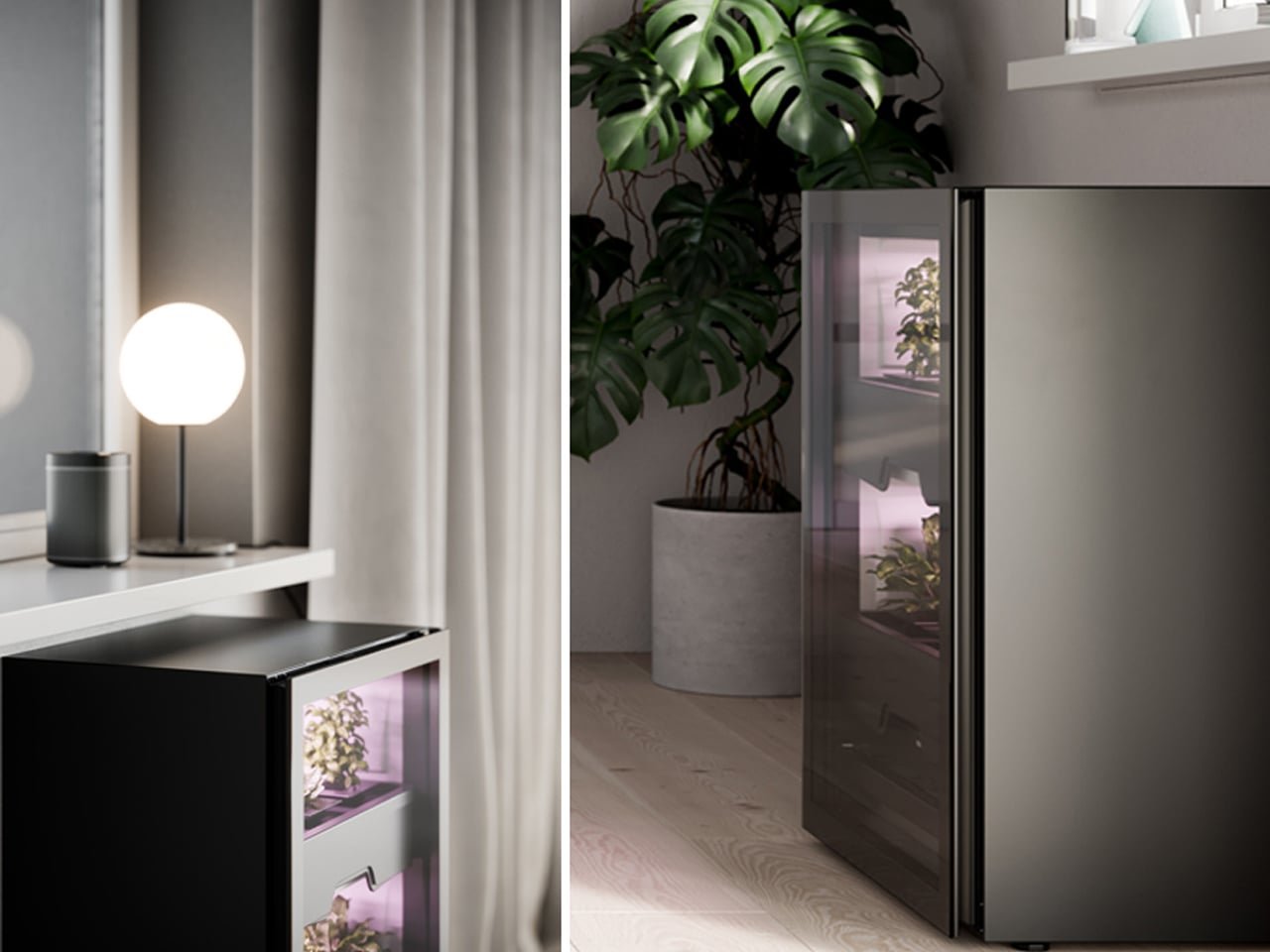
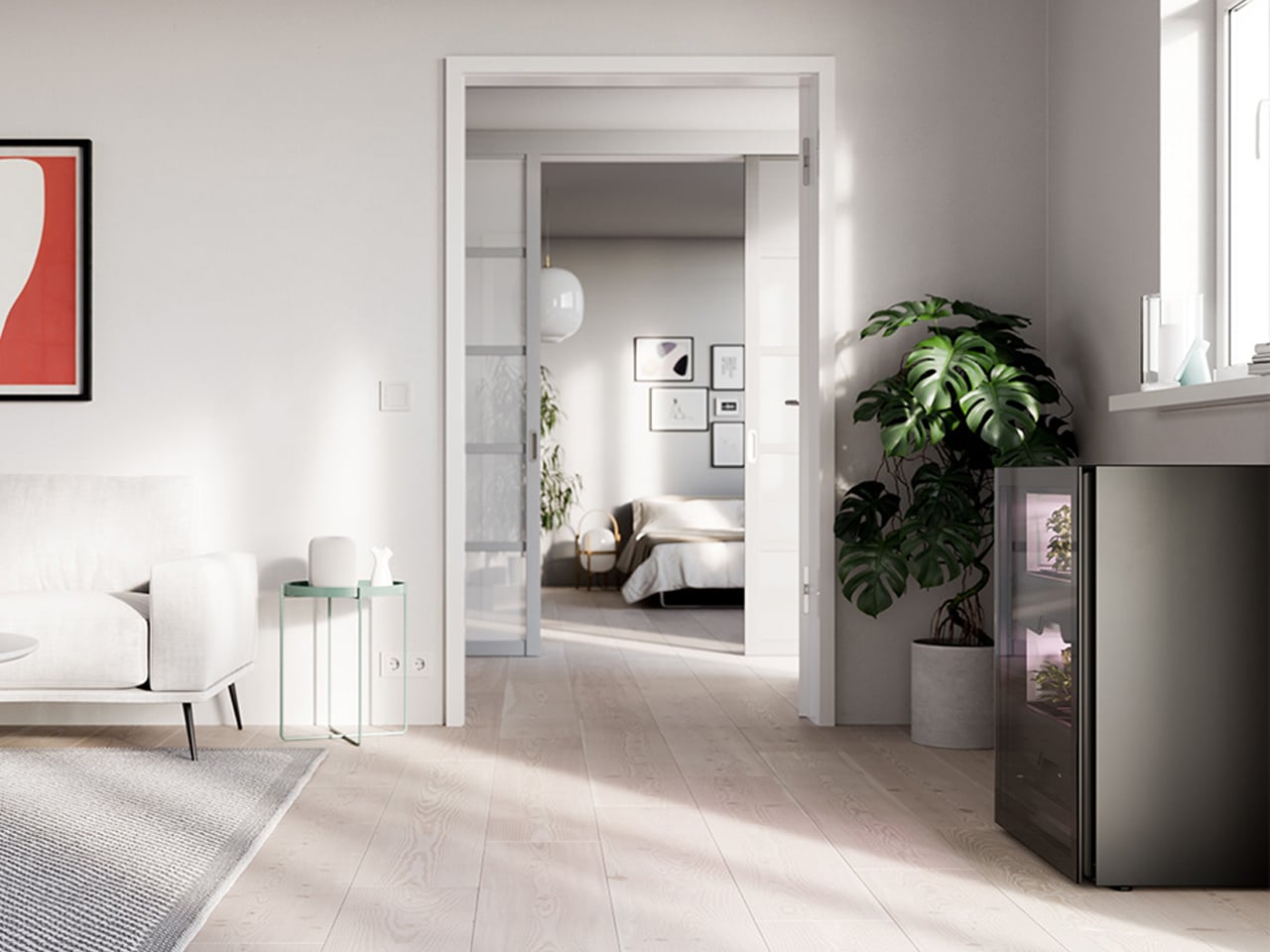
Agrilution also includes a smart app that guides users through plant care by signaling when water, nutrients, or soil replenishment are required. This combination of vertical farming and smart technology makes home gardening more accessible, even for beginners. With a sleek, black, minimalist design, the appliance blends effortlessly into contemporary interiors. As eco-friendly lifestyles gain momentum, Agrilution offers an elegant, easy way to bring sustainable food production directly into the home.

5. Resilient Homes For Rising Sea Levels

Homes built for rising sea levels must prioritize a strong, watertight building envelope capable of resisting frequent flooding, storm surge, and intensified coastal winds. As tides rise and soil becomes more saturated, foundations face higher stress, making durable structural systems essential. A reinforced shell that blocks moisture, prevents erosion damage, and maintains stability during extreme weather ensures long-term safety for occupants in vulnerable coastal areas.

Advanced materials further enhance resilience. Marine-grade, non-corrosive cladding protects against saltwater exposure, while impact-resistant glazing withstands high-pressure winds and floating debris. Corrosion-proof fasteners, elevated floor systems, and sealed joints reduce repair costs and prolong the lifespan of homes facing the realities of a changing coastline.
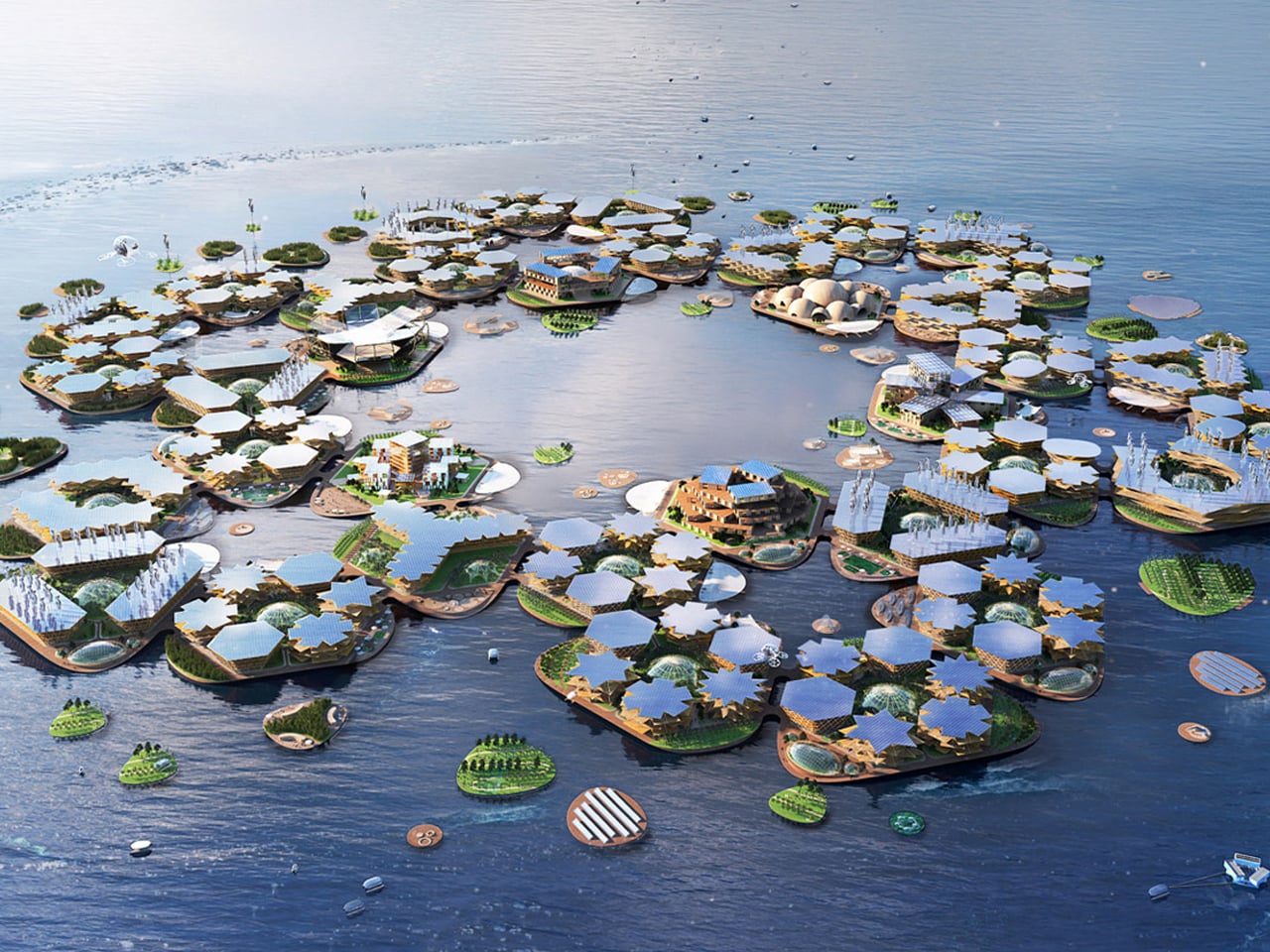
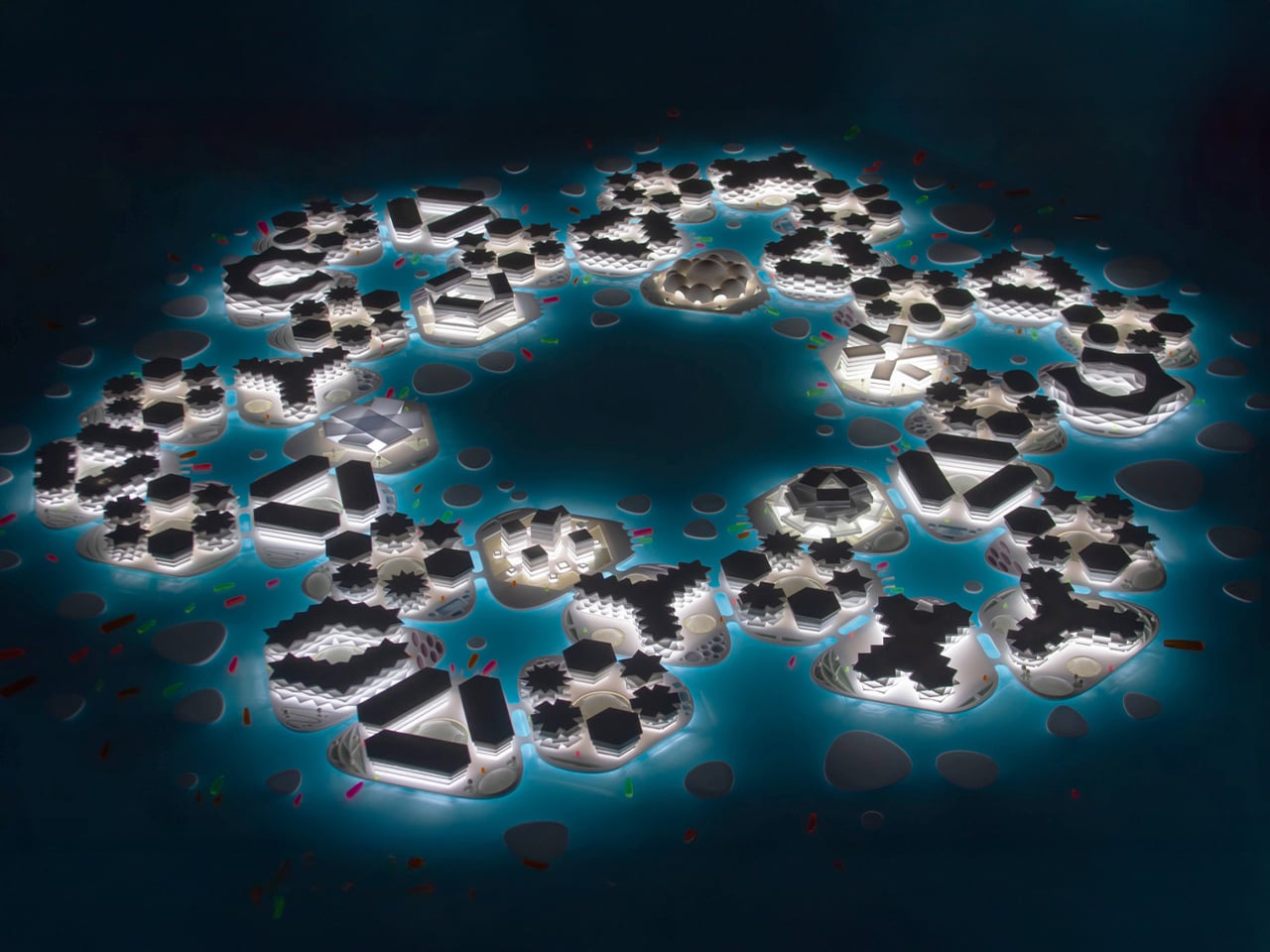
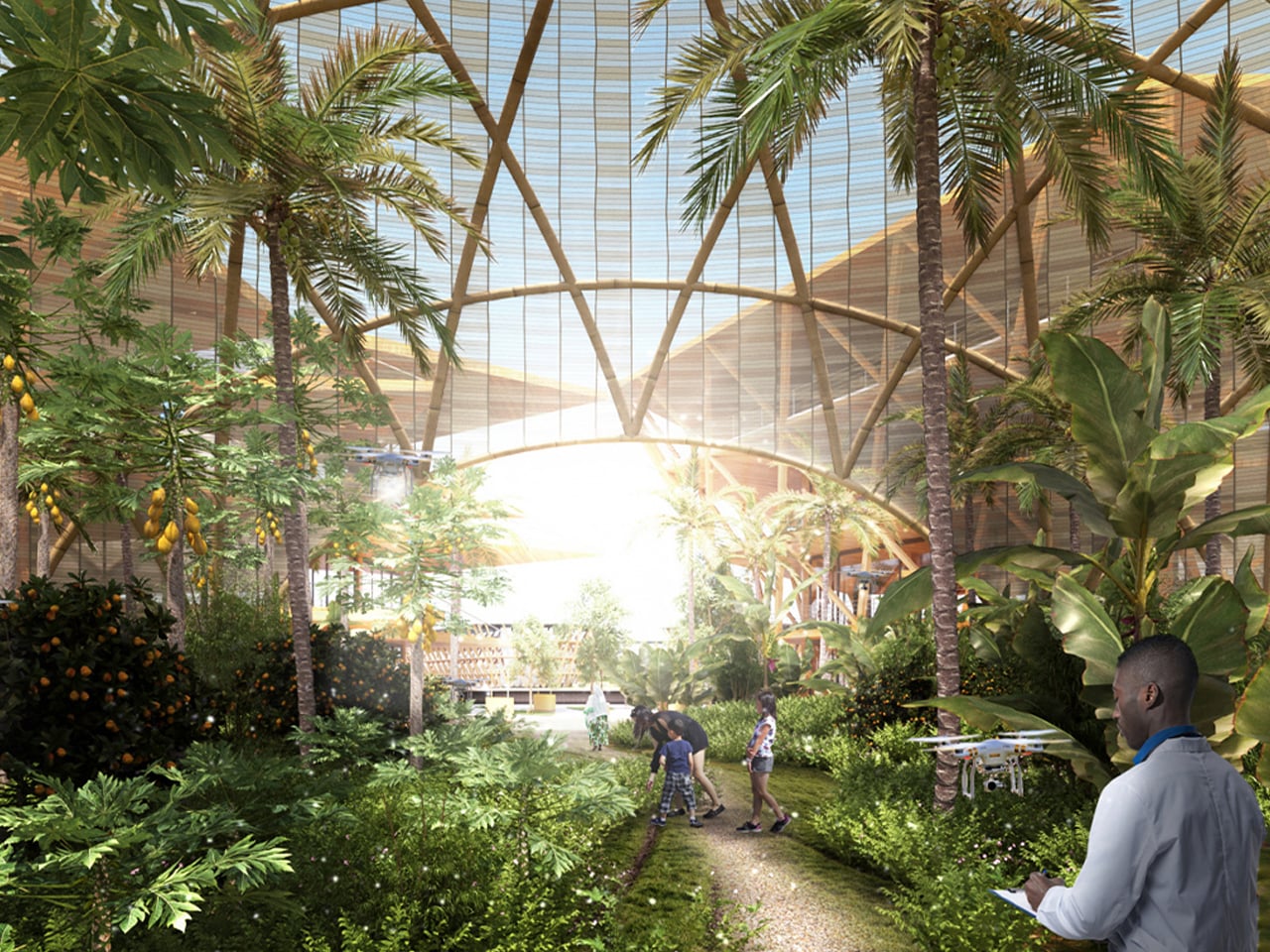
OCEANIX is an innovative floating city concept developed by BIG, Bjarke Ingels Group, envisioned for construction off the coast of South Korea. The project has received approval from UN-Habitat and the Metropolitan City of Busan, moving it closer to reality. Designed as a fully sustainable habitat, each 2-hectare module houses around 300 residents, and multiple modules can connect to form a 1,650-person village. These floating neighborhoods integrate underwater farming, greenhouses, and renewable energy systems to support long-term self-sufficiency. Residents can move easily on foot or by boat between the interconnected platforms.
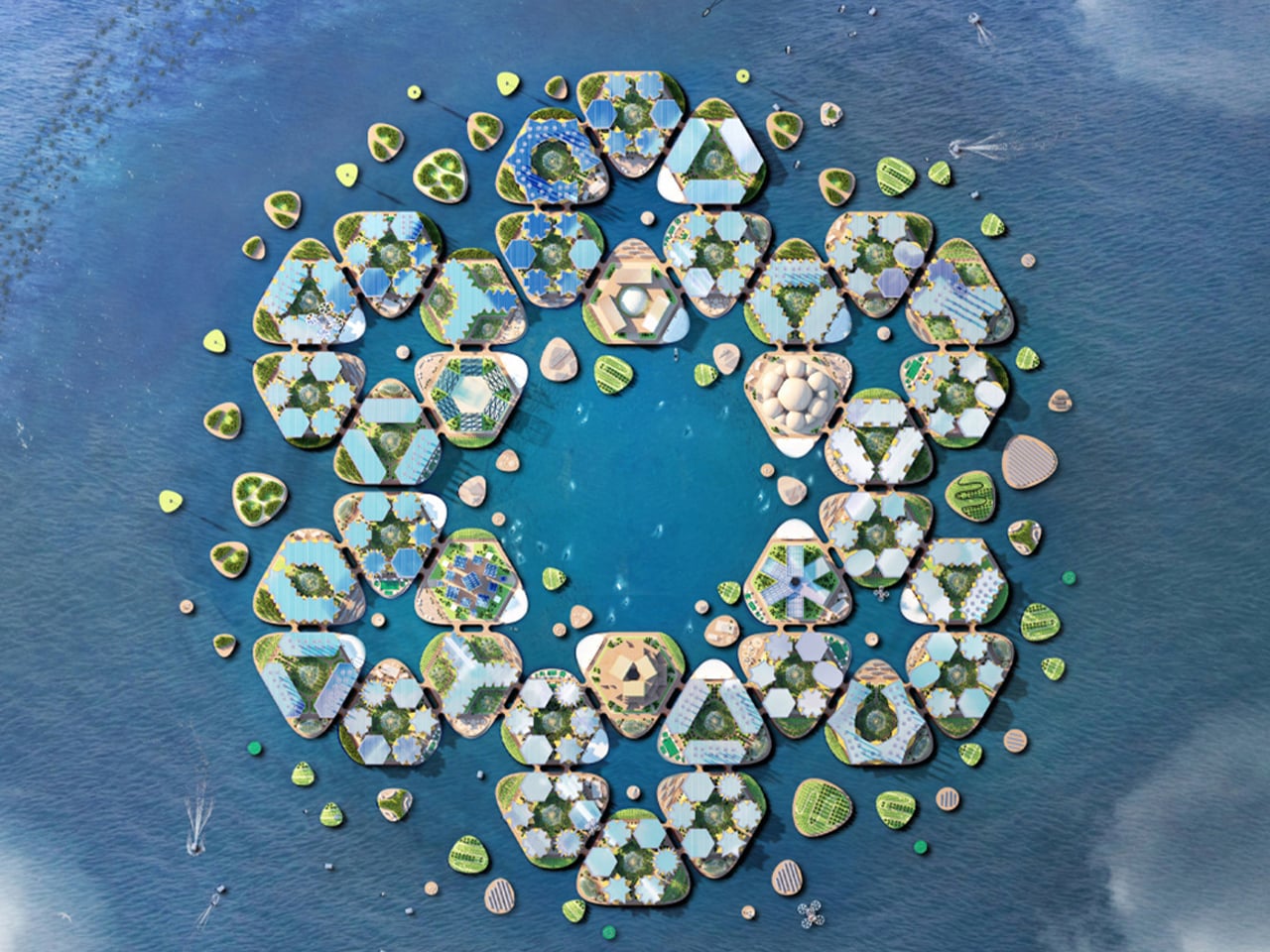
Resilience is central to OCEANIX’s design. The floating city is engineered to endure extreme natural forces, including category 5 hurricanes, tsunamis, and rising sea levels. Its masterplan features homes, public squares, art installations, markets, sports facilities, and schools, offering all the functions of a modern community while maintaining safety and stability even under severe environmental stress.

Luxury today is defined not by display but by certainty. When the five core pillars of energy independence, water autonomy, resilient envelopes, adaptive materials, and hyperlocal food systems work in harmony, the home transforms into an active, self-sustaining organism. This marks a new architectural mandate: to design spaces that are elegant, regenerative, and secure, offering the lasting peace of mind that comes from true environmental mastery.

The post 5 Climate-Proof Home Upgrades That Turned Homes Into Survival Shelters first appeared on Yanko Design.
Concrete Furniture Just Got Soft: 5 Designs That Feel Like Art

Brutalism once suggested stark, monumental forms, with raw concrete presented in uncompromising honesty. Today, that legacy is evolving into a softer interior design language: Soft Brutalism. Rather than a contradiction, it becomes a thoughtful fusion where concrete is shaped into gentler, more human-centered forms. This shift responds to a culture saturated with disposable design and offers a return to authenticity, weight, and permanence.

Design studios increasingly agree that real luxury now lies in longevity and the tactile bond between people and material. Soft Brutalism embraces concrete’s structural clarity while softening its presence through refined casting, subtle tones, and smooth contours, transforming a once cold material into a warm, grounding element in contemporary spaces.

1. Texture As Poetic Expression

Soft Brutalism reimagines the concrete surface as a sensory landscape. Instead of the coarse, exposed finishes of classic Brutalism, this approach introduces a gentler, more tactile vocabulary. Ultra-high-performance concrete and advanced admixtures allow surfaces to feel like polished stone or soft, leathered marble, shifting concrete from industrial to intimate.

Subtle natural pigments bring earthy tones that warm the material visually, while delicate pores and faint aggregate patterns preserve its authenticity. This balance of refinement and imperfection creates a presence that feels grounded, crafted, and emotionally resonant – inviting touch and elevating concrete into a poetic element of contemporary design.

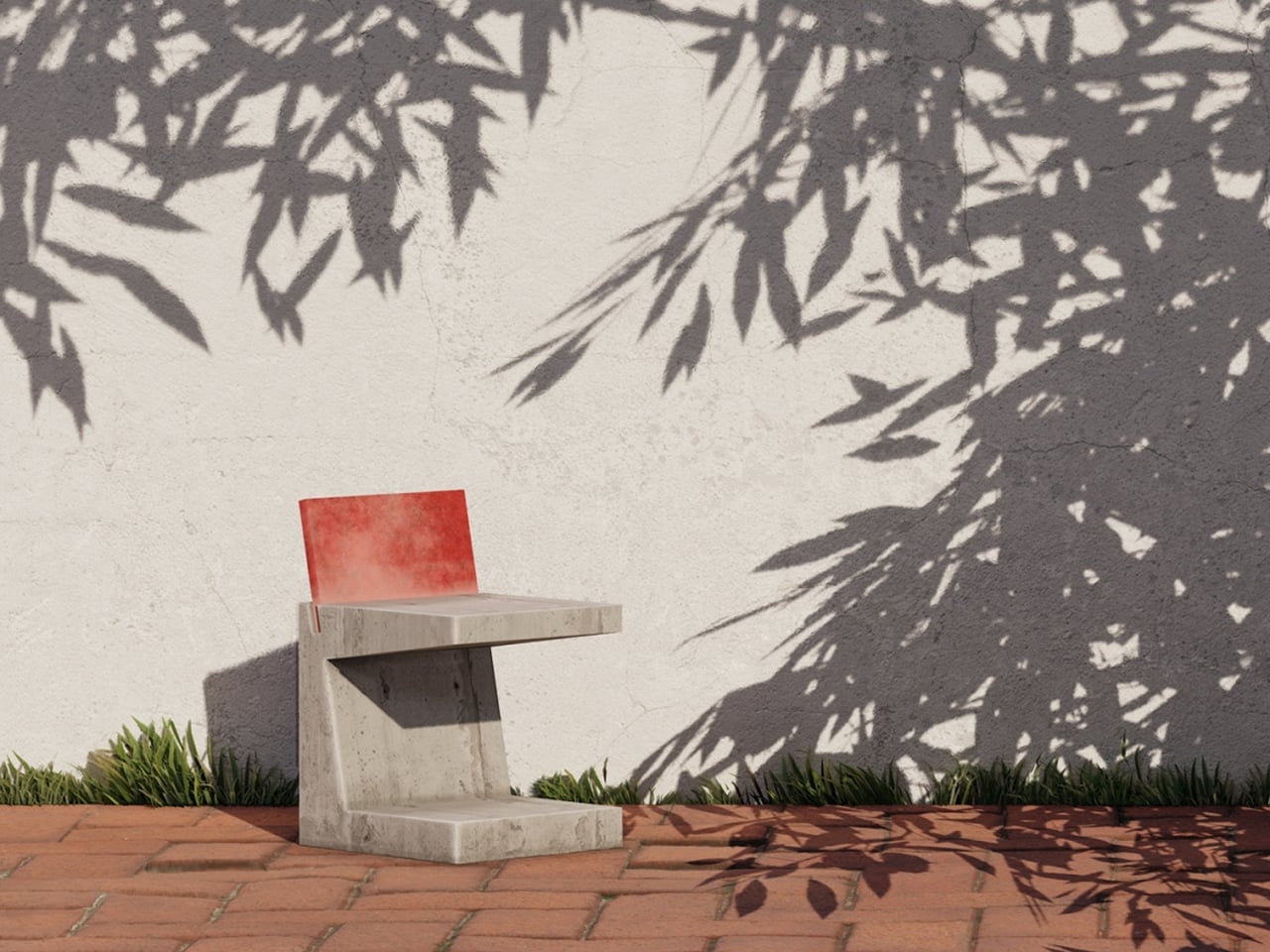
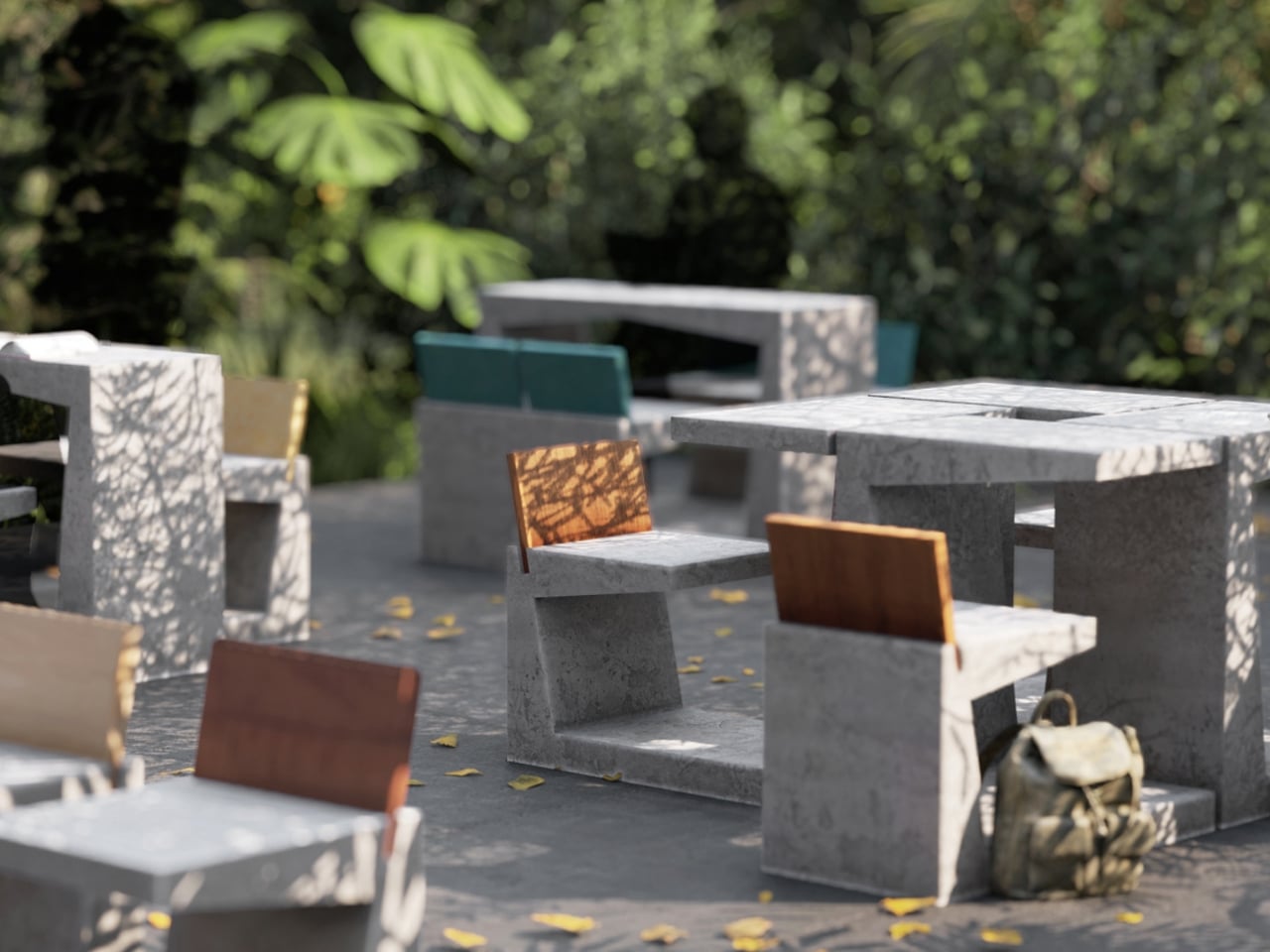
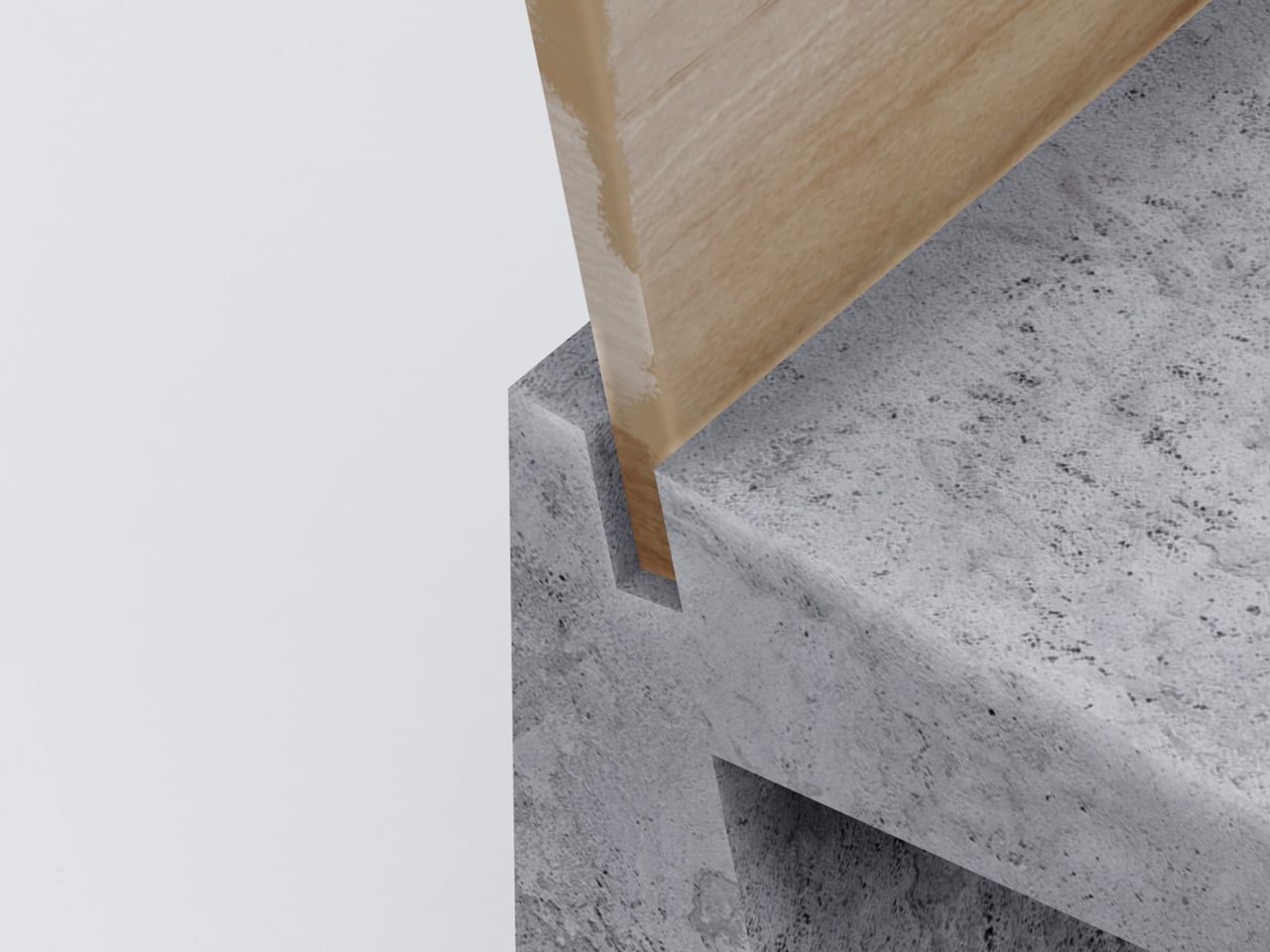
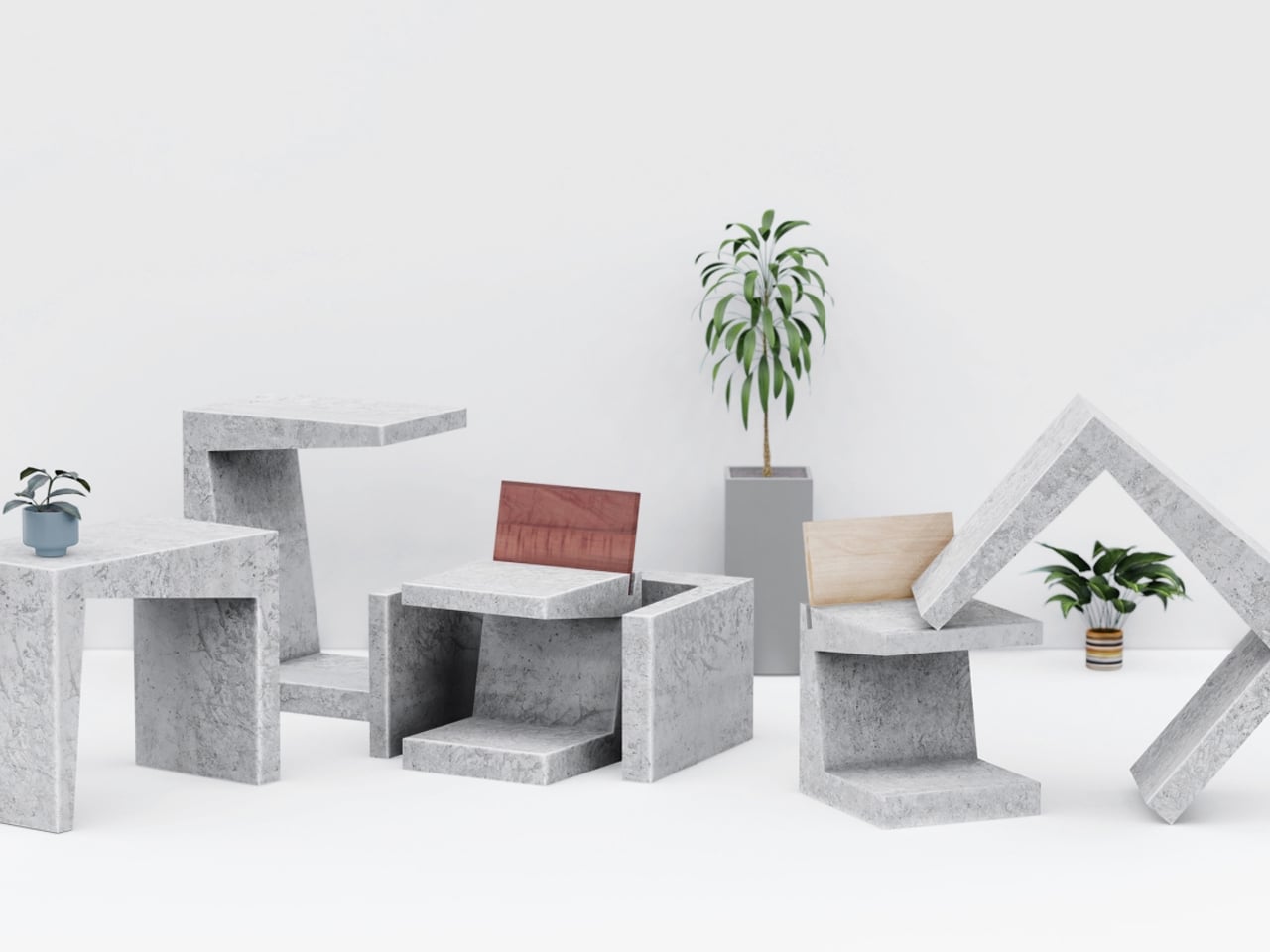
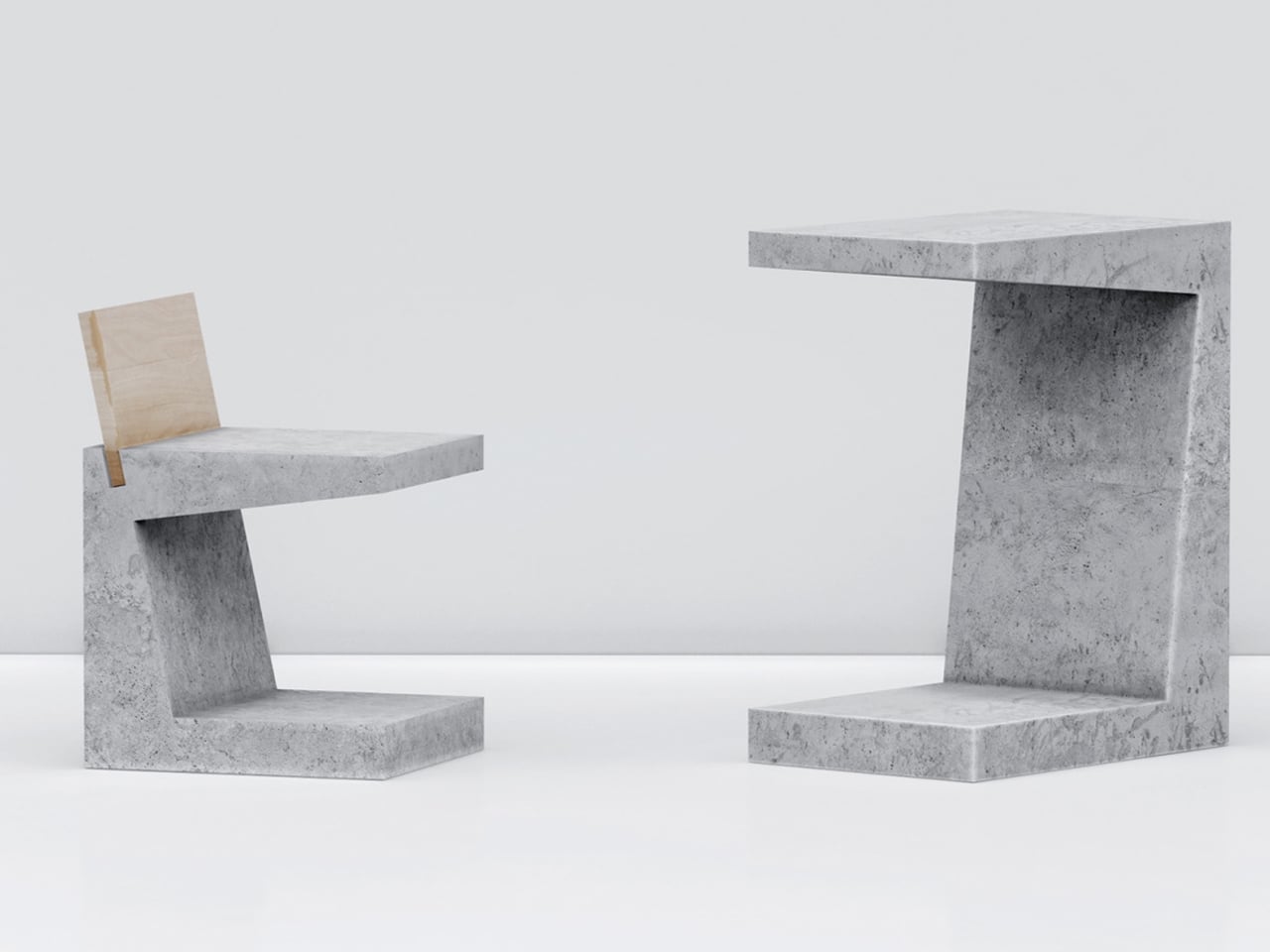
The Brute concept reinterprets outdoor furniture through a raw concrete expression of minimalism. Instead of the polished wooden surfaces often associated with minimalist design, these pieces embrace the unrefined character of concrete, inspired by brutalist architecture. The collection includes a chair and a table, each shaped like an enlarged square bracket. The chair features a recessed groove that holds a thick plywood backrest, creating a warm, natural contrast against the cool exposed concrete. Its form remains intentionally austere while highlighting the structural honesty of the material.

The table echoes the chair’s geometry but can be positioned in two orientations. It may be placed horizontally for a sculptural presence or stood upright for a more familiar table profile. Both pieces incorporate openings at their base that allow them to be linked using milled steel rods, creating multiple configurations. This modular system enables varied seating arrangements, giving the Brute furniture set practicality and visual impact within outdoor environments.

2. Sculpted Concrete Forms

Soft Brutalism preserves the inherent weight of concrete while reshaping it into forms that feel gentle and approachable. Instead of sharp right angles, the furniture relies on organic curves and softened edges that create calm, sculptural silhouettes. These substantial pieces ground a space, offering quiet stability while inviting touch and reducing visual intensity.

Drawing inspiration from nature, many forms echo river stones or stacked cairns, strengthening a biophilic connection within interiors. Their smooth, continuous surfaces interact beautifully with light, diffusing shadows and highlights so the material feels alive. This interplay transforms concrete into a warm, human-centred design language.

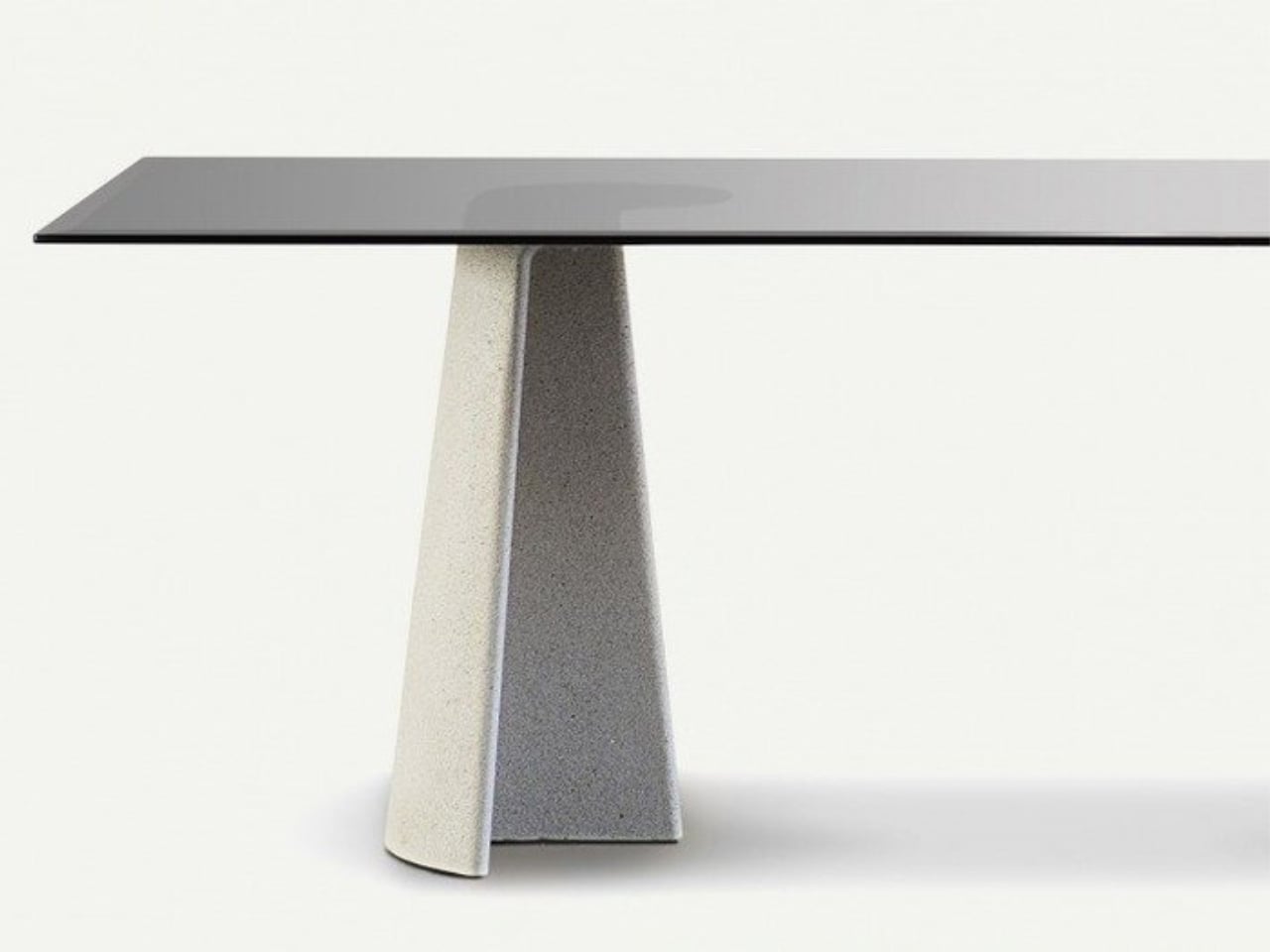
Ronan Bouroullec’s Ancora tables for Magis reframe concrete with an unexpected sense of refinement. Each piece is defined by a sculptural anchor-shaped base where a curved edge meets a central rib, giving the form both stability and visual lightness. The collection includes rectangular and round dining tables, as well as low and side tables, designed for indoor and outdoor settings. The rectangular model measures 220 × 90 cm, while the round version is 130 cm in diameter, offering two distinct spatial expressions.

Materiality sits at the core of Ancora. The concrete base establishes a quiet architectural presence, while the tabletop options, like tempered glass in clear or smoked finishes, or oak-veneered MDF, allow for different aesthetic directions. With its clean geometry and absence of decorative flourishes, the design relies on proportion, curvature, and structure to express character. Ancora demonstrates how concrete can shift from industrial to poetic when shaped with precision and restraint.

3. Warm Material Contrast

Soft Brutalism balances concrete’s cool, dense character with warm, organic materials, creating both visual and sensory harmony. Instead of relying solely on mass, this approach pairs concrete with richly grained woods, supple leathers, and hand-woven textiles, bringing an inviting counterpoint to the material’s inherent solidity.

Thoughtful placement of wood, cushions, and softer textures ensures that human touchpoints feel warm, ergonomic, and comfortable. This pairing transforms each piece from a purely industrial object into a crafted work of art, highlighting the precision of concrete casting alongside the refined joinery and material richness that elevate its presence in contemporary interiors.

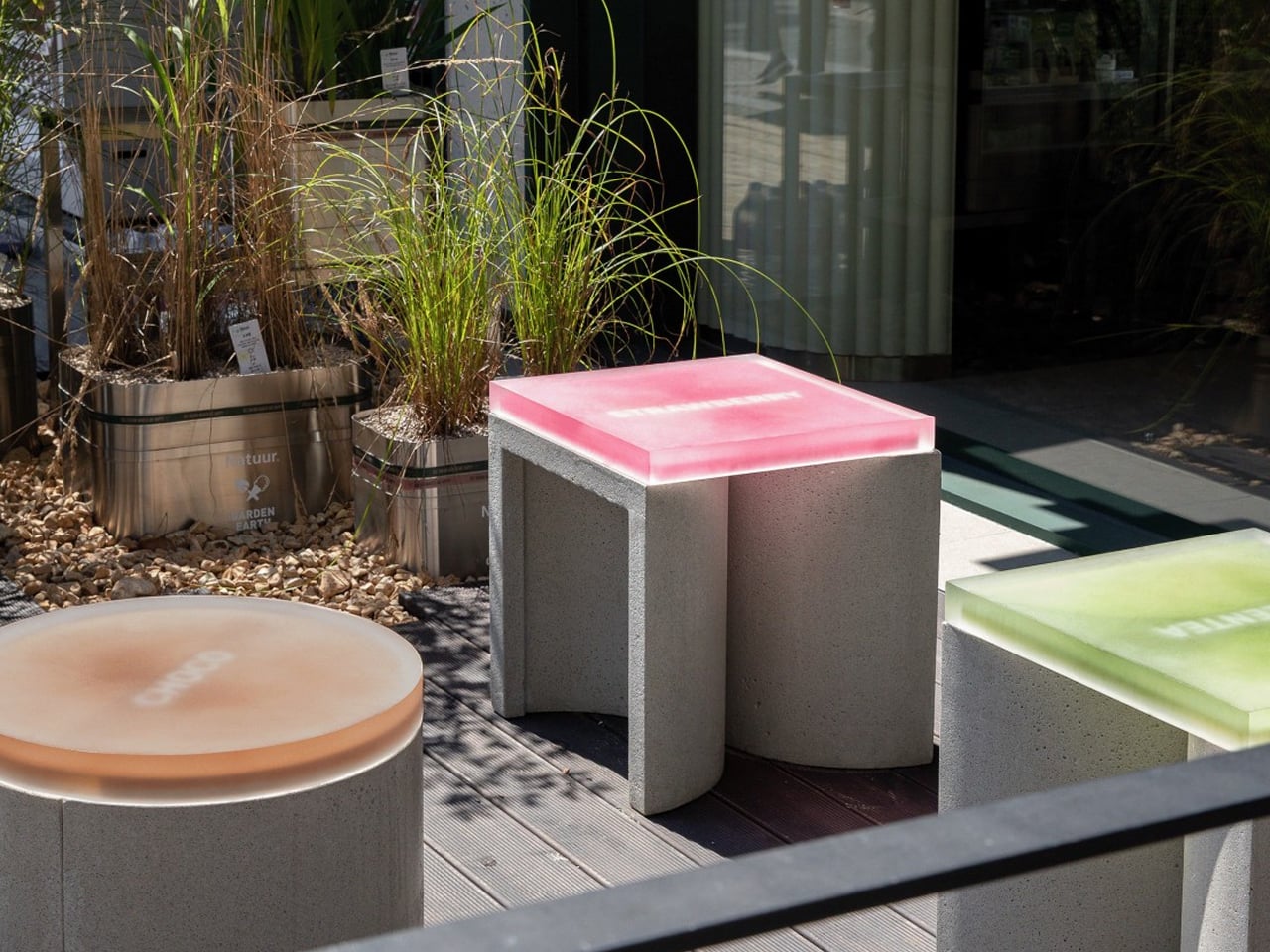
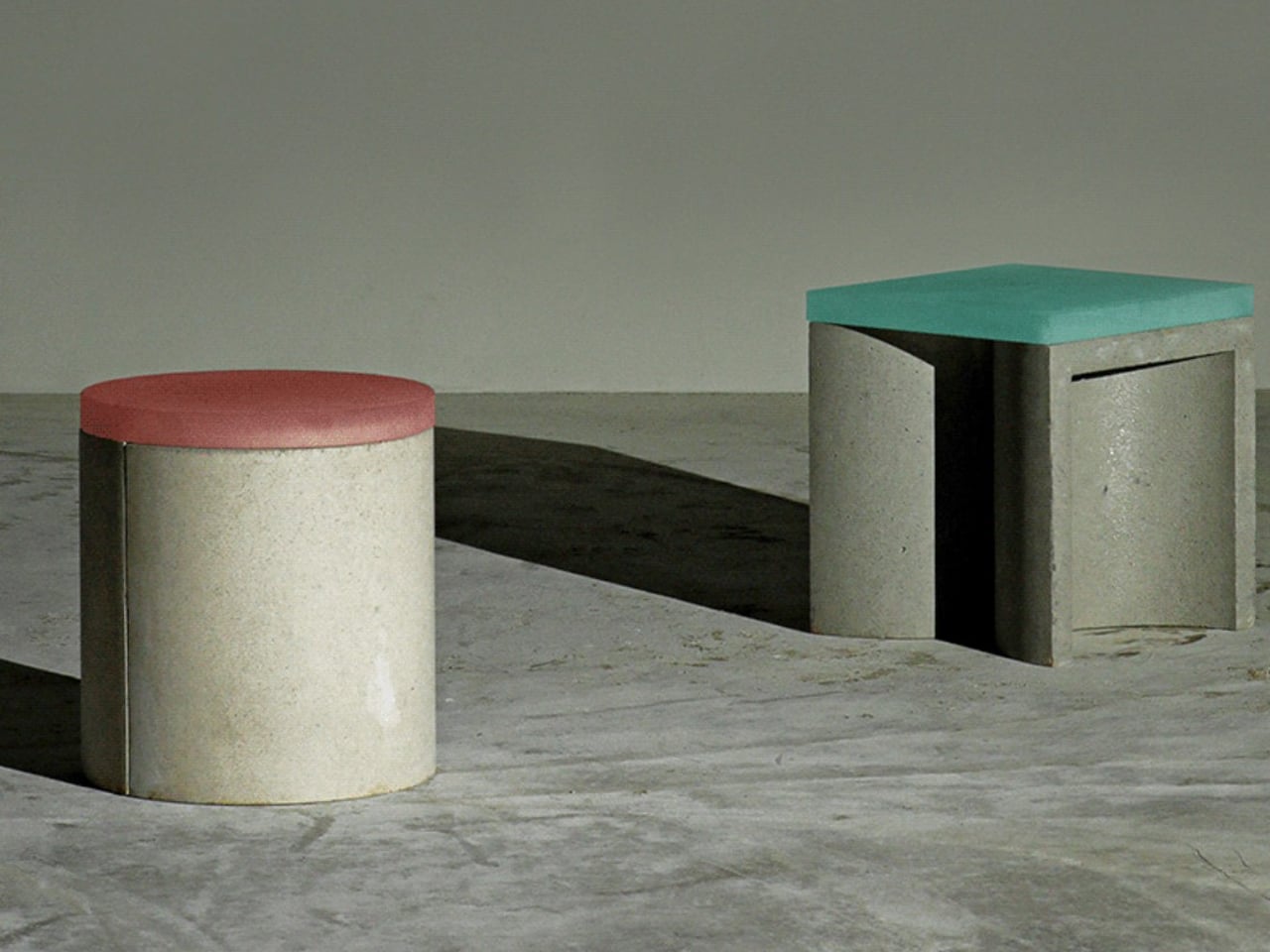
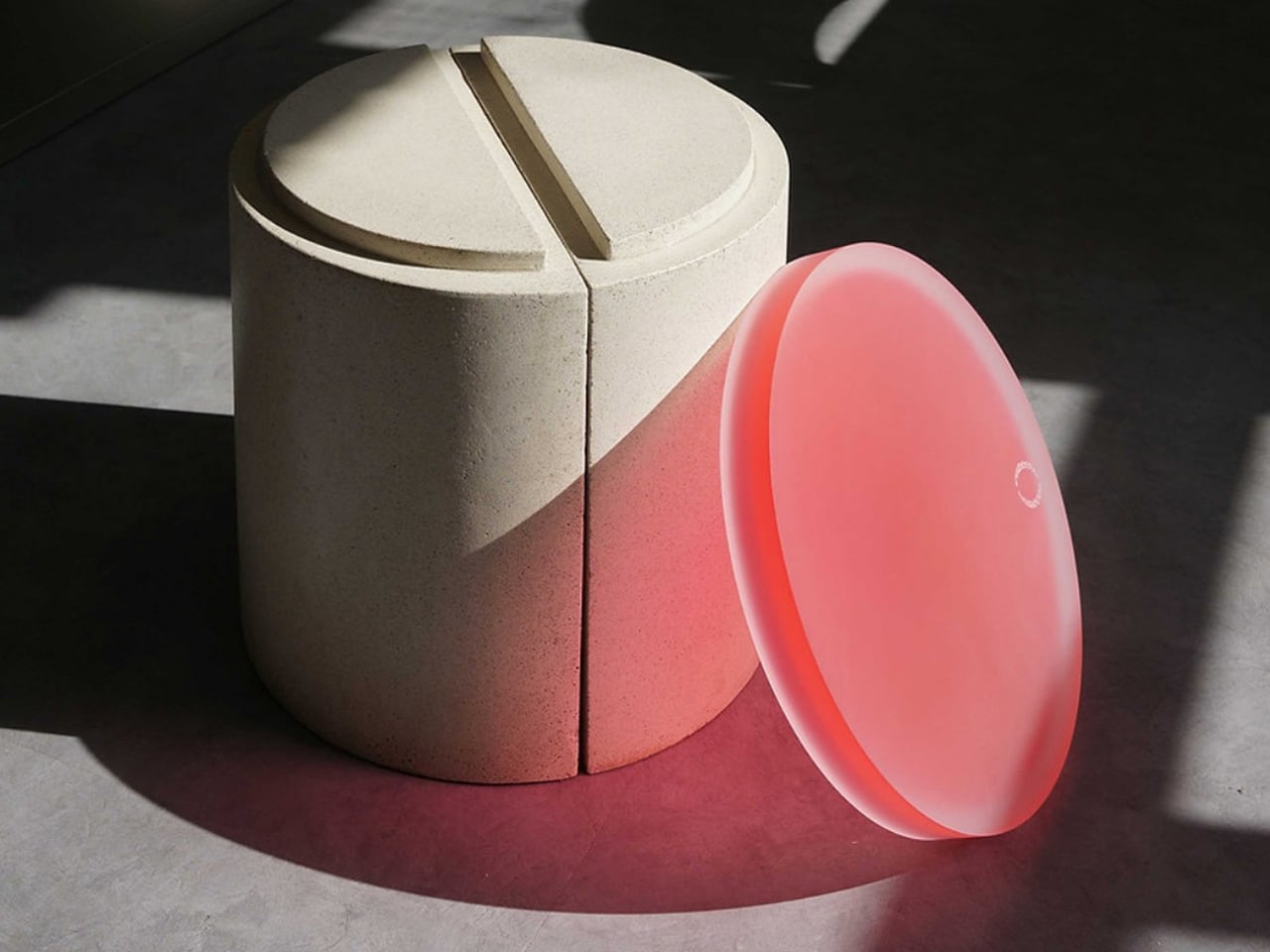
The CONECTO system reconsiders how concrete can function within outdoor furniture by using the material in a modular rather than static way. At first glance, the stool appears as a simple cylindrical form topped with a coloured acrylic surface. In reality, the base consists of two half-cylinders joined along their flat sides, allowing each segment to be repositioned and combined with others. This modular approach enables multiple configurations: a single unit as a compact stool, two halves arranged to support a square top, or extended arrangements that create elongated seating. When three full cylinders are grouped, the system forms a triangular bench suitable for multiple users.

Acrylic plays a functional and visual role, acting as the connector between concrete elements while adding colour and translucency that contrast with the raw, tactile base. The design’s aesthetic merges minimalism with a subtle brutalist influence, resulting in a visually engaging outdoor piece. Developed in high-strength UHPC concrete, the system also incorporates sustainable intent, with future versions planned to integrate recycled materials for enhanced environmental performance.

4. Timeless Design Value

Soft Brutalism positions concrete furniture as a long-term investment rather than a trend-driven purchase. For high-net-worth homeowners, its appeal lies in permanence: pieces built to endure physically and aesthetically. When treated and sealed correctly, concrete becomes exceptionally durable, resisting wear and retaining its visual integrity for decades, making longevity itself a form of luxury.

Choosing locally cast, high-quality concrete also reduces carbon footprint and supports regional craftsmanship. These pieces are conceived as future heirlooms that are robust, architectural, and timeless enough to remain relevant across shifting styles. Their lasting presence offers both emotional and material return on investment.

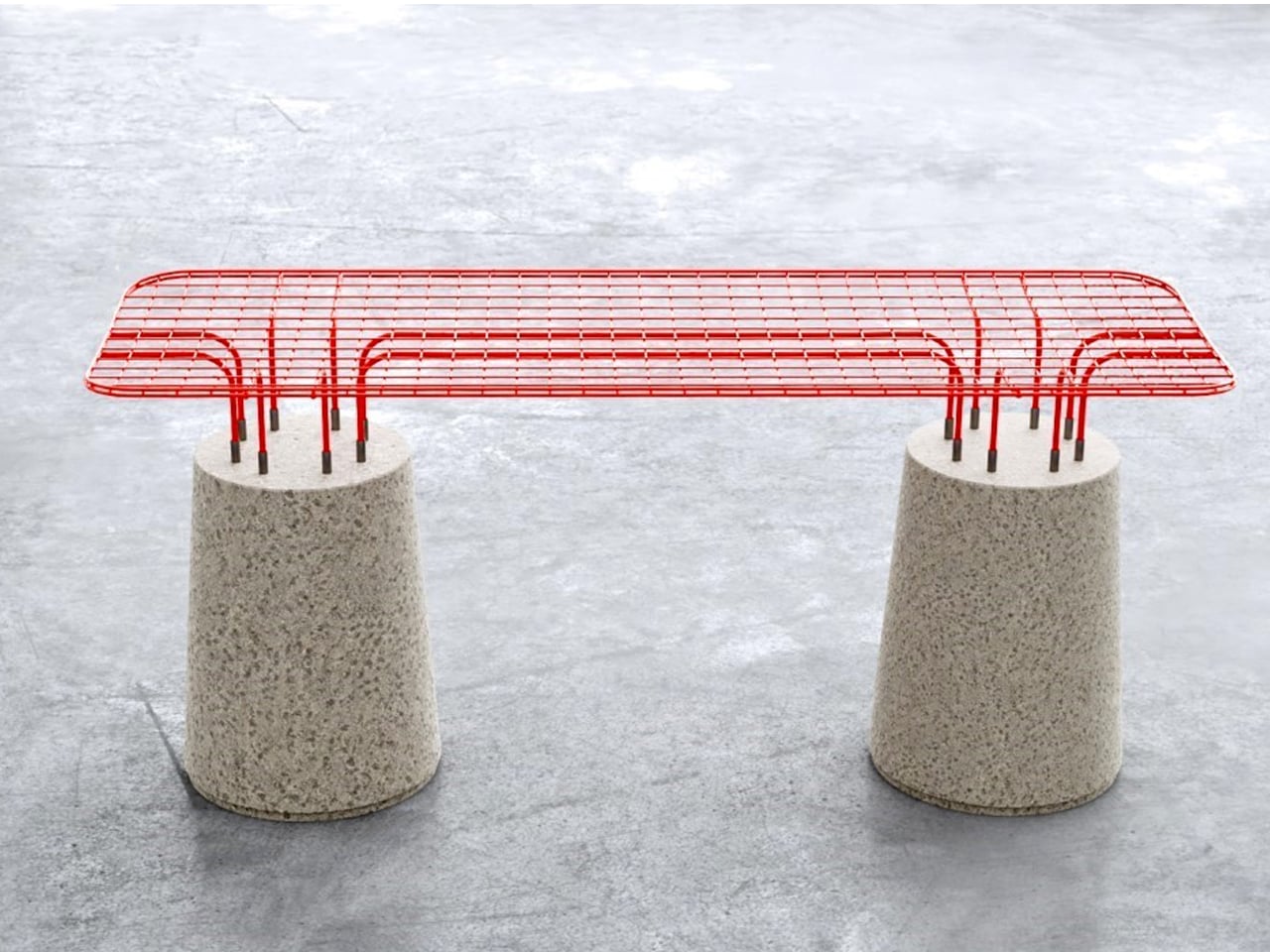
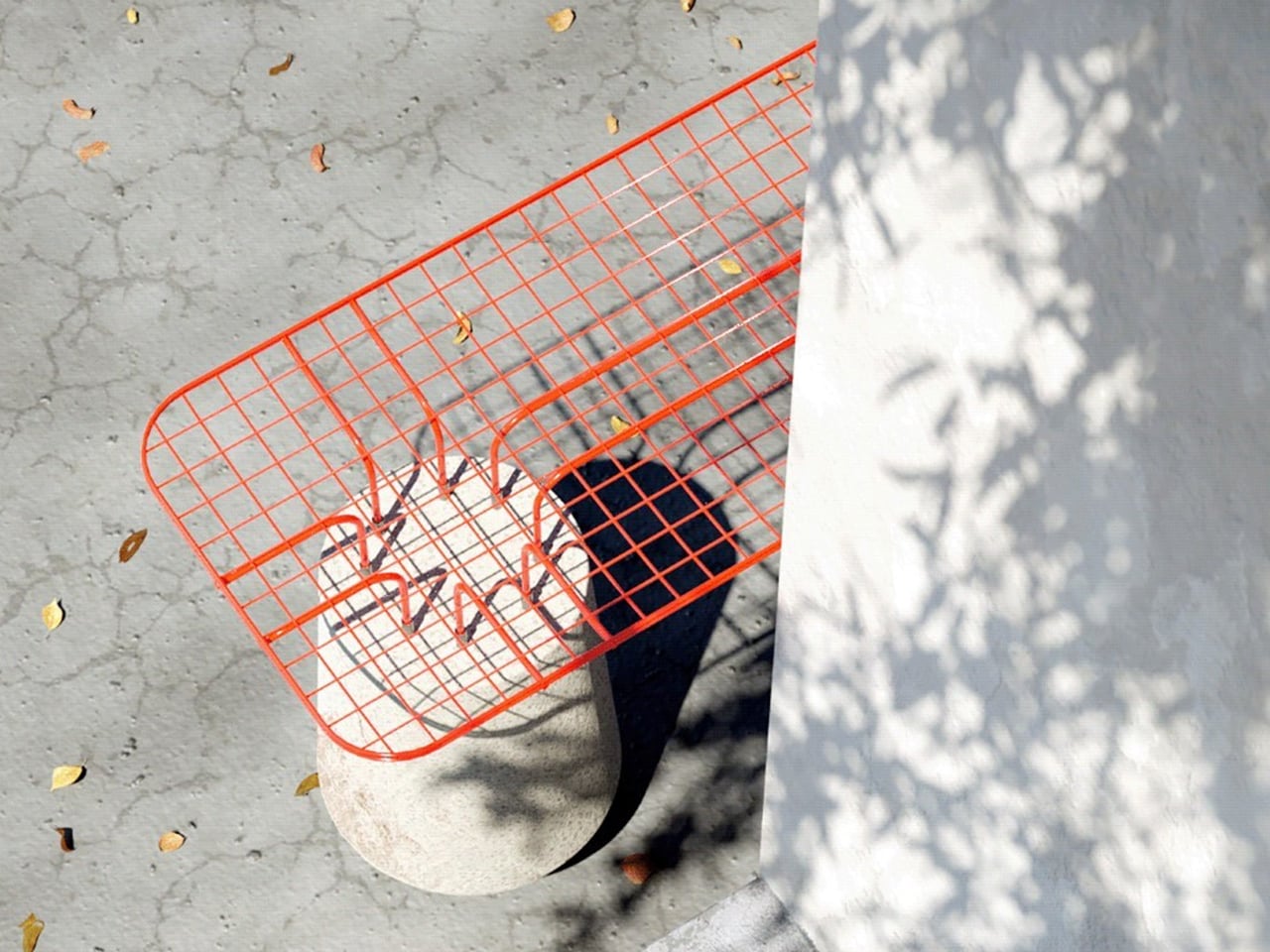
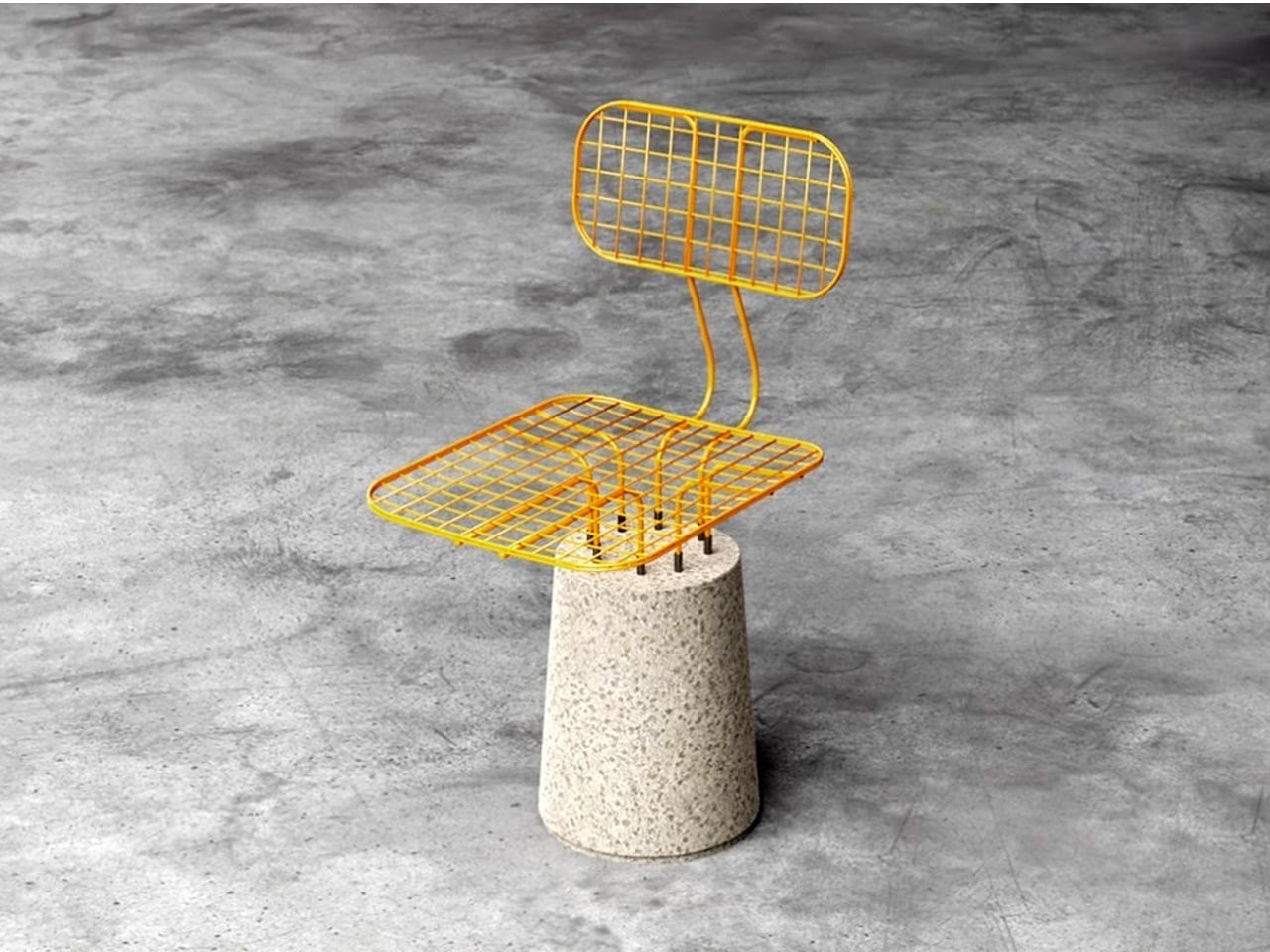
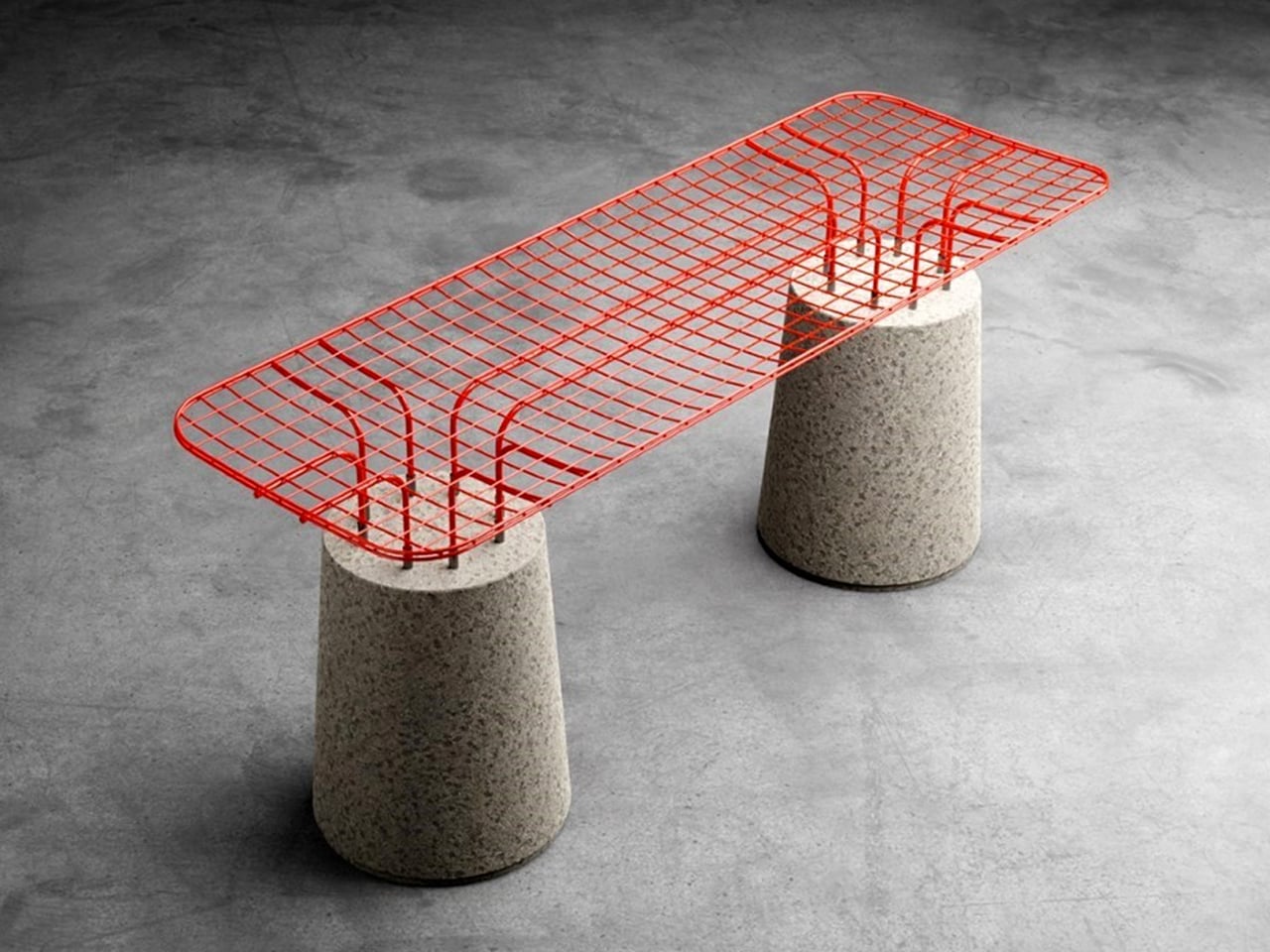
The MESH seating series explores contrast through form, material, and colour. Each piece pairs a solid tapered concrete base with a lightweight powder-coated metal wireframe, creating a striking balance between heaviness and visual transparency. The concrete element grounds the design with a muted grey tone, while the vivid wireframe seat introduces colour and energy. This interplay gives the seating a sculptural presence suited to outdoor environments, where durability and weather resistance are essential. The combination of industrial materials also lends the pieces a distinctive character that merges playful expression with a subtle nod to brutalist design.

Construction remains deliberately simple. The wireframe upper plugs directly into the concrete base, producing a secure structure that is both functional and visually refined. The open metal pattern casts dynamic shadows that enhance the aesthetic appeal, while the ergonomically shaped seat offers unexpected comfort despite its materials. With its bold silhouette and vibrant finishes, the MESH series stands out as a practical yet artistic outdoor seating solution.

5. Concrete as Spatial Architecture

In Soft Brutalism, furniture functions as micro-architecture, shaping the home’s spatial rhythm rather than merely occupying it. Monolithic pieces like concrete dining tables or consoles become purposeful anchor points, establishing stability and directing how movement and energy flow through the room. Their presence offers both visual weight and emotional grounding.

These elements also echo the architectural philosophy of the space, emphasizing honesty, material integrity, and substance over ornamentation. For those mindful of Vastu principles, the natural weight and earth-derived composition of concrete enhance grounding and positive spatial energy, reinforcing harmony and stability within the home’s overall design.

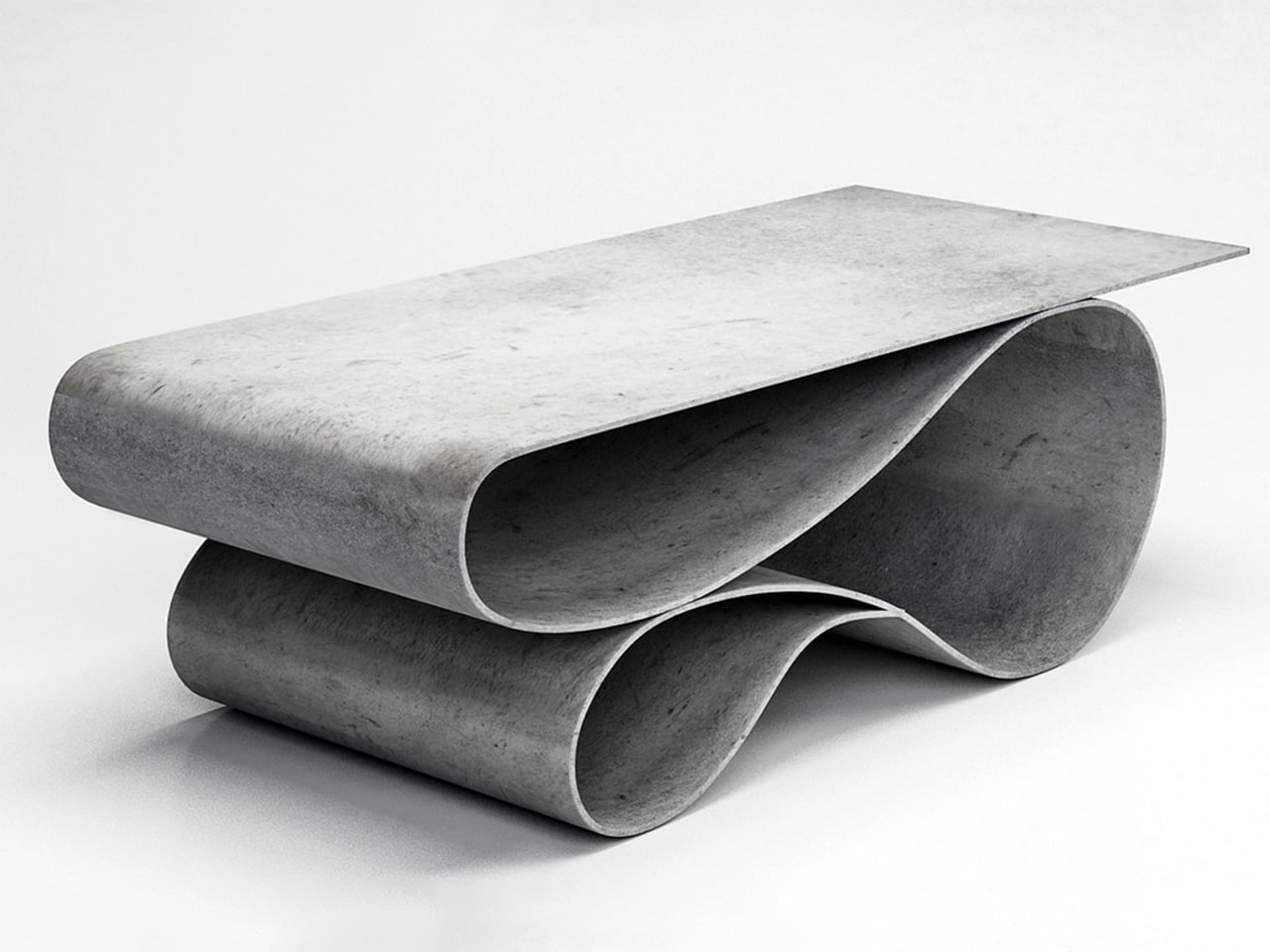
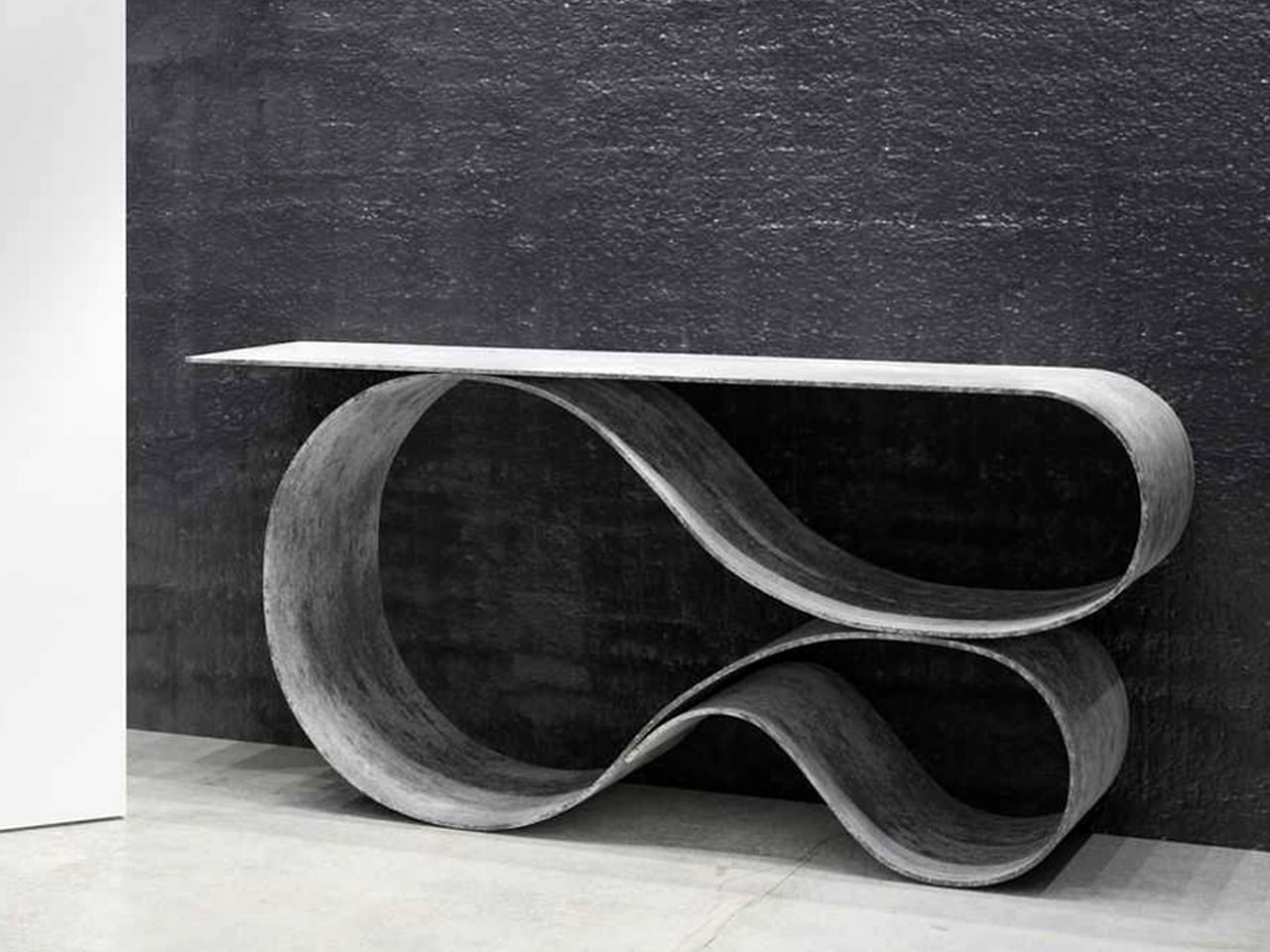
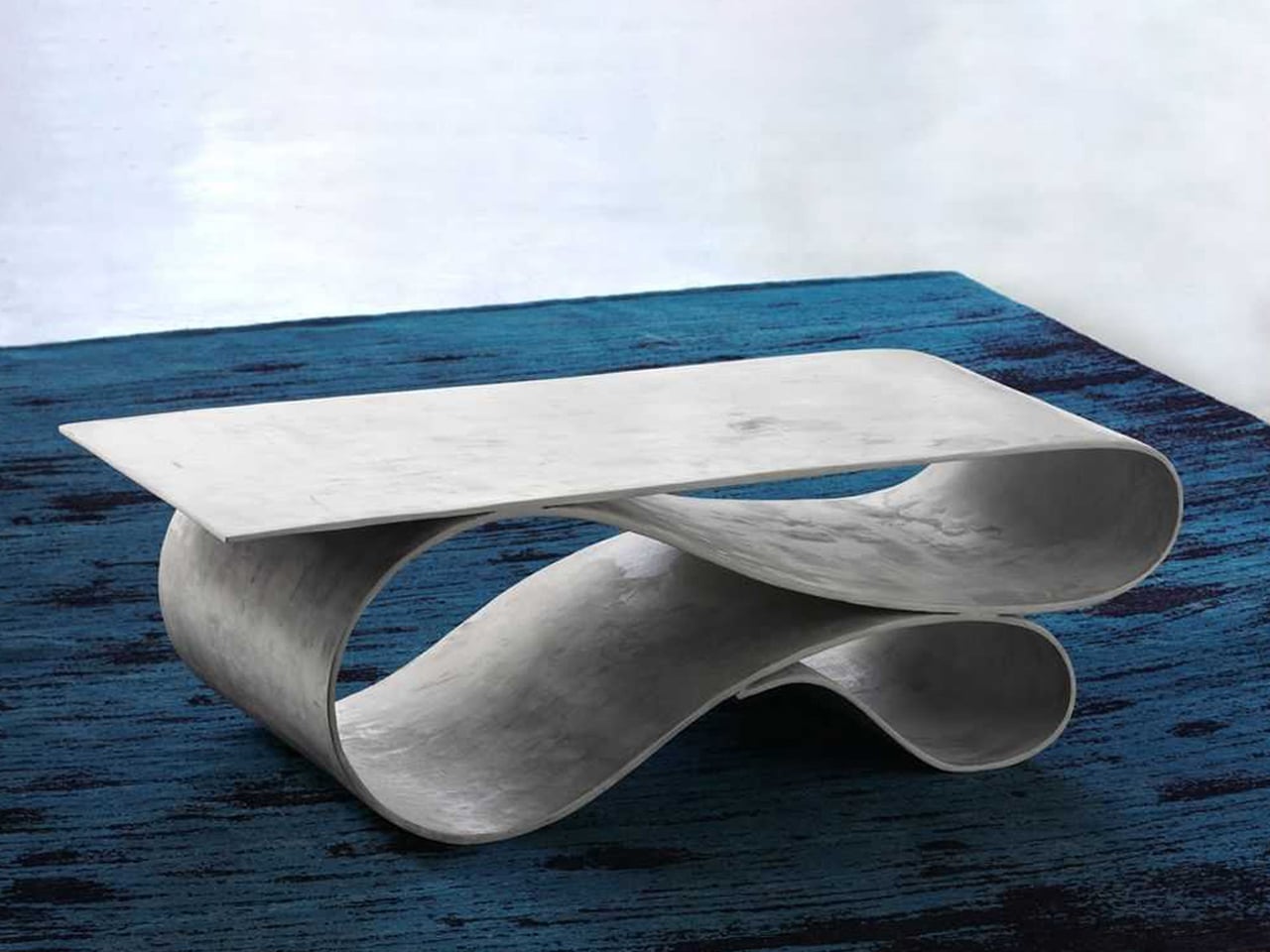
Designer Neil Aronowitz reimagines concrete through an innovative material called Concrete Canvas – a flexible, waterproof, fabric-and-cement composite developed by the UK company Concrete Canvas. By manipulating this thin, durable “concrete cloth,” he created a furniture series that highlights concrete’s unexpected fluidity. The collection includes the Whorl Console, Whorl Table, and Enso Table, each formed by stretching the concrete cloth over sculptural molds before it cures into a rigid, lightweight shell. Aronowitz developed custom casting and shaping techniques to achieve these complex geometries, using the material’s structural properties to shift concrete from a dense, static medium to one that appears almost weightless.

The Whorl pieces, with their ribbon-like curves, balance function with sculptural presence and feature smooth, pigmented cement surfaces that echo Japanese minimalism. The Enso Table continues this language with a form inspired by the single brushstroke of traditional ink paintings. Wall-mounted and restrained in expression, it complements the collection’s emphasis on fluid lines and quiet, crafted elegance.

Soft Brutalism in concrete furniture represents more than an aesthetic, as it expresses a modern interior philosophy rooted in authenticity and permanence. By softening form and elevating texture, it transforms a primal material into one of warmth, light, and calm. Here, true luxury emerges from integrity and the quiet harmony between nature’s rawness and human craftsmanship.

The post Concrete Furniture Just Got Soft: 5 Designs That Feel Like Art first appeared on Yanko Design.

5 Interactive Public Art Installations That Make You Part of the Design

Public art is often seen as a standalone feature, a striking sculpture or colorful mural that decorates a park or plaza. Yet its true impact goes far beyond visual appeal. When guided by thoughtful design, public art doesn’t just fill a space; it redefines it, shaping how people move, interact, and emotionally connect with their surroundings.

This seamless blend of art and environment is where design becomes transformative. By carefully considering scale, sightlines, materials, and community involvement, designers ensure that art integrates naturally into its setting. The result is a space that feels alive, engaging, memorable, and deeply connected to its community’s identity.

1. Designing Art with Context

For public art to truly connect, it must feel like it belongs. A site-specific approach begins with the environment itself, its history, architecture, pedestrian flow, and climate. By understanding these layers, designers ensure the artwork feels naturally rooted rather than placed, reflecting the spirit of its surroundings.

This thoughtful process helps art and place work in harmony. A sculpture in a historic district might echo local materials, while an installation in a park could invite interaction and rest. The goal is unity, where art enhances its setting and deepens the public’s connection to the space.

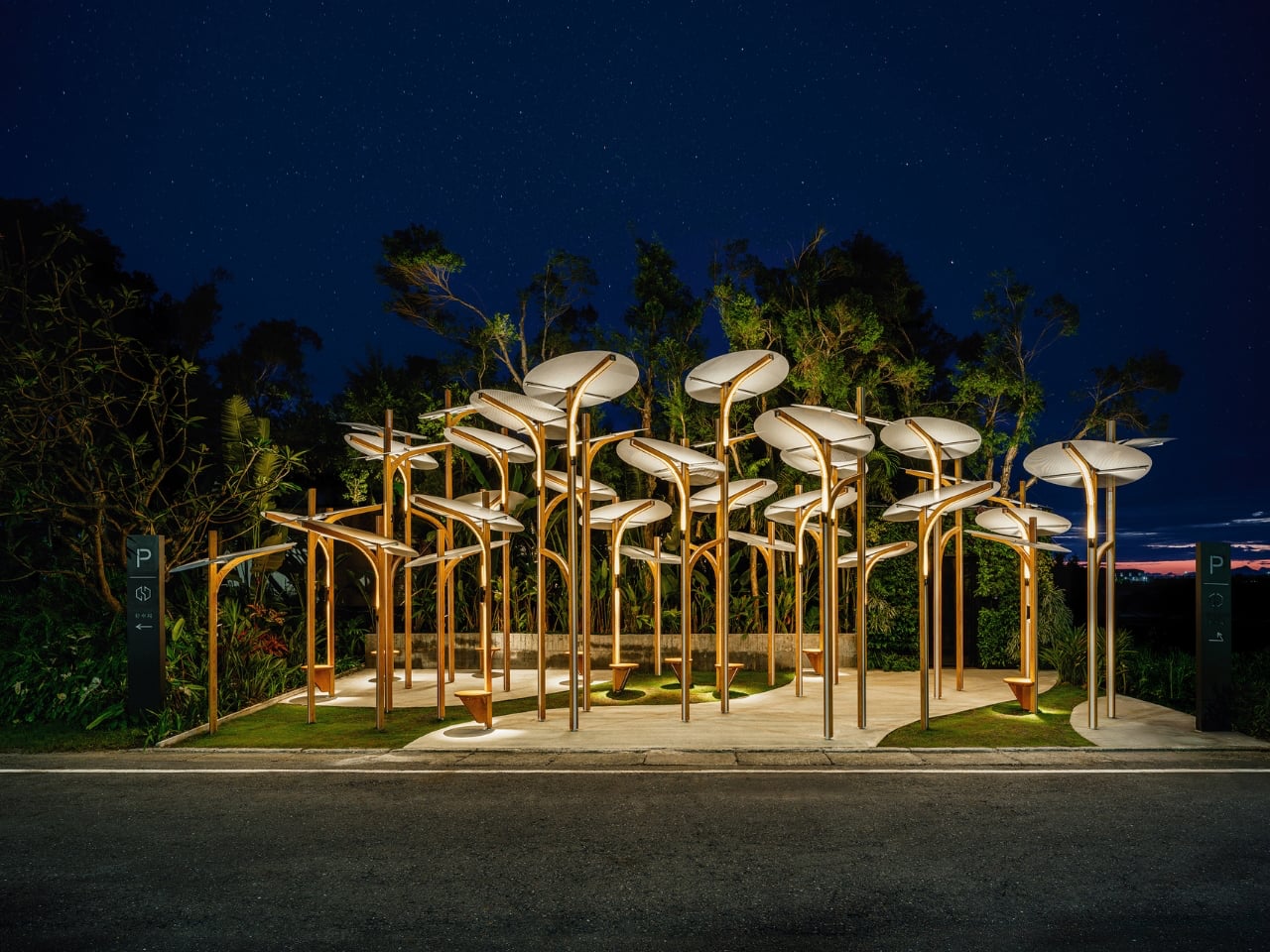
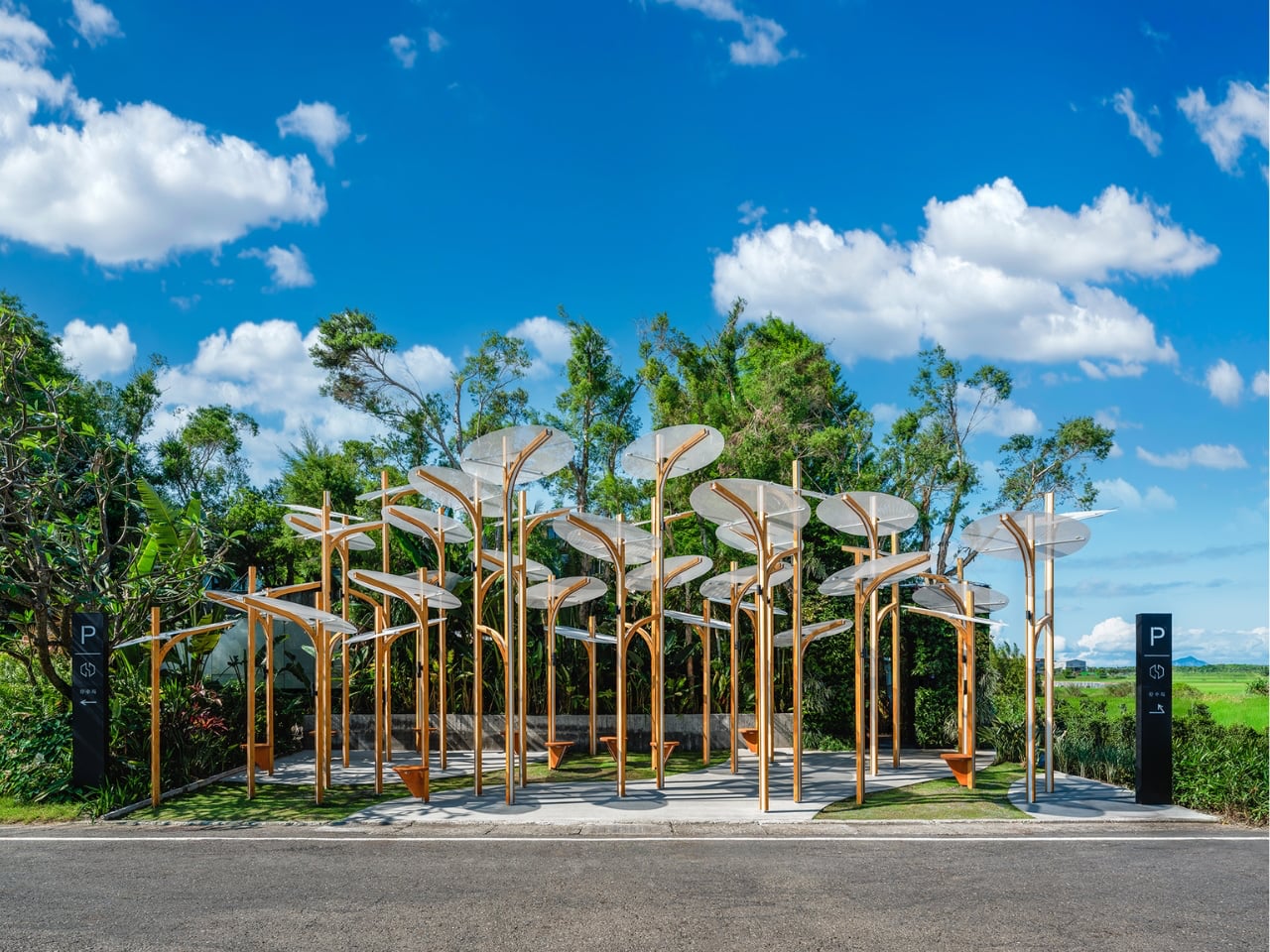
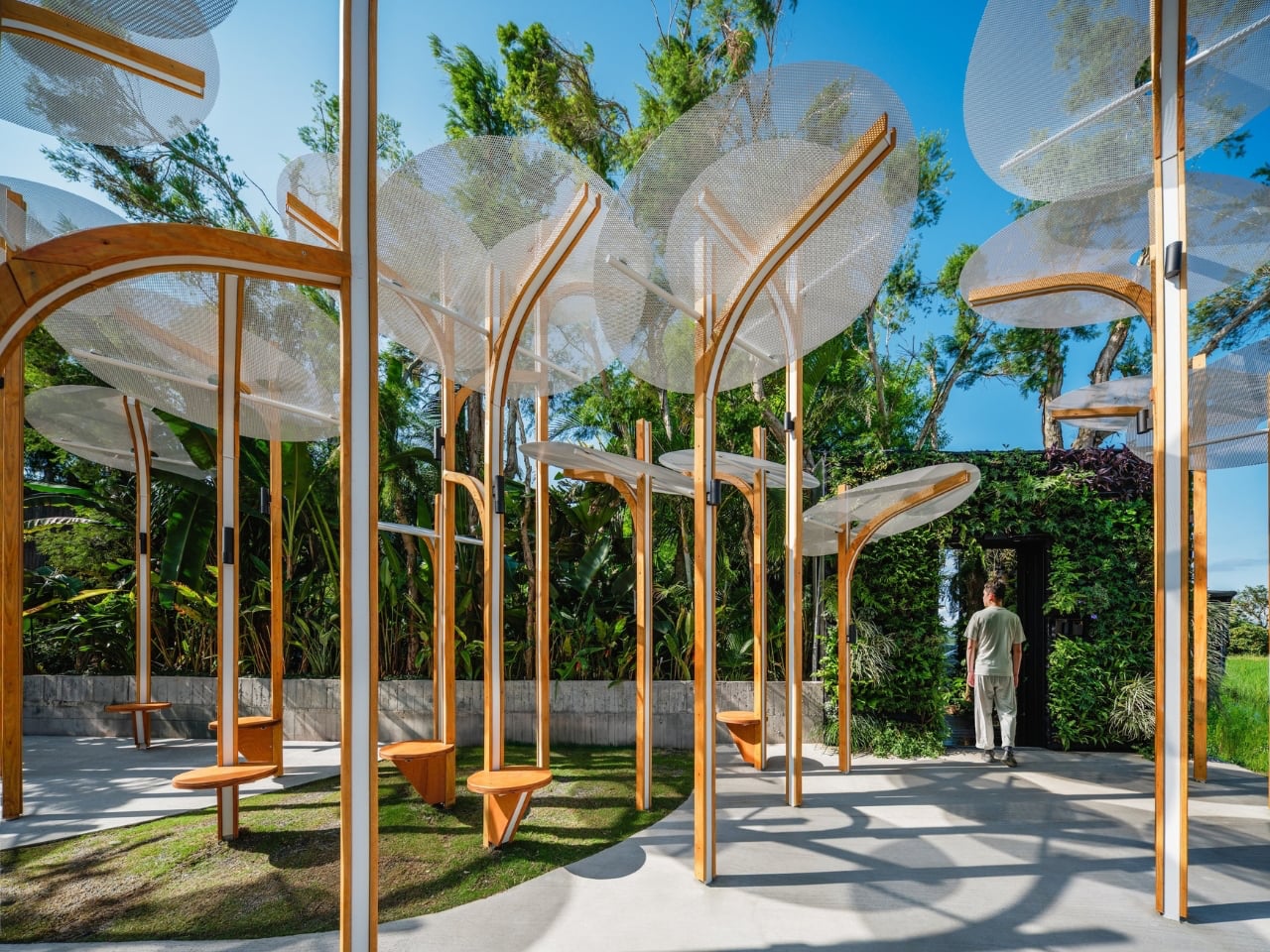
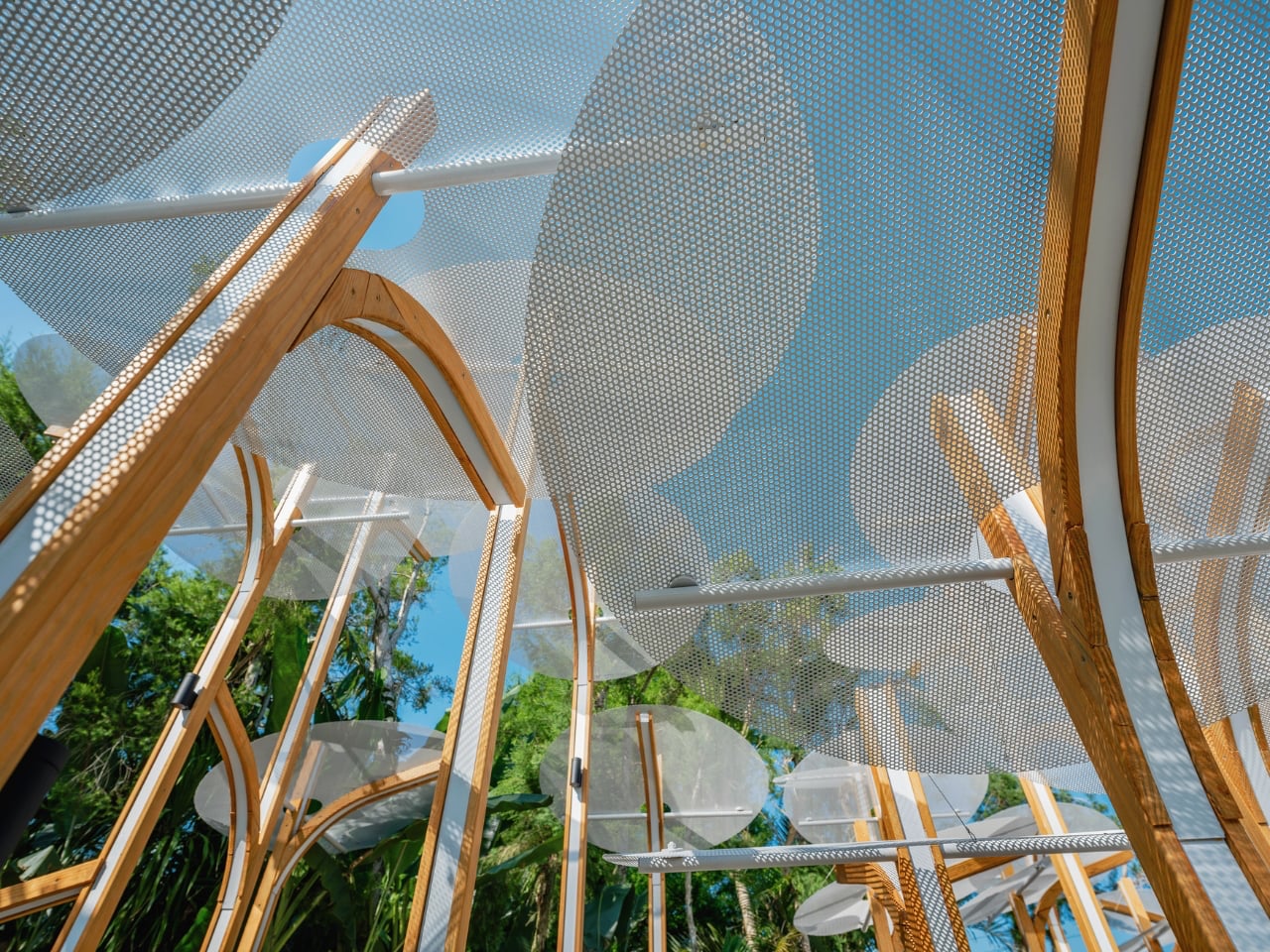
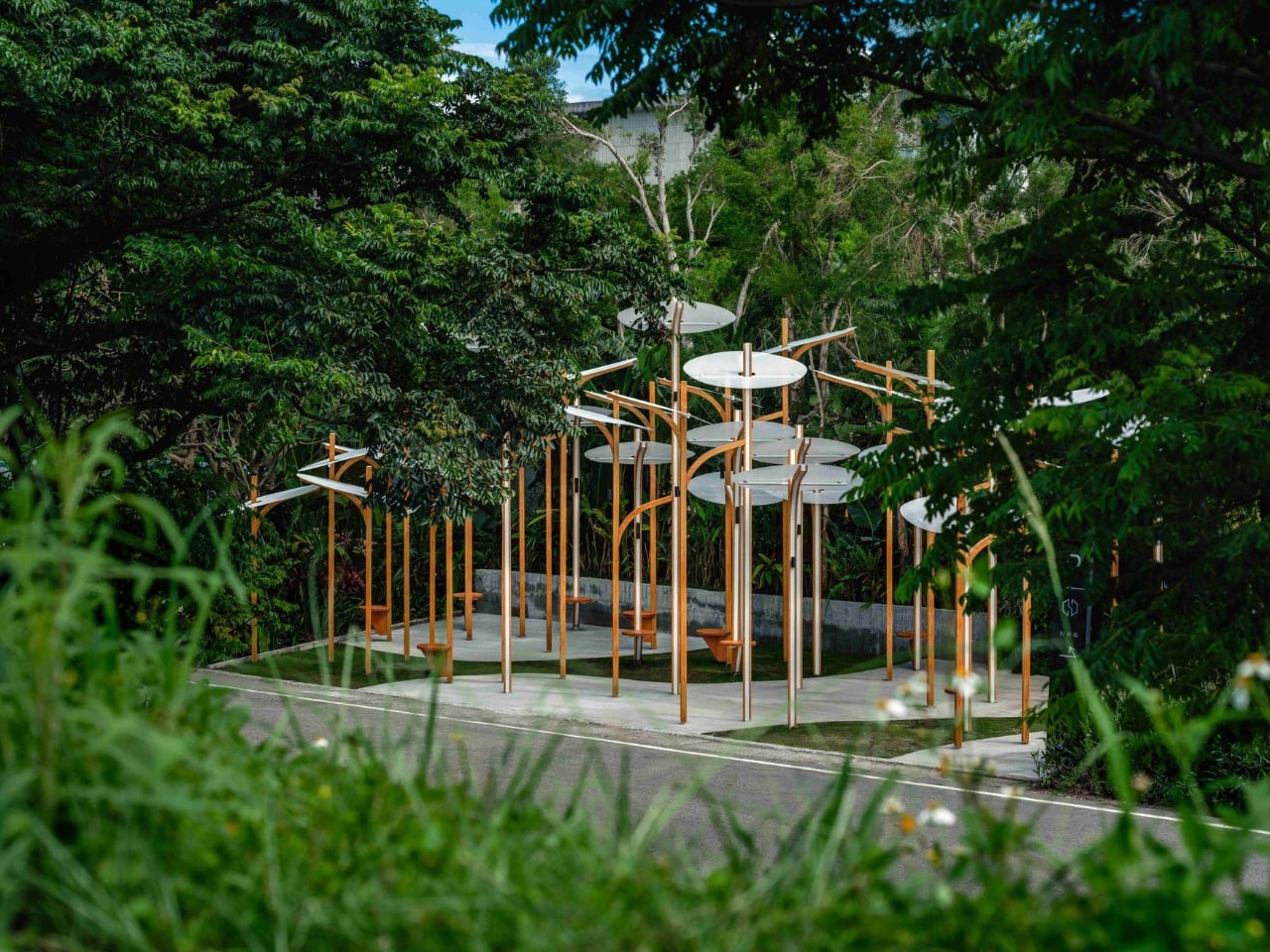
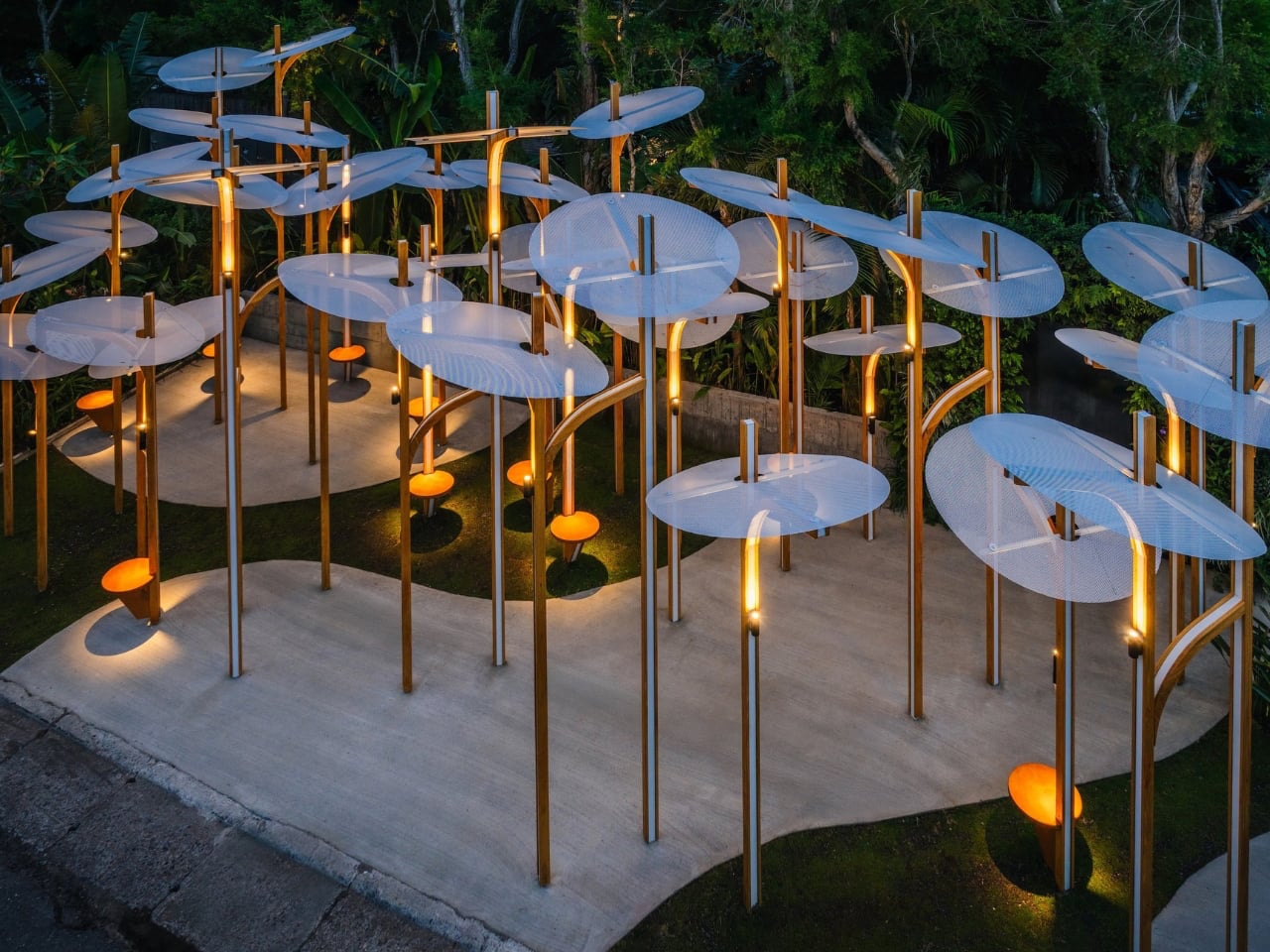
Cheng Tsung FENG’s Structural Botany: 25AP-263-43 is a compelling exploration of the intersection between art, nature, and modular construction. Installed at Swiio Villa Yilan in Zhuangwei, the work draws inspiration from the upright, clustered growth patterns of native plants, translating botanical forms into a sculptural rhythm. Standing between 2.5 and 5 meters tall, the installation consists of repeated modular “stems” that rise independently while maintaining deliberate spacing, echoing the equidistant patterns found in plant communities. FENG’s abstraction focuses on structural qualities rather than literal representation, highlighting resilience, interdependence, and the hidden patterns that govern natural growth.

The modular design allows the work to adapt to different spaces, expanding or contracting like living plants responding to their environment. Its clean lines and muted palette integrate gracefully with the surrounding landscape, inviting visitors to move among the vertical forms. 25AP-263-43 transforms the space into an immersive experience, revealing how art can reflect the processes of growth, rhythm, and community inherent in nature.

2. Design That Shapes Interaction

The true power of design in public art lies in its ability to shape human behavior and foster connections. A well-placed installation isn’t static; it invites curiosity, conversation, and movement. The position of a sculpture, for instance, can turn it into a meeting point or encourage people to explore it from different angles, subtly guiding social flow through space.

Inclusive design ensures that everyone can experience this interaction. By considering pathways, seating, and lighting, designers make art accessible and inviting. The result is not just an artwork but a functional, social space that fosters comfort, inclusion, and community.

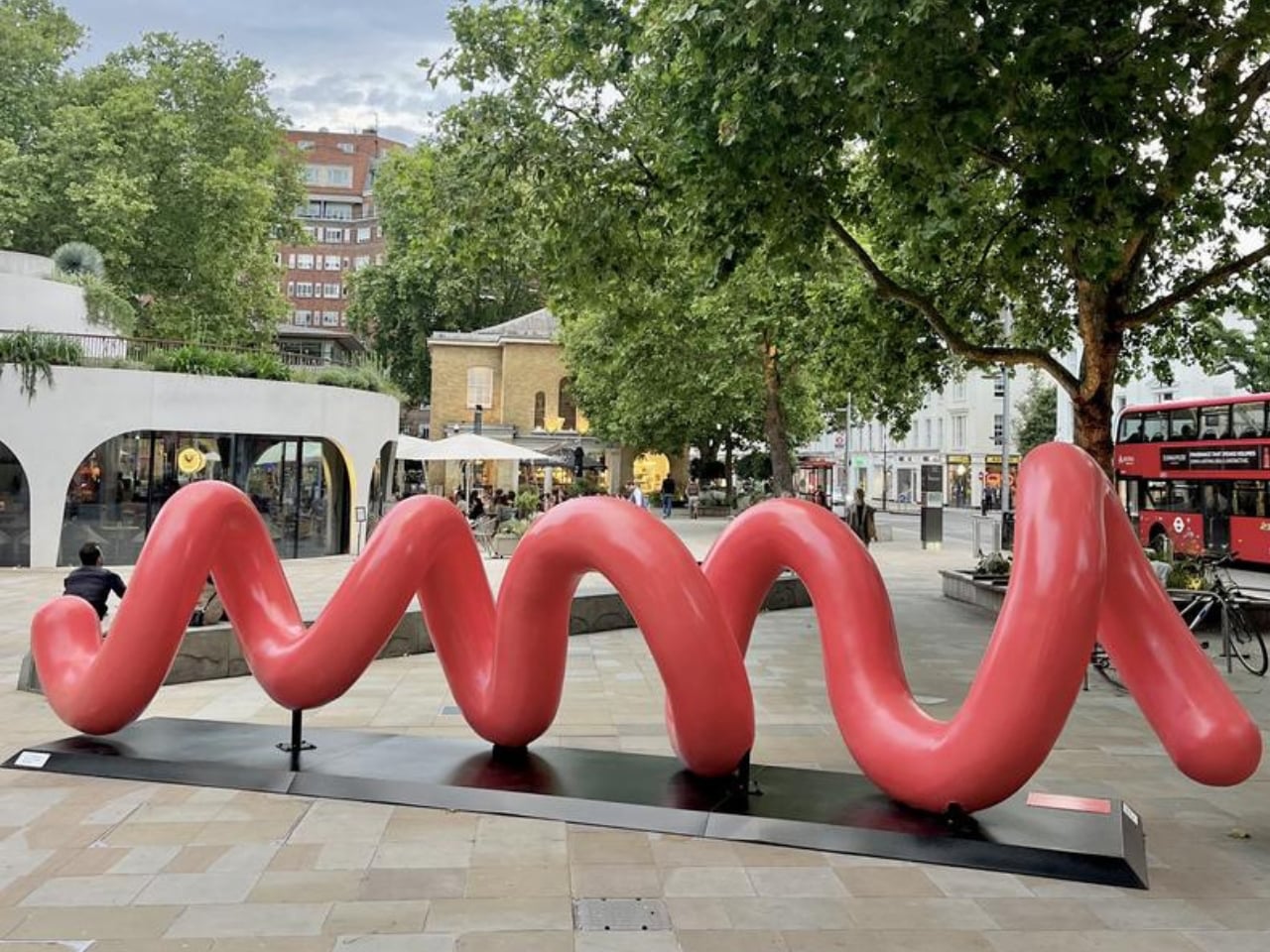
Interactive public art has a unique charm, and Love Continuum in London’s Chelsea area exemplifies this beautifully. Installed at Duke of York Square as part of Kensington + Chelsea Art Week, the piece immediately invites viewers—kids and adults alike—to touch, climb, or simply explore its form. At first glance, it appears to be a giant red spring or whimsical squiggly “worm,” a playful addition to the urban landscape.

The sculpture’s clever twist reveals itself from a certain angle: the word “love” emerges in elegant cursive, turning observation into a joyful discovery. Measuring 7.5 meters in length, Love Continuum continues artist Alter’s exploration of colorful, interactive forms that encourage engagement and play. Its hidden message adds a layer of delight, creating a shared experience for those who notice it. This combination of tactile fun, visual surprise, and thoughtful design makes it a memorable stop on London’s art trail.

3. The Power of Material and Durability

Material choice is one of the most crucial design decisions in public art, shaping its longevity and impact. Unlike gallery pieces, outdoor installations face constant exposure to weather, pollution, and human touch. Designers must therefore balance artistic vision with strength and endurance, using materials that preserve both beauty and integrity over time.

Selecting durable, often local options such as weathered steel, treated stone, or advanced composites ensures resilience and low maintenance. This thoughtful approach keeps the artwork safe, sustainable, and visually compelling for years, safeguarding the artist’s intent while respecting the realities of public spaces.

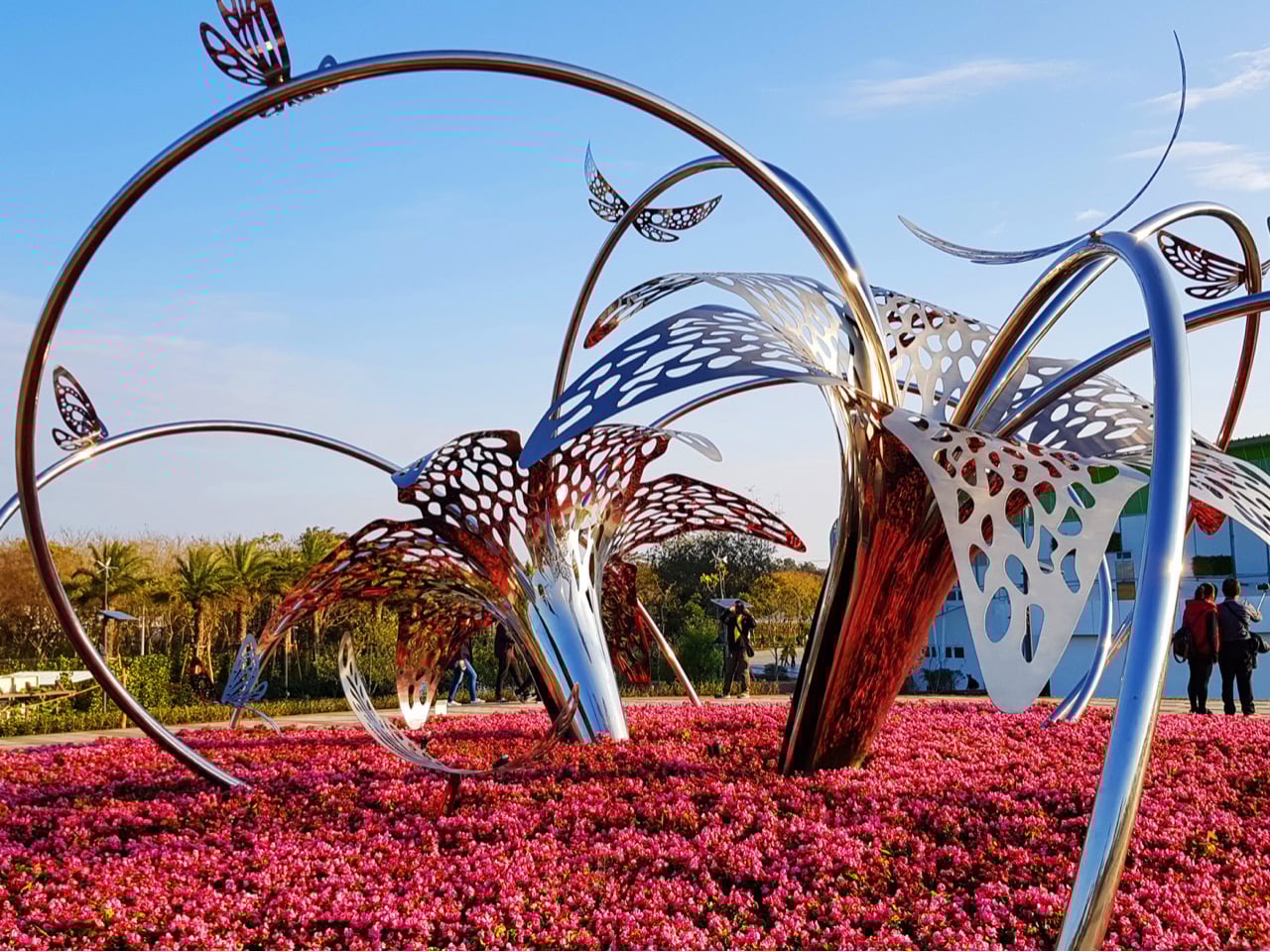
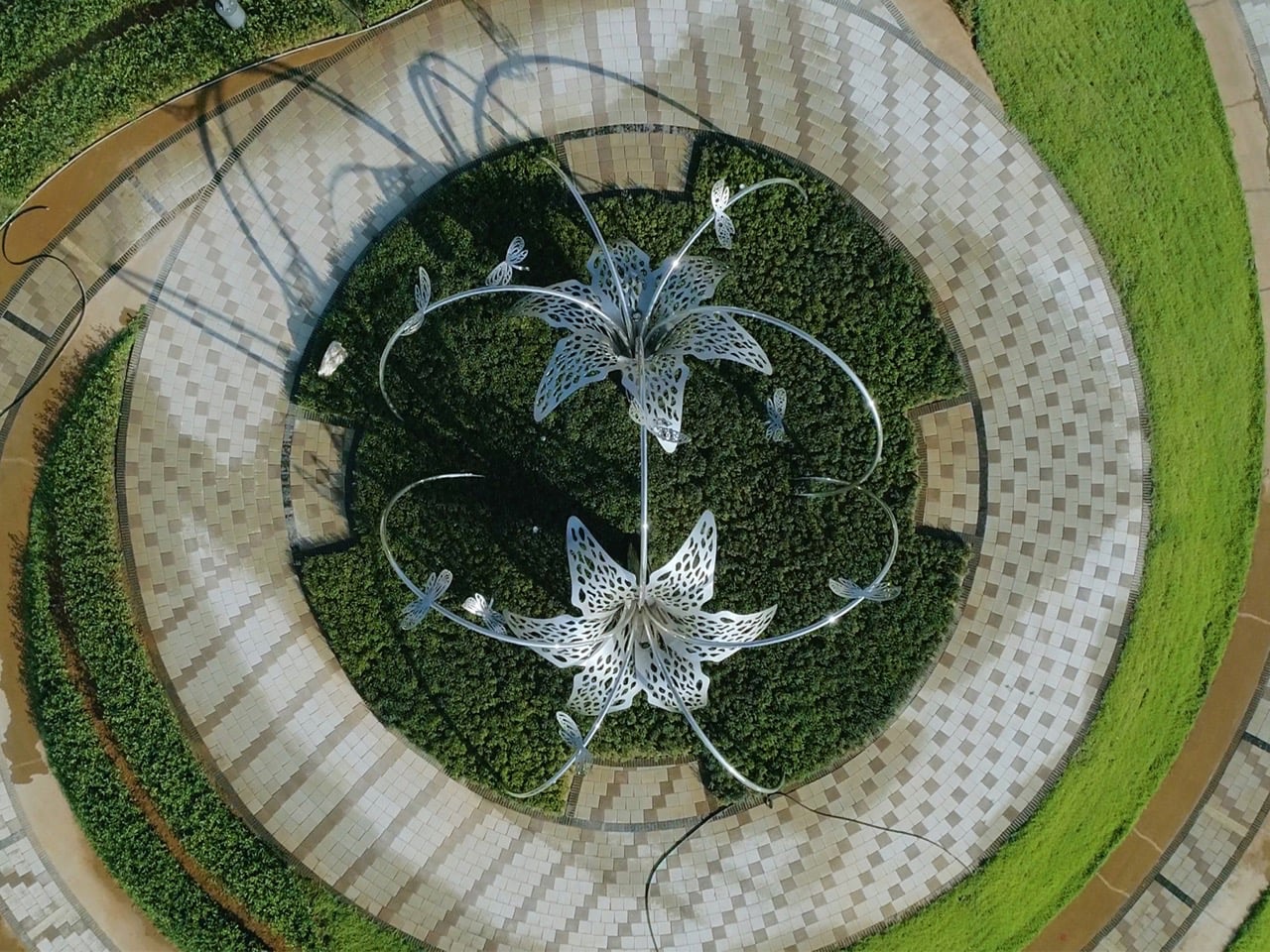
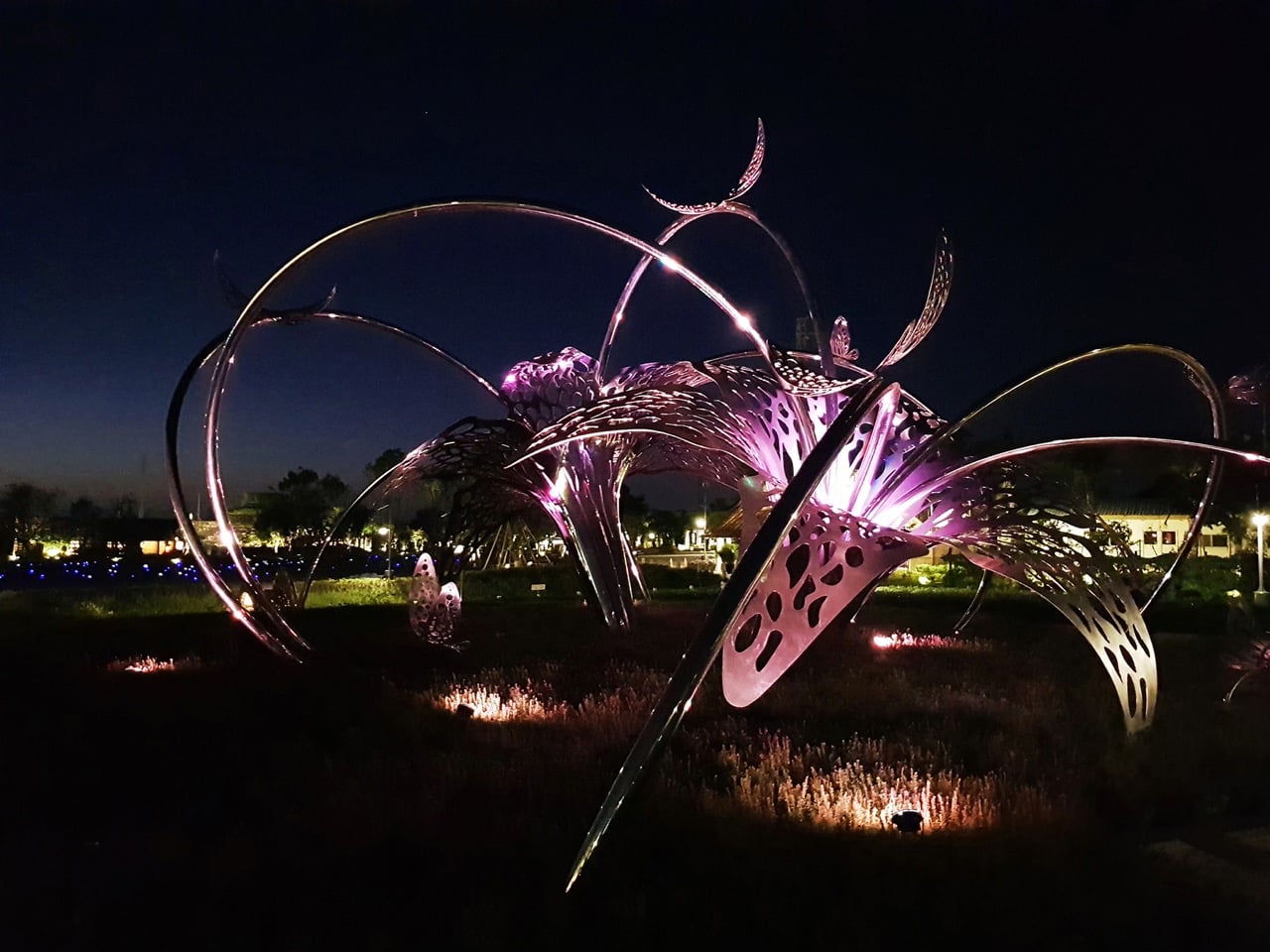
Kuo Hsiang Kuo’s “Flowers and Butterflies Are Dancing”, created for the 2018 Taichung World Flora Exposition in Taiwan, showcases the essence of contemporary public art. Using polished stainless steel, Kuo embraces the material’s reflective quality to mirror the vibrant flowers below and shifting clouds above, creating a constantly evolving dialogue with its surroundings. Sweeping arcs suggest the flutter of butterflies and the sway of flowers, while perforated panels cast intricate shadows. By night, strategically placed lighting transforms the sculpture into a glowing spectacle of purples and pinks, giving it a dynamic day-to-night presence.

The installation balances structural precision with ethereal beauty, inviting visitors to explore it from multiple angles. Referencing Taiwan’s native Formosa Lily and butterfly motifs, it connects local identity with universal themes of transformation and renewal. Its multi-layered appeal engages children, adults, and design enthusiasts alike. “Flowers and Butterflies Are Dancing” proves that public art can be both visually stunning and deeply meaningful, transforming spaces and perspectives.

4. Lighting and Experiential Impact

Public art should shine even after sunset, and this is where thoughtful lighting design transforms perception. Proper illumination enhances textures, casts dramatic shadows, and can introduce dynamic colors, turning a daytime piece into a captivating nighttime feature and making the artwork a continuous part of the cityscape.

Lighting also serves safety and experiential purposes. By subtly brightening pathways while highlighting the art, designers create secure, inviting spaces. This blend of functionality and drama deepens emotional engagement, turning ordinary public areas into memorable, enchanting urban stages that captivate visitors day and night.

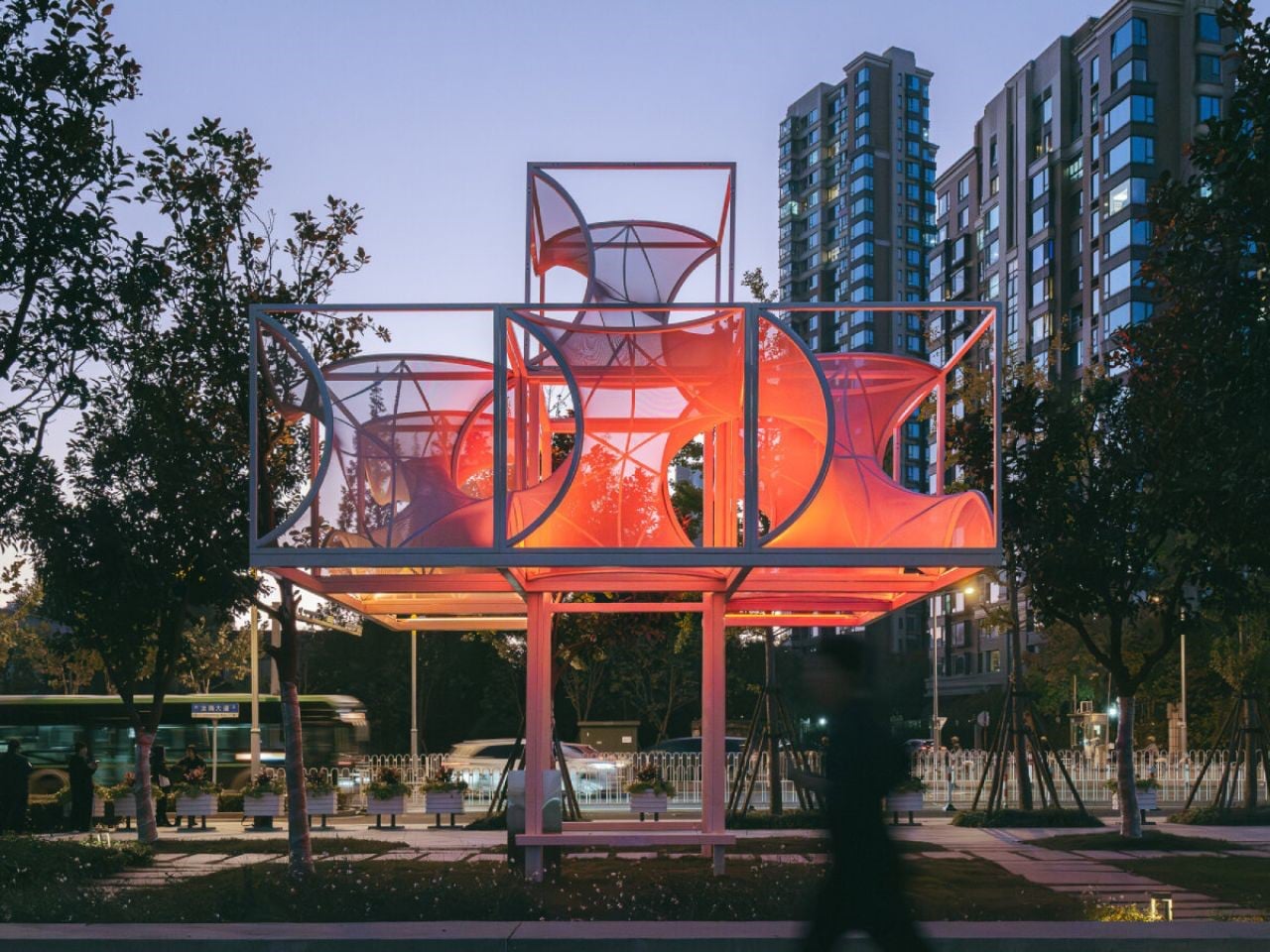
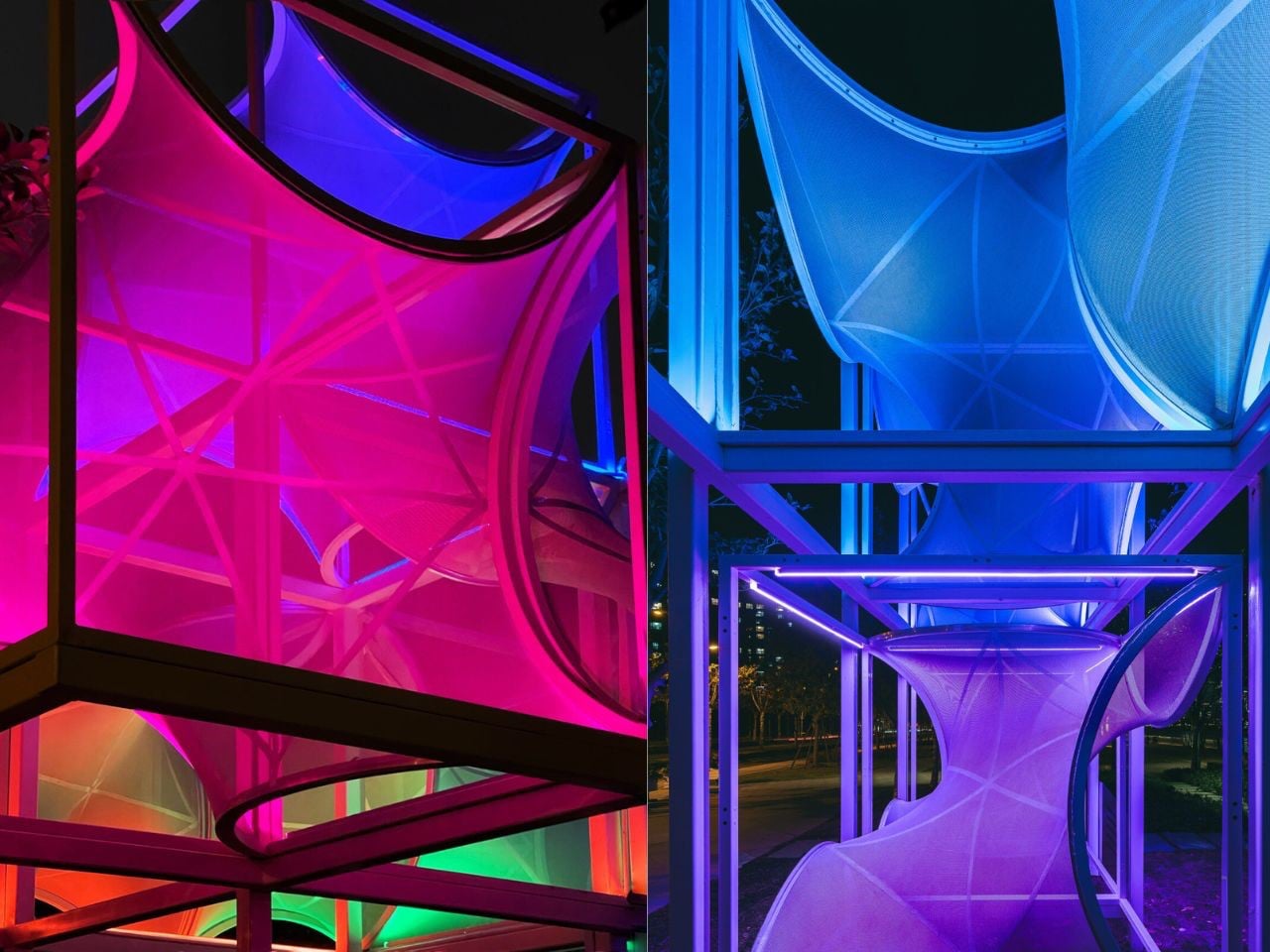
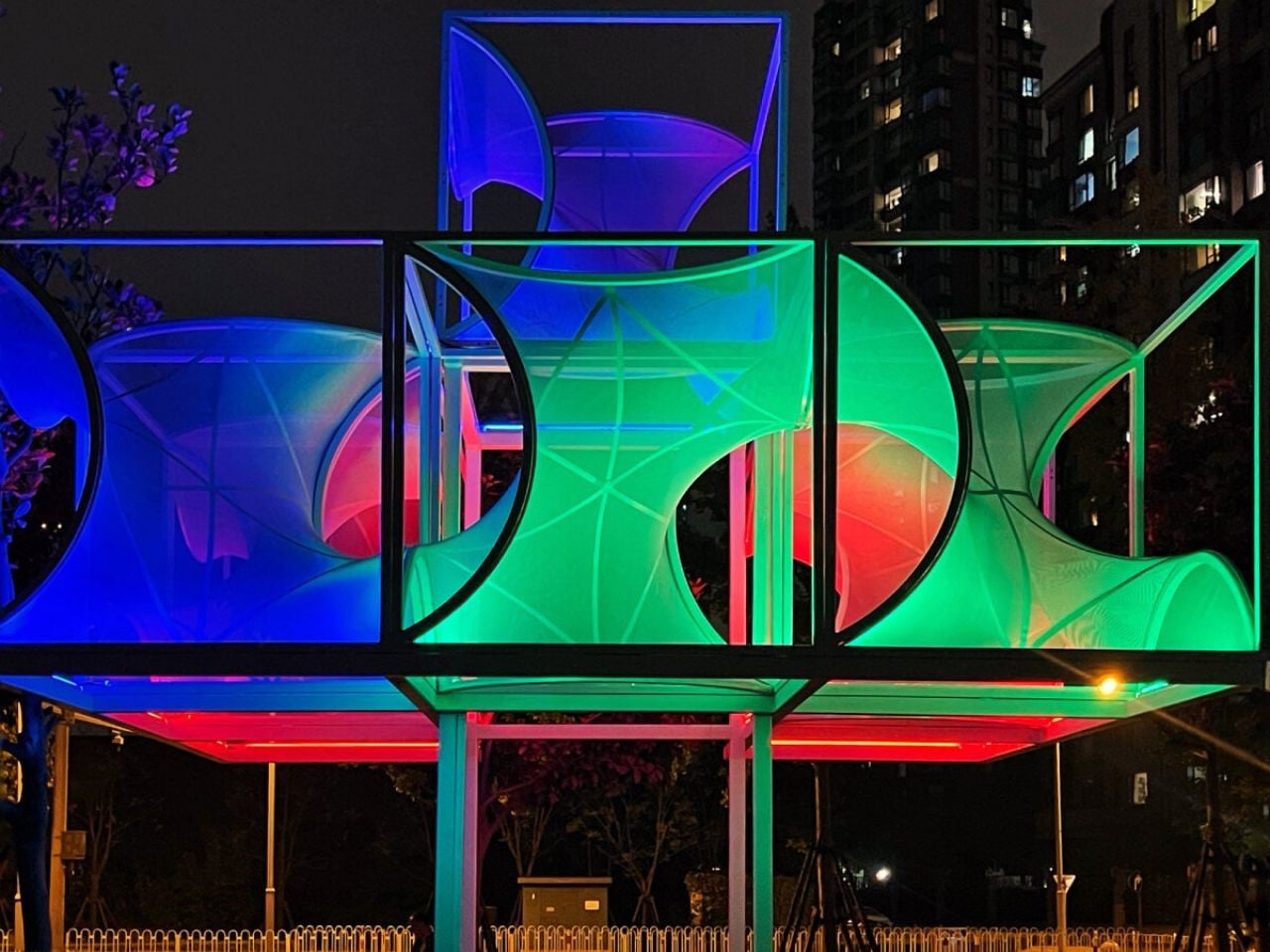
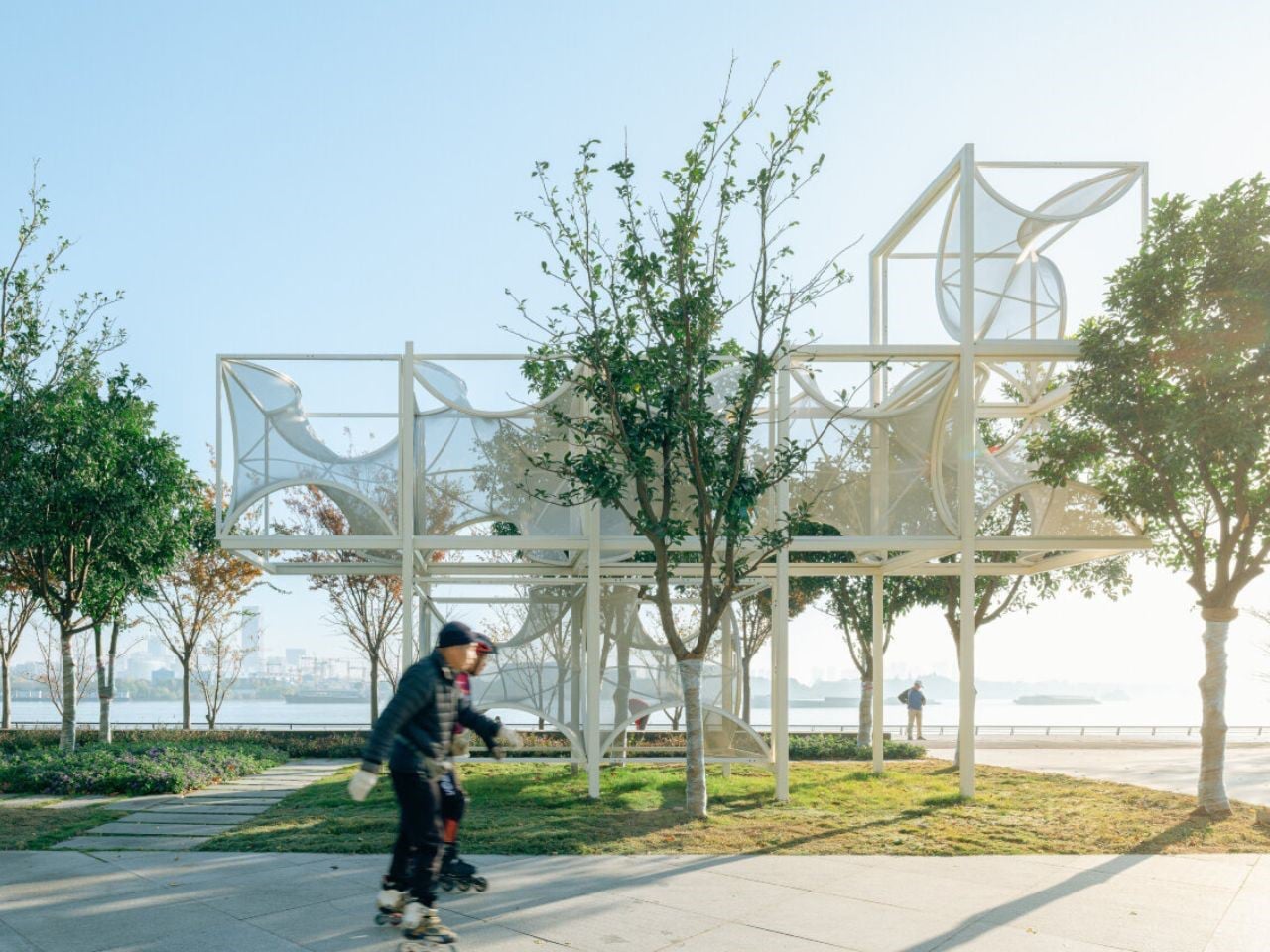
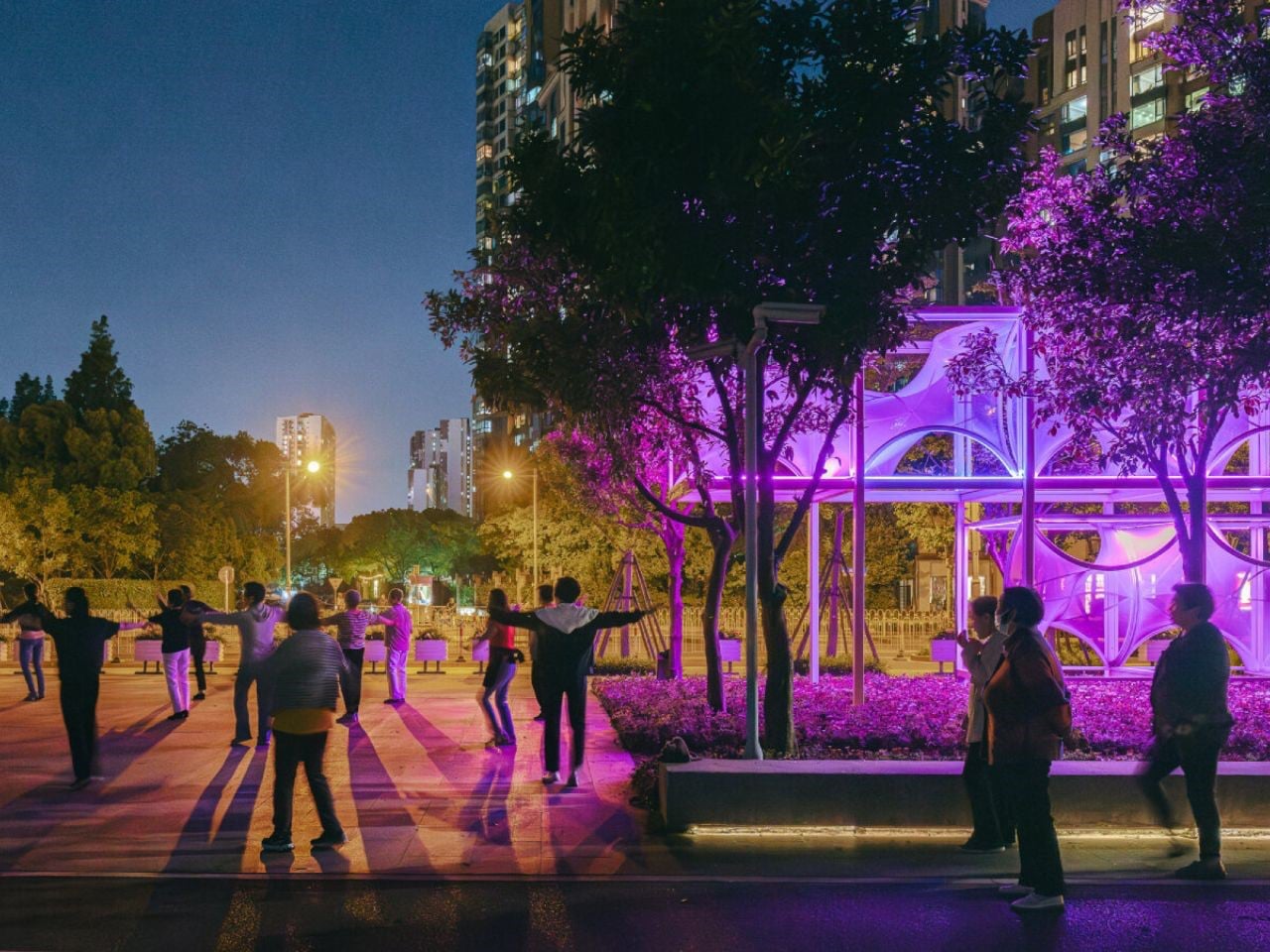
Along Shanghai’s Huangpu River, visitors encounter Curly Cube, a striking modular installation by the People’s Architecture Office (PAO). Combining flowing curves with sharp angles, it transforms an ordinary urban space into a dynamic playground of light, shadow, and interaction. Inspired by the Gyroid minimal surface, a natural form bridging mathematics and nature where the structure employs curvilinear tensile membranes stretched over lightweight square frames. The result is a form that appears both futuristic and organic, soft yet structured. By day, the translucent membranes filter sunlight into gentle, diffused patterns, offering shaded pockets where people can pause, explore, or relax amid the city’s bustle.

At night, integrated lighting casts shifting gradients across the silver membranes, turning the installation into a glowing social hub. Its modular design allows stacking, reconfiguration, or relocation, encouraging tactile and participatory engagement. Curly Cube showcases how adaptable public art can transform urban environments, transforming everyday walkways into immersive and memorable experiences for all visitors.

5. Community and Co-Creation

The most impactful public art grows from the community it serves, making co-creation essential. Designers act as bridges, translating local stories, needs, and identities into physical form. By involving residents, businesses, and leaders from the start, the artwork becomes a true reflection of the neighborhood’s spirit rather than an imposed object.

This collaborative process often enriches the project, making it more meaningful and relevant. When people see their ideas influence themes, materials, or placement, they become invested advocates. Inclusive design fosters public ownership, ensuring the artwork’s lasting cultural, social, and emotional impact.

Sitting on a public bench often reflects our comfort with social interaction. Extroverts may happily share a seat with strangers, while others prefer solitude. Martin Binder’s Balance Bench in Einbeck, Germany, challenges these habits by transforming a simple act of sitting into a shared experience. Constructed from oak slats atop a sleek steel frame, the bench rests on a single central cylinder, requiring at least two people on opposite ends to achieve balance. Attempting to sit alone either forces careful adjustment or playful observation, turning rest into cooperation and communication.

Located in the Garden of Generations, the 4.5-meter-long installation can accommodate up to eight people, encouraging dialogue and collective effort. By combining functional seating with interactive design, Binder’s work exemplifies how public art can foster connection, cooperation, and community engagement while making everyday urban experiences more playful and thought-provoking.

By harmonizing art with its site, guiding movement and interaction, ensuring durability, and creating safe, engaging environments day and night, thoughtful design transforms spaces into vibrant destinations. The result is artwork that enriches well-being, fosters community pride, and leaves a lasting social and cultural impact.

The post 5 Interactive Public Art Installations That Make You Part of the Design first appeared on Yanko Design.

5 Ways to Use Cloud Dancer, Pantone’s Calming 2026 Color

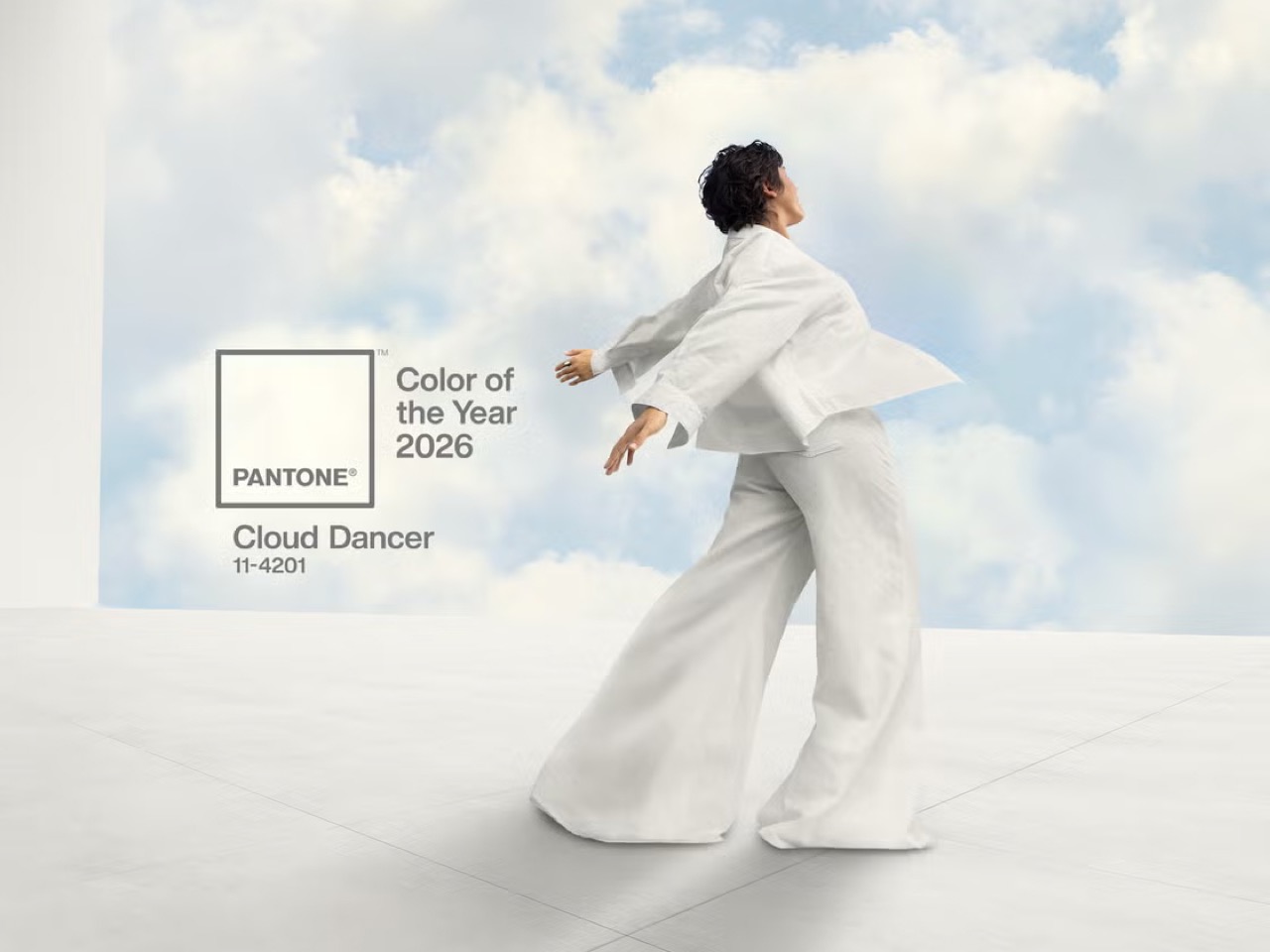
Pantone has taken a surprising turn for 2026, choosing a shade that feels almost weightless, simple at first glance, yet reflective enough to echo every color around it. Cloud Dancer (PANTONE 11-4201), a soft, airy white, emerges as a soothing antidote for a world craving stillness, clarity, and mental reset.

This understated hue speaks to the overstimulation and digital noise of modern life, offering a visual pause amid the chaos. As a trend, Cloud Dancer embodies minimalism with meaning, which is clean, thoughtful, and emotionally grounding. Versatile yet quietly sophisticated, it creates a space for other colors to breathe while making its own serene, modern statement, which is a calm canvas for mindful living. To see how Cloud Dancer’s serene, versatile qualities can transform interiors, here are five key ways to incorporate this calming shade into your home design.

1. Soft-Toned Furniture

Soft-toned furniture in Cloud Dancer, Pantone’s Color of the Year 2026, brings a gentle, modern refinement to any space. Sofas, armchairs, and ottomans in this airy white create a sense of calm while maintaining a contemporary edge. The shade’s soft luminosity helps rooms feel more open, making it ideal for compact spaces or minimalist interiors.

What sets Cloud Dancer apart is its ability to add warmth without heaviness. When applied to upholstered pieces, it softens the architecture of a room and pairs beautifully with natural textures like wood, linen, or stone. The result is a balanced, serene environment that feels both stylish and restorative.

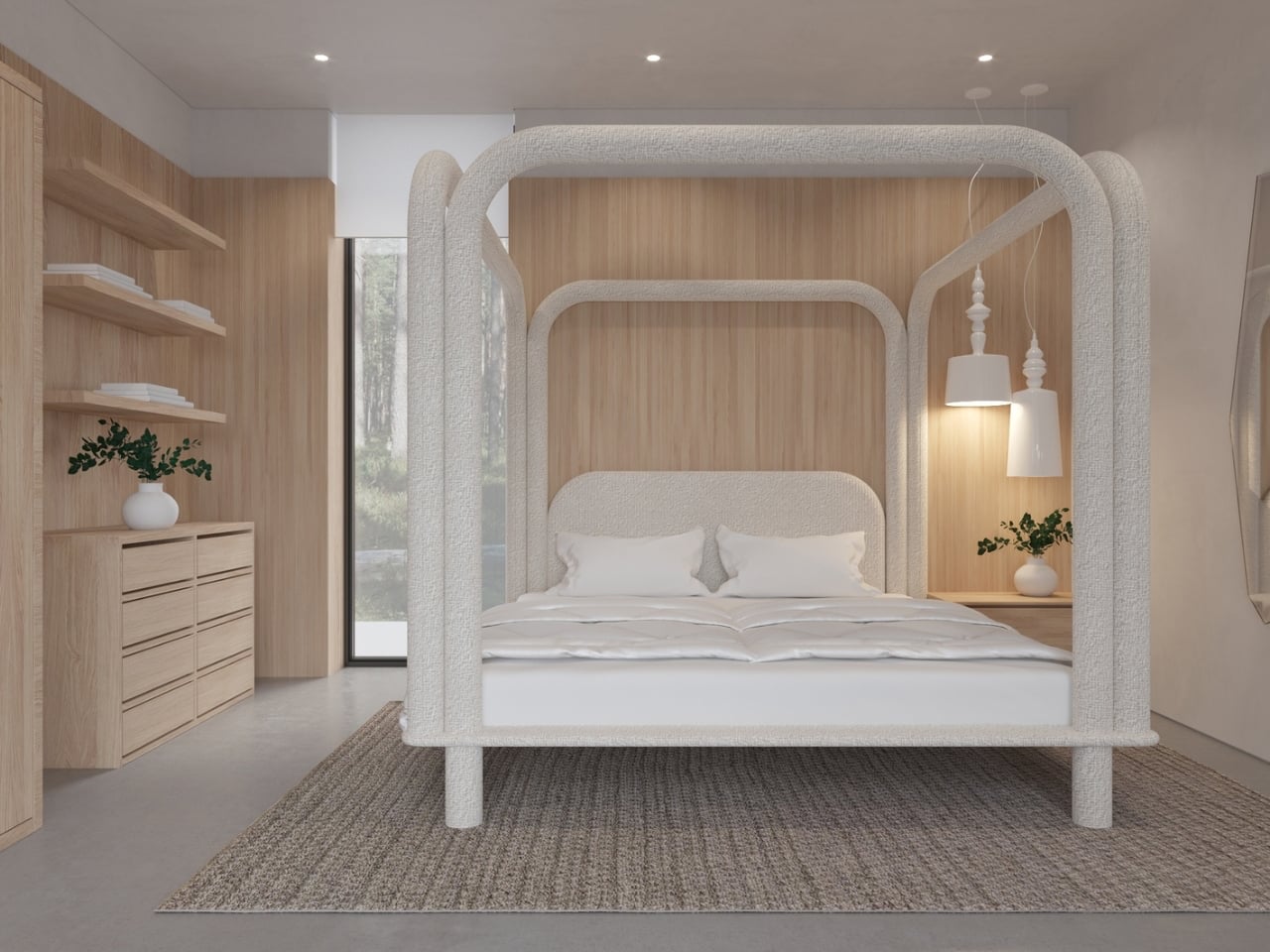
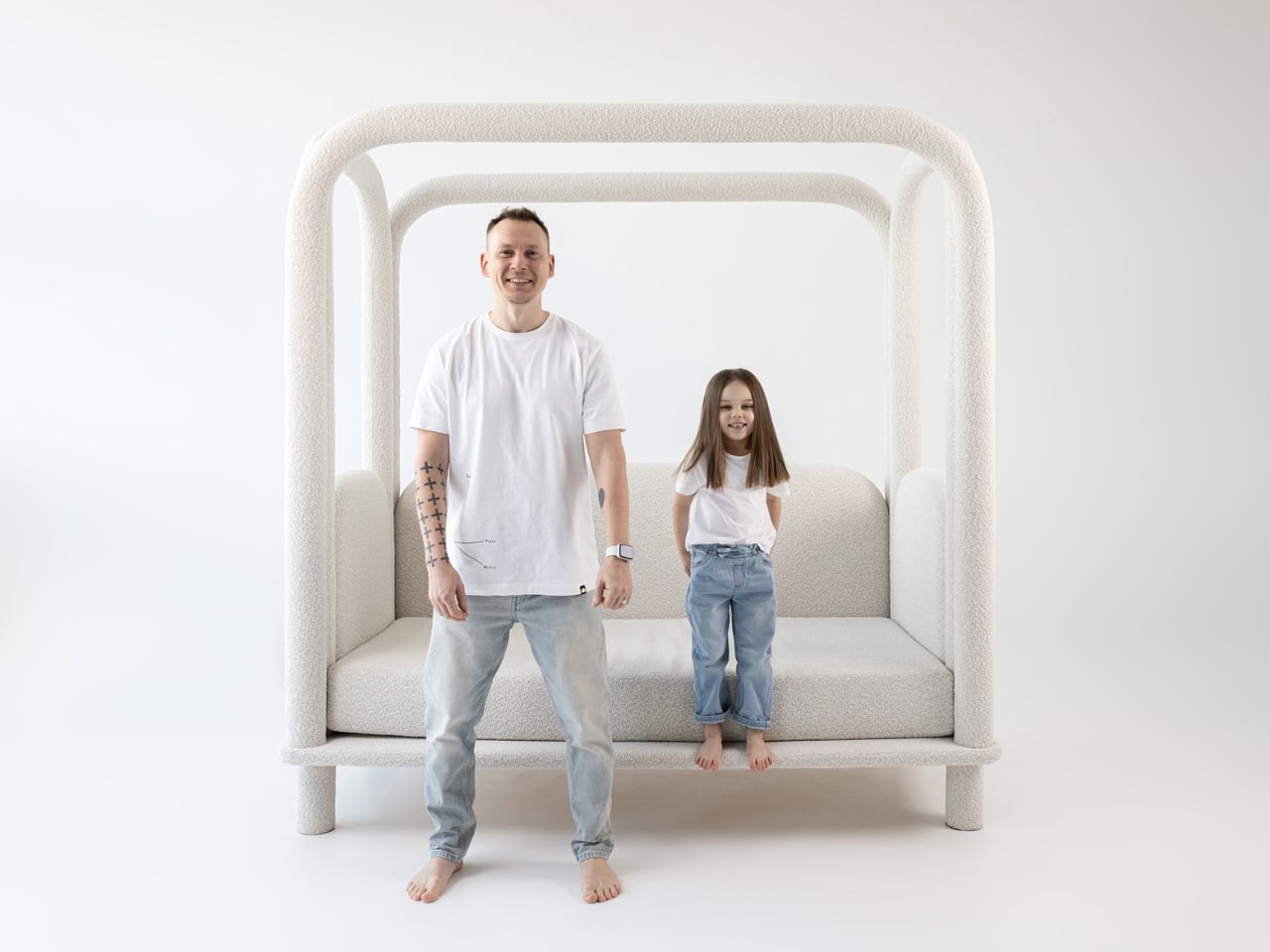
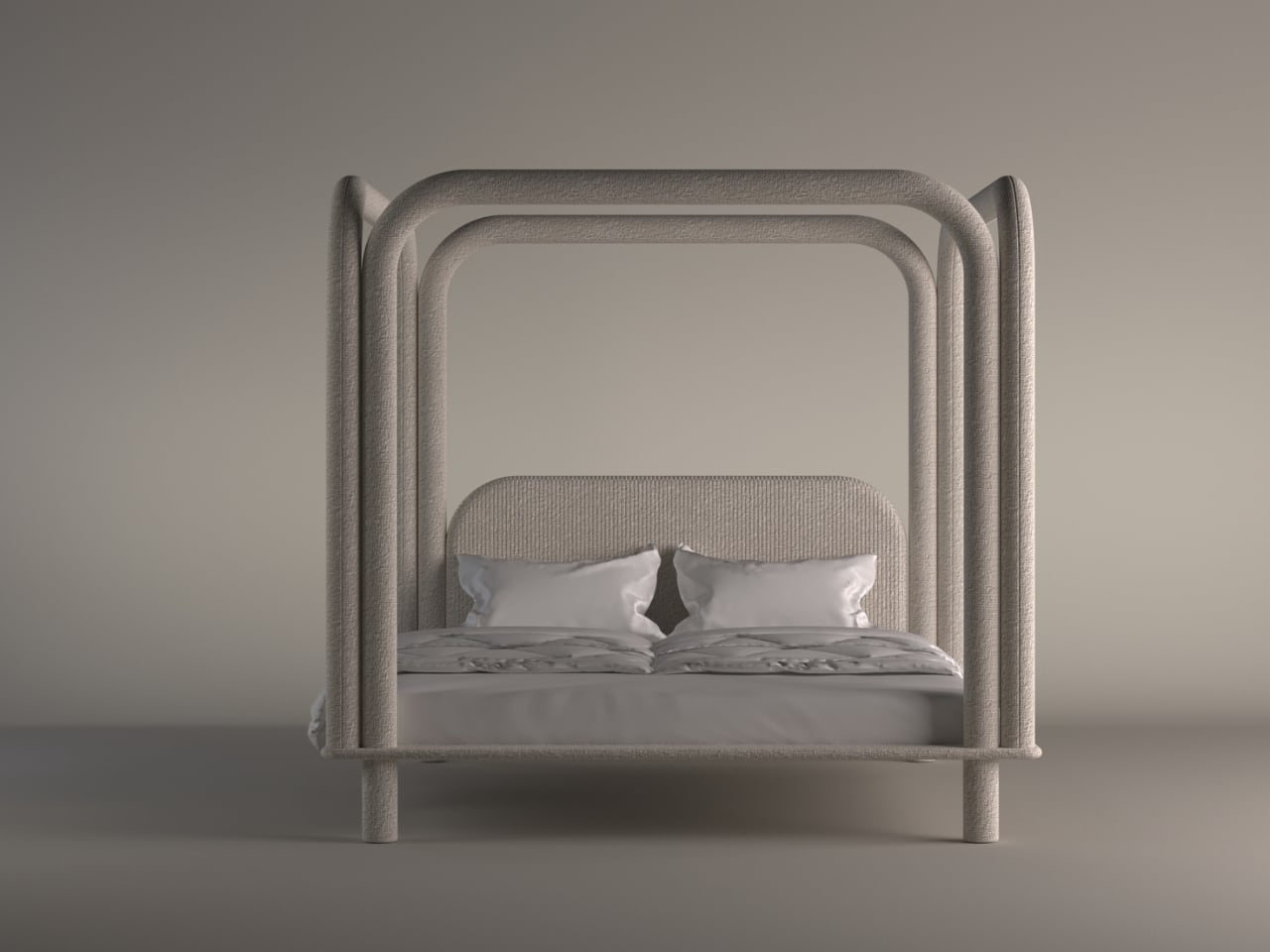
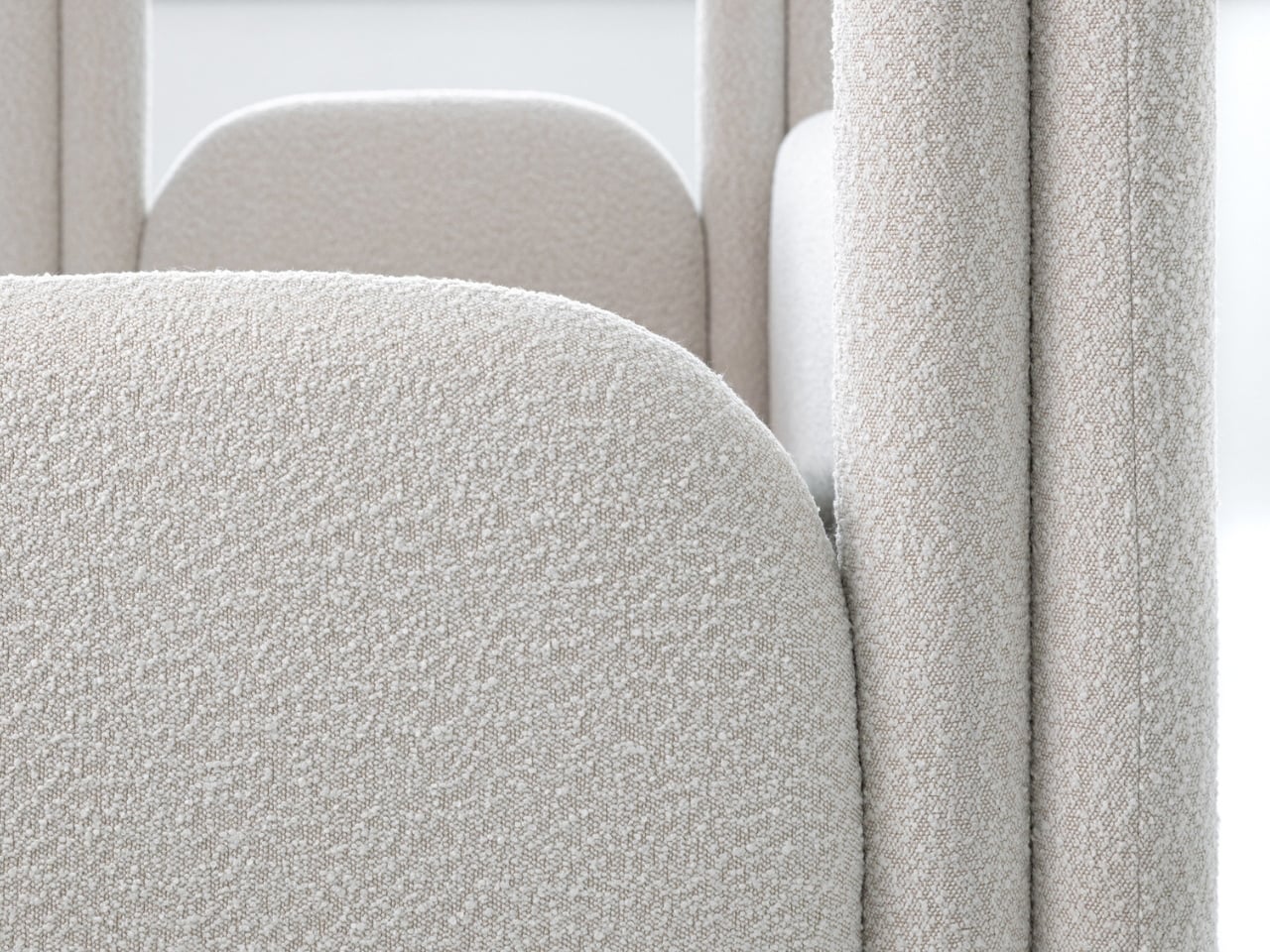
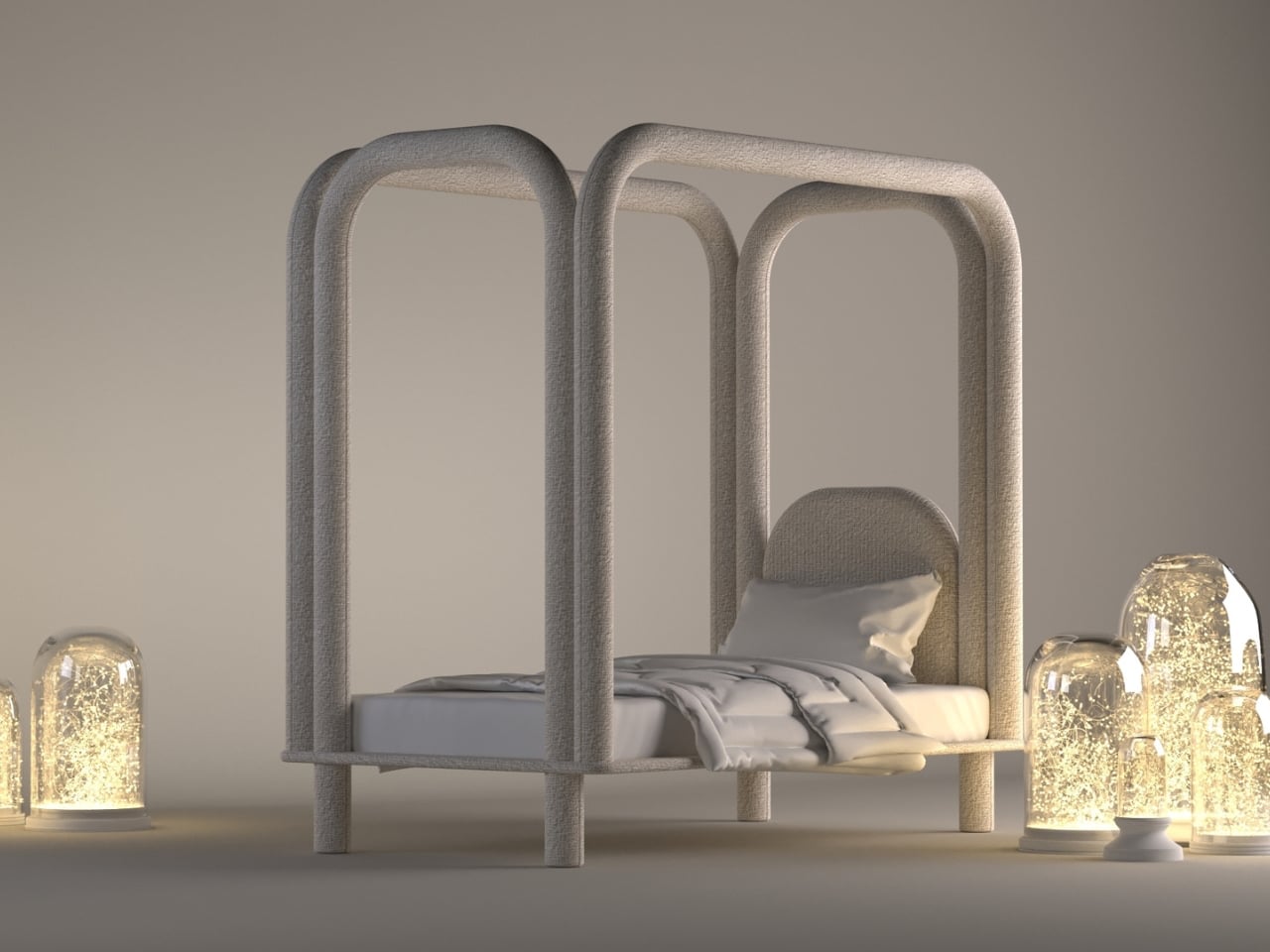
Designers are now treating the bed as a sculptural centerpiece or an element that sets the emotional tone of the entire room. The Roundish Bed captures this shift beautifully. Its creamy palette, rounded silhouette, and sanctuary-like presence reflect the growing preference for softer forms and serene aesthetics. Instead of rigid lines or bulky frames, it introduces a gentle visual language that feels restorative the moment you step into the space.

Wrapped in plush foam and tactile textiles, the design creates a cocooning effect that brings quiet sophistication to the bedroom. Every curve is intentional, enhancing both comfort and safety – especially for families. Its popularity even inspired a kids’ version, scaled down yet equally soft and inviting. With its warm geometry and calming simplicity, the Roundish collection shows how gentle neutrals and fluid shapes are reshaping modern living into something more soothing, minimal, and deeply nurturing.

2. Sculptural Lighting

Sculptural lighting becomes even more refined when expressed in Pantone’s Cloud Dancer, which enhances the trend toward quiet, effortless luxury. Whether used on matte ceramic bases or frosted-glass pendants, this shade transforms lighting into a calming focal point. The glow feels diffused and gentle, bringing a sense of balance and serenity to any room.

In contemporary and minimalist interiors, Cloud Dancer allows the form of the fixture to shine without overwhelming the space. Its clean, billowy tone amplifies the artistic quality of sculptural lighting, turning functional pieces into subtle works of design. The result is illumination that feels soothing, modern, and beautifully intentional.

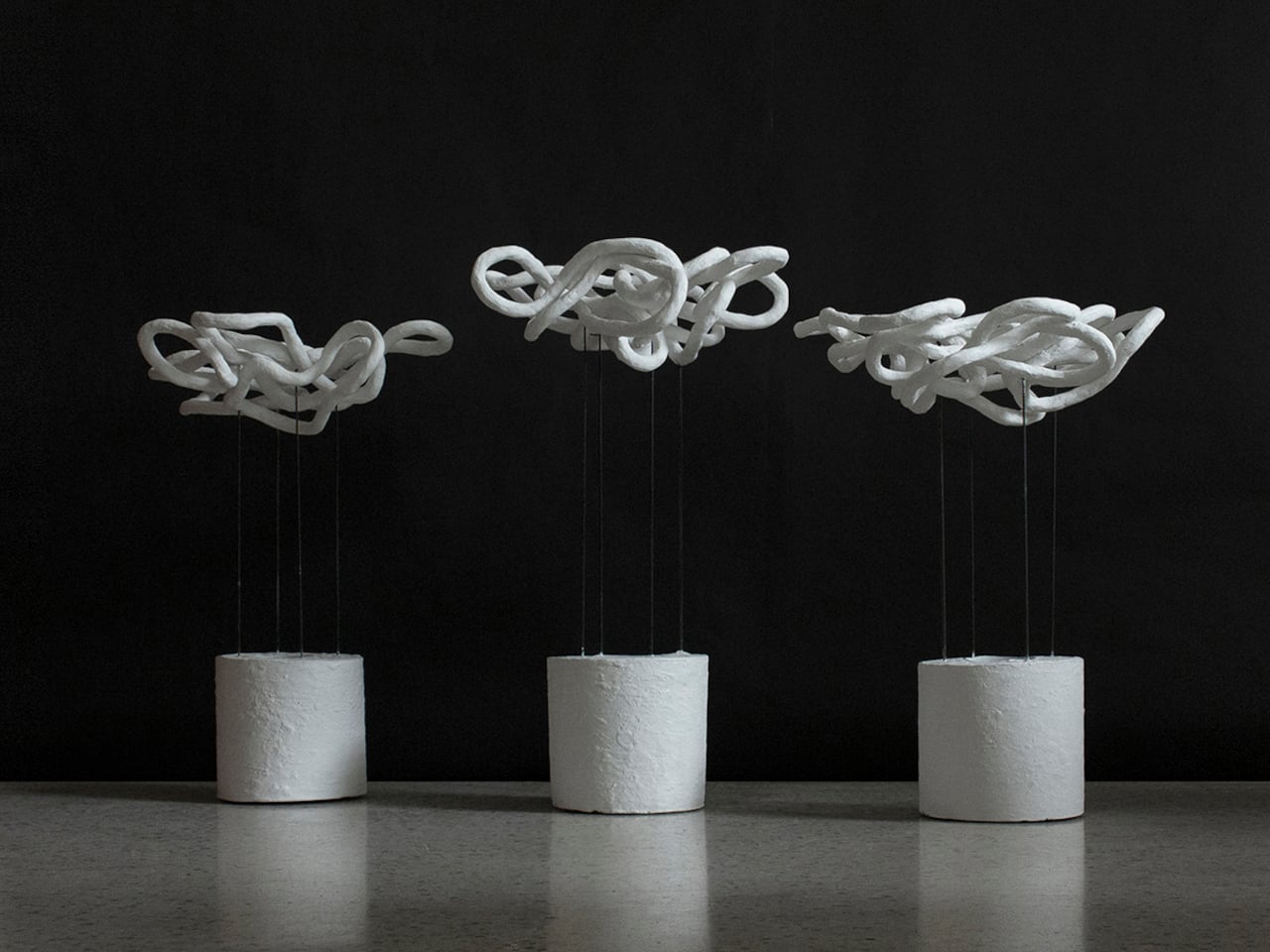
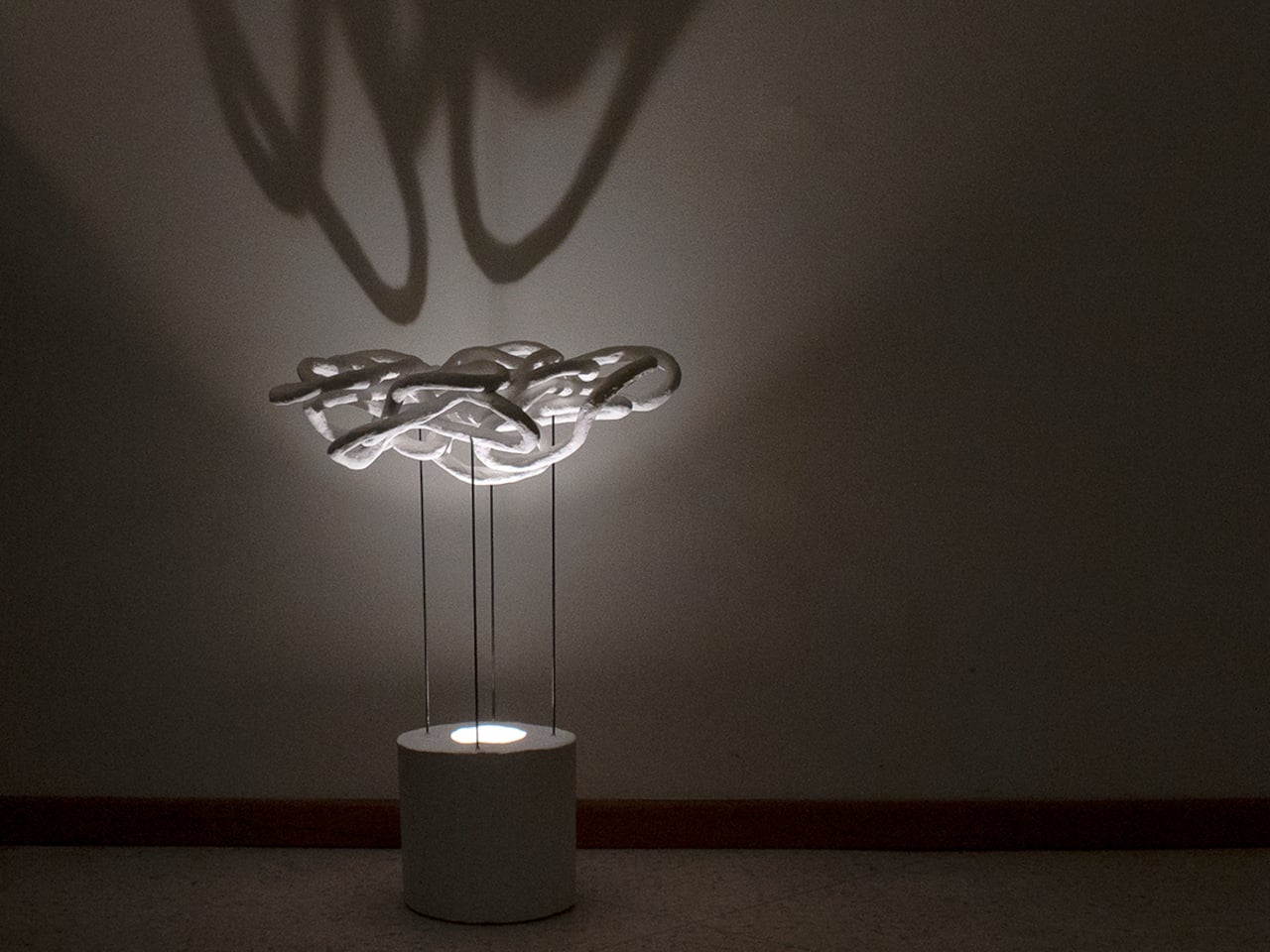
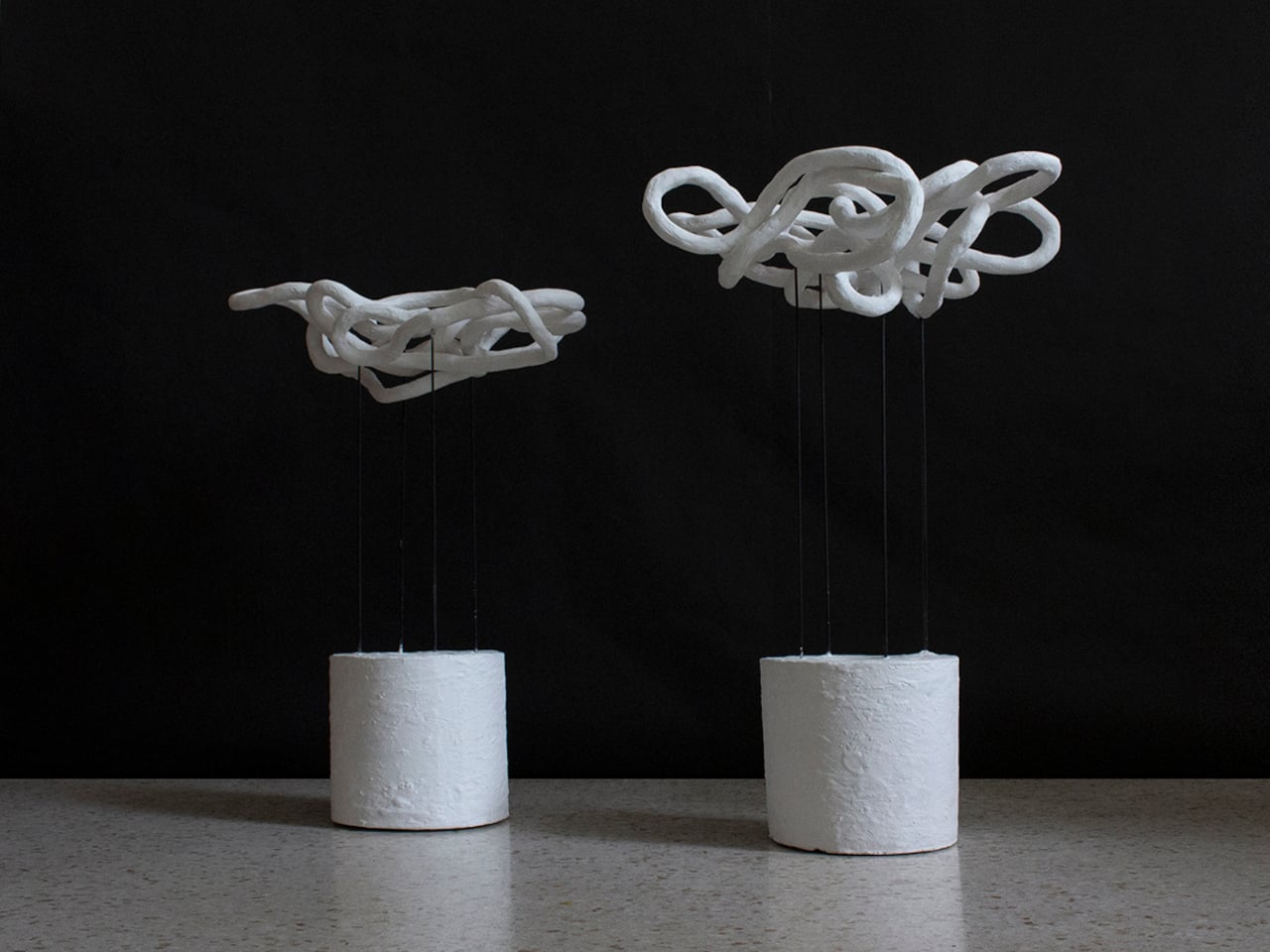
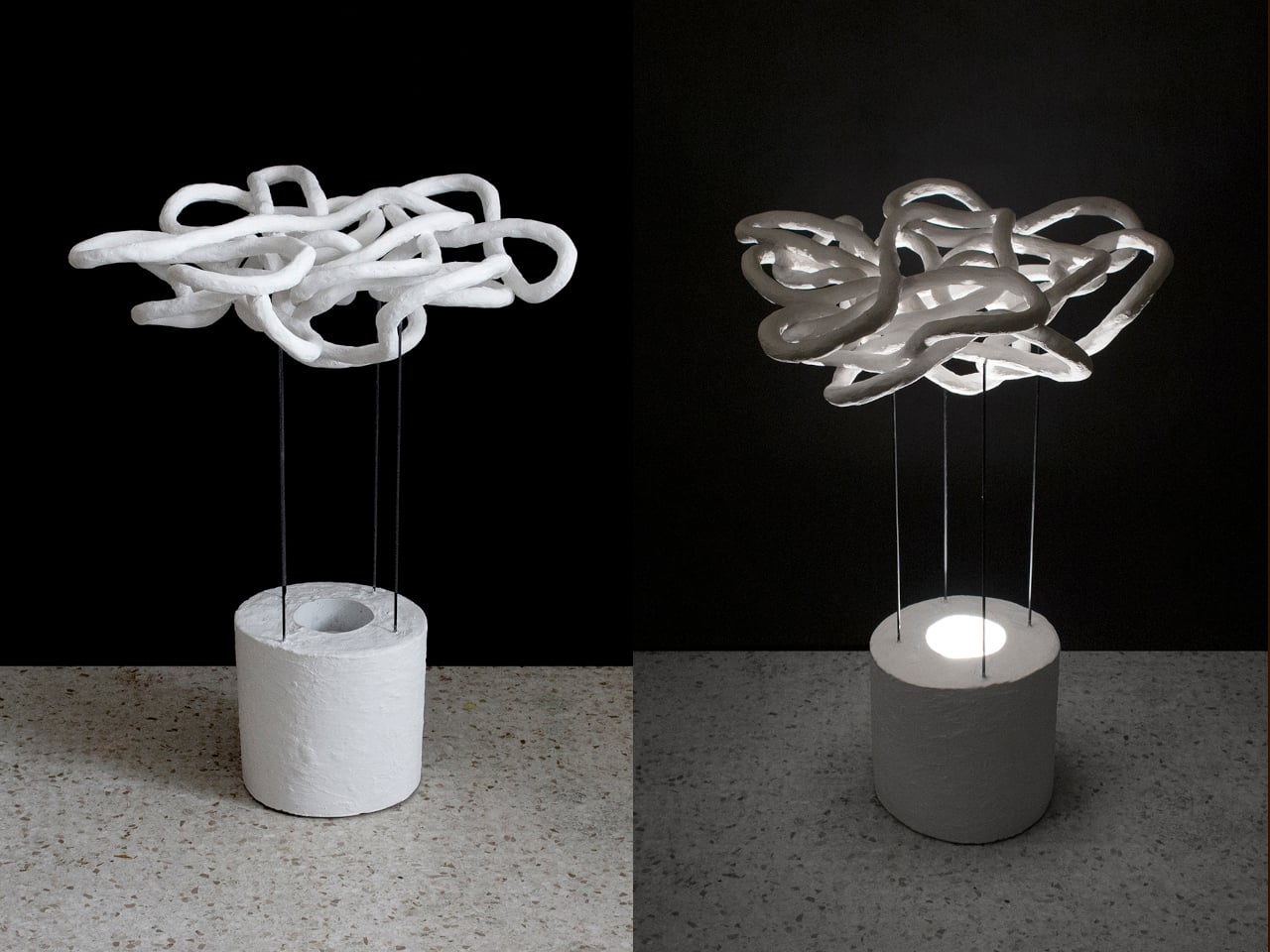
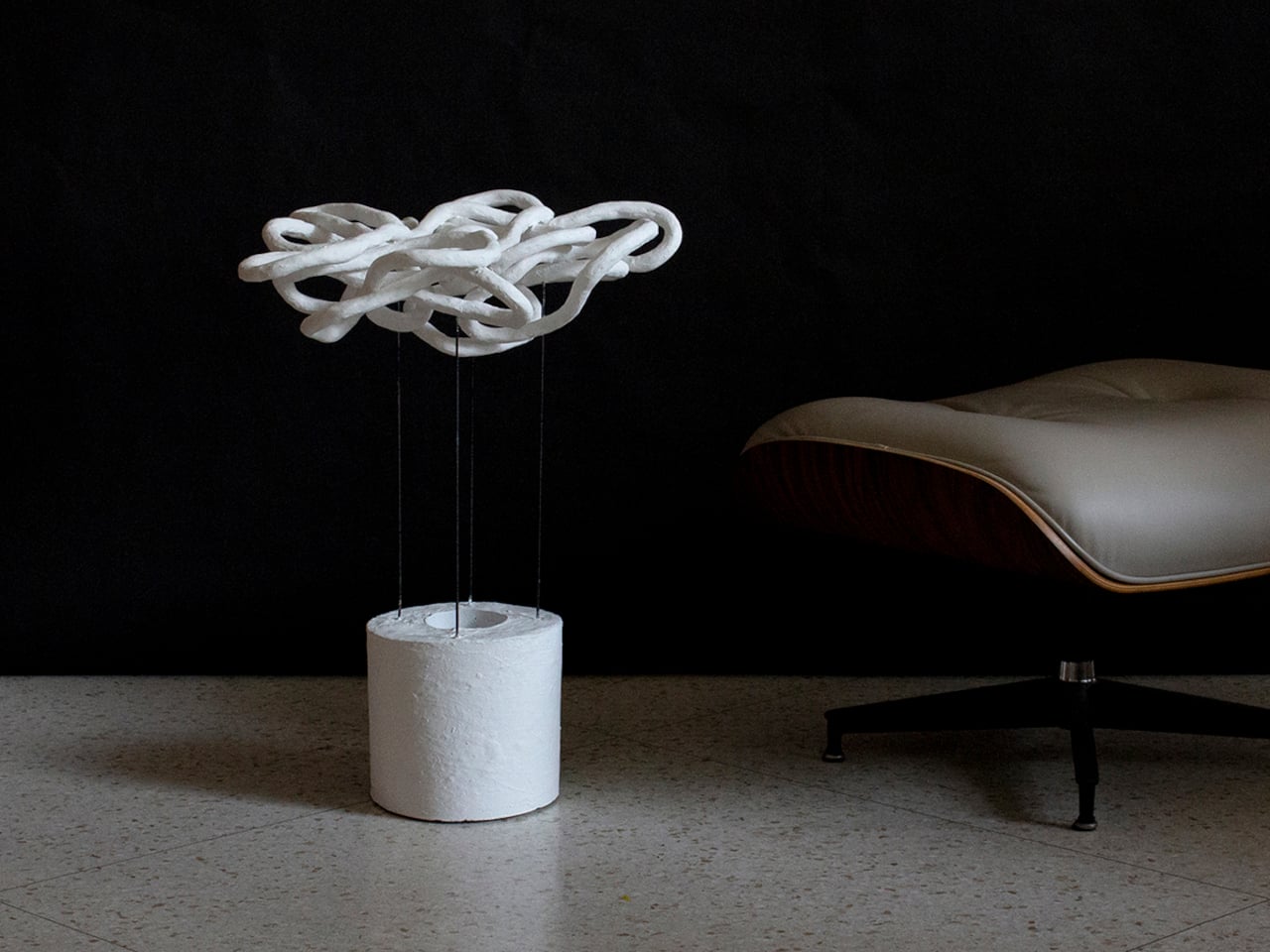
Most lighting fixtures behave predictably, looking the same whether they’re switched on or off. Taeg Nishimoto’s LOOPS lamp breaks that pattern completely. By day, it appears modest and sculptural, but once illuminated, it transforms the room into a canvas of shifting, intricate shadows. Built from simple materials like sisal rope, plaster, concrete, and steel rods, the lamp proves that innovation doesn’t require luxury and is just an intention. Nishimoto forms loose loops from untwisted sisal rope, stabilizes them with fabric hardener, and wraps them in fast-setting plaster, creating surfaces that feel raw, organic, and entirely handmade.

These plastered loops are joined where they naturally touch, forming clusters that resemble natural formations like dunes or coral. Elevated on slim steel rods above a concrete base, hiding the light source, the lamp casts dramatic patterns across walls and ceilings when lit. The effect feels part lighting, part art installation.

3. Decorative Accessories

The color’s soft, airy white finish highlights form over decoration, allowing curves, contours, and textures to take center stage. Whether crafted in matte ceramic, hand-thrown stoneware, or frosted glass, these pieces act as subtle anchors that calm visual pauses within a space filled with color and pattern. Even a single Cloud Dancer vase can add a touch of serene modernity to a console or side table.

In minimalist, contemporary, or Japandi-inspired settings, this gentle hue enhances the sculptural quality of each piece. The neutral tone makes dried florals, branches, and fresh greenery appear more vivid, creating a balanced yet elevated look. These vases don’t just hold arrangements—they shape the atmosphere, reinforcing the 2026 shift toward softer aesthetics, mindful styling, and timeless quiet luxury.

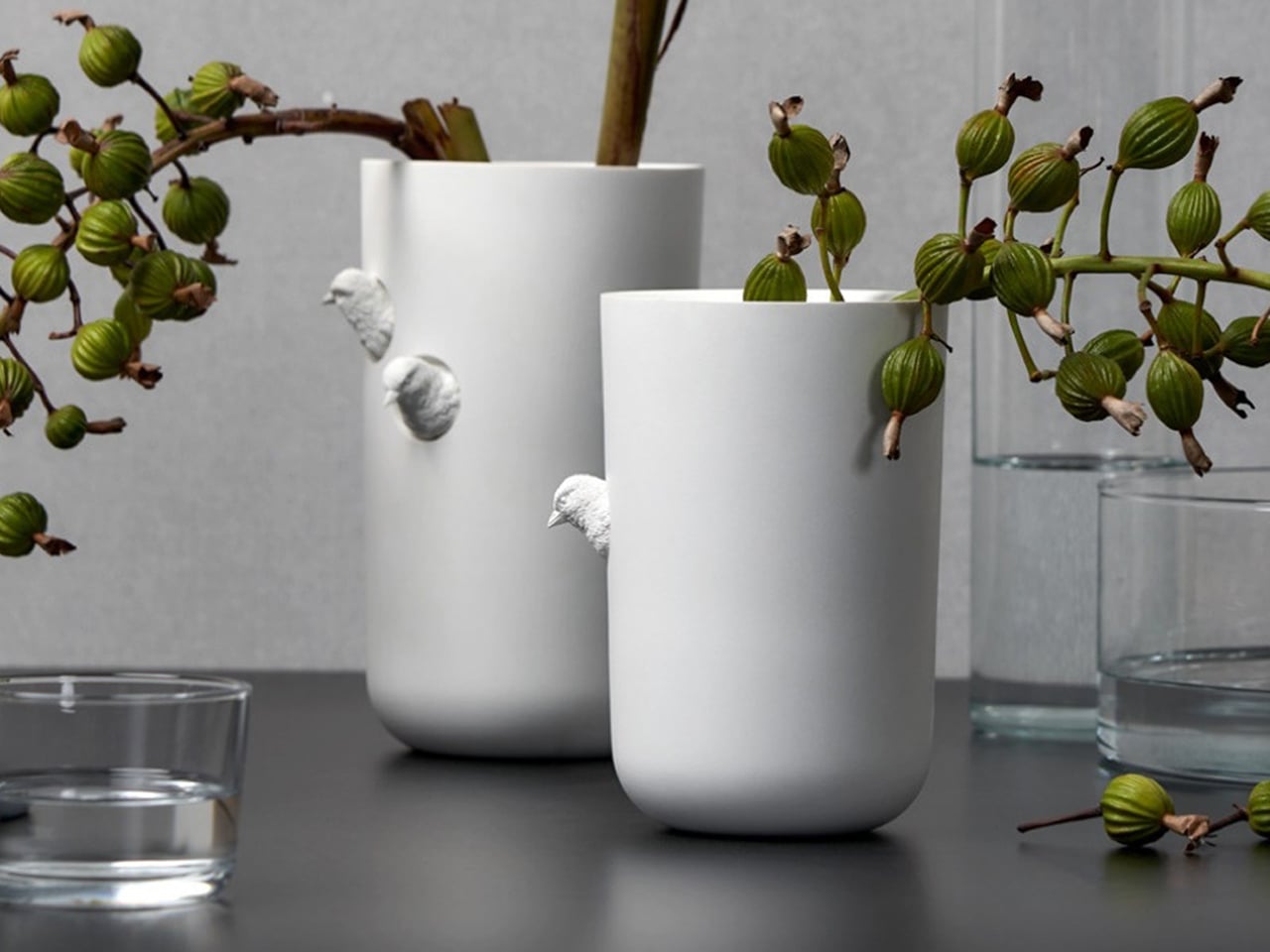
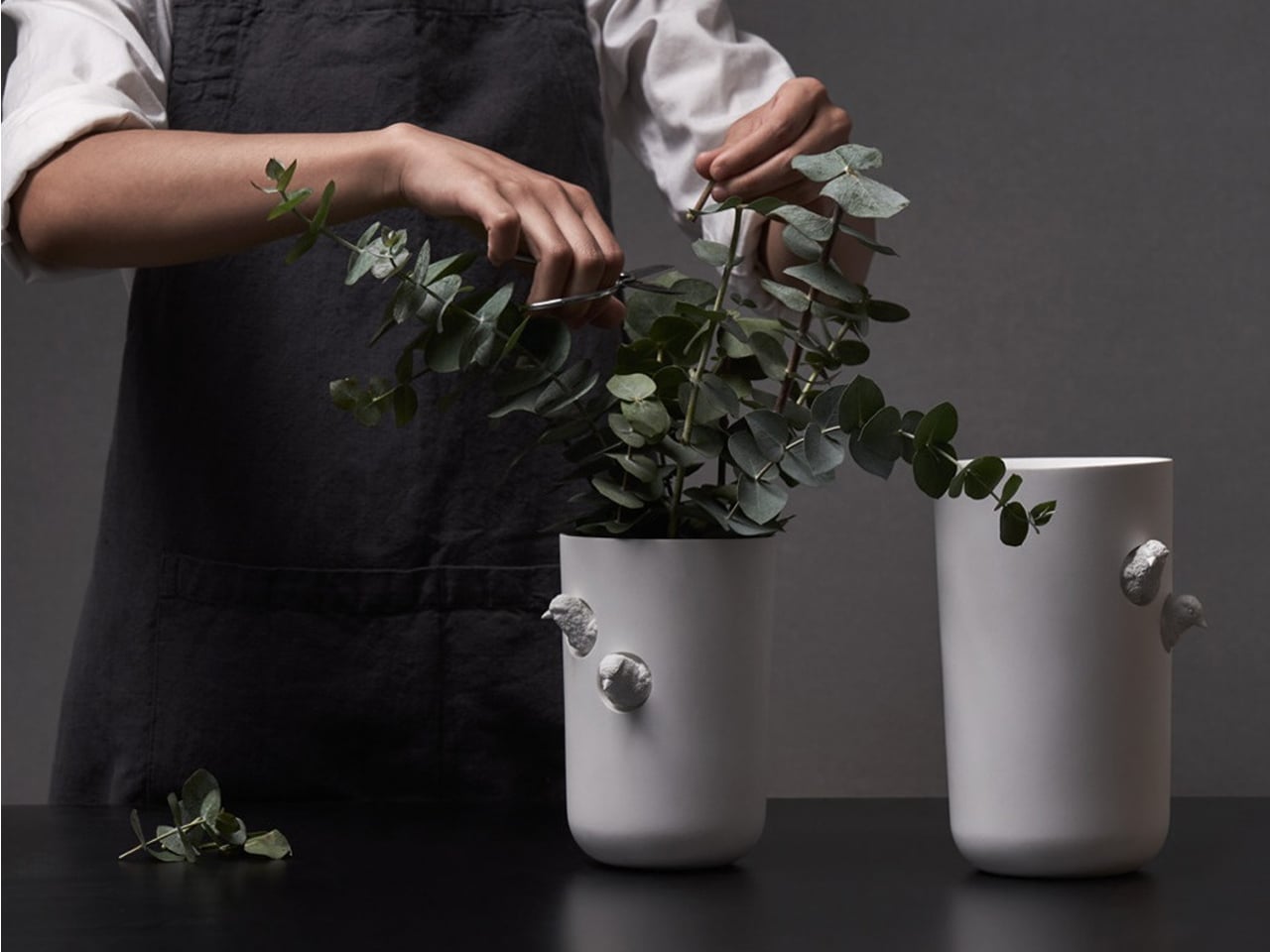
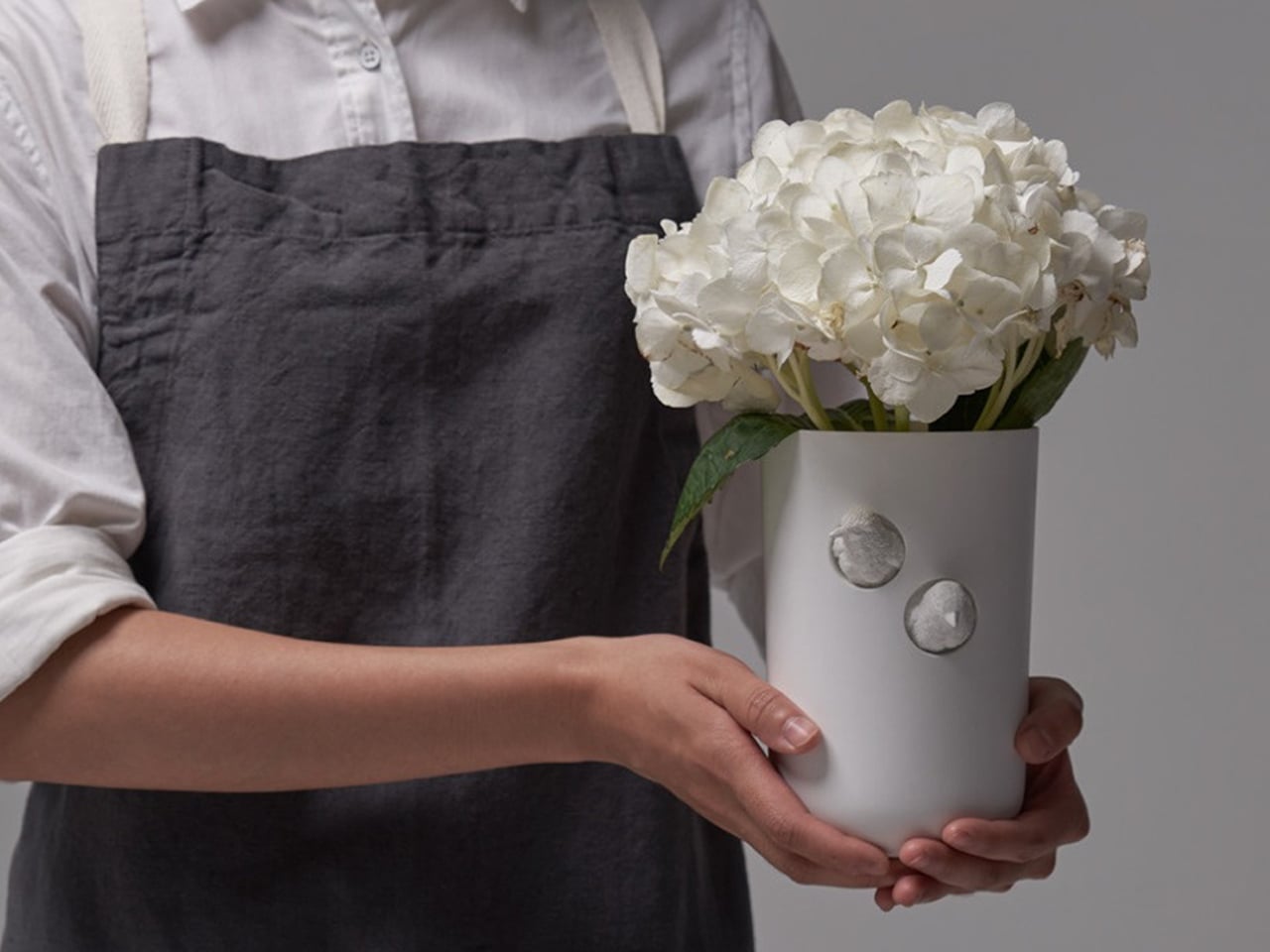
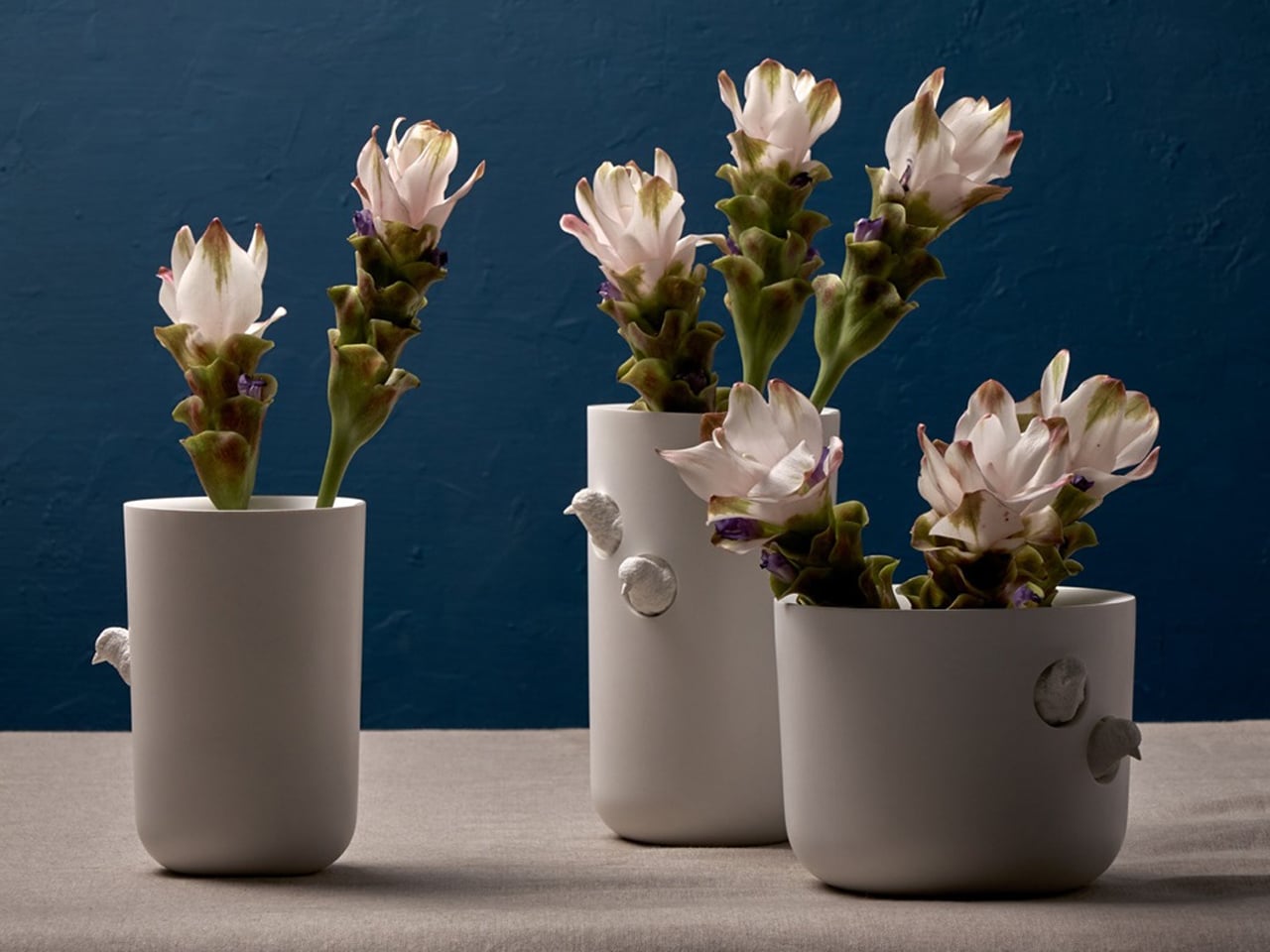
The Sparrow X Vase from Haoshi Design brings an artful twist to a classic silhouette. Its clean, seamless form is gently interrupted by two finely sculpted sparrows that appear to peek out from the vase itself. These curious little birds add a touch of personality and storytelling, turning an otherwise minimalist vessel into a piece that invites a second look.

Their intricate detailing stands in striking contrast to the vase’s smooth, marble-like white surface, highlighting both craftsmanship and restraint. The sparrows not only introduce visual charm but also echo the organic beauty of the blooms placed inside. Together, the form, texture, and sculptural accents create a vase that feels serene, distinctive, and quietly poetic.

4. Bedding, Textiles & Cozy Layers

Soft, white-but-warm bedding instantly transforms a bedroom into a restorative retreat. Linens, duvets, throws, and blankets in gentle, airy tones create a serene foundation, promoting calm and mindful living. Their neutral palette allows the room to feel open and balanced, while adding subtle warmth that makes the space inviting rather than sterile.

When layered thoughtfully, these textiles bring comfort and style. A plush duvet paired with cozy blankets, textured throws, or tactile cushions enhances the sensory experience, making the bed feel luxurious and welcoming. This approach turns everyday bedding into a tool for relaxation, emphasizing softness, simplicity, and a quiet, elevated aesthetic that supports modern mindful living.

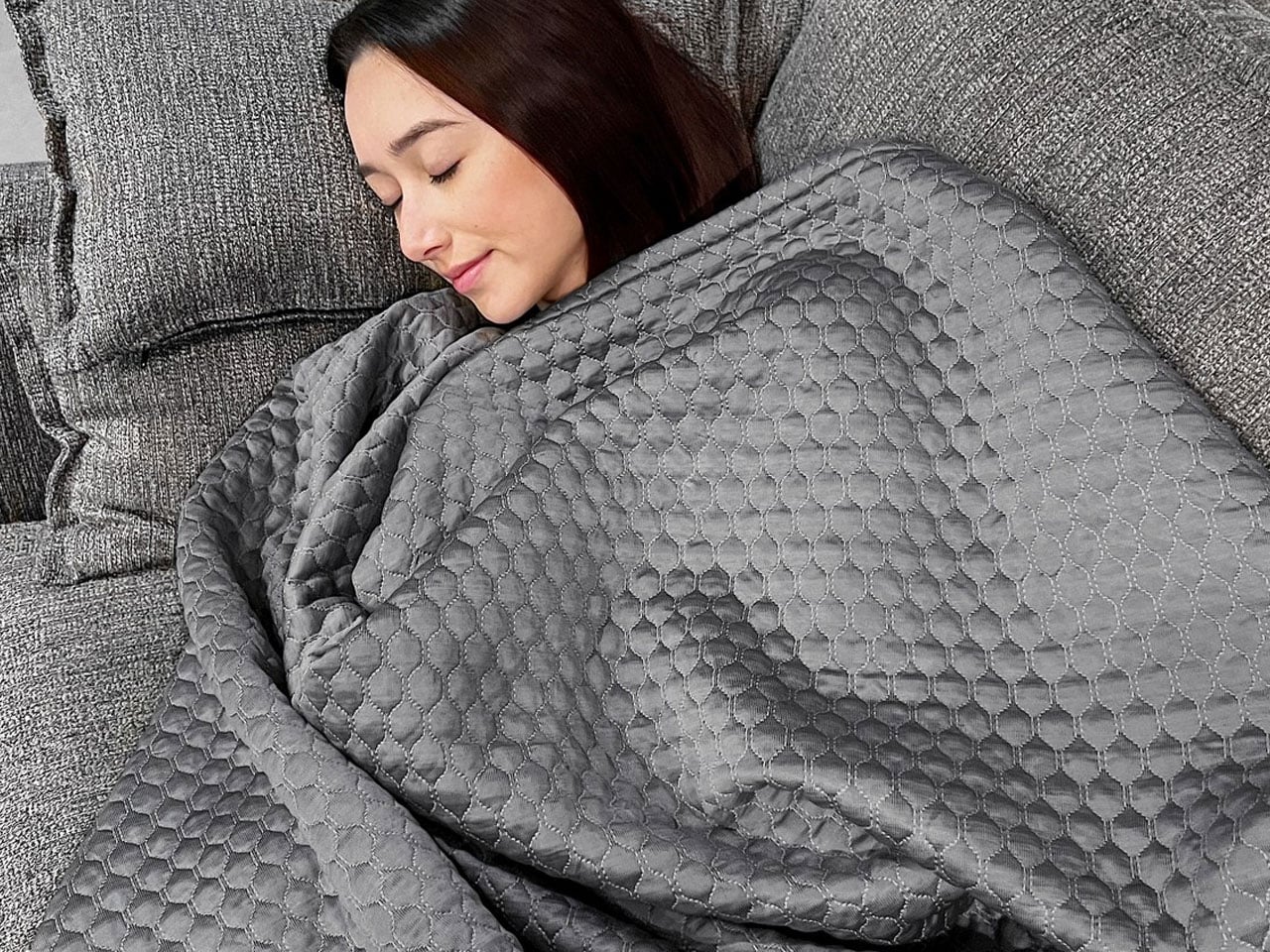
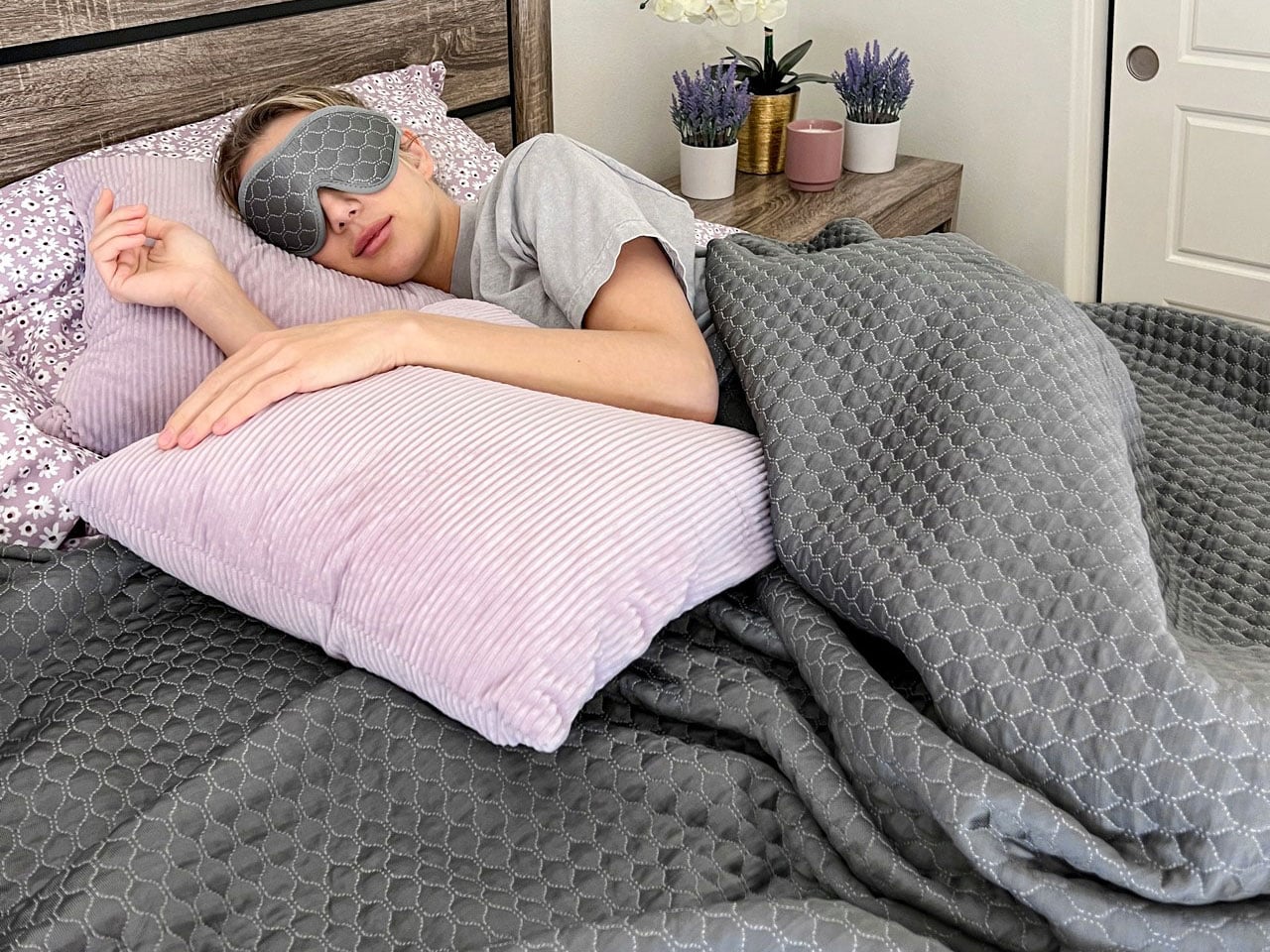
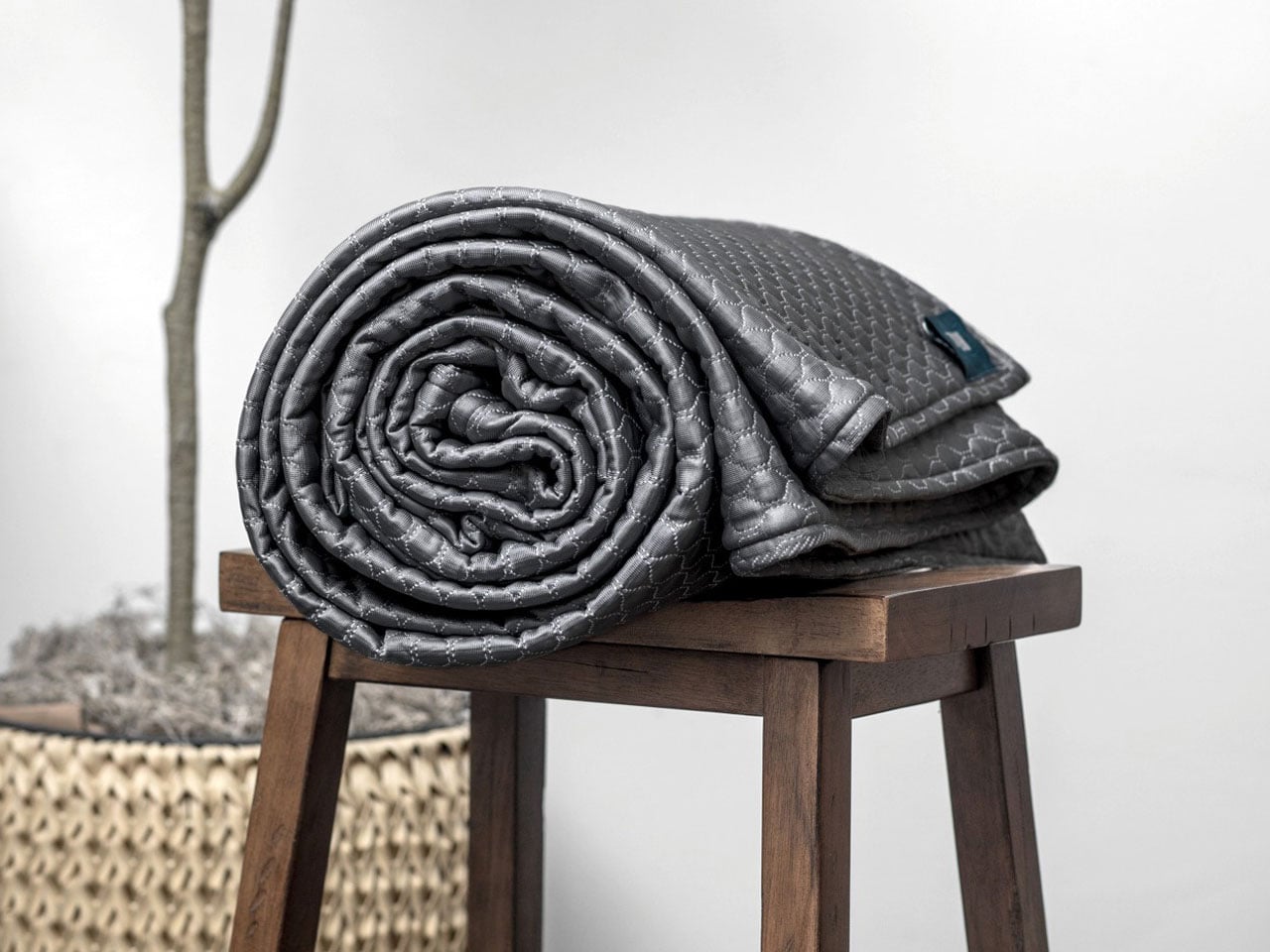
With the HILU blanket, getting a good night’s sleep becomes simpler and cooler. This innovative blanket is four times cooler than linen, yet still soft and cozy against your skin. It’s Adaptex CoolWeev fabric, woven from gel‑spun Eco‑cool Polyfibers, pulls warmth away from your body, helping you sleep undisturbed and sweat‑free. Lightweight but sturdy, the blanket works as a duvet, throw, or even a mattress topper—adaptable through all seasons.

Beyond cooling, HILU blankets care for your health and comfort. The fabric is antimicrobial and hypoallergenic, reducing bacteria, odors, and skin irritation. Designed with sustainability in mind, it’s made from OEKO‑TEX-certified recycled materials and built to last.

5. Modern Kitchen Cabinets

Applying this soft, neutral tone to kitchen cabinetry instantly elevates the space, creating a crisp and refined aesthetic. Its clean, airy quality balances beautifully with warm wooden surfaces, adding depth and sophistication without feeling heavy or overpowering. Whether used on upper cabinets, lower drawers, or full pantry units, the tone brings a timeless, minimalist touch to the kitchen.

Pairing these cabinets with brushed metal handles or sculptural hardware enhances the modern feel while maintaining warmth and tactility. The result is a kitchen that feels light, elegant, and carefully curated, or a space that blends functionality with quiet luxury and makes every culinary experience feel thoughtful and stylish.

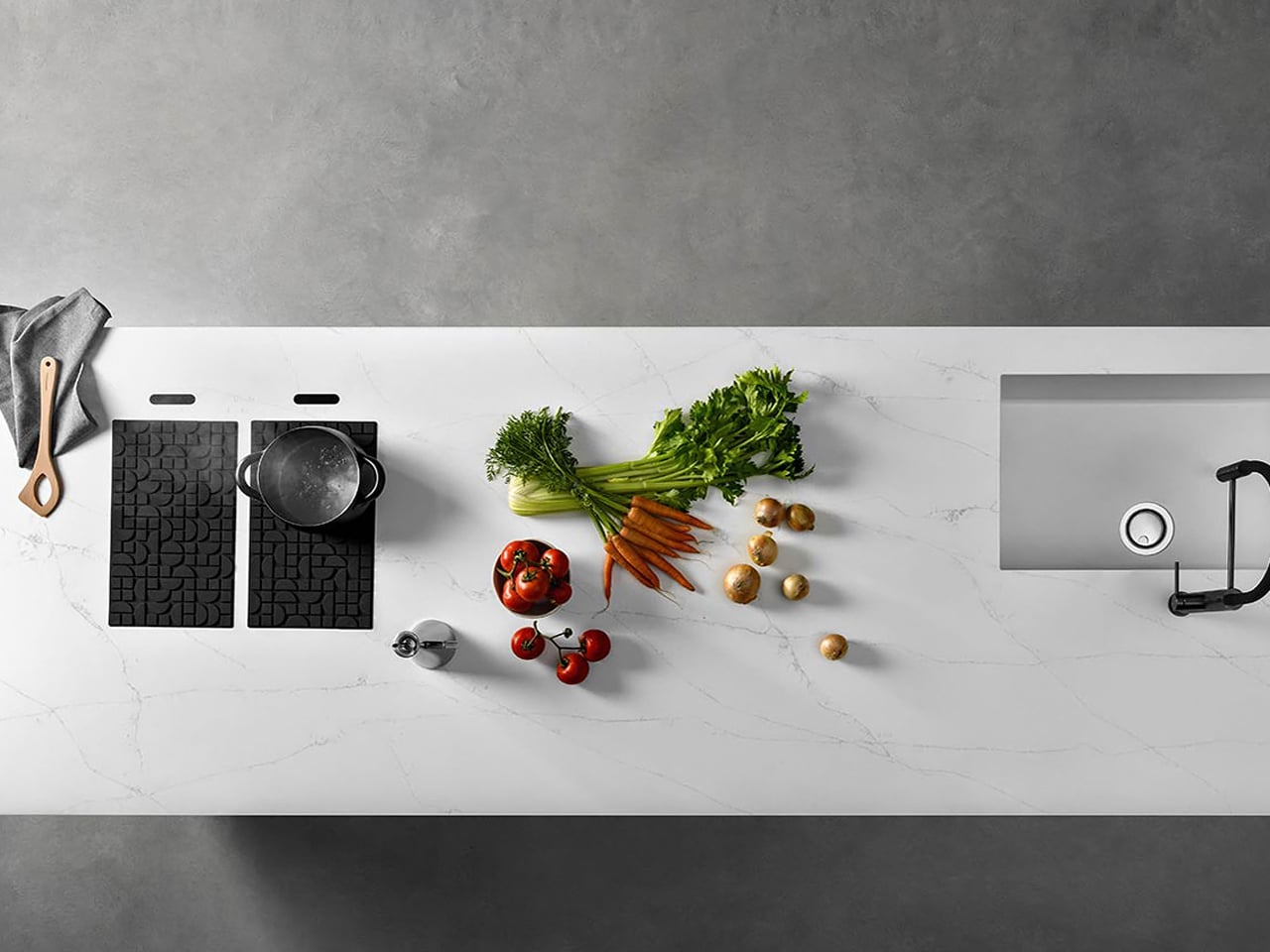
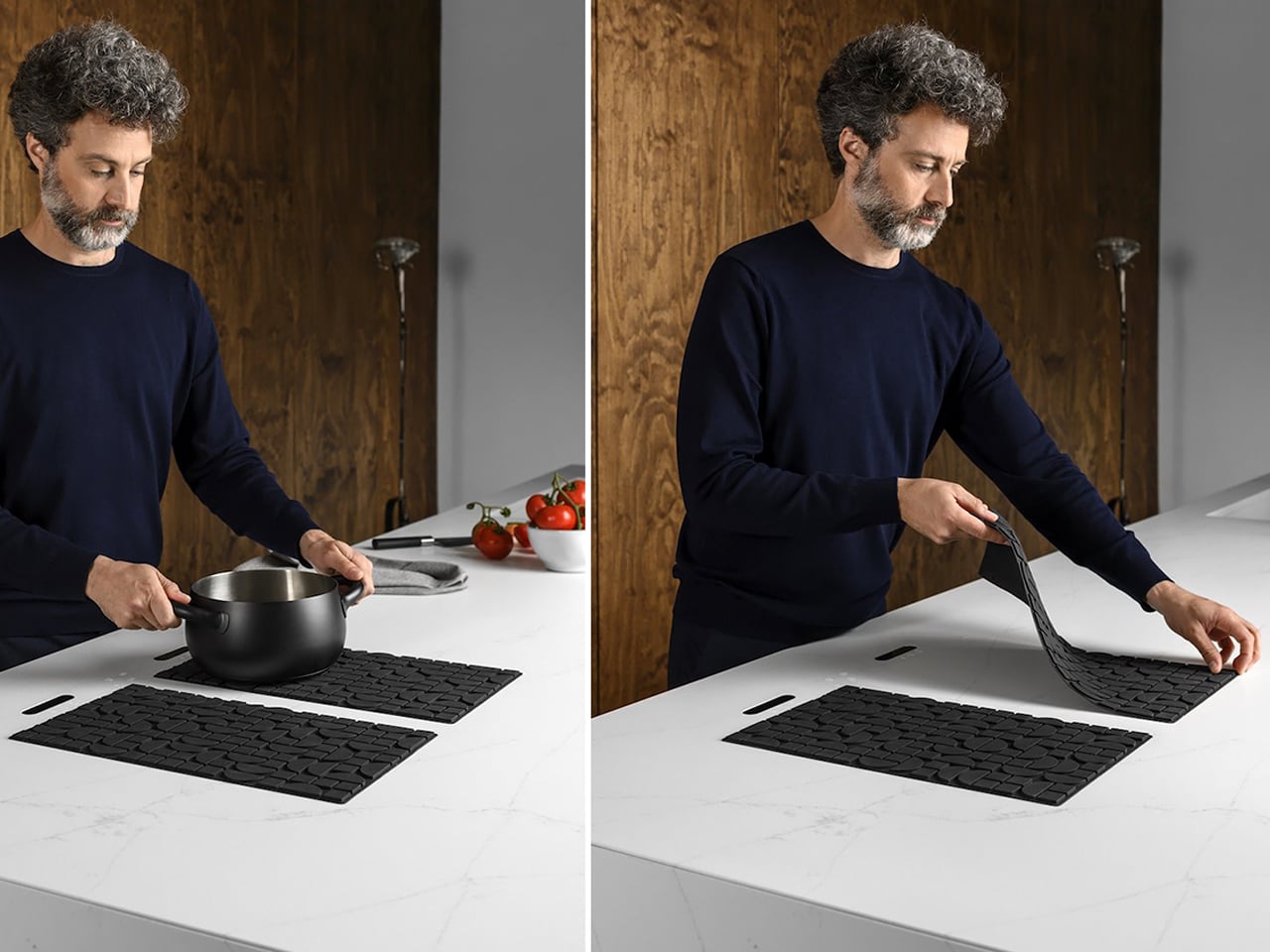
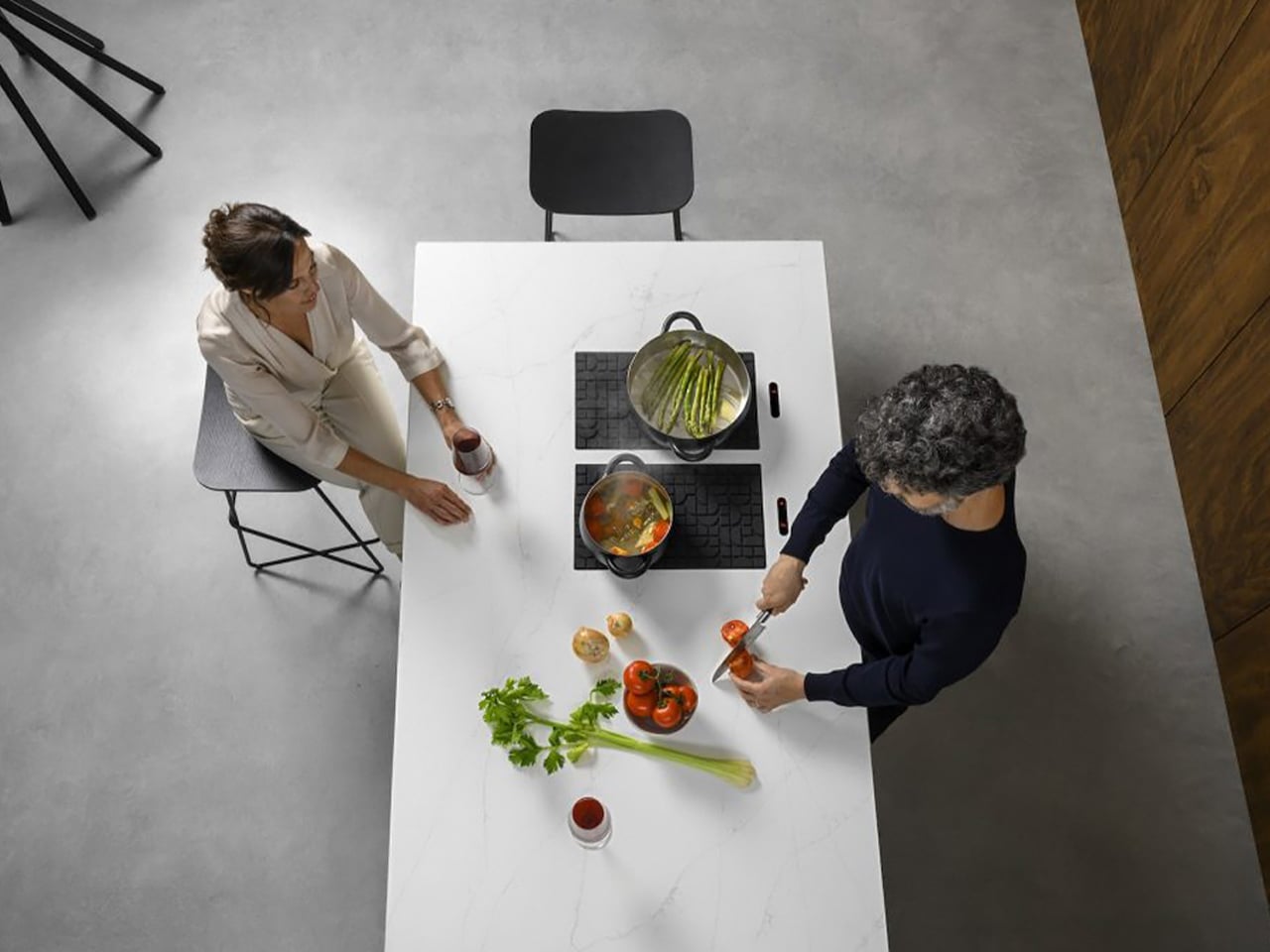
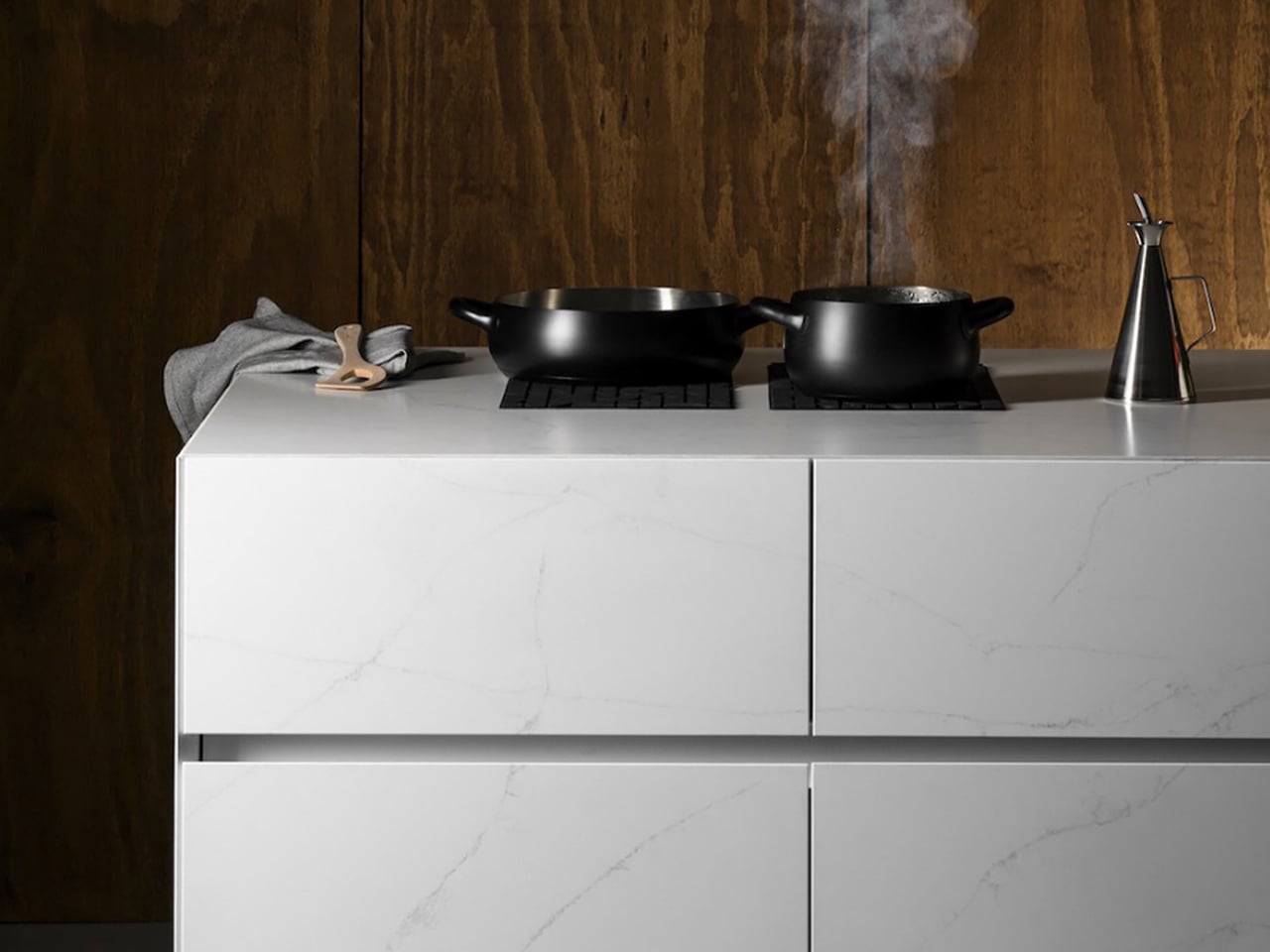
Soft, white tones on kitchen cabinets create a crisp, refined backdrop that instantly brightens the space and highlights the quality of surrounding surfaces. Paired with warm wooden accents or brushed metal hardware, the white cabinetry adds depth and a sense of modern elegance. Complementing this, a high-performance sintered stone countertop in light or neutral shades elevates the kitchen’s aesthetic while offering unmatched durability. The smooth, non-porous surface of Lapitec stone is resistant to stains, chemicals, and heat, making it ideal for both functional and stylish kitchen designs. Its range of finishes allows seamless integration with cabinetry, creating a harmonious, sophisticated environment that feels airy and inviting.

The Lapitec Chef induction system, hidden beneath the countertop, enhances this modern setup. Activated by a silicone mat, it transforms the white countertop into a fully functional cooking surface while keeping the workspace clean and versatile.

As Pantone’s Cloud Dancer ushers in 2026, companies across design, interiors, and lifestyle sectors have a unique opportunity to embrace this soft, airy white as a unifying trend. From furniture and lighting to textiles, vases, and kitchen cabinetry, the shade offers versatility that pairs seamlessly with natural textures, warm metals, and sculptural forms. Brands can experiment with Cloud Dancer in product finishes, packaging, or showroom experiences to convey calm, sophistication, and mindful luxury. Its understated elegance allows other colors, materials, and design elements to shine, making it an ideal foundation for contemporary collections.

By using Cloud Dancer thoughtfully, brands and companies can create products and spaces that resonate with consumers seeking calm, clarity, and modern serenity. This gentle hue supports minimalism with meaning, offering a fresh, timeless canvas that blends aesthetic appeal with emotional well-being, making it a defining trend for 2026 and beyond.

The post 5 Ways to Use Cloud Dancer, Pantone’s Calming 2026 Color first appeared on Yanko Design.

5 Tiny Homes That Cost Less Than a Tesla But Look Like Mansions

In recent years, designers increasingly recognize that a home’s luxury is not defined by its size but by how space is sequenced, detailed, and experienced. In small residences, limited square footage becomes an opportunity to refine material honesty, elevate craftsmanship, and curate a focused expression of high-end living. This shift frames luxury as a philosophy rooted in intention rather than excess.

Across leading firms, compact design now demands heightened tectonic precision and a commitment to functional return on every design move. These tiny homes often evolve into biophilic sanctuaries, where calibrated light, thoughtful detailing, and tactile finishes transform everyday rituals into meaningful, artful experiences. The result is a refined, immersive environment where efficiency, beauty, and comfort coexist, proving that true luxury lies in the quality of the spatial and sensory experience rather than the scale of the dwelling.

1. Luxury Through Honest Materials

Luxury in tiny homes begins with thoughtful restraint. Instead of using many finishes, the designer selects a tight, high-quality palette where every material feels intentional and lasting. Solid stone, natural wood, and honest metals replace veneers and create a tactile richness that instantly elevates the environment.

Even a single feature adds more depth and beauty than multiple generic surfaces. A calm monochromatic scheme strengthens this effect, letting texture and form speak clearly while reducing visual noise. Precision detailing, flush joins, and concealed hardware create clean lines and a seamless flow, turning compact layouts into serene, beautifully crafted spaces.

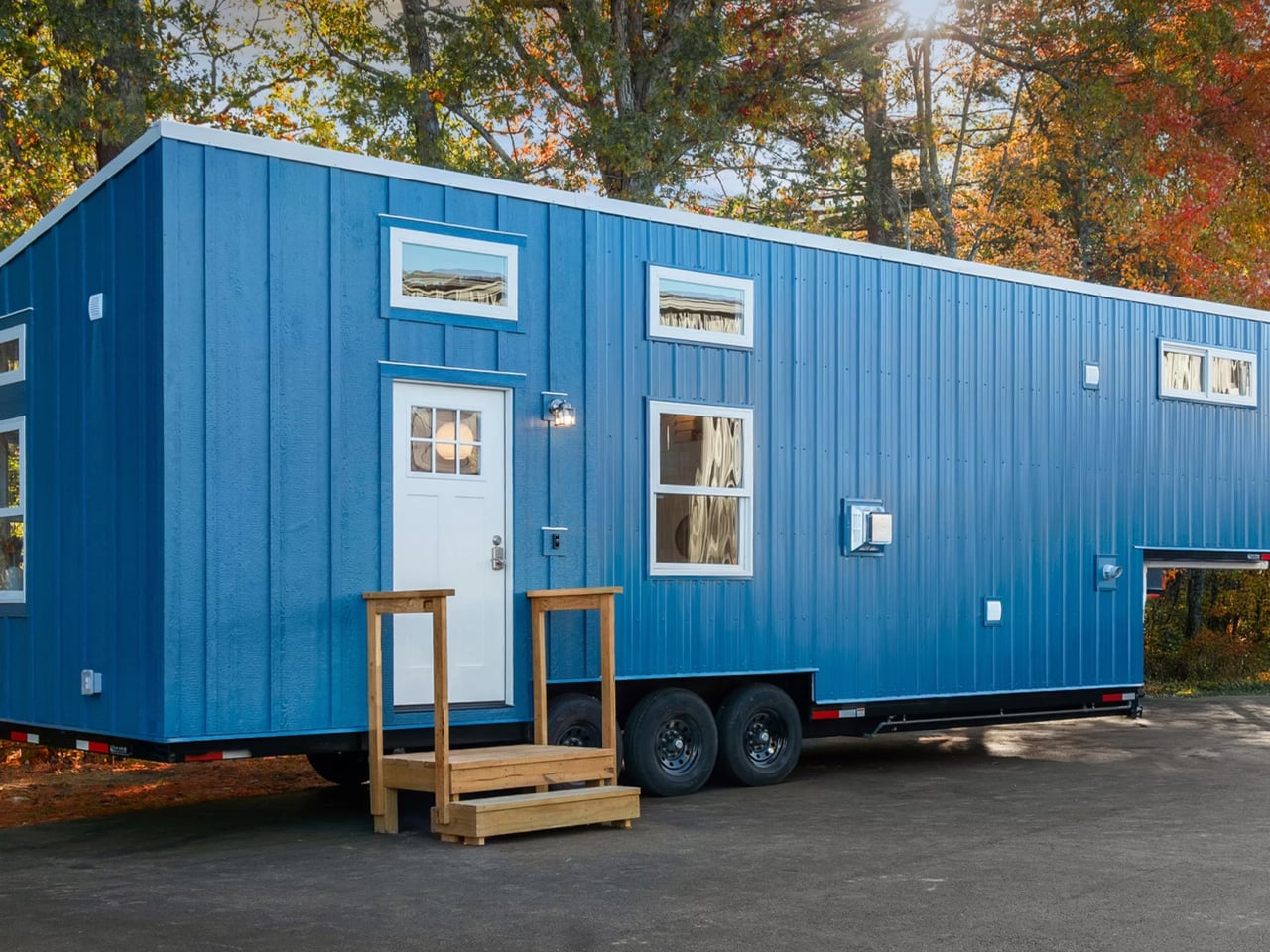
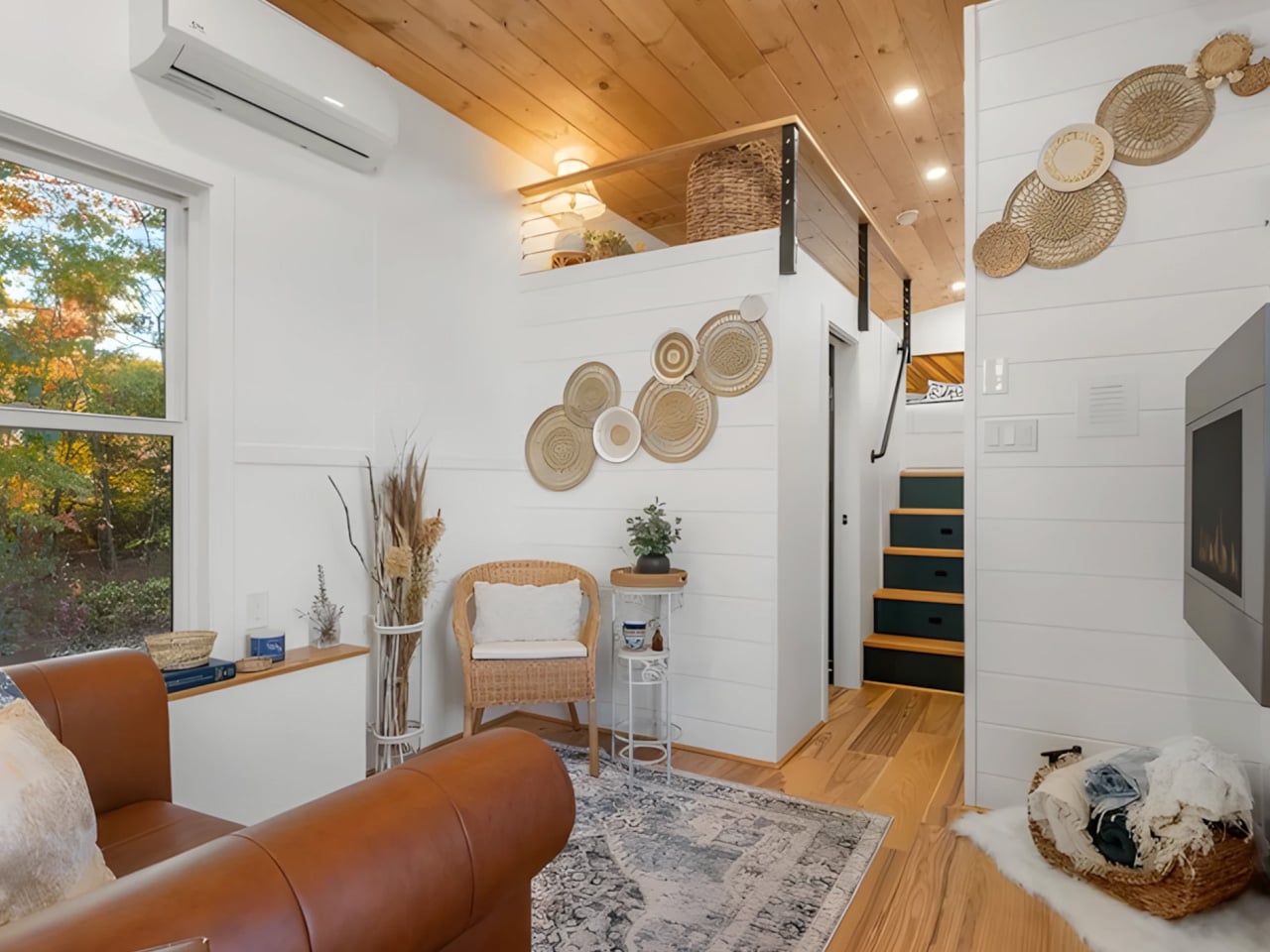
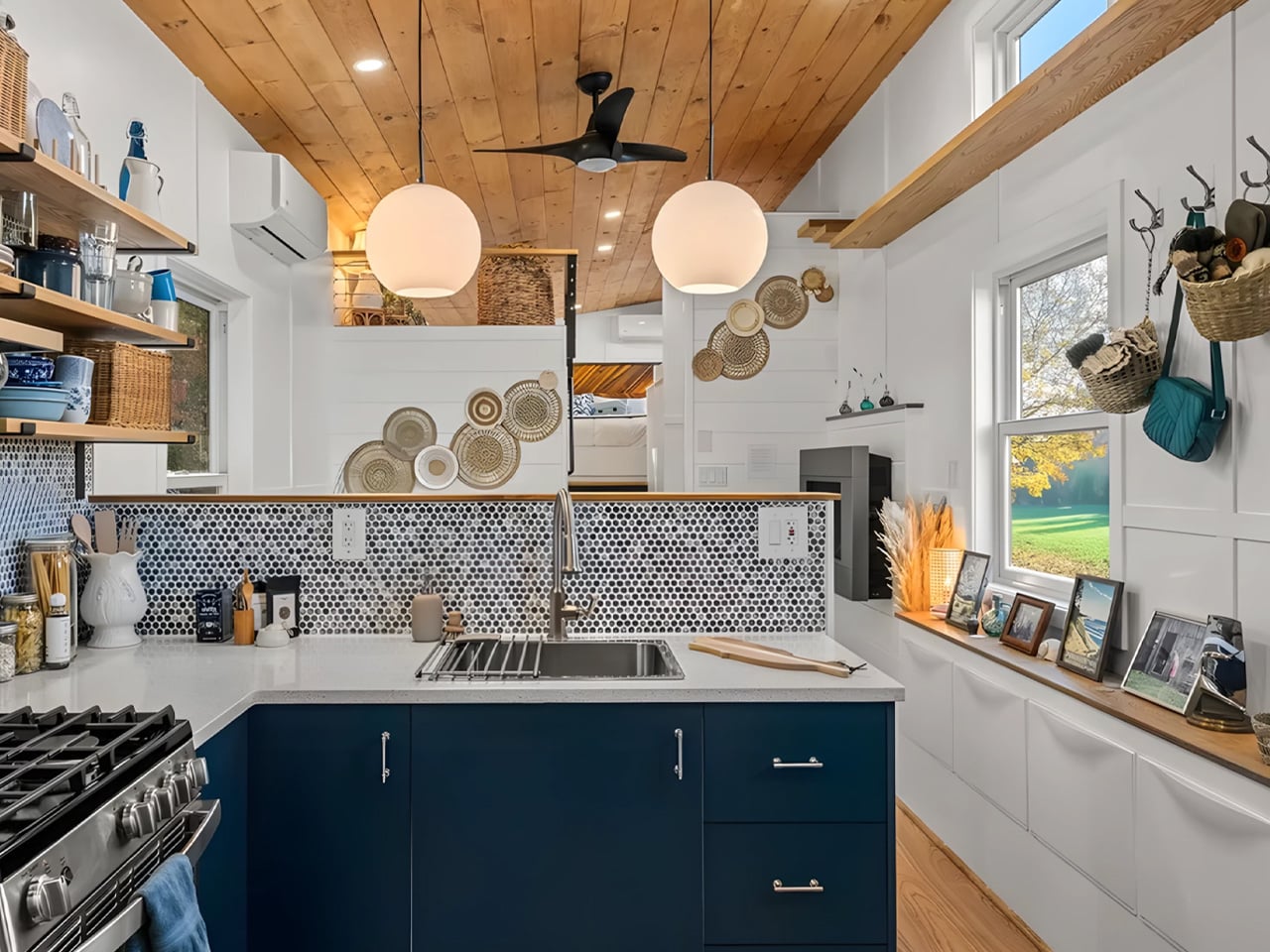
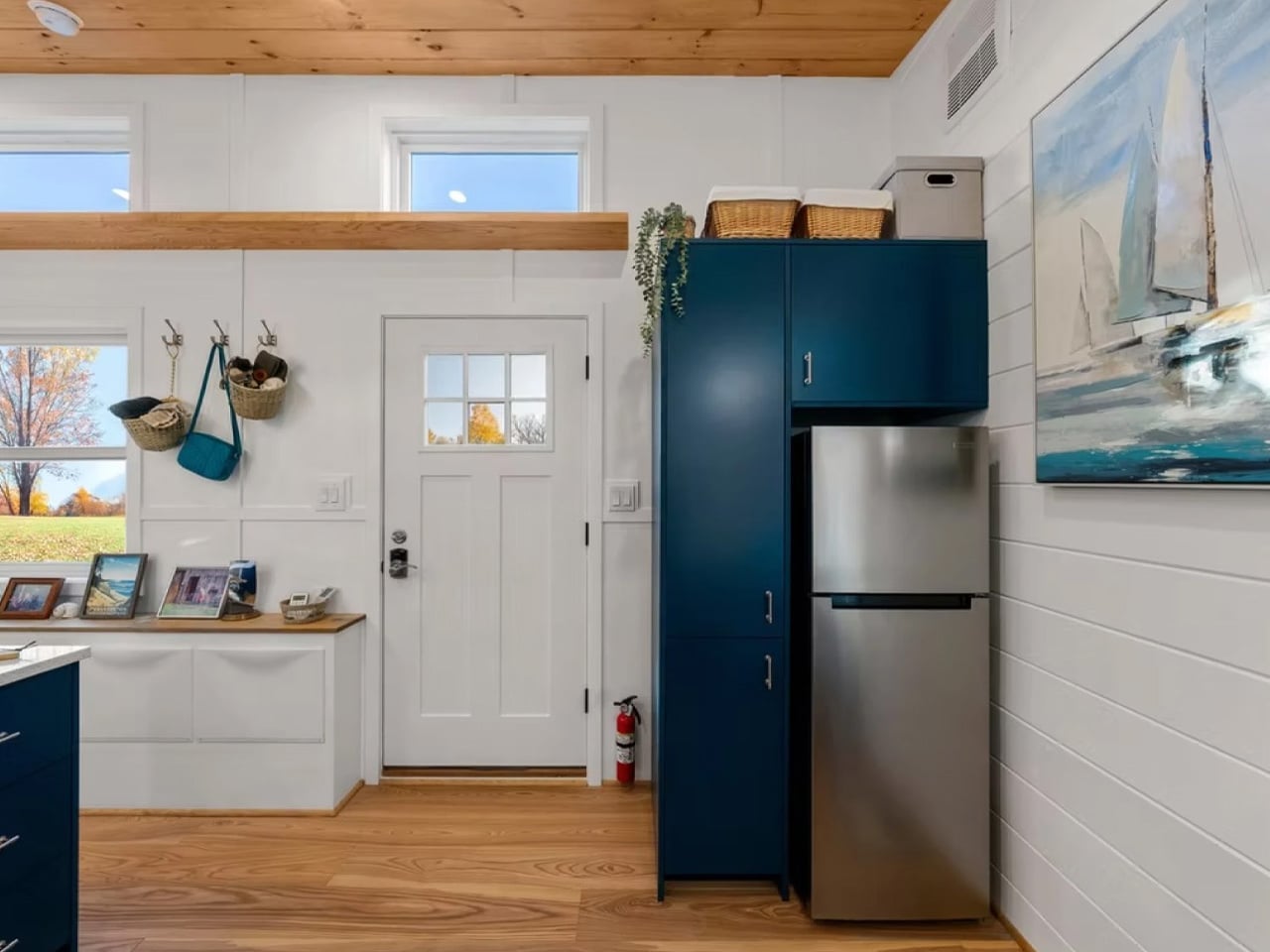
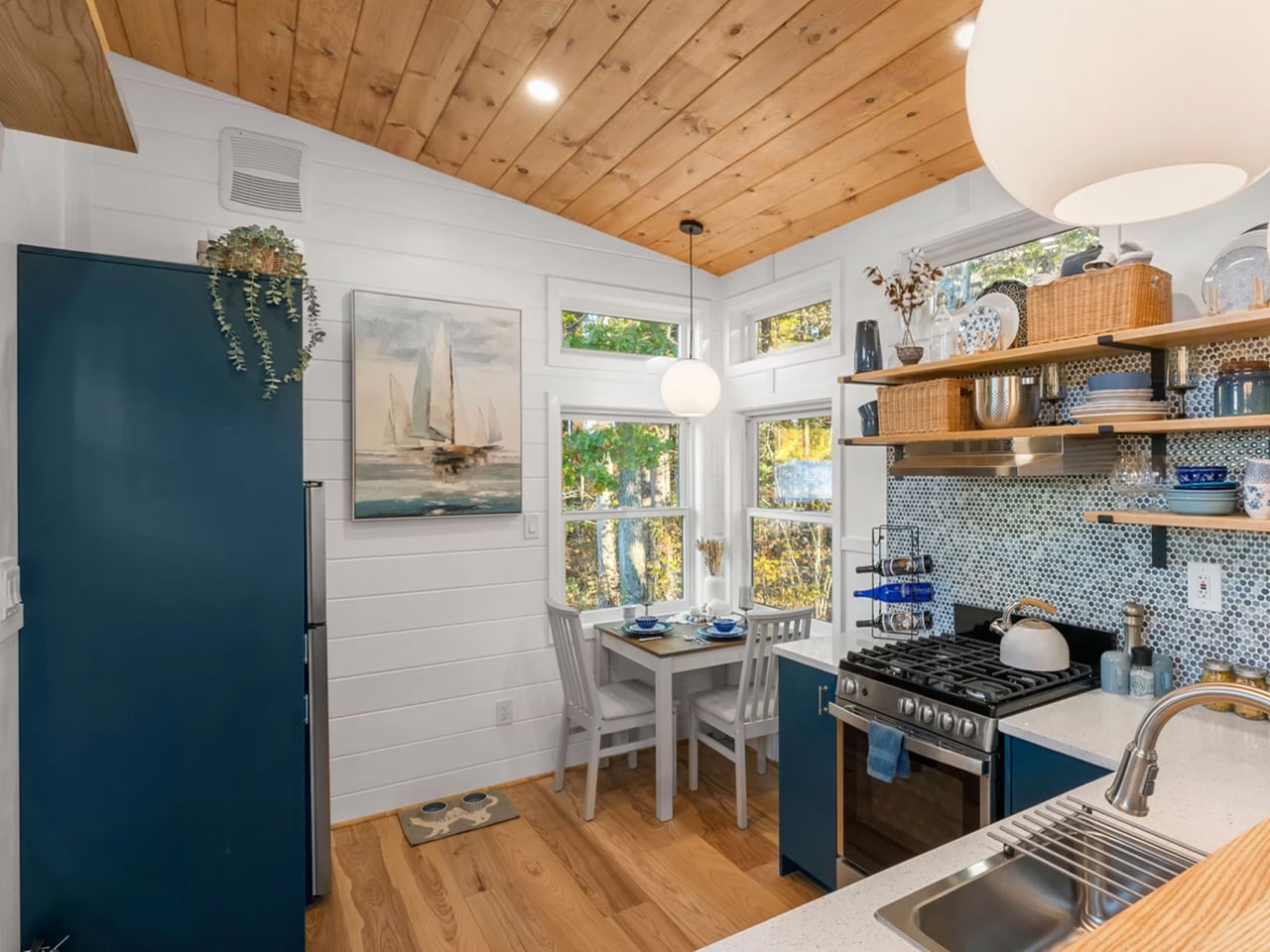
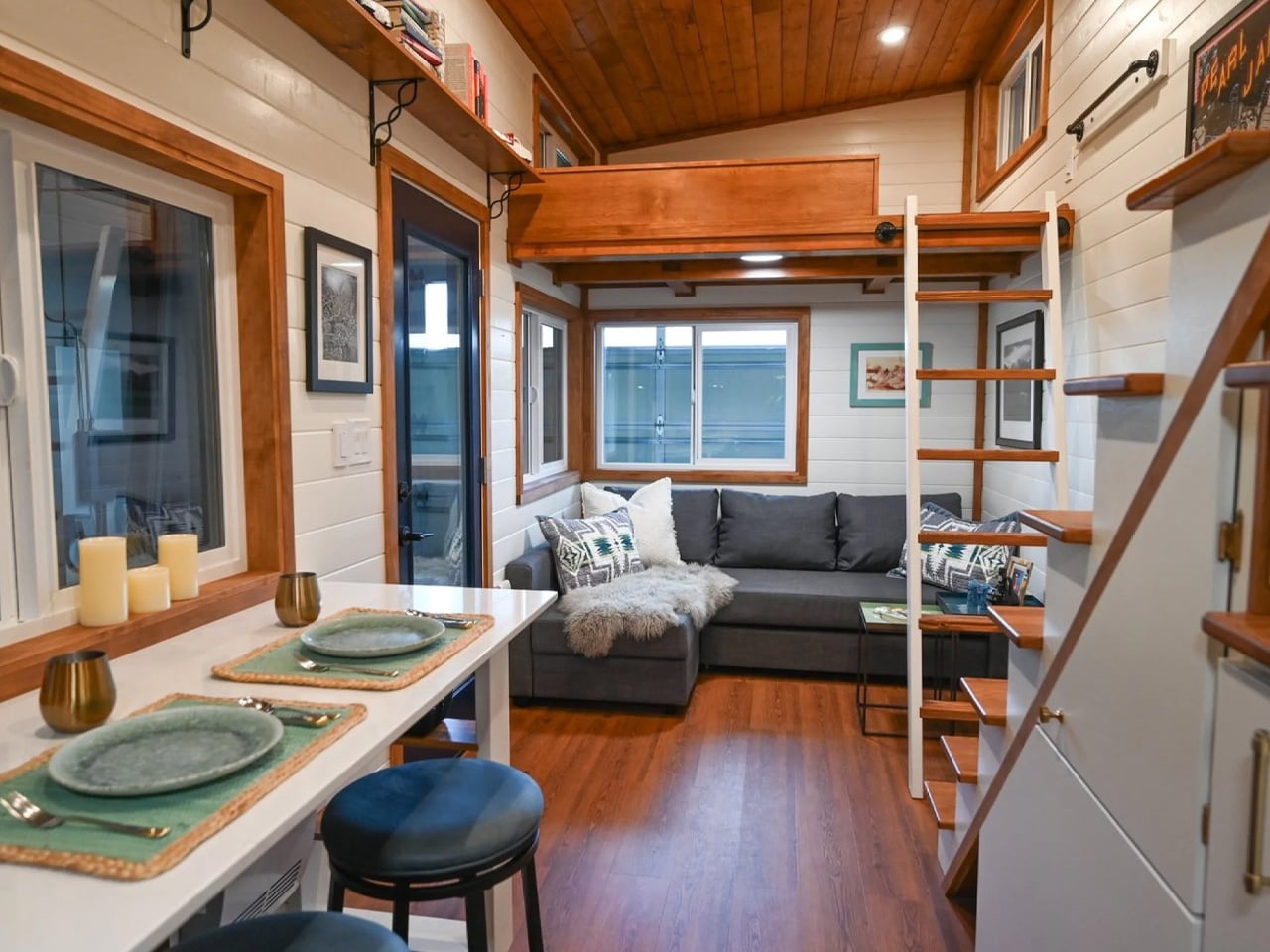
The Beachcomber reimagines tiny home living through its exquisite use of luxury wood finishes, creating a warm, elevated atmosphere within its compact 390-square-foot layout. Crafted by Backcountry Tiny Homes, the 38-by-10-foot structure features rich timber surfaces that define every major space, from the expansive kitchen cabinetry to the full-height king-sized bedroom loft. These natural wood elements pair beautifully with the 13.5-foot ceilings and open-plan design, while strategic window placement enhances the material’s warmth with abundant natural light. The result is a space that feels refined, calming, and far more sophisticated than typical compact dwellings.

Inside, thoughtful detailing ensures the wood tones remain the hero with built-in storage nooks, a dedicated dining area, and a bright living zone, all showcase the craftsmanship and cohesive palette. The Beachcomber proves that luxury is not defined by size but by material quality and design intention, offering a tiny home experience that is both elegant and deeply comfortable.

2. Smart, Hard-Working Design

Small spaces benefit from layouts that move beyond traditional room divisions to create a smooth, intuitive flow. Sliding or pivot doors that disappear into wall pockets allow rooms to shift easily between private and open settings. This flexibility helps living, dining, and cooking areas merge when needed, making the home feel more expansive without compromising comfort or clarity.

Multi-purpose furniture, including storage ottomans or extendable tables, adds function without clutter. Every piece is selected for versatility, ensuring each square foot works efficiently and beautifully.

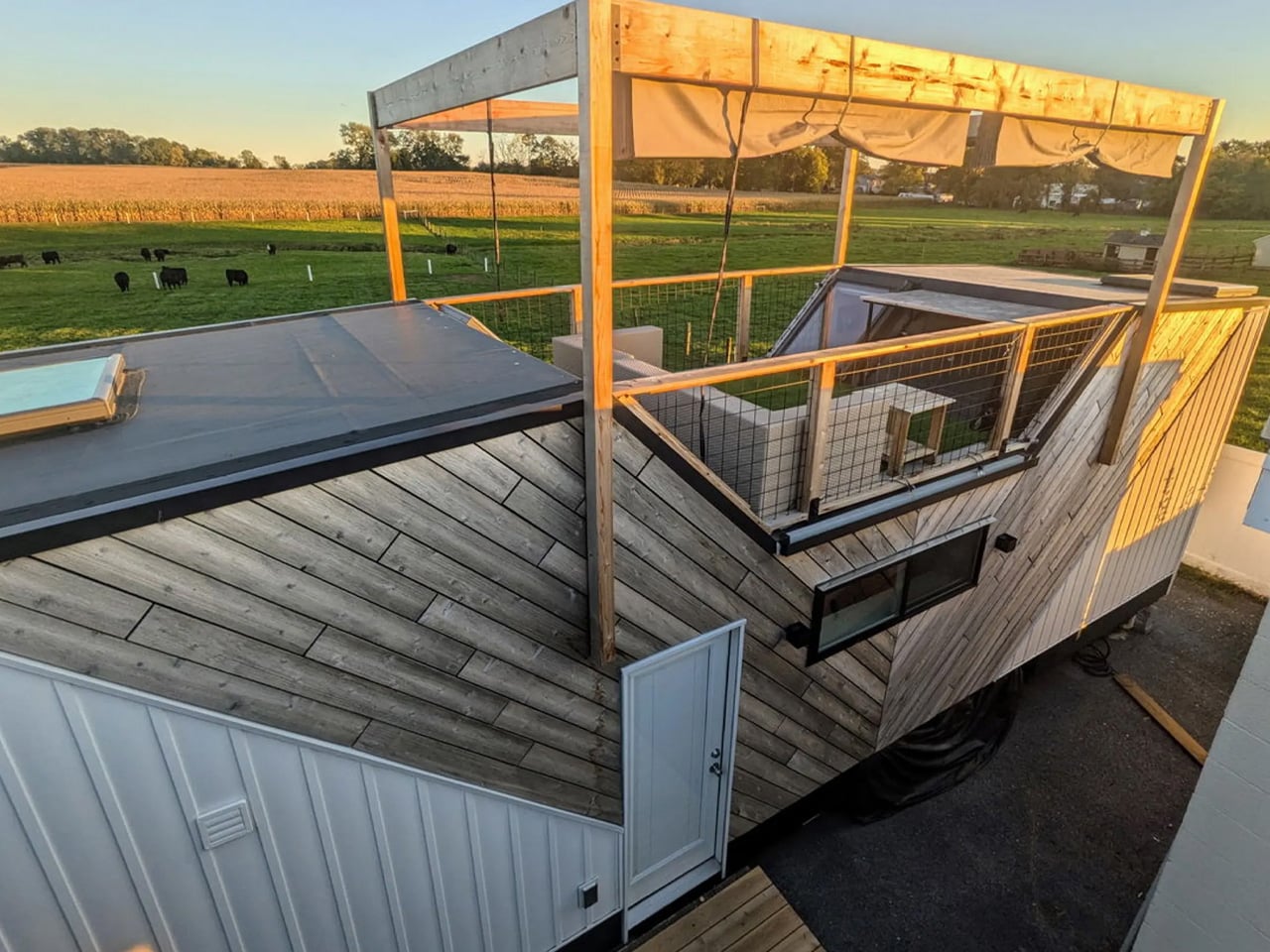
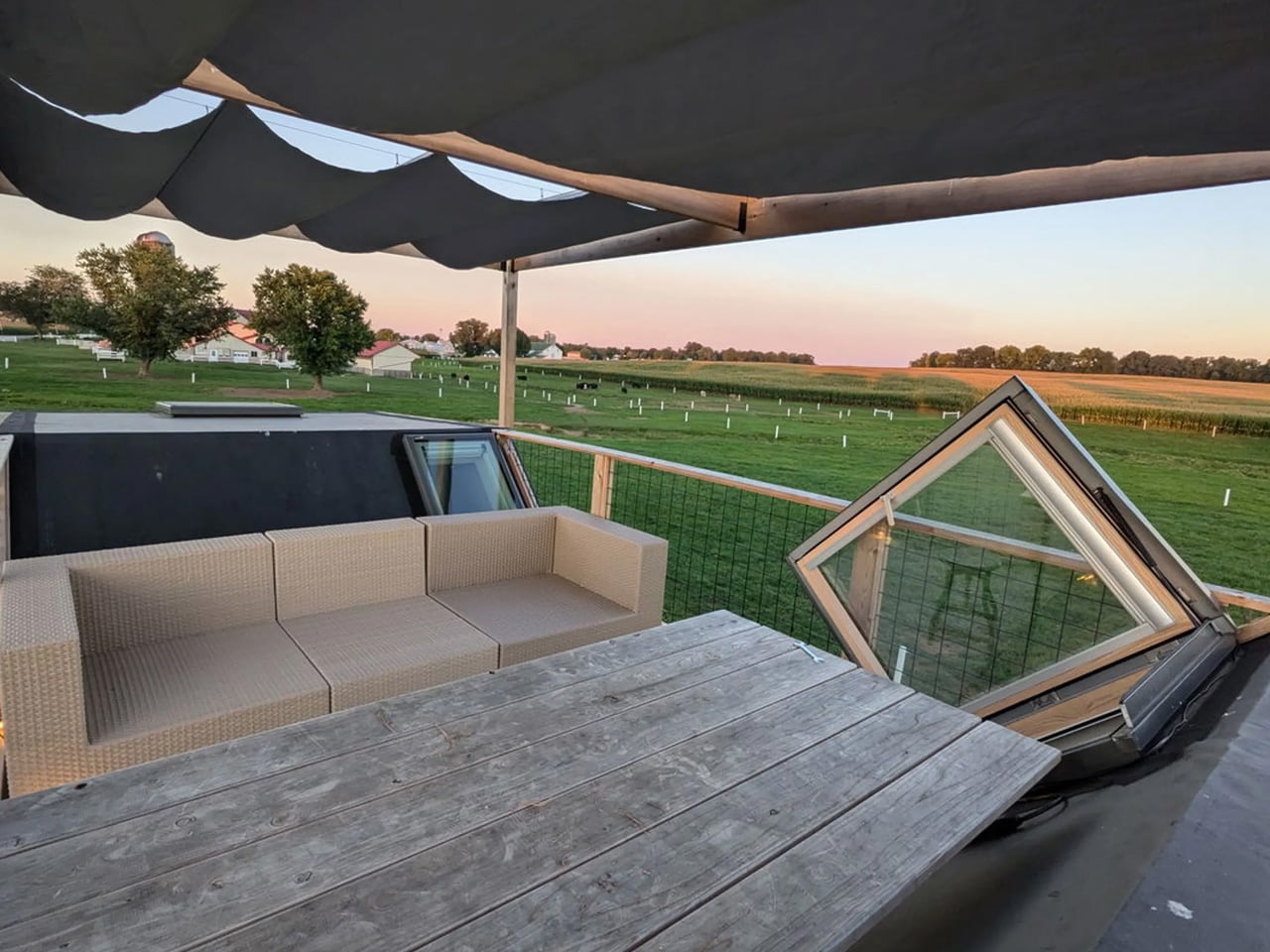
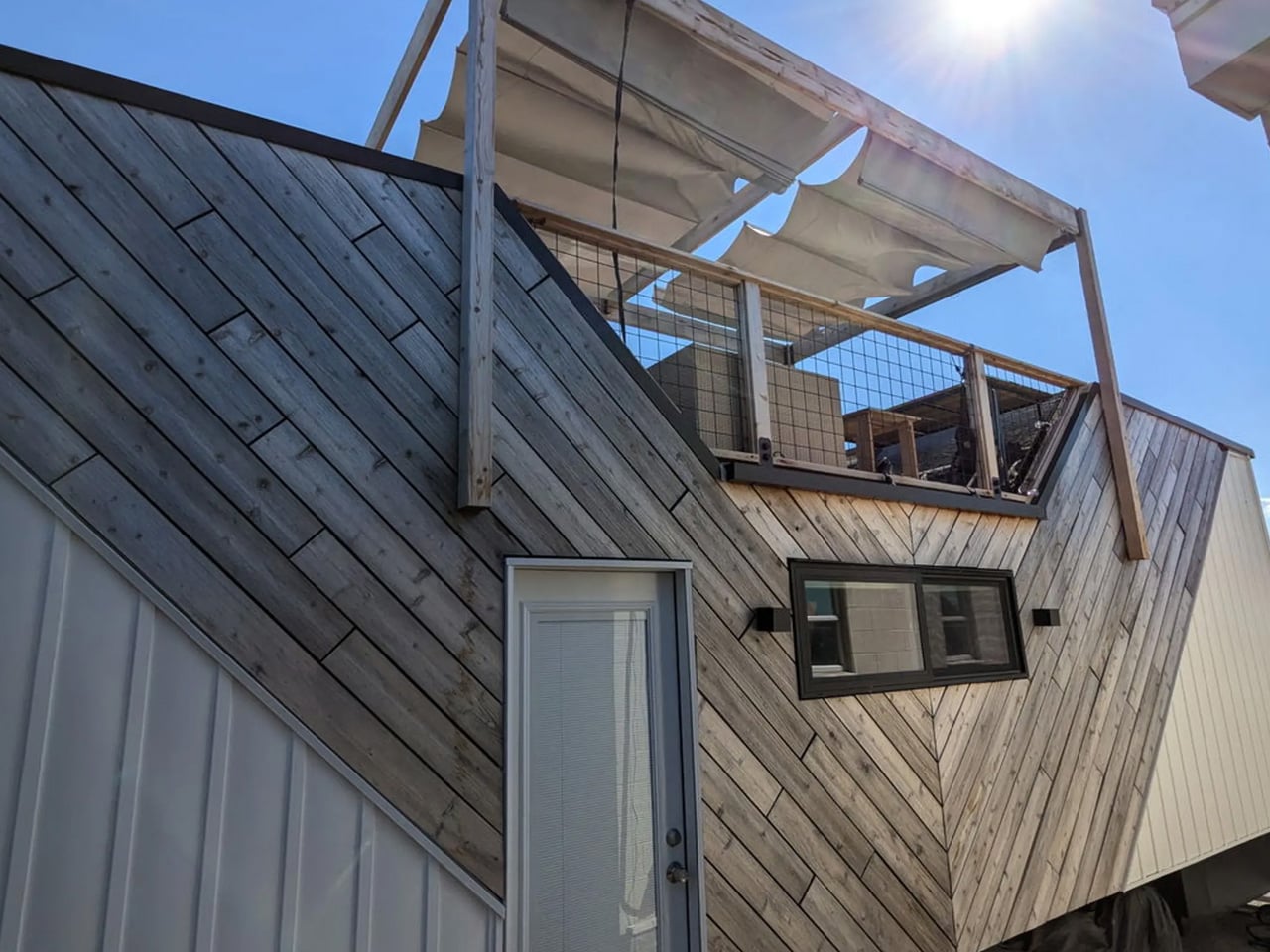
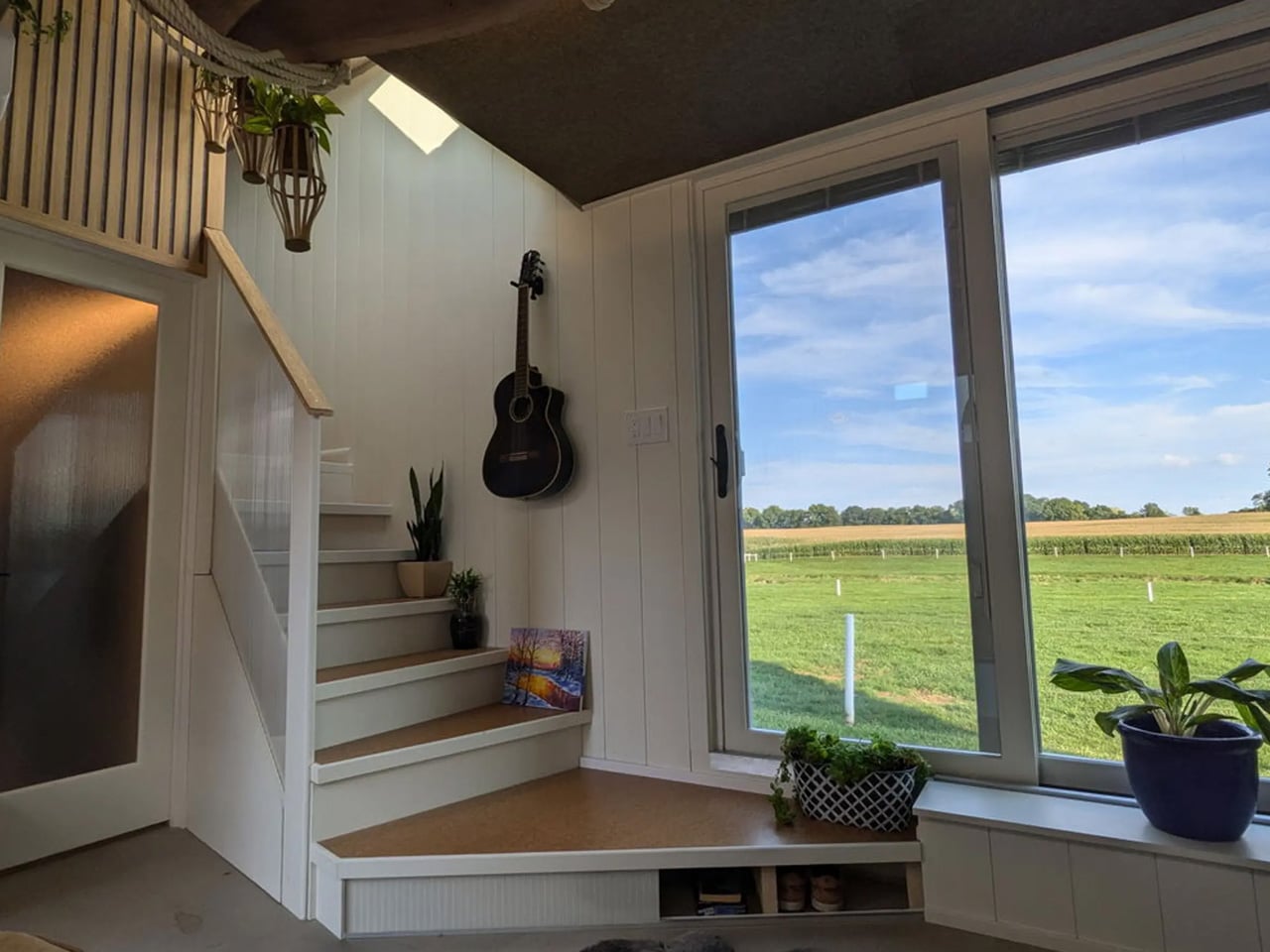
Designed by Modern Shed, this home sits on a triple-axle trailer and measures 34 ft by 10 ft, creating a wider and more open interior. Sliding glass doors open directly into a bright living area featuring built-in seating, clever storage, warm wood accents, and underfloor heating. Breaking from typical layouts, the kitchen is positioned in a loft area reached by a short flight of steps. This elevated space offers generous headroom, modern appliances, a small dining table, and a striking wood-and-cork ceiling.

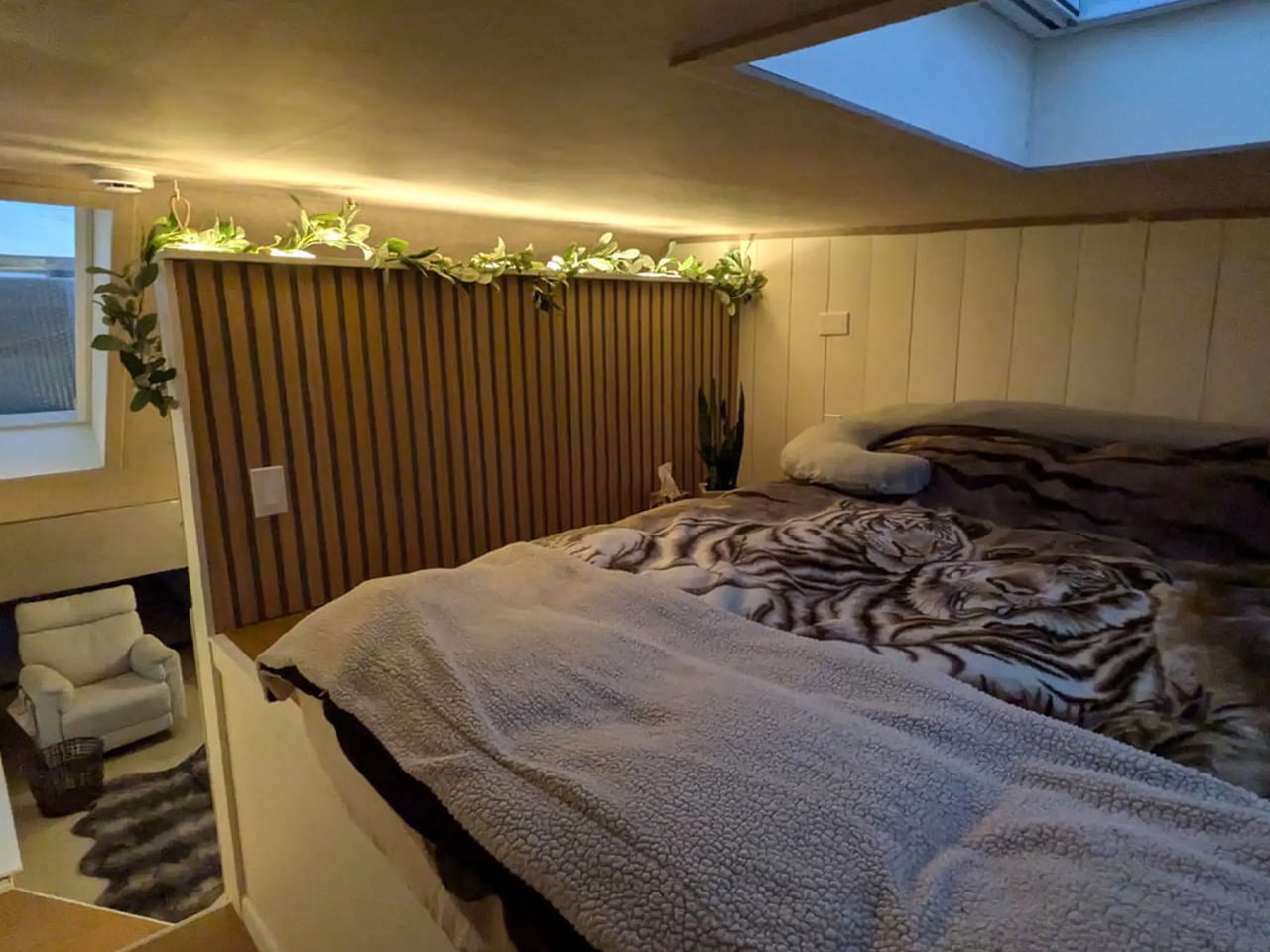
From the kitchen, storage-integrated steps lead to a rooftop terrace complete with seating and a removable pergola, which is an inviting outdoor retreat ideal for dining or relaxing. The bedroom loft, accessed from the living room, includes a double bed, skylight, and a lowered standing platform for added comfort. The ground-floor bathroom completes the design with a vanity, shower, toilet, washer/dryer, and direct outdoor access.

3. Lighting That Elevates Space

Lighting design is one of the most effective ways to elevate a small room, shaping the atmosphere rather than simply brightening it. A layered approach works best, combining ambient lighting for overall illumination, task lighting for focused activities, and accent lighting to highlight features such as artwork or textured walls.

Warm, dimmable LEDs help set the mood throughout the day, shifting from bright morning clarity to a soft, calming evening glow. Indirect lighting, such as concealed strips in coves, skirting boards, or behind mirrors, reduces glare and washes surfaces gently with light.

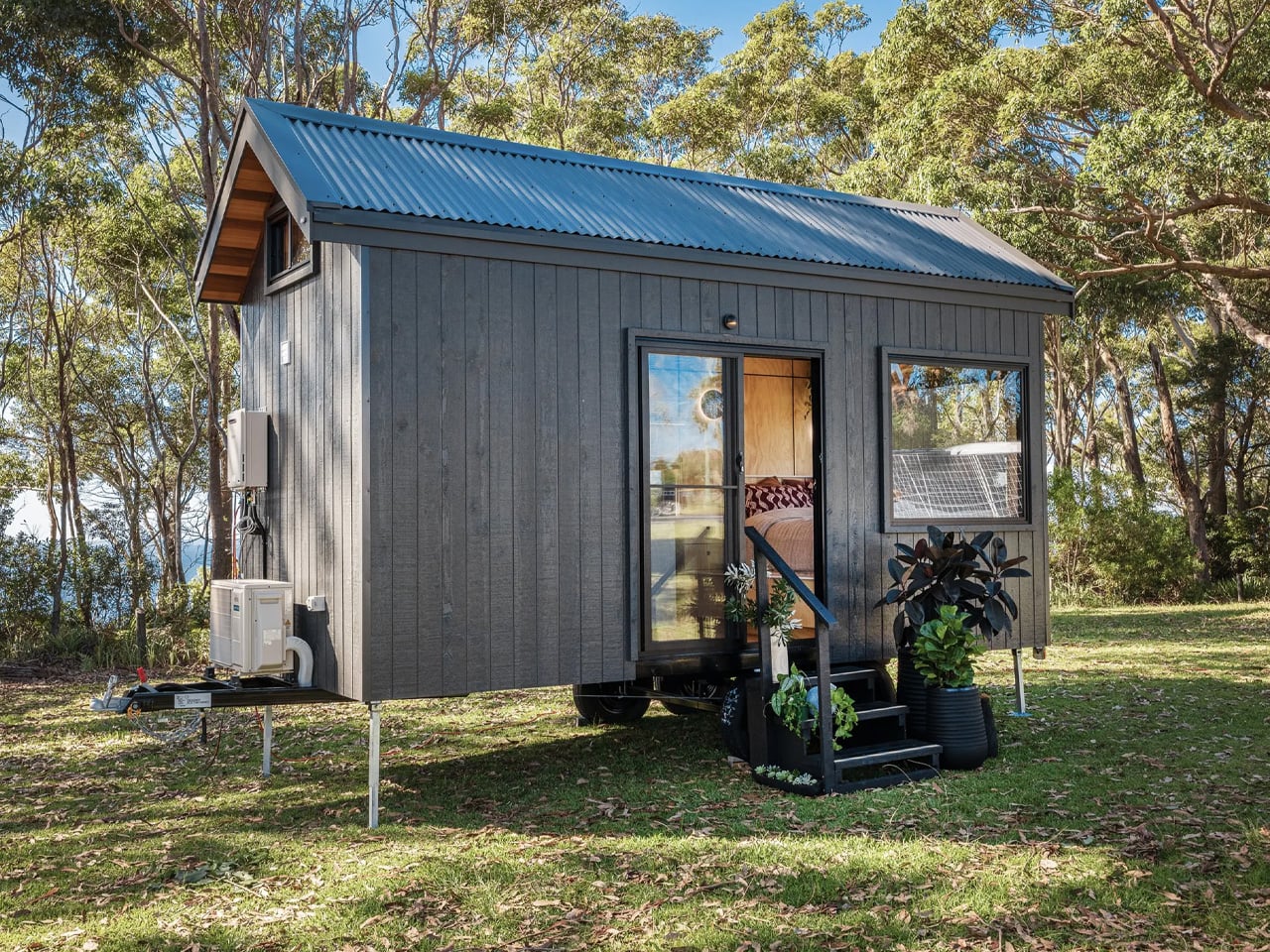
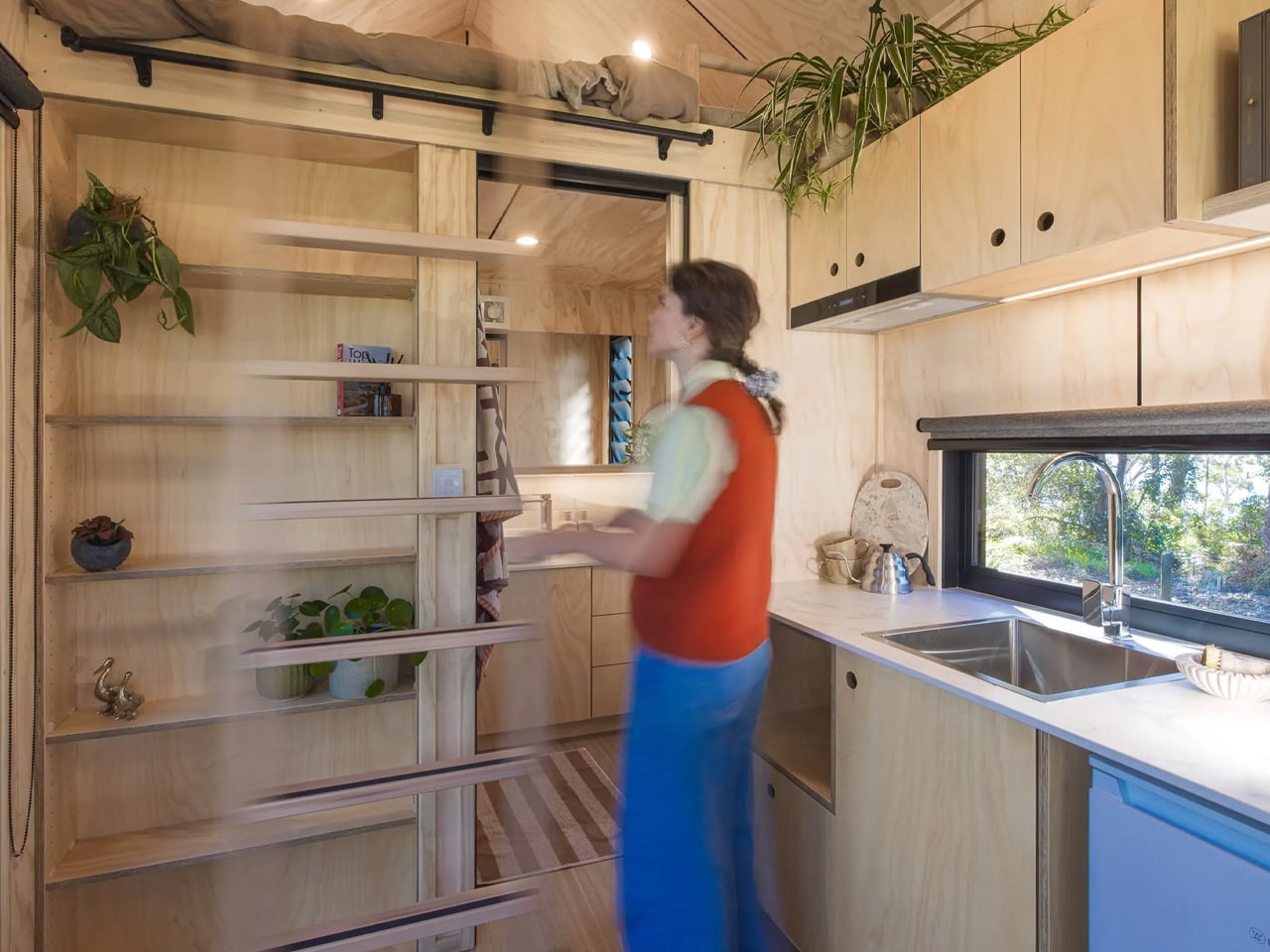
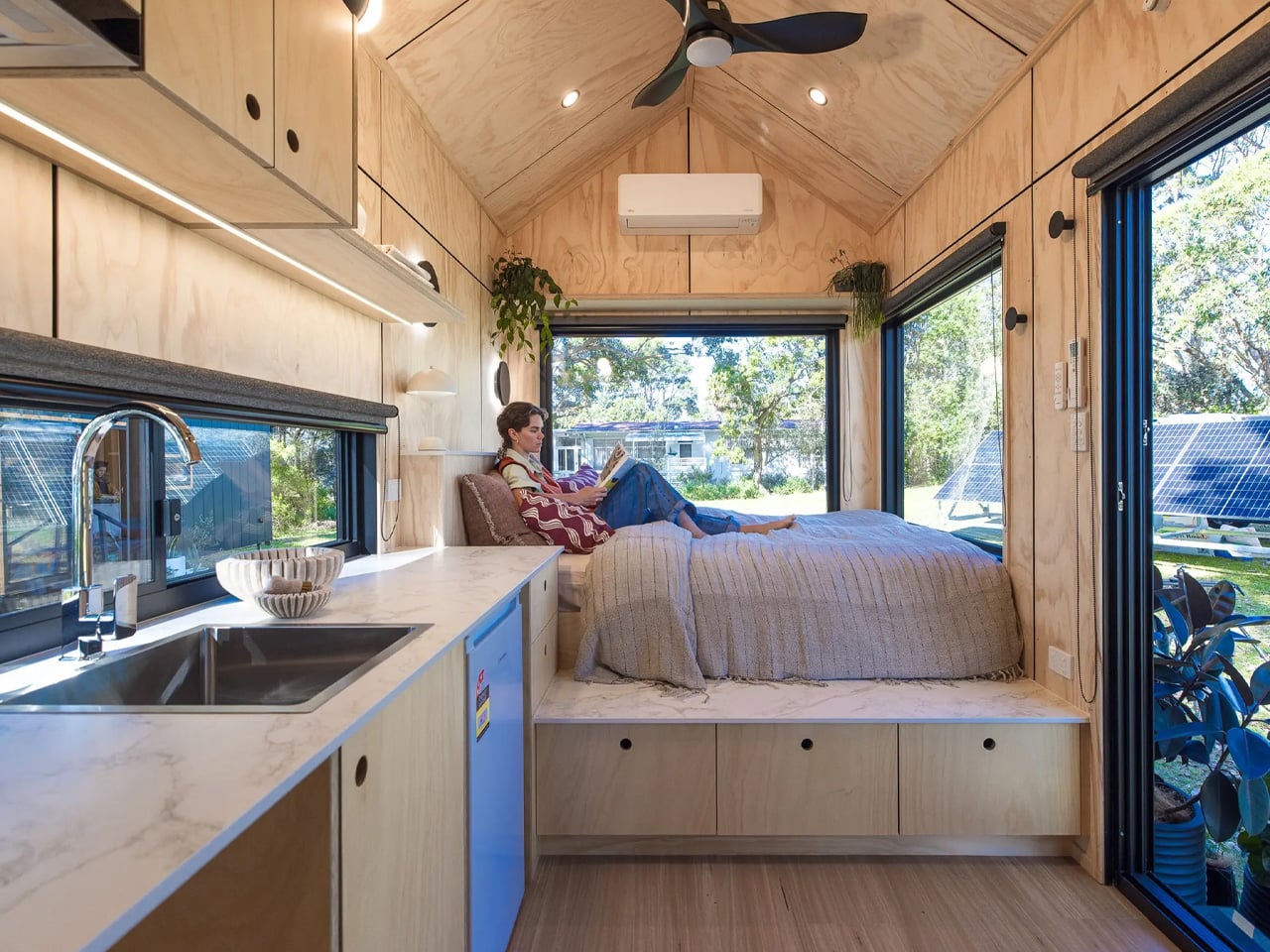
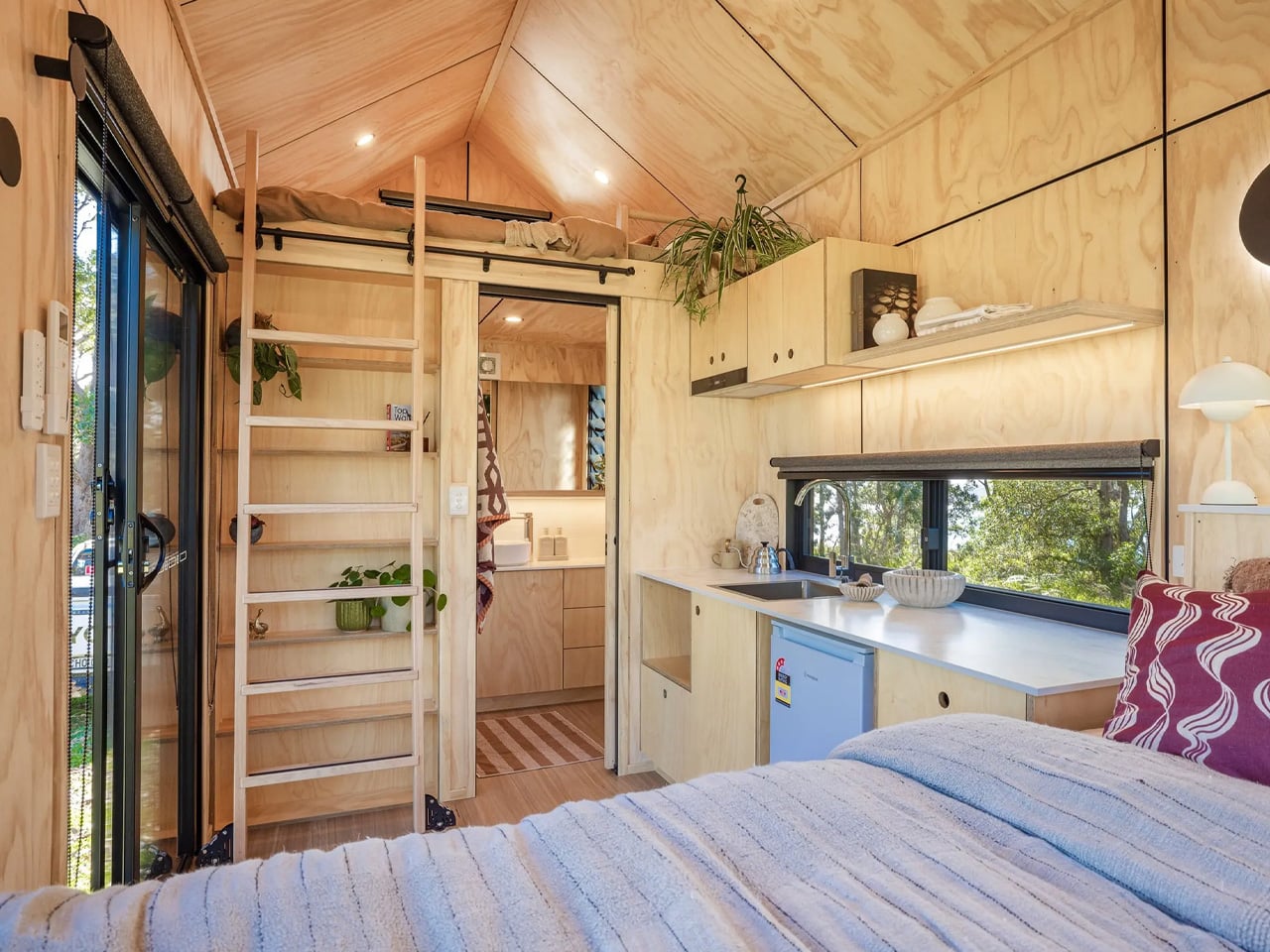
The Five Four tiny home by Designer Eco Tiny Homes demonstrates how strategic lighting can transform a compact space into a warm and inviting environment. Measuring just 5.4 meters in length, the home relies on natural light from large windows and a sliding glass door to fill the main living area, creating a bright, airy atmosphere despite its modest size. Thoughtful placement ensures the interior feels open and connected to the outdoors, while the warm tones of the plywood interior are enhanced, adding texture and depth.

The open-plan layout allows light to flow freely across living, dining, and sleeping areas, reducing shadows and enhancing the perception of space. Artificial lighting is equally considered, with task lighting in the kitchen and accent lighting highlighting key features, creating a layered and flexible illumination strategy. Combined with carefully positioned fixtures, the lighting design enhances comfort, usability, and the overall ambiance, making the Five Four feel both functional and welcoming in its compact footprint.

4. Storage as Design

In a tiny home, storage should be treated as an integral part of the architecture rather than a purely functional element. Fully recessed, in-wall systems allow shelves, cabinets, and appliances to be hidden, maintaining clean lines and a sense of spaciousness. Thoughtful placement ensures that essential items are stored efficiently without disrupting the home’s visual flow.

Display niches and integrated vanities further elevate the design. By combining functionality with aesthetics, storage becomes both practical and elegant, reinforcing the home’s refined, minimal, and uncluttered character.

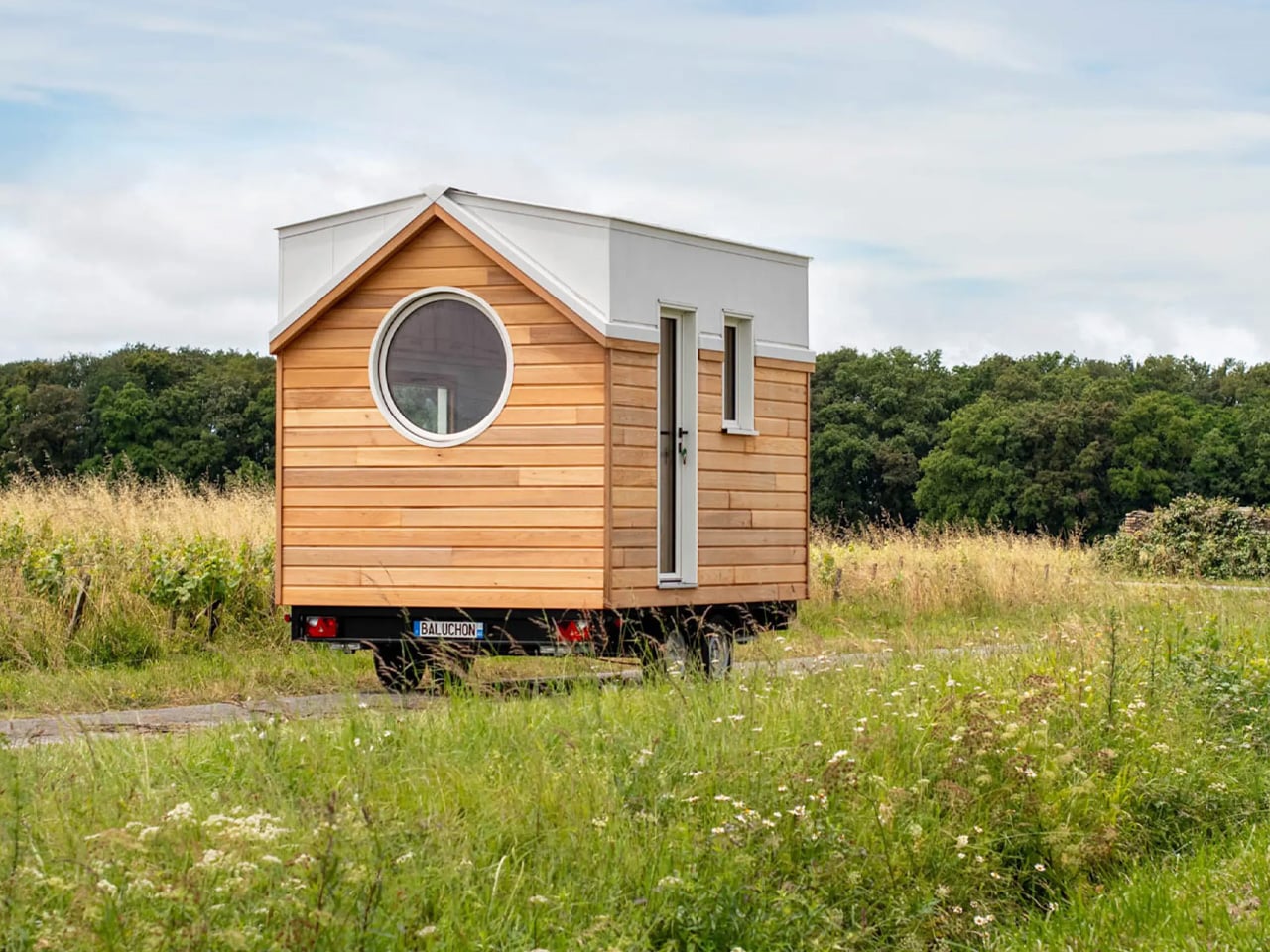
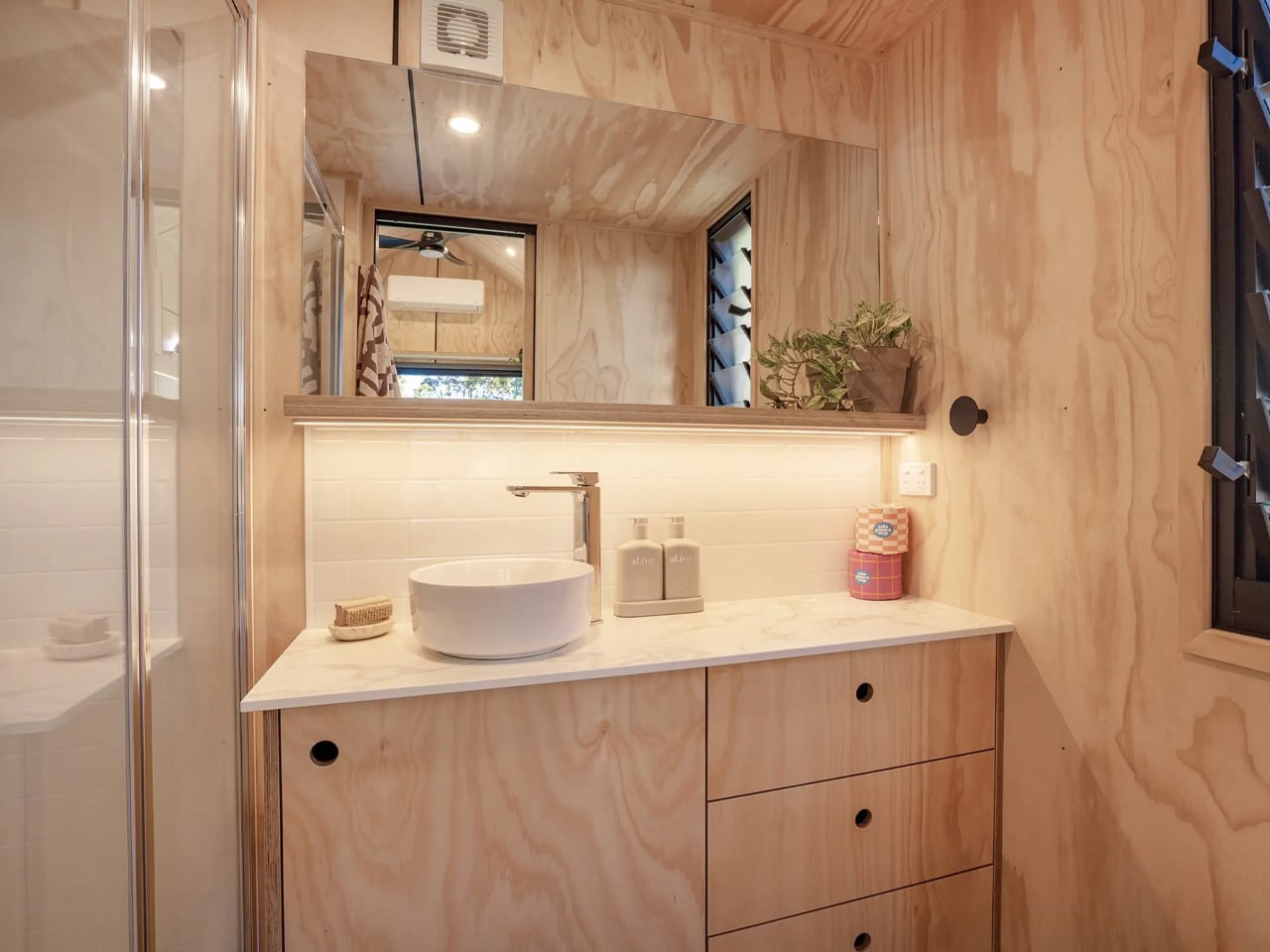
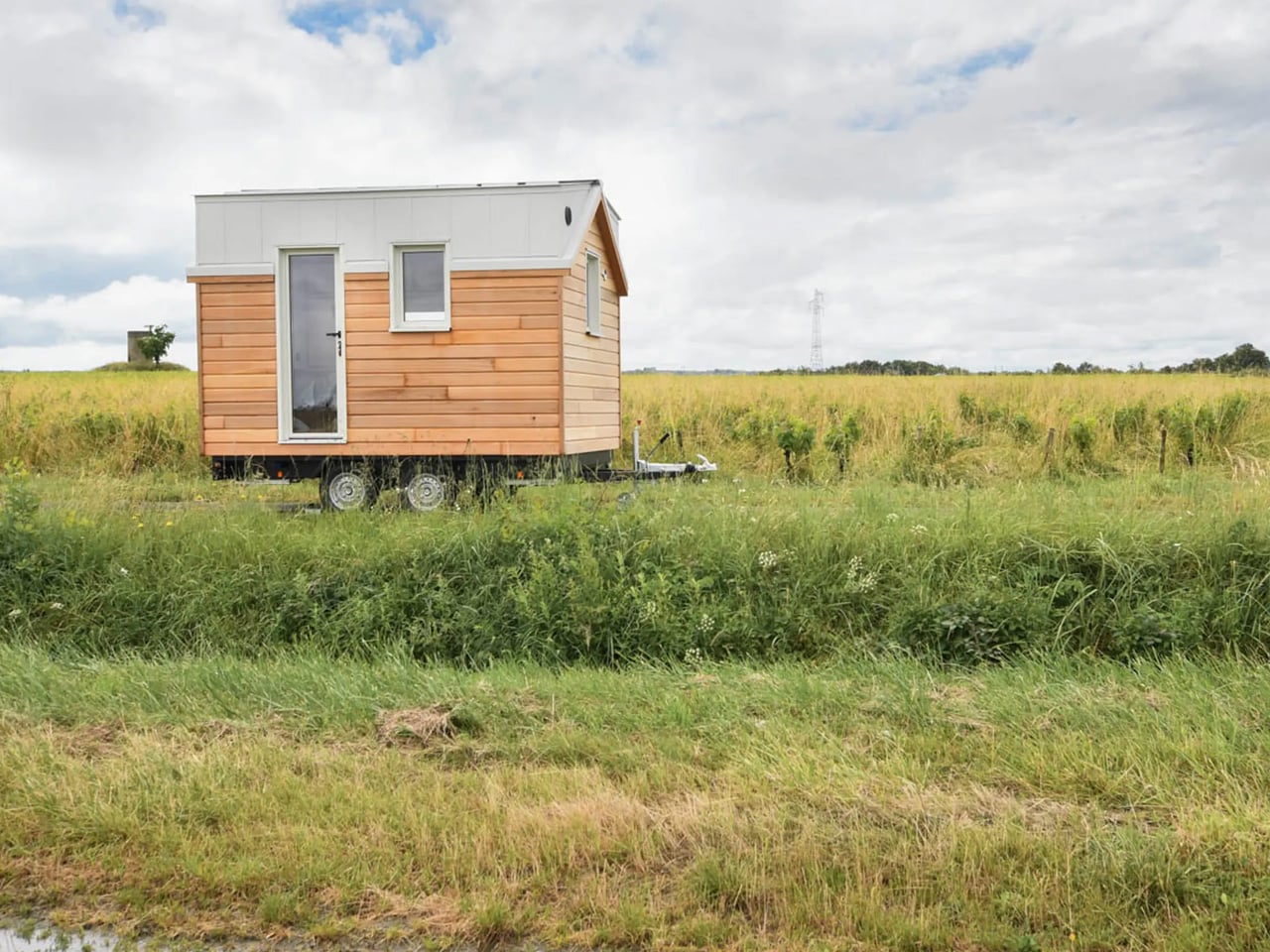
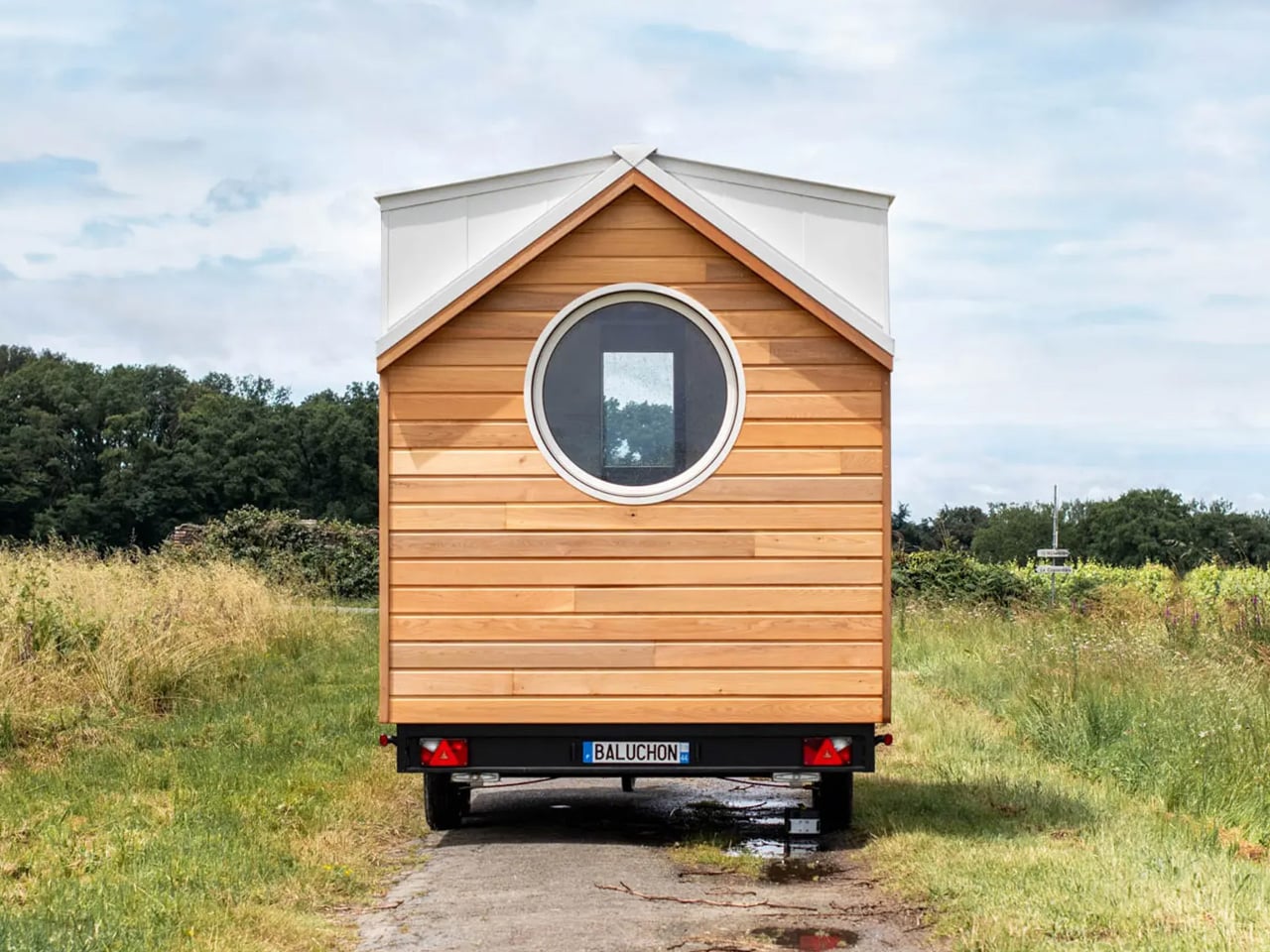
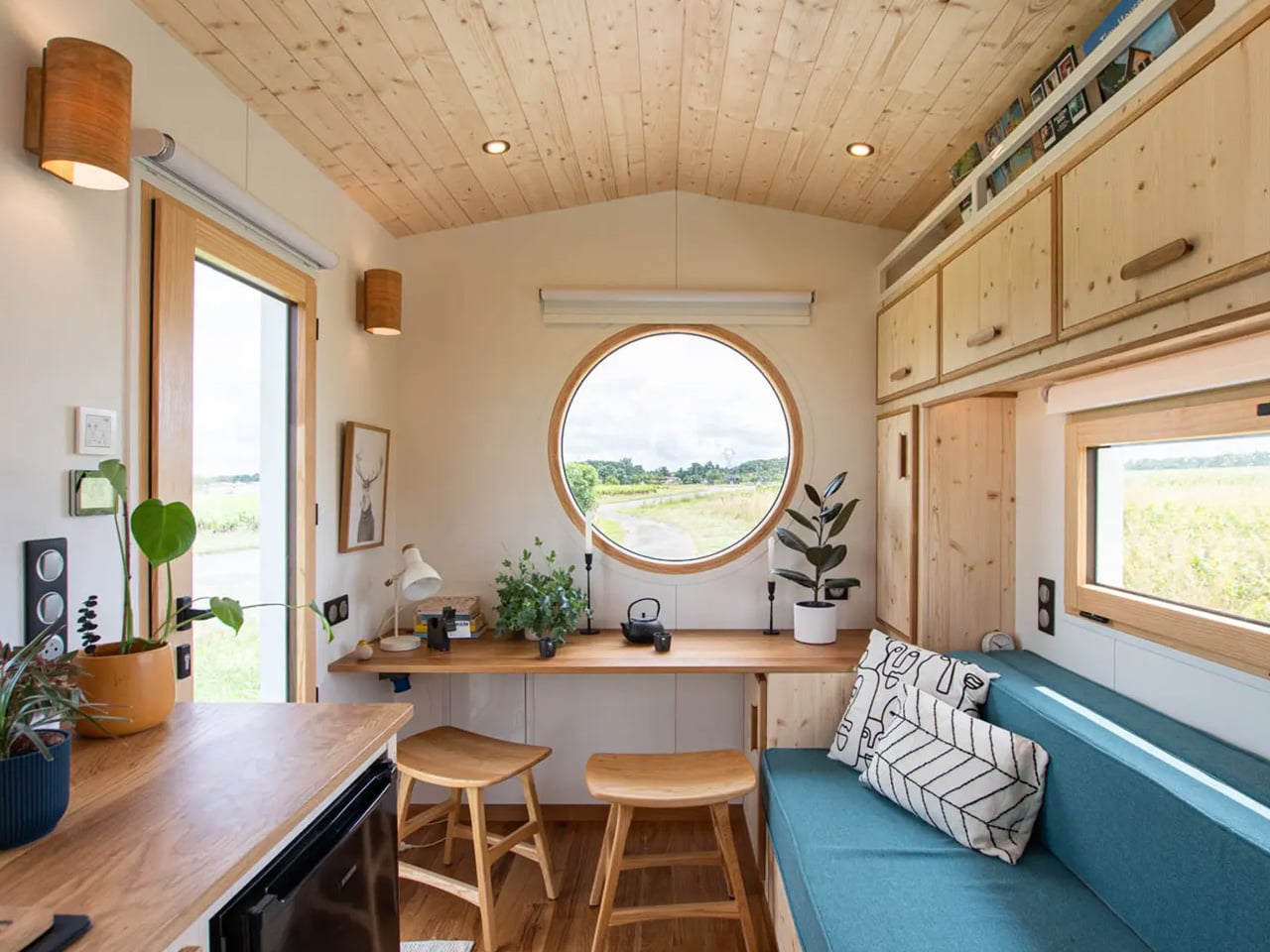
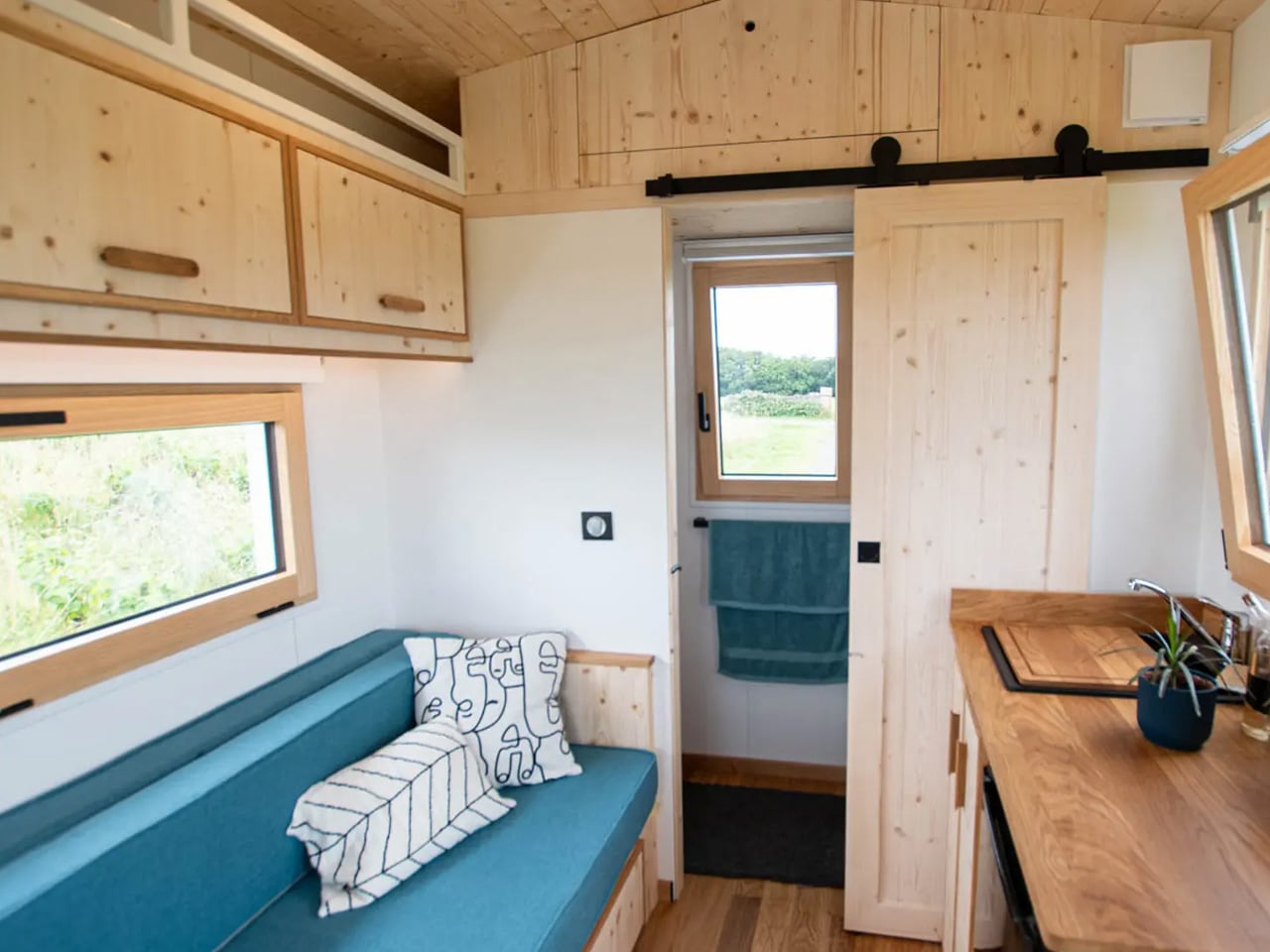
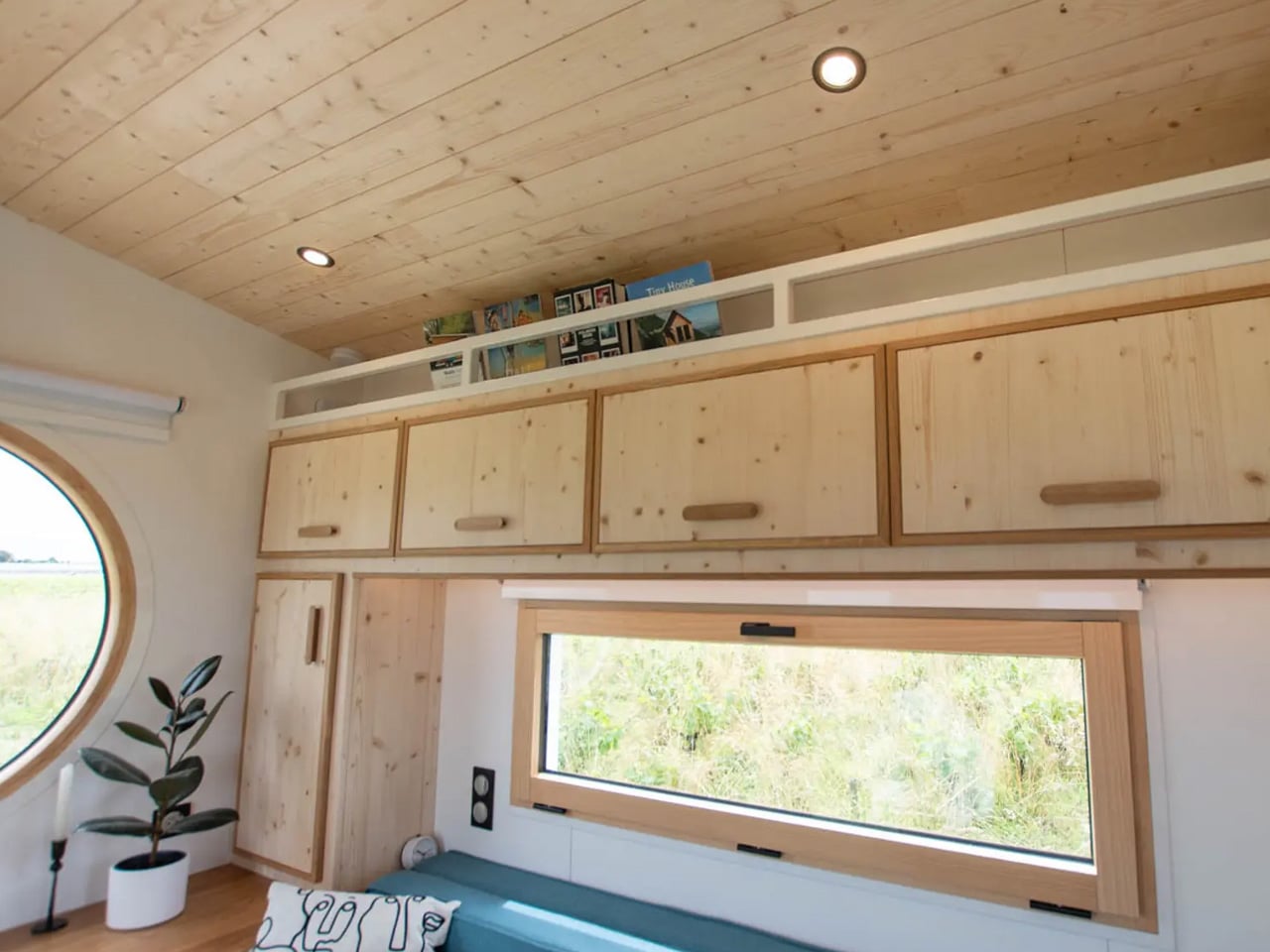
Designed by France’s Baluchon, the Nano Suisse is an impressively compact tiny home that manages to be both practical and functional. Measuring just 3.5 meters in length, it cleverly accommodates two people while including space for a home office. Slightly larger than Baluchon’s original Nano model by just 7.8 inches, it is affectionately called the “big sister” and features a thoughtfully organized interior with a variety of storage solutions. Built on a double-axle trailer, the home is clad in red cedar with aluminum accents, giving it a modern yet warm exterior.

Inside, the home office doubles as a dining area with seating for two, a large porthole-style window, and additional storage. The living area includes a sofa bed with built-in storage, maximizing functionality in the compact space. The kitchen is minimal, featuring a fridge, sink, and portable stove, while the bathroom, accessible via a sliding door, includes a shower, toilet, and a small storage loft above, making efficient use of every inch of the tiny home.

5. Biophilic Design

True luxury bridges the home and its surroundings, creating a biophilic environment that brings the calming benefits of nature into urban living. Every window can act as a framed vista, turning exterior views into living art and visually expanding the home’s boundaries. This deliberate connection to the outdoors enhances both well-being and spatial perception.

Sustainability and cultural context are equally important. High-performance, double- or triple-glazed windows and quality insulation ensure thermal efficiency and reduce the carbon footprint. Thoughtful integration of regional principles, such as the sequencing of private and public zones inspired by Vastu, adds depth and harmony, blending modern design with timeless wisdom for a space that feels both luxurious and contextually grounded.

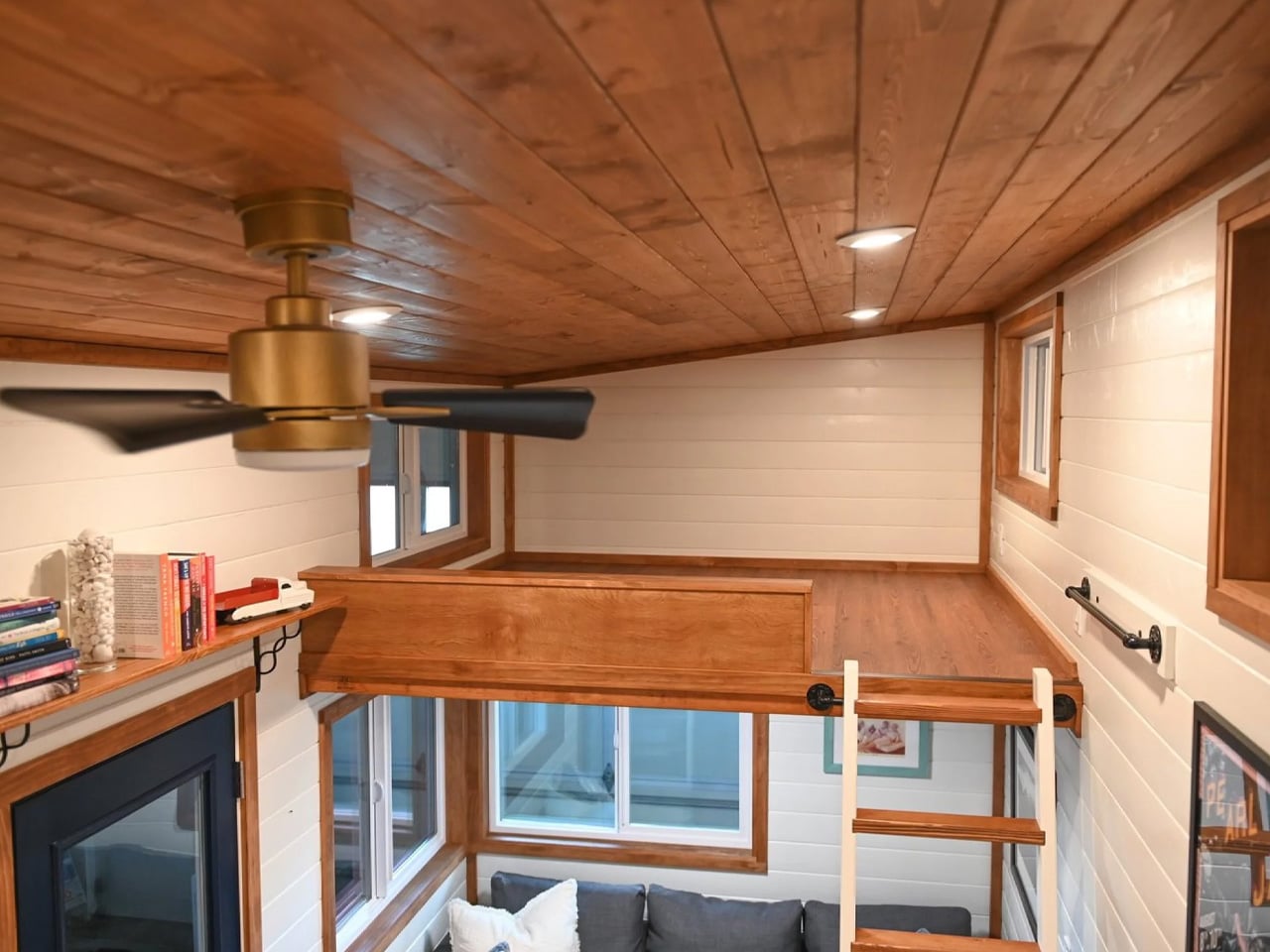
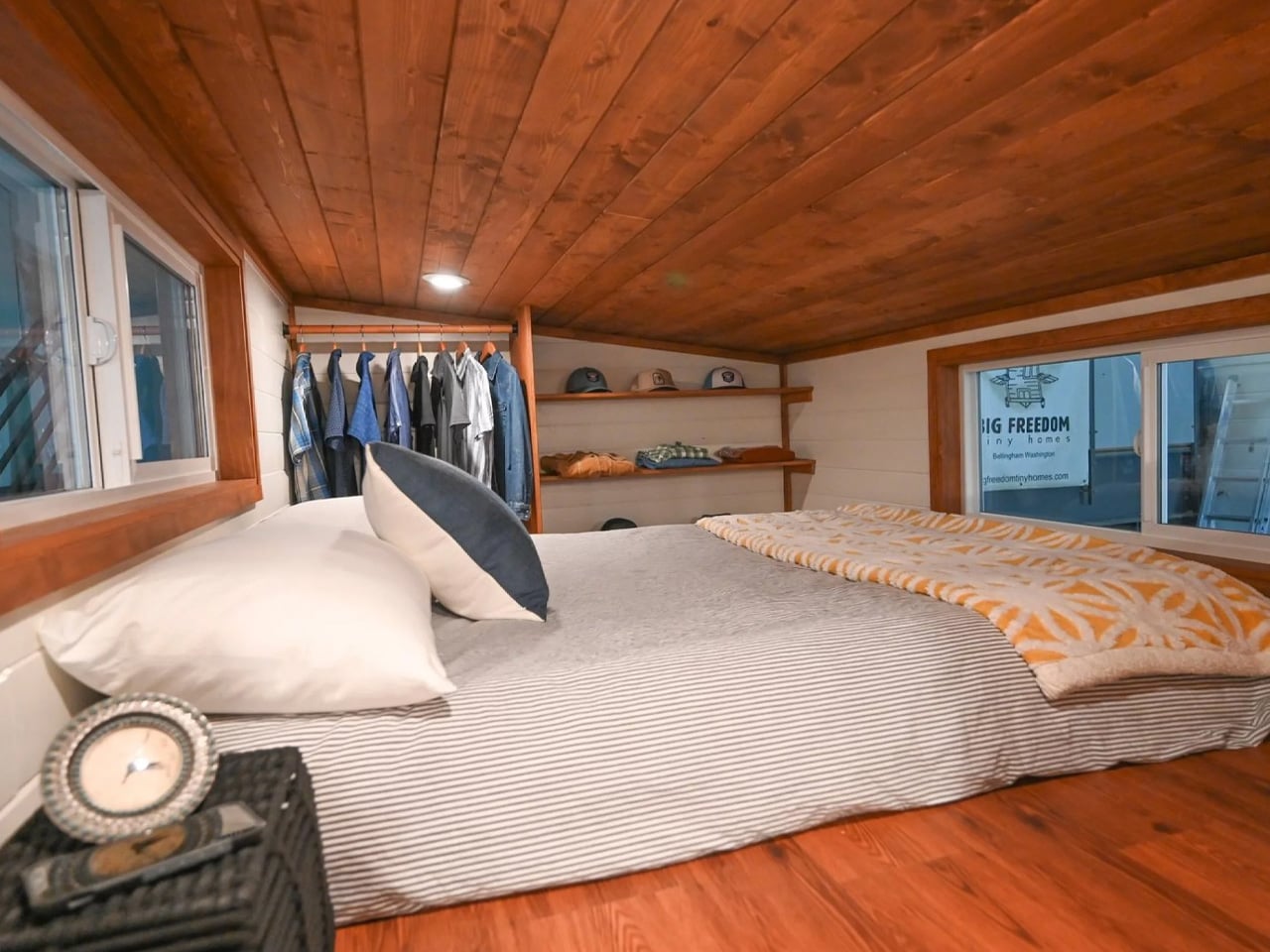
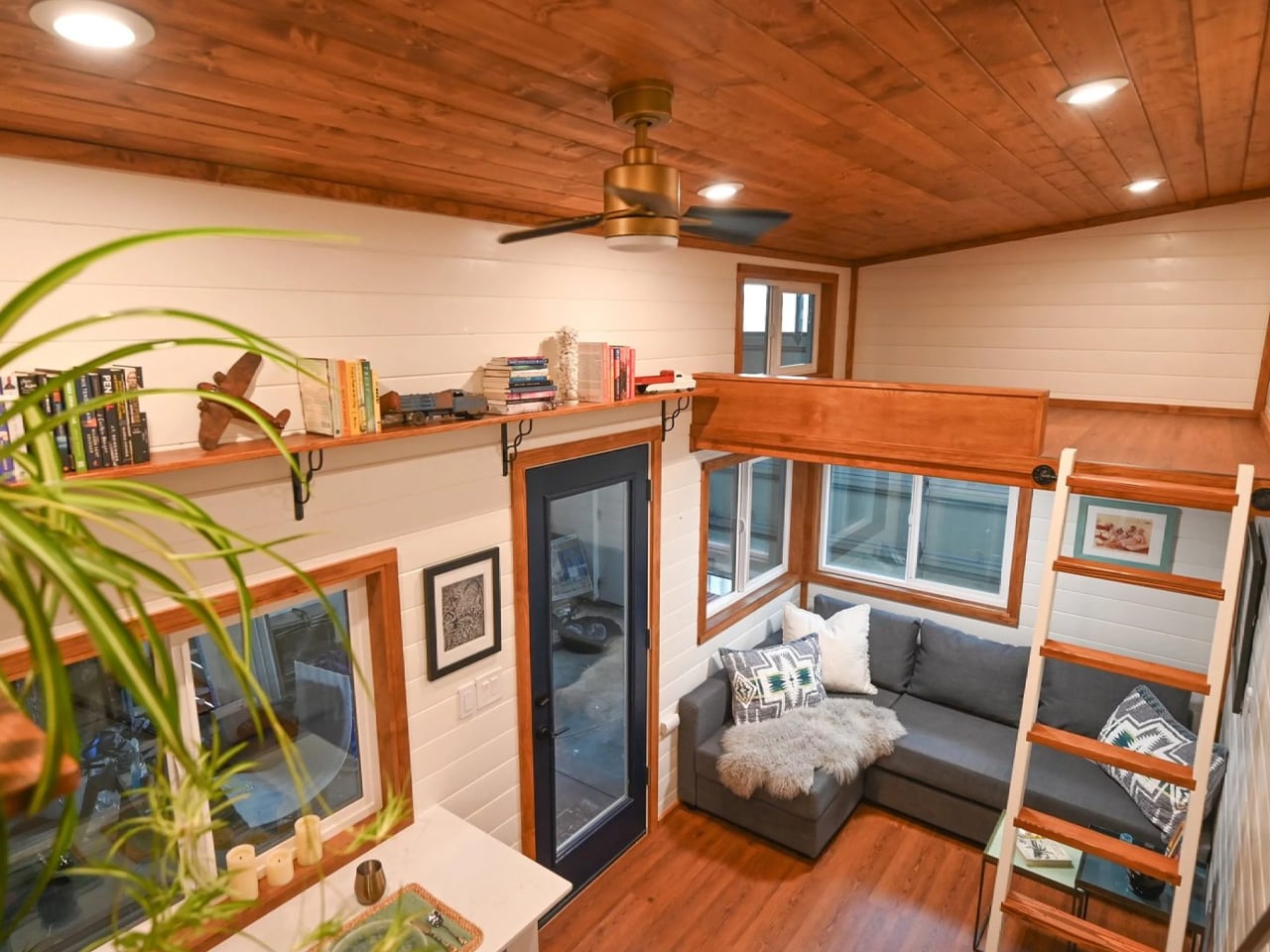
Big Freedom Tiny Homes continues to redefine compact living with a 30-foot (9.14-meter) tiny house that integrates nature into every aspect of its design. Built on a triple-axle trailer, the home balances mobility with generous, well-planned interiors. Richly stained cedar siding and metal accents create a durable, warm exterior that blends seamlessly with natural surroundings, from forest clearings to lakesides. Large glazed doors and windows connect the interior to the outdoors, filling the living space with daylight and providing constant visual access to the surrounding landscape, enhancing a sense of openness and calm.

Inside, biophilic principles continue through material choices and spatial planning. The living area, kitchen, and lofted bedrooms are oriented to maximize natural light and airflow, while warm wood finishes echo the exterior cedar. Thoughtful window placement frames exterior views like living art, fostering a constant connection with nature. Efficient layouts, built-in storage, and flexible spaces ensure comfort and functionality without compromising the immersive, nature-focused atmosphere that defines this tiny home.

Transforming a tiny home into a luxury space demands precision, thoughtful materiality, and attention to the resident’s experience. Through meticulous detailing, flexible layouts, and poetic lighting, true luxury emerges, not from size but from design depth. The result is an efficient, personalized sanctuary that combines sophistication, comfort, and a profound sense of spatial and sensory richness.

The post 5 Tiny Homes That Cost Less Than a Tesla But Look Like Mansions first appeared on Yanko Design.

Forget Candles: 5 Hygge Christmas Gifts That Actually Calm Anxiety

Candles have become the default stress-relief gift, burning $12 billion annually, yet they offer only temporary calm before the wax runs out. There’s a quieter, more lasting tradition hiding in Danish homes: hygge (HOO-gah)—the Scandinavian art of creating cozy comfort that actively soothes your nervous system. Unlike candles that mask stress for an hour, these five hygge gifts use science-backed design to trigger oxytocin release, lower cortisol levels, and transform your space into an anxiety-free sanctuary. From $79 weighted blankets to volcanic cup warmers, each object works like a permanent embrace—no flame required, no therapy bill needed.

This is the essence of Hygge, the Danish way of creating warmth, ease, and emotional well-being through simple, comforting rituals. By bringing in soft lighting, cozy textures, natural scents, and small wellness objects, your home transforms into a peaceful holiday sanctuary. These little touches act as anchors, helping you feel grounded and calm throughout the busyness of winter and the Christmas holidays.

1. The Cosy Comfort Cocoon

Weighted blankets offer more than softness; they deliver a therapeutic form of deep comfort. Through gentle pressure, they recreate the sensation of a warm embrace, helping your body release oxytocin and easing the nervous system into calm. Choosing rich materials, whether velvety textures or natural, high-thread-count fabrics, elevates the blanket into a refined, sensory wellness essential.

This is a simple, non-electric path to instant tranquility. Draped over a sofa or armchair, it forms a personal cocoon that invites you to slow down during the festive rush. Its true value lies in emotional grounding and is a reliable, soothing companion after long, socially demanding days.

The HILU blanket offers a refined alternative to traditional climate control by using advanced graphene technology to naturally regulate body temperature. Without electricity or mechanical components, it intuitively cools you when you feel warm and insulates you when you feel cold, ensuring year-round comfort indoors or outdoors. Its ability to thermoregulate in both directions simultaneously also makes it ideal for partners with different temperature preferences.

Crafted from pure graphene fibre through an innovative wet-spinning process, the HILU blanket is exceptionally durable, breathable, and hypoallergenic. The material’s inherent antibacterial properties help maintain freshness, while its soft, OEKO-TEX 100-certified fabric ensures gentle contact with all skin types.

2. Cosy Winter Aroma Ritual

A pure-oil aroma diffuser becomes a modern hearth, shaping the home’s atmosphere through intentional scent rather than flame. Ultrasonic diffusion preserves air quality while releasing calming notes like cedarwood, frankincense, or sweet orange. Each fragrance can be curated to define a mood, inviting rest in one corner, sparking joy in another, and turning scent into a conscious design tool.

This ability to shape your home’s olfactory landscape is essential for
seasonal well-being. Because scent directly influences memory and emotion, the diffuser becomes a subtle yet powerful ritual object. It softens the winter pace, shifting your environment from energetic and busy to deeply serene.

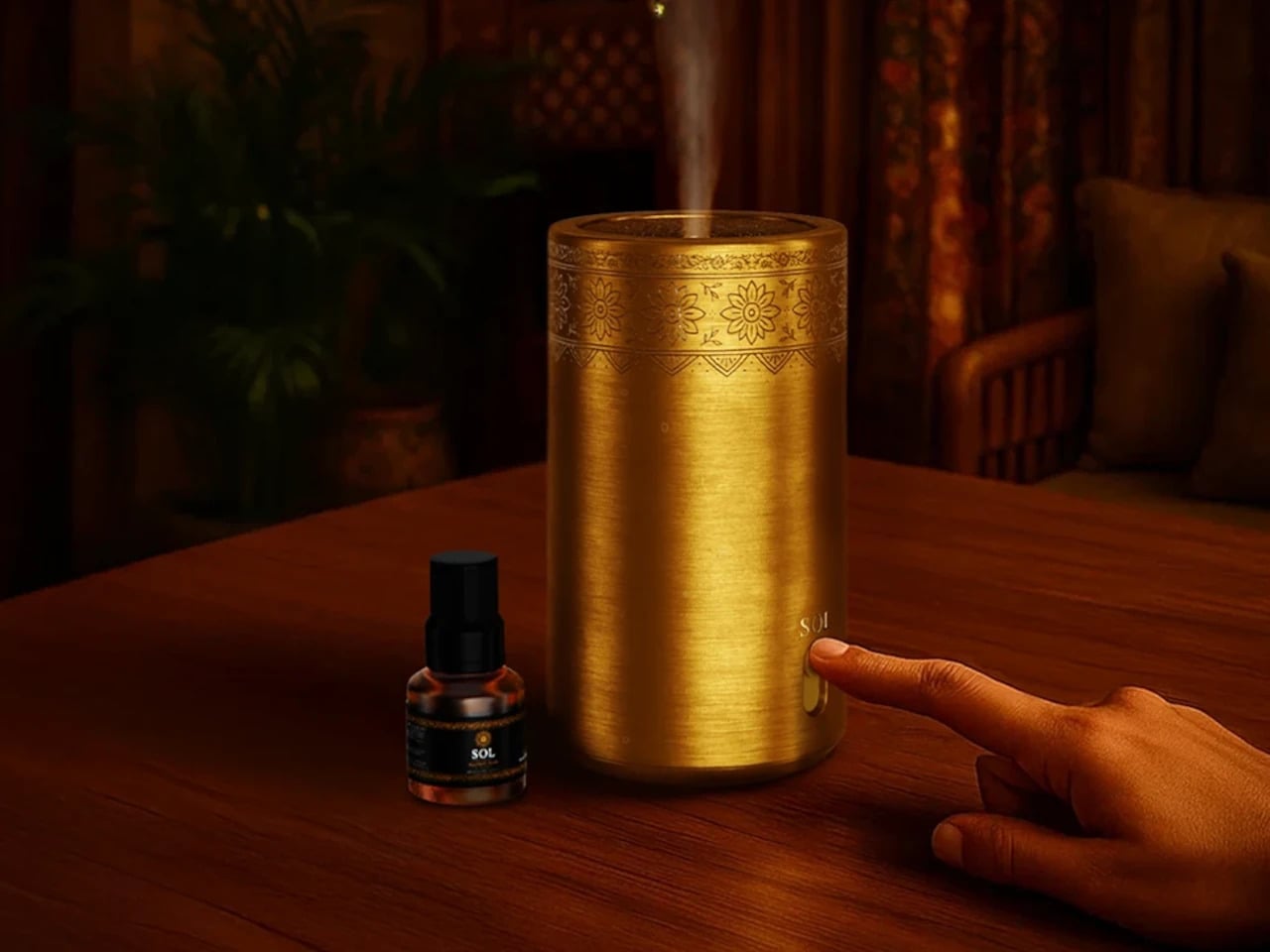
Scent has the unique ability to evoke memories and create an immediate sense of comfort. The Sol Brass Aroma Diffuser concept draws on this emotional power, reimagining the traditional incense ritual for contemporary living. Inspired by personal memories of incense lit each morning, Sol carries the same warmth and familiarity into modern spaces, extending fragrance far beyond the small radius of traditional sticks. Its form reflects India’s rich cultural heritage, referencing temple bells, heirloom utensils, engraved thaalis, and the symmetry of mandalas to create a calming “personal altar” for mindful moments.

Although it appears to be crafted from solid brass, Sol is made from injection-moulded ABS finished with NCVM, ensuring durability, scratch resistance, UV protection, and a cool touch. Hand-drawn motifs and a mandala-inspired top elevate its contemporary cylindrical silhouette. The refill system and intuitive sliding control make use effortless, while the diffuser gently warms essential oils to deliver a consistent, room-filling aroma that brings tranquillity to any space.

3. Cosy Seasonal Lights

Lamps offer a gentle antidote to winter’s dim days, restoring energy and balance when natural light is scarce. Much like the soft sparkle of Christmas lights, it brings a quiet glow that lifts mood and counters seasonal fatigue, especially when placed thoughtfully within your daily spaces.

Beyond function, this lamp becomes a source of nurturing radiance that makes a room feel alive, festive, and comforting. The best designs blend seamlessly with holiday décor, acting as subtle guardians of emotional well-being and bringing restorative clarity to your winter home.

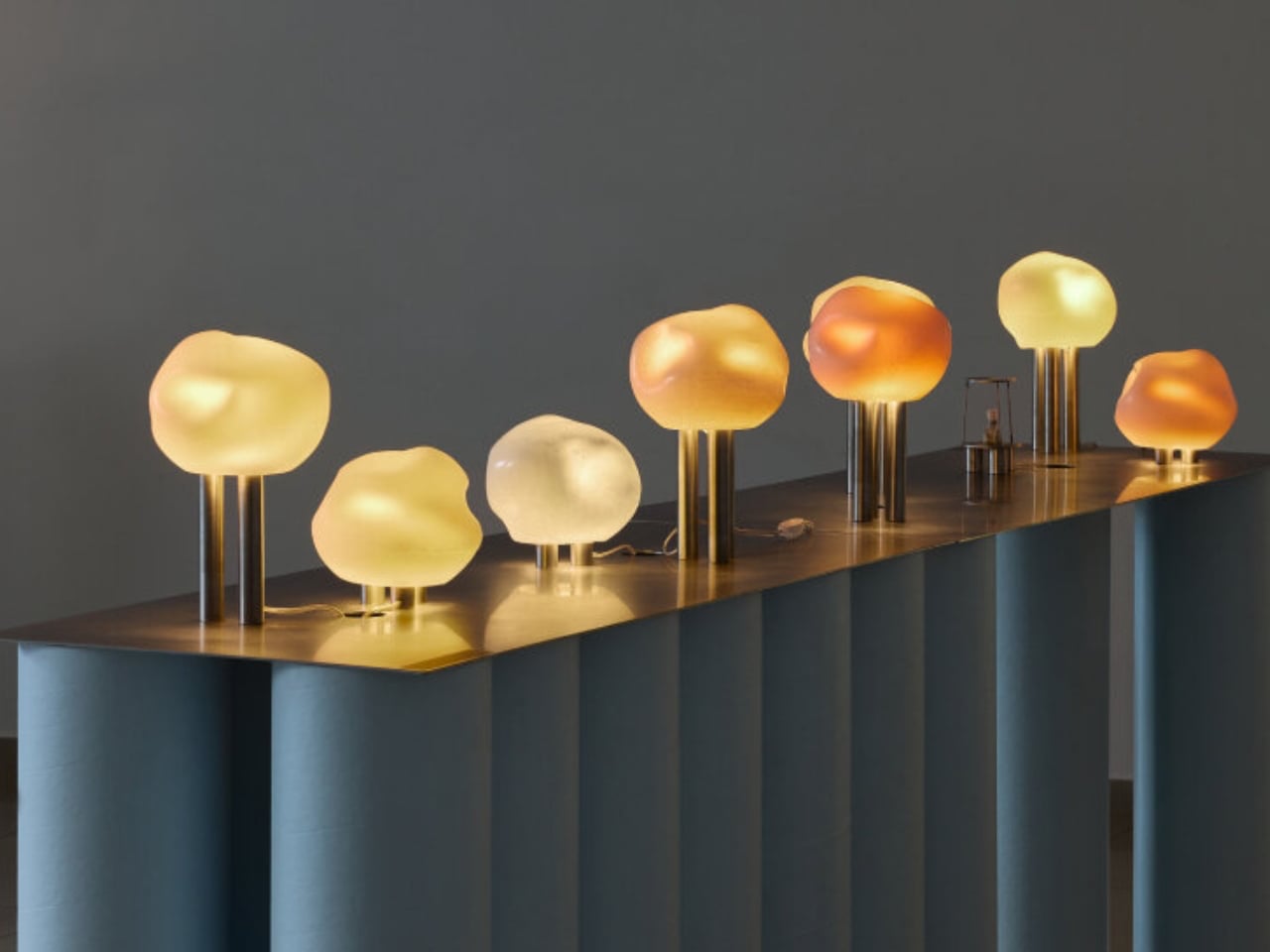
There is a captivating beauty in the way wax shifts from solid to liquid and back again, and Copenhagen-based studio Daydreaming Objects has transformed this quality into sculptural lighting. Their award-winning Soft Solids collection reimagines wax as a durable, heat-resistant, and fully recyclable material by blending soy wax with stearin. Paired with vintage hardware sourced from mid-20th-century fixtures, each piece becomes a fusion of contemporary craft and historical character. The result is a lighting concept that feels organic, modern, and quietly nostalgic.

Soft Solids is defined by its modularity, particularly in the Stem light sculpture, where cylindrical wax units can be stacked or adjusted to suit different spaces. By day, the structures stand as serene, biomorphic forms; by night, they transform into ambient light columns powered by LEDs. Designed using digital modelling and 3D-printed moulds, the pieces embrace a circular design approach, allowing wax to be endlessly melted and re-formed while maintaining both beauty and function.

4. Heated Ritual Cups & Warmers

A heated ritual mug transforms the simple act of holding a warm drink into sustained, soothing comfort. Its temperature-retaining design keeps every sip inviting, turning a quick pause into a slow, mindful ritual. Much like lingering near the gentle glow of Christmas lights, the consistent warmth encourages you to settle in, breathe deeply, and savor the moment.

Within the spirit of Hygge, this small object becomes essential. It offers a tactile cue to slow down amid festive busyness, grounding you in stillness. The mug shifts from functional cup to ritual companion, providing steady, quiet comfort through long, cosy winter afternoons.

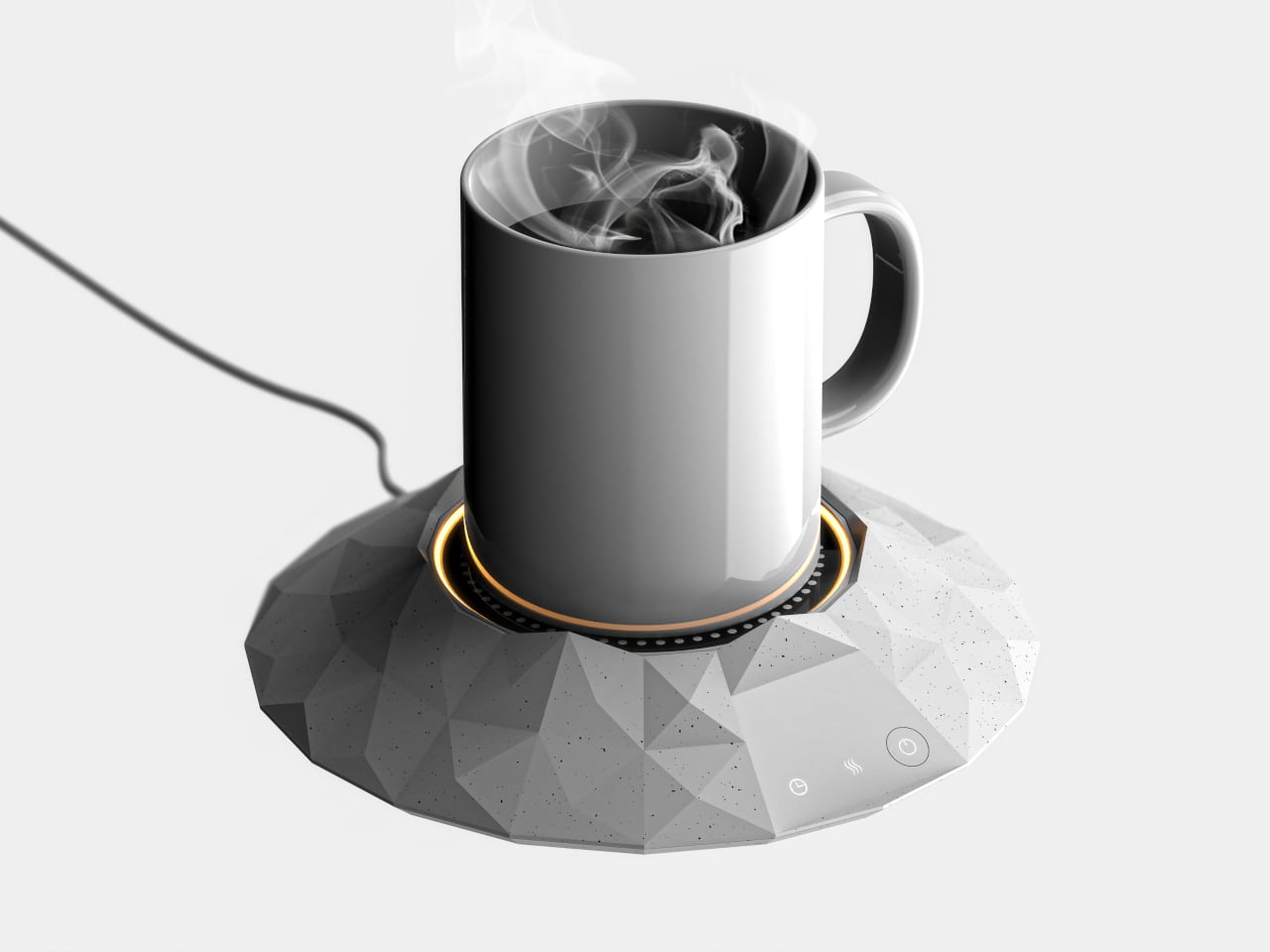
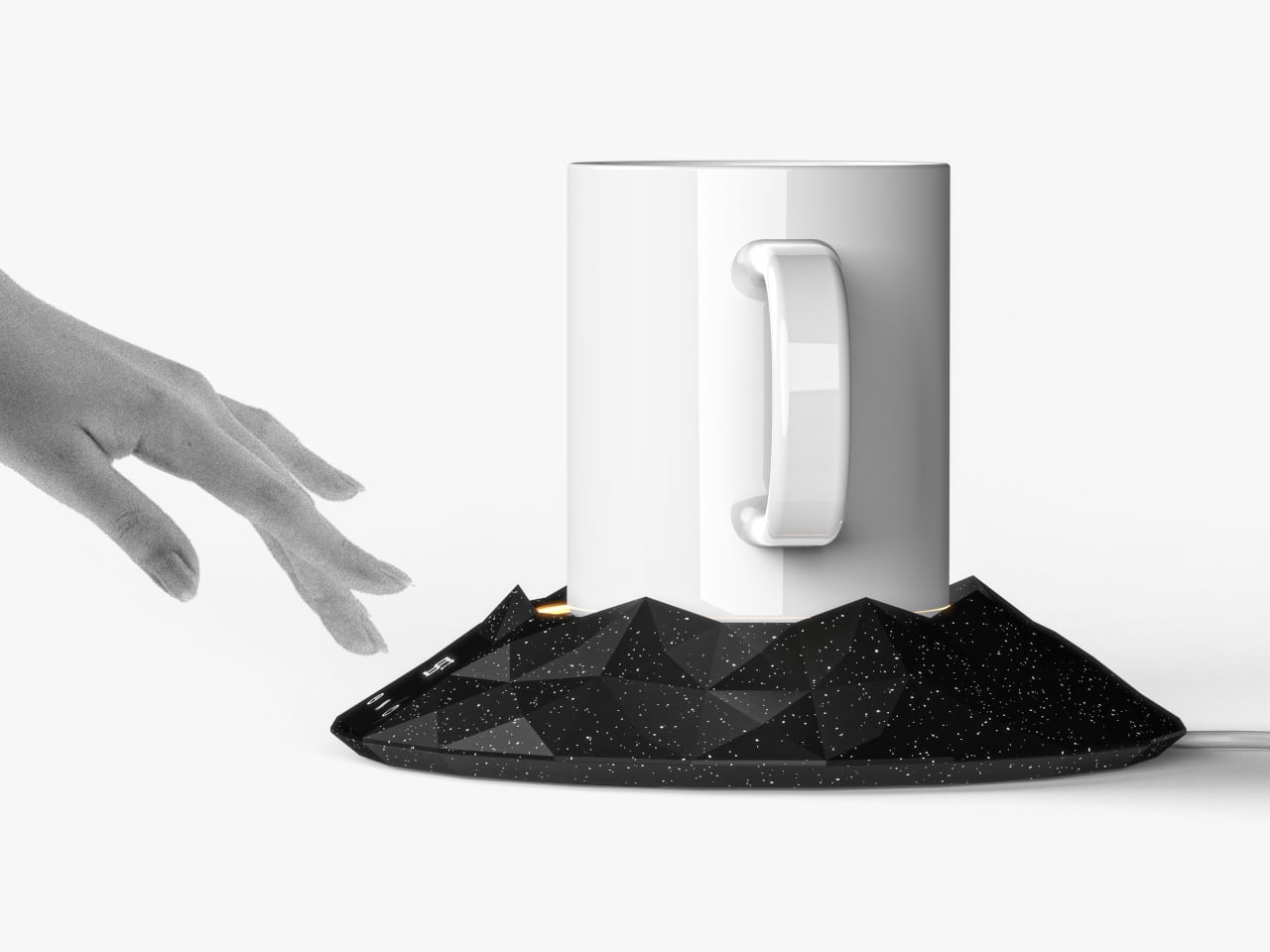
The daily ritual of enjoying a warm beverage has become a treasured moment of comfort, and VOLCANO enhances this experience through a refined blend of functionality and visual poetry. Inspired by the Earth’s most powerful natural heat source, its form reinterprets volcanic geometry through clean, faceted lines that feel both modern and timeless. When a mug is placed on its surface, the rising steam creates a gentle, volcano-like effect, transforming simple warmth into an evocative visual moment. Available in granite-inspired and basalt-inspired finishes, VOLCANO offers both light and dark expressions, allowing it to integrate seamlessly into different interior aesthetics.

A concealed display preserves the minimalist silhouette, illuminating only when required to maintain clarity without disrupting the sculptural form. VOLCANO exemplifies how everyday objects can be elevated through thoughtful abstraction and material sensitivity.

5. Fireplace or Electric Hearth

A fireplace or electric hearth has long been the emotional centre of a winter home, its gentle glow inviting you to pause, breathe, and settle into the season. The soft flicker slows the pace of a room, creating a sanctuary where warmth feels both physical and deeply personal, whether the hearth is traditional or modern.

Today, winter comfort extends beyond a single heat source. Contemporary warming objects prioritise safety, consistency, and sensory ease, offering a calm alternative to high-heat devices. Using gentle circulation, humidity-balanced warmth, or tactile controls, they create a more natural, reassuring experience. Together, the hearth’s communal glow and these personalised accents form a layered Hygge environment—grounding your Christmas home in comfort, stillness, and mindful winter well-being.

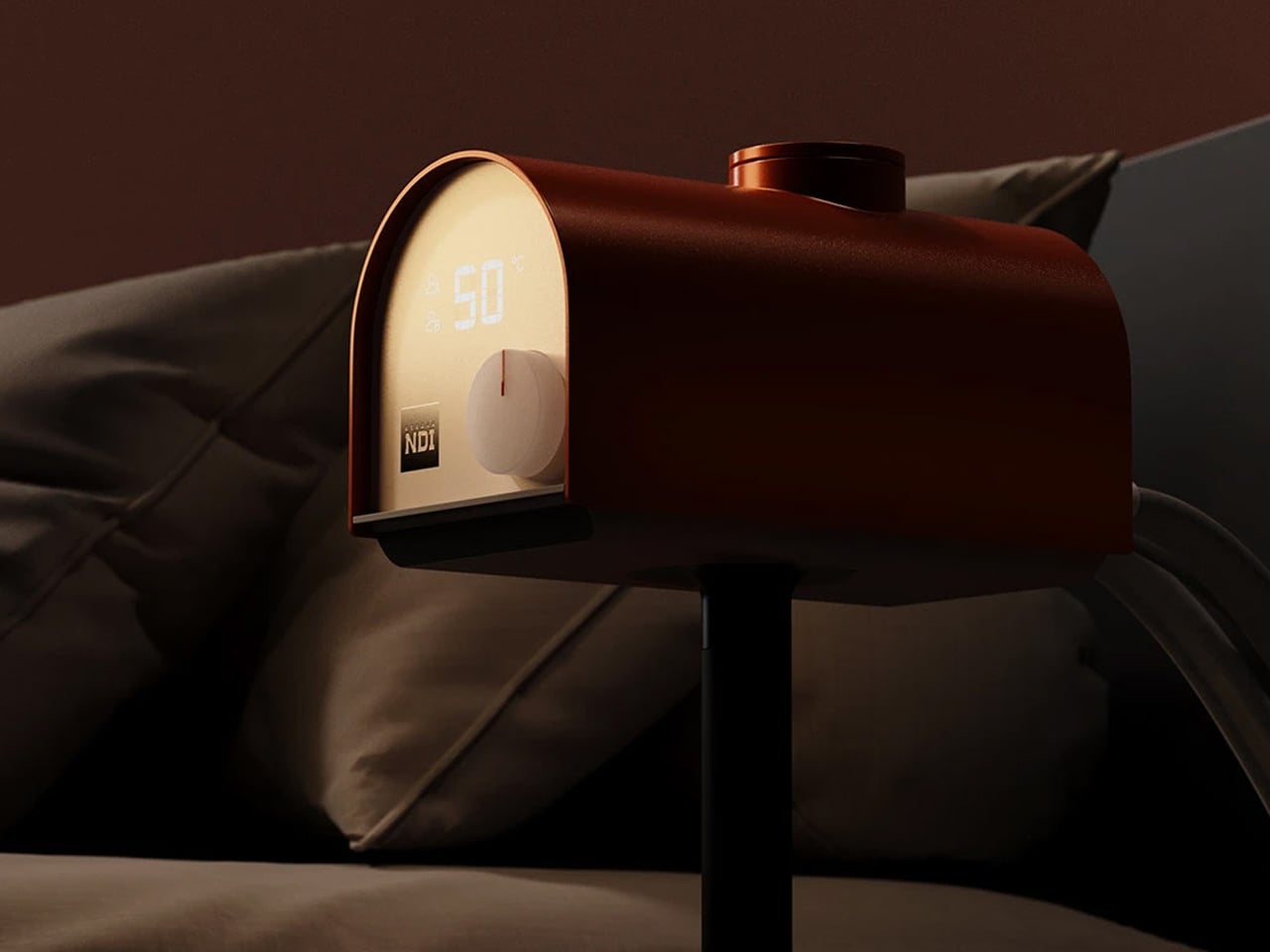
Although an electric blanket offers instant winter comfort, it often comes with concerns about overheating, dryness, electromagnetic radiation, and occasional short-circuit risks. The Warmflow Messenger by Studio NDI proposes a safer, more reassuring alternative through a hydraulic water-circulation system that replaces electric heating elements entirely. Inspired by the familiar symbolism of a retro street mailbox, the device treats warmth as a message delivered gently and reliably. Its arched ABS body features a metallic finish, a mail-slot-style refill opening, and a smudge-resistant surface that fits seamlessly into modern bedrooms.

The experience is intentionally tactile and personal, with vintage mechanical controls that offer precise temperature adjustments and satisfying feedback. A hidden display preserves the clean aesthetic when not in use, while app support allows users to customise warmth according to individual sleep patterns. Consistent temperature and humidity indicators ensure timely refills for sustained comfort through the night, and integrated cable management keeps the setup neat—an added advantage over loose electric blanket cords.

This festive season, prioritise genuine warmth over visual flash. Thoughtfully chosen wellness objects can infuse your home with true Hygge, transforming everyday moments into pockets of calm and comfort. With soft textures, gentle light, and soothing sensory cues, your space begins to feel like a serene winter sanctuary and one that supports rest, reflection, and emotional ease.

Rather than adding to the holiday rush, these comforting touches encourage you to slow down, settle in, and embrace the quieter side of the season. Each detail works together to create an atmosphere of steady warmth and well-being that carries you peacefully through the winter months.

The post Forget Candles: 5 Hygge Christmas Gifts That Actually Calm Anxiety first appeared on Yanko Design.

5 Best Christmas Tech Gifts That Double as Home Art

On a quiet December morning, as the tree lights flicker softly against the windows, the modern home reveals a new kind of Christmas magic. Gone are the days when gifts were plastic gadgets destined for drawers, as today’s most thoughtful presents are pieces of functional art alongside objects that enrich a space as beautifully as they perform.

This season, every device unwrapped should offer both purpose and presence, crafted from honest materials and shaped with sculptural intent. In homes seeking harmony and calm, giftable tech becomes part of the architecture itself, blending intelligence, aesthetics, and festive warmth in one seamless gesture.

1. Sculptural Wireless Charger

The wireless charger is no longer a bland tech necessity; it is now a statement of material honesty and form. Modern high-design chargers replace plastic with honed marble, polished brass, or carved timber, transforming a simple gadget into a refined object on your nightstand.

When choosing one, look for weight and presence. Solid stone or metal chargers feel grounded and intentional, blending seamlessly with luxury interiors. These pieces double as abstract mini-sculptures even when not in use. With a clean magnetic connection and discreet cable, they maintain visual calm, which is a key element of elevated, Gen Z approved luxury living.

Wireless chargers continue to grow in popularity, yet most designs still share a common limitation: they become functionally irrelevant the moment you remove your phone. Many models may look stylish on a desk or bedside table, but they serve no purpose beyond decoration when not in use. This concept addresses that gap by giving the charger a secondary function, allowing it to offer value even when no device is being powered. It builds on the evolution of magnetic charging, which has introduced more flexibility in angles and positioning while still leaving the charging surface unused whenever the phone is absent.

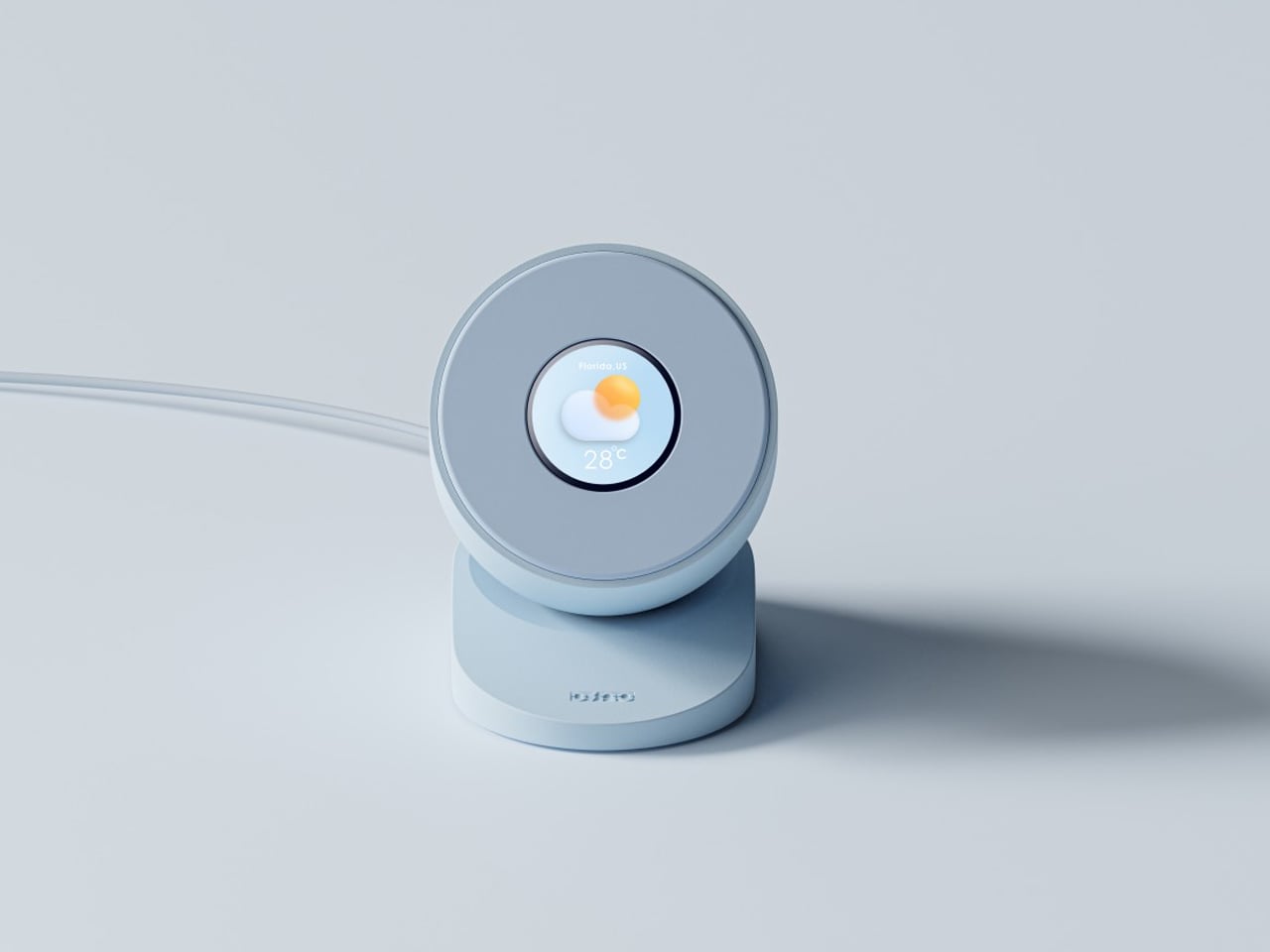
The Dino Charger introduces a clever solution by integrating a small circular display into the charging area. When the phone is removed, this smartwatch-like screen becomes visible, showing essential information such as time, weather, or battery status. Though concealed during charging, it transforms the accessory into a compact, multifunctional device that enhances usability without occupying extra space.

2. Digital Dynamic Photo Frames

Digital photo frames have evolved into dynamic wall art, shifting from simple screens to pieces capable of rivaling gallery-grade framed work. They bring a customizable, ever-changing aesthetic into the home, allowing interiors to feel curated, alive, and intentionally composed. Their presence supports a refined visual rhythm rather than interrupting it.

Choose frames with matte, anti-glare glass and high-resolution displays for true material credibility. The ROI lies in their ability to refresh a room instantly with digital art or personal archives. Smart models use concealed mounts and a single paintable cable, preserving the purity of the wall plane.

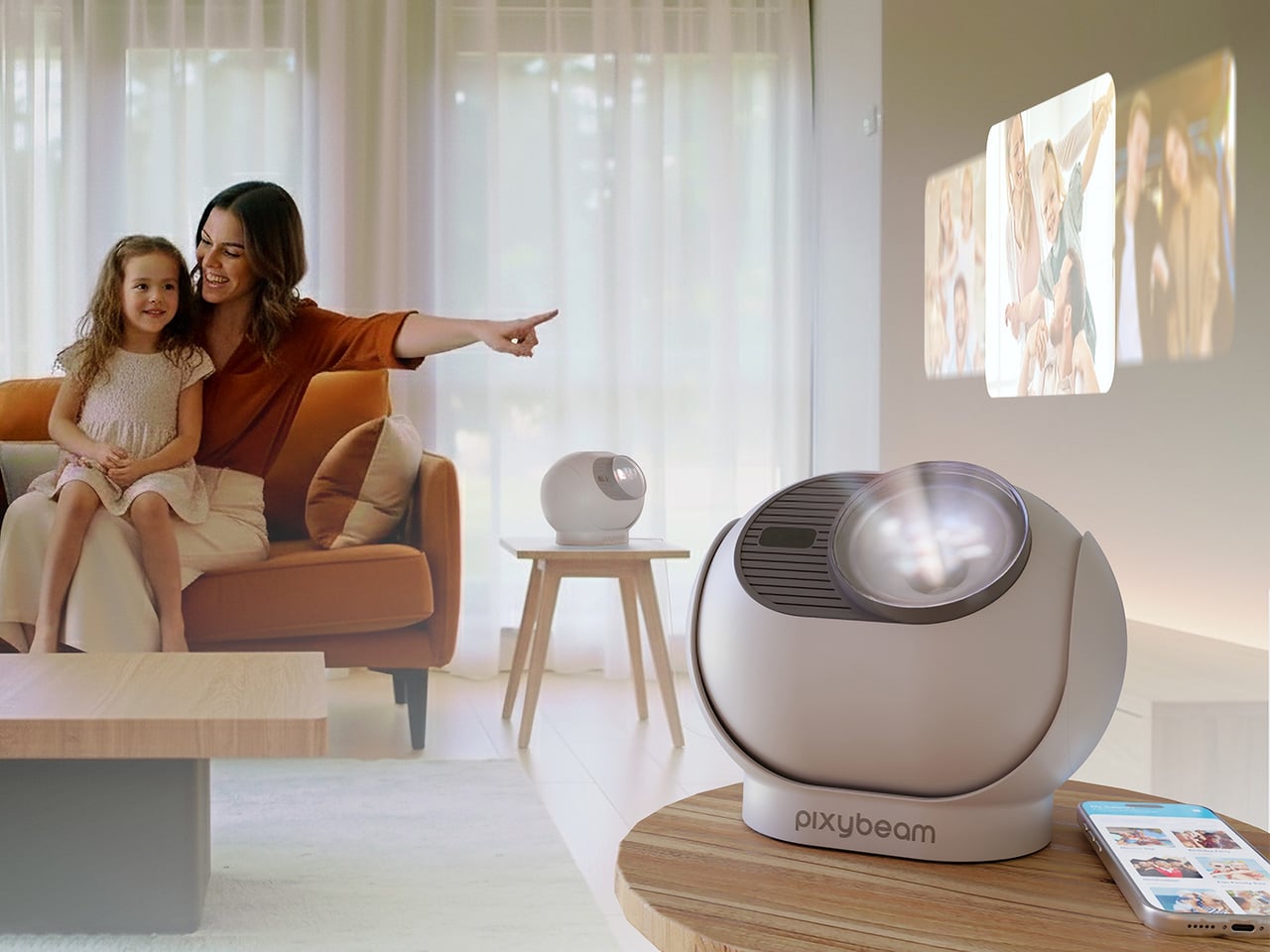
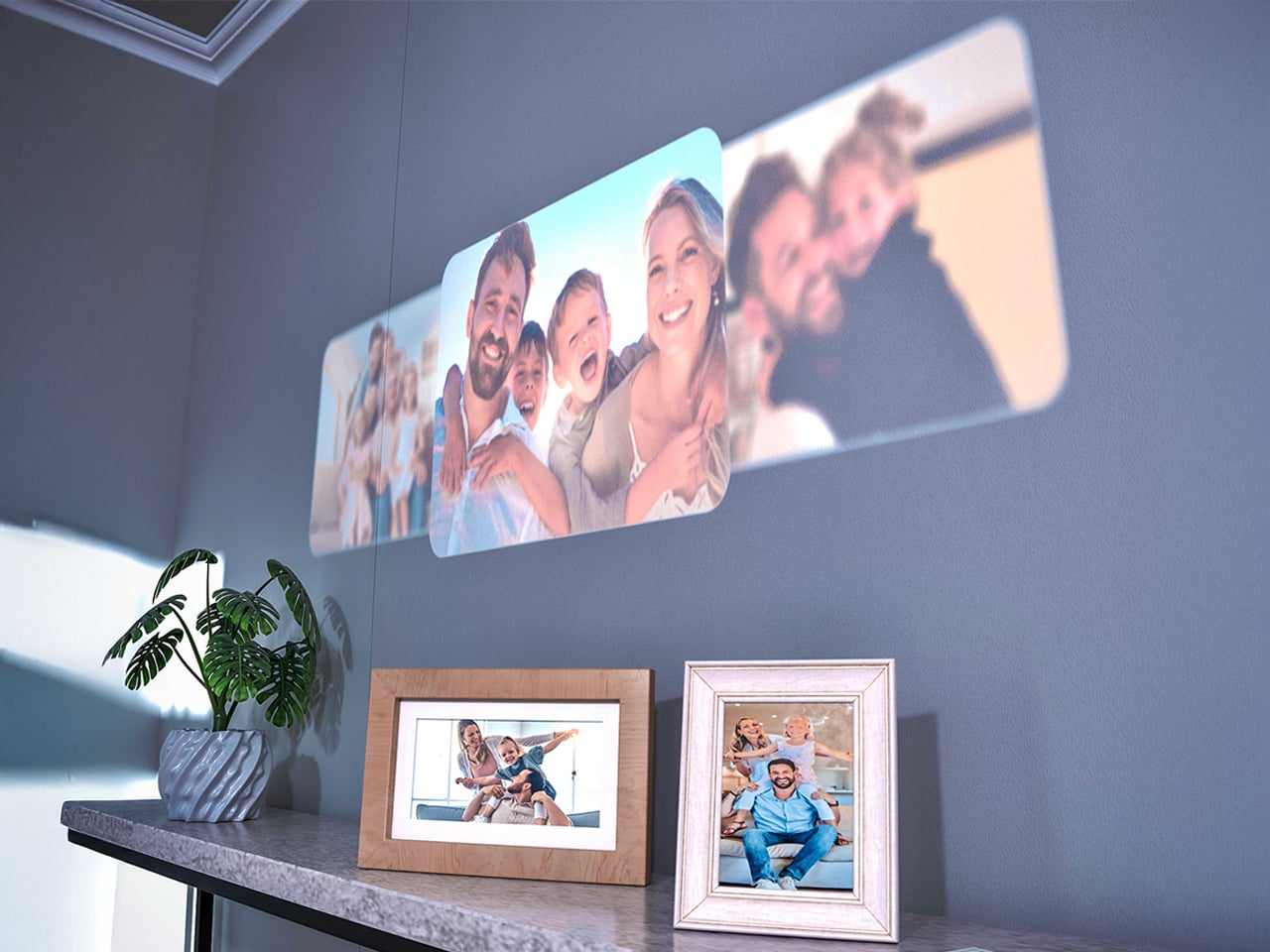
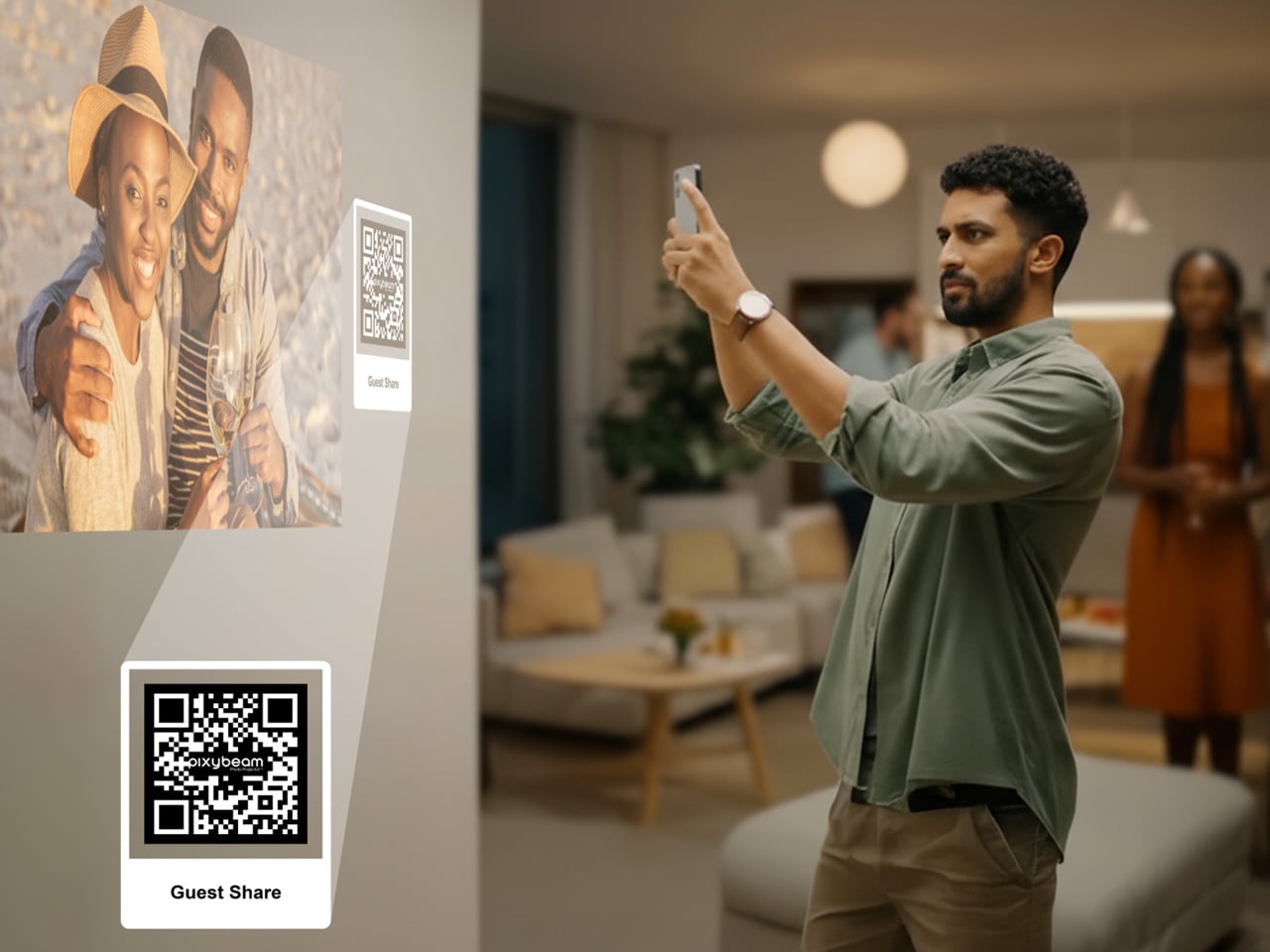
Many personal memories now sit unseen within digital albums and long camera rolls, rarely revisited despite their significance. Traditional digital photo frames attempted to reintroduce these moments into everyday life, yet their fixed borders and constrained formats often created a sense of distance rather than connection. PixyBeam offers a refined alternative by transforming walls and ceilings into immersive visual canvases. Through projection, it integrates photographs and short clips directly into the home environment, allowing meaningful moments to become part of daily living rather than confined to a screen.

Designed with a minimalist, rounded profile and soft white finish, PixyBeam blends seamlessly into any interior. The device delivers vivid 1080p projections up to 200 inches, supported by autofocus, keystone correction, and a rotating lens for effortless ceiling or wall display. With a simple setup, app-based gallery organisation, and features such as dynamic templates and Guest Share, PixyBeam turns personal spaces into expressive, evolving galleries that celebrate life’s most important stories.

3. Ambient Illumination Tech

Ambient illumination technology has become a poetic light source, offering mood-shaping capability without relying on bulky fixtures. From refined smart lamps to atmospheric projectors, these devices let homeowners sculpt the emotional tone of a room while subtly supporting thermal and visual comfort. They behave as architectural companions rather than decorative add-ons.

These objects operate as instruments of layered light. Prioritise designs that create indirect, coloured, or animated washes to shape an ‘ephemeral glow.’ Their true utility lies in sensory modulation with smart lamps that adjust colour temperature throughout the day, enhancing biophilic well-being, proving their purpose far beyond ornamentation.

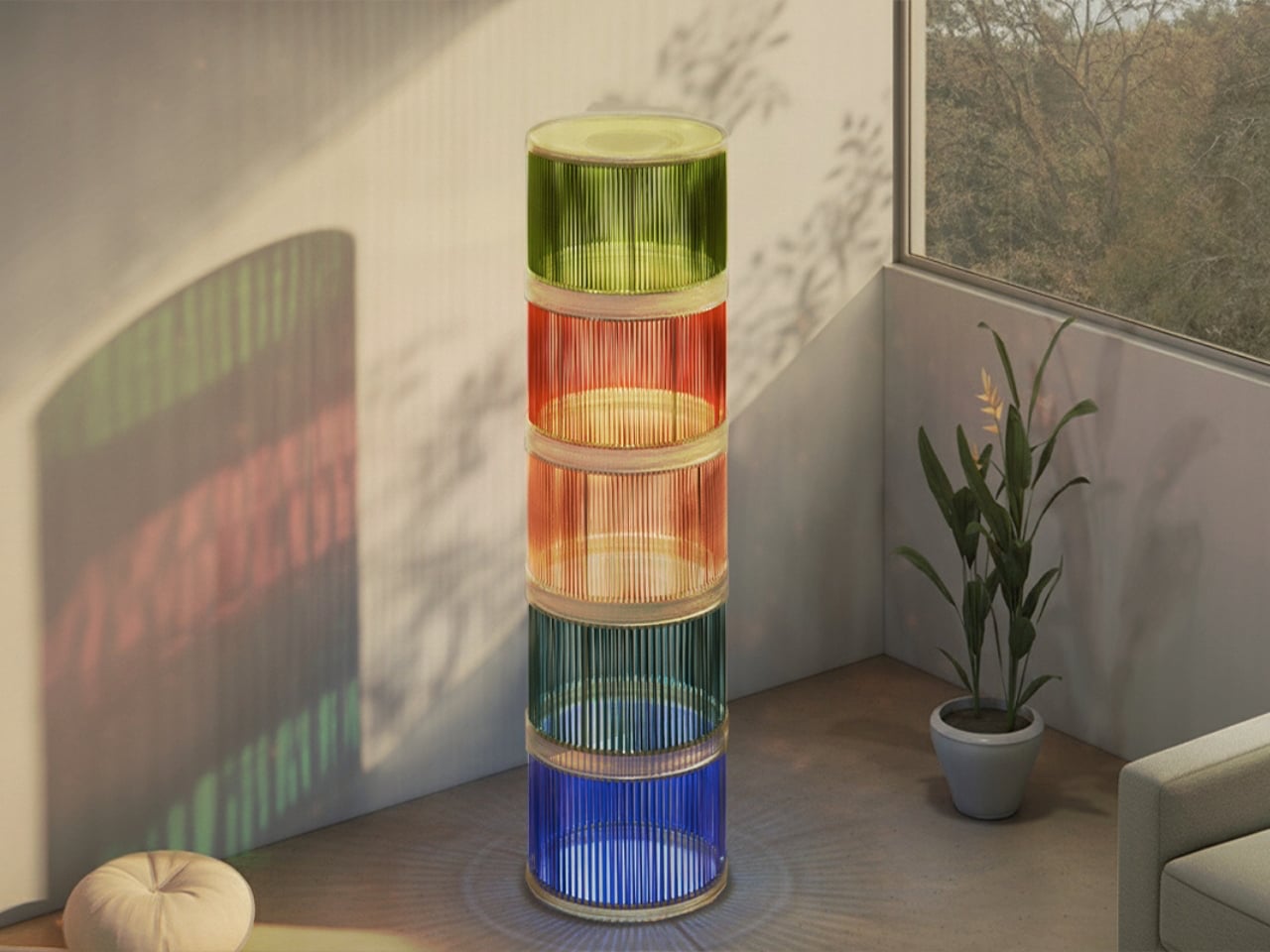
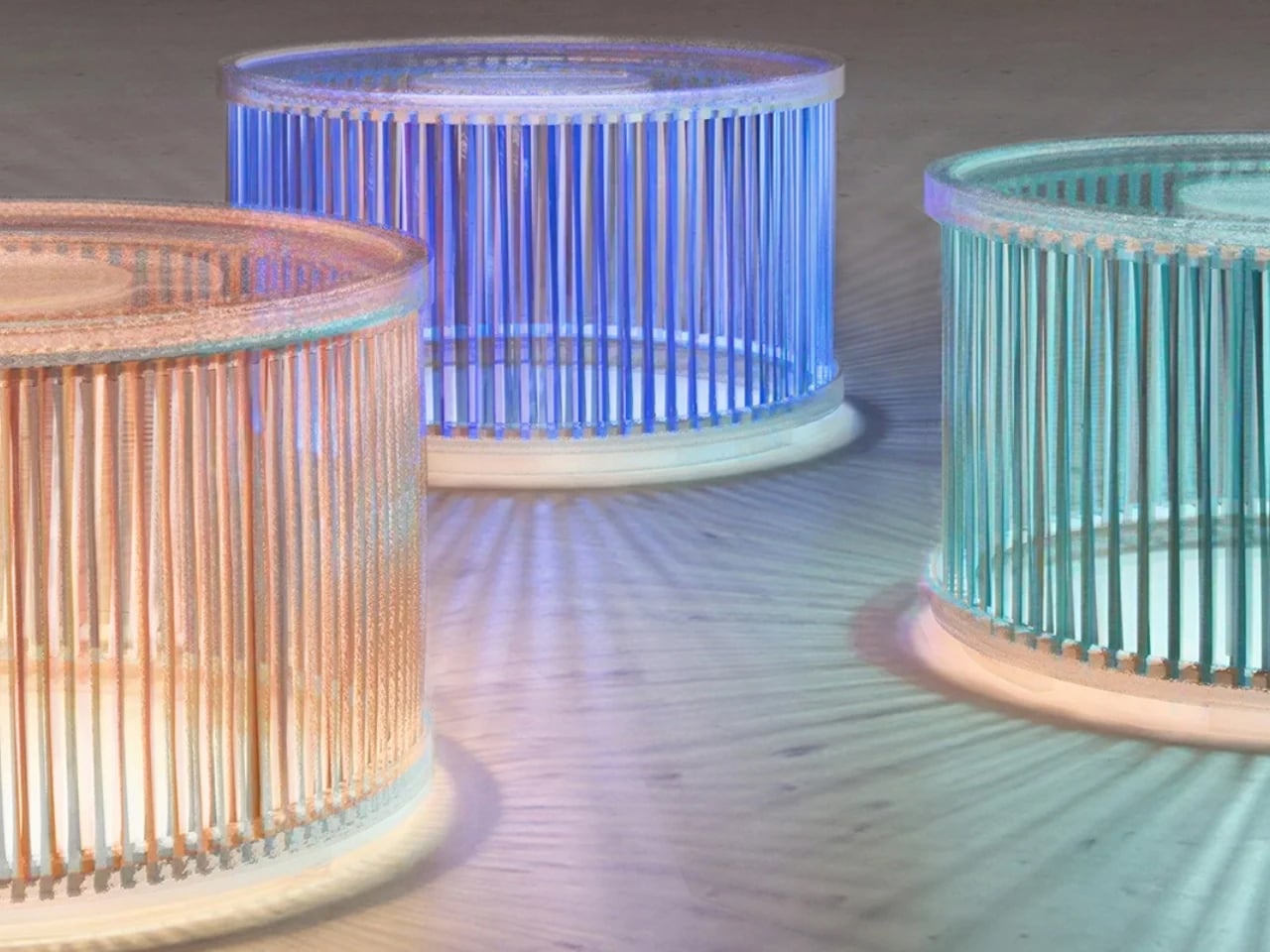
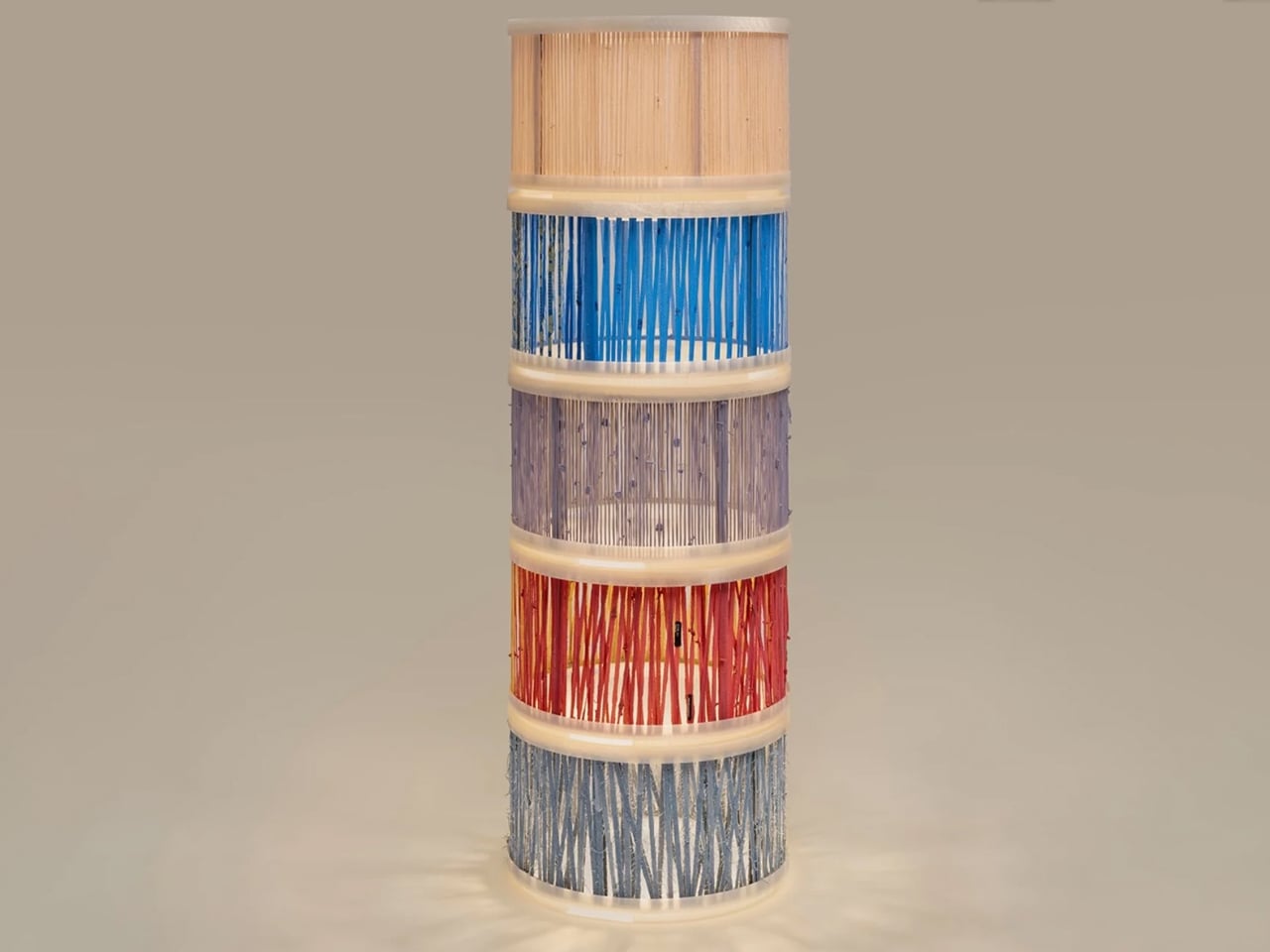
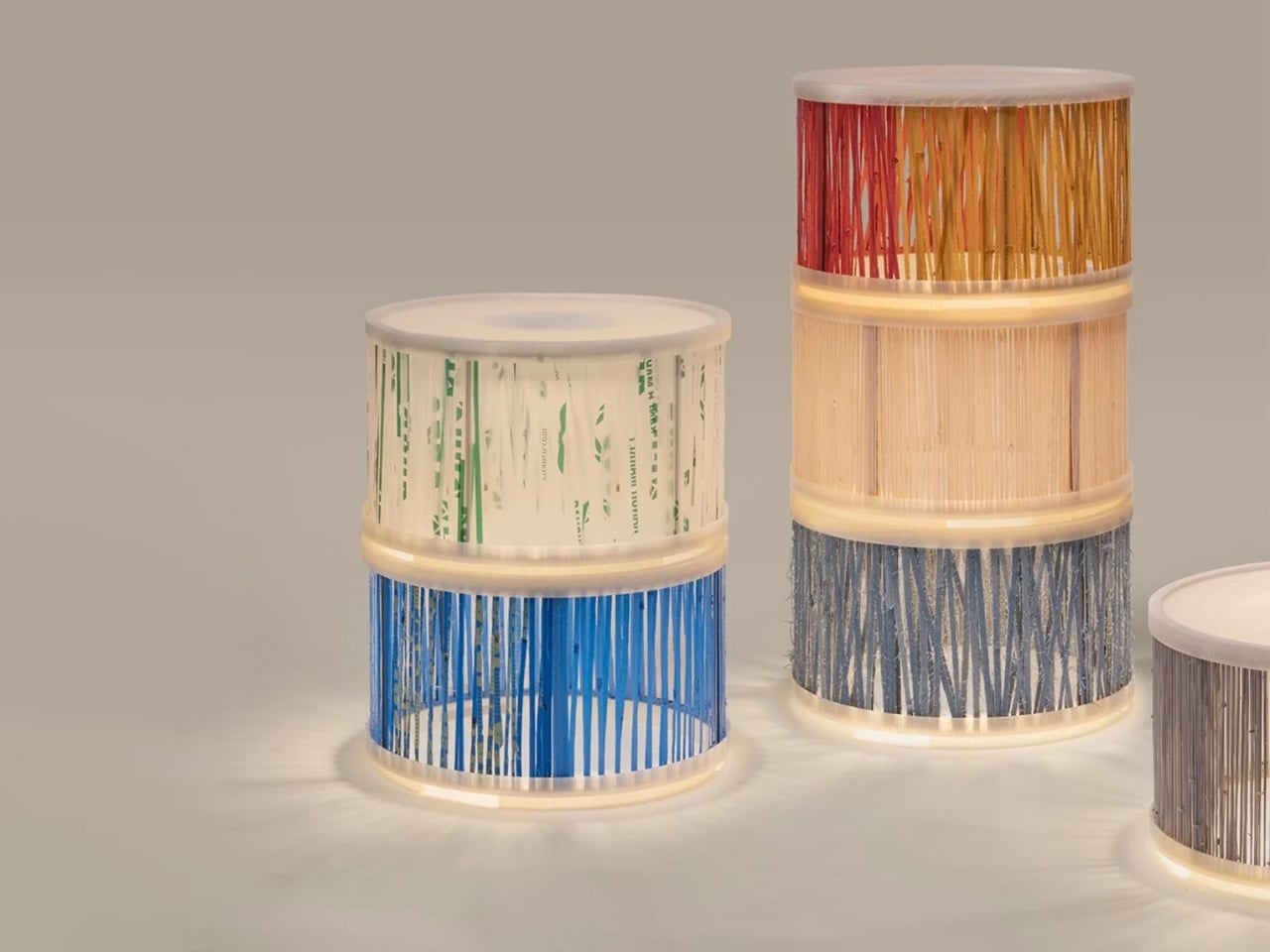
Luminous Re-weave, created by designers Ling Sha and Yucheng Tang, reinterprets discarded textiles by transforming them into refined lighting elements. Old T-shirts, worn denim, and even plastic bags are hand-woven onto metal frames fitted with 3D-printed covers, producing lamps that merge craftsmanship with contemporary fabrication. The modules feature soft, textile-wrapped exteriors that diffuse light into a warm, inviting glow, giving the pieces a sculptural presence suitable for both residential and gallery settings. Each cylindrical unit functions independently or can be stacked to create customised lighting compositions without the need for tools.

A defining aspect of the system is its interchangeable textile skins, allowing users to update colours and textures as preferences evolve. This adaptability not only extends product lifespan but also reinforces the project’s sustainability ethos by repurposing materials that would otherwise enter waste streams.

4. Designer Wi-Fi Nodes

Designer Wi-Fi nodes and mesh systems have become essential architectural elements, no longer the forgotten hardware of a connected home. Instead of hiding them away, today’s high-end models are crafted to be seen in smooth matte ceramics, brushed aluminum, and minimal geometric forms that read more like curated objects than utilitarian electronics. They contribute intentionally to the visual rhythm of a room.

Choosing a system designed for display offers both aesthetic and functional ROI. By keeping nodes visible, performance remains uncompromised, eliminating the need for cupboards that weaken signal strength. The result is a clean, unobstructed interior paired with seamless, whole-home connectivity.

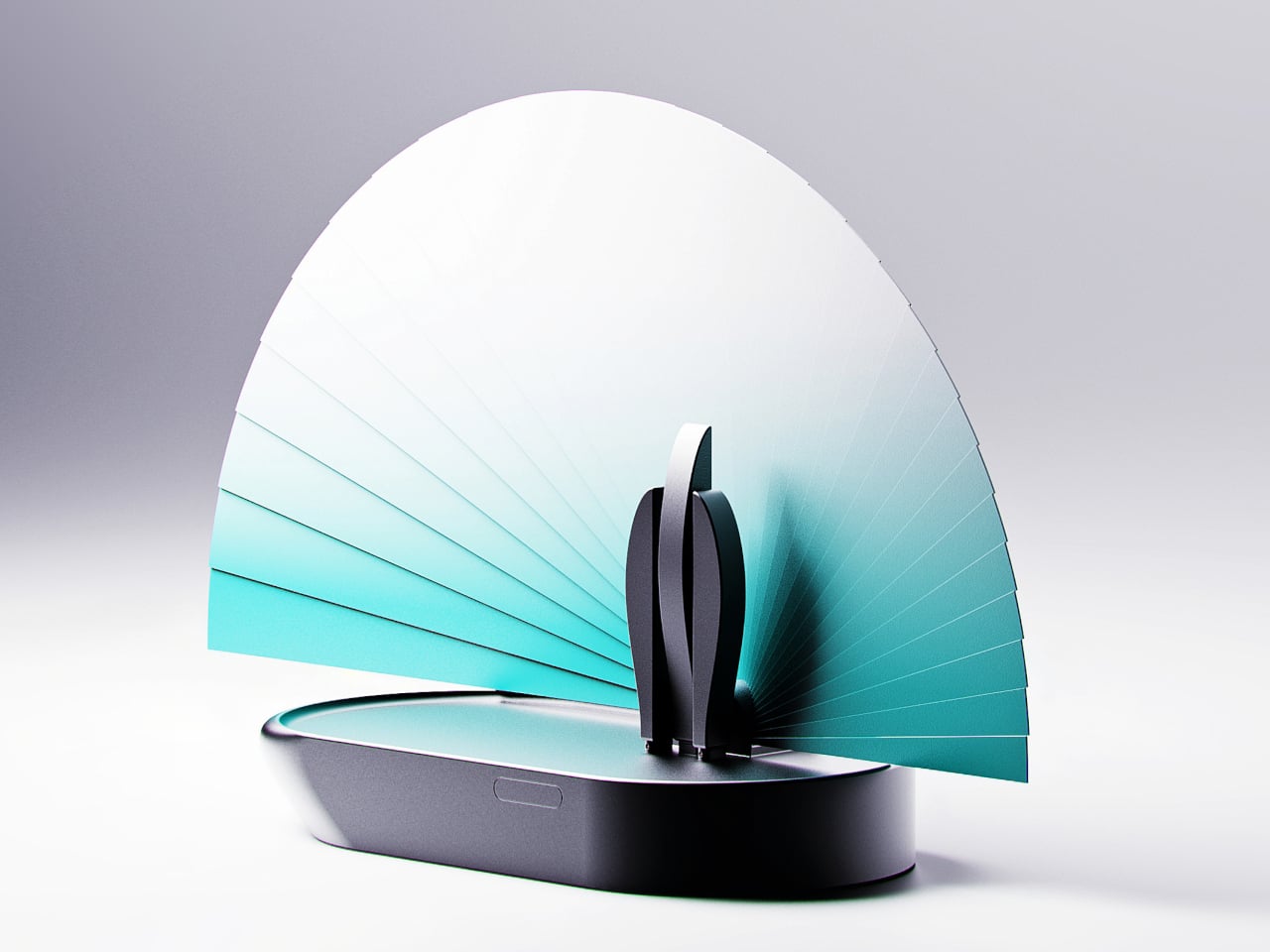
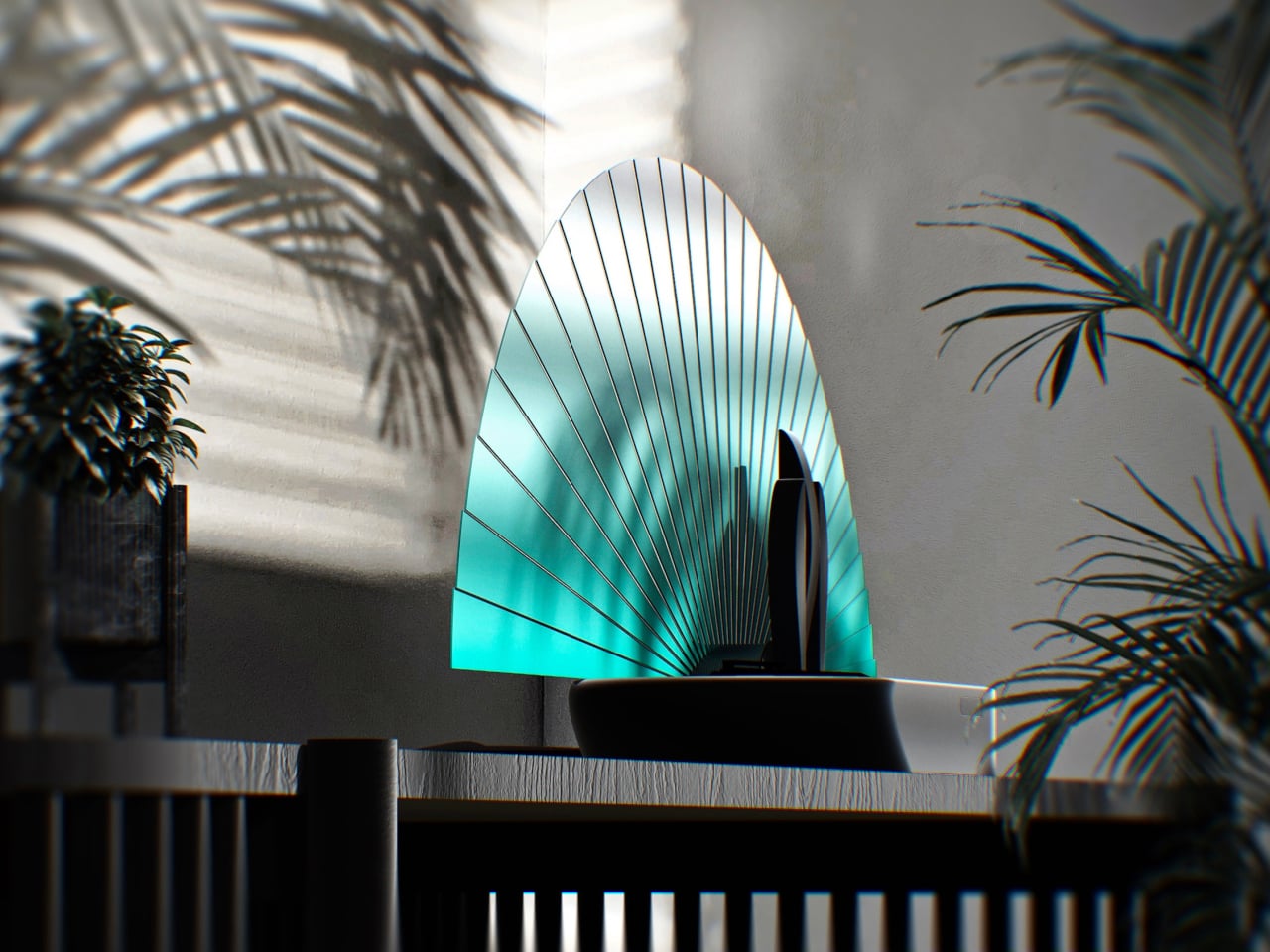
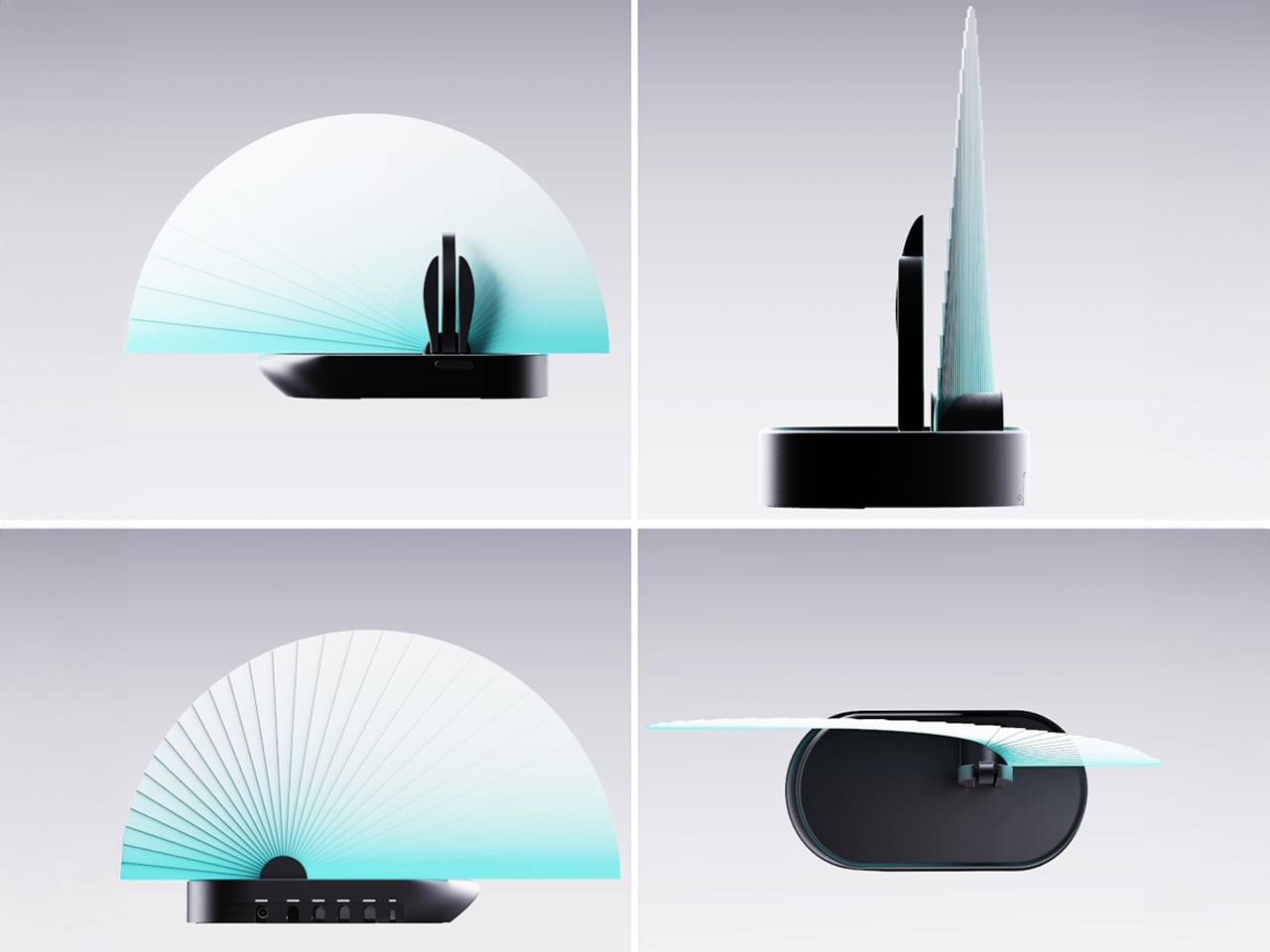
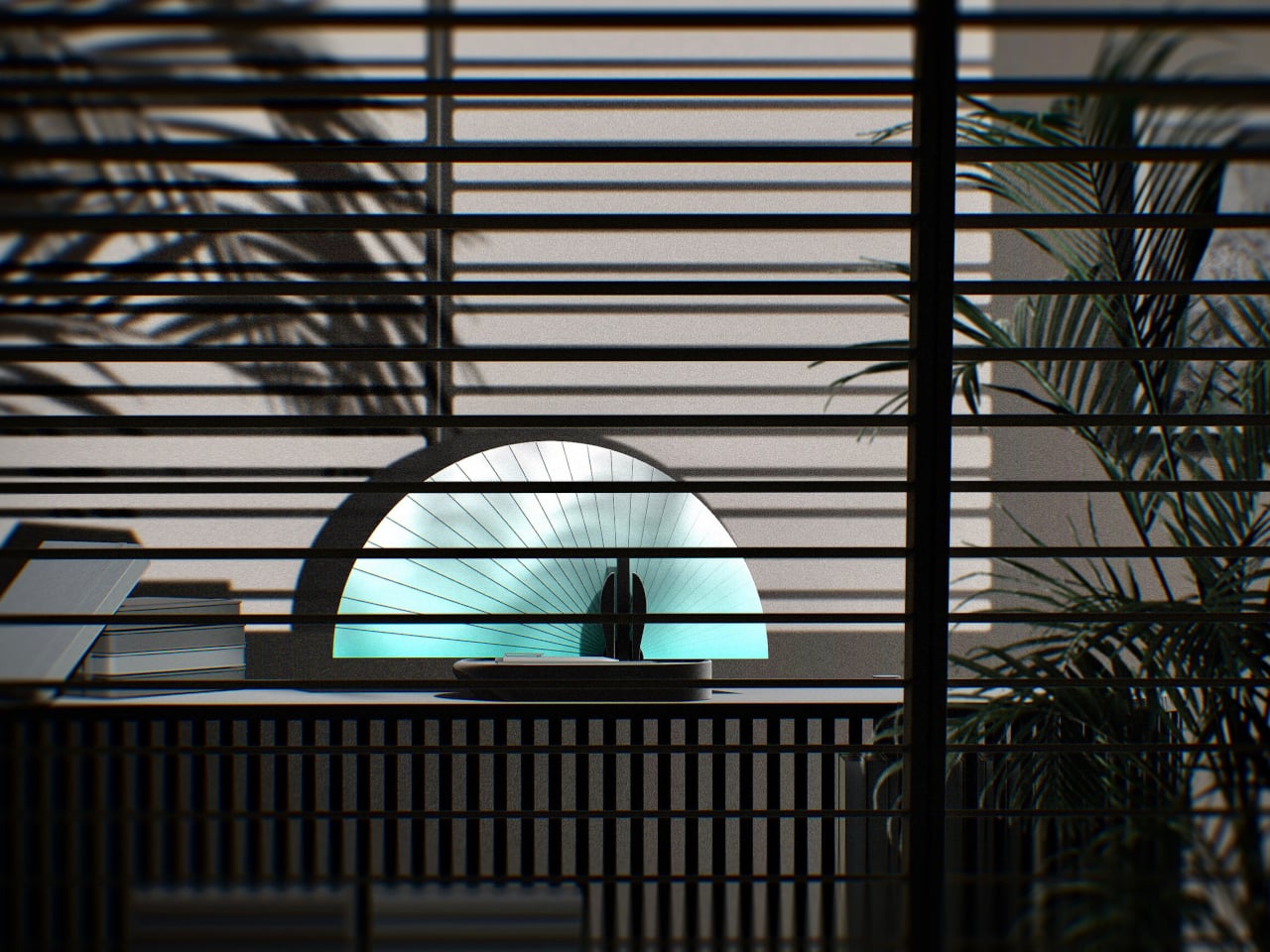
Spending extended periods at home has made many people more aware of the limitations of their living spaces and the design shortcomings of everyday electronics. Wi-Fi routers, for instance, often appear bulky, aggressive, or purely utilitarian, encouraging users to hide them in corners- an action that can unintentionally weaken signal performance. This concept proposes a more thoughtful approach by turning the router into a functional decorative object, allowing it to remain visible while also providing a clear indication of signal strength.

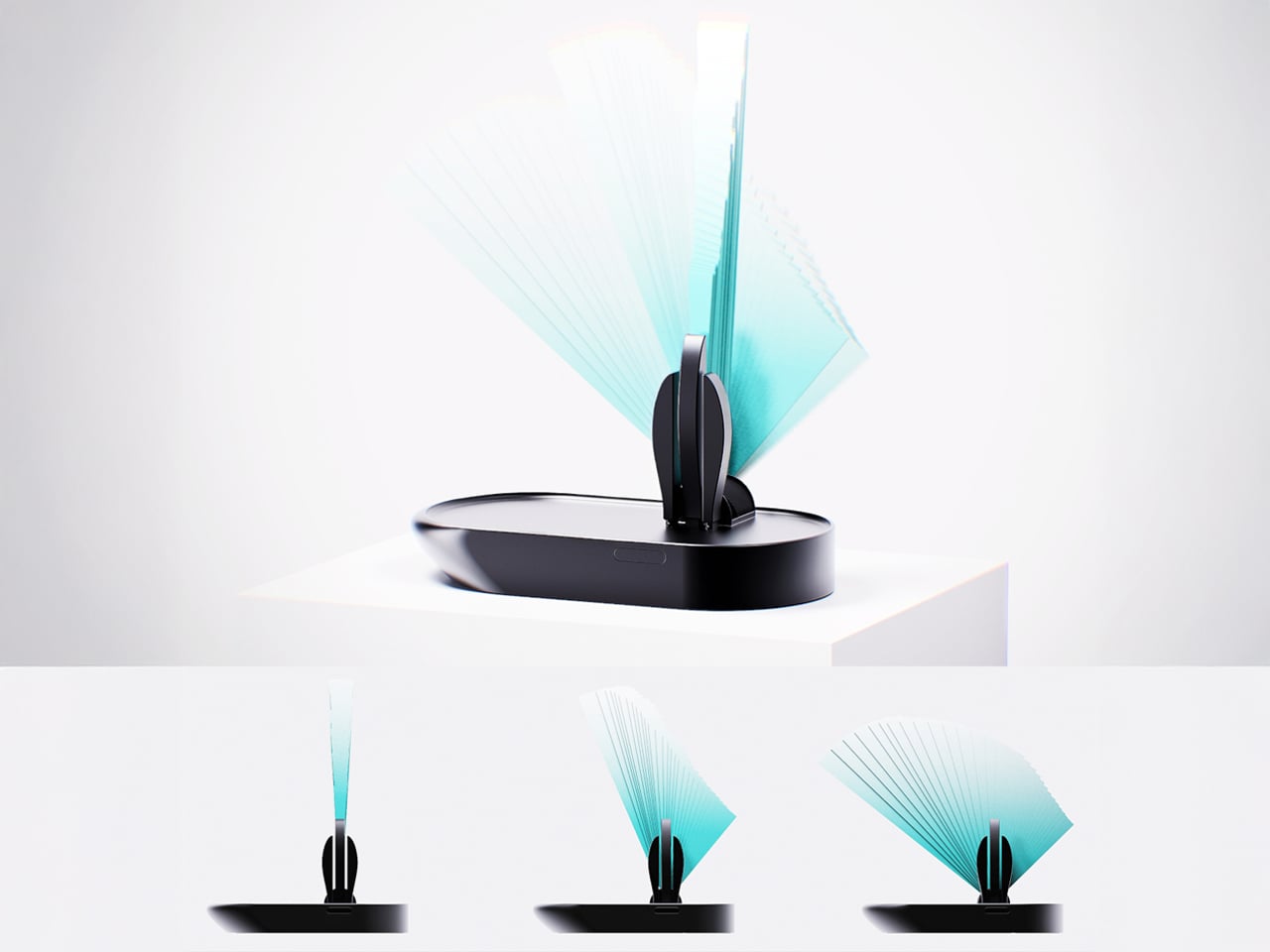
The Blooming Out router features a fan-inspired mechanism composed of 29 segments that expand when the Wi-Fi signal is strong and retract when it weakens, creating a visual representation of connectivity. Three adjustable antennas positioned slightly off-centre enhance signal distribution while contributing to a sculptural, peacock-like silhouette. By merging aesthetics with technical efficiency, the design aims to transform the router from a device often concealed into an elegant object that complements modern interiors without compromising performance.

5. Charging Mat that Doubles as Display Surfaces

Wireless charging mats have evolved into thoughtful dual-purpose gifts that eliminate cable clutter while delivering convenient power to multiple devices. Modern designs feature premium materials like bamboo, leather, or minimalist metal finishes that elevate them from utilitarian gadgets to sophisticated accessories. This versatility makes them ideal for gift-givers seeking something genuinely useful without sacrificing aesthetic appeal, perfect for colleagues, tech-savvy friends, or anyone upgrading their workspace.

As home decor gifts, wireless charging mats have become statement pieces available in various aesthetics – from Scandinavian minimalism to industrial chic. Sleek marble patterns, warm wood tones, or geometric shapes transform these tech essentials into decorative accents for nightstands or entryway surfaces. For housewarming occasions or holidays, a beautifully designed wireless charger demonstrates thoughtfulness by addressing both practical needs and aesthetic sensibilities, making it perfect for design-conscious recipients.

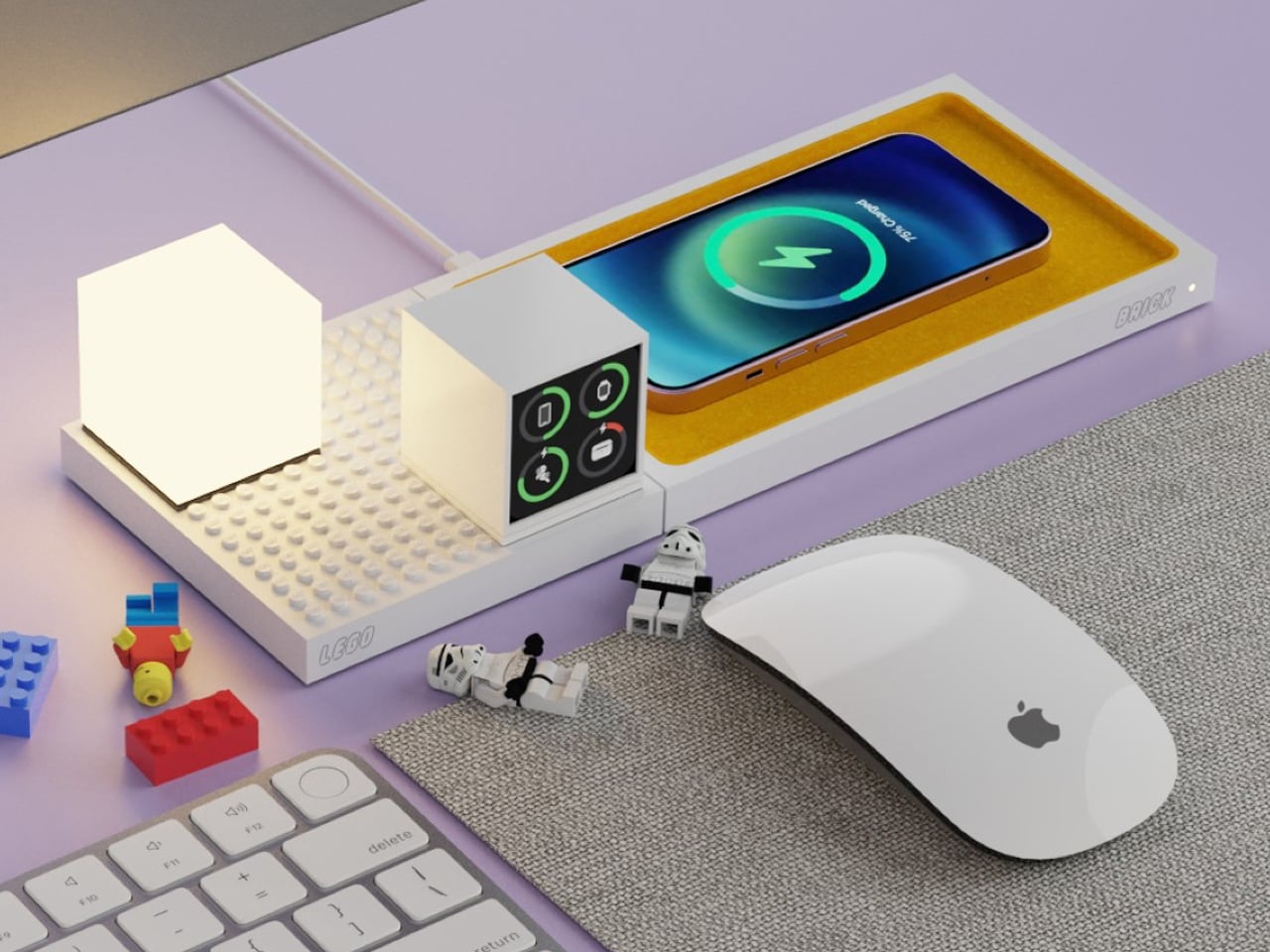
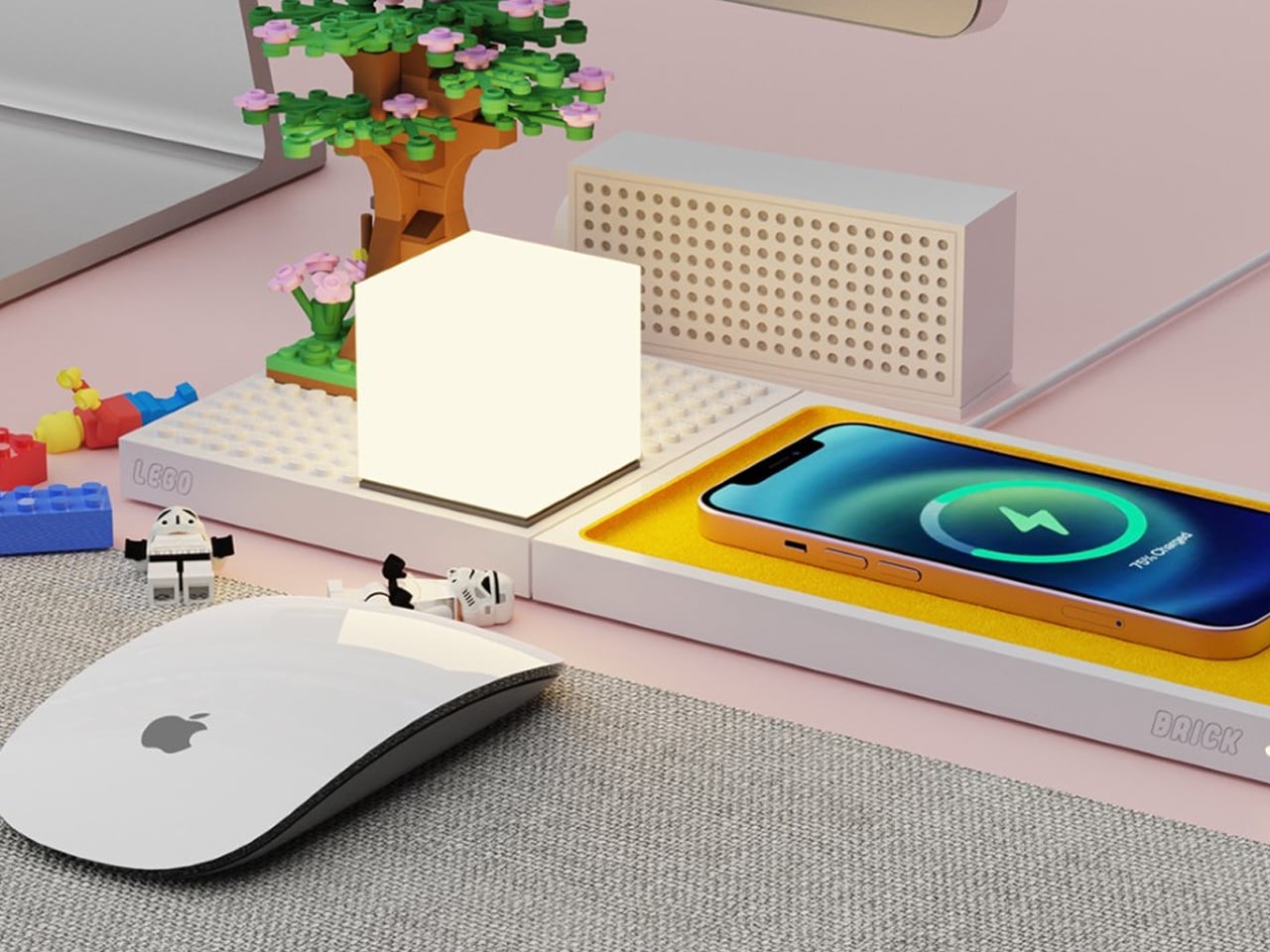
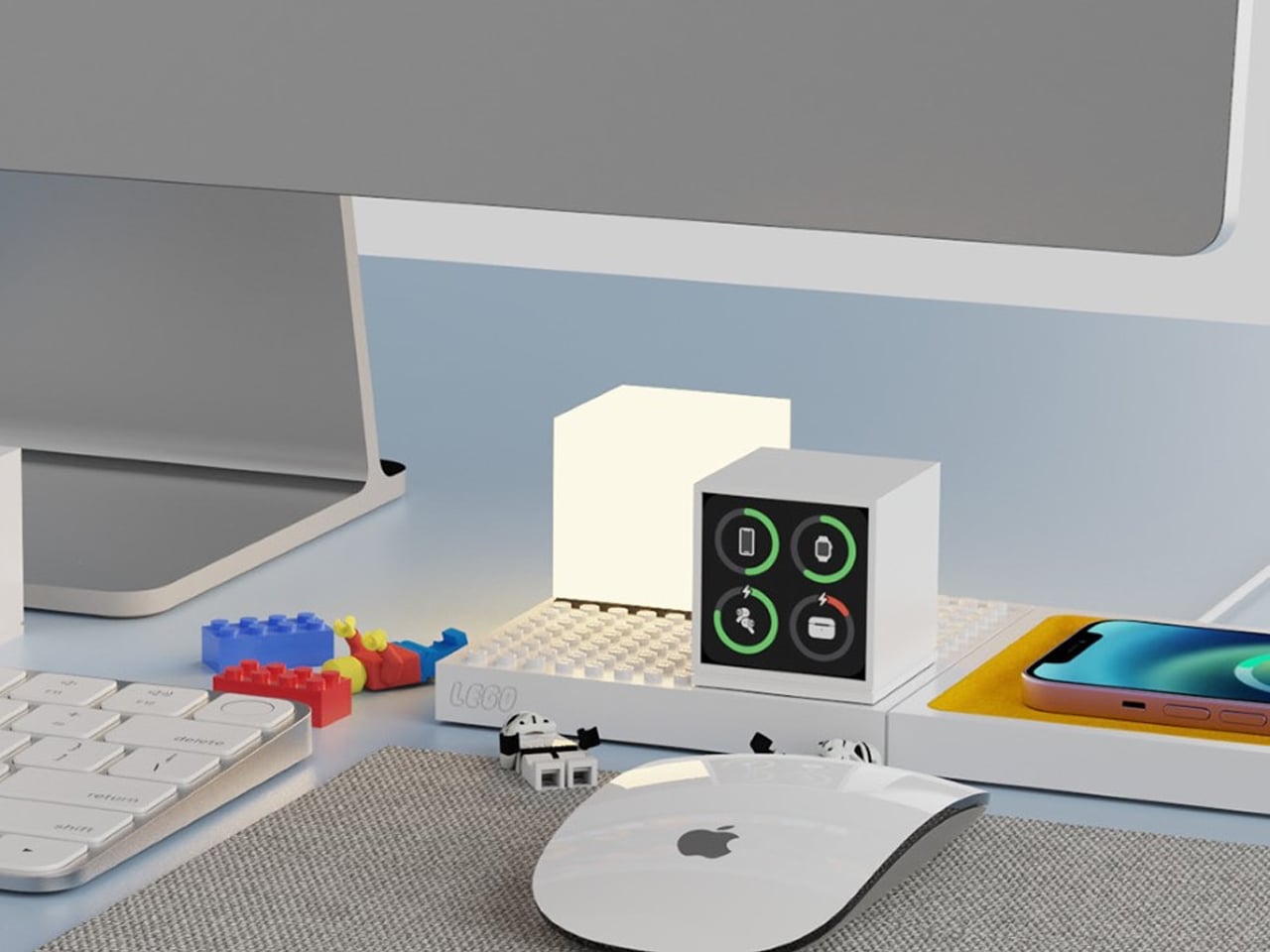
The LEGO Brick, a conceptual design by İbrahim Can Erdinçmer, reimagines wireless charging by merging technology with playful creativity. This innovative fan-made creation features a wireless charging mat topped with a signature LEGO-studded platform that serves dual purposes: charging your smartphone, smartwatch, or earbuds while providing a modular canvas for endless customization. The platform can accommodate dedicated accessories like Bluetooth speakers, minimalist lamps, and battery indicators – all powered wirelessly through embedded coils beneath the surface – or become a miniature playground for building LEGO dioramas, architectural structures, or scenes from your favorite movies. By sitting at the intersection of tech functionality and creative expression, the LEGO Brick appeals to both tech enthusiasts who love modular, customizable setups and LEGO fans who appreciate the brand’s promise of limitless building possibilities.

Beyond its technical capabilities, the LEGO Brick transforms the mundane act of charging devices into an opportunity for stress relief and creative expression in the workspace. The concept demonstrates how adding whimsy and interactivity to everyday tech accessories can enhance both productivity and mental well-being – offering users a fidget-friendly outlet during intense work sessions or ideation moments. While entirely conceptual, this design illustrates LEGO’s untapped potential in the smart-home and gadget industry, suggesting that strategic collaborations could position the iconic toy brand as a major player in creating tech products that don’t just function efficiently, but also spark joy and unleash creativity in our daily lives.

In today’s refined homes, the best Christmas tech gifts transcend utility to become sculptural extensions of the space itself. These beautifully crafted objects, thoughtful in material, form, and light, seamlessly blend function with art, creating an environment where design harmony, emotional warmth, and quiet intelligence coexist effortlessly.

The post 5 Best Christmas Tech Gifts That Double as Home Art first appeared on Yanko Design.
5 Smart Fabrics Using Tech Innovations To Transform Sleep, Safety, and Home Comfort

Is fabric just for covering furniture and beds, or can it do more? For centuries, cotton, silk, and wool were seen as static materials. Now, a quiet revolution is underway. Smart fabrics, or e-textiles, combine traditional textiles with digital components like sensors, LEDs, and microprocessors, turning everyday home materials into intelligent systems. What once seemed like science fiction is quickly becoming reality, transforming how we sleep, stay safe, and experience comfort at home.

Imagine sheets that regulate your body temperature throughout the night, carpets that detect when someone falls and alerts caregivers, or curtains that adjust room lighting based on time of day. These innovations go beyond novelty, creating textiles that actively monitor health, prevent accidents, and adapt to our needs—making our homes smarter, safer, and more responsive to how we actually live.

1. The Science Behind Smart Fabrics

Smart fabrics are created by merging traditional textile production with advanced electronics and material science. Instead of attaching devices to clothing, microscopic technology is embedded directly into the threads. This is done using conductive materials like specialized polymers or ultra-fine metal coatings, which allow the fibers to transmit power and data. The aim is to keep the fabric soft and natural while making the technology practically invisible.

To be practical for daily use, these fabrics must be flexible, durable, and washable. Engineers focus on creating systems that endure everyday wear, so items like health-tracking sleepwear remain functional even after multiple washes.

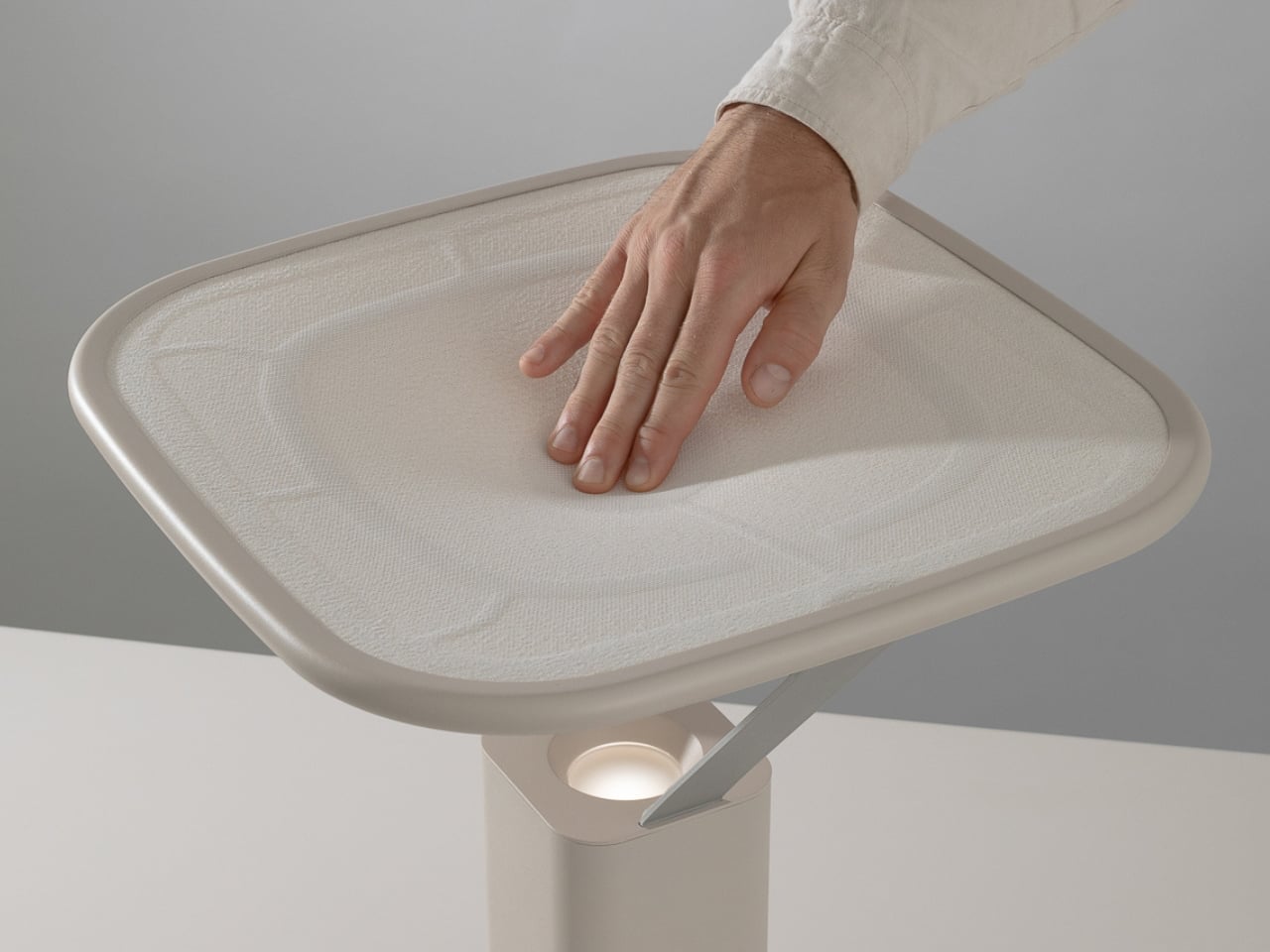
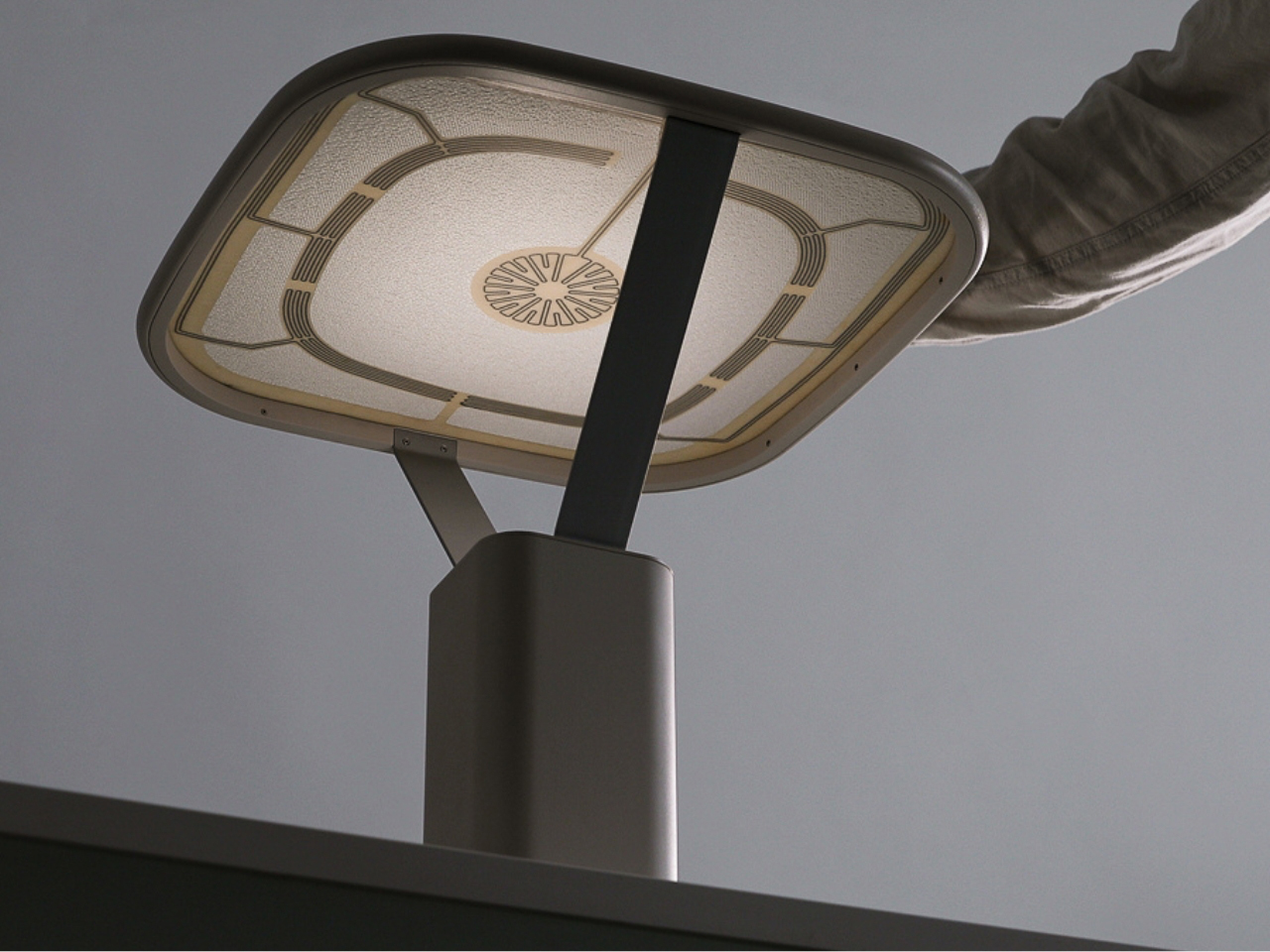
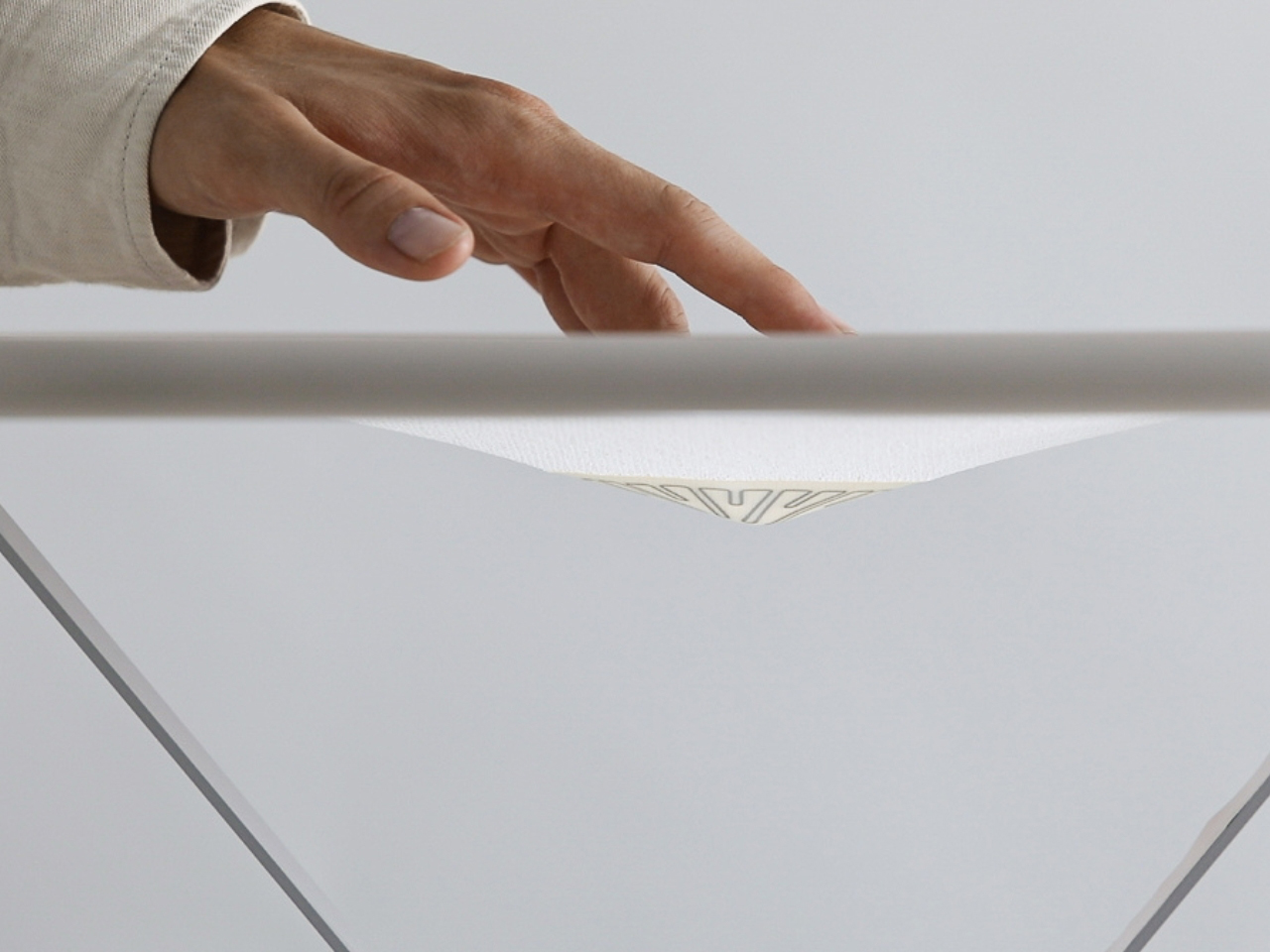
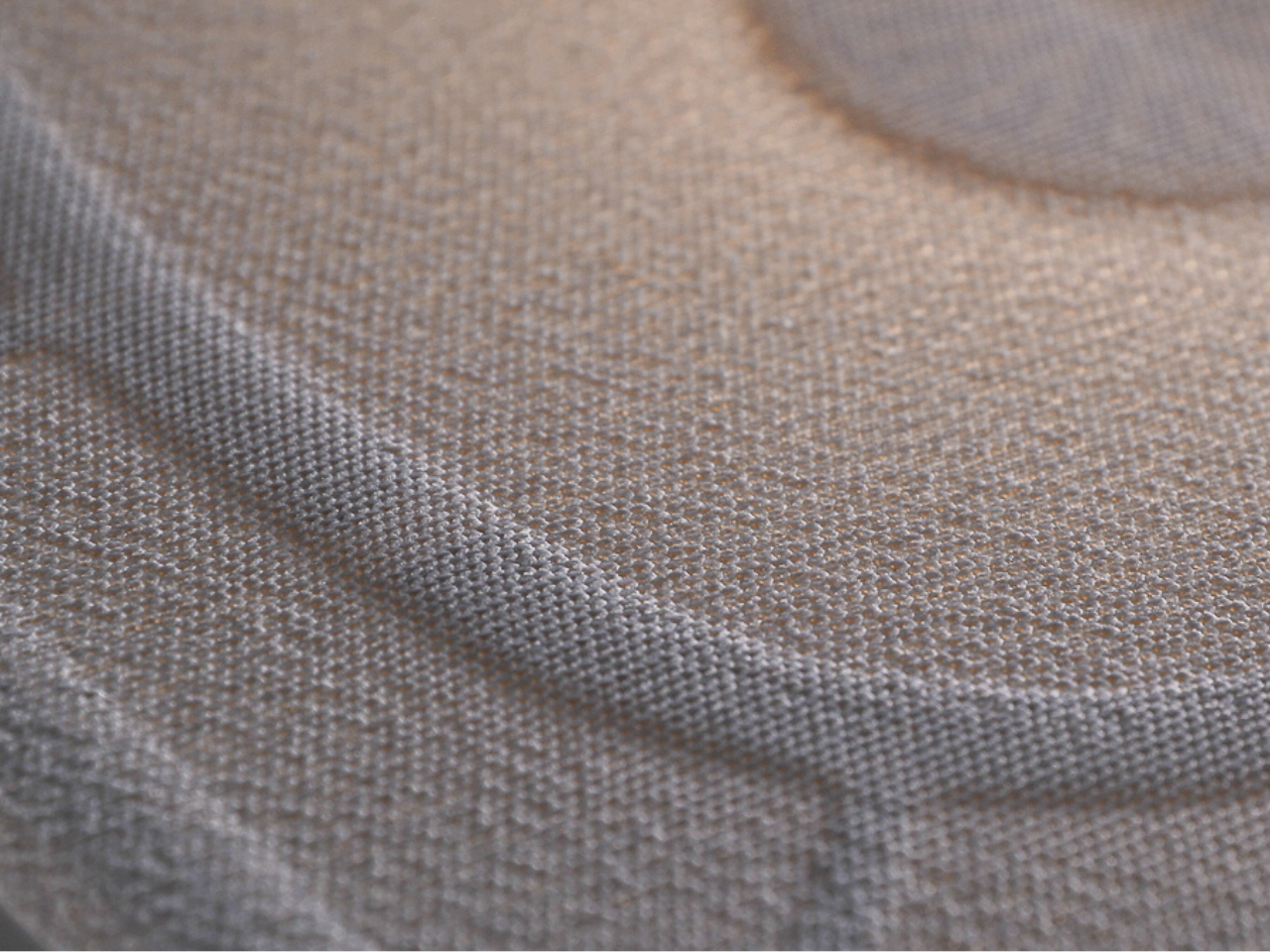
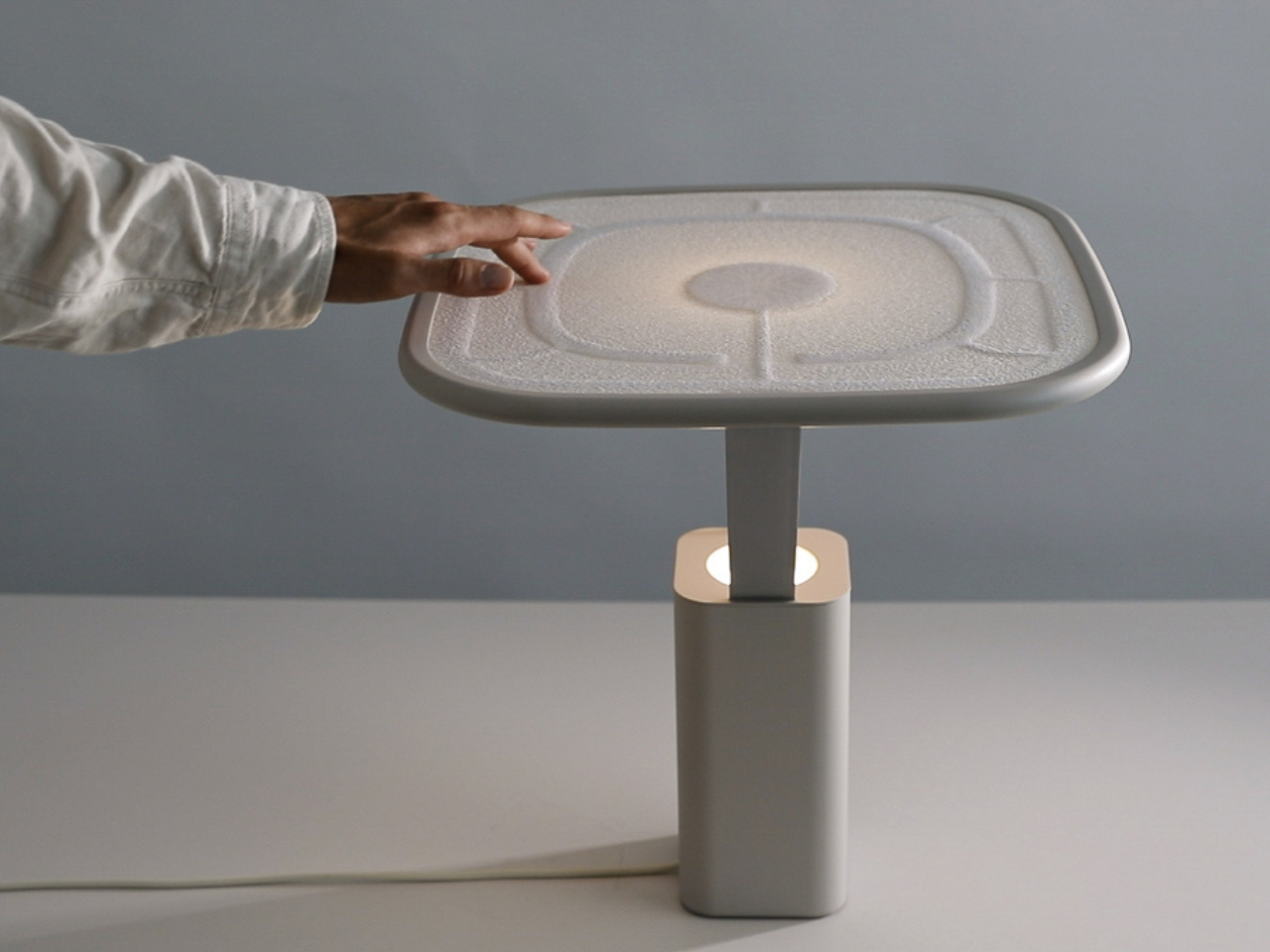
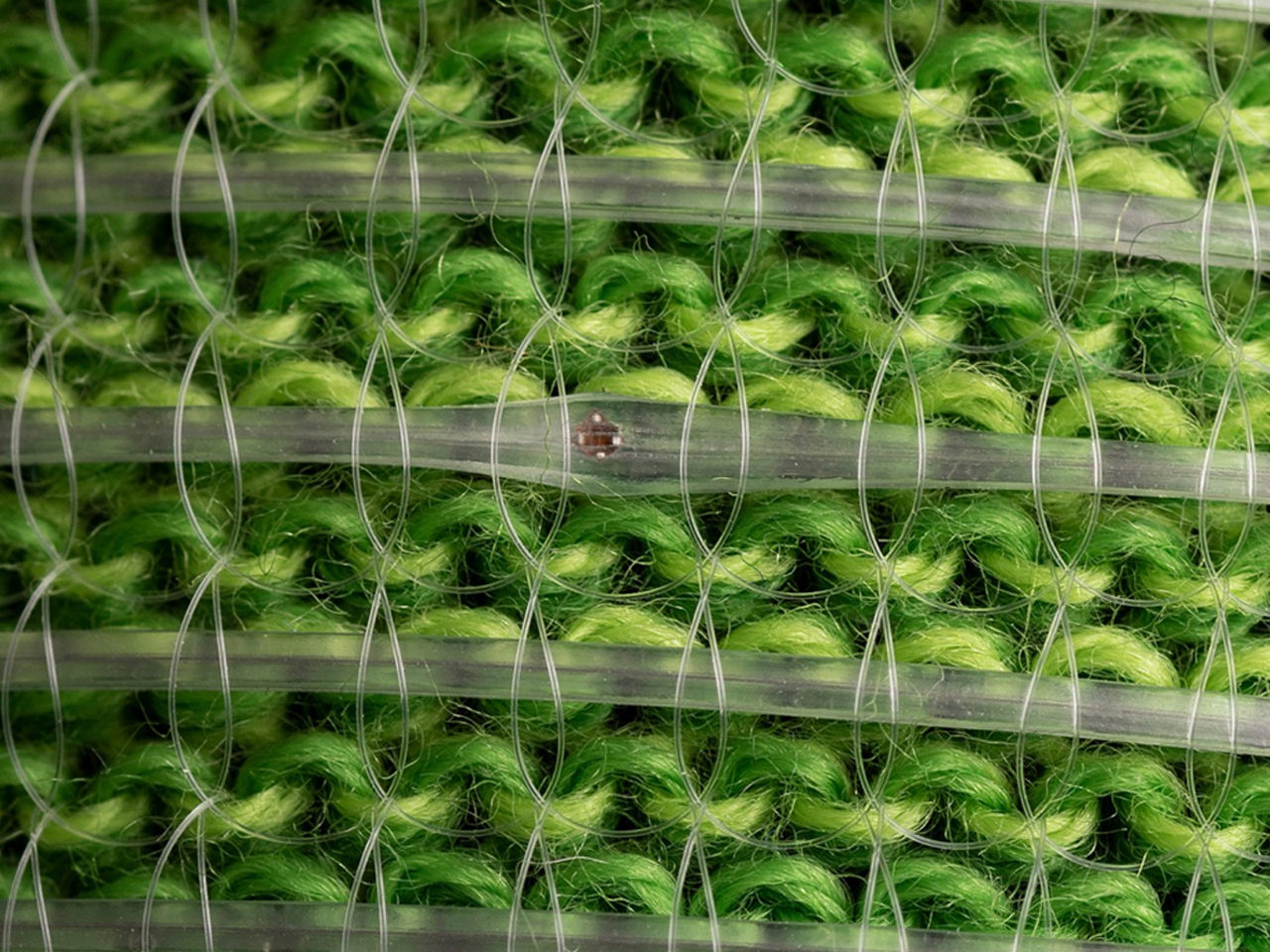
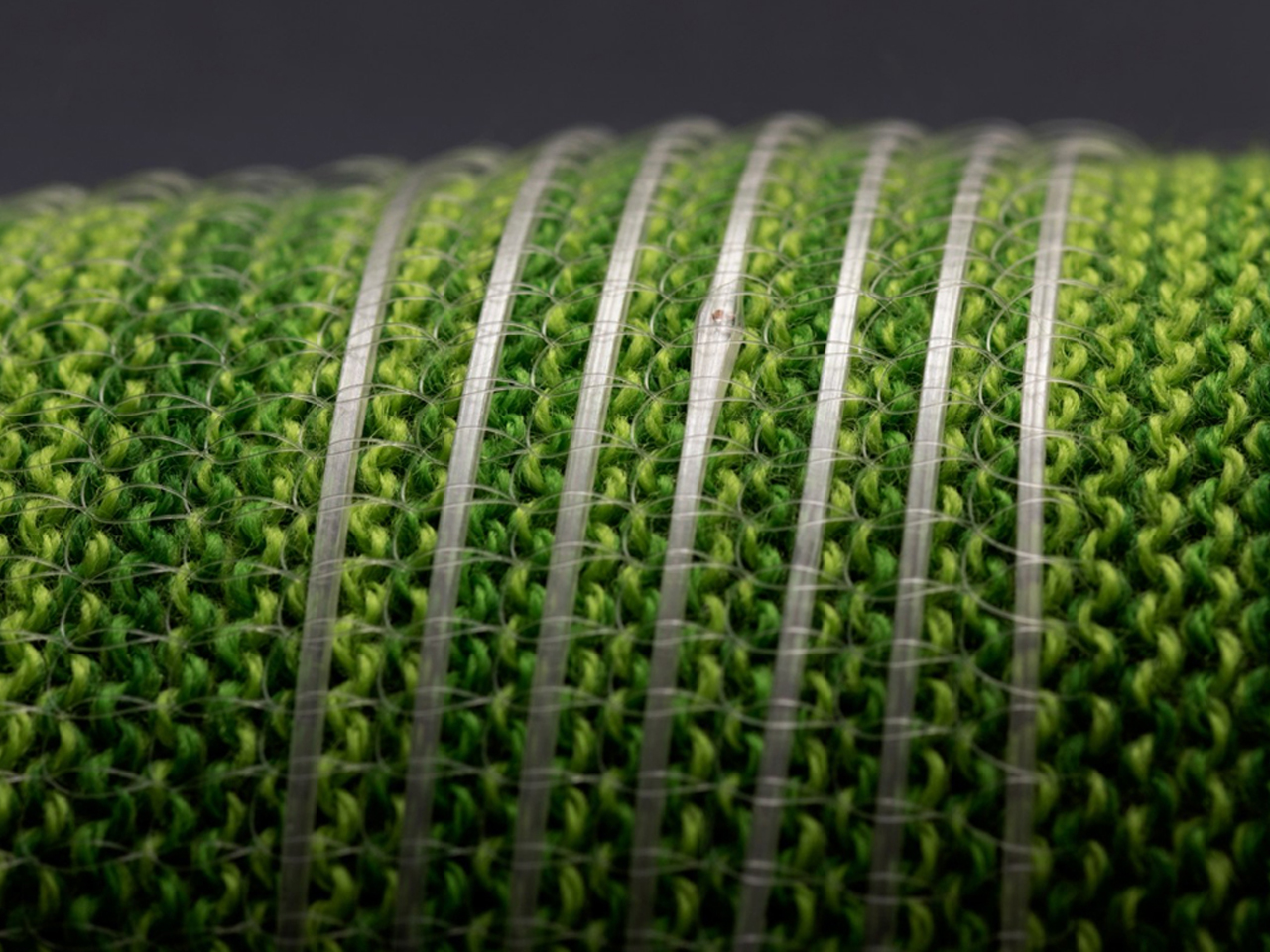
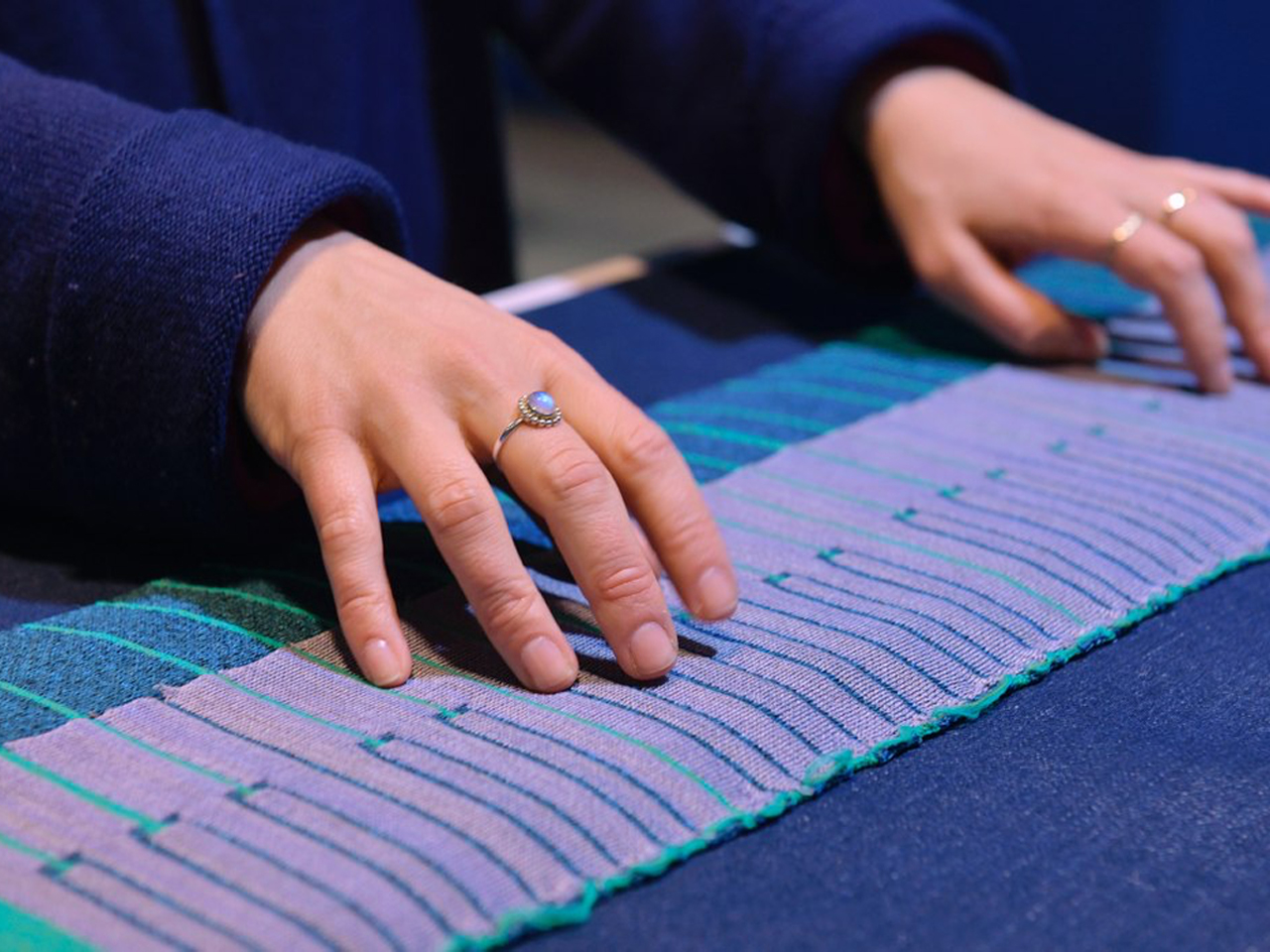
Soft Interfaces is a pioneering project redefining interaction with everyday objects by merging advanced technology with textiles. The lamp created by Fraunhofer IZM and WINT Design Lab allows users to adjust brightness and color simply by pressing or stretching its fabric surface, due to liquid metal embedded within custom-knitted textiles. This tactile, screenless control senses subtle movements and touch, translating them into real-time changes in light. The fabric pathways are precisely engineered for durability and sensitivity, surpassing traditional conductive threads, while a specially designed frame keeps the textile tensioned, diffusing light softly and concealing technical components.

Beyond lighting, this technology could transform home textiles into responsive surfaces, enhance car interiors, or improve medical devices, all with lower energy consumption than conventional displays. Design is central to the project, with knit patterns and yarn blends defining interactive zones while elevating aesthetics. Soft Interfaces marks a new era where textiles act as intuitive, interactive bridges between humans and smart devices.

2. Revolutionizing Health and Wellness Monitoring

Smart fabrics are reshaping healthcare by moving monitoring from hospitals to everyday clothing. Picture a lightweight shirt that tracks heart rate, breathing, and even ECG data with medical-level accuracy, all while feeling like regular fabric. This discreet, comfortable technology offers an effortless way to monitor health, helping athletes, seniors, and people managing chronic illnesses stay informed.

By providing real-time insights, these textiles support proactive care. A sports bra could analyze sweat to detect dehydration or fatigue, while smart sleepwear or bedding could spot unusual patterns or even sense a fall, instantly alerting caregivers for timely intervention.

MIT scientist Yoel Fink has been advancing smart fabric technology for over a decade. He and his team developed fibers capable of detecting audio, transforming woven fabrics into needle-thin, functional microphones. Building on this foundation, the researchers now focus on digital capabilities, weaving fibers that carry continuous electrical signals into wearable fabrics. Published in Nature Communications, the work demonstrates applications in physiological monitoring, human-computer interfaces, and on-body machine learning. Creating these fabrics involves embedding hundreds of silicon digital chips into pre-forms, which are then spun into flexible, wearable fibers.

Each fiber can reach tens of meters in length, containing hundreds of intertwined digital sensors that track body temperature and store data for real-time activity inference. The ultra-thin fabric hides its hundreds of embedded chips while forming a neural network of 1,650 AI connections. It can record 270 minutes of temperature changes, store a 767-kilobit short film, and a 0.48-megabyte music file, retaining all data for up to two months without power.

3. The Future of Functional Fashion

Smart fabrics are transforming clothing into more than just a style statement. They bring adaptability and purpose, creating garments that respond to the wearer’s needs. Picture a lightweight jacket with built-in heating and cooling elements that adjust automatically to weather changes, eliminating the need for extra layers. This innovation makes clothing not only stylish but also highly practical.

Beyond comfort, these textiles are enhancing safety and utility. Workwear can feature sensors that detect dangerous gases or UV exposure, sending instant alerts. Even everyday accessories, like backpacks with illuminated fibers, can improve nighttime visibility without adding extra weight.

Jacquard, Google’s early smart fabric project, produced a simple jacket that could control music playback. Taking smart textiles much further, Boston-based designer Irmandy Wicaksono’s KnitX merges technology with fabric in innovative ways. Using computerized knitting machines, KnitX combines functional yarns which are resistive, conductive, thermochromic, photochromic, and thermoplastic, with traditional fibers like polyester, nylon, and spandex. The result is fabrics that respond to touch, stretch, proximity, light, and temperature. Current prototypes include touch-sensitive fabric keyboards, UV-responsive backpacks, and thermo-formed knits that instantly change shape, while future designs aim to create clothing that adapts to heat, cold, appearance, or even the wearer’s mood.

KnitX demonstrates the transformative potential of smart textiles, turning ordinary fabrics into interactive, digitally capable materials. By integrating technology directly into clothing, it redefines how garments behave and interact with the wearer, bridging design, technology, and functionality to create practical, responsive, and socially meaningful applications.

4. Powering Up with Textile-Based Energy

One of the biggest hurdles for smart fabrics is power. To solve this, researchers are developing ways to harvest and store energy directly within the fabric. Imagine a shirt that fuels its own sensors by turning body movement into electricity, eliminating bulky battery packs. This can be done with flexible solar cells woven into the cloth or special piezoelectric fibers that generate power as you move.

The aim is to create garments that are fully self-powered or even able to charge devices like phones. Thin, soft textile-based batteries ensure the fabric stays comfortable, lightweight, and practical for daily wear.

MotorSkins is transforming the way we interact with technology through its innovative SELK system, which merges ambient computing with programmable matter. This intelligent, multilayered textile integrates soft robotics, fluid logic, and software to create a material that senses, reacts, and adapts to its environment. Unlike traditional devices, SELK turns static objects into dynamic, interactive interfaces, offering a tactile and responsive medium that enhances human interaction with digital and physical spaces. By embedding smart actuators into everyday products, MotorSkins demonstrates how materials can respond intuitively to user input and environmental changes, making technology seamless and unobtrusive.

SELK technology is being applied across industries. In healthcare, SELK-based orthoses adapt to movement, providing personalized support and flexibility. In automotive interiors, cabins can adjust dynamically, with controls and haptic feedback appearing only when needed. By combining programmable matter with ambient computing, MotorSkins is redefining human-machine interfaces and creating intelligent, ergonomic environments, signaling a future where technology integrates naturally into daily life.

5. Integrating Smart Fabrics in Home and Interior Design

Smart fabrics are moving beyond clothing to transform homes into responsive, interactive spaces. Imagine curtains woven with photovoltaic fibers that generate electricity while letting in sunlight, or a sofa with pressure-sensitive fabric that remembers your preferred seating and adjusts lighting or music automatically. These innovations make everyday living more convenient and personalized.

They also enhance safety and functionality. A modern area rug with built-in sensors could track an elderly resident’s movements and alert caregivers if a fall occurs, while wallpaper with flexible electronic displays can change colors or patterns on demand. Smart textiles merge technology with comfort and design seamlessly.

The K-25 Smart Bath Towels redefine what a towel can do, featuring a giant waffle-weave design that absorbs water like a super-sponge. The waffle texture gently exfoliates the skin, while the honeycomb pattern soaks up moisture quickly and dries twice as fast due to its breathable, airy construction. Lightweight yet plush, the towels feel thick and soft against the skin and work equally well for hair, eliminating frizz efficiently. Generously sized, they wrap comfortably around the body, creating a spa-like experience at home, and are versatile enough for use at the gym, by the pool, or while traveling.

Crafted from GOTS and OEKO-TEX-certified 100% organic cotton, the towels are naturally antibacterial, hypoallergenic, and durable. Designed with optimized waffle size, fabric weight, and weave style, K-25 towels come in four XL sizes and three colors—Vanilla, Galaxy Blue, and Frost Gray. Wide borders and hang-tags enhance durability and convenience, making them functional, stylish, and luxurious.

Textiles are evolving from simple coverings to intelligent, interactive materials, marking a breakthrough in modern material science. Smart fabrics are now a reality, enabling personalized health, adaptive fashion, and responsive homes. By blending technology with comfort, they create a safer, healthier, and more connected future, inviting us to rethink everyday fabrics as active, life-enhancing tools.

The post 5 Smart Fabrics Using Tech Innovations To Transform Sleep, Safety, and Home Comfort first appeared on Yanko Design.
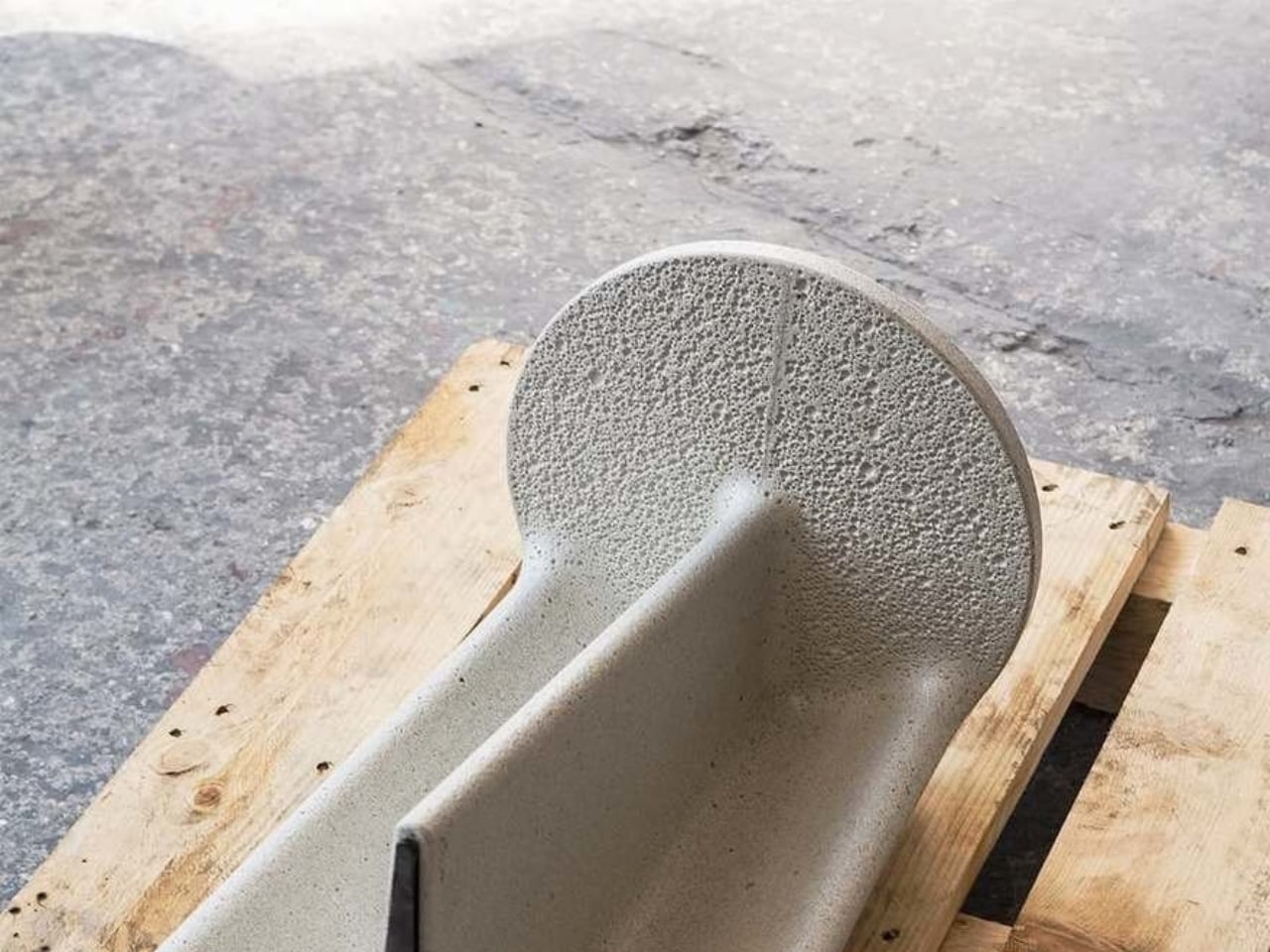
5 Architect-Designed Homes That Disappear Into the Landscape

The concept of home is evolving, shifting from mere shelter to spaces that genuinely nurture our well-being. This means creating a harmonious connection with nature by designing homes that don’t just occupy land, but feel like an extension of it. Achieving this requires thoughtful choices in design and materials, starting with a deep understanding of the very ground on which the home will rise.

This approach goes beyond mere aesthetics. Homes that integrate seamlessly with nature are naturally more energy-efficient, healthier, and more serene. By harnessing natural light, enhancing ventilation, and selecting materials with minimal environmental impact, we can create spaces that are visually captivating and also supportive of the planet and our personal well-being.

1. The Art of Site-Specific Design

Before a single line is drawn, one must first understand the site. The architect walks the land at different times of day, noting where the sun rises and sets and feeling the direction of evening breezes. They observe how rainwater flows, where mature trees stand, and the natural contours of the terrain. Each detail informs the design, ensuring the home responds to its surroundings rather than resists them.

A house created with this awareness naturally harmonizes with the environment. It reduces reliance on artificial heating and cooling while preserving the land’s inherent beauty, resulting in a dwelling that feels both enduring and alive.

In the hills of Harriman State Park, New York, the Black Villa was designed as a striking, contemporary-style hobbit hole. Its most notable feature is a lush, grass-covered roof that integrates the home with its natural surroundings. Green roofs have steadily gained popularity over the past decade for their environmental and economic benefits. They provide natural insulation, reducing energy consumption and keeping rooftop temperatures 30–40°F cooler than conventional rooftops. The Black Villa further enhances efficiency through skylights and floor-to-ceiling windows, while also mitigating stormwater runoff, which is a feature especially useful in areas with poor drainage.

Despite its impressive design, situating the Black Villa within a national park raises questions about sustainability. Construction inevitably disrupts the existing landscape, making the eco-friendly elements feel partly aesthetic rather than fully functional. While the project may inspire interest in green roof architecture, its energy-efficient features appear more as part of the home’s visual appeal than as a model of practical environmental stewardship.

2. Rooted in Natural Materials

Material choice plays a pivotal role in shaping a home. Architects focus on what is locally available and has a low environmental impact. Wood, stone, and bamboo are not only beautiful but also often renewable and sustainably sourced. Traditional materials like rammed earth and clay plaster are experiencing a resurgence, valued for their natural insulation, breathability, and enduring appeal.

These materials do more than form walls as they give a home character, texture, and a unique story. By connecting the building to its environment, they create spaces that feel alive, timeless, and deeply rooted in the land they inhabit.

EARTH villa, designed by internationally acclaimed architect Sou Fujimoto for NOT A HOTEL, transforms the idea of a vacation home into a seamless blend of sustainability, futuristic design, and natural beauty. Located on Ishigaki Island in Okinawa Prefecture, Japan, the villa sits within a natural preserve, offering panoramic ocean views and lush greenery. Its bold circular layout encloses a private courtyard, while curved glass walls maximize natural light and sightlines, creating effortless indoor-outdoor transitions. The living green roof, covered with native grasses, provides insulation, reduces rainwater runoff, and supports local wildlife, making the villa eco-conscious and visually striking.

Inside, minimalist interiors with natural wood accents and earth tones create warmth and tranquility. Sustainable systems, including passive ventilation, solar panels, and rainwater harvesting, reduce environmental impact. EARTH offers luxury, flexibility, and hotel-level services, allowing guests to immerse themselves in nature while enjoying comfort and environmental stewardship at its finest.

3. Harness Light and Air

Sunlight and fresh air are among the most sustainable and beautiful elements a home can embrace. Architects design spaces to maximize natural light, reducing reliance on artificial lighting while enhancing the interior ambiance. Large windows oriented toward the sun (south-facing in the Northern Hemisphere) capture winter warmth, creating naturally cozy spaces.

Thoughtful placement of windows and doors encourages cross-ventilation, allowing cool breezes to flow through the home. This reduces the need for mechanical cooling on many days. By prioritizing light and air, a house becomes more energy-efficient, comfortable, and in harmony with its environment.

Nestled in the rolling hills of Nashtarood, House Under the Hill is an architectural marvel that blends seamlessly with its landscape. Much of the home is tucked beneath a living roof, echoing the surrounding terrain and allowing the structure to almost disappear into its site. Fluid forms, gentle curves, and careful play of light and shadow reveal the dwelling subtly, while broad glass panels frame views of the pool and greenery, merging interior and exterior. The palette of concrete, wood, and glass creates modern elegance, and open, flowing spaces connect the kitchen, dining, and lounge areas. Bedrooms and bathrooms are oriented for privacy, natural light, and tranquility, enhancing a sense of retreat.

The green roof provides insulation, reduces environmental impact, and harmonizes the home with its surroundings. Outdoor terraces and pool areas offer year-round comfort, while integrated storage, durable materials, and soft, responsive lighting enhance functionality. House Under the Hill embodies a modern approach to living that belongs to the earth, offering a protective, nurturing, and adaptable sanctuary.

4. Integrate the Indoors and Outdoors

A home should feel connected to the natural world rather than isolated from it. Architects often use large glass sliding doors to merge indoor and outdoor spaces, allowing light and views to flow freely. Patios, decks, and other outdoor living areas are designed for easy access from main living zones, encouraging a fluid relationship with nature.

Thoughtful landscaping with native plants further blurs the boundary between house and environment. These spaces offer quiet retreats and areas for social gatherings, creating a home that celebrates the outdoors while remaining comfortable, functional, and deeply in tune with its surroundings.

The Space is a sustainable smart home where fully autonomous utilities combine advanced technology with modern comfort. Developed by Stockholm-based iOhouse, it functions entirely off the grid, with water, electricity, heating, and Wi-Fi all controlled through a smartphone. Solar panels and a 220V generator supply power, while an air heat pump and integrated climate controls maintain year-round comfort. A built-in water and sewer system ensures clean water and plumbing wherever the home is placed. The exterior features a sleek, futuristic design with industrial-tech elements, complemented by floor-to-ceiling windows that connect the interior with nature.

Inside, an open-floor layout with natural wood floors and muted gray tones creates a warm, inviting atmosphere. Every detail, right from fixtures and fittings to room shapes, has been carefully designed for comfort and aesthetics. With its smart systems and autonomous utilities, The Space allows residents to live freely, sustainably, and harmoniously with the environment.

5. Water Management and Conservation

A sustainable home carefully considers how it manages water. Beyond conserving tap water, it works with the rain that falls on the property. Rainwater harvesting systems can collect and store water for irrigation and other non-potable uses, reducing reliance on municipal supply.

Landscaping with rain gardens and using permeable paving allows stormwater to be absorbed naturally, preventing soil erosion and replenishing groundwater. By thoughtfully managing water on-site, a home supports the local ecosystem, minimizes environmental impact, and demonstrates how small, intentional steps can create meaningful, lasting benefits for both the property and the surrounding landscape.

Nestled in the tropics where lush forest meets a serene lake, the Blue Water Lily Villa is a fairytale-like architectural masterpiece. Inspired by biomimicry, its design mirrors the delicate elegance of a water lily while remaining practical and sustainable. Comprising two two-story structures with direct lake access, the villas appear to float on the water’s edge. Petal-like forms rise gracefully from the landscape, creating layers that unfold like a blooming lily. The lower level features an open-plan living and dining area that flows seamlessly toward a small pool, framed by the lake and surrounding greenery.

Upstairs, cozy bedrooms open onto cantilevered seating, offering elevated views of the natural surroundings. Prefabricated metal elements and locally sourced bamboo form delicate, translucent “petals,” blending aesthetics with sustainability. At night, soft pink uplights illuminate the fabric-covered petals, transforming the villa into a glowing, magical water lily, harmonizing architecture, nature, and modern comfort.

Creating a home in harmony with nature is a journey of intention and care. It moves beyond shelter to craft a sanctuary that nurtures its inhabitants and the environment. By thoughtfully choosing materials and design, the home listens to the land, embraces its rhythms, and stands as a lasting testament to mindful and sustainable living.

The post 5 Architect-Designed Homes That Disappear Into the Landscape first appeared on Yanko Design.
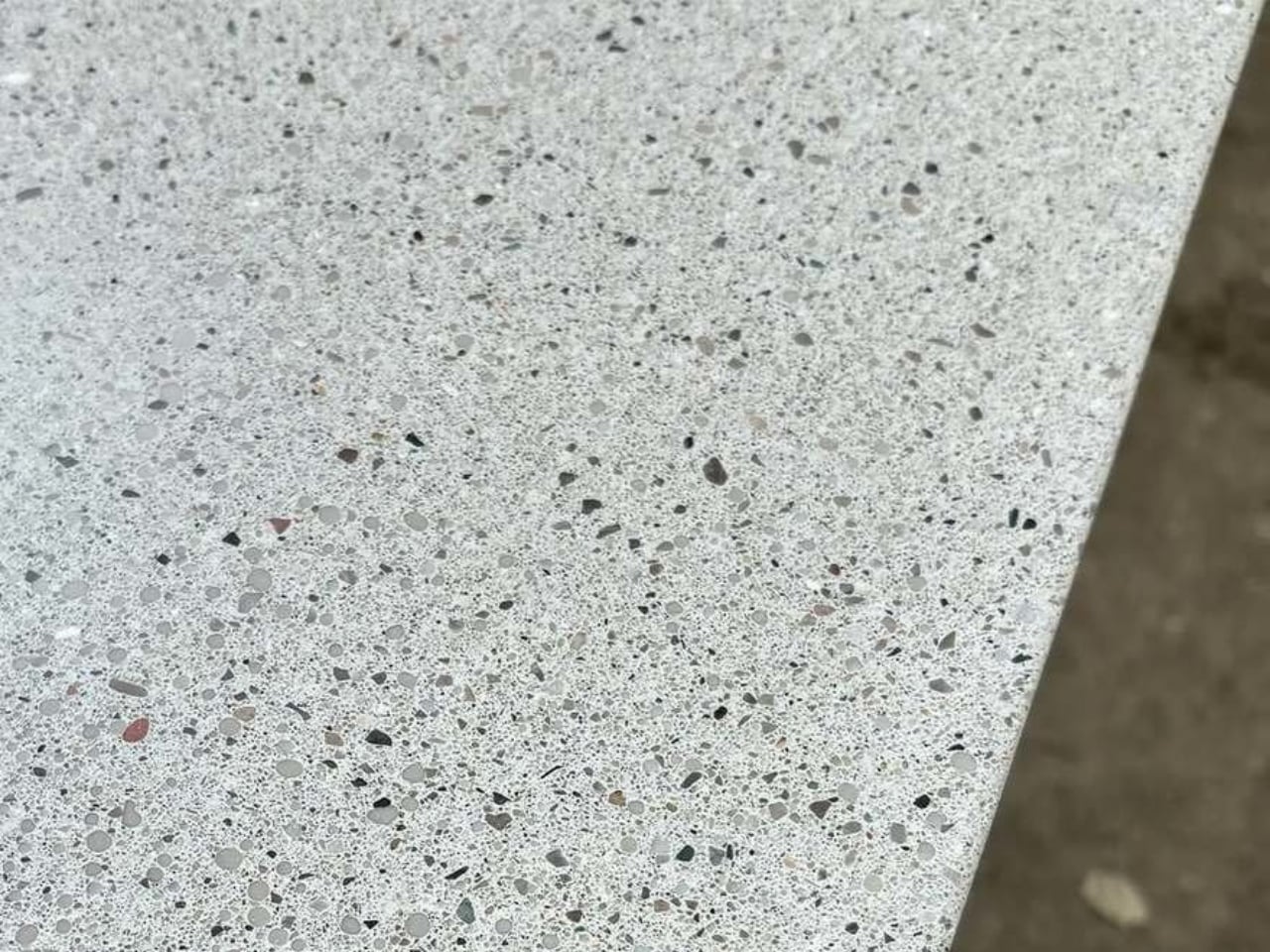
7 Best Fall-Inspired Designs That Ditch Basic Pumpkin Décor

Autumn is a study in warmth, texture, and tone – a season that favours depth over decoration. While others reach for pumpkin spice everything and orange plastic gourds, these designs capture fall’s essence through terracotta and forest green, reflecting the quiet transformation of nature. In design, these colours bring calm energy and grounded elegance, transforming functional objects into tactile expressions of comfort and craftsmanship.

These seven designs prove you don’t need seasonal clichés to celebrate fall. Through texture, materiality, and muted richness, each product embodies a connection to nature – one that is subtle, enduring, and timeless. Together, they form a narrative of balance, where modern living meets the organic beauty of autumn’s tones without a single jack-o’-lantern in sight.

1. Clay Products – Design That Begins with the Earth

Forget foam pumpkins – clay offers something far more authentic. This ancient material’s tactile texture and thermal balance make it ideal for creating objects that breathe, cool, and connect with their environment. The natural terracotta palette radiates warmth, grounding modern interiors in authenticity and quiet beauty that lasts beyond October.

Beyond its function, clay represents craft, culture, and continuity. Whether shaped into planters, vessels, or humidifiers, it invites sustainability through simplicity. Each curve and imperfection tells a story of touch – a perfect reflection of autumn’s imperfect yet graceful rhythm between art and earth.


Clay filters are a household staple in Brazil, and designer Lucas Couto extends their legacy by incorporating clay into lamps, filters, and humidifiers. Celebrated for its natural, affordable, and versatile qualities, clay brings both warmth and function to contemporary homes. Couto honours traditional craftsmanship while adding thoughtful details like a handle for the upper reservoir and a base for supporting a glass, drawing inspiration from clay’s natural cooling properties.

His creations offer a multi-sensory experience through terracotta’s rich colour, texture, and earthy aroma. The collection includes a humidifier, planter, and lamp, each blending tactile beauty with functionality, celebrating clay’s organic elegance in everyday living—no seasonal gimmicks required.

2. Lighting Design – Where Warmth Takes Shape

Real fall ambiance comes from light, not plastic harvest decorations. Lighting defines the mood of a space, especially during fall, when days shorten and evenings invite softness. Designs in forest green or amber tones mimic nature’s fading glow, evoking warmth and intimacy. Sculptural silhouettes and modular forms bring visual rhythm to otherwise quiet interiors.

Modern lighting celebrates both geometry and emotion. Whether diffused or directional, it transforms function into atmosphere. In terracotta and brass, it glows with autumnal richness, capturing the transient beauty of sunlight filtered through changing leaves – subtle, poetic, and endlessly comforting.

The UU Tiles project by Paris-based studio Unknown, Untitled represents a refined synthesis of functionality and aesthetic innovation. Drawing subtle parallels to the organic warmth of terracotta and the rich tones of autumn, these minimalist tiles integrate lighting, electrical access, and airflow directly into their architectural framework. The result is a contemporary design solution that harmonises practicality with visual sophistication, transforming ordinary surfaces into interactive, multi-sensory elements that feel seasonal without screaming Halloween.

At the core of this collection lies the UU Tiles Lamp, a seamless extension of the wall that emits a gentle, autumn-inspired glow. More than a lighting fixture, it functions as a sculptural architectural component, embodying the studio’s pursuit of balance between form, atmosphere, and functionality.

3. Fluid Furniture – A Sculptural Embrace

Sophisticated fall style flows like autumn winds – not inflatable yard décor. Fluid furniture celebrates the art of continuous motion. With its seamless lines and organic curves, it reflects the natural flow of wind and water – a harmony that is echoed in autumn’s quiet transitions. Crafted from wood, leather, or resin, it embodies a craftsmanship that feels both tactile and timeless.

Each piece balances strength and grace, offering structure without rigidity. The use of rich materials and sculpted contours creates a visual softness ideal for modern interiors. It’s furniture that feels alive – breathing with the space around it and evolving with the season’s changing light, far more elegant than any seasonal tchotchke.

French fashion house Longchamp brings a touch of autumn warmth to interiors with its first furniture collection, created in collaboration with designer Pierre Renart. Echoing the earthy tones of terracotta and the organic spirit of fall, the collection fuses Longchamp’s renowned leather craftsmanship with Renart’s fluid woodworking. The Wave bench, upholstered in cashew-toned leather, captures the softness of natural materials and the gentle movement of fabric, embodying elegance and warmth.

The Ruban chairs complement this palette with shades inspired by forest greens and sunlit browns, evoking the hues of fall foliage. Together, they celebrate craftsmanship, sustainability, and timeless seasonal beauty that never goes out of style when November arrives.

4. Coffee Table – A Bold Accent in Clay Red

Skip the pumpkin-shaped serving trays – a statement coffee table grounds your fall aesthetic. A coffee table anchors a living room, both visually and functionally. In earthy tones like terracotta or deep red, it becomes the focal point – a grounding presence that radiates warmth. Designs often combine geometry and storage, merging practicality with expressive form.

Beyond its purpose, the coffee table invites connection – a surface for books, conversation, and ritual. Whether minimal or sculptural, it captures the essence of modern living: simplicity enriched by texture, colour, and thoughtful proportion.

The Bookpet coffee table by designer Deniz Aktay embodies the warmth and elegance of terracotta hues, perfectly echoing the rich tones of autumn interiors. Crafted from a double-bent cuboid structure, its sculptural silhouette adds visual depth while offering built-in storage for books and magazines. The fluid lines and earthy palette create a sense of movement and comfort, making it a statement piece for contemporary living spaces.

Designed for compact modern homes, Bookpet balances form, function, and seasonal warmth. Its terracotta-inspired finish complements fall décor, while the integrated nooks provide practical organisation – capturing the essence of cosy, organic, and thoughtfully crafted design that celebrates the season year-round.

5. Range Hood – Clean Air, Clear Mind

Nothing says sophisticated fall cooking like a kitchen that doesn’t rely on pumpkin spice candles to mask odours. The range hood is where performance meets aesthetic restraint. In contemporary kitchens, it’s no longer just an appliance but a quiet design statement. Compact, sleek, and minimal, it ensures clean air while blending into its surroundings with seamless precision.

Muted finishes like matte green or brushed metal soften its presence, allowing harmony within the cooking space. It represents how innovation can coexist with calm – a balance between efficiency and beauty that aligns perfectly with fall’s unhurried spirit.

Home-cooked meals are ideal, but the mess and lingering smells from stovetop cooking often discourage the habit. The AirHood solves this by drawing in smoke and oily fumes before they stain walls and counters, helping you cook without dreading the clean-up. Its warm terracotta finish blends beautifully with autumn-toned kitchens and cosy seasonal palettes.

Charcoal filters neutralise odours, while a stainless-steel oil filter traps grease that would otherwise cling to surfaces. Both are easy to remove and clean. Portable and optionally wireless, the AirHood delivers a calm, cleaner cooking ritual – especially welcome as kitchens shift to earthier fall hues without the kitsch.

6. Desk Organizer – Nature’s Order at Your Fingertips

Bring fall to your workspace without the miniature pumpkin parade. A well-designed desk organiser creates visual calm amid daily chaos. Drawing inspiration from leaves, pebbles, or branches, it brings organic balance to modern workspaces. The use of natural textures and earthy colours evokes tranquillity while maintaining functionality.

Each element, including a tray, stand, or holder, becomes a sculptural accent rather than clutter. Terracotta or forest tones add grounded beauty to productivity, turning everyday organisation into a design ritual rooted in mindfulness and grace – not seasonal gimmicks.

Workplace stress is often addressed with tidy desks, inspiring objects, and a touch of greenery, although real plants aren’t always practical. These nature-inspired accessories offer the same calming cue without maintenance. Rendered in deep forest green and muted autumn hues, they bring a grounded, seasonal warmth to the desktop while keeping the footprint minimal.

Rather than mimic plants literally, each piece abstracts stems and leaves into useful forms: a bamboo-like pencil holder with dual compartments, a curved “leaf” clock with a built-in tray, a tiered tray with hooks, and a subtle cable holder. Simple, elegant, and timeless – the anti-pumpkin approach to fall design.
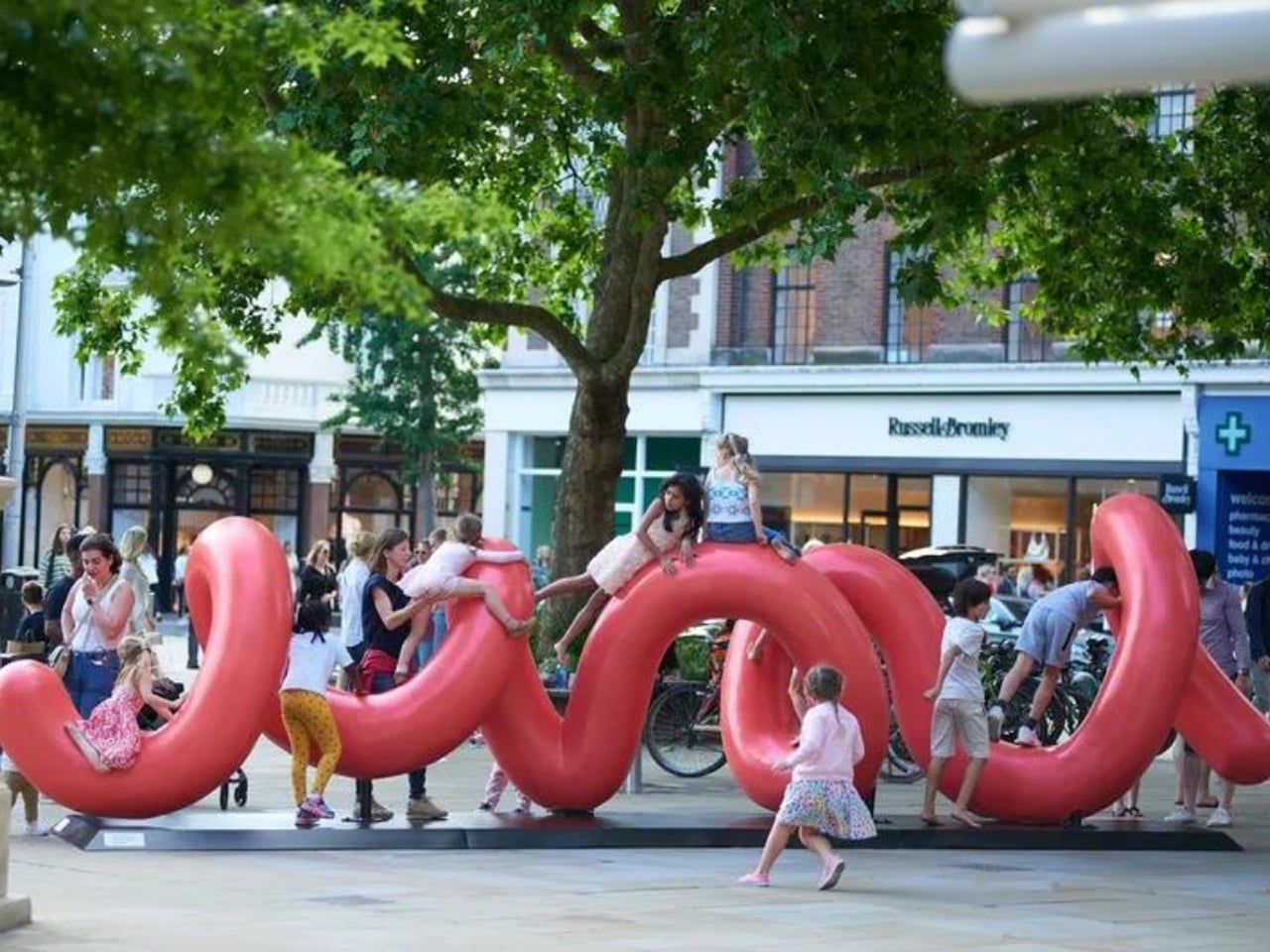
7. Watch – Time, Reimagined in Metal and Fire

Why wear a watch with cartoon pumpkins when you can wear NASA’s rocket? A watch transforms timekeeping into personal expression. Modern designs balance technical precision with craftsmanship, often blending metals, ceramics, and glass. When accented with copper or red undertones, it mirrors the warmth of fall’s shifting light.
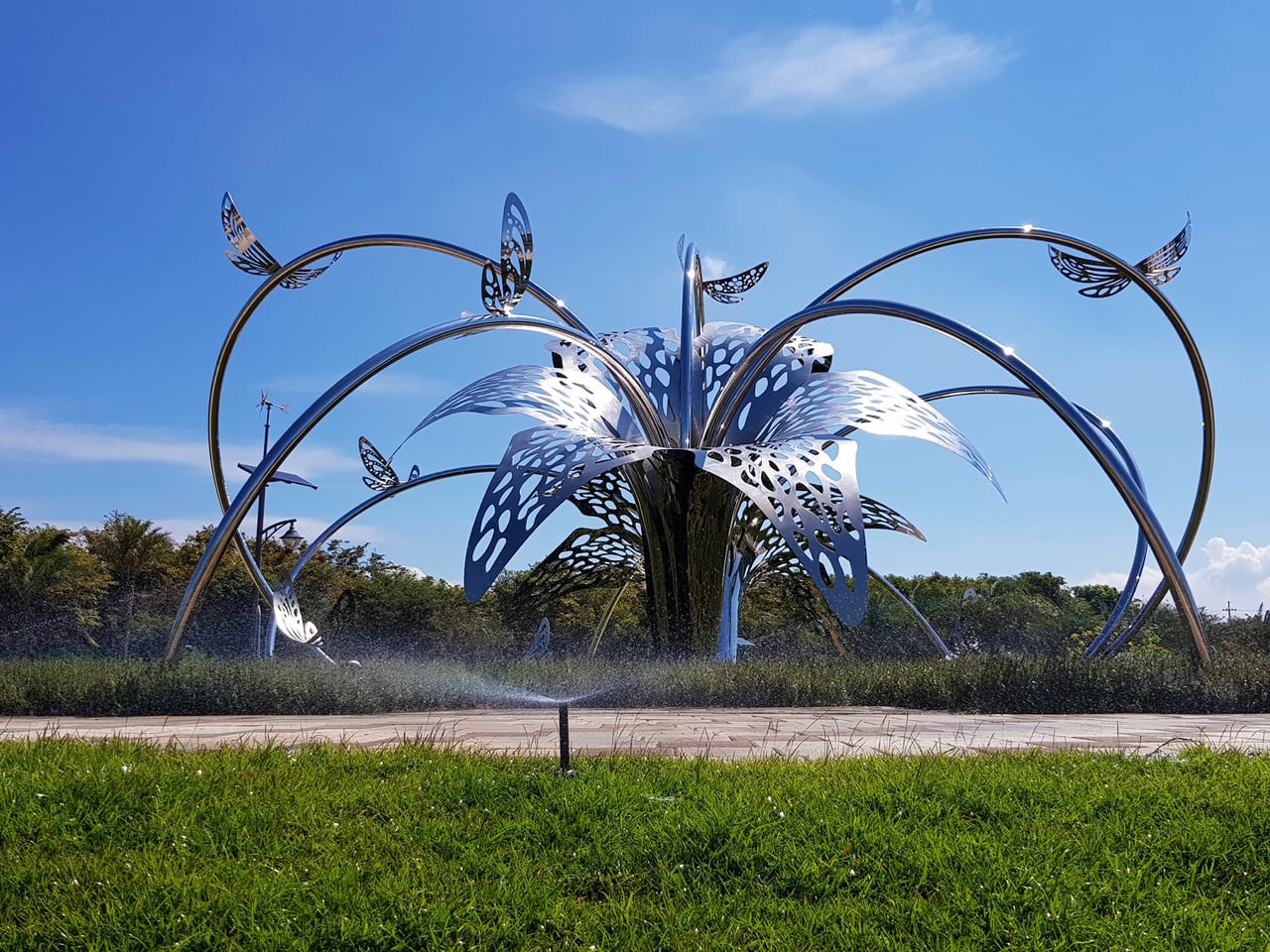

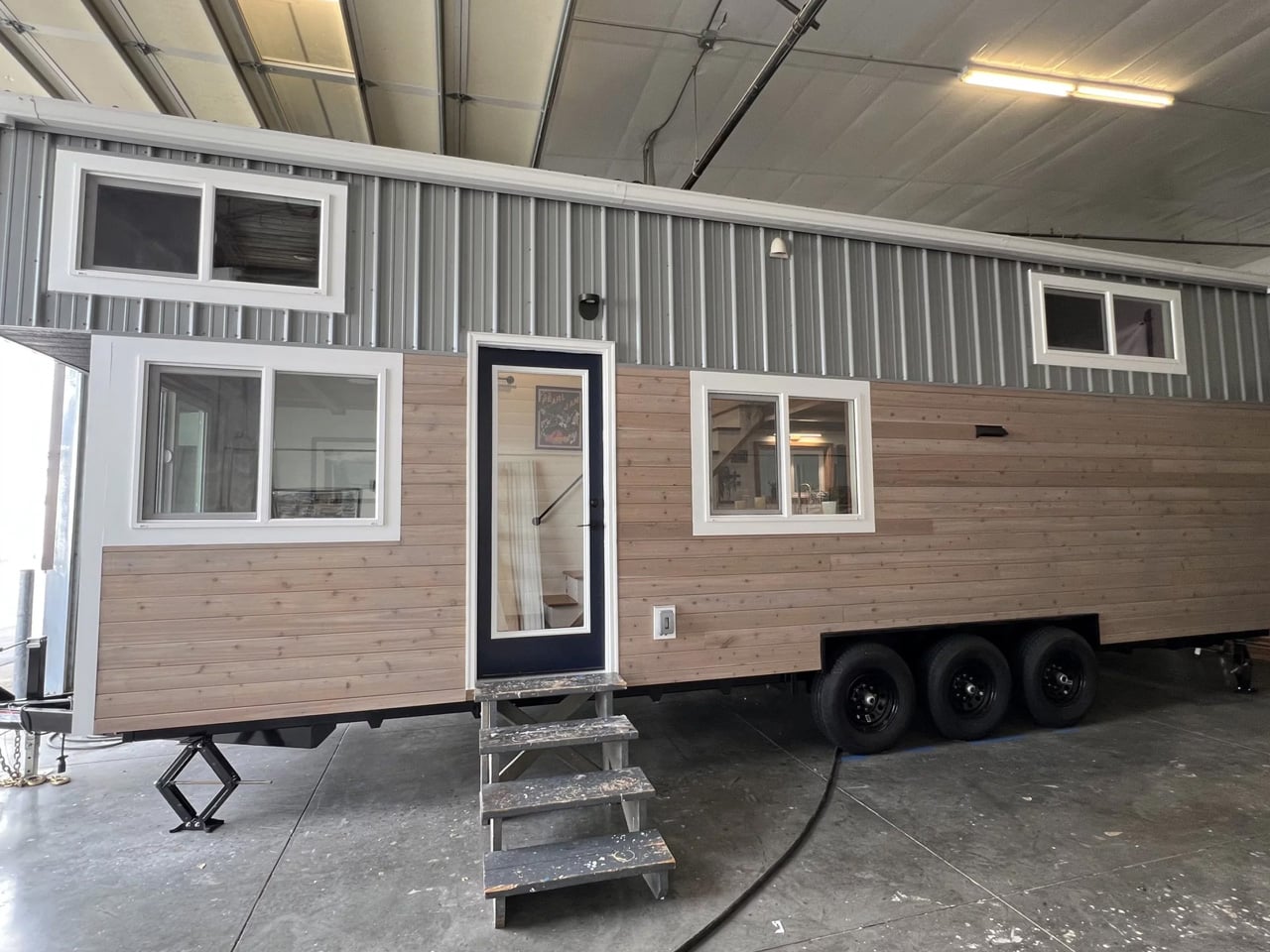
The watch embodies rhythm – not just in seconds but in seasons. Its enduring form reminds us that design can reflect both progress and pause, merging function with emotion in a single glance.

The U1-SPG “NASA Artemis” Limited Edition from Unimatic x Massena LAB translates the burnt-orange glow of NASA’s Space Launch System to the wrist. Limited to 99 pieces, its 40mm steel case wears a terracotta-hued Cerakote finish, evoking autumn warmth while honouring the Artemis rocket. A charcoal bezel, GMT hand, and Old Radium luminescent markers provide functional contrast, balancing style with practicality.

Rated to 300m and powered by the reliable Seiko NH34A movement, it comes with autumn-toned straps and a NASA mission patch. This limited-edition watch blends collectible prestige with everyday wearability, offering cosmic ambition wrapped in seasonal hues – proof that fall style doesn’t need to be literal.

These terracotta and forest-green designs capture the essence of fall through sophisticated, earthy tones and seasonal warmth. Without relying on traditional pumpkin motifs or throwaway seasonal décor, they bring autumn-inspired style, comfort, and personality into your home and lifestyle – designs that work in September, stay beautiful through November, and never feel like they belong in a clearance bin come December.

The post 7 Best Fall-Inspired Designs That Ditch Basic Pumpkin Décor first appeared on Yanko Design.