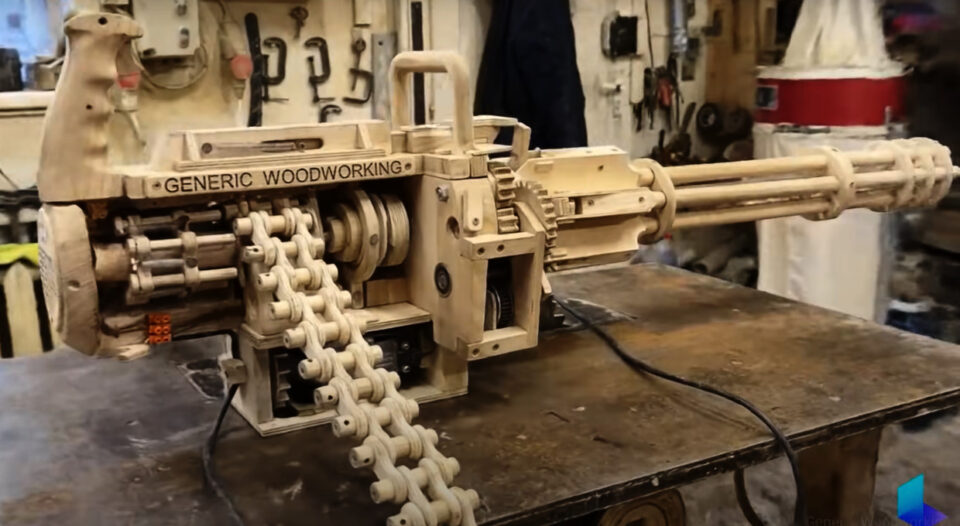
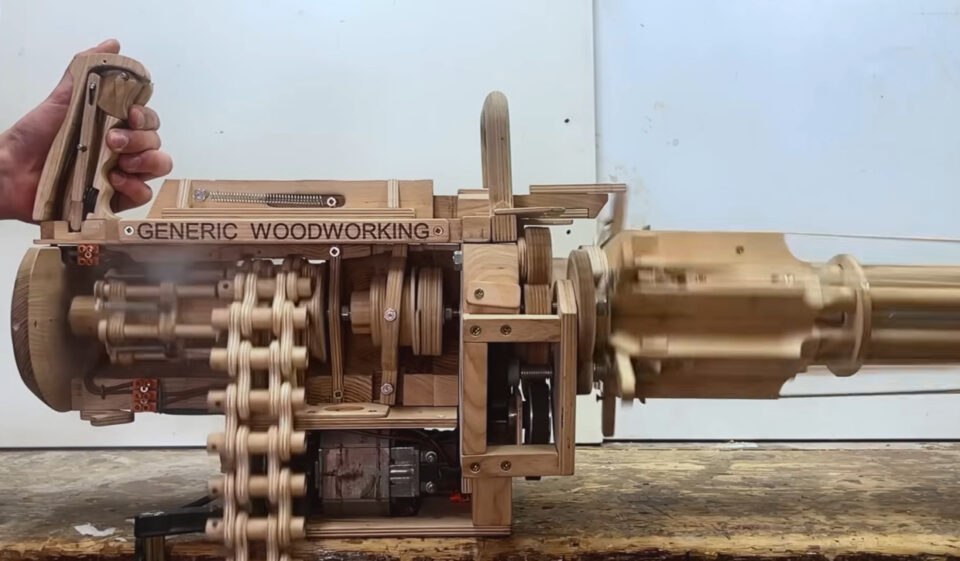
The brainchild of Youtuber GenericWoodworking, this electric-powered wooden minigun shoots rubber bands and sets off cap gun caps as it fires them for extra loud sound effects. It probably goes without saying, but this man will not be allowed to participate in my next rubber band gunfight. Finger guns only!
Since the gun is electric-powered, it’s not entirely wooden and uses parts from a lawn trimmer and belt sander for its drive mechanisms. Its maker did try to make everything he possibly could out of wood, though, including some of the gun’s larger gears.
The minigun took over 300 hours to construct, and the man behind Generic Woodworking suffered numerous setbacks. Me? If I hit a single setback, I abandon the entire project. Sure, that’s led me to never actually finish any project, but think of all the hours and aggravation I’ve saved myself.
Researchers from Linköping University in Sweden developed a ‘bioelectronic soil’ that can speed up the growth of plants in hydroponic spaces, or farms that grow plants without soil in environments made up of mostly water and a place for roots to attach. After integrating the engineered ‘eSoil’ into the framework where seedlings grow, researchers discovered that sending electrical signals through the soil made plants grow 50 percent more on average.
The eSoil is made up of organic substances mixed with a conductive polymer called PEDOT, which can be found in things like sensors and OLED displays. Eleni Stavrinidou, the supervisor of the study, told Engadget that the soil’s conductivity was necessary for stimulating the plant roots. In this particular study, the researchers examined the effect of sending signals to barley seedlings over the span of 15 days before harvesting them for analysis. Applying a voltage as small as 0.5V on the eSoil electrically stimulates the roots, Stavrinidou explained. This, in turn, resulted in a recordable increase in the biomass of the electrically stimulated plants when compared to the non-stimulated seedings.
The stimulation’s effect on the barley seedlings was described as “steady” and “transient.” Stavrinidou told Engadget that nitrogen, one of the main nutrients involved in plant growth, was processed more efficiently through the stimulation. "We found that the stimulated plants could process the nutrients more efficiently however we don't understand how the stimulation is affecting this process,” Stavrindou explained, adding that the reason behind the growth process will be a focus of future studies.
PNAS
While hydroponic techniques are mainly used to grow leafy greens and some vegetables like cucumbers and tomatoes, the eSoil could offer a solution to create new ways to increase crop yields in commercial settings and especially in places where environmental conditions impact plant growth. The study highlights that this technique could minimize the use of fertilizers in farming.
The opportunity for technological innovation in farming is huge considering the number of US farms has steadily declined since 1982, according to the Department of Agriculture. Last year, the number of US farms reached 2 million, down from 2.2 million in 2007. Not only are farms on the decline, but the US is losing acres of land due to a host of reasons that range from climate change to worsening economic outlook for farmers due to inflation, making farming in controlled environments more popular.
But beyond improving crop yield, the implementation of eSoil in hydroponic farms could make them more energy-conscious. While traditional hydroponic farms use up less water, they require more energy to run. “The eSoil consumes very little power in the microwatt range,” Stavrinidou said. Before this technology can be applied to large-scale agriculture and other types of crops, more studies need to be conducted to observe how electrical stimulation can impact the whole growth cycle of a plant throughout its entire lifespan and not just in the early stages of seedling maturation. Stavrinidou also said that her team plans on studying how the technique affects the growth of other plant species.
This article originally appeared on Engadget at https://www.engadget.com/swedish-researchers-develop-electronic-soil-that-speeds-up-plant-growth-205630538.html?src=rss
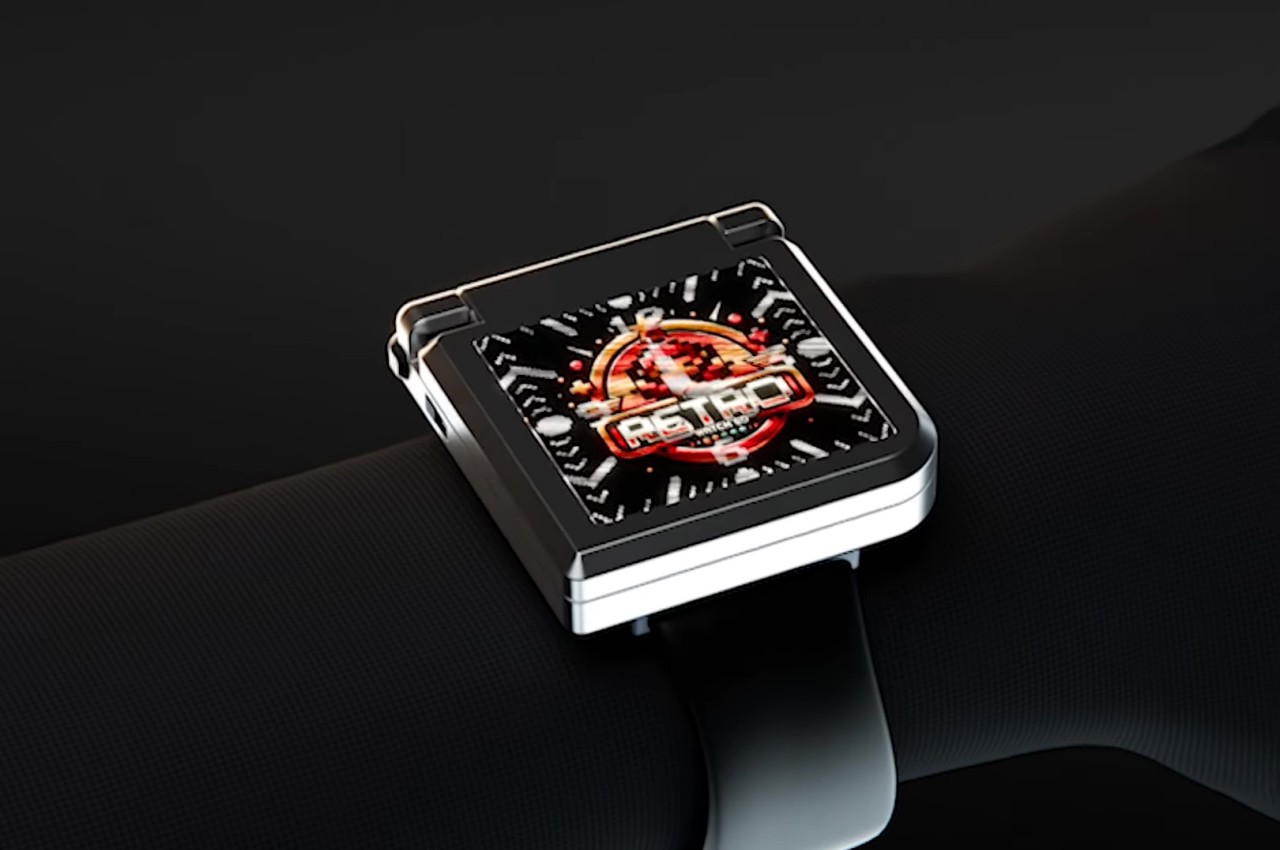
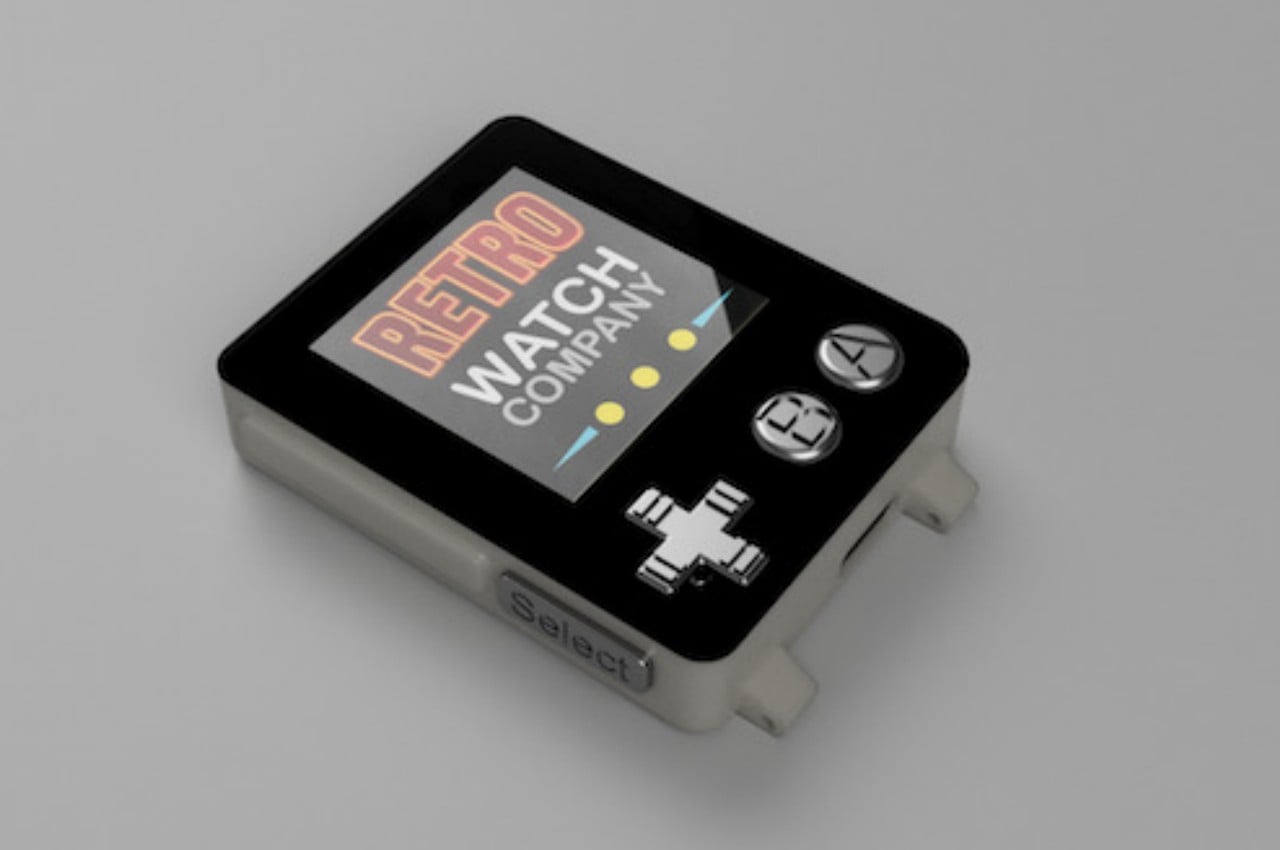
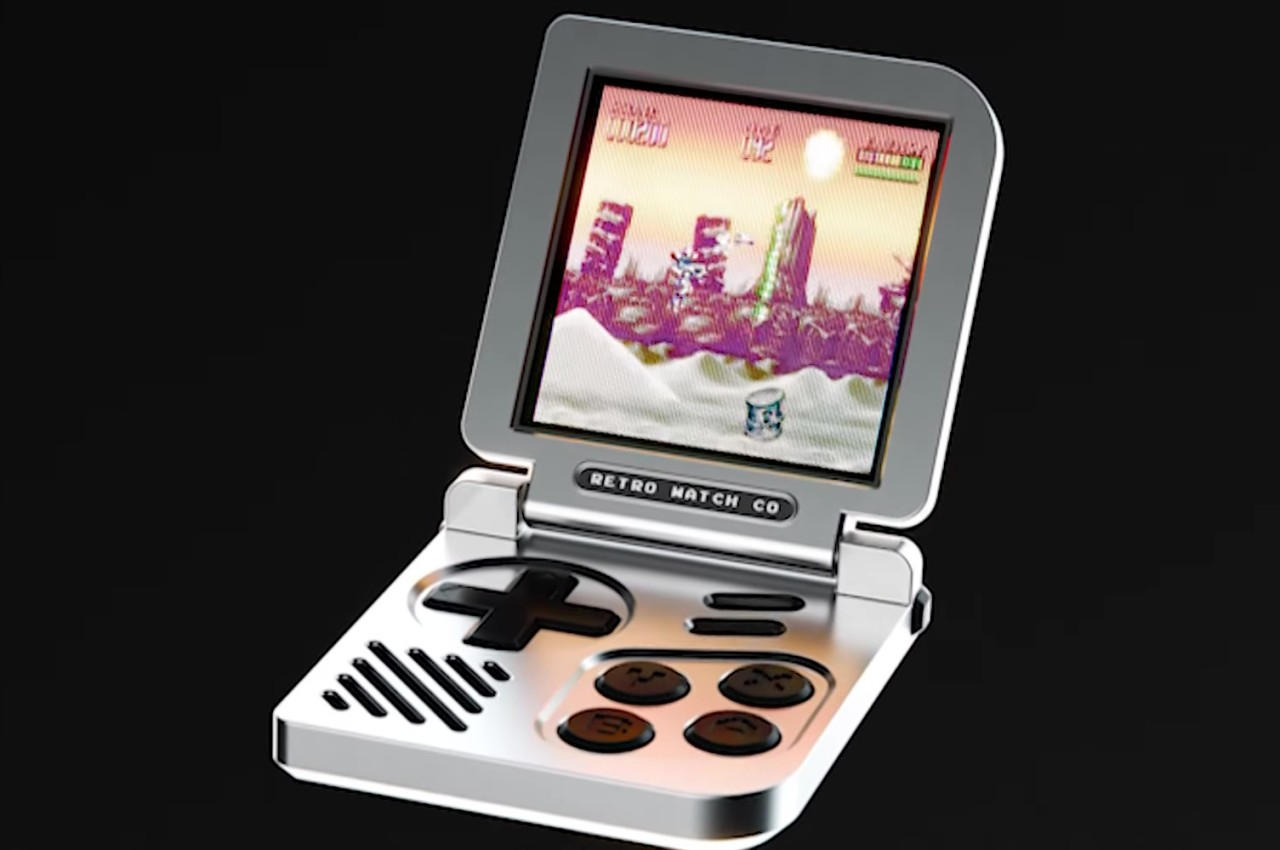
There’s a retro design craze that’s gripping multiple industries, from fashion to music to gaming. The latter is probably one of the most prolific sectors, spewing out new designs based on old models every year or sometimes more than once a year. Regardless of the origin, almost all these retro gaming devices have the same goal of allowing people today to experience the games of the past the way they were meant to be played, at least to some extent. Some, however, do try to just mimic the looks while offering a bit more freedom in what you can do with the device, like this rather unusual Game Boy SP look-alike that’s meant to ride on your wrist and act as a smartwatch when you’re not playing games on it.
There’s no shortage of small gaming handhelds, some of which can even be attached to a key ring. They’re not great at comfort or ergonomics, but these novelty items capture a lot of attention and even let you play a few retro games on the fly. You do have to take them out or pull them off your key ring before you can use them, though, which translates to seconds or minutes of lost opportunities.
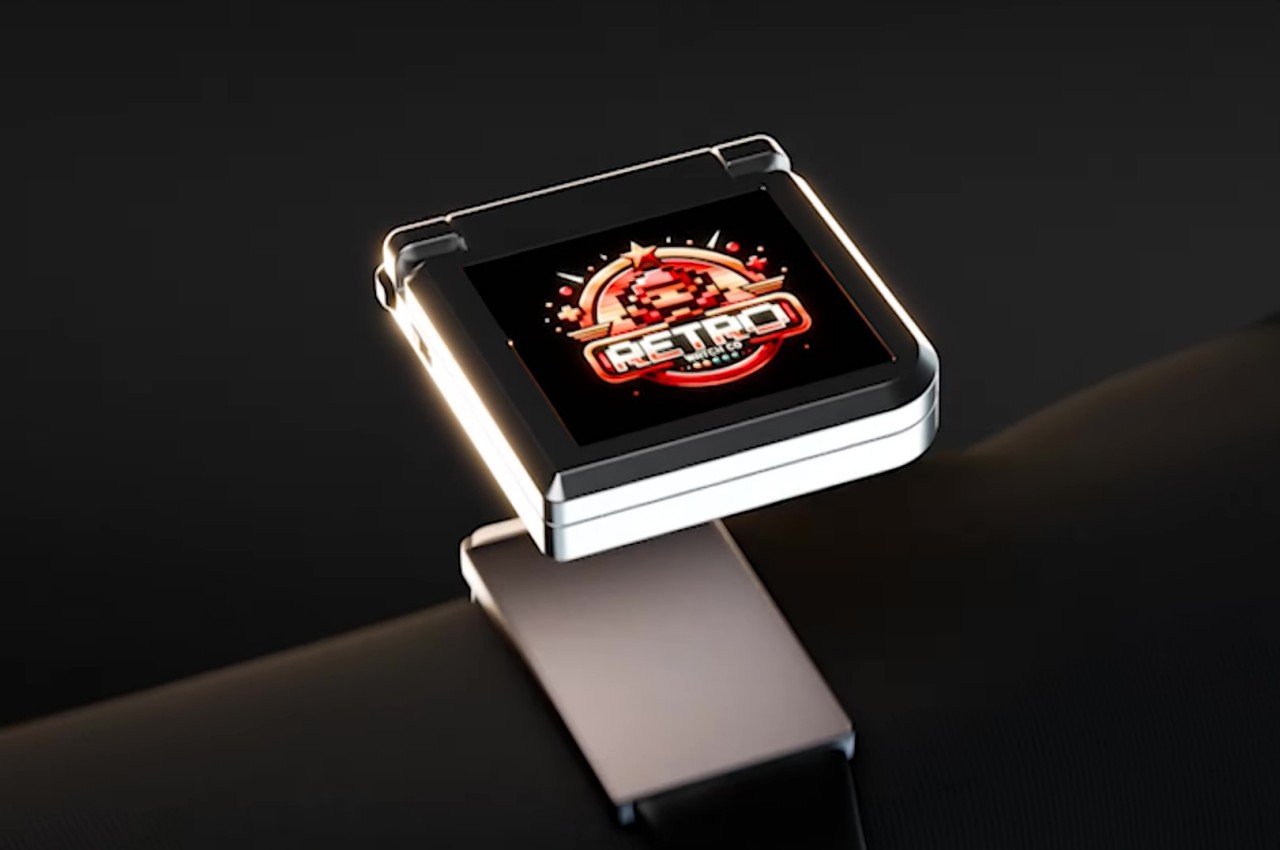
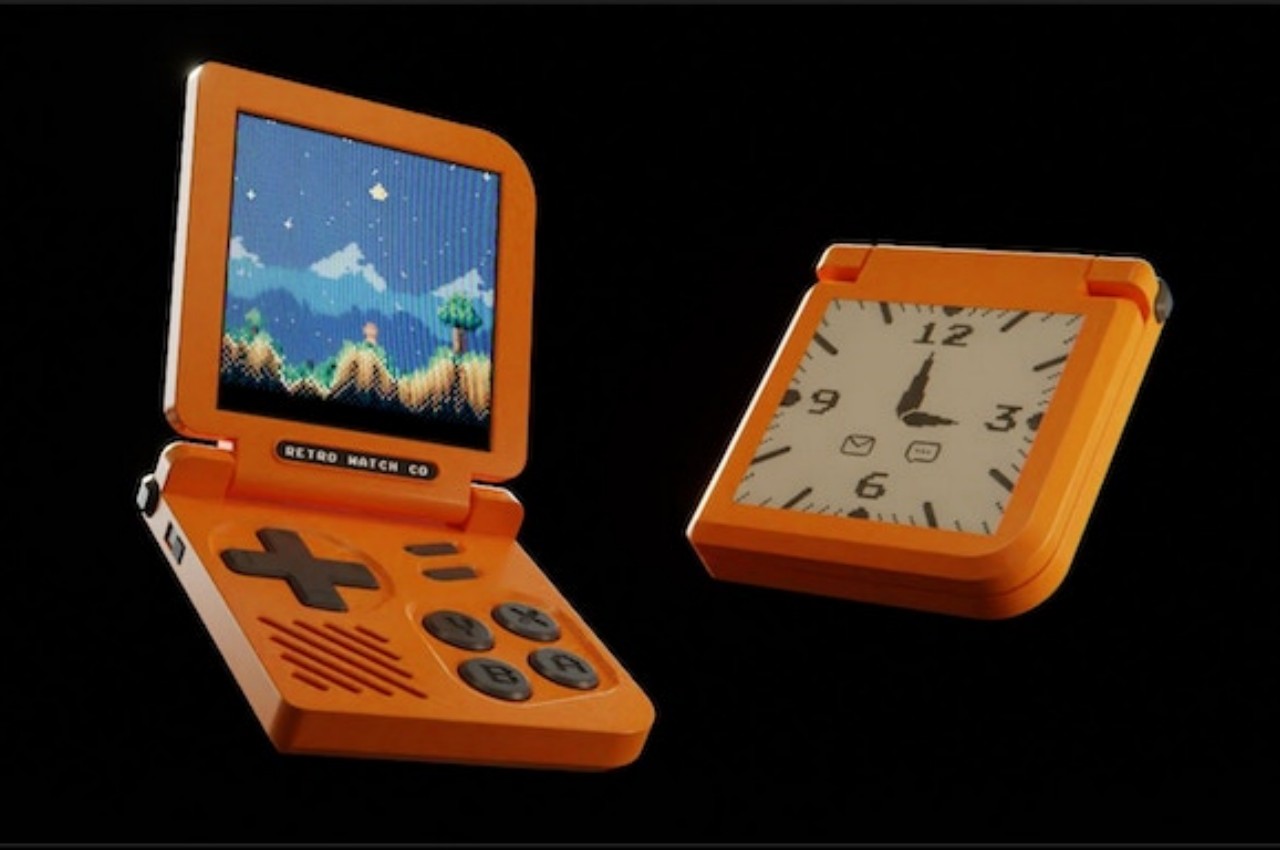
The Retro Gaming Watch loses no time, no pun intended, by having that gaming handheld always at hand, or in this case, on your wrist. In its inactive, unused form, it masquerades as a regular though thick smartwatch, with a standard squarish display and typical features such as a digital watch face and notifications. It doesn’t have activity tracking, though, because that would require cramming more hardware in an already cramped space, space that would rather be used for running games instead.
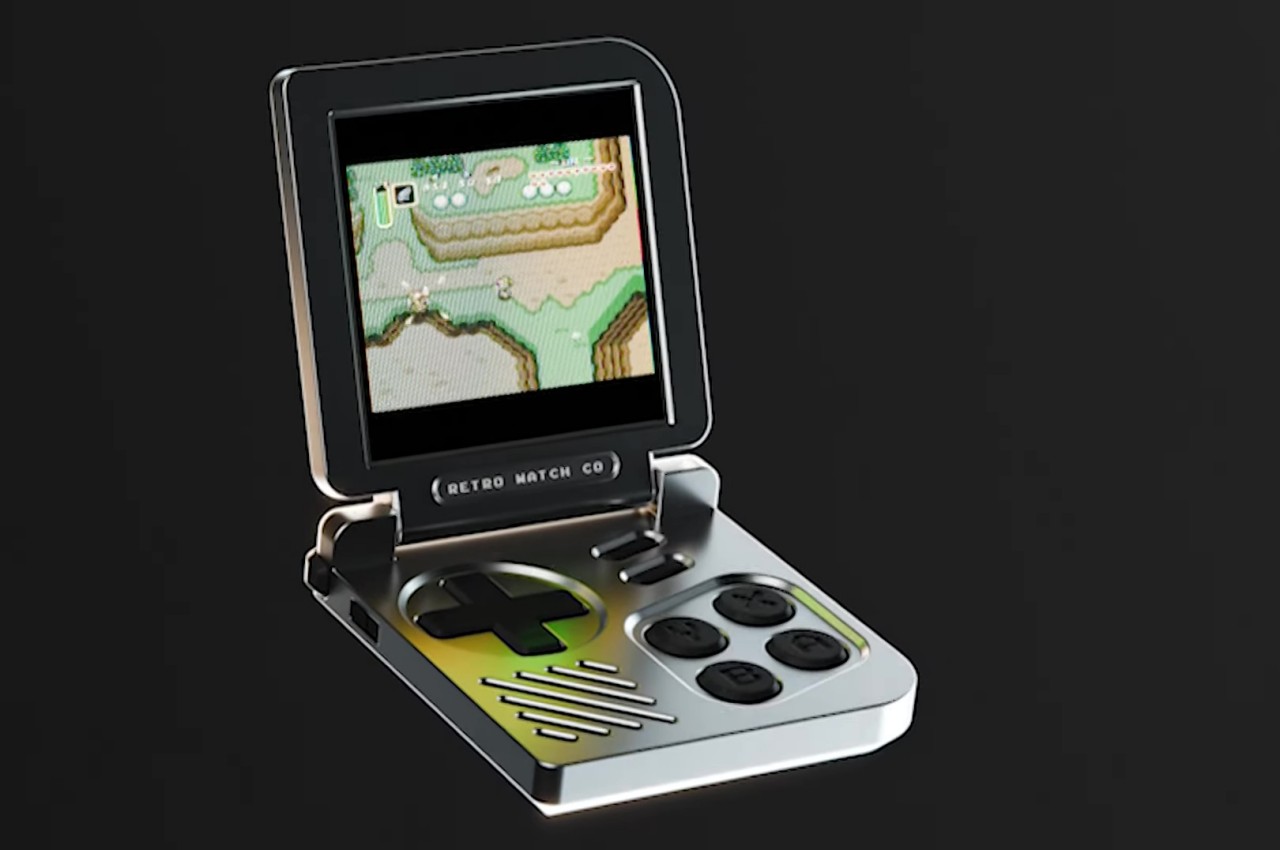
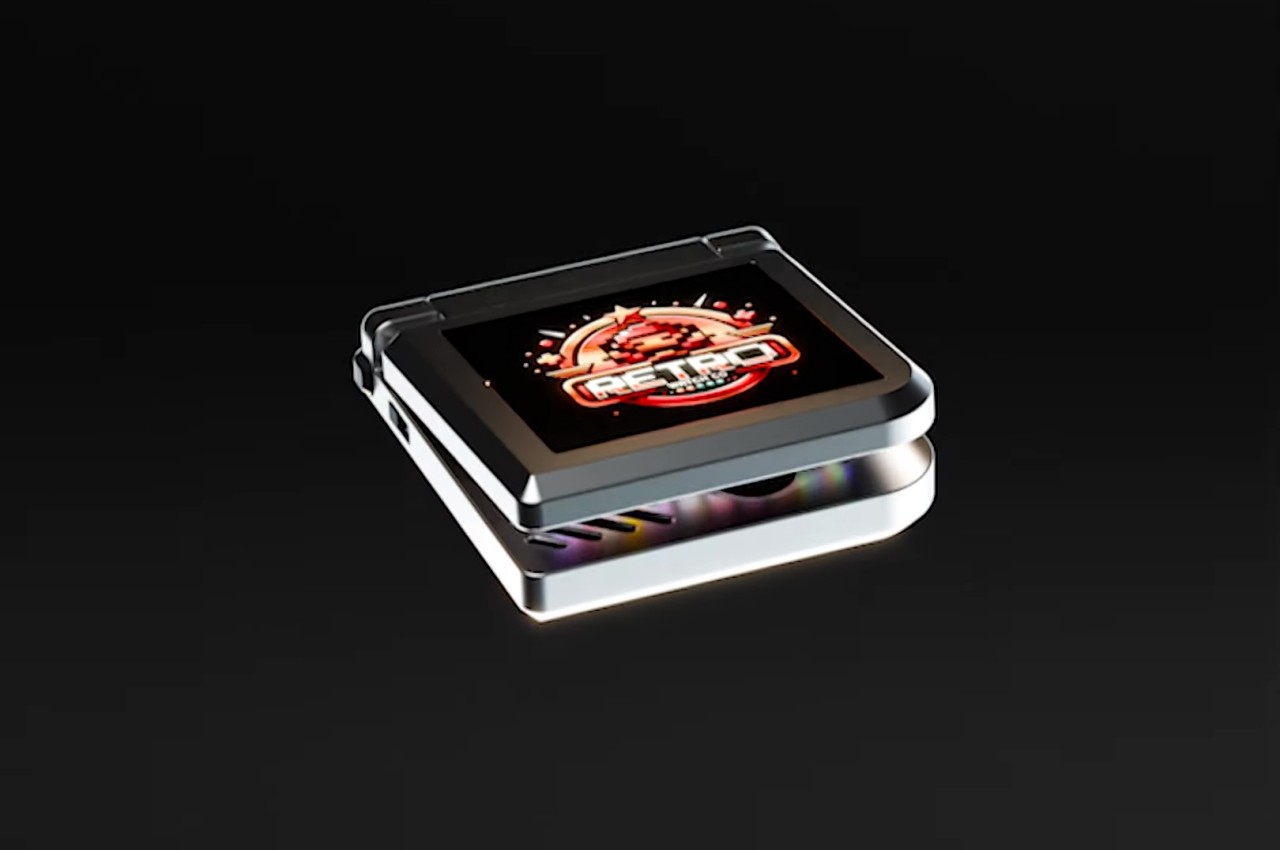
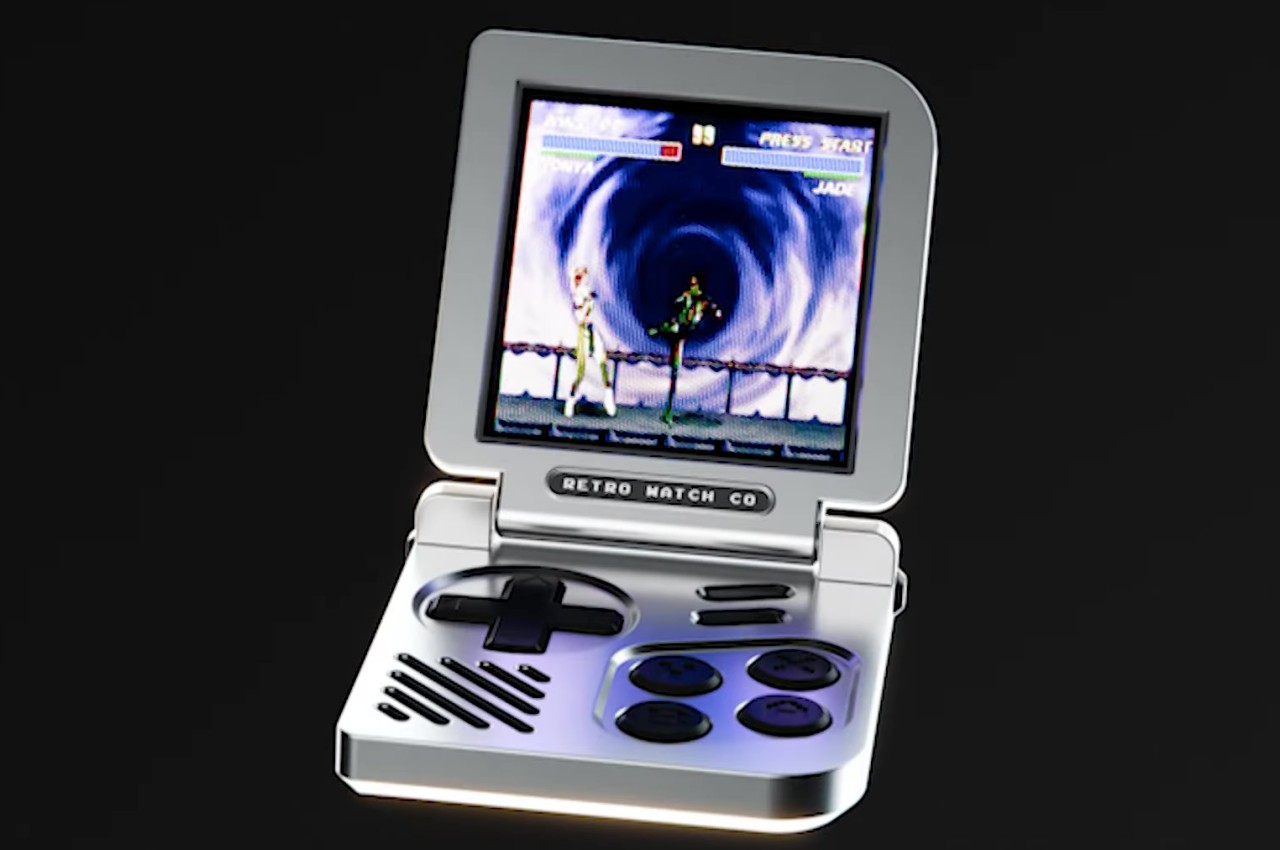
The watch changes its tune the moment you detach it from its strap, unfolding to reveal a clamshell-style gaming device not unlike the Nintendo Game Boy SP. Given the existence of gaming devices smaller than this, it shouldn’t be a surprise that the Retro Gaming Watch can handle a few emulated games, at least the 8 to 16-bit titles that can fit in the device’s small memory. Where you get your emulated content, of course, is up to the reader’s ingenuity.
The Retro Gaming Watch is supposed to be a sort of counter-movement to the “Great Conformity” that is happening in a world filled with Apple Watches and its clones. It recalls a time when watches looked fun and could even be used as toys, at least for a younger crowd who wouldn’t be embarrassed wearing bulky and sometimes gaudy designs for everyone to see. Again, it’s not going to offer the best gaming experience, presuming it even becomes an actual product, but it has that novel character and rebellious spirit that’s going to tickle the fancy of many gamers, even if they’re just gonna wear it for show.
A federal appeals court in Washington D.C. has allowed Apple to continue importing the Apple Watch Series 9 and Apple Watch Ultra 2 models on Wednesday. The court’s decision comes a day after Apple filed an appeal against a decision by the International Trade Commission (ITC) to ban imports of both models of the Apple Watch, which are at the heart of a patent dispute.
The court’s ruling is temporary. It has given the ITC until January 10 to respond to Apple’s motion for a longer-term pause on the ban during the appeals process, Reutersreported. This means that Apple should be able to resume Apple Watch sales on its website and in Apple Stores in the US, something that the company had stopped doing last week.
Hours after this story was published, Apple told Engadget that the company would, indeed, start selling the Apple Watch in the US again. “We are thrilled to return the full Apple Watch lineup to customers in time for the new year," an Apple spokeswoman said in a statement. "Apple Watch Series 9 and Apple Watch Ultra 2, including the blood oxygen feature, will become available for purchase again in the United States at Apple Stores starting today and from apple.com tomorrow by 12pm PT. Apple’s teams have worked tirelessly over many years to develop technology that empowers users with industry-leading health, wellness and safety features and we are pleased the U.S. Court of Appeals for the Federal Circuit has stayed the exclusion order while it considers our request to stay the order pending our full appeal.”
The Watch side of Apple's business generates about $17 billion a year, according to Bloomberg. In October, the ITC determined that Apple violated two patents belonging to another California-based company called Masimo. Both patents revolved around the blood-oxygen sensor that Apple has included in most models of the Watch since 2020. The ITC denied Apple’s appeal against its decision, sending the case all the way to the White House for a Presidential Review. President Biden, however, did not veto the ITC’s decision, which meant that the ban officially went into effect last week.
In its appeal filed on Tuesday, Apple claimed that the company will “suffer irreparable harm” if the ban continued. The company is currently exploring redesigning the blood oxygen sensors in its smartwatch after both the ITC and Masimo said that a software fix, which the company is scrambling to issue, would be insufficient to resolve the patent dispute.
Update, December 27 2023, 5:49PM ET: This story was updated with a statement from Apple.
This article originally appeared on Engadget at https://www.engadget.com/the-apple-watch-import-ban-is-paused--for-now-183332952.html?src=rss
The New York Times is suing OpenAI and Microsoft for using published news articles to train its artificial intelligence chatbots without an agreement that compensates it for its intellectual property. The lawsuit, which was filed in a Federal District Court in Manhattan, marks the first time a major news organization has pursued the ChatGPT developers for copyright infringement. The NYT did not specify how much it seeks in payout from the companies but that “this action seeks to hold them responsible for the billions of dollars in statutory and actual damages.”
The NYT claims that OpenAI and Microsoft, the makers of Chat GPT and Copilot, “seek to free-ride on The Times’s massive investment in its journalism” without having any licensing agreements. In one part of the complaint, the NYT highlights that its domain (www.nytimes.com) was the most used proprietary source mined for content to train GPT-3.
It alleges more than 66 million records, ranging from breaking news articles to op-eds, published across the NYT websites and other affiliated brands were used to train the AI models. The lawsuit alleges that the defendants in the case have used “almost a century’s worth of copyrighted content,” causing significant harm to the Times’ bottom line. The NYT also says that OpenAI and Microsoft’s products can “generate output that recites Times content verbatim, closely summarizes it, and mimics its expressive style.” This mirrors other complaints from comedians and authors like Sarah Silverman and Julian Sancton who claim OpenAI has profited off their works.
The New York Times sued OpenAI and Microsoft for copyright infringement, a new front in the debate over the use of published work to train AI. https://t.co/u8qZ247dCl
"We respect the rights of content creators and owners and are committed to working with them to ensure they benefit from AI technology and new revenue models," an OpenAI spokesperson told Engadget. In an email, the representative explained that the two parties were engaged in ongoing "productive conversations" and the company described the lawsuit as unexpected. "We are surprised and disappointed with this development," the OpenAI spokesperson told Engadget. Still, OpenAI is hopeful that the two will find a "mutually beneficial way to work together."
If the lawsuit makes any headway, it could create opportunities for other publishers to pursue similar legal action and make training AI models for commercial purposes more costly. Competitors in the space, like CNN and BBC News have already tried limiting what data AI web crawlers can scrape for training and development purposes.
While it’s unclear if the NYT is open to a licensing agreement after its earlier negotiations failed, leading to the lawsuit, OpenAI has reached a few deals recently. This month, it agreed to pay publisher Axel Springer for access to its content in a deal projected to be worth millions. And articles from Politico and Business Insider will be made available to train OpenAI’s next gen AI tools as part of a three year deal. It also previously made a deal with the AP to use its archival content dating back to 1985. Microsoft did not respond to a request for comment.
Update, December 27 2023, 8:36 PM ET: This story has been to include comments from an OpenAI spokesperson on the lawsuit.
This article originally appeared on Engadget at https://www.engadget.com/the-new-york-times-is-suing-openai-and-microsoft-for-copyright-infringement-181212615.html?src=rss
Laptops are no longer what they used to be. Sure, the majority still come in the standard clamshell design, but even those sometimes have touchscreens or even second displays. And then there are laptops that are actually tablets in disguise, folding backward or splitting in half. These convertibles and detachables, respectively, have shifted the landscape of portable computers, opening the doors to more use cases and features. For the most part, however, they’re all still typical Windows laptops, but Lenovo might be putting an odd twist to the design with a 2-in-1 laptop whose screen transforms into an Android tablet when detached from its main body.
The idea behind a 2-in-1 laptop, popularized by the likes of the Microsoft Surface Pro, is actually the reverse of a laptop. Technically, it’s more of a tablet that you can attach to a keyboard, whether that keyboard simply serves as a cover or a weighted base like a regular laptop. All the electronics are actually behind the screen, from the processors to the storage to even the battery, making the screen completely standalone.
What Lenovo might have in mind, however, is to have two different operating systems installed on the device, working independently depending on the situation. When the screen is docked on the keyboard, it will display Windows that’s running in the base. Once pulled out, however, that screen becomes a standalone tablet running Android and not Windows.
ASUS Transformer Book Duet
As odd as that might sound, it’s not exactly completely new. Back in 2014, ASUS announced what would have been the crowning glory of its Transformer Book line of 2-in-1 detachable laptops. The Transformer Book Duet could run both Android and Windows, though you have to boot into each one separately. Here, all the computing hardware is still on the display, and the keyboard is just an accessory to keep the screen anchored down. ASUS’s ambitions, however, were allegedly crushed by both Microsoft and Google who didn’t want their operating systems to be living under the same roof. That was nearly a decade ago, however, and Lenovo might be thinking it’s time to stir things up again.
What isn’t clear is whether it will be a case of a dual-boot tablet again or if Lenovo will be doing things a little differently. It’s possible to have a complete set of hardware inside the keyboard, running Windows, while the tablet has its own hardware dedicated to running Android. That makes the division of labor a little simpler and you don’t have to reboot over and over again to switch between operating systems. Unfortunately, that would also mean you can’t use Windows in tablet mode and take advantage of the stylus for creating digital art. Then again, Windows hasn’t really been great on tablets, which is why there would be interest in putting Android there in the first place.
Arkane Lyon’s time-bending FPS Deathloop is free on PC for Amazon Prime members. You have until January 10 to download the game. Additionally, you’ll need to link an active Epic Games Store account, but Amazon has made it simple to do that right on the download page. This isn’t a rental. The game is yours to keep.
This isn’t the first time Amazon has given gamers a holiday treat. Last year, it was Dishonored 2, another Arkane classic. The company also tends to give away games to coincide with its Prime Day events.
As for Deathloop, it’s a fantastic title that marries the harried frenzy of a first person shooter with the intrigue of an old-school adventure title like Myst. We compared it to an escape room in our official review, and that pretty much sums it up. You’re trapped on an island in a Groundhog Day-esque time loop and have to figure a way out. The game’s filled with thoughtful puzzles and the combat is satisfying, which is no surprise coming from the folks behind Dishonored.
In other words, this is one of the most unique and flat-out fun releases of the current generation. It’s a steal at full price, so free is a no-brainer. Deathloop is also available on Game Pass, if that’s your bag. Developer Arkane is currently busy working on a game based on Marvel’s resident vampire hunter, Blade.
This article originally appeared on Engadget at https://www.engadget.com/deathloop-is-free-on-pc-for-amazon-prime-members-161153013.html?src=rss
It’s been a terrible year for game developers, but an amazing year for games. 2023 kicked off with a fantastic remake of Dead Space and the breakout success that was Pizza Tower, and by the end of the year we had dozens more games vying for our attention. There were some missteps along the way — if you'd asked me to predict this list a year ago, I would've mentioned both Redfall and Starfield — but overall it's been a packed year unusually low on disappointment.
We’ve never tried to name a single title as "the Game of the Year." Instead, it’s become a tradition to get the whole team together to talk about our individual favorites. So here are those games, presented in alphabetical order to avoid hurting any of our writers’ feelings. Feel free to sound off about what your favorites are in the comments; there are no wrong answers. Except maybe The Day Before.
Alan Wake 2
I rarely have time to finish games these days, but I devoured Alan Wake 2 in just a few weeks. For me and my limited gaming time, that felt miraculous.
I'll admit, I'm a mark for Remedy Entertainment. I've been following its work since the first Max Payne arrived on PCs in 2001, right as I was gearing up to head to college and building my first desktop PC. (It had a 1.3GHz AMD Athlon Thunderbird and an ATI All-in-Wonder Radeon GPU with a TV tuner. Yah, I was one of the cool kids on campus..)
Max Payne blew me away with its fluid slow-motion gunplay mechanics and immersive narrative. As a lifelong console gamer until then, it was a big step forward from something like Tomb Raider. Playing Alan Wake 2 brought me right back to my college days: Its storytelling is far more mature than Max Payne, but leagues more ambitious. I spent much of the game with a big stupid grin on my face, marveling at how the game balanced two different leads (Saga Anderson and Mr. Wake himself), an array of quirky characters, and some of the boldest gaming narrative choices in the last decade.
As Jessica Conditt said in her review, Alan Wake 2 works best when you're not in combat. I enjoyed chatting with the locals and digging up background details more than I did shooting a repetitive array of baddies. It also helped that I was playing it on LG's massive 49-inch UltraGear monitor, which at times made it feel like I was completely immersed in the game. It made the more idyllic environments in the Pacific Northwest seem all the more beautiful, while the scarier bits felt even more nightmarish. Get you a game that can do both.
Over two decades after I became a fan of the studio, I’m just as excited to see what Remedy is cooking next. It feels like college all over again. Maybe time really is a flat circle. Or maybe, as Alan Wake would say, it’s a spiral towards something greater, the accumulation of everything we’ve learned and all the mistakes we’ve made as we pursue the specter of perfection. Anyway, good game. — Devindra Hardawar, Senior Reporter
Armored Core 6
Elden Ring was my first foray into the FromSoftware universe since Chromehounds for the Xbox 360. Elden Ring is an all-timer and no more needs to be said about it, but coming off that I was a bit trepidatious about whether the developers could apply their learnings and innovations to something with a legacy like Armored Core. Silly me to ever doubt FromSoft, because they delivered a game worthy of their developer pedigree. While AC6 doesn’t feel like “Elden Ring with mechs" I'm honestly glad it doesn’t. The developers have done a masterful job of blending classic Armored Core depth, customization and combat with the scale, bombast and world-building they are known for.
Some of the bosses in this game felt impossible, like many of the best FromSoft bosses do, but as always there is a tweak to your gameplay style or strategy that can turn the tables in the end. The first actual boss fight with Balteus had me questioning if I was ever good at video games in the first place, and when I finally adjusted to beat him I had that same triumphant feeling of beating the best FromSoft bosses from games past. Something else less discussed, but still worthy of praise as well, is how FromSoft finds a way to make what is basically a radio play story feel important and impactful when mixed with the heavy action of the actual gameplay. In a game where you wouldn’t expect story or characters to have an impact, FromSoft does an excellent job making you care about its dystopian Mecha pilots and their handlers in a way I never expected.
AC6 is a game I couldn’t stop thinking about, and the one I probably felt the most fulfilled by following each session, after my heart rate dropped and my vice grip on the controller loosened. FromSoftware continues to prove that it's in a league of their own. — Justin Vachon, Lead Designer
Baldur’s Gate 3
The Game of the Year is my game of the year. I’ve dabbled with Dragon Age, spent a few nights trying to unravel 2002’s Neverwinter Nights, but Baldur’s Gate 3, while still unapologetically Dungeons and Dragons, smooths out the procedural part while still deciding the fates of heroes, villains and the world on the roll of a die. Plus modifiers.
The rules and numbers of D&D are all baked into BG3, but you can also just play it and let the rules take care of themselves. Even when I failed dice rolls (how things are decided in D&D games, pitting your character’s stats against “skill check” numbers), I was happy to see how this affected the story. Sure, you can save-scum (quicksave, fail, quickload and try again), but it eventually feels hollow when there are so many decisions to make.
I talked to a colleague about the game and he was leery about a game with so many options. He’d have to play, replay, choose different options, and feel short changed if he didn’t eke every plot twist of a game like BG3.
The game, the options, the side quests are all so dense with choices and branching paths that there are (almost) countless permutations, distractions and bad decisions to make. I found that oddly freeing. The game, divided into three parts, does block out parts of the world from act to act, but I never found that particularly limiting. In fact, it ensured I tied up the most exciting plot points or destinations before plowing further into the story.
Two tips: being evil is very much an option (as is a mid-game redemption arc) and be careful when you rest overnight, as that will tick the game’s internal clock over and could mess up your plans. Invaders, unsurprisingly, don’t wait. — Mat Smith, UK Bureau Chief
Cocoon
My day-to-day job is mostly behind the scenes, editing stories and scripts, dealing with technical issues and managing a fantastic group of reporters. All of which is to say I actually only have five bylines on the site this year. Two of them are about Cocoon — 40 percent, baby! It stands to reason, then, that it's my personal game of the year.
You can read my review of the game for some expanded thoughts, but here’s the summary, at least: Cocoon is a near-perfect puzzle game in which you play a bug and who has to jump between worlds to progress. It’s a laser-focused experience that only lets you play around with one or two mechanics at a time, but stretches each of its ideas to its natural conclusion. It's also dirt cheap and on Game Pass, so what do you have to lose? — Aaron Souppouris, Executive Editor
The Cosmic Wheel Sisterhood
The Cosmic Wheel Sisterhood is sexy, well-written and replayable, and it’s one of my favorite games of the year, from one of my favorite studios of all time. Deconstructeam is responsible for Gods Will Be Watching and The Red Strings Club, two vibrant titles about the limits of humanity and society, and The Cosmic Wheel Sisterhood brings these themes to a new plane.
The Cosmic Wheel Sisterhood is about building tarot decks, manipulating an election from afar, betraying a coven of witches, gaining power and seducing everyone. It’s bigger than anything Deconstructeam has ever made, with layered characters, branching narratives and strangely beautiful art. The witches, behemoths and otherworldly creatures in The Cosmic Wheel Sisterhood fill the game with life and interwoven relationships, while the deck-building mechanic is surprisingly dense and designed to encourage creativity. The game pulled me in and didn’t let go until it was done with me, and even still, I find myself happily returning to it. — Jessica Conditt, Senior Reporter
Dave the Diver
No matter if Dave the Diveris an indie game or not, it's still one heck of a good time. The pixel-soaked adventure breaks down into two main gameplay mechanics that shouldn’t mix at all, but somehow do. During the day you explore the sea, hiding from (or fighting) sharks and catching gobs of fish. At night, you run a sushi restaurant to sell those fish.
Each of these mechanics are completely different. When you’re under the water, it's exploration all the way, with mysteries around every reef and a constantly-shifting landscape. Running the restaurant is both a management sim, as you have to develop recipes and hire staff, and a fast-paced minigame that resembles the iconic arcade cabinet Tapper. This dichotomy is similar to another recent gem, Moonlighter. I loved Moonlighter, but Dave the Diver is even more addictive.
Both primary elements of the game are polished to a Nintendo-like sheen. In other words, it kept me up, night after night, as “one last run” turned into two and then three. But that’s just the beginning. As you progress through the occasionally hilarious story, Dave the Diver keeps adding new gameplay mechanics. Without giving too much away, there are mid-game additions that draw inspiration from Cooking Mama, Stardew Valley and others. Each of these elements are always a treat and never get in the way of the main gameplay loop. Also, you can hire a velociraptor as a server and Jason Vorhees as a sous chef. Good times. — Lawrence Bonk, Contributing Reporter
Dead Space
One of the best games of 2023 actually came out in 2008. The Dead Space remake landed in January and it stayed at the top of my GOTY list for the ensuing 11 months, slowly covering every other entry in globs of bile and blood. Developers at EA brought the terror and tension of the original Dead Space to modern platforms with thoughtful gameplay tweaks and a layer of visual polish, and in the process, they cemented the game’s reputation as an action-horror classic.
Dead Space spawned in an era of limitations. It was built for the Xbox 360 and PlayStation 3, consoles that were powerful, but still constrained in terms of processing power and graphics; they couldn’t support massive, open-world games filled with procedural generation and AI-powered encounters. Innovation at the time had to stem from a game’s mechanics, and Dead Space was the first action-horror blockbuster to remove the HUD and the power of a headshot, creating an immersive and terrifying combat rhythm.
The remake paid tribute to everything that made the original Dead Space a living legend. The USG Ishimura was cold and maze-like, with a few more mysteries added to its corridors, and some boss fights were updated to take advantage of high-fidelity mechanics, but it still felt like the Dead Space I remember. It felt better, even. In an age of living games and open-world blandness, the Dead Space remake showcased the supreme power of restraint in game design. — Jessica Conditt
Diablo II: Resurrected
Aside from the quick turnaround following the original, the wait time between new Diablo games is more than a decade. So to my surprise, in a year when we got Diablo IV, I found myself spending more time playing Diablo II: Resurrected. That's not to say that the latest entry is a failure, because despite a drop in players and cratering views on Twitch, Diablo IV’s story is the franchise’s best yet and Blizzard nailed the look and feel of the game. Unfortunately, despite having faced similar issues with Diablo III, its endgame still needs a lot of work. This is why in 2023 I’ve had much more fun playing Diablo II, or more accurately Diablo II: Resurrected.
Thanks to a superb graphical overhaul, the game looks how I remember it in my head instead of the chunky low-res textures it actually had back in 2001. But more importantly, Blizzard fixed a ton of annoying glitches from the original (like enemy mana drain being way too strong) while implementing a bunch of handy quality-of-life upgrades such as automatic gold pickup and the shared stash. But the thing I like the most is that, since it came out in 2021, Blizzard has expanded upon the core game with additional patches and balance changes that have injected new life into the game while preserving its spirit. This year, specs like elemental druid and martial arts assassin suddenly went from being underpowered niche playstyles to top-tier builds, essentially undoing 20 years of neglect. The addition of Sunder Charms also made a ton of single-element specs way more viable and the addition of Terror Zones turned item farming into less of a grind while increasing the challenge.
Sure, melee classes still need a bit of love (maybe recalculate how attack rating works or add some more AOE abilities) and the cadence of new content has ground to a halt in the run-up to and subsequent release of Diablo IV. But for an update to a two-decade-old game, Diablo II: Resurrected feels like a great homage to an all-time classic and a wonderful example of a remake done right. Now I’m just hoping Blizzard finds some time to finally finish Act IV or maybe even add a brand new chapter onto the best ARPG ever. — Sam Rutherford, Senior Reporter
F-Zero 99
Nintendo has carved out a little legacy of remixing gaming staples with its 99 (or 35) series, and F-Zero 99 is one of its most thoughtful battles royale yet. (I’d put it second behind Tetris 99.) From afar, it looks simple: the SNES arcade racer, but with 98 other people. But the addition of a persistent boost meter (which doubles as a health bar) and the ability to bank “Super Sparks” that you can spend to access a limited-time “Skyway” fundamentally changes how you play.
Do you throw caution to the wind, use more power this lap and try to hold on from the front? Do you hang back, try to increase your meter by knocking out other players and risk an insurmountable deficit? Where exactly on the track should you activate the Skyway? Winning still requires skill and track mastery — it’s F-Zero, after all — but there’s a new layer of strategy and resource management. What was once a sprint now becomes a horse race. You make more moment-to-moment decisions each time out. And decisions are what makes a game interesting.
All the other things that made F-Zero great 30 years ago still apply. The Mode 7 style. That iconic music. The distinction between the four supercars. The honest test of skill — this entry is a little more forgiving, but if you screw up, no Mario Kart shenanigans are going to come and save you. The course selection still has clear peaks and valleys, but F-Zero 99 doesn’t try to revise the past: It honors its source material, then makes considered changes that present it in a new light. In an industry that is constantly rehashing old ideas, that’s commendable. — Jeff Dunn, Senior Commerce Writer
Humanity
In Humanity, you play as a ghostly Shina Ibu who barks directions at a horde of humans to guide them toward a goal. That all seems simple enough, but like all great puzzle games, developer tha LTD plays around with the concept and keeps building on it until the very end. What starts as a fairly peaceful rumination about the controlled movement of humans soon segues into imaginative boss battles and mammoth lightsaber brawls.
There's a deeper story than you might expect from a game that's ostensibly about sheep herding mindless drones. What will stick with me from playing Humanity is a sense of optimism, an idealism that our species can achieve anything if we work together toward a common goal. That, and having the chance to take control of an adorable ethereal pup. — Kris Holt, Contributing Reporter
The Legend of Zelda: Tears of the Kingdom
The Legend of Zelda: Tears of the Kingdomis a perfect game blending exploration, action, adventure, combat and puzzle solving. It looks and sounds beautiful, with Hyrule a wonderful clockwork world you just want to spend your days hiking through without a care in the world. The title’s standout feature, Ultrahand, enables players to construct anything they can imagine to help get them through tricky puzzles. Its technological prowess, given the limited hardware it runs on, has made it the envy of the game development and player world. I started 2023 having never played a Zelda title, and by the end, I’d sunk about 1,000 hours combined into Breath of the Wild and Tears of the Kingdom.
I don’t think it’s unfair to say that the game is also a lot.
Nintendo’s more-is-more approach means the triple-digit play times are a bug as much as they are a feature. This goes hand-in-hand with the freedom you’re given, which lets you play the game any way you choose. The two extra environments may have headed off complaints that it was a glorified DLC, but you can feel the stretching. The Depths is little more than a repetitious traversal zone while the Sky Islands are five puzzles repeated over and over. The company has found the limit of what a coherent single player experience can be, and then just wandered beyond it.
And then there’s the grinding, which extends well beyond the usual gripes around weapons degradation. If you want to reach the end game, you’ll need more than a wooden sword and shield, which means endlessly beating the mid-size bosses. Plus, you’ll need to put a shift in down the mines Depths to gather enough Zoanite to make Autobuild worthwhile. I kept my Switch offline ever since Nintendo nerfed the easy duplication glitch because I don’t have enough hours in the day to play. In fact, I’d pay good money for a “Grown Adult” version of the game where it respects your time more than the existing version does.
While I’m moaning, I might as well add that I hate how Lynels and Ganondorf can destroy your Zonai weapons during combat. If you’re not a gifted sword-fighter, and you’ve never quite got your parrying skill perfect, then crafting robot weapons was a neat workaround. The game lets you pick your preferred way to succeed, except when it really matters, when it eliminates all but the most tedious. I don’t think, after spending so long getting everything else done, I can be bothered to go back and defeat Ganondorf despite pledging to do it before the end of the year.
Still, perfect game, 10/10. — Daniel Cooper, Senior Reporter
Mario Kart 8 Deluxe Booster Course Pass
Even though Mario Kart 8 Deluxewill be seven years old next April, we don’t need a new Mario Kart game. The title is still just as entertaining as it was brand new, thanks in large part to the massive expansion of new tracks Nintendo began dropping in March 2022. And while the waves have been slightly annoying, mostly due to the constant questions about their release dates from my nine year old, the steady cadence that wrapped up last month meant new challenges were arriving regularly for over a year.
The Booster Course Pass is well worth the money at $24.99. It’s less than a new game would cost and you get a new game’s worth of tracks (48) for that price. Not to mention added characters like Kamek, Petey Piranha, Diddy Kong and Peachette – all Steele family favorites. But for me, the best part is revisiting modernized versions of tracks from older Mario Kart games, the ones that endeared me to the series.
Rainbow Road from Wii is an all-time favorite and one course that I’ll go straight to when I only have a few minutes to play. Courses like Waluigi Pinball and Peach Gardens from DS are a lot more fun expanded to a big screen and I’ve enjoyed the road trip through major cities from Mario Kart Tour, a game I never played as karting on my phone didn’t really appeal to me. There are duds, of course, like Mario Circuit 3 from SNES that don't really translate as well to modern racing.
Maybe there will be a new game that flexes the muscle of the new Switch, but I’m not sure what there is to improve. I’d be perfectly happy to keep paying $25 every few years for a collection of new tracks, whether entirely new or inspired by the past, as this is a perfectly fine way to keep the game fresh for those of us who still really enjoy it. — Billy Steele, Senior Reporter
Marvel’s Spider-Man 2
Like a lot of recent PlayStation sequels, Spider-Man 2 takes everything that worked about the original game and gives us more. There’s more of New York City to explore, two characters that you can swap between at almost any time, more moves and suits and superpowers to take on the many enemies you’ll encounter throughout the adventure. It feels like the kind of game that easily could have gotten overstuffed and collapsed under the weight of what Insomniac Games was trying to pull off.
Fortunately, that didn’t happen, thanks in large part to some of the best mechanics in recent gaming. Swinging around the city remains an absolute delight, and the fluid fighting really makes you feel like a superhero. The new web wings give you another new way to navigate Manhattan and its boroughs, and getting your hands on the fabled symbiote suit opens up yet another new set of battle mechanics. Similarly, the open world map feels vibrant and alive, with tons to do when you’re ready to give the main story a break.
Naturally, the symbiote also takes center stage in the storytelling, as Kraven the hunter gives way to Venom throughout the game as the two main villains you’ll contend with. It makes sense to have two main baddies since there are two Spider-Men in this game, OG Peter Parker as well as his new protege Miles Morales. Each Spider-Man gets plenty of story development and heroic action sequences, and the roster of supporting characters has been fleshed out as well.
Ultimately, Spider-Man 2 is pretty easy to sum up. It’s just plain fun, with a great story, delightful mechanics and a wonderfully detailed NYC to explore. Whether or not you played the original game, it’s easy to get sucked right into this one and feel like a superhero. — Nathan Ingraham, Deputy News Editor
Moonstone Island
Moonstone Island asks the question, “what if Stardew Valley, but with Pokémon?” It’s the same kind of farming and dating sim you know and love, but with turn-based battles instead of manually swinging a pickaxe. Any creature you encounter can be captured and forced to fight in your stead, and there’s an element-based weakness mechanic pulled straight from Nintendo’s iconic pocket monsters.
They already had me with that Stardew meets Pokémon hook, but the developers didn’t stop there. This is a legitimate open world game with a large map that resembles the sky islands from The Legend of Zelda: Tears of the Kingdom. There are dozens upon dozens of these islands and I had an absolute blast sequence breaking my way to dangerous locations in the early parts of the game, only to have my butt handed to me by high-level monsters. That’s my jam, right there.
I also love the art style and, in particular, the NPCs. The romanceable characters here are top-tier and, in my opinion, more interesting than rival farming sims. I want to be friends with the blacksmith Ferra and town scientist Zed. However, my heart belongs to the punk rock herbalist Gaiana. If anyone messes with Gaiana, they are gonna get a visit from a trio of level 99 Pikachus, er, I mean Capacibees. — Lawrence Bonk
Not finishing games
Finish a videogame? In this attention economy?! I honestly couldn’t tell you the last time that I actually made it to a game’s end credits. For as much as I enjoy the PS5 games I buy, there’s inevitably some real-life commitment that draws me away from them, or an unconquerable in-game skill challenge that saps my interest. Doesn't matter if it’s an indie like the therapeutically smashy Dysmantle or a AAA adventure franchise like Horizon and Assassins Creed — don’t even get me started on Seikiro or Elden Ring — I will invariably get bored at some point before the final boss and wander off towards whatever new shiny title comes out next.
As such, my 2023 GOTY is a toss up between Armored Core 6 and Baldur’s Gate 3, having played roughly the first half of each (multiple times, in BG3’s case). Sure, one is a frantic shooter pitting players against superior armed forces in high speed mobile gun battles, and the other is an inclusive high fantasy dating sim wrapped in an epic adventure RPG. They both offer me an opportunity to tinker, futz, fiddle and otherwise experiment with the physical rules and social mores of the in-game universe without demanding I clear the endgame content first.
In this way, every game becomes a Choose-Your-Own-Adventure game (my absolute favorite genre growing up) and I get to assuage the FOMO anxiety I experience while playing titles with linear storylines. I’m not reverting to a previous save because I realize I messed up an earlier quest or accidentally closed off a storyline, I’m reloading just so I can figure out what all the other buttons and switches I didn’t push and pull also do. I find that freeing. There’s no pressure to “get it right,” only the opportunity to see what might happen.
Between AC6’s mission-based format and the ease at which I can manage save instances in BG3, I can load up any scenario I’ve played so far and try it again differently — maybe see how well an energy weapon-based loadout would work or what would happen if I fought with different companions or modified spell lists. Even though I know that there is a climactic endgame struggle (that the dev team worked really hard to produce) to get to and all the new game+ rewards that come with beating it, neither title really pressures me into getting there.
If I want to go off on a tangent and try my hand at pickpocketing an entire town, I absolutely can — then Groundhog Day the timeline back to before I started and do it all again, this time maybe wearing a different hat. Each gives me the flexibility to interact with their content as I have time and interest. — Andrew Tarantola, Senior Reporter
NYT Connections
New York Times
Wordle, the little word game that could, took over the first half of 2022. Every day, we had a new puzzle to look forward to — and potential bragging rights that would connect us with friends, family and strangers on the internet. Though Wordle fever subsided in 2023, my thirst for a daily word game remained. Yes, I could keep playing Wordle, but just one game wasn’t enough. Even as a subscriber and active user of the New York Times’ Games app, I needed more.
I didn’t want something as time-consuming as the full crossword each day, nor something as involved as getting to the Genius level on Spelling Bee. I wanted to be done in 5 minutes or less, which is why Wordle and the daily Mini crossword were perfect. In June, the New York Times introduced Connections, and it hit that sweet spot of being challenging enough to engage my brain but remaining casual enough that I didn’t need to derail my work day to finish it.
Connections’ mechanics are simple. Every day, you’re presented with sixteen tiles, each containing a word. You have to group those words into four sets of four based on what they have in common. And, like the app cautions, these categories are always more specific than “5-letter words” or “names” or “verbs.” At first, the game was straightforward and almost too easy. A few weeks in, though, and I’ve found the puzzles can get challenging, thanks to devious setups. For example, one time the grid included words like “Apple,” “Dell” and “Intel,” which tricked my tech-obsessed brain into thinking they were company brand names. It turned out that they belonged to other groups like “Synonyms for information” or “Fruit,” instead.
I would be remiss if I didn’t point out that Connections isn’t a unique idea that the New York Times thought up. Various iterations of a similar word game have existed before. Redditors pointed out its likeness to an app called Red Herring, while the host of a British television quiz show called Only Connect asked if the Times was aware “this has been a TV show in the UK since 2008?”
Sadly, though, if not for the Times adding Connections to its slate of word games, I would never have come across Red Herring. And because so many of the puzzles I play daily are in the NYT Games app, it’s much easier to check out all of them in the same place instead of installing a new app.
My daily routine now involves opening NYT Games, finishing Wordle, Connections, the Mini crossword, getting the Pangram on Spelling Bee and then bragging to anyone who will listen. That way, I feel like I’m giving my brain a bit of fun exercise before I drag my attention to my inbox or Slack for the real work of the day. — Cherlynn Low, Deputy Reviews Editor
Pizza Tower
The best “Nintendo platformer” of the year didn’t involve Mario, Kirby or Donkey Kong. It wasn’t even made by Nintendo. Instead, it stars a balding pizza chef named Peppino Spaghetti, and its development was led by a guy who goes by the pseudonym McPig. It’s called Pizza Tower — and while you could crudely describe it as “Wario Land 4 on cocaine,” it is one of the most refreshing and joyously creative games I’ve played in recent memory.
I waxed poetic about Pizza Towerin a write-up earlier this year, so go read that for a more complete picture. The big thing is that it understands how every platformer is fundamentally about movement. For a platformer to be fun, that movement needs to grab you from the off, then give you the space to explore where it could go. Mario games know this. Sonic games often forget that last part. Pizza Tower gets it right. Little Peppino dashes like a freight train teetering off the tracks, slamming through (not around) every enemy and obstacle in sight. You can Do Poorly, but you can’t die, so you have freedom to push the limits. It’s a constant kinetic thrill.
But it’s more than that. In that charming Nintendo way, every level in Pizza Tower presents new ideas, so it never gets stale. The music is incredible. The animation is both grotesque and immediately expressive. (How many other games look like this?) The boss fights actually respect you. The ending sequence might be the best I’ve played in a decade. It all makes for a game with a distinct sense of character and identity; it has clear inspirations, but it’s not pastiche. It is completely in tune with itself, both in aesthetics and design. And it’s fun as hell. — Jeff Dunn
Star Wars Jedi: Survivor
Jedi: Survivor is a game that the best sequels aspire to be. It improves on every single aspect of the original and pushes its systems to new heights while introducing many others that only enhance the base game. Like the greats of Mass Effect 2, Assassins Creed 2, Half-Life 2, Portal 2, Jedi: Survivor never stops upping the ante and pushing what a game like this can achieve.
In an age where there is far too much Star Wars content for any normal human to consume, from movies, TV, books, etc. Jedi: Survivor represents an experience you can hop into with only knowledge from Fallen Order at your disposal, and even that can be recapped for you in a nice short video within Jedi: Survivor itself. Your experience will only be further improved by a greater knowledge of the Star Wars landscape, new and old, but it isn’t a prerequisite to have a great time with this game.
The story of Cal Kestis and his group of rebels grows larger and makes the universe and world you inhabit feel big in a way the first game didn’t. The souls-like combat of the first game returns here and is improved upon in every conceivable way. The Jedi power fantasy that I’ve always dreamed about in Star Wars games has finally been realized within Jedi: Survivor. Many times I ended a fight in a flurry of saber swings and force powers and resolved feeling like I could conquer the world. There’s one sequence in particular involving a towering Imperial walker that is one of the most exhilarating and well-executed set piece moments in gaming since the days of Uncharted 2’s campaign. I had to put the controller down for 10 minutes after just to sit in awe and process what I had seen Respawn pull off.
At the core of Jedi: Survivor is a story and experience that feels more emotionally deep and original than Fallen Order did. Respawn hits their stride with this game from a writing and especially performance perspective that makes its best characters shine and its most impactful story moments hit that much harder. By the end, you’ll be pining for the conclusion to the trilogy in a way that few Star Wars properties have been able to elicit in years. — Justin Vachon
Super Mario Bros. Wonder
There are a few sure things when it comes to me and Mario games: I prefer 2D over 3D, and Super Mario World is my all-time favorite. As such, Super Mario Wonder was high on my list of games to try this year — the first new side-scrolling Mario game in over a decade. And while I really enjoyed the “new” Super Mario Bros. entries for the Wii and Wii U, those games were also a little too slavishly devoted to Mario’s past. Not so with Super Mario Wonder.
Between the entirely redesigned and more involved character animations (Mario grabbing his cap when he goes through a pipe is particularly cute) and wild level designs that feel entirely unique to the series, Super Mario Wonder feels like the first side-scrolling Mario game to really do something new in decades. That’s largely thanks to the Wonder flowers that twist every single stage into a psychedelic version of itself, but the level design is inspired even before you find that flower.
Nintendo also shook up the overall world map a bit, letting you pick your way through stages instead of putting you on a mostly linear path. And as you’re in the Flower Kingdom, not the familiar Mushroom Kingdom, there’s a lot more variety in the themes for each world. (No, world two isn’t the desert this time!) There are plenty of familiar enemies — what would a Mario game be without red and green Koopa Troopas? — but almost every level has a particular baddie that requires you to reshape your approach. And the badge system is a great take on the familiar power-ups, letting you choose a boost best suited to either the stage you’re on or the way you like to play the game. Also, Elephant Mario!
I feel like I’ve barely scratched the surface of what makes Super Mario Wonder work so well, but hopefully it’s sufficient to say that it’s Nintendo at its best and most creative. That’s something I didn’t expect to see in a Mario game again. I can see myself playing Wonder for the next 30 years or so, just like I’ve played Super Mario World for the last 30 years. — Nathan Ingraham
Tchia
Tchia was the right game at the right time for me. As I sailed toward the sunset on a makeshift raft with rousing music filling my ears, I was filled with a sense of calm that I’d been seeking for quite some time. That was my favorite moment of any game this year, but the rest of Tchia isn't exactly lacking.
You play as a young girl who scours a New Caledonia-inspired archipelago in search of her kidnapped father in this open-world exploration game. While titles like The Legend of Zelda: Tears of the Kingdom aim to push the boundaries of the genre, Tchia is content to stay in its lane, albeit with some mechanics that provide plenty of opportunity to play as you wish.
Tchia can transform into a variety of fauna and inanimate objects thanks to her soul jumping ability. After you unlock the ability to summon a bird, you can take to the skies from almost anywhere in mere seconds. Each animal you can jump into has an ability, such as dogs digging, sharks biting and birds, uh, pooping.
There's not much in the way of combat. The only enemies you'll encounter are monsters made of fabric, and you'll need to use elements such as fire to dispose of them. But I didn't have a problem with that. Tchia is far more about the notion of discovery than slashing away at countless baddies.
This seems like a perfect introduction to open-world adventures for younger gamers out there. While there are some fairly bleak plot points, Tchia is a real charmer. It's an ideal length too, as a playthrough will take between around six and eight hours unless you go hunting for all the secrets and collectibles. Or you decide to spend a few extra hours simply sailing around these beautiful islands. — Kris Holt
This article originally appeared on Engadget at https://www.engadget.com/engadgets-games-of-the-year-2023-150053925.html?src=rss
It’s been a banner year for the Right to Repair movement as supportive bills are signed into law across the US and abroad. Apple shocked the world, too, as it backed California’s bill and urged for a countrywide equivalent. In the EU, regulators mandated the use of USB-C as a standard charging socket for most small devices, and are now turning their attention toward anti-repair tactics. But, while the movement’s leaders should enjoy a glass or two of the good stuff, these victories aren’t total, despite how hard-won they were. To misquote Winston Churchill, this isn’t the beginning of the end, it’s very much the end of the beginning.
In the last year we’ve seen bills enacted in New York, Colorado, Minnesota and California. New York’s was famously watered down by late-in-the-day politicking which neutered some of its key provisions. That included protections for existing devices (instead, it kicks in for hardware made after July 1, 2023), obligations to supply individual parts rather than bundles and it now omits any coverage for enterprise-grade electronics like those used in schools and hospitals. Minnesota’s survived with more teeth, albeit with generous carve-outs to manufacturers of farm equipment, games consoles and cars.
NICOLAS TUCAT via Getty Images
California’s bill which, interestingly, won Apple’s backing, kicks in next year with the company saying it’ll support its provisions countrywide. And given that support, you should expect to see this bill pushed as the model for any future federal legislation. It broadly covers consumer tech and appliances, but exempts games consoles and security equipment. Key provisions require companies to sell components under “fair and reasonable terms” to owners and third-party repair shops long after the last model leaves the factory. Devices with a wholesale price between $50 and $99.99 need to have parts, tools and repair guides available for at least three years after the last new model is made. For gear costing more than $100, the parts need to stick around for “at least seven years” regardless of individual warranty periods. Similarly, tools and documentation need to be made available on a similarly "fair and reasonable" basis. There are carve-outs, including protections on trade secrets and source code, but the bones of the bill are solid enough.
Elizabeth Chamberlain, Director of Sustainability at iFixit, told Engadget it’s “the strongest'' bill passed in the US, and one of the most comprehensive. (That’s less of a compliment given the paucity of alternative legislation also enacted.) The requirements for parts to remain available for so long after purchase ensures “people have the repair materials they need when they need them.” Not to mention enabling independent repair stores to get “original parts for a huge range of things without having to sign up for invasive and limiting manufacturer programs.” Nathan Proctor of the Public Interest Research Group, before the bill passed, said it would also end the onerous conditions Apple used in its Independent Repair Program. An Engadget investigation showed that while Apple’s IRP looked like a good idea on the surface, it was full of hidden charges and restrictive clauses. And as much as the iPhone 14 won plaudits for being far more repairable than its predecessors, it also used parts pairing — is a process of locking a part to a specific device, preventing users from swapping it out without the manufacturer’s approval. Sadly, California’s bill also does nothing to prevent parts pairing, which may explain why it won Apple’s backing in the first place.
In the last few years, the European Union has assumed the mantle as the major regulator of big tech, albeit with many critics. The bloc has now mandated a common charger, USB-C, for all mobile devices sold by the end of 2024, and all laptops by spring 2026. In November, regulators began looking at ways to encourage repairs and refurbishment over replacement for new gear. That includes people’s right to access spare parts, documentation and tools at a “reasonable cost” – even when the device is outside its warranty period. More importantly, the draft seeks to prevent manufacturers using “contractual, hardware or software technique” to block repairs which would seem to indicate parts pairing.
Anyone feeling triumphant about these wins should bear in mind the broad latitude these terms offer tech companies. Last year, Apple enabled end users to repair their own devices, but not in a way that made it easy, affordable or worthwhile. As The New York Times found out, replacing a component required flight cases full of factory-grade hardware and a hefty deposit. It’s a lot better now, but you’ll still need to pay to loan the high-end gear and shoulder the risk if any of it goes missing.
Similarly, these bills do nothing to prevent the company’s replacement-as-default strategy when you visit a store. After a bike accident this summer, the front and back glass of my iPhone 11 Pro Max was smashed, but it was otherwise functional. Sadly, my local Genius Bar told me the only thing I could do was… buy a replacement at full cost. That’s before we mention the iPhone 15 which, despite Apple’s pledges to be more repair-friendly, is still loaded with parts pairing. It means that, despite all of the sweet words about sustainability in the last few years, you can still only fix a part with Apple’s direct and explicit blessing. As Elizabeth Chamberlain said, “upselling is such a ubiquitous problem and really hard to stop,” but noted that the EU may have a fix for it. Its draft rules would “require manufacturers to offer repair first, before replacement, as long as it’s cheaper” (for the consumer).
Upton Sinclair once wrote that a person won’t grasp something if their salary relies upon them not understanding it. The tech industry’s organizing principle, after all, is to sell you a new piece of gear every few years to keep its profits high. Stretching out the life of a device is bad for their bottom line (at least in the short term) which explains much of their resistance. It’s why, as much as we can hope for better terms and more repairable devices, we must also be vigilant and not rest upon our laurels. The risk is that people get the right to repair their devices, but no way to actually exercise it.
This article originally appeared on Engadget at https://www.engadget.com/the-right-to-repair-movement-won-its-biggest-victories-in-2023-143010331.html?src=rss
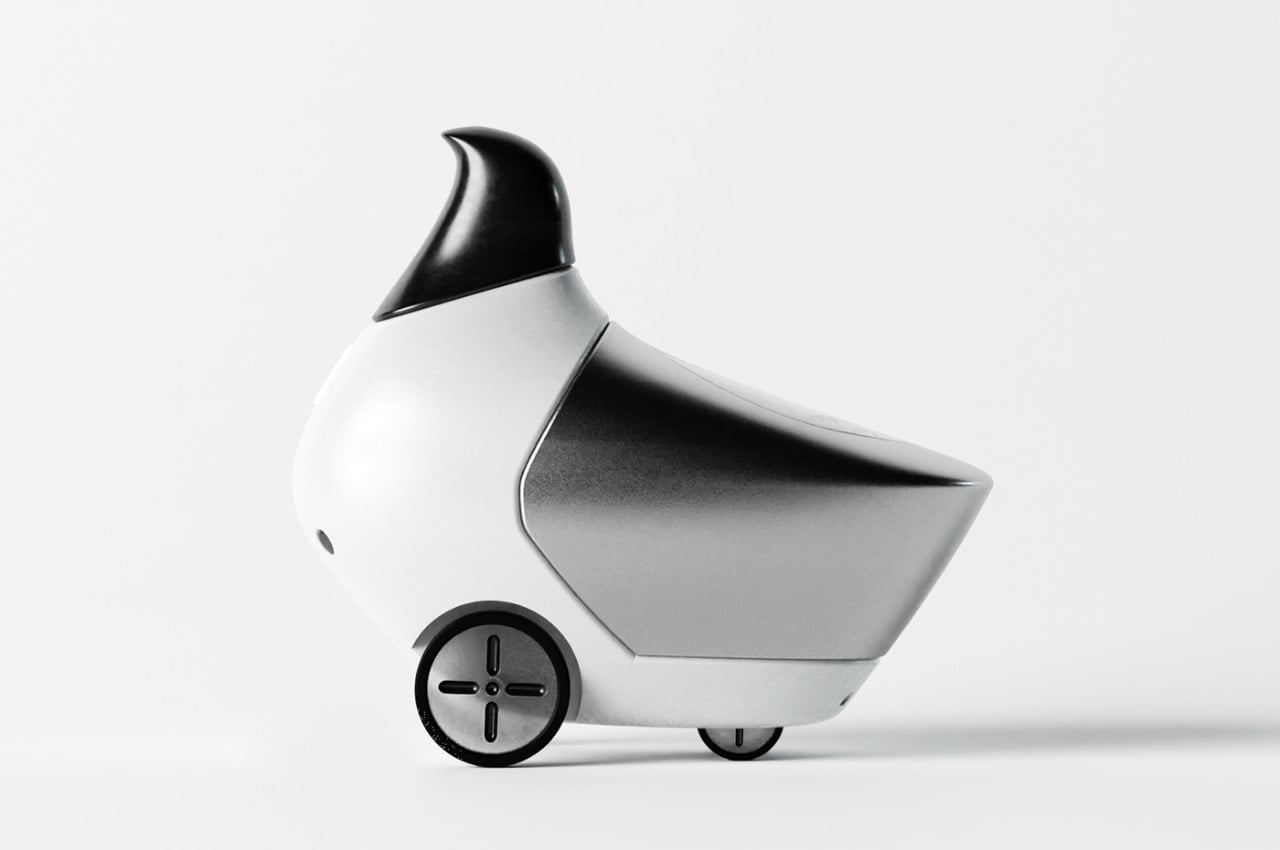
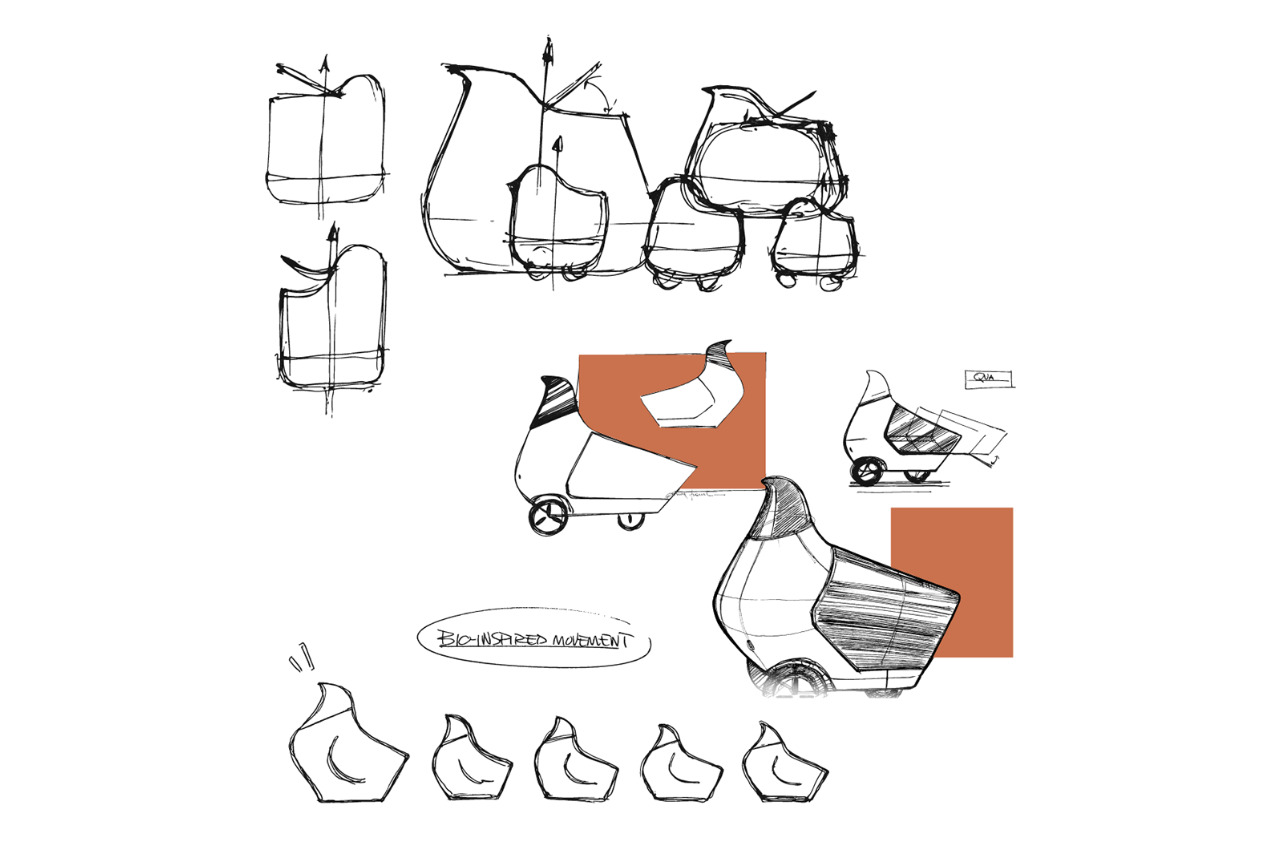
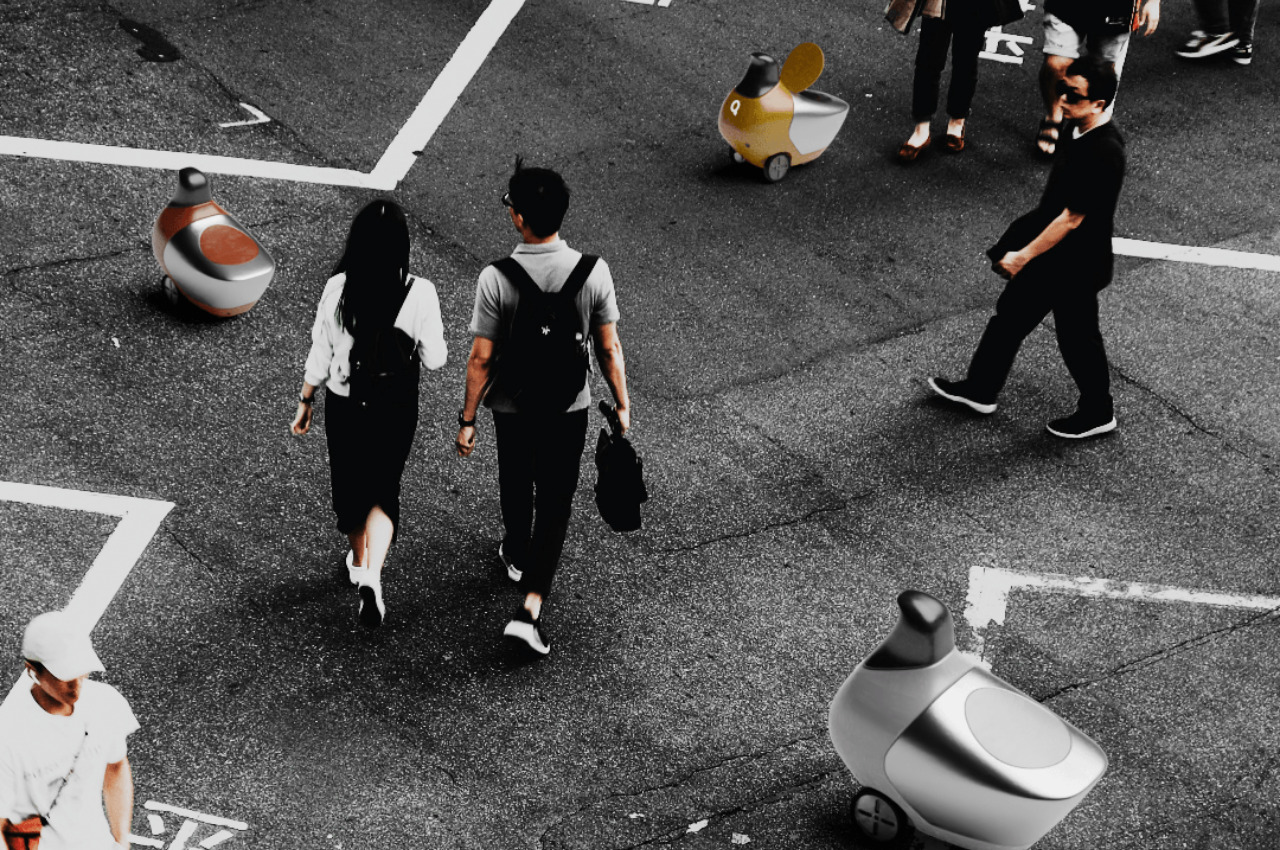
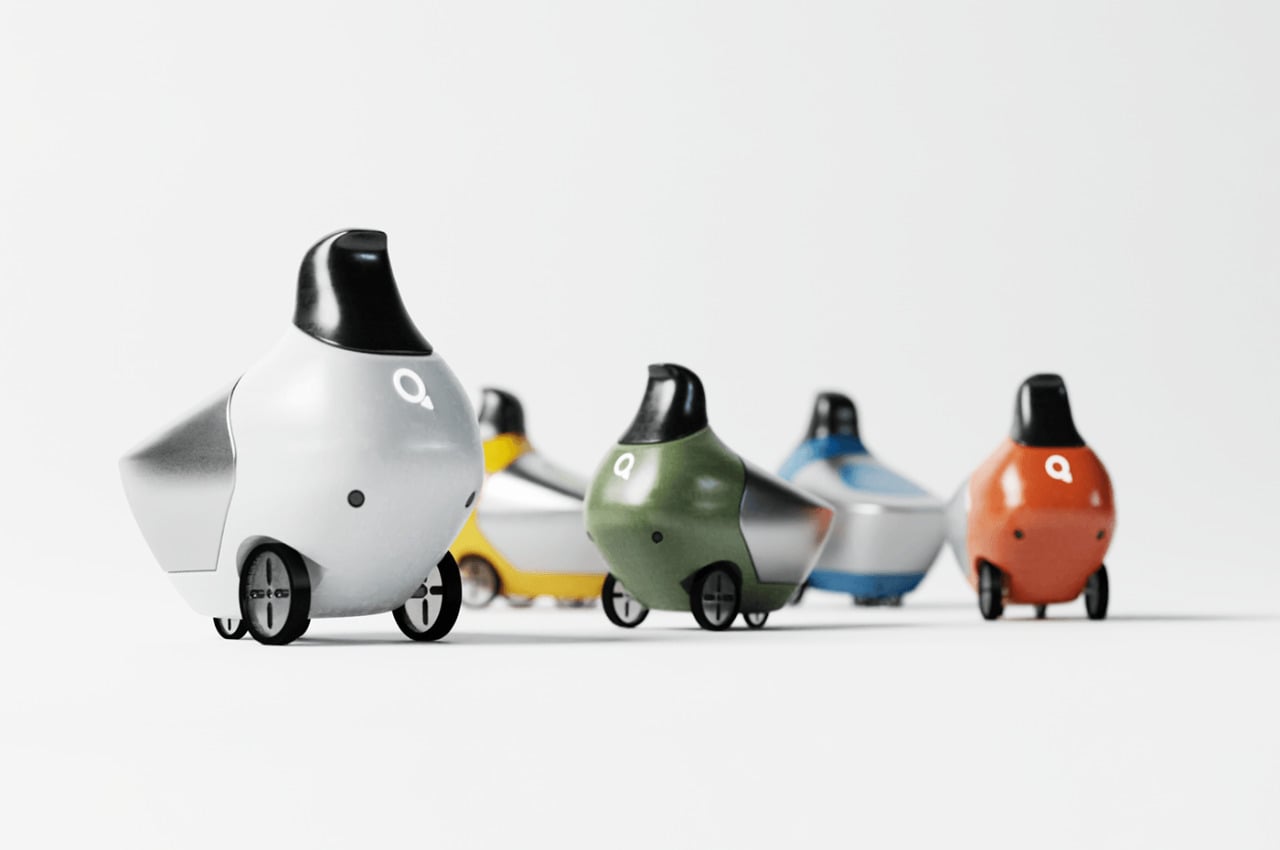
In the rapidly evolving landscape of smart cities, the integration of technology into everyday life is becoming increasingly prevalent. One innovative solution to the challenges of urban waste management is “Qua” – a system of smart baskets designed to change the paradigm of garbage collection through a bio-inspired and playful approach to social robotics.
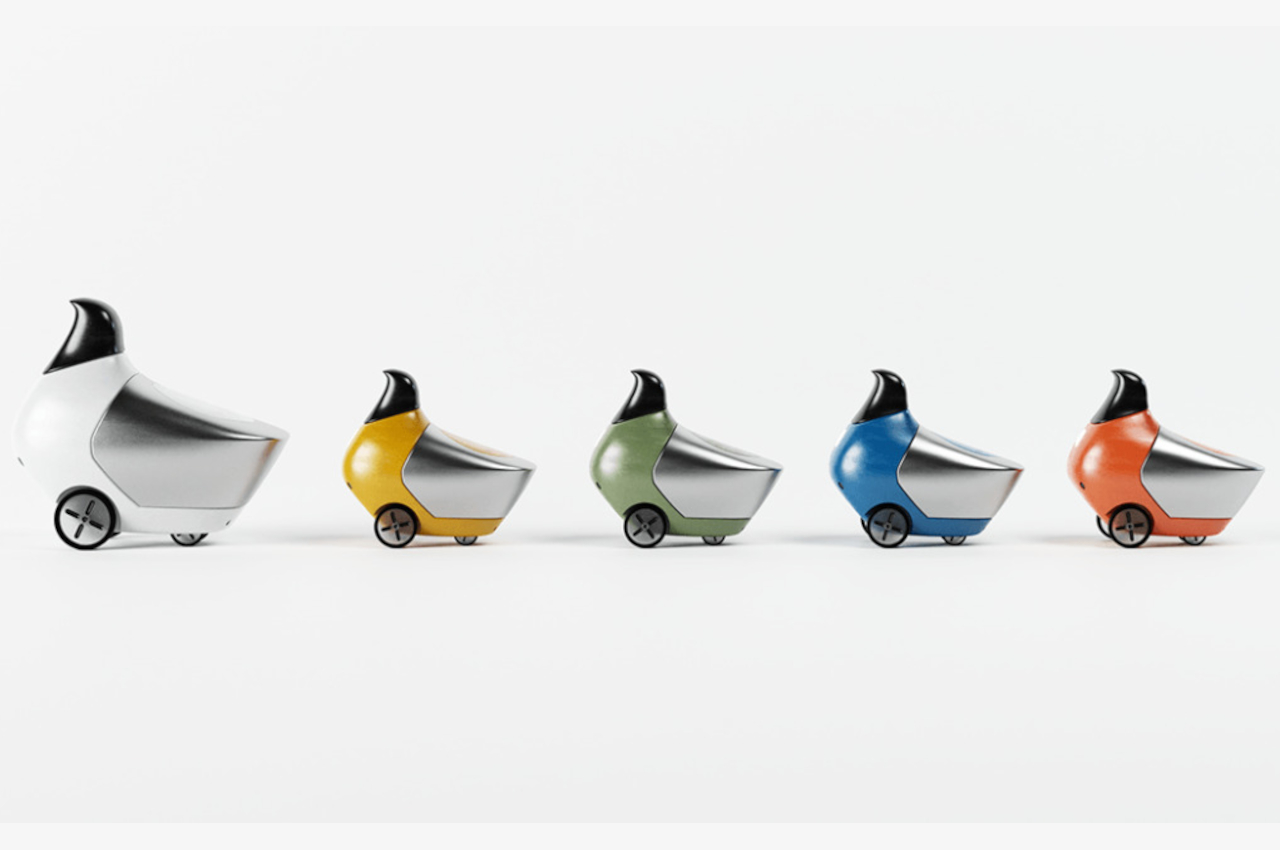
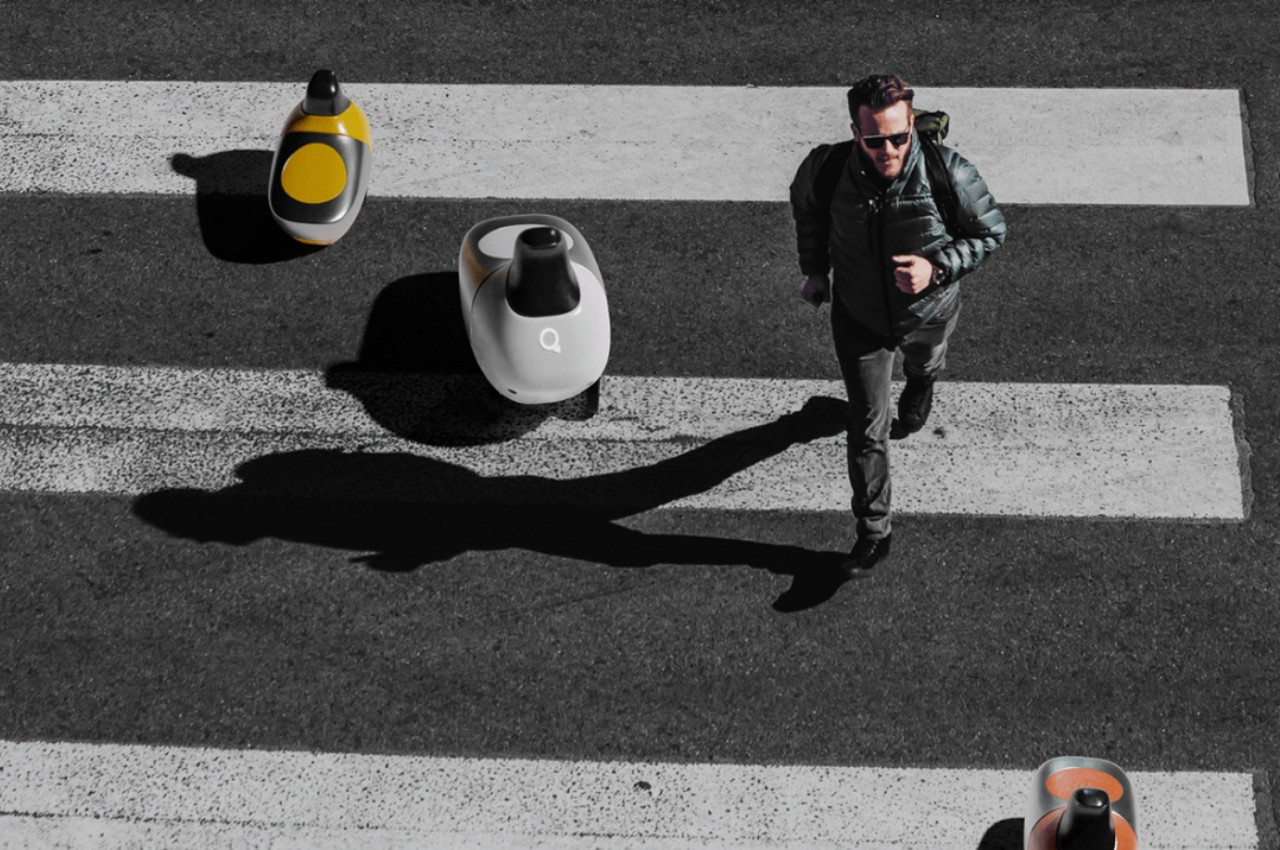
The creators of Qua have recognized the importance of seamlessly integrating robots into daily life. Unlike traditional robotic designs that may feel intimidating or too ‘robotic,’ Qua takes a different approach by drawing inspiration from nature, particularly the graceful and iconic single-file line movement of ducks. This design philosophy aims to make these robots a familiar and affable presence in urban environments, fostering acceptance and reducing the perceived intrusion of technology.
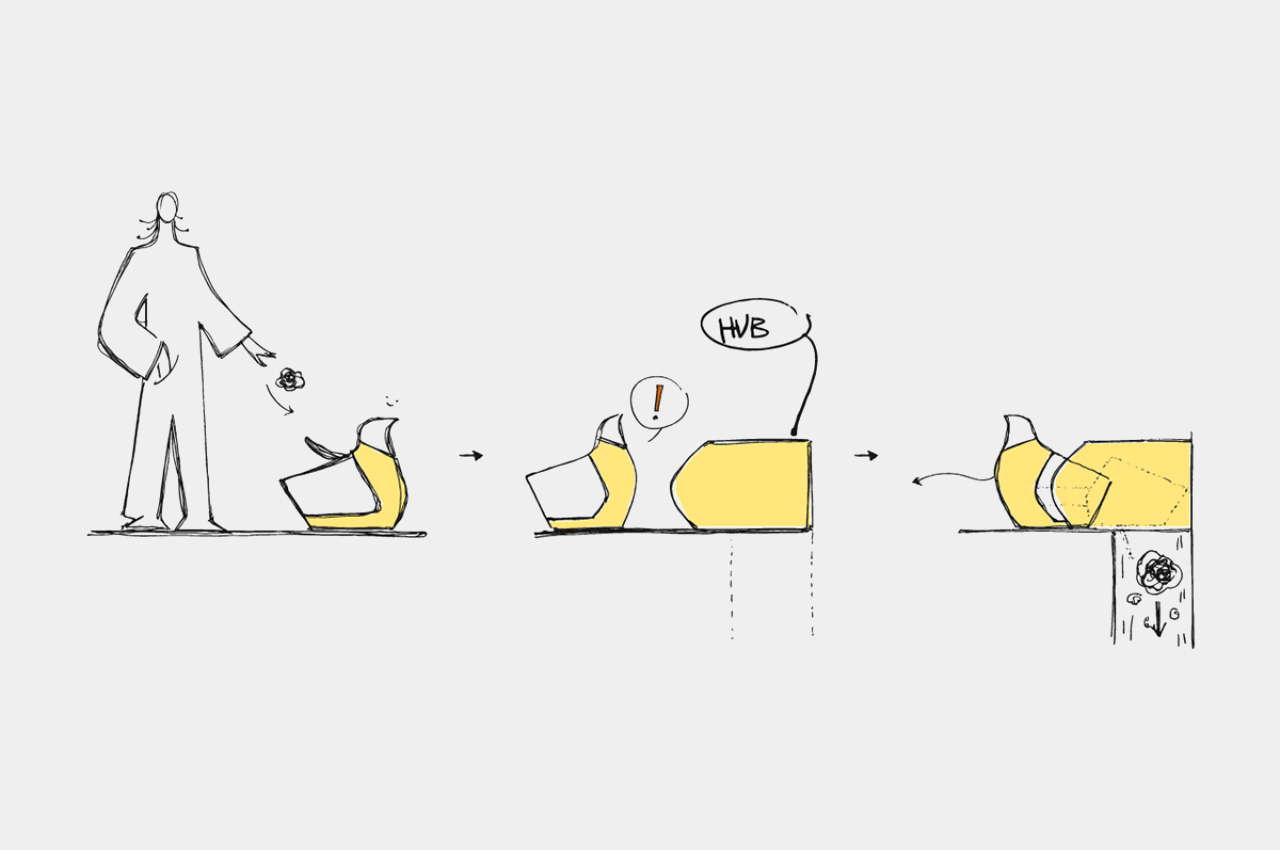
At its core, Qua is a system of autonomous waste collection baskets designed to move independently throughout the city. The baskets are equipped with sensors and artificial intelligence that allow them to recognize when a user needs to dispose of waste. Instead of requiring users to seek out a designated waste bin, it takes a proactive approach by approaching users when it detects the need for disposal.
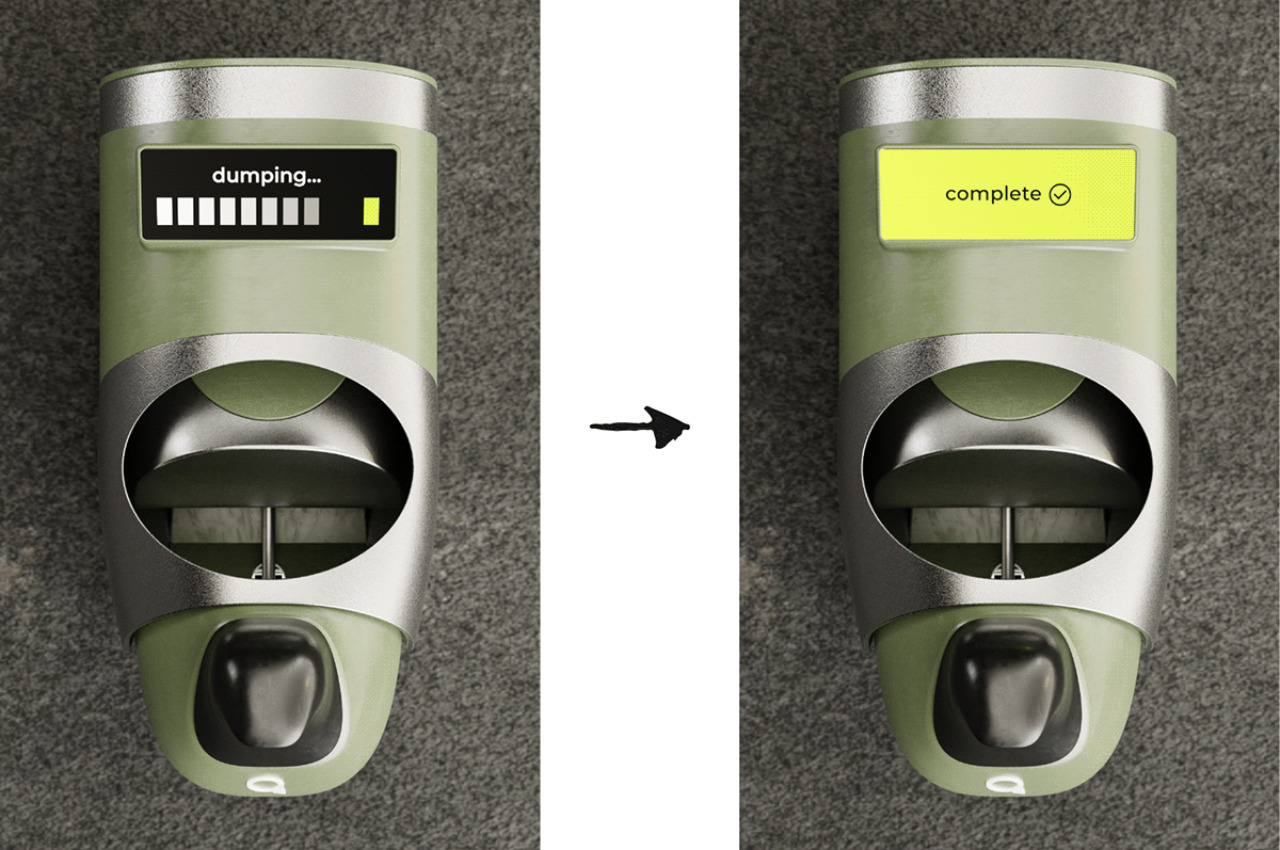
The functionality of the robot extends beyond its bio-inspired design. Once it identifies a user ready to dispose of waste, it autonomously navigates towards them, streamlining the waste disposal process. After facilitating the user in discarding their waste, Qua then autonomously returns to a designated charging hub responsible for waste disposal.
One of the key advantages of these robots is their potential to address the issue of littering, particularly among individuals who may be less inclined to walk the extra mile to find a waste bin. By bringing waste collection directly to the user, it offers a convenient and accessible solution to urban waste management. This is particularly beneficial in encouraging responsible waste disposal practices and minimizing littering in public spaces.
However, it’s essential to consider the potential downside of such technology. As noted, Qua could inadvertently cater to the convenience of those who are lazy or unwilling to make the effort to dispose of waste properly. It is definitely serving the larger purpose for society but it raises important questions about the role of technology in shaping behaviors and the need for a balance between convenience and responsibility.
Having said that, Qua represents a groundbreaking approach to waste management in smart cities. By combining bio-inspired design with advanced robotics, Qua aims to redefine the relationship between technology and urban living. As with any technological advancement, it’s crucial to consider the societal implications and strive for a balance that promotes convenience without compromising responsible behavior. The future of waste management may indeed be shaped by innovations like these robots, where technology not only serves a functional purpose but also harmoniously integrates with the natural flow of city life.