World’s Tiniest E-Reader Is The Size Of An AirPods Case – And It Makes You Read More

There was a period in the early 2000s when having your entire music library in your pocket felt like a miracle. The iPod did not invent portable music, but it made the experience so frictionless and so pleasurable that it genuinely changed how people related to listening. Nobody predicted that a click wheel and a hard drive would rewire an entire generation’s relationship with an art form. Paul Lagier has built something that carries a similar energy, except the art form is reading, and the device is roughly the size of a large stick of gum.

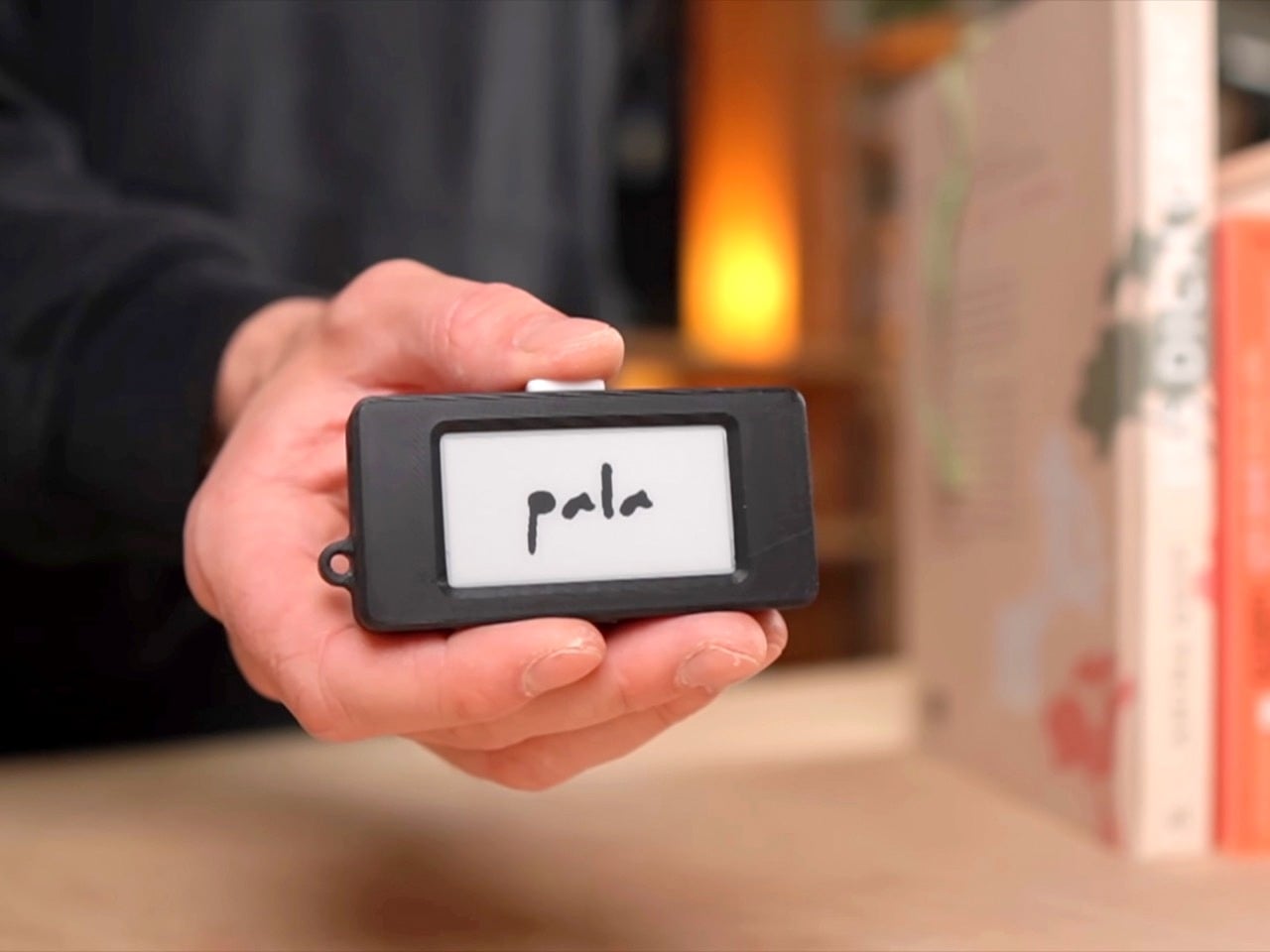
The Pala One is a fully functional e-reader that fits in a closed fist. Lagier 3D-printed the case, built the firmware around an ESP32 microcontroller, and designed the whole interaction model around a single physical button. The screen is small, the library caps out at six to ten books, and the interface is deliberately minimal. What it trades in screen real estate it returns in portability so complete that the device clips to a keychain and disappears into daily life. Lagier rebuilt it from scratch after the first version went viral in maker communities, and version two firmware adds folder support, list-making, faster load times, and a properly printable case. He has read over a thousand pages on it personally, and credits the Pala One’s size for making that possible.

Designer: Paul Lagier
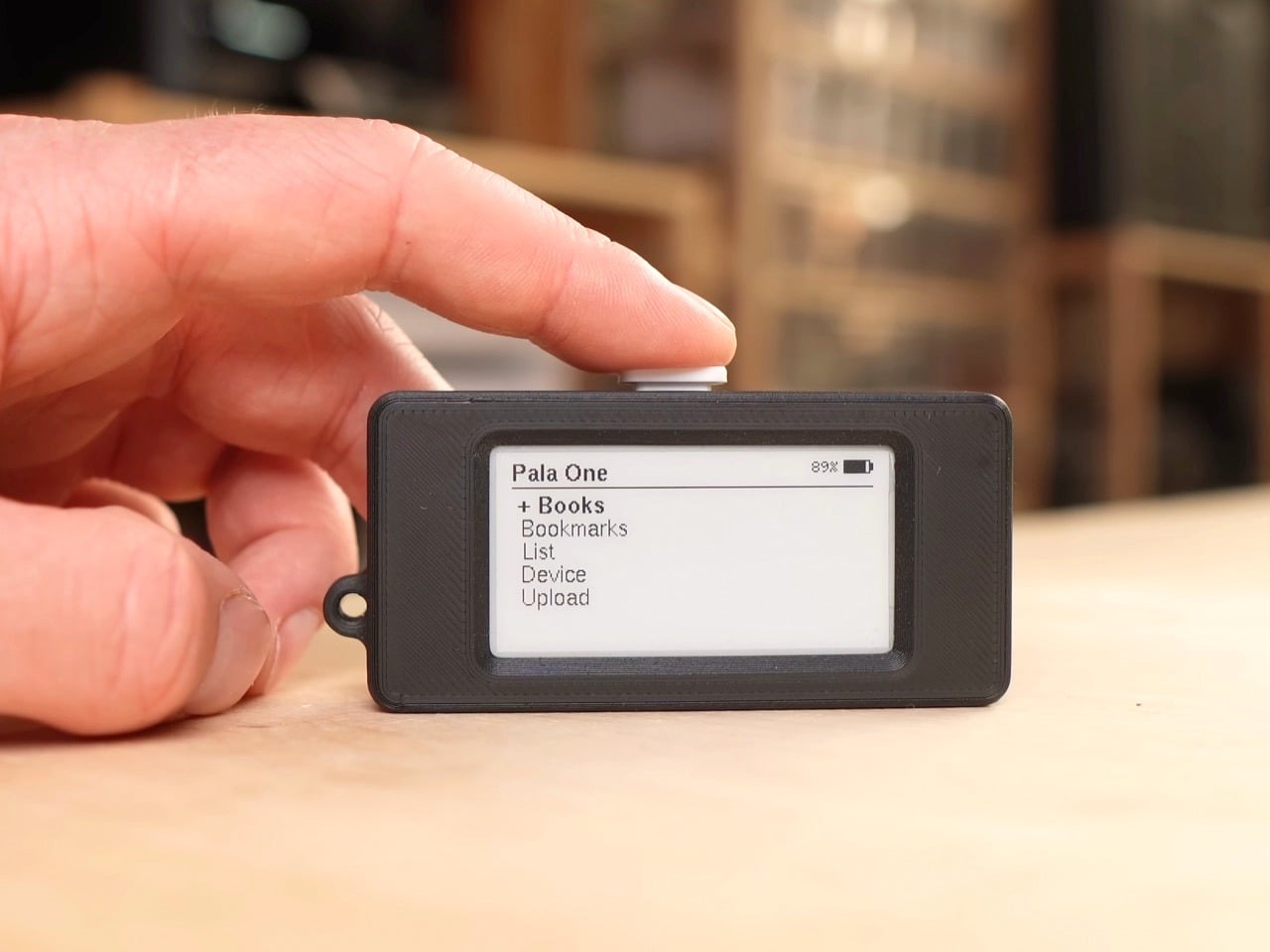
The case snaps together using one sliding piece on one side and screws on the other, a redesign driven entirely by community feedback after builders reported that the original pin system was unreliable on cheaper printers. M2 threaded inserts are optional but give the finished object a product-grade solidity that the first version lacked. A small loop on the chassis lets you run a lanyard or keychain through it, which sounds like a minor detail until you realise it is actually the whole point. A device that lives on your keys or your bag strap is a device that is genuinely always available, and availability is the entire thesis of the Pala One.
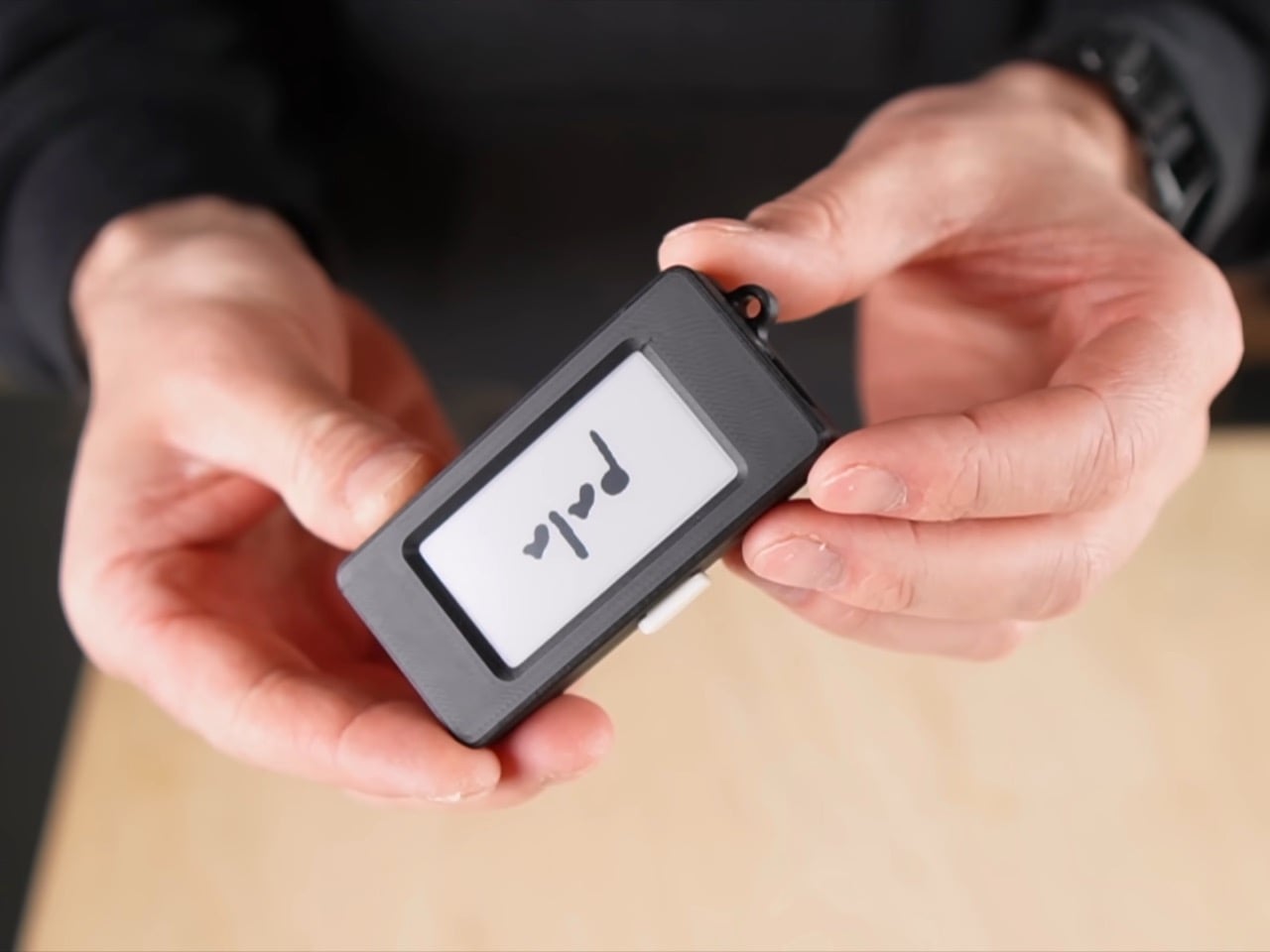
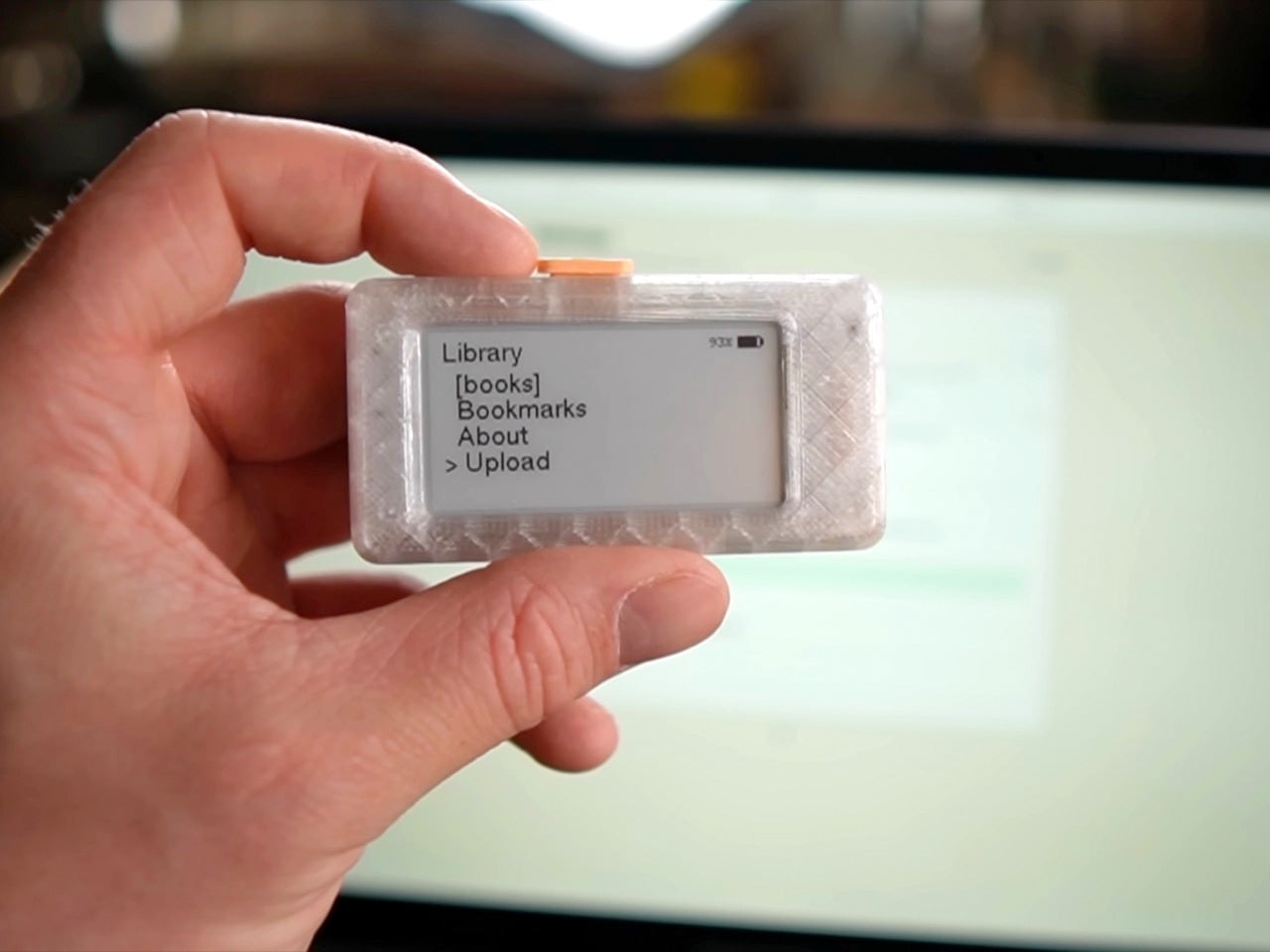
Lagier discovered, embarrassingly late by his own admission, that the ESP32’s 8 MB of onboard flash was being allocated so inefficiently that only 1.5 MB was actually available for books. By repartitioning the storage and adding automatic compression on upload, he pushed usable book storage up to around 5.5 MB. A typical 300 to 400 page book compresses down to roughly 0.5 MB, which means the device comfortably holds a small personal library. A storage indicator in the web interface keeps the math visible. Books load instantly even from deep within the text, bookmarks sync reliably, and a new position-jump feature handled through the web viewer means you are never stranded inside a long chapter with no way to navigate.
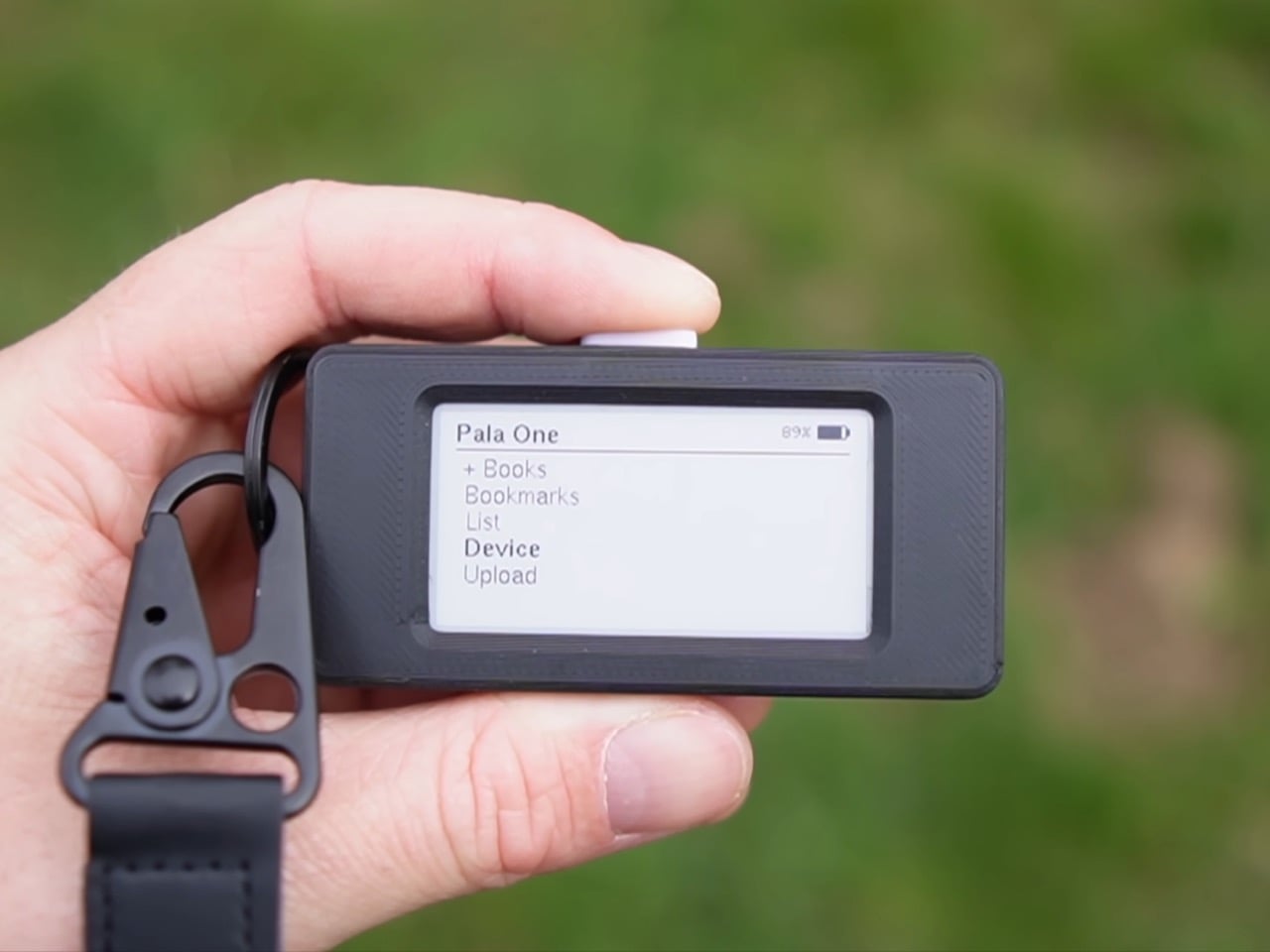
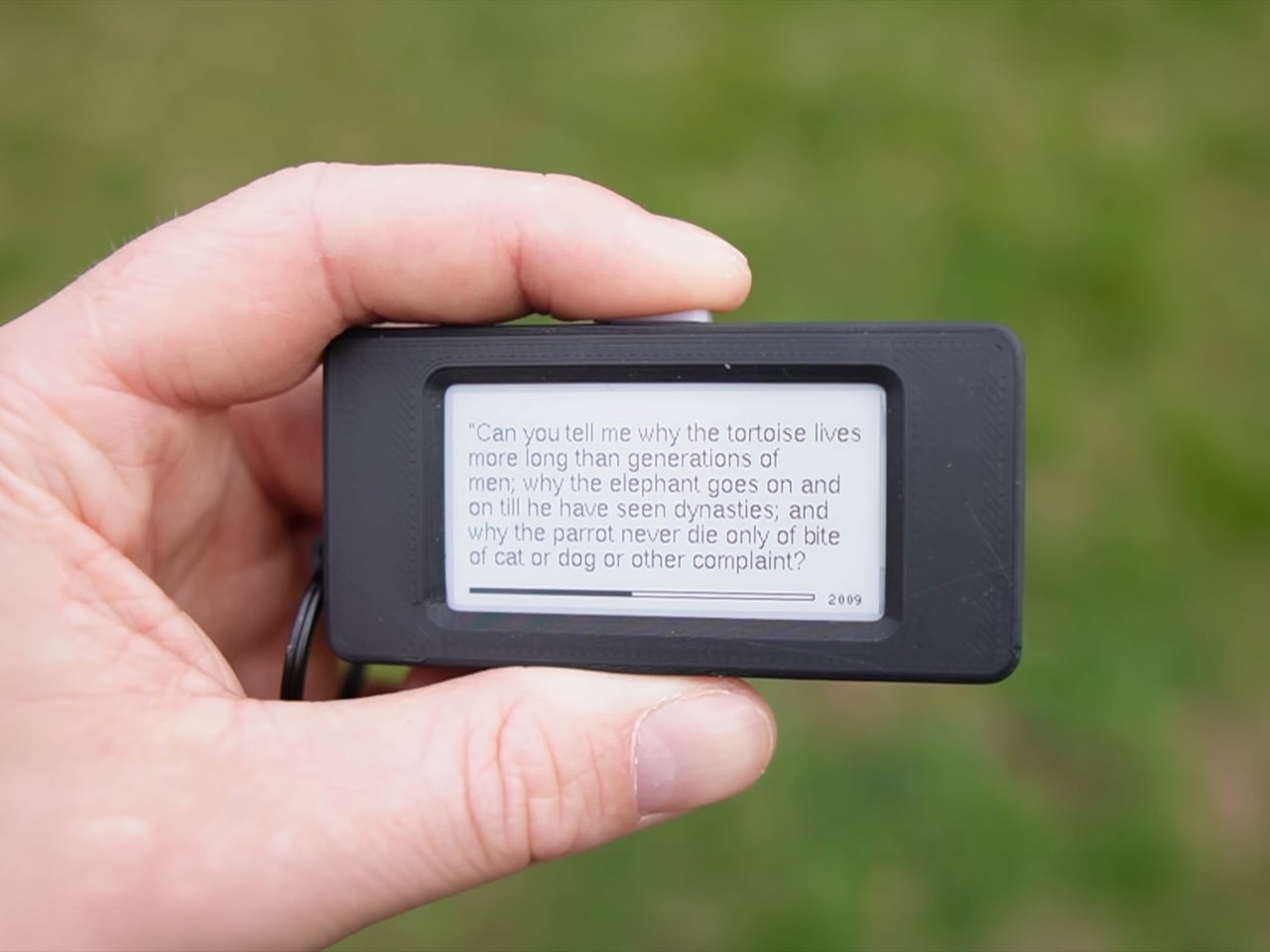
Lagier added a dedicated list section to version two, letting you create to-do lists, shopping lists, or anything else in the web interface and check items off directly on the device. Combined with folders for organising your library and bulk bookmark export for pulling your annotations out all at once, the Pala One starts to feel less like a gadget and more like a considered companion object. The single button controls everything, cycling through menus and pages with a logic that becomes muscle memory within minutes. There is something almost meditative about an interface with exactly one input.
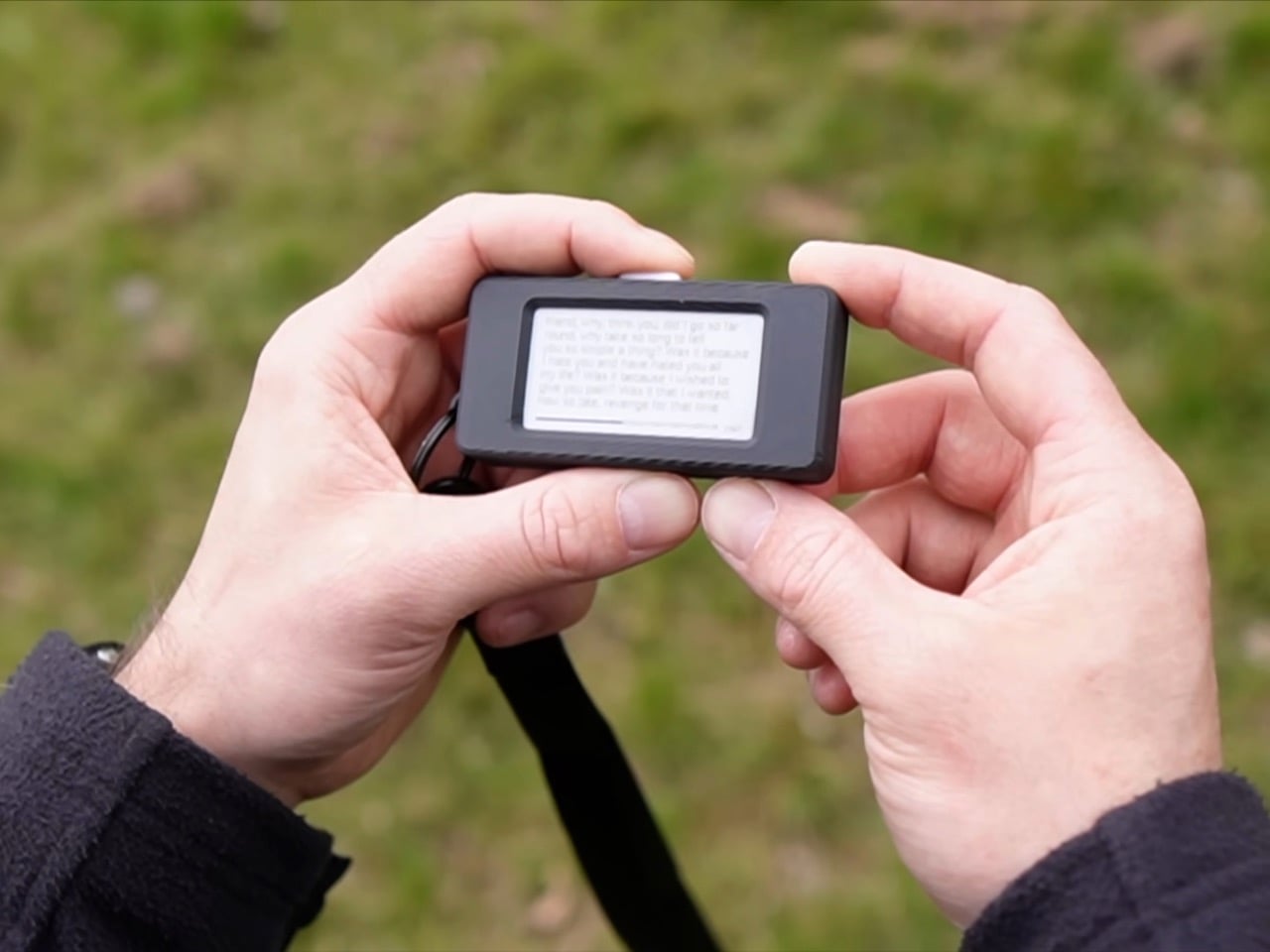
The Kindle is a genuinely good product. So is the Kobo. Both are vastly more capable than the Pala One in every measurable specification, and neither of them has gotten me to read more. The Pala One’s entire argument is that the best reading device is the one that is physically present when the impulse to read strikes, and a device the size of an AirPods case wins that argument by default. Lagier has made the files available on his Ko-fi page, with a one-time purchase granting access to all future updates. If you own a 3D printer and have an afternoon free, the most compelling reading device of 2025 costs you almost nothing to build.
The post World’s Tiniest E-Reader Is The Size Of An AirPods Case – And It Makes You Read More first appeared on Yanko Design.
What to expect from Google I/O 2026

We're sliding into developer conference season and one of the biggest events on the upcoming calendar is Google I/O. This year's edition is taking place on May 19 and 20. As usual, the in-person element will happen in Mountain View, California, though many of the keynotes and sessions will be livestreamed. Google will surely make its biggest announcements during the opening keynote, which will start at 1PM ET on May 19. A developer keynote will take place later the same day.

As ever, the rumor mill will pick up speed in the leadup to Google I/O. We do have some ideas about what Google will discuss at the event. So let's take a look at what to expect at Google I/O 2026 (we'll update this story as we hear more credible rumors).

Google I/O logo
Google I/O logo
Google

When it confirmed the dates for this year's I/O, Google revealed a little bit about what it has in store for us. As you might imagine, AI will be a major focus of the event. Google plans to share its "AI breakthroughs and updates in products across the company, from Gemini to Android, Chrome, Cloud and more," it wrote in a blog post in February. 

There will be news on Gemini model updates as well as agentic coding. Google will have some product demos too.

The company has released its initial schedule of keynotes and sessions, but it doesn't provide us with a lot of specifics as yet. It has lined up discussions on what's new in the likes of Google Play, Firebase (a mobile and web app development platform), the Gemma open model family and the open-source app development framework Flutter. Interestingly, there isn't a dedicated session for Android XR on the schedule just yet.

Leaked image of Google's Aluminium OS
9to5Google

There haven't been many credible leaks ahead of Google I/O as yet, but we can make some educated guesses about what to expect from the event. It's all but certain that we'll get more details about Android 17 at I/O. Developers need time to tweak their apps ahead of the next major version of the operating system rolling out to everyone if they want to take advantage of new features as soon as possible, and they invariably get a heads up about those at I/O every year. (That said, Google has been moving away from a big annual release approach in favor of juicier Pixel Drops/Android updates, so we may not see some of the new features it unveils at I/O for some time.)

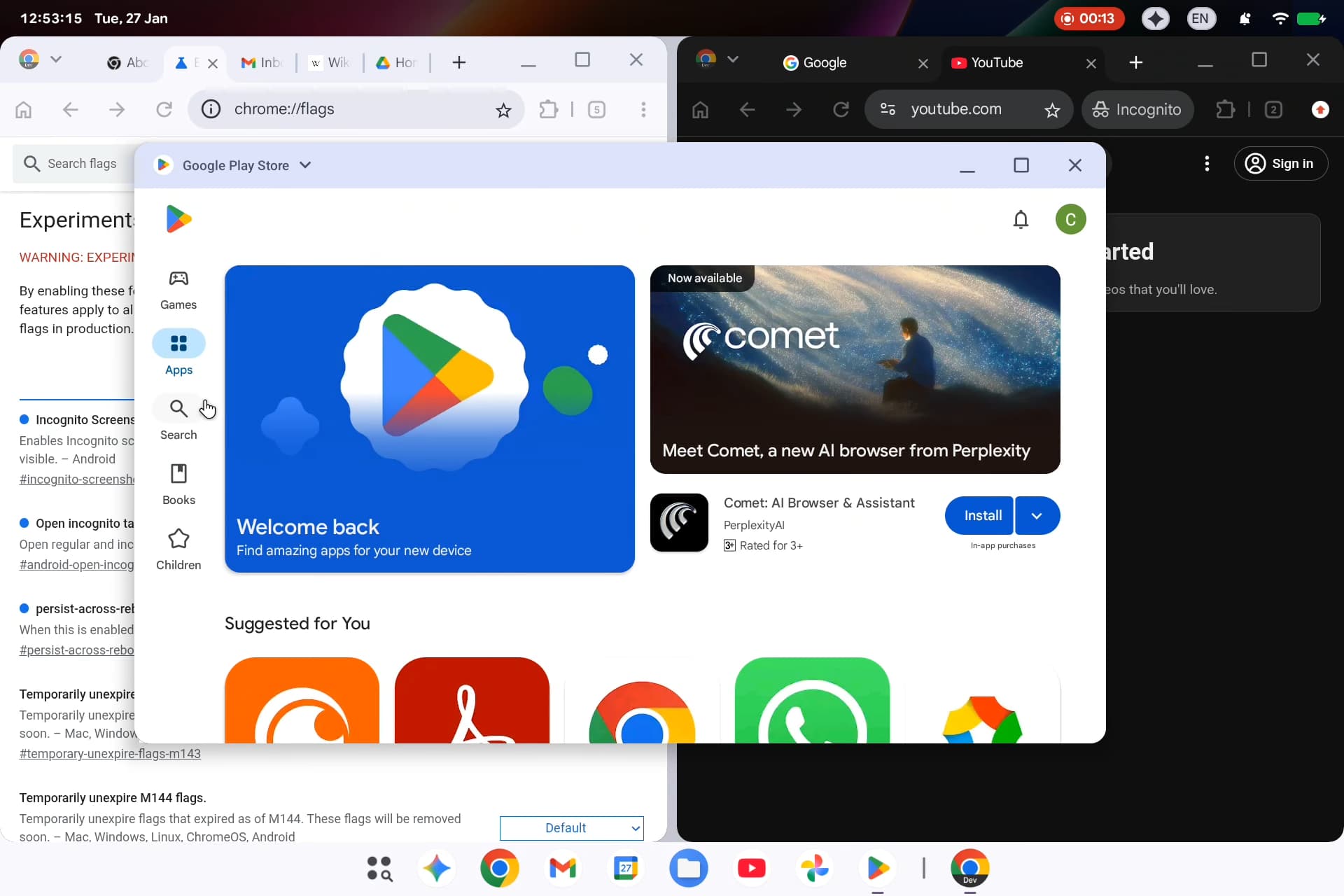
As for other operating systems, Google is planning to meld ChromeOS and Android into a unified platform. This seems to be the project that's being referred to as Aluminium OS, which we got a first glimpse of earlier this year thanks to some leaks. I/O seems like the perfect venue for Google to start showing that off to the public.

On the AI front, a reveal of Gemini 4 could be on the docket, along with details of the latest Veo text-to-video model. Maybe we’ll hear more about Project Astra, Google’s pitch for a universal AI assistant.

If Google has some consumer hardware to show off at this year's event, I suspect it'll be an Android XR device or devices, rather than a Pixel phone or watch. There is a chance that we'll get a tease of the Google Pixel 11 lineup. But don't be surprised if we don't see that or the Pixel Watch 5 until Google's dedicated hardware event, which has taken place in August or October in recent years (Google will want to stay well away from Apple's iPhone event, which will likely take place in September as usual). 

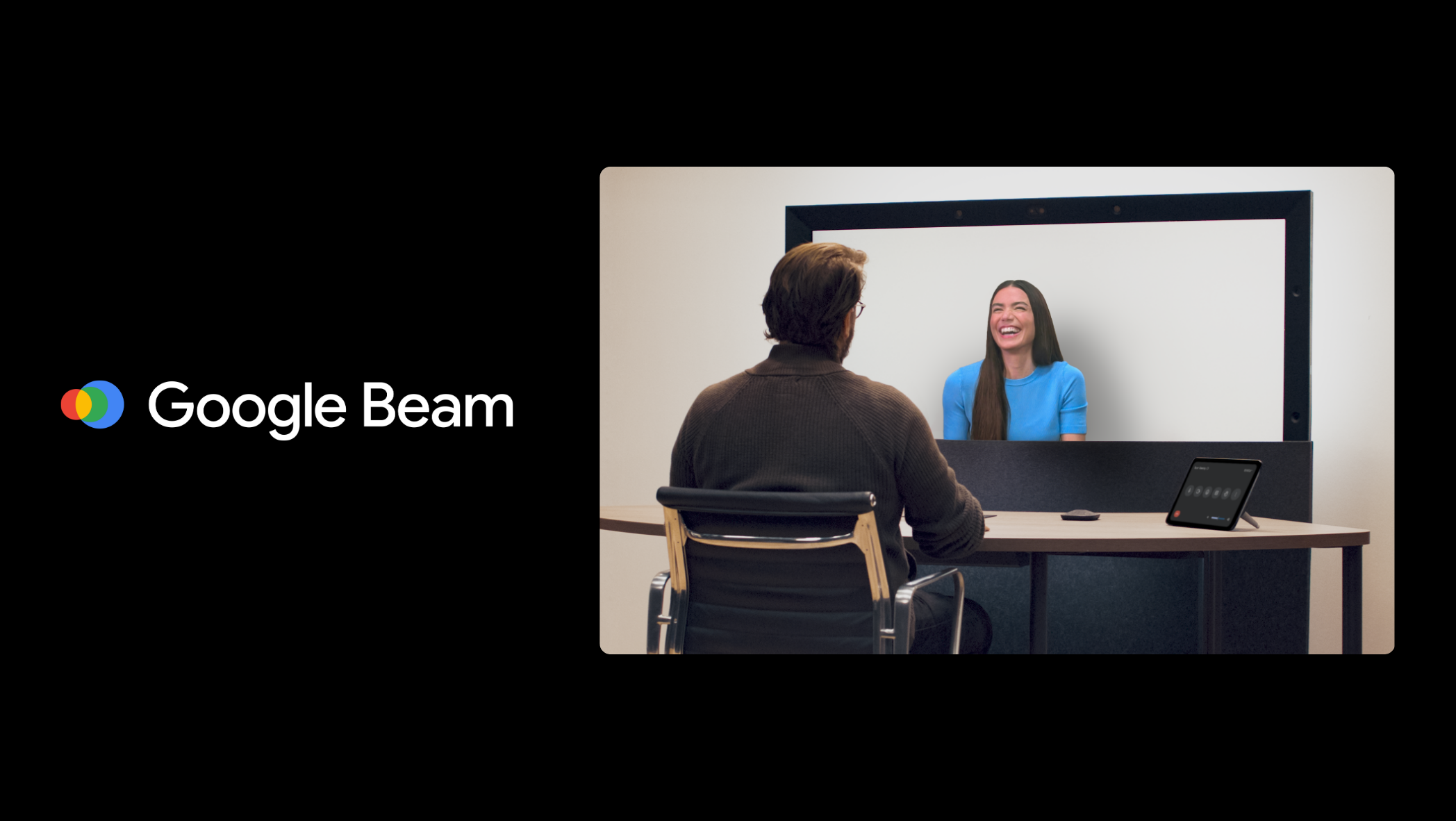
A banner image with the Google Beam logo on the left and a person sitting in front of the Beam screen talking to another person, who appears to pop slightly out of the screen.
Google

Sure, Android updates are all well and good. If Google insists on cramming Gemini and other AI tools into all of its tools and services, we’ll at least listen to what they have to say about all that.

But I have my fingers crossed for some cool surprises. Give us something new from Google X (Alphabet’s moonshot factory, not the thing that was once Twitter), an idea that could be a net benefit for humanity and boost the company’s bottom line at the same time. These events are always more fun when there’s something for us to get genuinely excited about, even if it’s something relatively niche but out there, like the Google Beam 3D video conferencing tech.

This article originally appeared on Engadget at https://www.engadget.com/ai/what-to-expect-from-google-io-2026-200252914.html?src=rss

League of Legends’ new WASD control scheme will be enabled for ranked later this month

Riot Games released a pile of updates for its long-running MOBA League of Legends. One of the more noteworthy changes coming to the game is the official launch of WASD controls. This alternate option, allowing players to traverse the rift by keyboard rather than by mouse, is rolling out to ranked matches in patch 26.9. 

Riot first announced that it was pursuing support for WASD controls last August. The studio said it wanted to ensure that the alternate control scheme wasn't more powerful than point-and-click movement; Riot said it was targeting a low win-loss rate difference between the options before releasing it to League players. "There's still a small delta in the win-rates between the control schemes, with Point and Click having a minor advantage," according to today's devlog dedicated to this new feature. "We expect that difference will decrease over time as players gain more mastery with WASD, but we will continue to monitor this stat in the future." 

That blog post goes into more detail about how the team tested and gauged community responses to WASD, which is pretty neat stuff if you're a game dev nerd. League will be receiving a few new accessibility improvements, such as custom inputs for moving the mouse cursor and some new flexibility for keybinds, along with the new control scheme. Although Riot was clear to say that it's not adding official support for controllers or gamepads, players will be able to use WASD controls with a joystick.

This article originally appeared on Engadget at https://www.engadget.com/gaming/league-of-legends-new-wasd-control-scheme-will-be-enabled-for-ranked-later-this-month-193858052.html?src=rss

Rolls-Royce Project Nightingale reimagines the electric convertible as a coachbuild work of art

There’s a certain quiet confidence that defines modern Rolls-Royce Motor Cars; a refusal to chase trends, instead shaping them with deliberate restraint. With Project Nightingale, that philosophy evolves into something far more expressive: an ultra-exclusive, all-electric coachbuilt convertible that doesn’t just reinterpret luxury, but stretches its very boundaries.

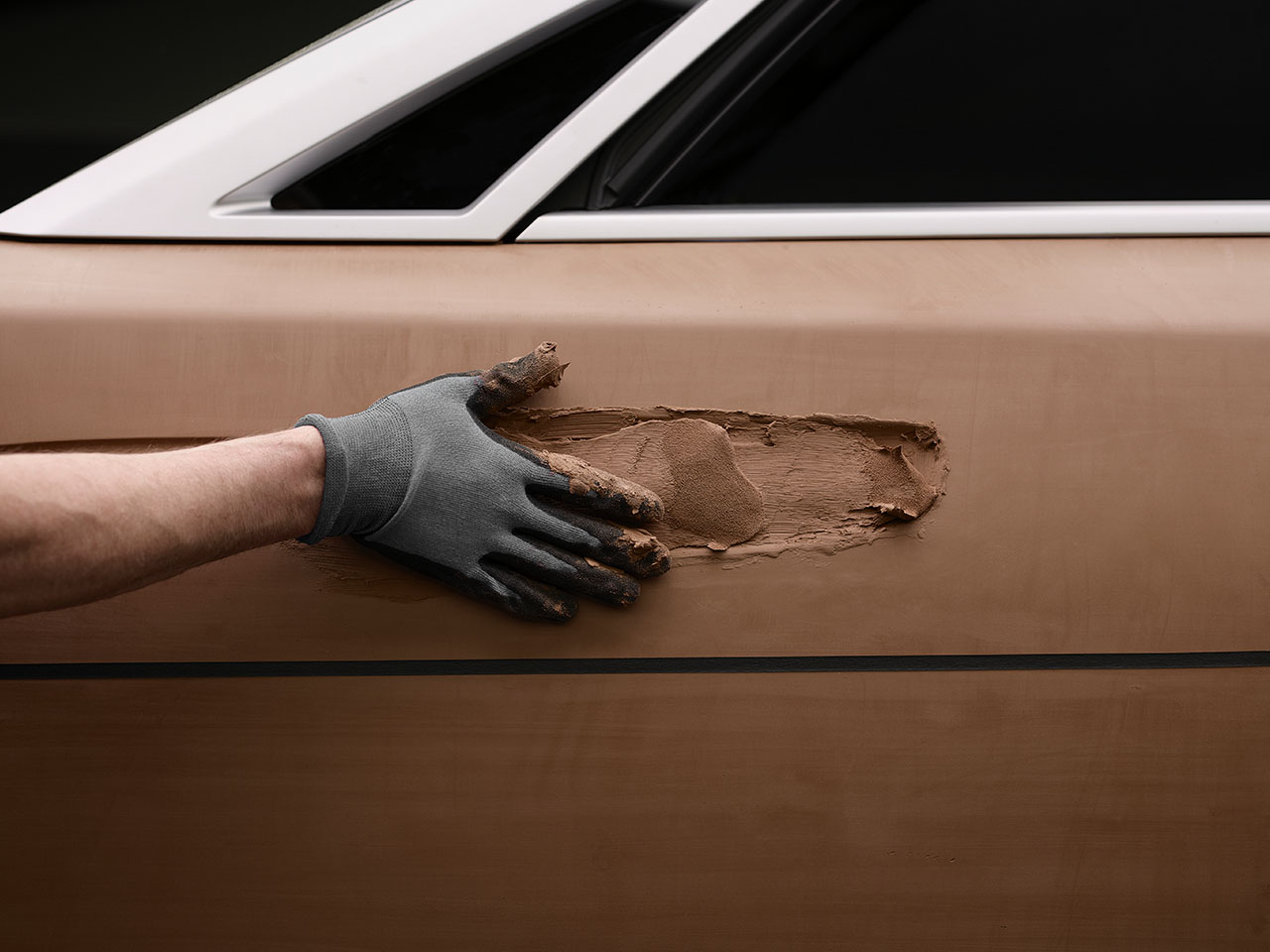
Unveiled as the first chapter in the marque’s new Coachbuild Collection, Project Nightingale is conceived as a “production concept” reserved for the brand’s most discerning patrons. Limited to just 100 units worldwide and available strictly by invitation, the car embodies a return to Rolls-Royce’s deeply personal, commission-led heritage while formalizing it into a curated series of collectible creations.

Designer: Rolls-Royce

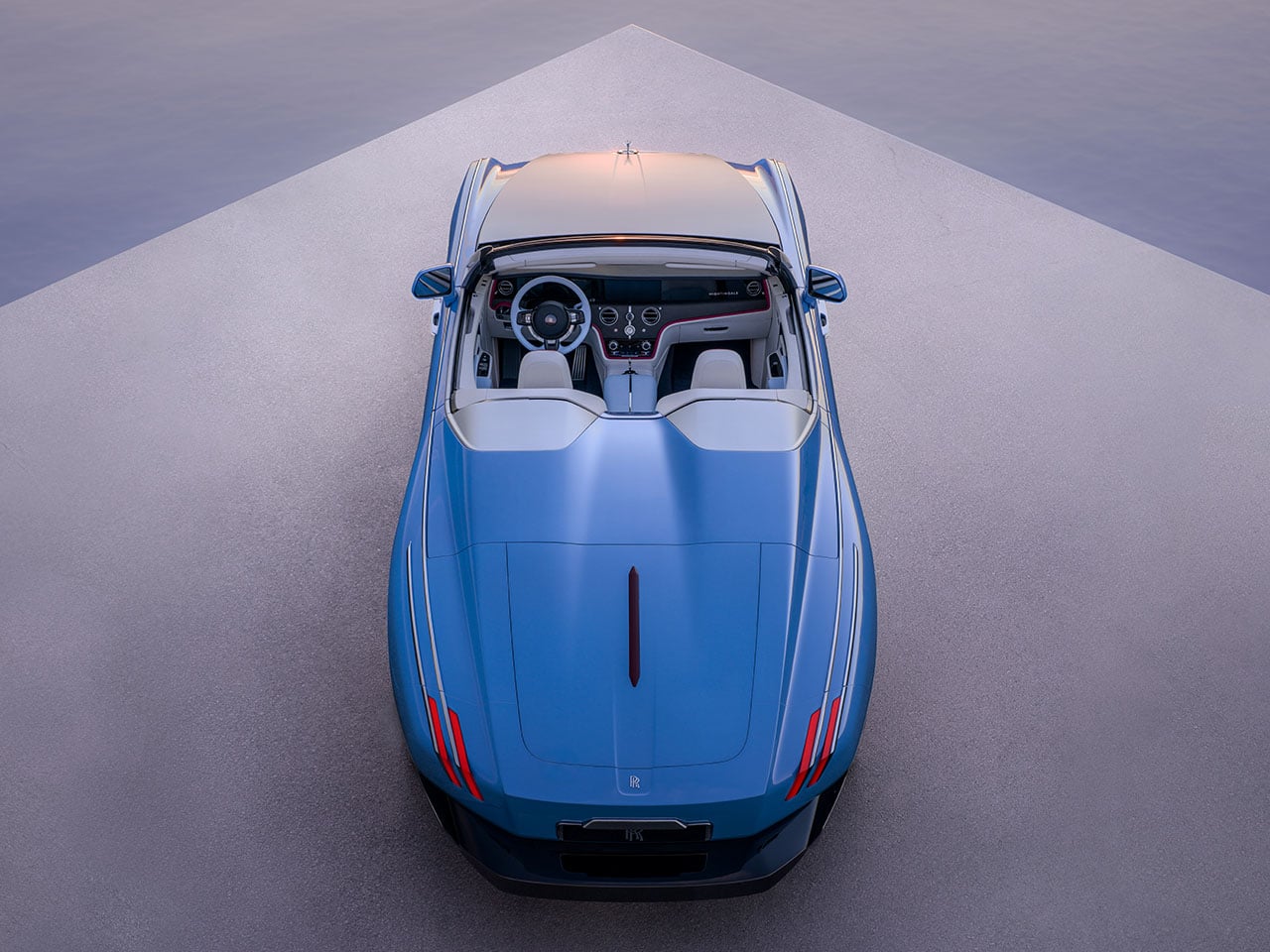
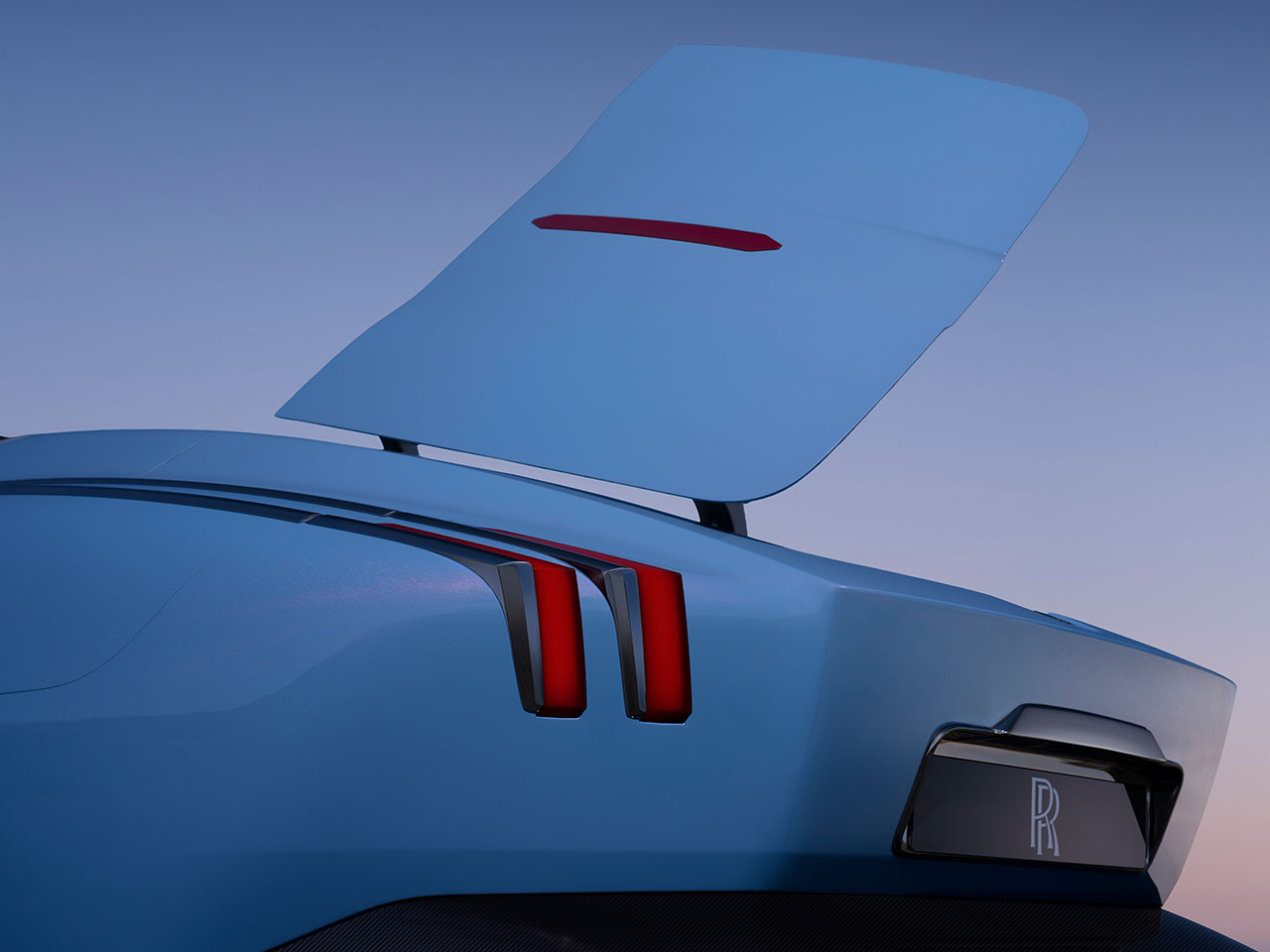
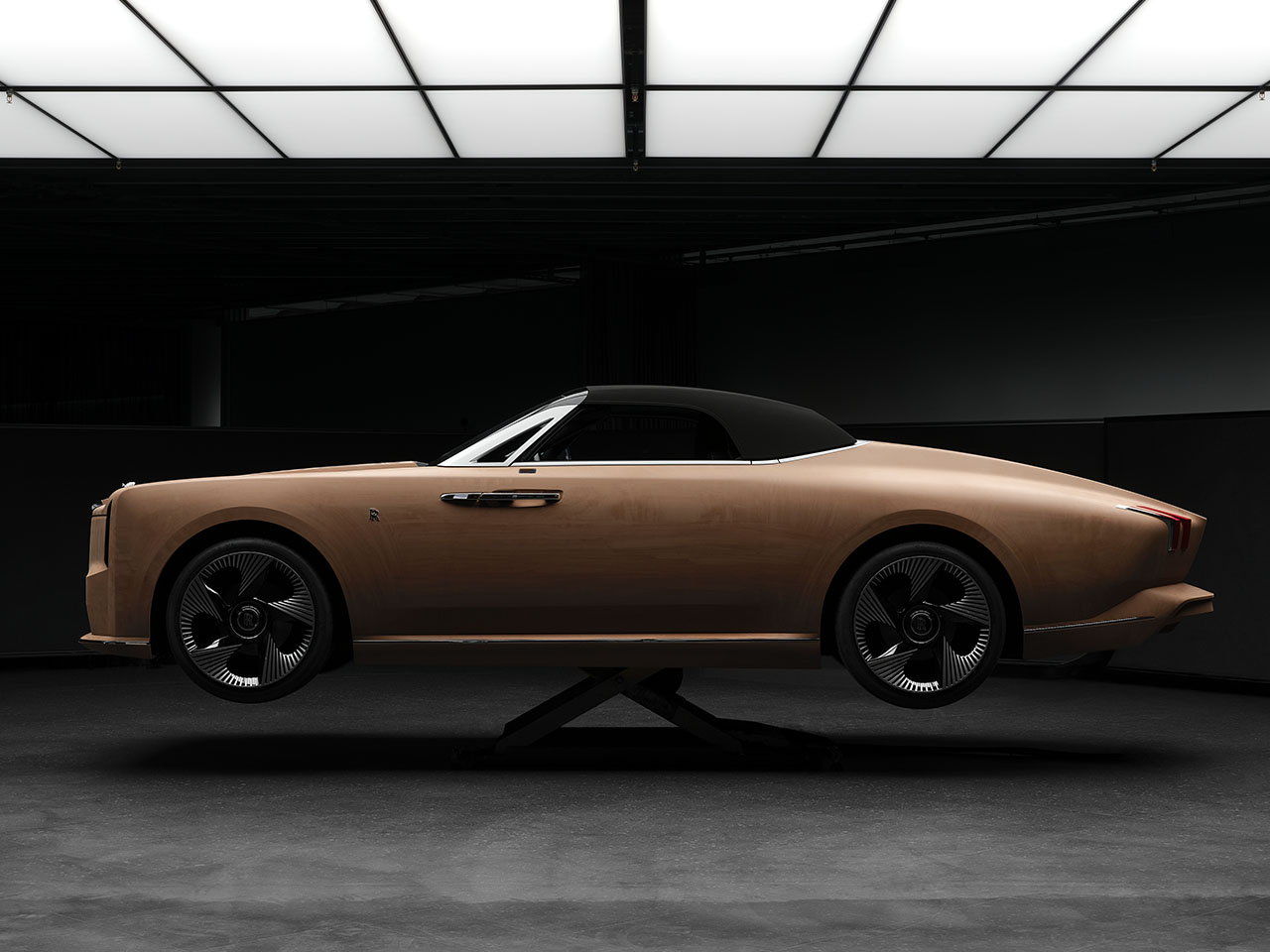
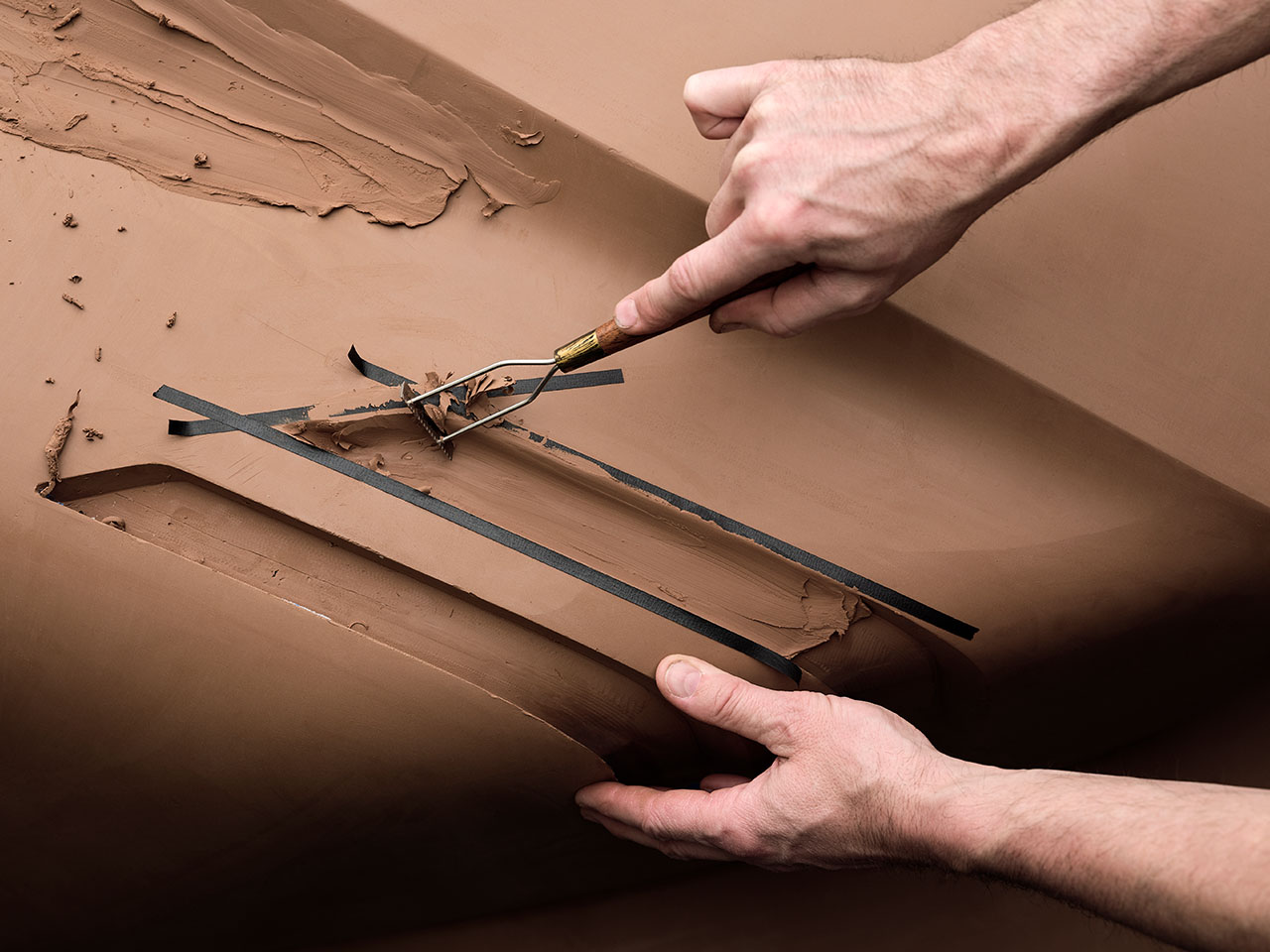
At nearly 18.9 feet long (comparable to the Phantom), this is no conventional roadster. Its grand proportions house a two-seat, open-top configuration that merges the theatrical presence of pre-war experimental models with the silence of a modern electric drivetrain. The design draws heavily from the brand’s 1920s ‘EX’ prototypes, channeling the audacity of that era through a Streamline Moderne aesthetic defined by uninterrupted surfaces, elongated forms, and a sense of monolithic elegance.

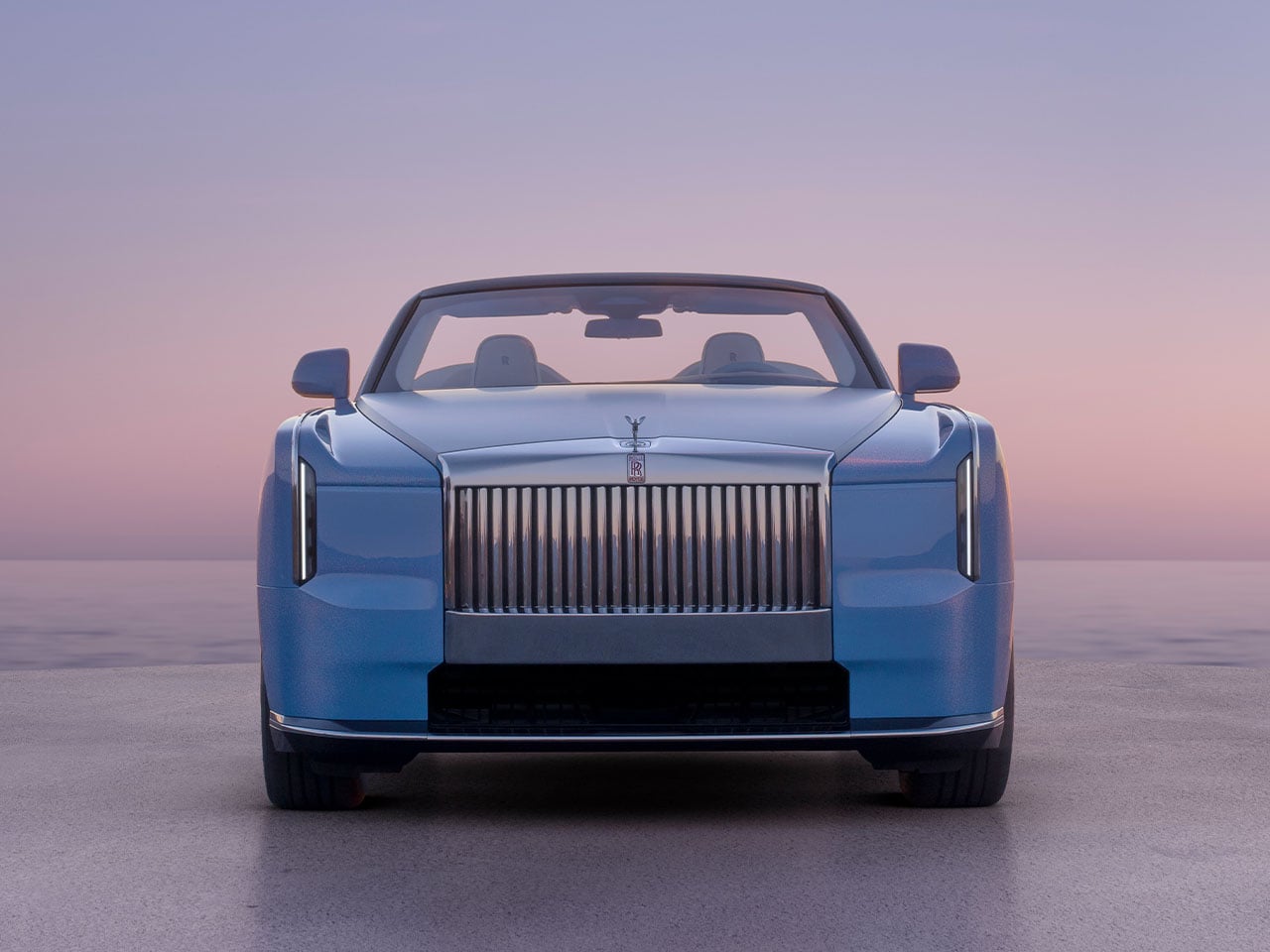
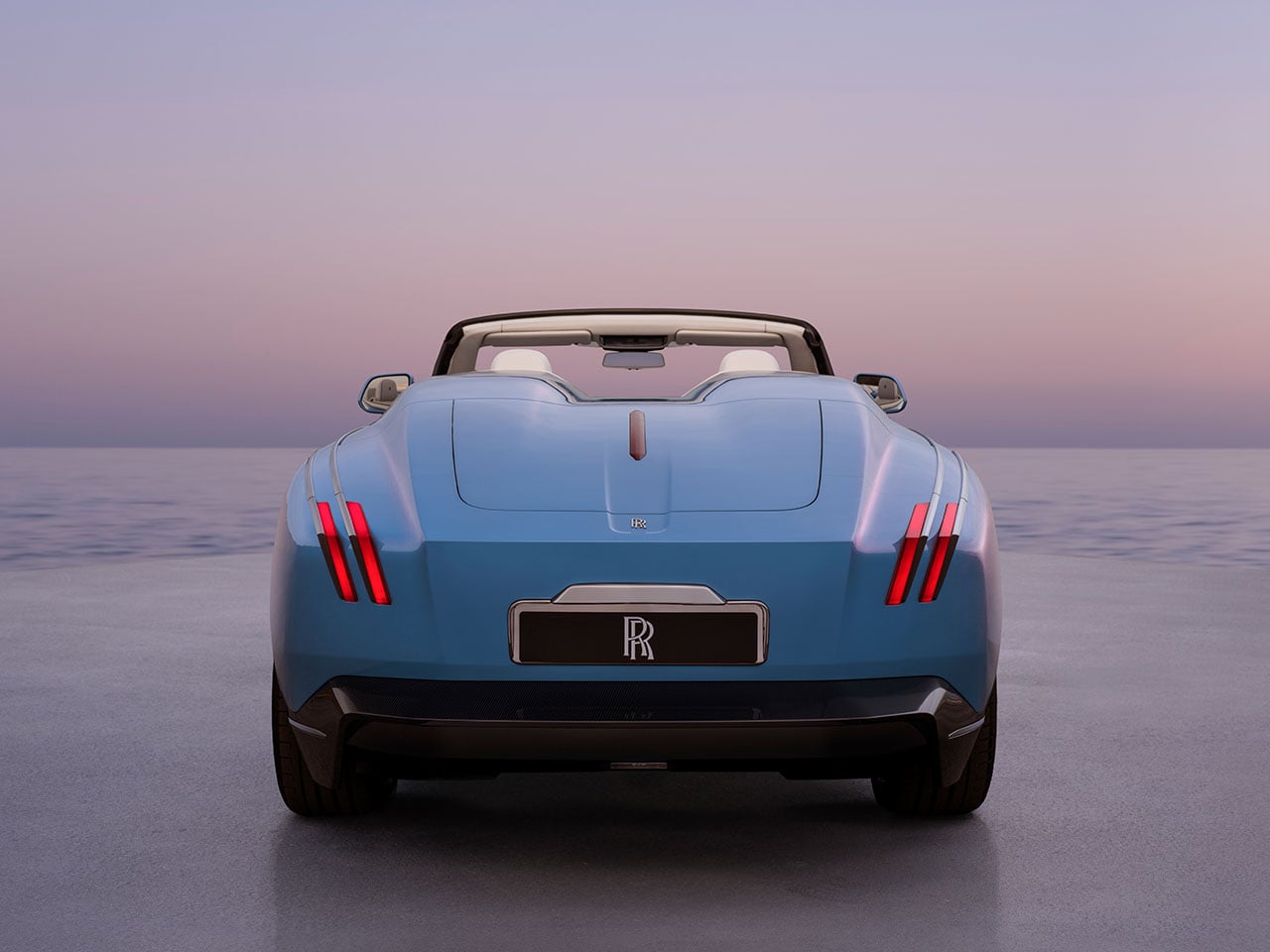
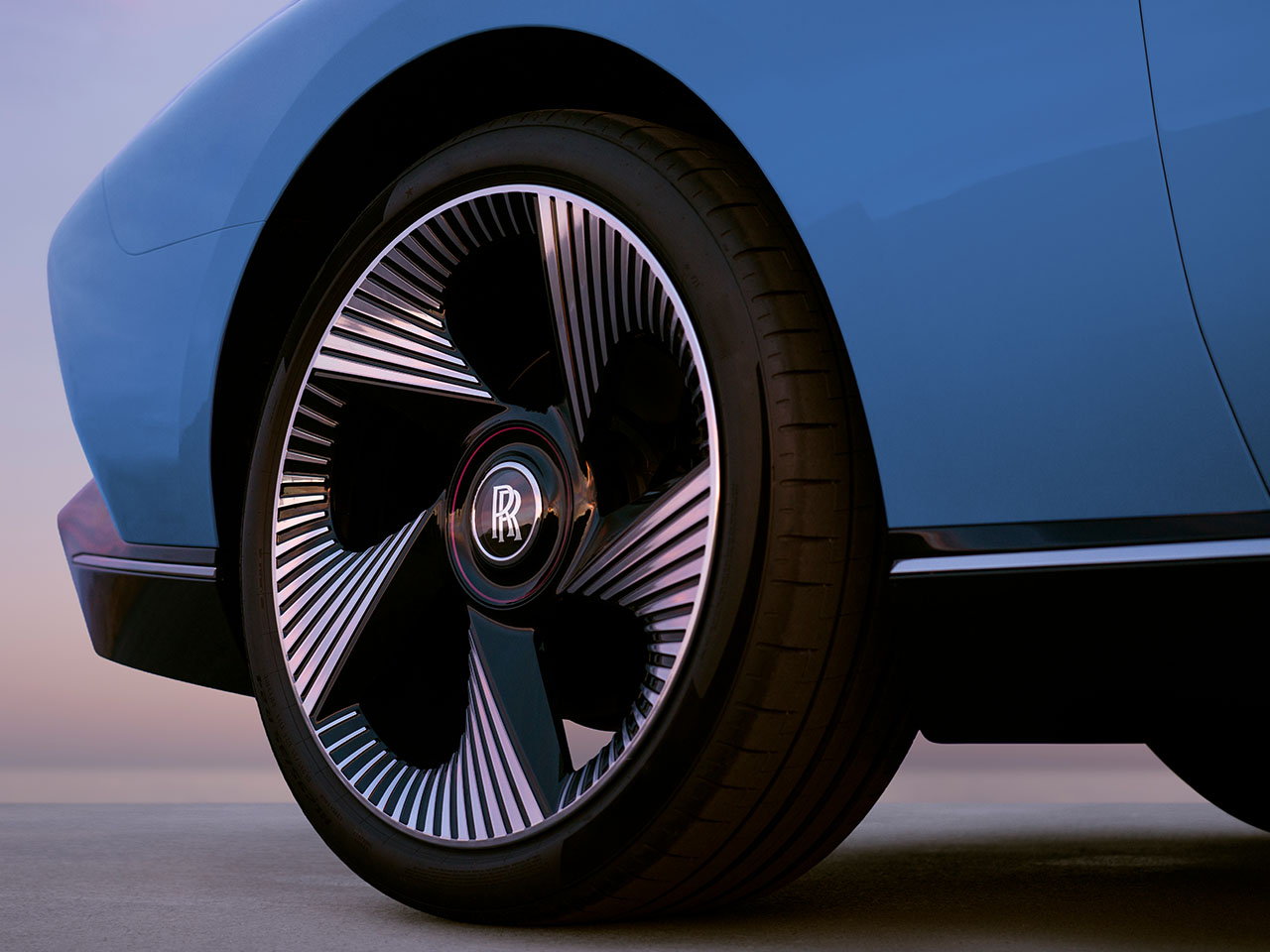
The exterior is both familiar and radically new. A nearly one-meter-wide Pantheon grille (its widest ever) features 24 vertical slats, flanked by slim vertical headlamps that depart from Rolls-Royce’s traditional horizontal layout. Massive 24-inch wheels, the largest ever fitted to a Rolls-Royce, adopt a yacht-inspired propeller design, reinforcing the car’s fluid, maritime-inspired character. Along the sides, a singular “hull” line runs uninterrupted from front to rear, culminating in a tapered, almost torpedo-like tail that subtly hints at speed despite the car’s imposing scale.

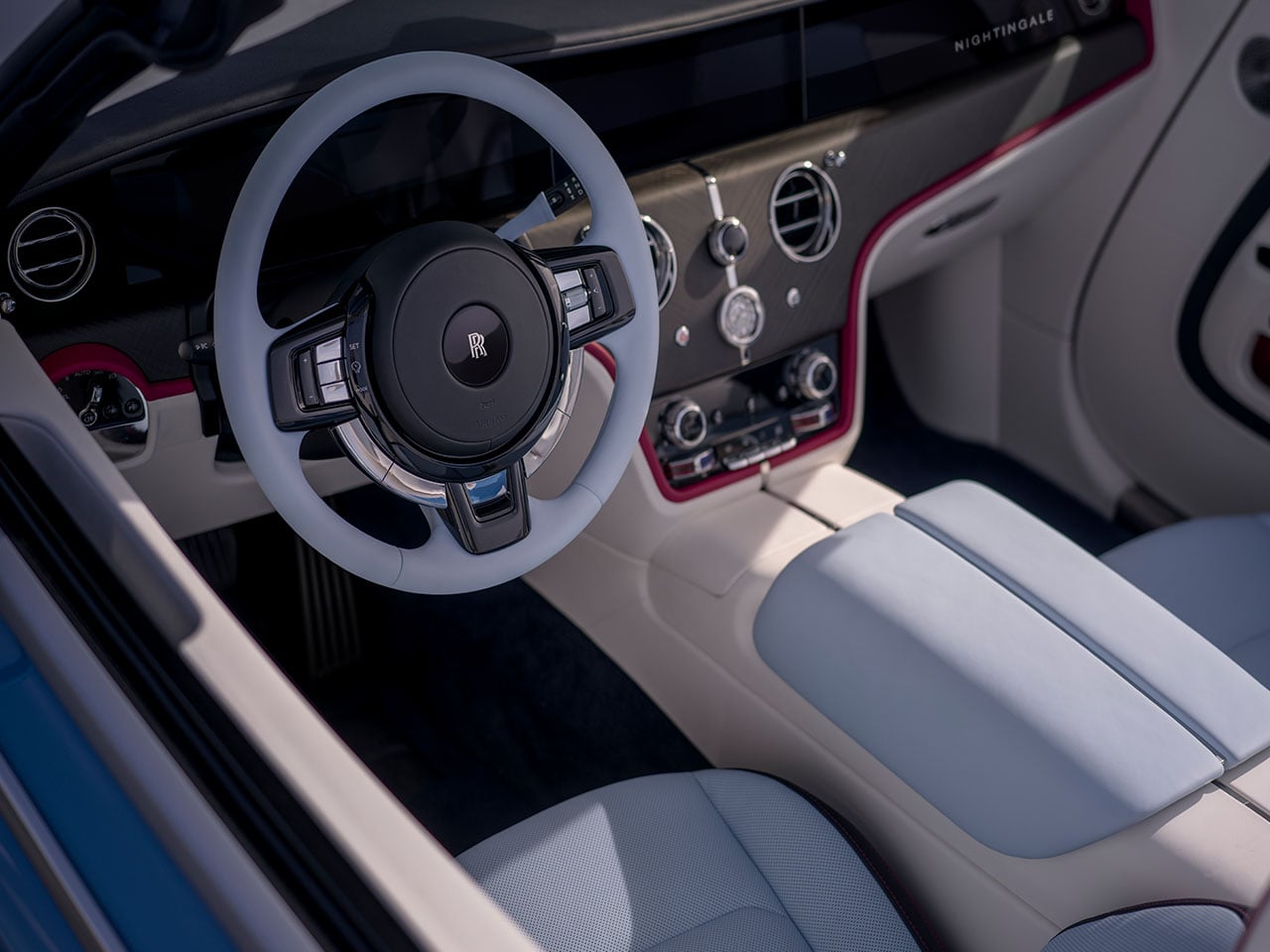
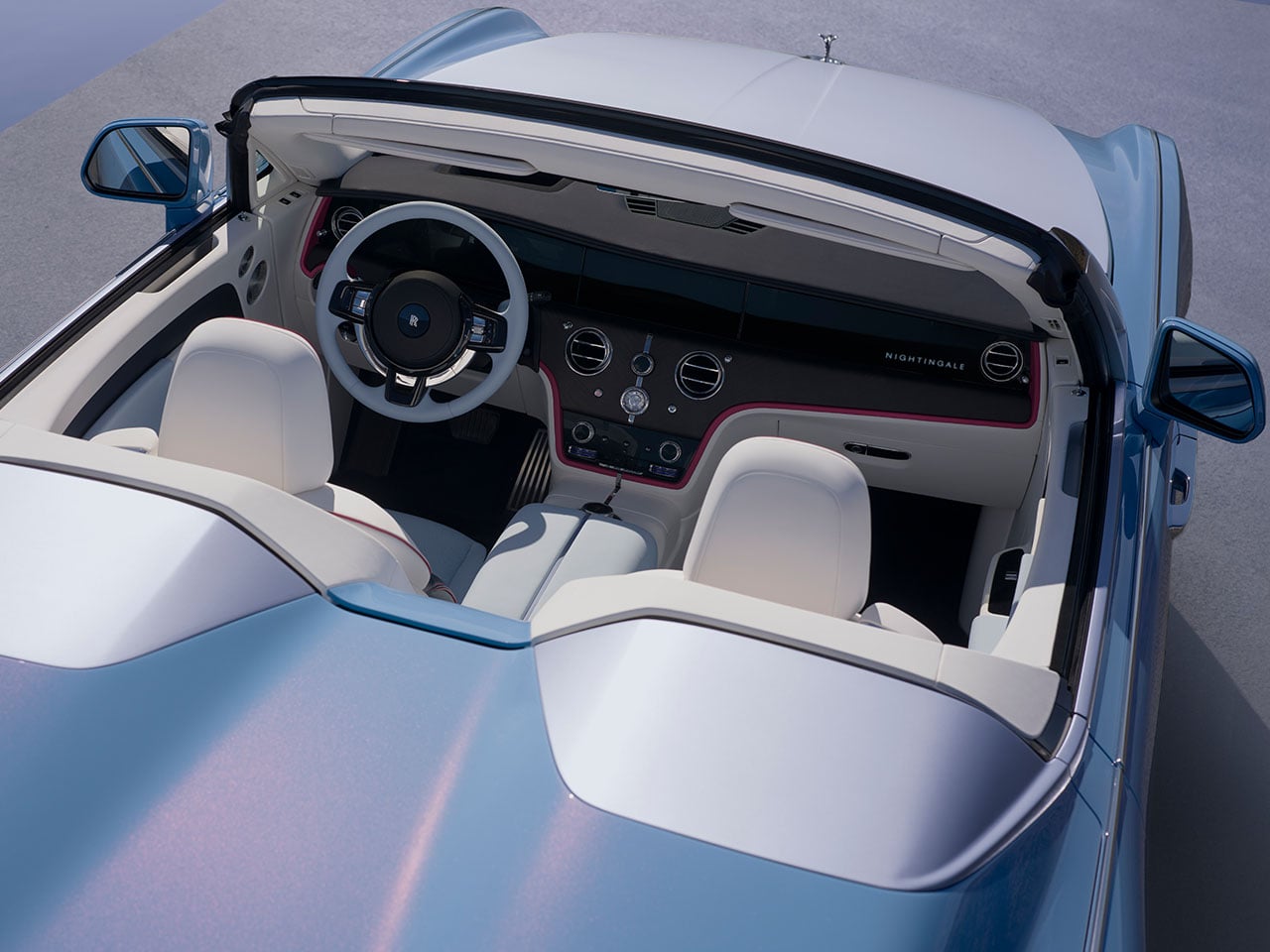
Inside, the experience is equally theatrical but deeply considered. Inspired by the French Riviera, specifically Sir Henry Royce’s Côte d’Azur residence, Le Rossignol, the cabin blends blue and white tones with delicate pink accents. A standout feature is the “Starlight Breeze” suite, composed of over 10,500 individual lighting elements that trace the soundwave patterns of a nightingale’s song, enveloping occupants in an ambient, almost musical glow. The interior architecture remains tactile and analog at its core, with physical controls, open-pore wood finishes, and a motorized armrest that reveals hidden compartments and controls in a choreographed sequence.

Mechanically, Project Nightingale is underpinned by Rolls-Royce’s “Architecture of Luxury” platform and powered exclusively by an all-electric drivetrain, delivering what the brand describes as a uniquely serene open-top experience. While exact performance figures remain undisclosed, the emphasis is less on outright speed and more on effortless, near-silent propulsion, an approach that aligns with the marque’s evolving electric vision.

Rolls-Royce Chief Executive Chris Brownridge said, ‘We responded by bringing three things together that have never coexisted within our brand: the complete design freedom of coachbuilding, our powerful, near-silent all-electric powertrain, and a uniquely potent yet serene expression of open-top motoring – an experience that only this technology makes possible.’

With deliveries expected from 2028, Project Nightingale is both a tribute to the brand’s experimental past and a marker of its electric future. Getting your hands on this baby, however, is going to be elusive since it is limited to a very small number.


The post Rolls-Royce Project Nightingale reimagines the electric convertible as a coachbuild work of art first appeared on Yanko Design.
Microsoft raises prices on Surface PCs due to skyrocketing RAM costs

The RAMpocalypse continues. Microsoft just revealed significant price increases across the entire Surface line of products, according to reporting by Windows Central. The updated pricing has already hit the official Microsoft Store, with other retailers expected to follow suit in the near future.

These are fairly significant upticks. For instance, the base model 15-inch Surface Laptop 7 now starts at $1,600. It cost $1,300 when the laptop was first released back in 2024. It did receive a price increase last year to $1,500, so today's increase tacks on another $100.

The cost balloons even further when upgrading components, as a top-end Laptop 7 with a Snapdragon X Elite, 64GB of RAM and 1TB of SSD storage now costs a whopping $3650. As a comparison, a 16-inch MacBook Pro with an M5 Pro, 64GB of RAM and a 1TB SSD comes in at $3,300, and the M5 Pro blasts the Snapdragon X Elite out of the water.

An expensive gadget.
Microsoft

This trend continues with the Surface Pro line of hybrid computers. The 12-inch Surface Pro starts at $1,050, after launching at just $800. The flagship 13-inch Surface Pro cost $1,000 in 2024 and now starts at $1,500. That's a $500 increase in just two years, though the base hard drive did get a bit bigger.

These price increases are, of course, being blamed on generative AI's penchant for eating up RAM and related components. "Due to recent increases in memory and component costs, Surface is updating pricing on Microsoft.com for its current‑generation hardware portfolio," Microsoft wrote in a statement.

Industry reports have also indicated that the company is currently readying refreshes across the Surface line. It's highly likely these new prices will stay in place if component prices don't decrease.

These aren't the first devices that have shot up in price due to AI. Motorola recently instituted increases that even impacted its budget-friendly phones. Samsung has also pushed up the cost for its Galaxy Z Fold 7.

The PS5 is now much more expensive when compared to the 2020 launch price, though Sony didn't explicitly blame these increases on RAM, but rather "continued pressures in the global economic landscape." There are also rumors that the continued RAM shortage has made it difficult for Valve to manufacture the Steam Deck and likely pushed back the release of the Steam Machine to 2027

SSDs have also shot up in price, with old-school HDDs not far behind. It's getting thorny out there. 

This article originally appeared on Engadget at https://www.engadget.com/ai/microsoft-raises-prices-on-surface-pcs-due-to-skyrocketing-ram-costs-181648588.html?src=rss

How Automotive AI Is Turning Website Traffic Into Qualified Car Buyers

How Automotive AI Is Turning Website Traffic Into Qualified Car Buyers Automotive AI

Dealership websites can attract thousands of visits each month and still leave sales teams wondering where the real buyers went. A shopper lands on a vehicle detail page, compares trims, checks payment options, then disappears before anyone starts a meaningful conversation. Research into dealership lead handling, auto retail productivity, and buyer behavior shows that this […]

The post How Automotive AI Is Turning Website Traffic Into Qualified Car Buyers appeared first on Geeky Gadgets.

Posted in Uncategorized

5 Reasons the Galaxy Z Fold 8 Wide Could Win and 1 Reason It Might Not

Foldable phones have been around long enough that the novelty has worn off. Samsung pioneered the book-style fold, and the hardware has genuinely matured. Foldables today are thinner, lighter, and far more durable than the early prototypes that worried everyone. But one nagging issue hasn’t gone away after seven years of refinement. The proportions still feel like a compromise, and most buyers can still sense it.

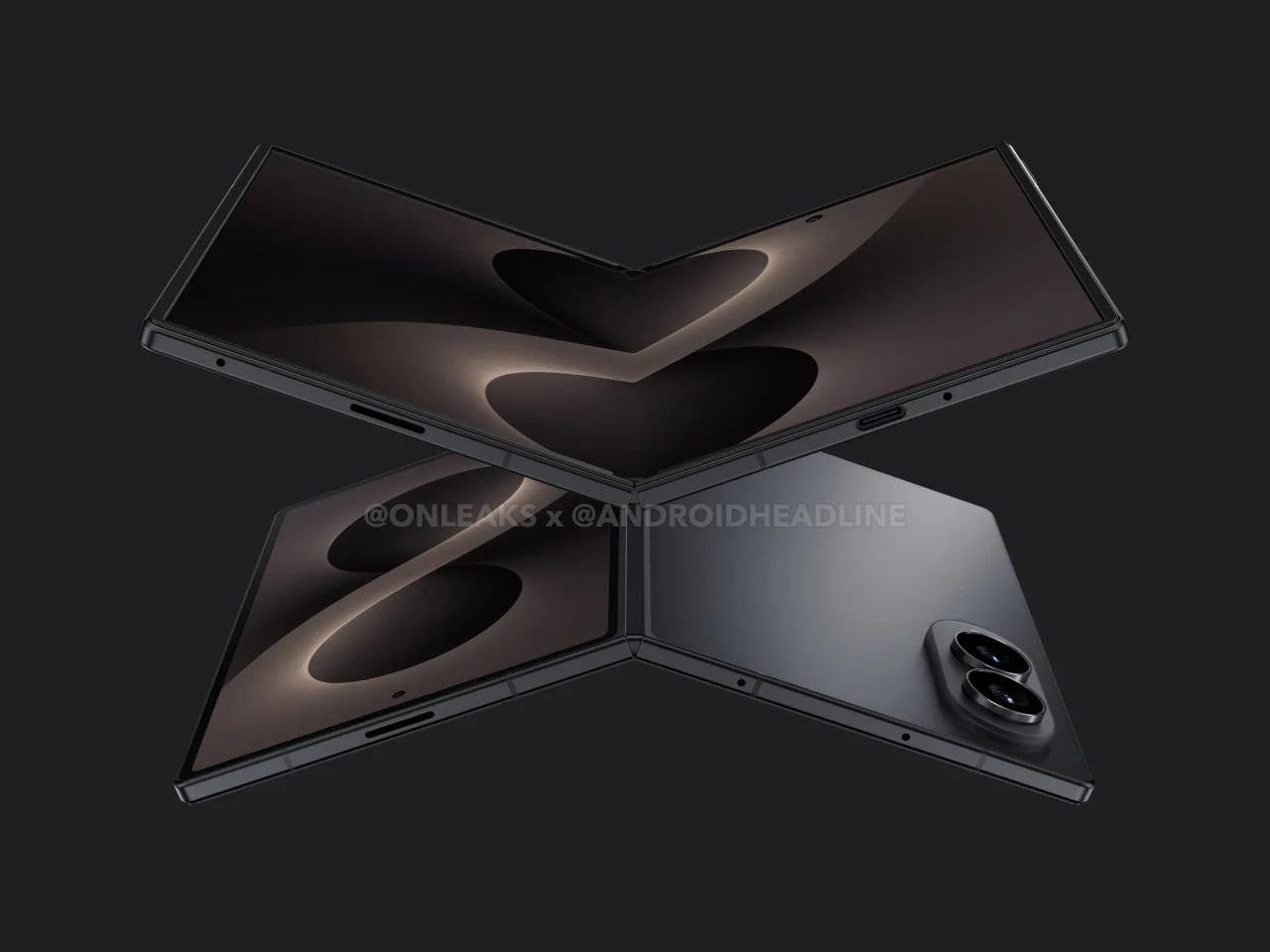
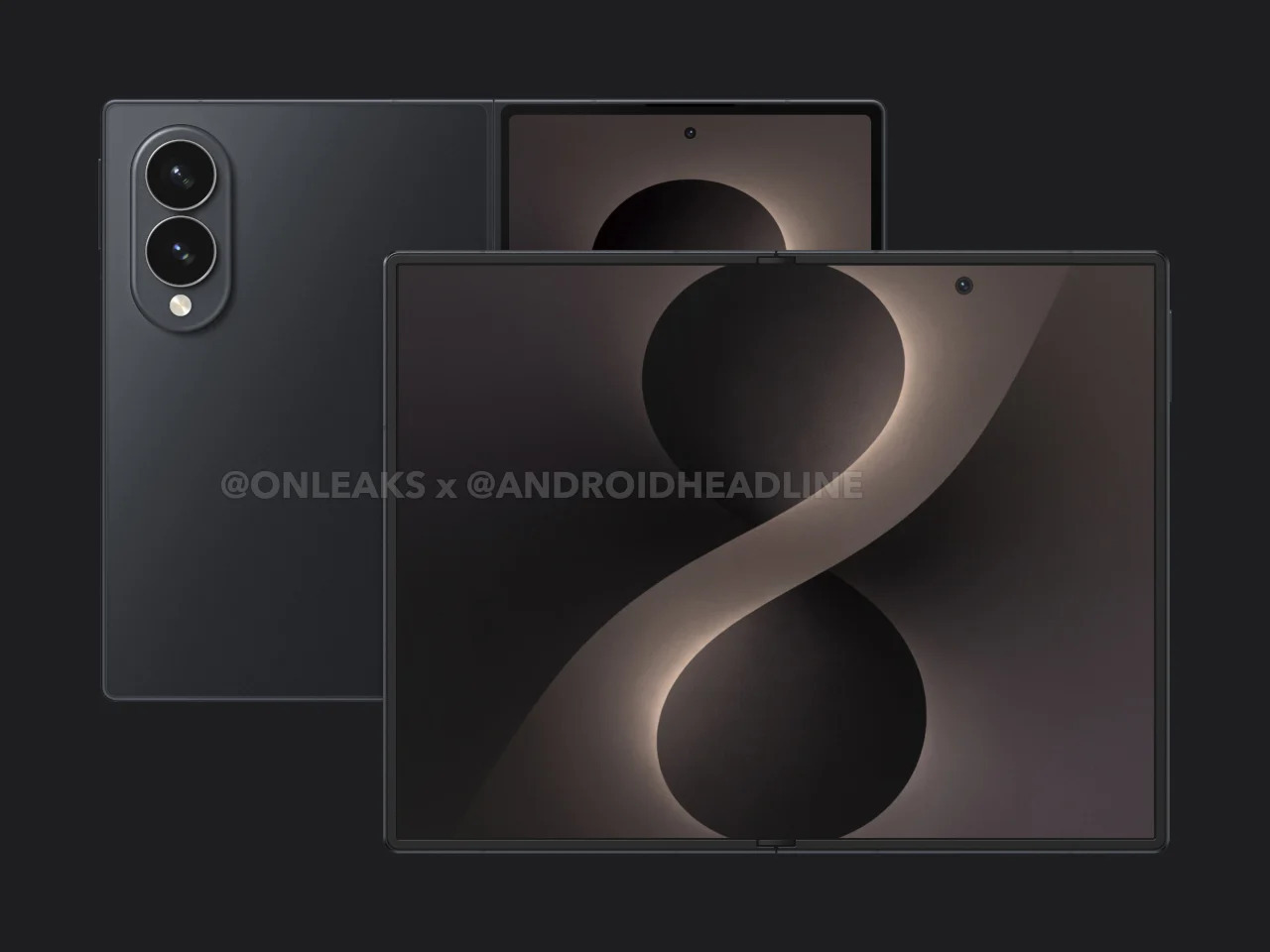
That’s exactly what the Galaxy Z Fold 8 Wide seems designed to address. Rather than continuing the tall, narrow approach that has defined the Fold lineup since the beginning, the Wide version reportedly takes a shorter, broader form factor, with the inner display pushing toward a 4:3 aspect ratio. It’s a subtle-sounding change, but one that could shift how the device feels in every single moment you actually use it.

Designer: Samsung (renders by Steve Hemmerstoffer/OnLeaks via AndroidHeadlines)

It Could Make the Closed Phone Feel Normal Again

Anyone who has used a Galaxy Z Fold for a while knows the friction of the cover screen. It’s tall, narrow, and requires more thumb effort than you’d expect from a daily driver. Reaching the notification shade with one hand usually means repositioning your grip, and typing on that narrow layout takes some getting used to. It works, but it always feels like a device asking you to meet it halfway.

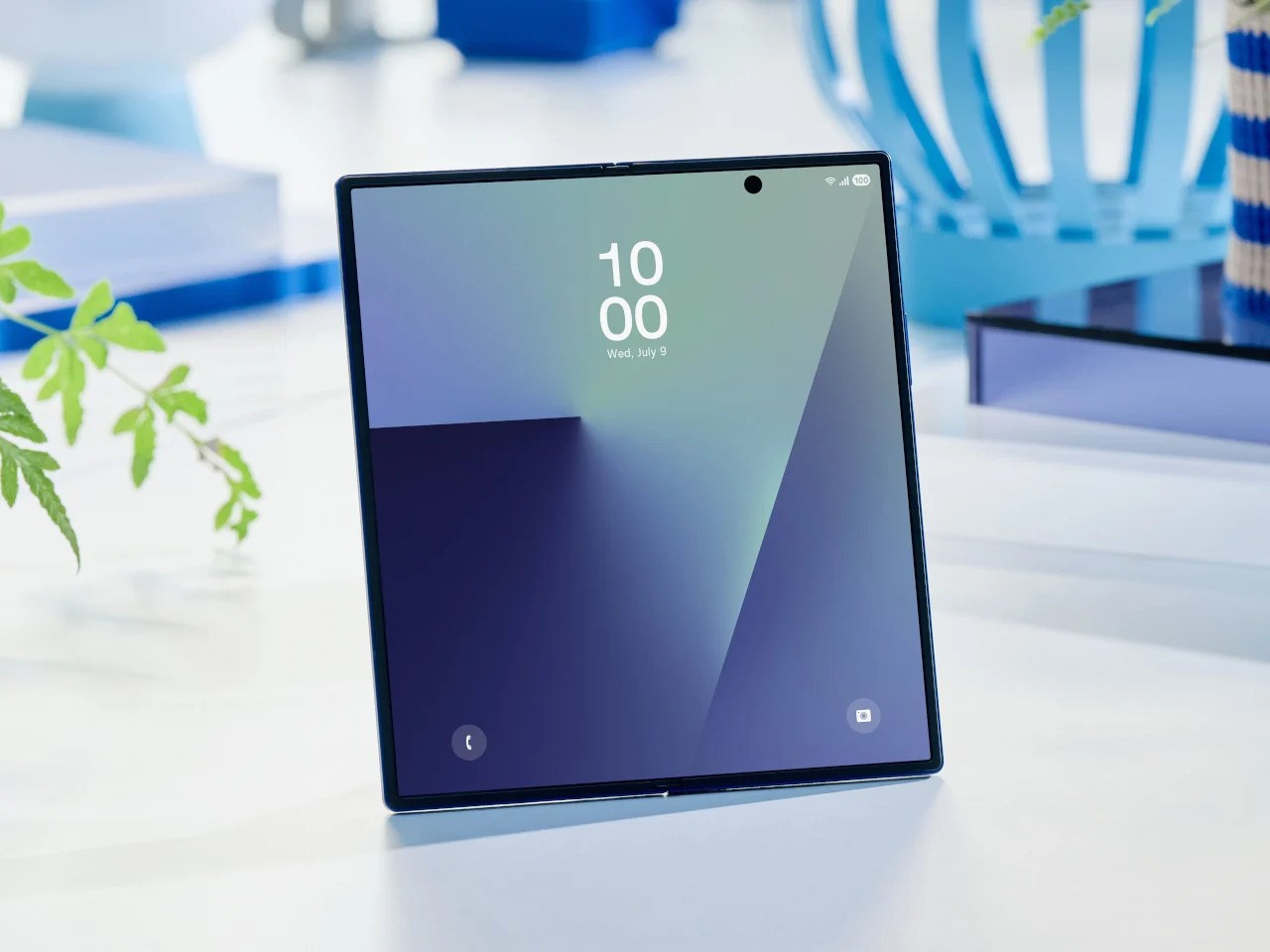
Galaxy Z Fold7

The Galaxy Z Fold 8 Wide reportedly carries a 5.4-inch cover display that is wider and shorter than what the Fold 7 offered. That brings it closer to the feel of an ordinary compact phone, one that sits comfortably in your hand without requiring thumb acrobatics. It sounds like a small win, but if you’ve ever owned a phone from before screens started growing taller every year, you know exactly how much that sense of balance matters.

It Gives Media Room to Breathe

There’s a quiet awkwardness to watching a video on current book-style foldables. The cover screen’s narrow shape forces letterboxing on most content, and even the inner display’s near-square proportions aren’t ideal for widescreen formats. Games feel slightly cramped, and browsing feeds in landscape doesn’t quite deliver the comfortable experience you’d expect from a screen that size. For a device this premium, that’s a surprisingly persistent design limitation.

A 4:3 inner display changes that dynamic considerably. The Galaxy Z Fold 8 Wide’s 7.6-inch screen reportedly lands in proportions that suit media consumption far better, making landscape video less of a letterboxed compromise and gaming more spatially generous. Rotating to portrait for reading or scrolling also starts to feel intentional, like the device was built to handle those orientations rather than merely tolerating them. That’s a meaningful difference in day-to-day comfort.

It Finally Starts Acting Like a Real Tablet

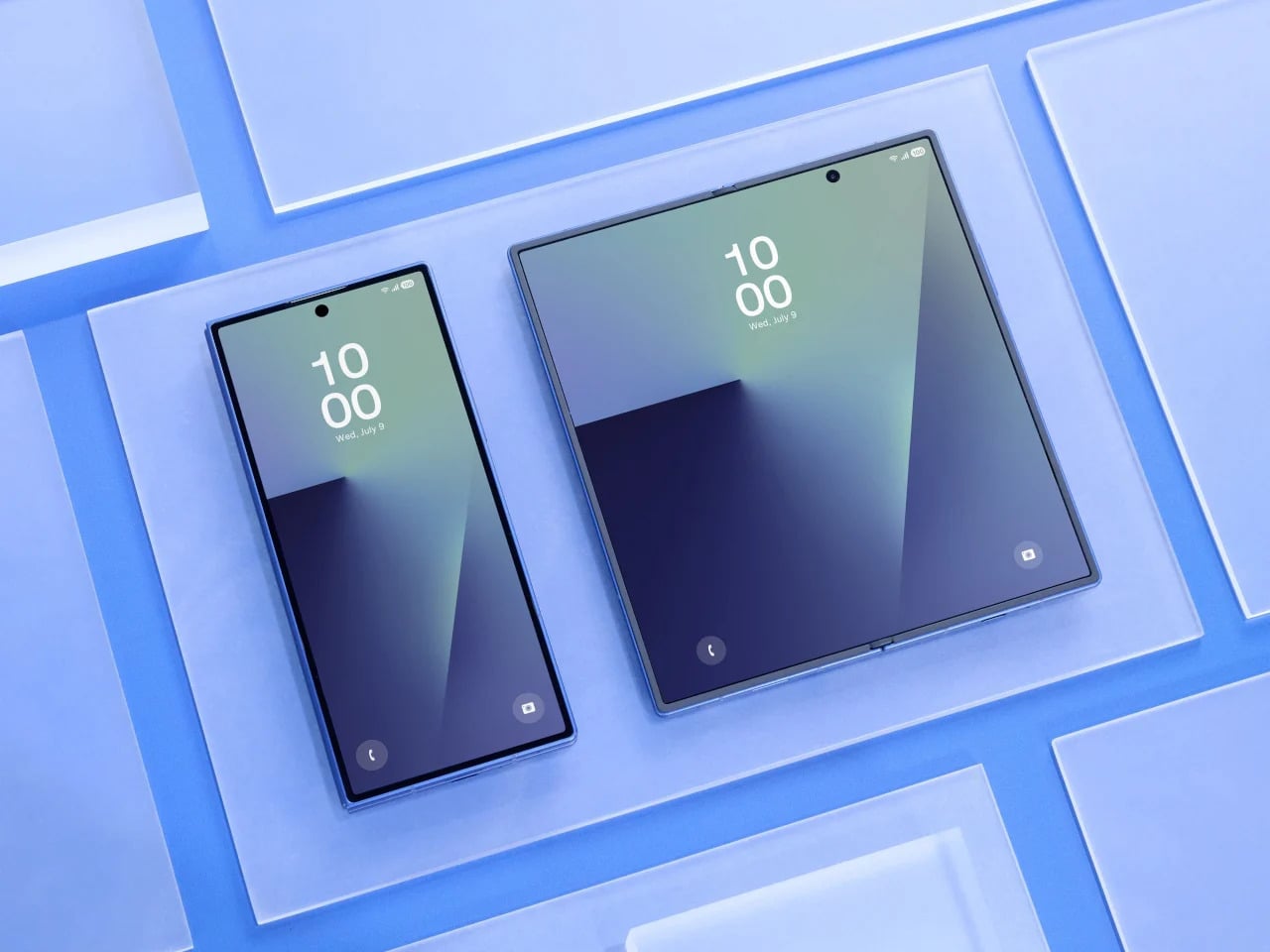
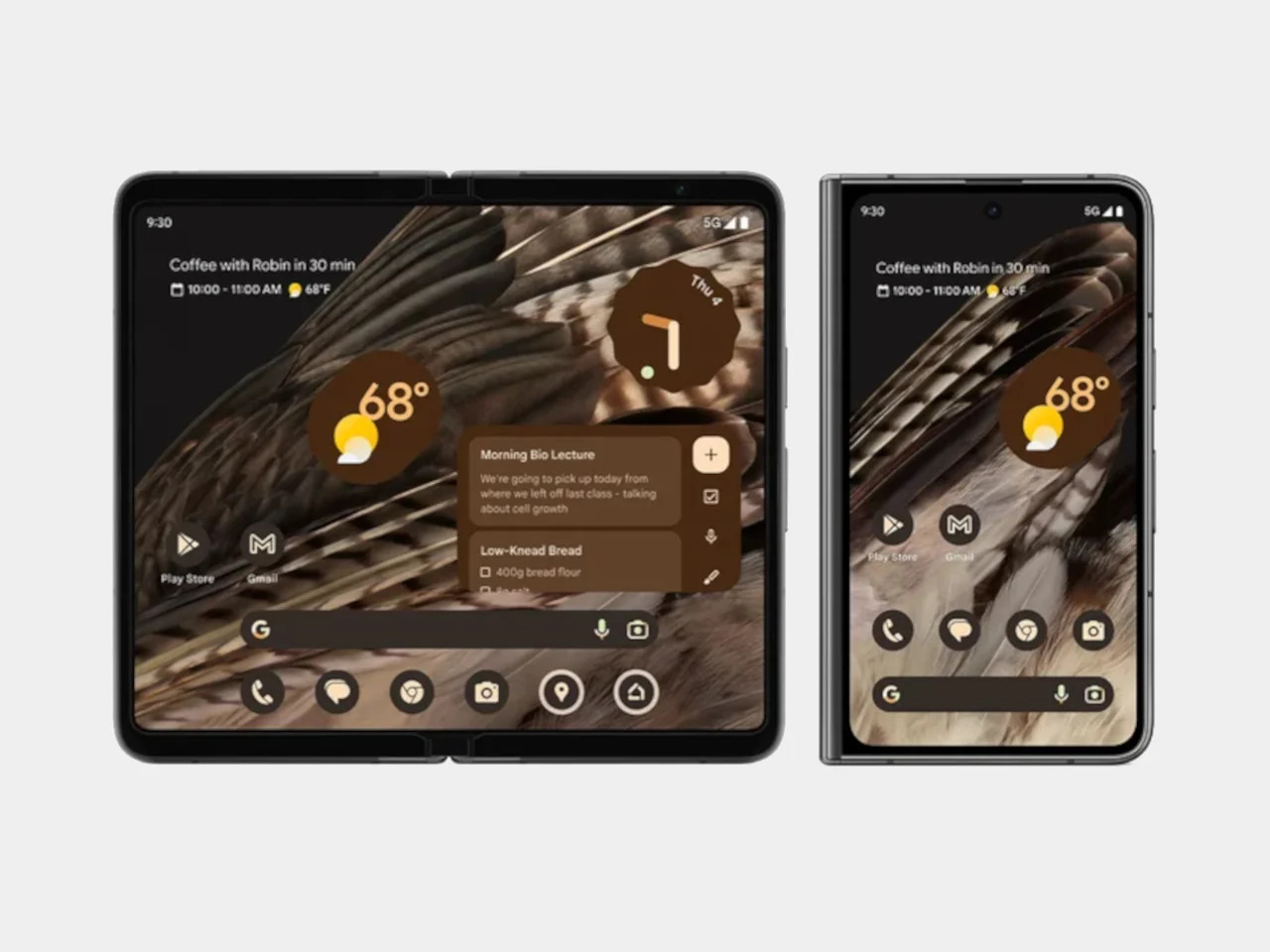
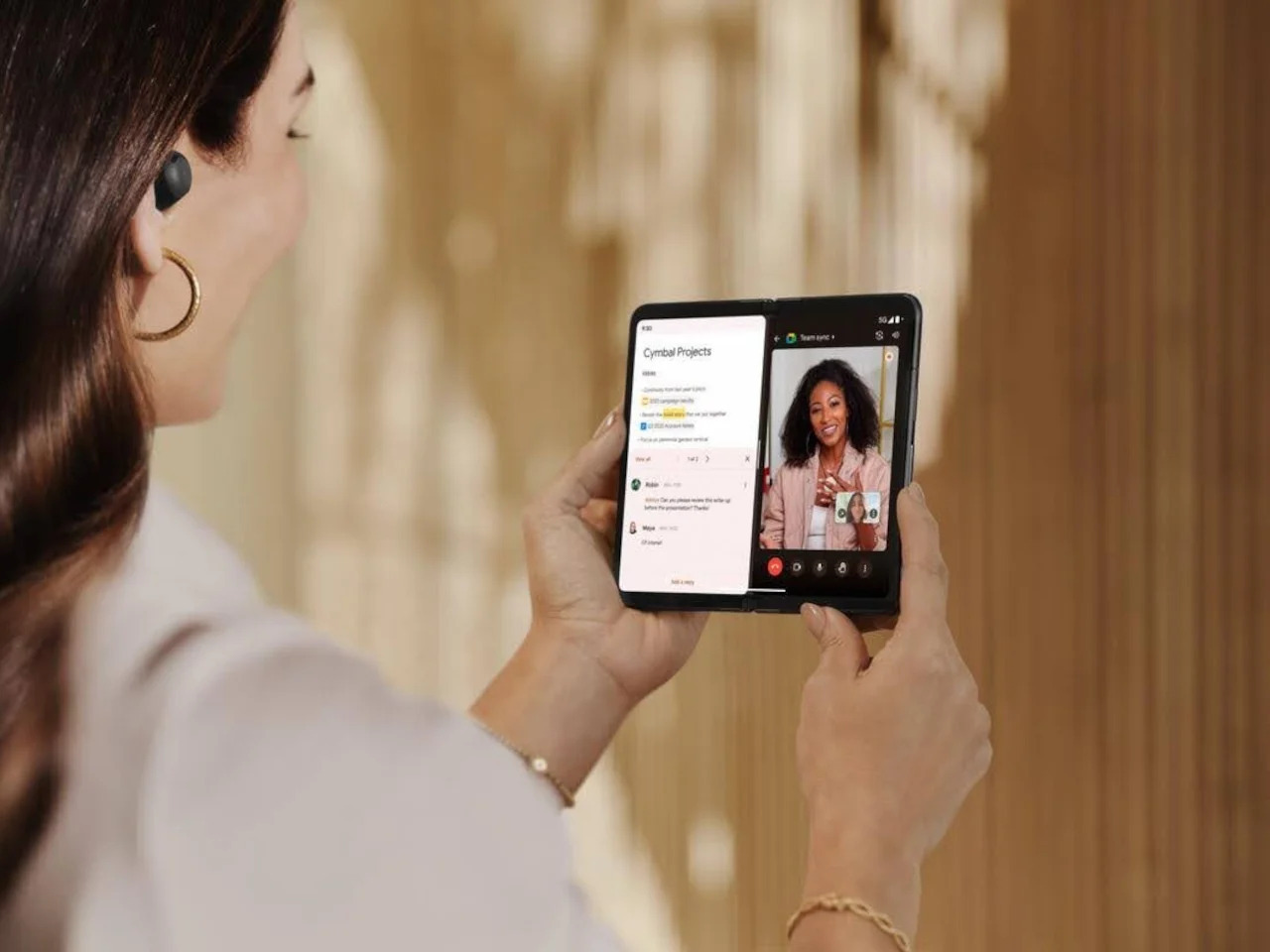
Foldables have always carried a bit of an identity crisis. They’re marketed as phone-tablet hybrids, but the tablet side of that pitch has always been shakier than the phone side. Apps designed for tablet layouts don’t always know what to do with a nearly square display, and the result is often stretched content, oversized sidebars, or awkward layouts that remind you this device is still figuring out what it wants to be.

Google Pixel Fold (2023)

The 4:3 ratio is a well-understood canvas. It’s the same one the iPad has used for years, and developers have been designing for it far longer than they’ve been designing for foldable proportions. Not every app on the Galaxy Z Fold 8 Wide will look perfect, but the number that feel genuinely at home on that inner screen stands to increase considerably. It’s a format the software world already knows how to fill.

It Could Become the Notebook You Actually Carry

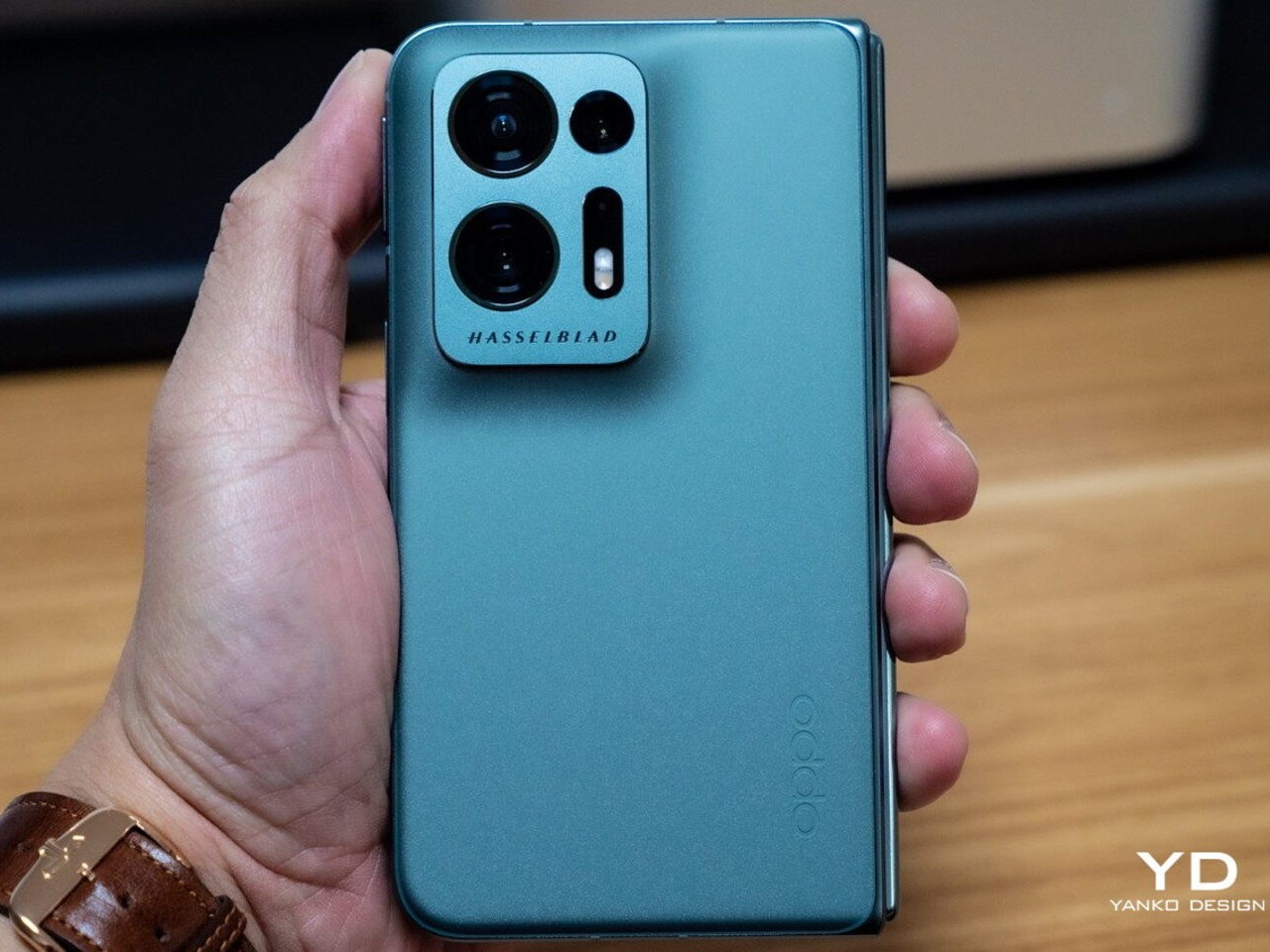
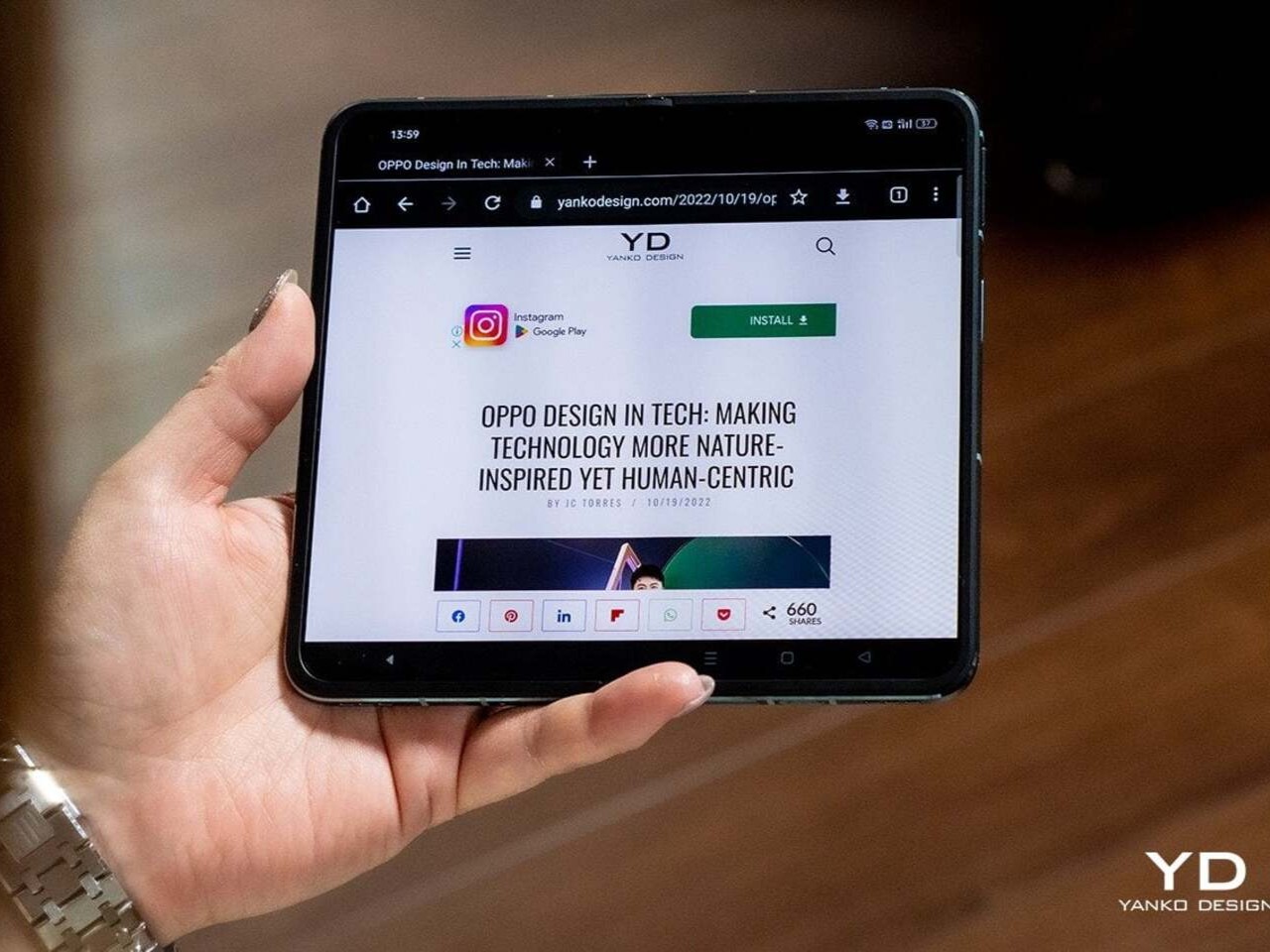
There’s a certain appeal to a device that opens up to something resembling a pocket notebook. Not a productivity gimmick, but an actual blank-page-sized surface where you can think out loud. The Galaxy Z Fold 8 Wide, when unfolded, reportedly sits at dimensions close to a small memo book’s proportions. That makes it a surprisingly natural surface for quick thoughts, rough sketches, and anything else worth capturing before it slips away.

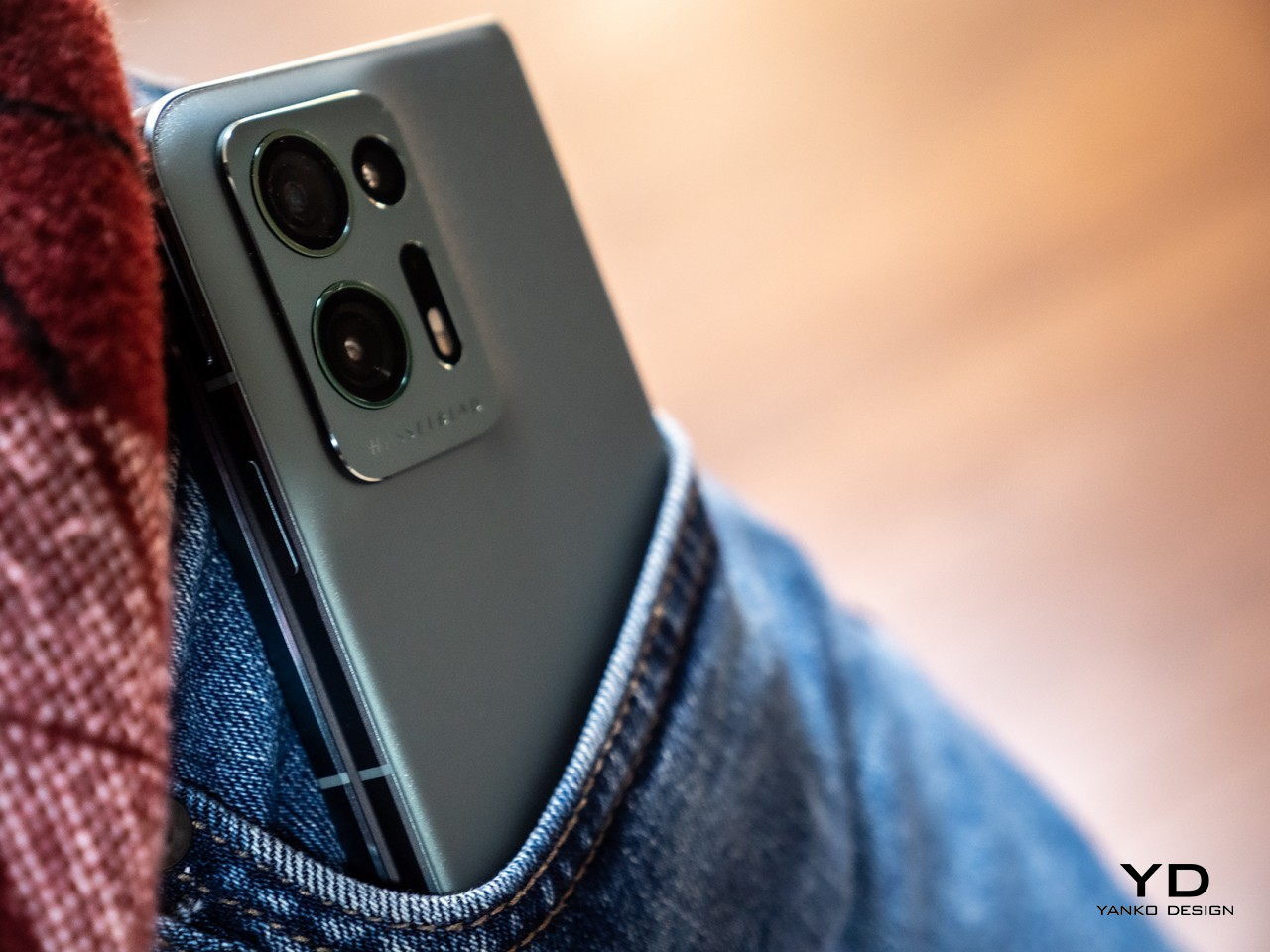
OPPO Find N2

The device is also reportedly thicker than the standard Fold 7, measuring around 9.8mm when folded, which gives Samsung more internal room to work with. It’s hard not to wonder whether some of that space is being reserved for S Pen support, which Samsung hasn’t confirmed yet. A stylus-compatible screen at these proportions would make the Galaxy Z Fold 8 Wide feel genuinely notebook-like, less like a big phone you write on and more like something actually worth reaching for.

Apple’s Shadow Could Actually Help It

Foldables still carry a reputational burden. The people who haven’t bought one yet aren’t always hesitating because of price or specs. Often, it’s the lingering sense that this is still experimental hardware, a category that hasn’t quite committed to a definitive form. Even Samsung’s most polished efforts can feel like stepping into an ongoing experiment, and that feeling keeps a large group of potential buyers watching from a distance.

iPhone Fold (Renders)

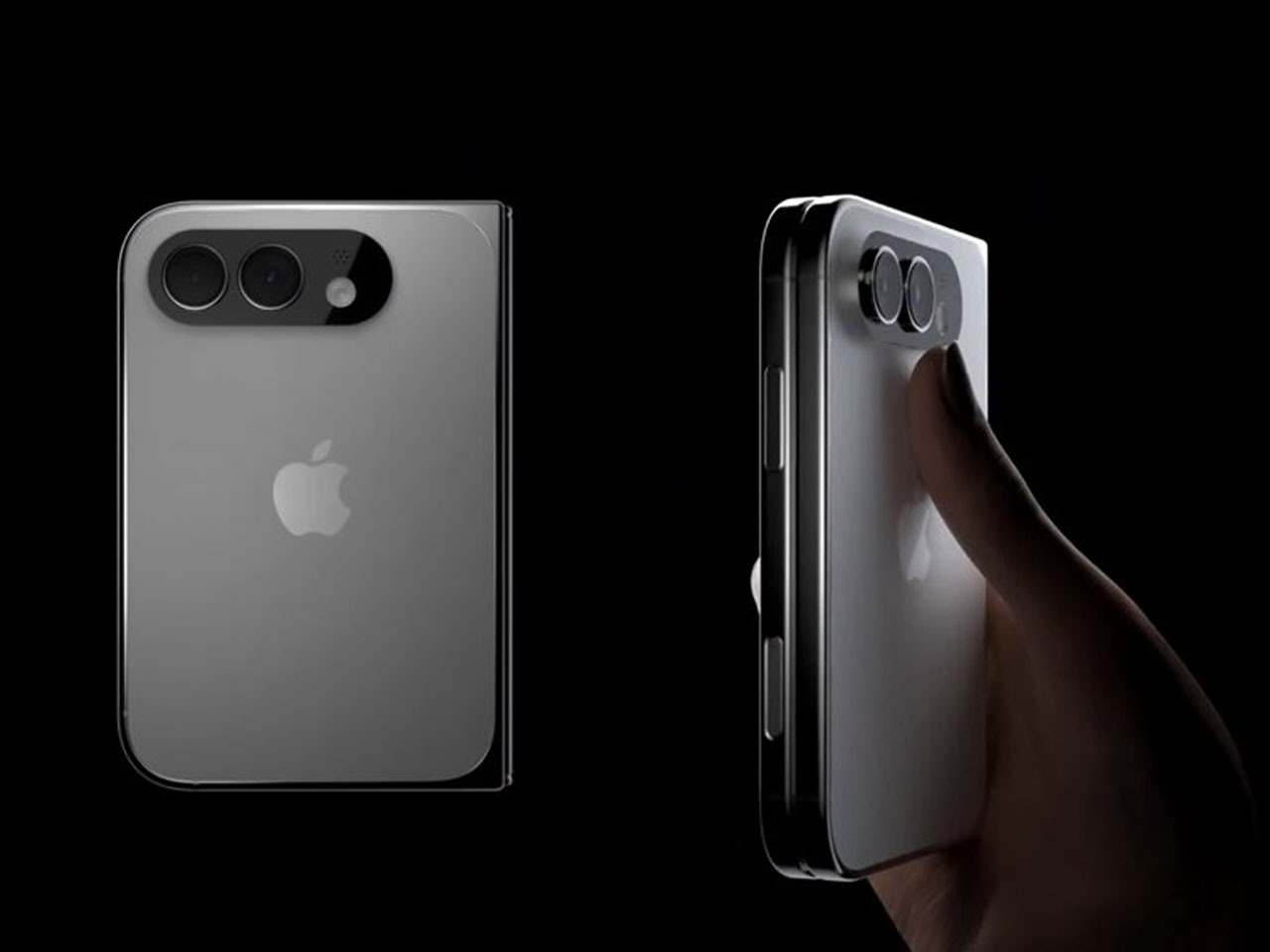
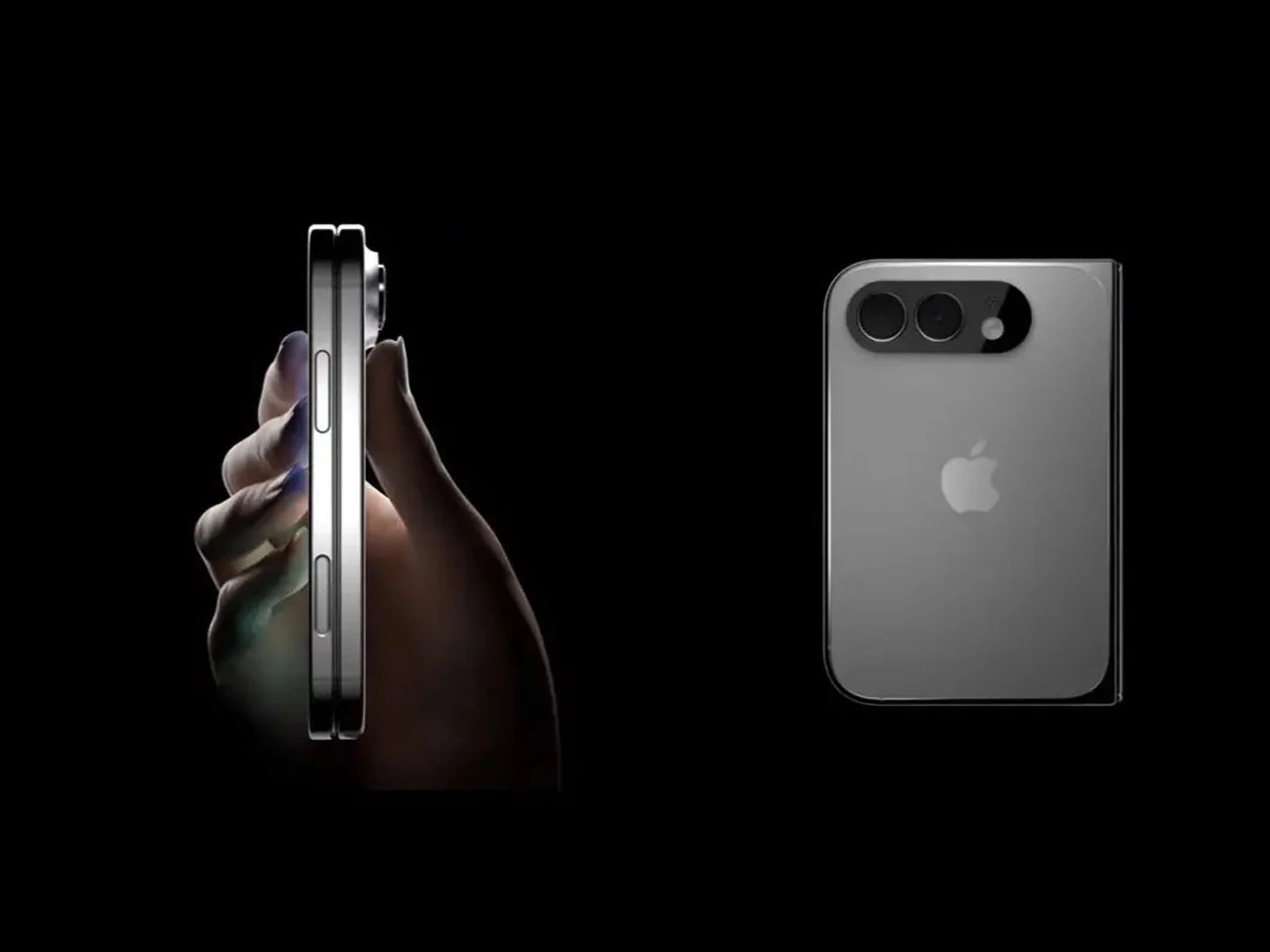
Apple’s rumored foldable iPhone is expected to sport dimensions strikingly similar to the Galaxy Z Fold 8 Wide, with a wider, shorter profile that closely mirrors what Samsung is building. When Apple commits to a hardware direction, cautious buyers tend to pay attention. It doesn’t guarantee anyone will rush out to buy a Samsung instead, but Apple’s presence in the same design space lends the wider foldable format a credibility that Samsung alone hasn’t quite managed to manufacture on its own.

But Samsung Has a Commitment Problem

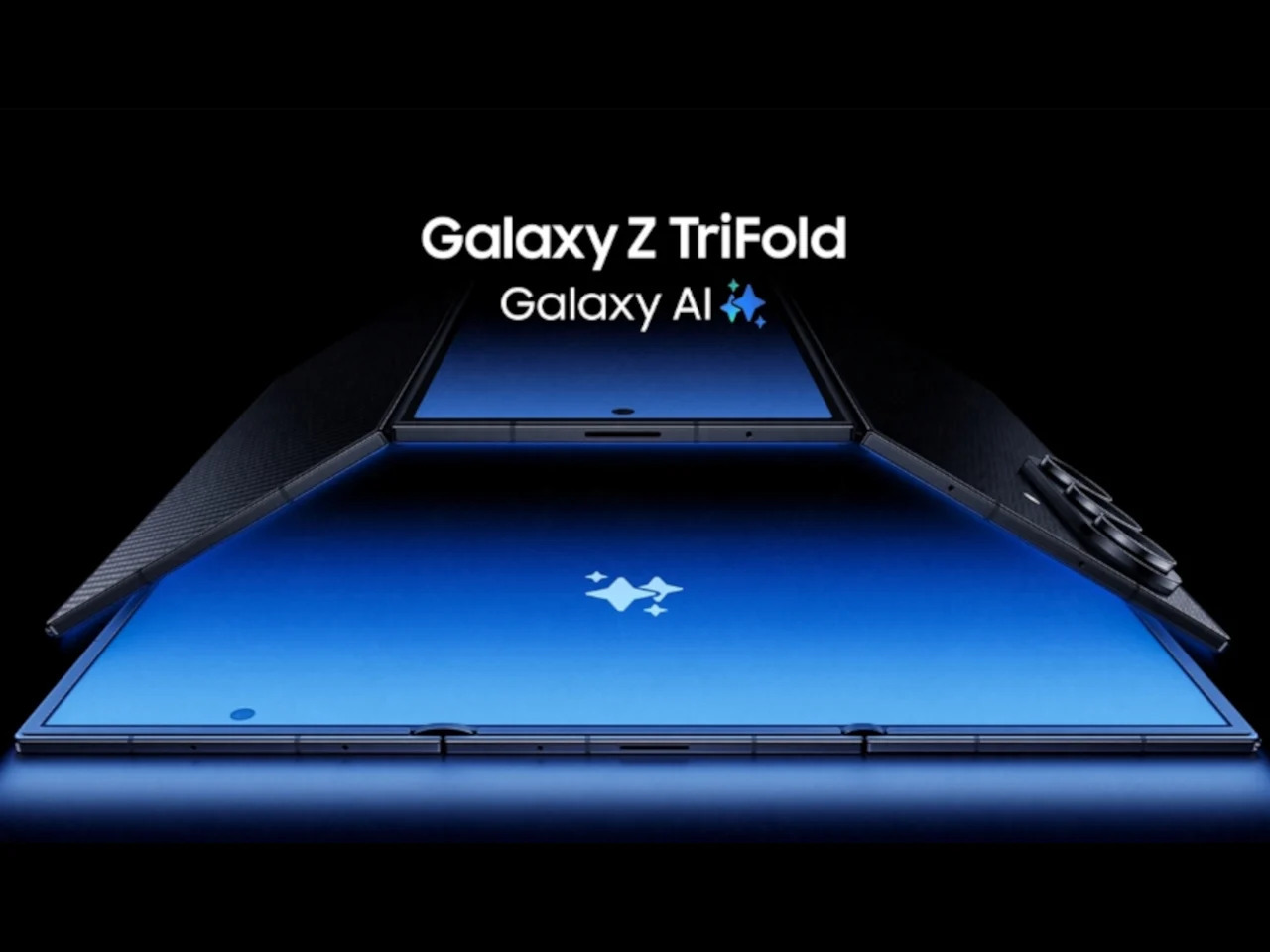
Here’s the part that’s harder to shake. Samsung has a demonstrated pattern of building genuinely interesting experimental devices and then quietly stepping back when the numbers don’t perform. The Galaxy Z TriFold is the most recent example, a compelling piece of hardware whose long-term future already feels uncertain. Buying into the Galaxy Z Fold 8 Wide means betting that Samsung will stay committed long enough to make the second and third generations worth waiting for.

That concern is more meaningful here than it is for a standard phone. Accessories take time to mature. Software optimization accumulates across generations. And the design refinements that make a device feel truly polished rarely arrive on the first attempt. The Galaxy Z Fold 8 Wide might be a genuinely thoughtful piece of hardware, but Samsung’s track record with experimental form factors hasn’t yet inspired the long-term trust that a device like this quietly depends on.

The post 5 Reasons the Galaxy Z Fold 8 Wide Could Win and 1 Reason It Might Not first appeared on Yanko Design.

Chrome Skills let you save your favorite Gemini prompts for easy access

Gemini in Chrome is about to get a small but handy upgrade. Starting today, Google is rolling out a feature it calls Skills to Chrome on desktop. Skills allow you to save your favorite Gemini in Chrome prompts for quick access, thereby making it easier and faster to repeat certain tasks. For instance, Google suggests you could use one saved prompt to get Gemini to calculate how much protein there could be in a new recipe you found online. Another Skill can make it easier to do a side-by-side spec comparison of a few different products you're looking at across multiple tabs.      

You can save prompts you want to use again directly from Gemini in Chrome's chat history. To use a saved prompt, type forward slash or click the plus button and select the Skill you want to use. To help people get started, Google is providing a set of ready-to-go prompts you can use to save time on common workflows or as a jumping off point for your own Skills. Skills you save are available on any version of Chrome for desktop where you're signed into your account, though for the time being, Google is only rolling out the feature to people who have their browser language set to US English. 

Gemini in Chrome, like its other AI tools, has become a major area of focus for Google in recent months. At the start of the year, the company rolled out an update that saw the addition of a dedicated Gemini sidebar to Chrome and access to Nano Banana image generation directly from said sidebar. More recently, Google began rolling out Gemini in Chrome to users in Canada, India and New Zealand. As the high-stakes AI race countinues to heat up, expect more features in that vein, though we may still get more traditional enhancements — like vertical tabs — from time to time.

This article originally appeared on Engadget at https://www.engadget.com/ai/chrome-skills-let-you-save-your-favorite-gemini-prompts-for-easy-access-170000683.html?src=rss

Sony Inzone’s latest monitor boasts a blazing 720Hz panel for competitive gamers

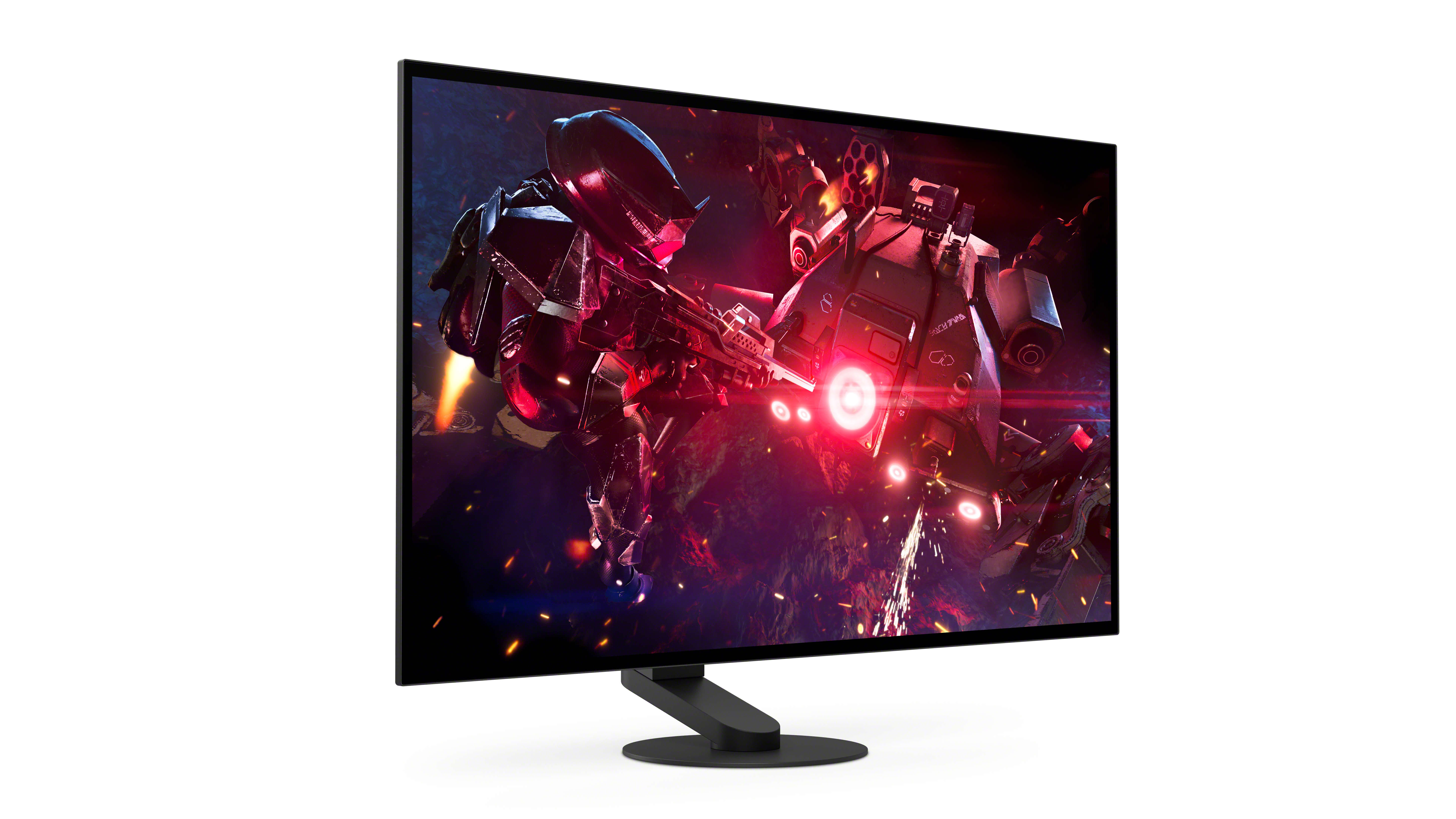
Super fast gaming displays have grown in popularity recently following the release of several new models back at CES. Now Sony is hopping on that bandwagon with its latest display featuring a tandem OLED panel from LG that offers the choice of either 540Hz or 720Hz refresh rates. 

That said, priced at $1,100, the new 24.5-inch Sony Inzone M10S II is only for the most dedicated and deep-pocketed gamers. In normal use, the monitor offers a 540Hz refresh rate at QHD (2,560 x 1,440). However, in competitive situations where that still might not be enough, the display can go even faster by reducing its resolution to 720p while boosting its refresh rate all the way up to 720Hz. On top of that, to help make visuals clearer, Sony added a new Motion Blur Reduction algorithm with Black Frame Insertion that boosts brightness while still delivering a response rate of just 0.02ms. 

Unfortunately, at $1,100, this thing is out of reach for most gamers.
Sony

Elsewhere, a new Super Anti-Glare film helps reduce reflections. The company also used feedback from pro gamers to create a stand with a smaller footprint and a wider range of tilt adjustability (from -5 to 35 degrees). For those worried about the panel's long-term performance, the Inzone M10S II comes with a three-year warranty and OLED protection features like a custom heat sink.

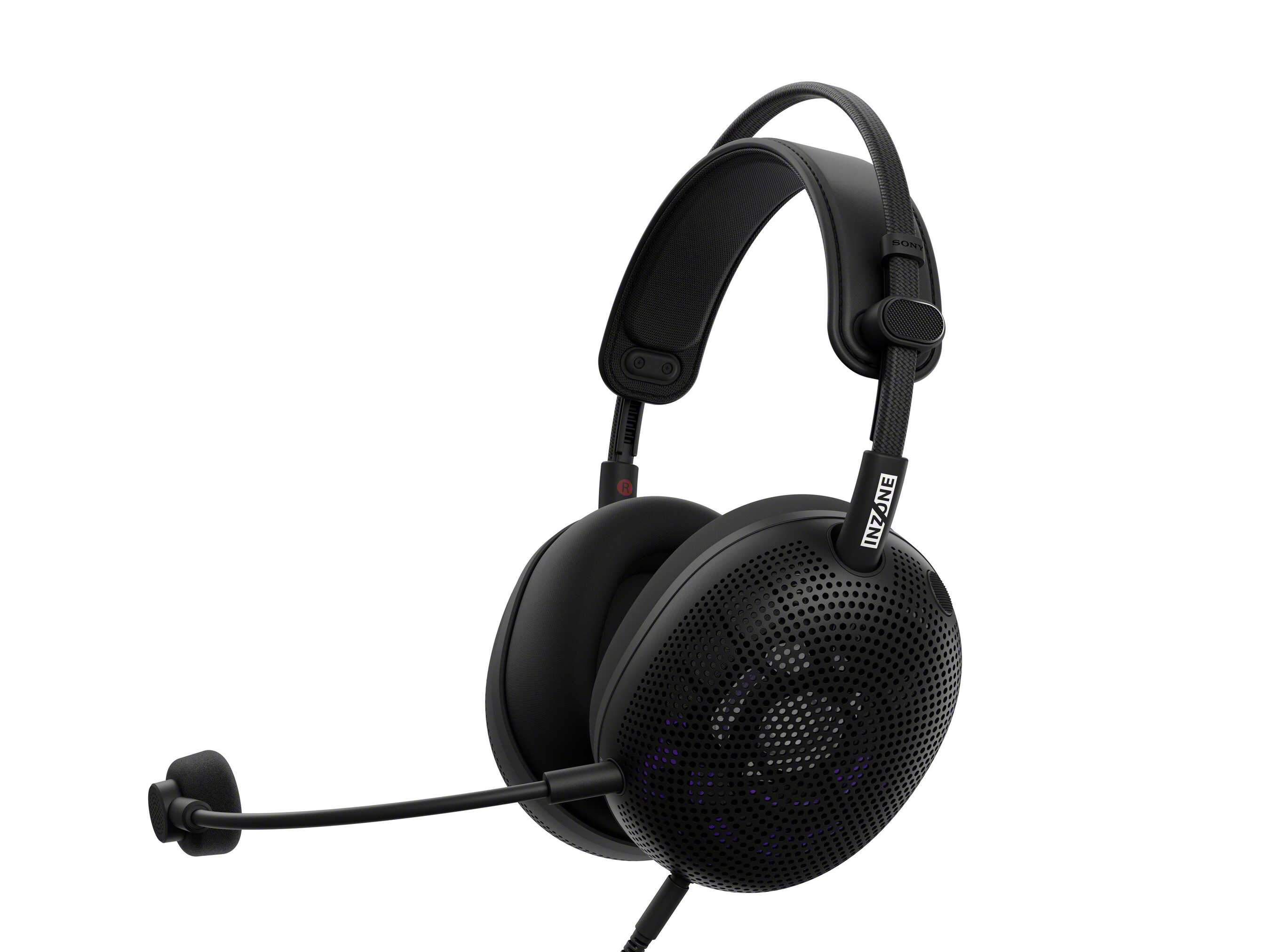
The new Inzone H6 Air are based on Sony's MDR-MV1 studio monitor headphones while costing half the price.
Sony

Aside from its new monitor, Sony is also releasing a pair of open-back wired headphones in the Inzone H6 Air. Priced at $200, they are based on the company's well-known studio monitor headphones — the MDR-MV1 — but with some additional tweaks for gaming. Not only is it really light at just 199 grams (not including its detachable cable and boom mic), it also features a dedicated RPG/Adventure profile designed to improve clarity and environmental details. The one caveat is that to access this mode, you need to use Sony's USB-C Audio box, which offers additional features like virtual 7.1 surround sound and support for 360-degree spatial audio. 

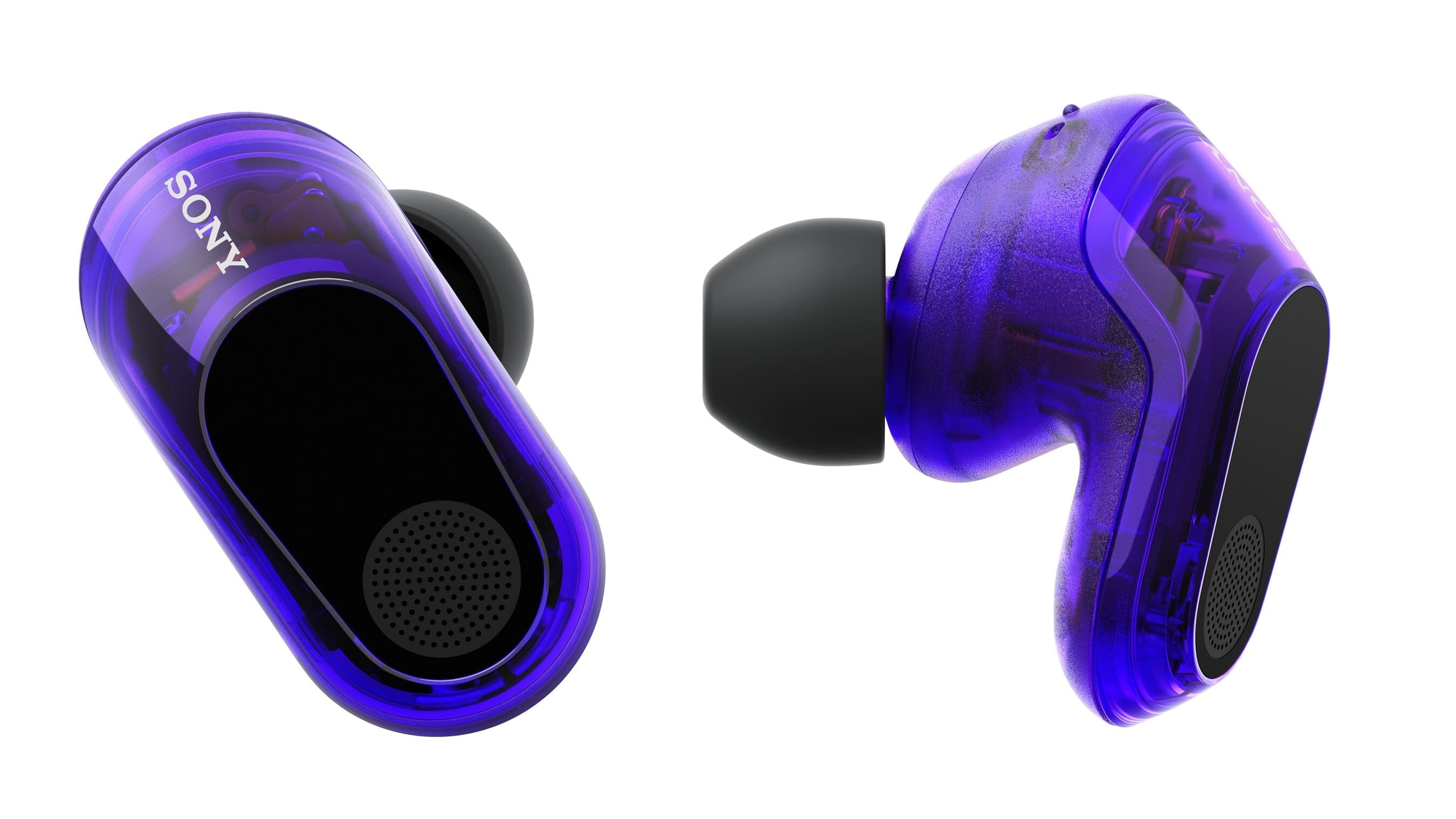
Atomic Purple, I mean Glass Purple, is always a good look.
Sony

Finally, while they aren't brand new, Sony is releasing a translucent Glass Purple version of its Inzone wireless gaming earbuds that conjures up nostalgic memories of Nintendo’s Atomic Purple N64, along with Fnatic Editions of its Mouse-A, Mat-F and Mat-D peripherals.

All of Sony's new gadgets are available today, aside from the Inzone M10S II monitor, which is due out sometime later this year. 

This article originally appeared on Engadget at https://www.engadget.com/gaming/pc/sony-inzones-latest-monitor-boasts-a-blazing-720hz-panel-for-competitive-gamers-165008263.html?src=rss

Pebblebee’s $60 Keychain Screams 130dB So You Don’t Have To

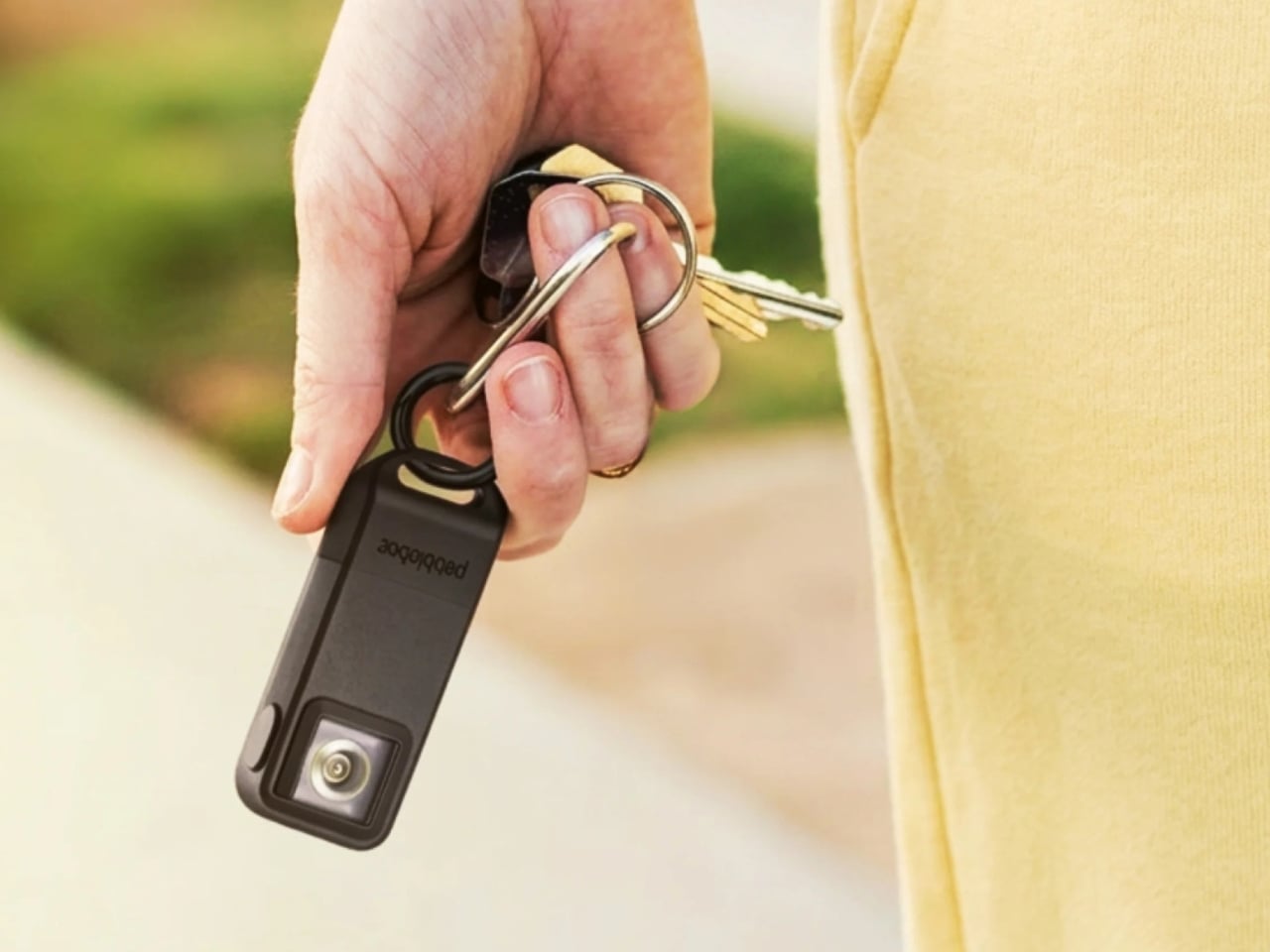
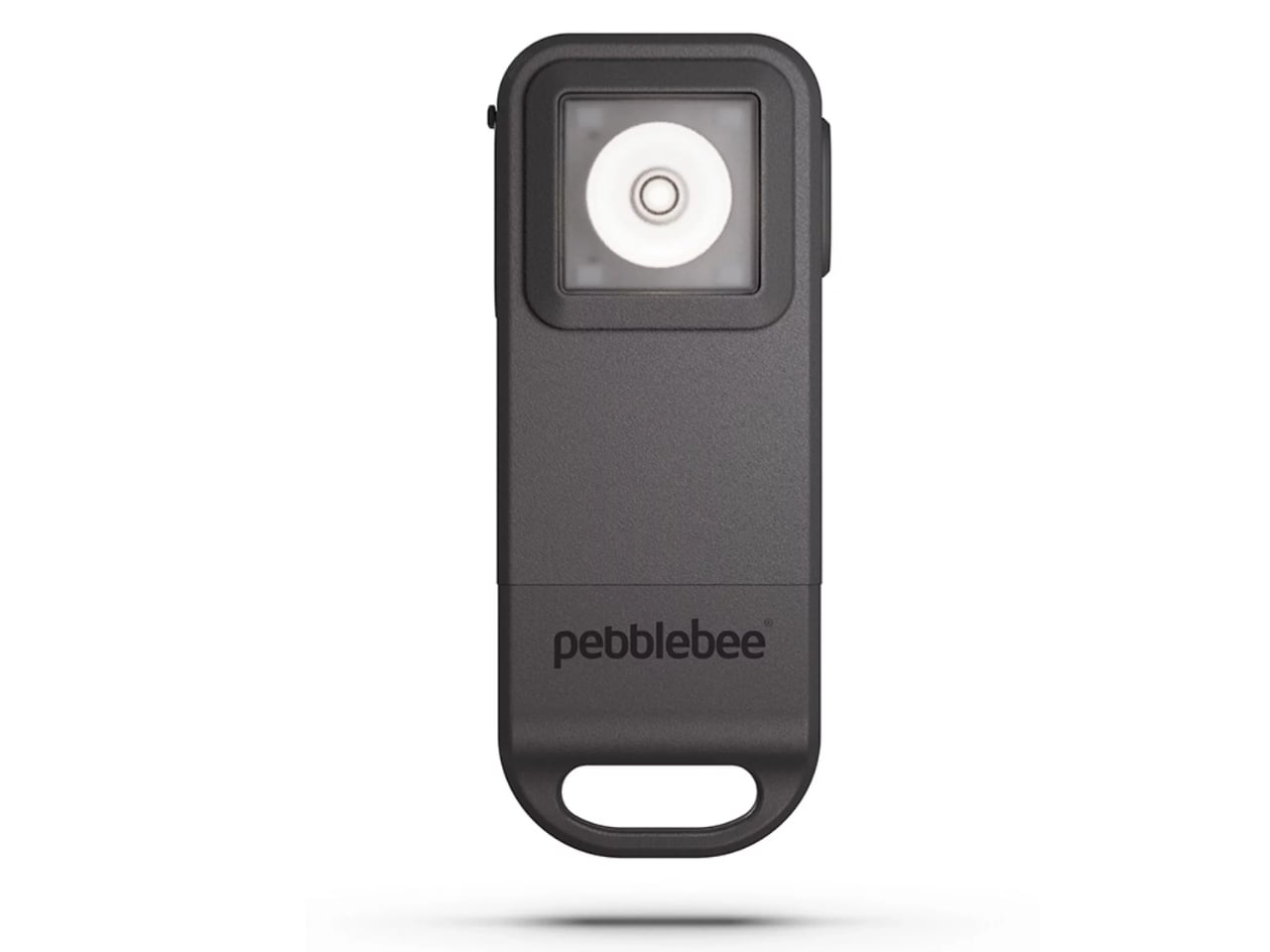
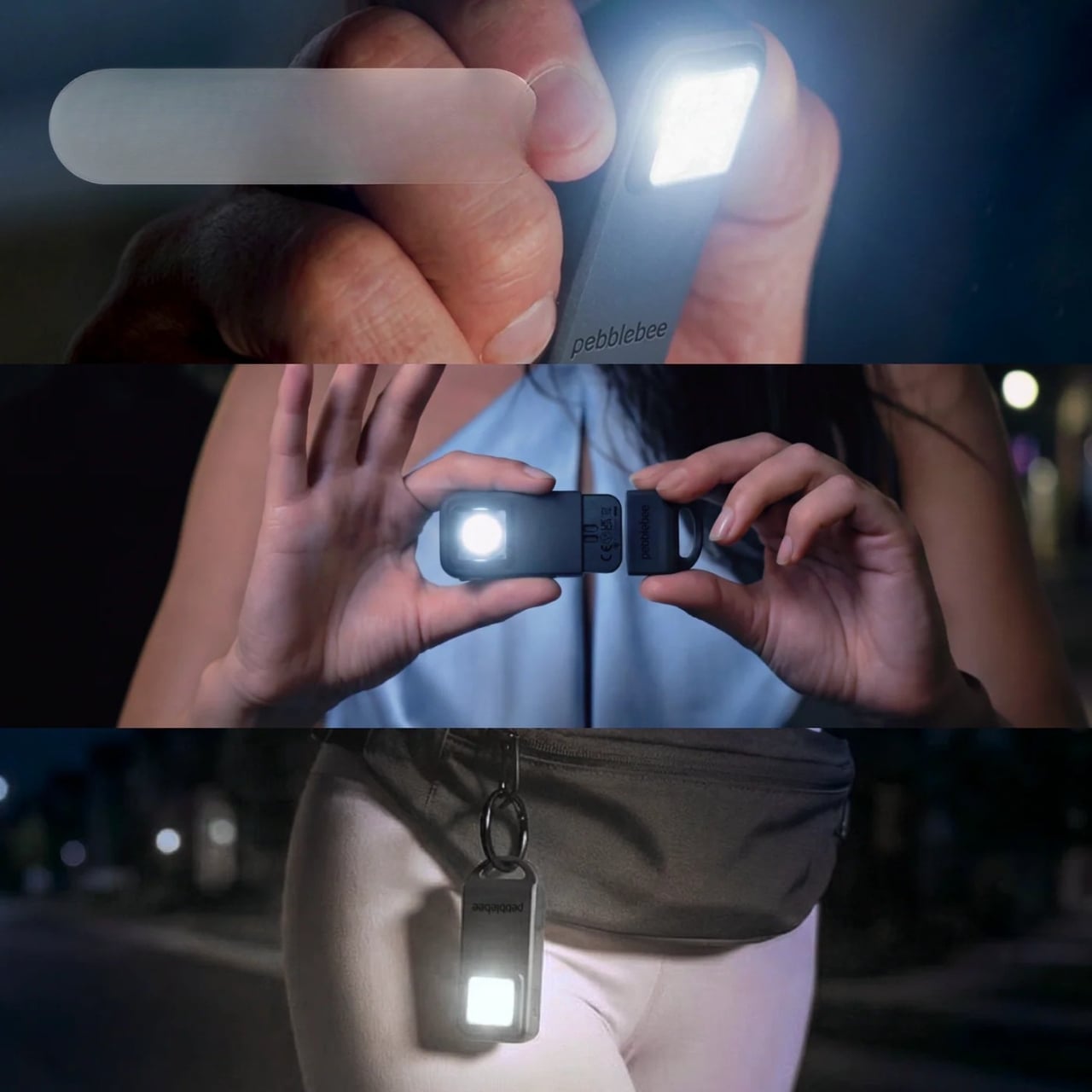
Most of us run through the same mental checklist before leaving the house. Phone, wallet, keys. Pebblebee is quietly making a case for adding one more item to that list: a keychain-sized device called the Halo that can track your lost items, light up a dark parking garage, and scream at 130 decibels if things go wrong. That last part is what makes it genuinely interesting.

Personal safety gadgets have had a bit of an awkward adolescence in tech. Standalone alarm keychains, panic button apps, and GPS trackers each do one thing with varying degrees of reliability. The Halo, launched by Seattle-based Pebblebee in April 2026, makes the more ambitious argument that all three functions belong in a single device you already carry everywhere. It clips onto your keychain, weighs just one ounce, and is priced at $59.99 with a 12-month Alert Live subscription included.

Designer: Pebblebee

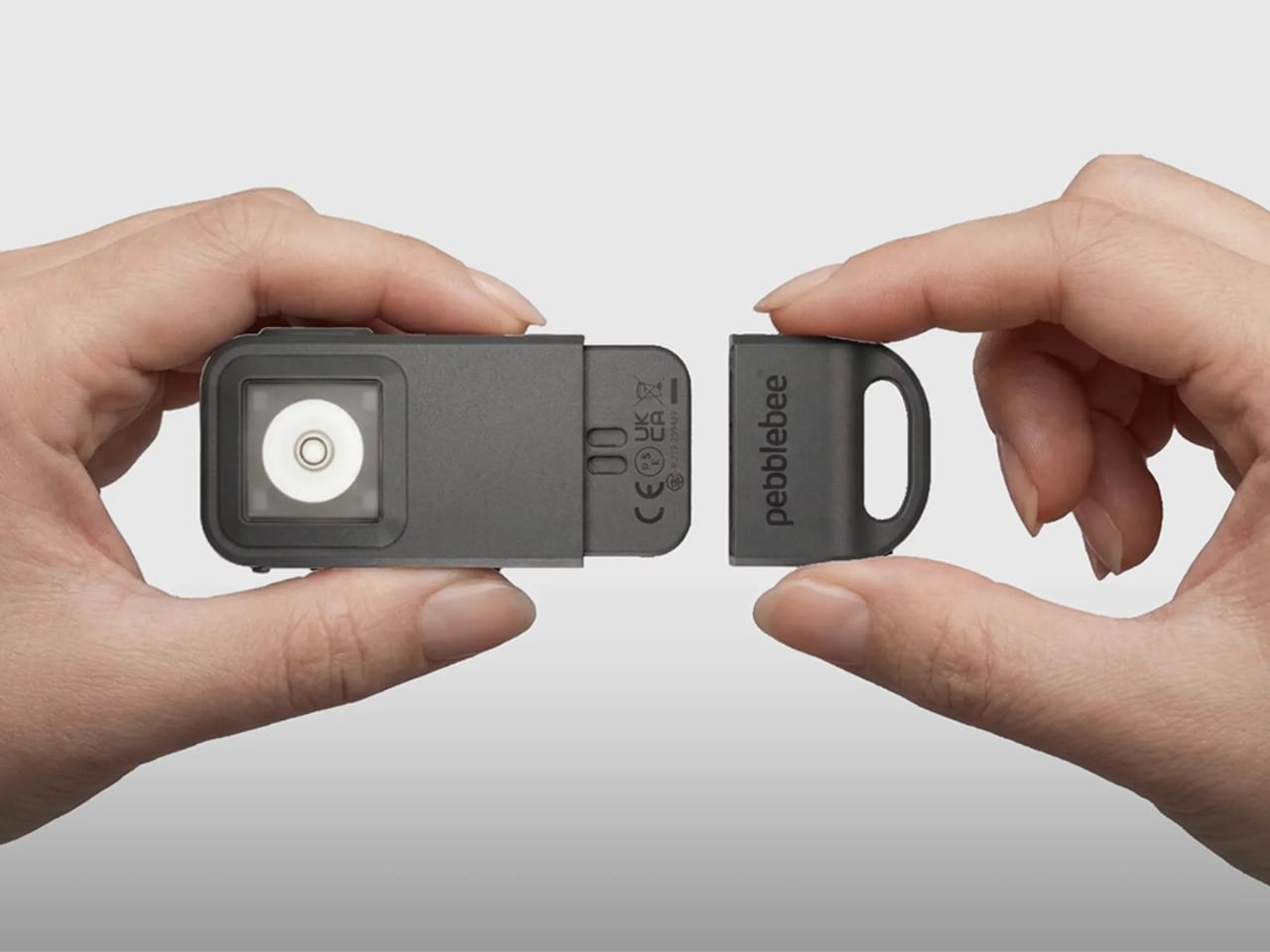
The activation mechanism is intuitive and, frankly, smart. Pull the device apart and three things happen at once: a 130dB siren activates (roughly the volume of a jackhammer at close range), a 150-lumen strobe light starts flashing, and your real-time location is shared with up to five trusted contacts in what Pebblebee calls your Safety Circle. The pull-apart trigger works in your favor because it’s instinctive. You don’t have to navigate an app or remember a button sequence when your adrenaline is already running.

There’s also a quieter option. Rapid presses of the side button send a silent alert to your Safety Circle without triggering the siren or the lights. That kind of discretion matters more than people give it credit for. Not every unsafe situation benefits from making a scene.

On the tracking side, the Halo works with Google’s Find Hub on Android, tapping into a crowd-sourced network to help locate misplaced items. It’s IP66 water-resistant, handles rain without issue, and the battery lasts up to a year on a full charge. These are specs that feel like they belong to a product that actually thought things through.

The bigger question is whether a product like this can shift how people think about daily carry. I think it might, and I say that as someone who has dismissed this category before. The AirTag normalized putting a small tracker on your keys. The Halo takes that familiar habit and layers in real utility that most people weren’t actively seeking until they actually see it. Pebblebee says the device was built with the late-night campus walker, the solo runner, and the traveler navigating an unfamiliar city in mind. That description covers most adults at some point in any given week.

It would be easy to read a product like this as capitalizing on anxiety. But the Halo doesn’t feel cynical in that way. The pull-apart mechanism, the silent alert, the 150-lumen flashlight that’s actually useful rather than just a line in a spec sheet. These details suggest a team that ran through realistic scenarios before finalizing the design. The way a product handles edge cases usually tells you more about its intentions than the headline features do. The Alert Live subscription becomes a paid plan after the included first year. It’s required for live location sharing and expanding your Safety Circle beyond five contacts. Worth keeping in mind, but as a first-year value proposition, the package holds up well.
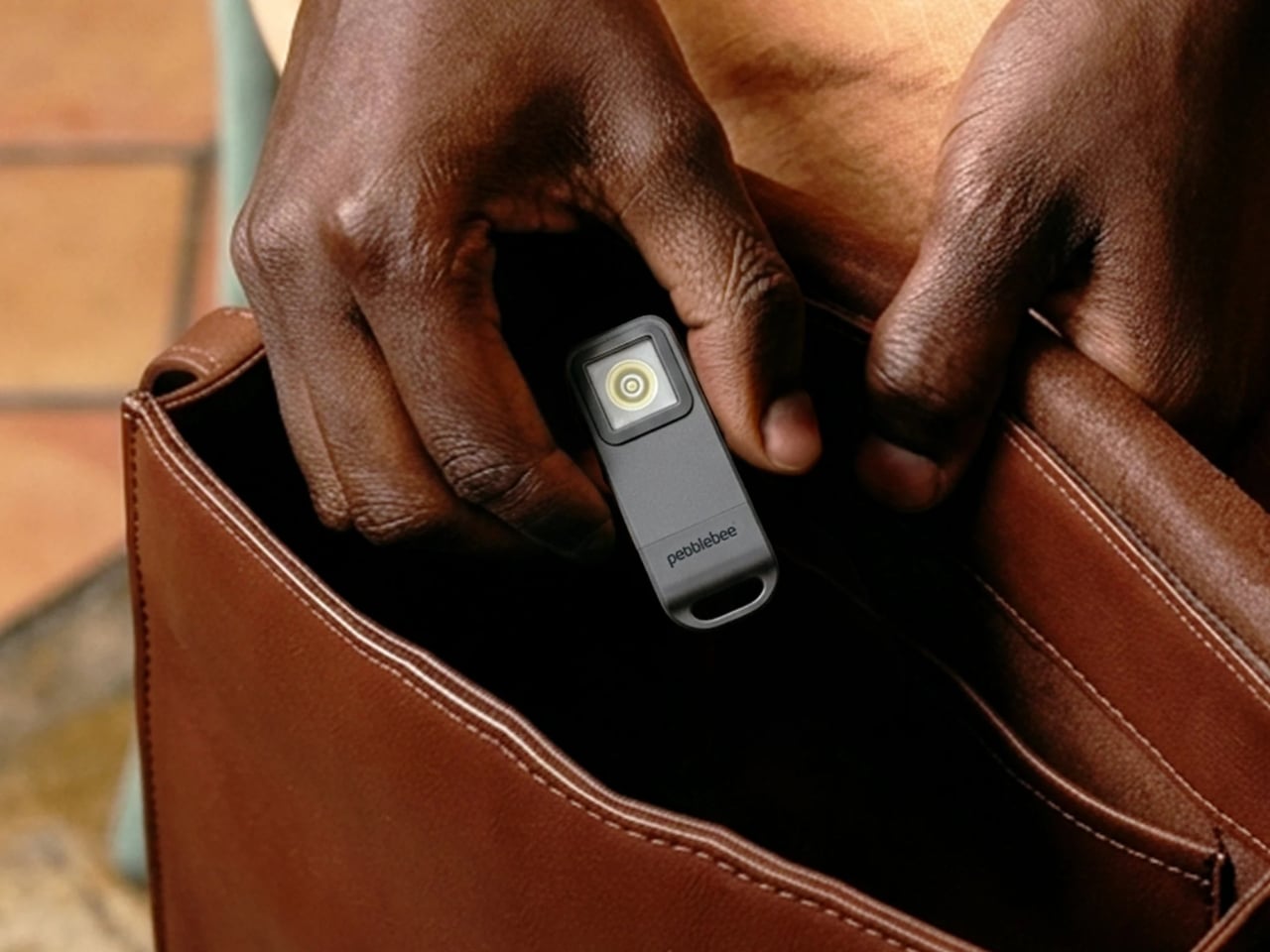
Personal safety gadgets have a habit of ending up in the junk drawer after the initial enthusiasm fades. The novelty wears off, the routine doesn’t stick. The Halo’s real advantage is that it gives you no particular reason to leave it behind. It lives on your keys, goes wherever you go, and the flashlight earns its keep on a regular Tuesday night. If you ever need the siren, you’ll be glad the upgrade was a keychain addition and not a drawer item. The most thoughtful design decisions are often the ones that make something so easy to carry, you forget it’s there until the moment you really need it. The Halo seems to understand that.

The post Pebblebee’s $60 Keychain Screams 130dB So You Don’t Have To first appeared on Yanko Design.