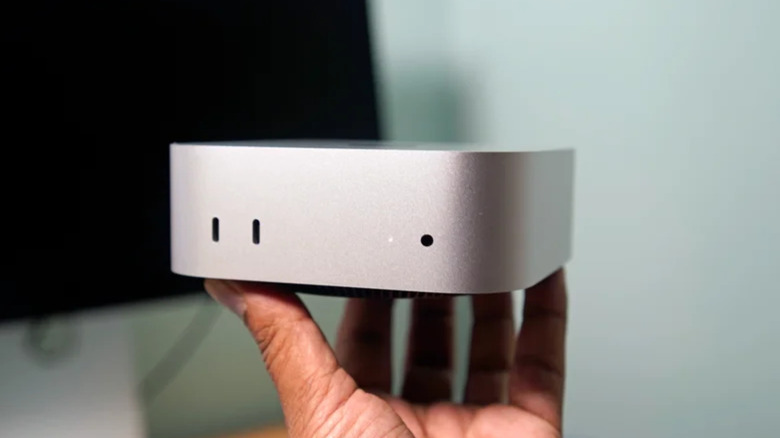
Apple appears to have discontinued its cheapest Mac mini
The compact desktop Mac now starts at $799 and comes with 512GB of storage.

There are pickup campers that extend outwards or those that pop-up. Now there is a third kind. The Roam Rider – an off-grid camper – that pops up to create headroom, and slides out (on either side) to increase the living space. Along with serious off-grid power capacity, the fascinating truck camper is also designed for all-season comfort. So, you can camp in the remotest location without having to worry about power and amenities, or having to give up your living convenience.
A twin-slide pop-up pickup camper, the Roam Rider SL, is designed primarily to sit atop 5-foot 6 inches truck bed. The company offers a customization option to tailor it to your truck bed requirements. The camper in its ready size measures roughly 12 ft long, 6 ft wide, and 5 ft high.
Designer: Roam Rider


With an empty weight of 1,300 lbs, the Roam Rider SL is built in McKinney, TX, as an integral part of the company’s tough yet comfortable truck campers’ portfolio, made for real adventures. For its durability, the camper features an aluminum and fiberglass exterior, and XPS foam sheets sandwiched for insulation. Placed atop a truck bed, the Roam Rider SL feels snug. One can access the brightly lit interior of the camper through its rear entry door.
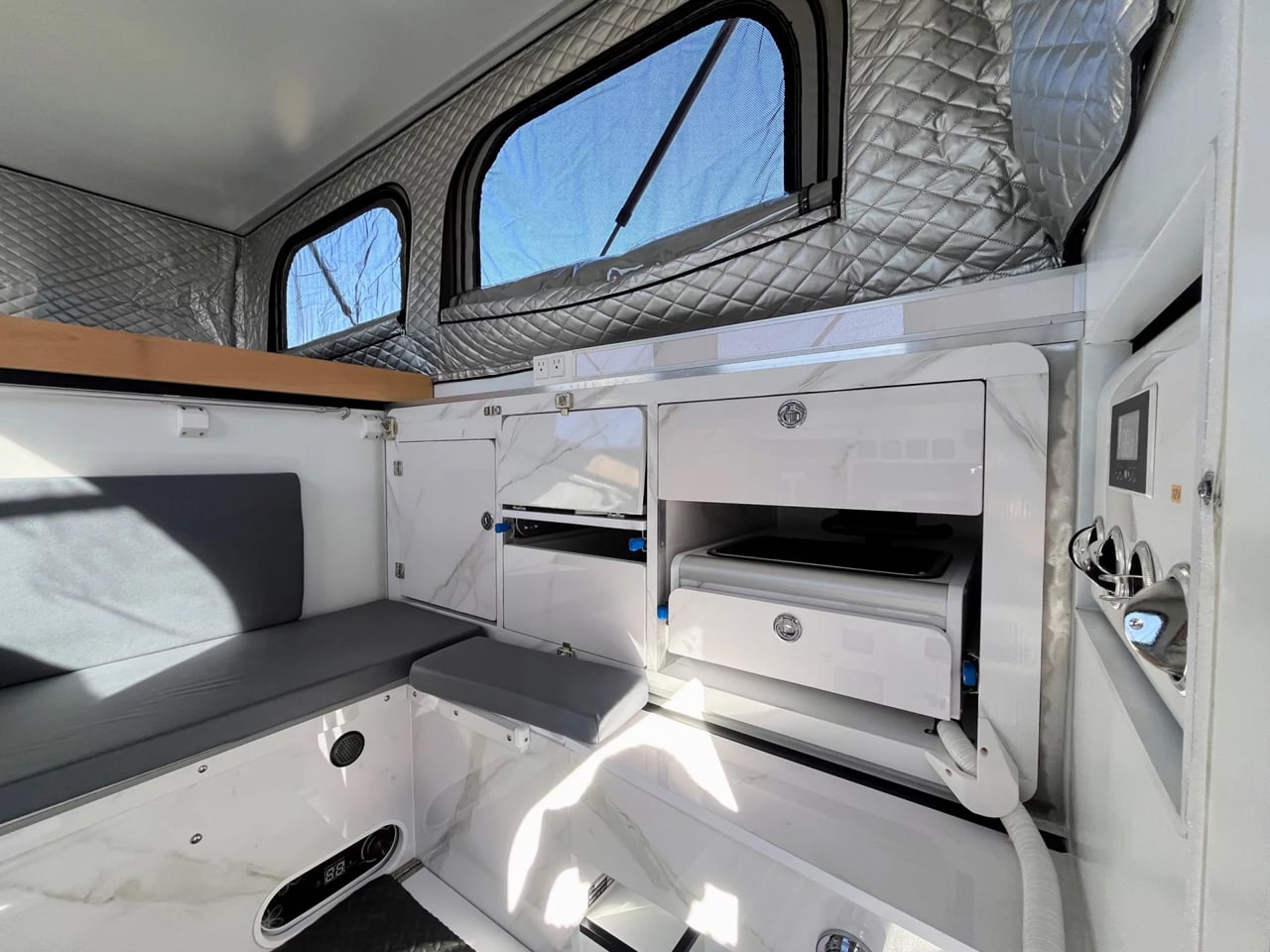
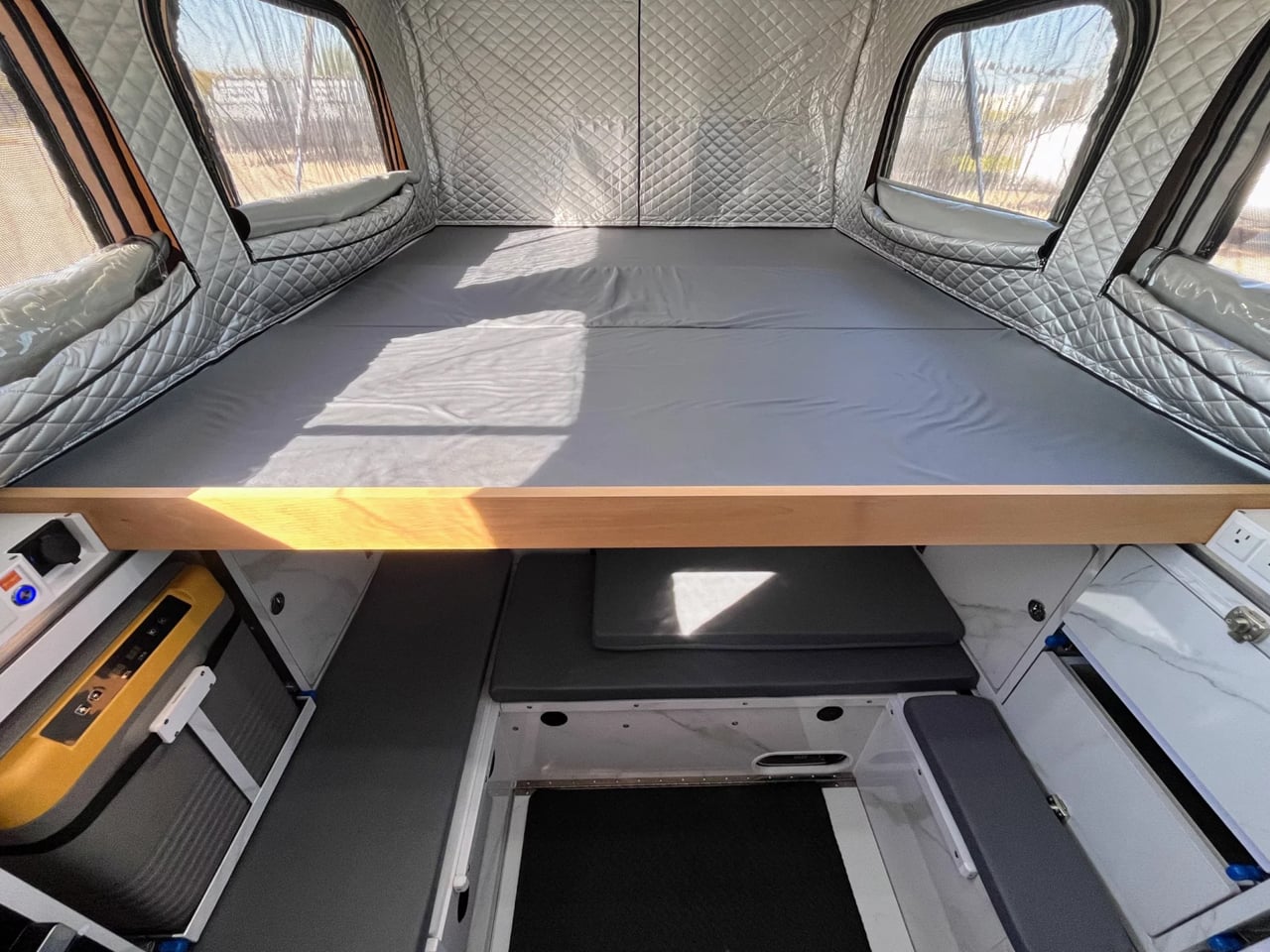
The natural lighting inside is ensured by a couple of mesh windows on each side of the pop-up camper. The pop-up roof itself is made of canvas and is supported by four stainless gas struts. The entire cabin from the walls to ceiling is insulated, while the eventful twin slide-out on either side gives the Roam Rider SL a unique vibe. It is complemented by sliding shelves and converting furniture, which easily adapt to the changing environment created by the camper’s sides sliding in and out.
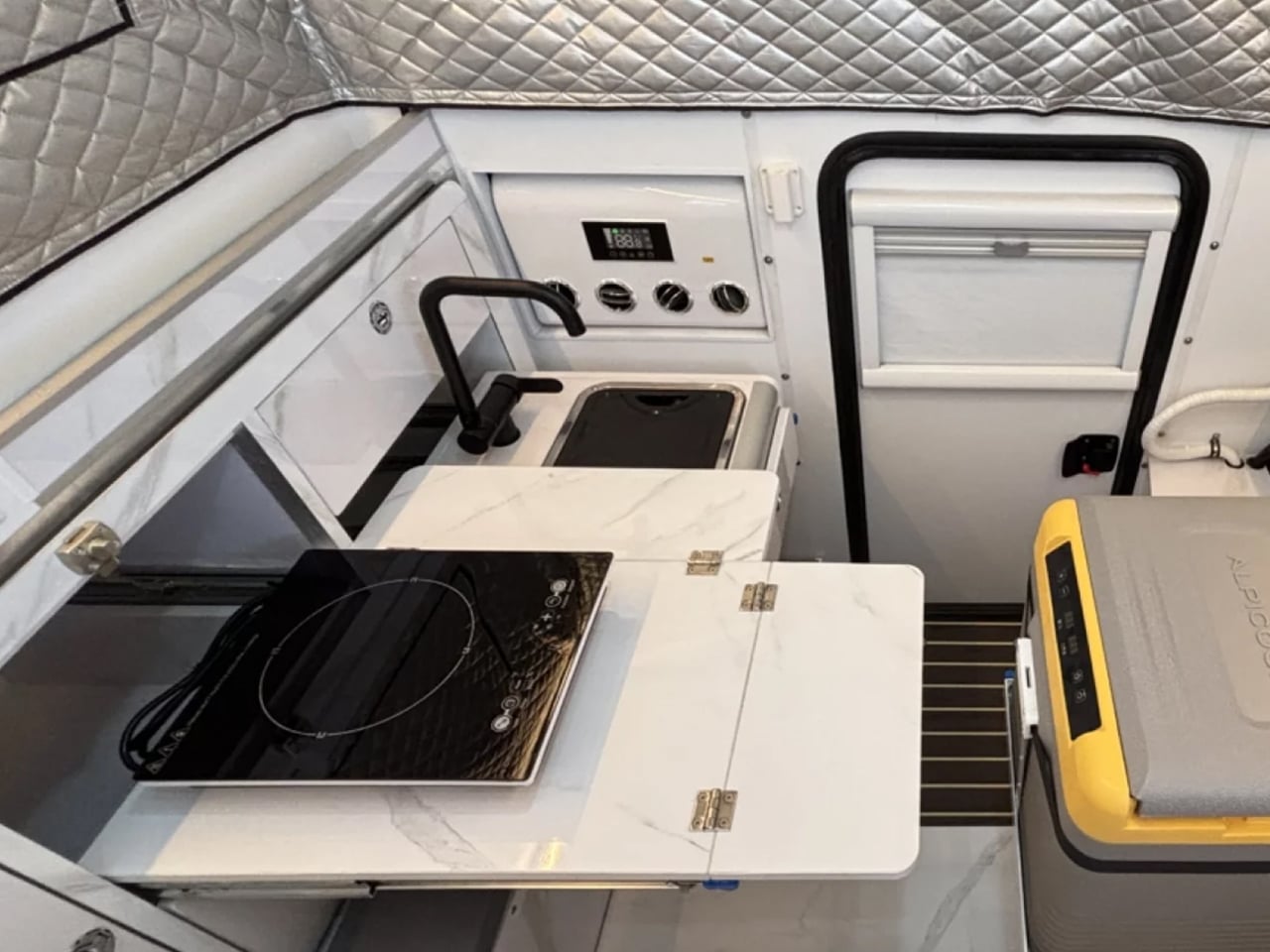
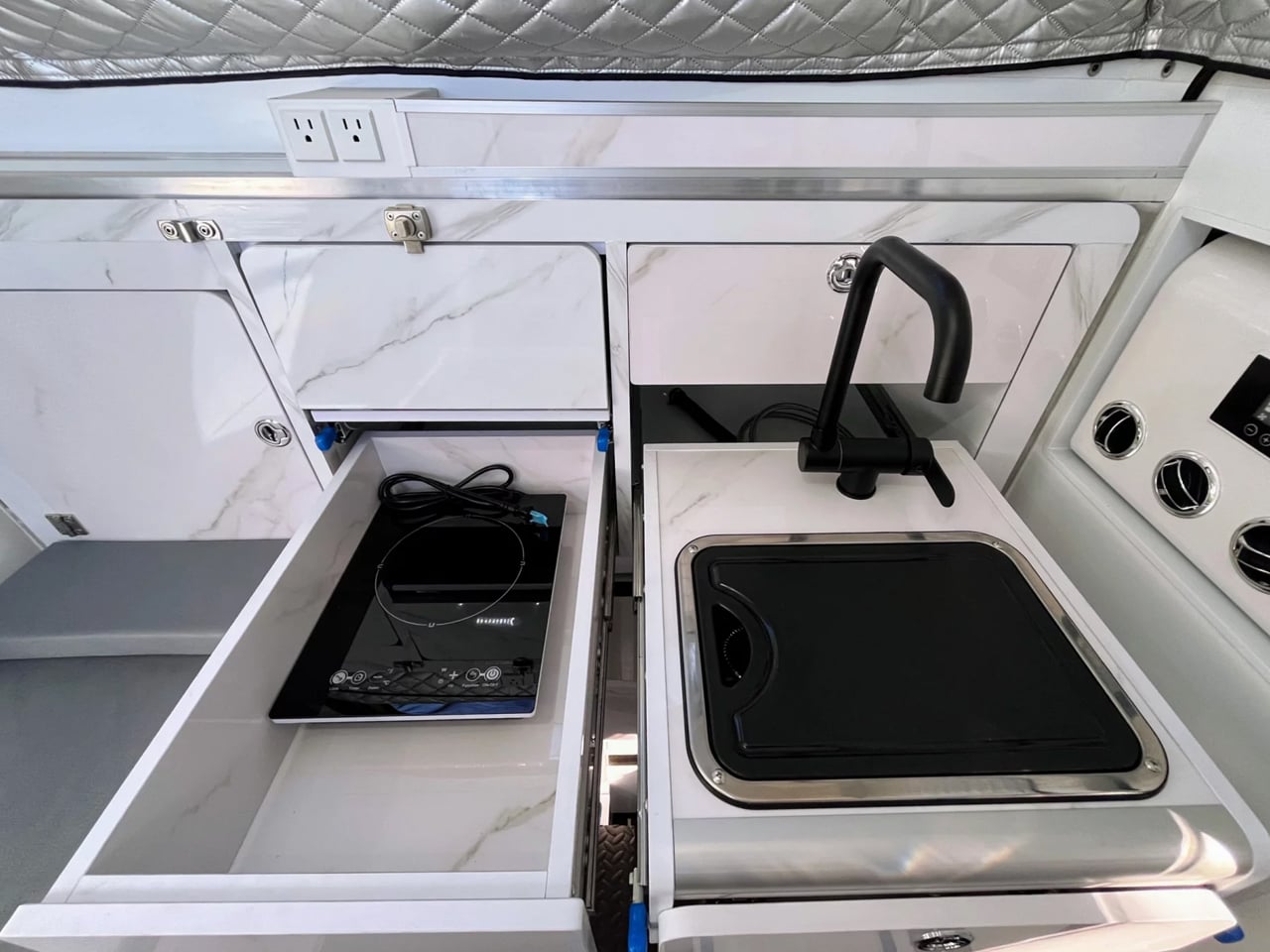
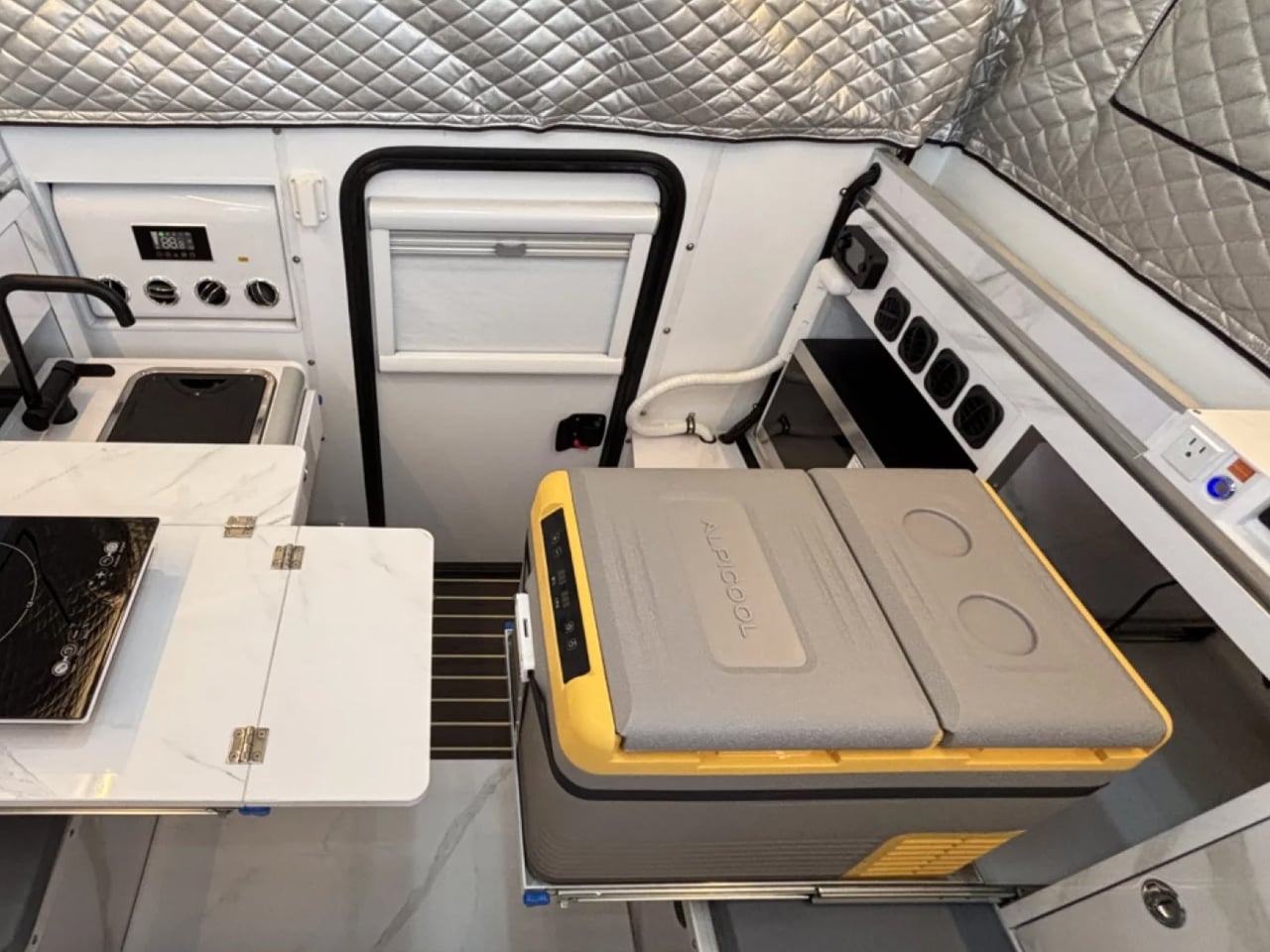
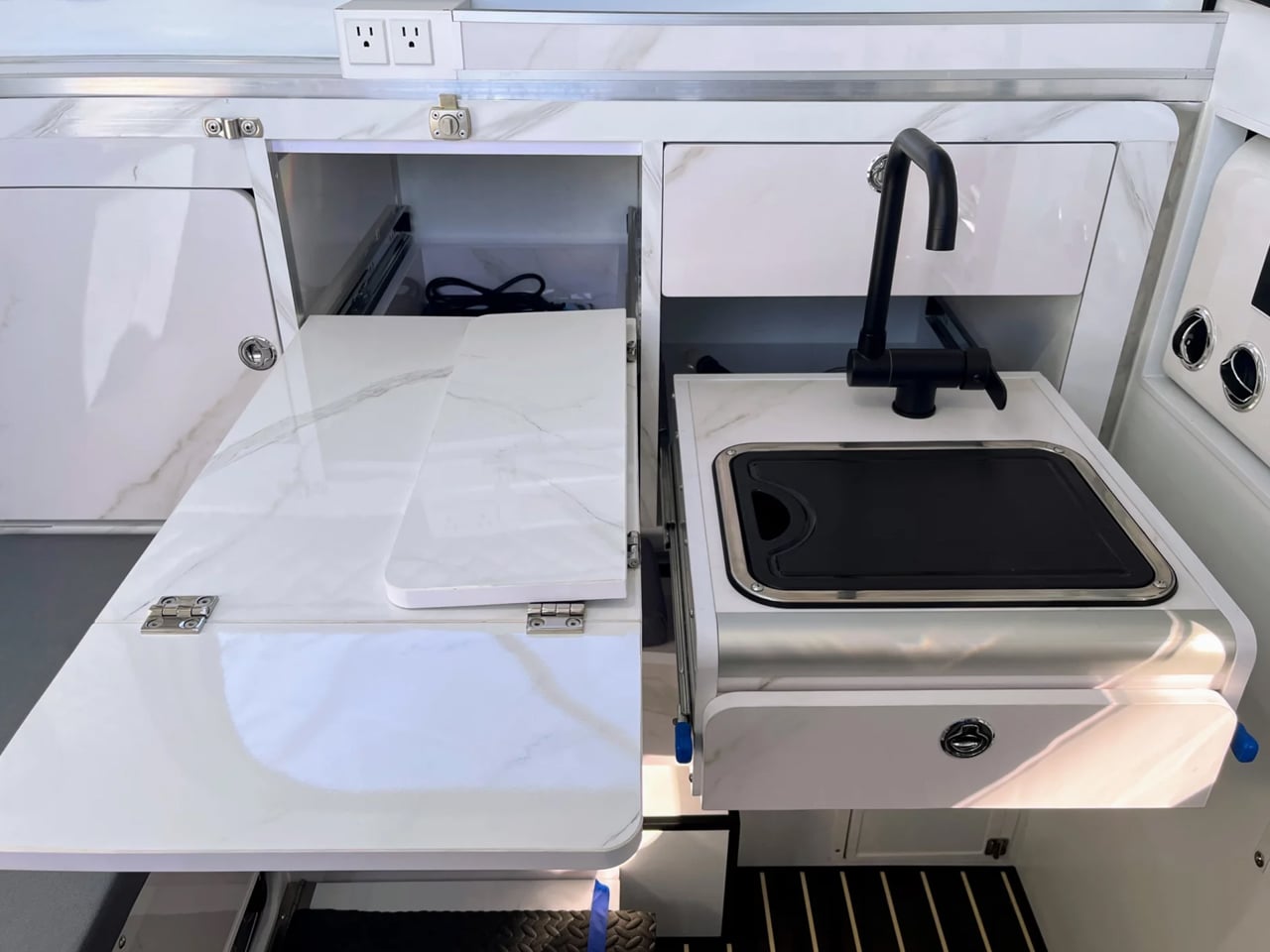
The Roam Rider SL has an interesting living environment, which is provided with a capable kitchen setup complete with appliances and amenities. The kitchen space has a 1500-watt induction cooktop sitting on a drop-down table, while a 12V dual zone refrigerator features on a sliding tray. The slide-out sink and folding faucet take care of the cleaning needs, and a 24-gallon freshwater tank onboard provides the needed water. An adjacent pull-out dining cum work table is where the prepared food is consumed.
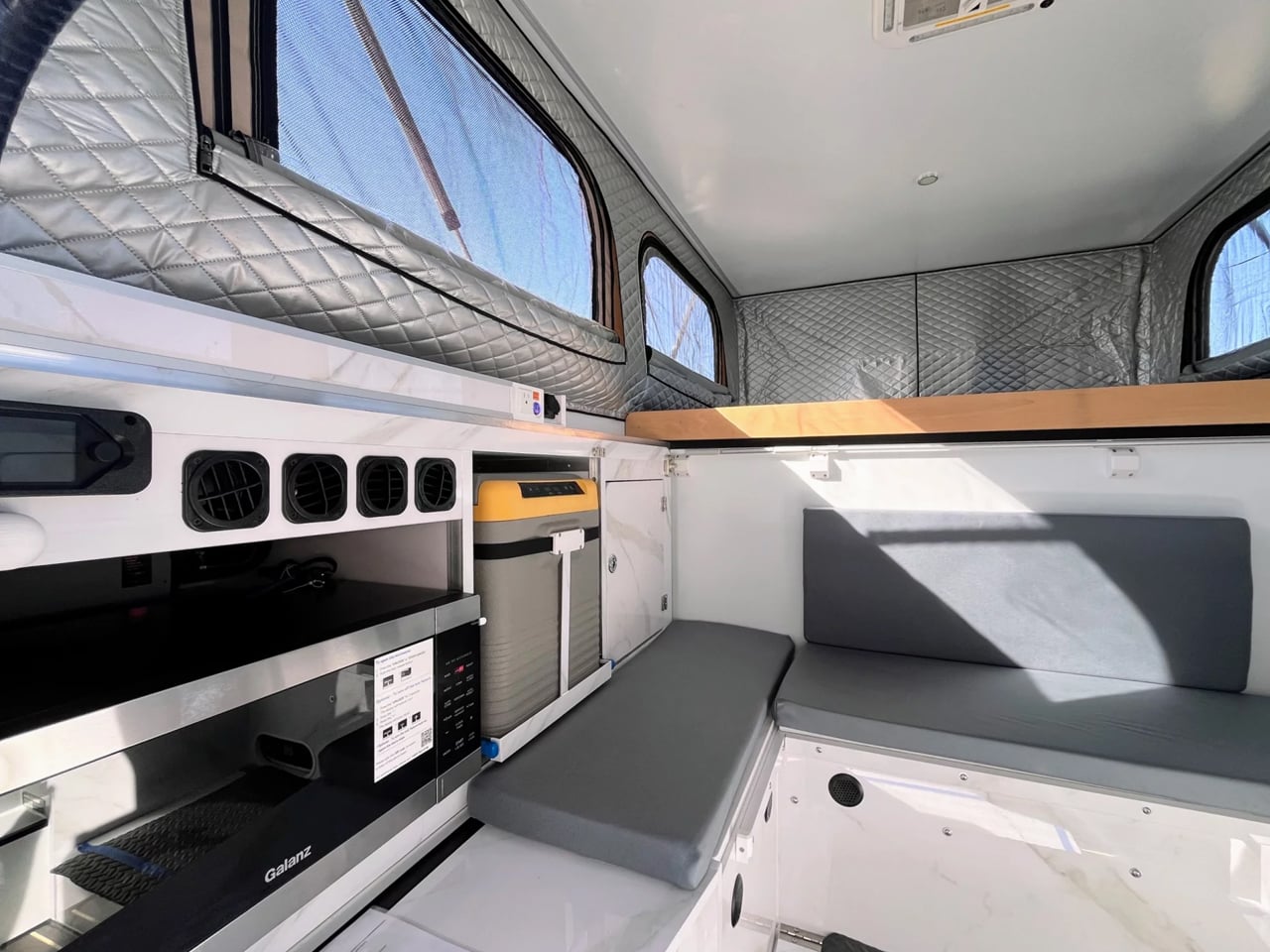
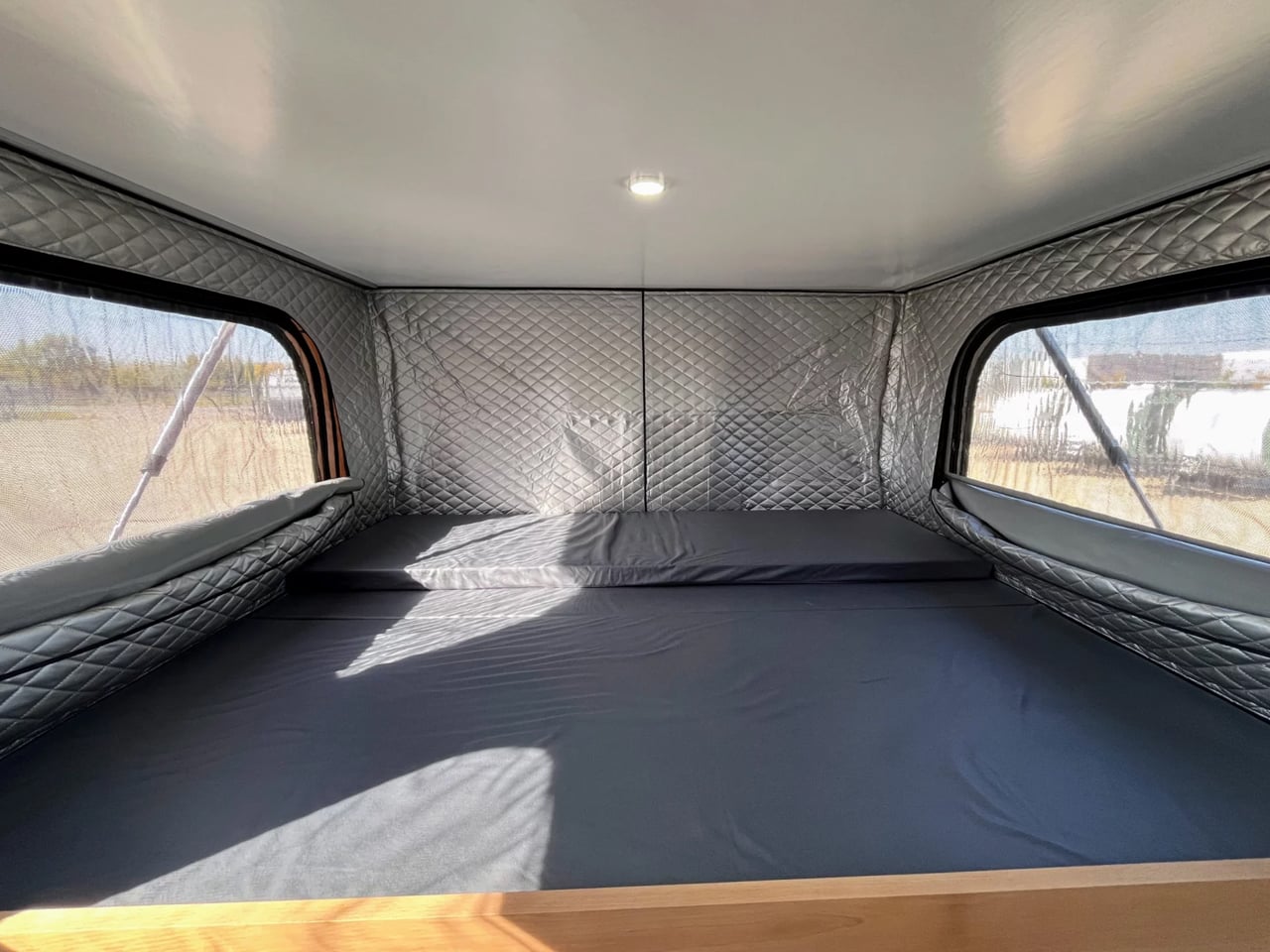
The cabin is designed for sleeping up to 3 campers conveniently. The main slide-out bed can fit a couple, while the second, convertible bed can sleep one person. During the day, the single-person bed becomes a cushioned sitting area for up to four people. You can find multiple storage options inside the Roam Rider SL. Two slide-in cabinets, two drawers, a floor storage box, and a vertical storage box.
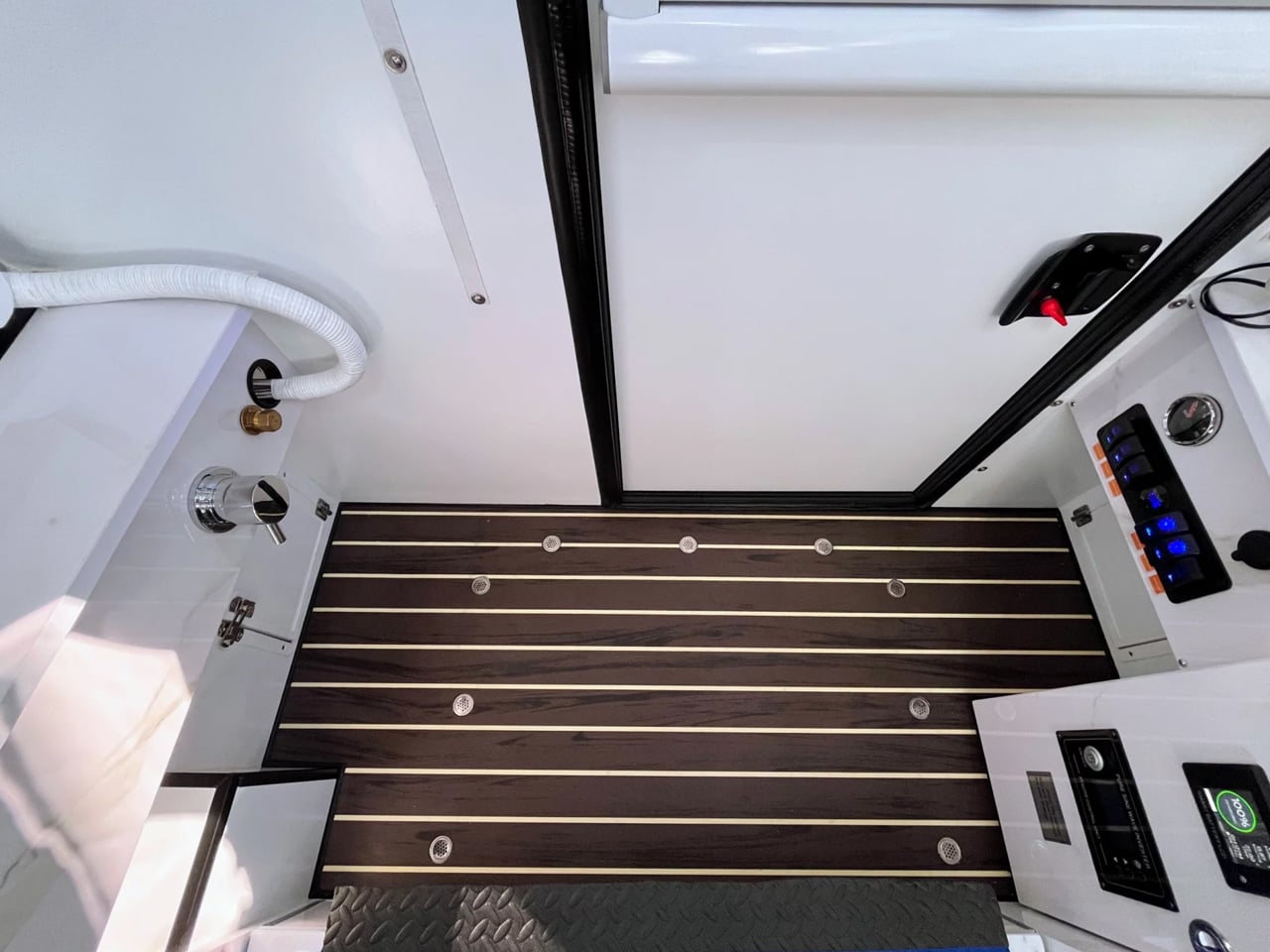
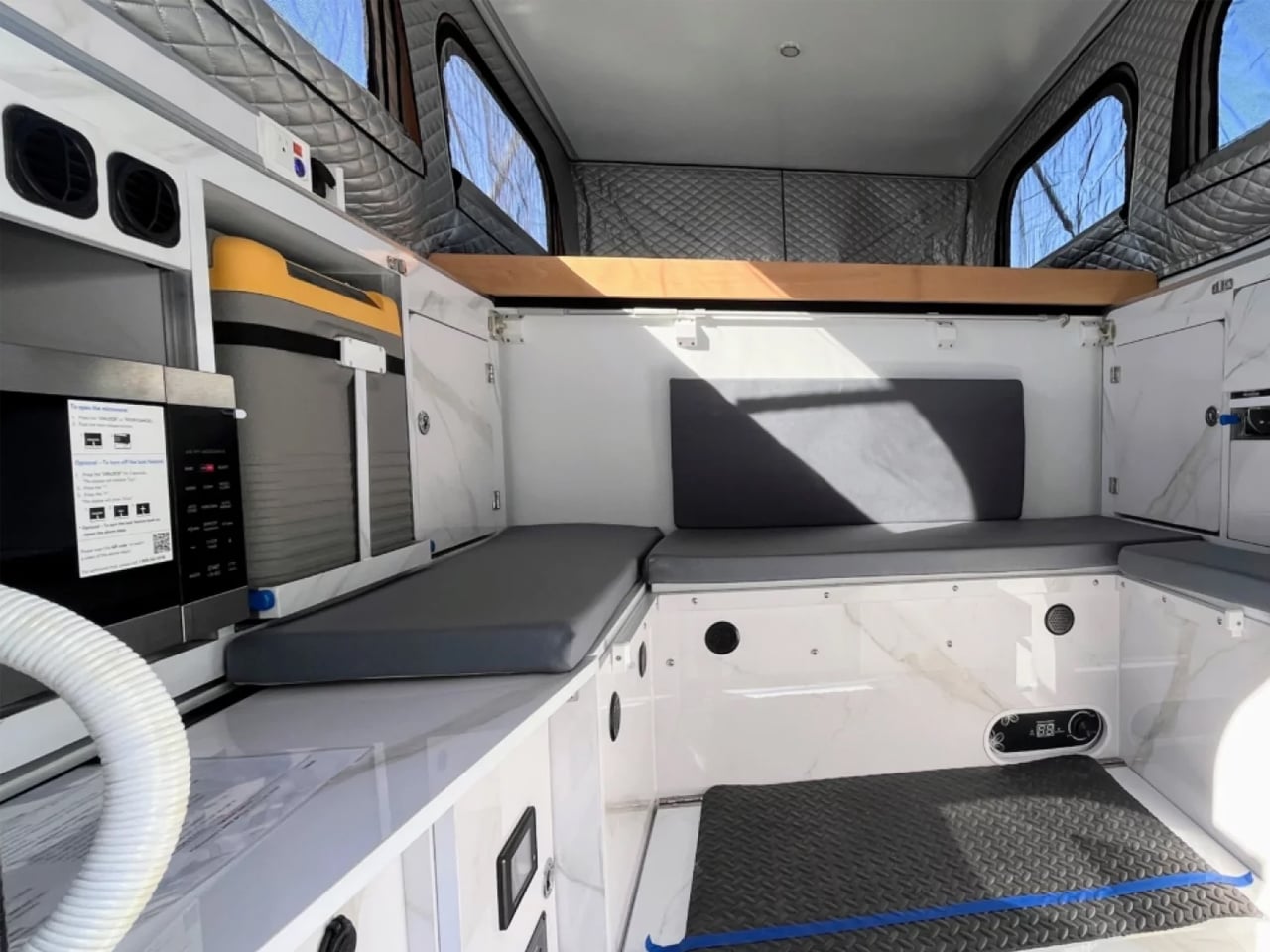
The camper is made for all-season adventures with a 7500BTU air conditioner and a 17,000 BTU diesel heater. A 4.8-gallon external diesel fuel tank is mounted on the back, which can provide fuel to the heater when you’re on an extended holiday in the winter. The camper is provided with a showering system, but there is no mention of a portable toilet inclusion. Though we learn that it features a 400Ah LiFePO4 lithium battery, paired with 320W solar panels. It also features a 3000-watt pure sine inverter, all for a starting price of $29,995.


The post Roam Rider SL pickup camper pops up to create headroom, slides on both sides for more living space first appeared on Yanko Design.
DJI built the pocket gimbal camera market almost entirely by itself, and for years nobody credible showed up to contest it. The Osmo Pocket line became the default recommendation for vloggers, travel creators, and anyone who wanted stabilized footage without strapping a gimbal rig to their wrist, and DJI knew it. Then the US government started making noises about Chinese drone manufacturers, DJI’s core business landed on security watchlists, and suddenly the ecosystem that looked impenetrable started looking like a liability. Canon has been watching all of this, and a newly published April 2026 patent suggests the imaging giant has decided this is exactly the moment to move.
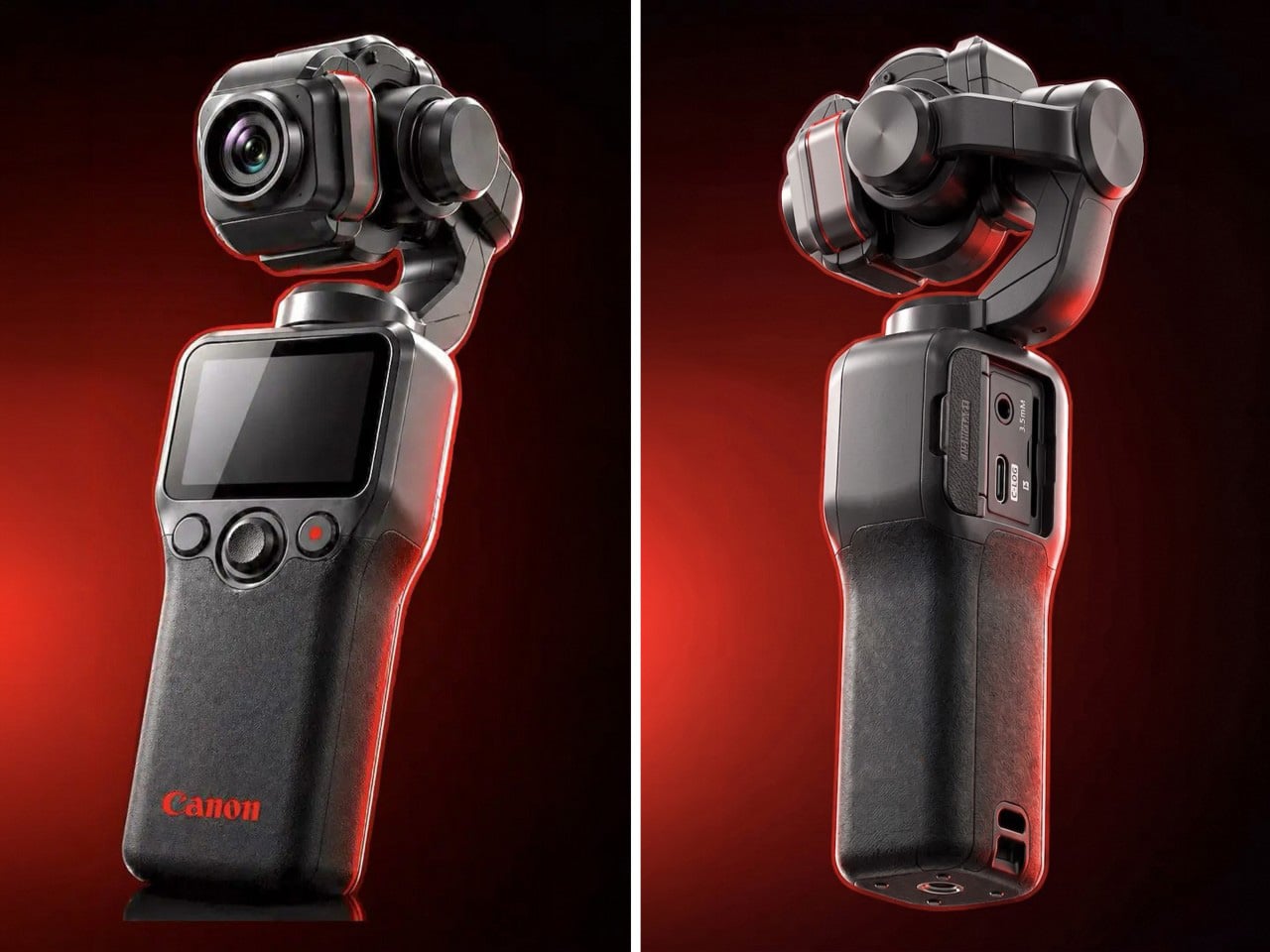
The patent describes a compact handheld camera with a fully integrated three-axis gimbal, a fixed lens, a grip with a screen, and a folding mechanism that protects the stabilizer head during storage. Canon has actually filed three gimbal-related patents since 2021, each one progressively more practical than the last, and this newest filing is the first that reads like an actual product brief rather than a thought experiment. The key engineering detail is a smart shutdown sequence that guides the gimbal into a safe folded position before cutting motor power, using magnetic sensors and image analysis to confirm the camera is no longer in use. It sounds minor until you realize that mechanical wear from limp-motor shutdowns is one of the more quietly frustrating failure modes in the category.
Designer: Canon
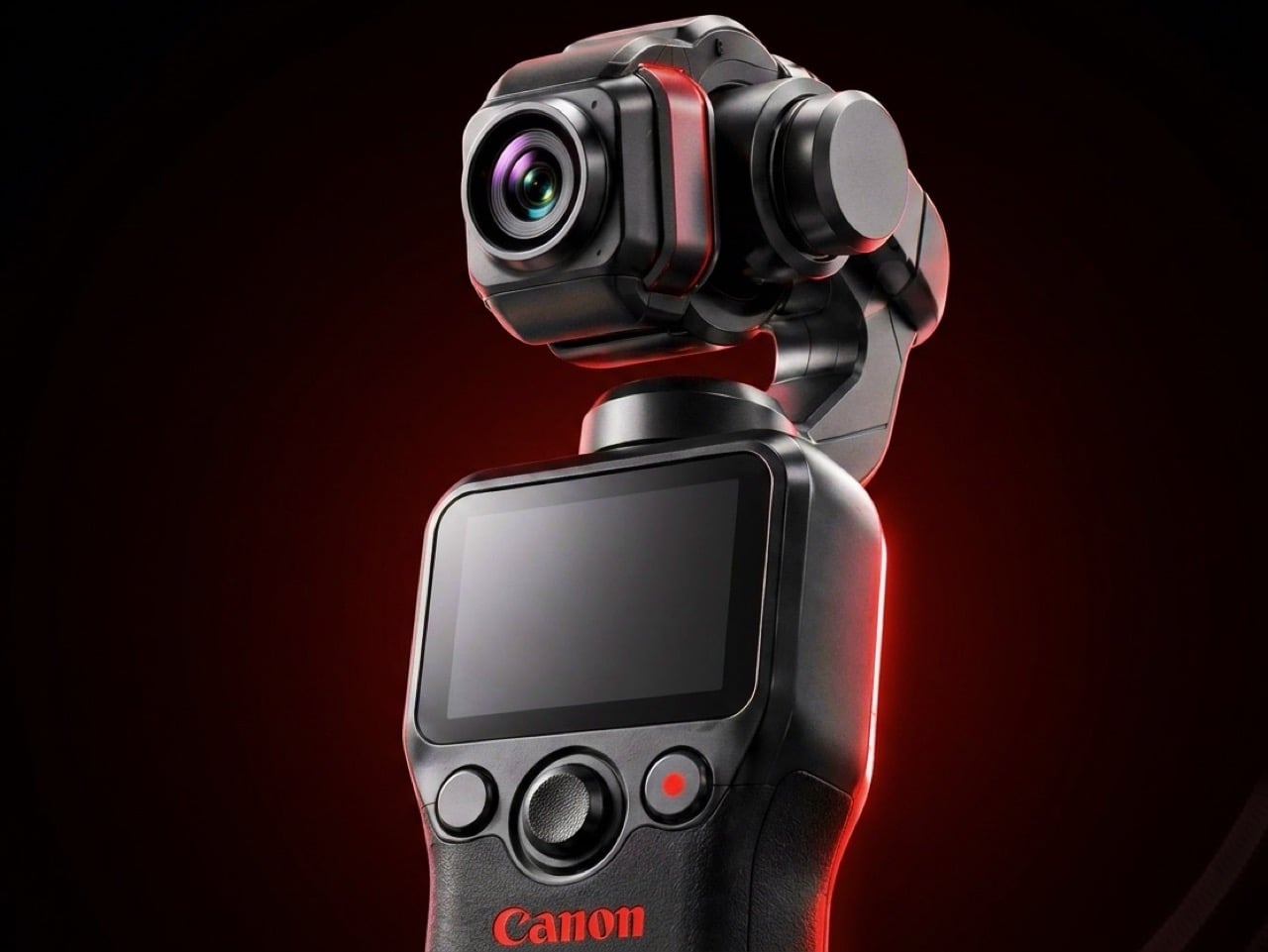
That three-patent arc maps almost perfectly onto how Canon typically approaches a new product category. The 2021 filing was the moonshot, an interchangeable-lens gimbal camera with cinema-level mechanical ambition that would have been extraordinary if Canon could have made the economics work. It could not, at least not at a price point a travel vlogger would stomach. The 2025 follow-up introduced an auto-flipping mechanism for continuous shooting without interruption, solving a specific operational frustration rather than reimagining the whole device. This latest filing drops the interchangeable lens entirely and focuses on fixed-lens portability with intelligent behavior baked into the motor control system. That progression from wild ambition to refined practicality is Canon doing what Canon does: taking its time, watching the market develop, and showing up when it has something worth shipping.
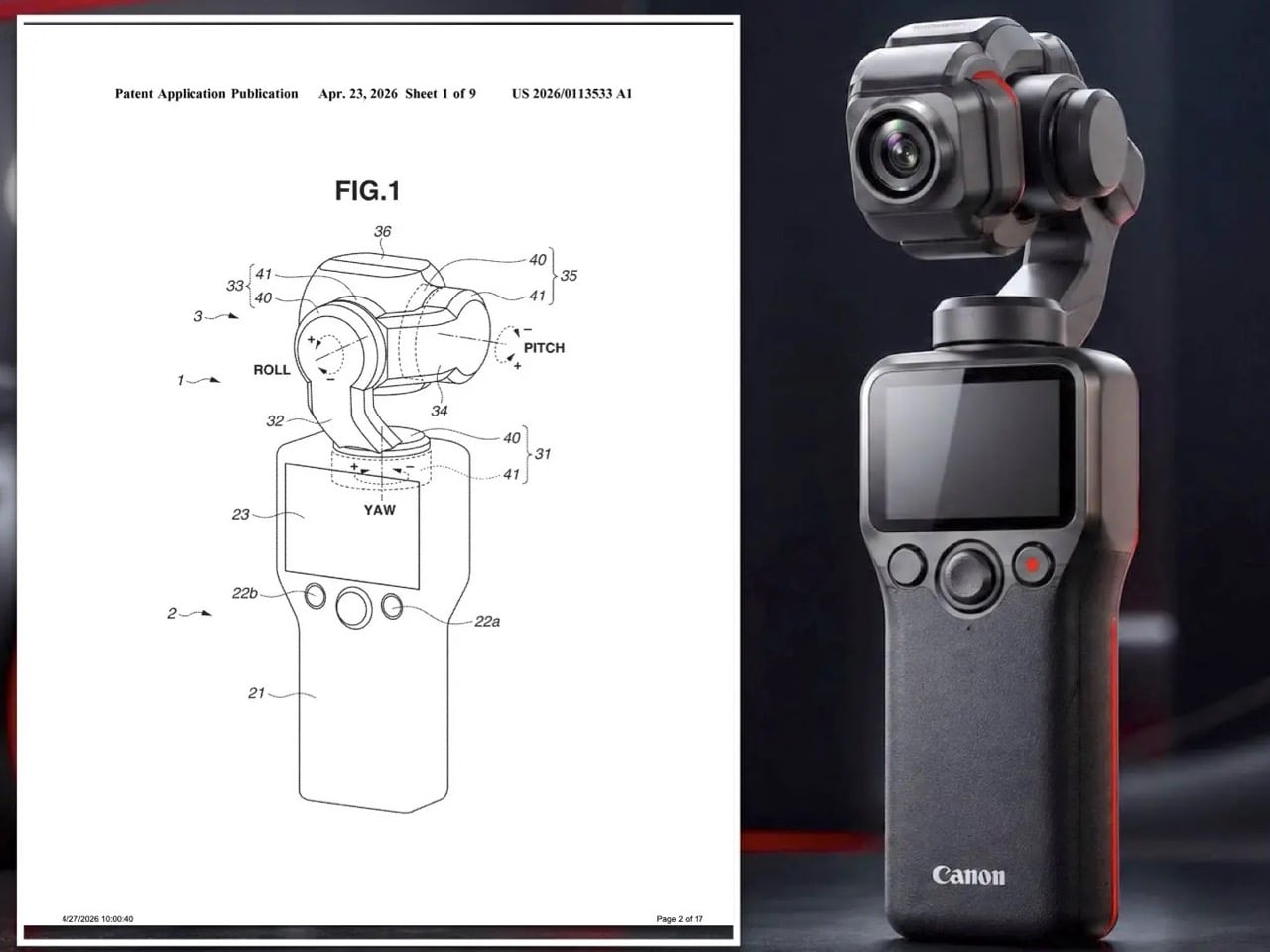
The competitive timing could not be more pointed. DJI launched the Osmo Pocket 4 in April 2026 with a 1-inch sensor and 4K at 240fps, confirmed a dual-lens Osmo Pocket 4P with 3x optical zoom, and faces the Insta360 Luna Ultra coming in May with a Leica-tuned dual-cam system and 6x in-sensor zoom. Canon is walking into a category fight that has never been more crowded or more technically advanced. The honest question is whether intelligent power management and Canon’s legendary color science, the warm, true-to-life rendering that photographers have trusted for decades, can compete against DJI’s hardware spec escalation and Insta360’s modular innovation. Canon’s answer, reading between the patent lines, seems to be that smarter behavior and a name creators already trust is a more durable advantage than chasing the highest frame rate number.
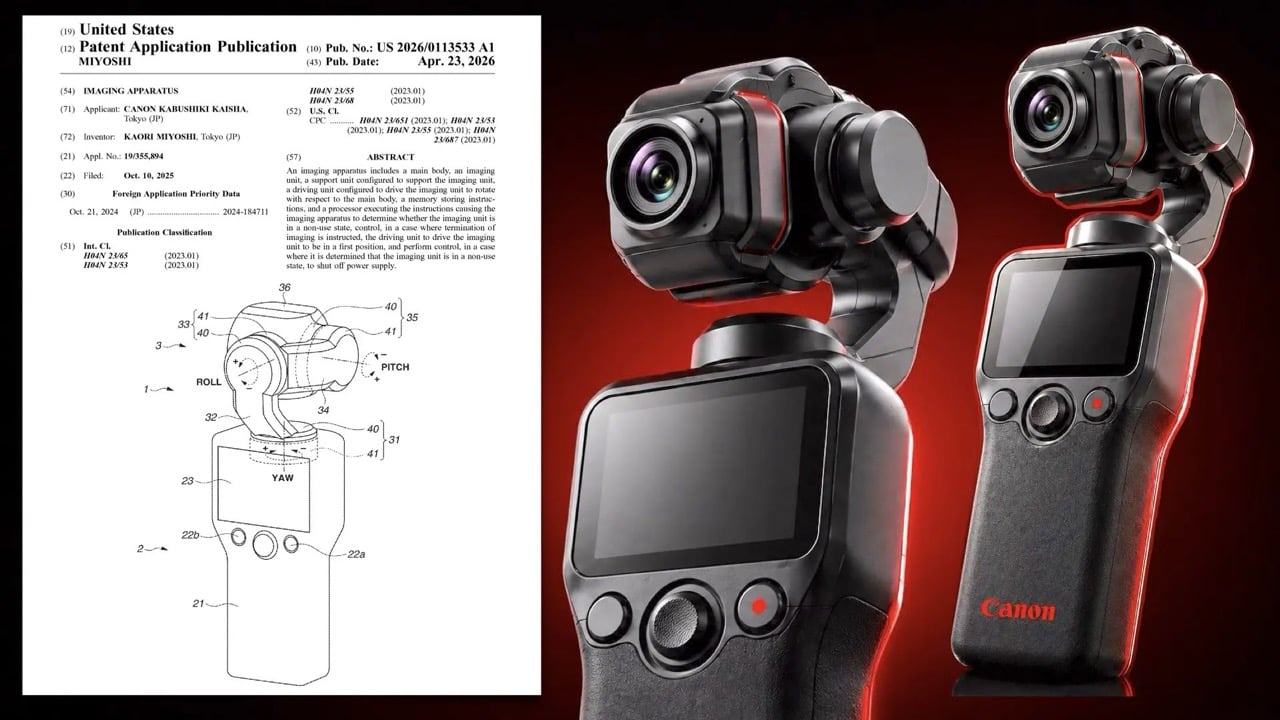
None of this guarantees a product ships. Patents are promises Canon makes to itself, not to consumers, and the 2021 interchangeable-lens concept never made it past the drawing board. What separates this filing from that one is the granular specificity of the engineering detail. When a patent document gets precise about magnetic sensor placement, motor position thresholds, and the exact sequence of a shutdown routine, it suggests the people writing it have thought about tolerances and failure modes, which tends to happen closer to a factory floor than a whiteboard. Canon has spent five years doing the homework on this category. The timing, with DJI’s business under regulatory clouds and the content creator market larger than it has ever been, suggests it may finally be ready to hand it in.
The post Canon Is Stealing DJI’s Content Creator Crown With Its Own Osmo Pocket Rival first appeared on Yanko Design.


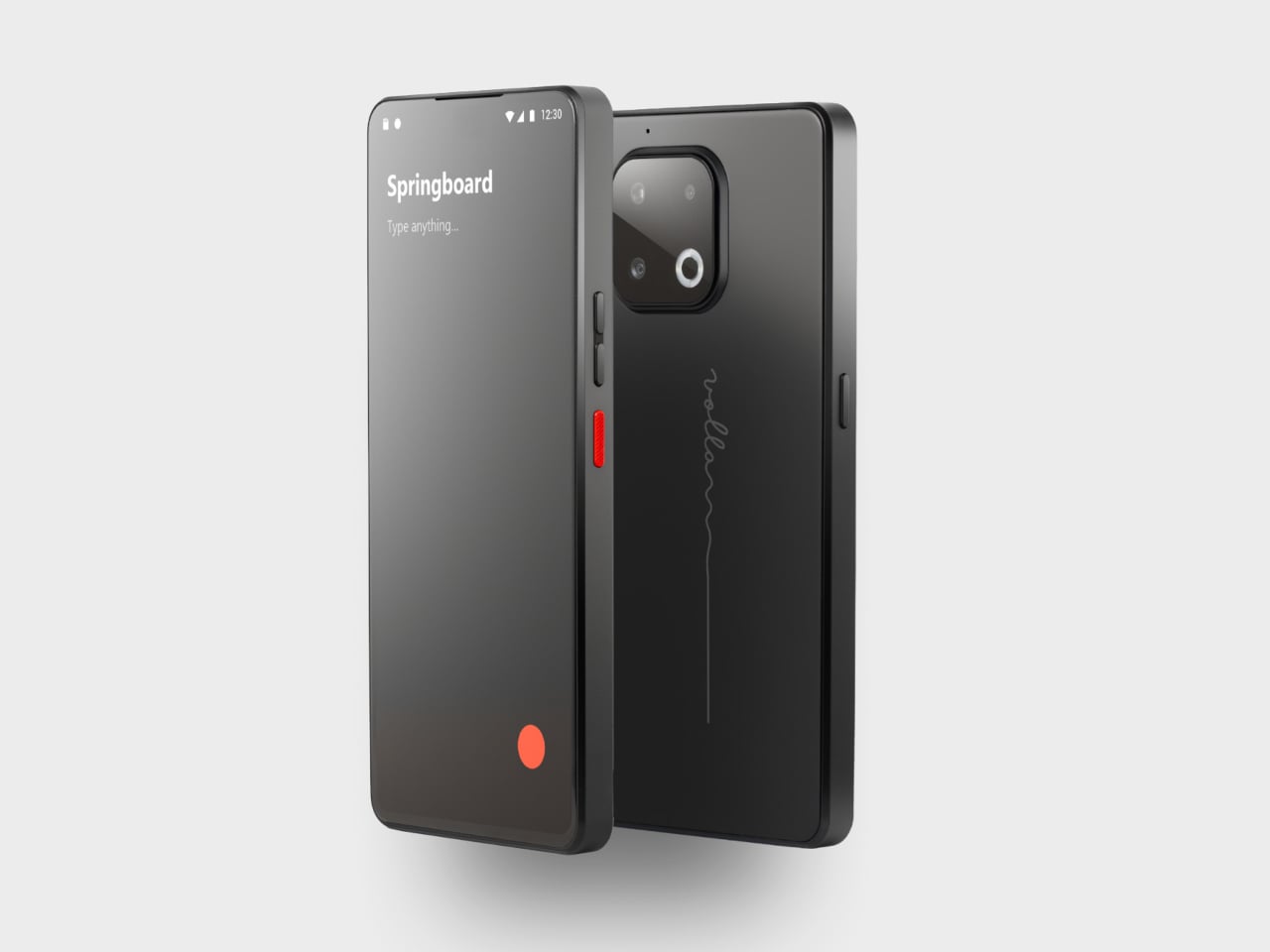
Most smartphones ship with an assumption baked in: that you’re fine with your data running through Google’s servers, your habits feeding its algorithms, and its apps occupying your home screen whether you asked for them or not. Privacy-first phones have tried to push back against this for years, but they’ve often done so at the cost of build quality, performance, or both.
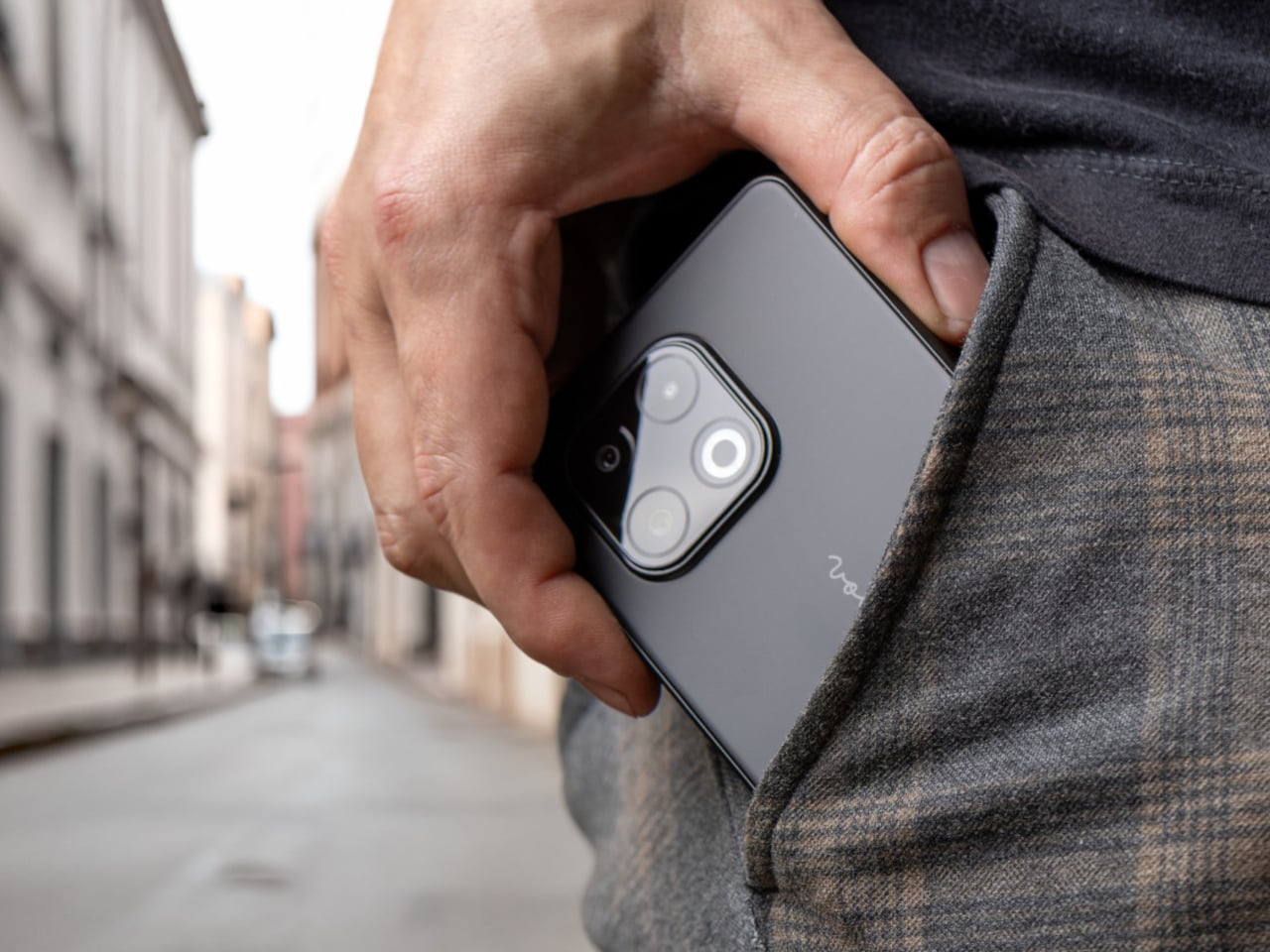
Volla has been making the case that those trade-offs aren’t necessary, and the Plinius is the latest, most convincing version of that argument. Named after Pliny the Elder, the Roman naturalist who died investigating the eruption of Vesuvius, it’s a phone built for the curious, the outdoorsy, and the uncompromising. It’s also the direct successor to the Volla Phone X23, and it’s a considerable step up.
Designer: Volla
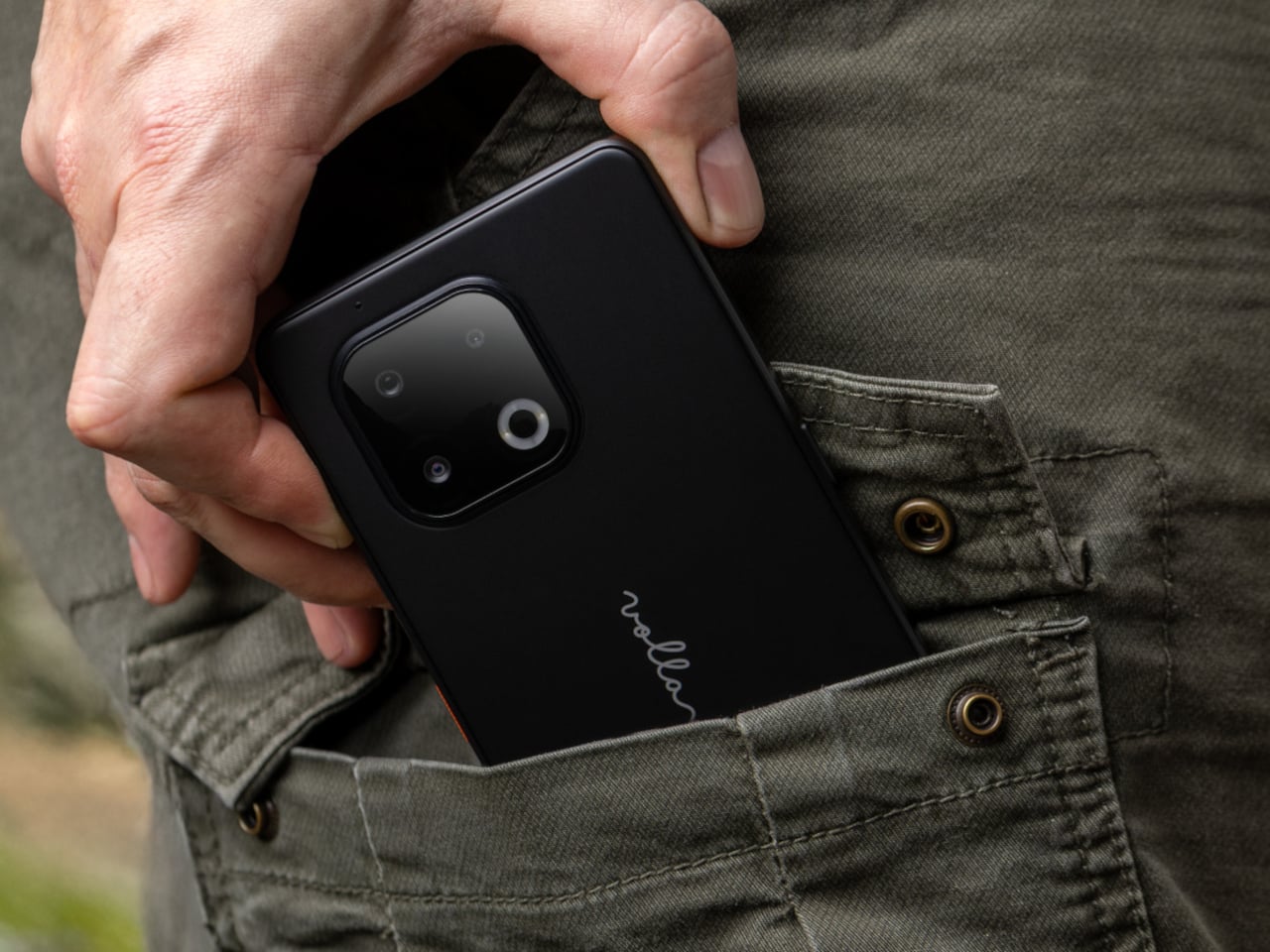
The body carries an IP68 rating against water and dust, which you’d expect from a rugged phone, but what’s less expected is how slim and light the Plinius is. At 163mm x 76mm x 10.5mm and 230 grams, it’s noticeably slimmer than its predecessor. A transparent back cover and armored glass film come in the box, and the touchscreen handles wet hands and gloves without missing a beat.
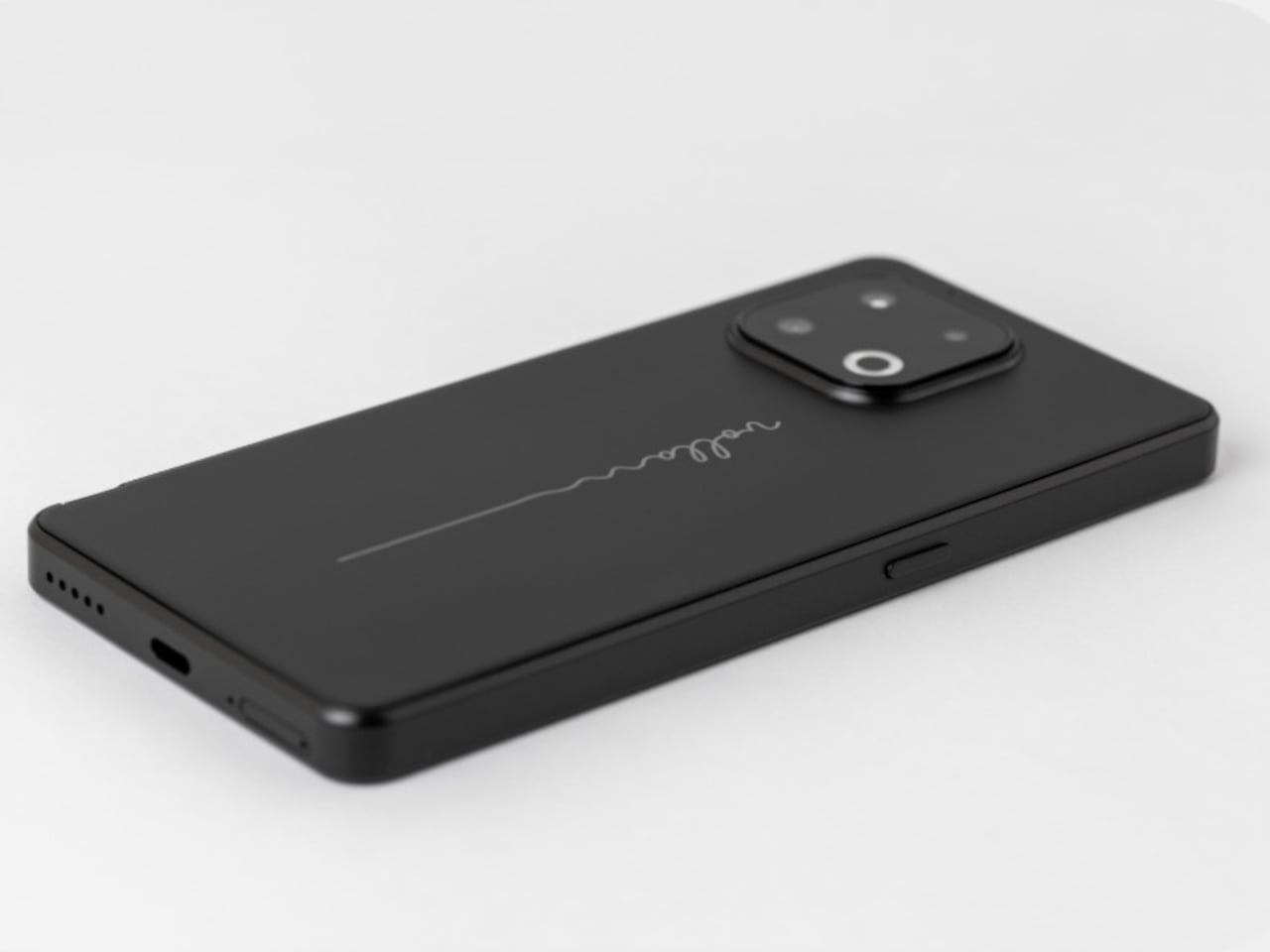
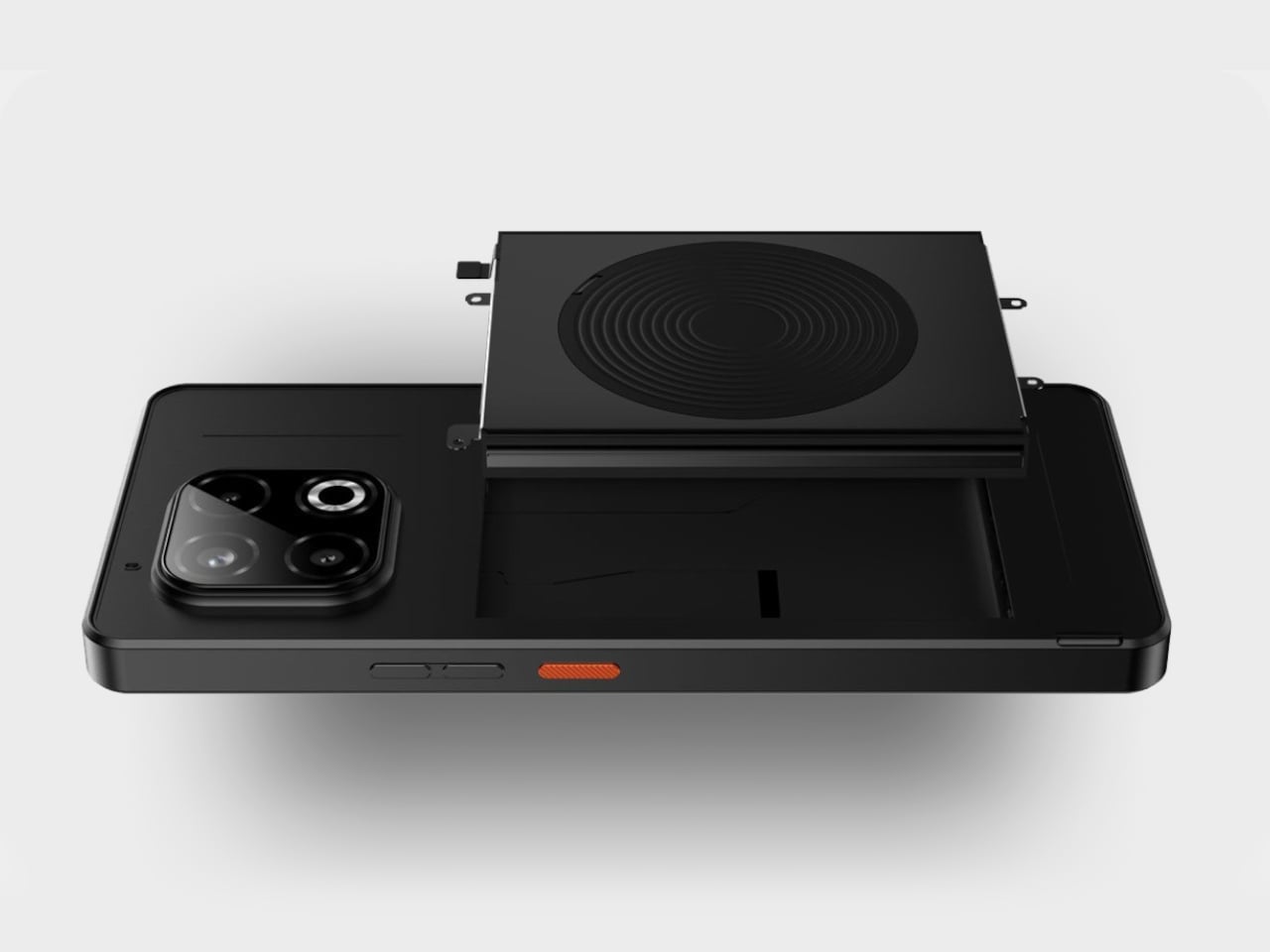
The 5,300 mAh battery keeps things going through a full day and beyond, with 30W fast charging and 15W wireless charging both covered. What’s genuinely unusual, though, is that the battery is user-replaceable with a standard screwdriver, even with the IP68 rating in place. That’s a deliberate choice from a company that built its reputation on longevity and transparency rather than planned obsolescence.
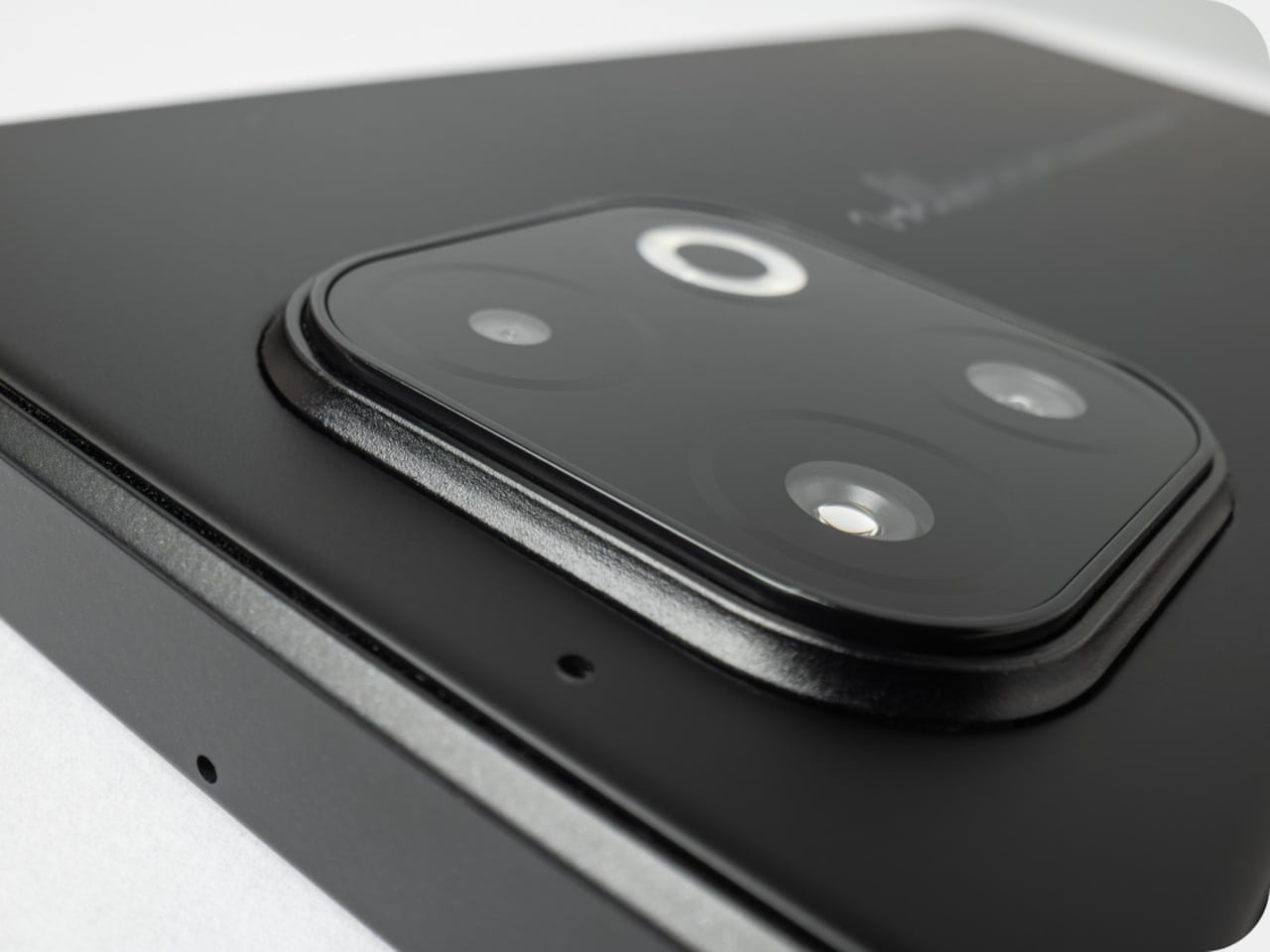
Out of the box, the Plinius runs Volla OS, a Google-free build of Android with a clean, text-based interface and a Security Mode that controls which apps communicate externally. Ubuntu Touch is also available, a fully Linux-based OS from the UBports Foundation that doubles as a desktop when connected to a monitor, and you can run both on the same device.
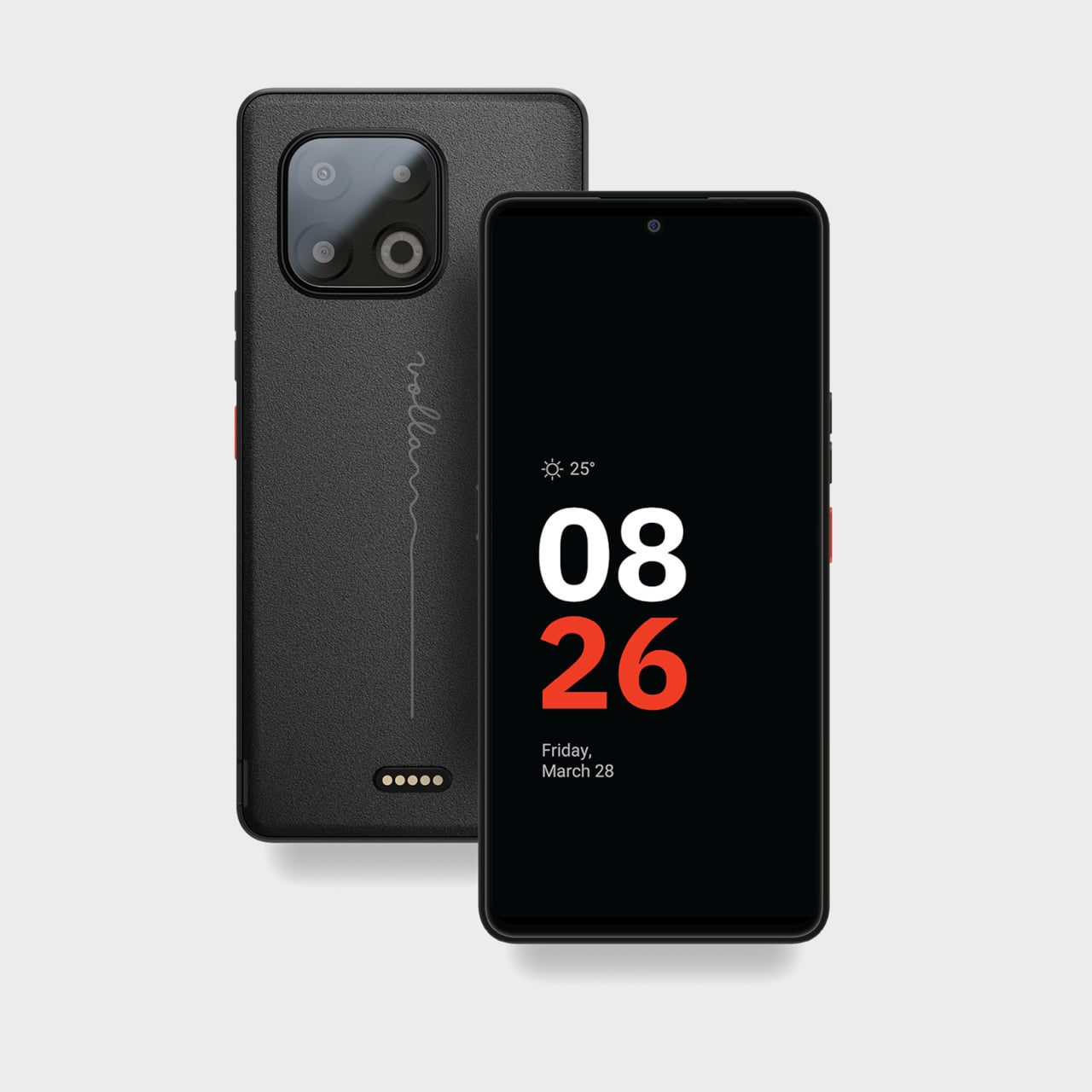
The 6.67-inch FHD+ OLED display runs at up to 120 Hz and reaches 1,000 nits of peak brightness, so outdoor visibility isn’t an issue even in direct sunlight. The triple-camera setup is anchored by a 64MP main shooter with phase-detection autofocus, an 8MP ultra-wide, and a 2MP macro, with a MediaTek Dimensity 7300 processor and 5G connectivity running the show underneath.
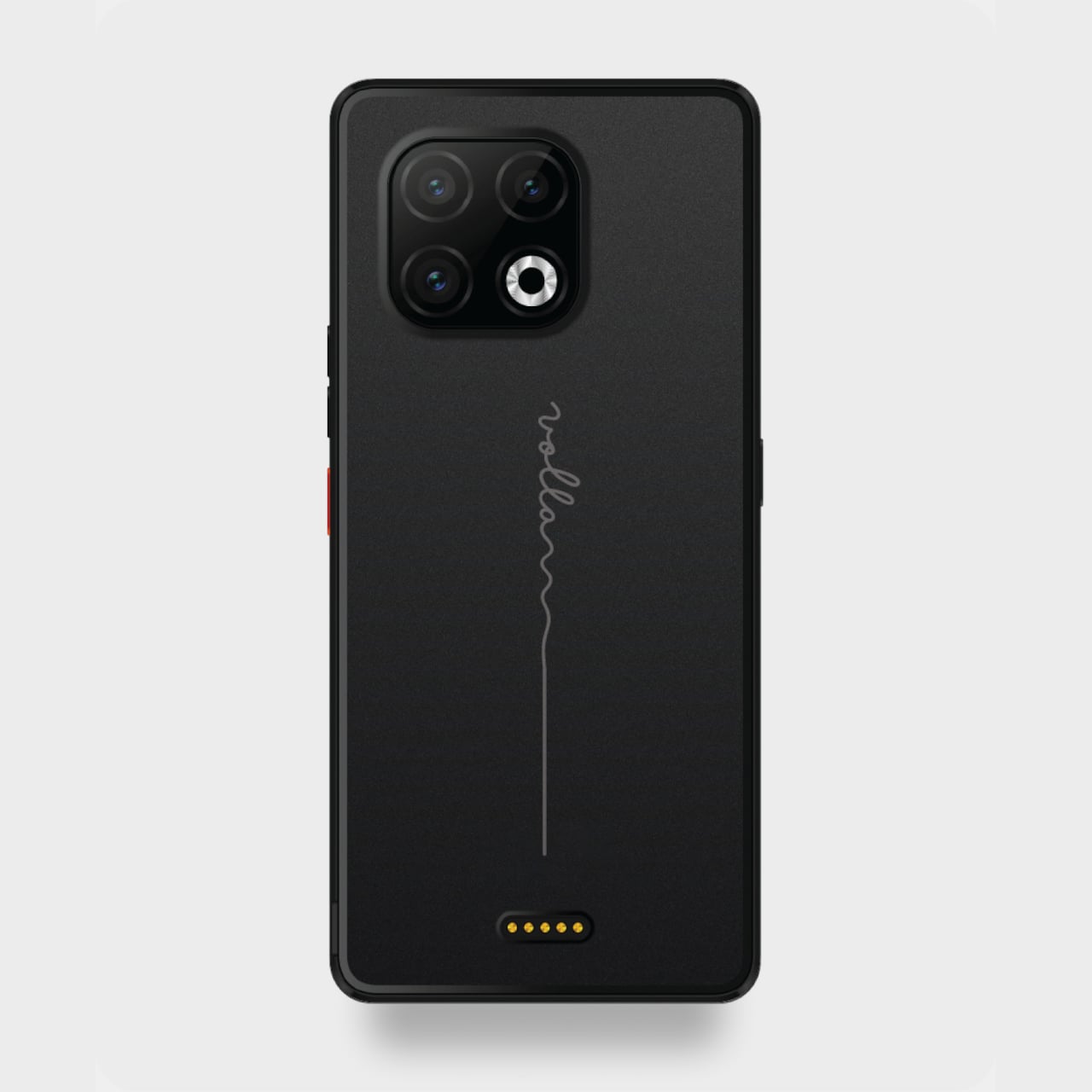
Step up to the Plinius Plus, and you get 12GB of RAM, 256GB of storage, and an extra-durable back cover with a Pogo PIN connector for accessories that attach magnetically. The modular system is still in its early days, but the open-source hardware foundation is already in place, and it’s a signal that Volla isn’t done thinking about where this phone can go.
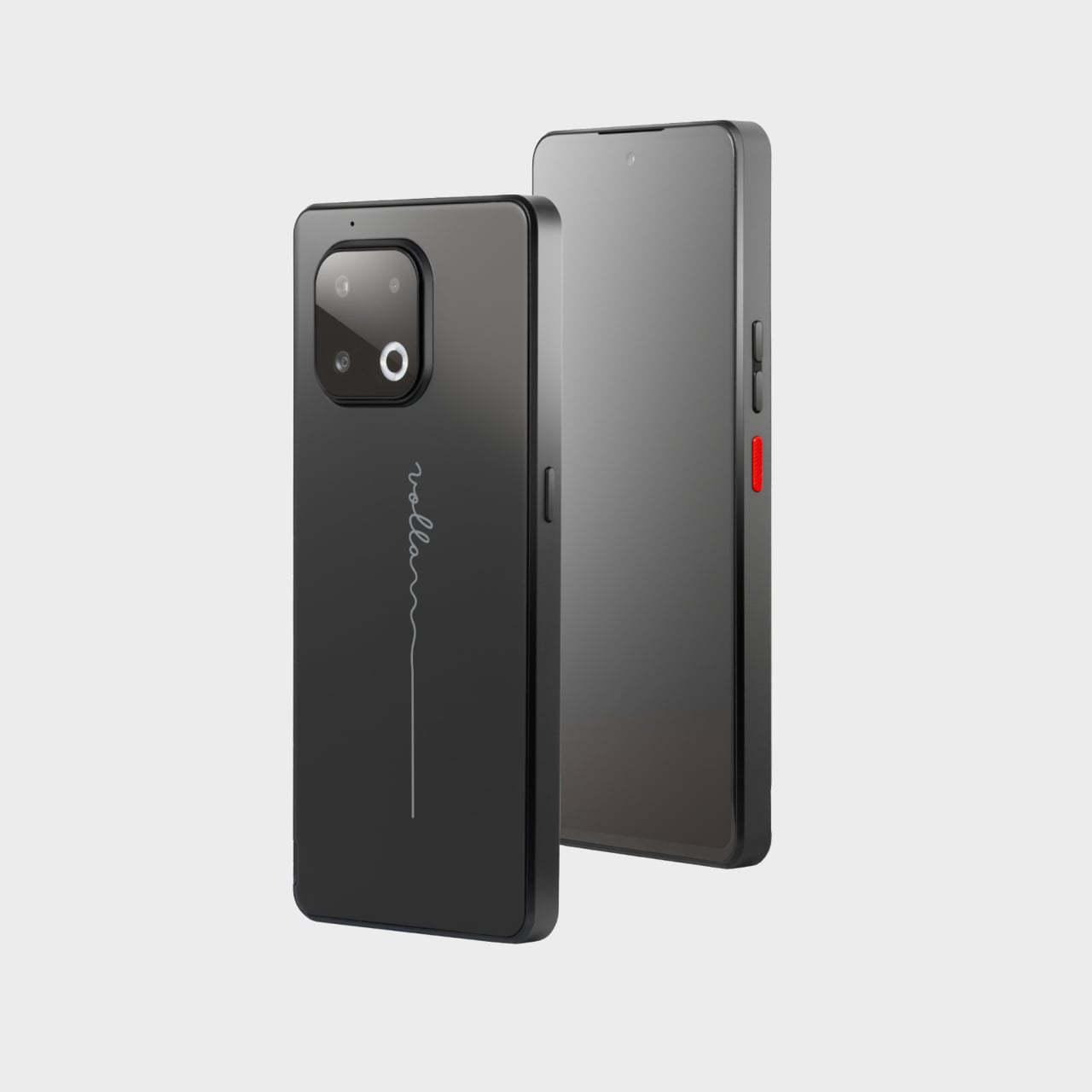
The standard Plinius starts at €598 and arrives in April 2026, while the Plus is priced at €698 with a June 2026 release. For most people, neither version is a cheap proposition, and mid-range internals might make that sting a little. For those who’ve quietly grown tired of being tracked, targeted, and optimized against, the price suddenly starts to look far more reasonable.
The post This Google-Free Phone Is IP68-Rated and Has a Replaceable Battery first appeared on Yanko Design.

Personal safety products have a design problem few people talk about. Pepper sprays and personal alarms are either too bulky to carry consistently or so visually aggressive that most people feel uncomfortable with them in plain sight. The result is that these tools end up buried at the bottom of a bag or forgotten on a shelf, making them nearly useless when they’re needed most.
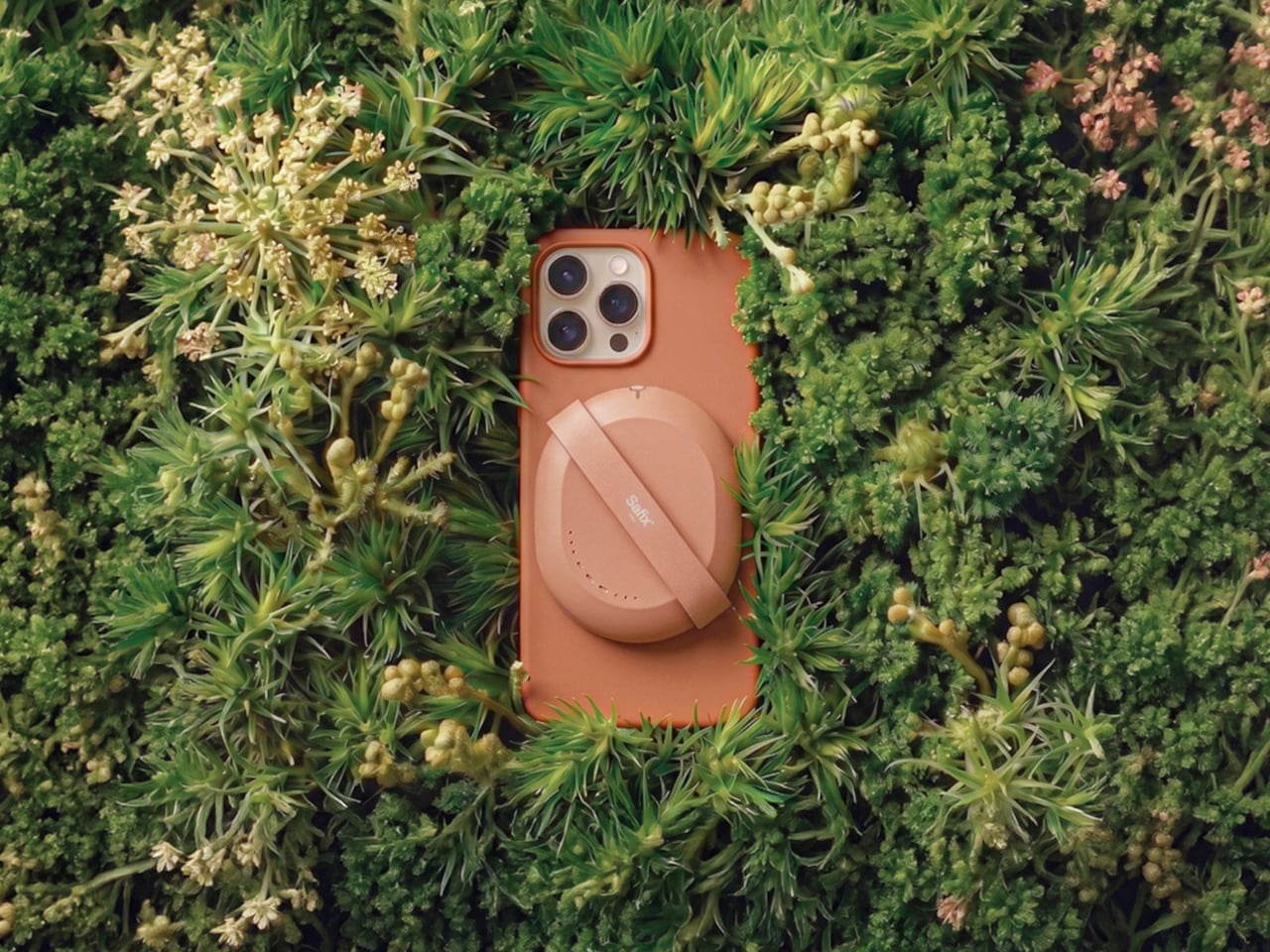
Safix is a concept that tries to close that gap by attaching a self-defense spray directly to the back of your iPhone. Built around Apple’s MagSafe ecosystem, it snaps onto the phone magnetically and functions as a finger grip during normal use. The idea is that the safest place to keep your protection is on the one thing you almost never put down.
Designer: Sunghwan Cho, Sooyeol Lee, Yeongeun Park, Geontak Oh, Daero Lee, Jinho Choi, Jungwoon Im (UNICHEST)

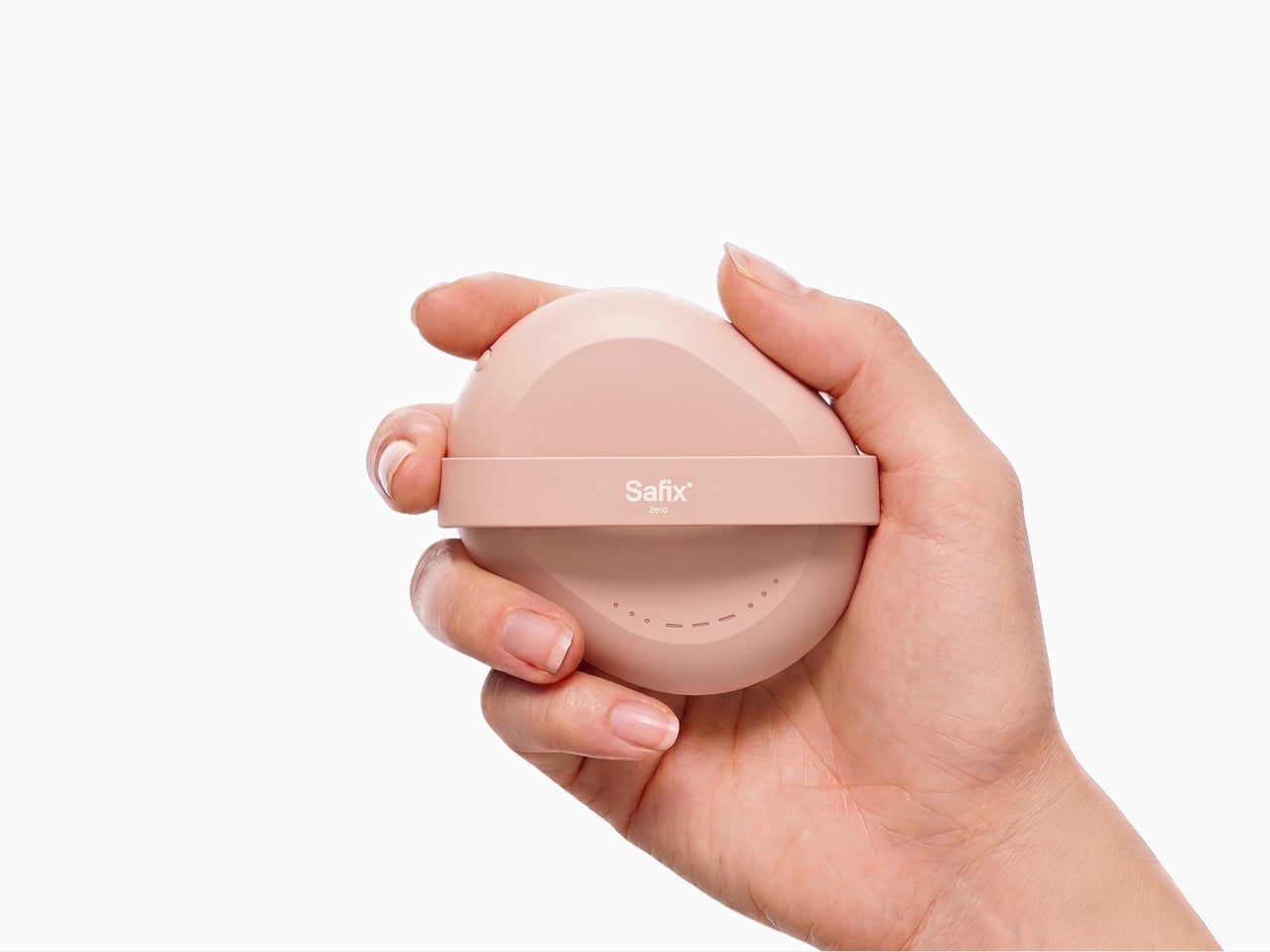
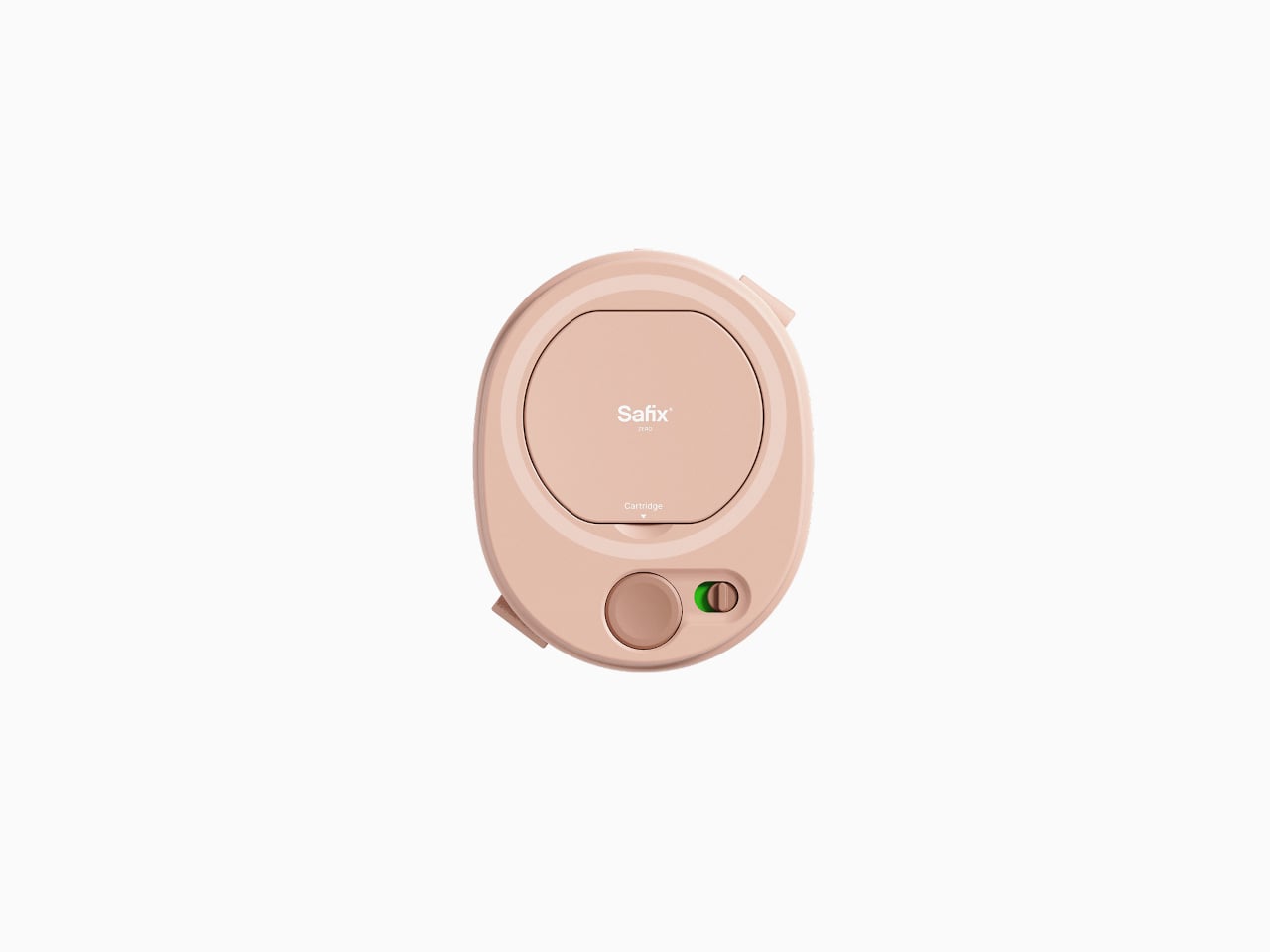
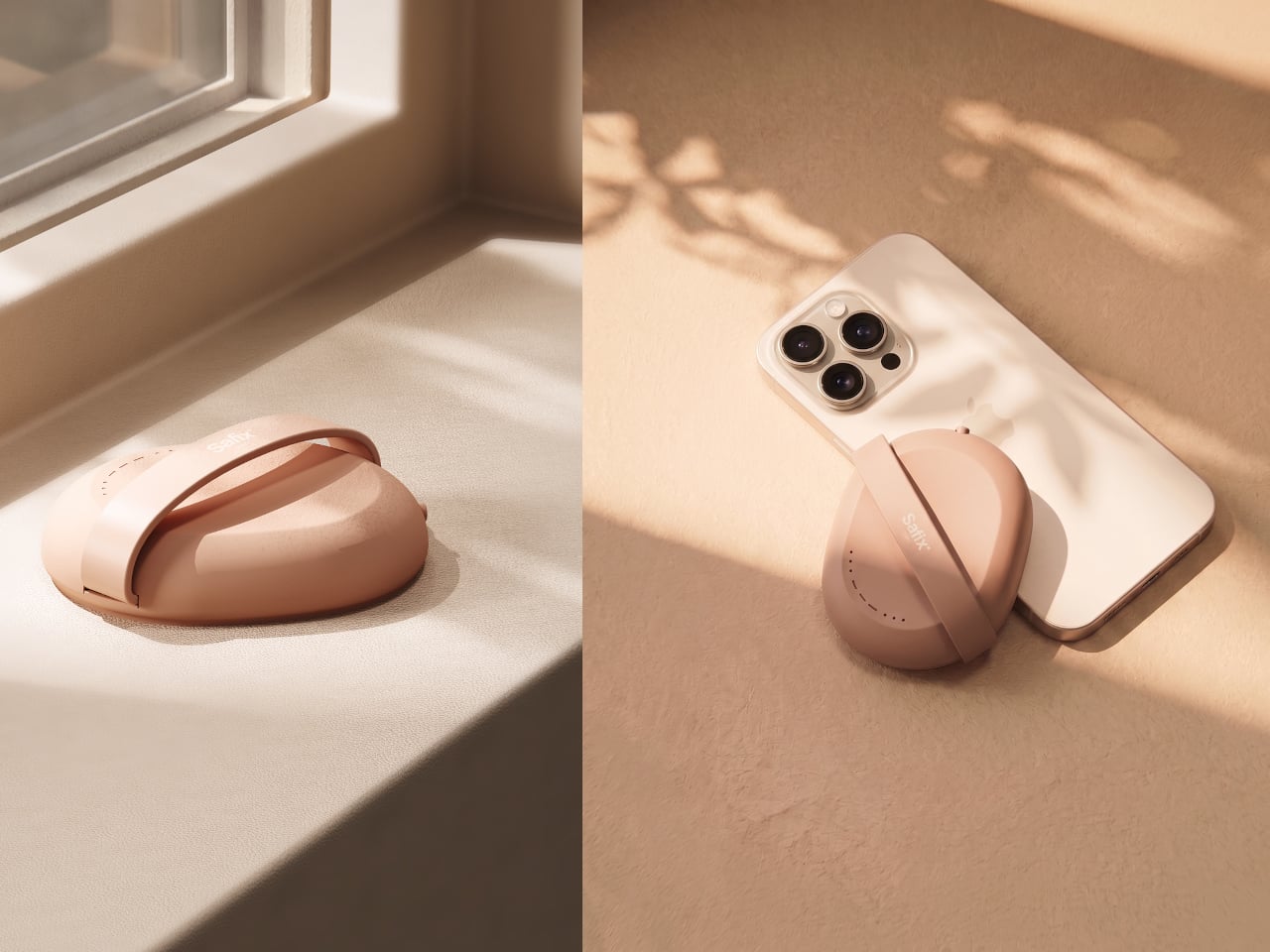
What makes this particularly clever is how little it looks the part. Safix borrows its silhouette from the rounded, organic contours of smooth river pebbles and comes finished in warm, muted tones. Its stone-like texture positions it firmly in lifestyle territory, the kind of object you’d expect sitting next to a room spray or a small succulent on a bedside table, not clipped to a keychain.
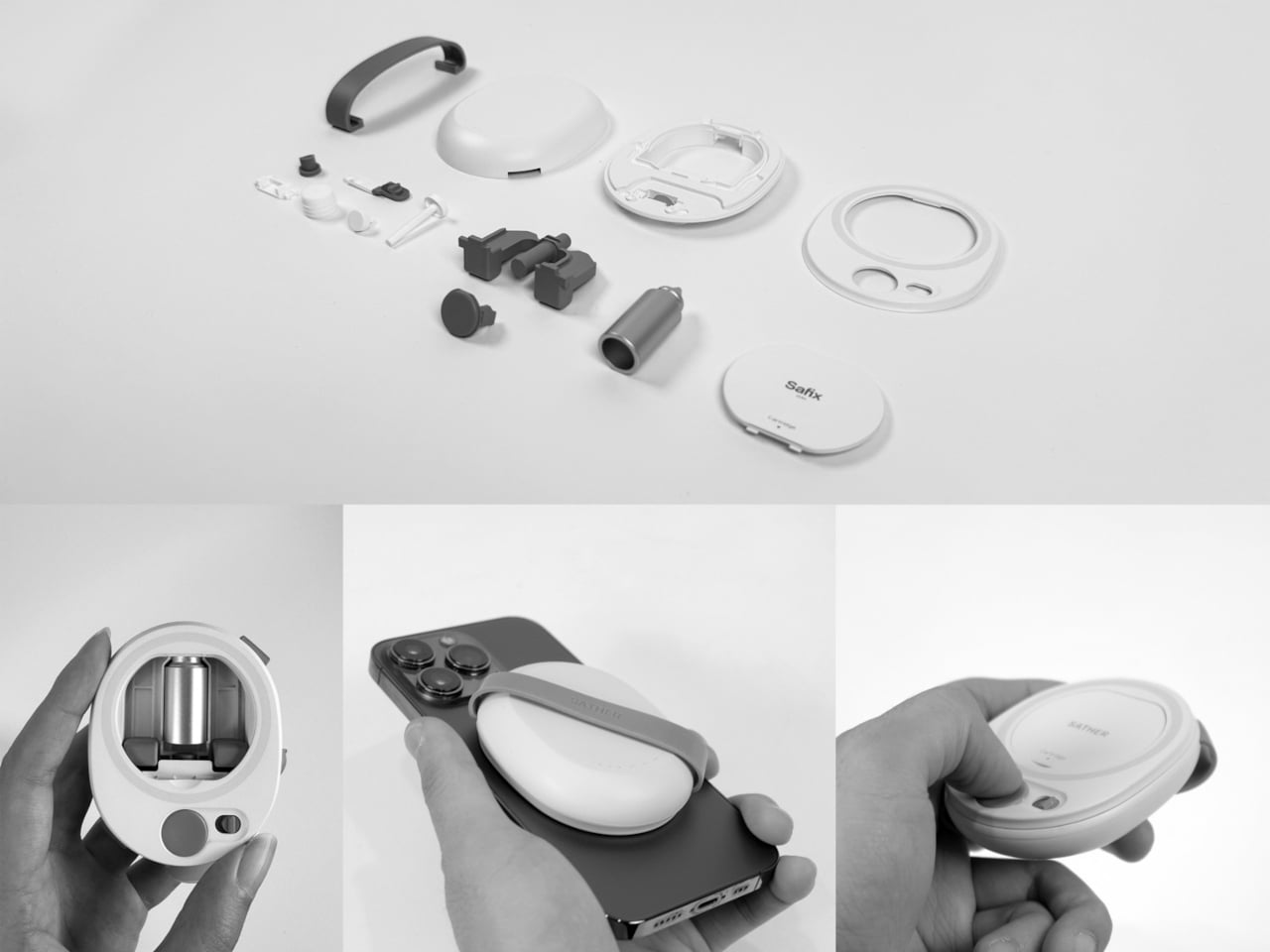
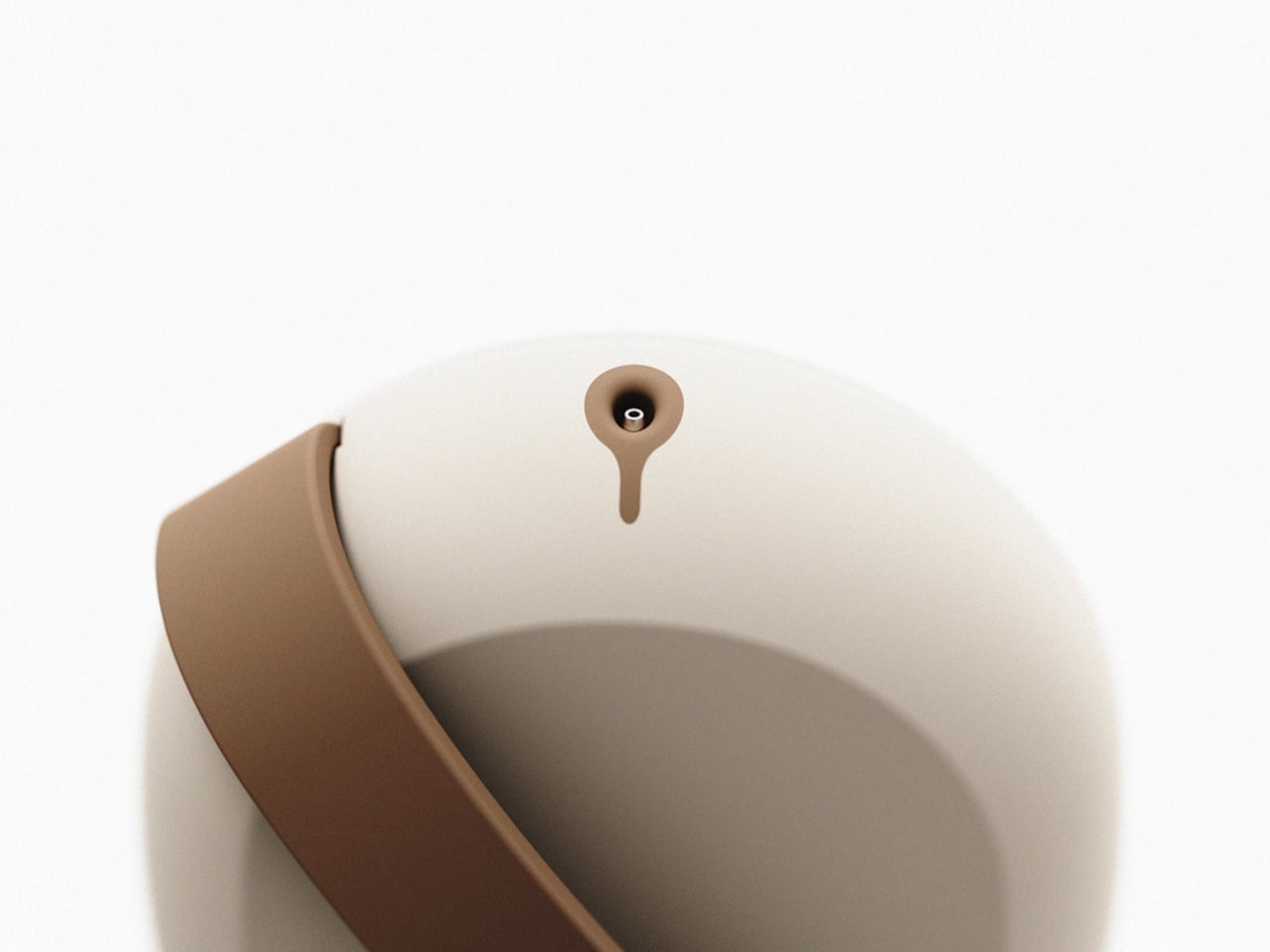
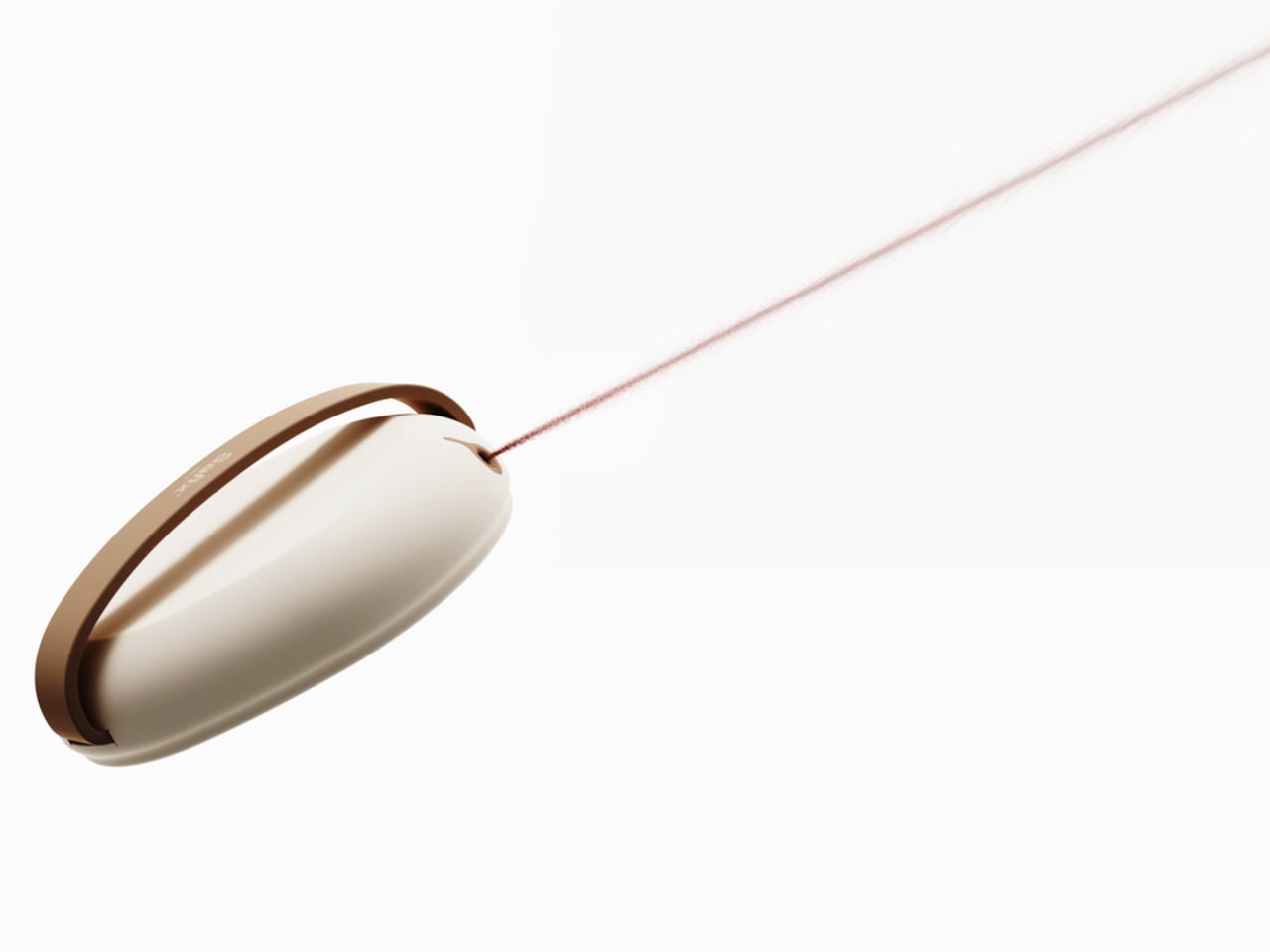
The team calls this approach the “Gentle Arc,” a form language that puts emotional comfort on equal footing with physical function. The thinking goes that self-defense tools carry a kind of psychological weight, and that weight itself is what keeps most of them in bags and drawers rather than in people’s hands. Designing something pleasant to hold and look at is meant to change that.
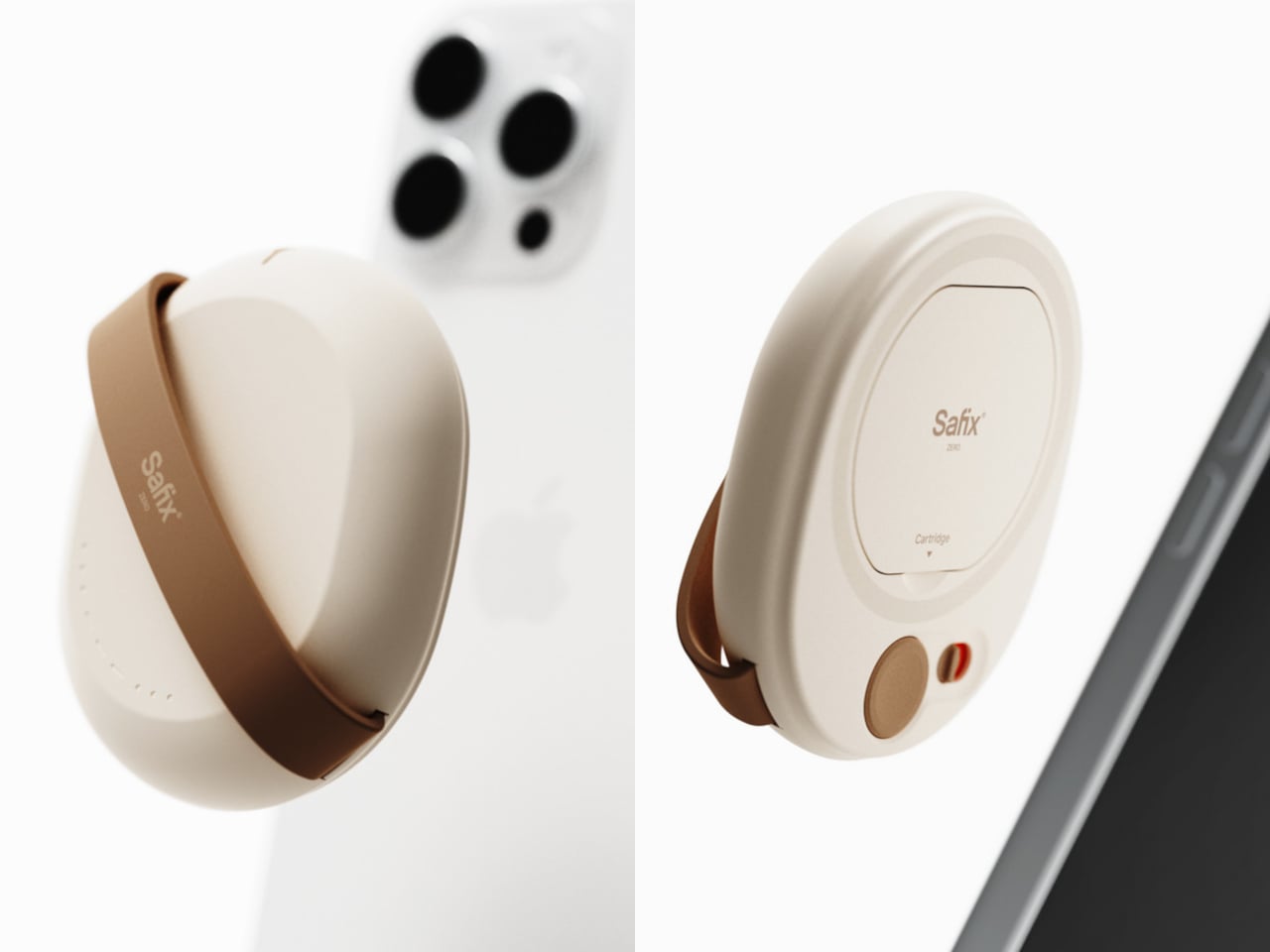
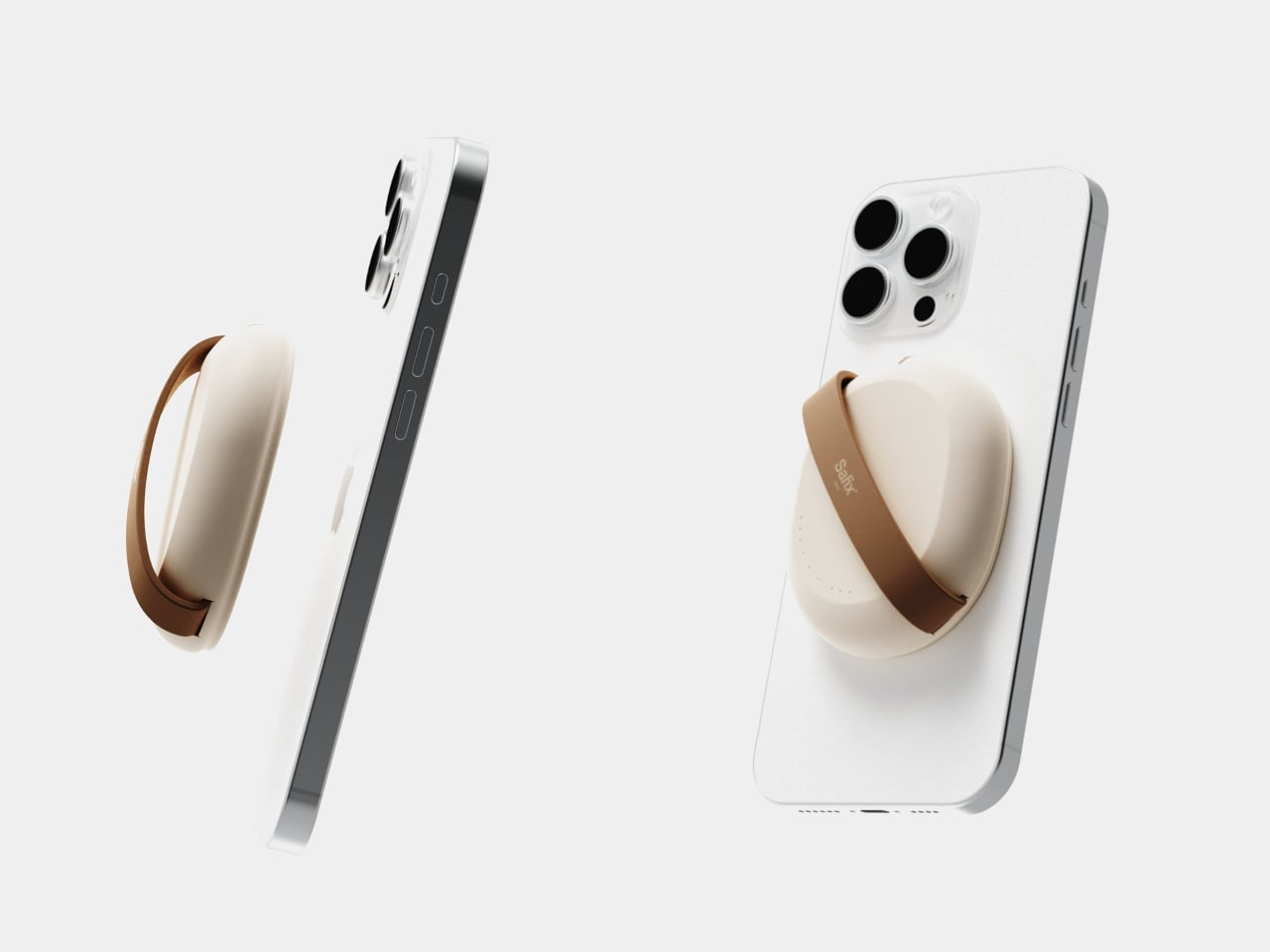
On most days, Safix earns its place on the back of your phone the same way a PopSocket does: by making it more comfortable to hold. The built-in rubber band loops around your fingers, giving you a stable grip for texting, photographing, or navigating. The MagSafe connection keeps it firmly in place yet detaches easily, so it never feels like it’s fighting you.
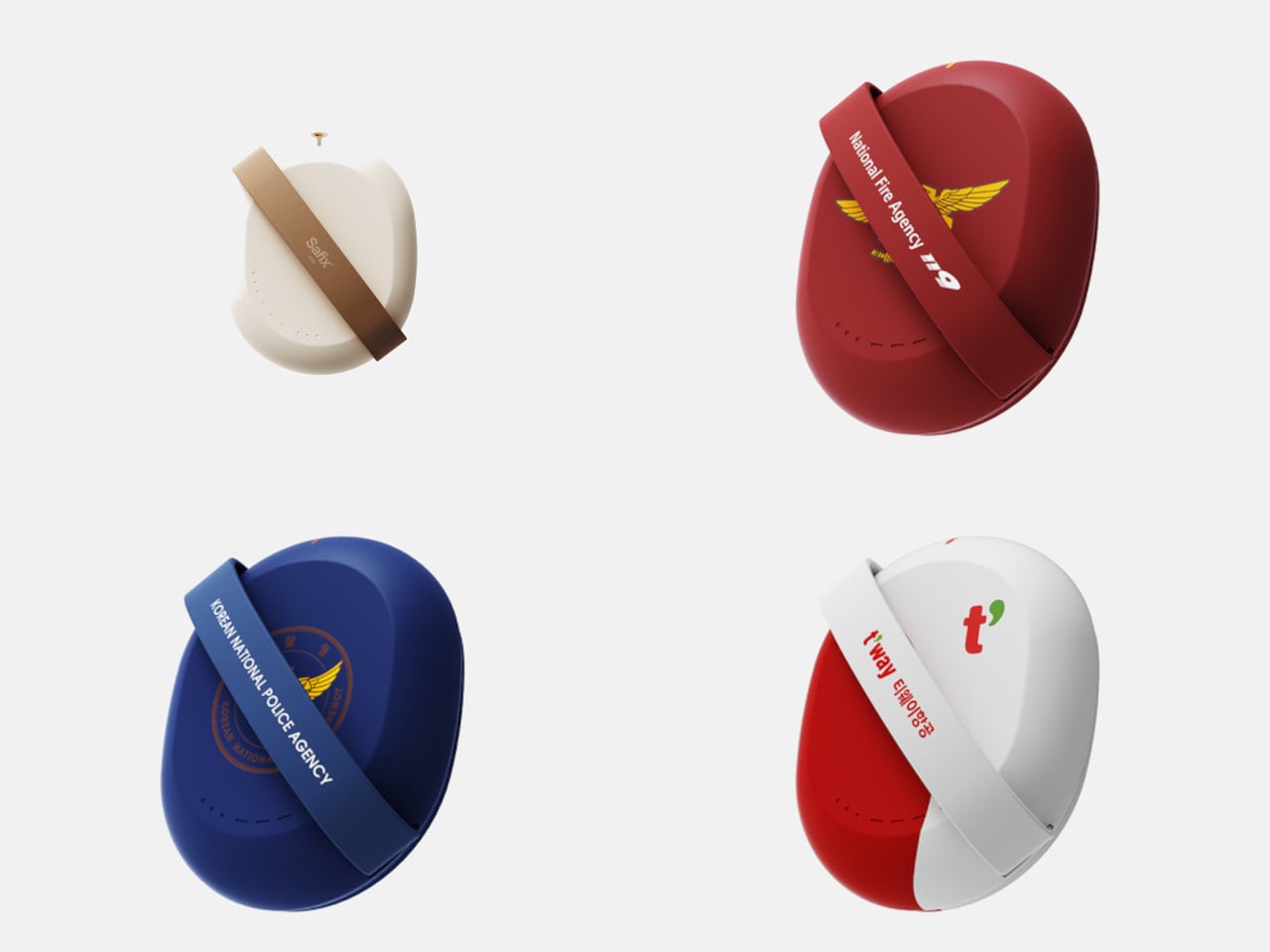
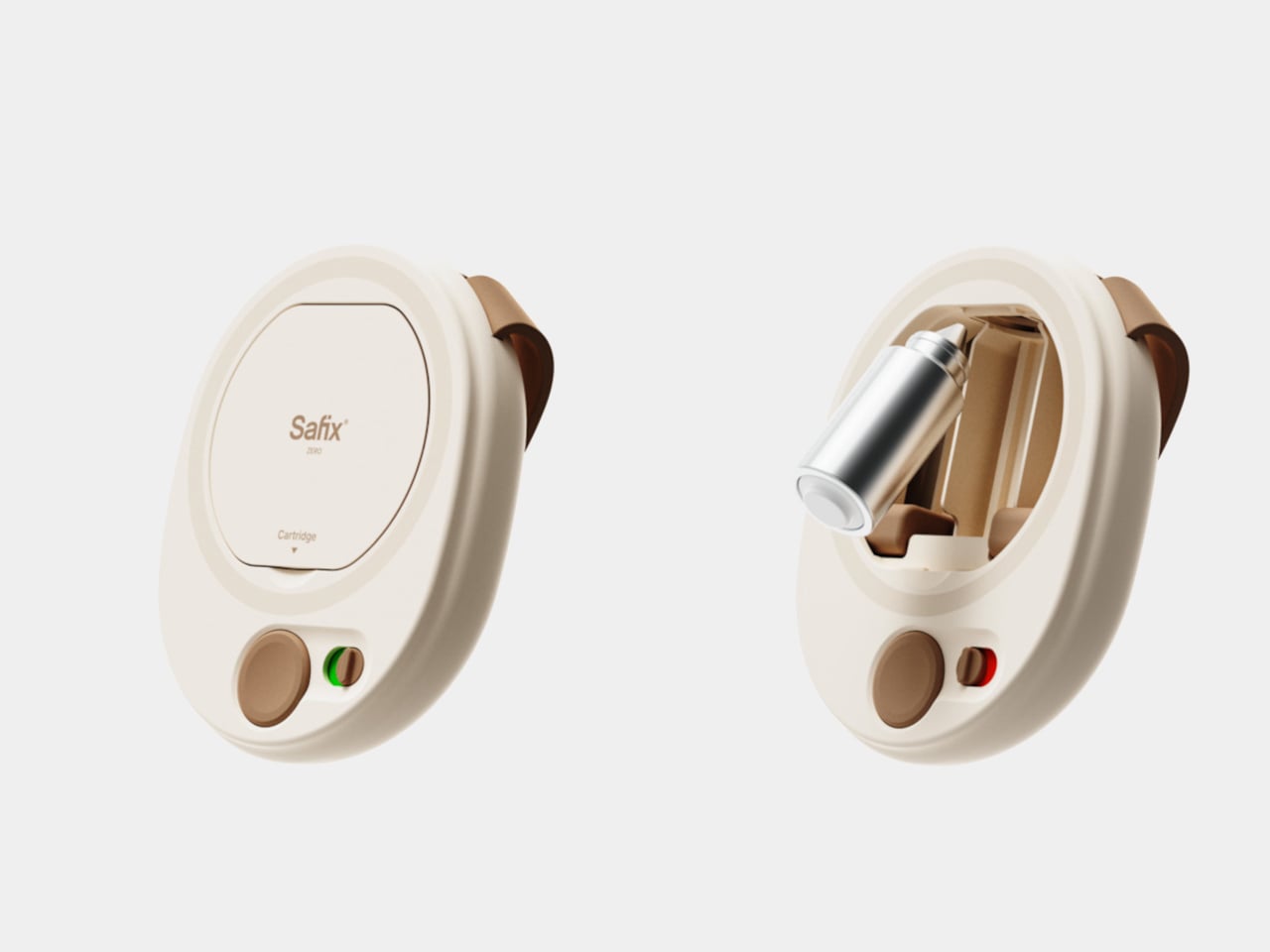
When you actually need it, pulling Safix off the phone takes a fraction of a second. The casing opens to reveal the spray mechanism inside, and a clearly marked button handles the deployment. A safety indicator on the front helps prevent accidental discharge. The whole interaction is built for speed, the kind you’d need in a moment that doesn’t give you time to think.


Consider someone walking home at night with their phone already in hand. They don’t have to dig for anything; the Safix is right there between their fingers, always within reach. That shift from “somewhere in the bag” to “in your hand as you use it” might sound trivial, but it’s the difference between a safety tool that works and one that only works when you remember you have it.
The post This MagSafe iPhone Grip Is Actually a Self-Defense Spray in Disguise first appeared on Yanko Design.