Modular camera concept keeps you focused on the magic of the moment

Smartphones have become very powerful and convenient tools for recording precious memories and sharing them with loved ones, but they can also be sources of stress, distractions, and dissatisfaction. The Instagram generation has many people snapping up photos or short video clips and then losing themselves in a sea of notifications and social media posts just as they try to quickly share those moments. It is quite ironic that these devices that connect us with others also disconnect us from the world around us and, more importantly, from ourselves because of those incessant distractions. A dedicated digital camera, even one with Wi-Fi, is a solution but an inconvenient one at that because of its bulk and complicated features. A better answer might be the evolution of the point-and-shoot camera, but one with a flexible design that can scale to people’s ever-changing needs and situations.

Designers: Mason Fetter, Alejandra Giron, Grant Huntsman, Cooper Phelps, Summer Glenn
Point-and-shoot digital cameras were the first to be obsoleted by the rise of smartphones, unable to keep up with the growing number of connectivity features and fun filters that these mobile devices offered. At the same time, however, it is exactly those lack of features that now gives the design its appeal, as people using Polaroid-style instant cameras have discovered. Their simplicity allowed people to simply have fun and enjoy the moment, without having to worry about instantly applying filters or even immediately uploading photos and videos.
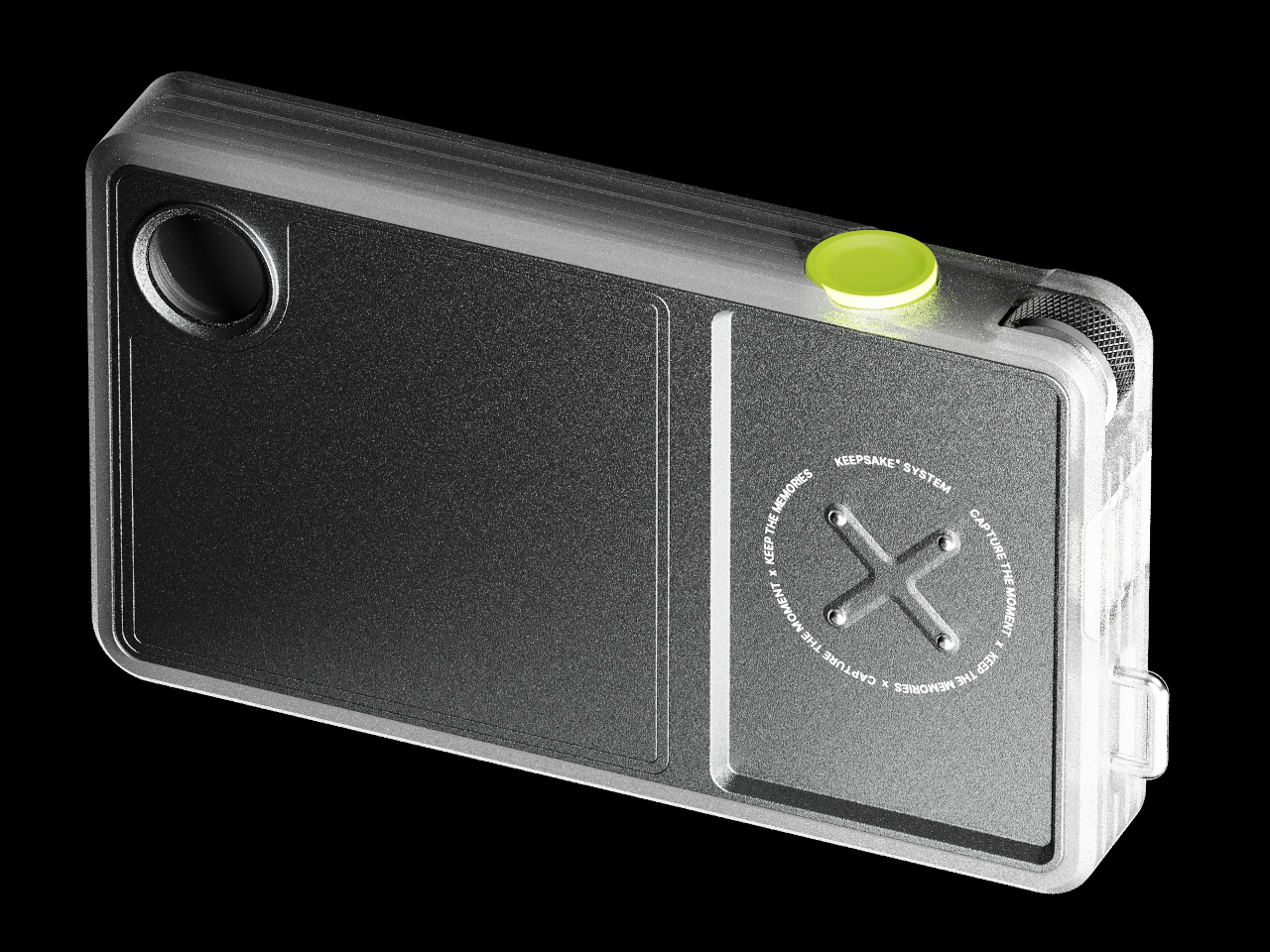
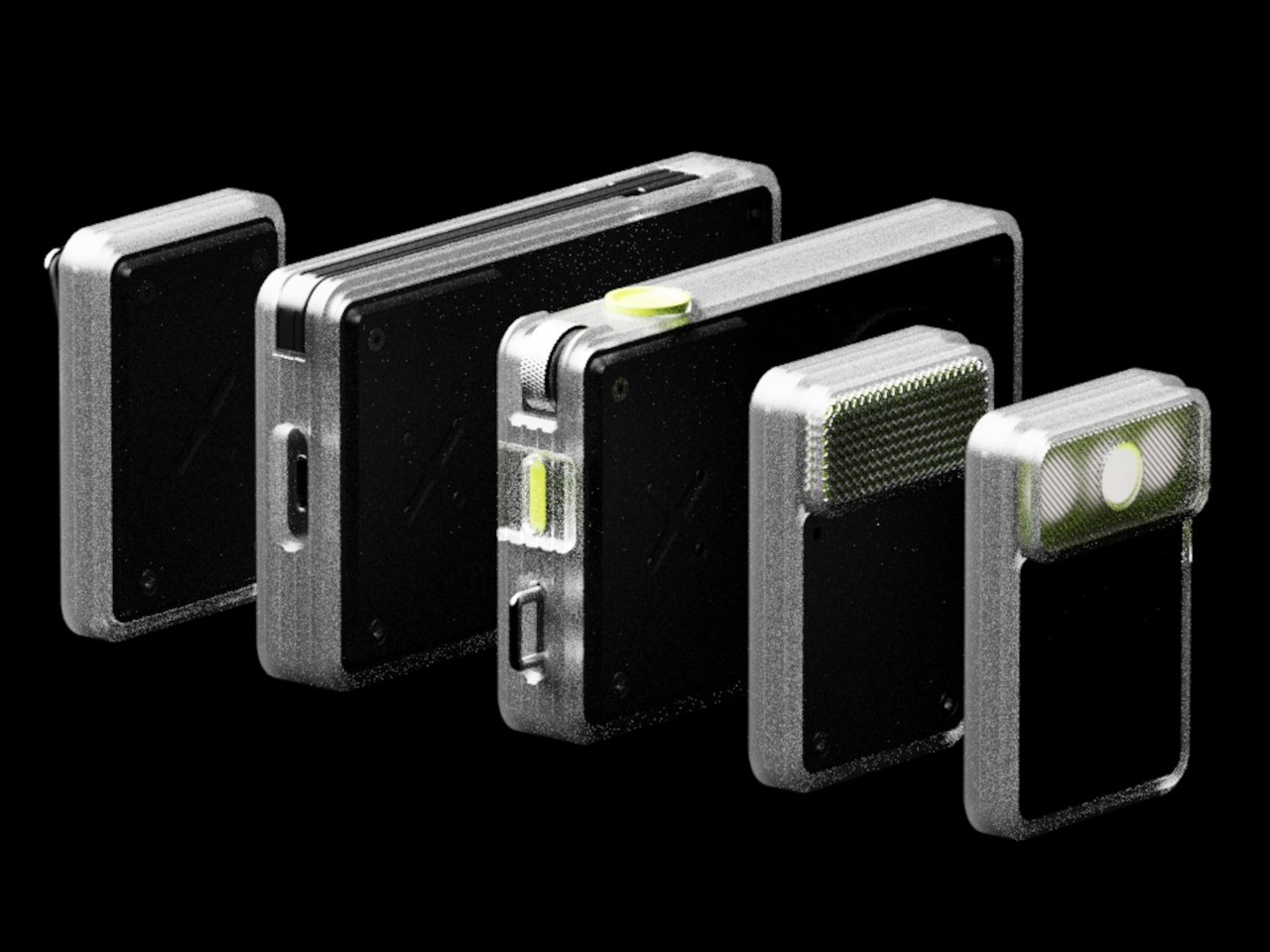
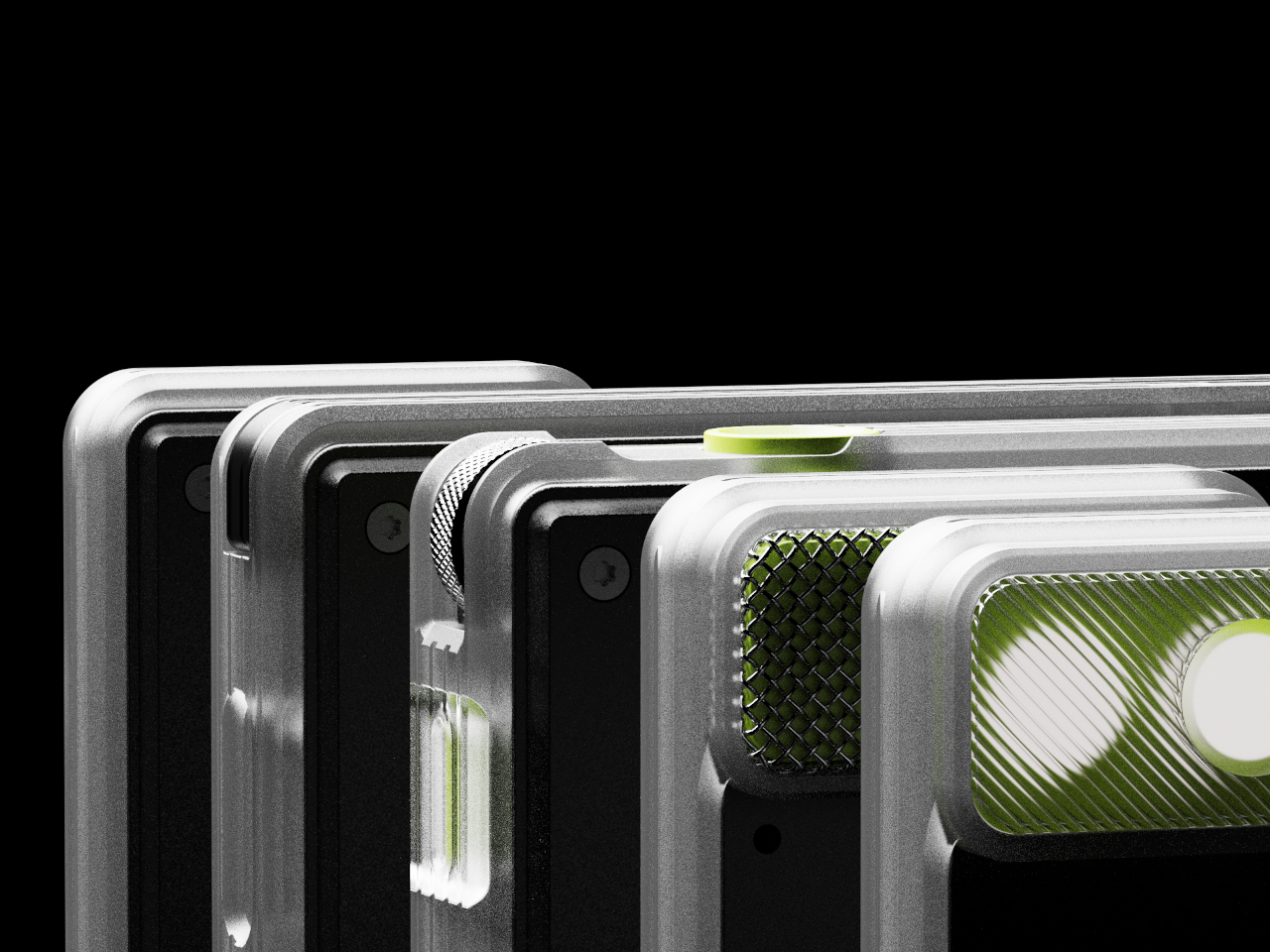
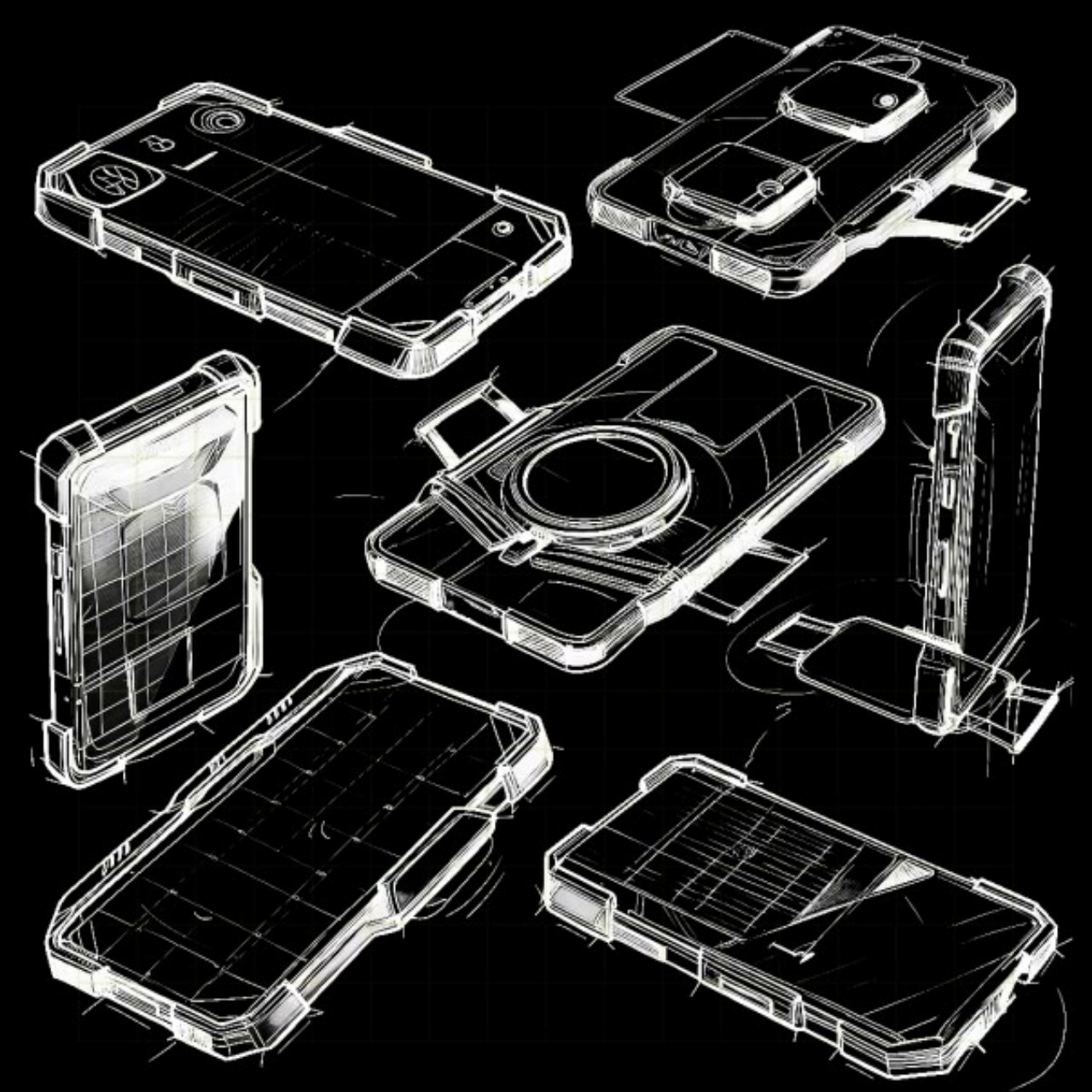
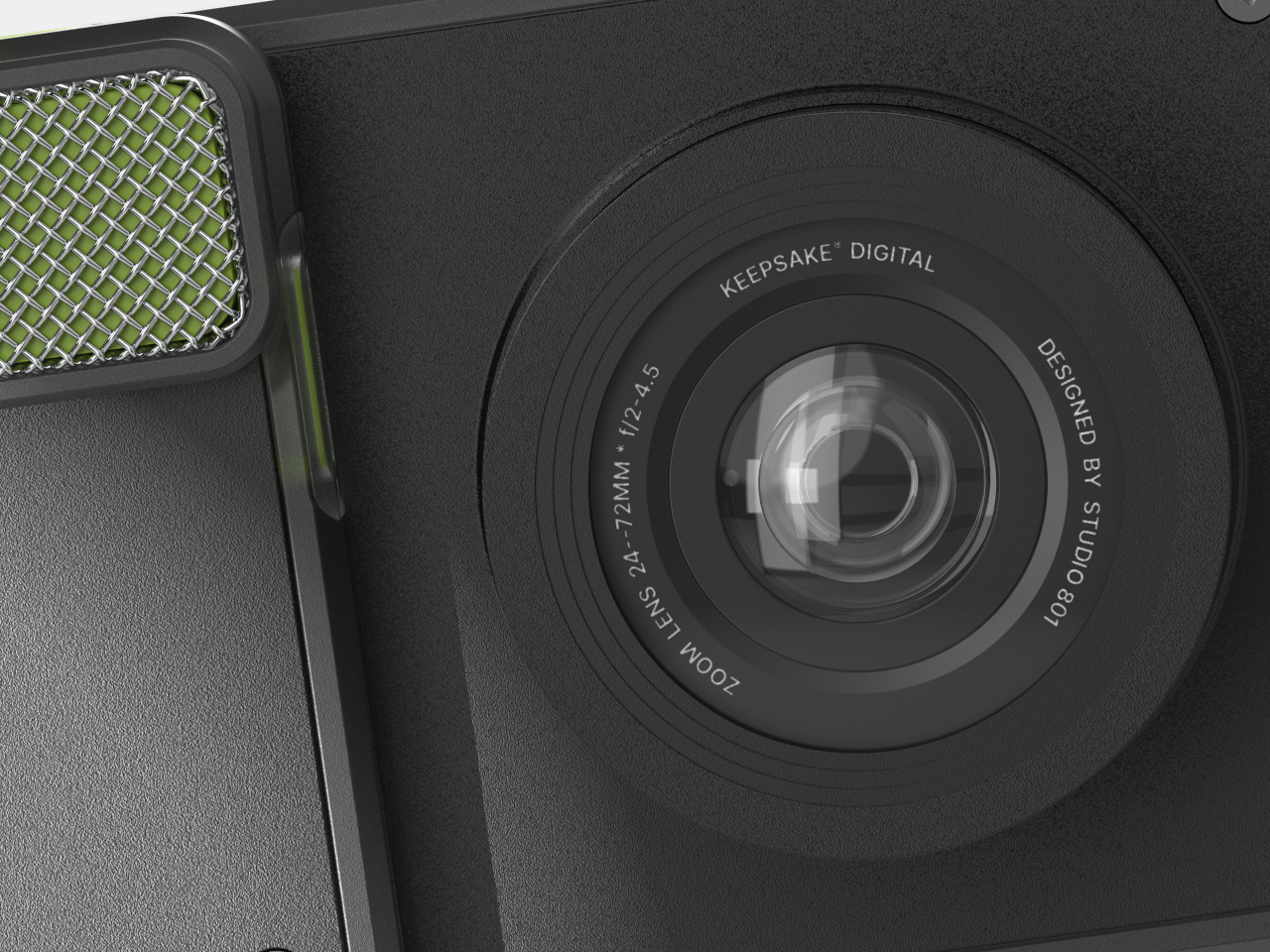
Keepsake is a concept design that embraces that simplicity but with an added twist. Unlike those very basic cameras, it can actually expand to add features needed by users. Best of all, it can also go back to that basic functionality once those extra tasks are done. In other words, it has a modular system that keeps it agile and flexible in ways that even a smartphone might have problems keeping up with.

1

1

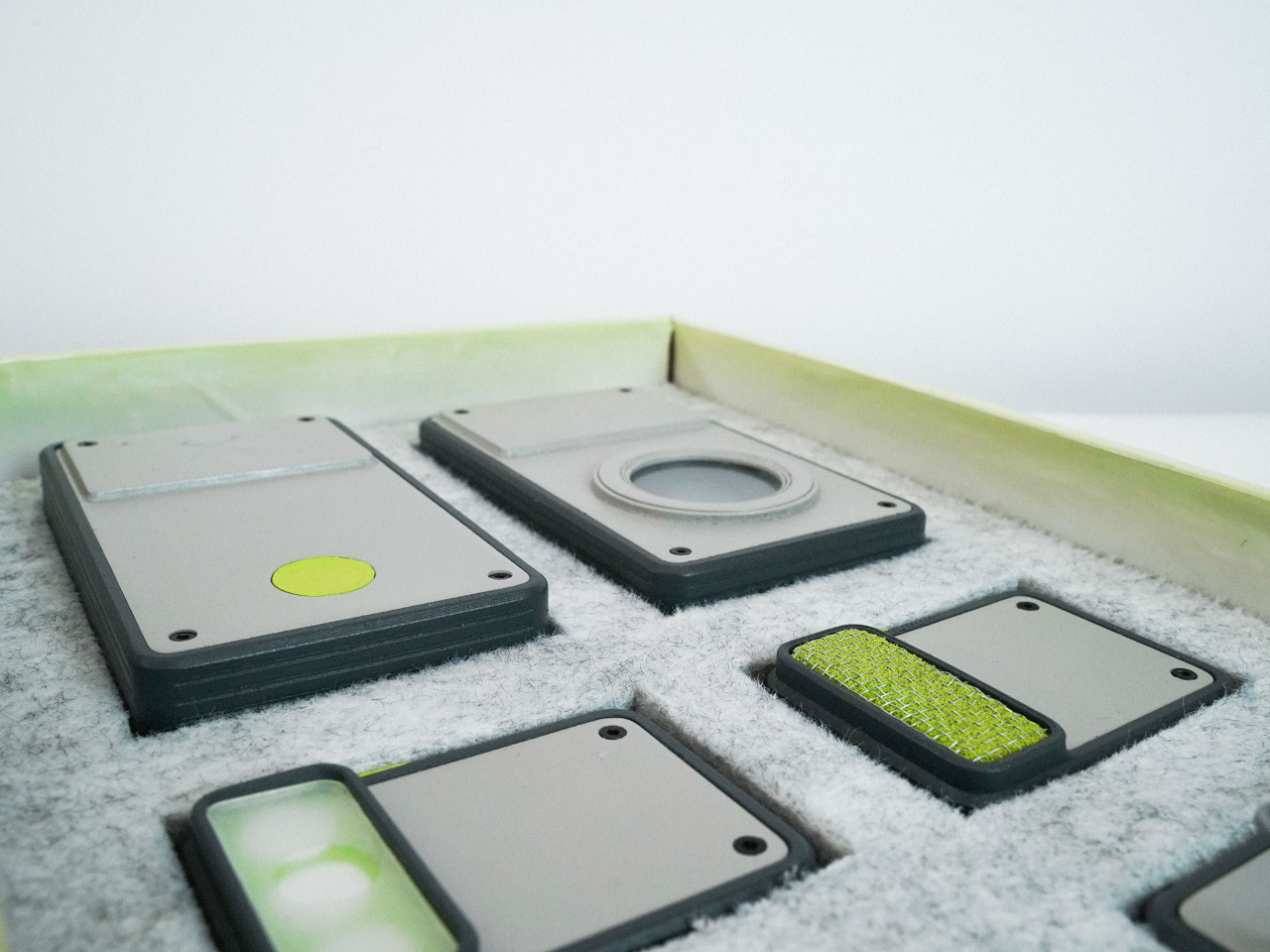
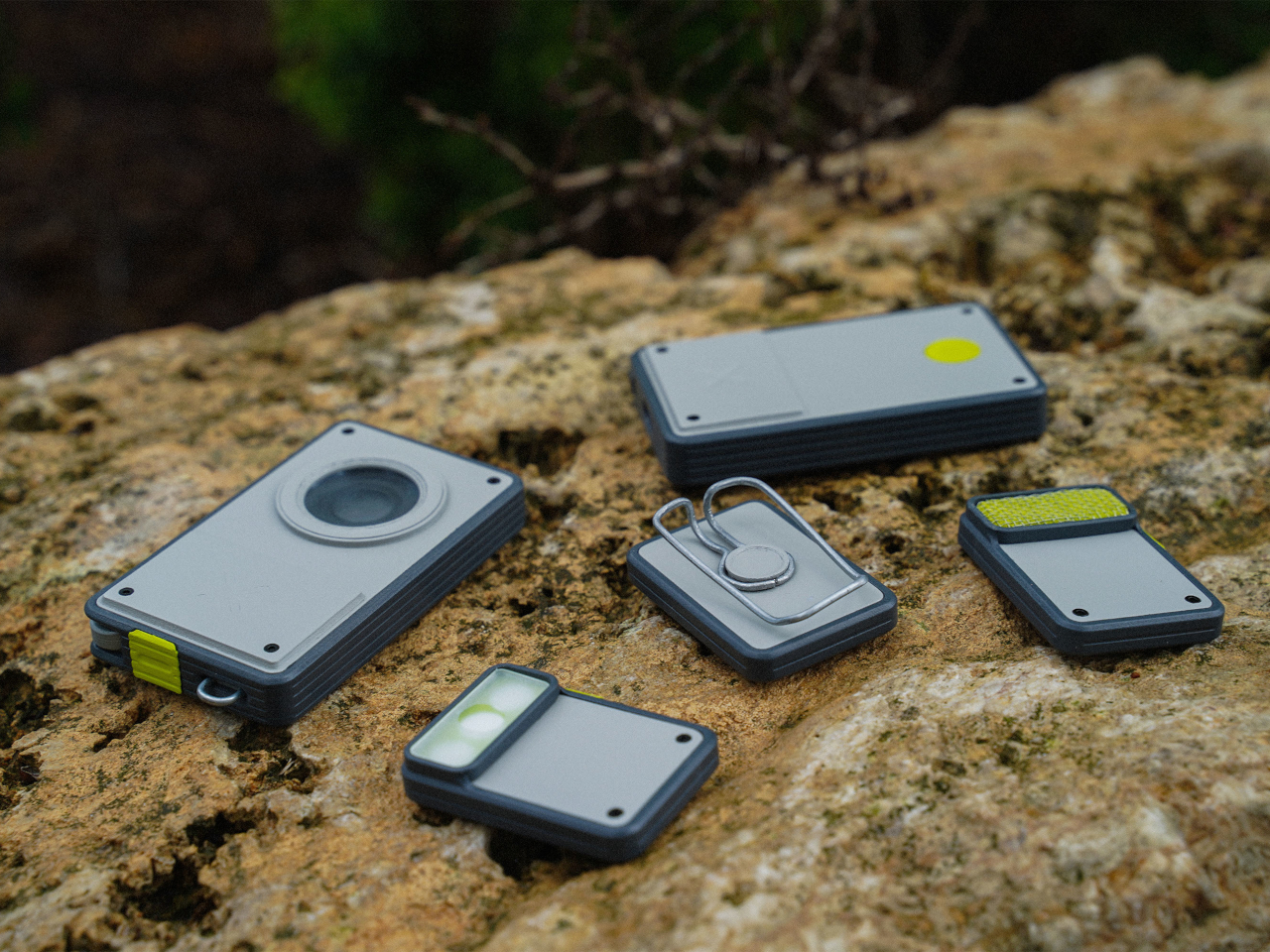
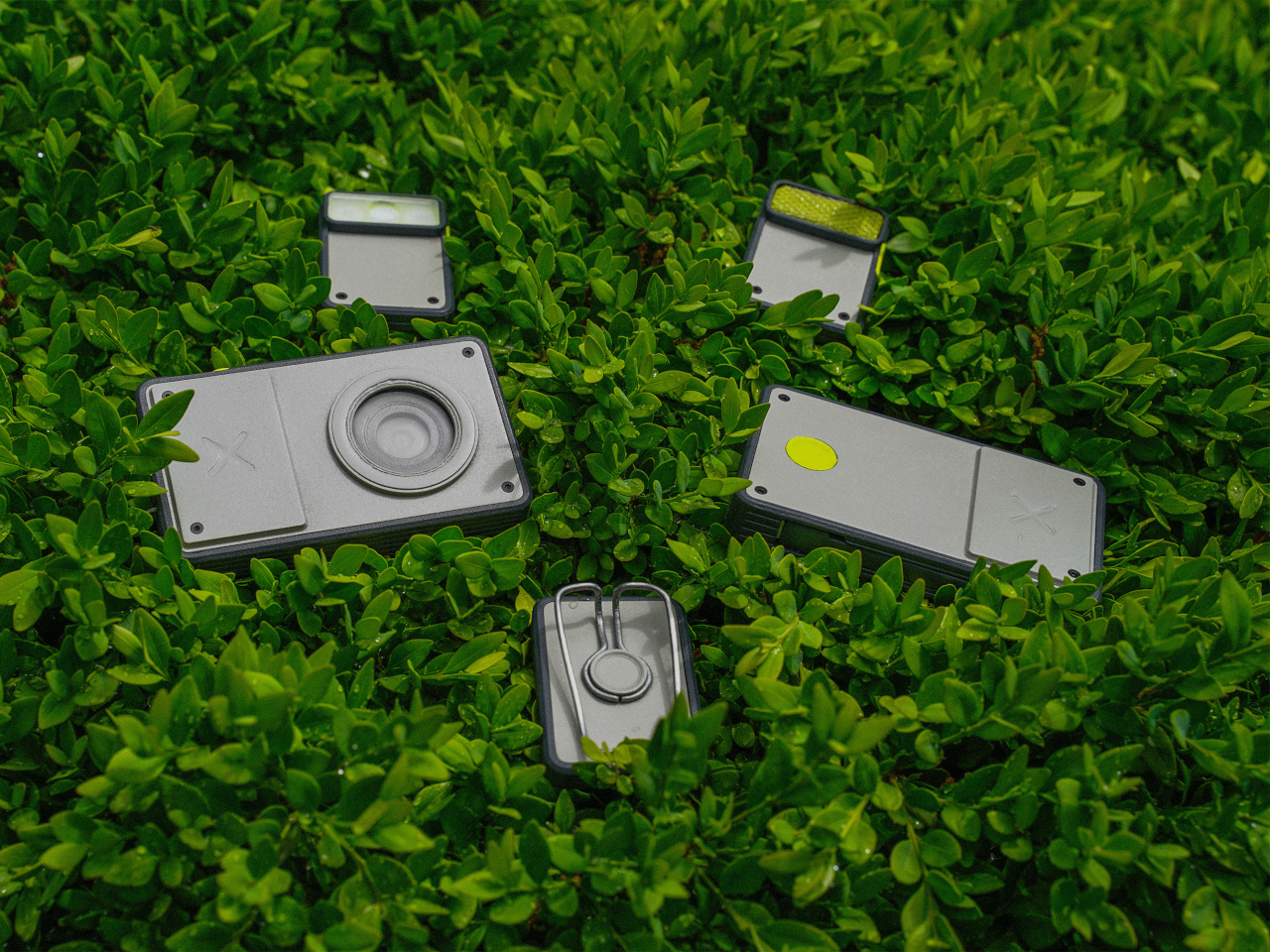
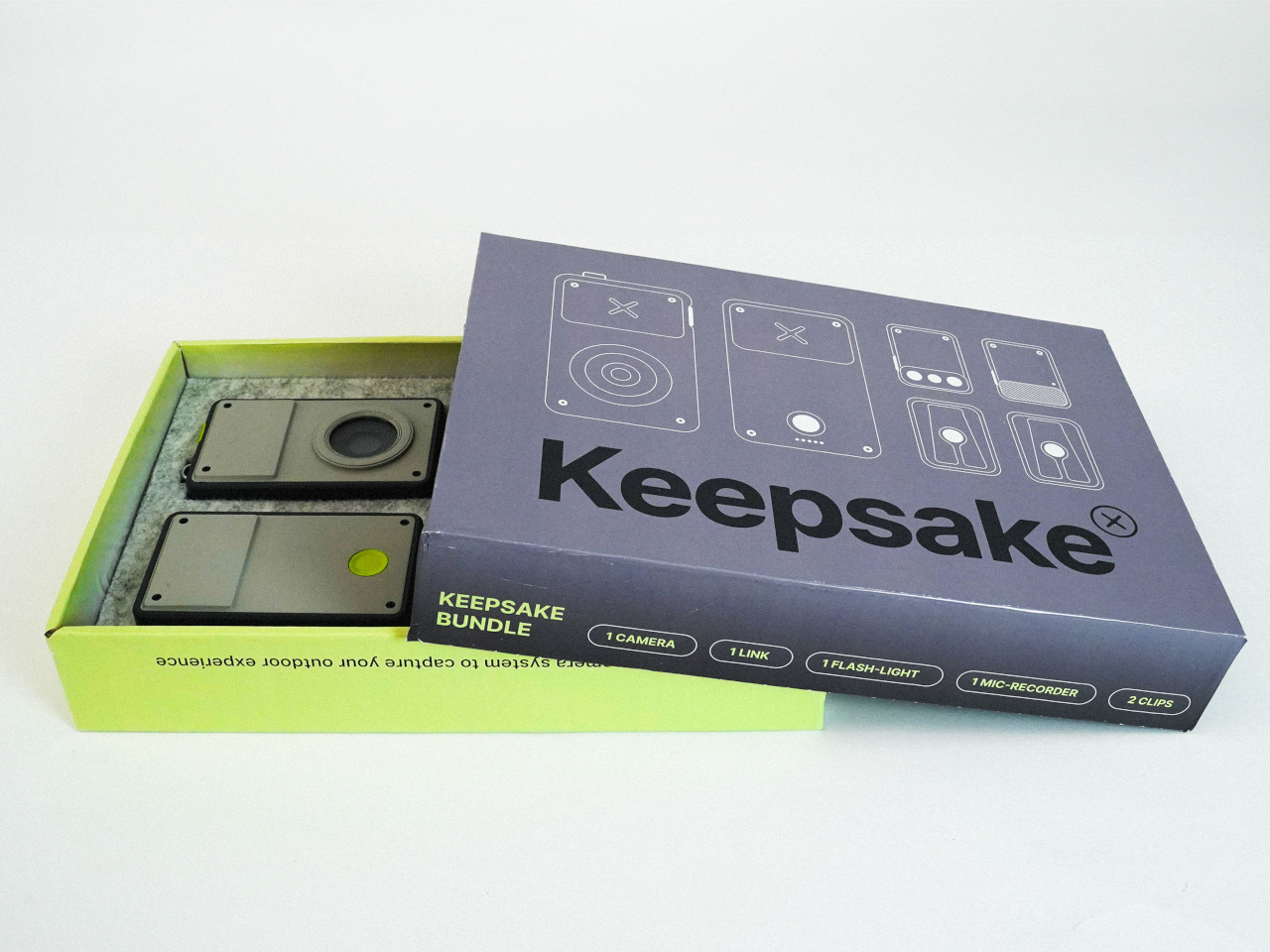
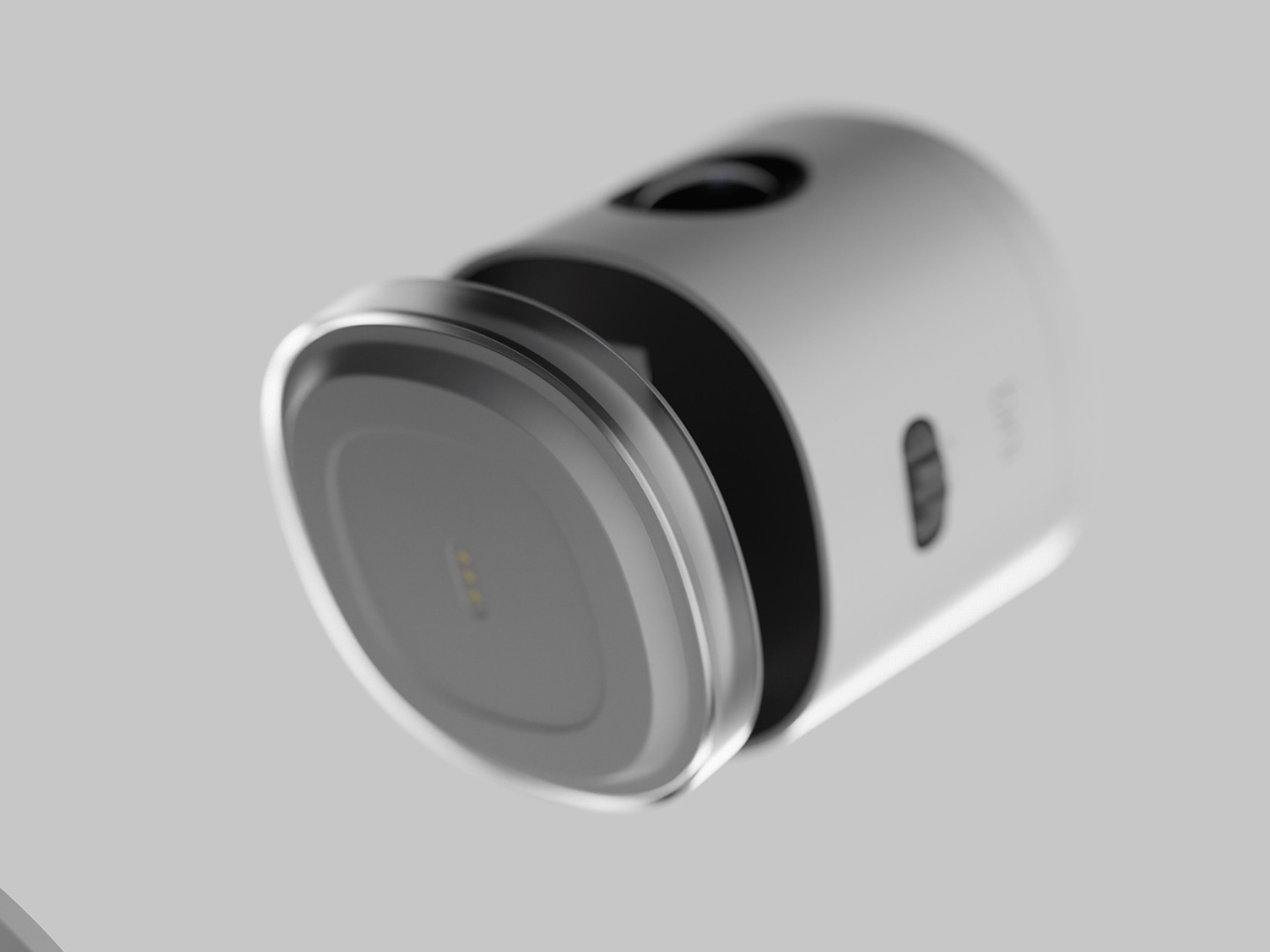
At the heart of the Keepsake design is the screenless digital camera itself and four basic modules which include a mic recording and flash that stick to the front of the camera, as well as a MagSafe clip and a wide charging hub that connects to the back. With this kit, shutterbugs have most of what they need to have an enjoyable disconnected experience that simply focuses on the world around them. At the same time, it keeps the doors open to even more possibilities with future add-ons.
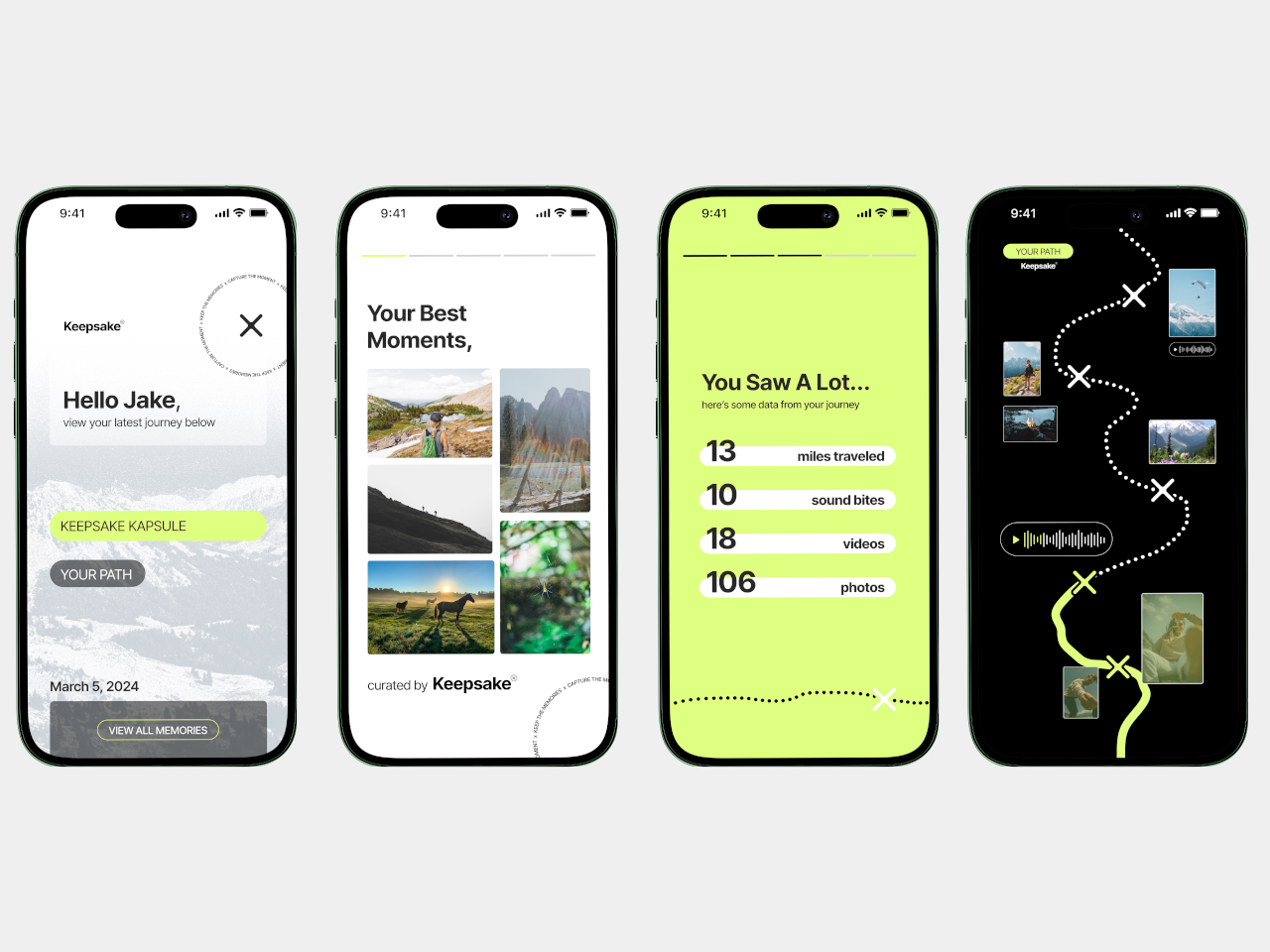
Of course, Keepsake also connects and syncs with a mobile app so you can still share your photos when you want to. It gives users the freedom and control to put their phones away and just immerse themselves in the moment but still gives them the power to enjoy the conveniences of the Internet afterward. And with the modular design, they can take only what they need with them and hold a compact device, unlike a powerful yet bulky and heavy camera.
The post Modular camera concept keeps you focused on the magic of the moment first appeared on Yanko Design.
HMD Fusion revives the modular phone dream with Smart Outfits back covers

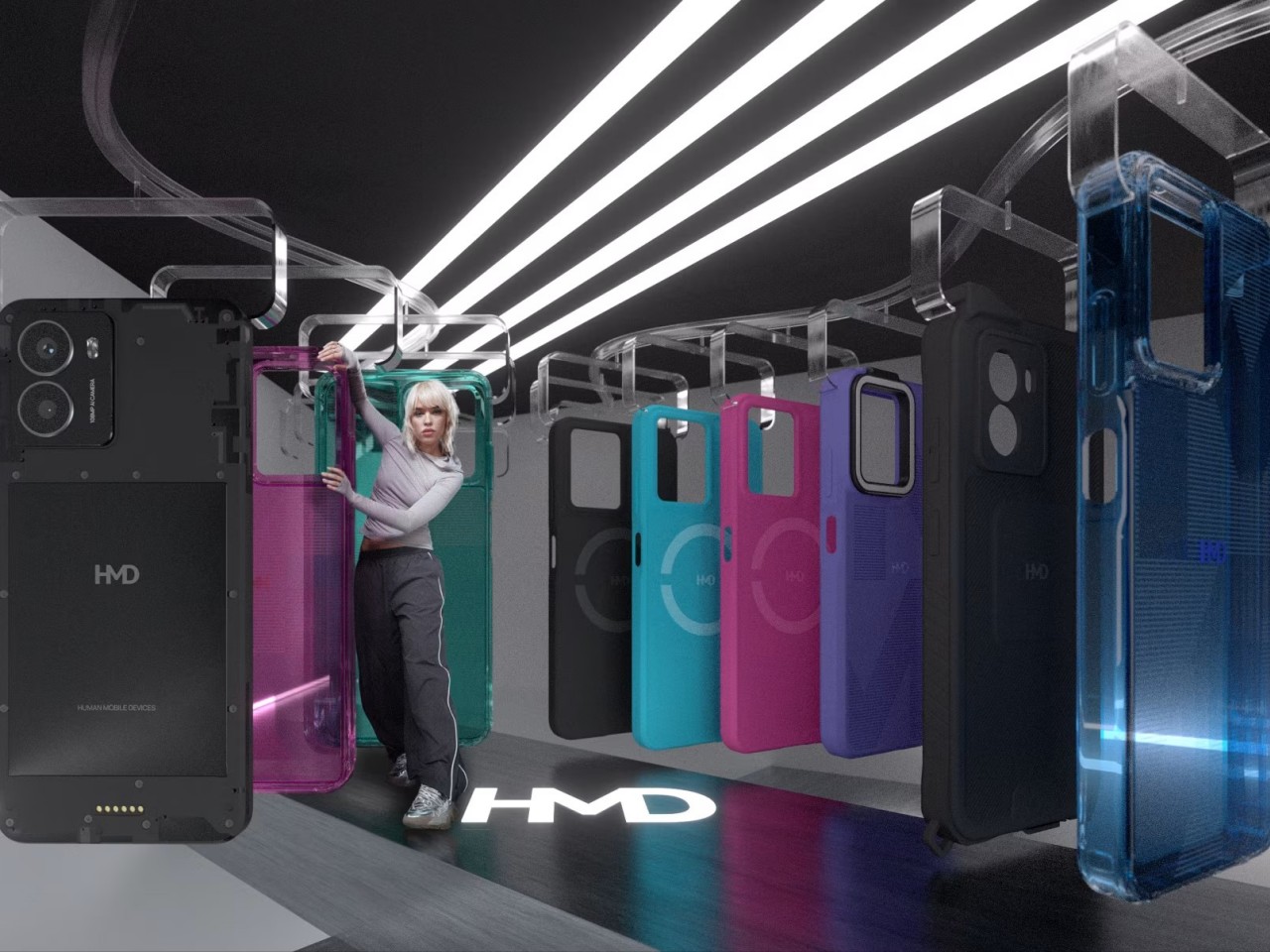
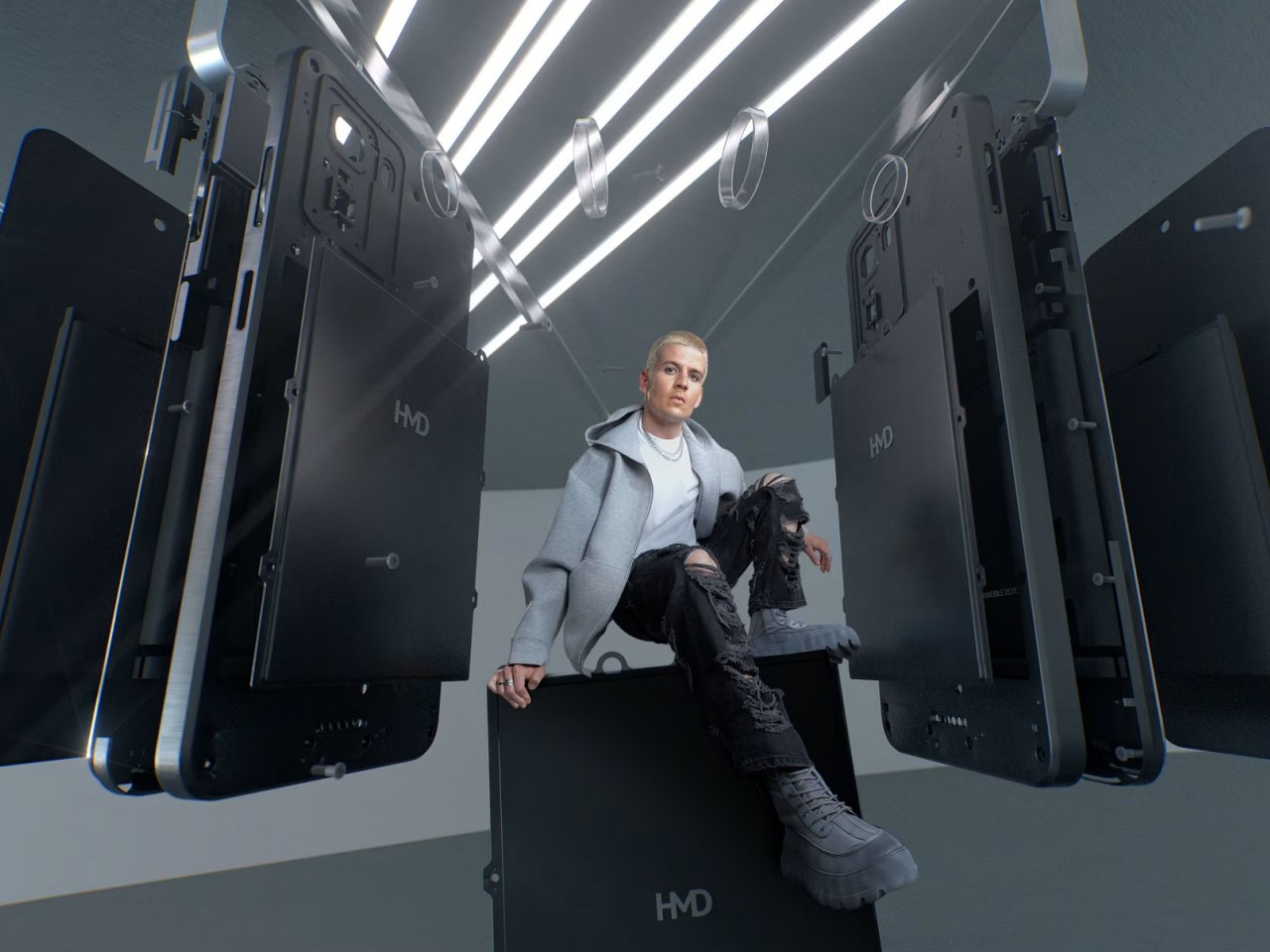
Implementing a truly modular phone might be next to impossible at this point in time, but that doesn’t mean that the idea has no merits. It also doesn’t mean we can’t have some of the flexibility and customization that the concept promises, at least in some way that is practical and, more importantly, accessible to people today. That’s the vision behind the HMD Fusion, now formally a real thing rather than just a proof of concept, giving owners the choice of how they want to live their mobile phone life and, perhaps more significantly, the tools and opportunity to make their own “Smart Outfits” to customize their experience.

Designer: HMD

You might have heard of this style of smartphone modularity before, particularly if you’ve been following Nothing’s recent escapades. The CMF Phone 1 opened the doors to customized back covers, and it didn’t take long before creative people really took that offer and ran with it to a rather amusing degree. Now the HMD Fusion is daring to dream a bit bigger with an even more open ecosystem as well as a more affordable smartphone base.

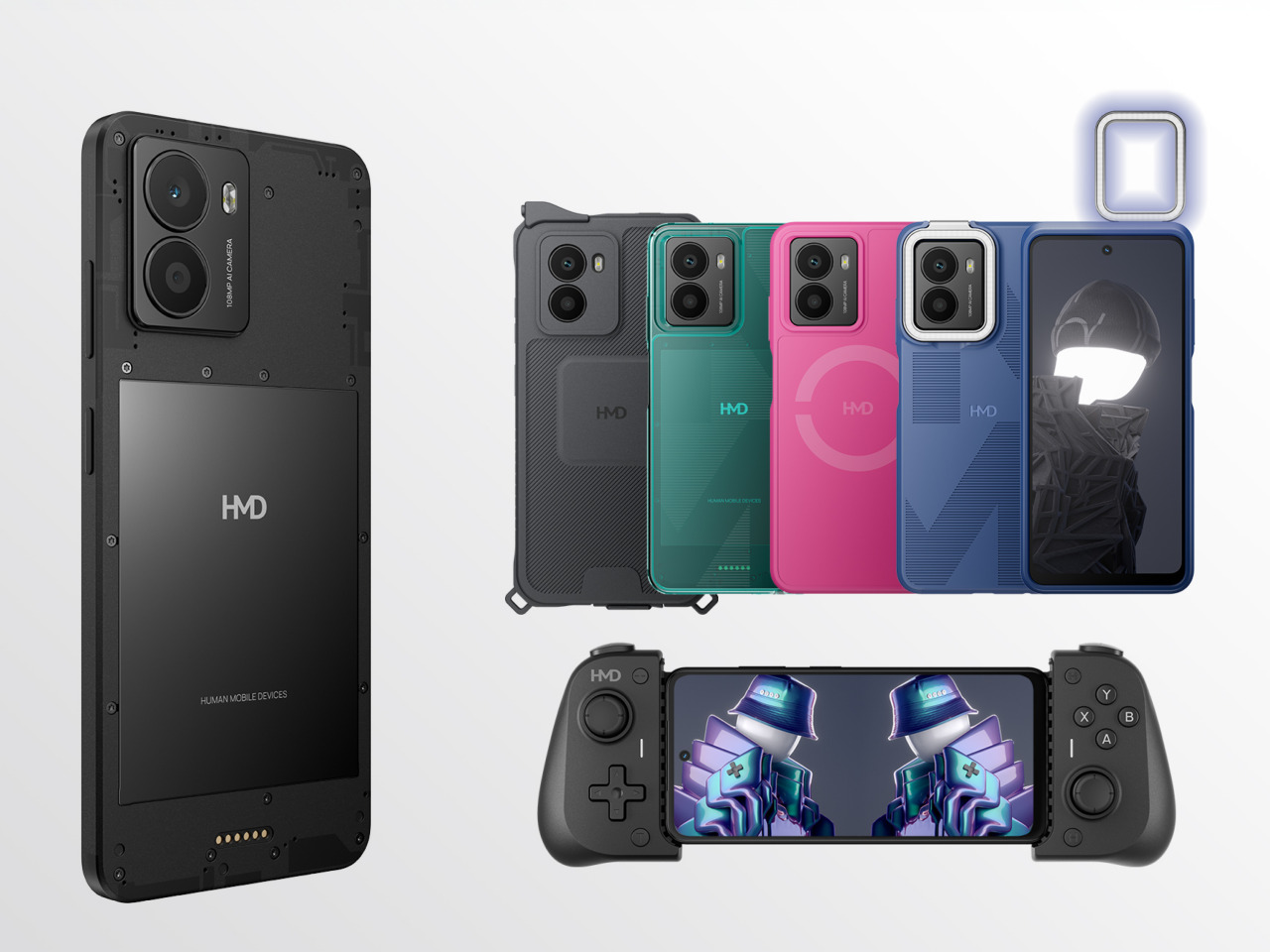
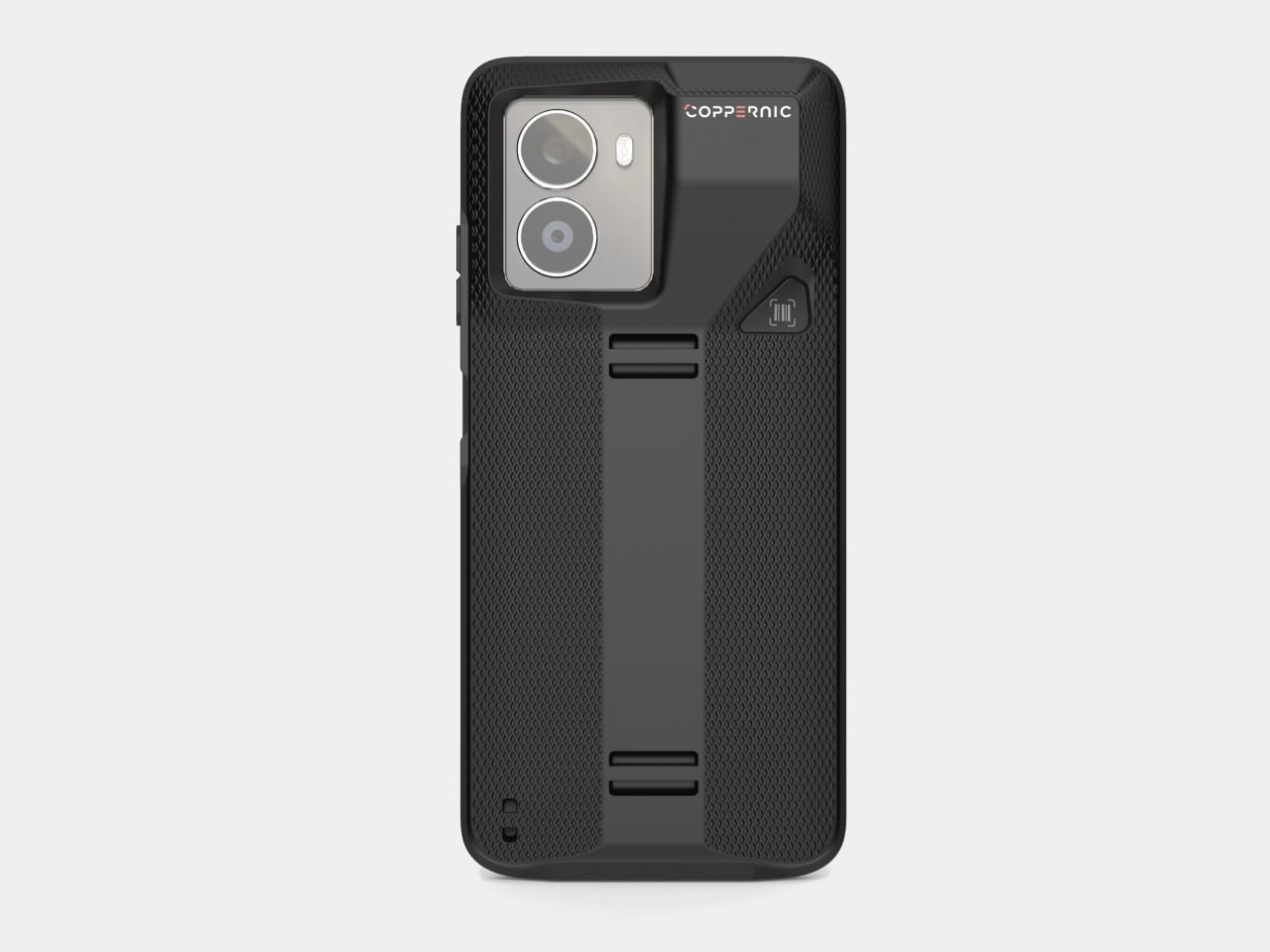
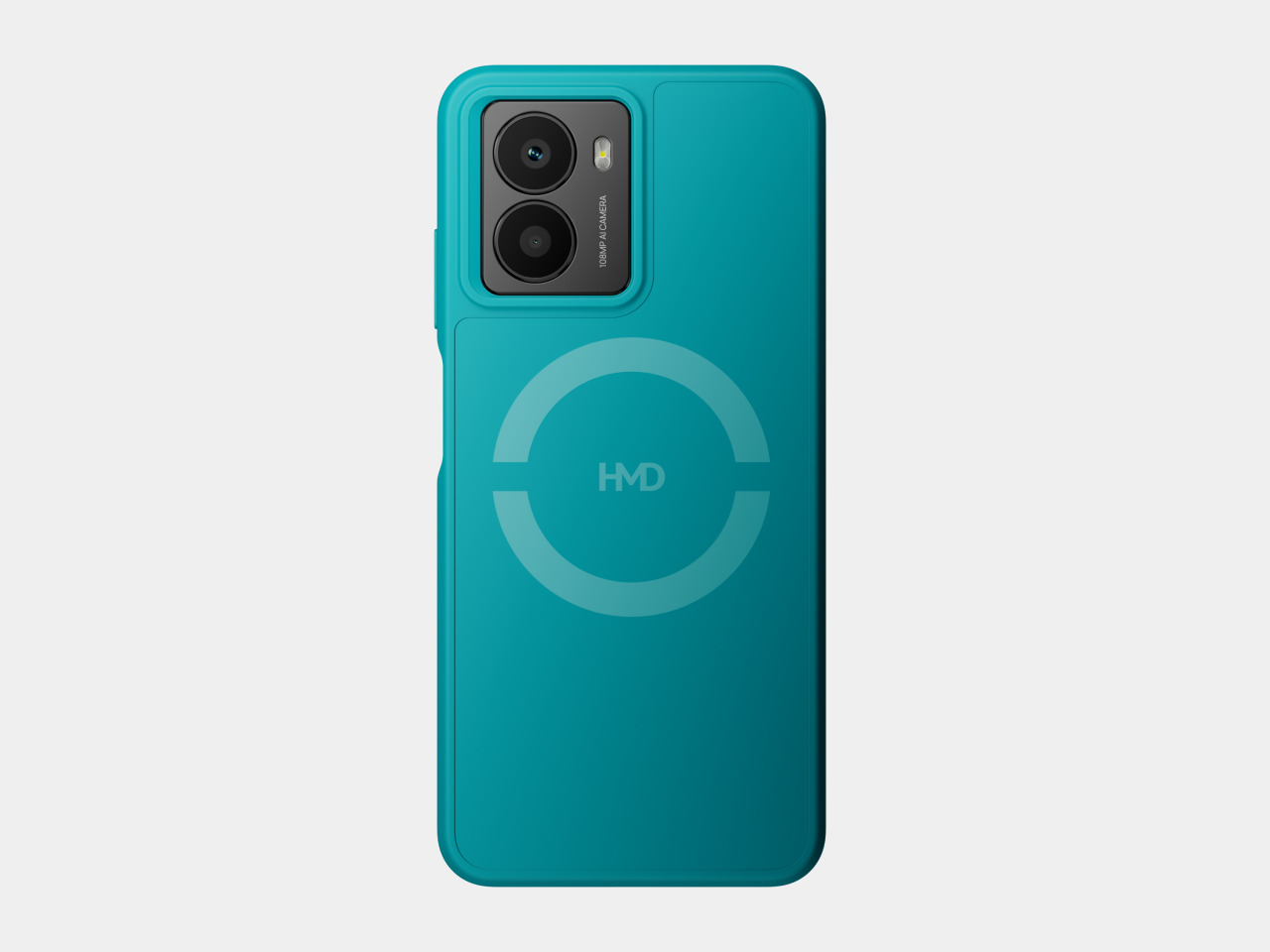
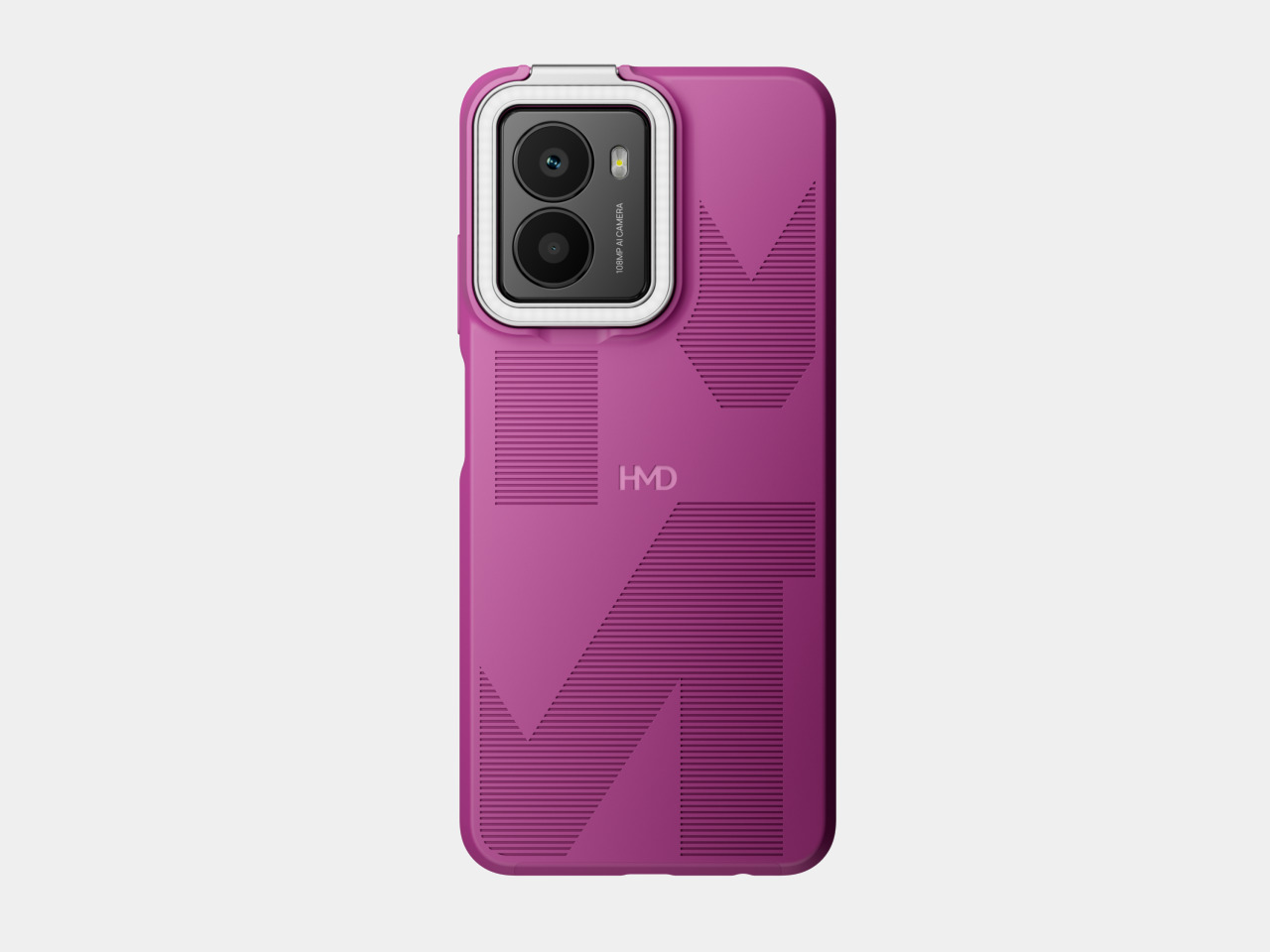
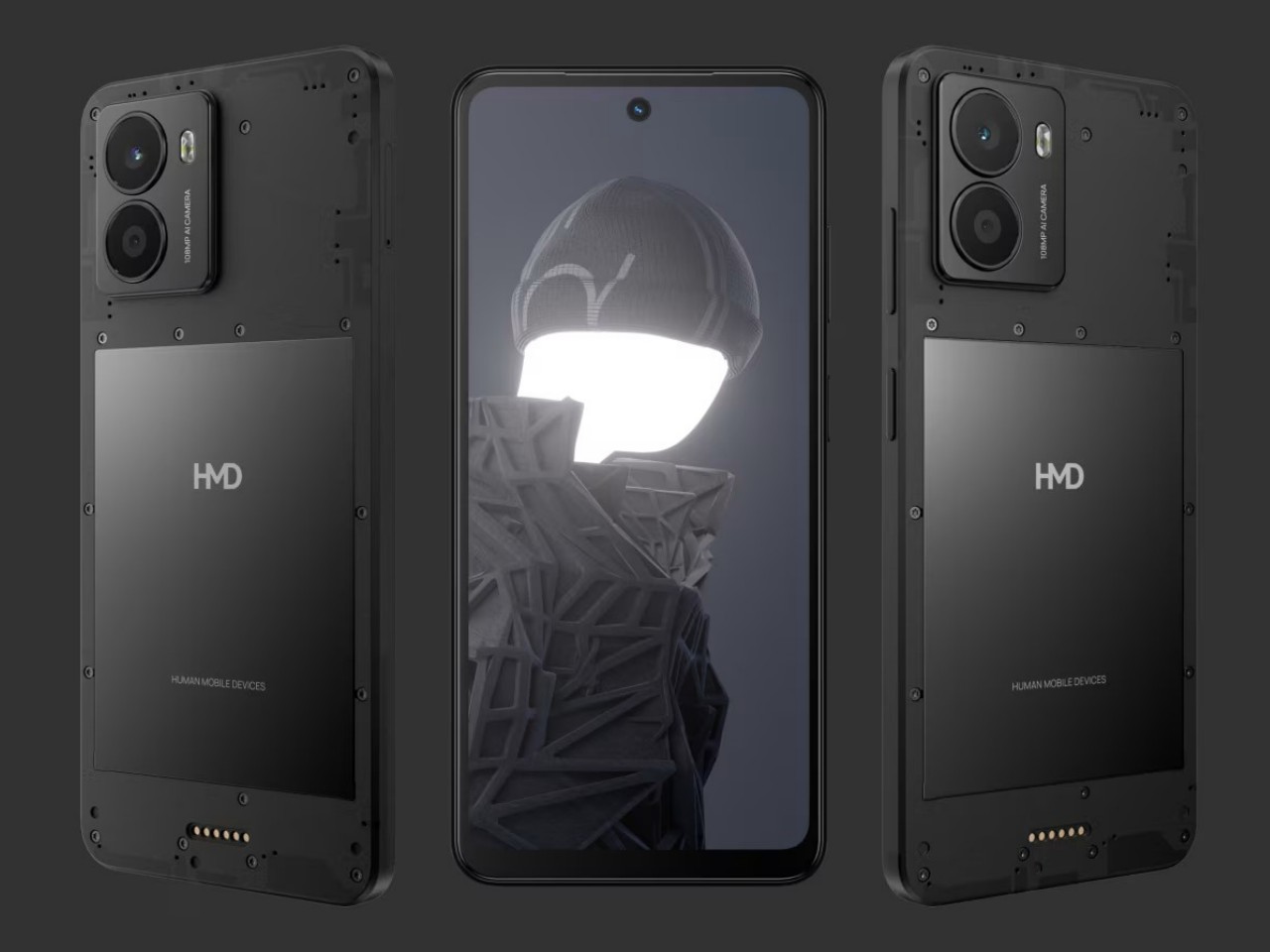
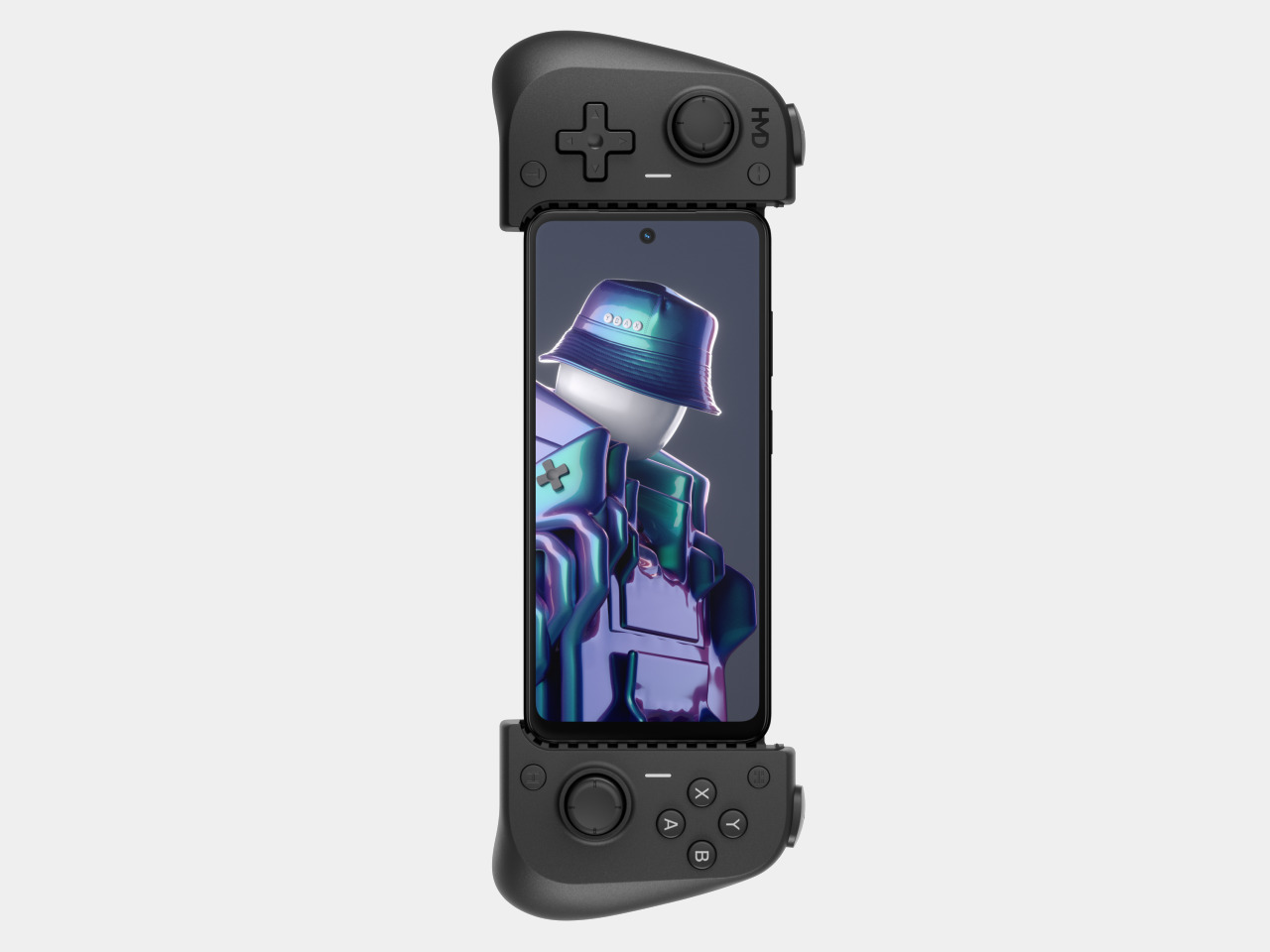
The highlight of the HMD Fusion is the Smart Outfits, which you can place on its back as a rear cover. These can range from anything like a rugged protective cover to a wireless charging coil. Because of the special pogo pins on the back of the HMD Fusion, you can actually have more interactive functionality and no longer have to worry about needing a separate power source. The Flashy Outfit, for example, offers a ring light for taking selfies, whether with the 108MP rear camera or the 50MP front cam. You can also have something like a detachable game controller that won’t have the instability and latency of Bluetooth.

HMD, however, isn’t stopping there. It’s actually providing an open source software and hardware toolkit for more seasoned veterans to make their own Smart Outfits. It could potentially open the floodgates of creative designs, though do expect some to be over-the-top and impractical but also fun and novel. There is definitely unlimited potential, only hampered by the phone’s own hardware.

Inside, the HMD Fusion is pretty much an entry-level phone, with a Snapdragon 4 Gen 2 process, 6GB of RAM, and an HD+ resolution screen only. The aforementioned cameras squarely aim at the GenZ market, though, who could use the Smart Outfit system to literally dress up their phones. Fortunately, the HMD Fusion also carries a very GenZ-friendly price tag of £199/249€ (roughly $279), which means almost anyone can have access to this appetizer of a modular phone, presuming it becomes available in their region.

The post HMD Fusion revives the modular phone dream with Smart Outfits back covers first appeared on Yanko Design.
Modular mini projector can also be a speaker and wireless charger

It’s probably not something that we really think about but electronic waste is a growing problem since we see a lot of new gadgets released every month. There will probably be even more products conceptualized and created over the next few decades so what we have to think about is how to lessen or at least repurpose e-waste. One idea is to think about modular product designs so that one gadget can have multiple purposes.

Designers: Tae Hyeong Kim and Yu Jeong Choi

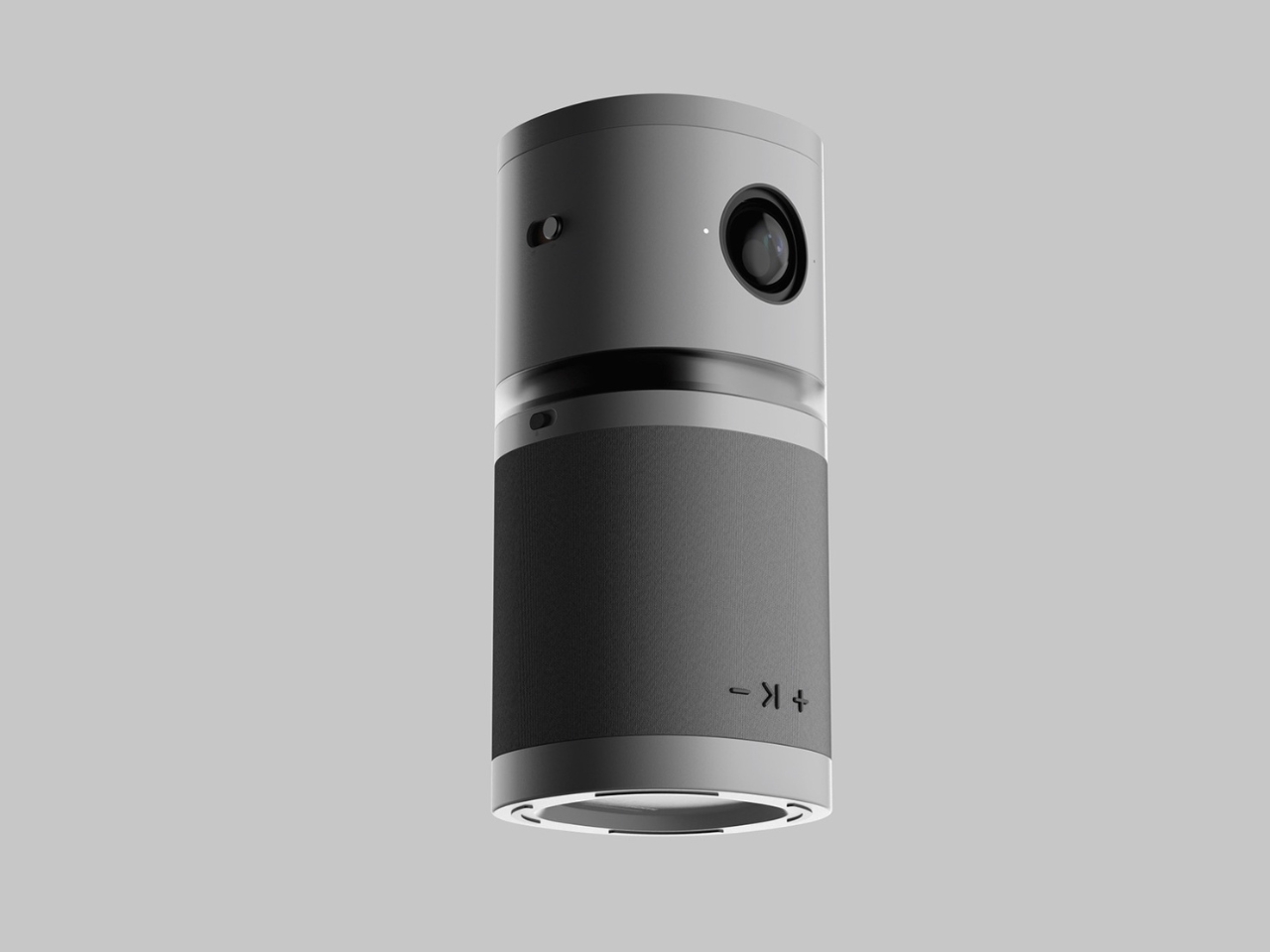
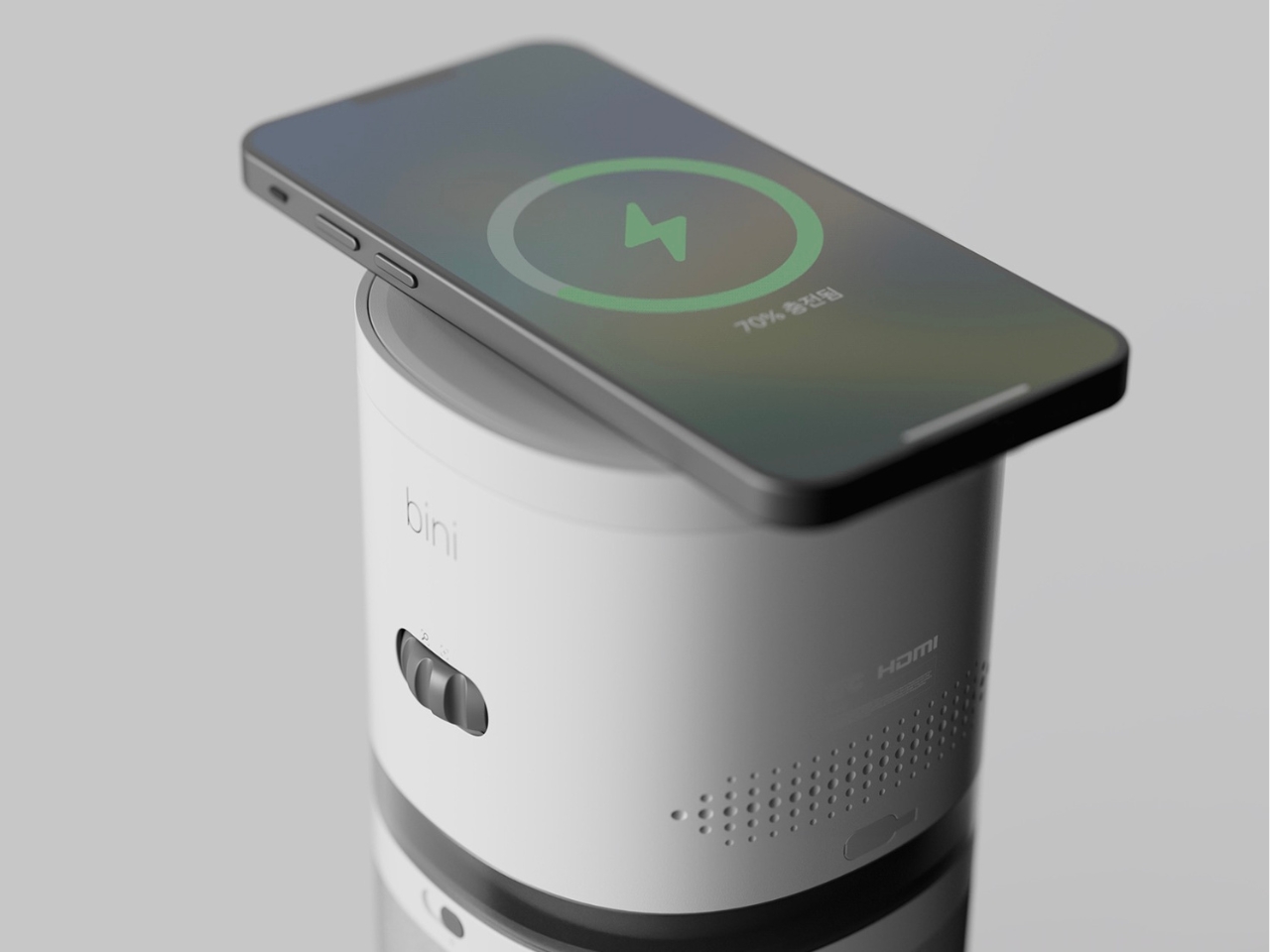
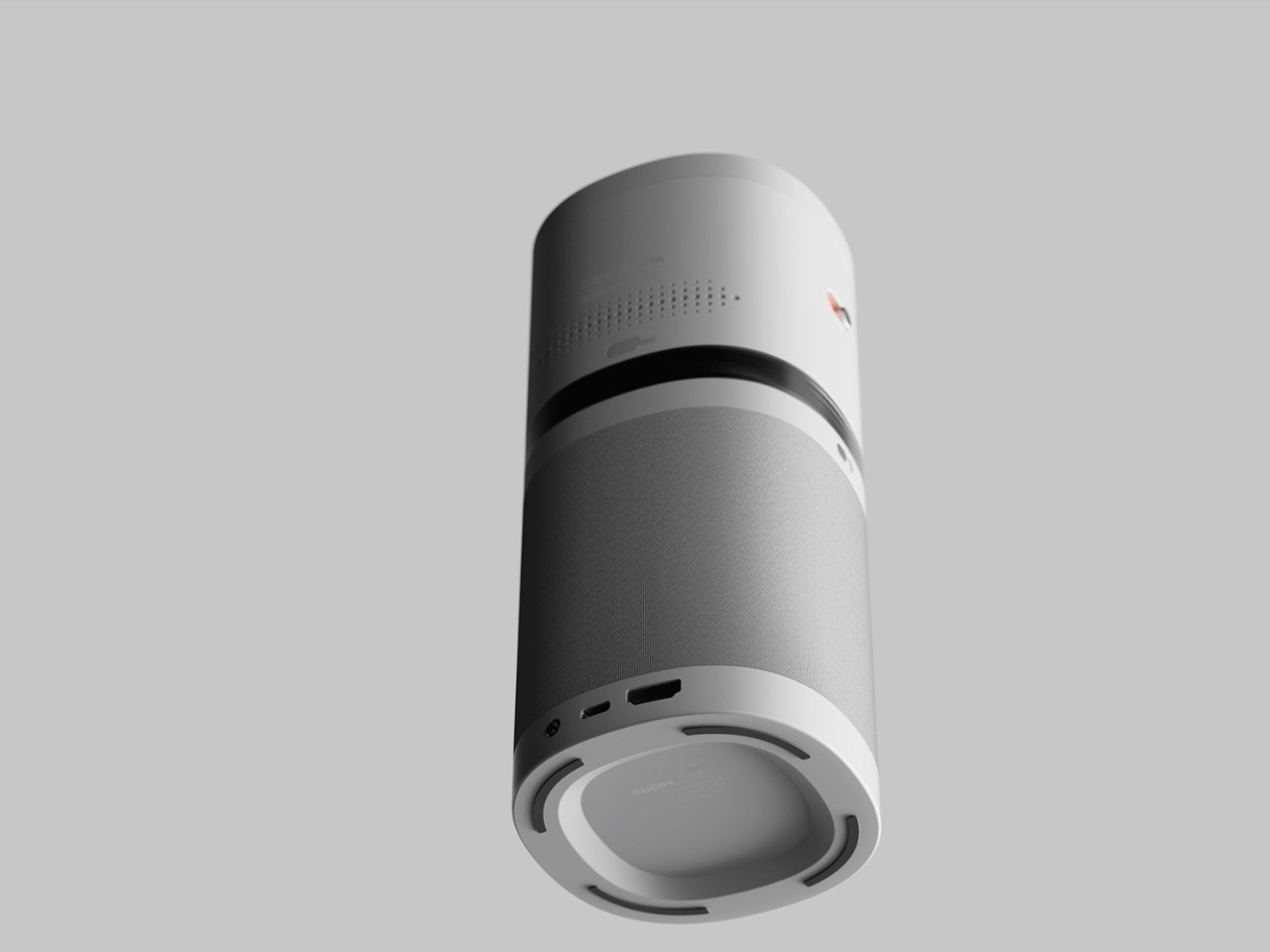
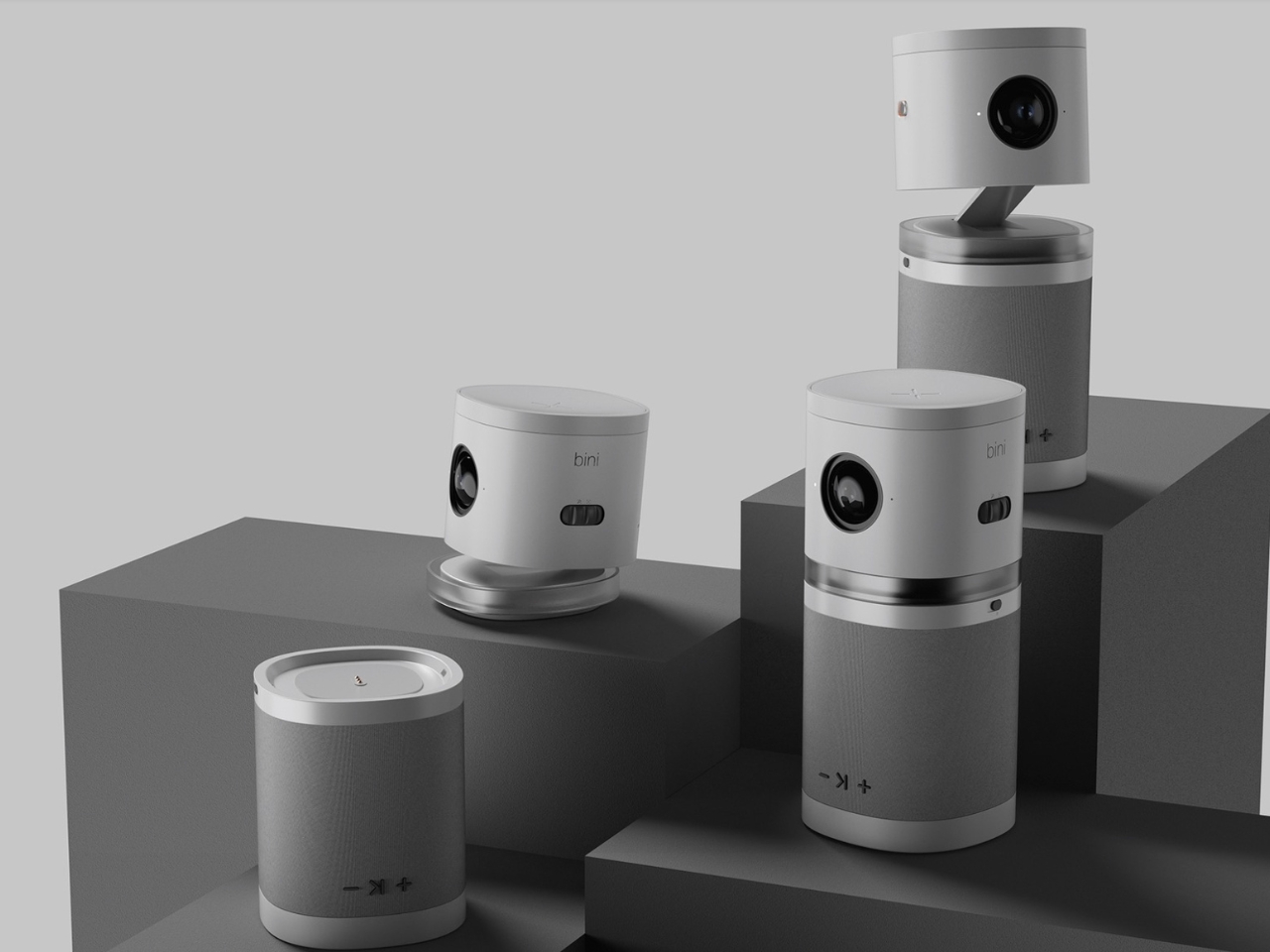
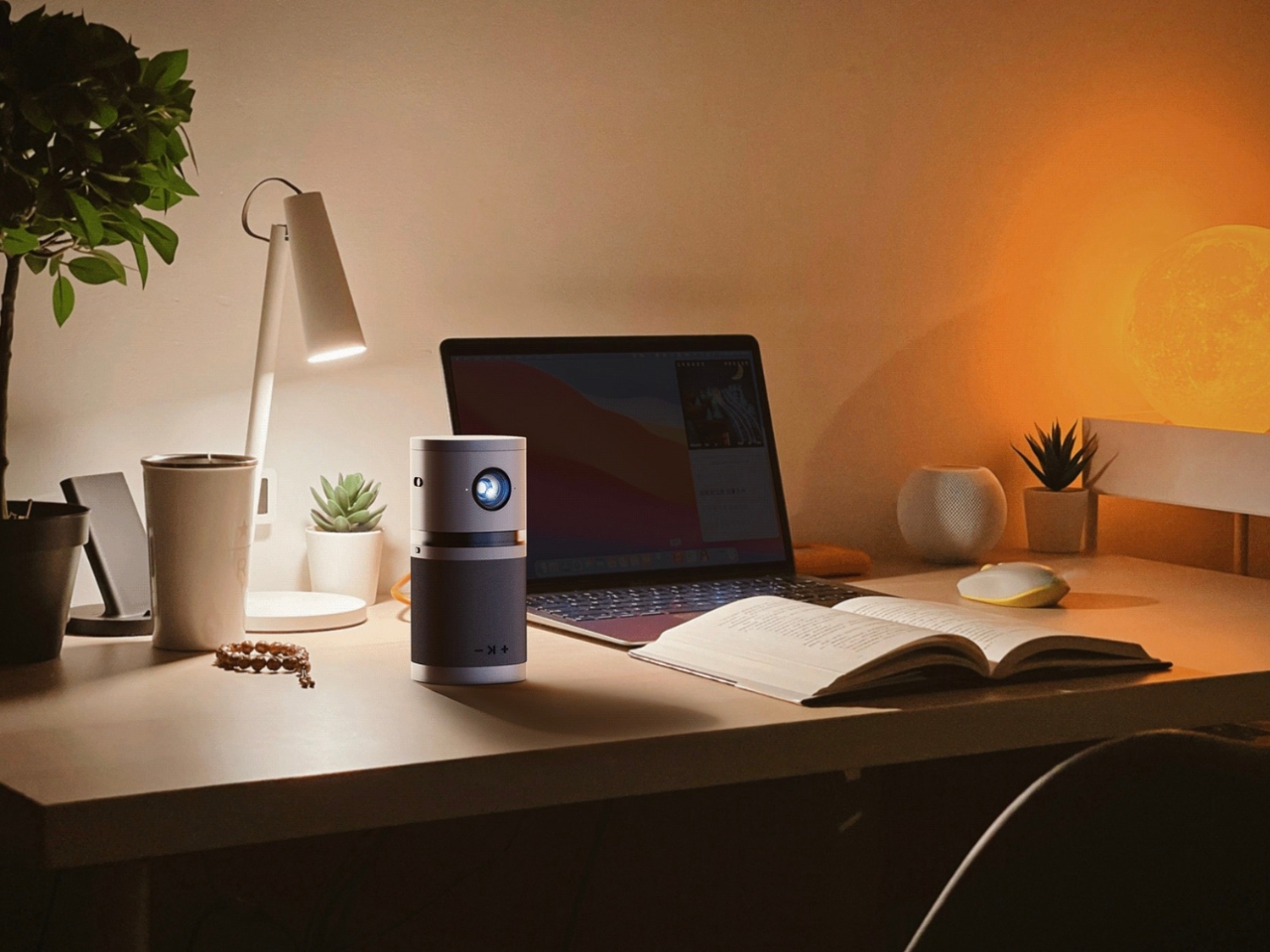
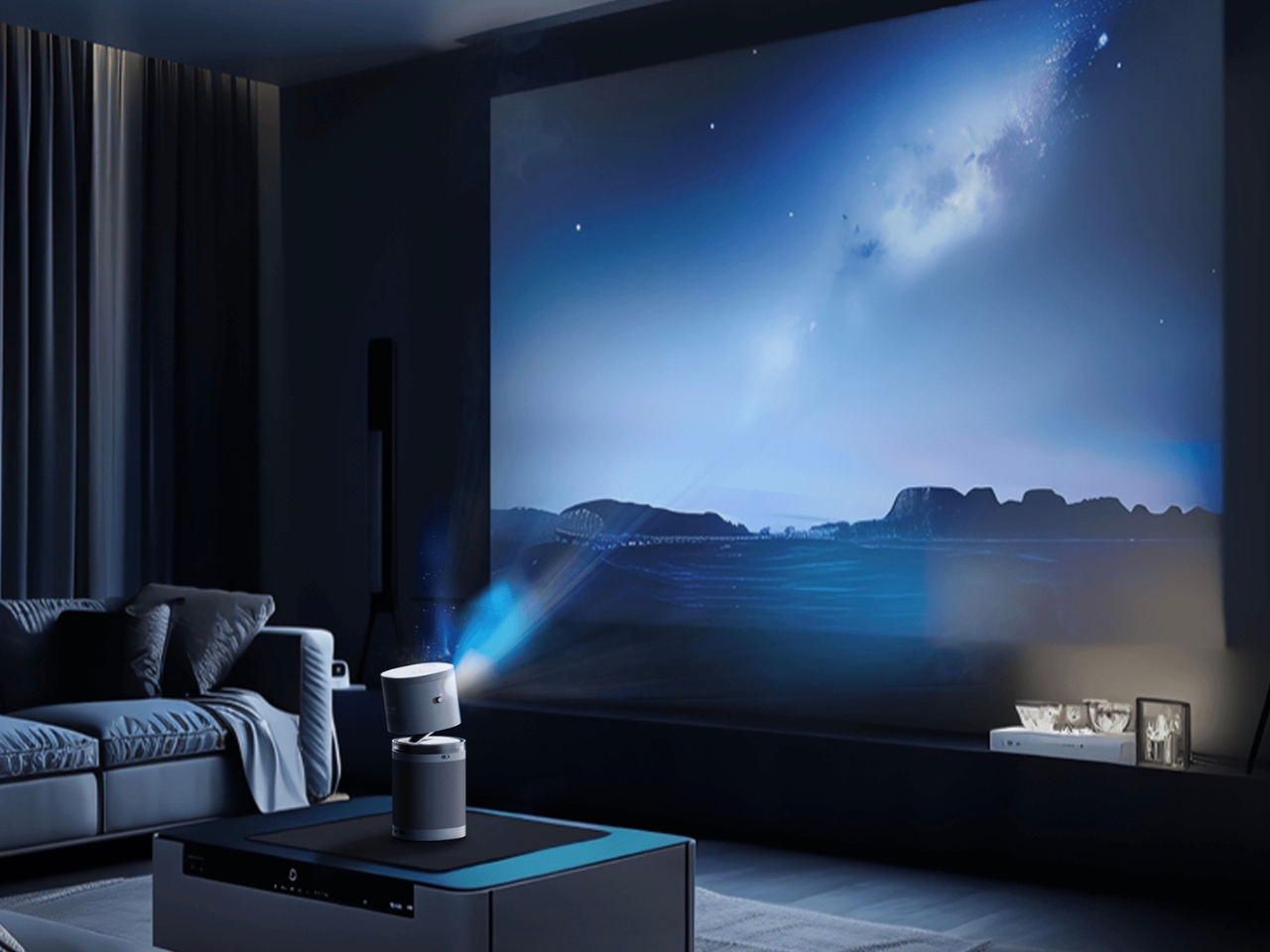
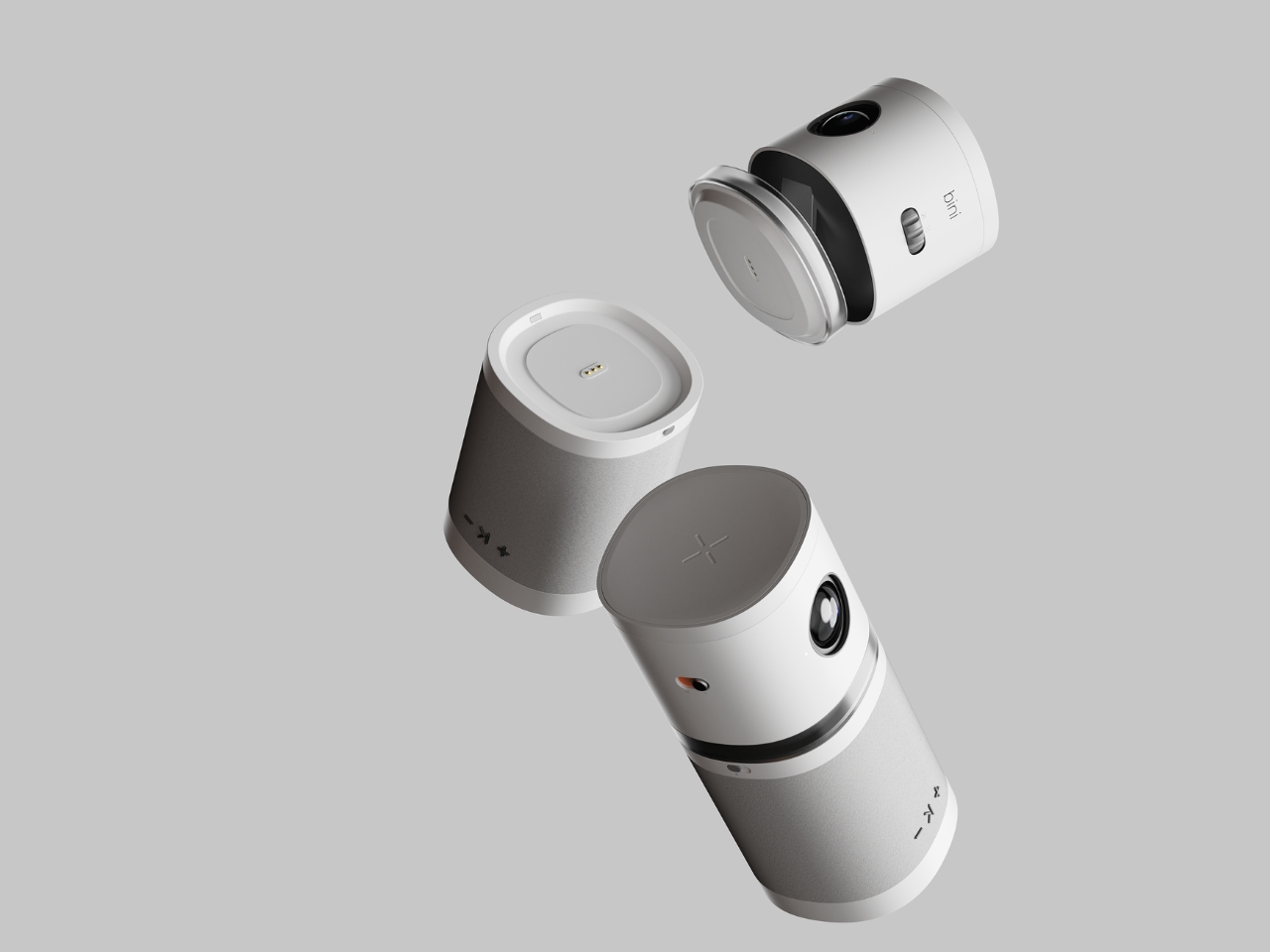
One conceptual product is bini, a modular beam projector that can also be used as a mini speaker. It can be used as a single unit with the projector on top of the speaker but it can also be separated into two devices if you need to use either of them individually. There’s even a third purpose for it as you can use the top of the device as a magsafe wireless charger.

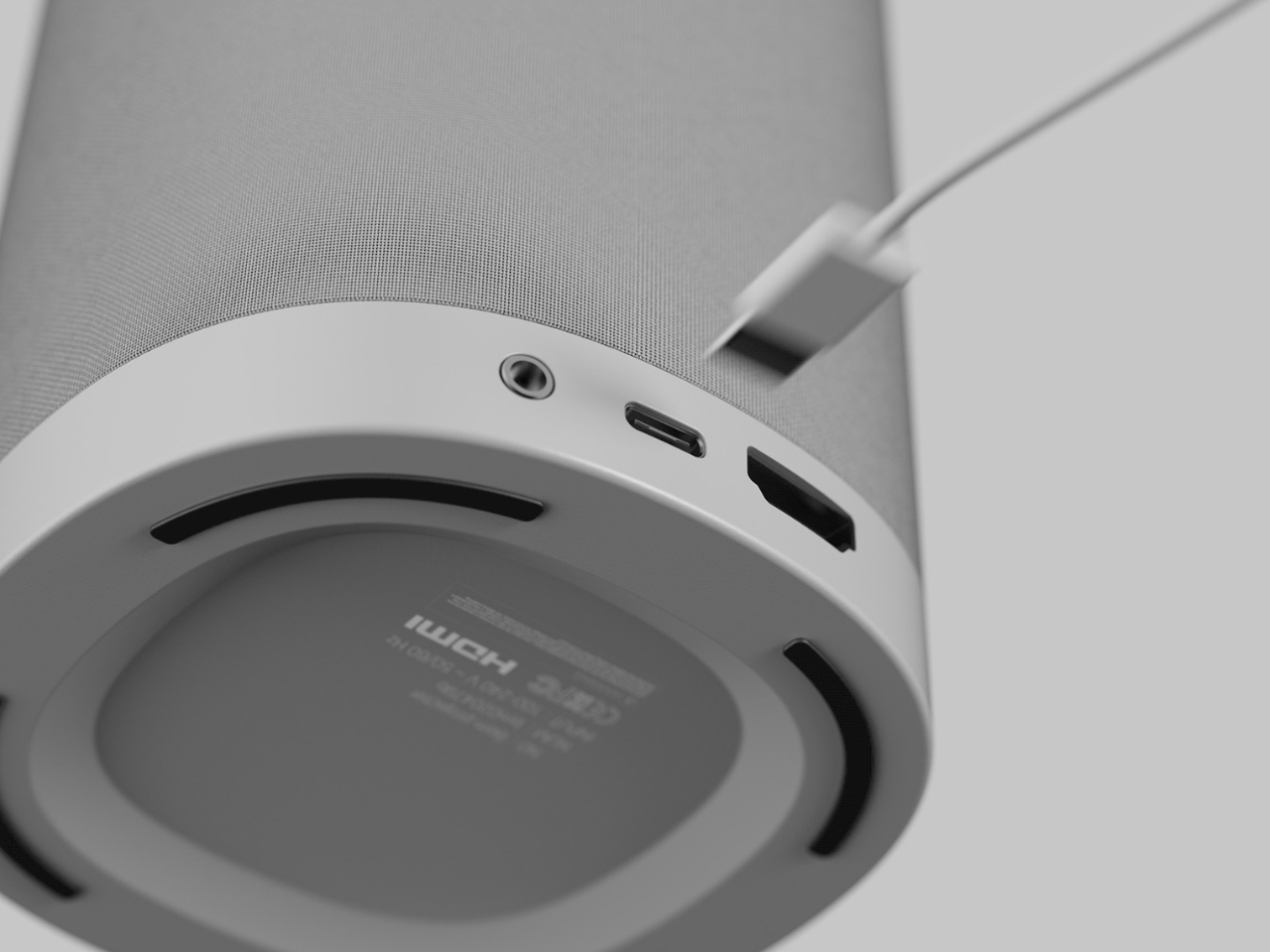
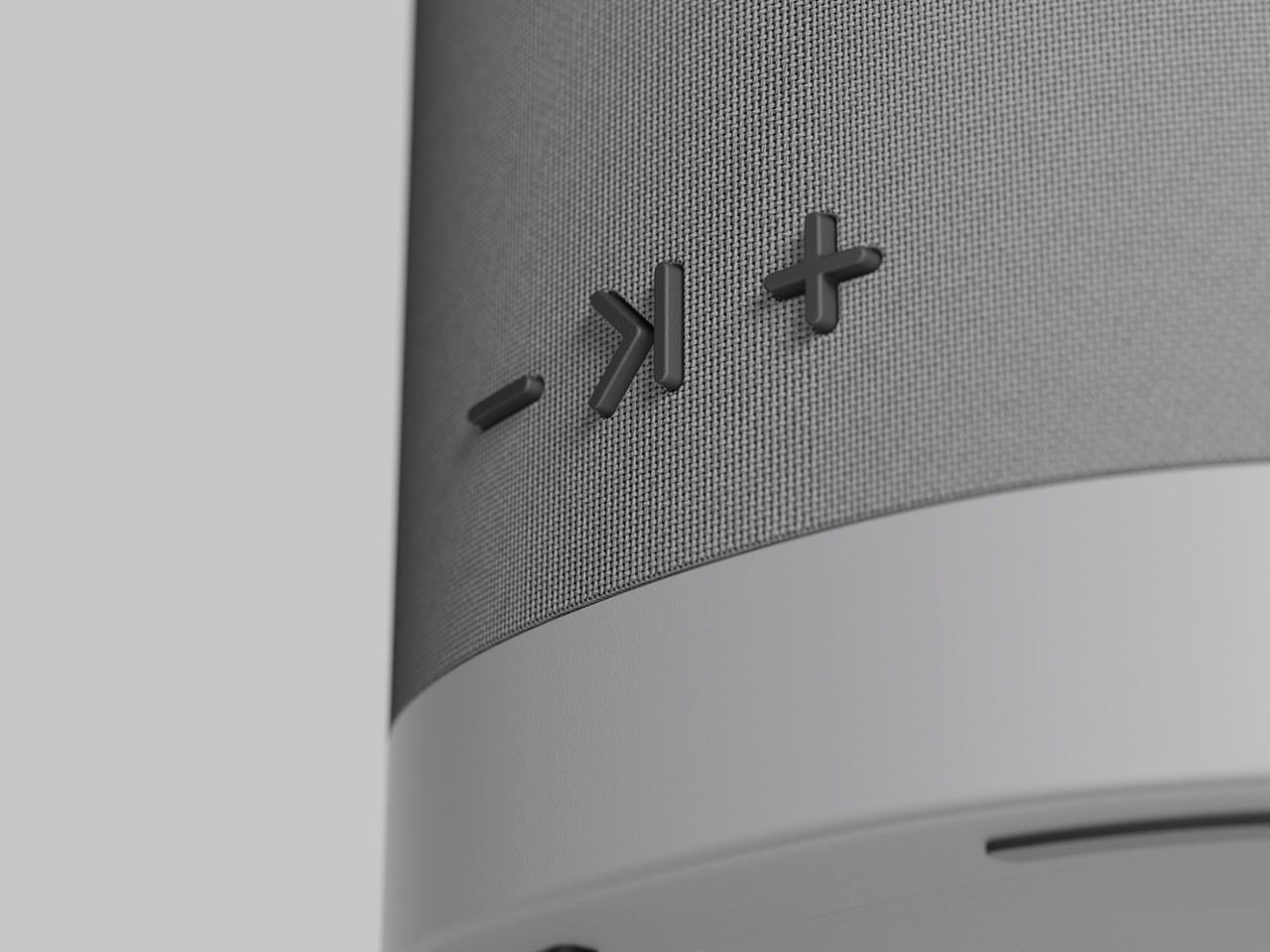
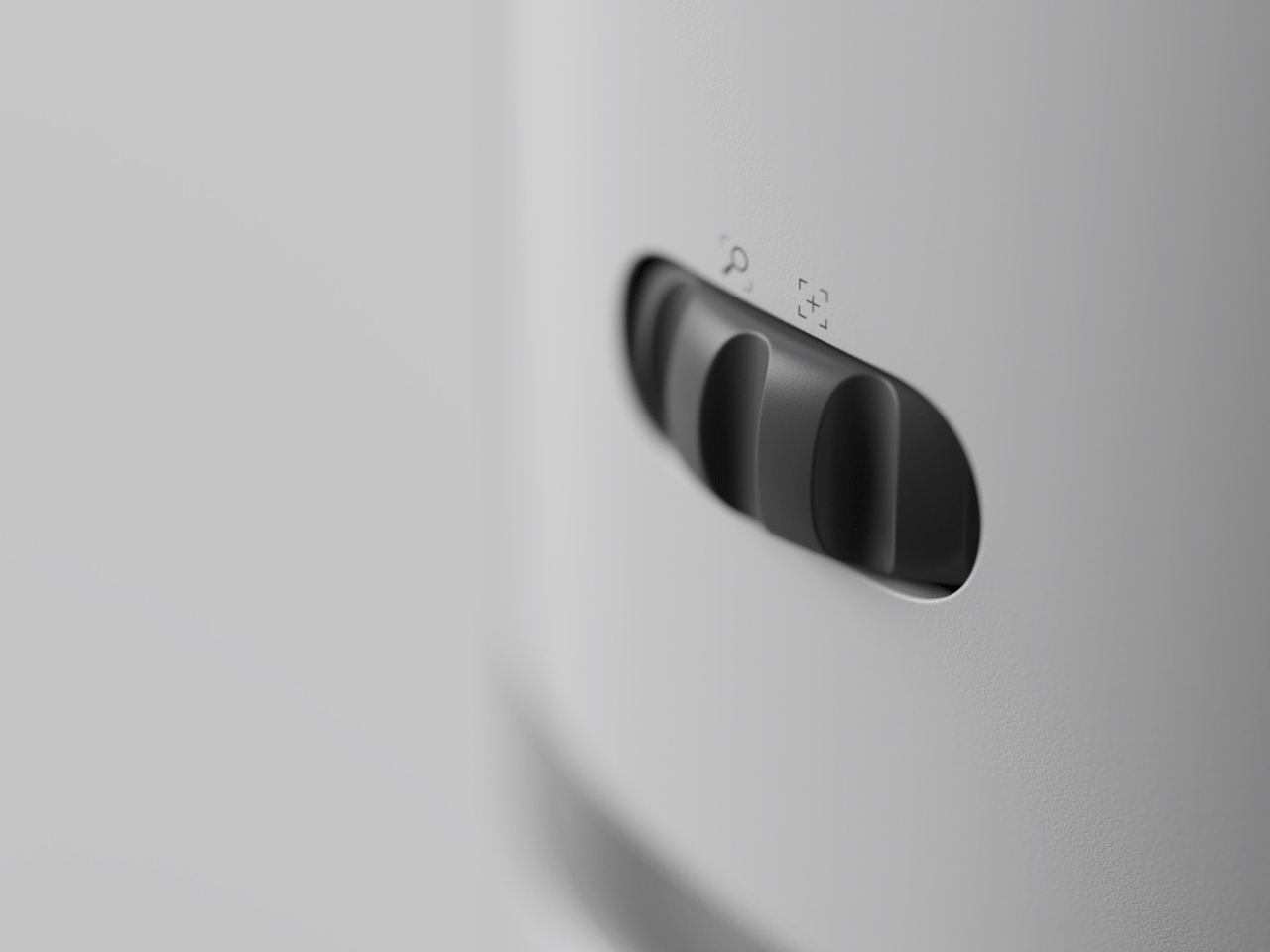
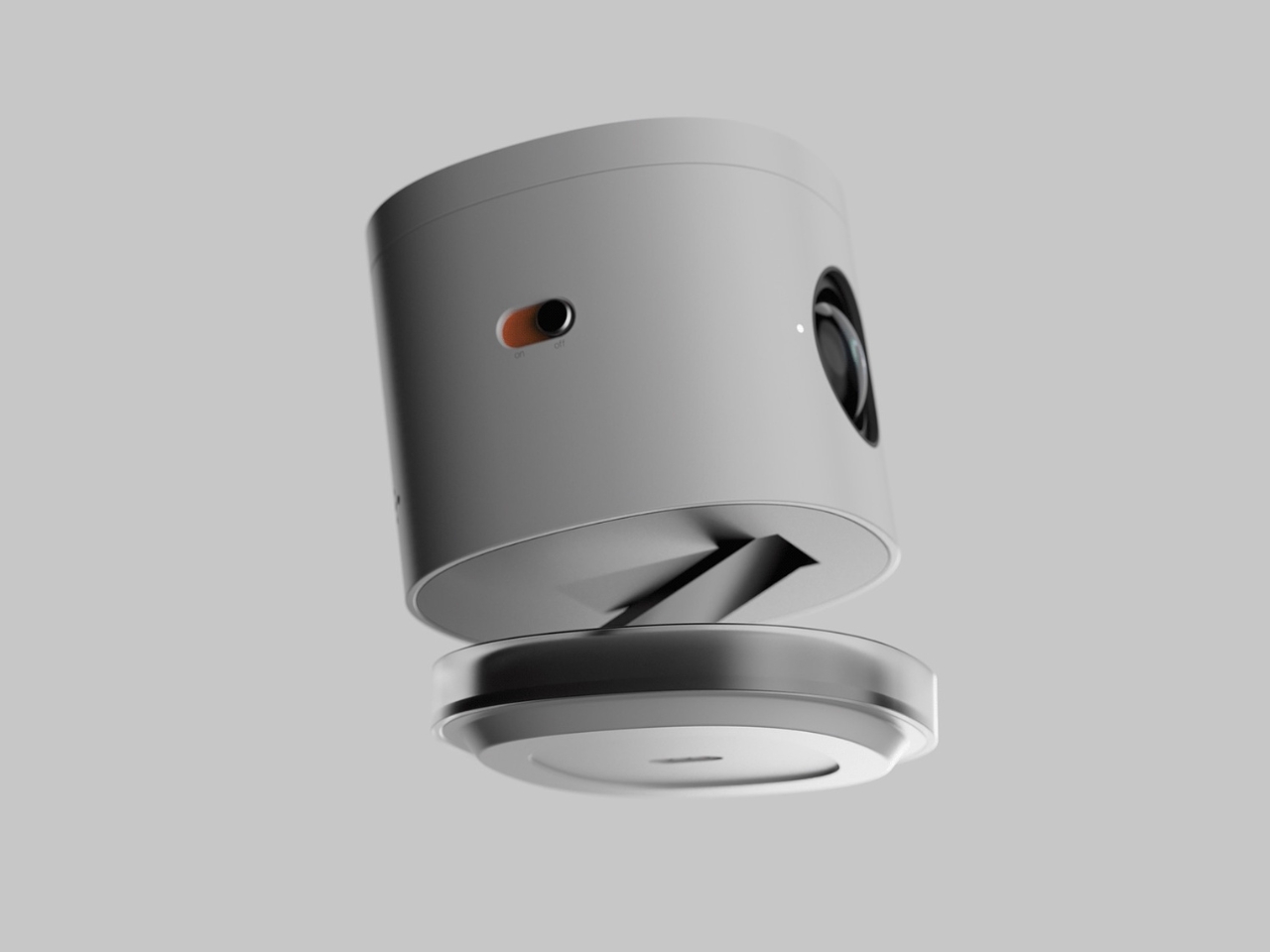
Overall, bini looks like any ordinary smart speaker. When used as just one device, the top part of the projector becomes like a mini robot as you can adjust the head with its hinge. There’s also a focus wheel so you can adjust the focus when projecting on a wall or any surface. The buttons intuitively look like actual buttons so it can be easy to touch and use them. The device also has several ports like USB-C, HDMI, and even a headphone jack.

bini is a mini device so you can just hold it in one hand and is also pretty easy to combine and separate the modular parts. It would be interesting if they can make an actual, working prototype as its value depends of course on the quality of the projector and speaker features.

The post Modular mini projector can also be a speaker and wireless charger first appeared on Yanko Design.
3D Printed CMF Phone 1 cases thrive in the phone’s innovative modular design

The dream of the modular smartphone proposed by the likes of Project Ara and the LG G5 might have failed to become lasting reality, but there is more than one way to actually implement a modular design. Unveiled just last month, the CMF Phone 1 by Nothing tackled the problem from a different angle, one that didn’t change the smartphone design formula too much while still kicking the doors wide open for modular accessories. It’s not surprising that there was a sudden burst of creativity trying to take advantage of this new platform, and thanks to 3D printing, we can behold some of the rather curious ideas creators have when pushing the possibilities of this modular system to the extreme.

Designers: w1utree, BuildBryce, Kaburuk

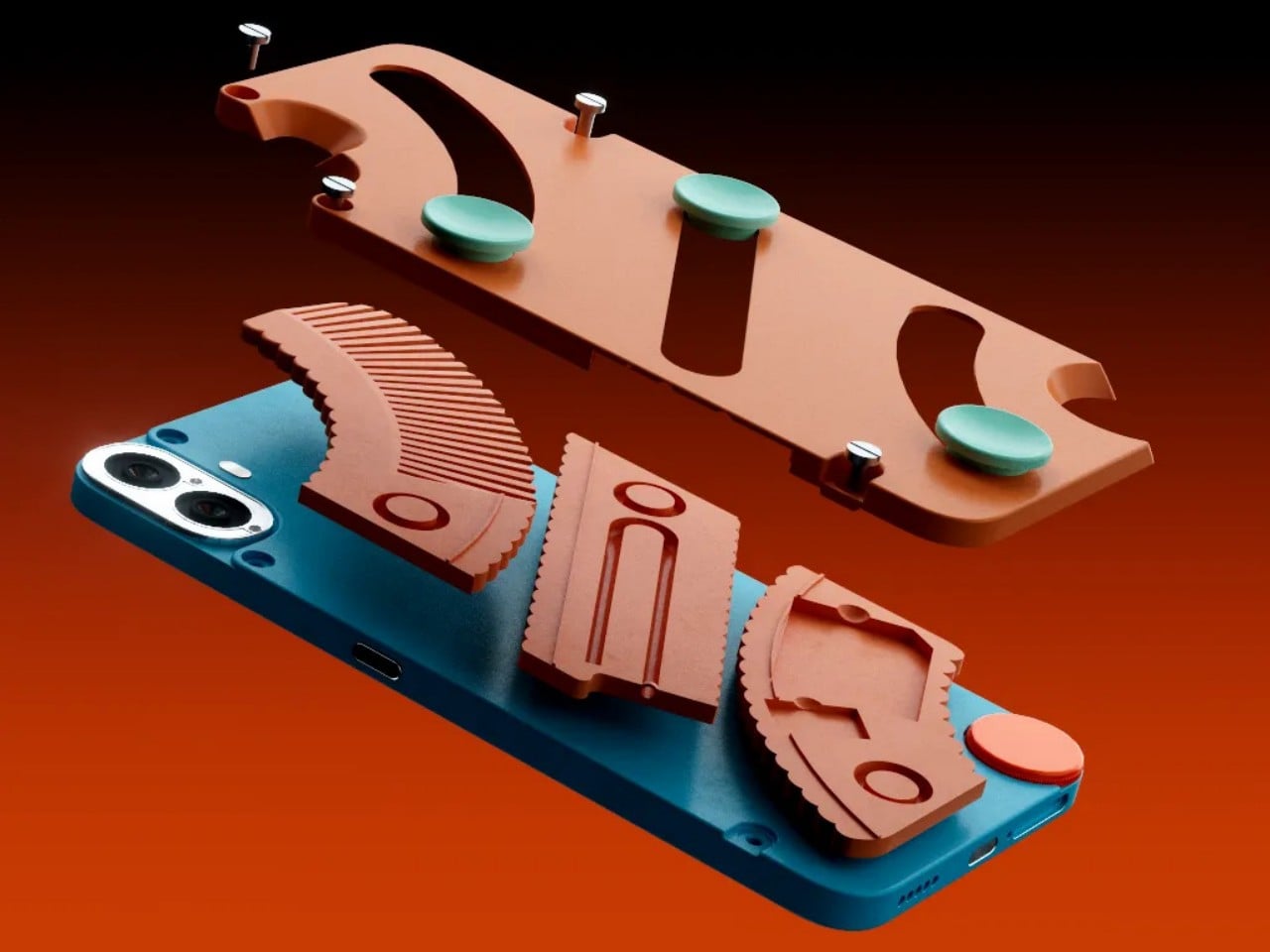
To be clear, the CMF Phone 1 itself isn’t modular, but its removable back cover invites all kinds of modular accessories and attachments. As long as you can screw it on the back of the phone and retain its usability, everything is fair game. Those accessories can range from simple loops and stands to bottle openers and miniature Nerf guns. As long as you can 3D print it, anything’s possible.

1

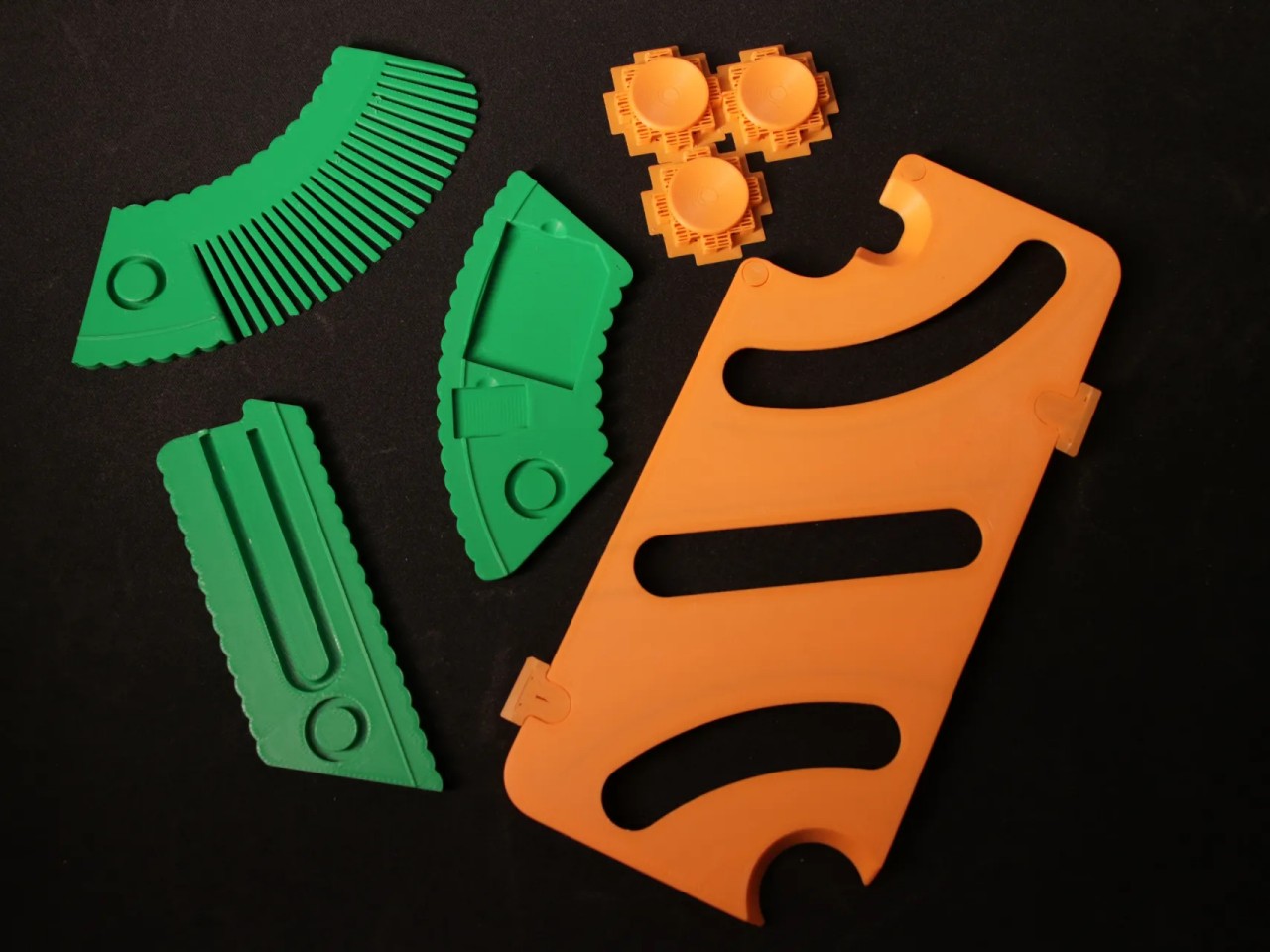
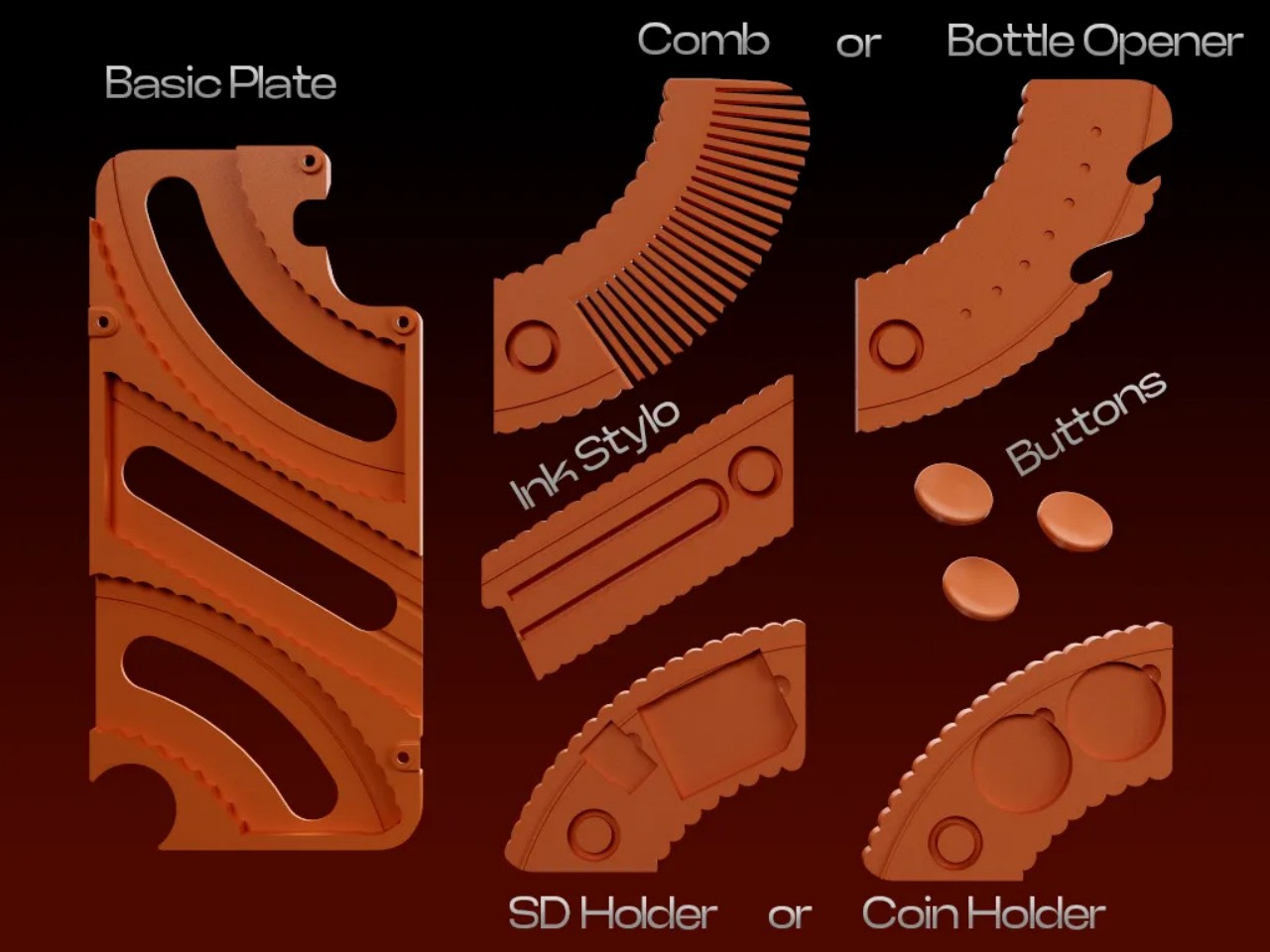
The Modular Sliding System, for example, has a creative design that integrates three sliding modules that can be a pen, an SD card holder, and even a comb. The top and bottom sliding modules unfortunately have to be curved to take into account the position of the screws on the CMF Phone 1’s back. Switching out modules is quite simple, and there’s plenty of room for other tools that you might want to always have in your pocket all the time.

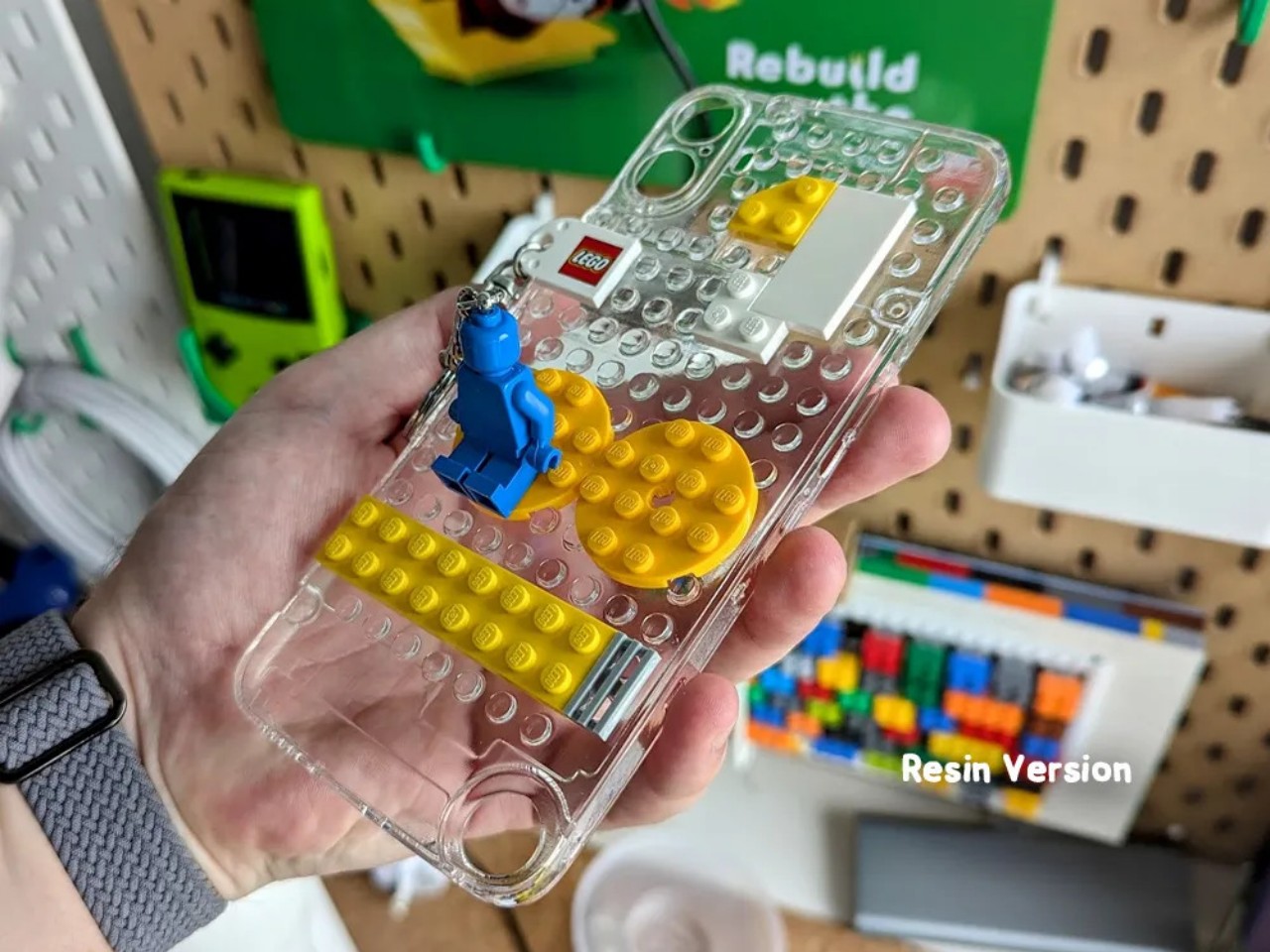
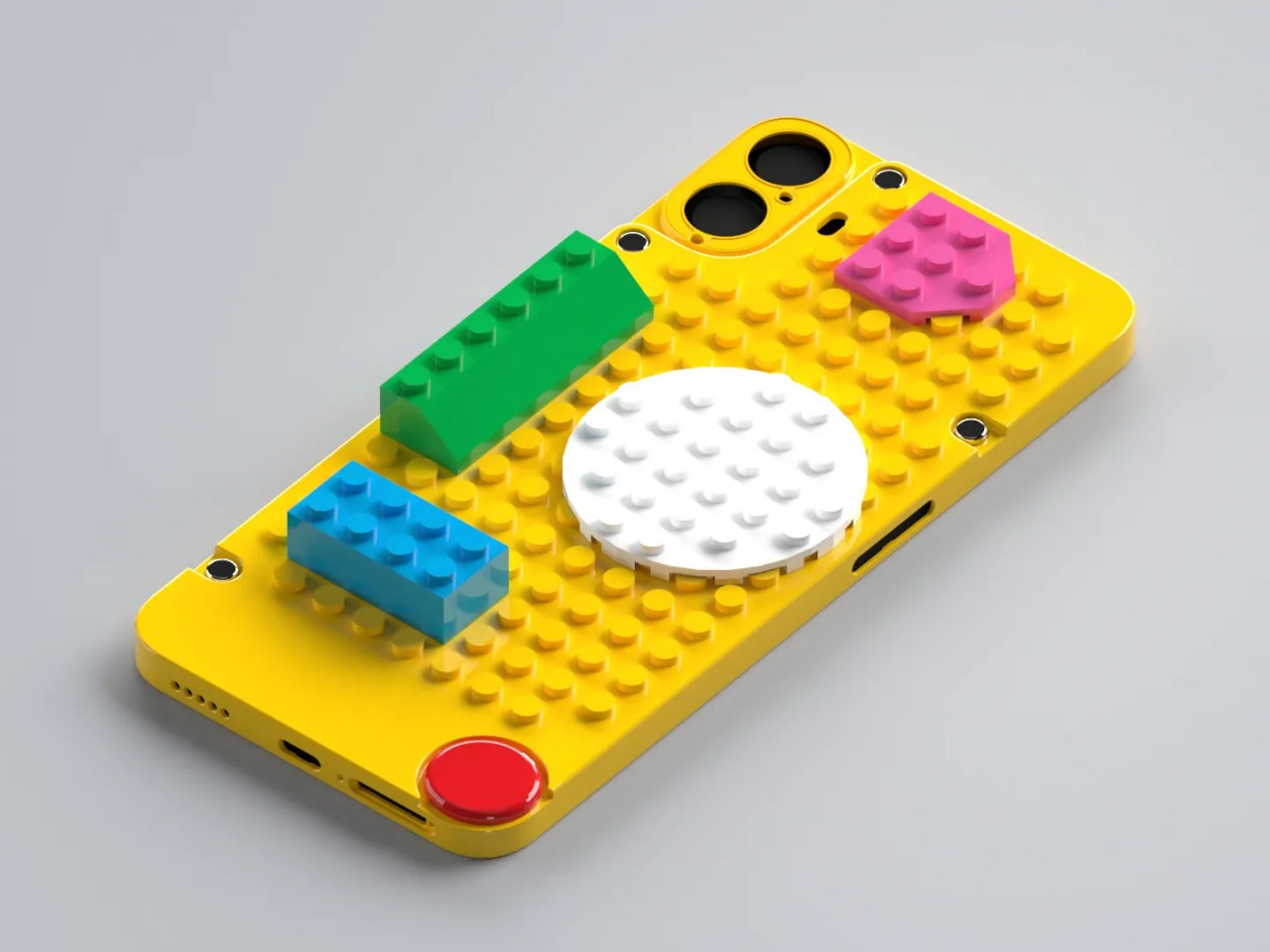
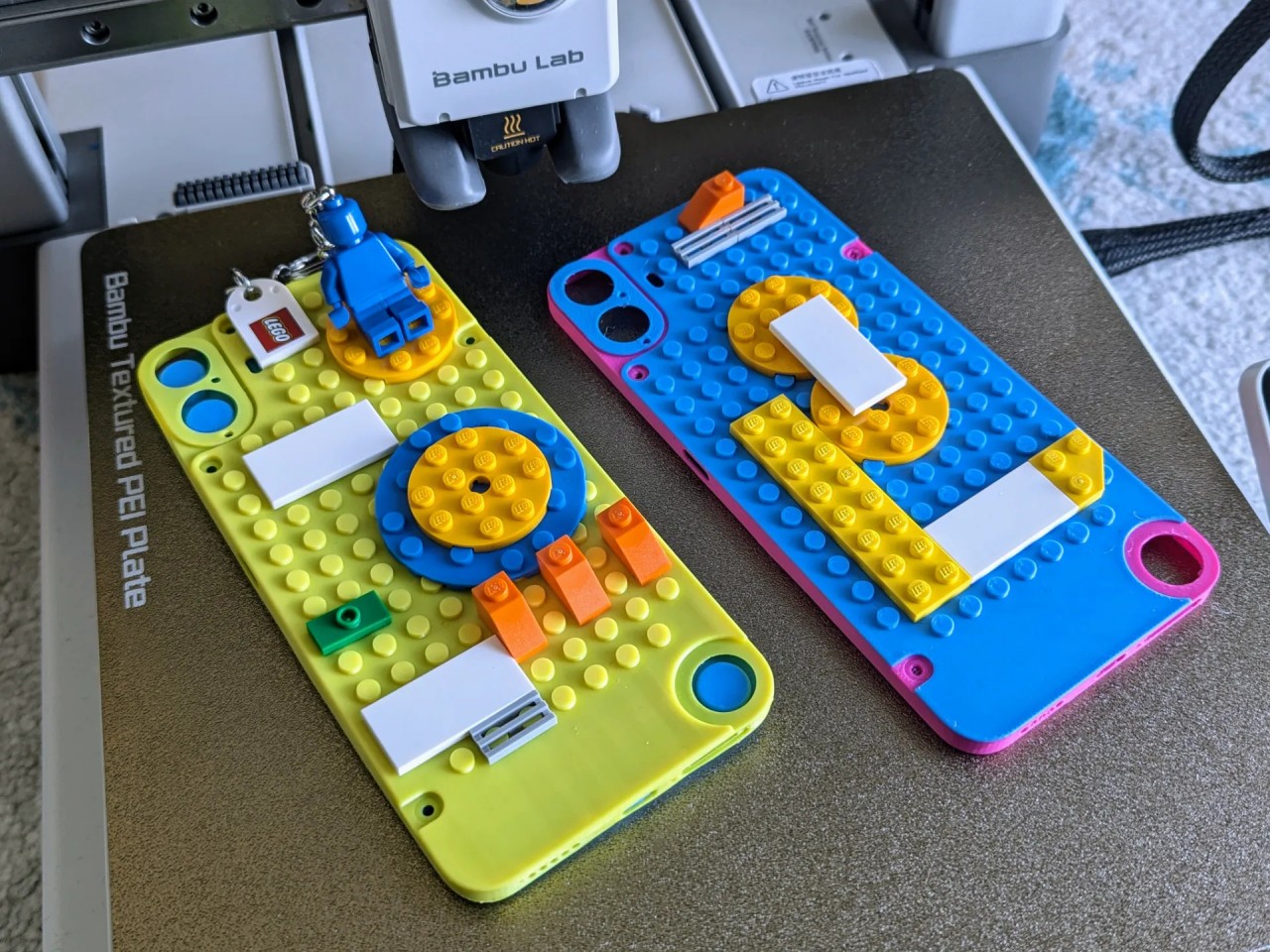
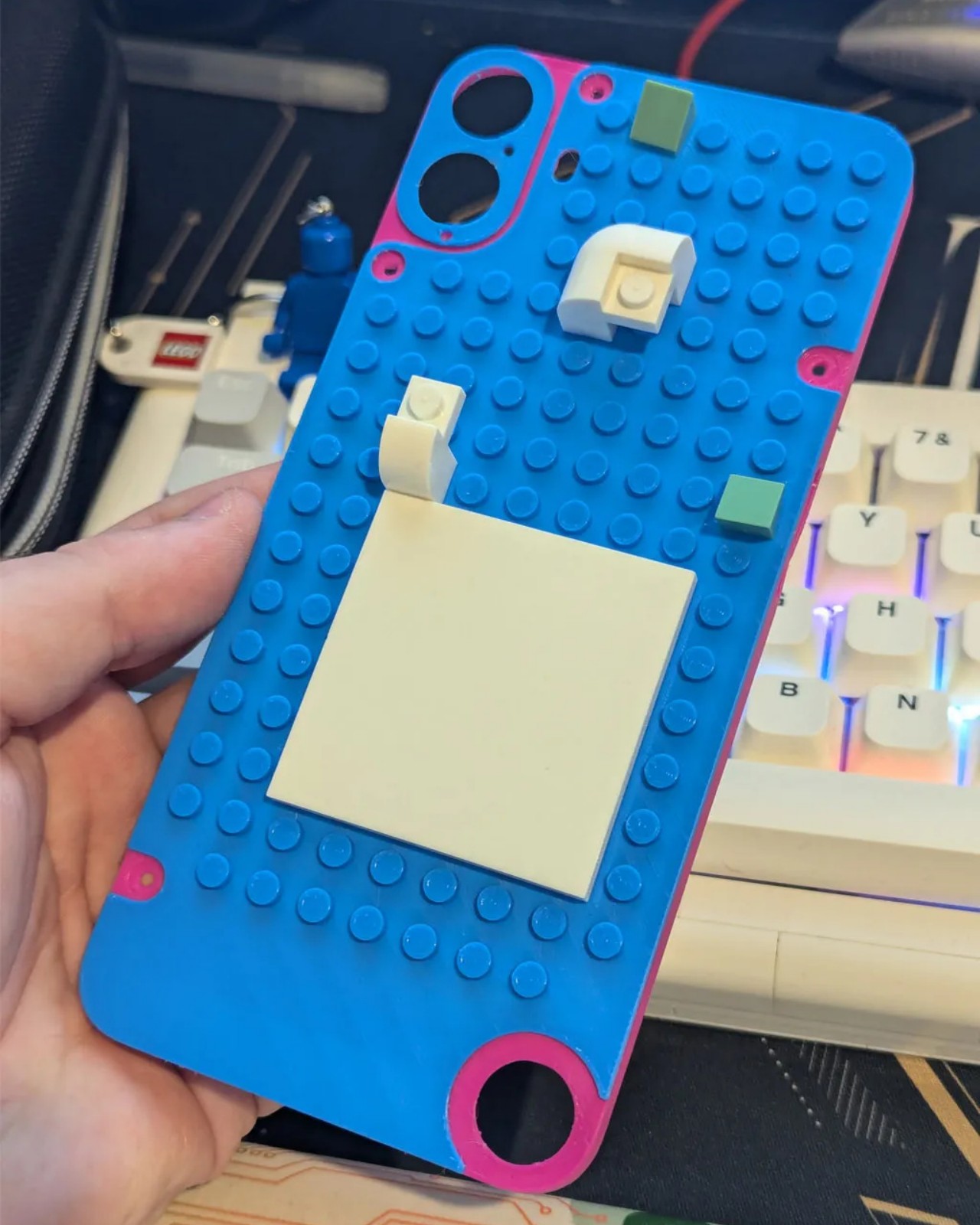
The Brick Case is a bit less ambitious but even more creative, and yes, it practically turns the CMF Phone 1 into one large LEGO-like brick. At first glance, it might seem like a cosmetic design only, putting a LEGO scene on the back of your phone when that can only be appreciated or used if the phone is placed face down on a table. With some imagination and design work, however, it might be possible to 3D print functional modules as well, like one that puts a pad of sticky notes on the back of your phone.

1

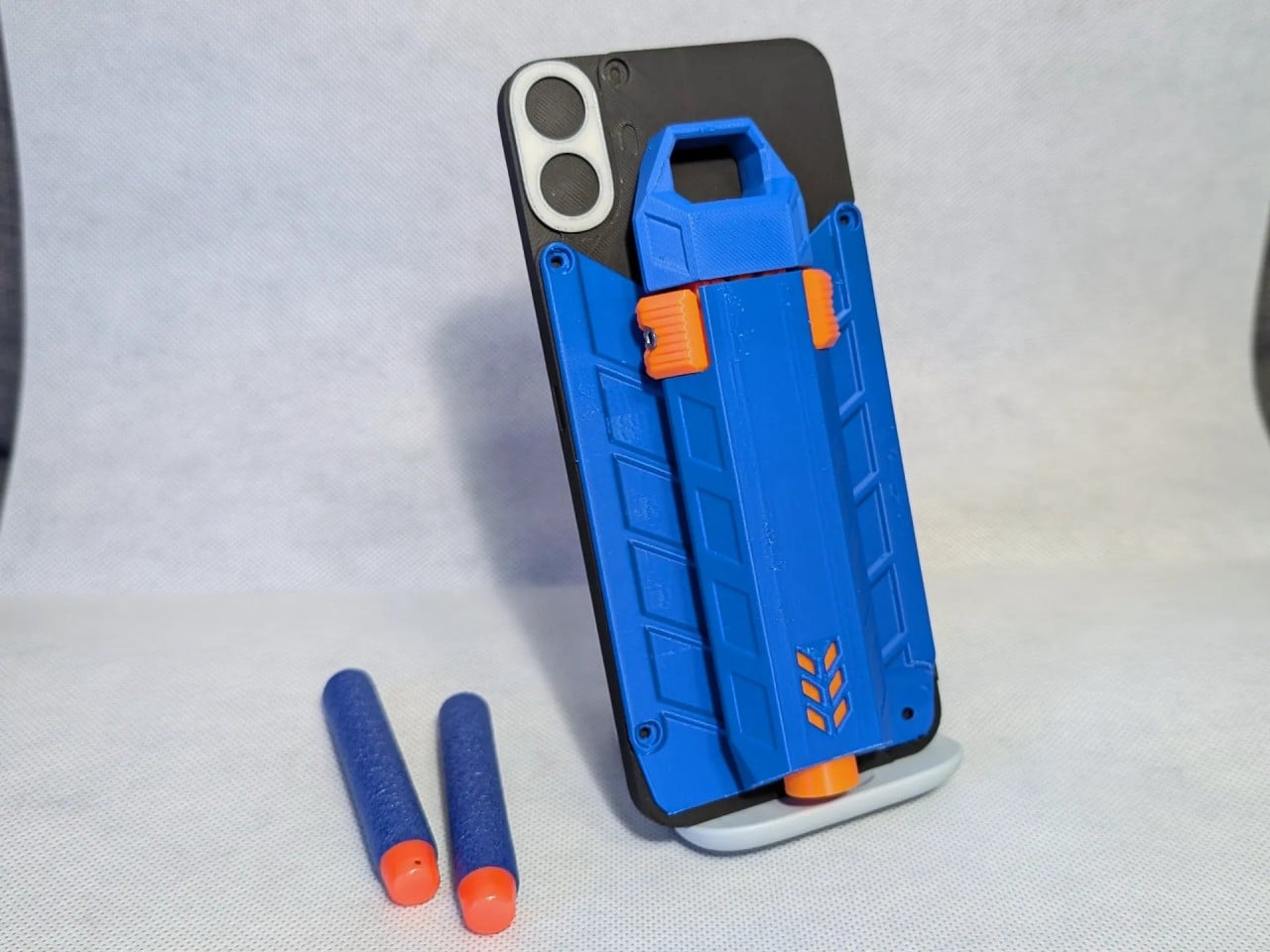
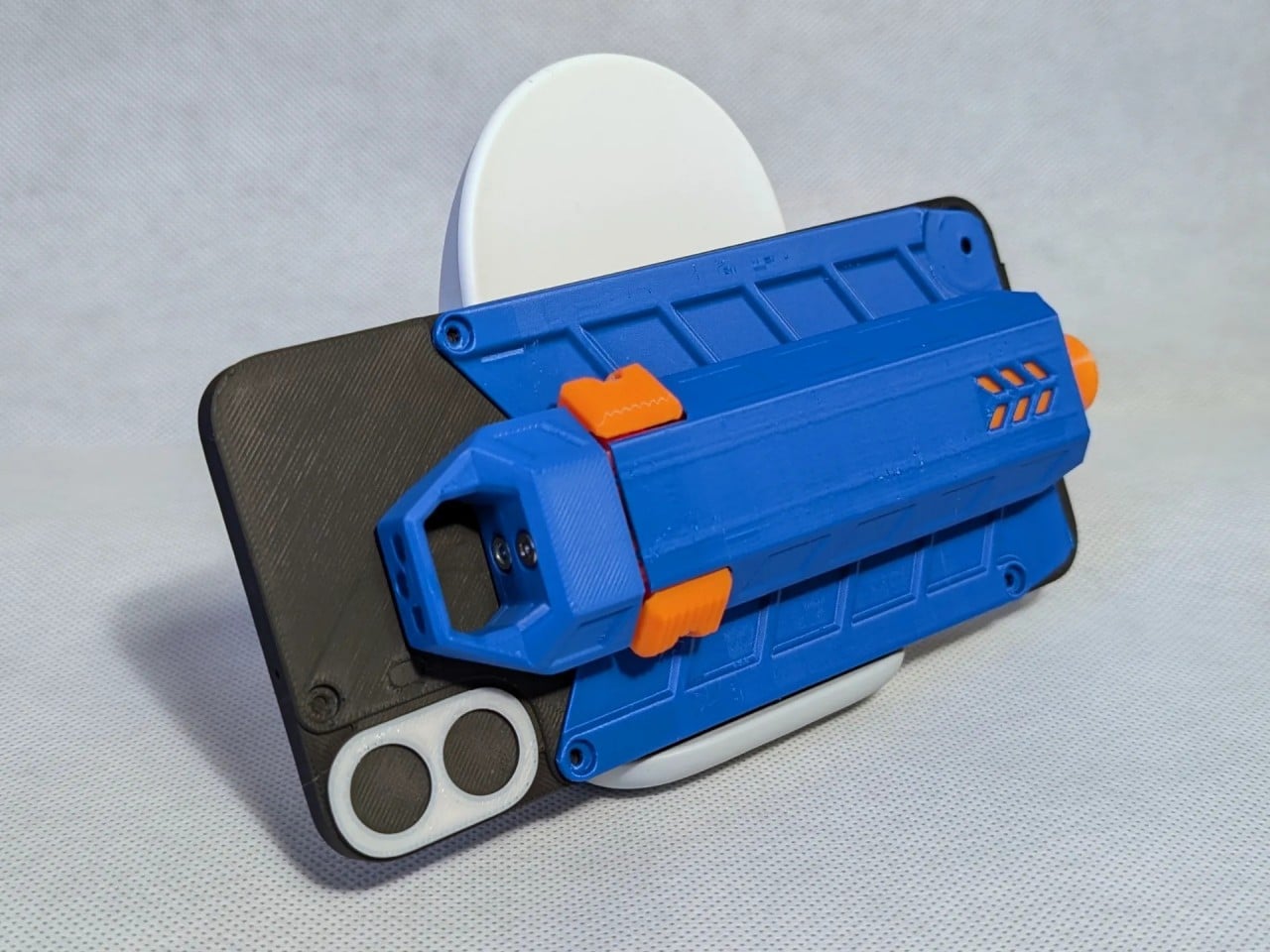
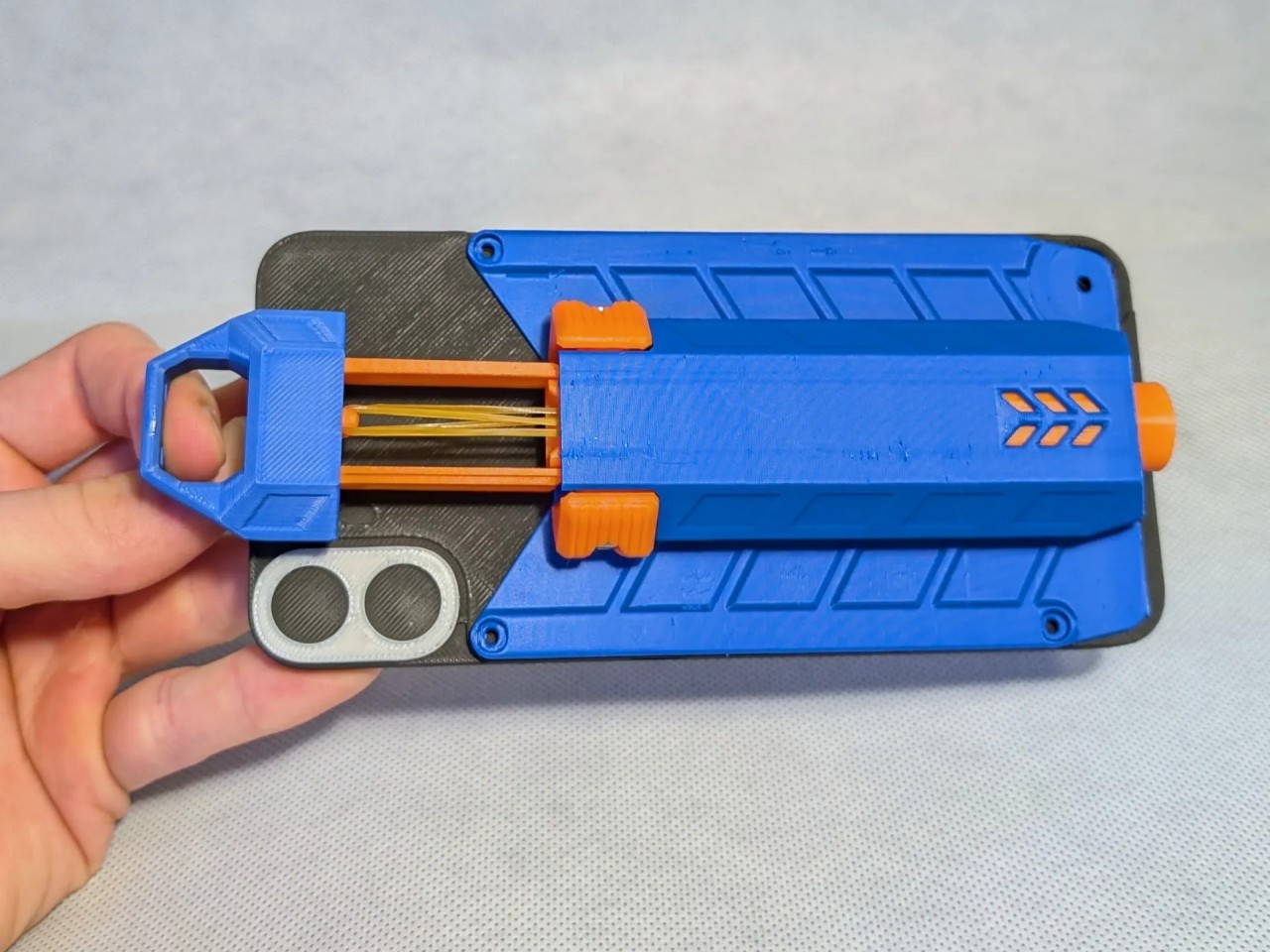
Coming completely out of the left field, the Foam Dart Launcher turns the CMF Phone 1 into a toy. It’s pretty much a one-shot mini Nerf gun, used to surprise friends or colleagues. It obviously has no practical benefit, but it does demonstrate the wide range of possibilities offered by the simple yet ingenious modular design of the CMF Phone 1.

The post 3D Printed CMF Phone 1 cases thrive in the phone’s innovative modular design first appeared on Yanko Design.
Tangled outdoor furniture concept provides rest and direction for communities

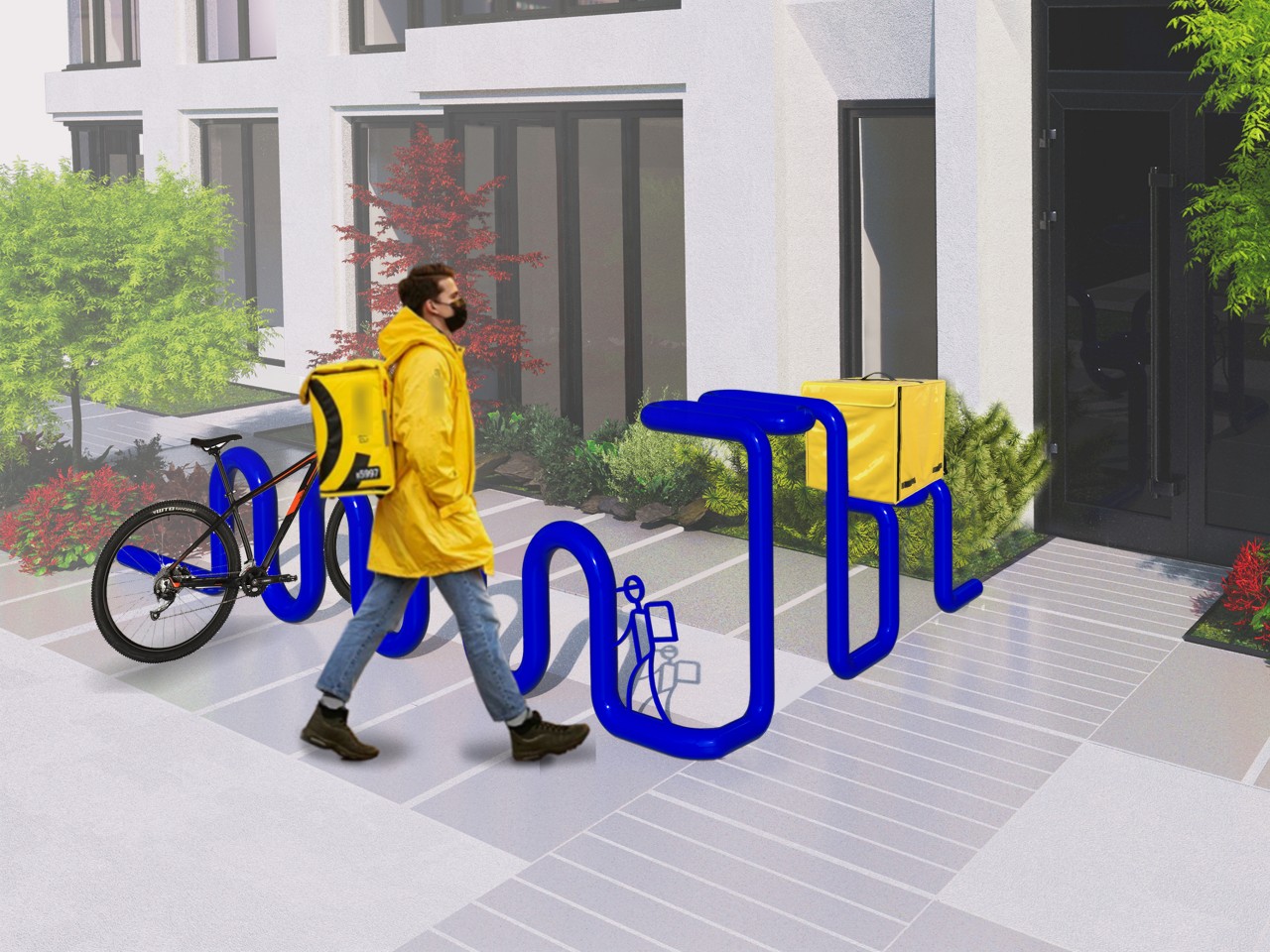
Residential complexes and small communities are on the rise, and some of these areas try to provide open spaces for rest and relaxation like parks or gardens. People new to such communities might find themselves often lost in the beginning, and guests or couriers will definitely be unfamiliar with the place. Signs aren’t always visible, and those that are might not blend well with the aesthetics and atmosphere of the residential complex. This concept design tries to hit multiple birds with a single stone by providing multi-functional furniture that not only looks like an art installation but also a rather subtle navigation guide for both residents and guests.

Designer: Alice Vakhni

Unlike typical home and office furniture, outdoor furniture offers only temporary respite for people. They’re not exactly the most comfortable products to use, especially since they have to be built to withstand unfavorable weather, but they do offer a place to sit, put down their things, or maybe even work and eat even if only for a while. Ironically, this also frees up outdoor furniture design from certain requirements, allowing them to embrace more unconventional forms, as long as they get the job done.

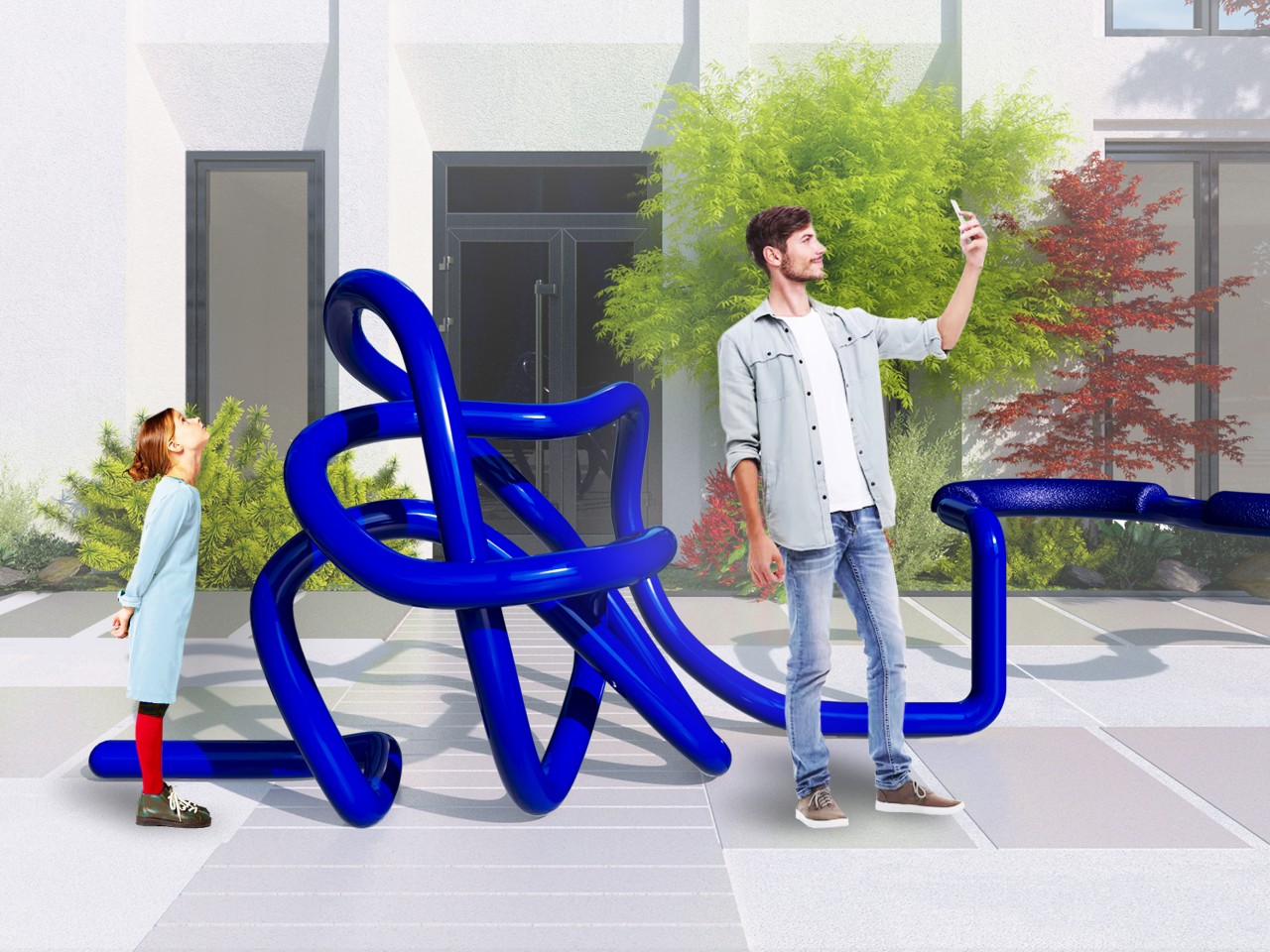
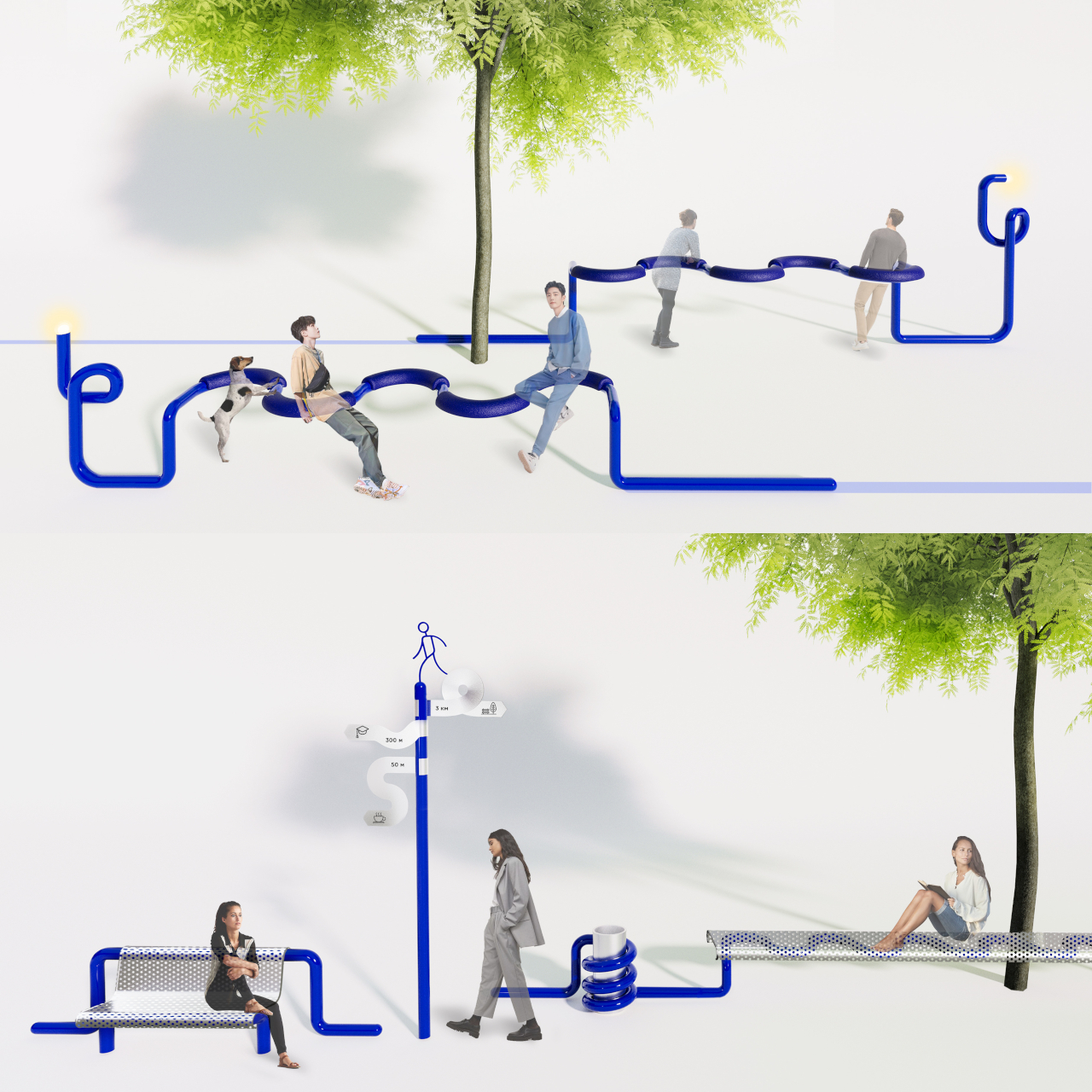
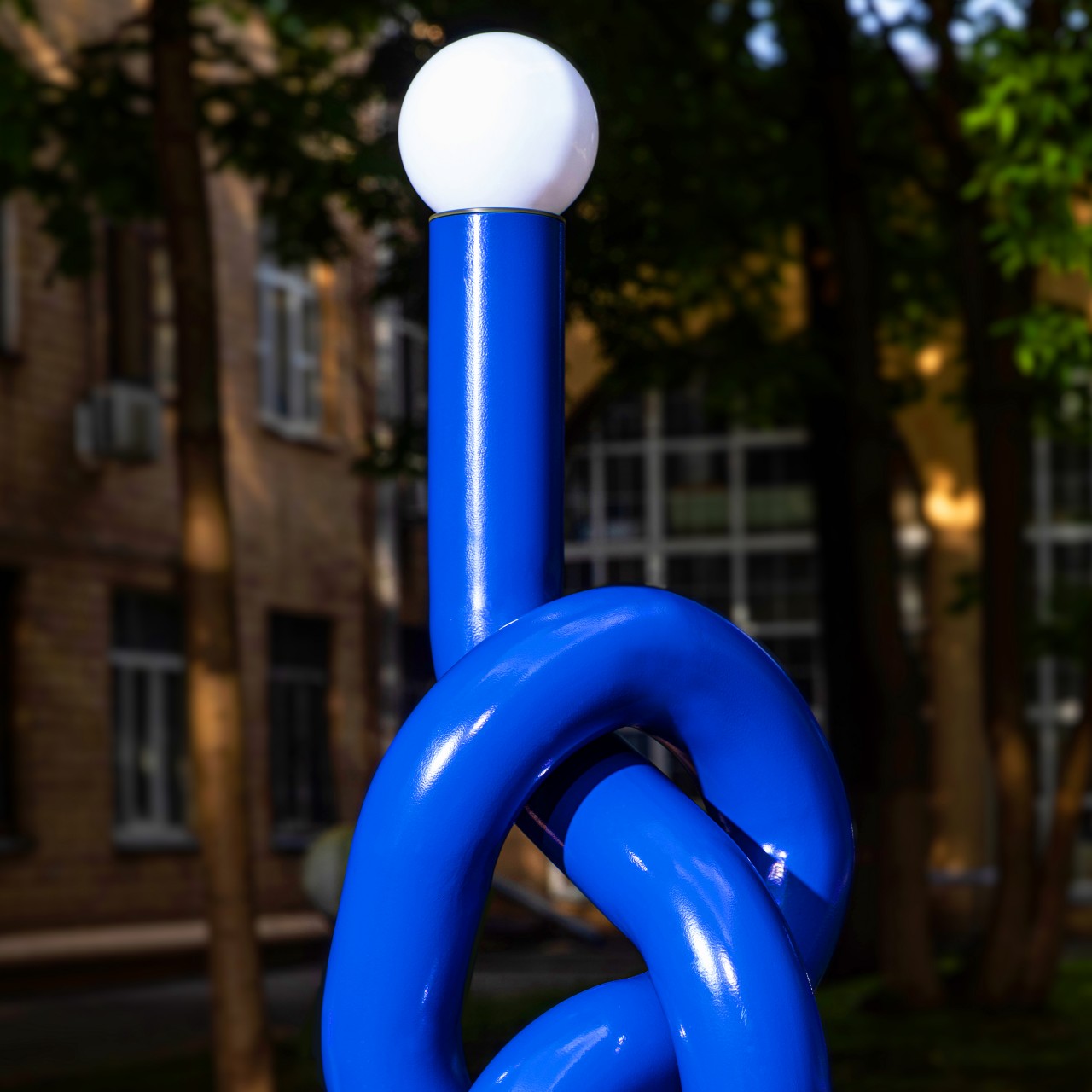
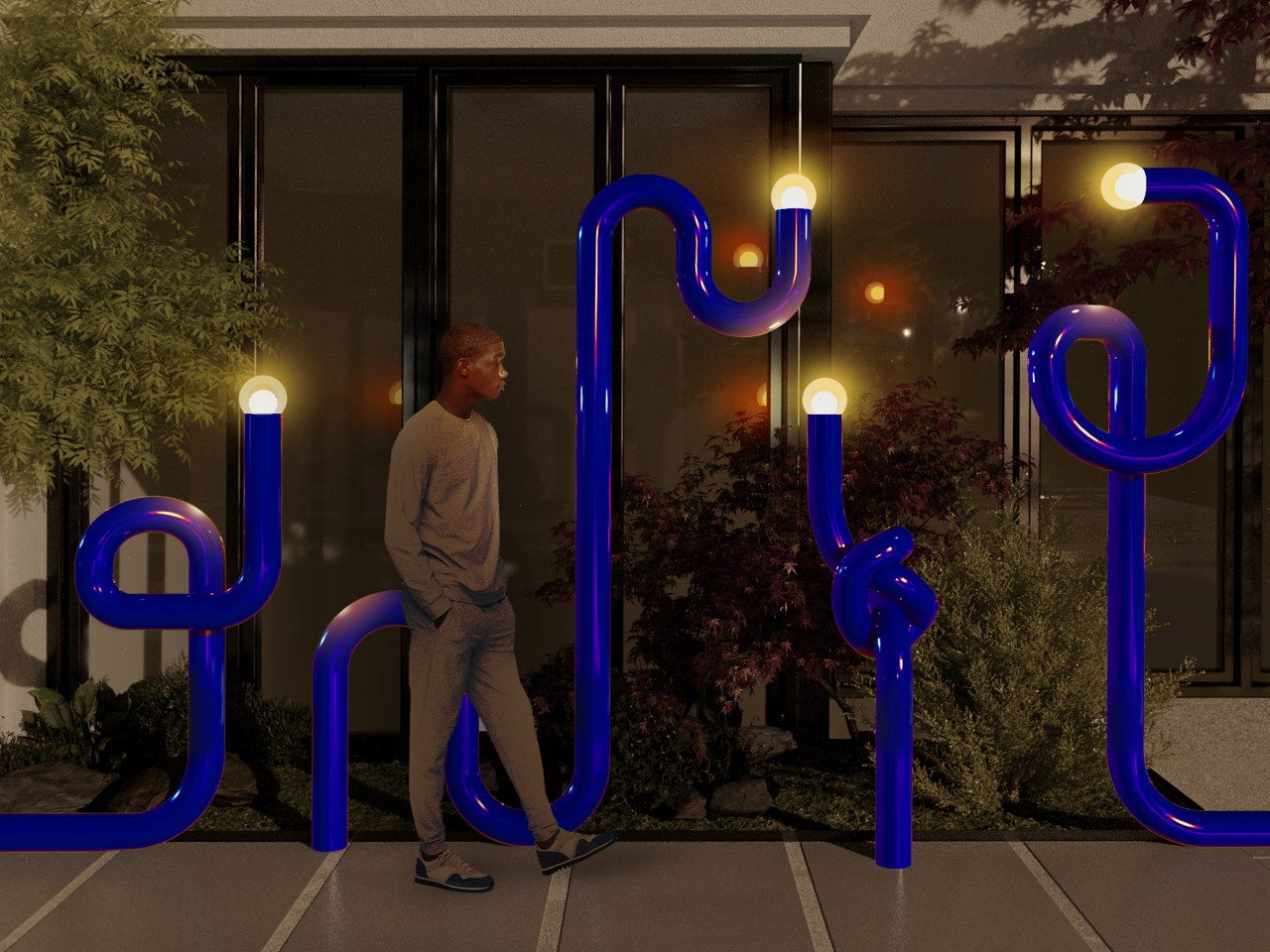
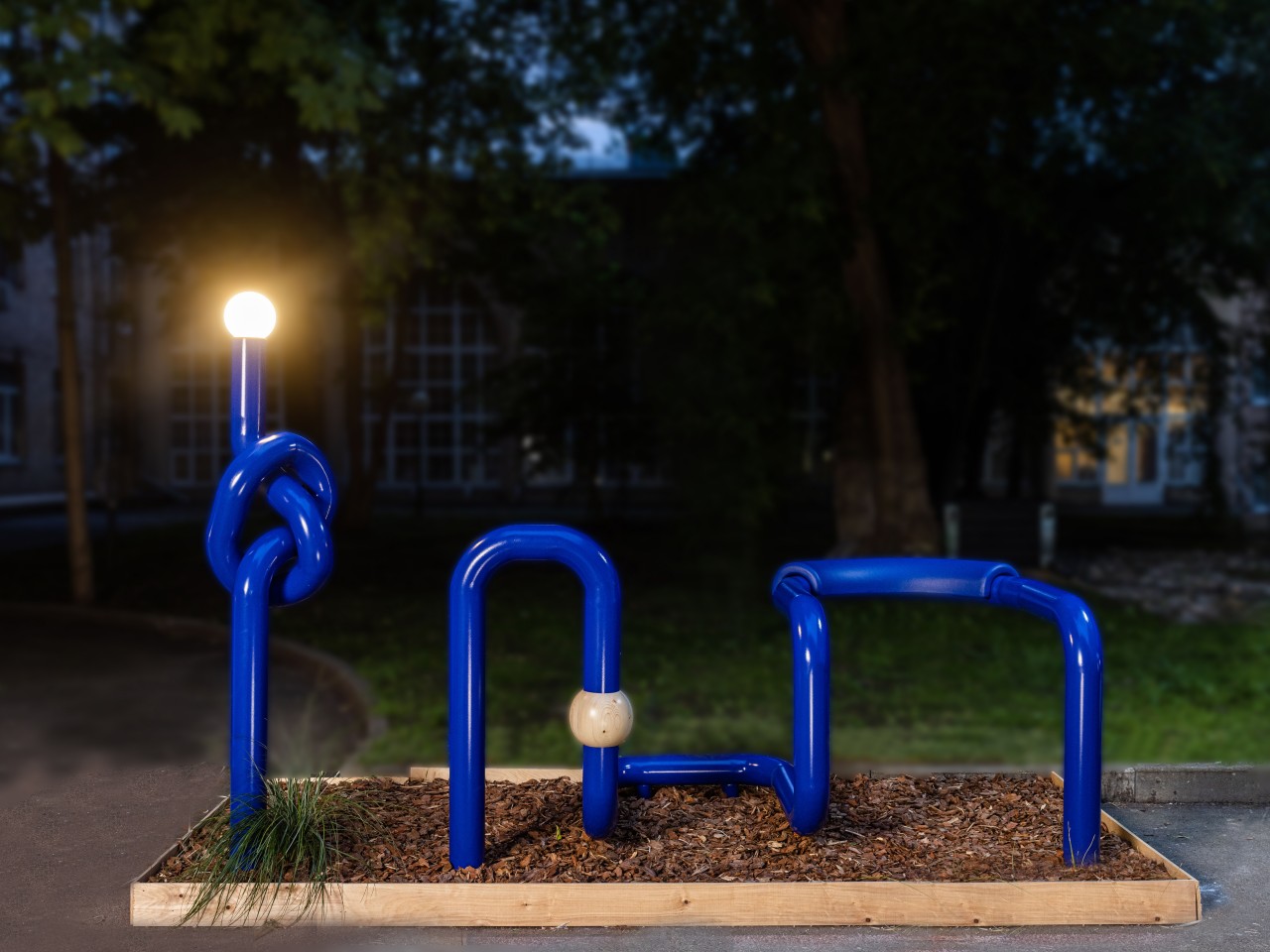
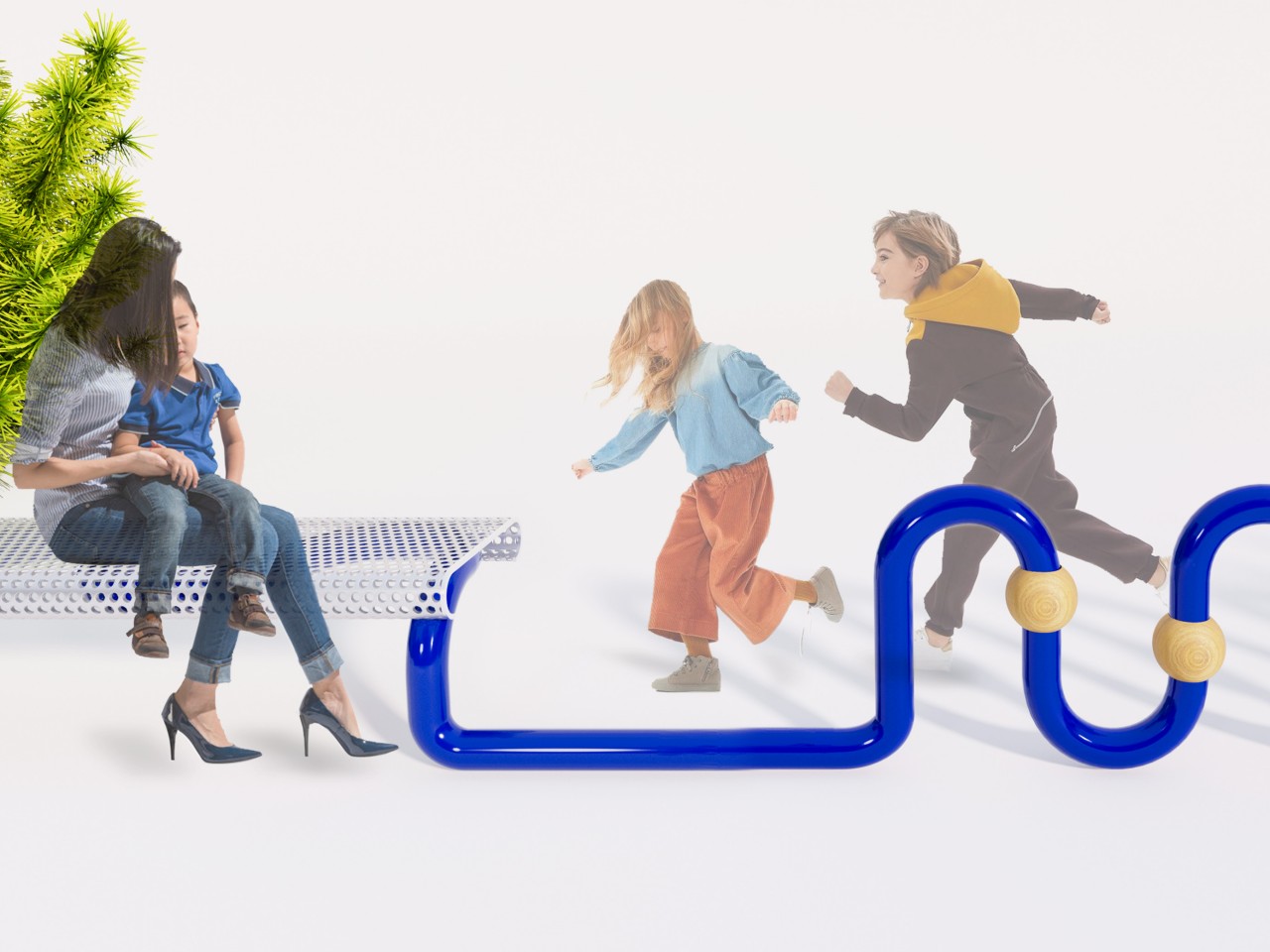
THREADS is an example of such freedom, conceptualizing furniture that hardly looks like any typical benches or tables. They look more like giant metal thread, hence the name that snakes and loops around the complex, one segment at a time. Some have wavy structures with crests that provide stools for people to sit on, while others coil around structures like benches and tables. Some rise upward to become lamps, while others branch and loop to show directions.

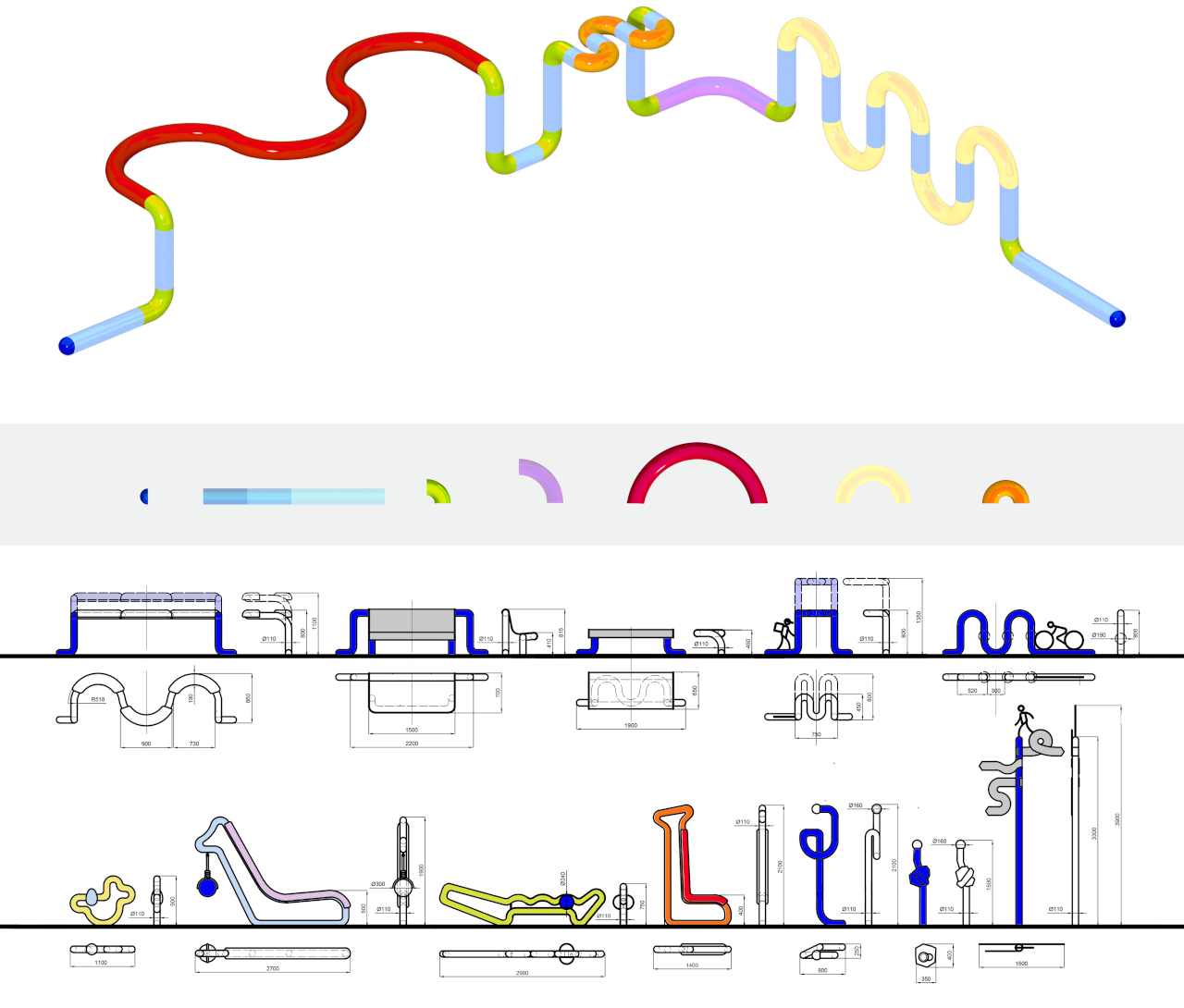
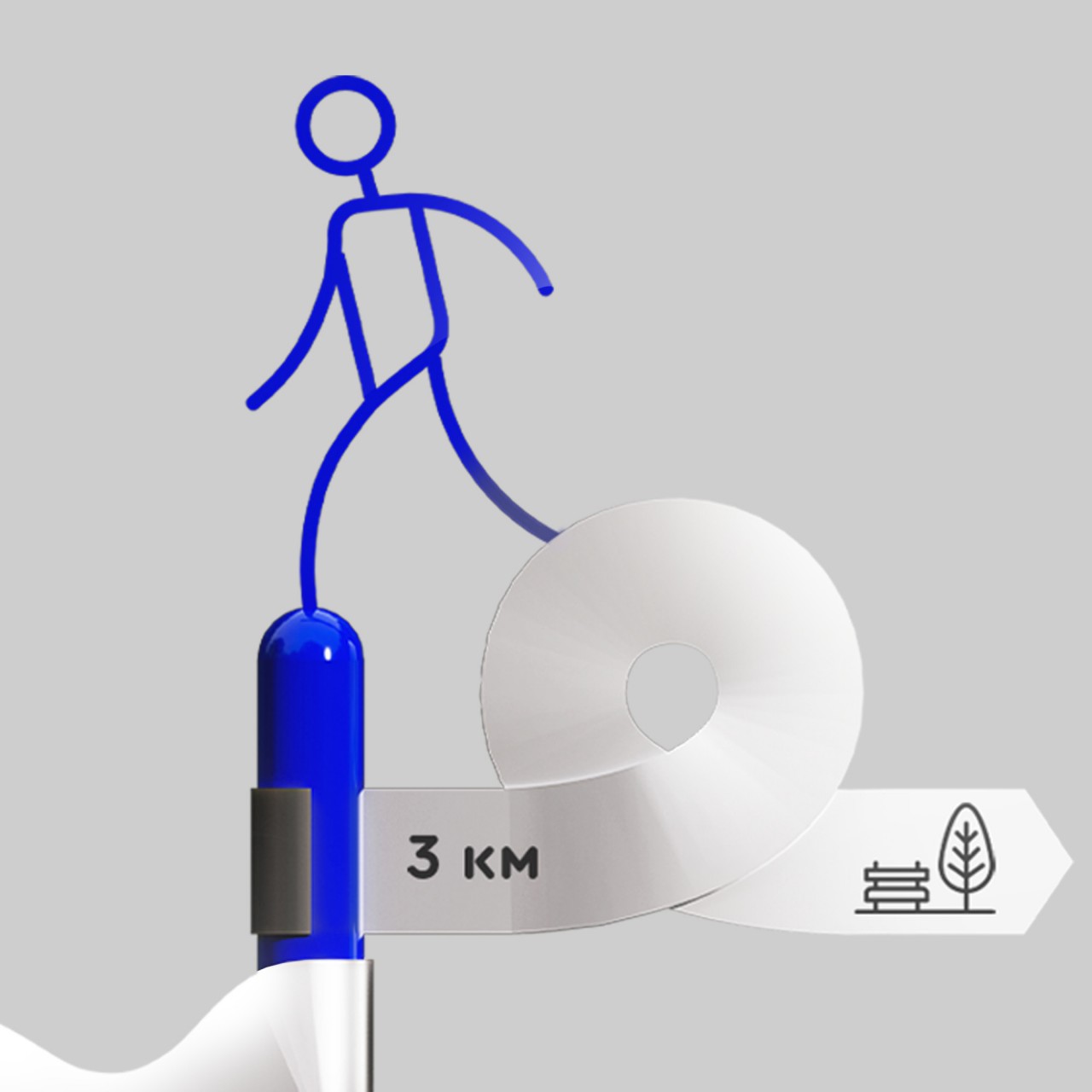
That’s the second not-so-obvious function of THREADS. Just like how Theseus used threads to navigate the labyrinth, the large pipes guide your eyes and your feet in the direction you need to go. They act like railings and guidelines that bend in the direction you should be walking if you’re a bit lost. Of course, not all residential communities have the same layout, so the pipes’ modular design allows builders to combine different parts with different corners to create the navigation system they need.

THREADS is also a piece of art, like an abstract sculptural installation designed to give communities a distinct character. The almost freeform flow of the “threads” leaves each segment open to interpretation and any use. Made with powder-coated hot-rolled steel pipes, what would normally convey an industrial and impersonal appearance transforms into something playful and approachable, becoming the proverbial thread that binds communities together.

The post Tangled outdoor furniture concept provides rest and direction for communities first appeared on Yanko Design.

Modular stool concept is designed for people who love sitting cross-legged

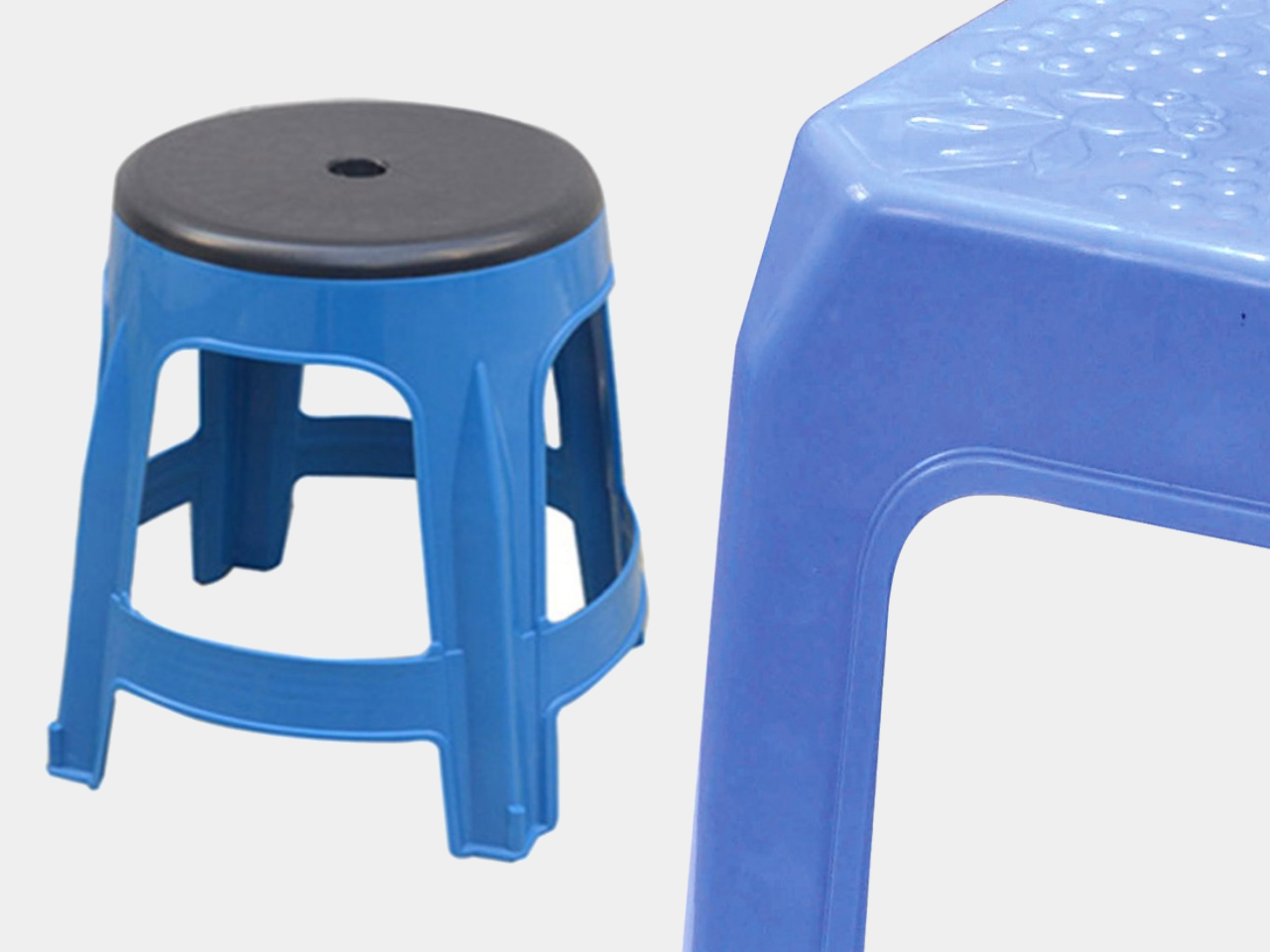
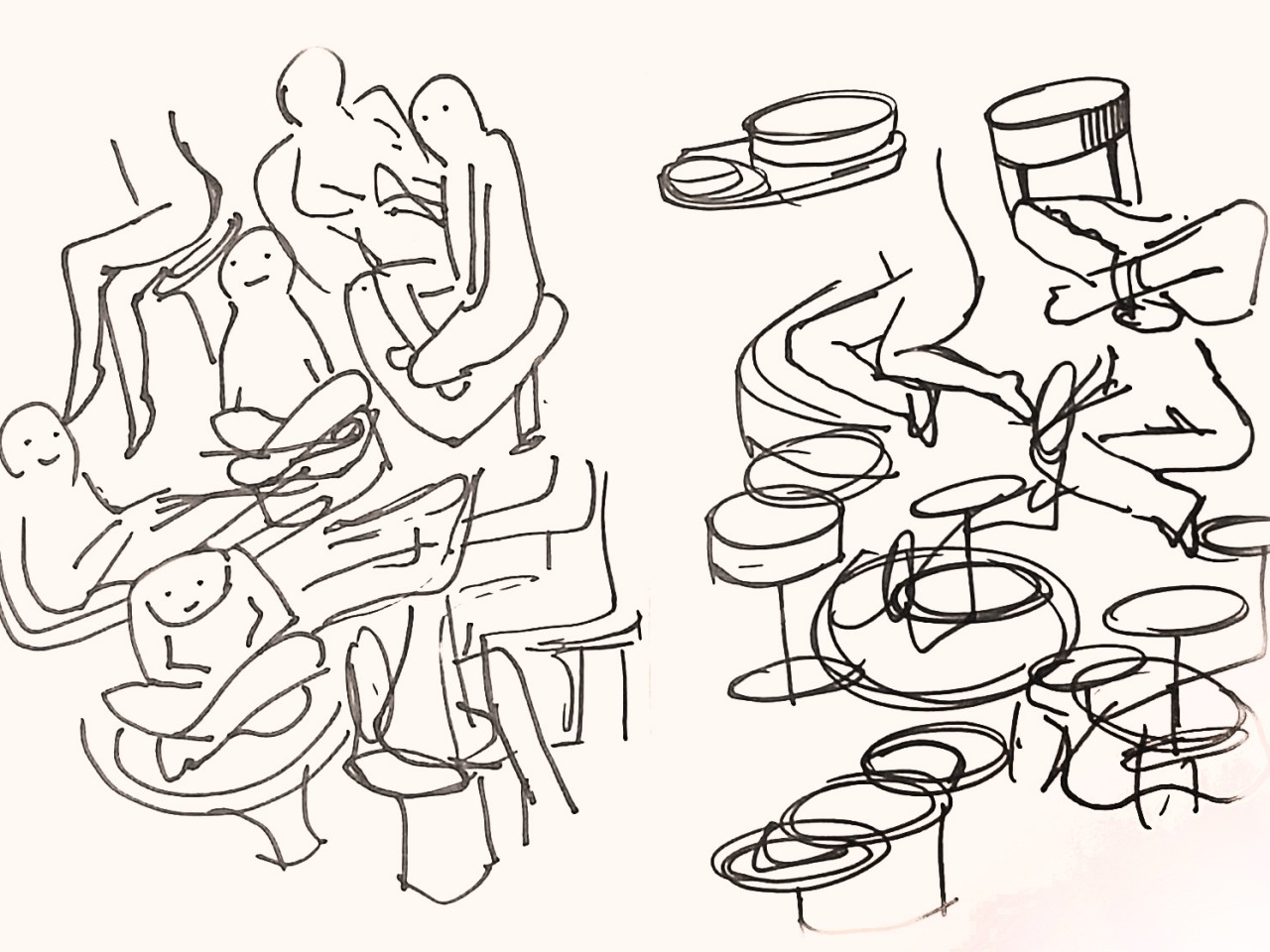
Stools are often classified as tall, backless chairs, and like most seats, they’re designed to be used in a specific way. You simply sit on top of the stool and have your legs hanging from the edge, with your feet planted firmly on the ground. This style of sitting might be common, but it’s definitely not how everyone sits around the world. In some cultures, particularly in Asia, people tend to sit cross-legged on the floor, at least when they’re at home or in establishments designed to cater to that culture. Stools, of course, aren’t meant to support that way of sitting, but this concept design tries to expand the traditional stool design to be more inclusive while also offering an additional feature completely unrelated to sitting.

Designer: Gisung Han

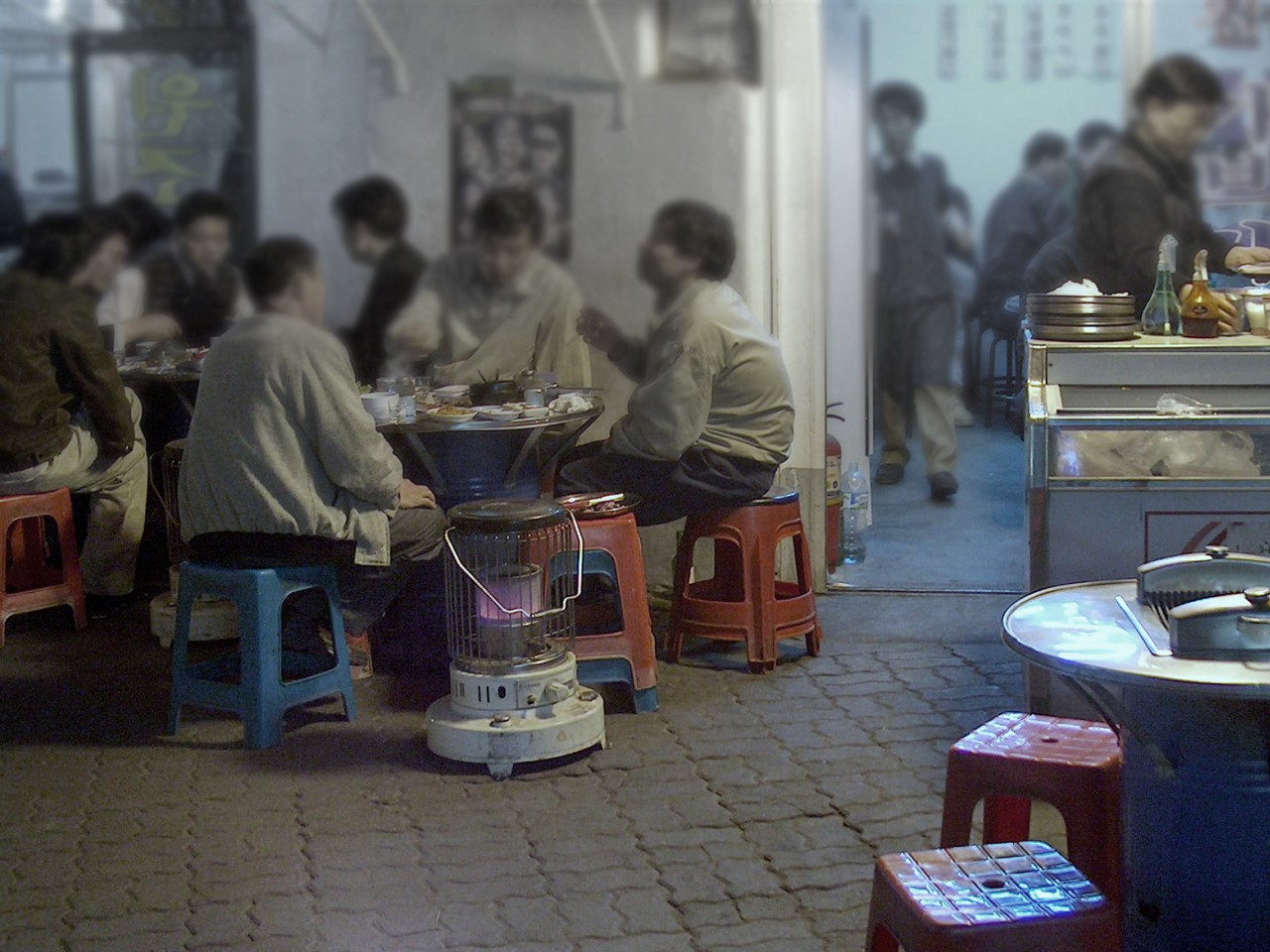
It’s probably too much of a generalization but sitting cross-legged has become associated with Asian cultures. Especially in countries like Korea and Japan, some families tend to sit on the floor during meals in that position, something that might not sit well with those who don’t consider it proper during meals. Eating outdoors, of course, is a completely different matter, especially in public places like outdoor restaurants that only provide simple stools for customers. One simply can’t sit cross-legged comfortably, but still try to do it.

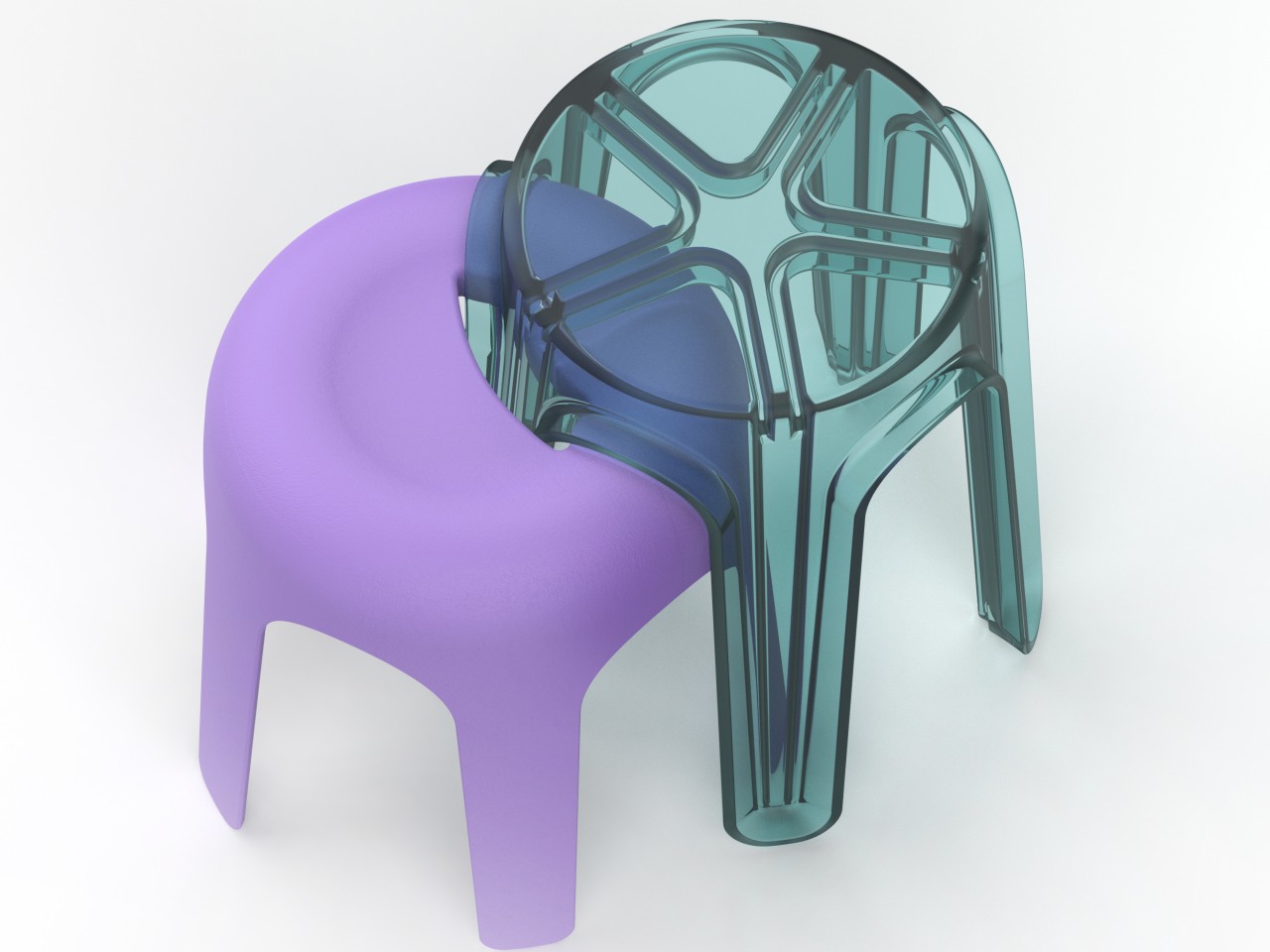
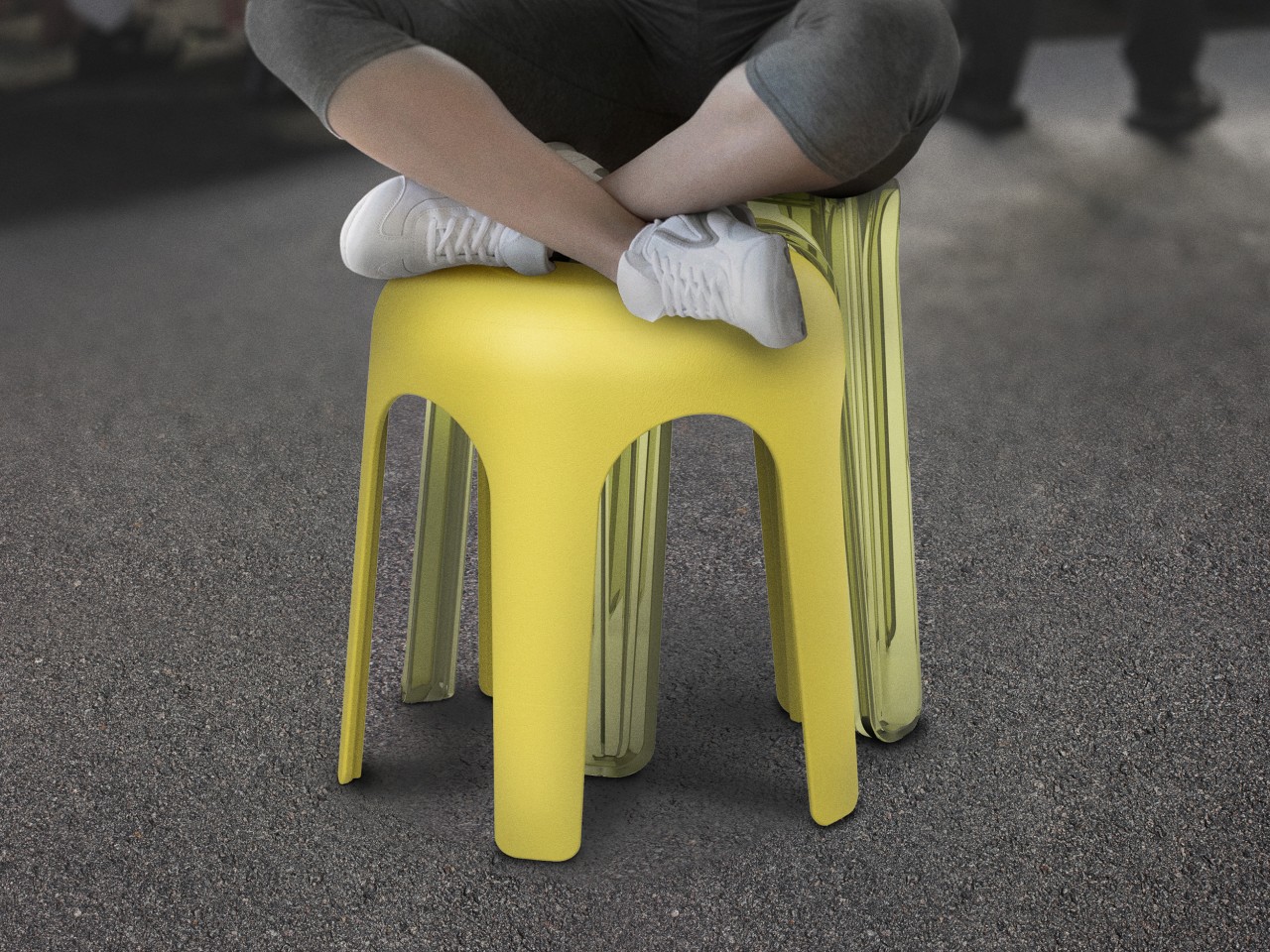
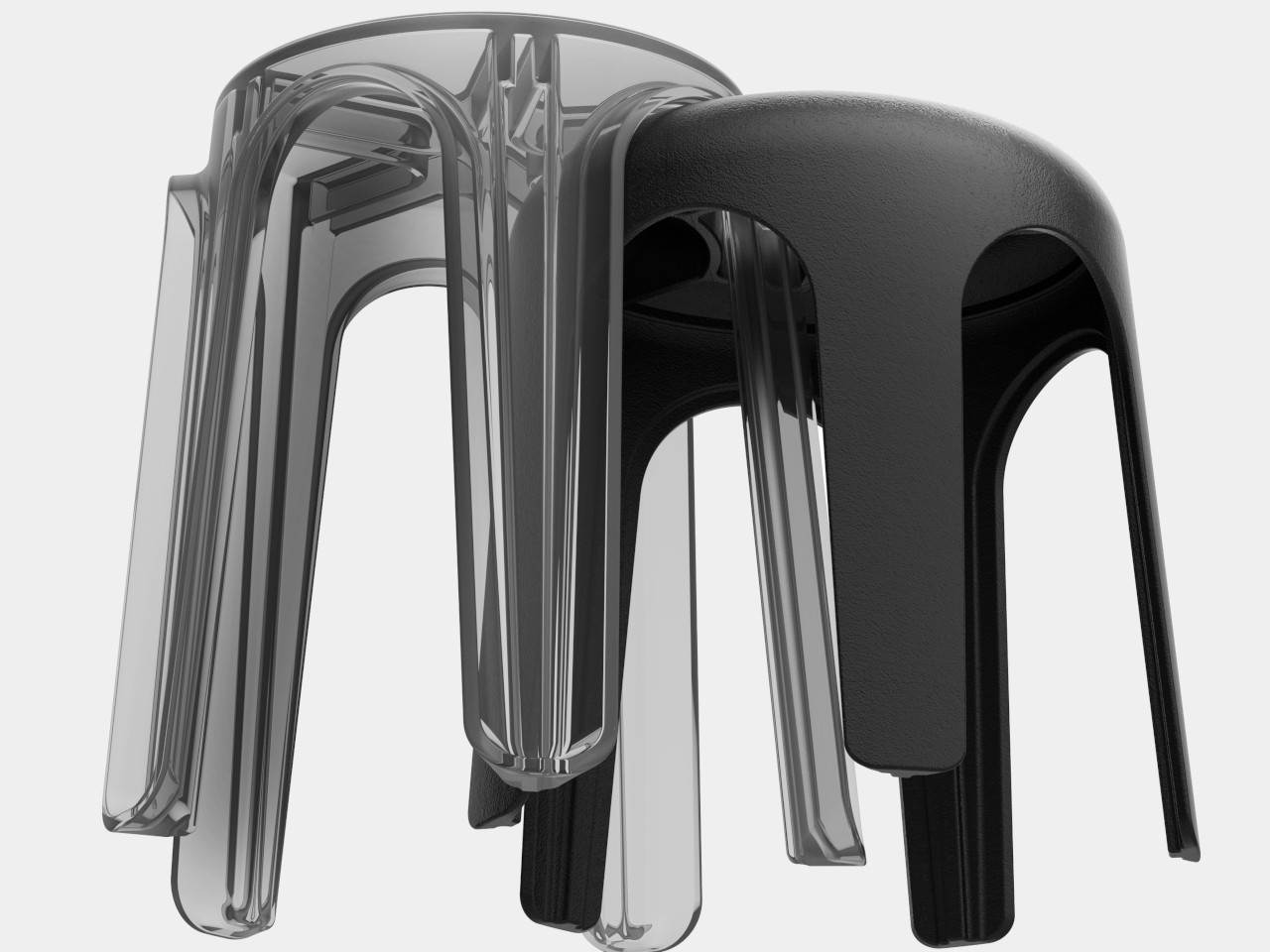
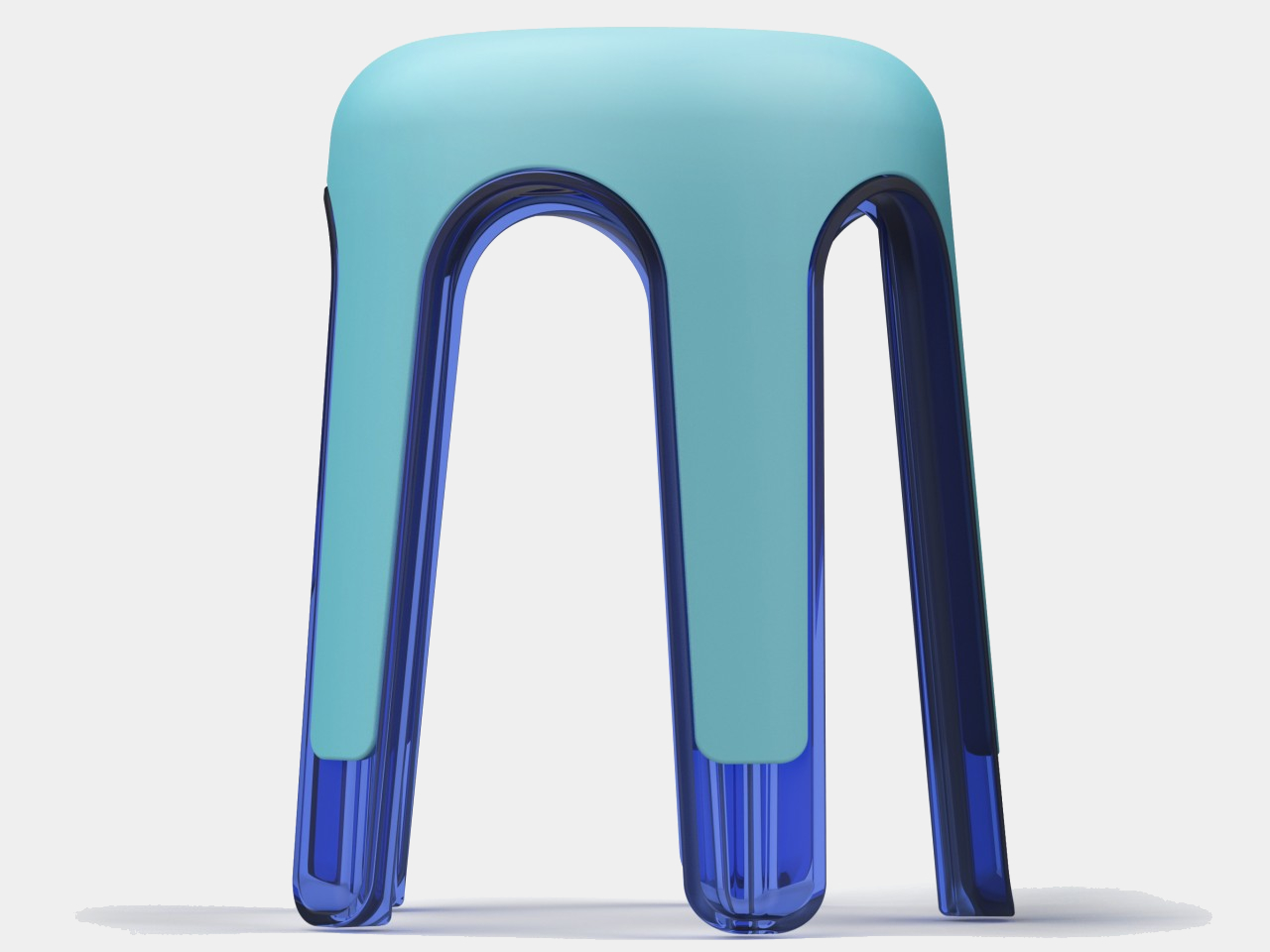
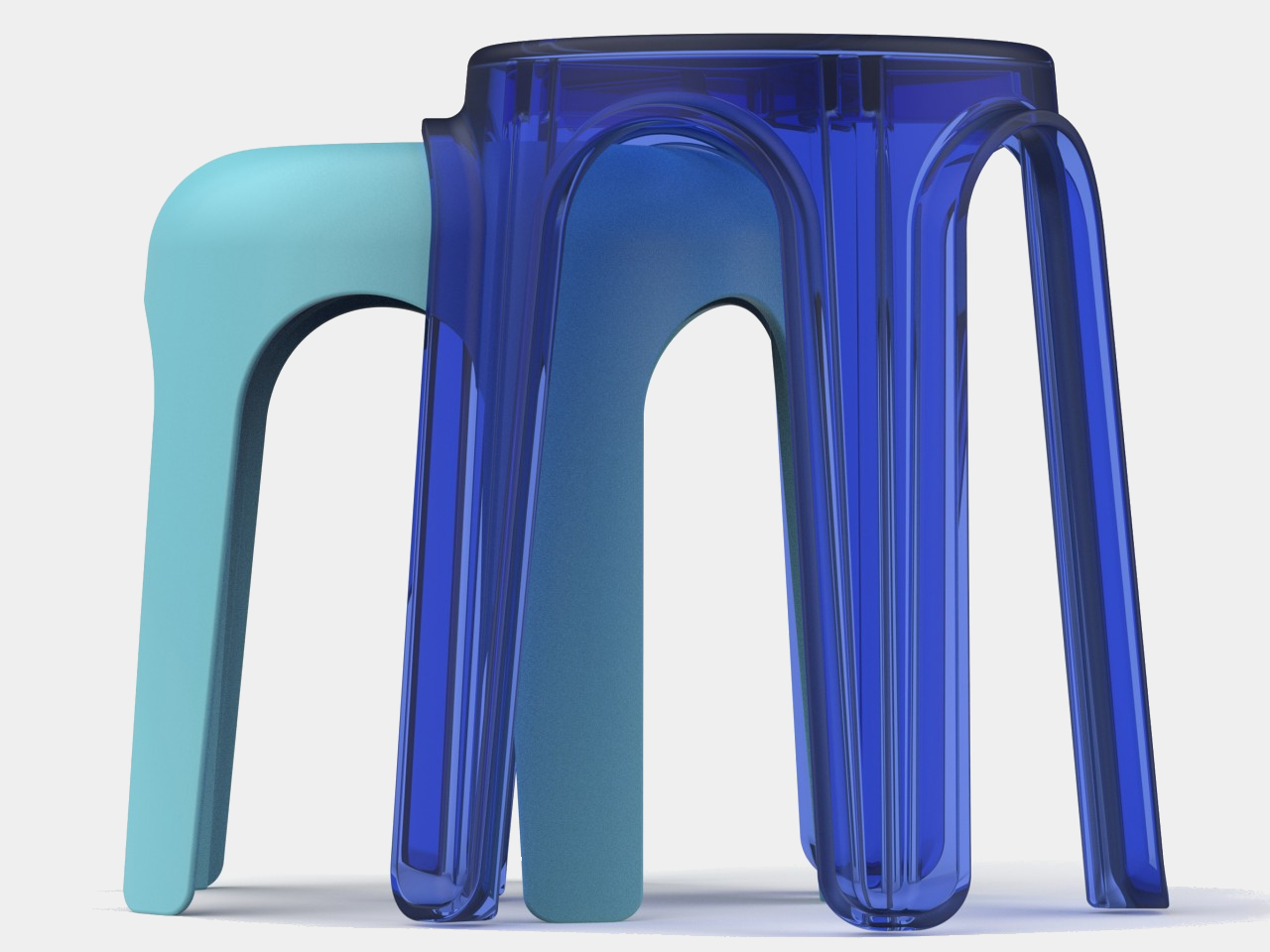
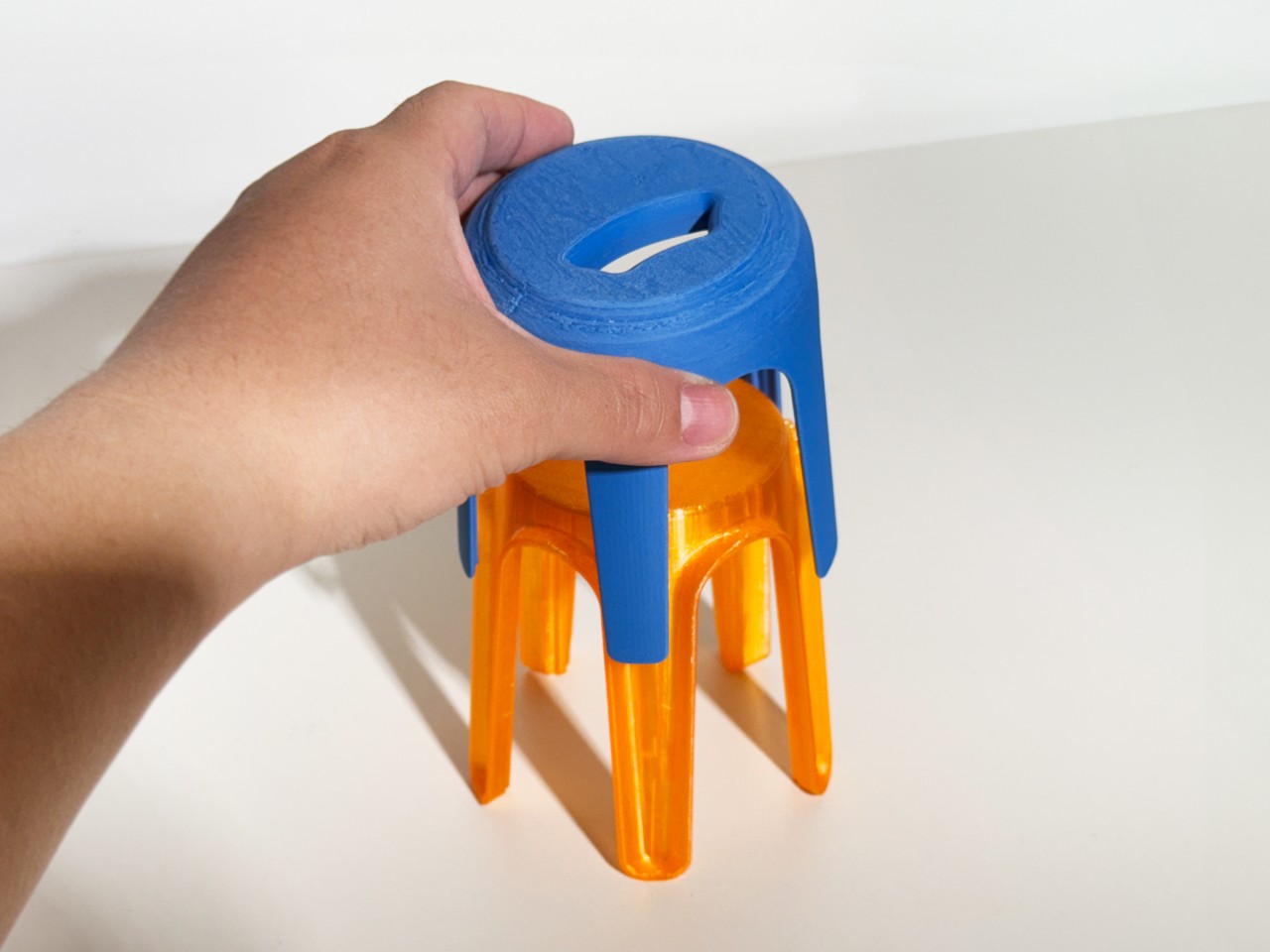
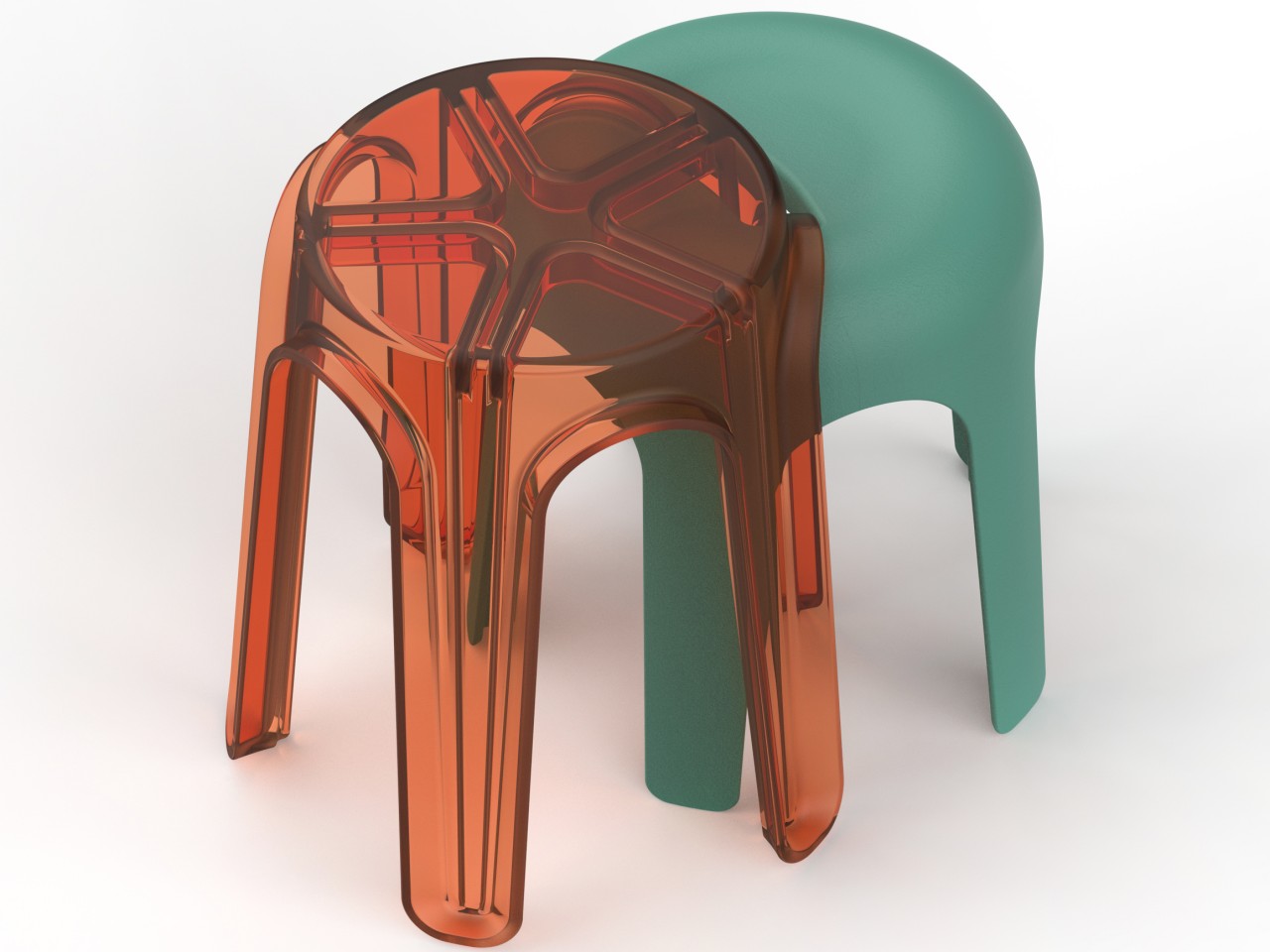
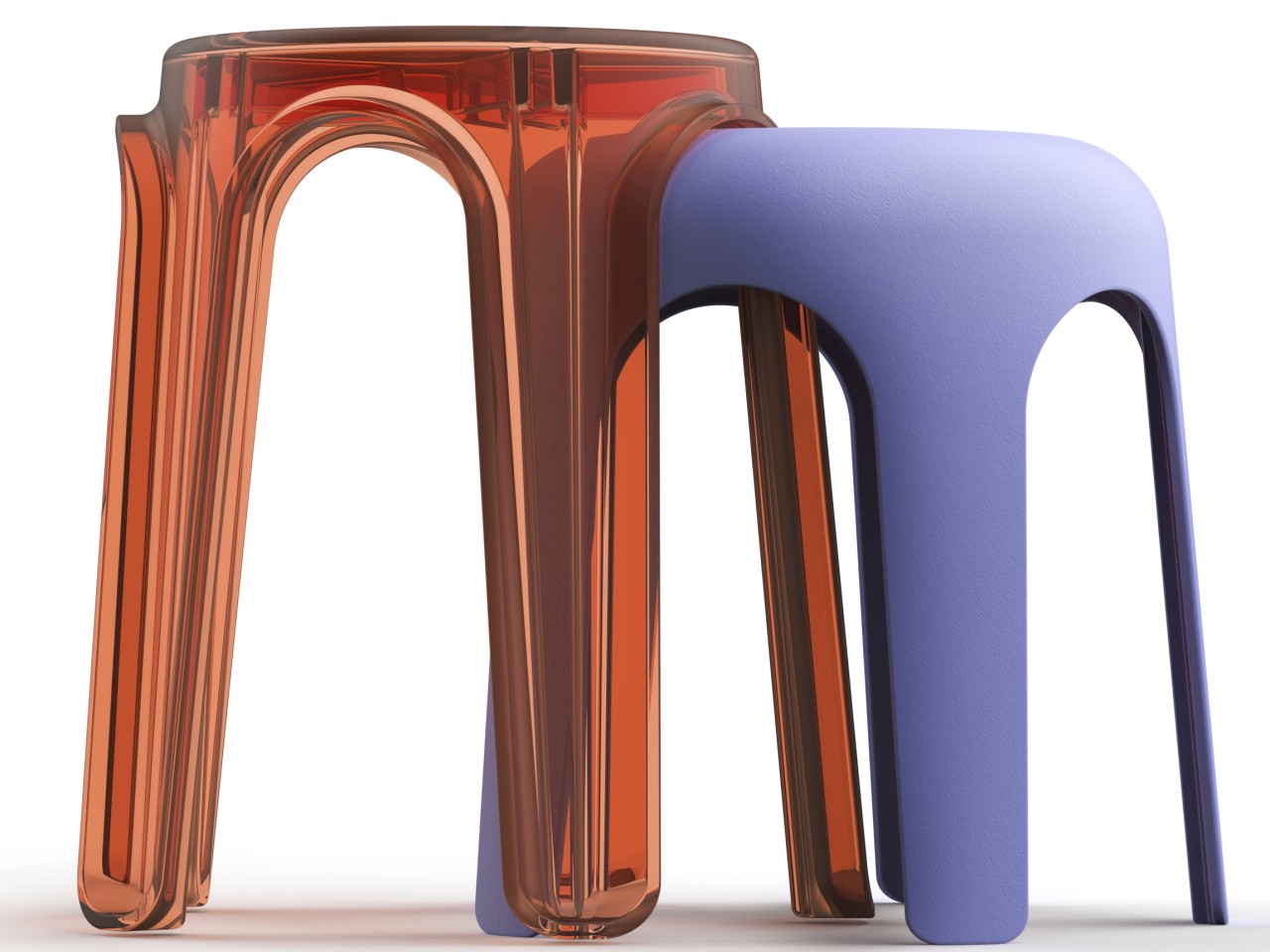
Named after a famous avenue in South Korea, the Euljiro stool concept tries to solve this conundrum with a design that caters to both normal sitting and cross-legged sitting. This seemingly magical capability is made possible by the stool’s two-part modular design. When joined together, it looks like a simple, two-color stool that you can use normally. But remove the top part and you actually get two stools, with the top shorter than the bottom.

1

When you insert one of the legs of the taller stool into the middle of the shorter one, you get a two-tier seat seemingly joined at the hip. This setup would allow the person to sit with their legs crossed without worries they’ll tumble backward or to the side. It doesn’t take up too much space either, and it can even be used as two separate stools if there aren’t enough seats to go around.

Euljiro’s flexibility also extends to its use as a place to put bags while eating. This is especially useful in restaurants that don’t have designated storage for bags, where putting bags down on the ground might be unhygienic. It’s definitely a creative way to solve multiple problems with a single design while ironically still sticking to the most common stool shape of all.

The post Modular stool concept is designed for people who love sitting cross-legged first appeared on Yanko Design.
Modular office furniture brings the freedom and flexibility of LEGO to the workplace

Gone are the days of uniform-looking office cubicles that feel designed to suck the soul out of employees. Although they have their own downsides, the so-called “open floor plans” bring a bit of customization to office spaces, letting people’s and companies’ characters shine. Of course, office space is never infinite, and workers have to make do with the sometimes cramped horizontal allowance they have. Maximizing every inch of that space requires not only being creative but also furniture that delivers the functionality that you need while being space-efficient as well. This office furniture collection offers exactly that with a modular system that you can mix and match to your needs, taking inspiration from one of the most popular modular designs in modern history: LEGO blocks.

Designer: Form Us With Love for String Furniture

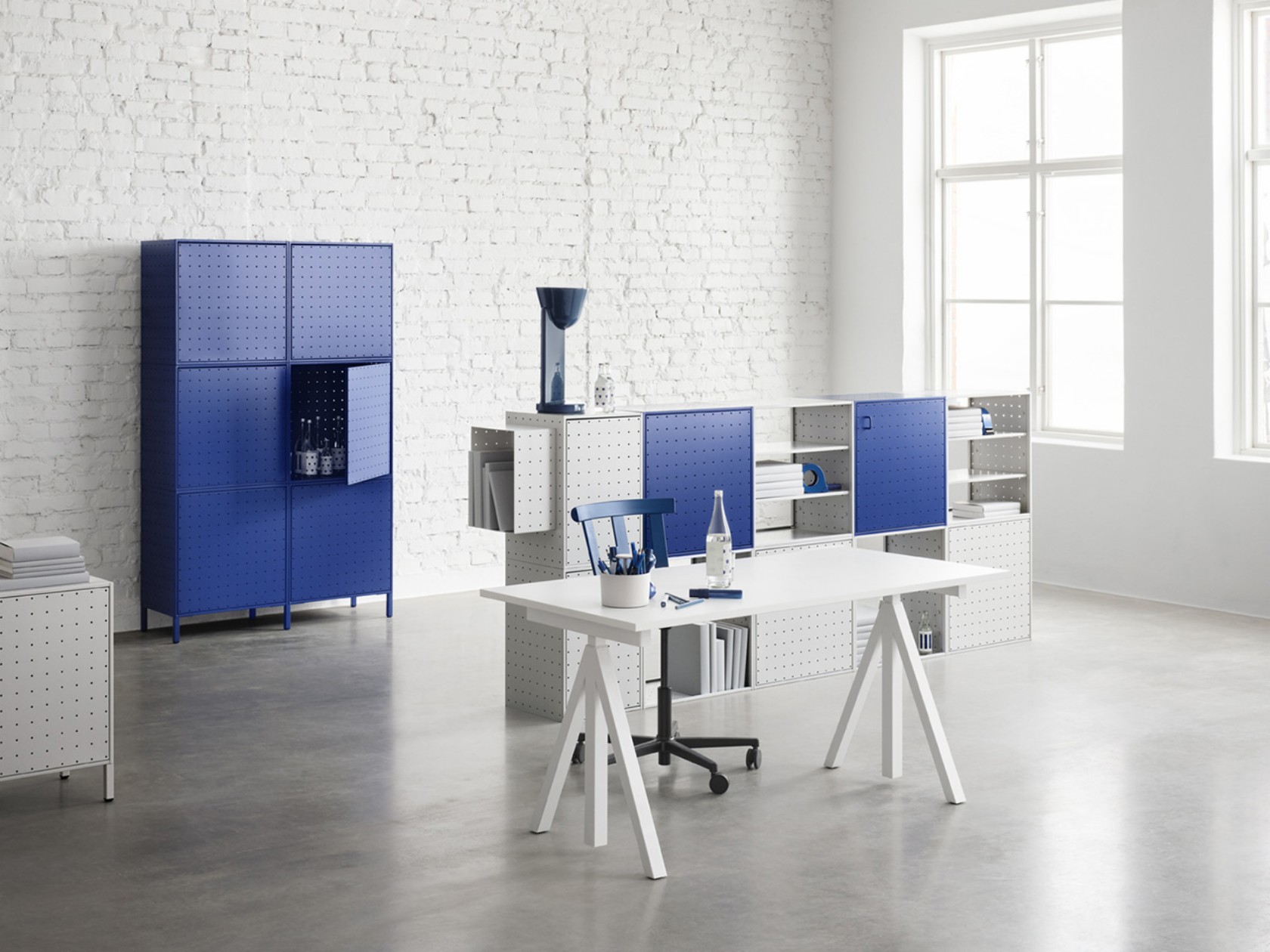
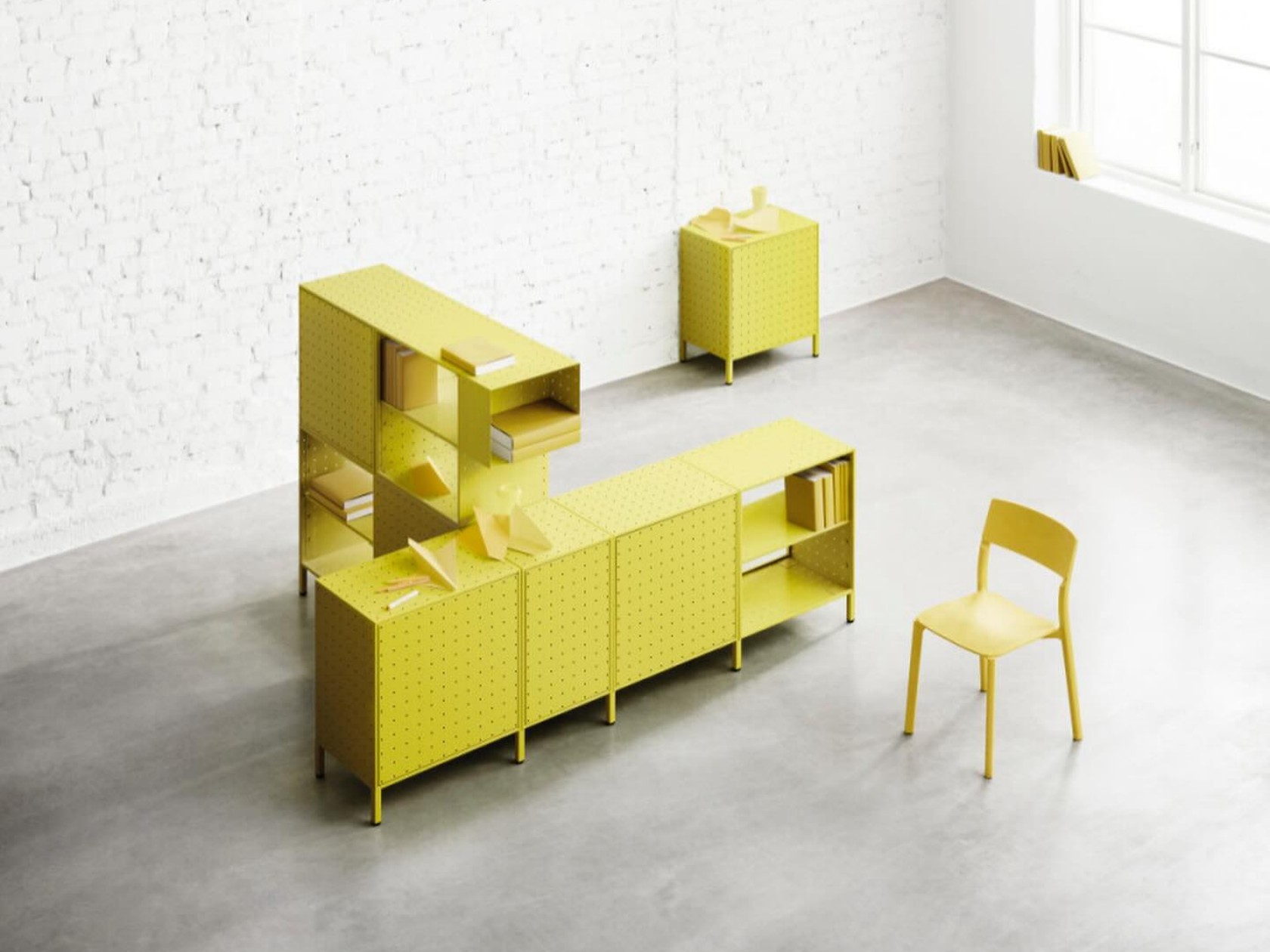
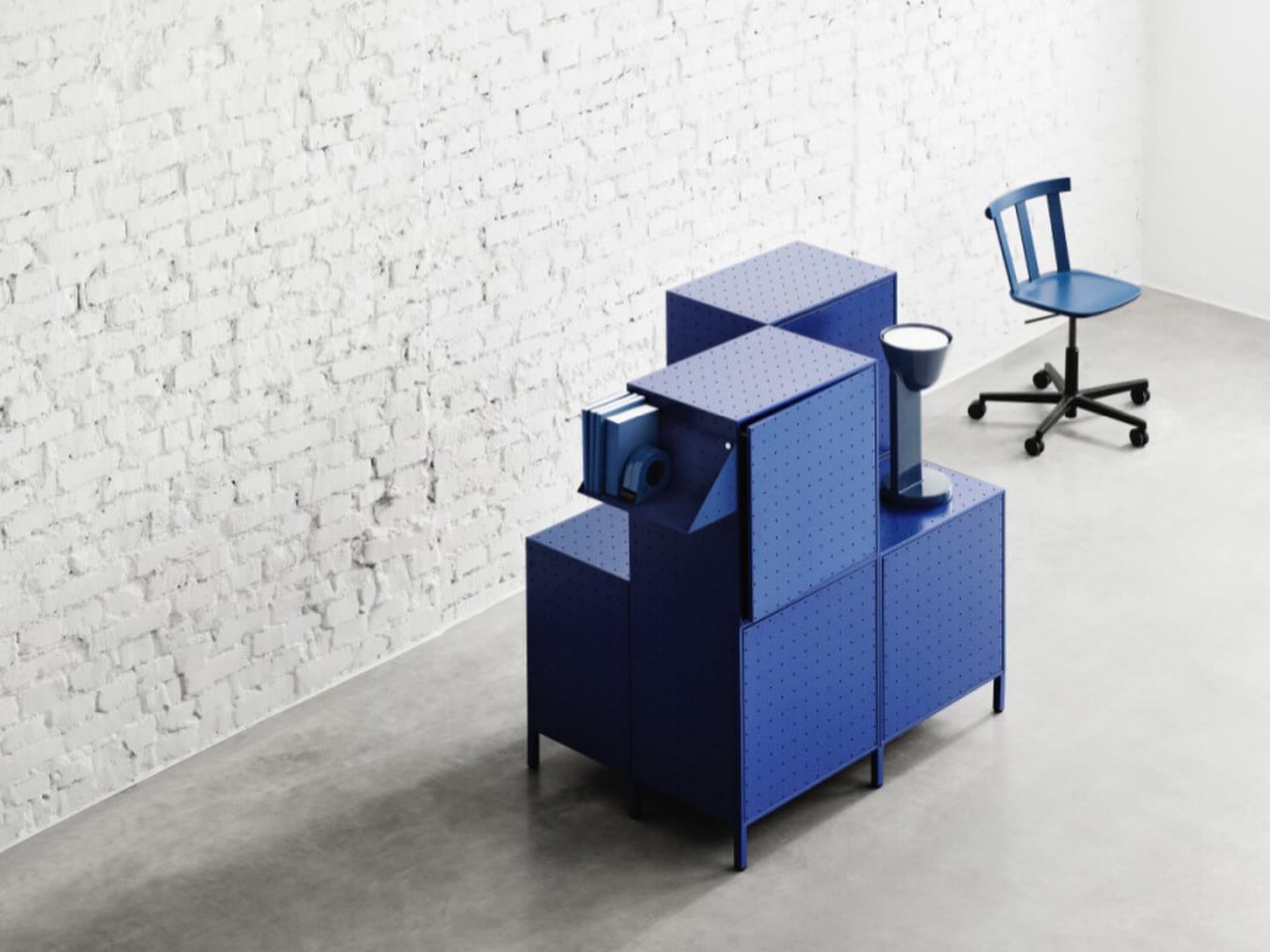
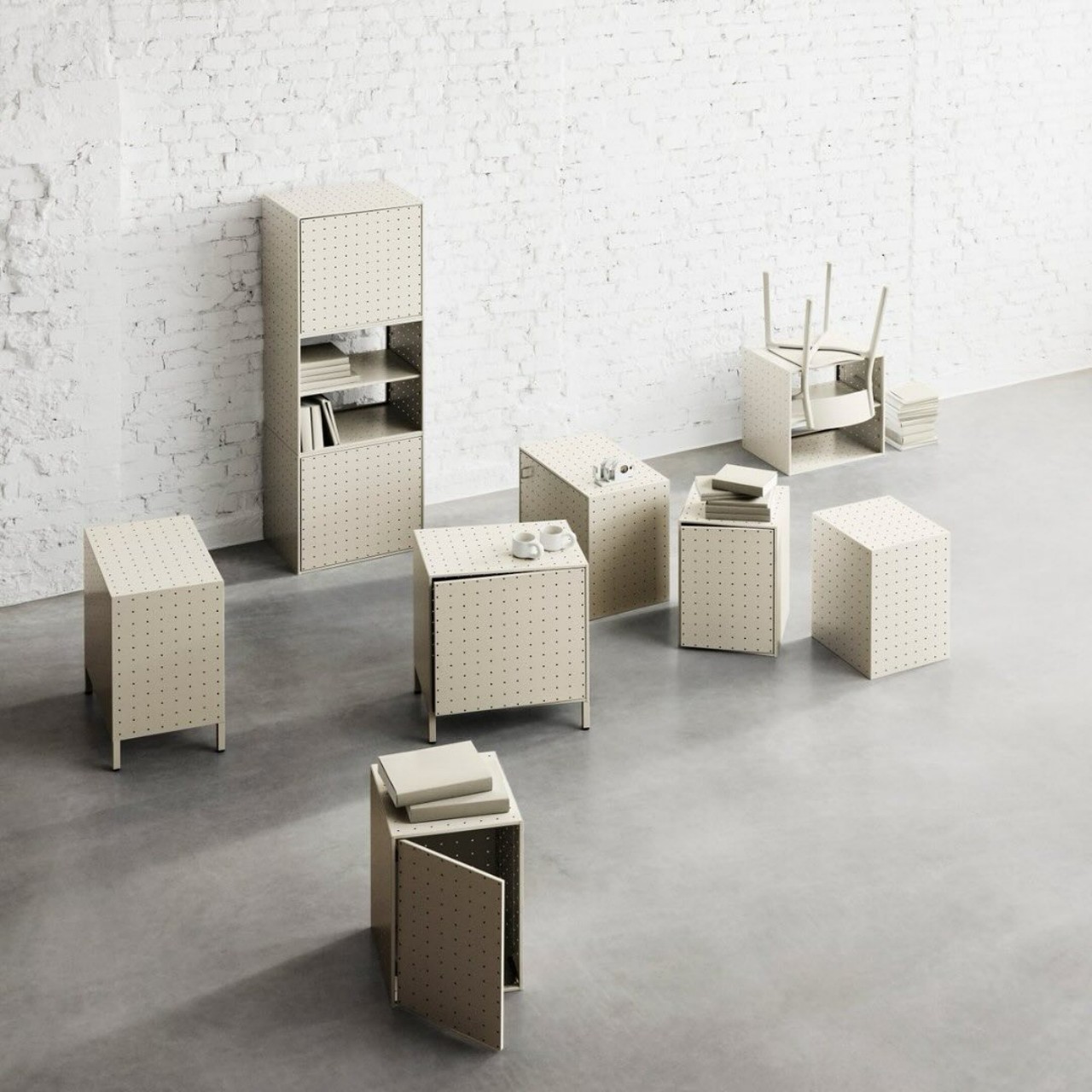
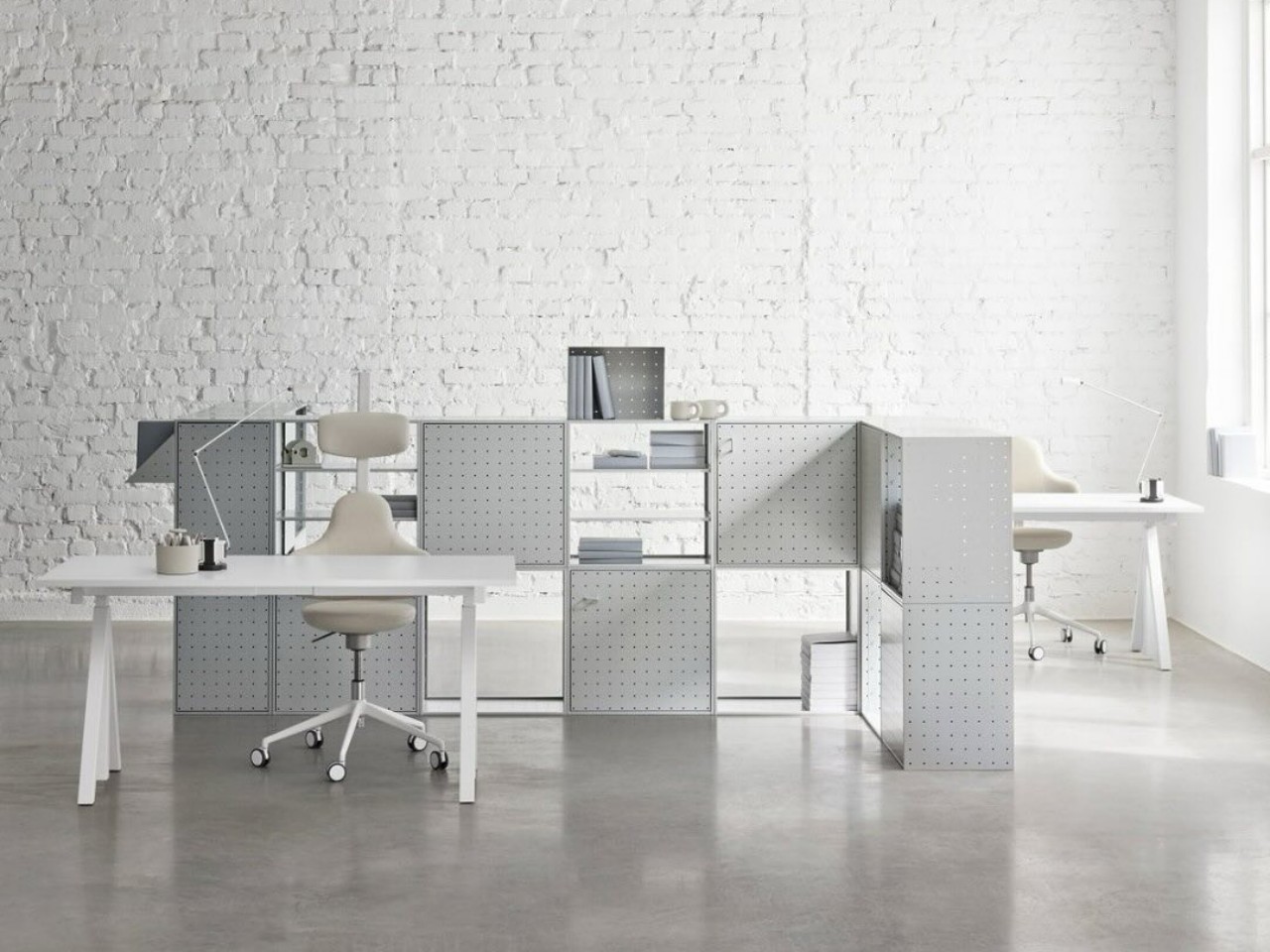
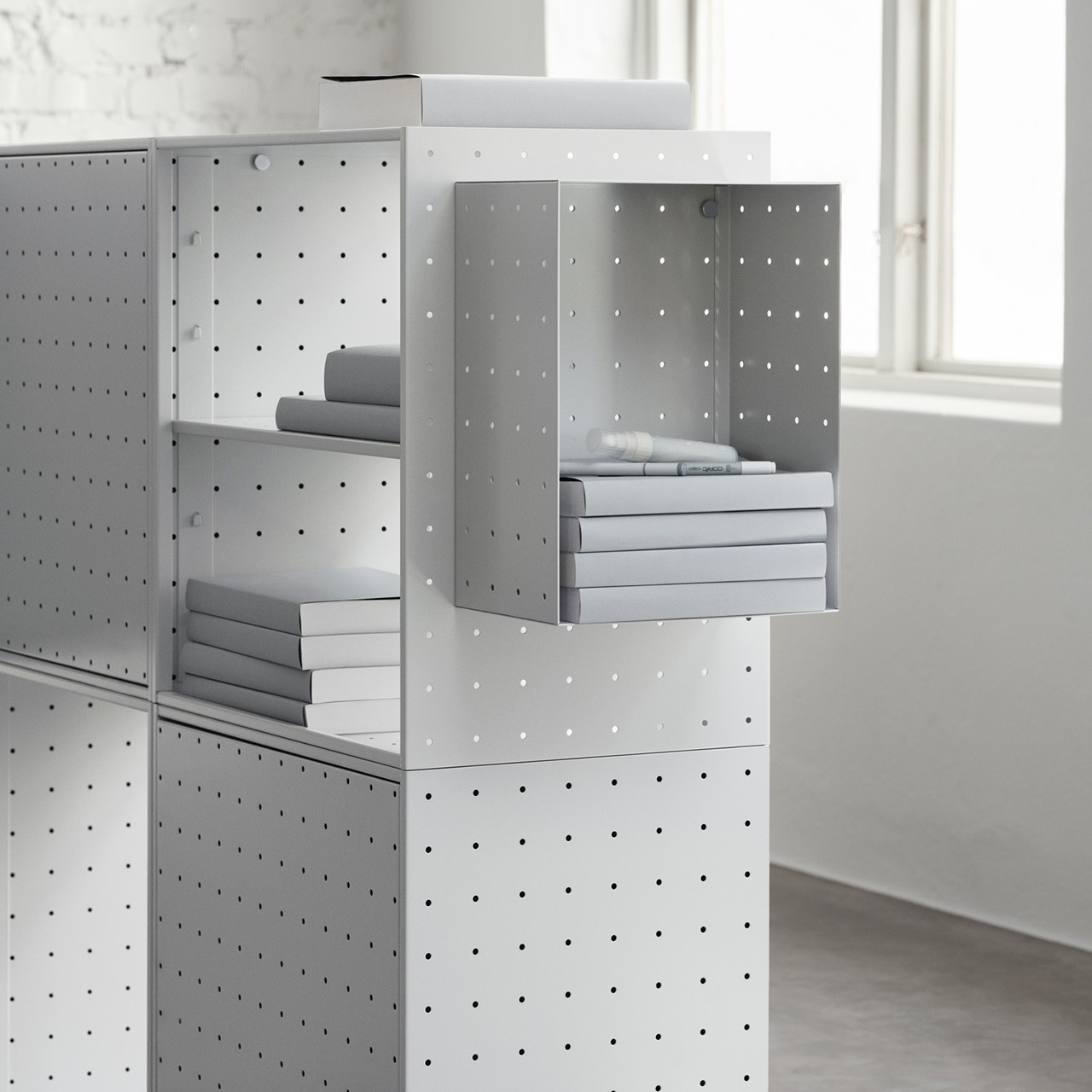
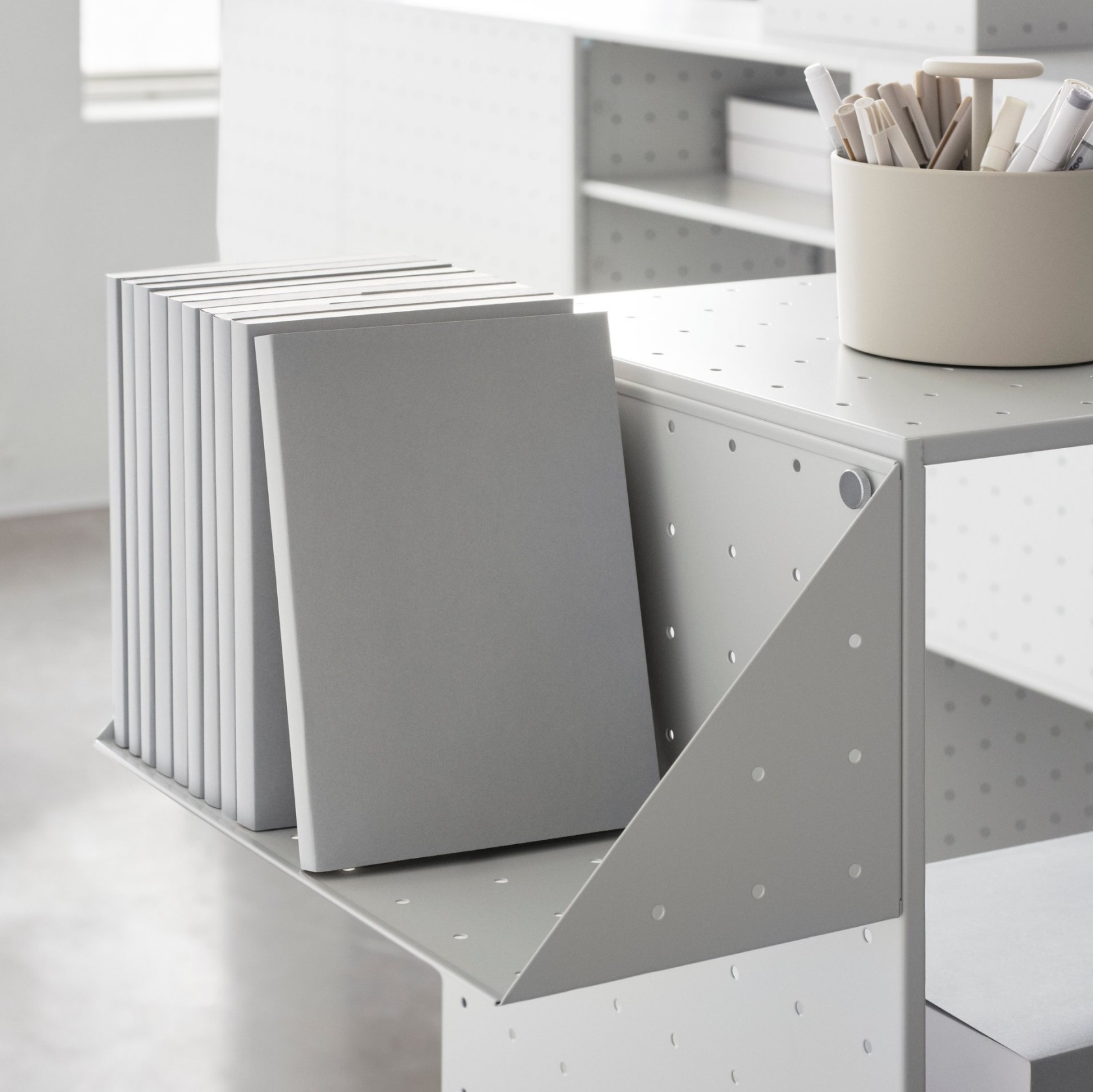
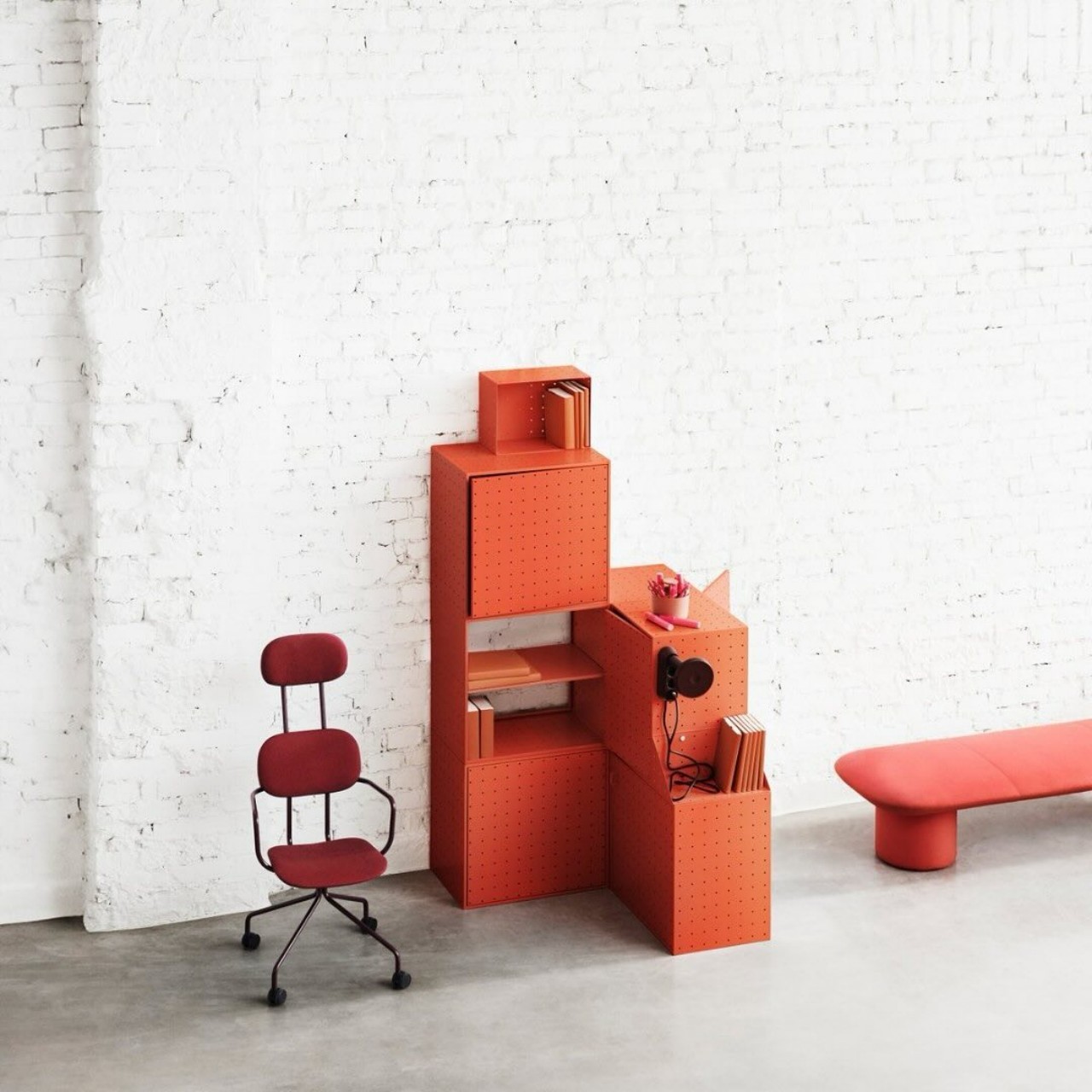
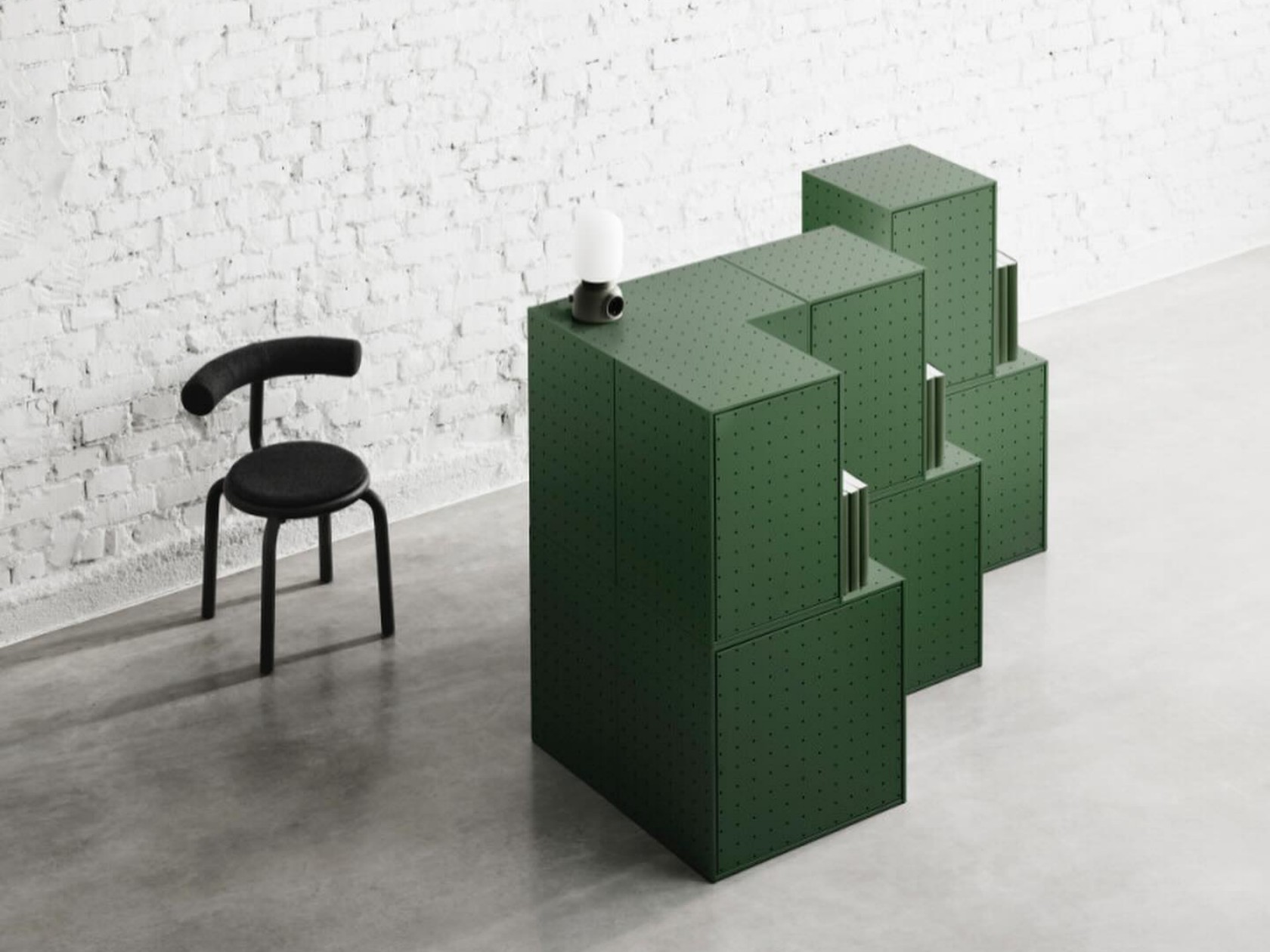
OK, they might not connect to each other like LEGO bricks, which would be impractical and tedious to use anyway, but the way you can combine different “block” sizes in almost endless ways is reminiscent of the creative toy. There are six different sizes of components, ranging from cube storage to rectangular shelves, and you can arrange them in any way you see fit, as long as you have horizontal and vertical clearance. You can put them side by side like a long shelf, stack them on top of each other like a cabinet, in a straight line, or in an L-shaped corner configuration. Your creativity and space are the limits.

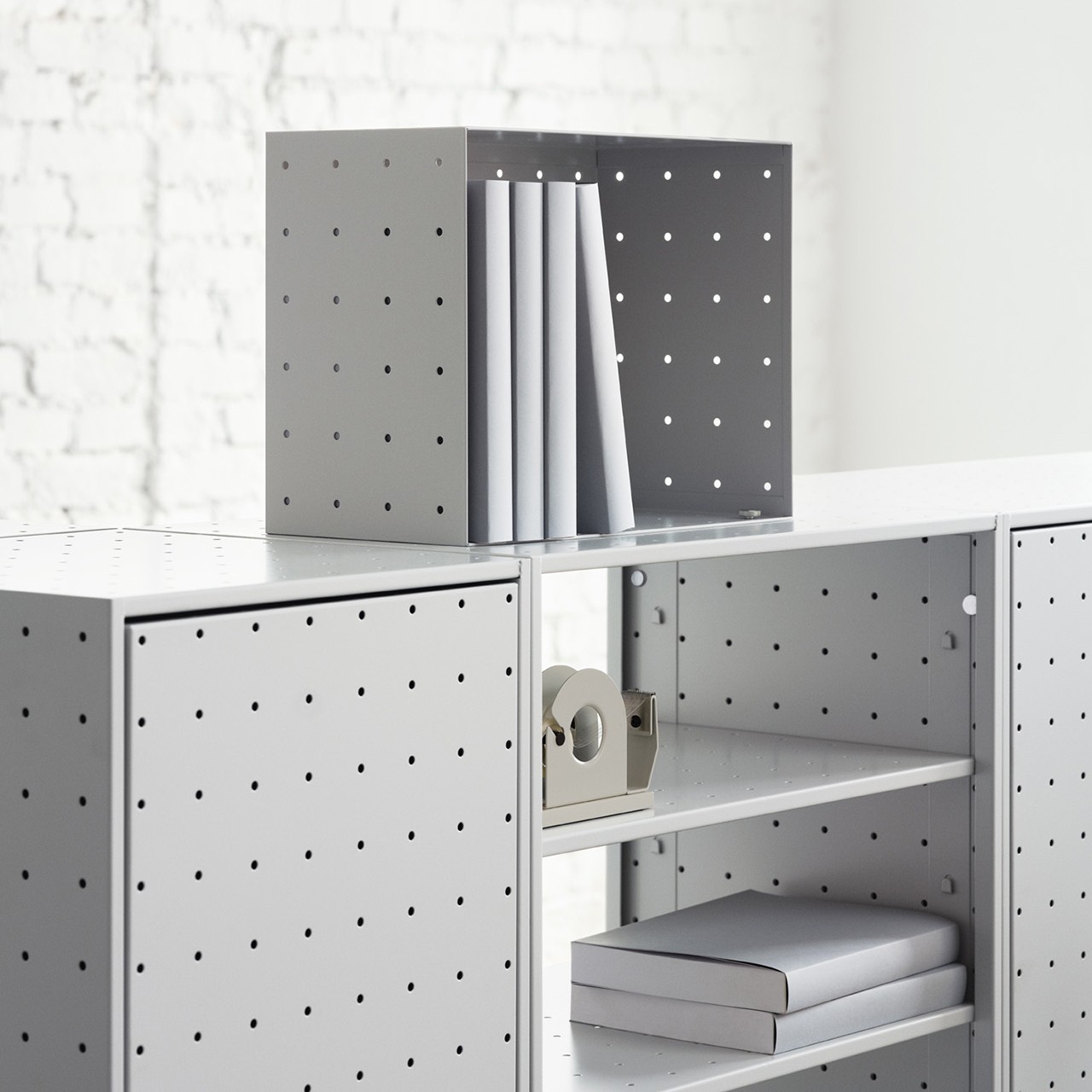
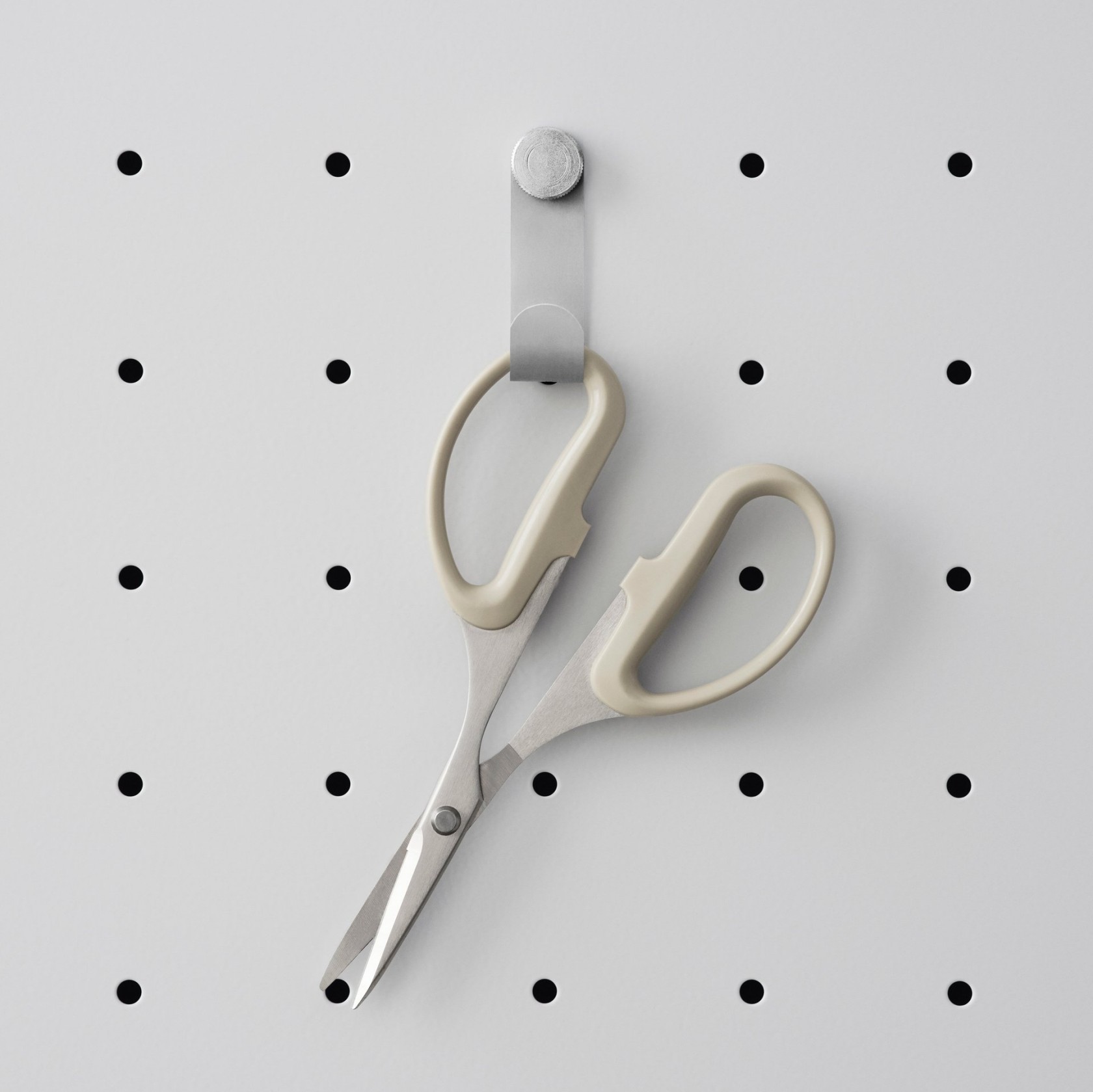
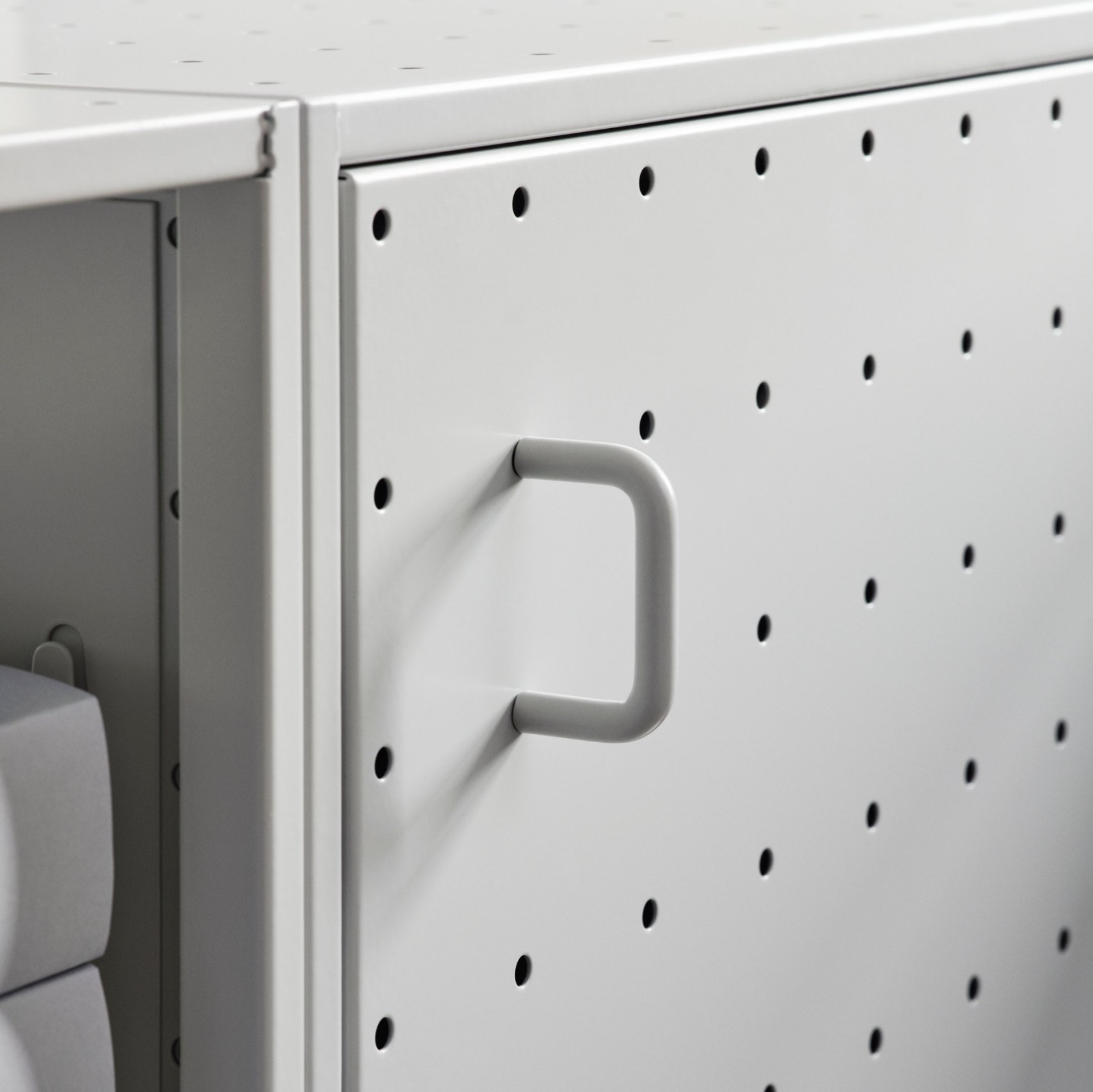
The pieces almost look like LEGO blocks, at least metal LEGO blocks. They are made from thin with a perforated grid pattern that is meant to give them an industrial aesthetic. Of course, these holes can serve functional purposes as well, allowing you to hang hooks, screw in handles, and maybe even decorate the surfaces with your personal photos and mementos. Presuming you or your company purchases different colored sets, you might even be able to mix up colors to add even more personality to your office space.

The concept of modular furniture is nothing new, but most of these designs tend to have a fixed appearance or mode of operation, allowing owners to only remove or add parts that are specifically designed for the system. With a minimalist design that adopts the simplest shapes of squares and rectangles, Center Center allows for maximum flexibility and, more importantly, encourages creativity and individuality that are easily lost in many work environments these days.

The post Modular office furniture brings the freedom and flexibility of LEGO to the workplace first appeared on Yanko Design.
Toko Meeting Pod is a modular, flexible, beautiful office space

Most of my professional life has involved working in start-ups or small companies. And most of the time, our offices don’t have the regular cubicles and set-up you see in the corporate world. I’m thankful for that because just seeing those constricting environments already stifles my creativity. A lot of the smaller companies have learned to adapt more creative modular setups in their workspaces to give employees better working conditions.

Designer: Carl Gustav Magnusson

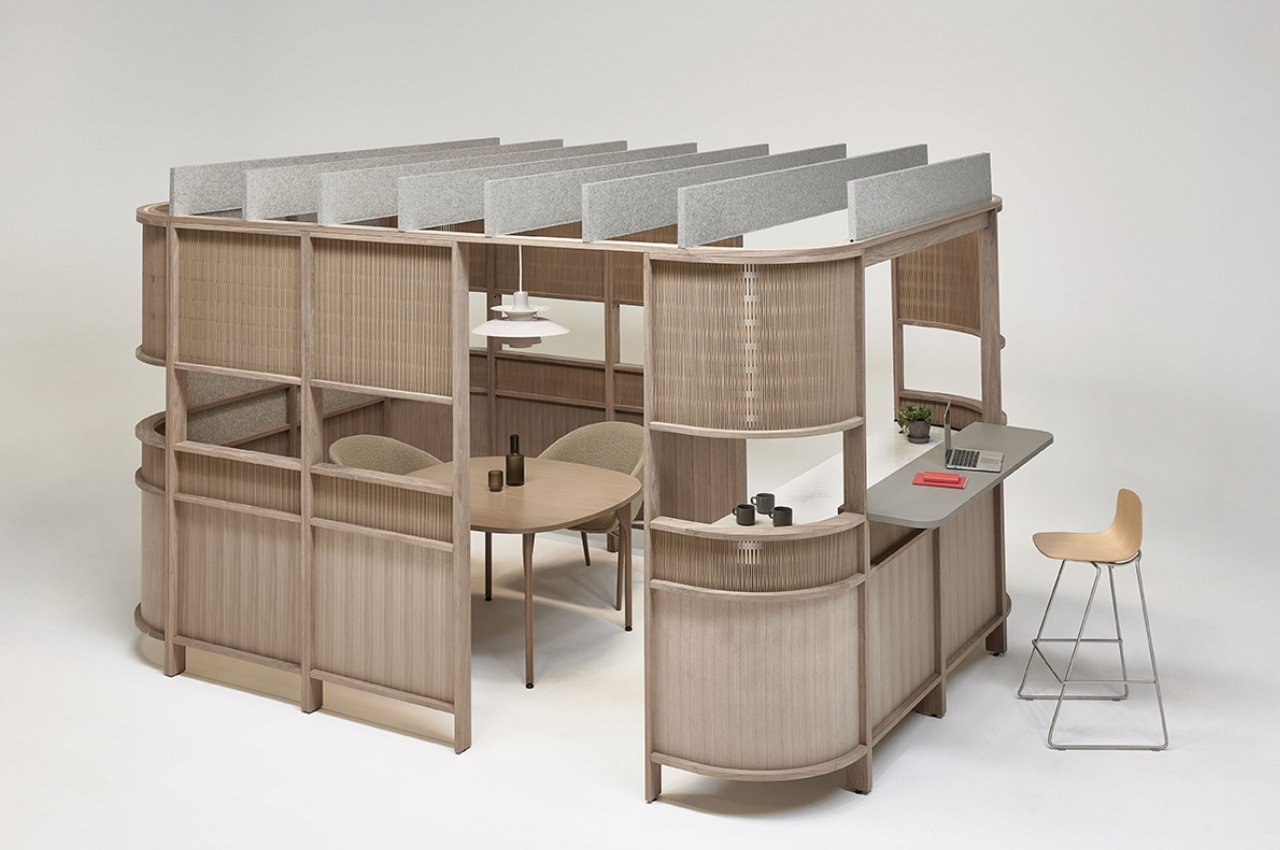
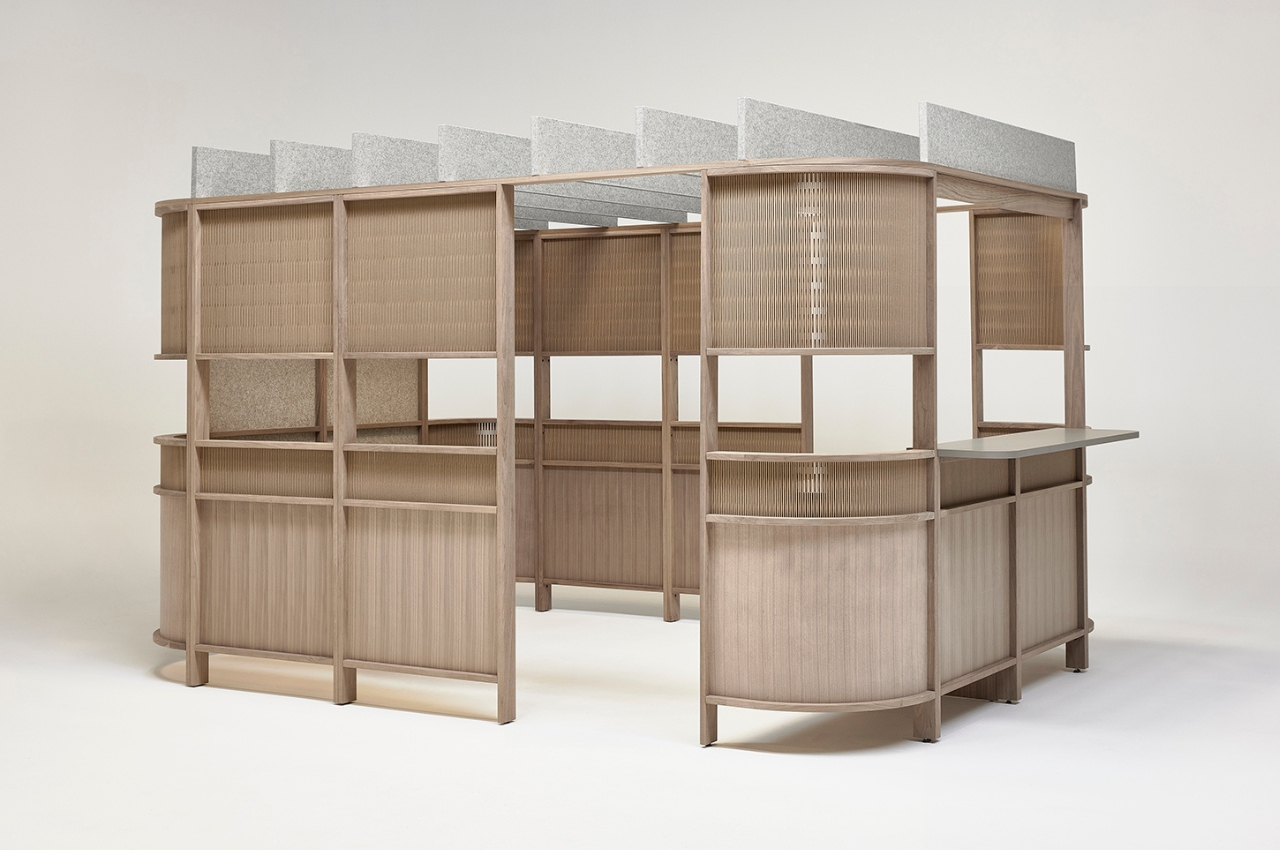
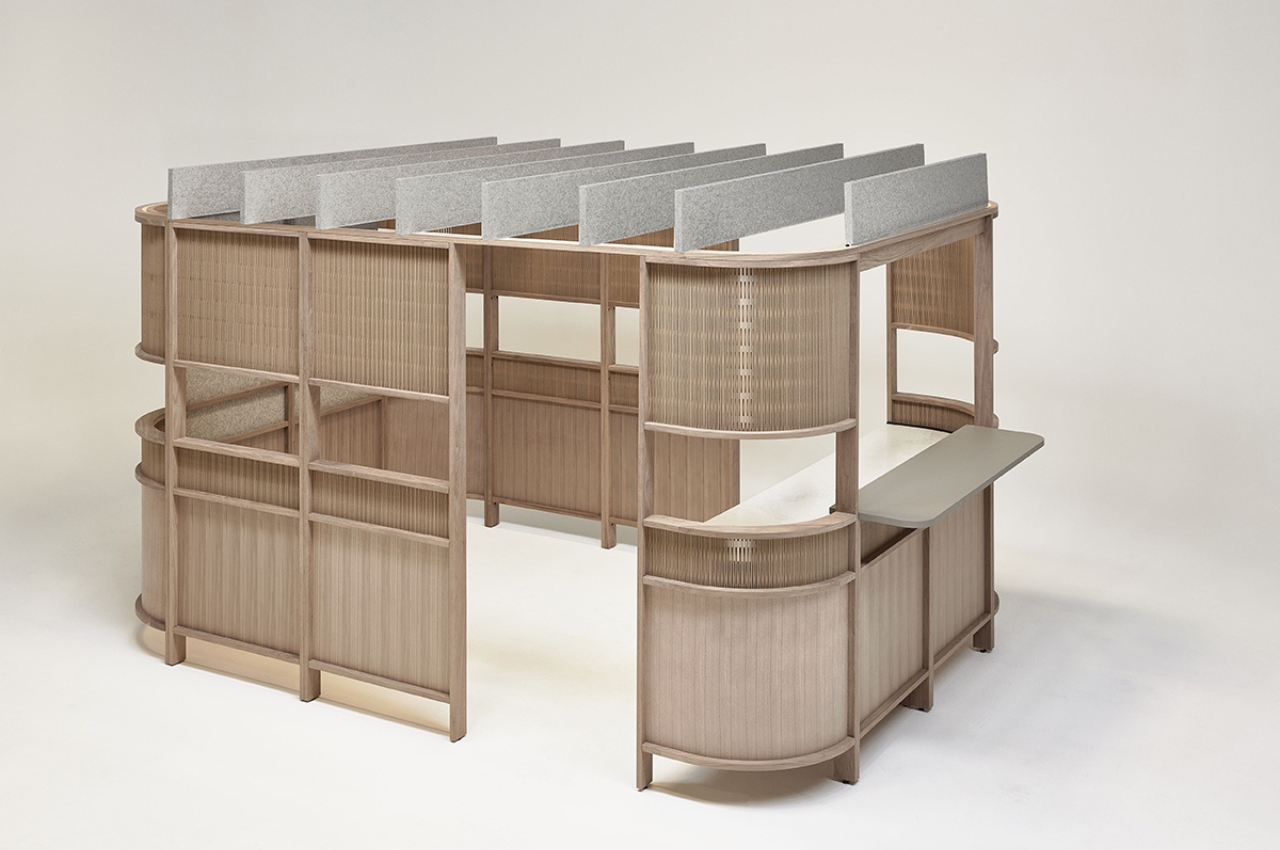
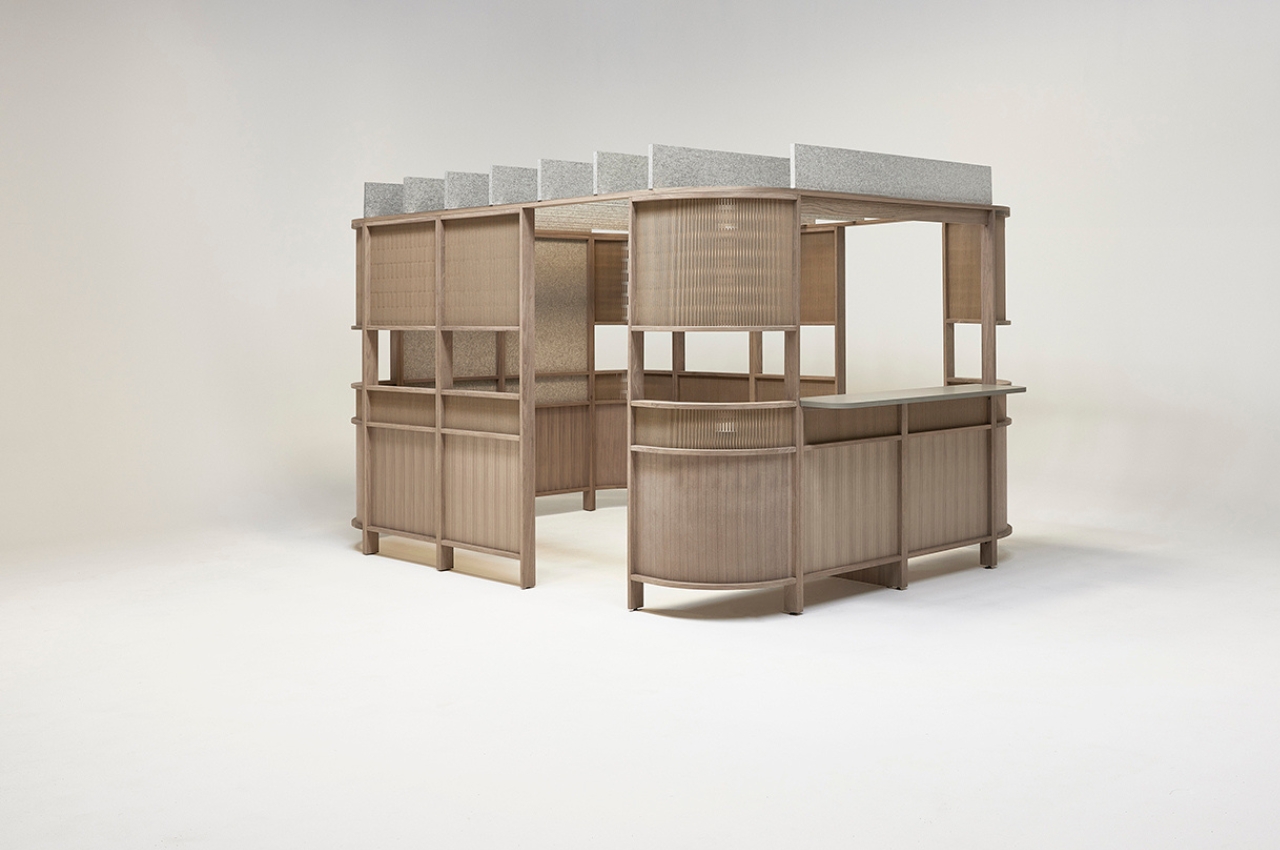
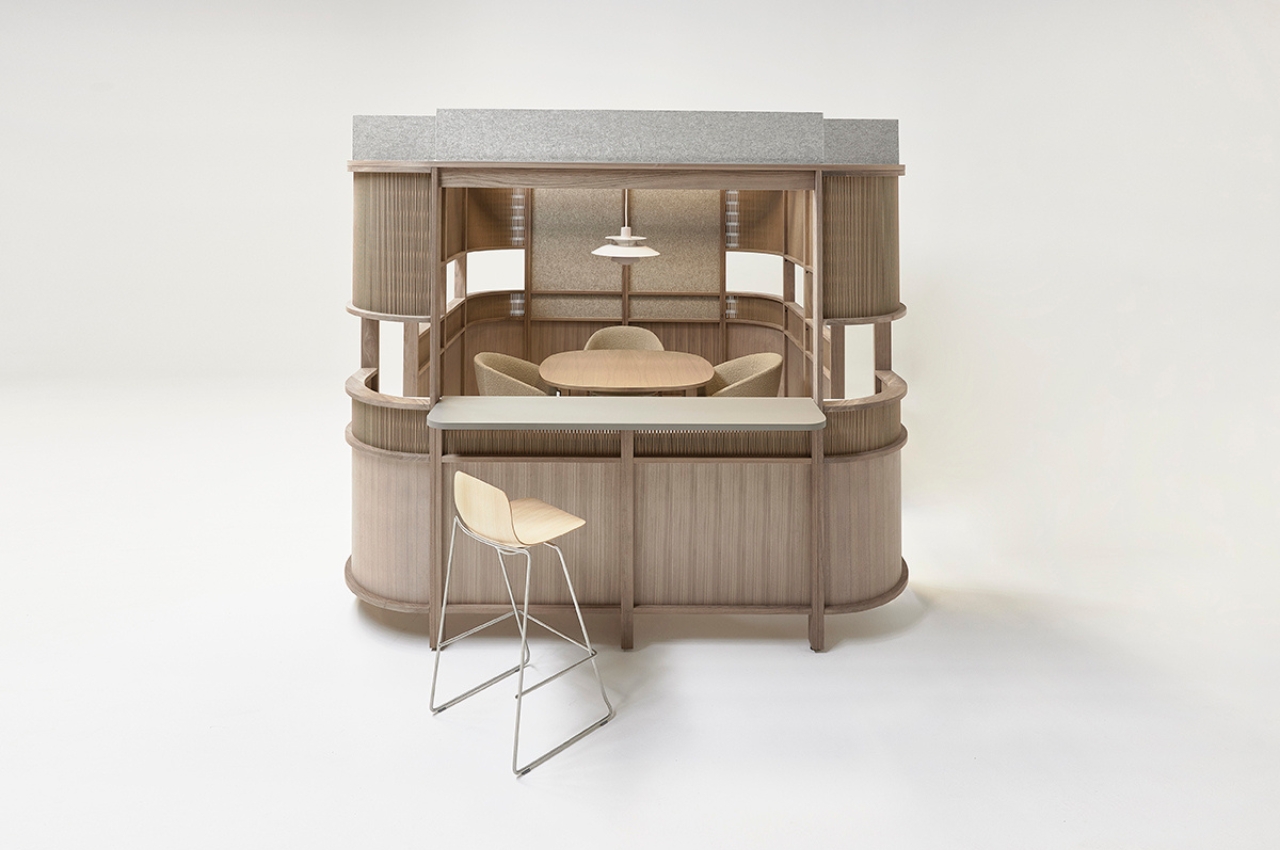
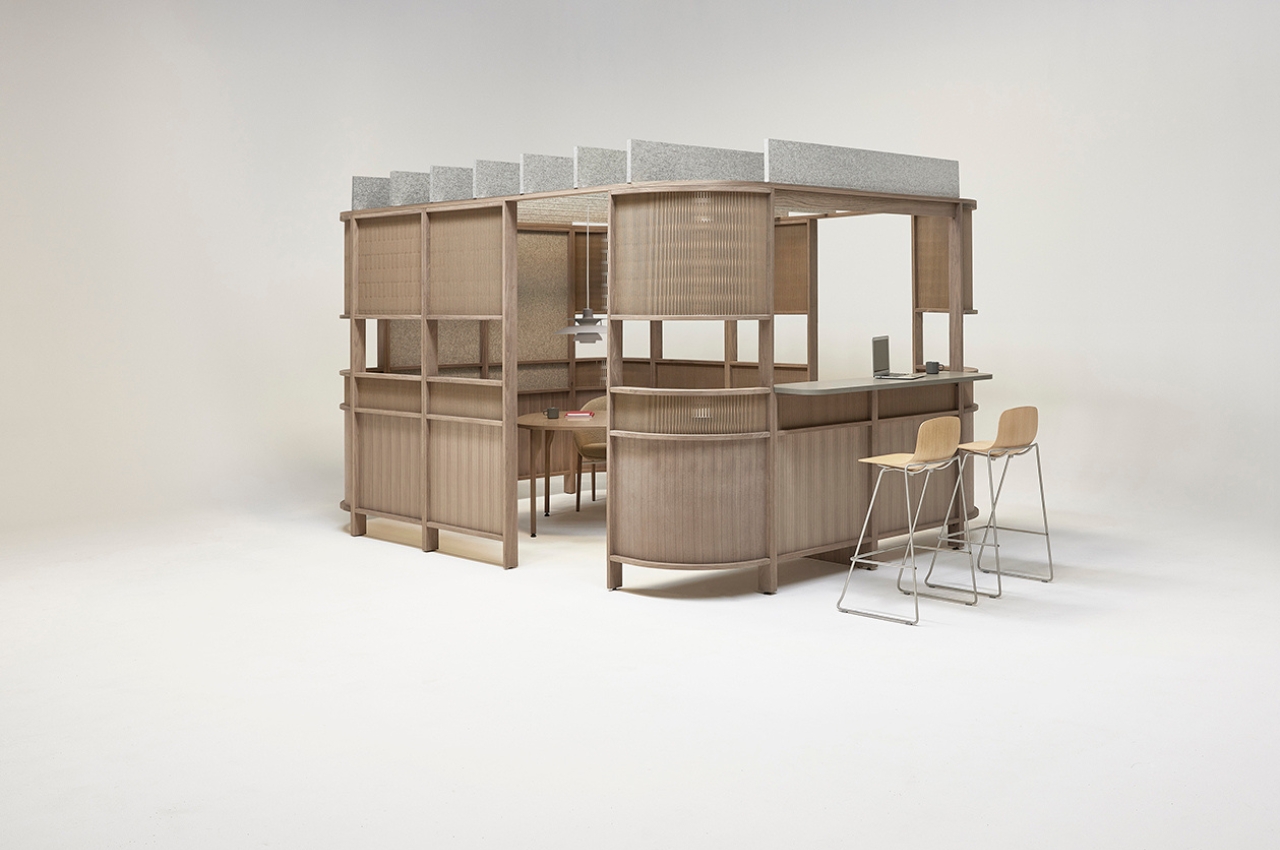
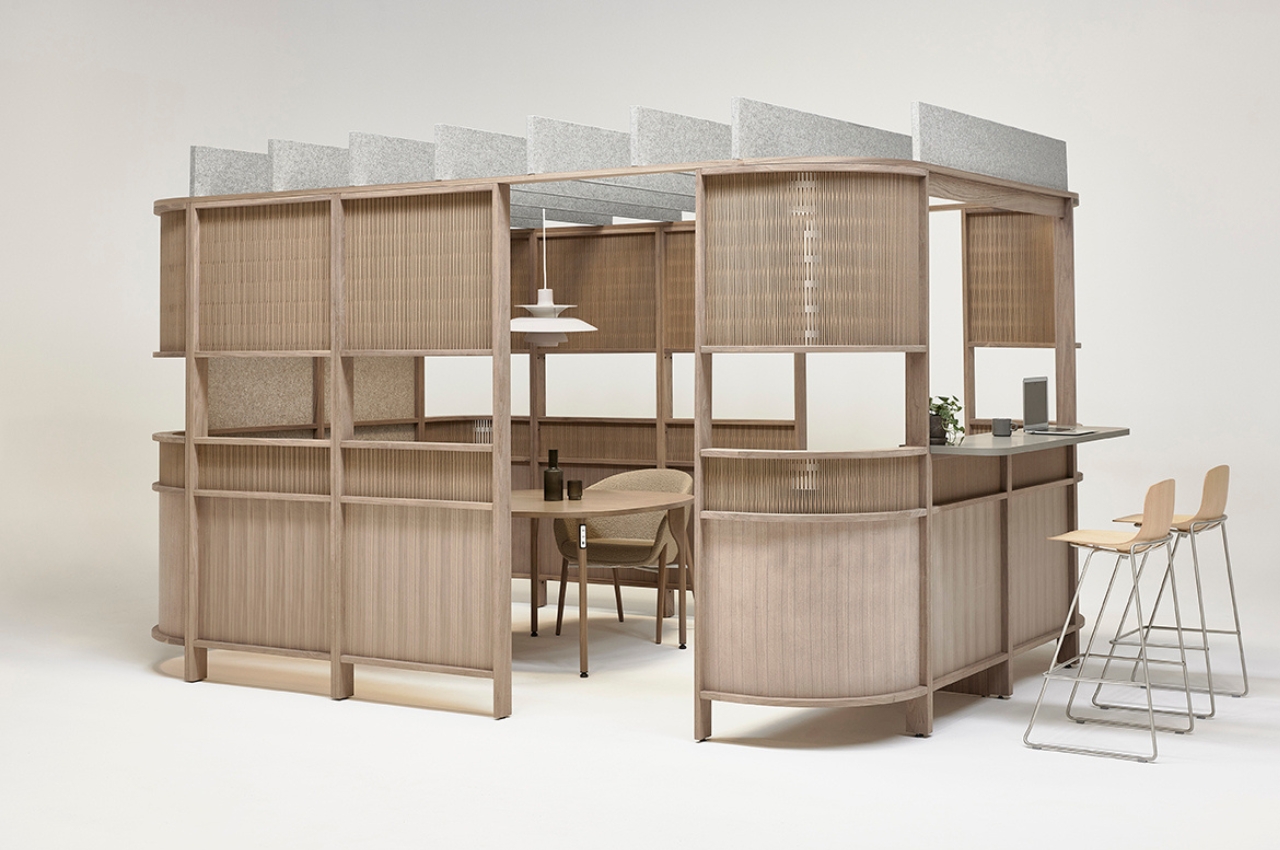
The Toko Meeting Pod is a modular system for offices that want to have a more unique and open space working environment. The way the basic structure is set up, it can become a regular working space for several people, a place where you can do meetings, a space where you can eat together, or maybe even all of the above at different times. It is also meant to be a freestanding design that you can relocate or reconfigure according to what you need at the moment.

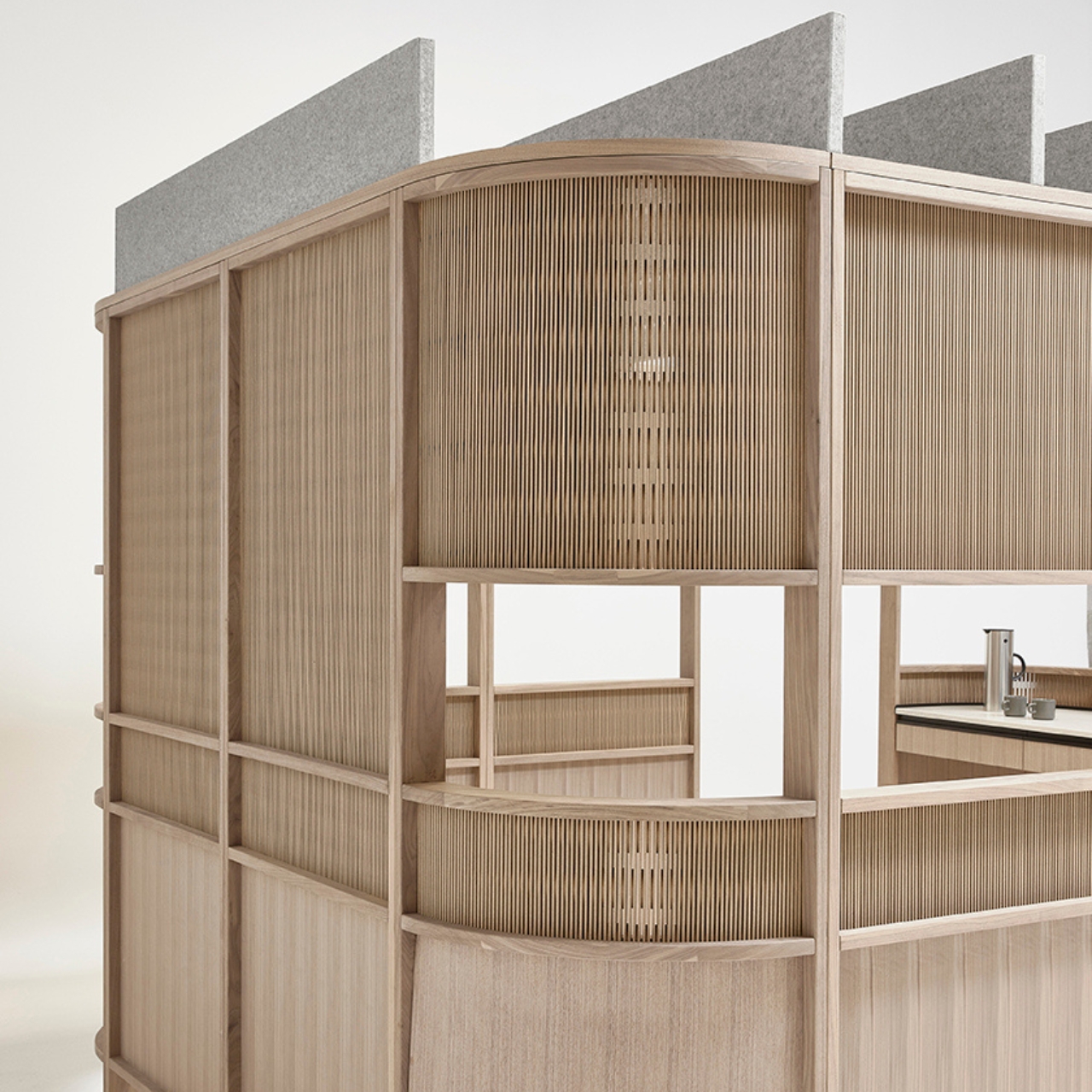
The pod can be made from different combinations of materials like wood veneer, engineered wood, and wool felt panels. The wall structure also lets you have visual and acoustic separation while the textile-like properties lets light into the space and the acoustic panels also give you sound absorption for your meetings and conferences.

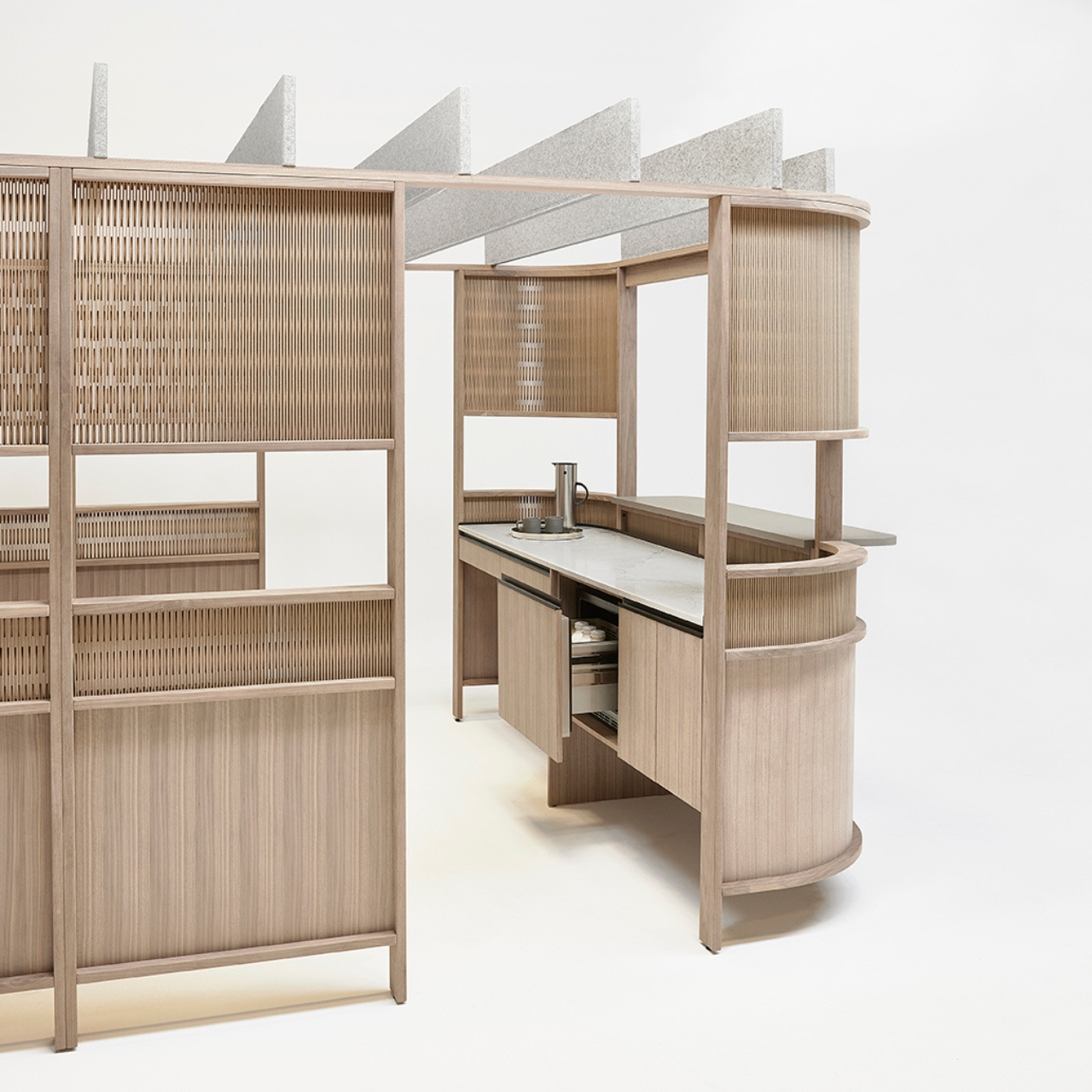
The Toko Meeting Pod also comes with integrated power and has build-in credenza storage and wall mounts so you can put monitors, whiteboards, shelving. The space can also accommodate tables and seating areas so it’s basically an affordable, sustainable, and flexible space that’s an alternative to the usual office design.

The post Toko Meeting Pod is a modular, flexible, beautiful office space first appeared on Yanko Design.
Toko Meeting Pod is a modular, flexible, beautiful office space

Most of my professional life has involved working in start-ups or small companies. And most of the time, our offices don’t have the regular cubicles and set-up you see in the corporate world. I’m thankful for that because just seeing those constricting environments already stifles my creativity. A lot of the smaller companies have learned to adapt more creative modular setups in their workspaces to give employees better working conditions.

Designer: Carl Gustav Magnusson

The Toko Meeting Pod is a modular system for offices that want to have a more unique and open space working environment. The way the basic structure is set up, it can become a regular working space for several people, a place where you can do meetings, a space where you can eat together, or maybe even all of the above at different times. It is also meant to be a freestanding design that you can relocate or reconfigure according to what you need at the moment.

The pod can be made from different combinations of materials like wood veneer, engineered wood, and wool felt panels. The wall structure also lets you have visual and acoustic separation while the textile-like properties lets light into the space and the acoustic panels also give you sound absorption for your meetings and conferences.

The Toko Meeting Pod also comes with integrated power and has build-in credenza storage and wall mounts so you can put monitors, whiteboards, shelving. The space can also accommodate tables and seating areas so it’s basically an affordable, sustainable, and flexible space that’s an alternative to the usual office design.

The post Toko Meeting Pod is a modular, flexible, beautiful office space first appeared on Yanko Design.
Cooler Master MasterHUB modular control system adjusts to creators’ workflows

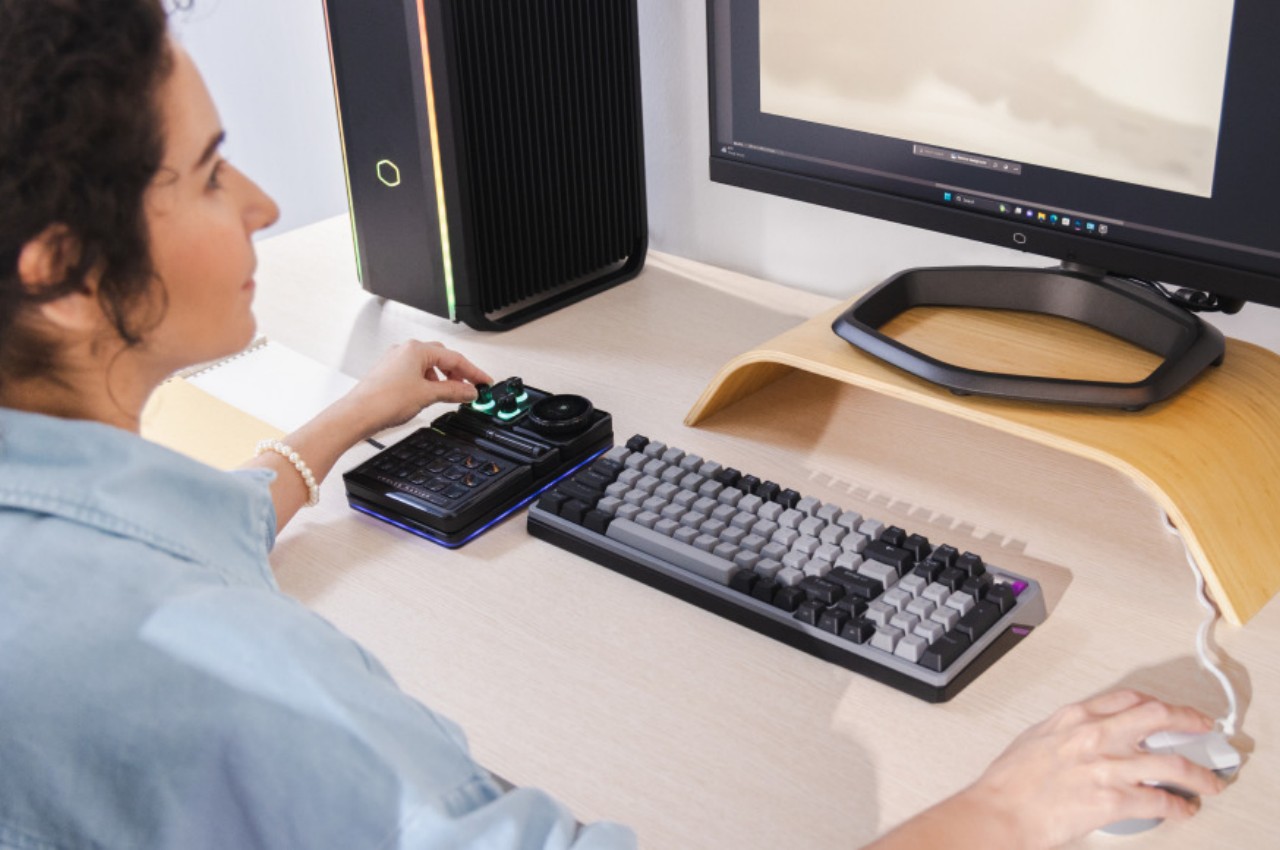
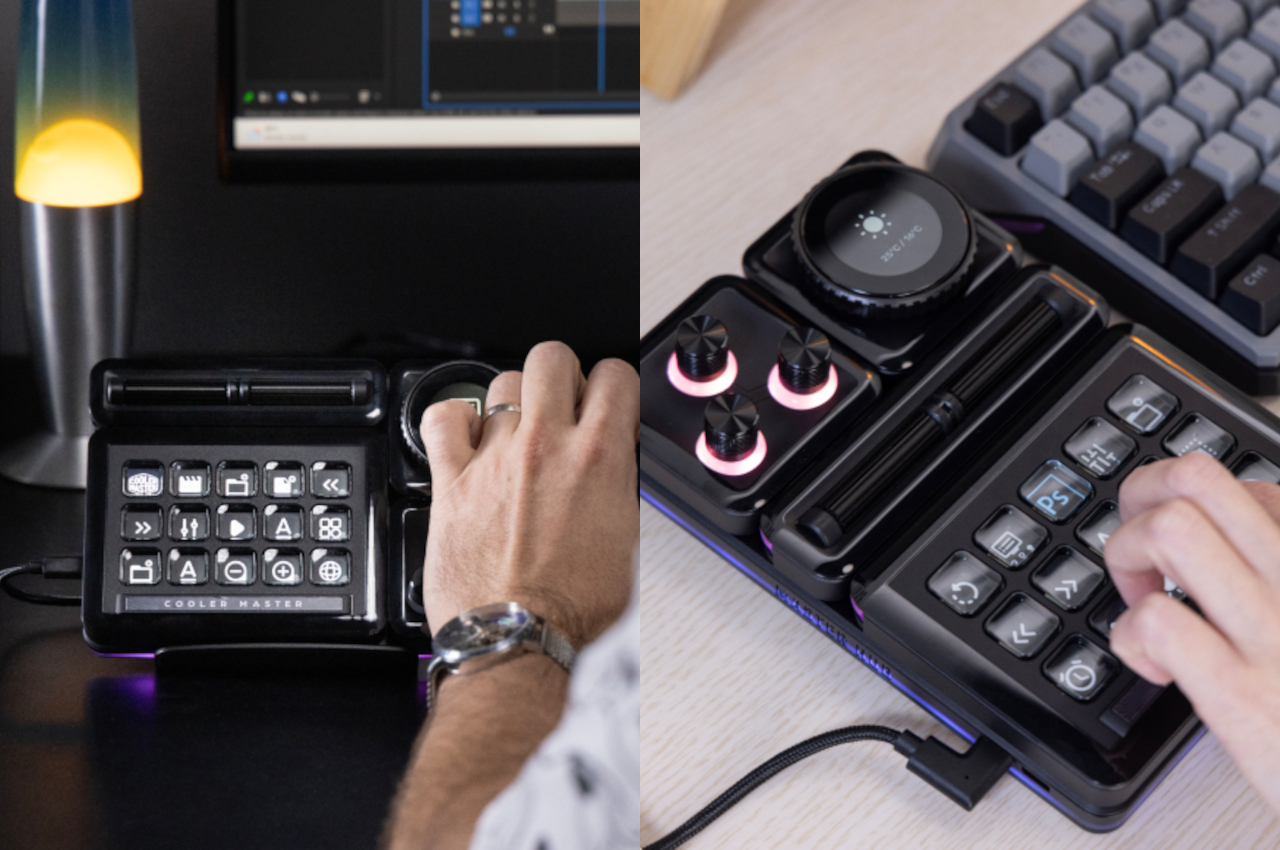
Content creation these days looks so simple the way influencers like to show off in behind-the-scenes videos, but the reality is that they can be overwhelmingly complex as the content they create, especially as they level up their craft. While it’s definitely possible to stick to the tried and true keyboard, mouse, or drawing tablet, the demands of today’s creators and their audiences call for better tools that help make their lives easier. That said, no two artists or designers are alike, and they work in different ways with different techniques, tools, and processes. Most gadgets and devices try to force users to a specific way of working, but this modular stream kit lets you decide not only the specific controls that you need but even the layout that you want.

Designer: Cooler Master

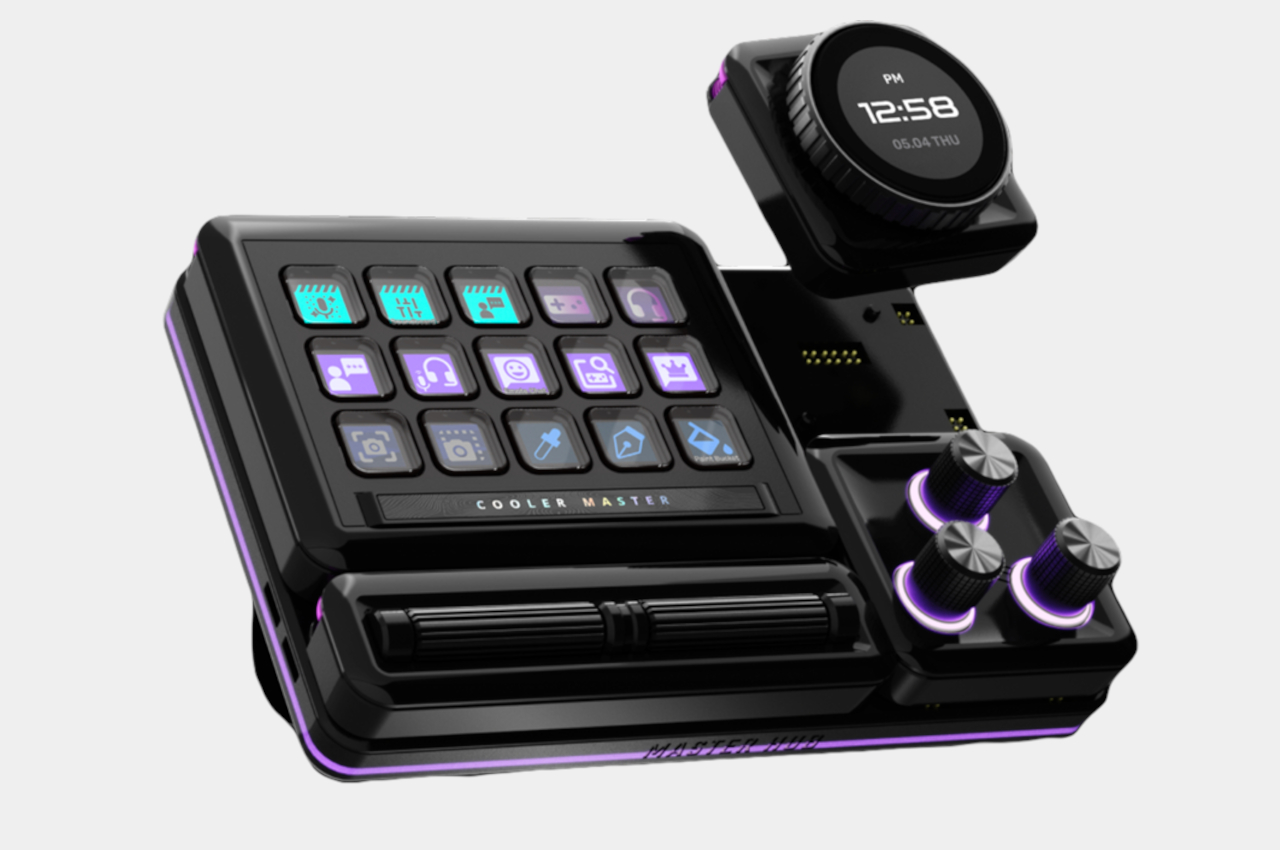
As the name implies, stream kits were originally designed for live streamers as they usually need to access some functions quickly without having to perform finger calisthenics over their keyboard. Over time, however, the flexibility of these programmable buttons with tiny LCD displays has become a favored tool by many content creators, from designers to artists to video editors to general enthusiasts. The MasterHUB comes from this lineage but has one special power that very few have: it can change its shape to adapt to your needs, workflow, or even your whim!

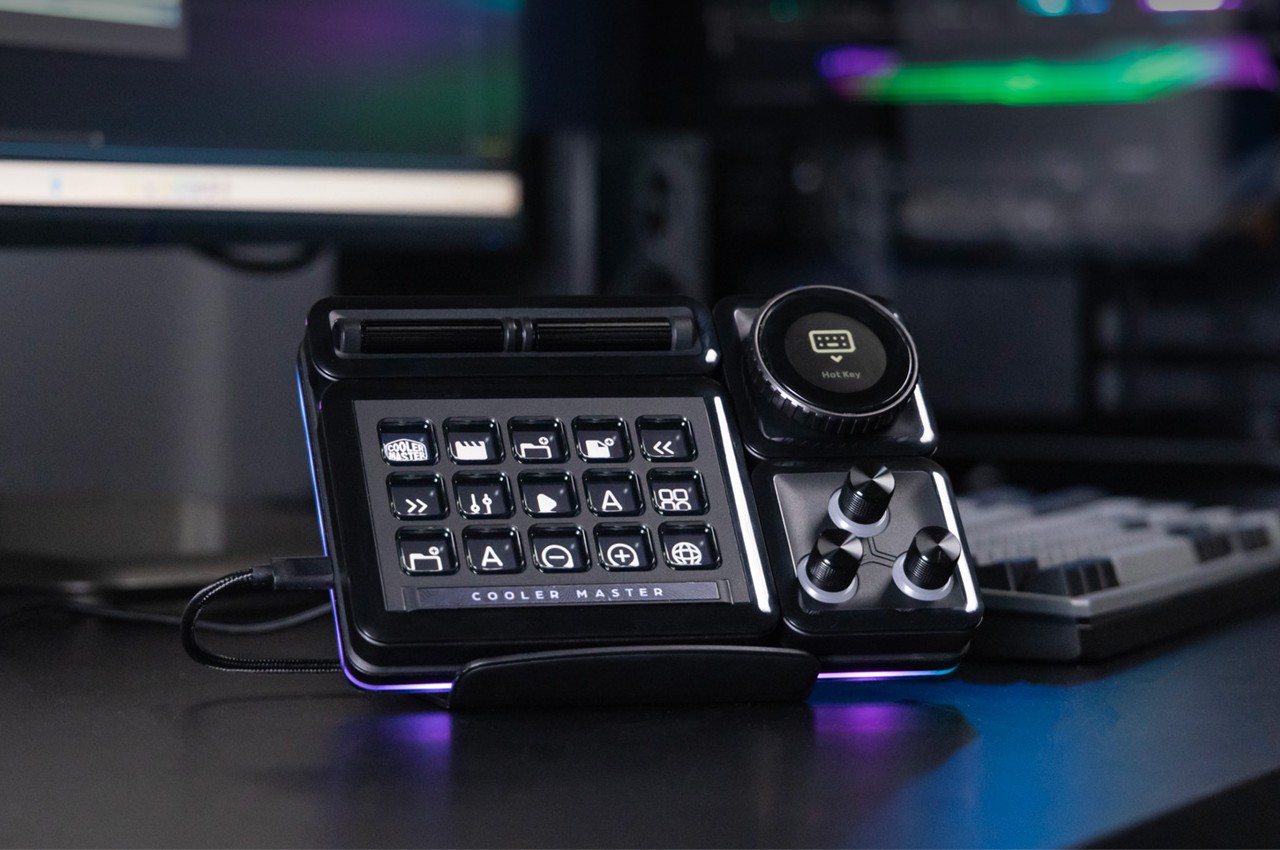
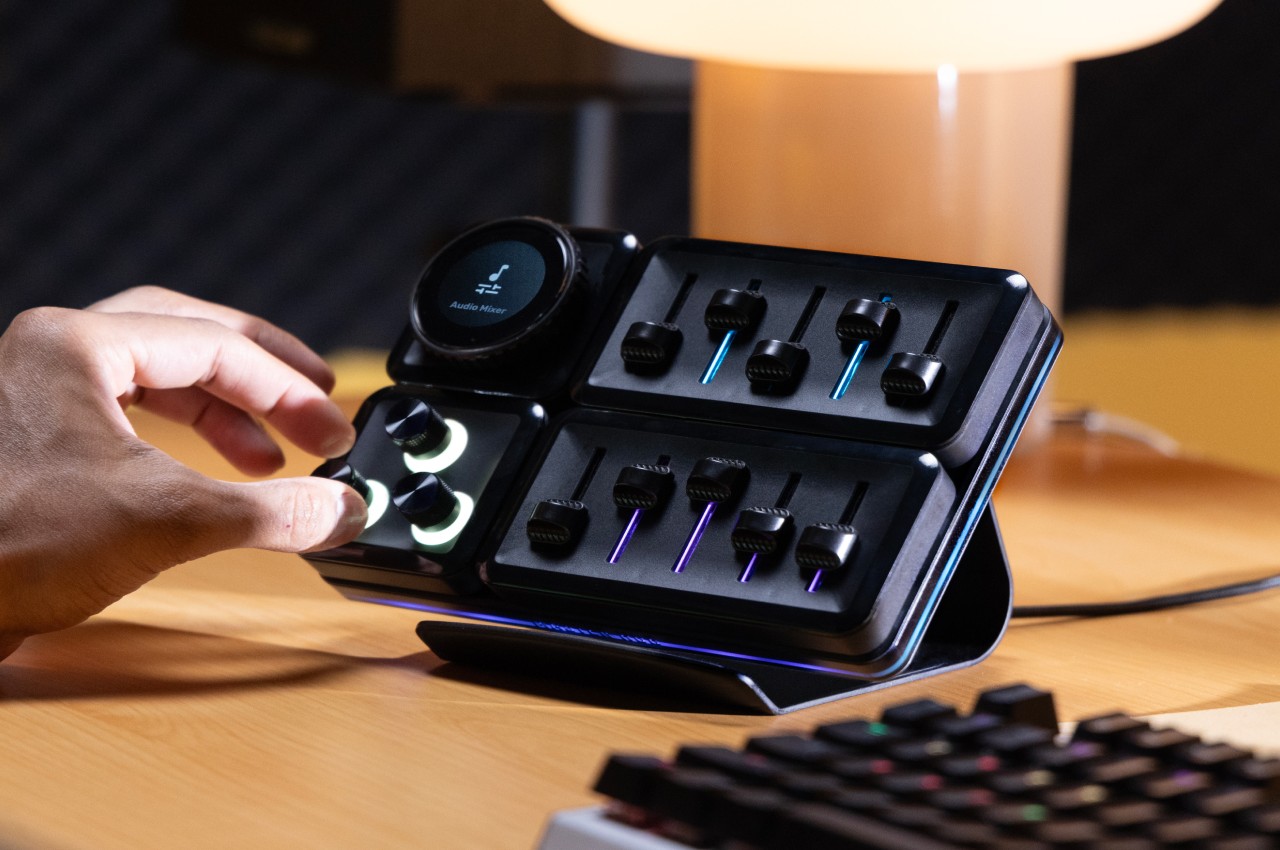
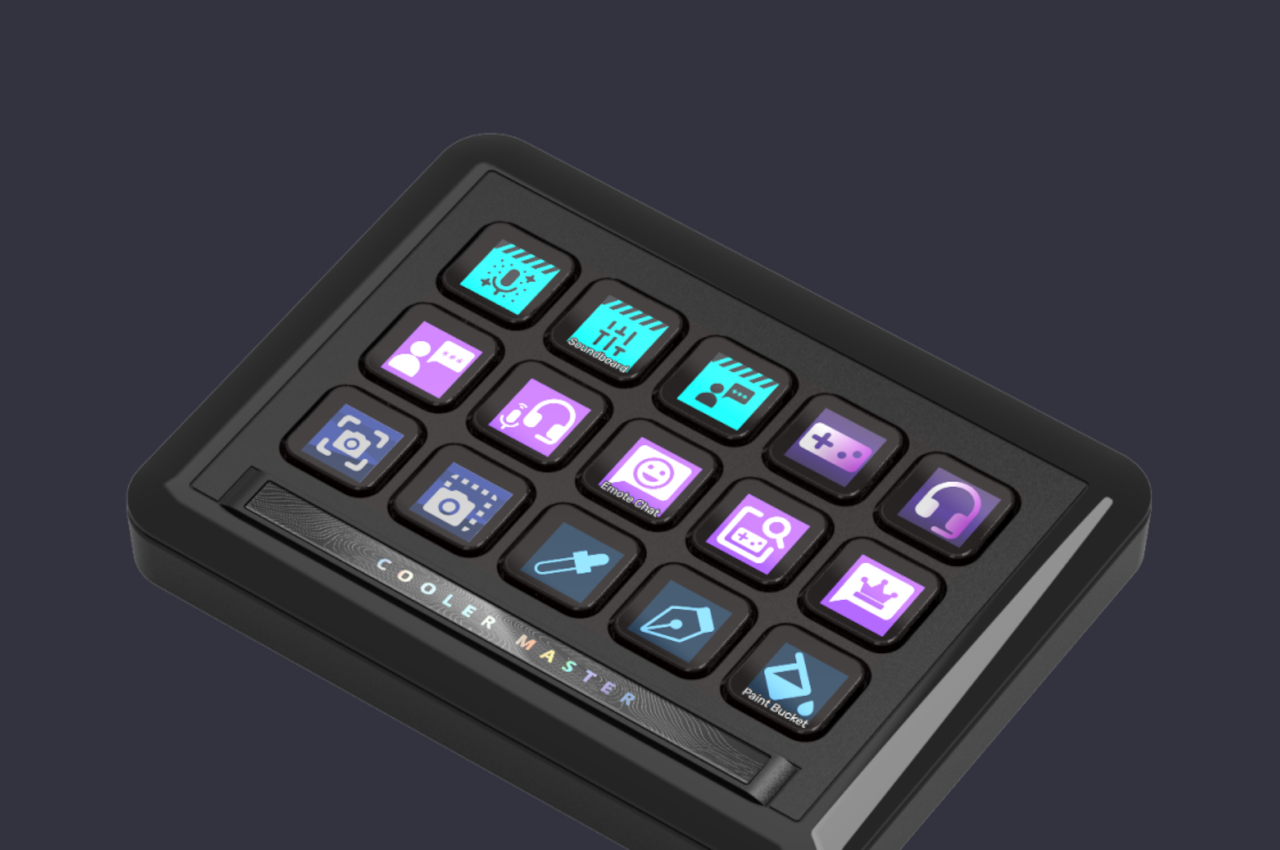
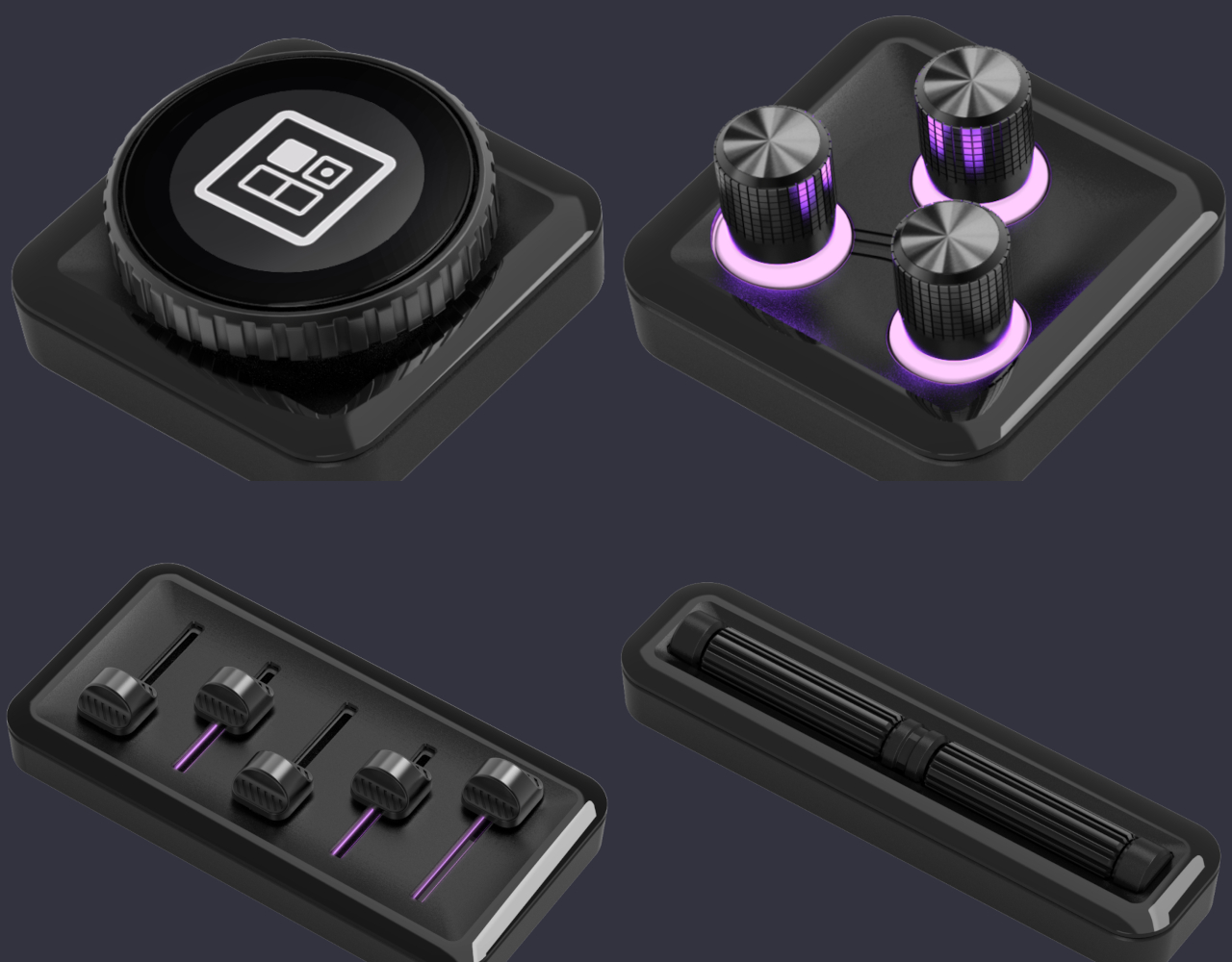
The MasterHUB’s foundation is a base where you can mix and match modules that each deliver a different kind of control. The most common of these is the App Control with 15 programmable keys, each with a customizable display, that can be used to trigger an action or launch an app. Another module is the Encoder which is a large dial with an integrated circular LCD display that can be used for something like scrubbing through audio and video timelines. A Knob Module has three knobs that can be mapped to changing brush sizes, undoing and redoing steps, and similar actions. Completing the set is a Fader Precision module with five sliders and a Roller Scroll Module with two rolling bars.

This modular system allows creators to define the layout out of their control center. They can even set it up vertically instead of the conventional horizontal layout, and you can pretty much change the combination on a whim, presuming you’re prepared to do the work of setting up the configuration again. Such a flexible control hub will also benefit even computer users who don’t create content, like gamers and power users that need more knobs and buttons than their keyboard can provide. Availability details for this powerful creativity tool, unfortunately, are still unavailable at the moment.

The post Cooler Master MasterHUB modular control system adjusts to creators’ workflows first appeared on Yanko Design.